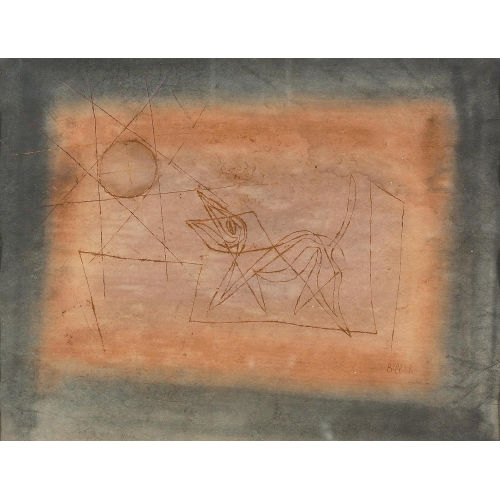
Max Bill
Born in 1908.
Died in 1994.
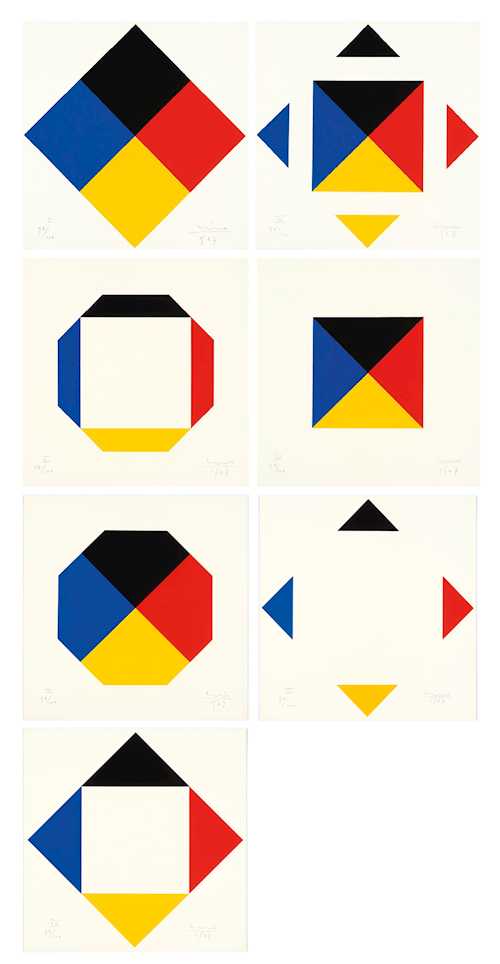
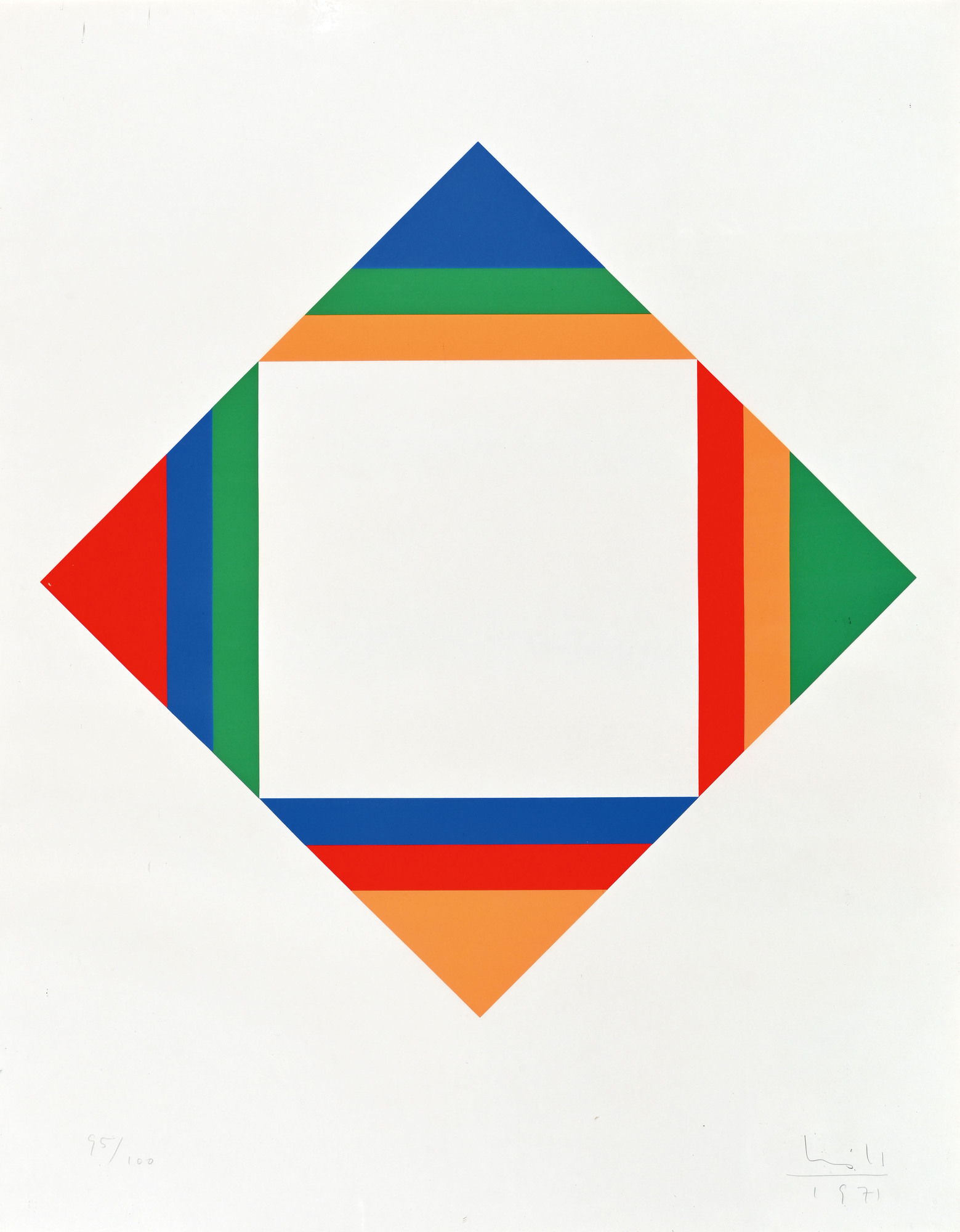
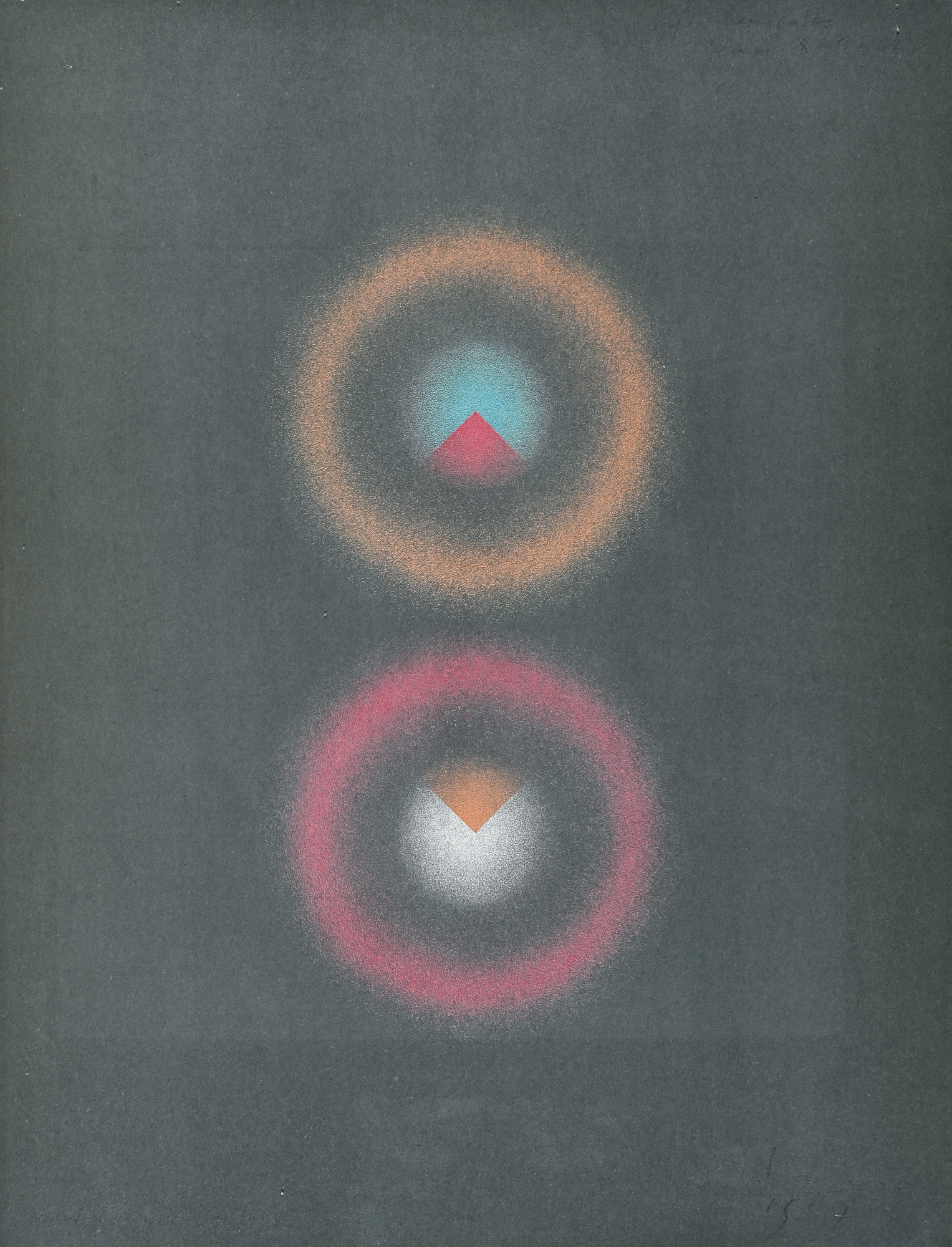
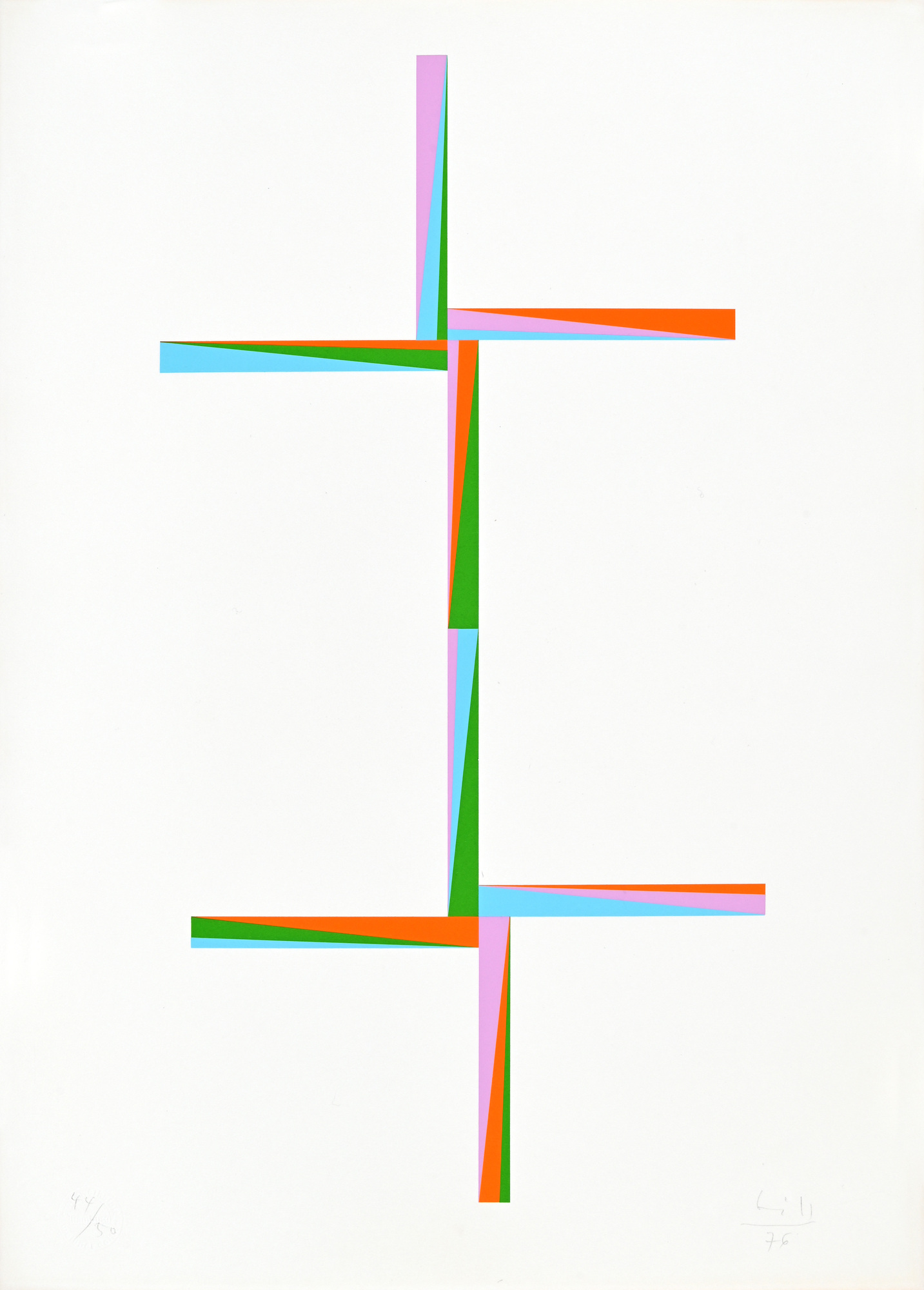
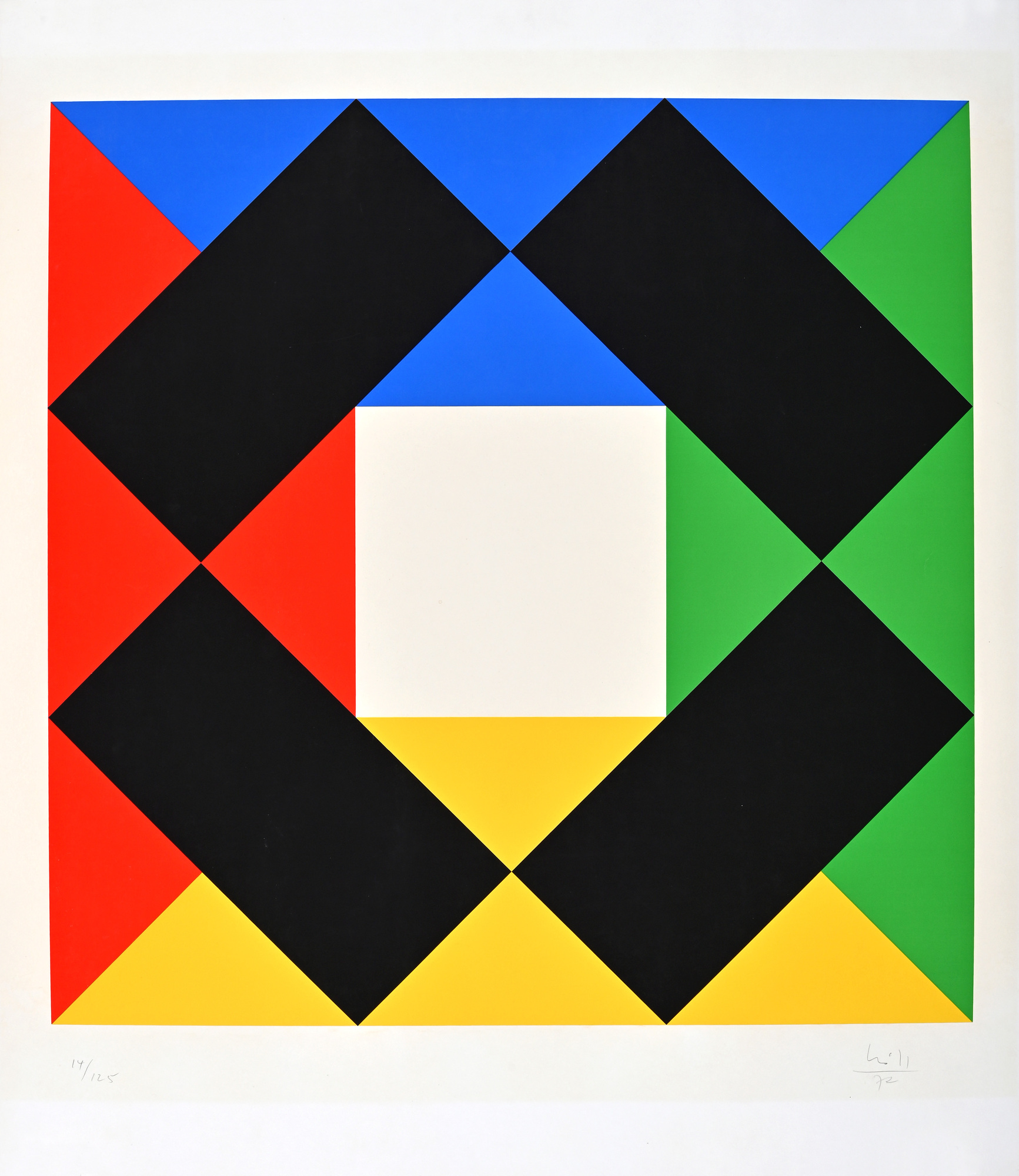
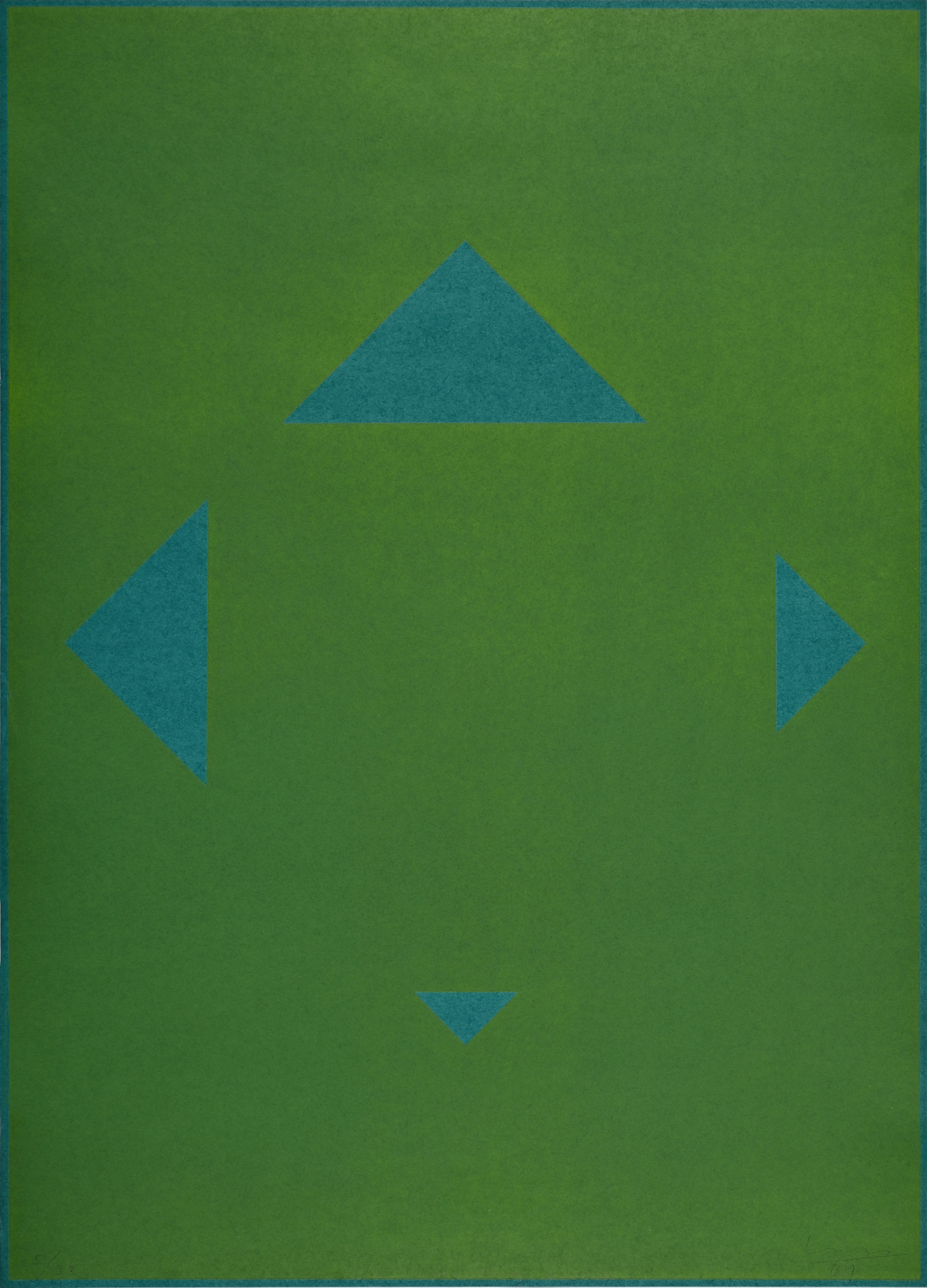
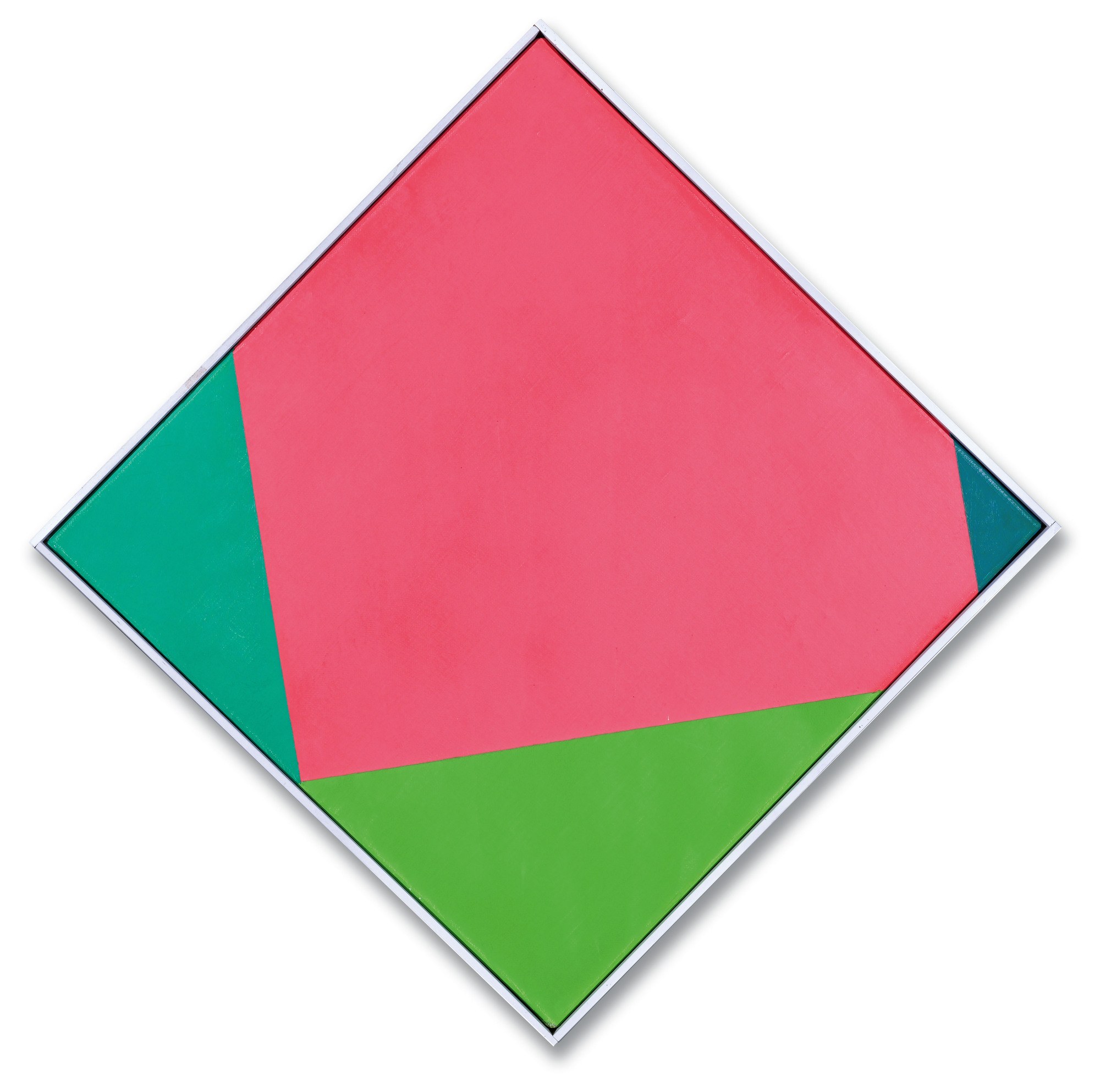
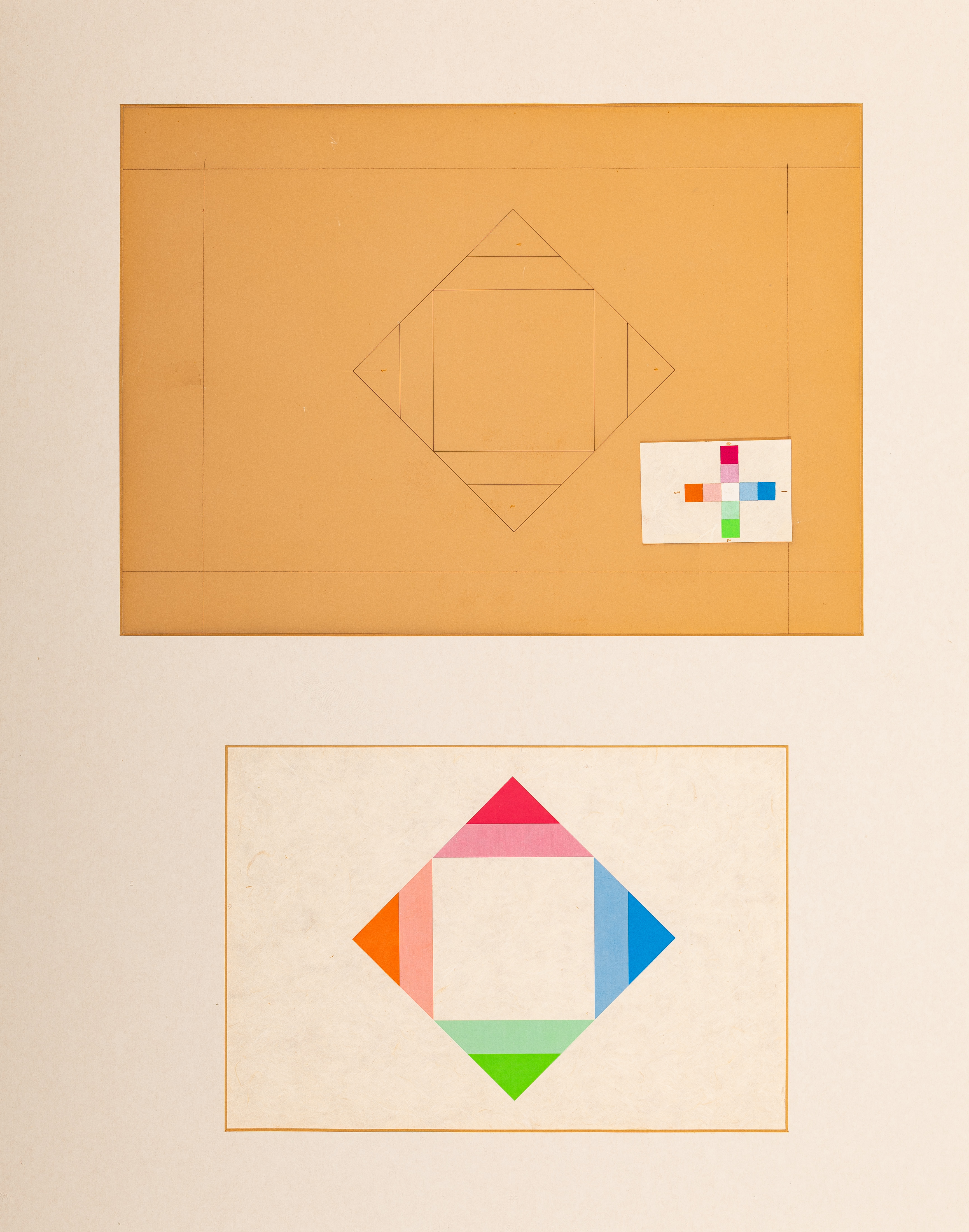
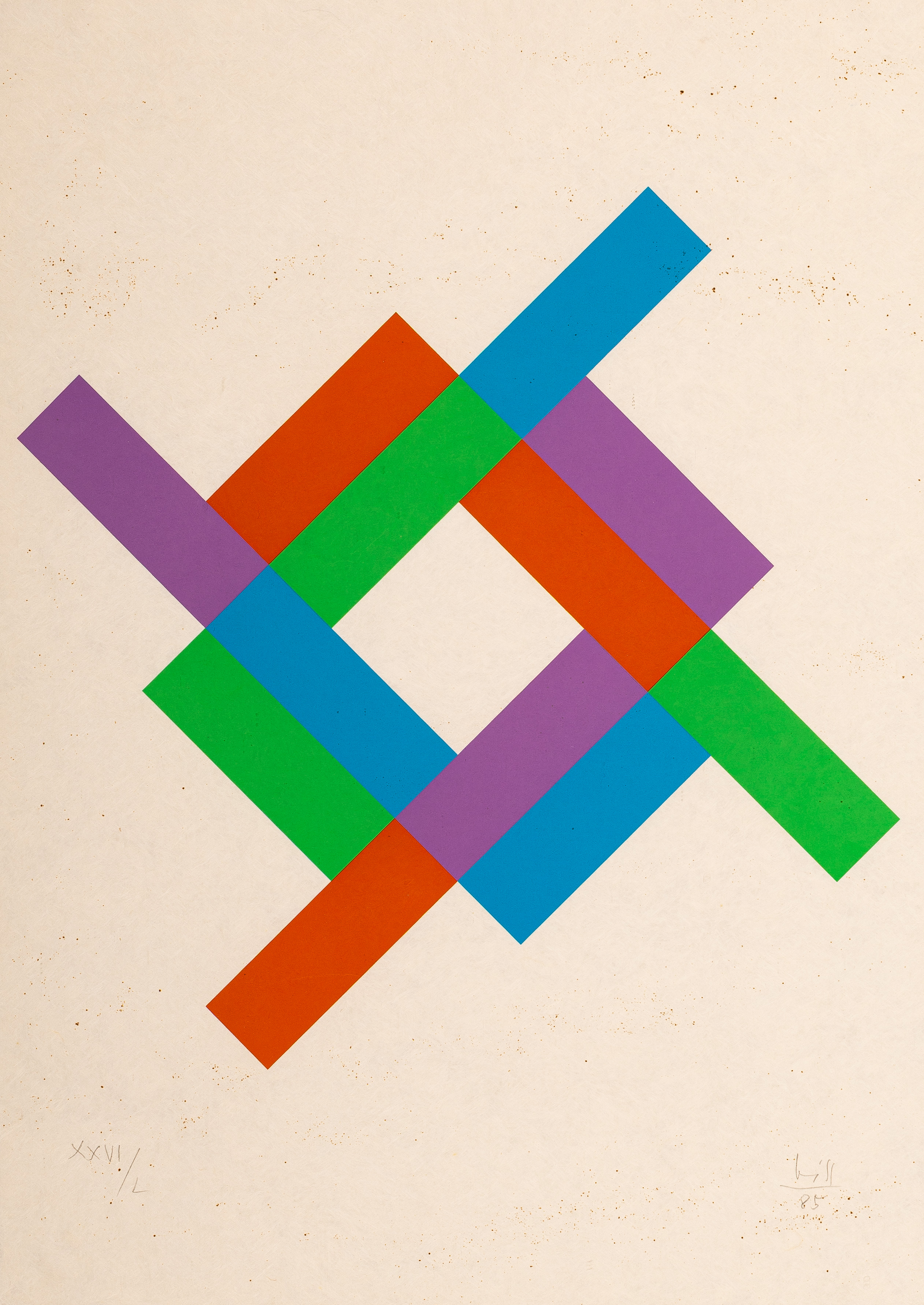
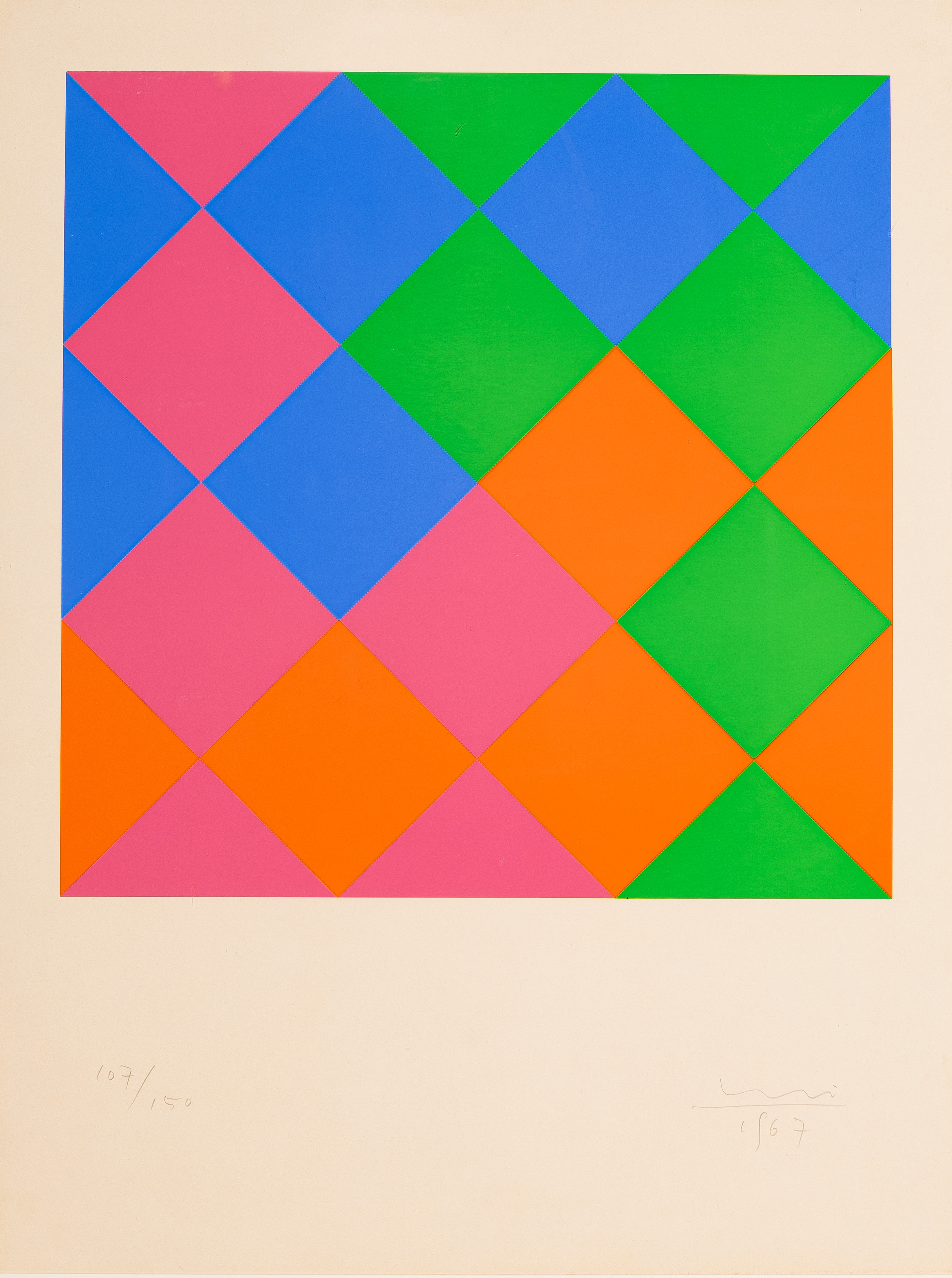
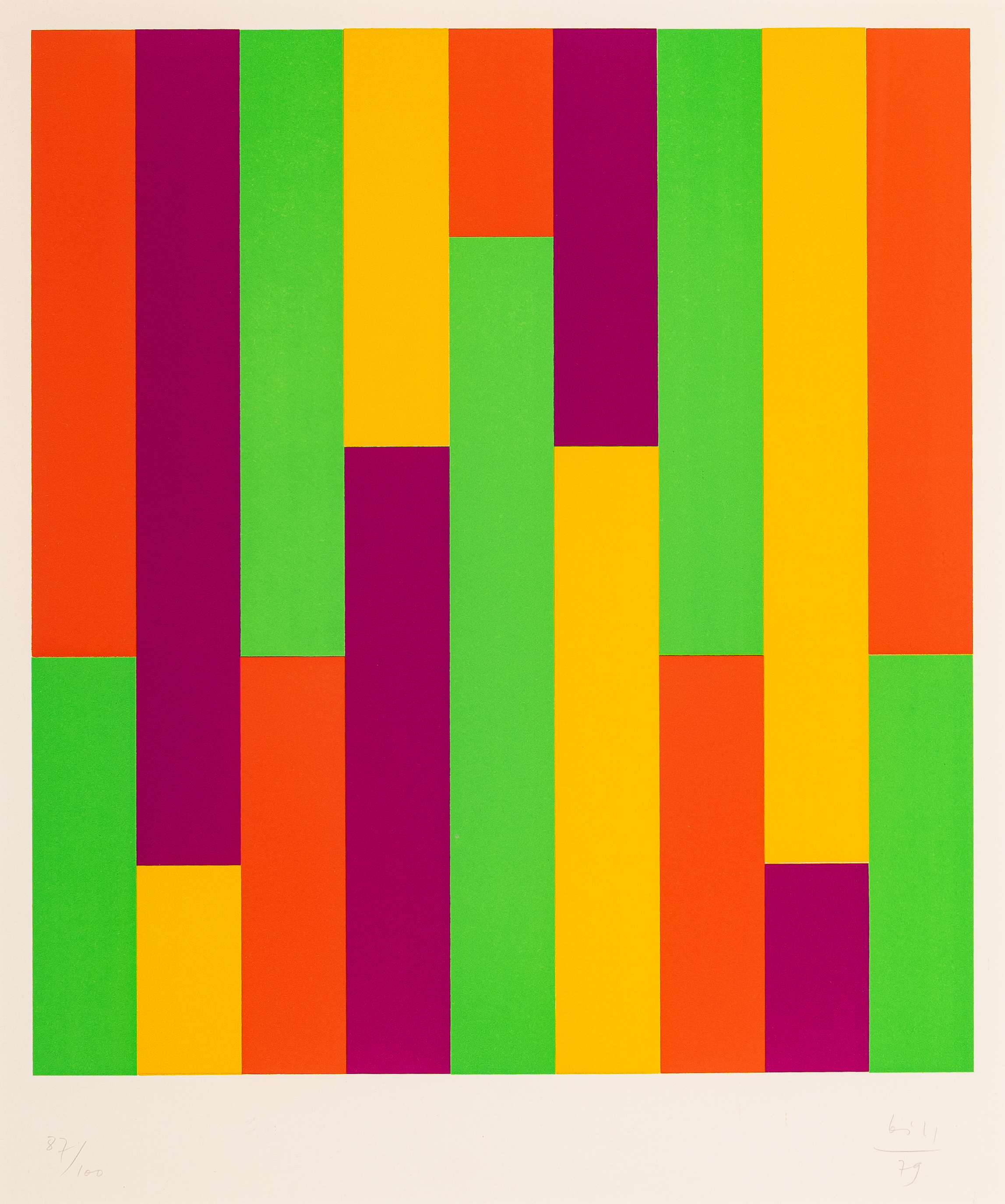
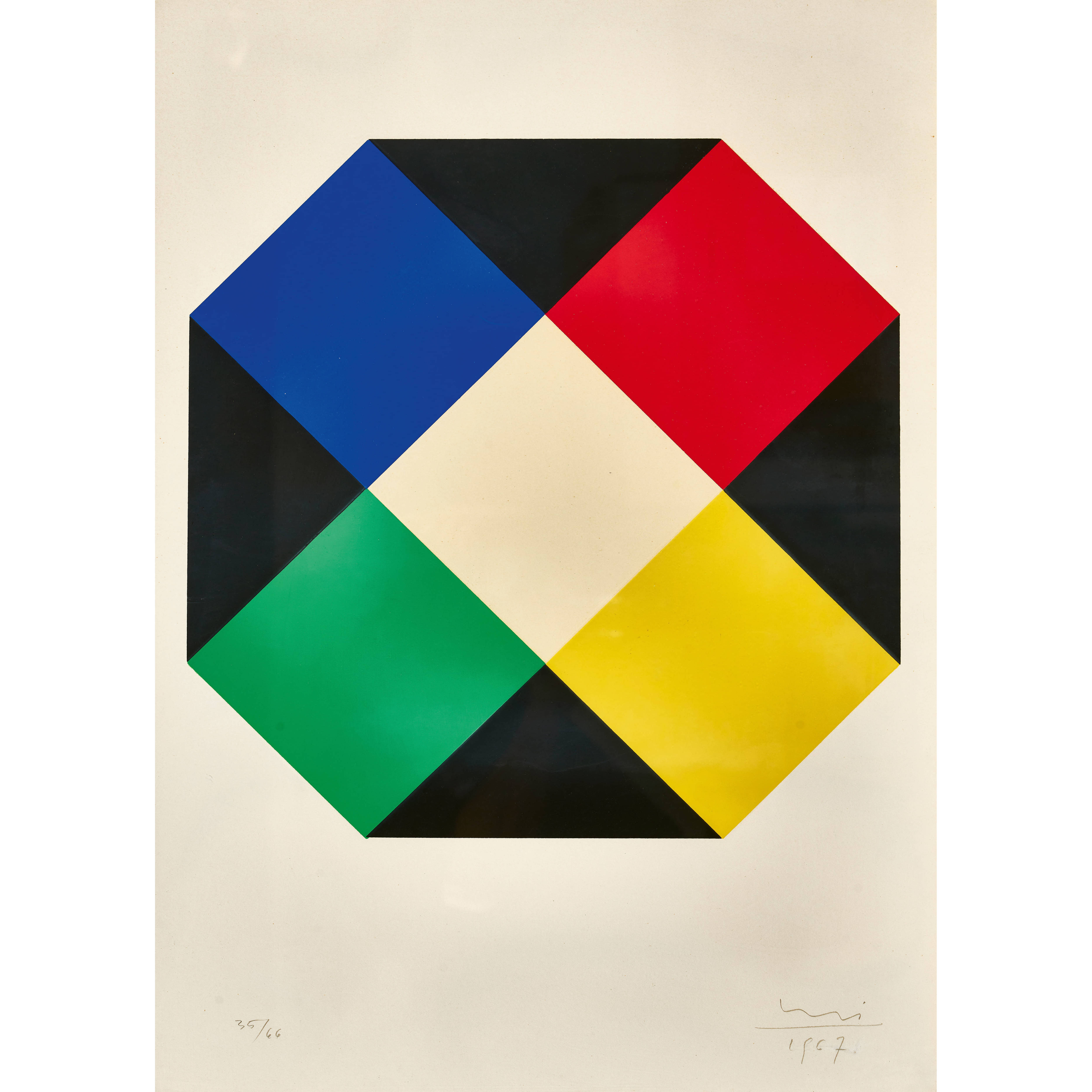
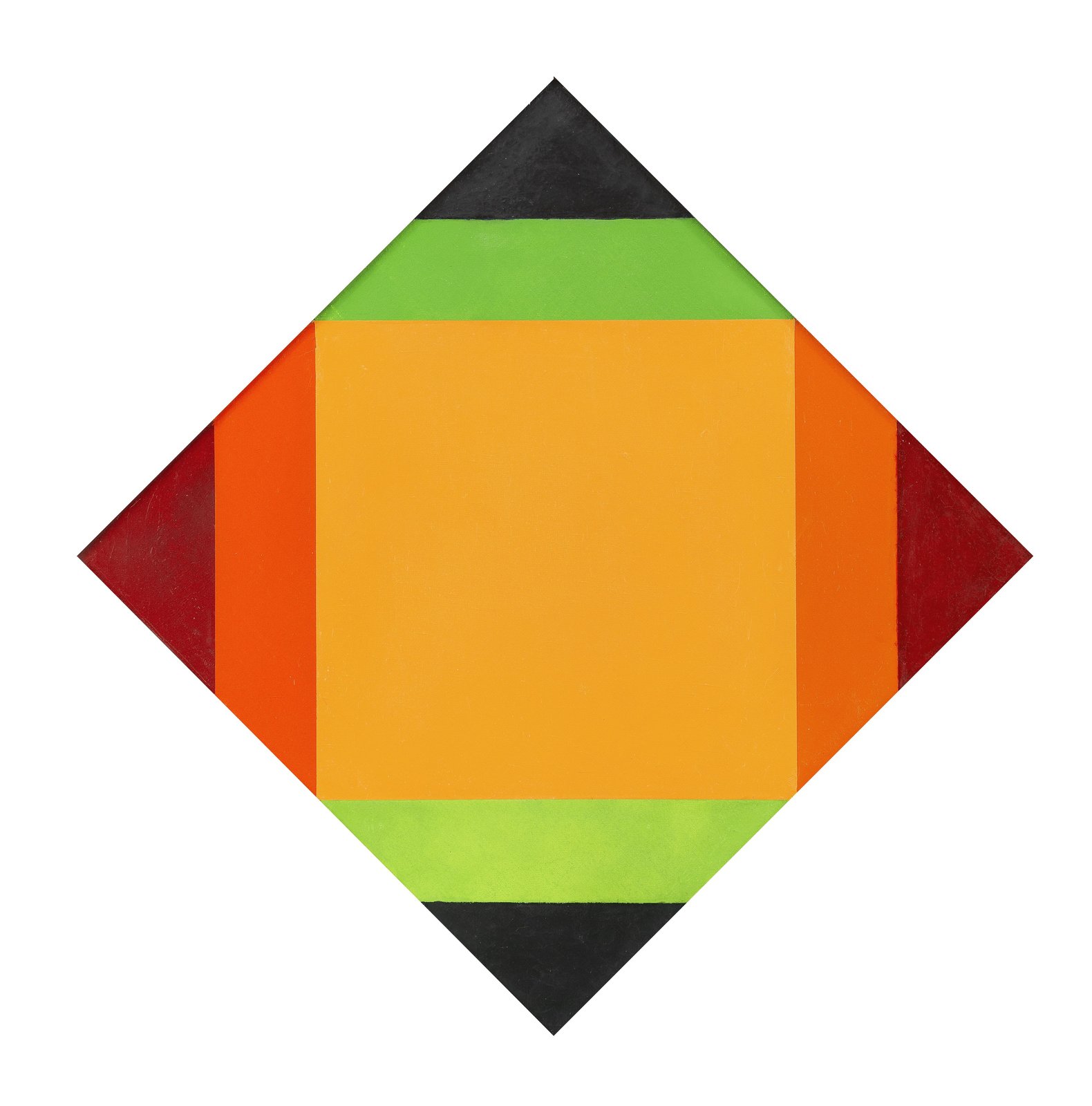
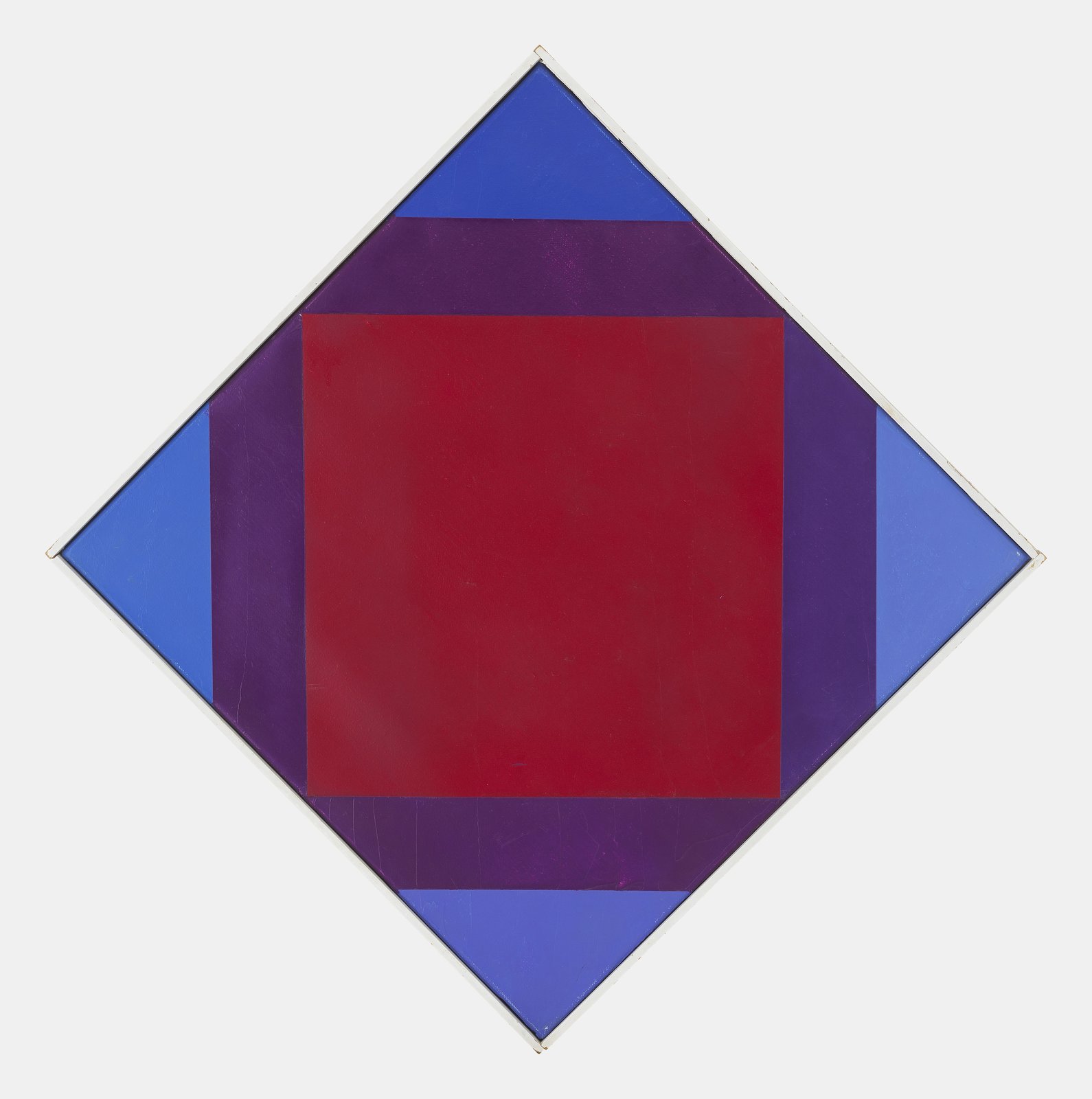
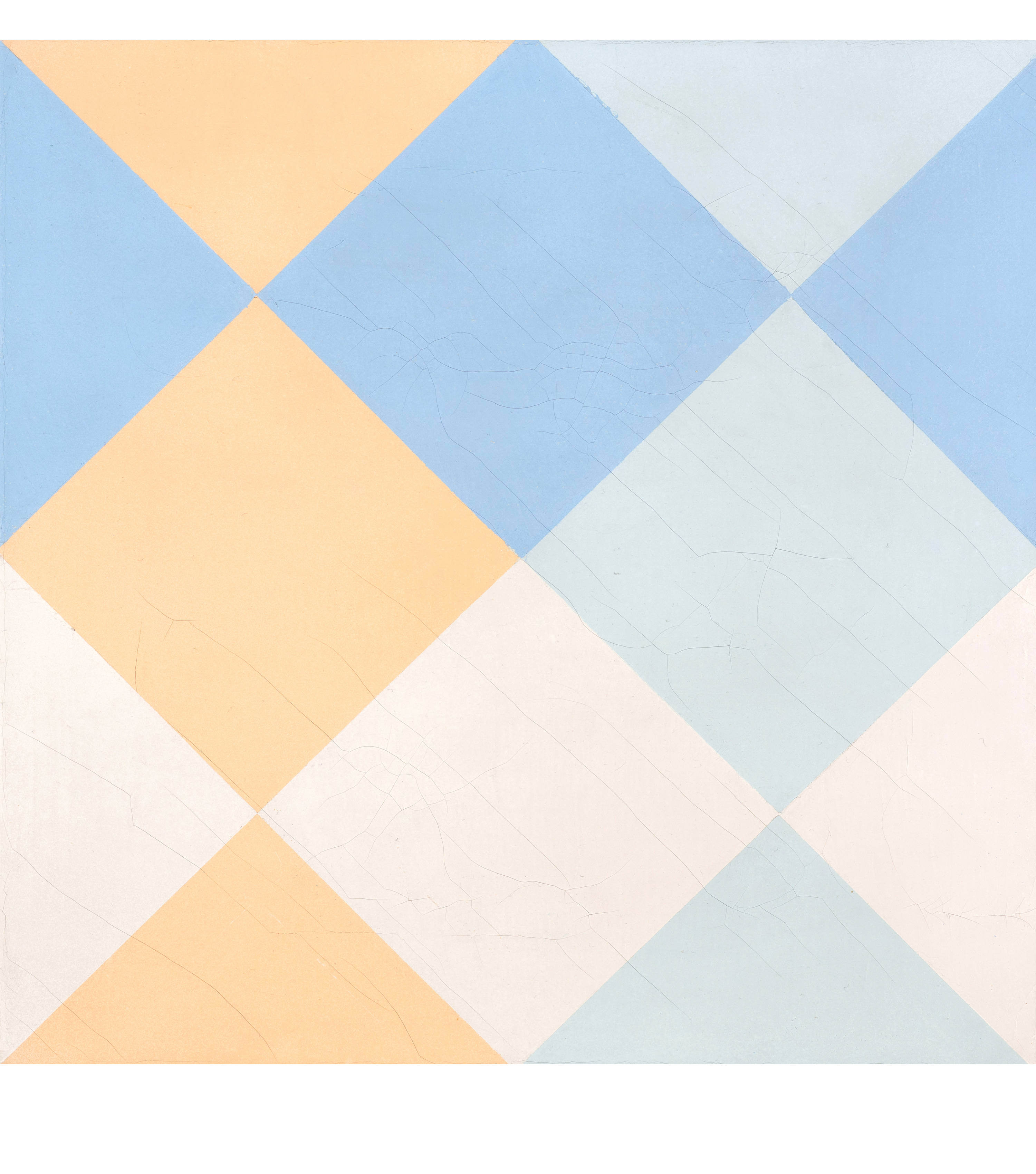
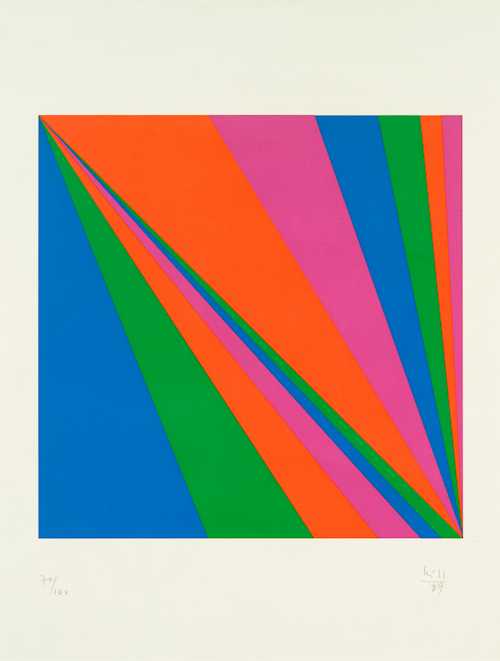
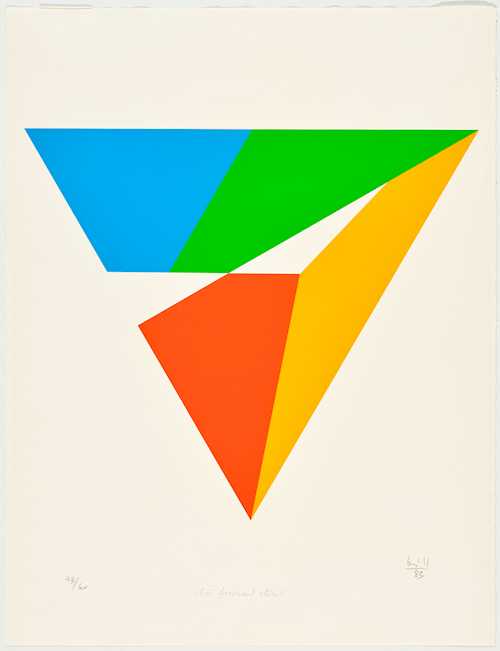
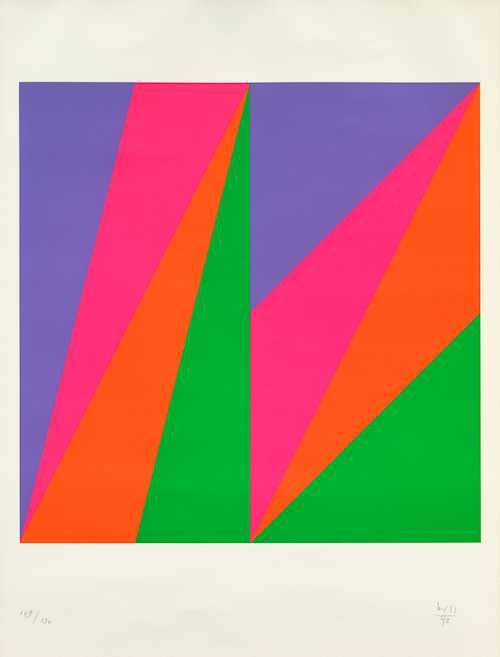
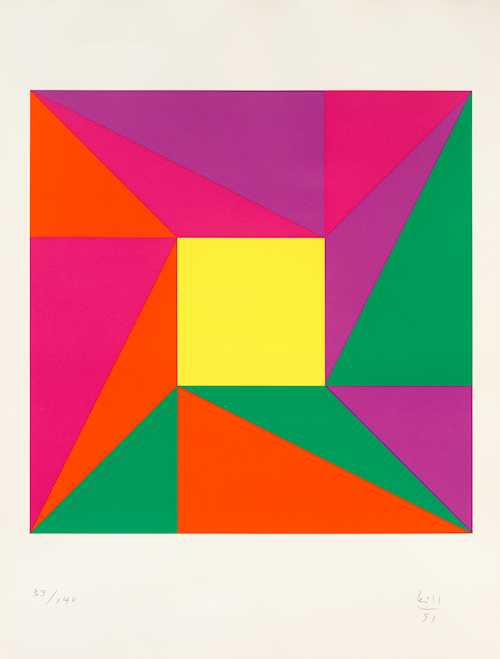
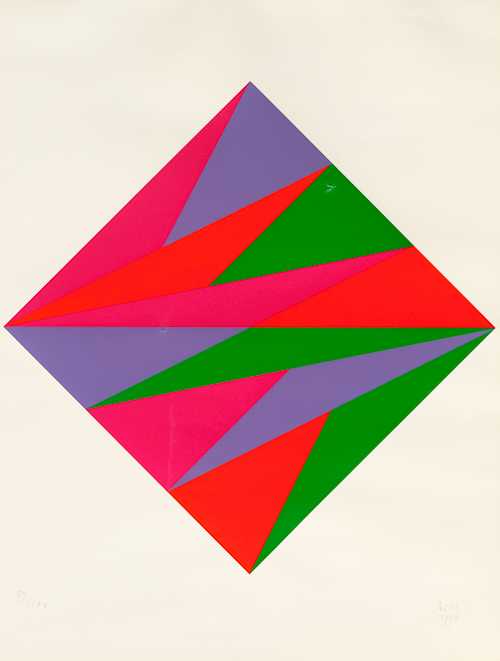
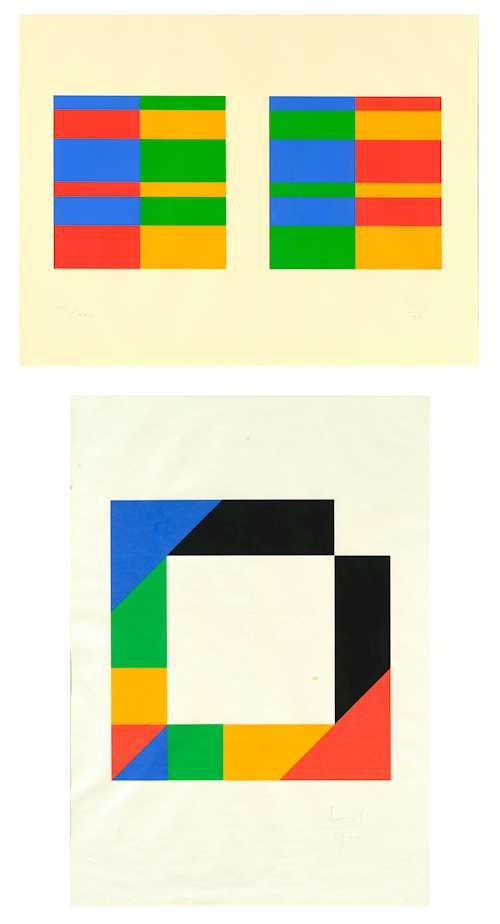
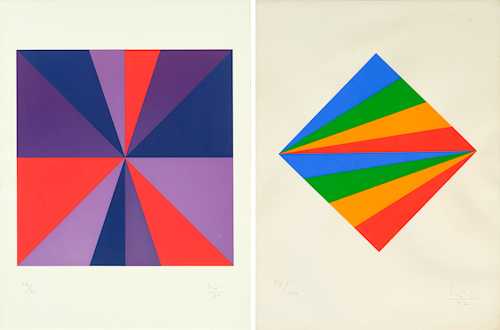
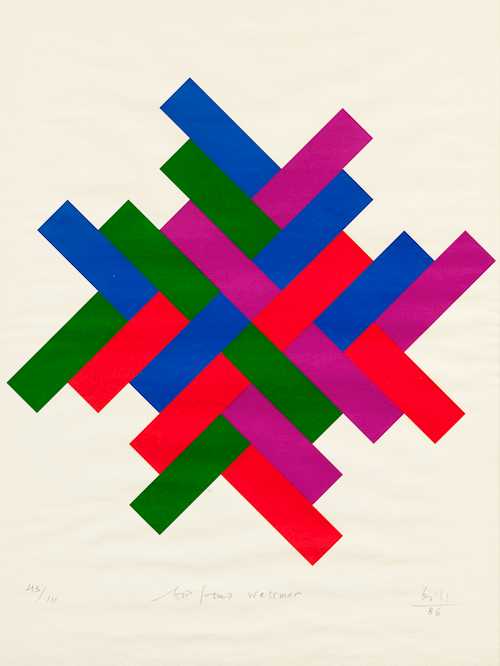
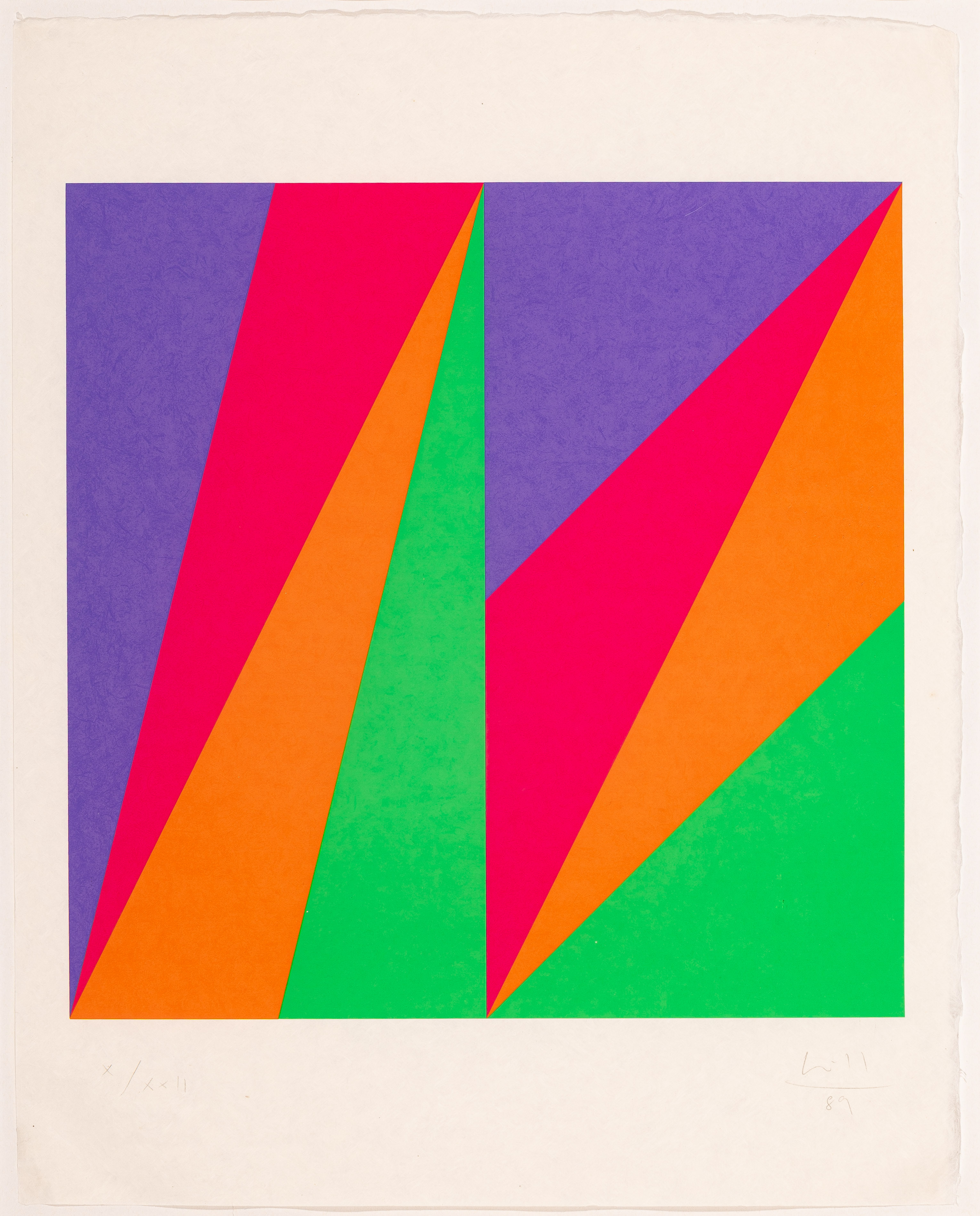
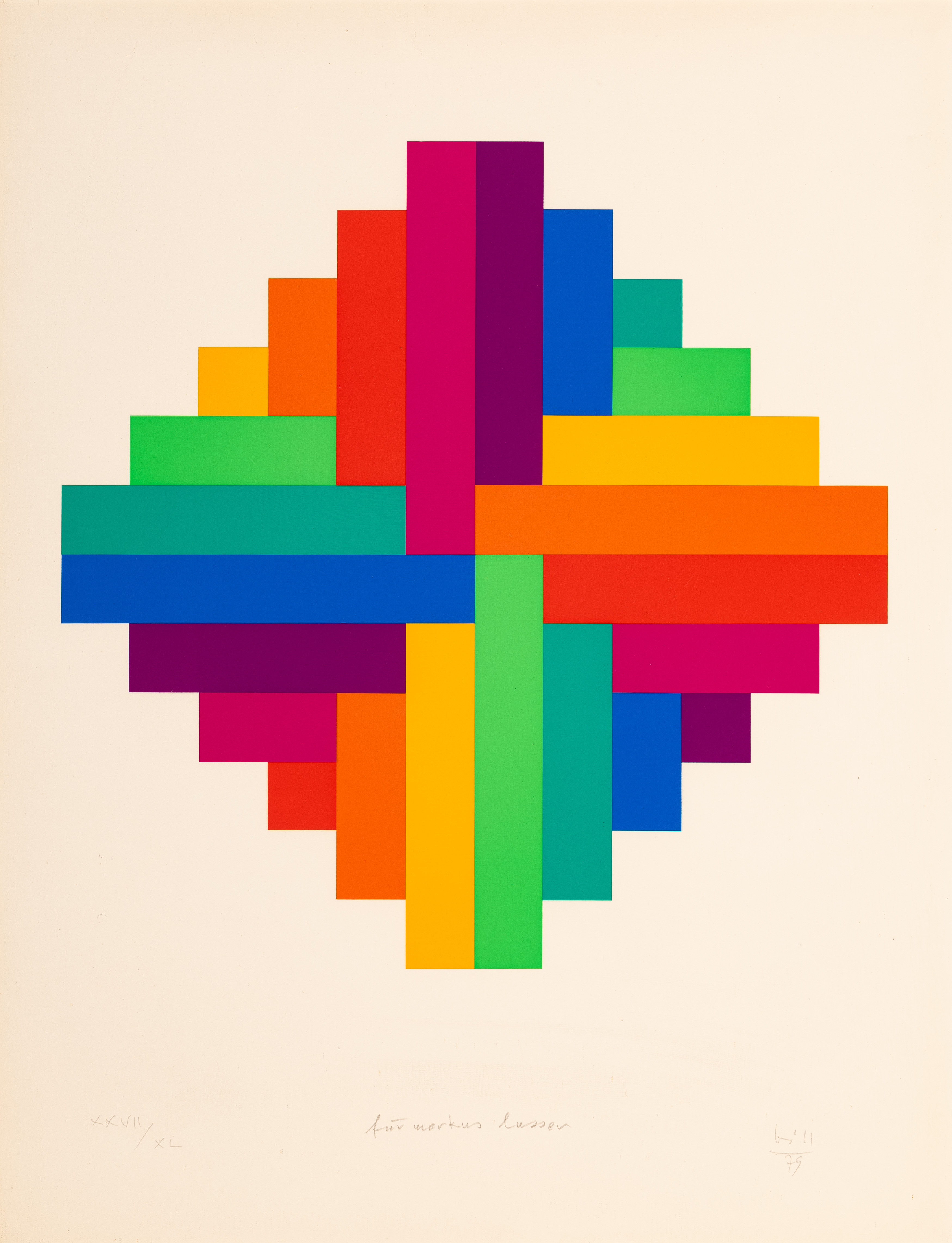
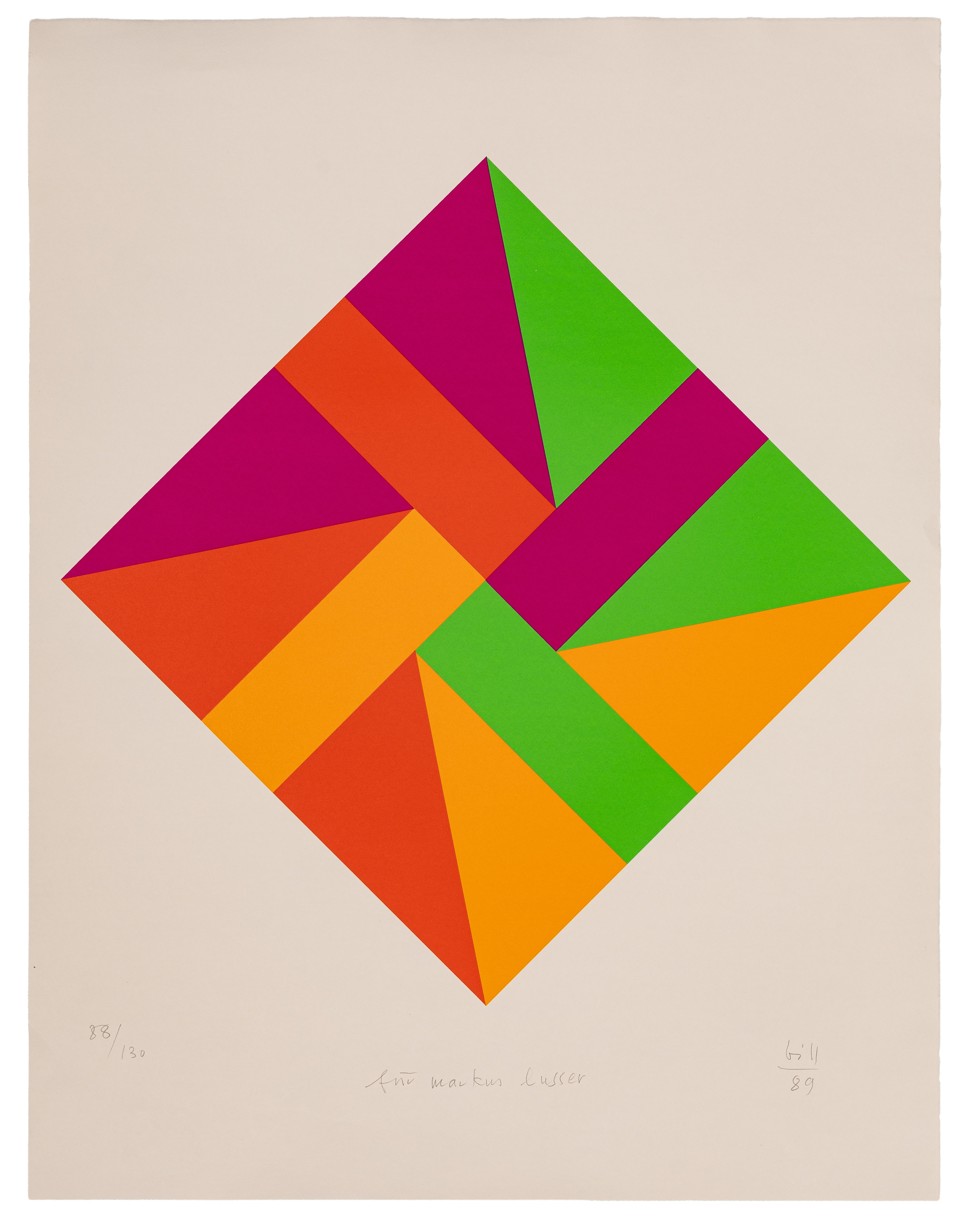
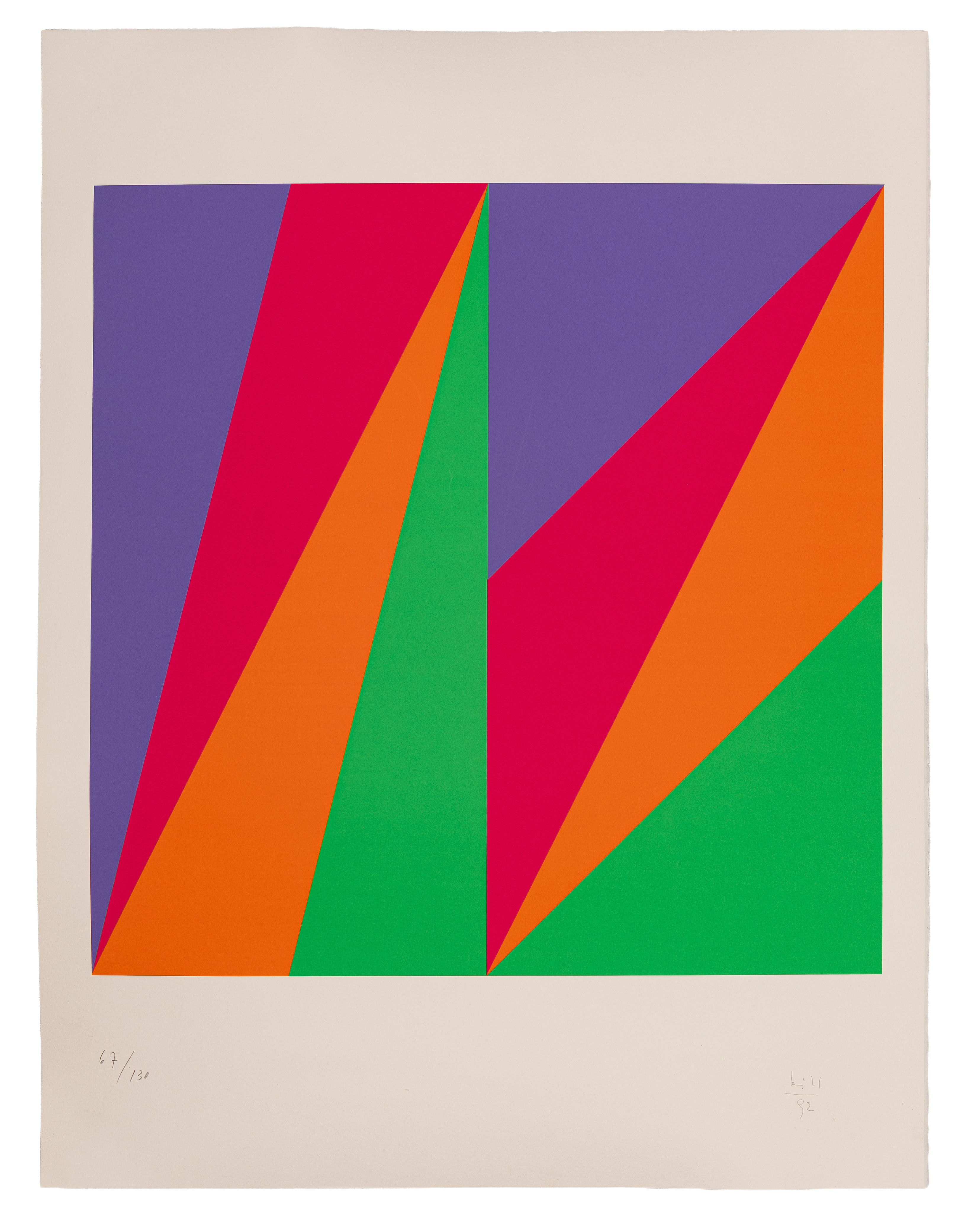
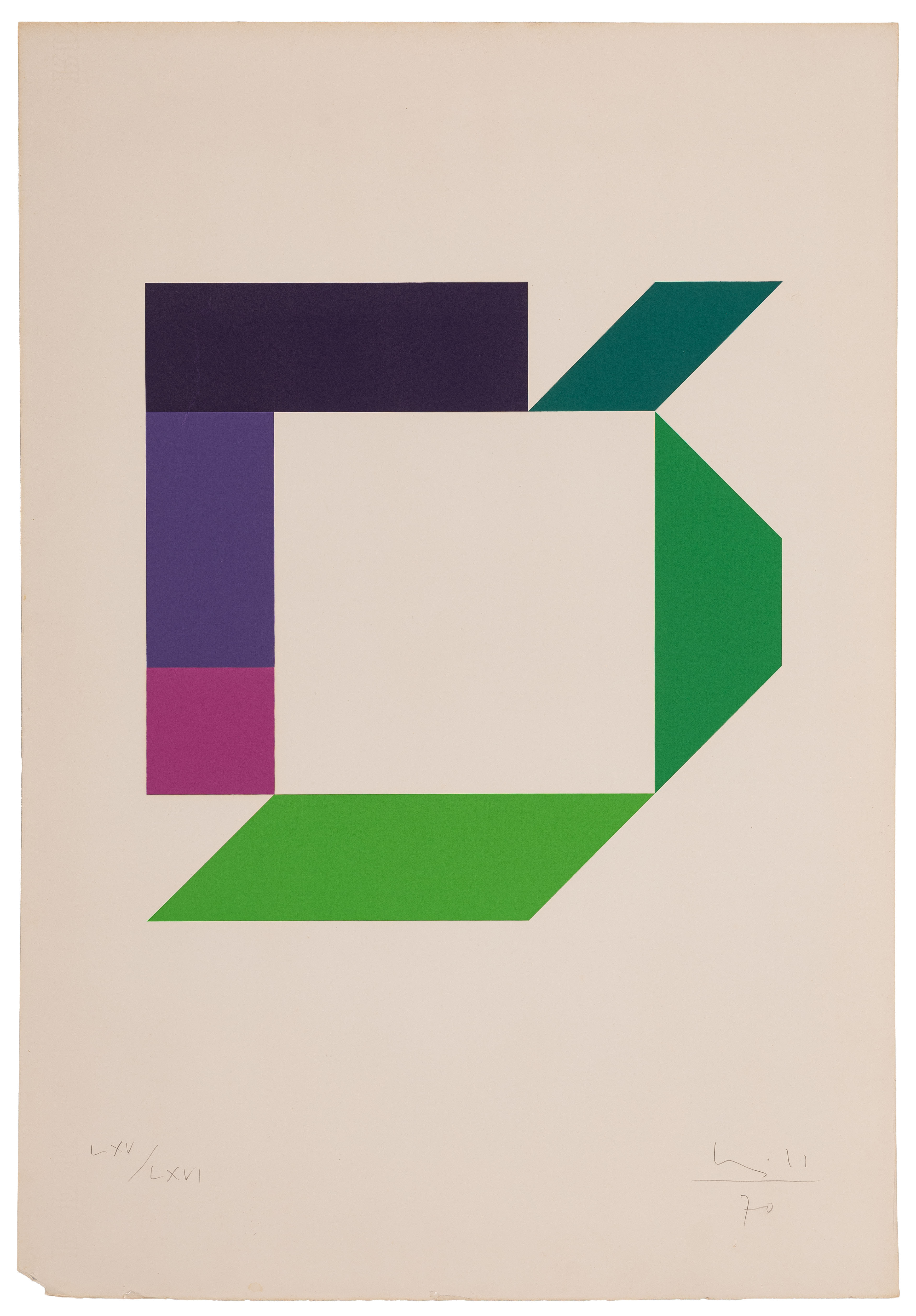
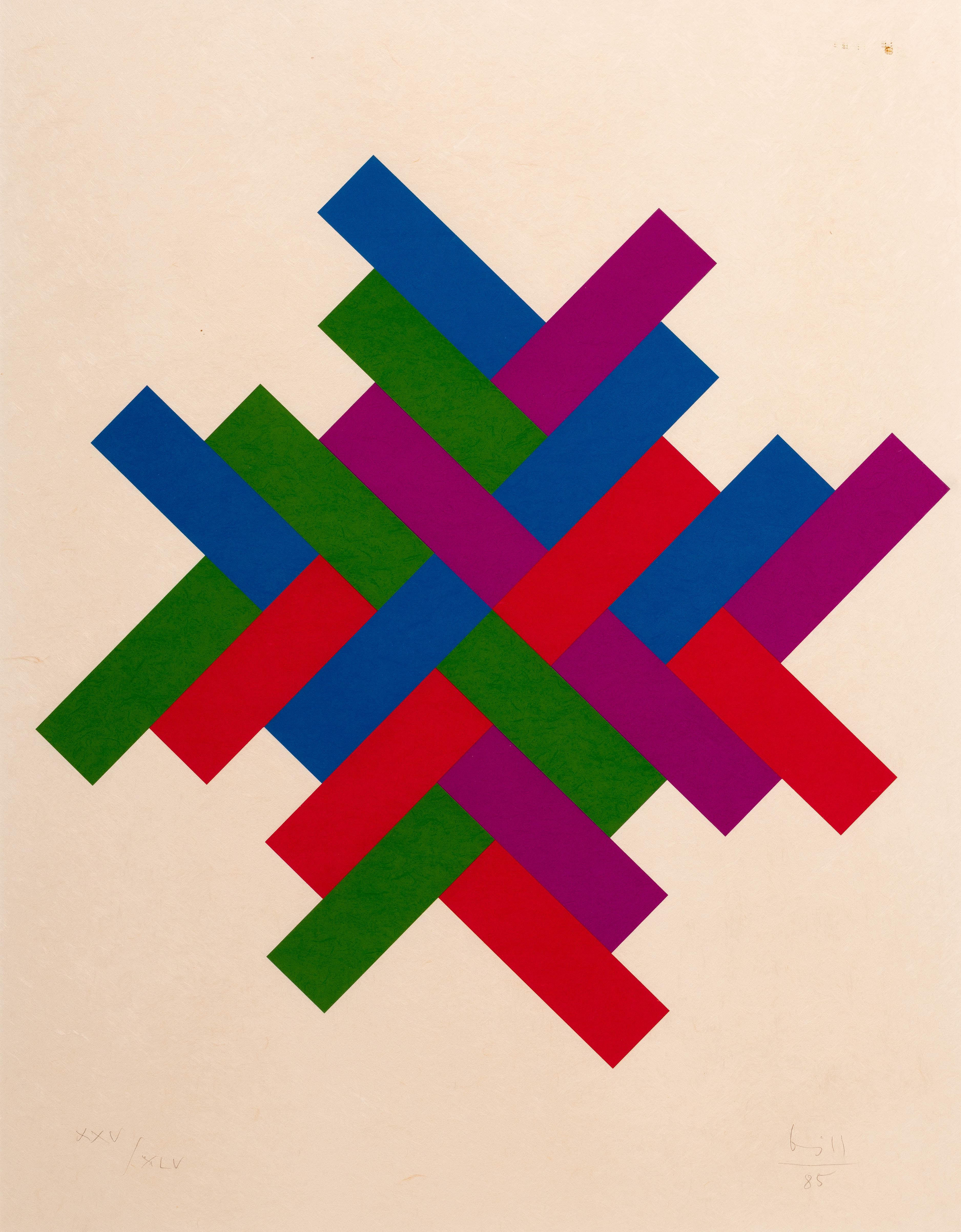
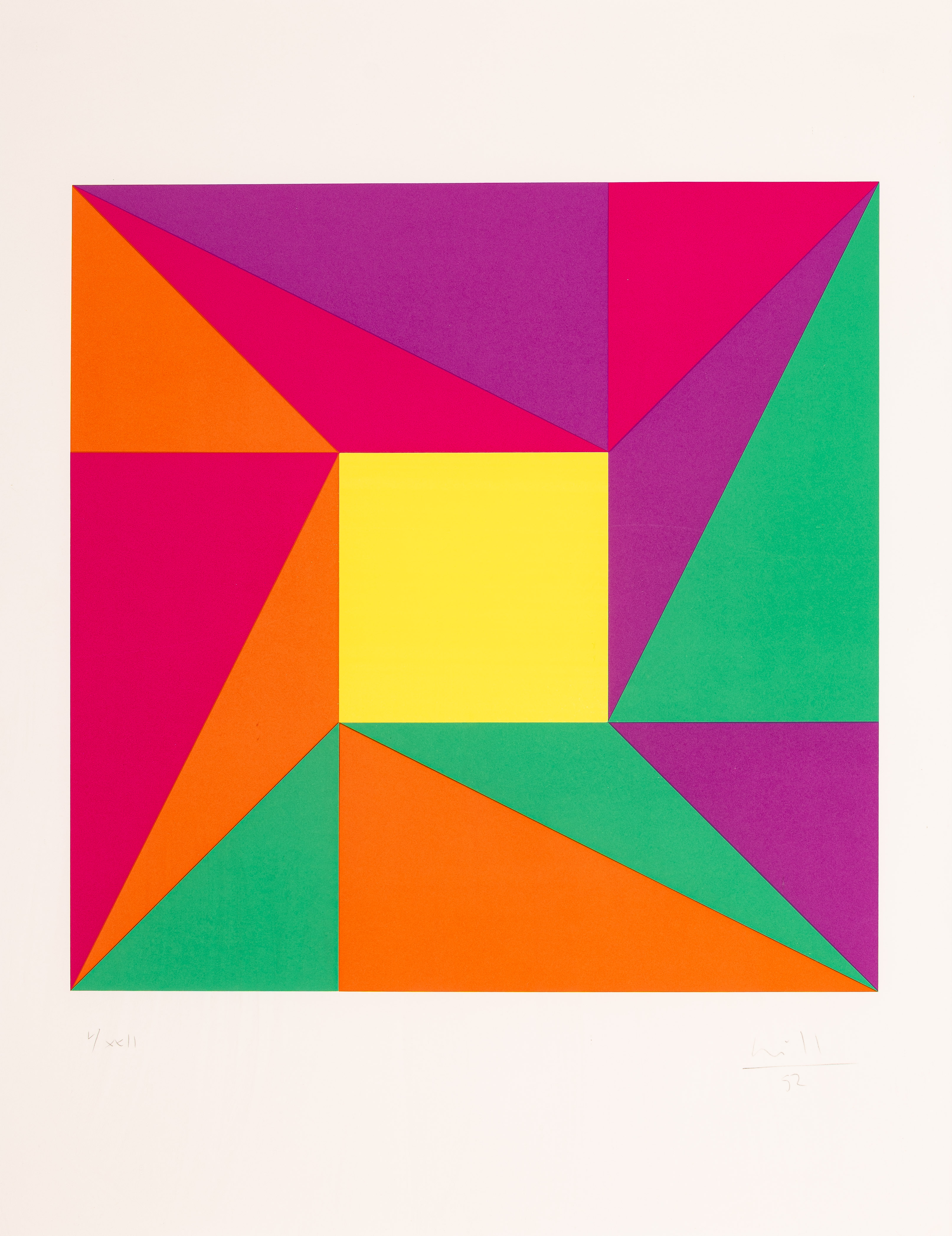
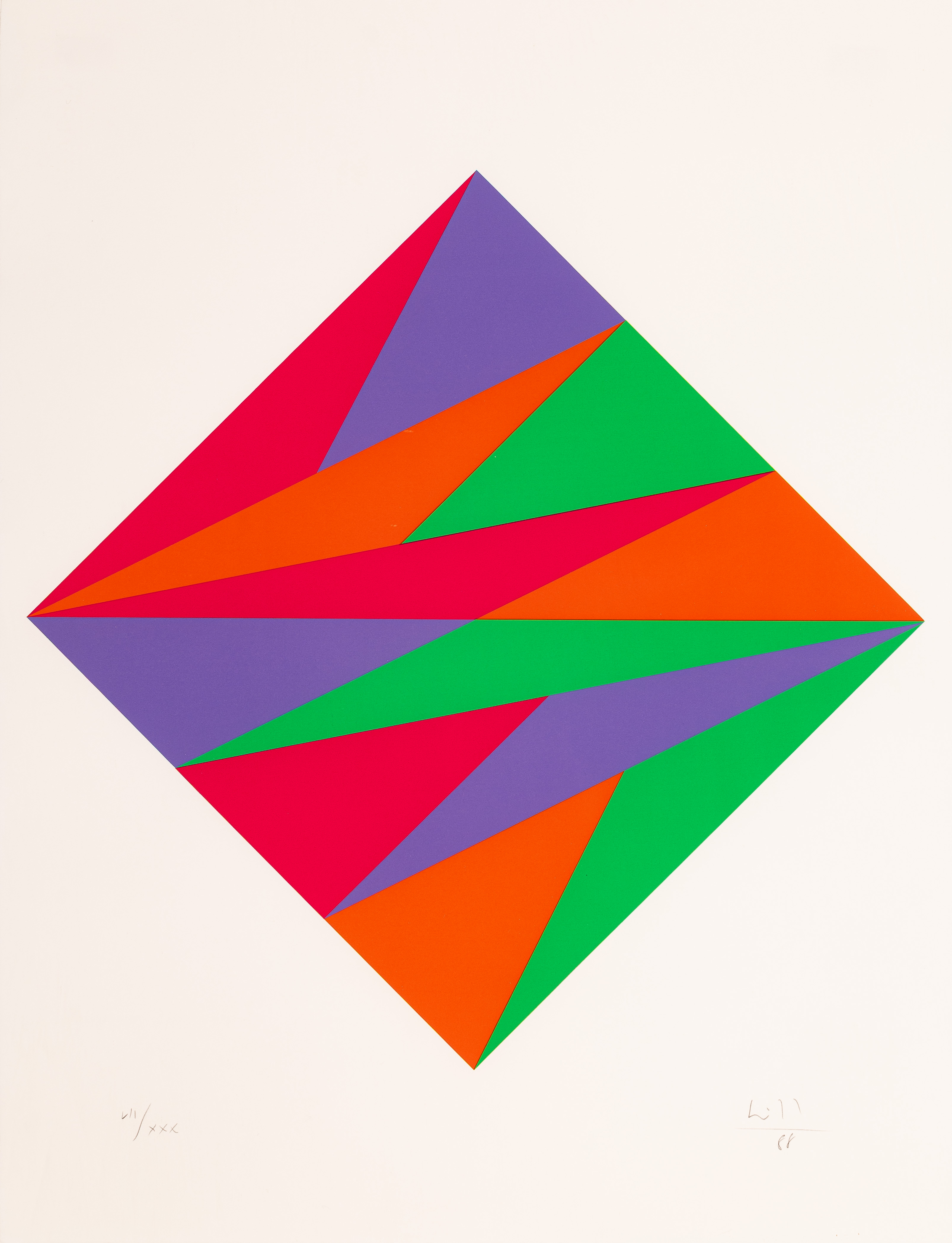
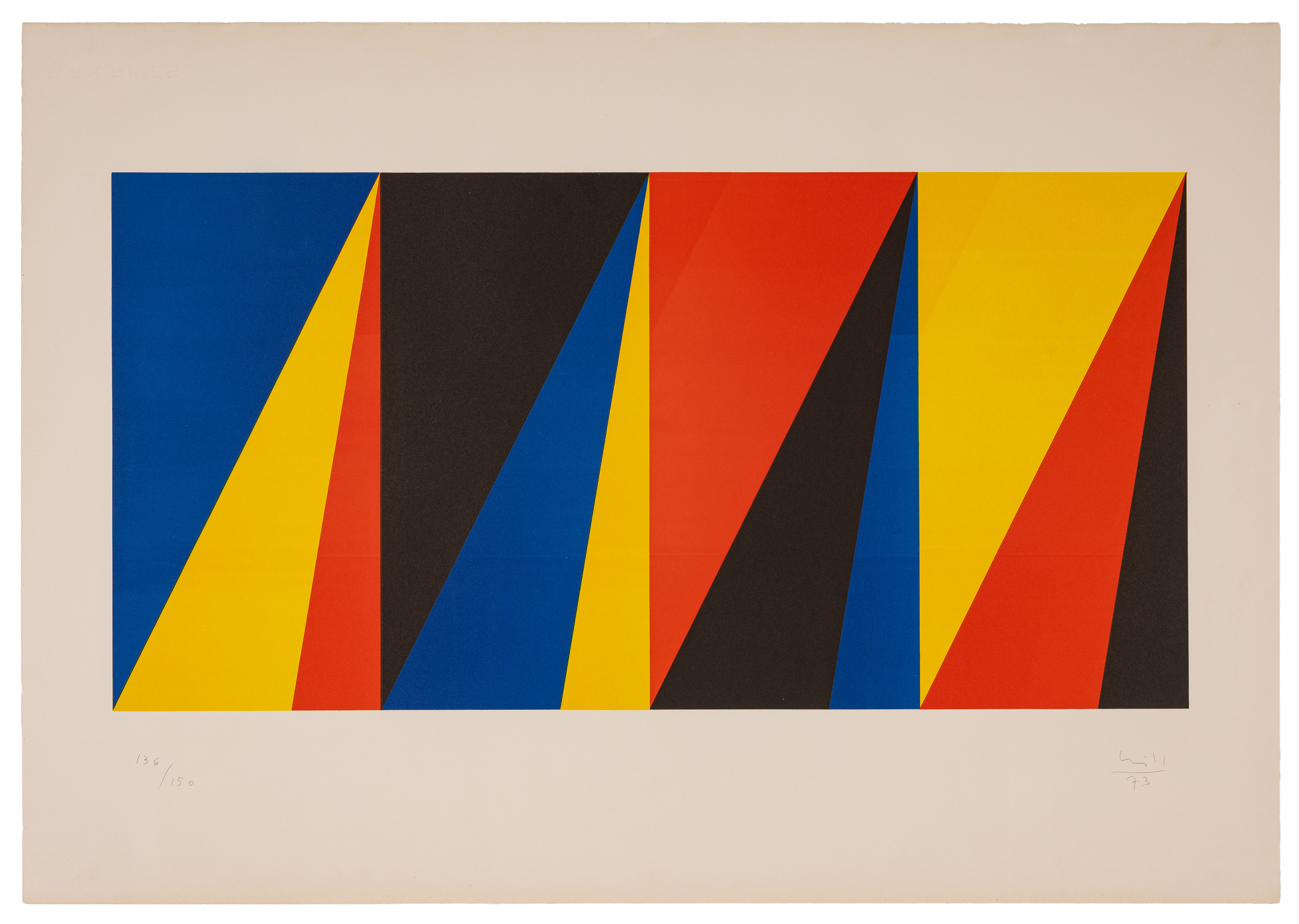
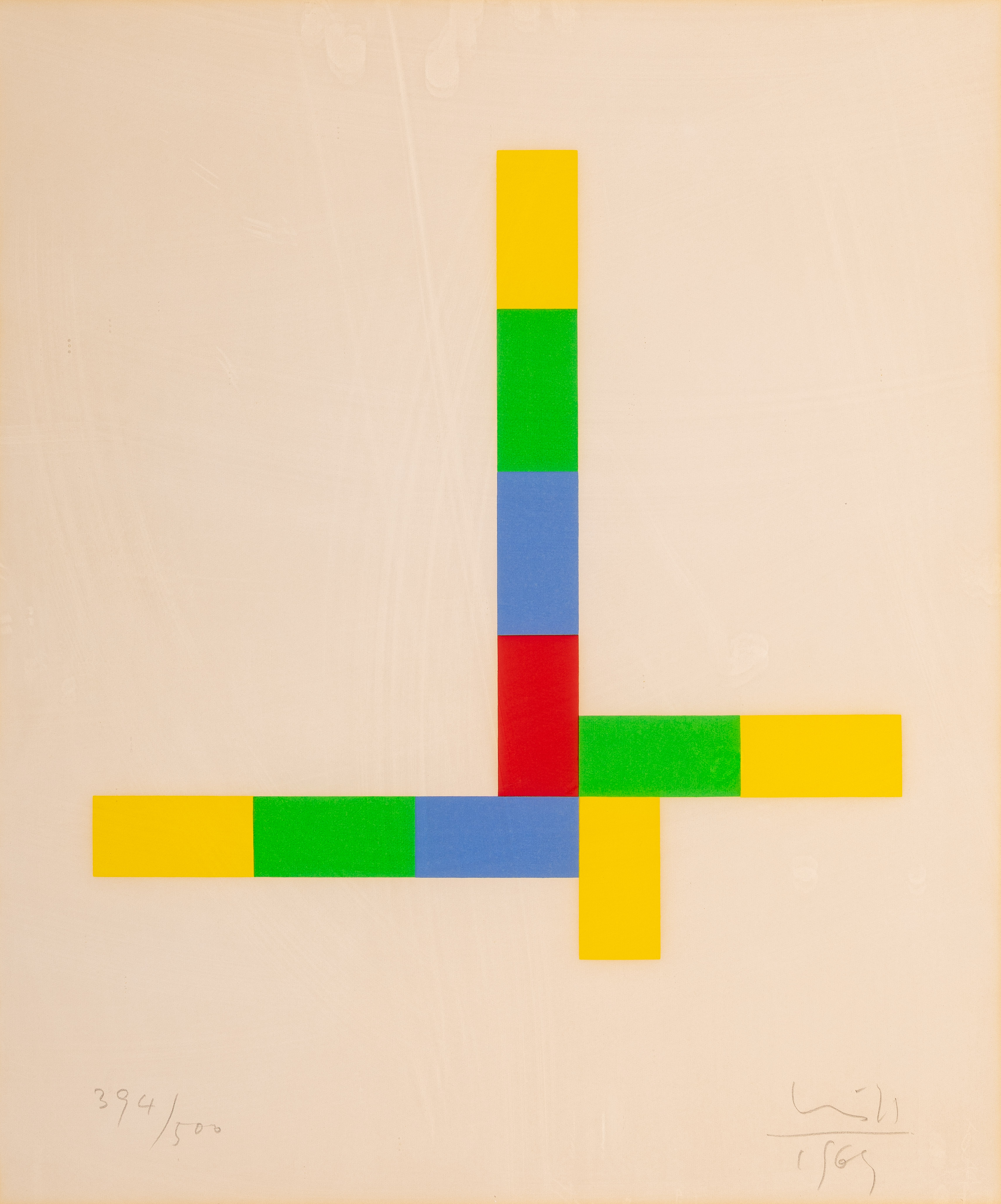
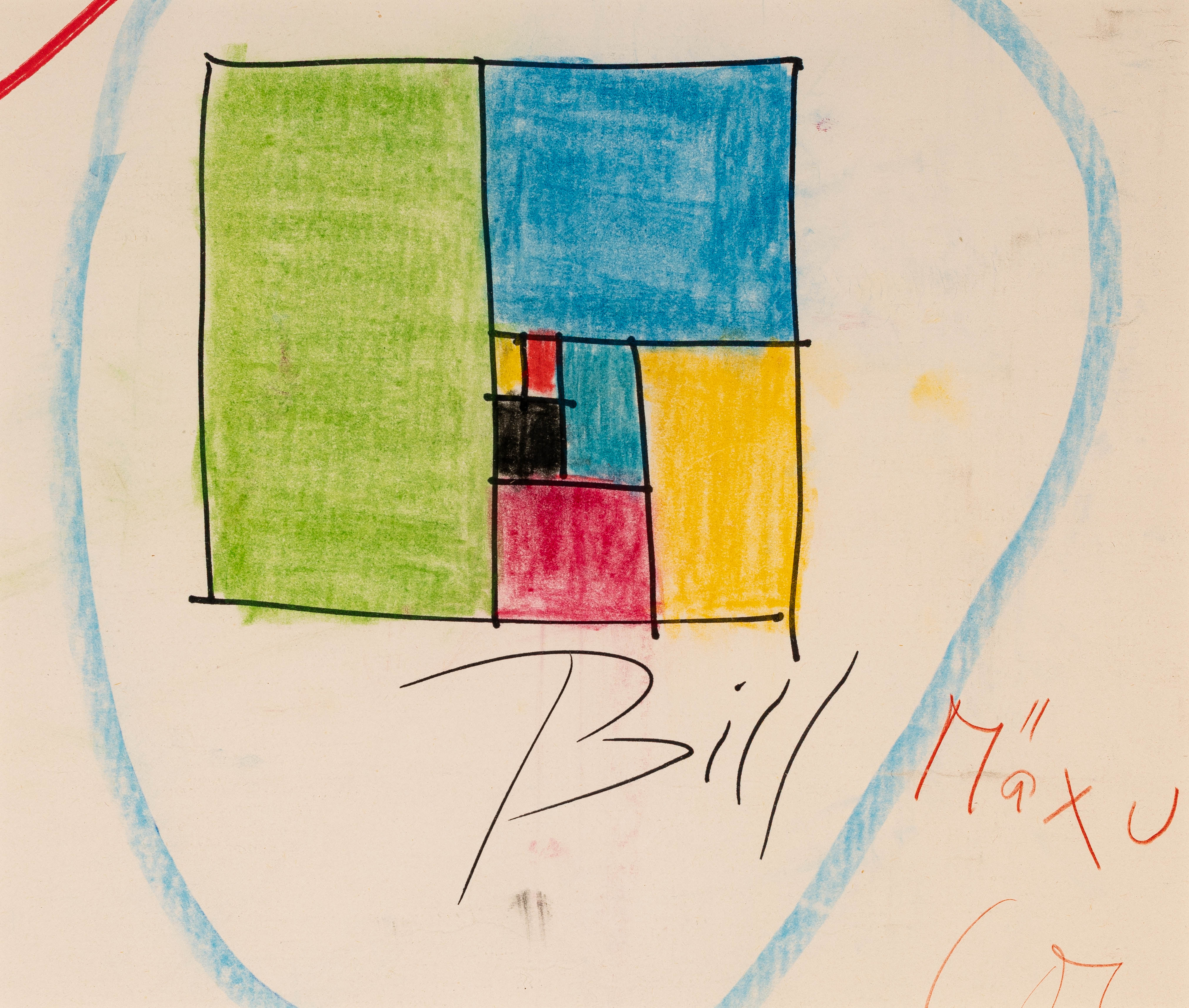
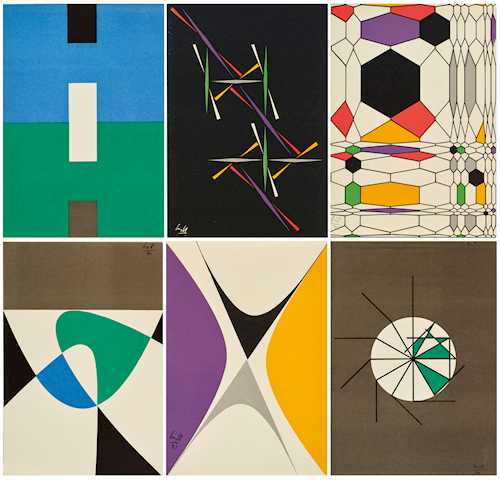
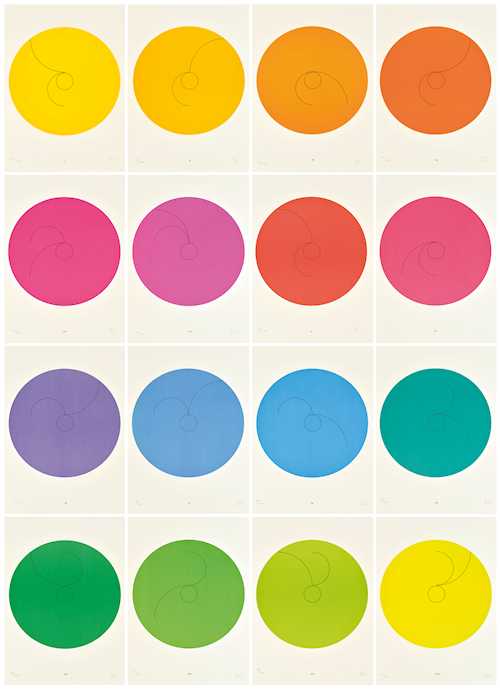
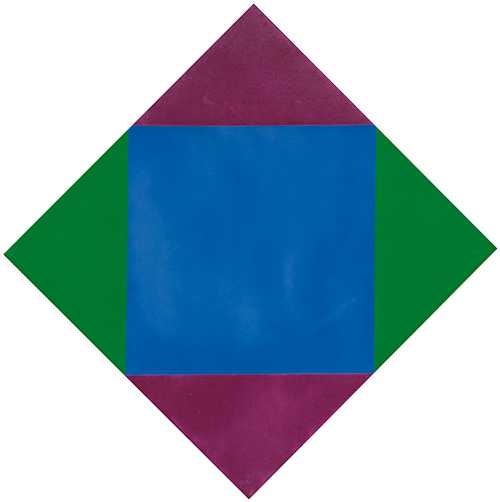
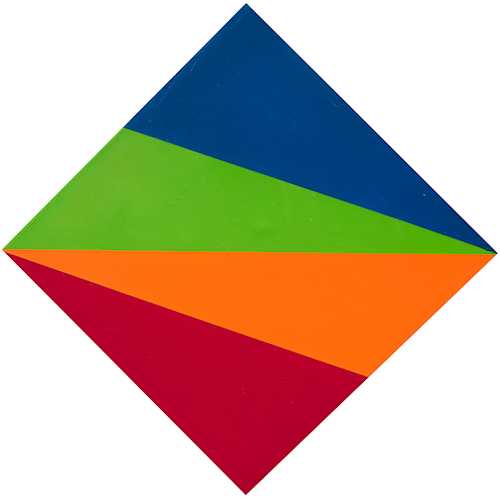
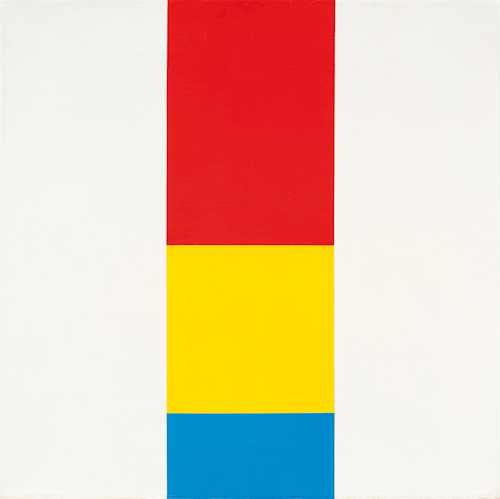
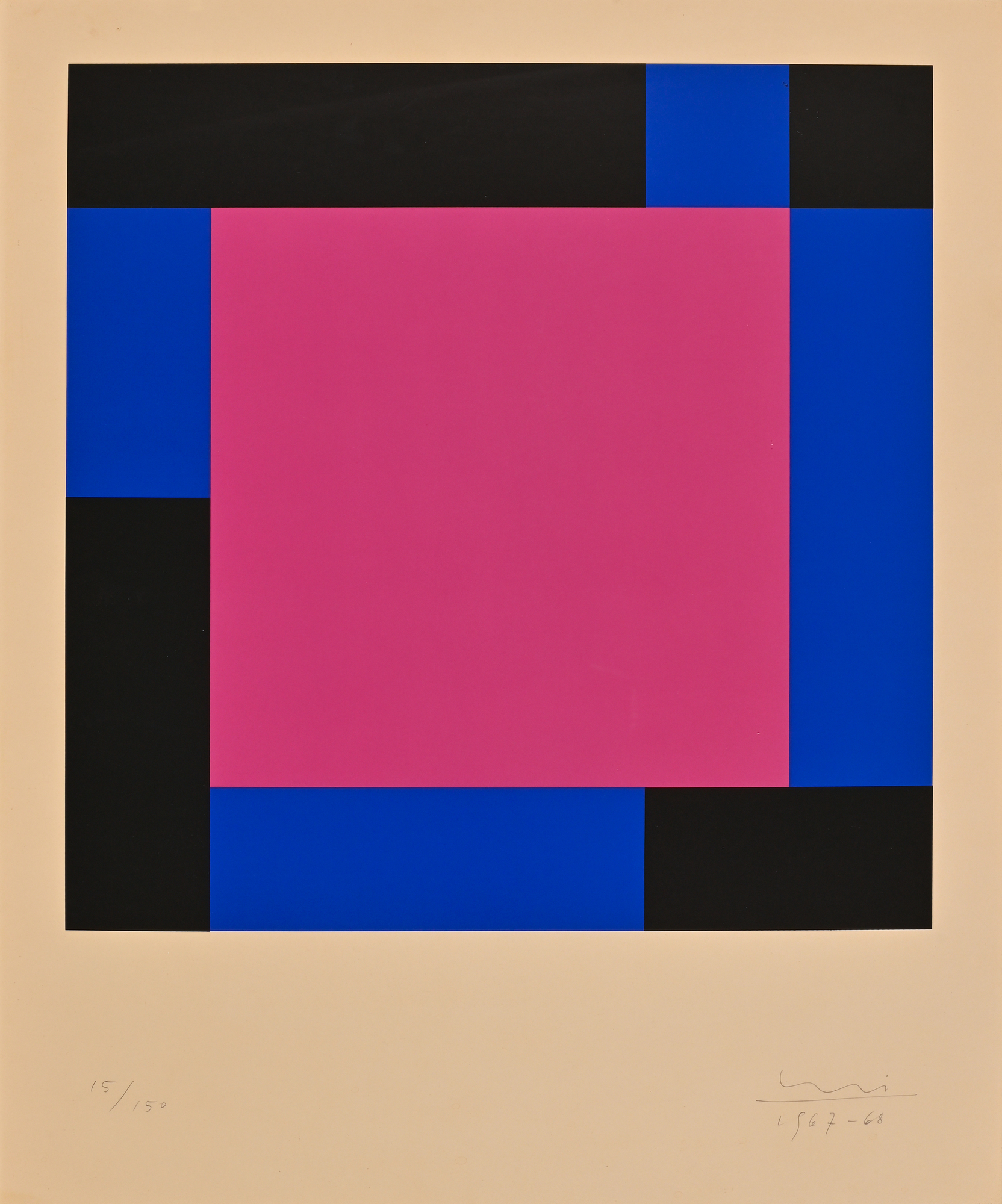
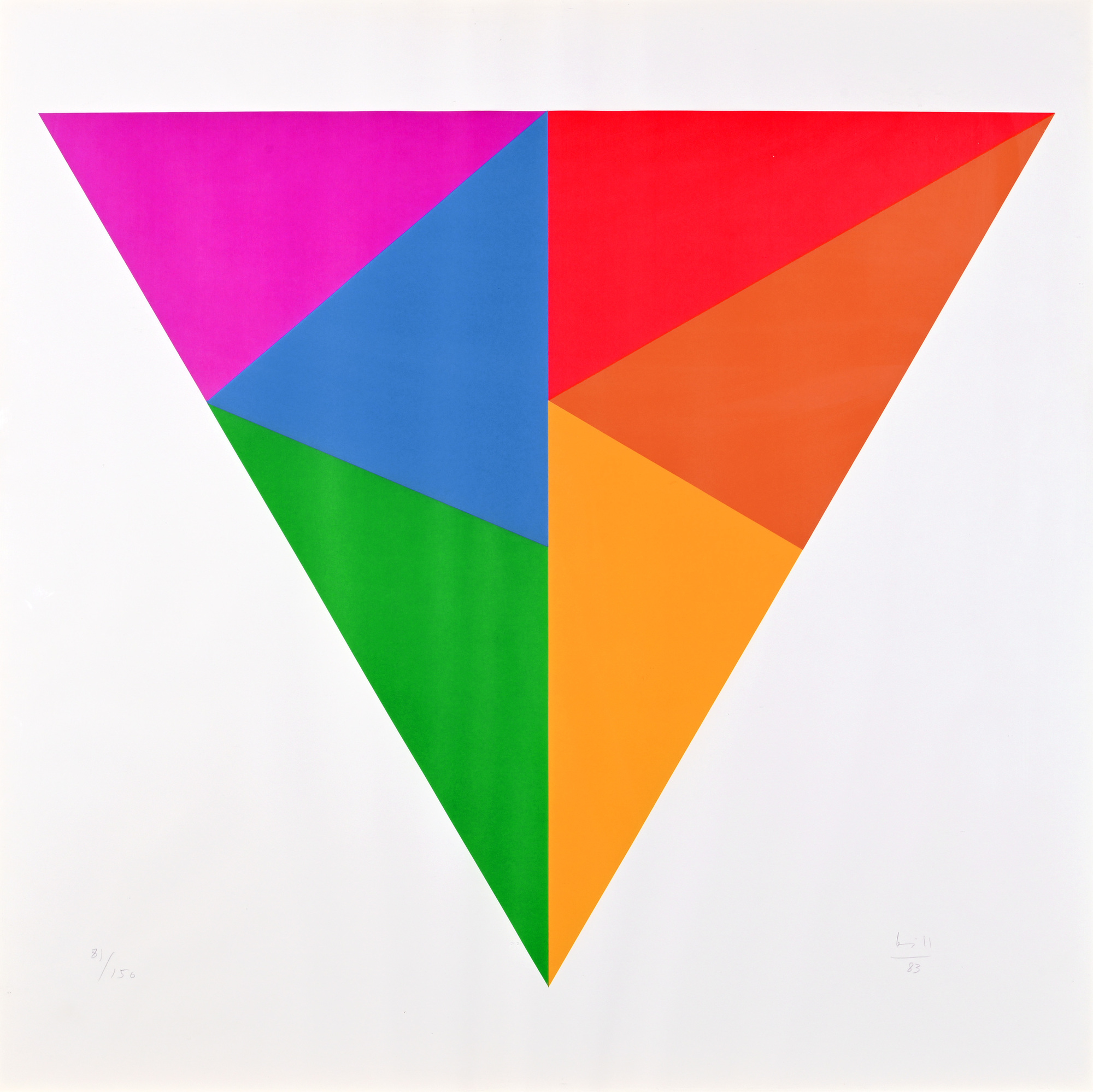
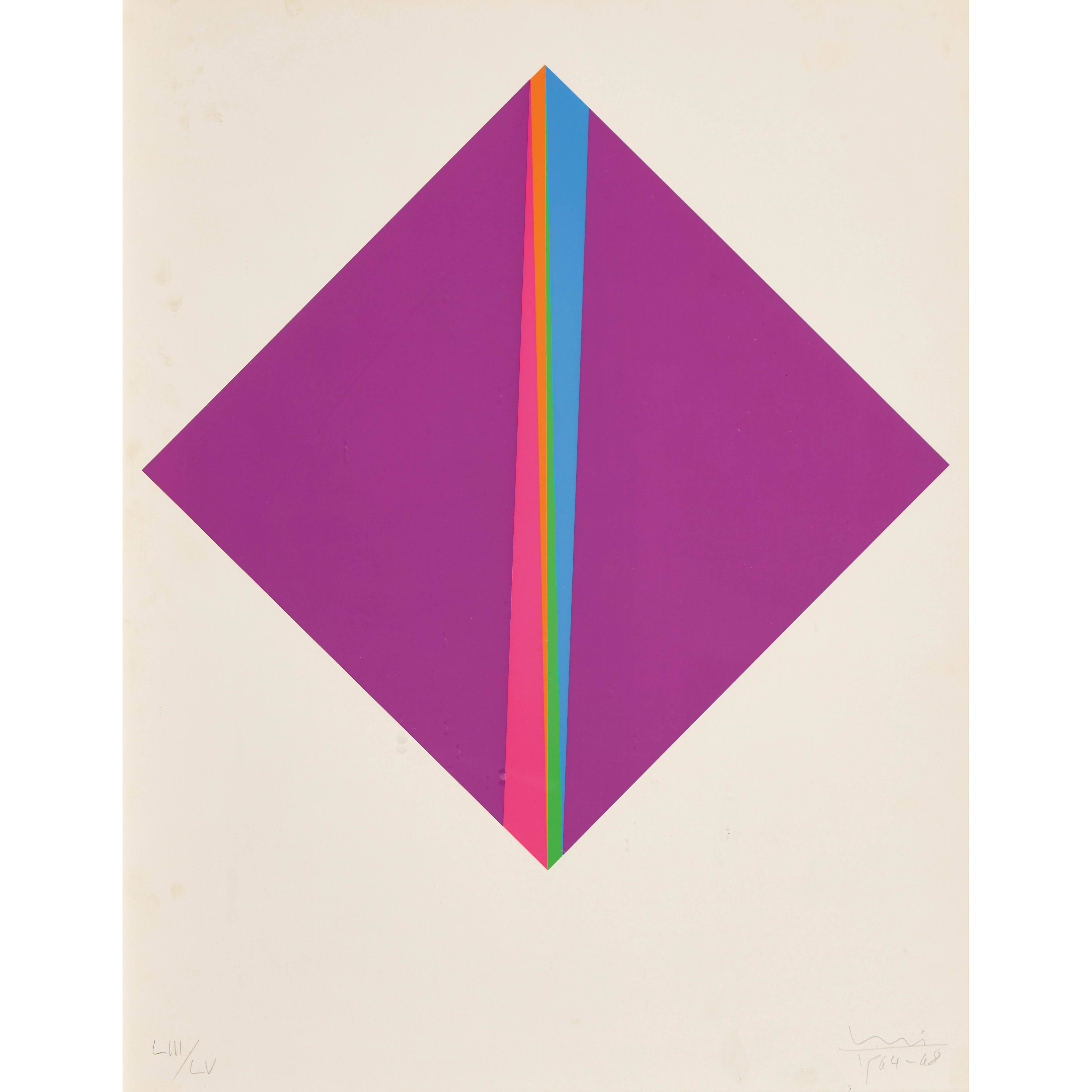
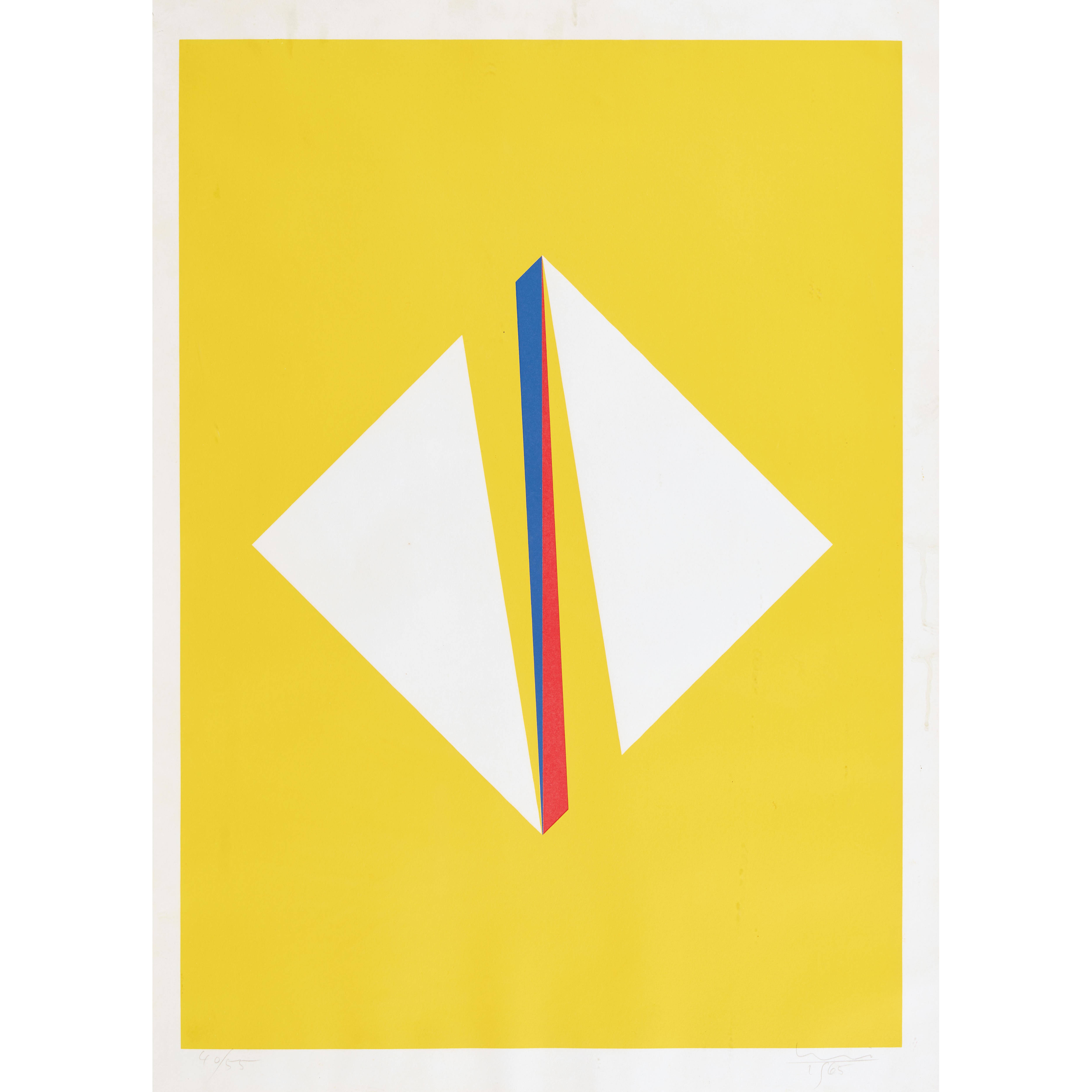
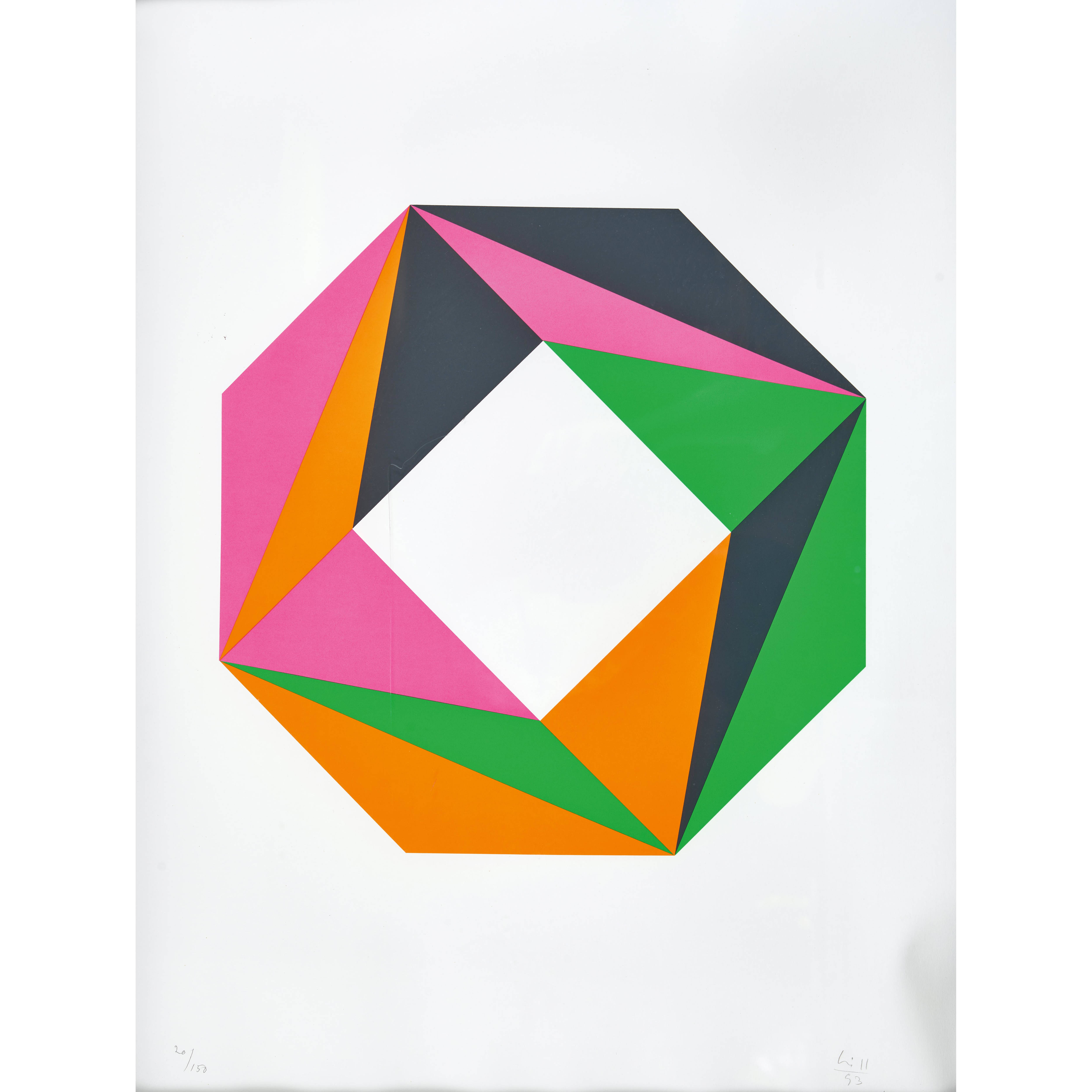
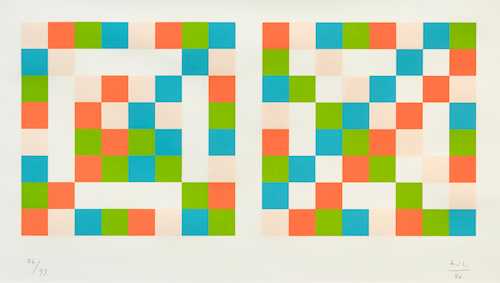
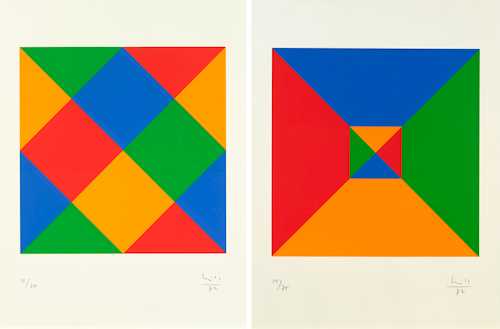
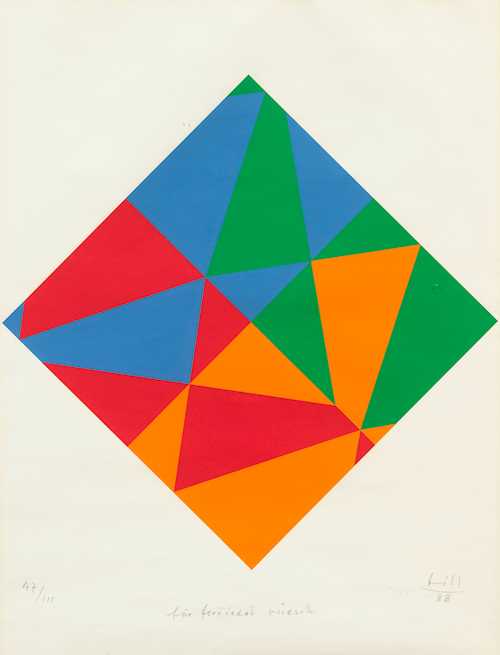
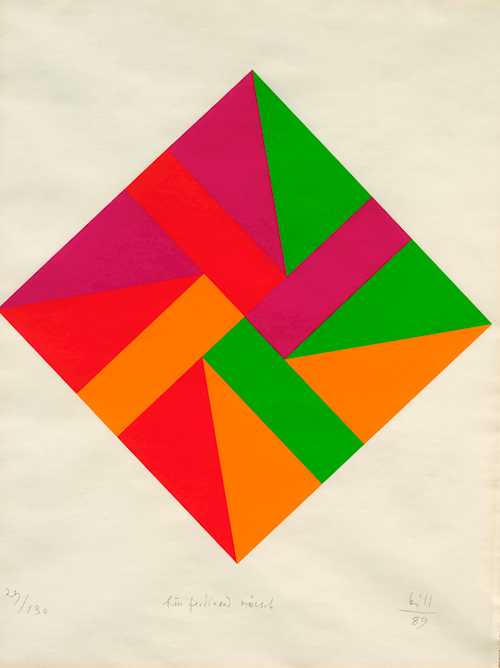
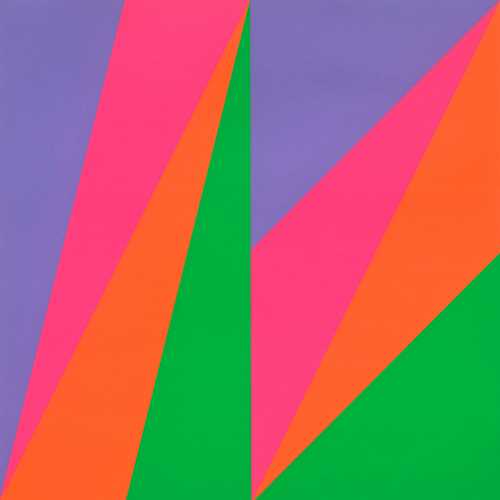
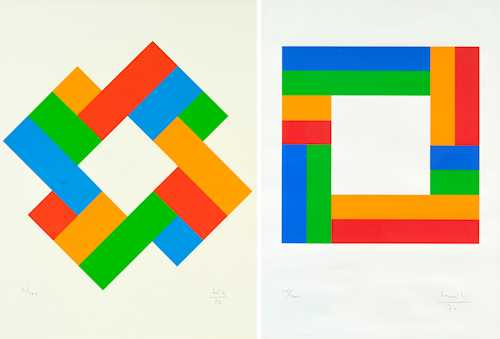
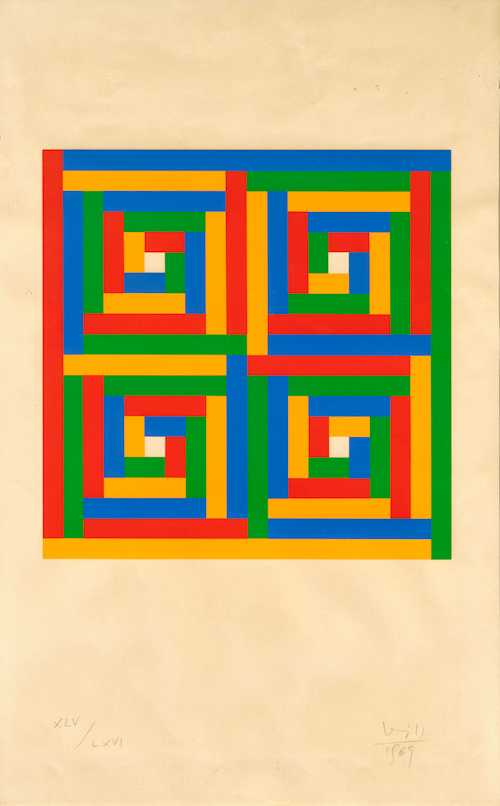
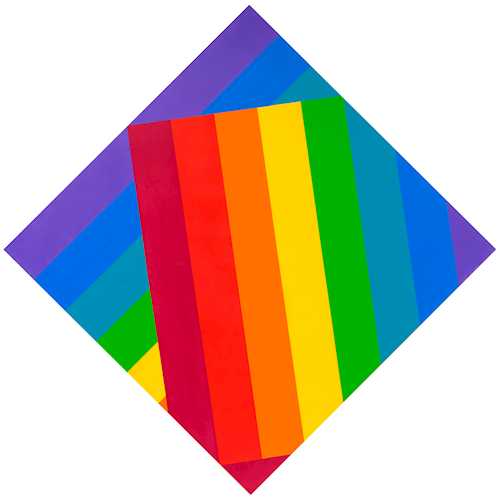
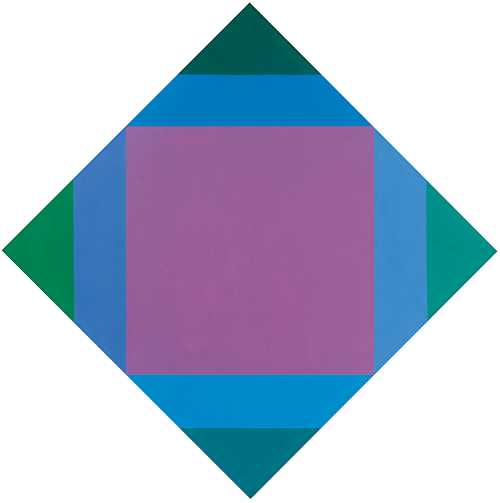
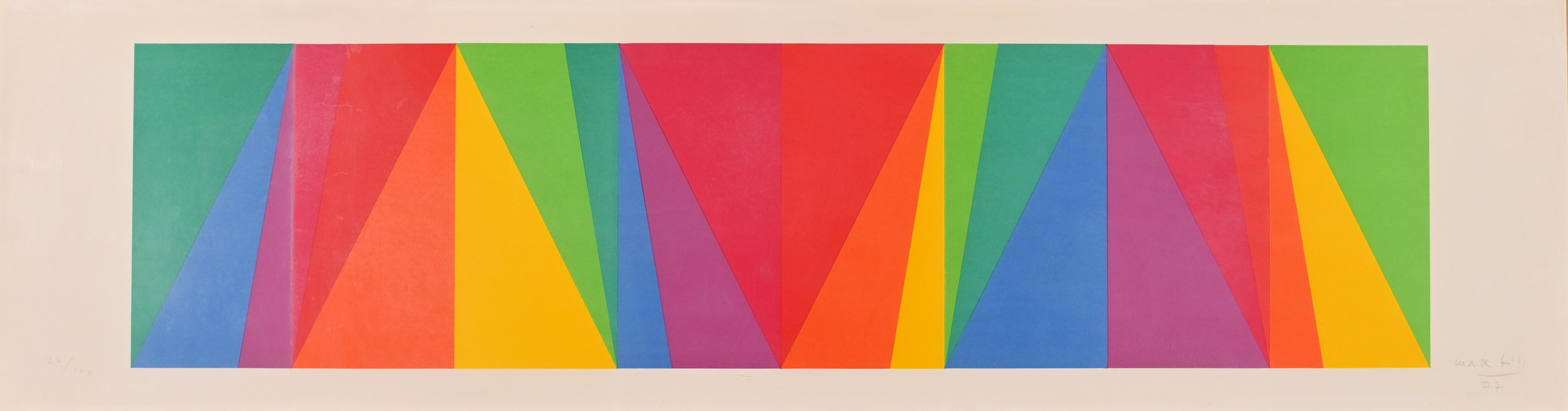
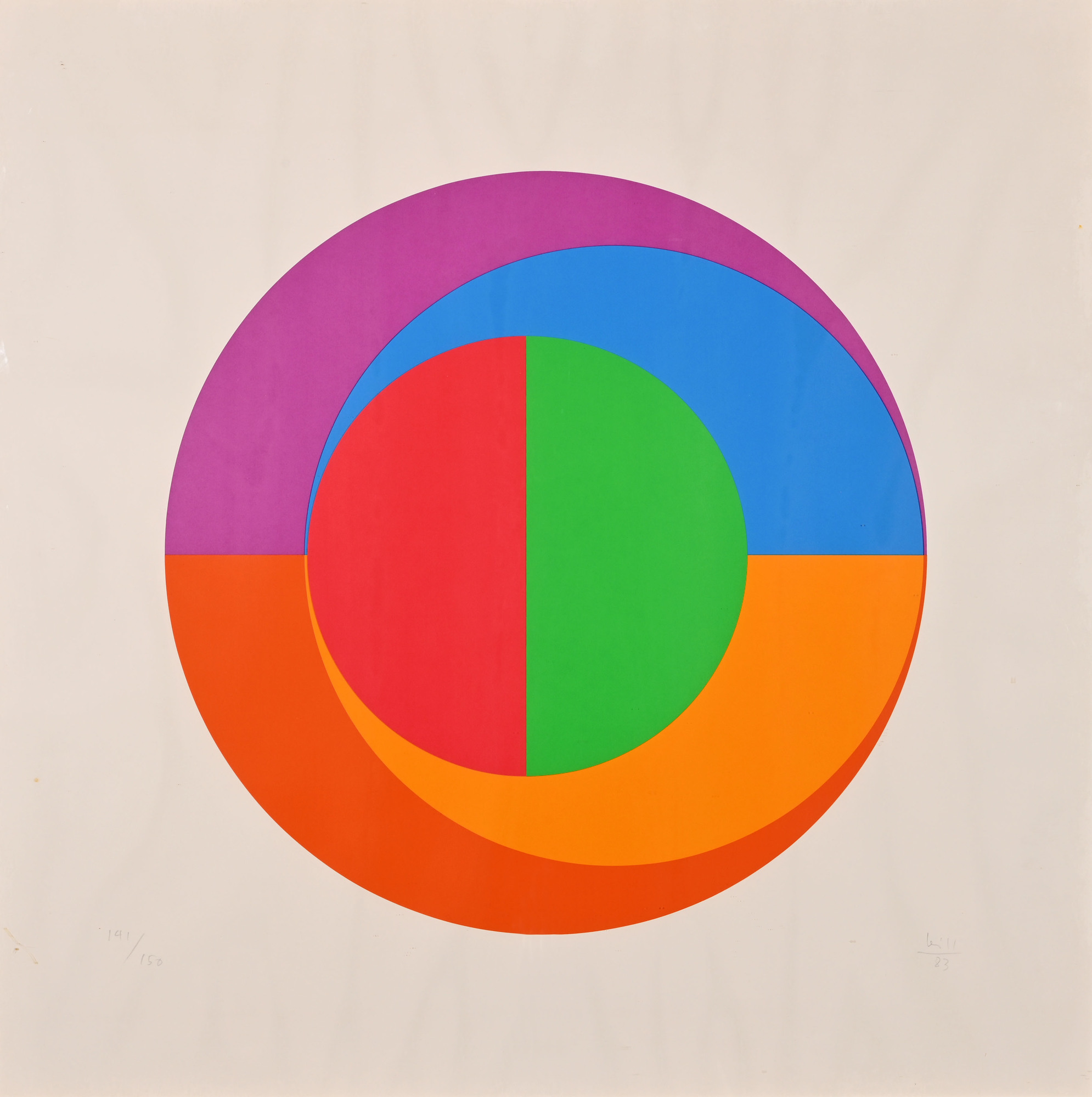
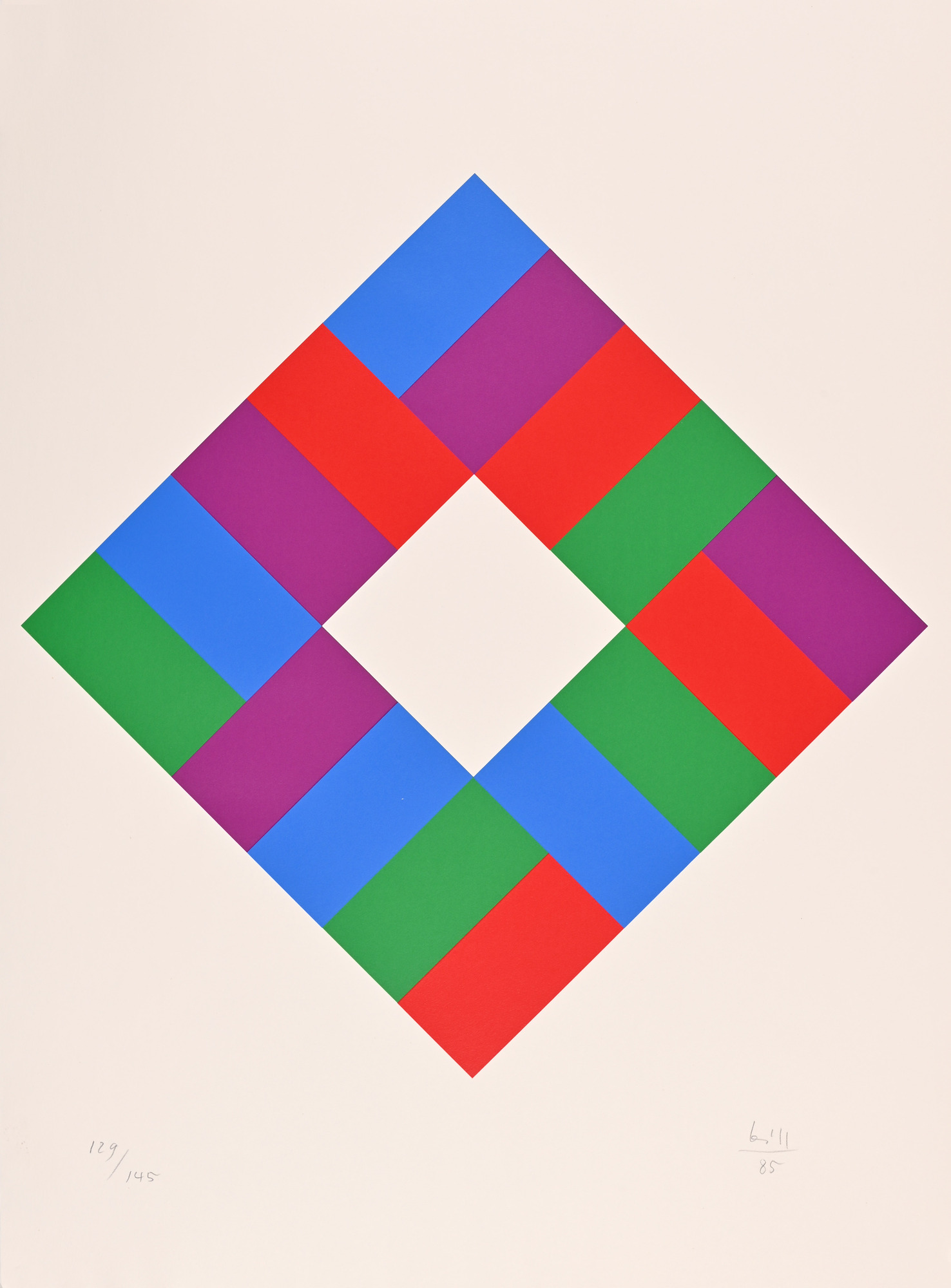
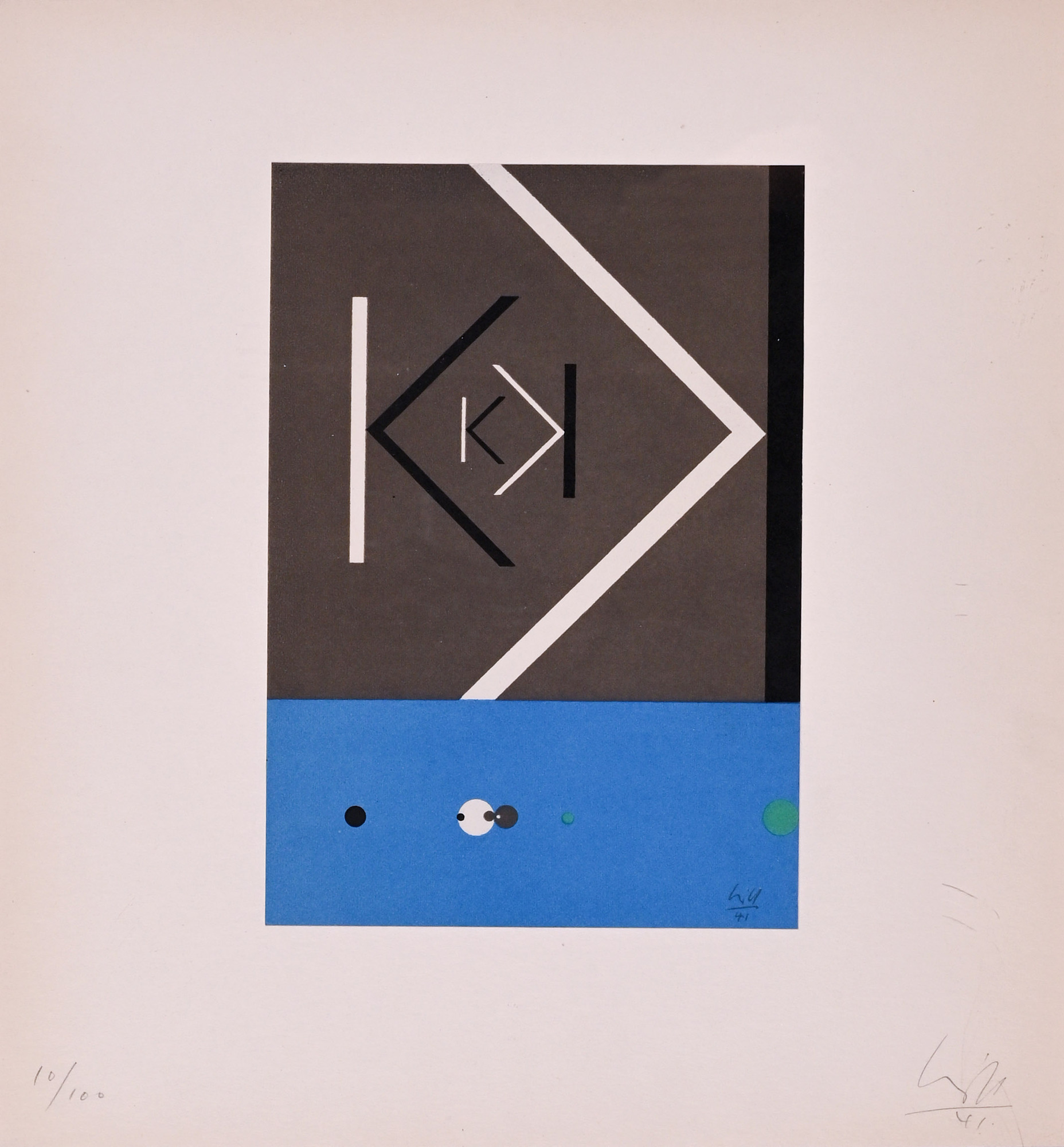
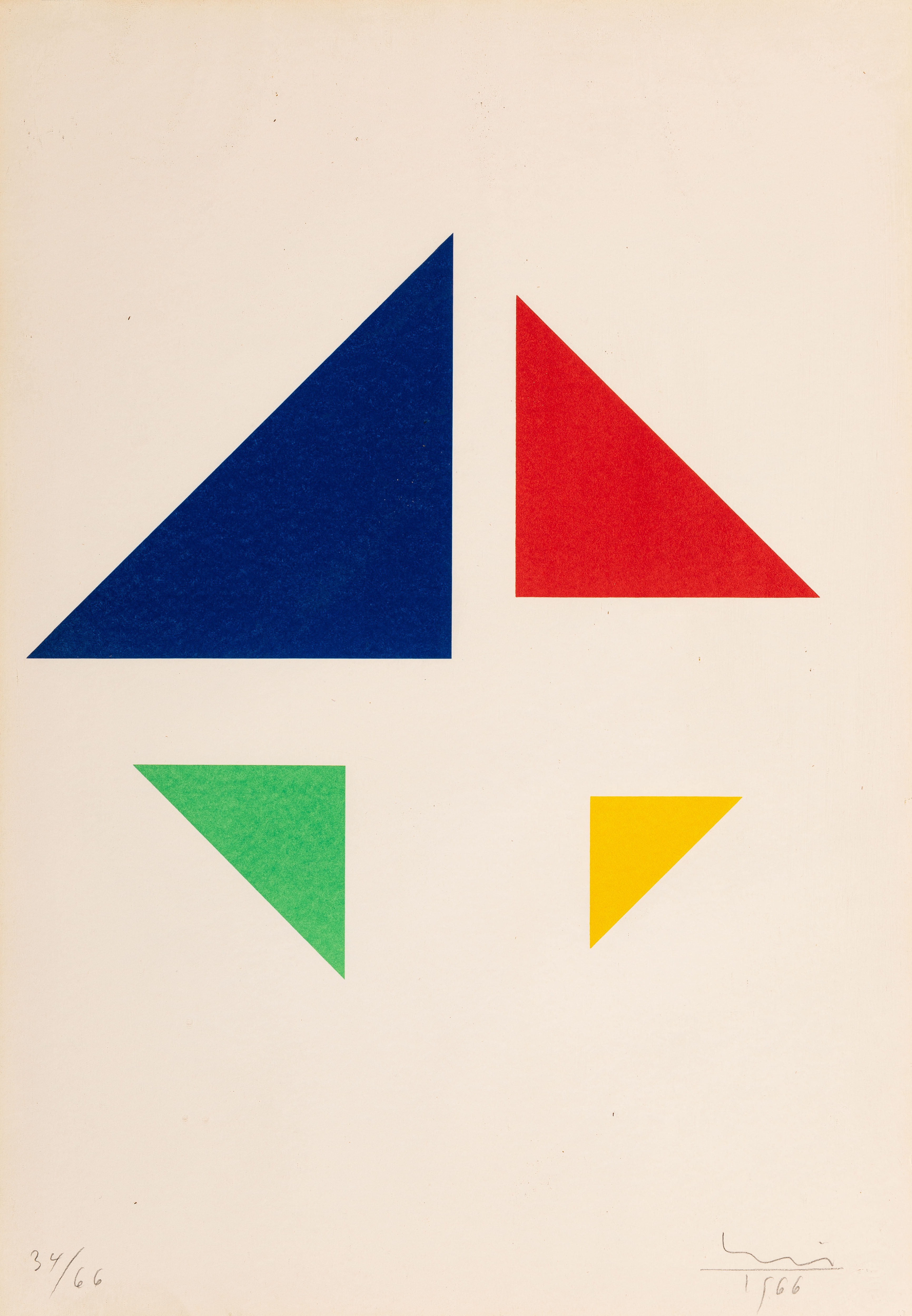
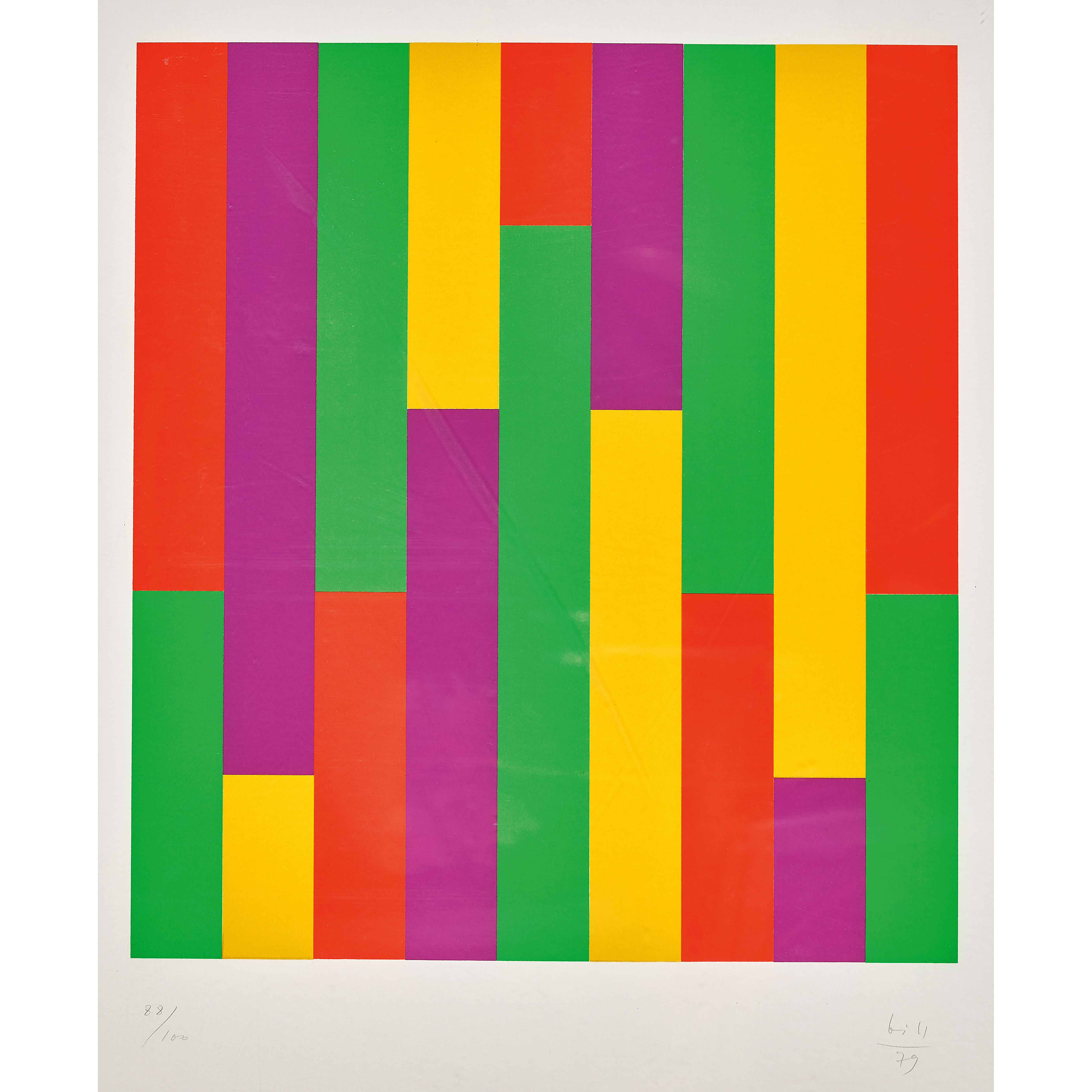
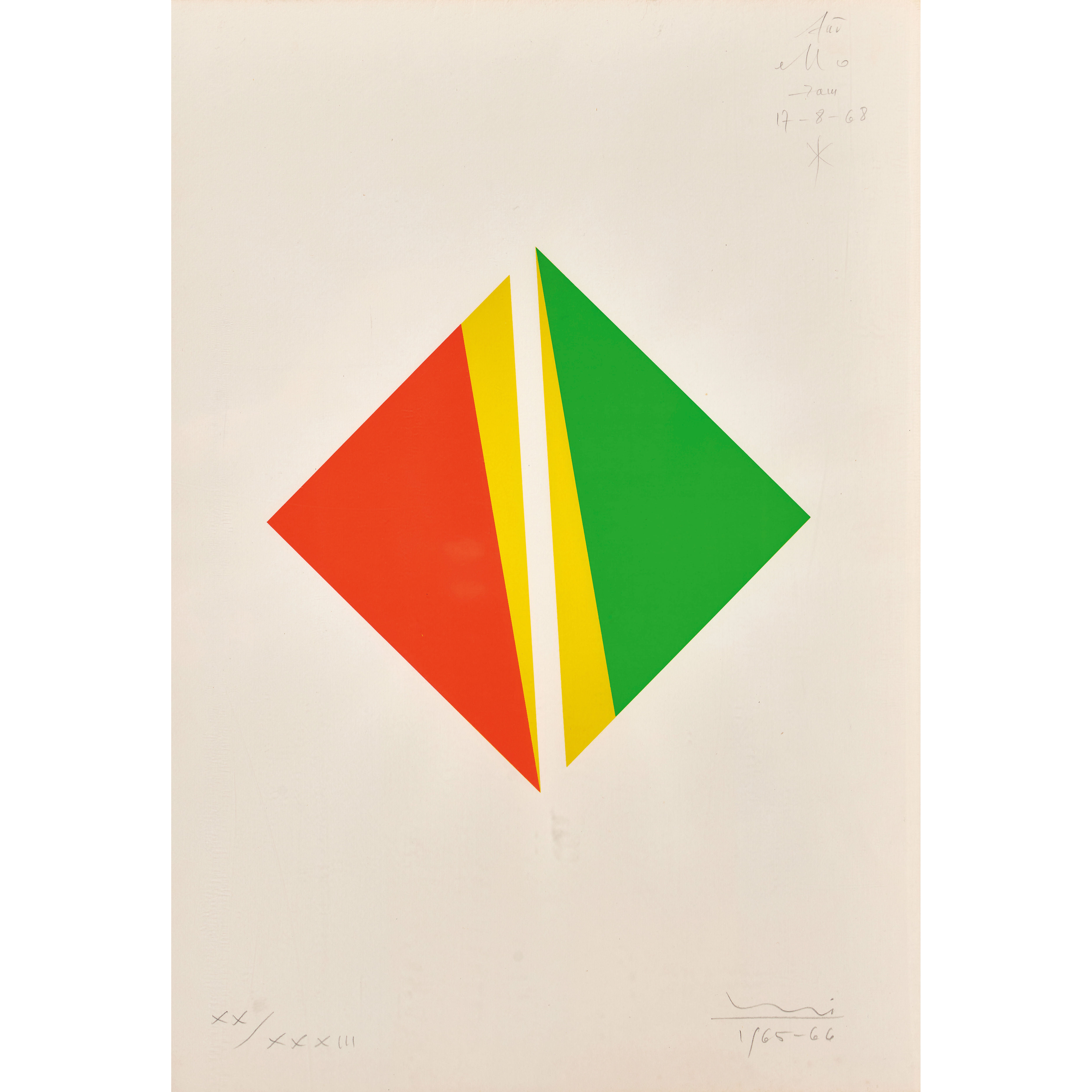
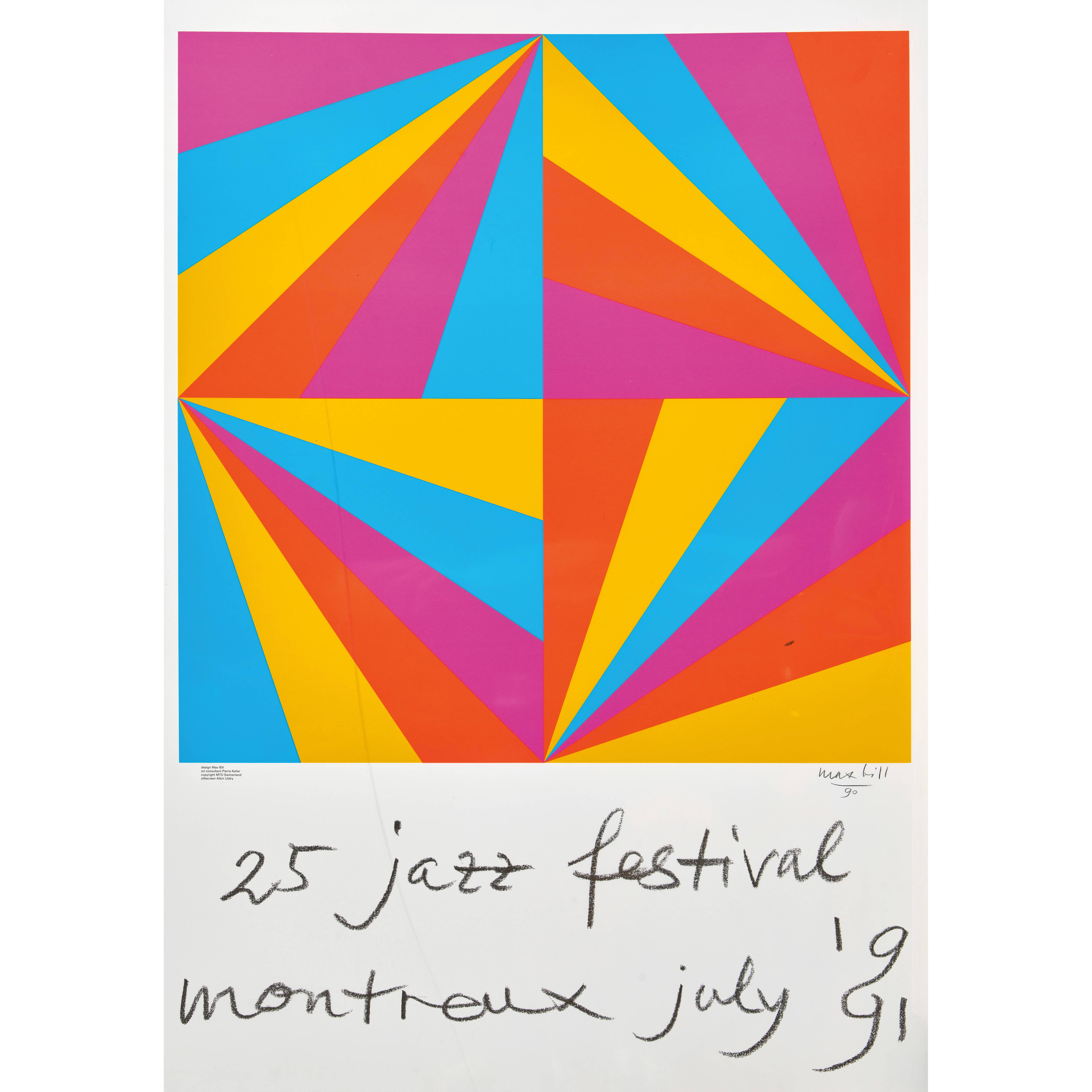
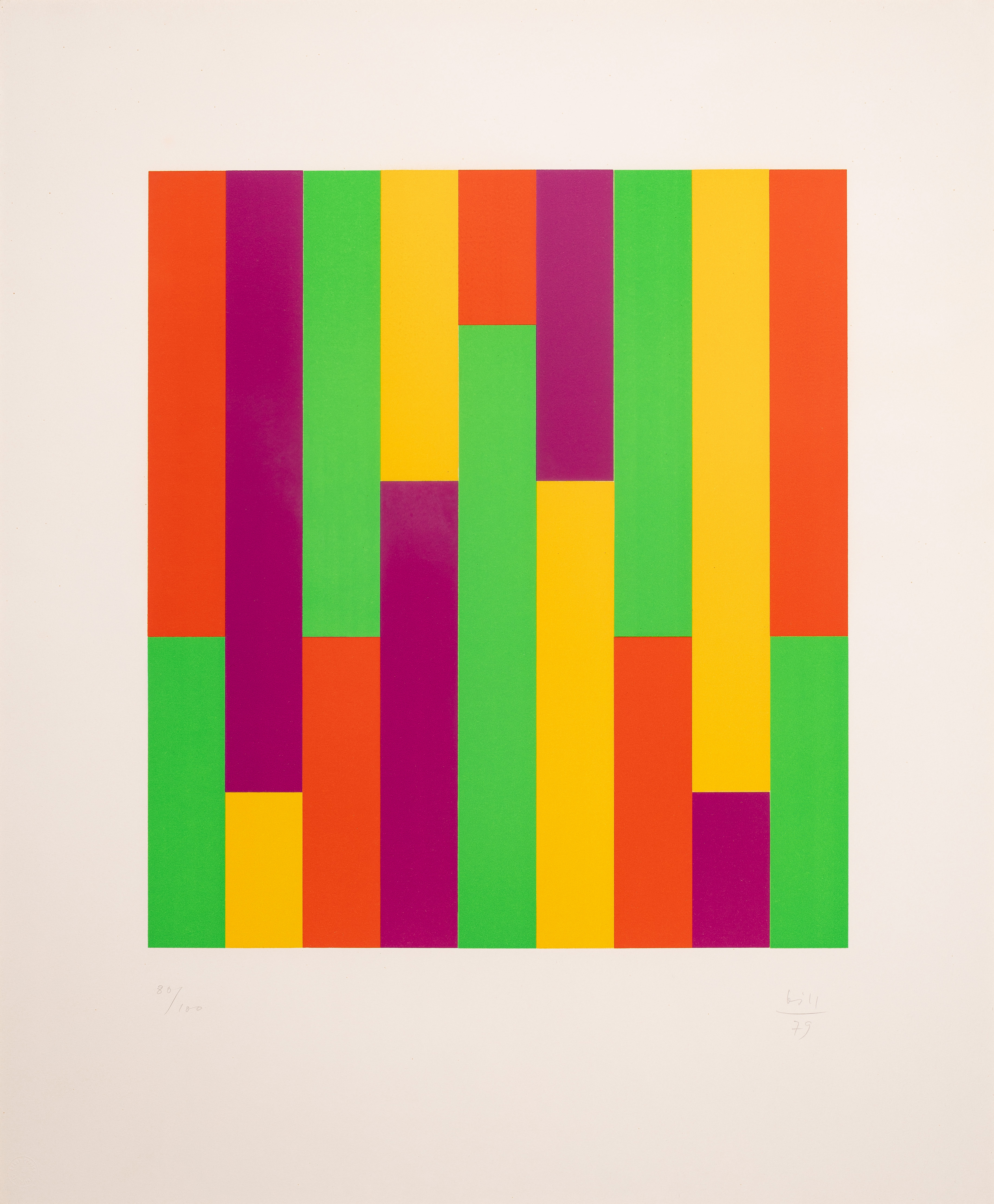
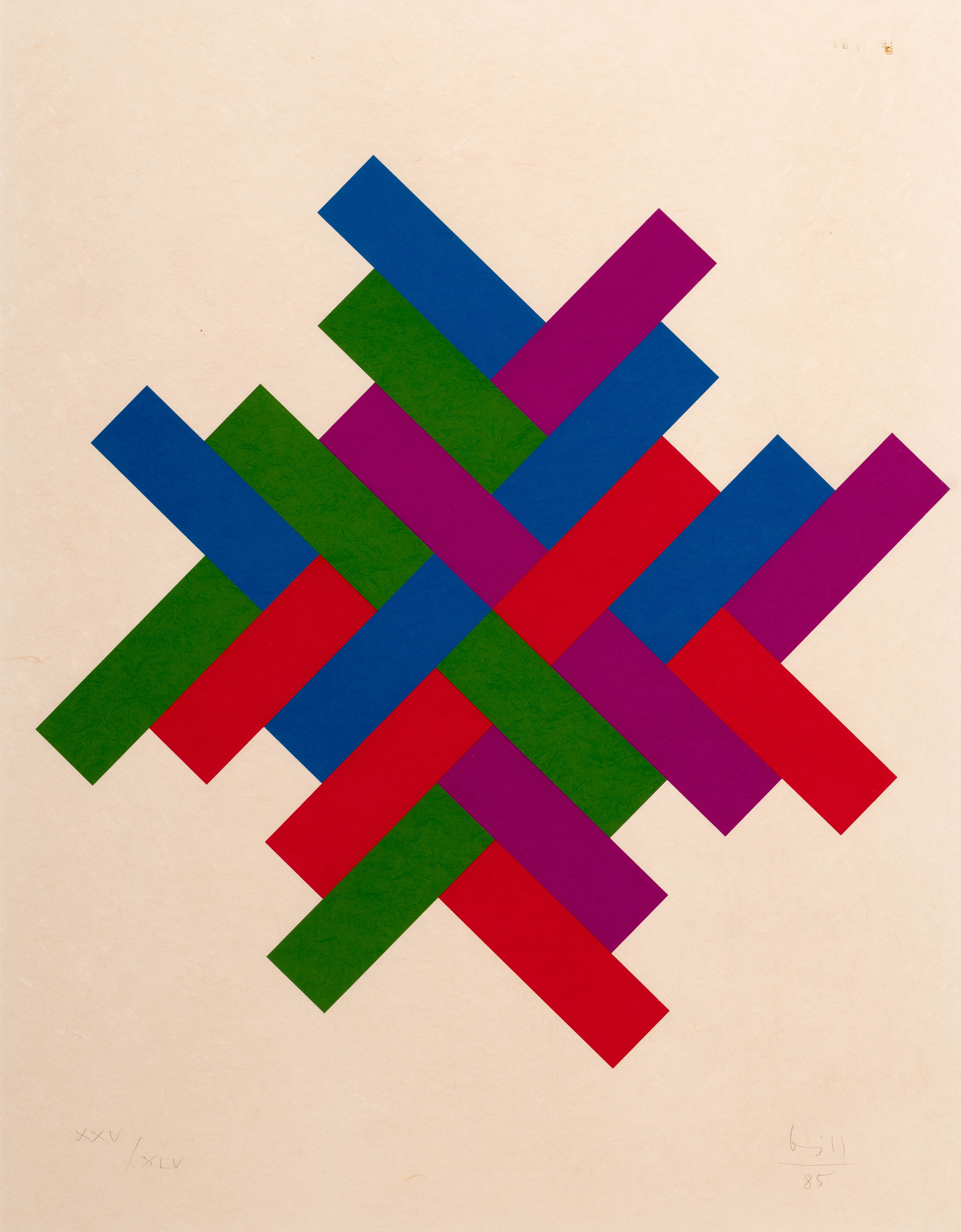
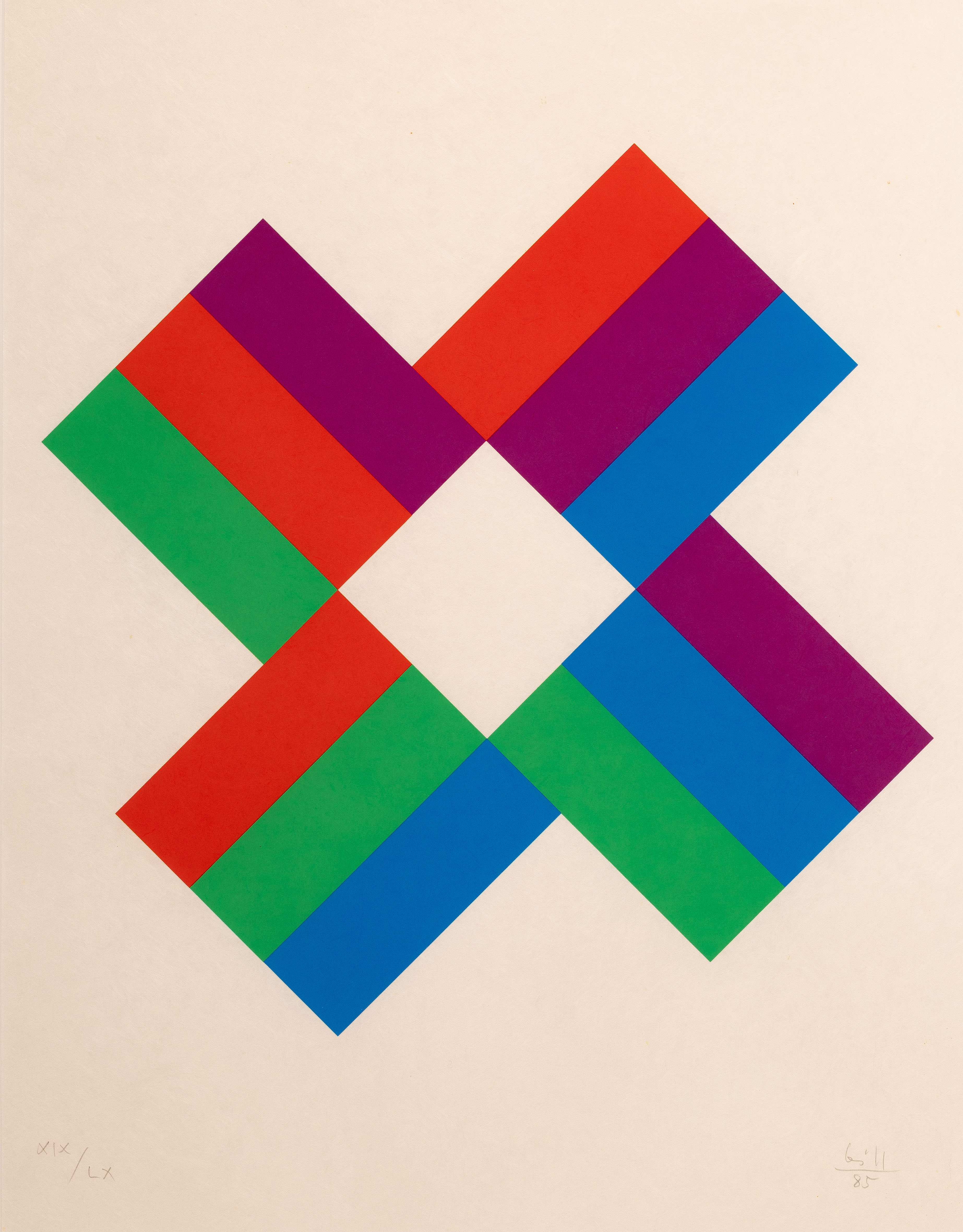
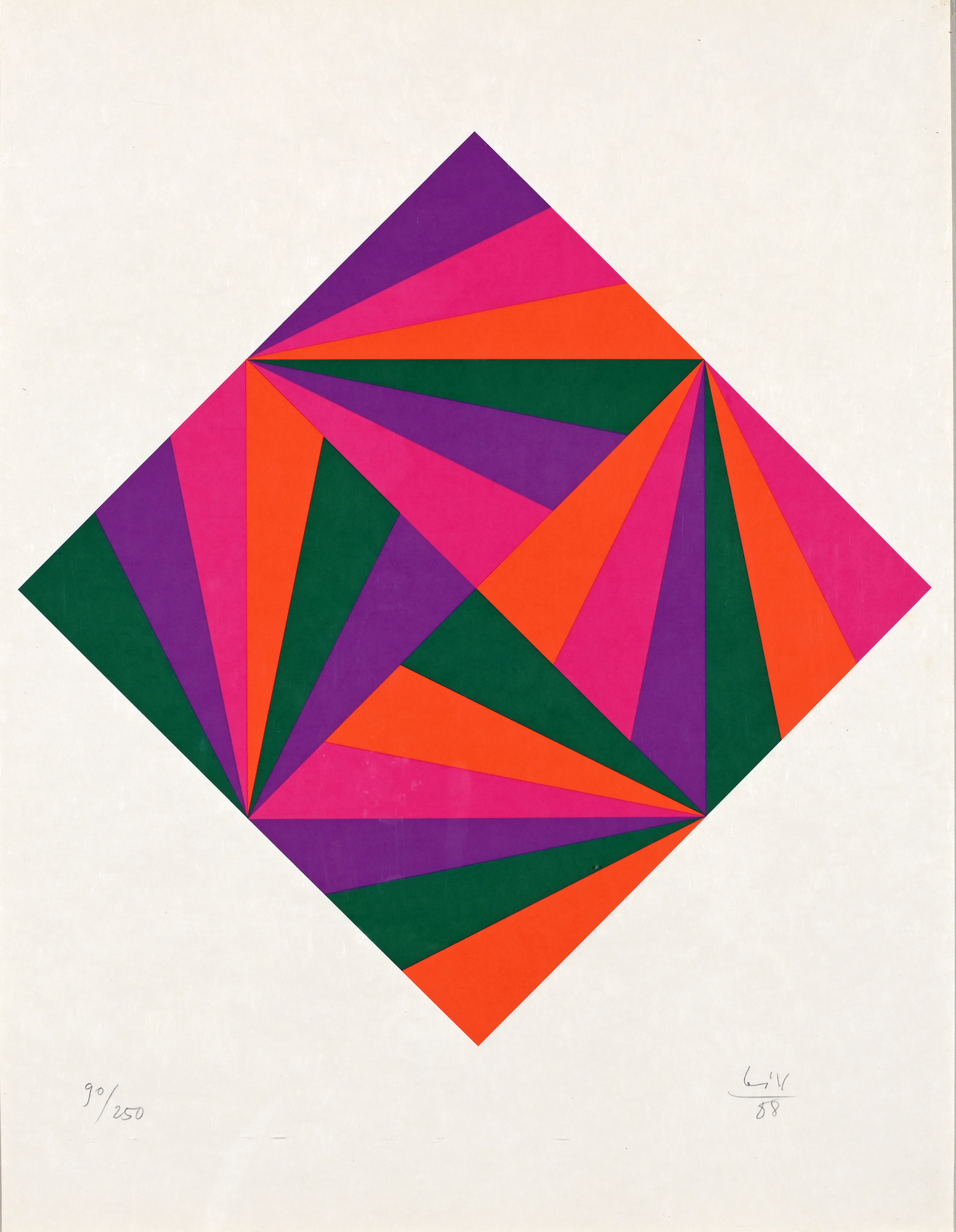
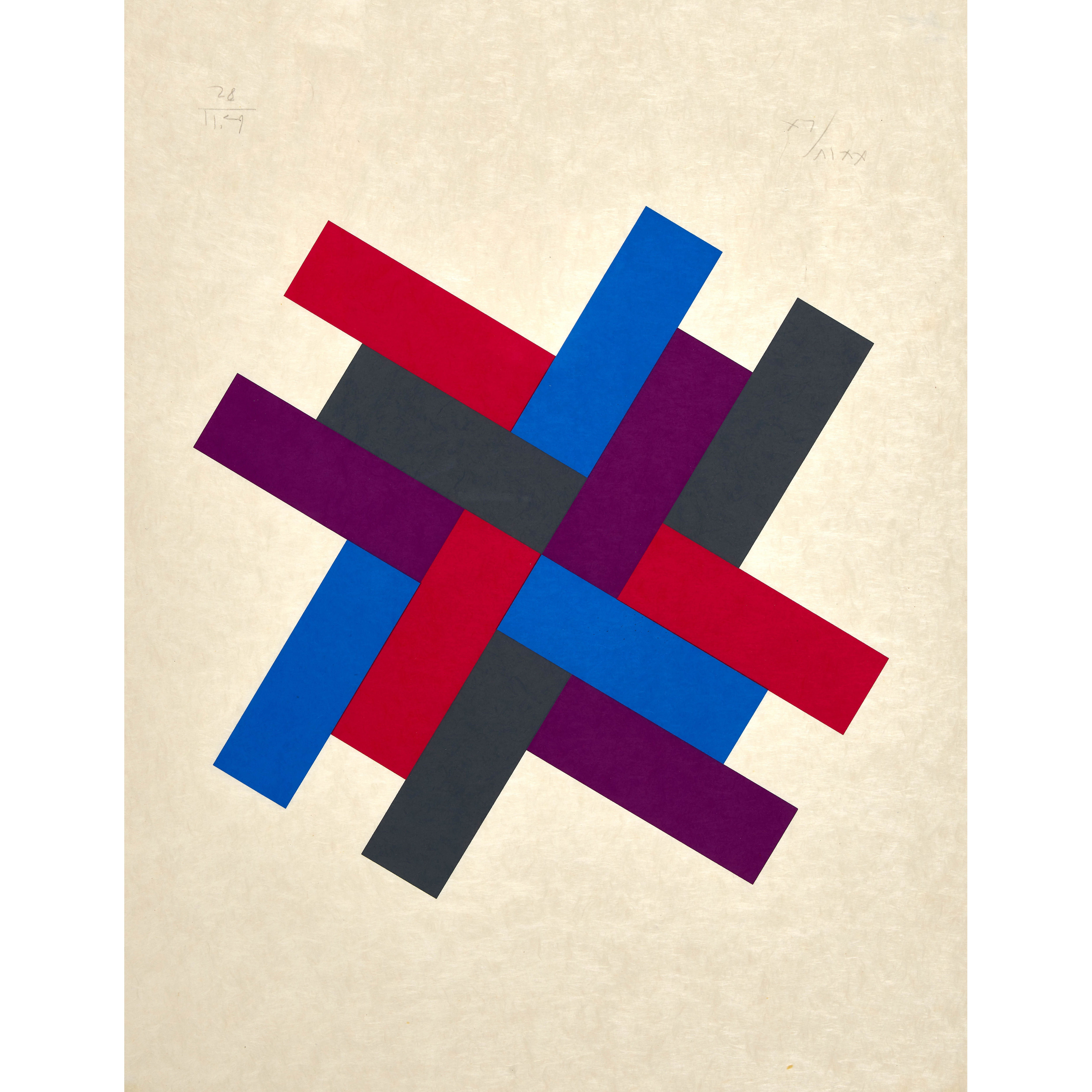
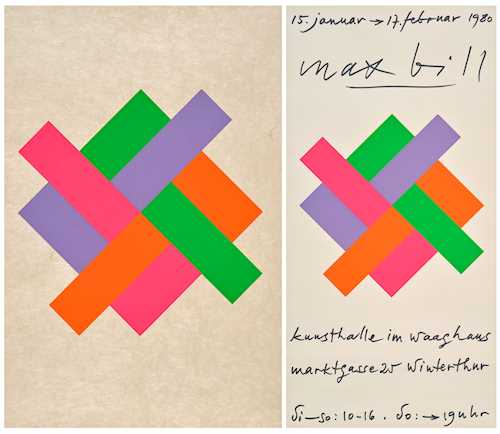
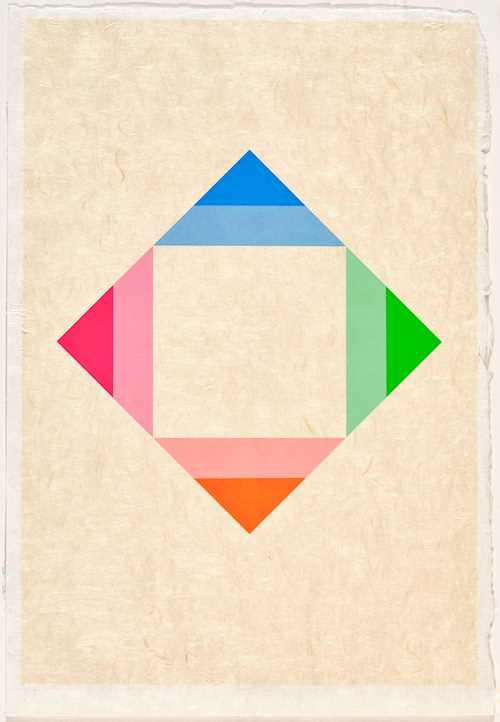
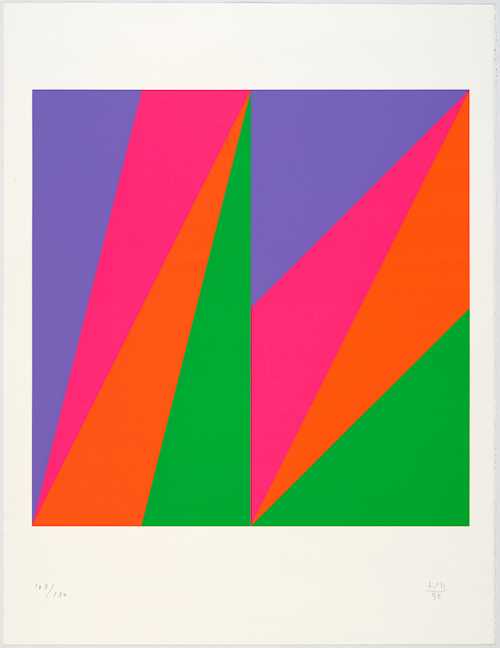
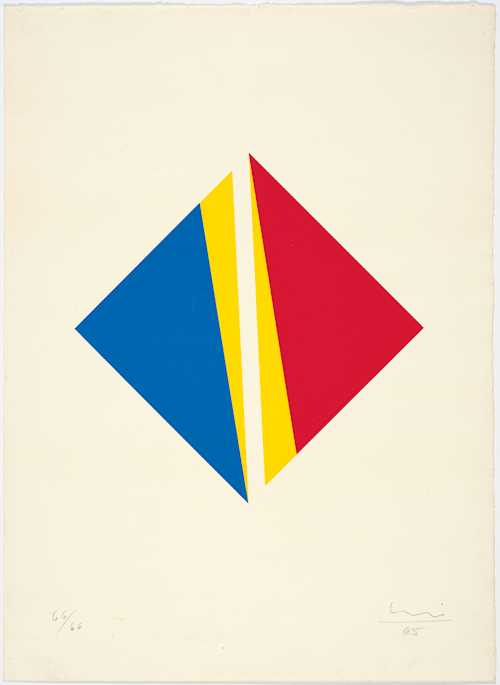
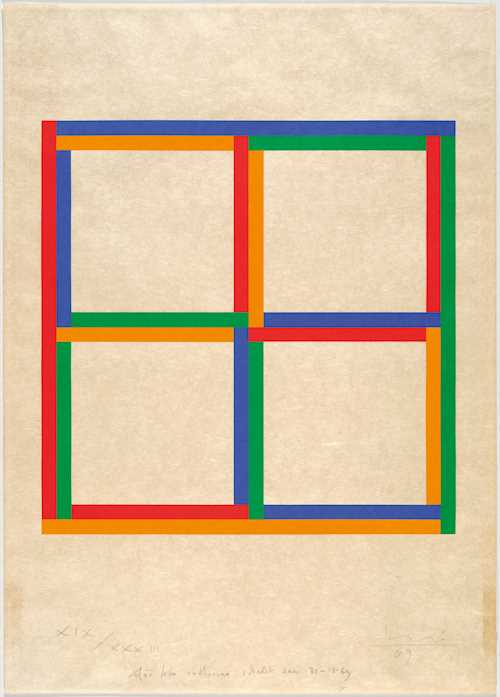
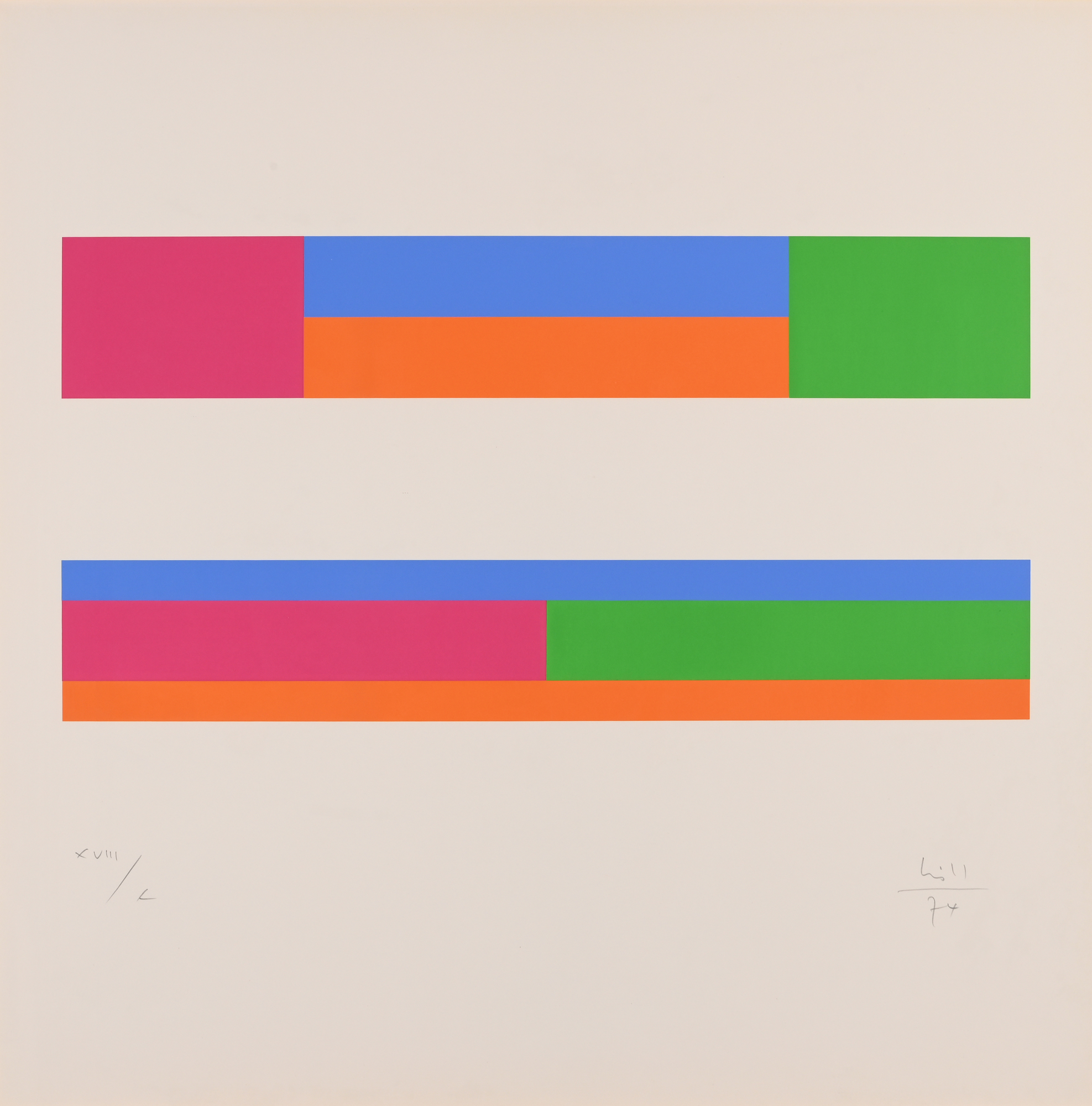
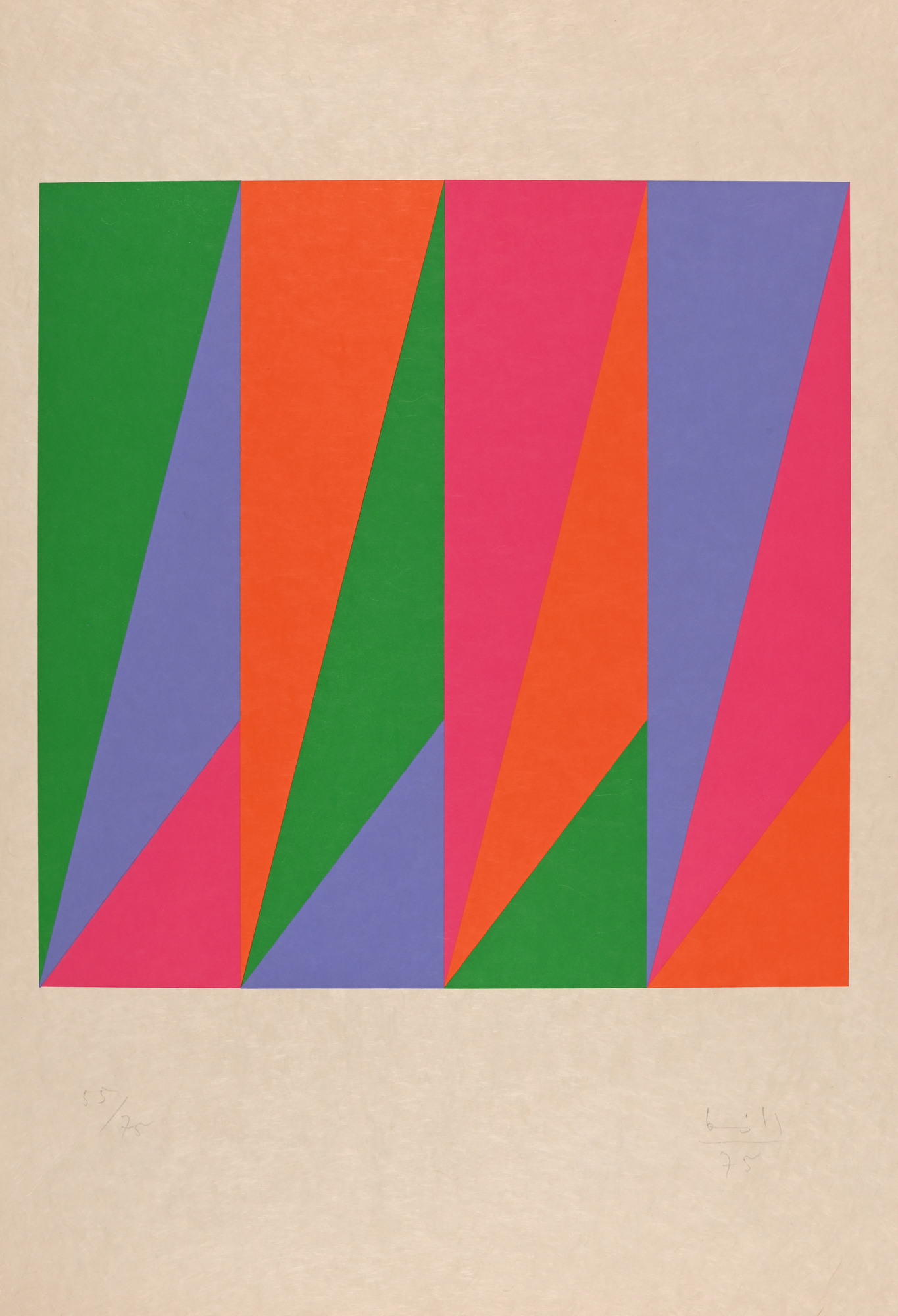
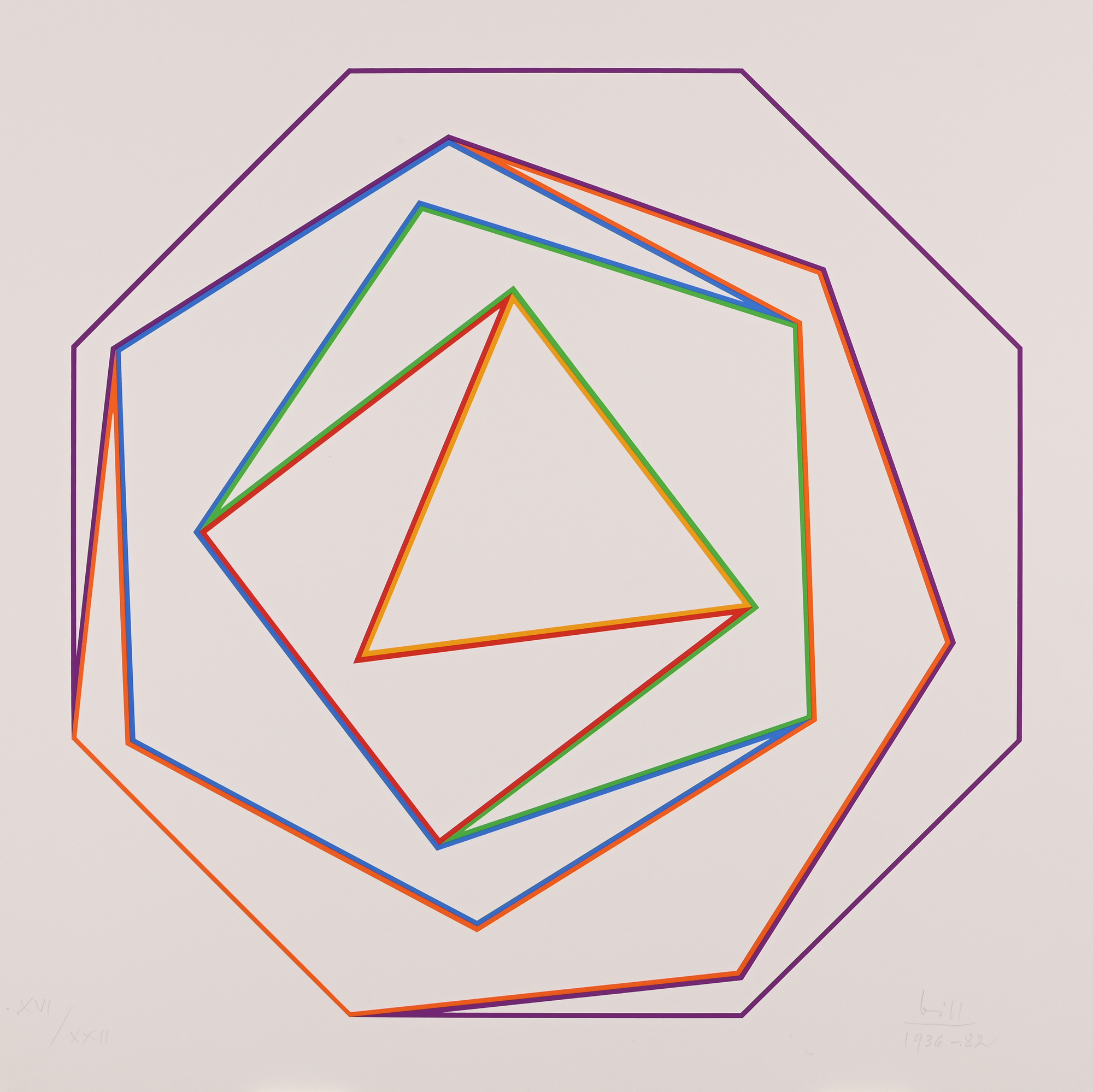
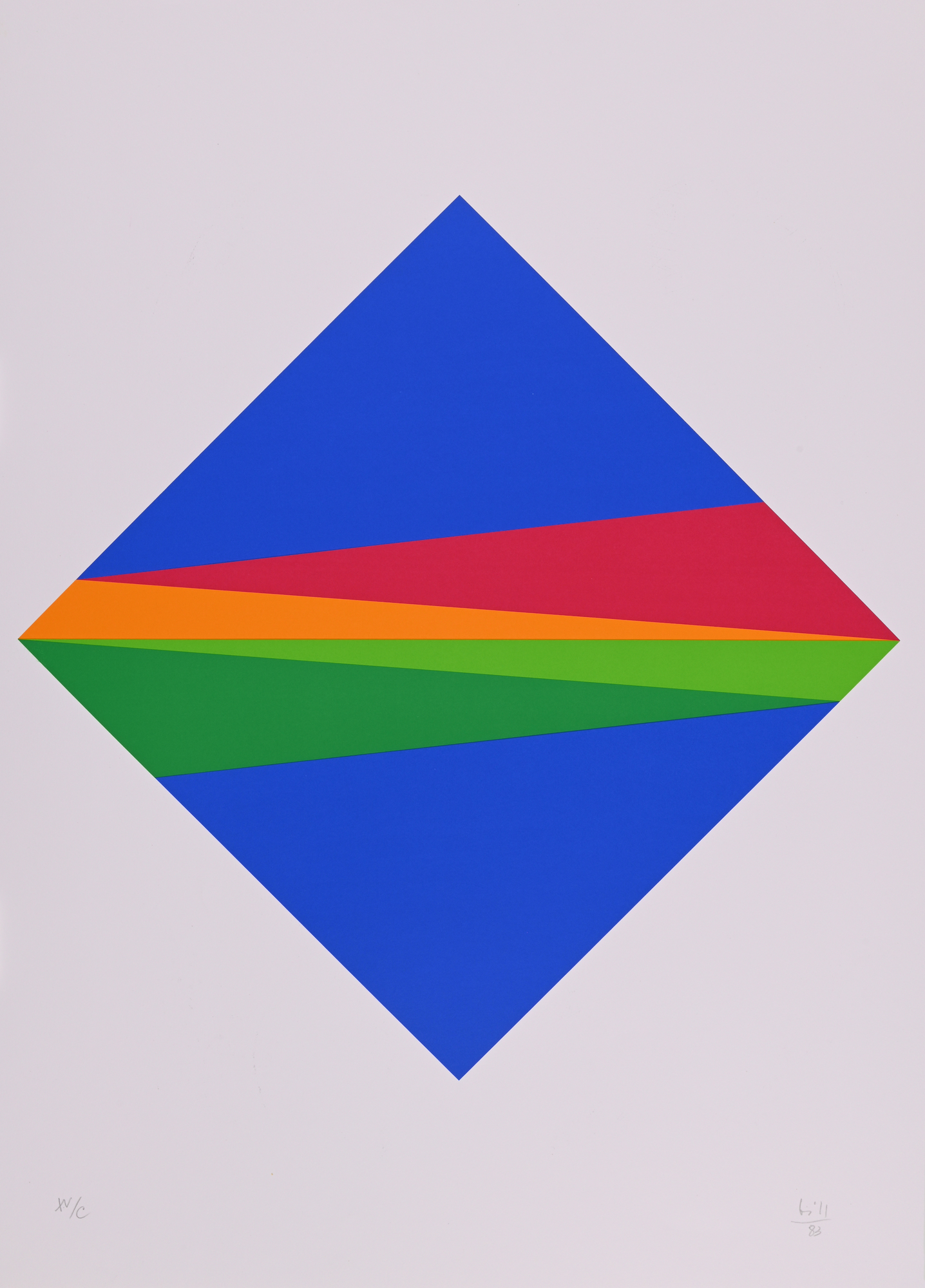
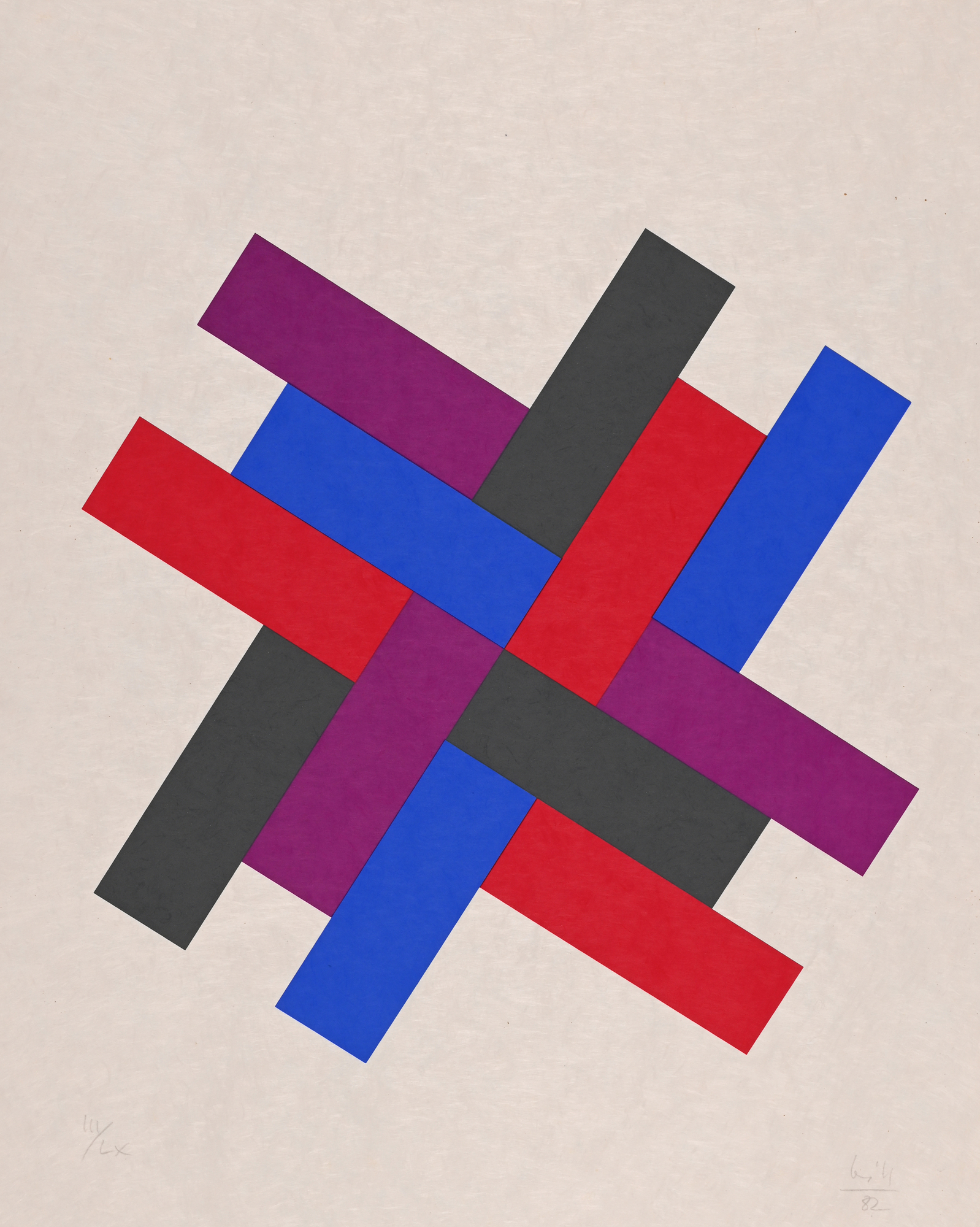
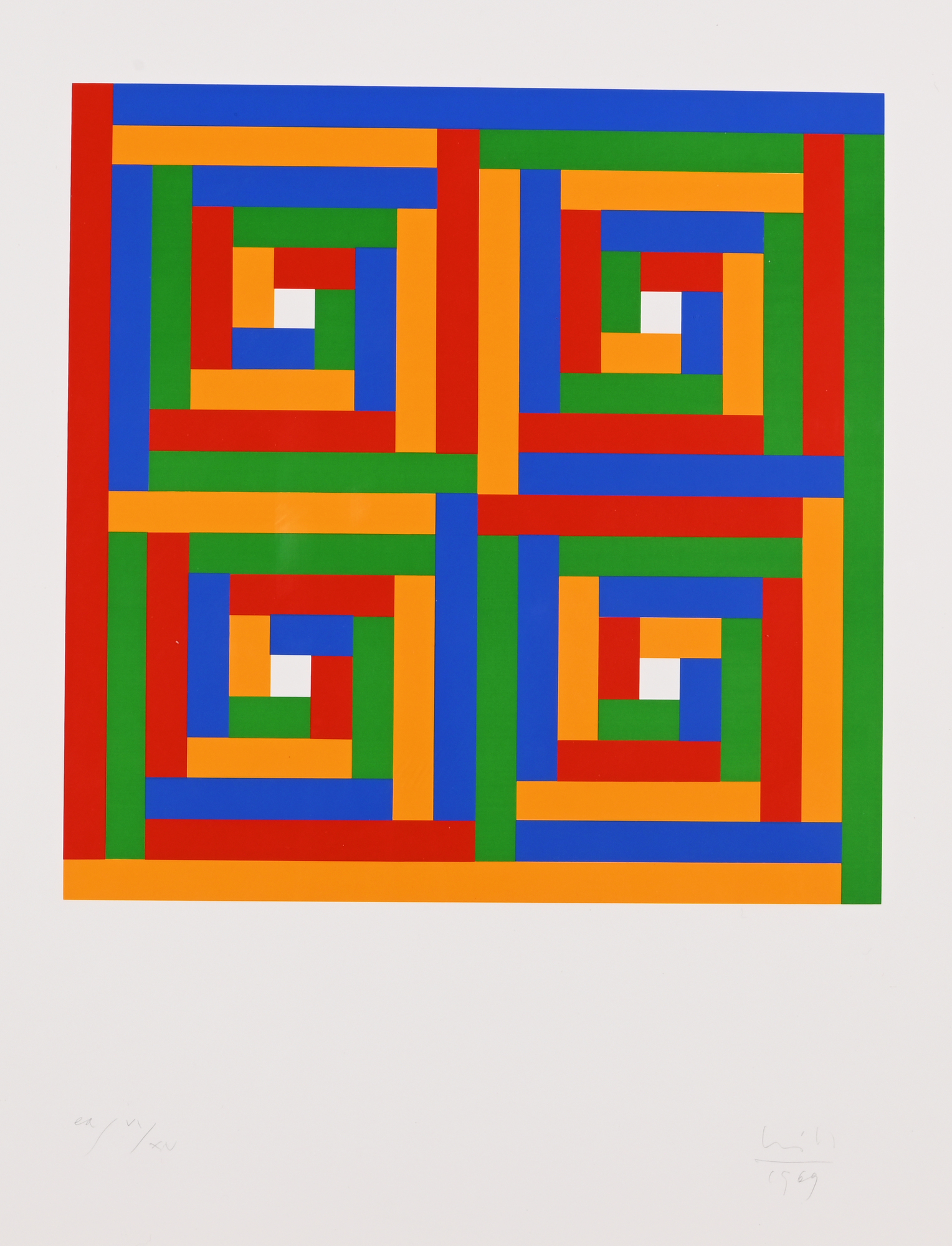
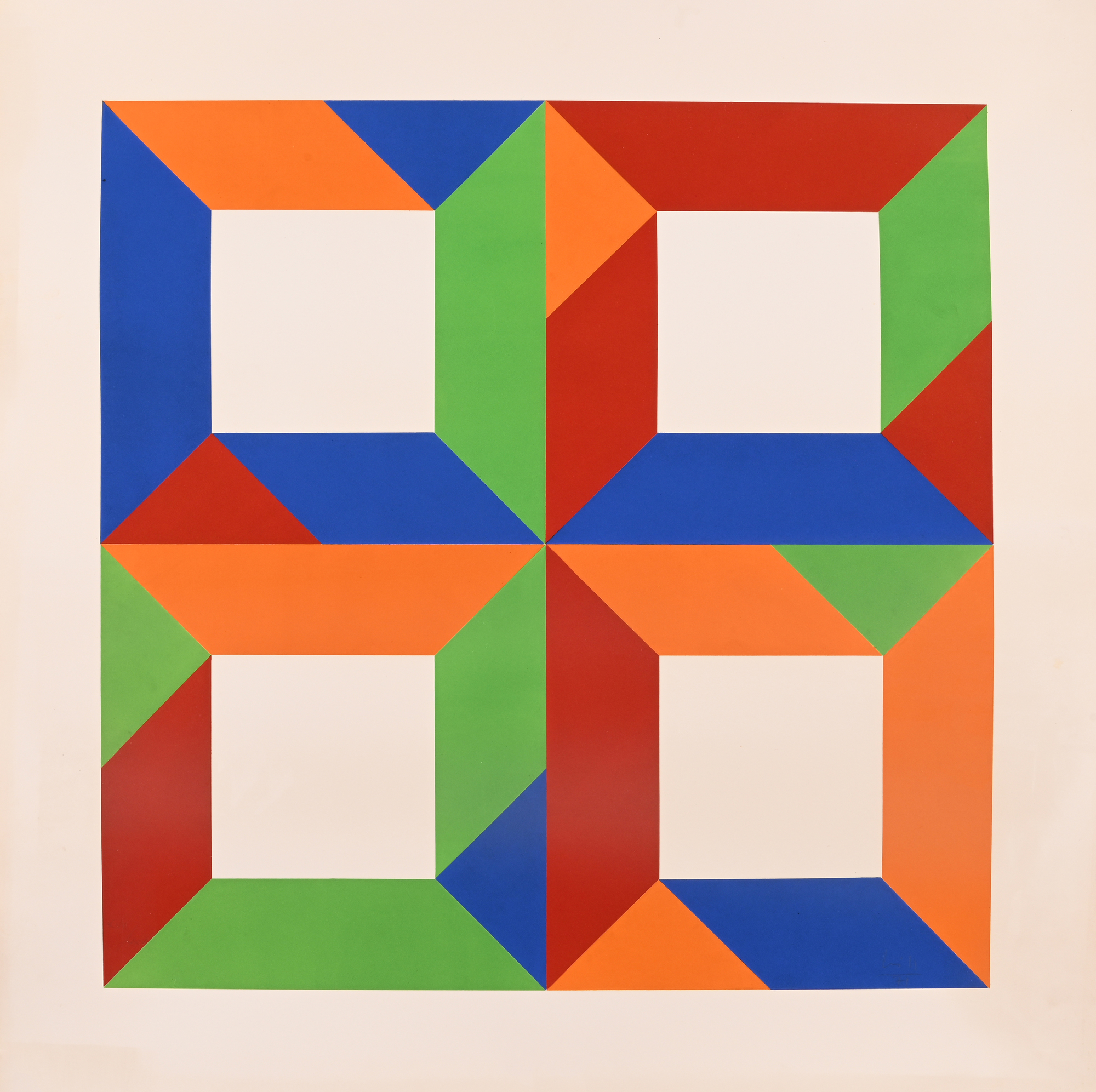
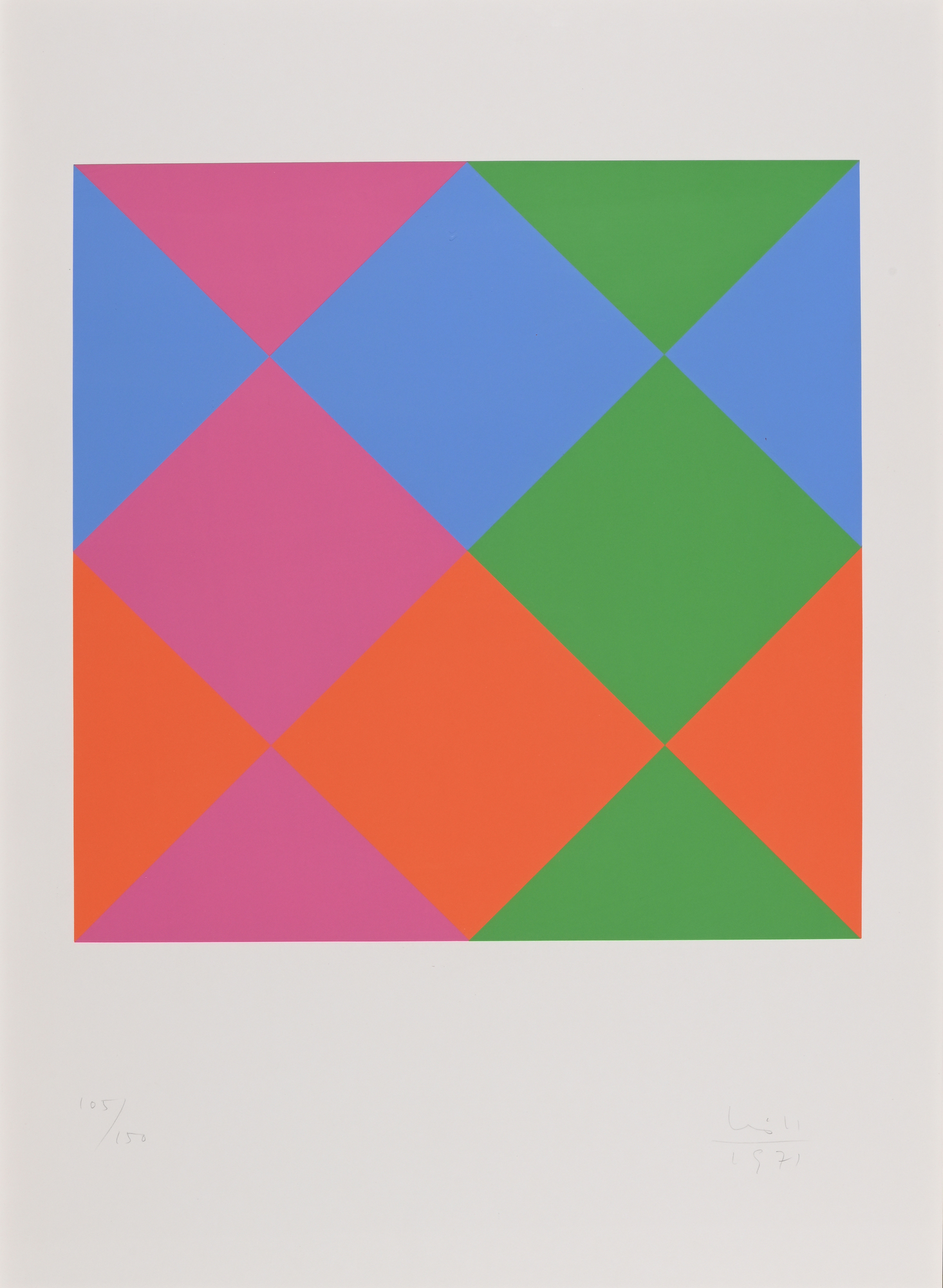
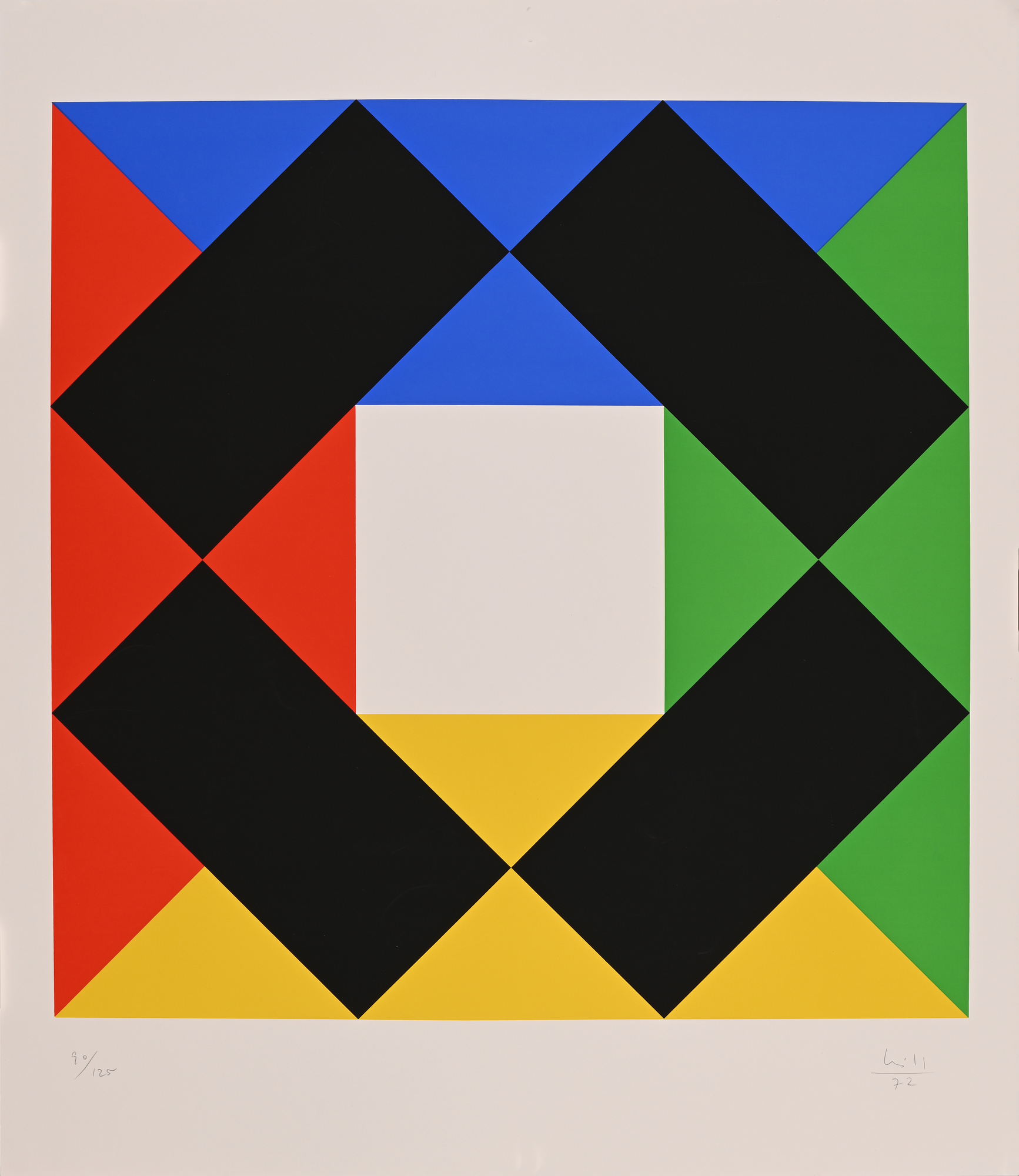
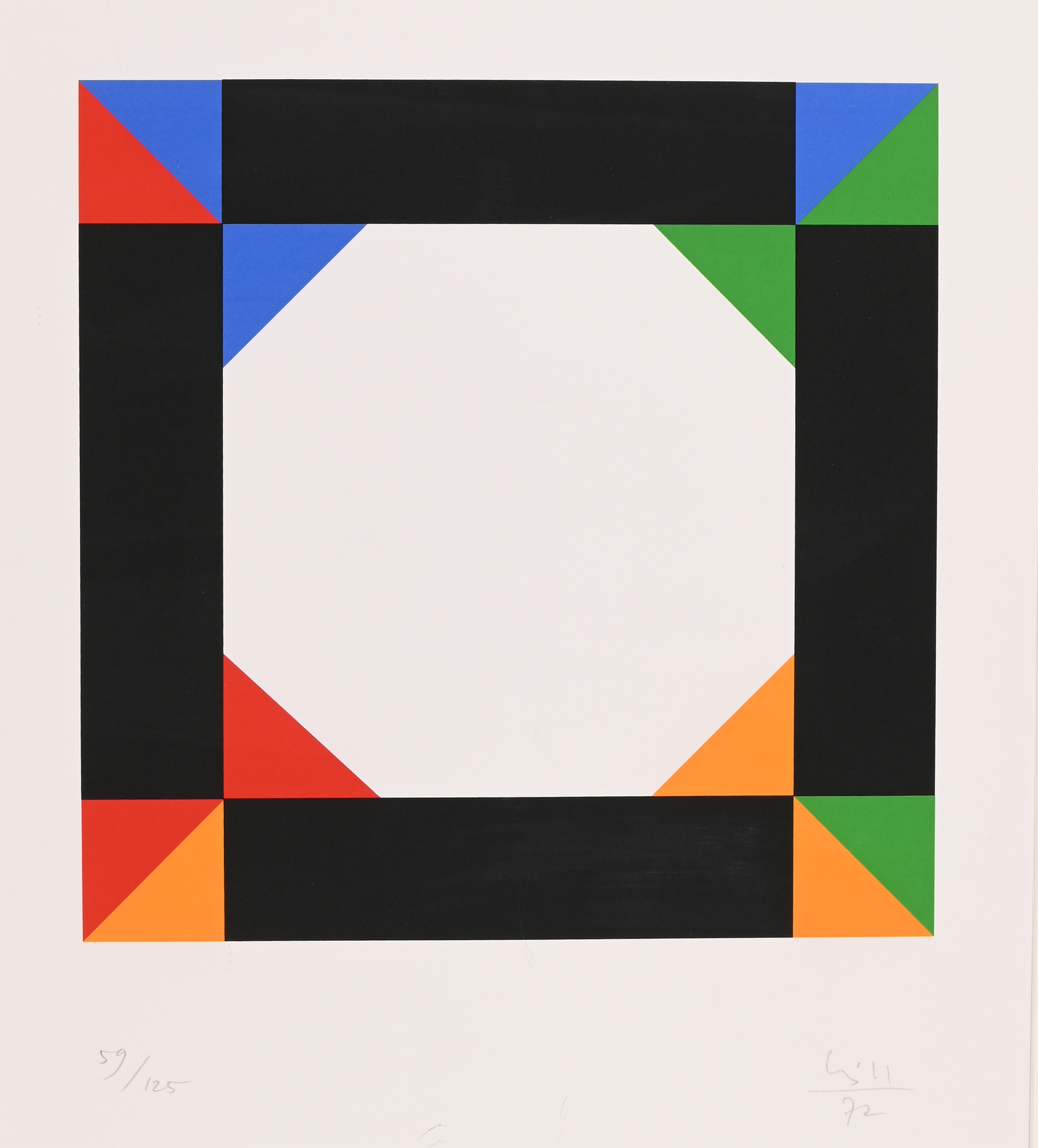
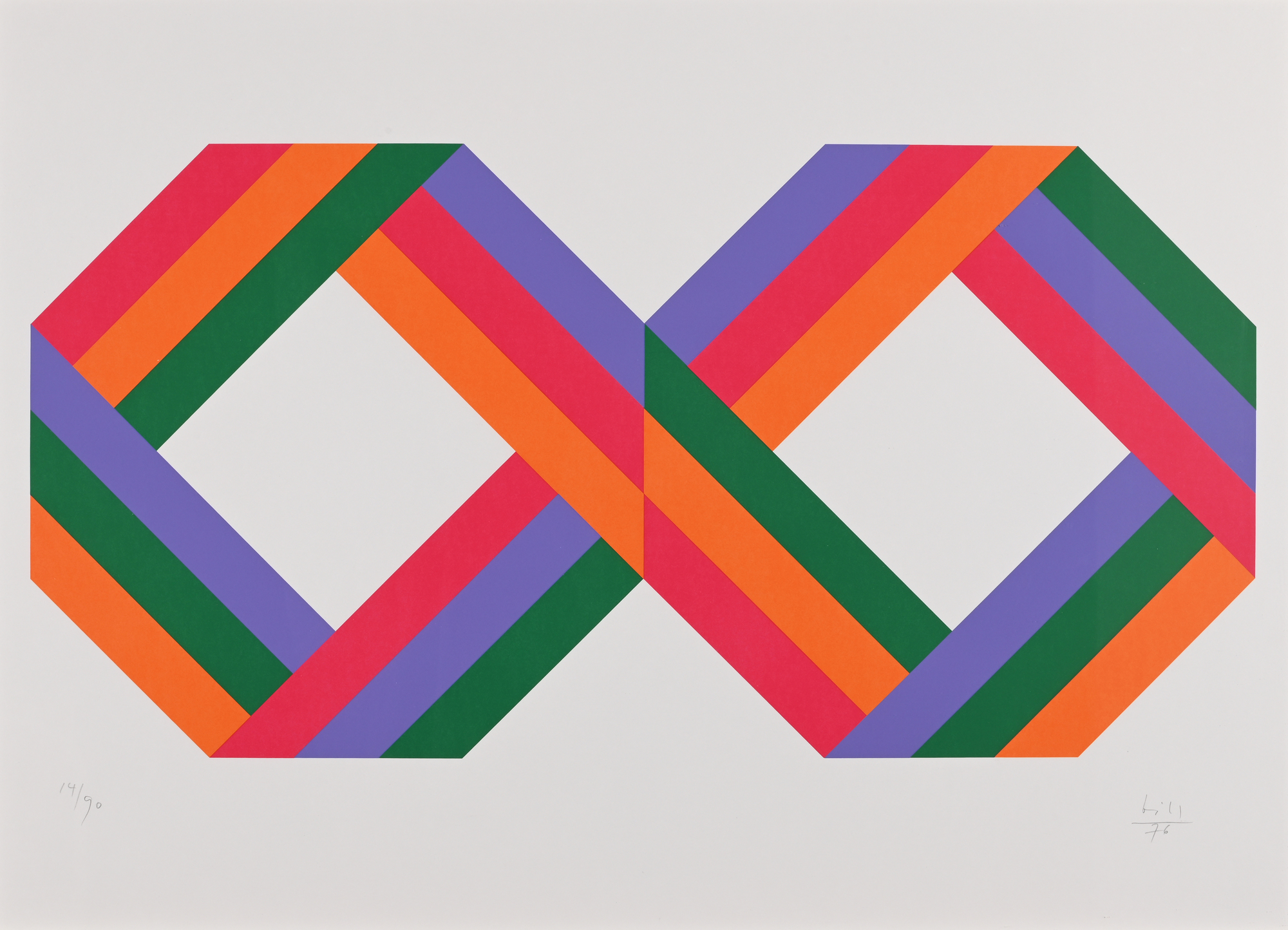
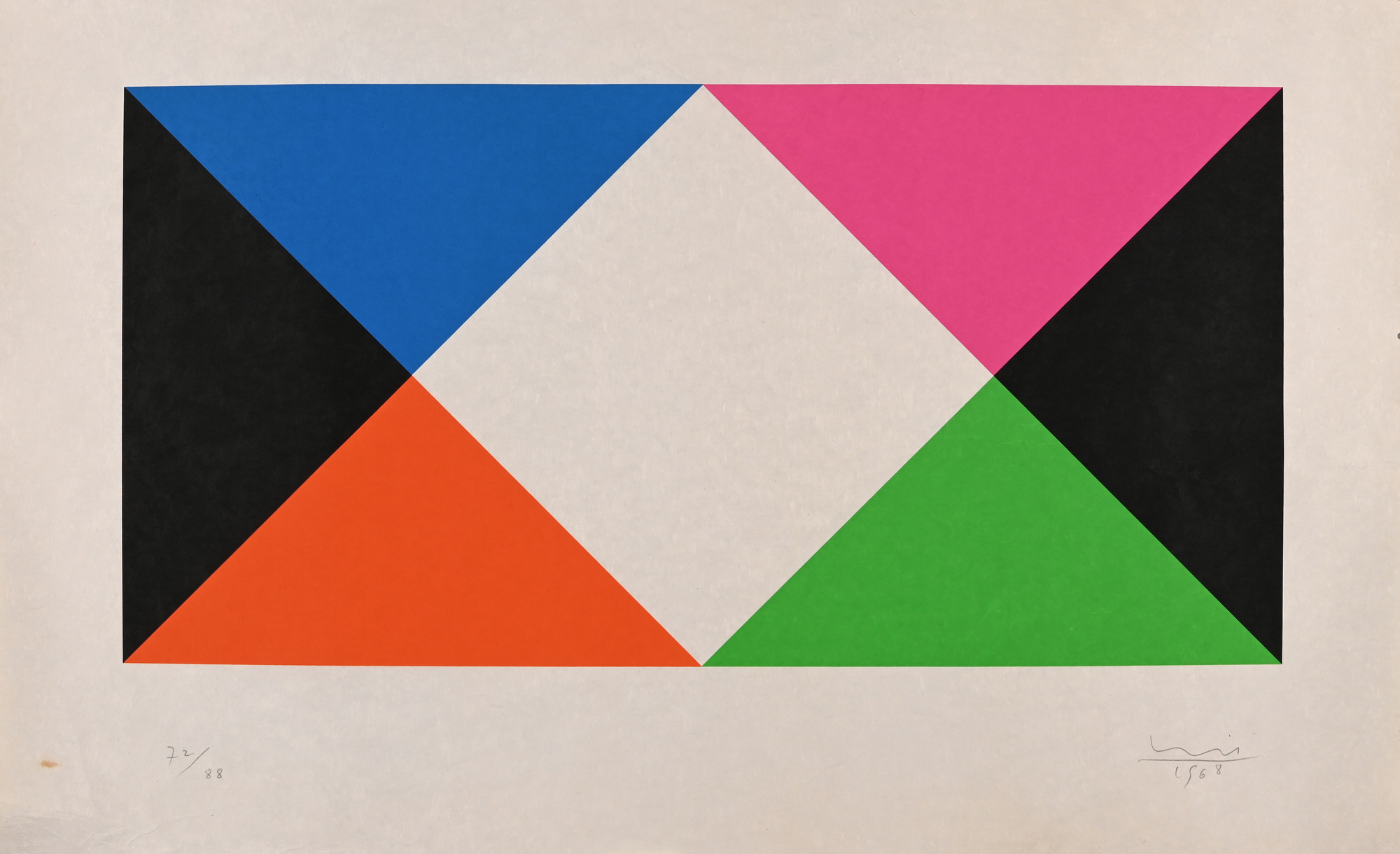
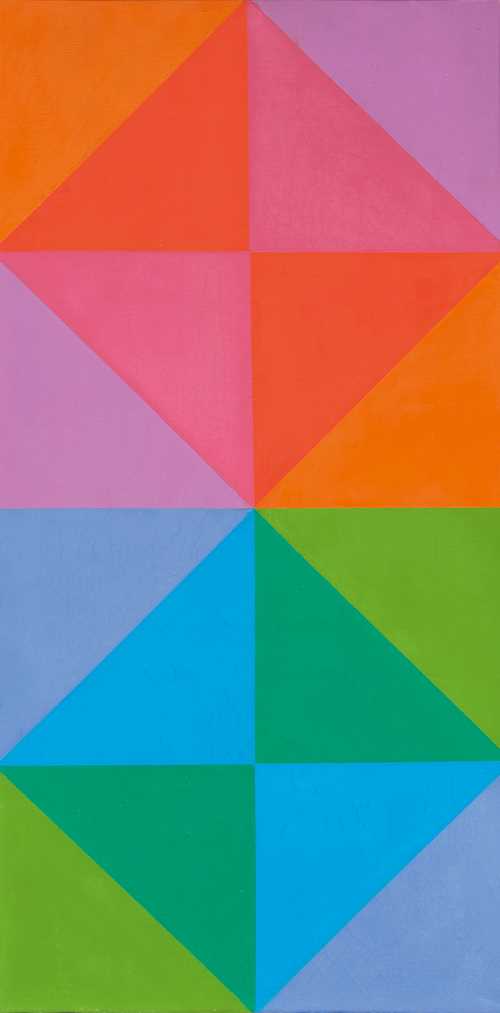
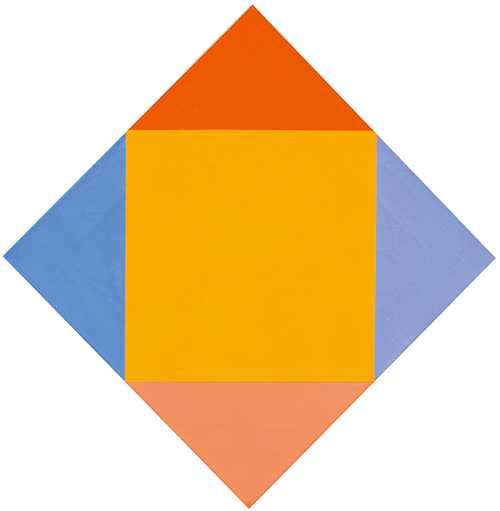
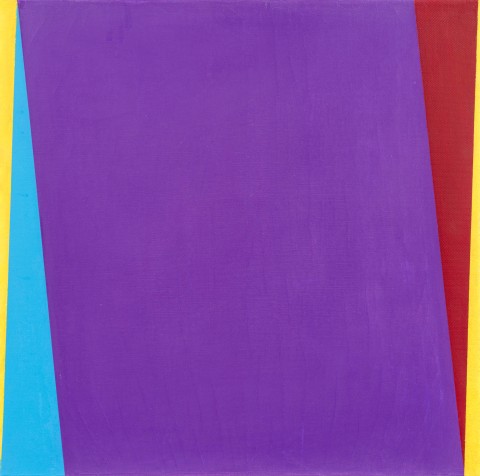
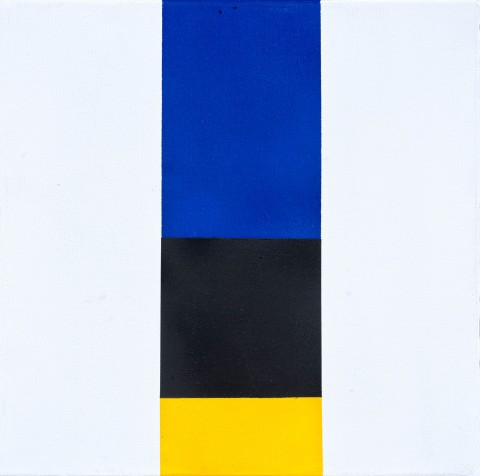
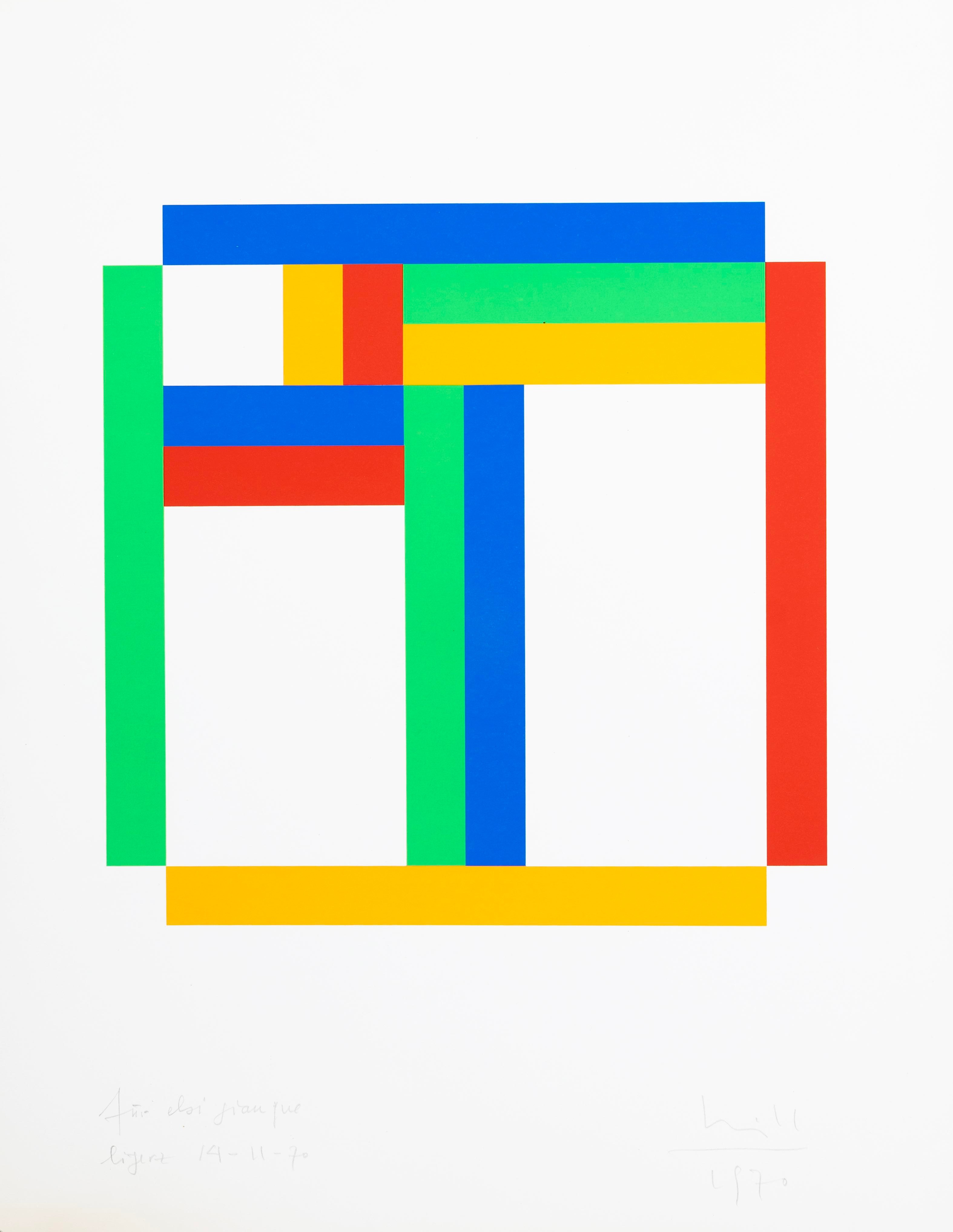
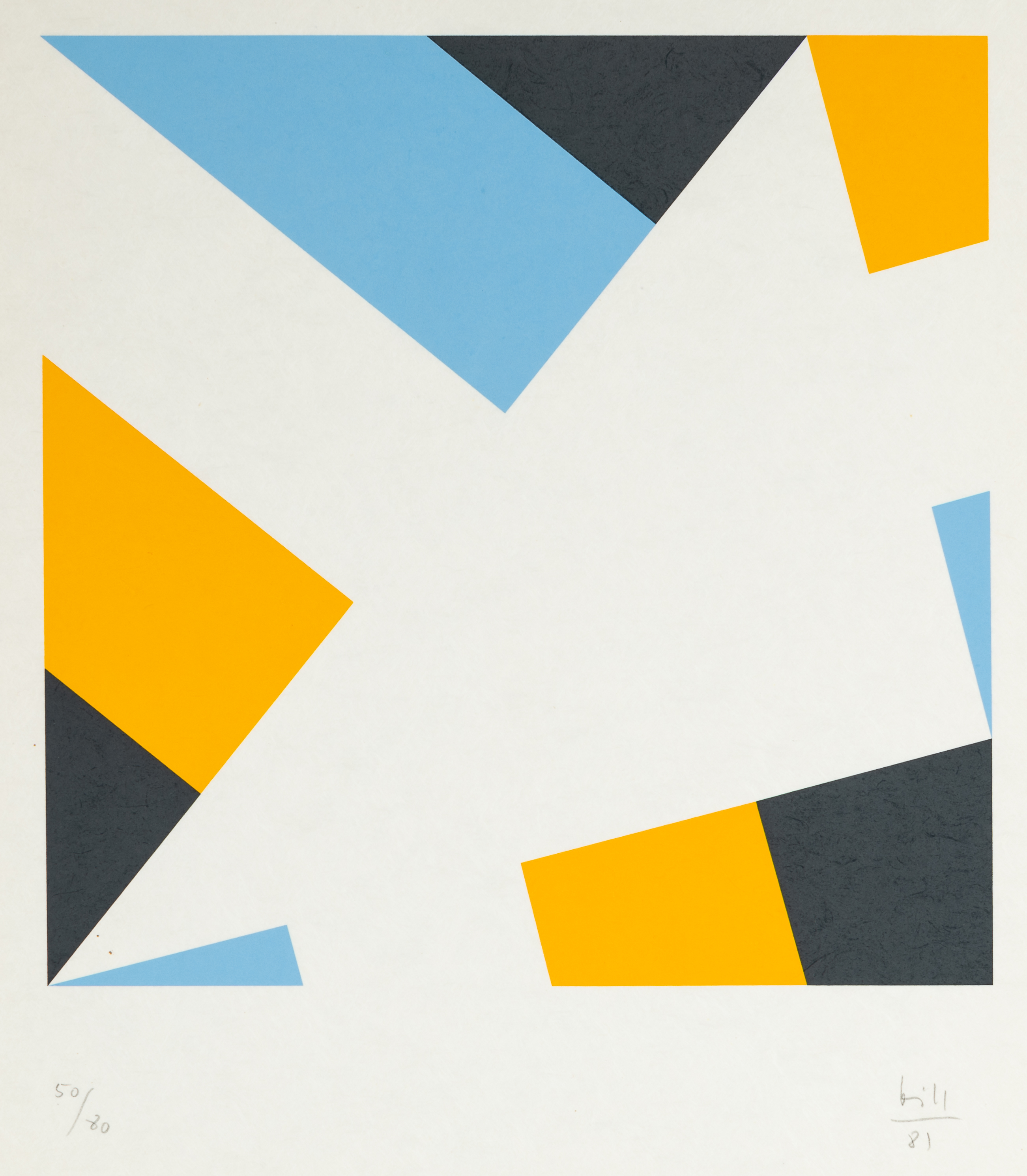
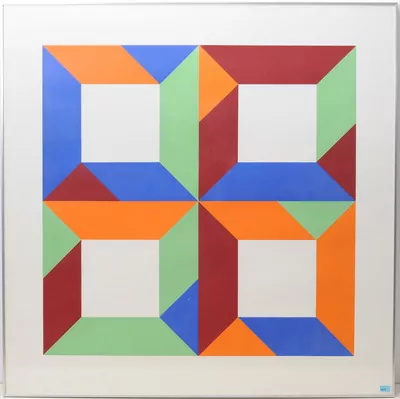
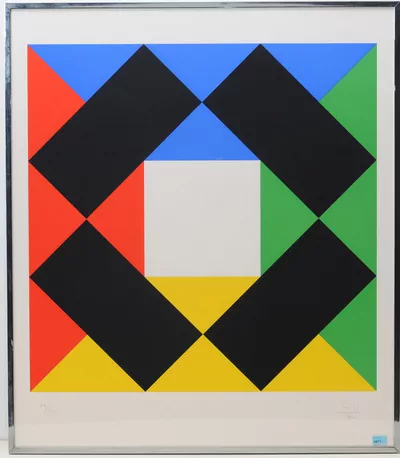
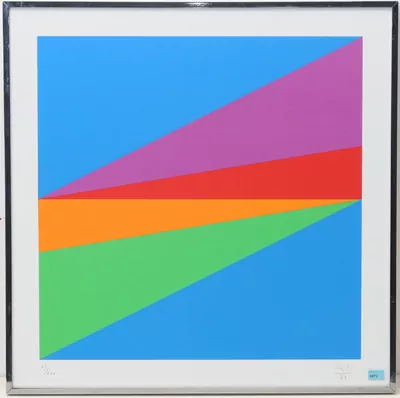
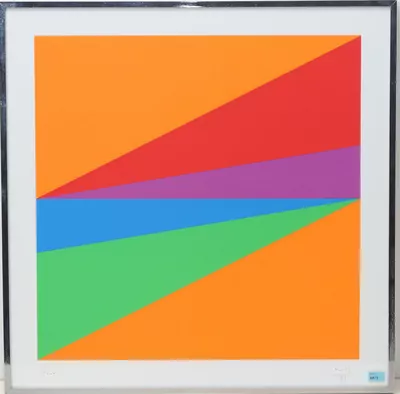
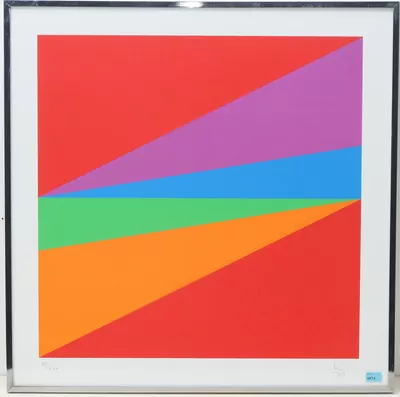
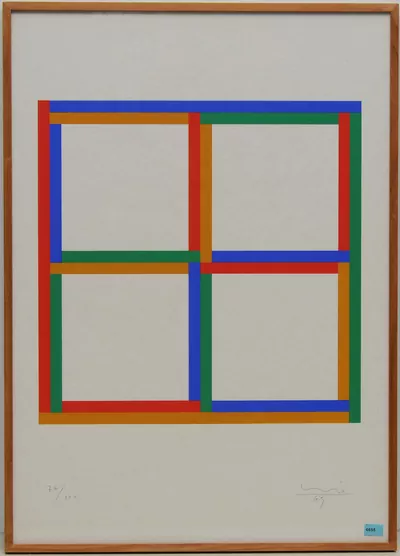
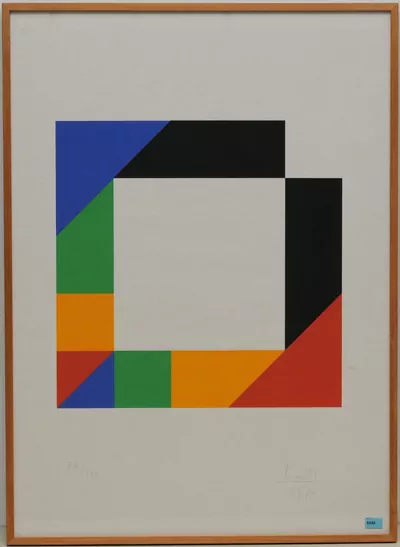
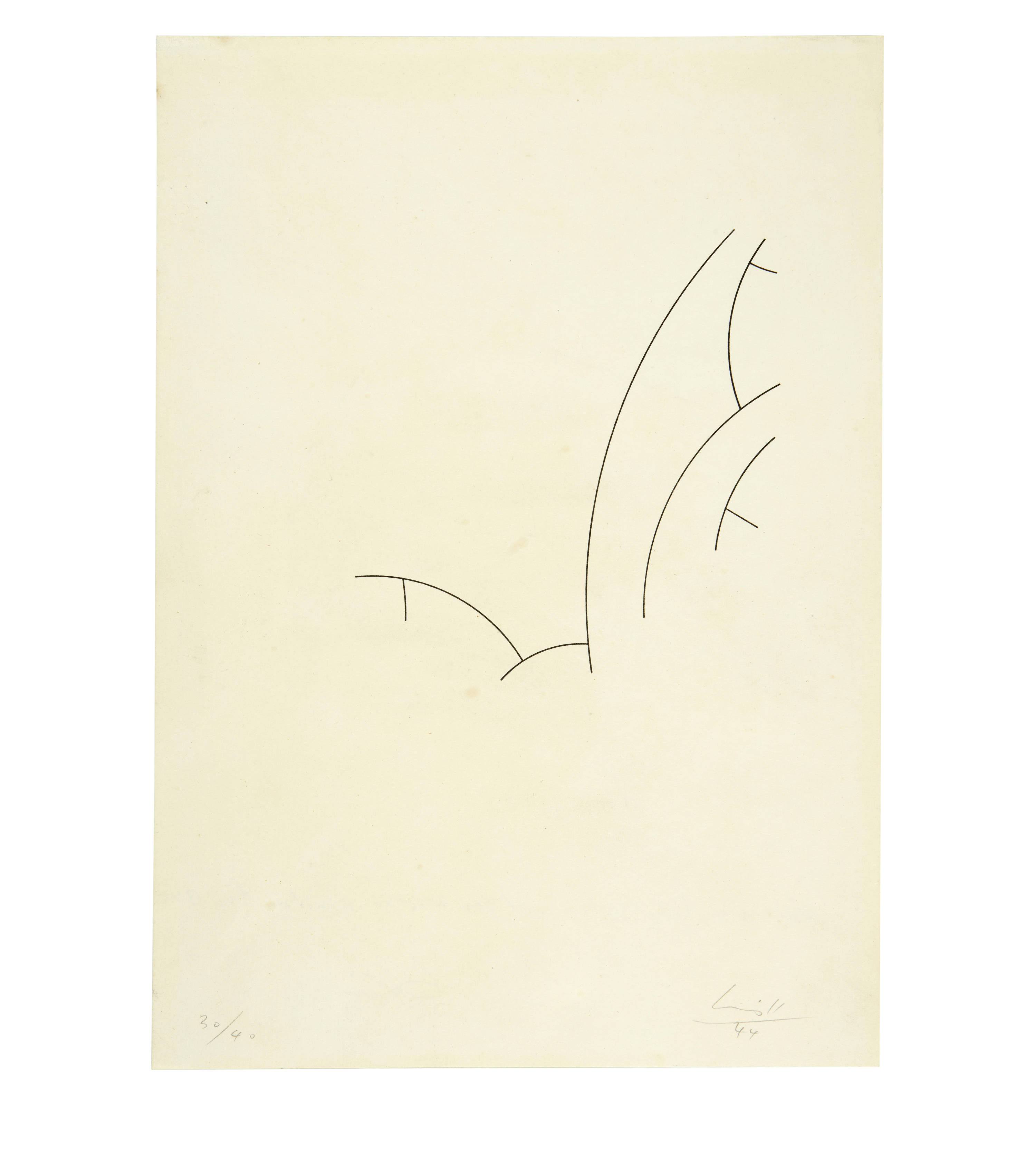
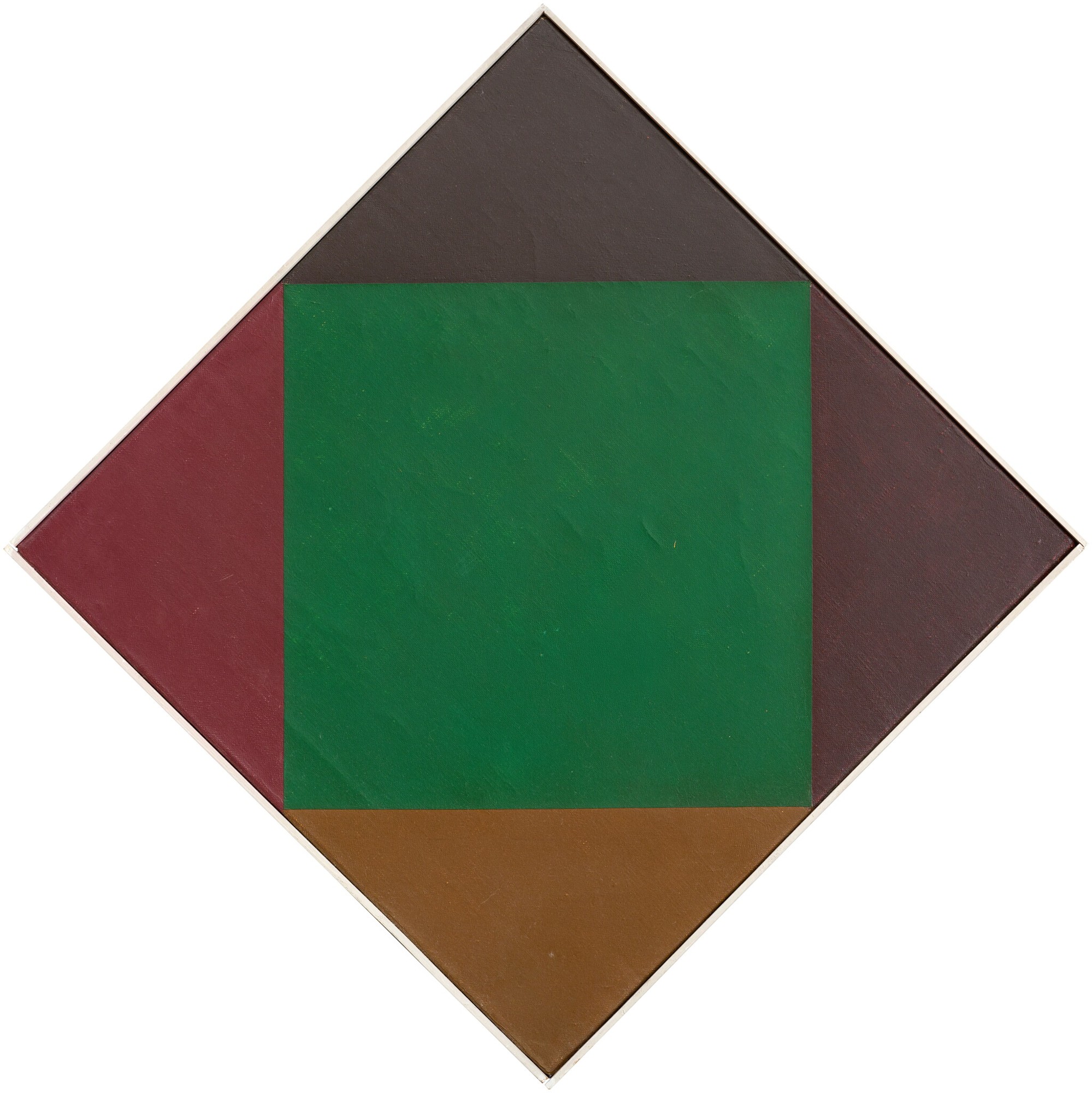
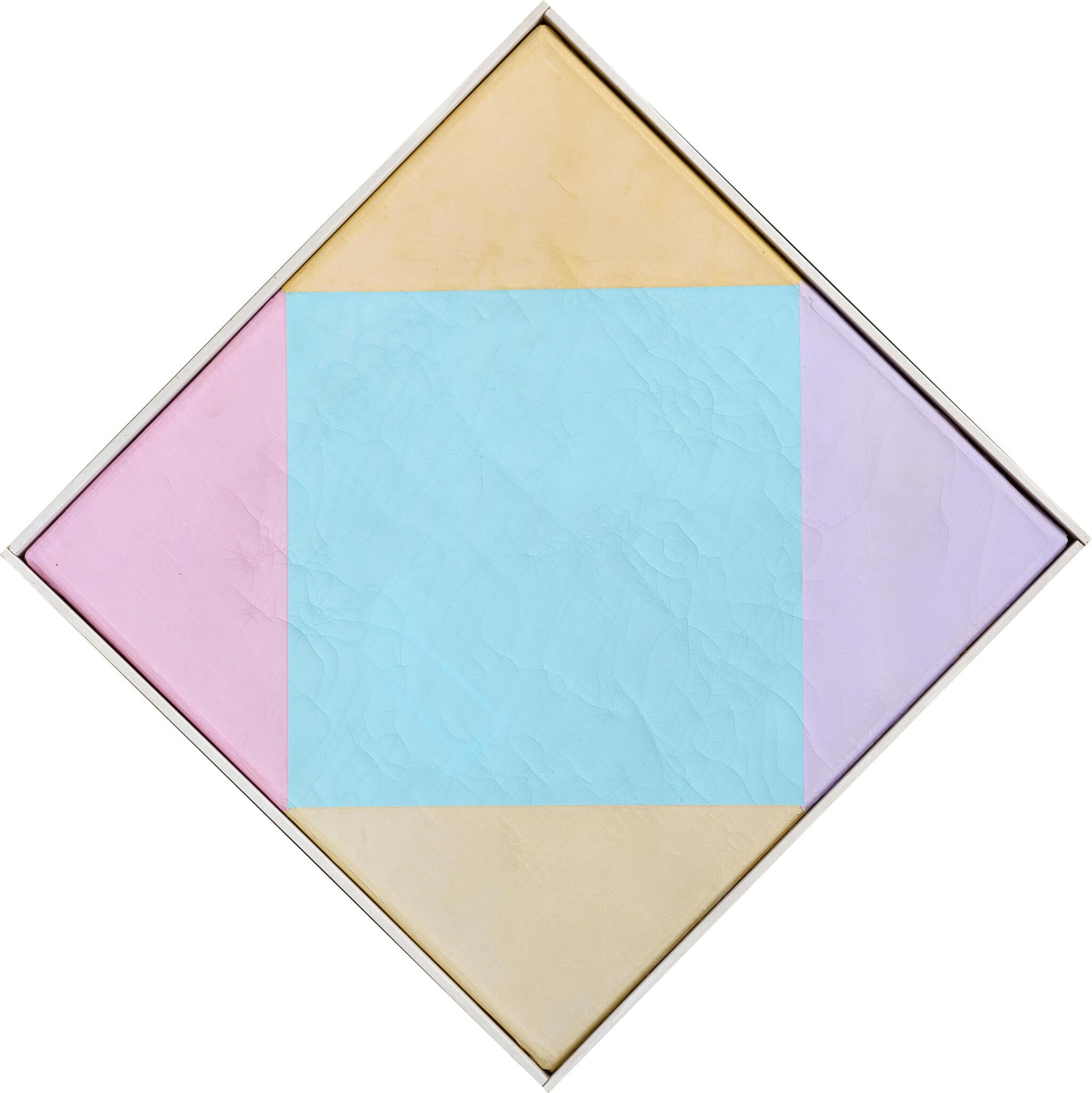
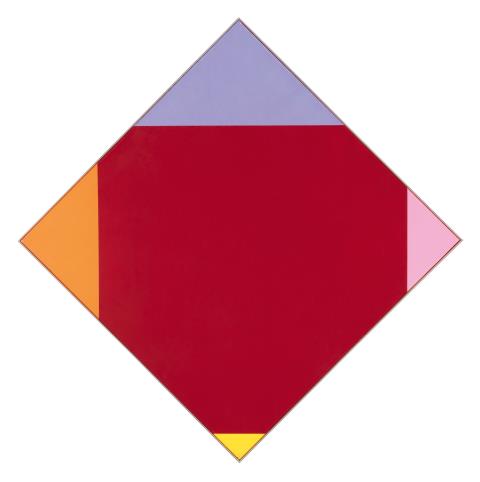
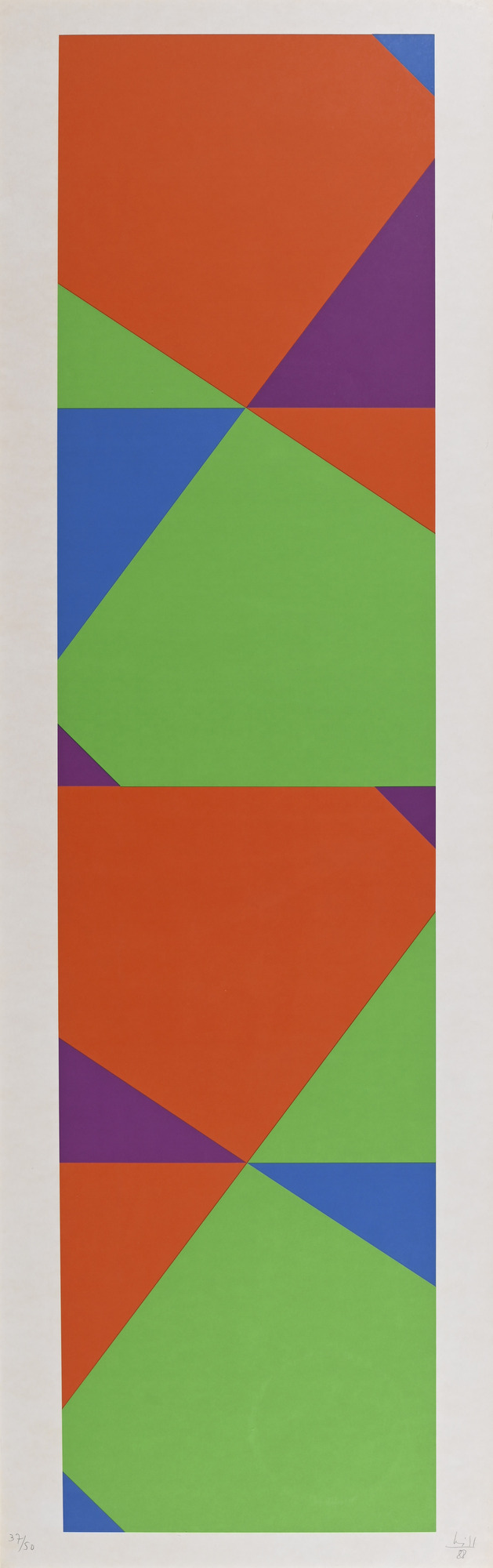
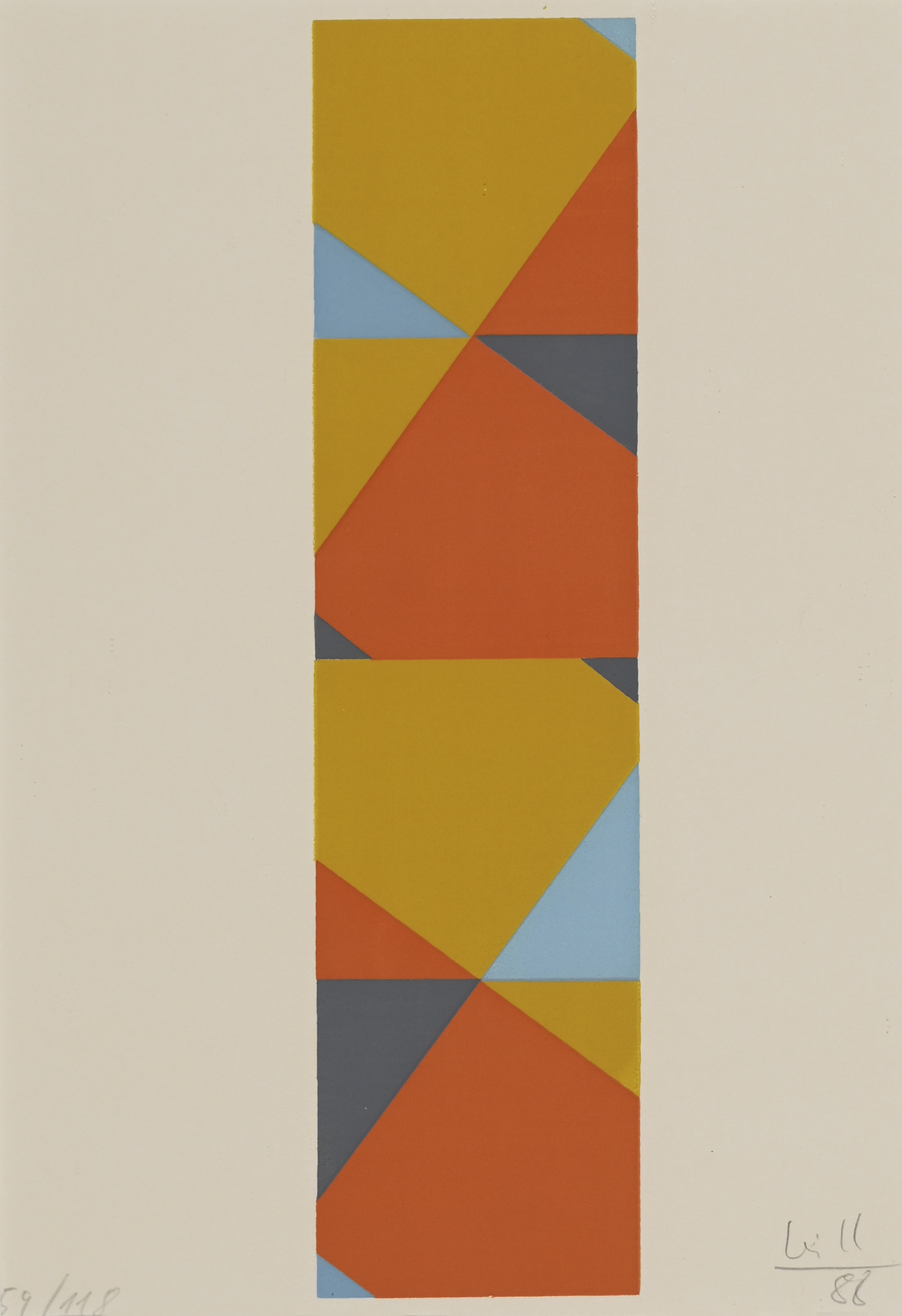
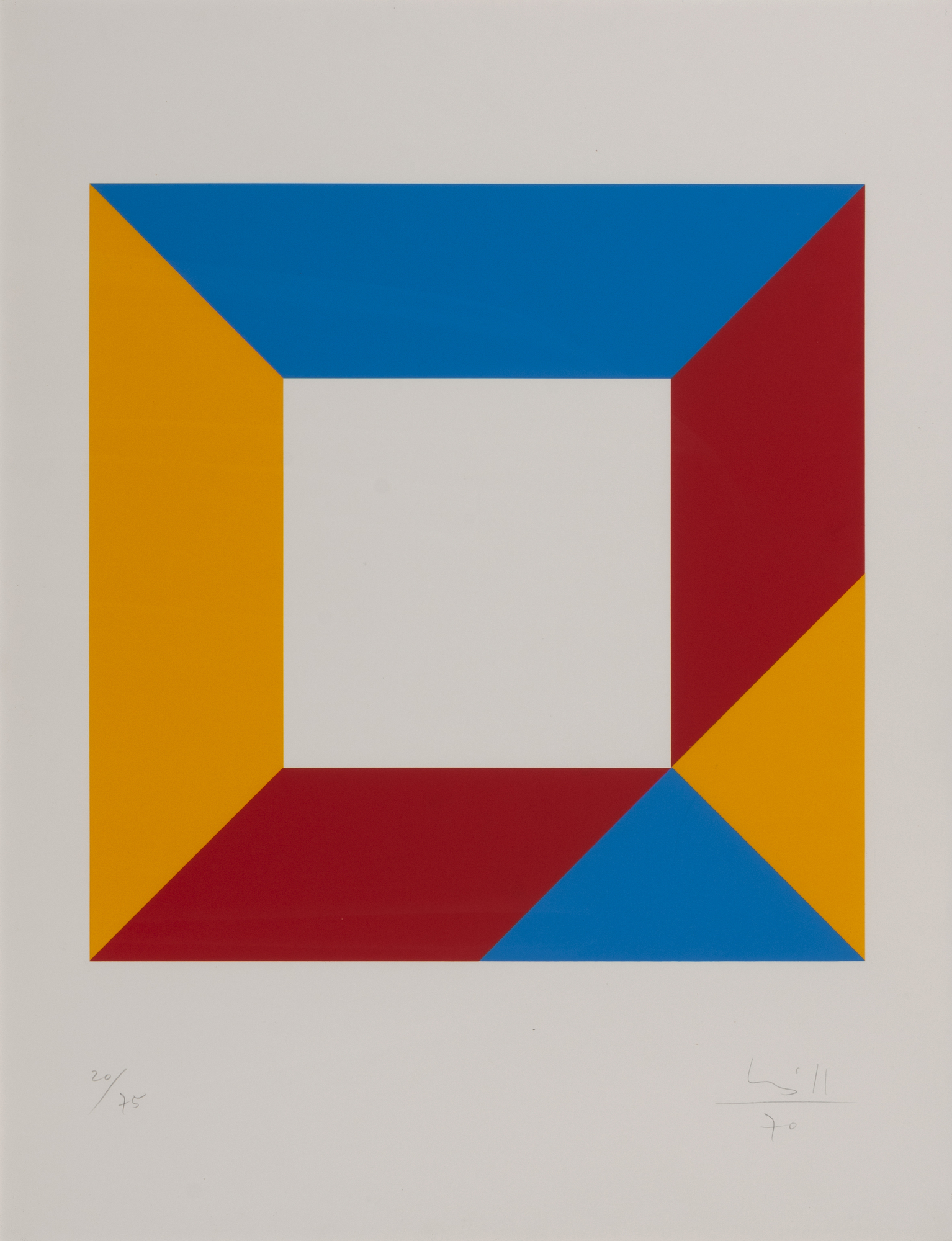
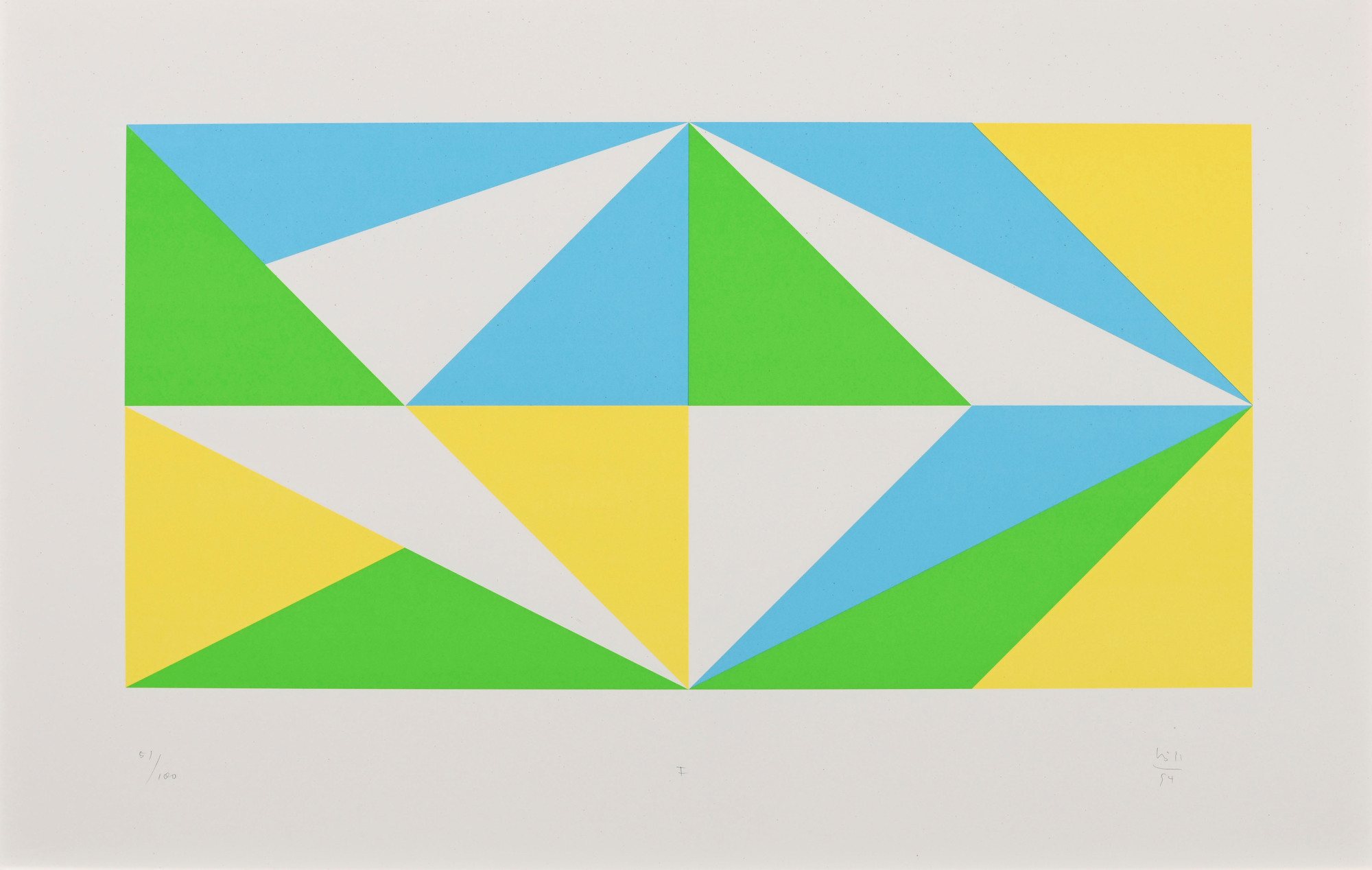
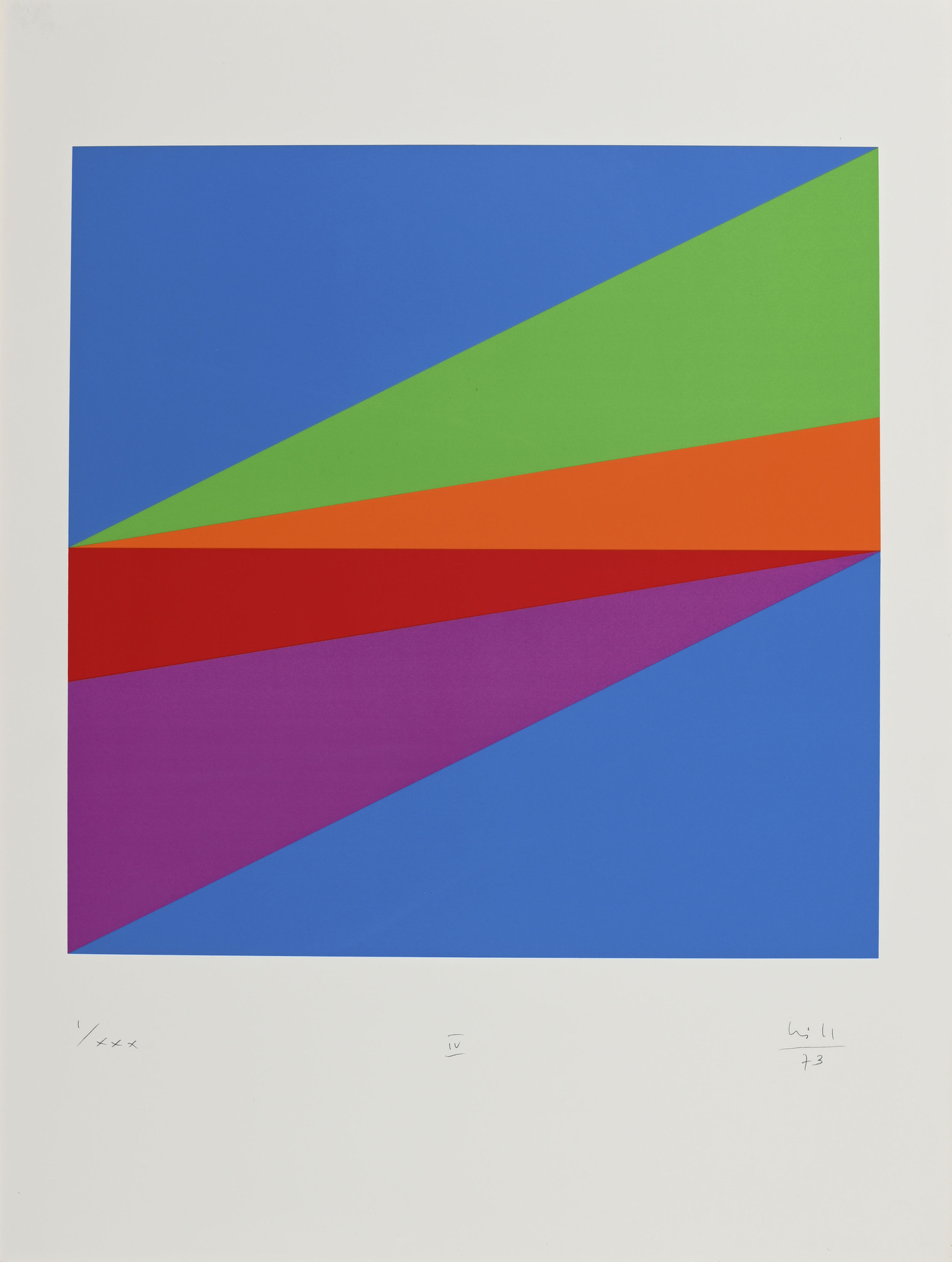
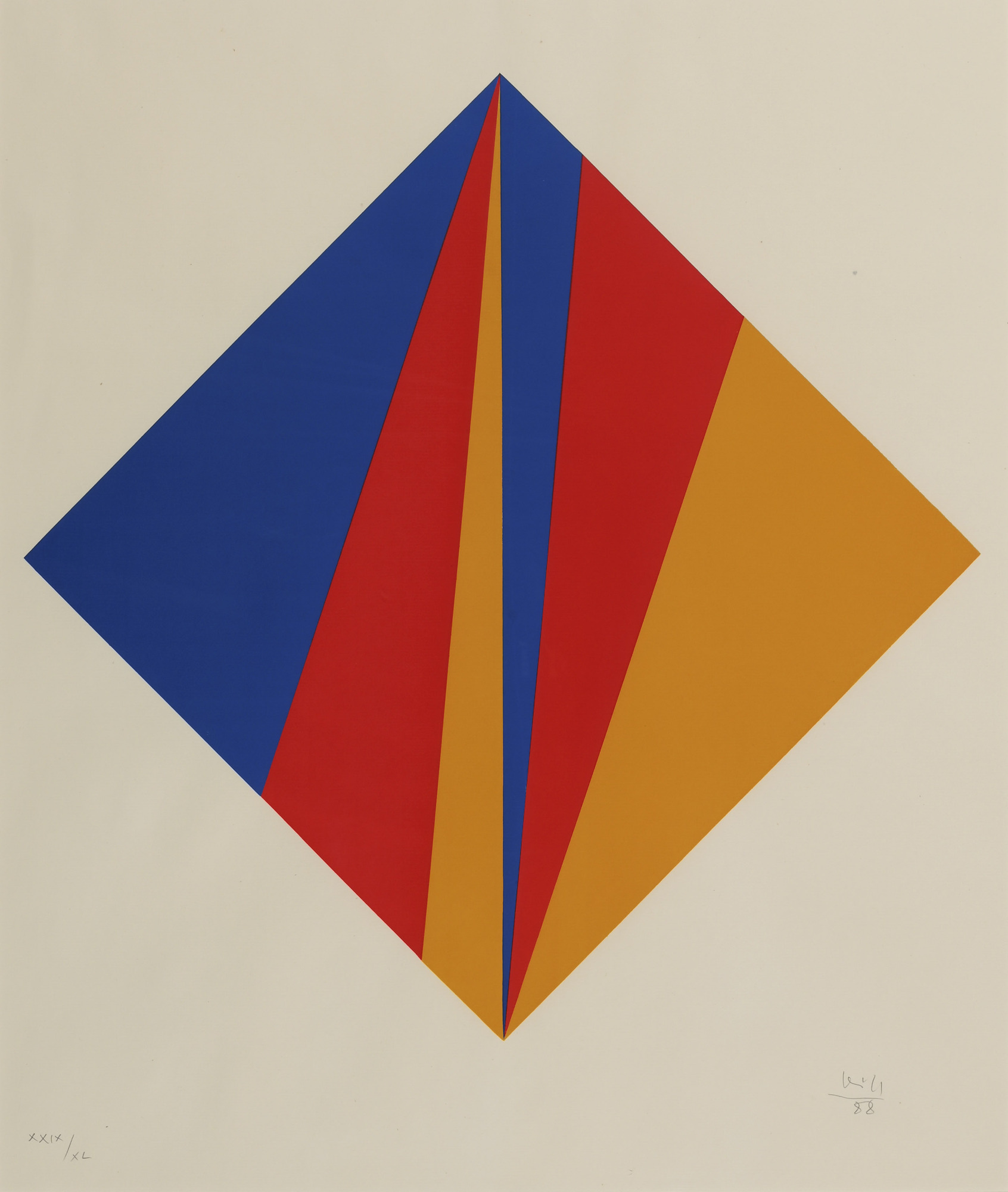
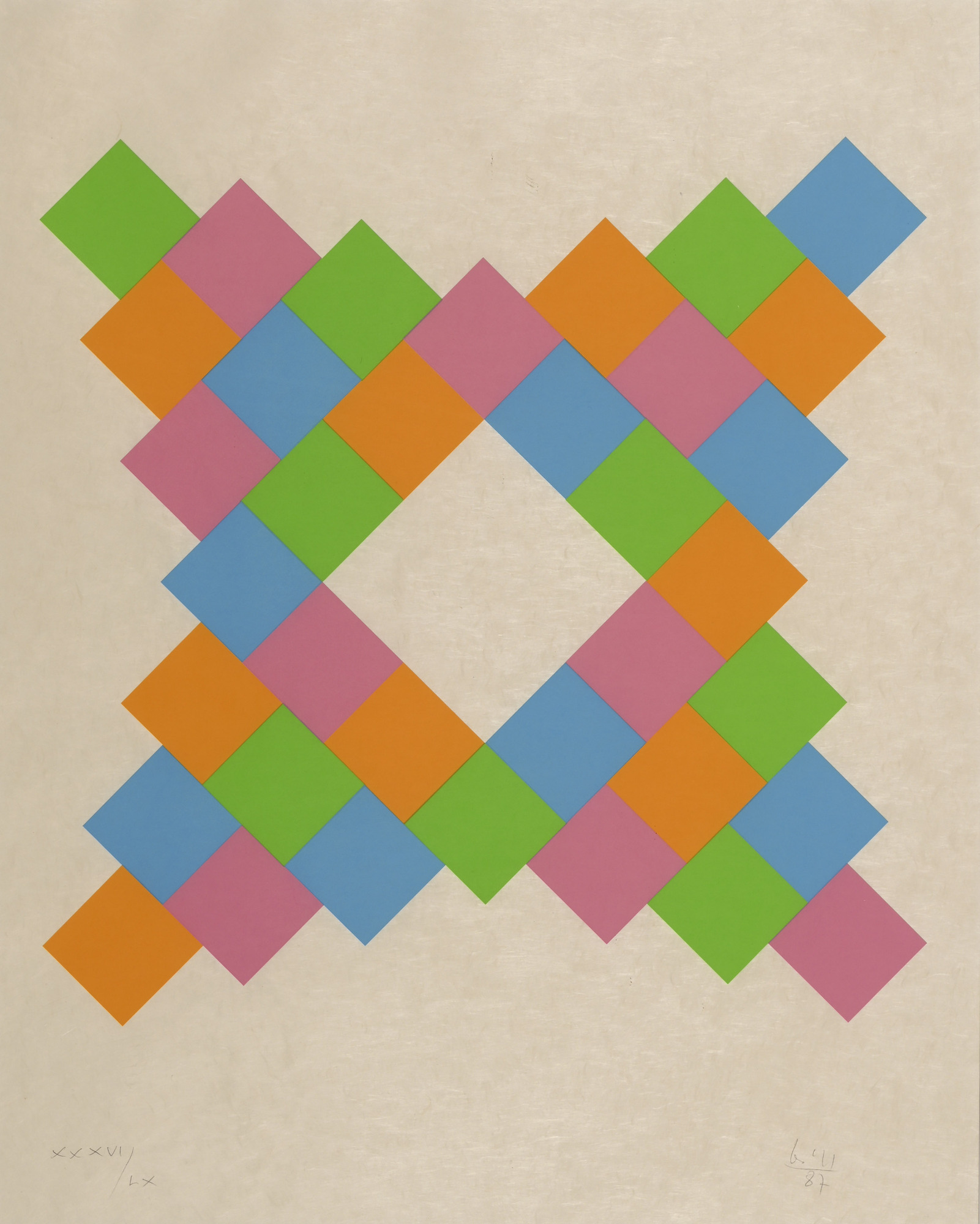
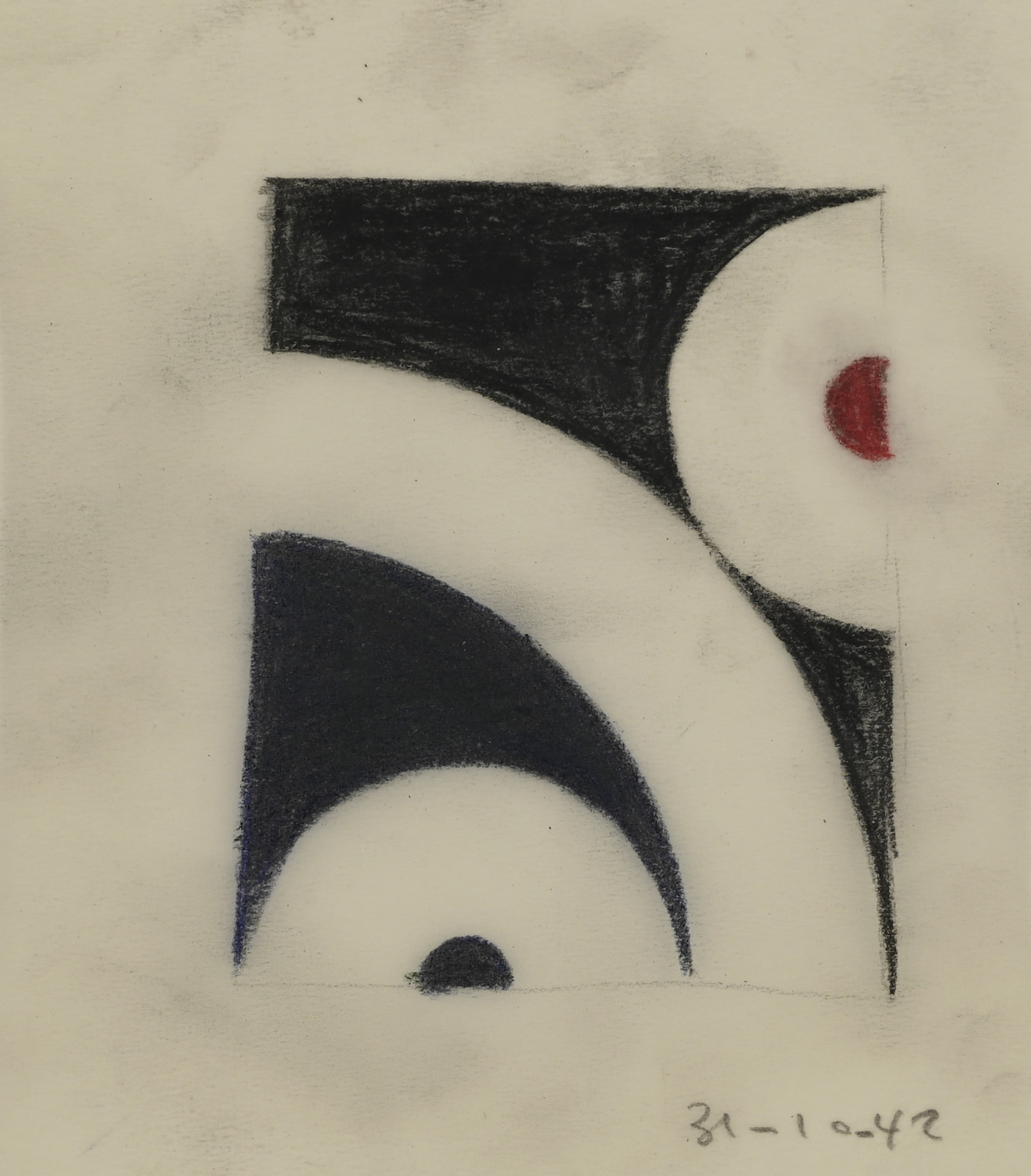
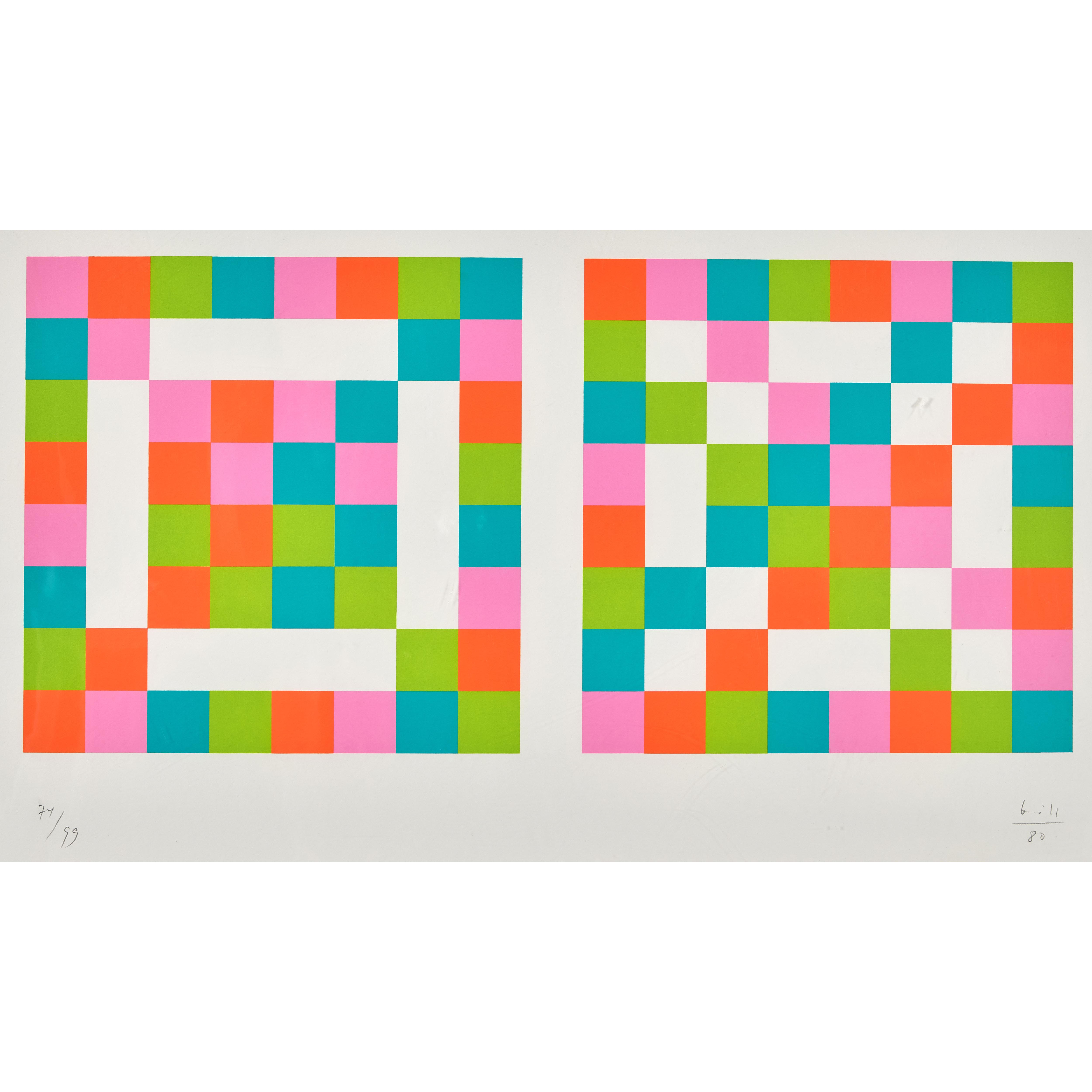
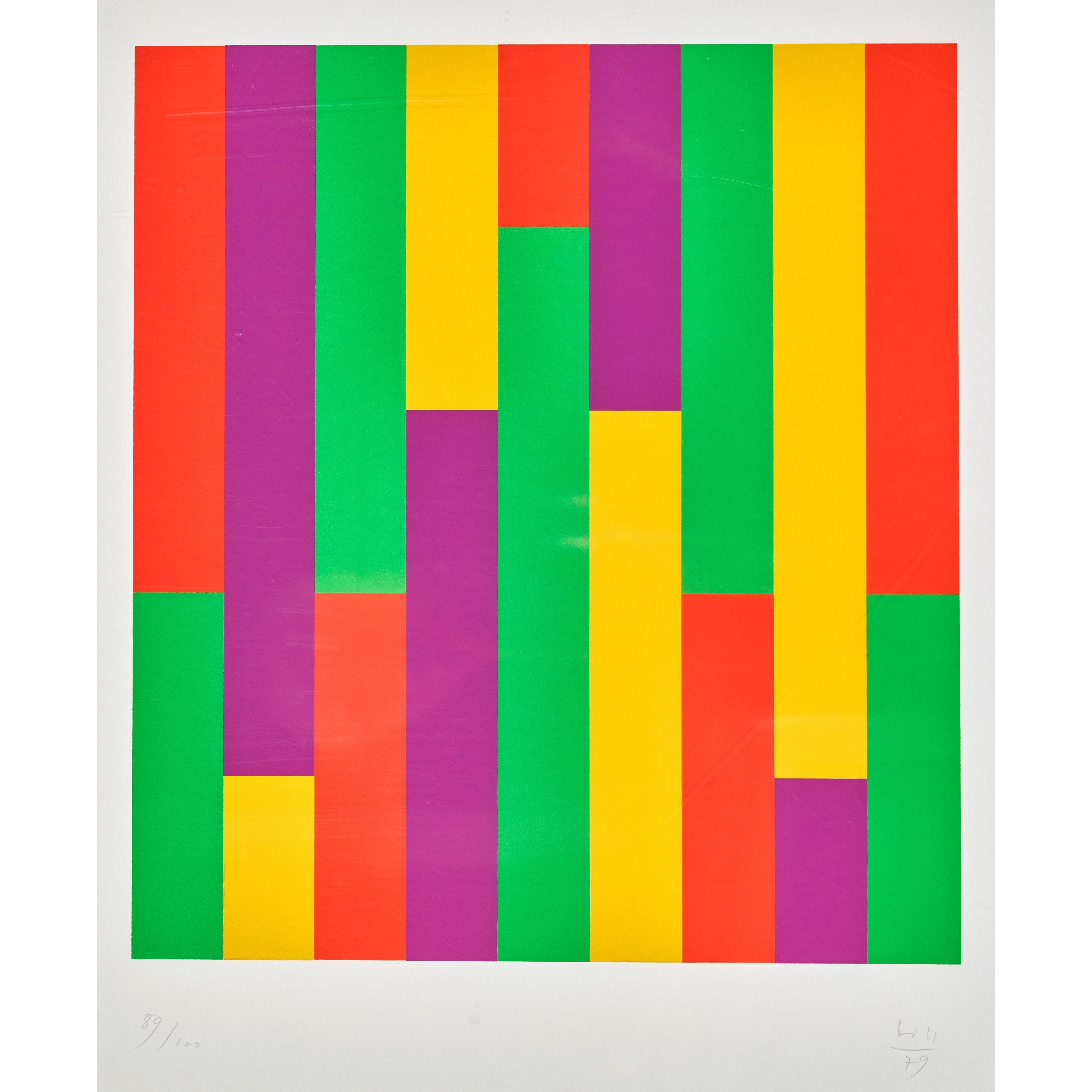
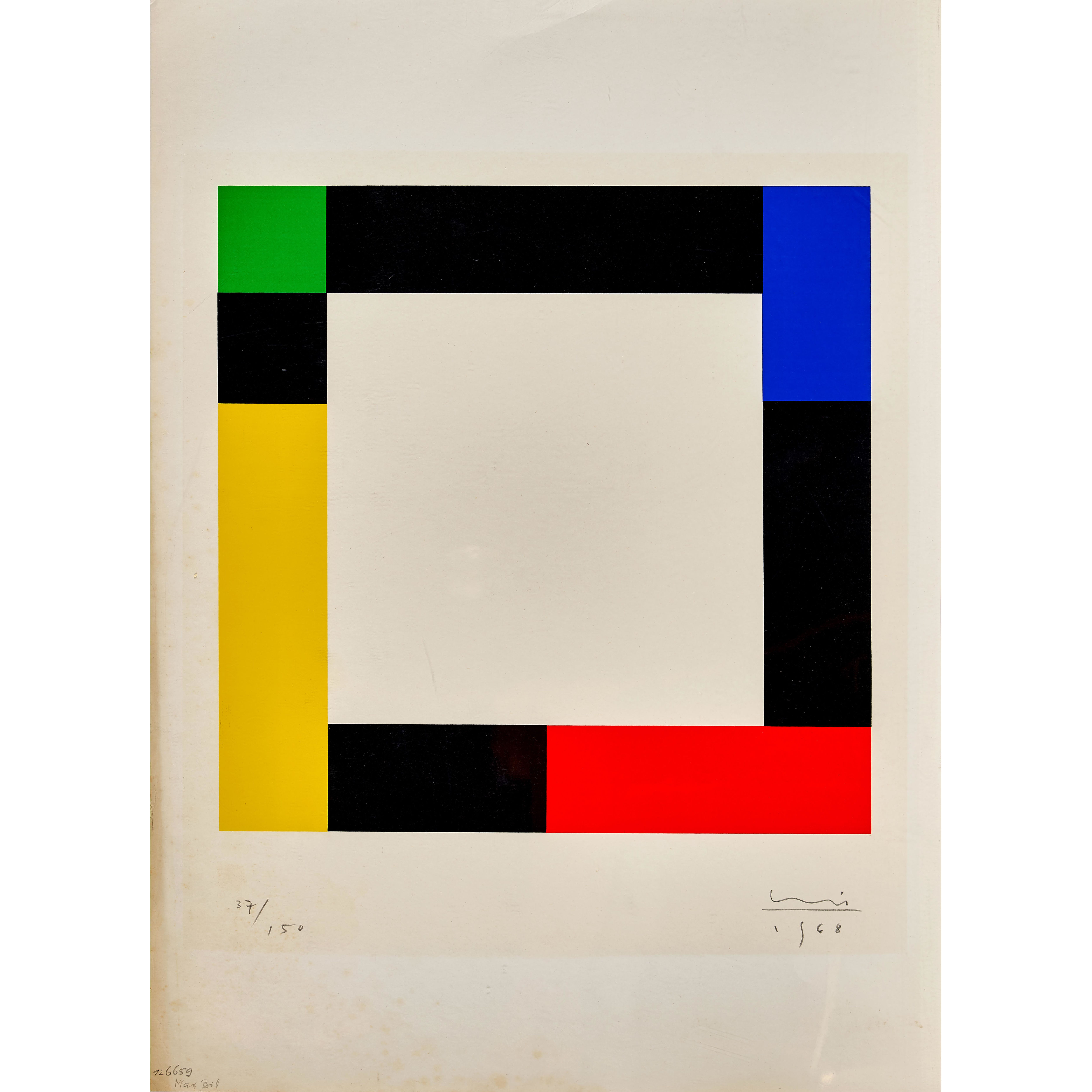
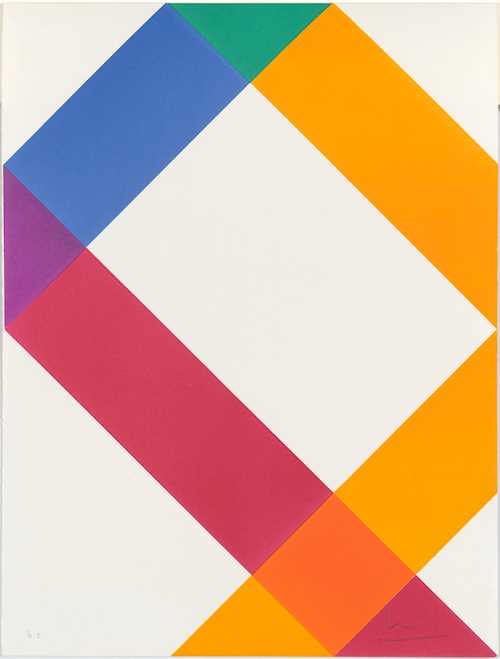
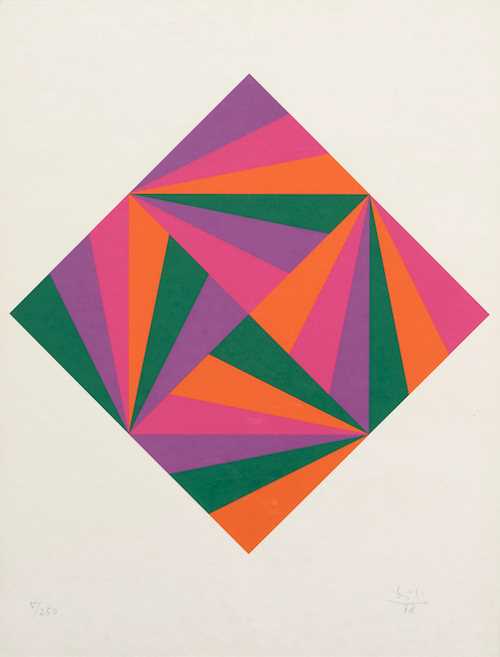
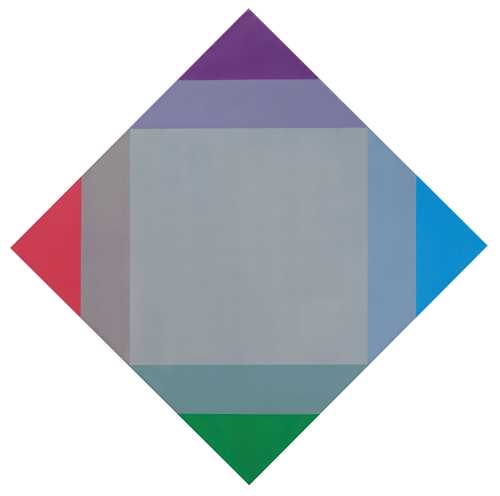
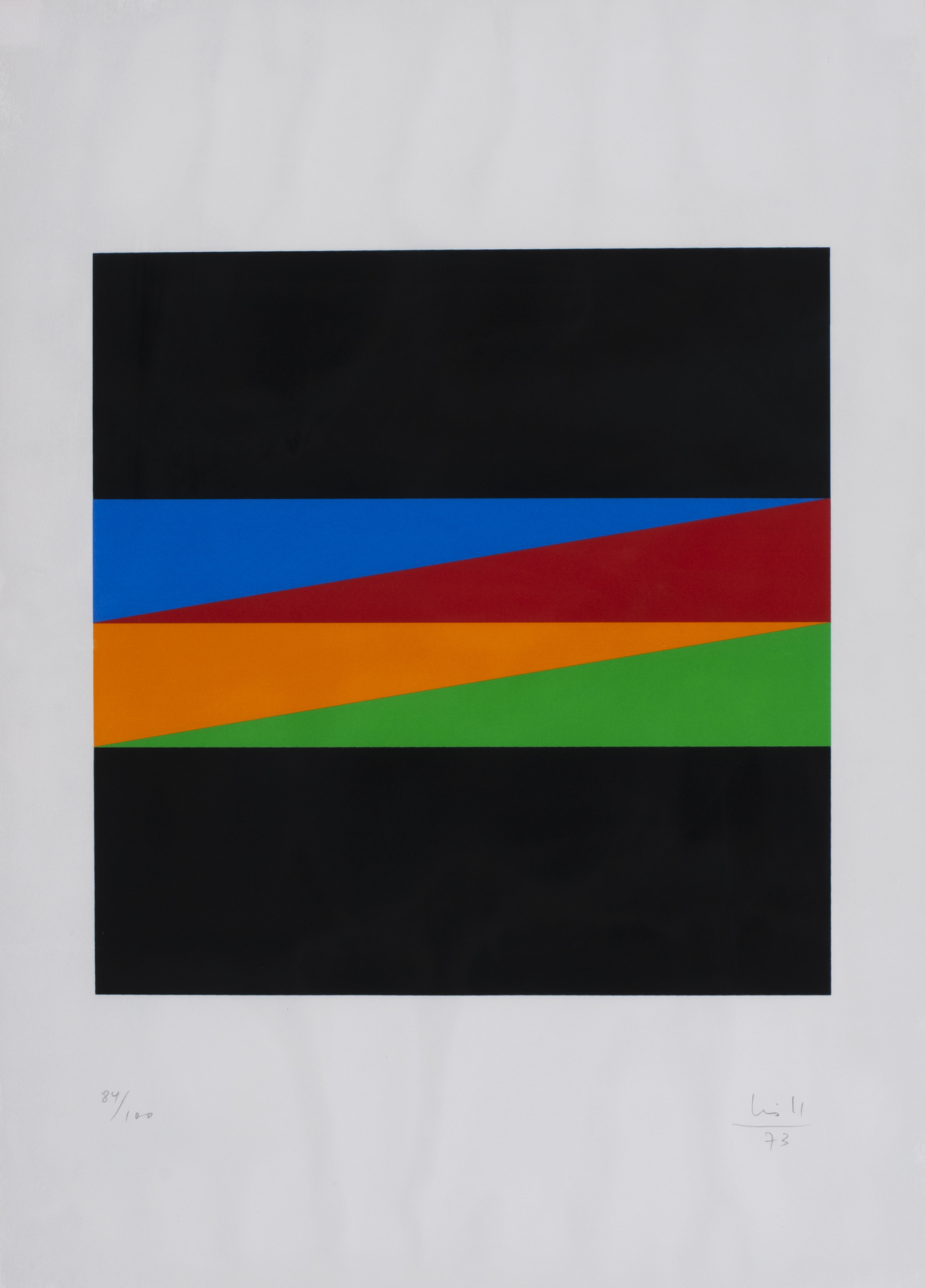
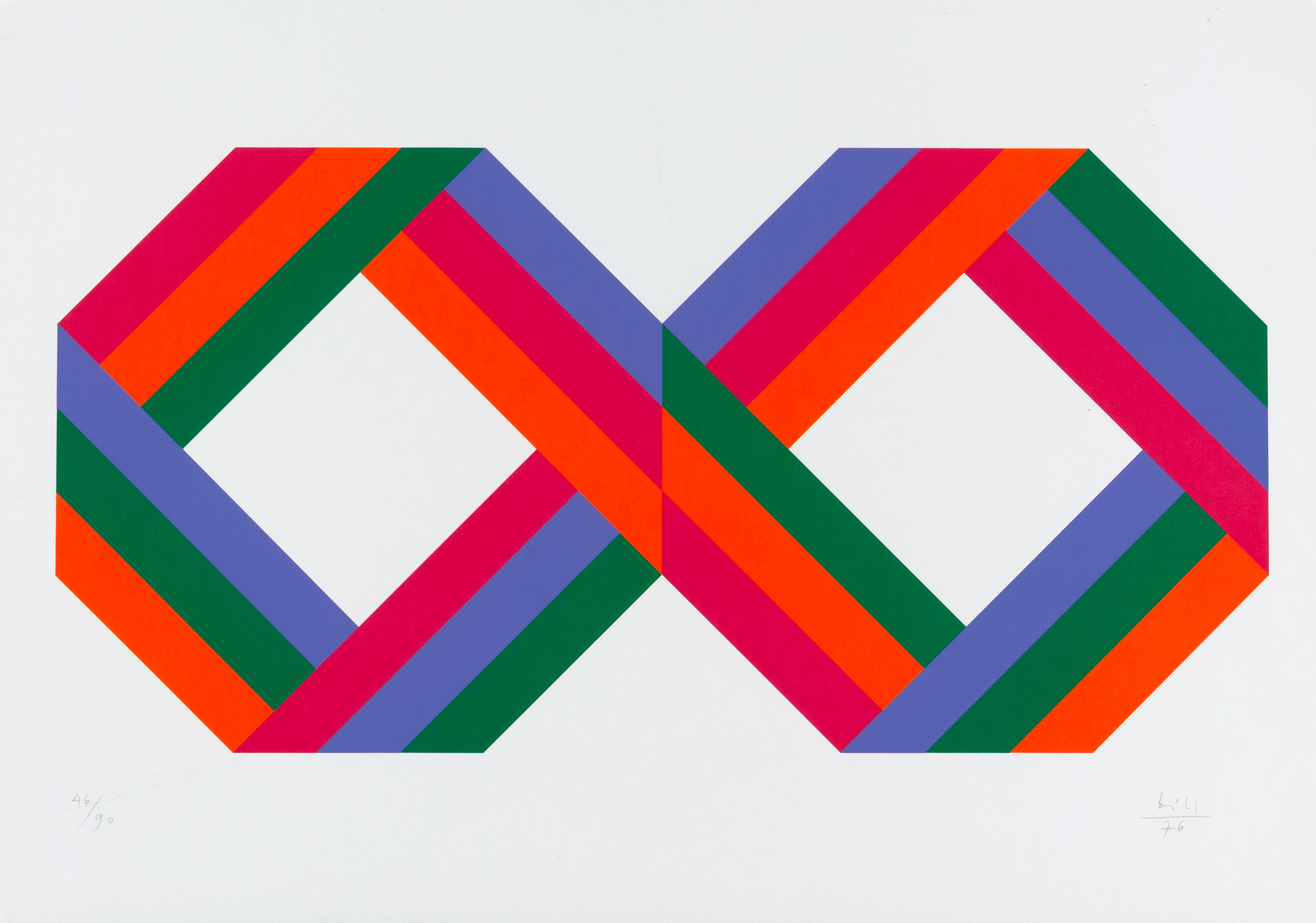
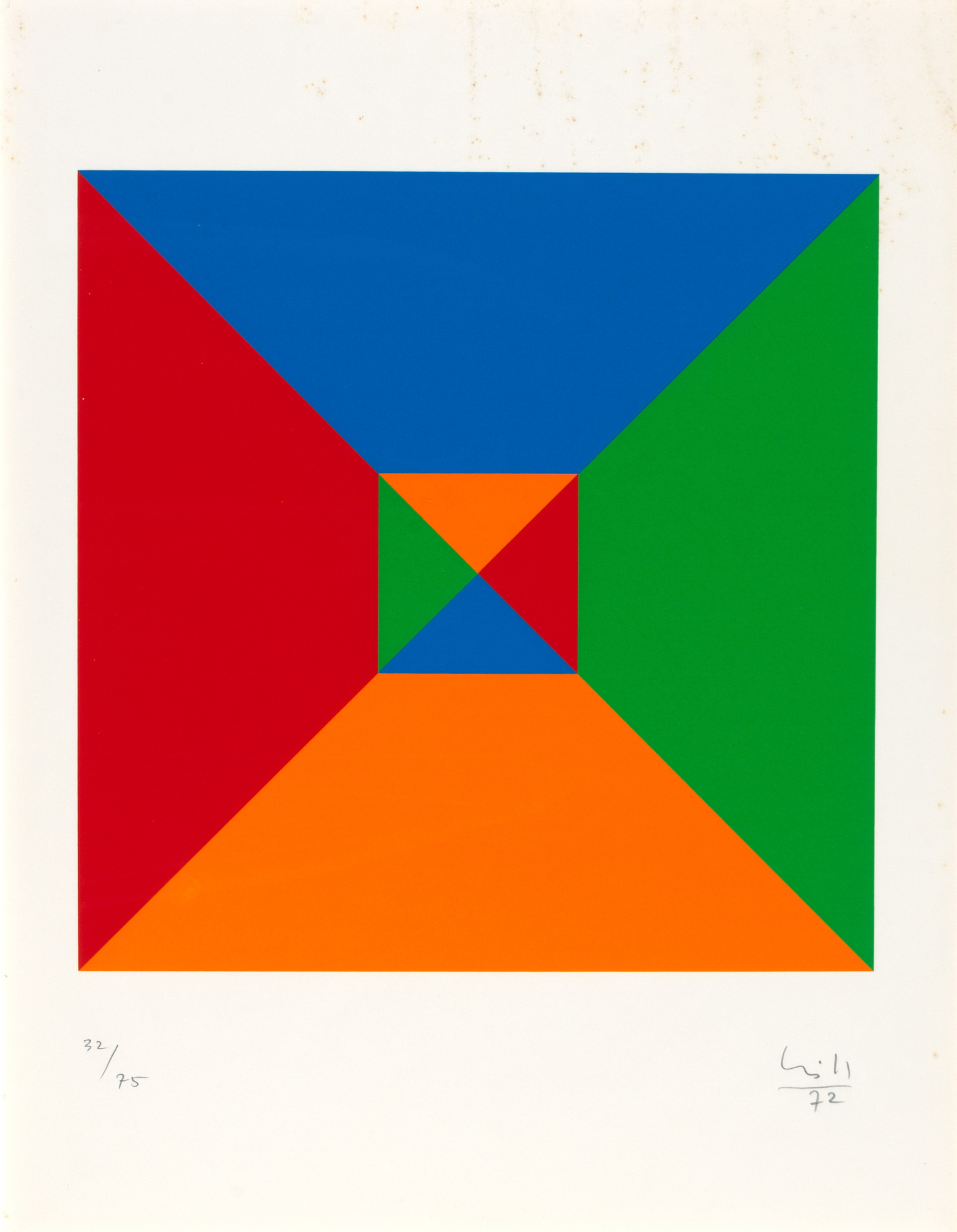
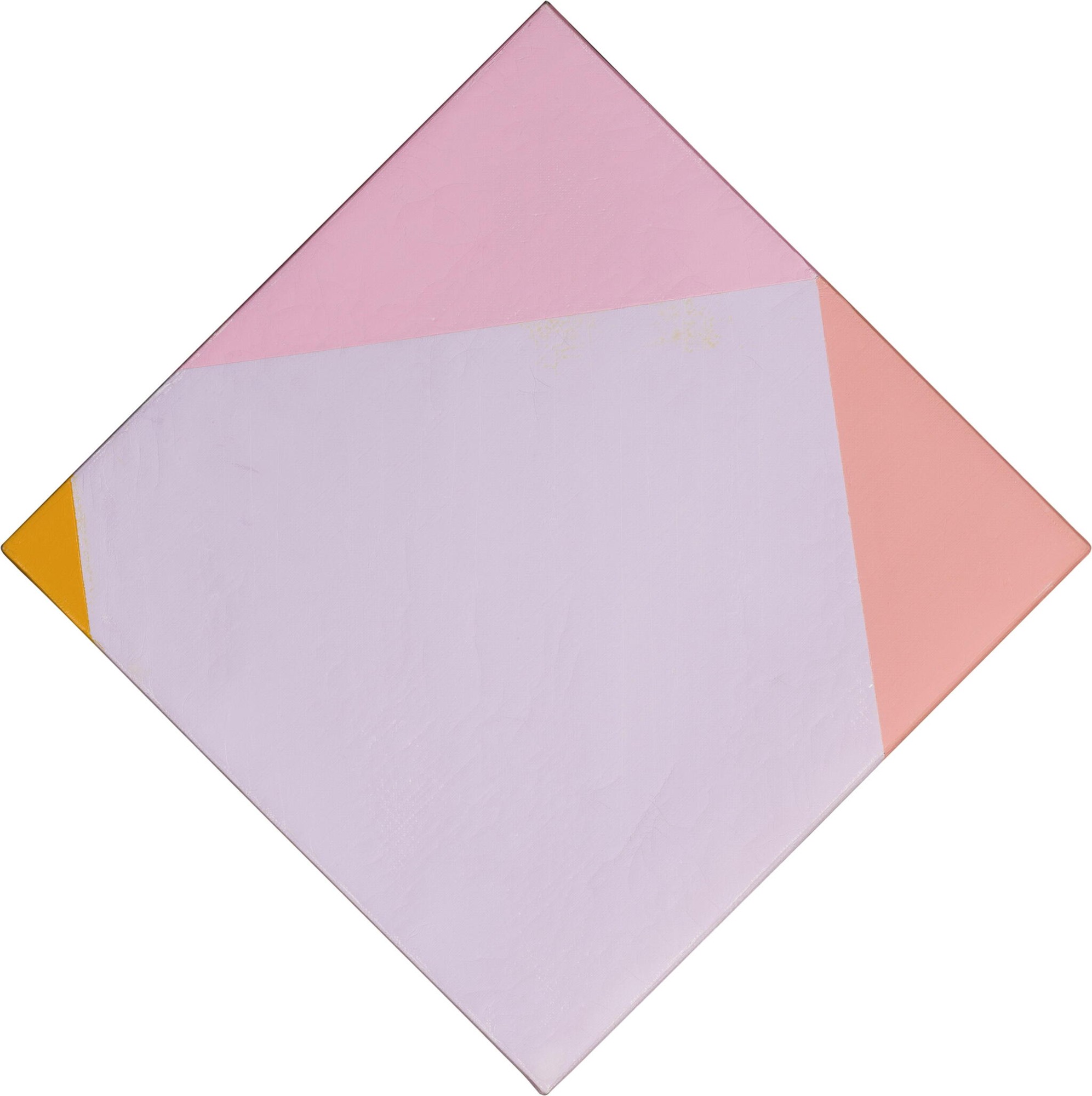
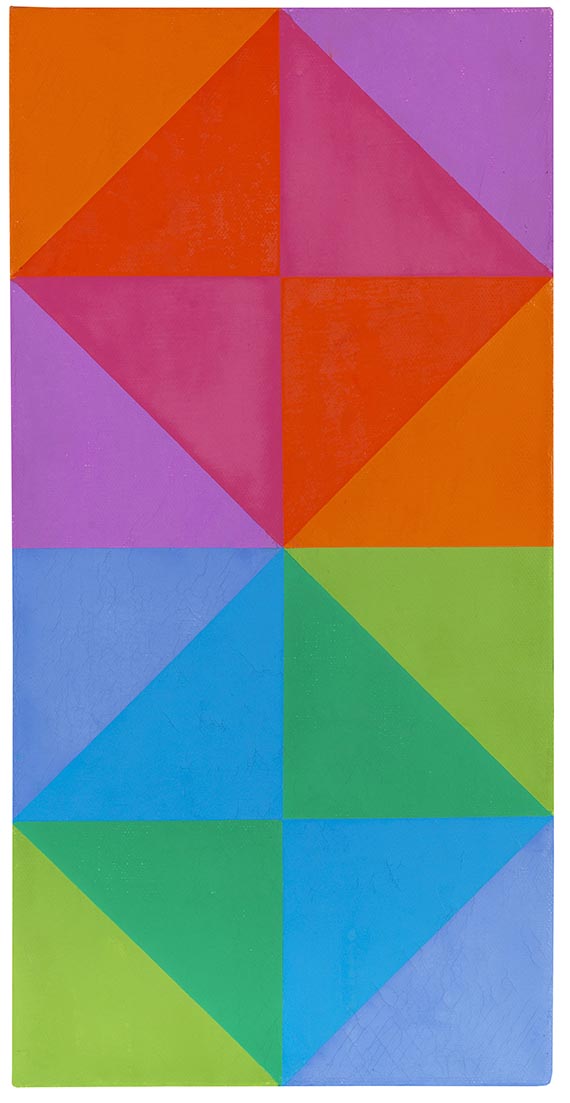
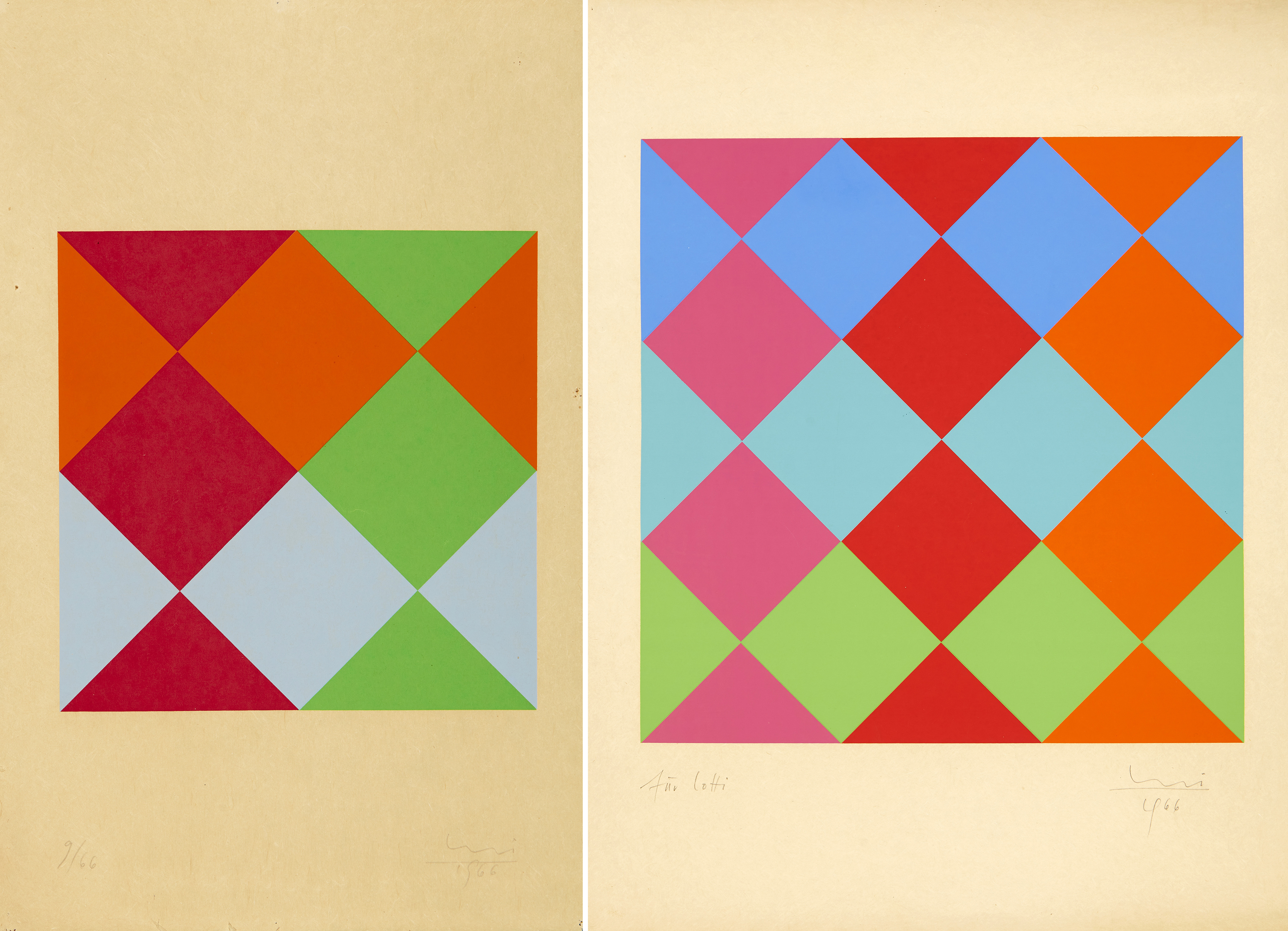
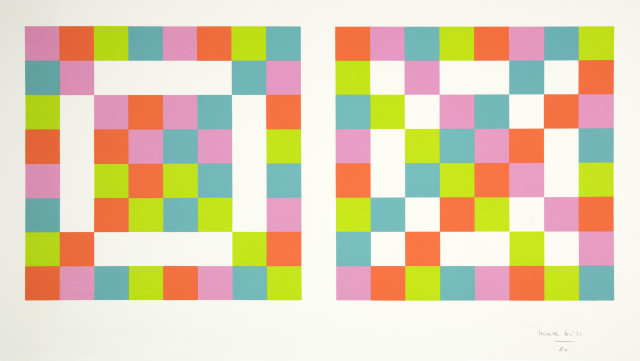
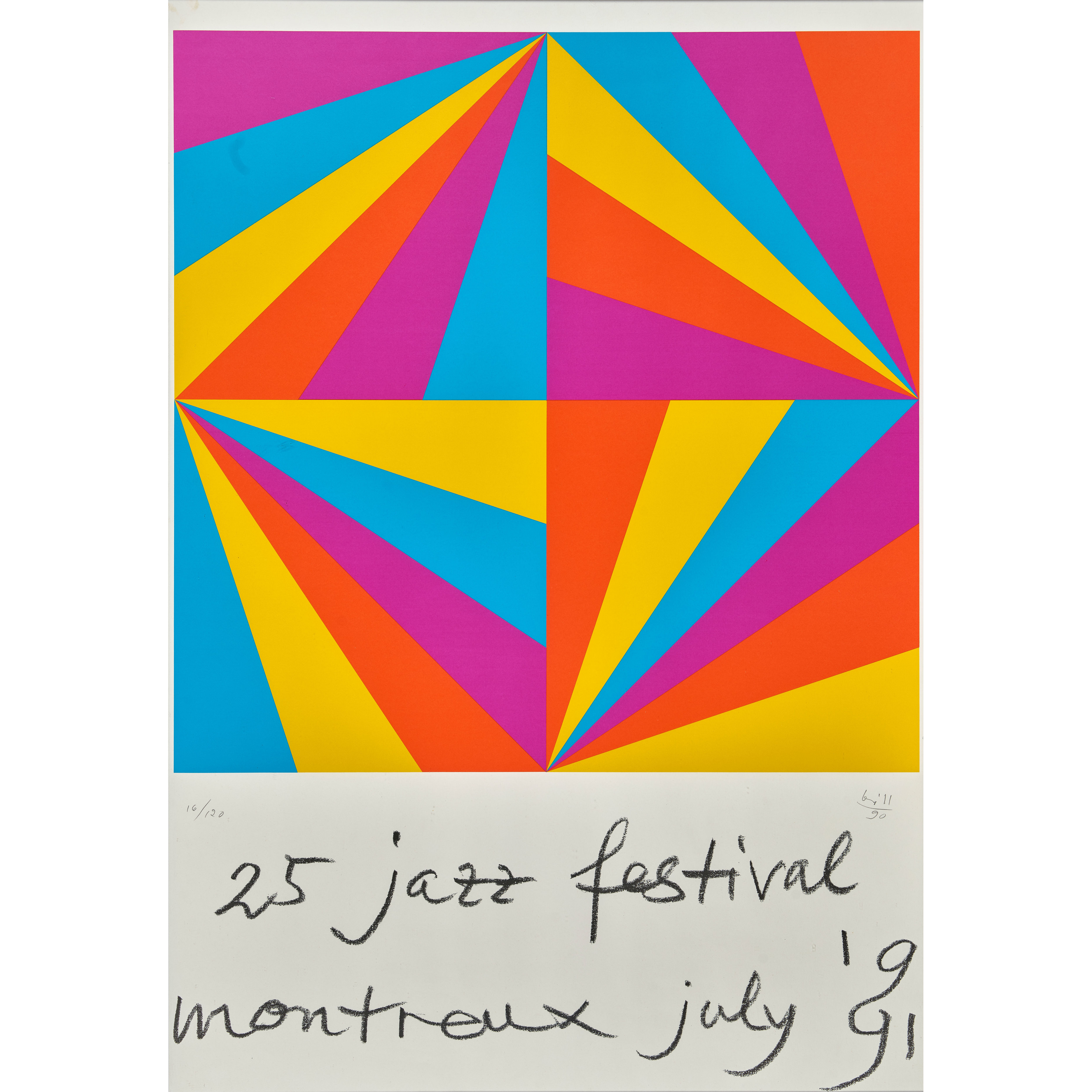
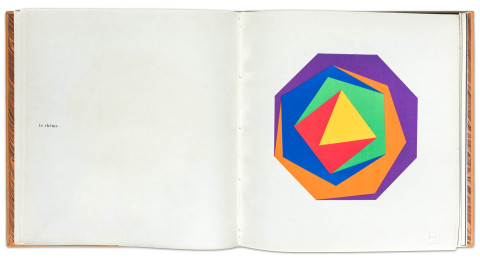
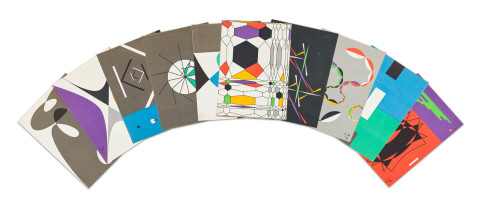
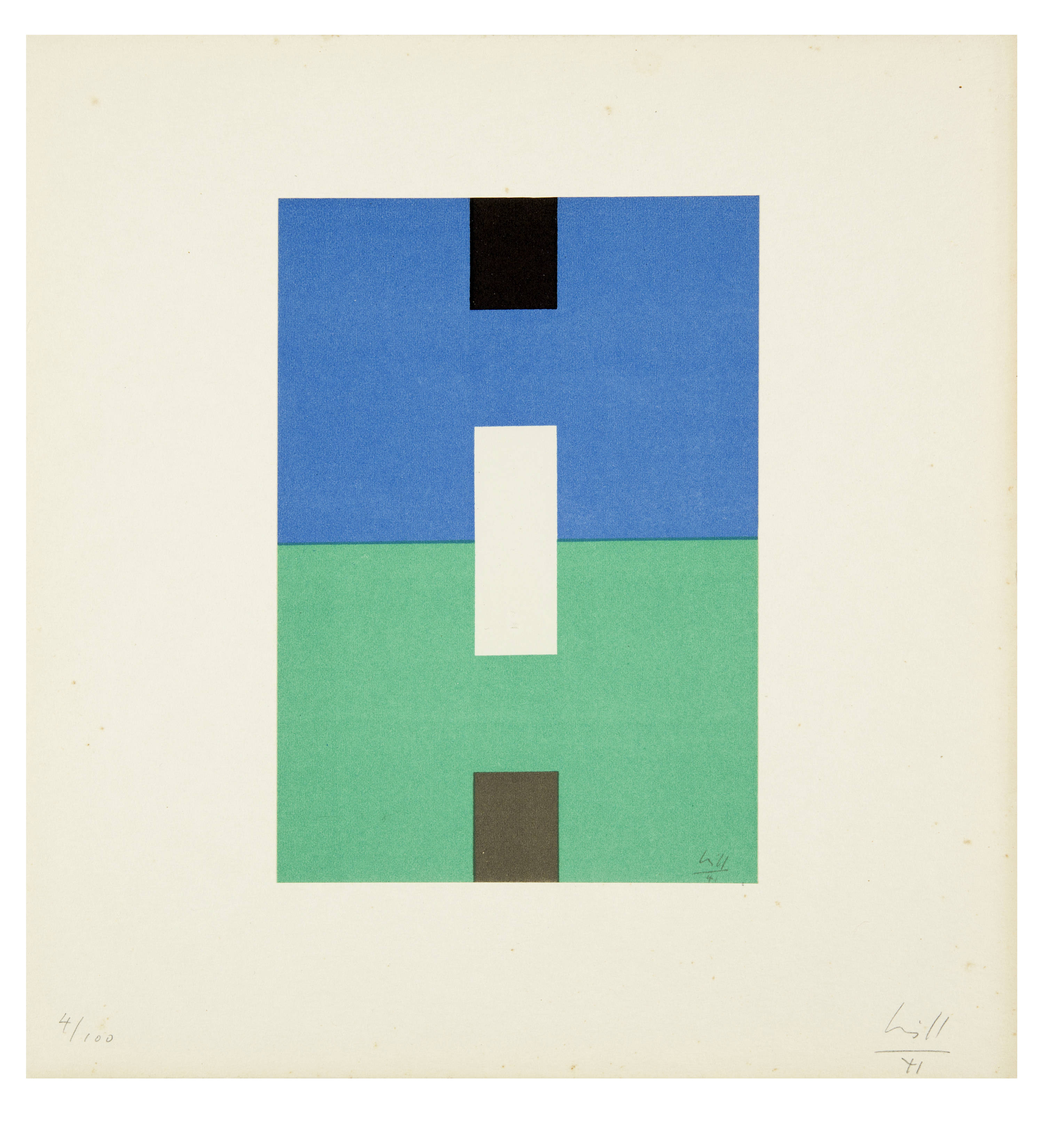
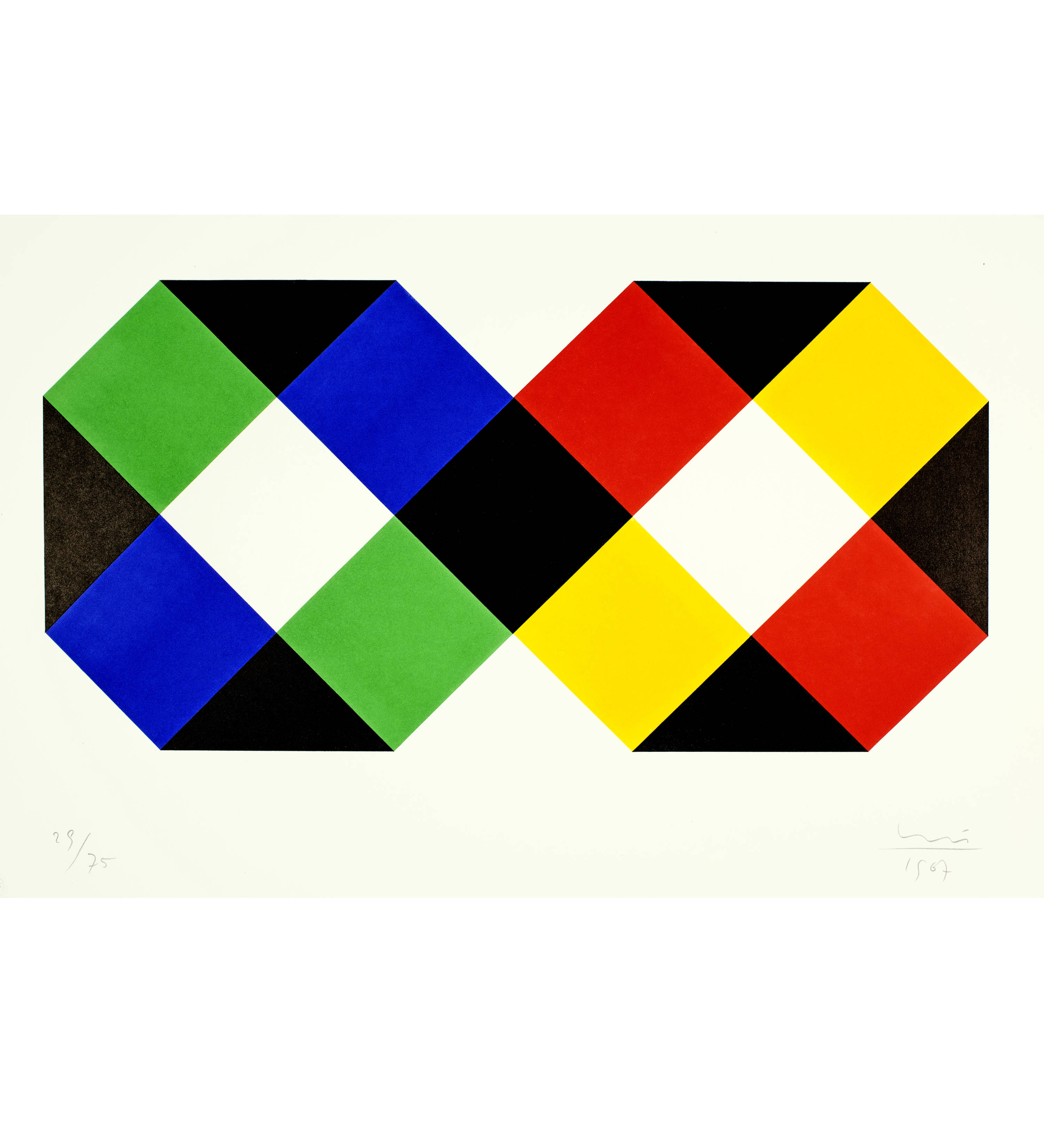
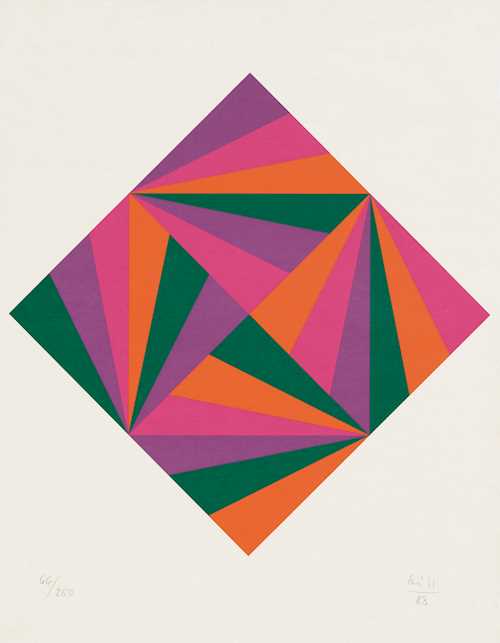
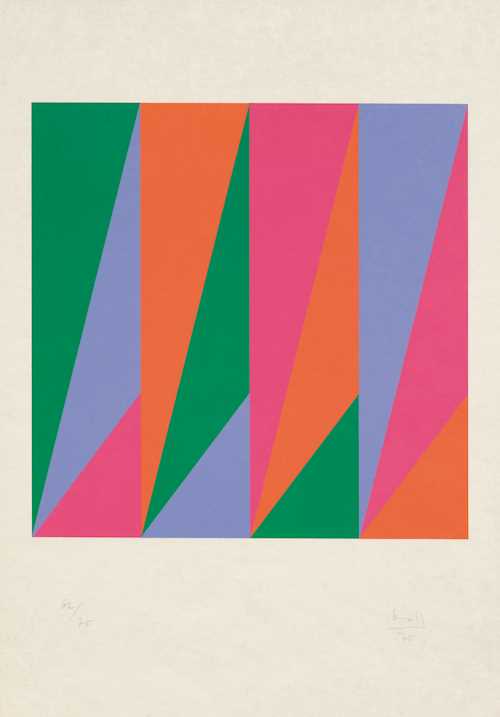
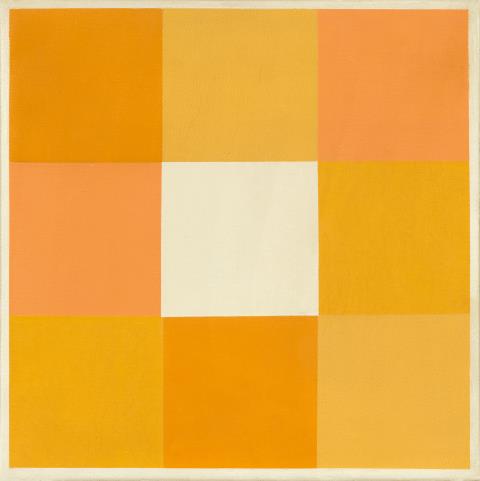
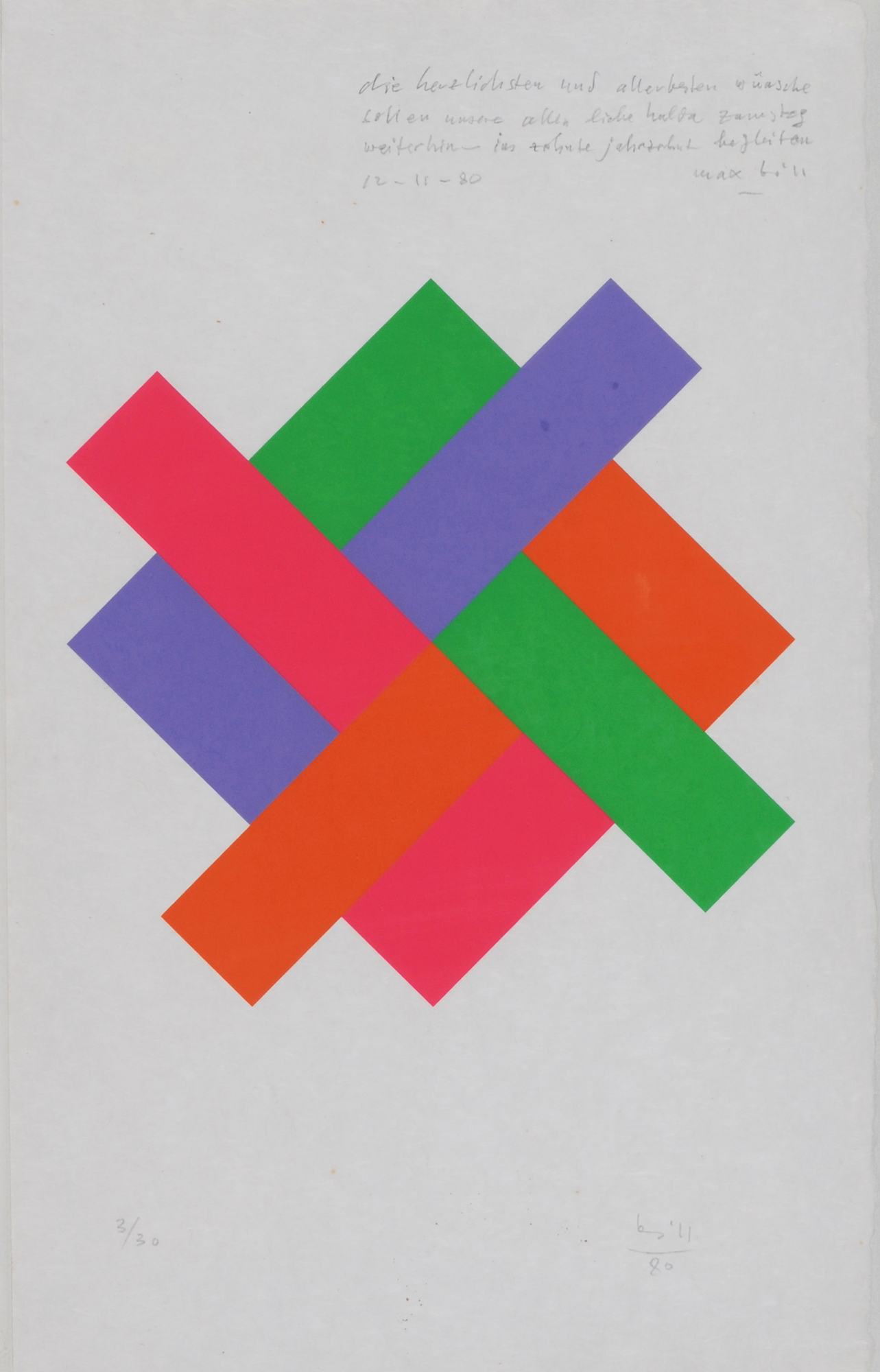
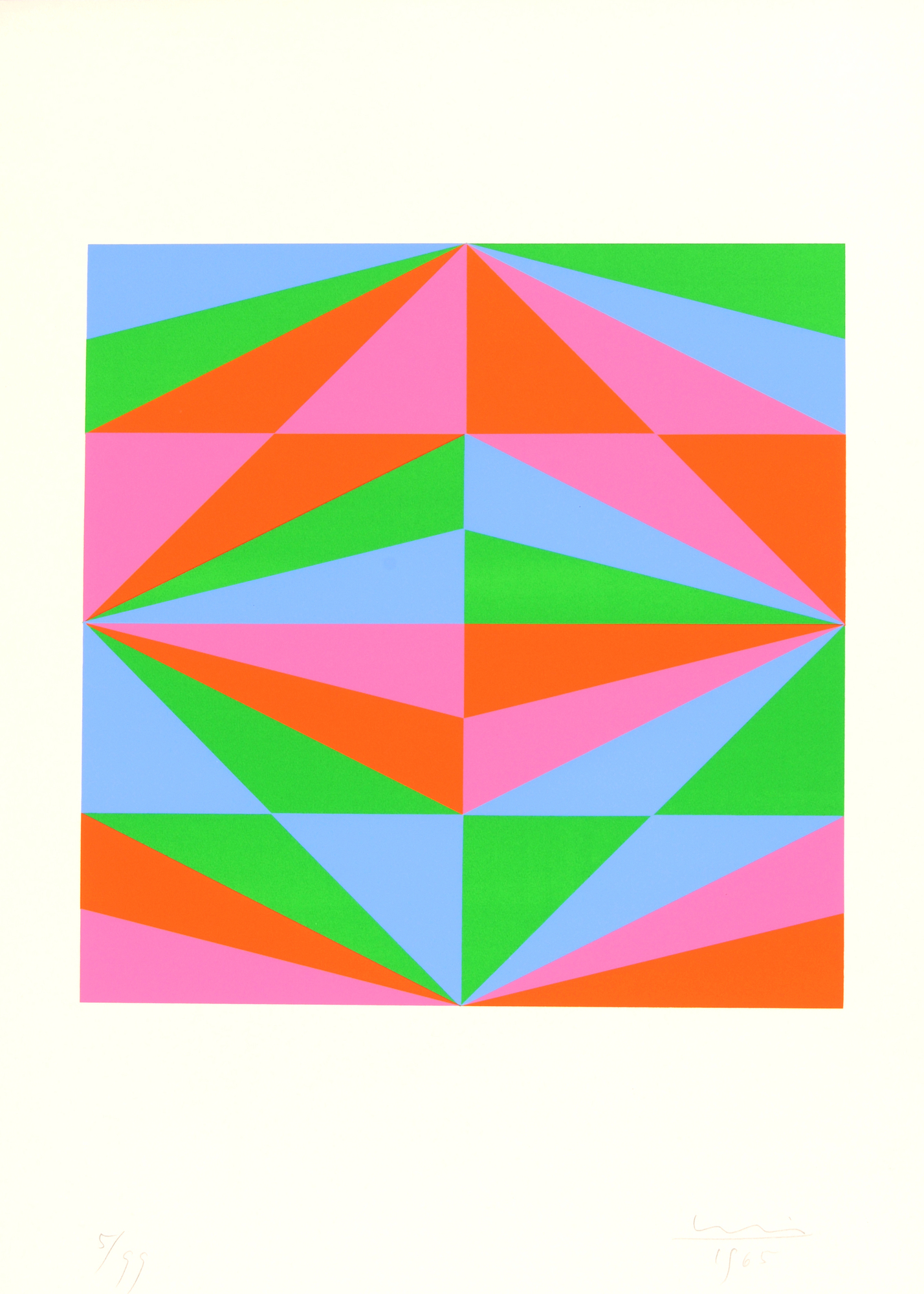
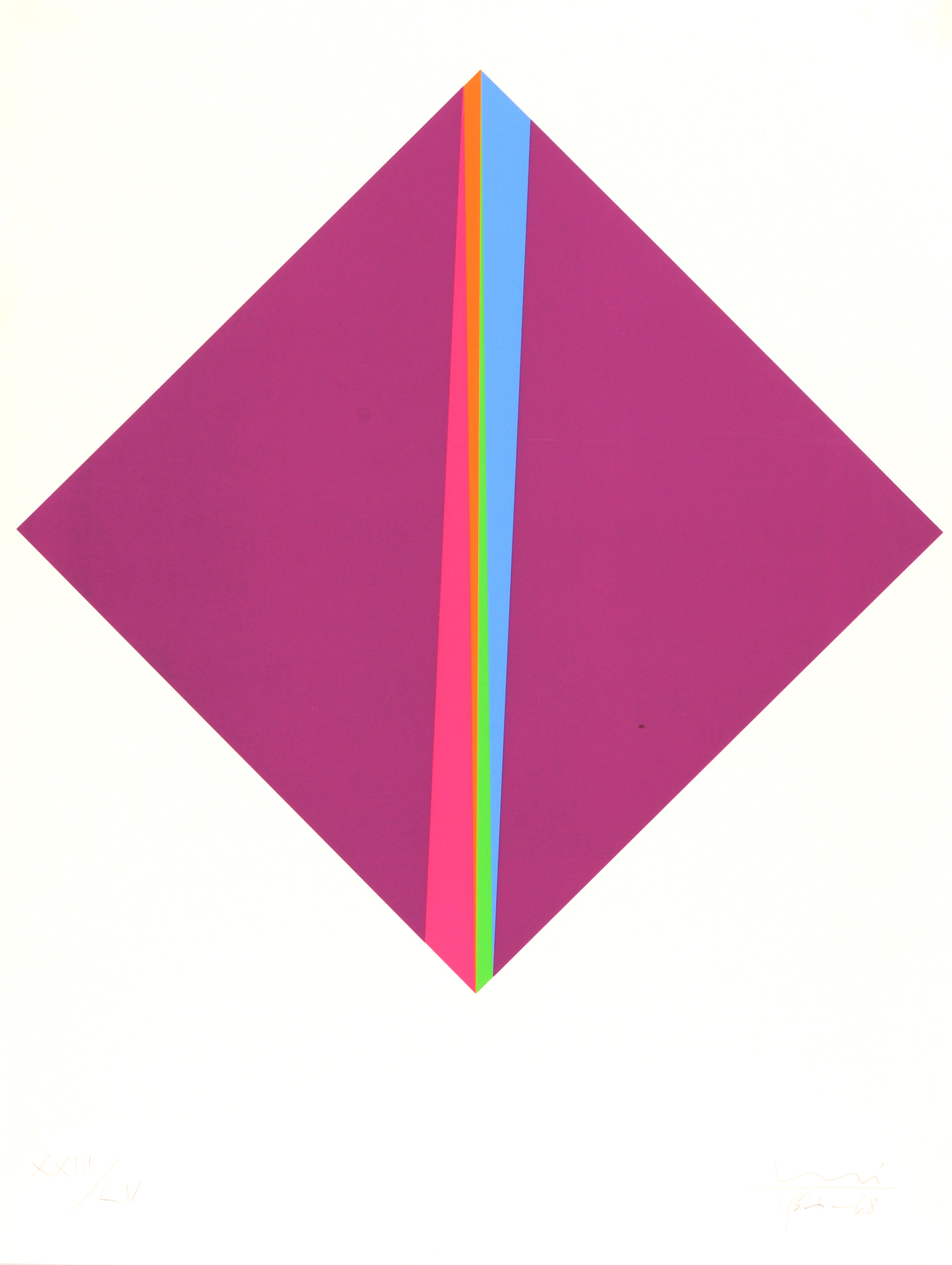
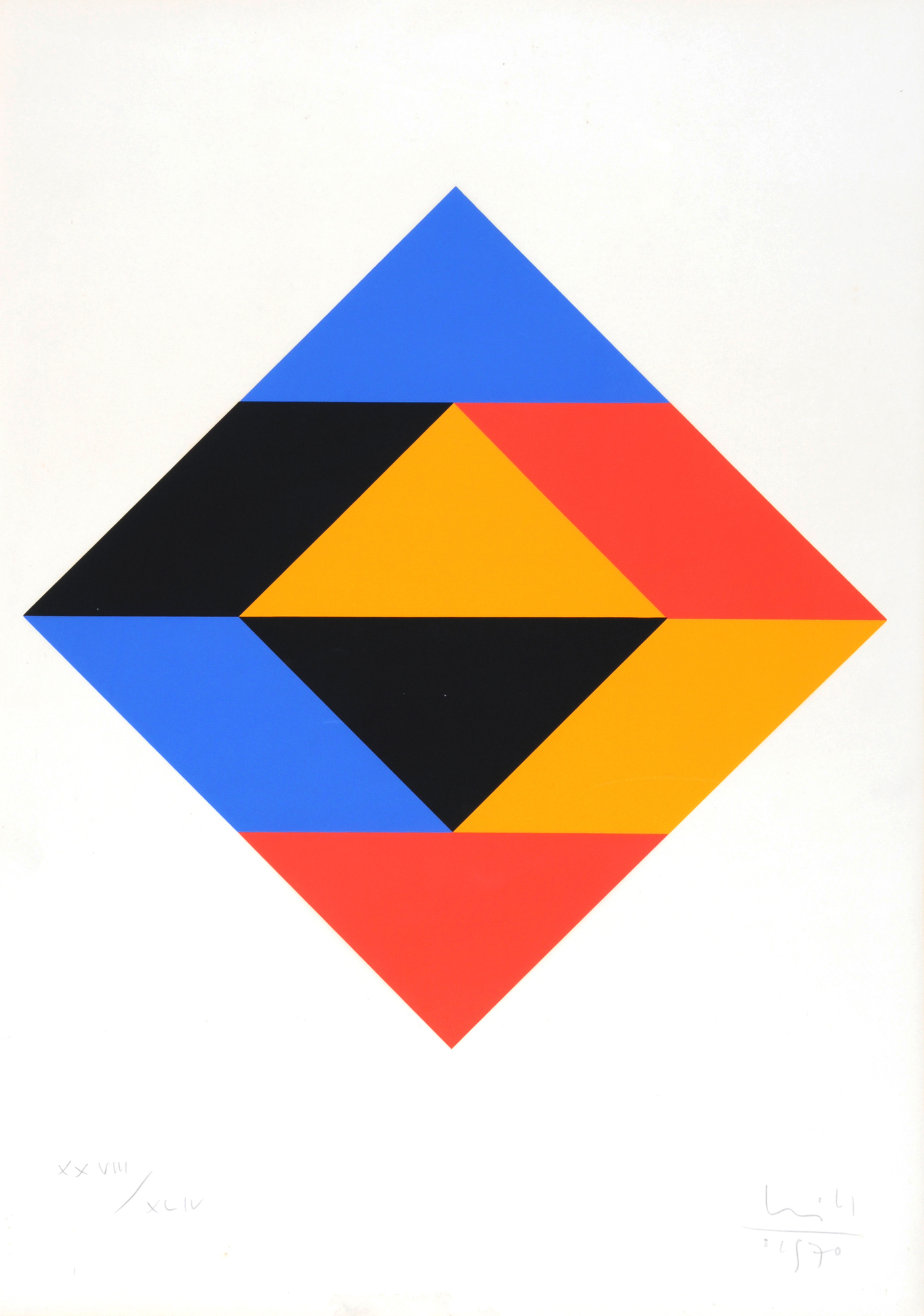
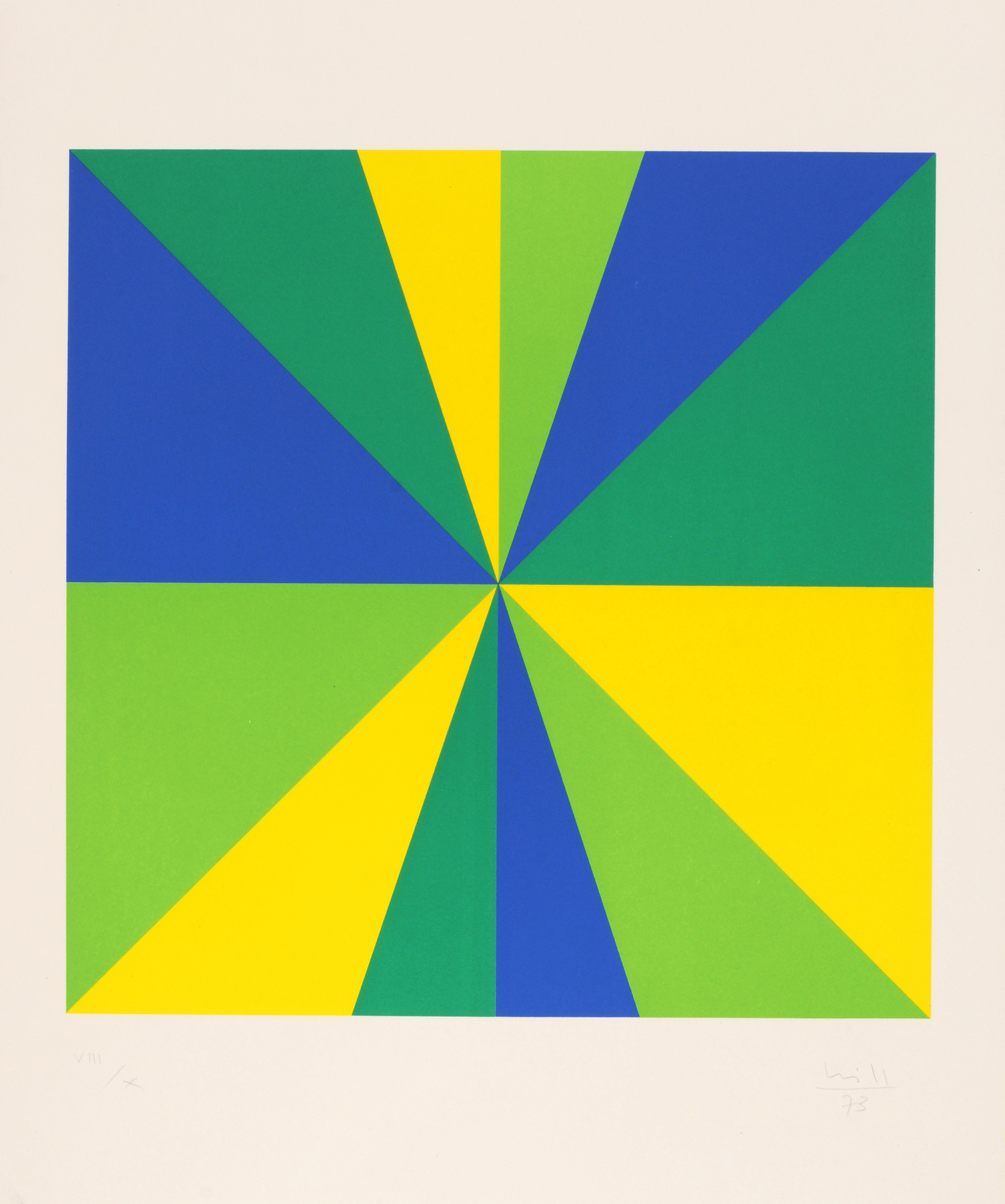
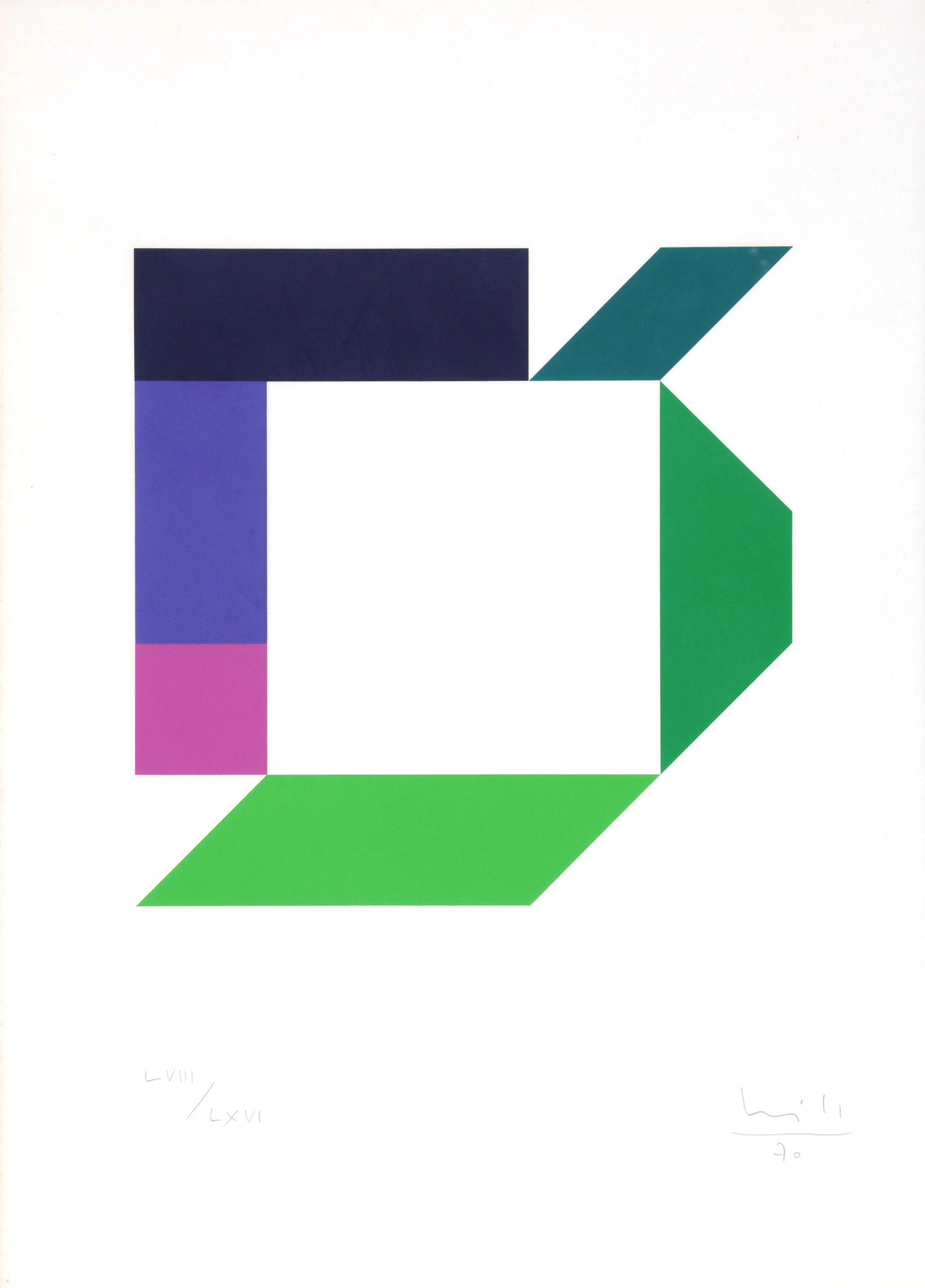
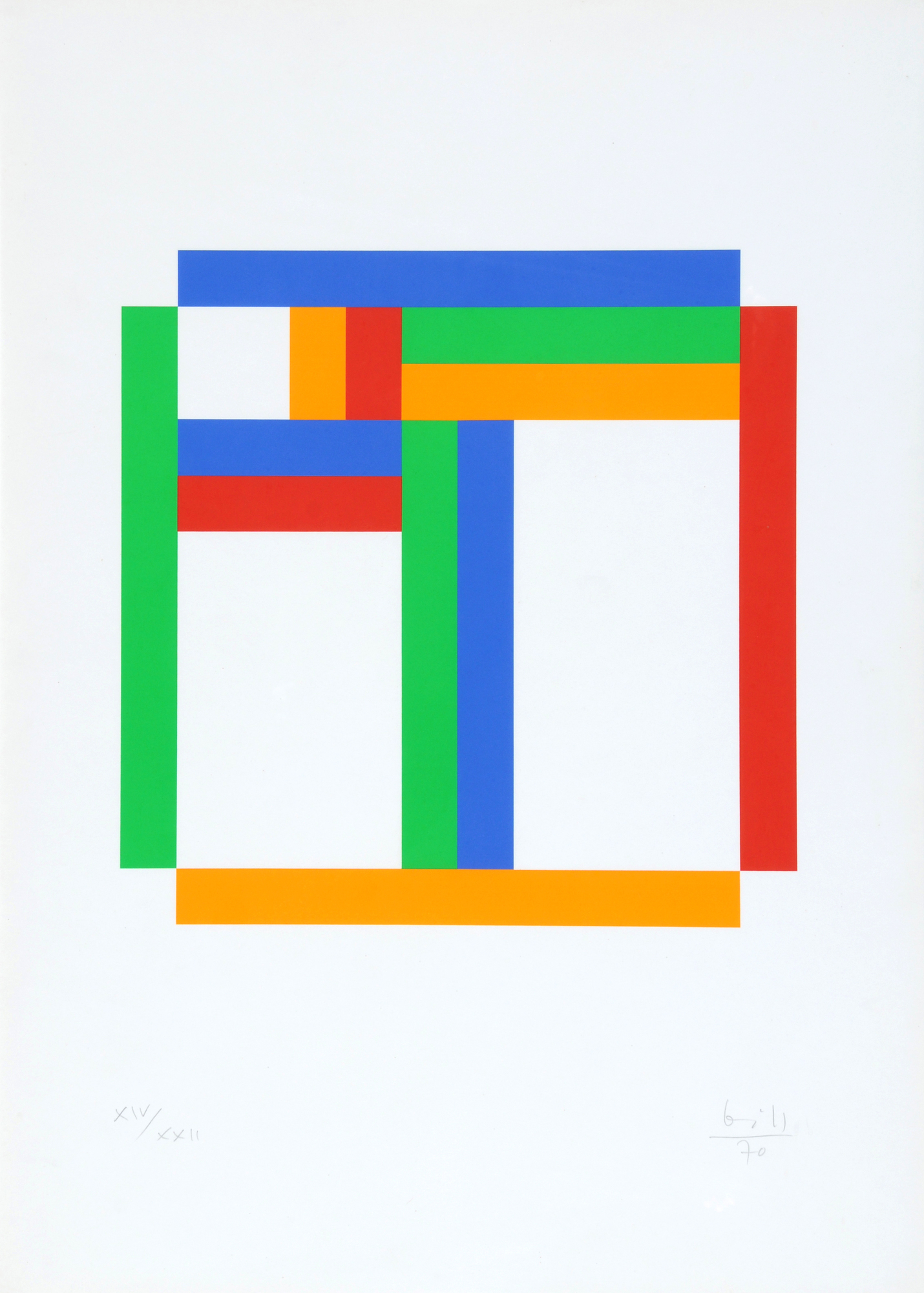
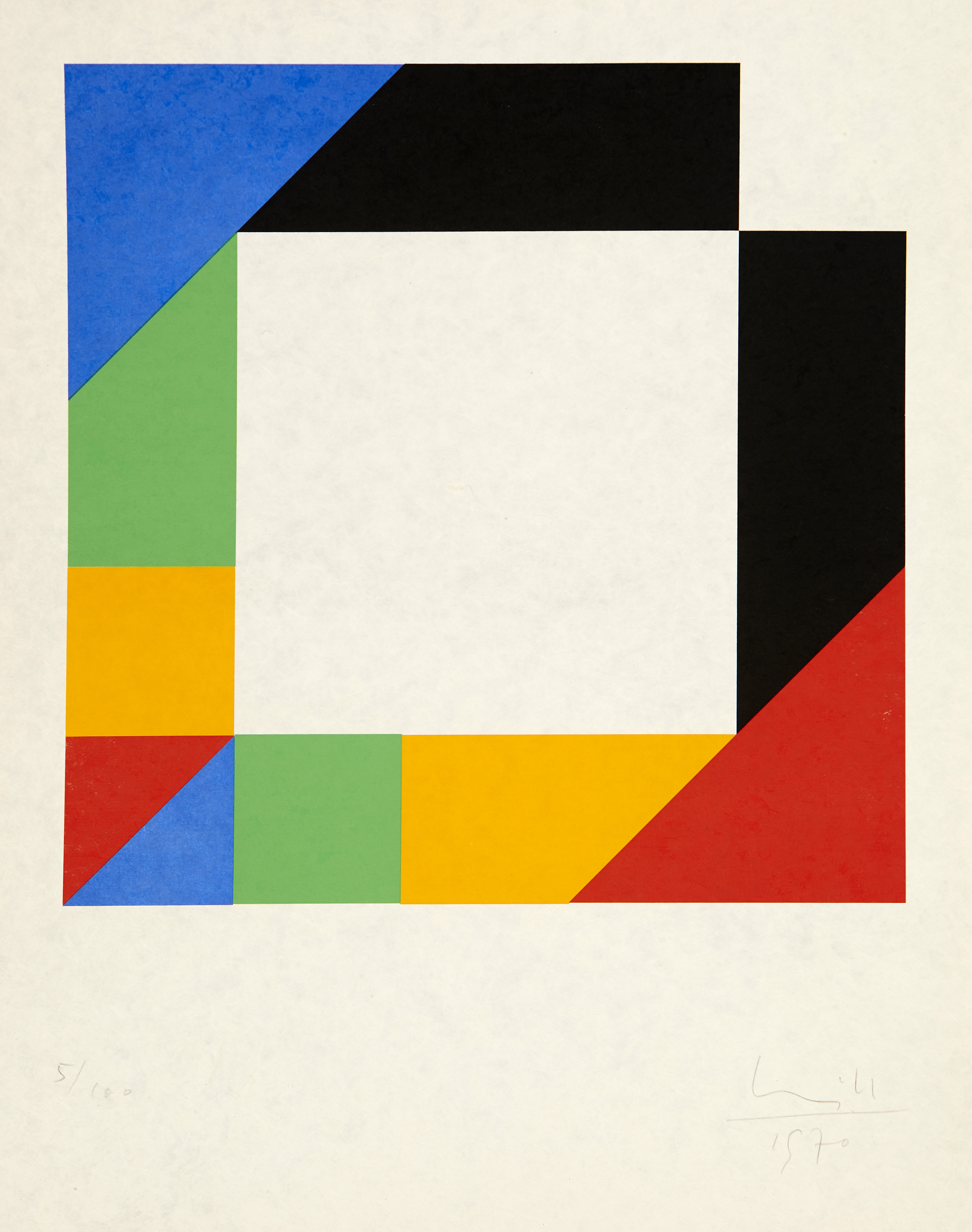
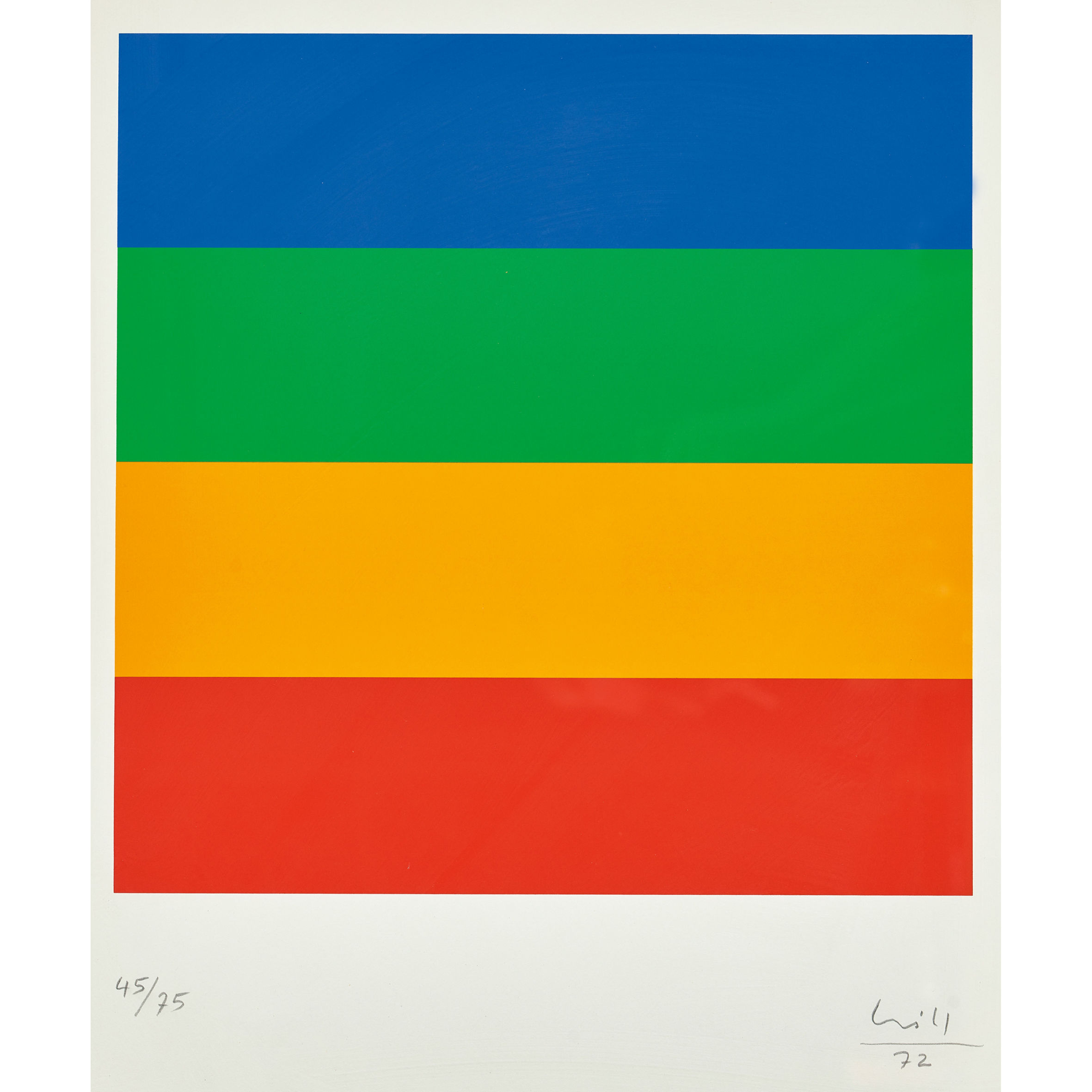
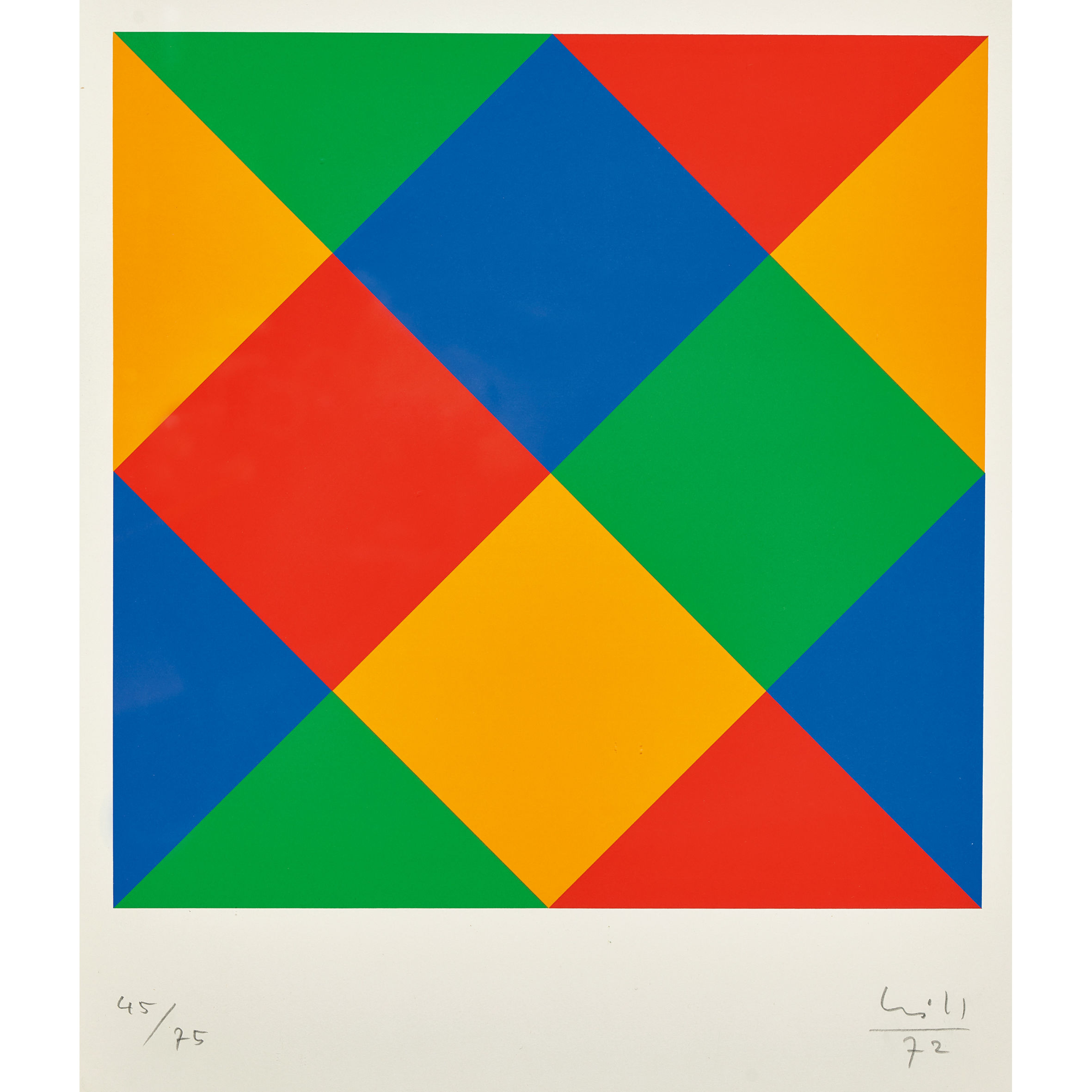
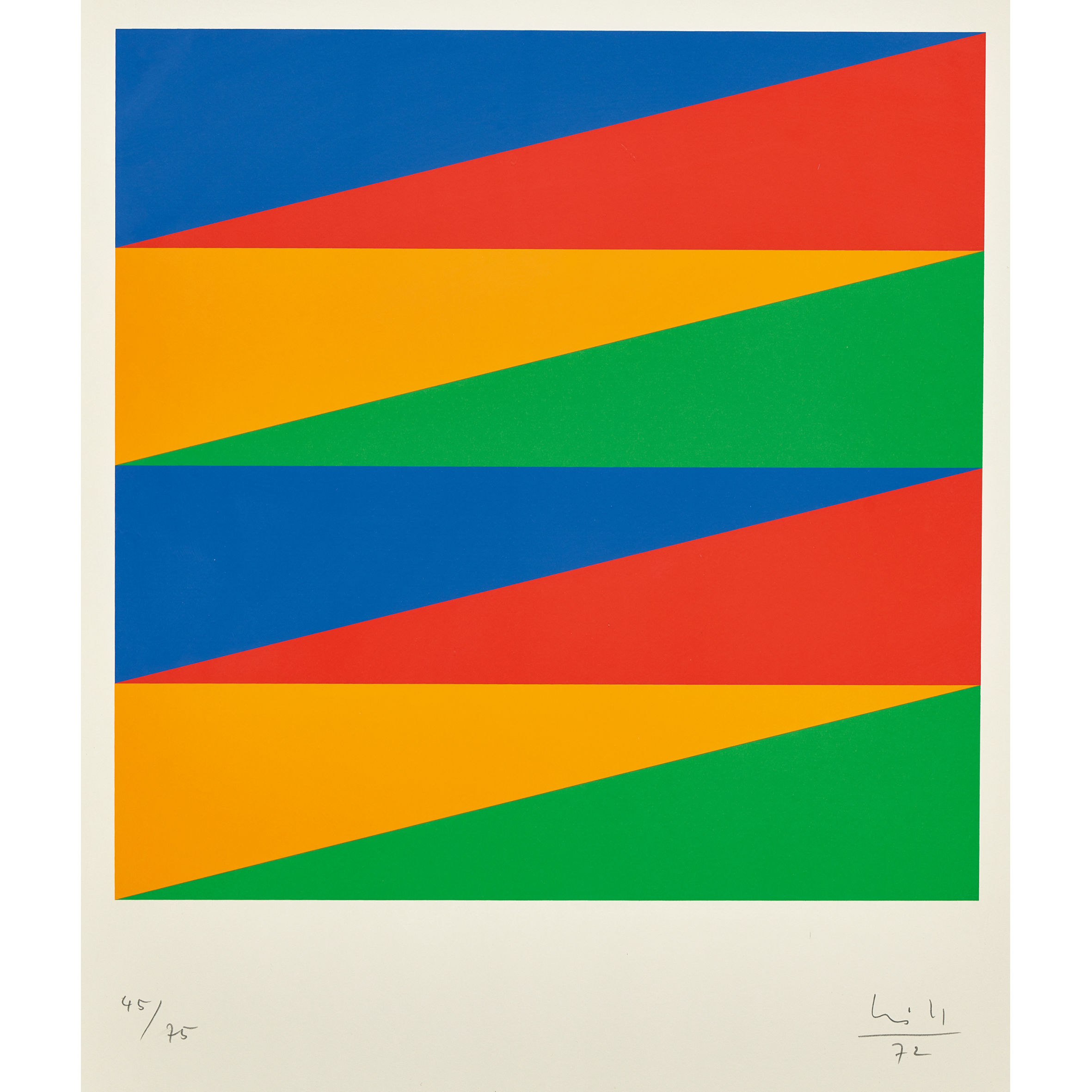
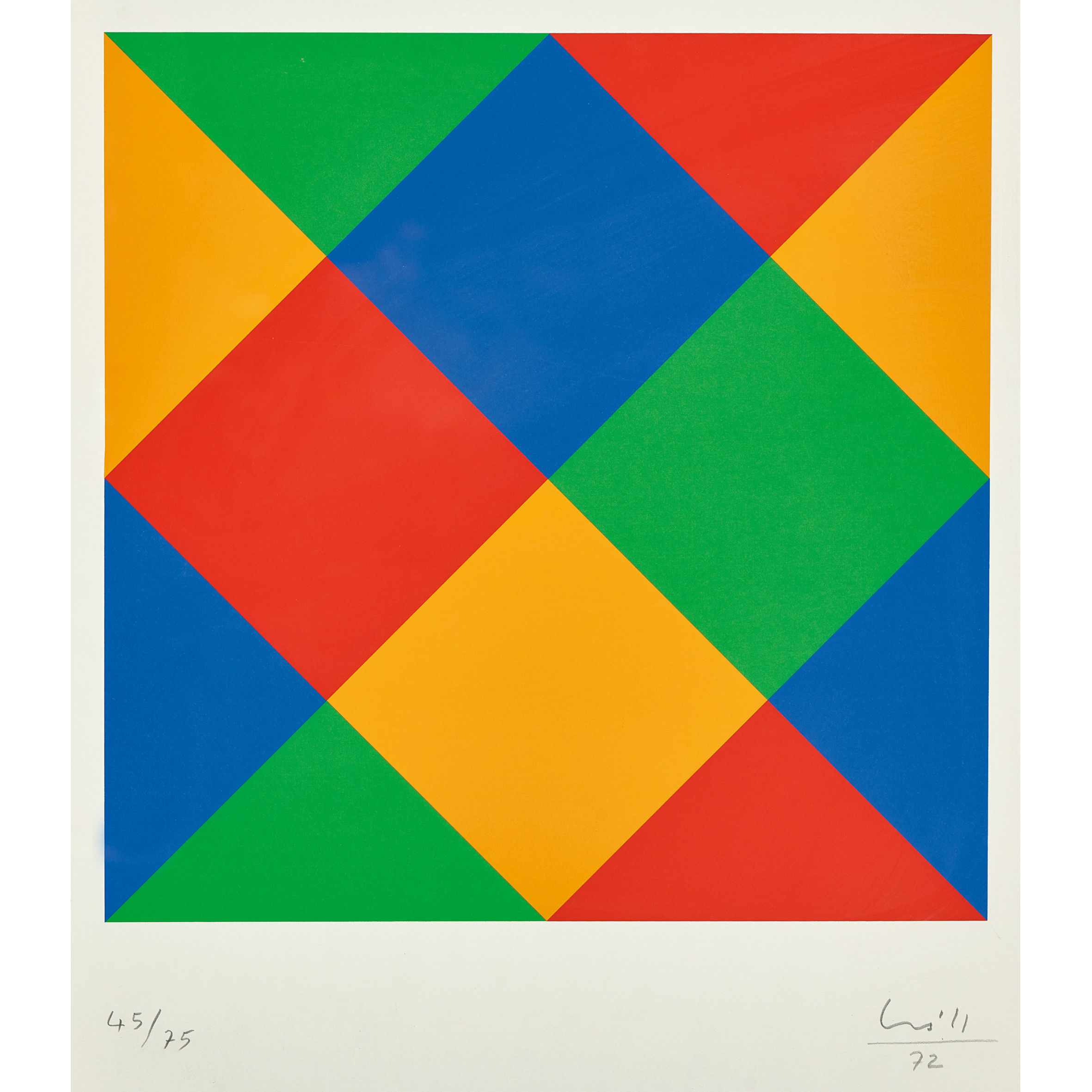
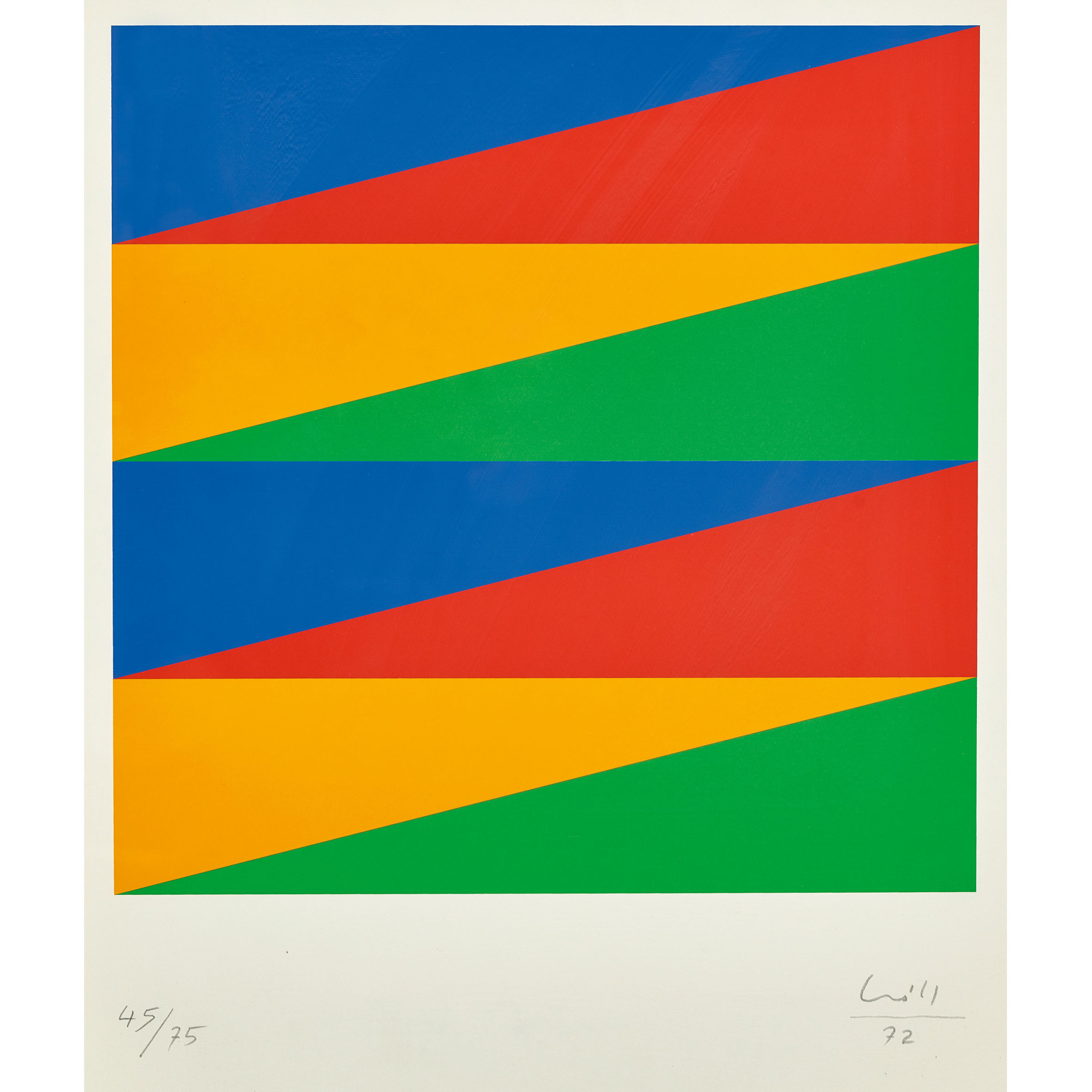
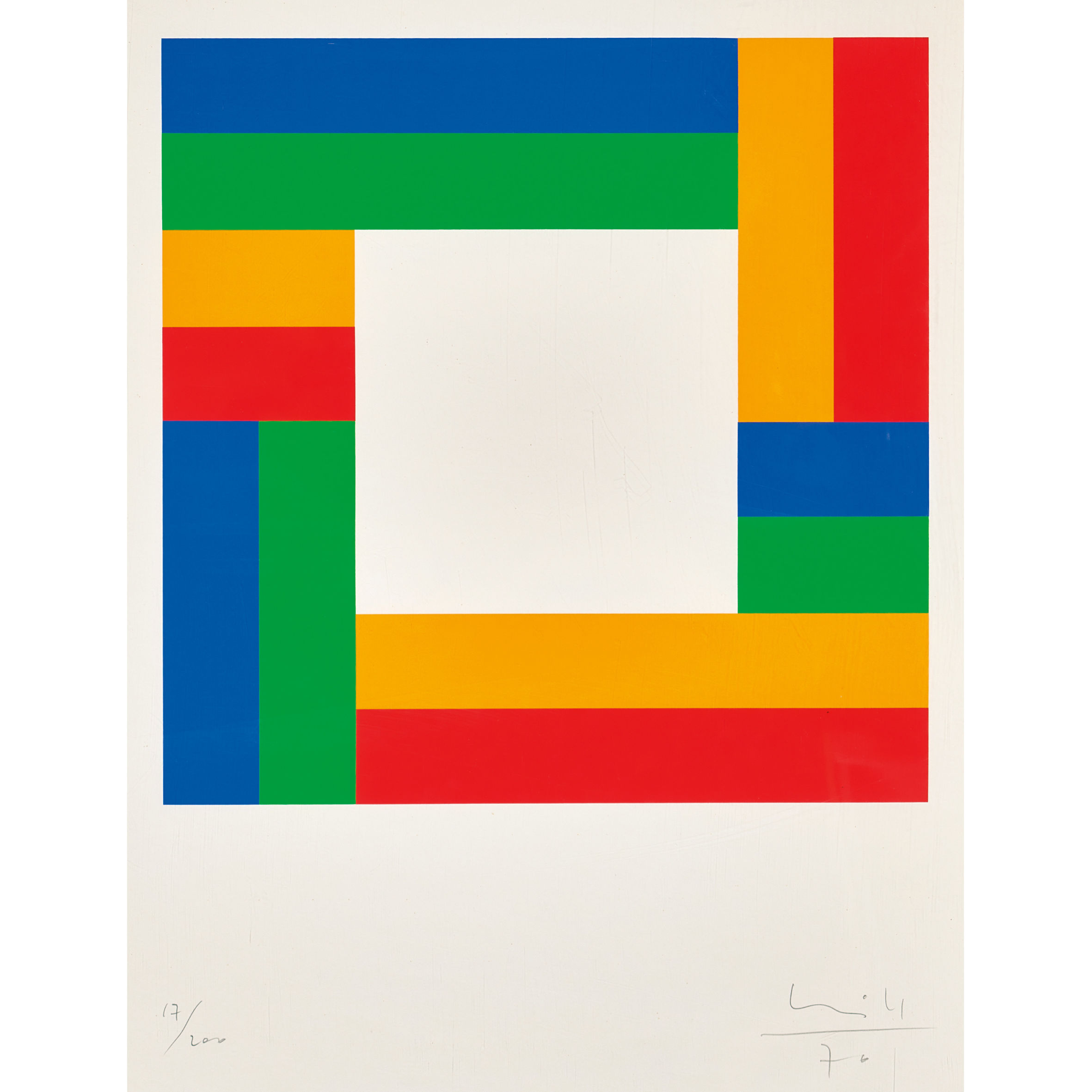
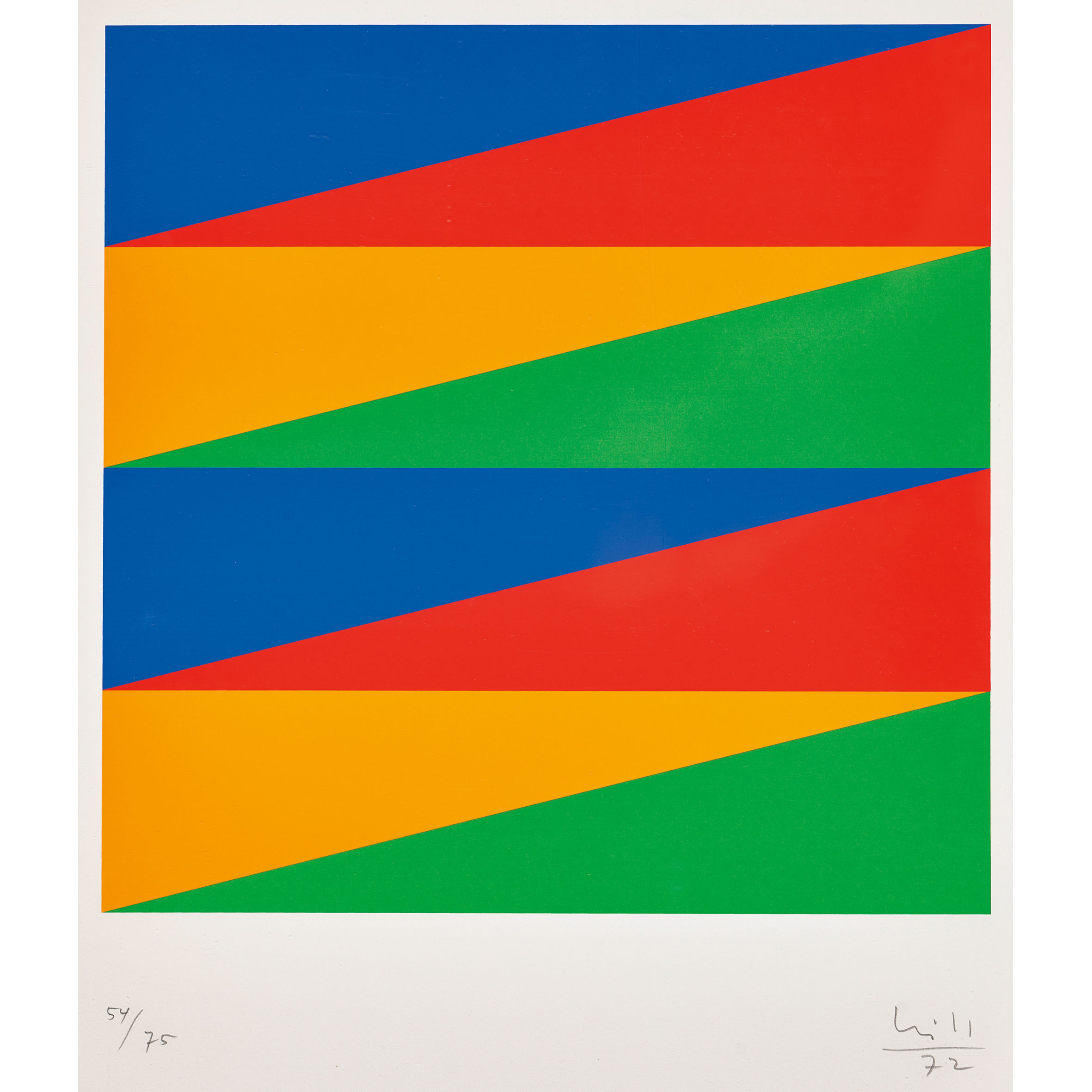
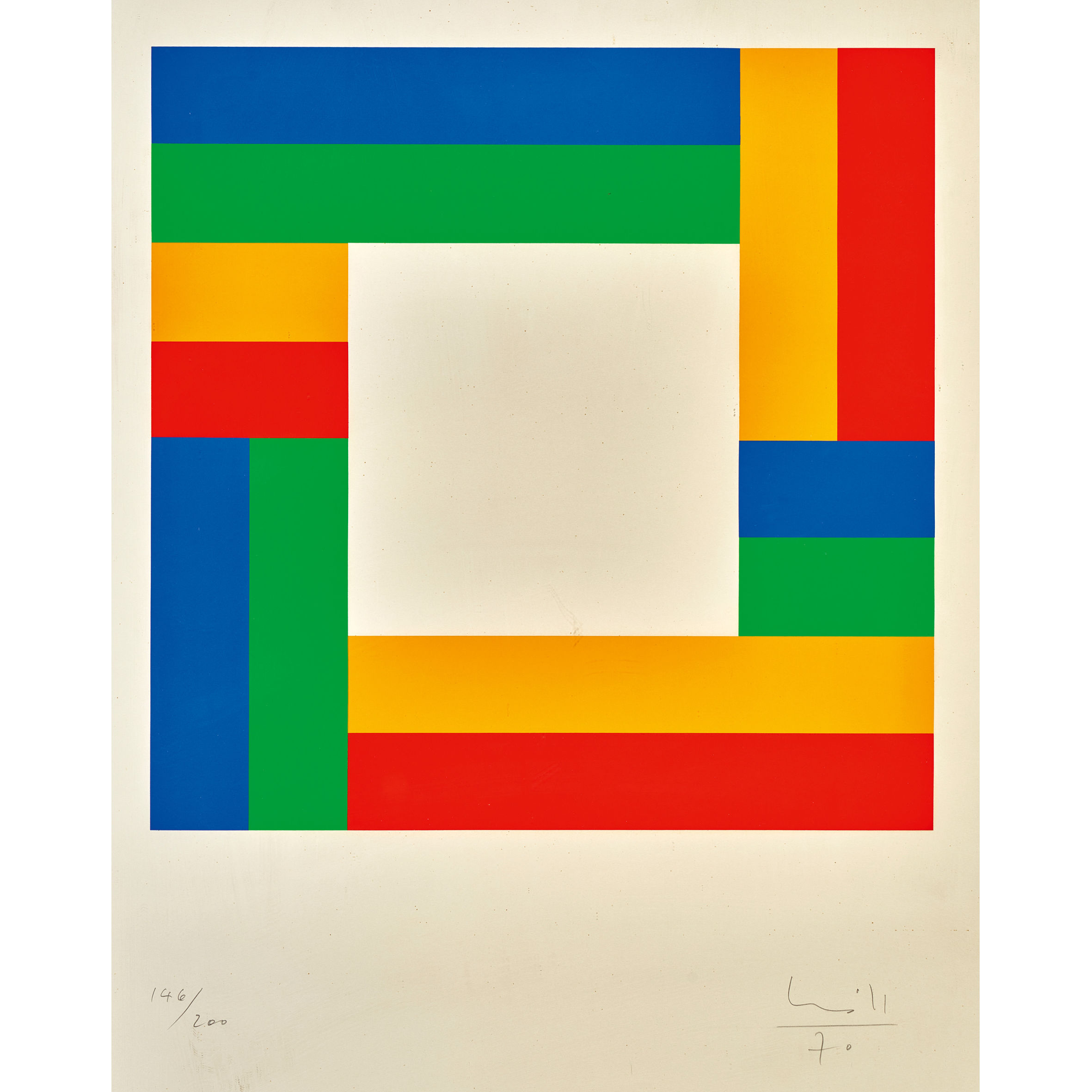
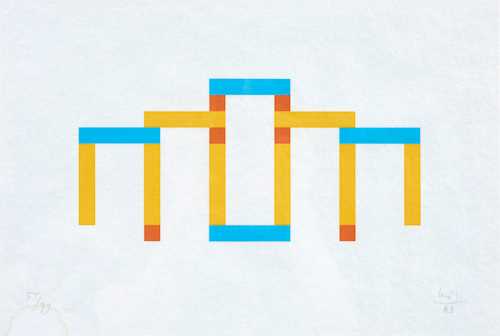
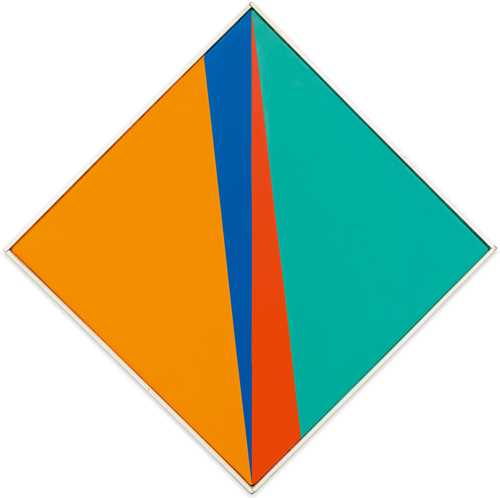
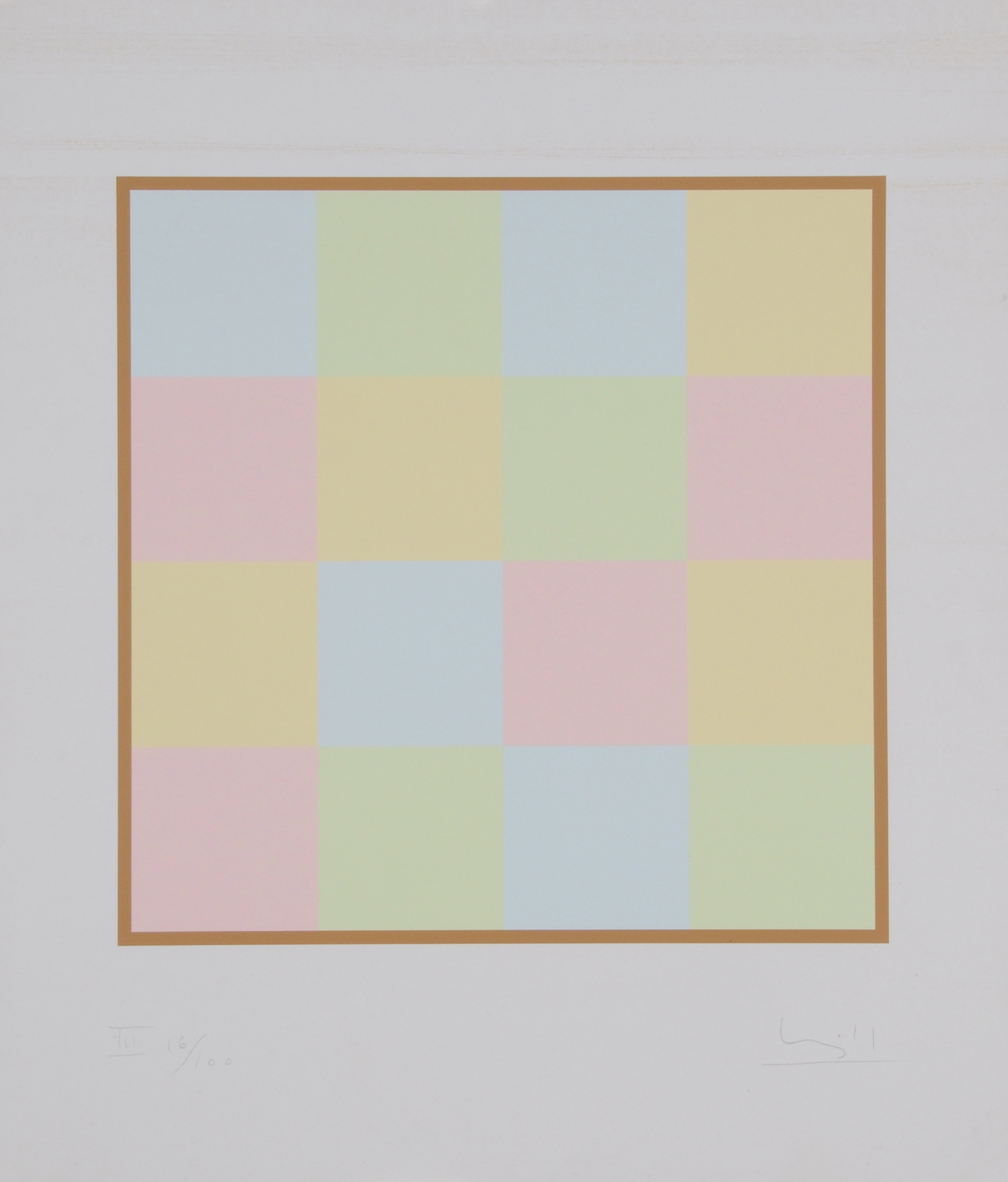
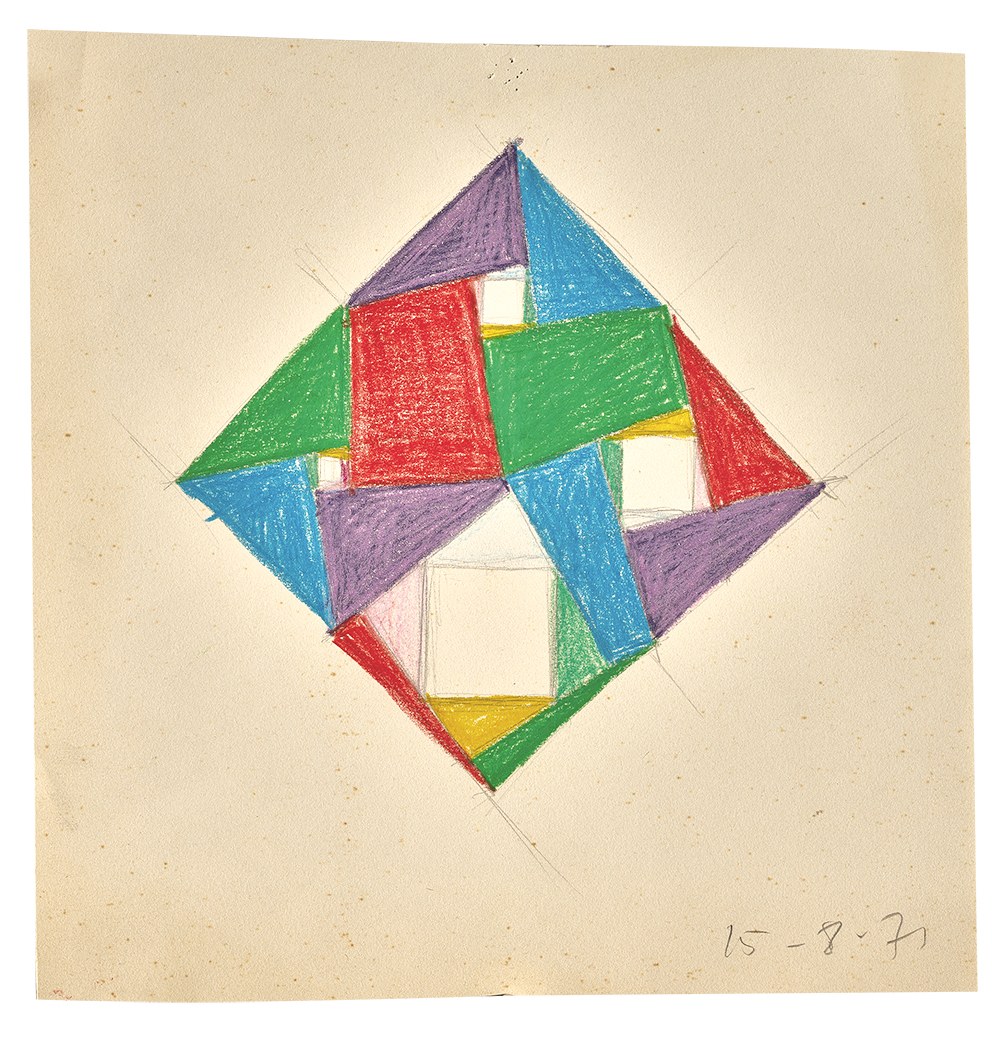
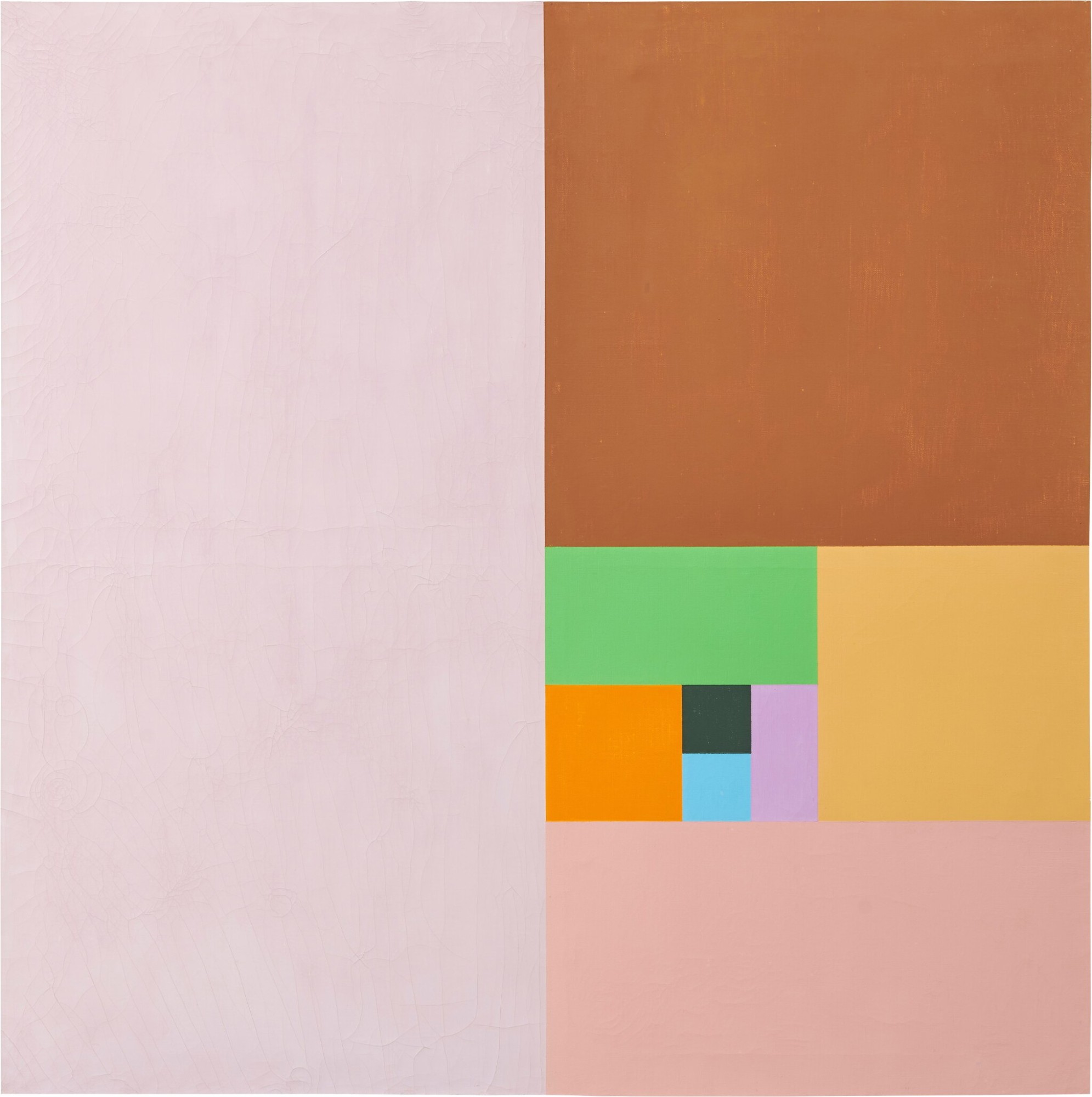
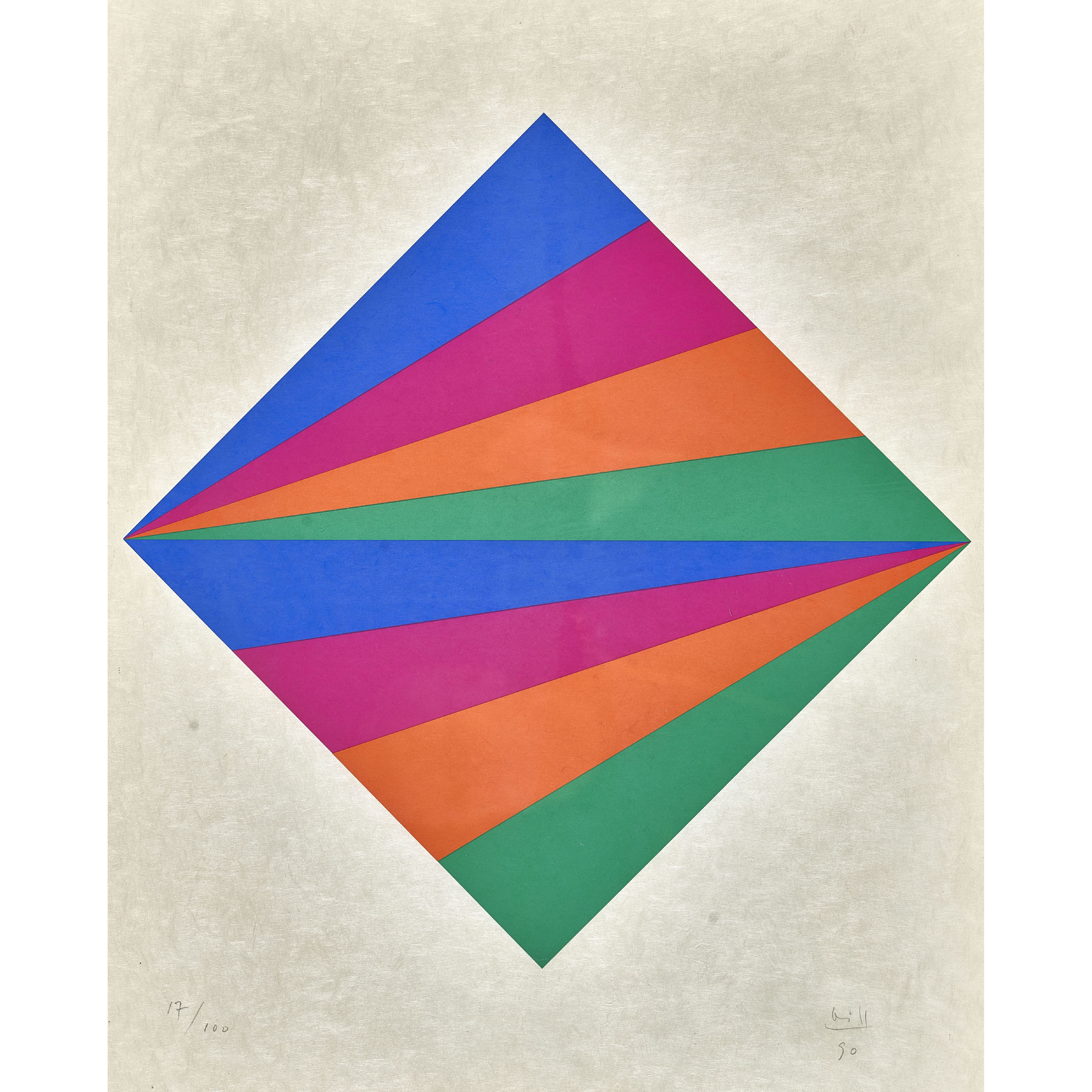
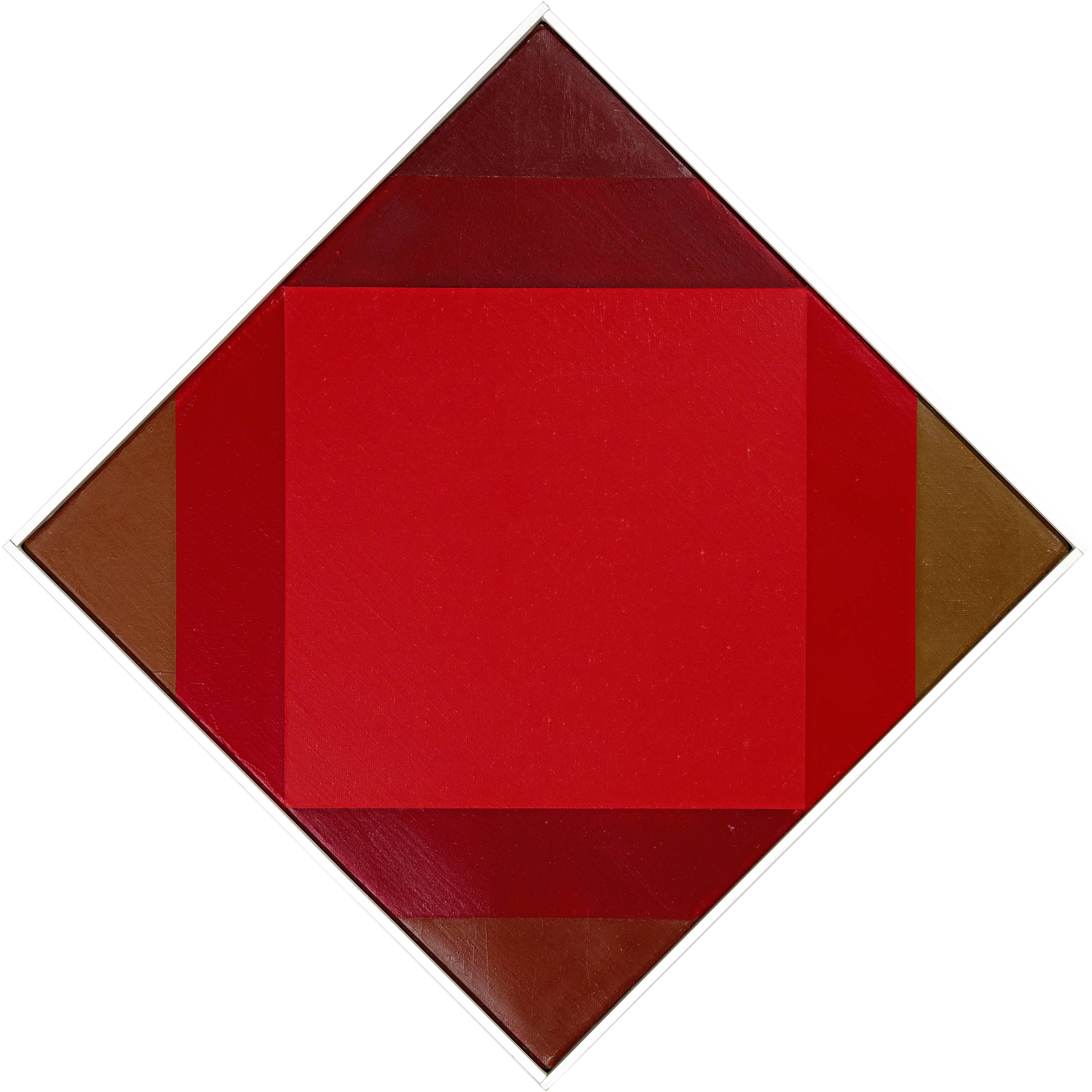
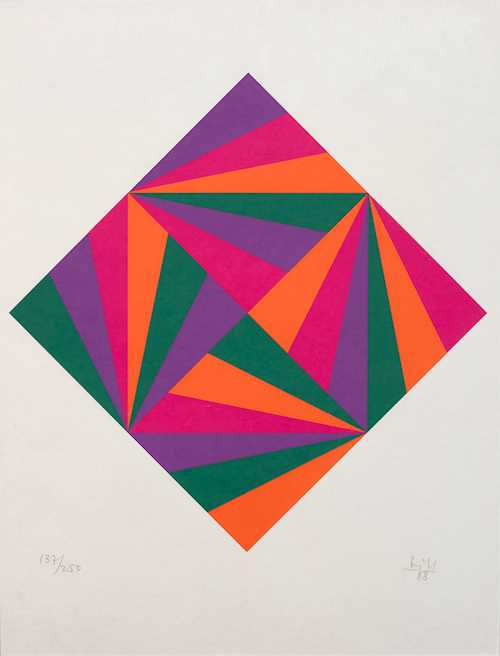
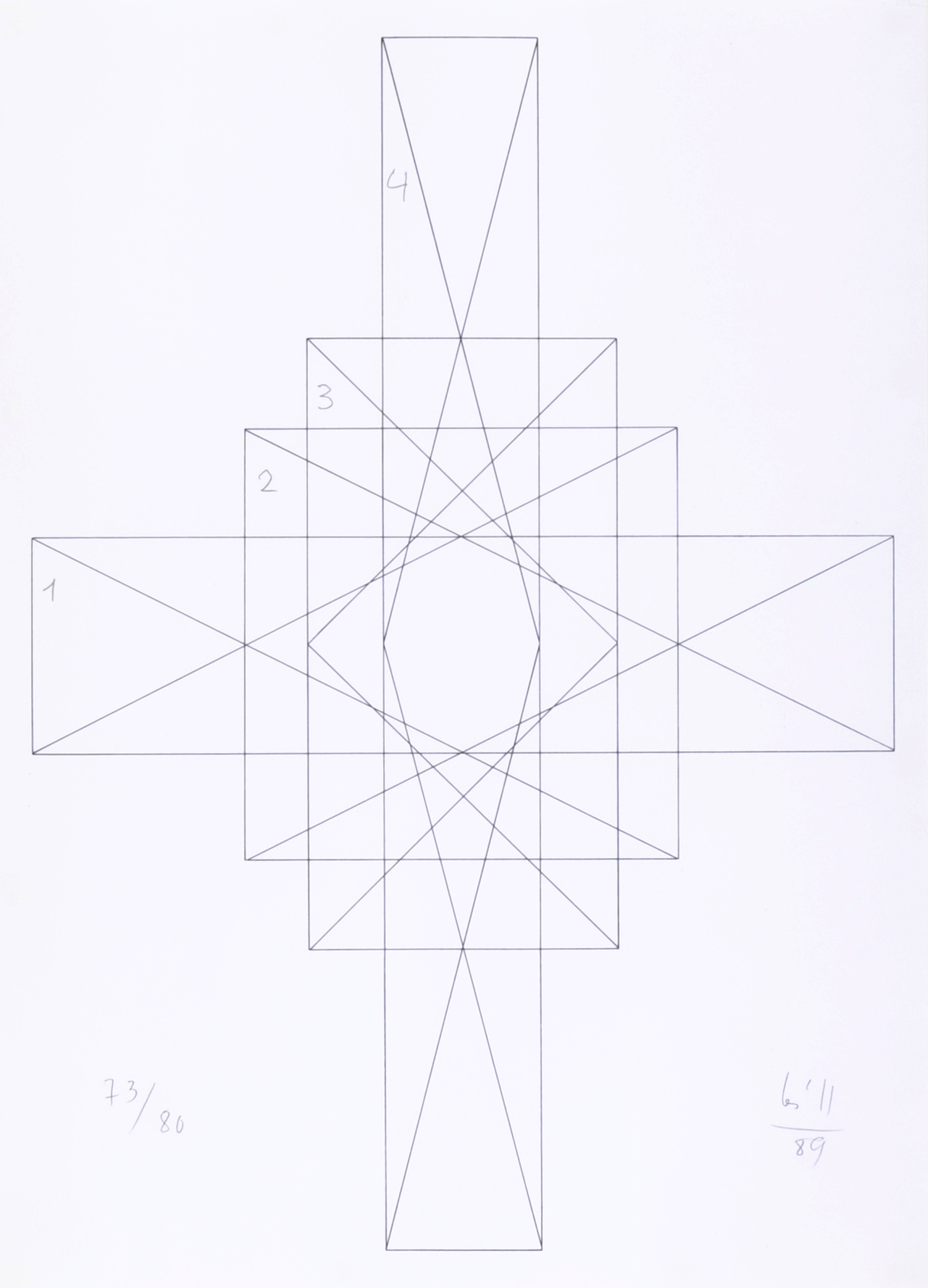
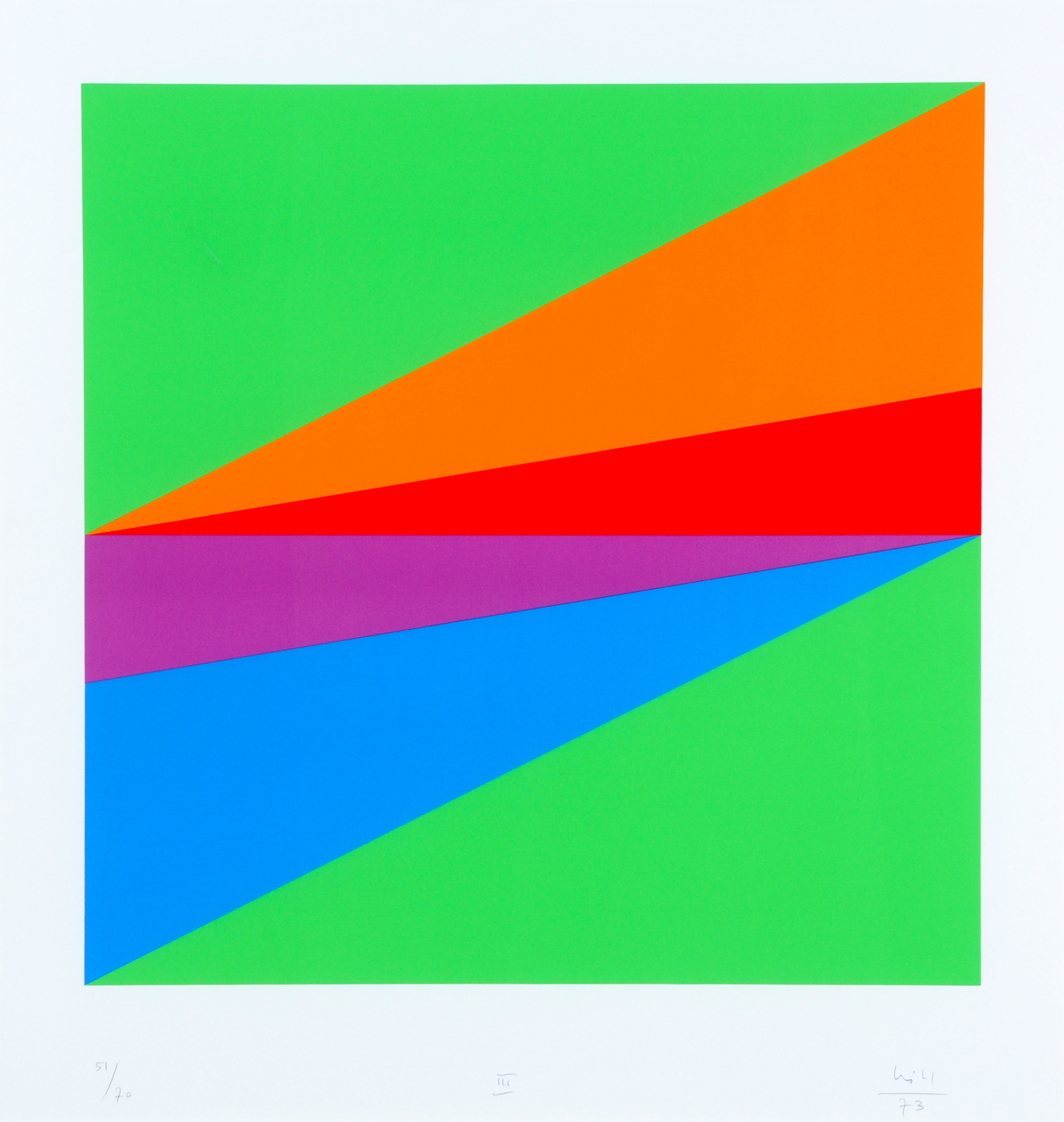
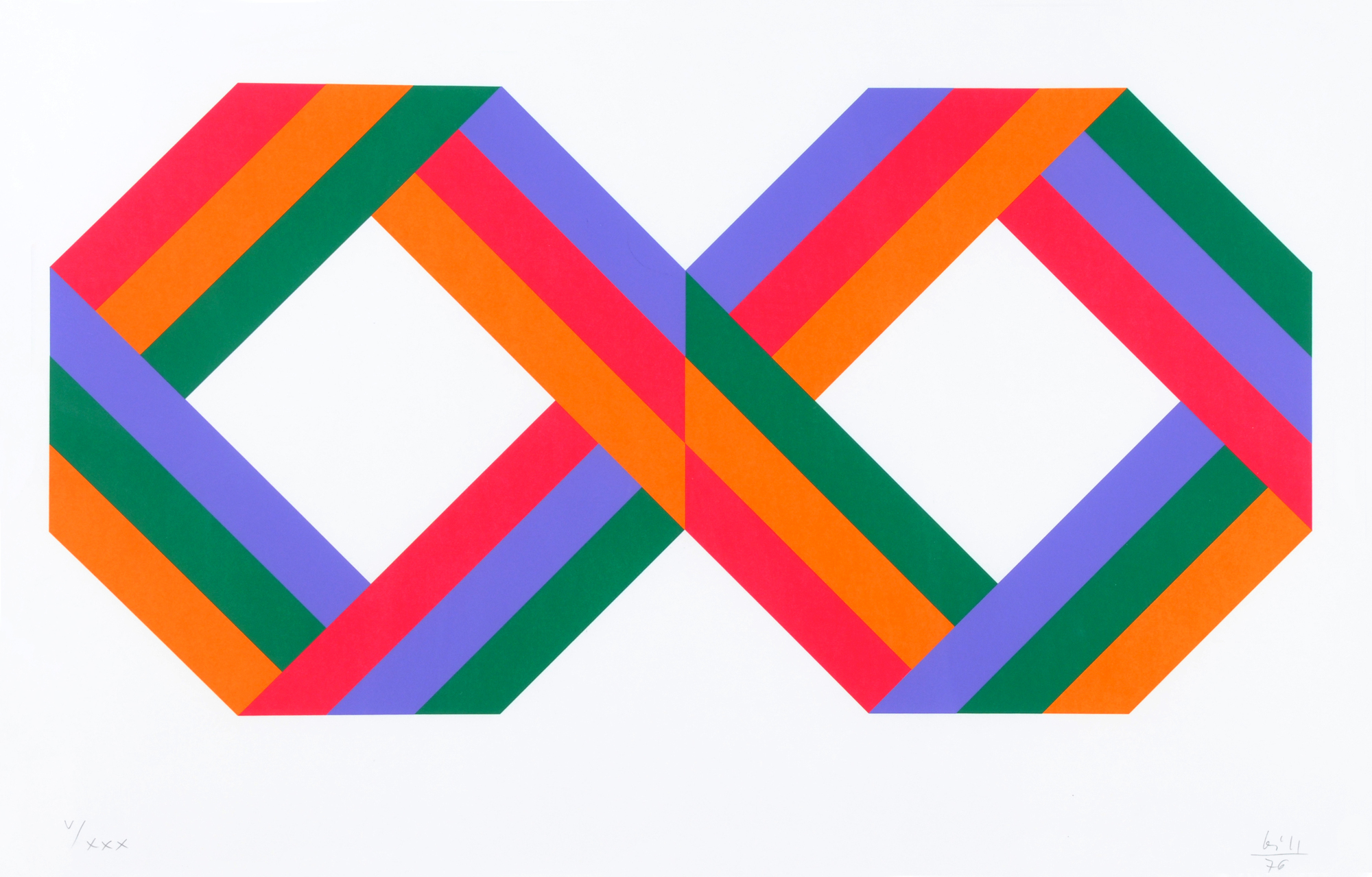
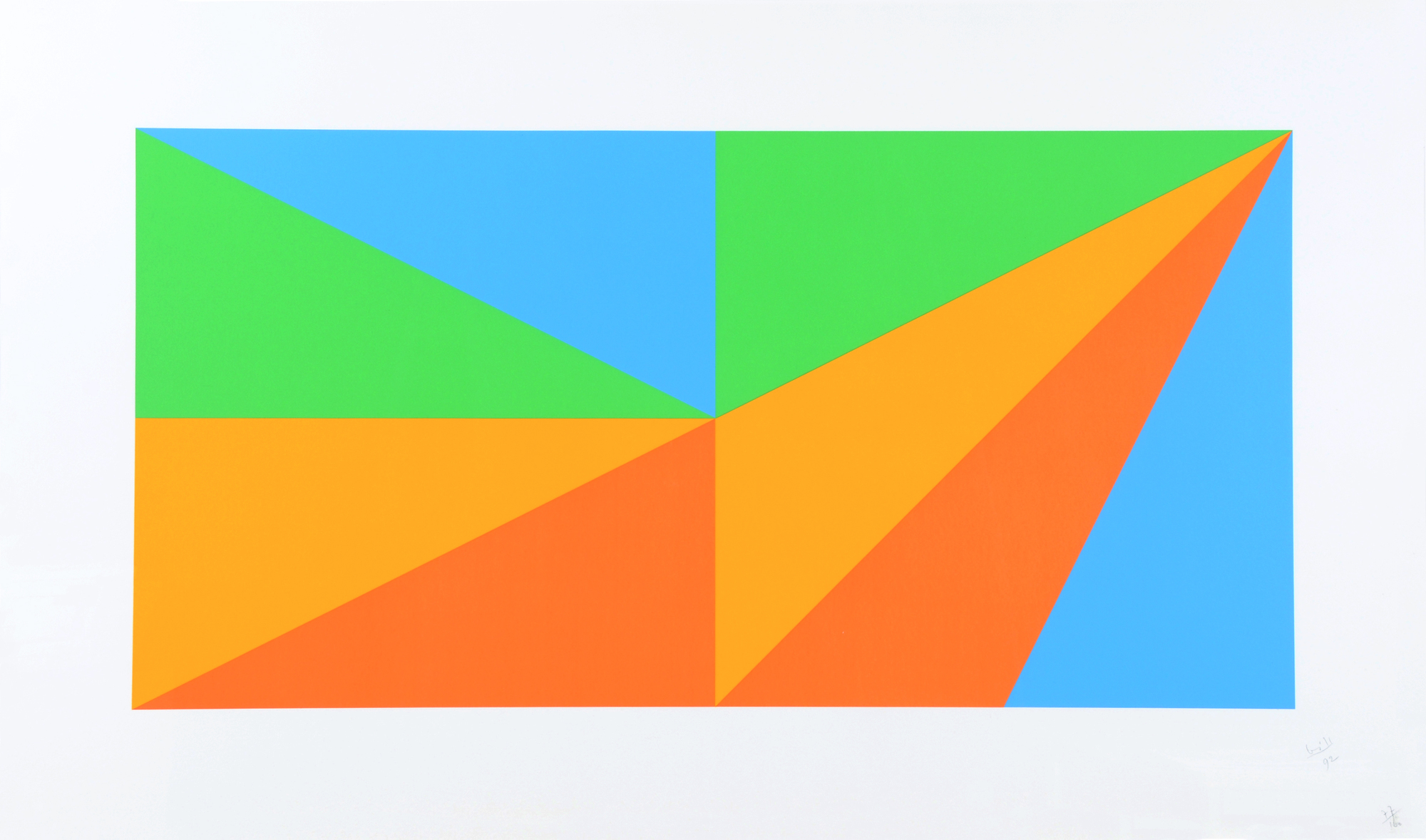
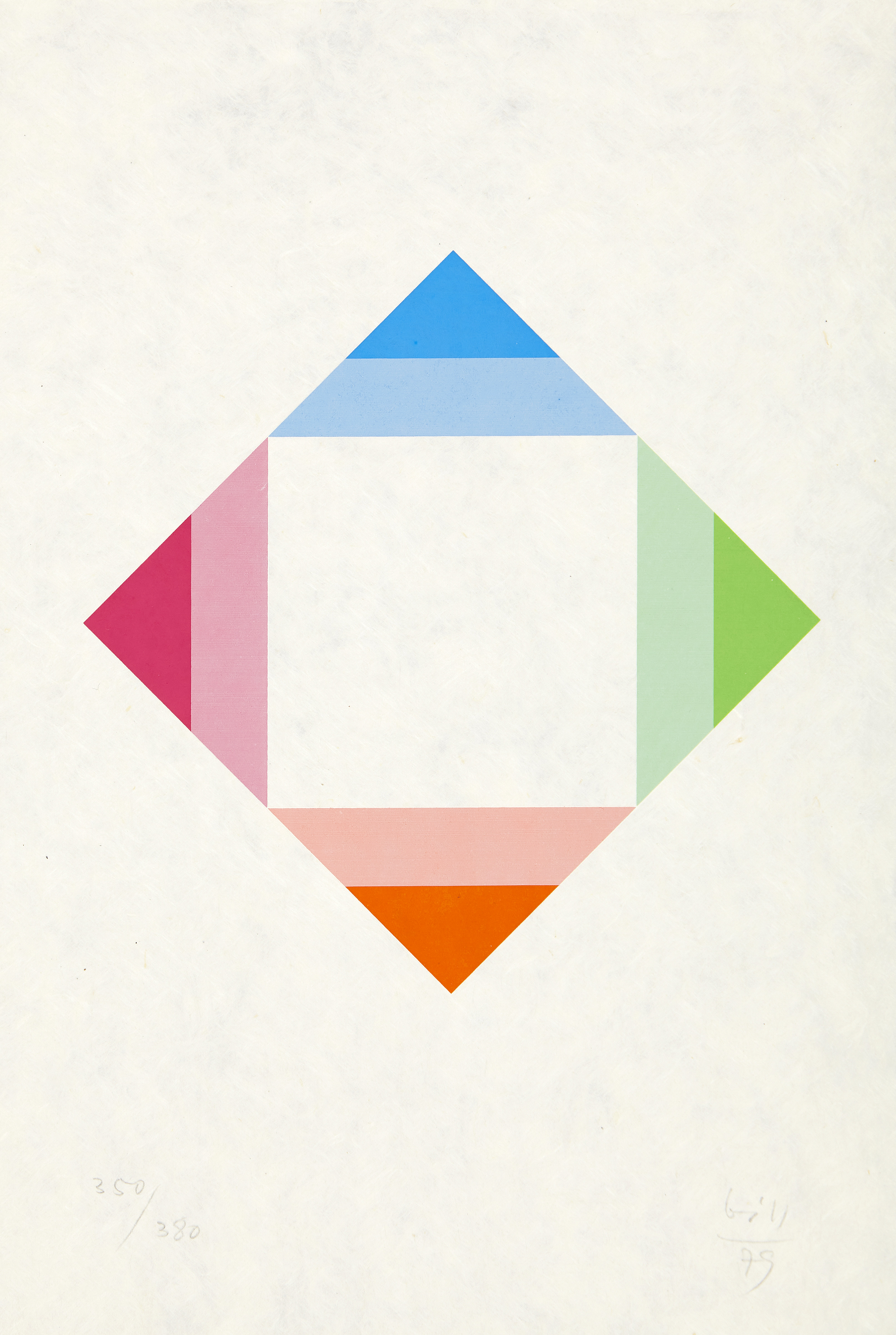
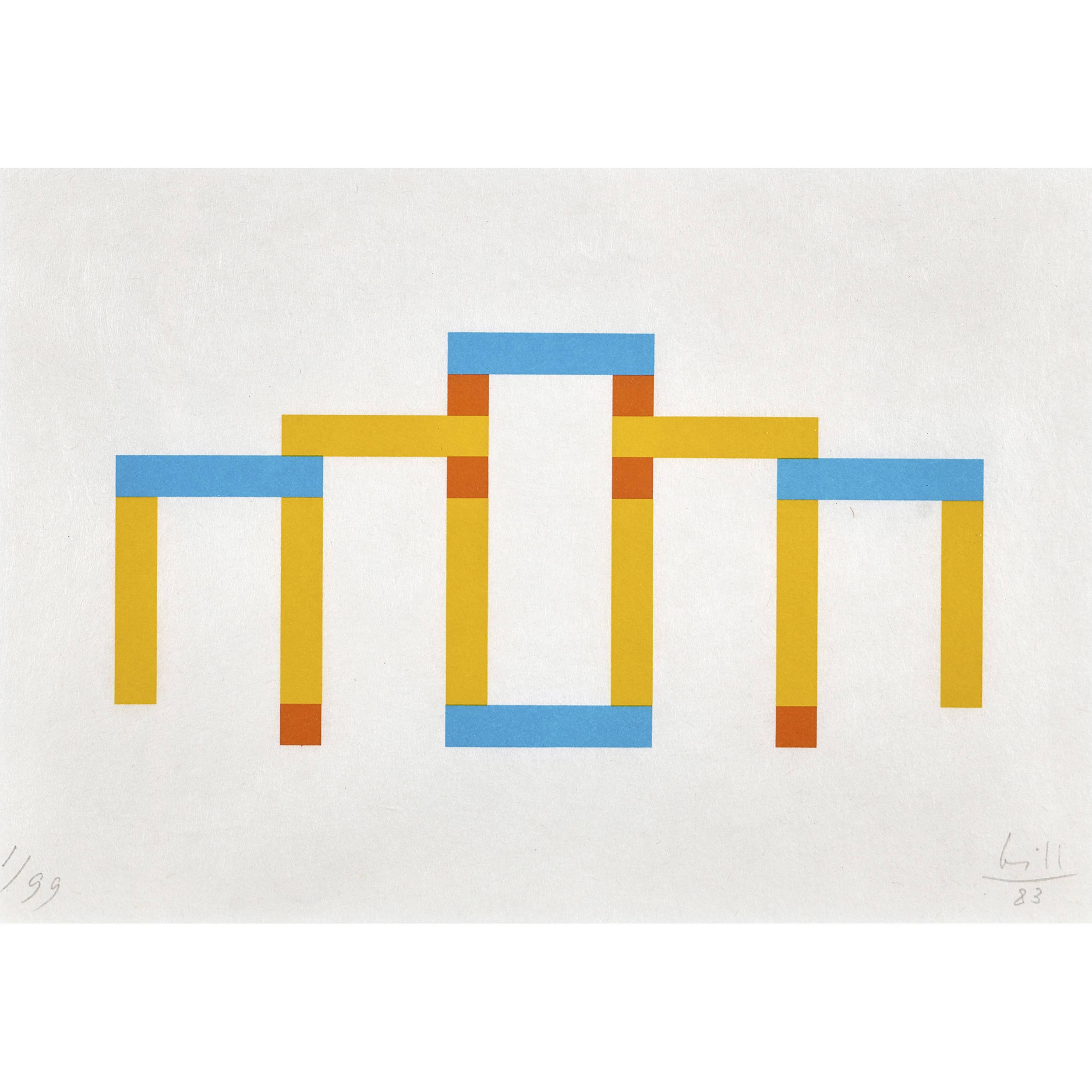
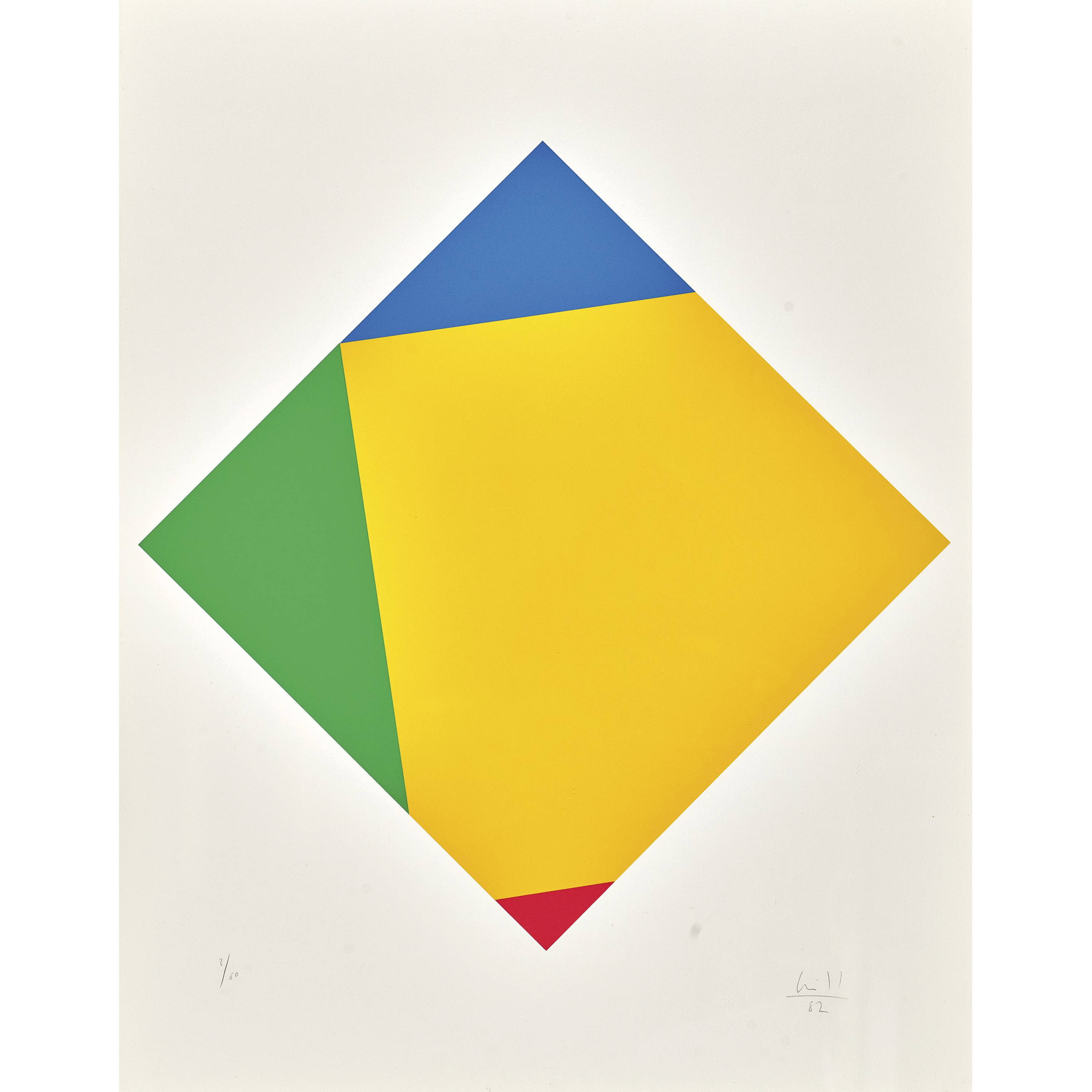
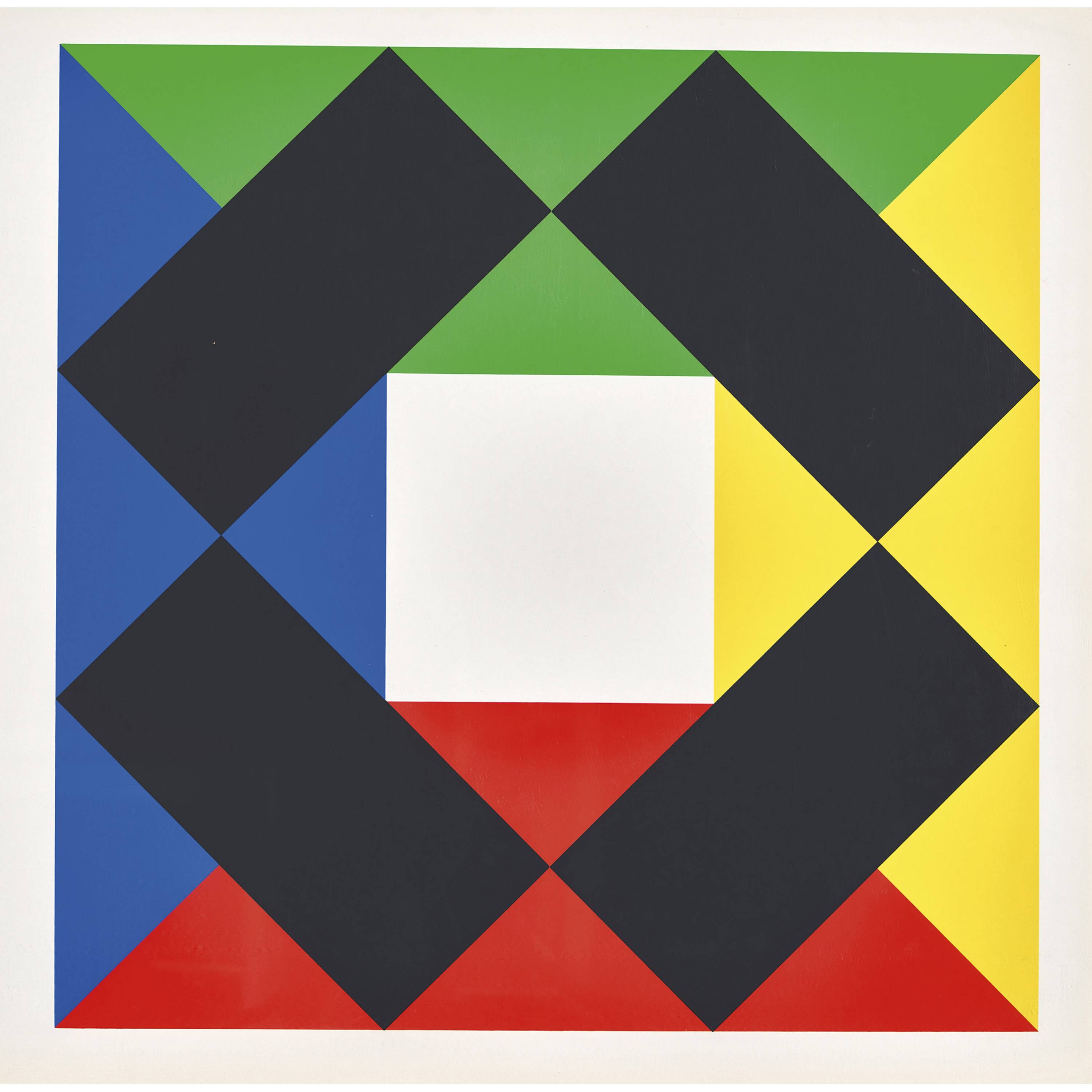
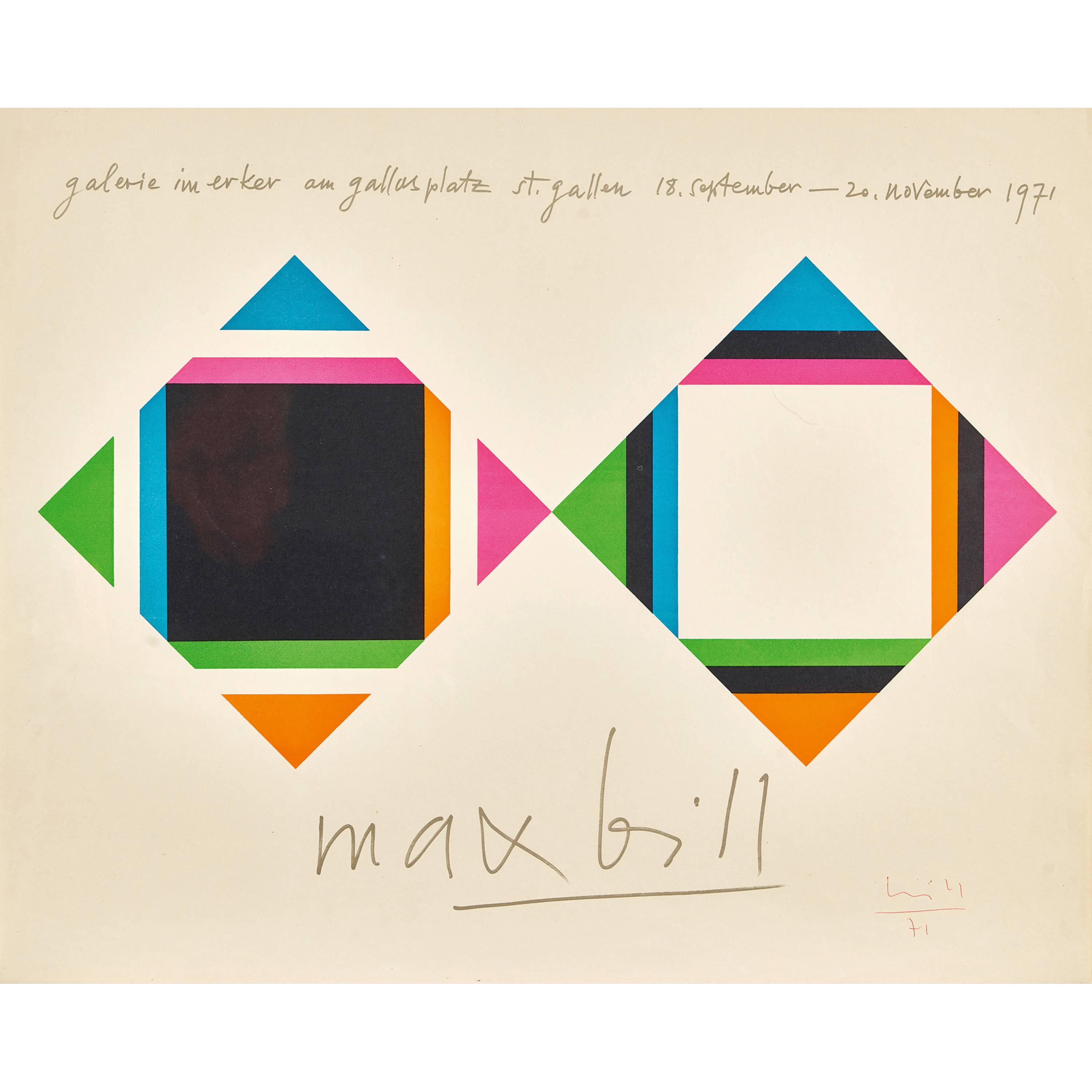
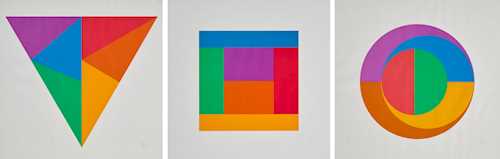
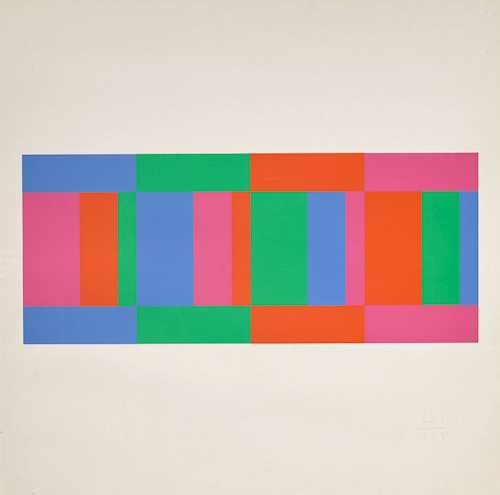
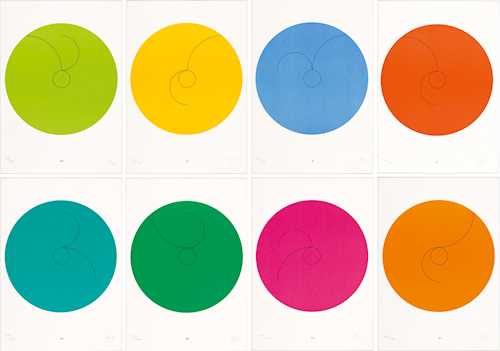
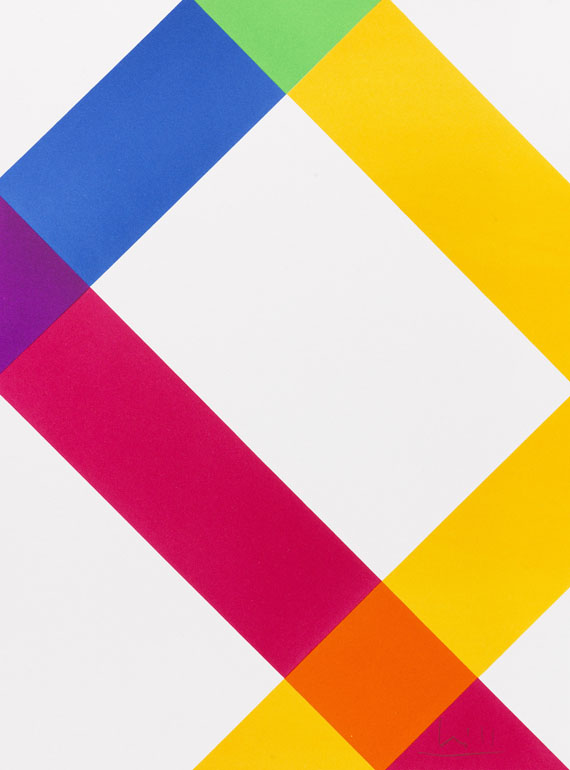
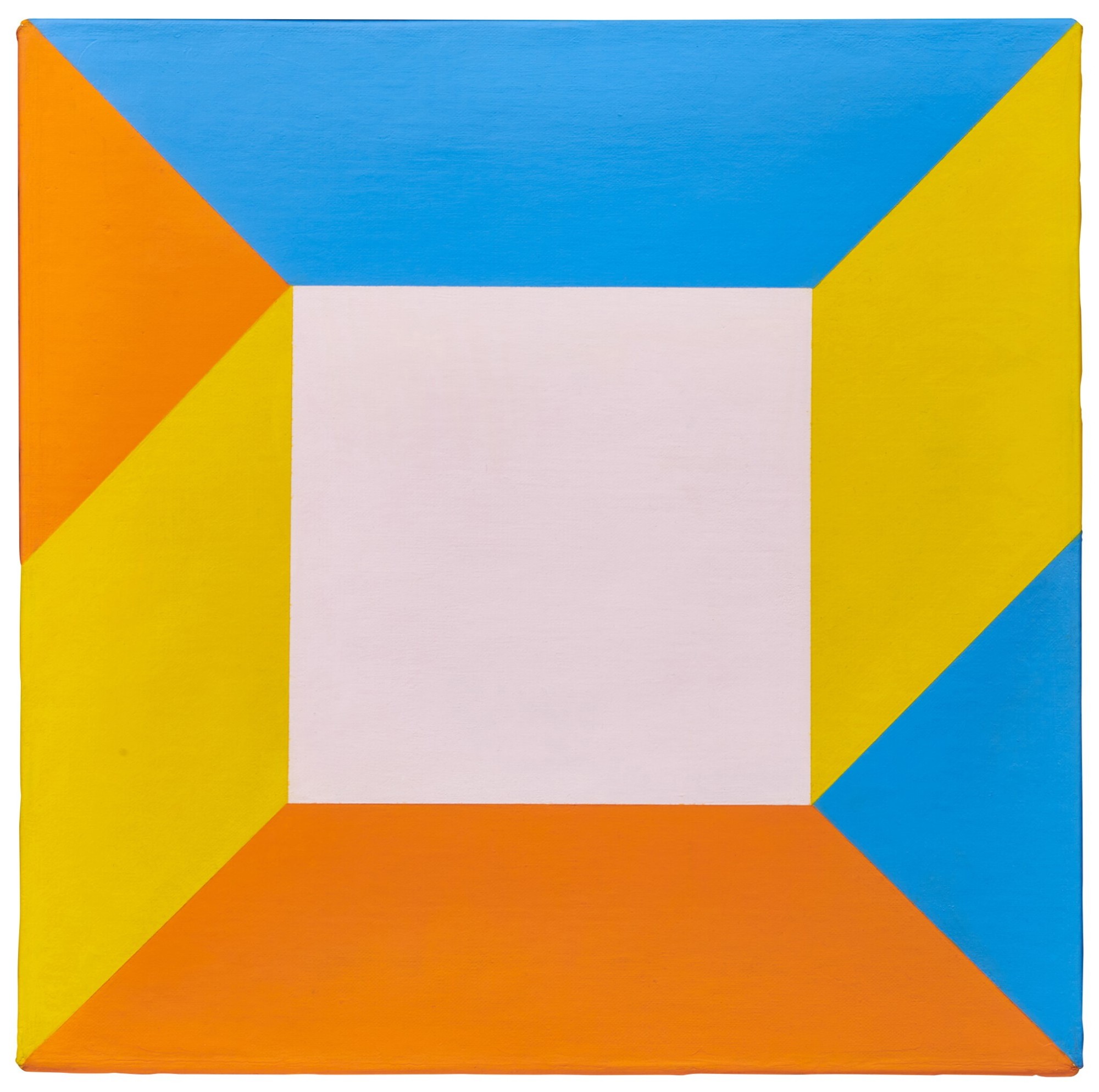
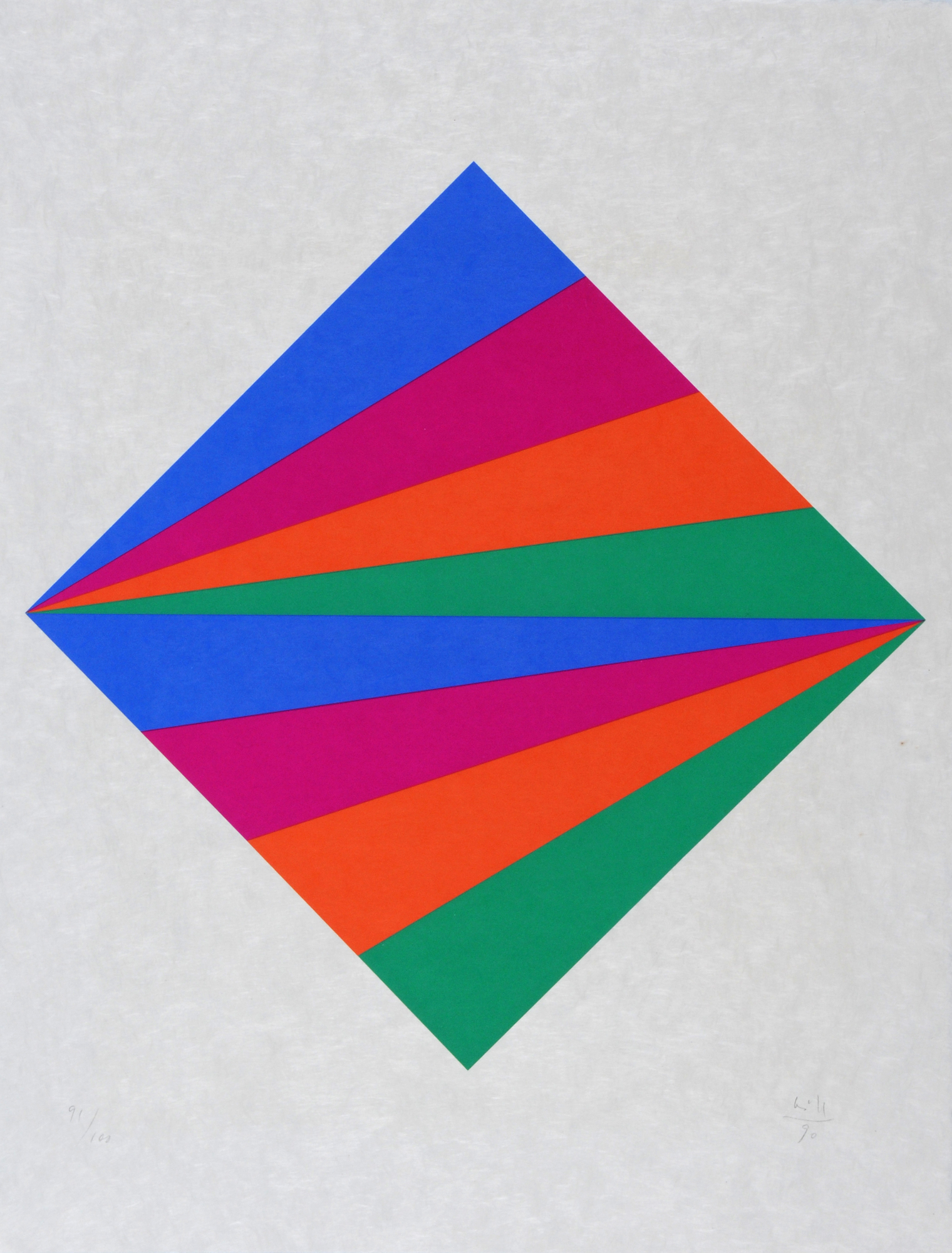
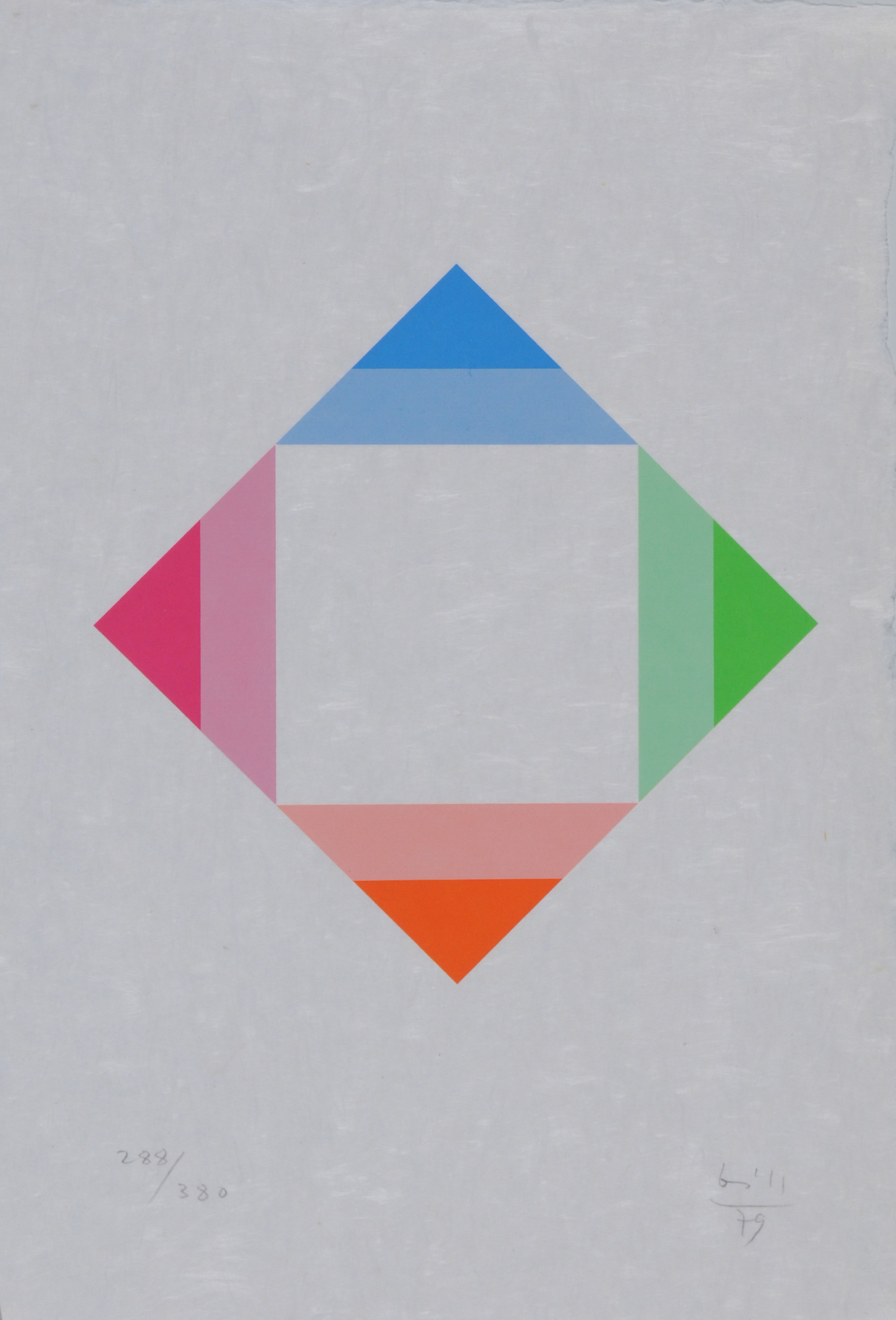
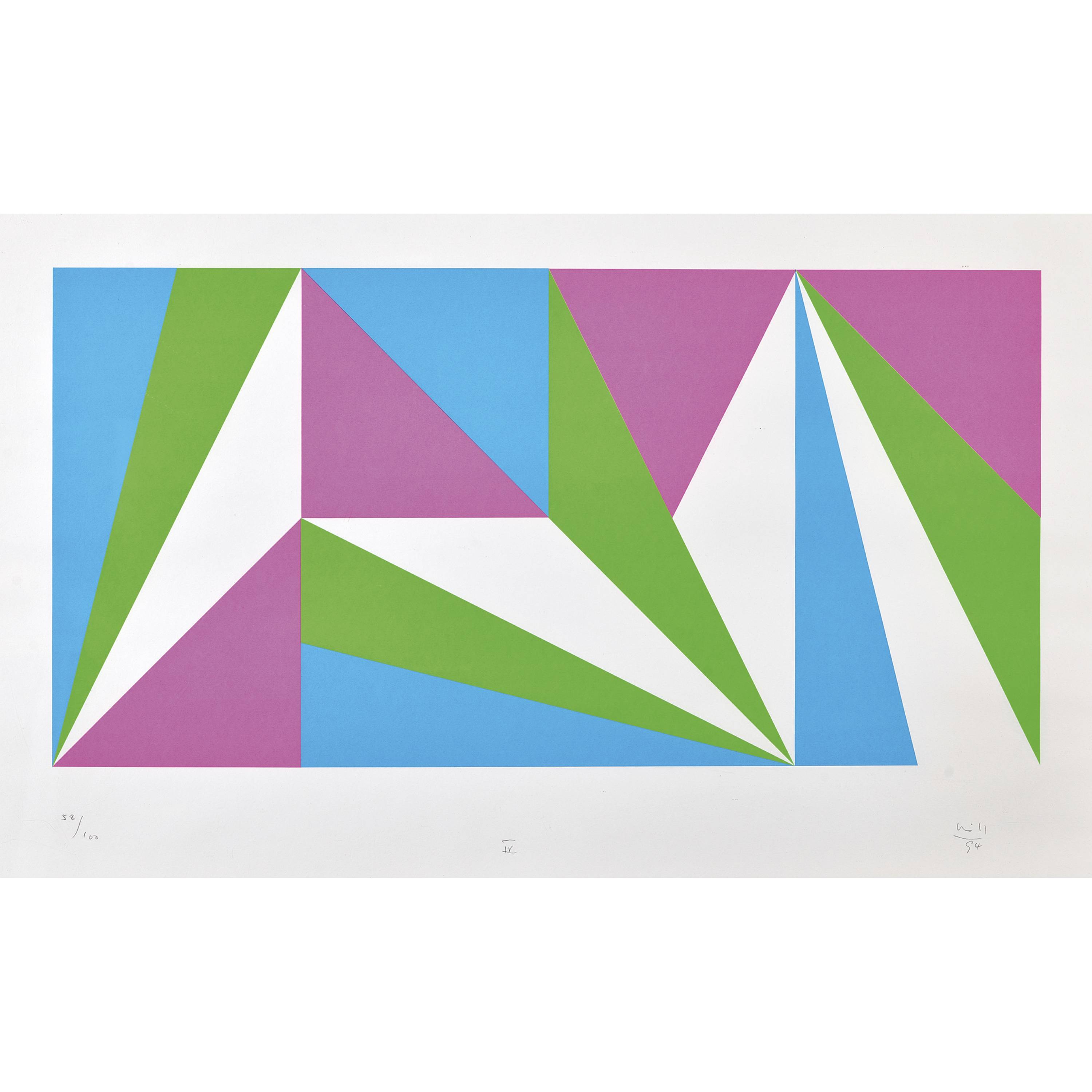
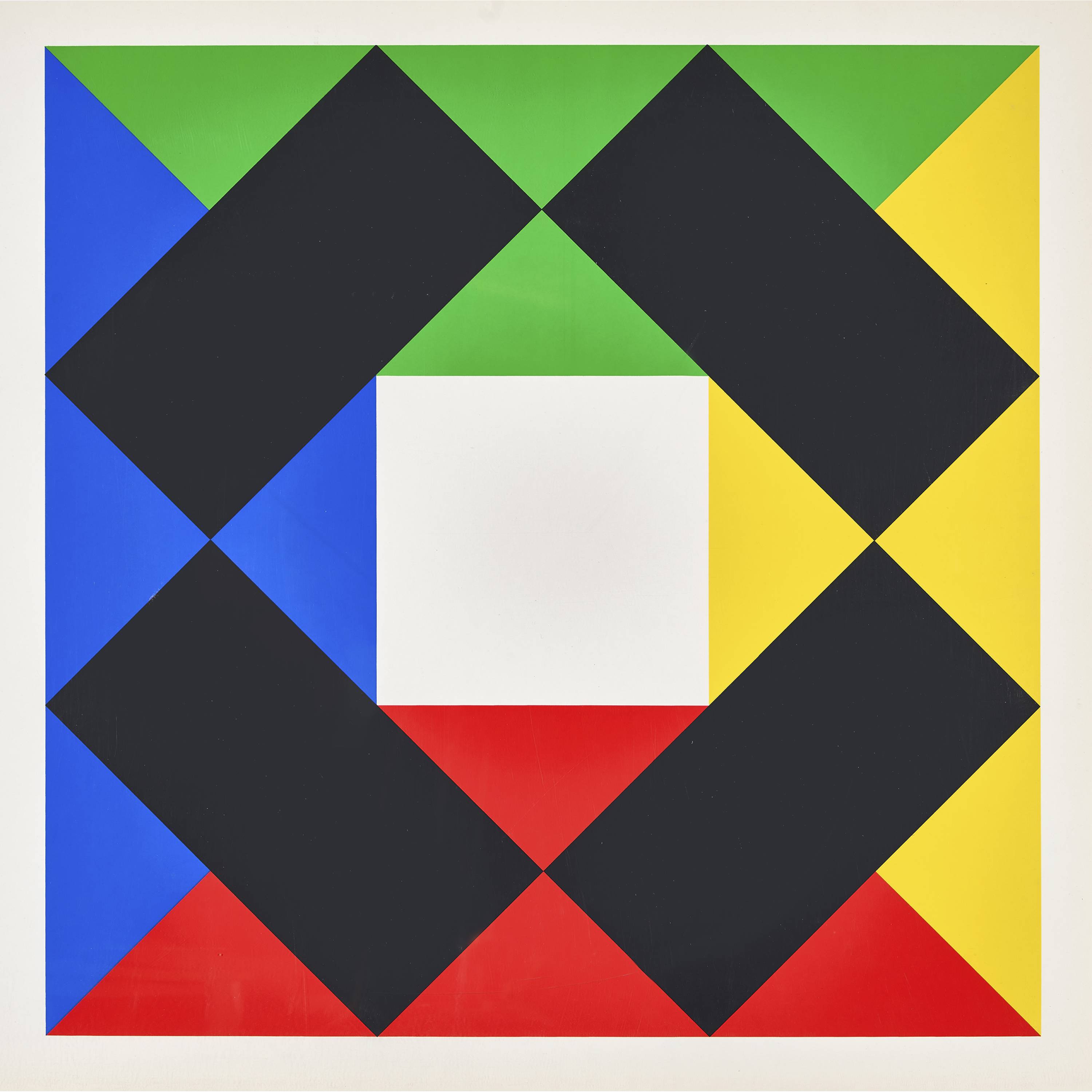
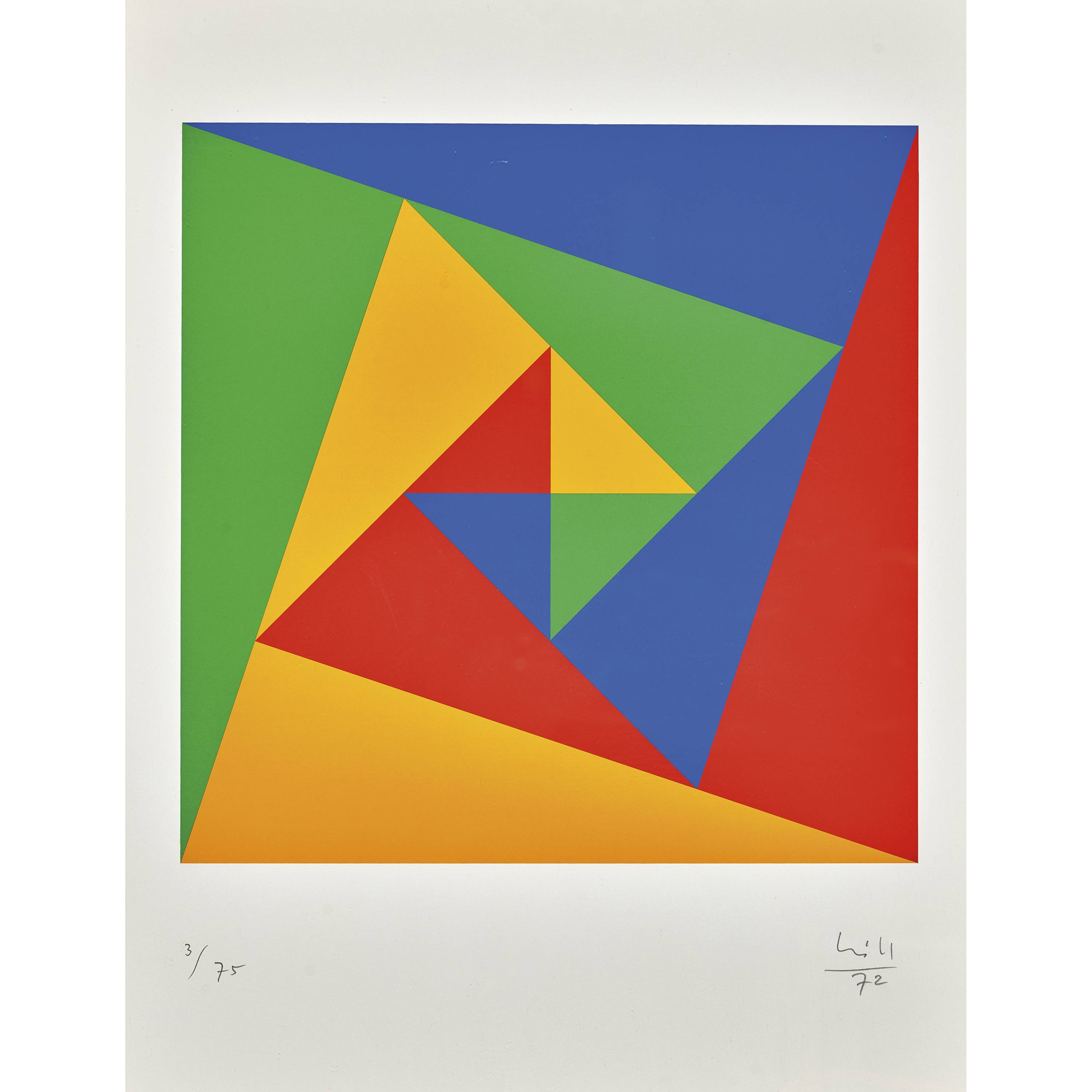
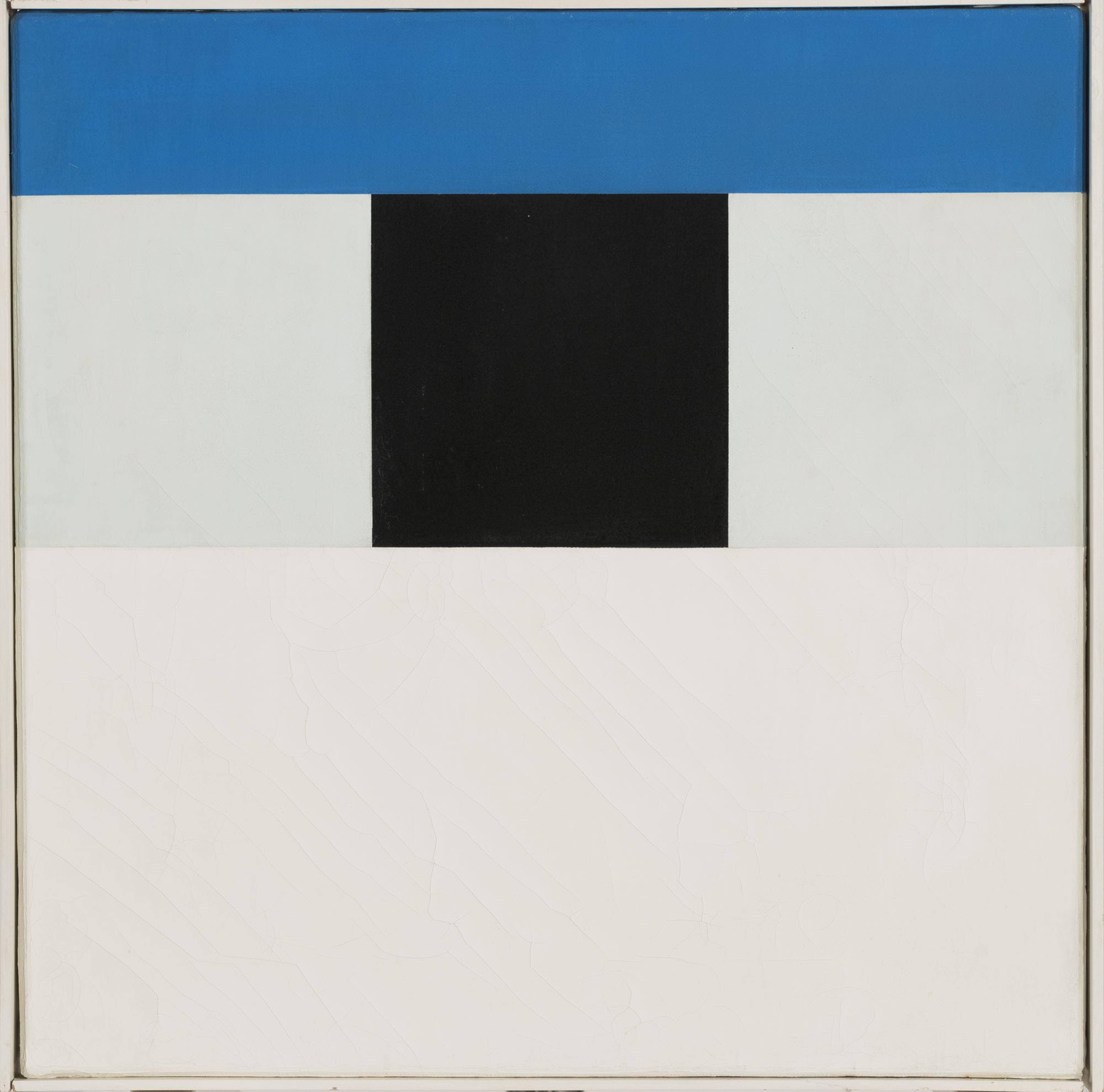
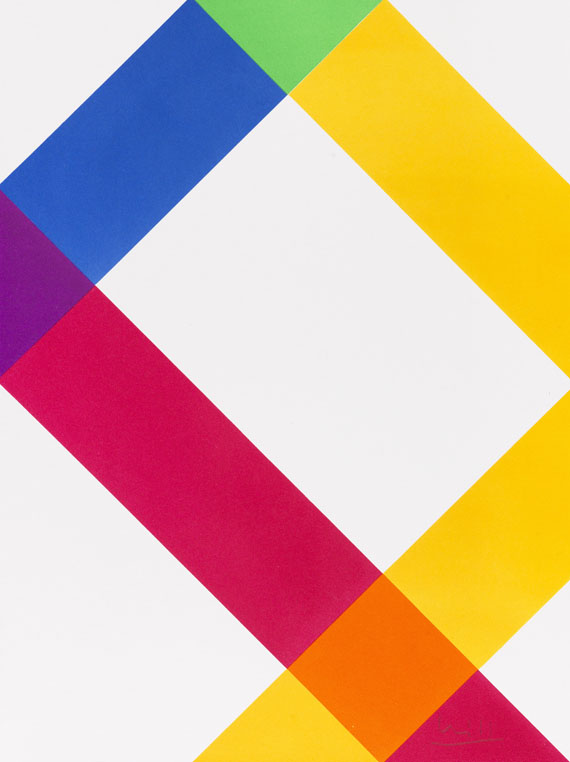
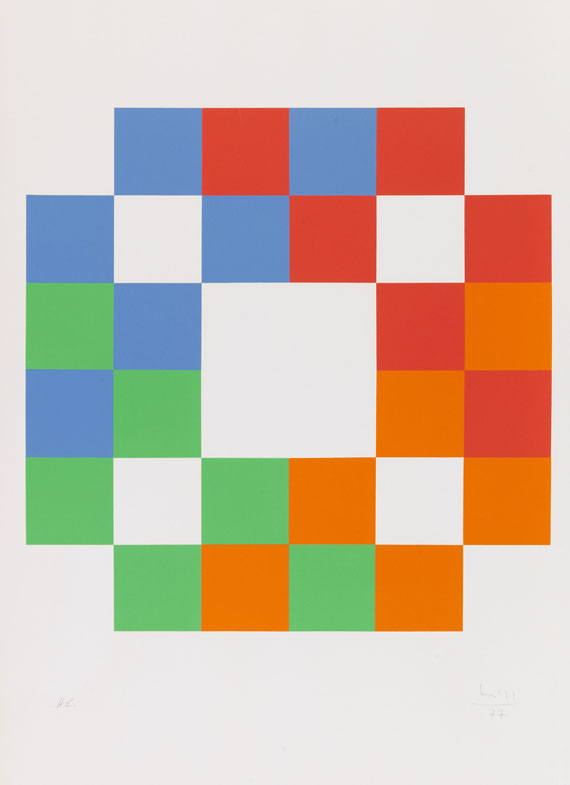
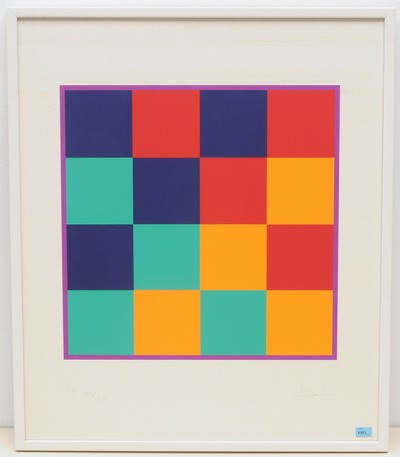
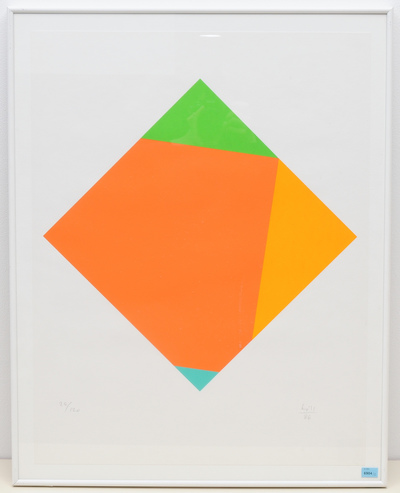
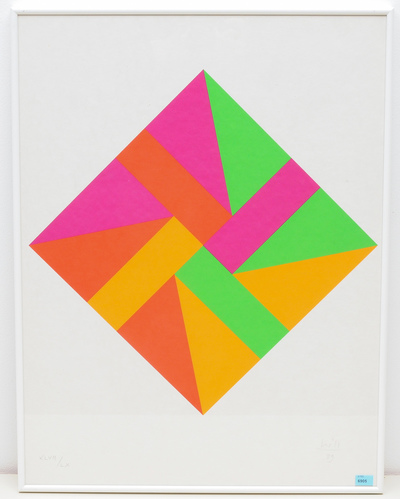
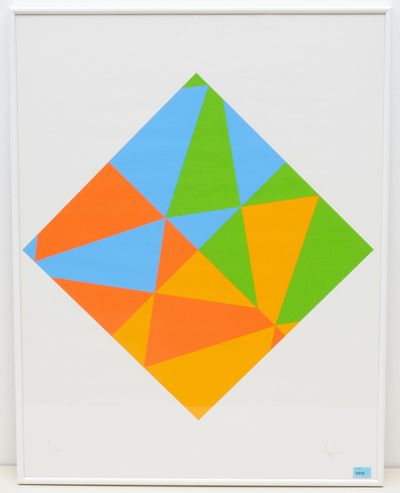
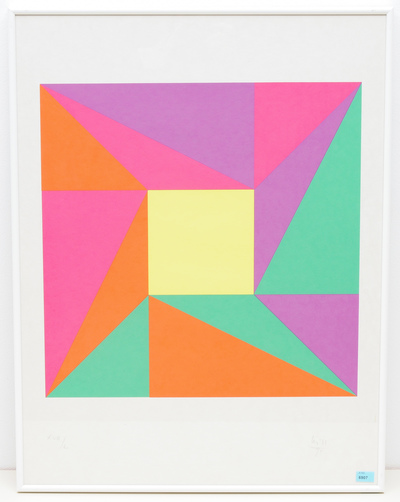
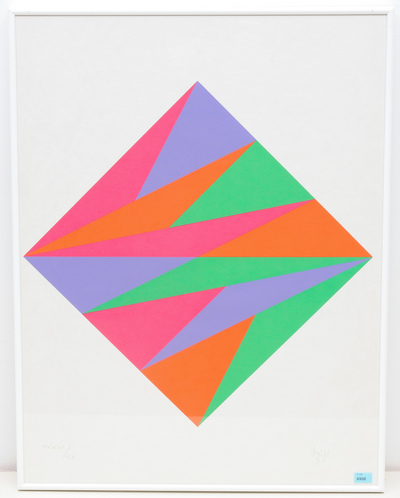
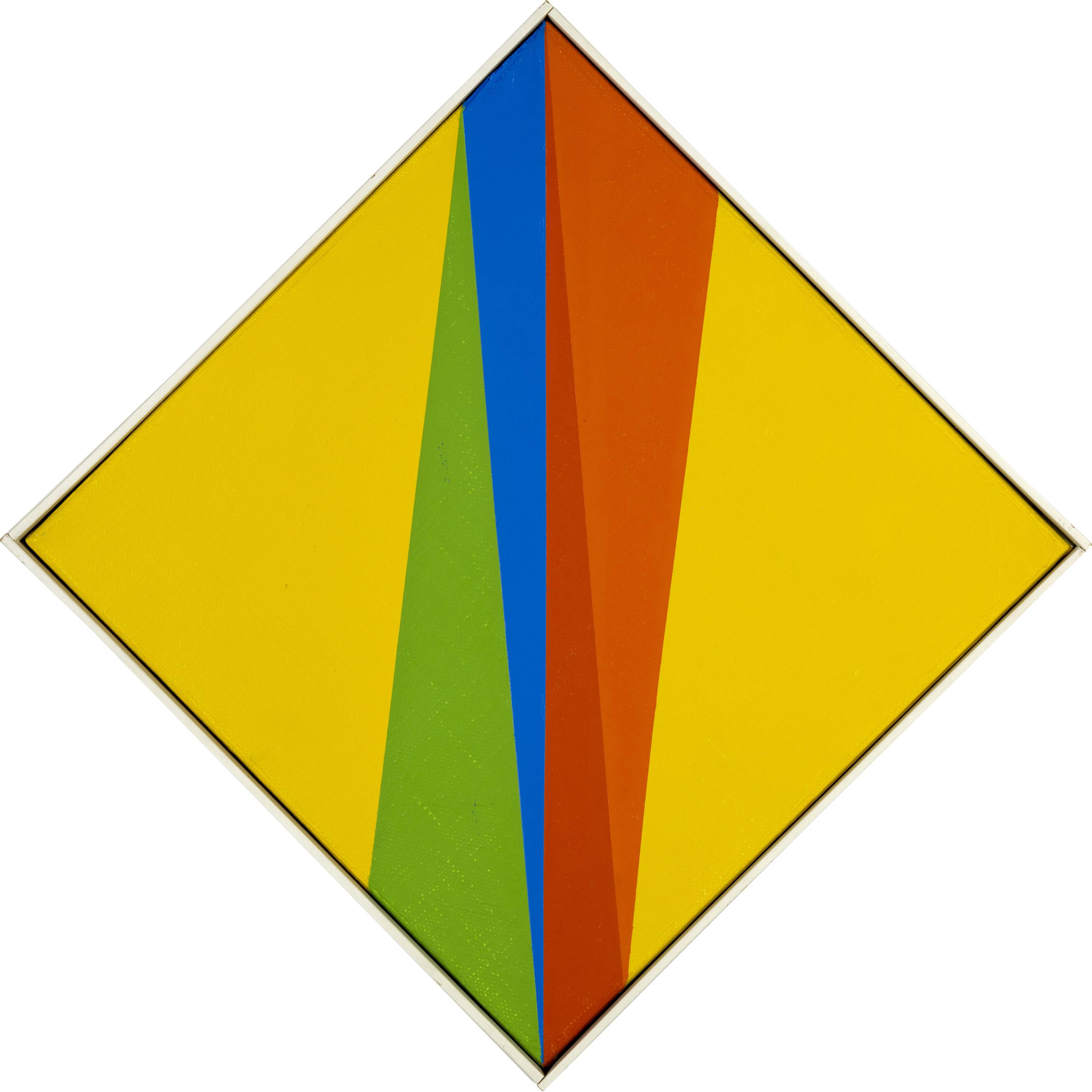
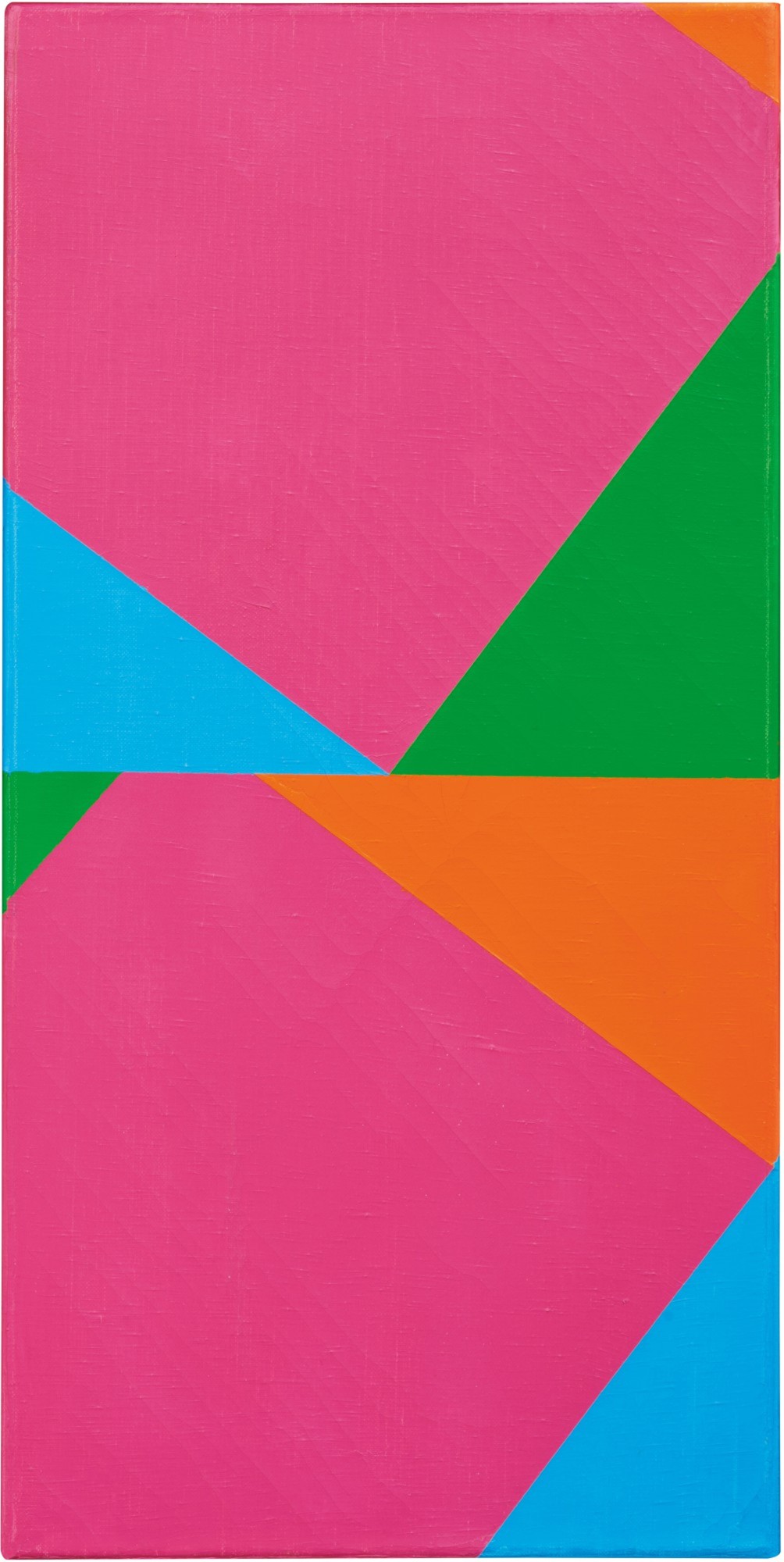
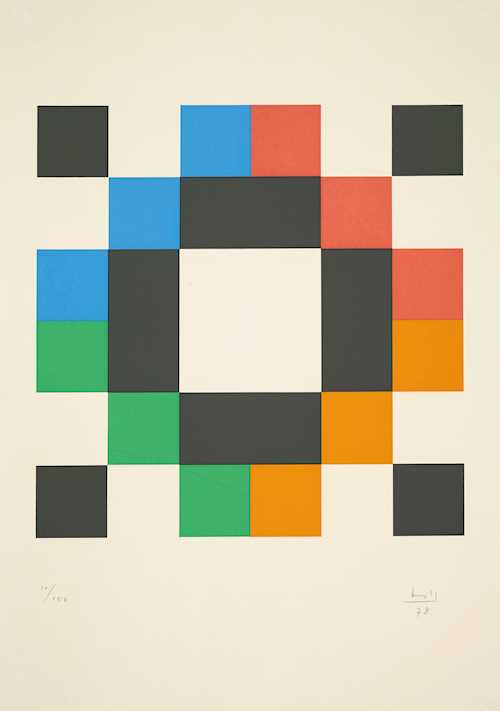
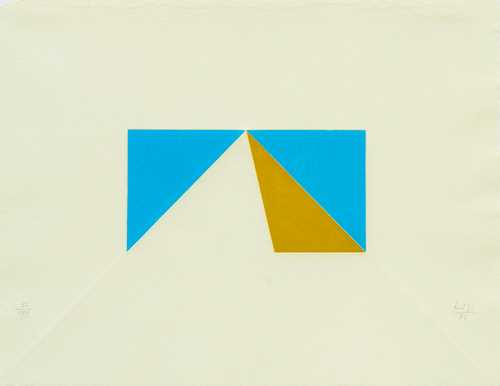
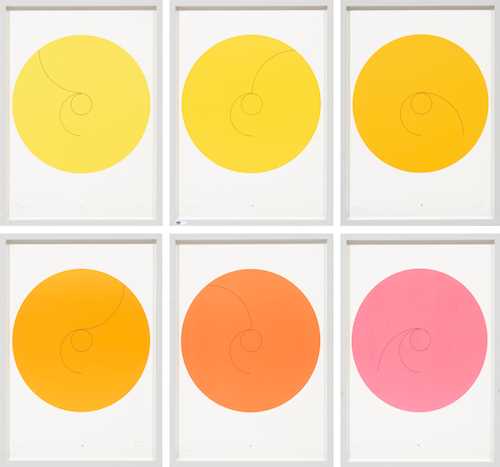
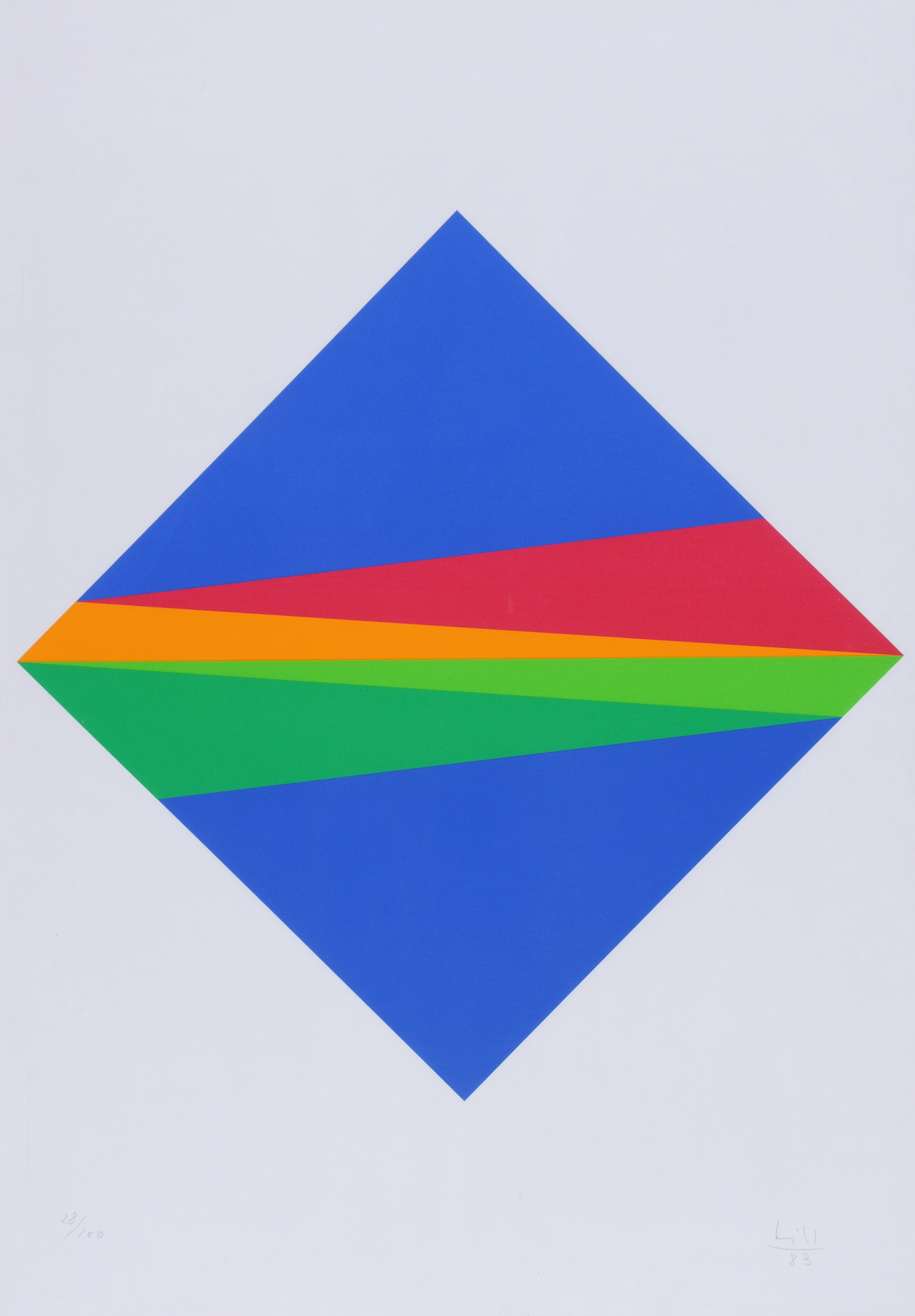
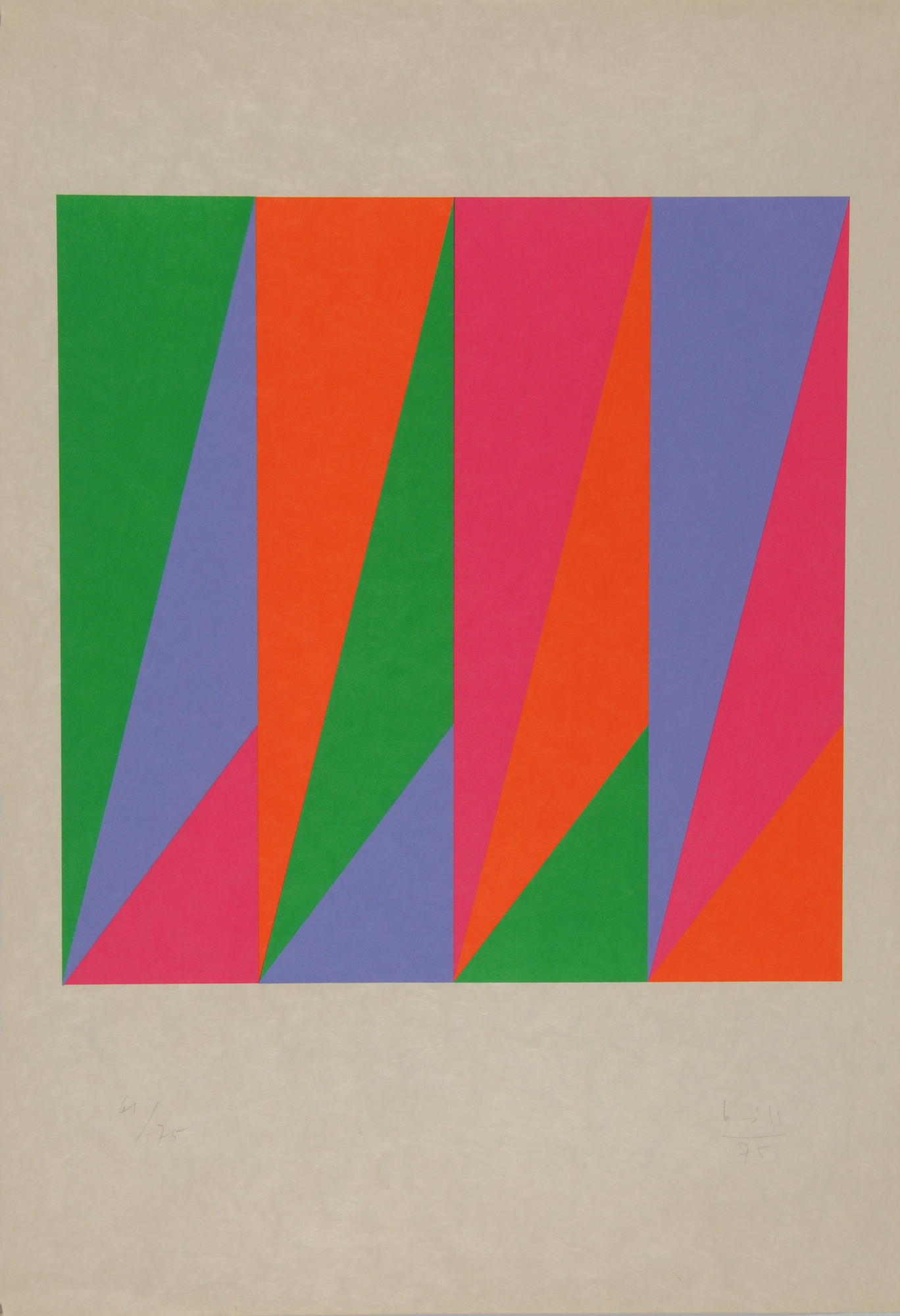
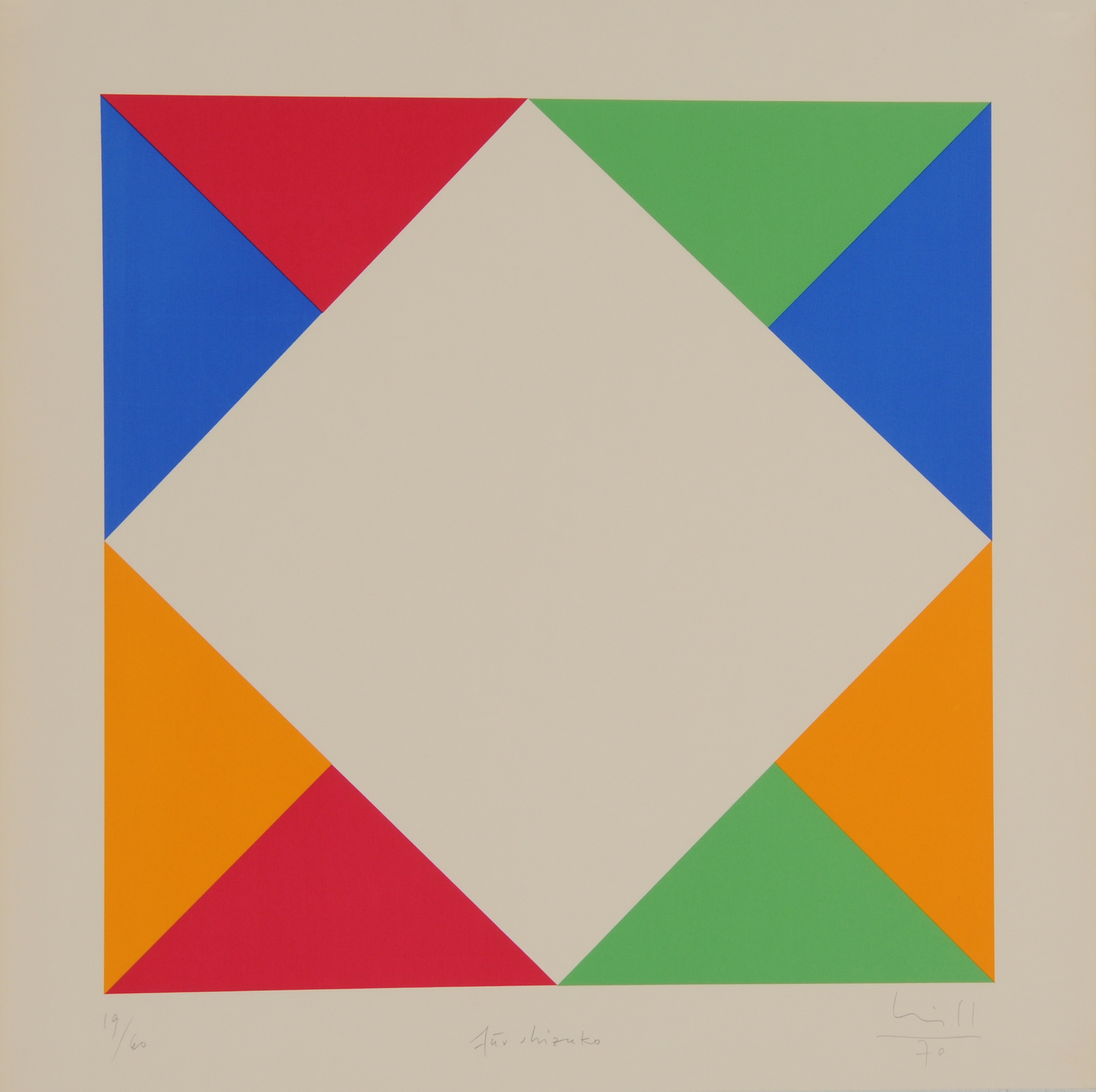
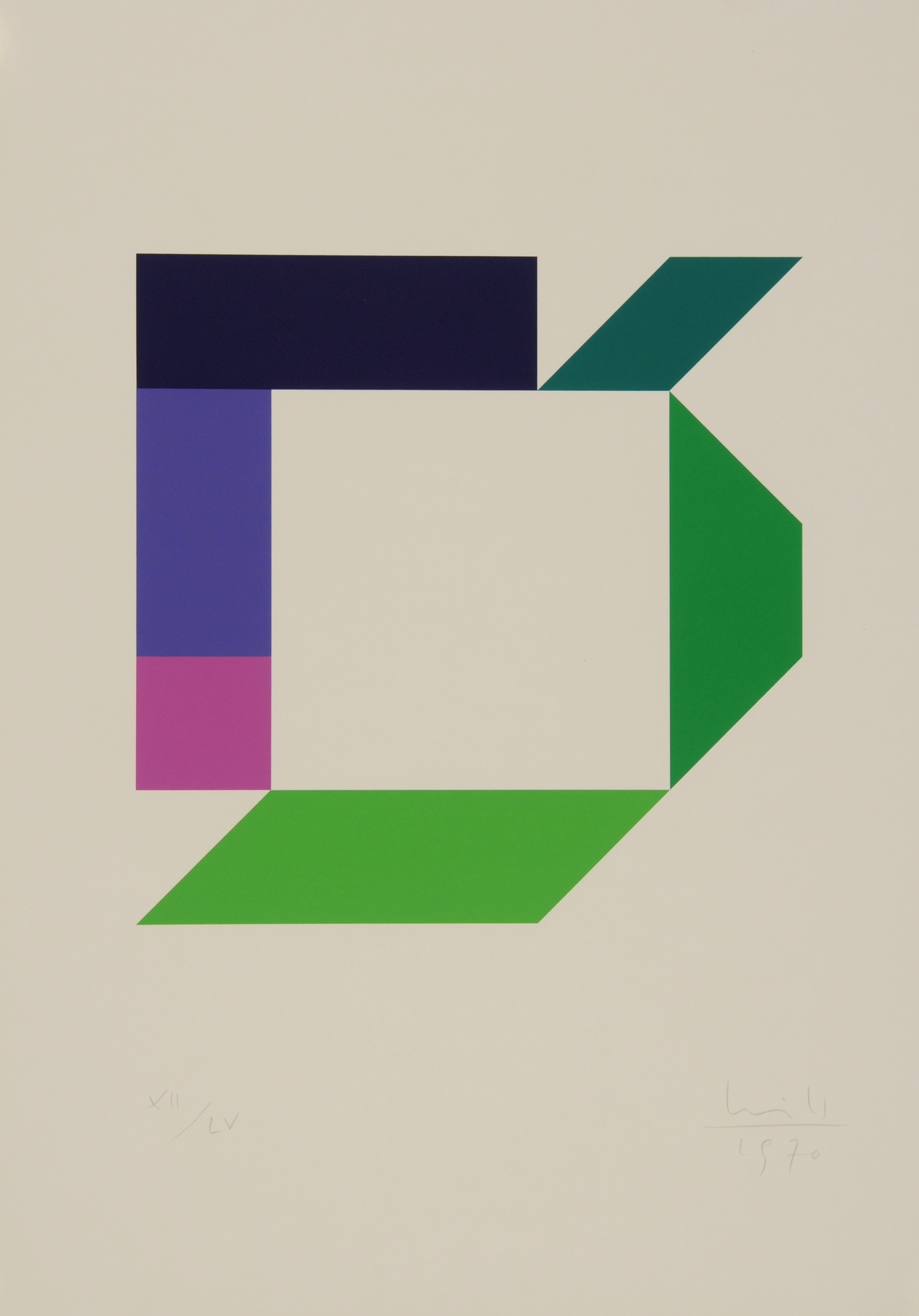
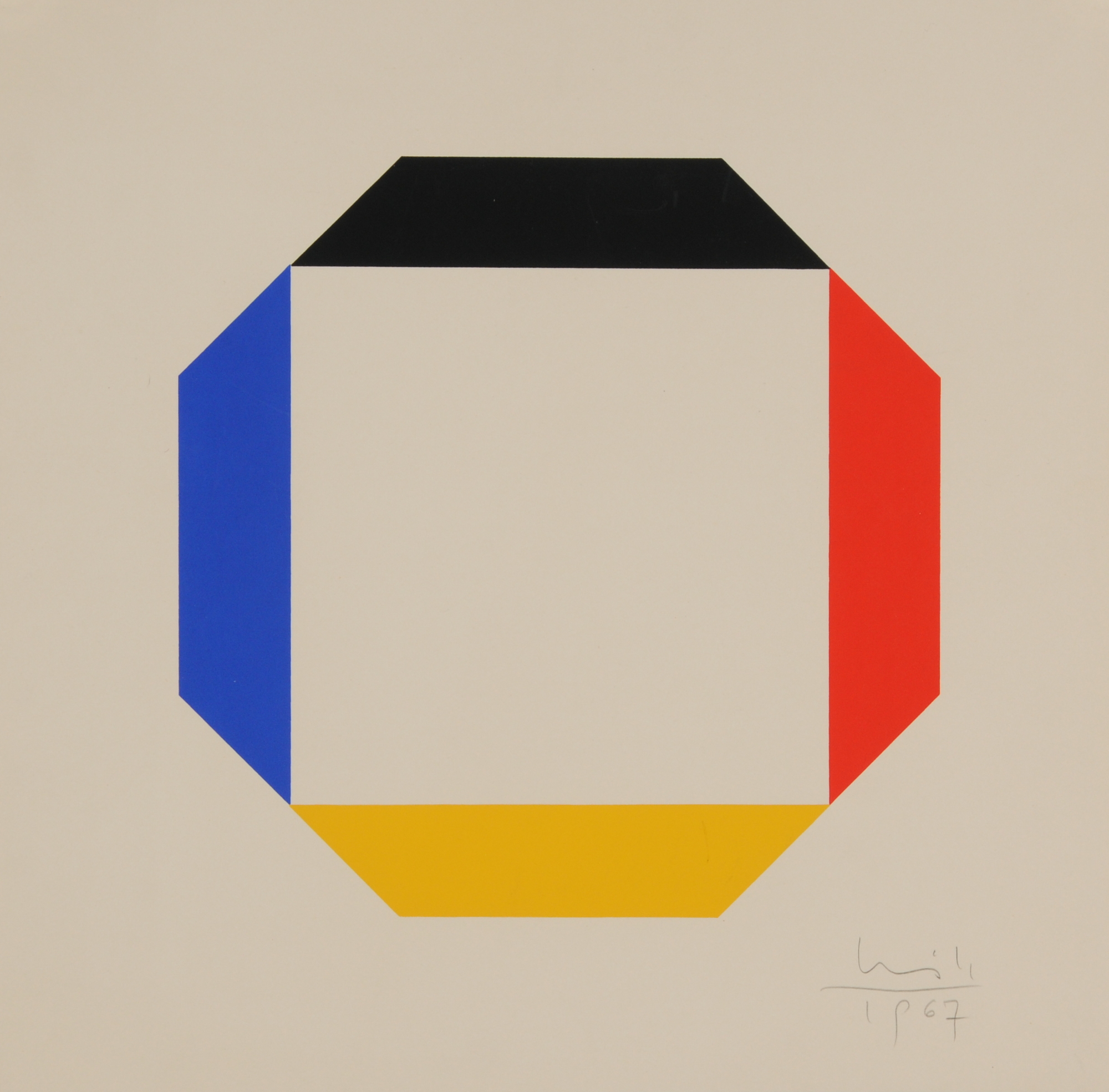
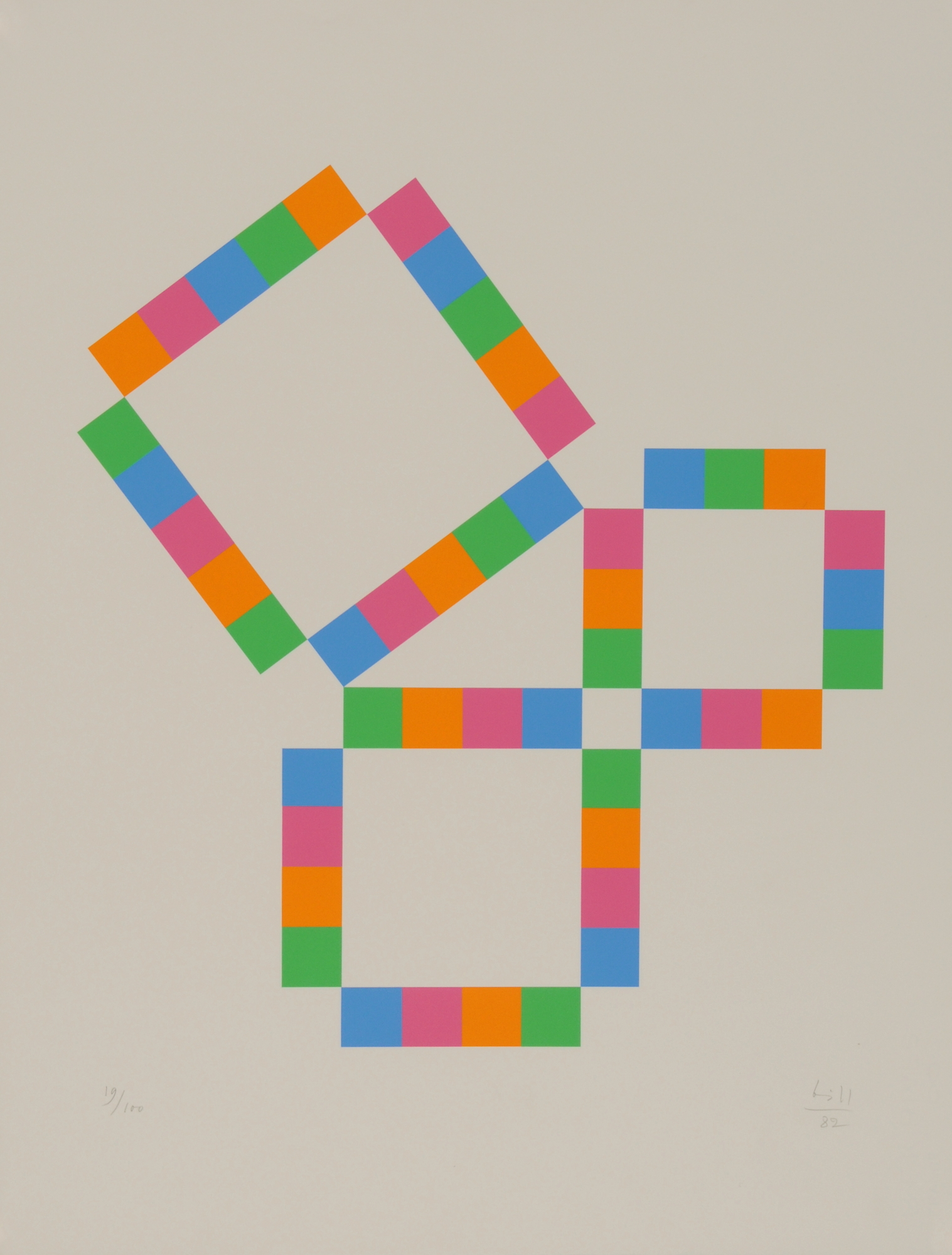
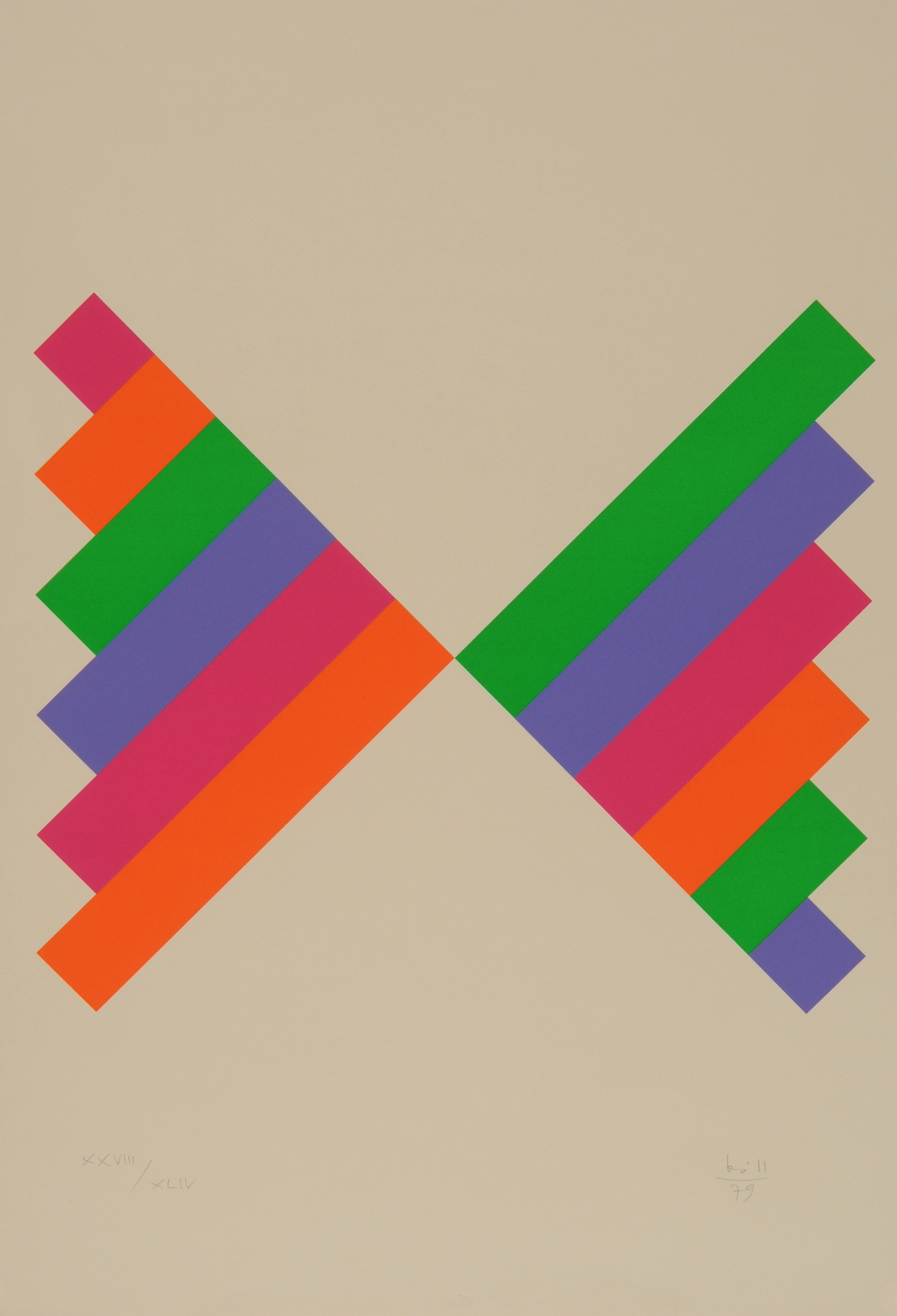
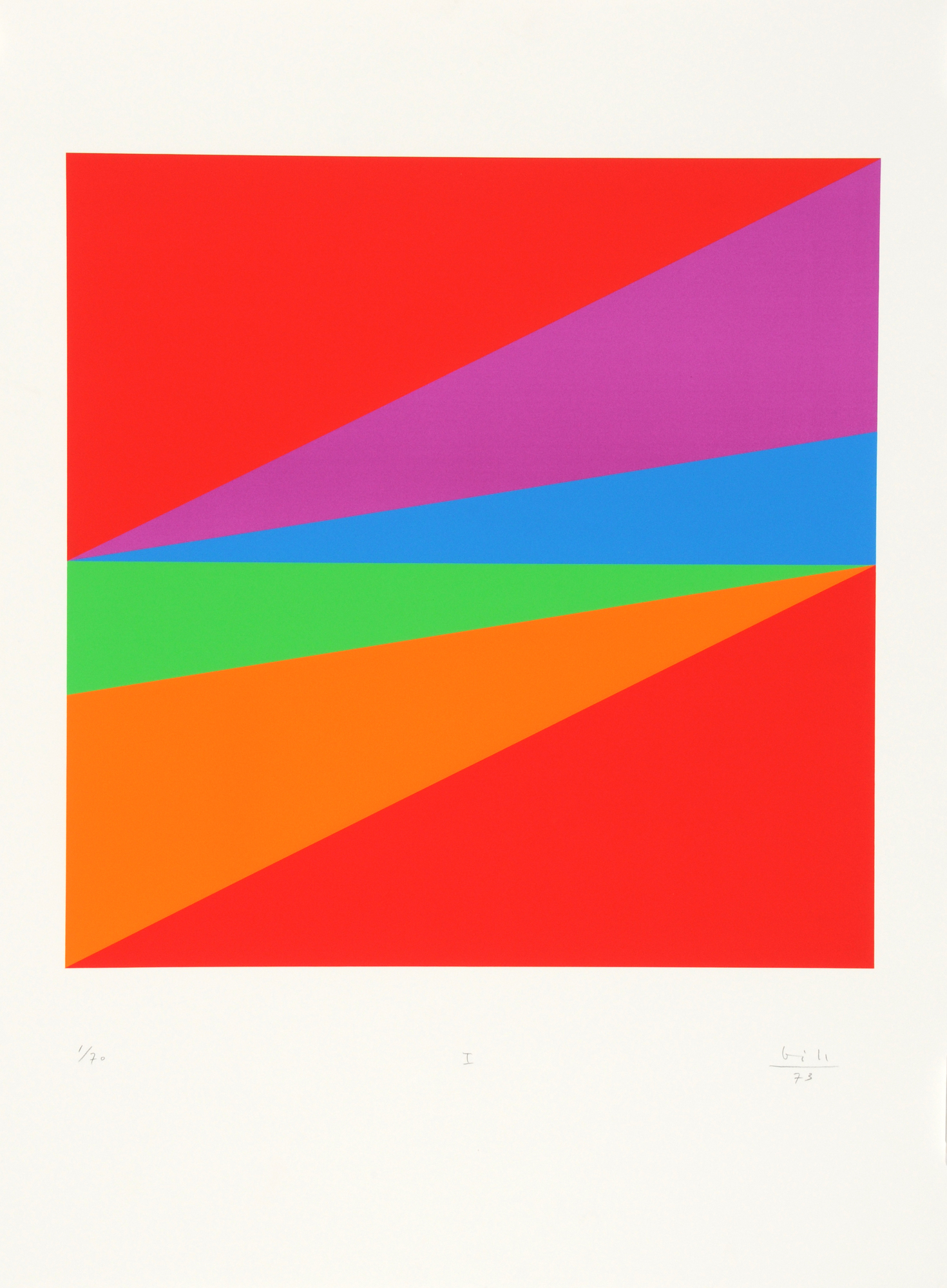
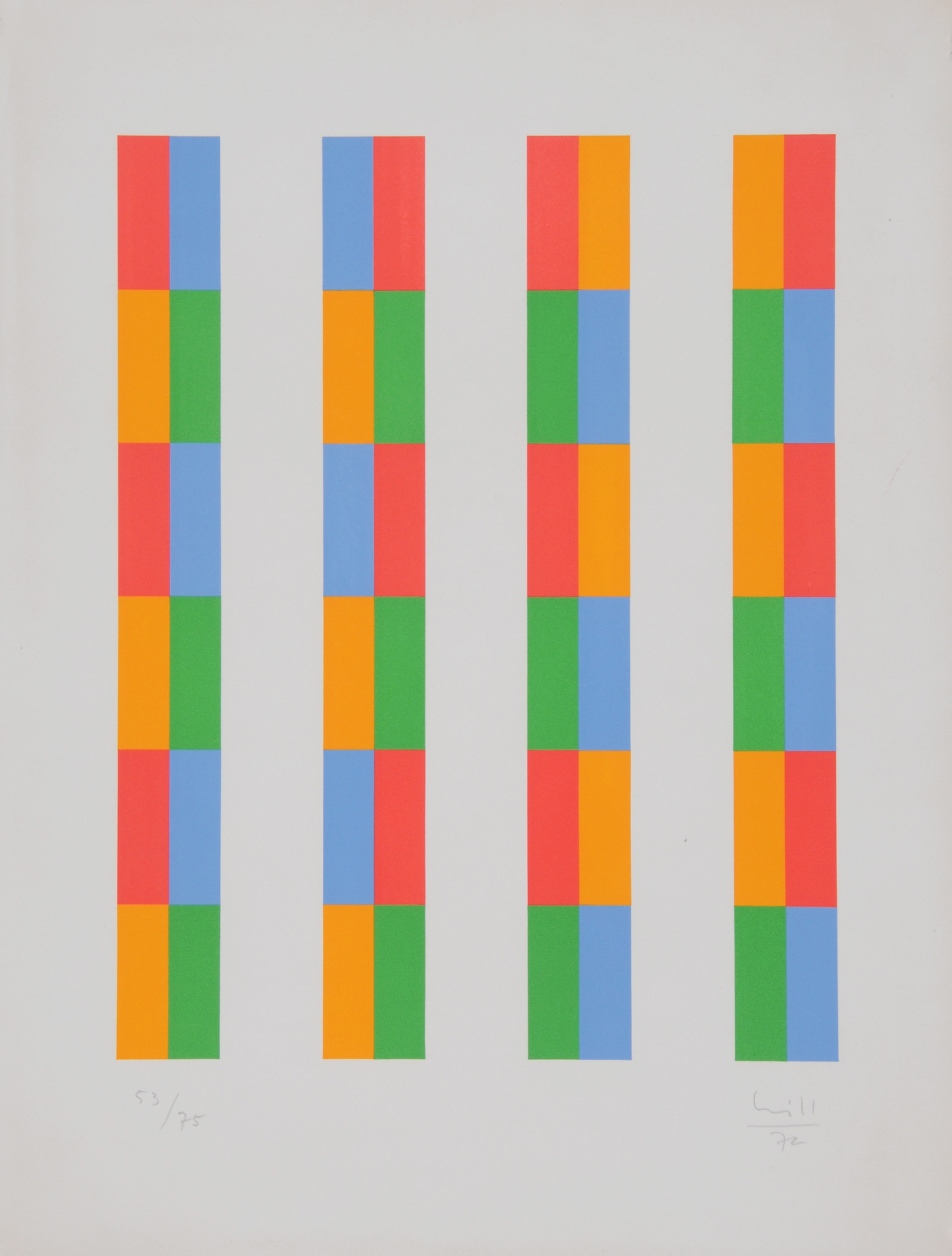
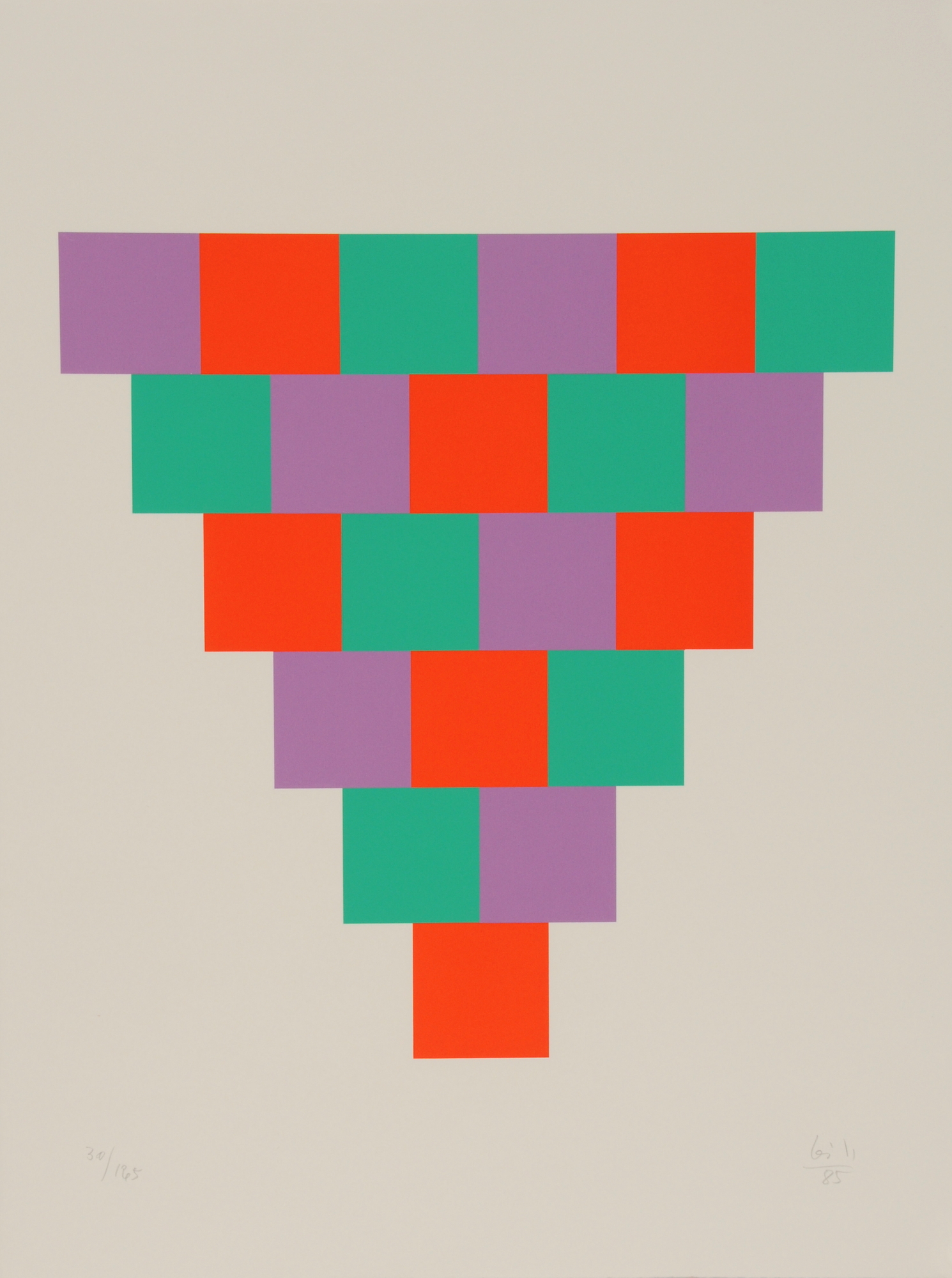
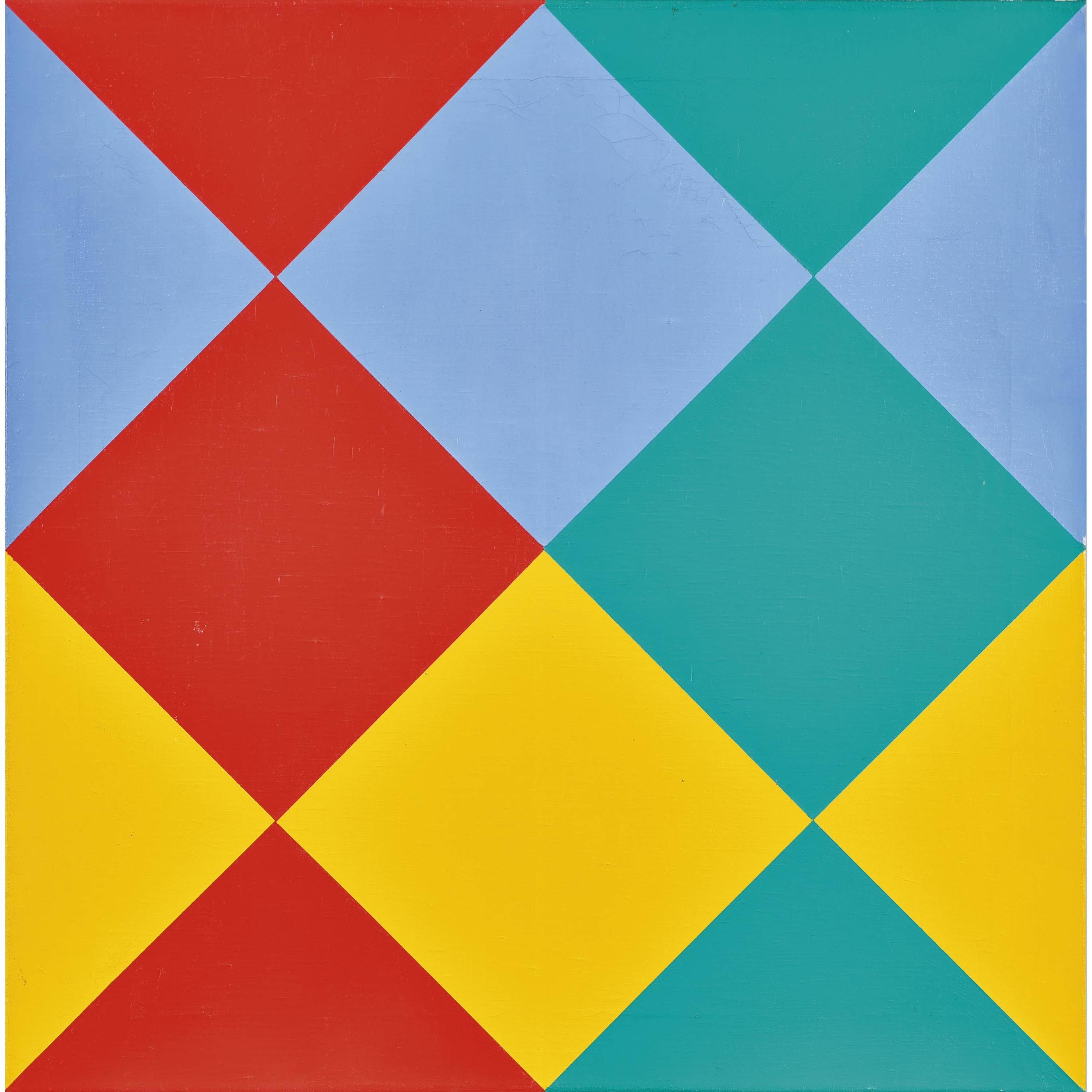
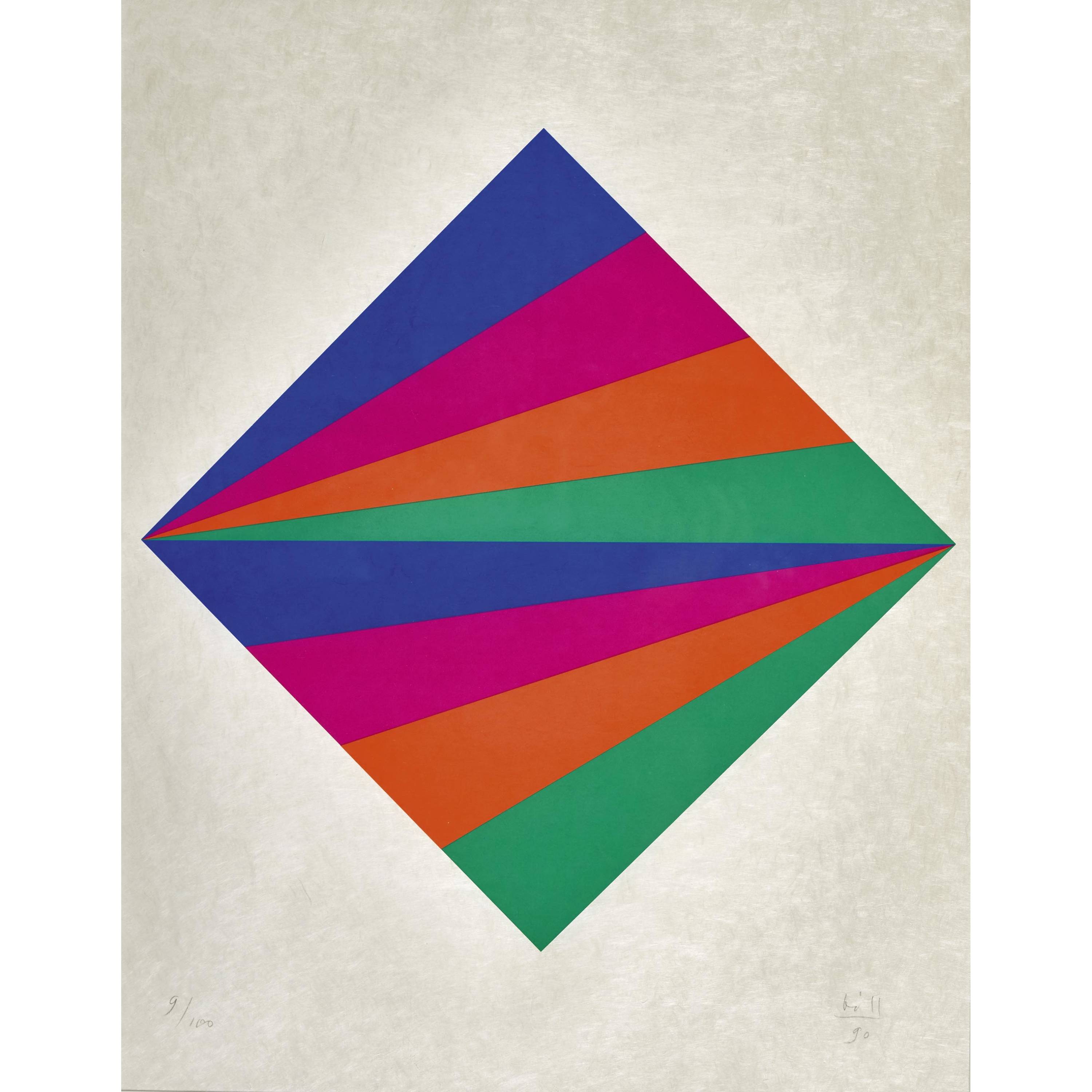
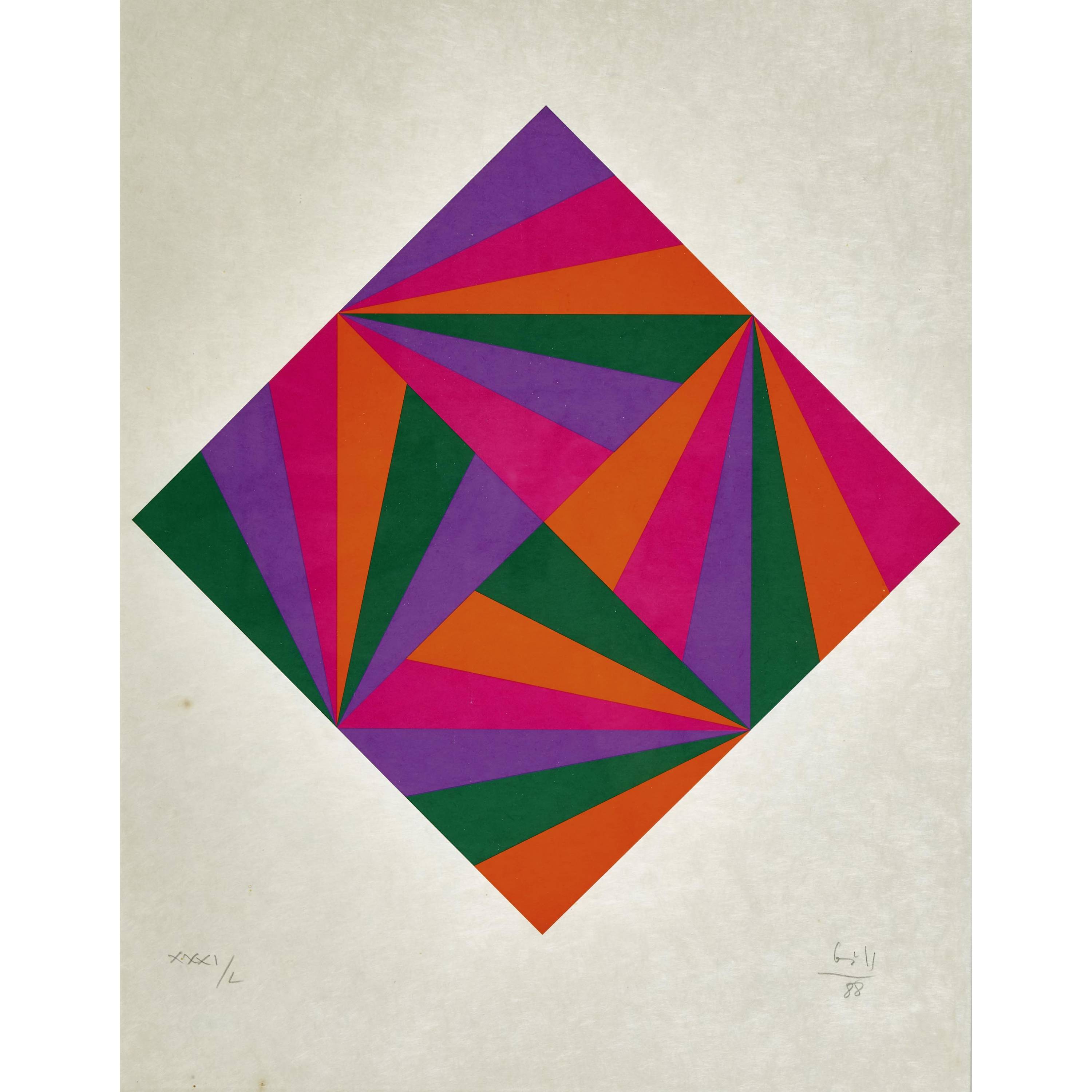
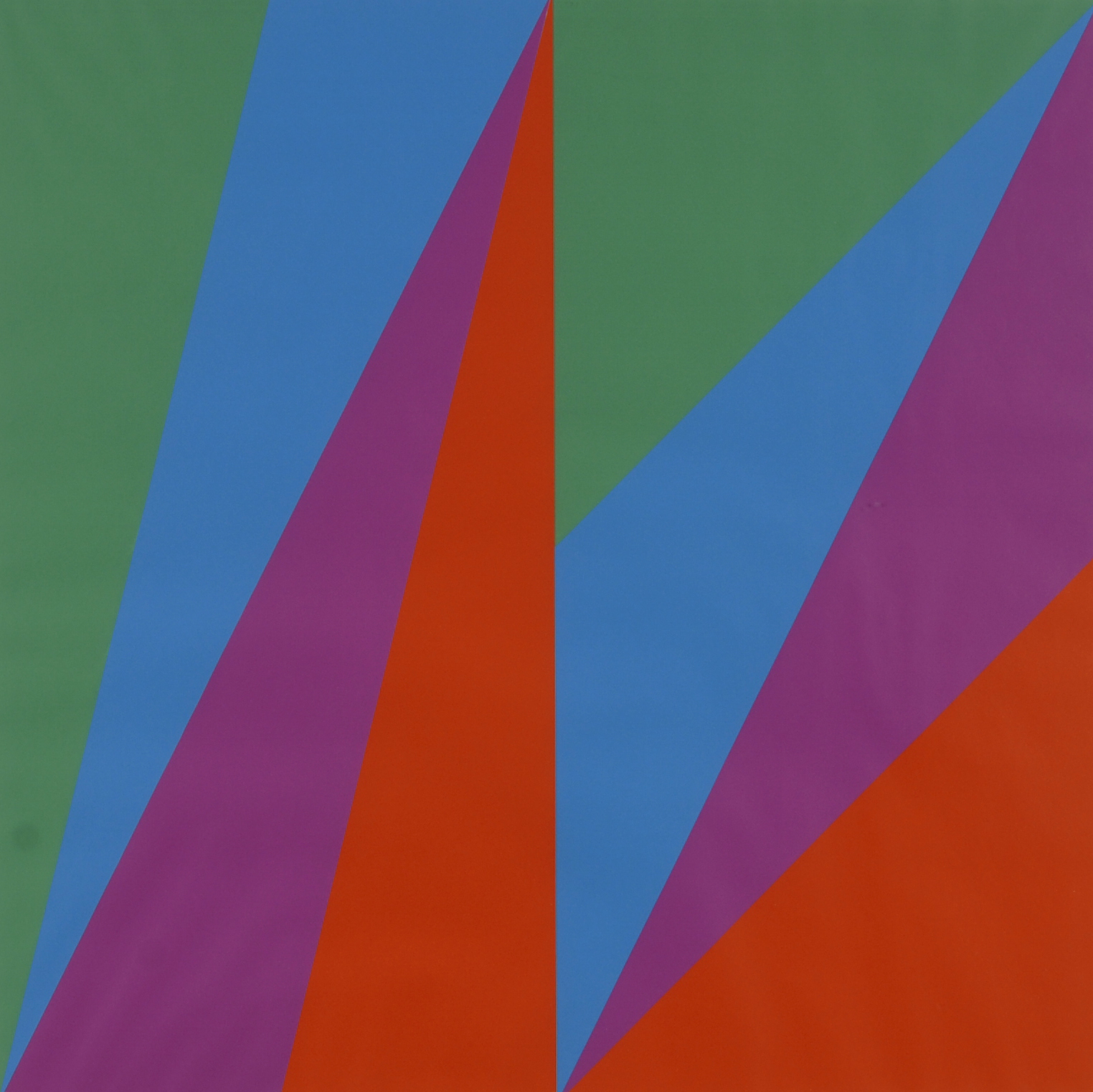
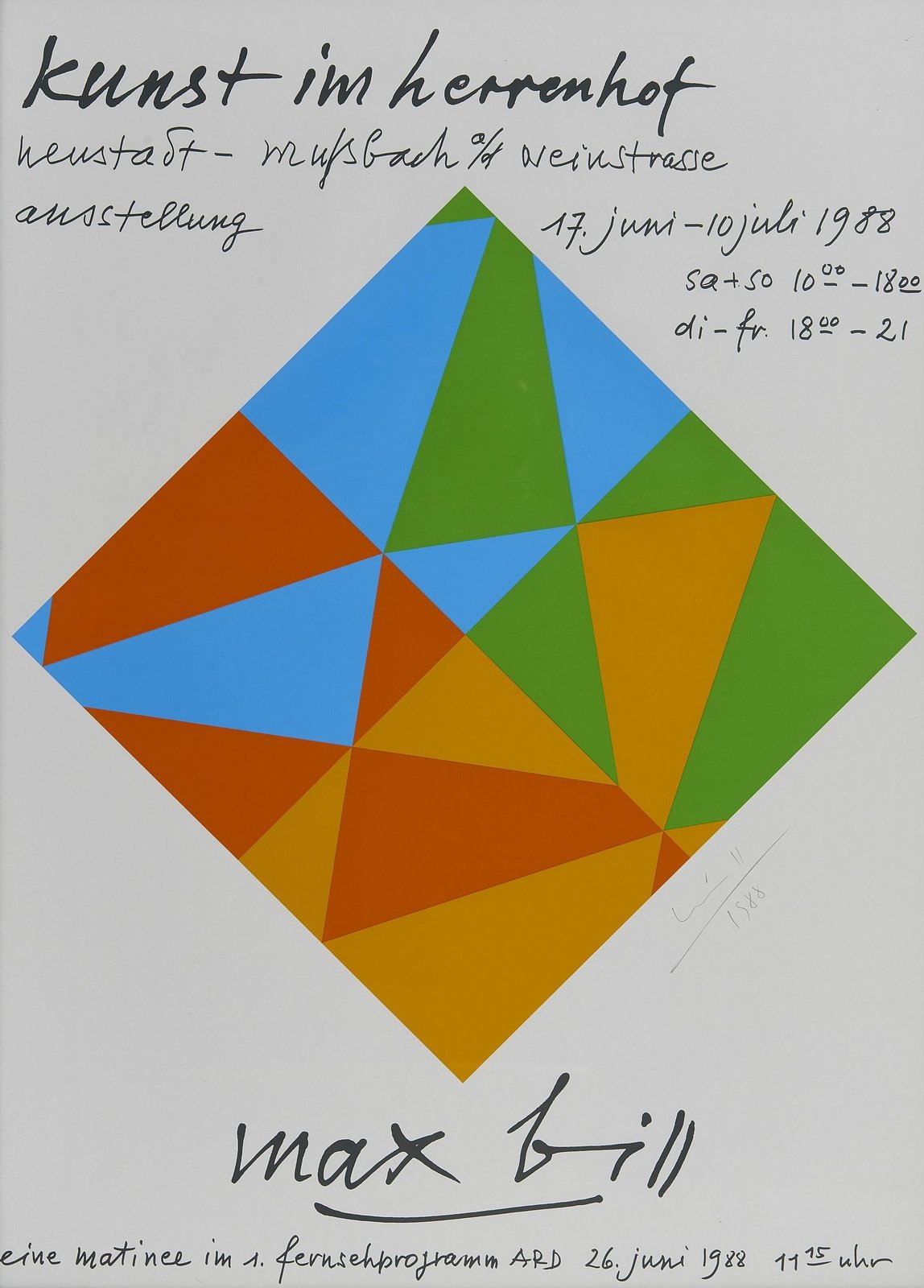
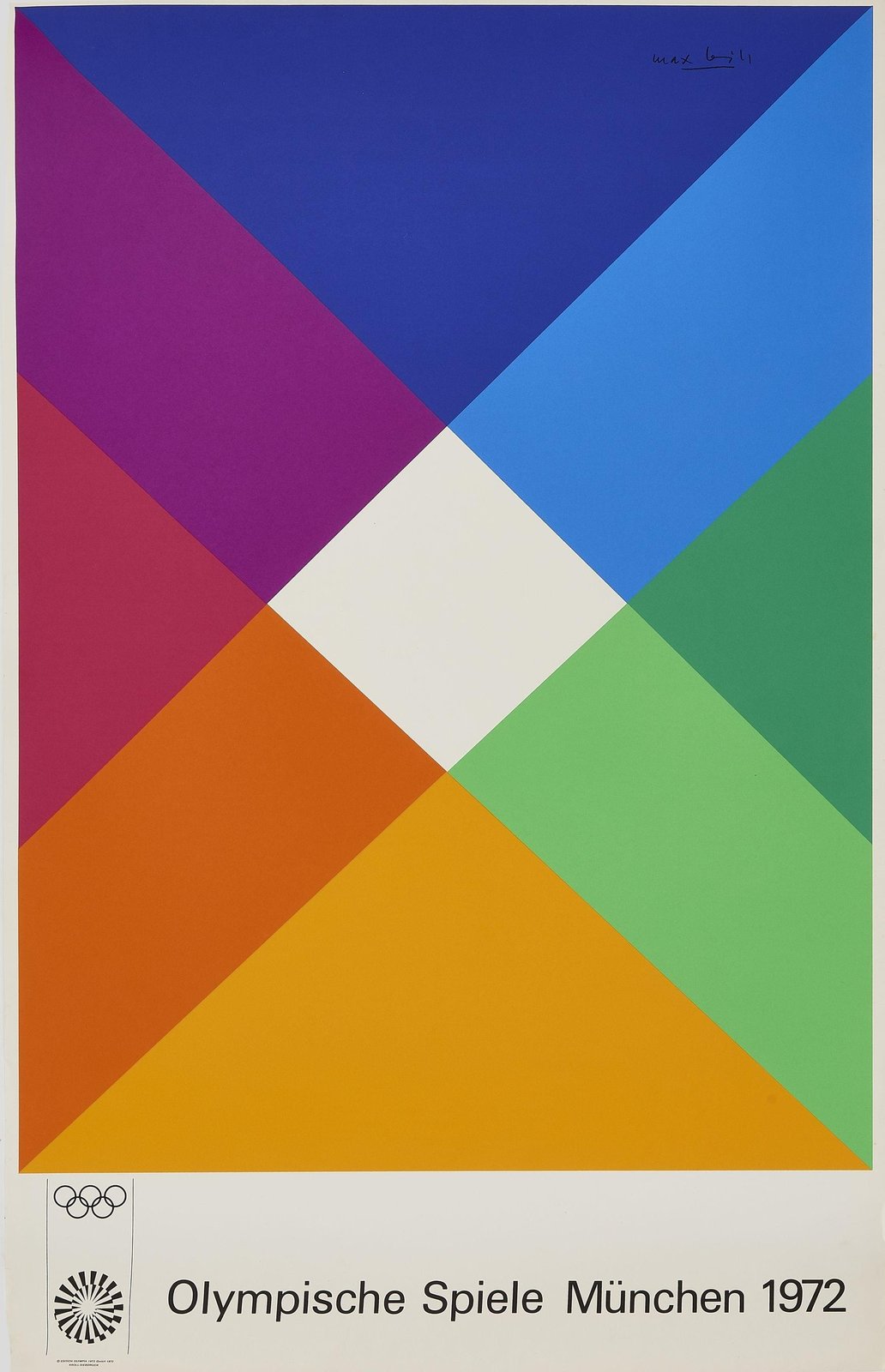
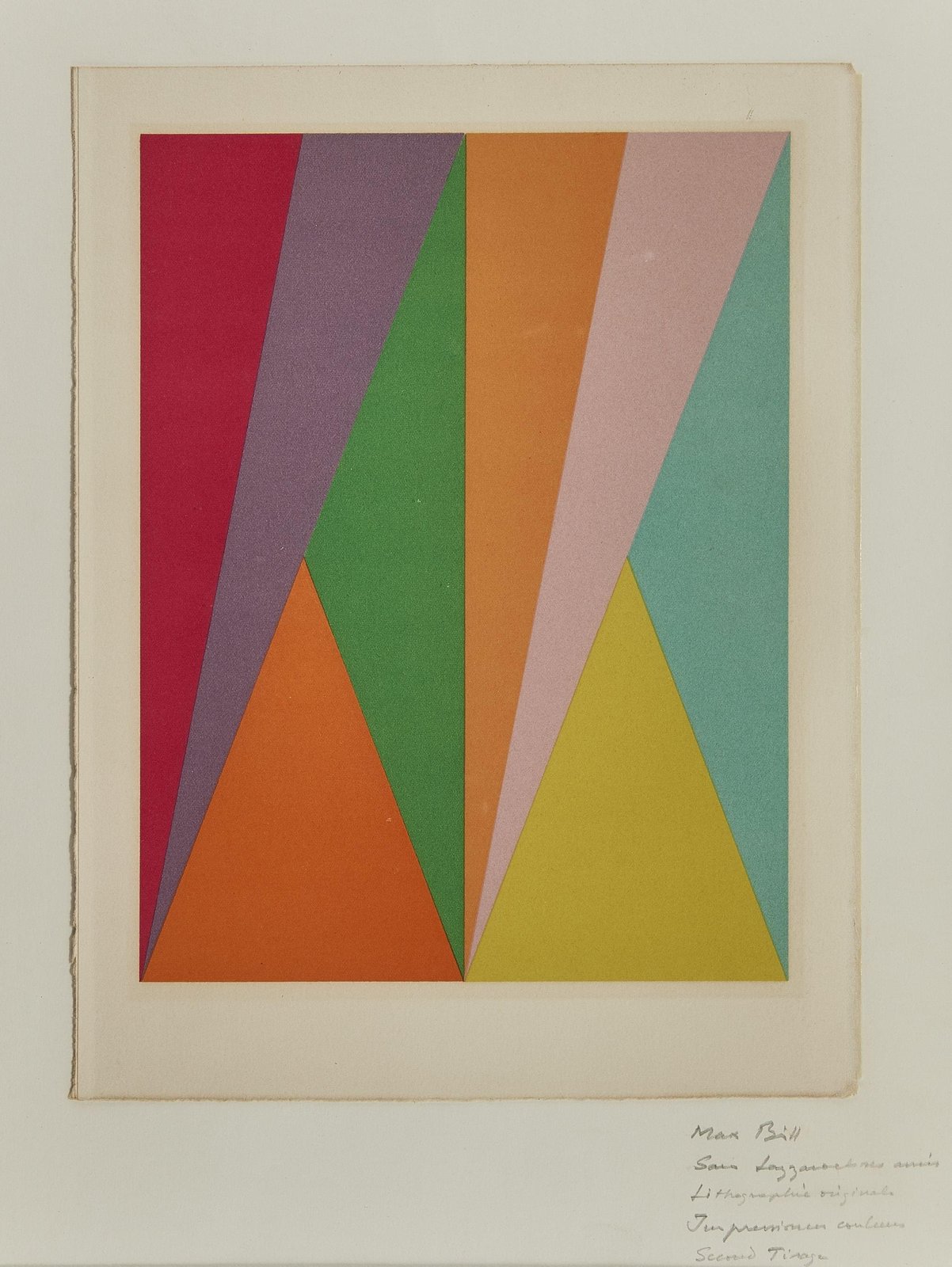
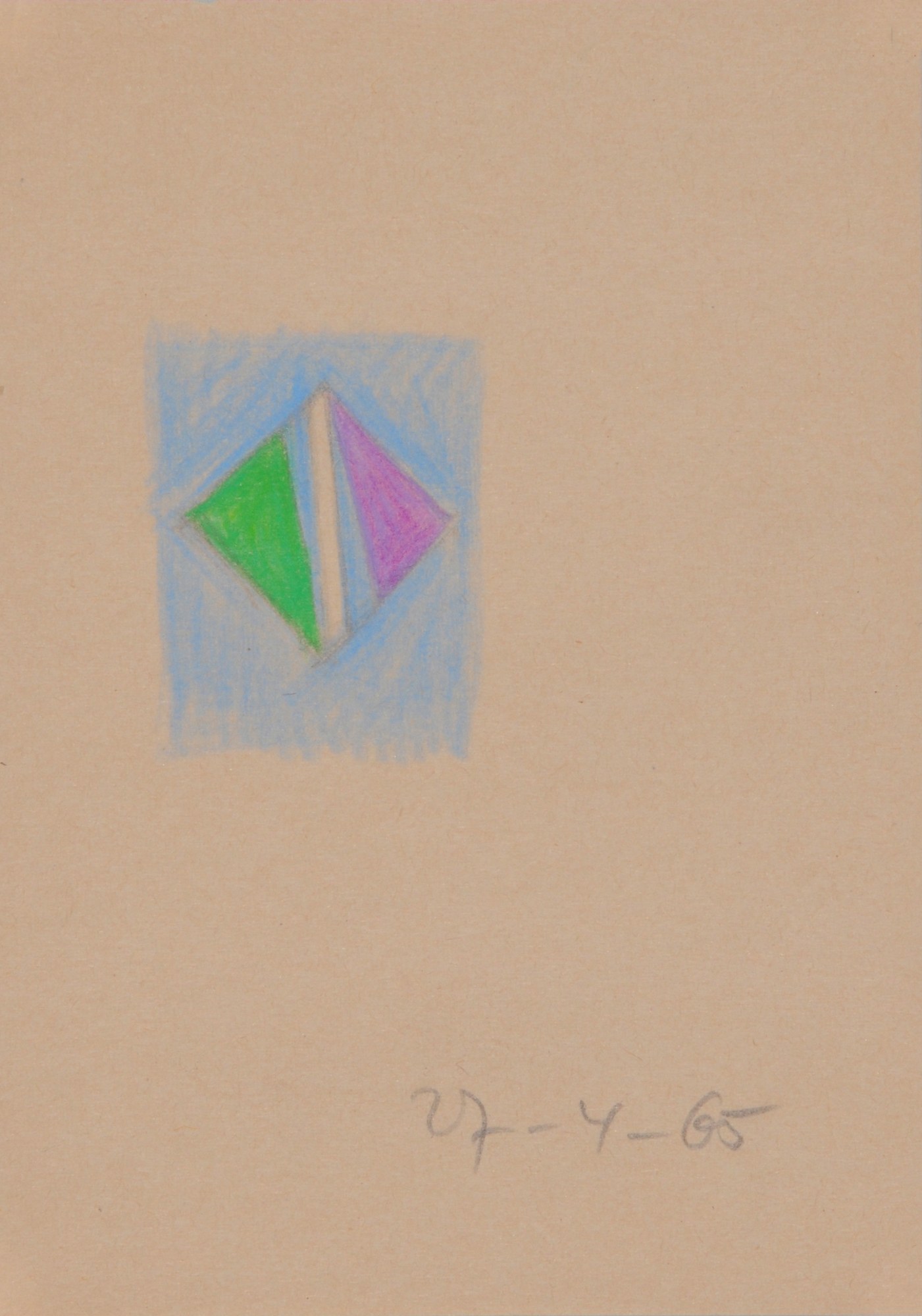
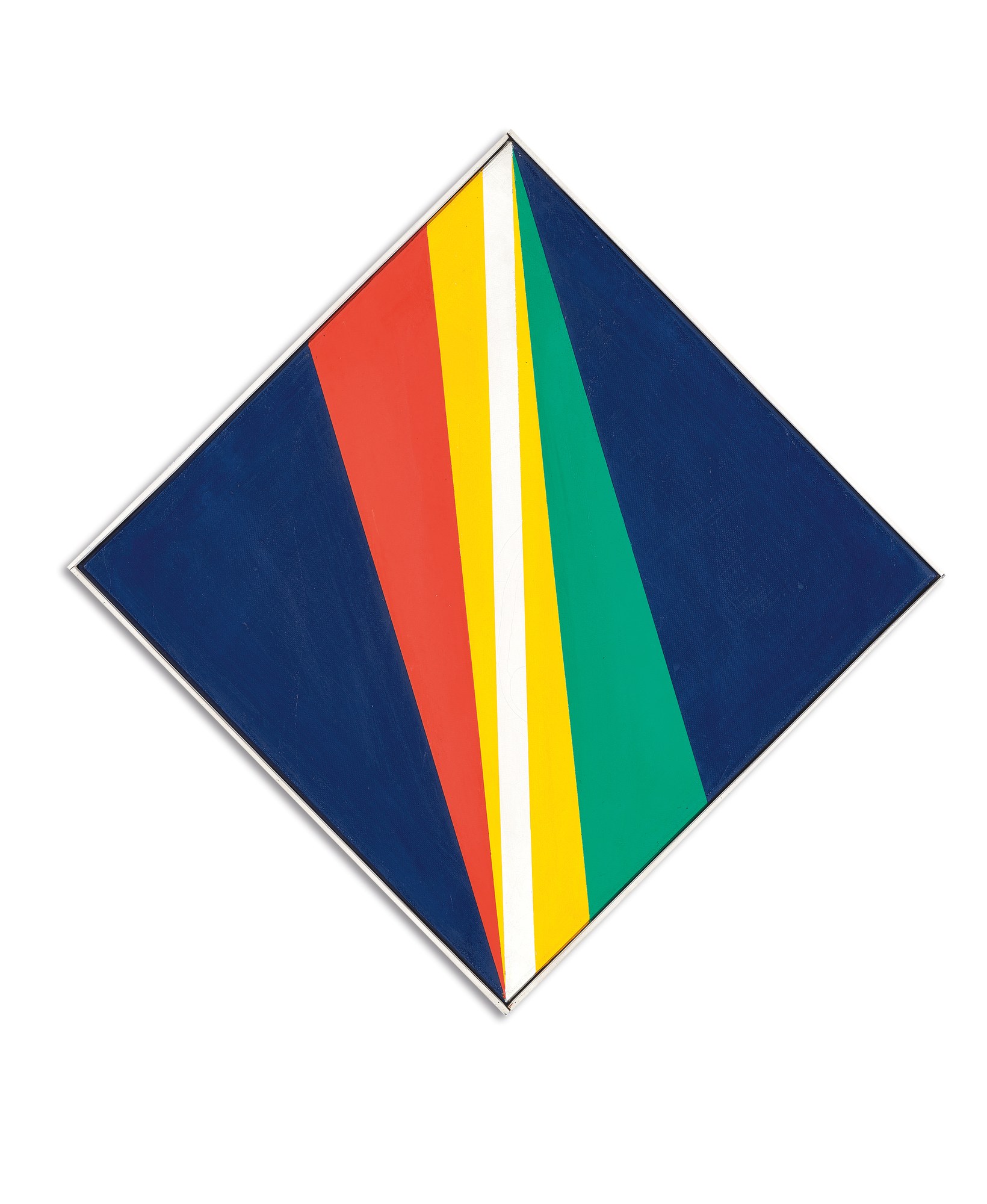
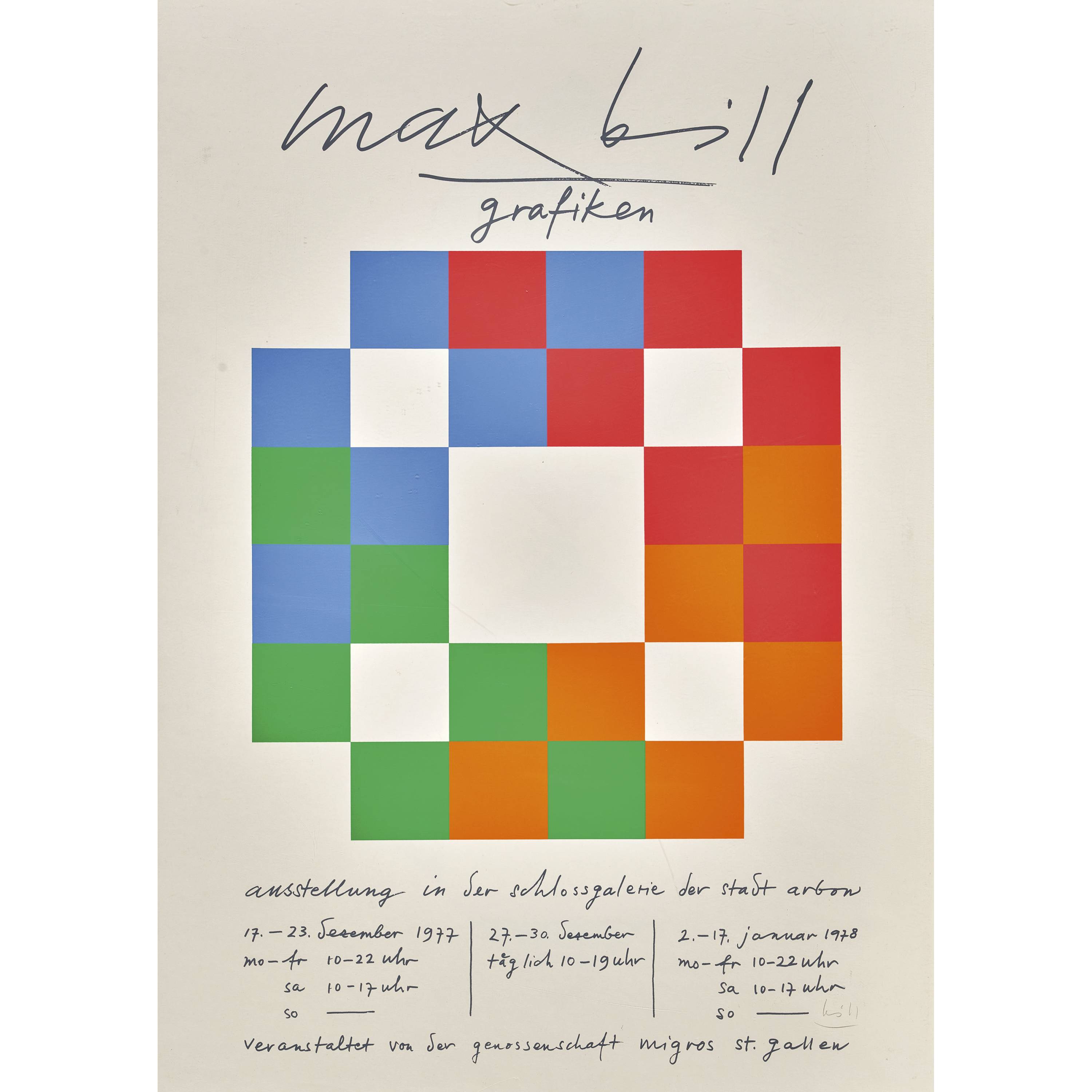
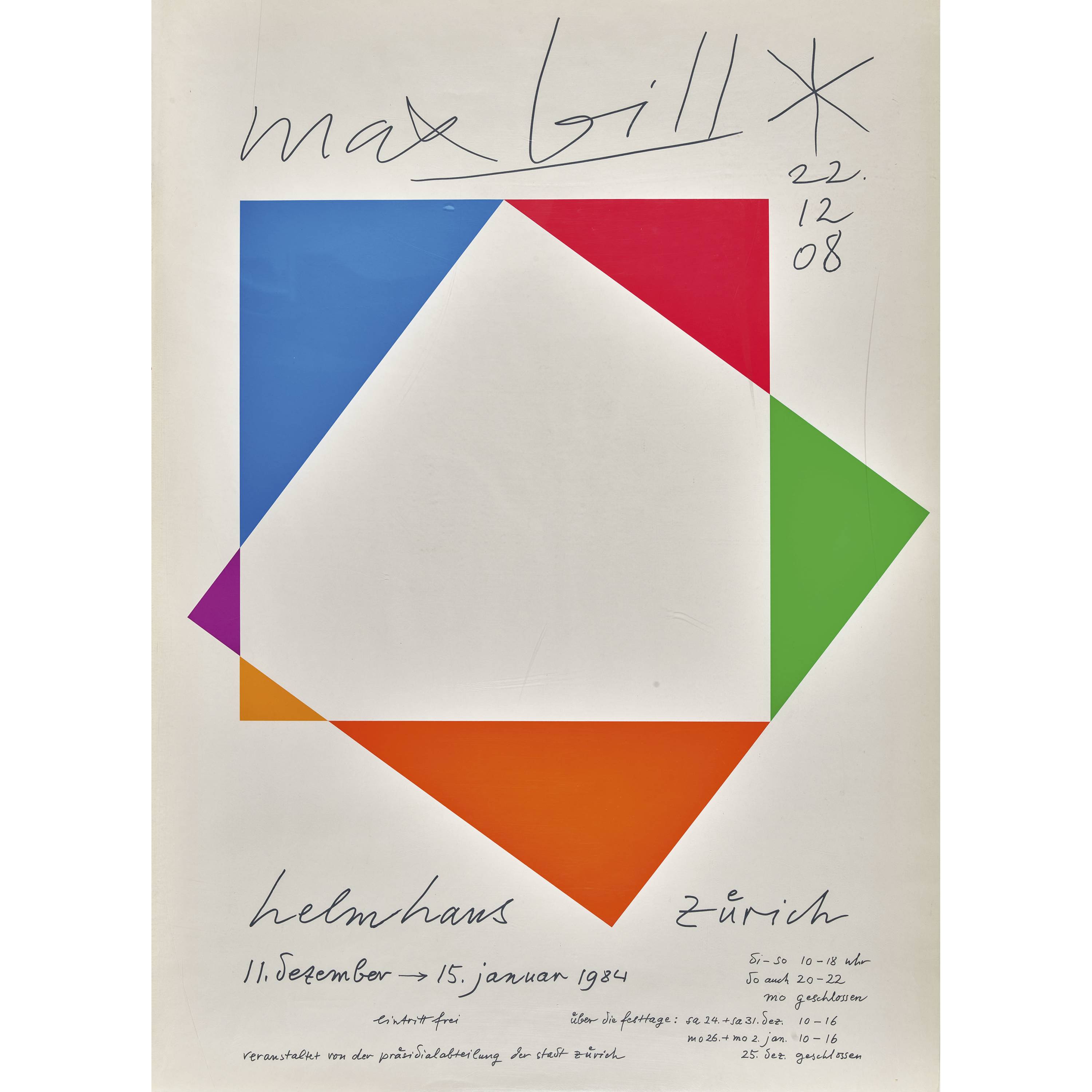
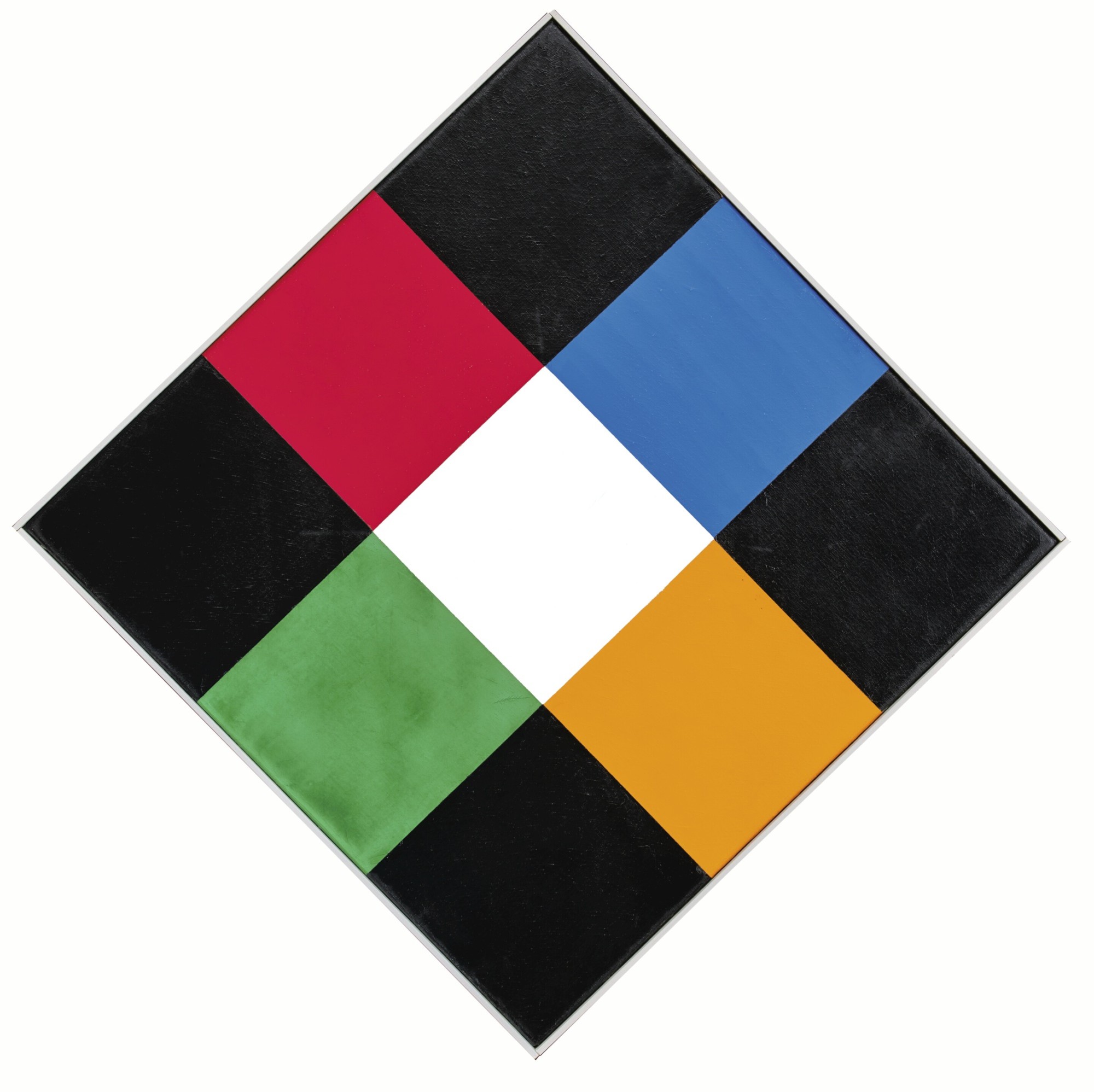
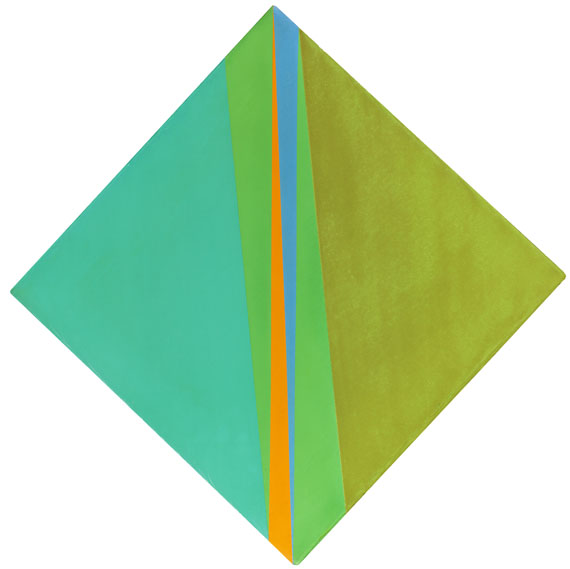
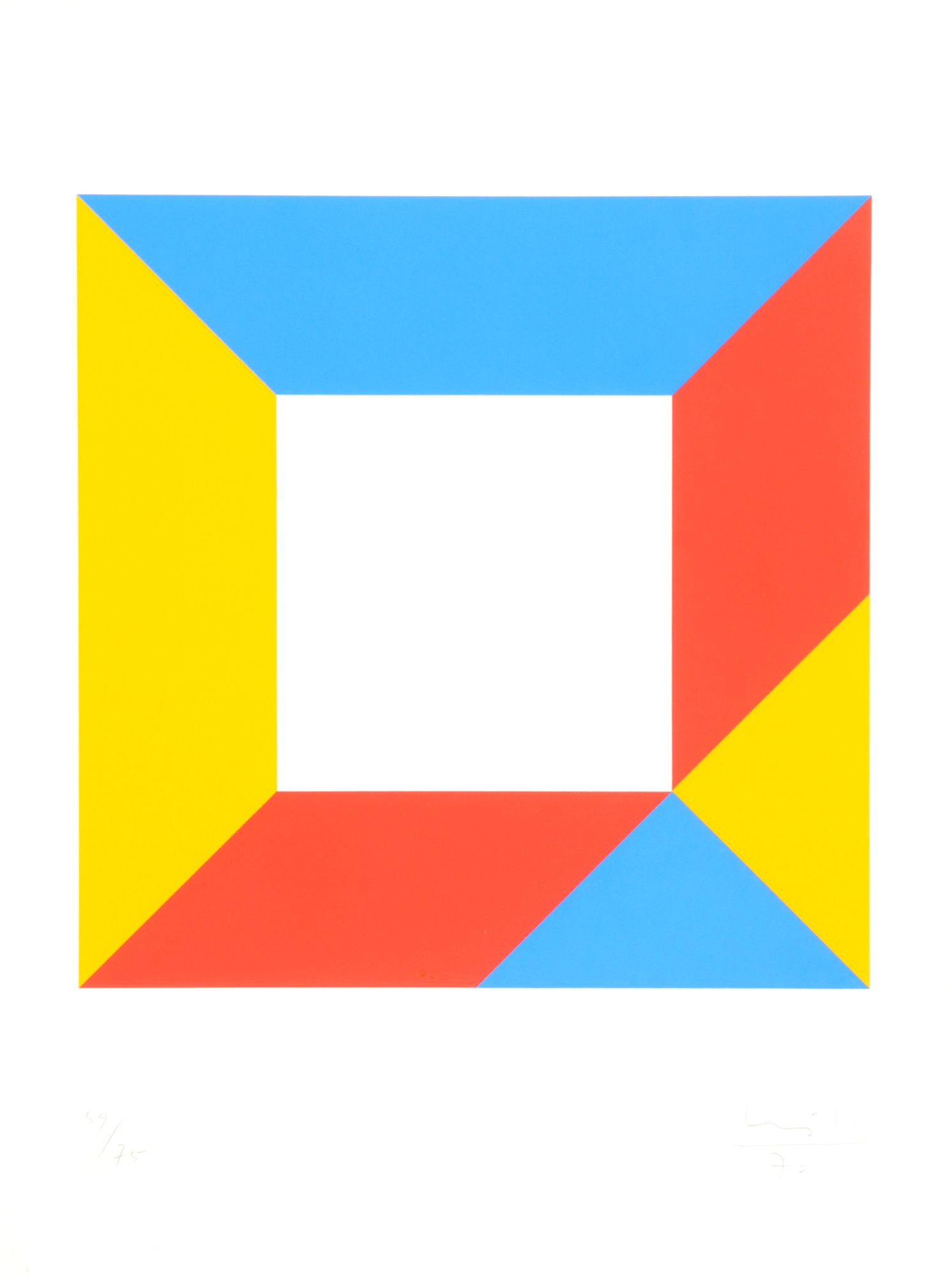
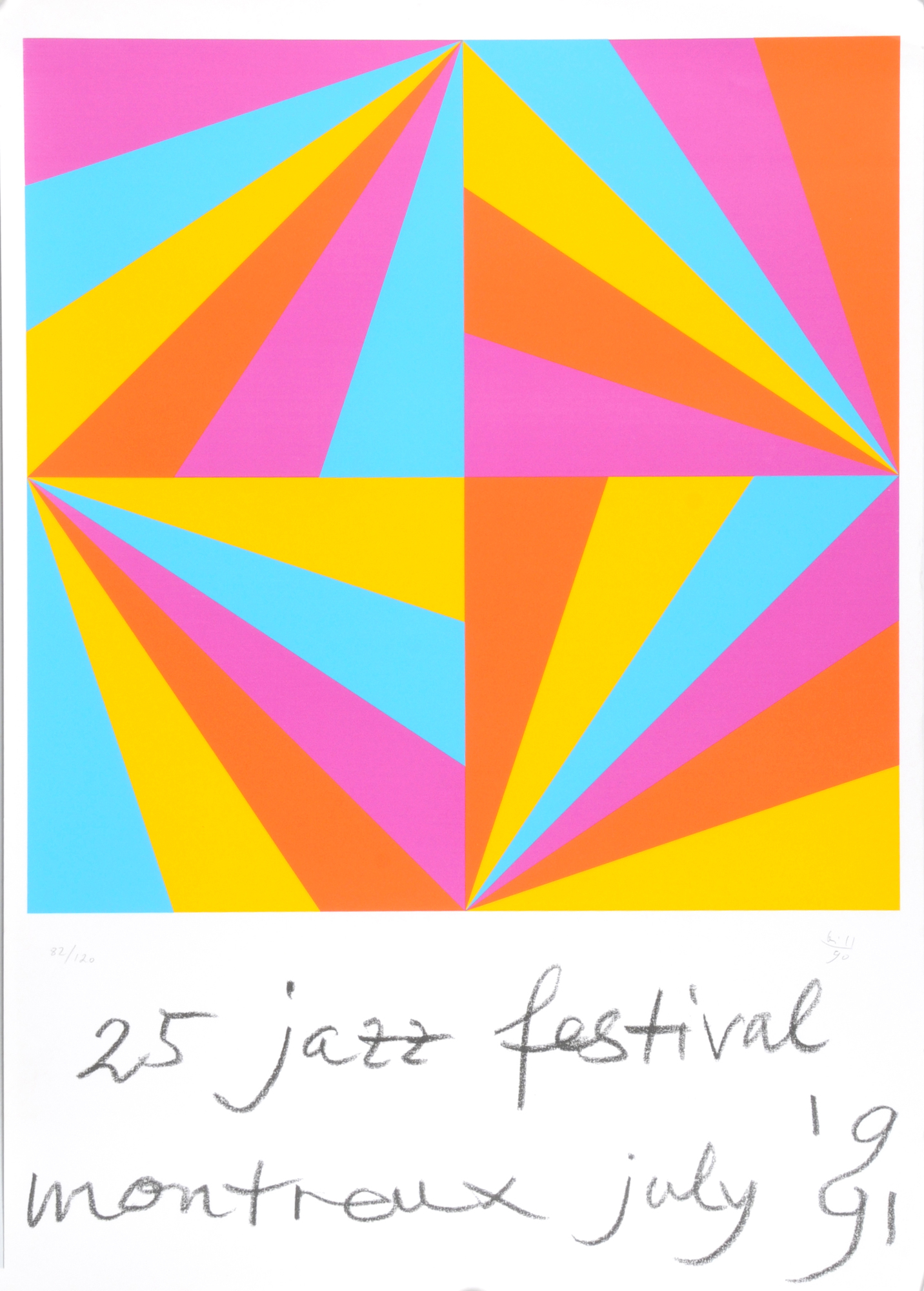
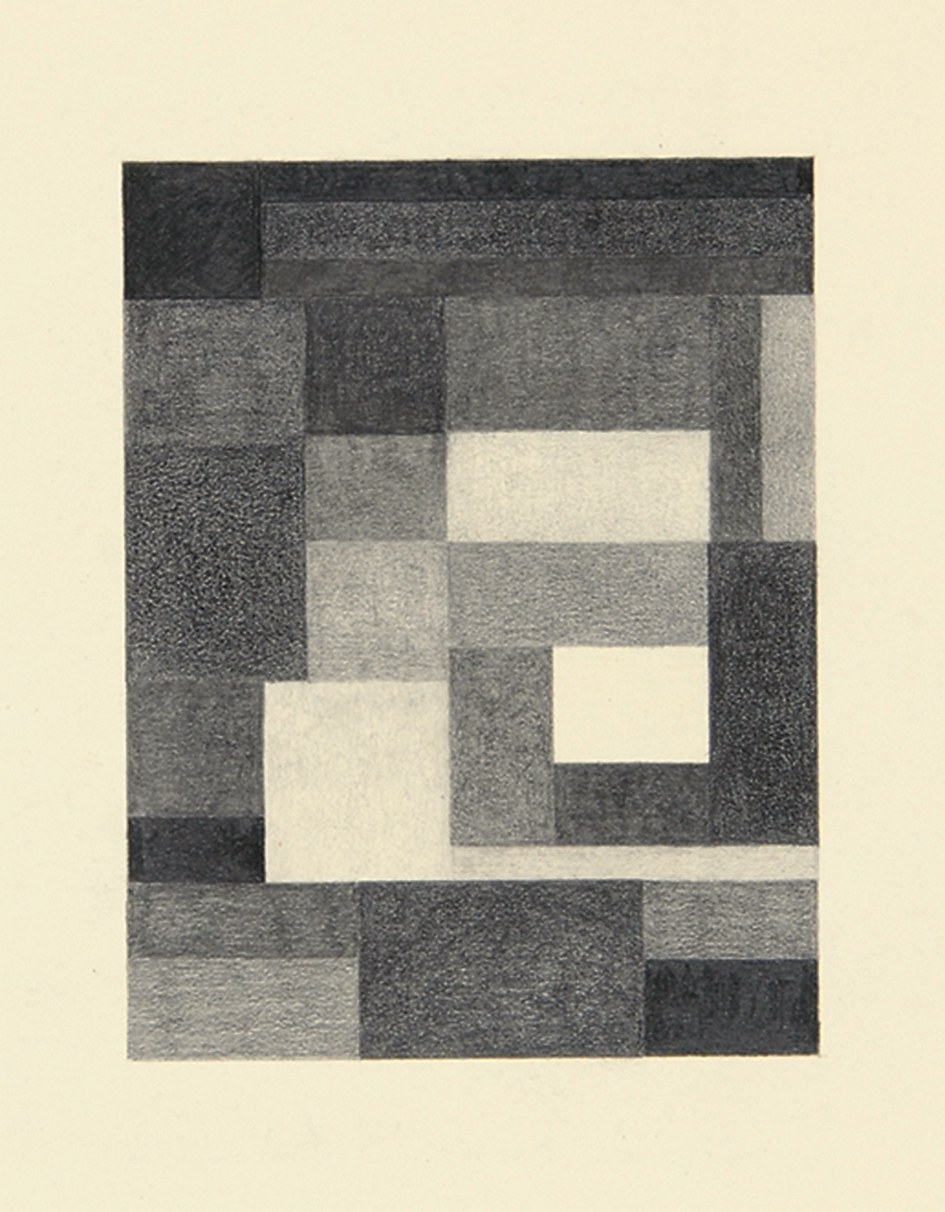
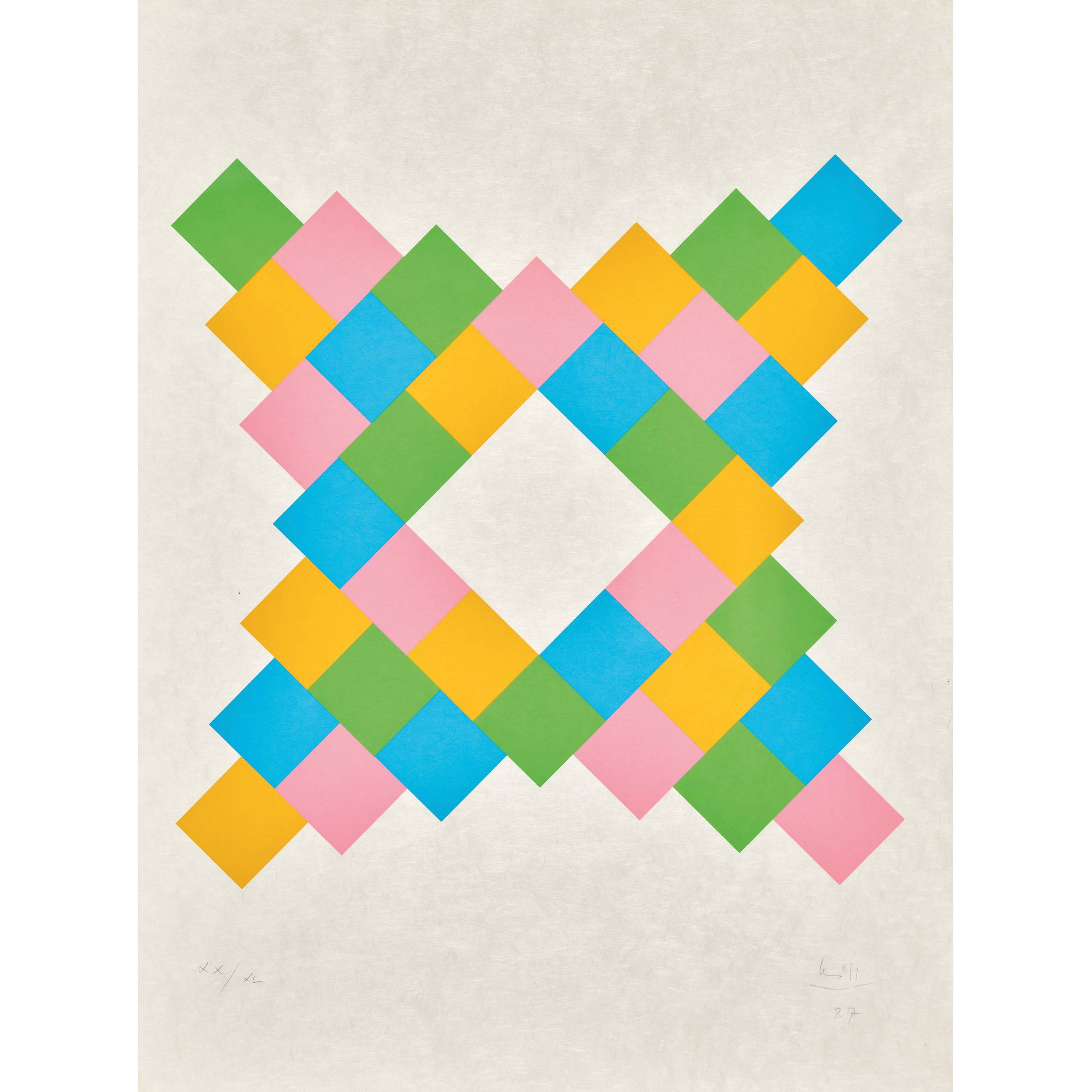
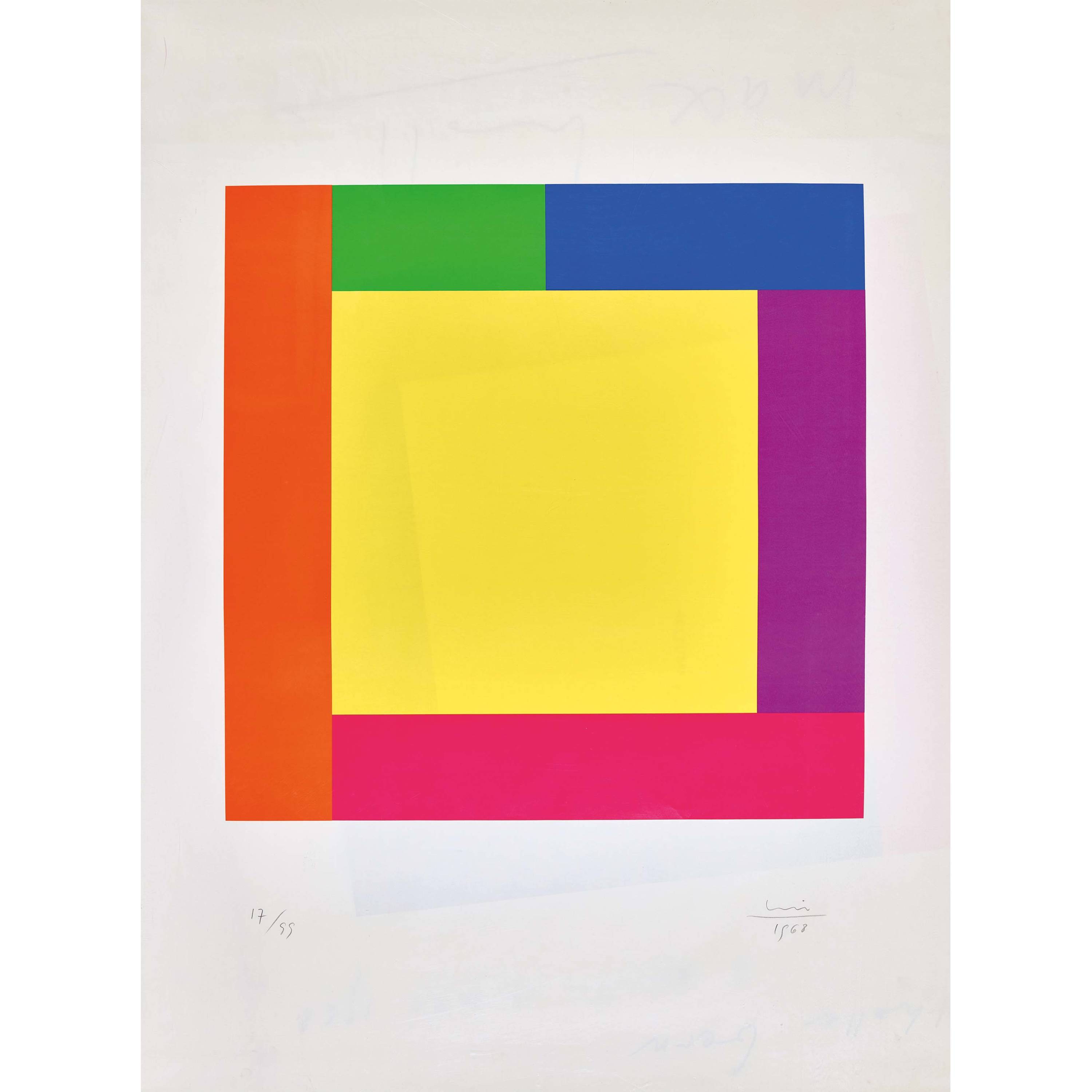
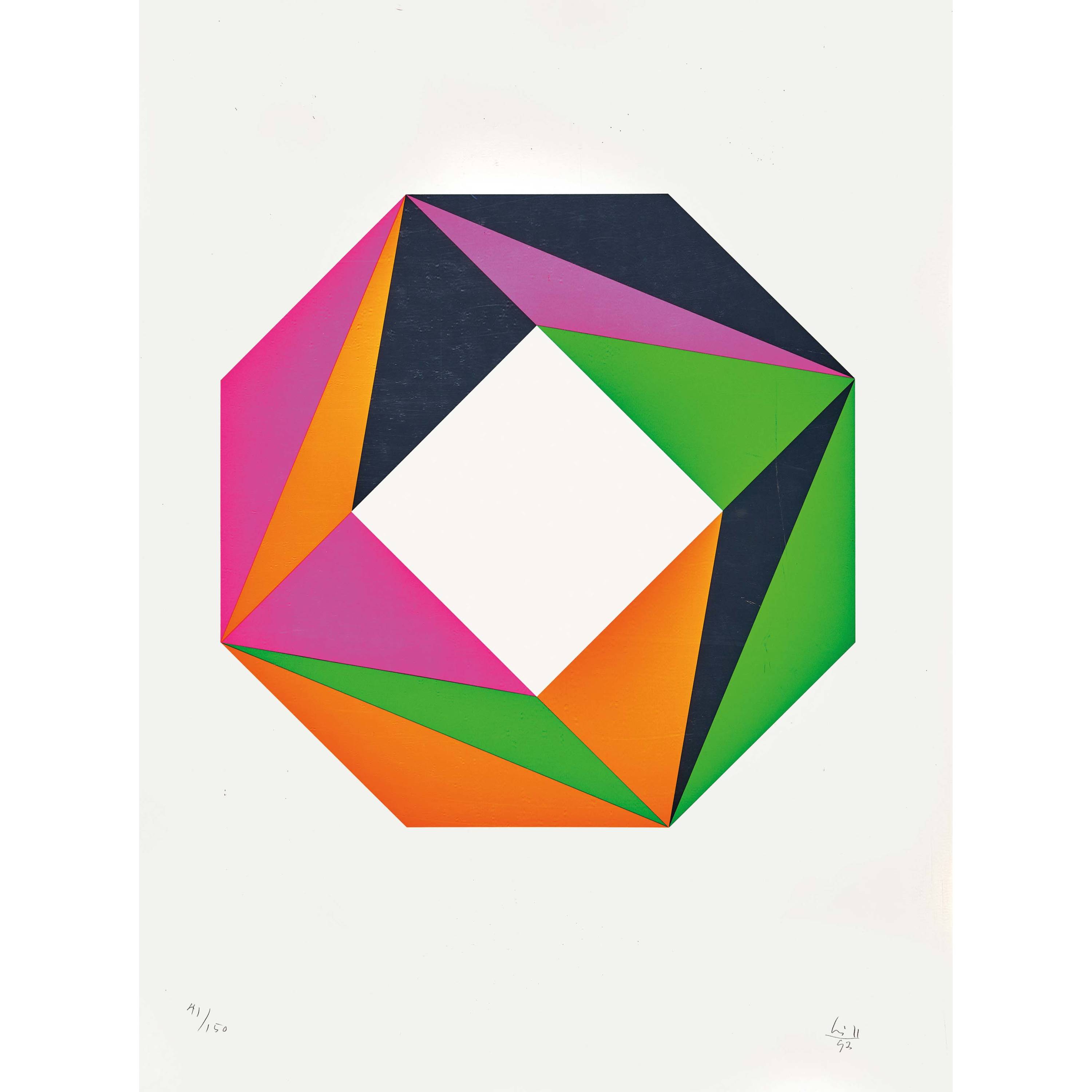
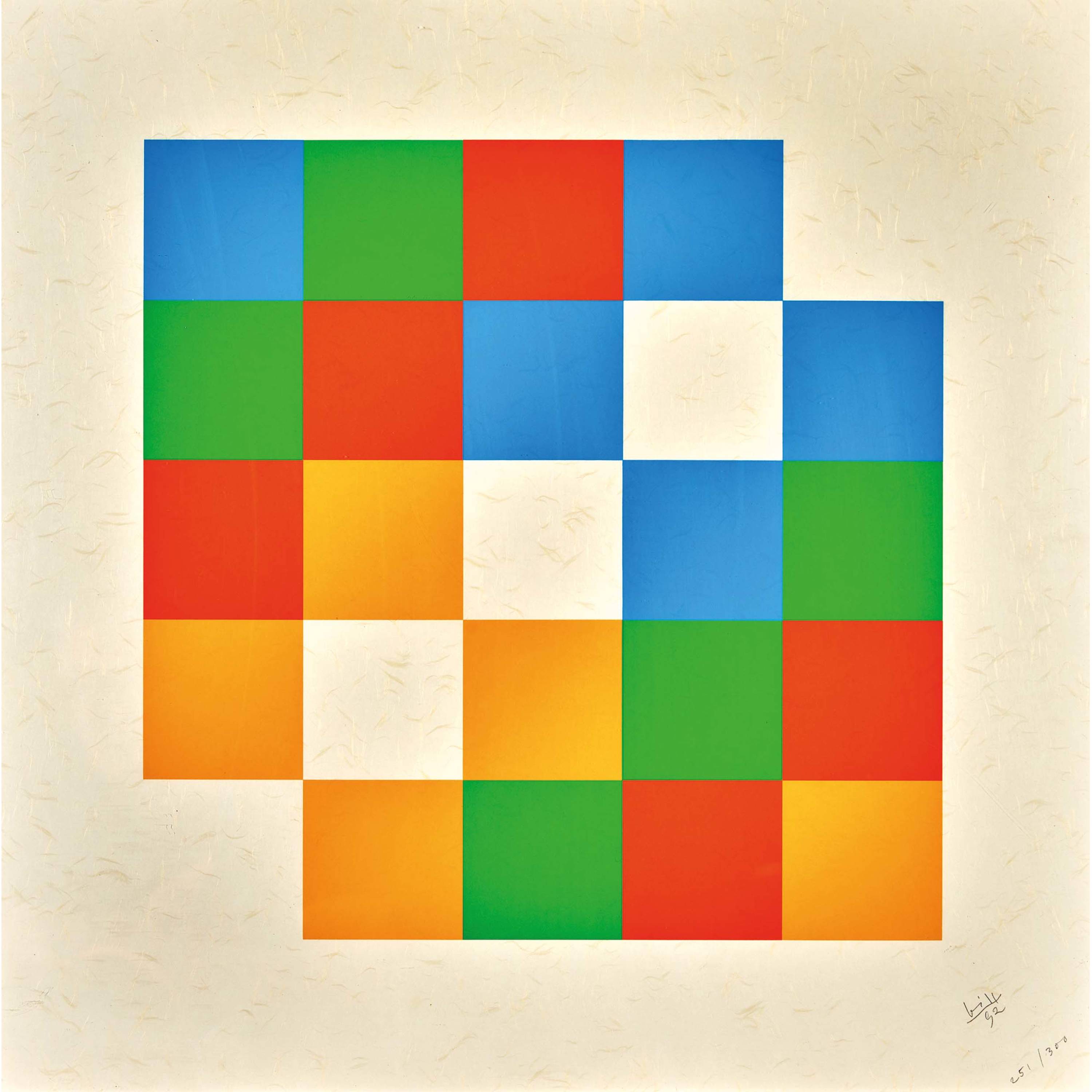
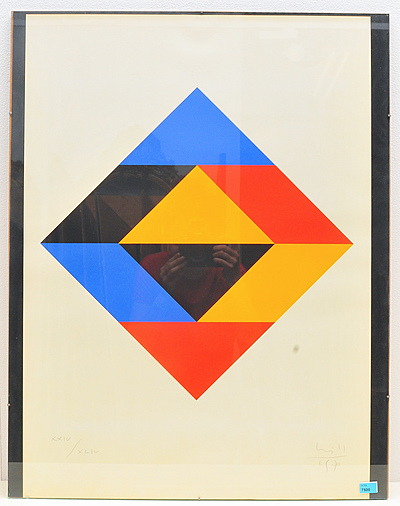
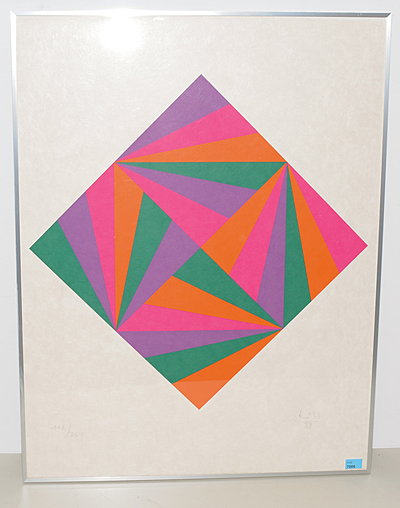
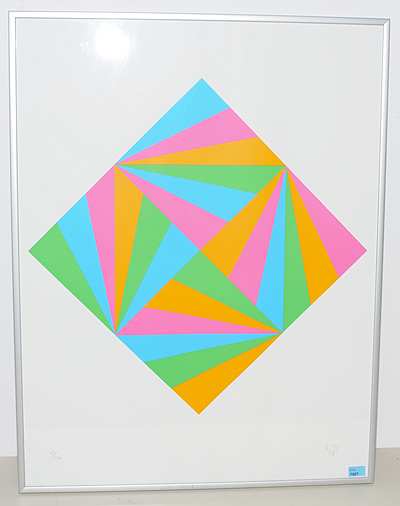
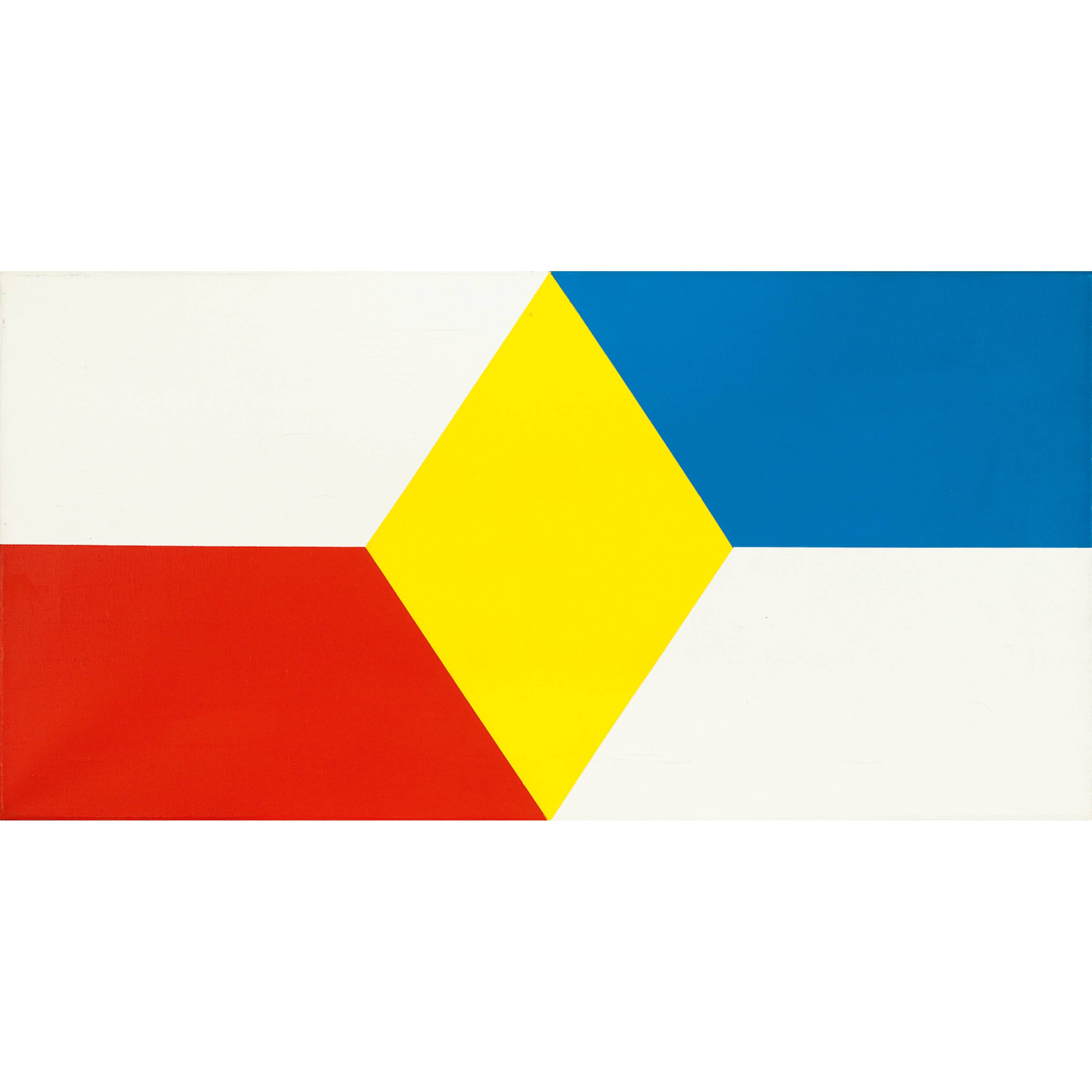
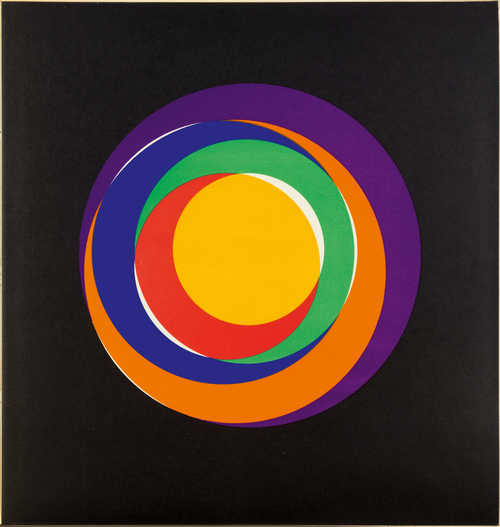
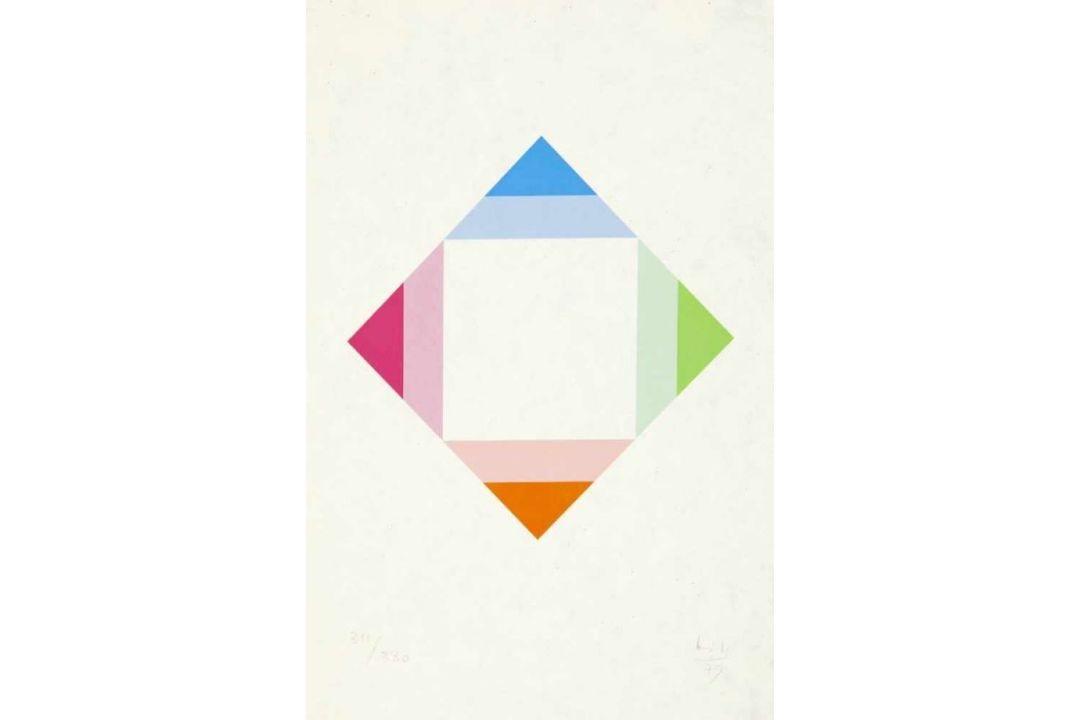
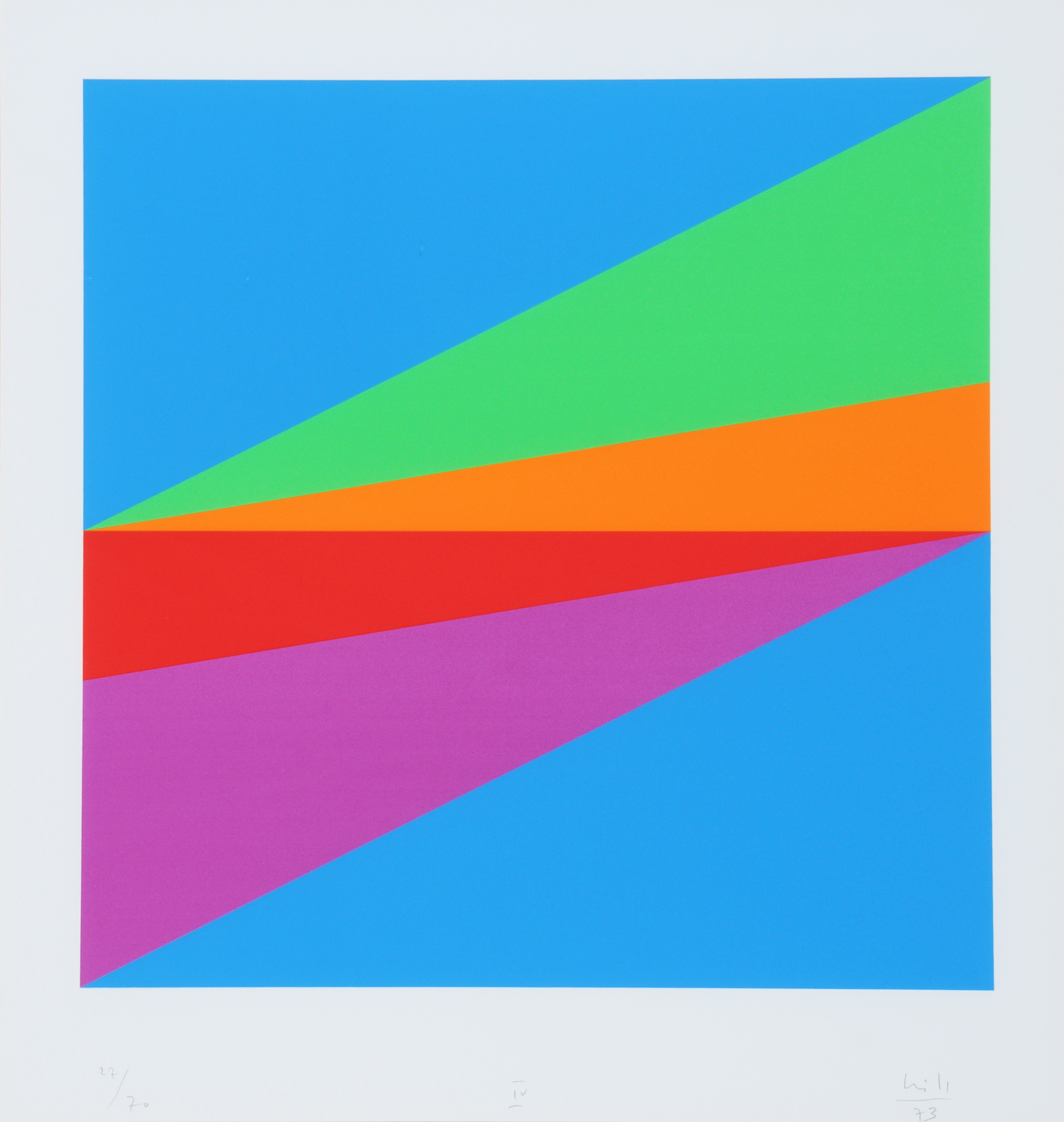
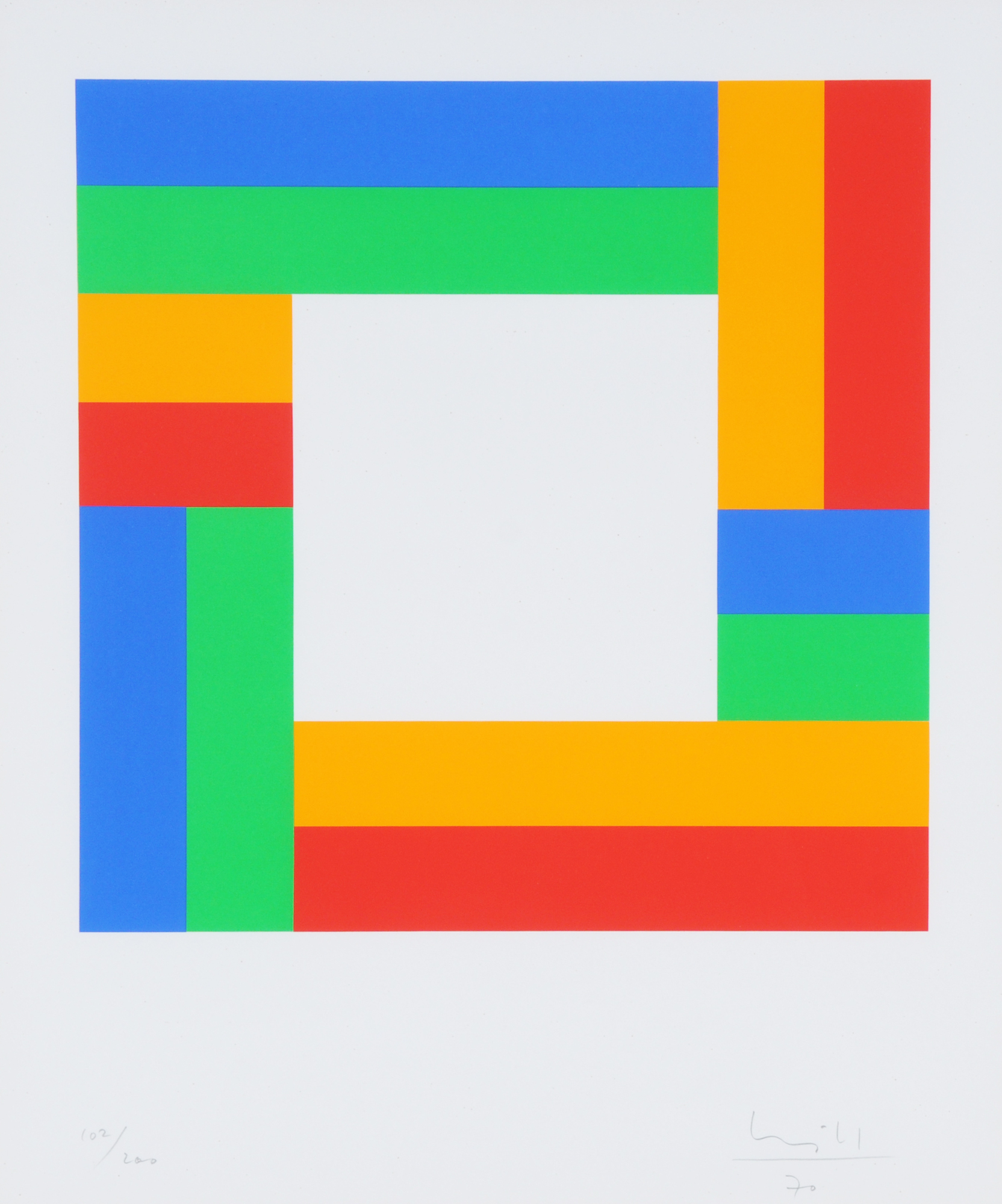
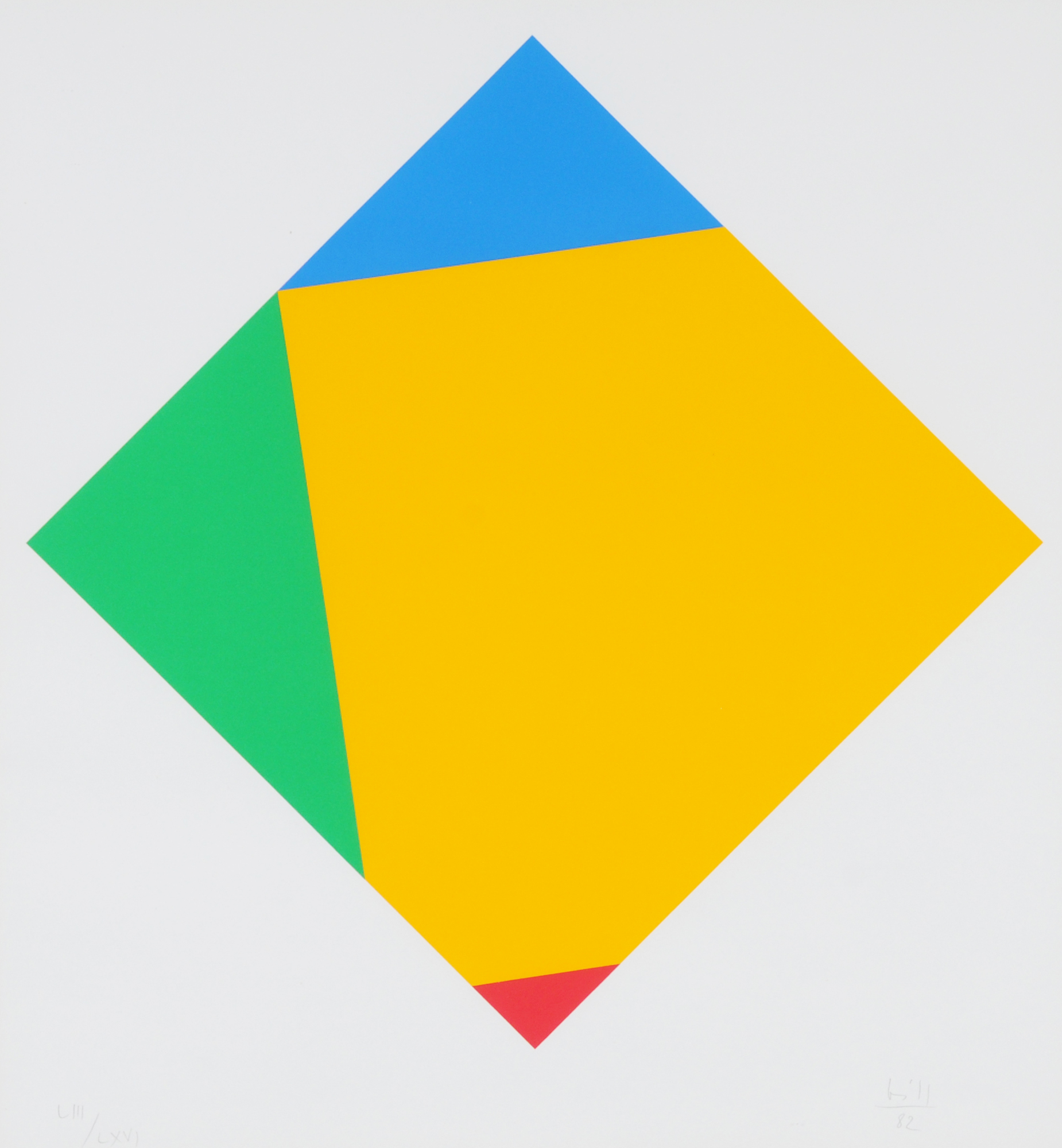
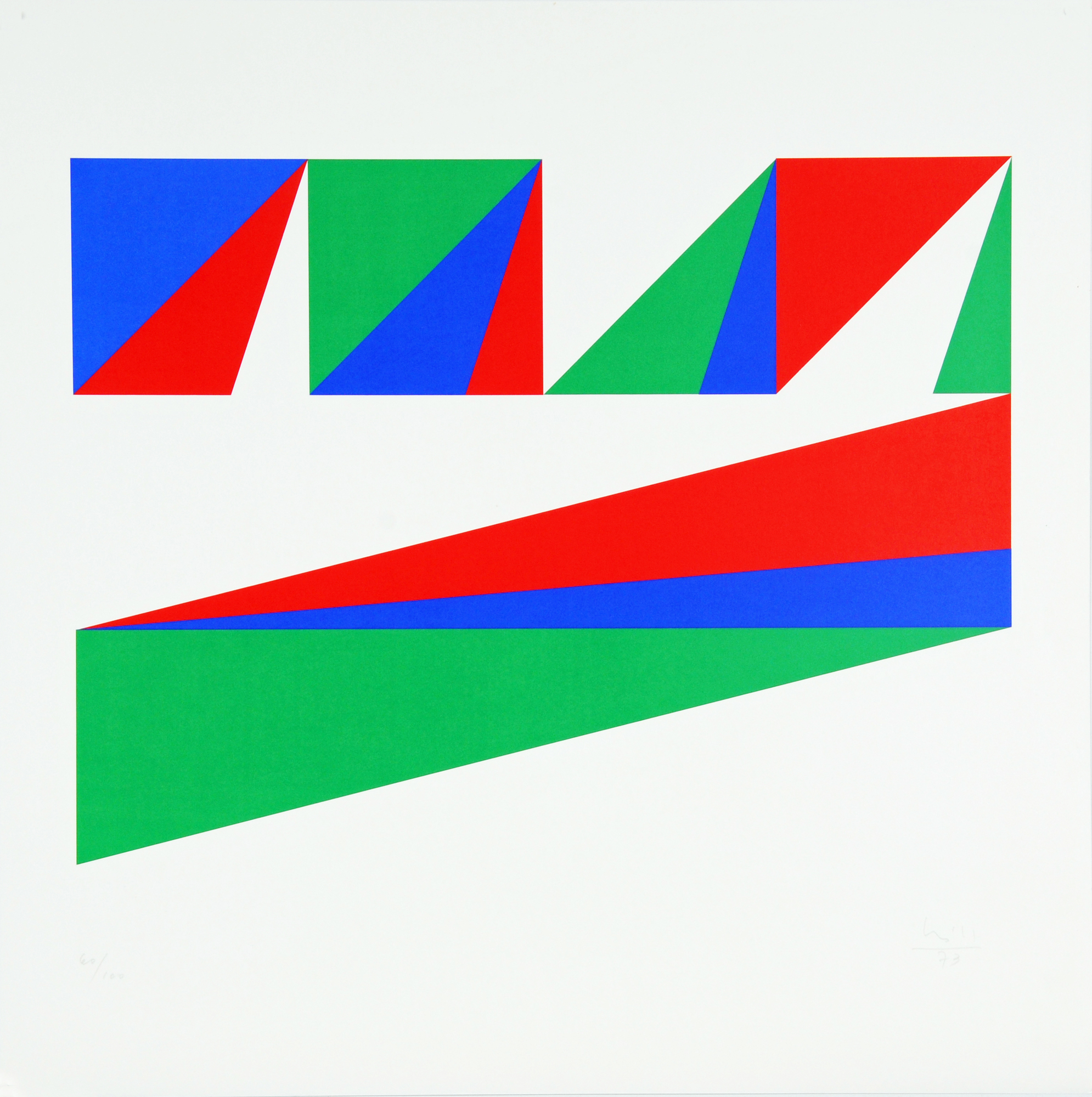
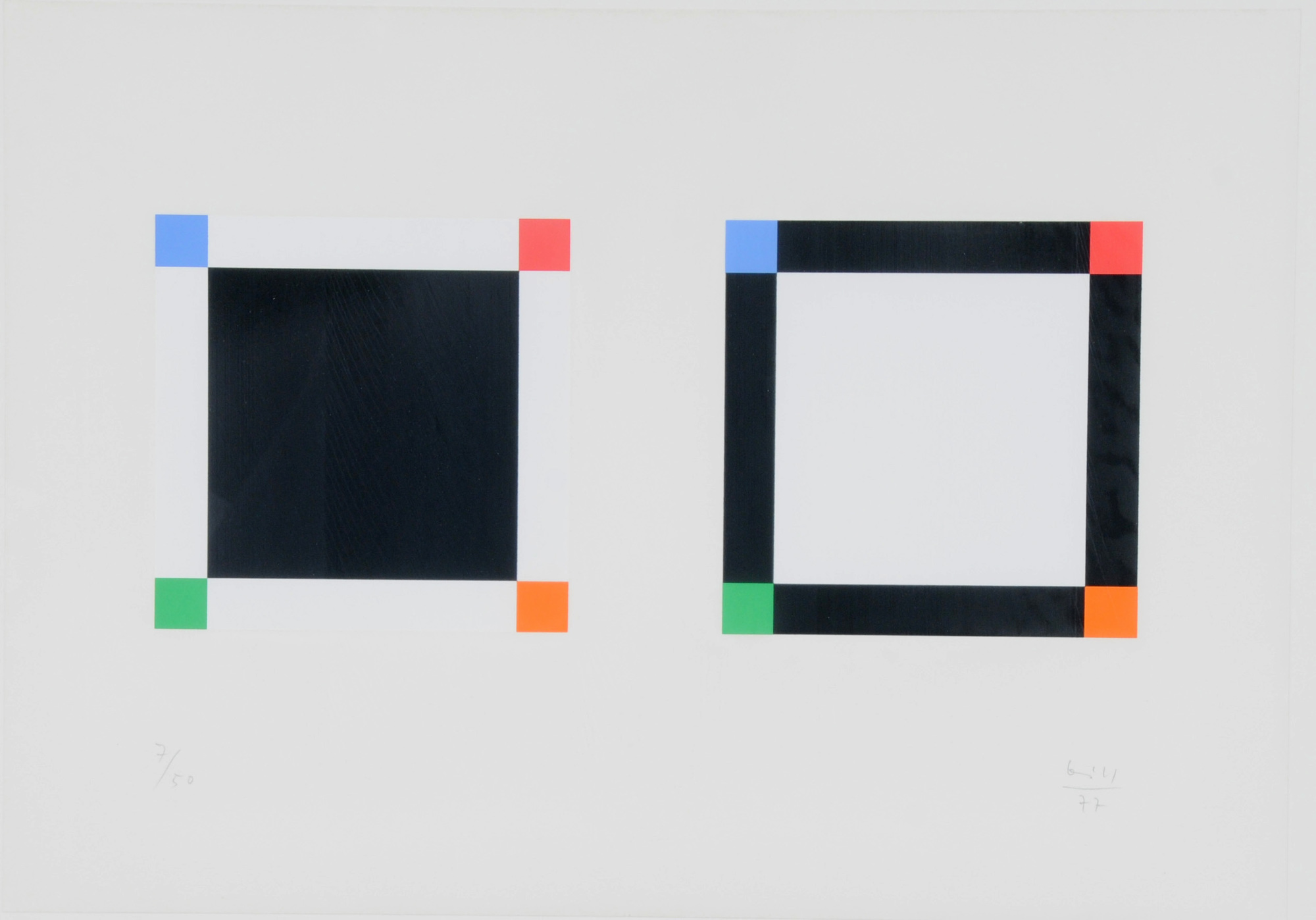
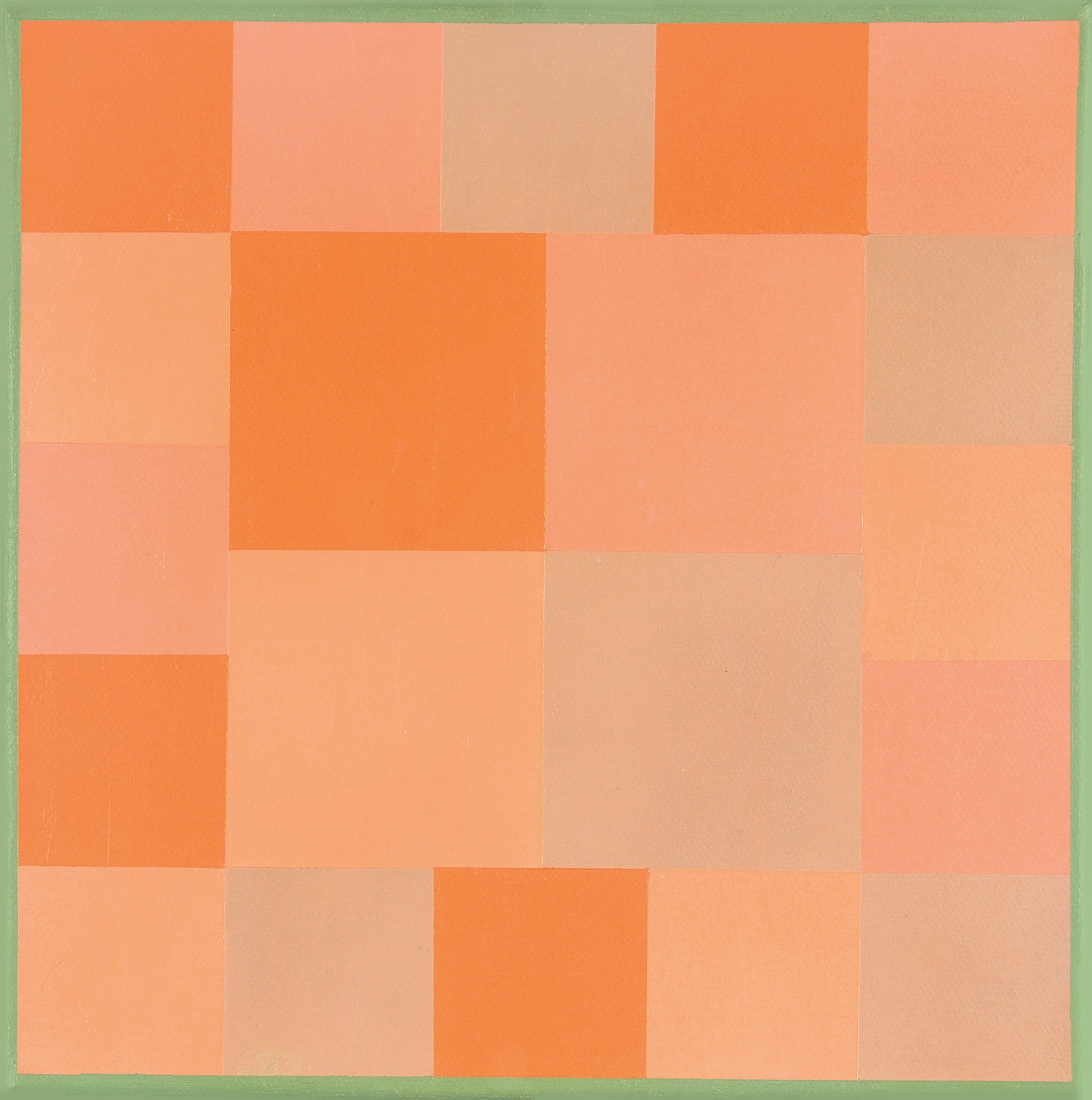
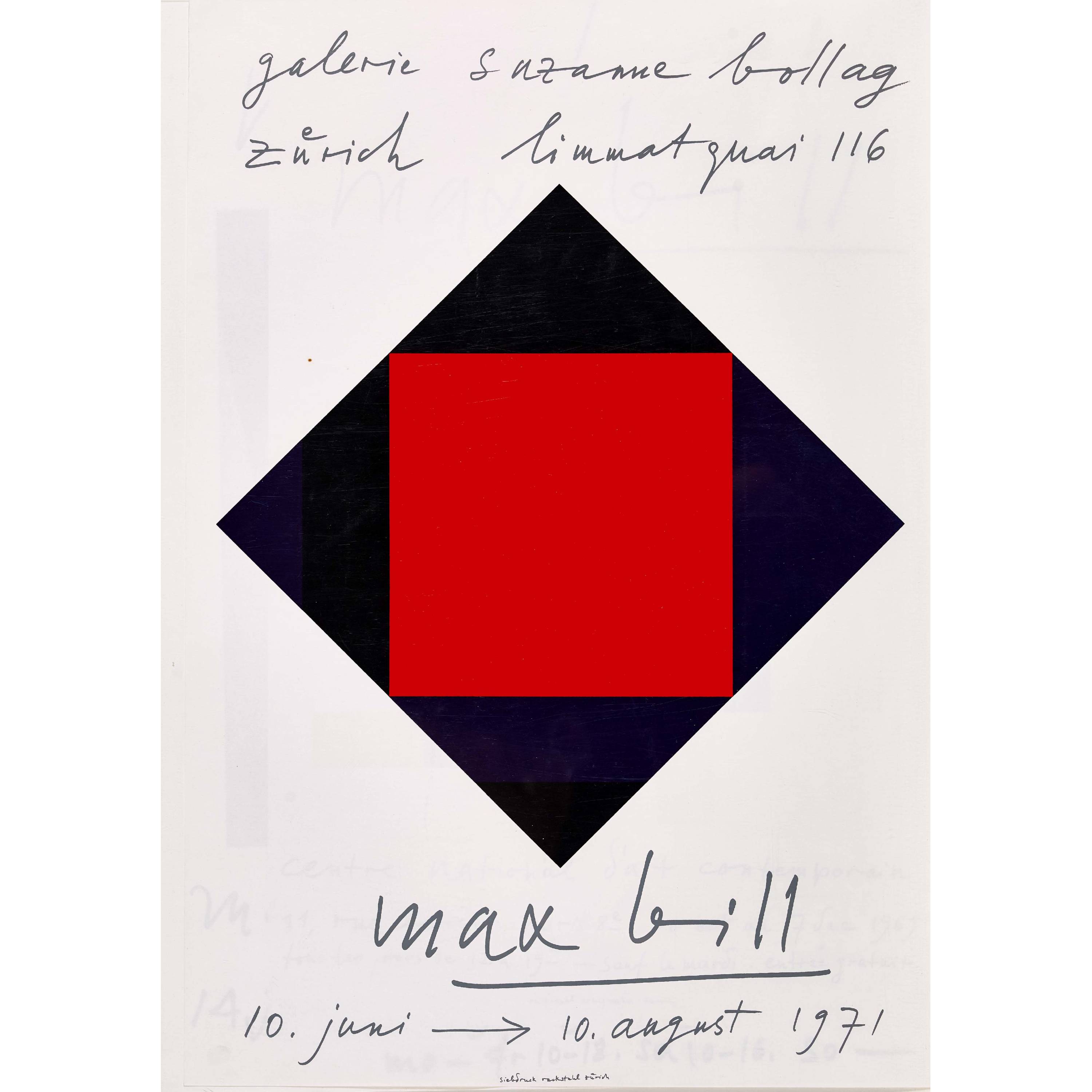
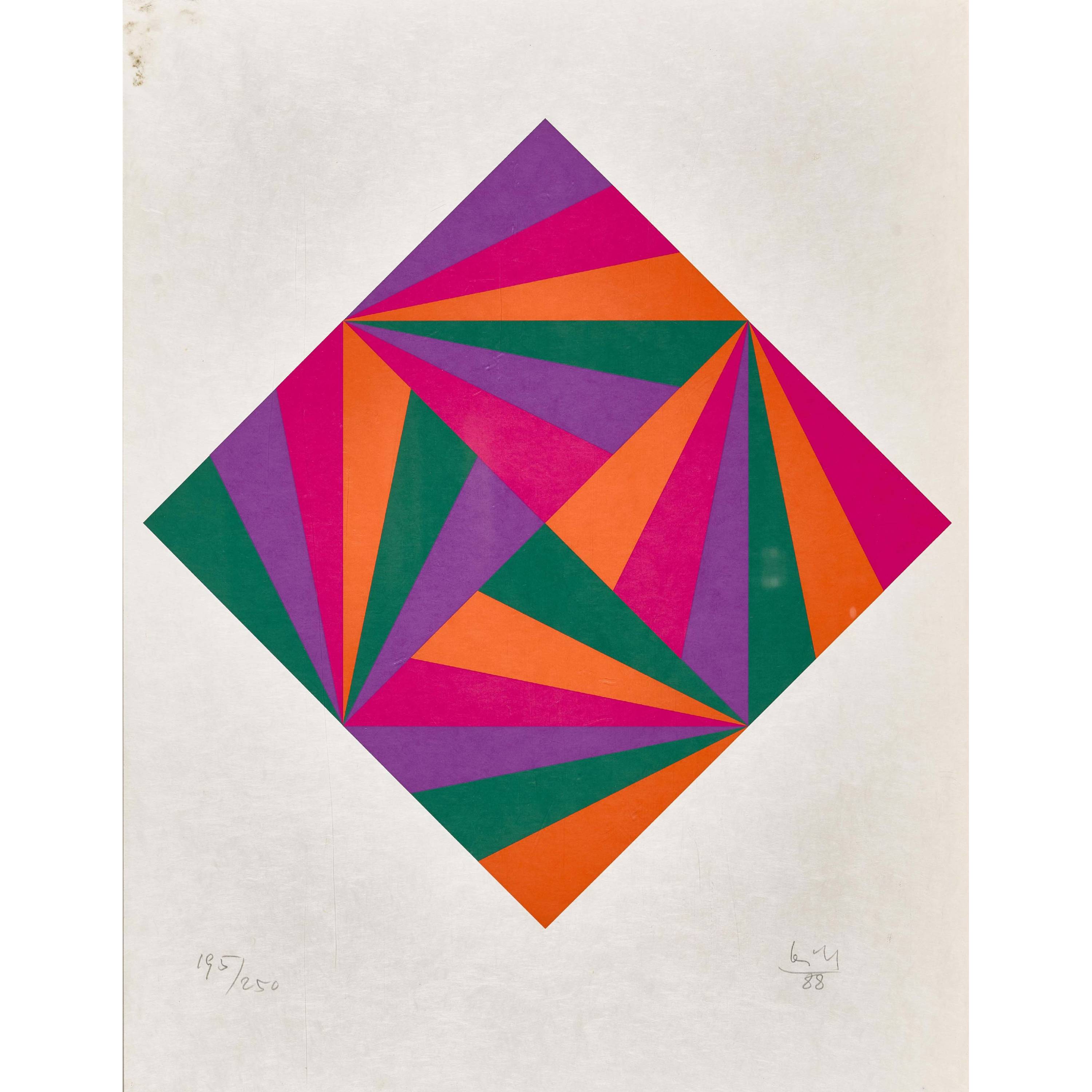
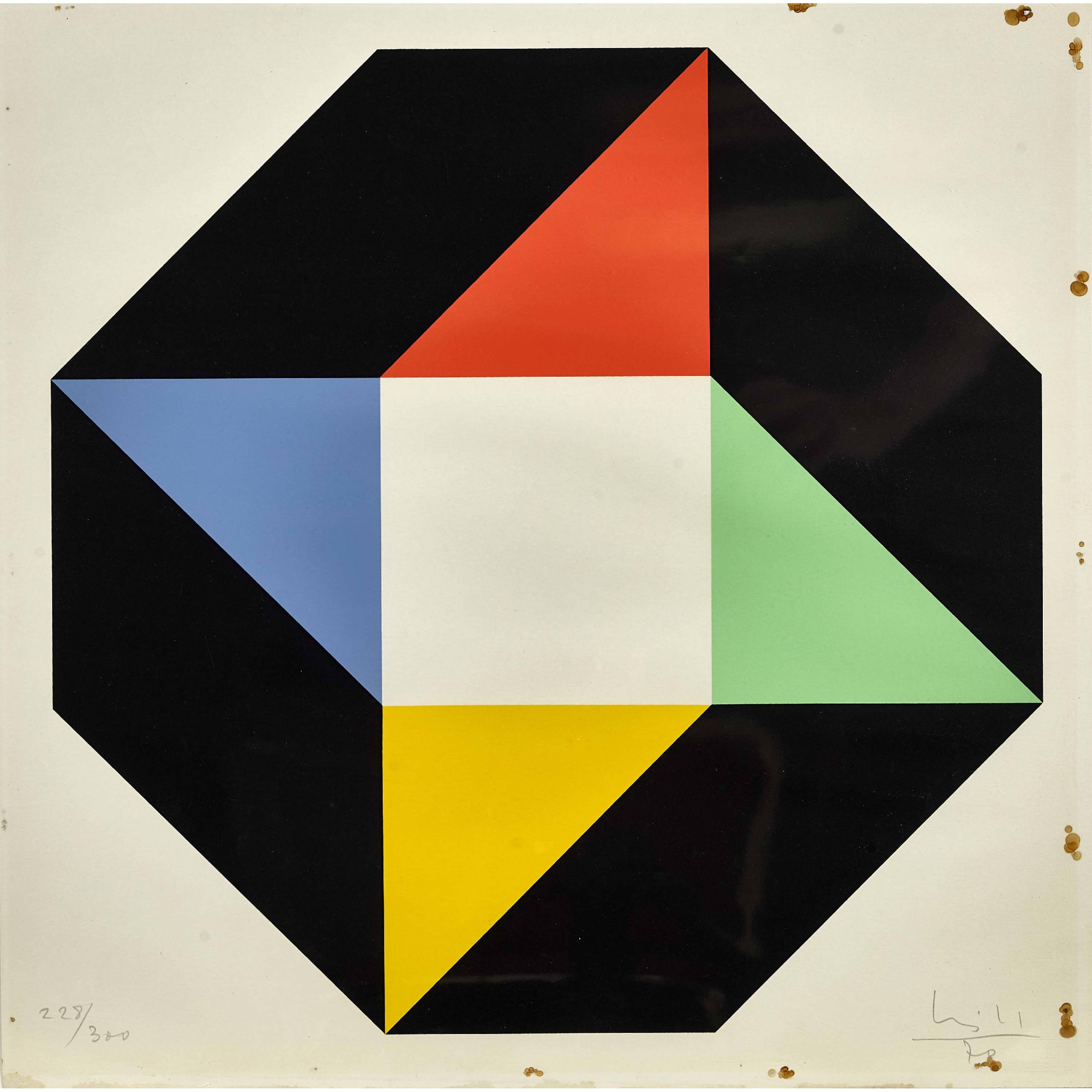
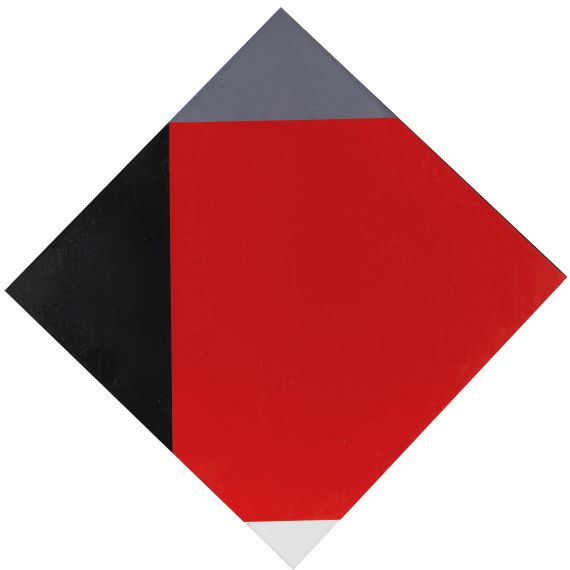
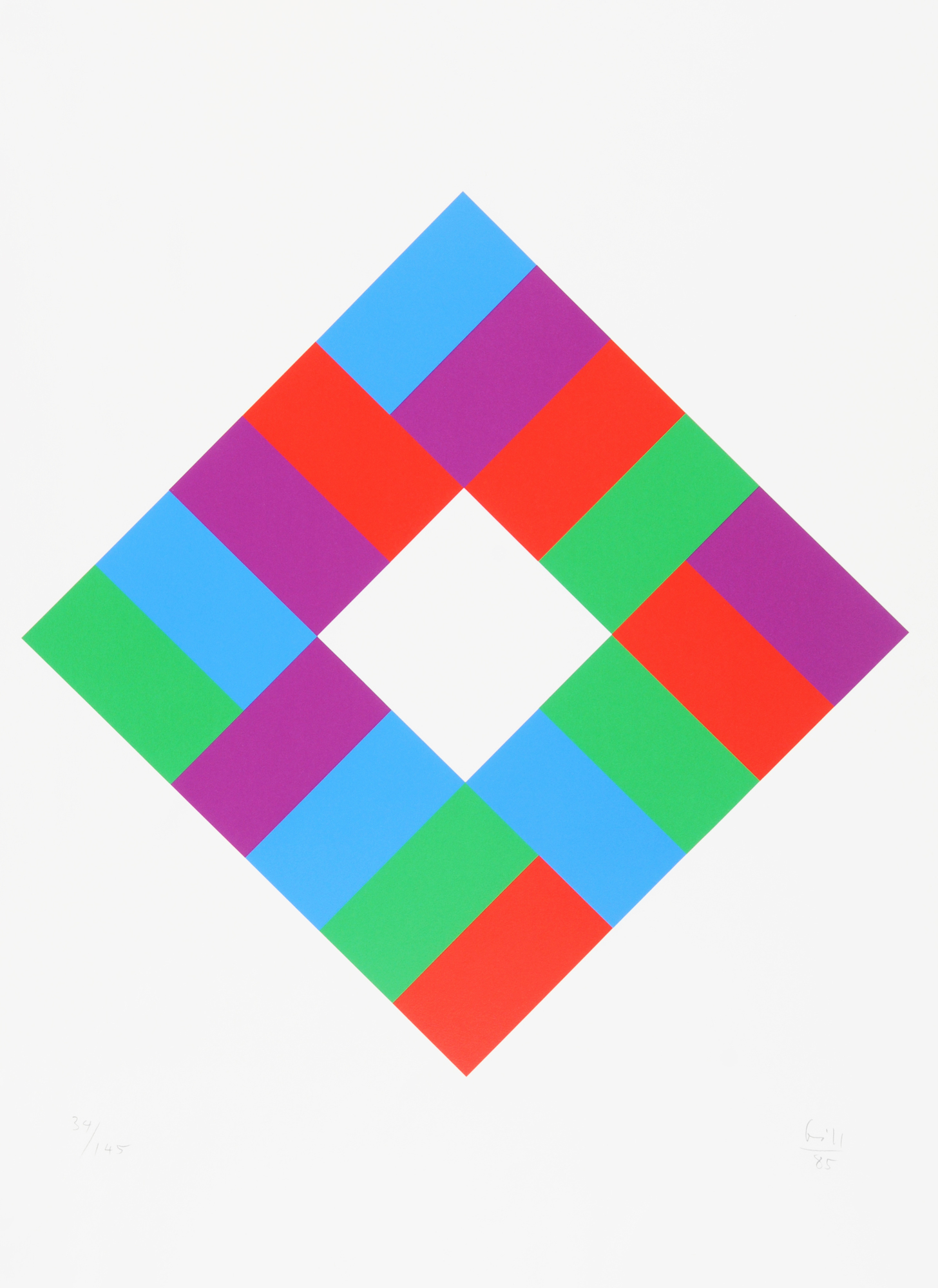
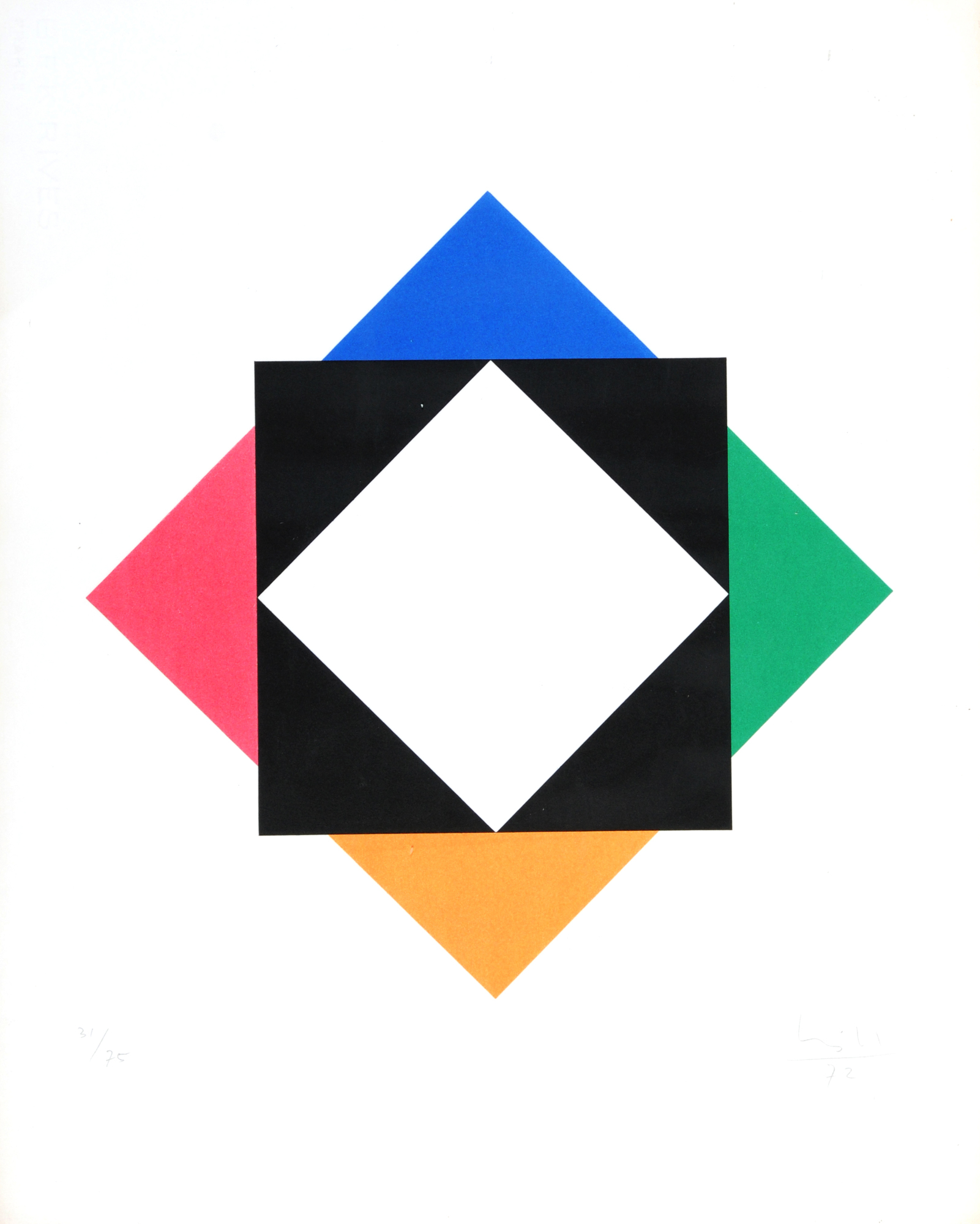
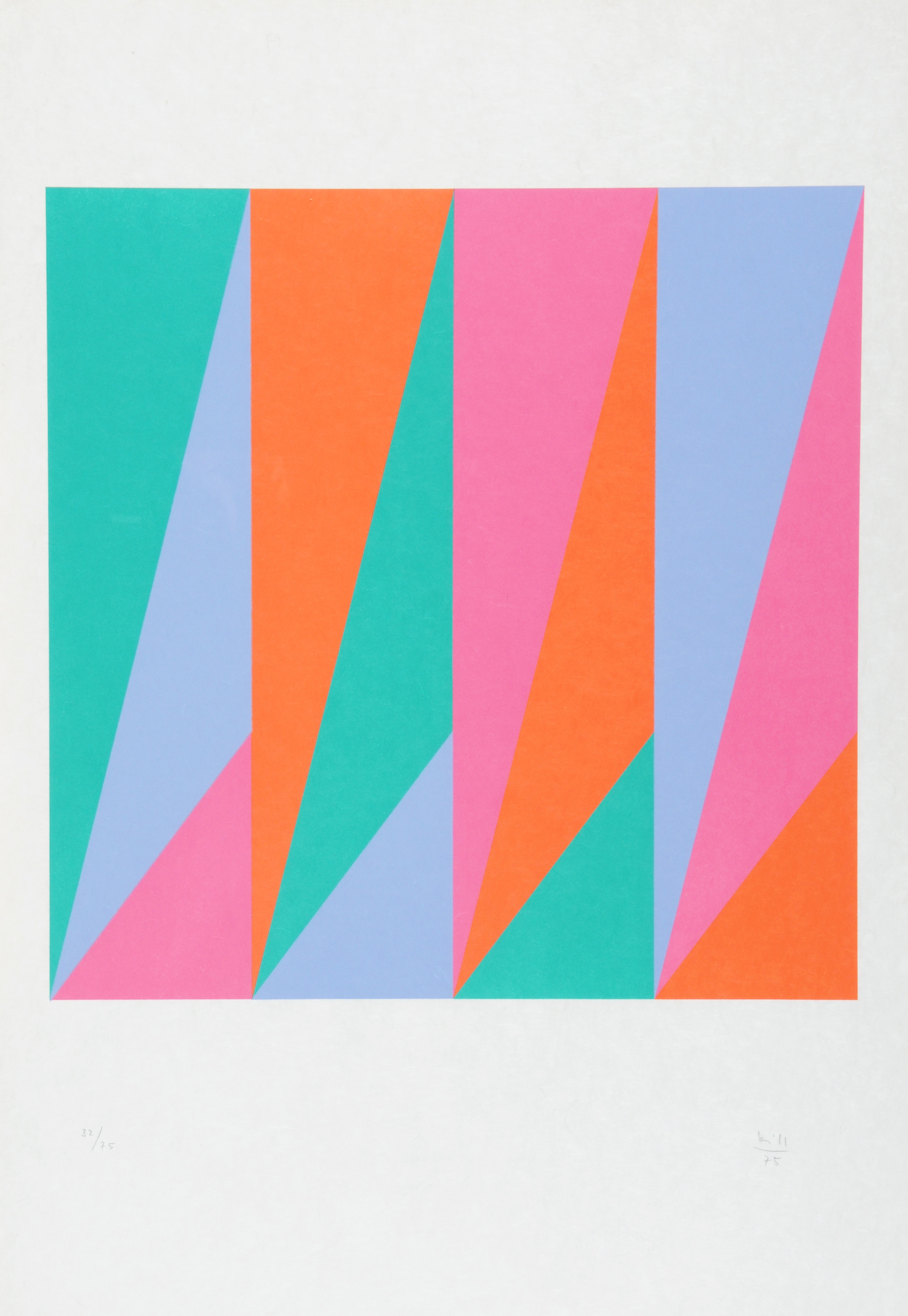
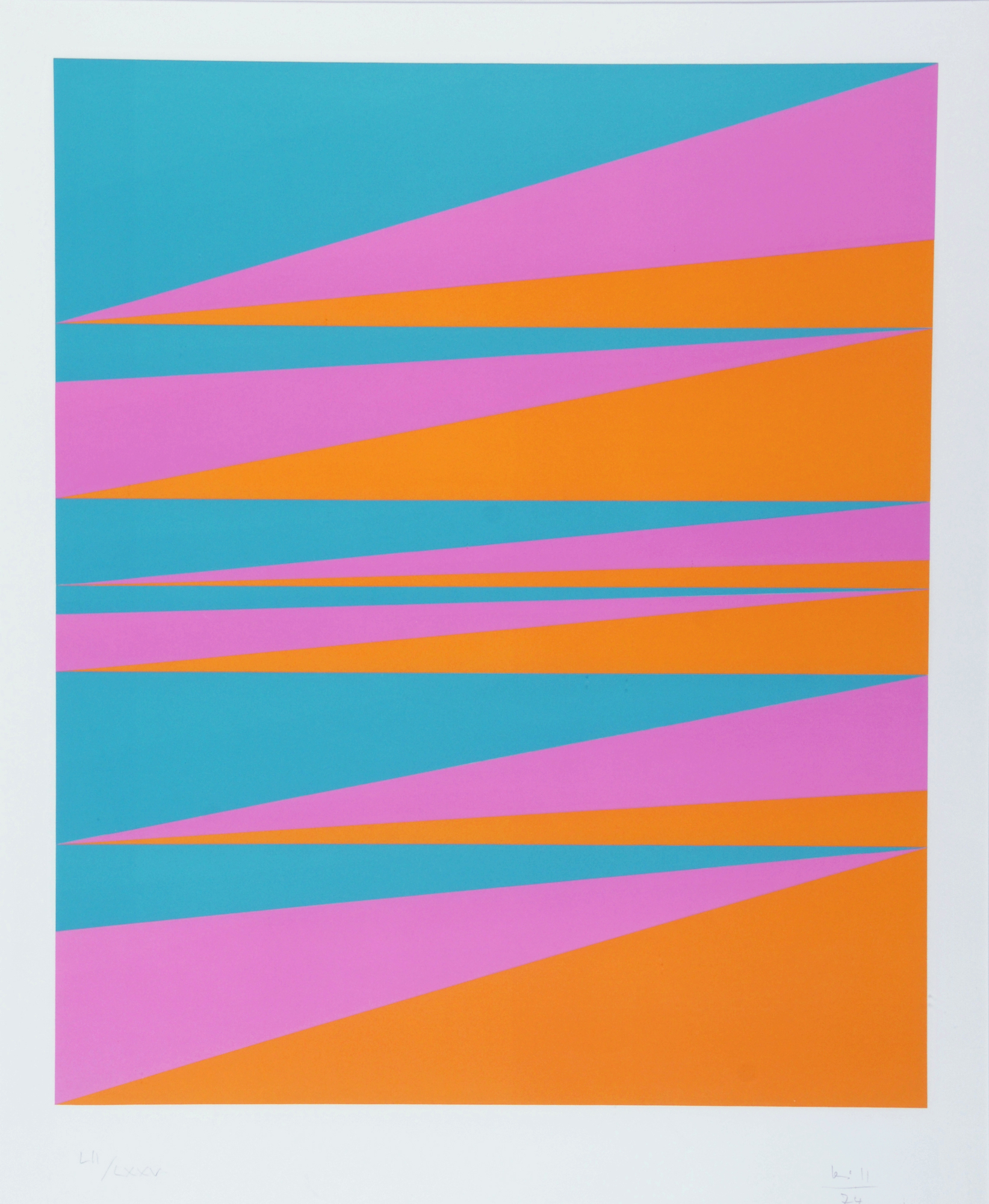
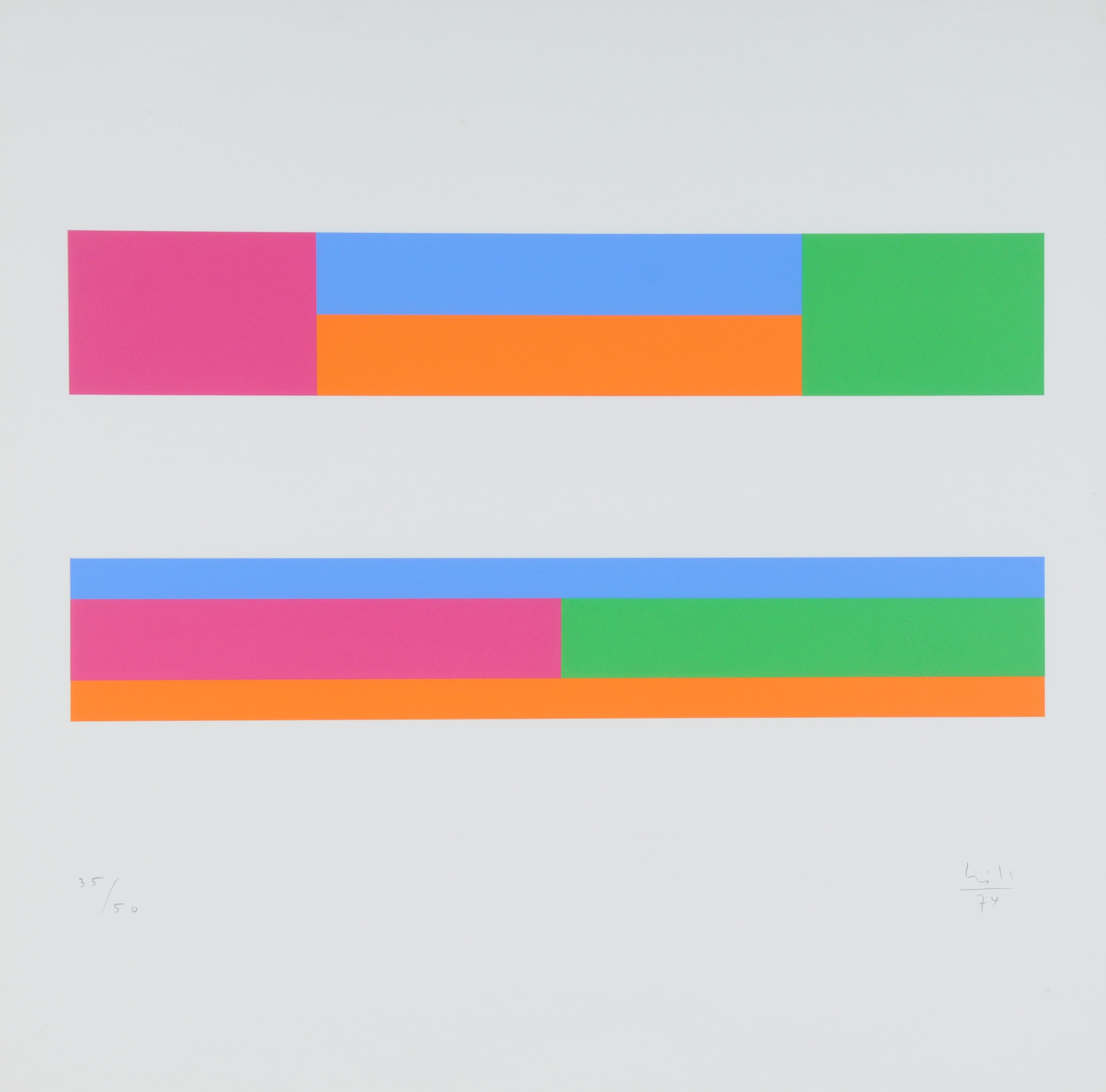
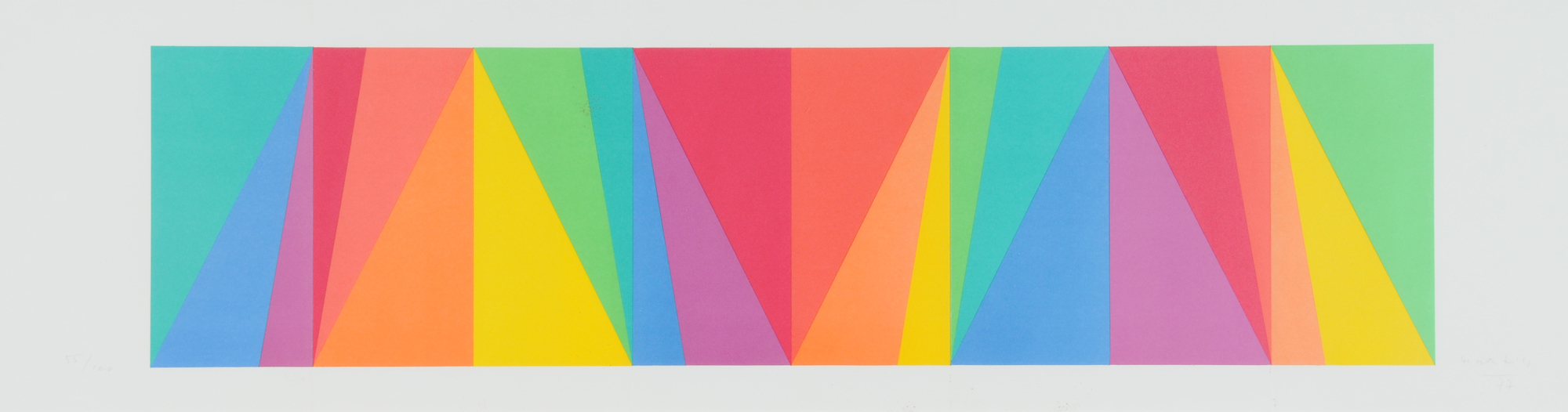
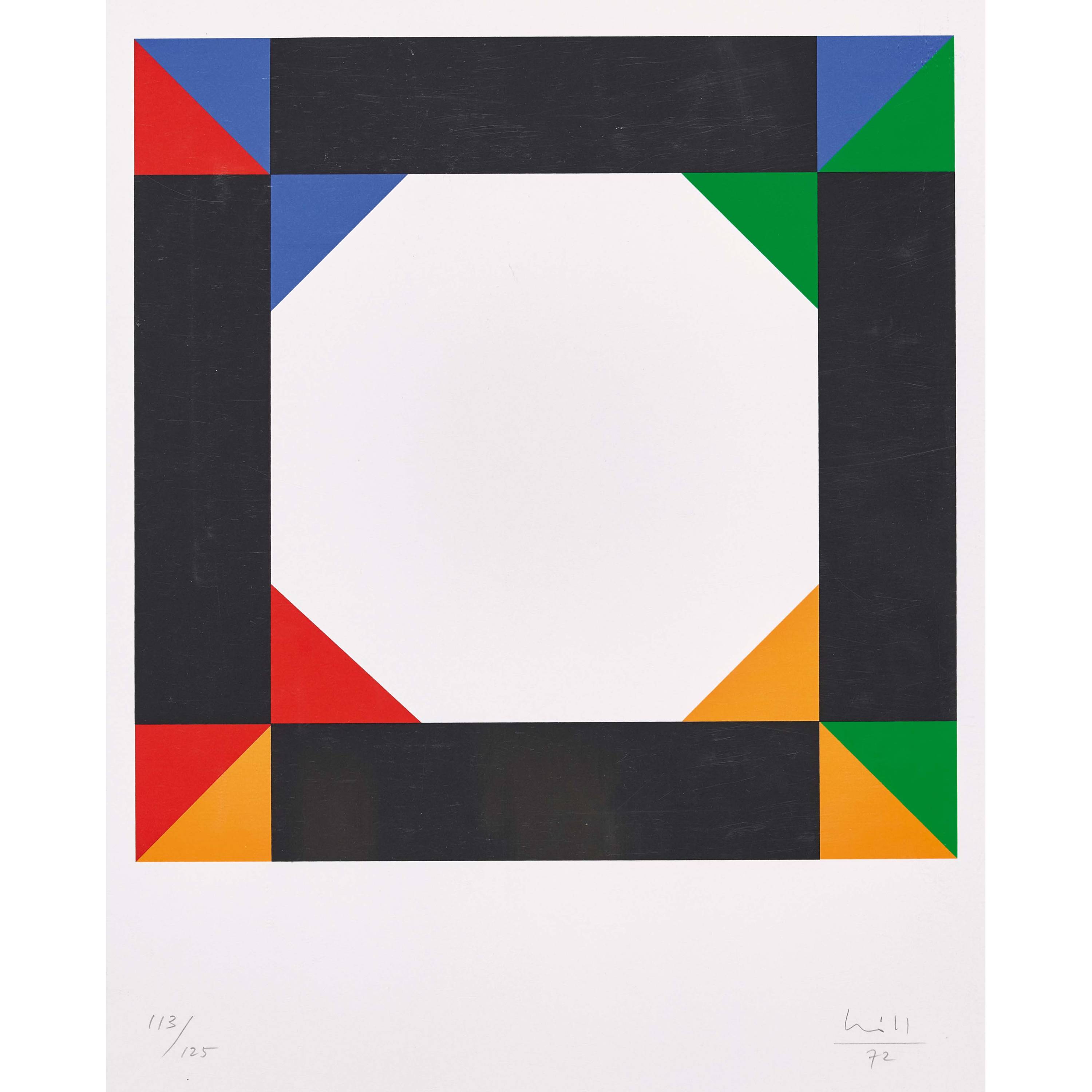
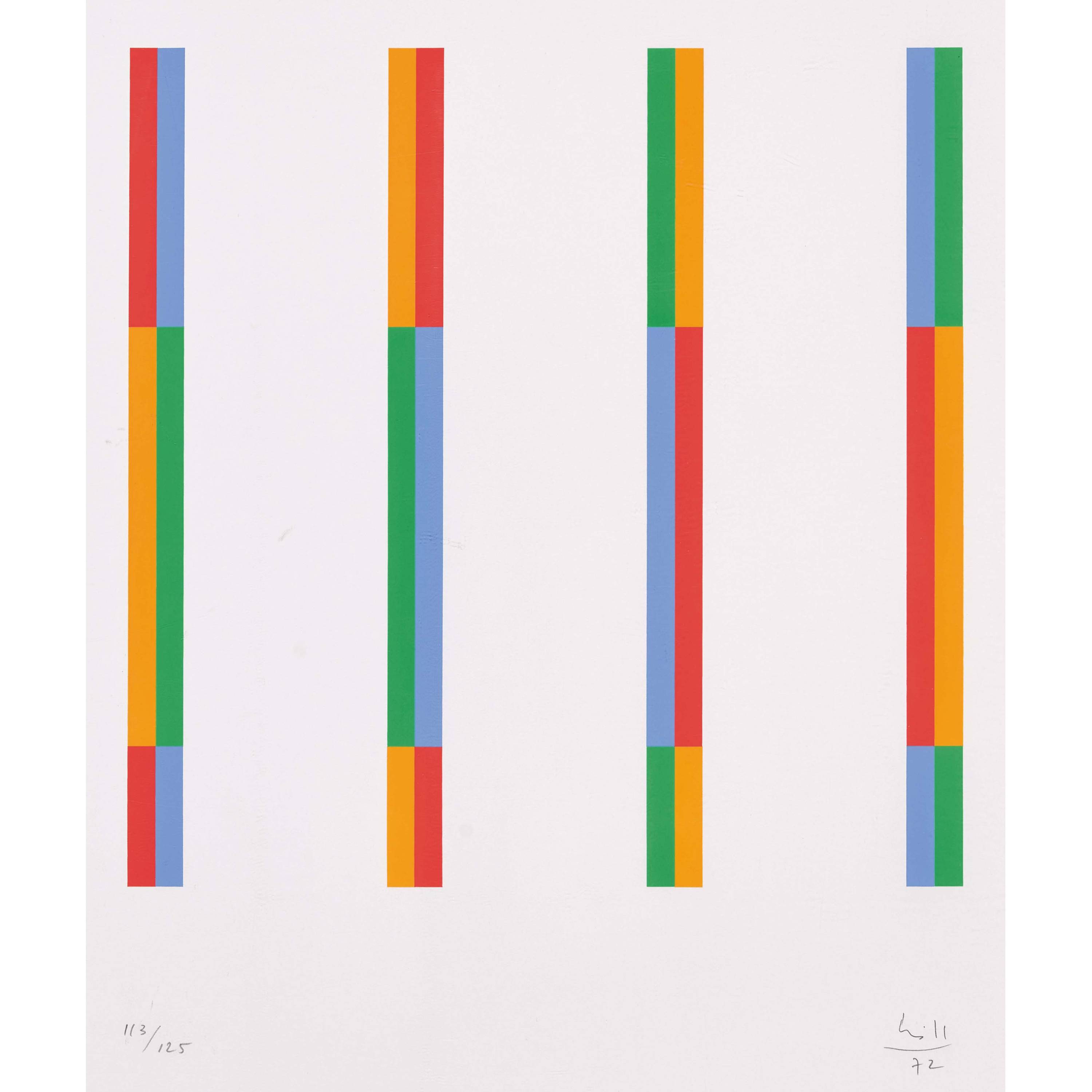
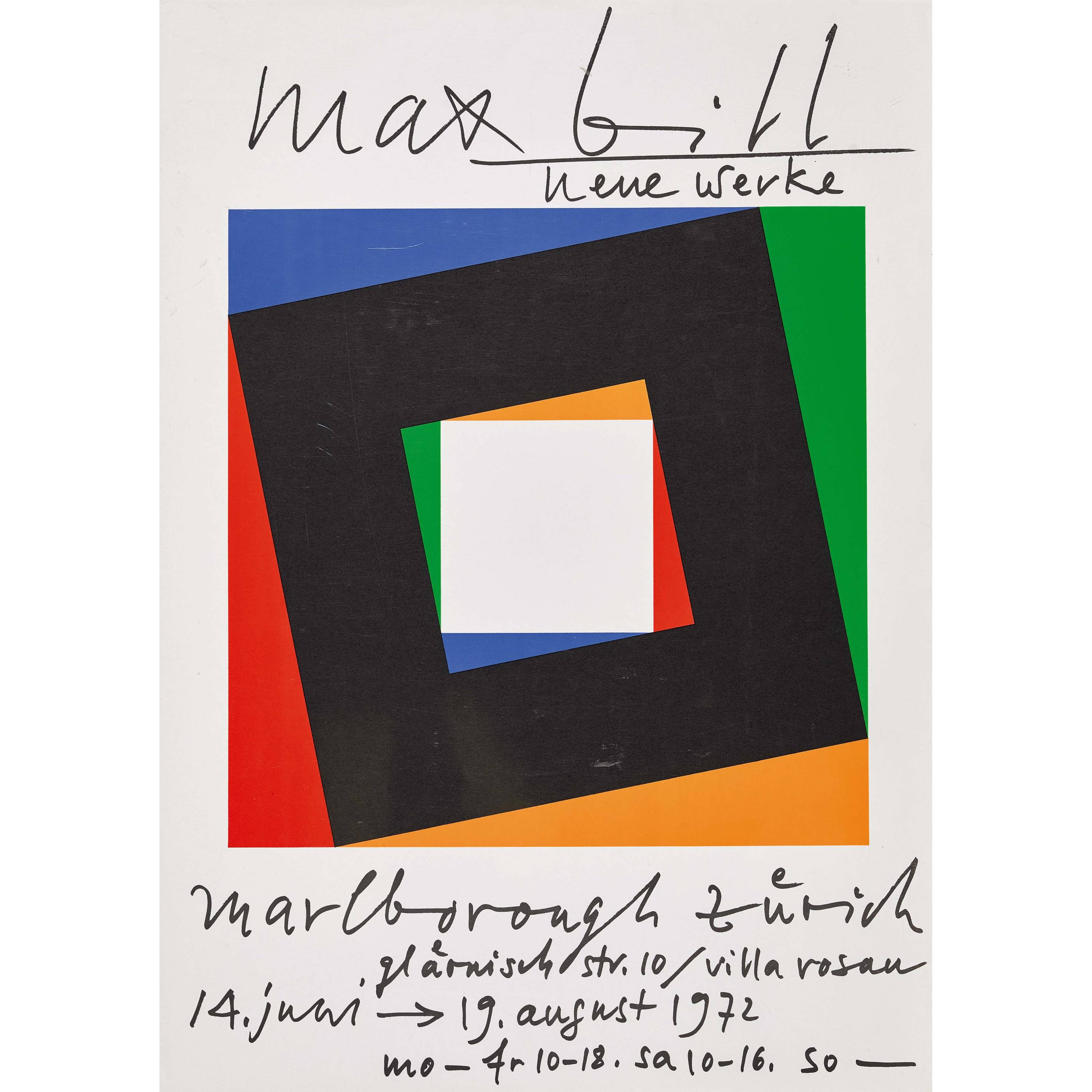
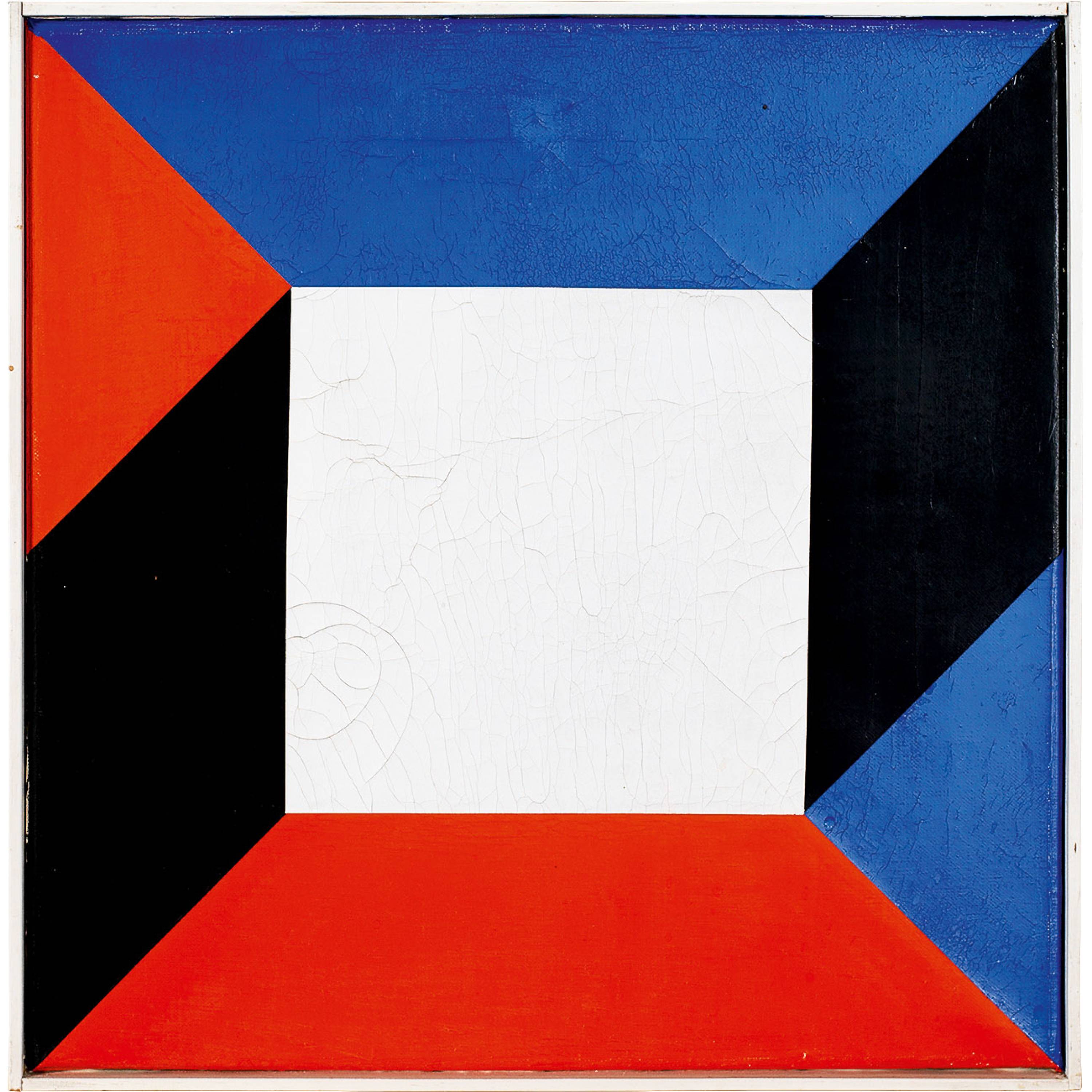
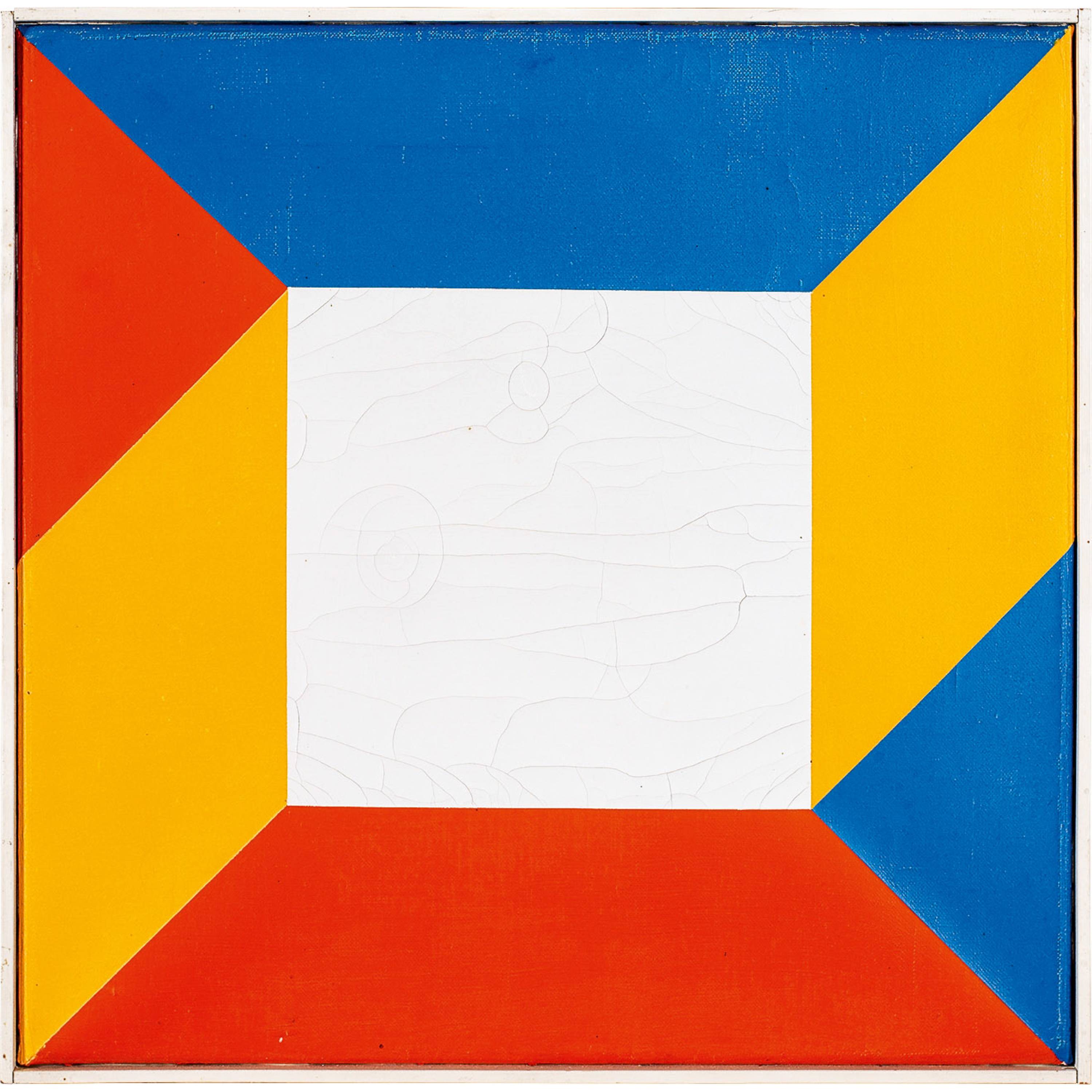
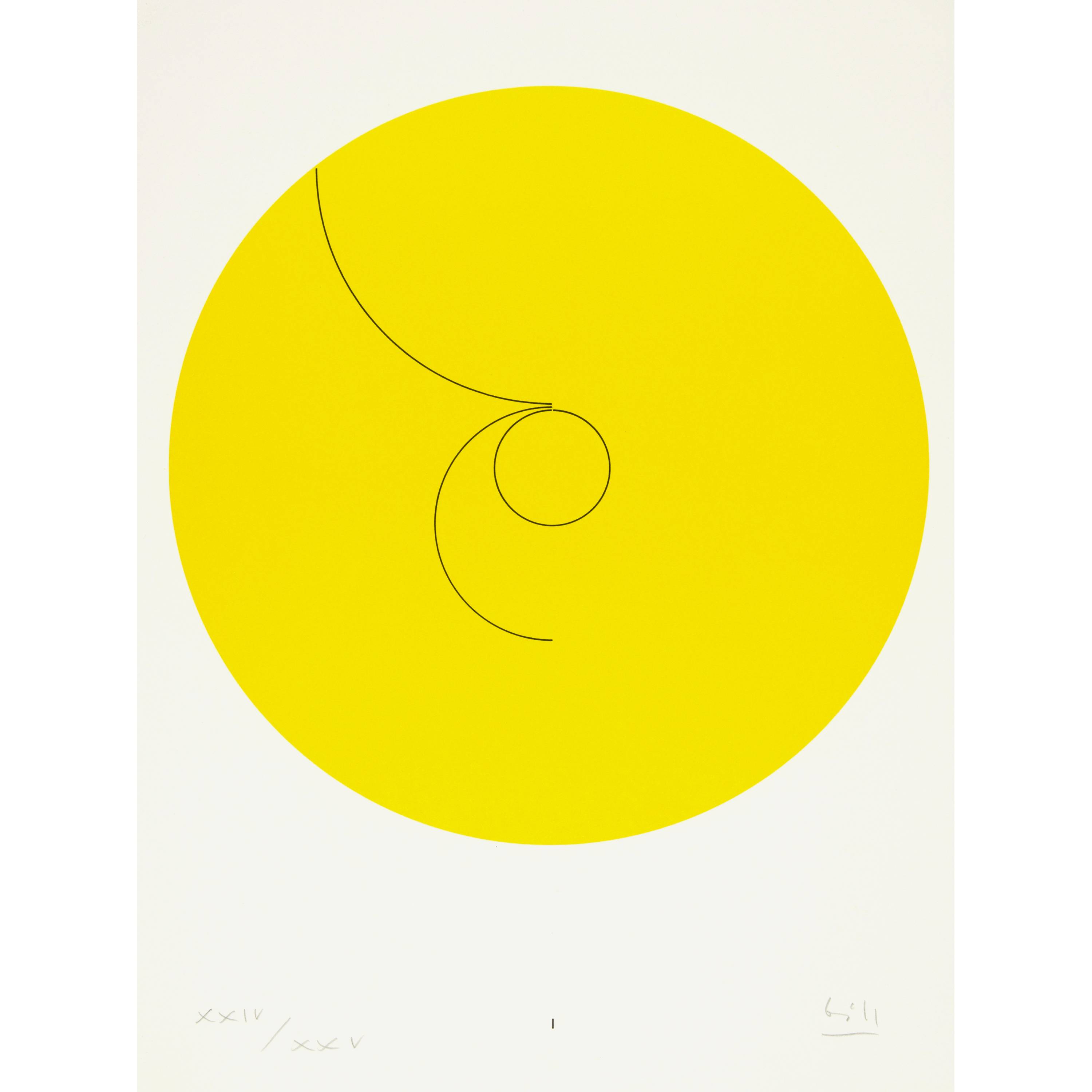
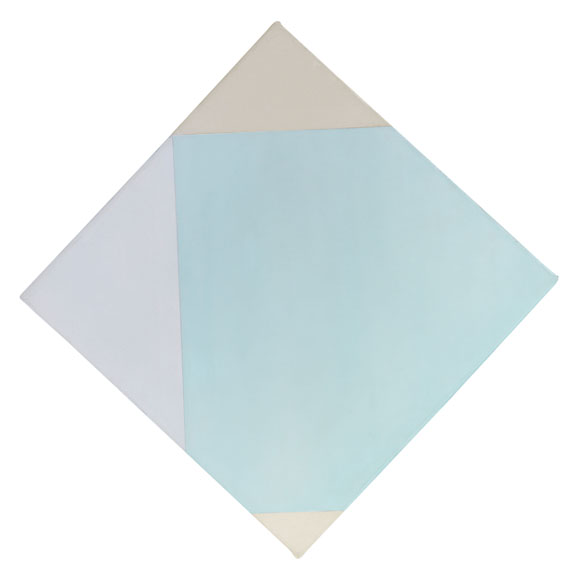
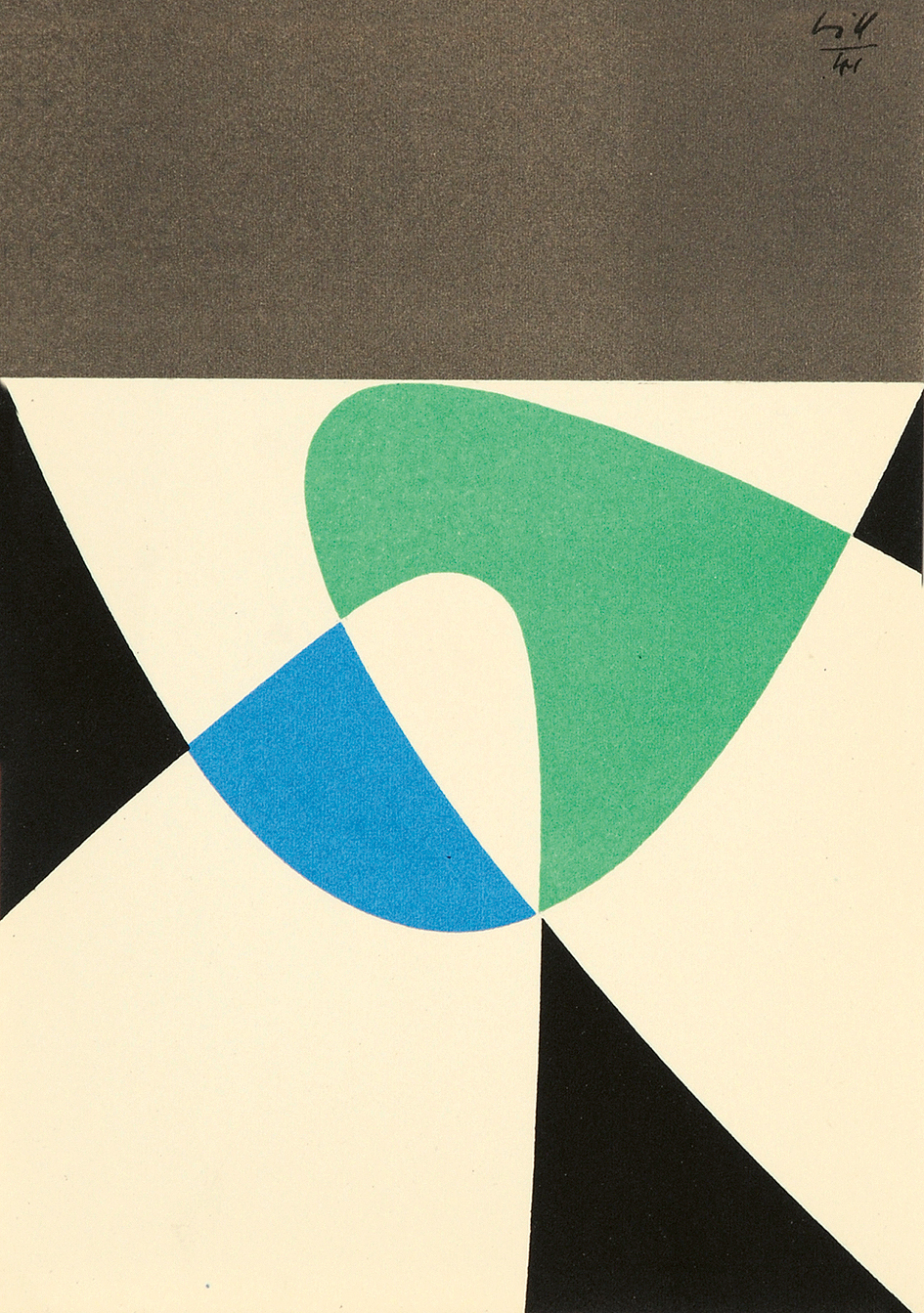
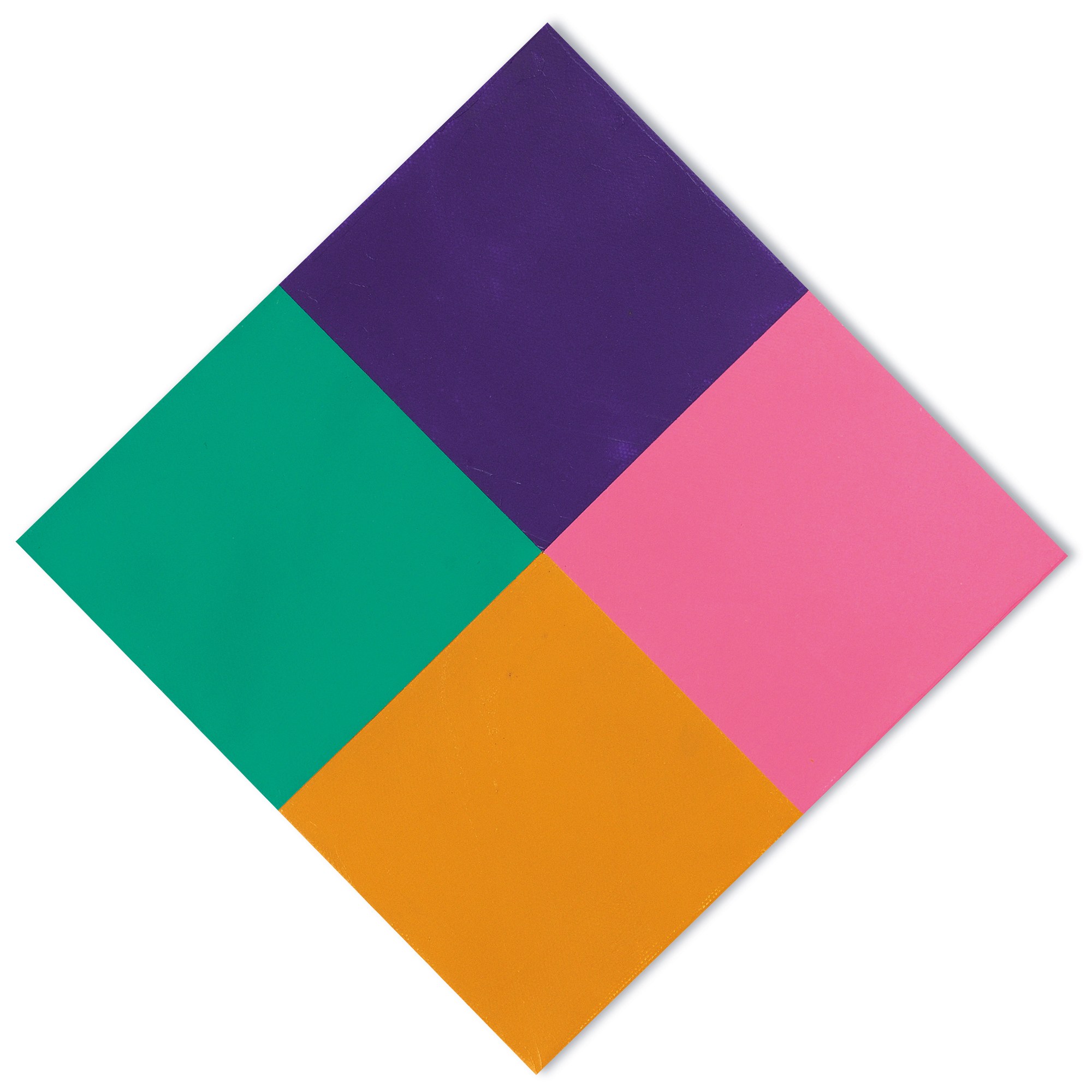
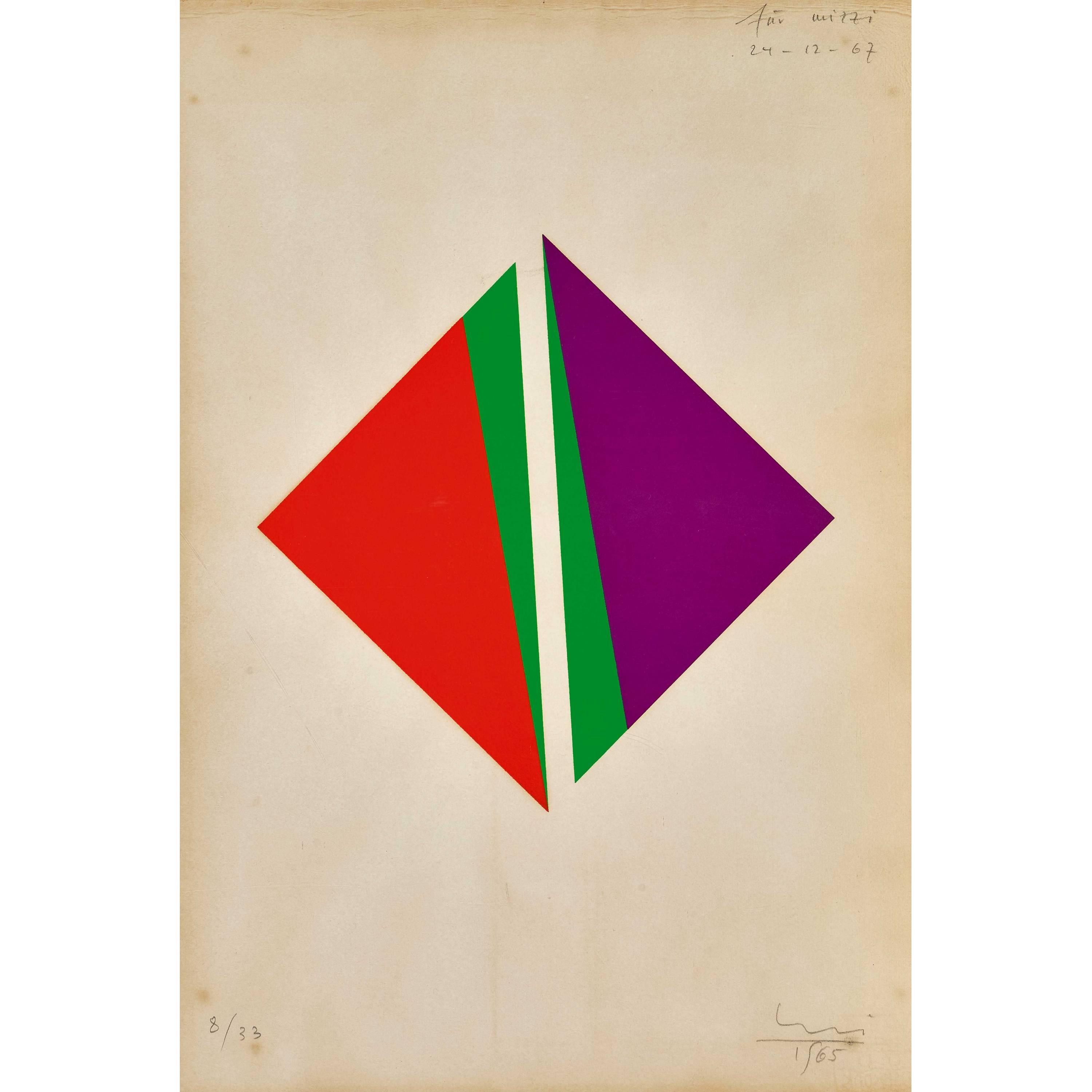
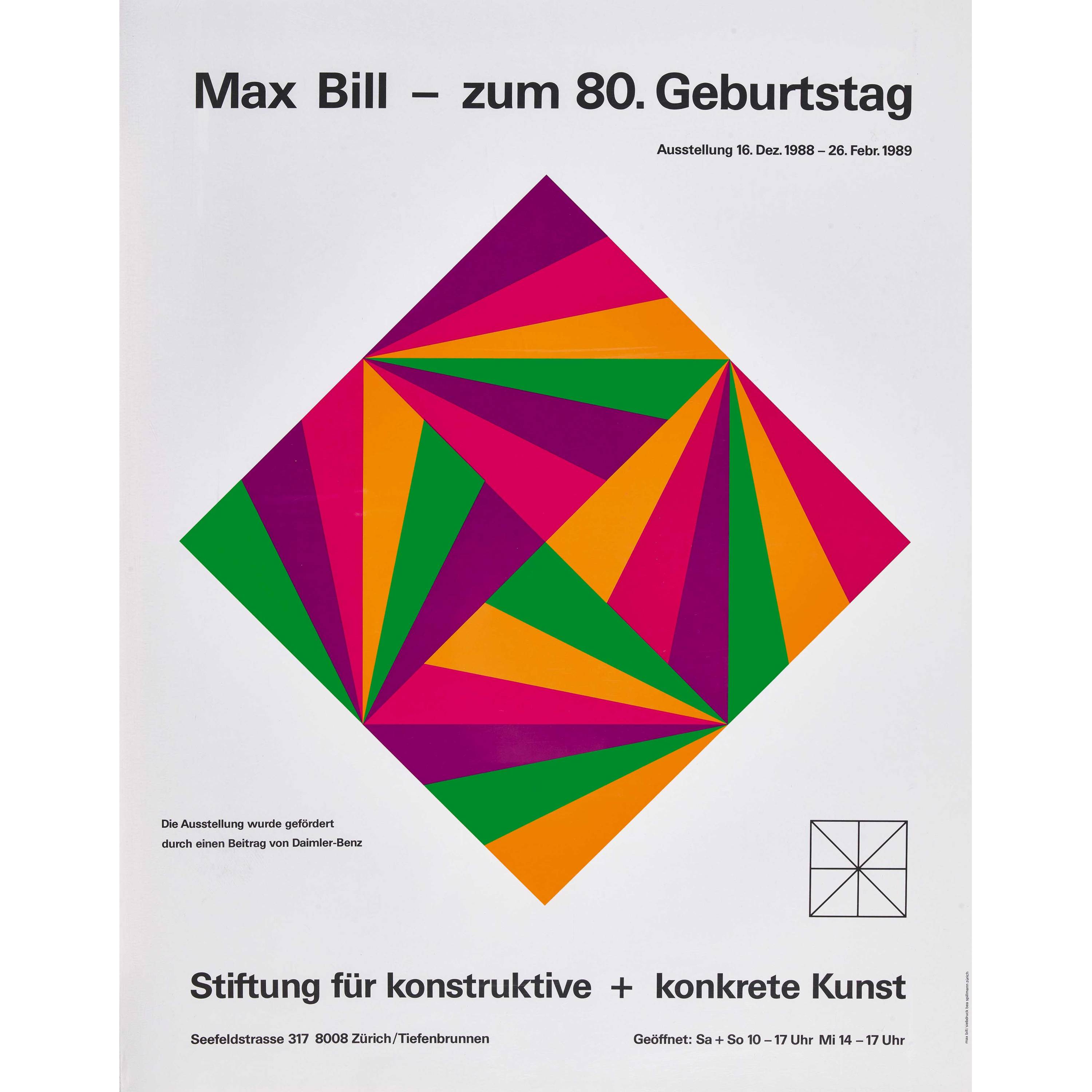
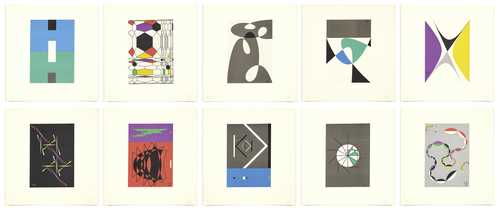
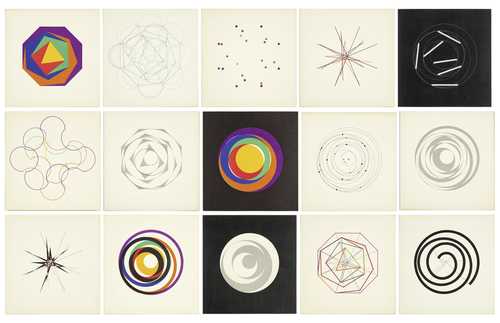
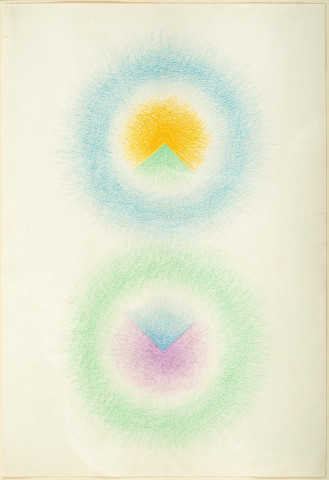
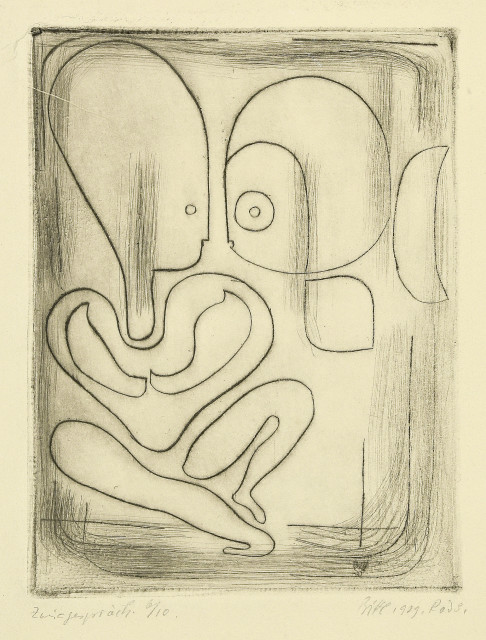
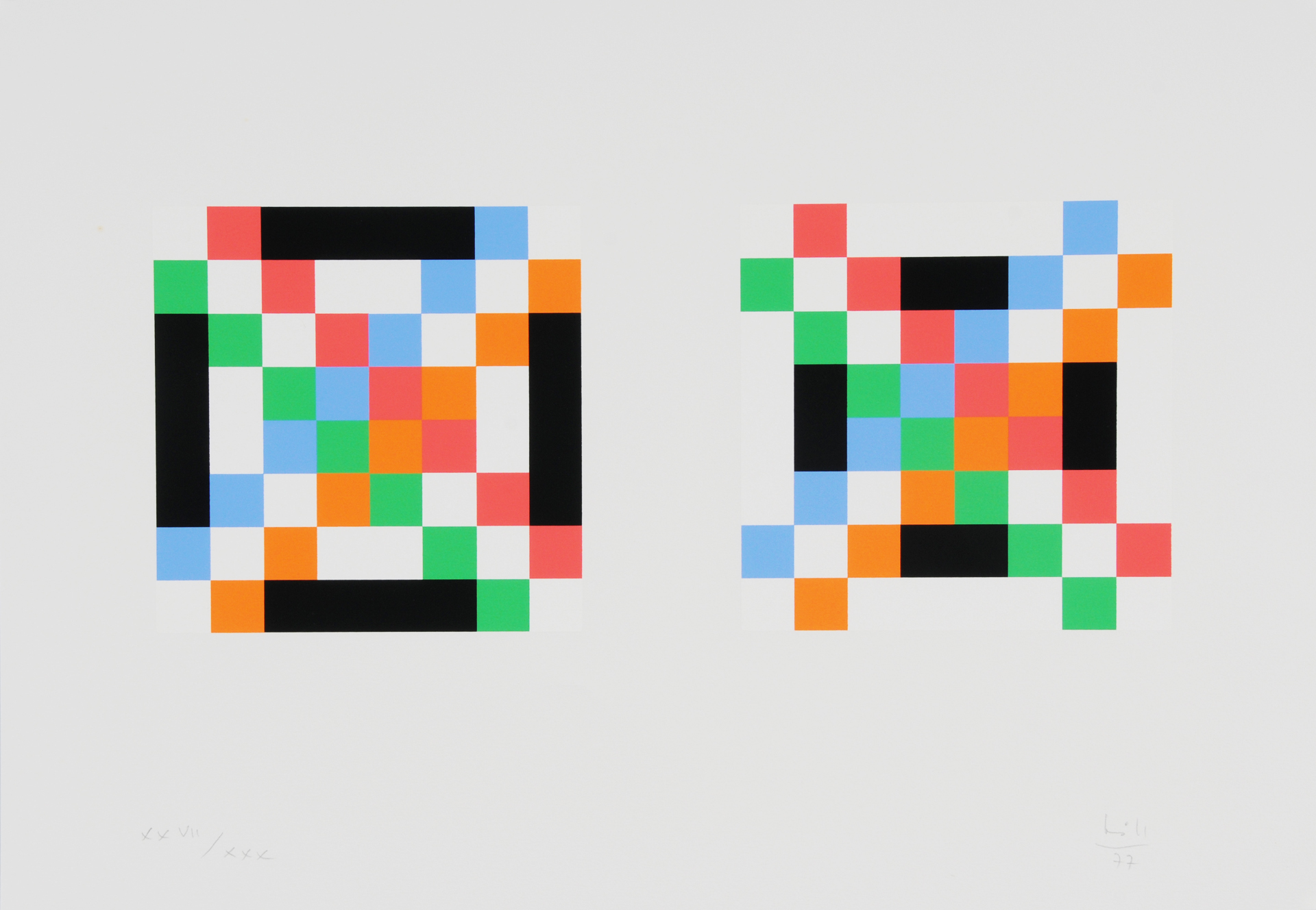
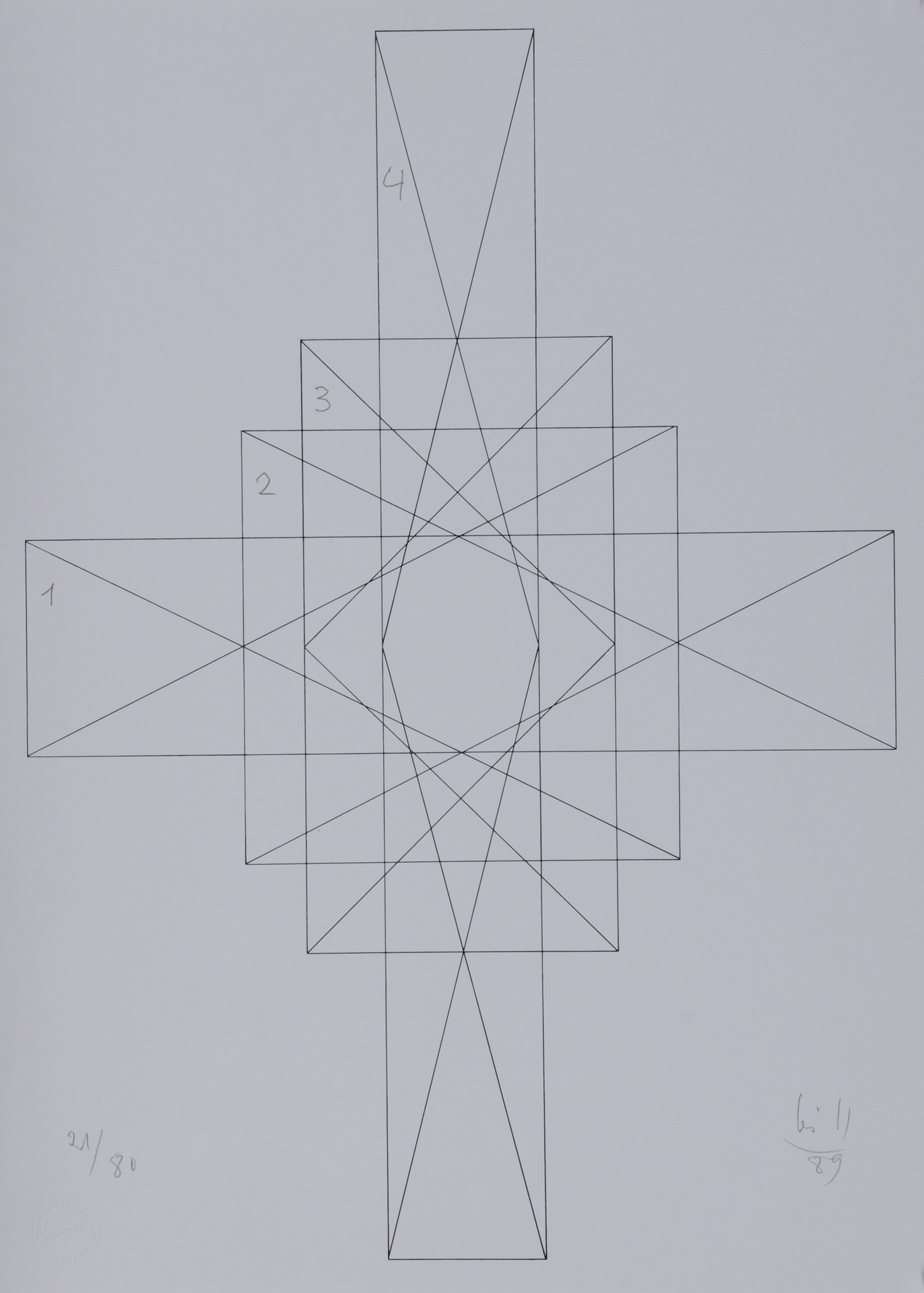
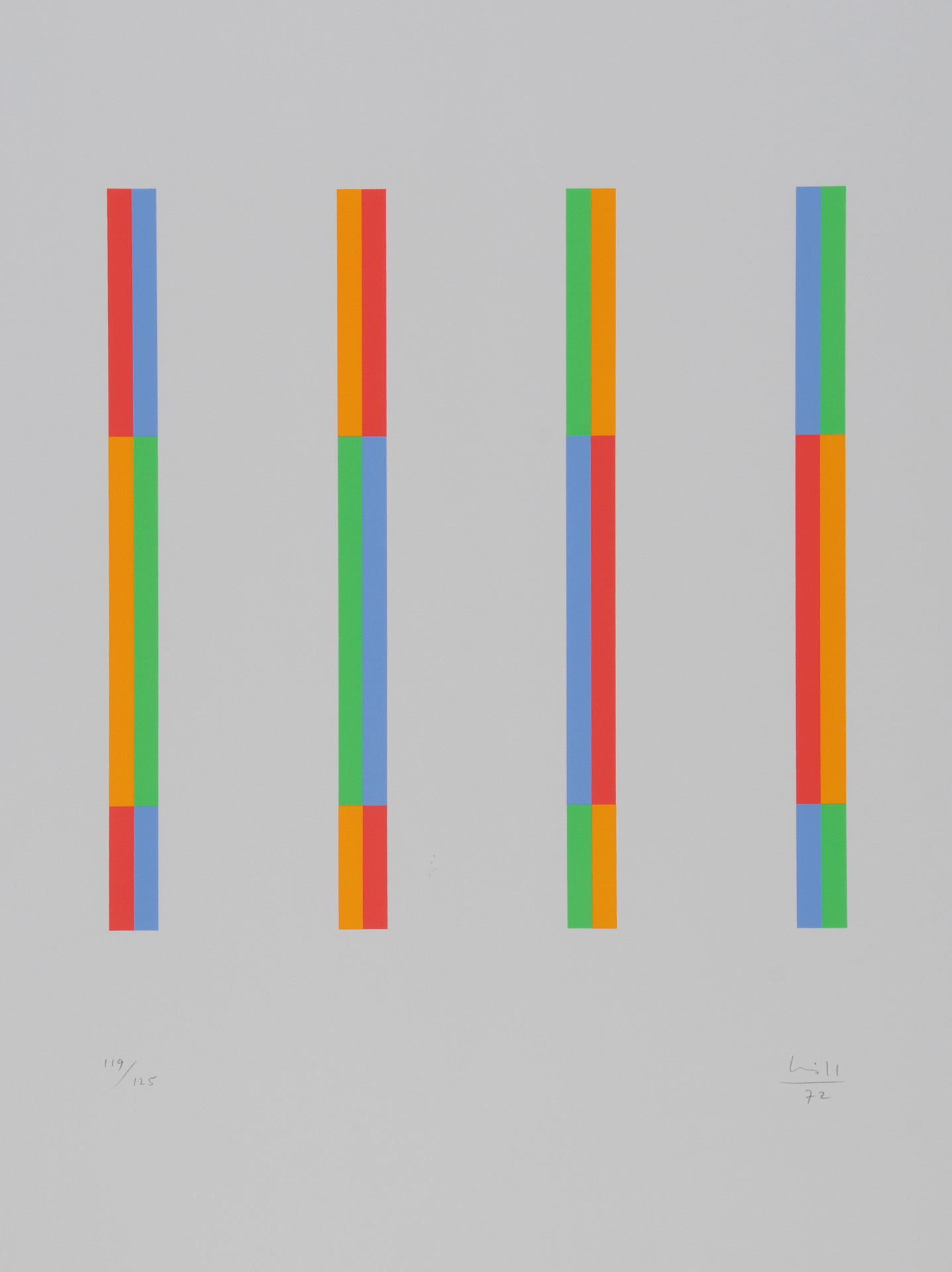
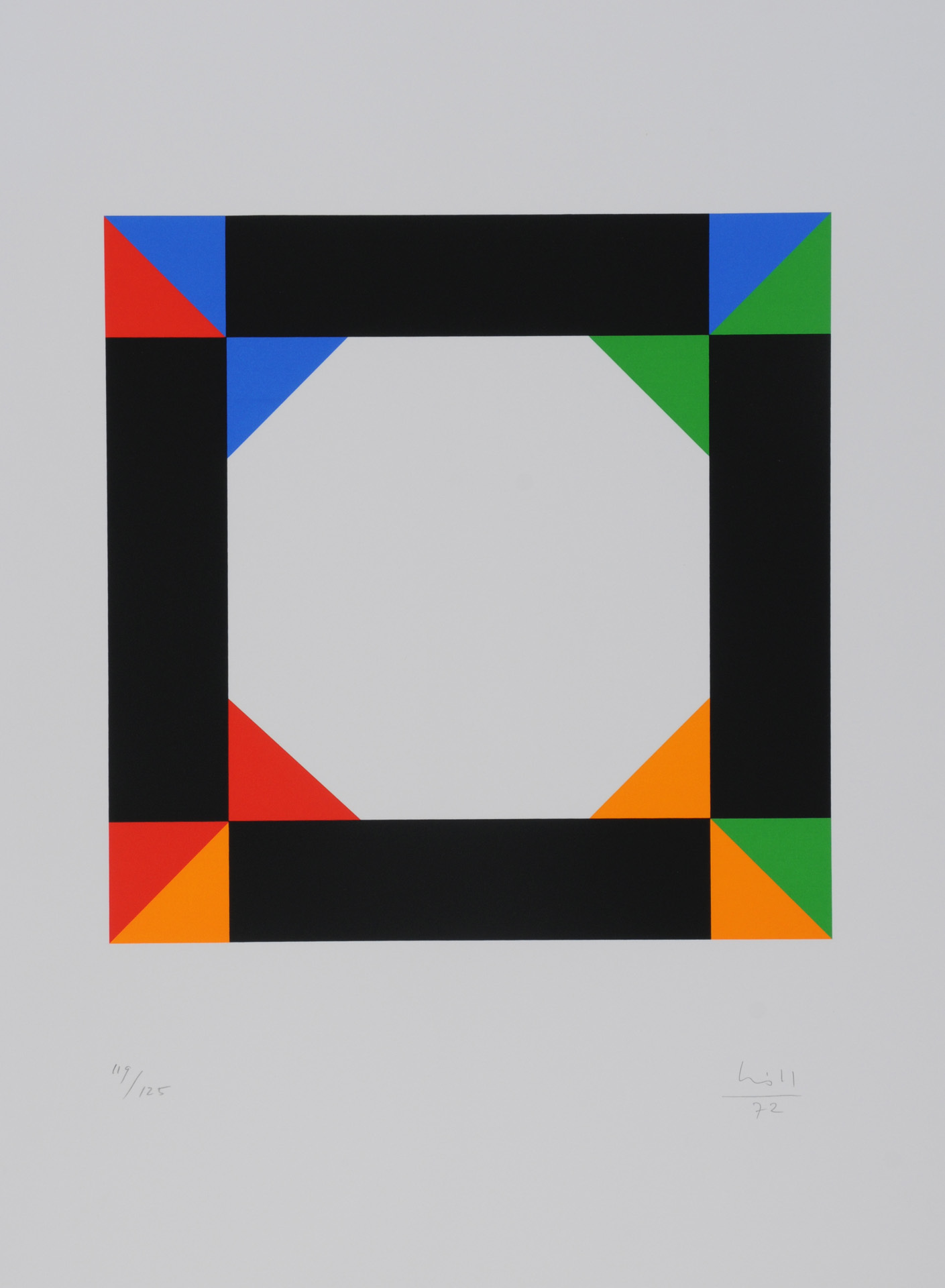
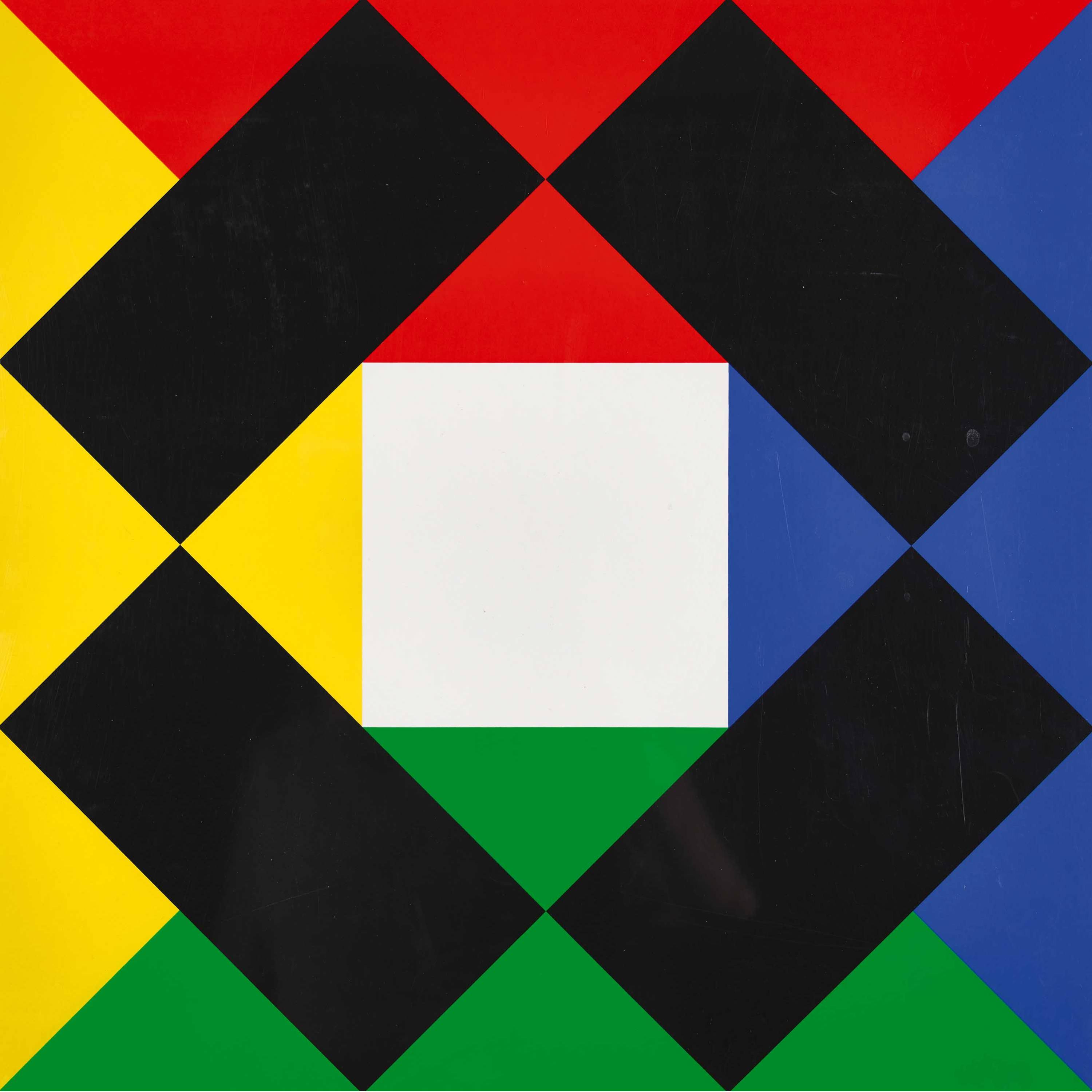
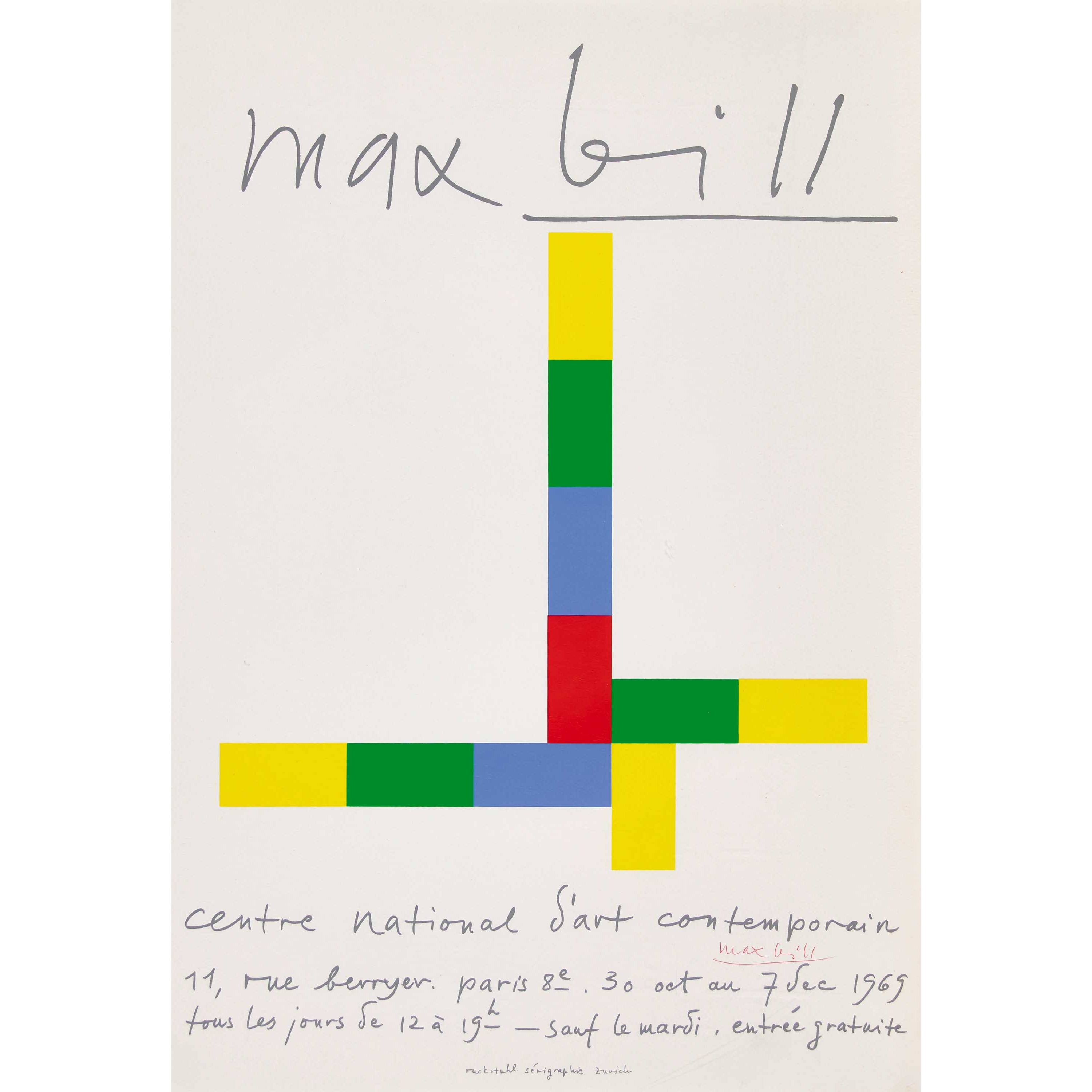
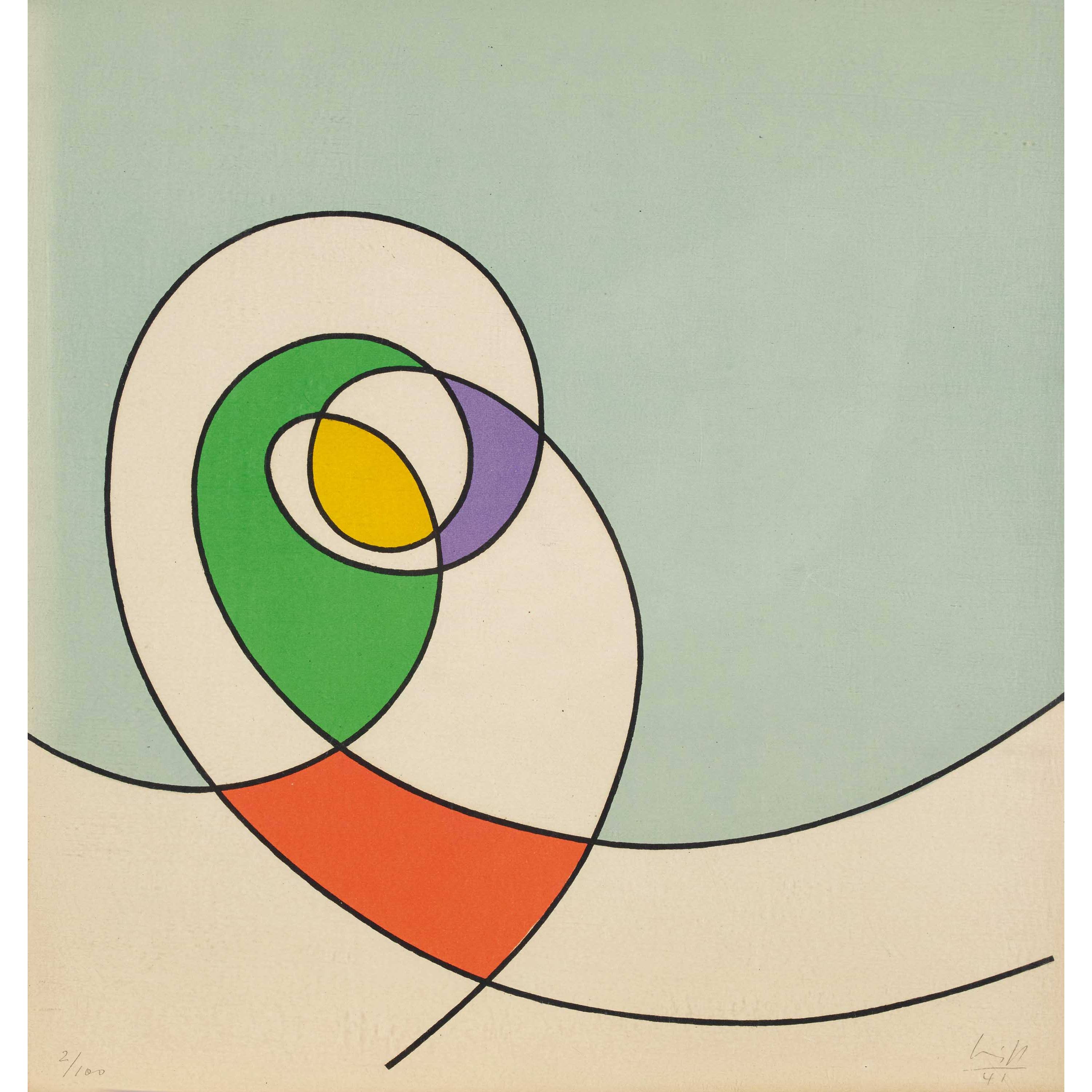
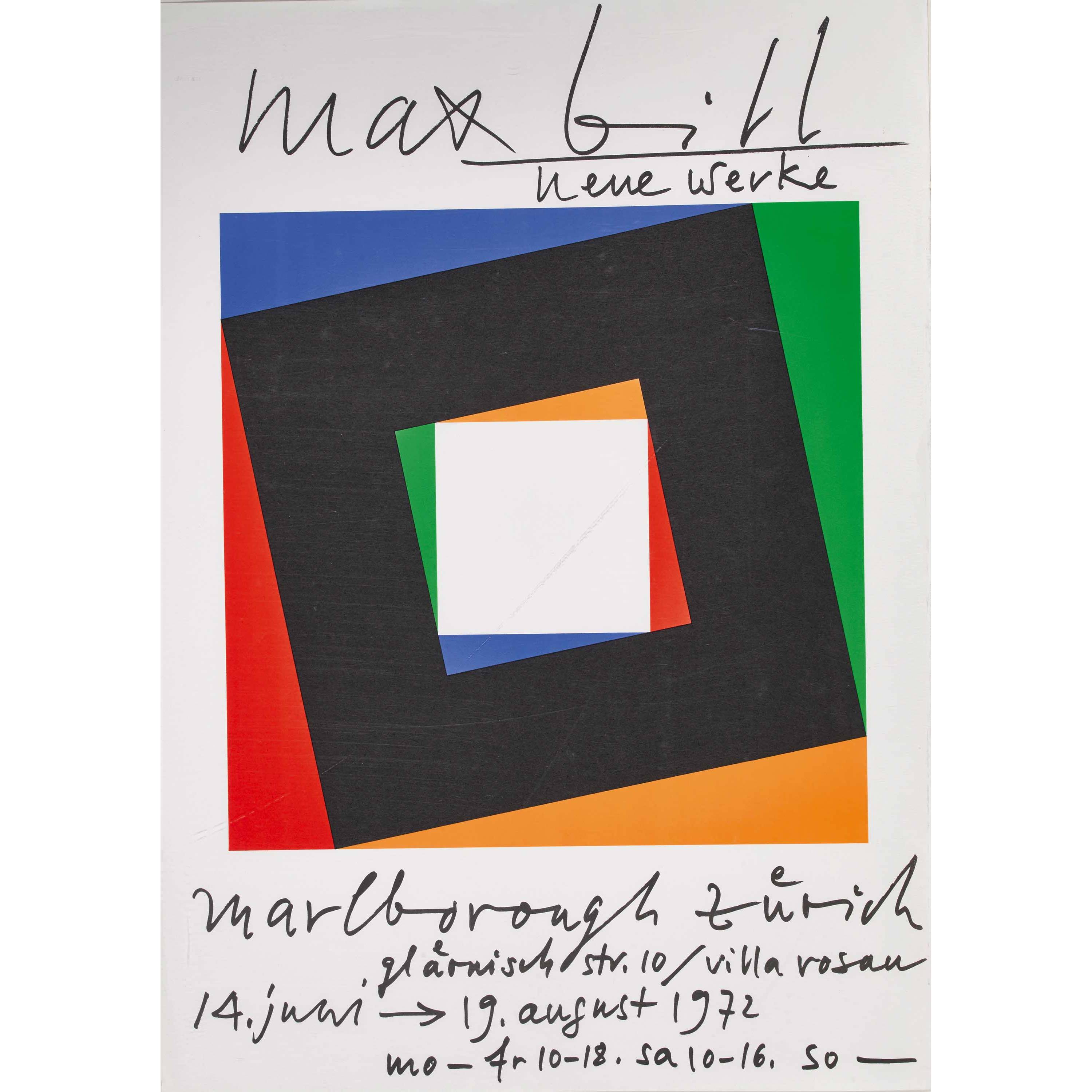
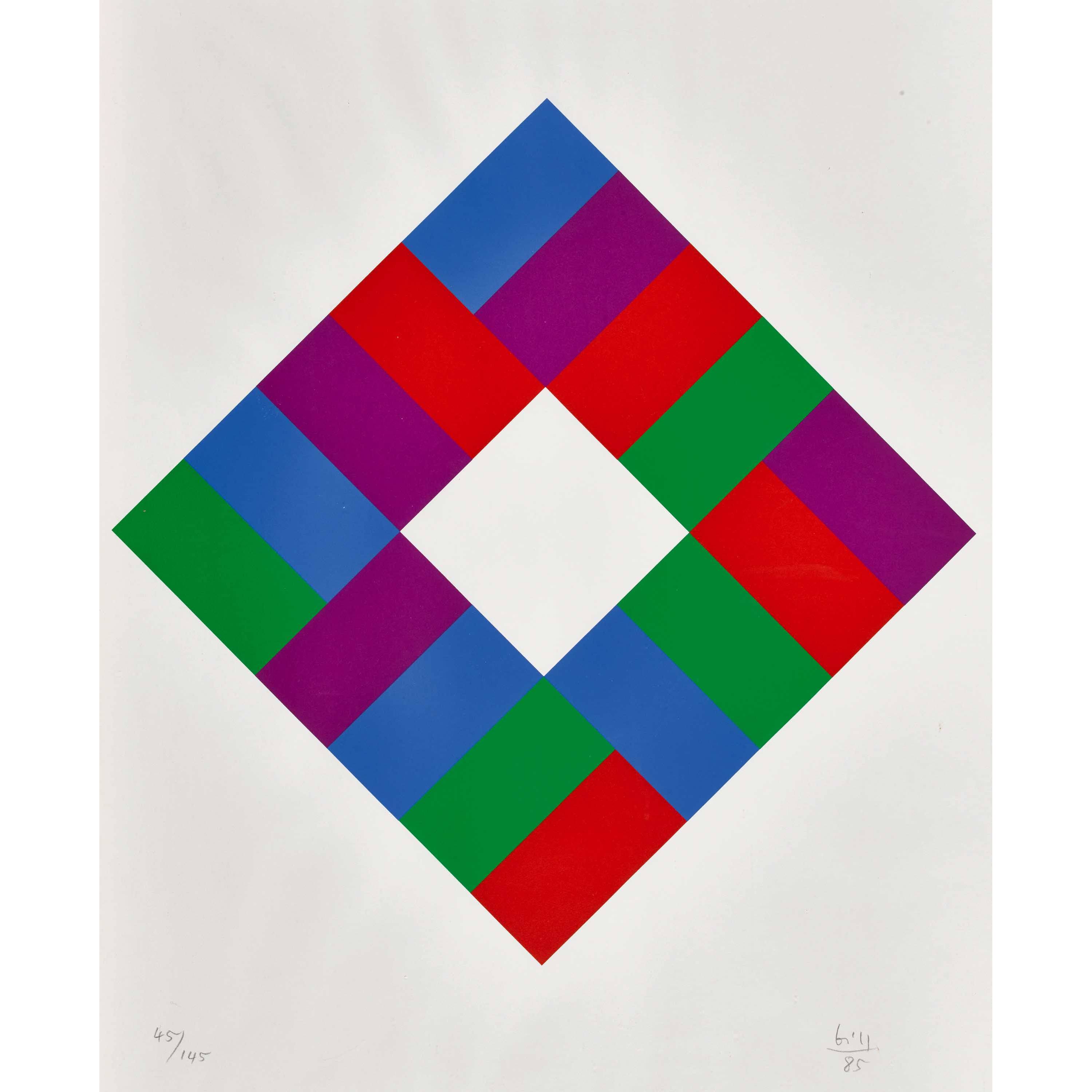
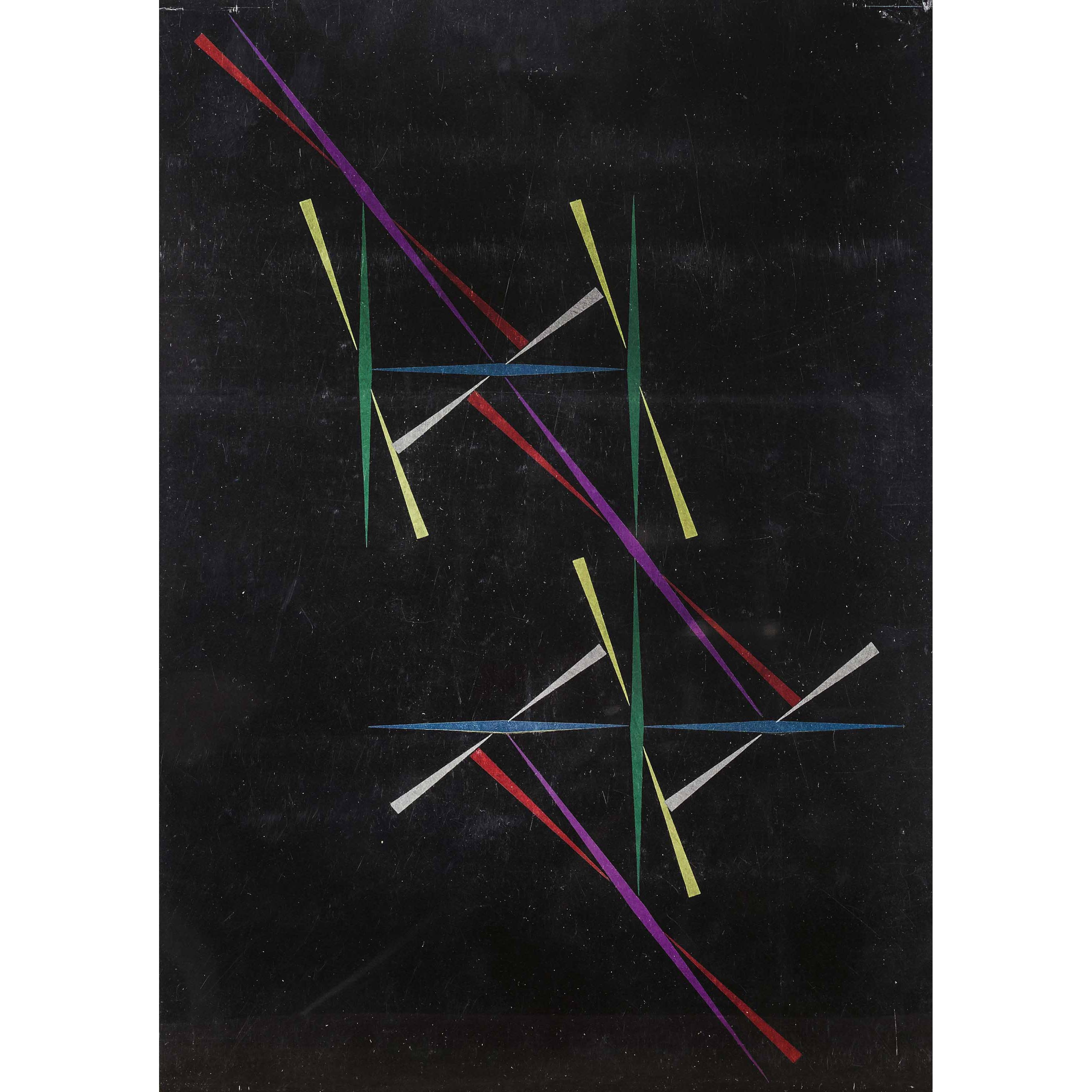
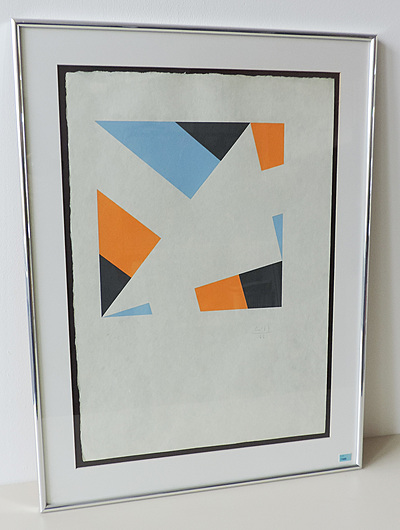
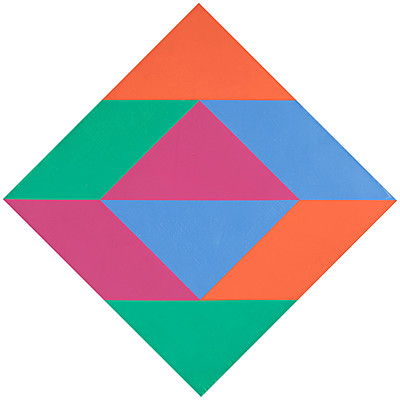
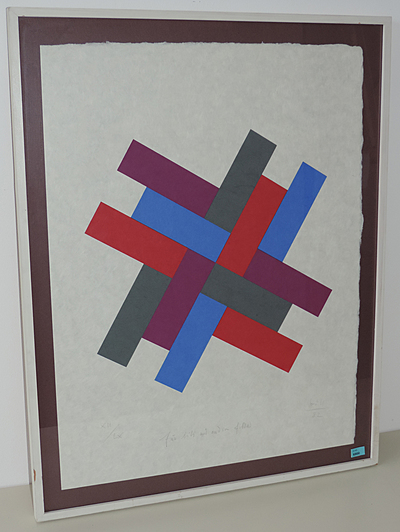
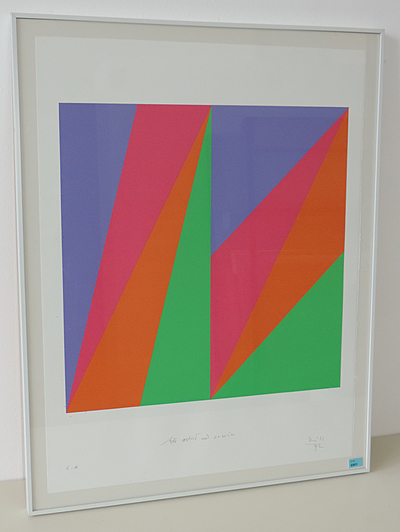
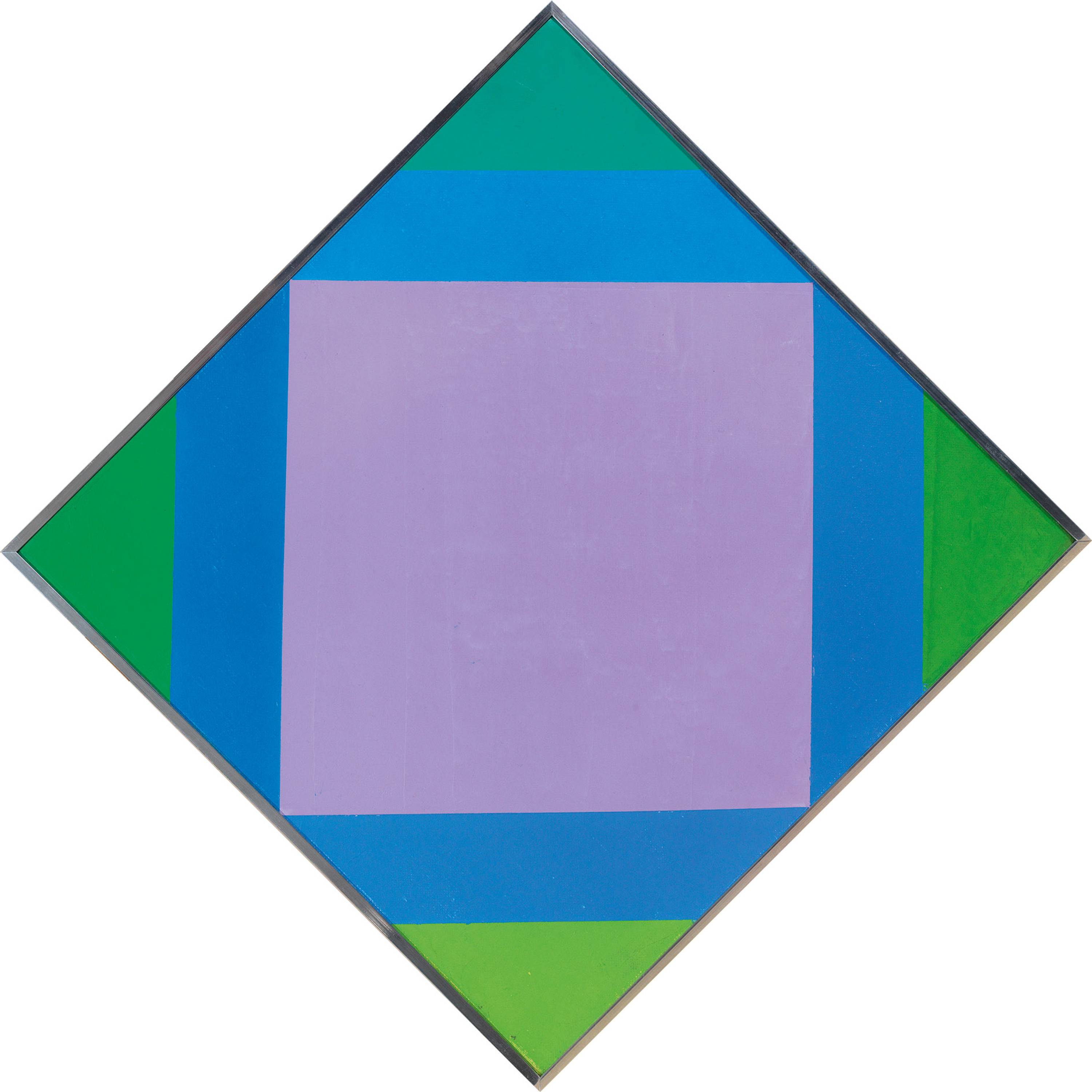
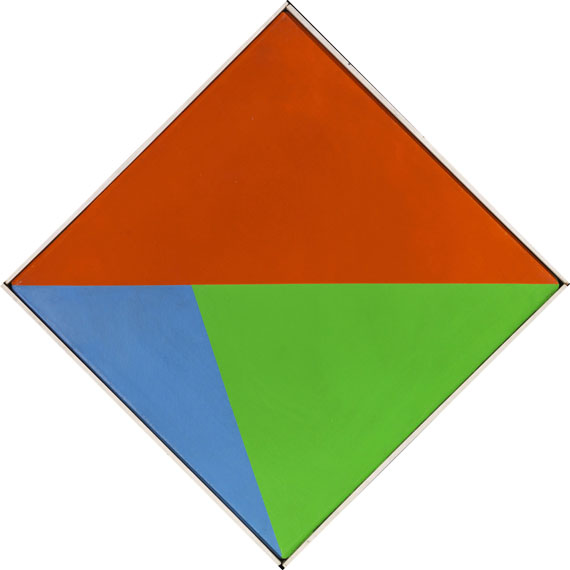
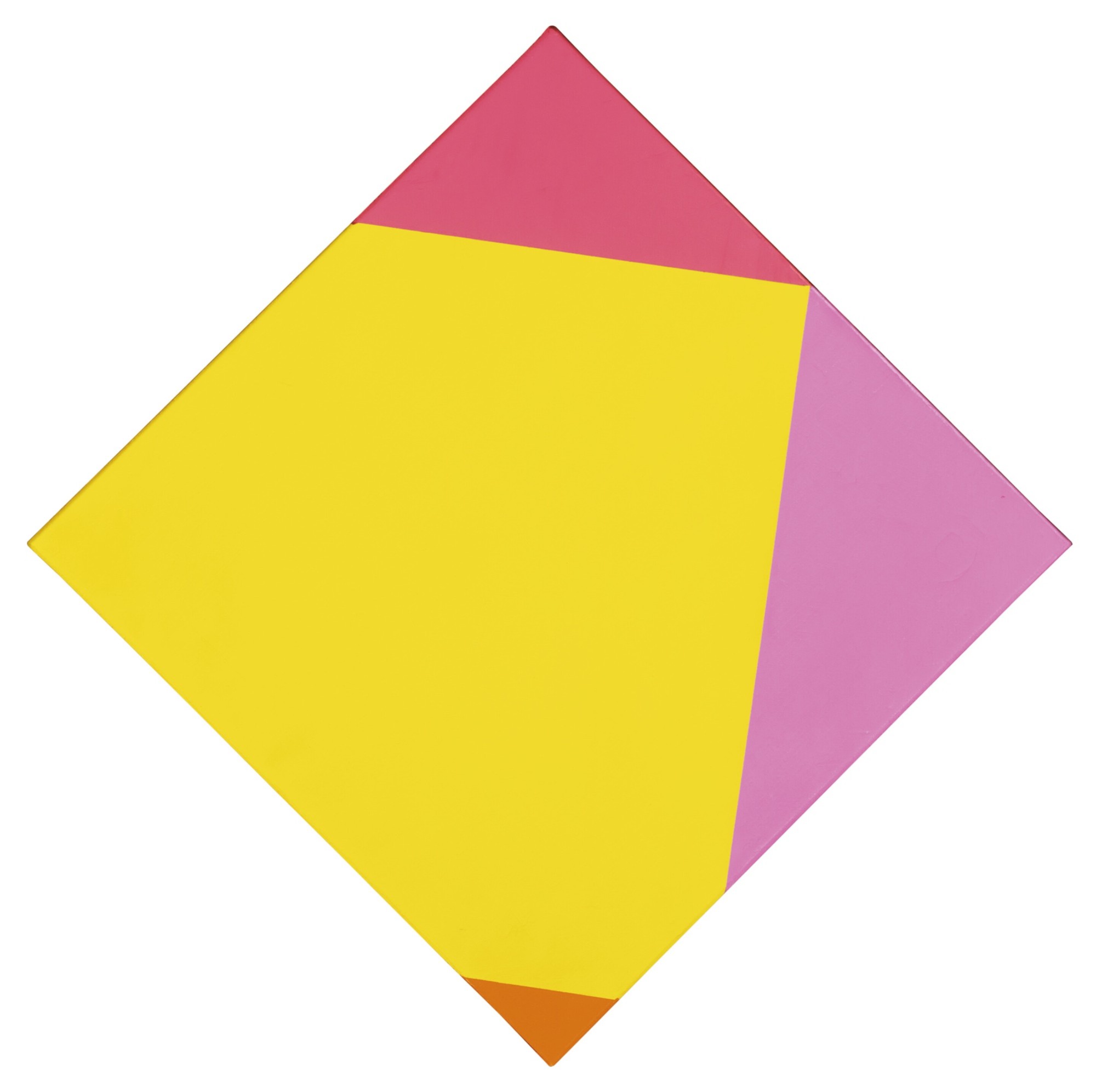
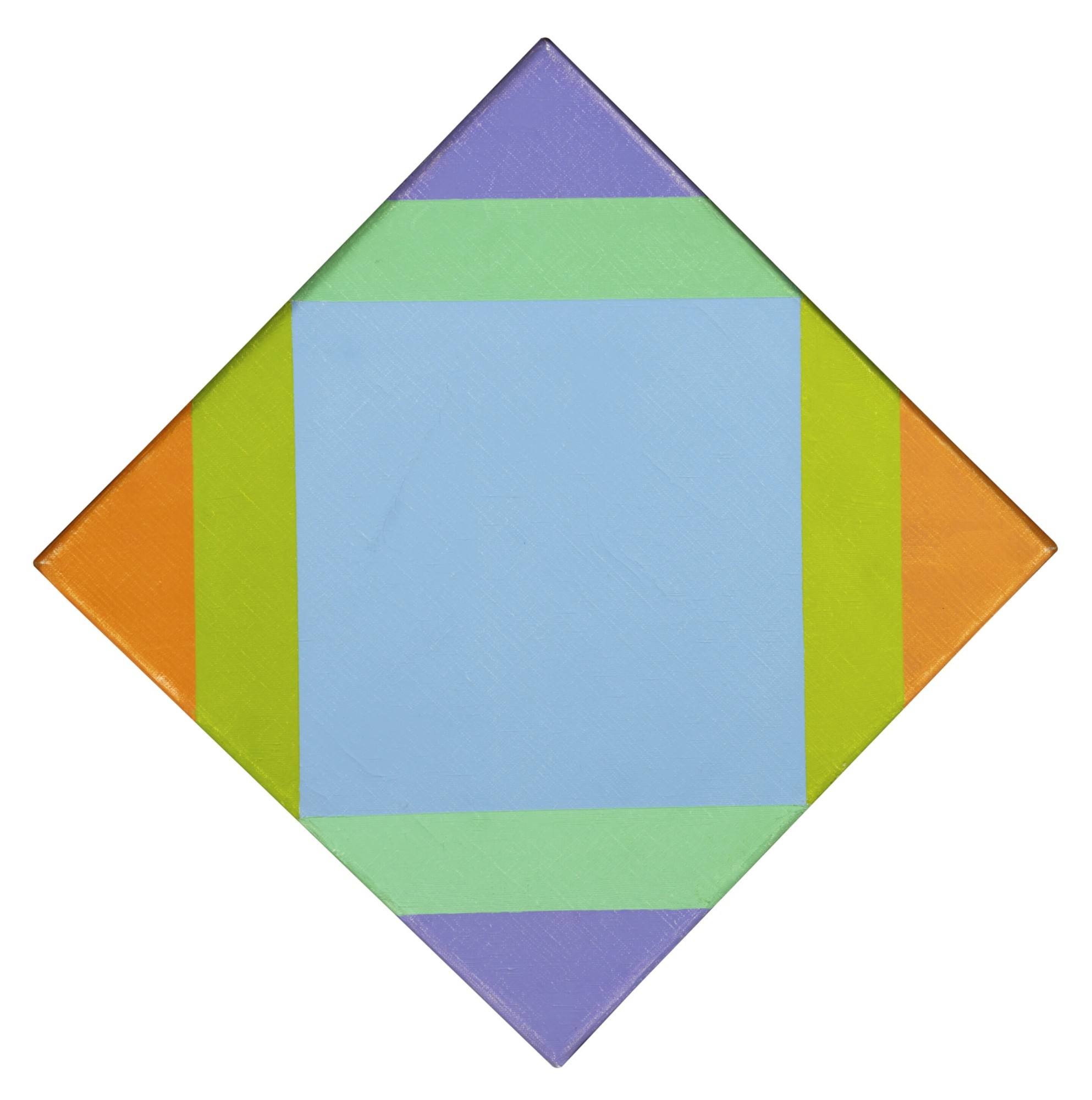
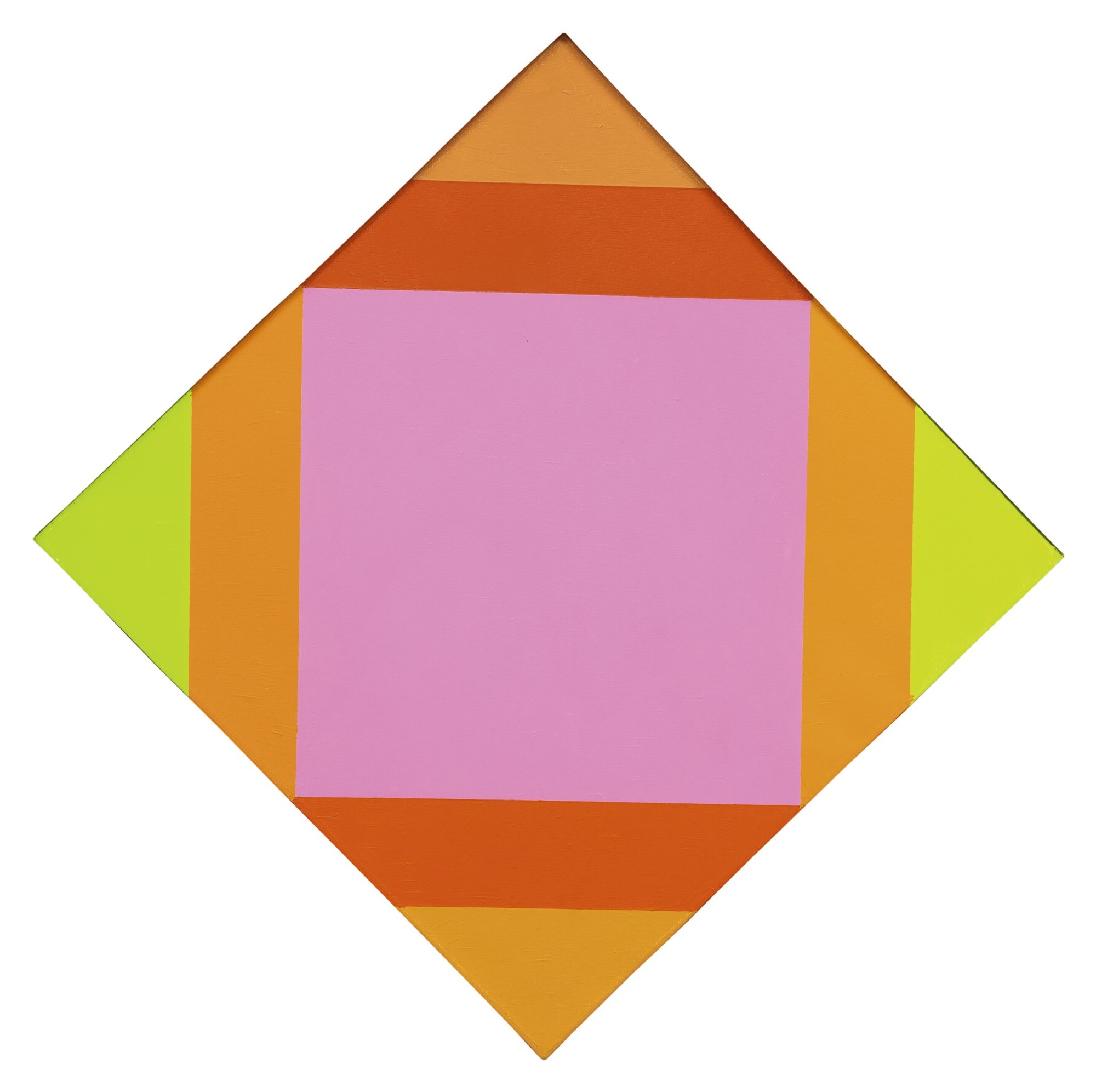
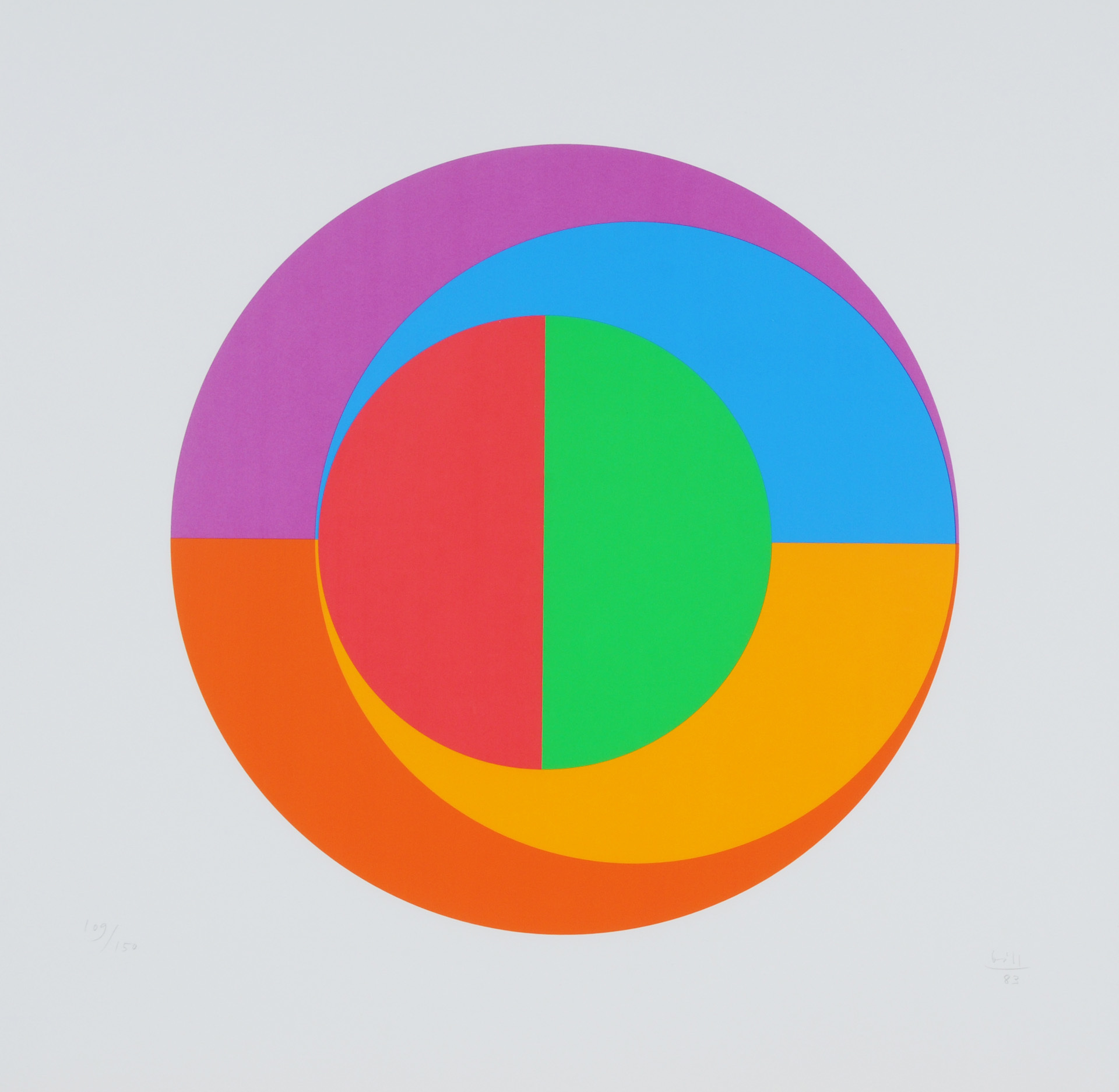
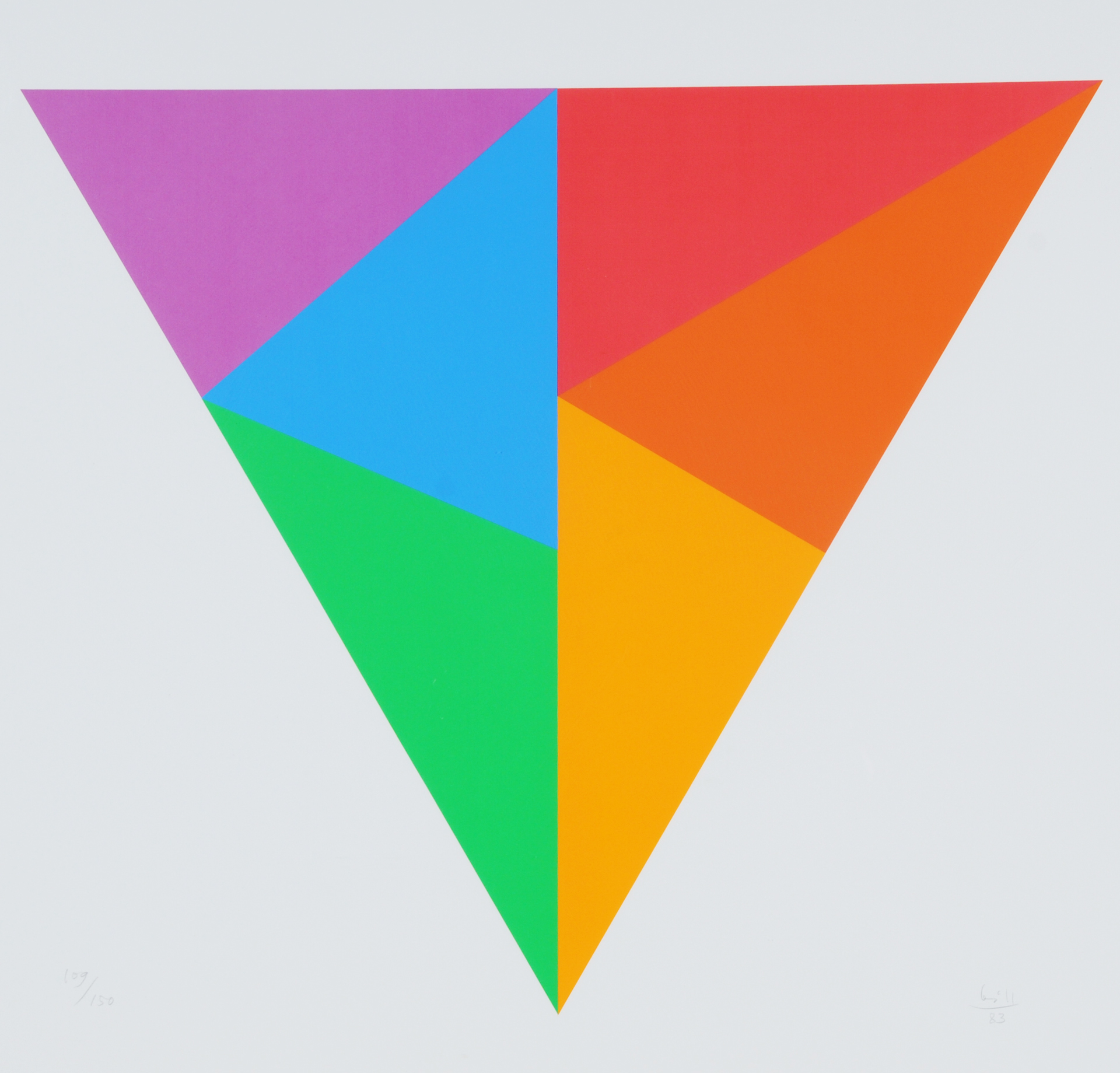
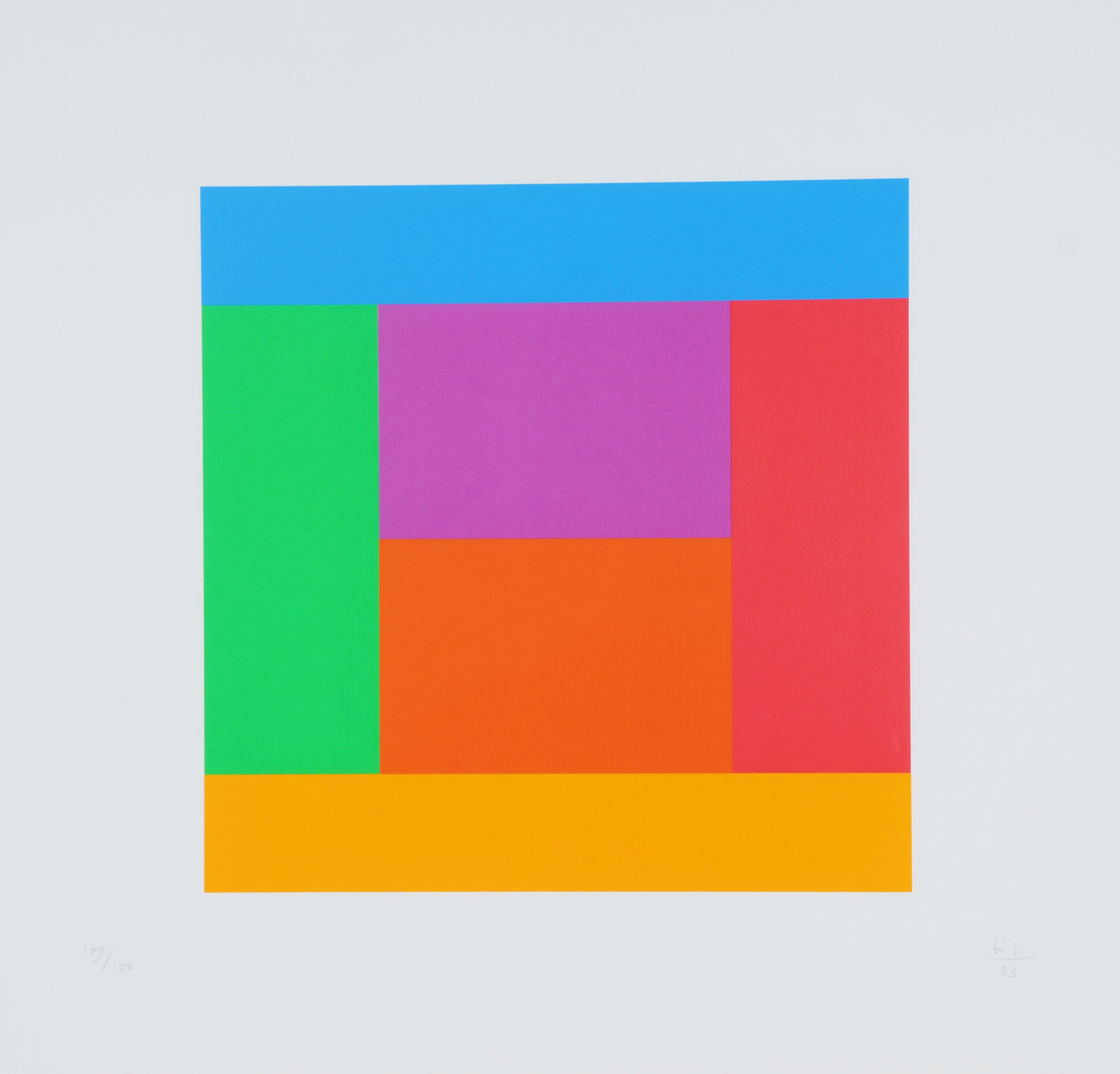
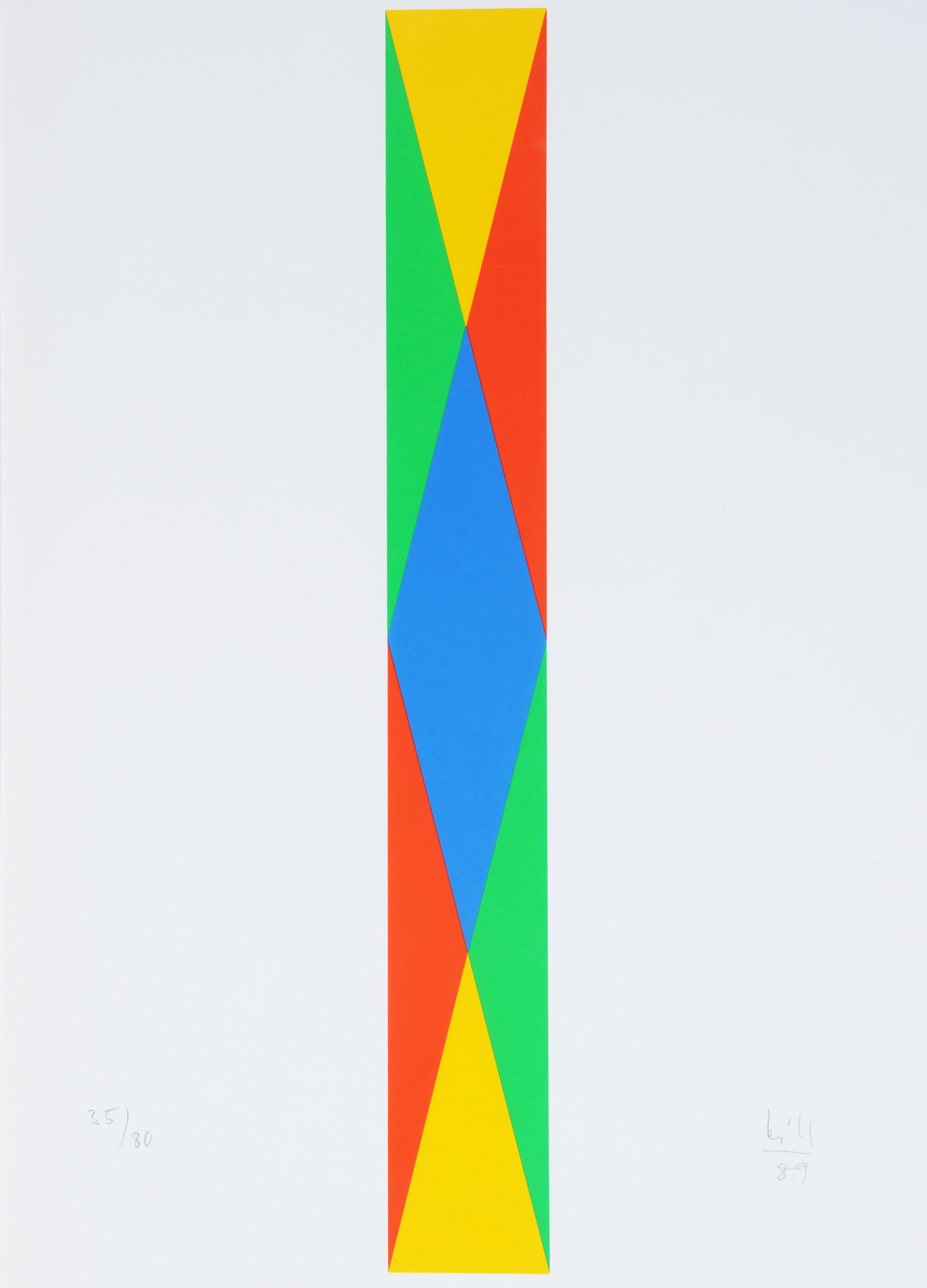
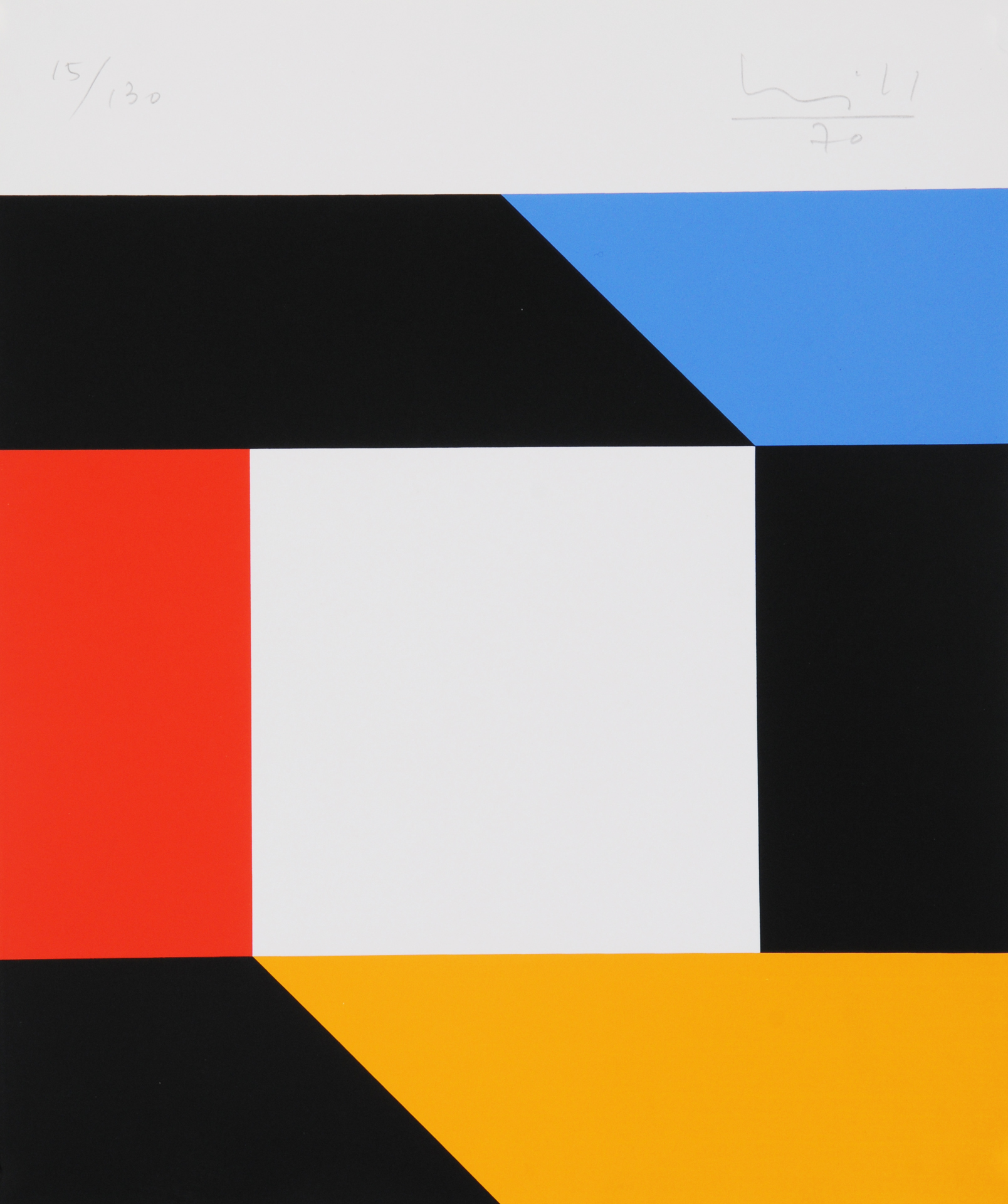
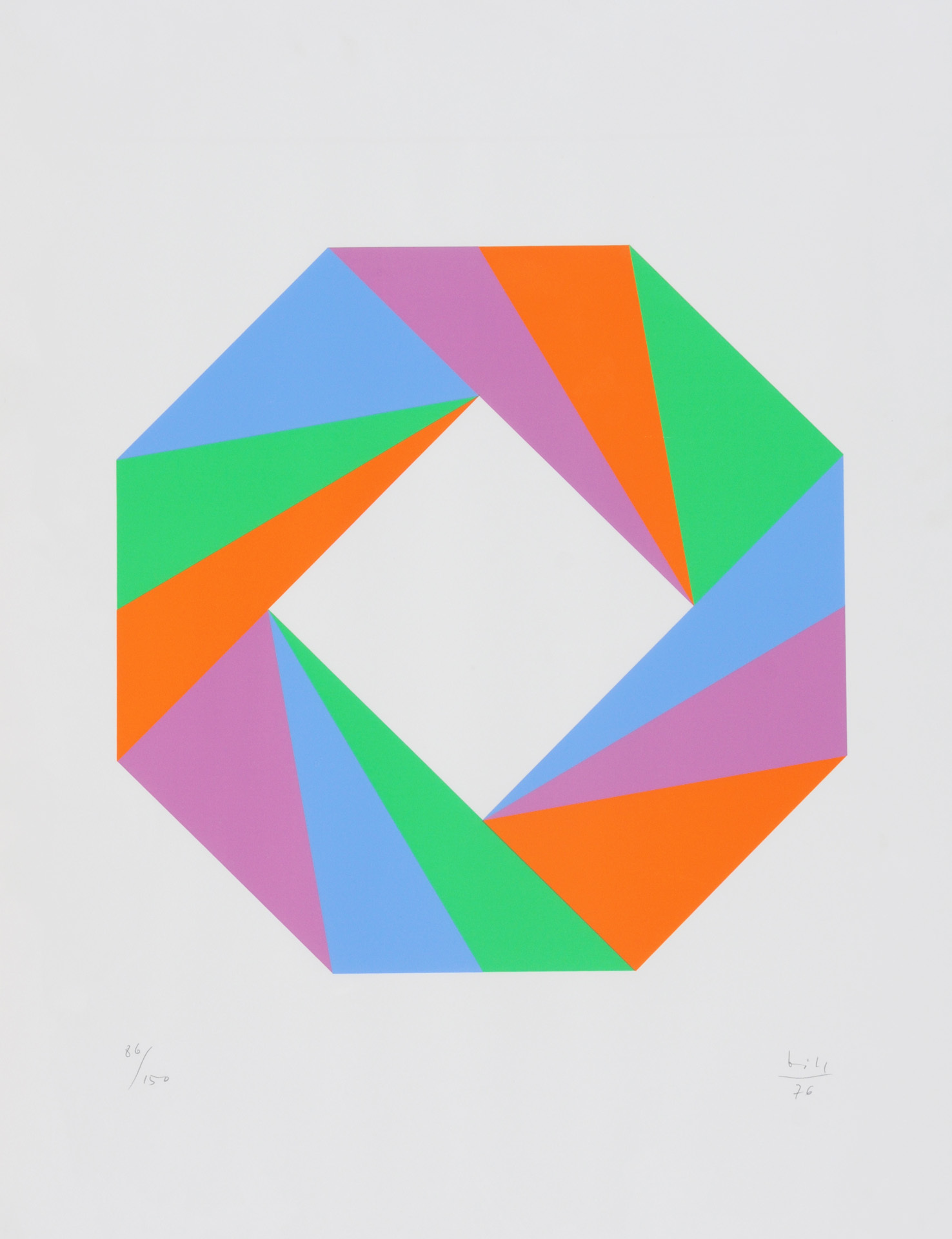
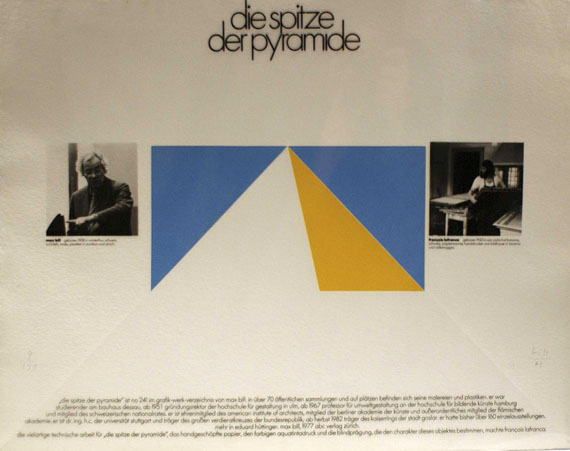
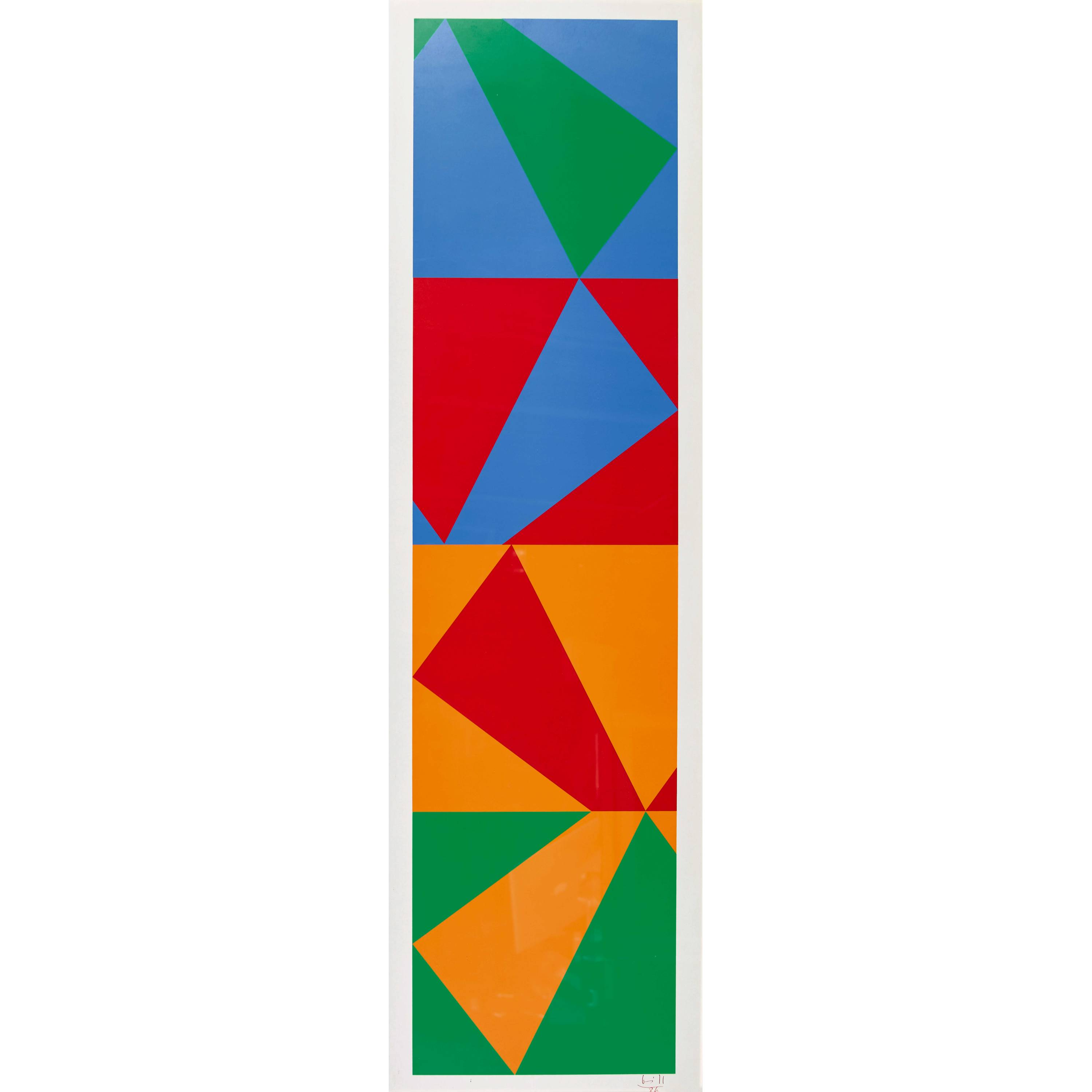
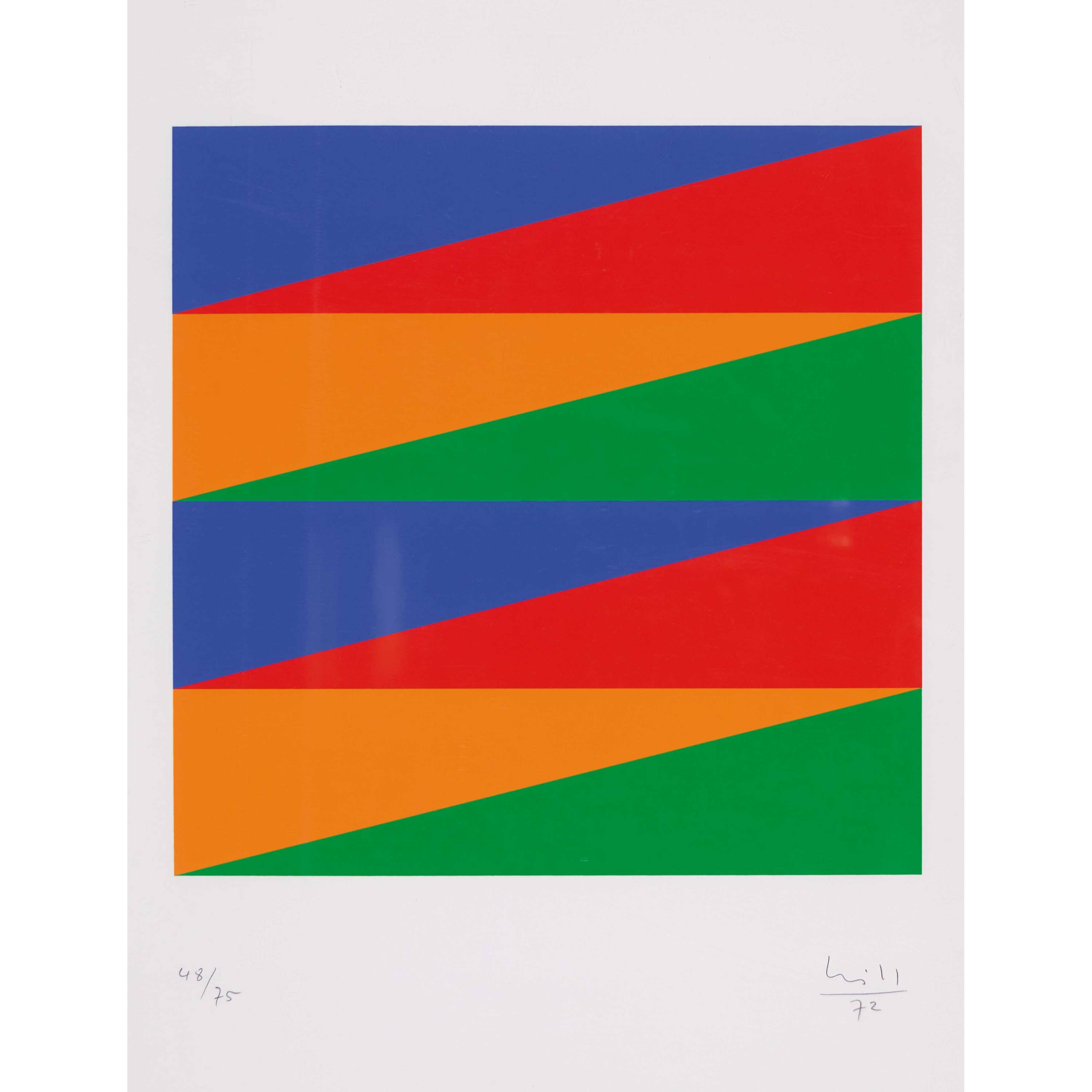
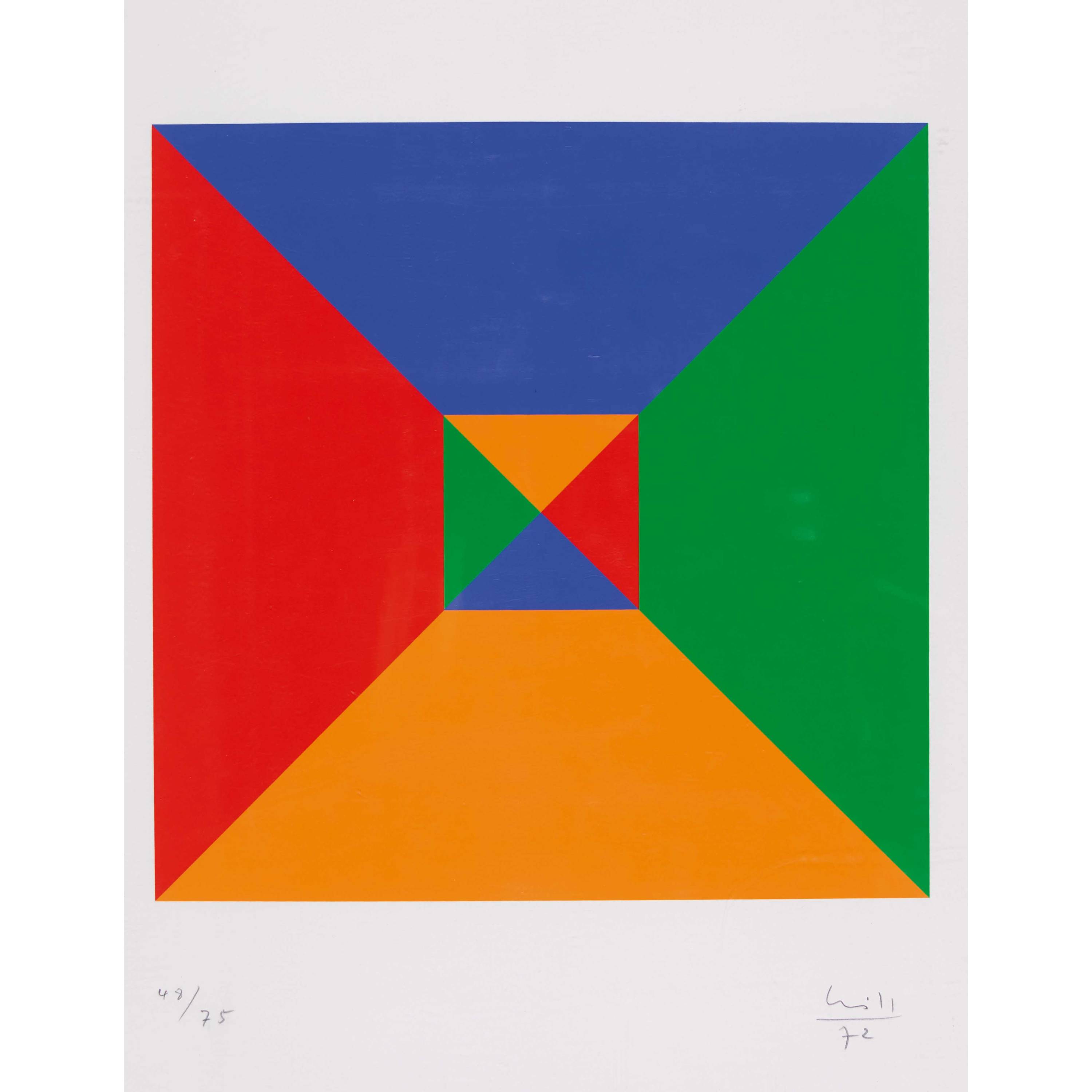
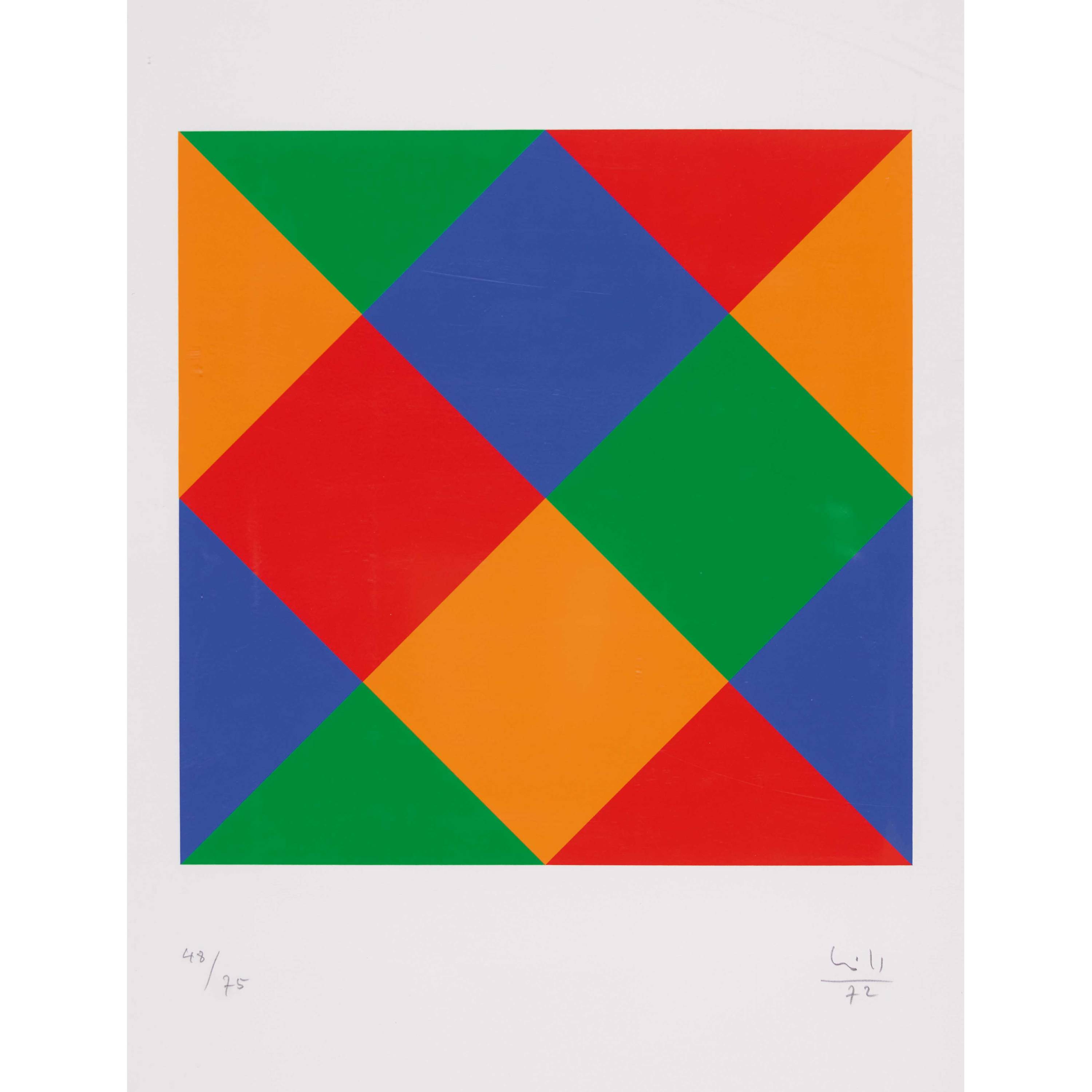
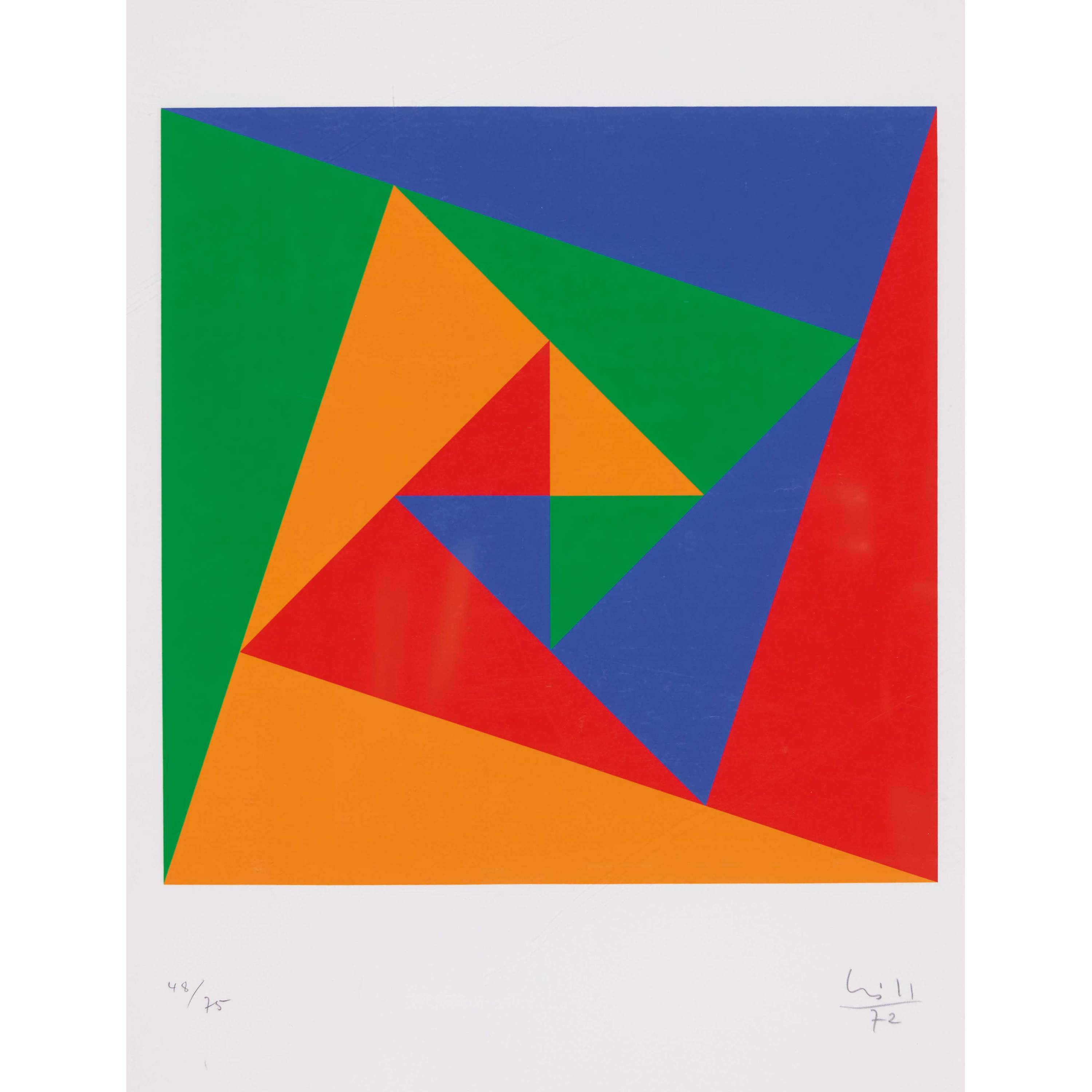
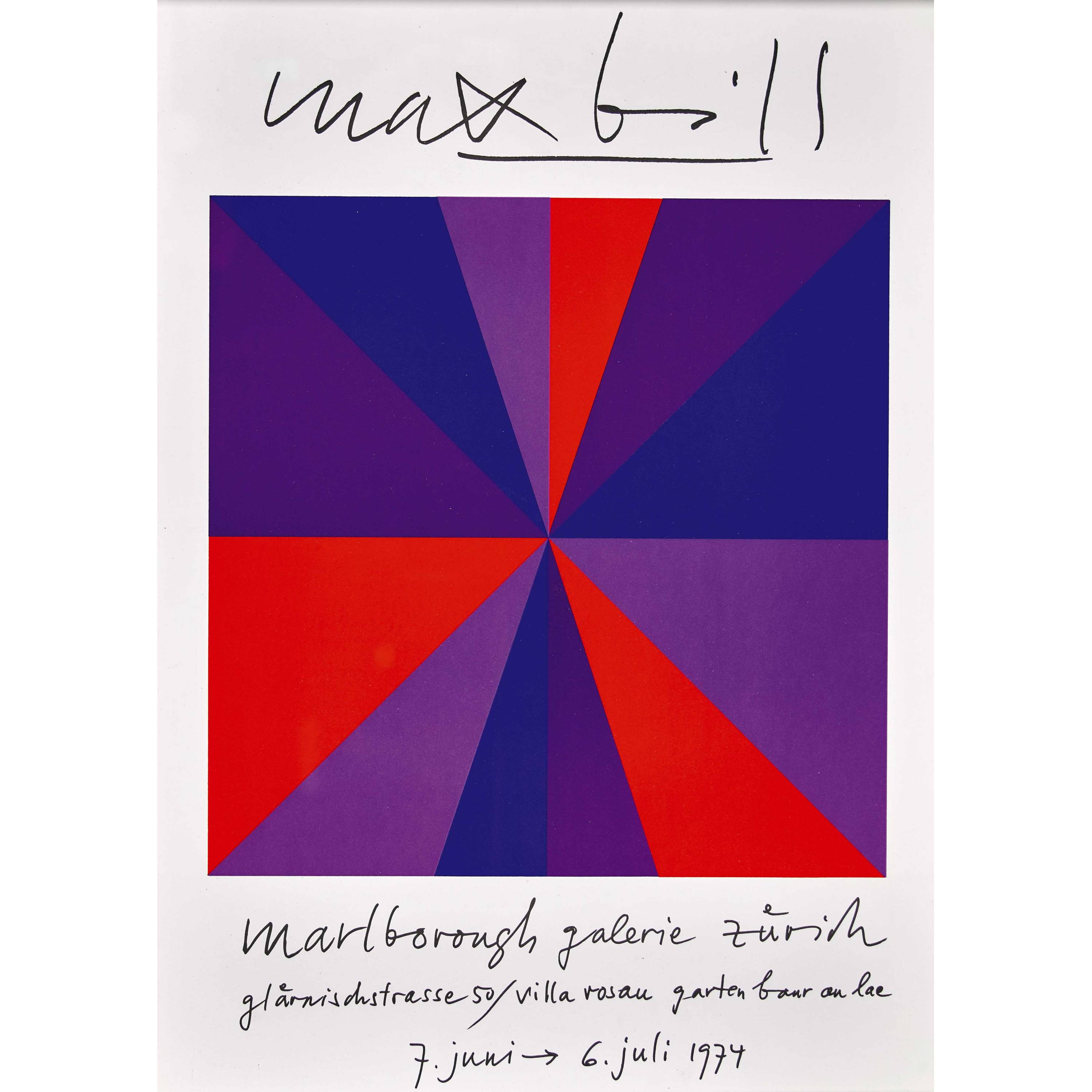
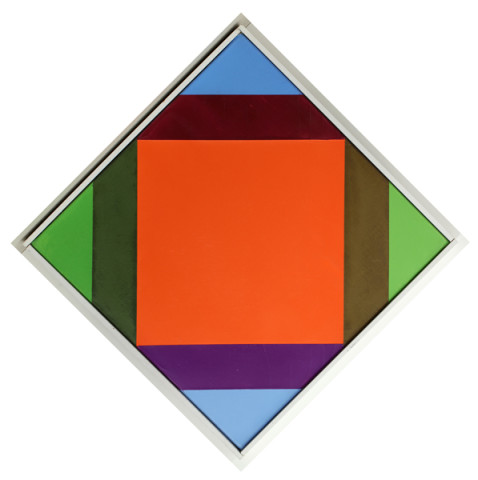
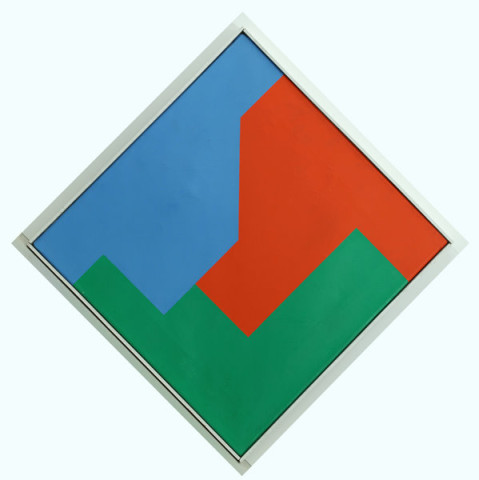
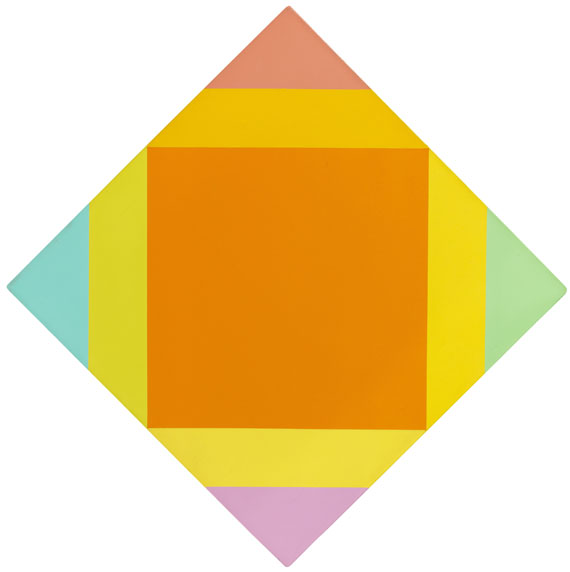
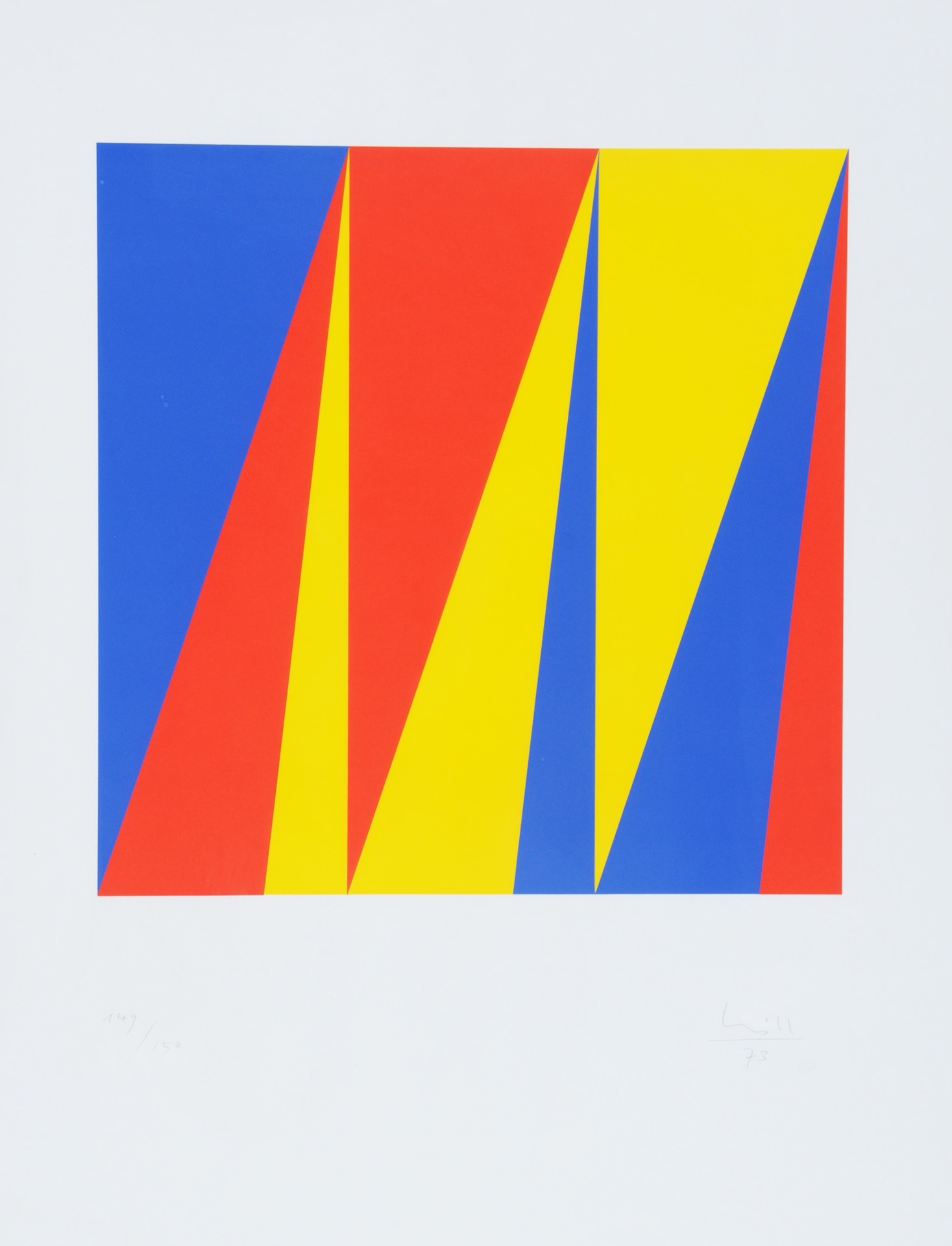
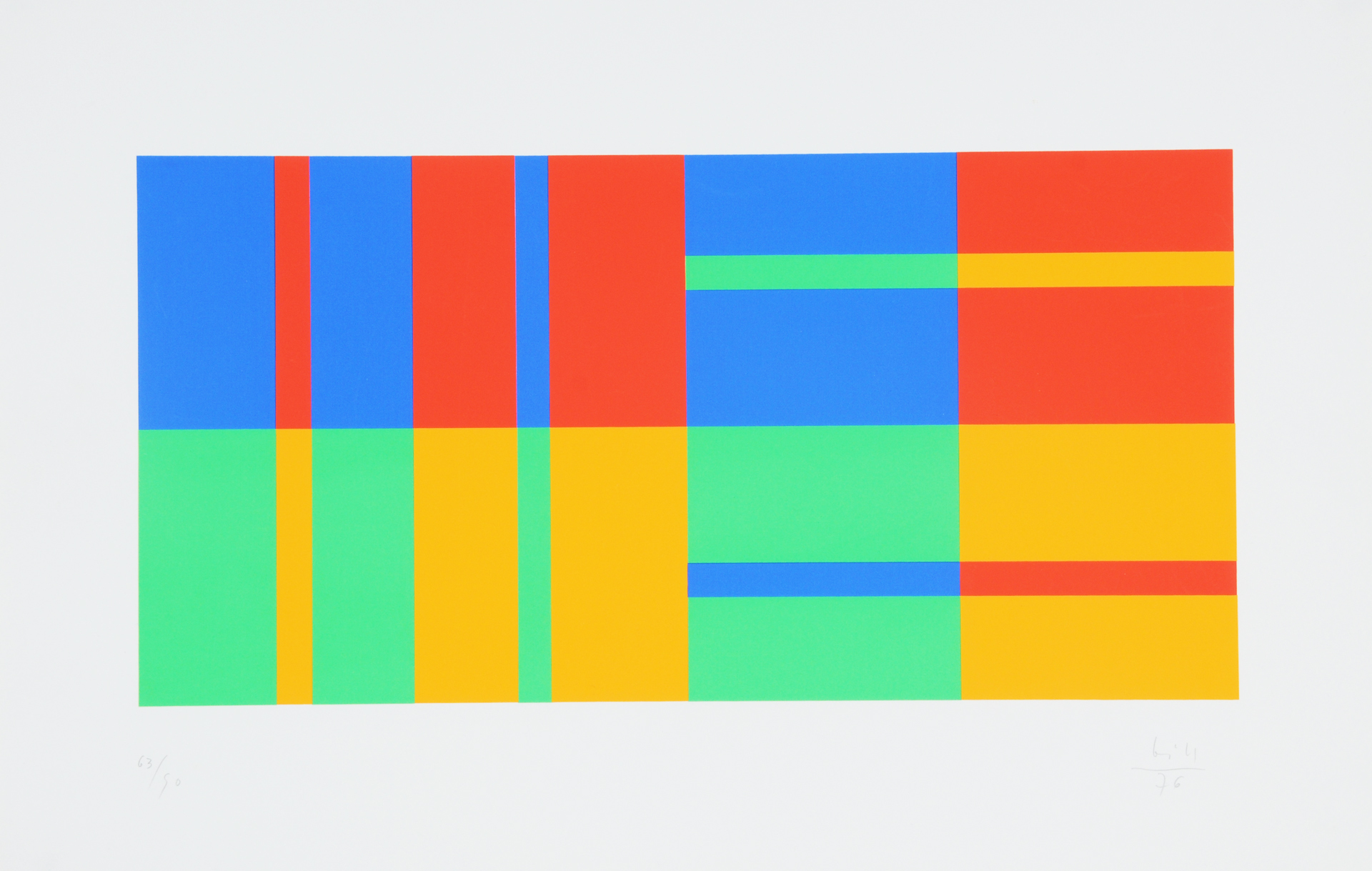
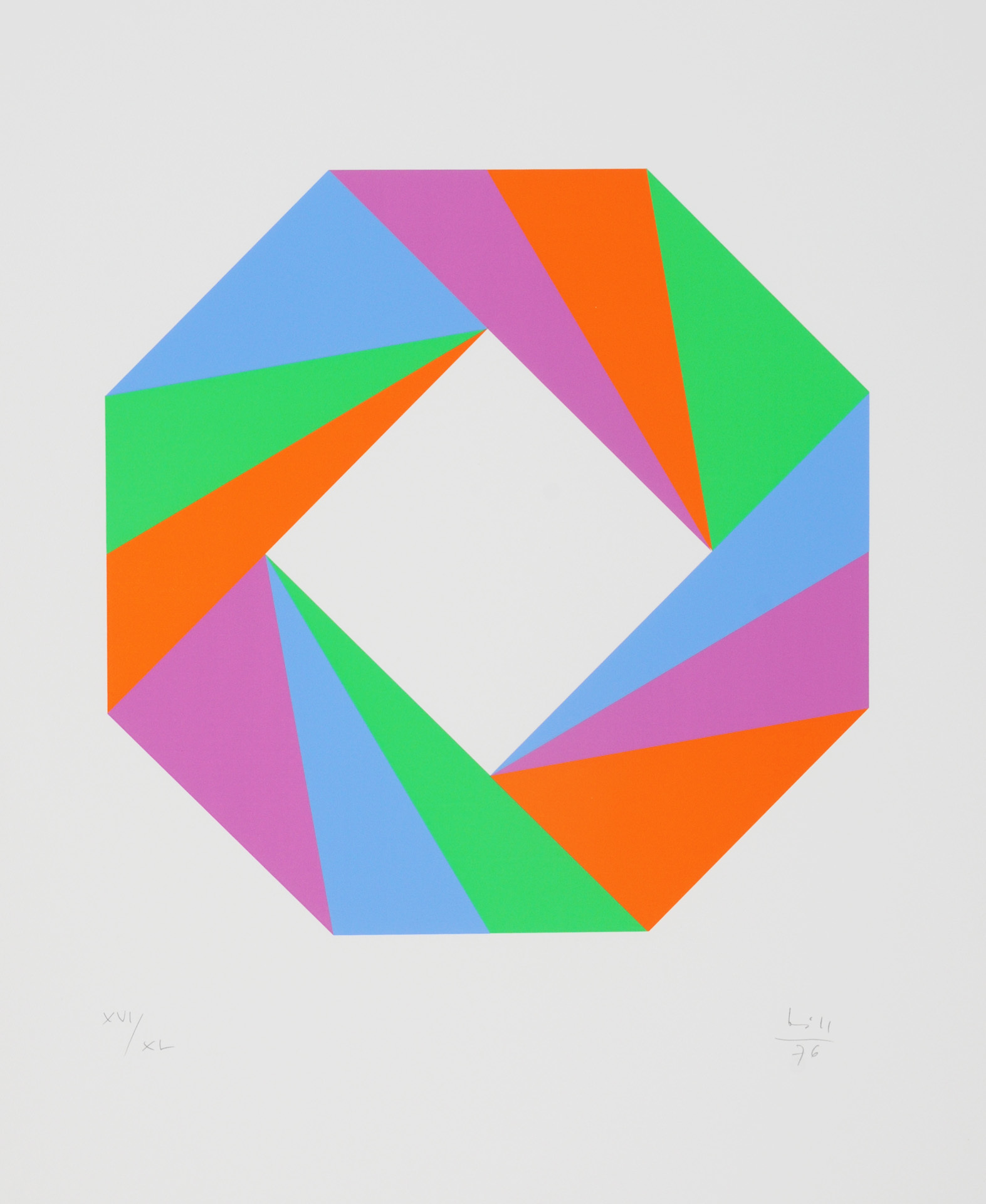
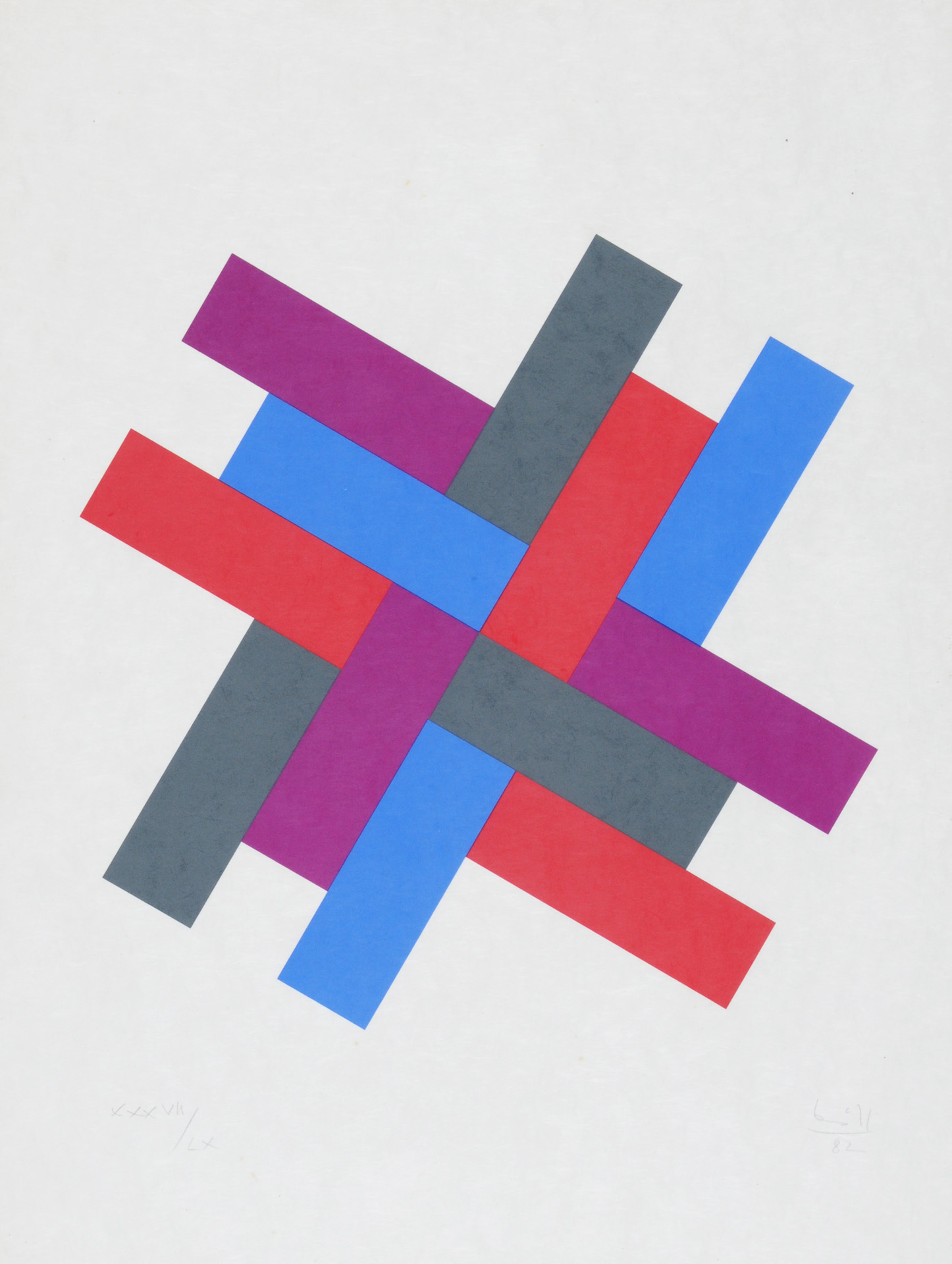
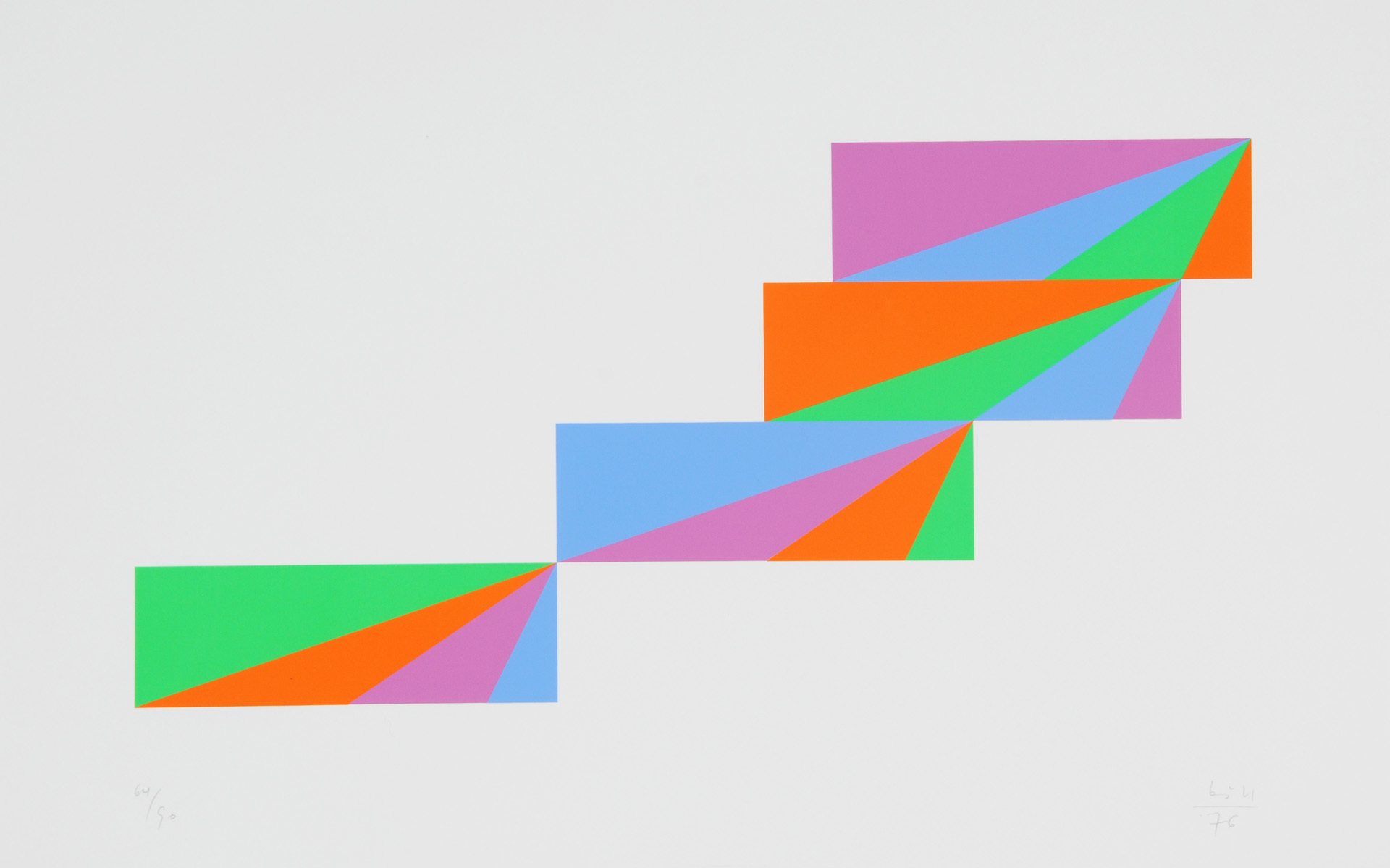
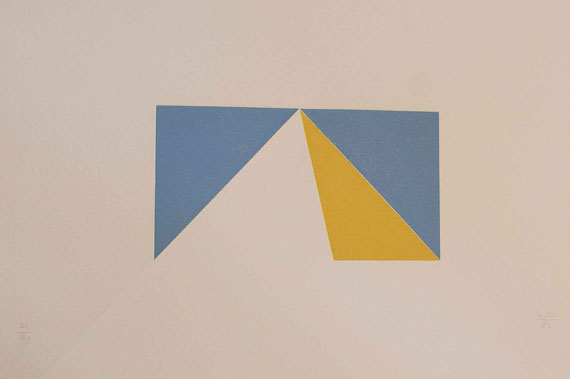
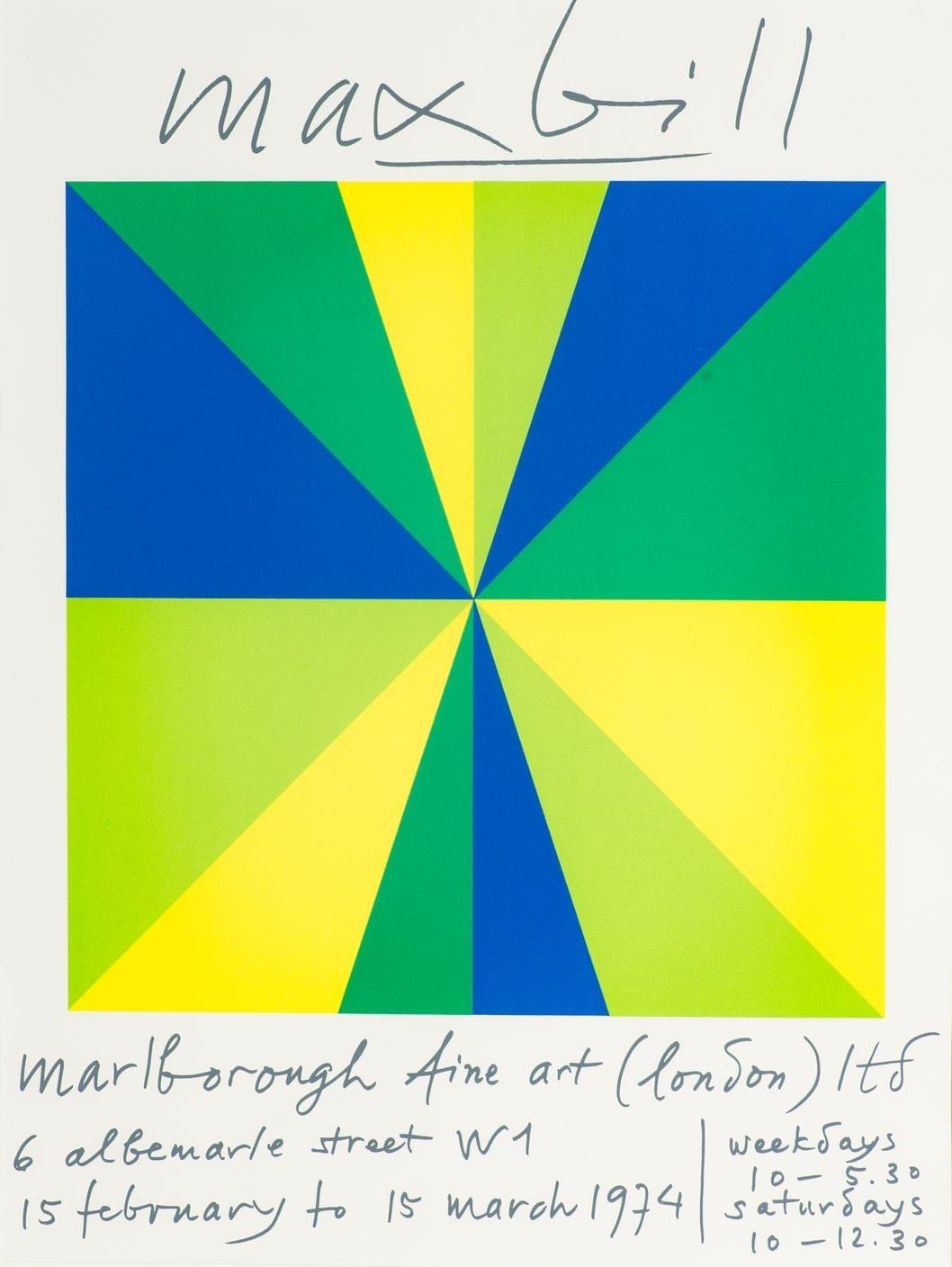
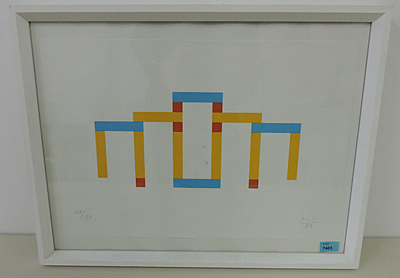
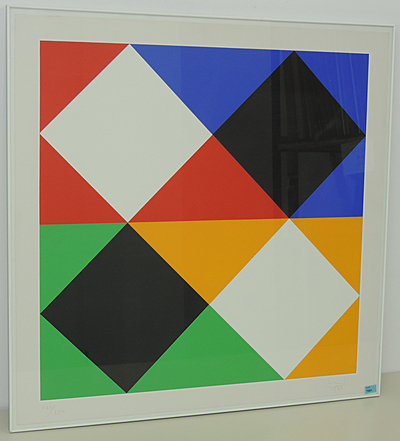
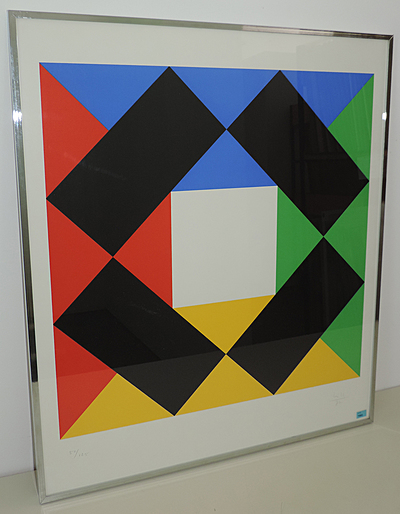
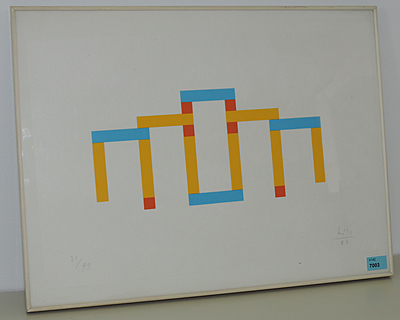
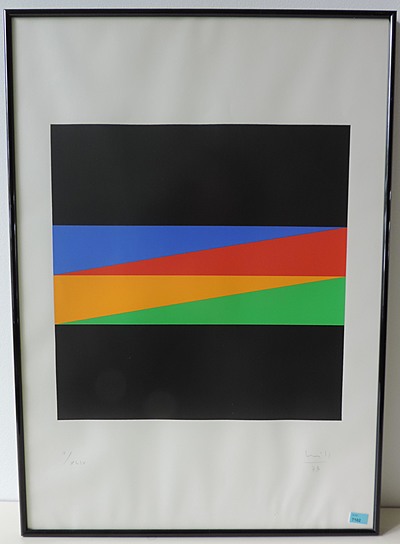
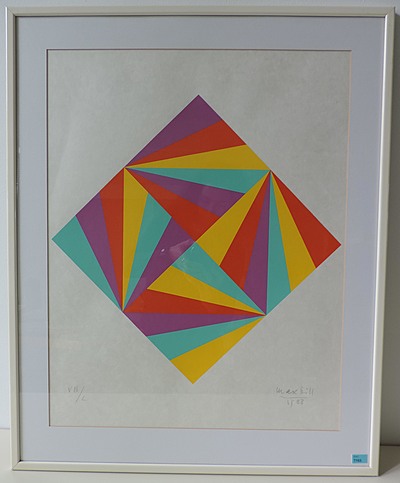
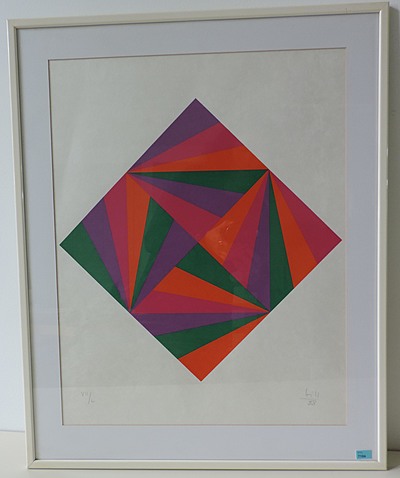
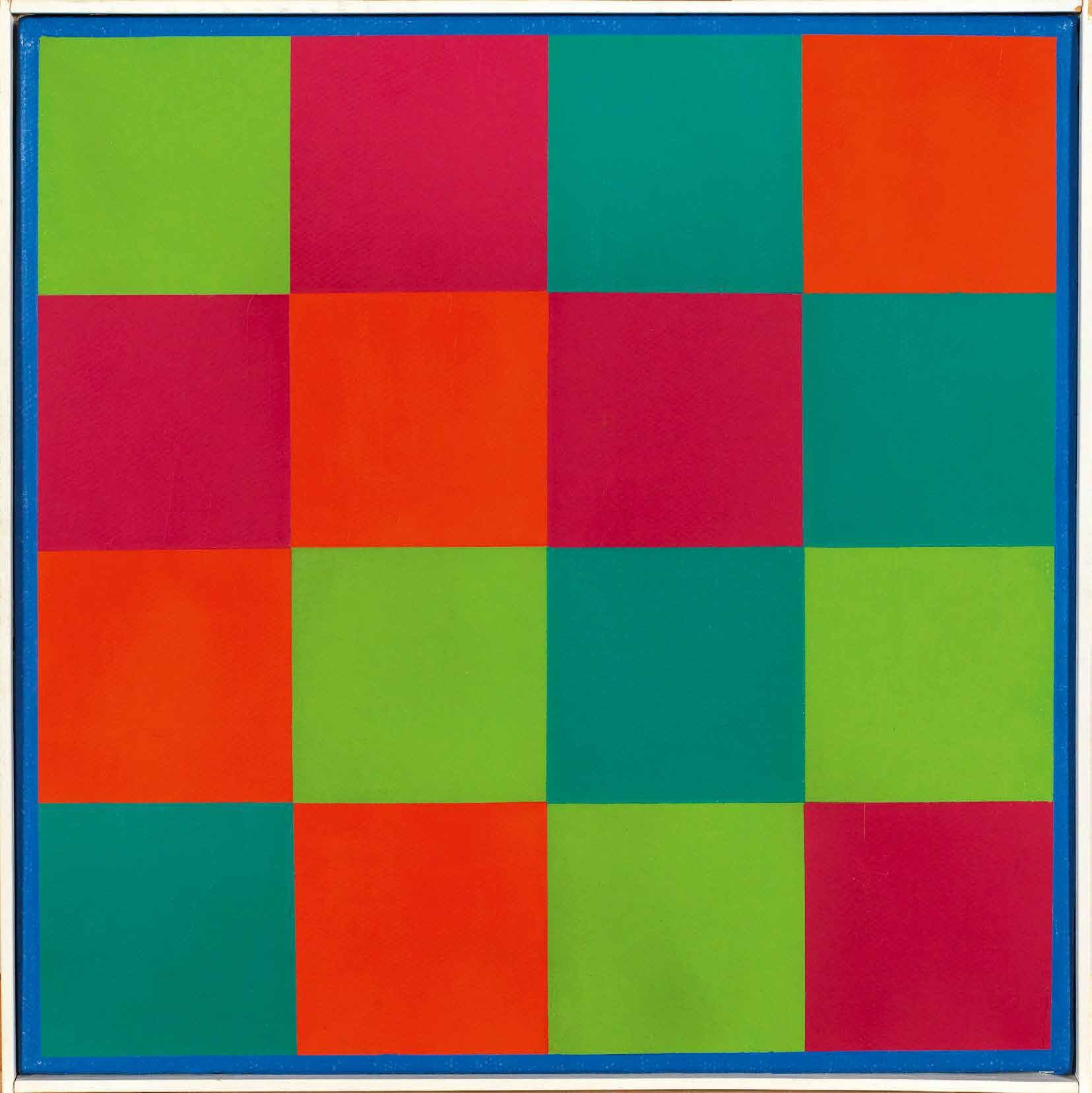
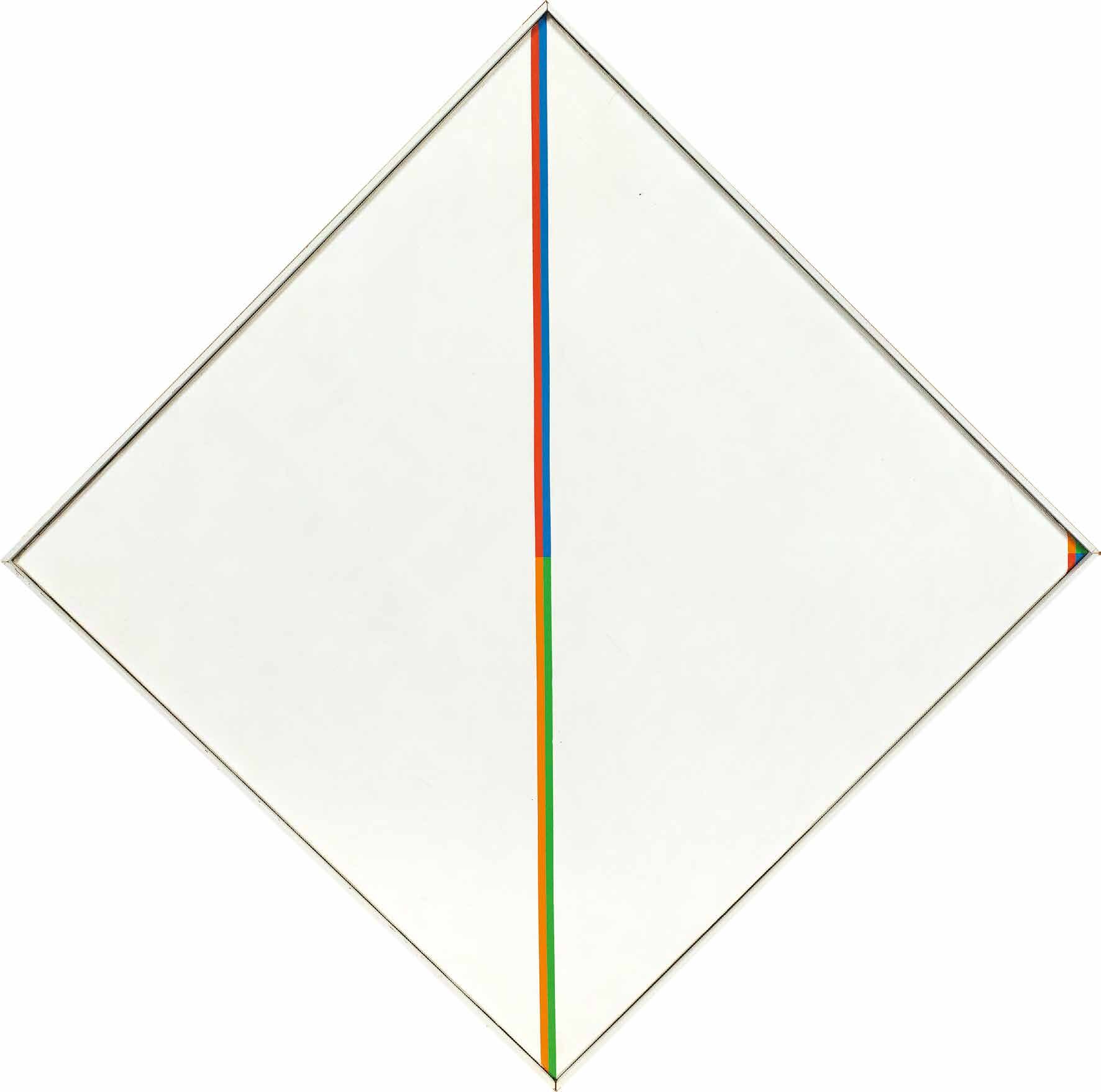
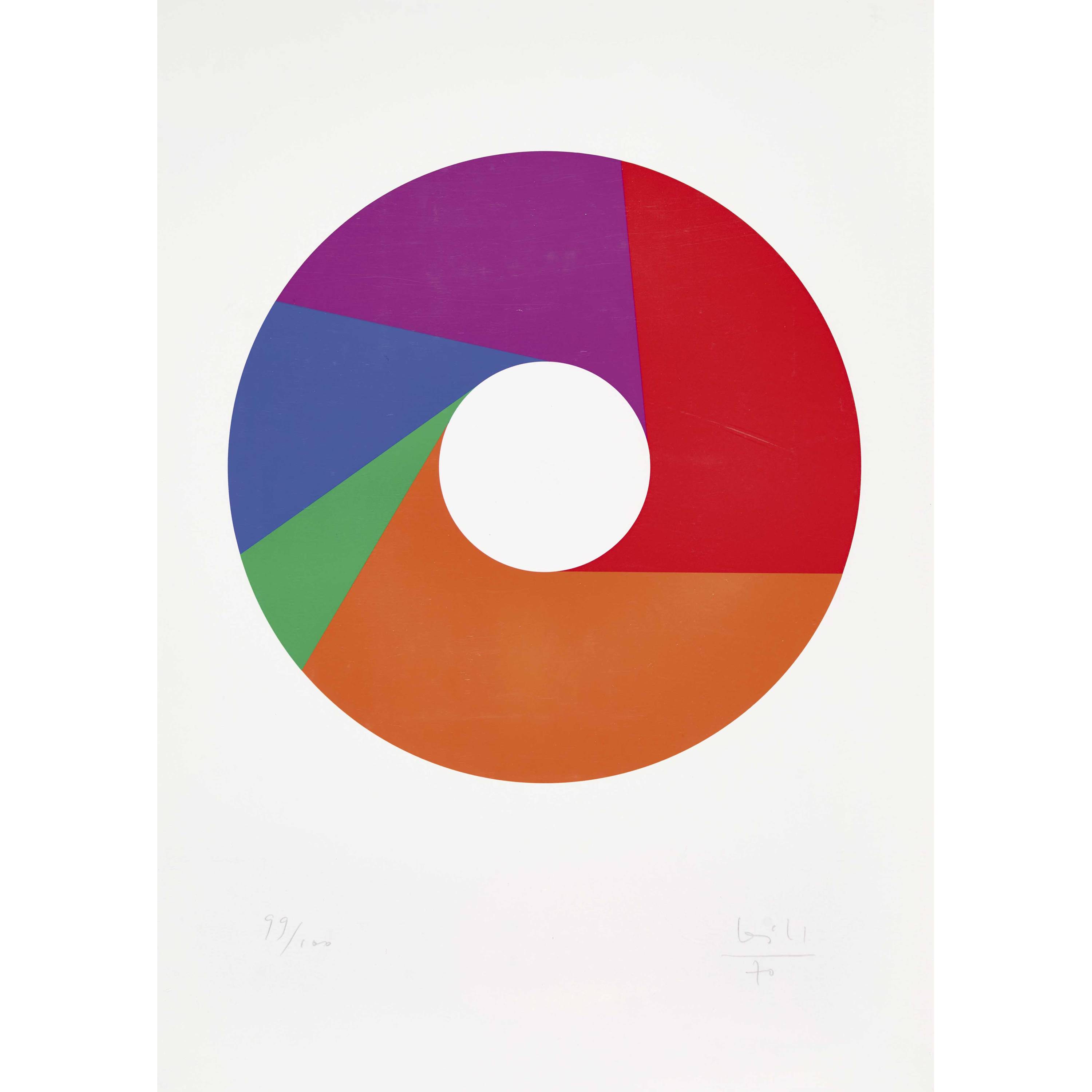
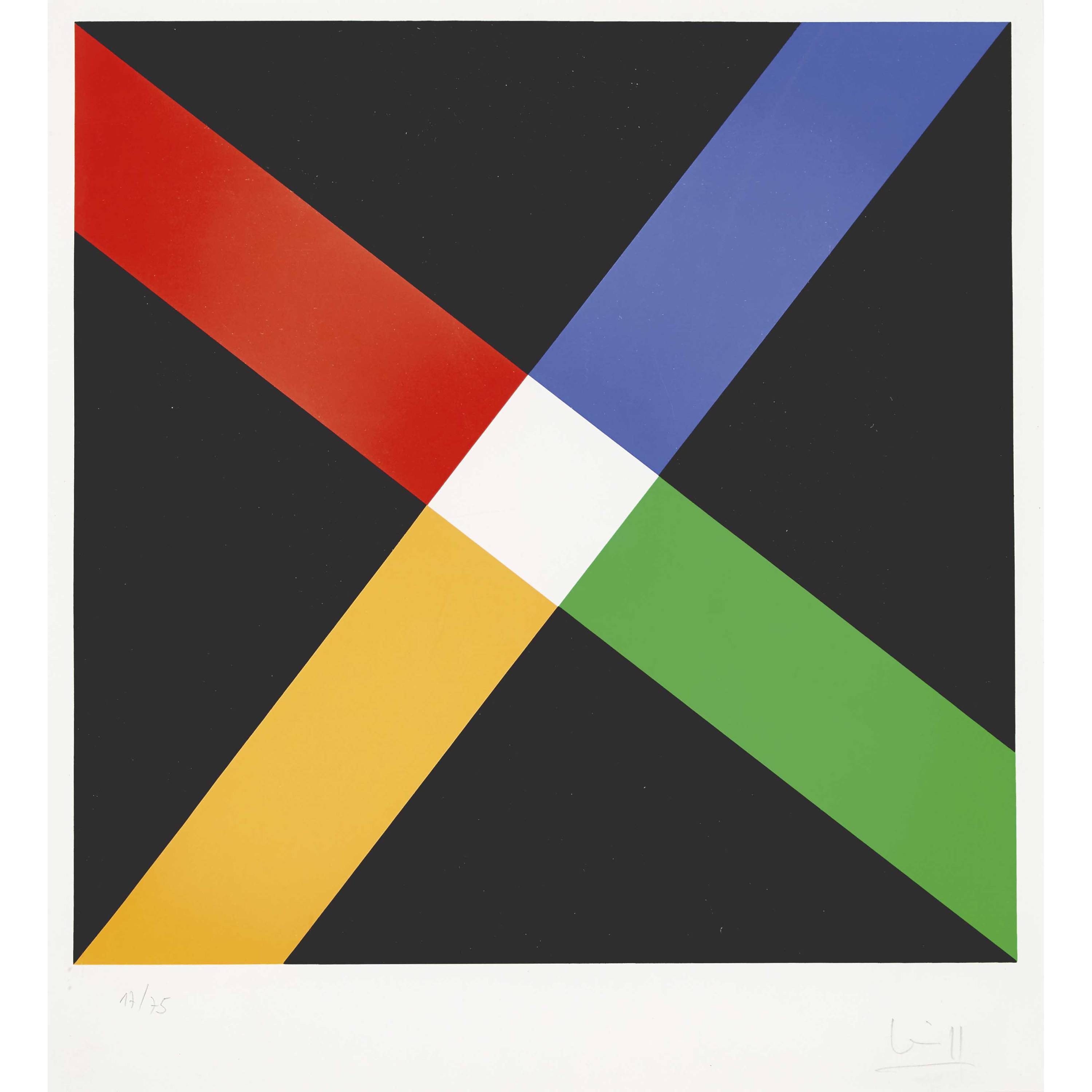
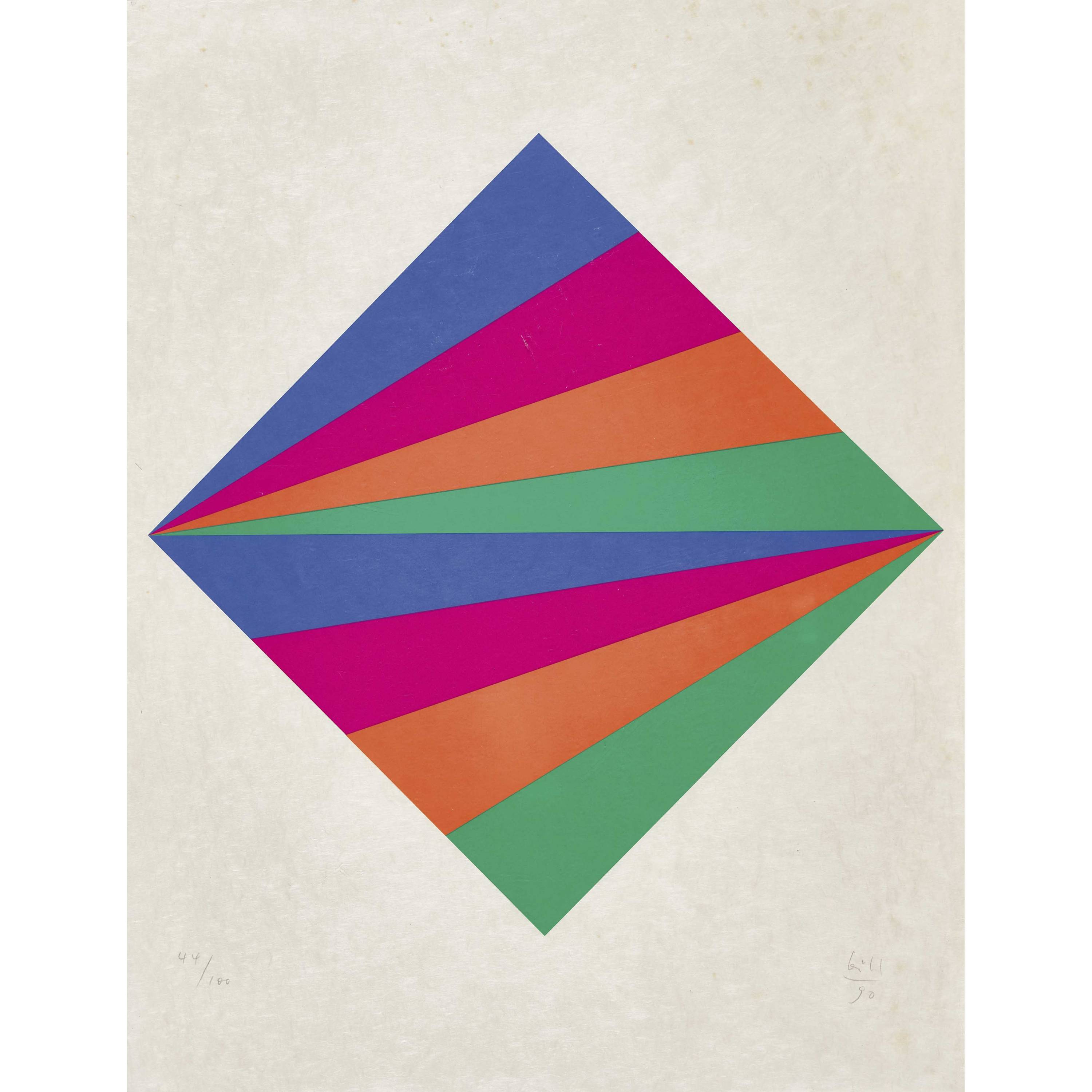
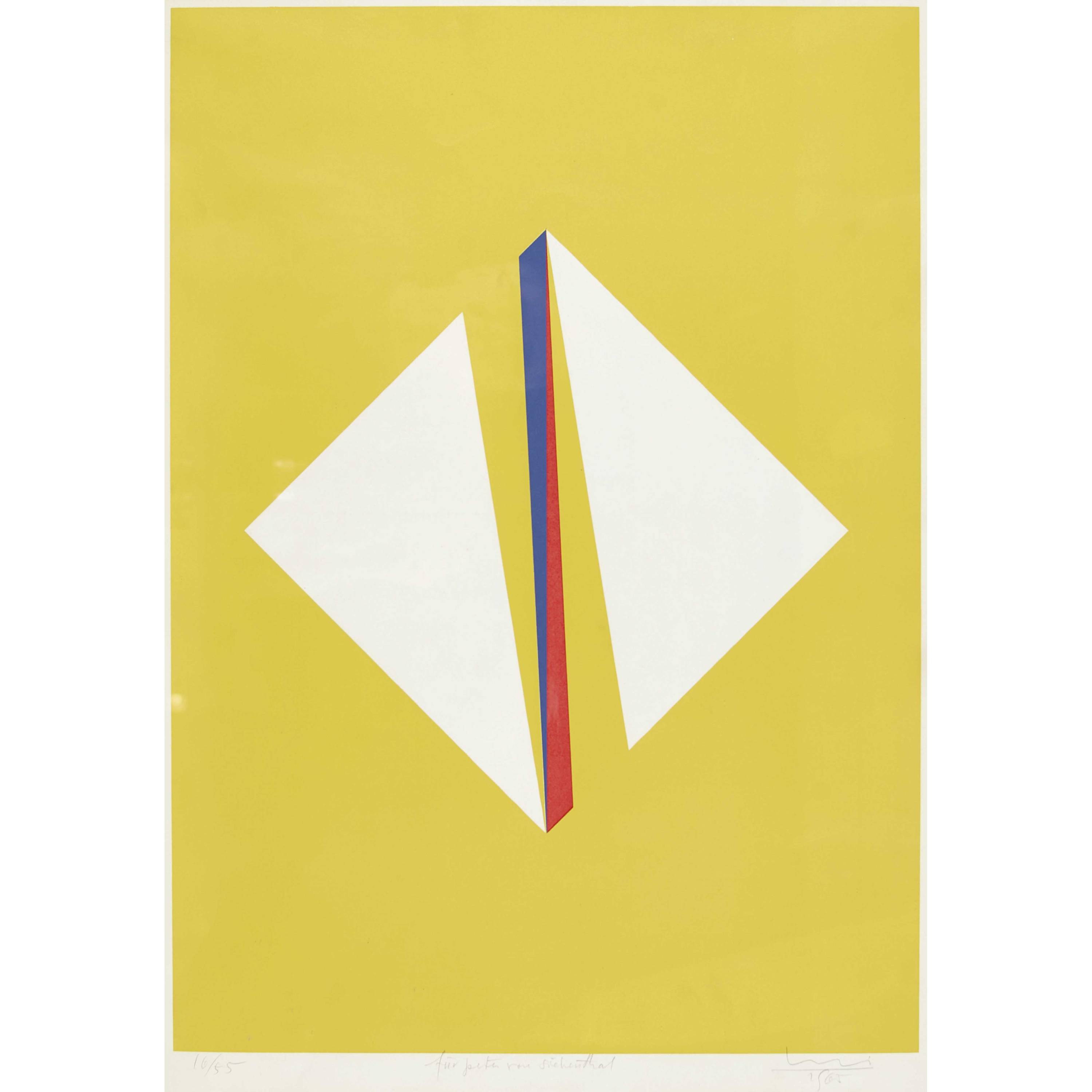
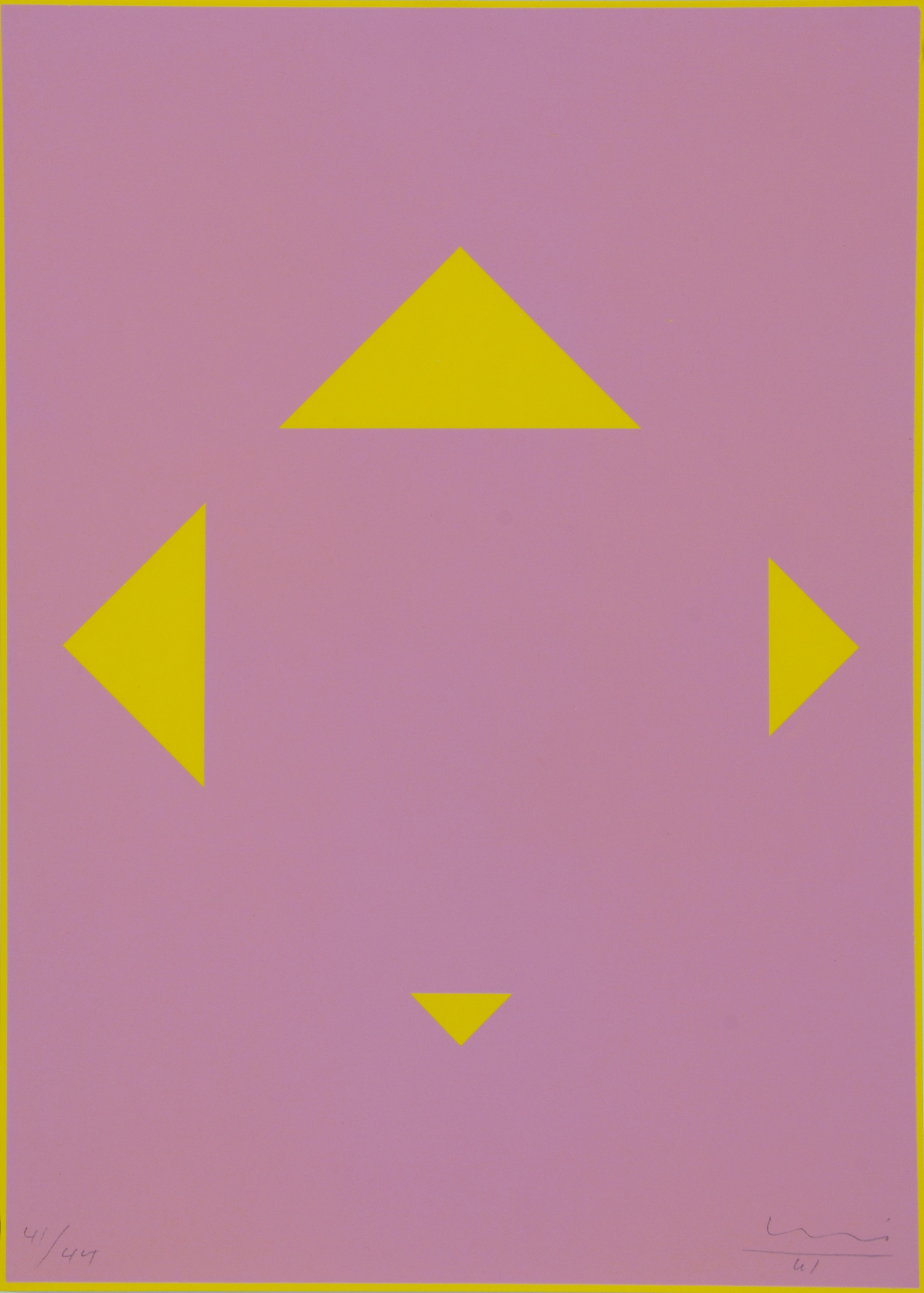
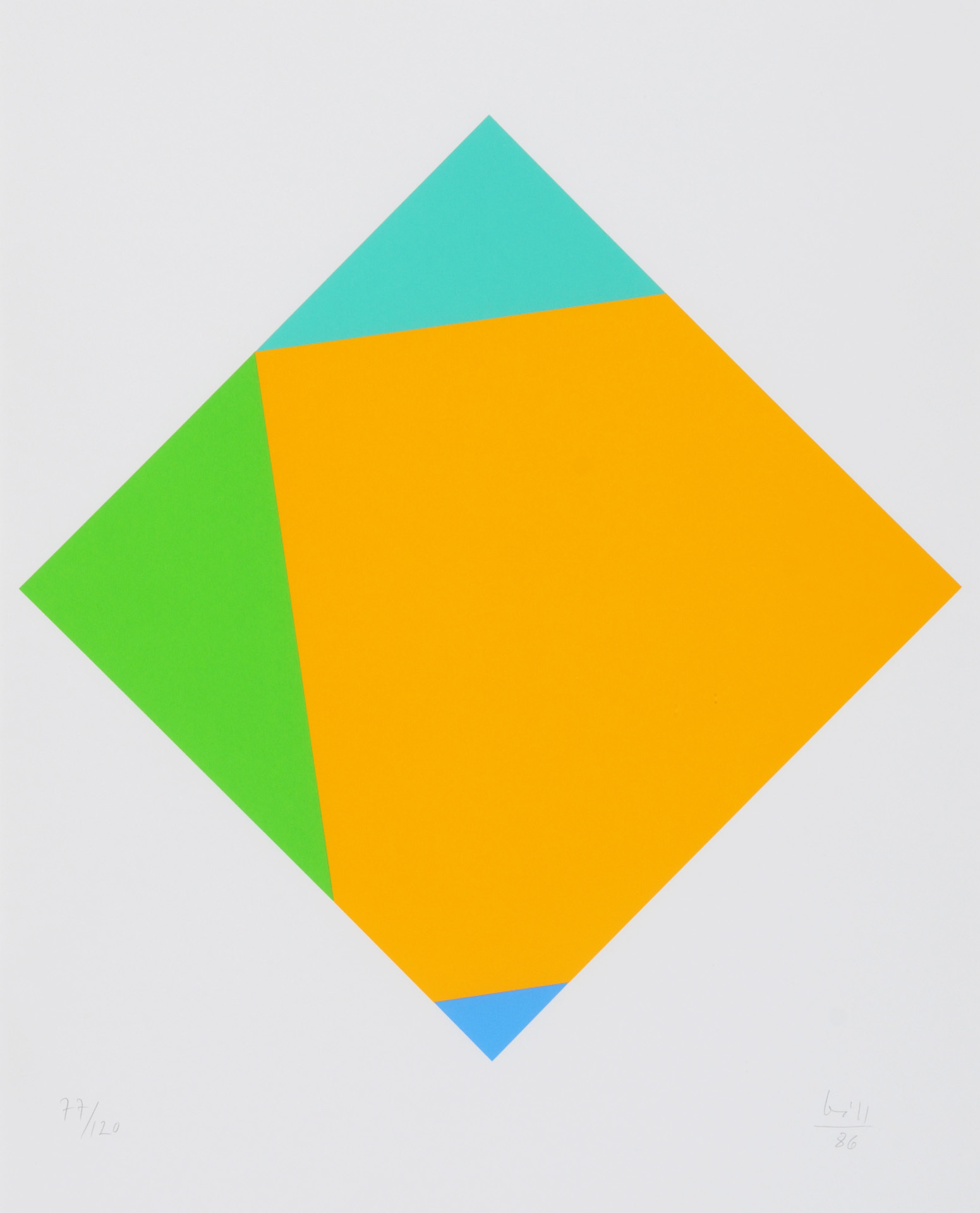
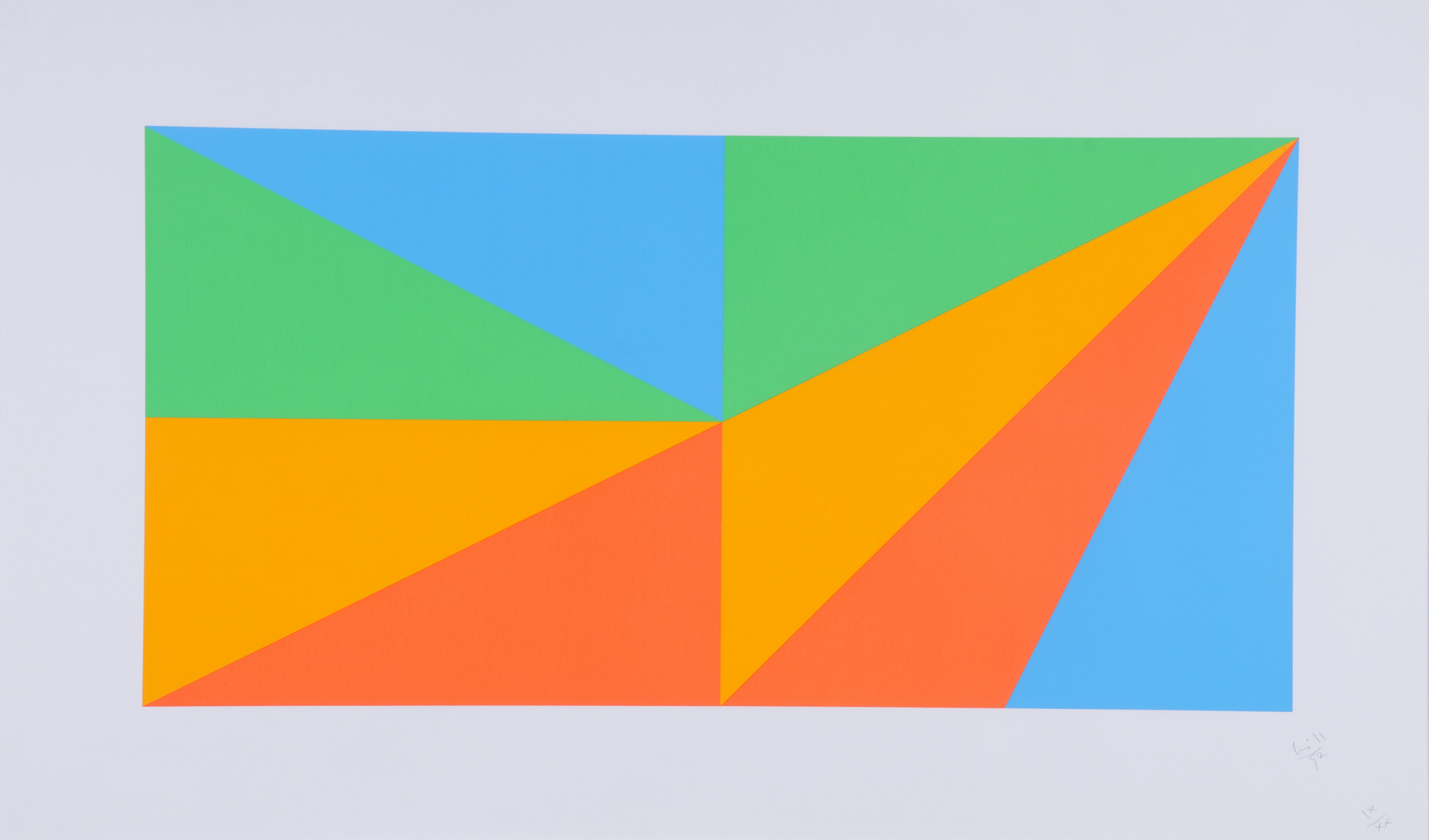
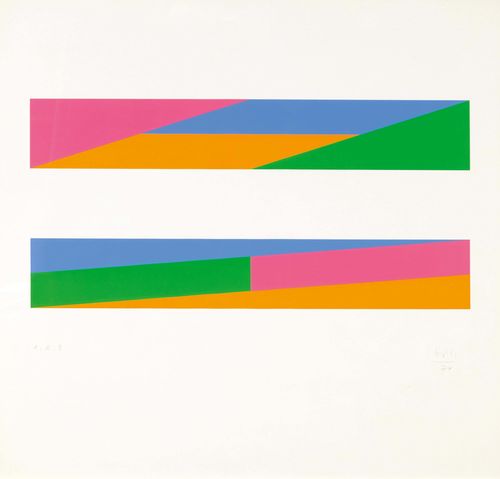
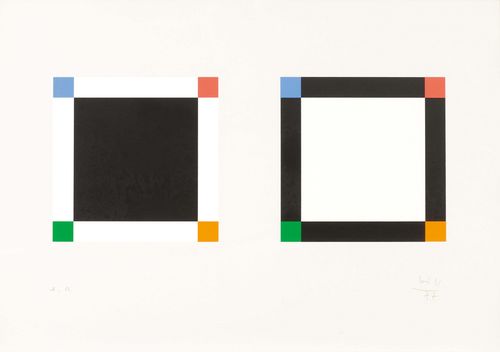
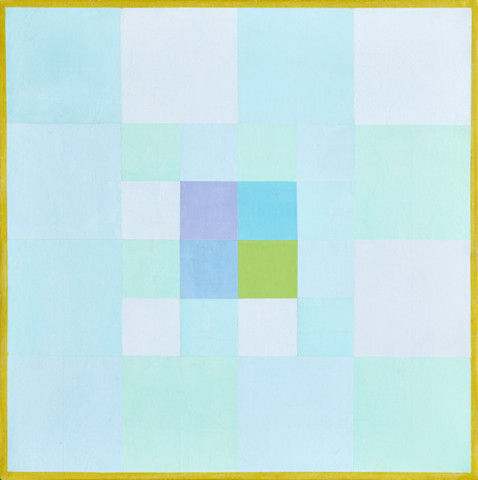
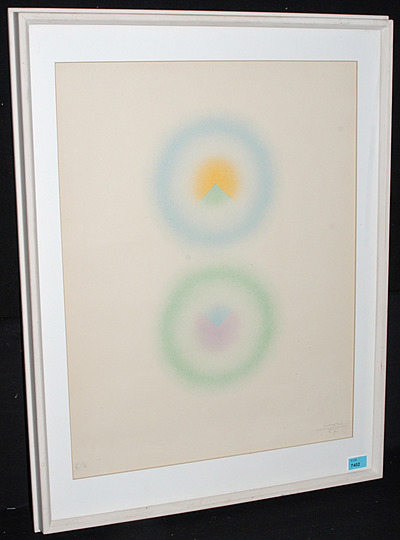
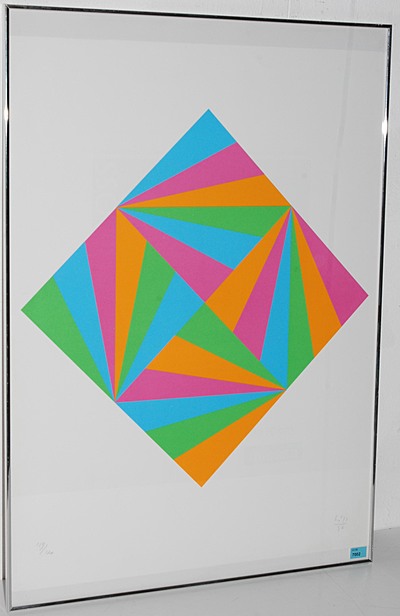
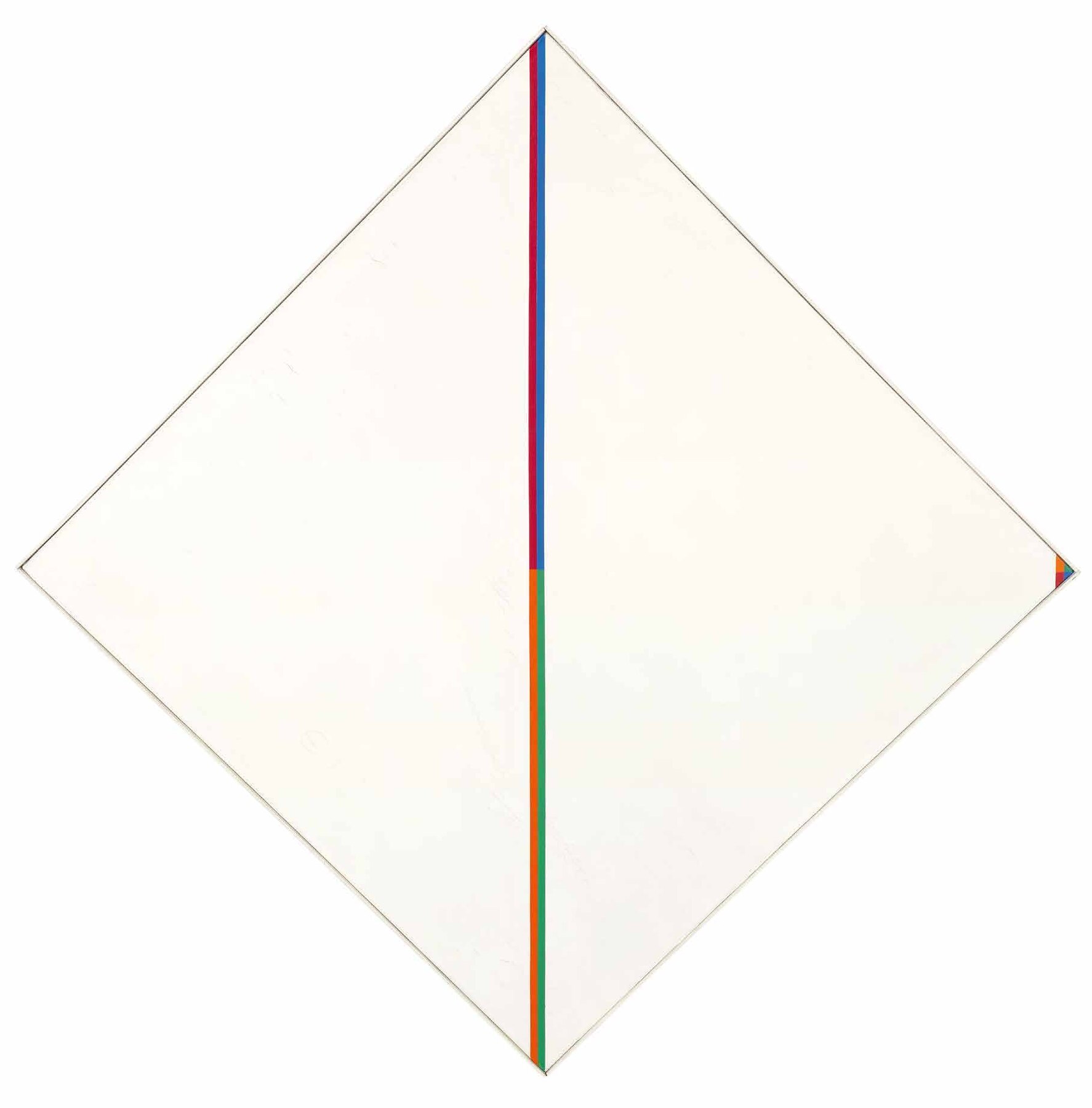
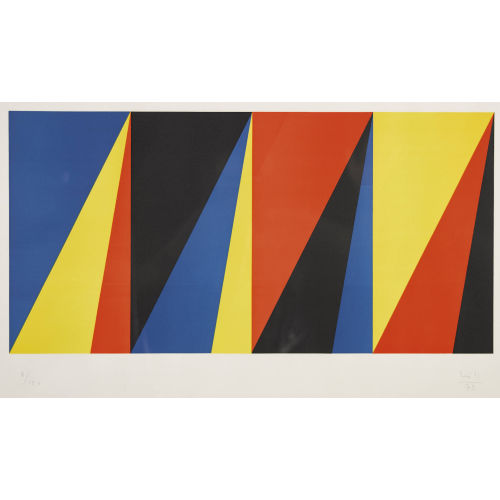
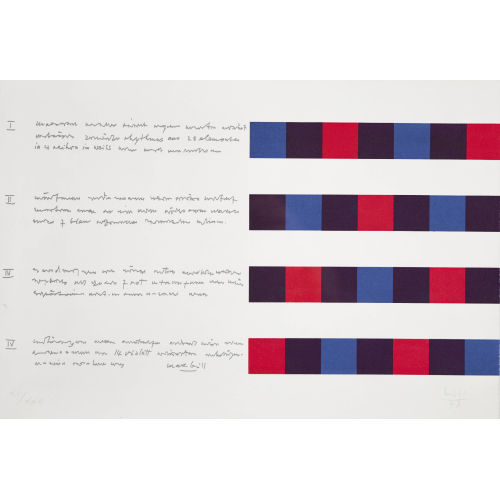
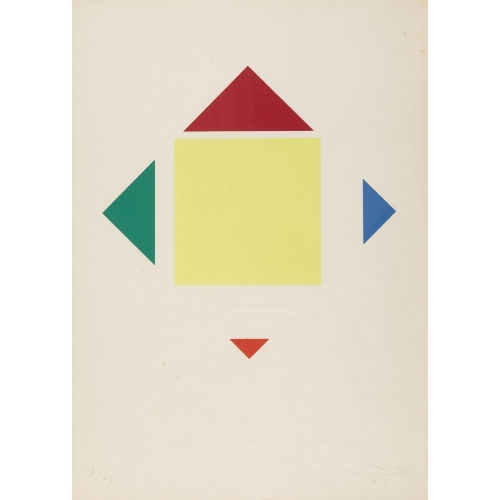
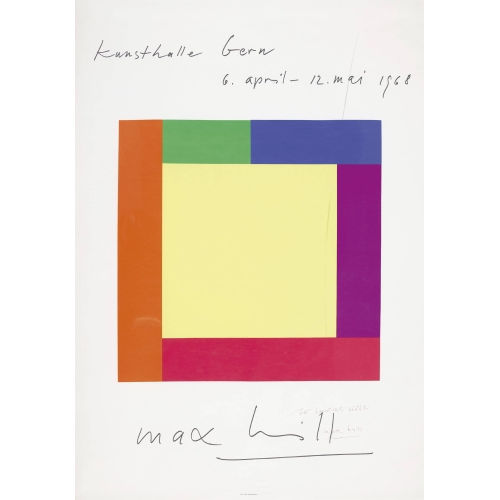
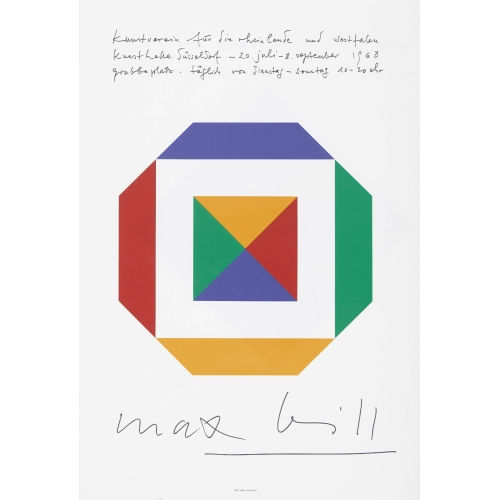
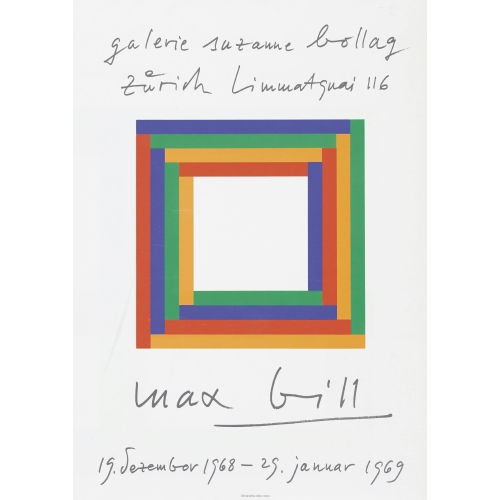
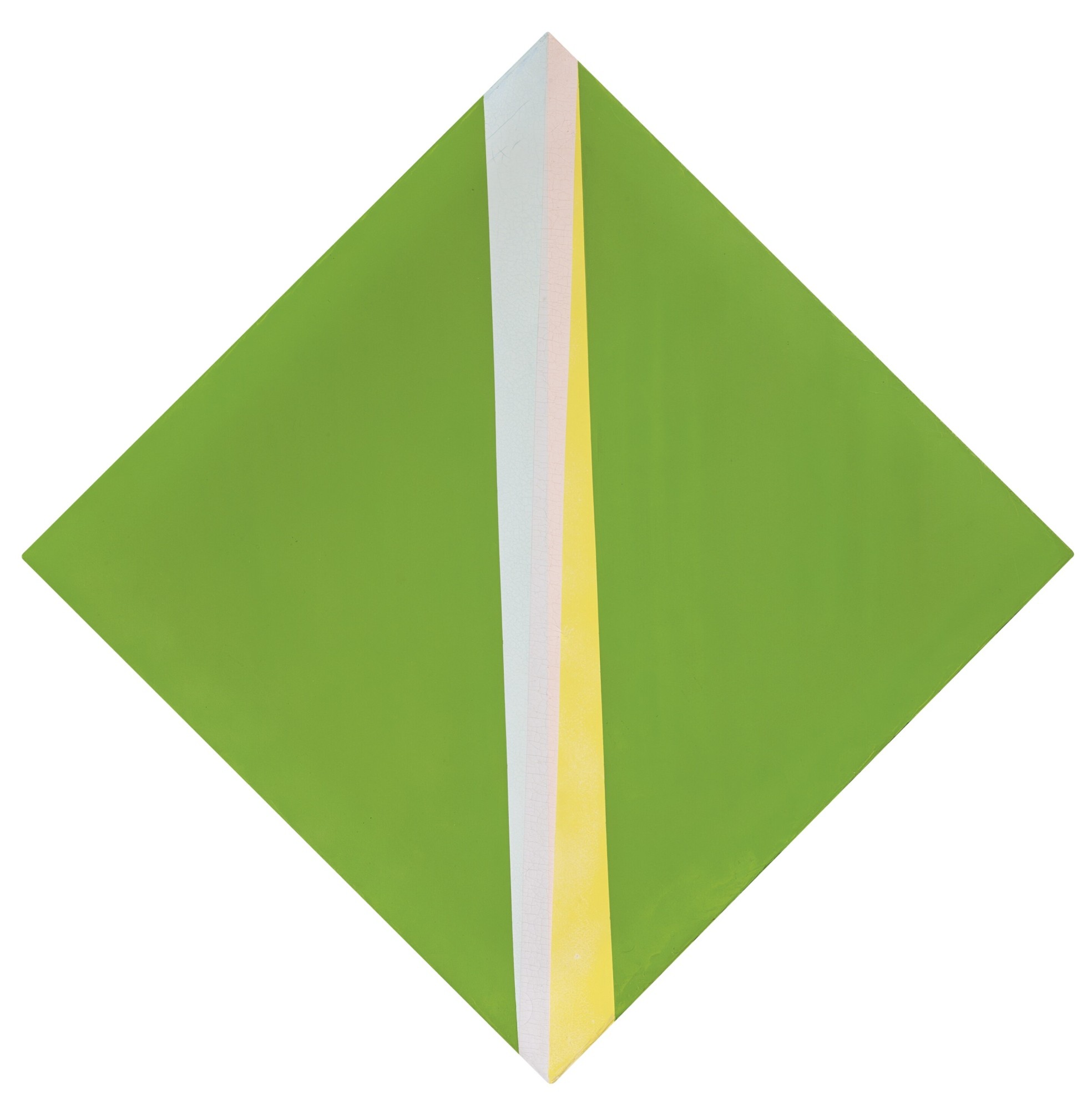
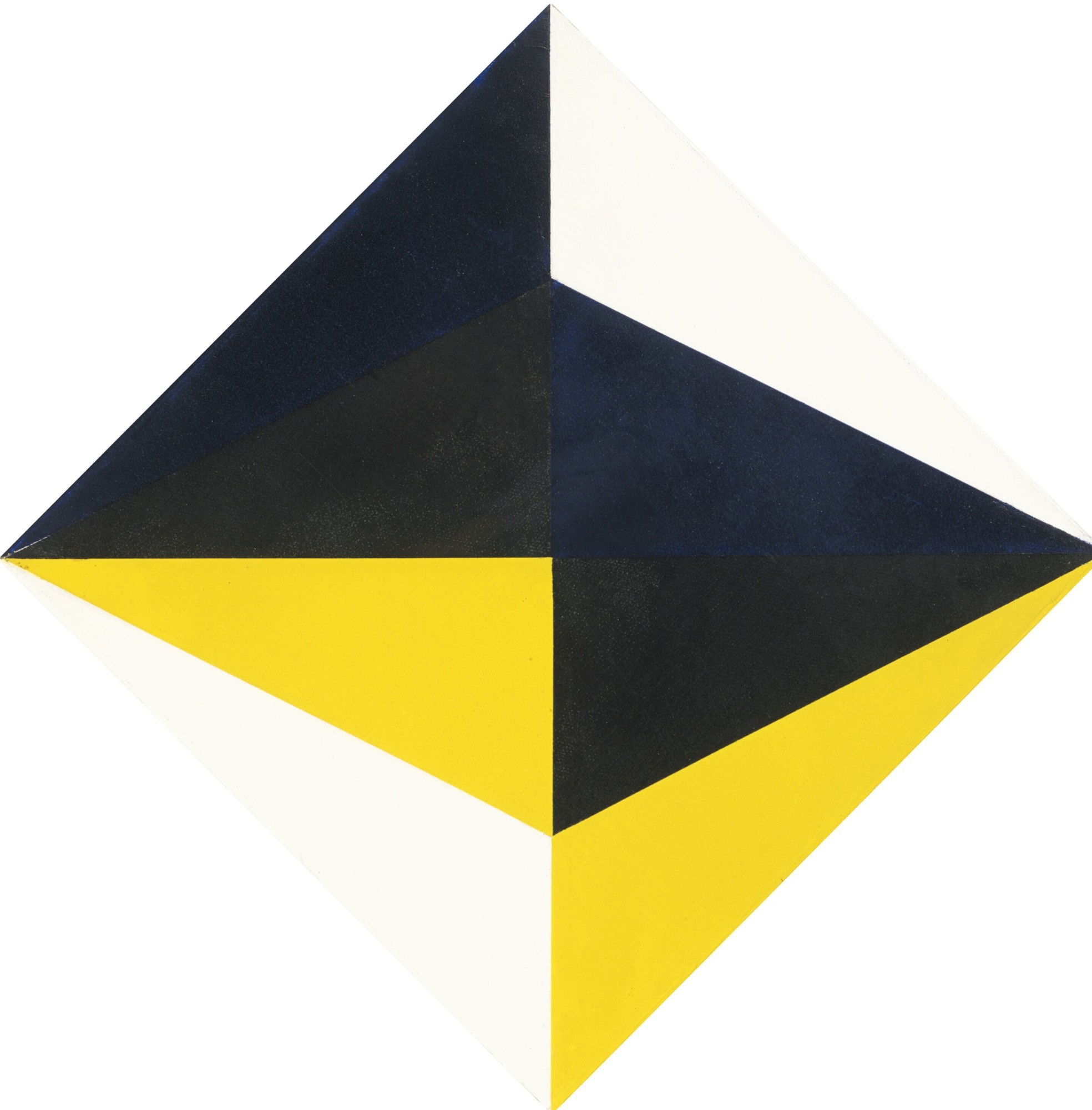
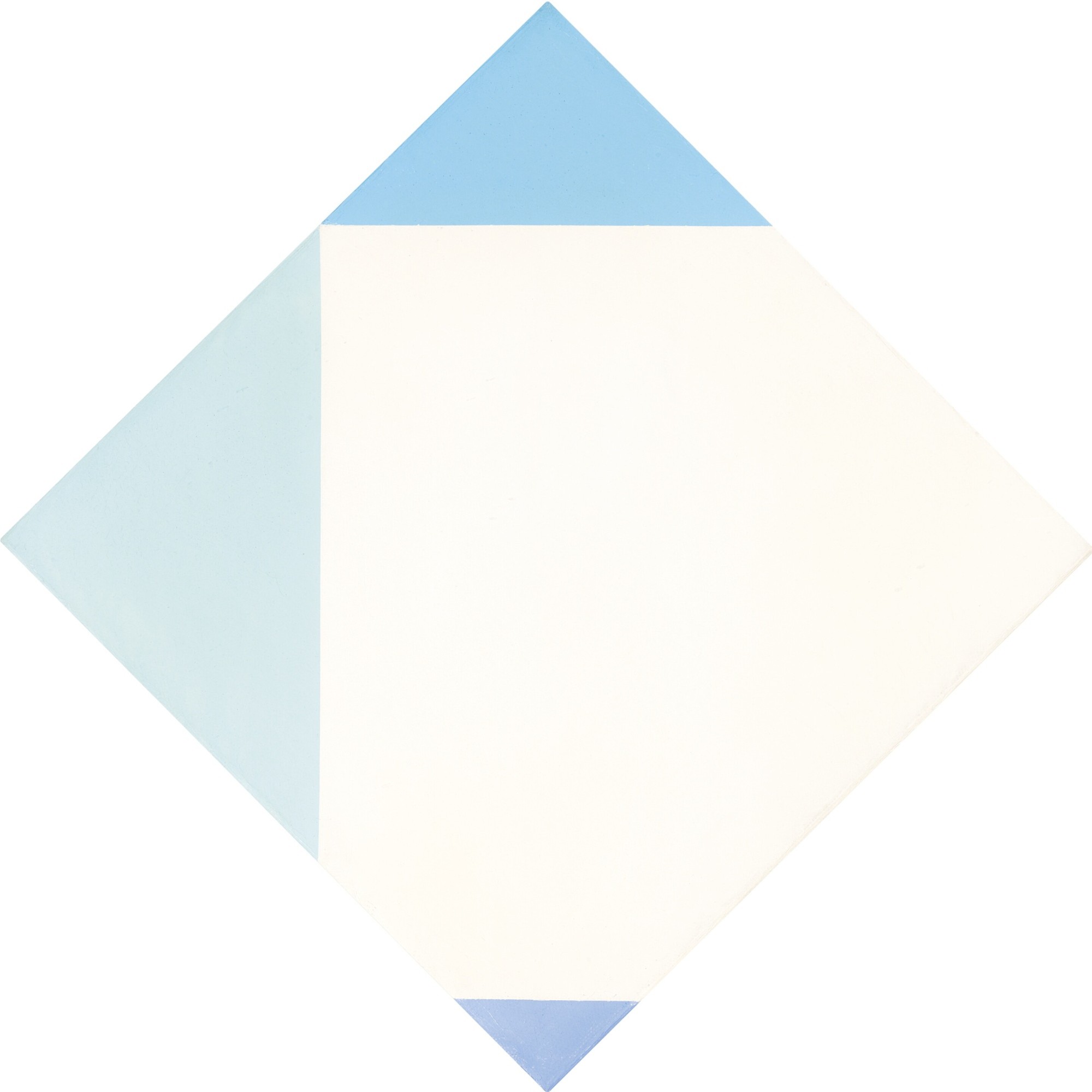
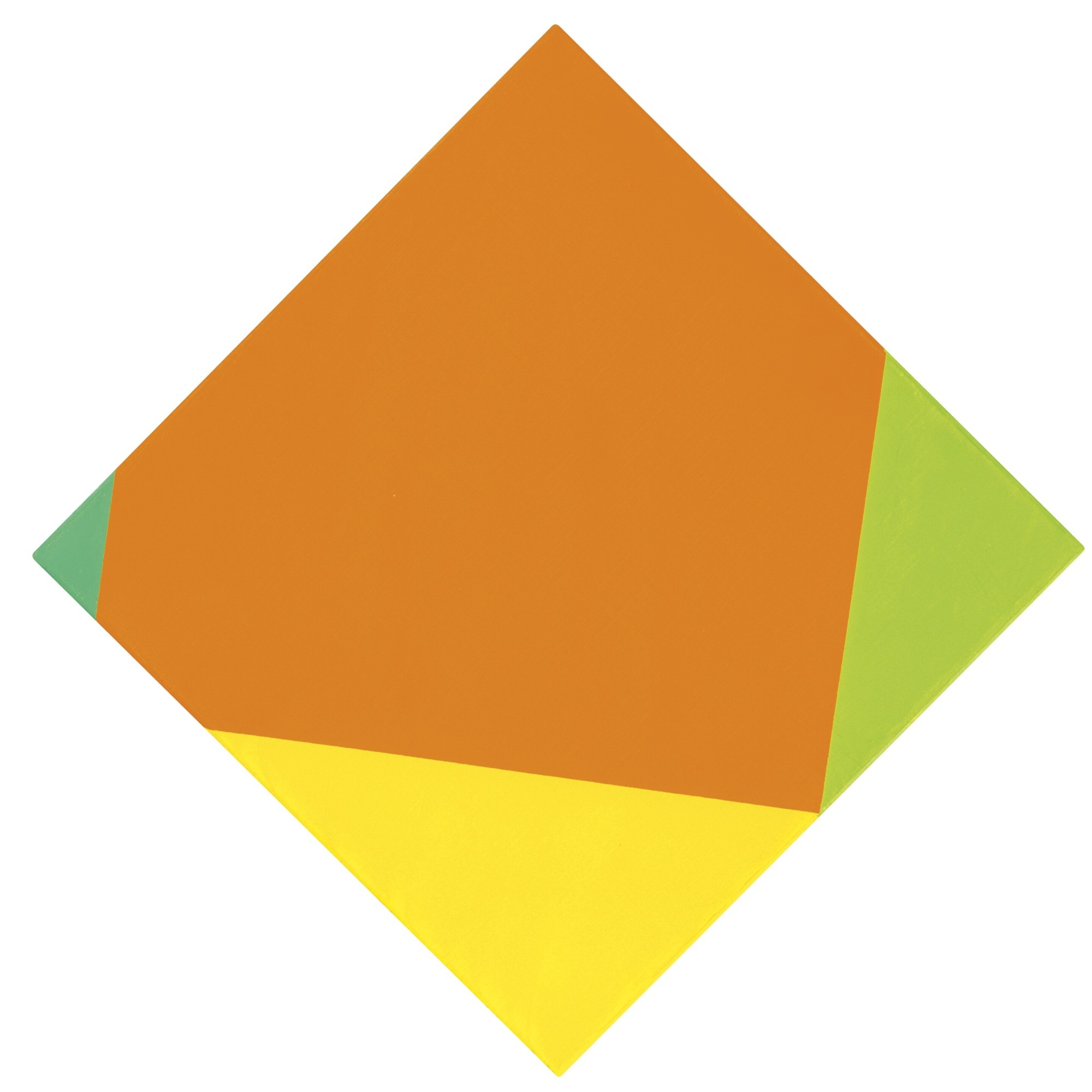
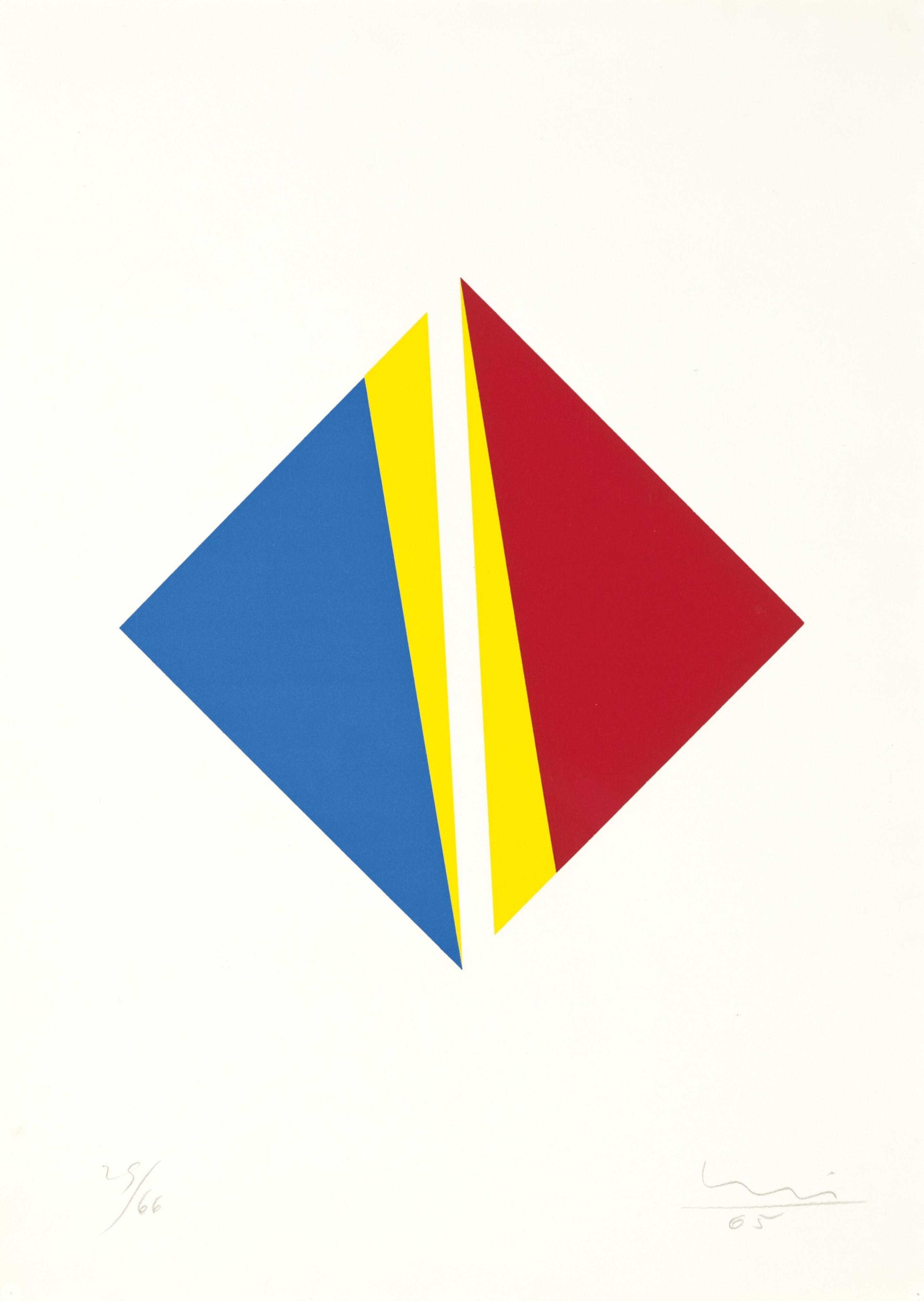
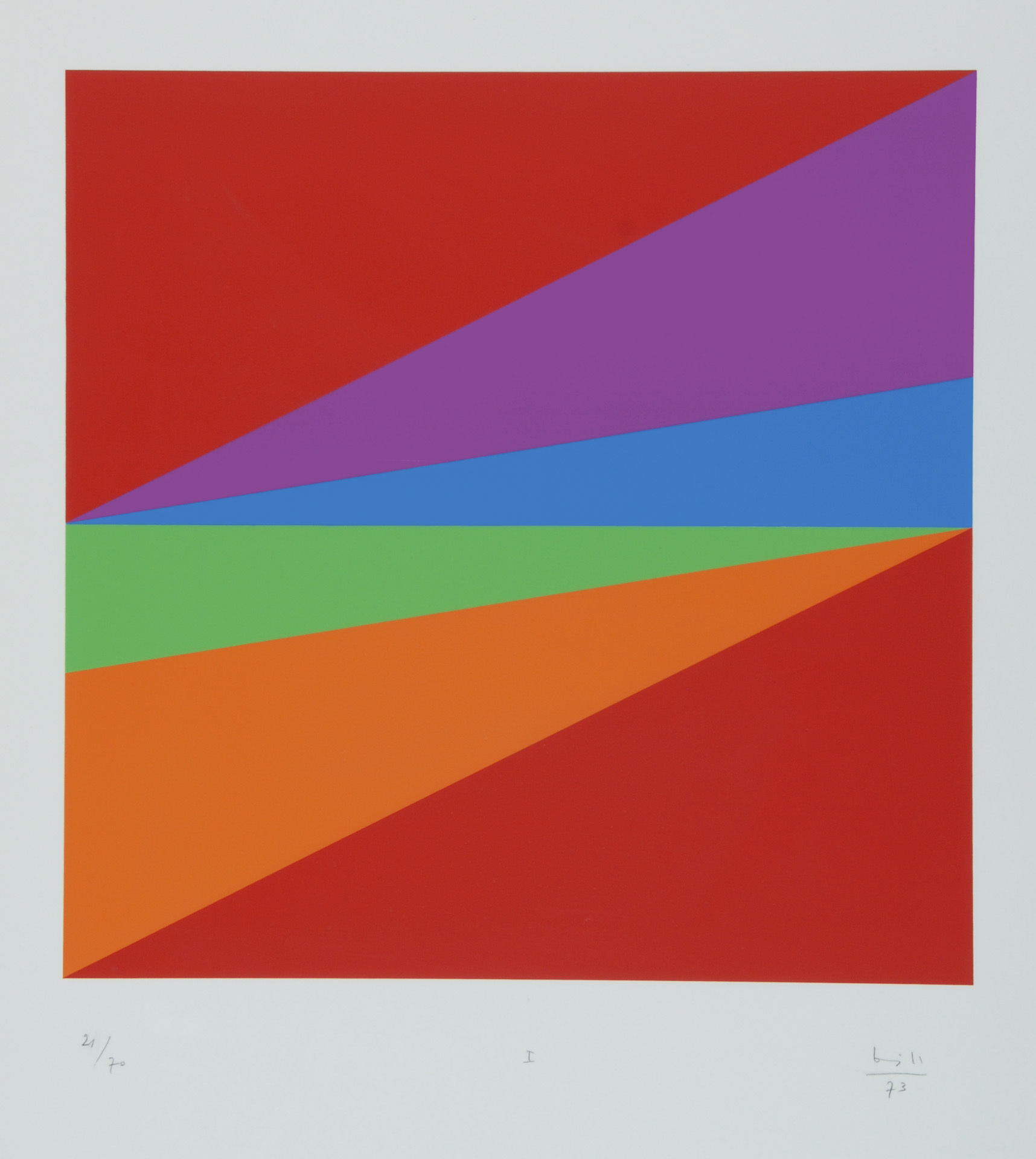
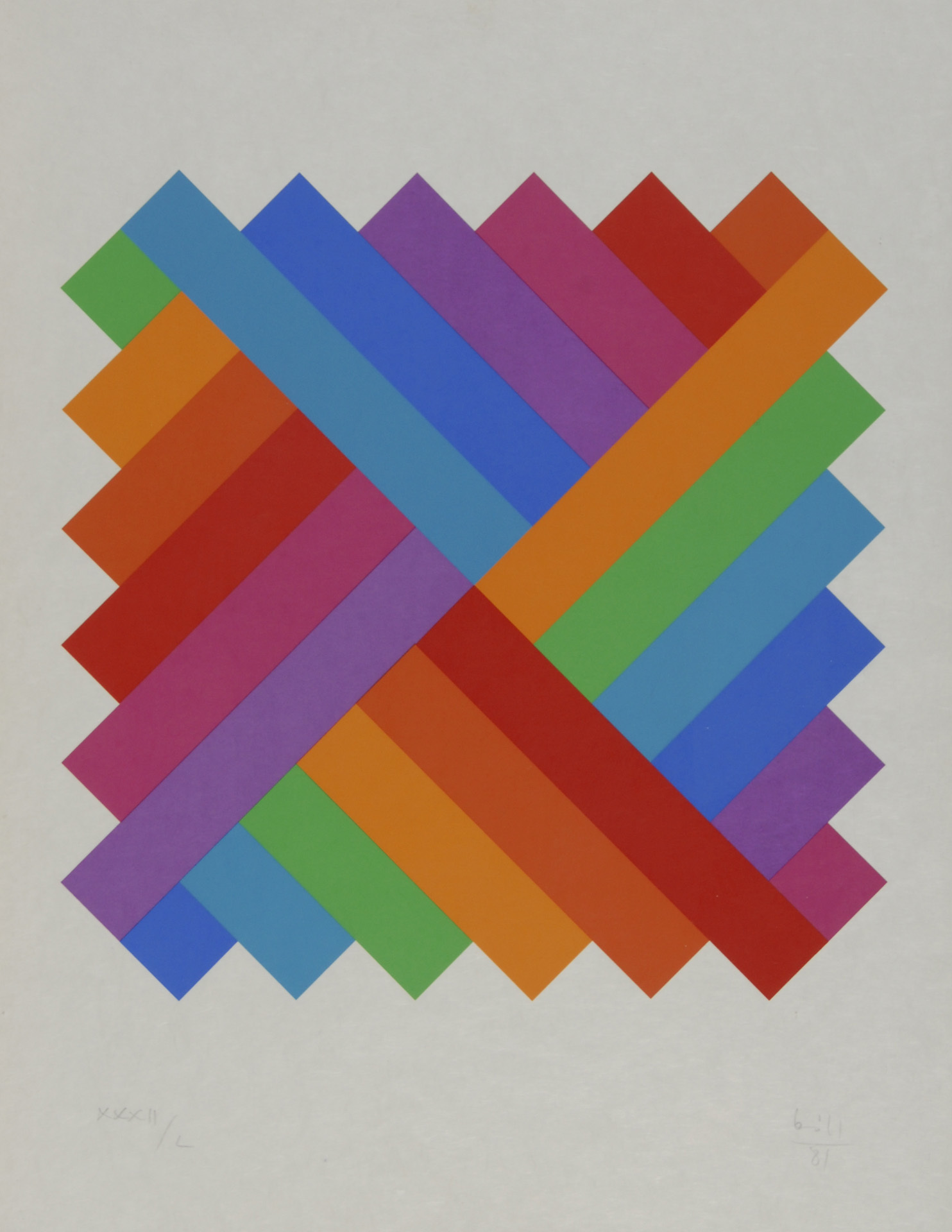
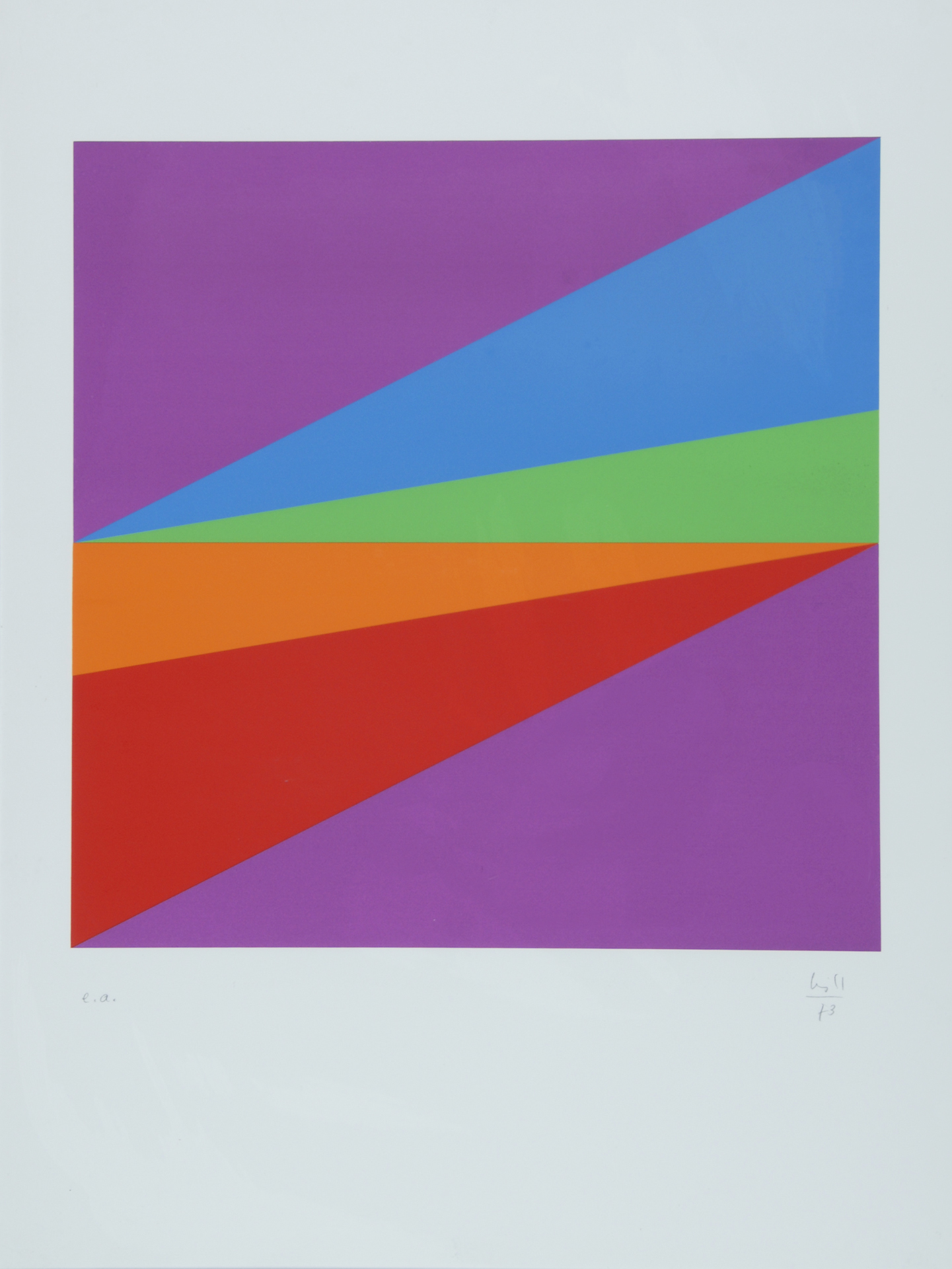
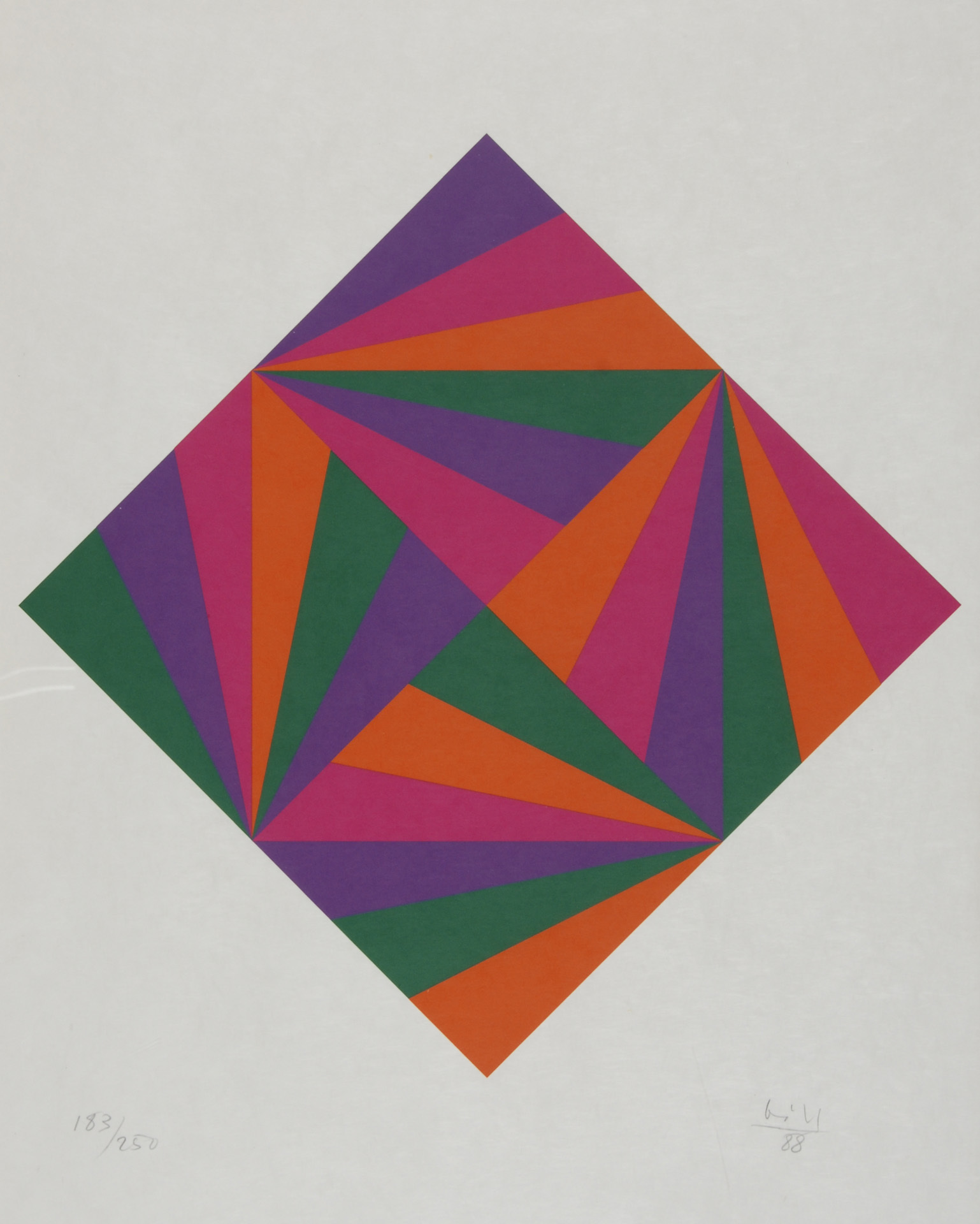
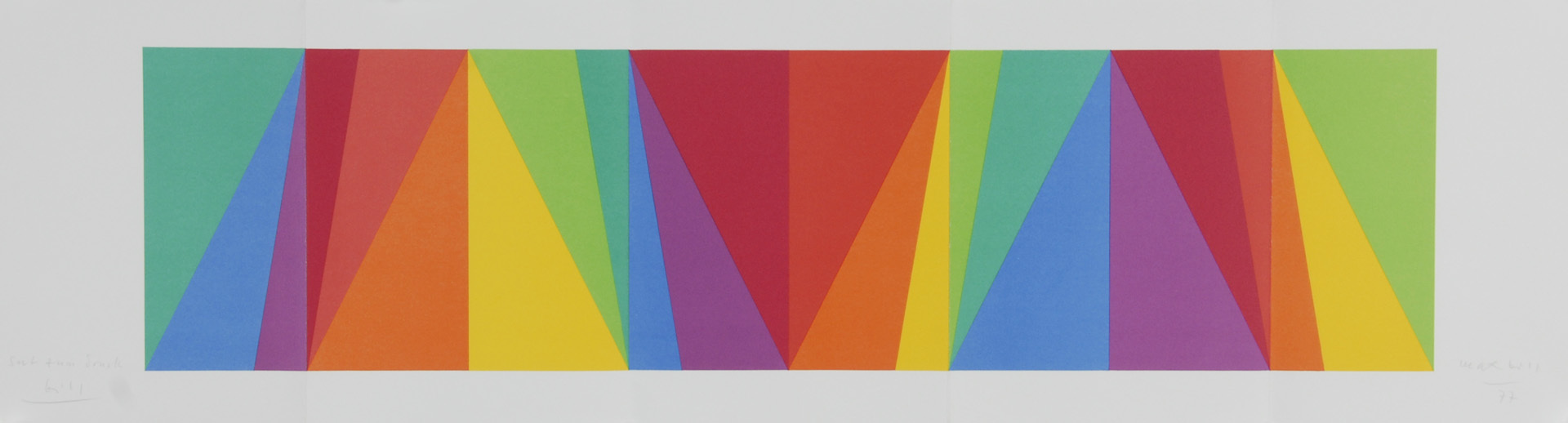
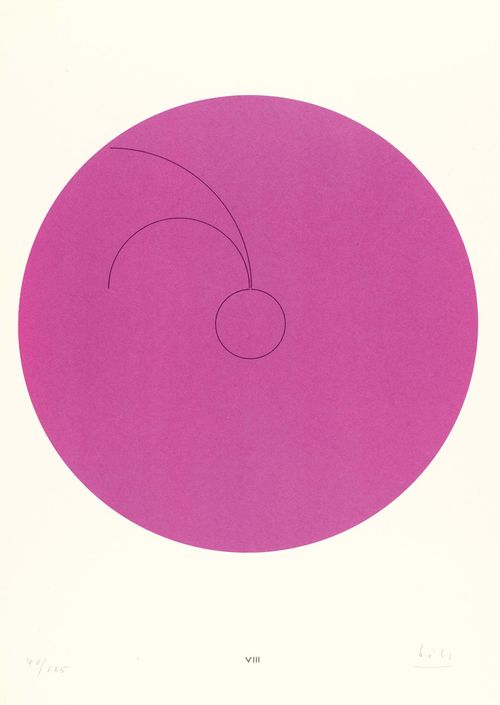
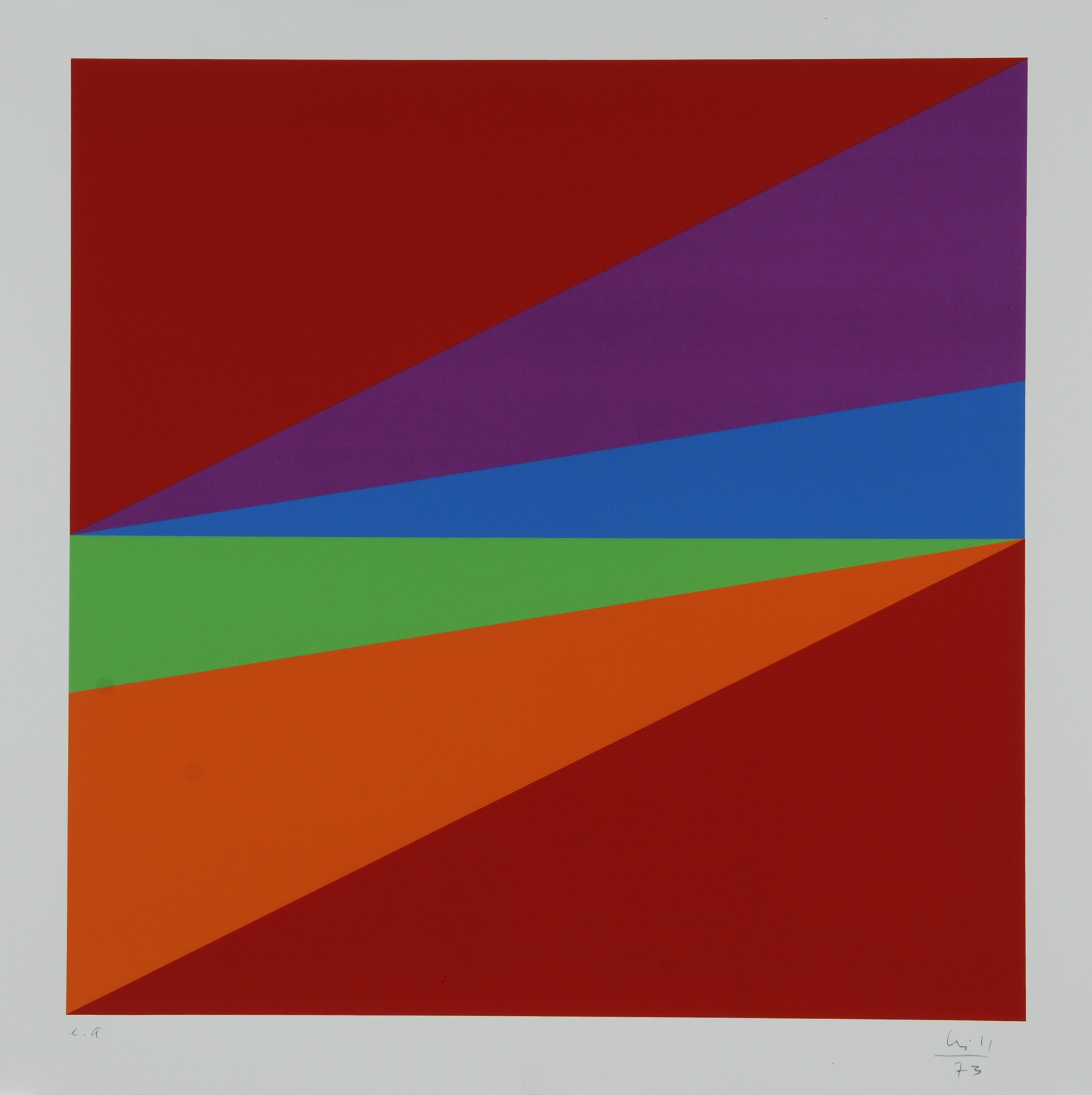
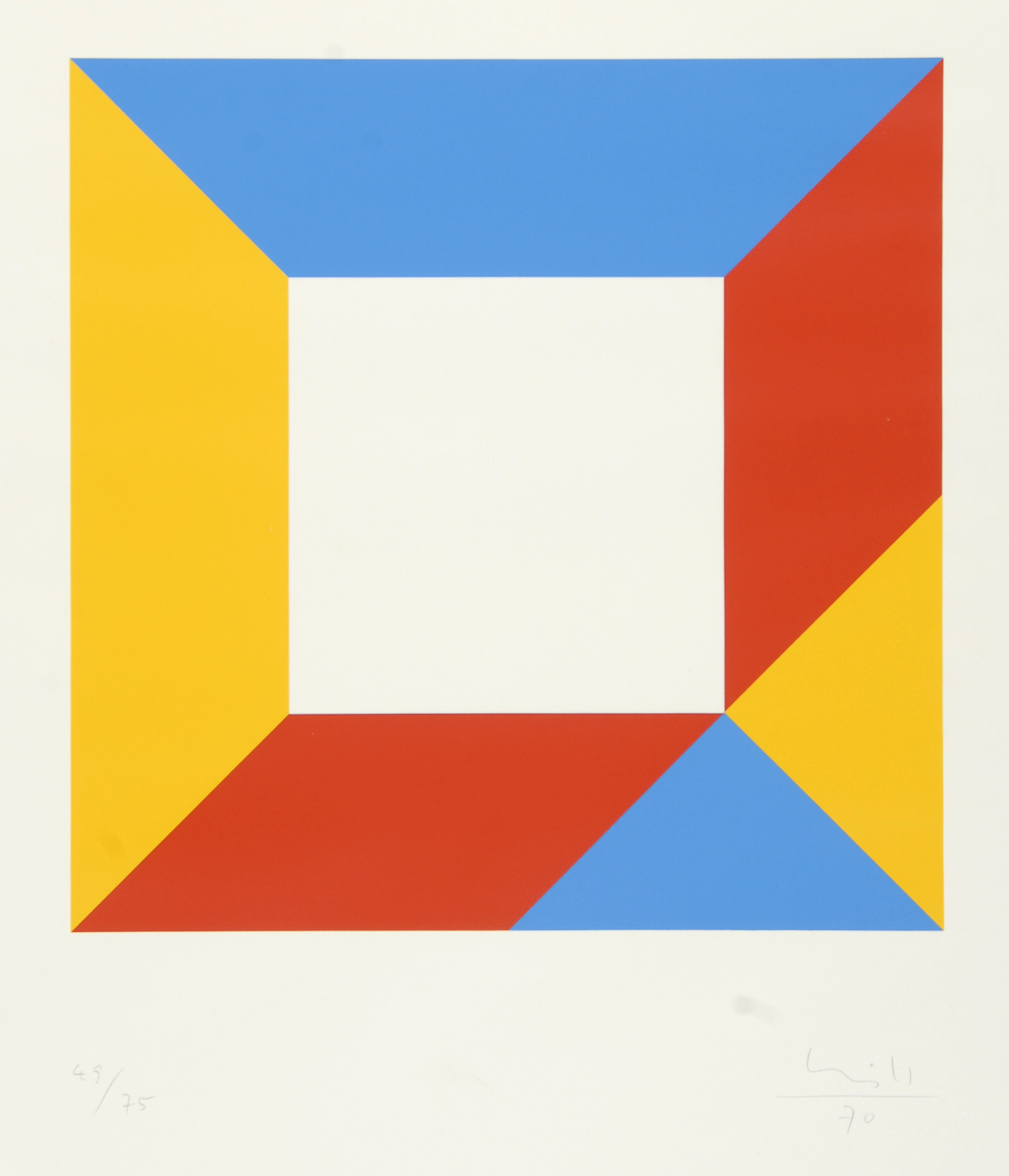
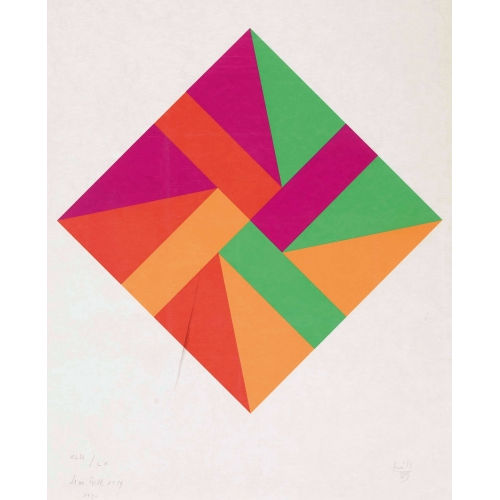
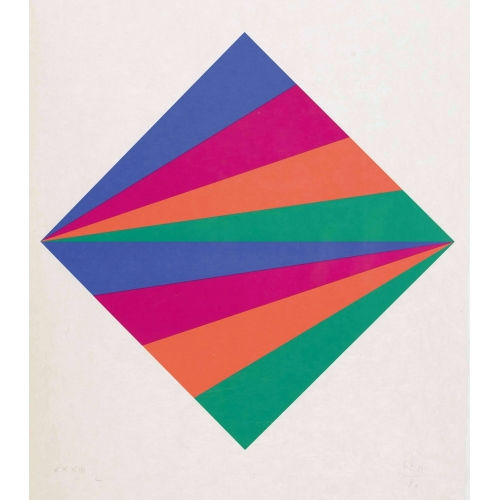
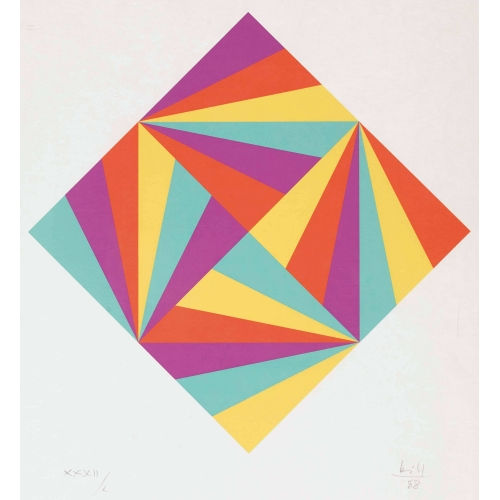
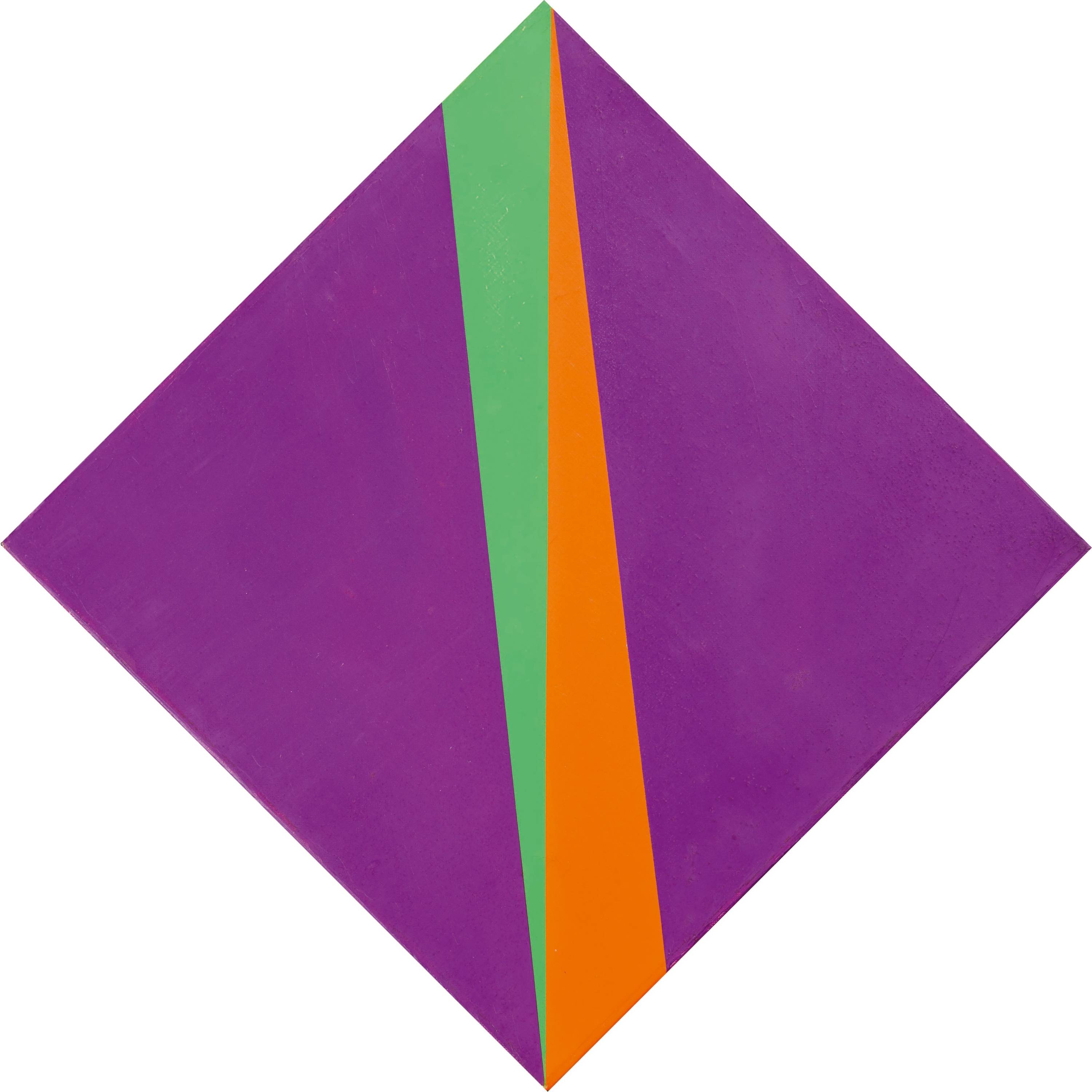
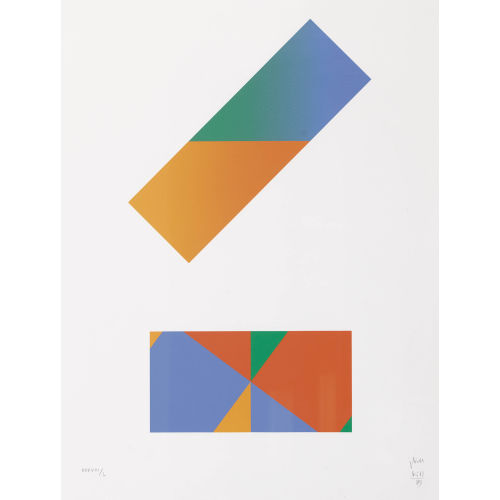
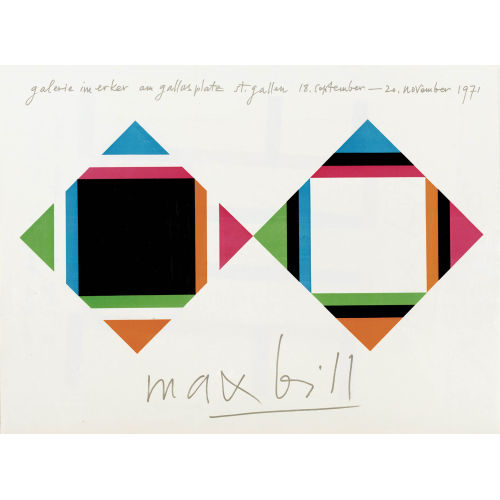
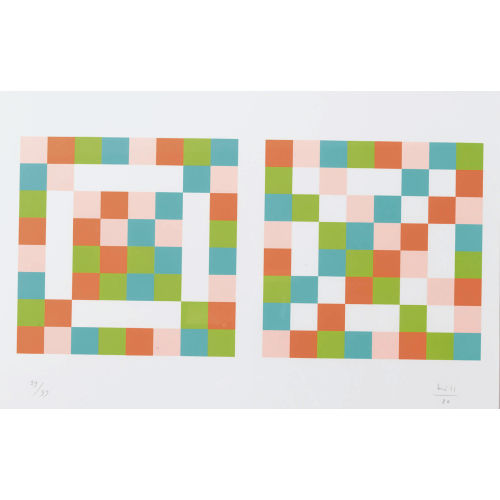
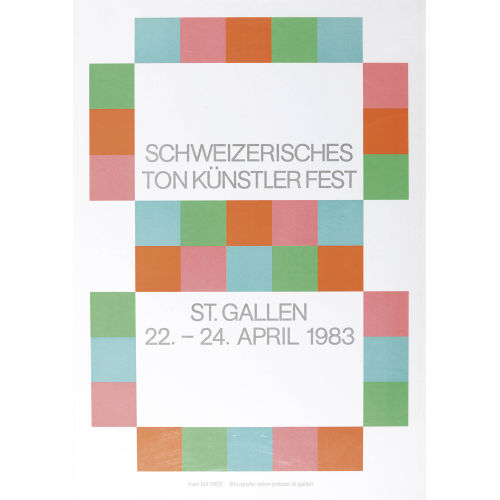
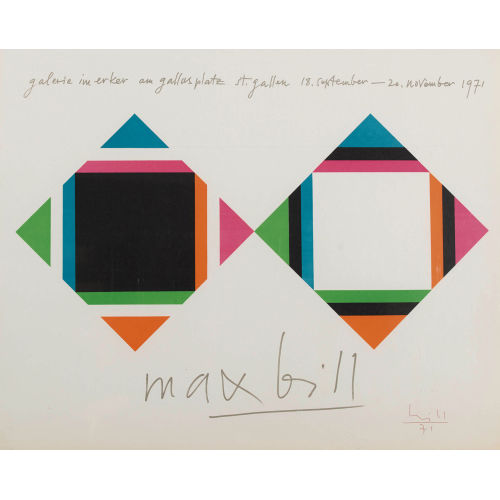
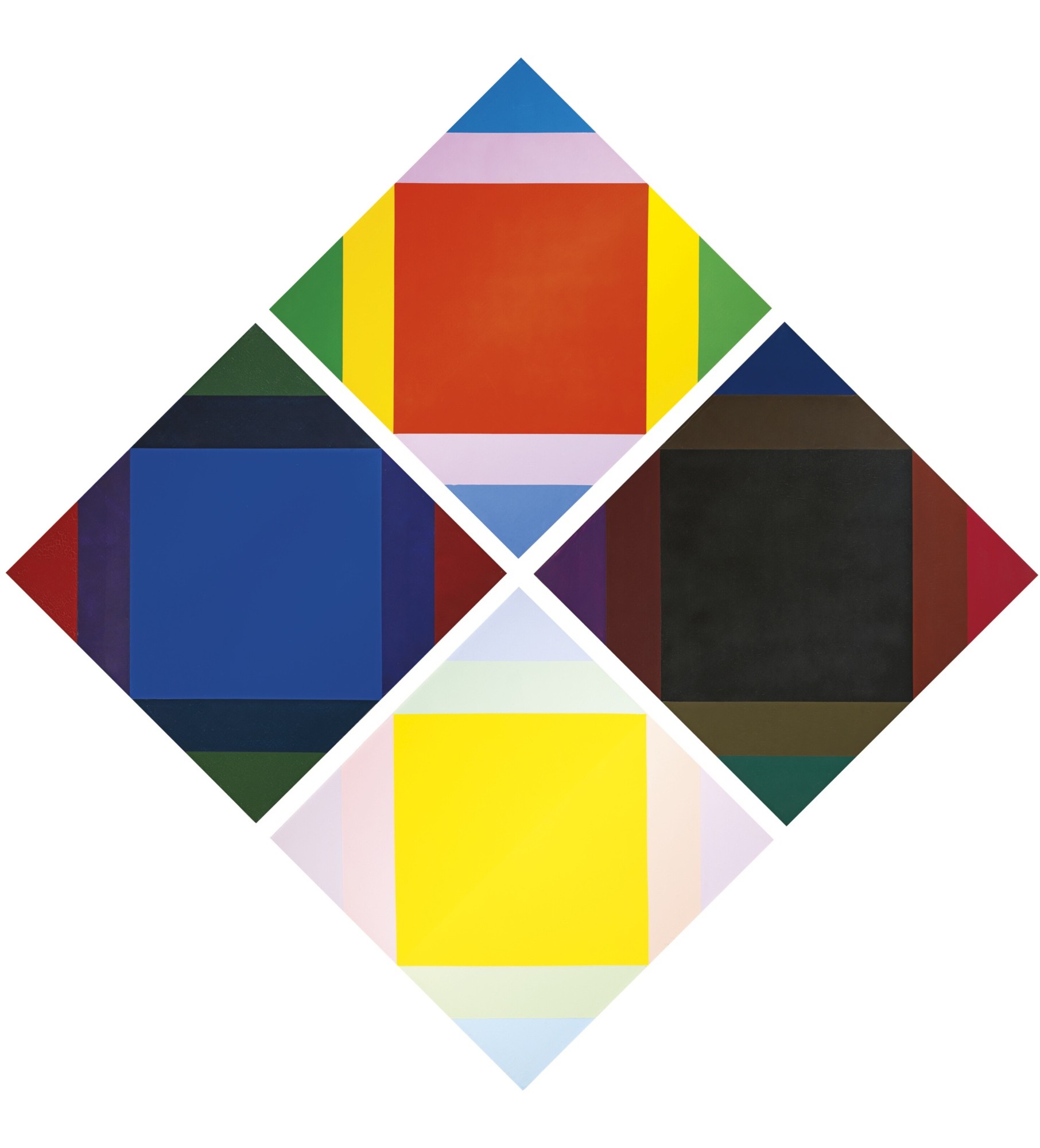
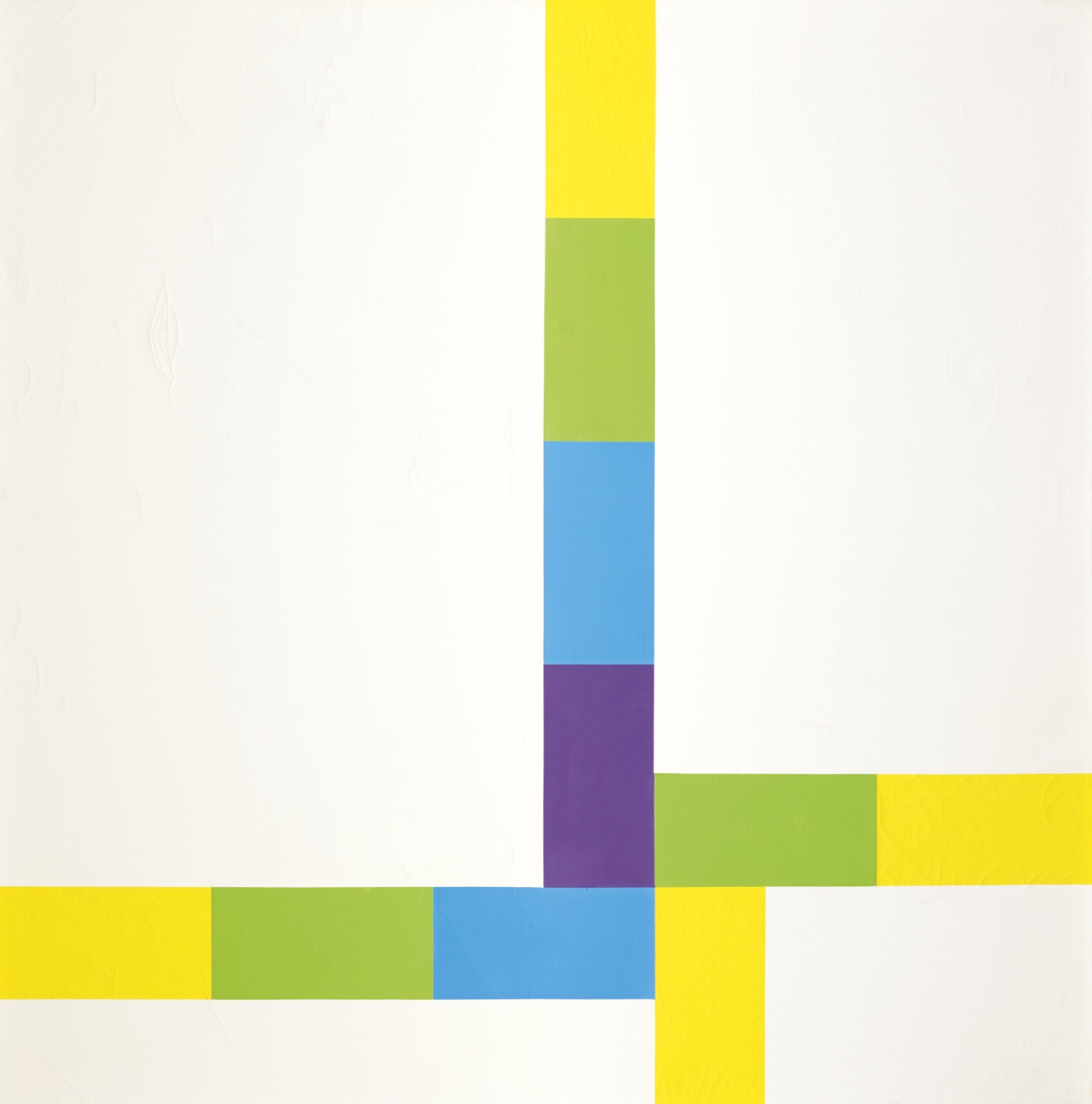
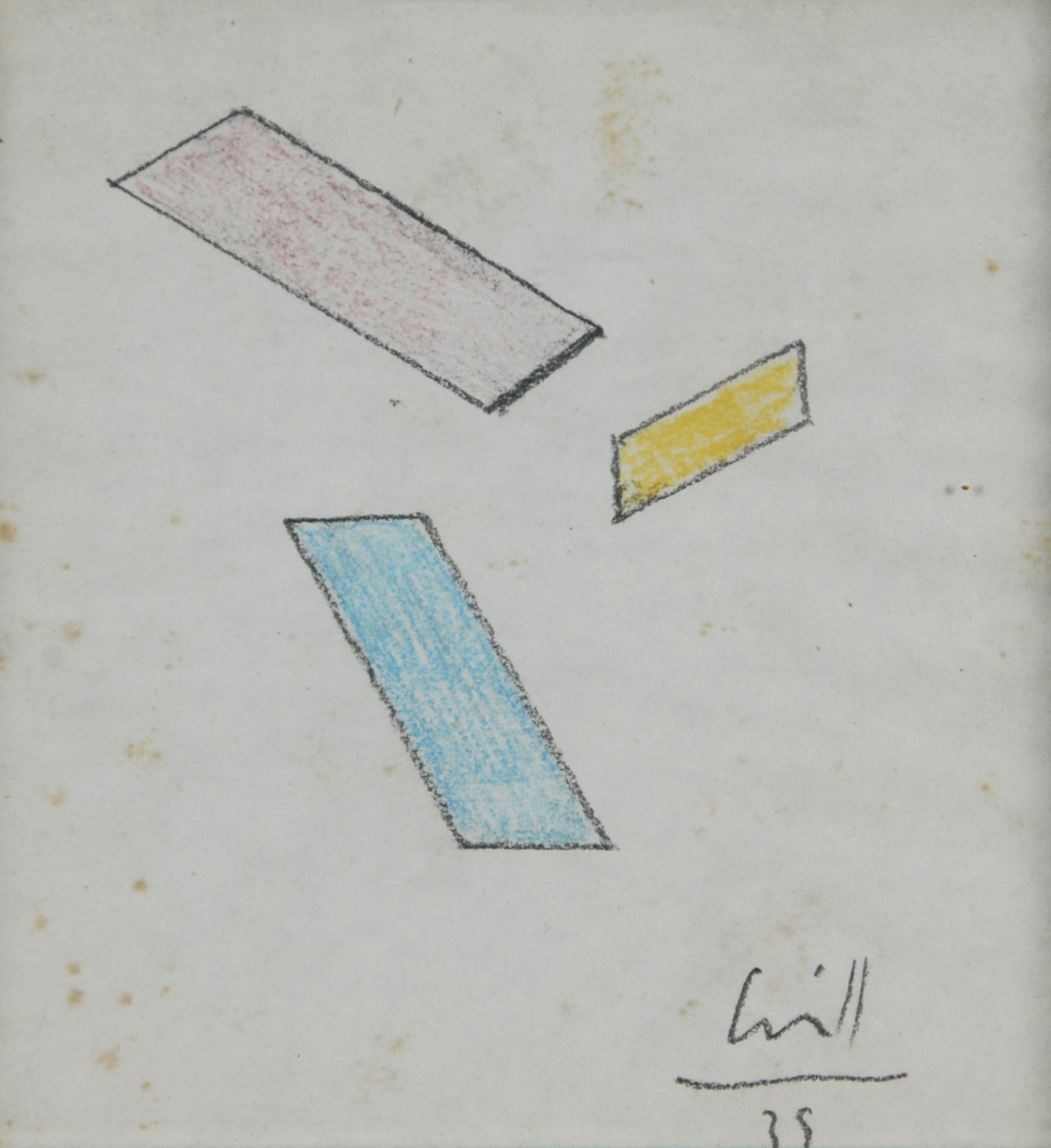
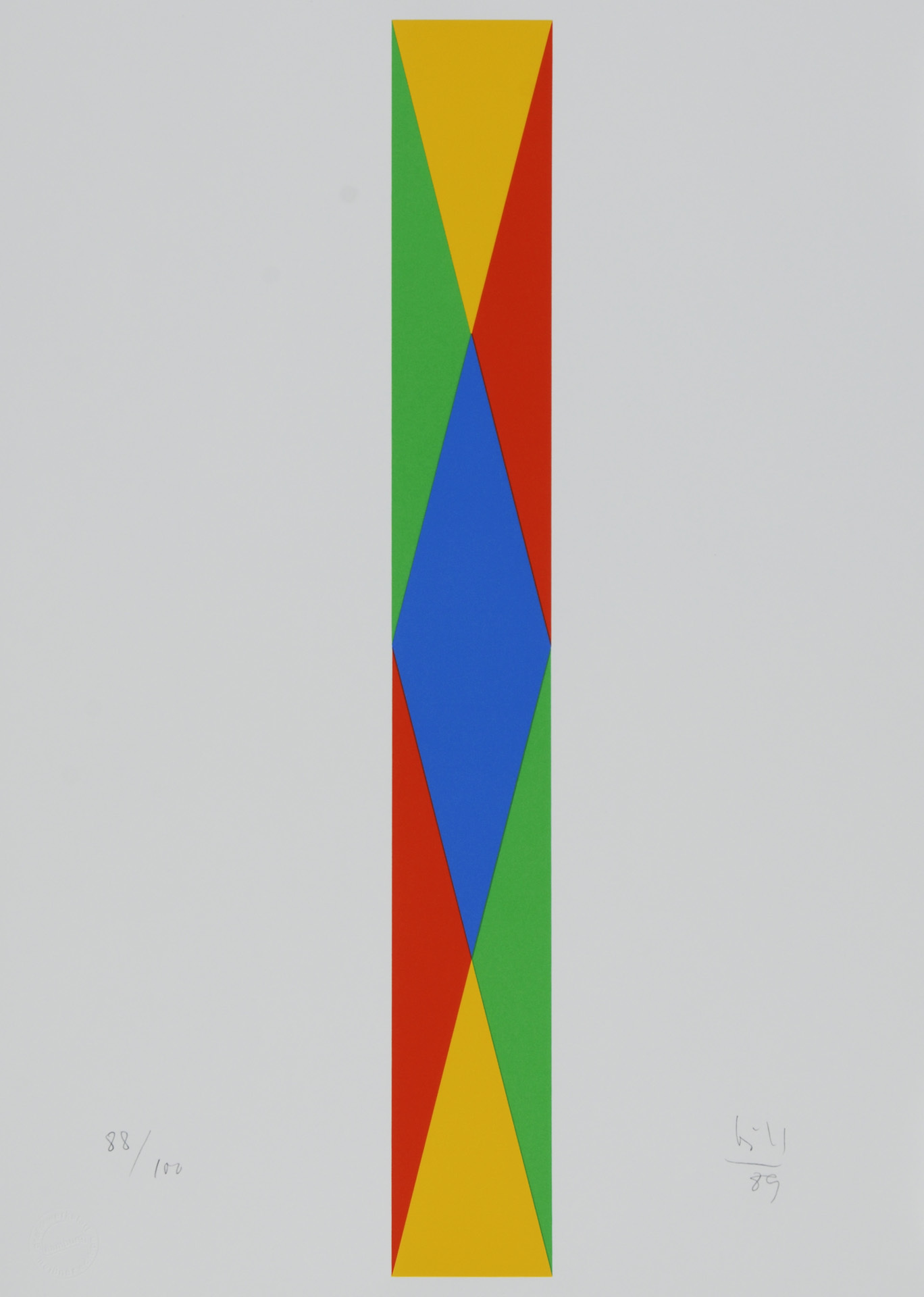
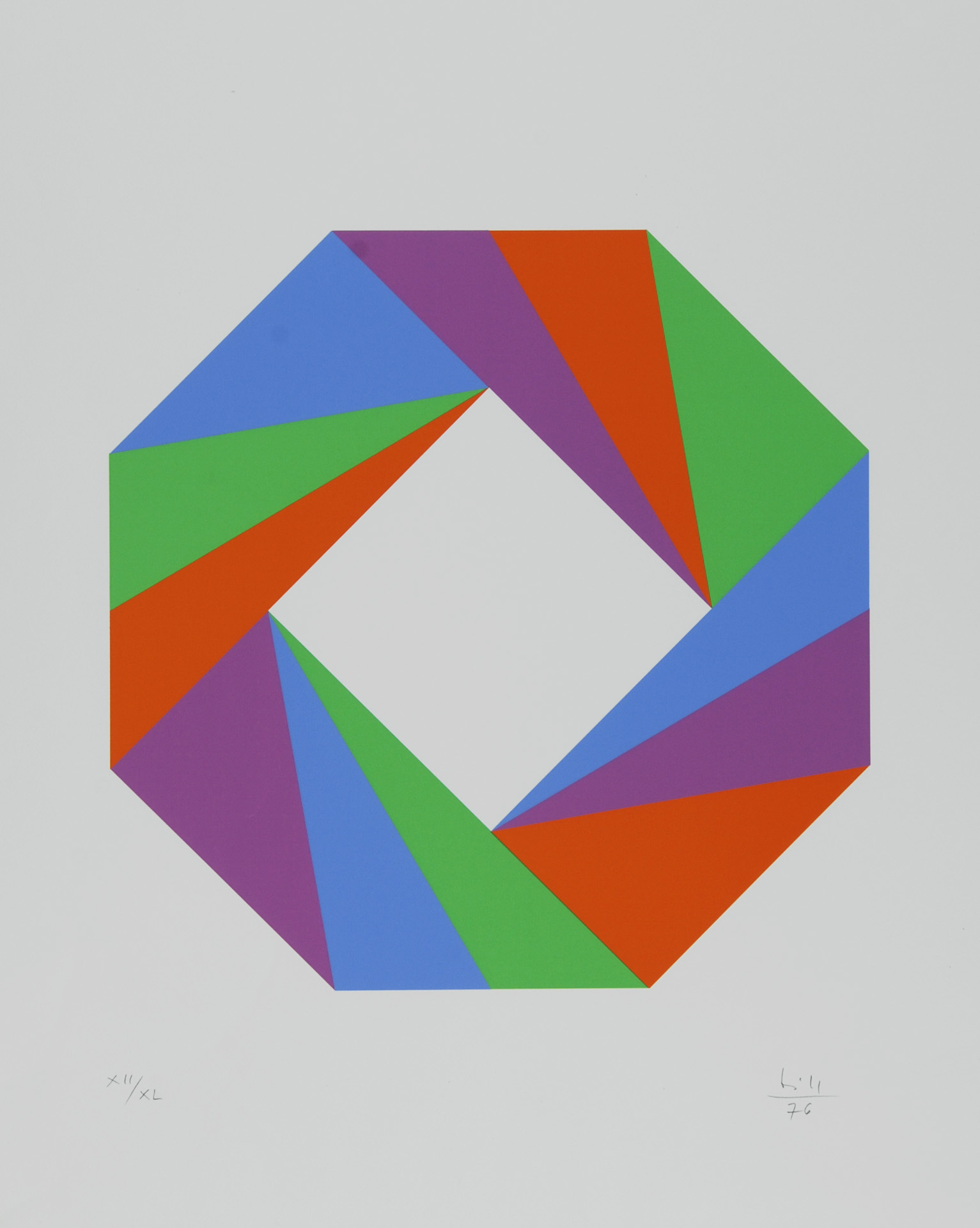
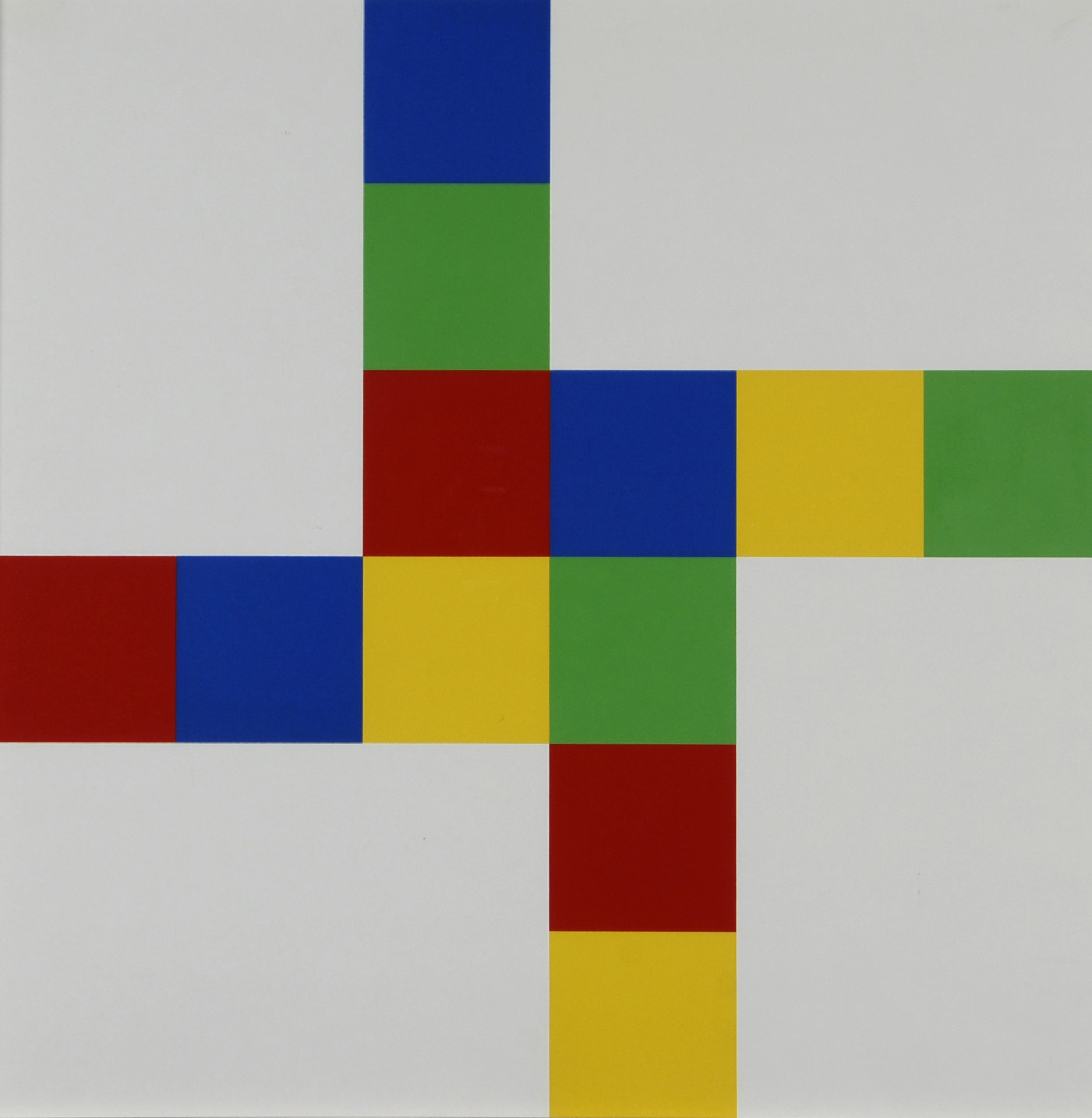
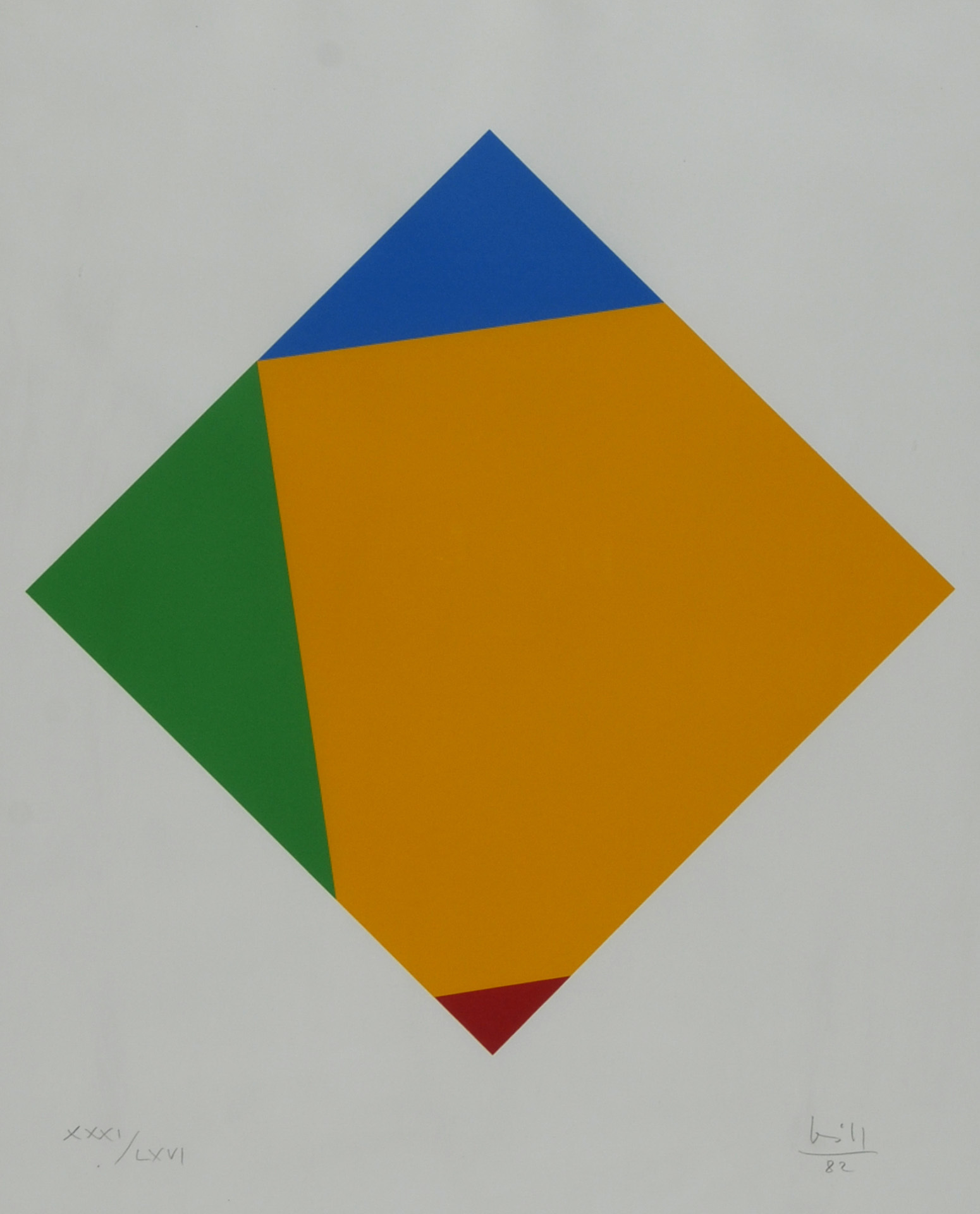
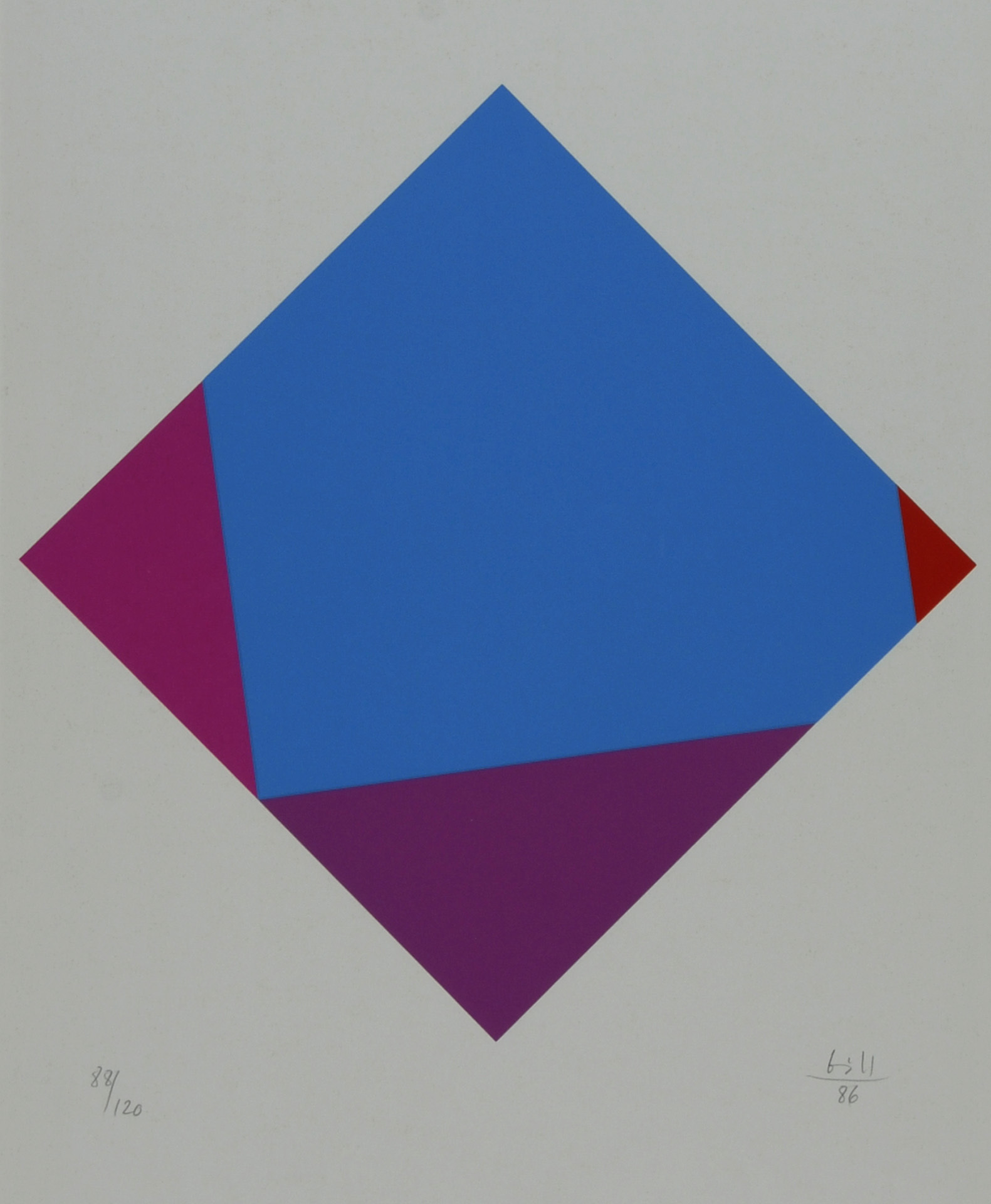
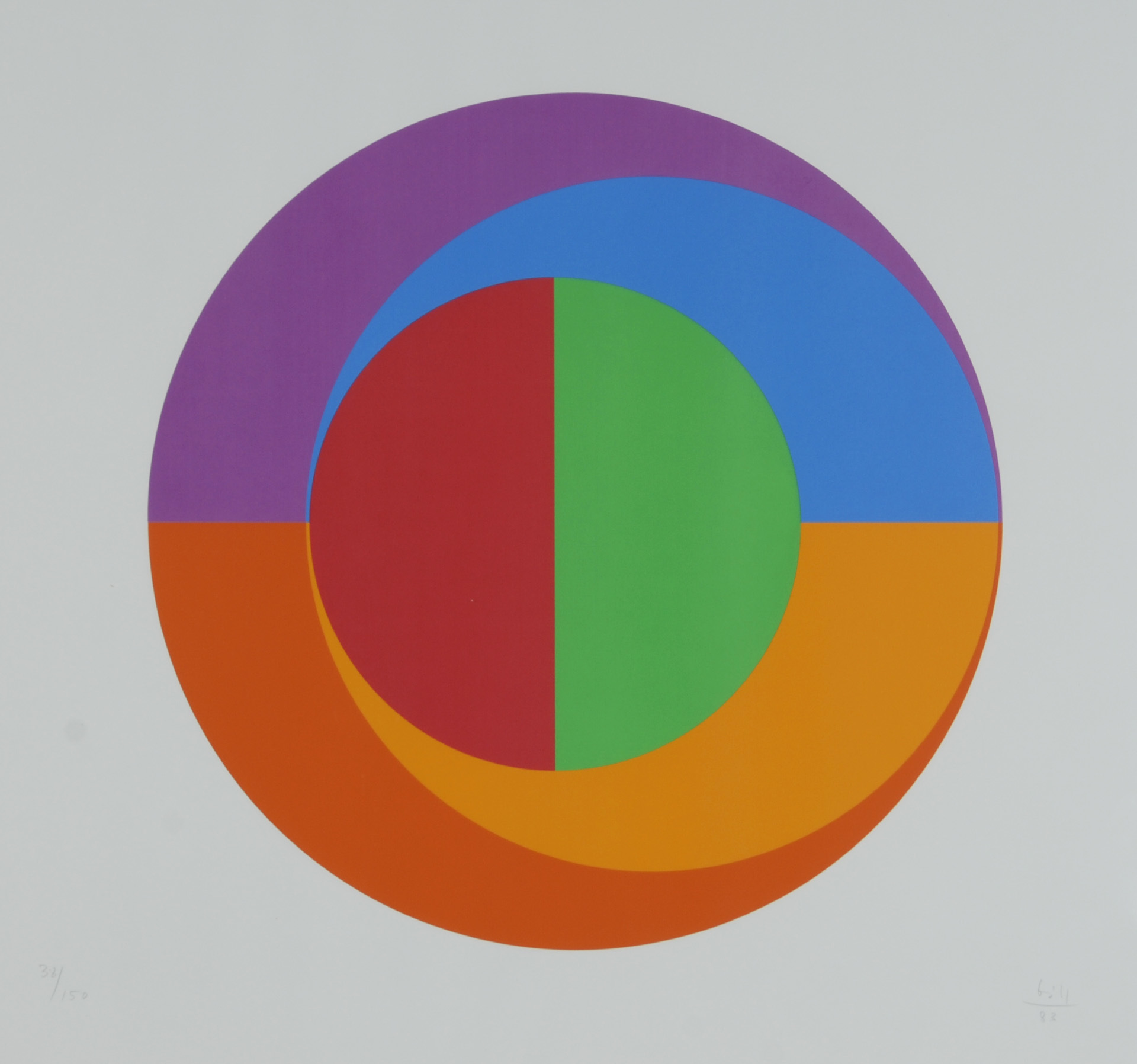
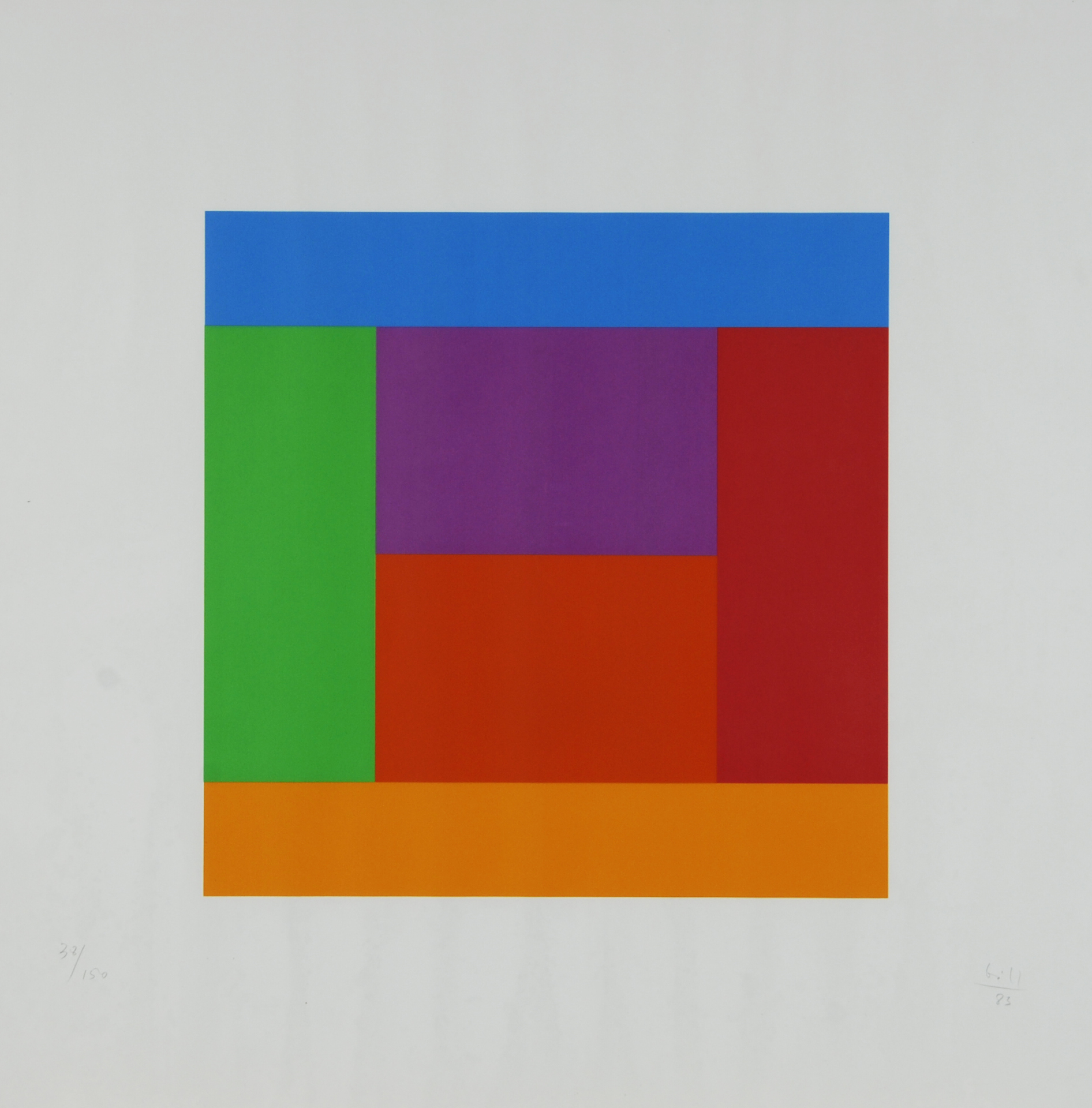
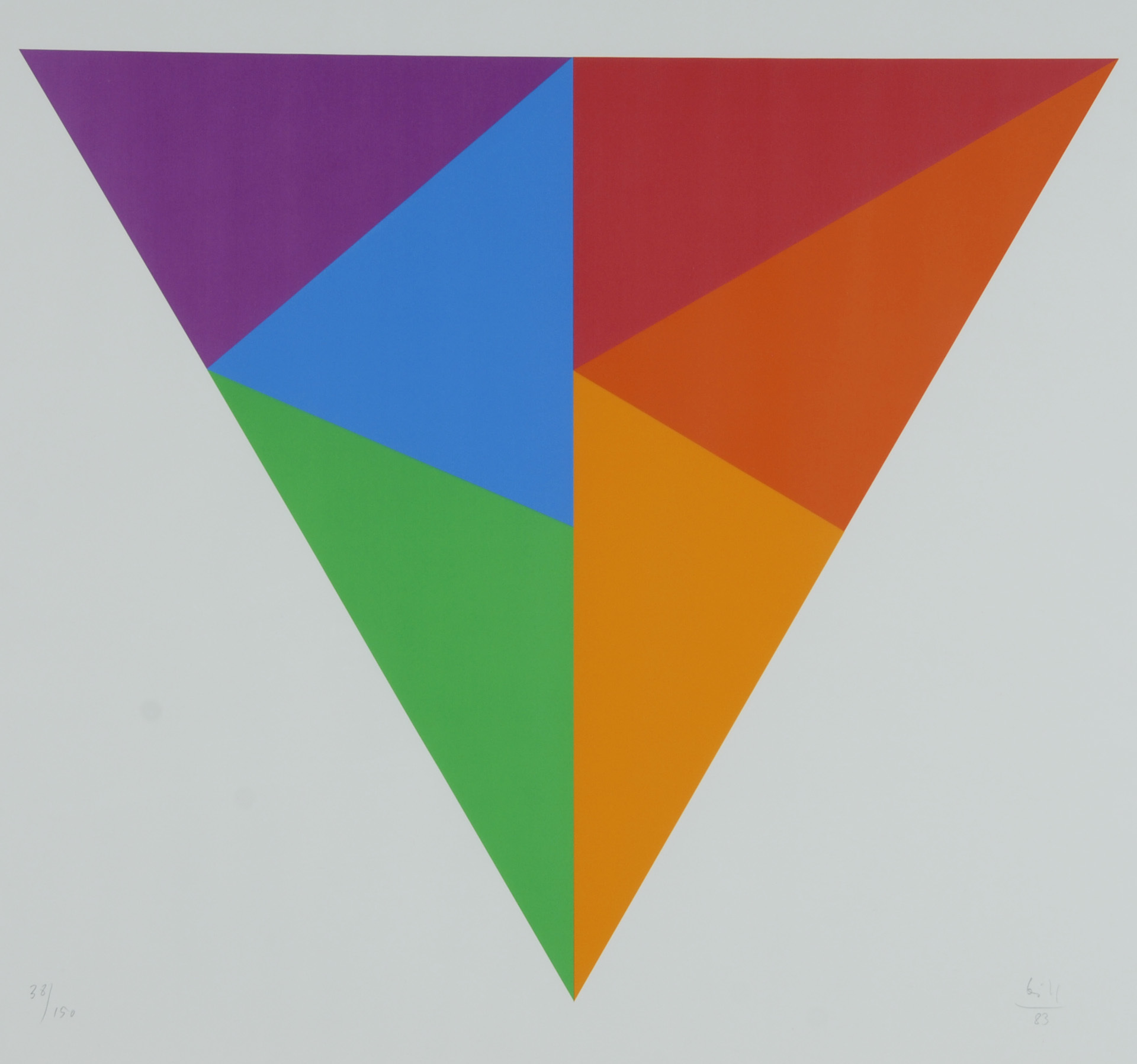
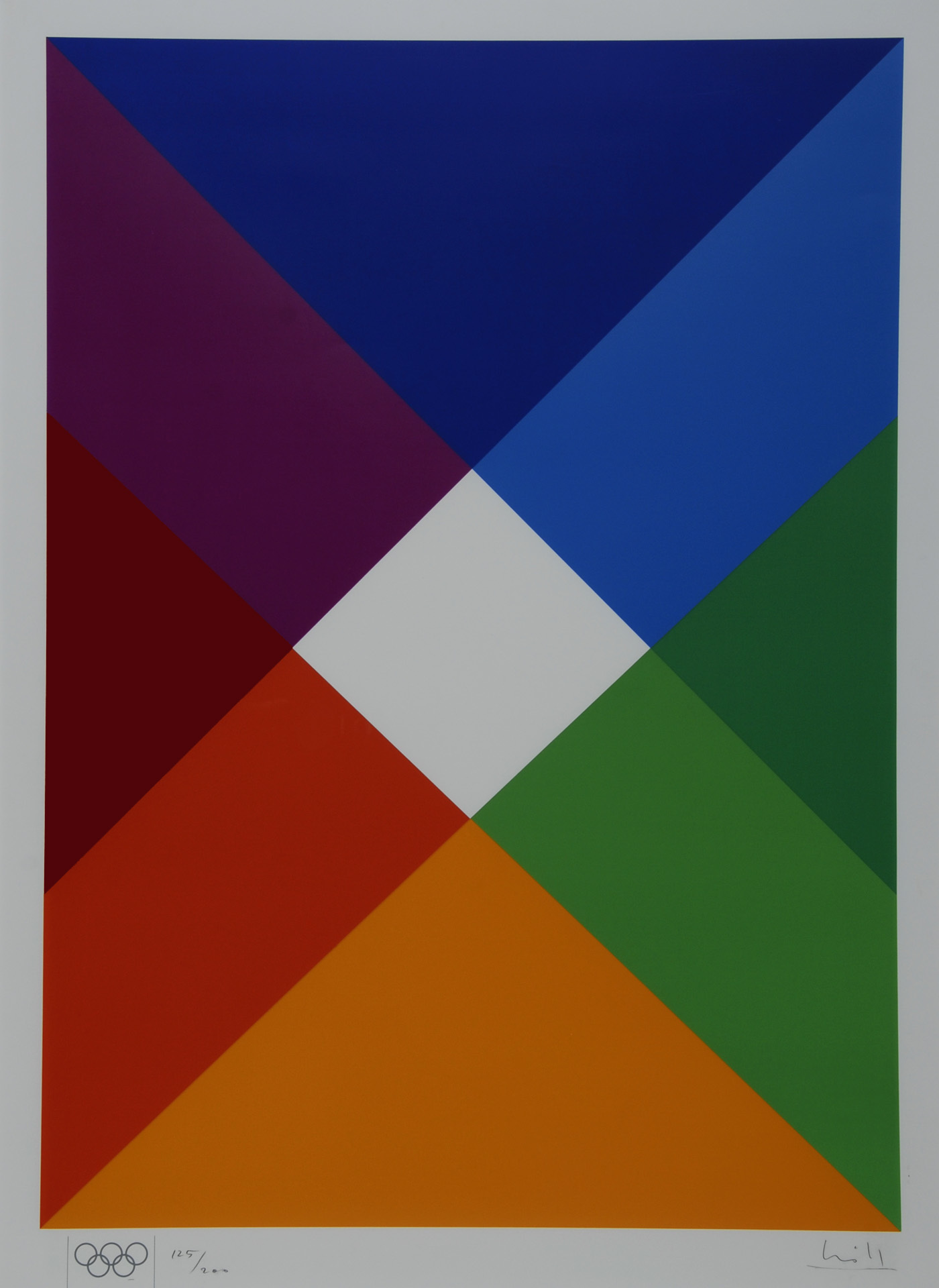
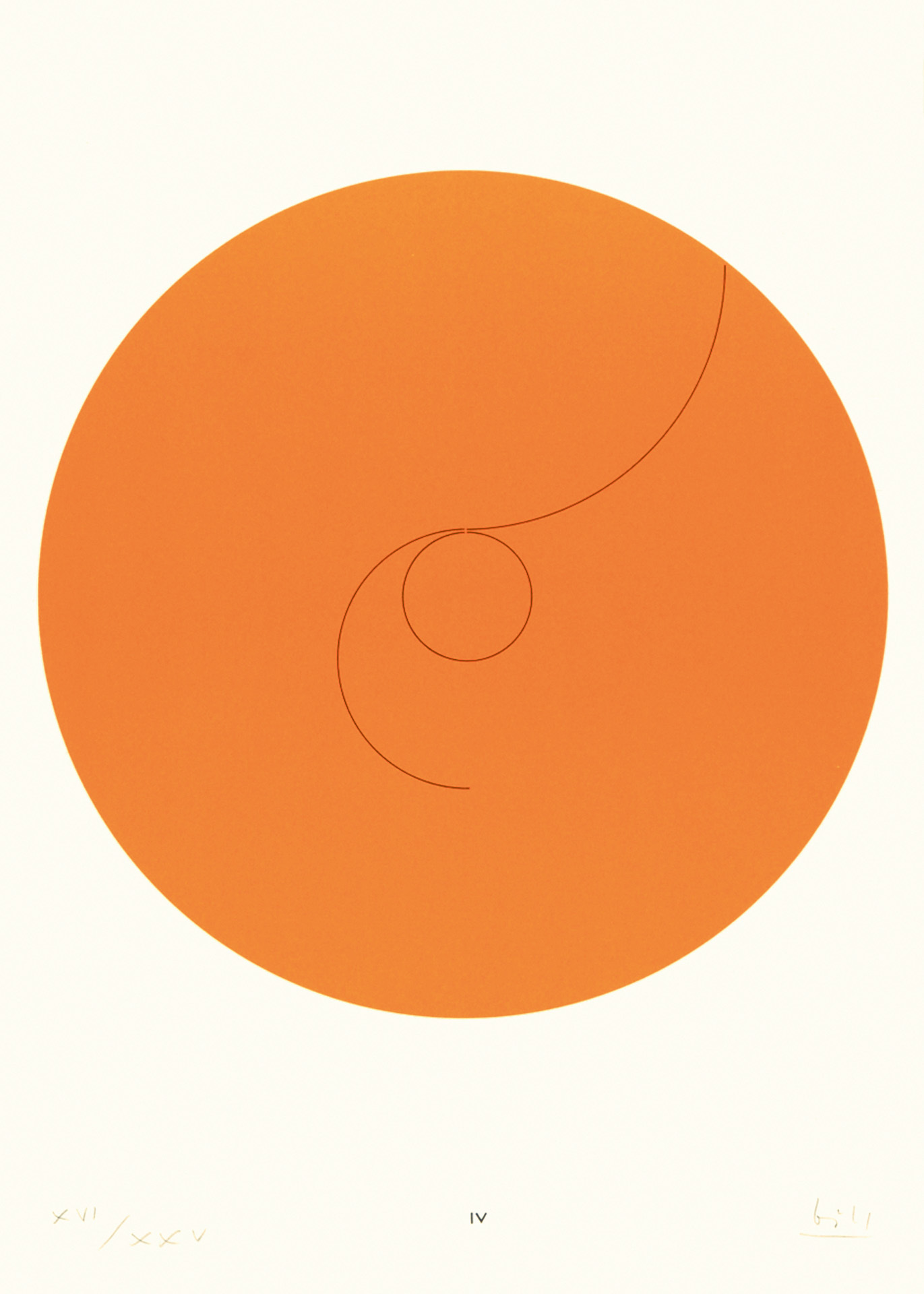
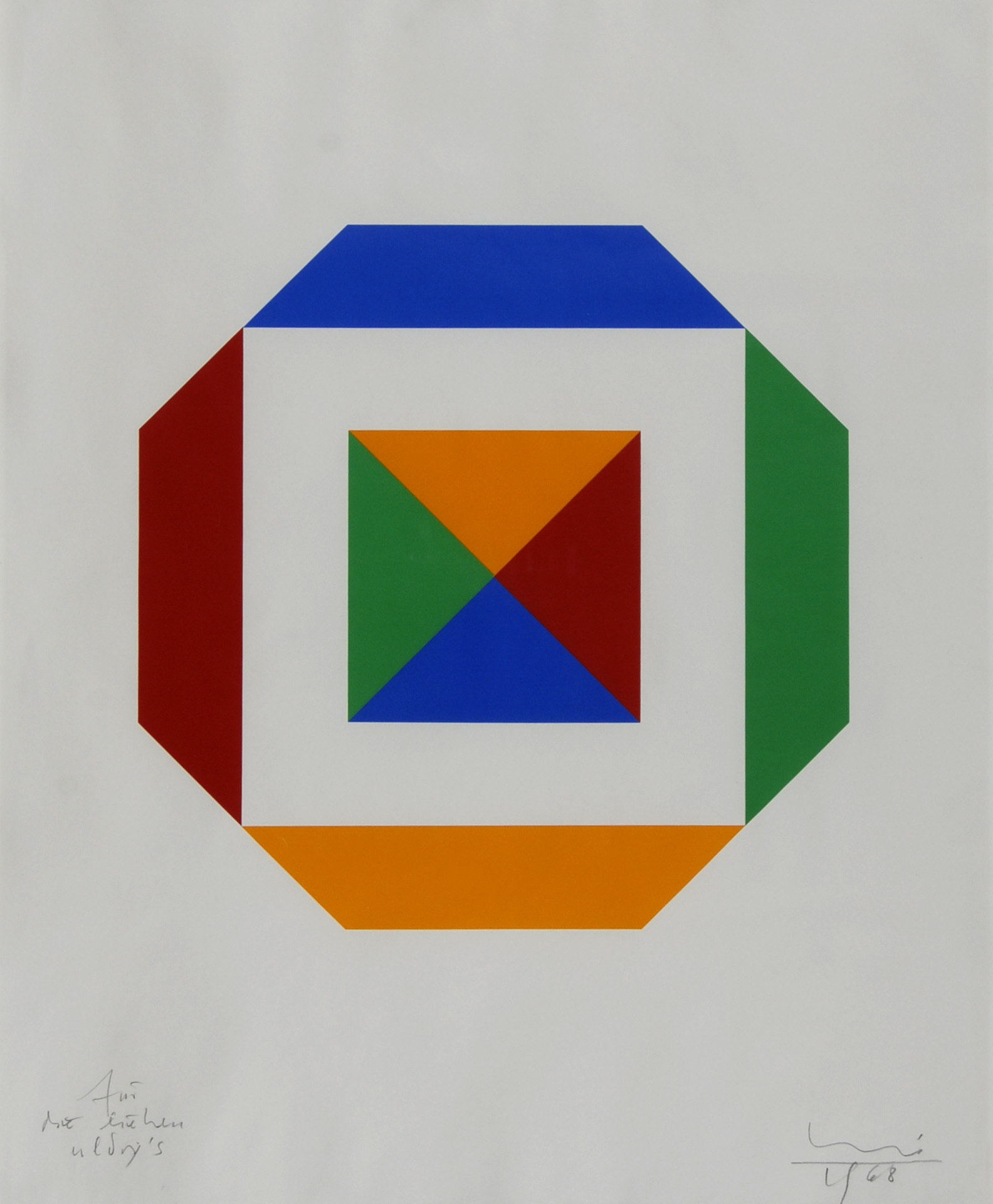
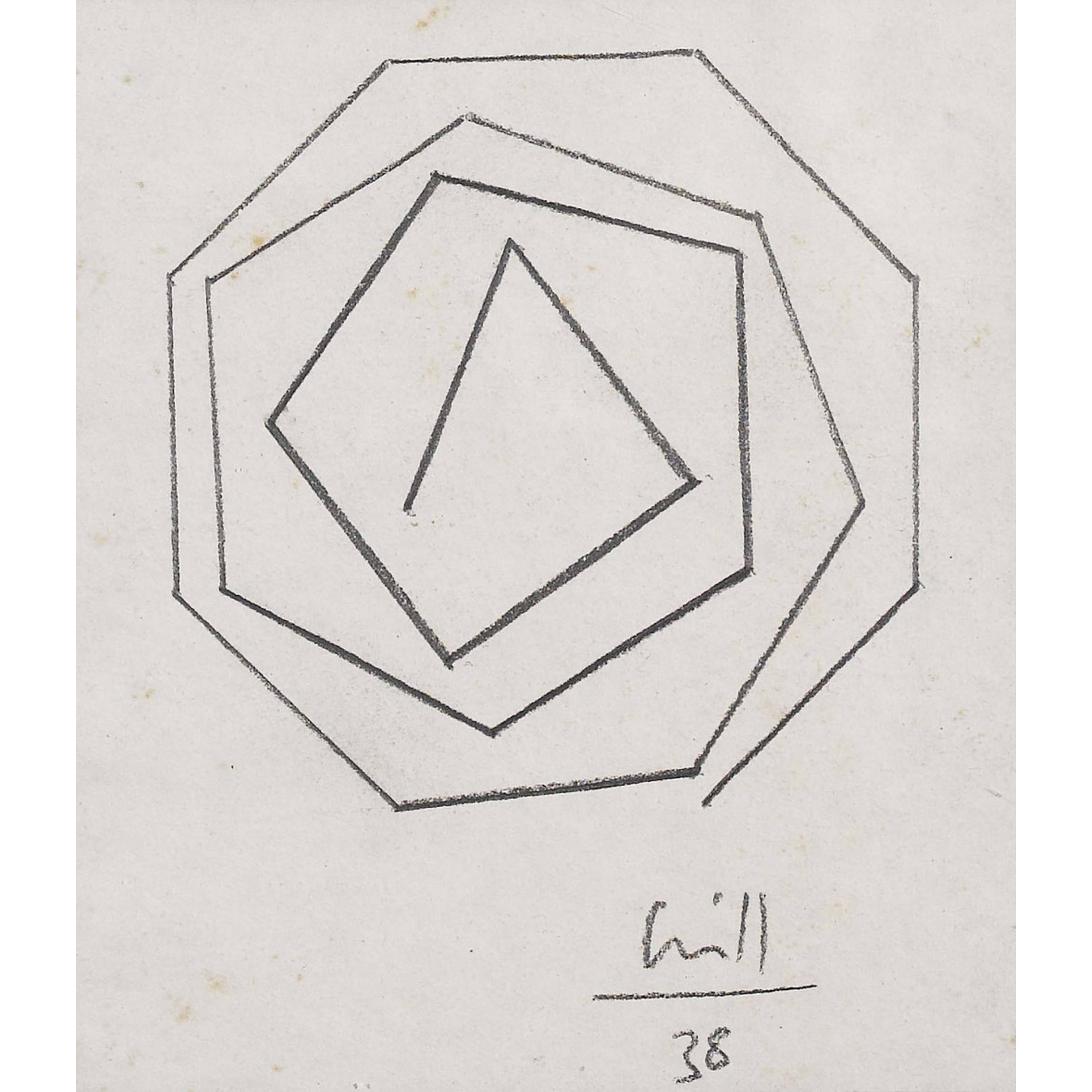
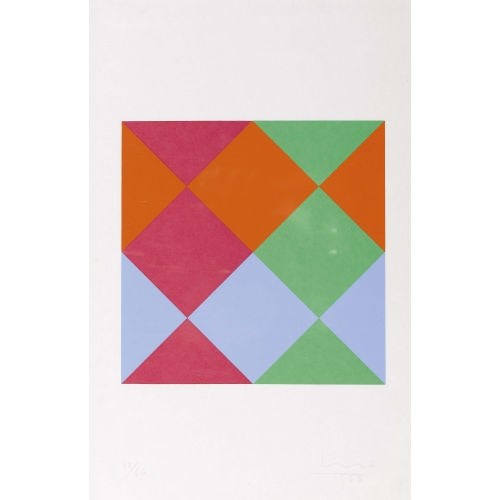
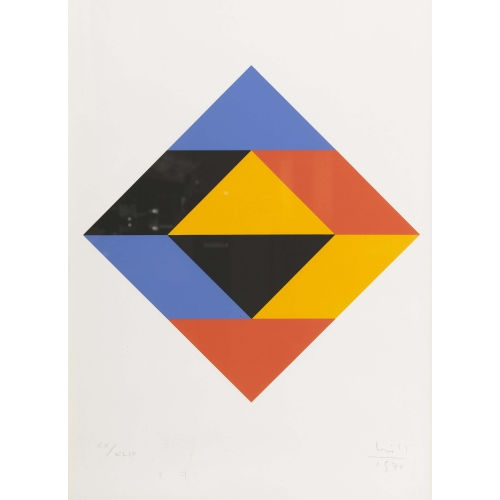
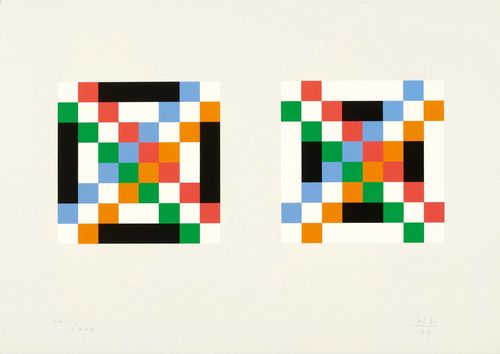
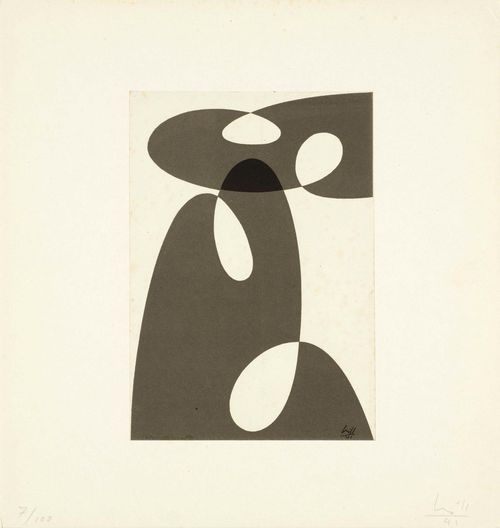
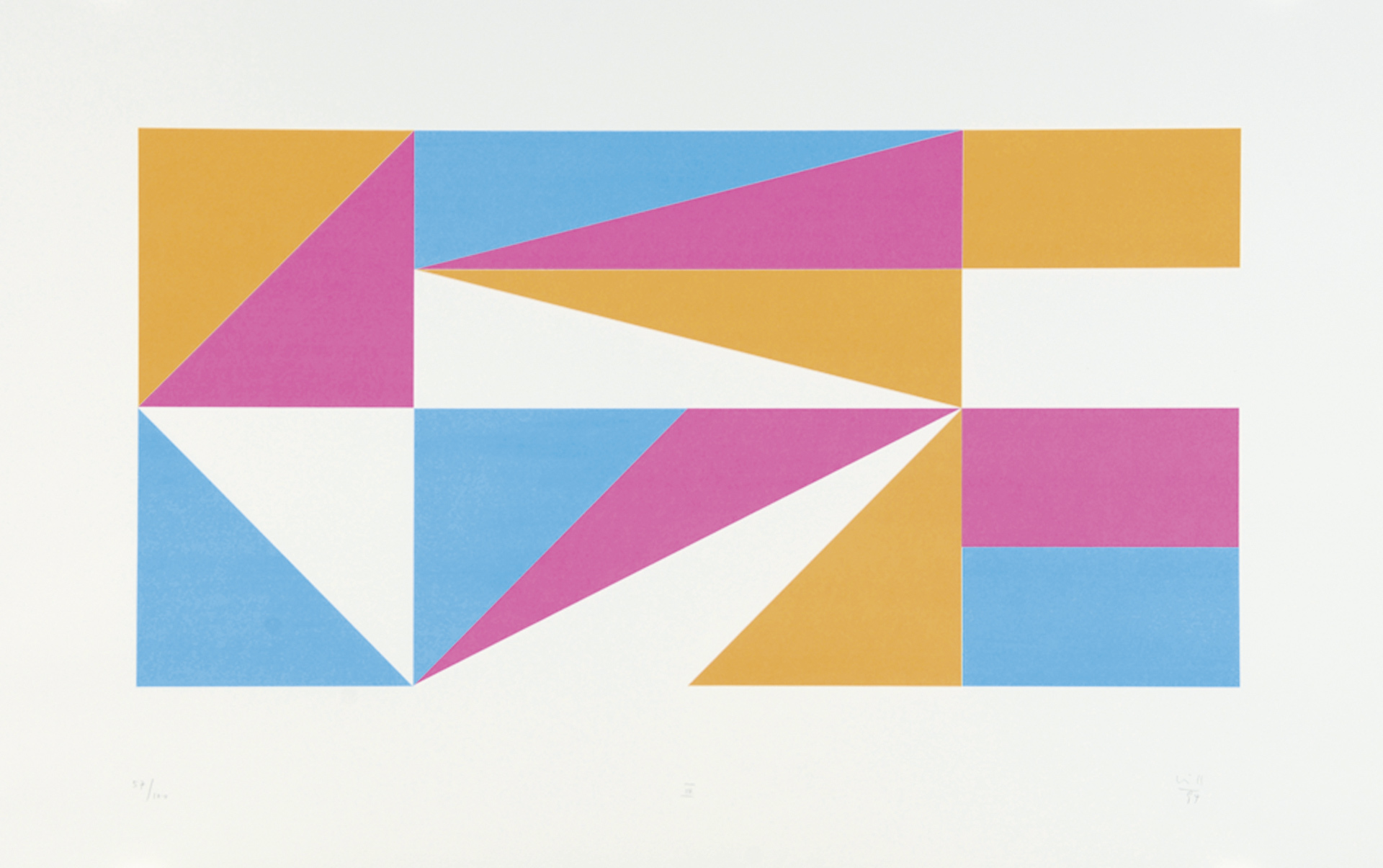
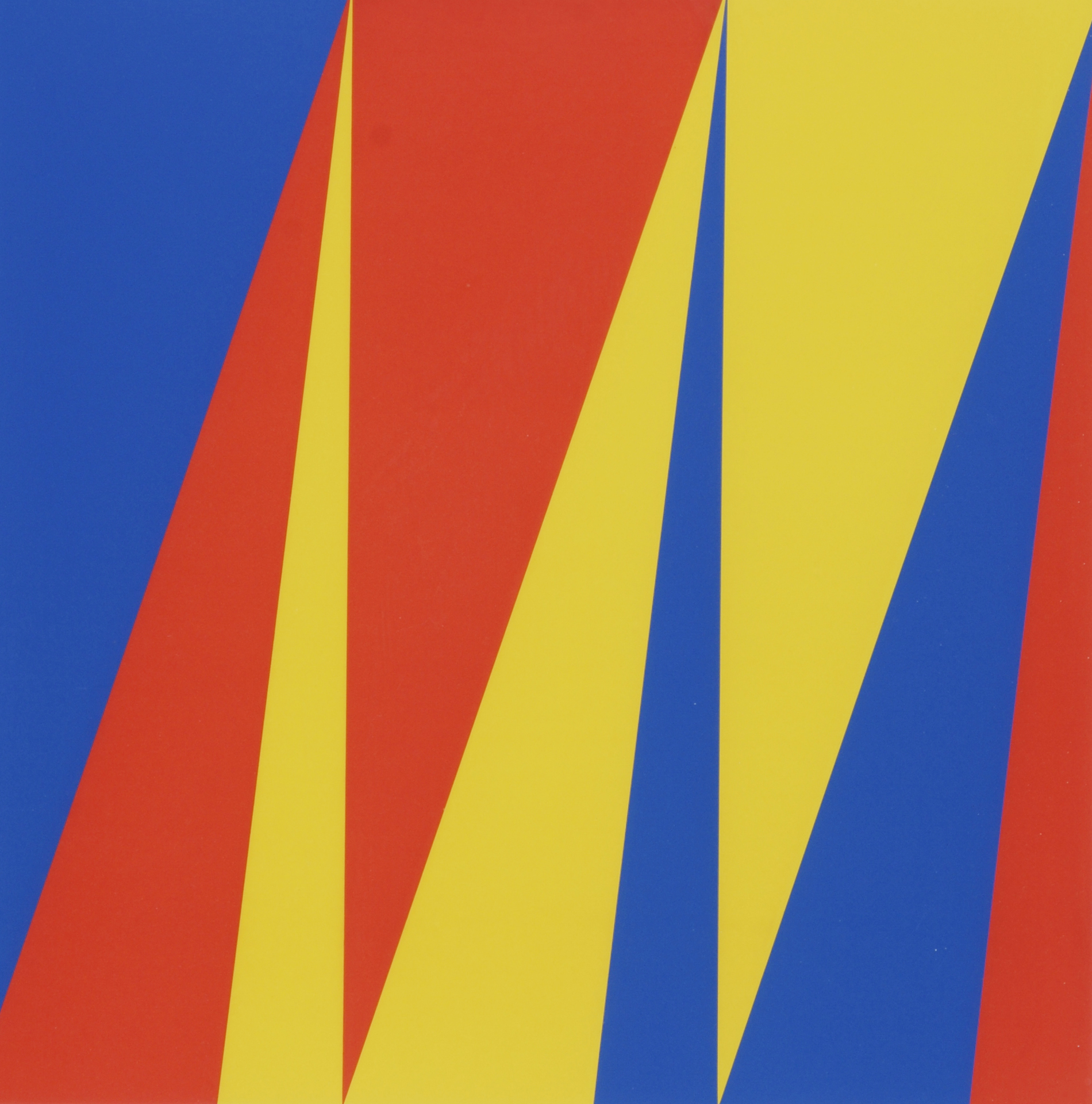
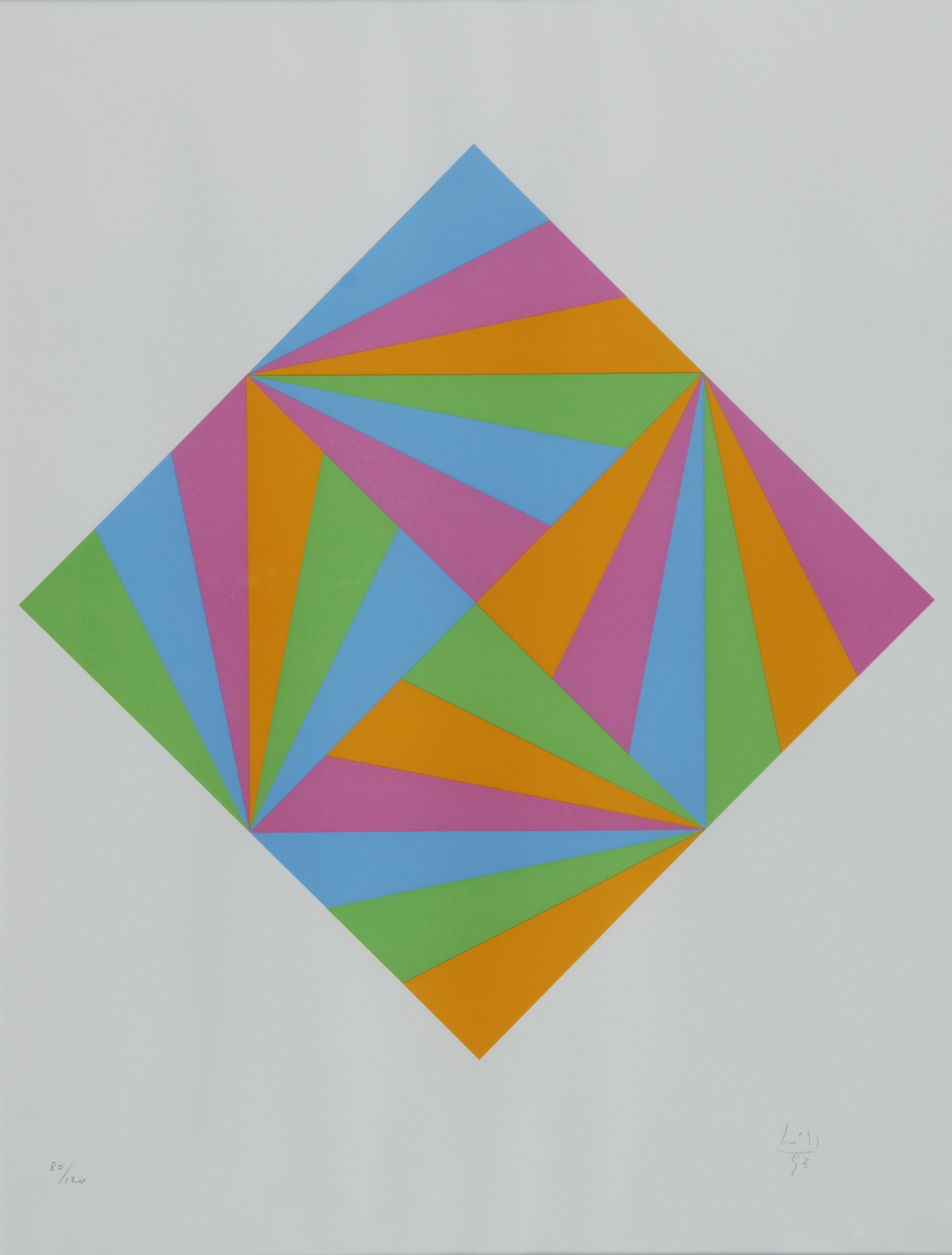
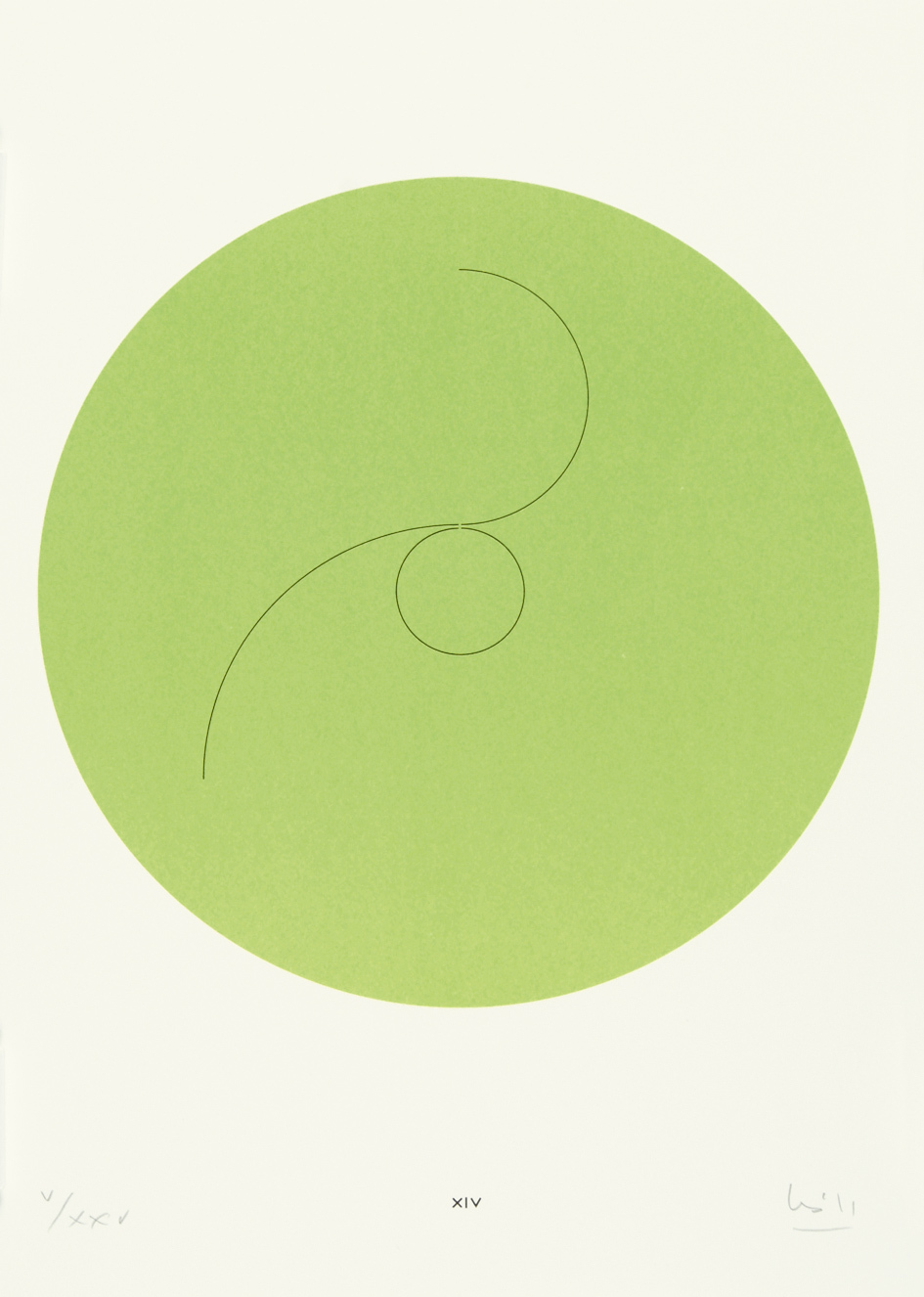
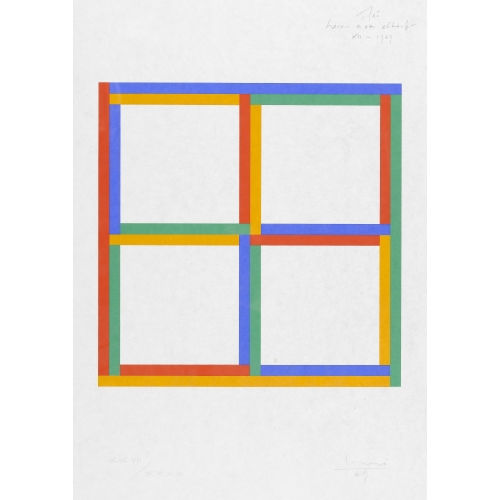
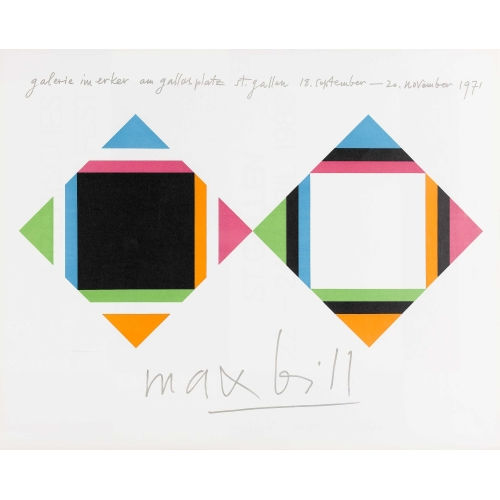
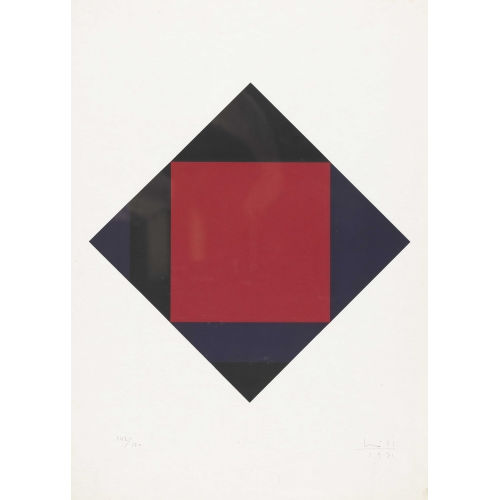
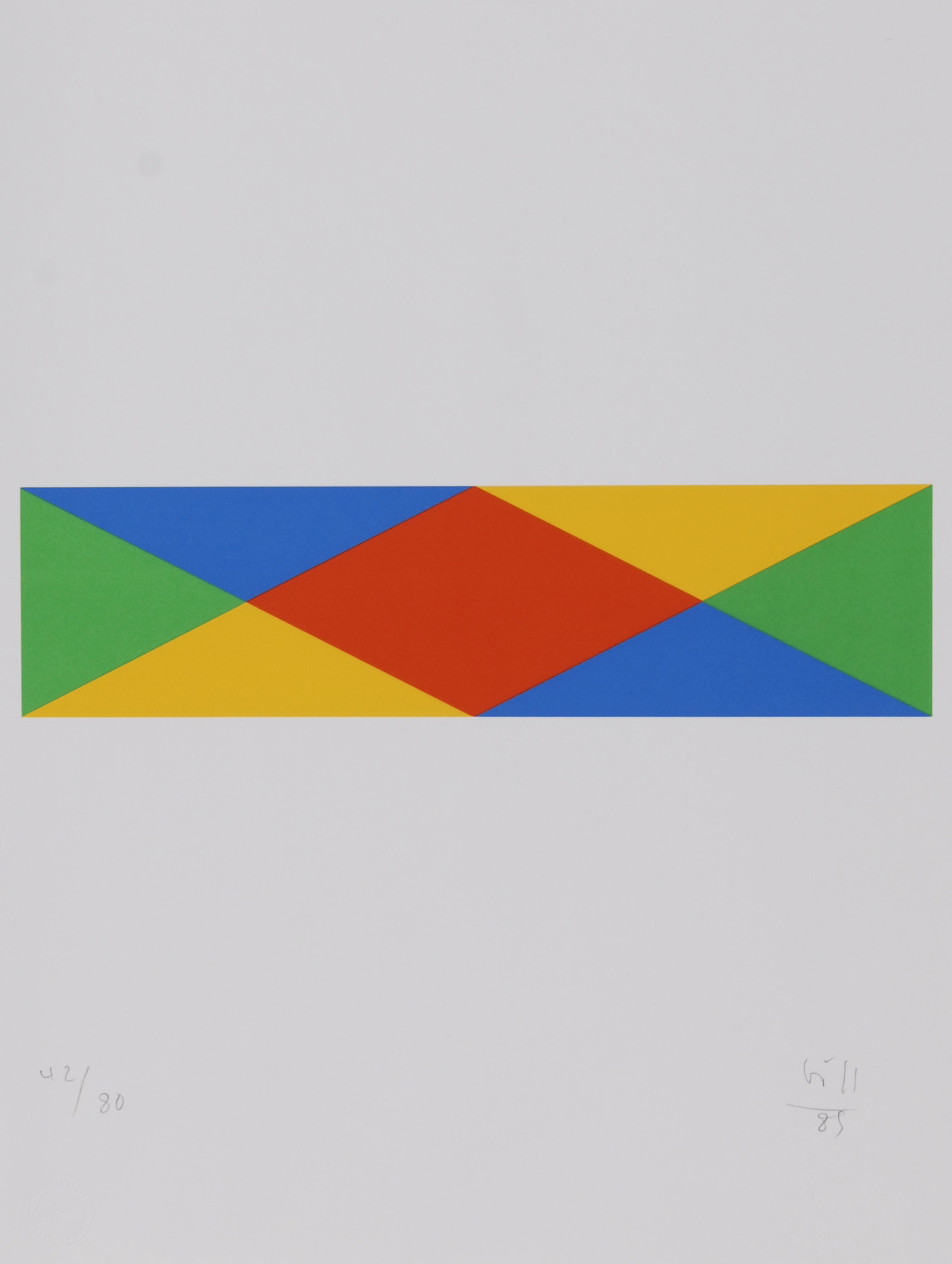
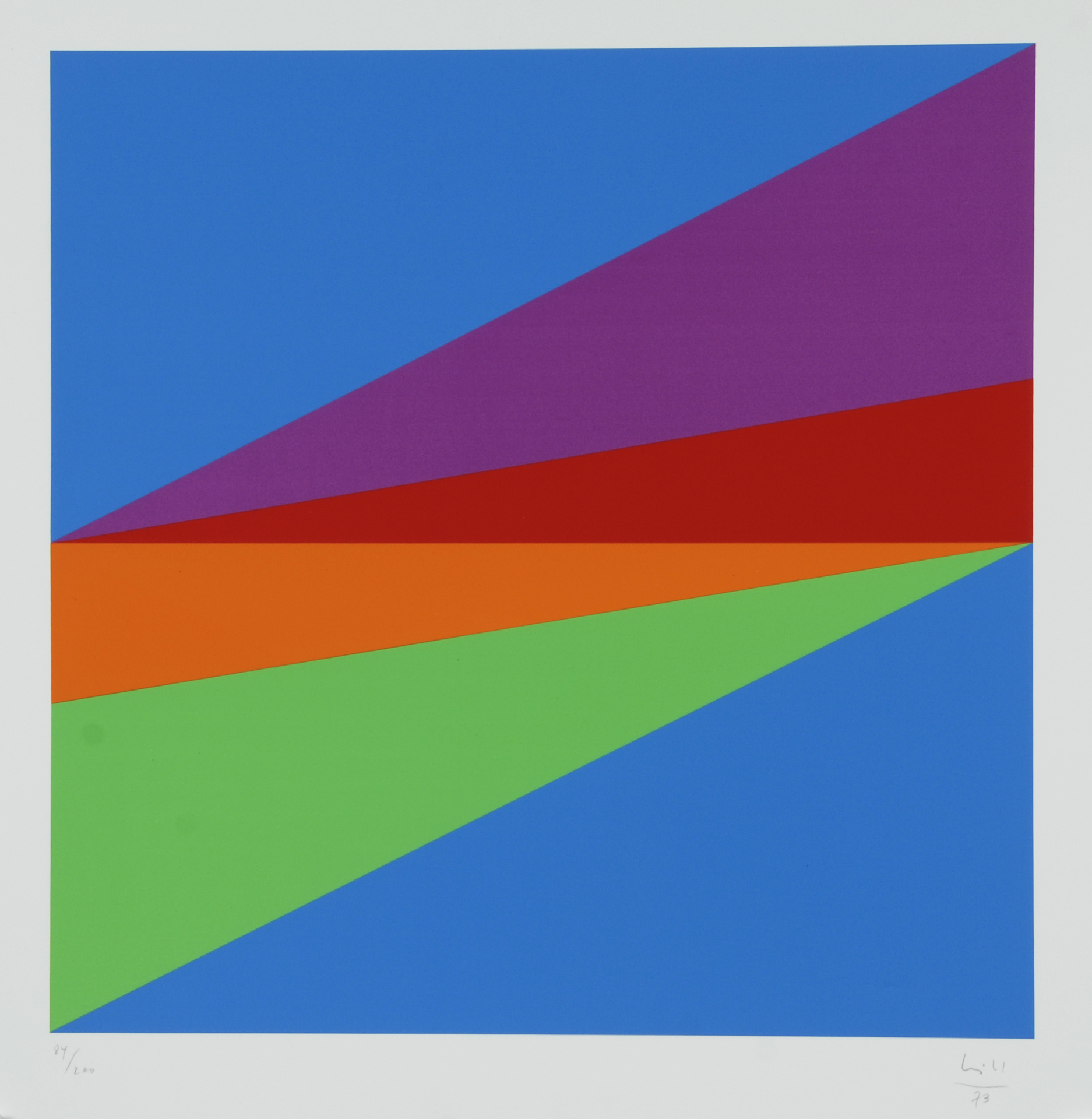
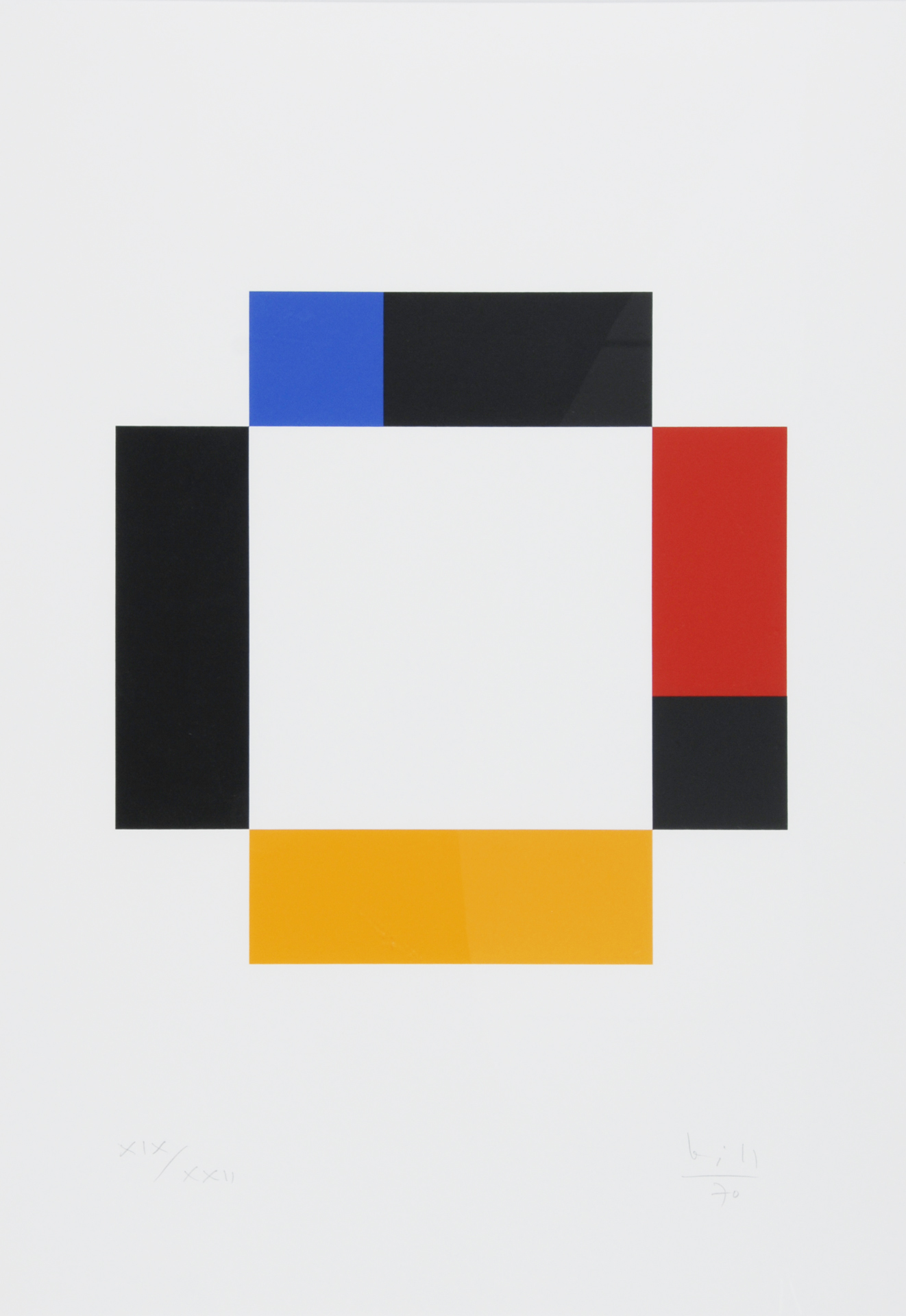
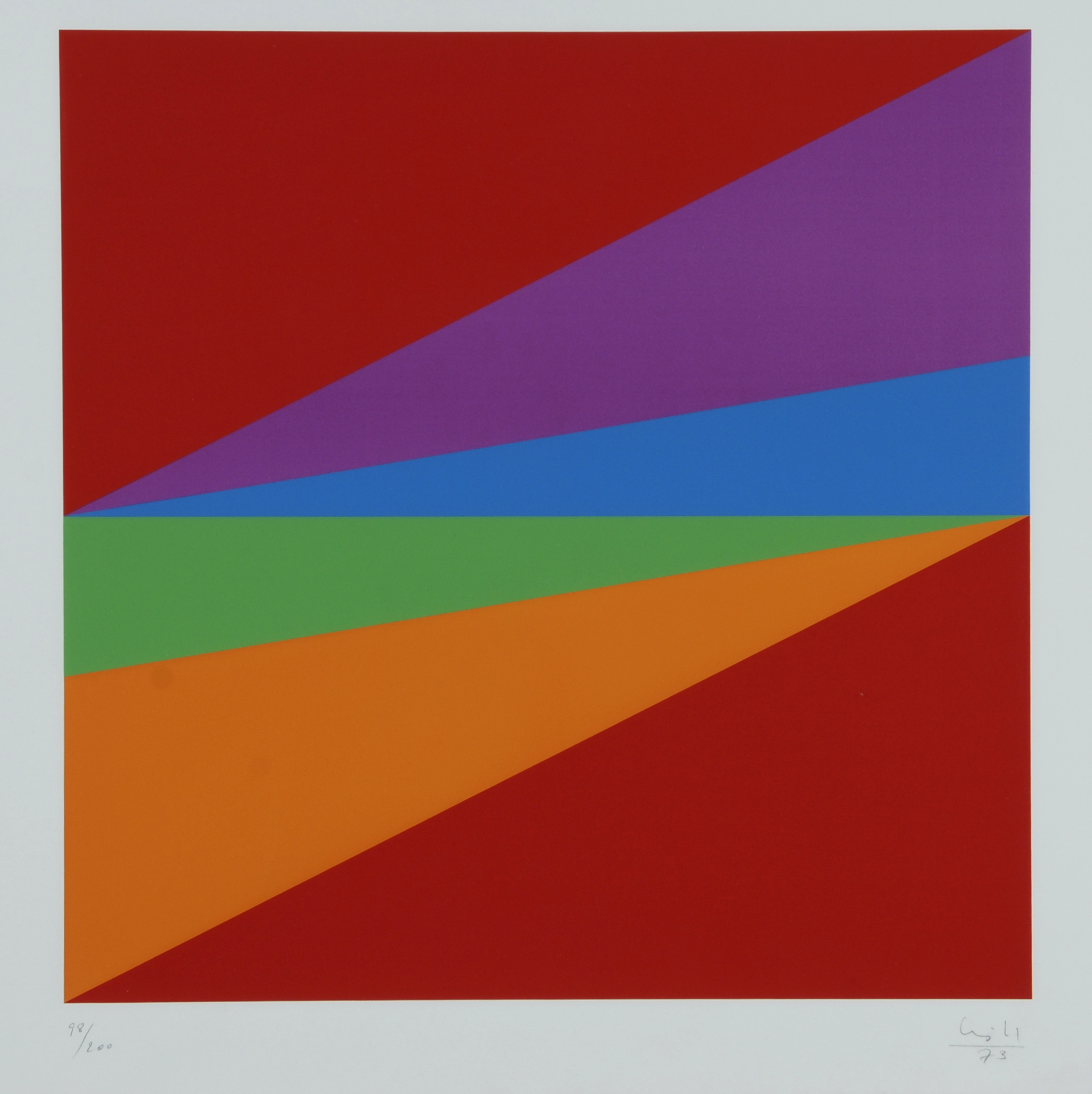
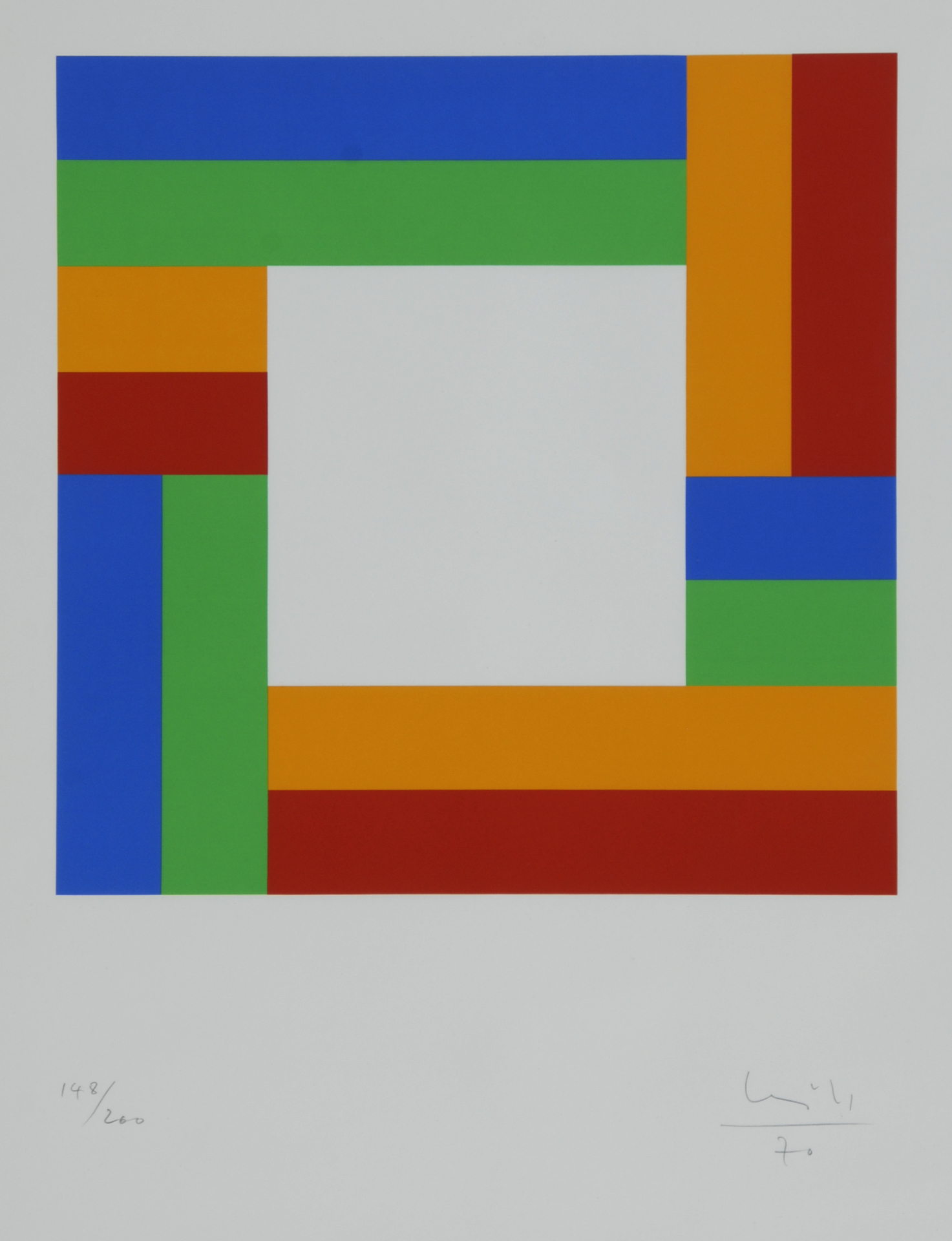
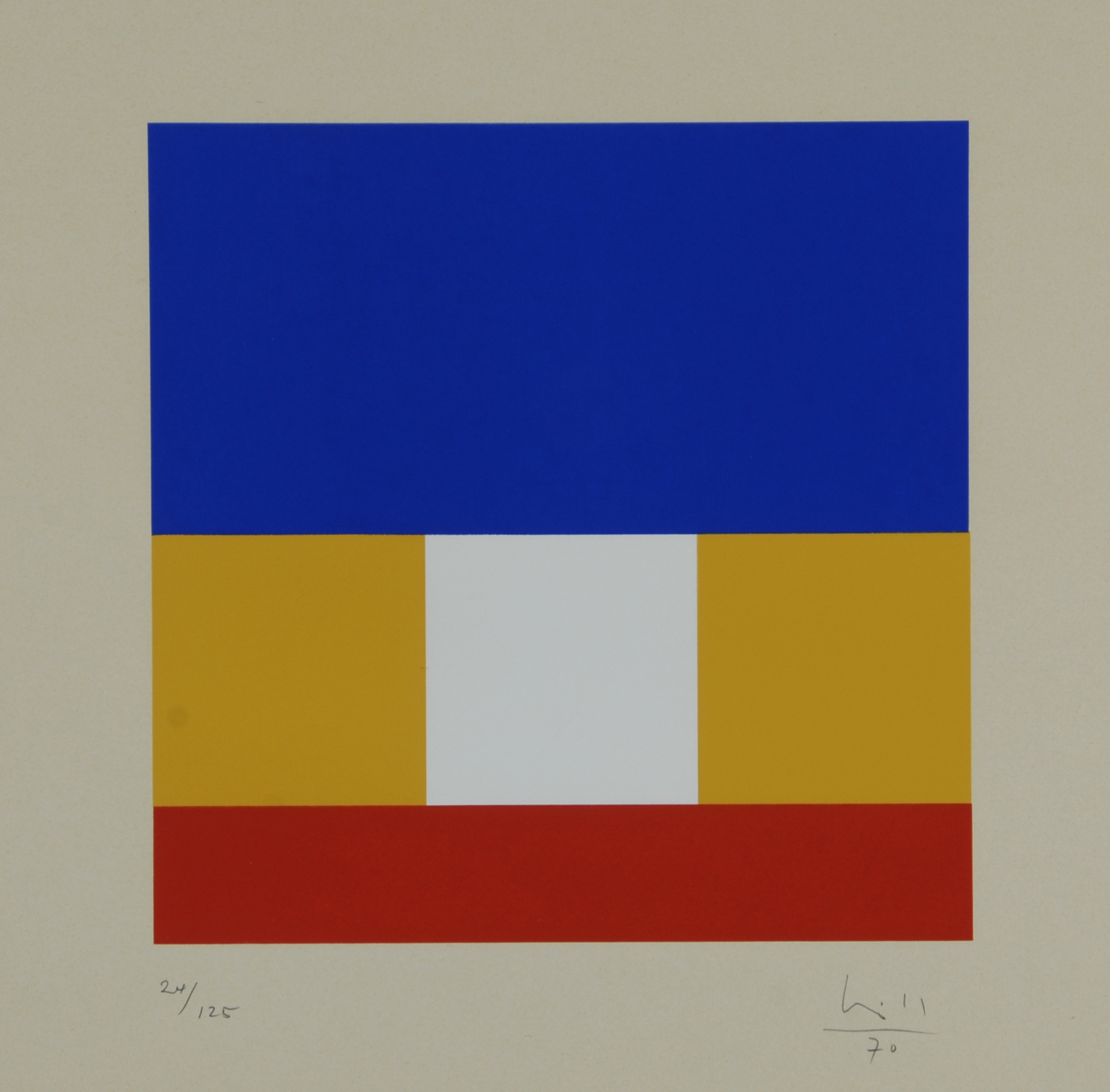
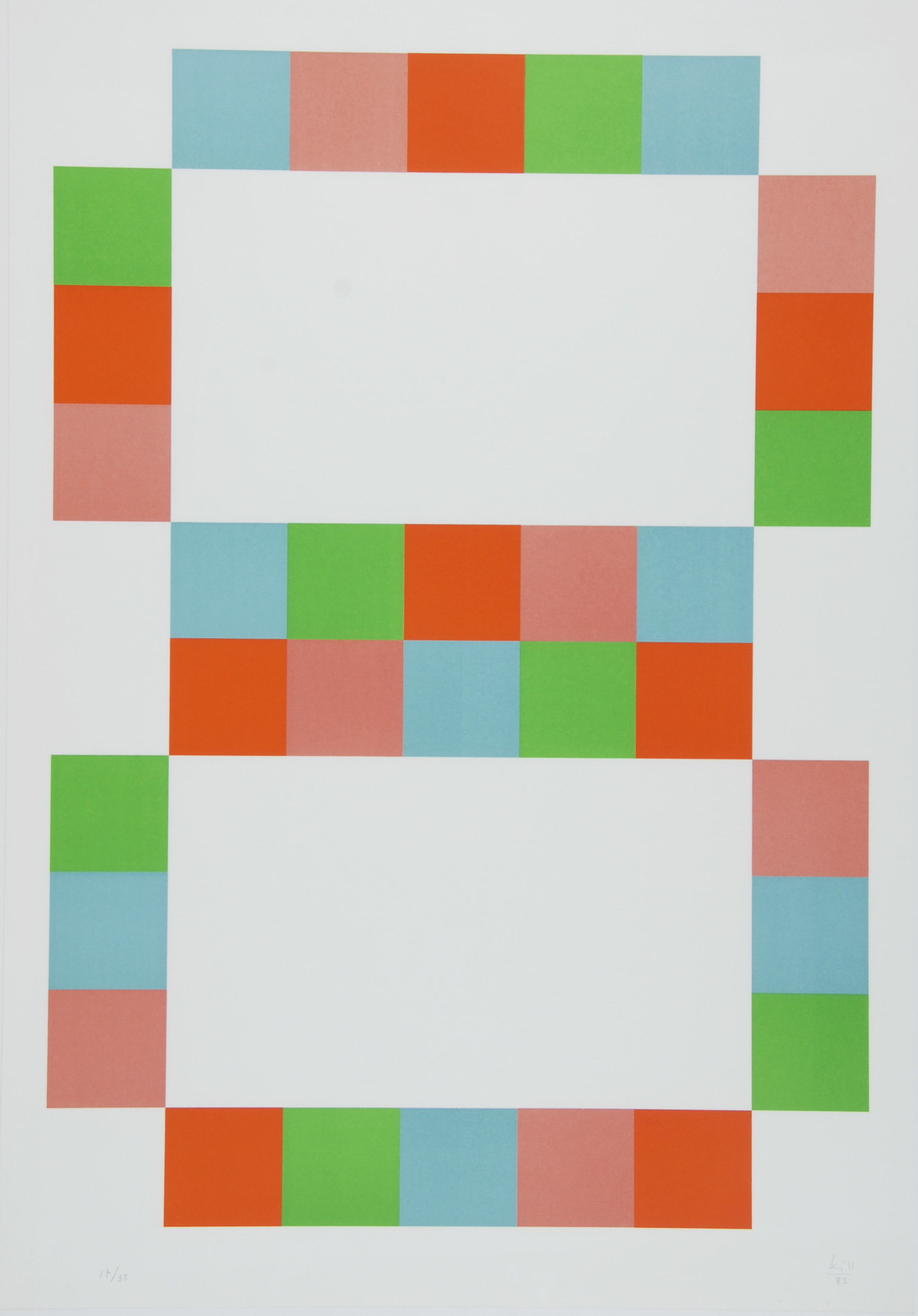
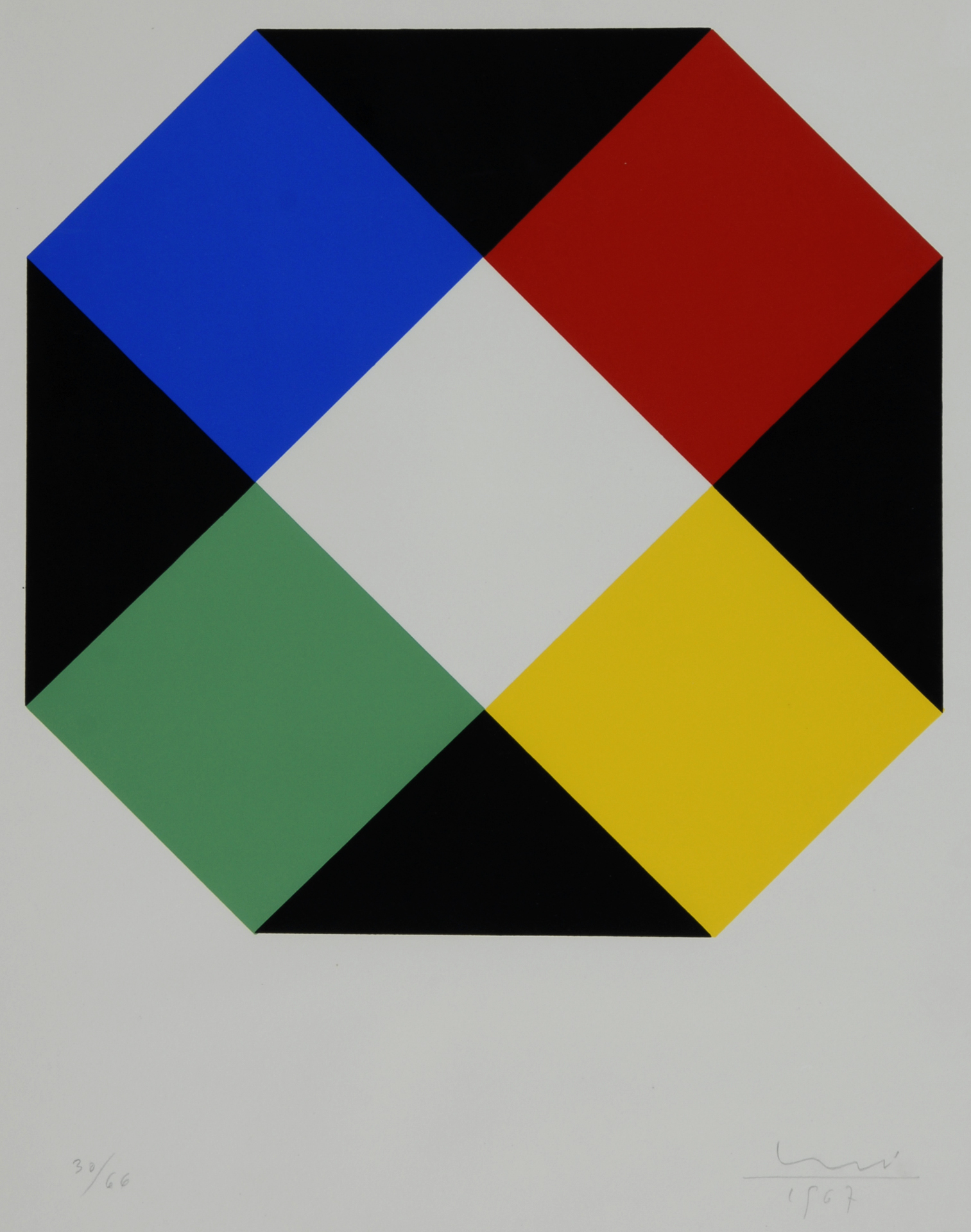
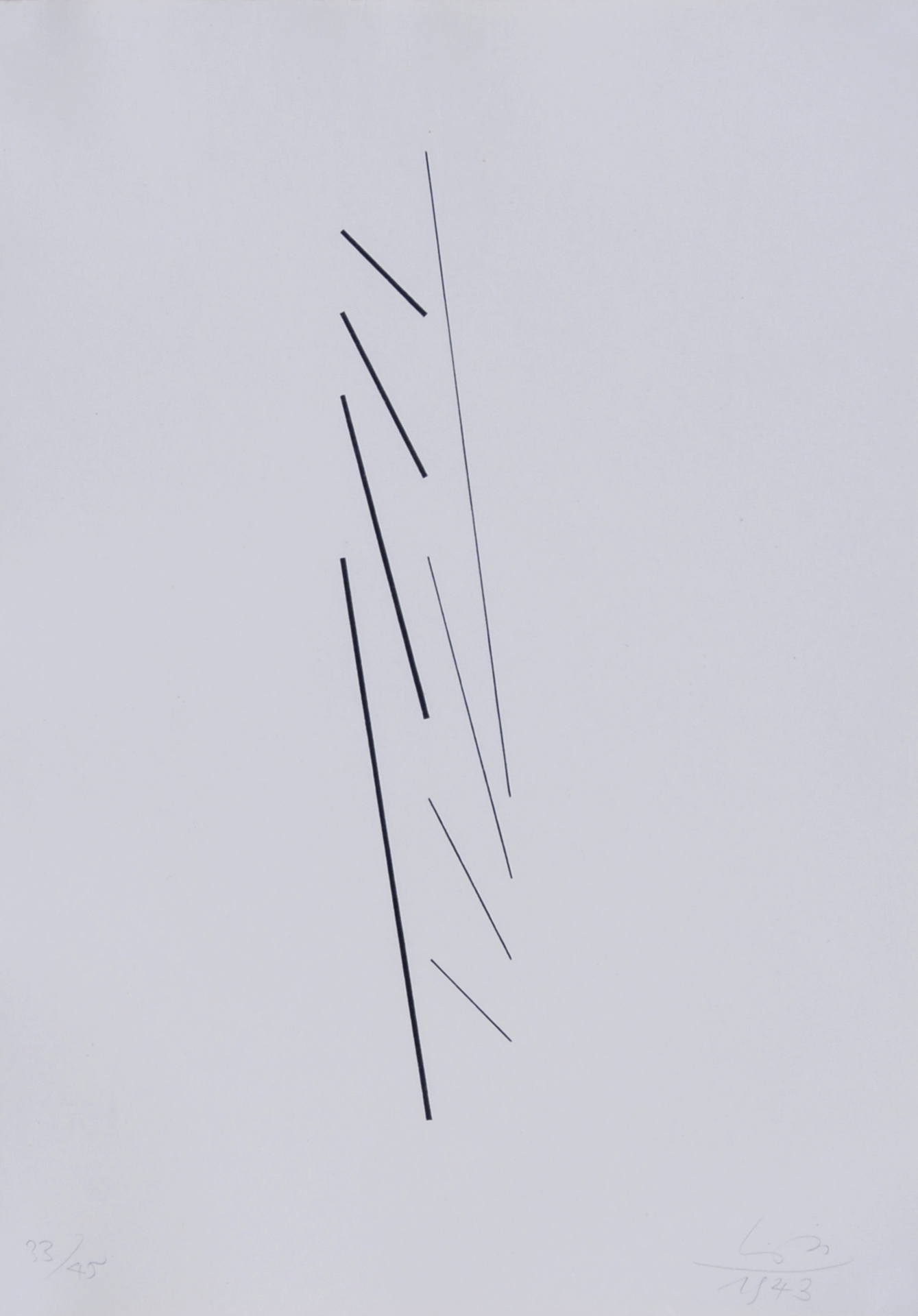
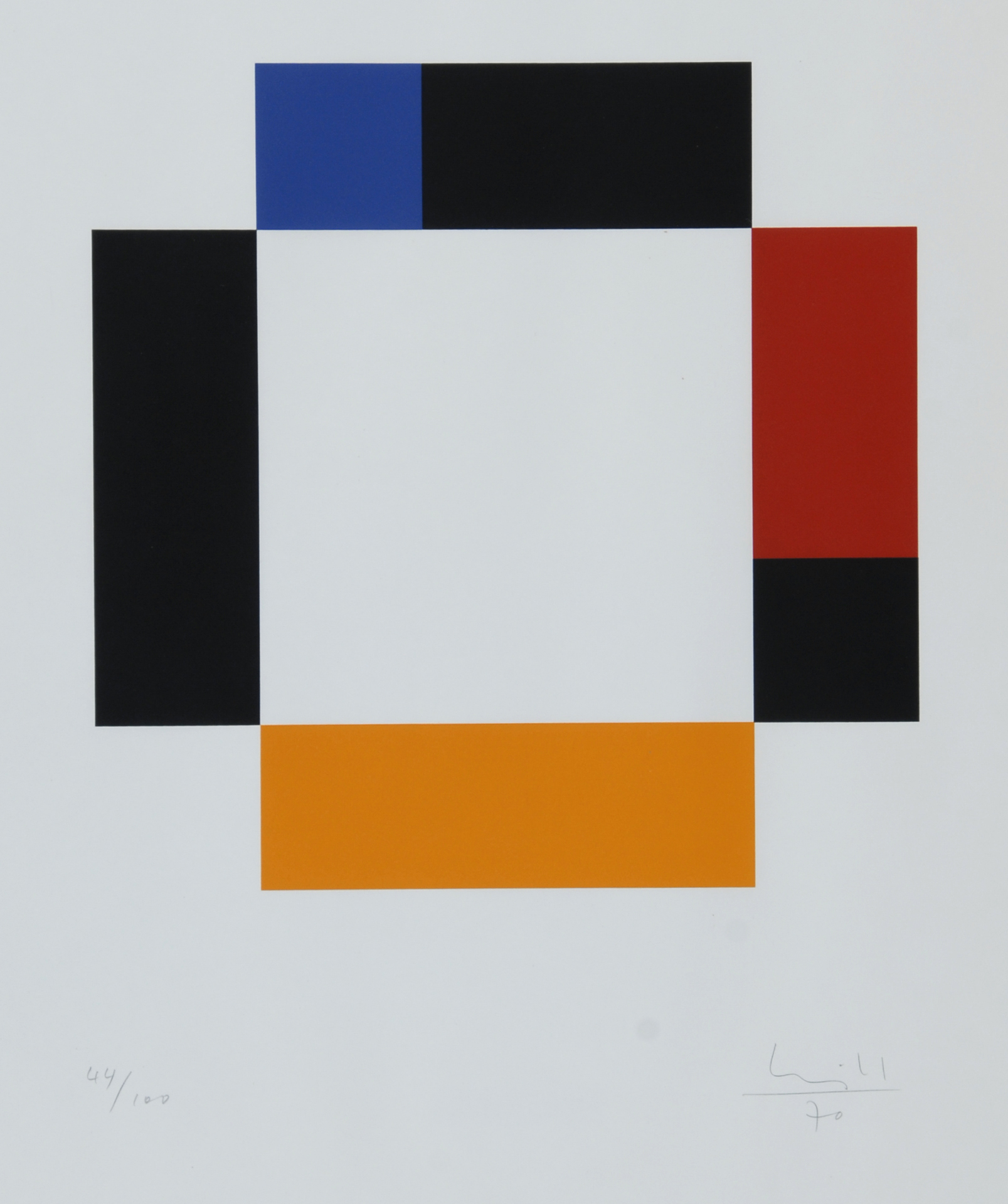
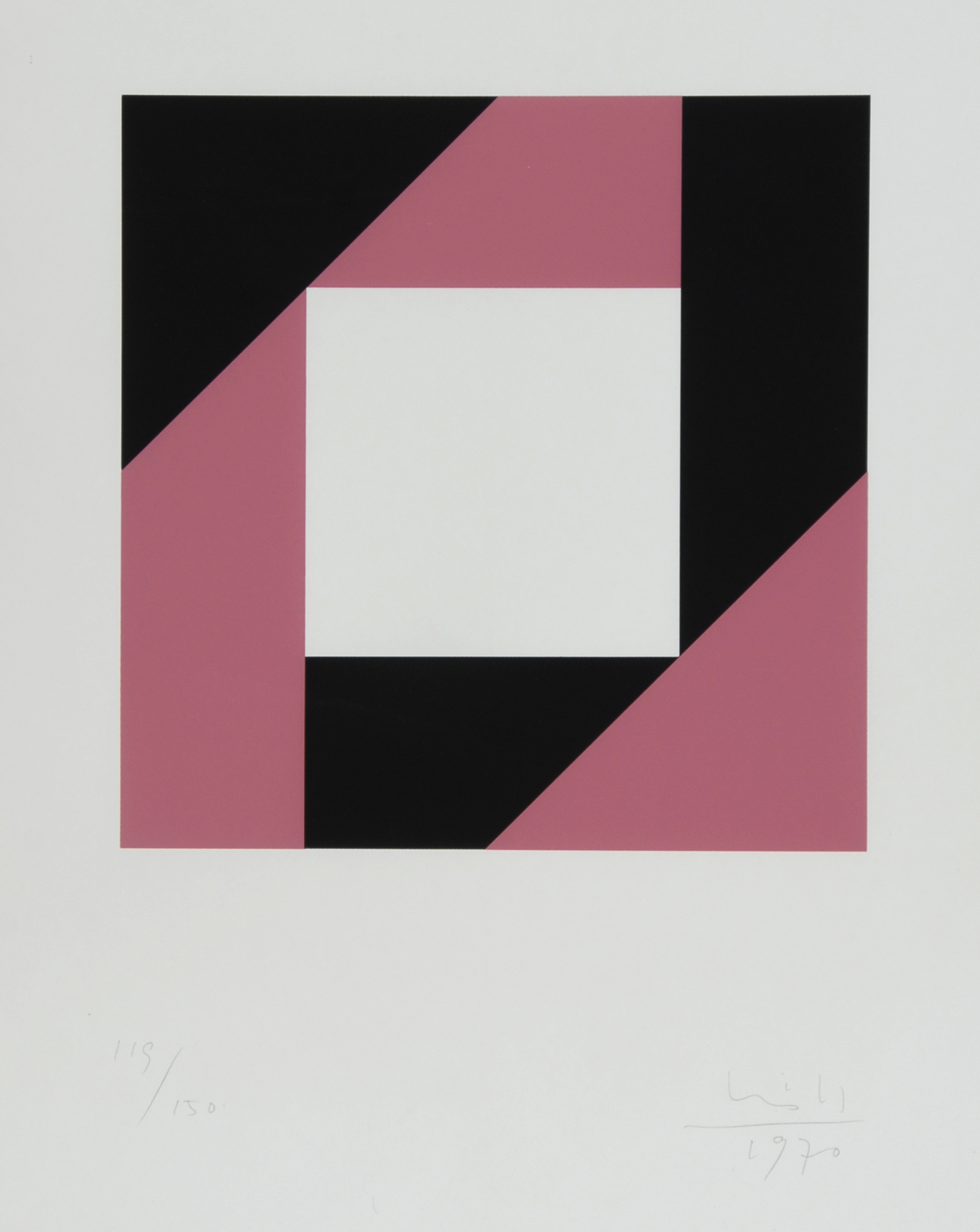
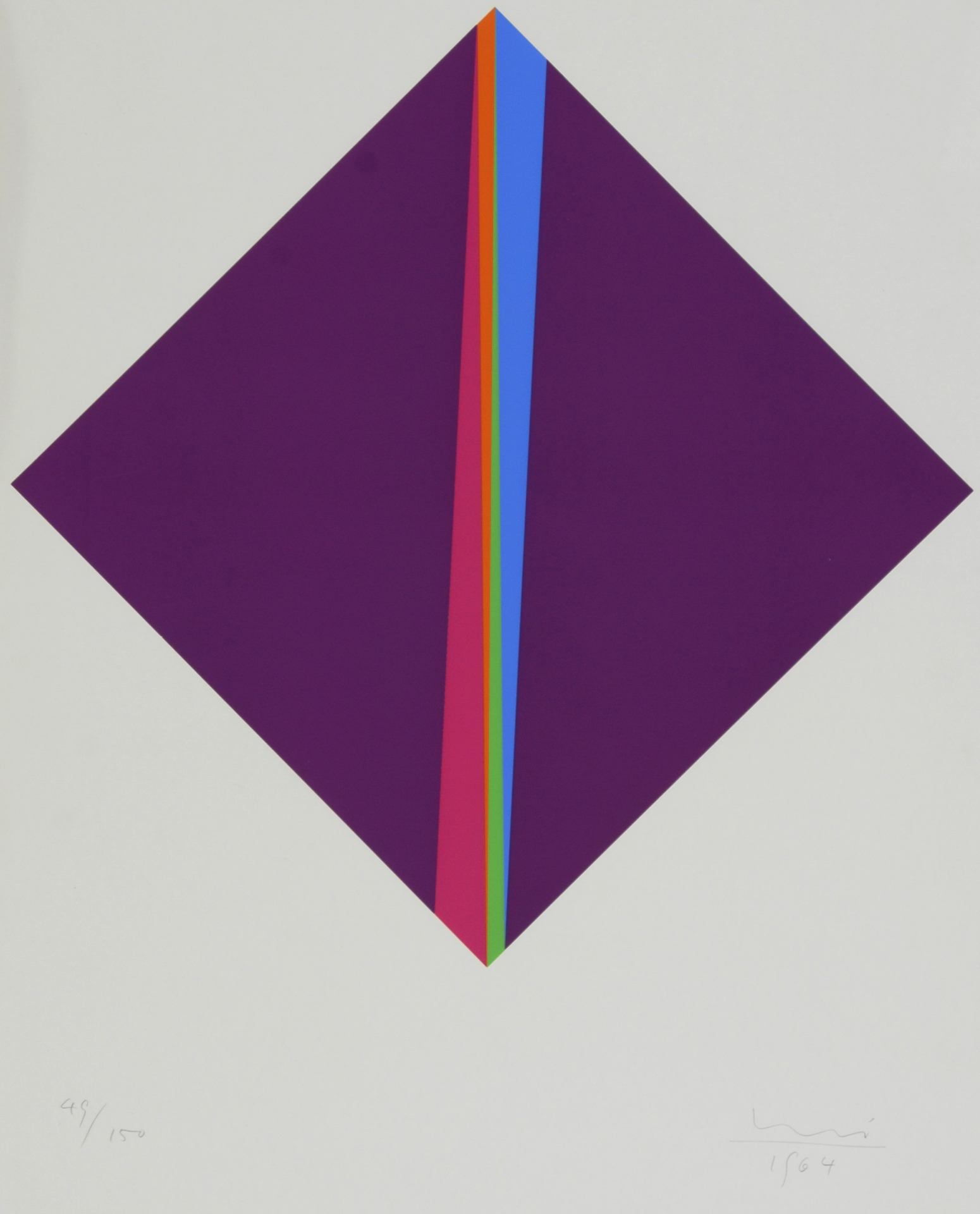
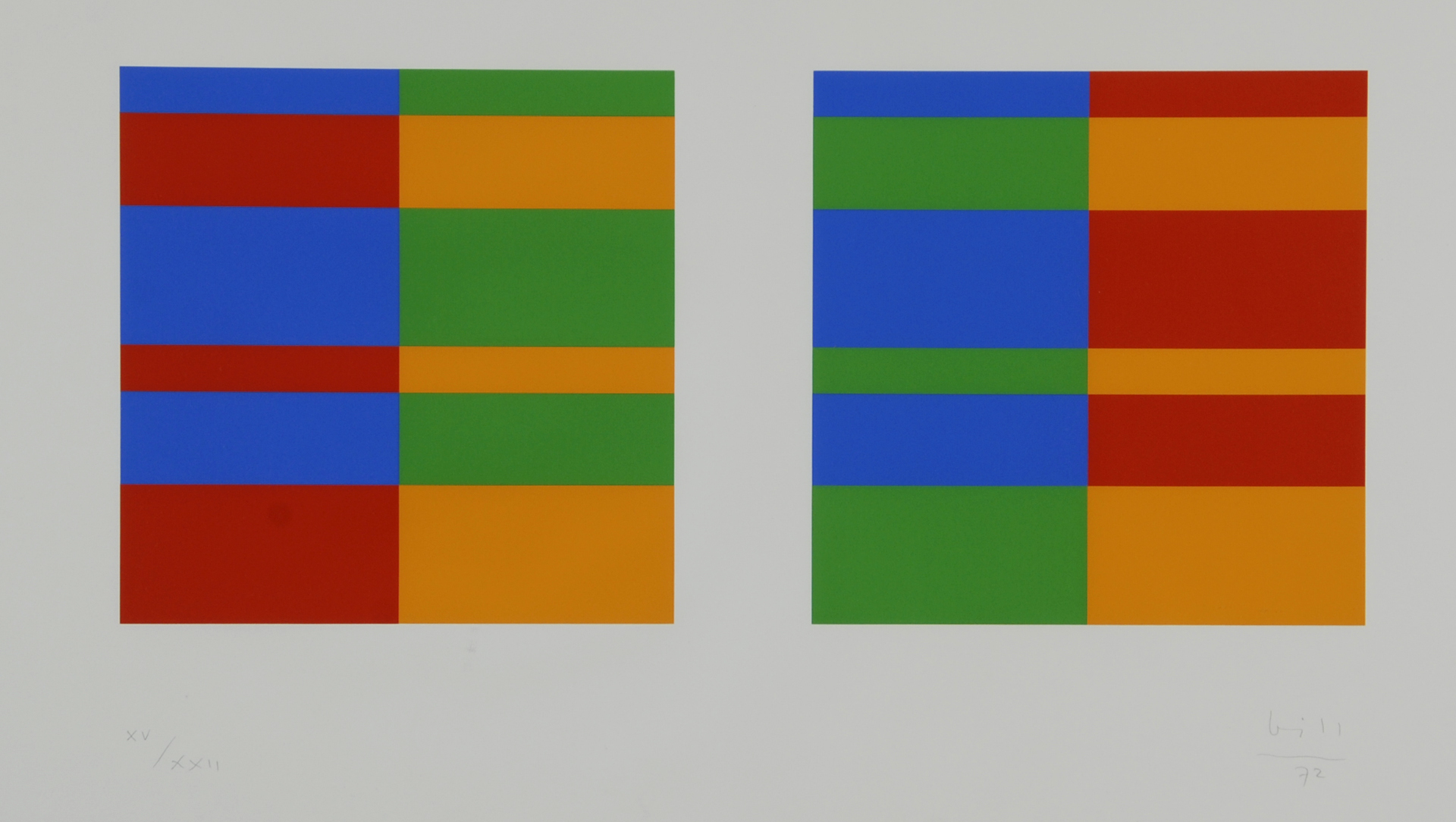
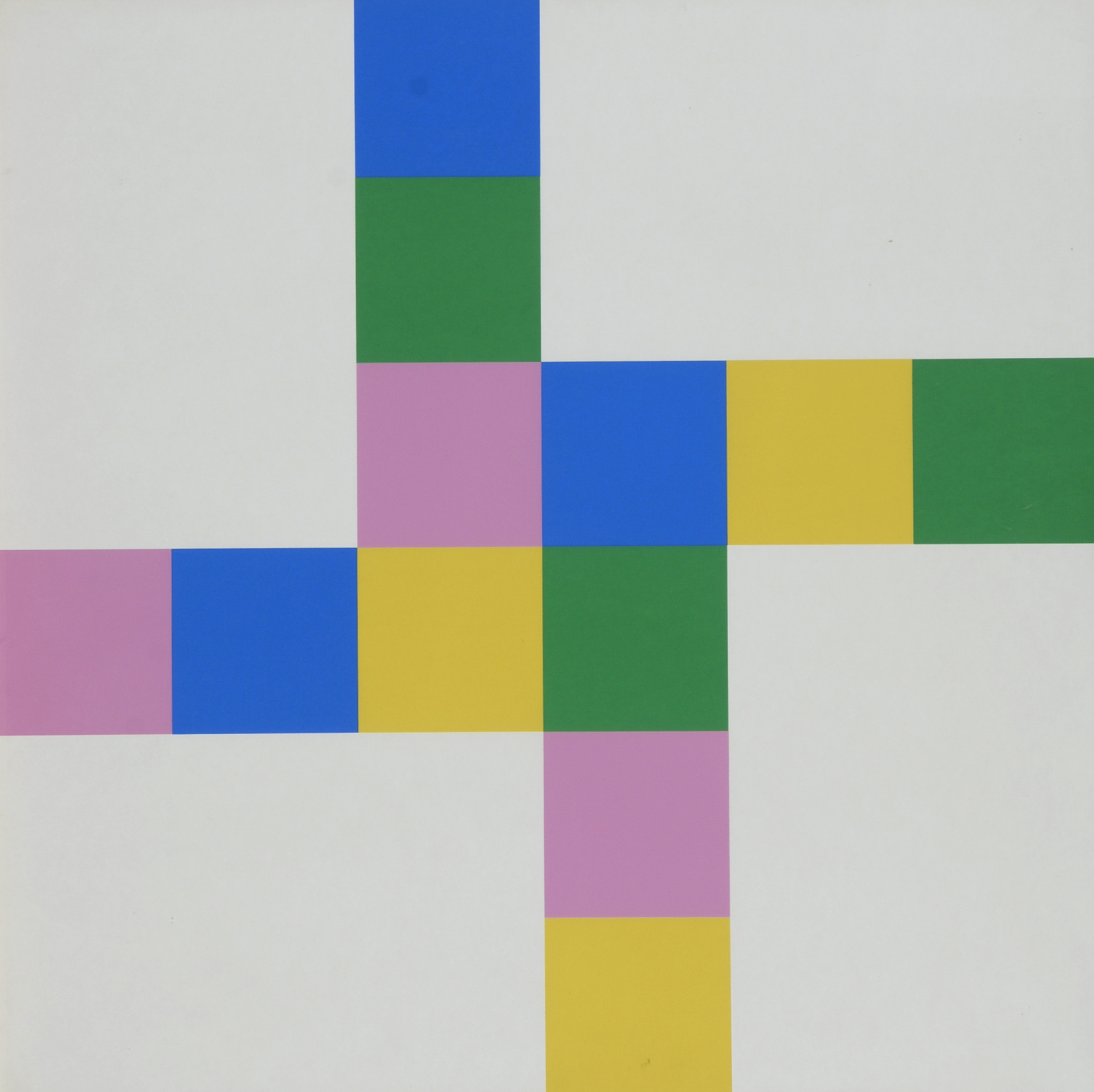
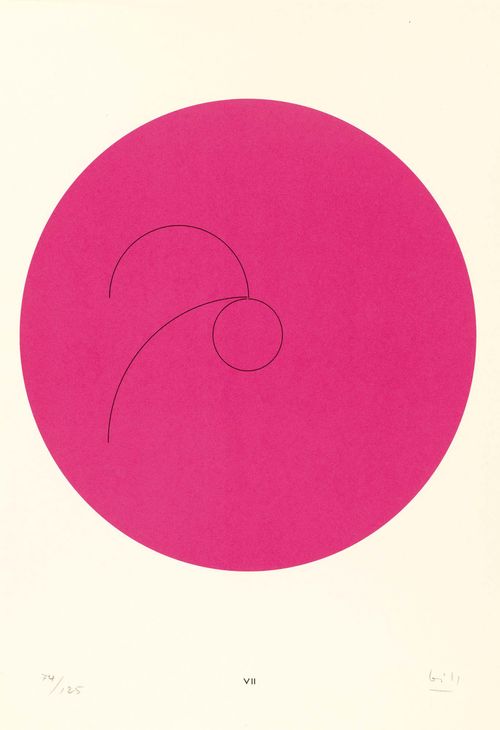
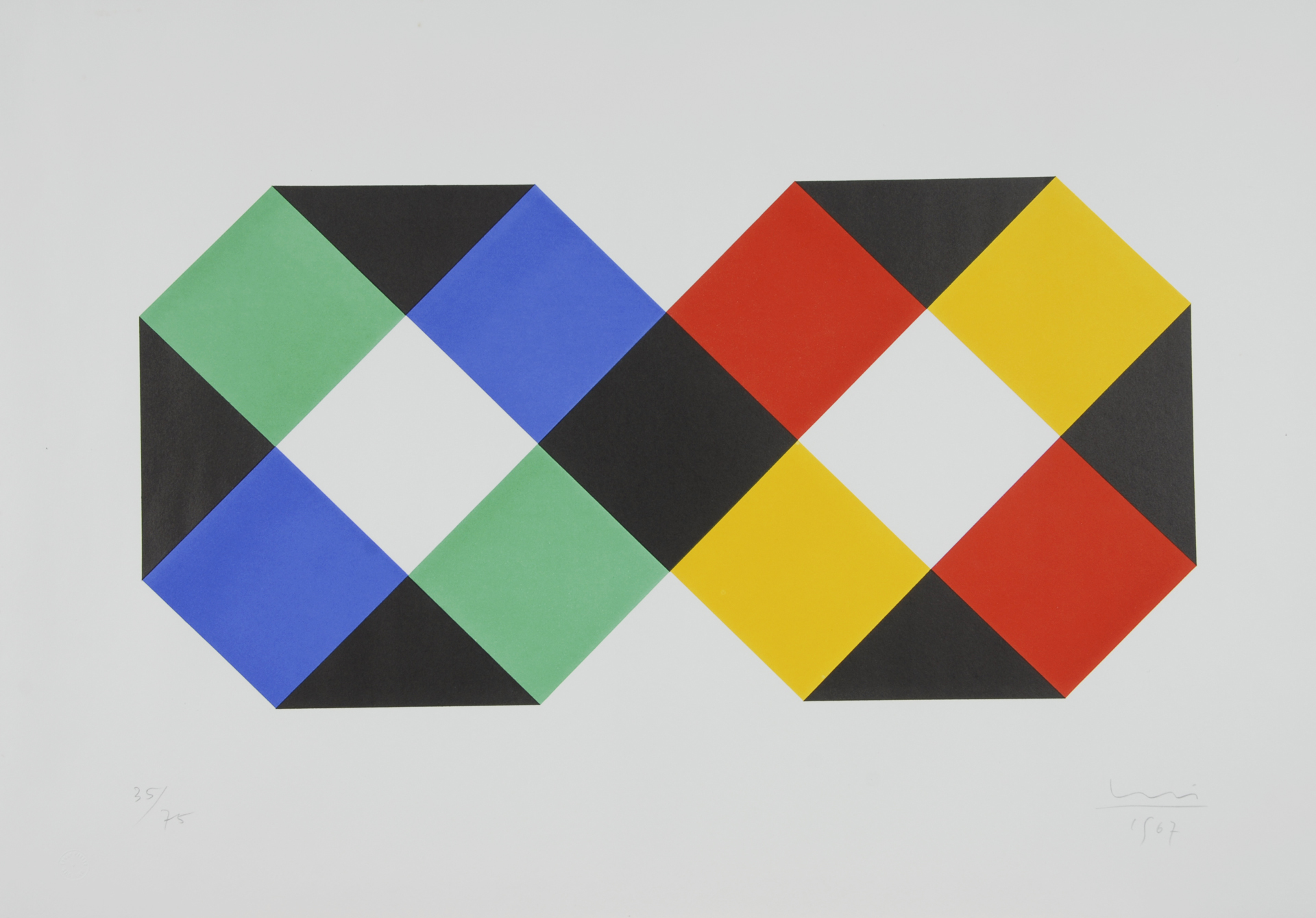
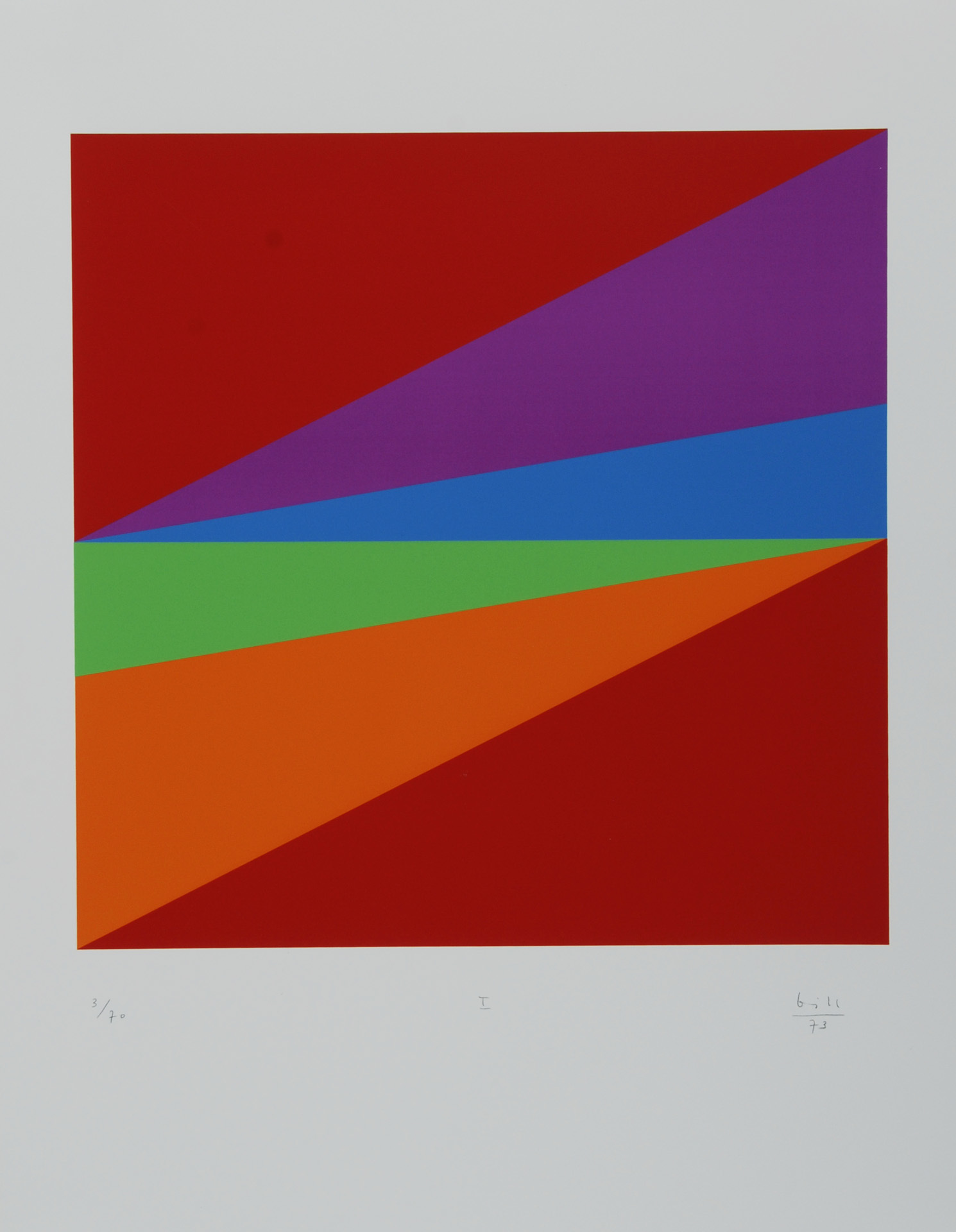
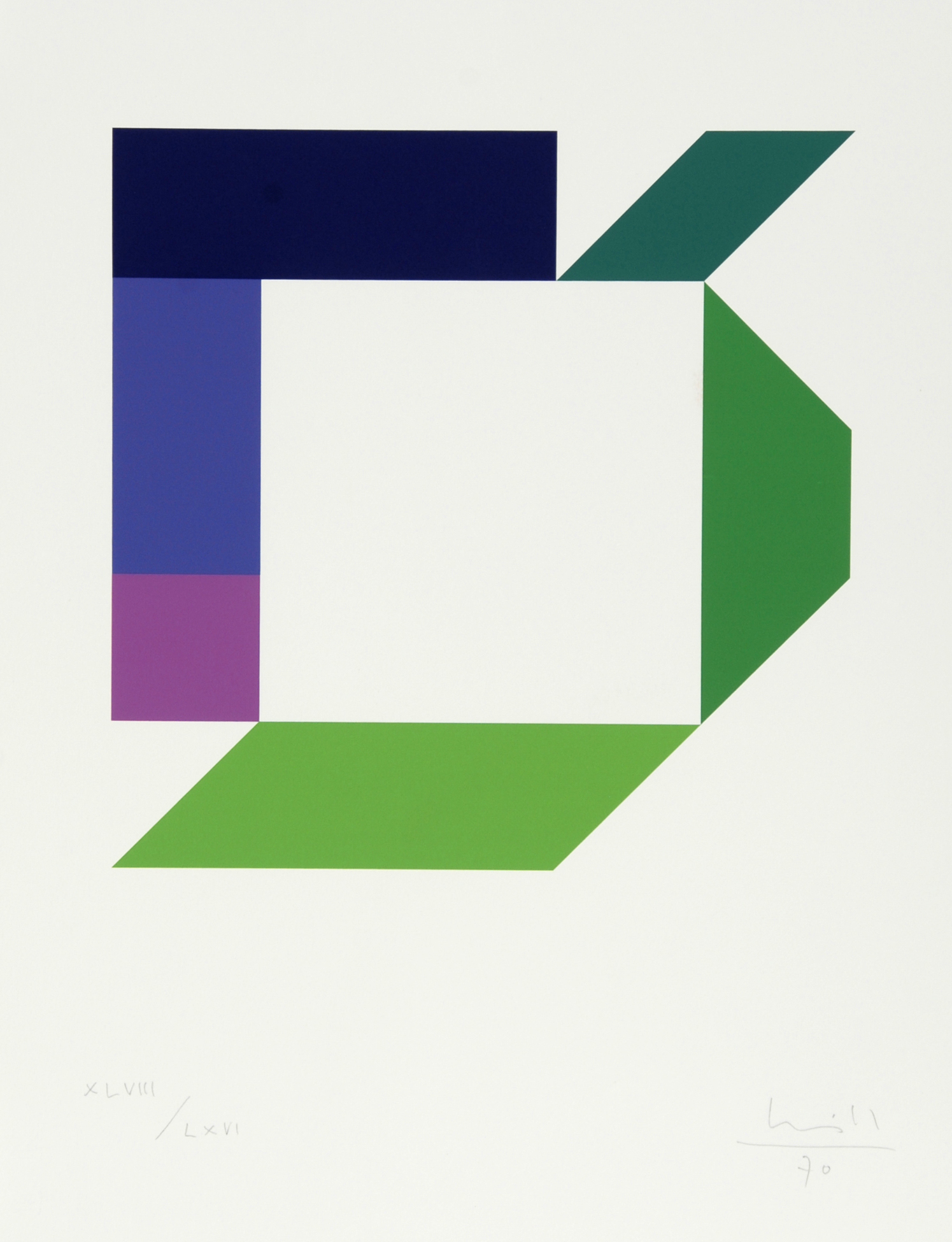
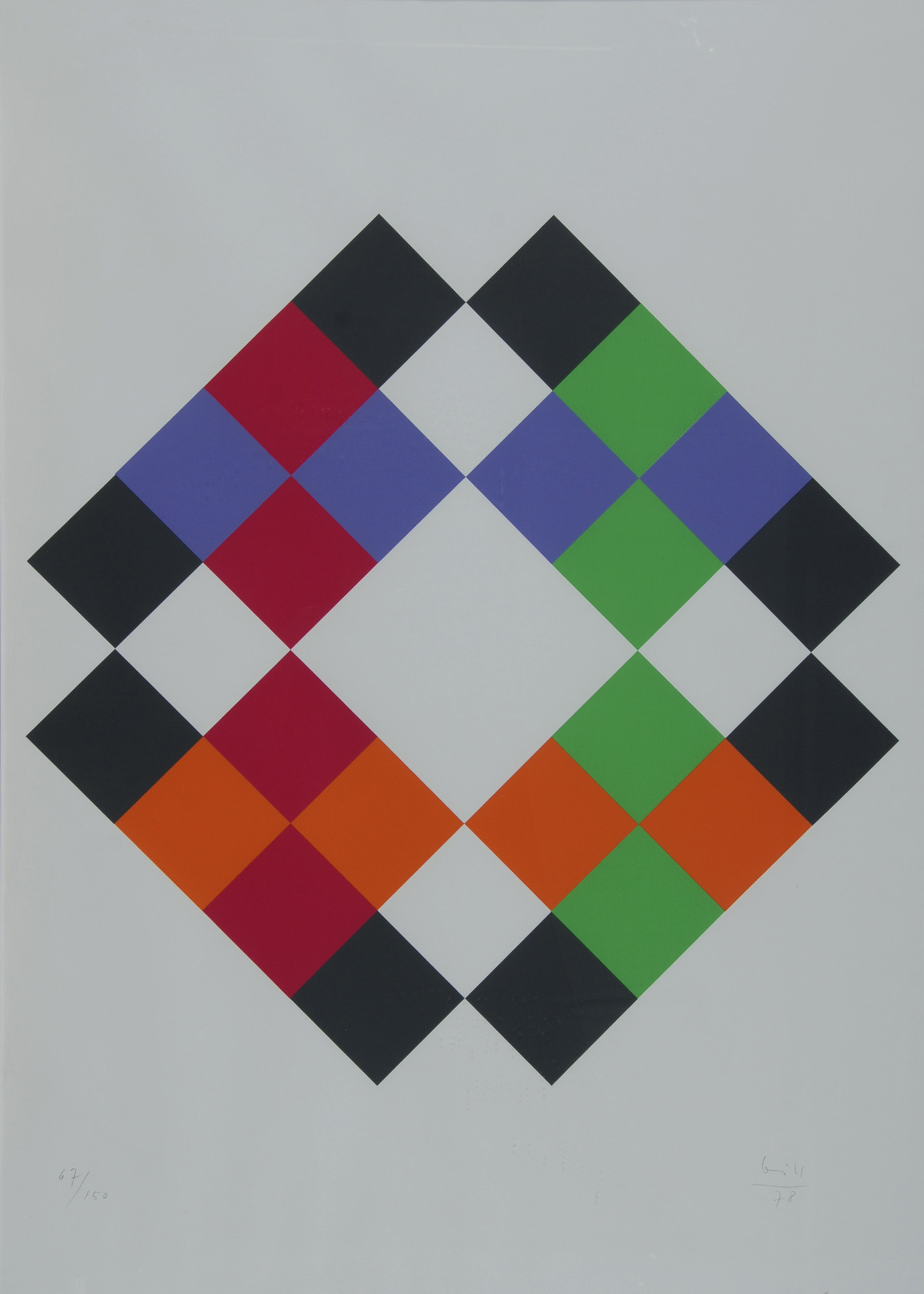
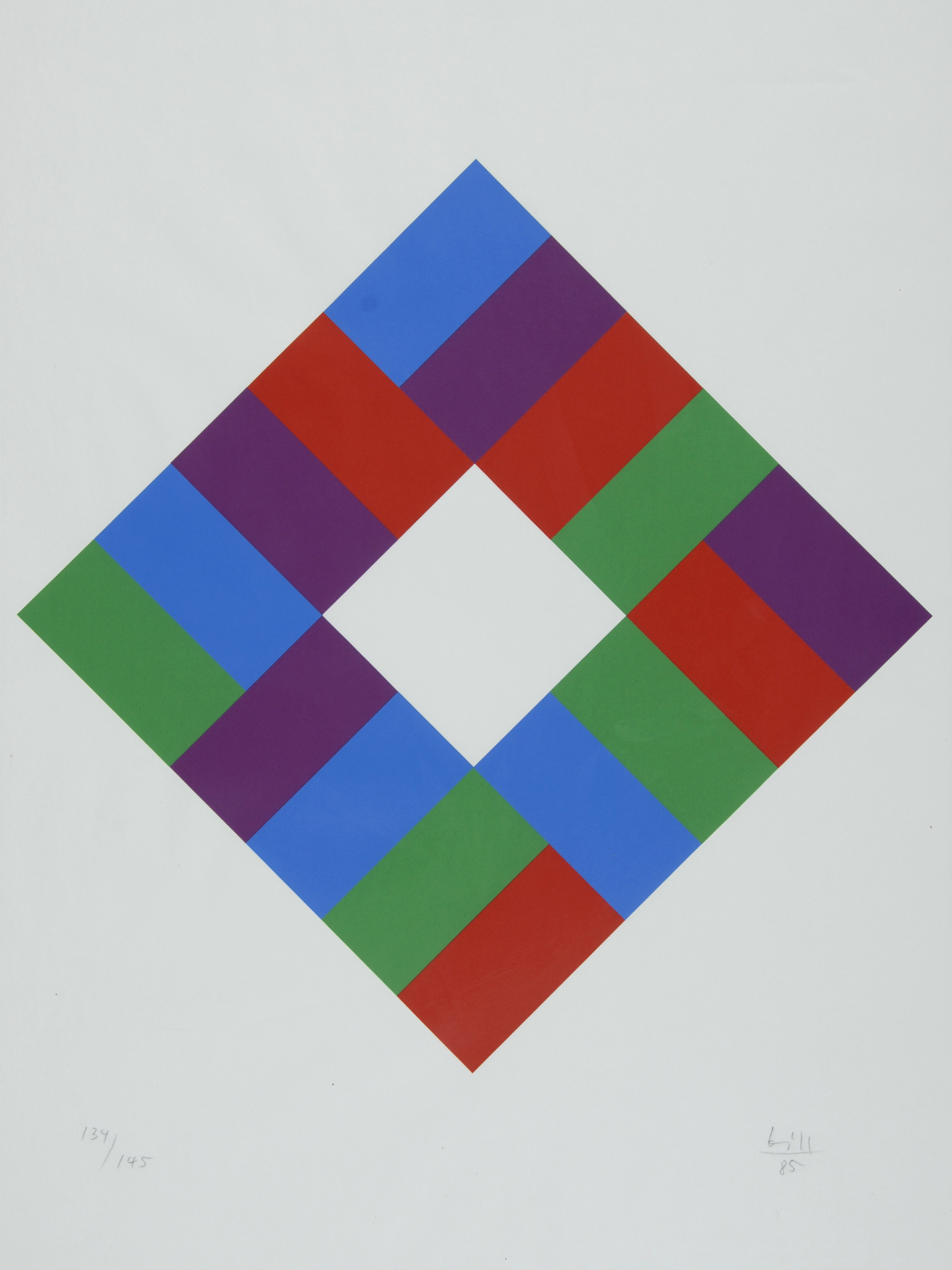
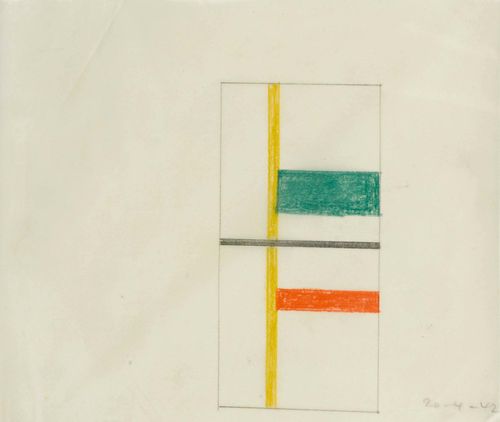
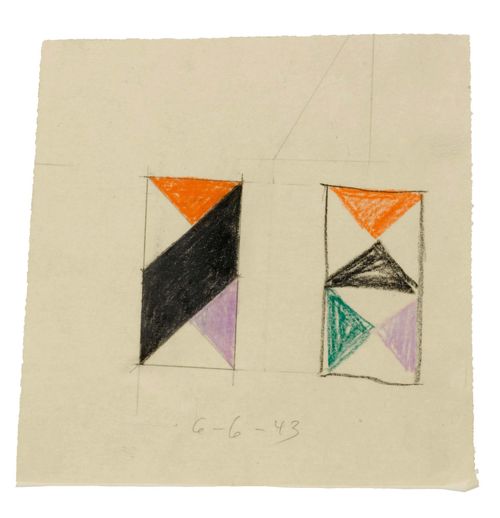
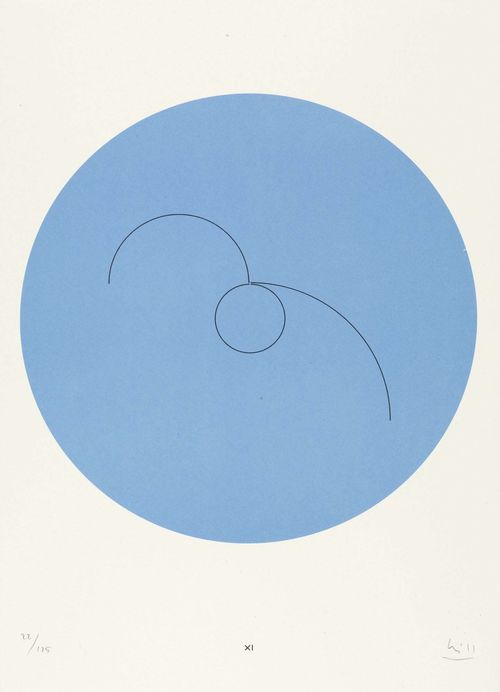
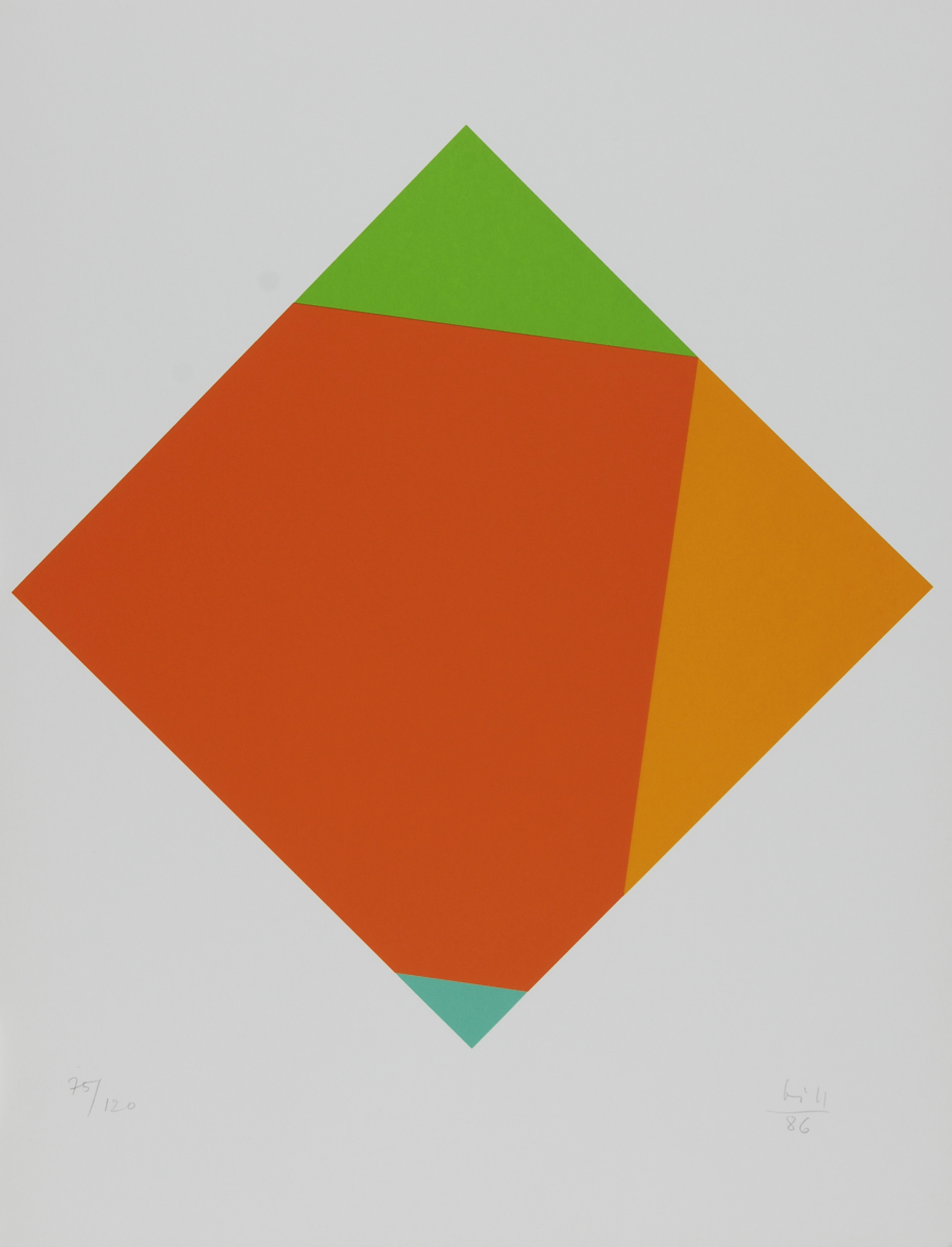
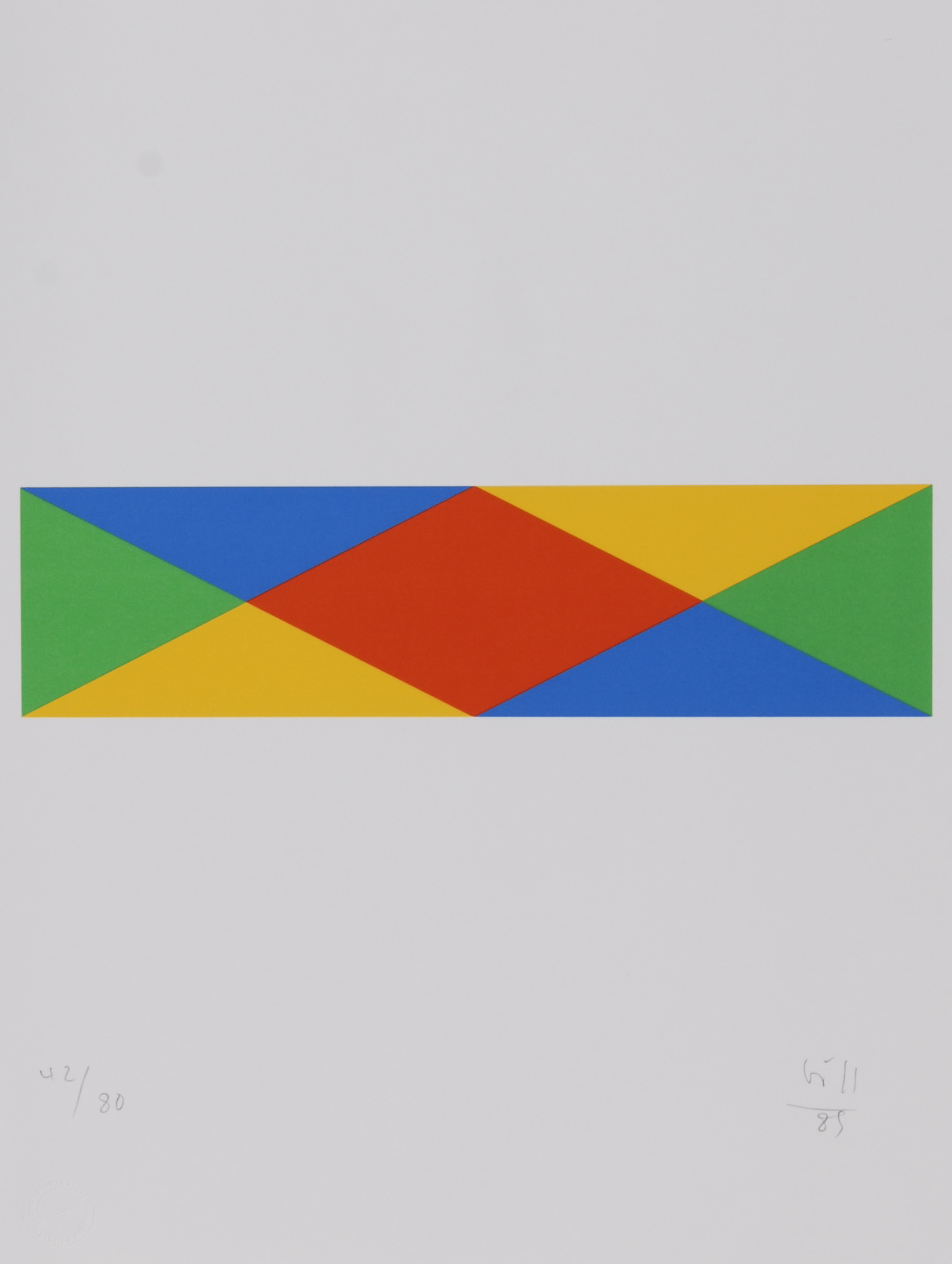
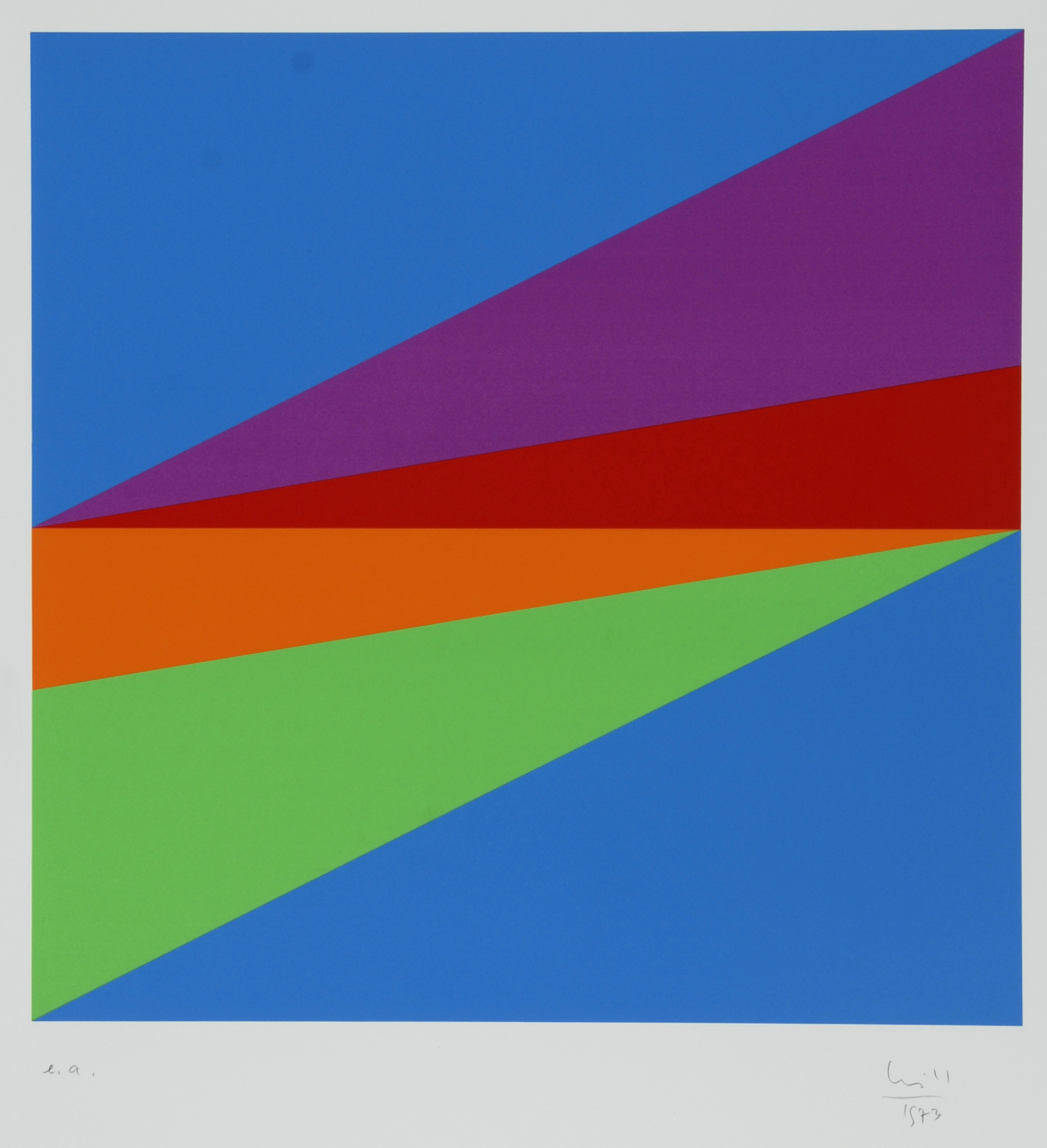
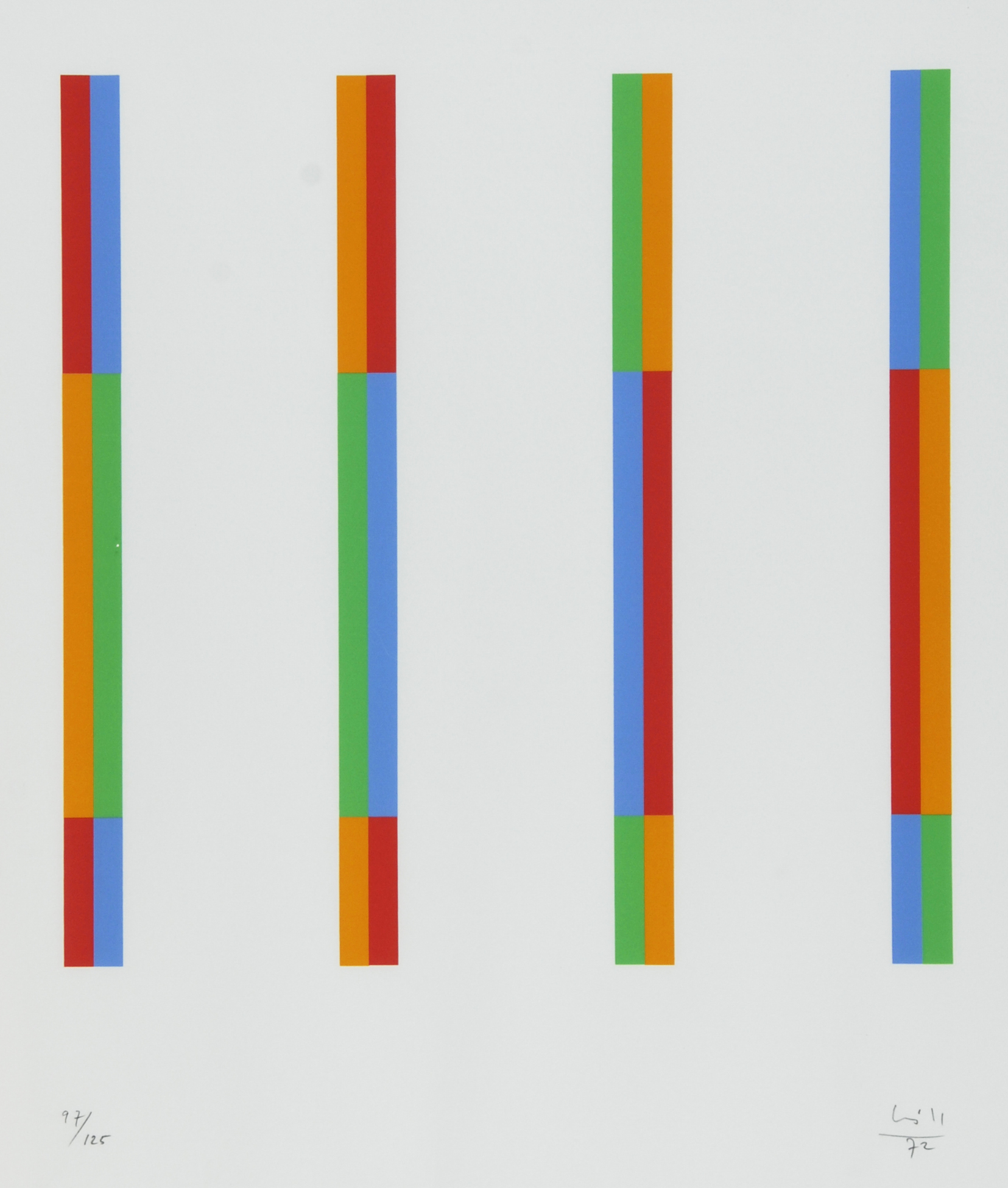
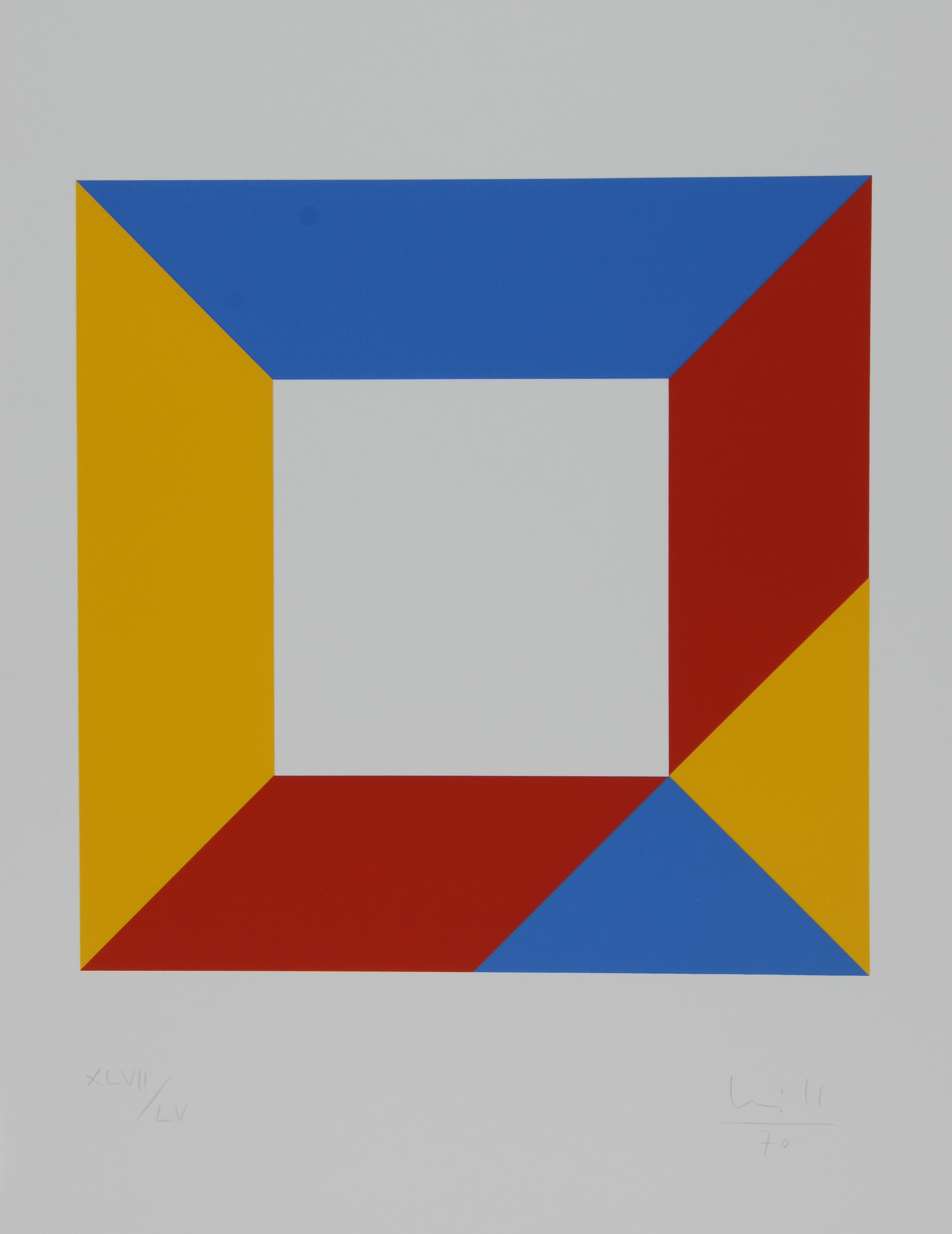
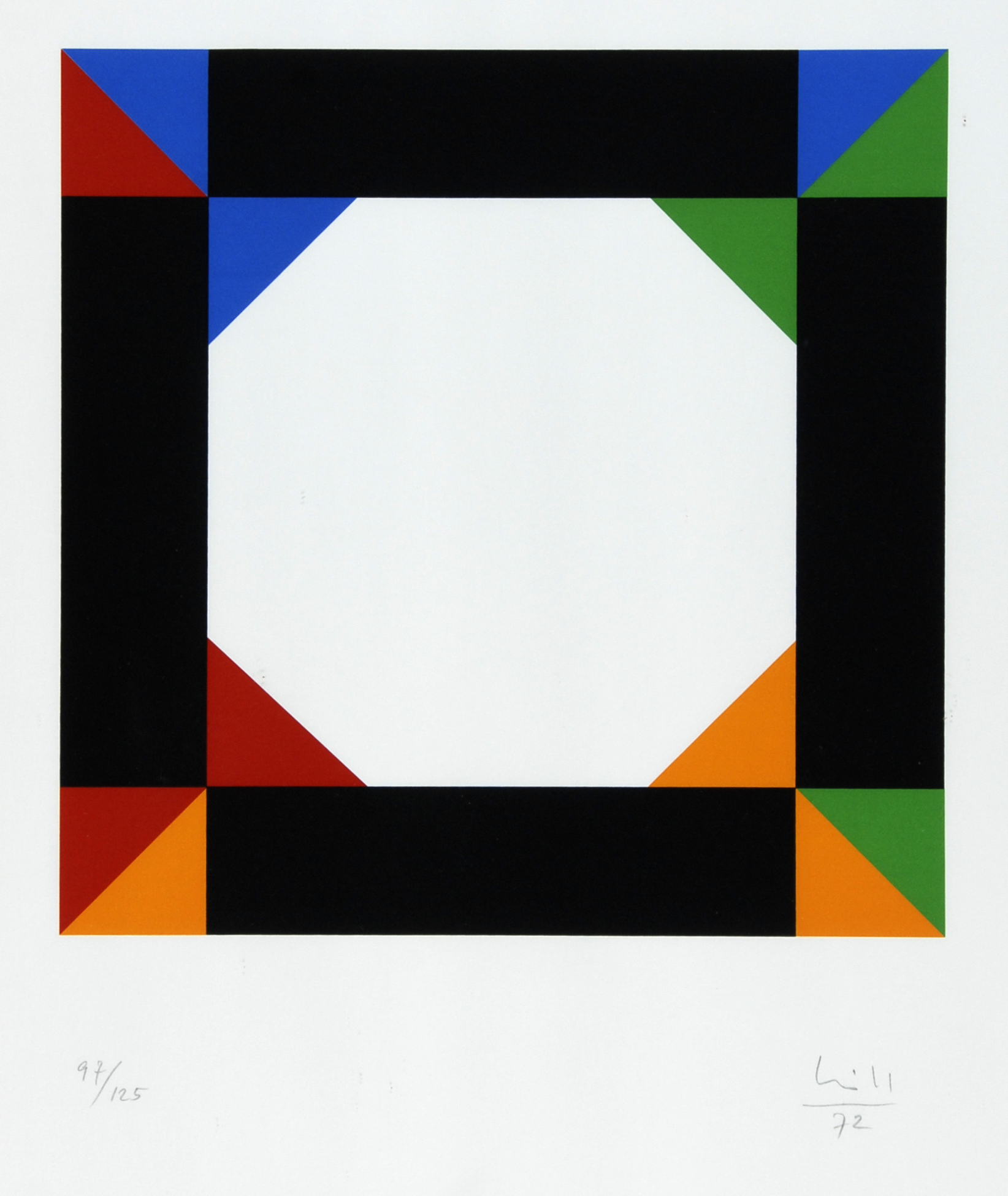
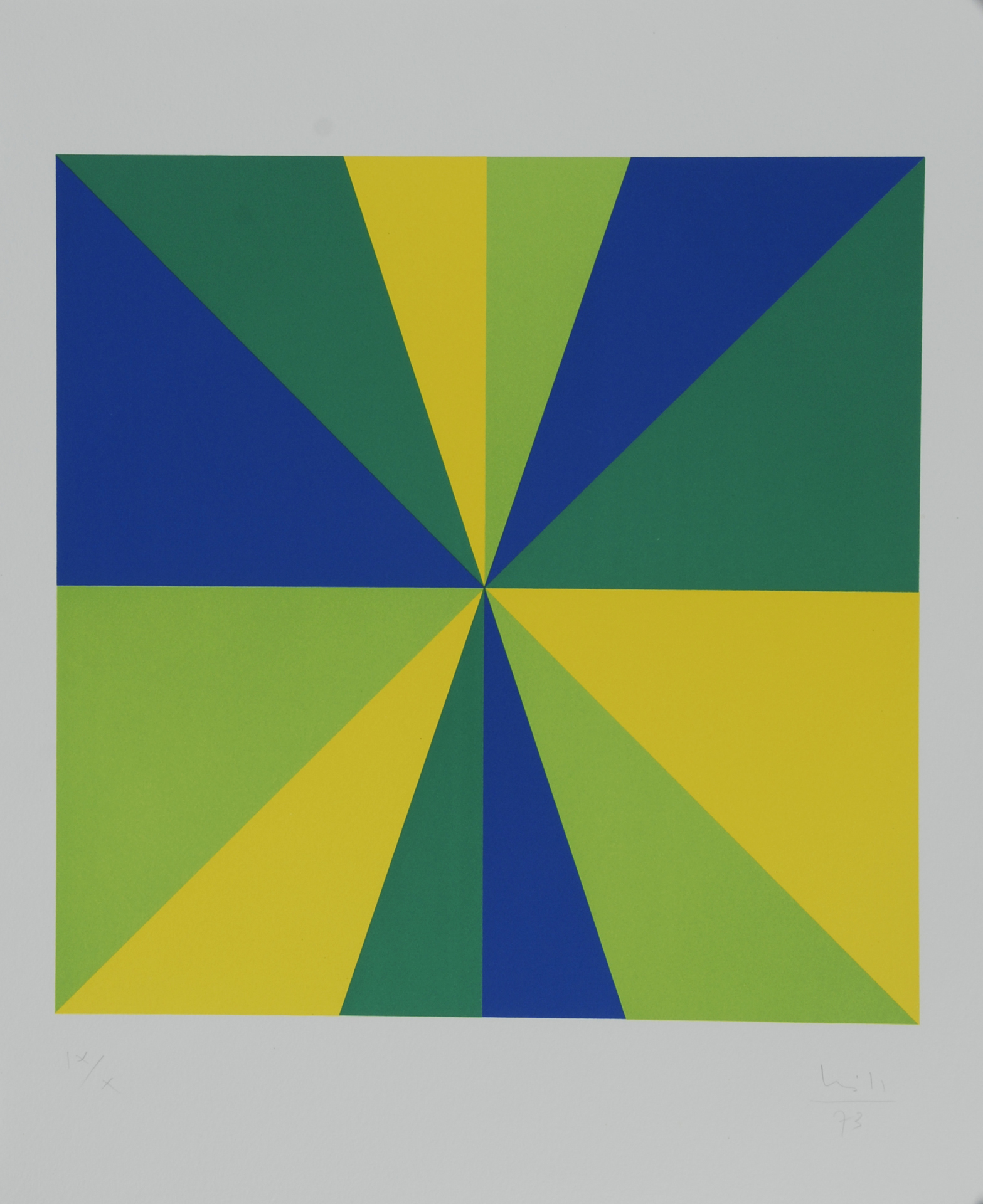
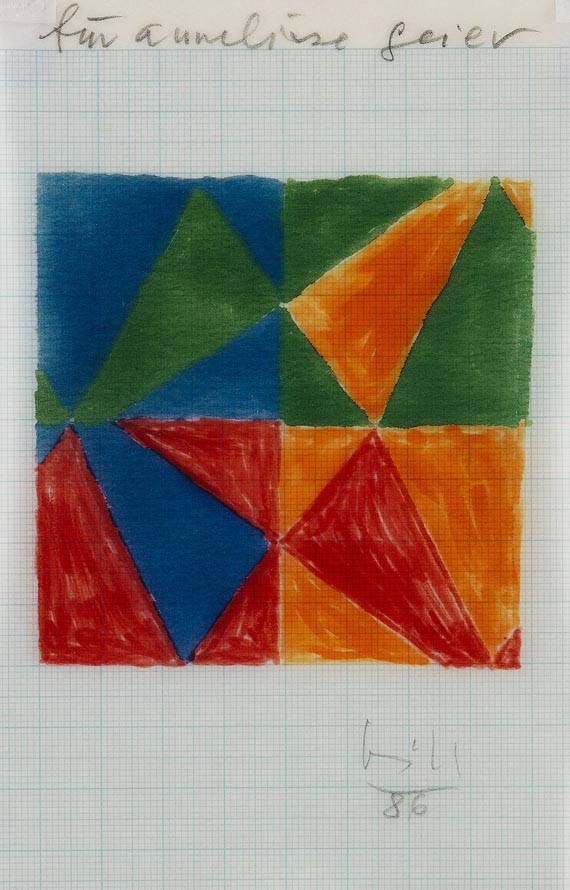
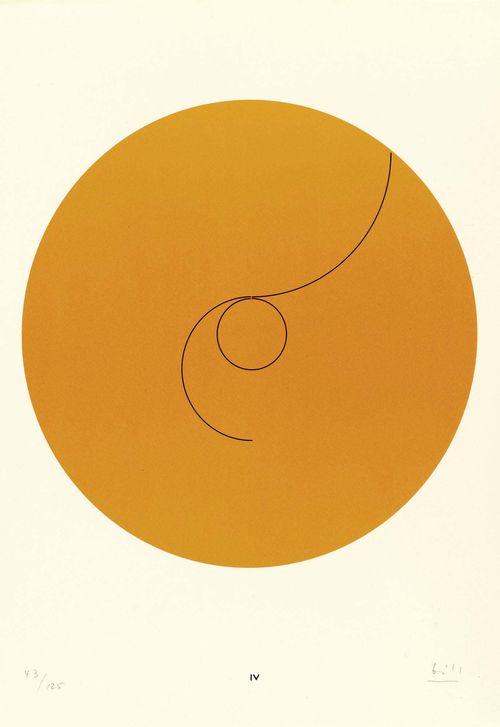
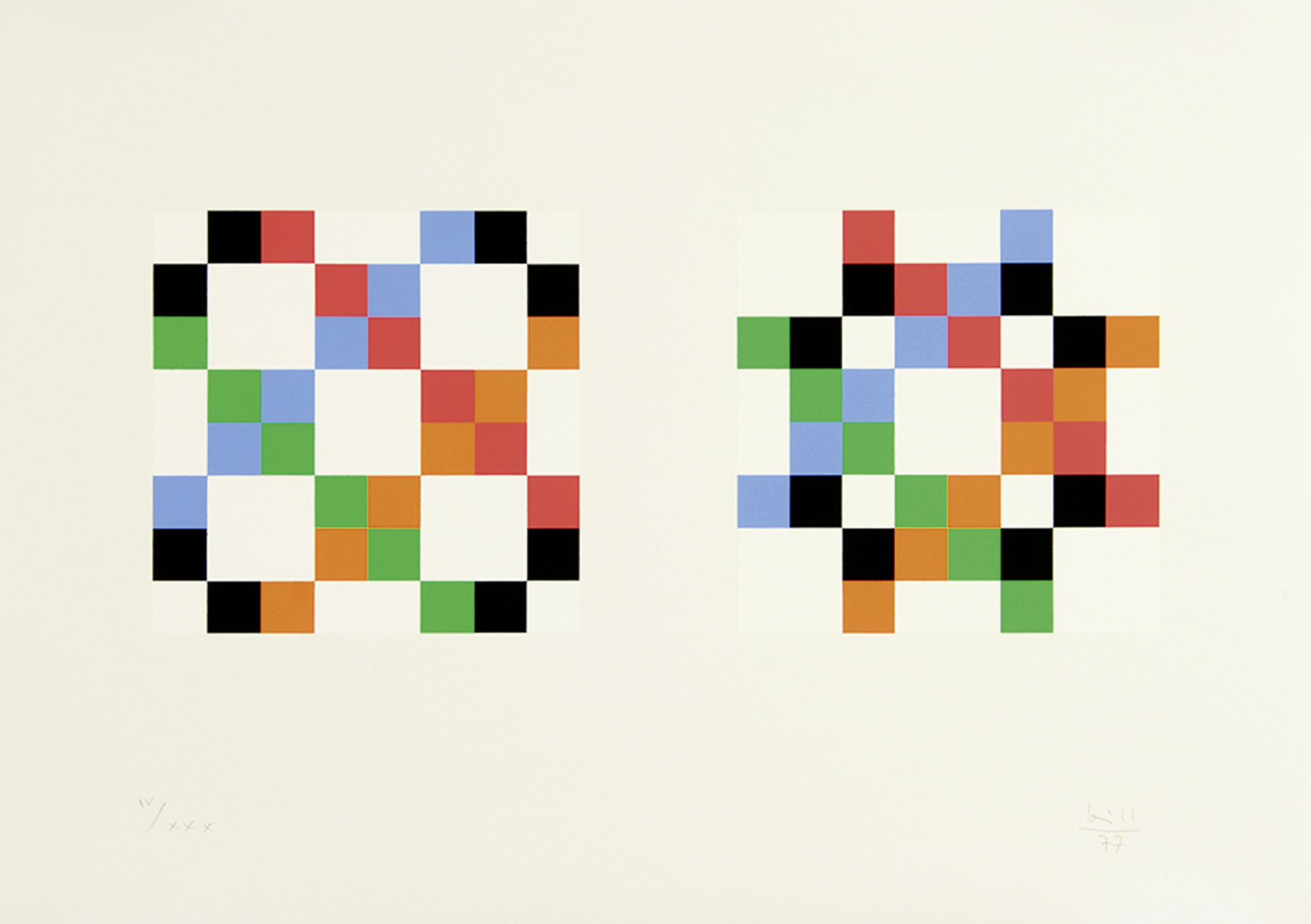
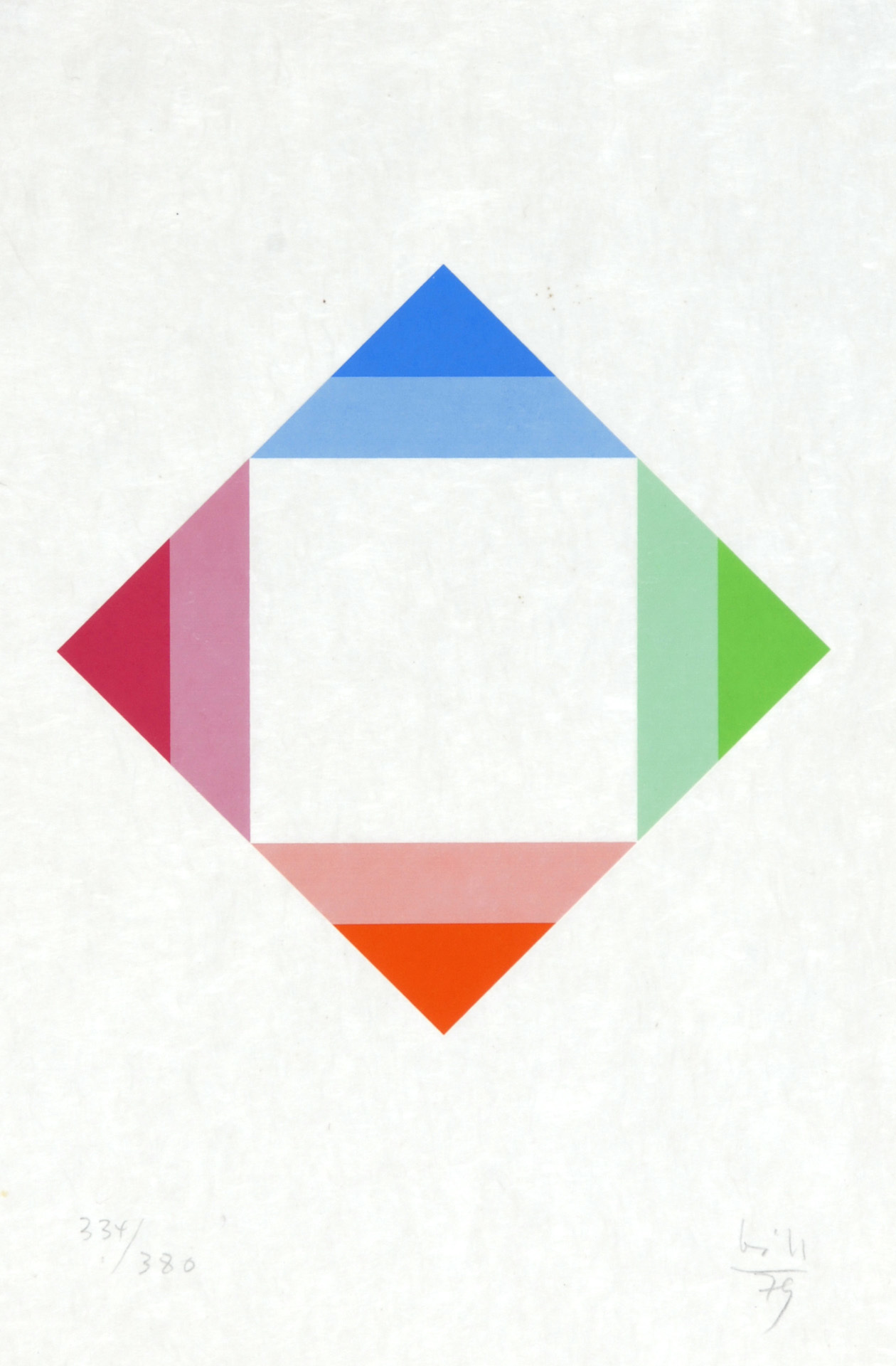
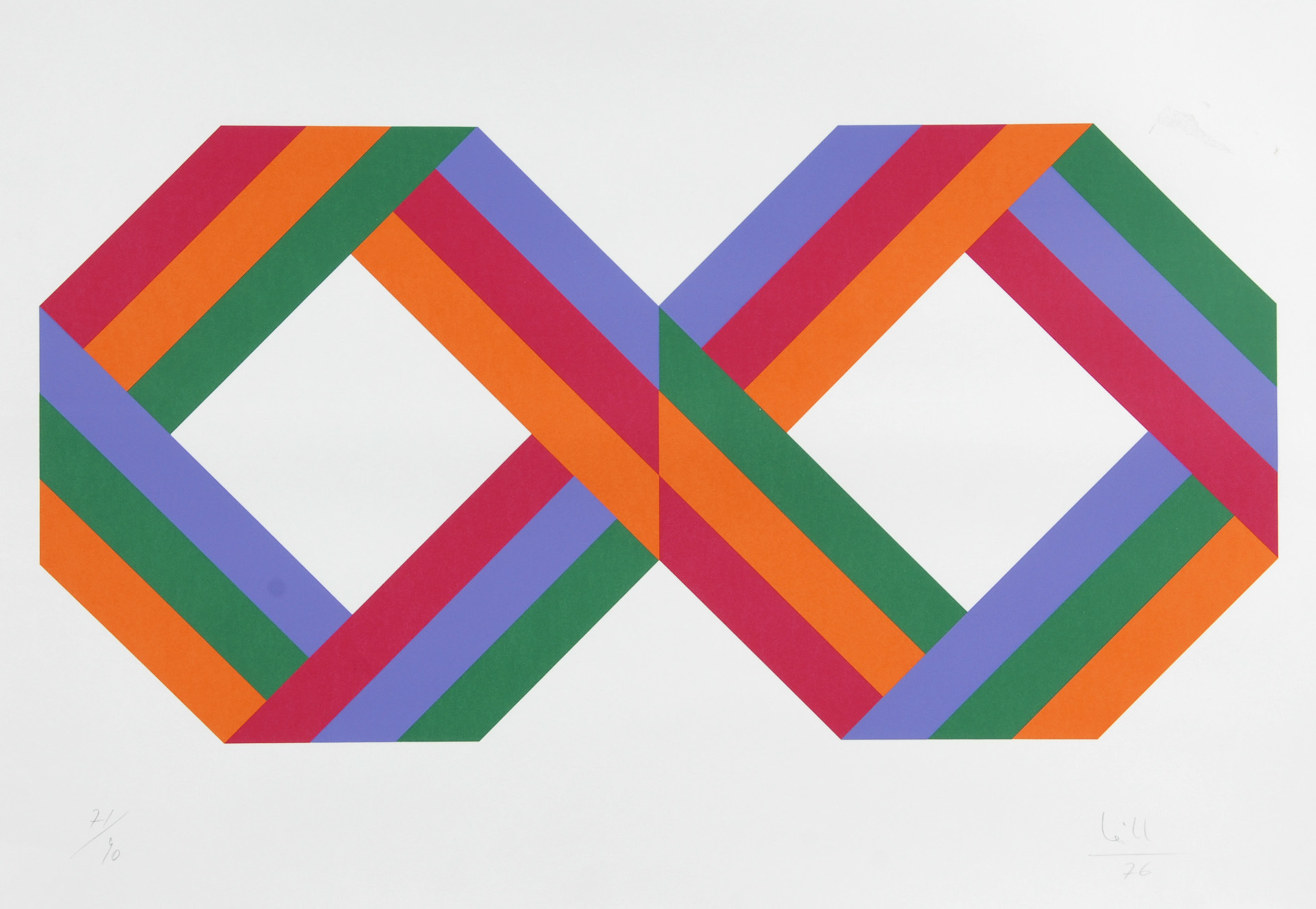
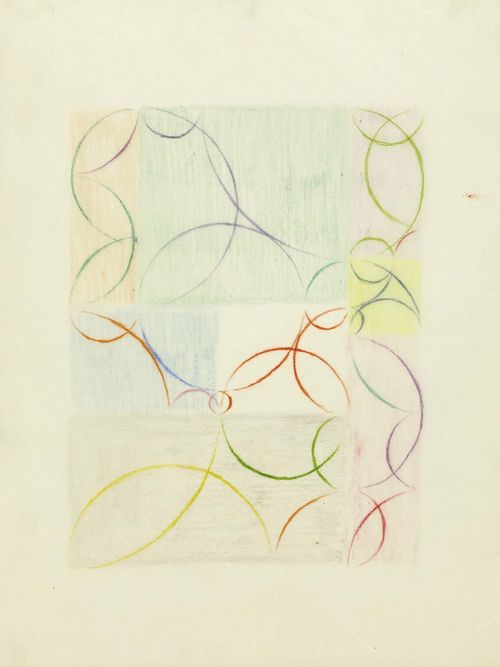
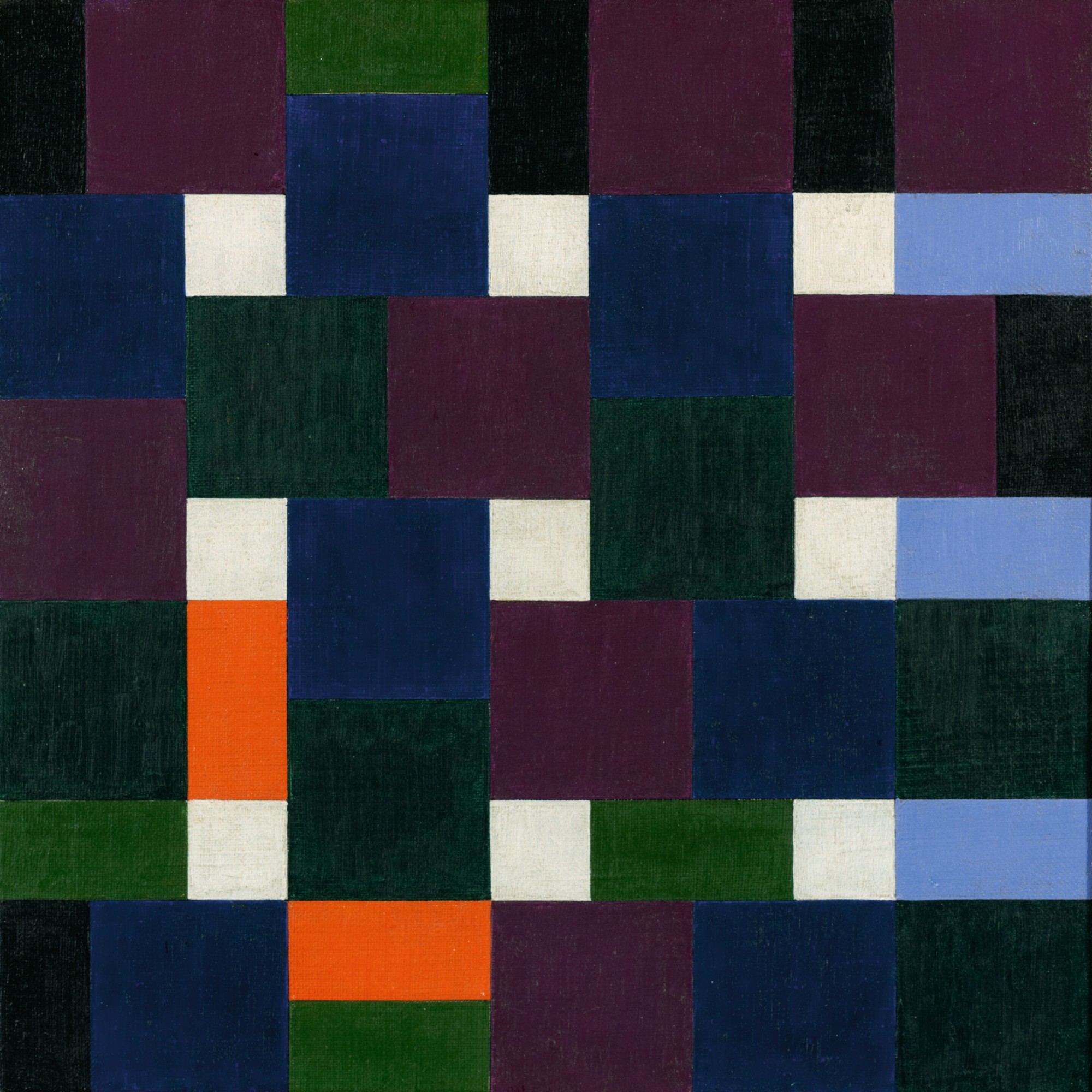
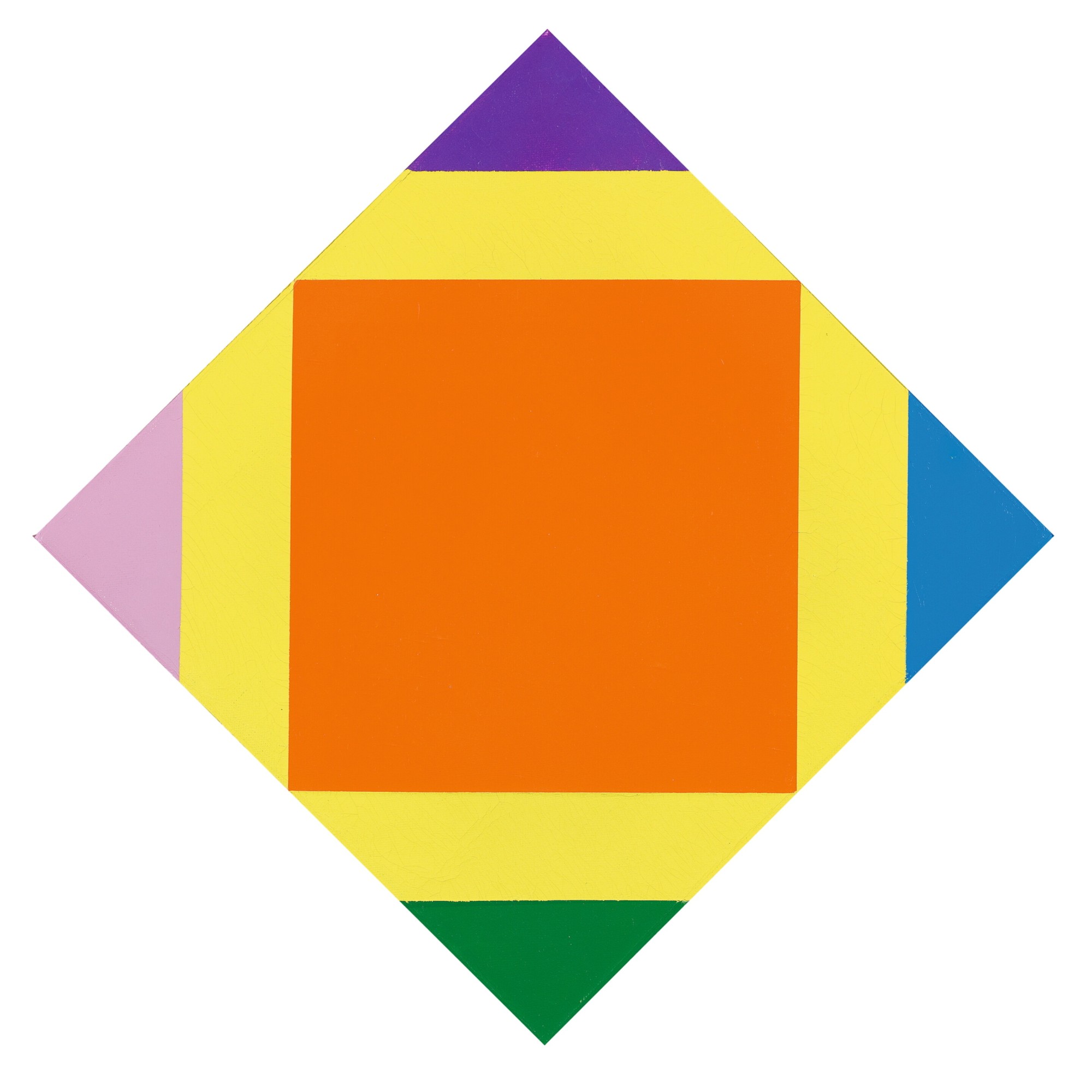
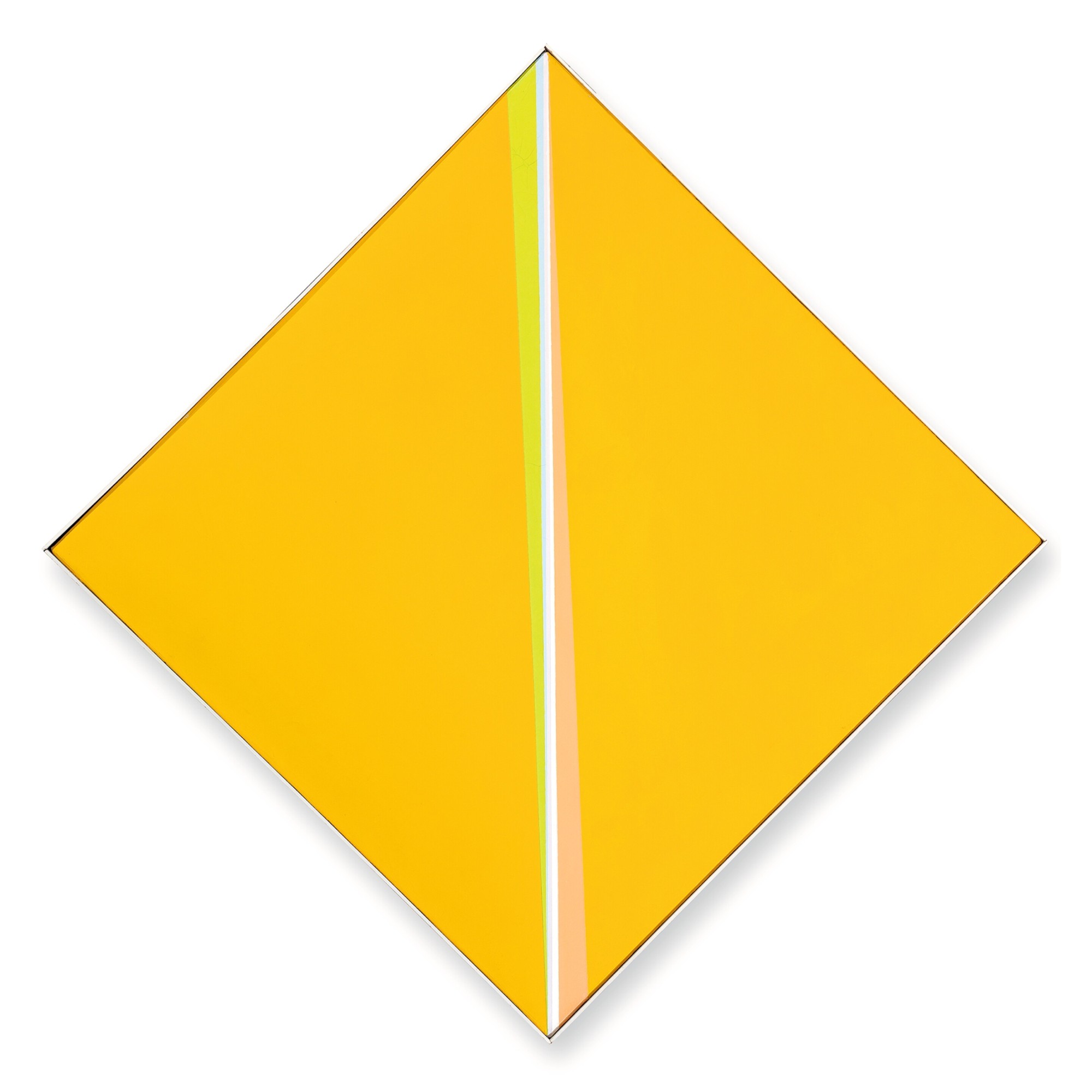
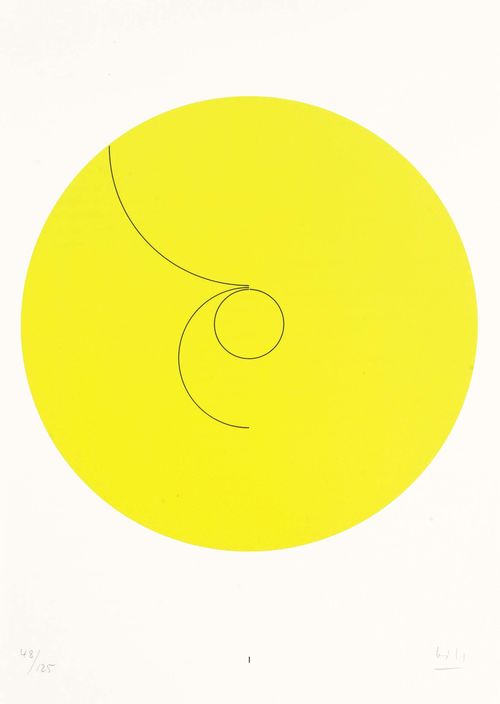
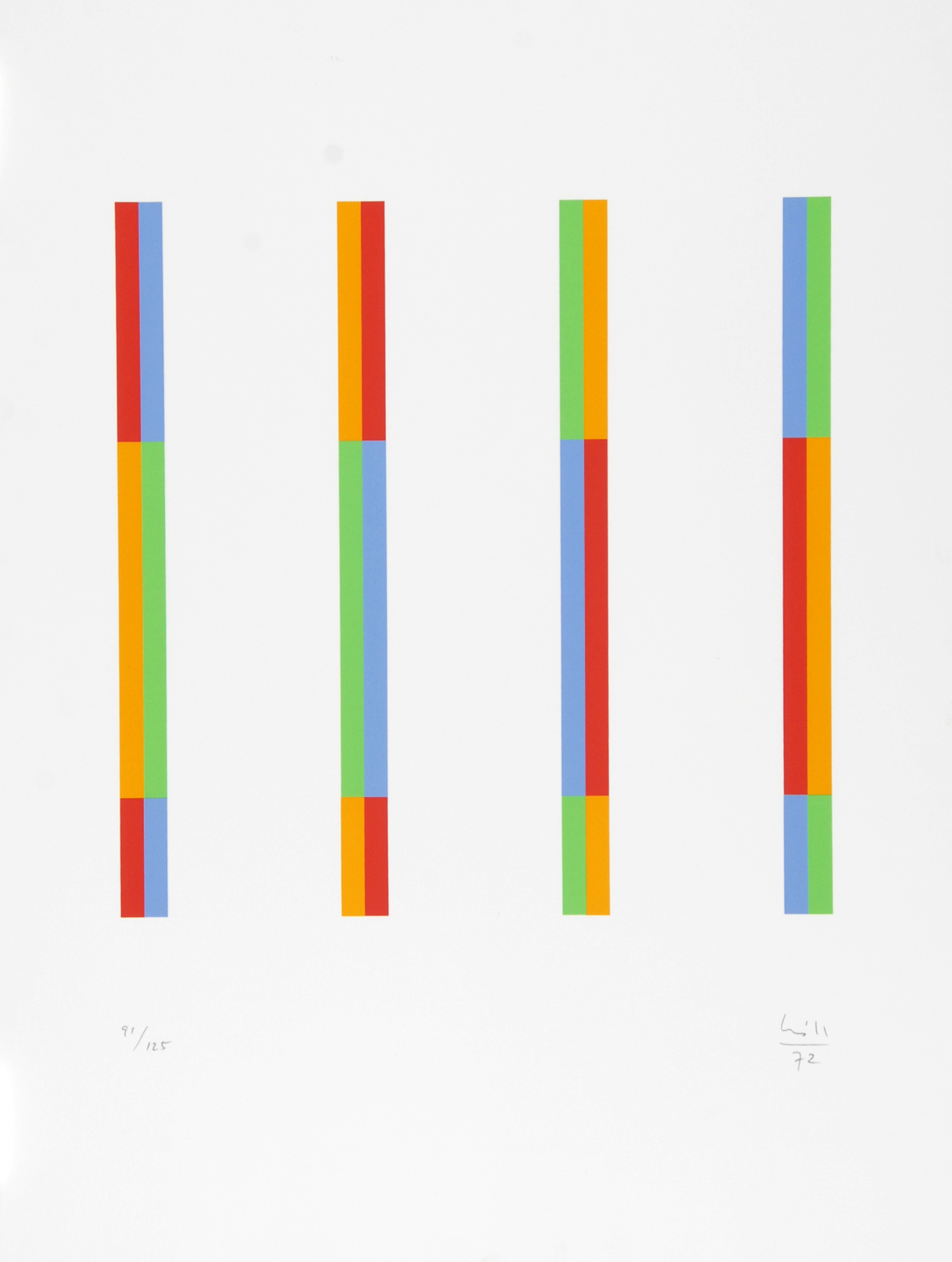
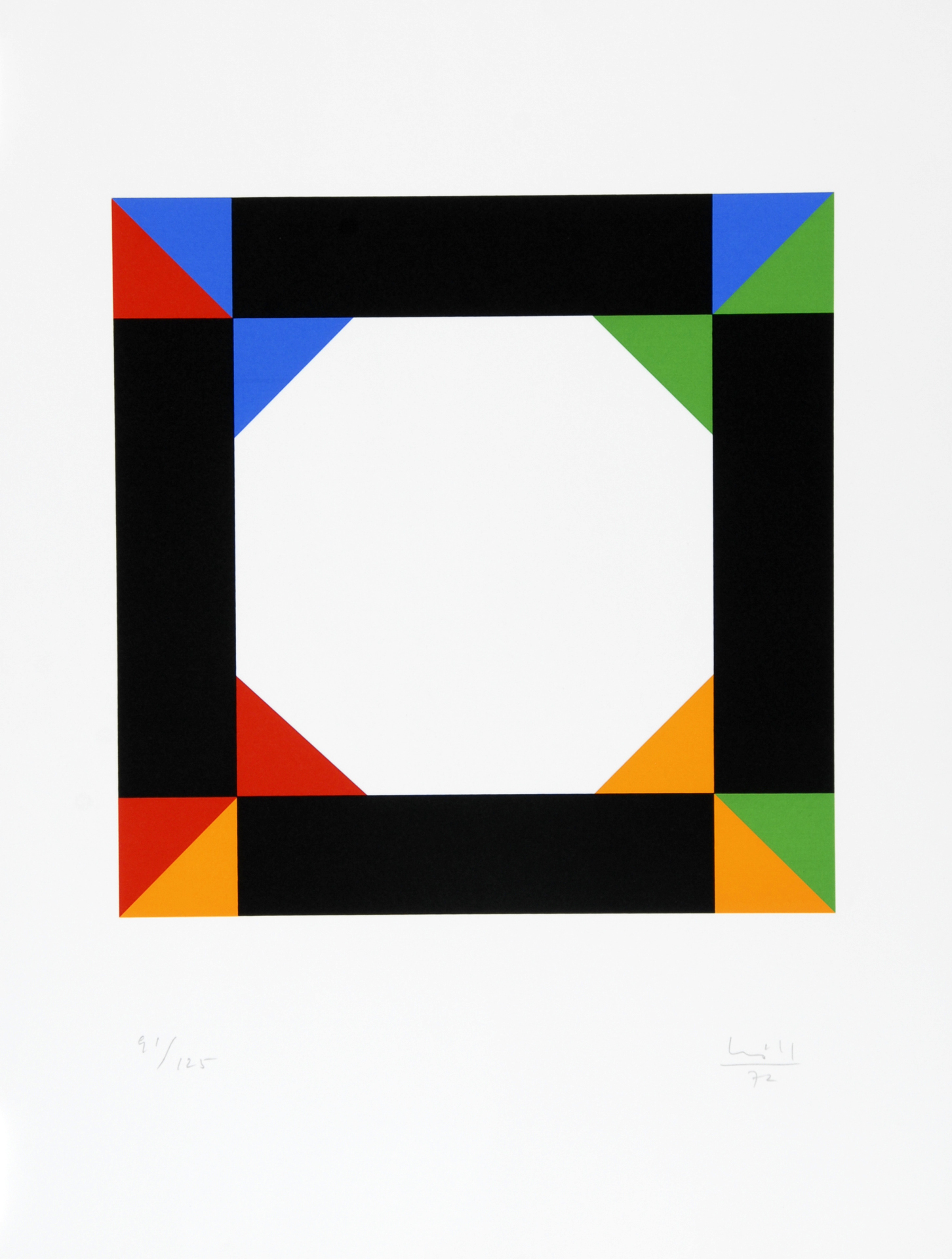
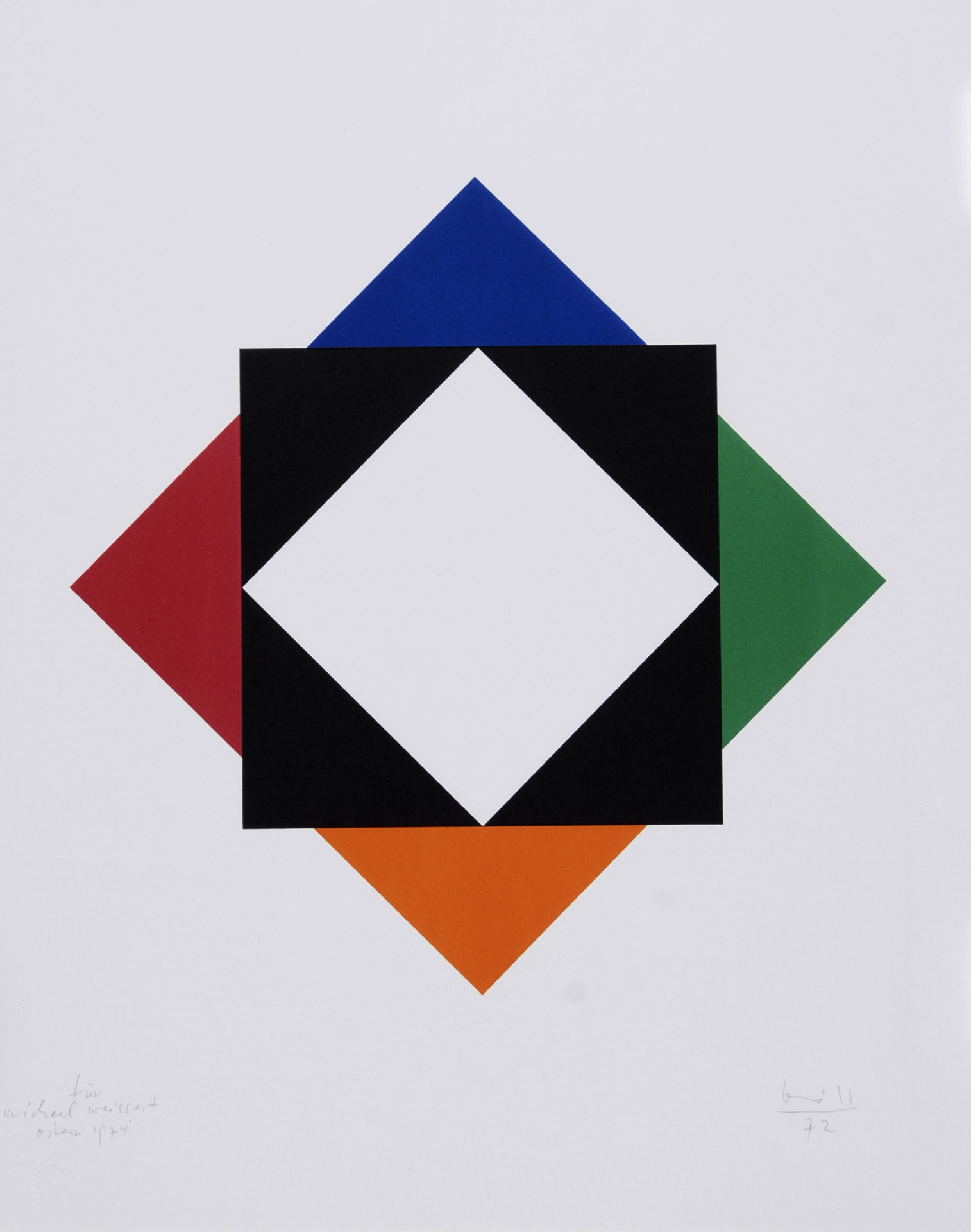
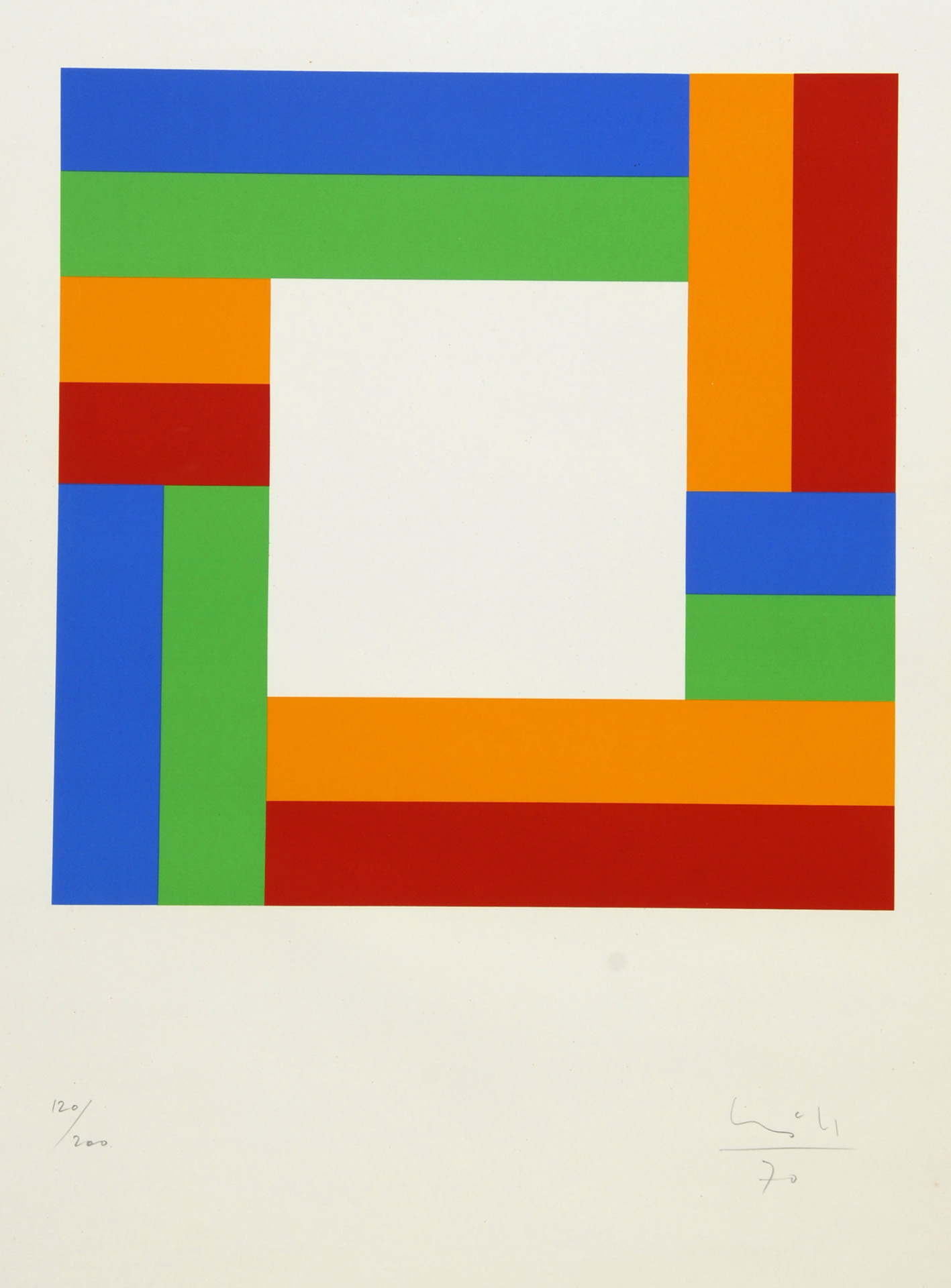
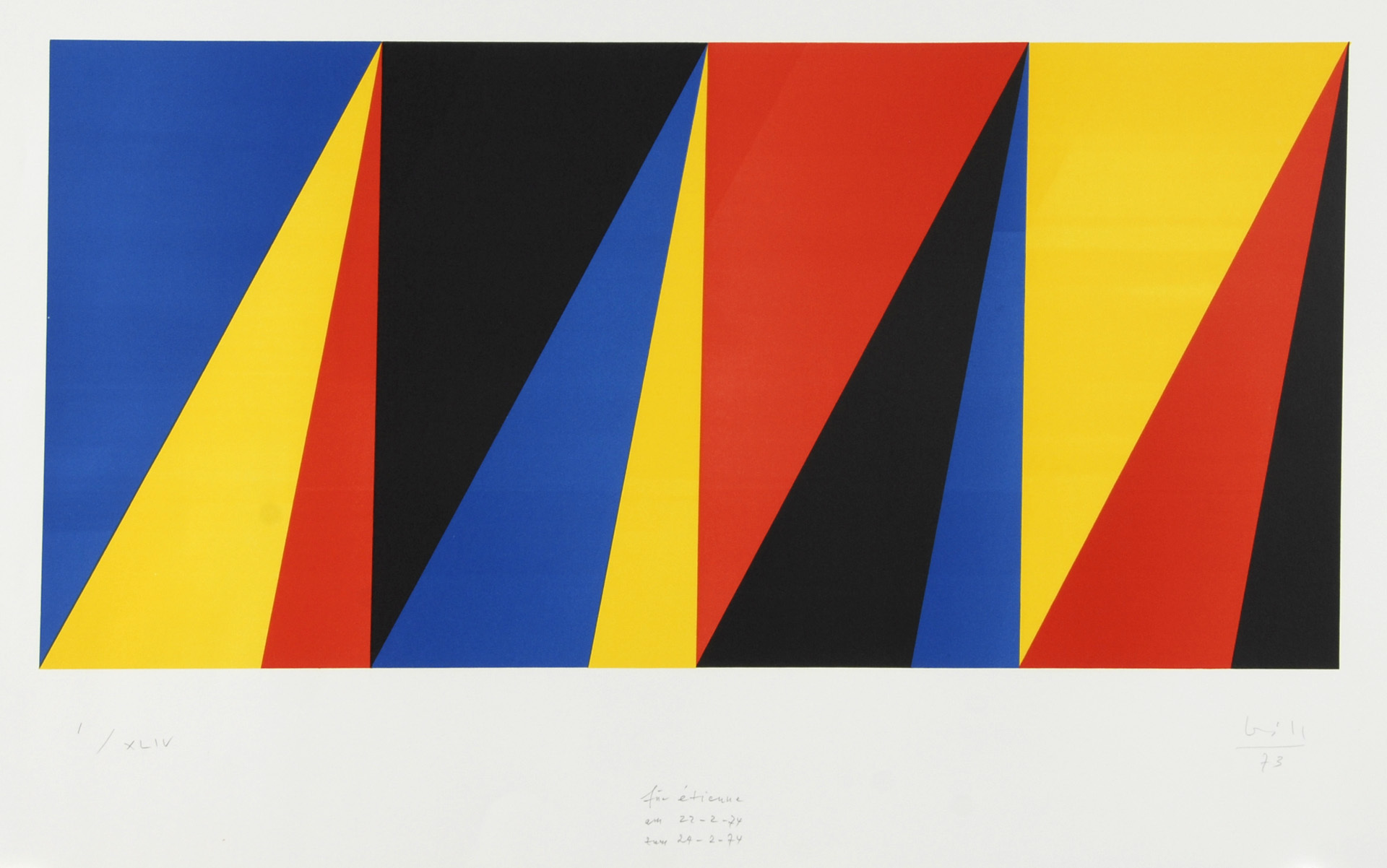
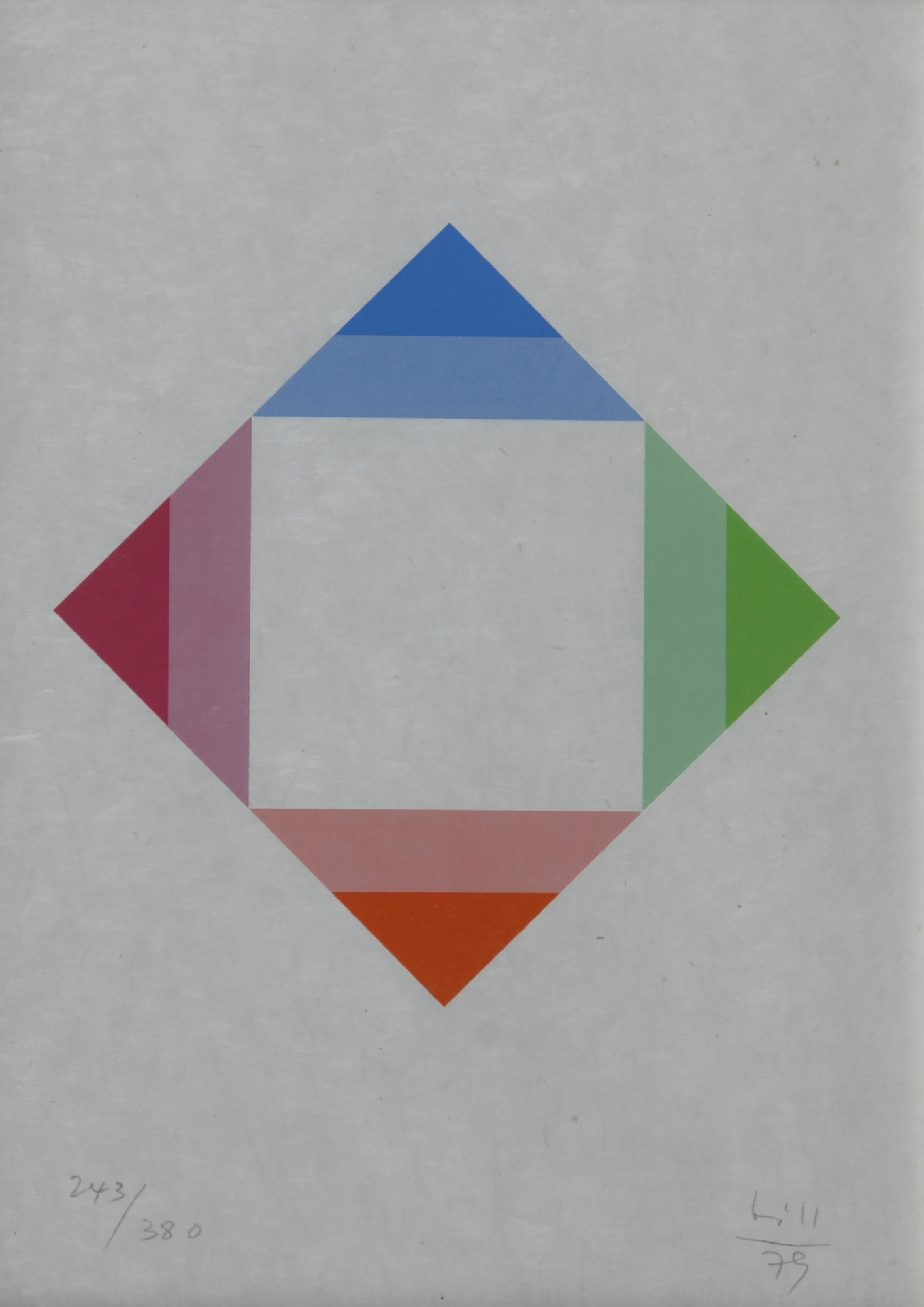
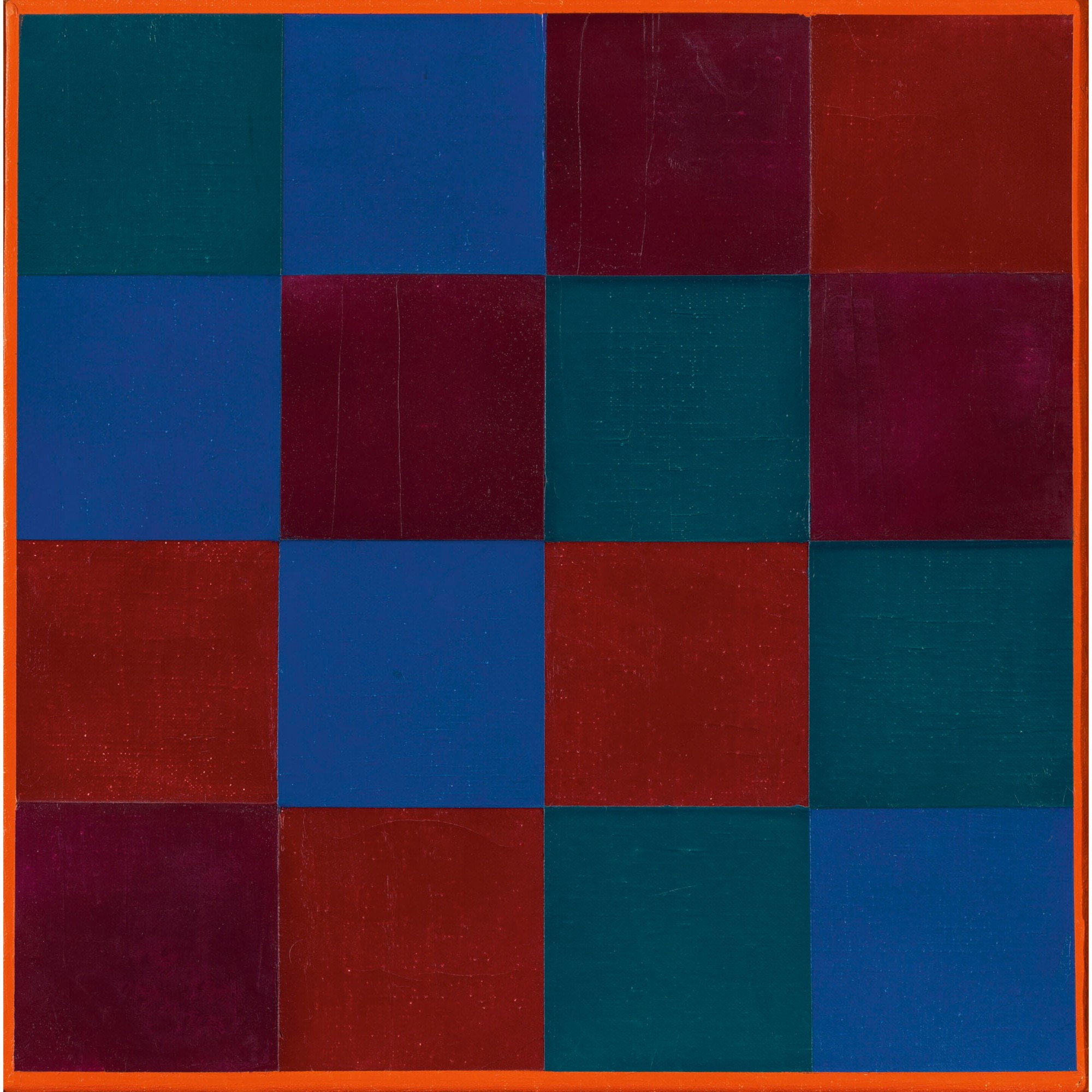
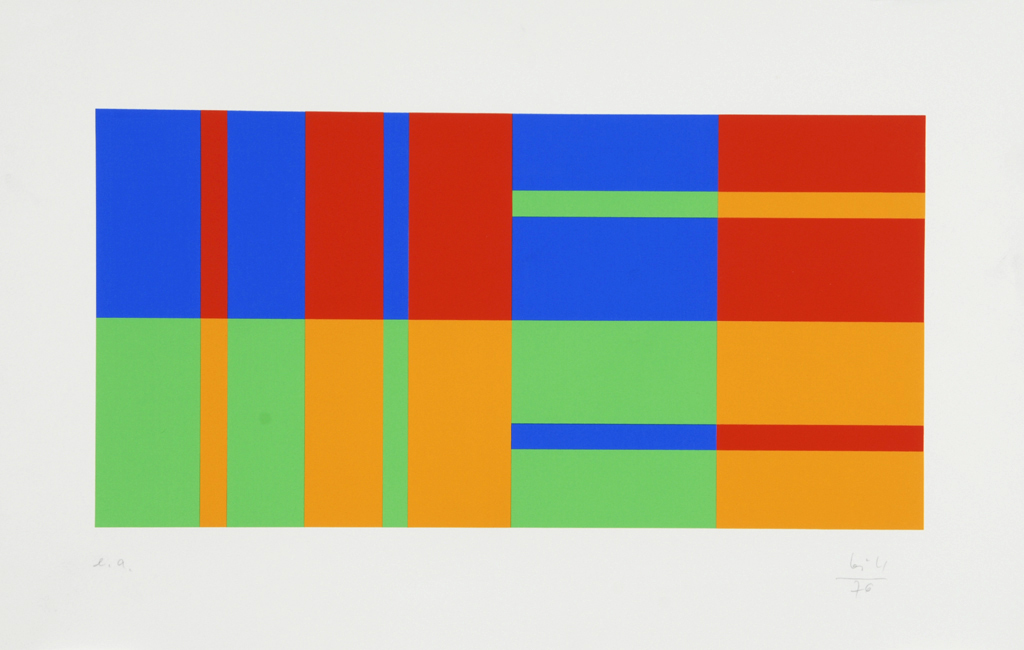
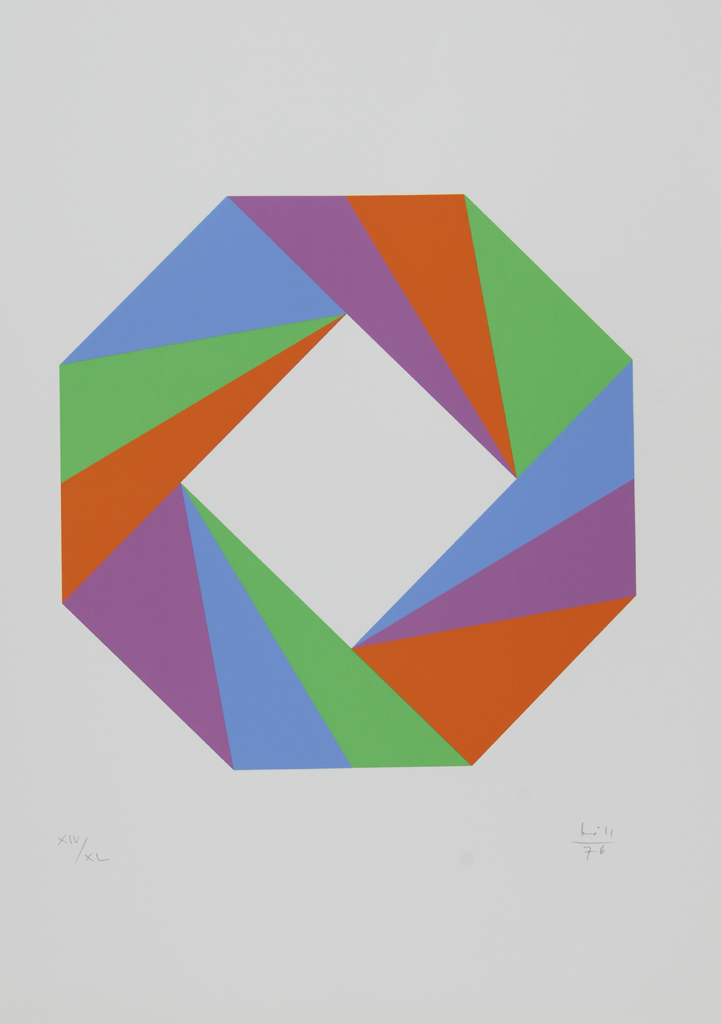
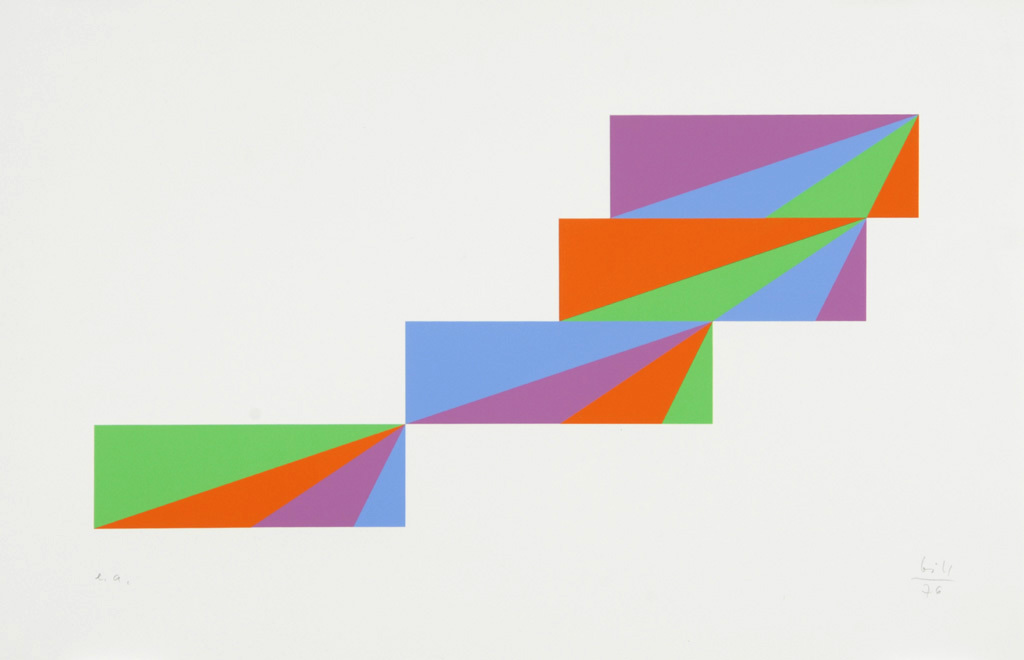
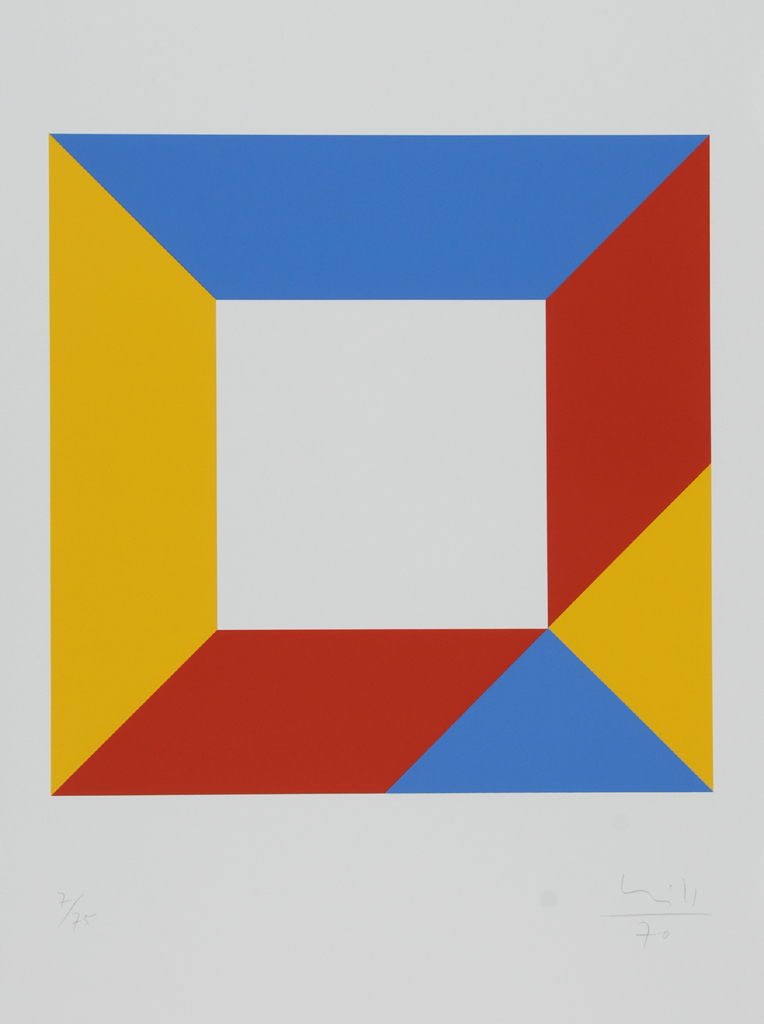
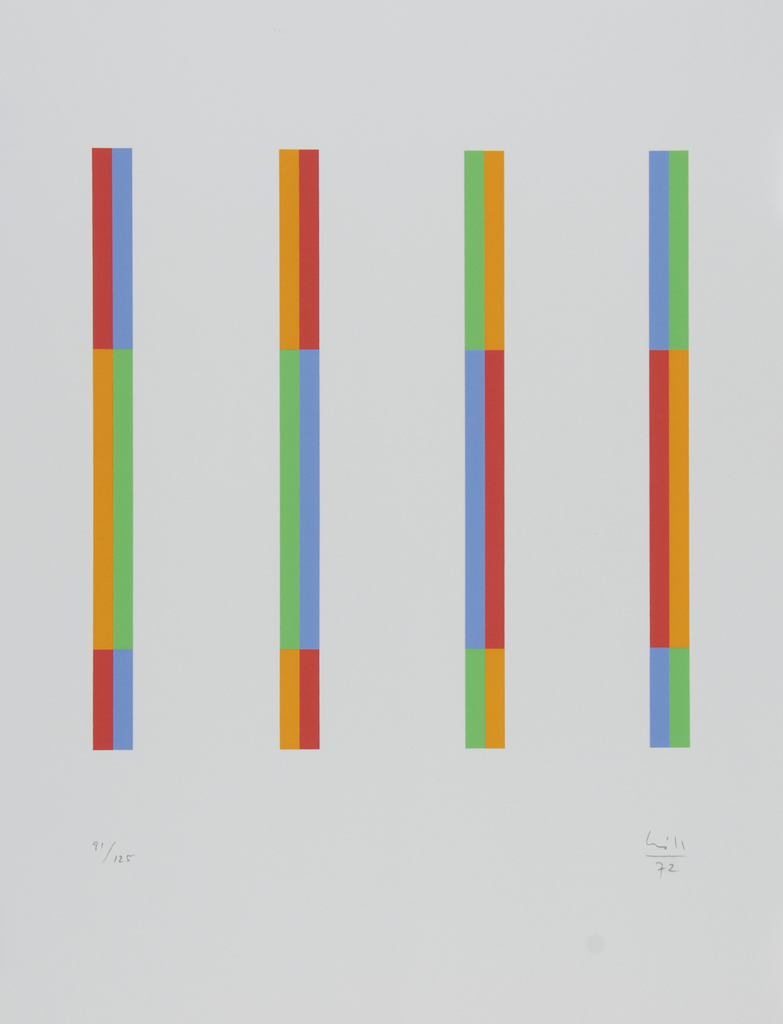
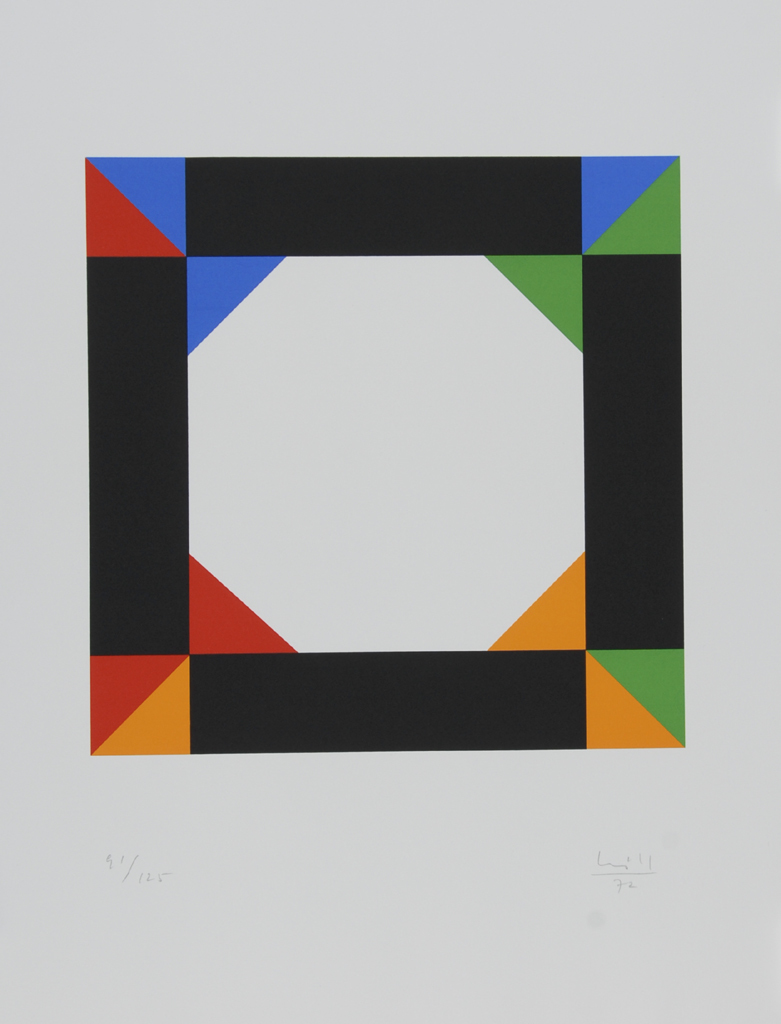
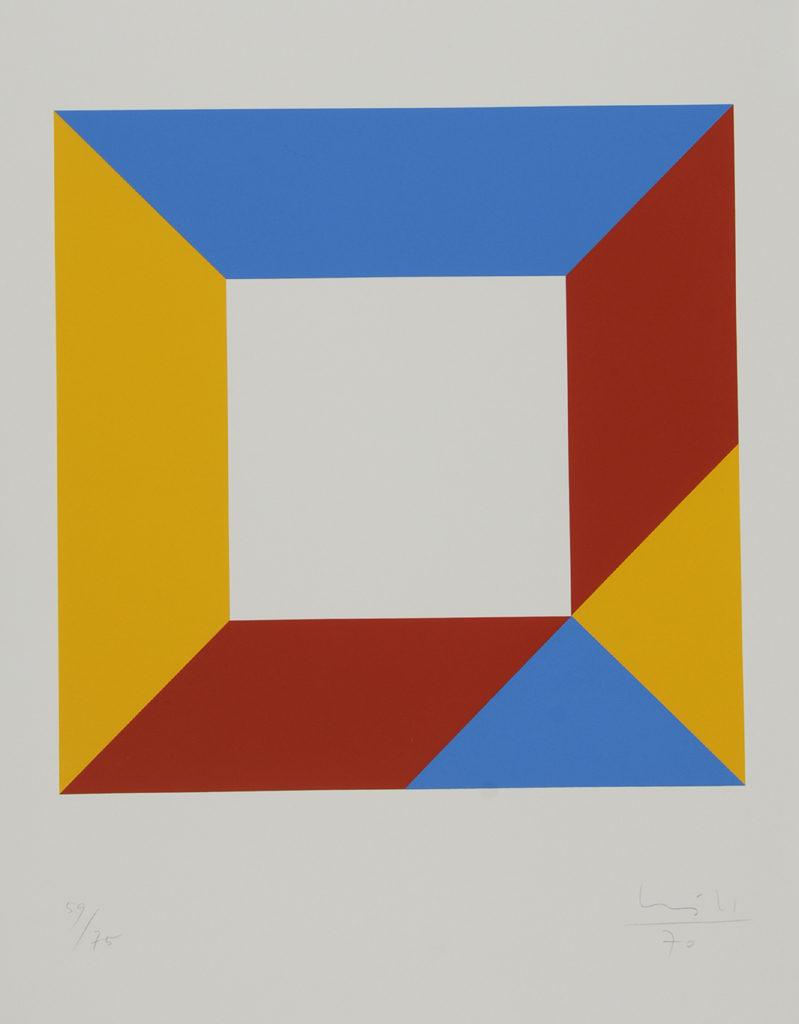
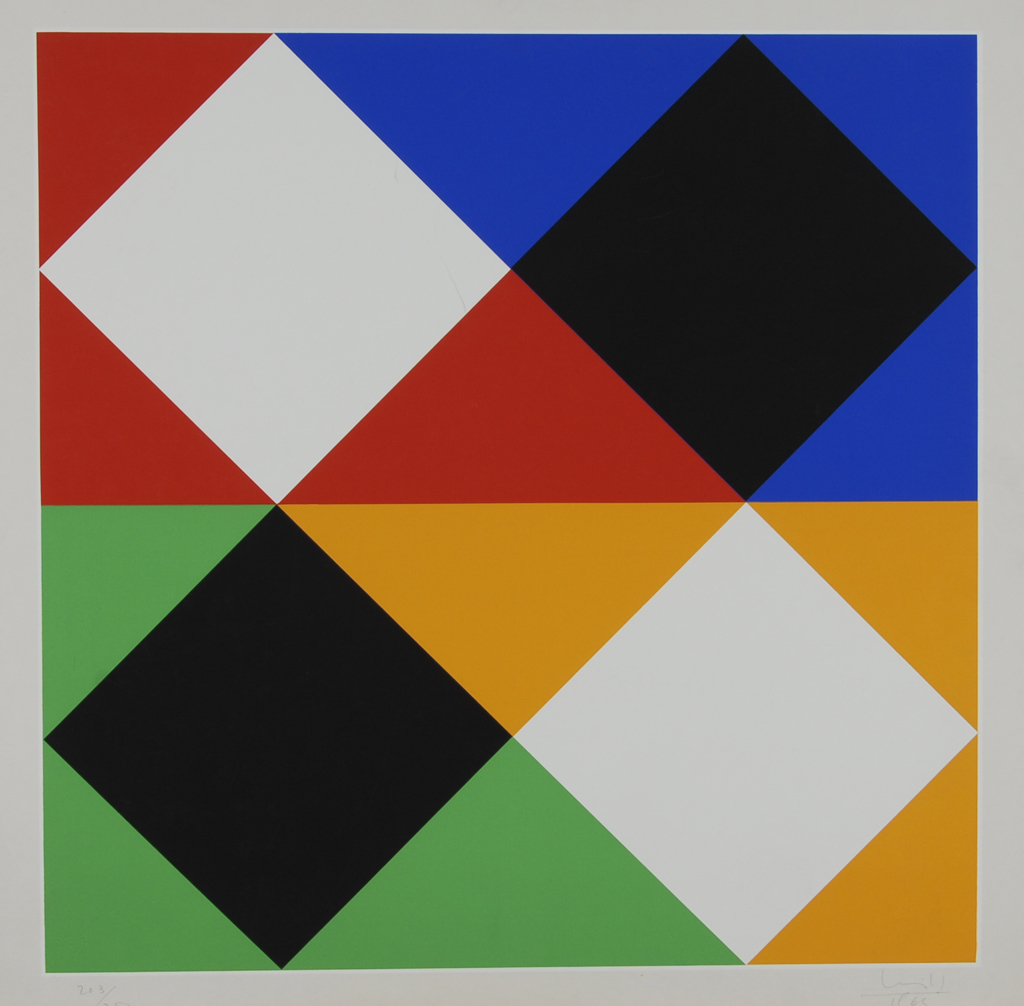
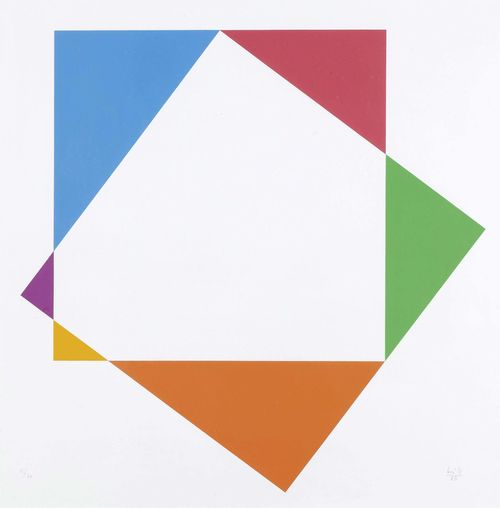
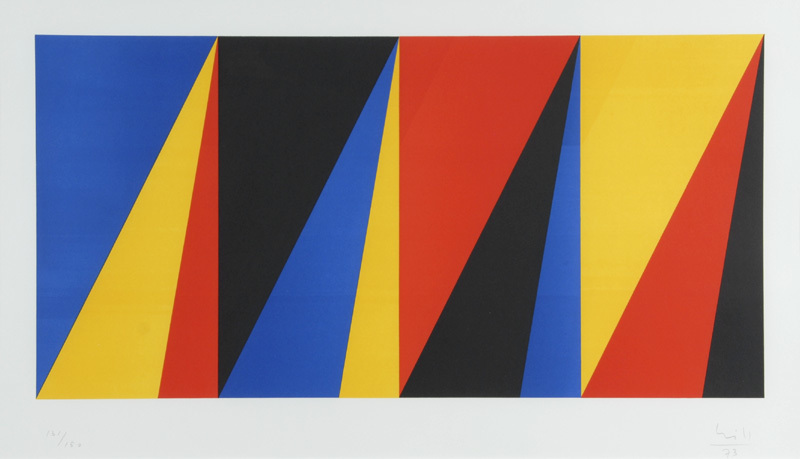
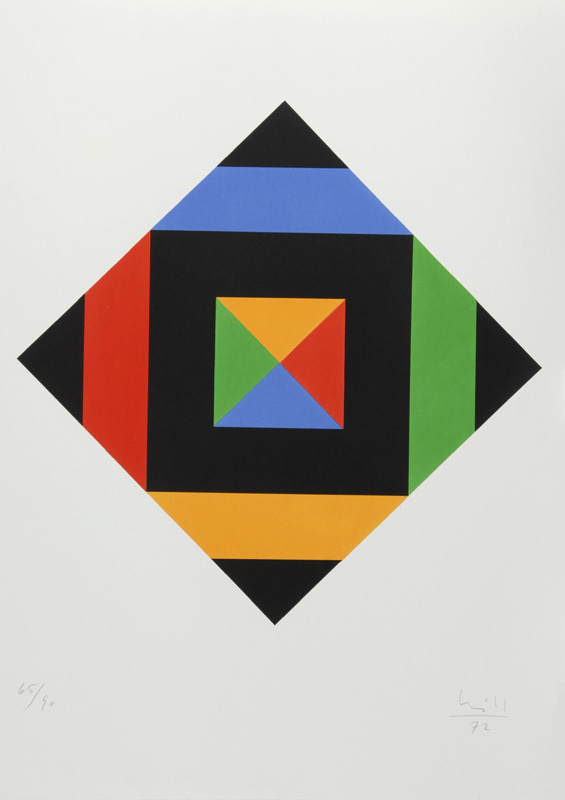
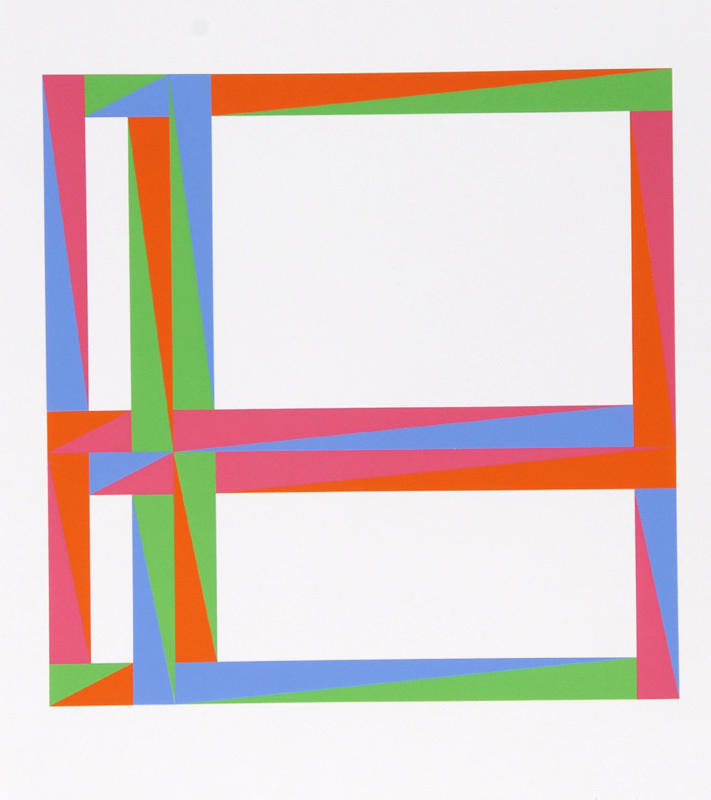
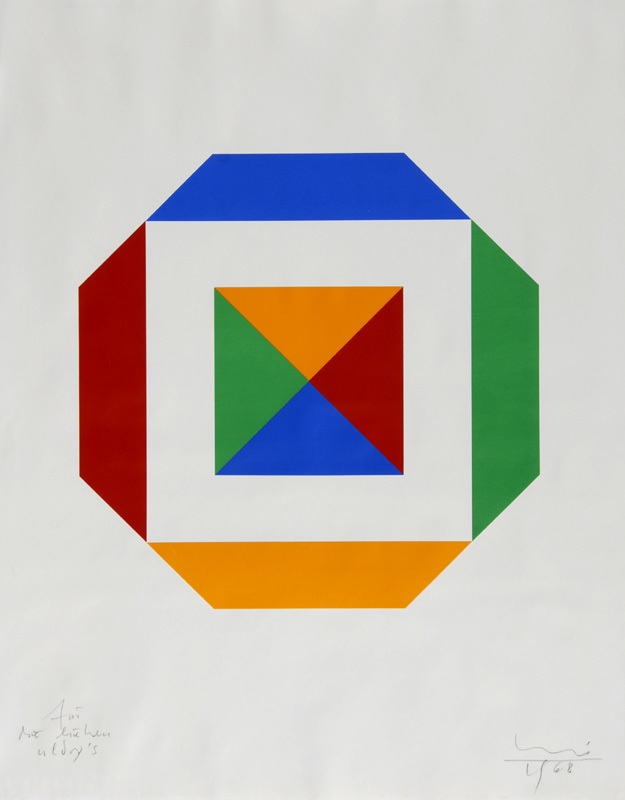
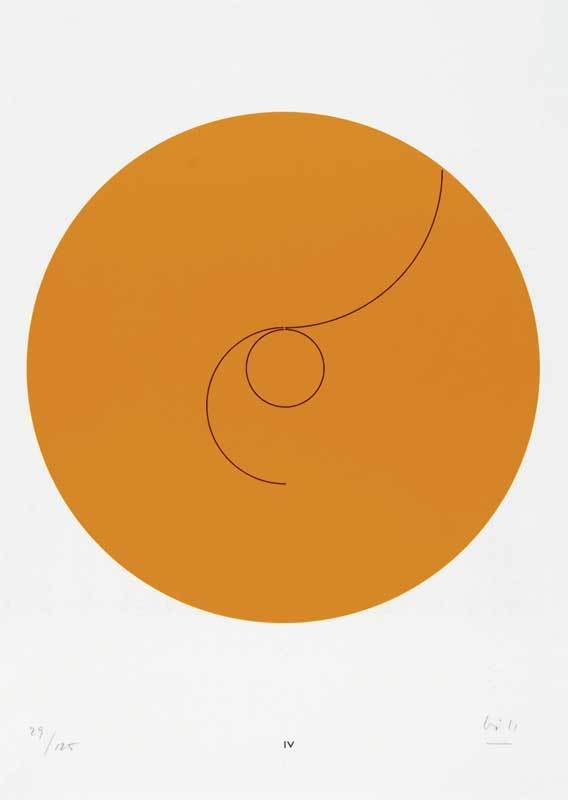
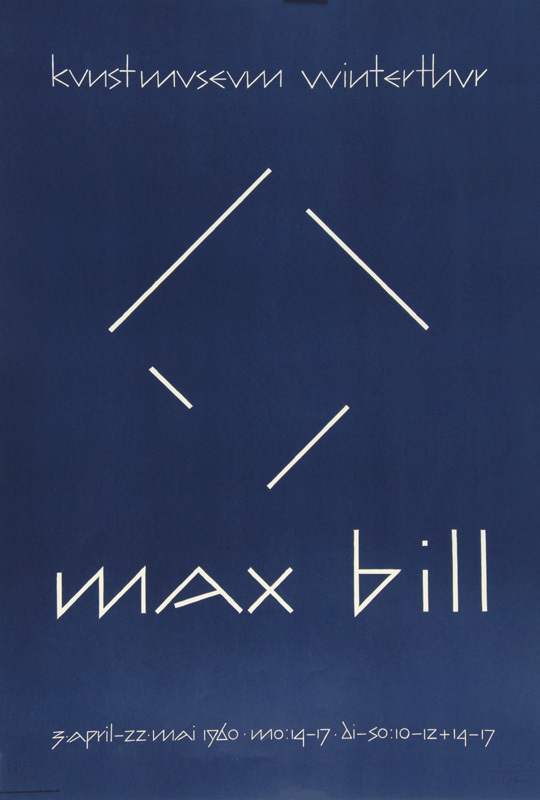
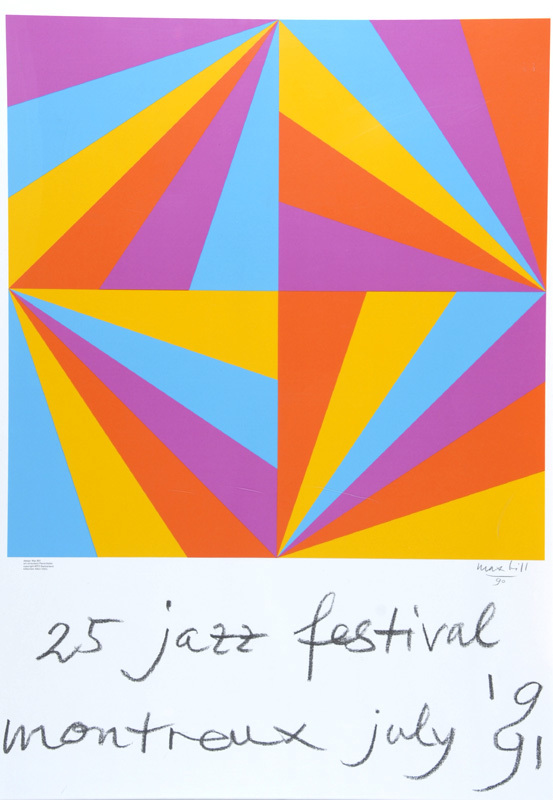
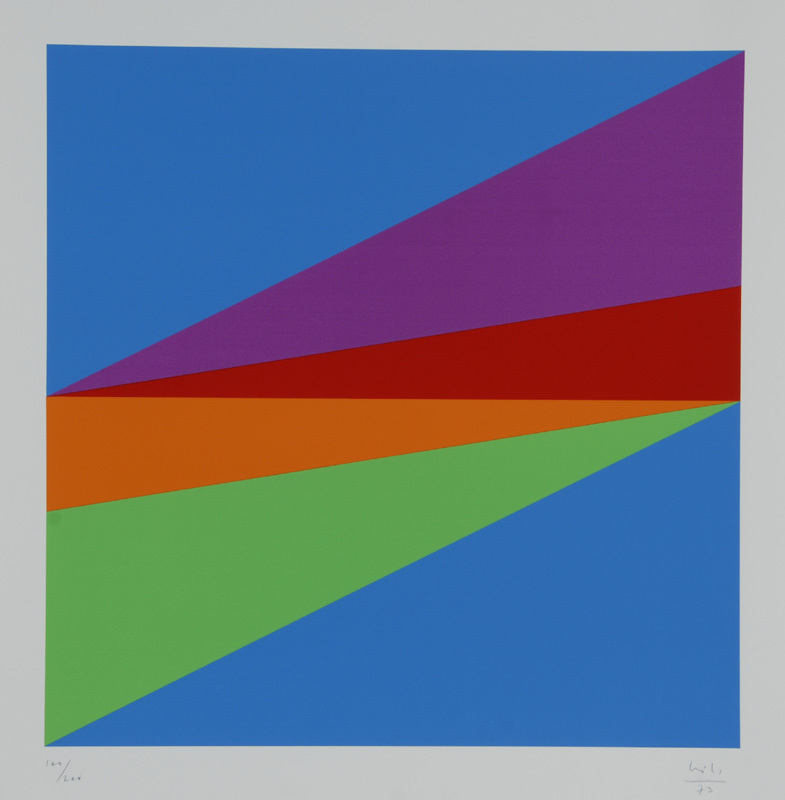
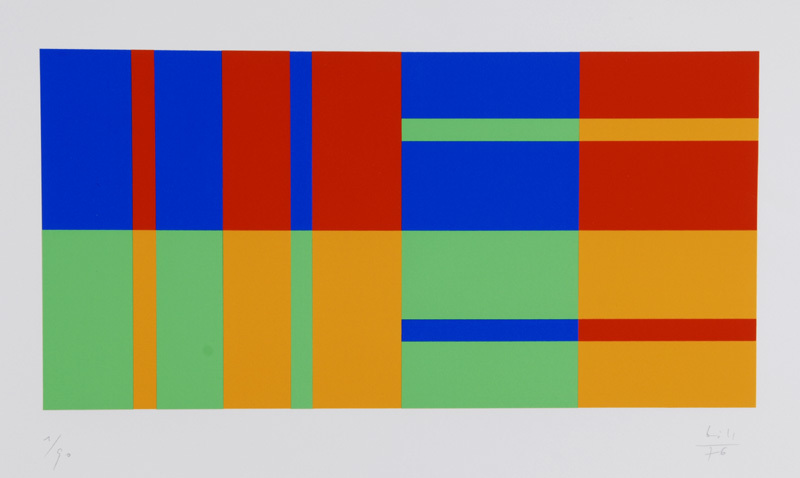
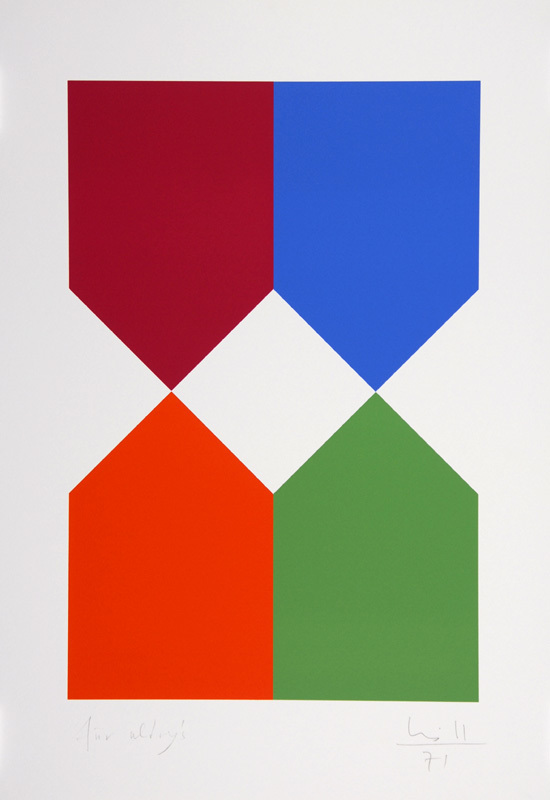
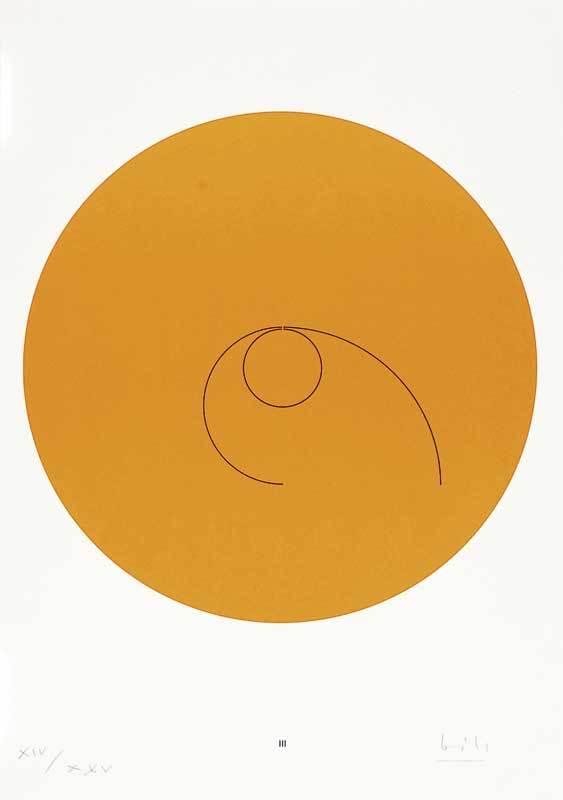
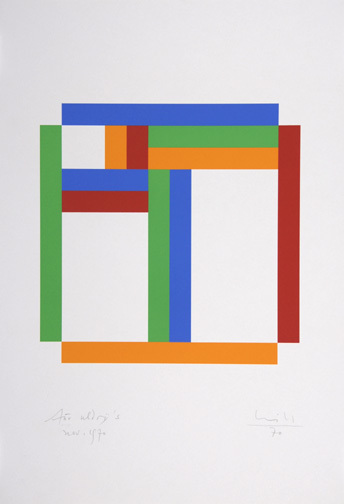
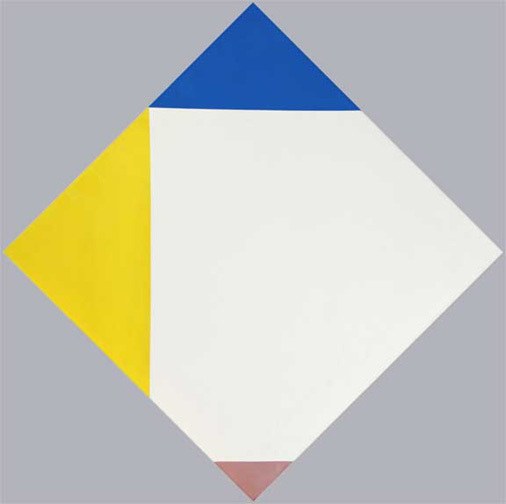
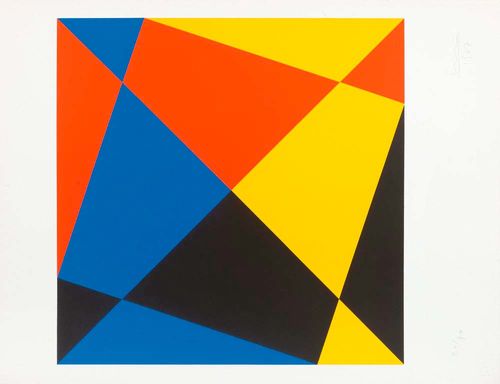
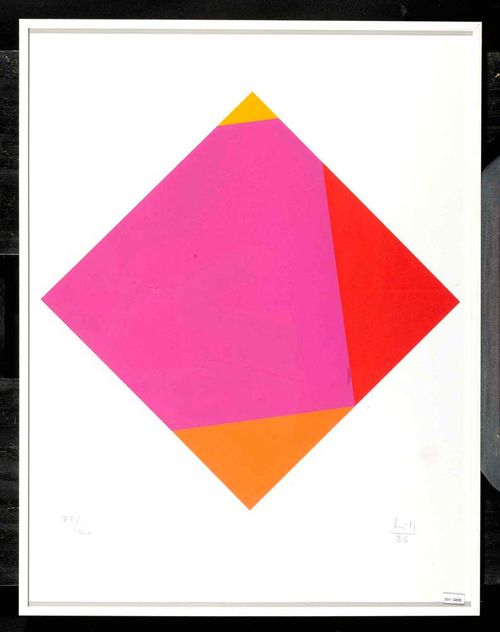
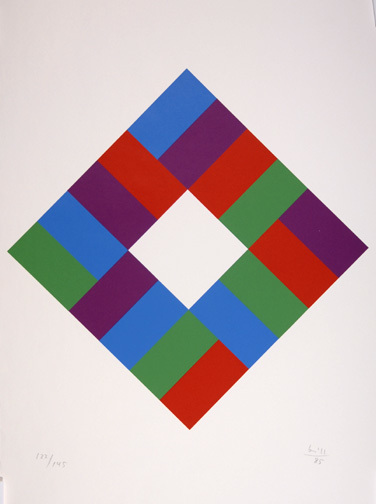
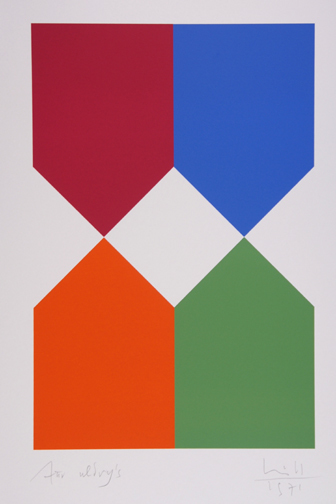
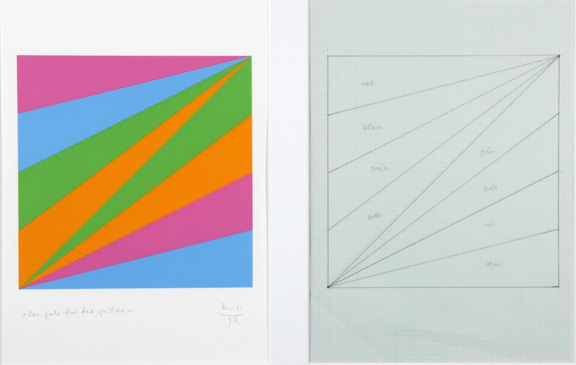
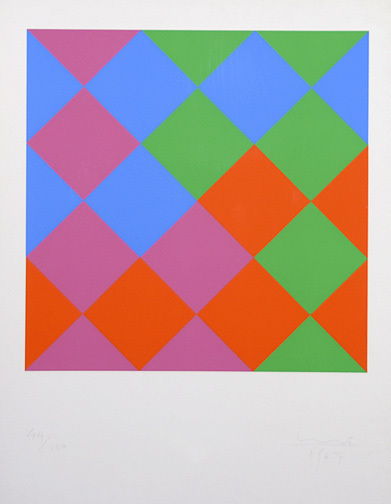
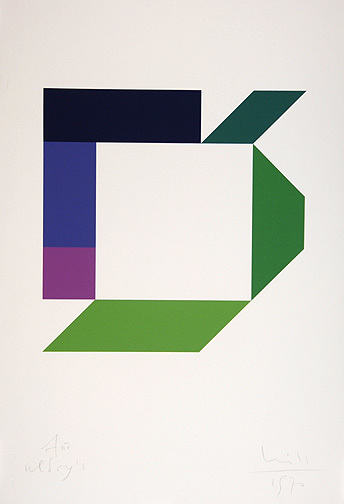
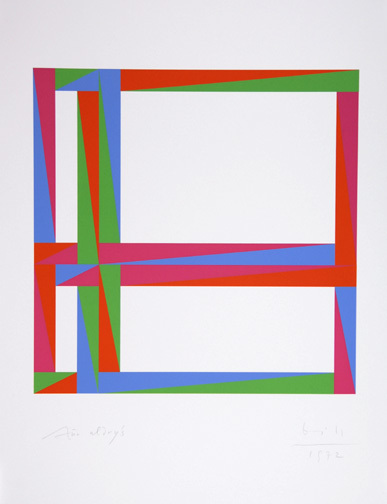
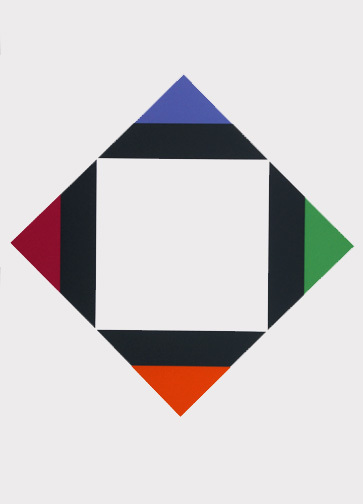
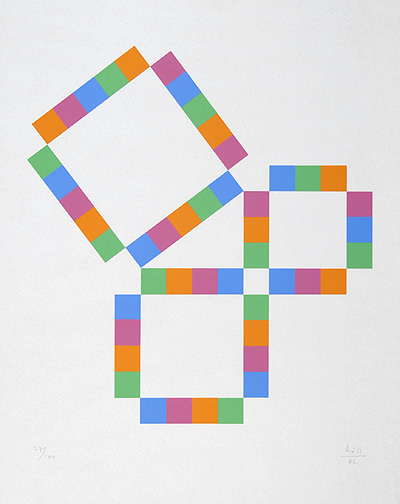
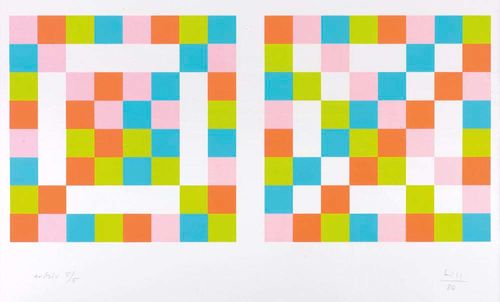
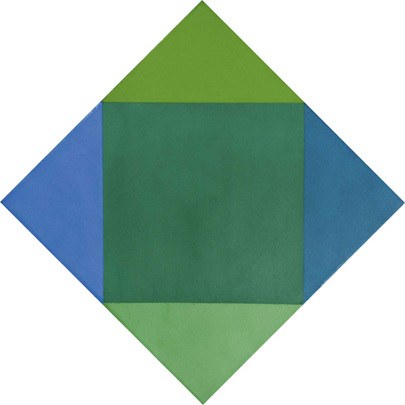
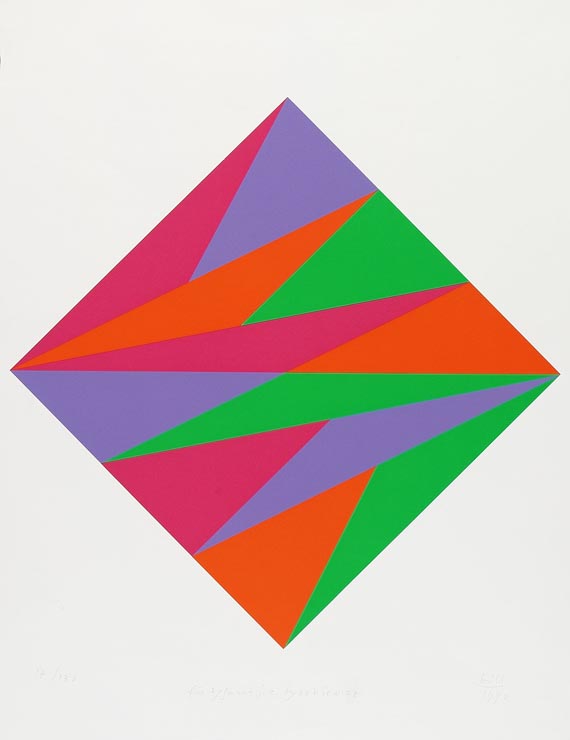
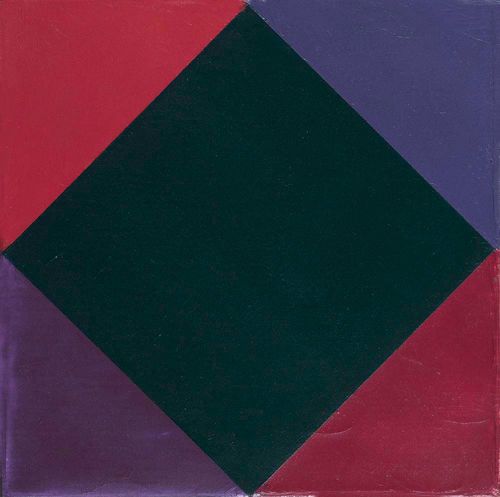
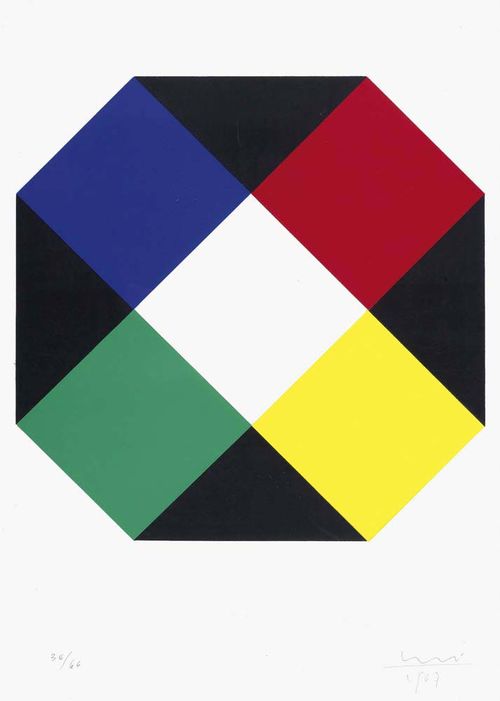
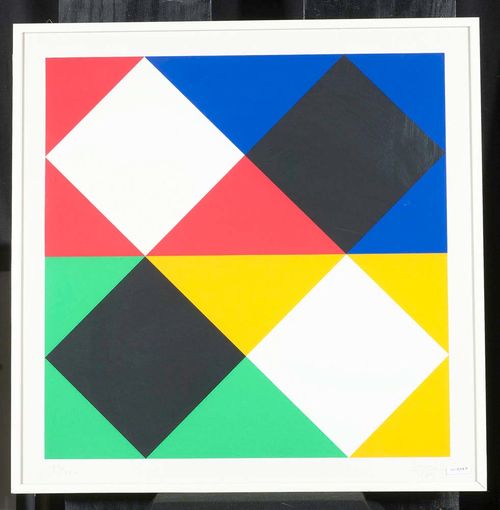
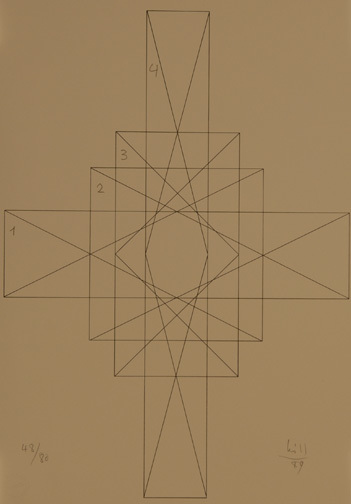
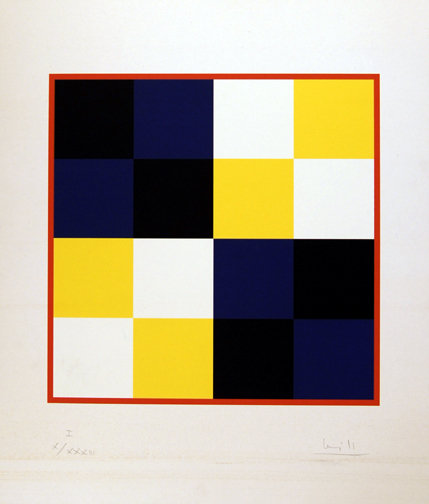
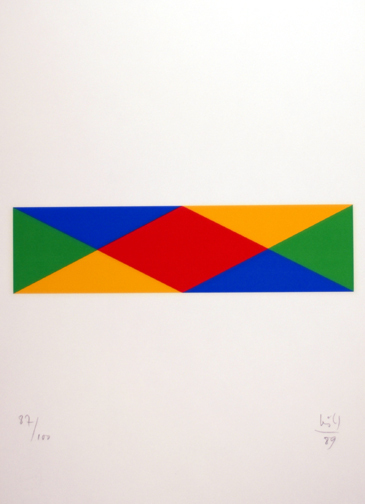
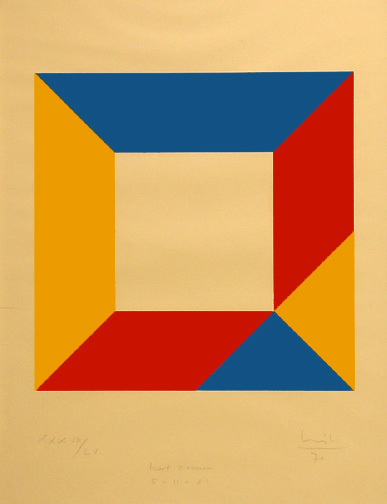
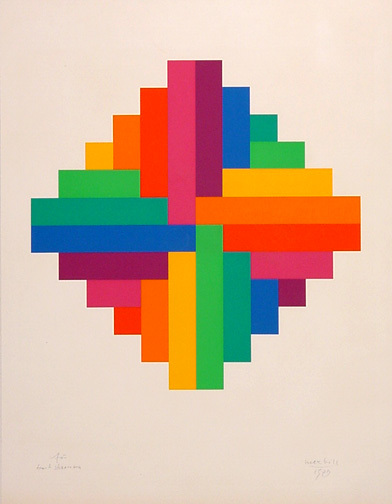
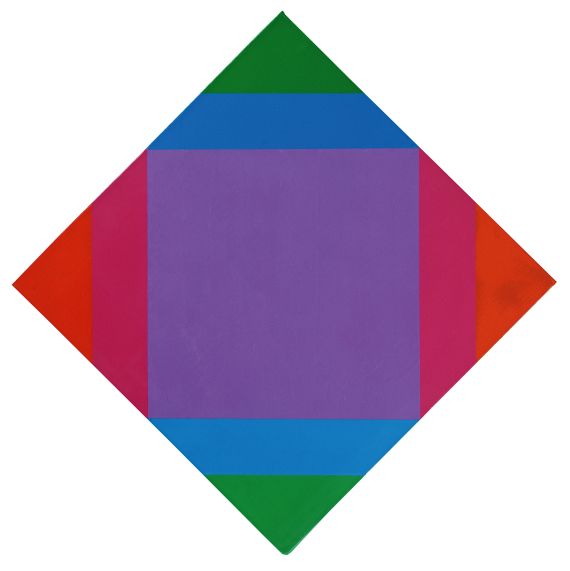
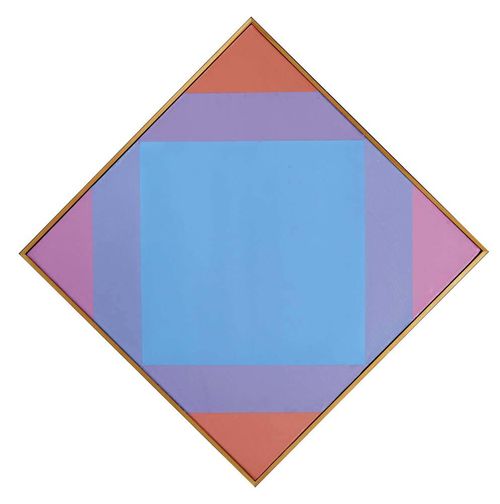
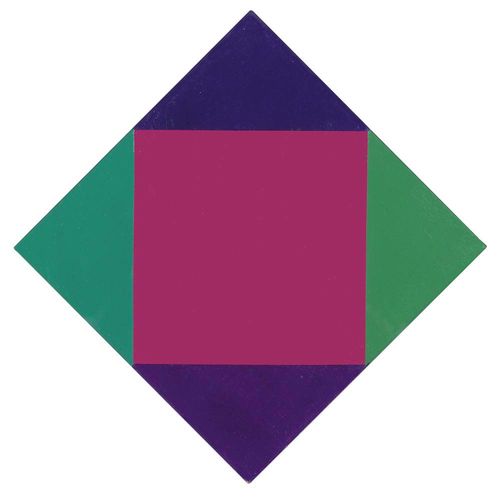
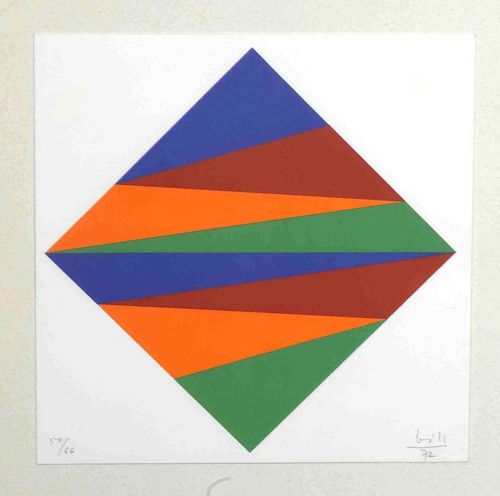
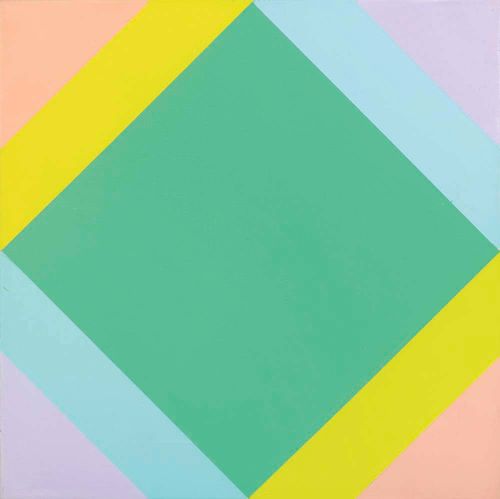
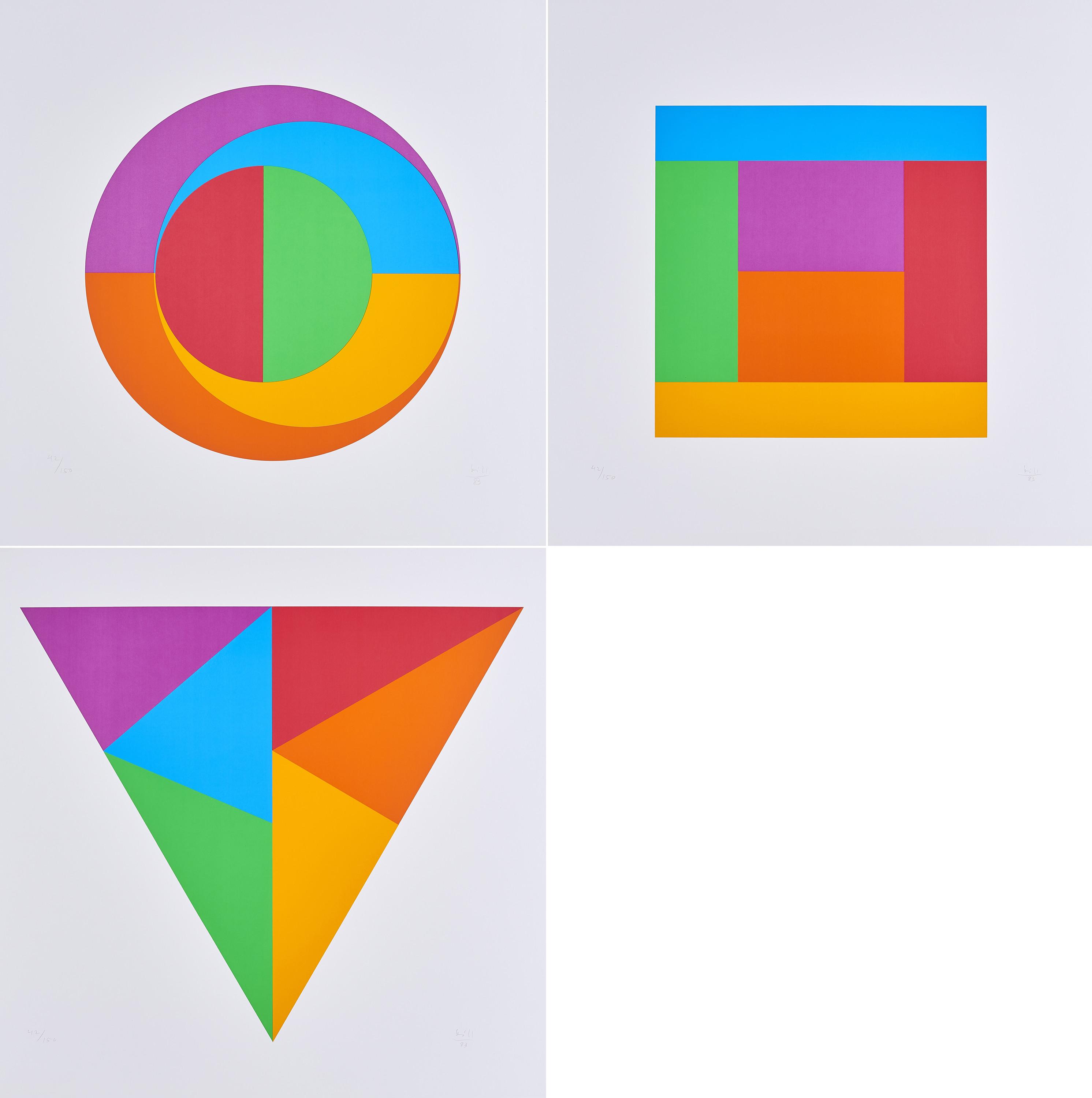
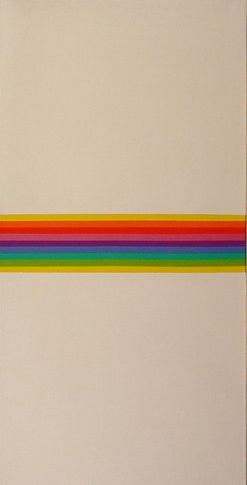
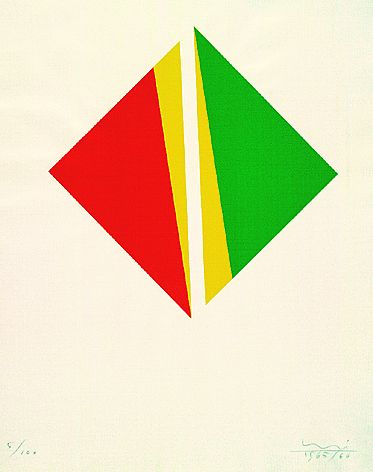
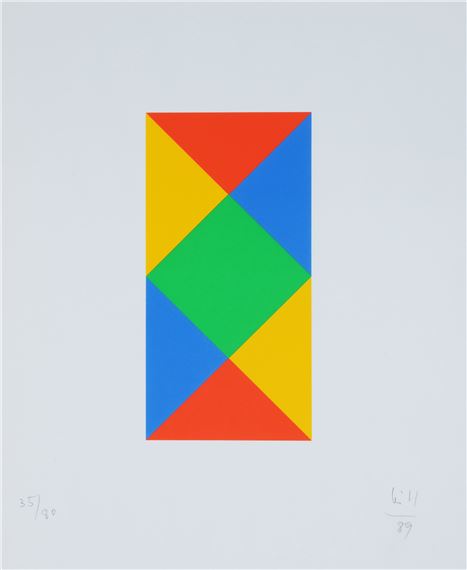
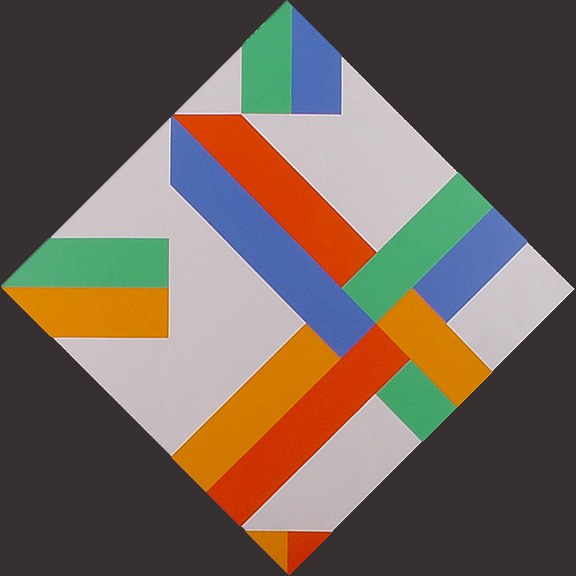
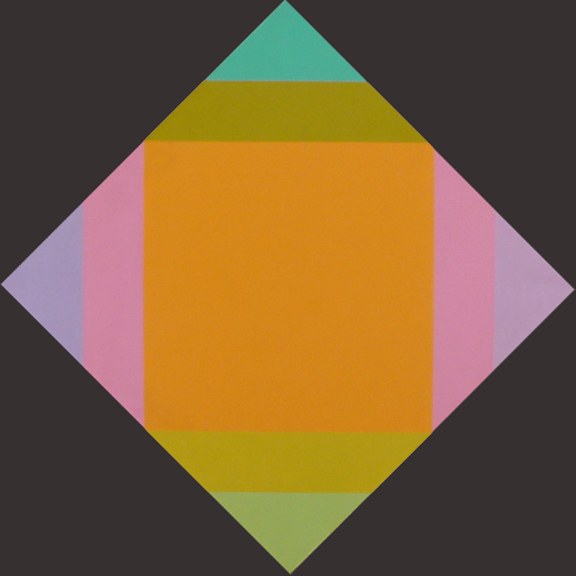
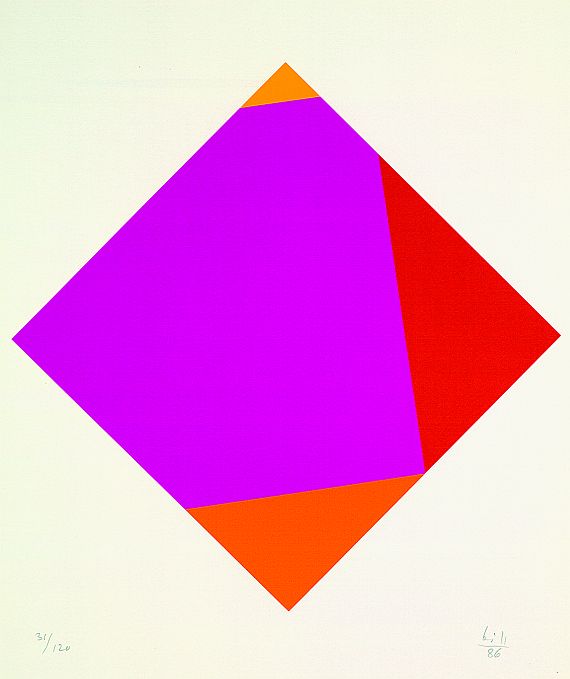
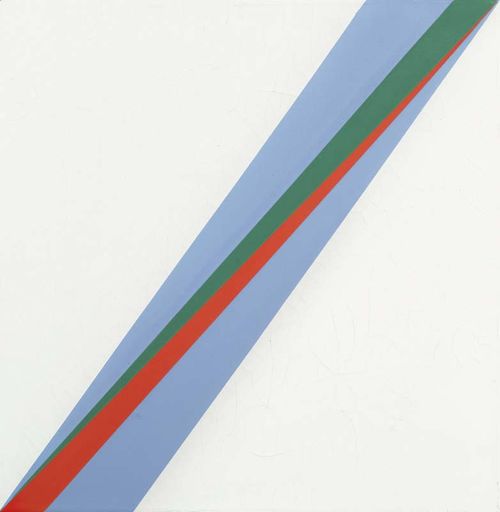
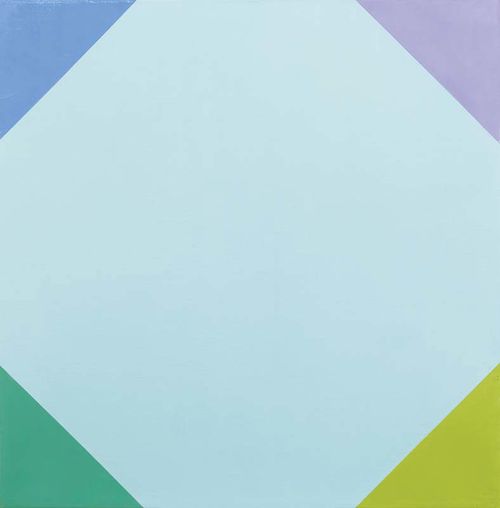
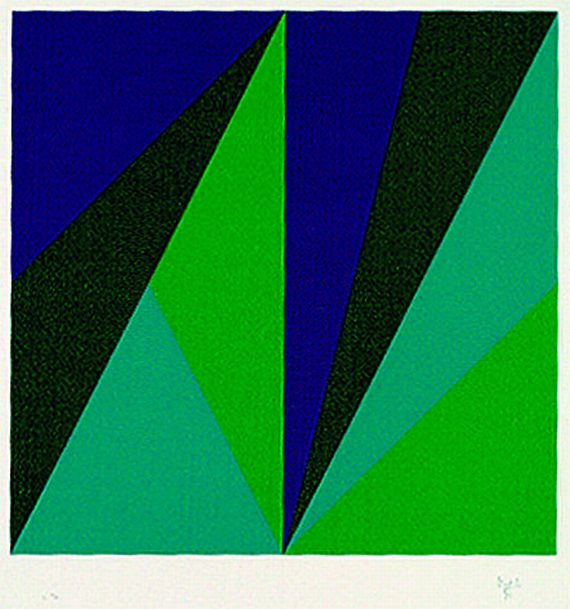
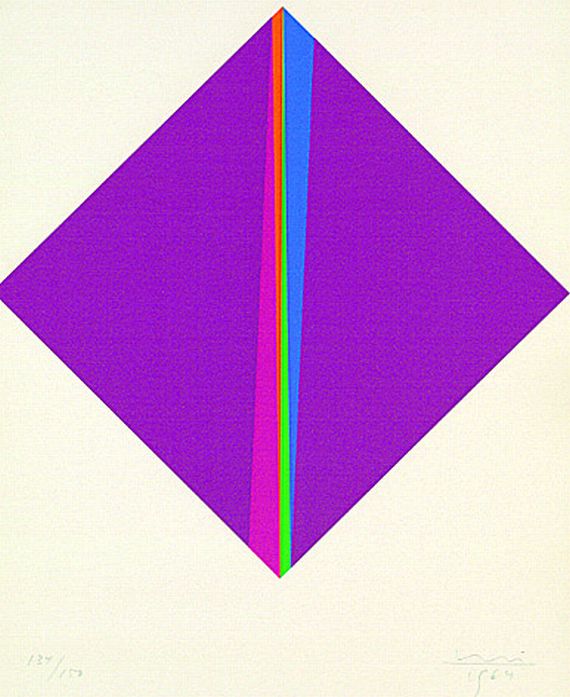
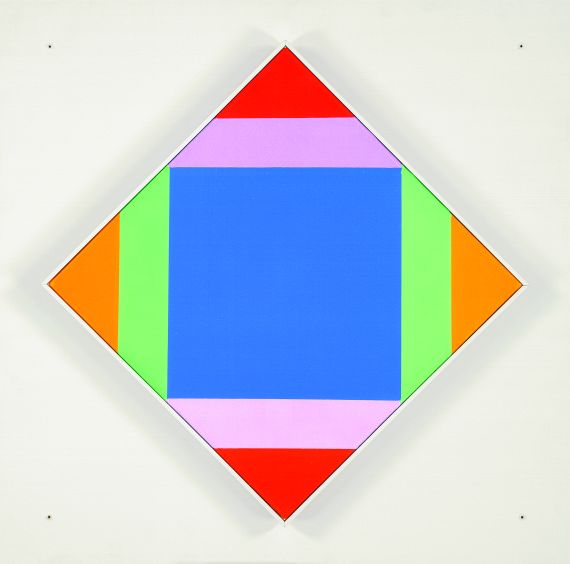
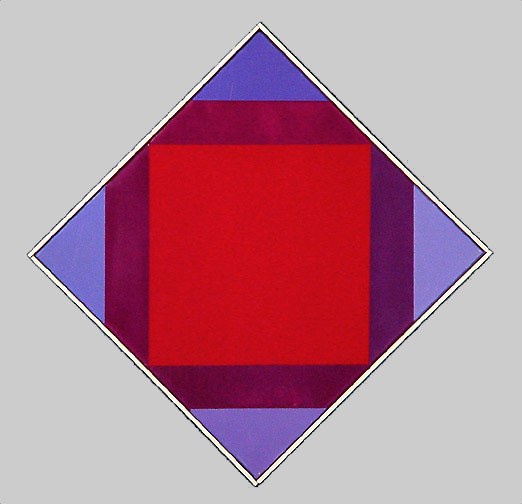
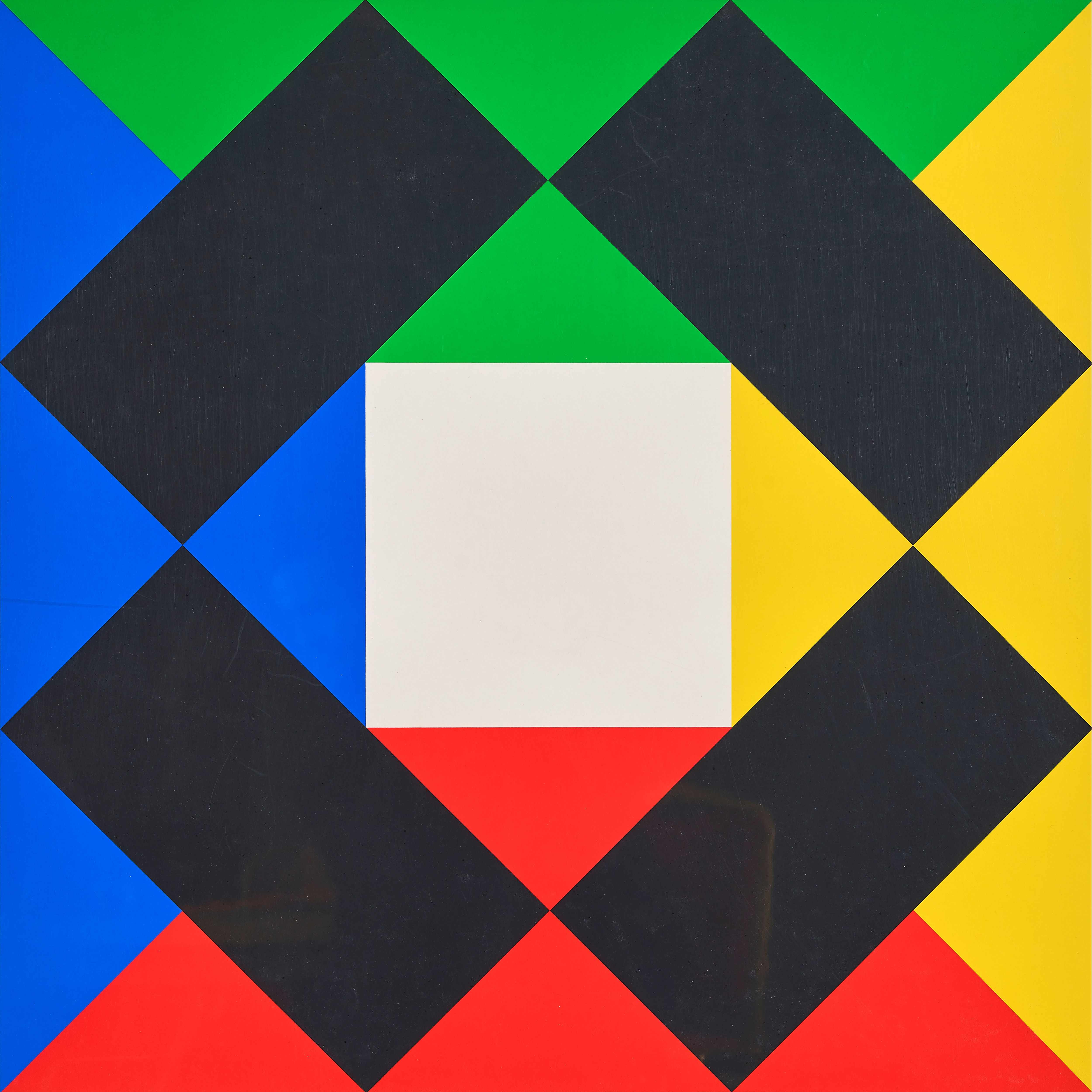
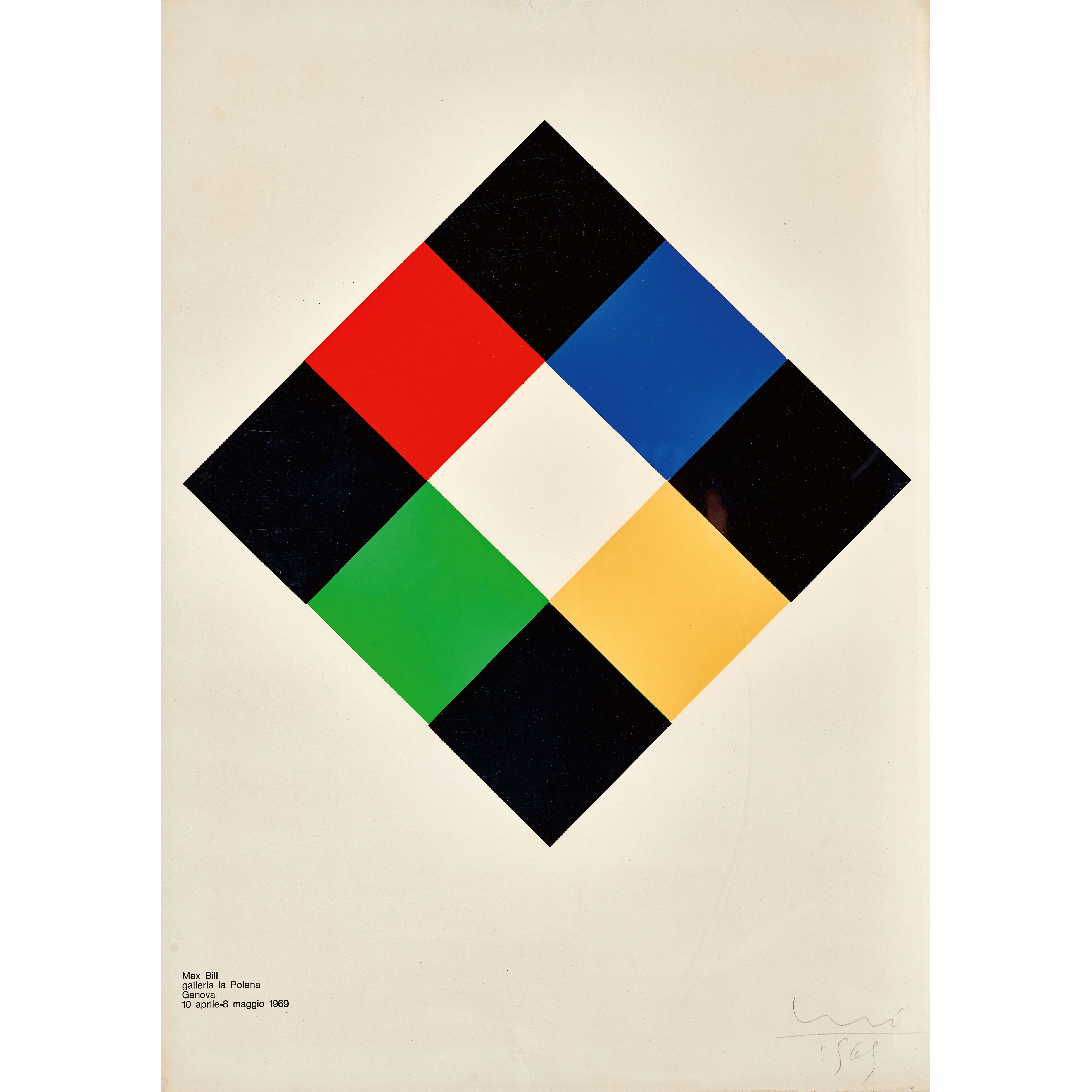
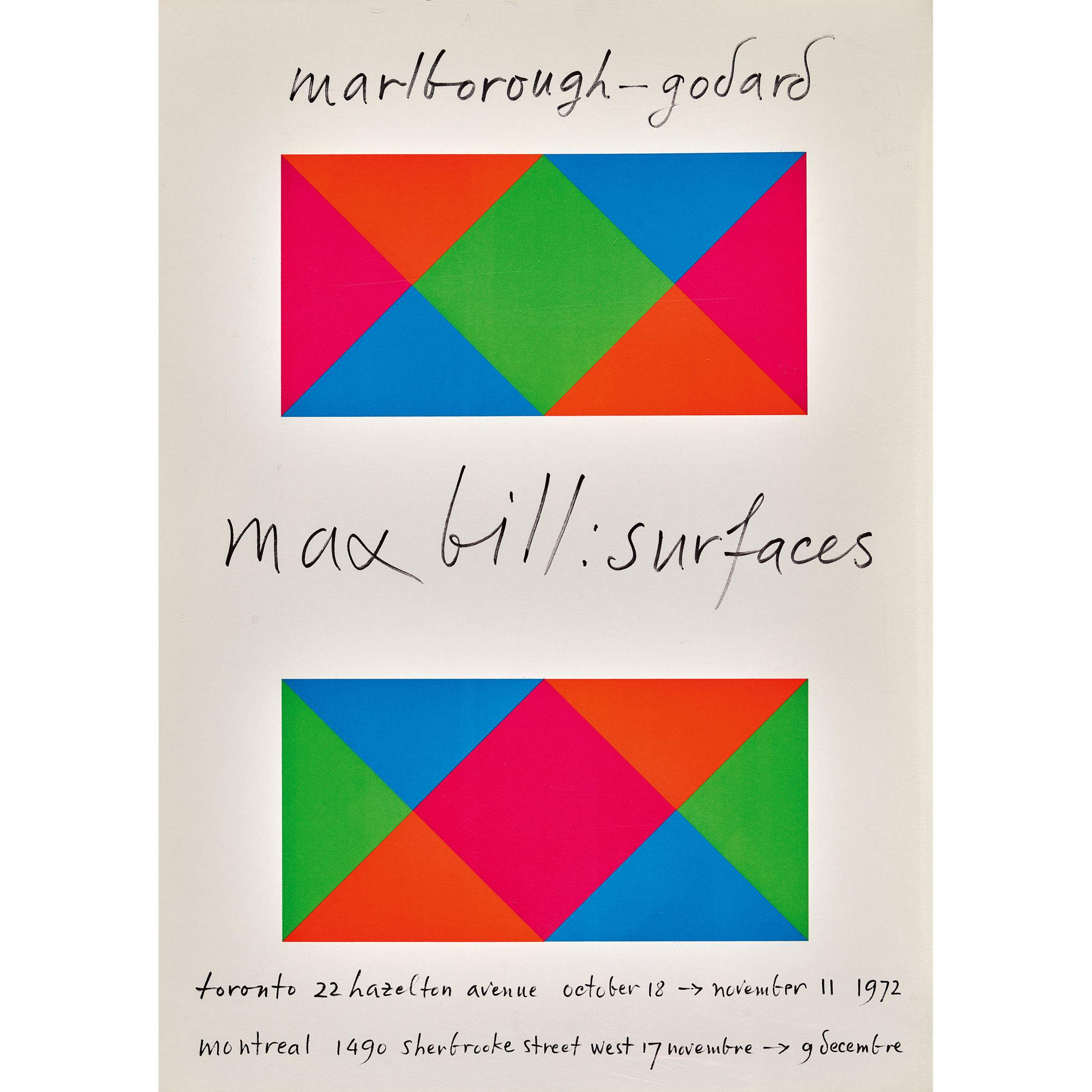
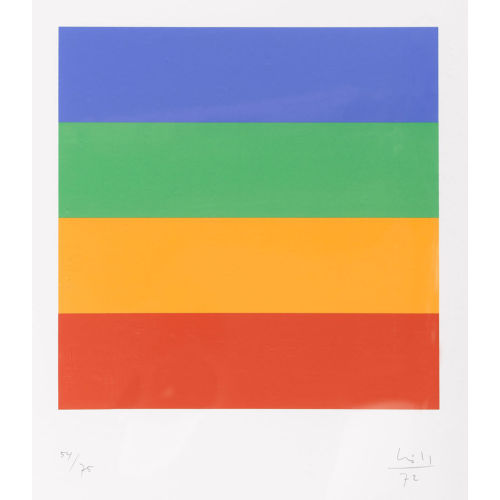
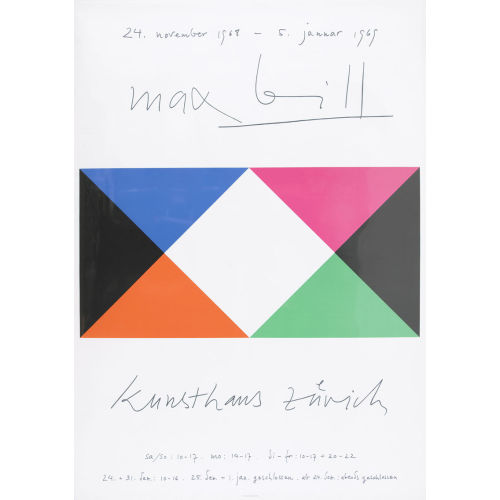
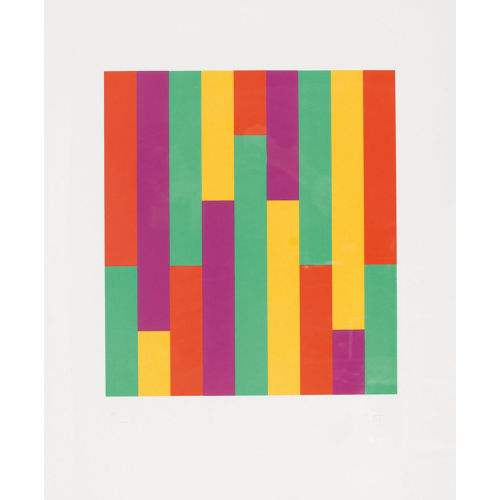
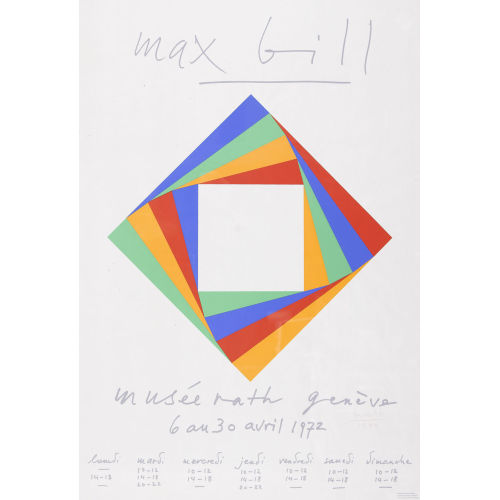
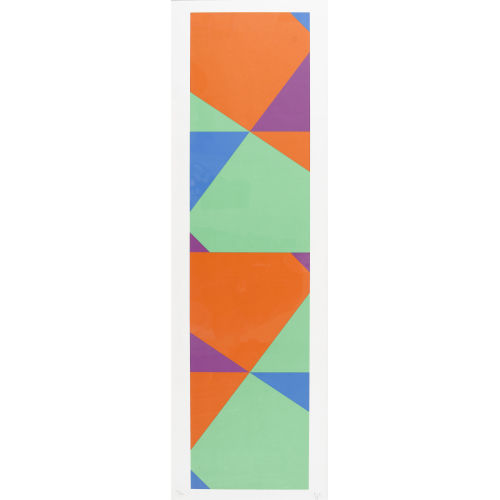
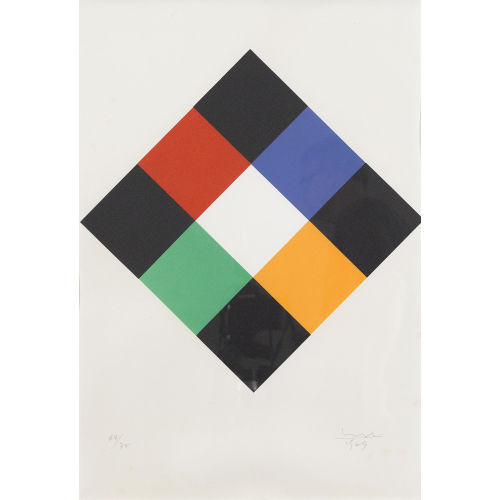
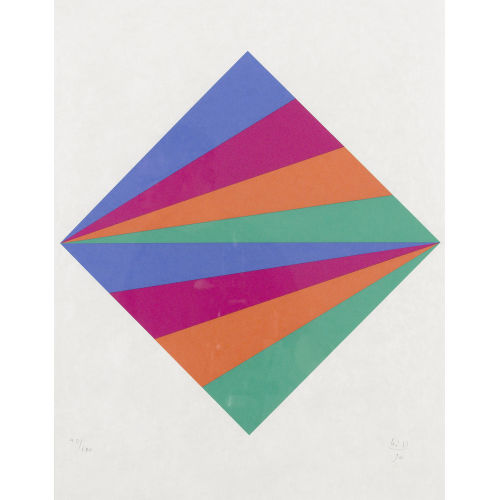
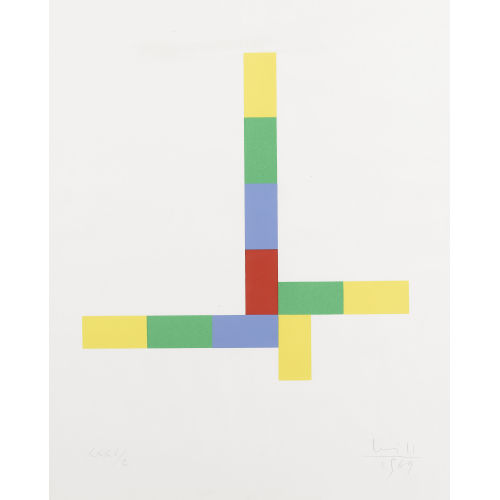
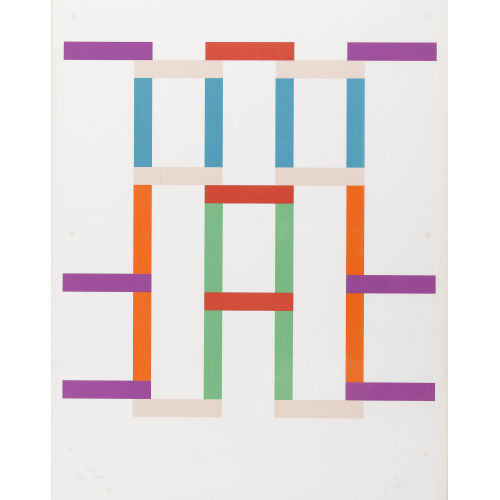
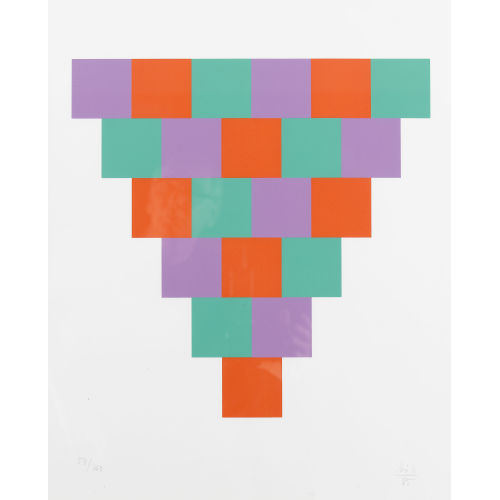
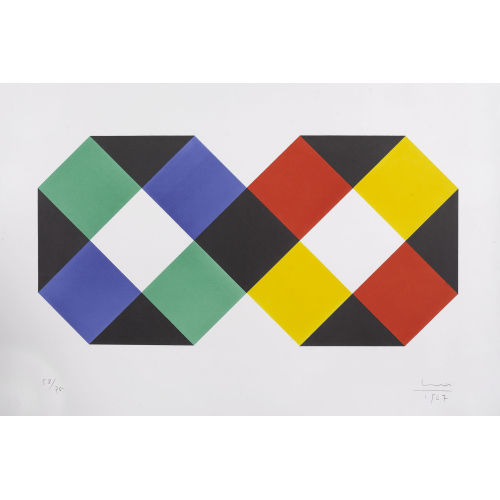
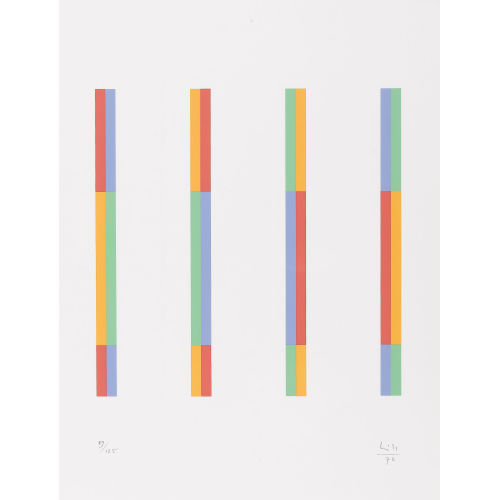
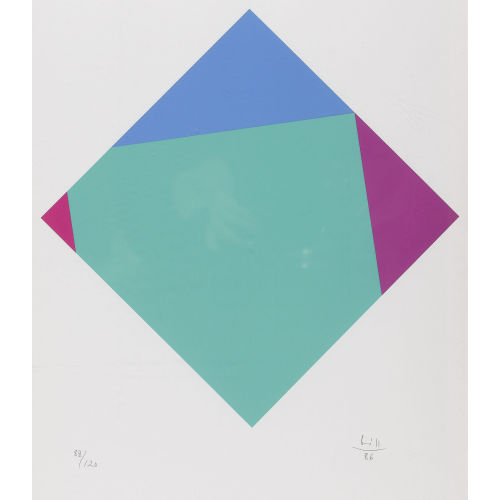
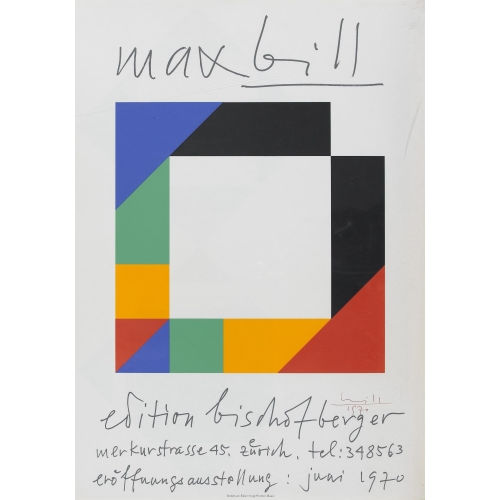
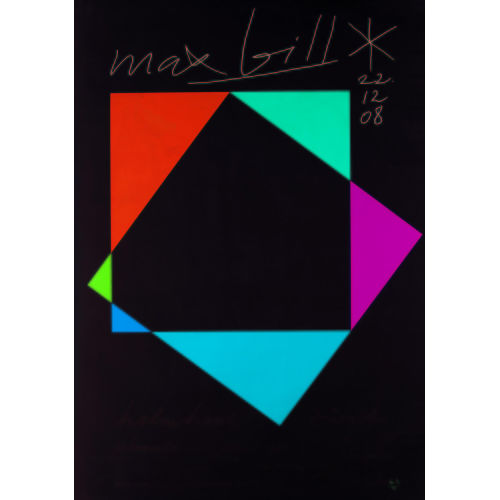
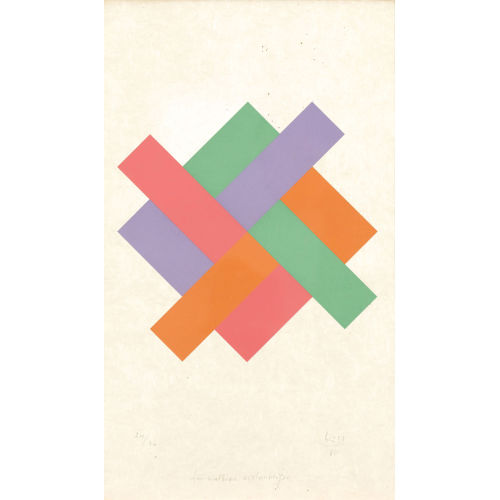
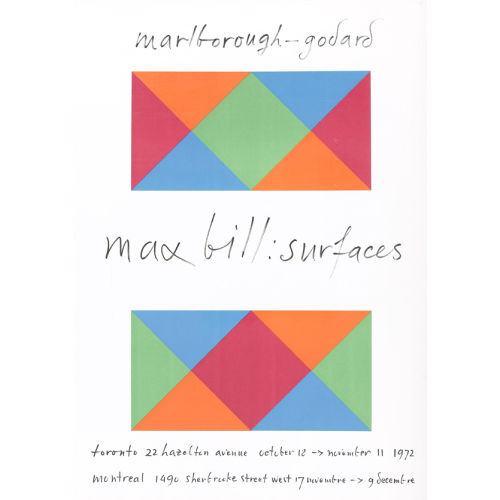
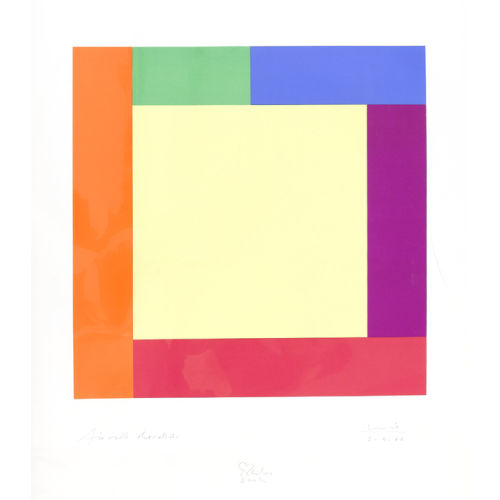
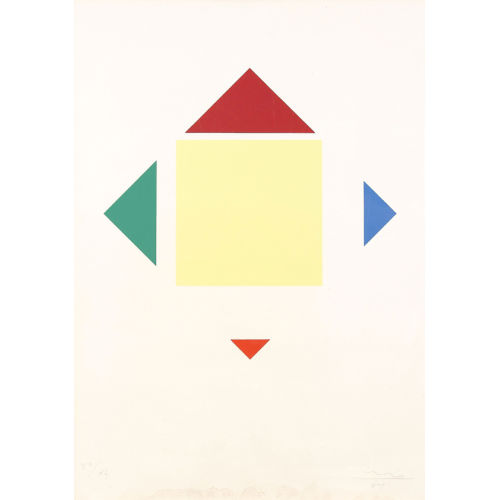
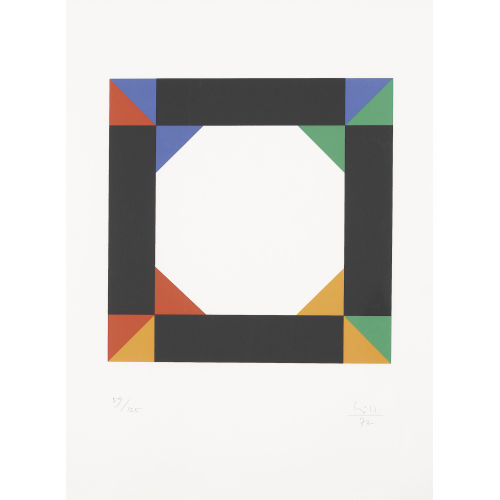
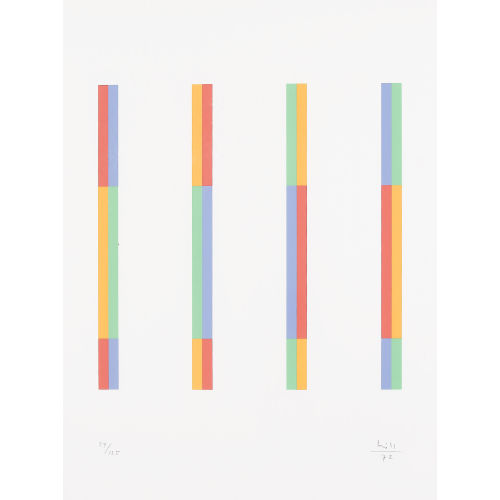
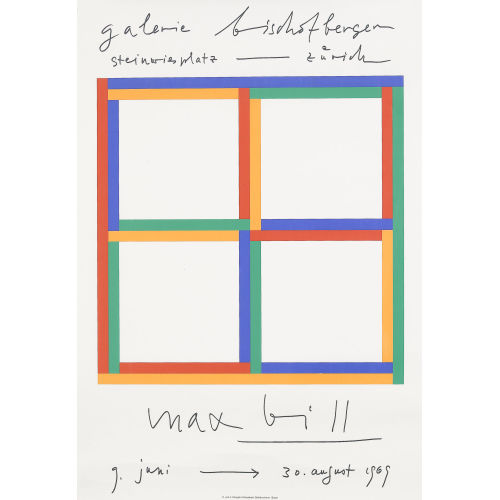
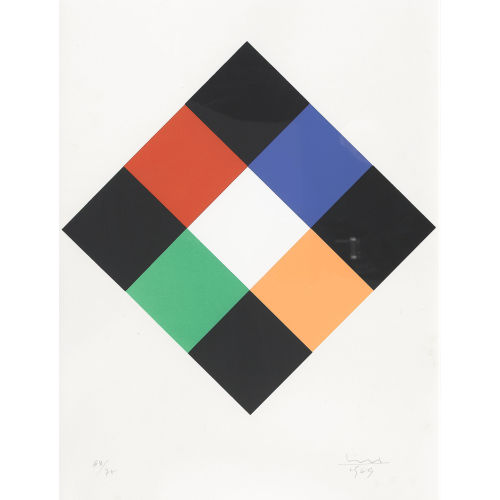
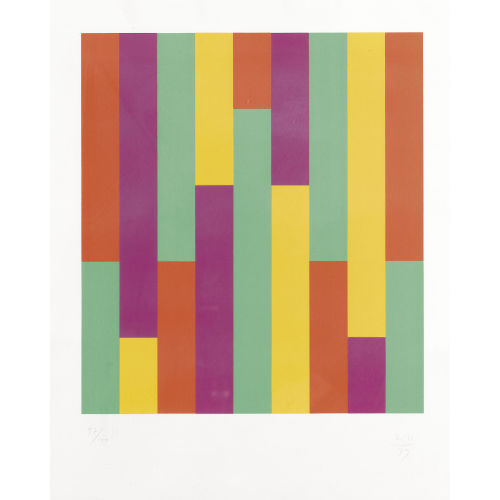
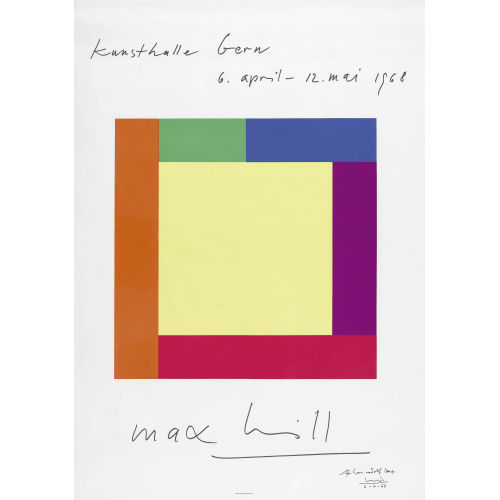
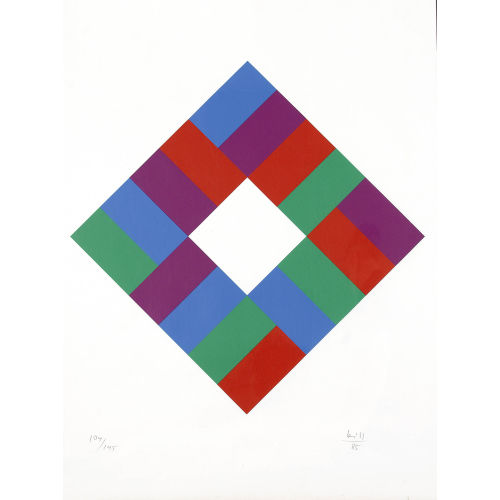
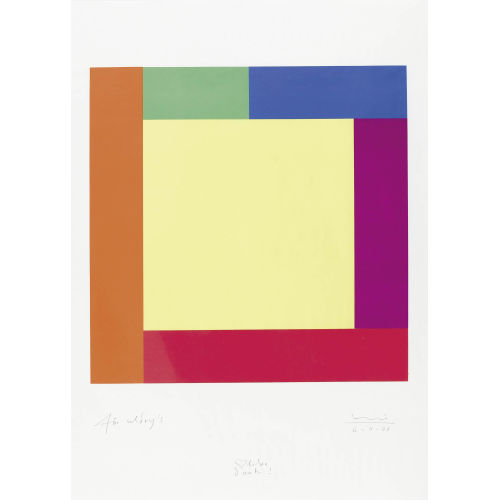
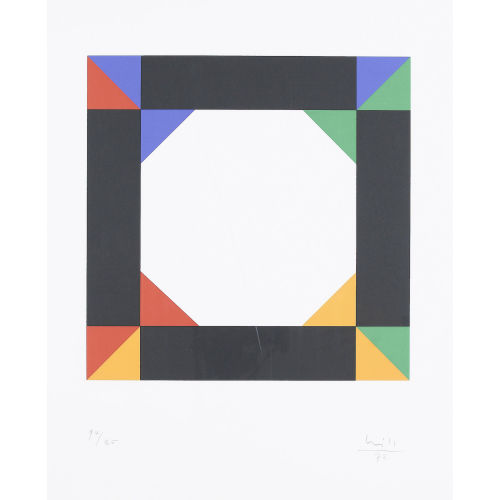
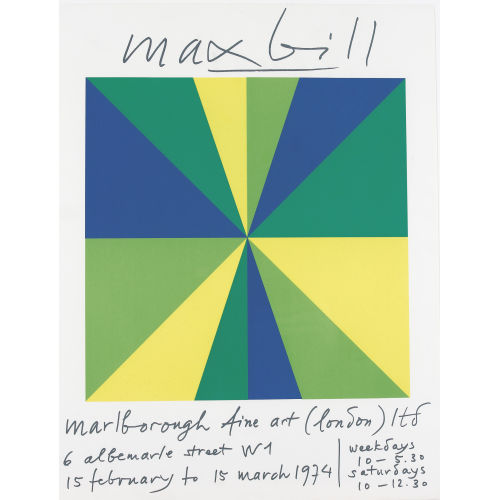
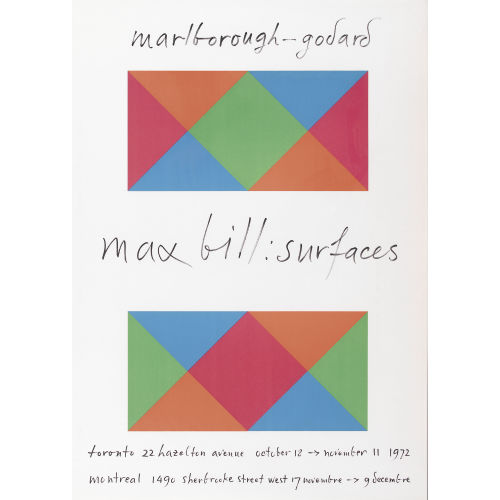
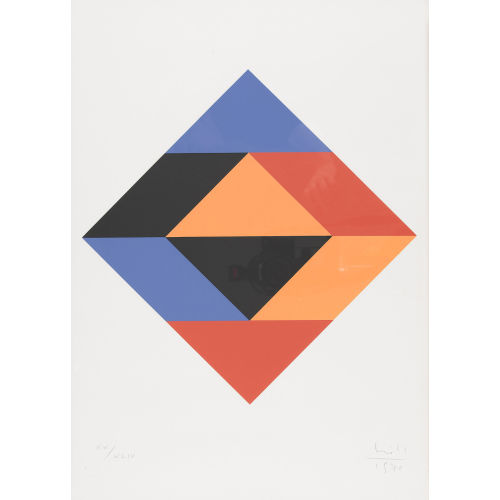
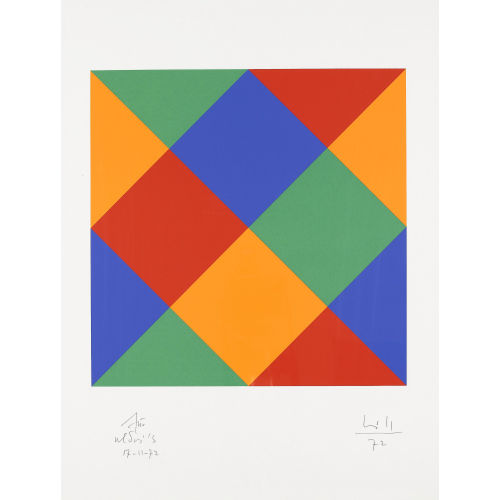
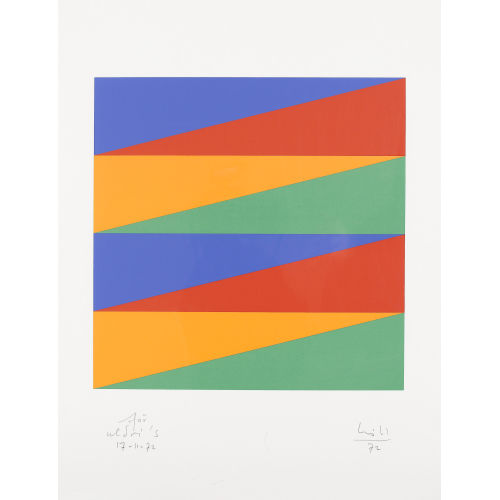
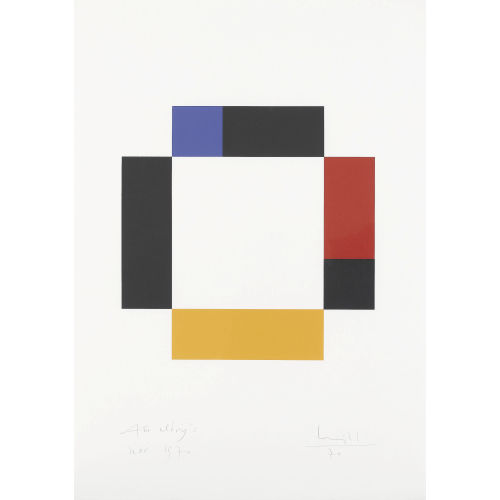
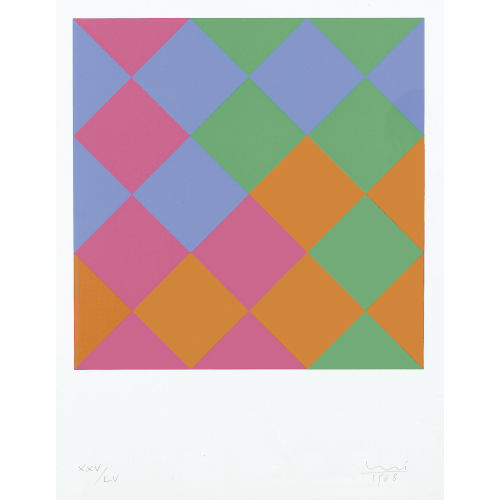
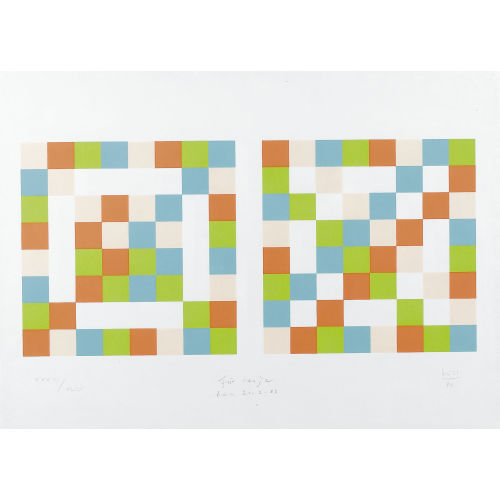
One colour, a proportion, a continuous surface: in Max Bill’s work, the simplest elements open up a field of experimentation. This plurality expresses a shared quest: to give a perceptible form to relationships conceived with precision.
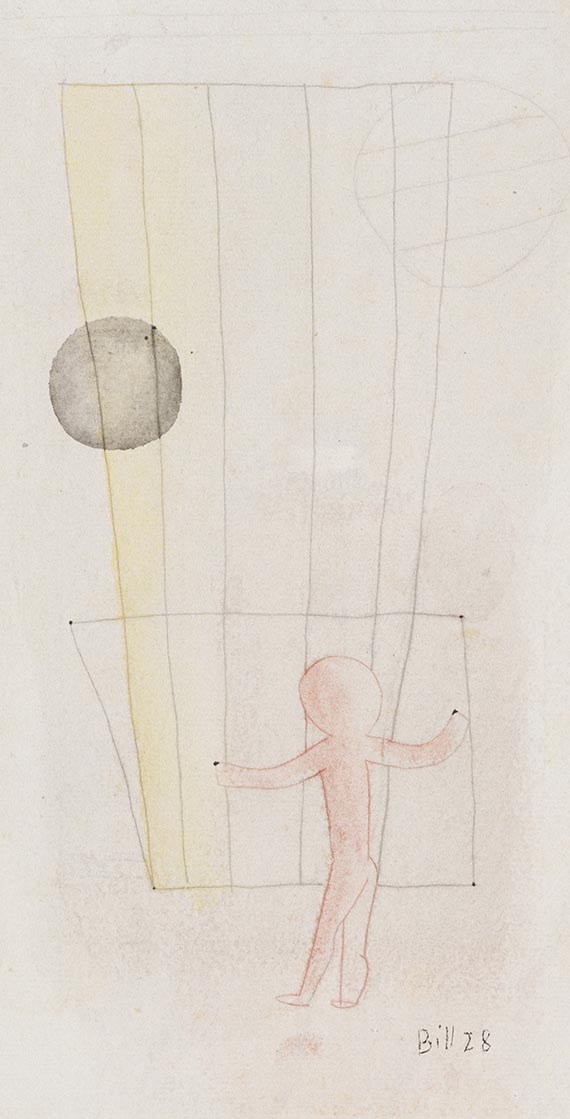
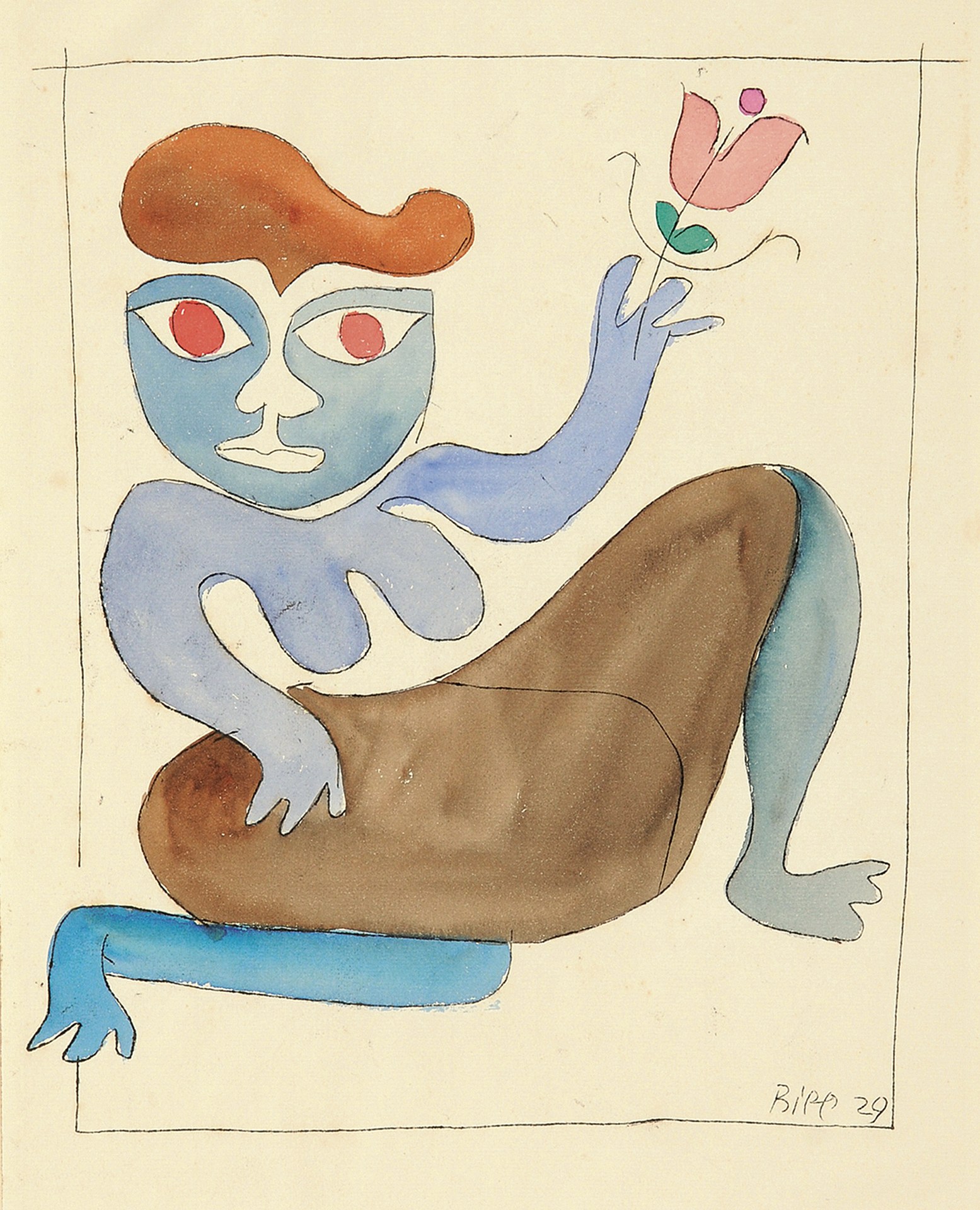
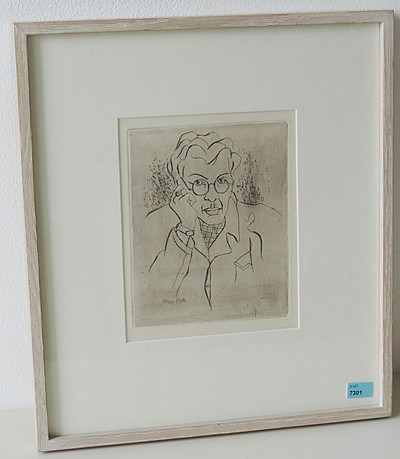
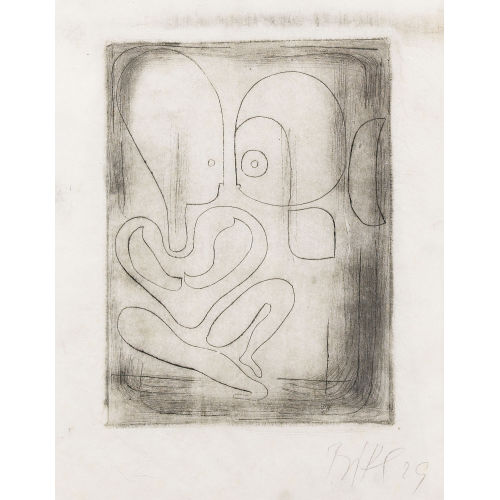
After training as a goldsmith in Zurich, he studied at the Bauhaus in Dessau from 1927 to 1929, notably under Josef Albers, Wassily Kandinsky and Paul Klee. He subsequently settled in Zurich, took part in the international exchanges of the avant-garde and became a central figure in Concrete art. In this approach, the work is constructed from its own means — lines, colours and volumes — rather than through the transformation of an observed motif.
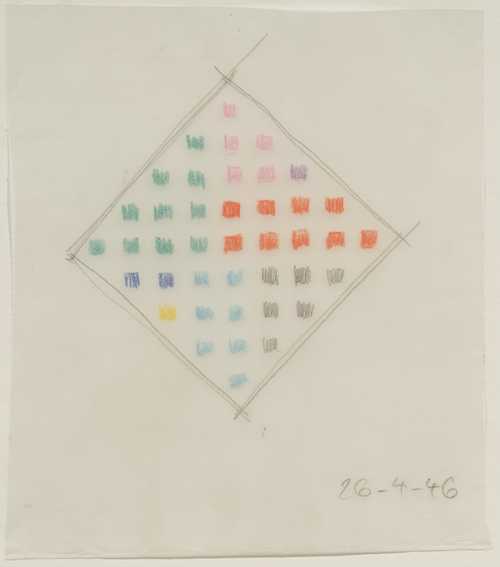
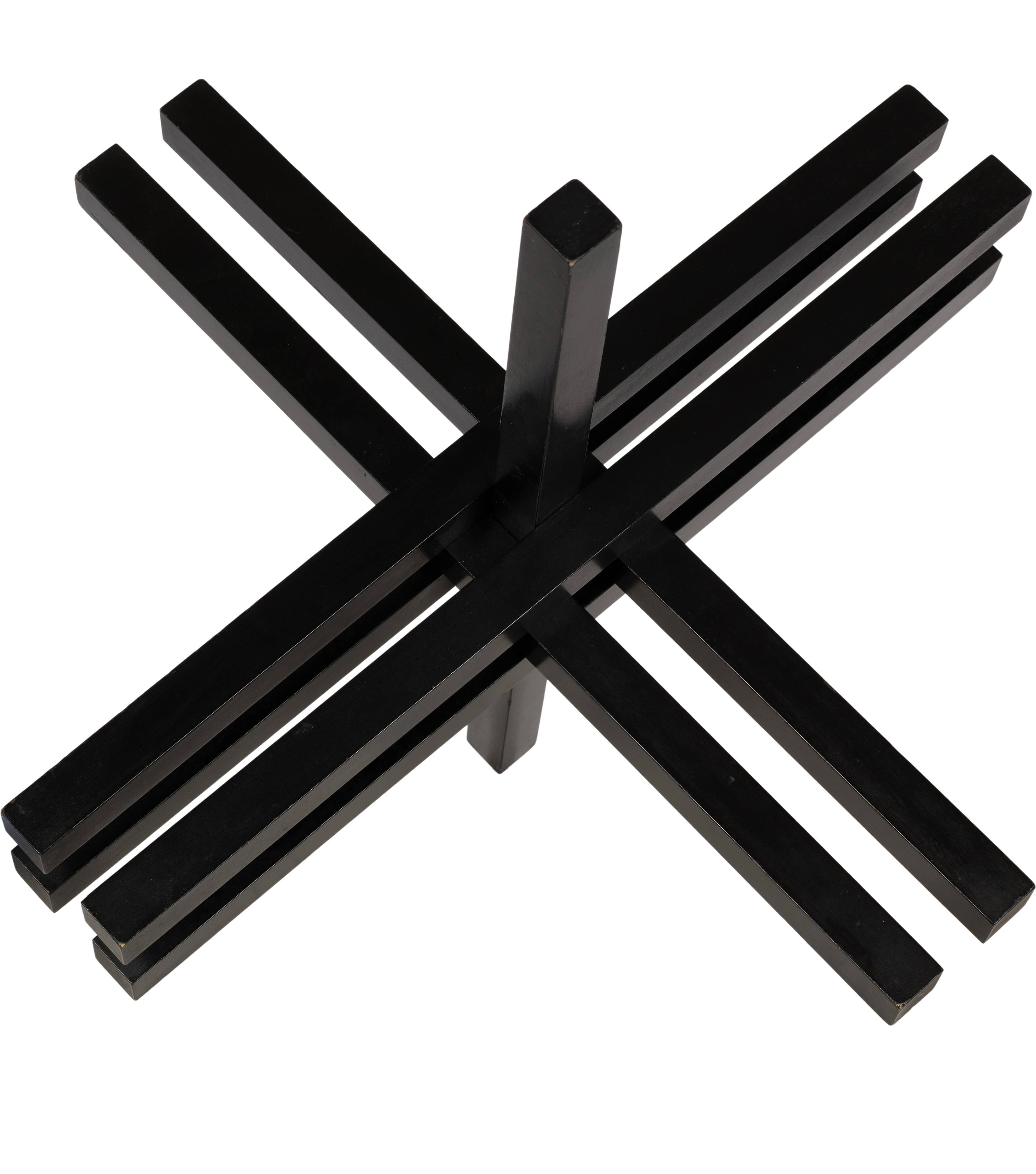
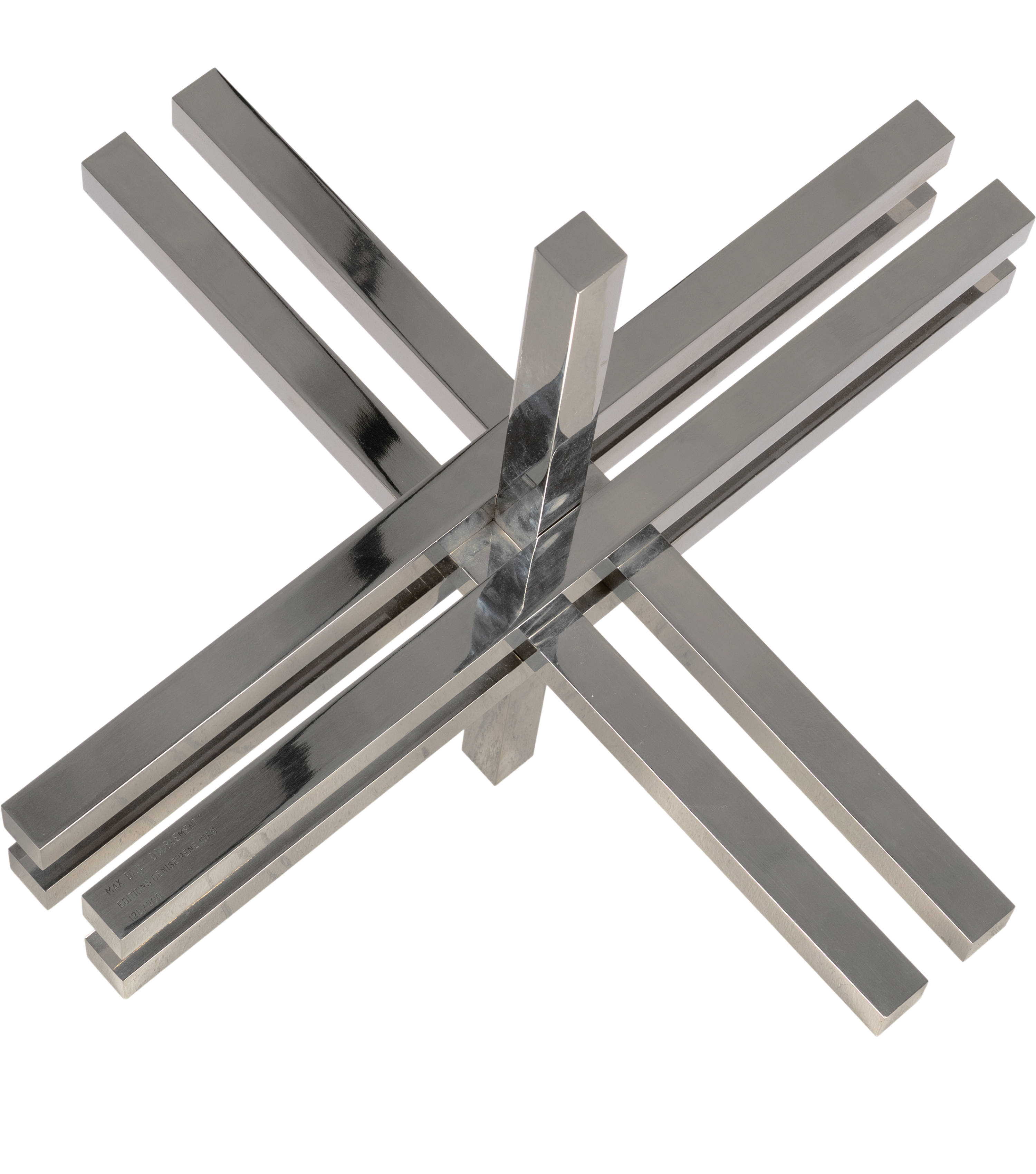
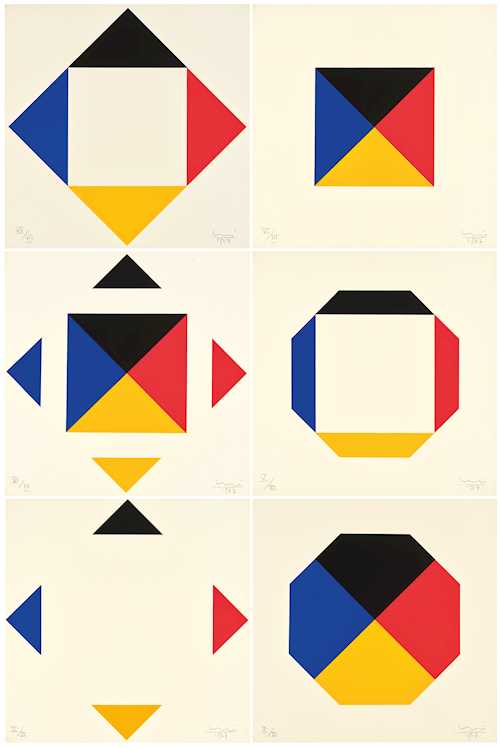
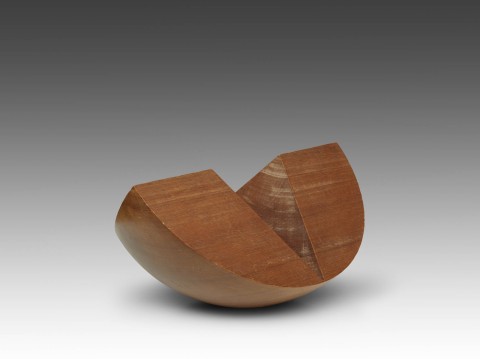
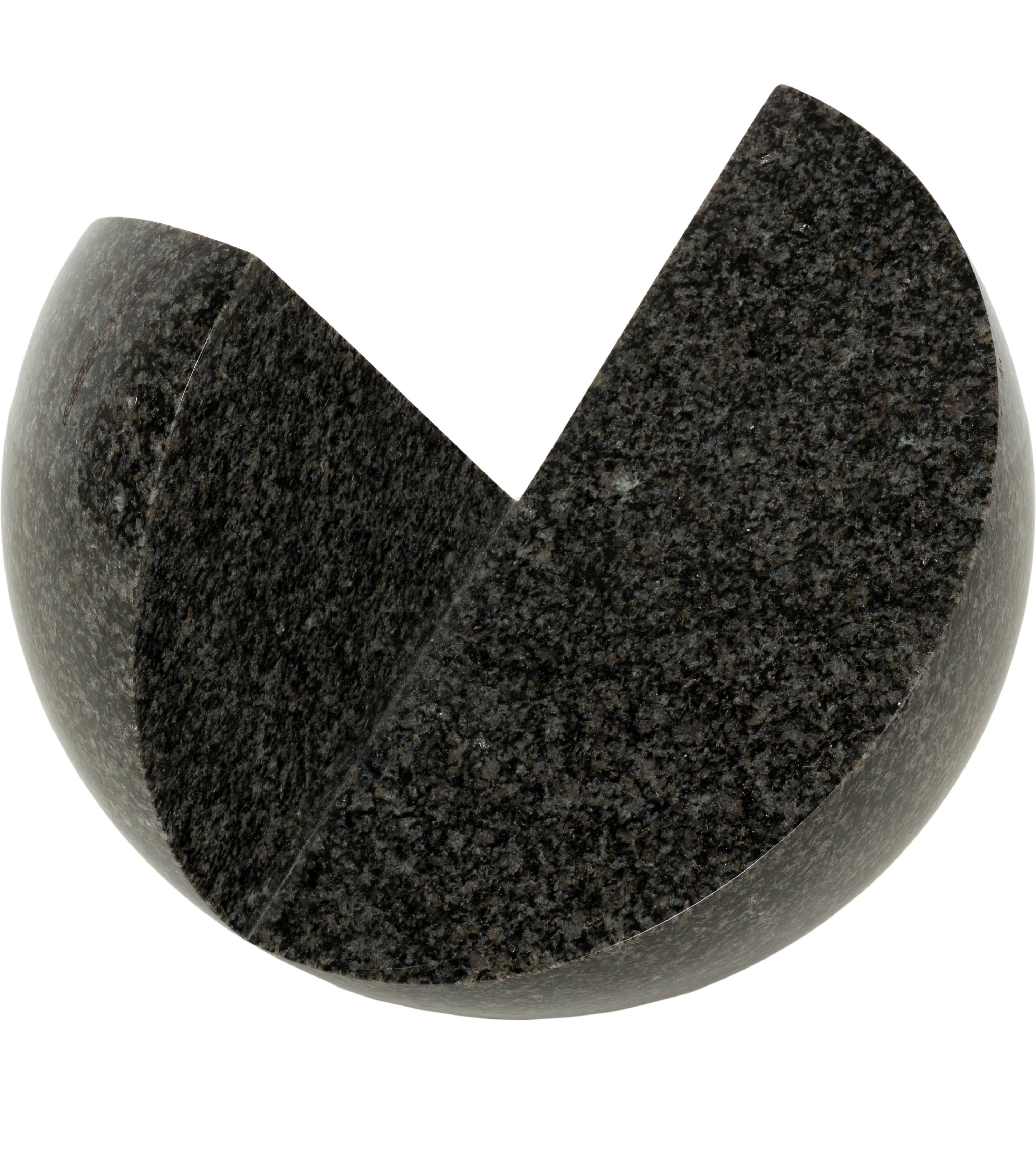
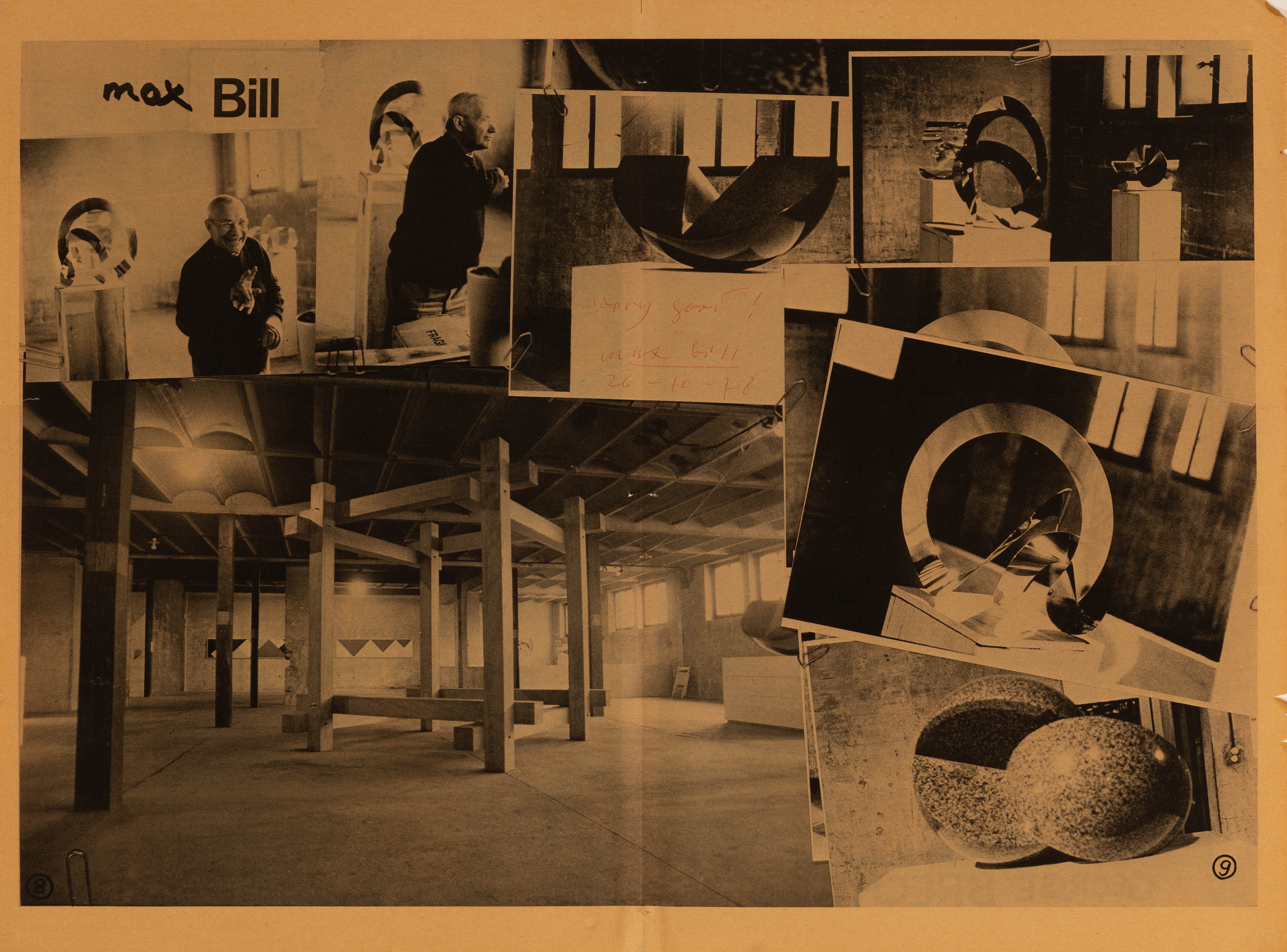
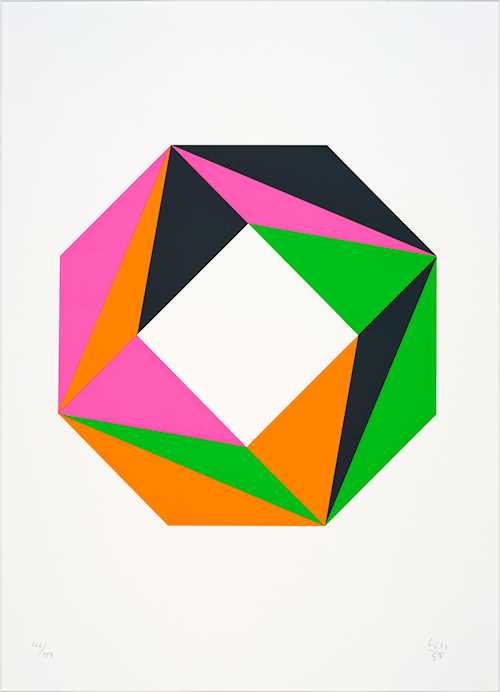
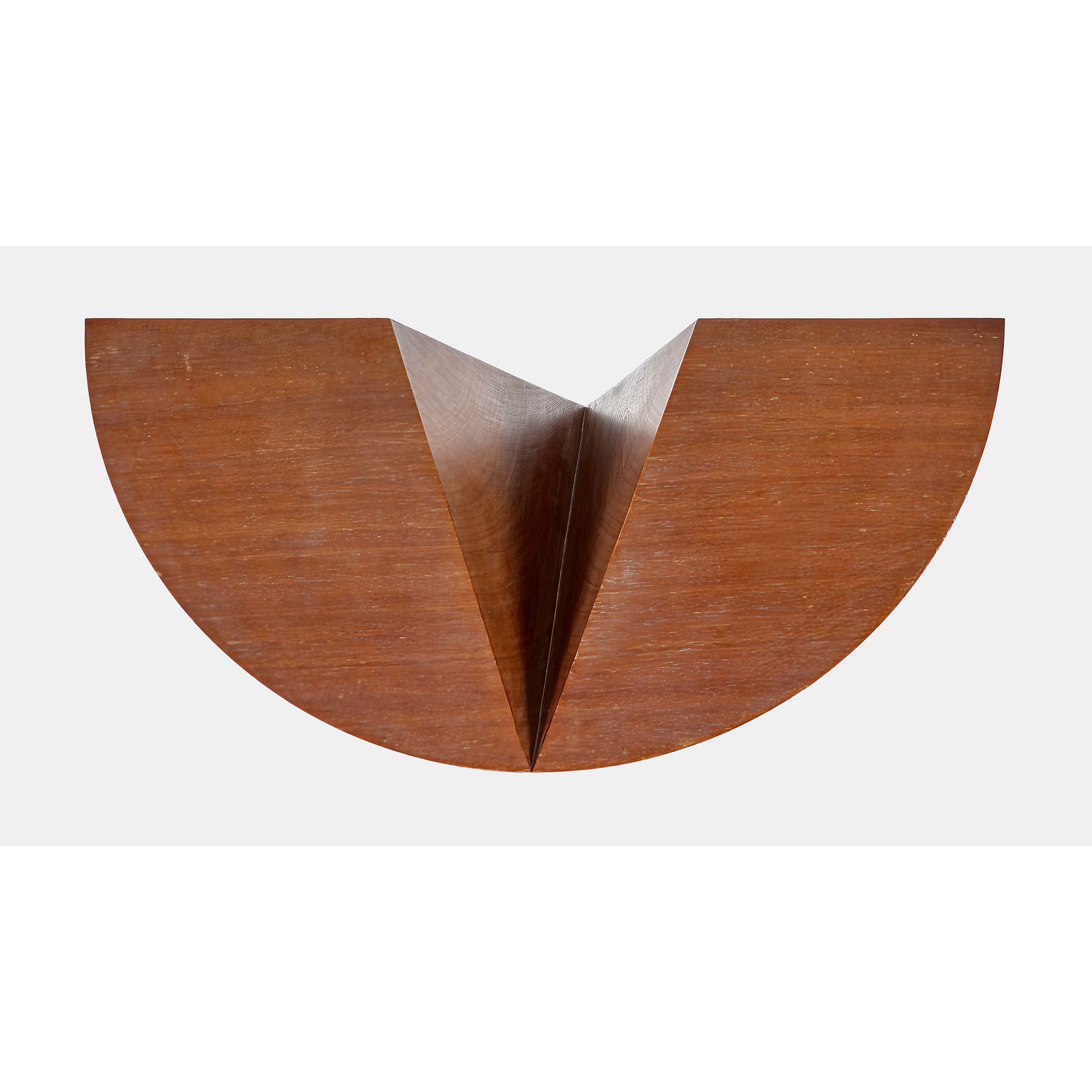
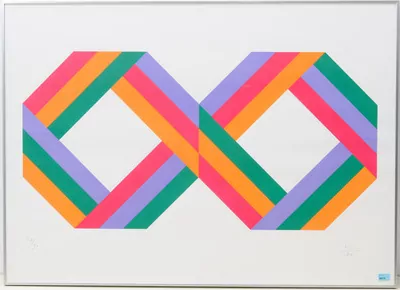
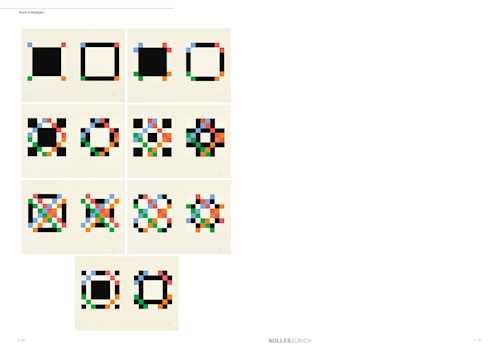
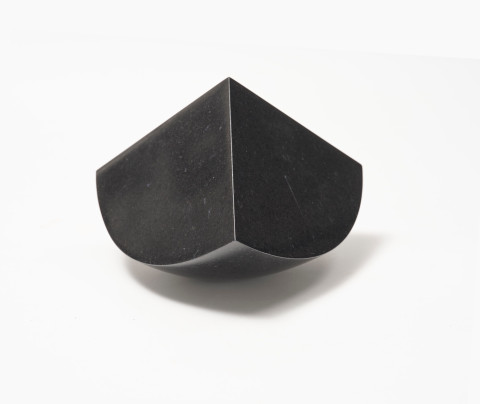
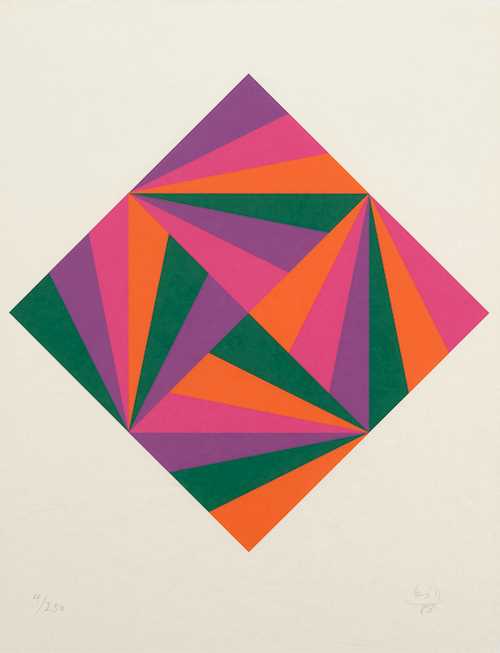
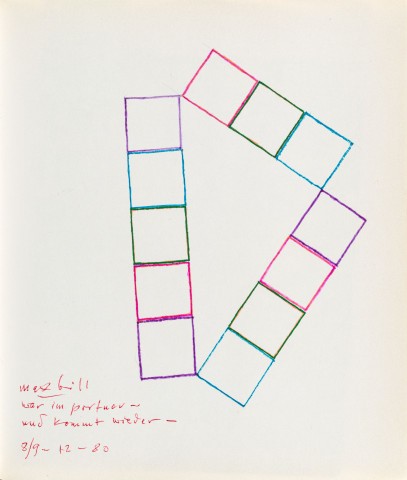
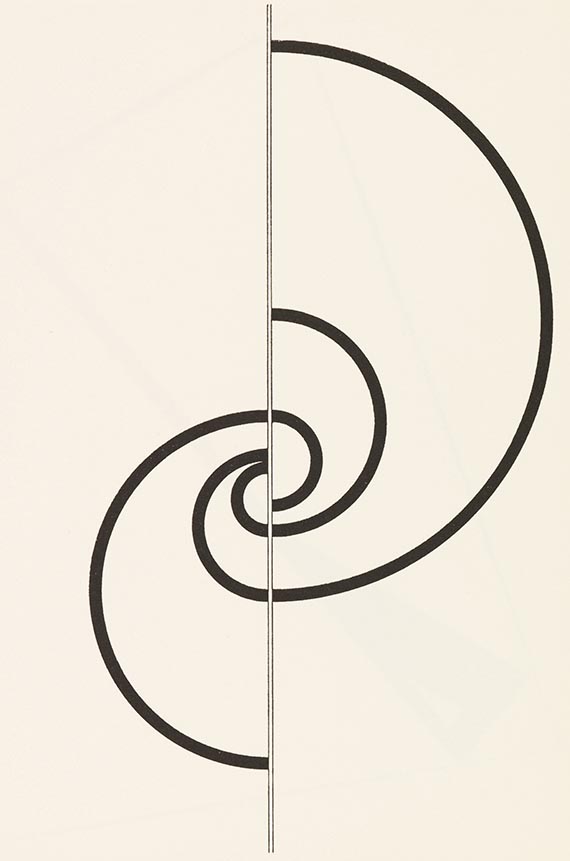
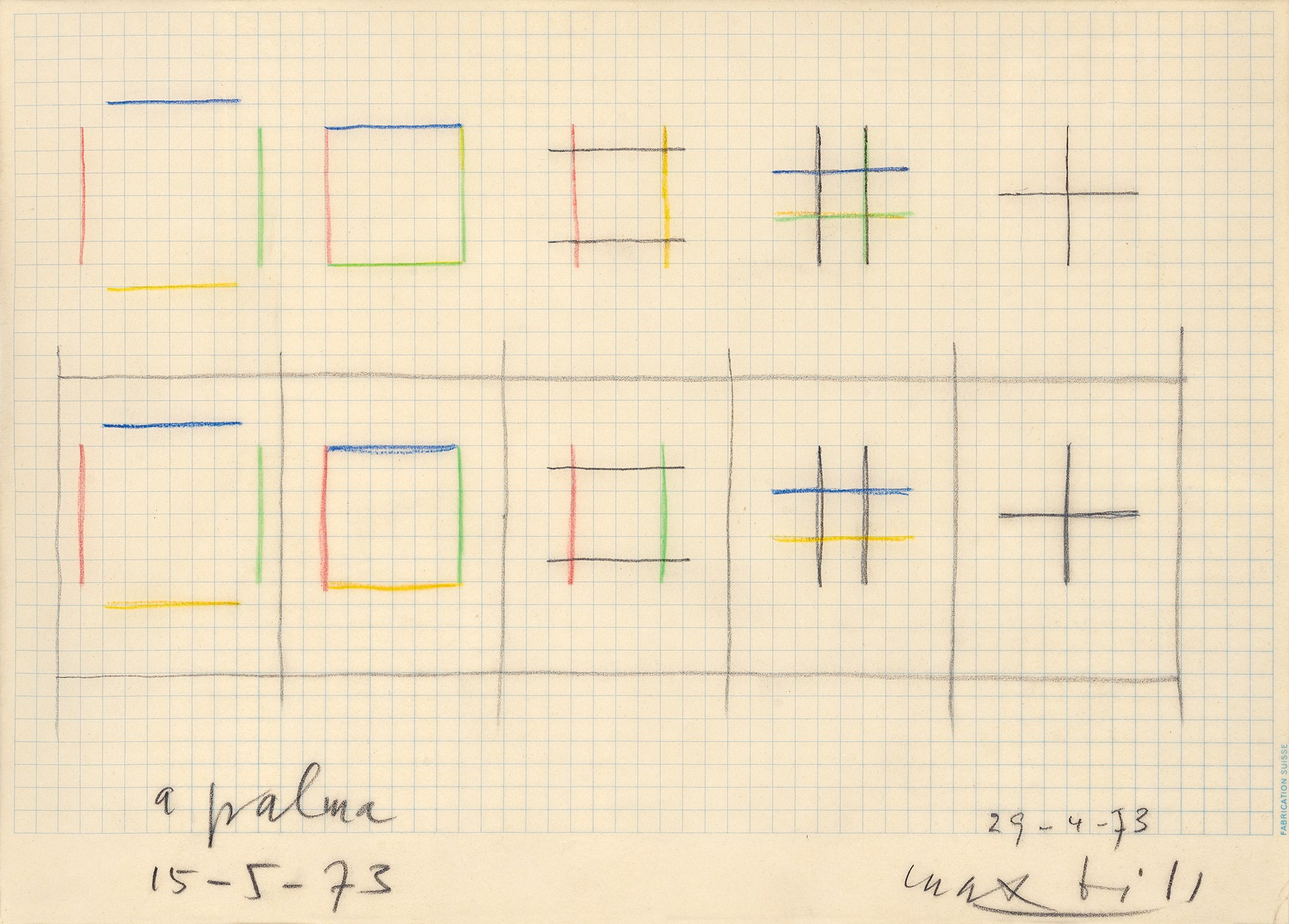
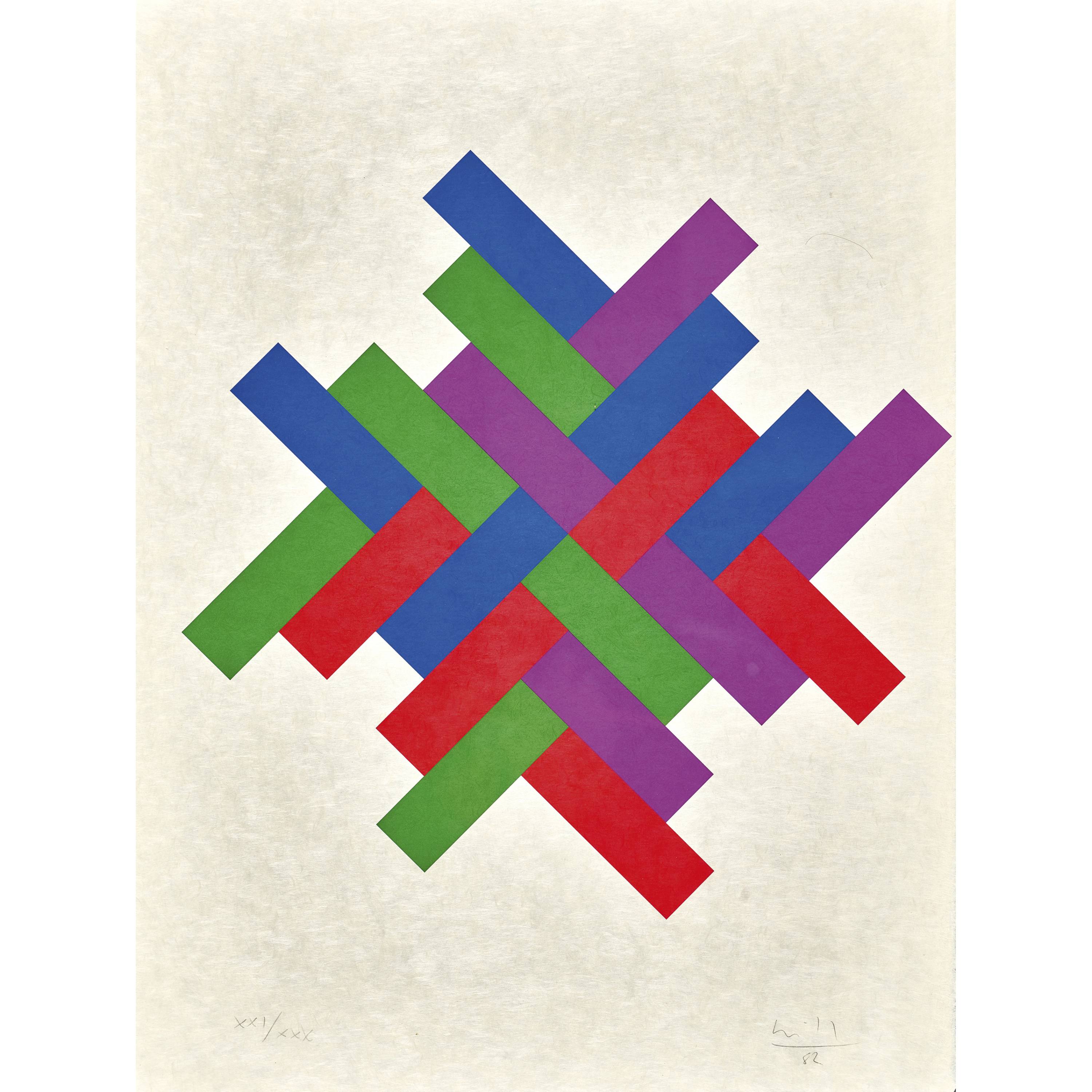
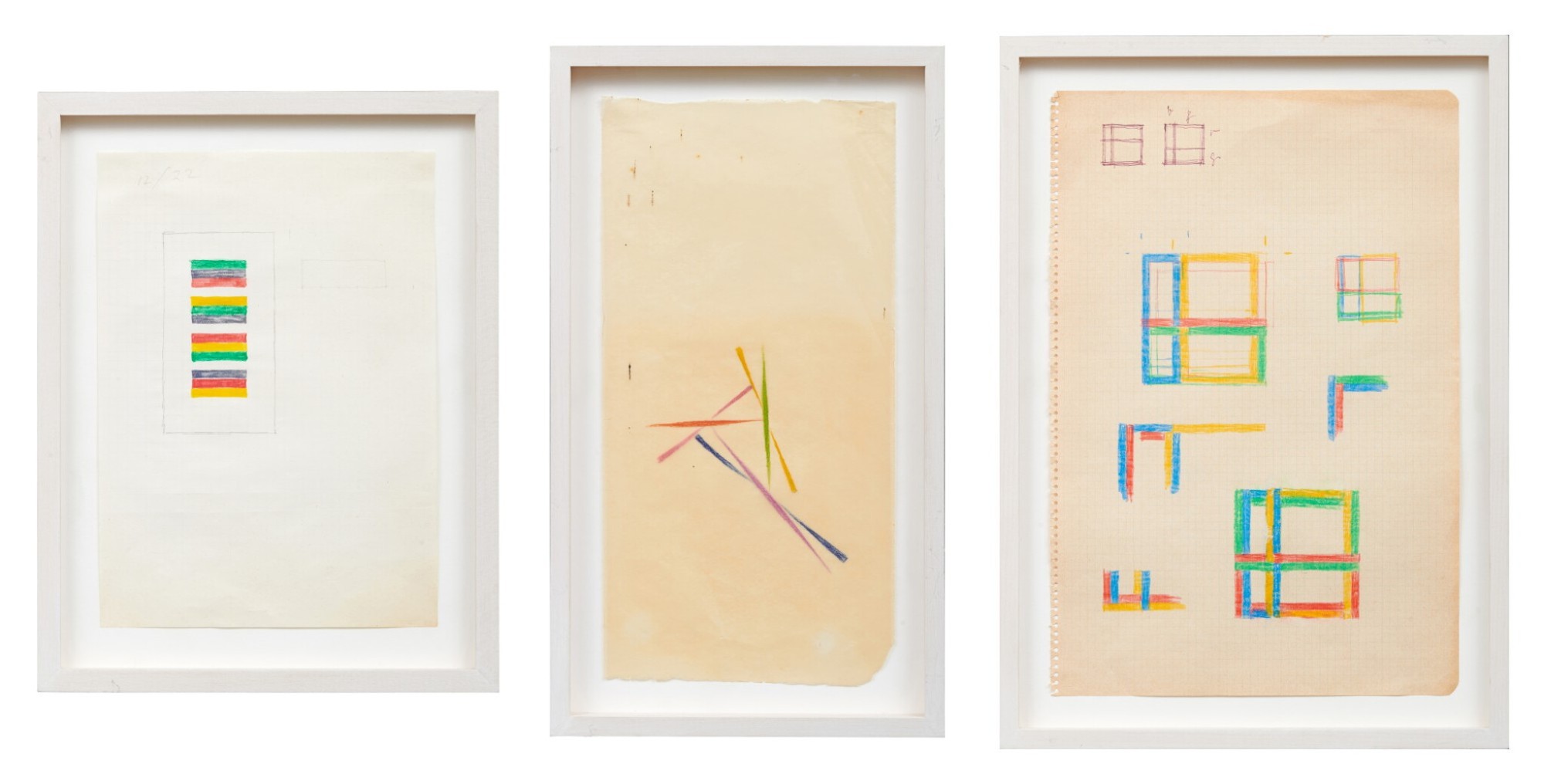
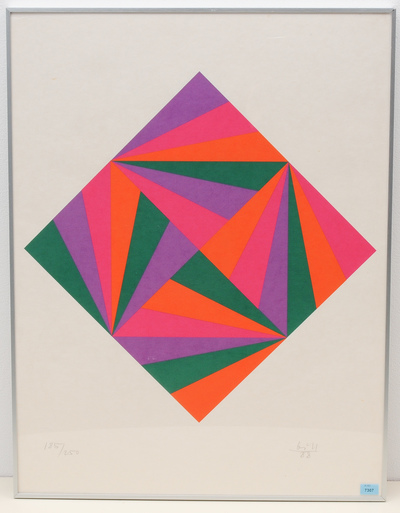
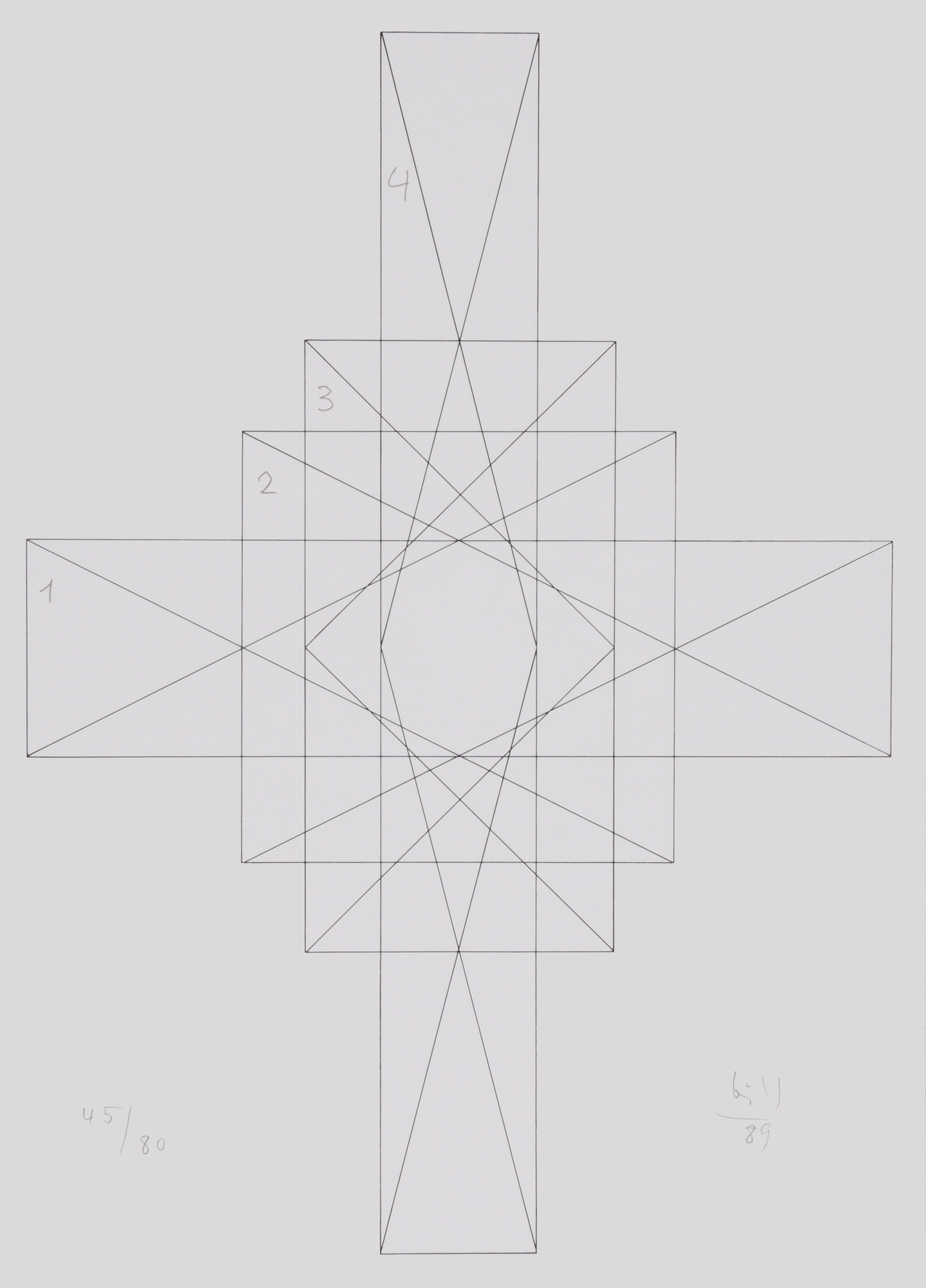
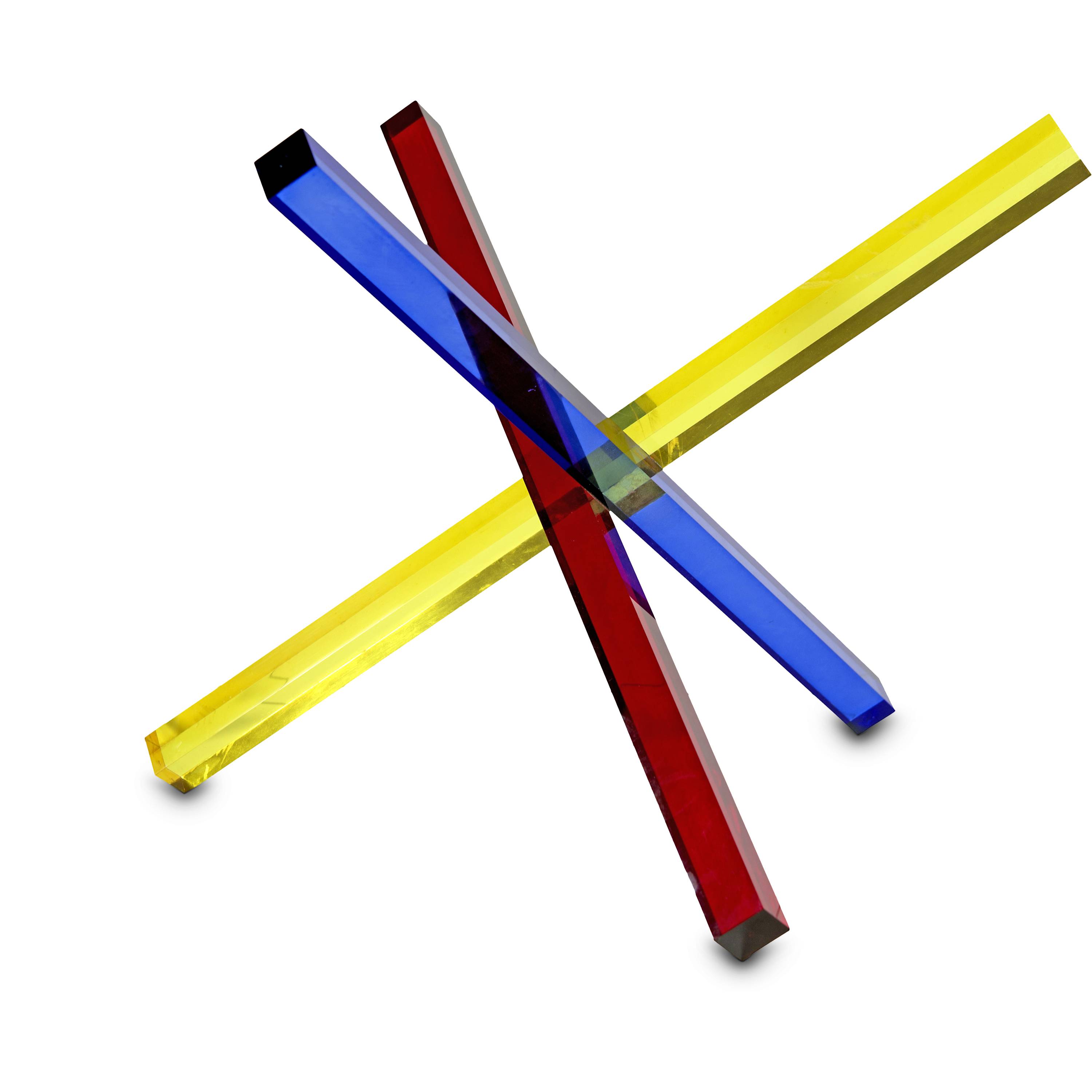
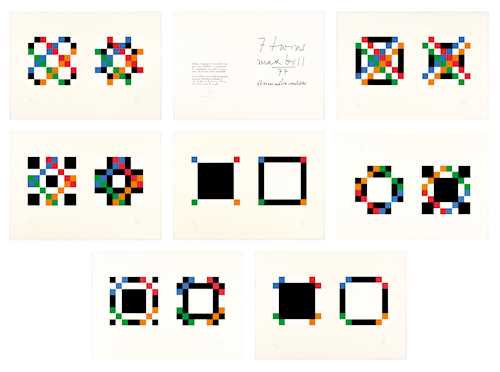
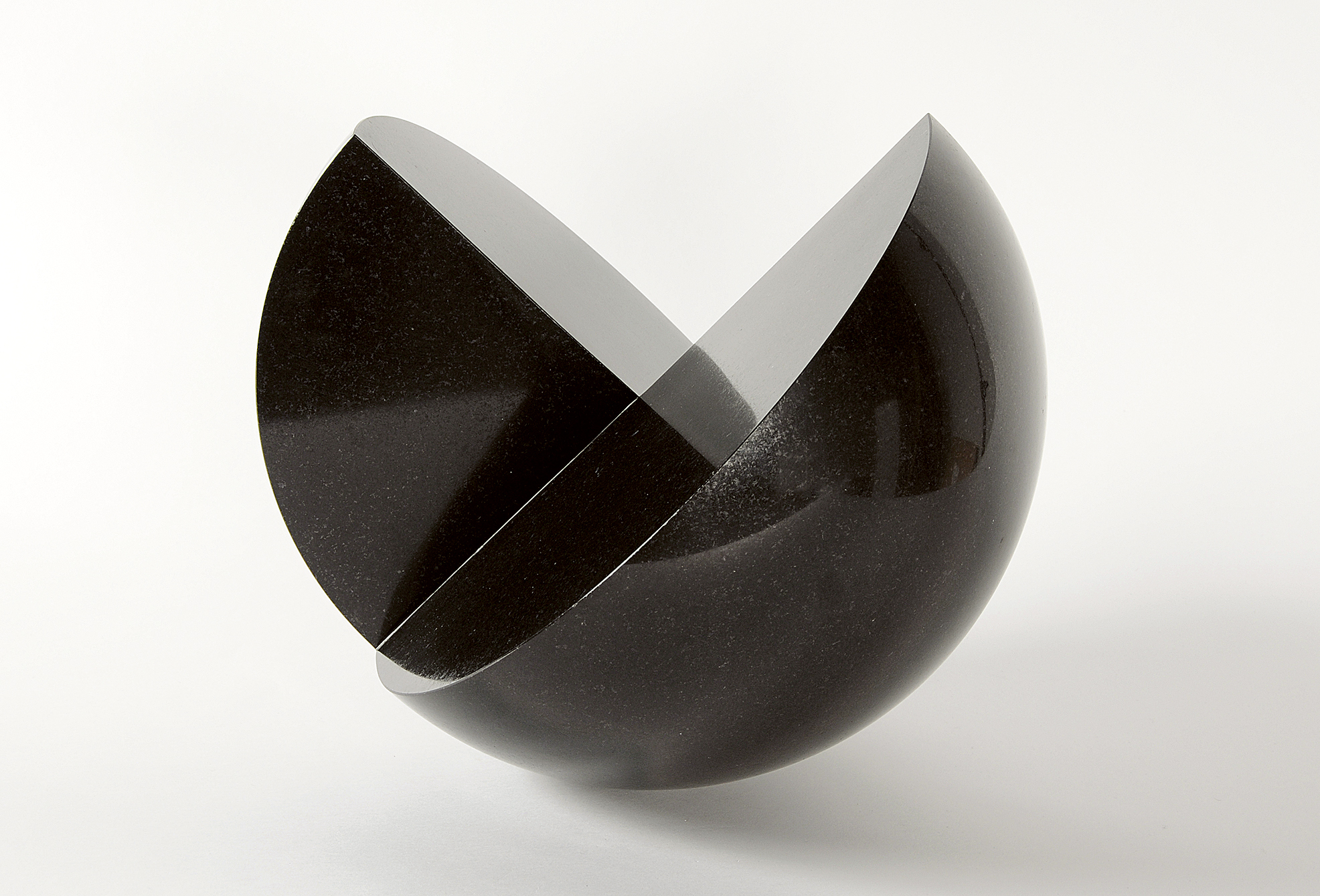
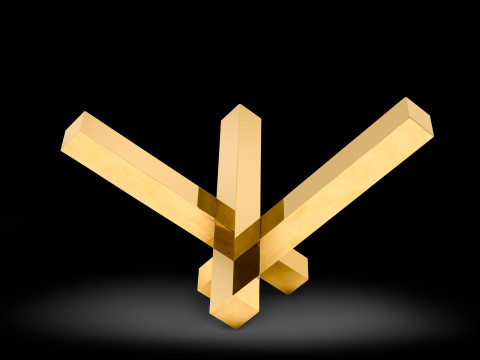
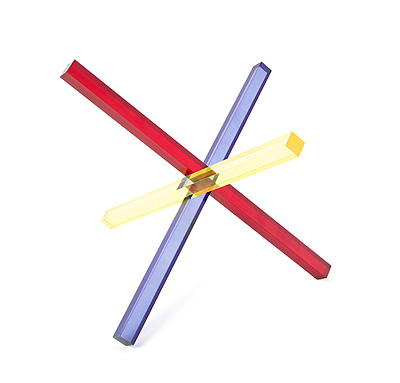
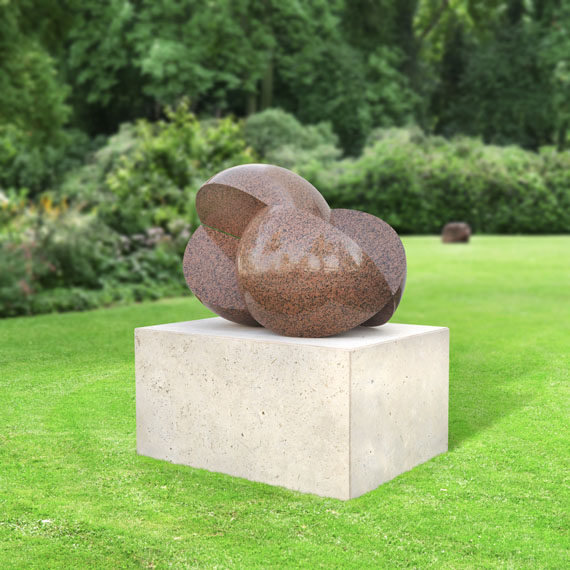
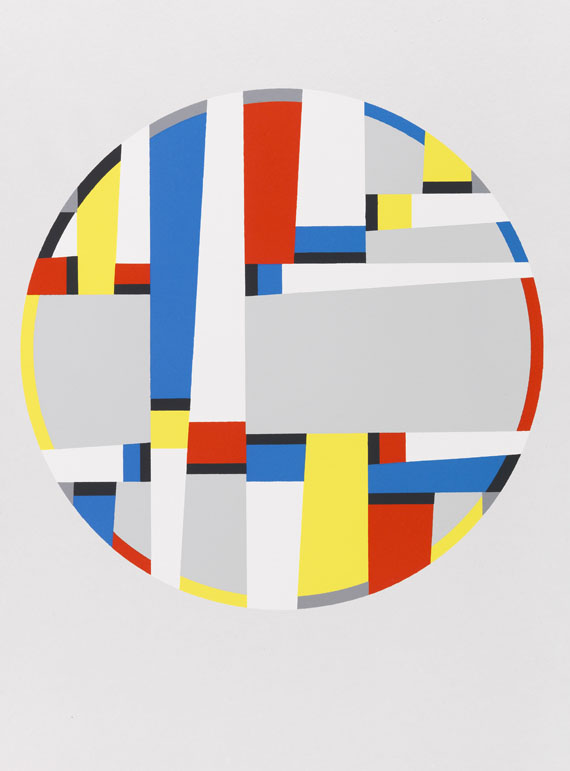
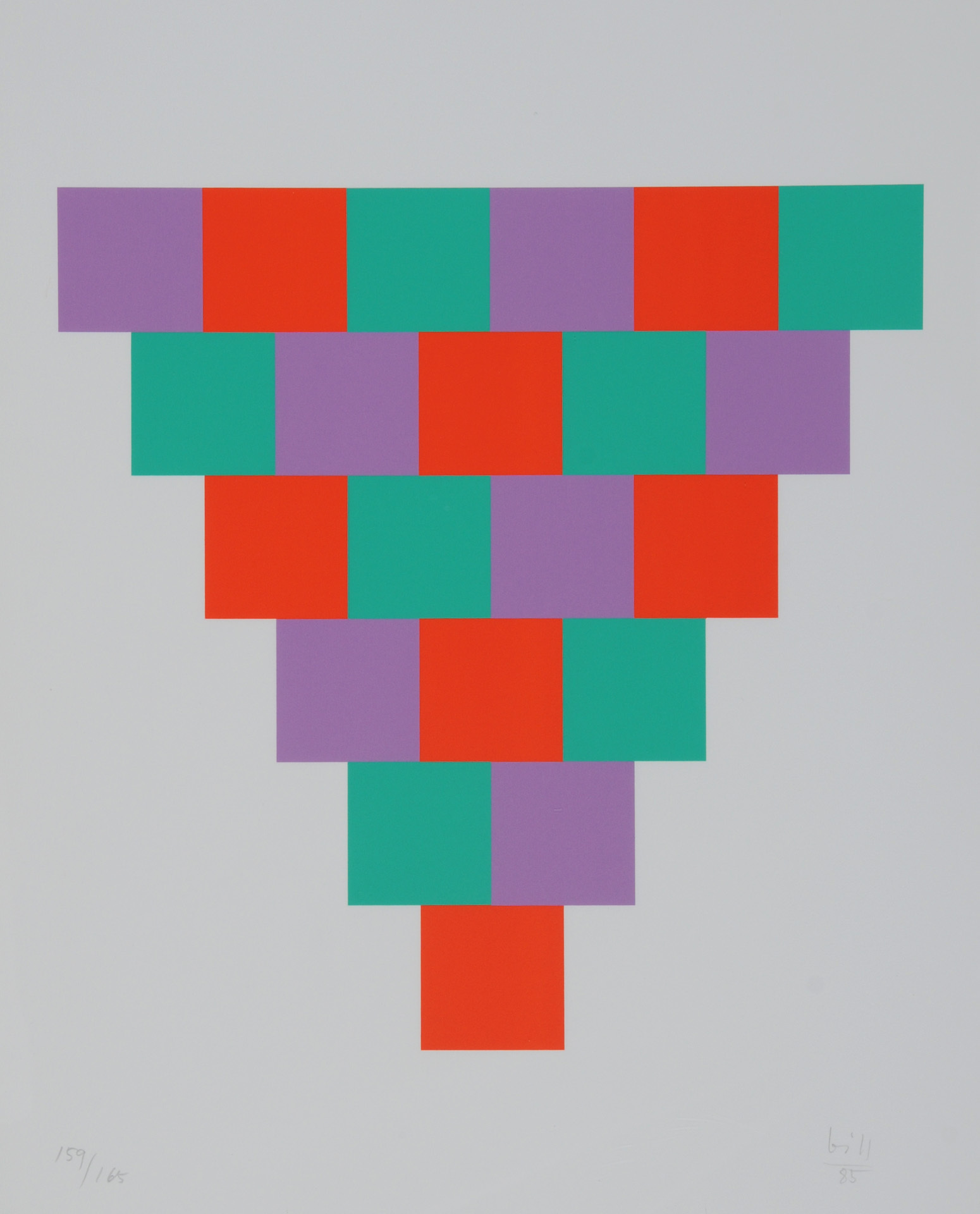
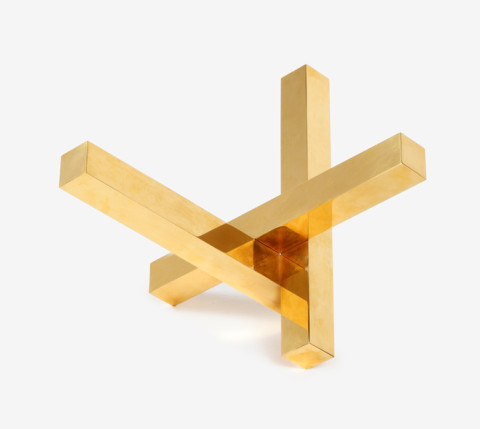
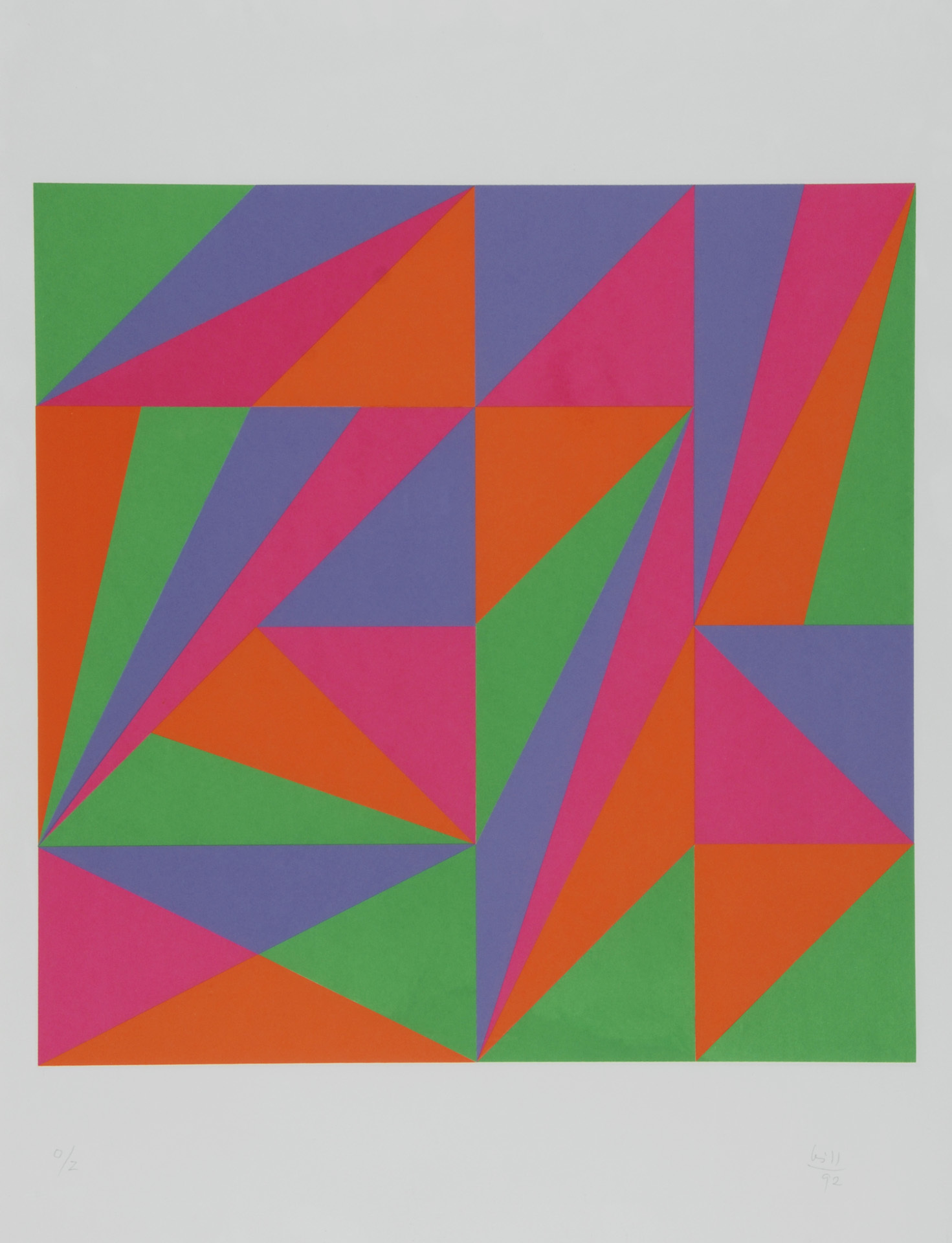
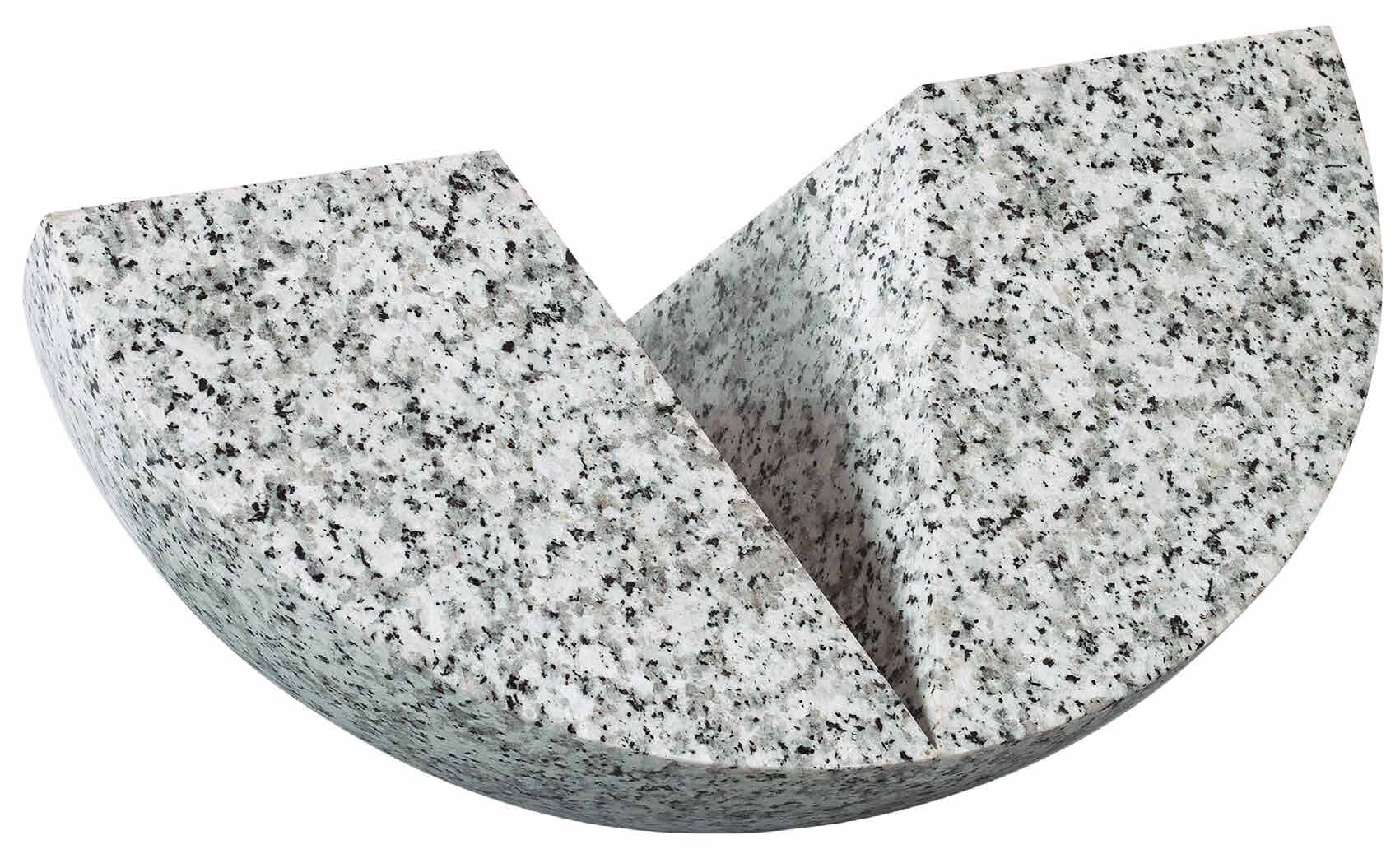
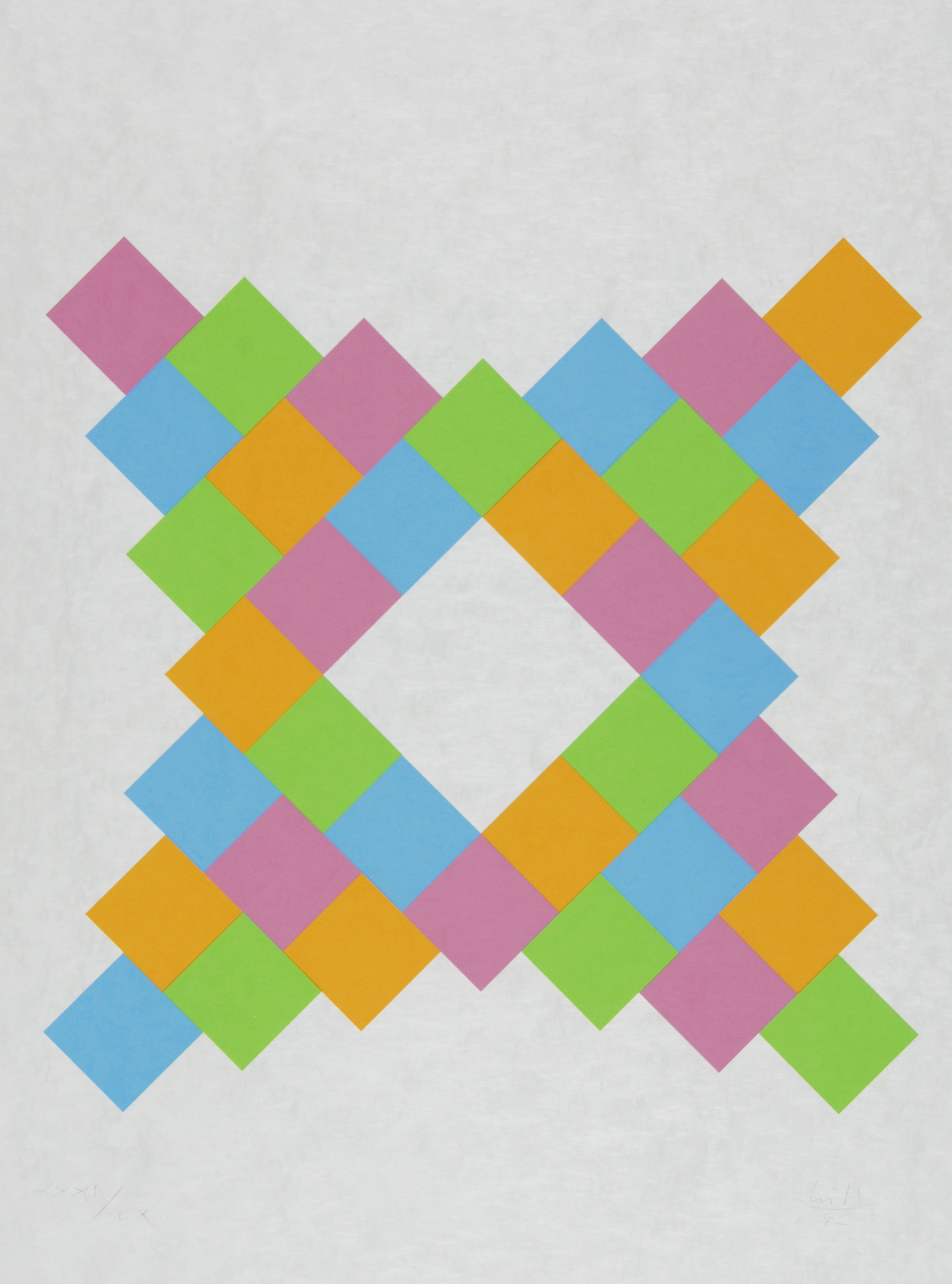
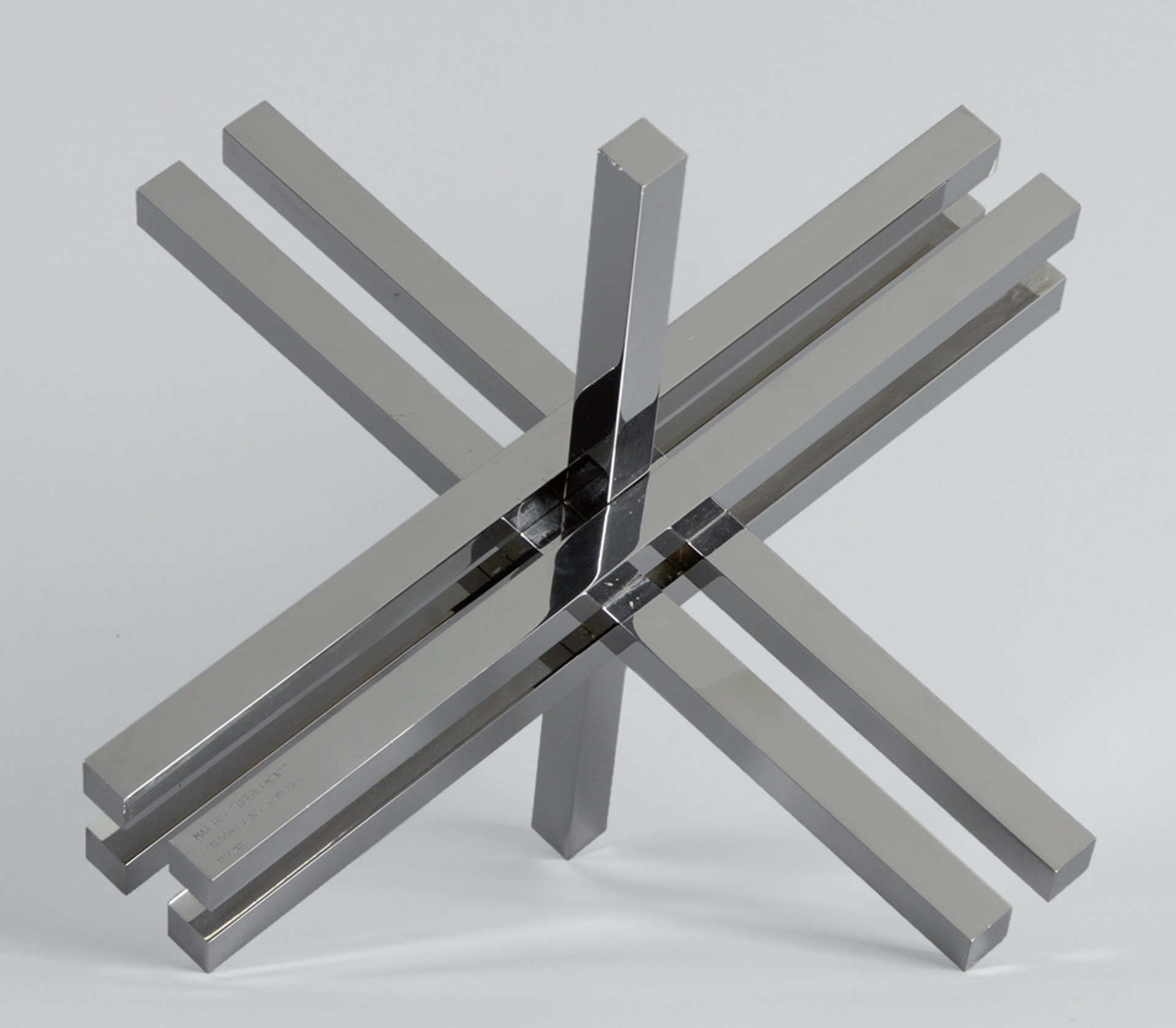
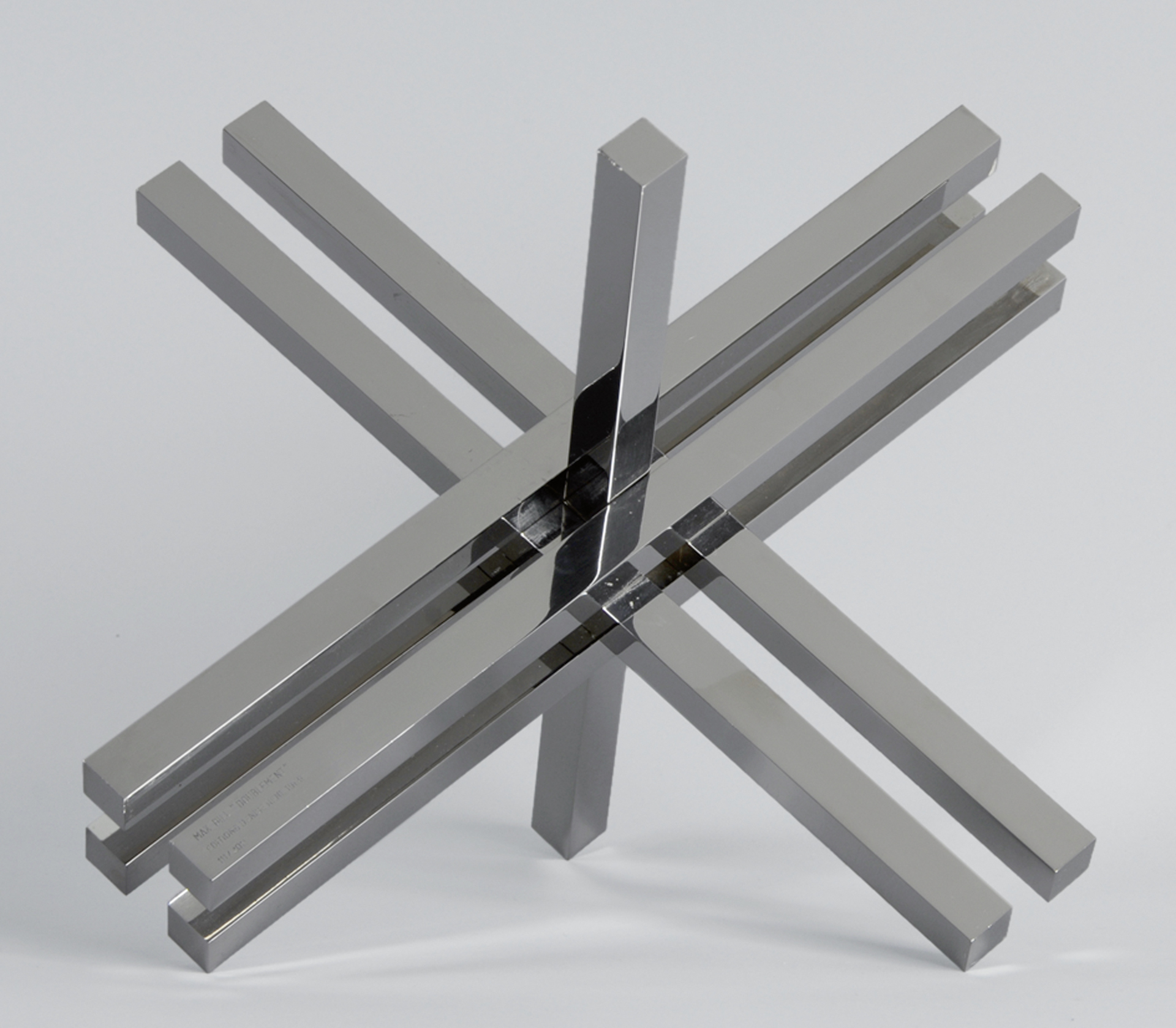
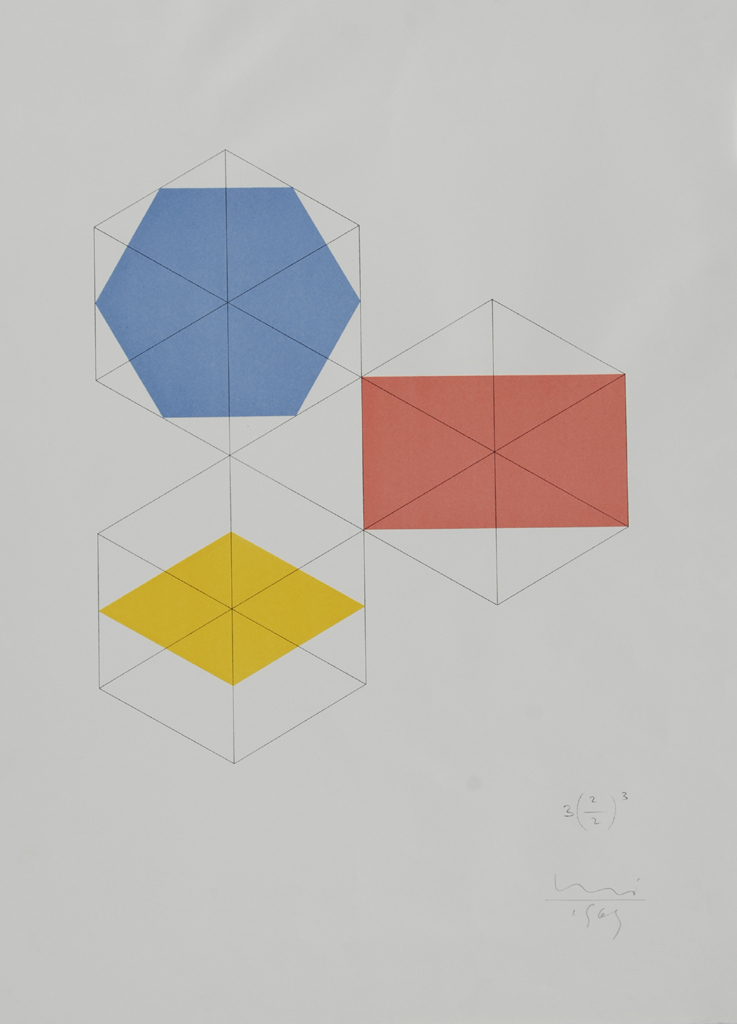
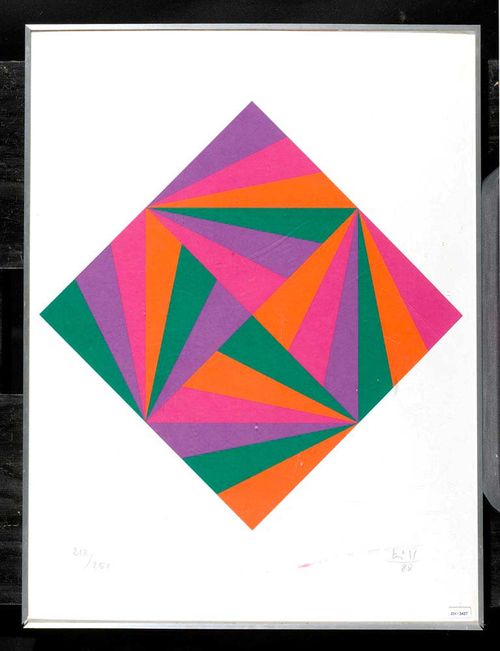
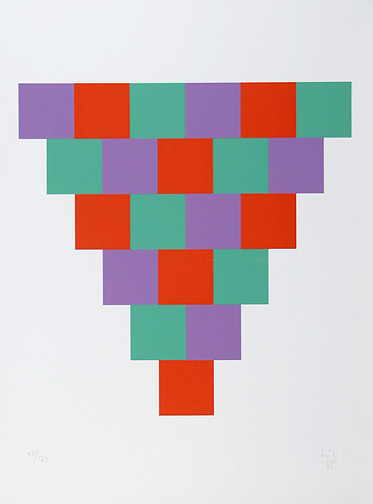
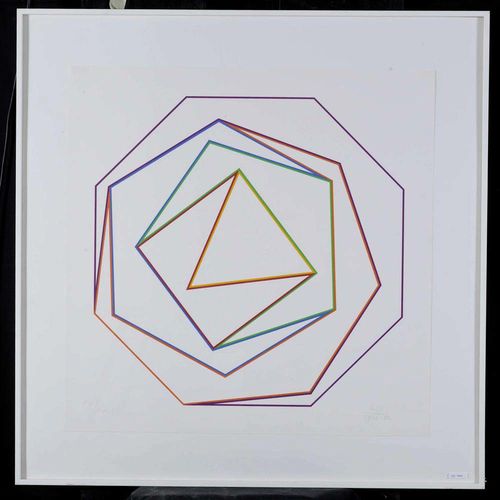
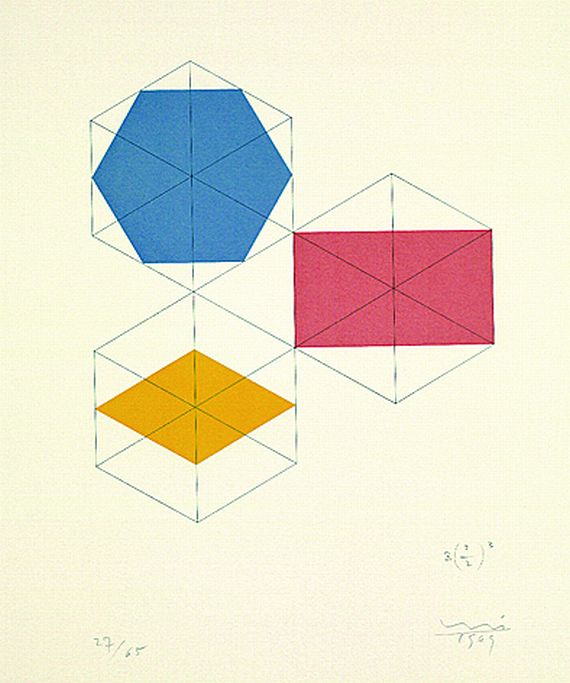
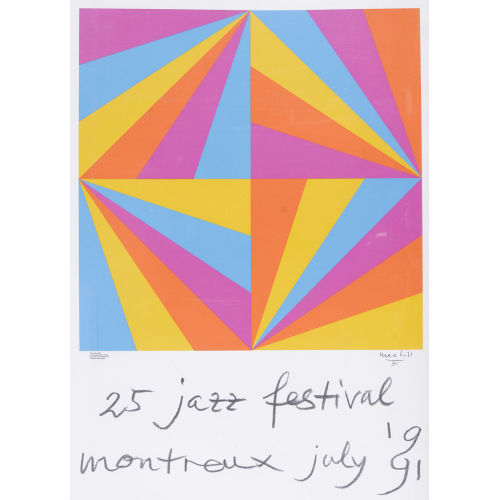
For Bill, mathematics was a resource for creation. Ratios, variations and continuities offer principles of organisation that the eye experiences directly. His sculptures explore, in particular, forms related to the Möbius strip, whose surface appears to continue without interruption.
The spectator’s movement thus becomes essential to understanding the volume.
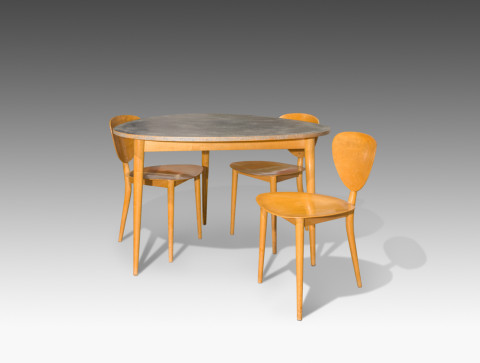
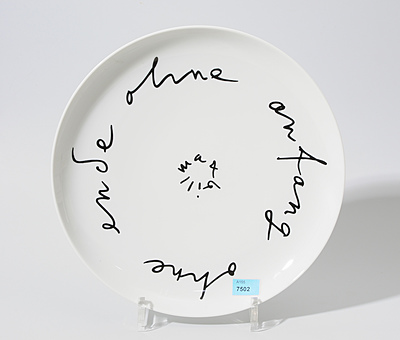
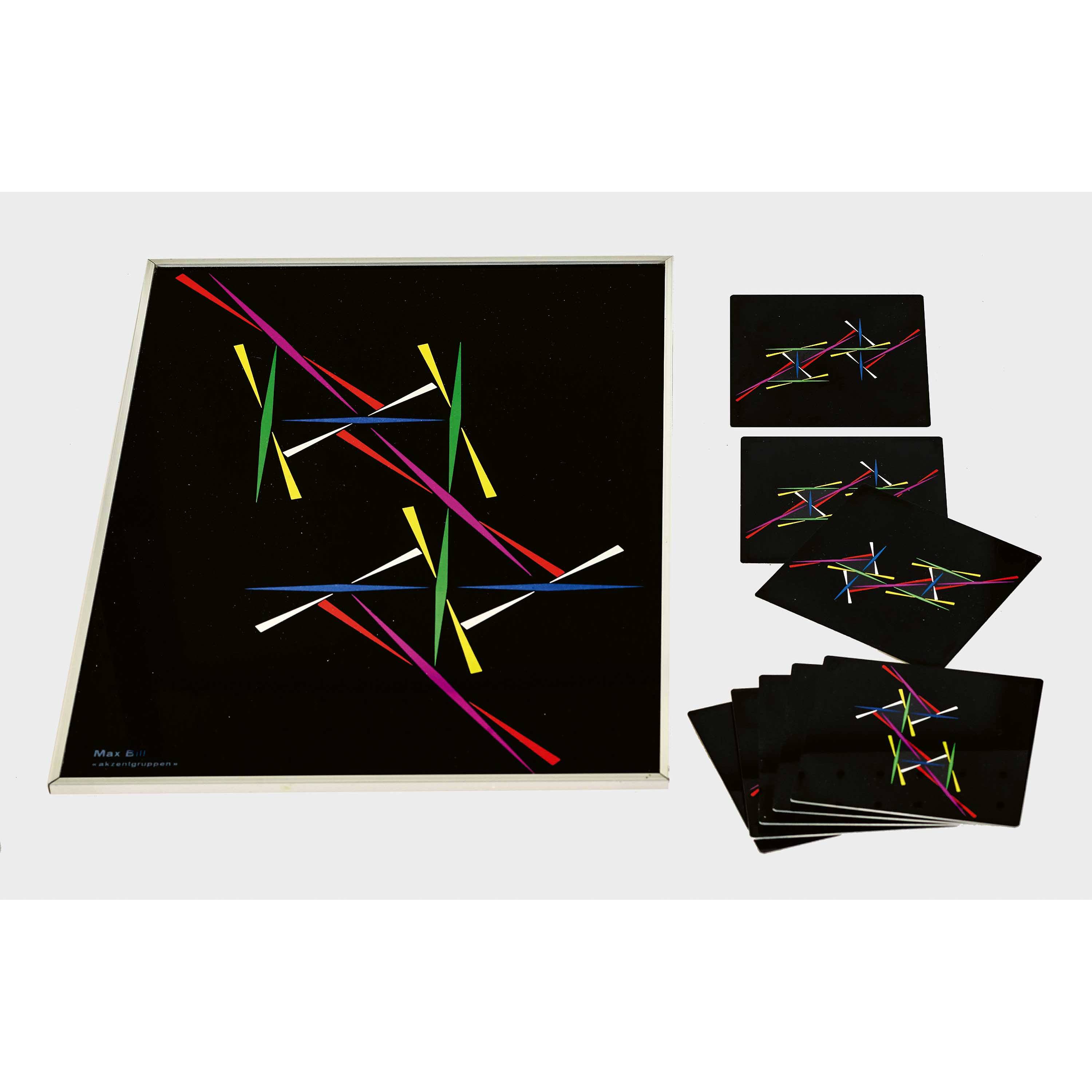
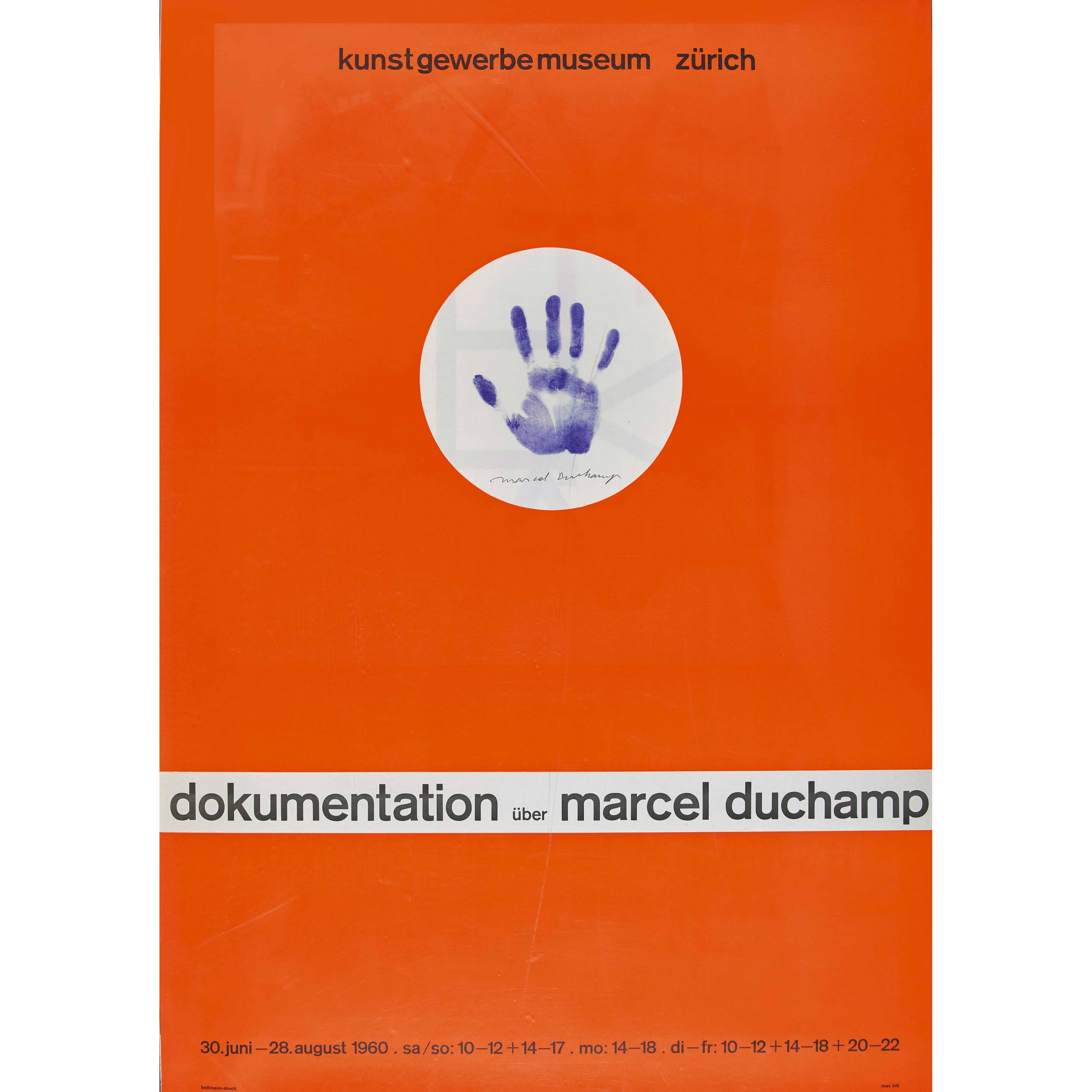
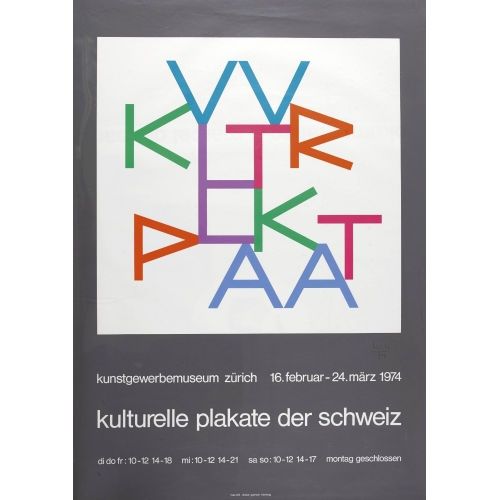
This attention to the relationships between form and experience also runs through his objects and architecture. A co-founder of the Ulm School of Design, whose buildings he designed and where he became the first rector, Bill advocated in the 1950s for an education combining several disciplines. His design work includes dials for Junghans and the Ulm stool, designed with Hans Gugelot.
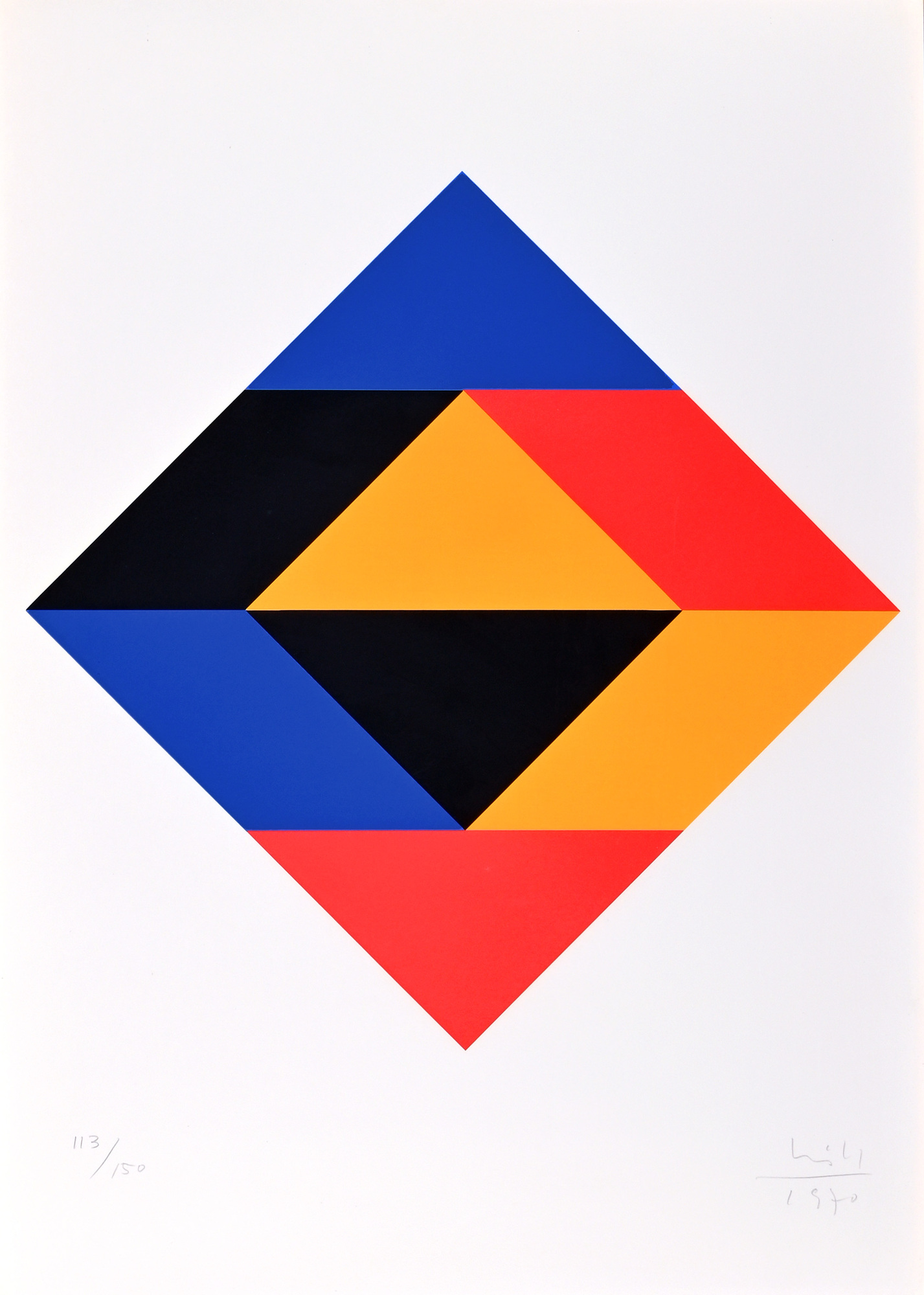
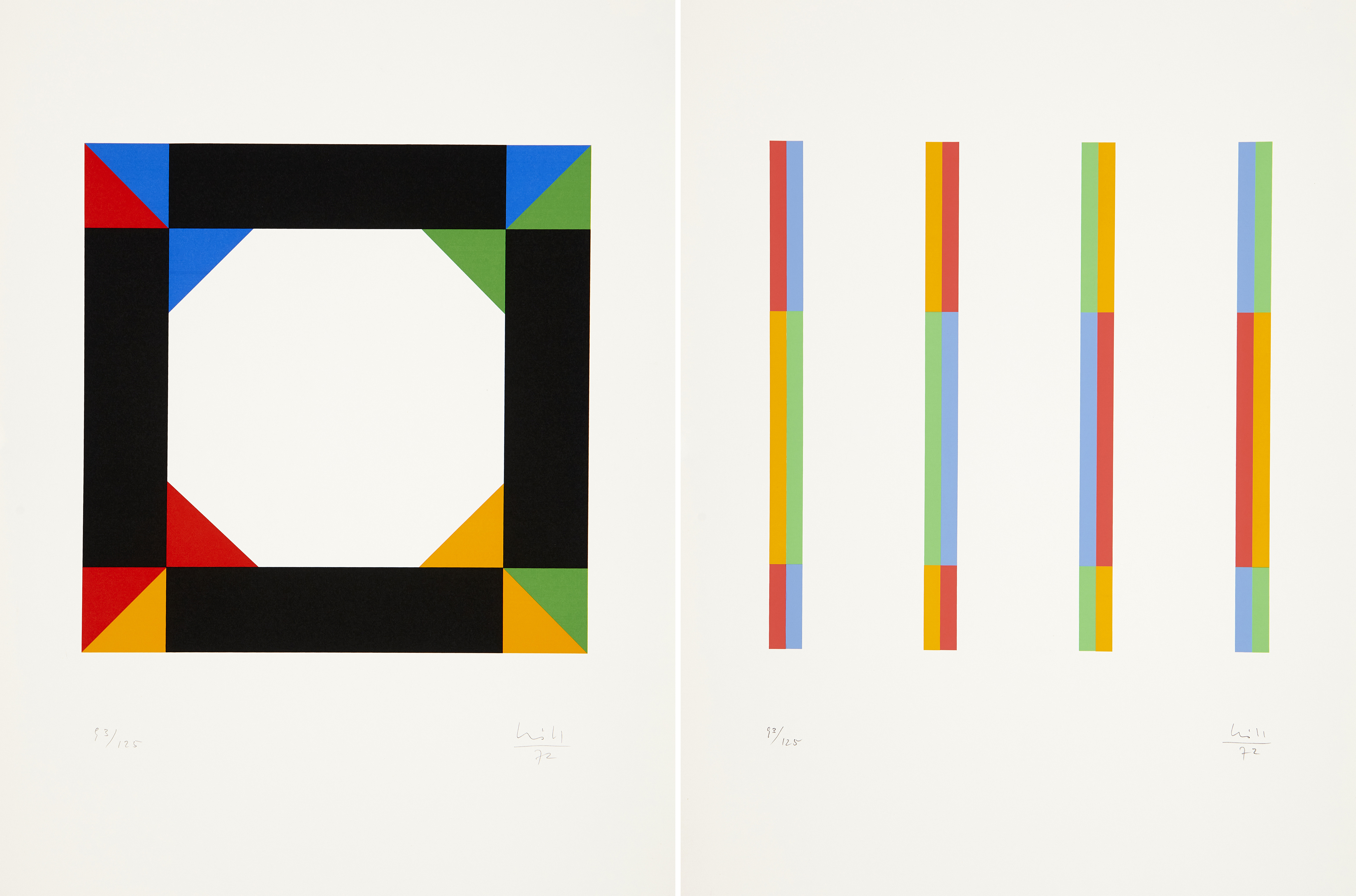
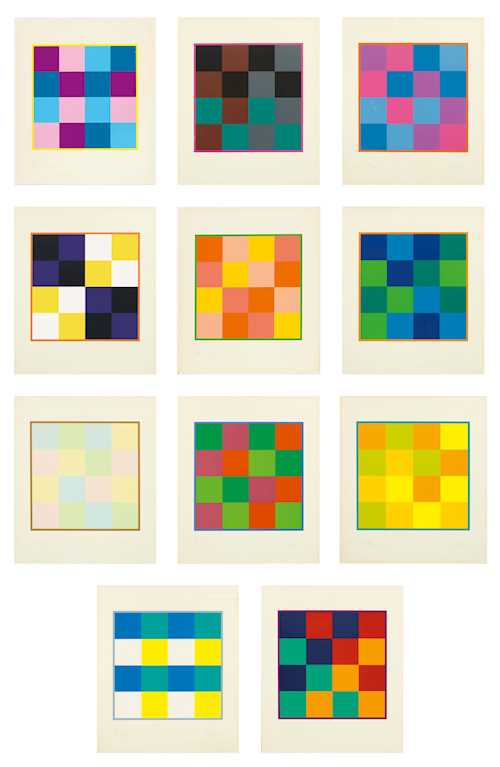
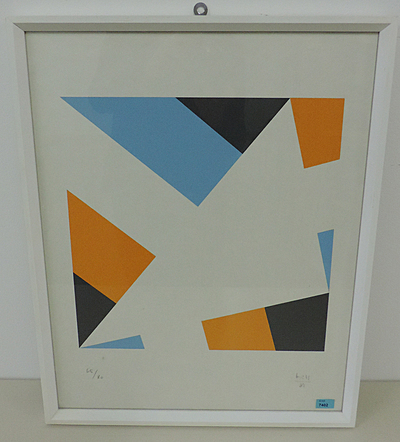
Awarded the Praemium Imperiale for sculpture in 1993, he left an oeuvre in which intellectual rigour and visual pleasure meet. To look at a composition by Bill, one can follow a colour, compare dimensions or search for a rule of transformation: the structure gradually becomes visible, without exhausting the sensations it produces.