Markus Raetz
Born in 1941.
Died in 2020.
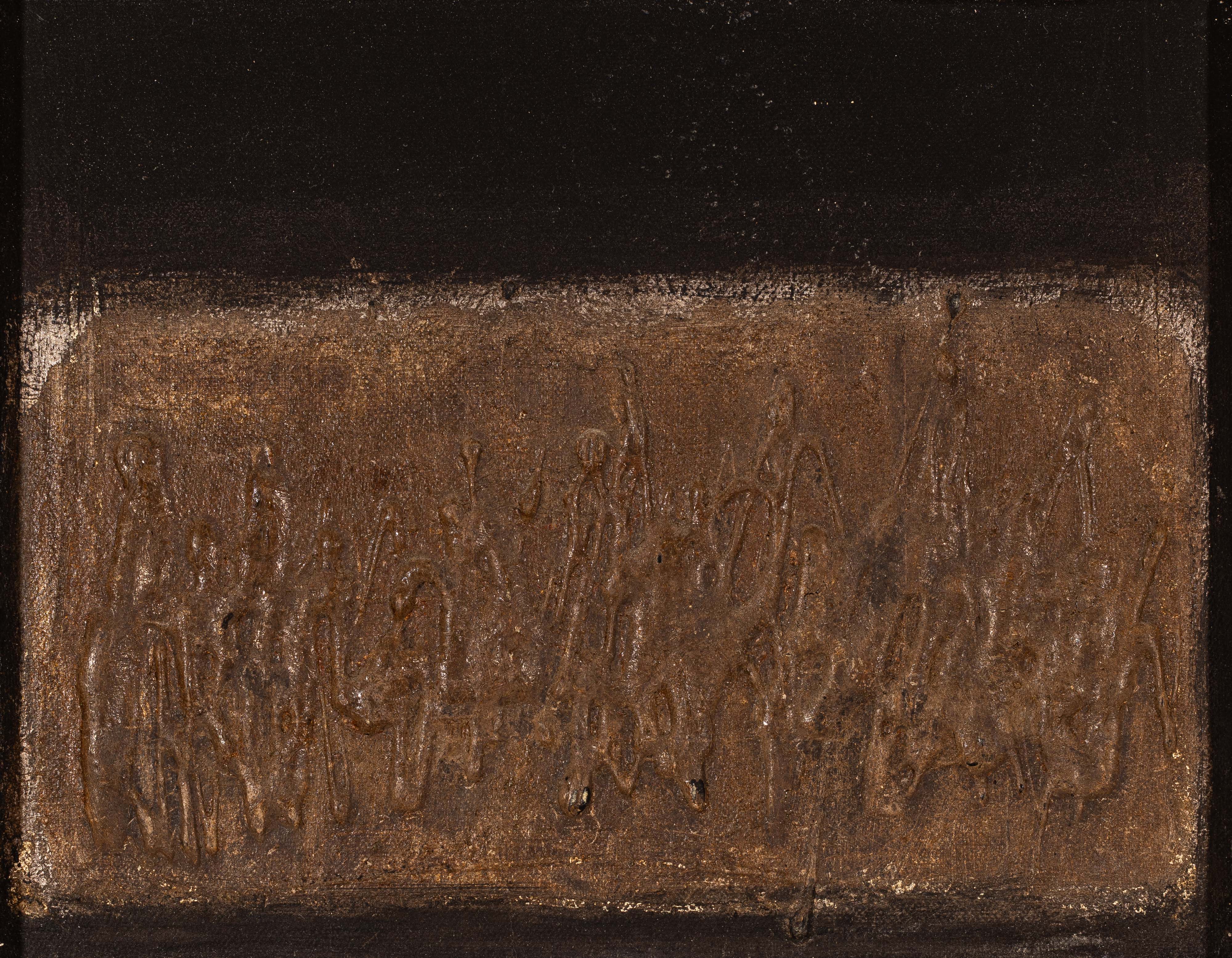
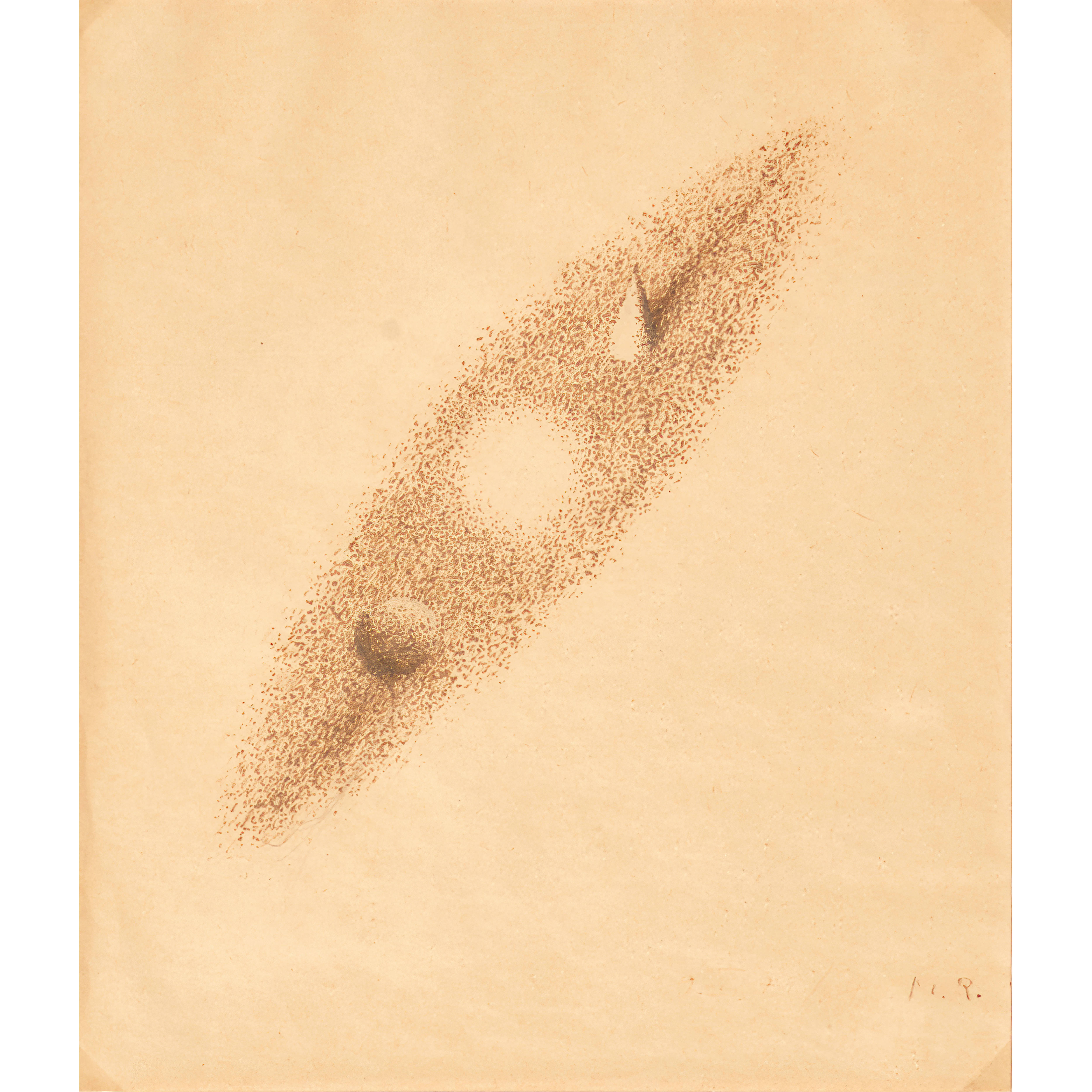
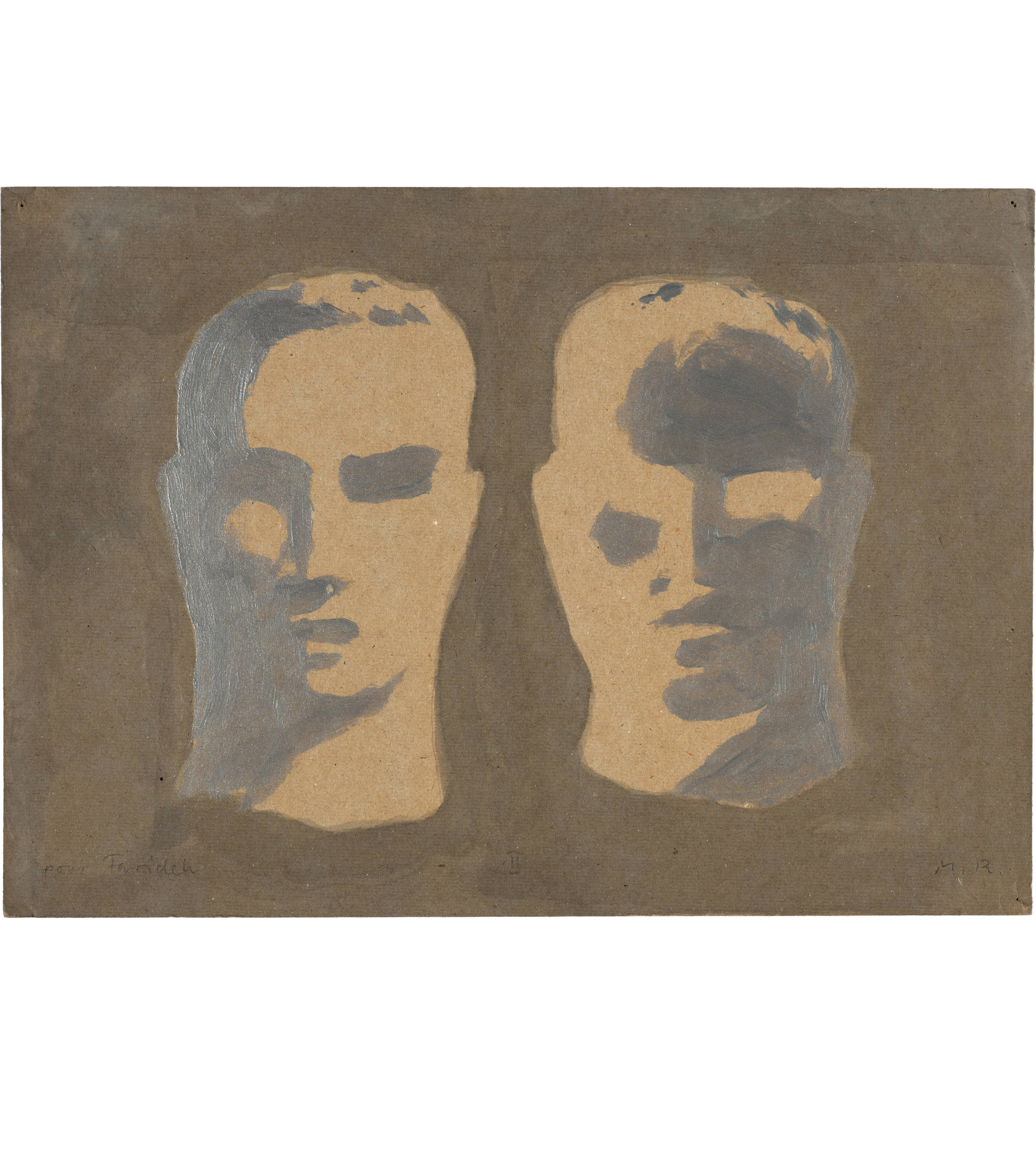
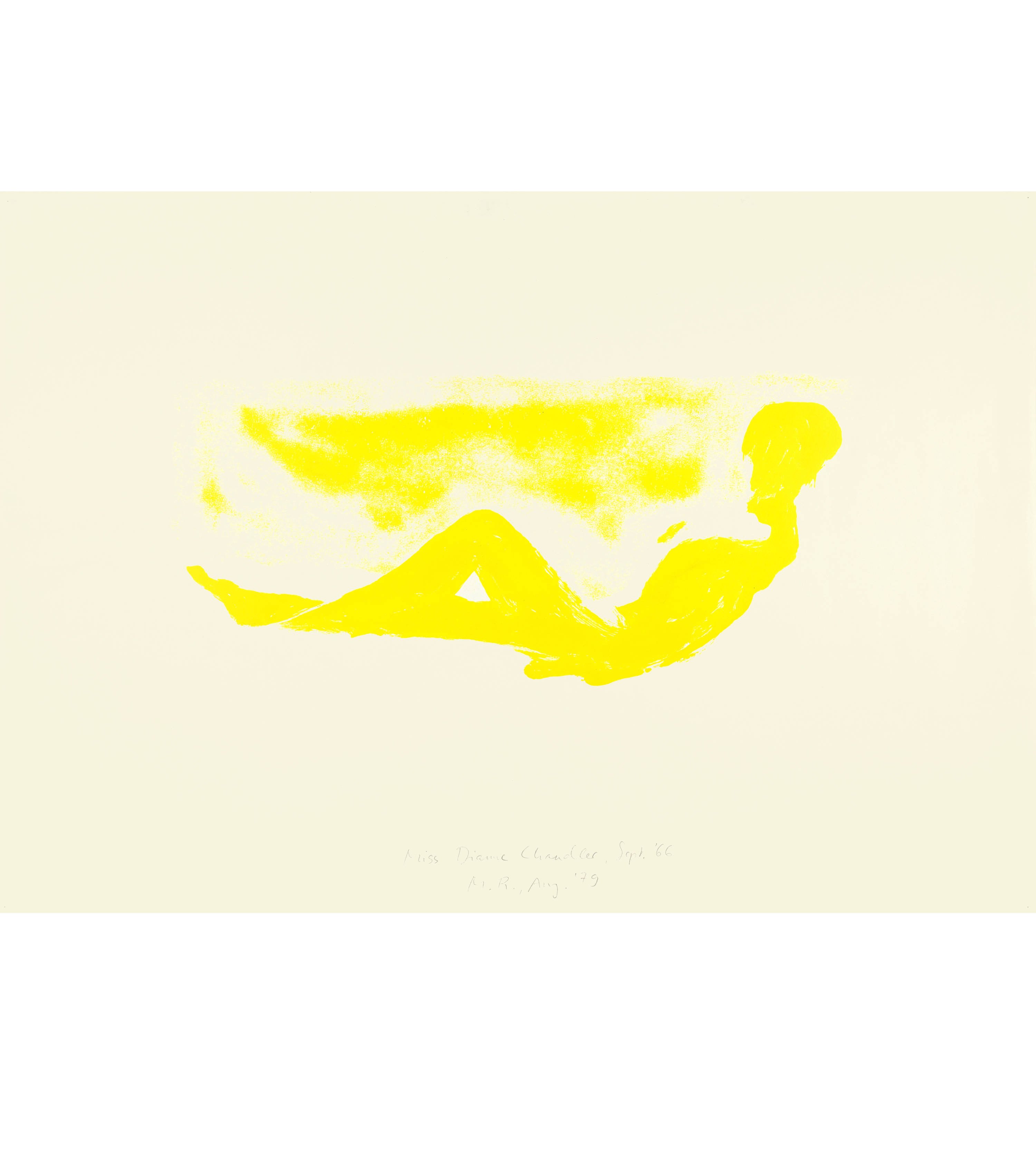
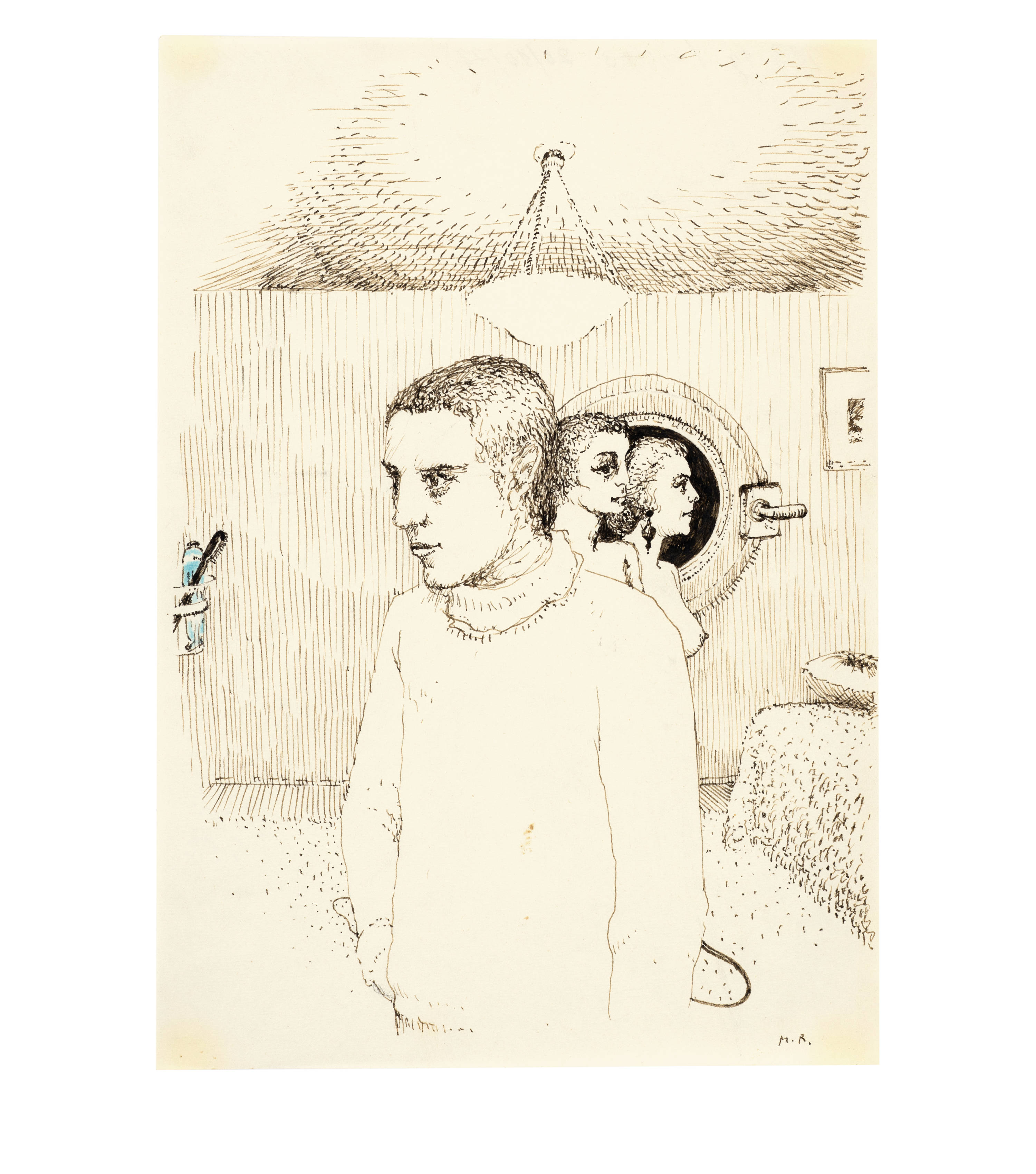
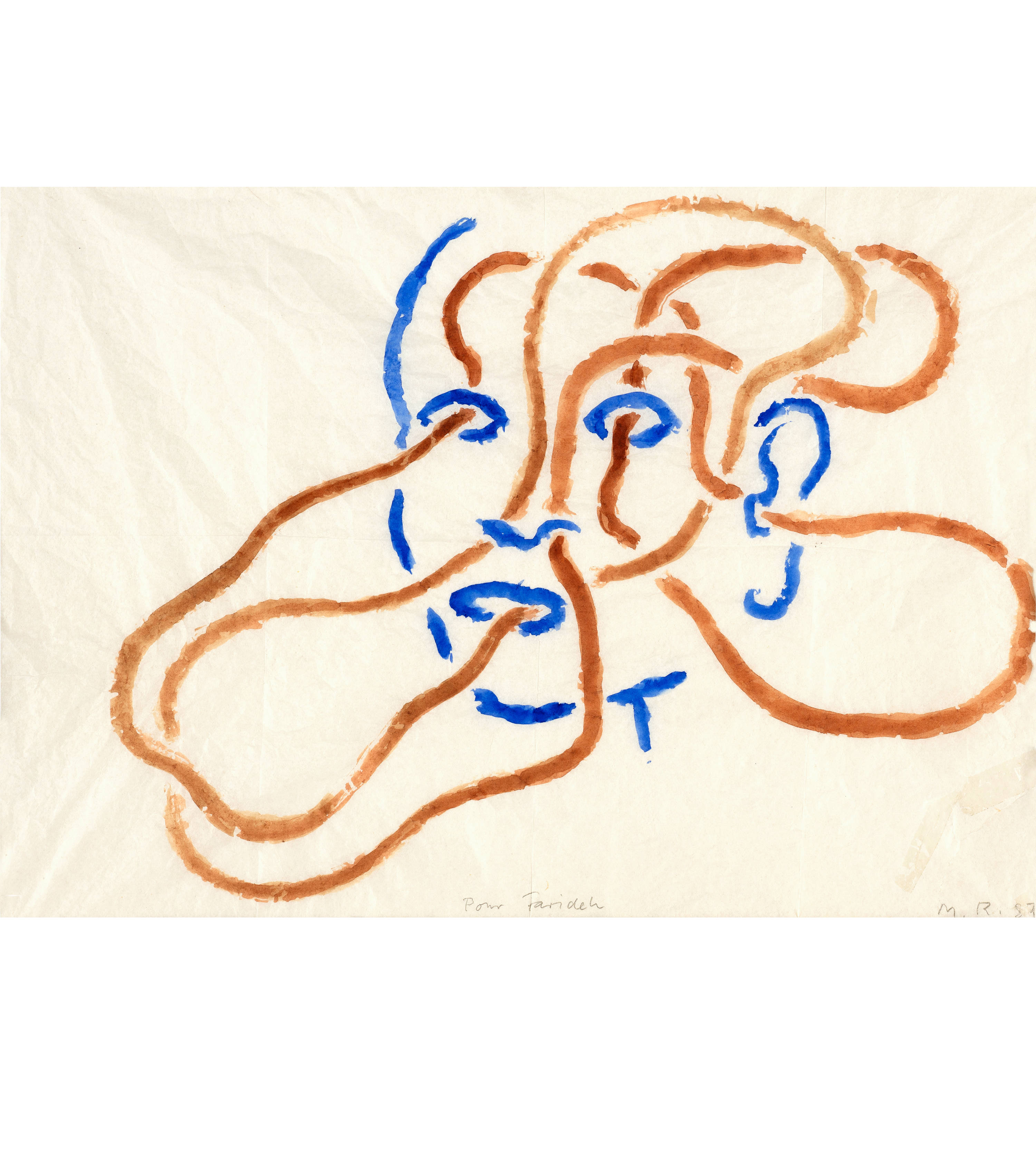
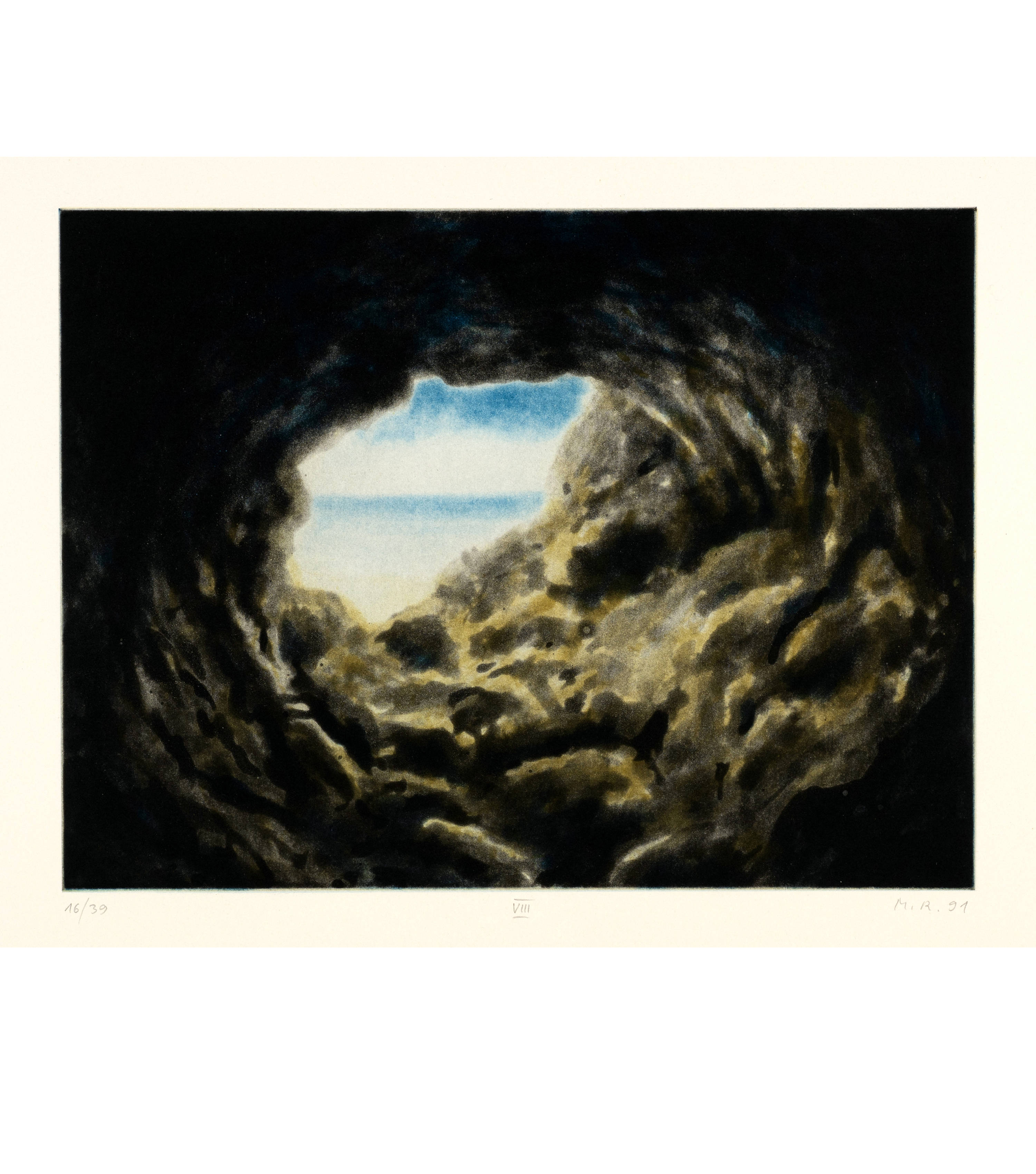
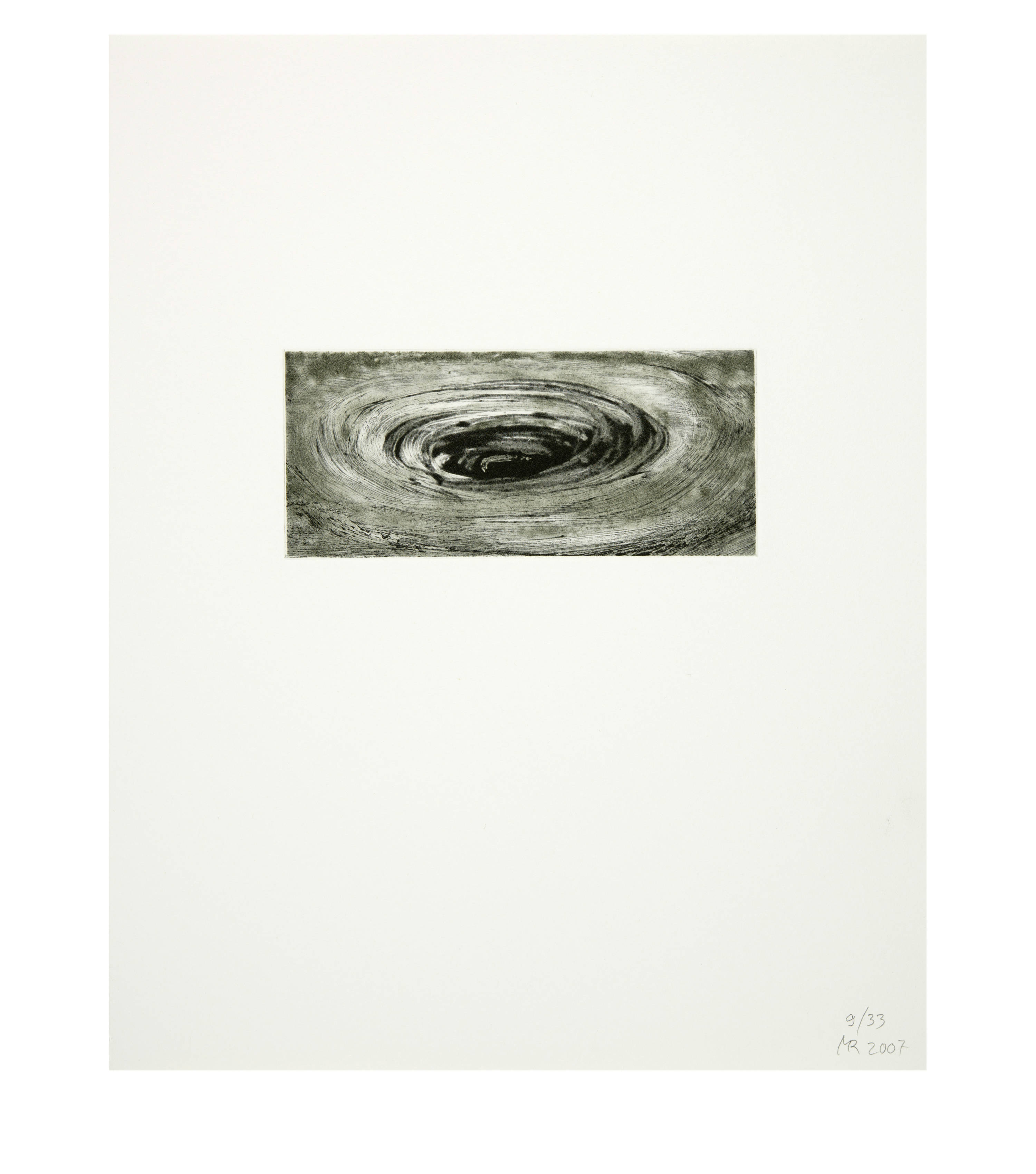
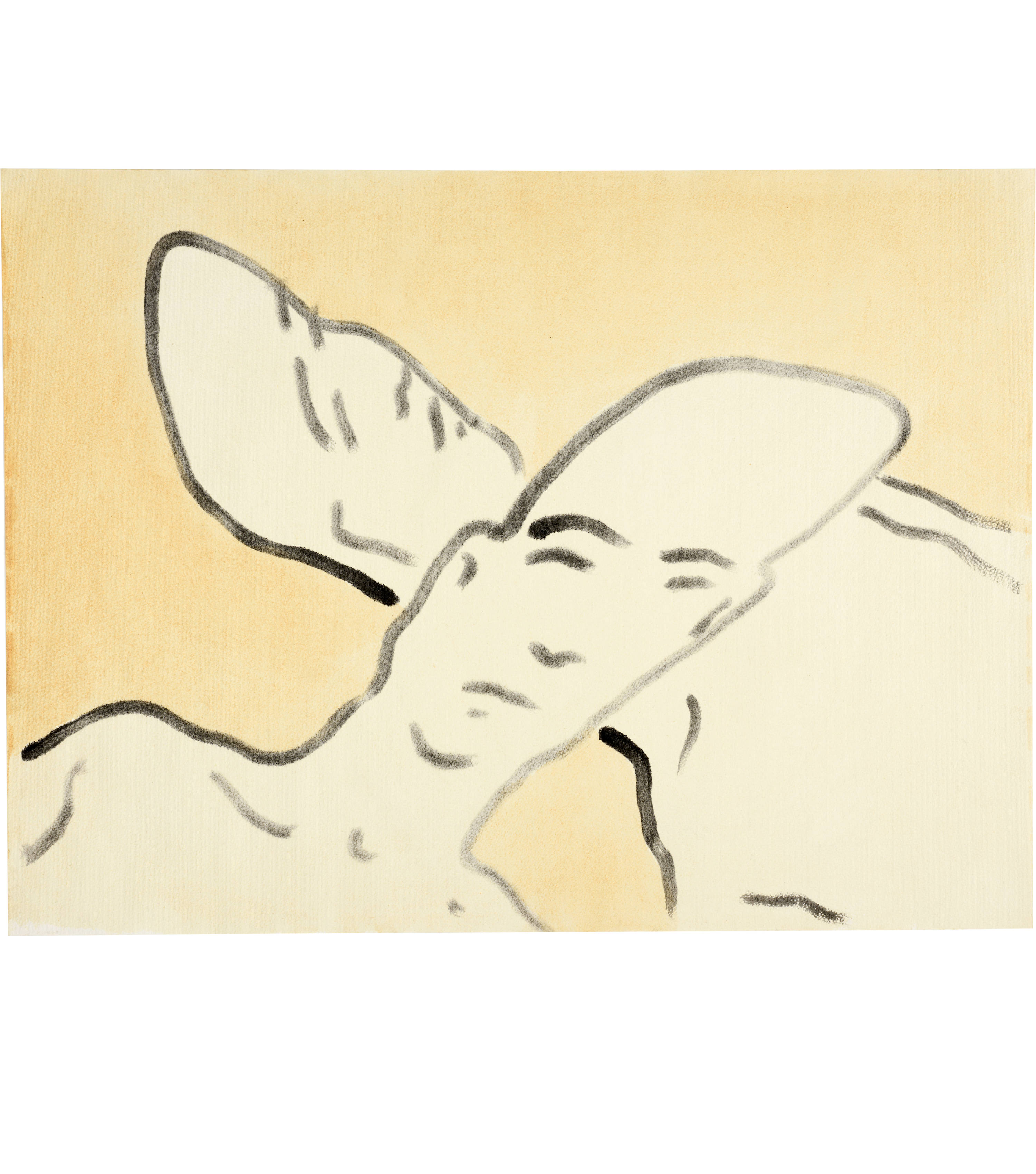
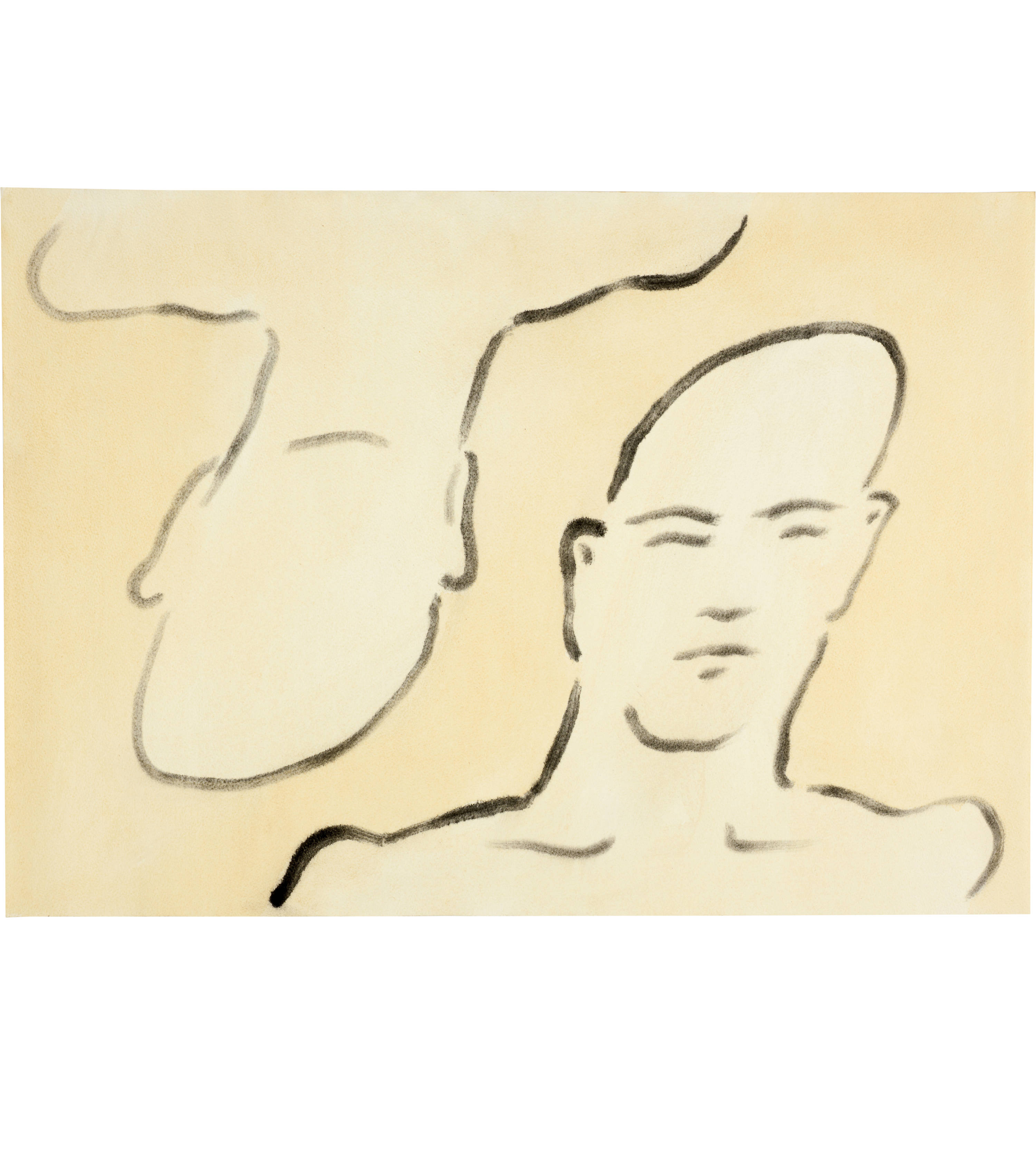
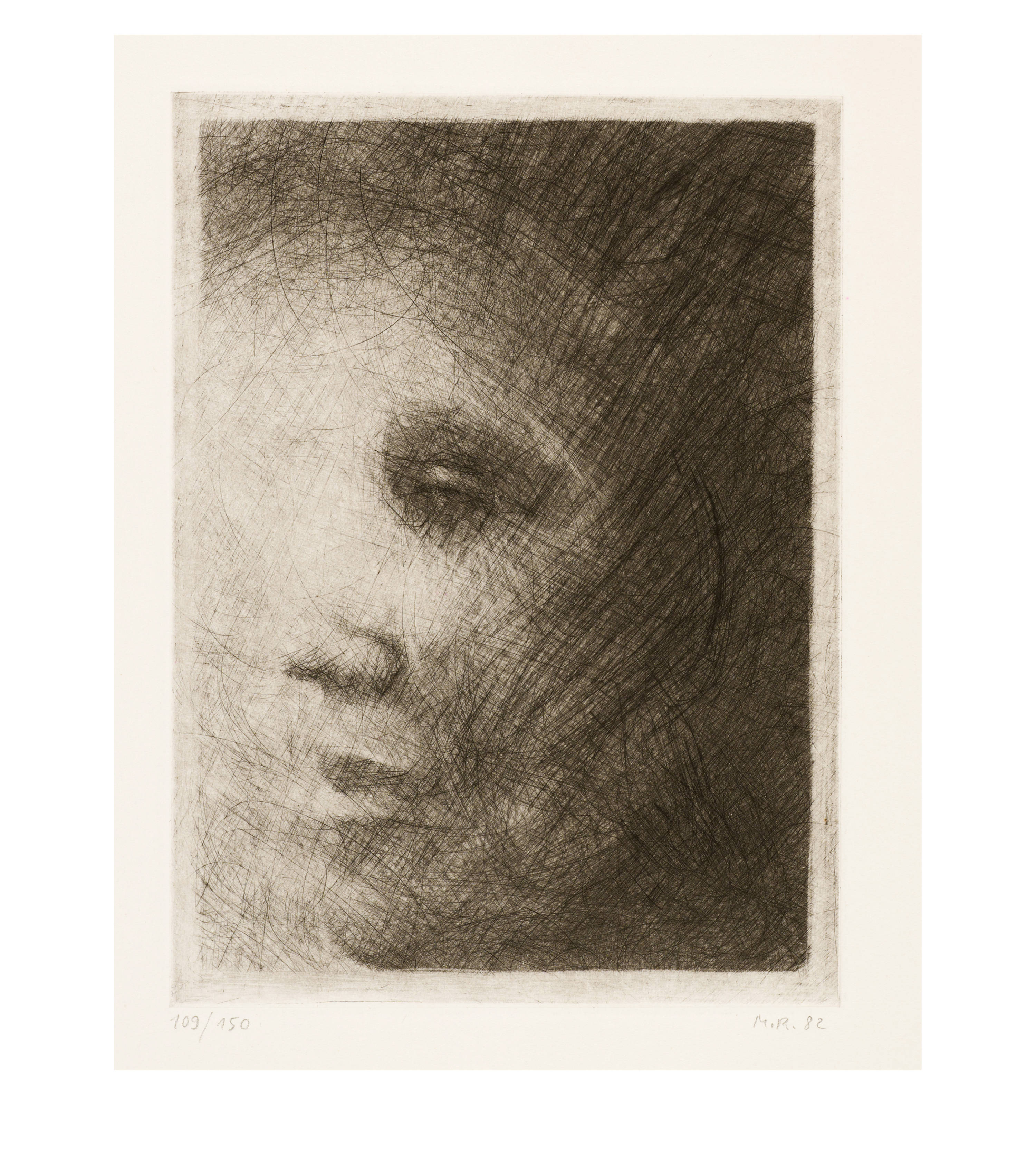
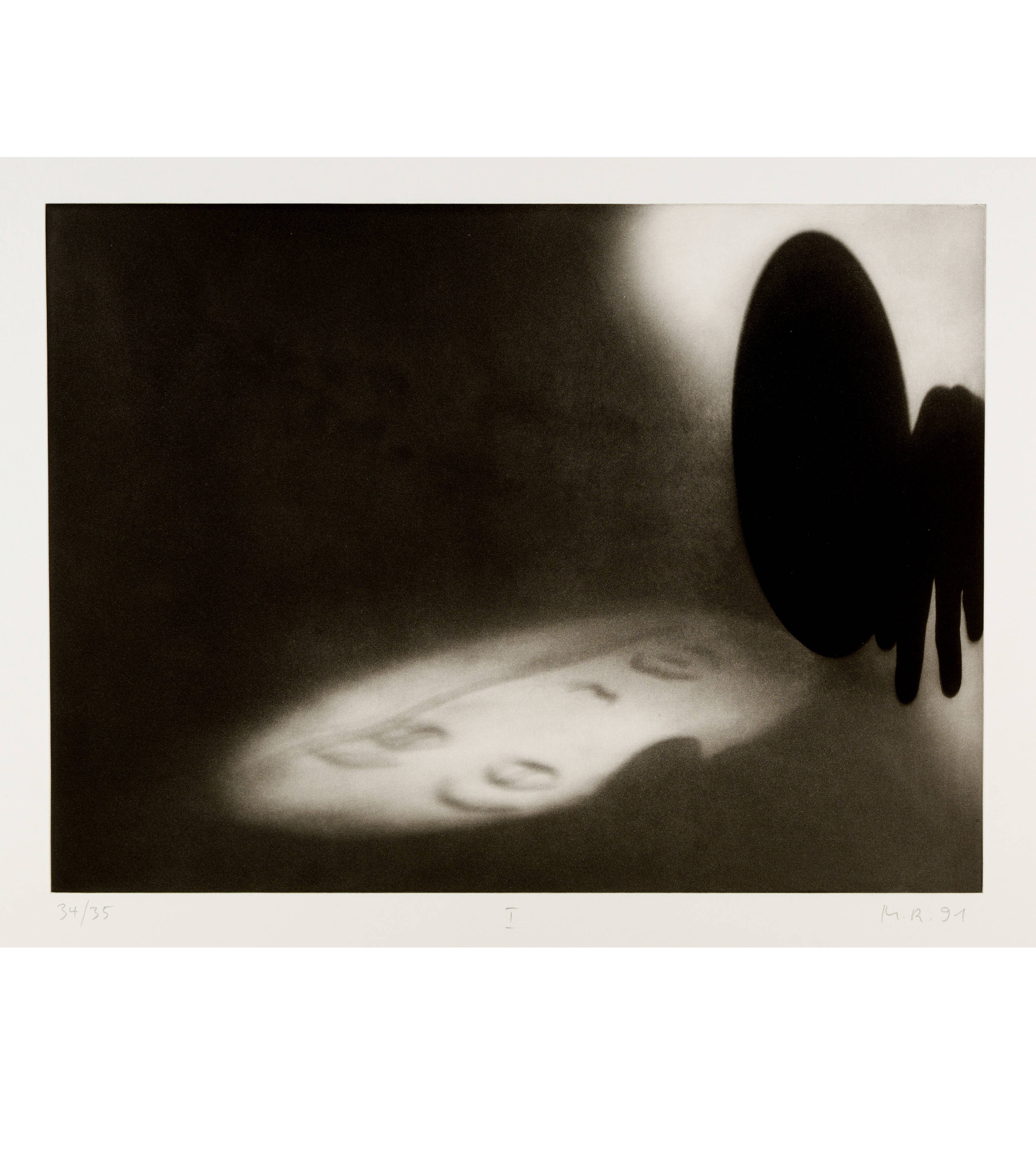
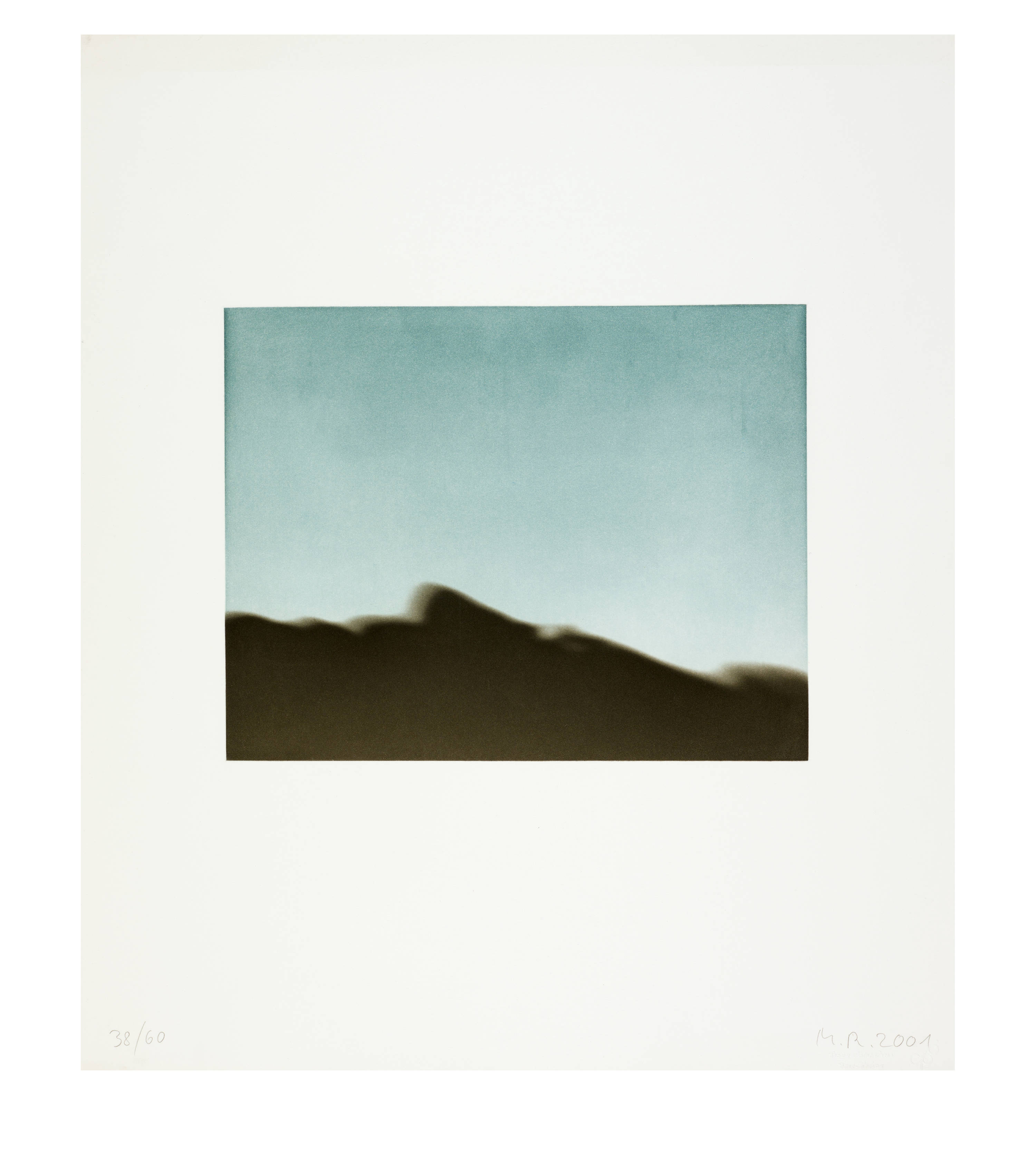
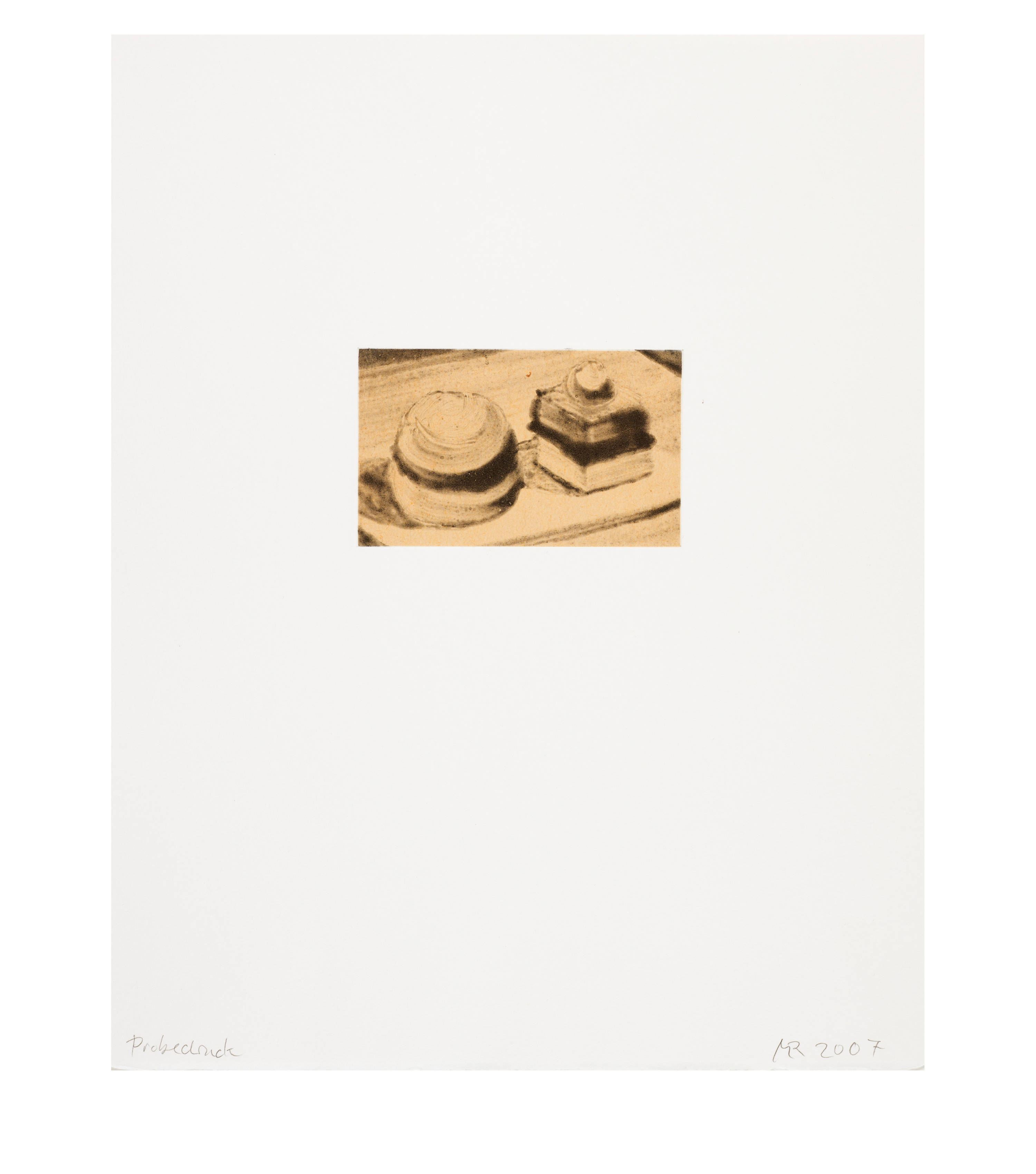
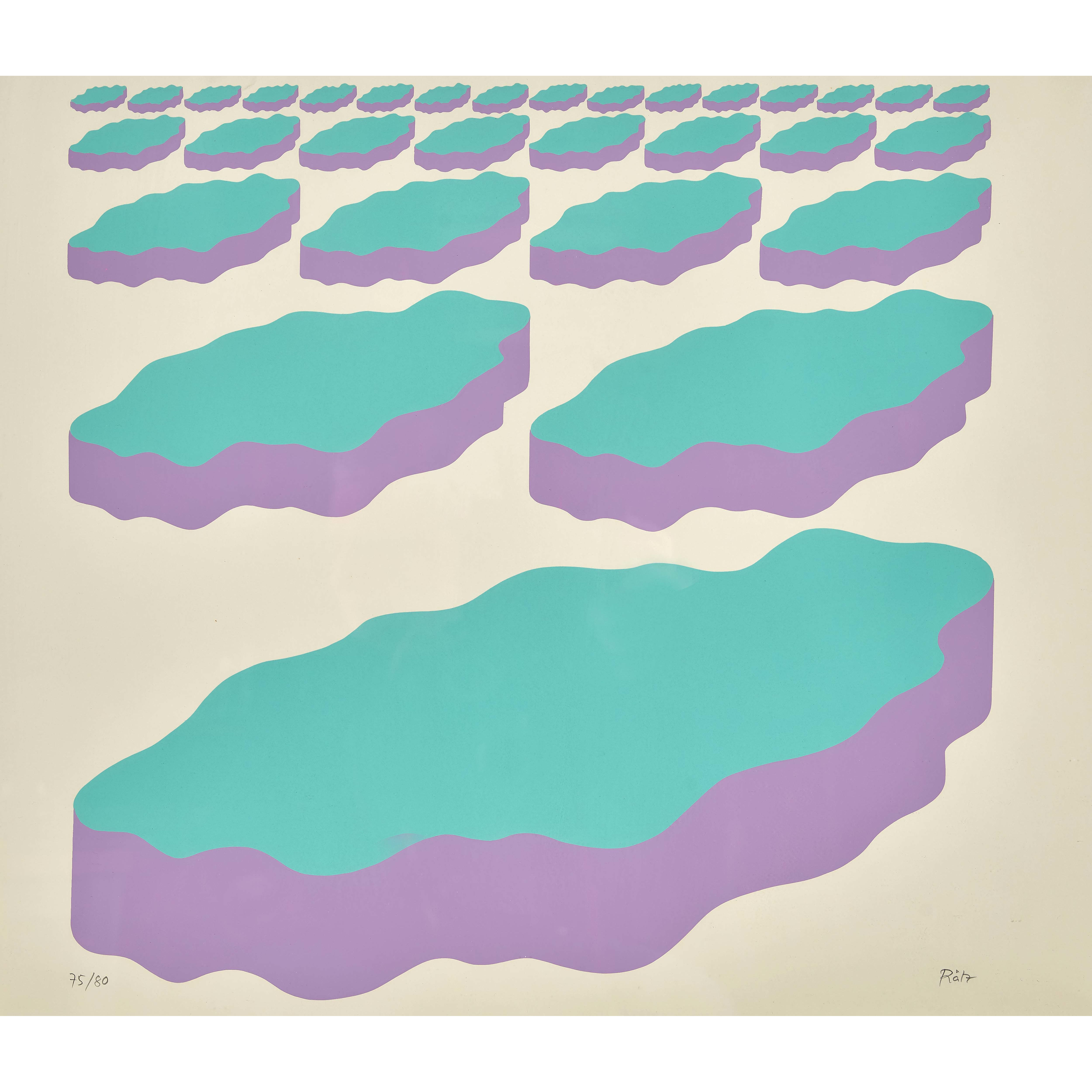
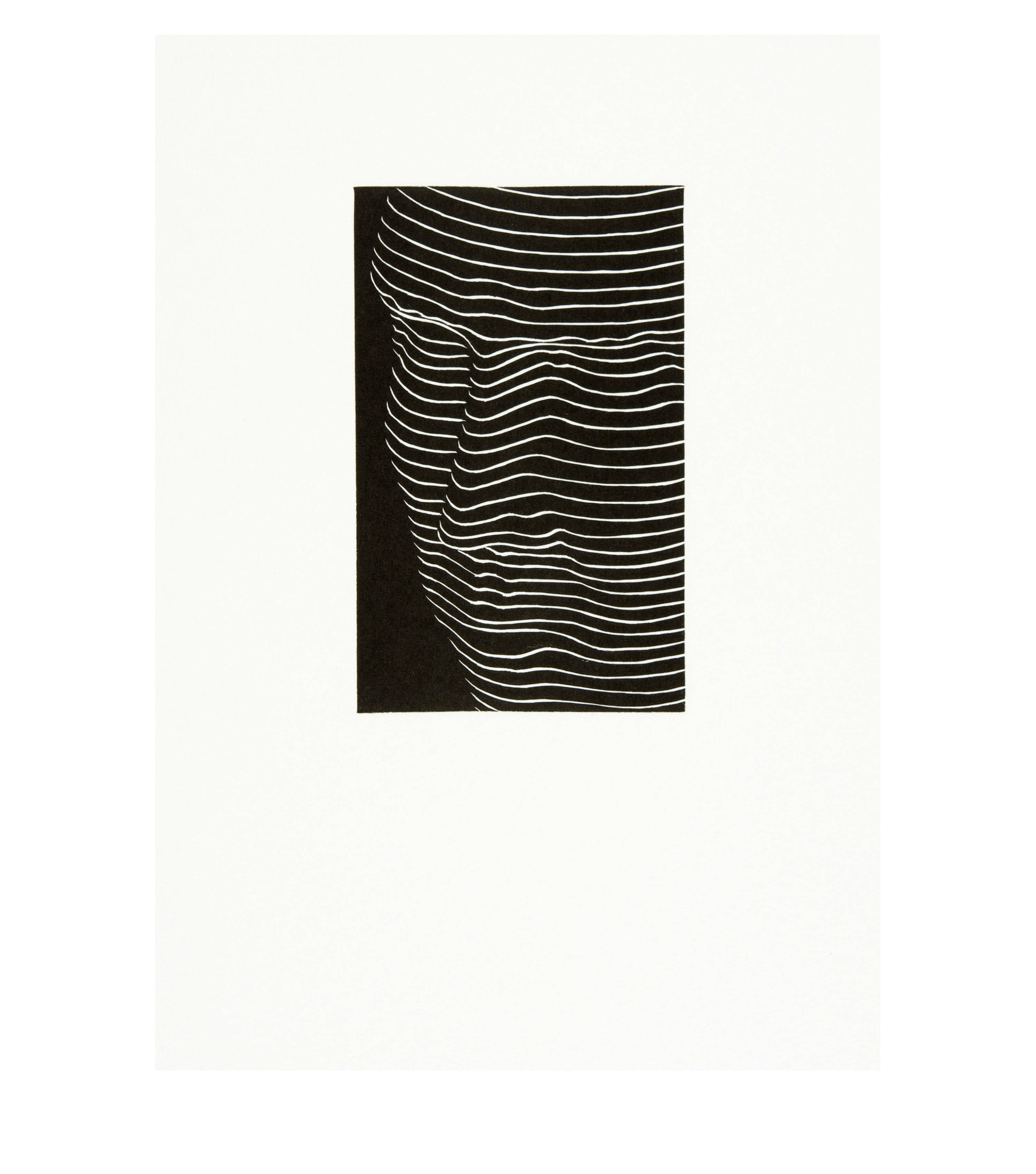
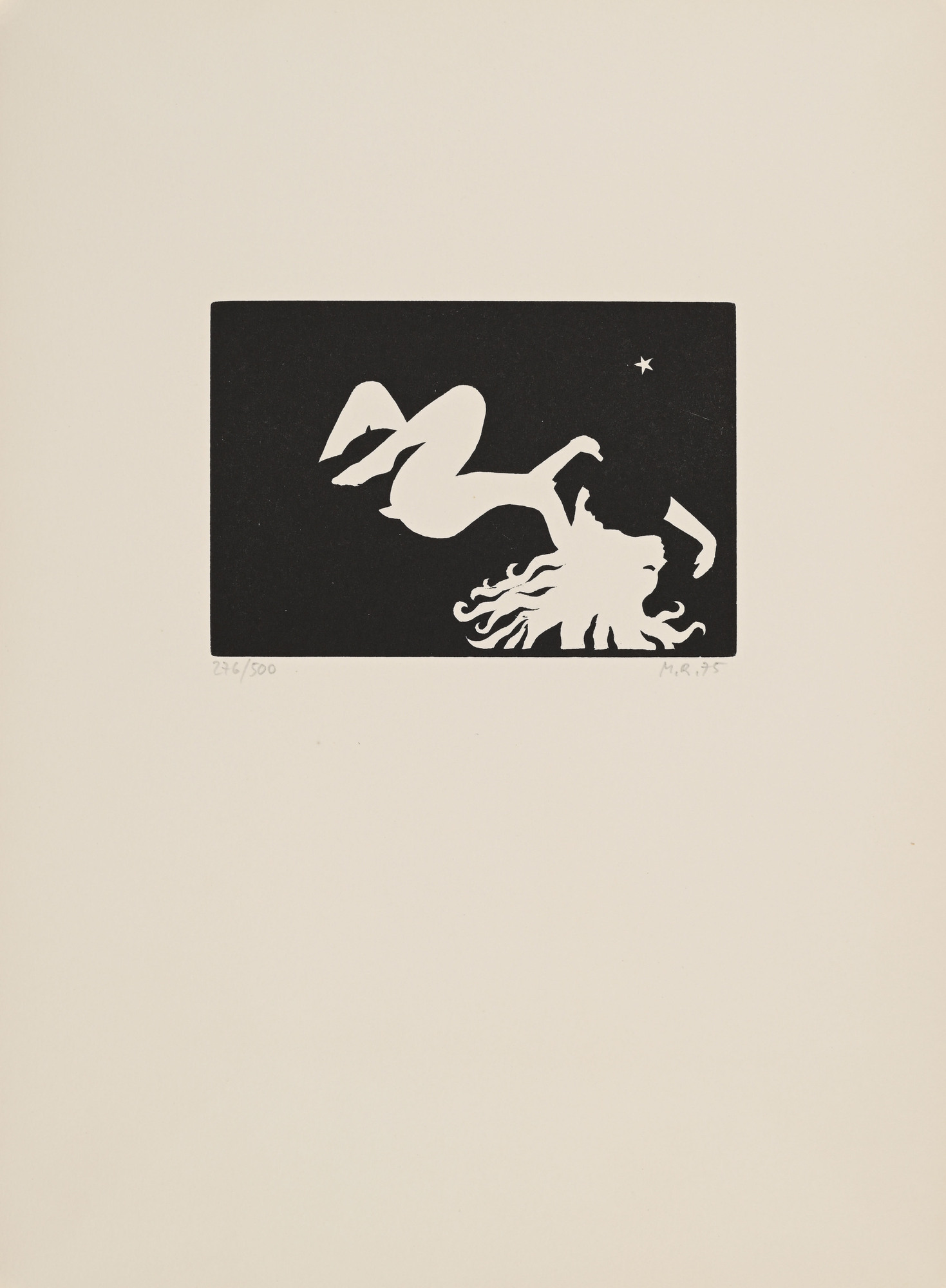
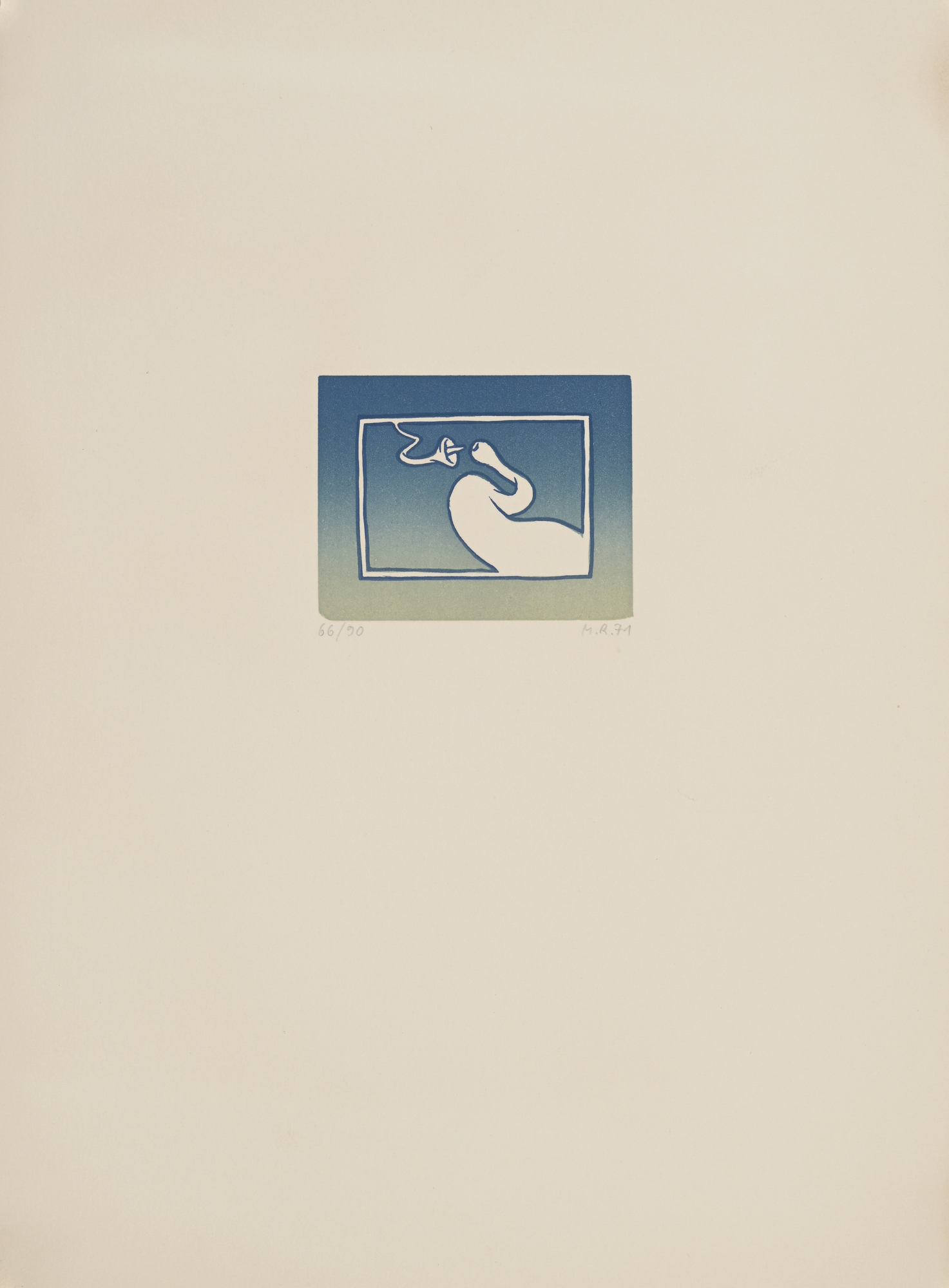
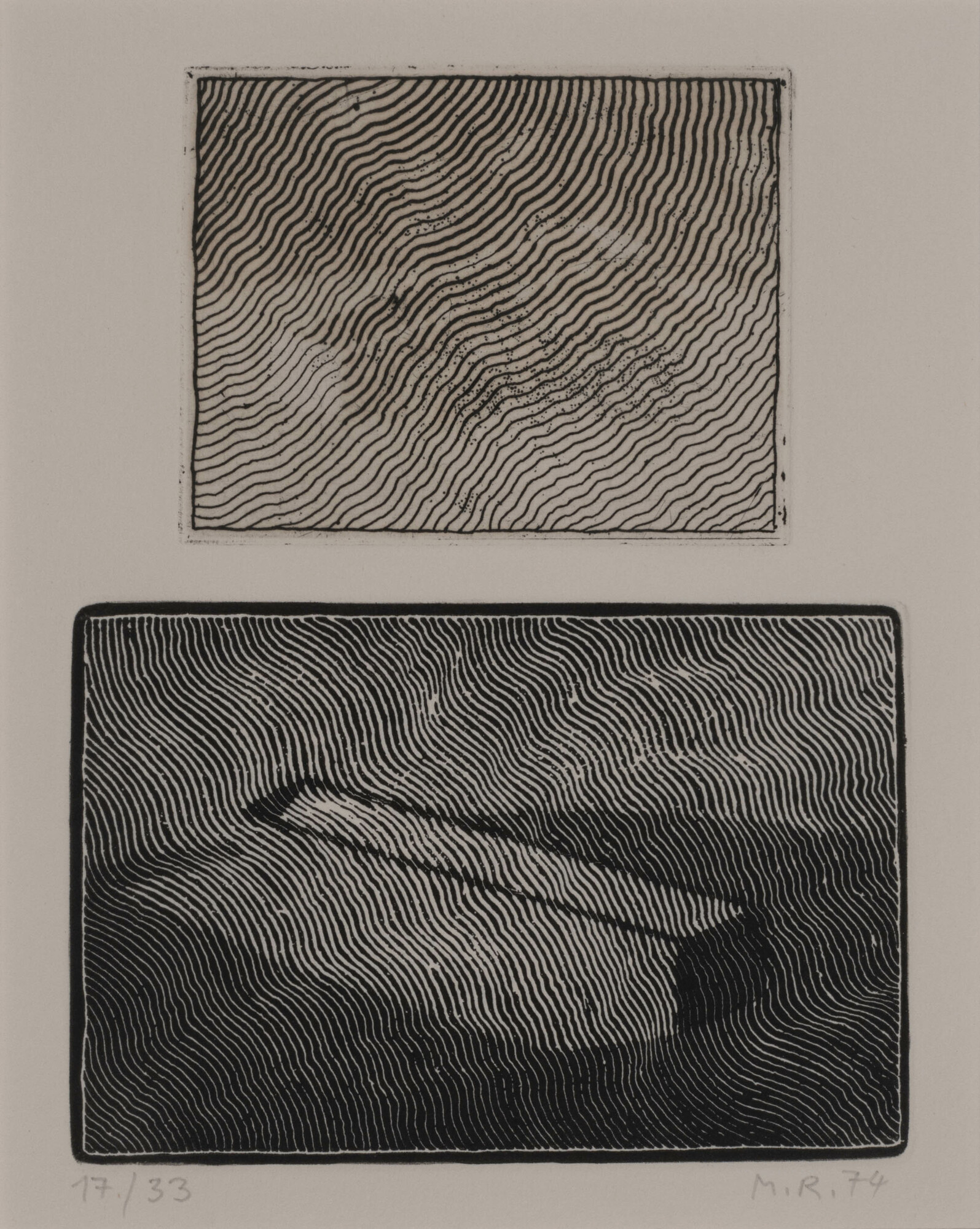
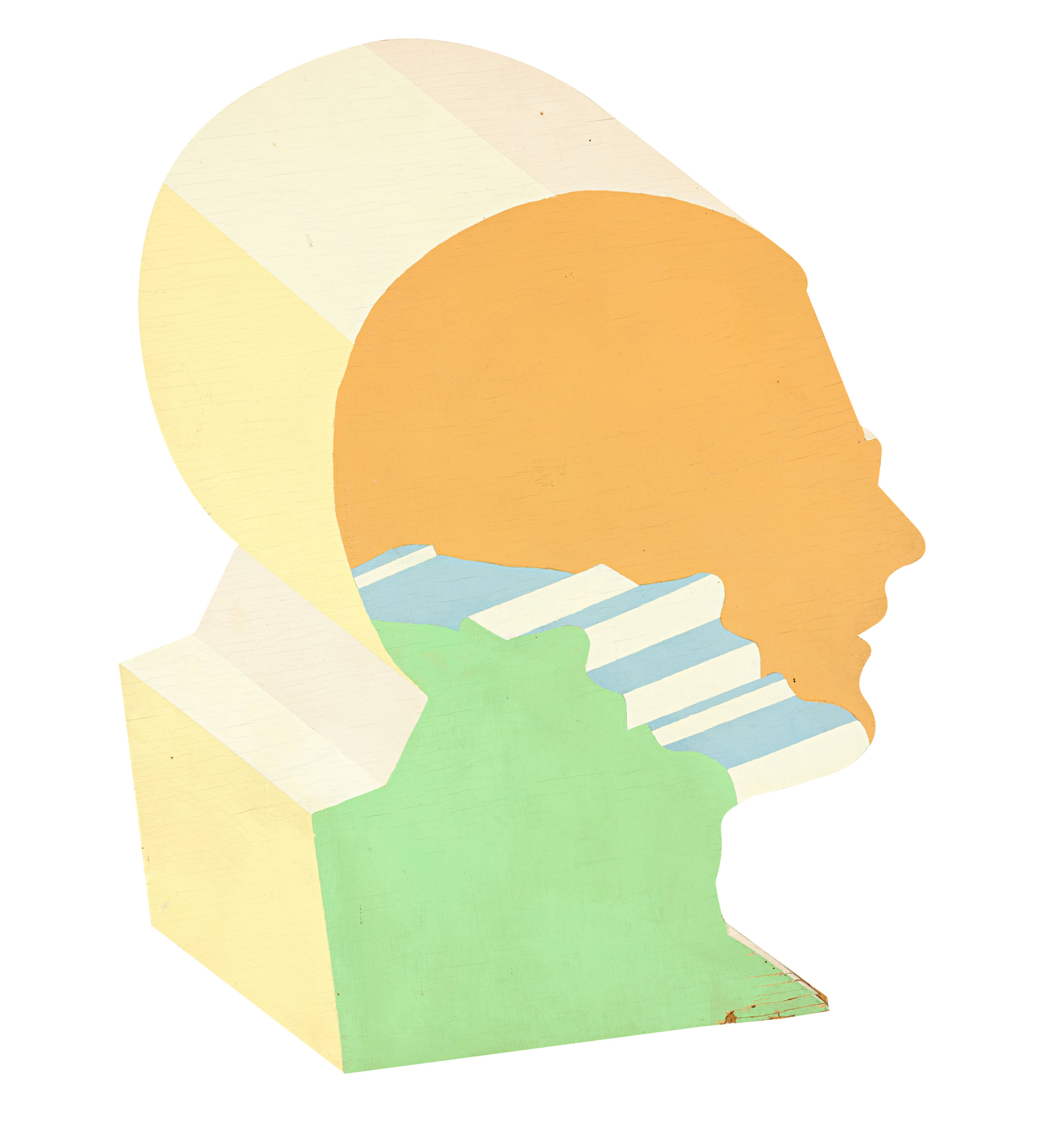
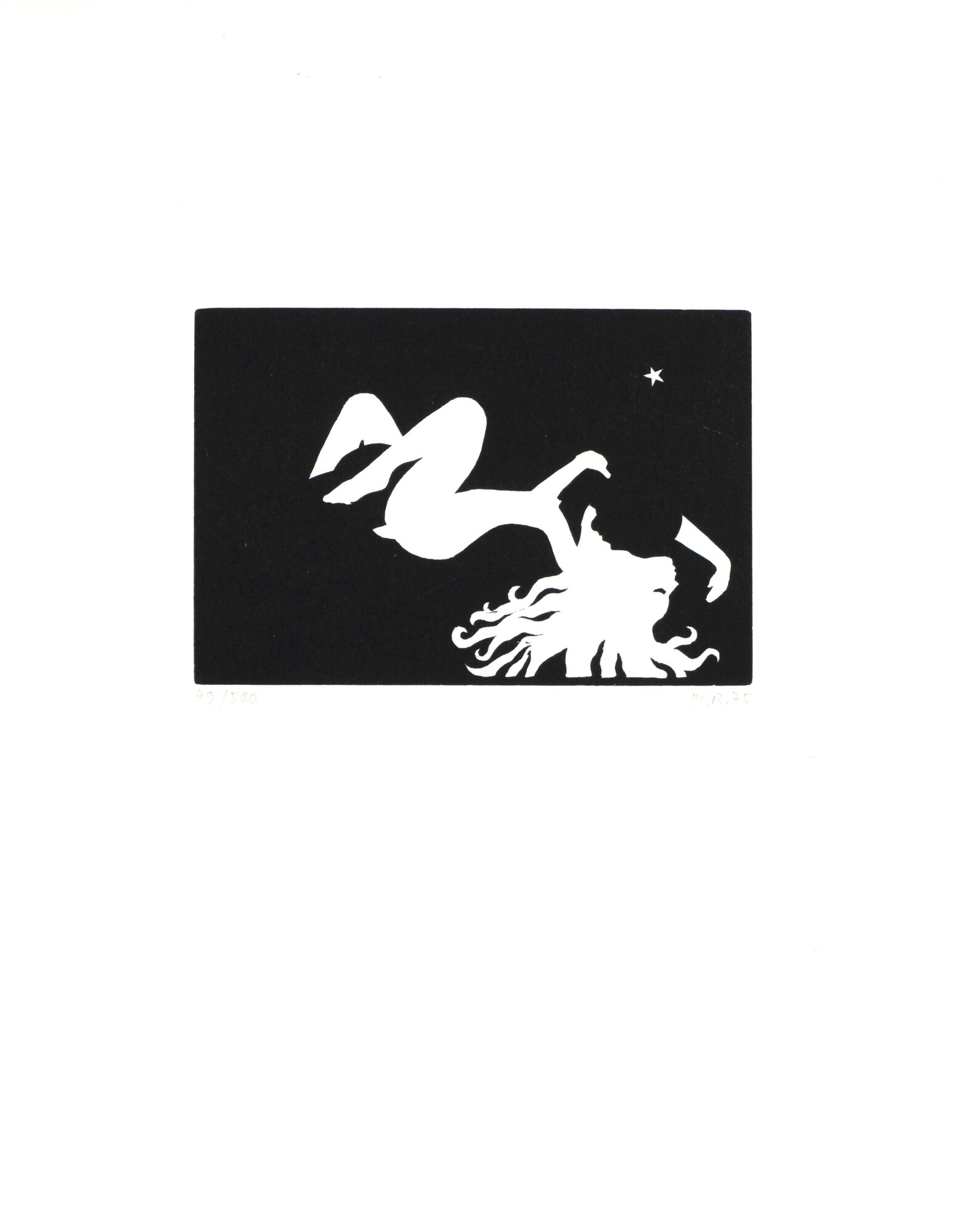
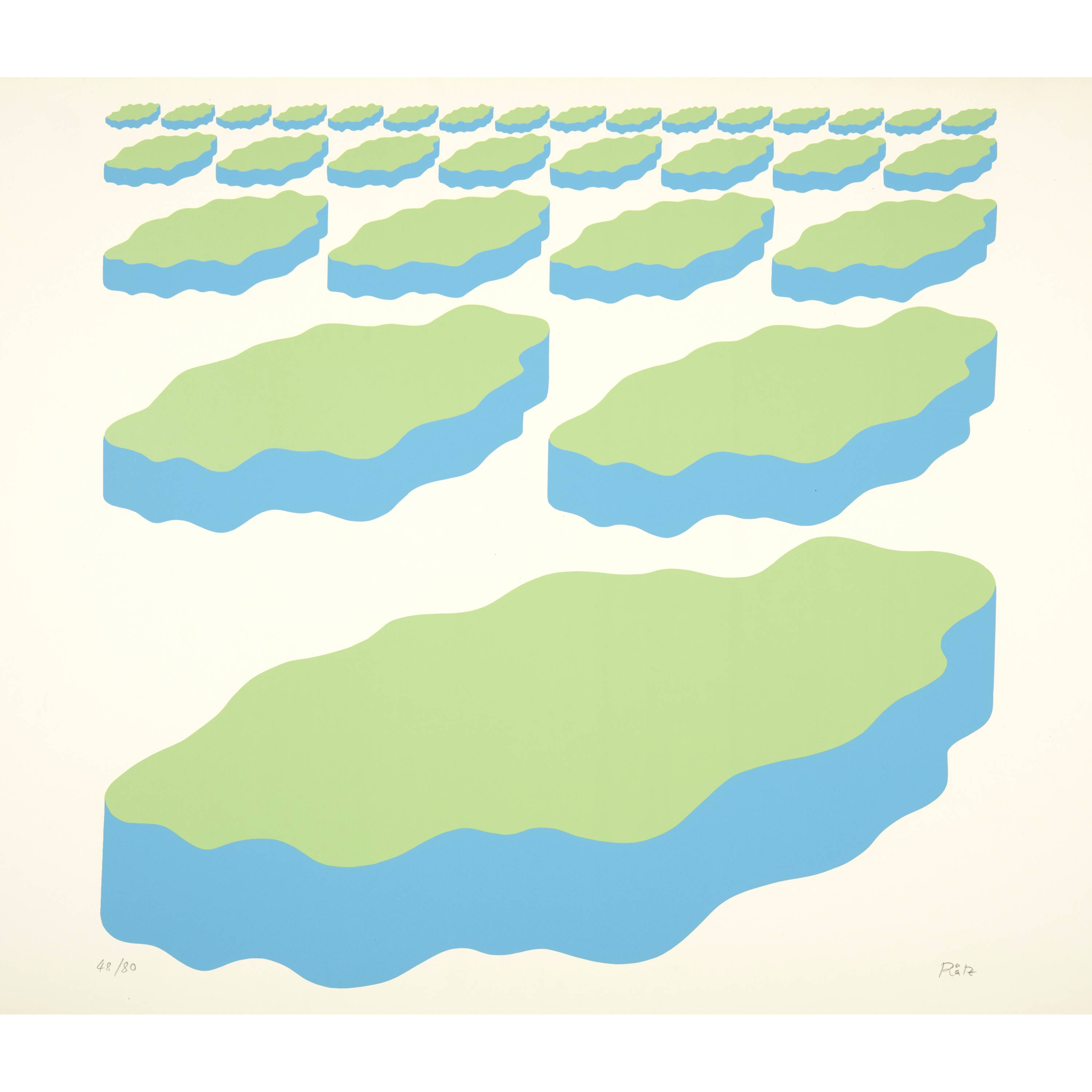
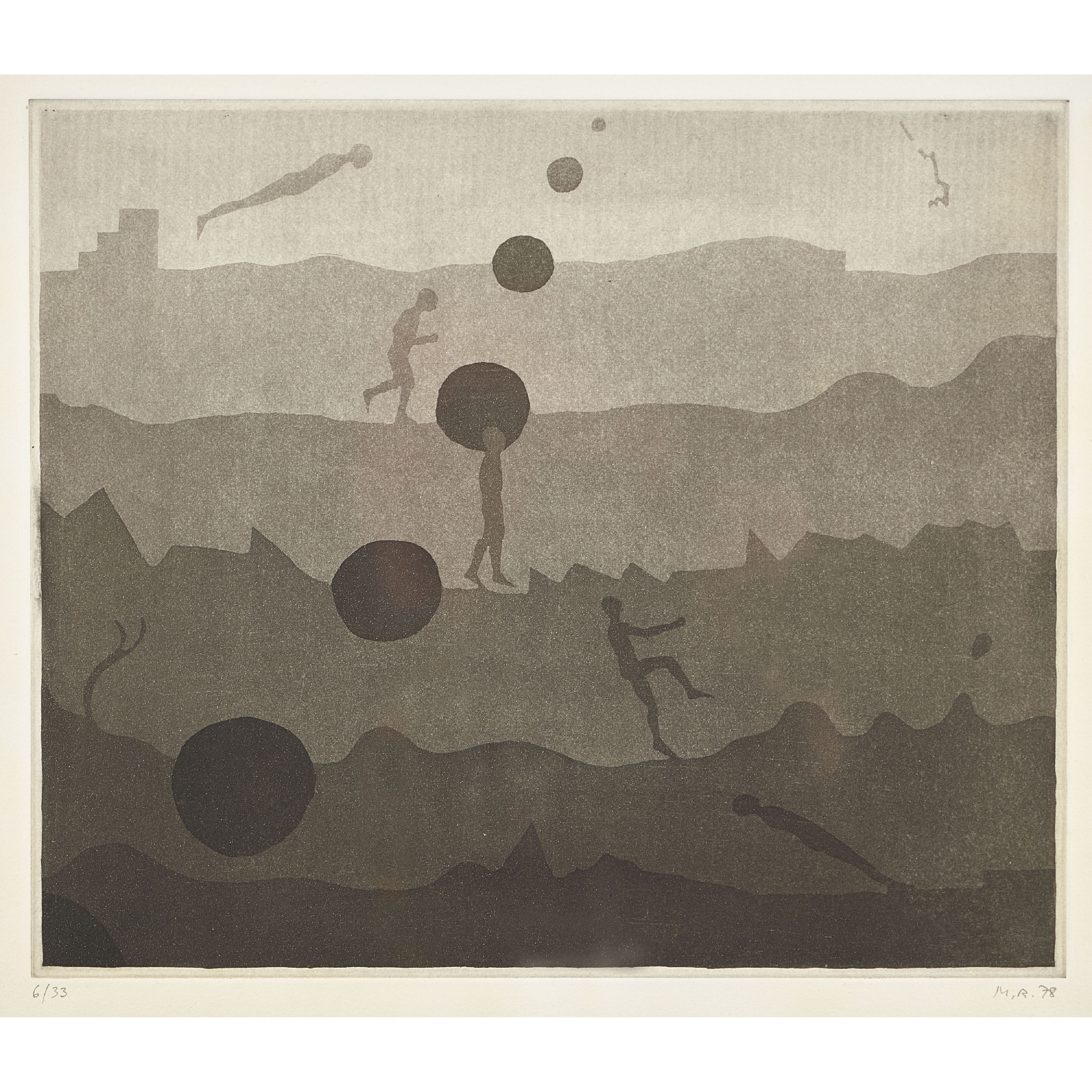
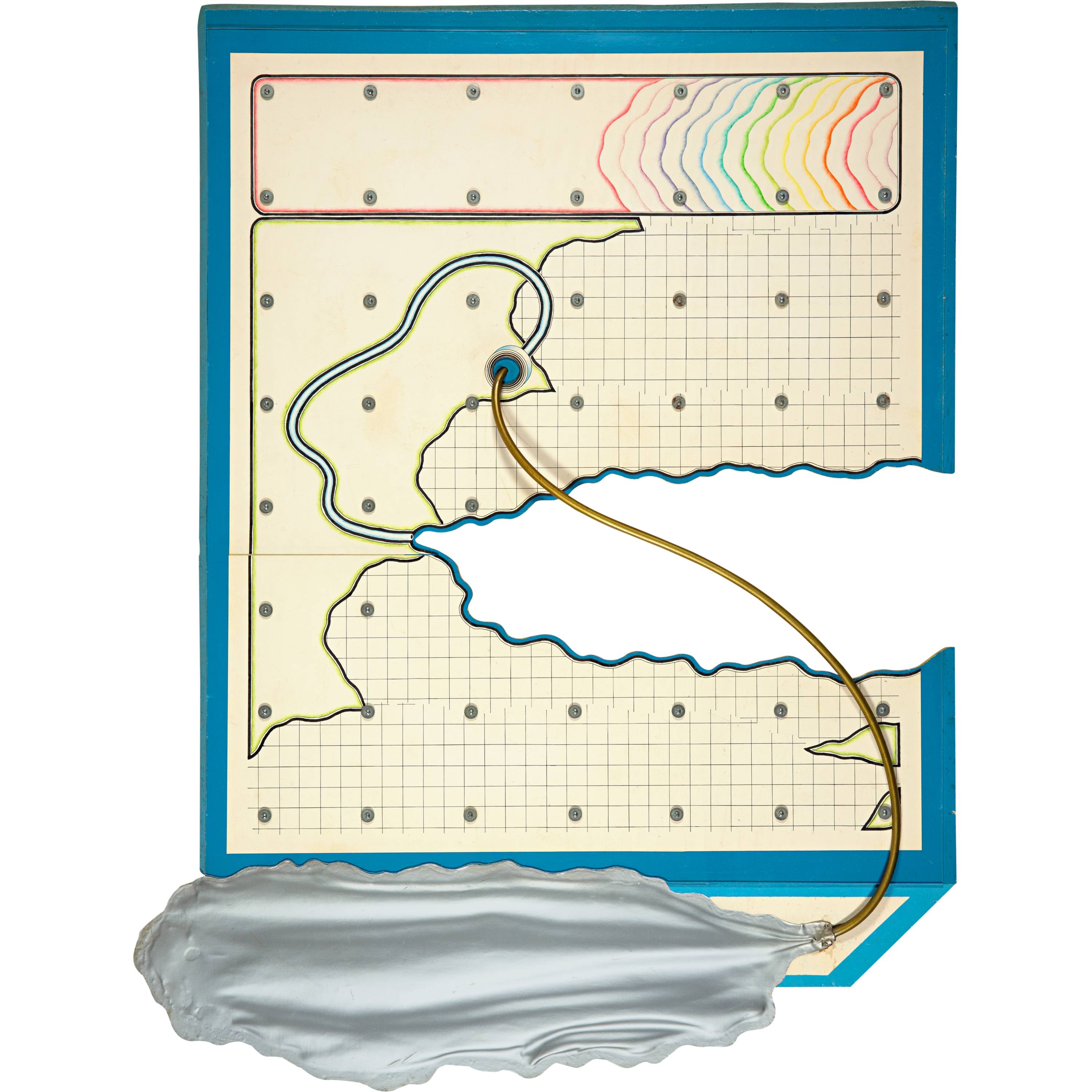
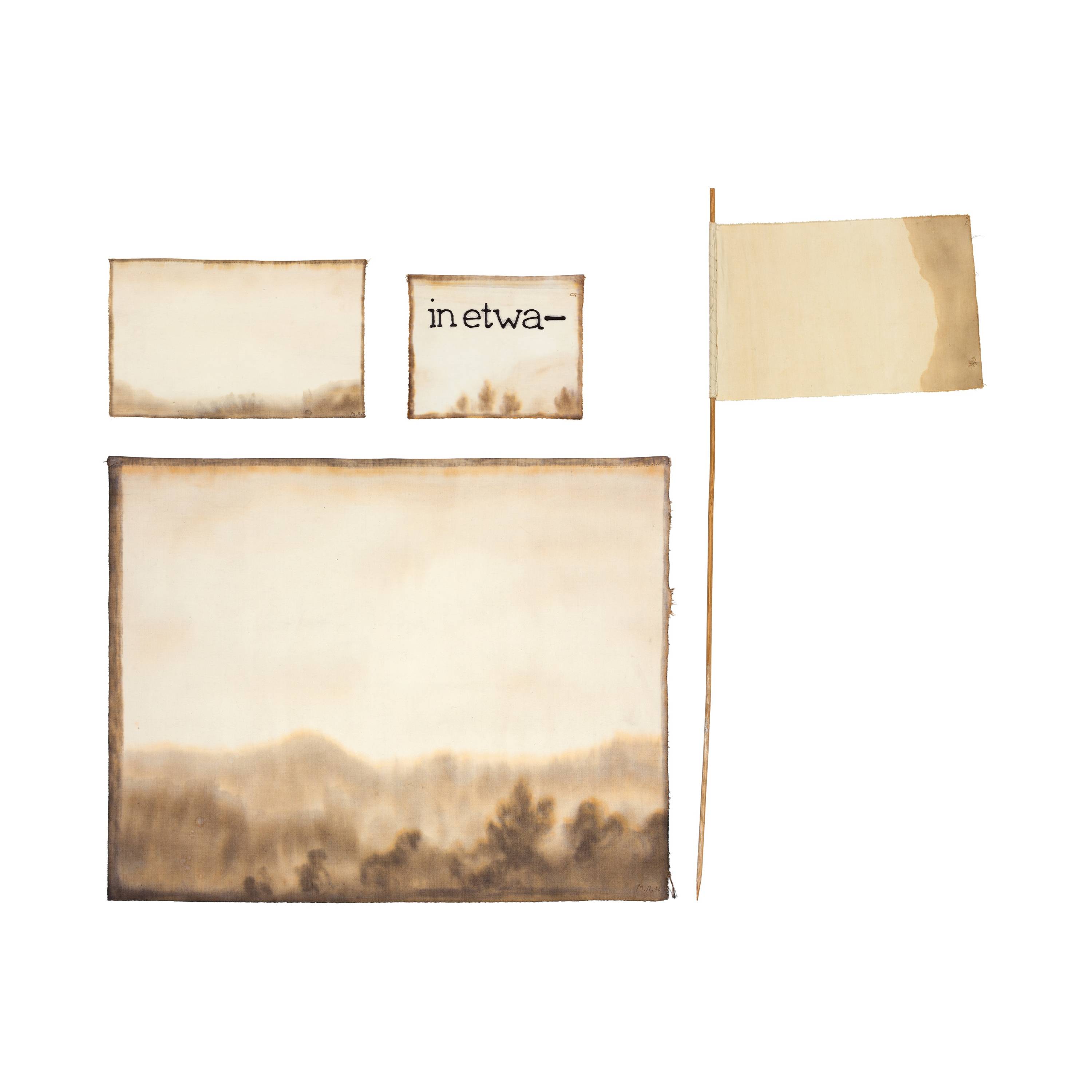
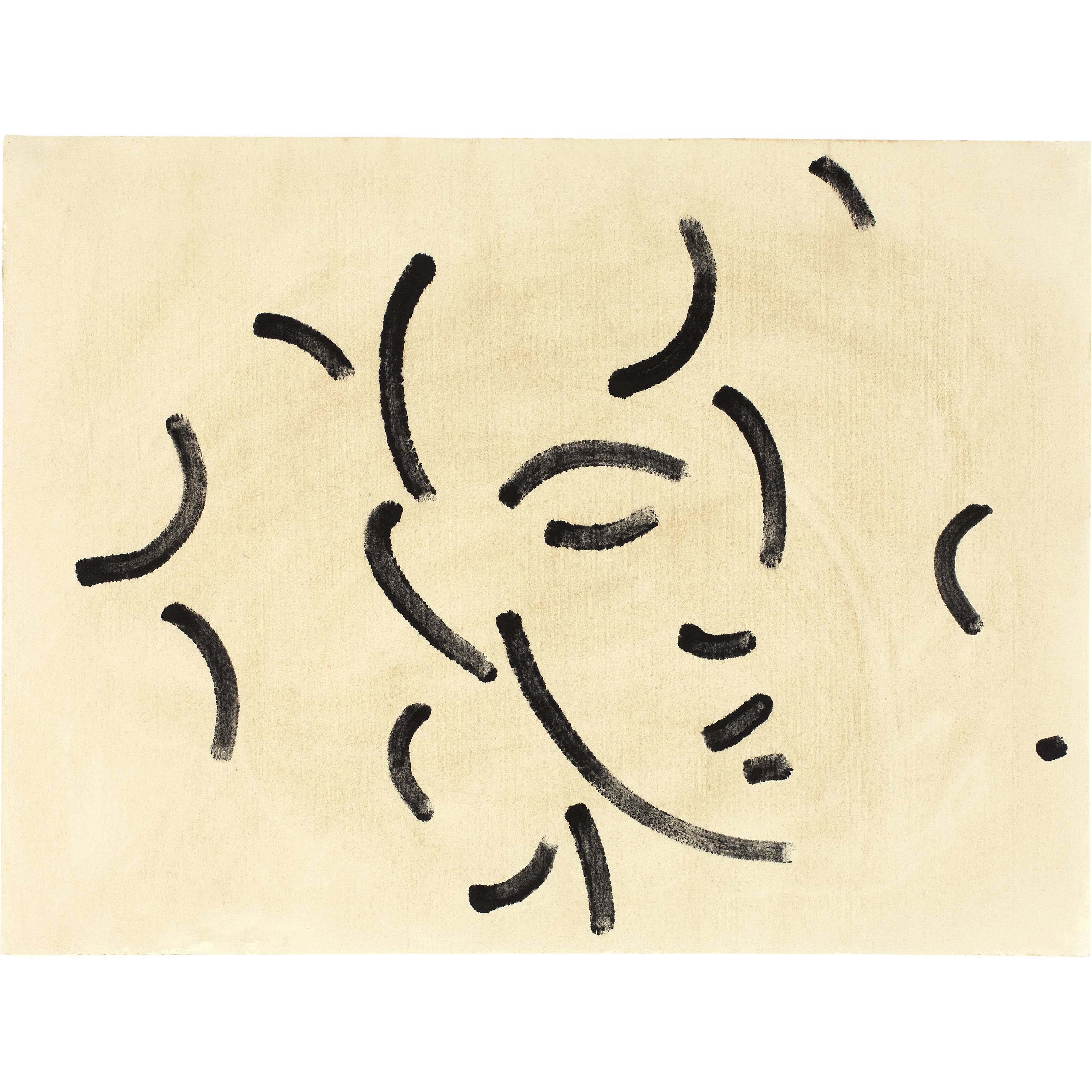
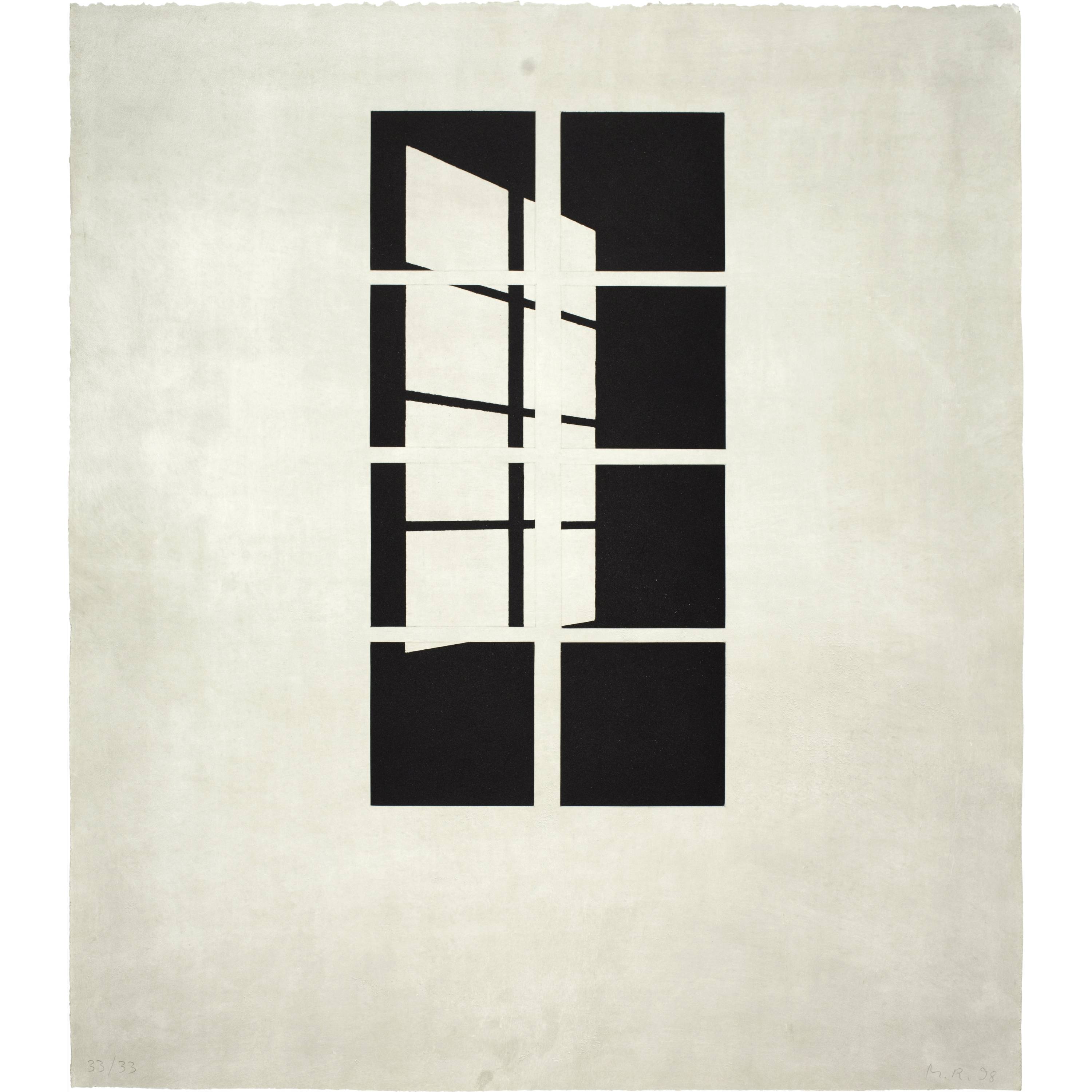
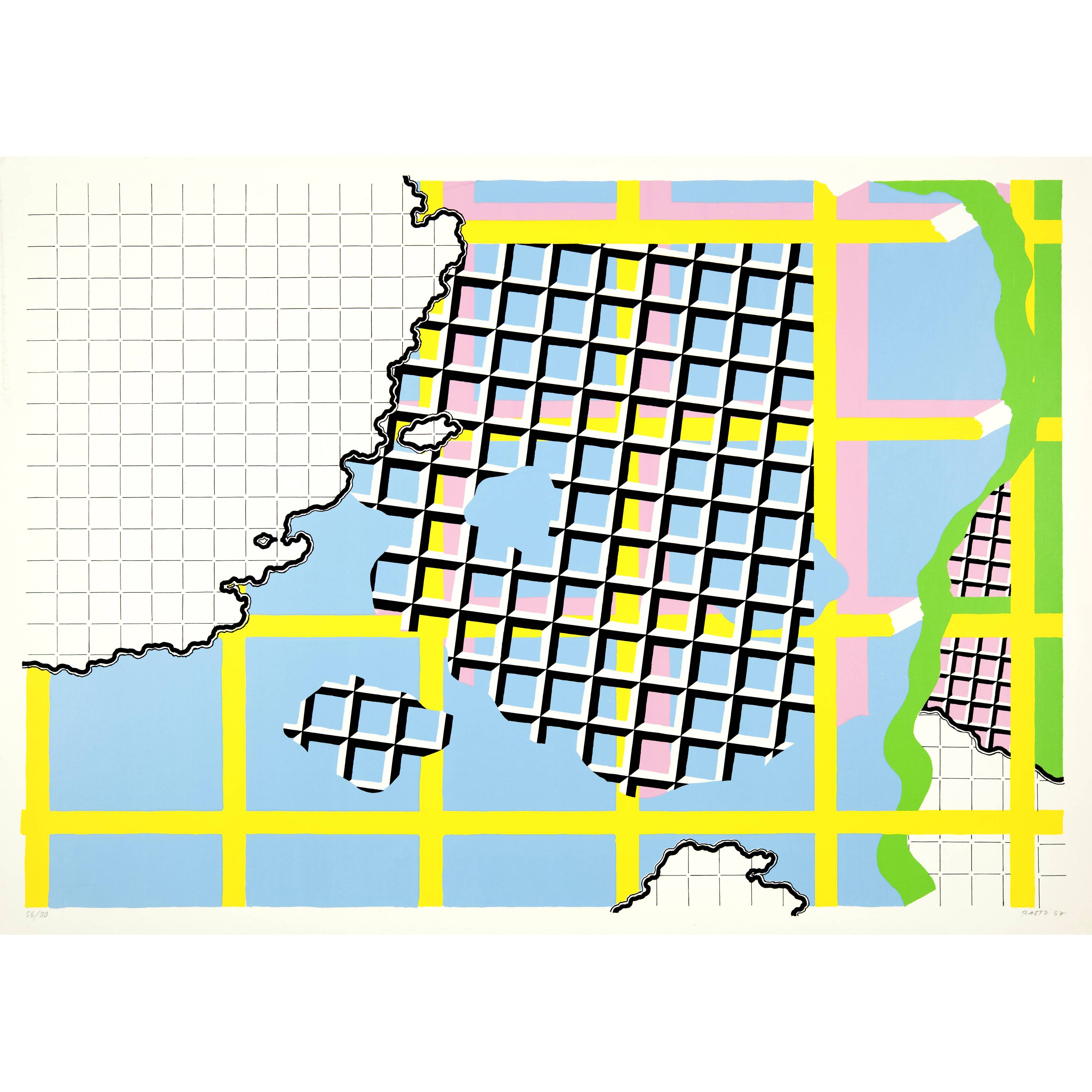
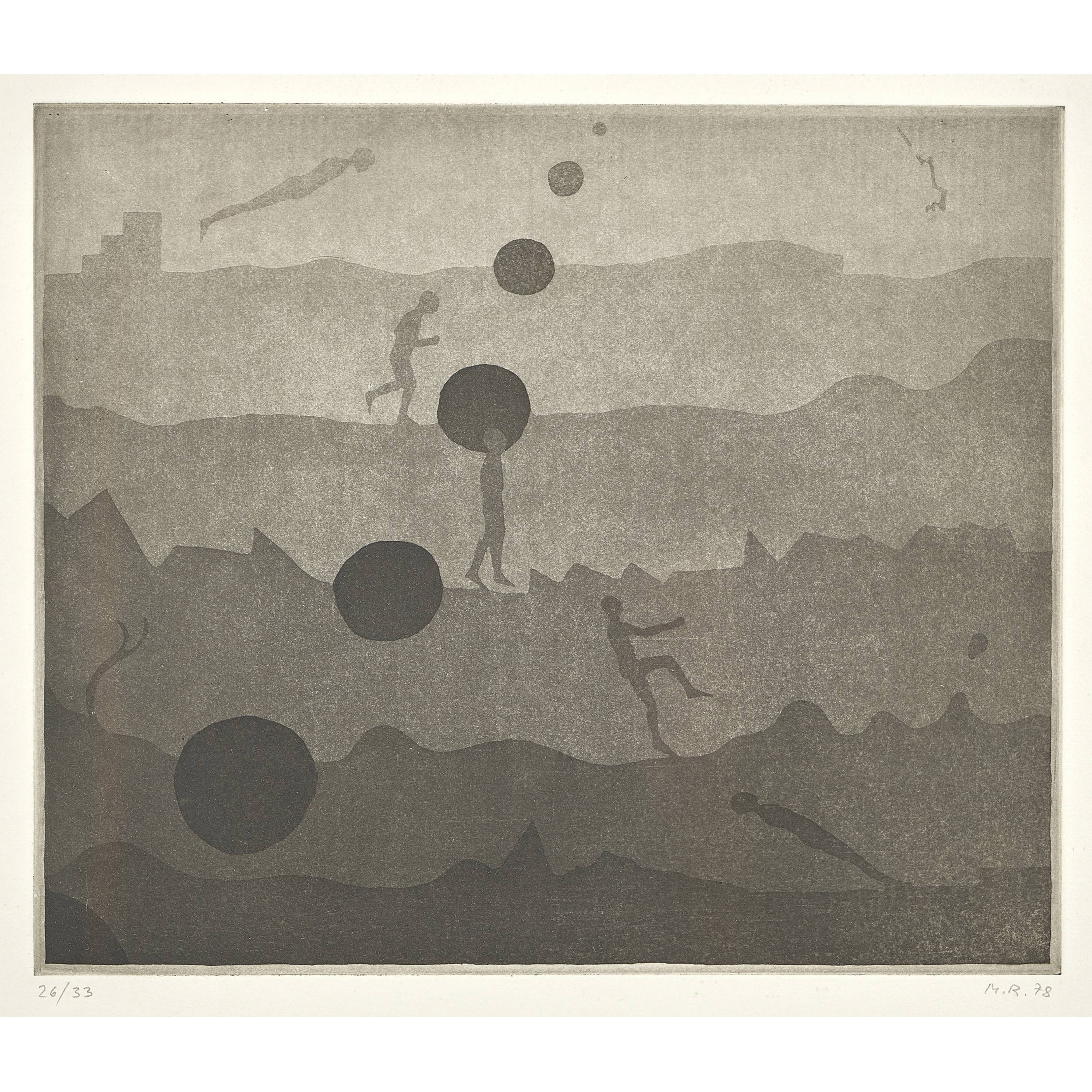
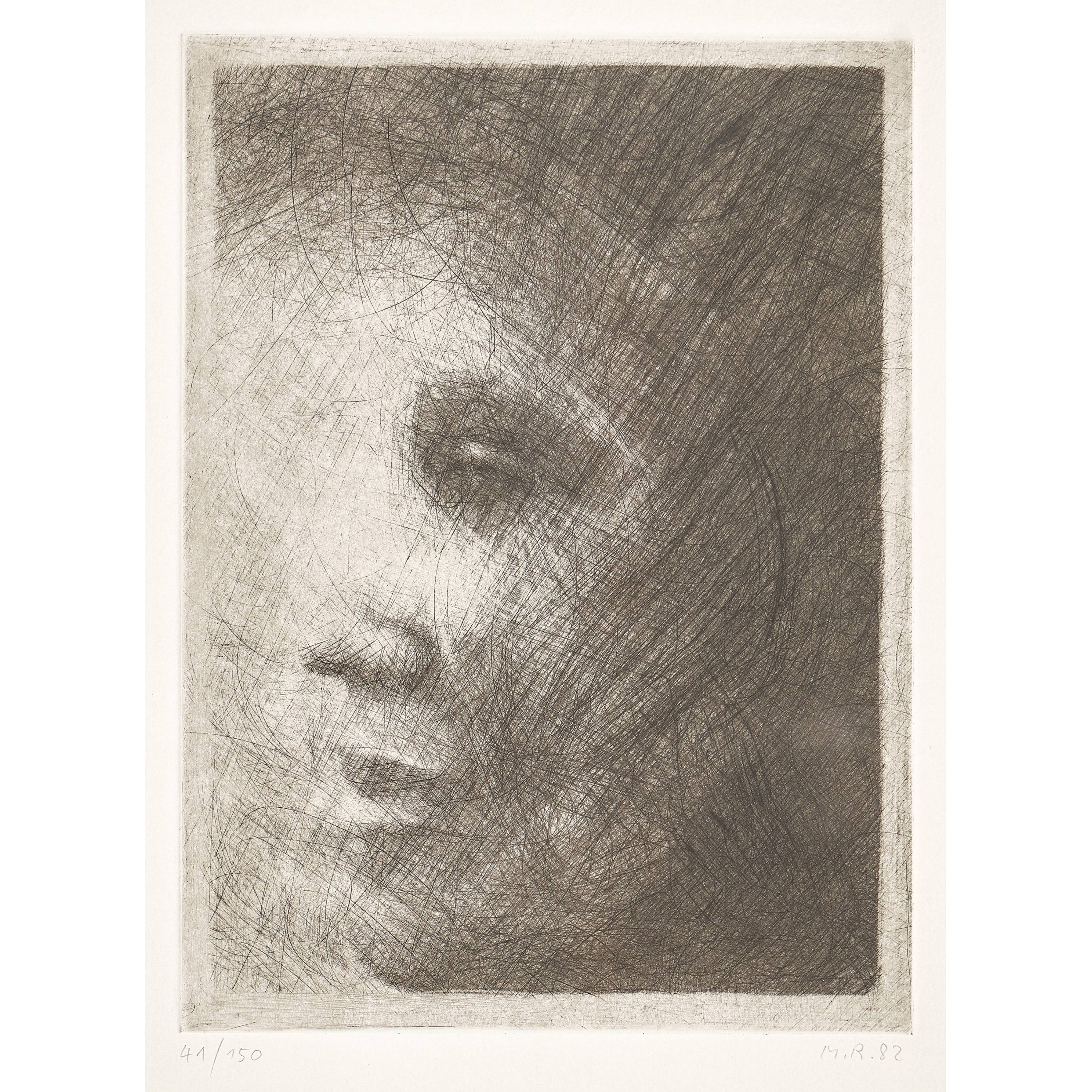
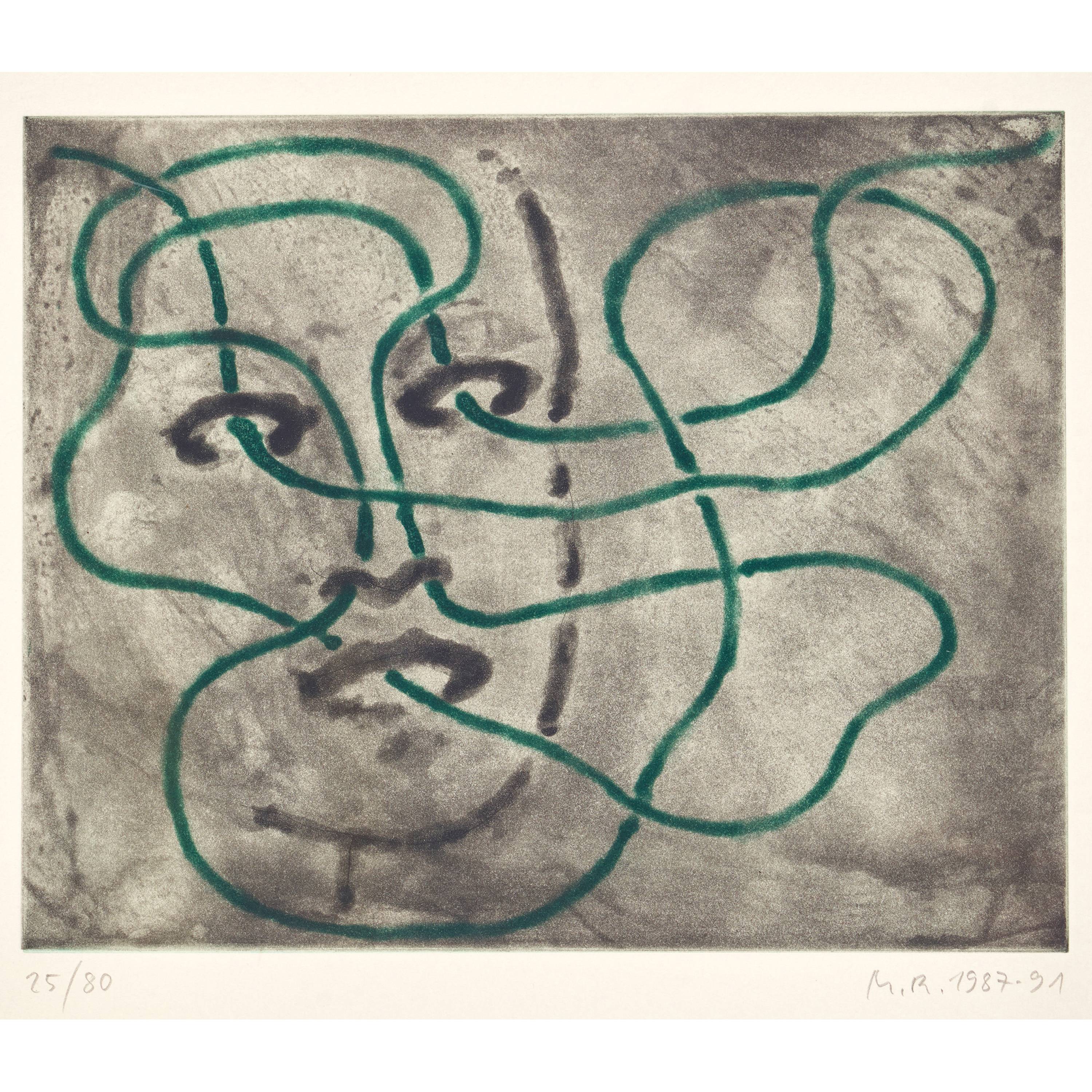
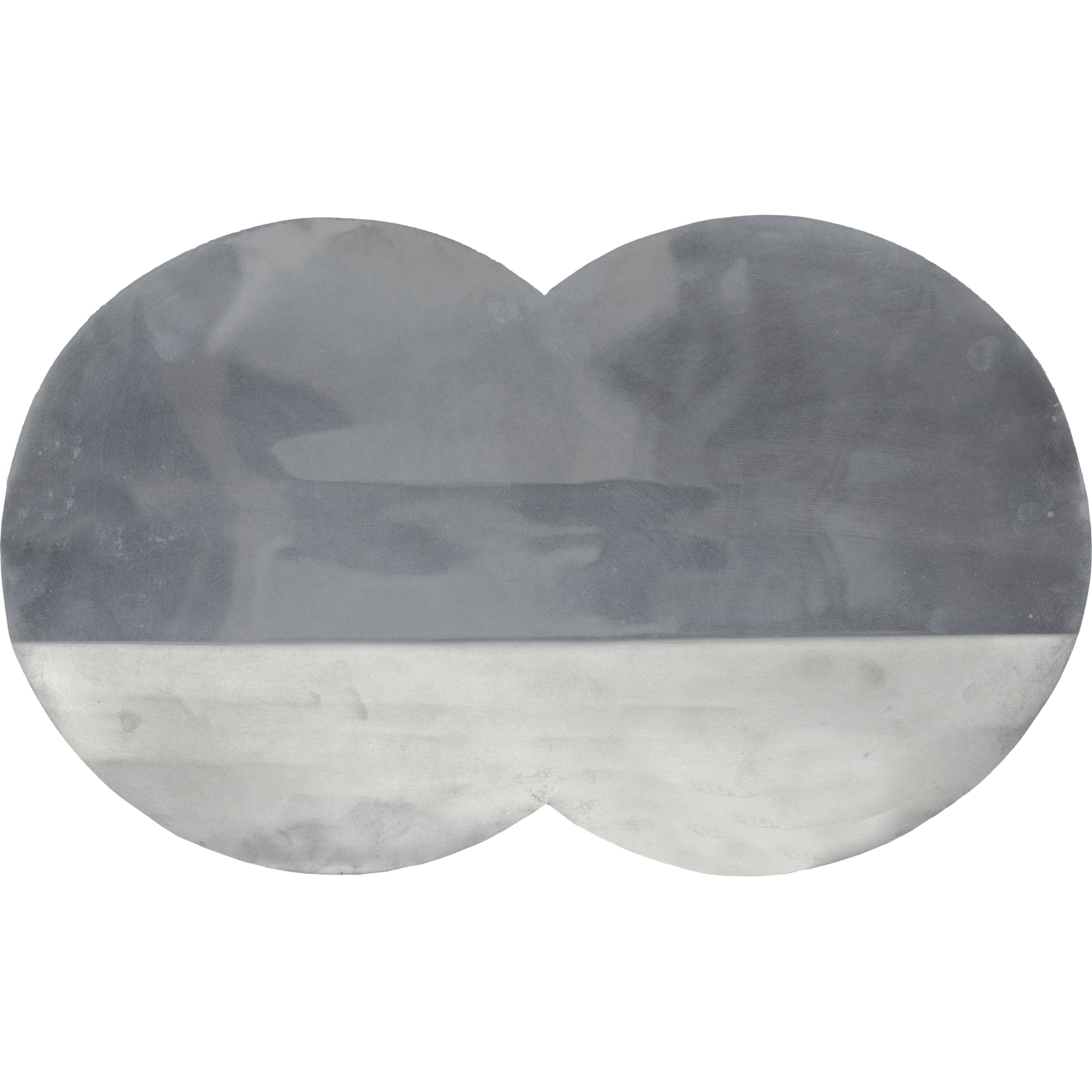
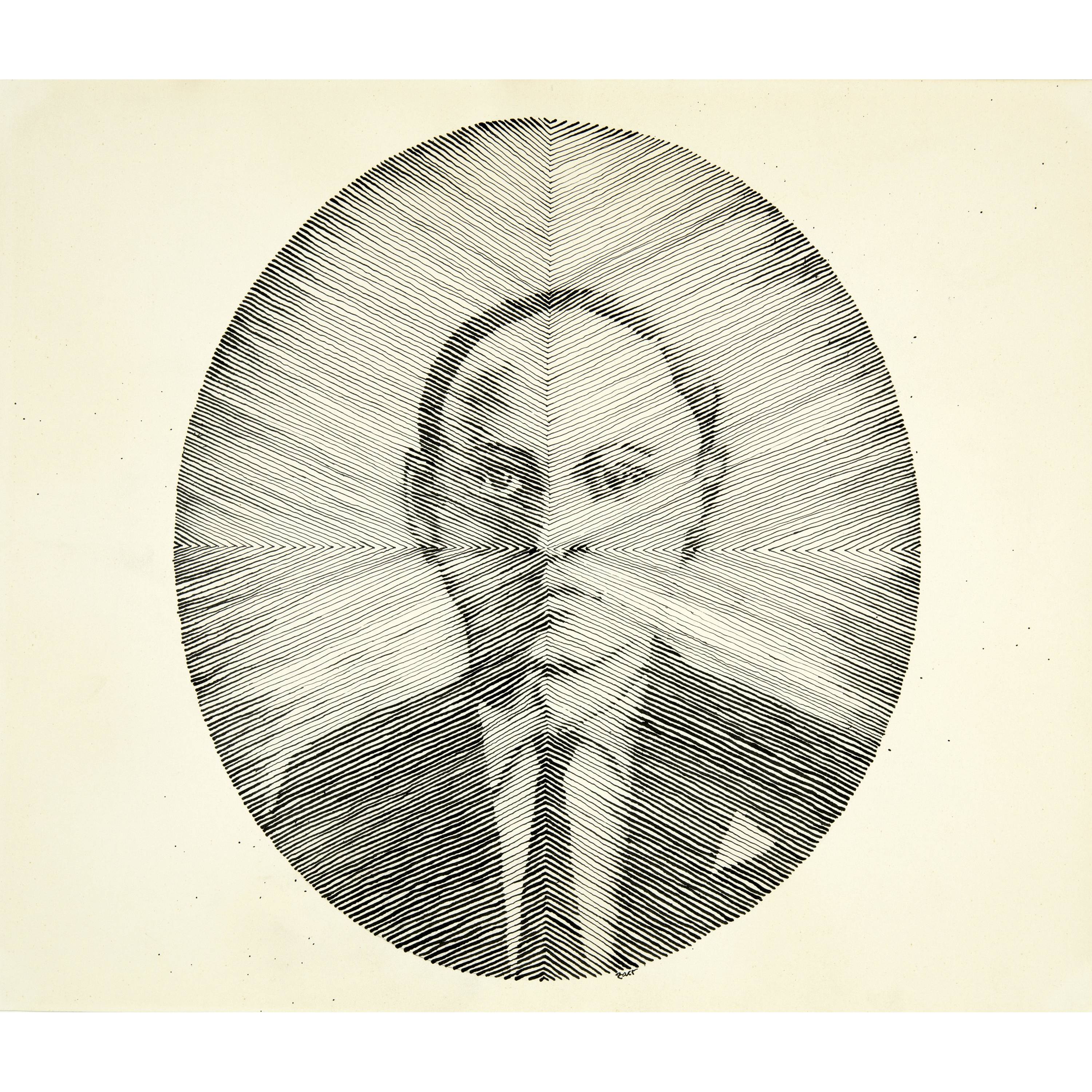
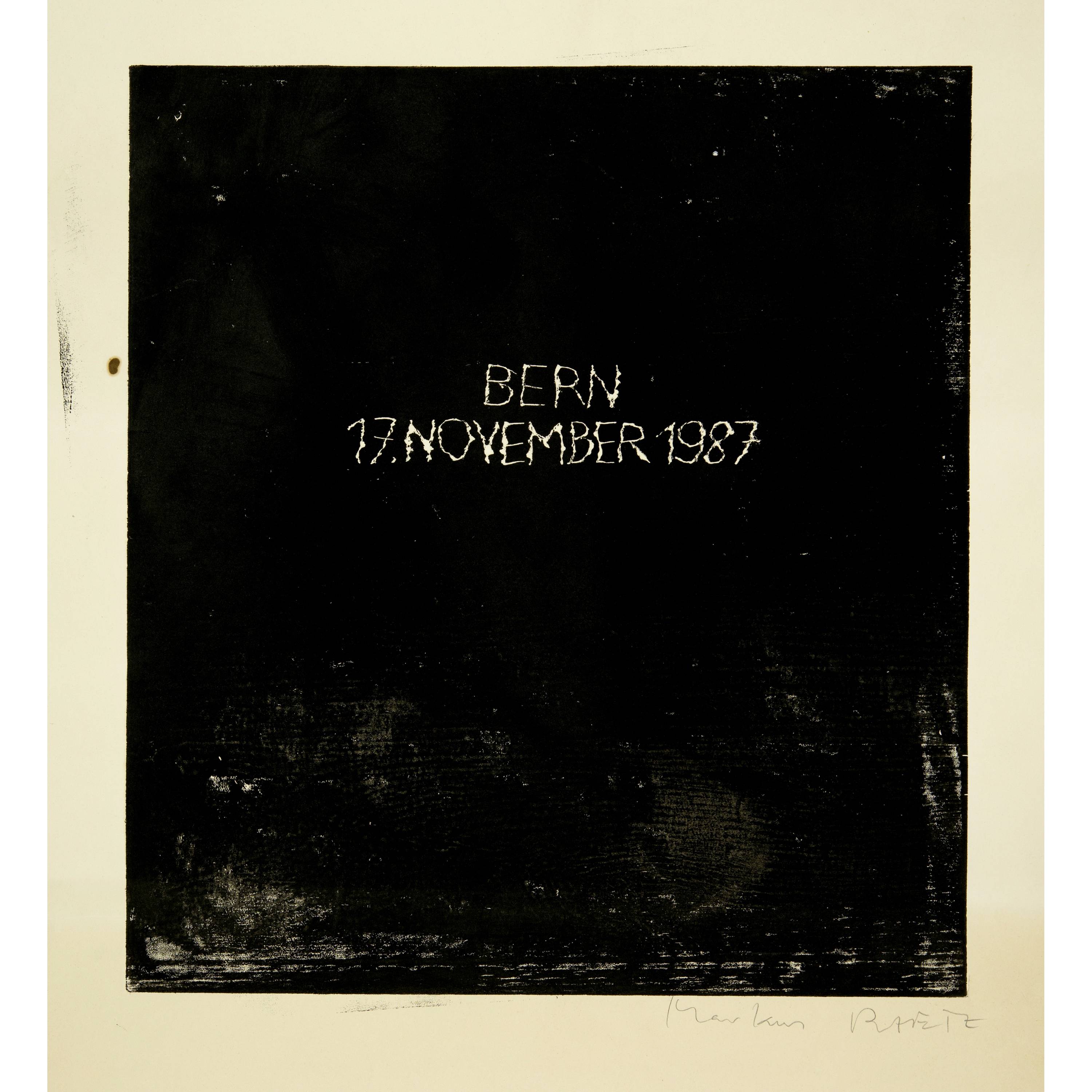
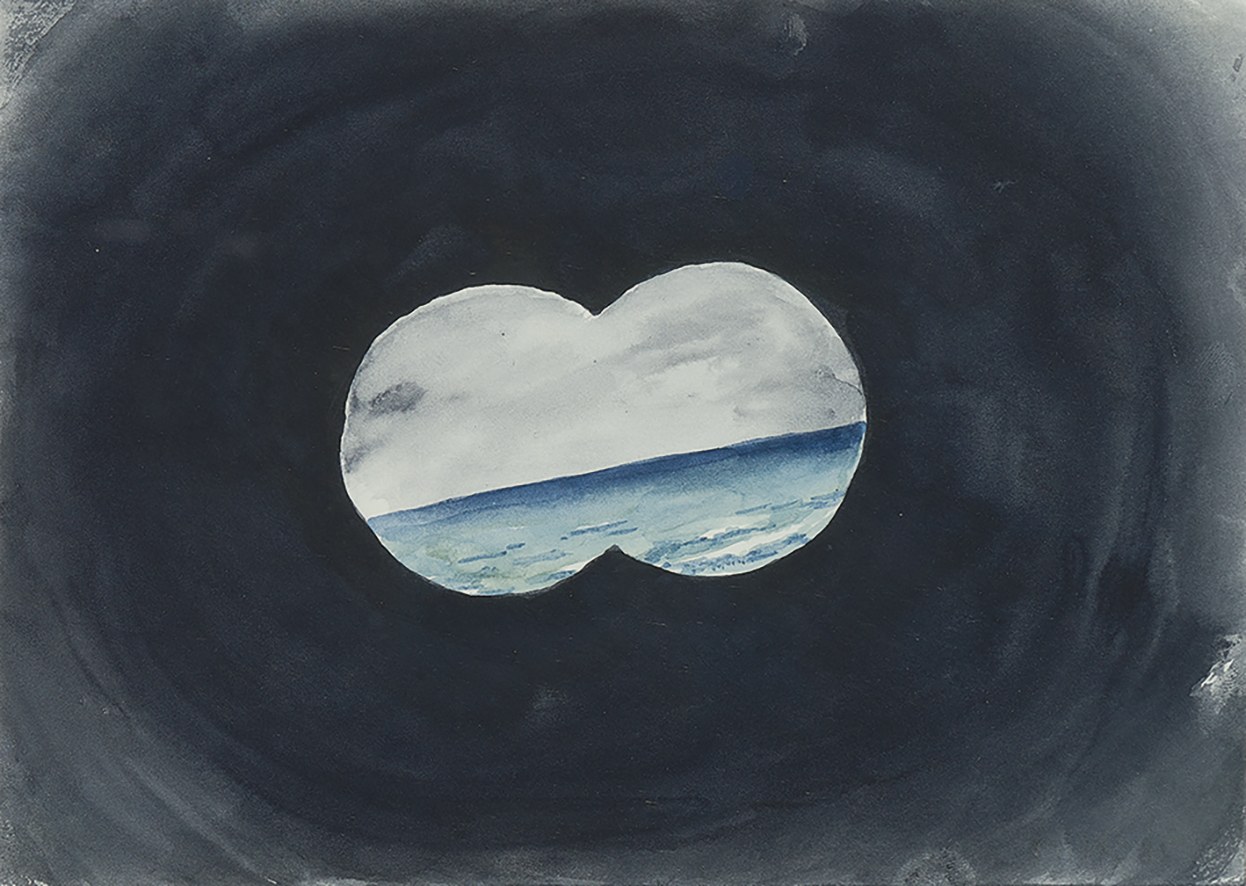
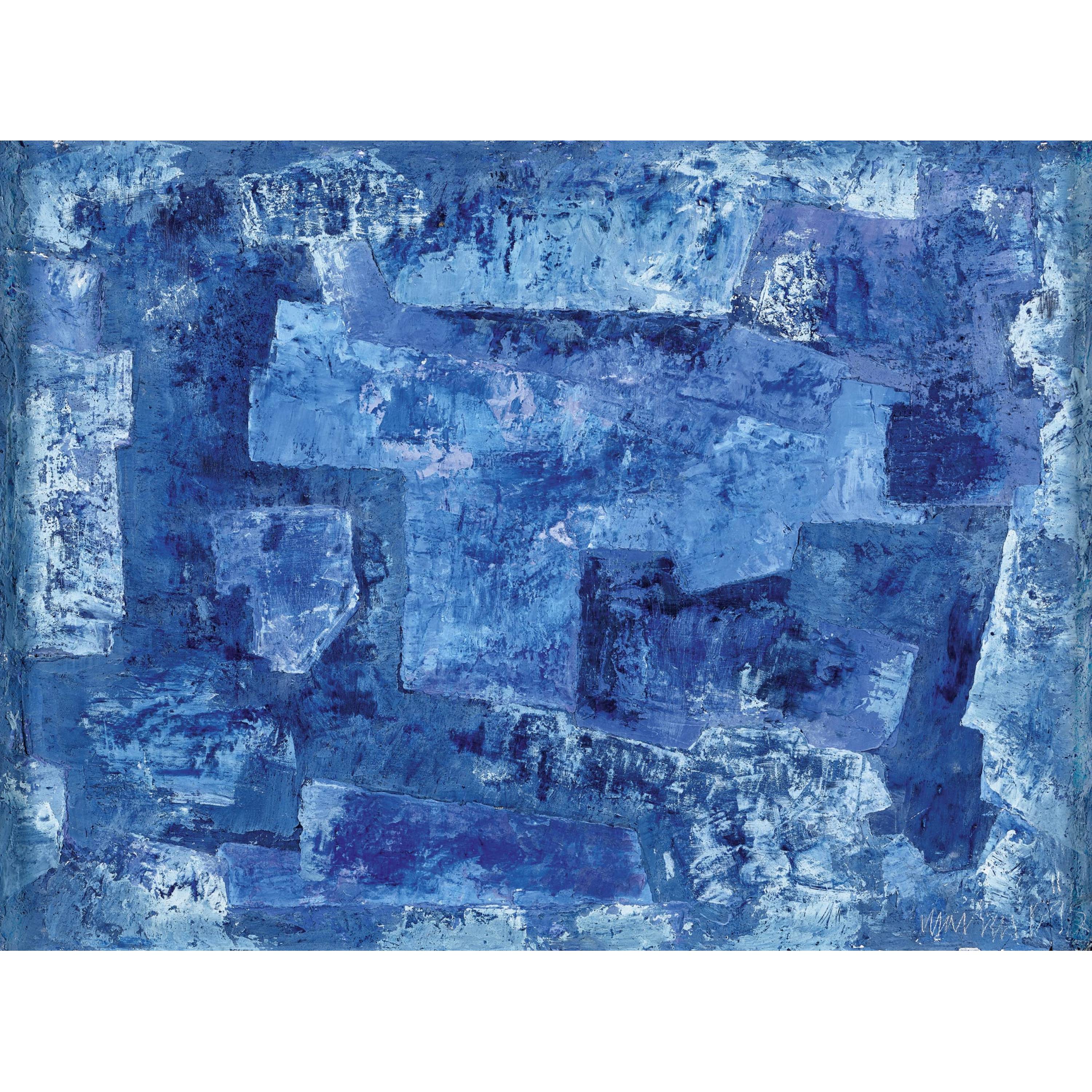
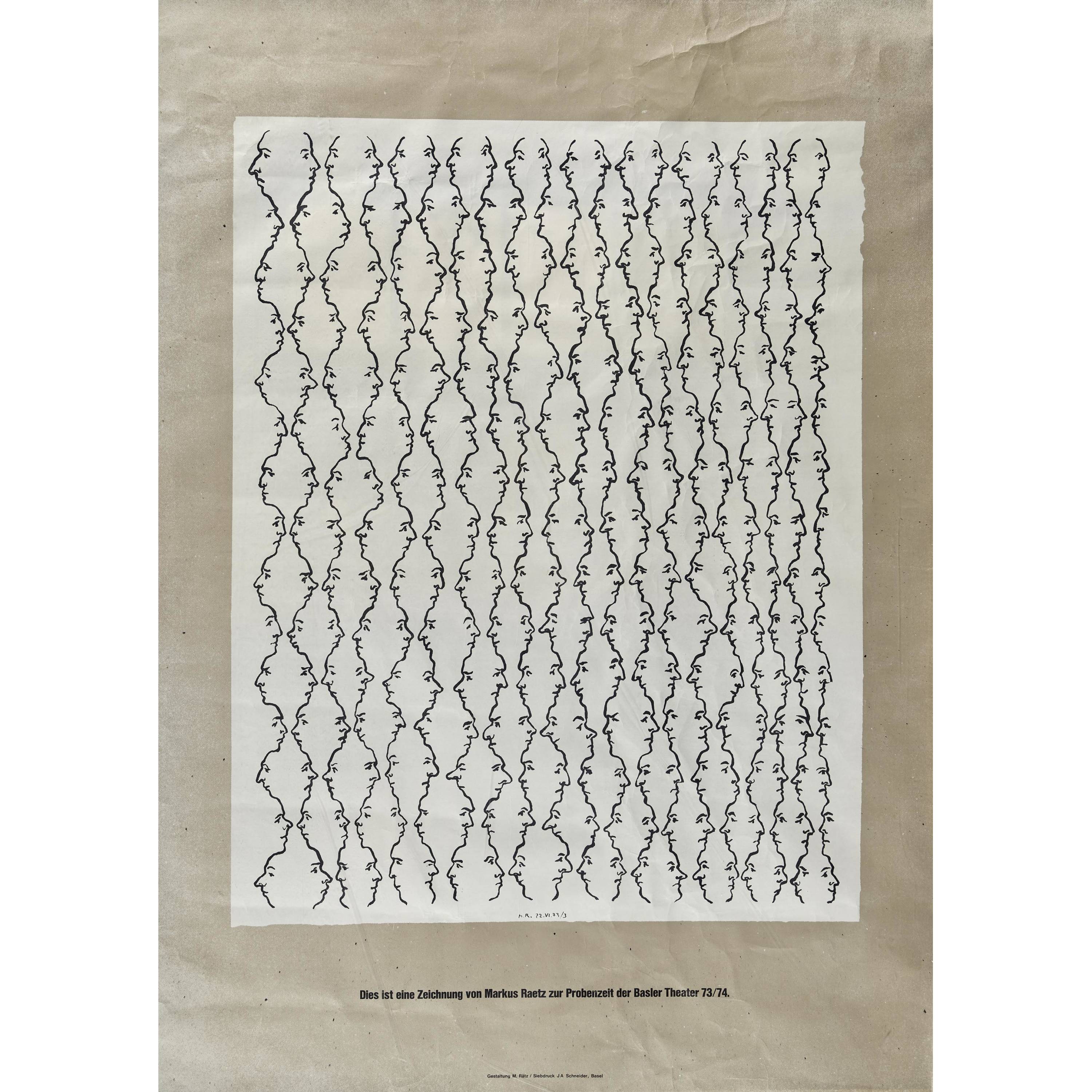
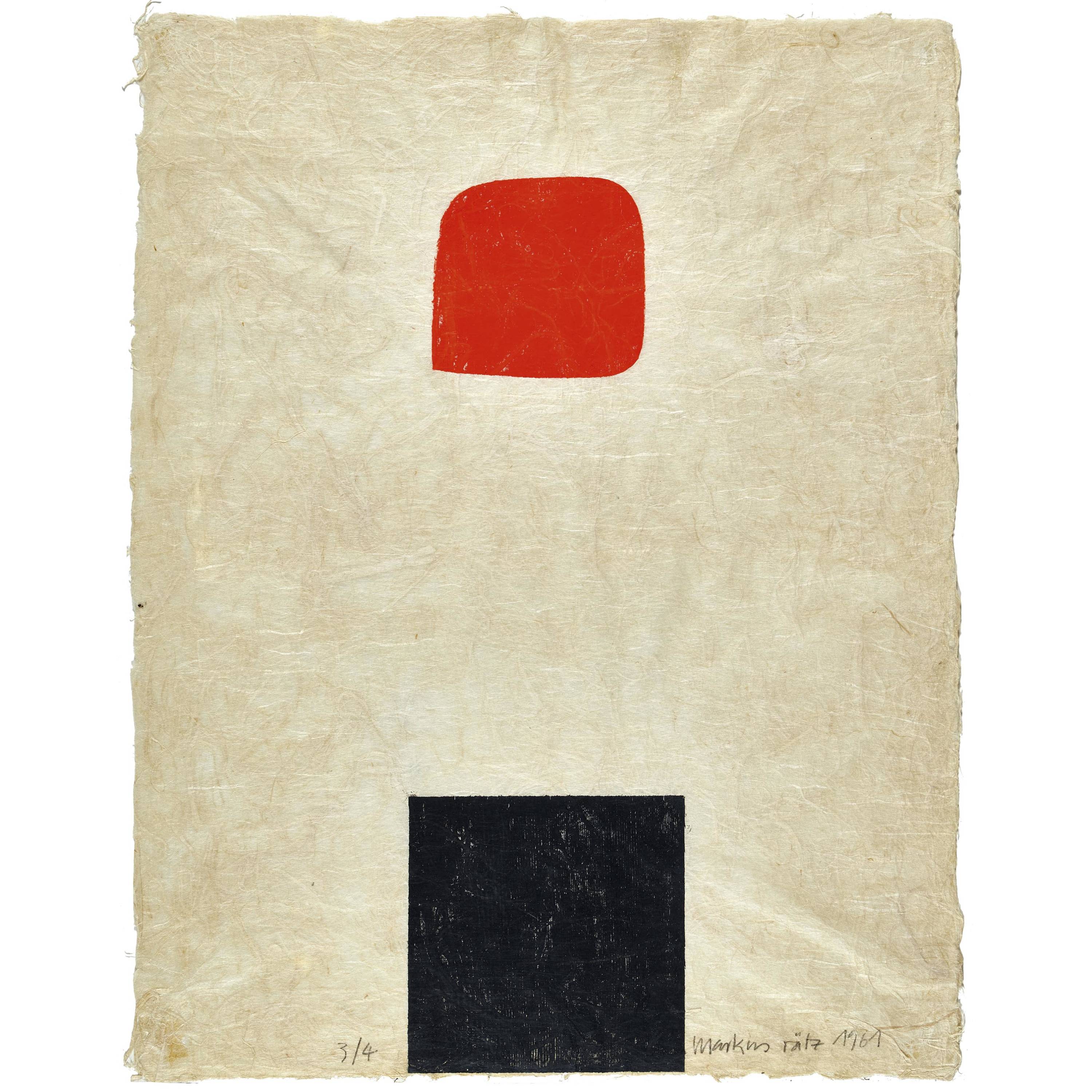
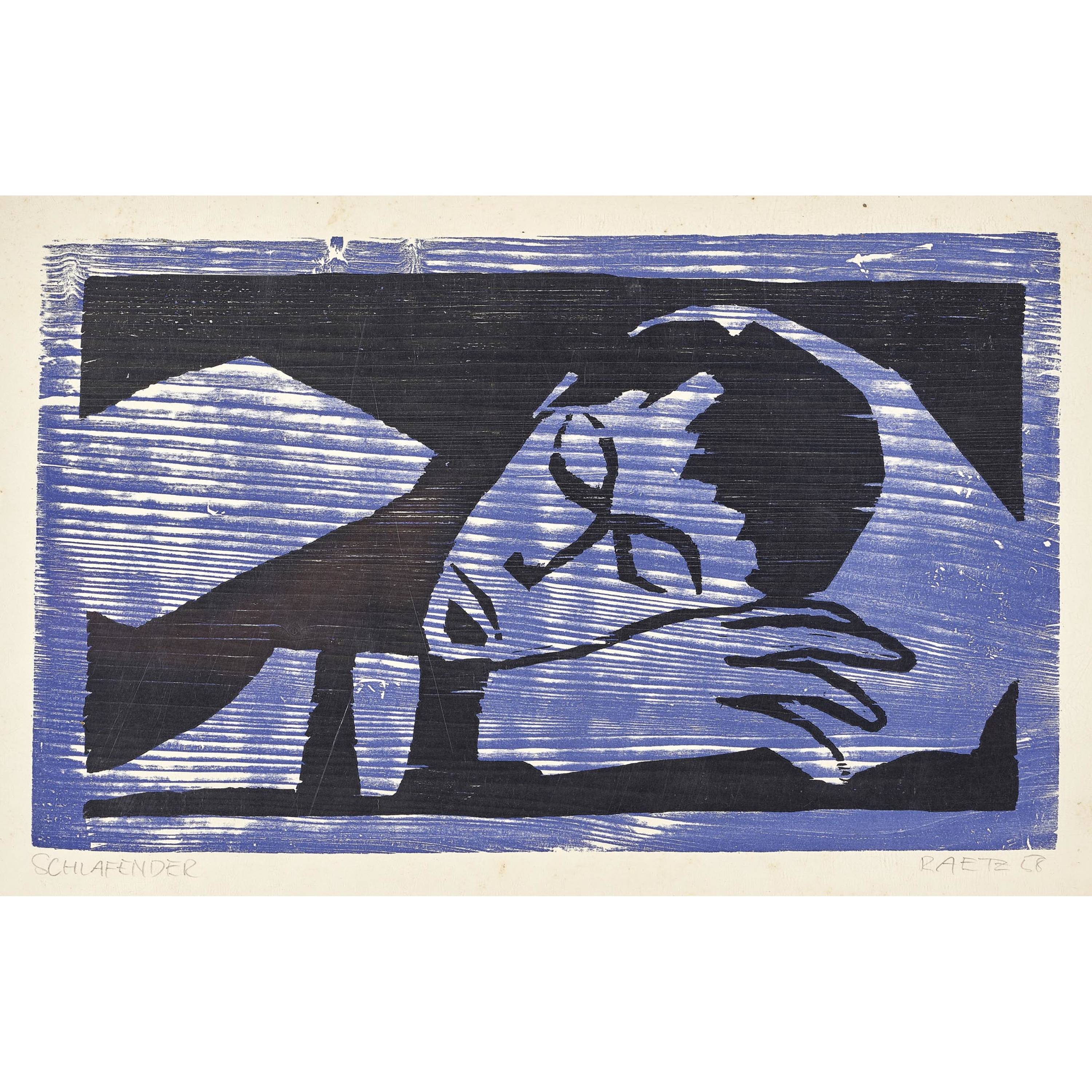
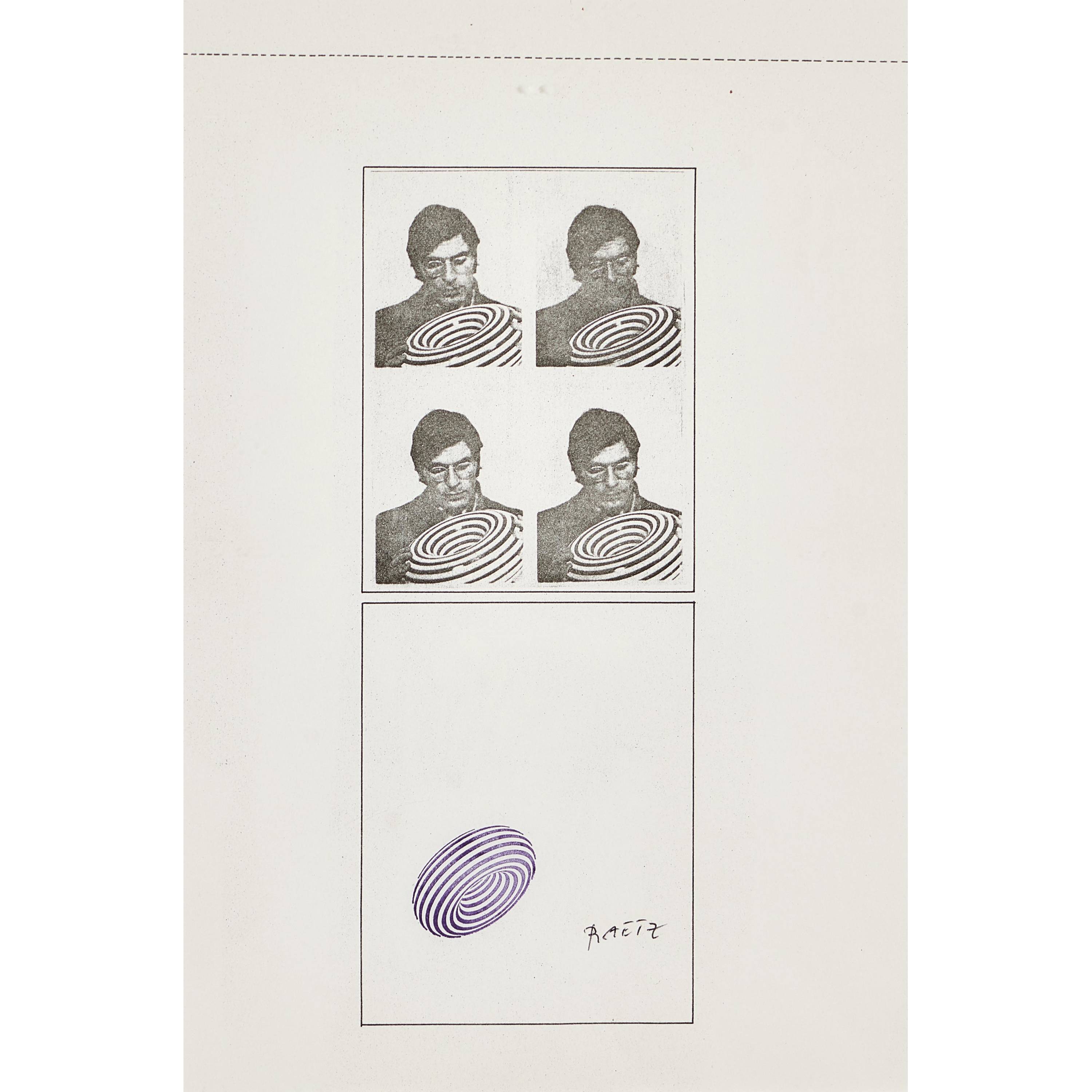
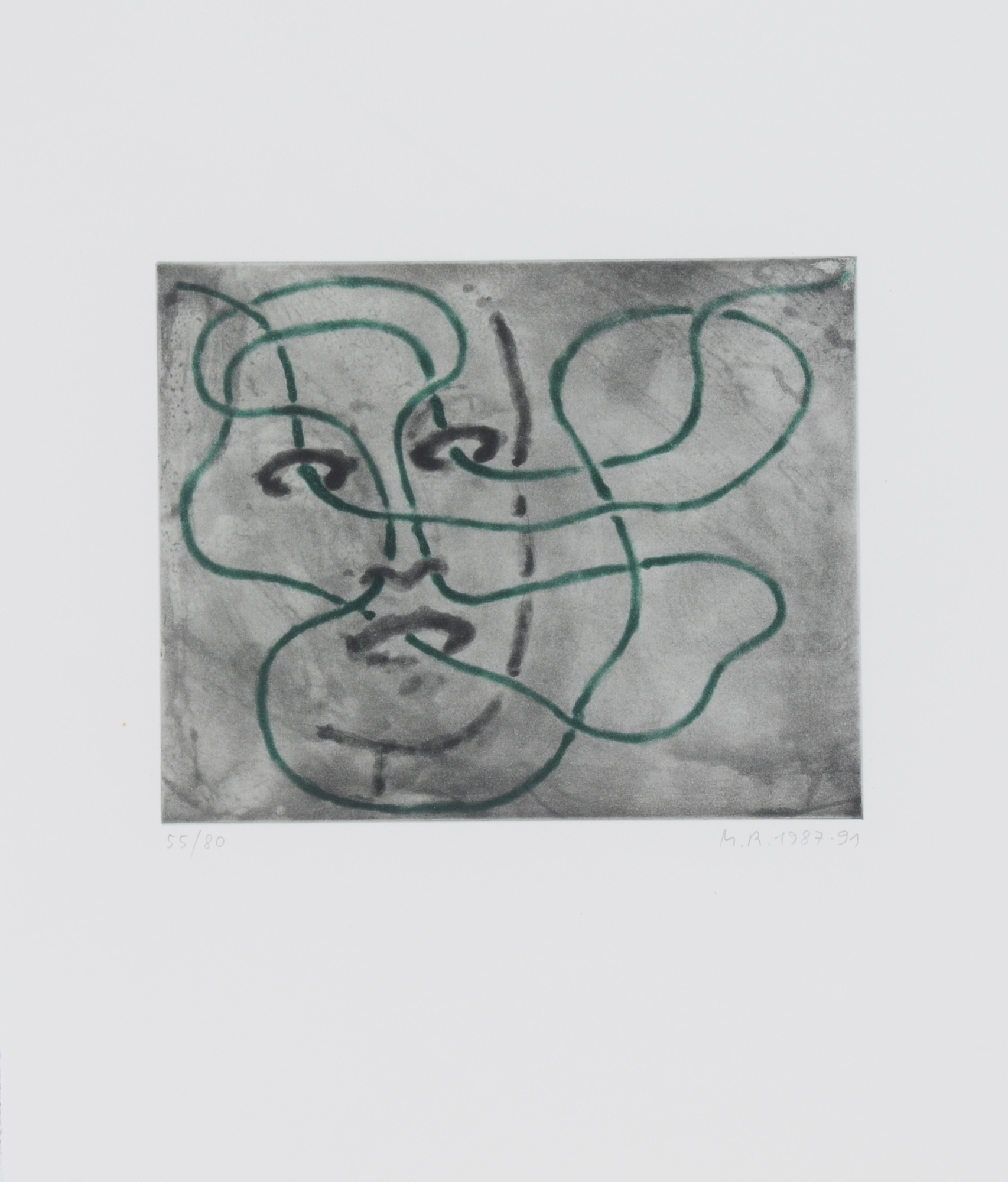
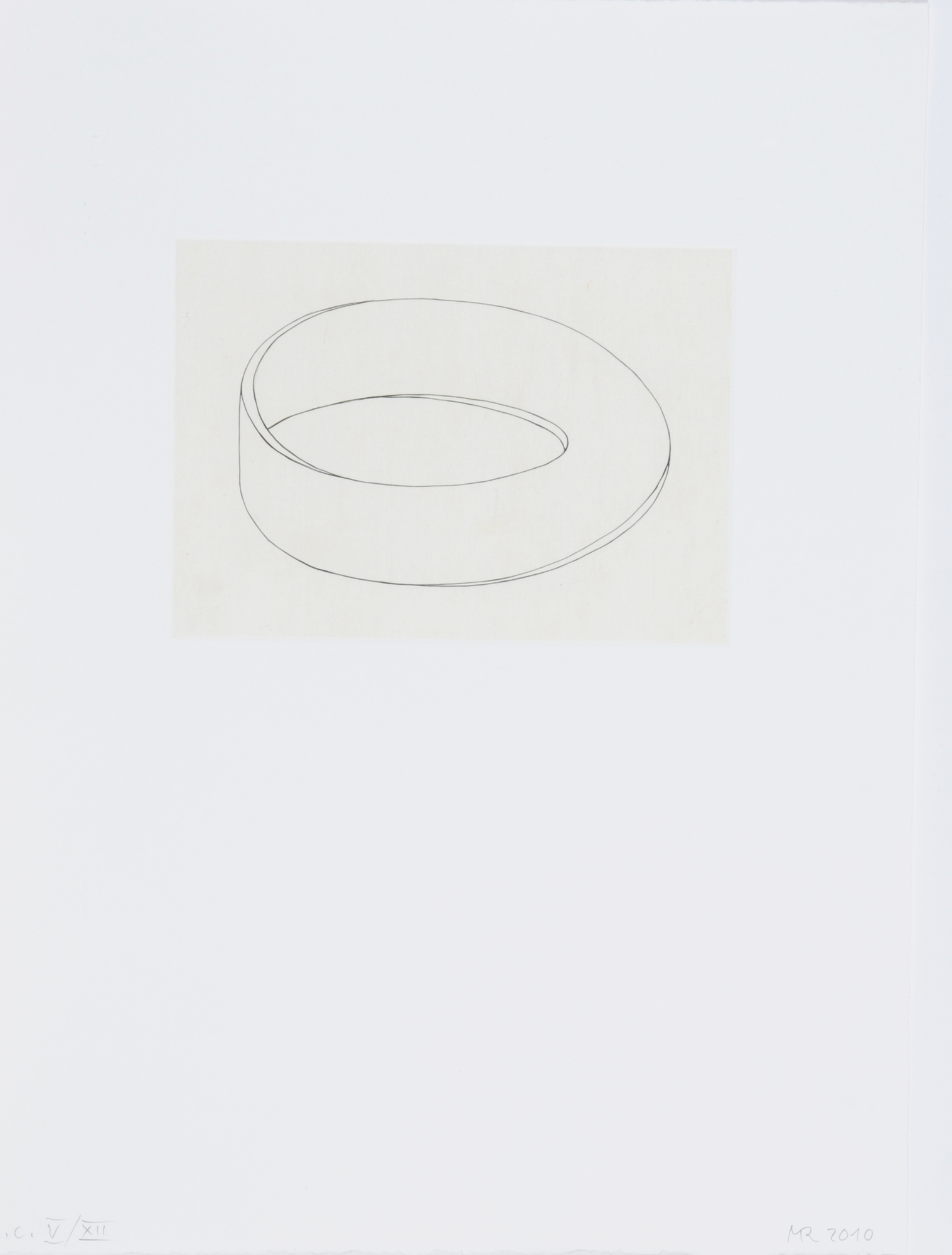
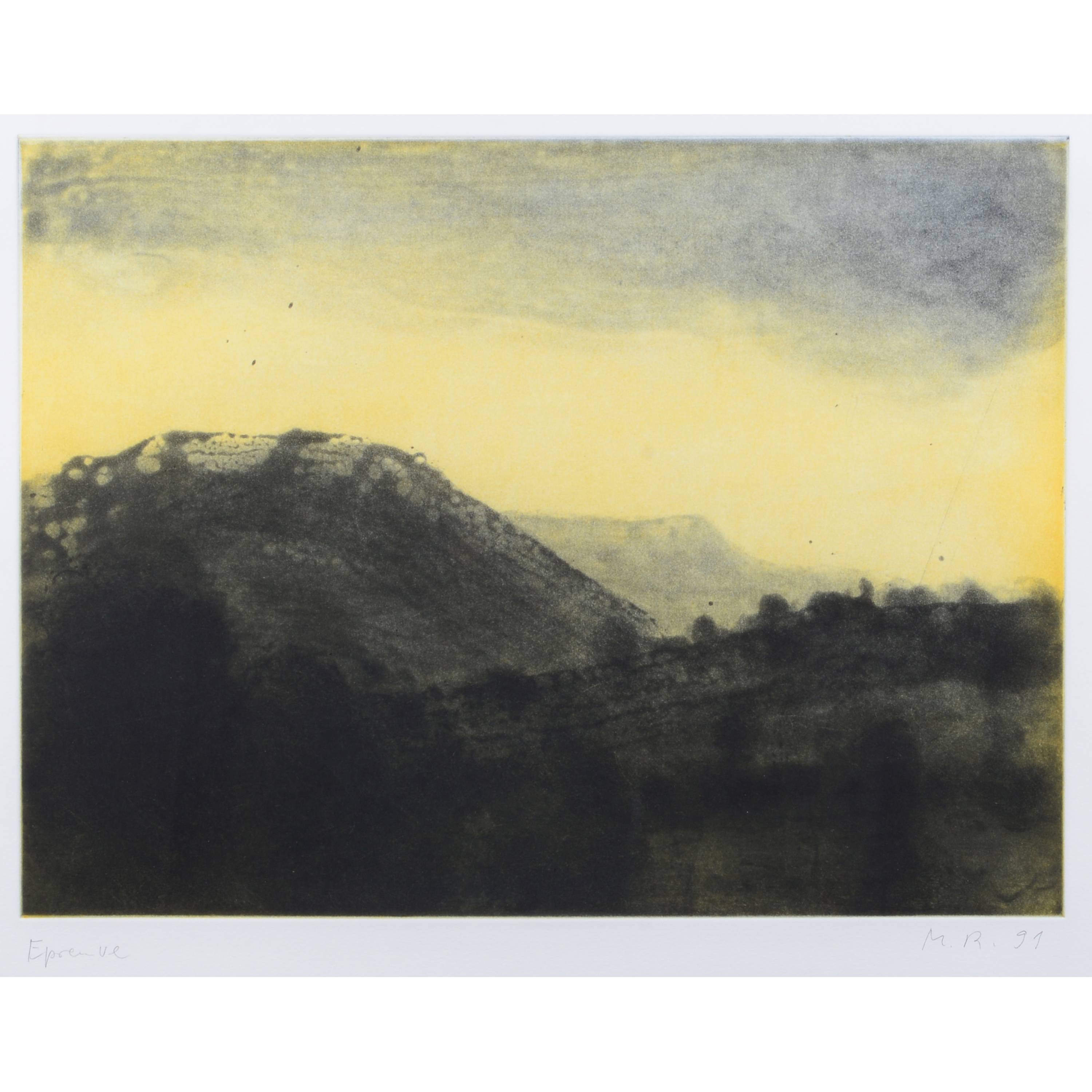
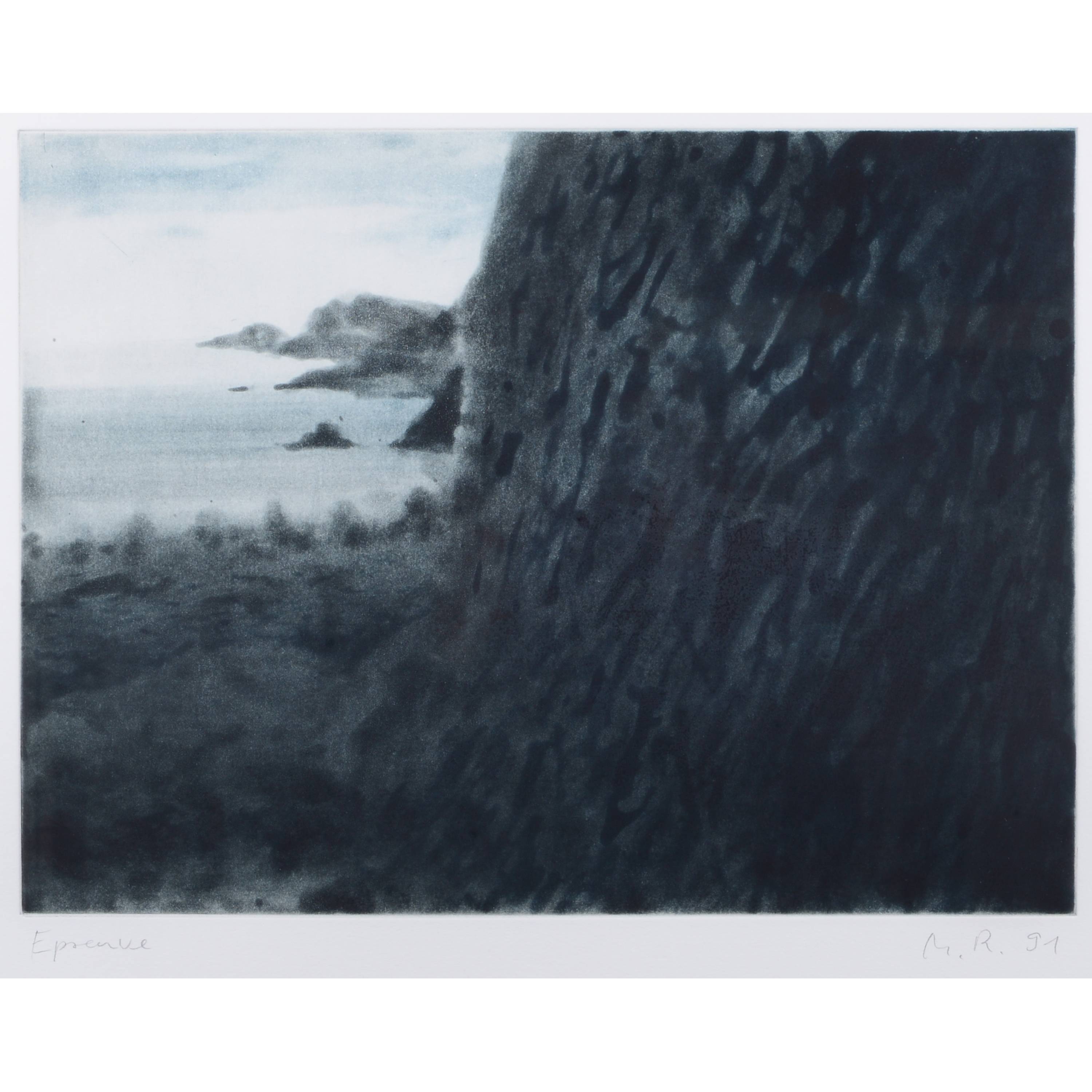
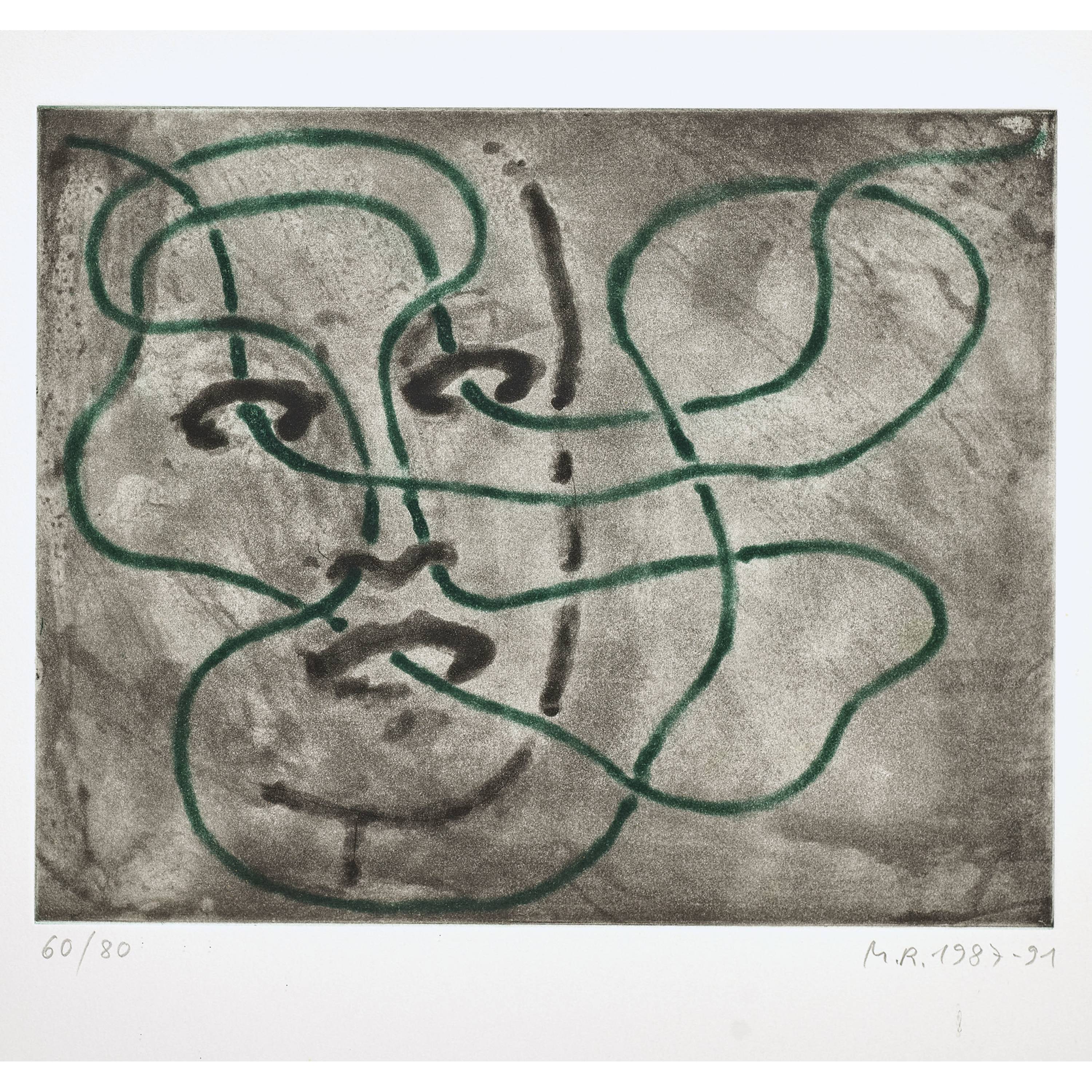
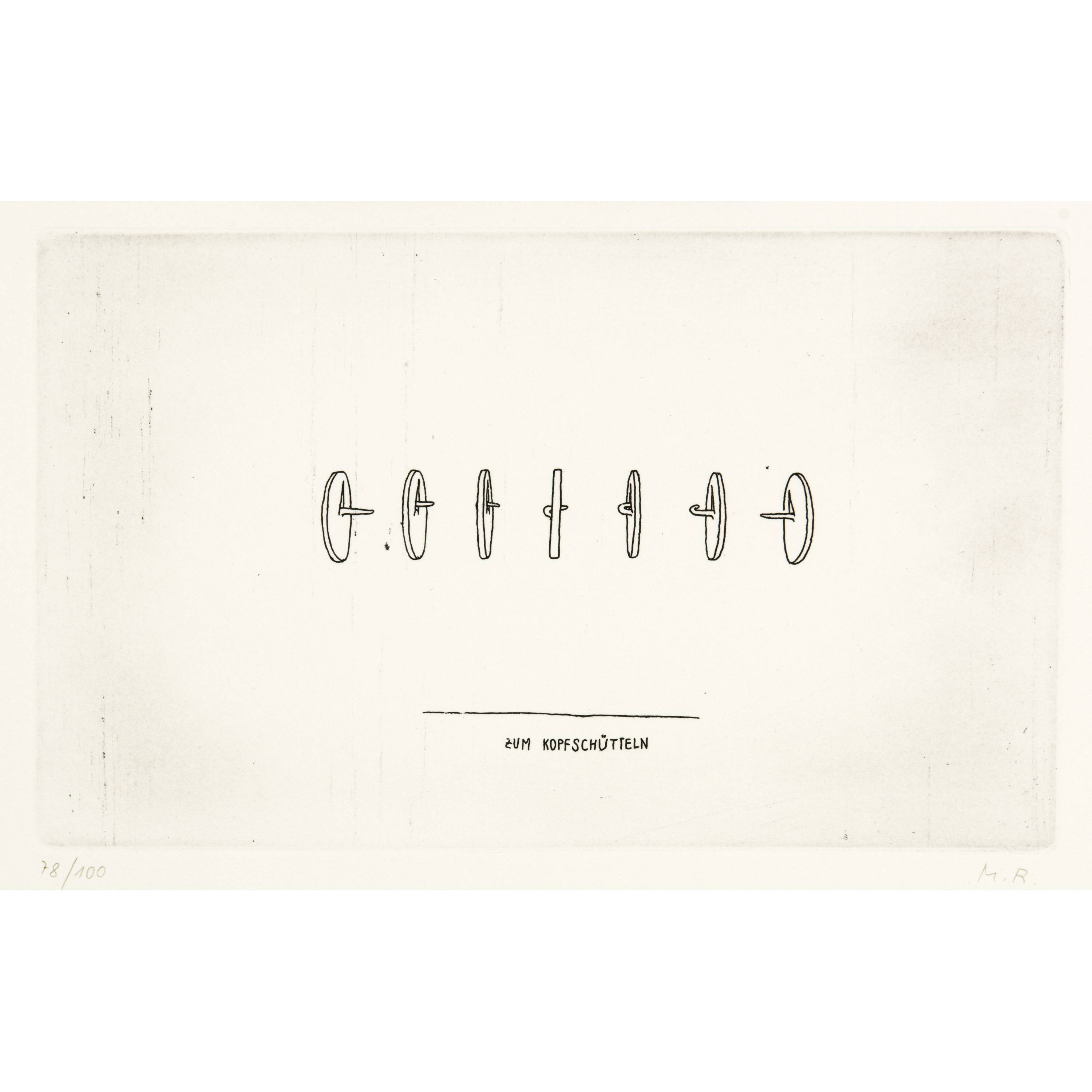
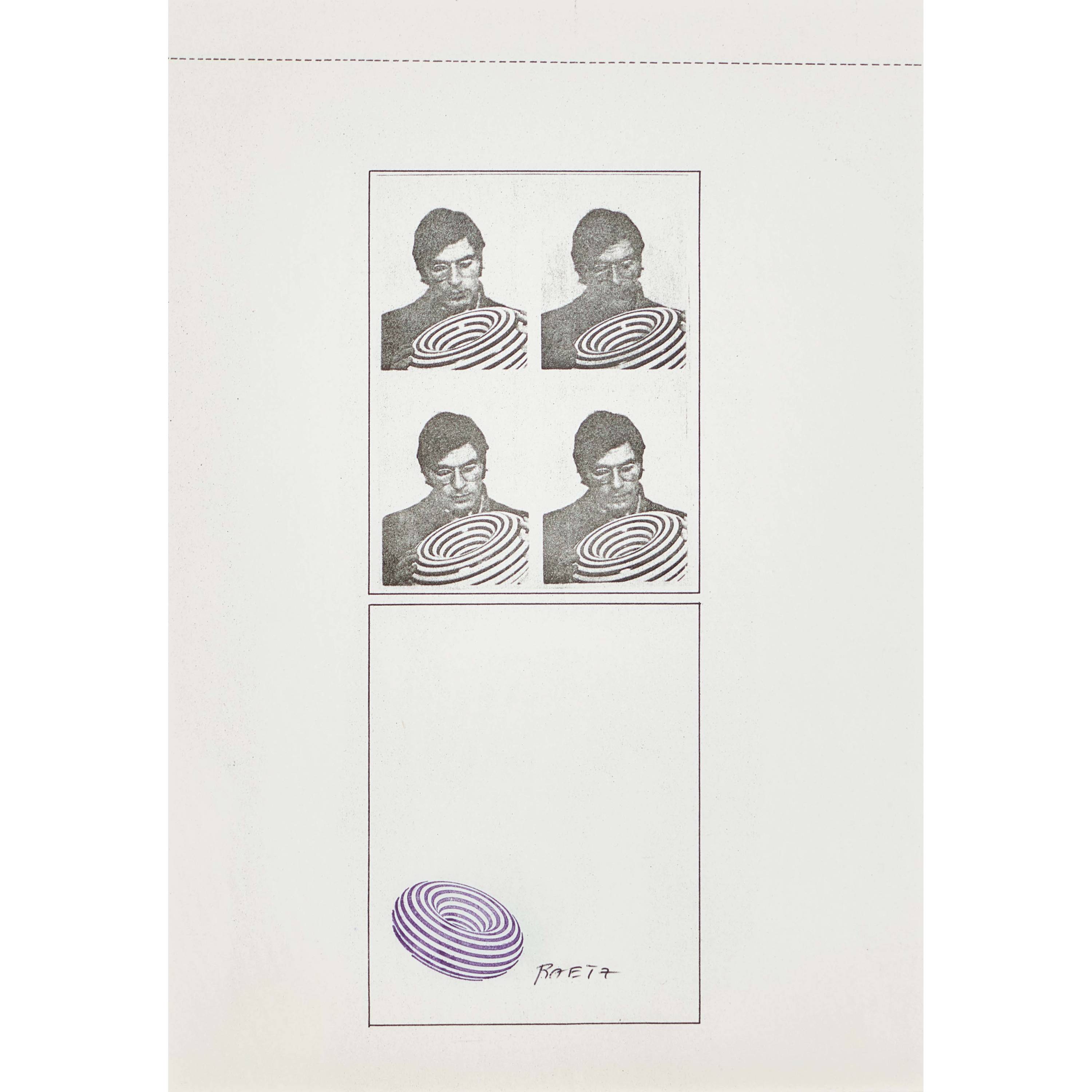
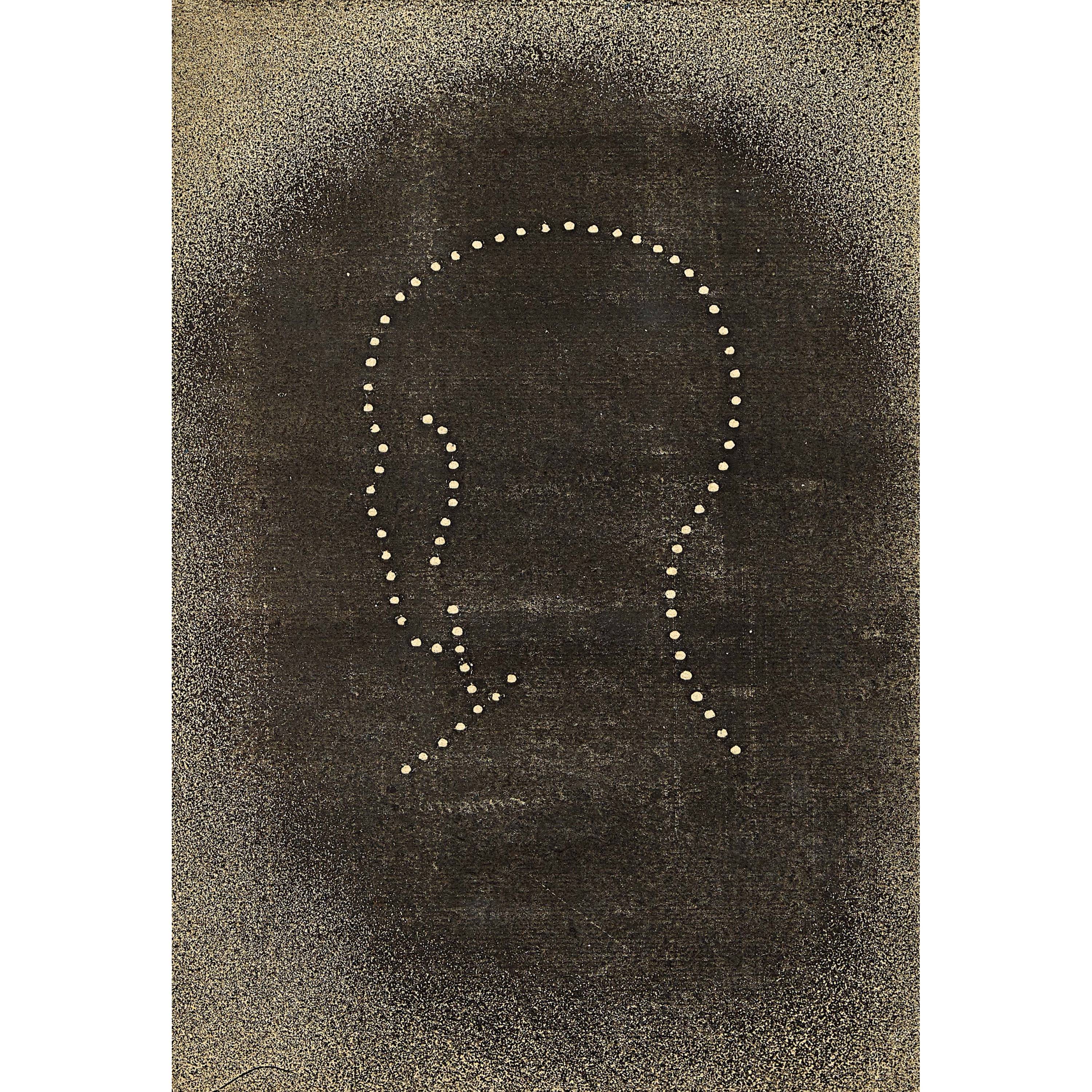
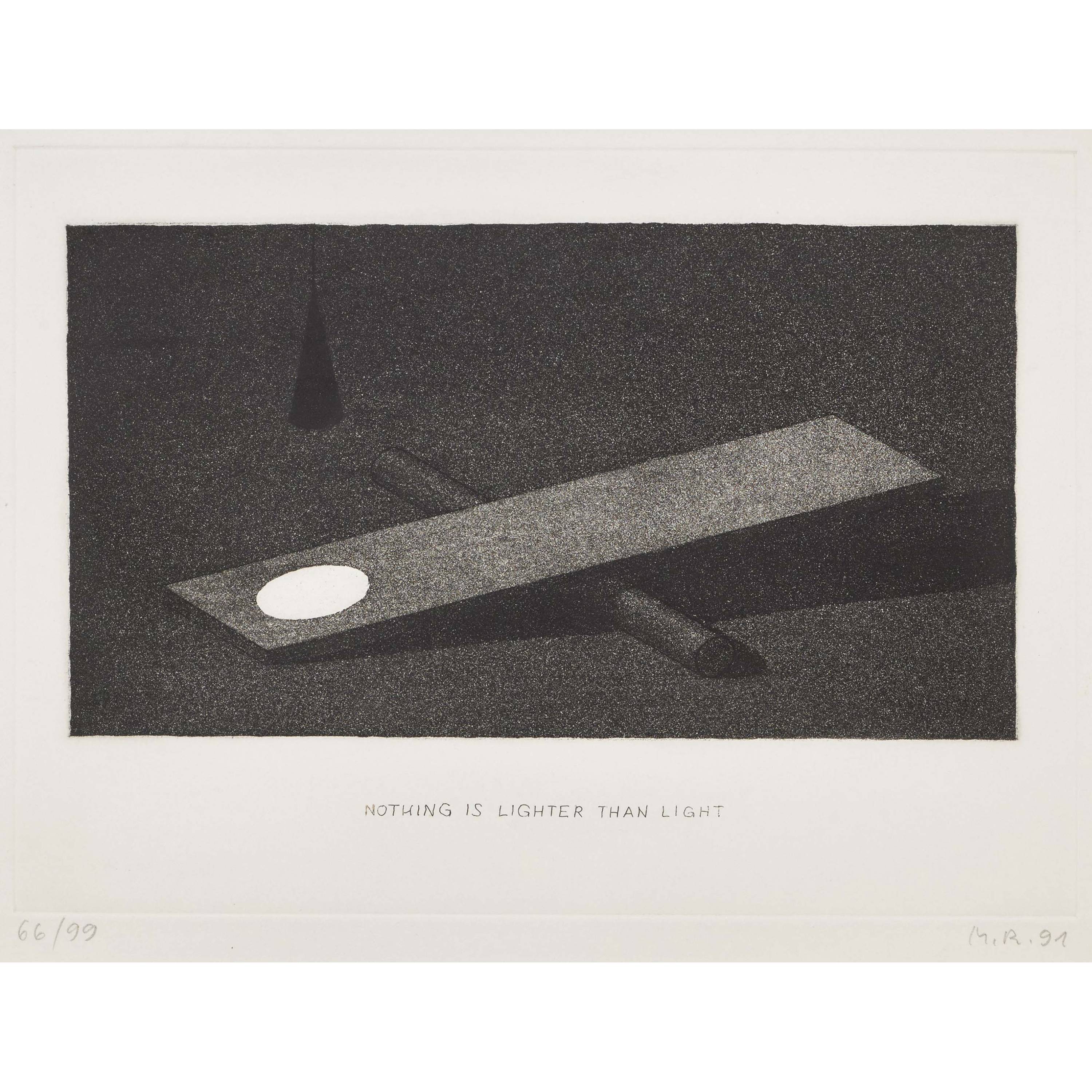
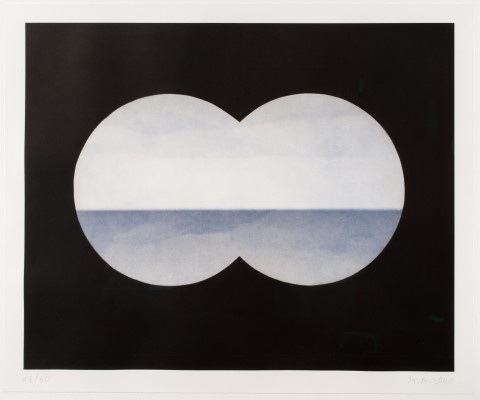
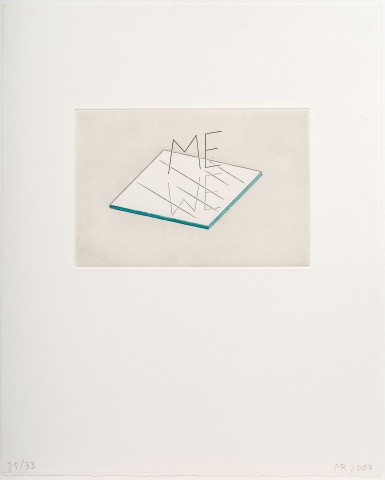
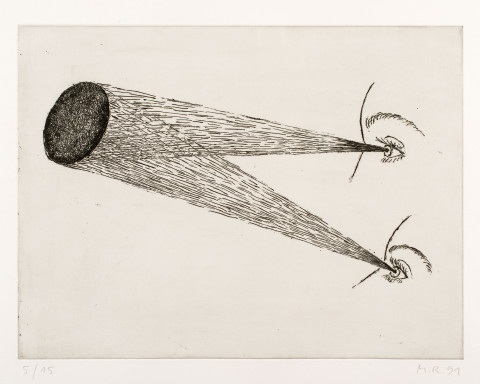
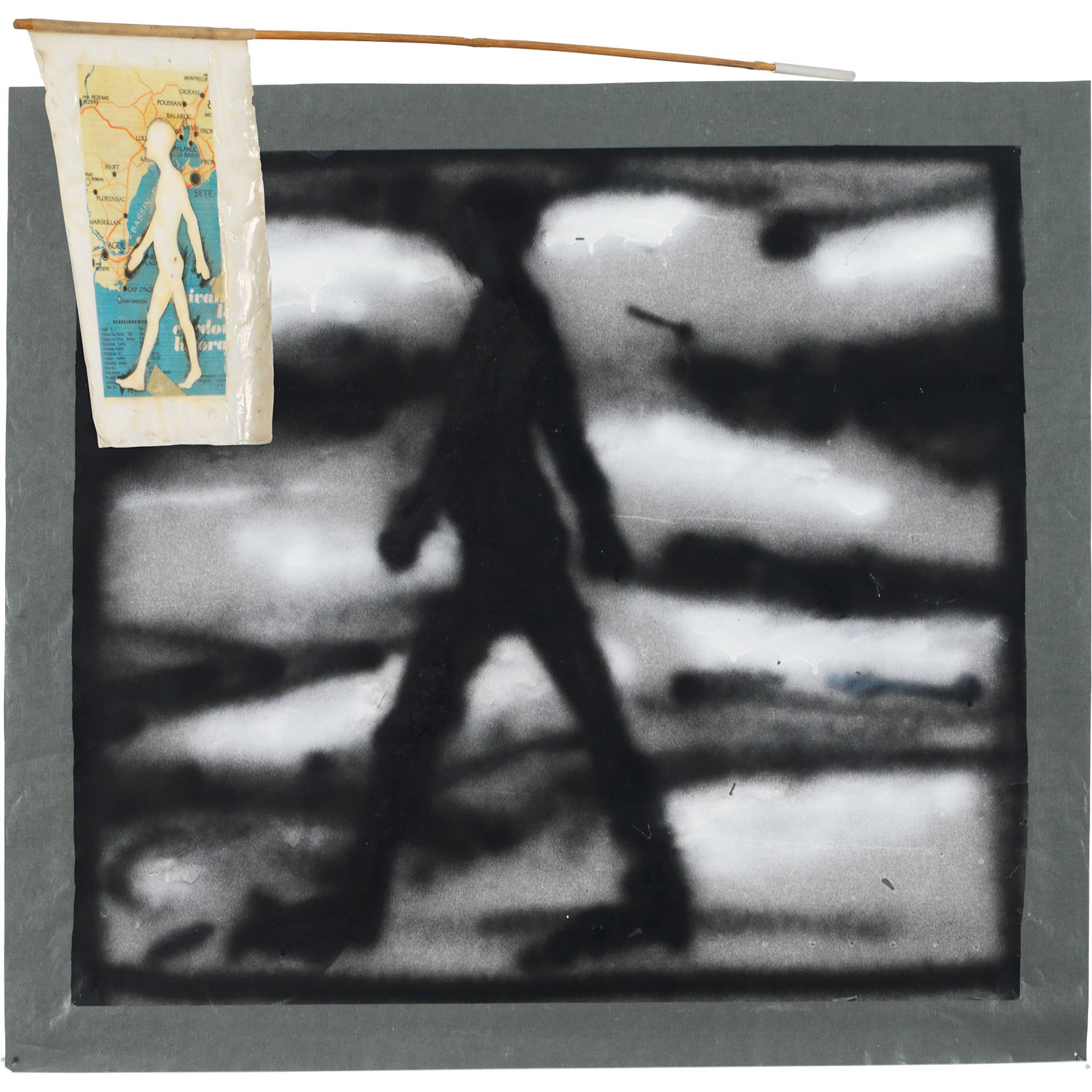
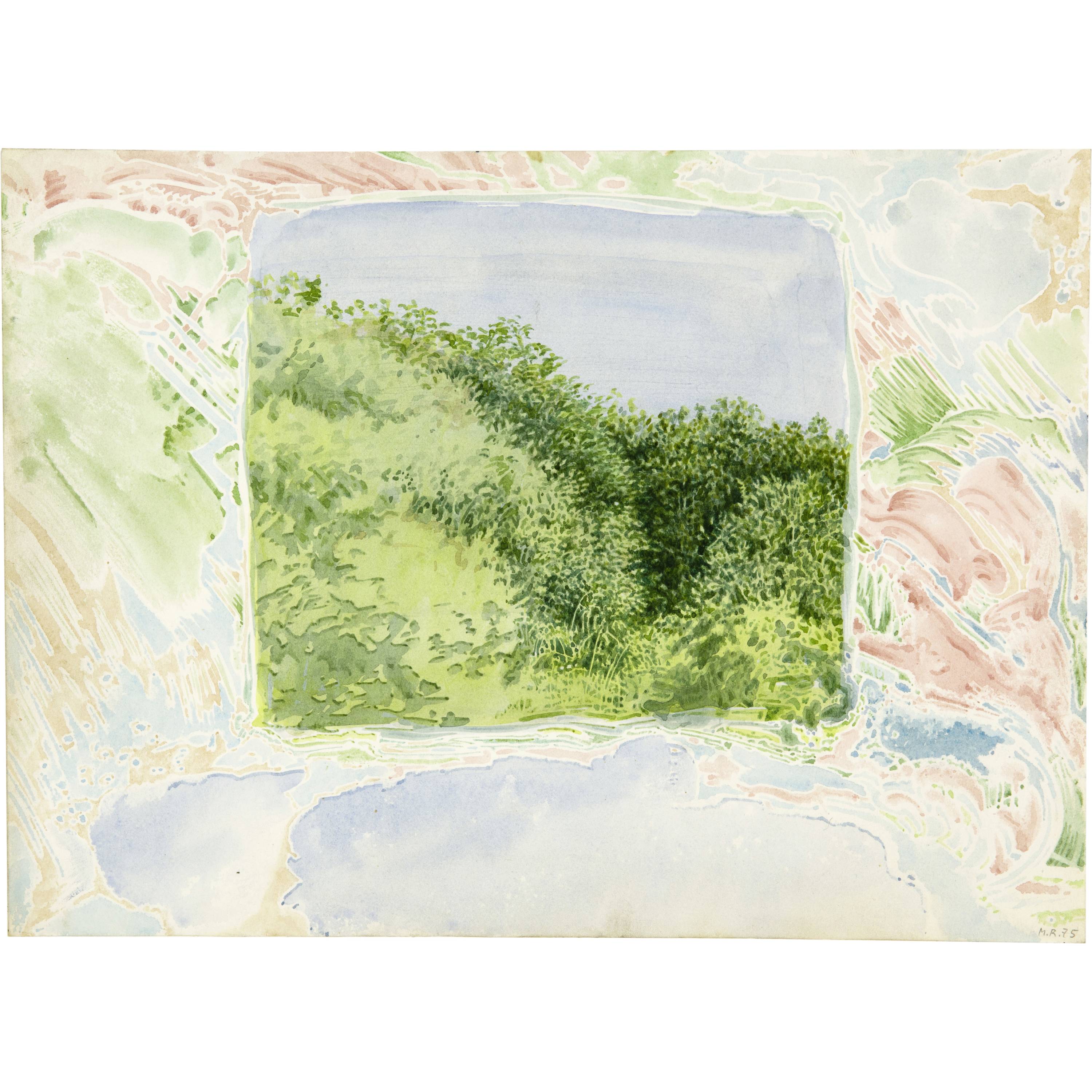
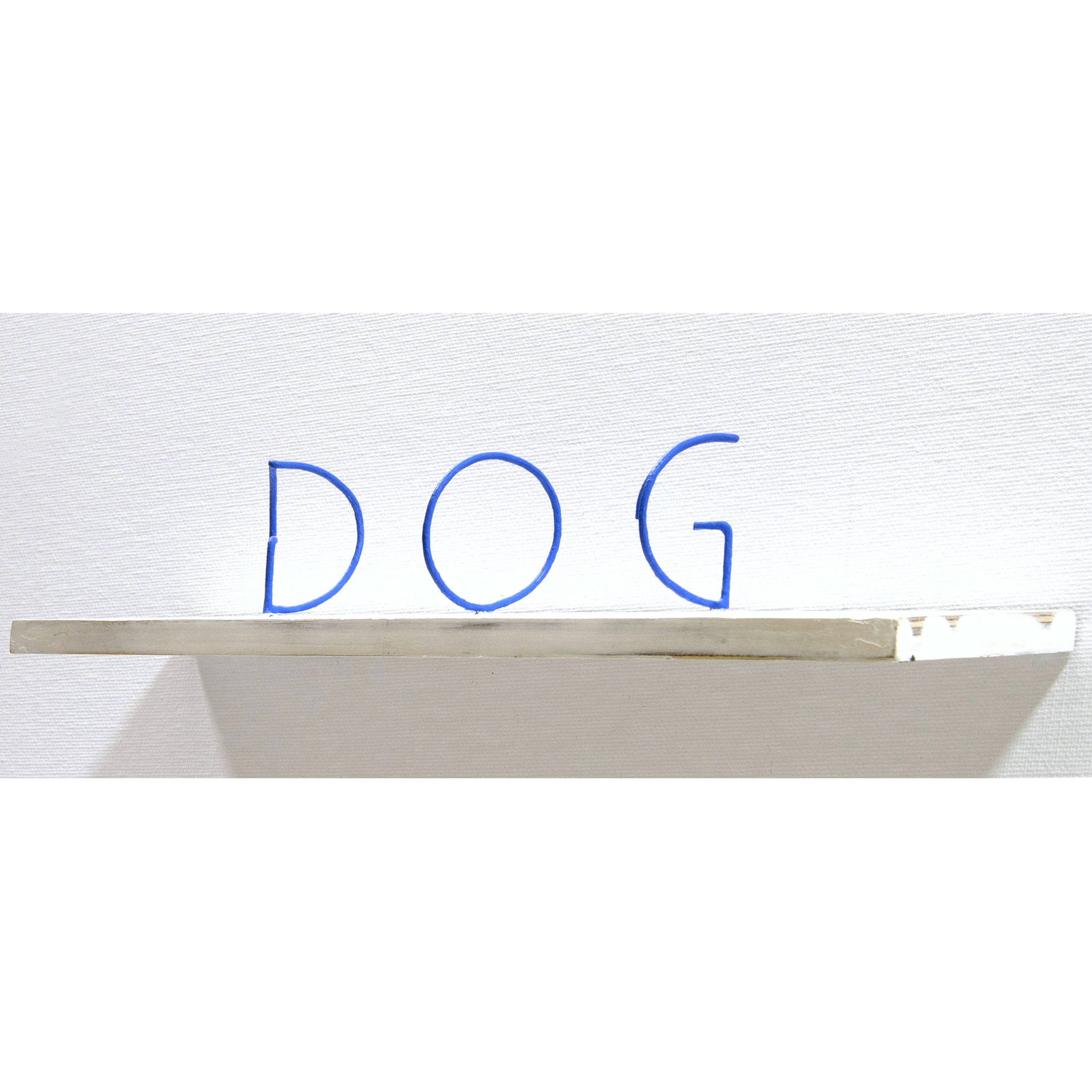
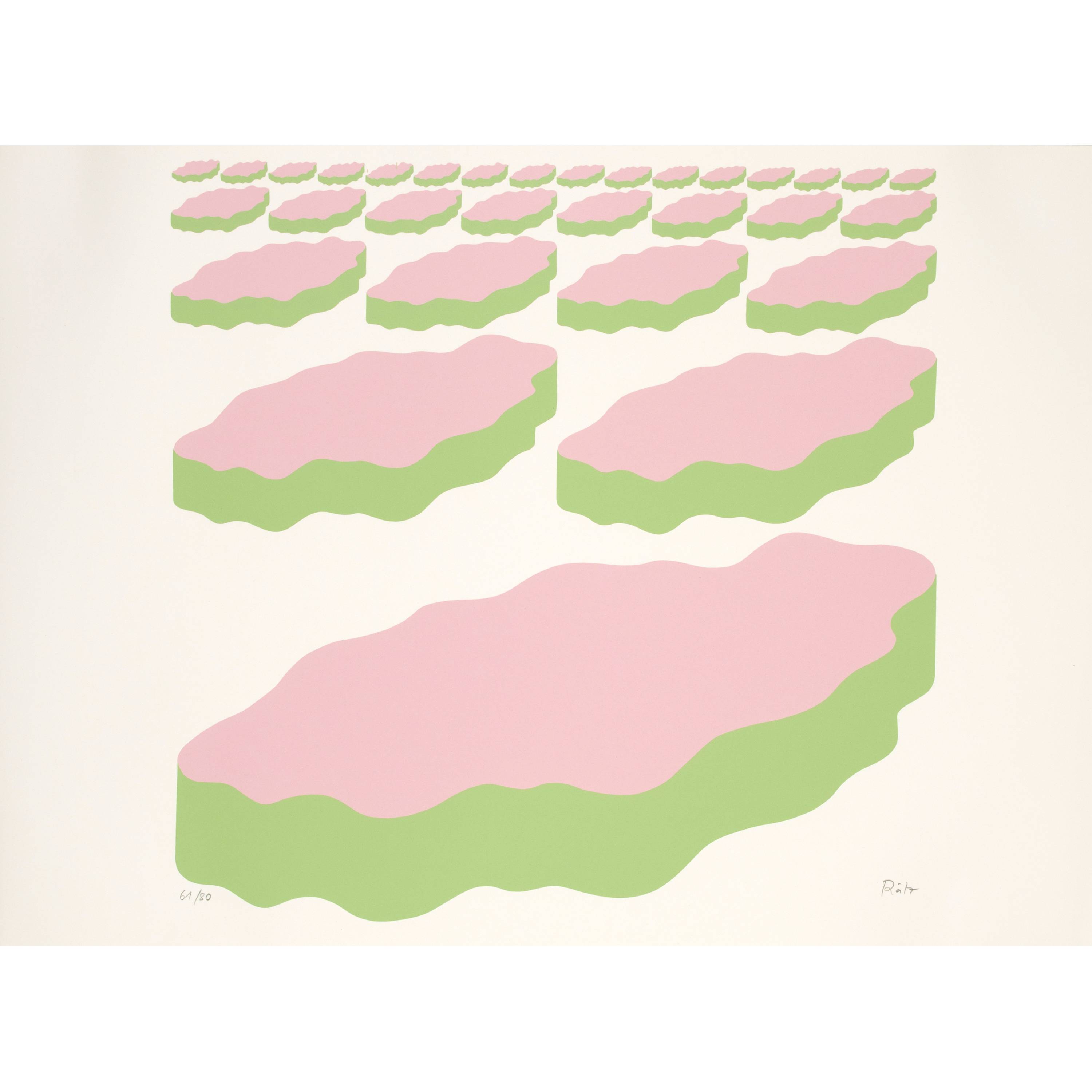
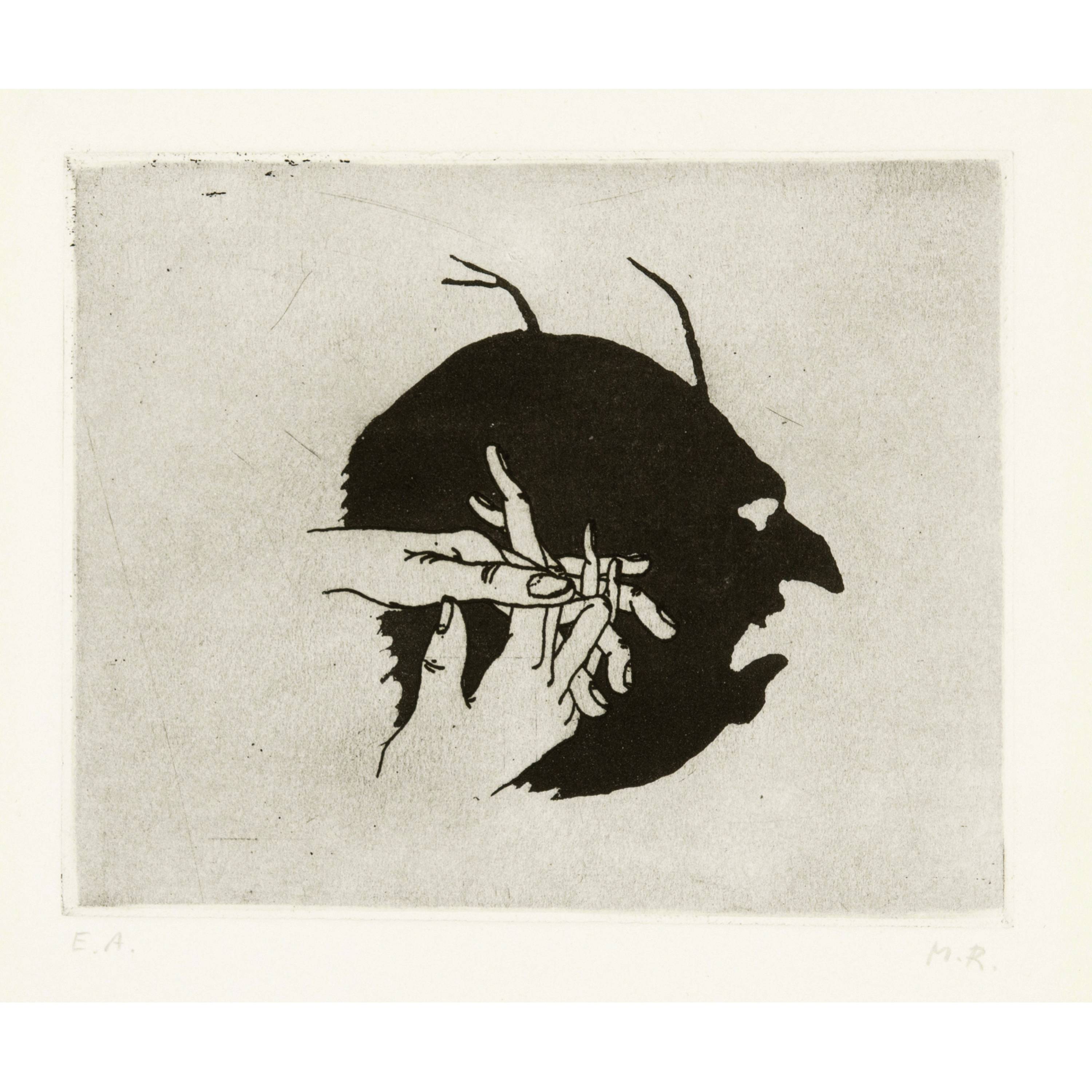
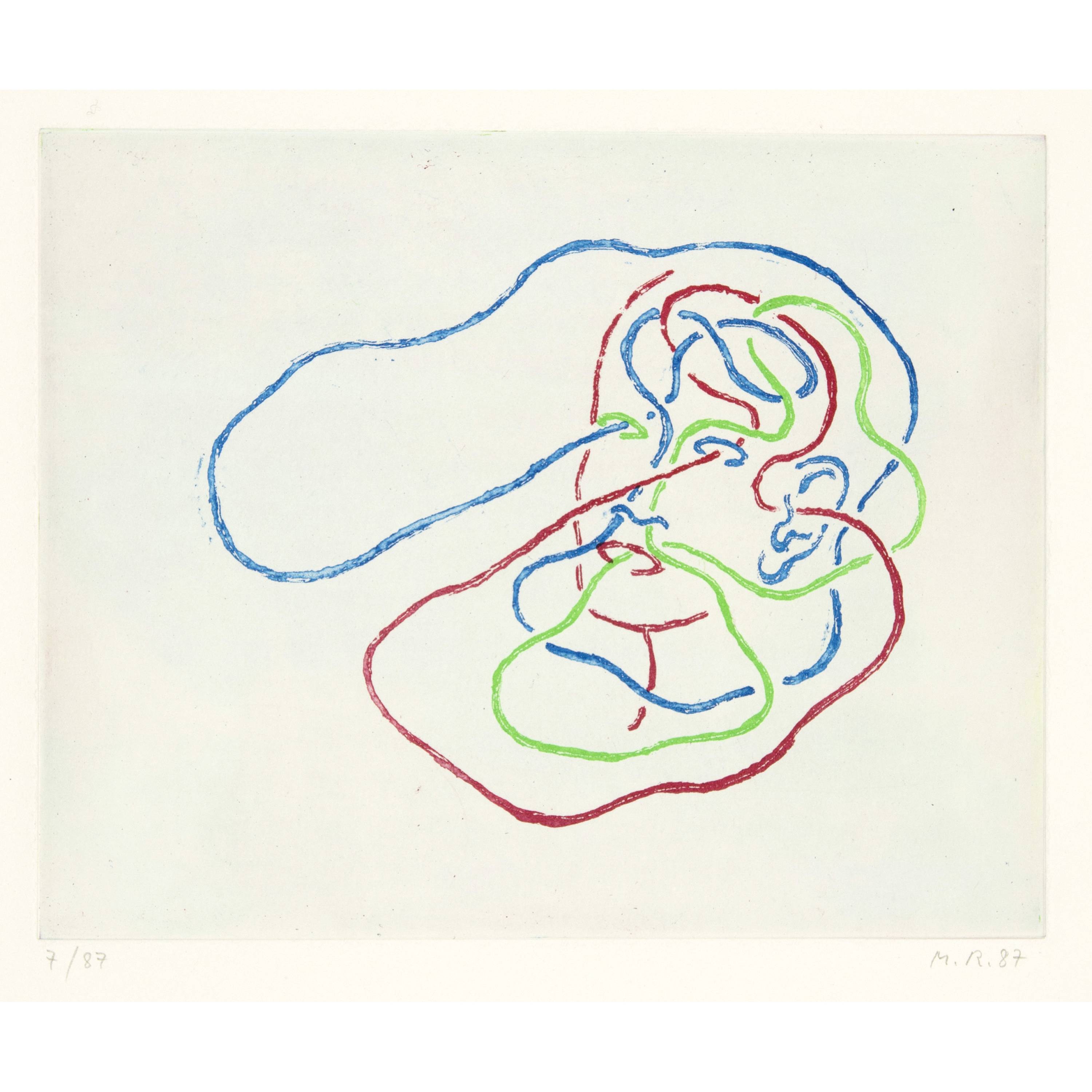
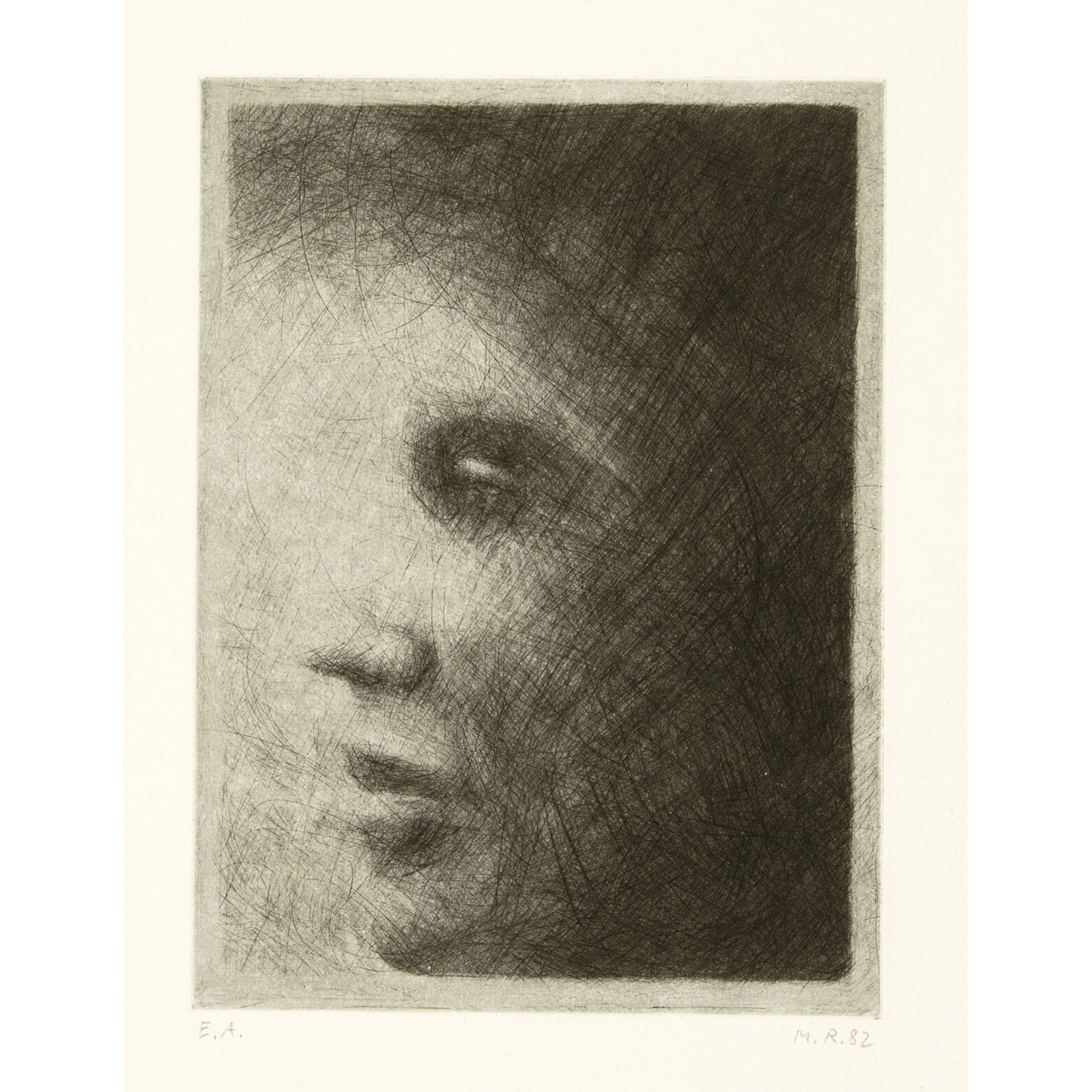
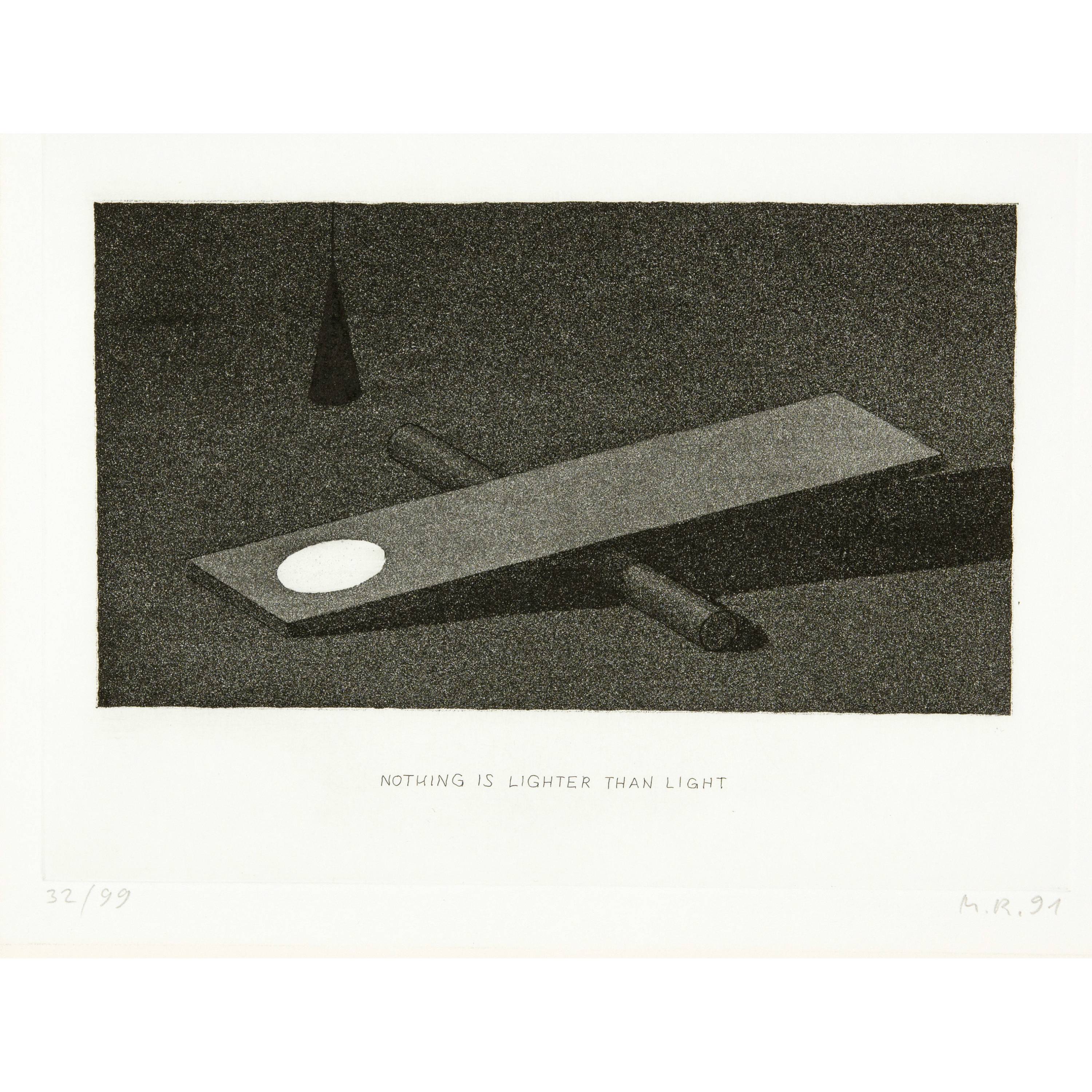
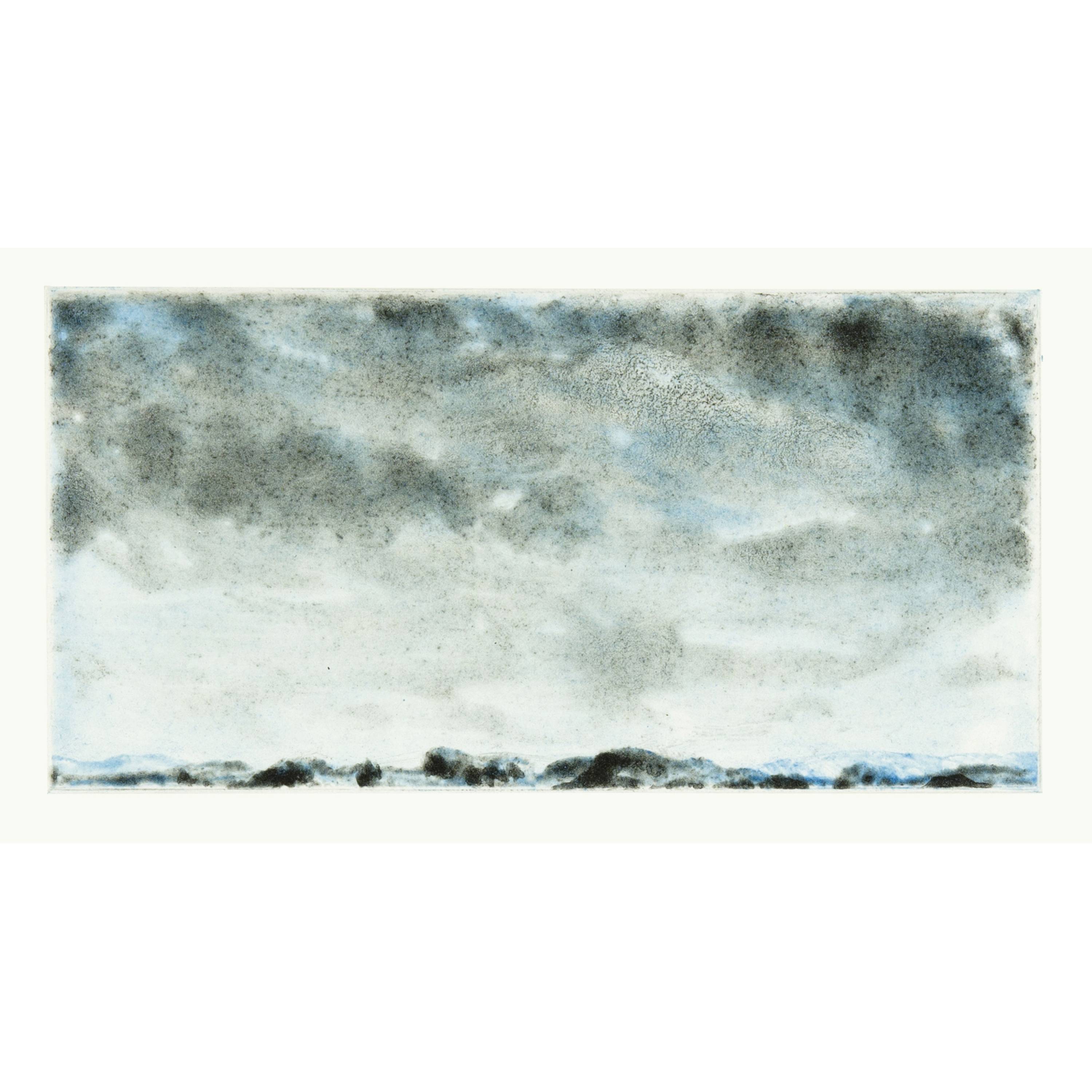
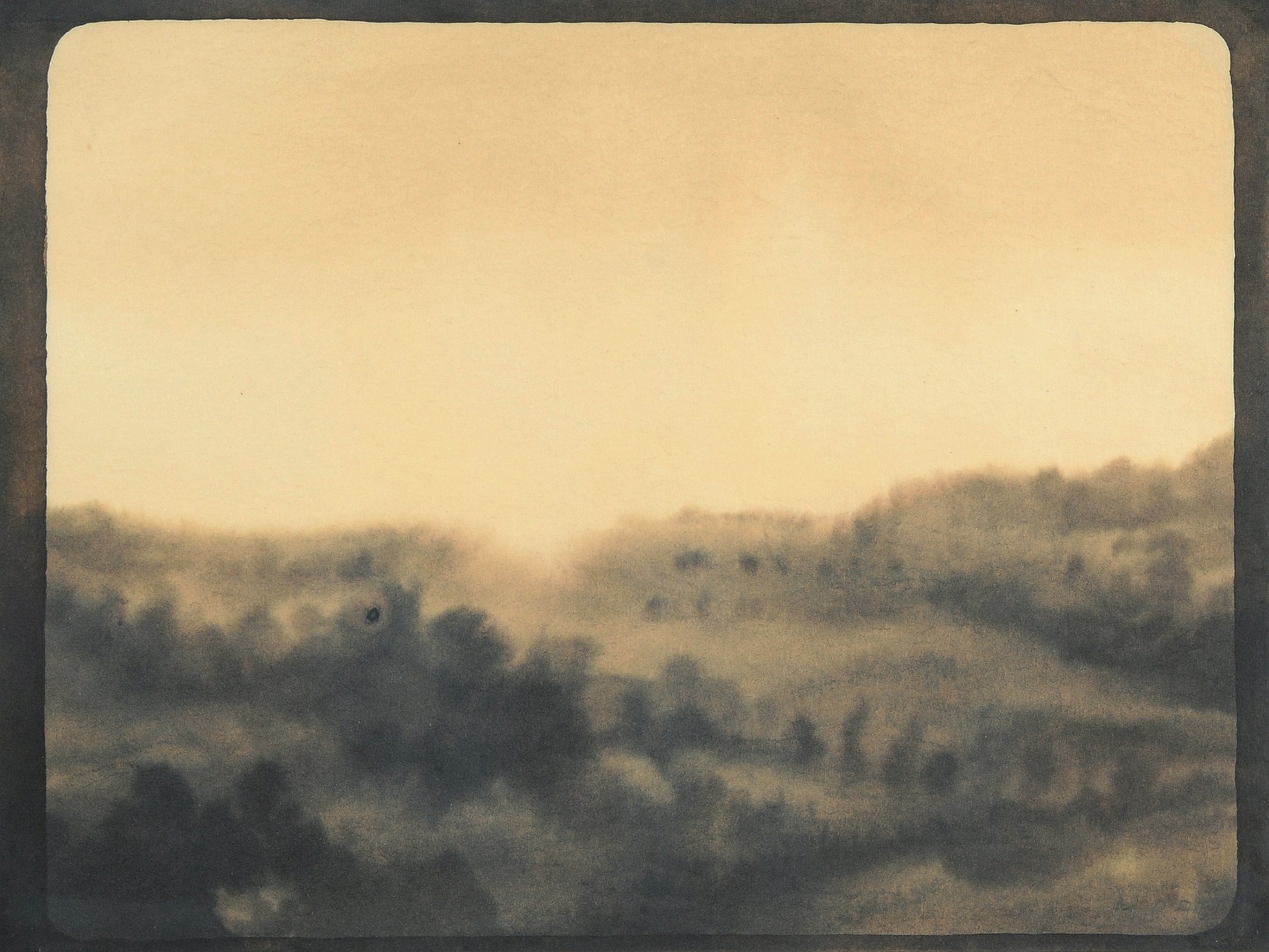
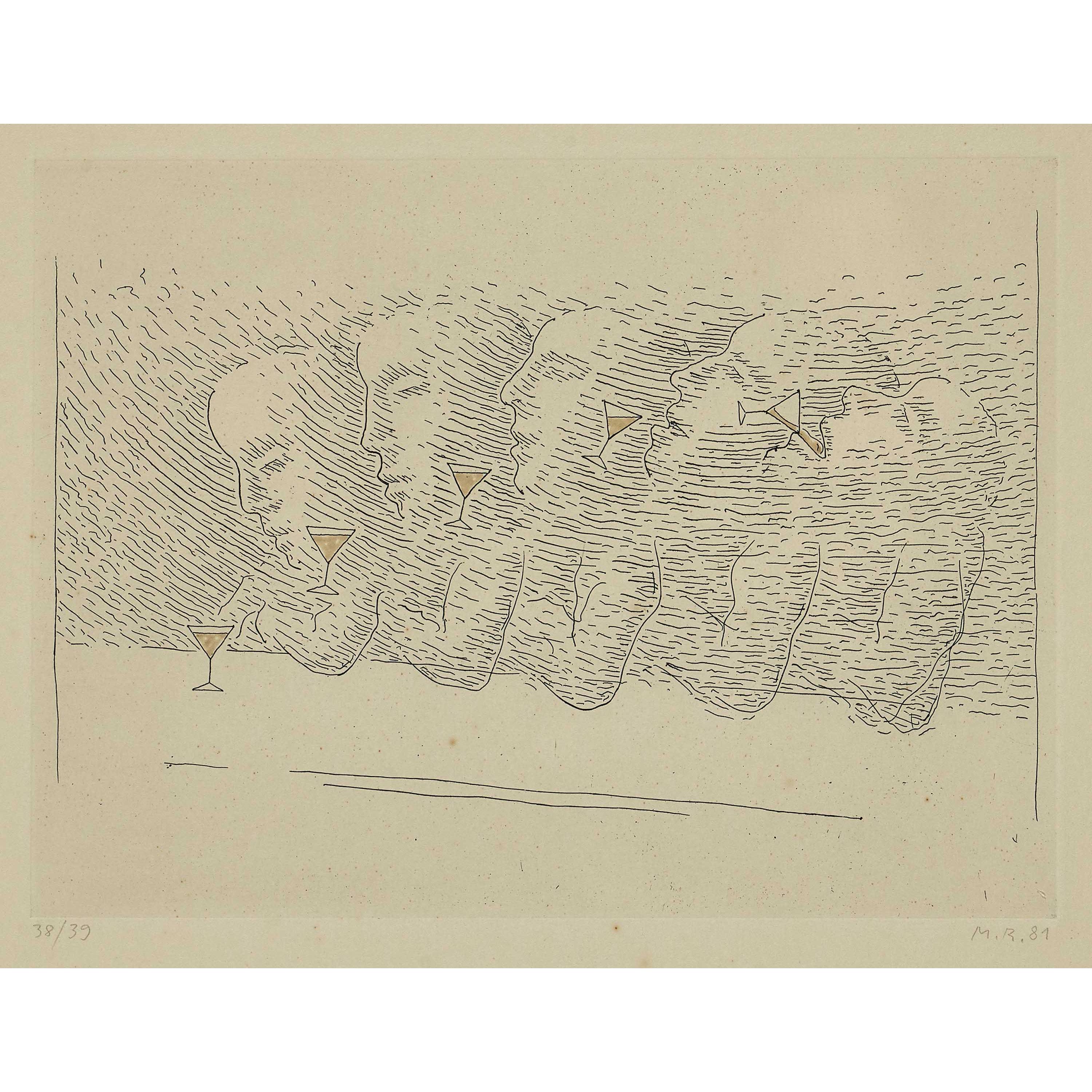
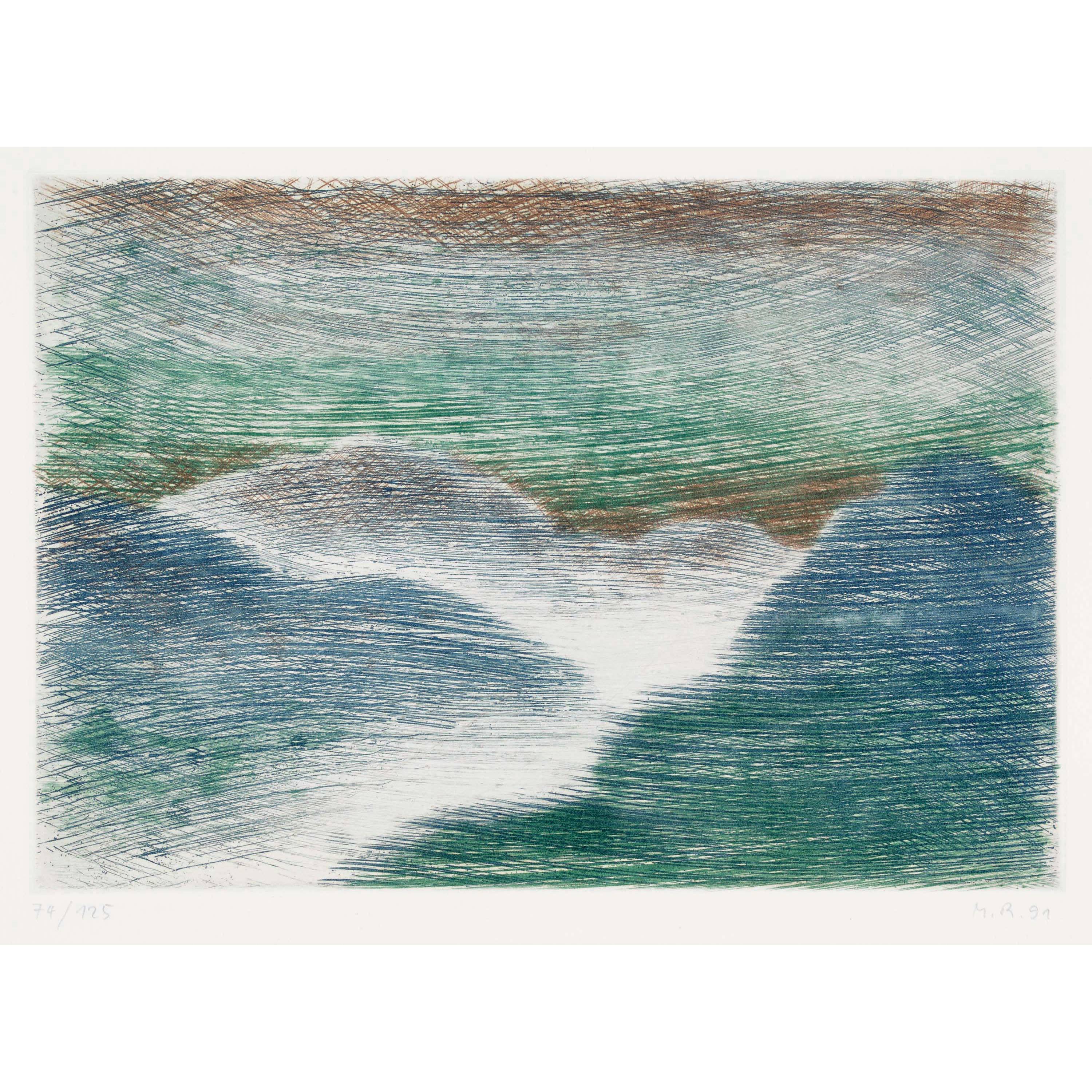
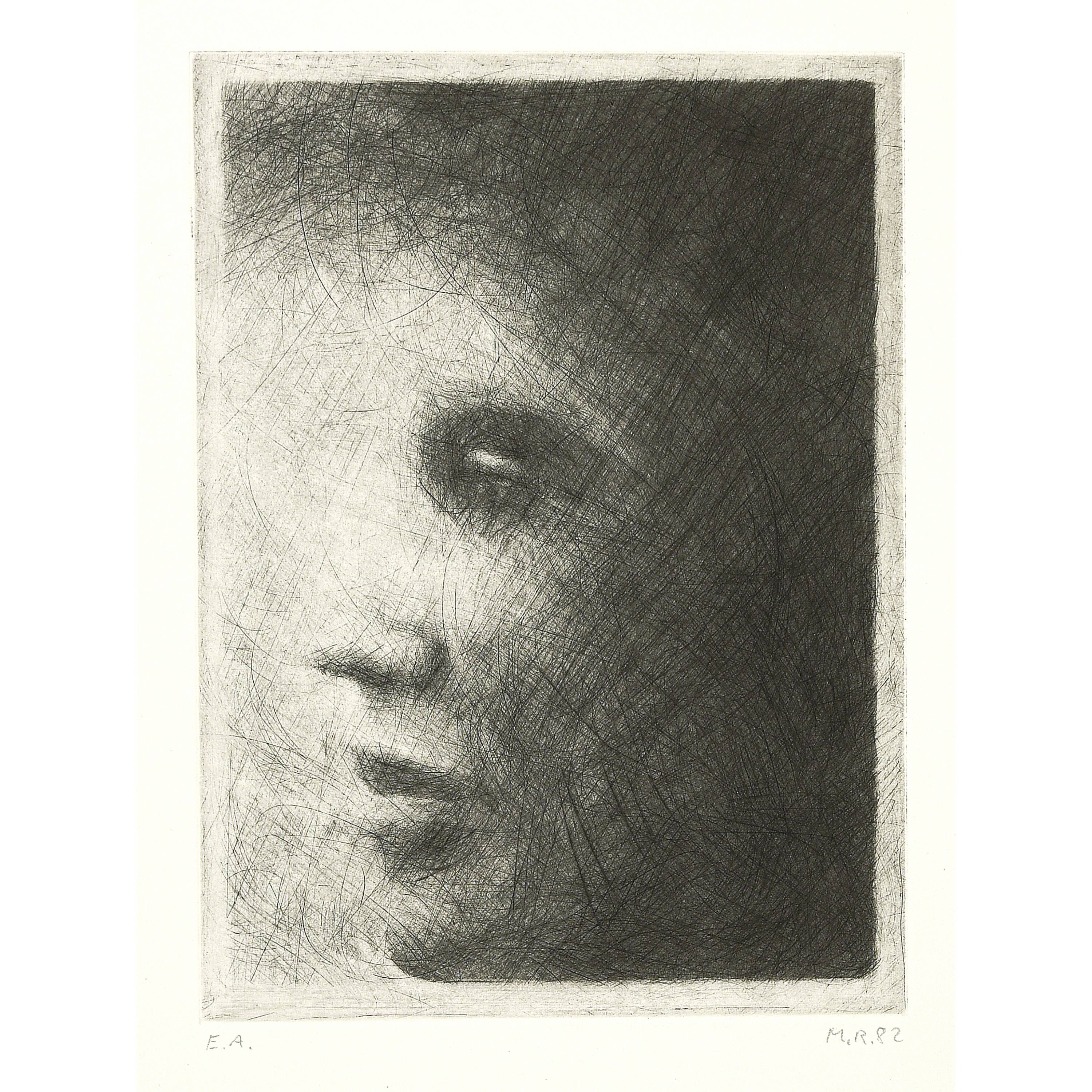
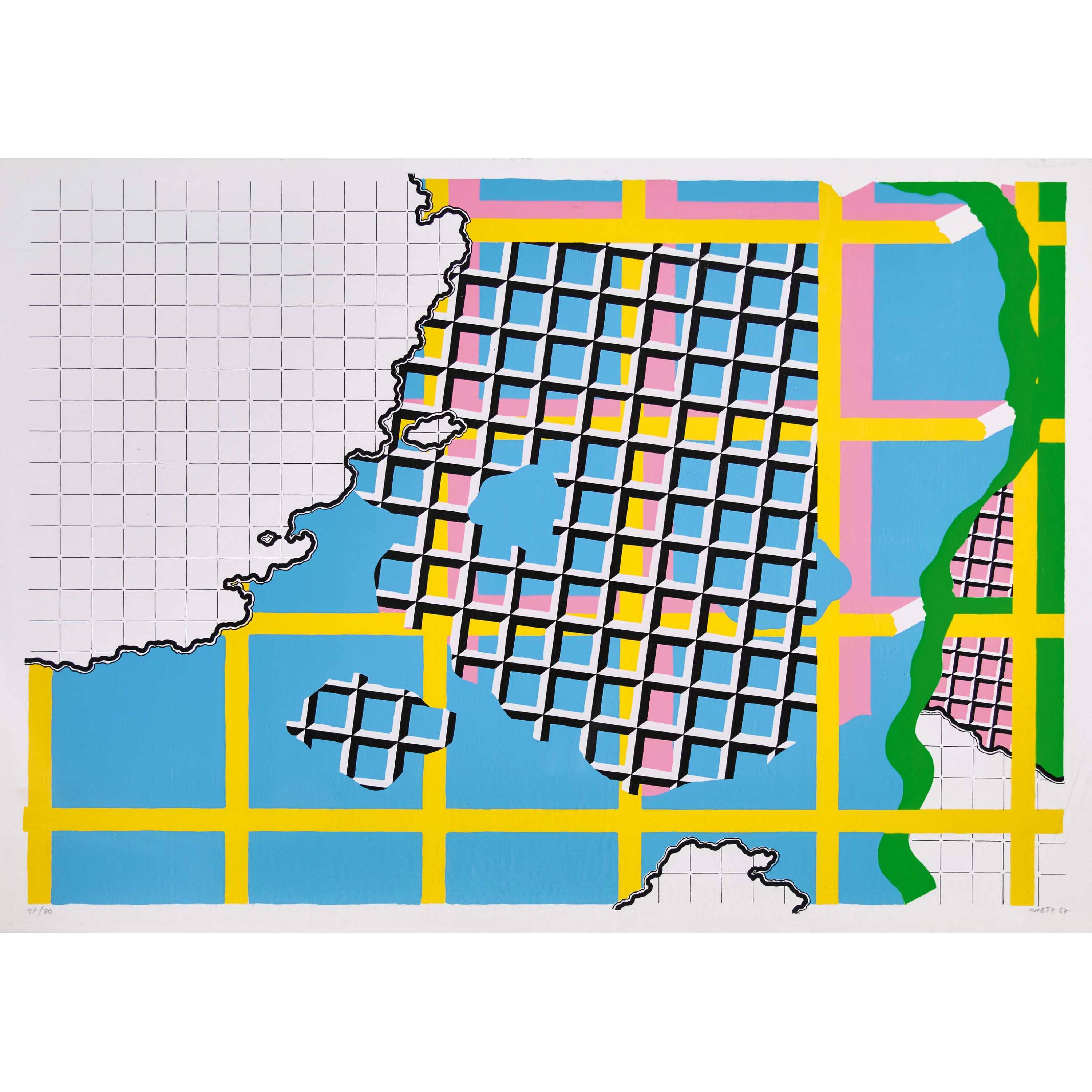
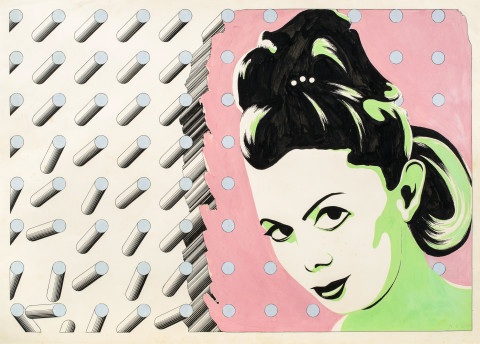
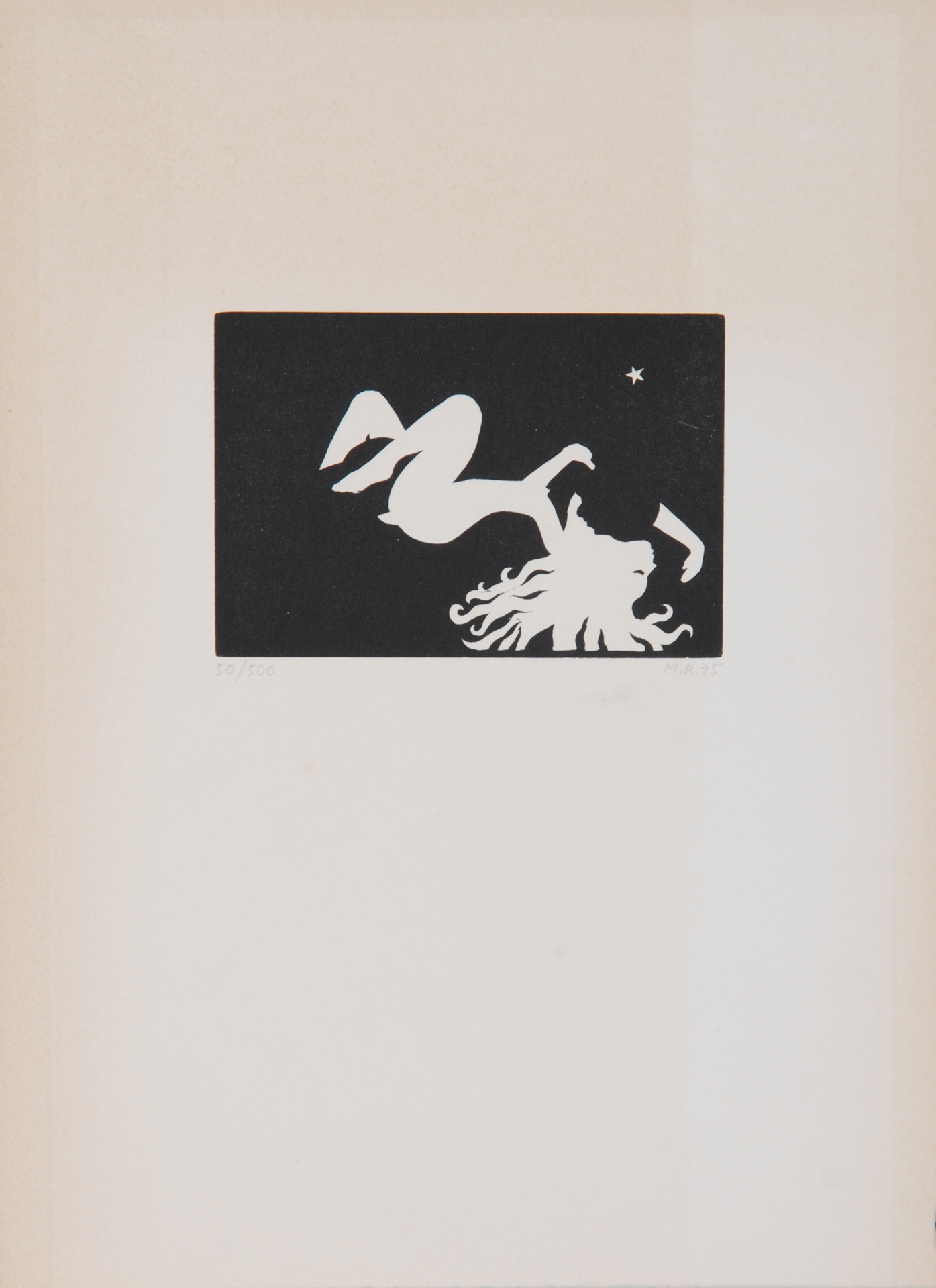
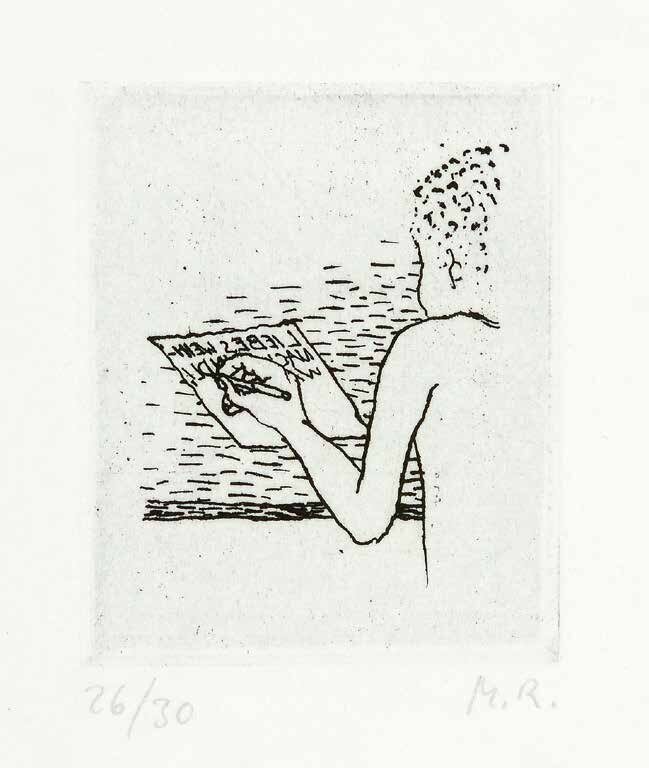
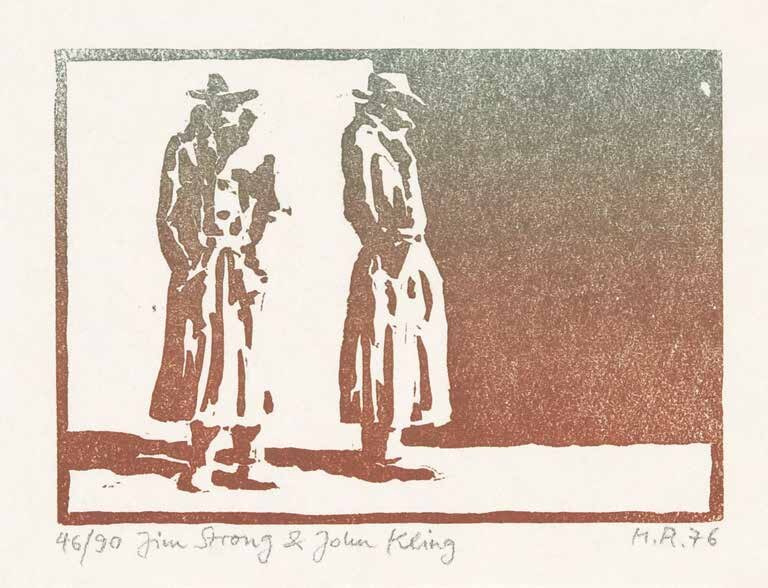
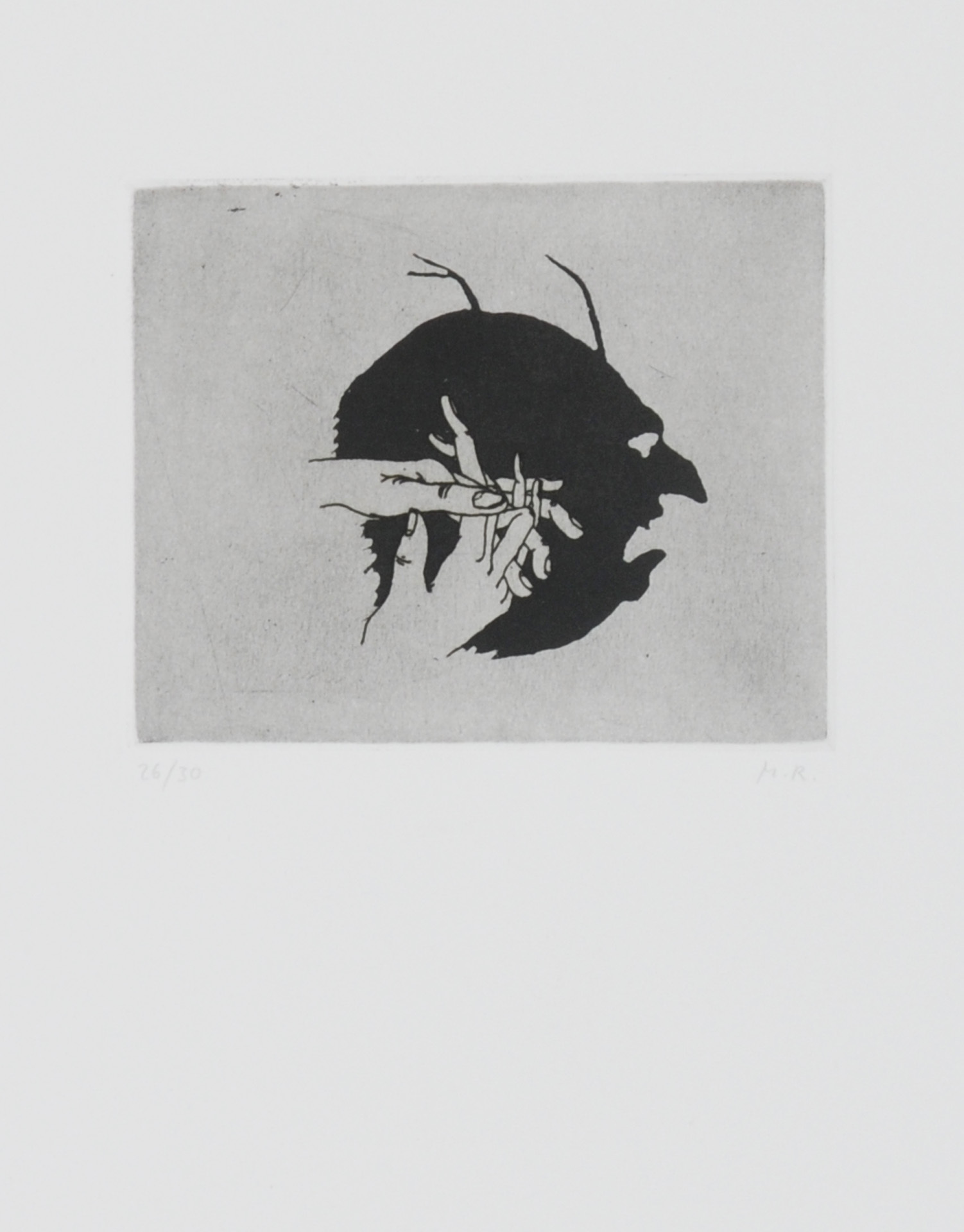
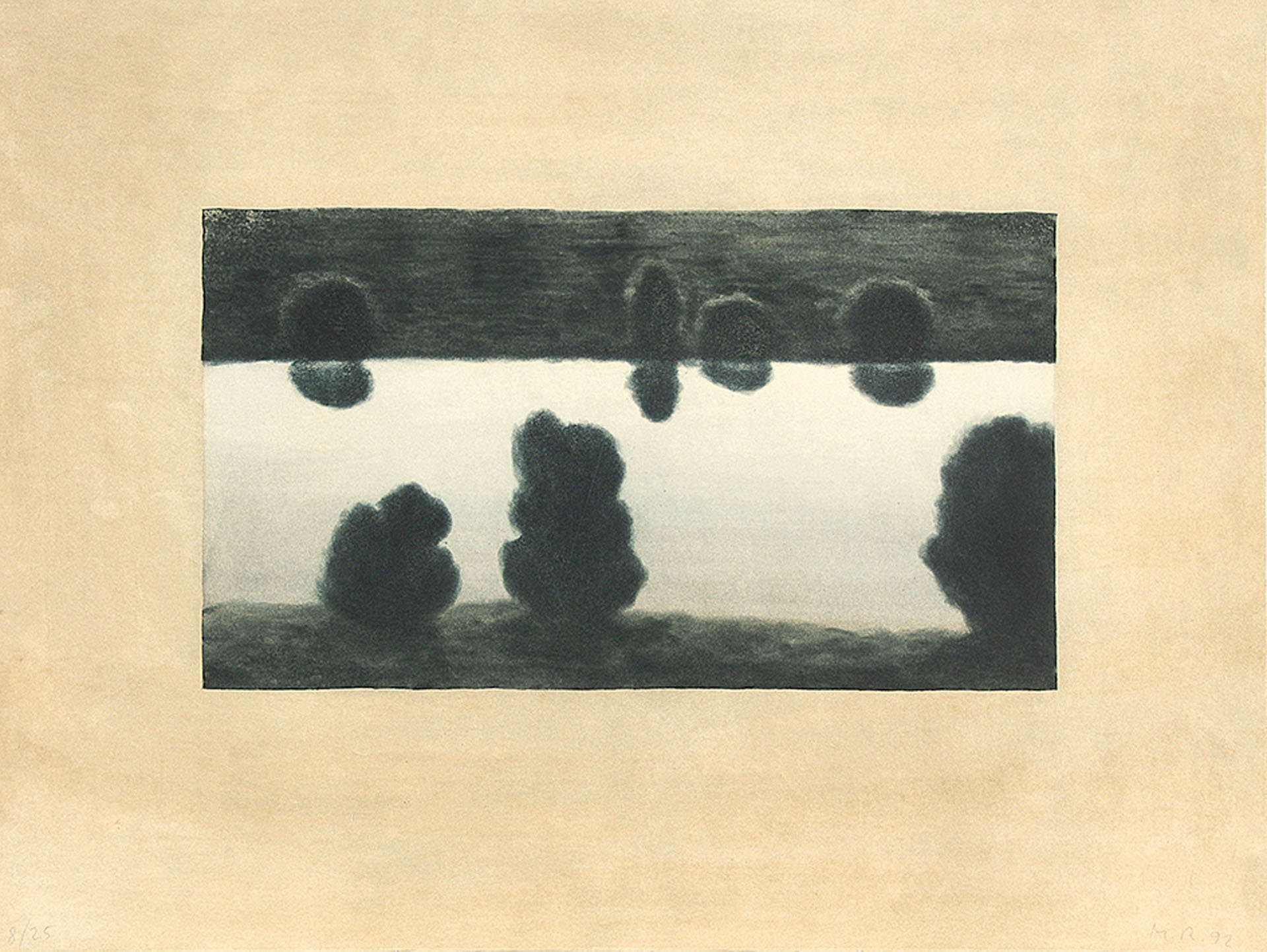
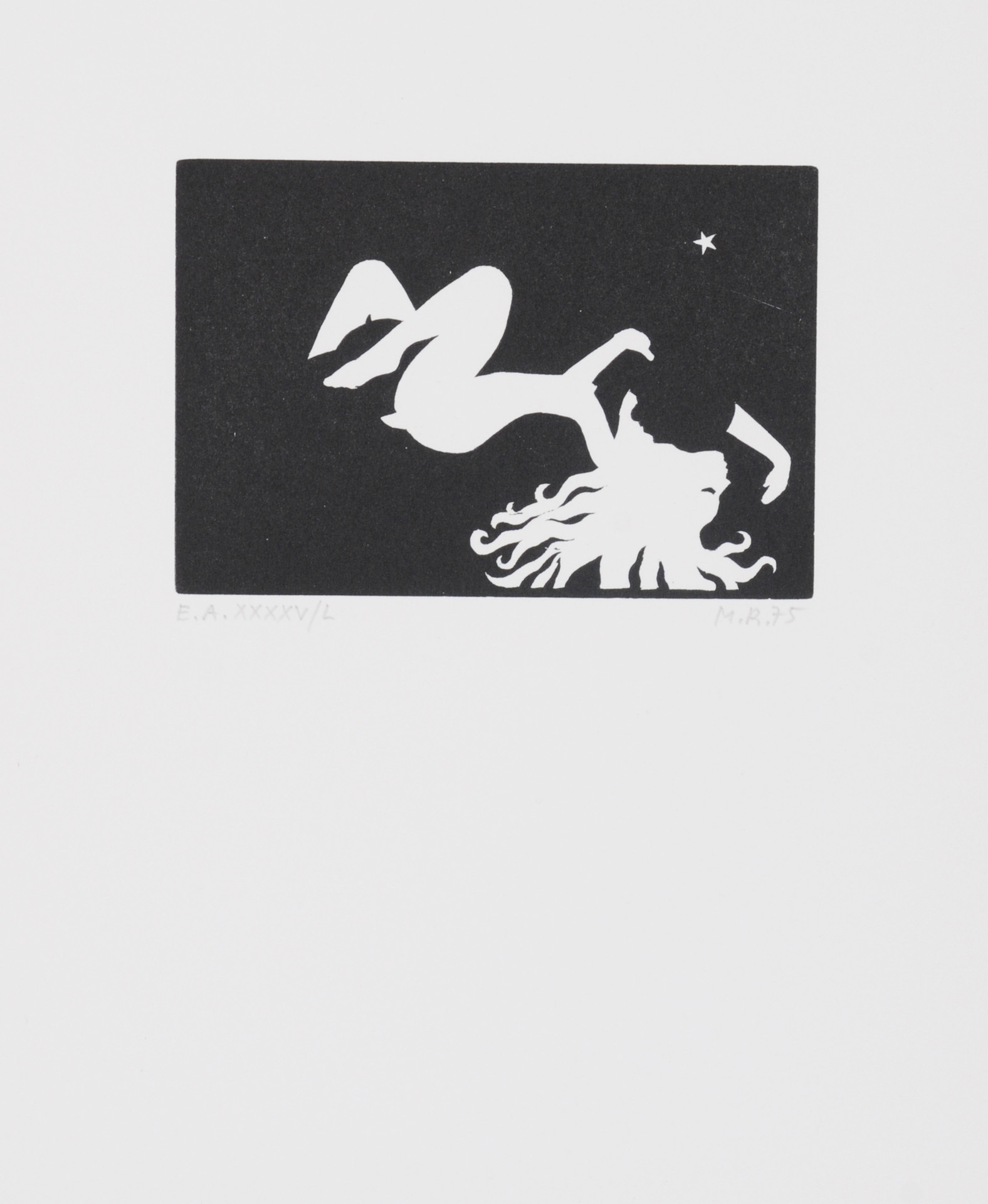
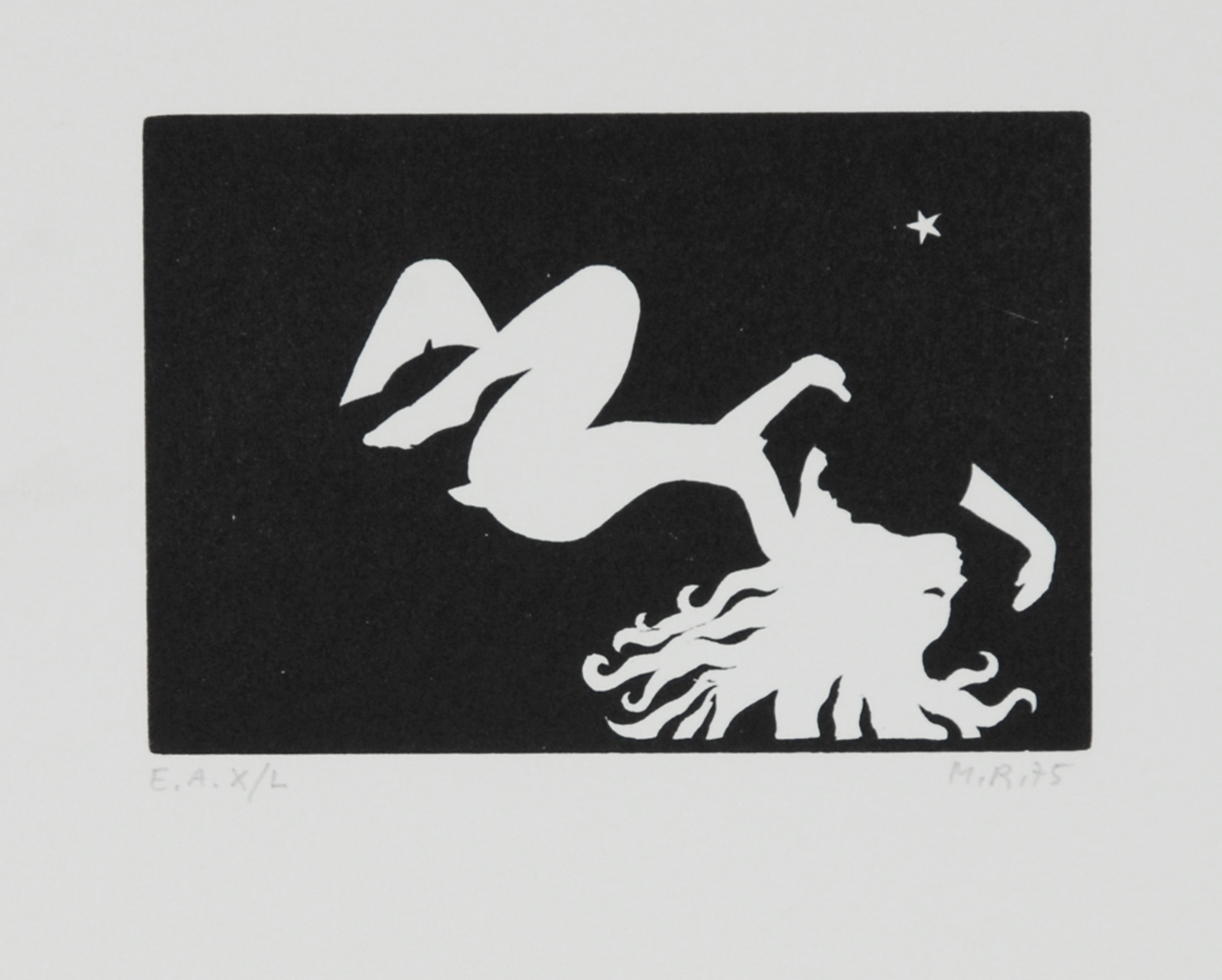
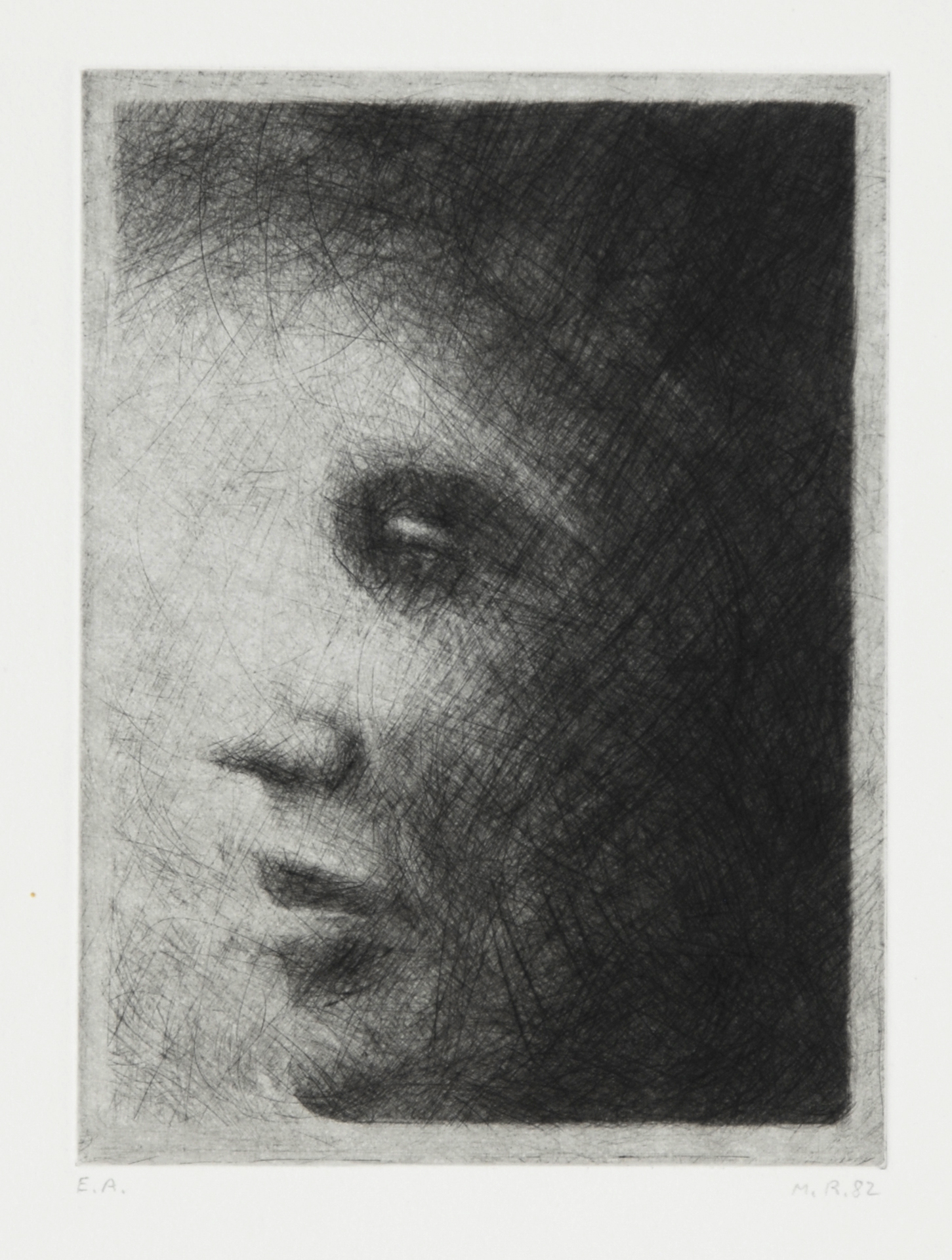
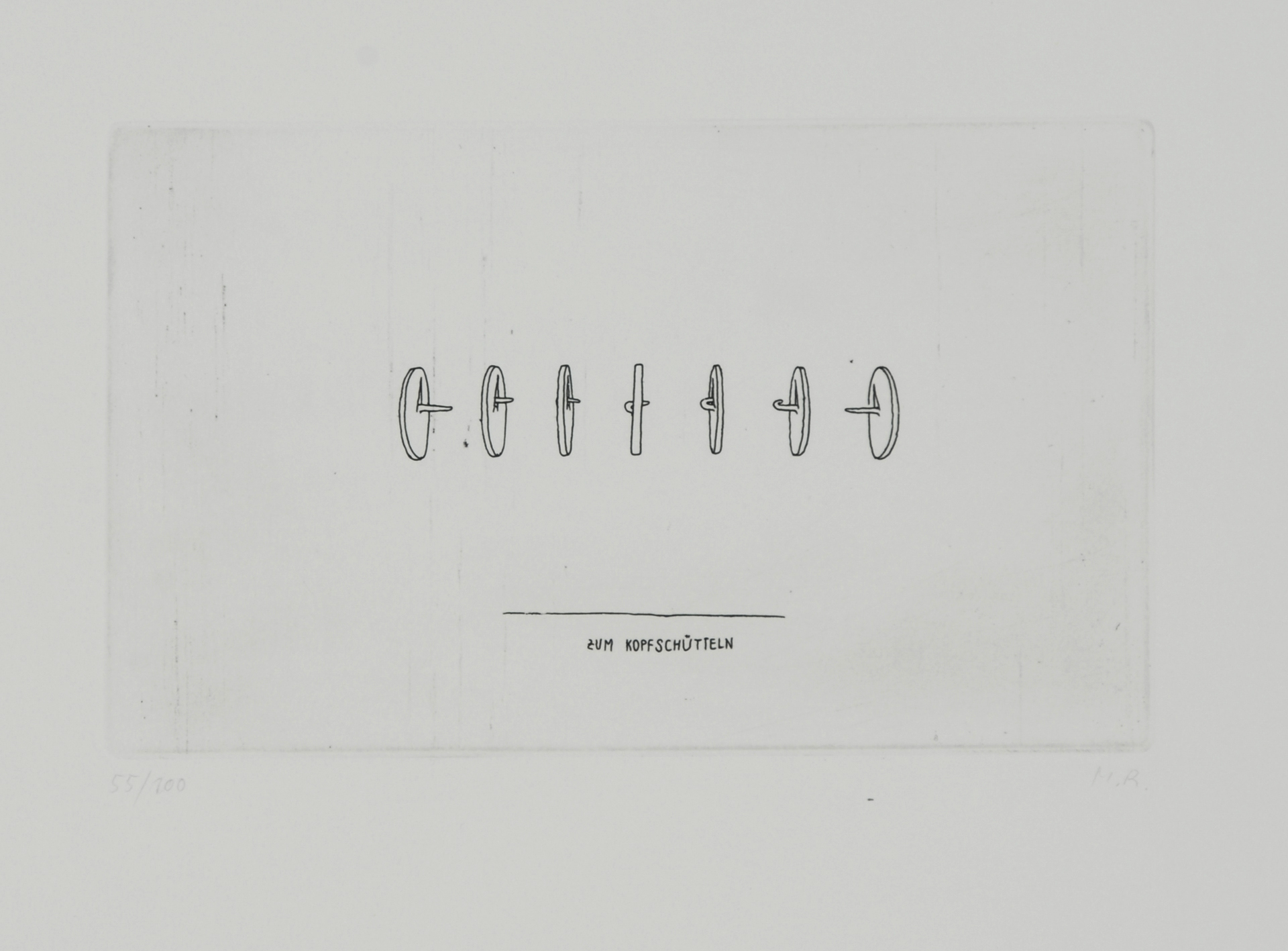
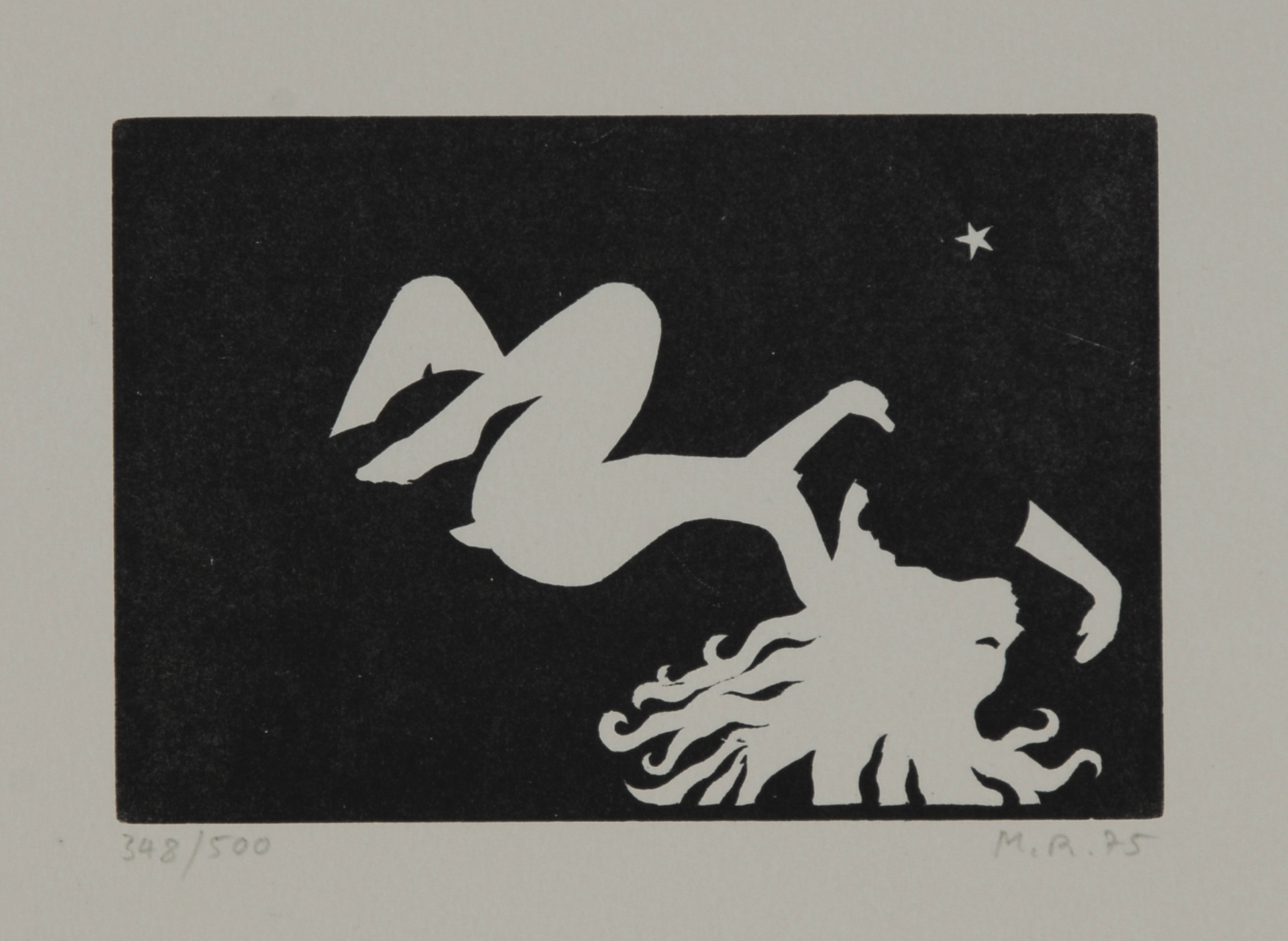
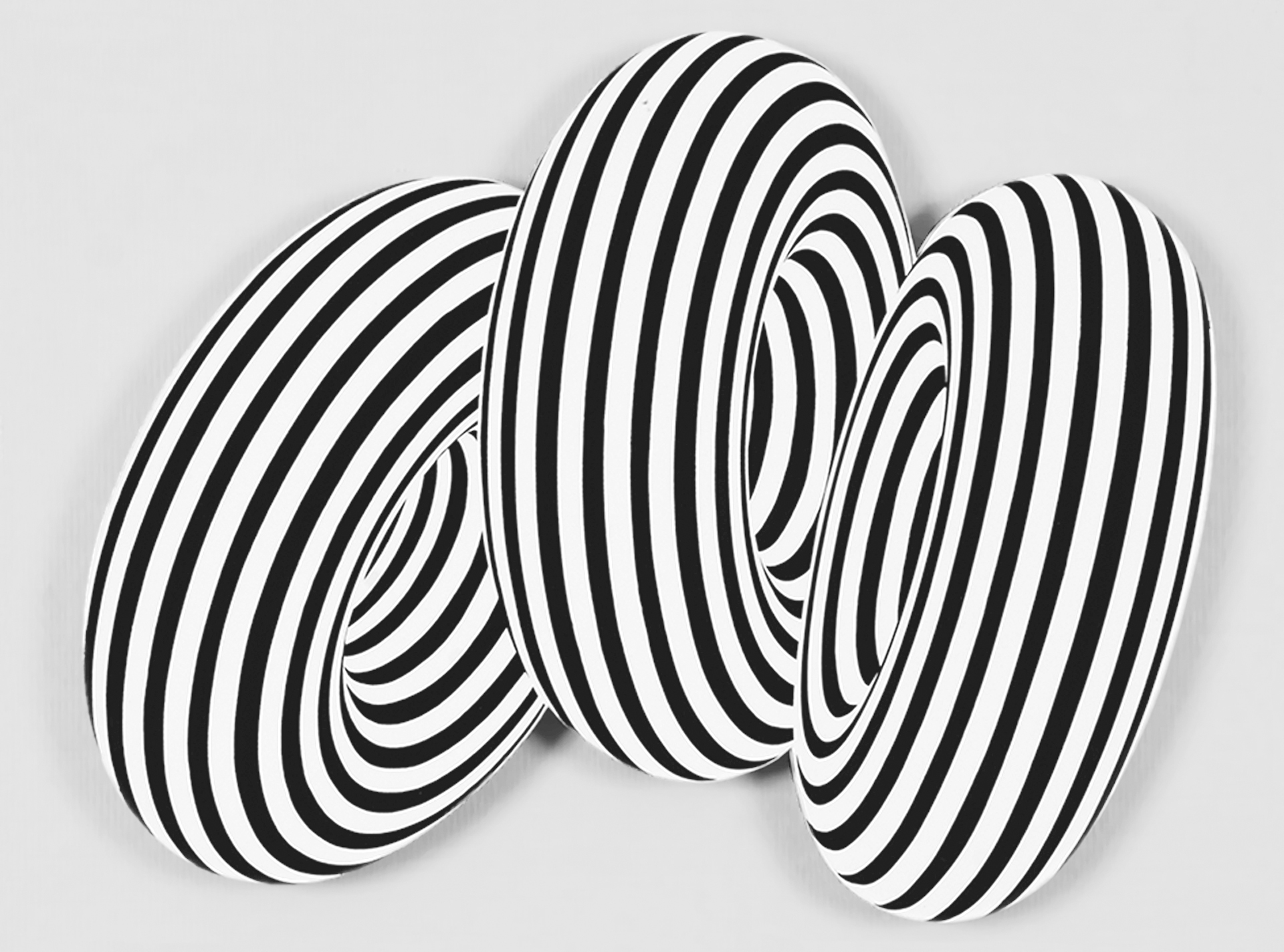
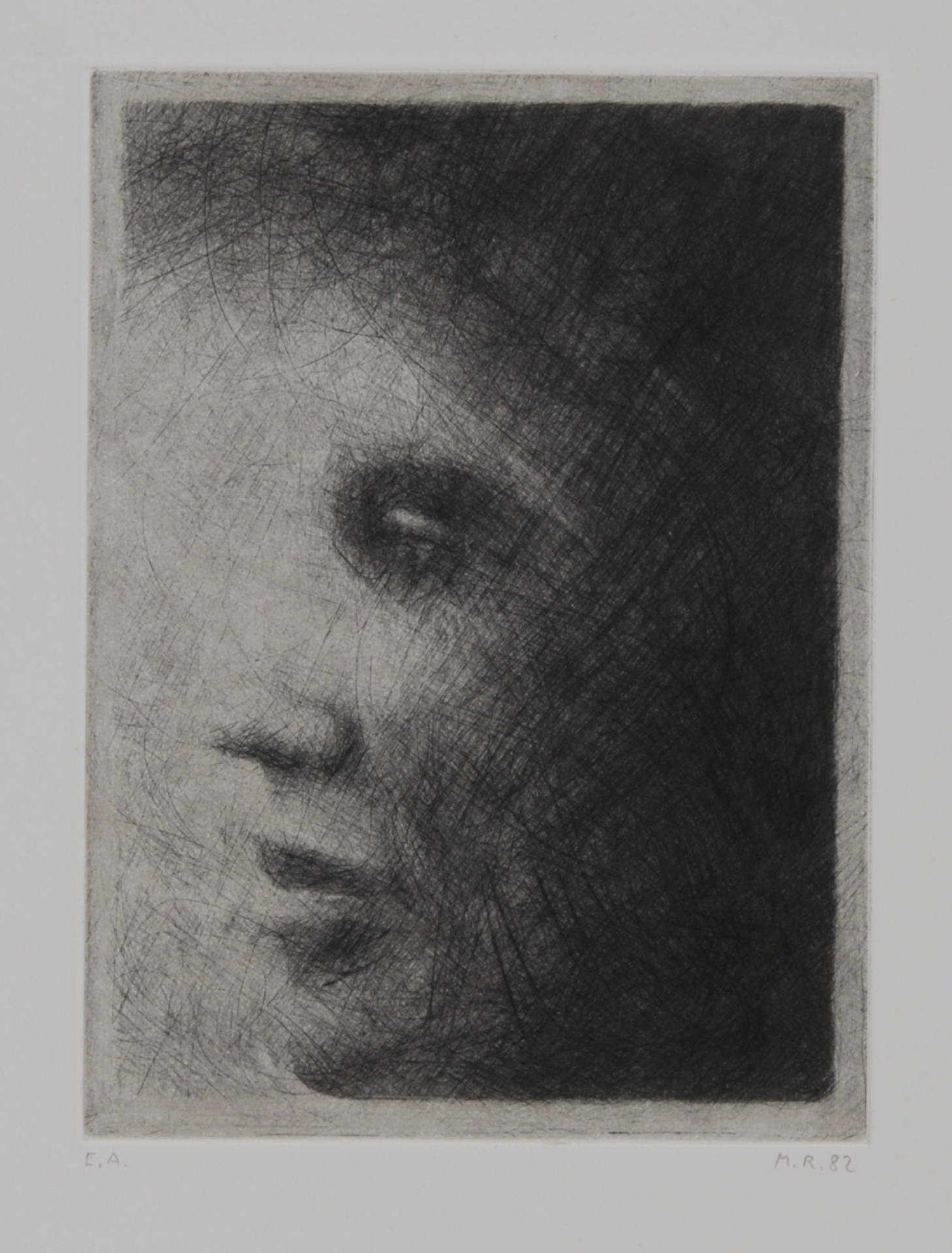
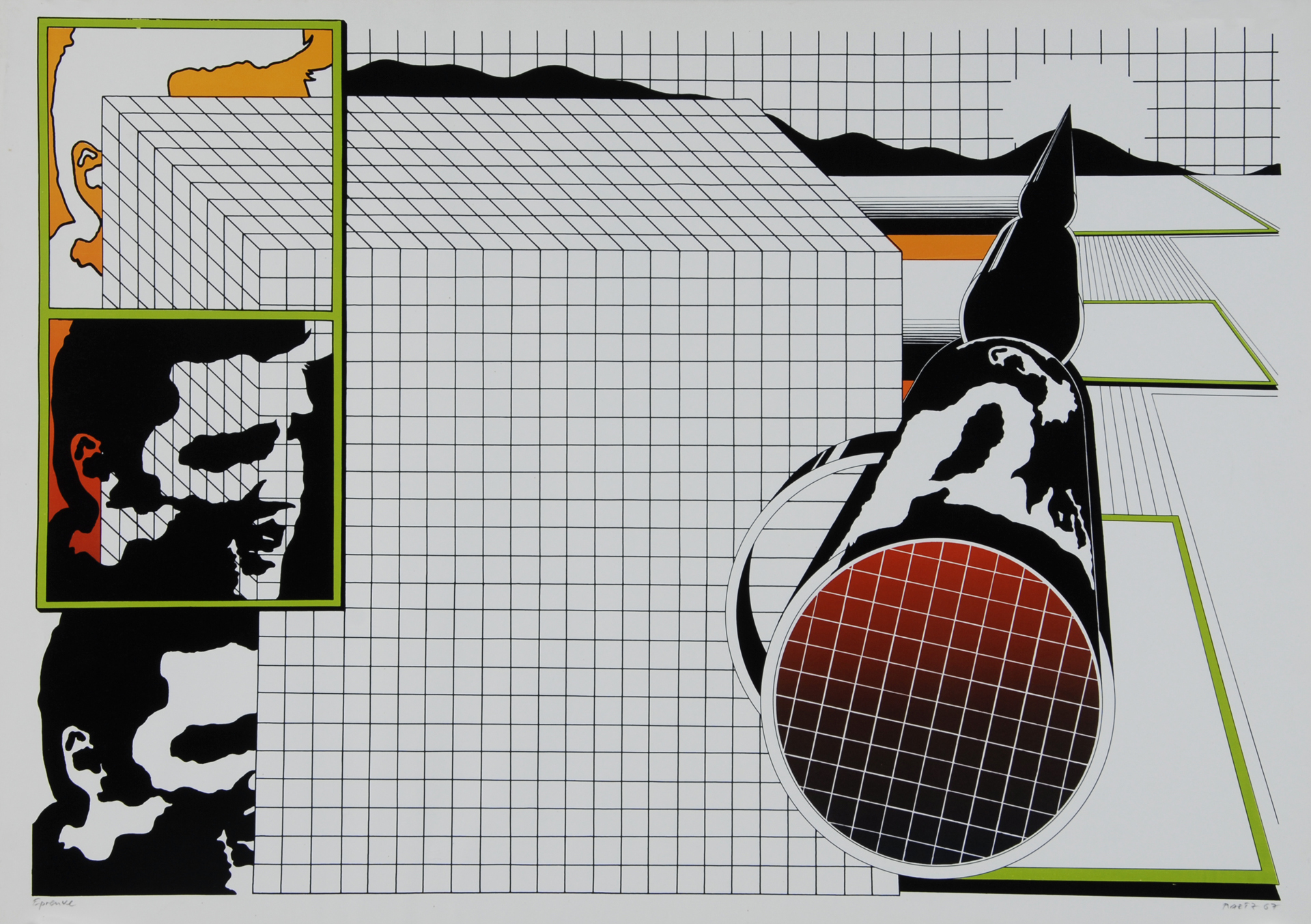
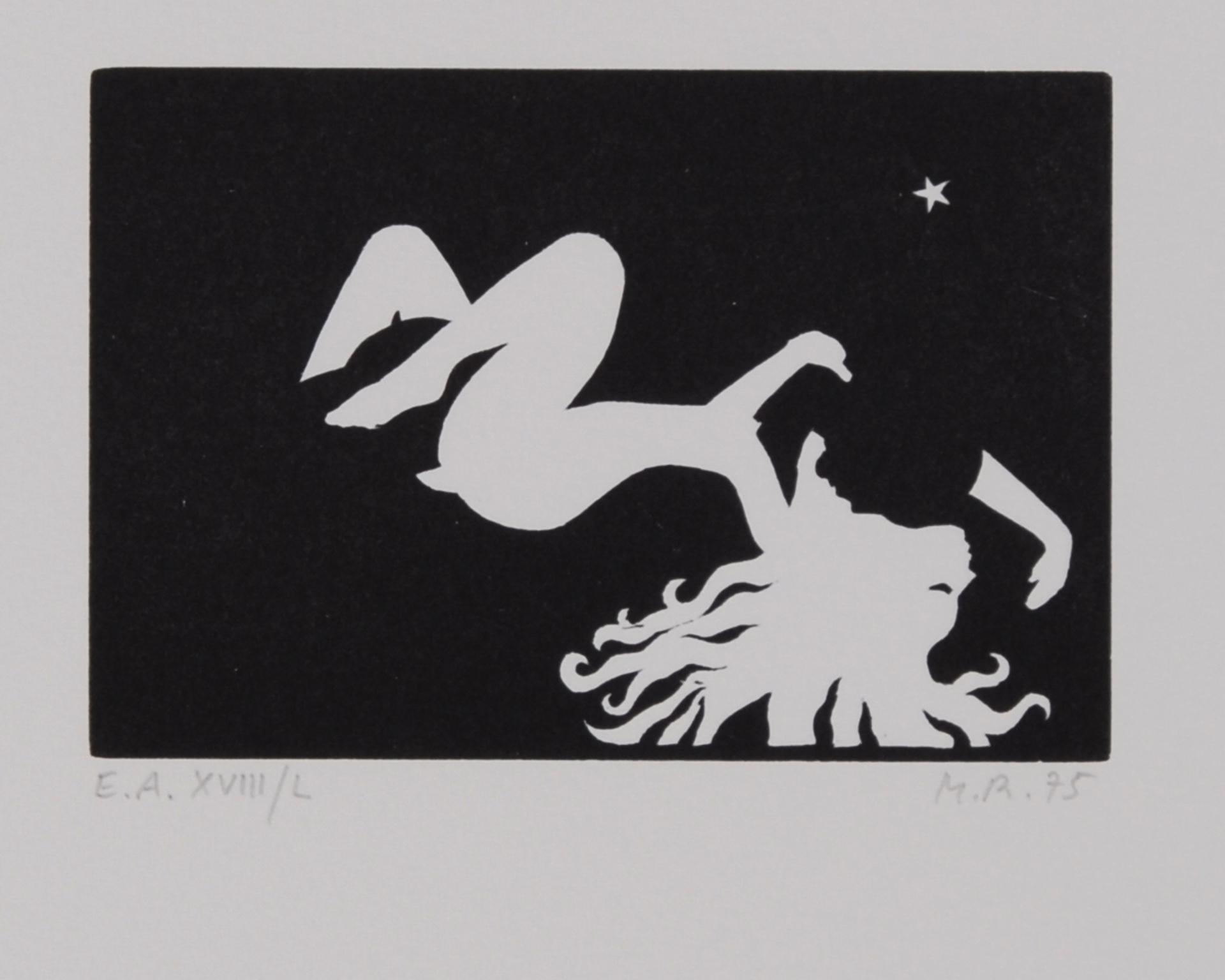
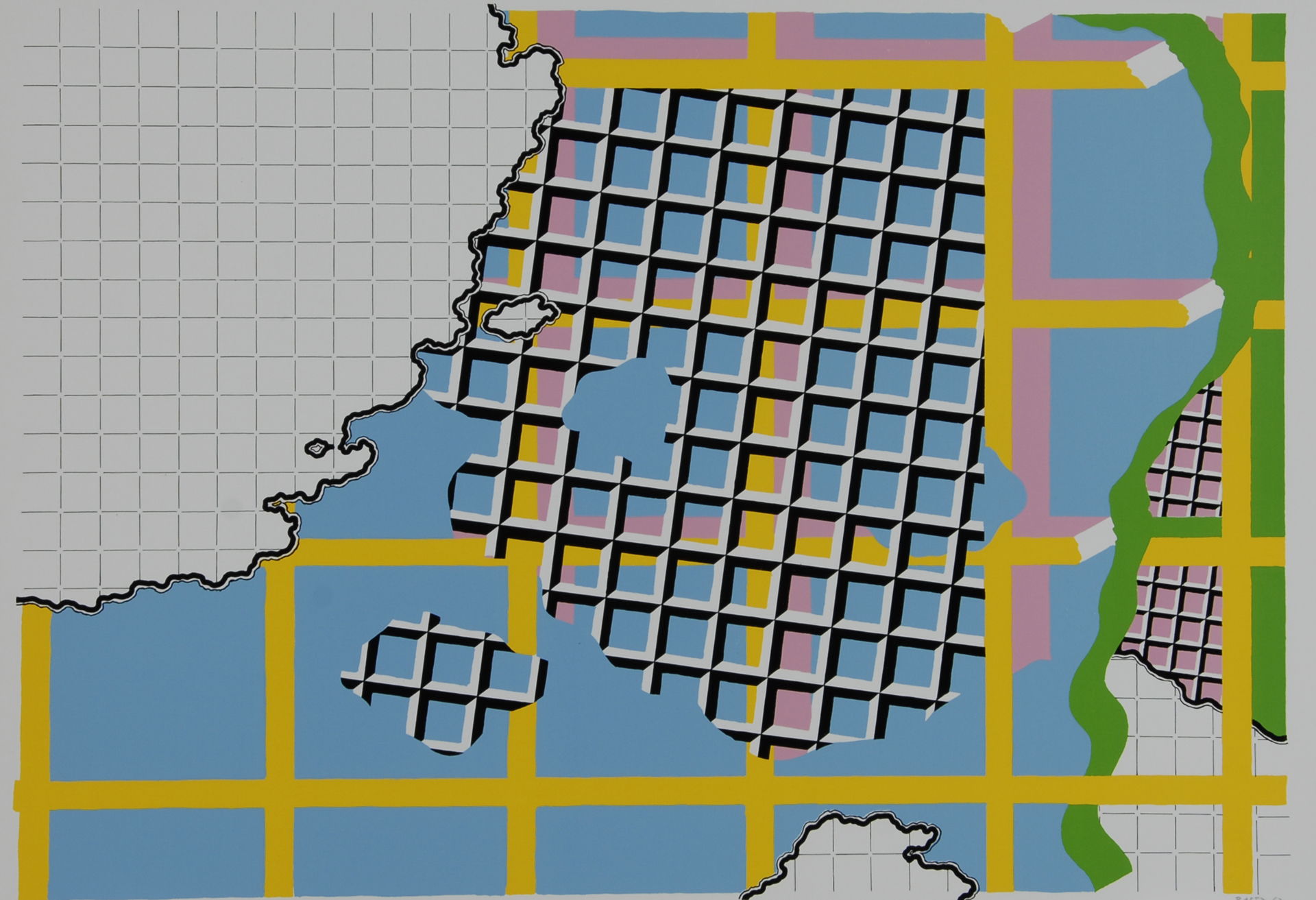
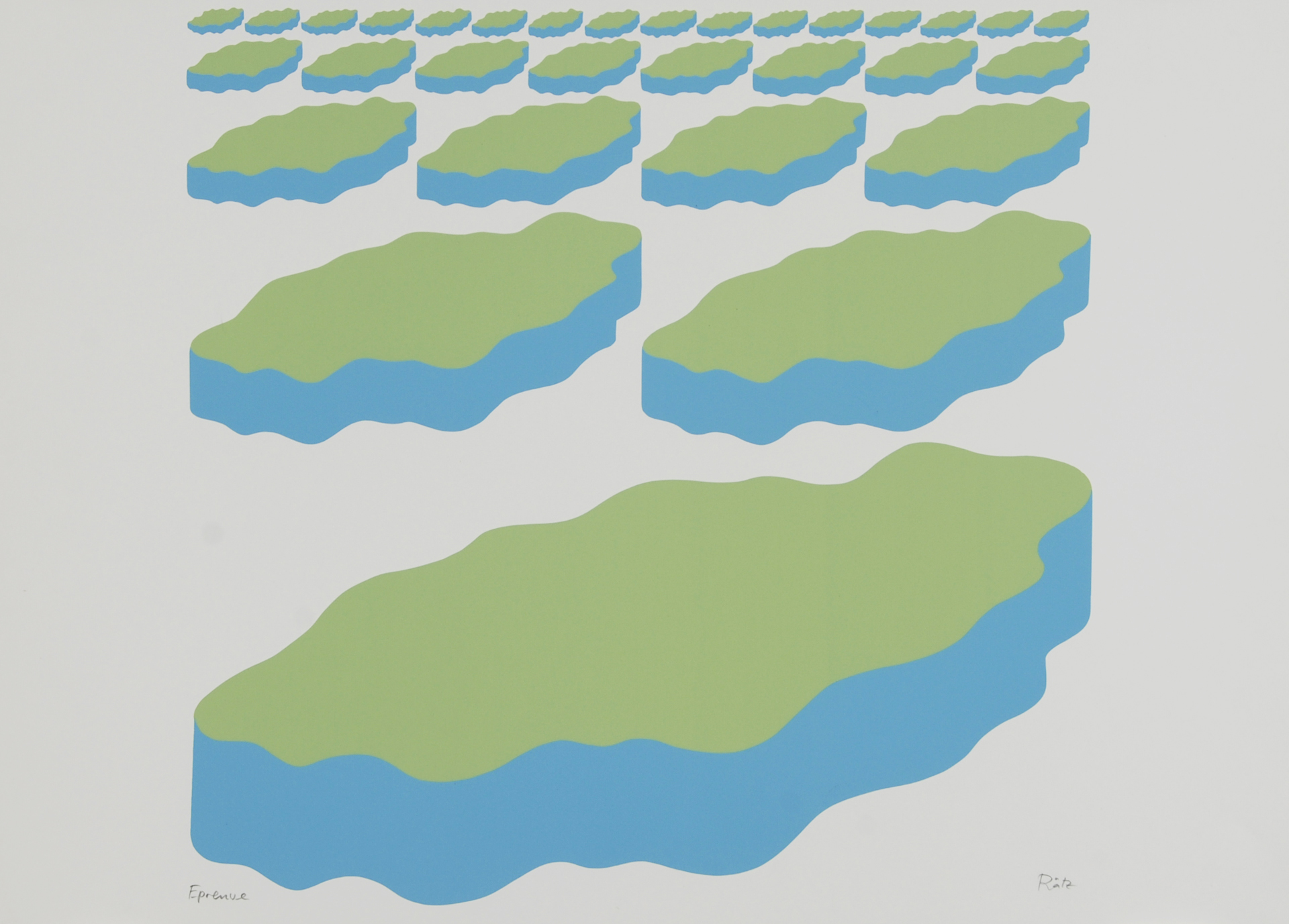
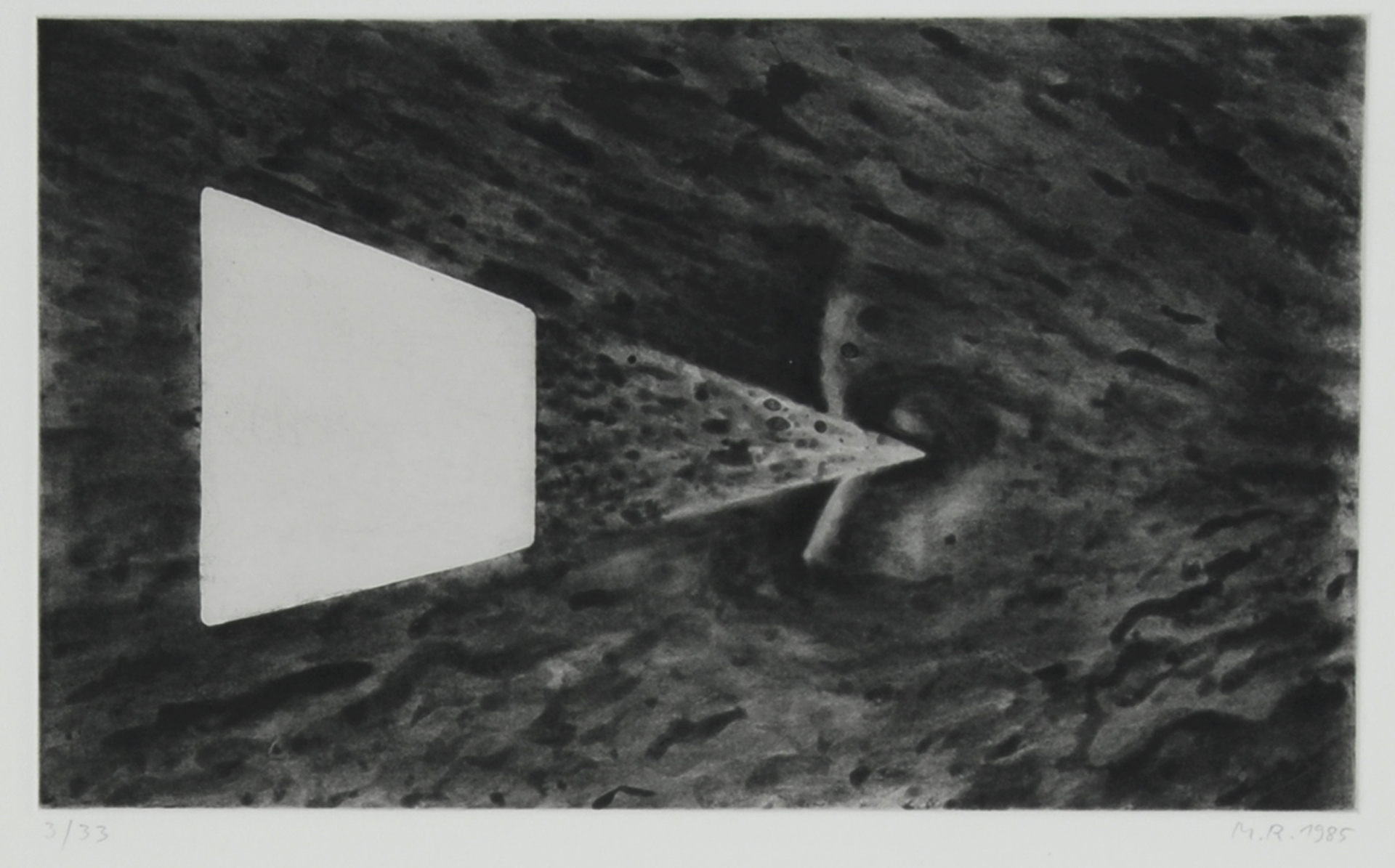
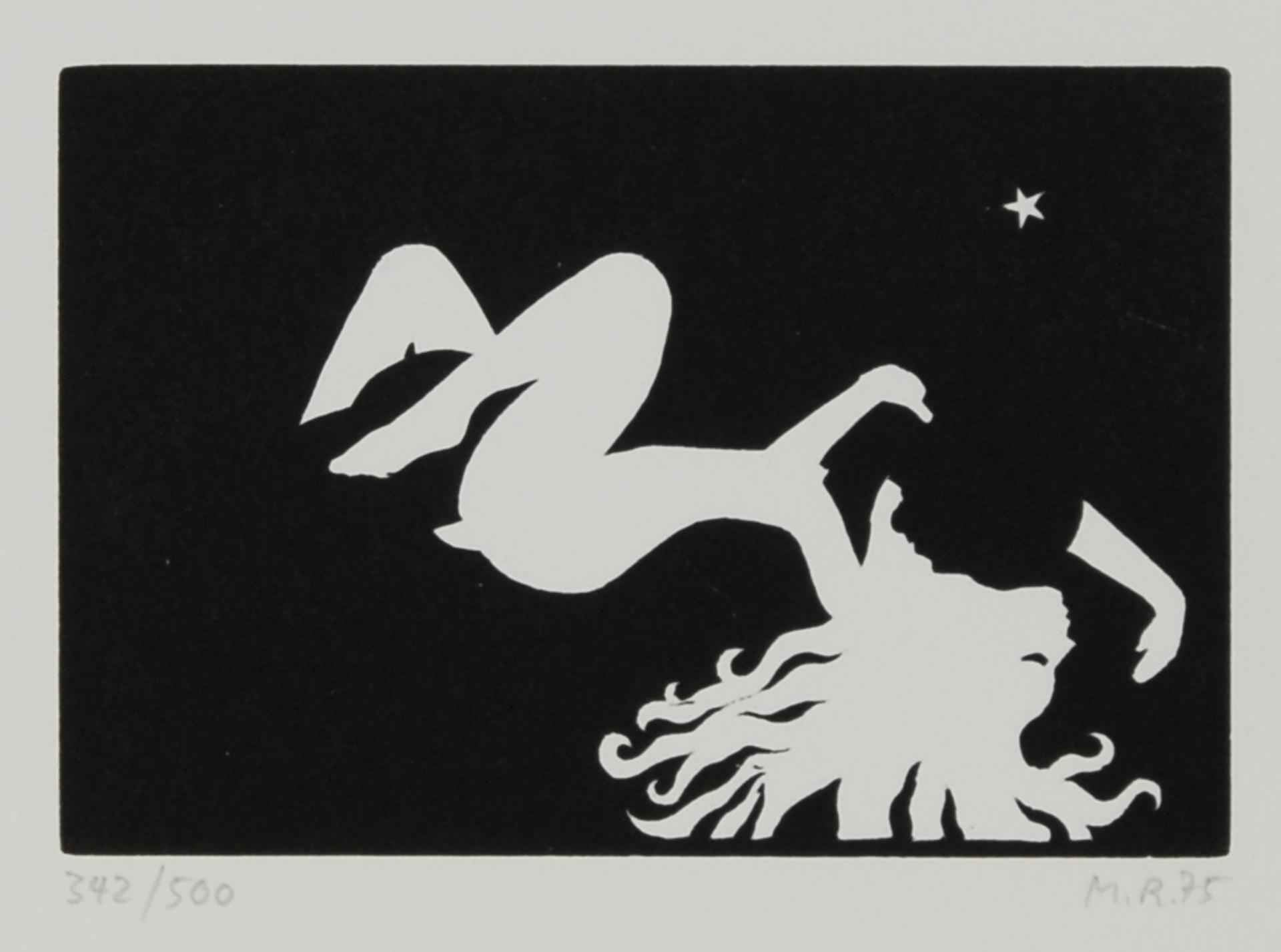
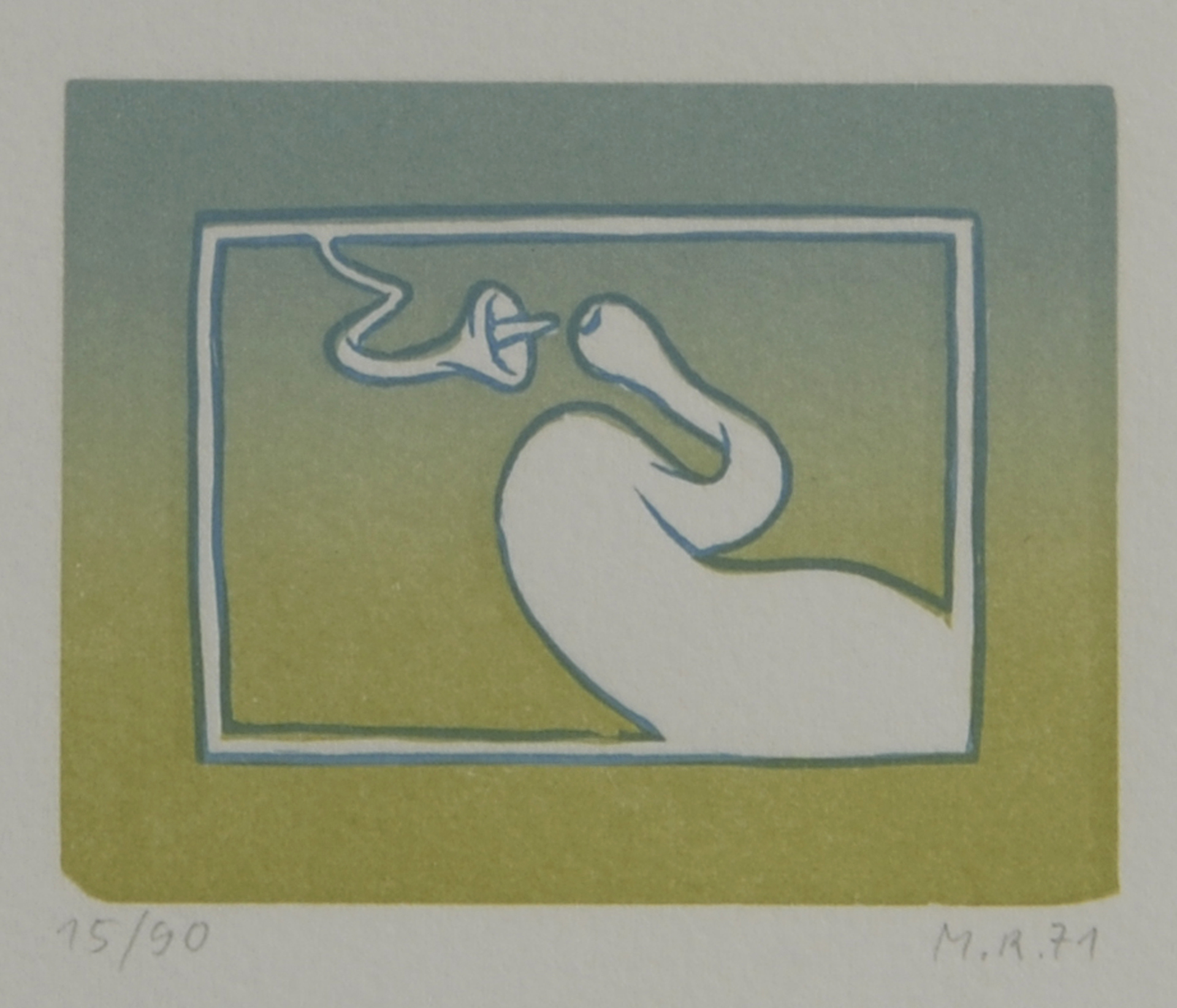
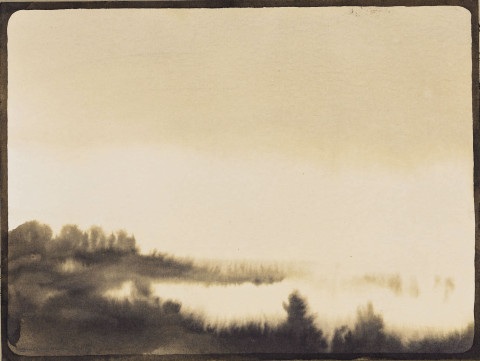
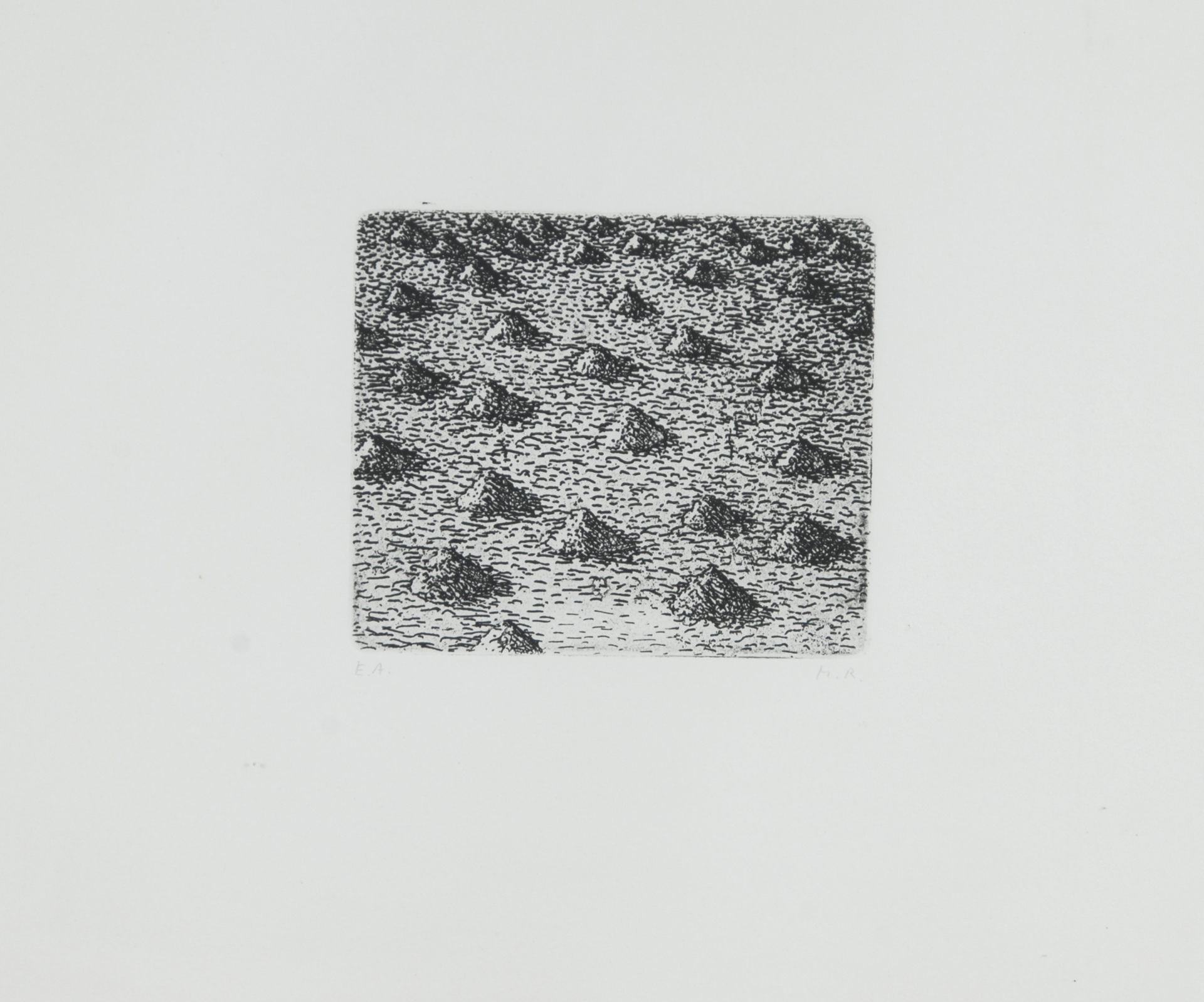
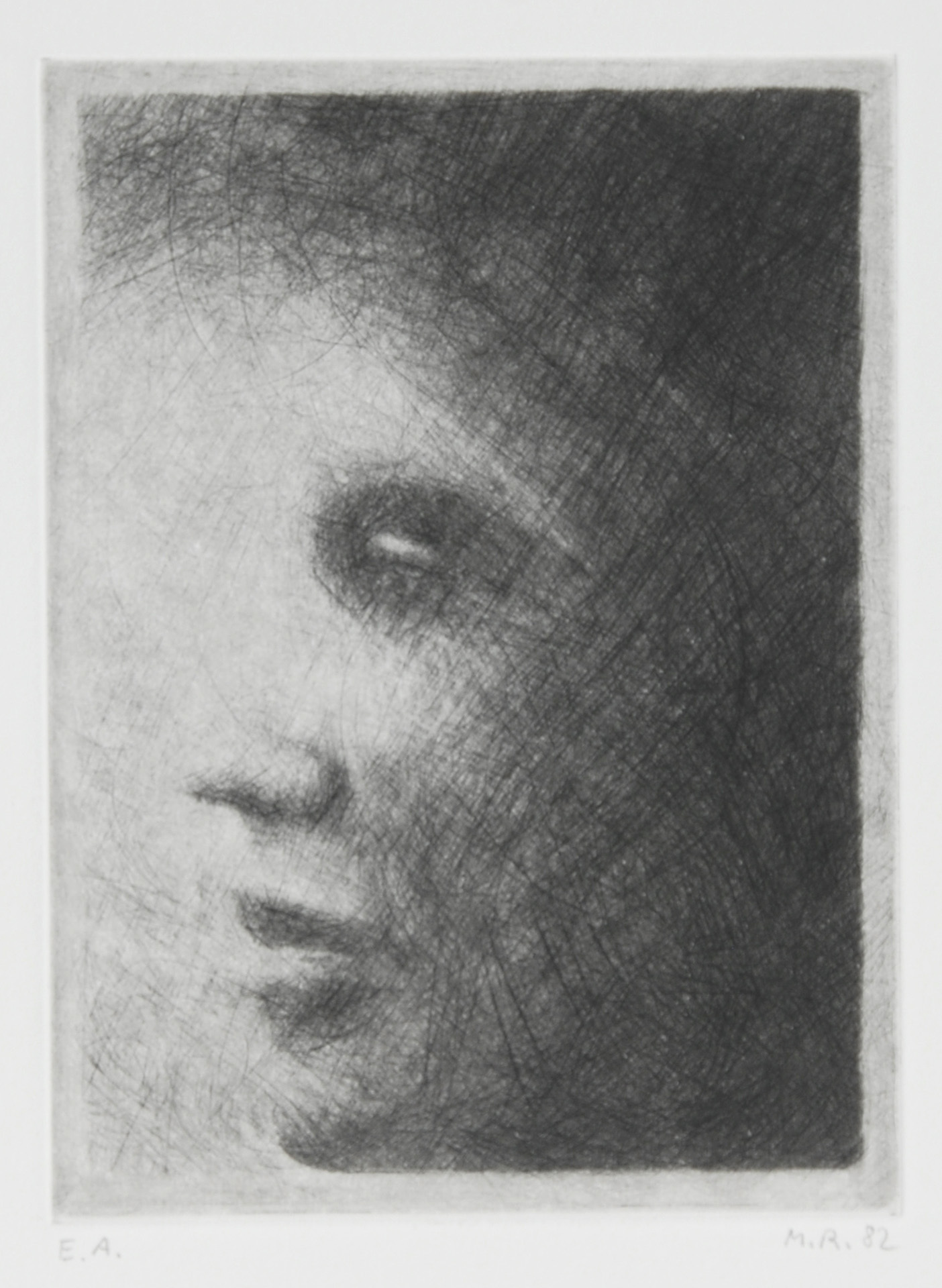
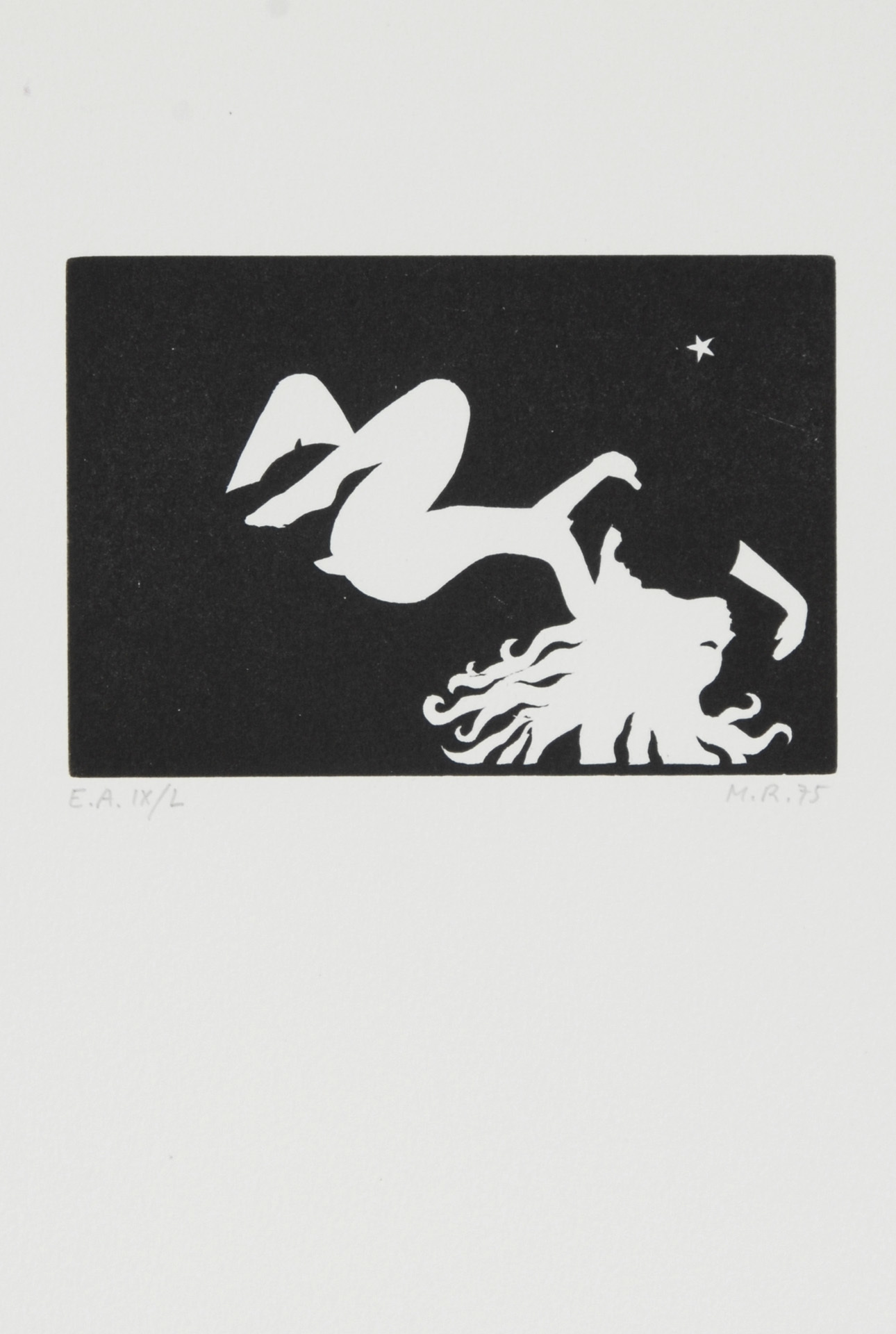
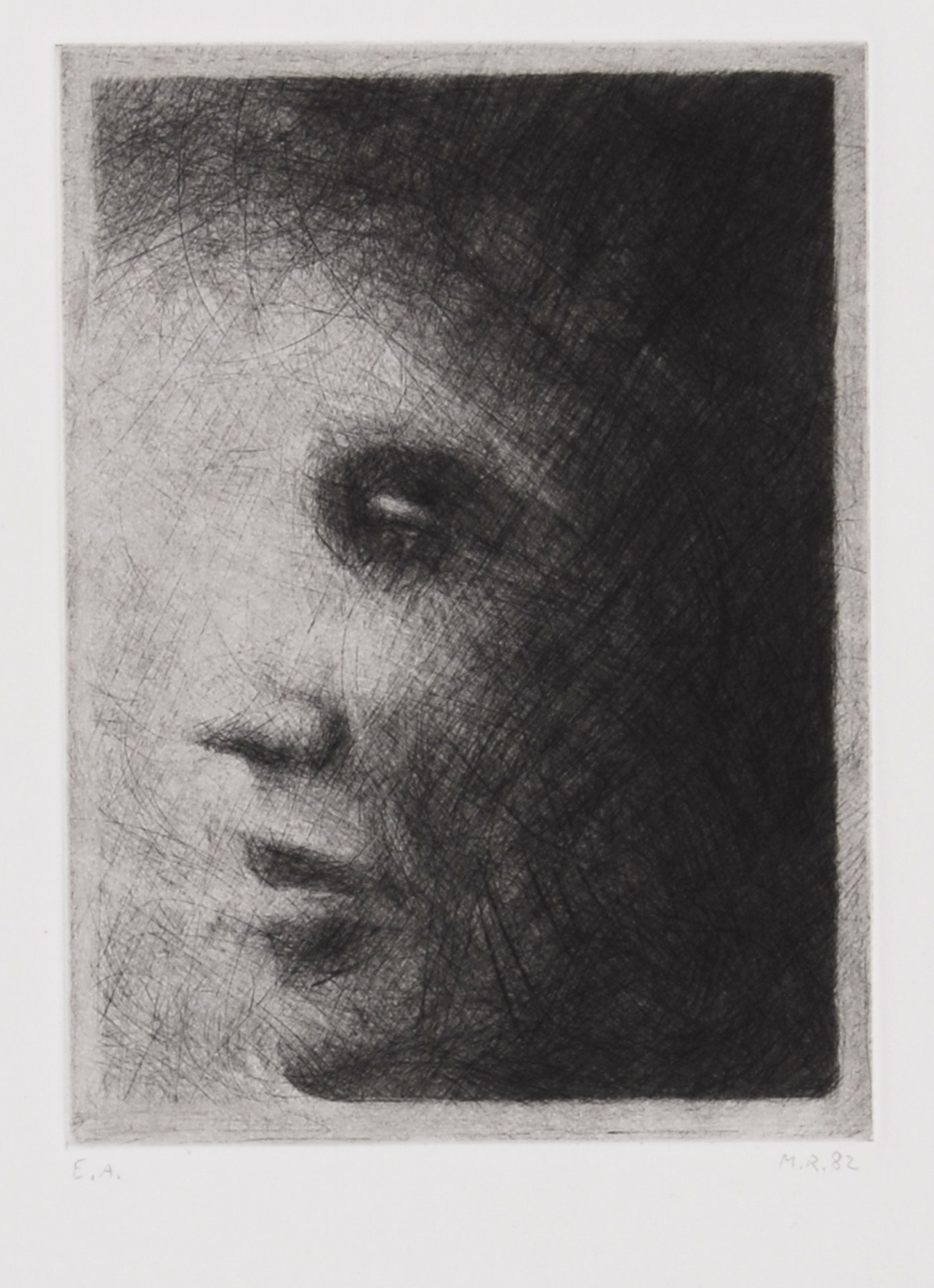
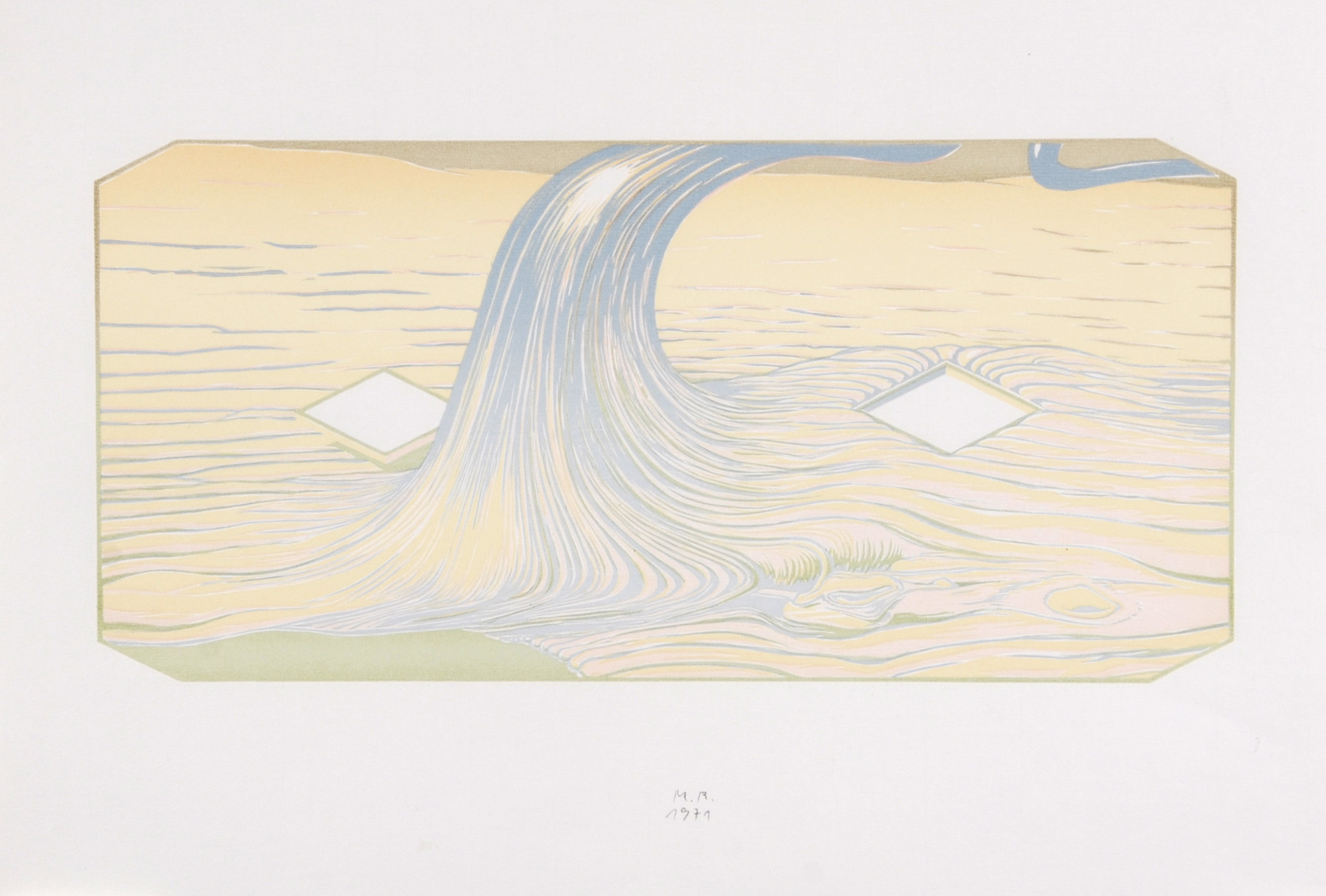
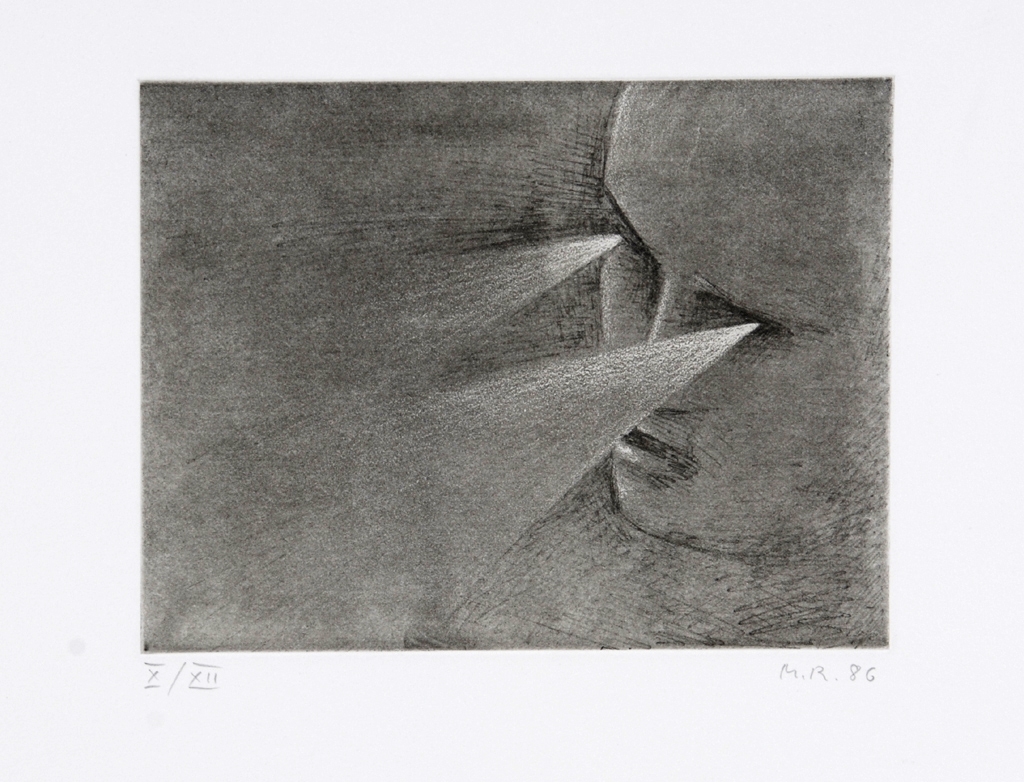
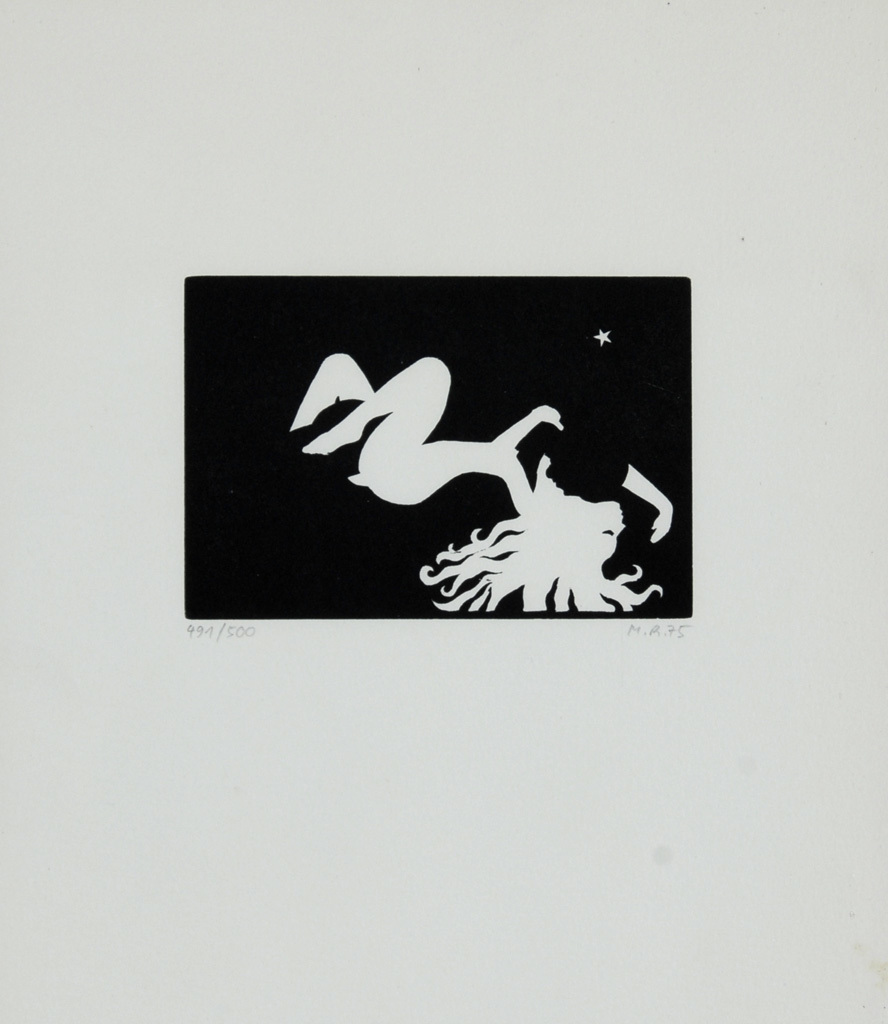
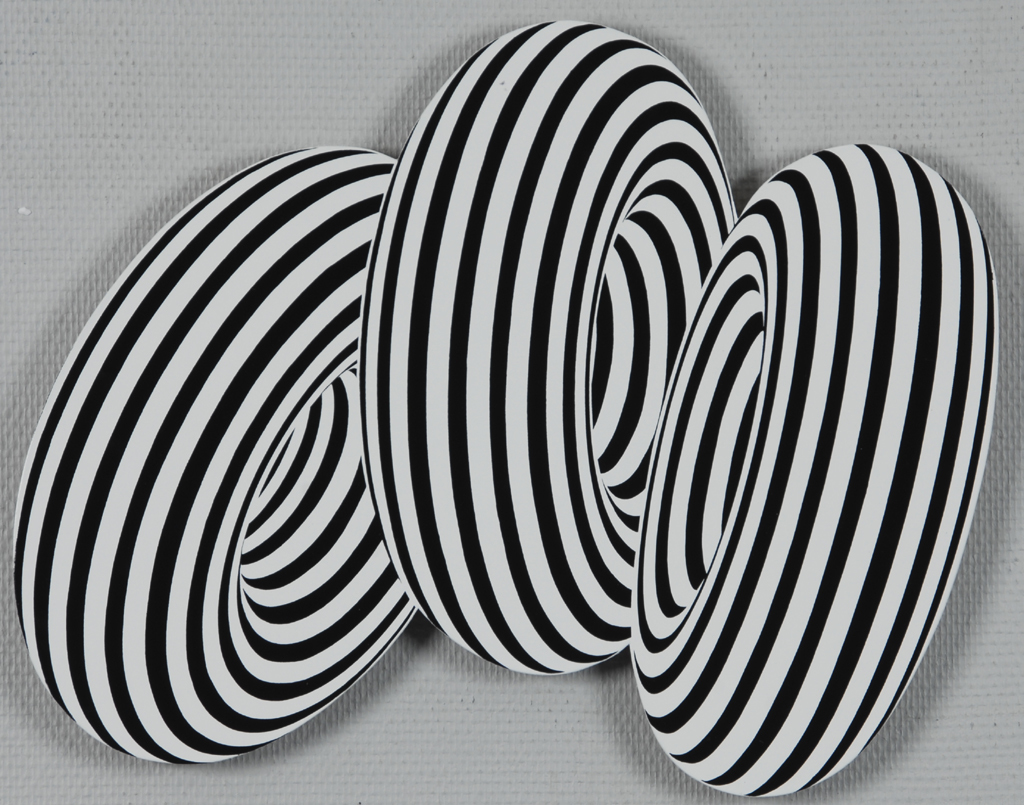
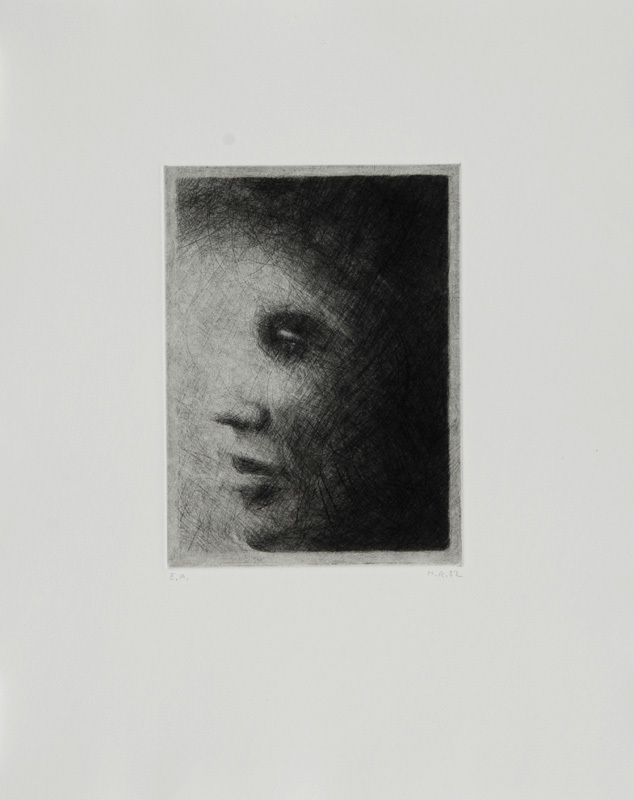
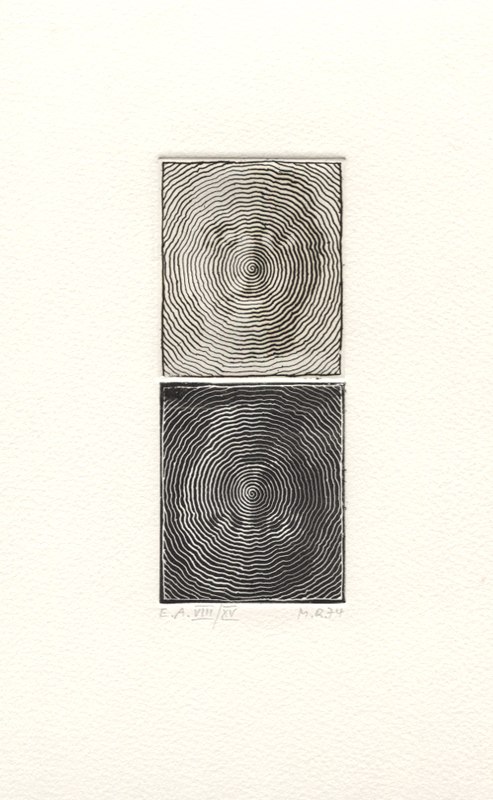
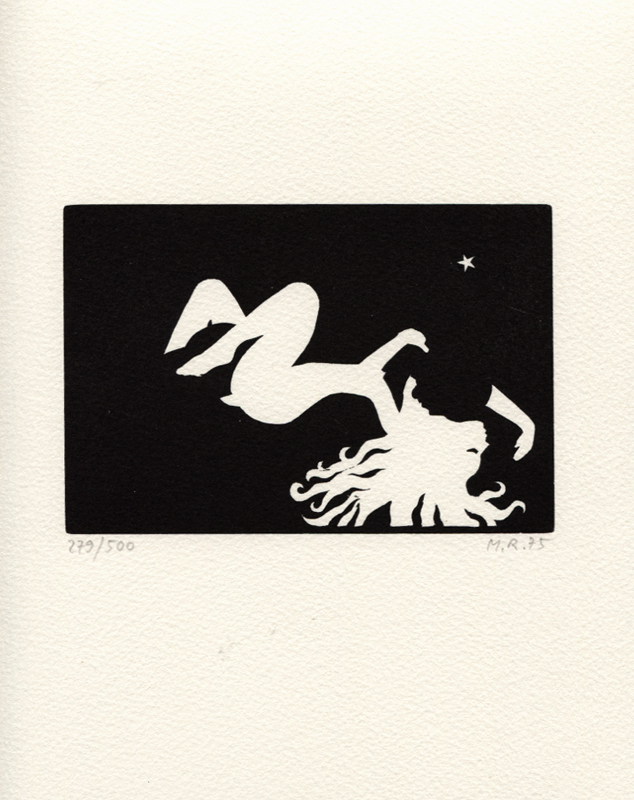
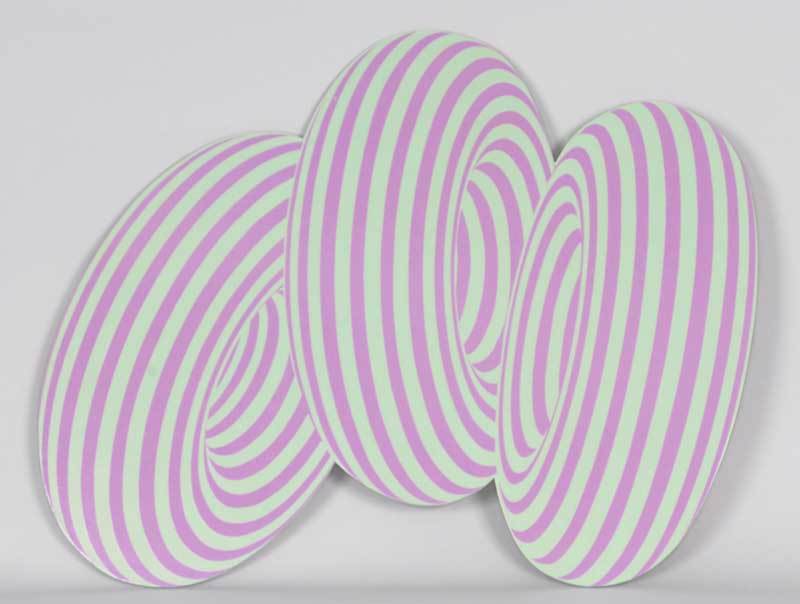
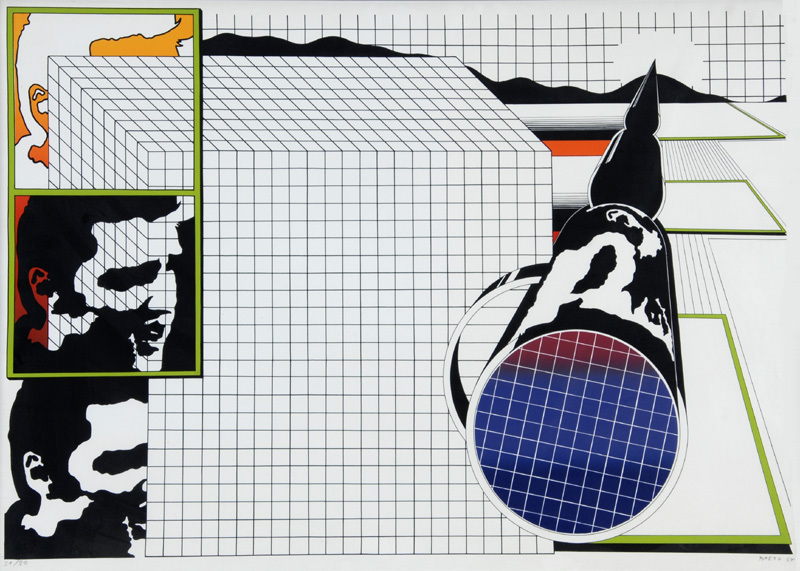
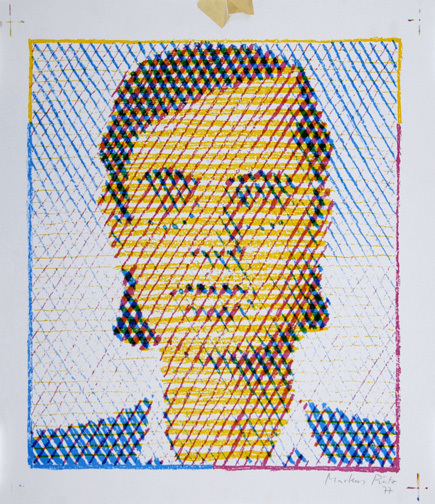
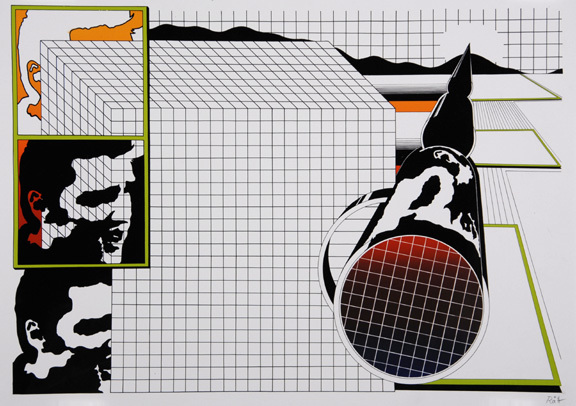
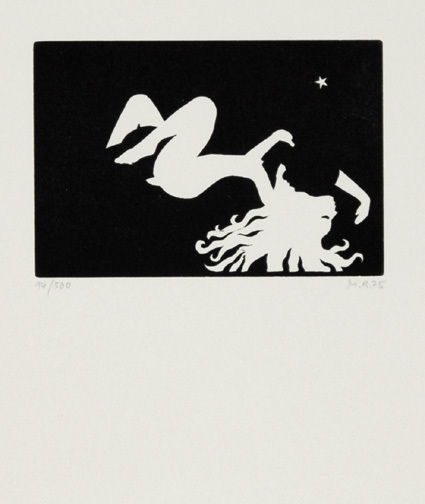
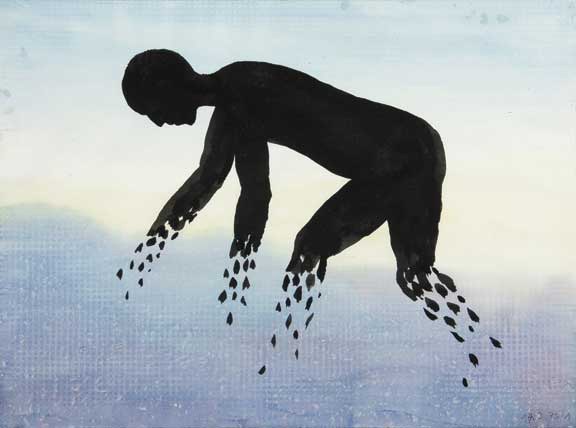
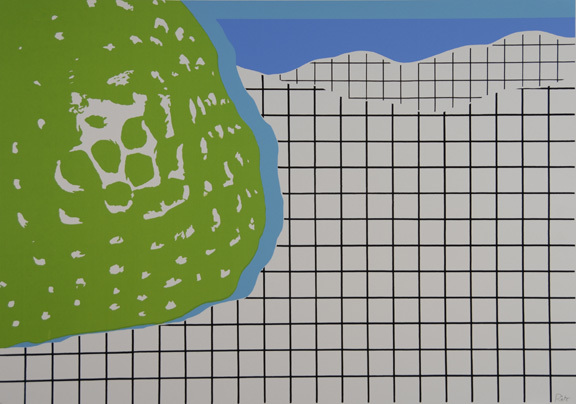
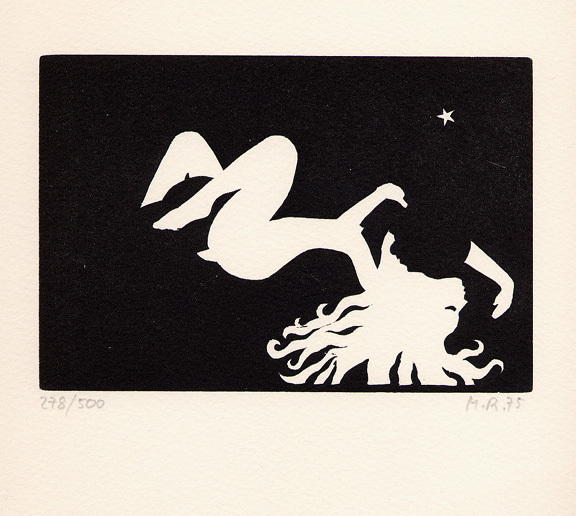
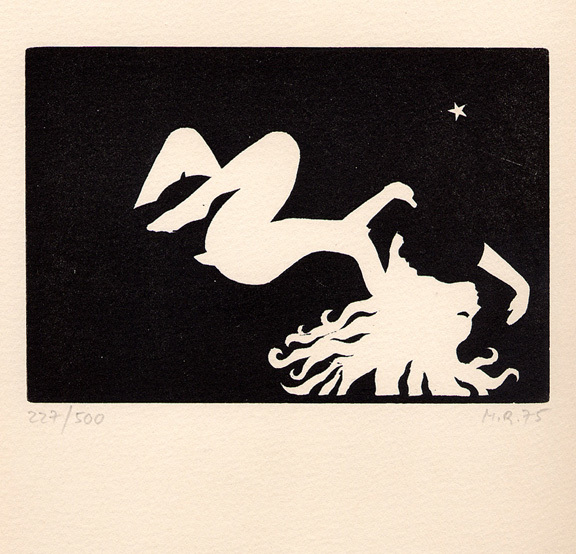
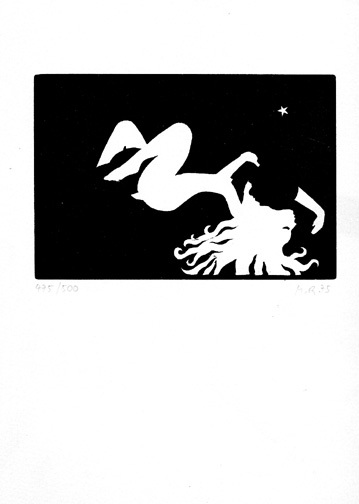
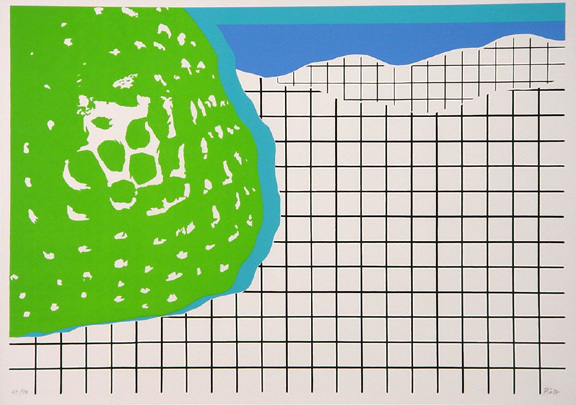
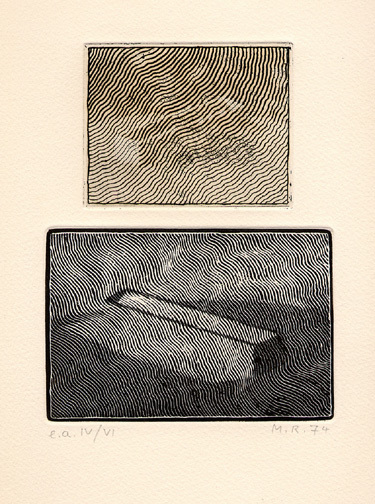
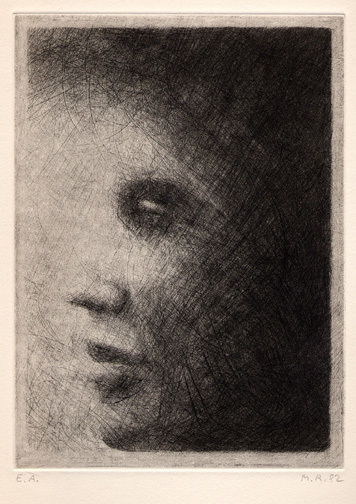
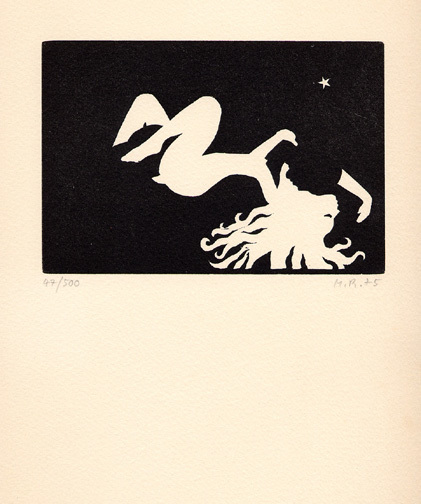
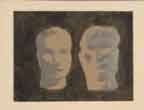
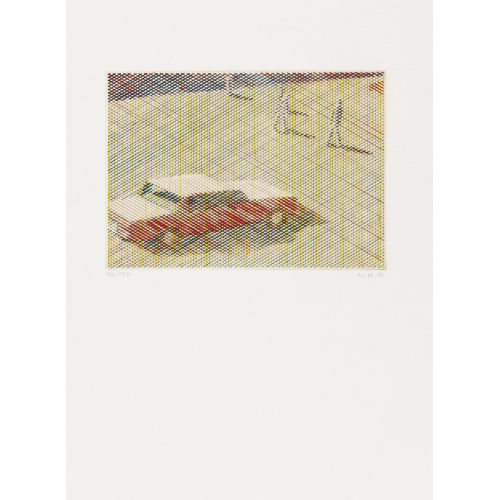
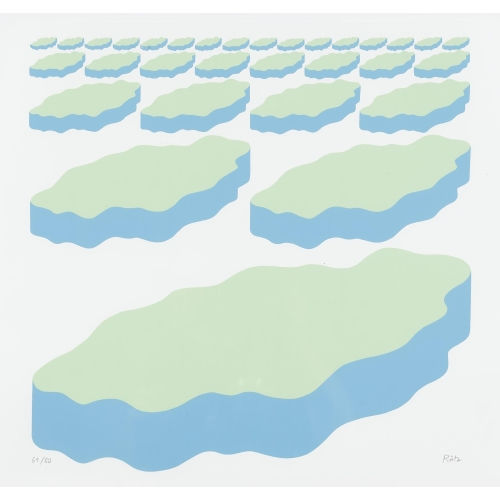
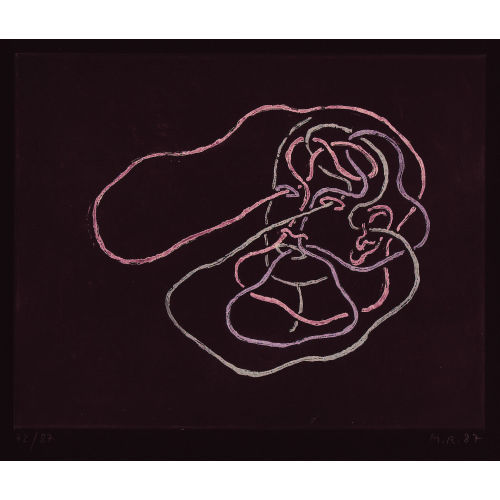
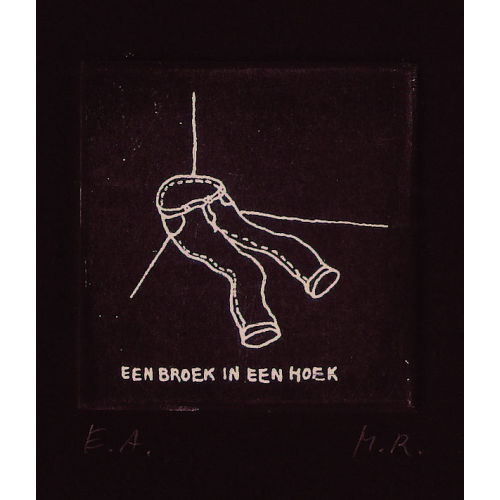
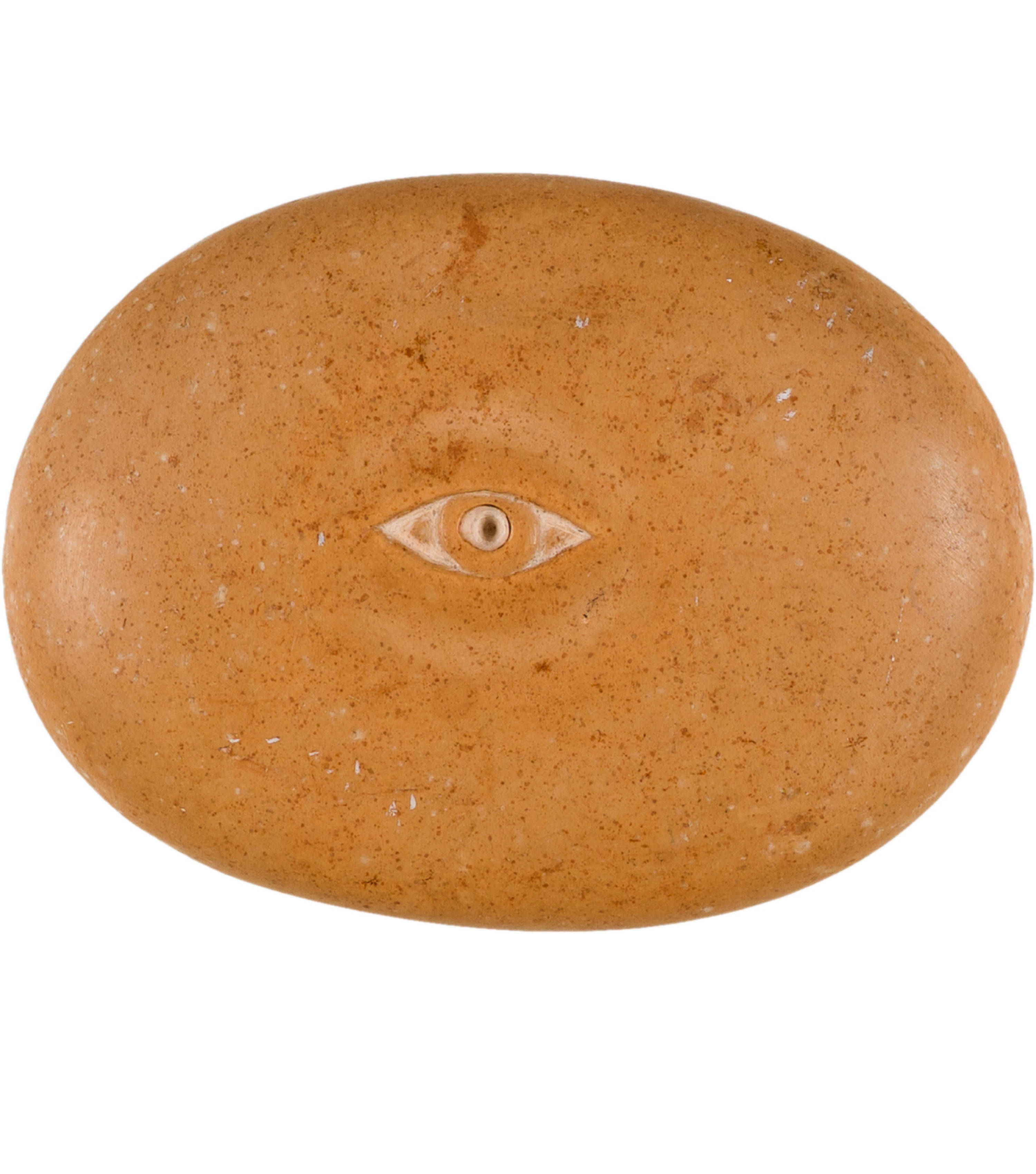
Markus Raetz (Bern, 1941–2020) makes looking the true subject of his art. A face appears, a silhouette transforms, a word changes meaning when the viewer moves. His drawings, sculptures and installations give this experience a dimension that is at once precise, poetic and playful: seeing becomes an activity through which we discover the uncertainties of perception.
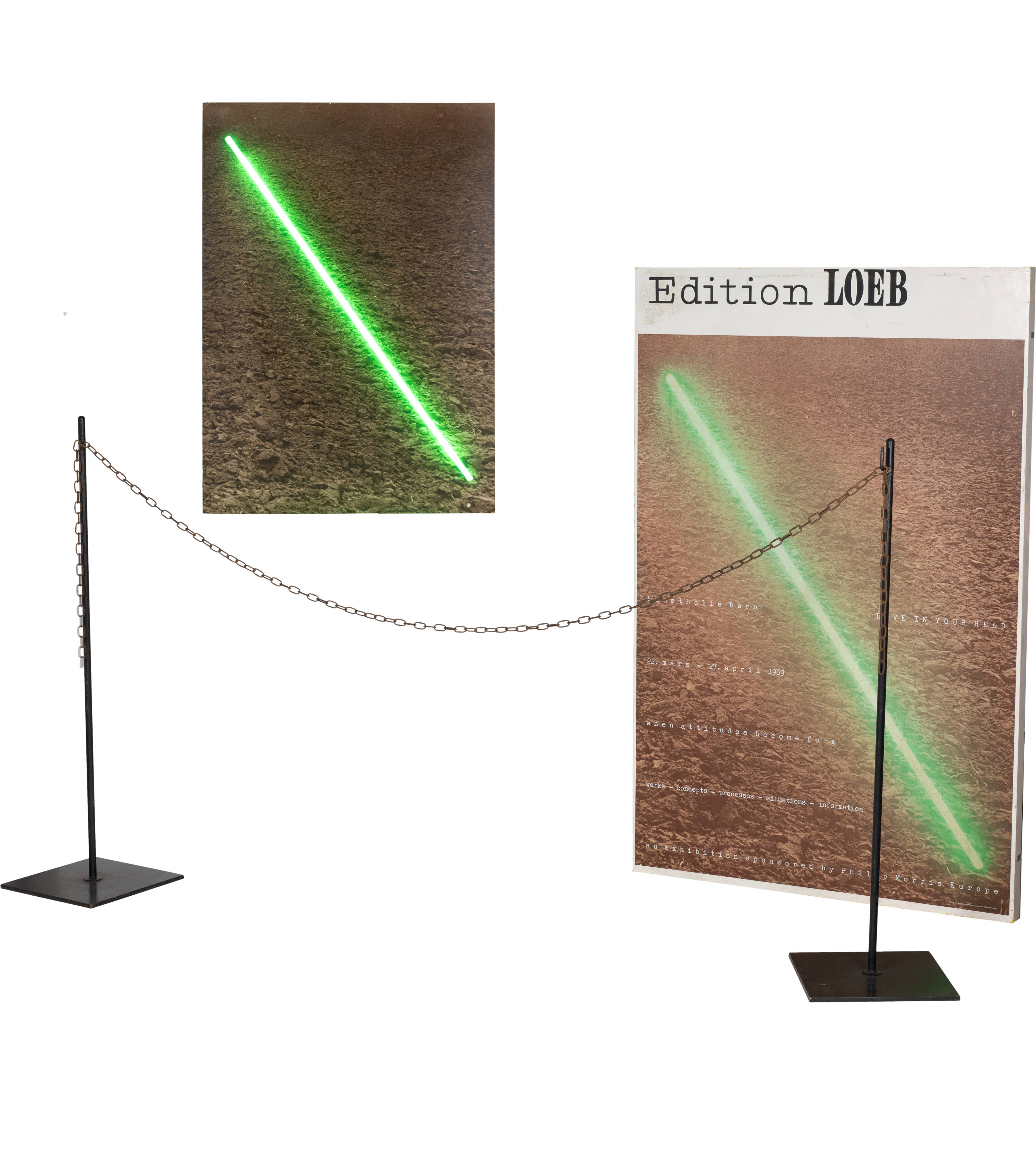
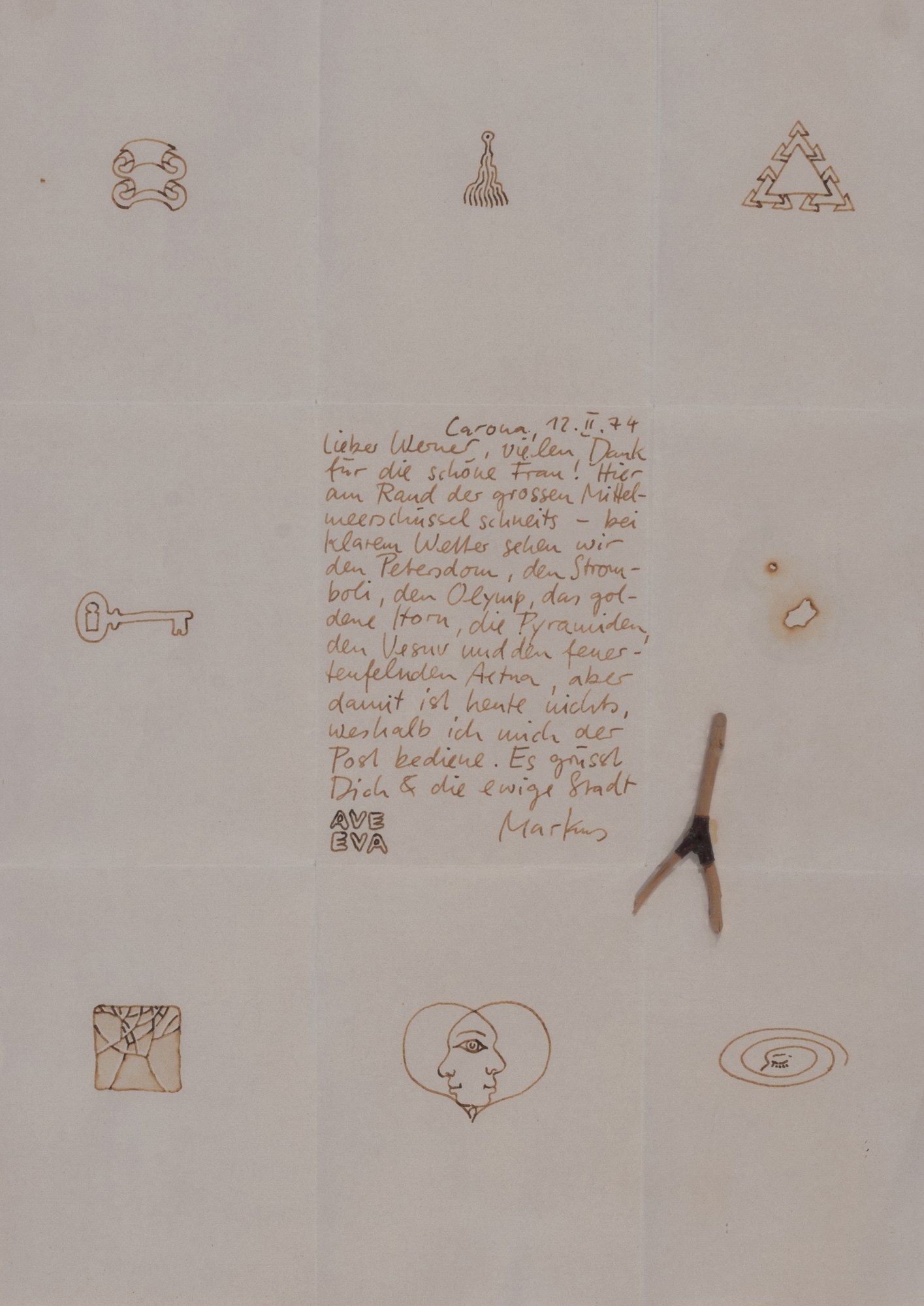
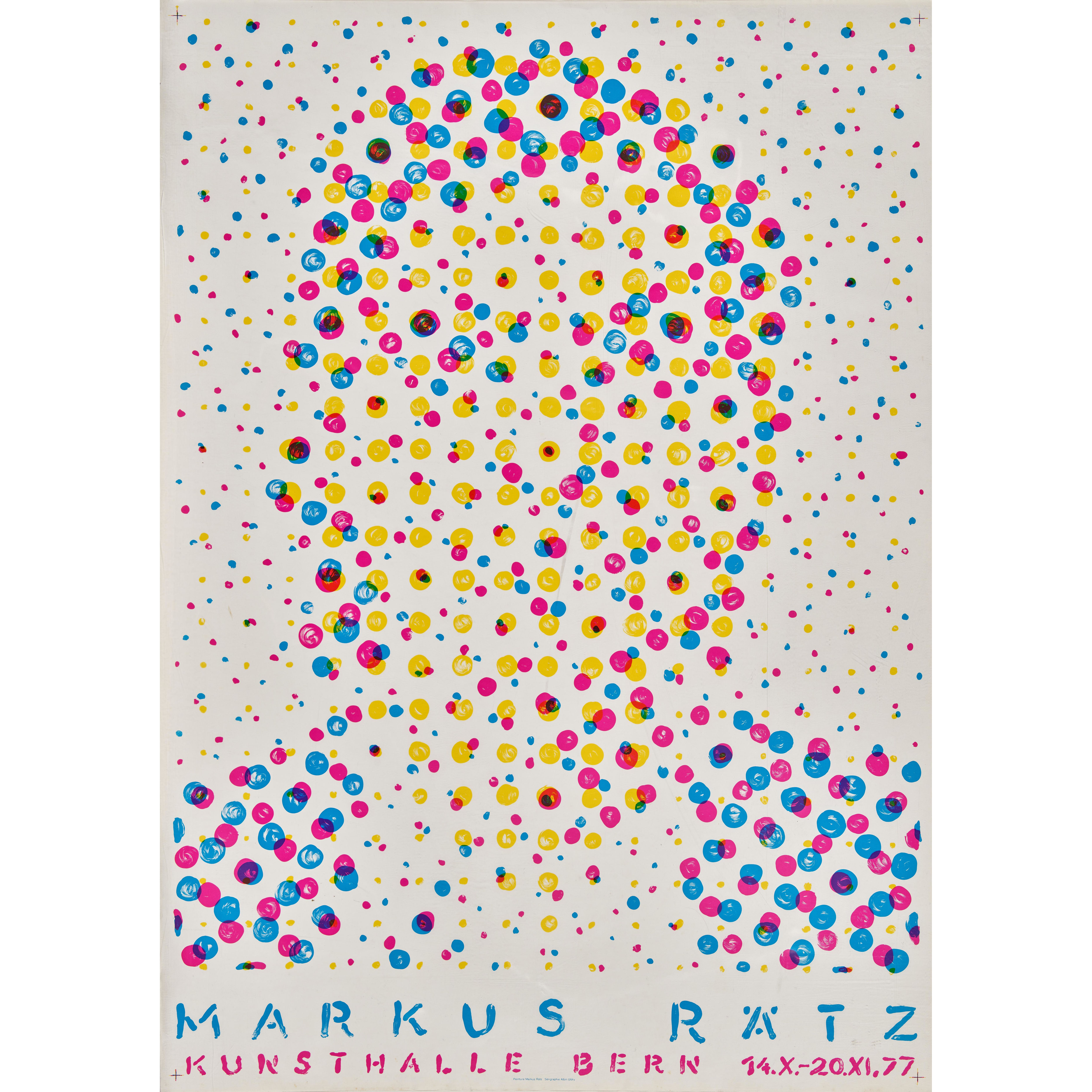
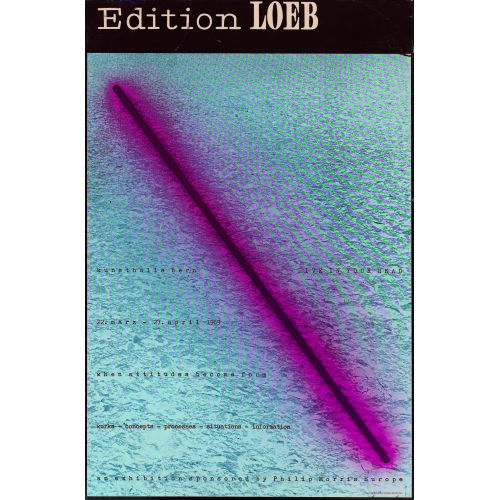
His career took shape within Bern’s artistic milieu in the 1960s, when Harald Szeemann was director of the Kunsthalle. He participated in documenta in Kassel in 1968 and again in 1972. Periods spent in Amsterdam and Carona broadened his trajectory before his return to Bern.
In 1988, he represented Switzerland at the Venice Biennale.
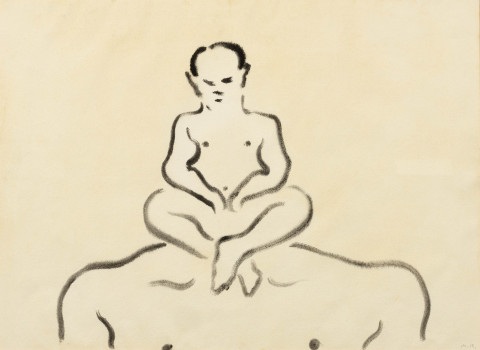
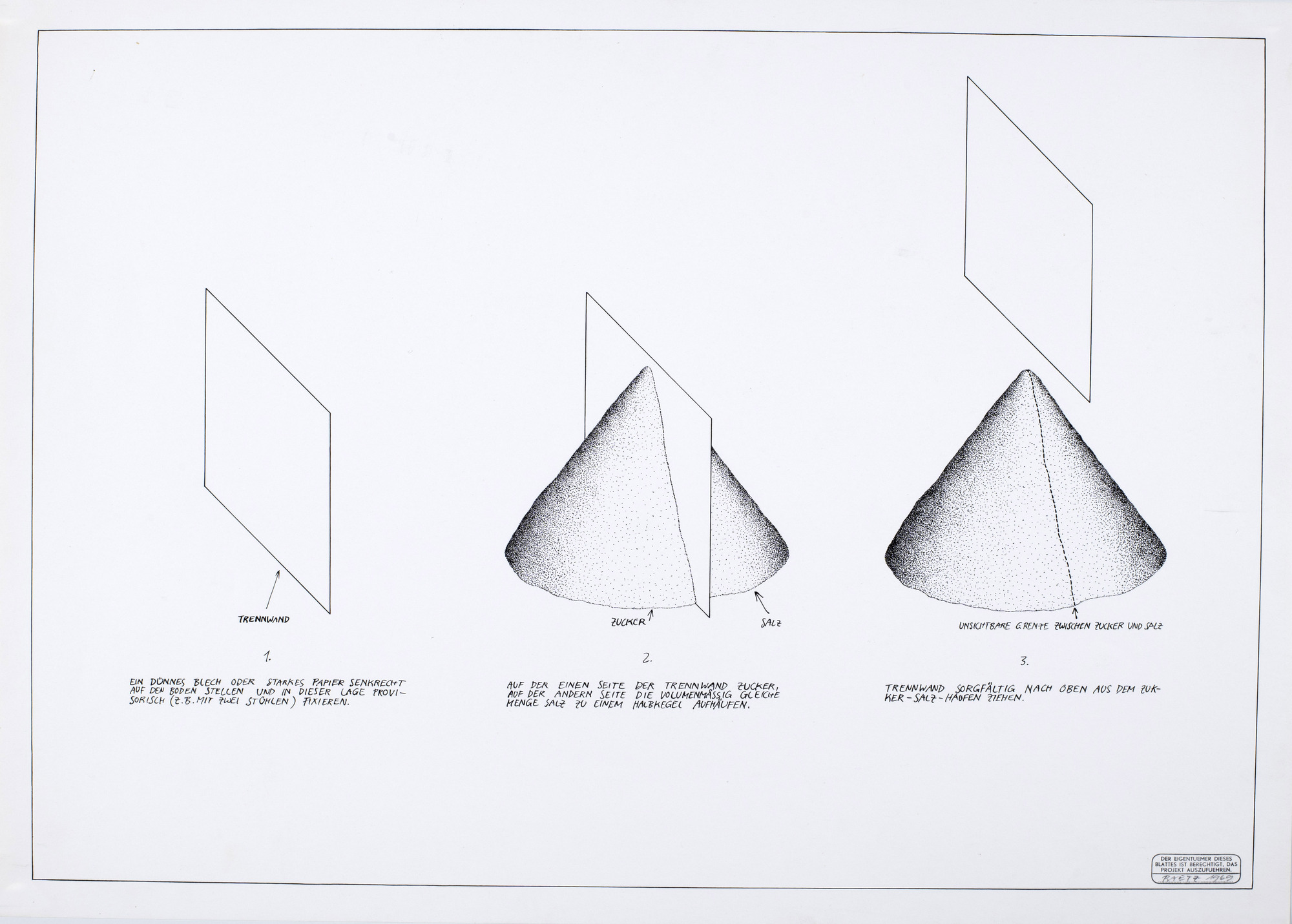
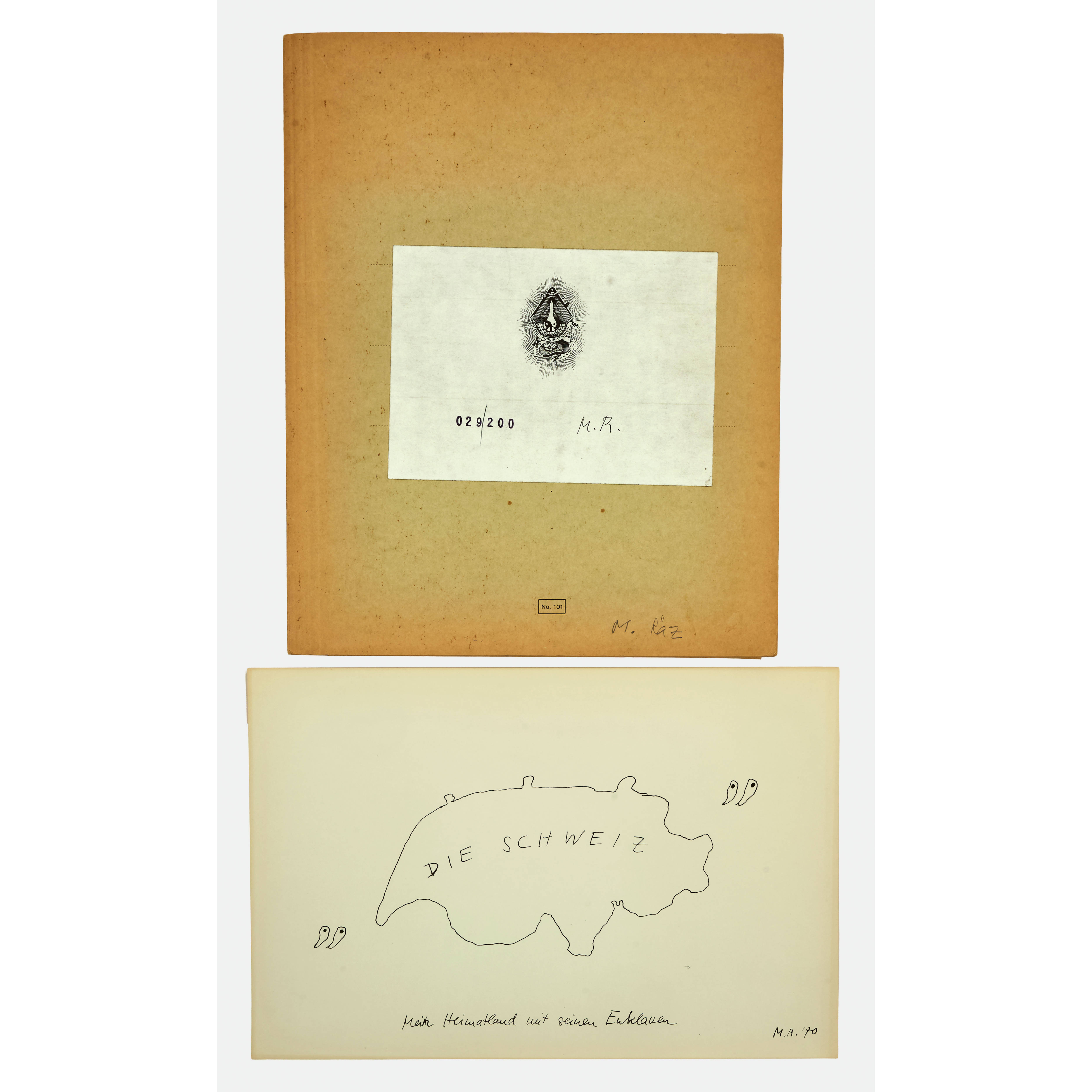
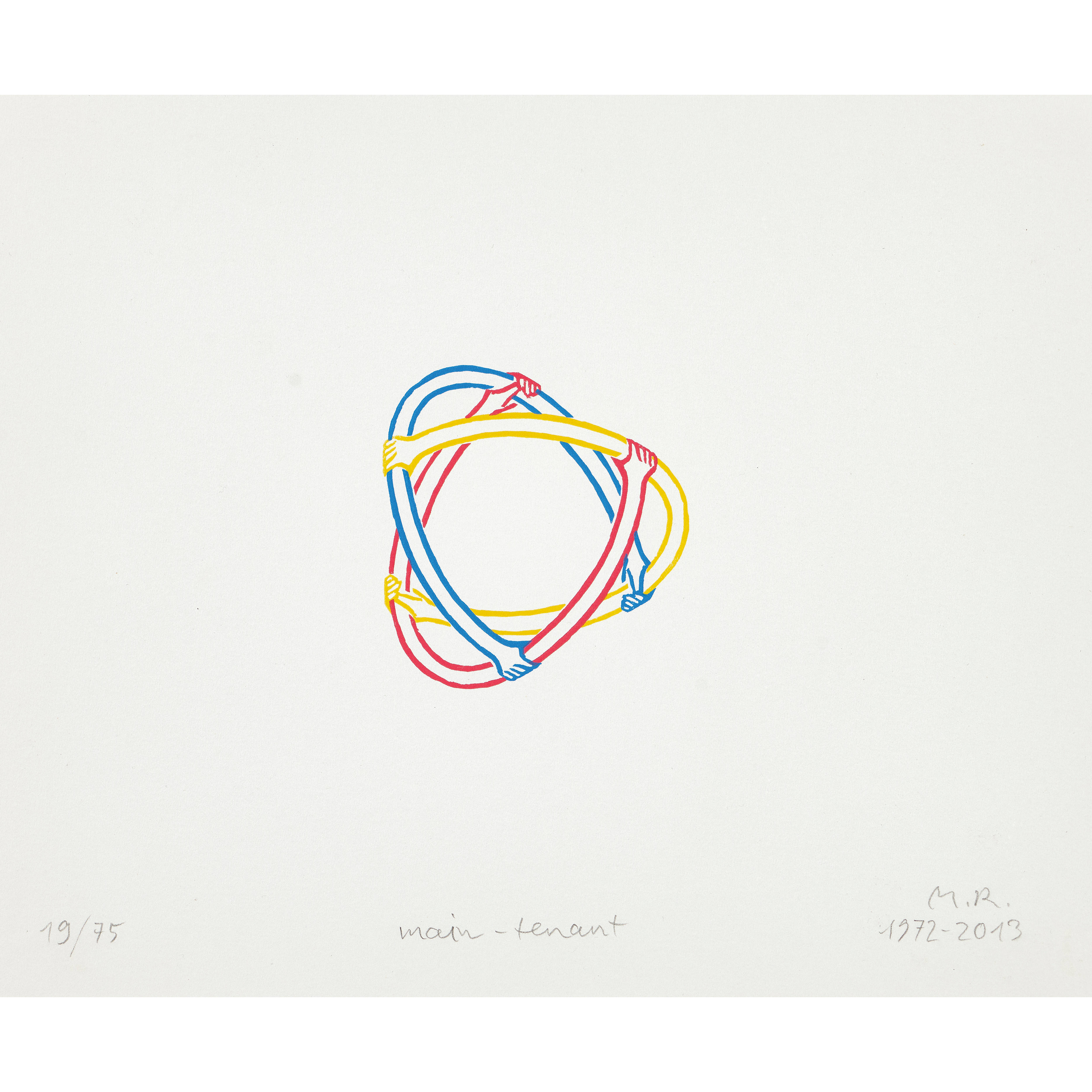
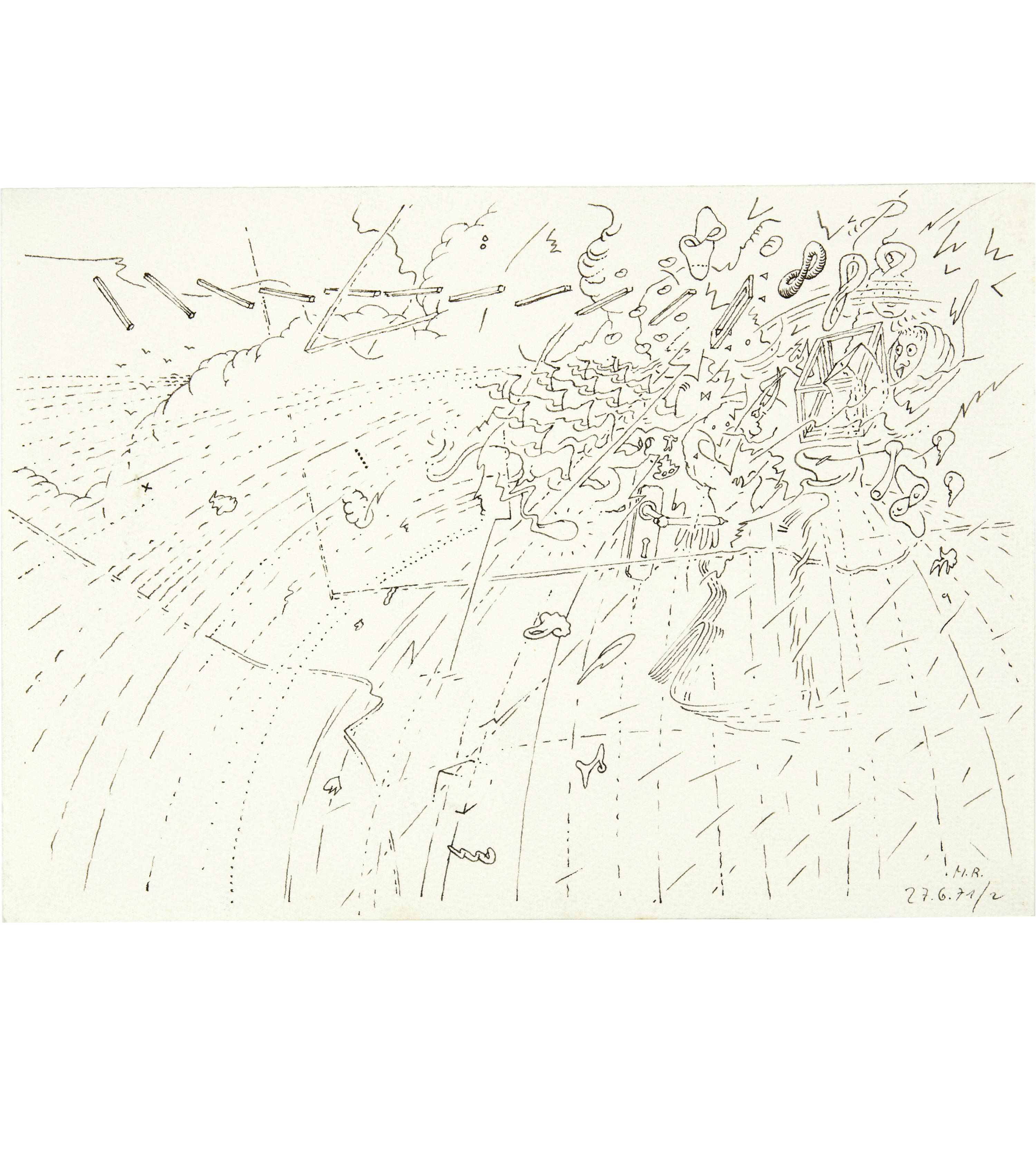
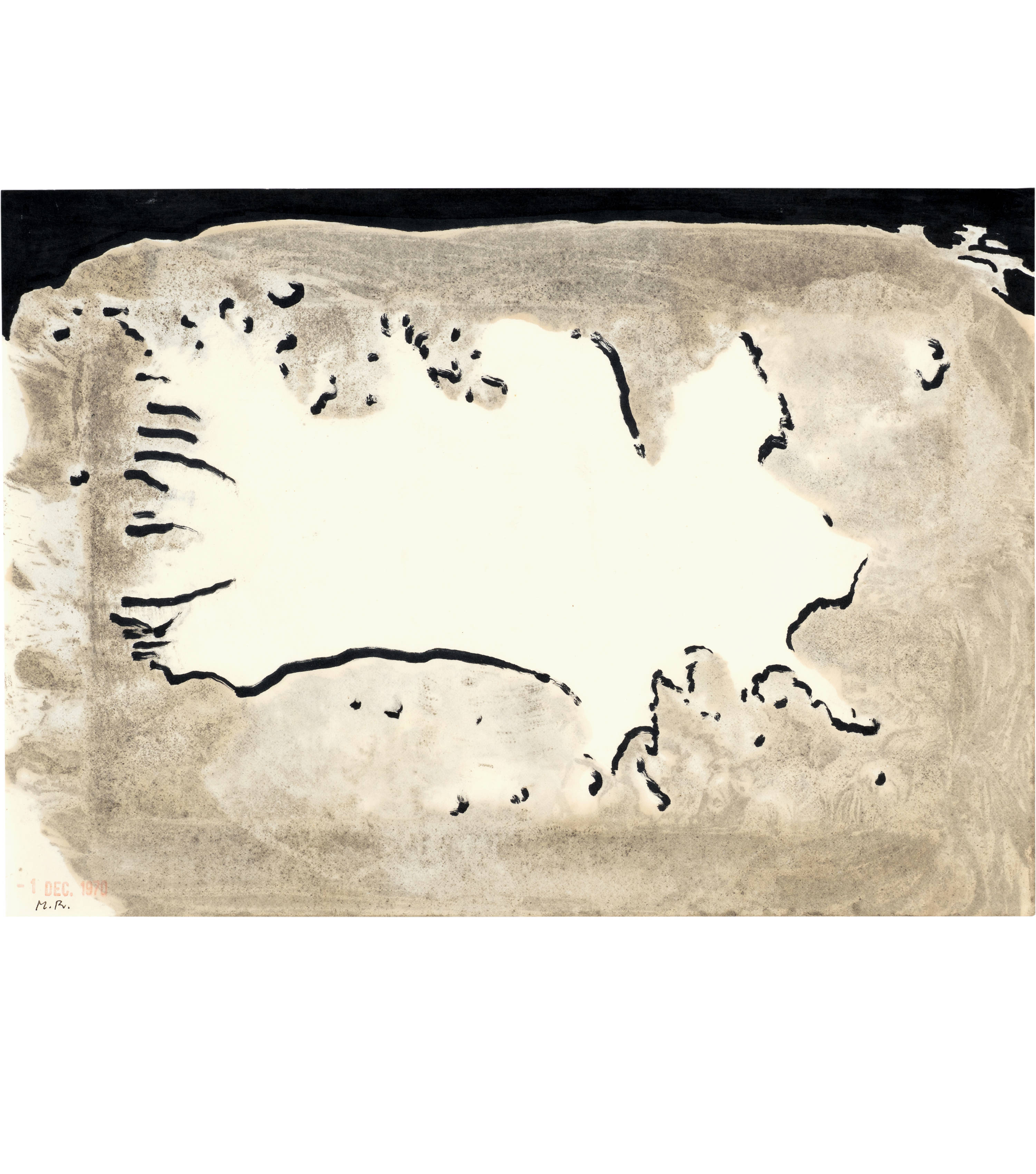
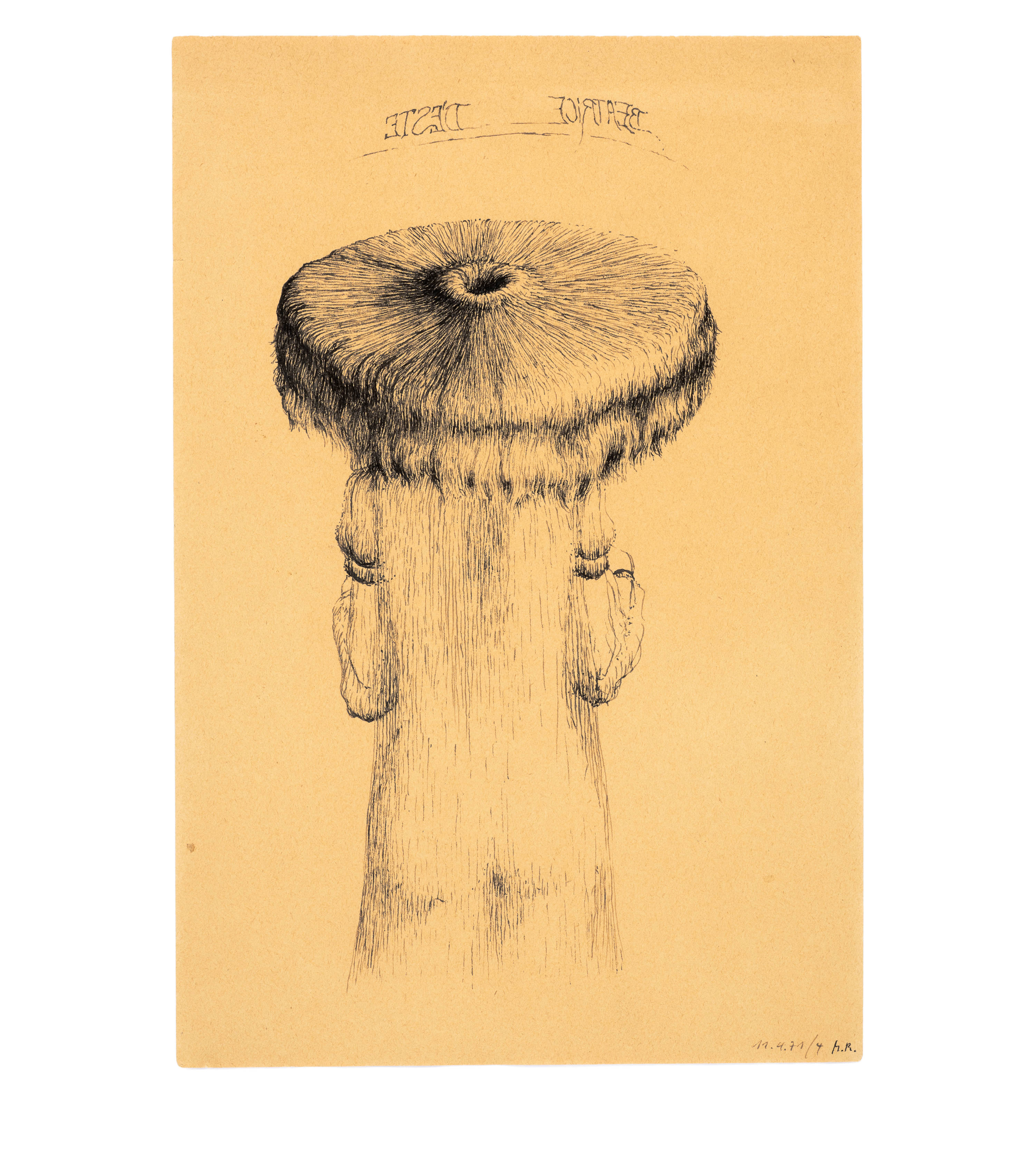
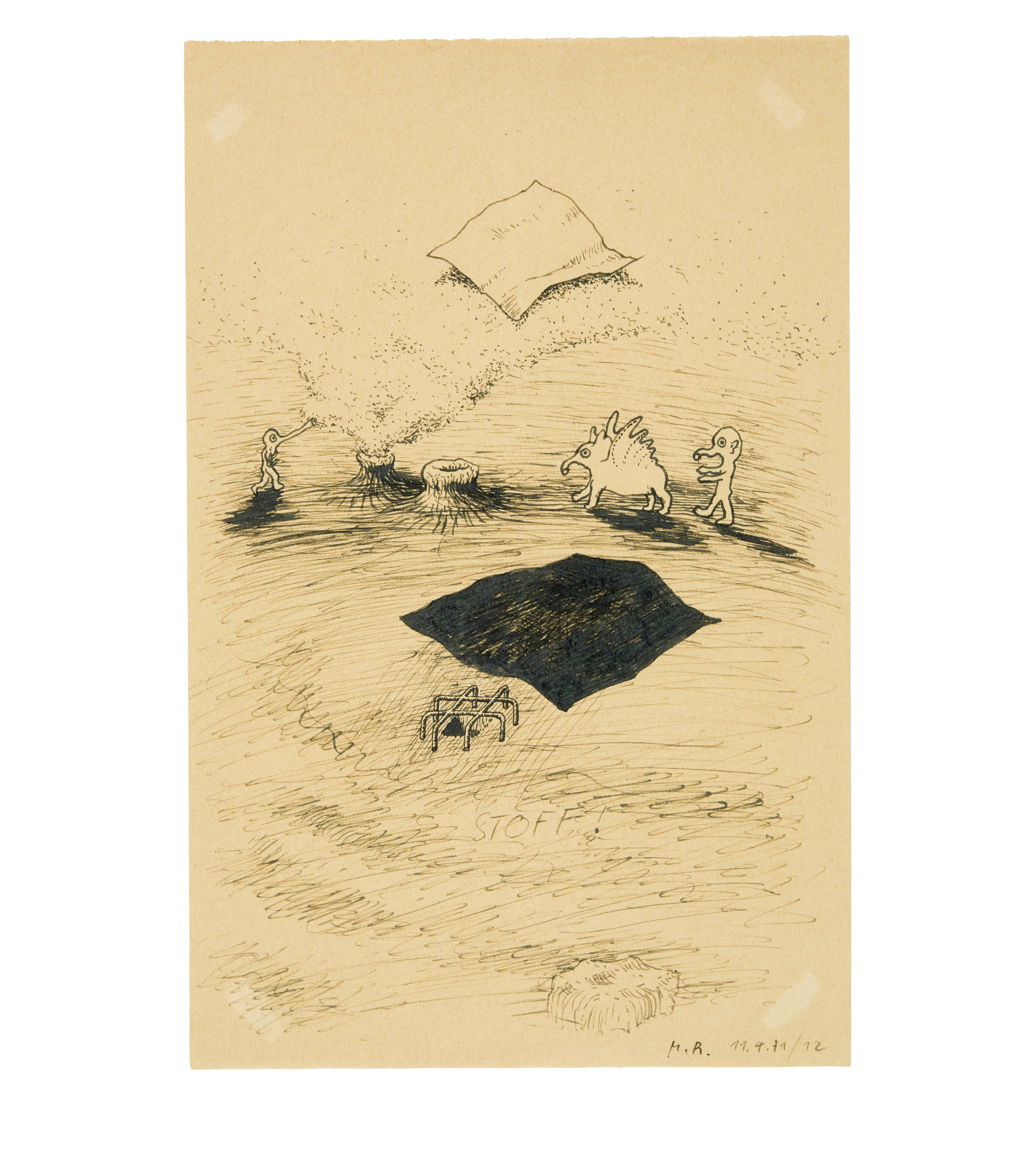
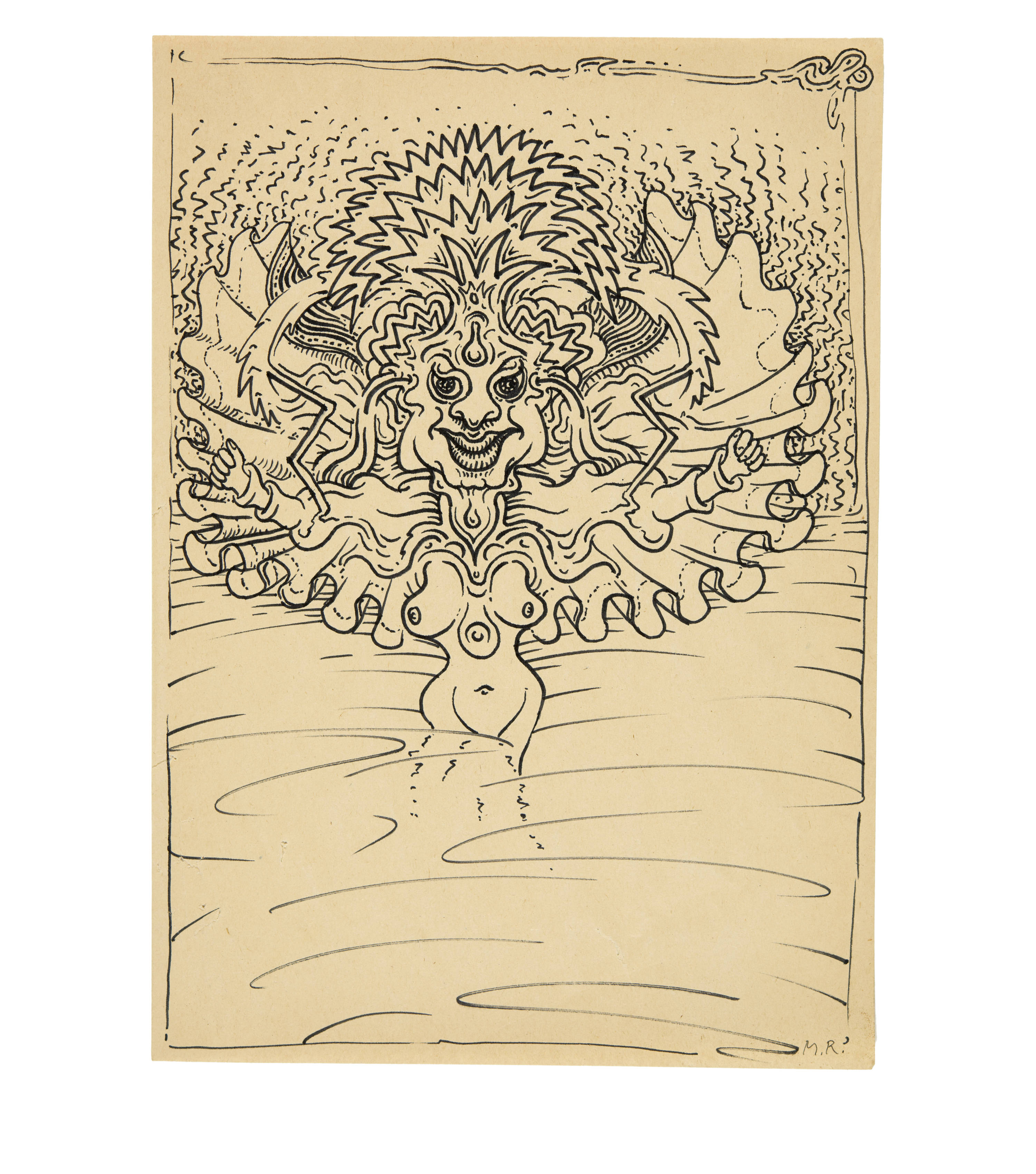
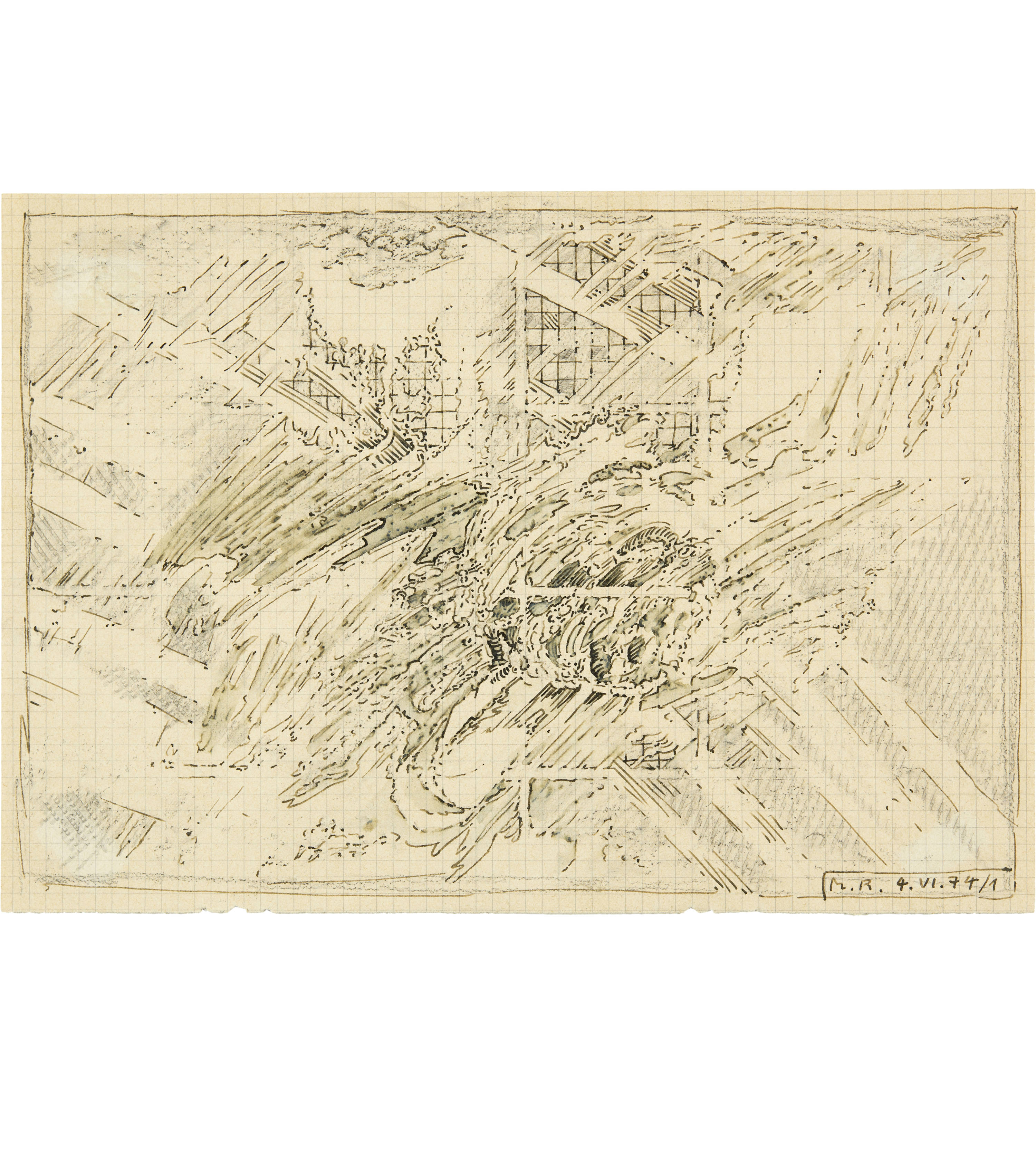
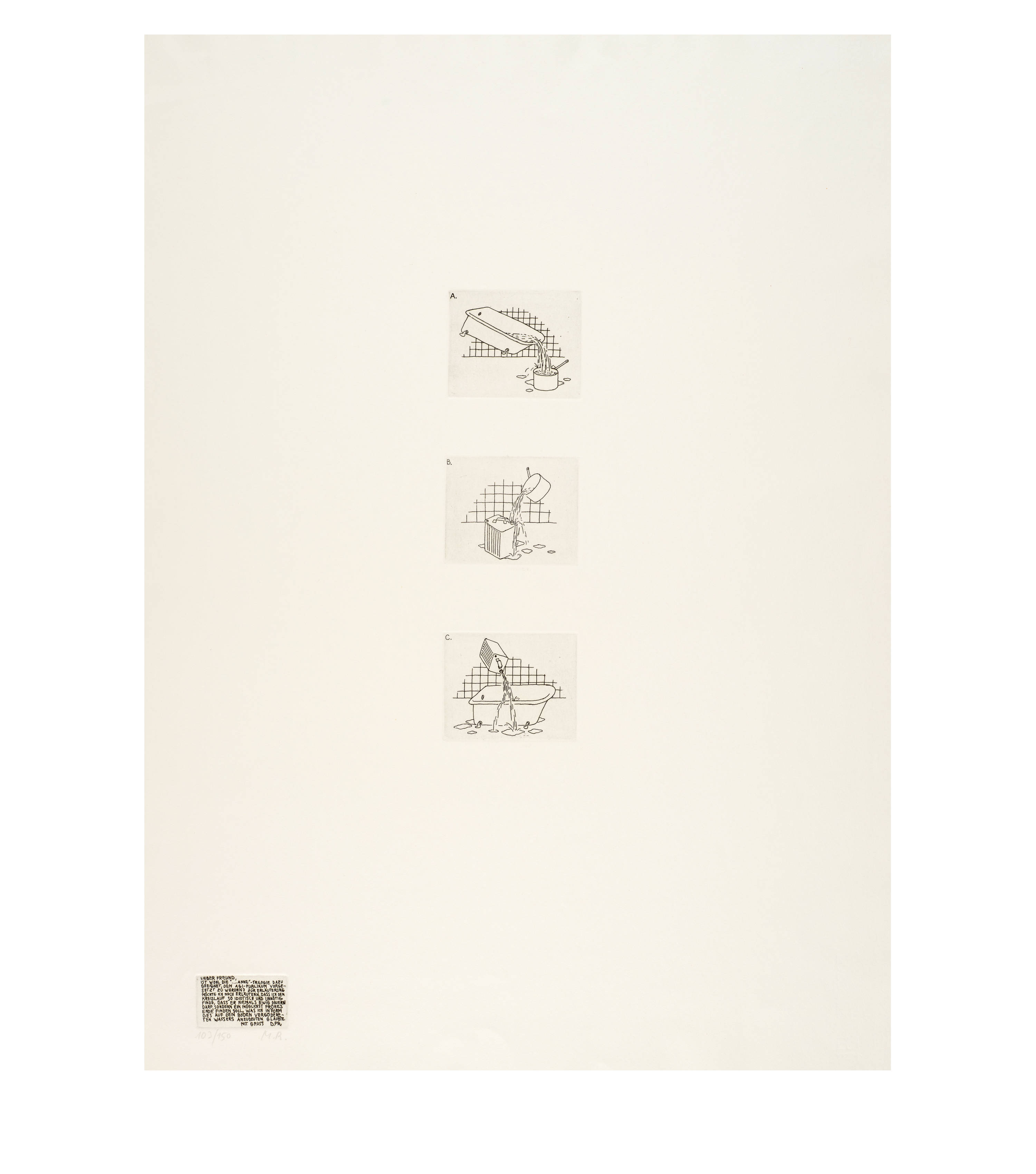
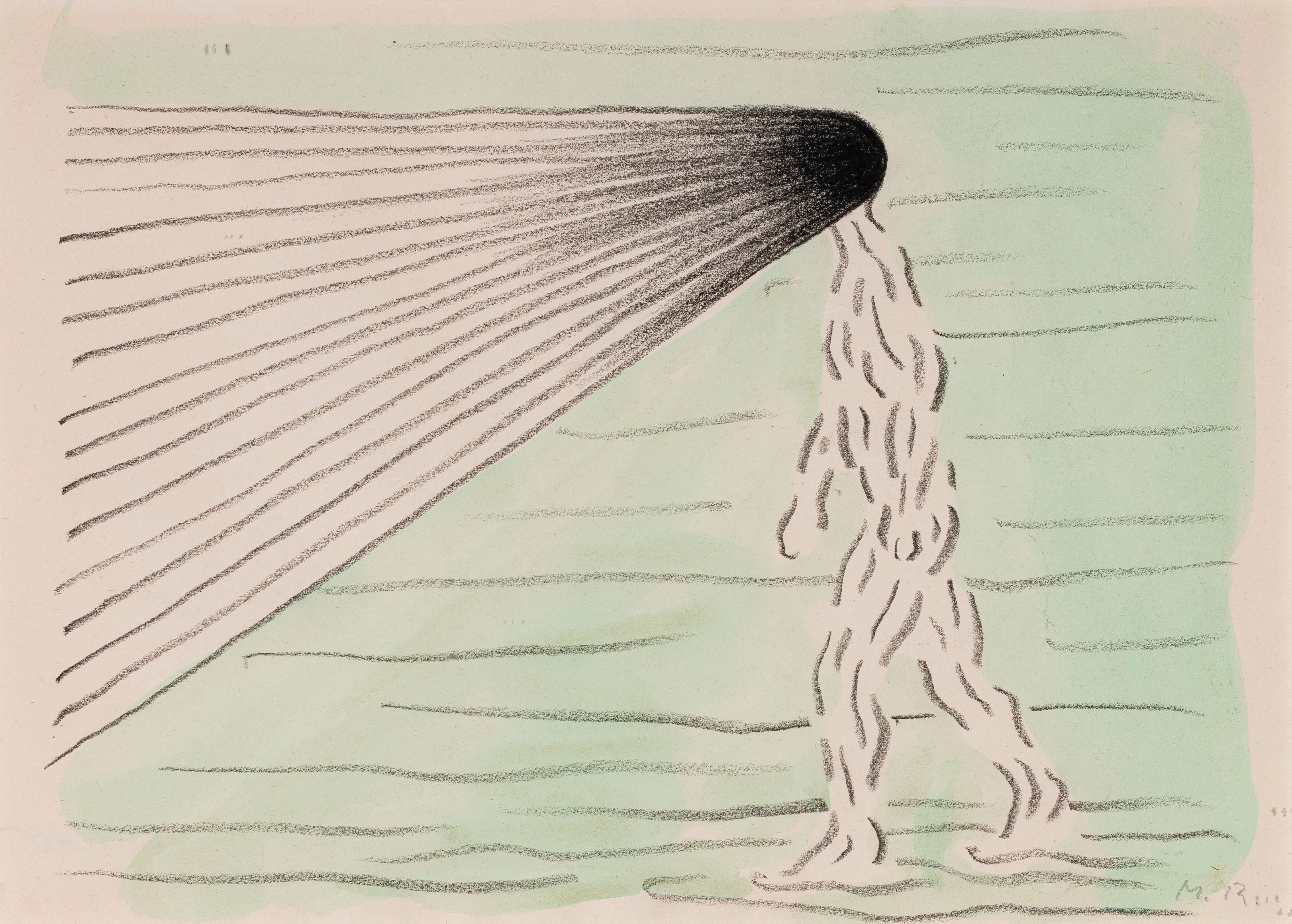
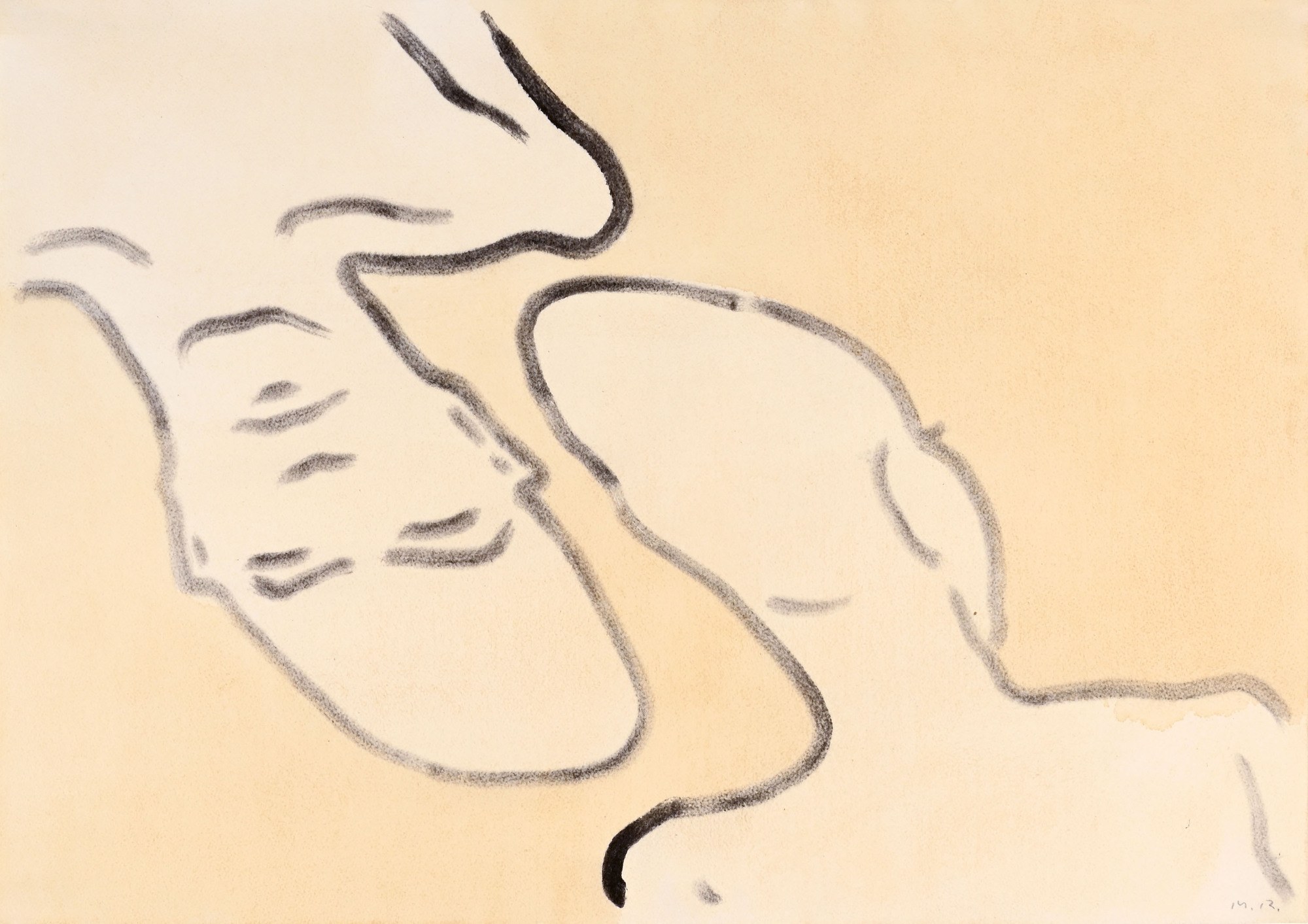
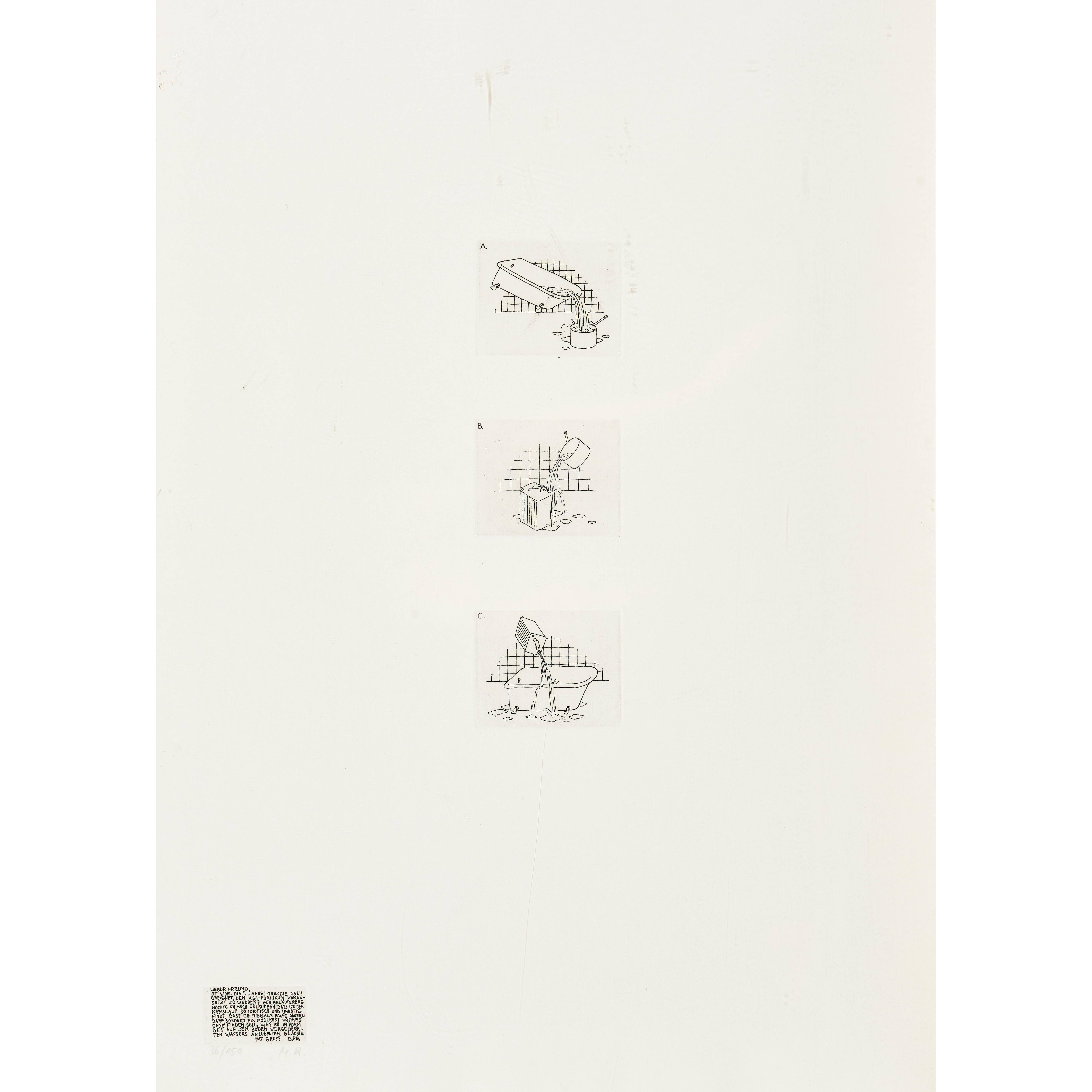
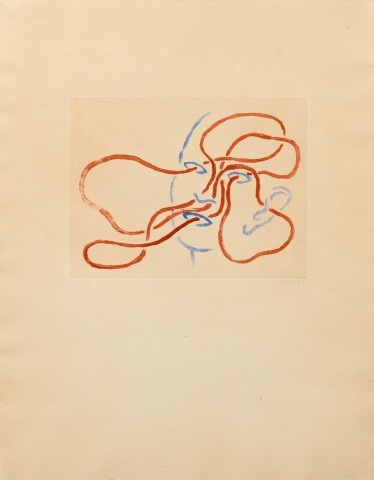
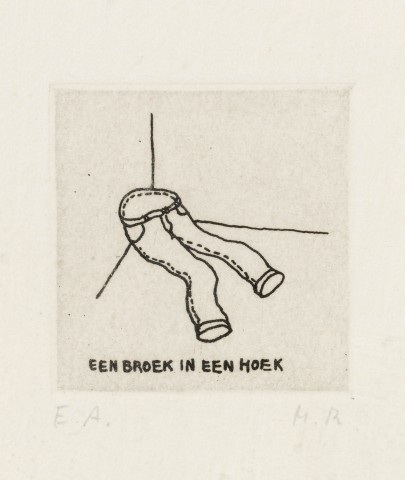
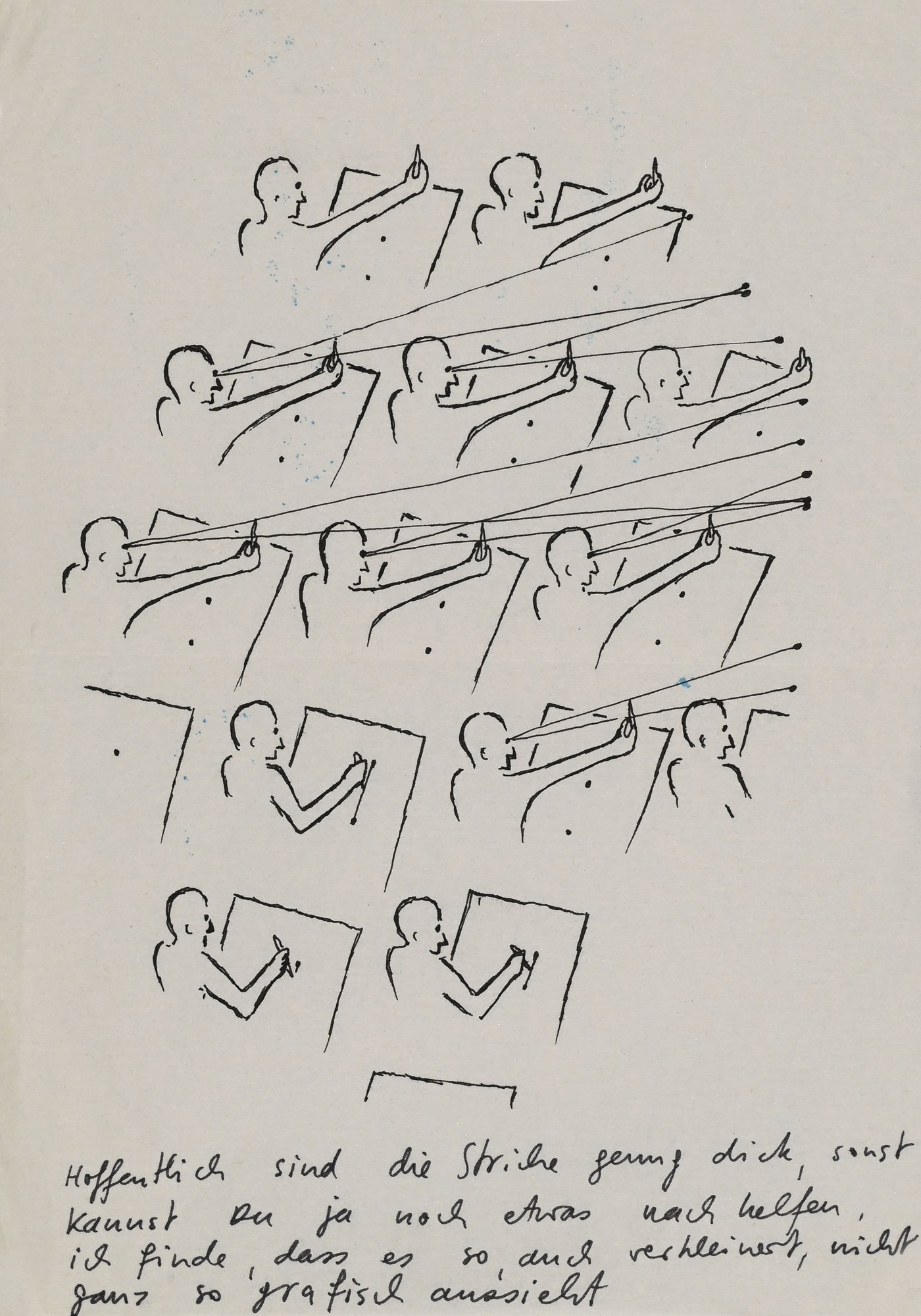
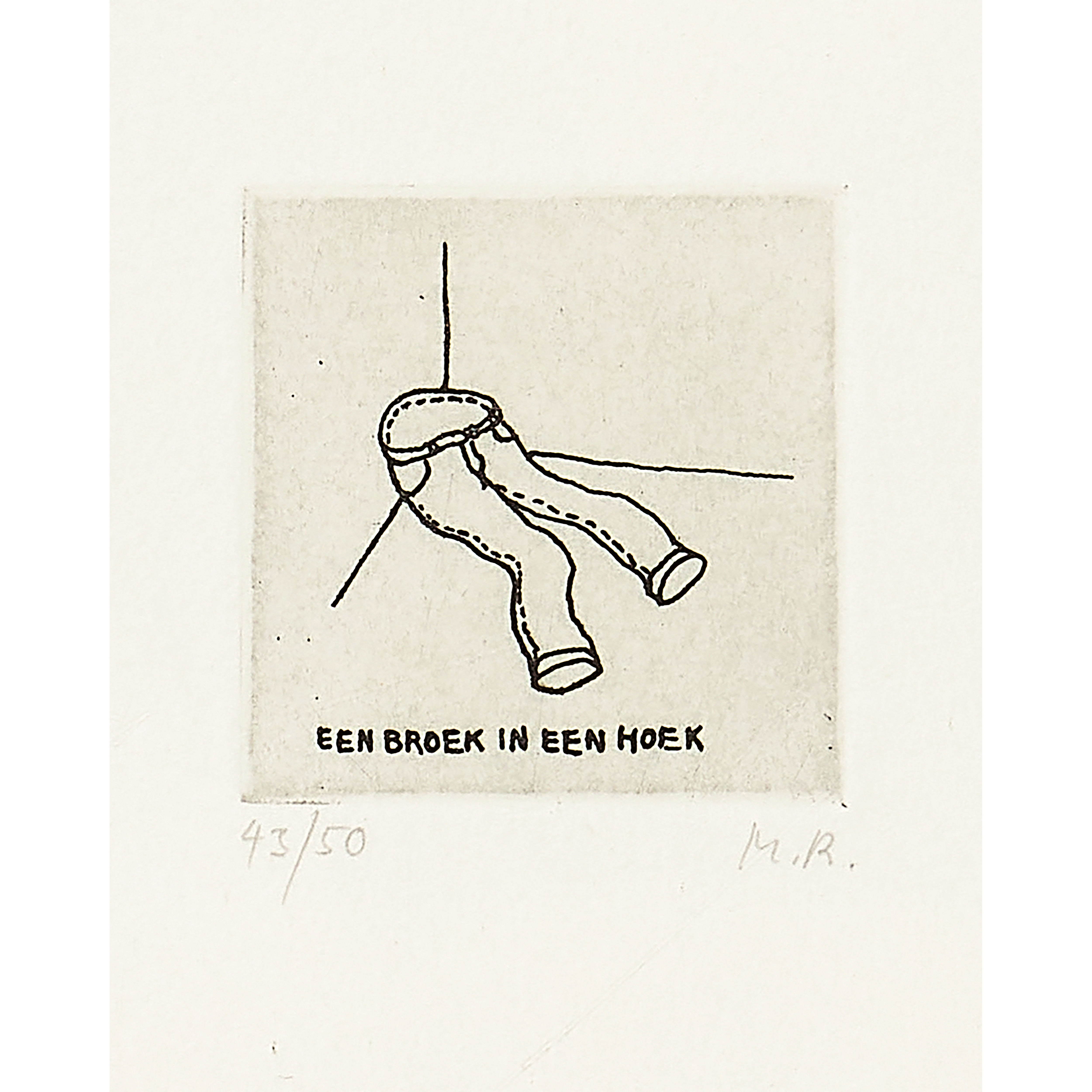
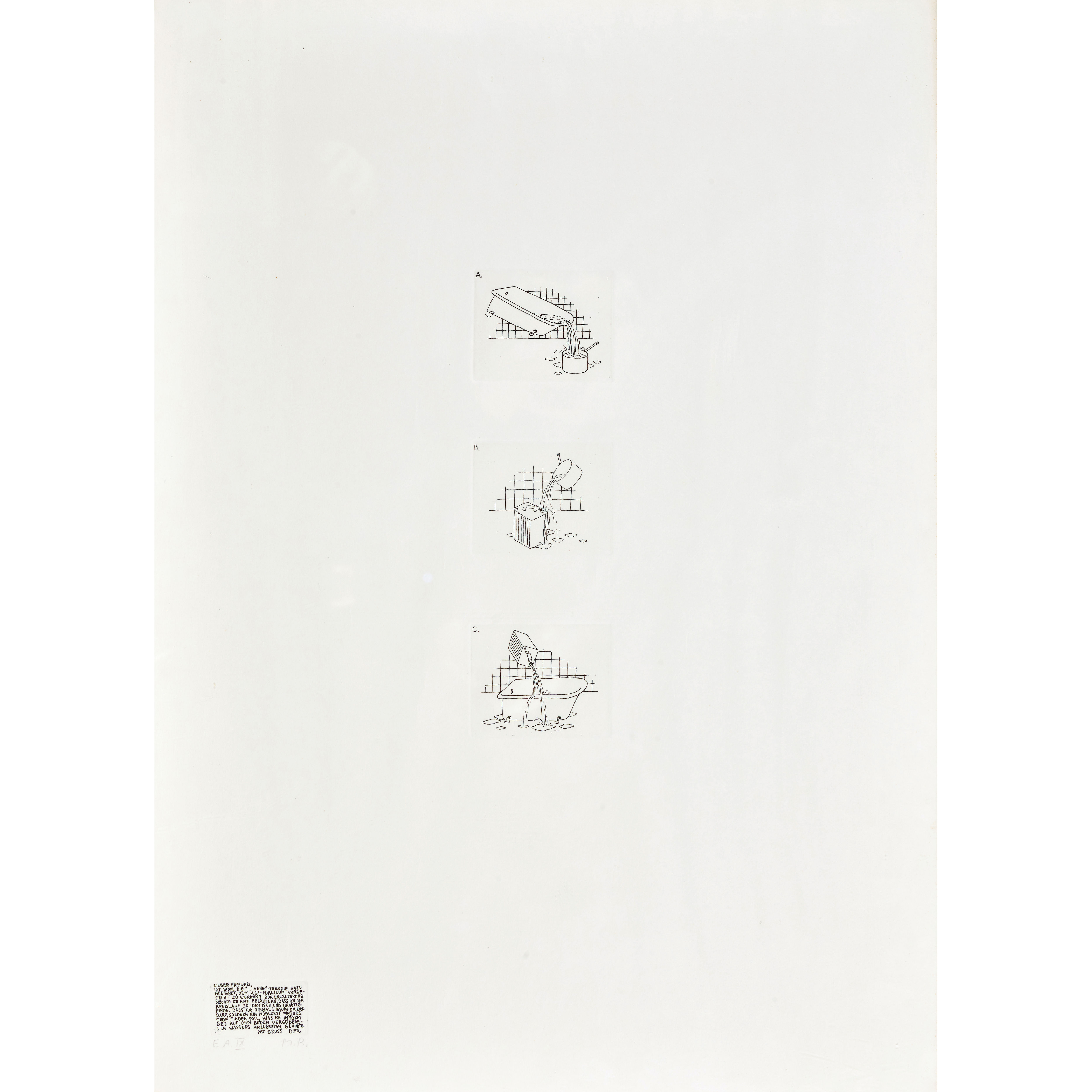
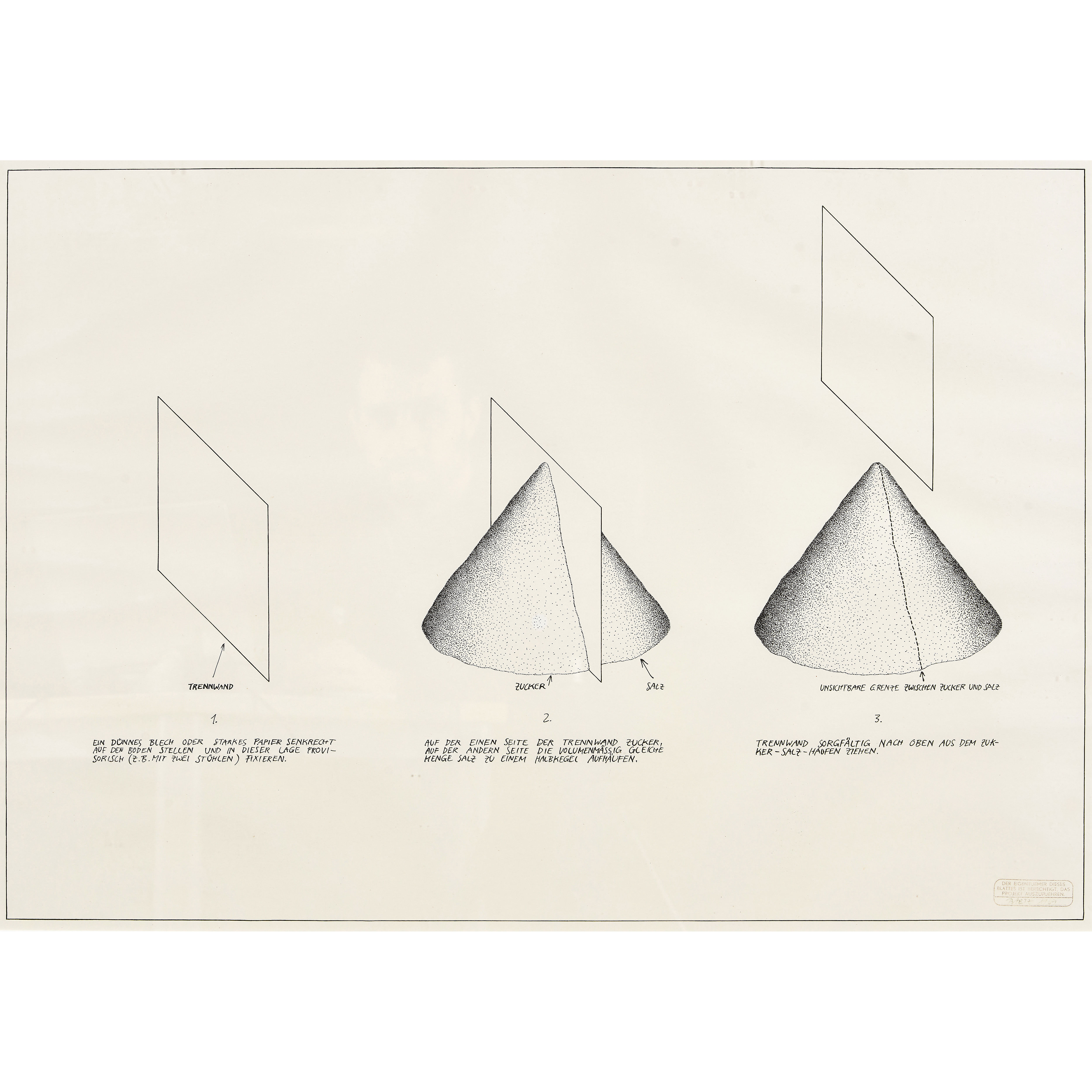
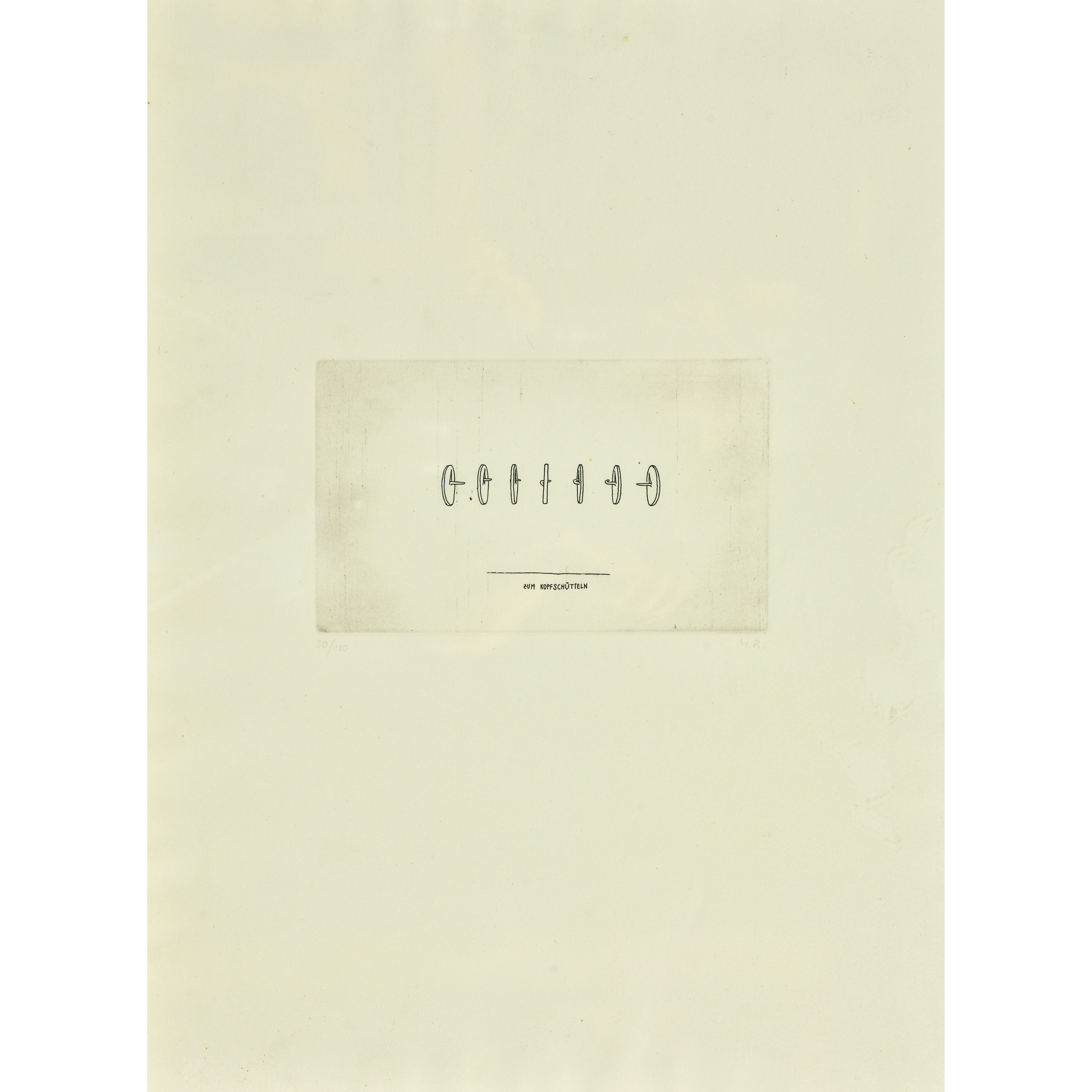
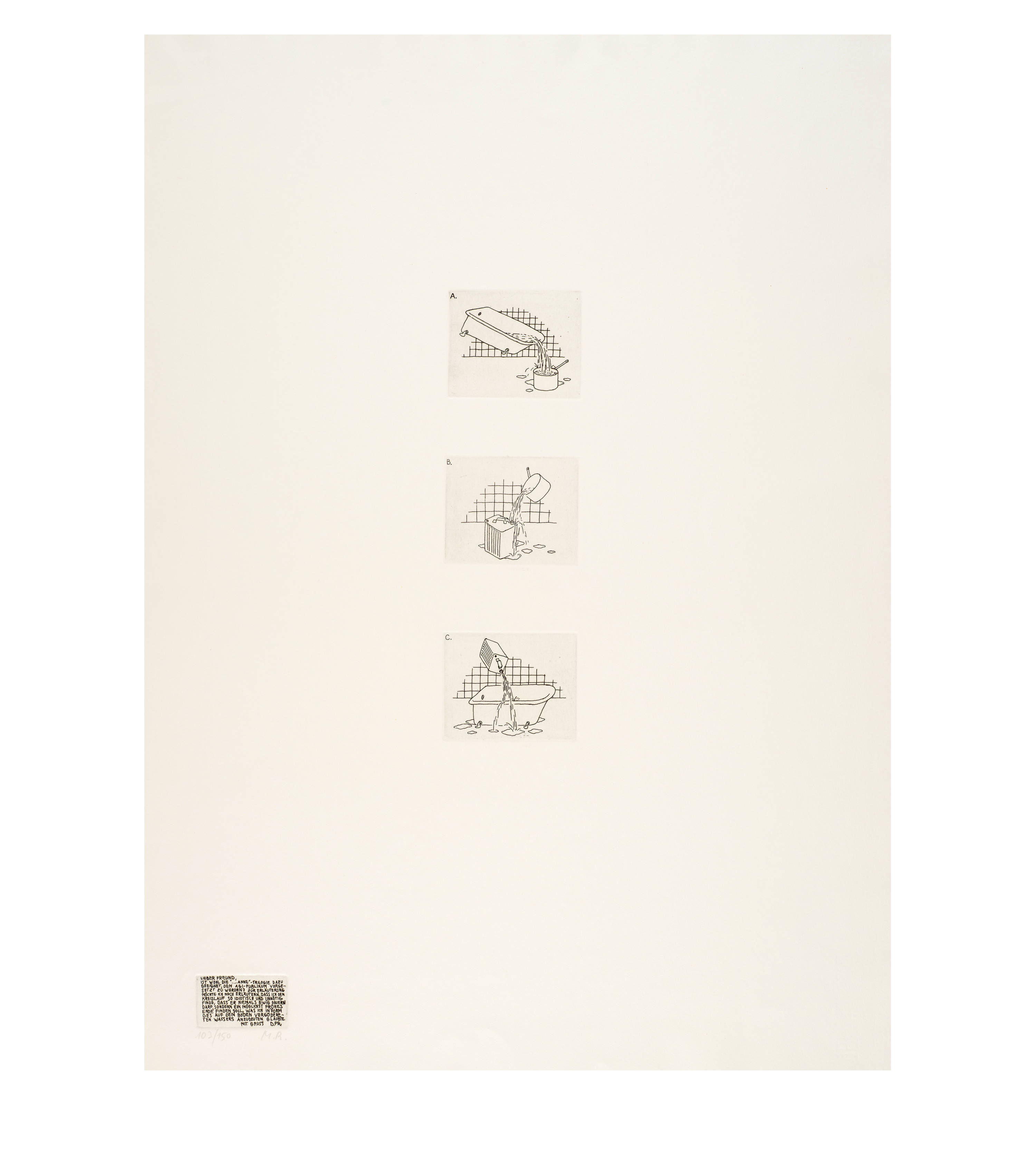
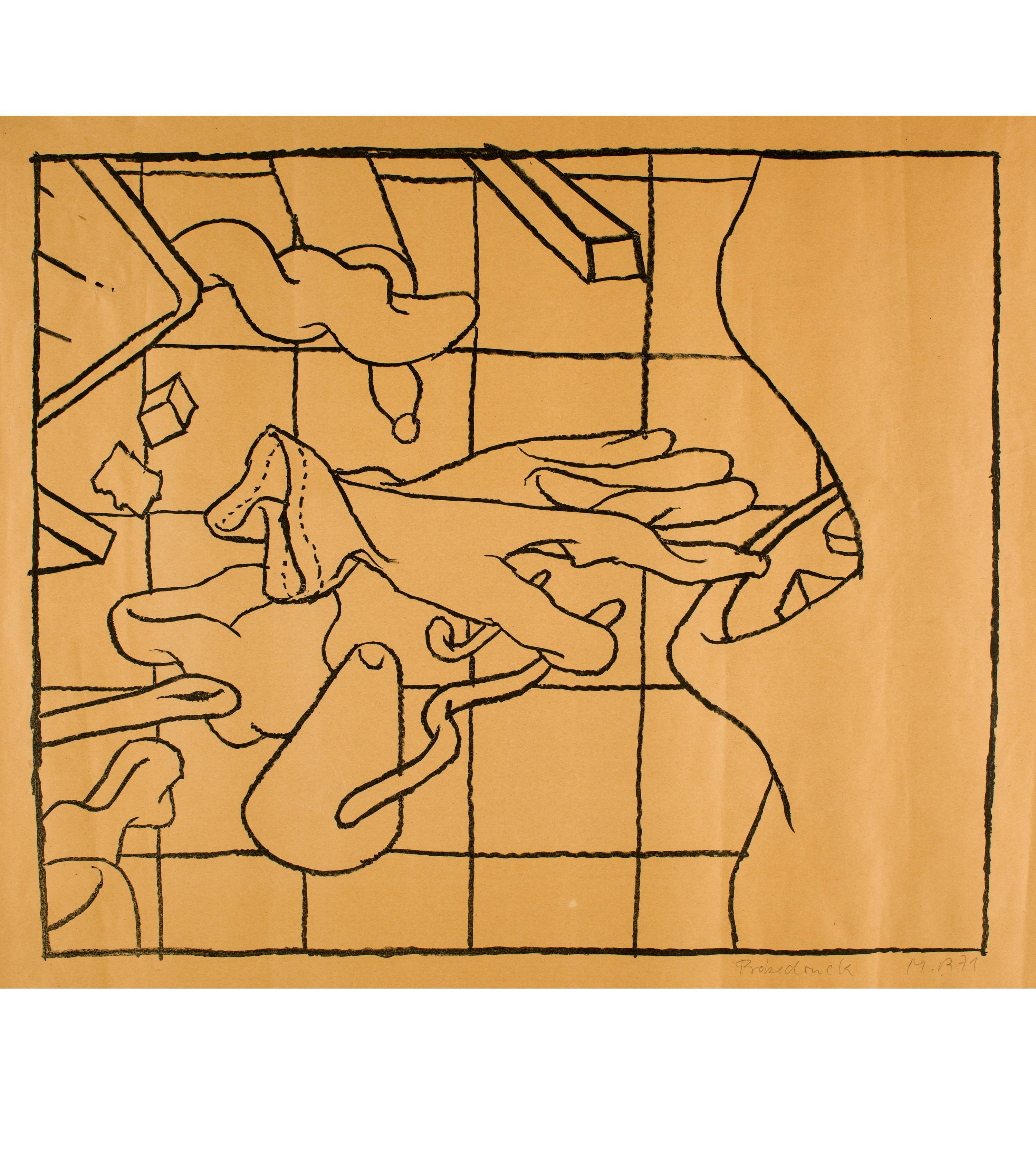
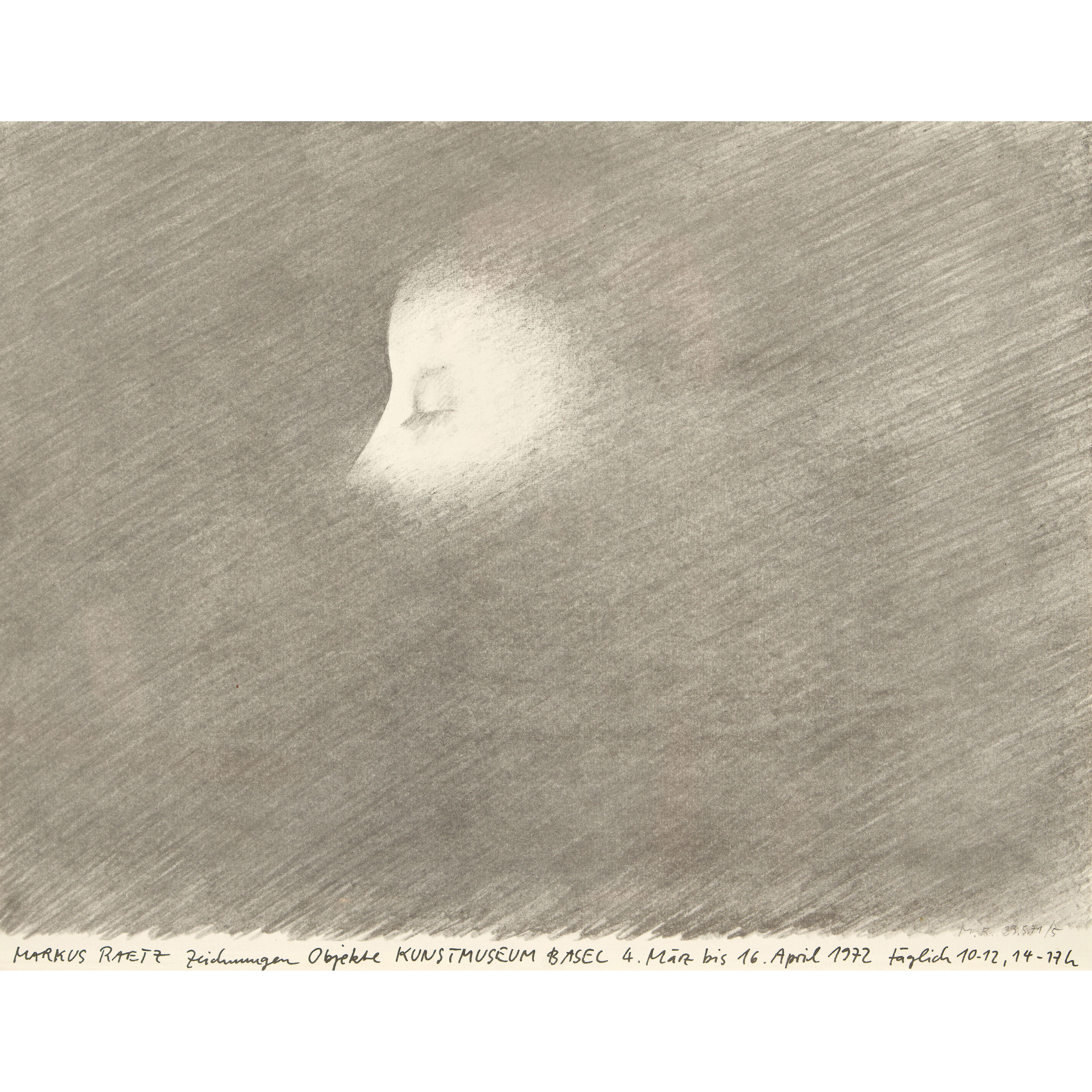
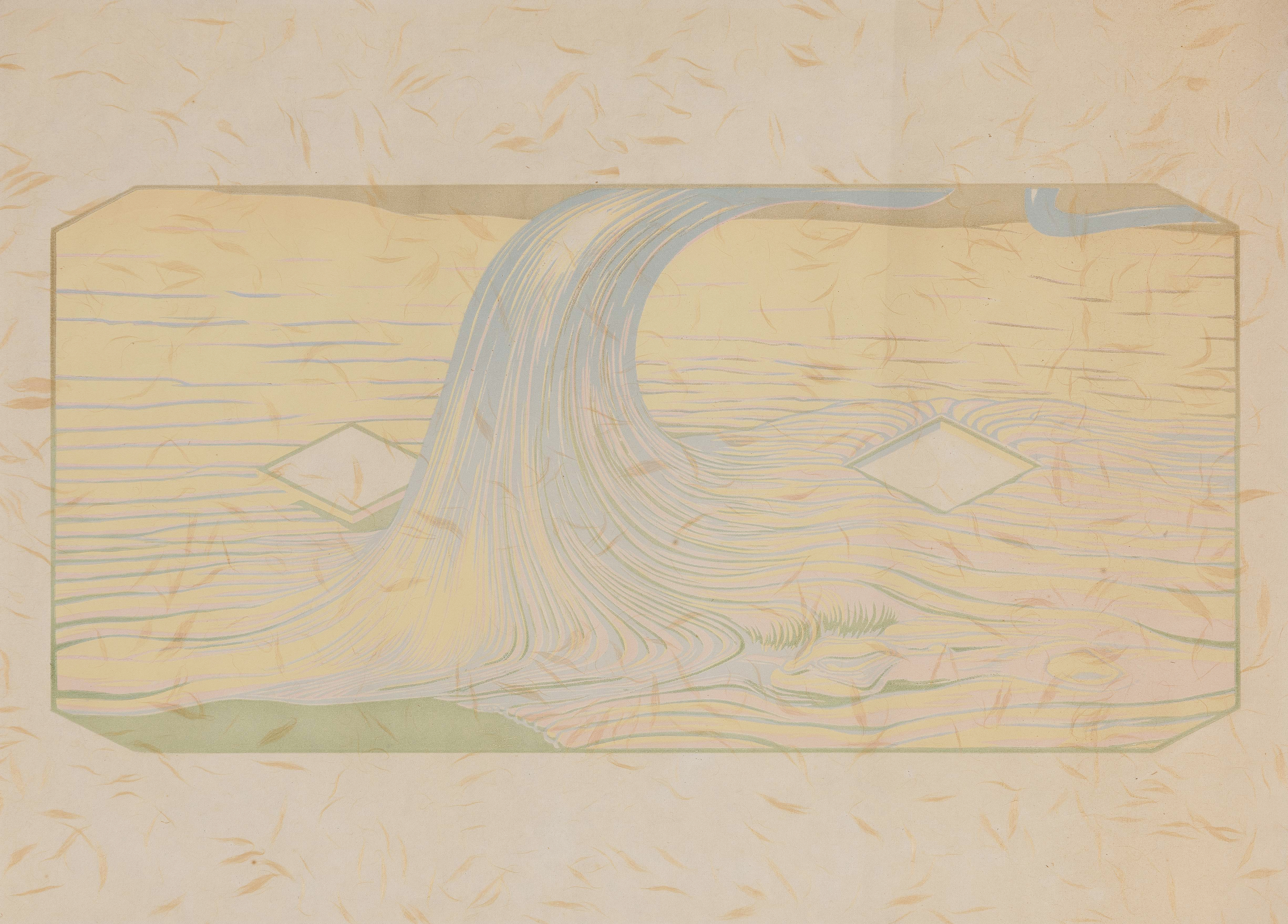
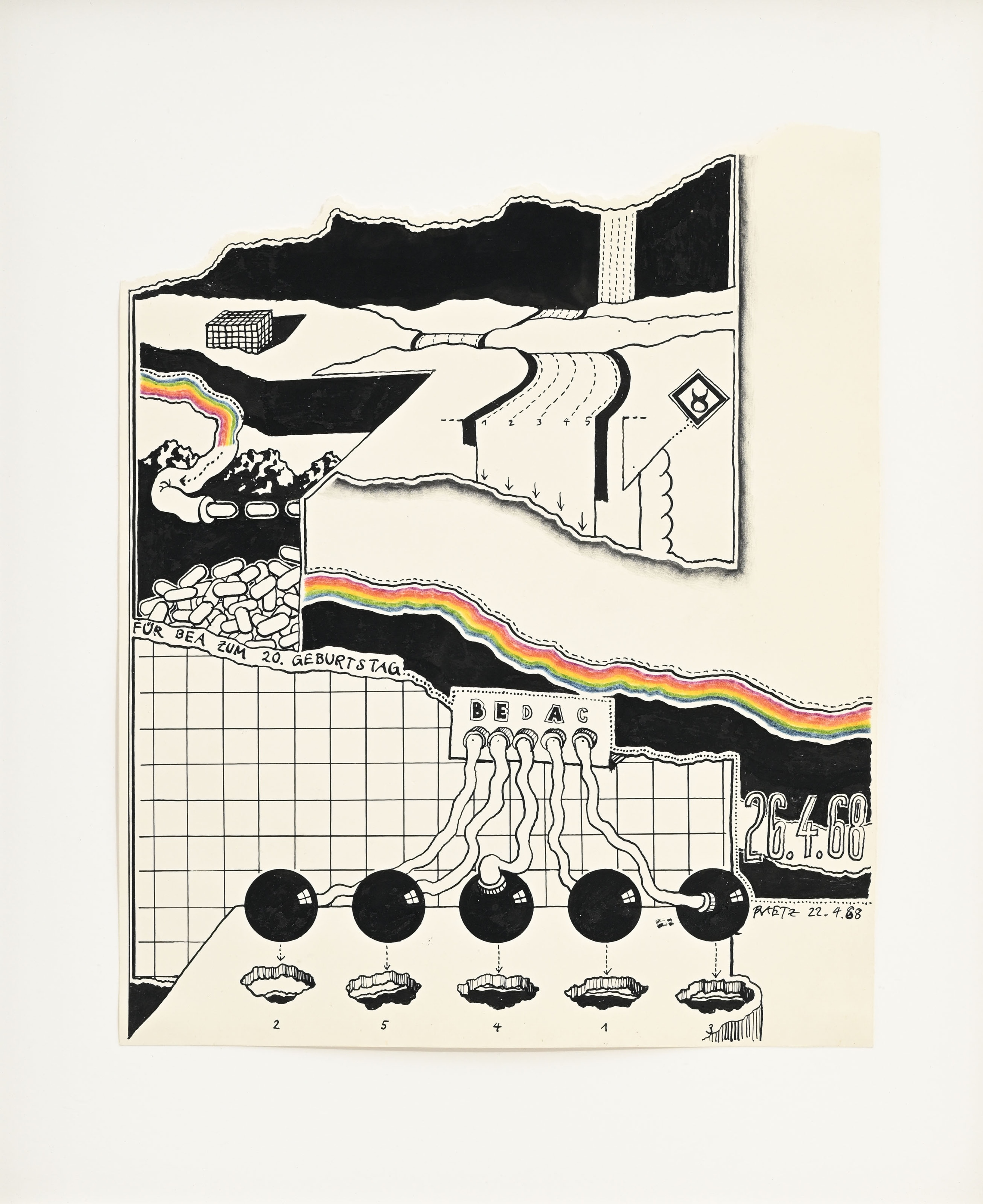
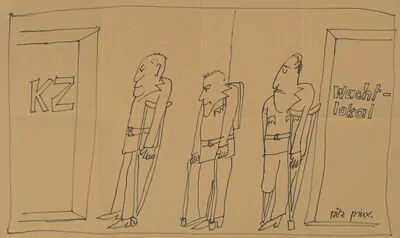
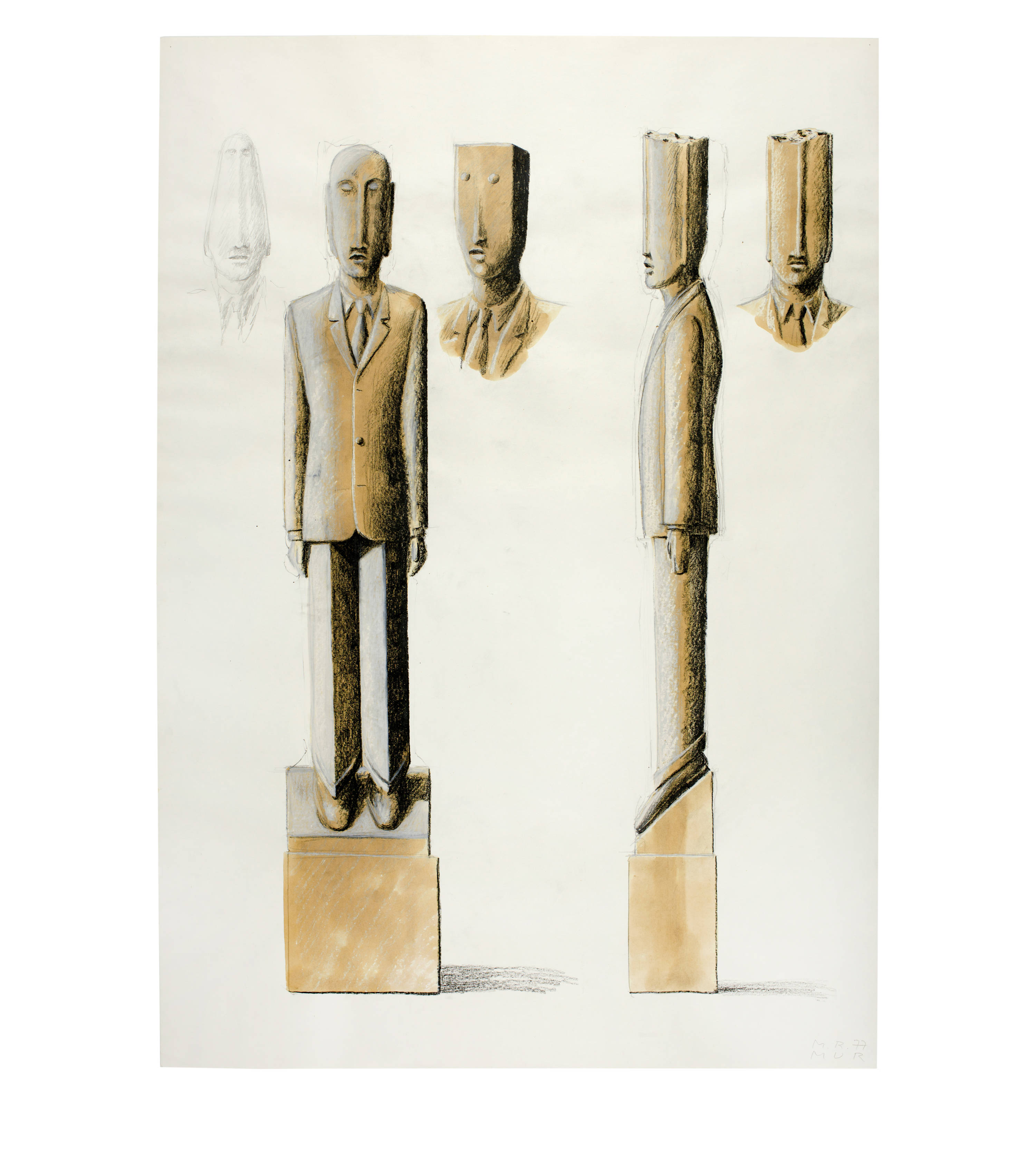
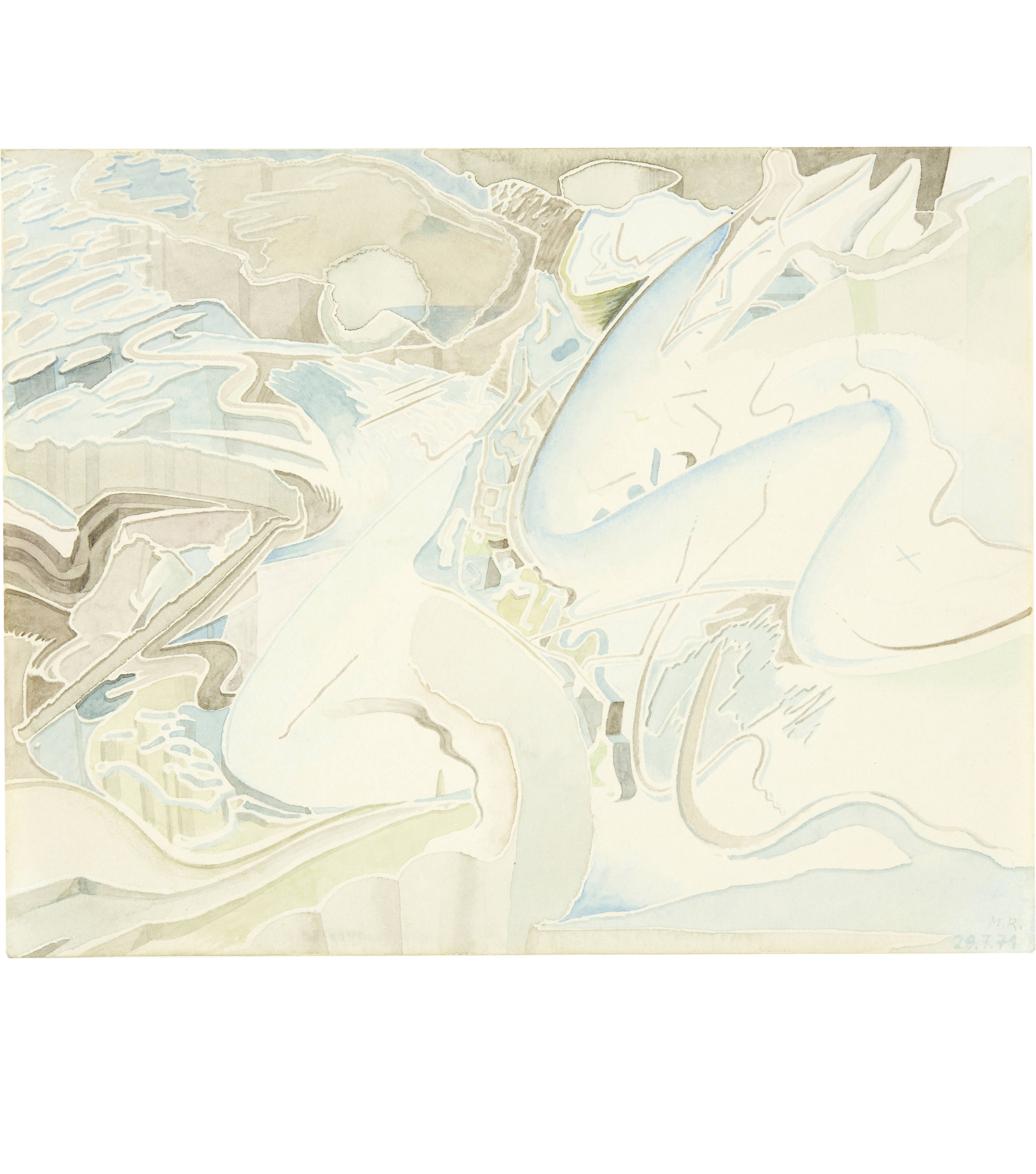
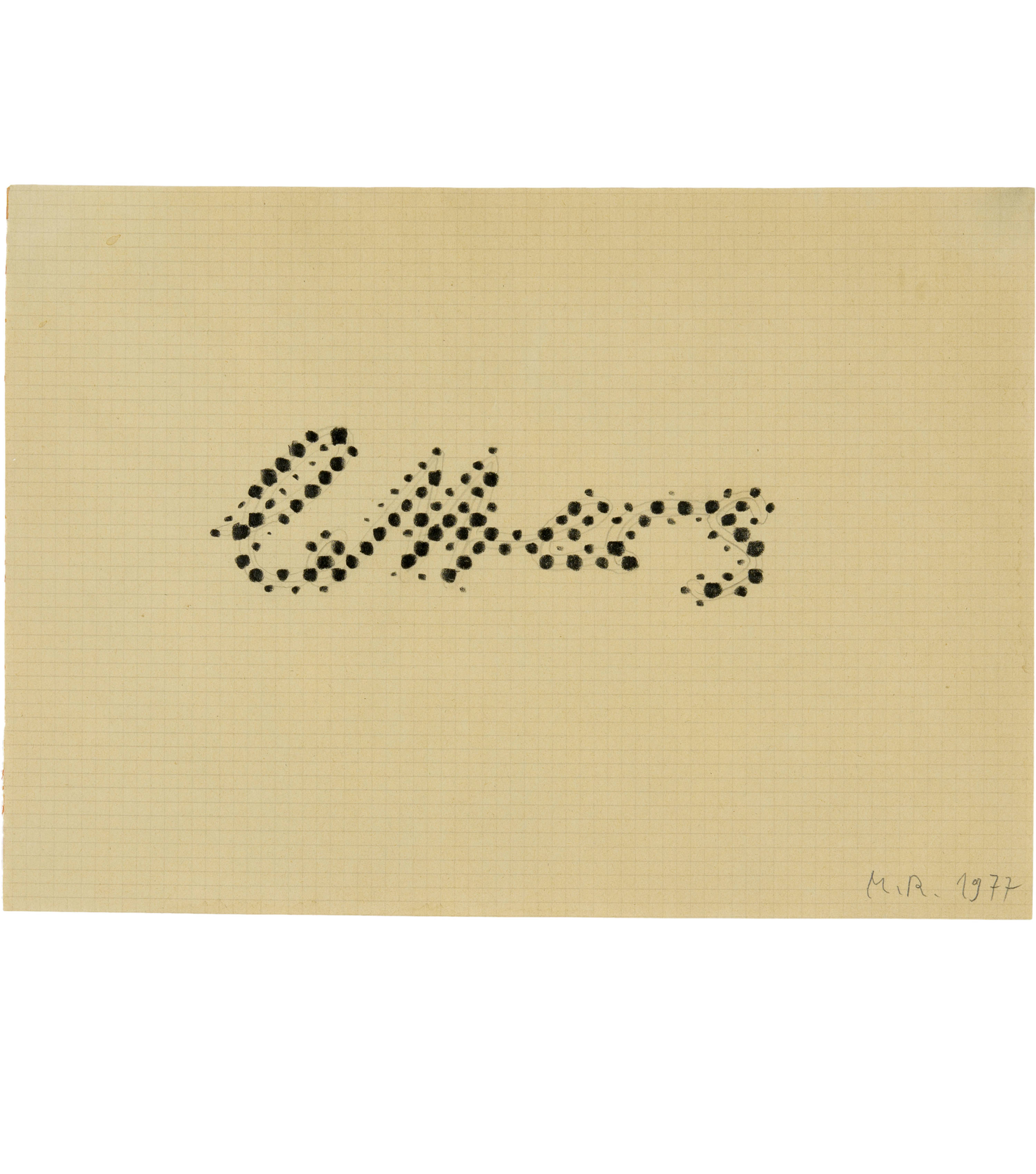
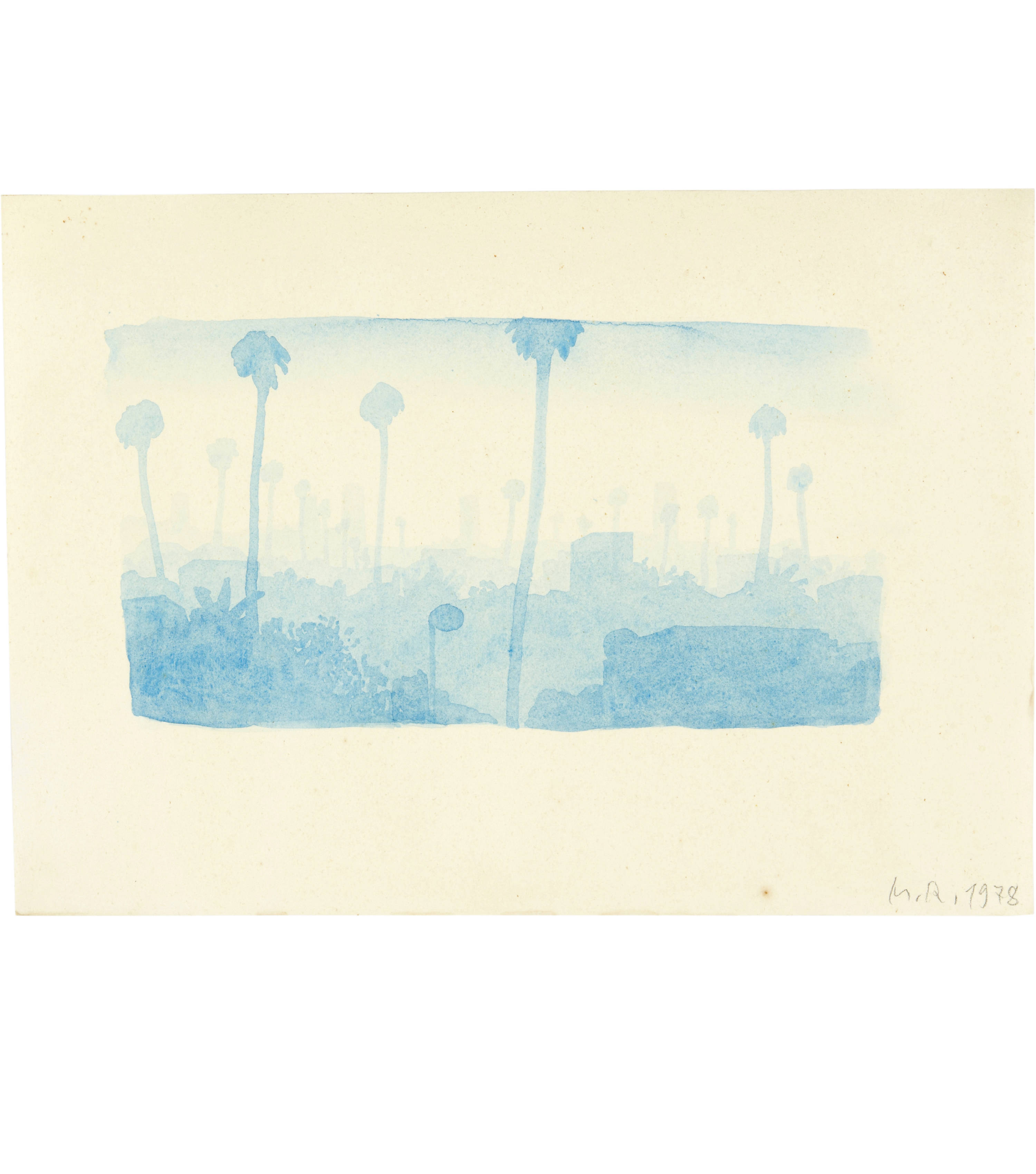
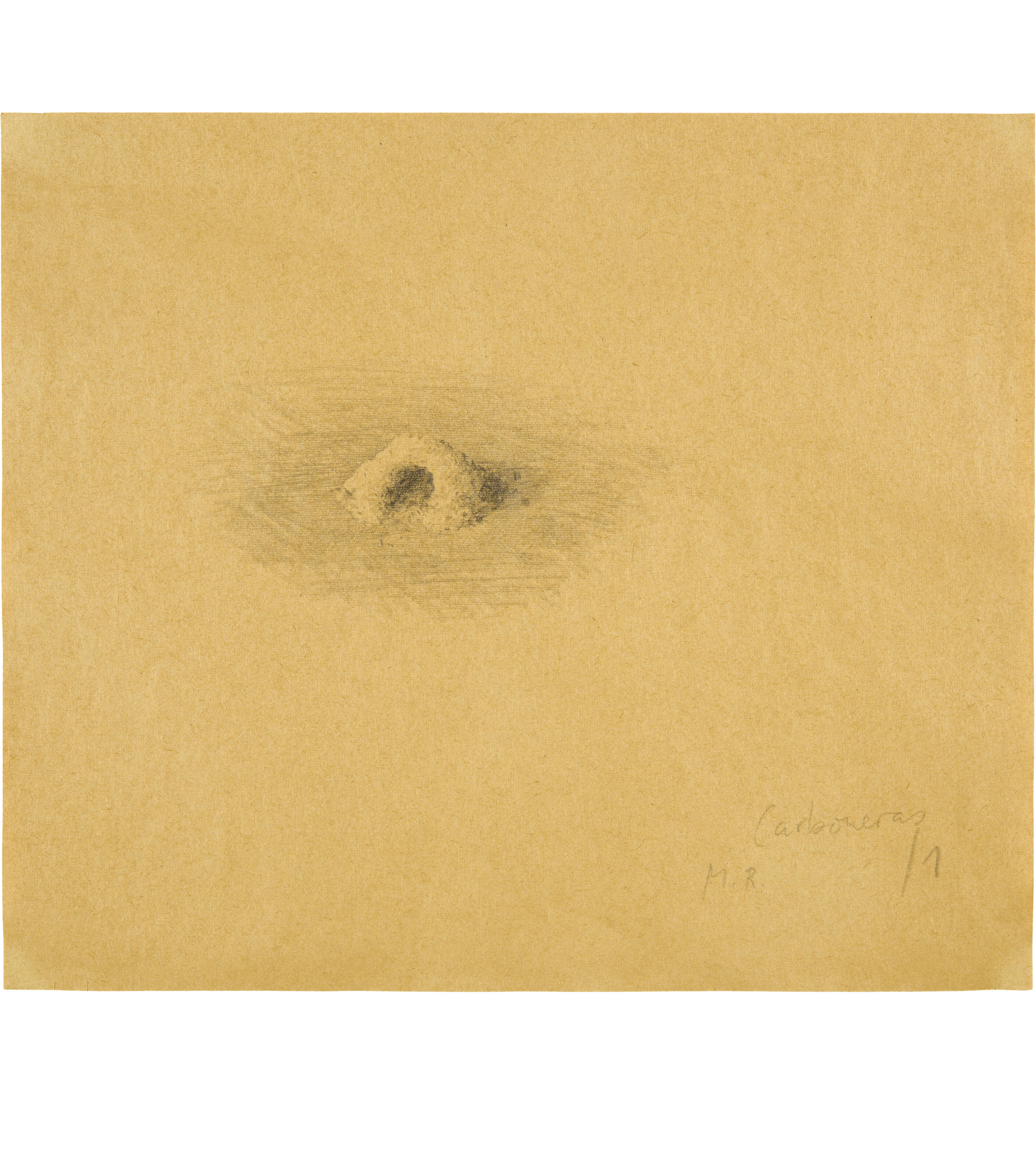
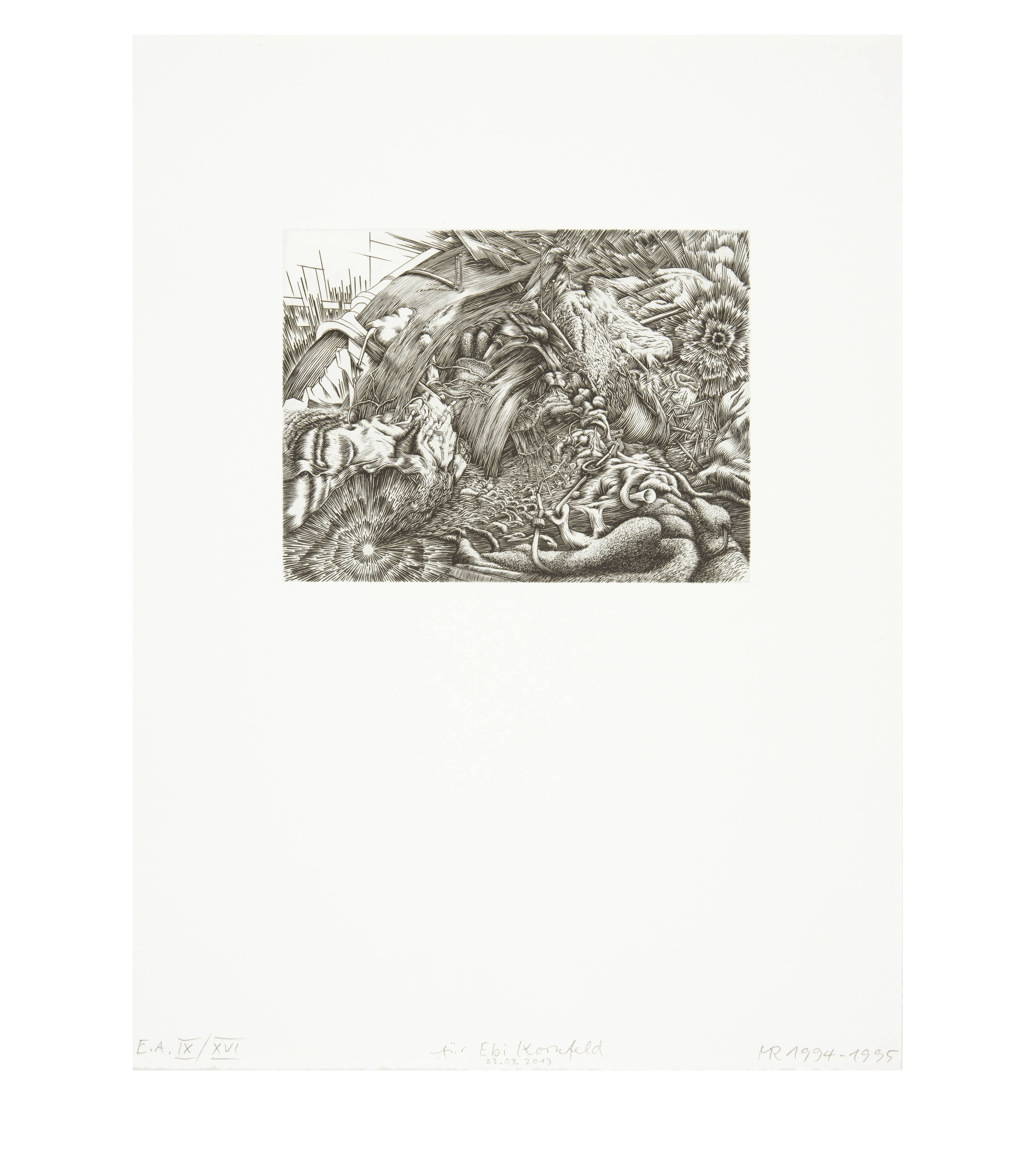
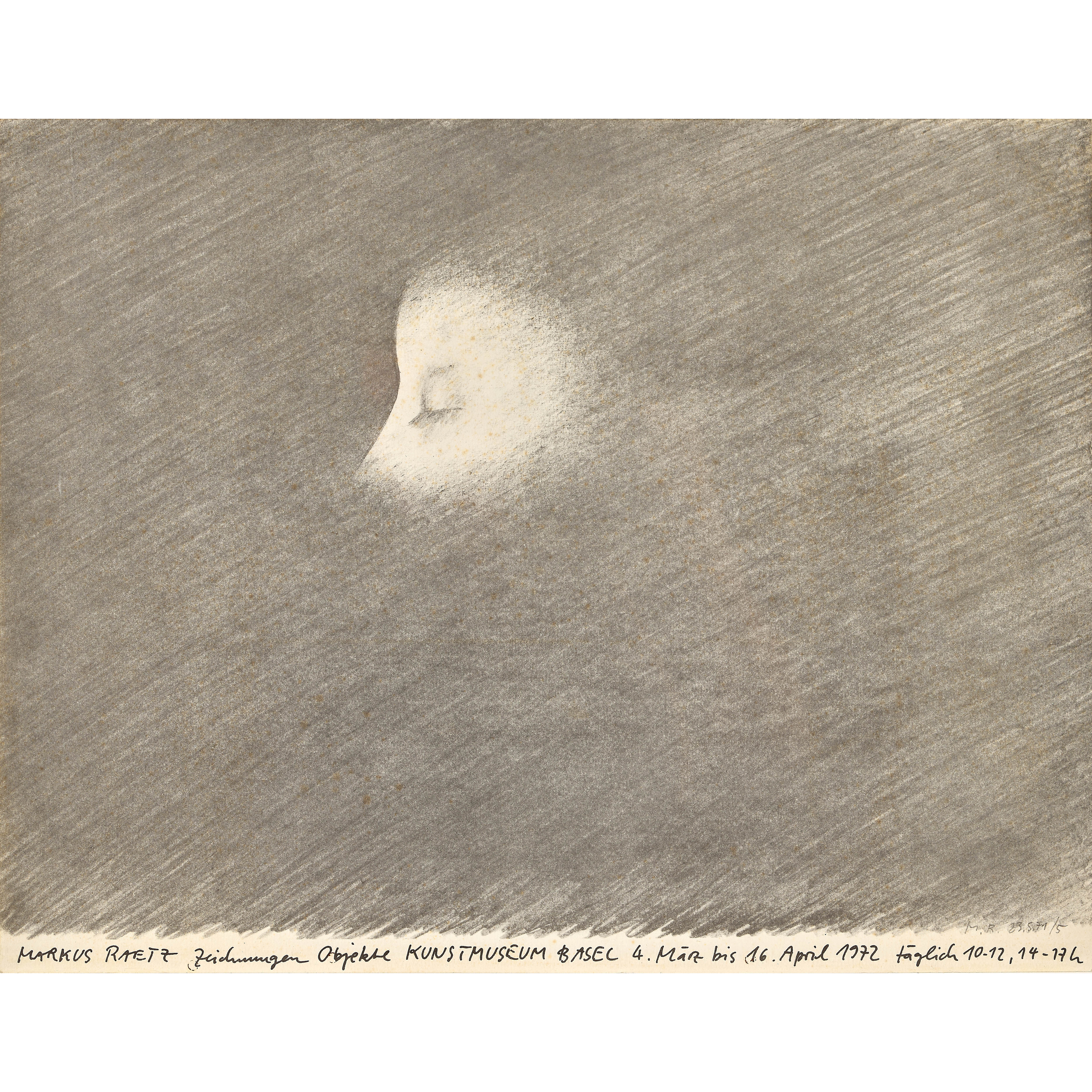
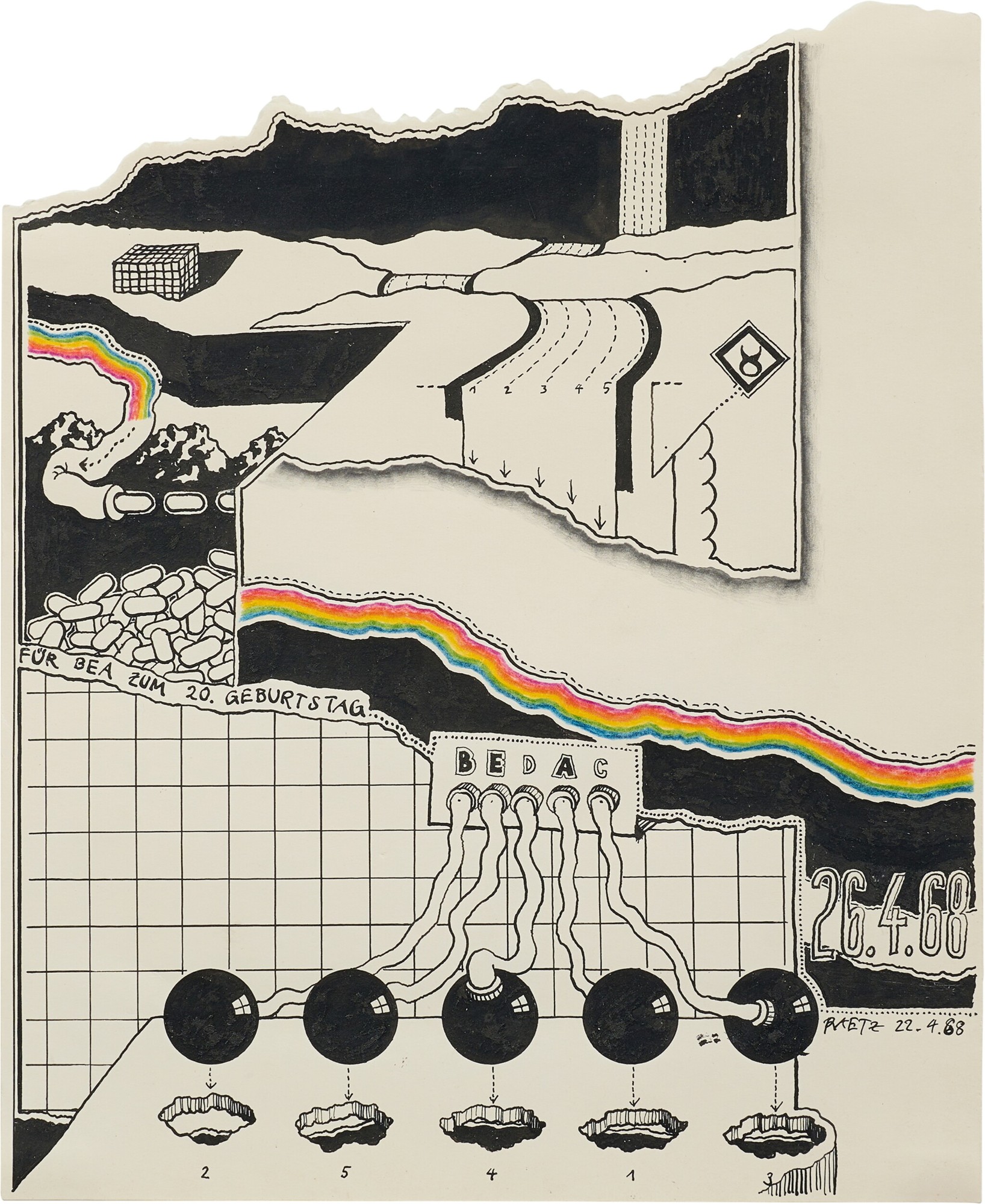
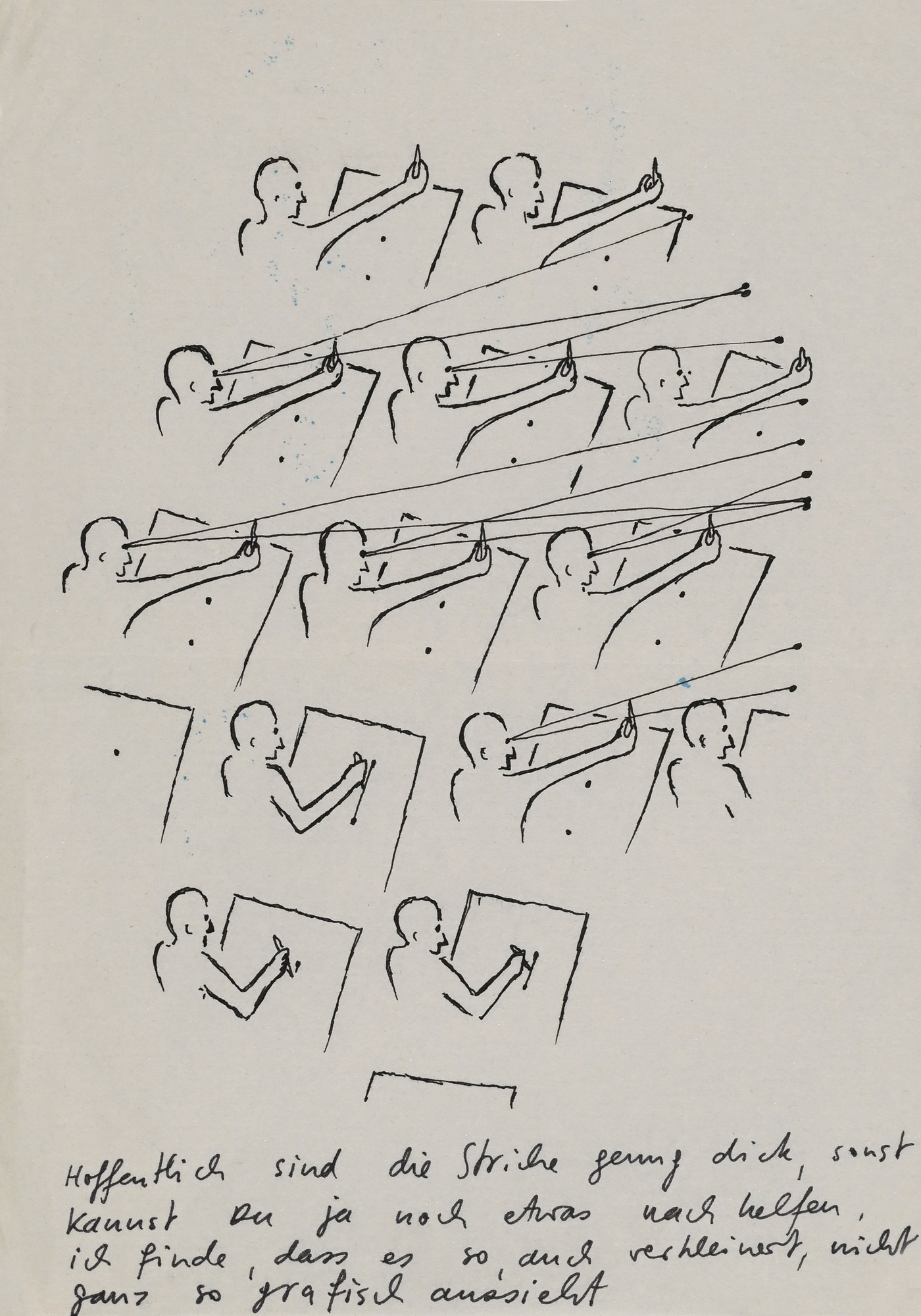
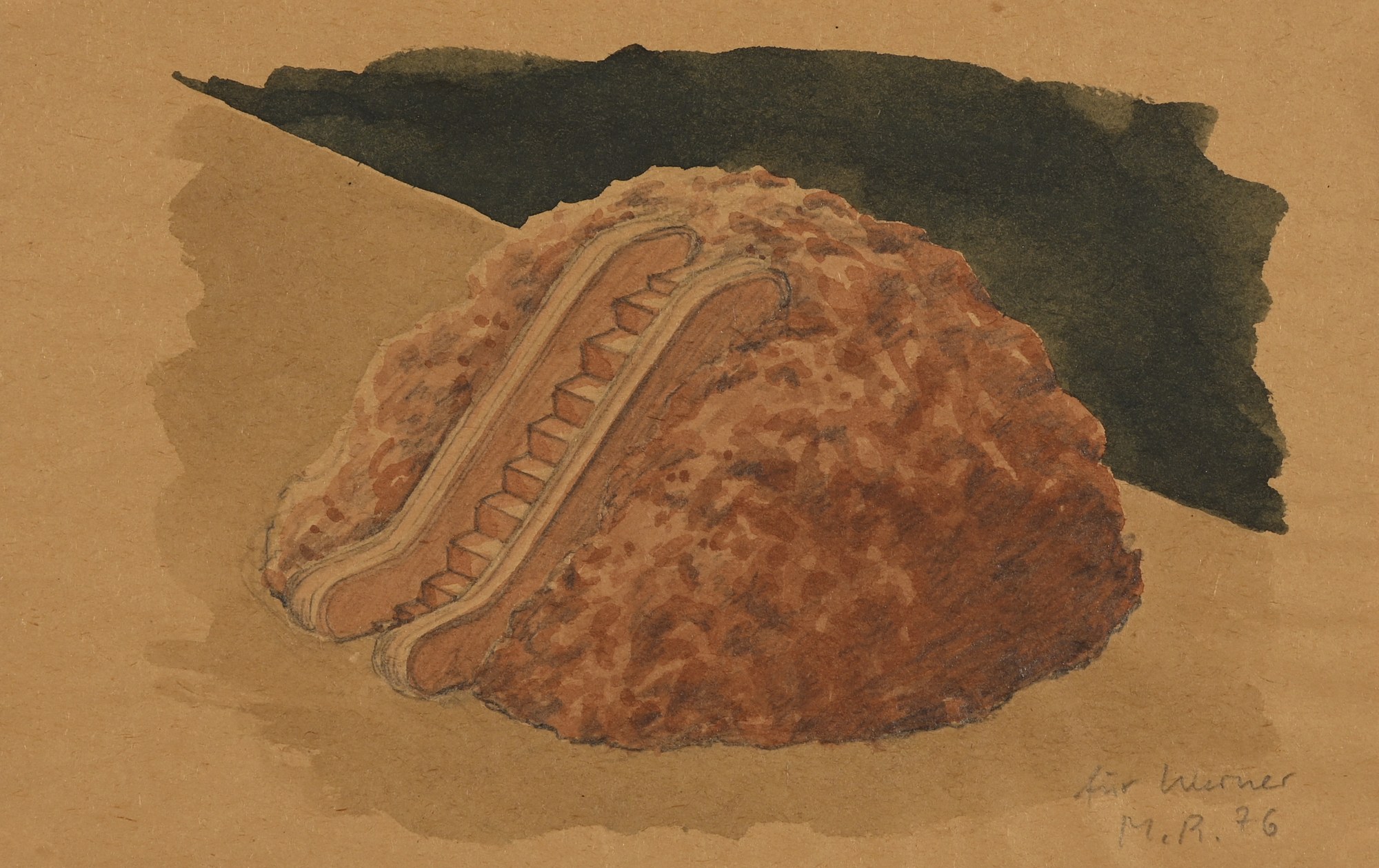
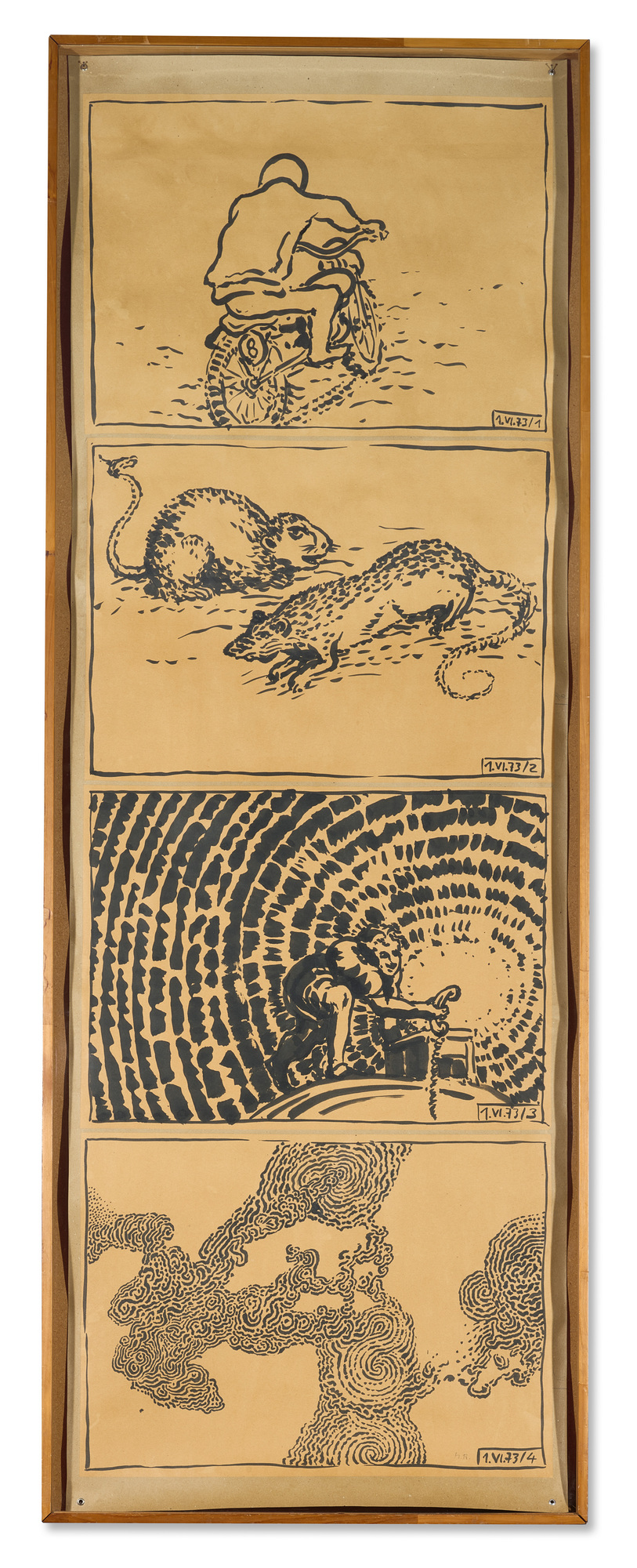
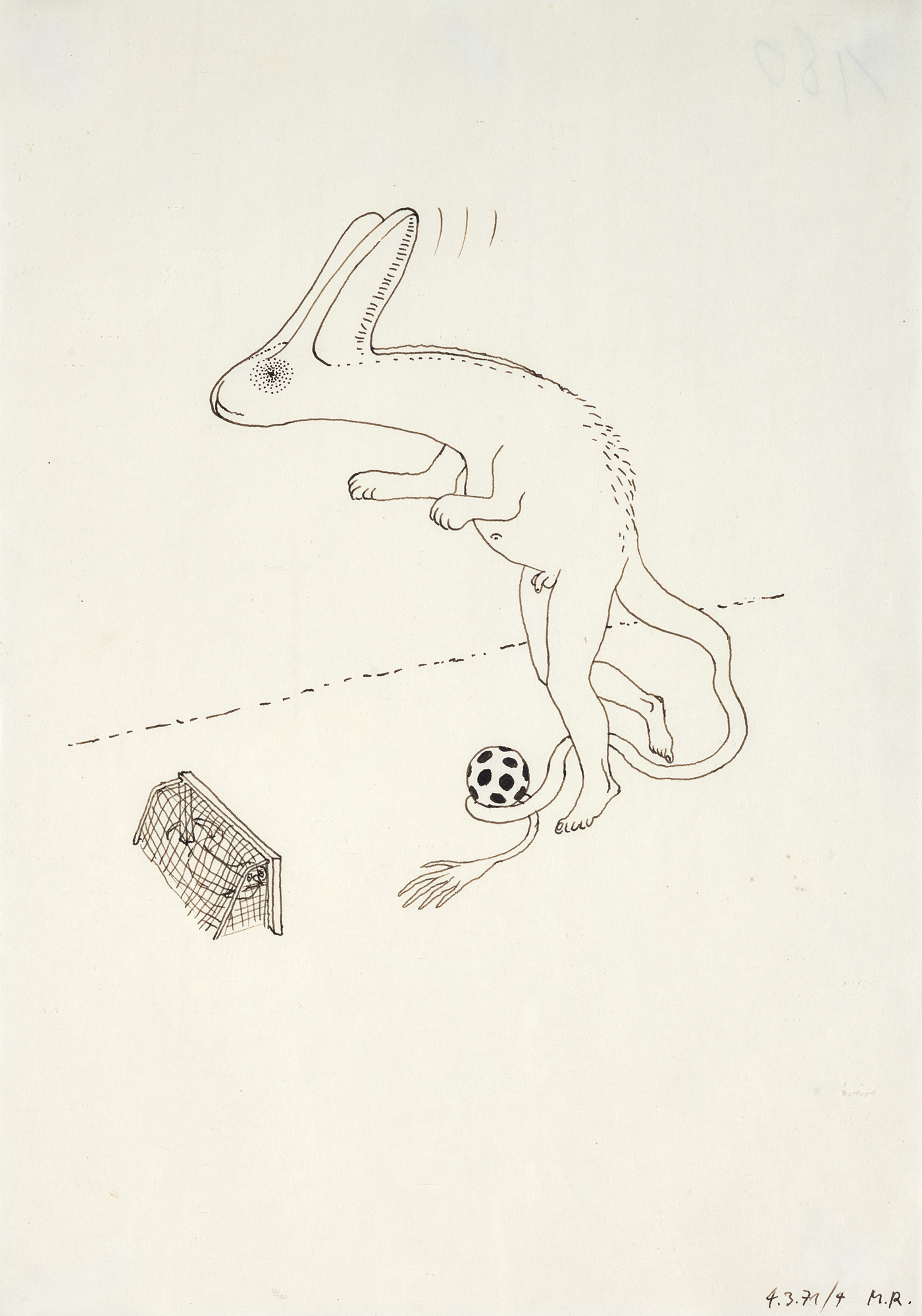
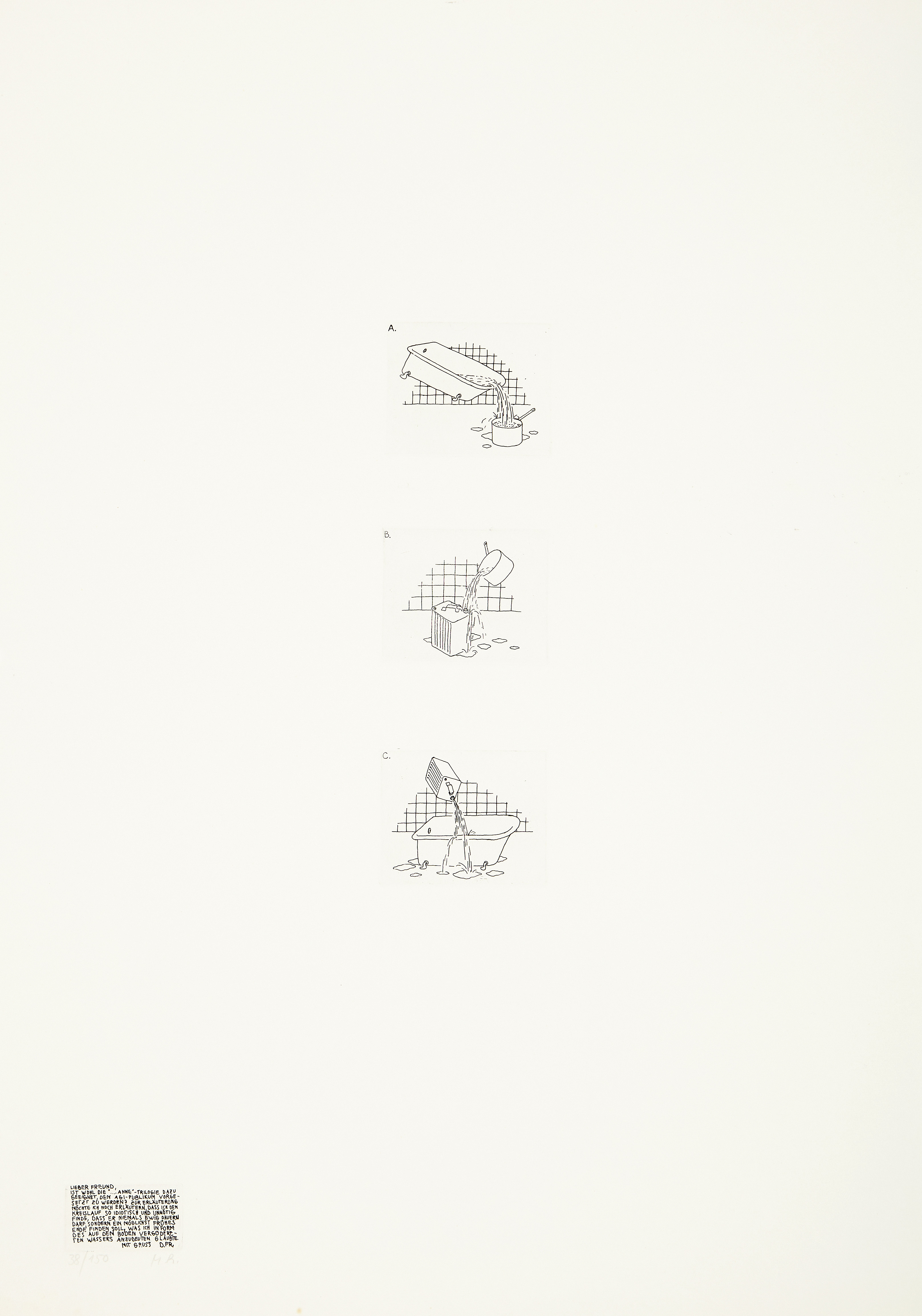
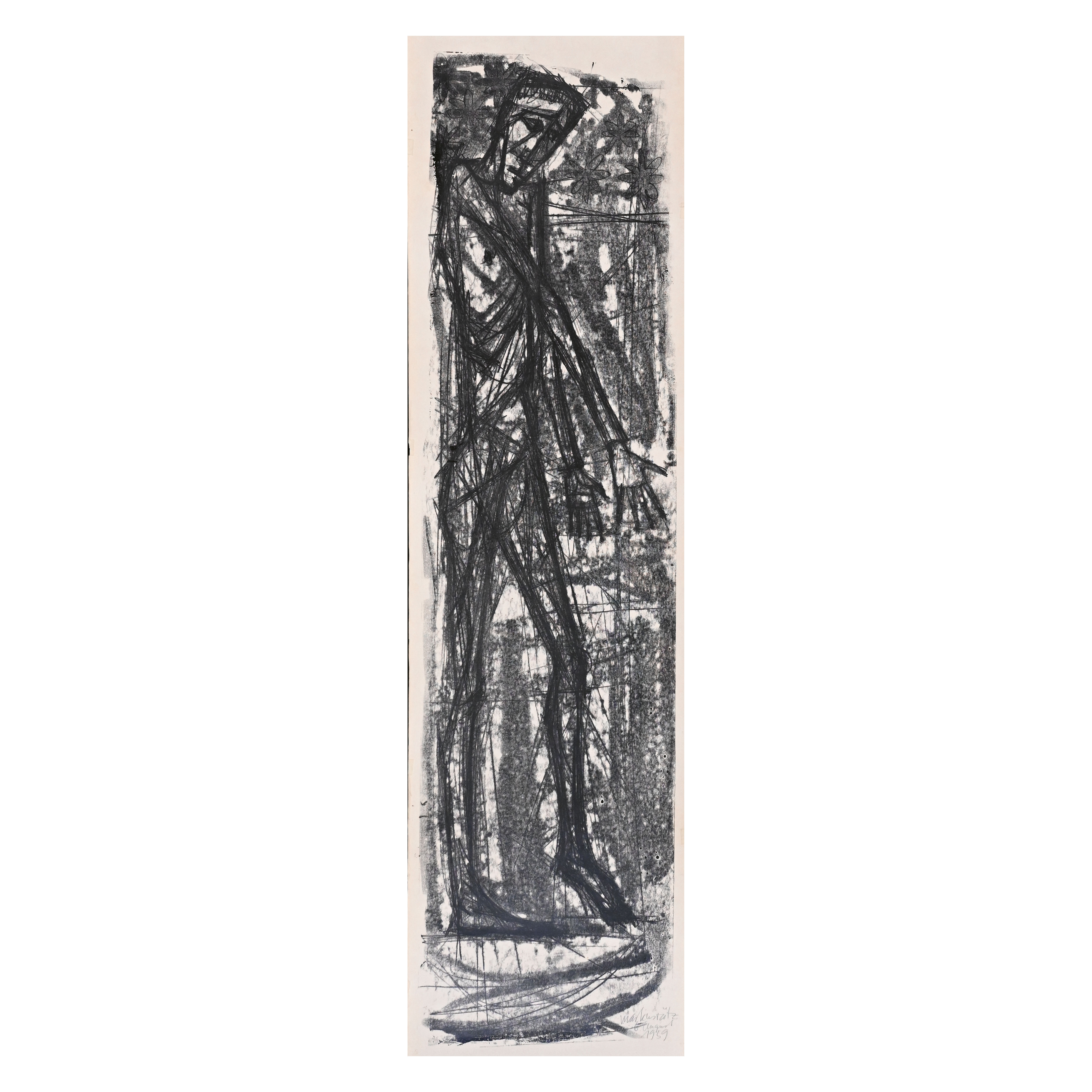
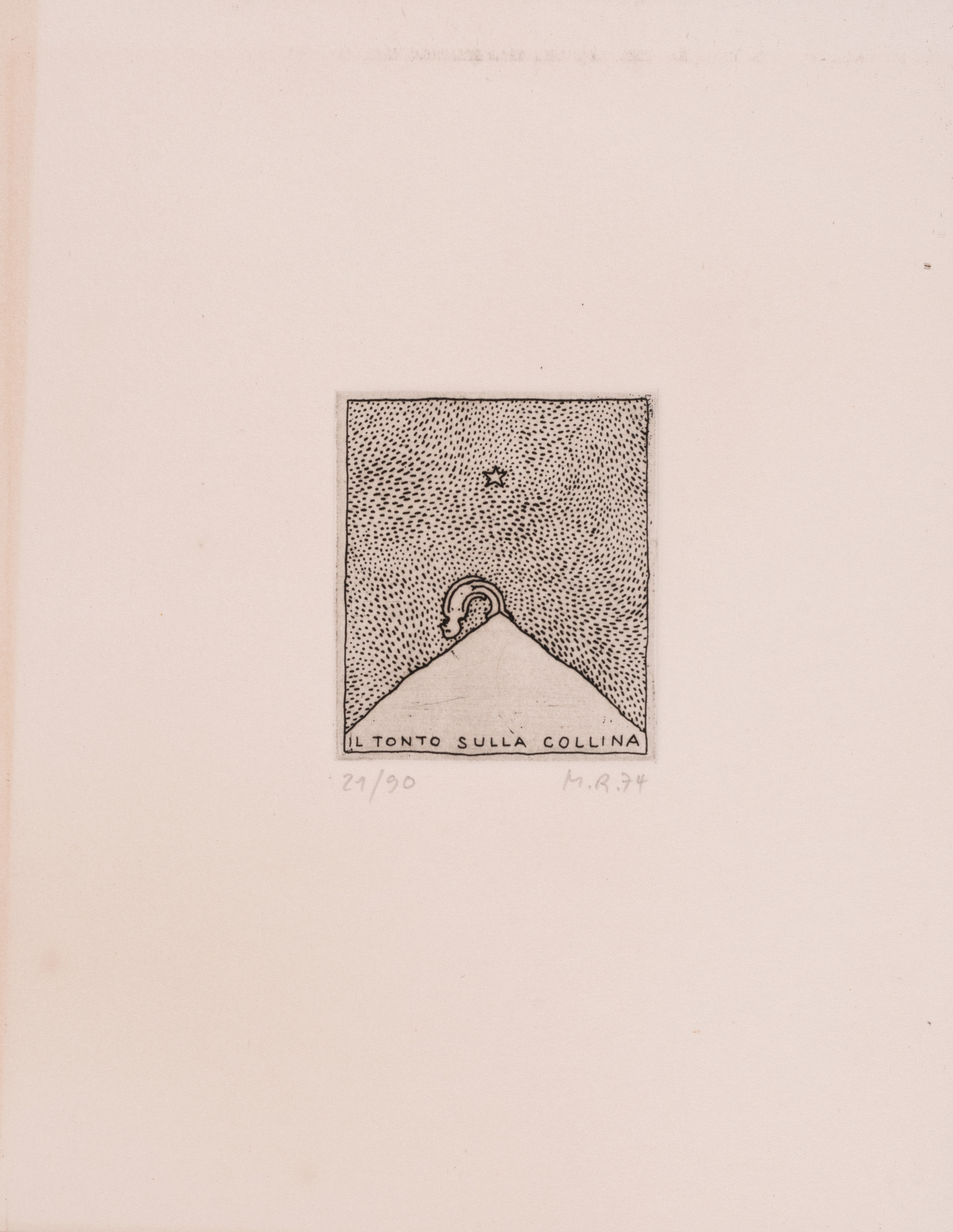
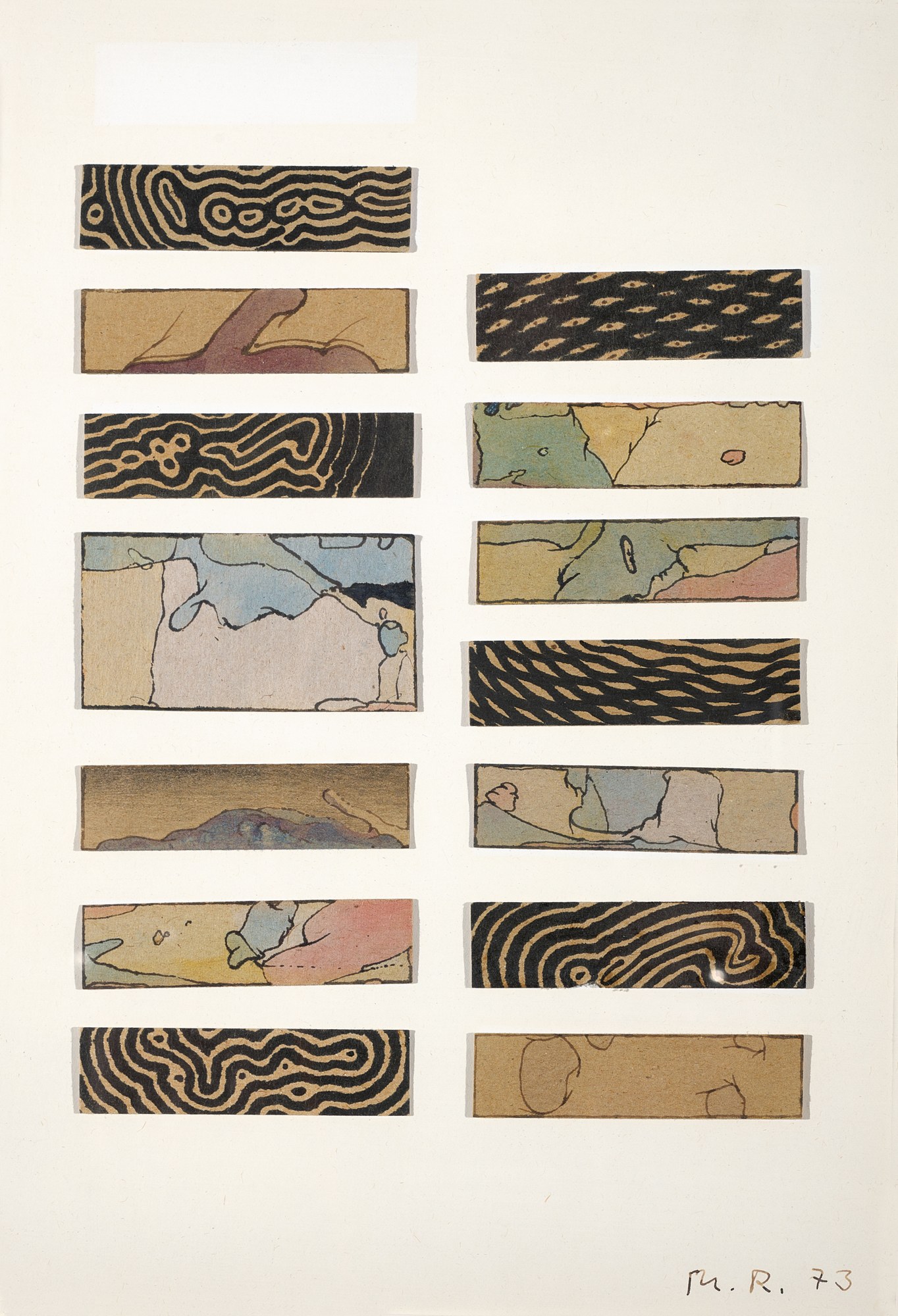
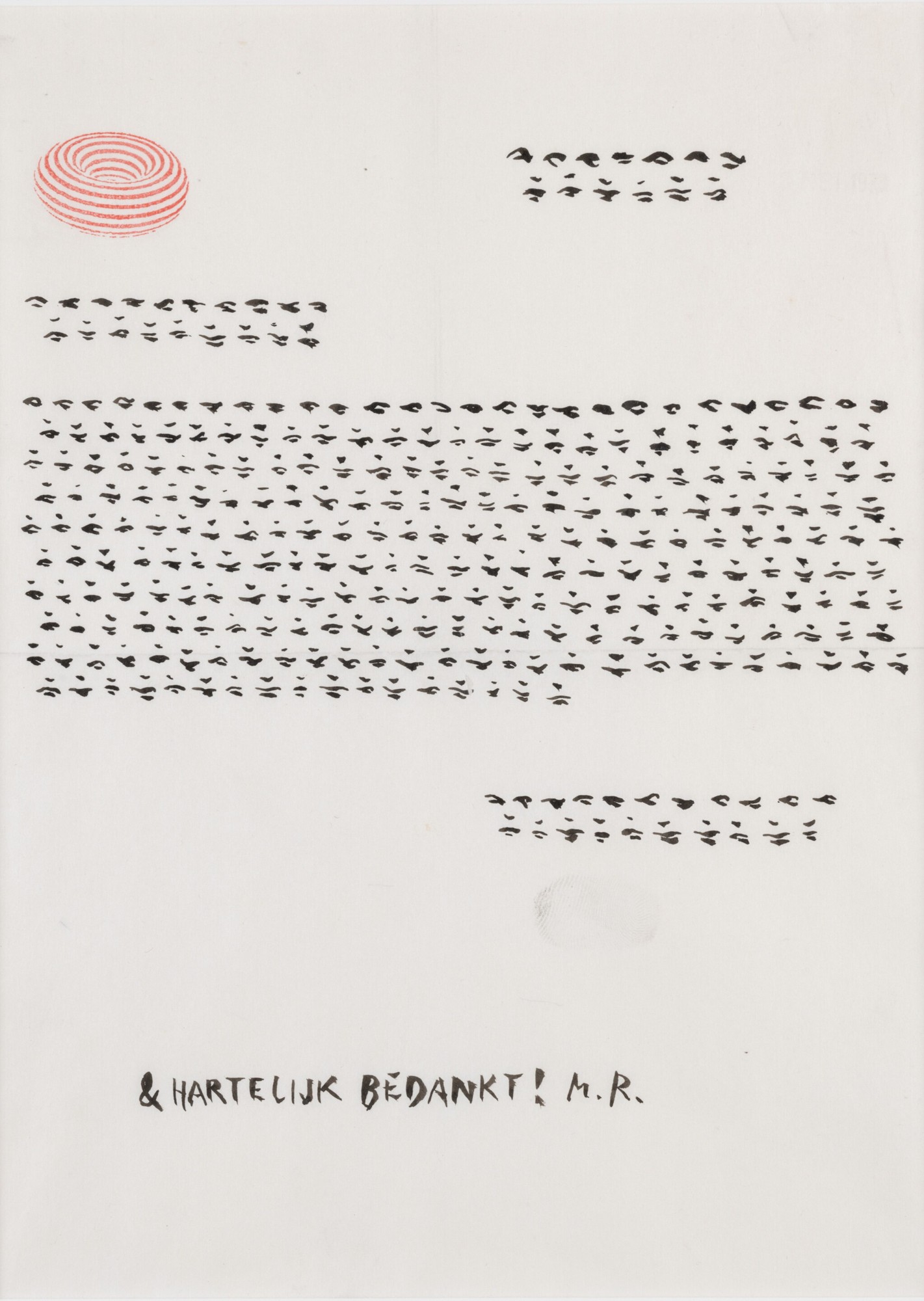
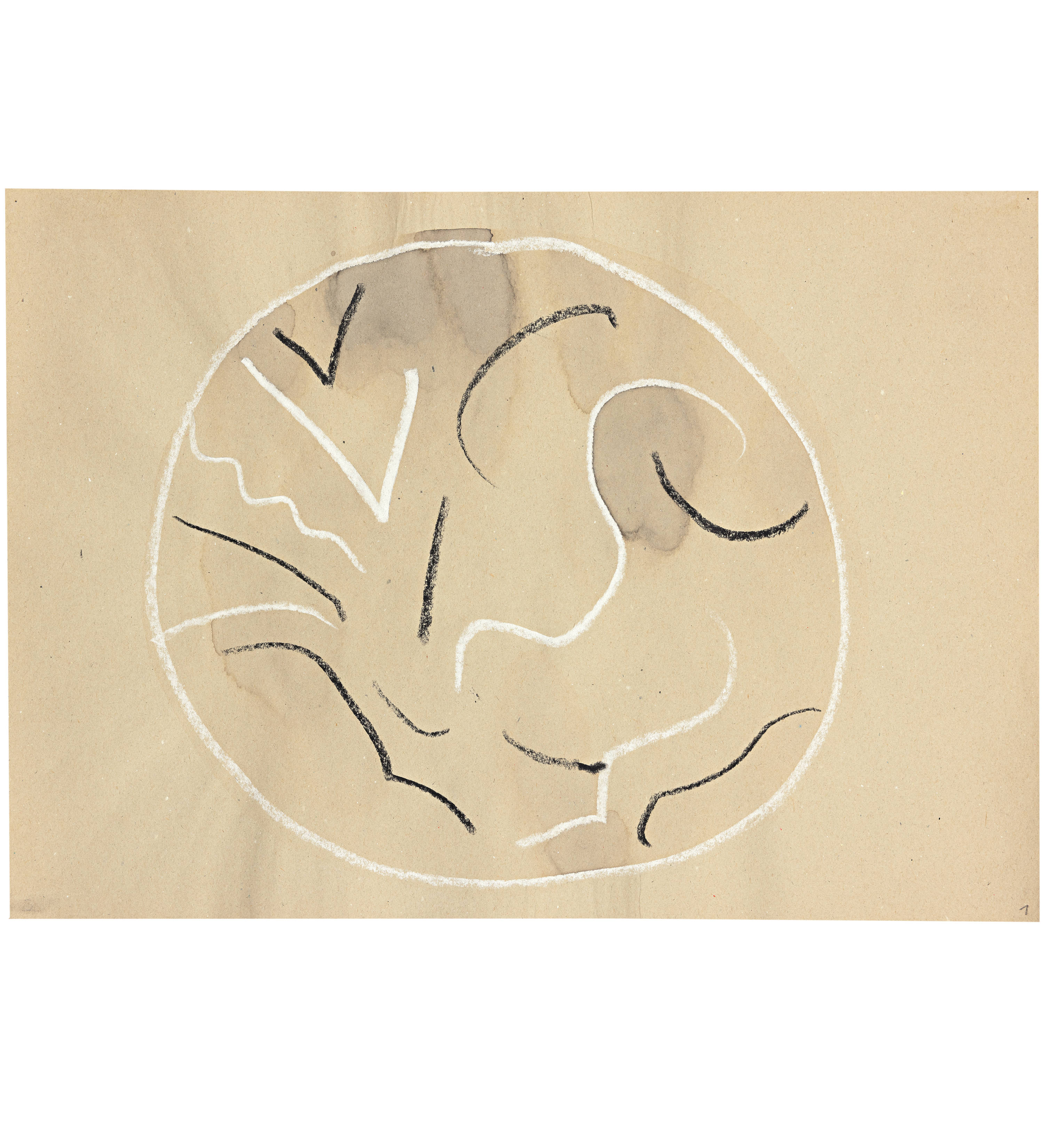
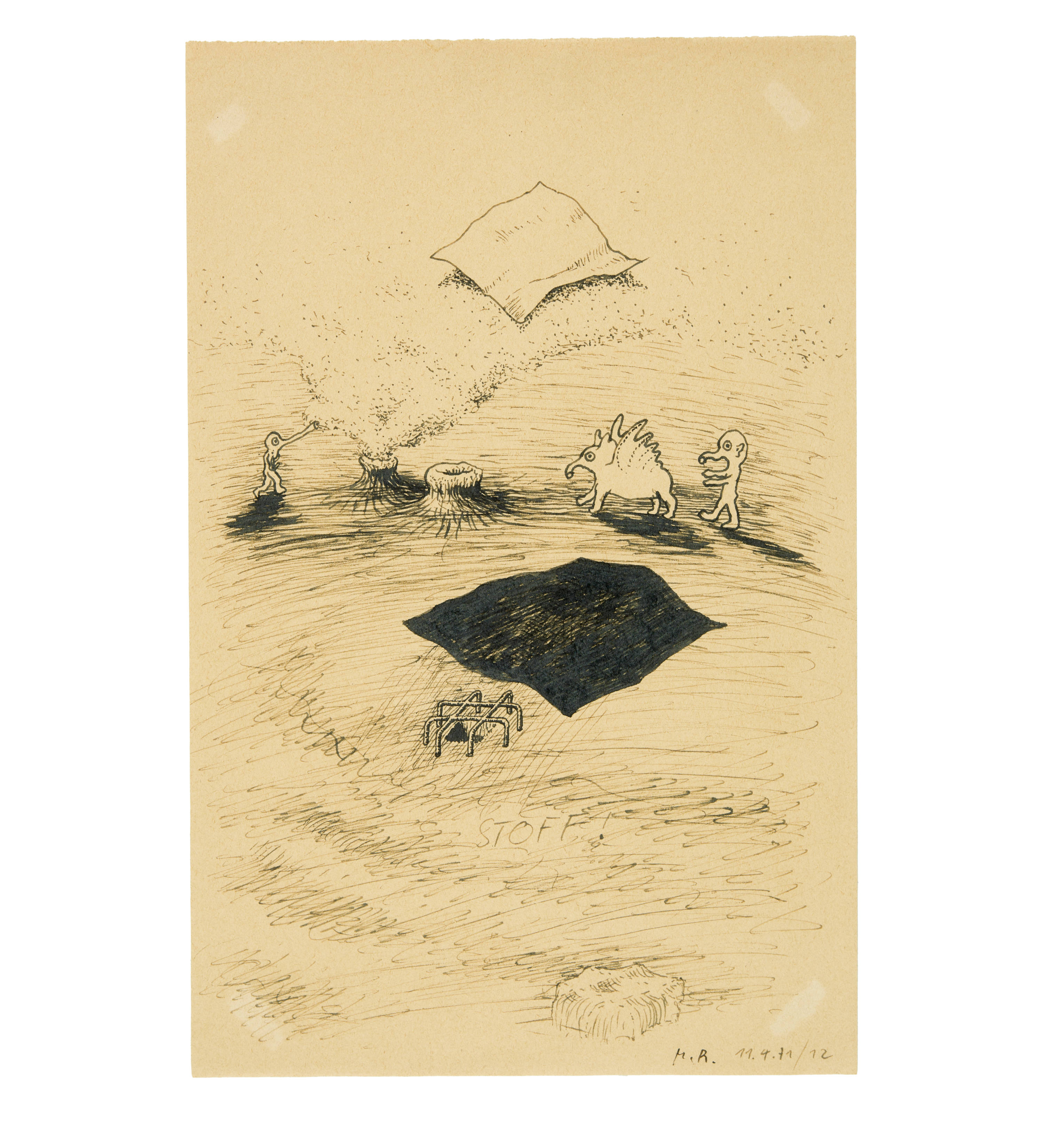
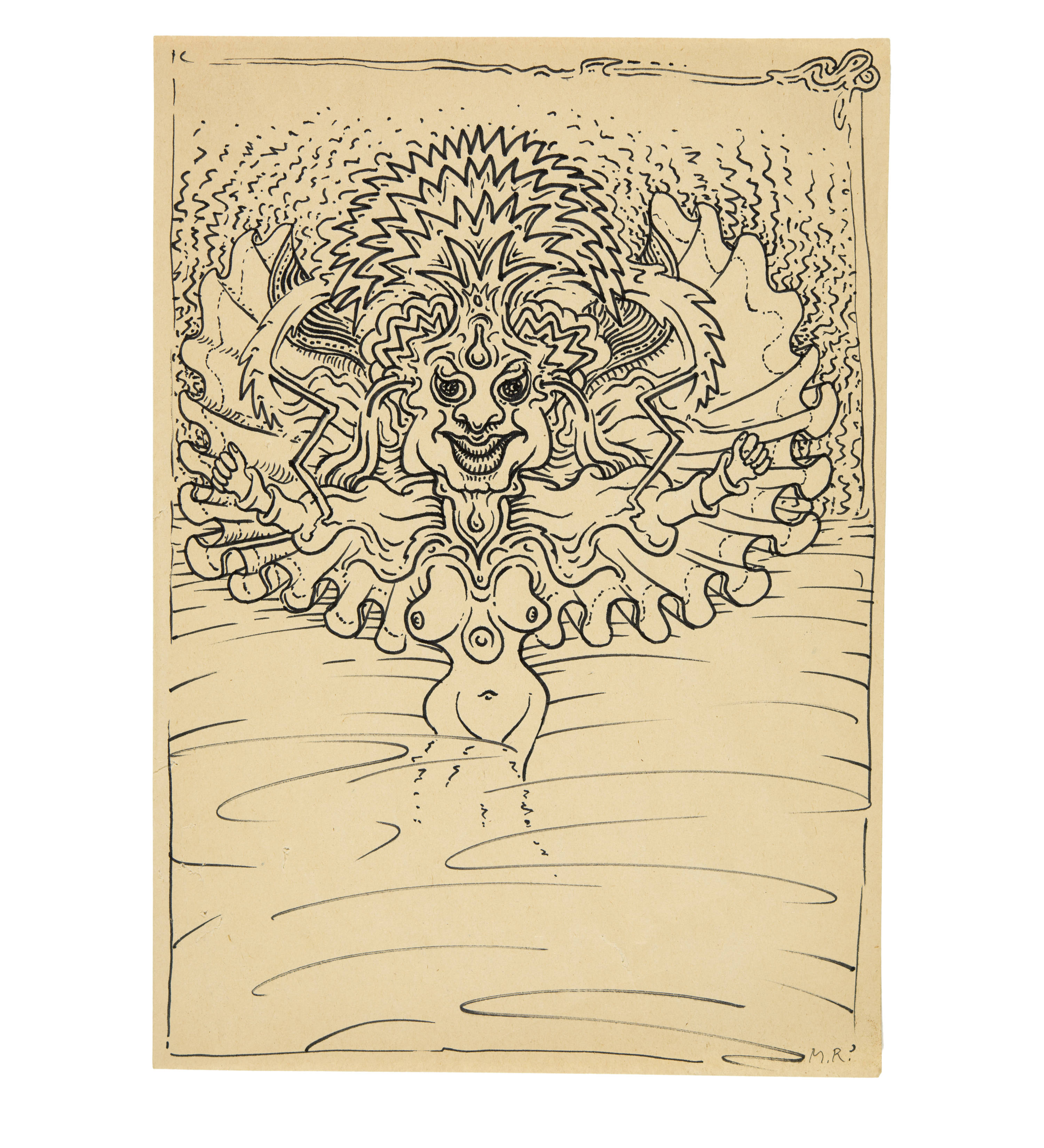
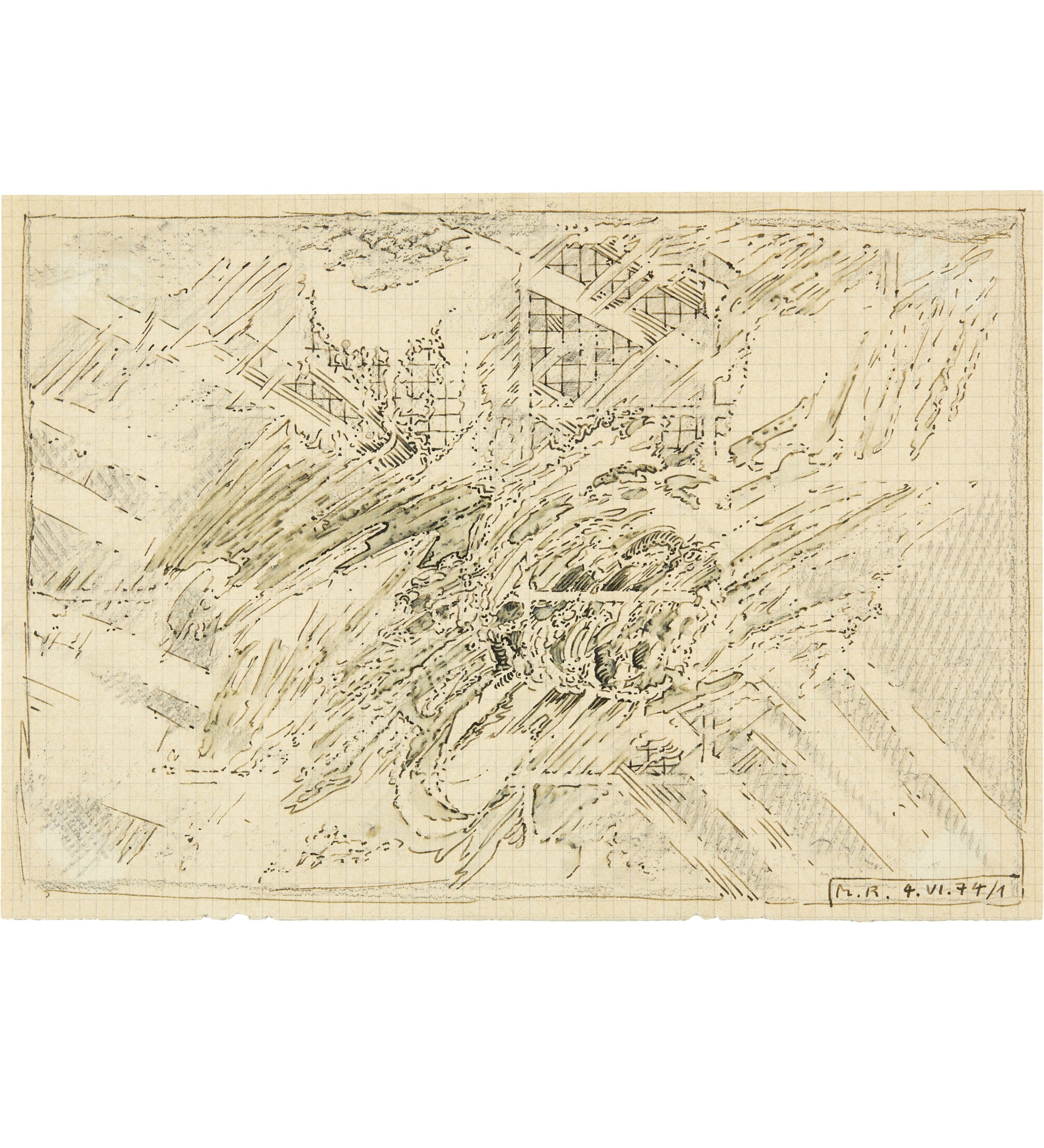
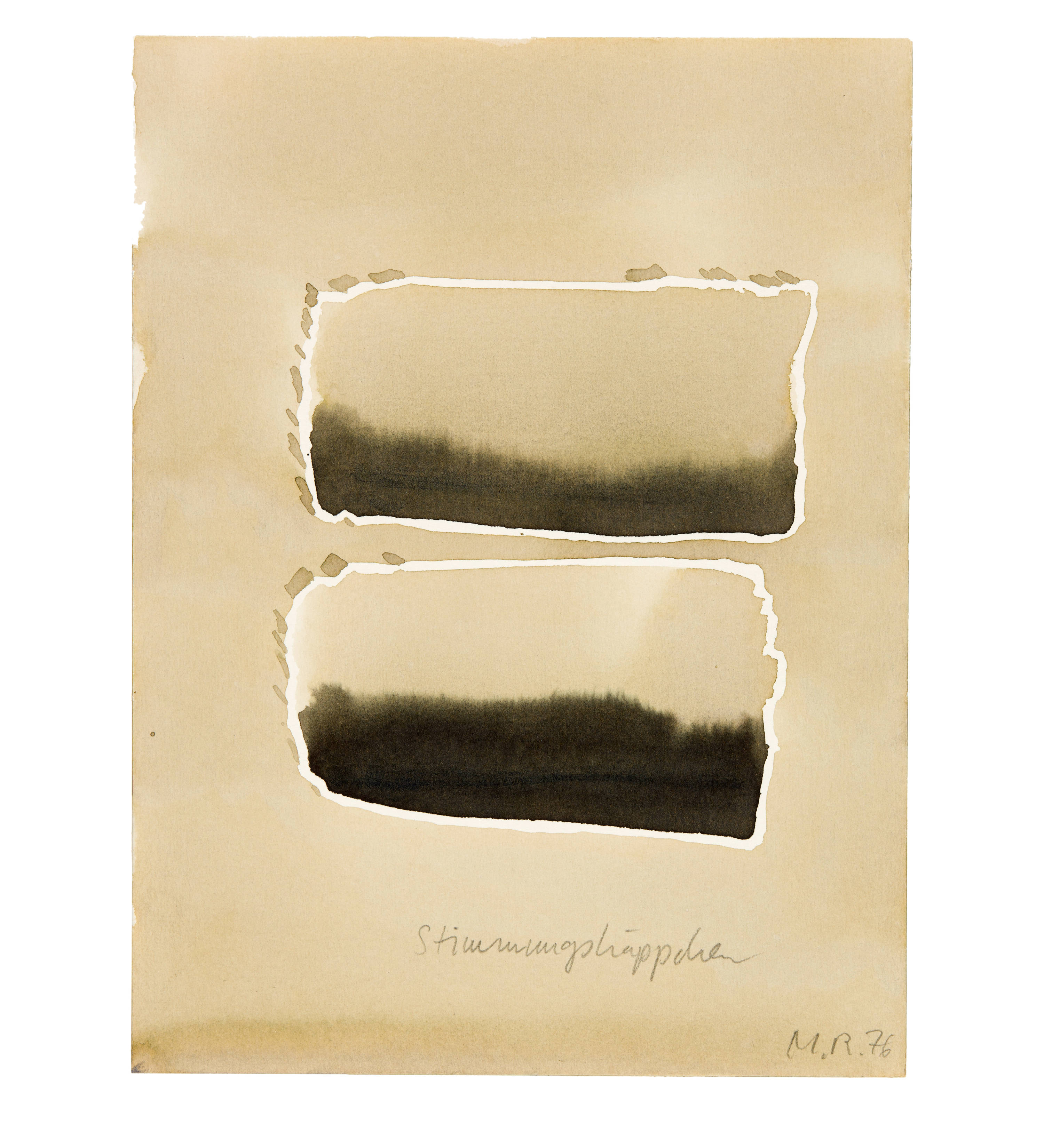
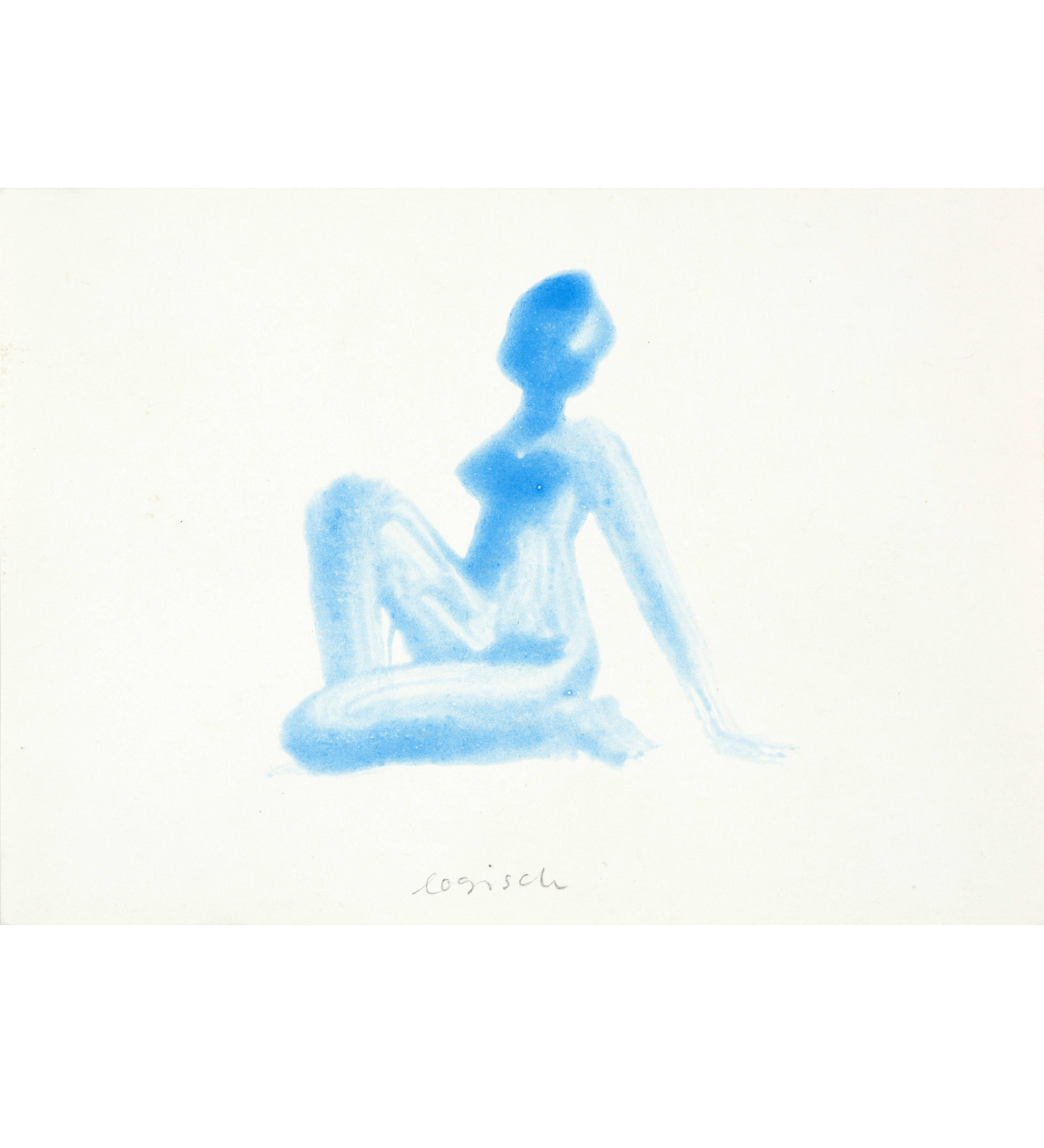
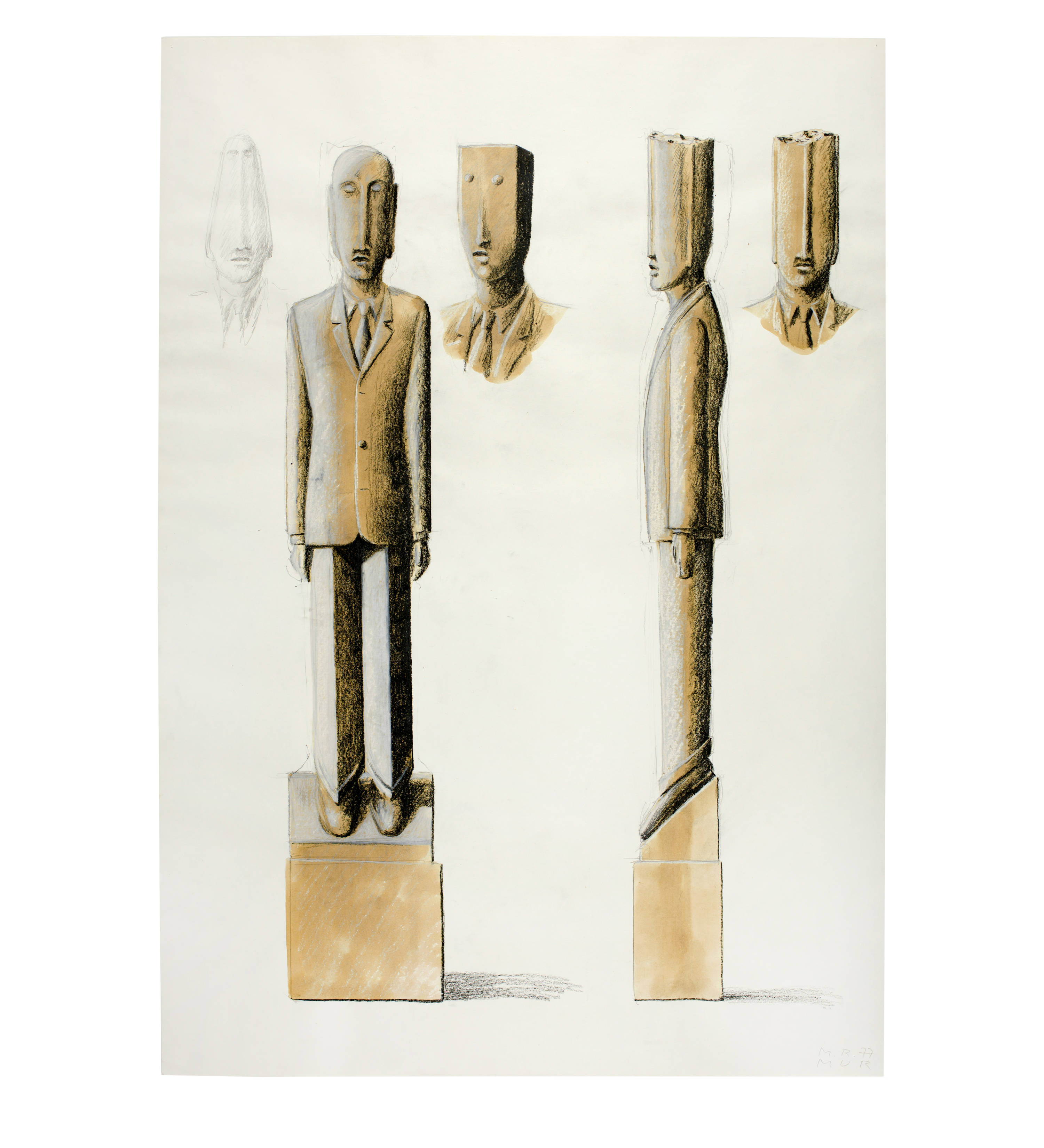
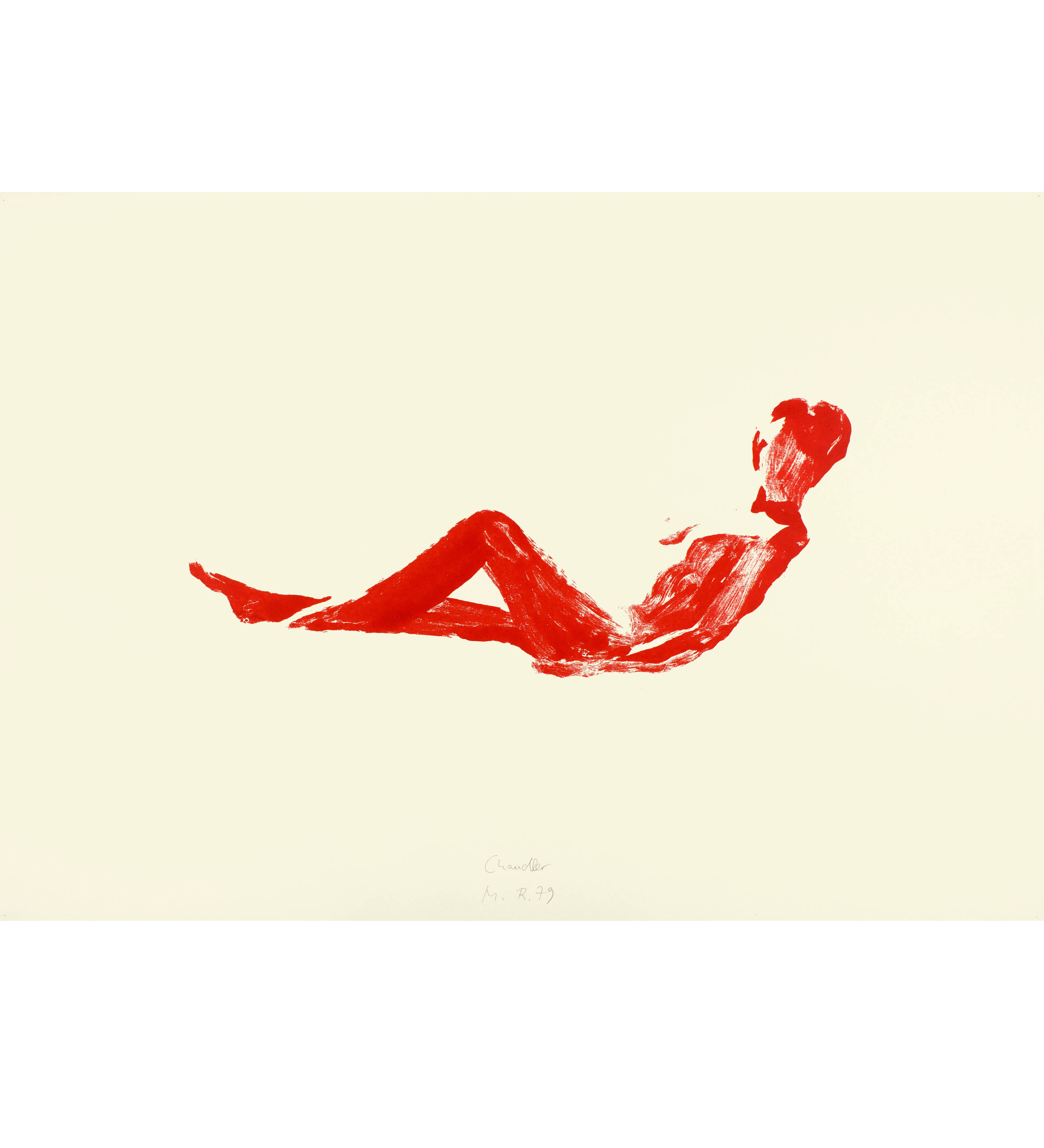
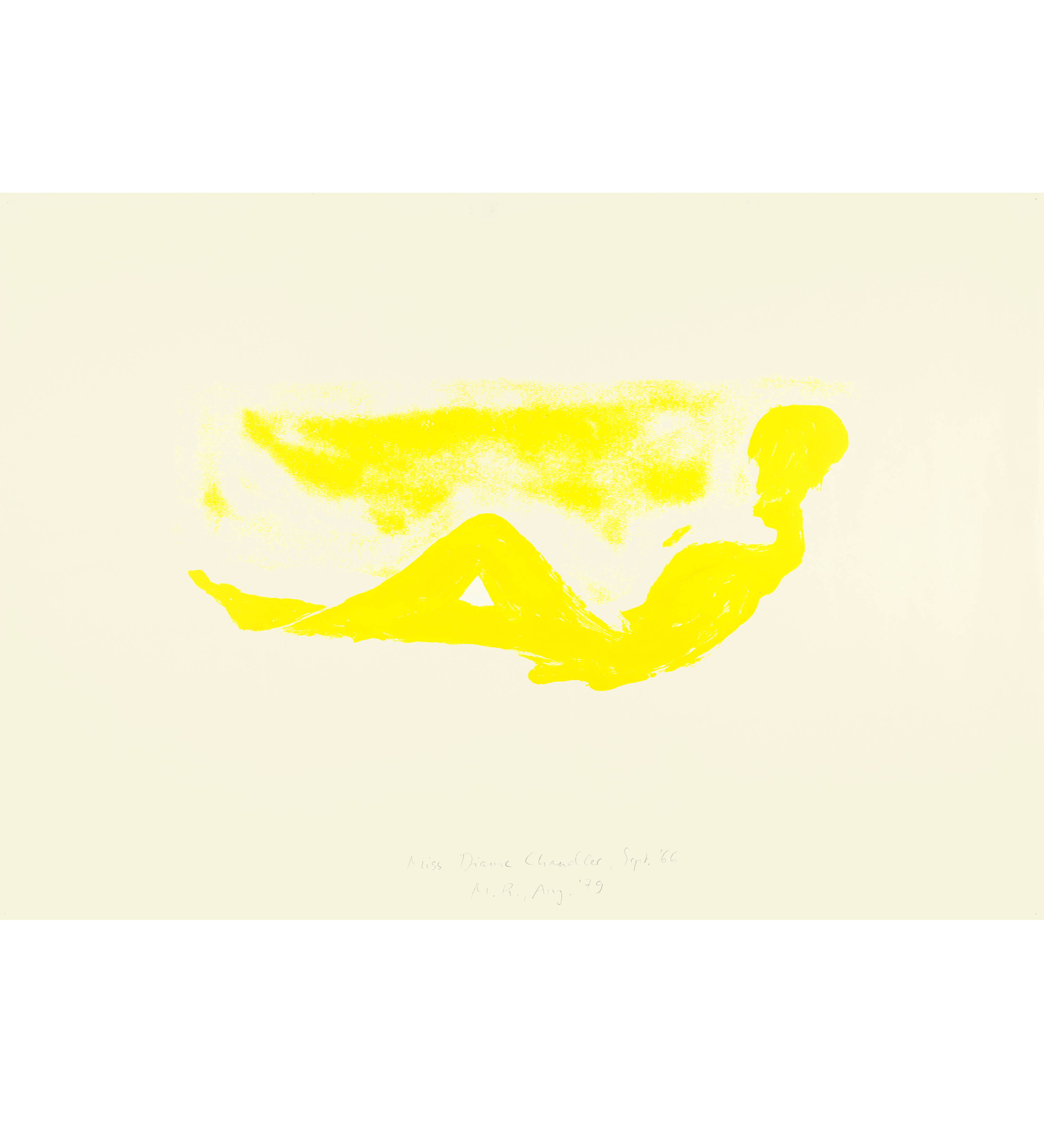
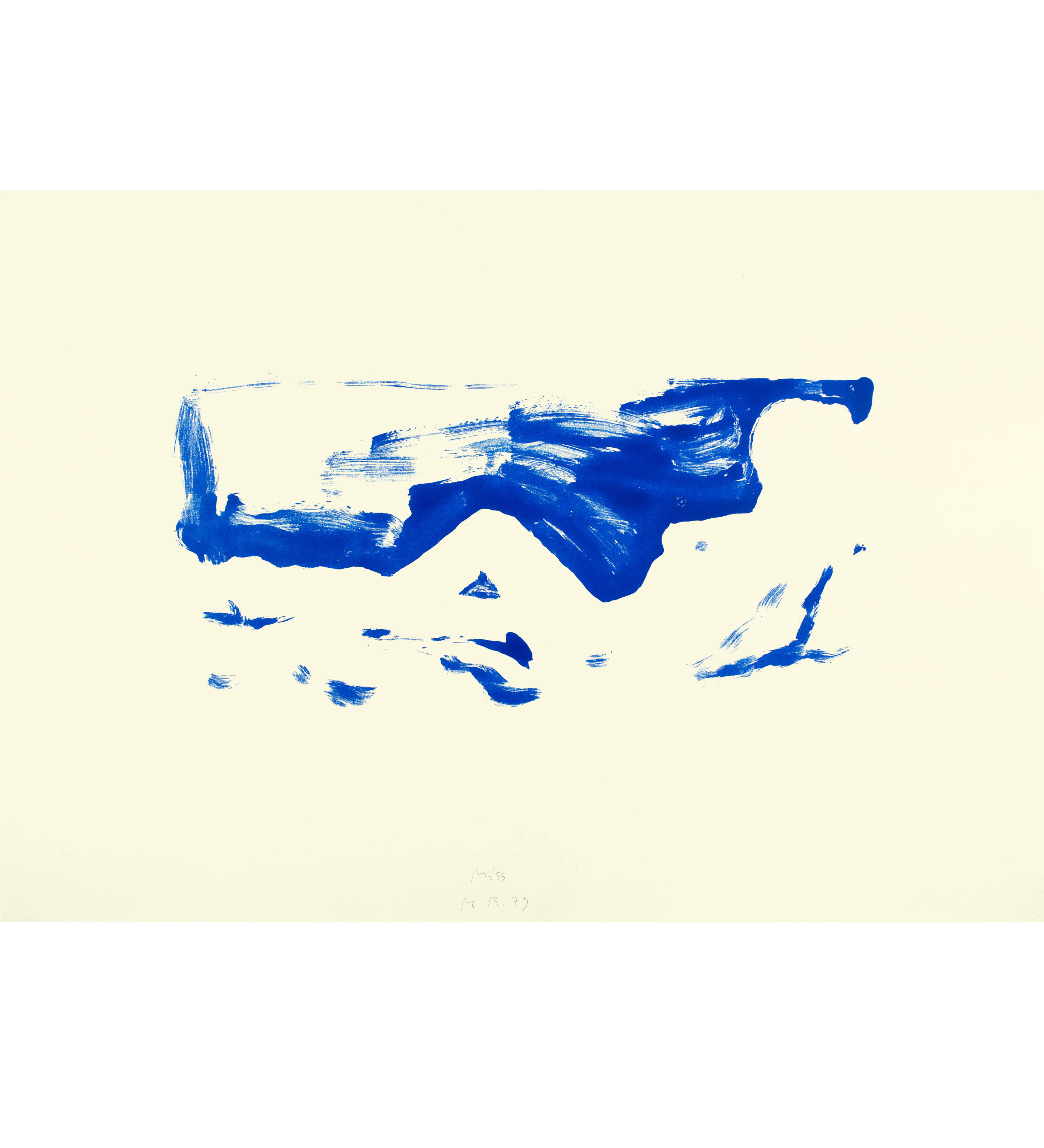
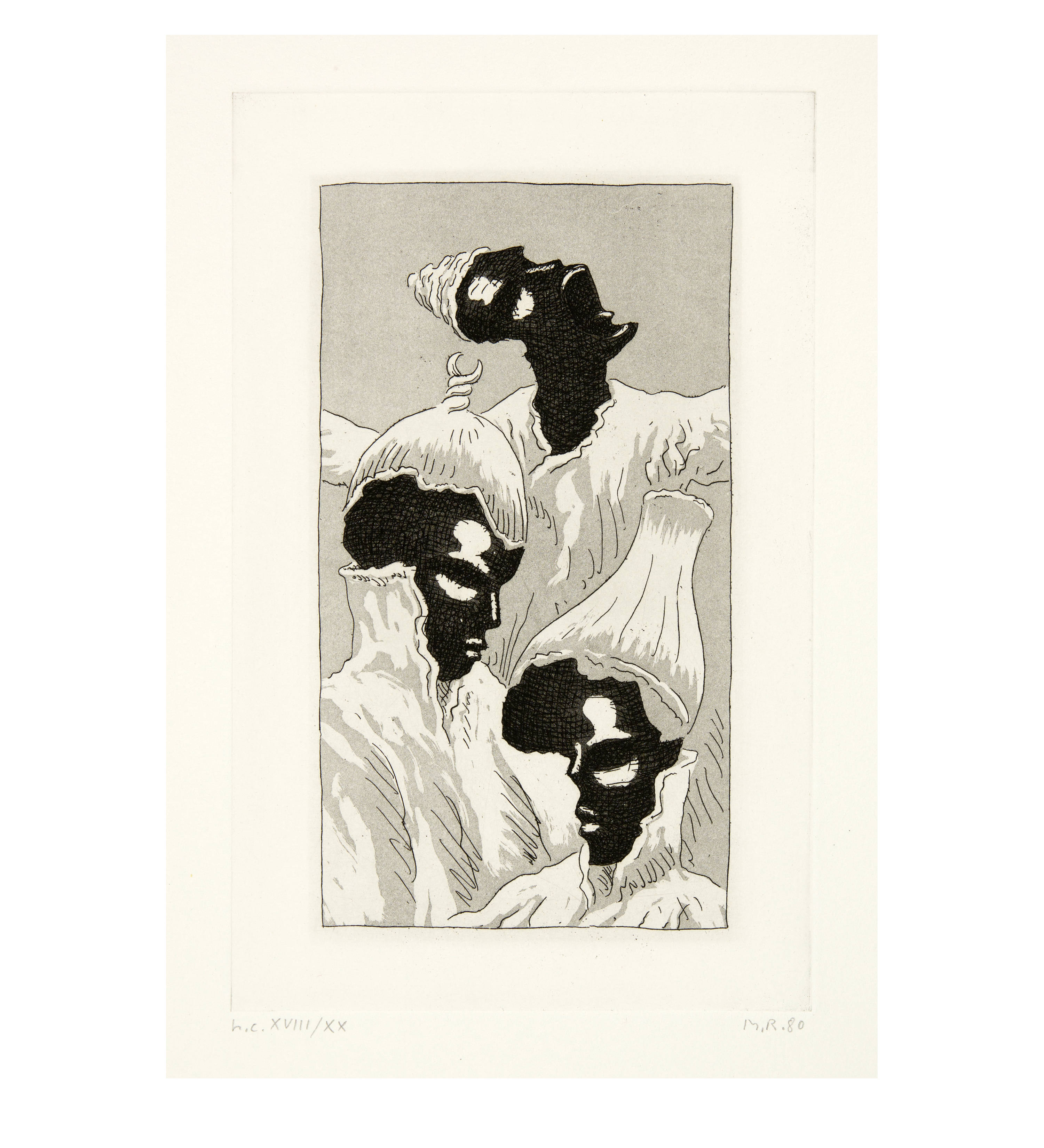
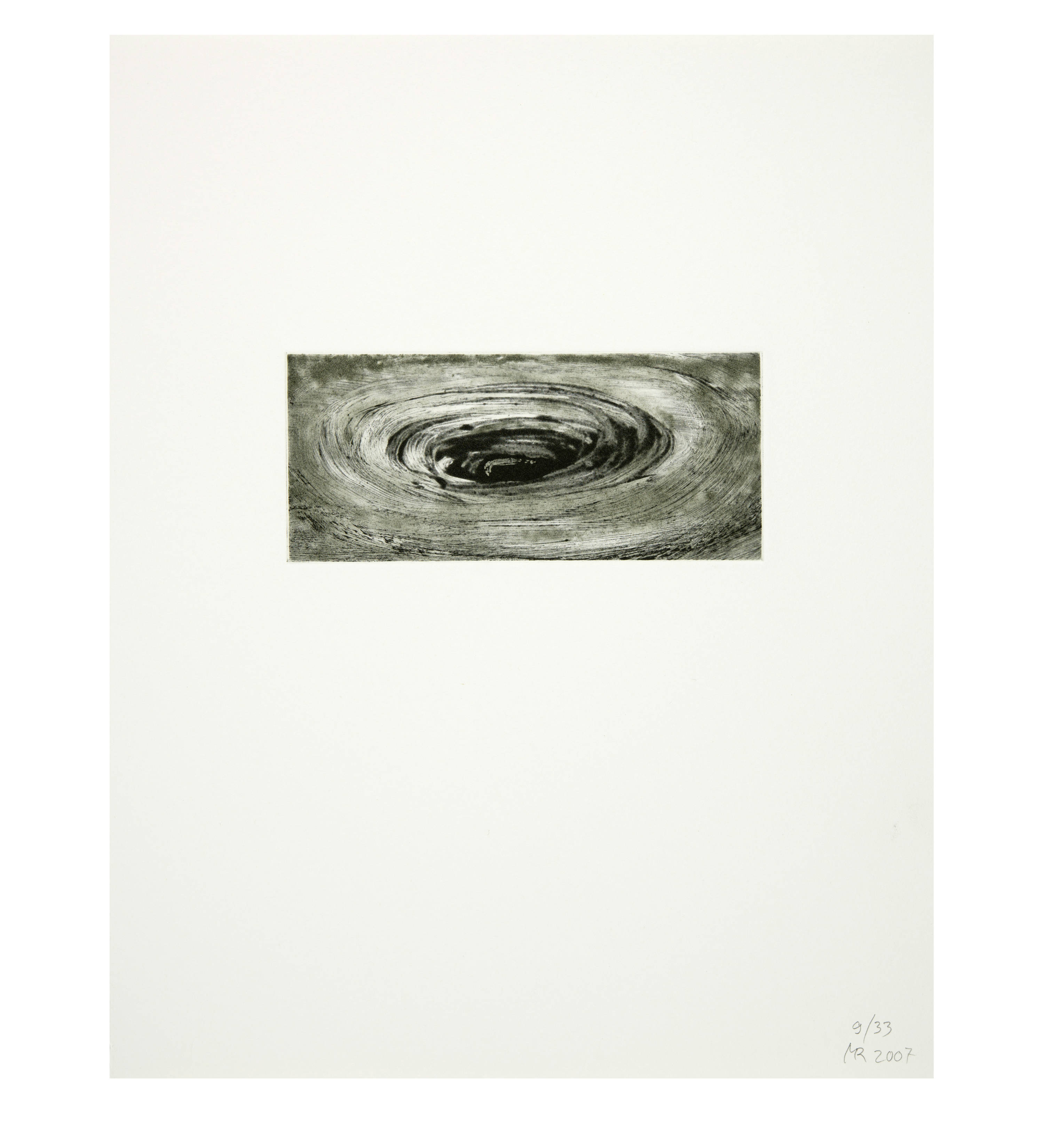
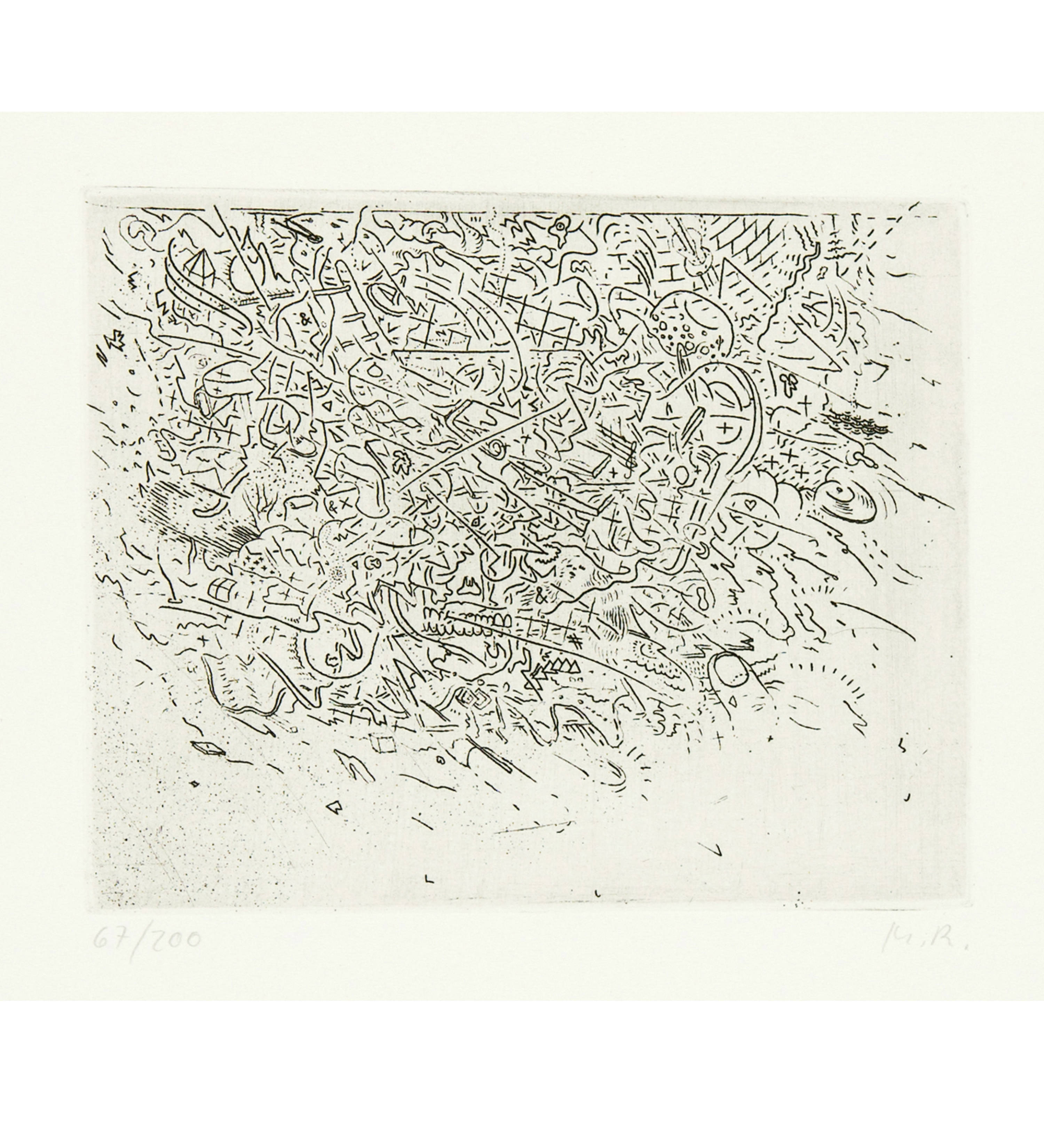
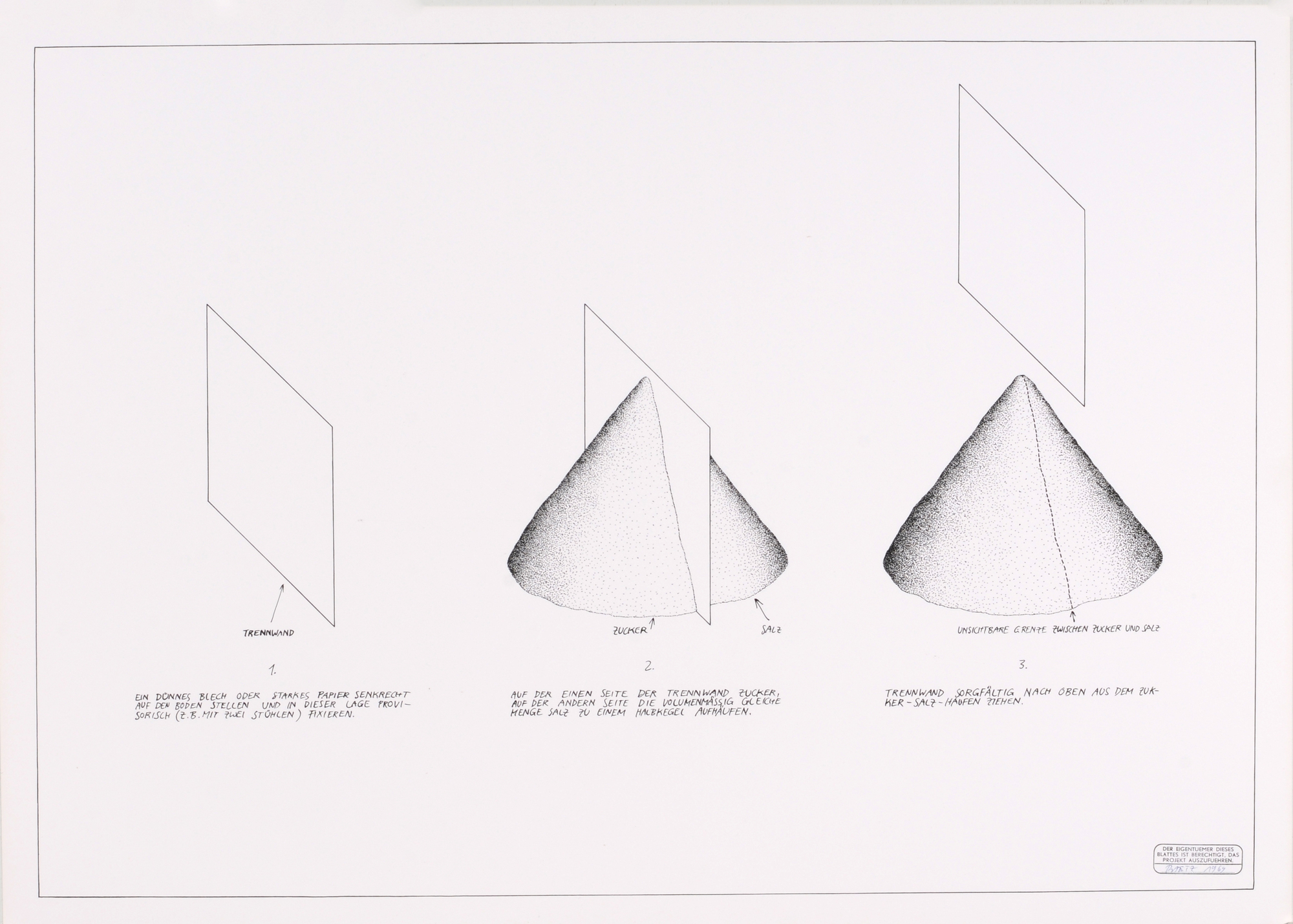
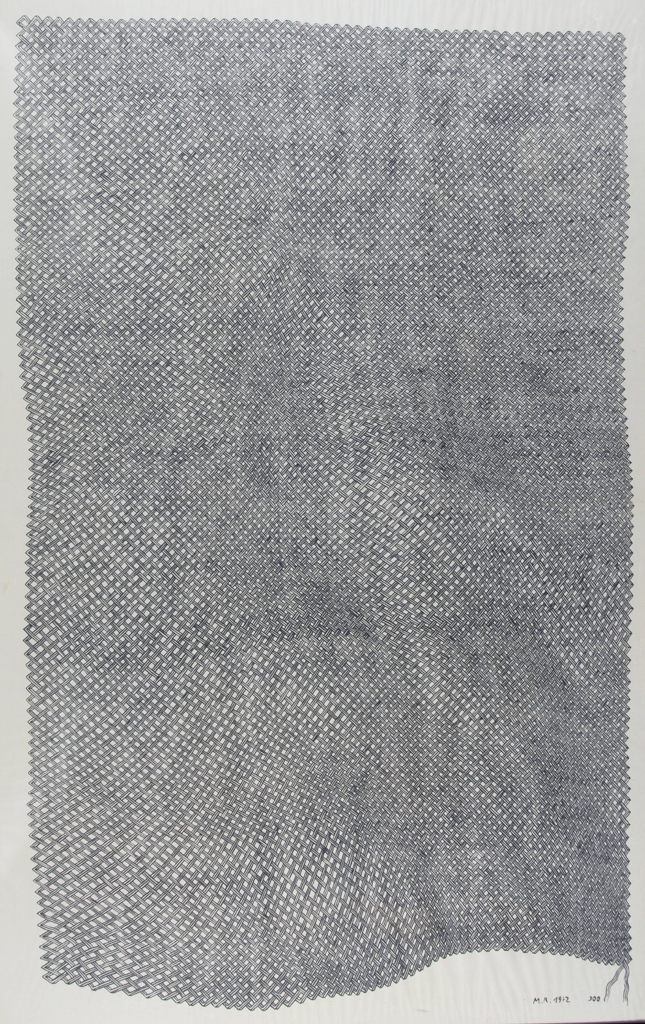
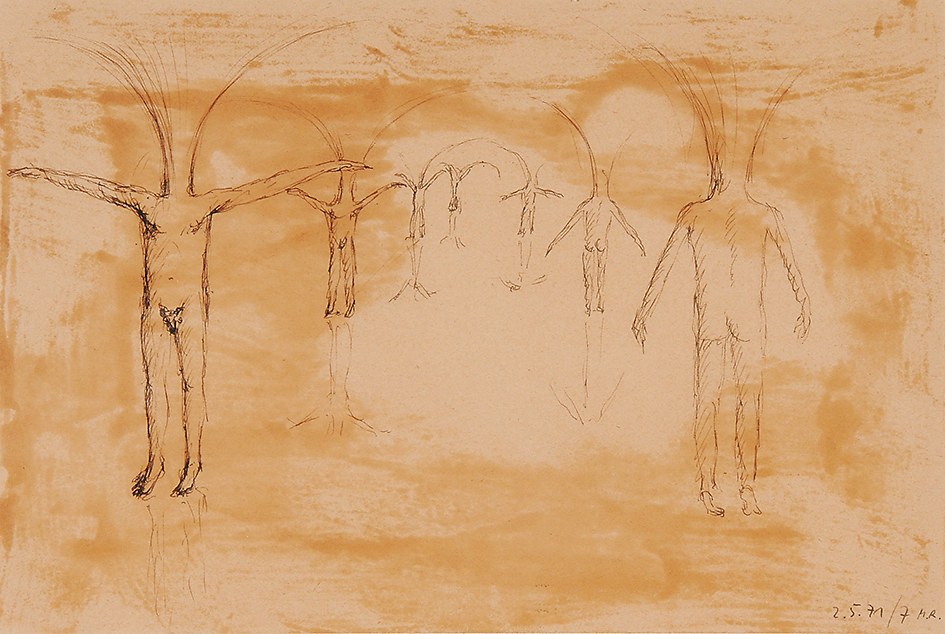
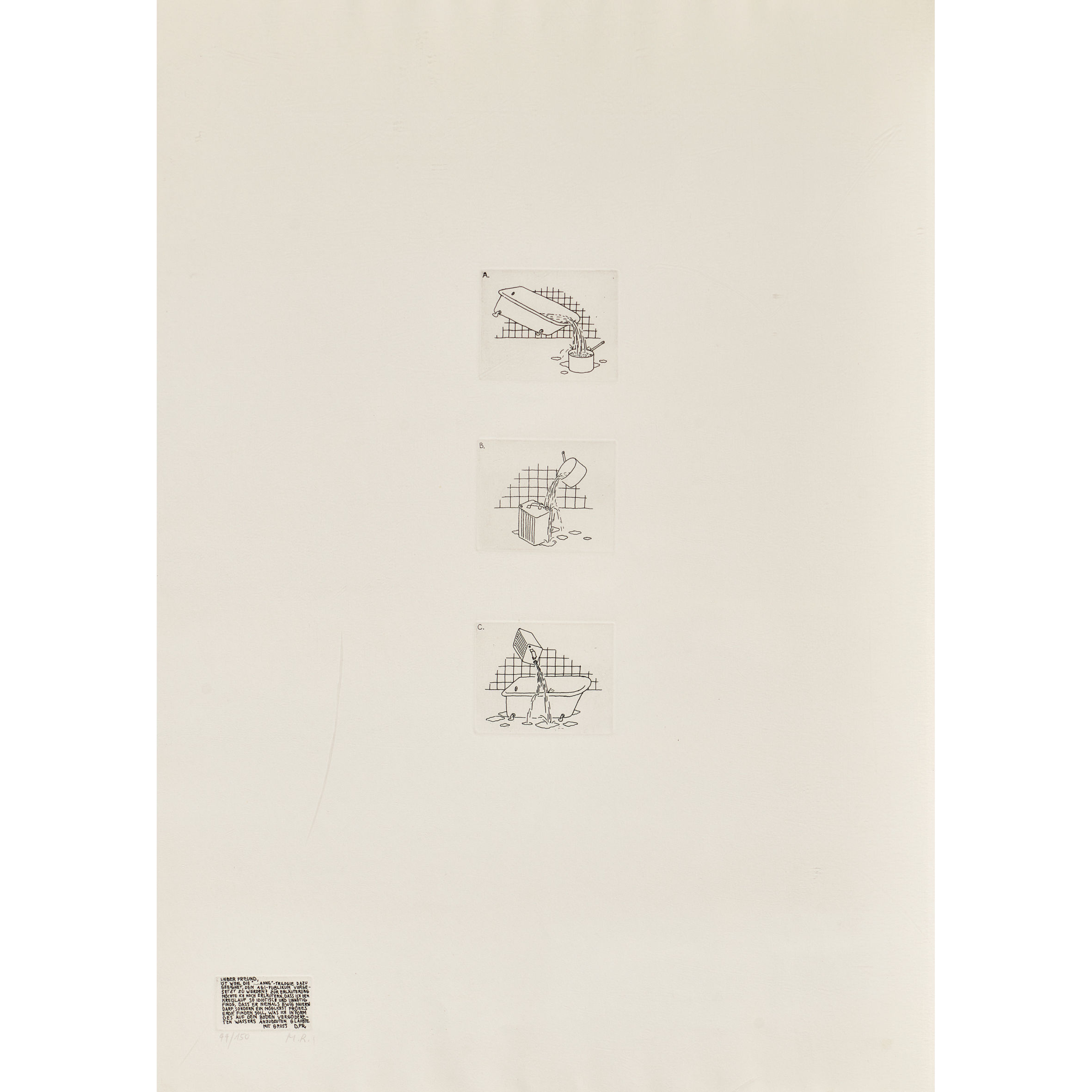
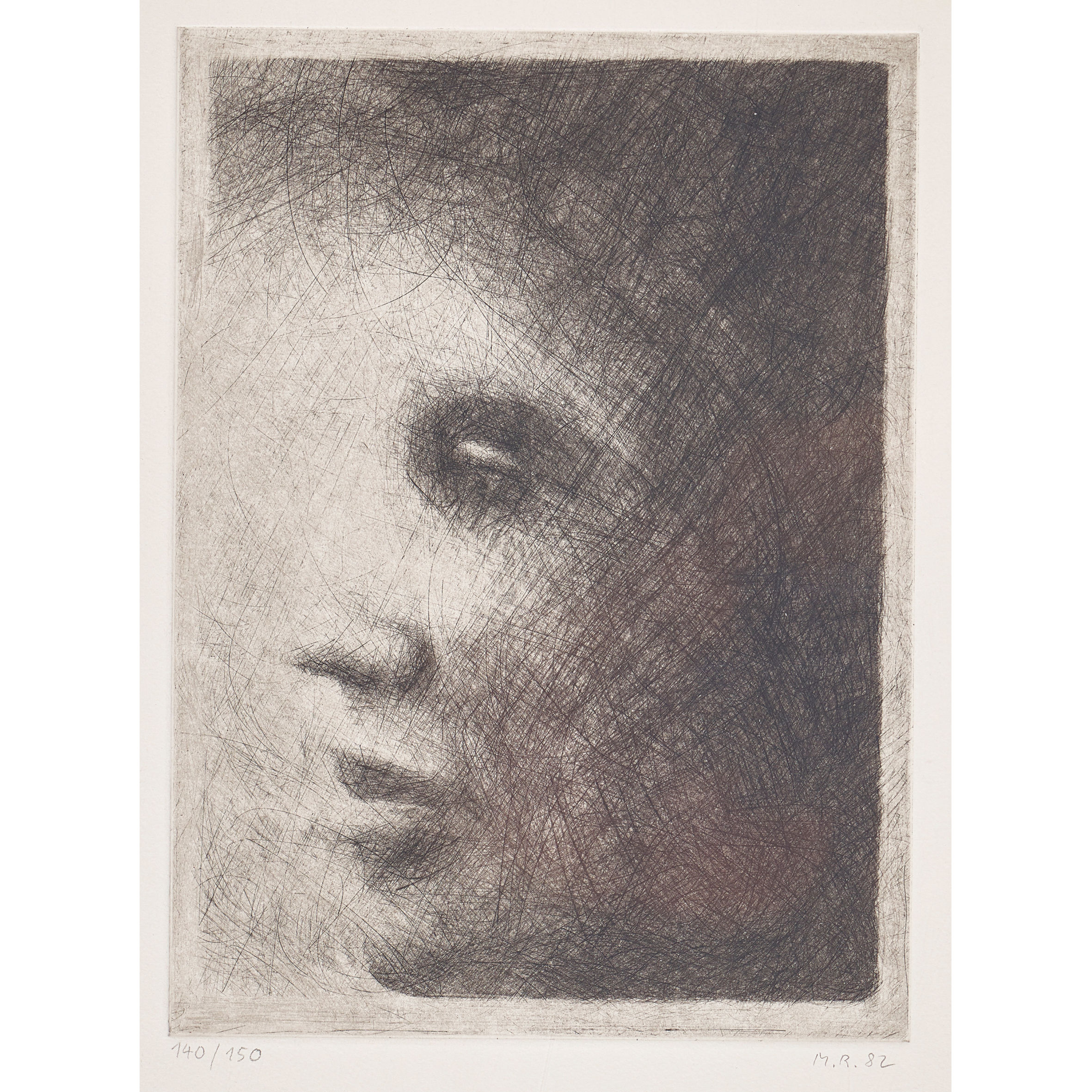
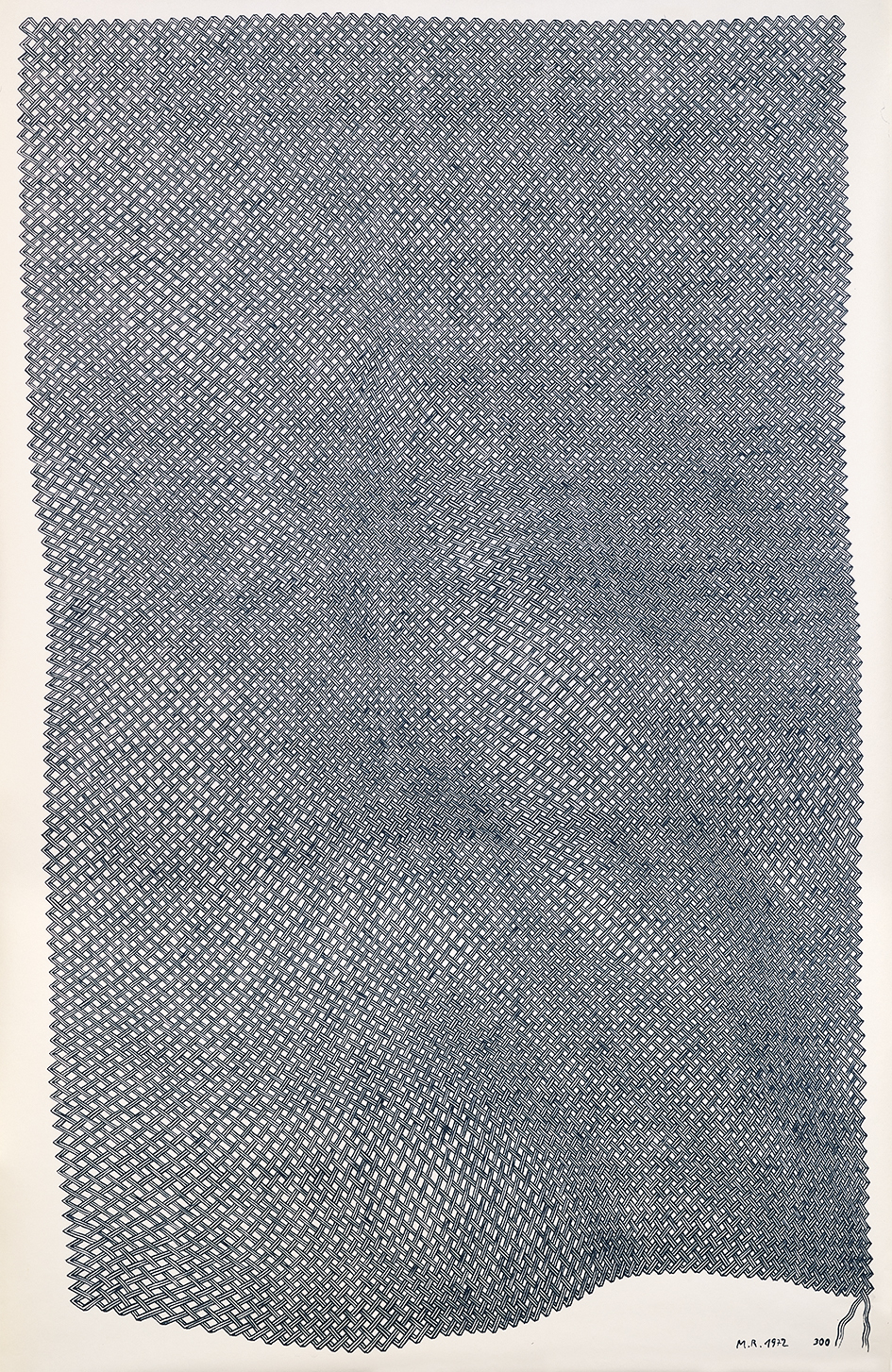
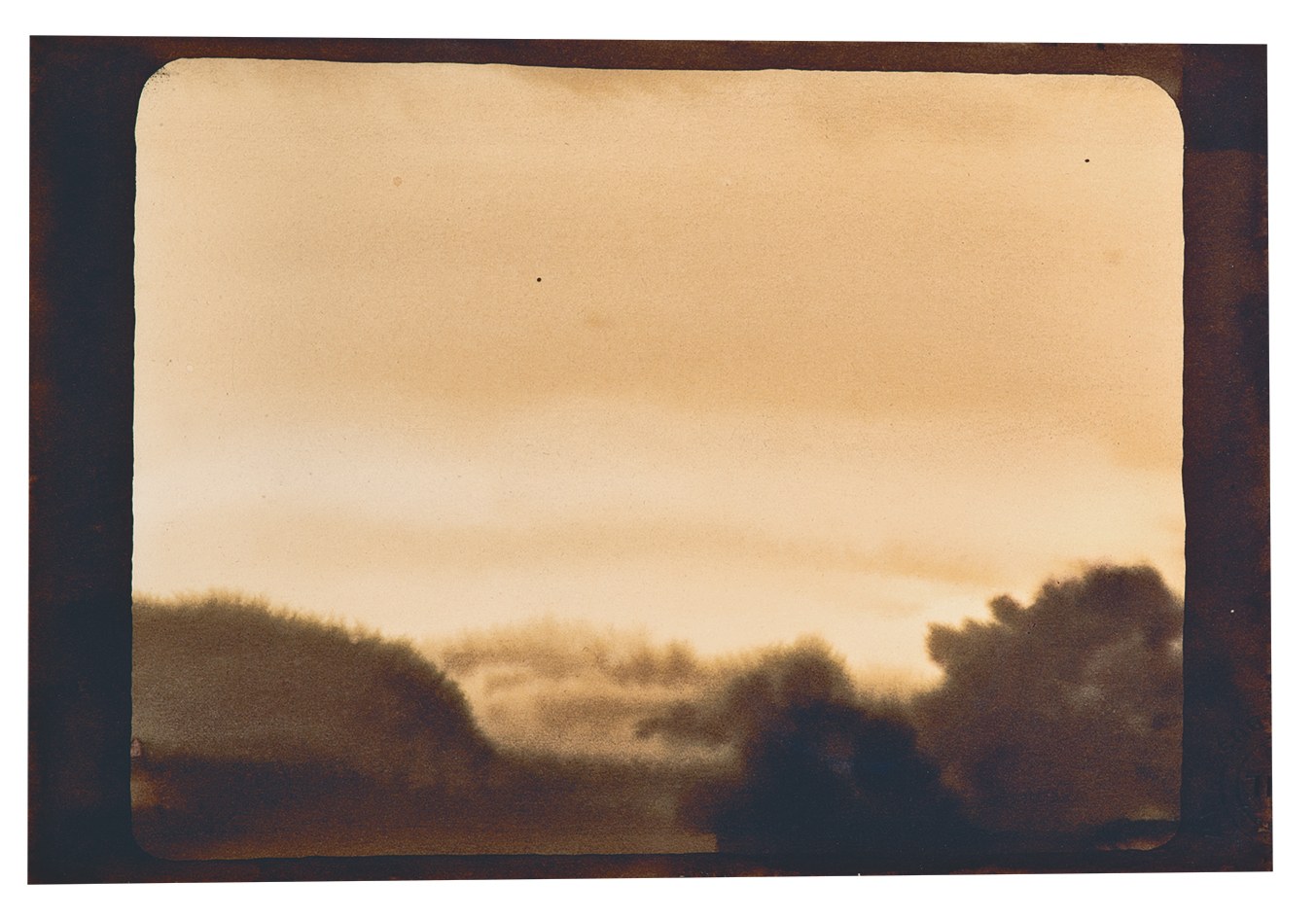
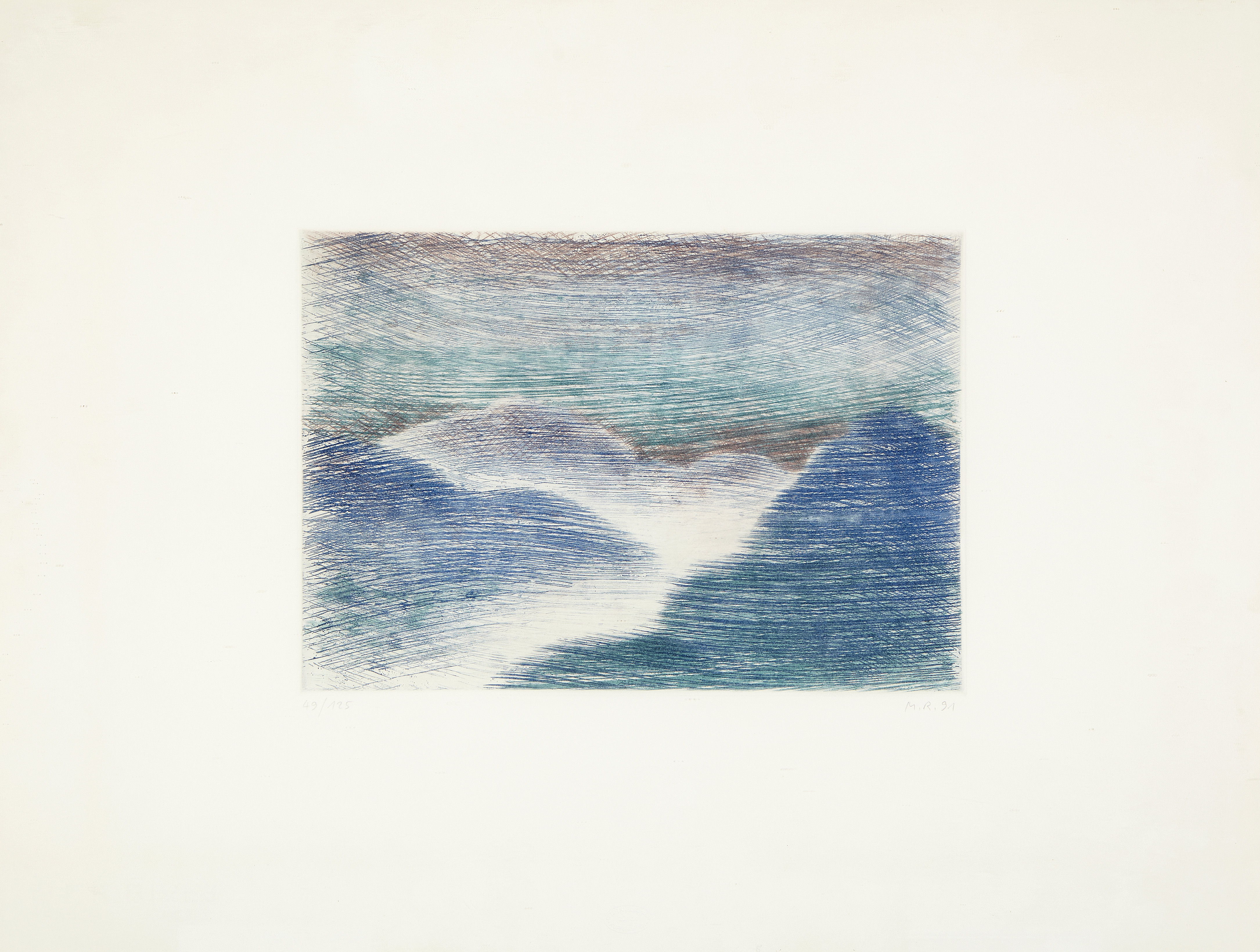
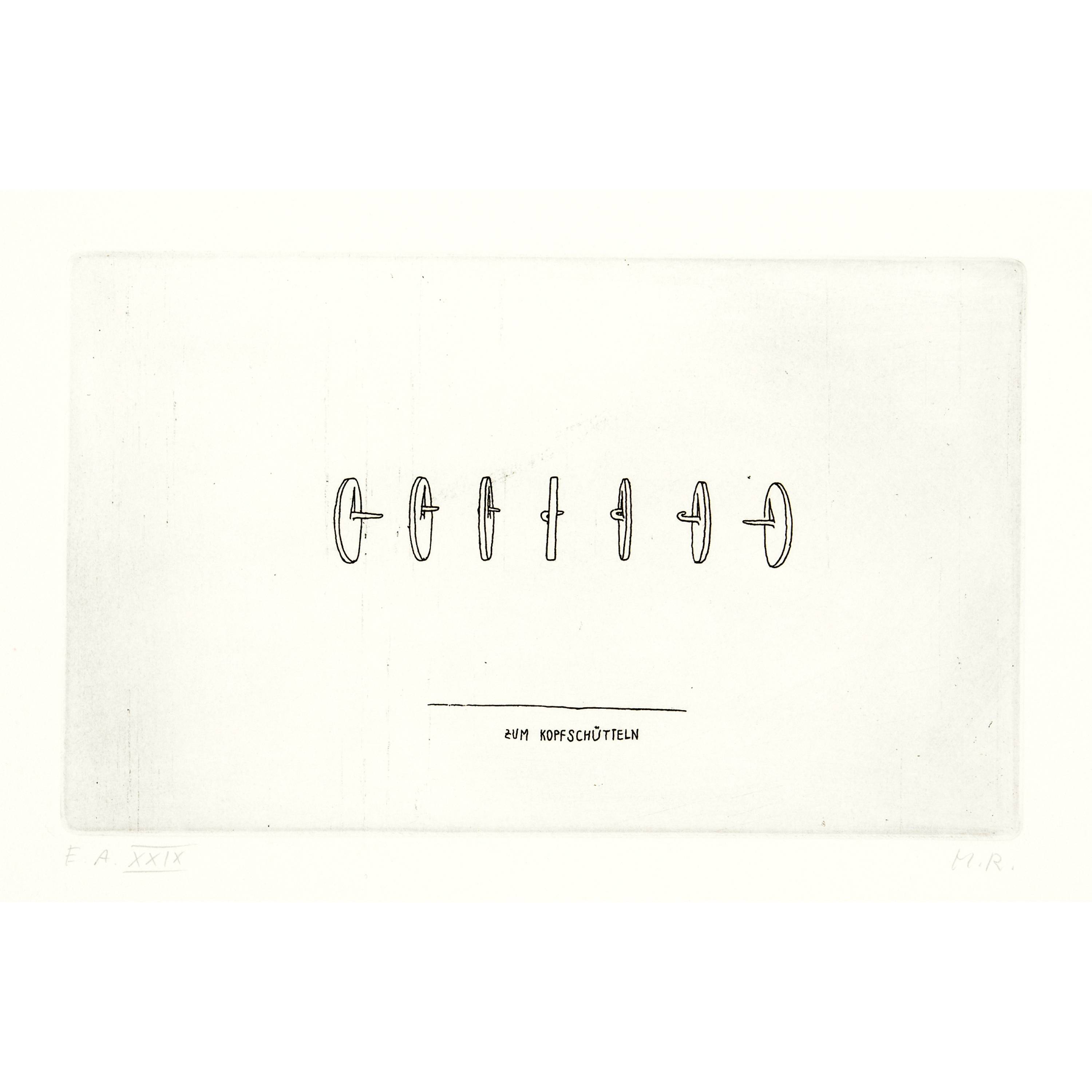
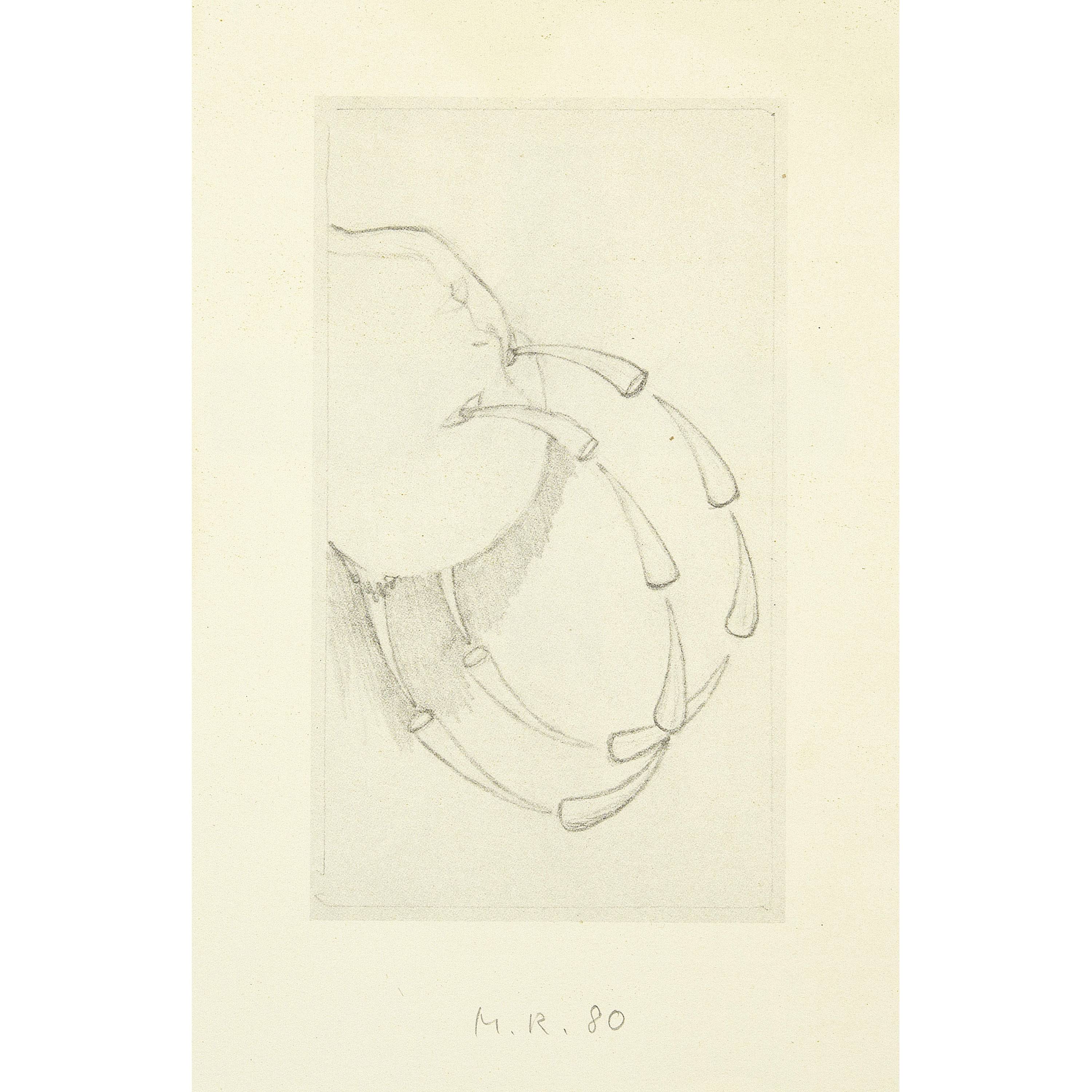
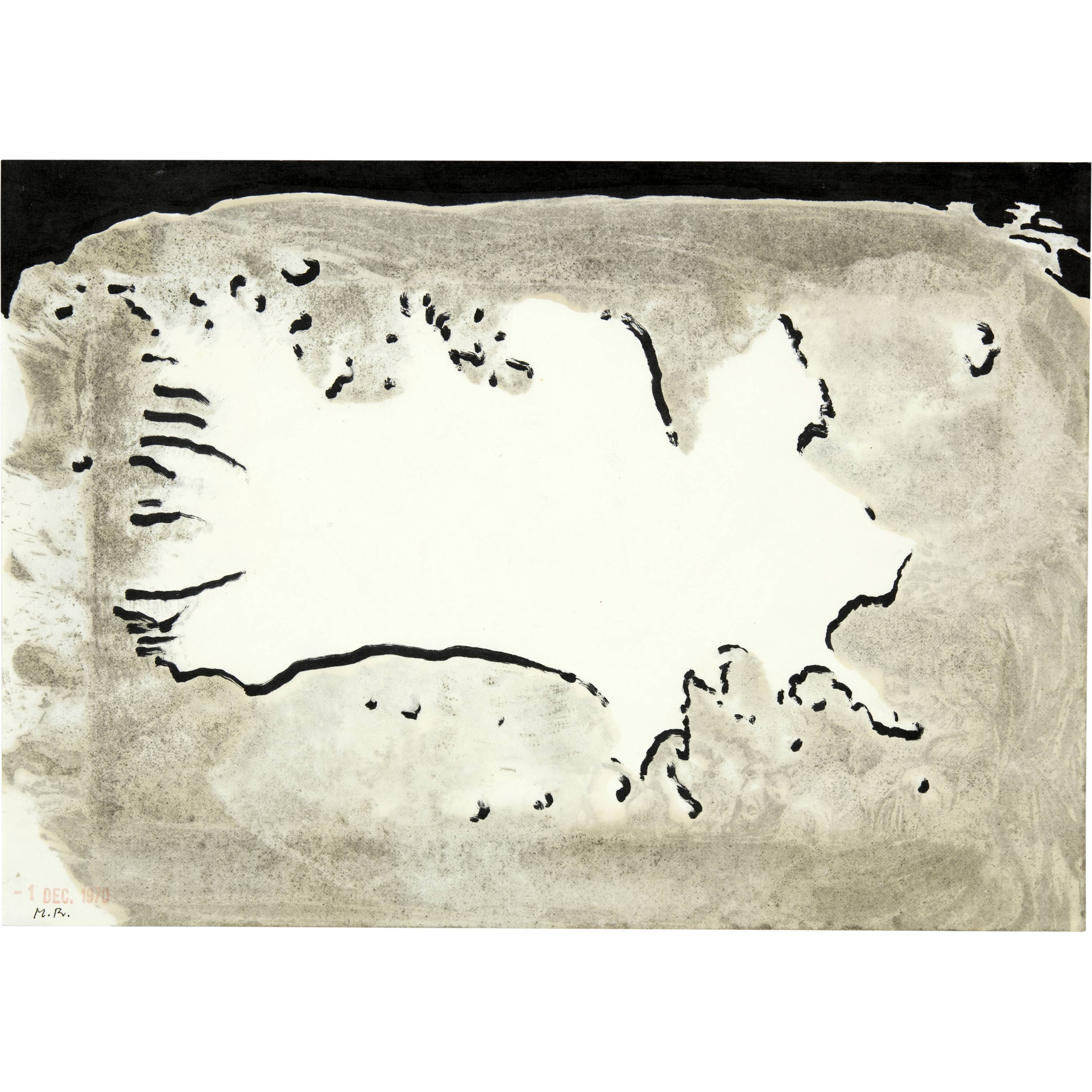
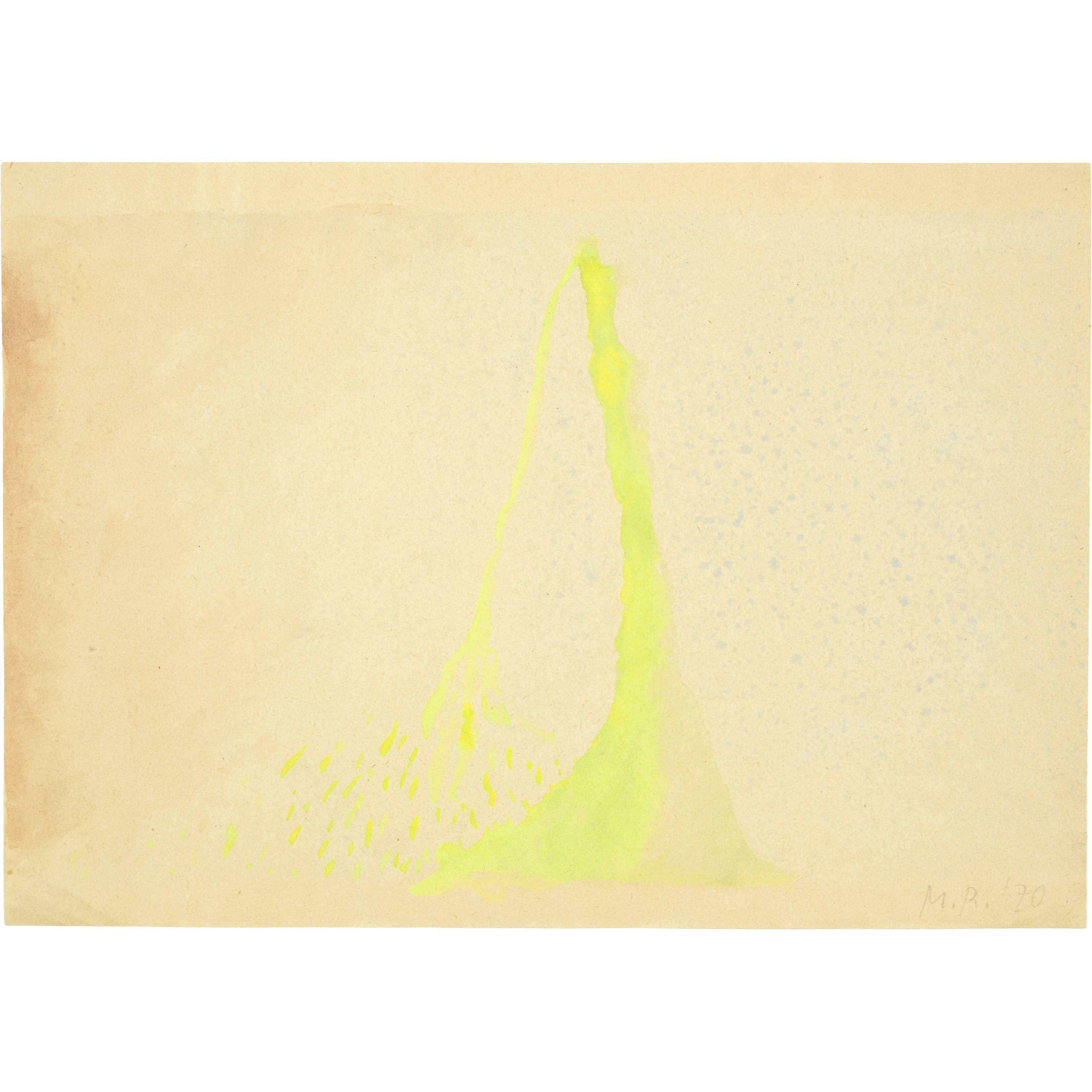
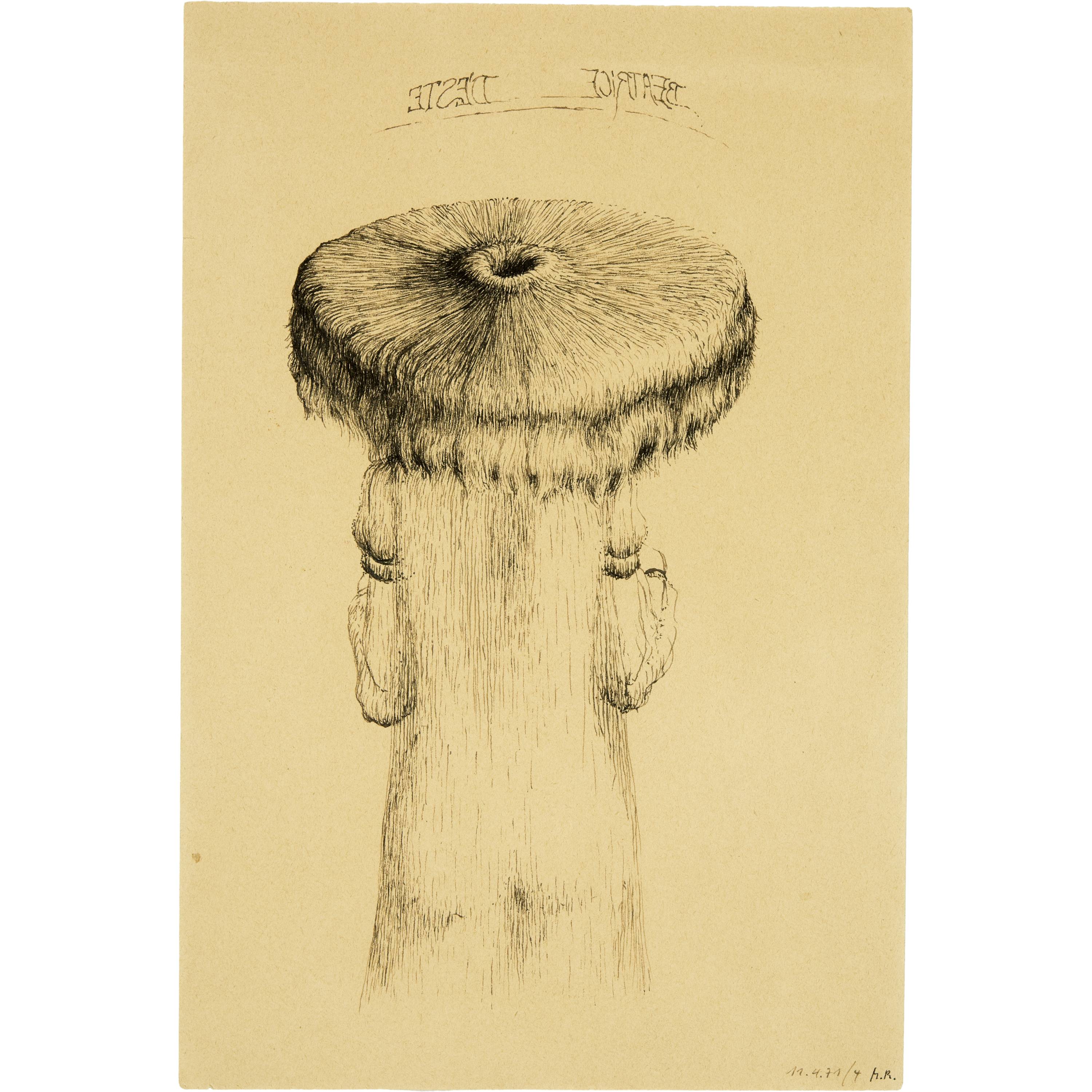
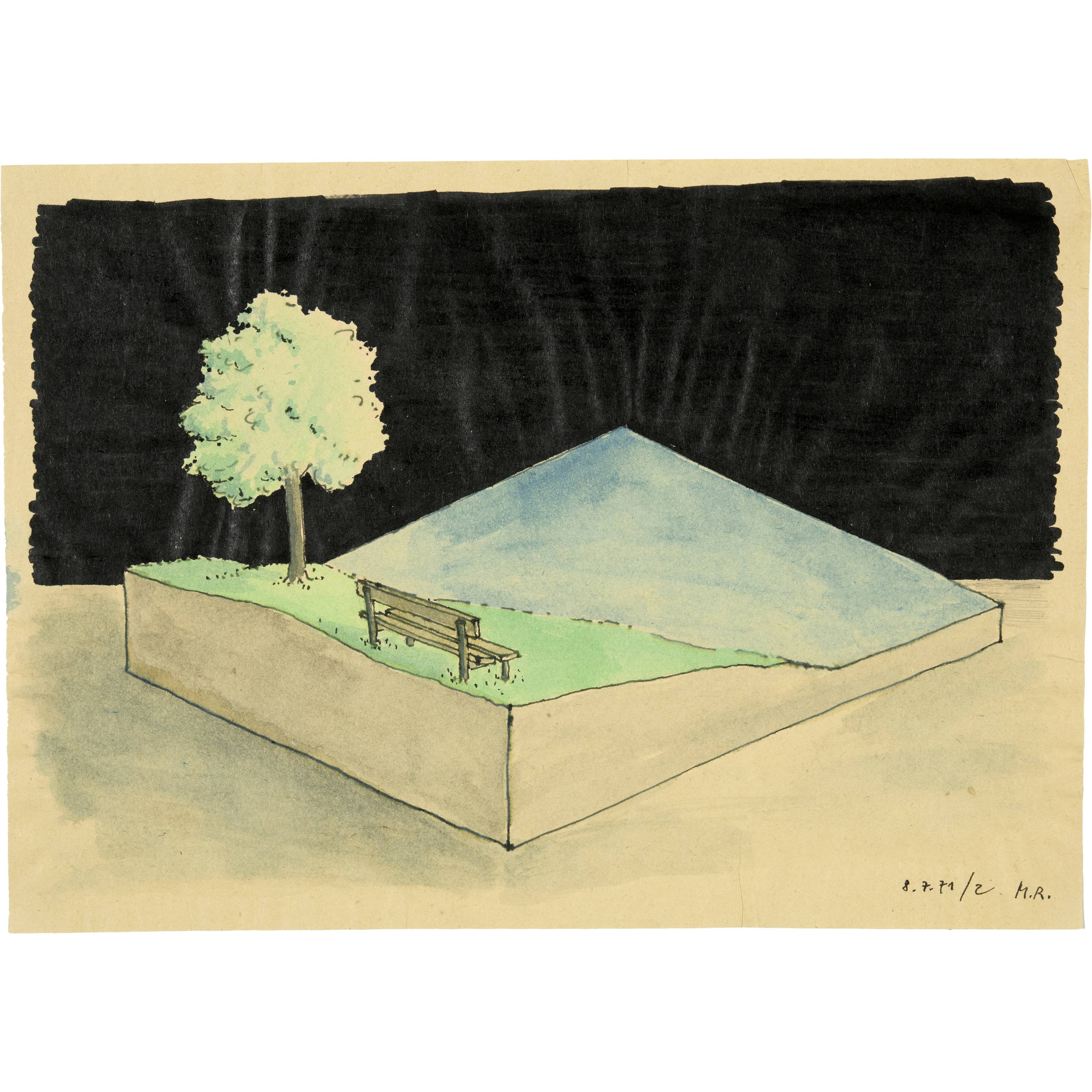
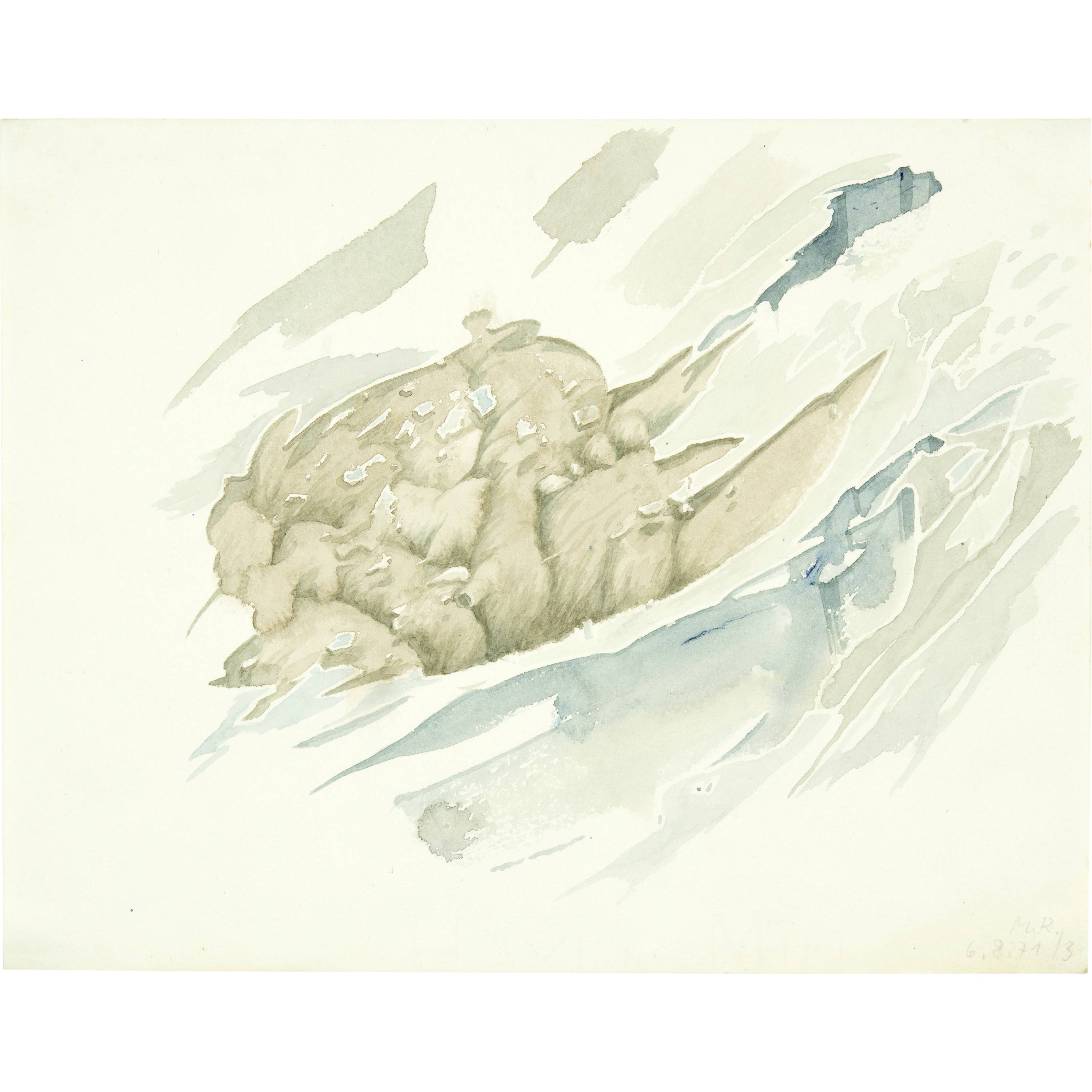
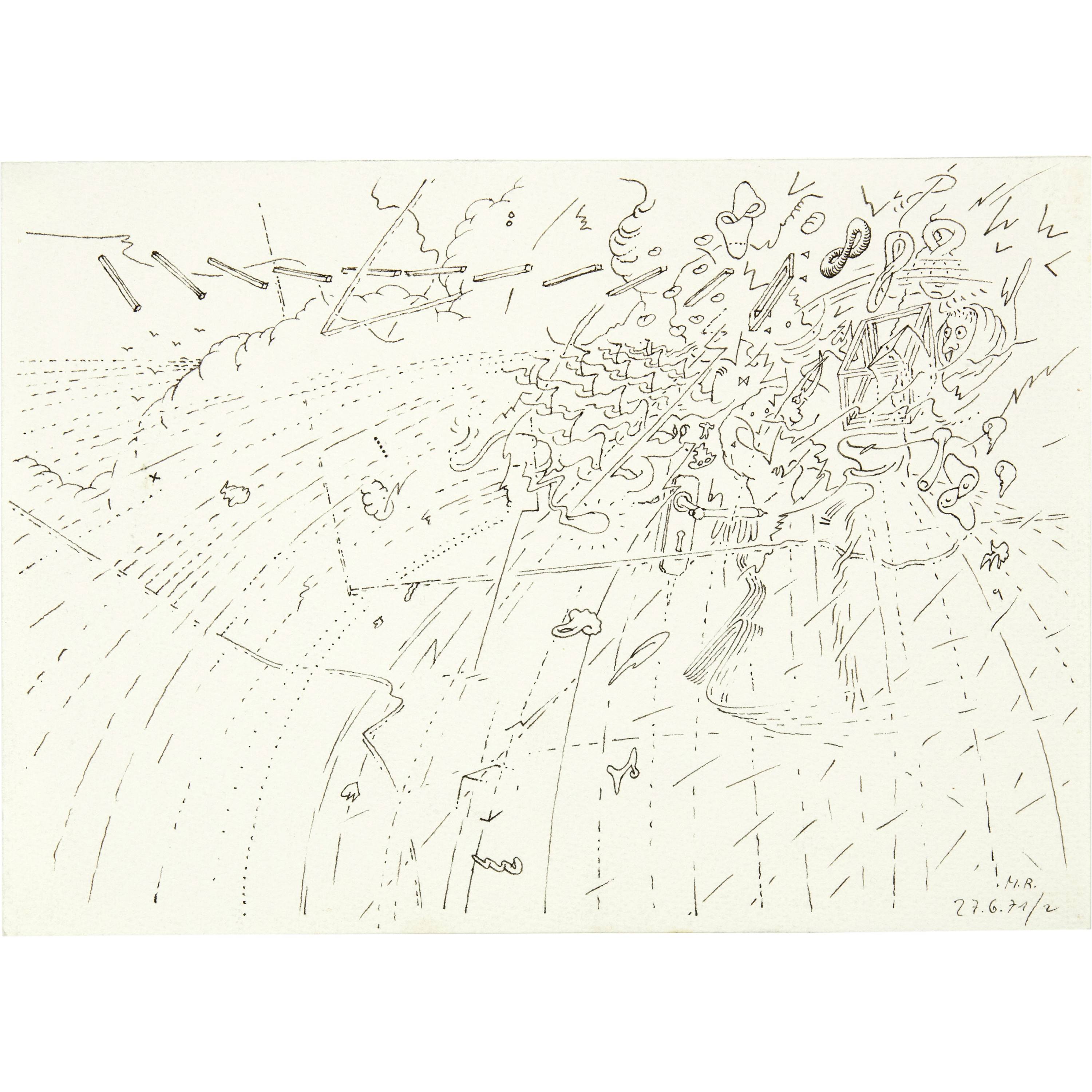
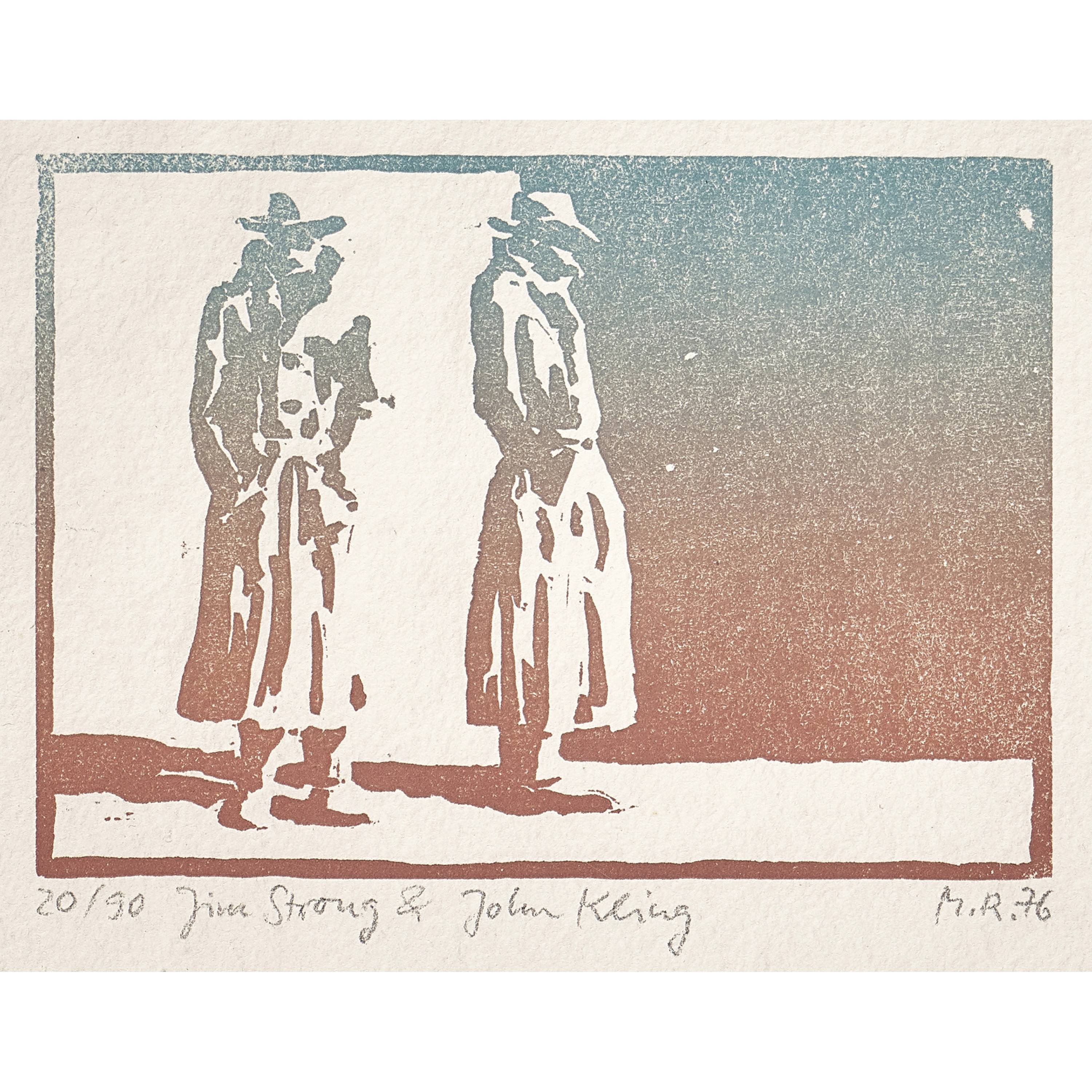
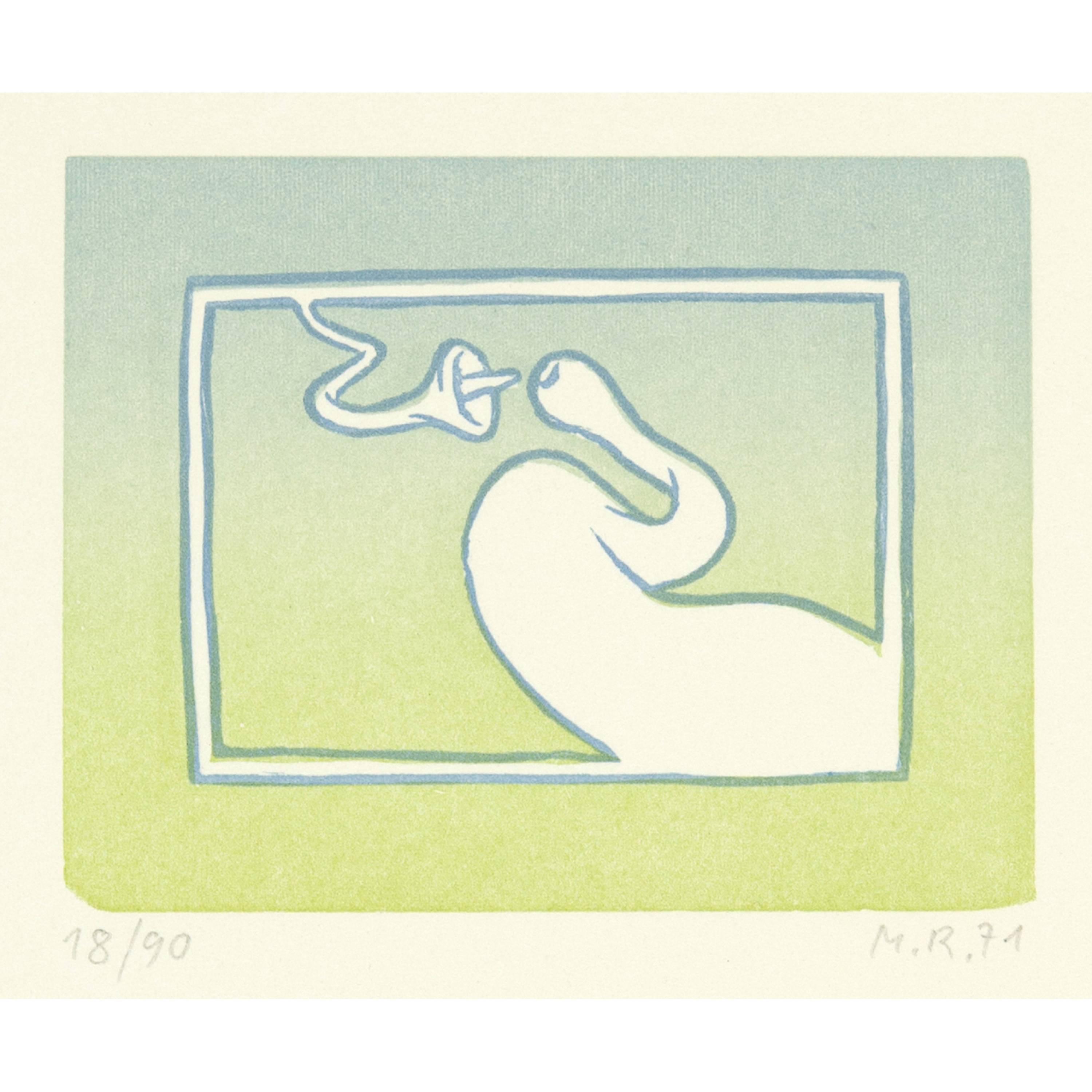
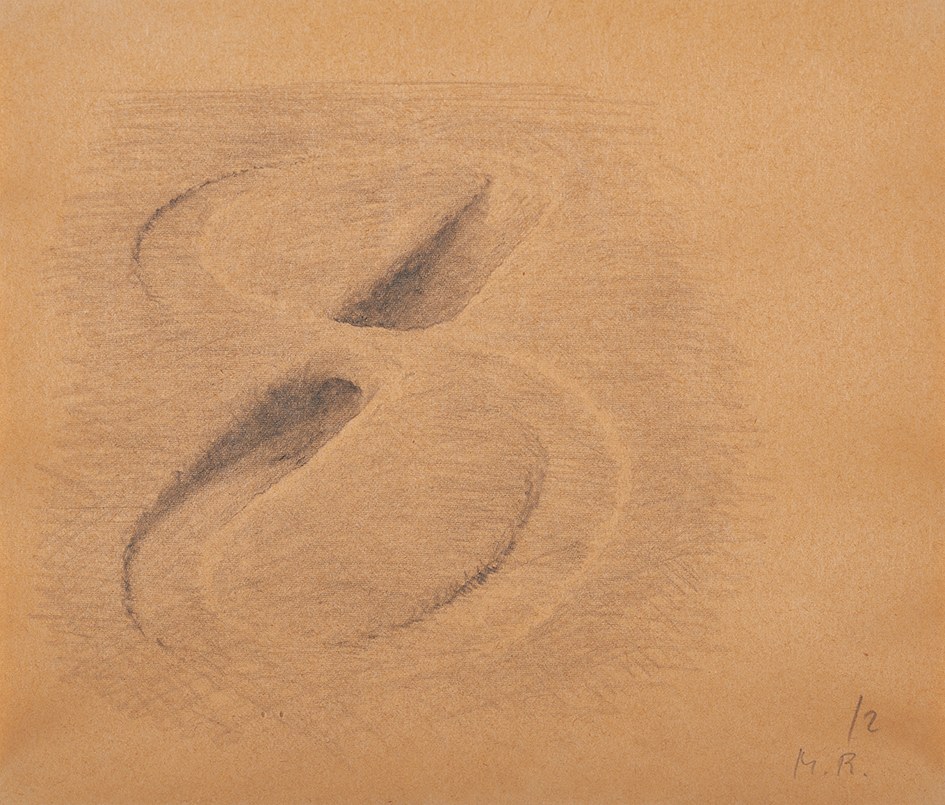
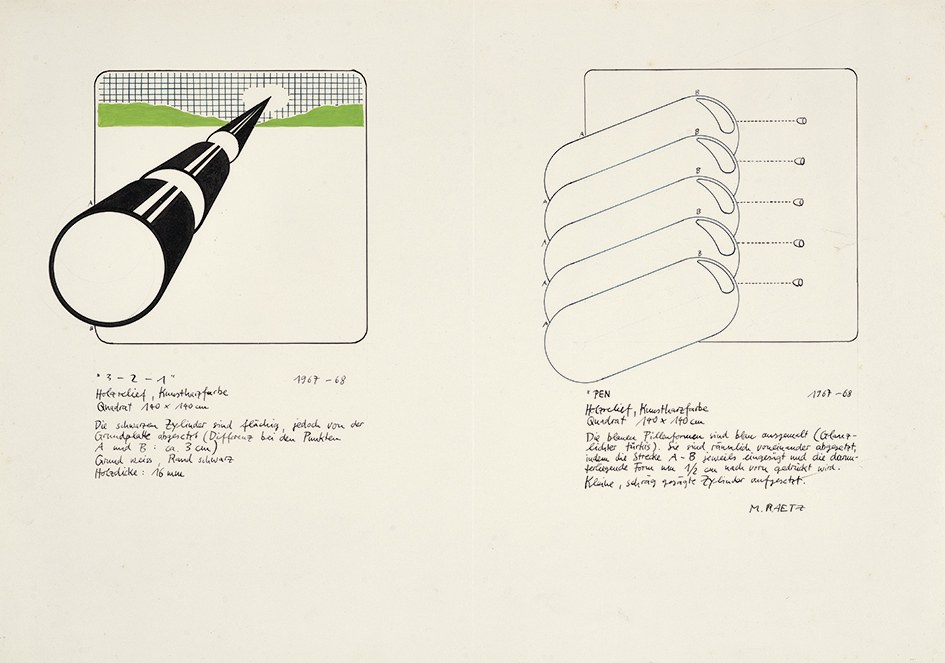
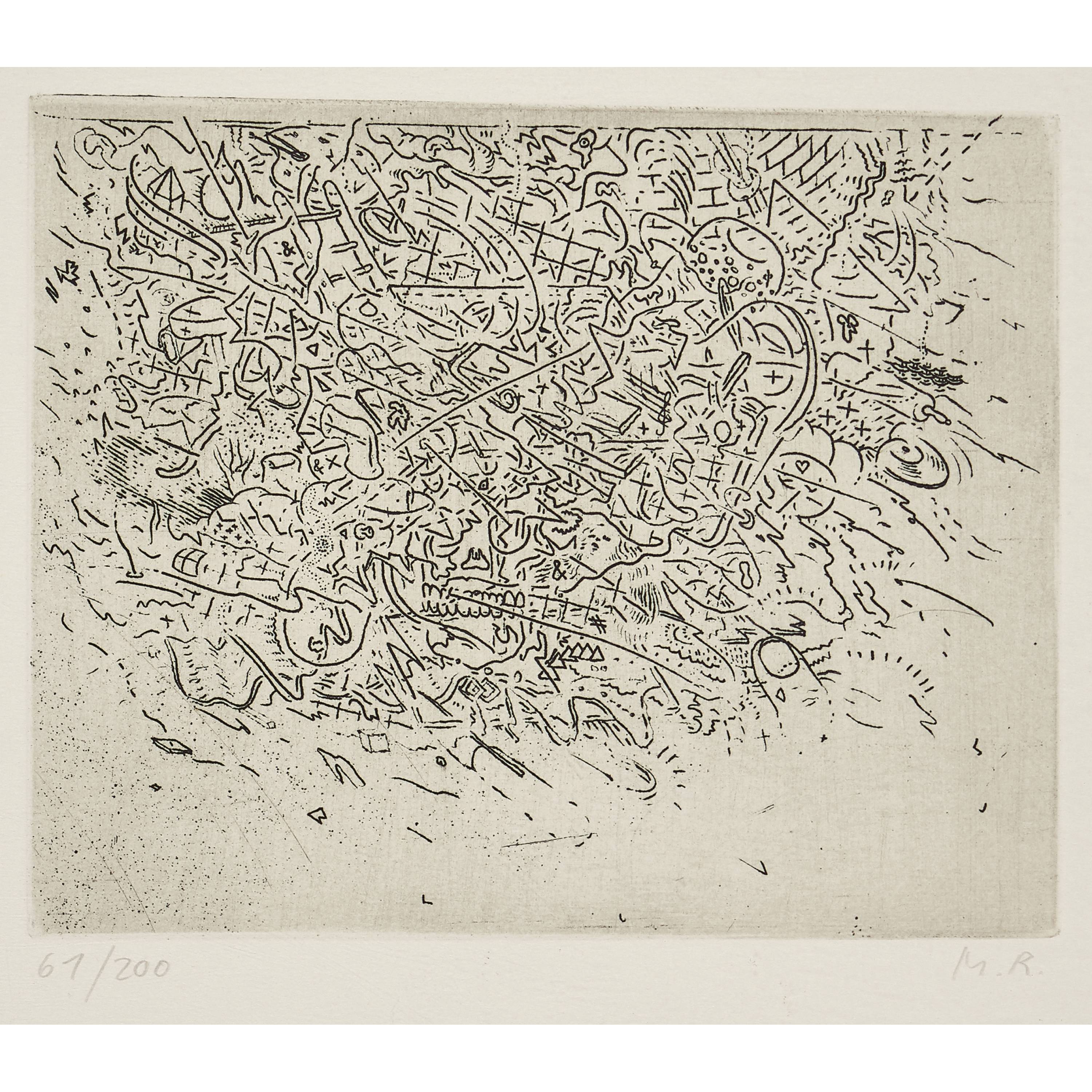
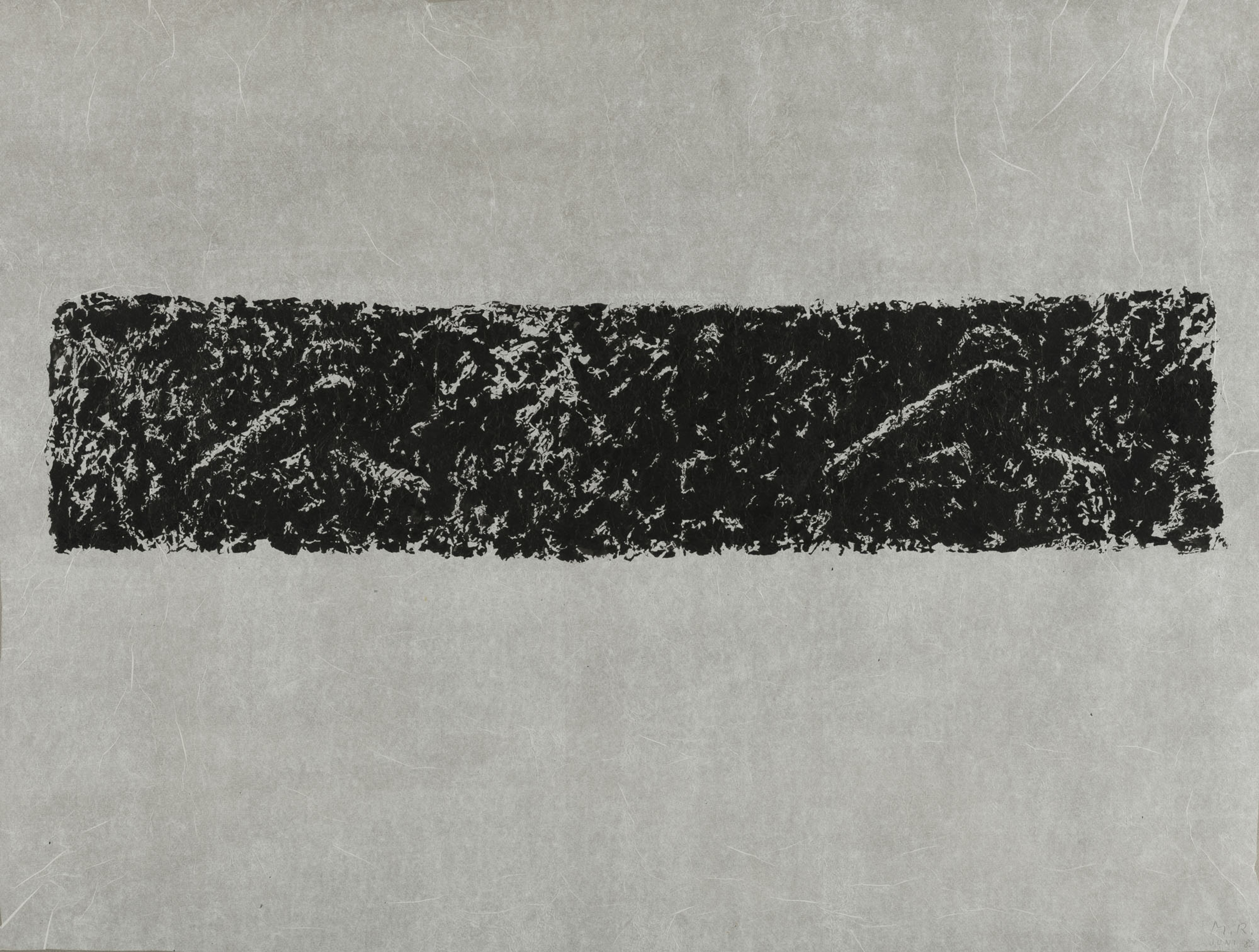
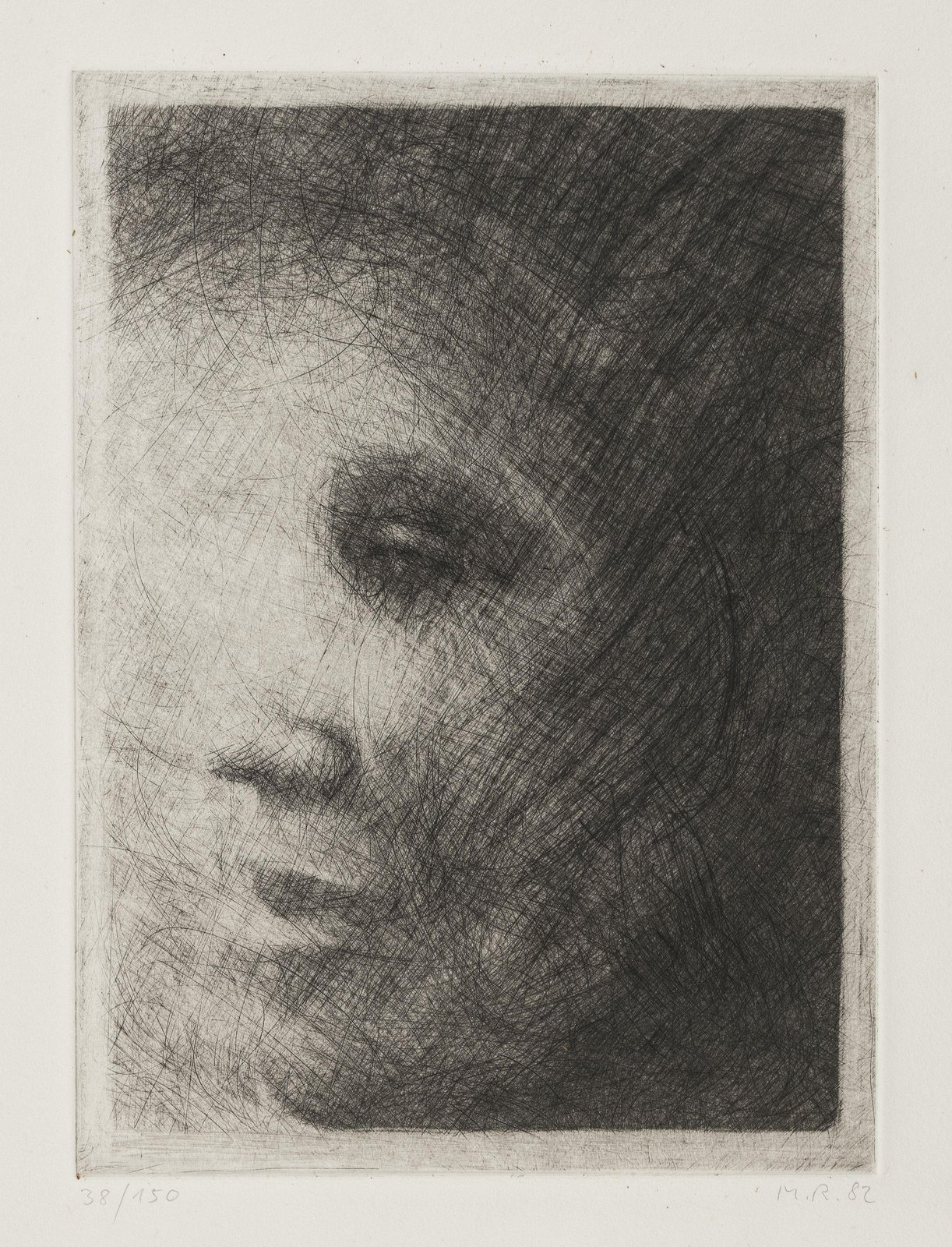
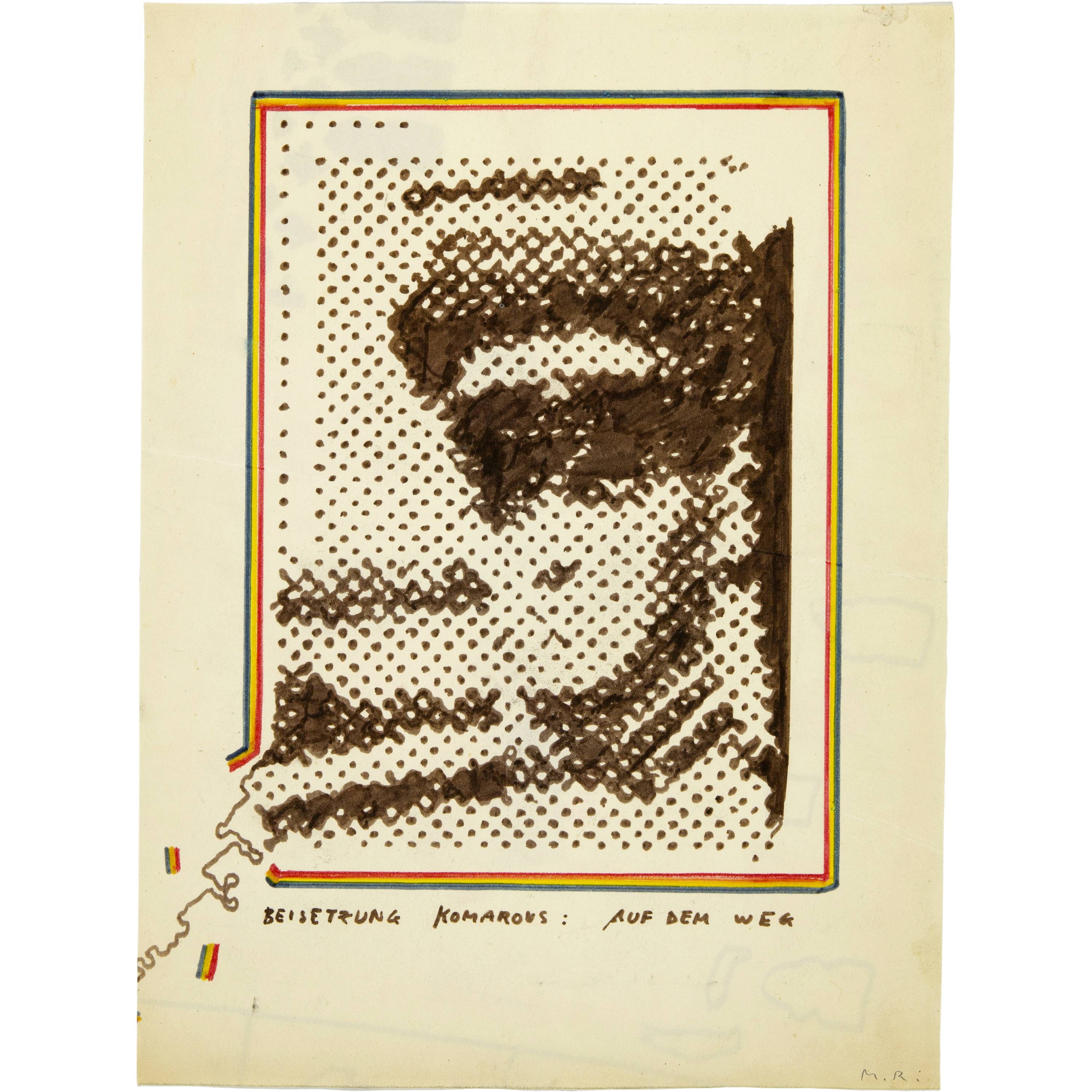
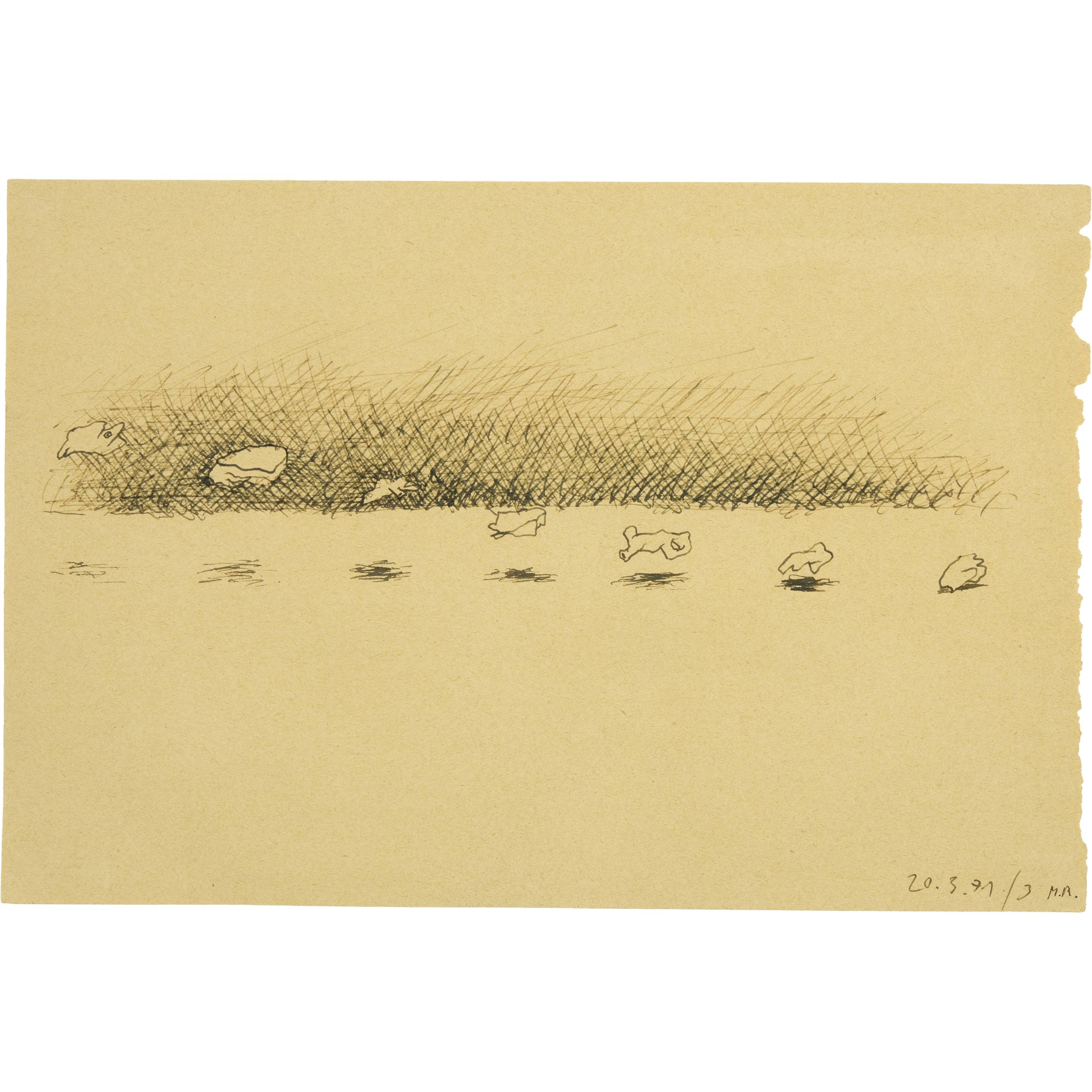
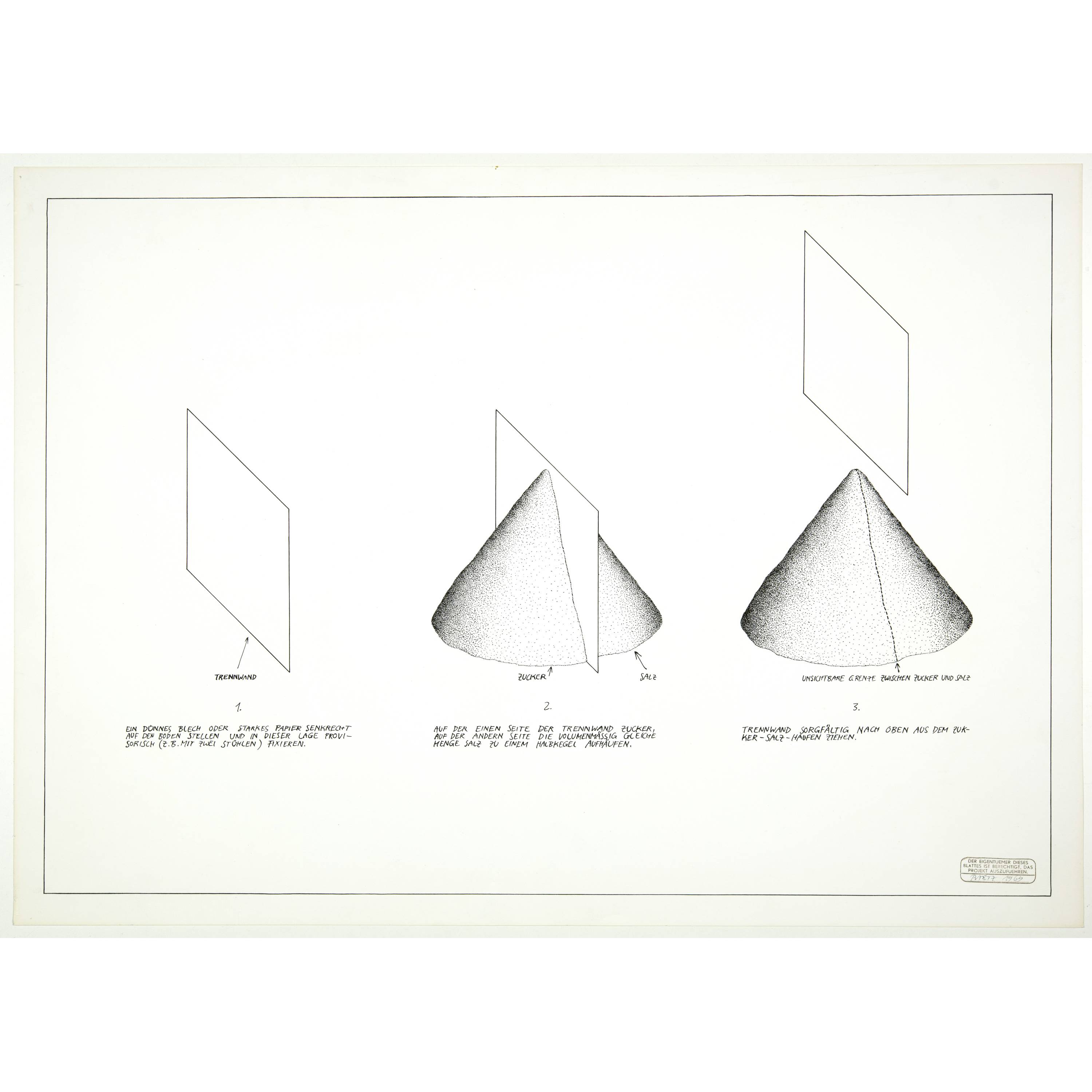
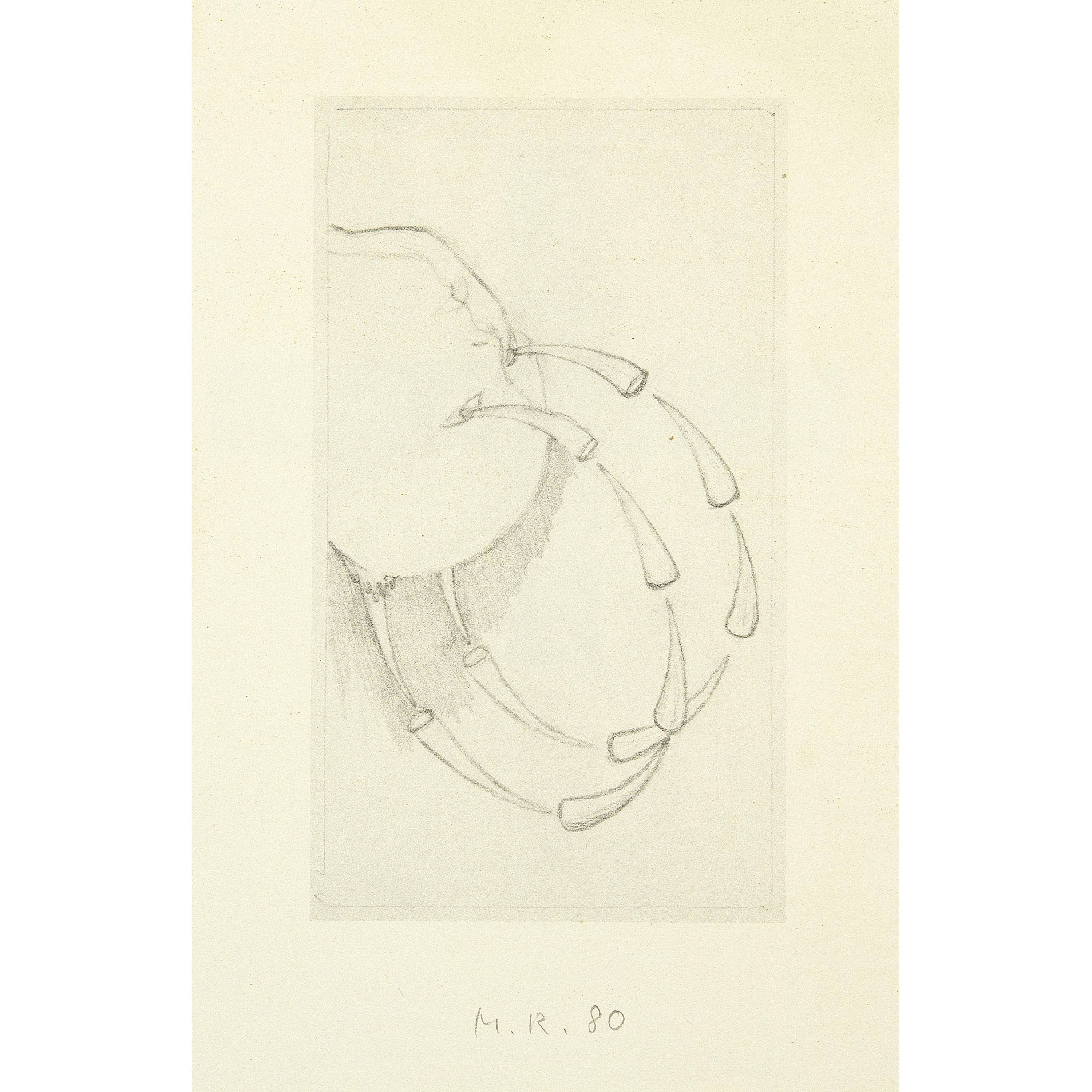
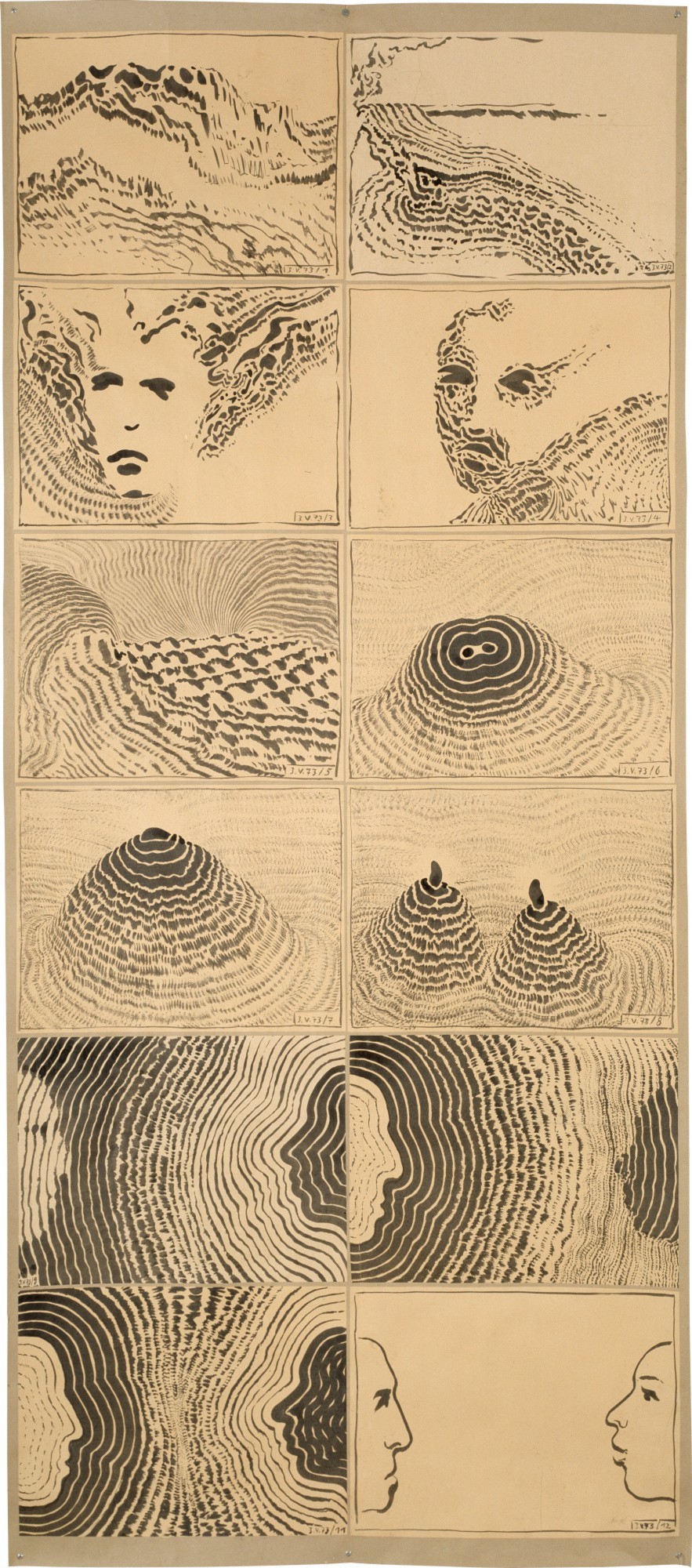
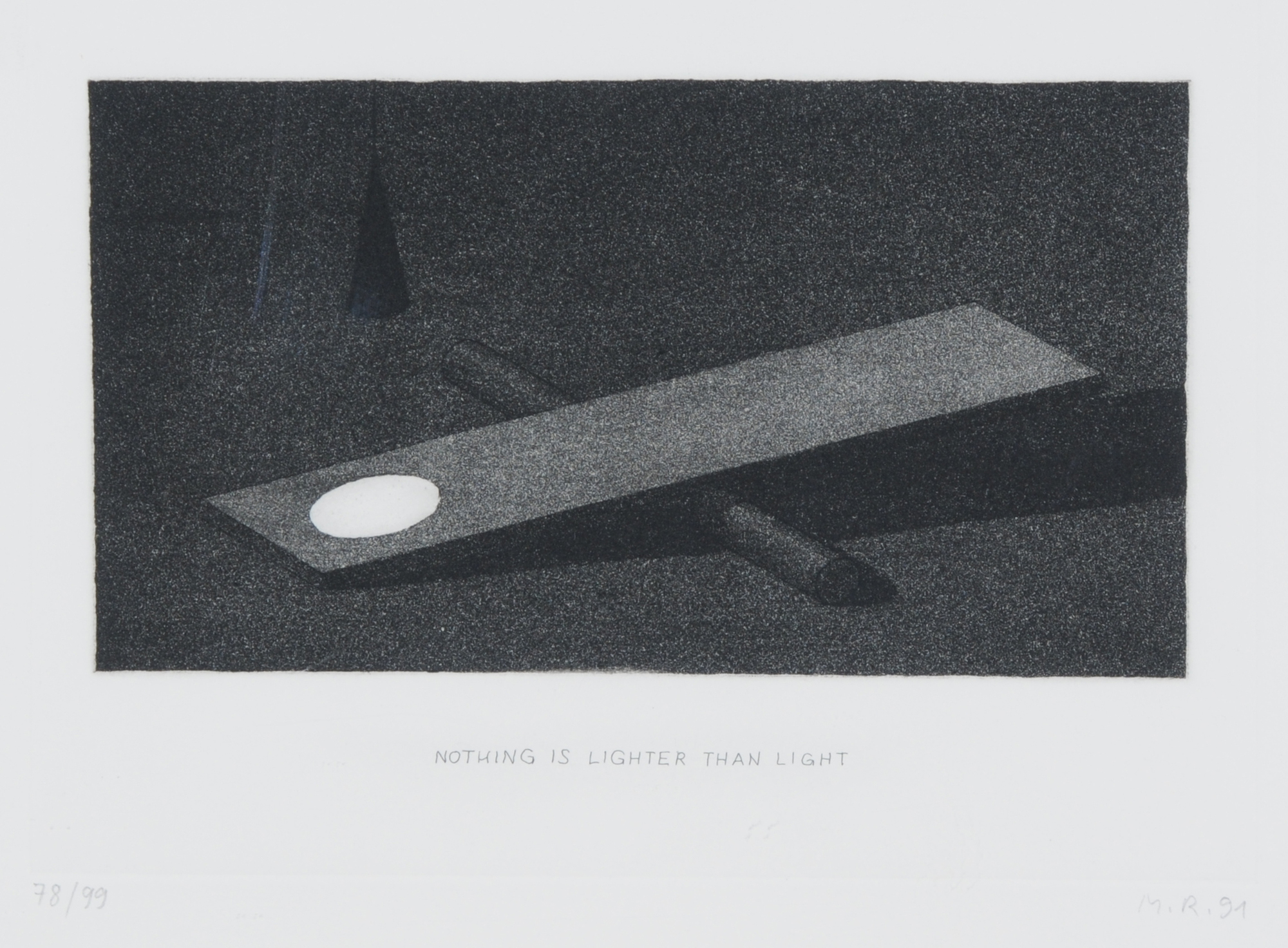
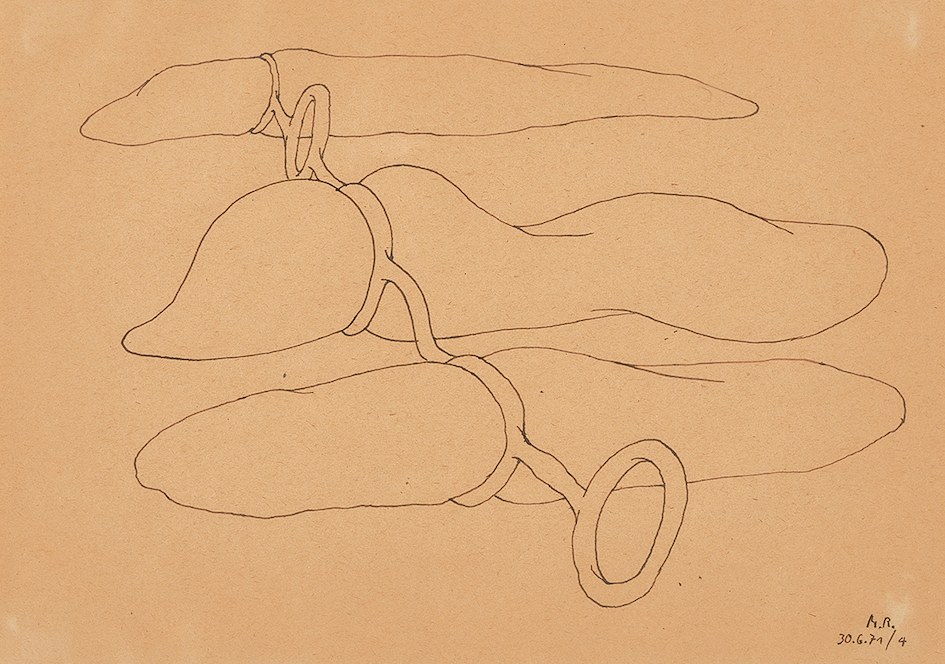
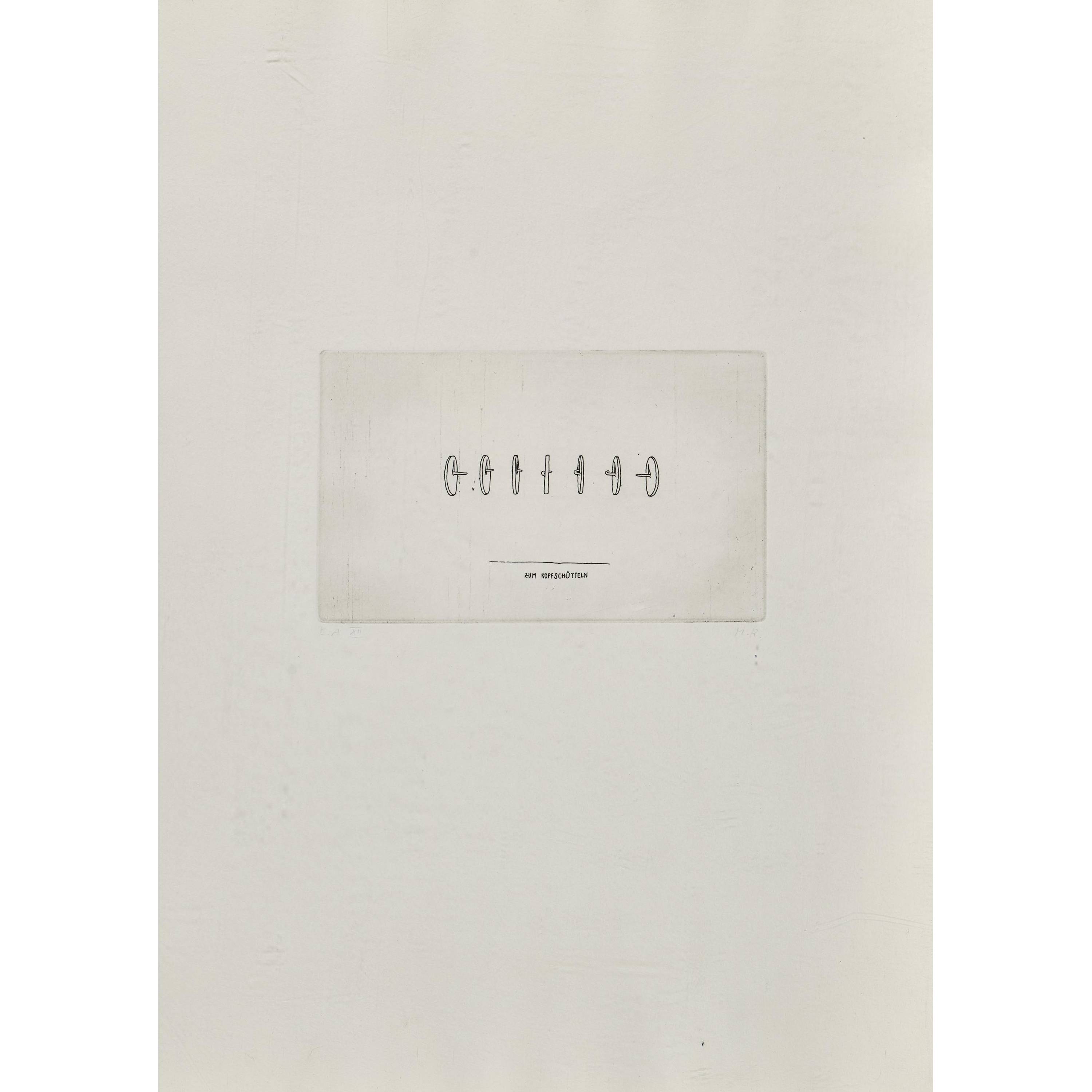
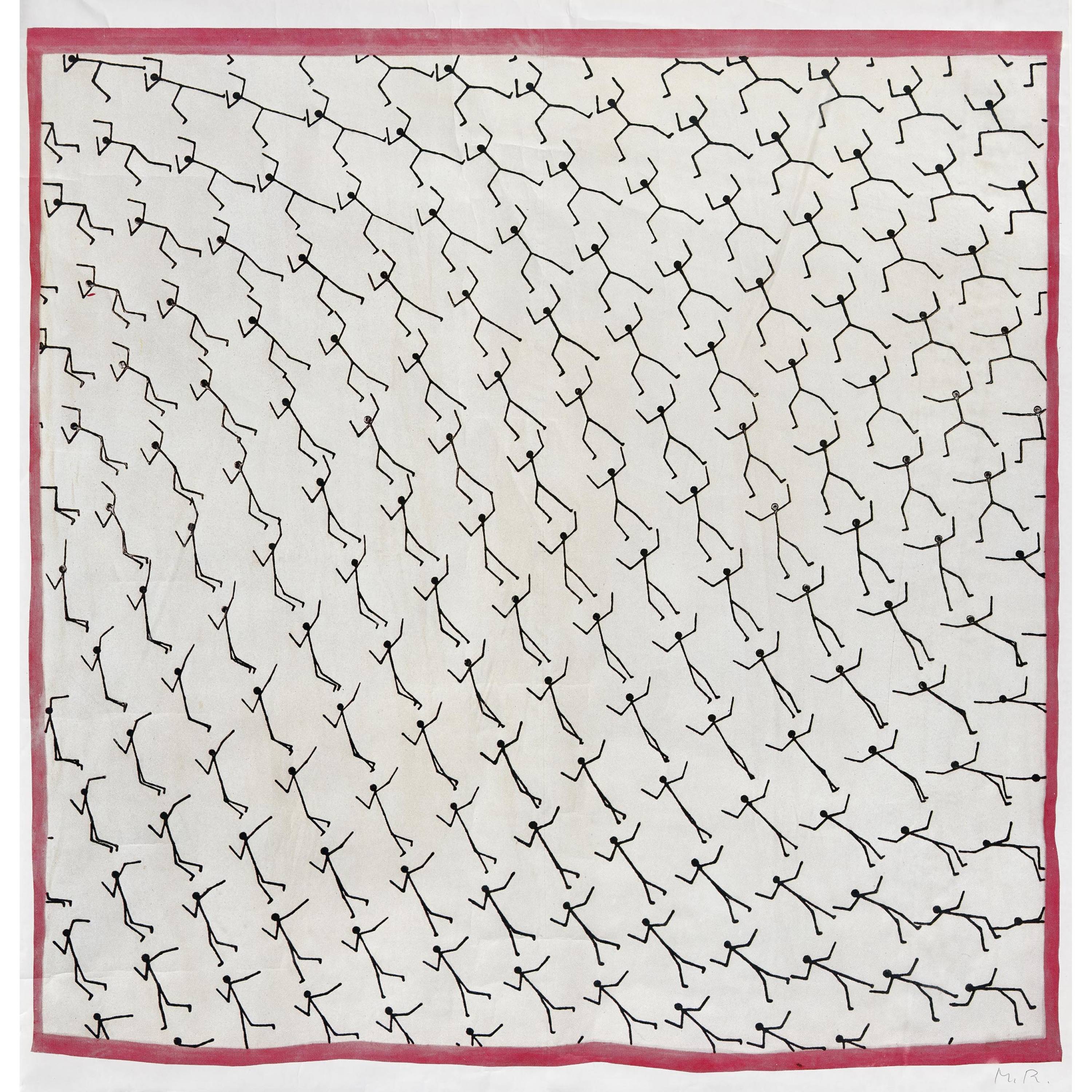
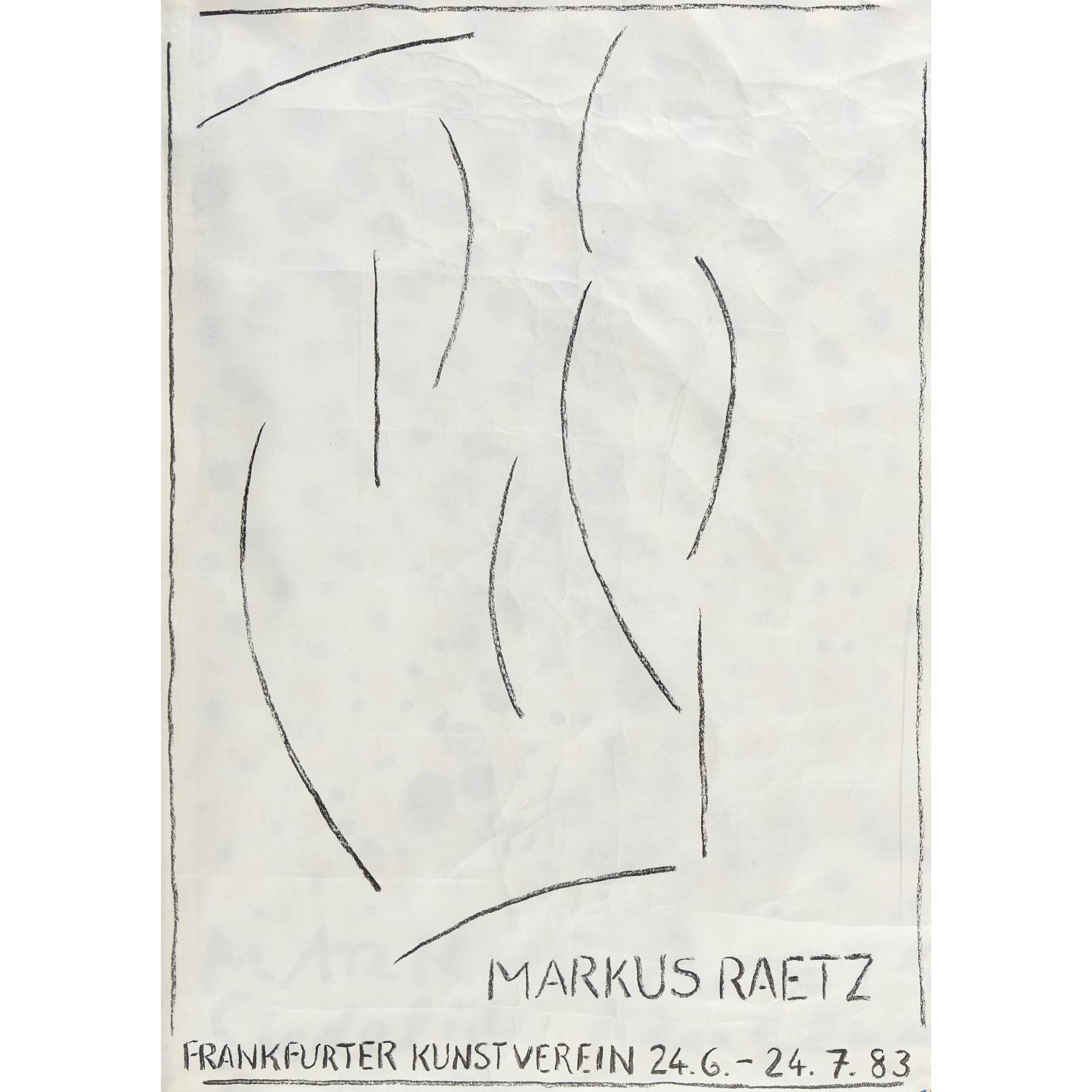
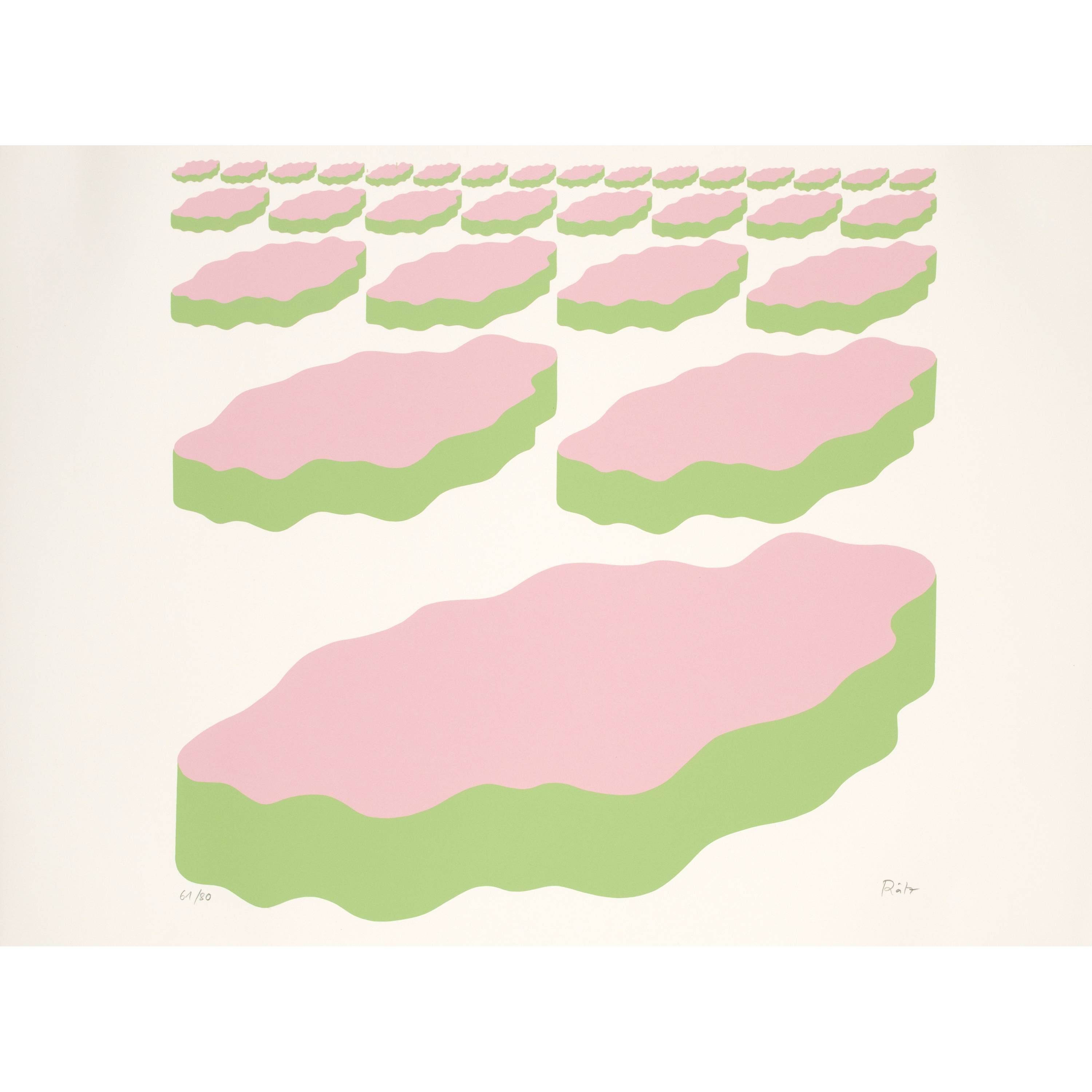
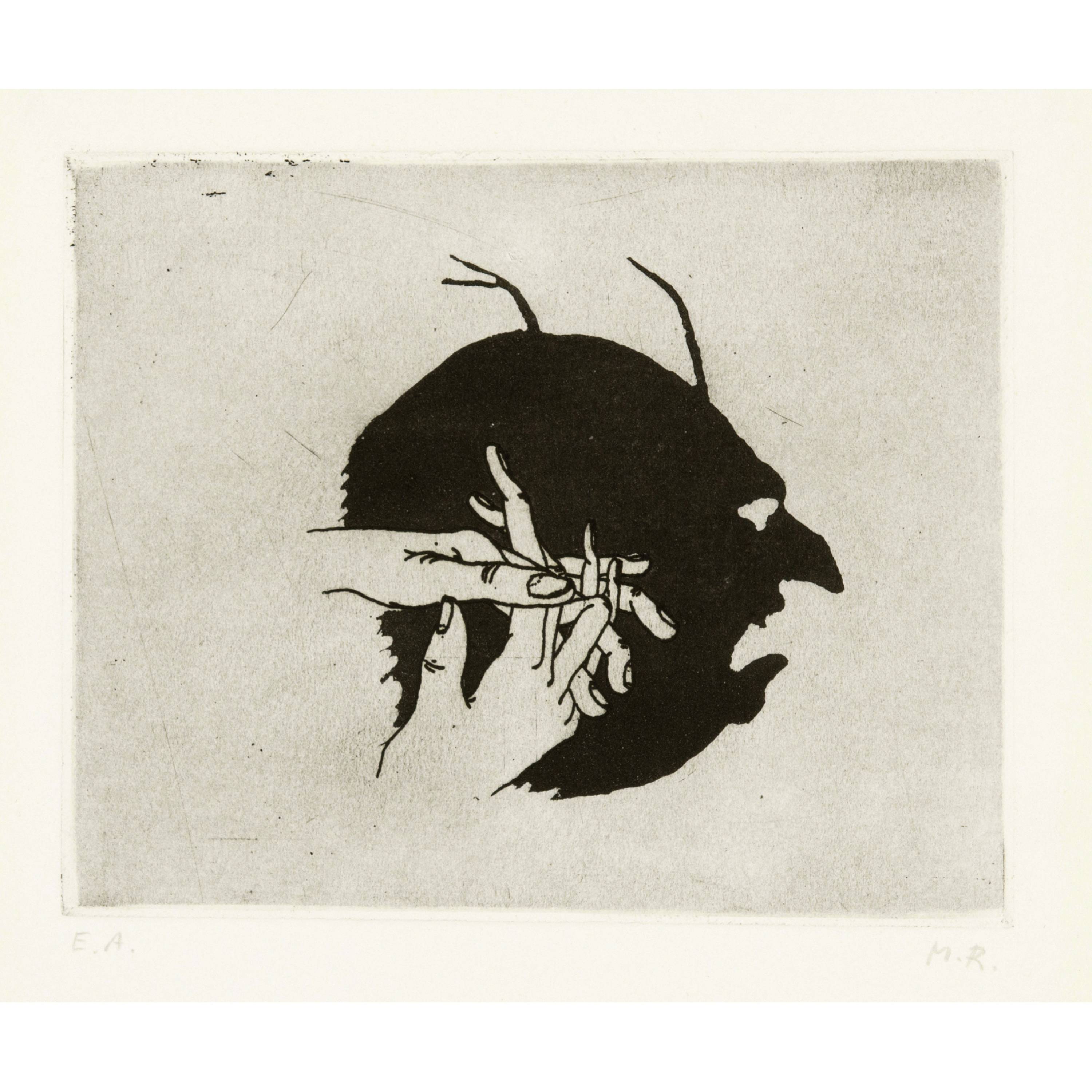
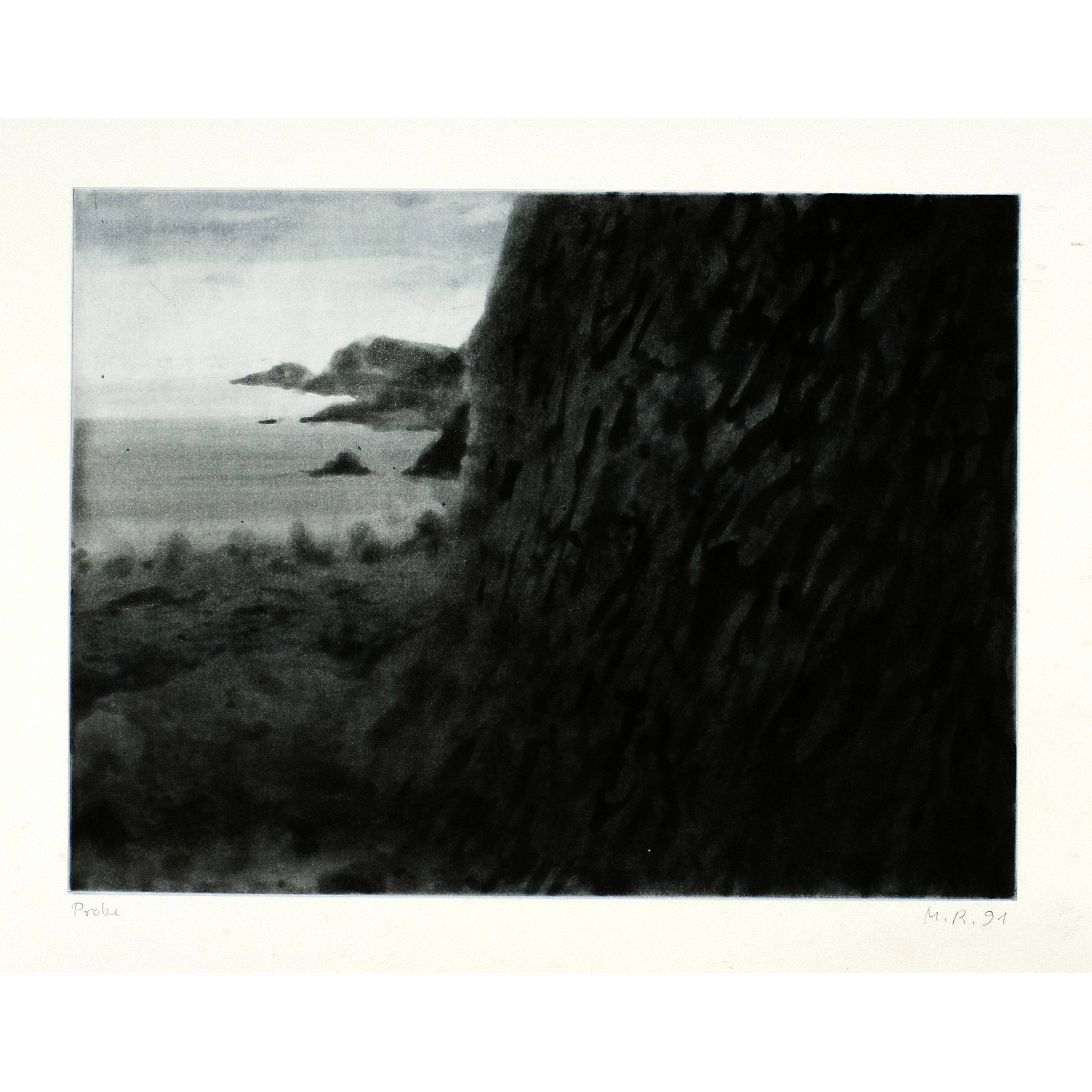
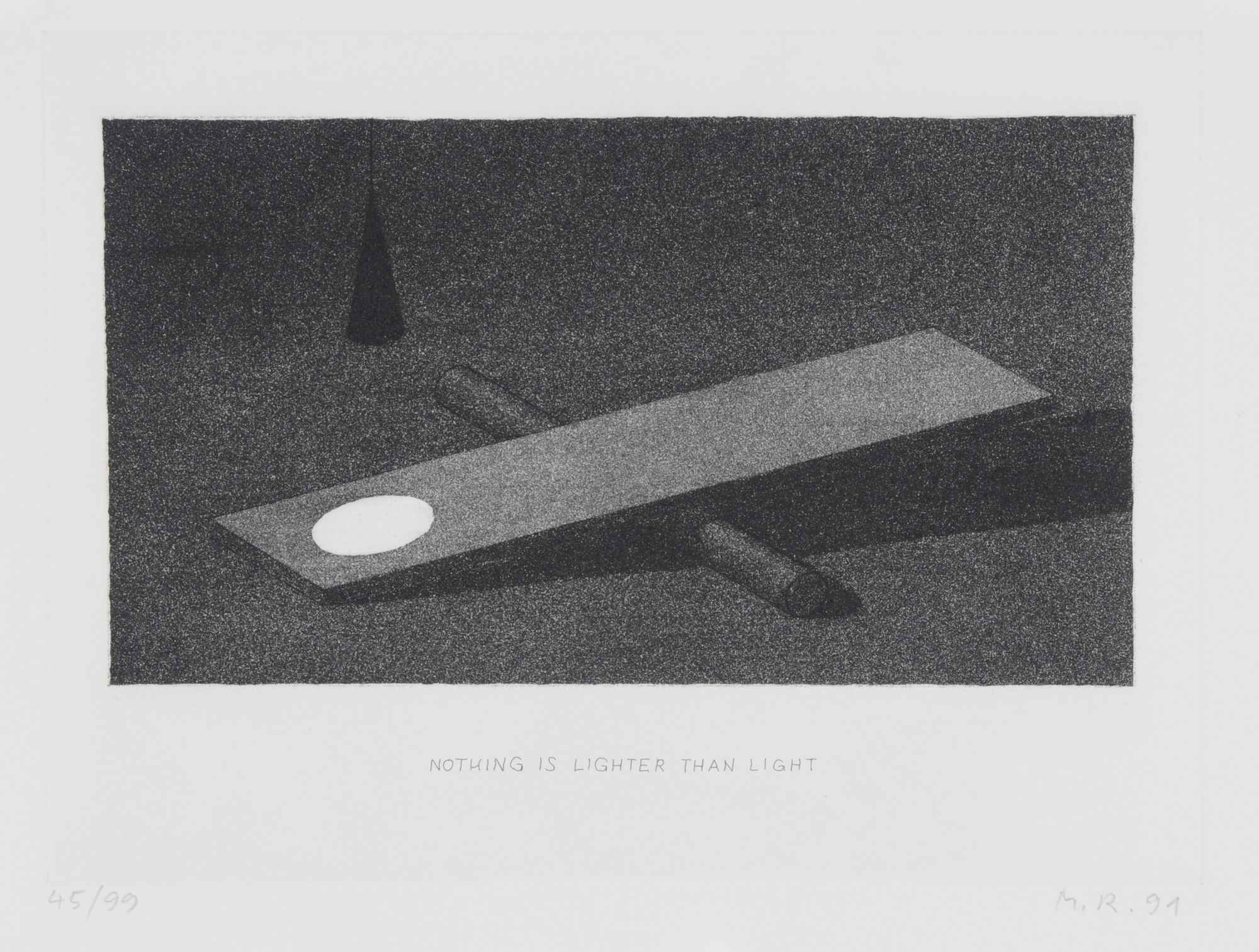
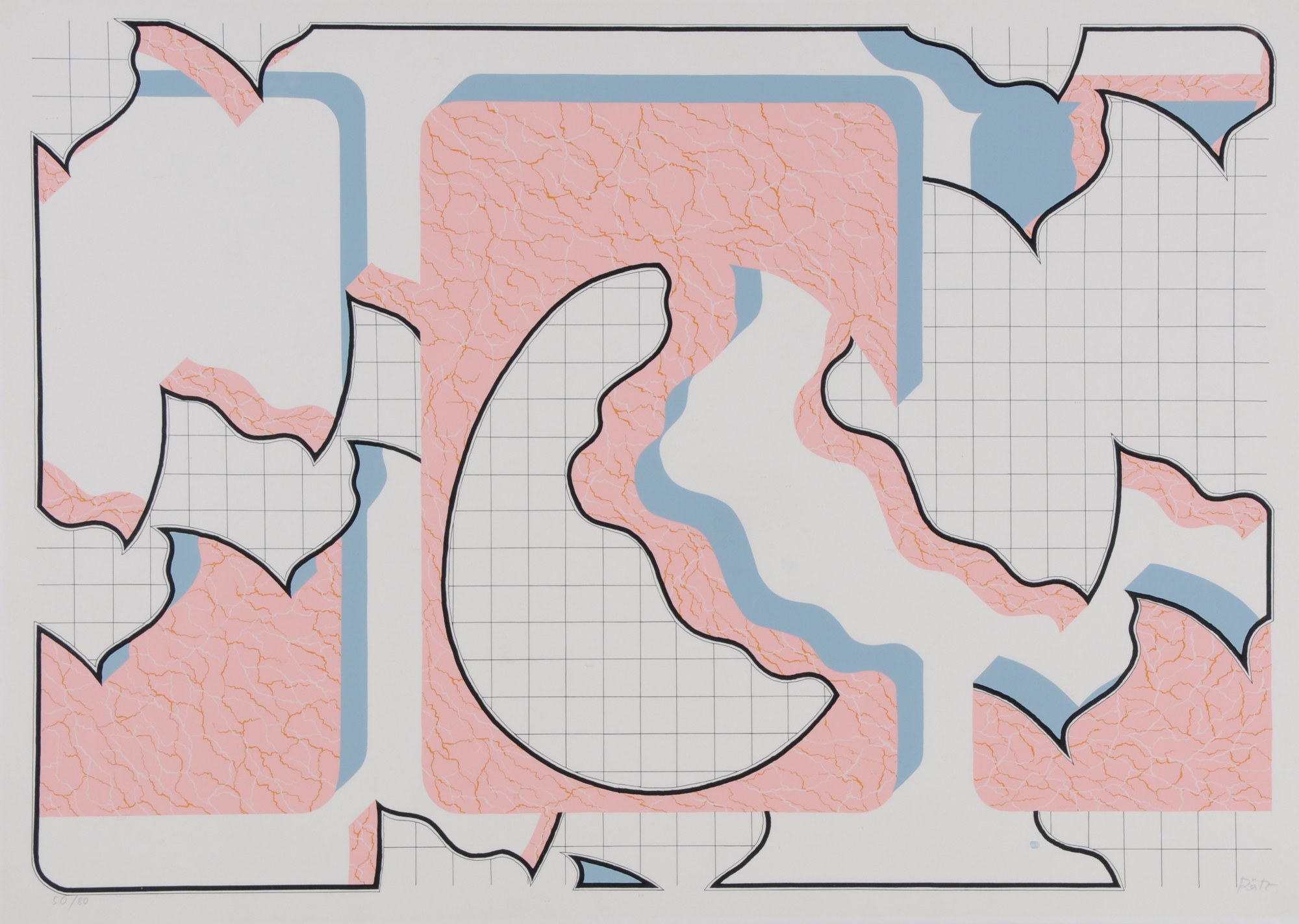
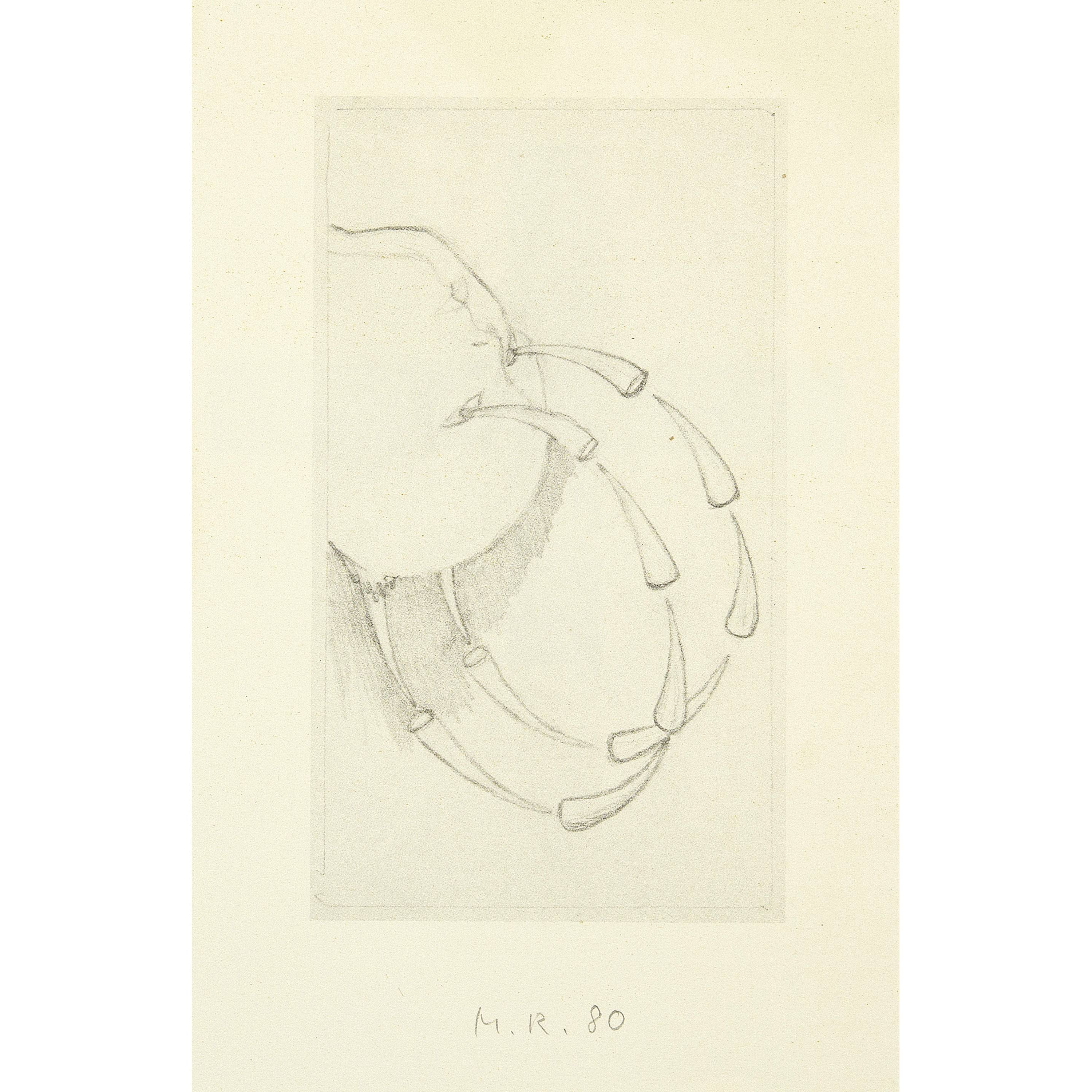
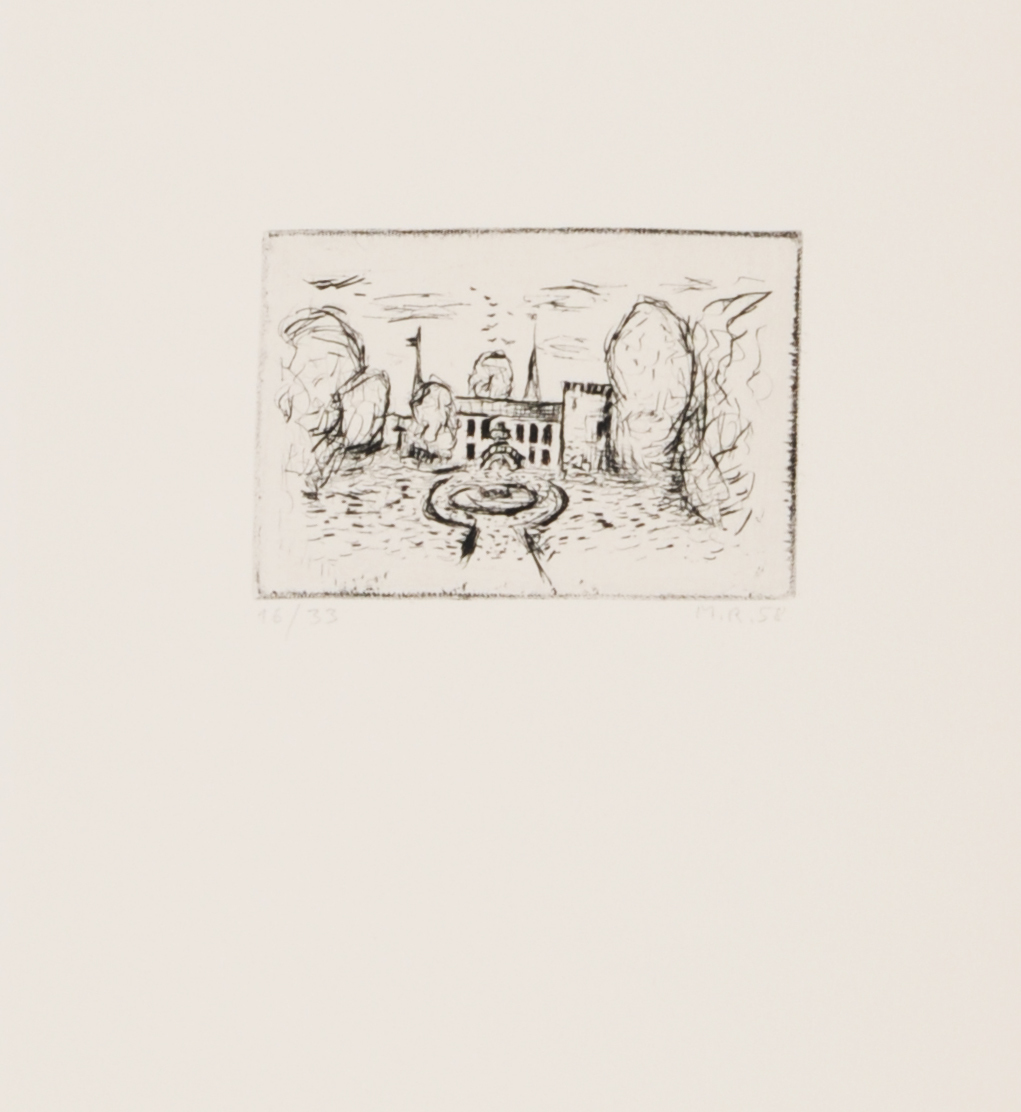
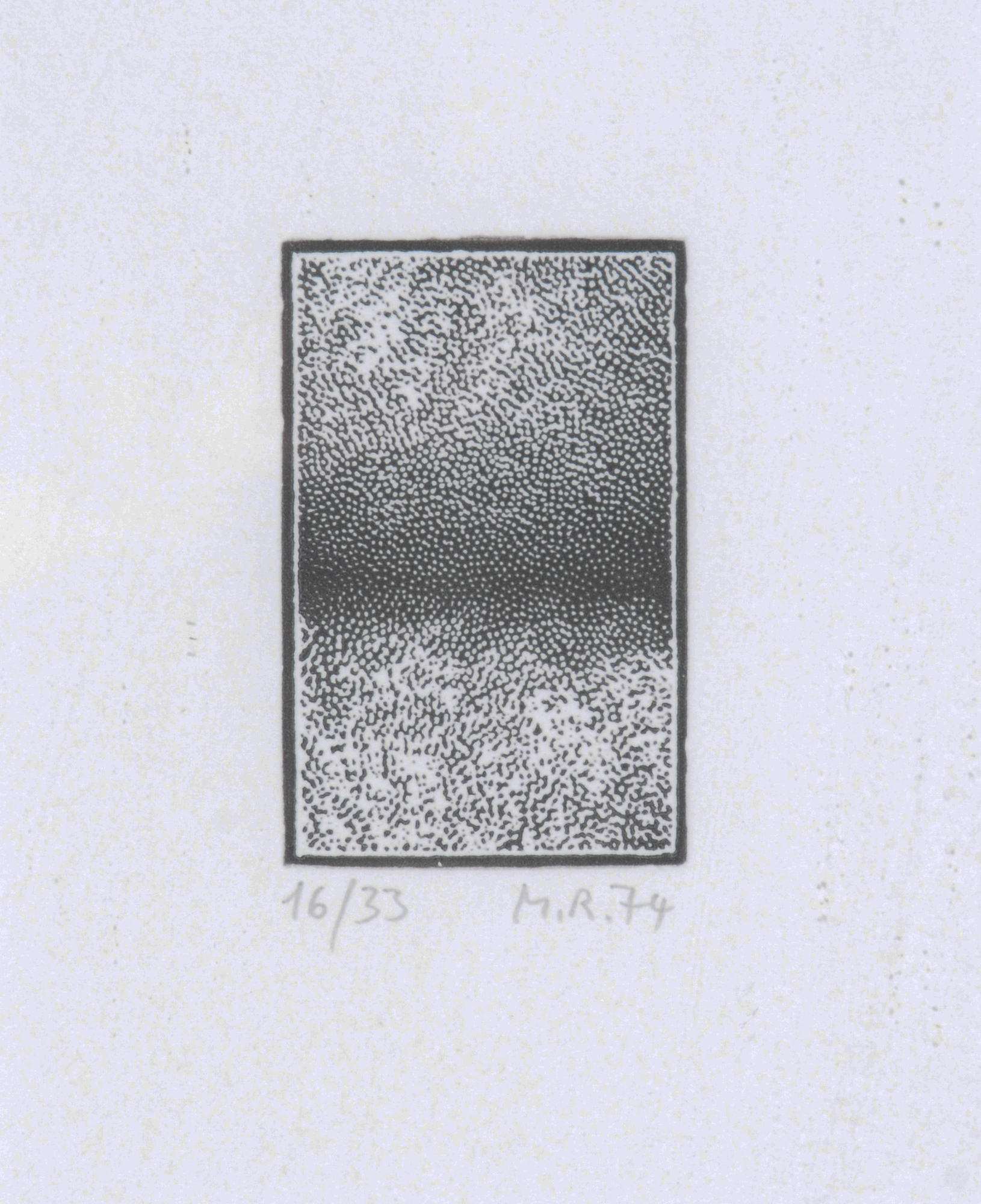
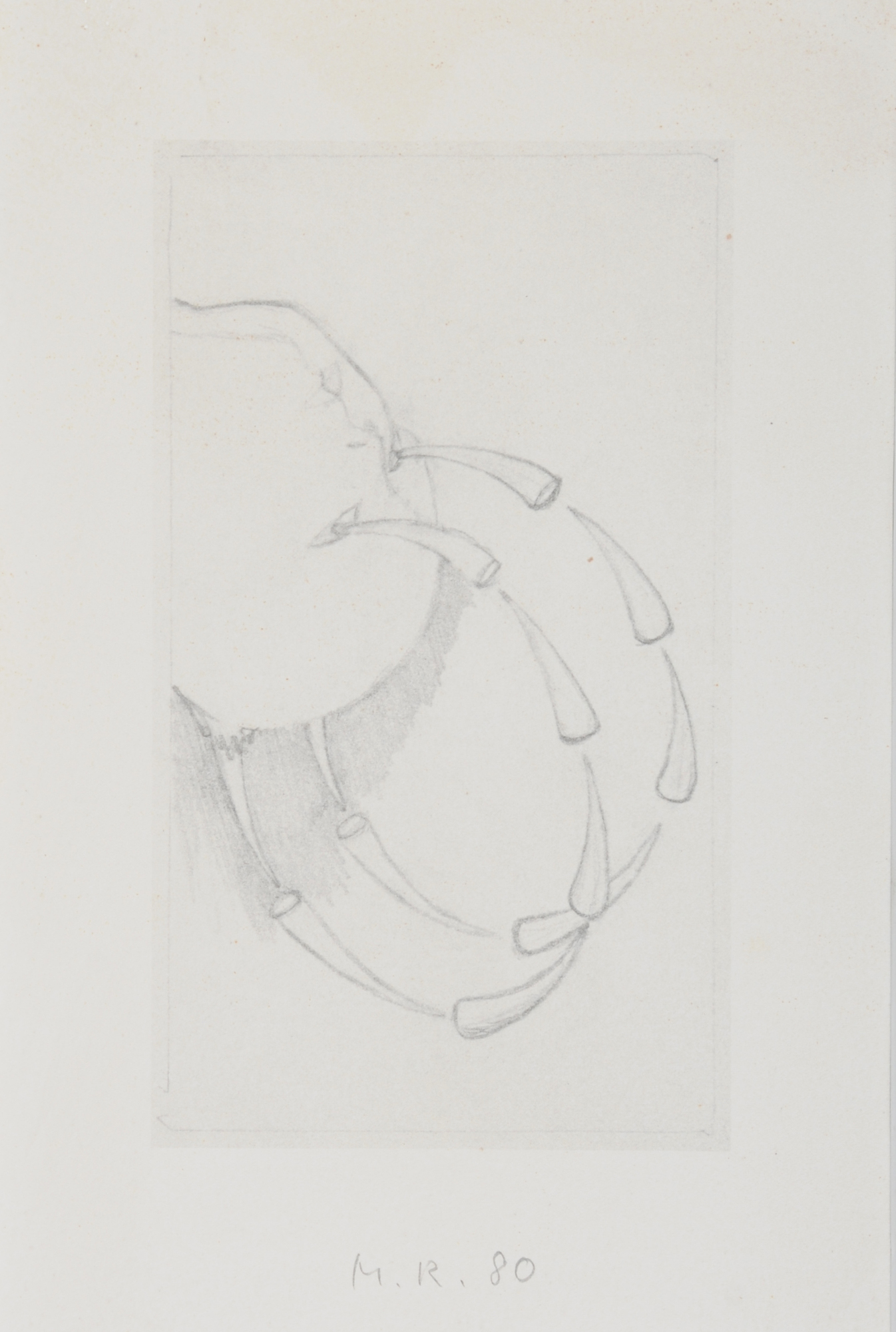
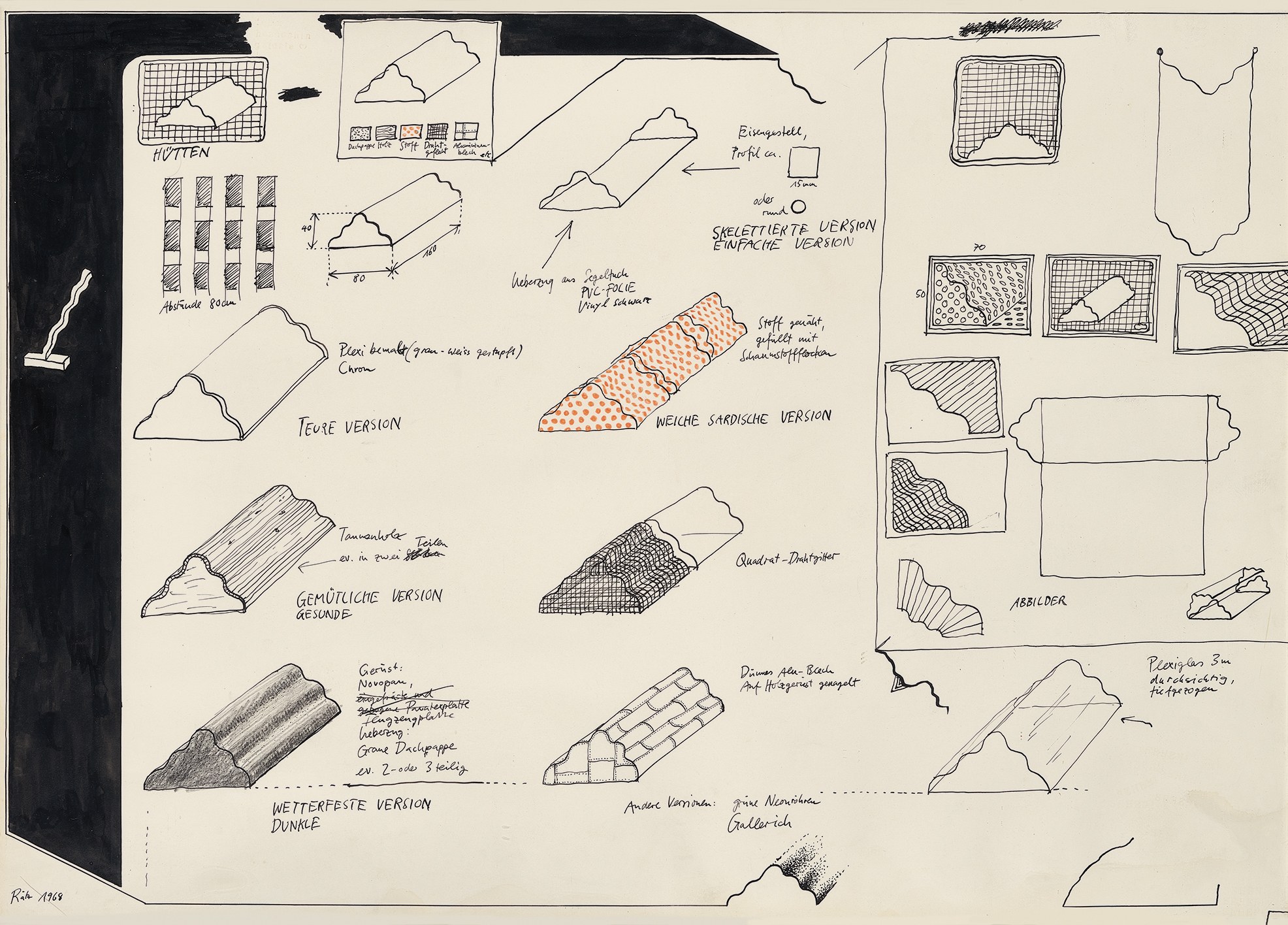
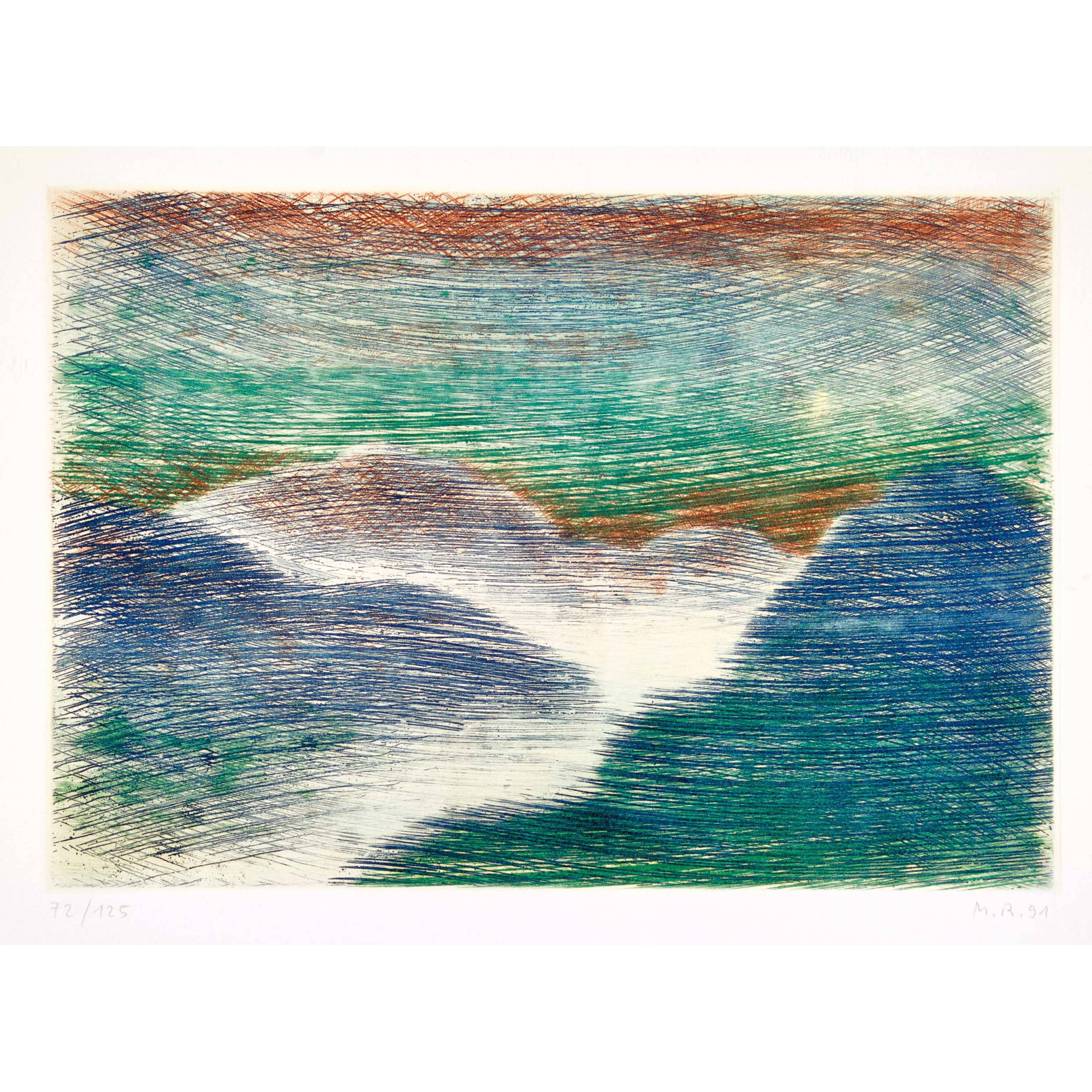
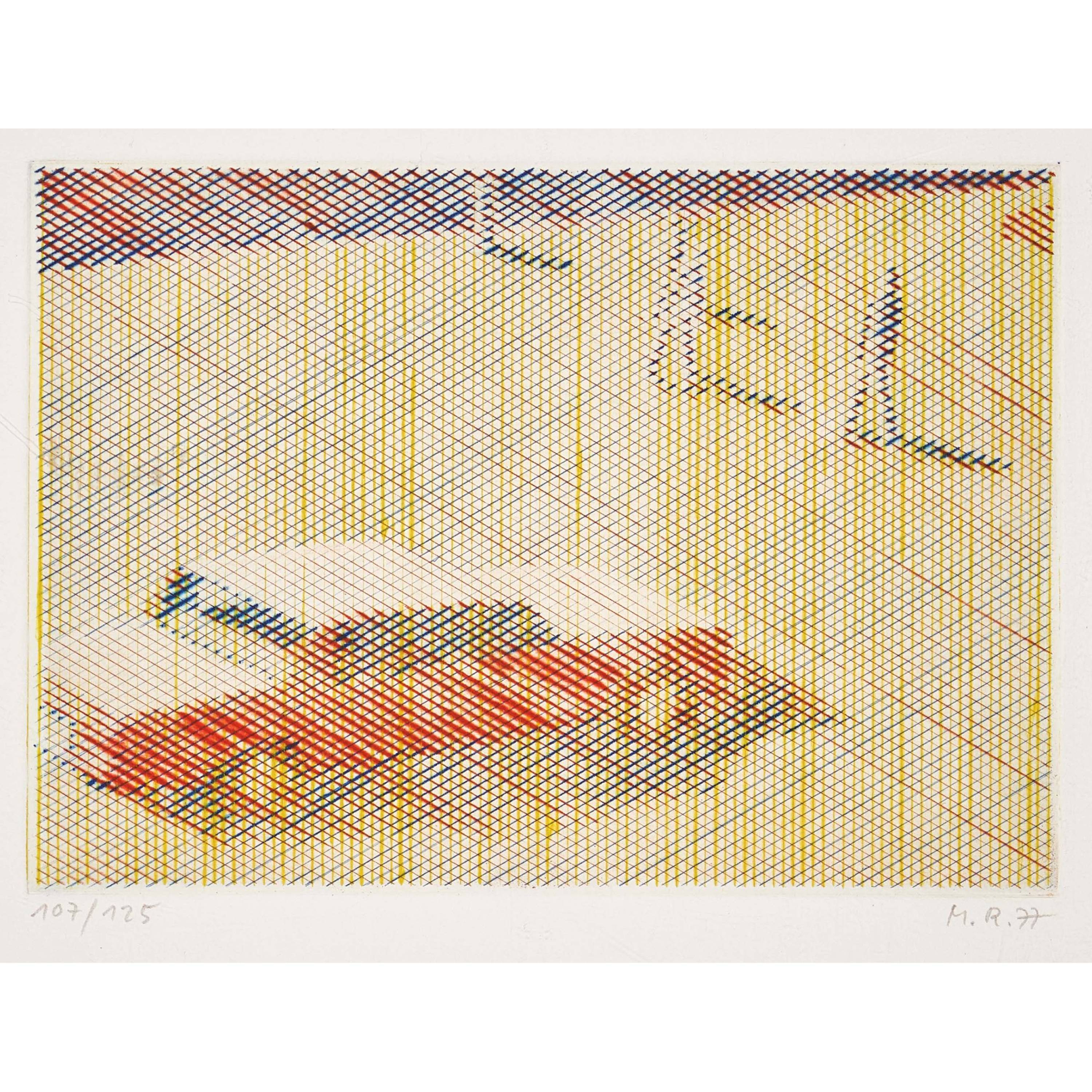
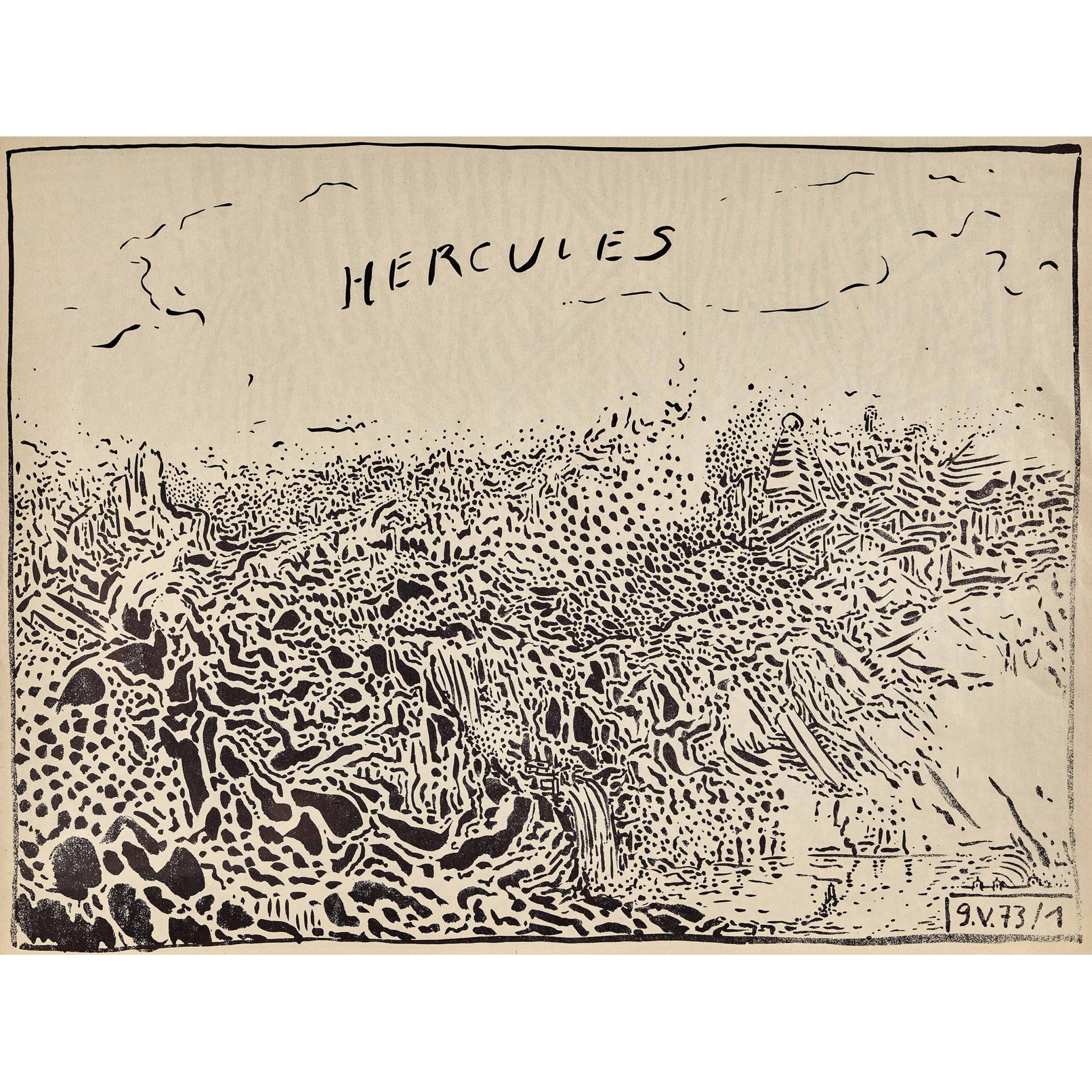
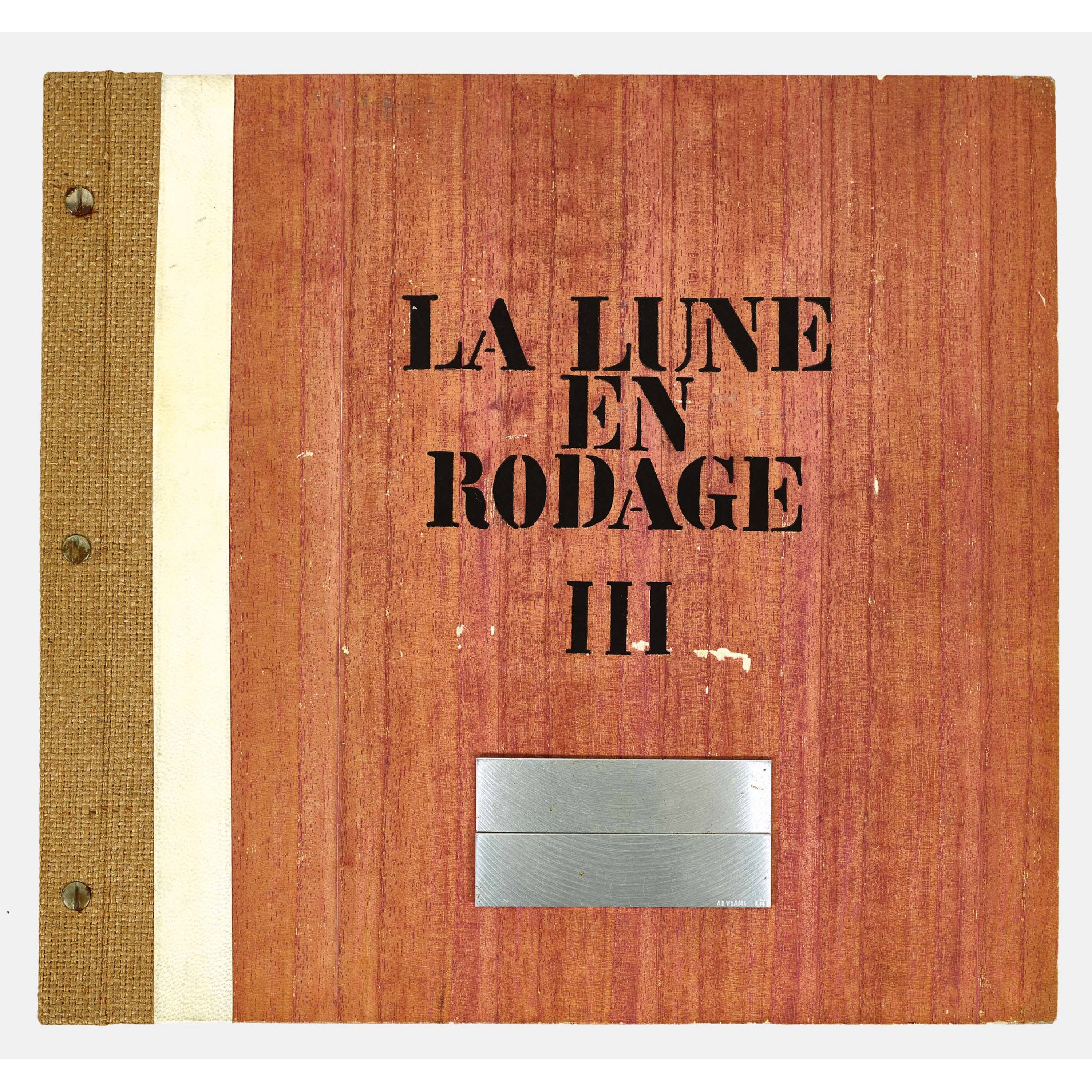
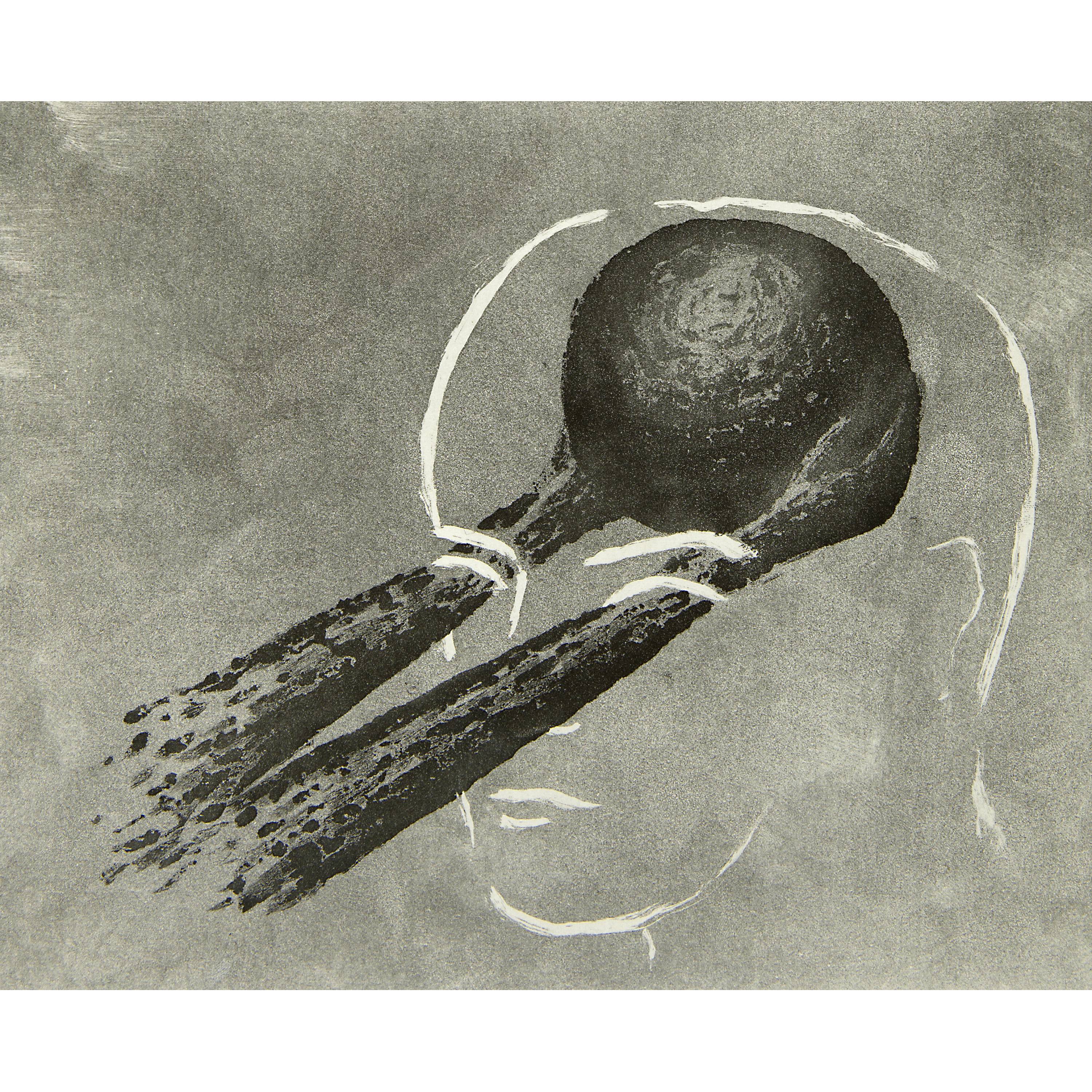
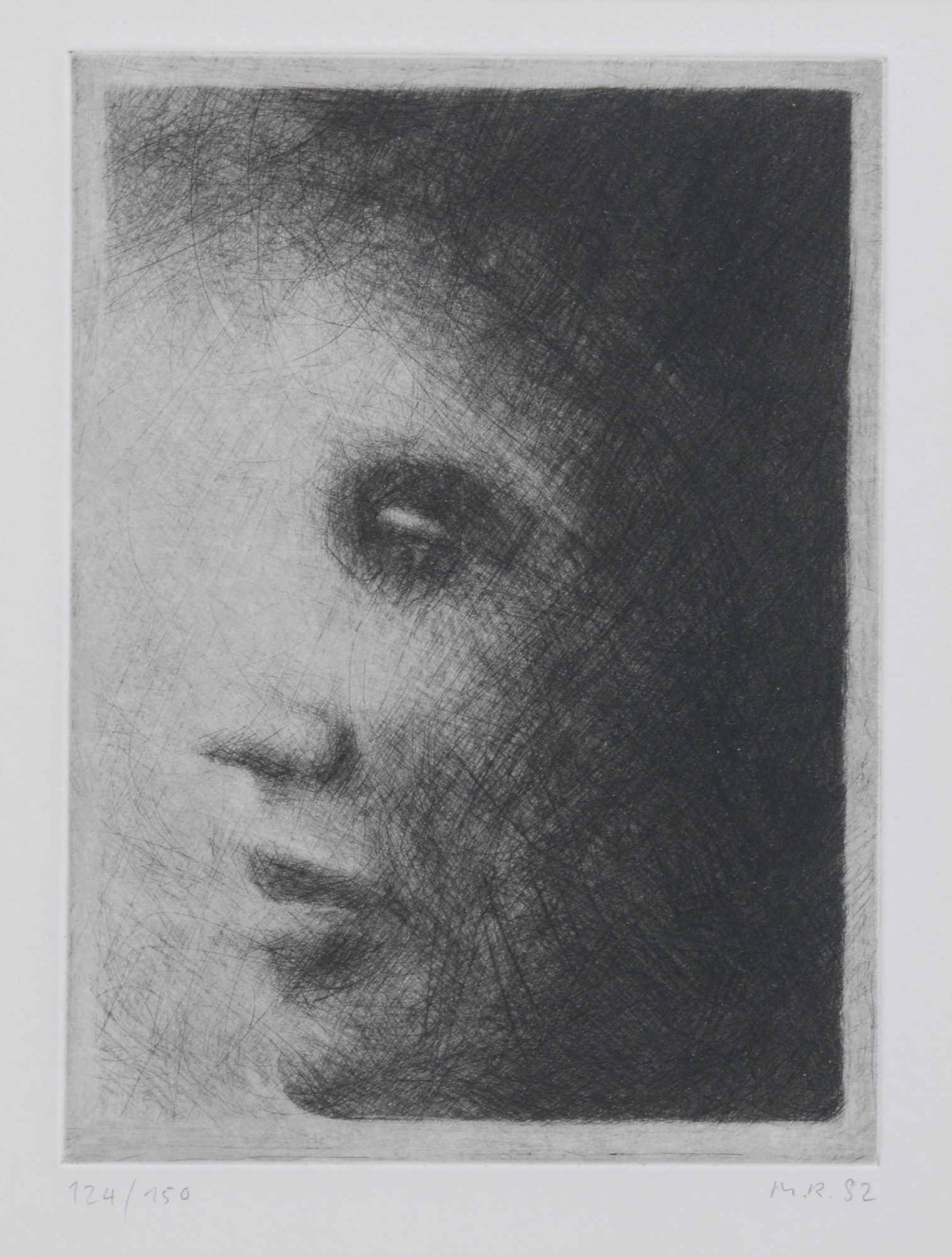
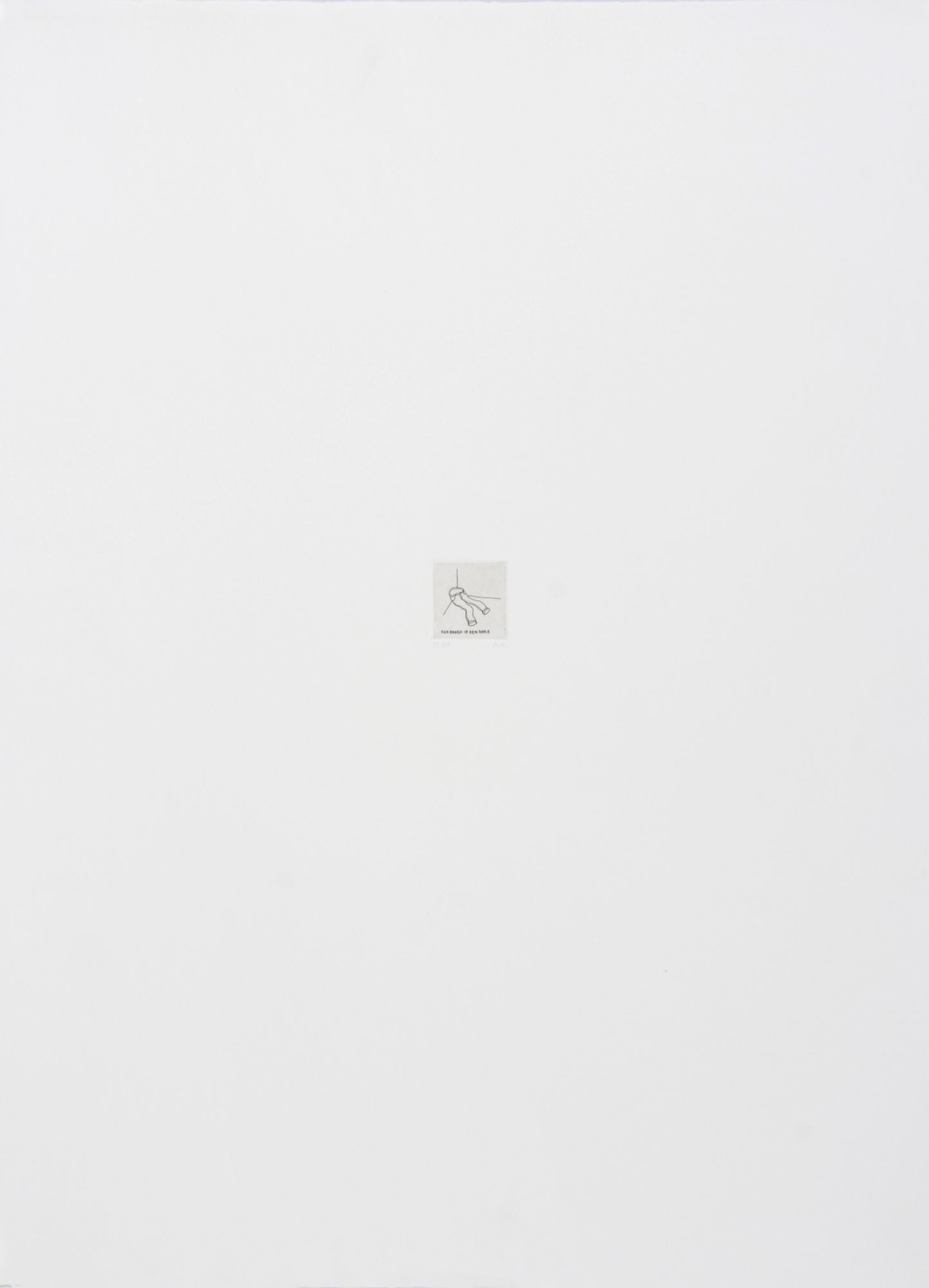
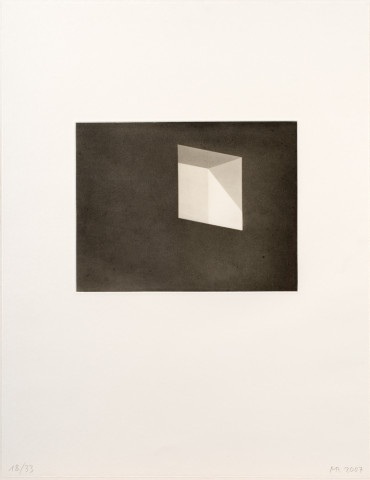
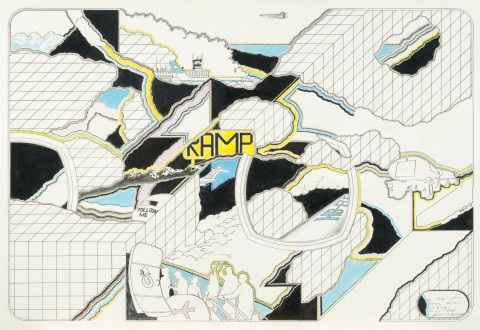
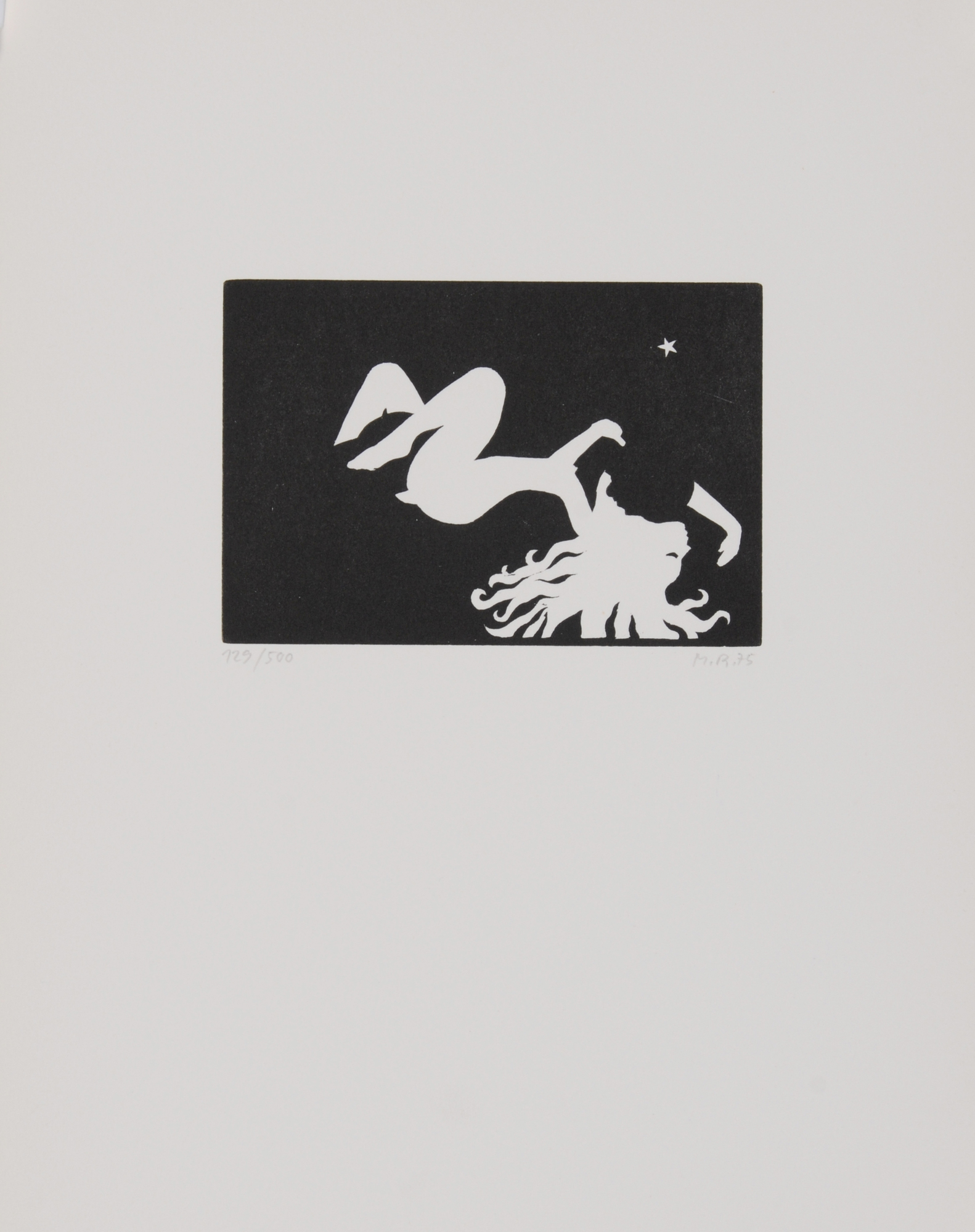
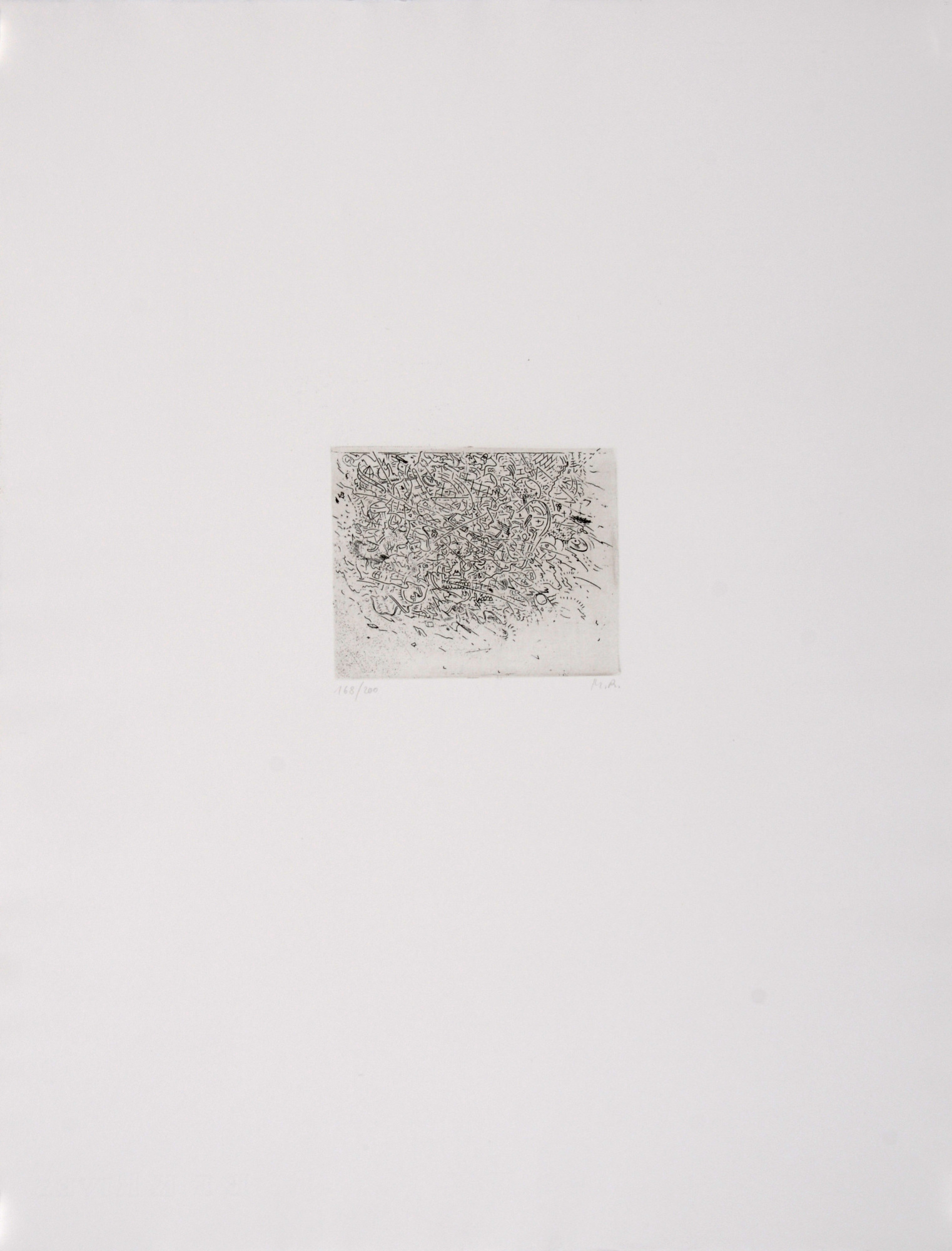
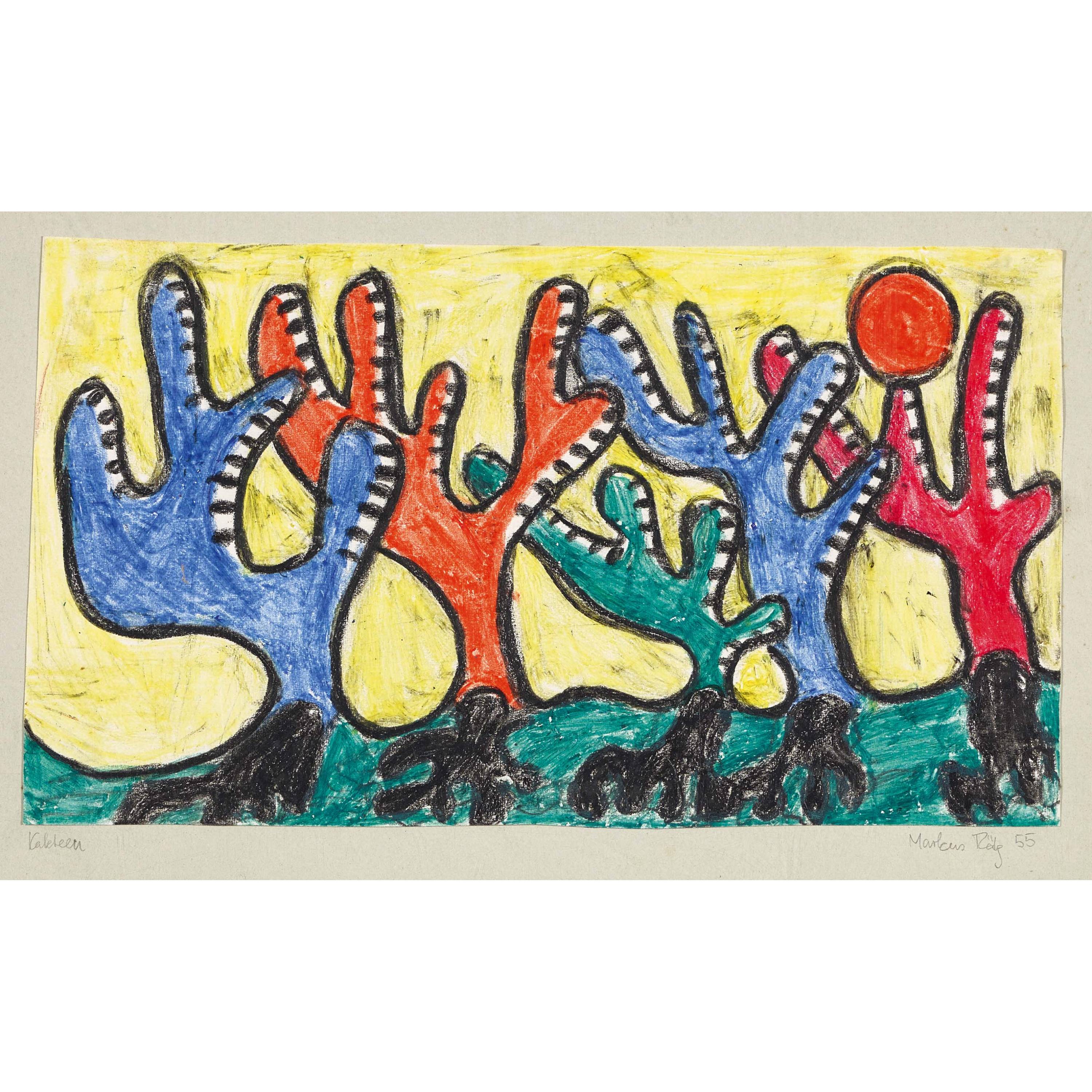
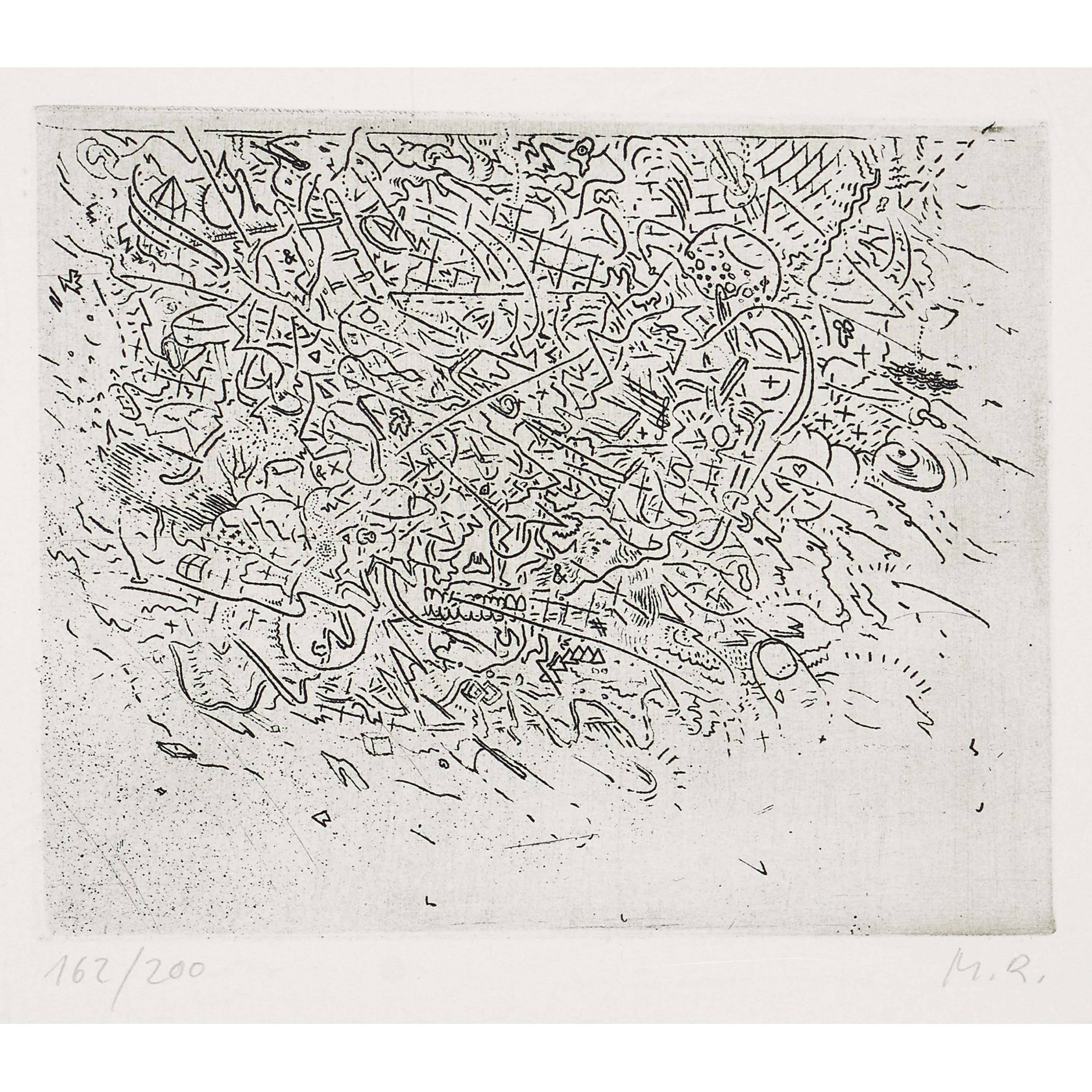
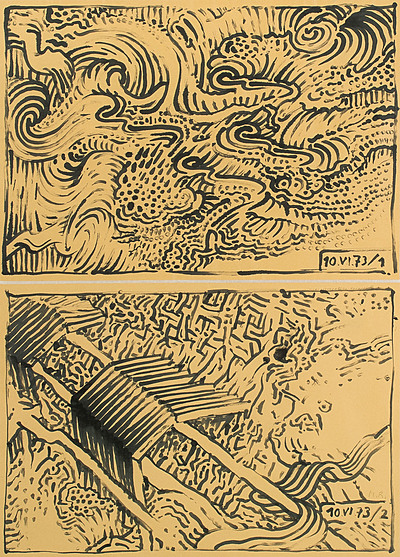
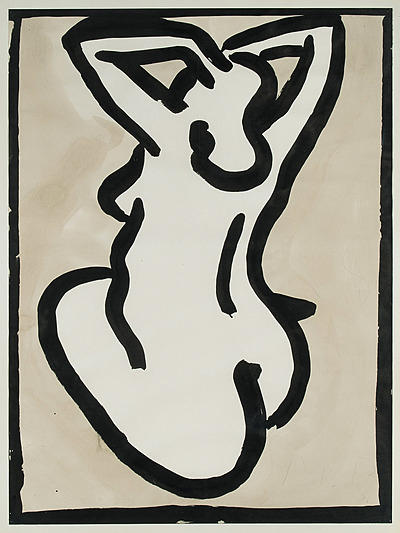
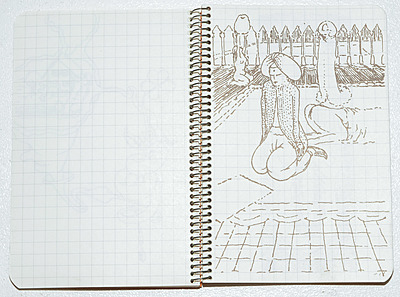
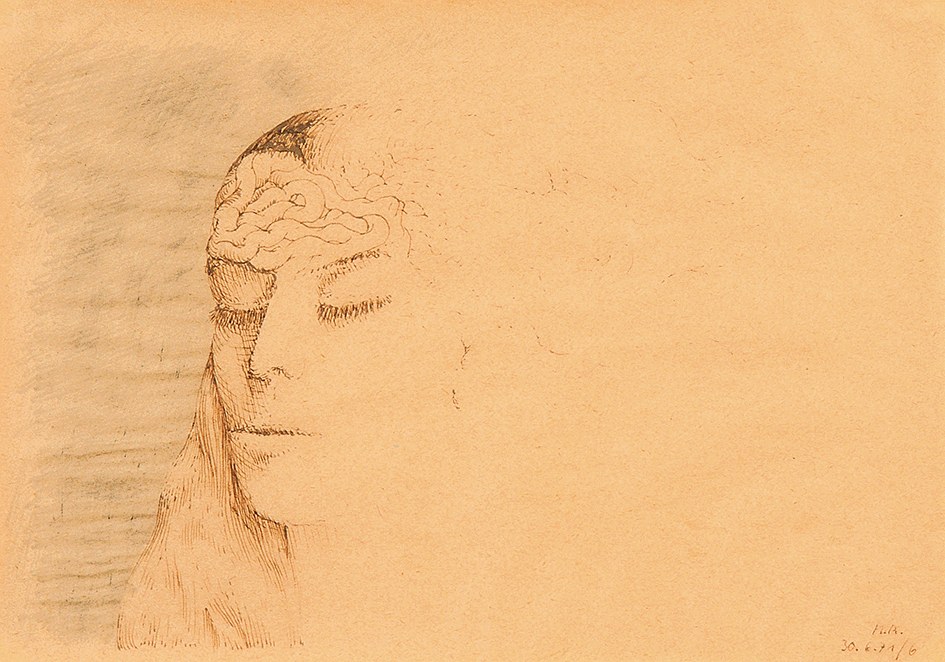
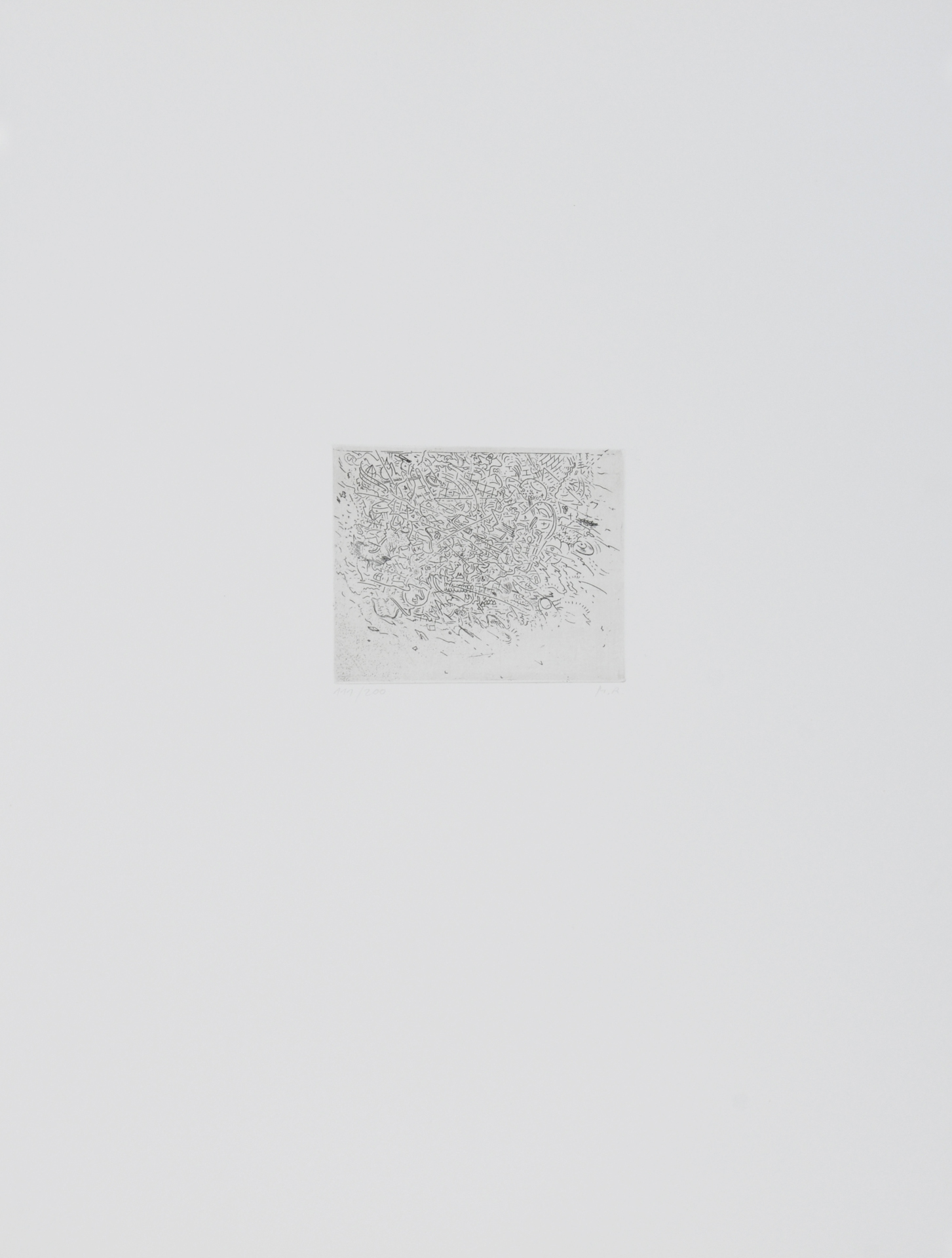
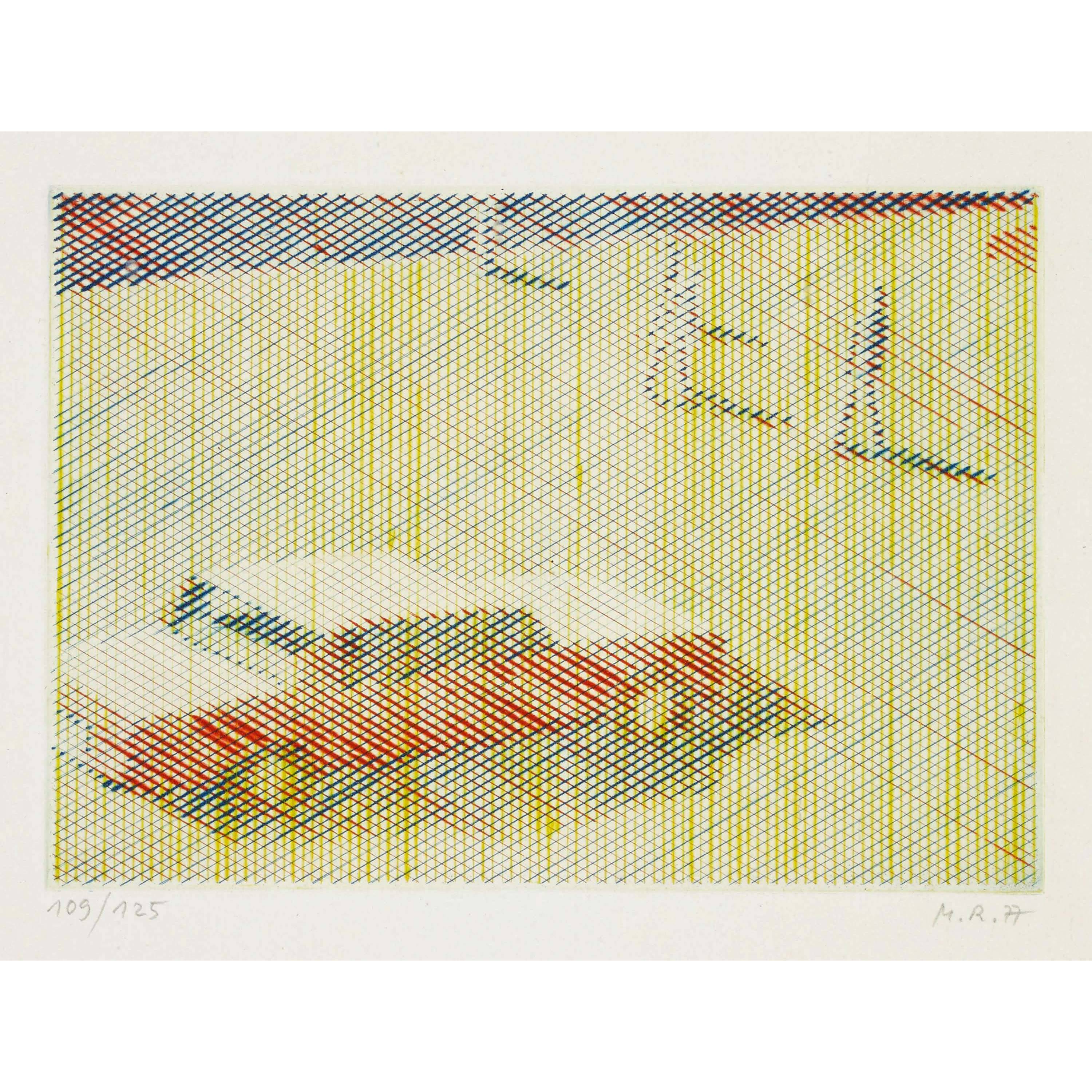
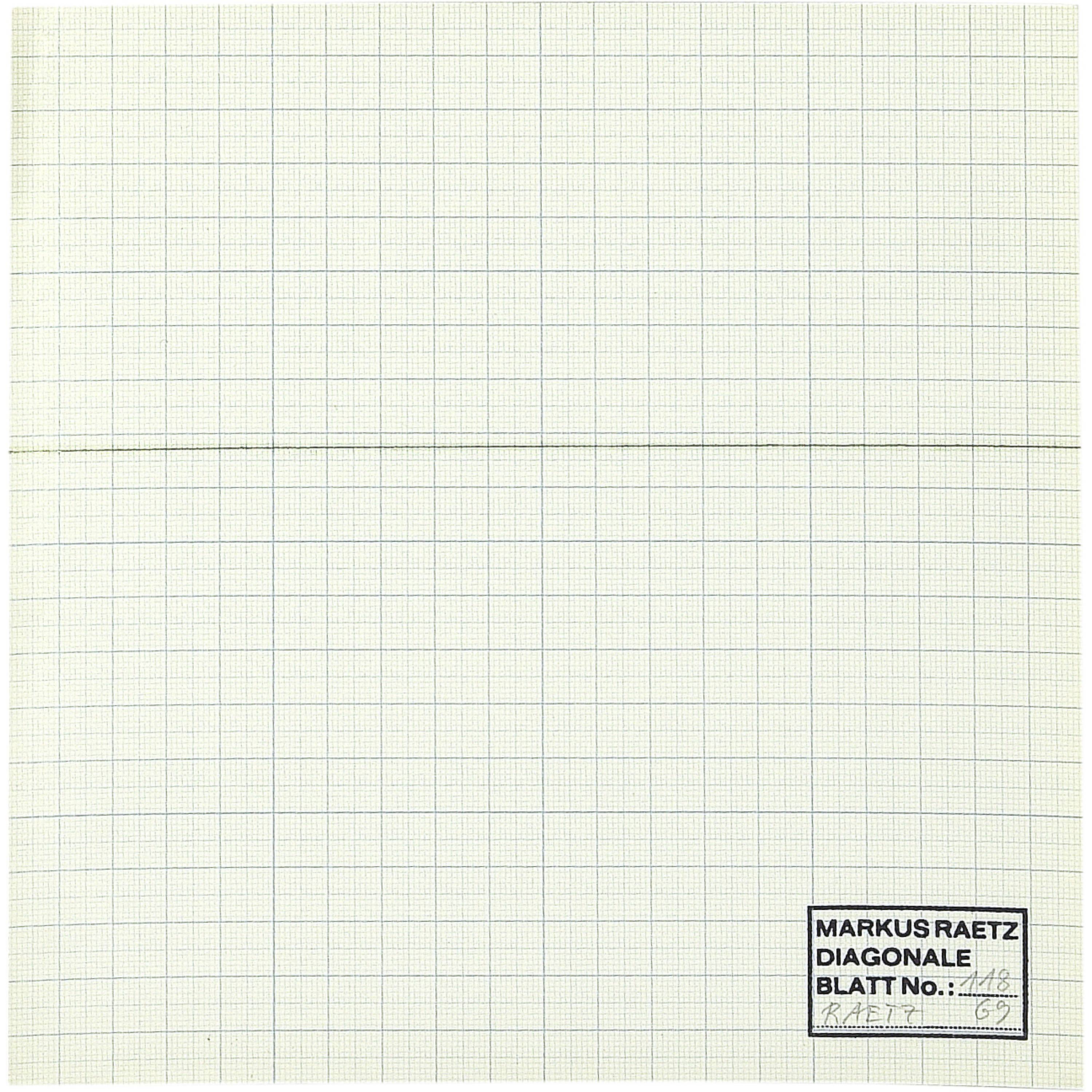
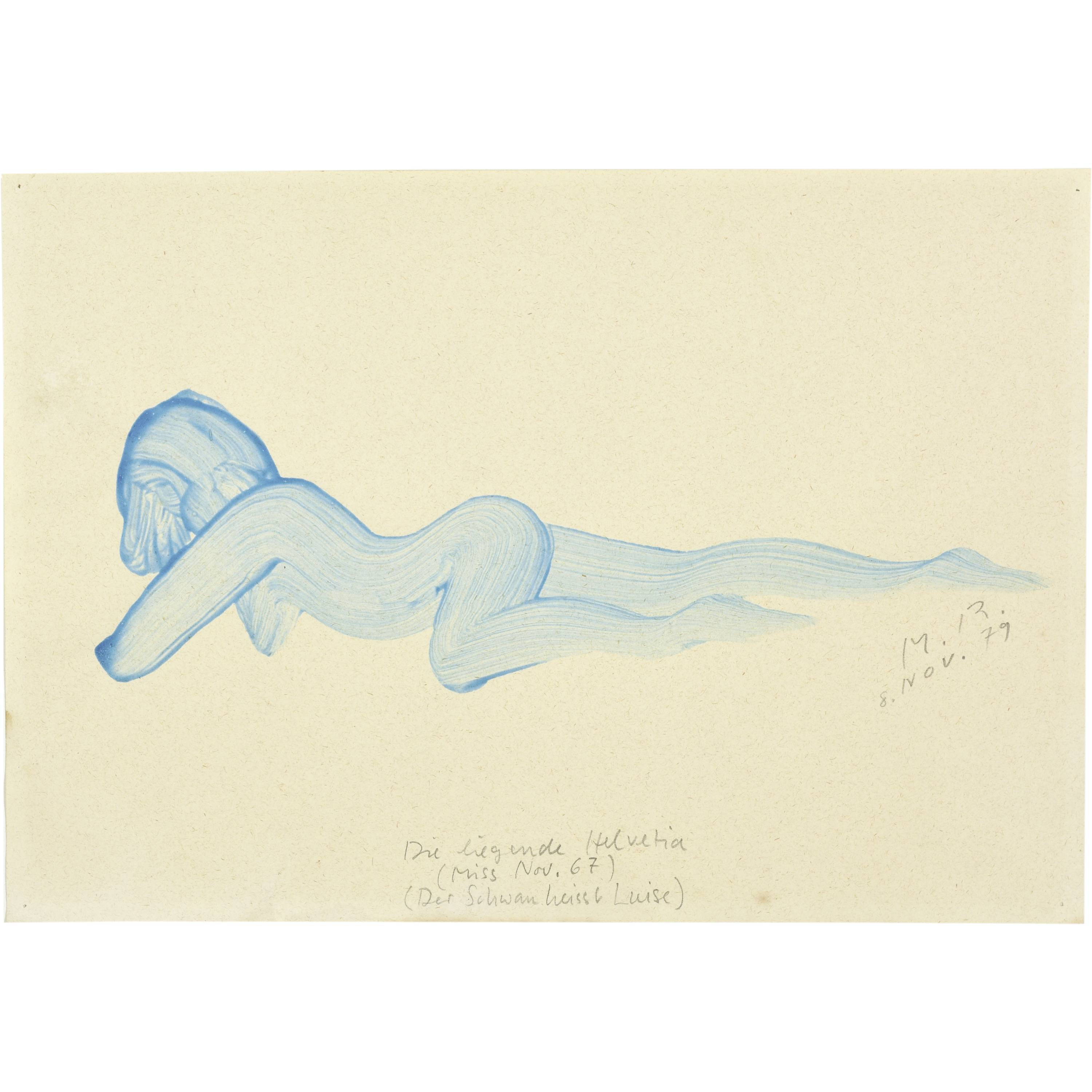
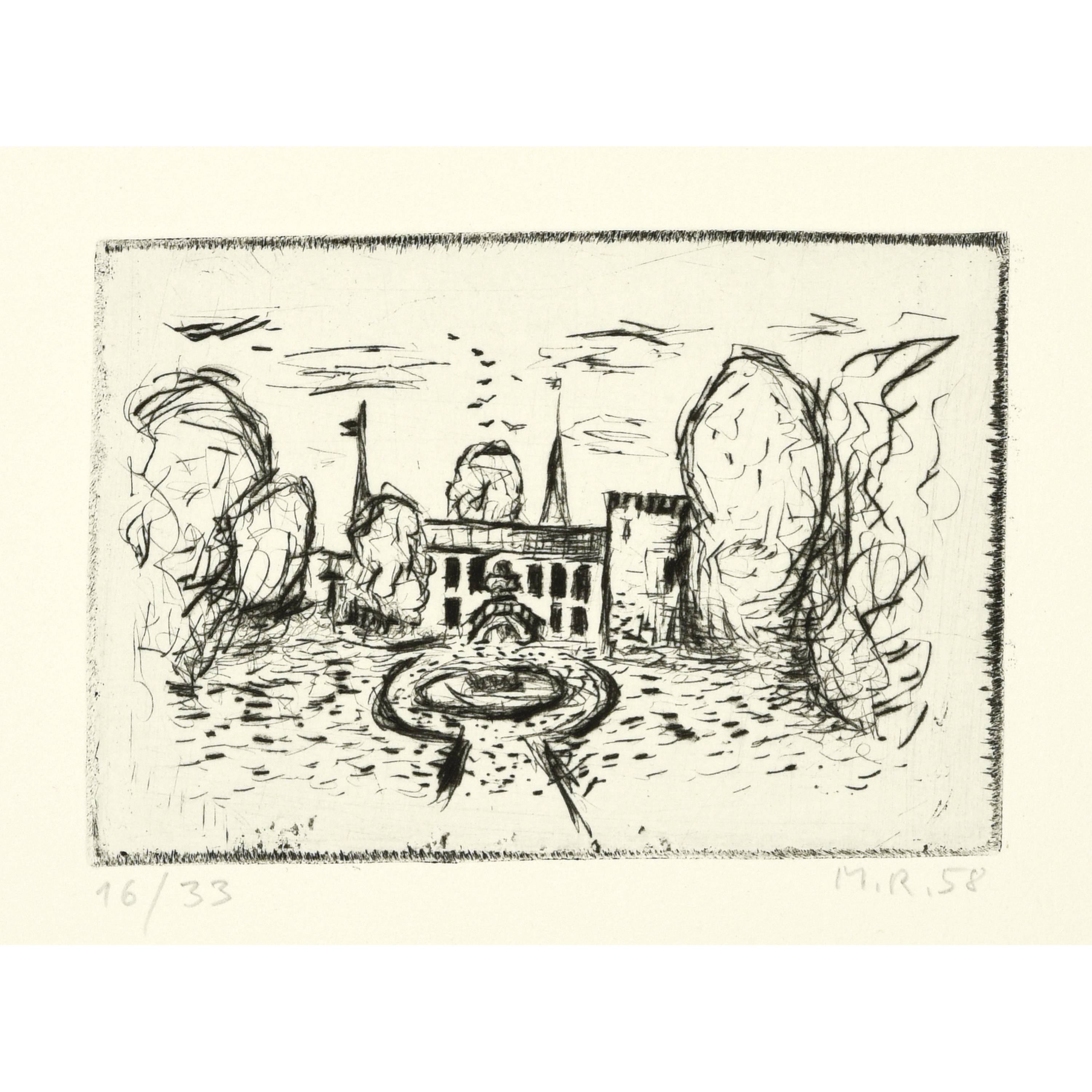
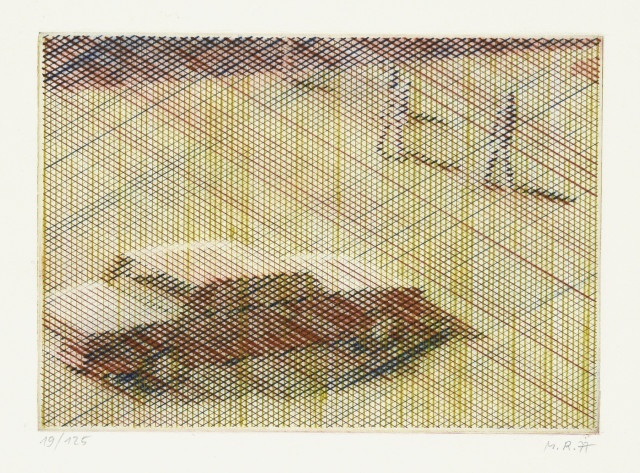
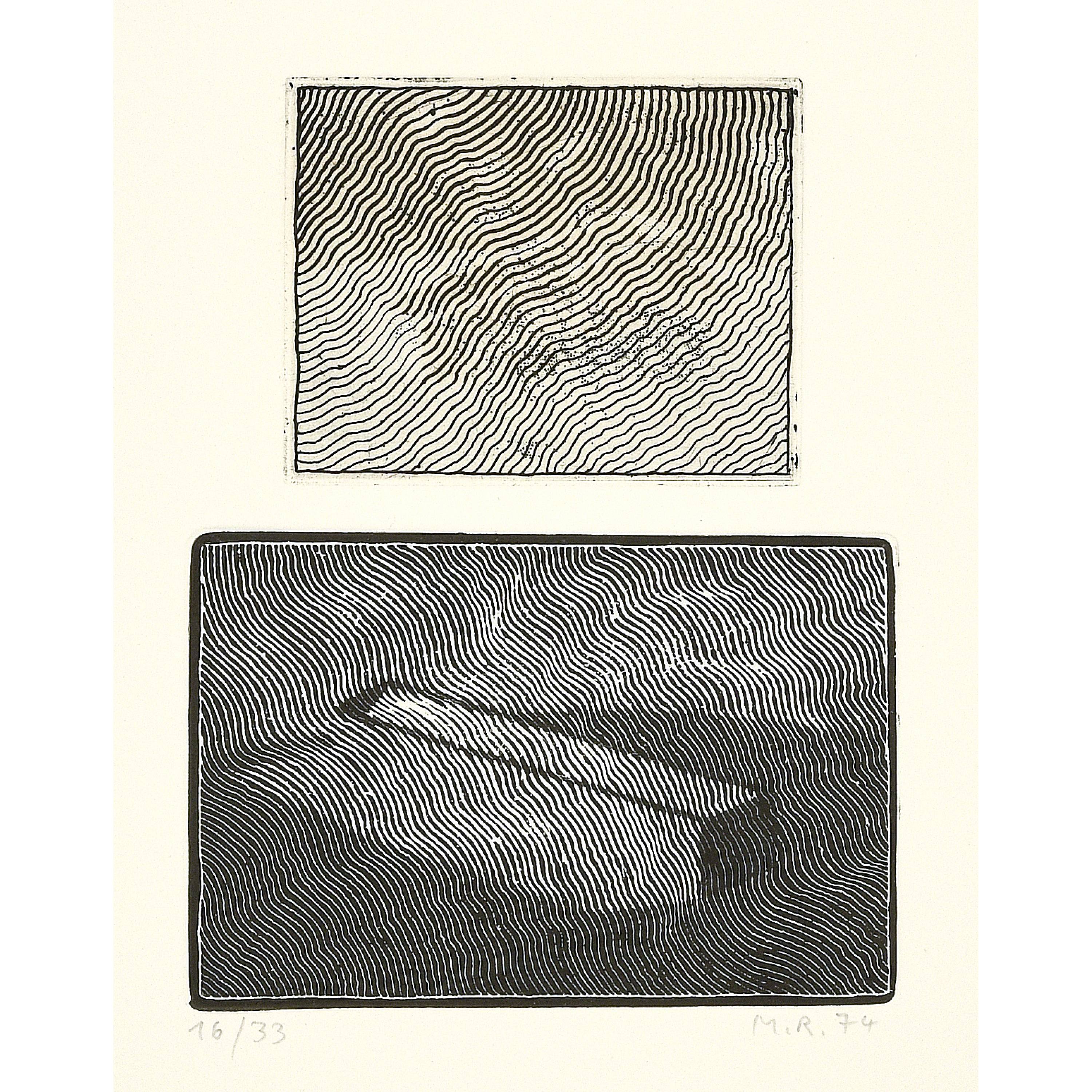
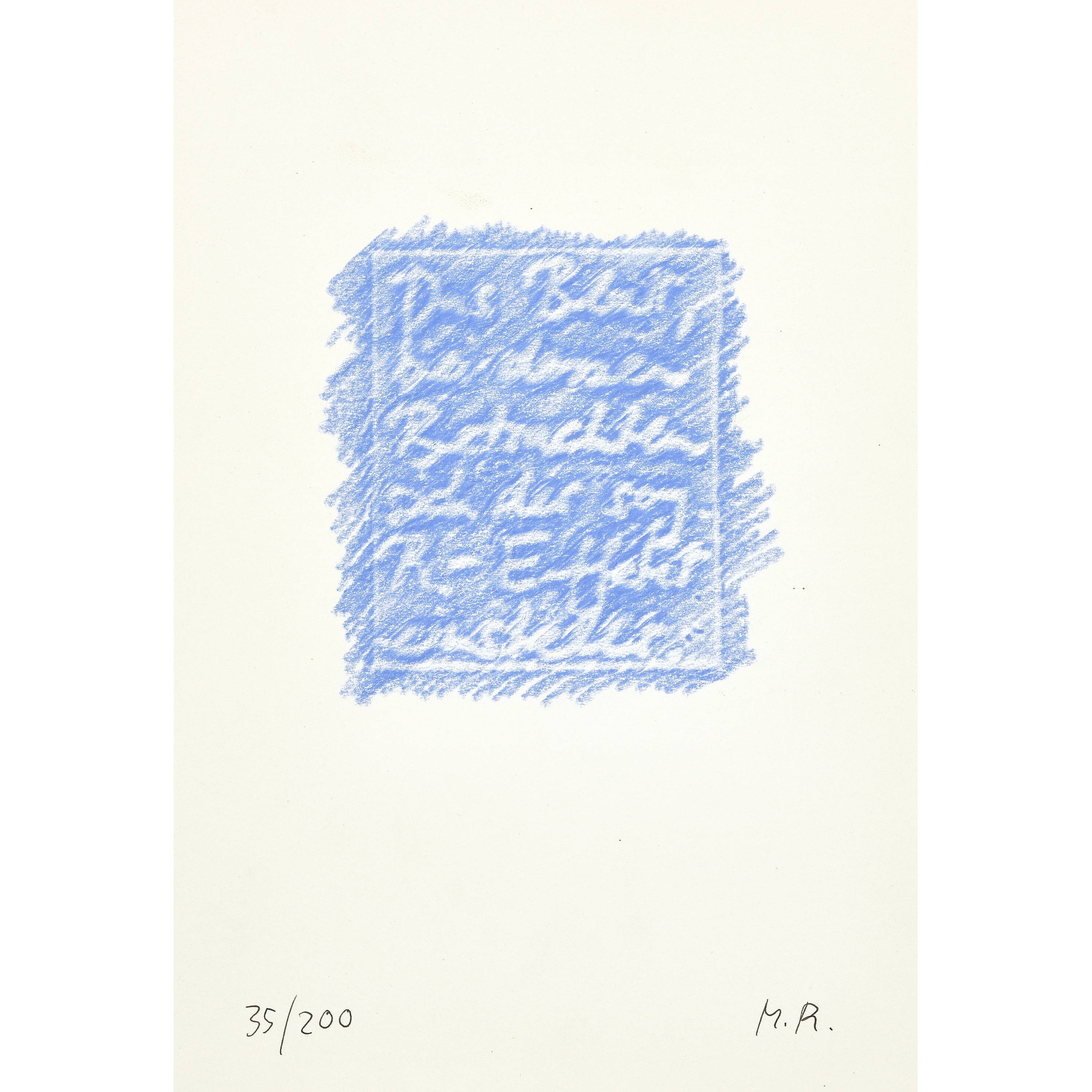
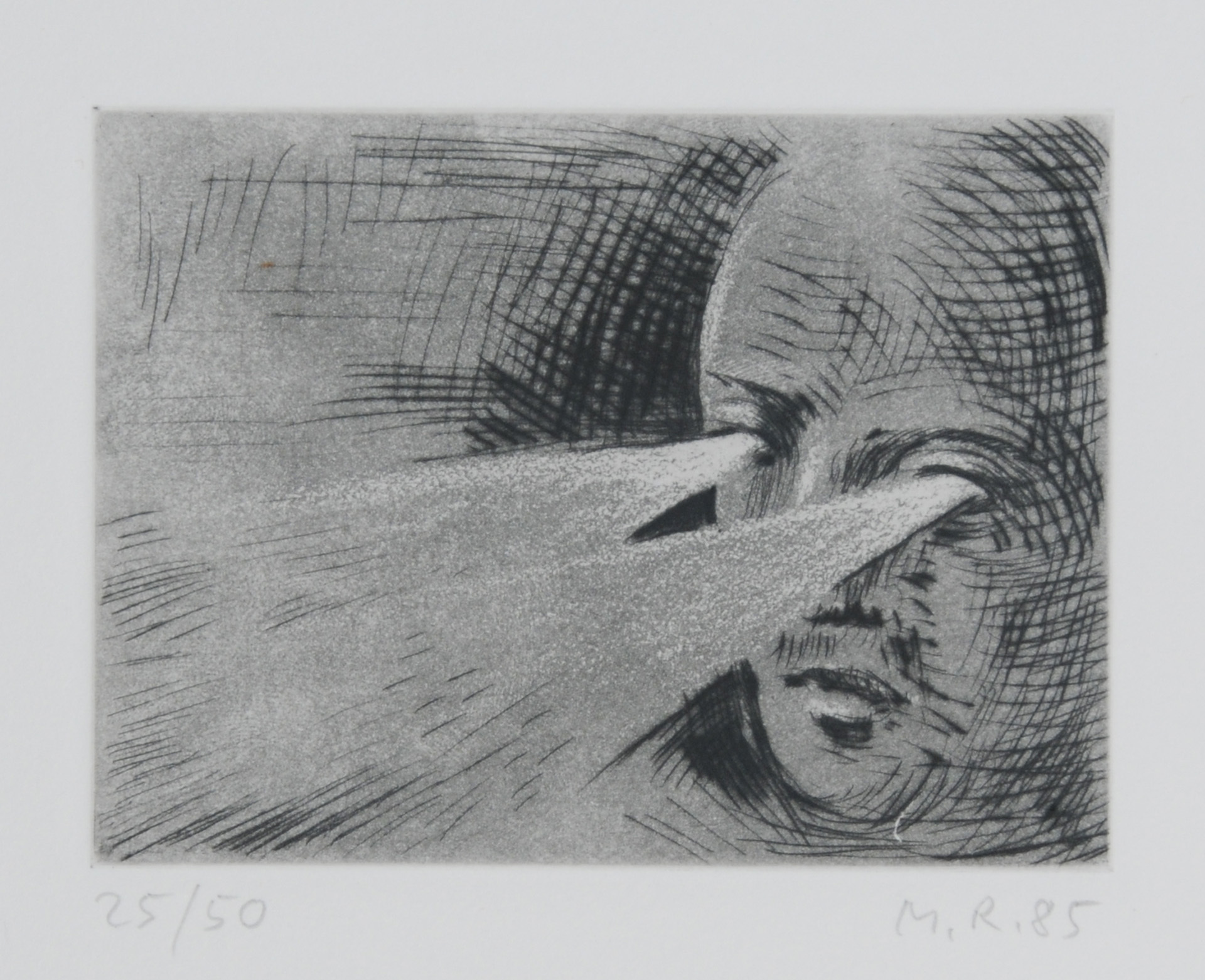
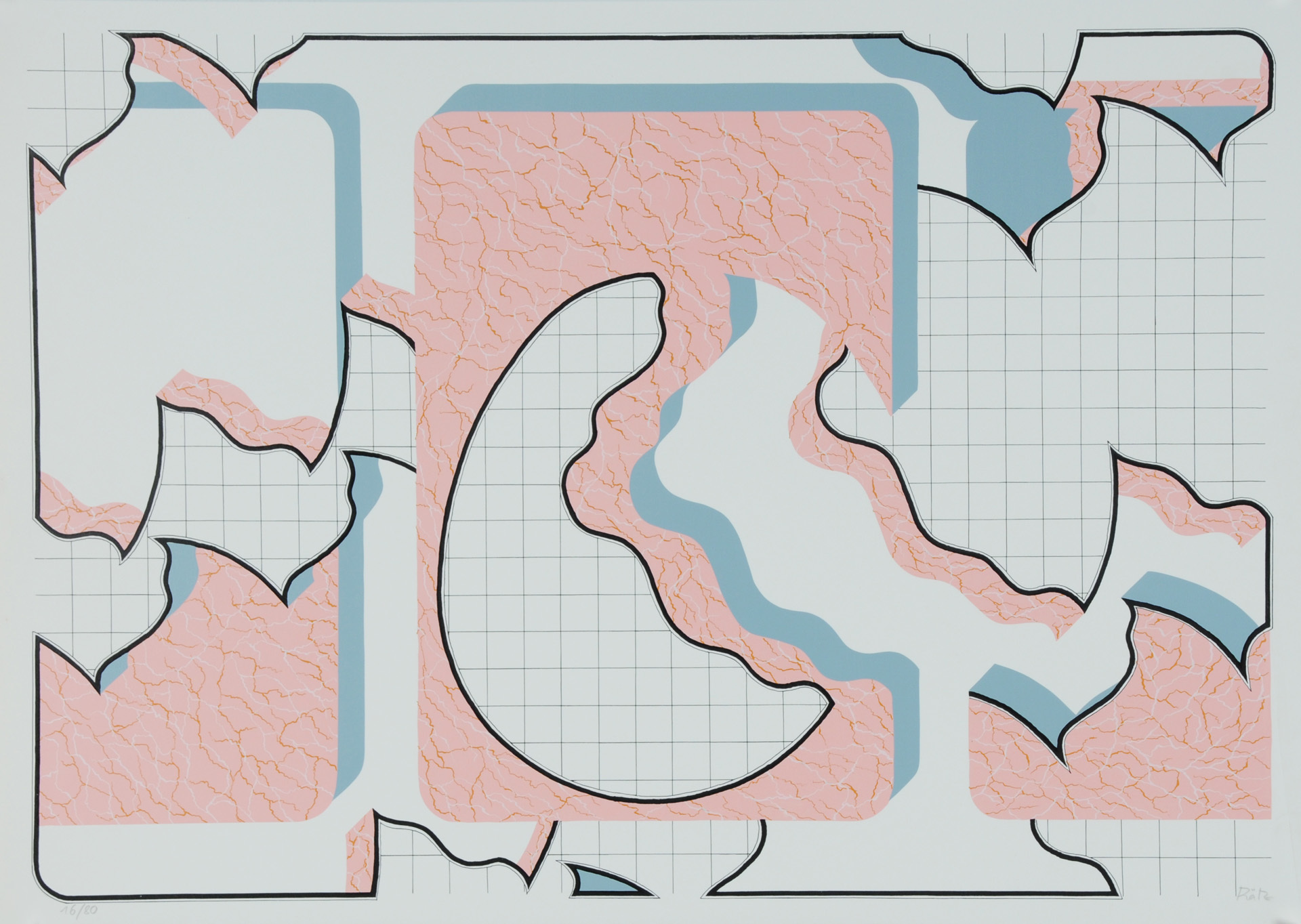
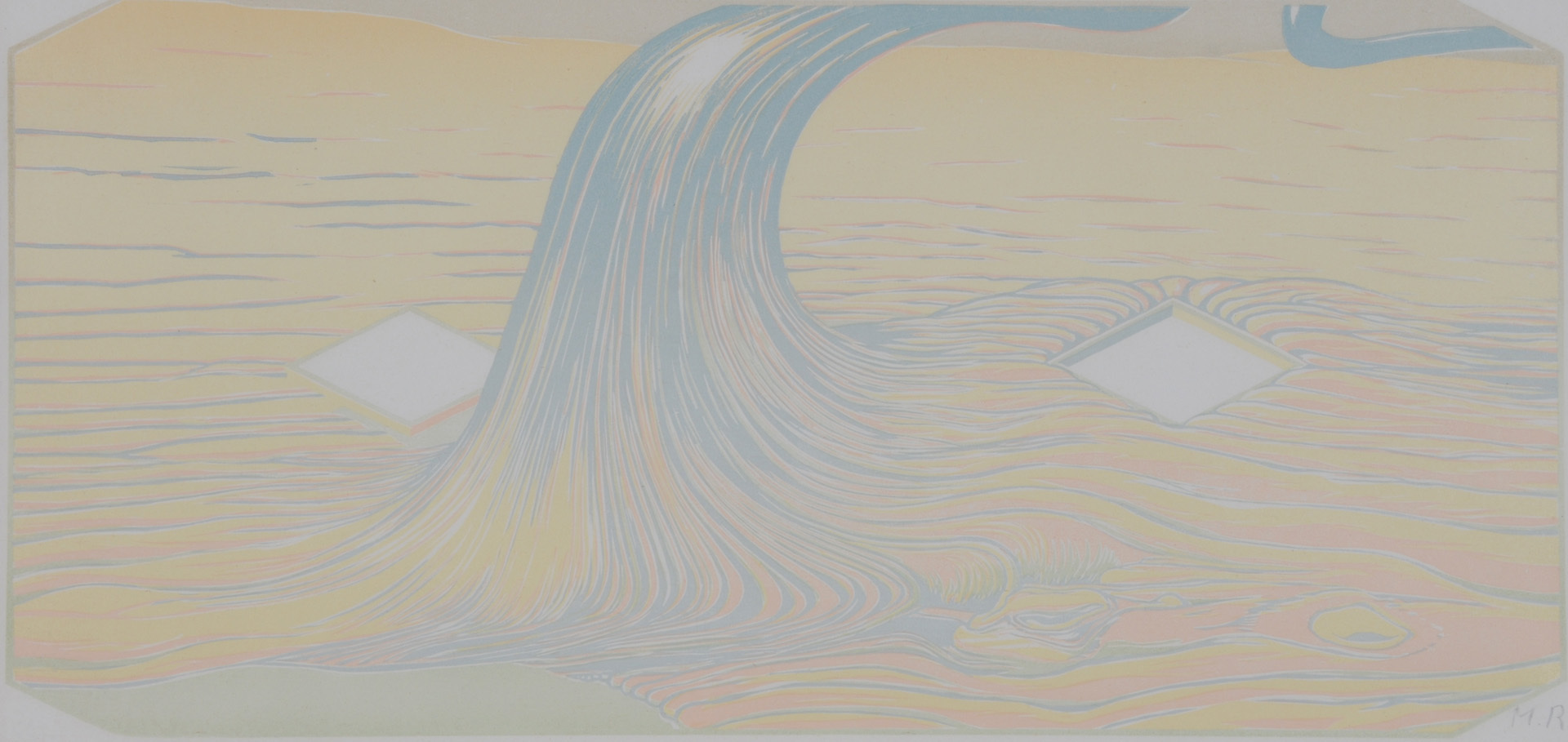
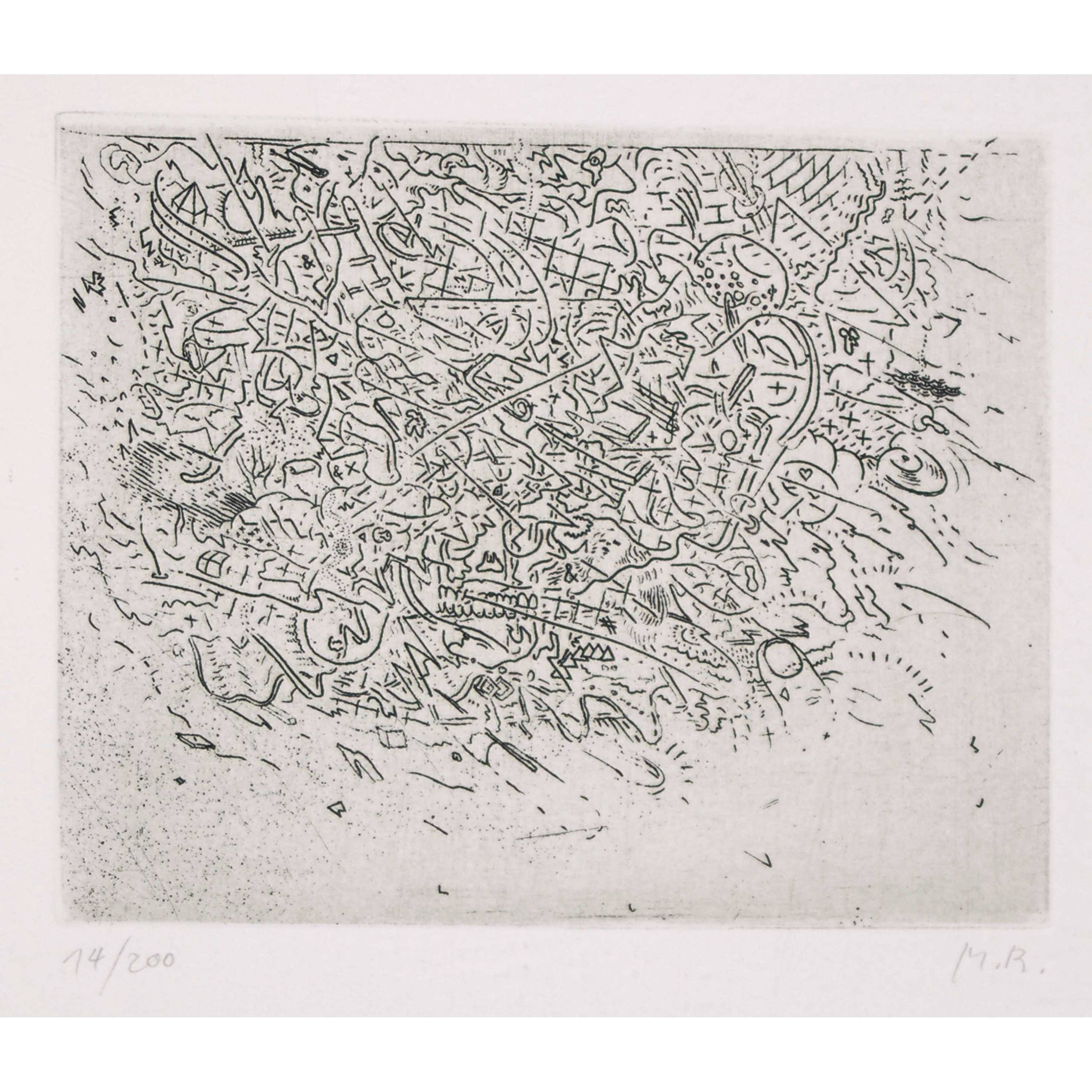
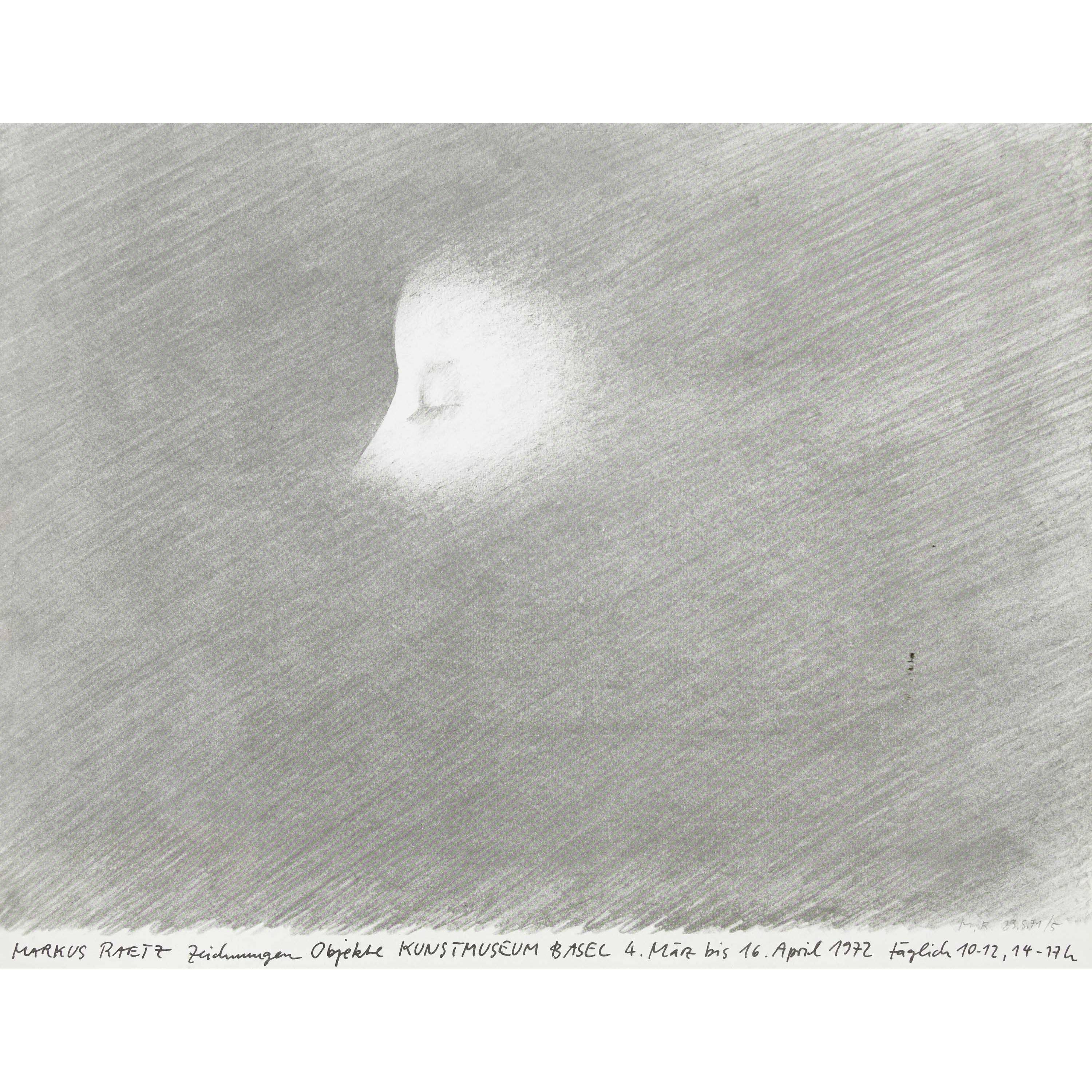
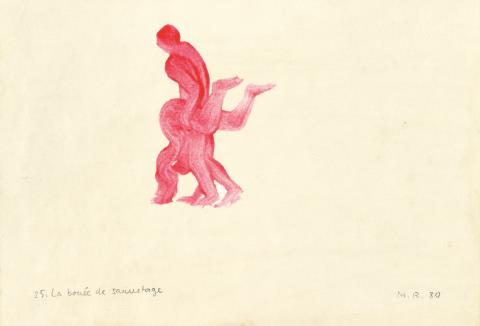
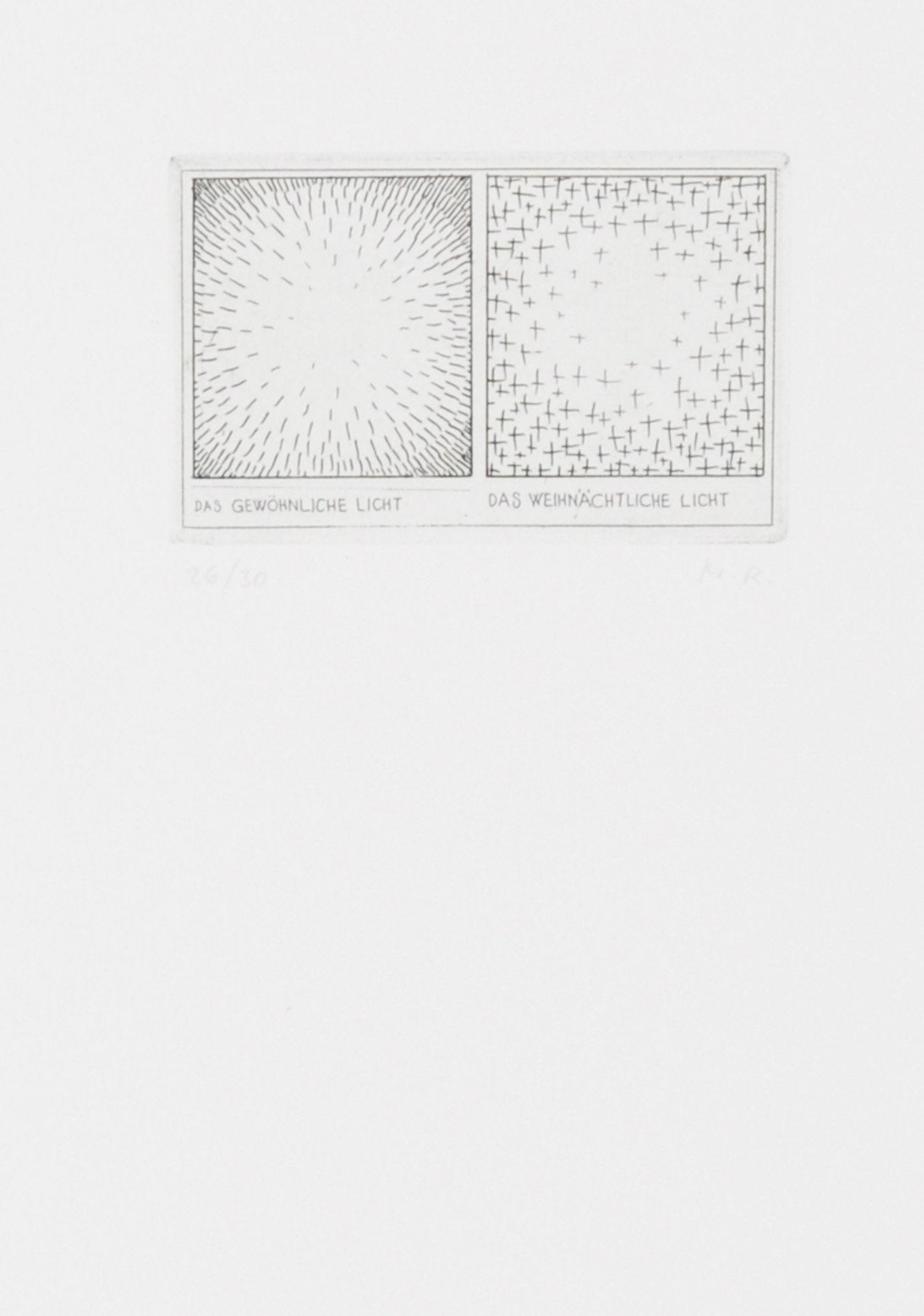
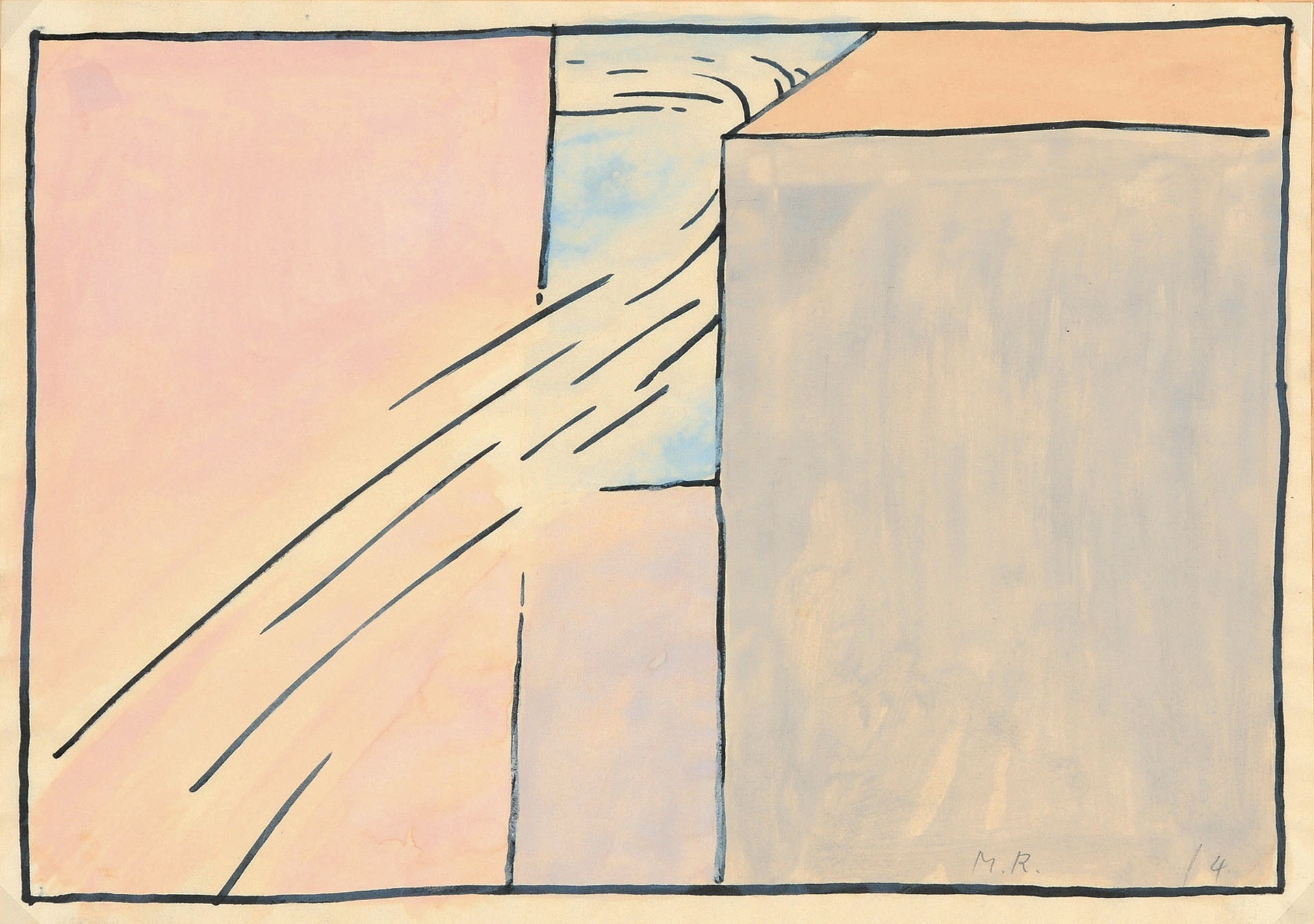
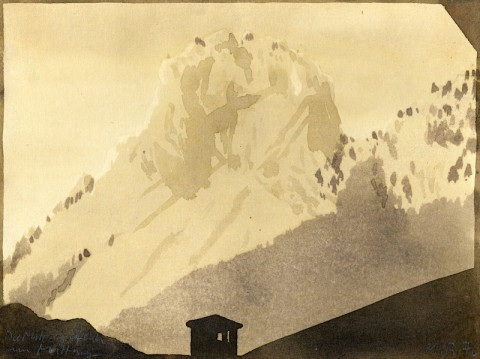
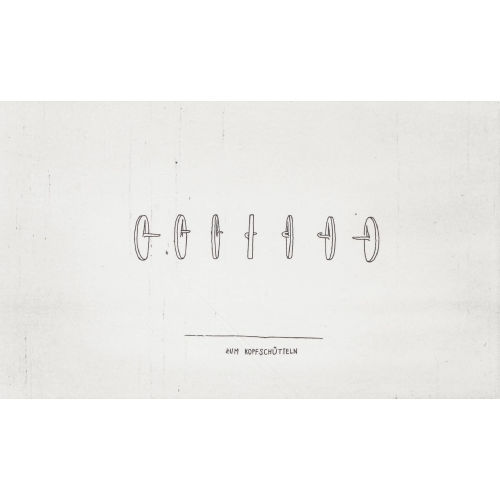
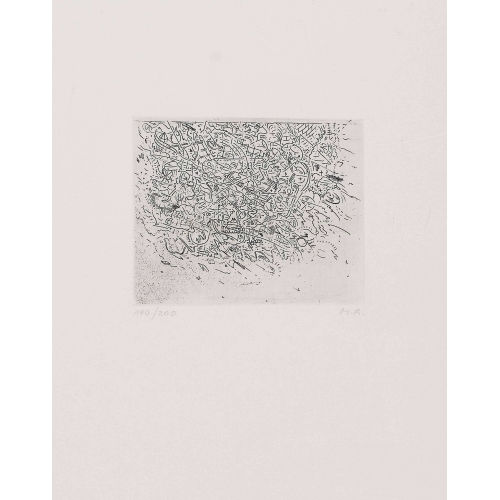
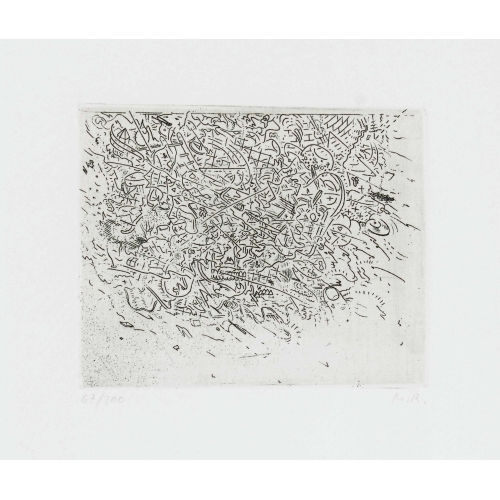
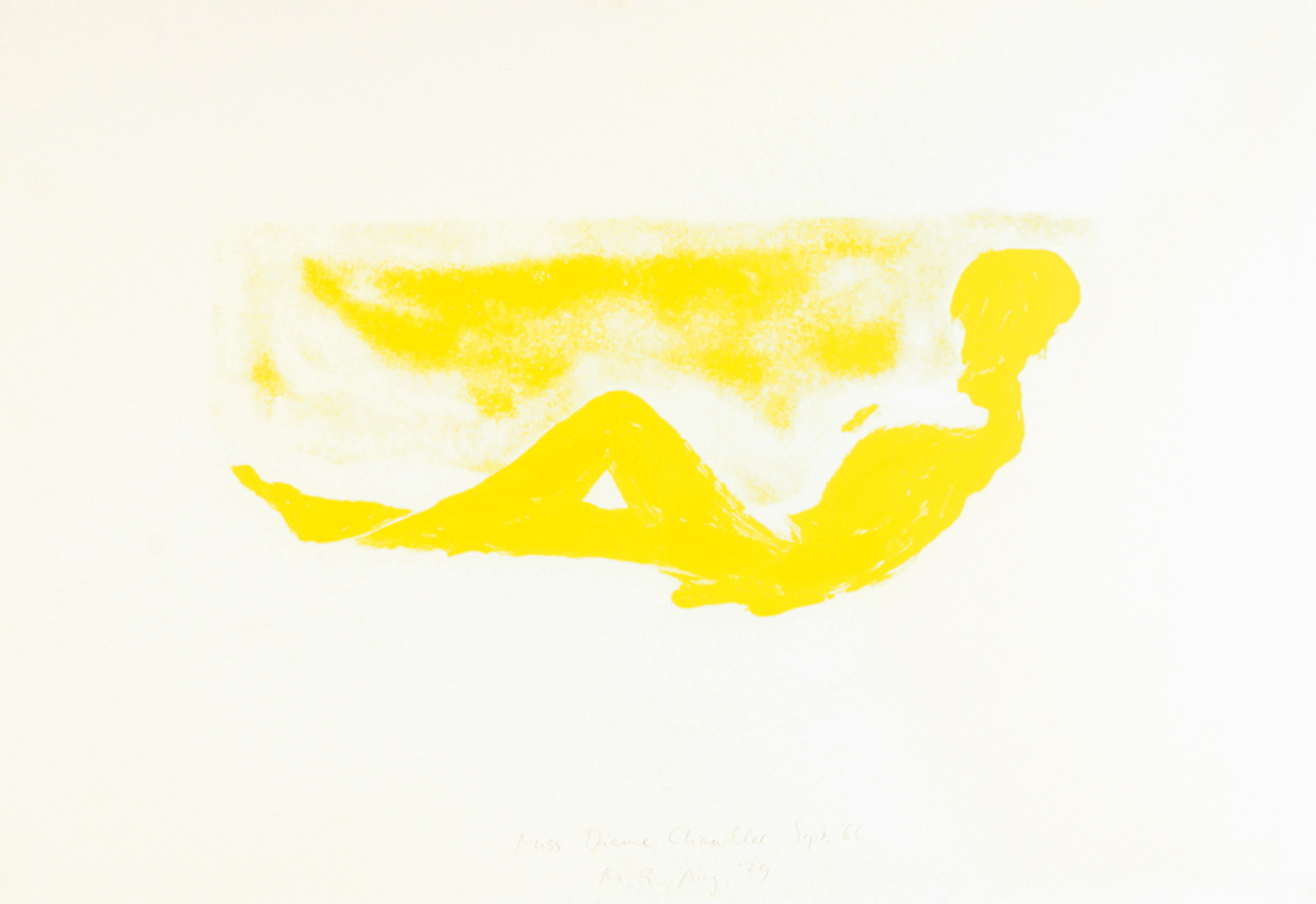
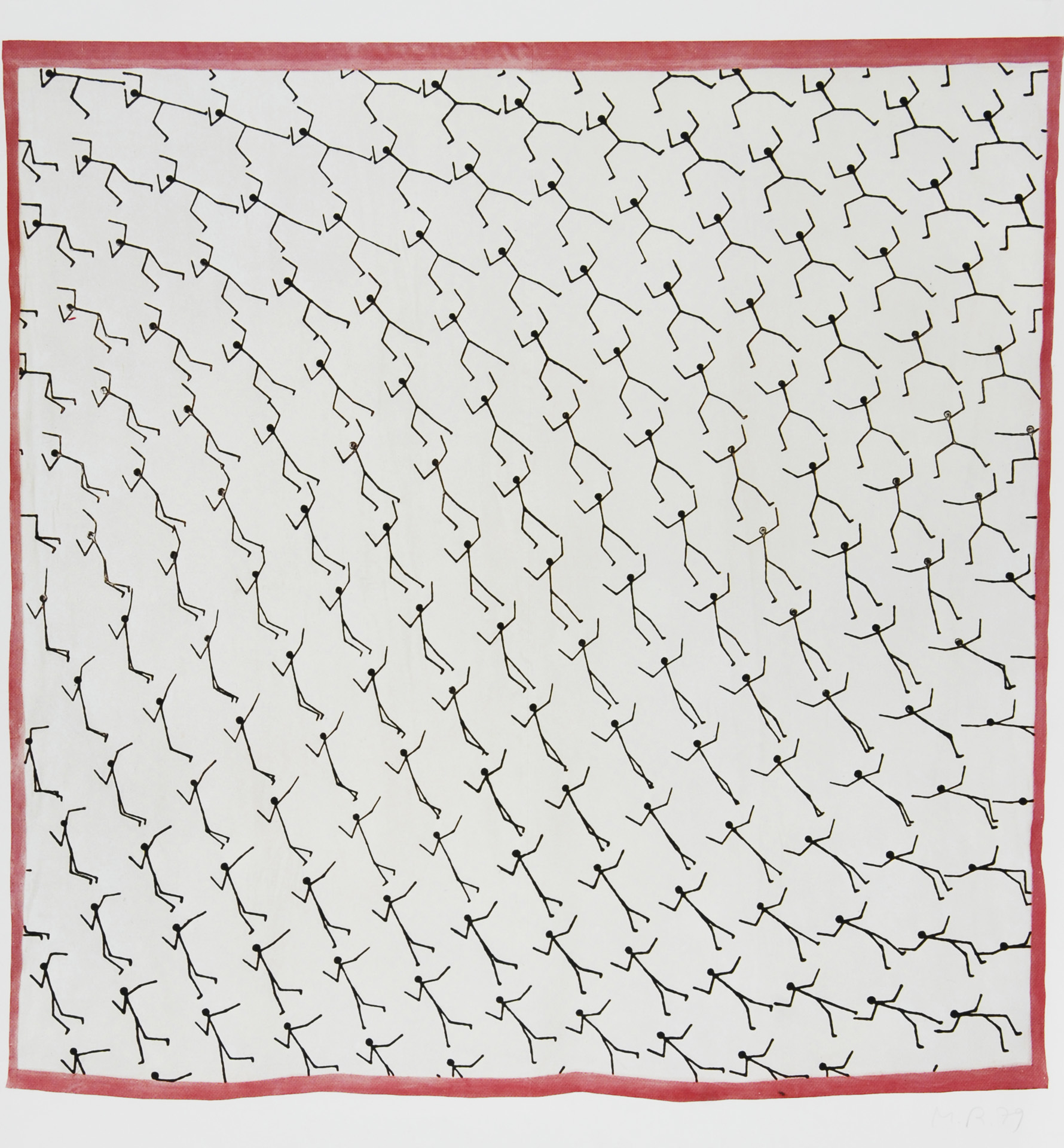
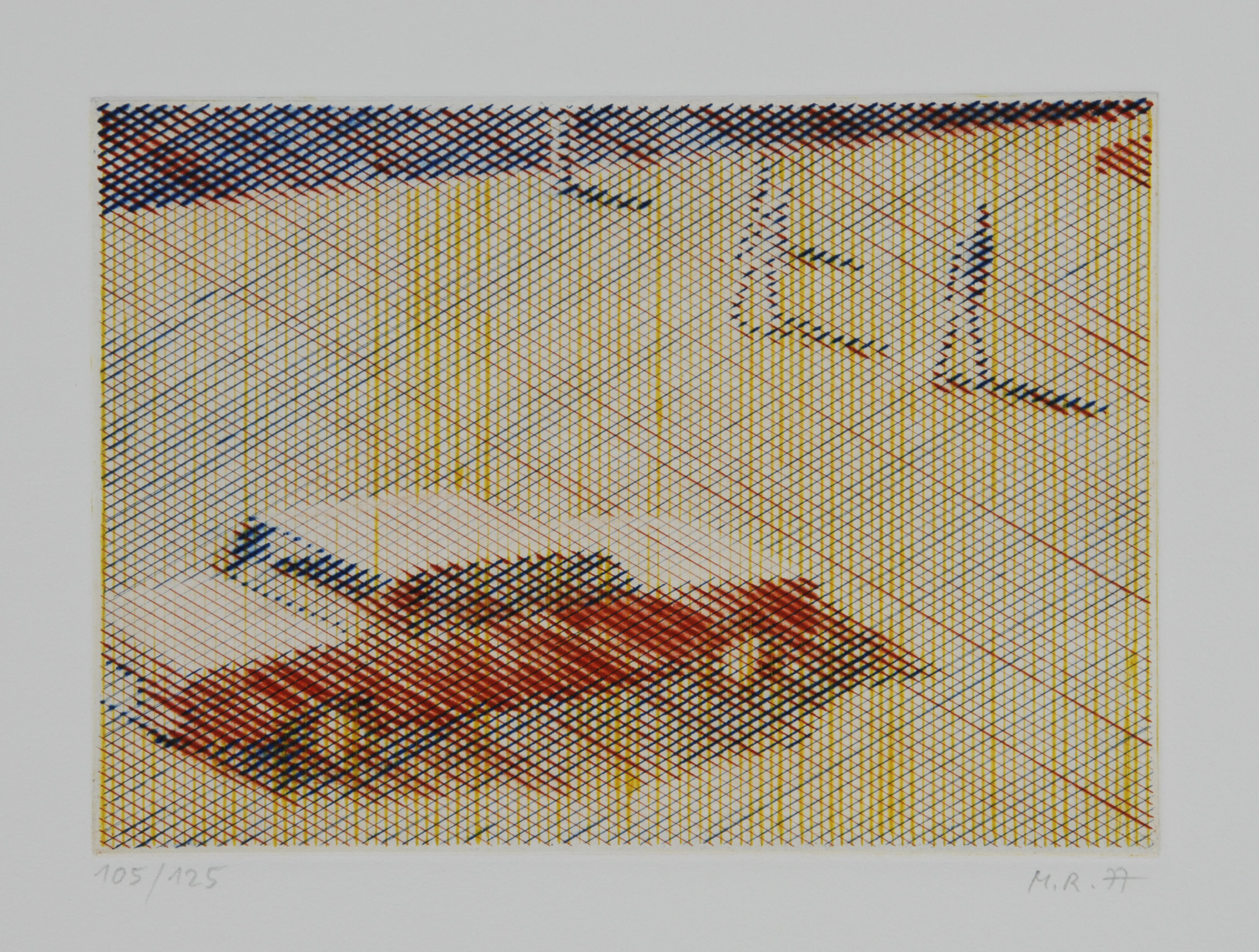
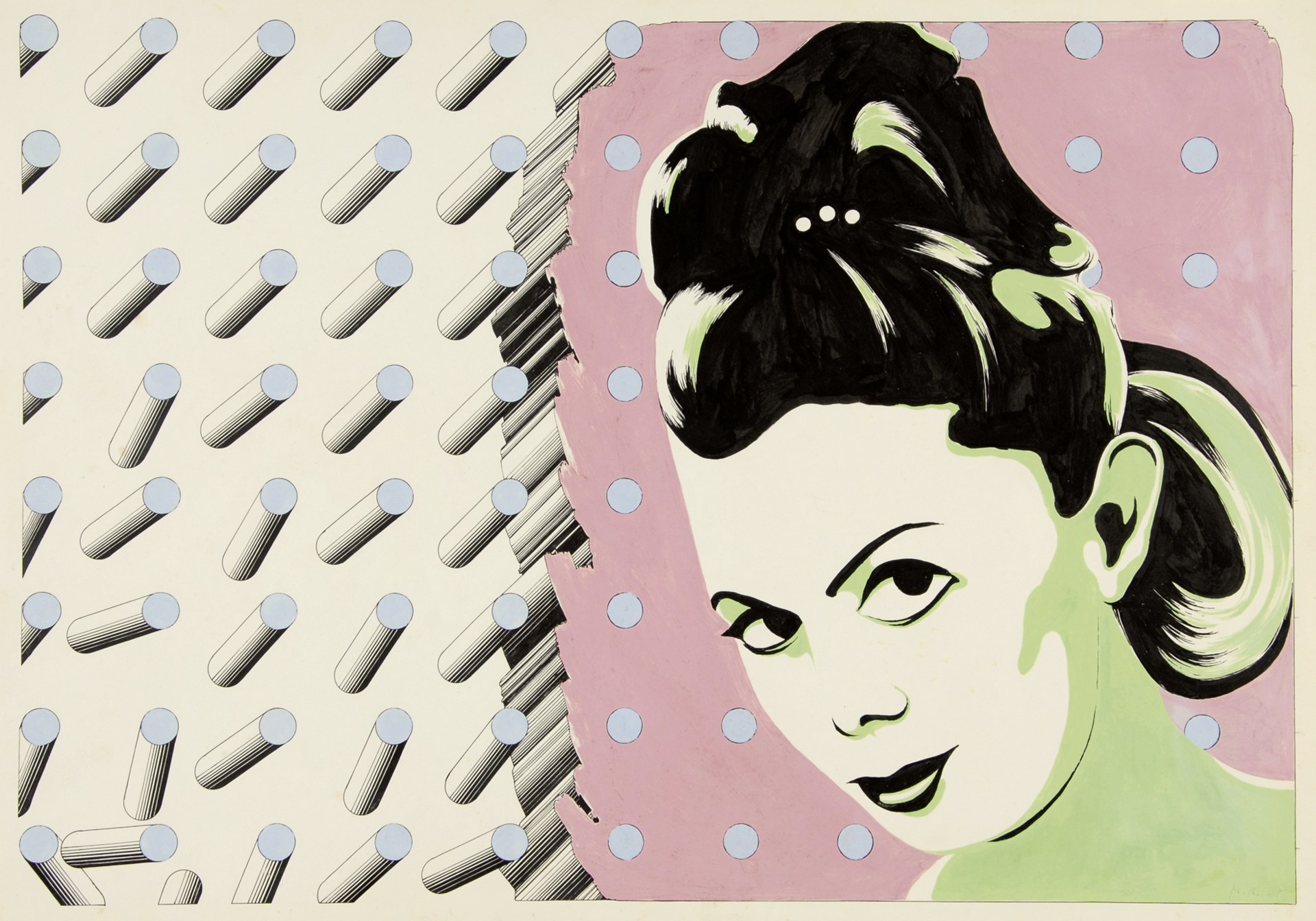
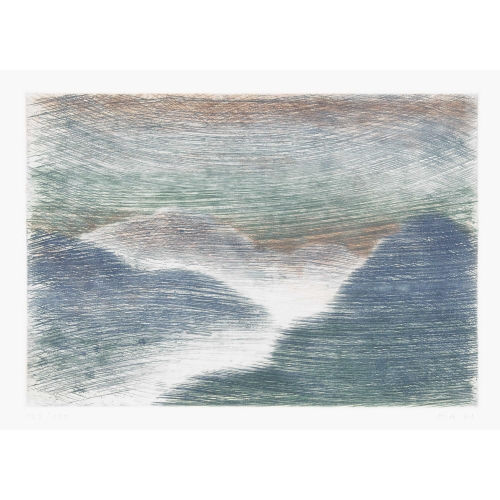
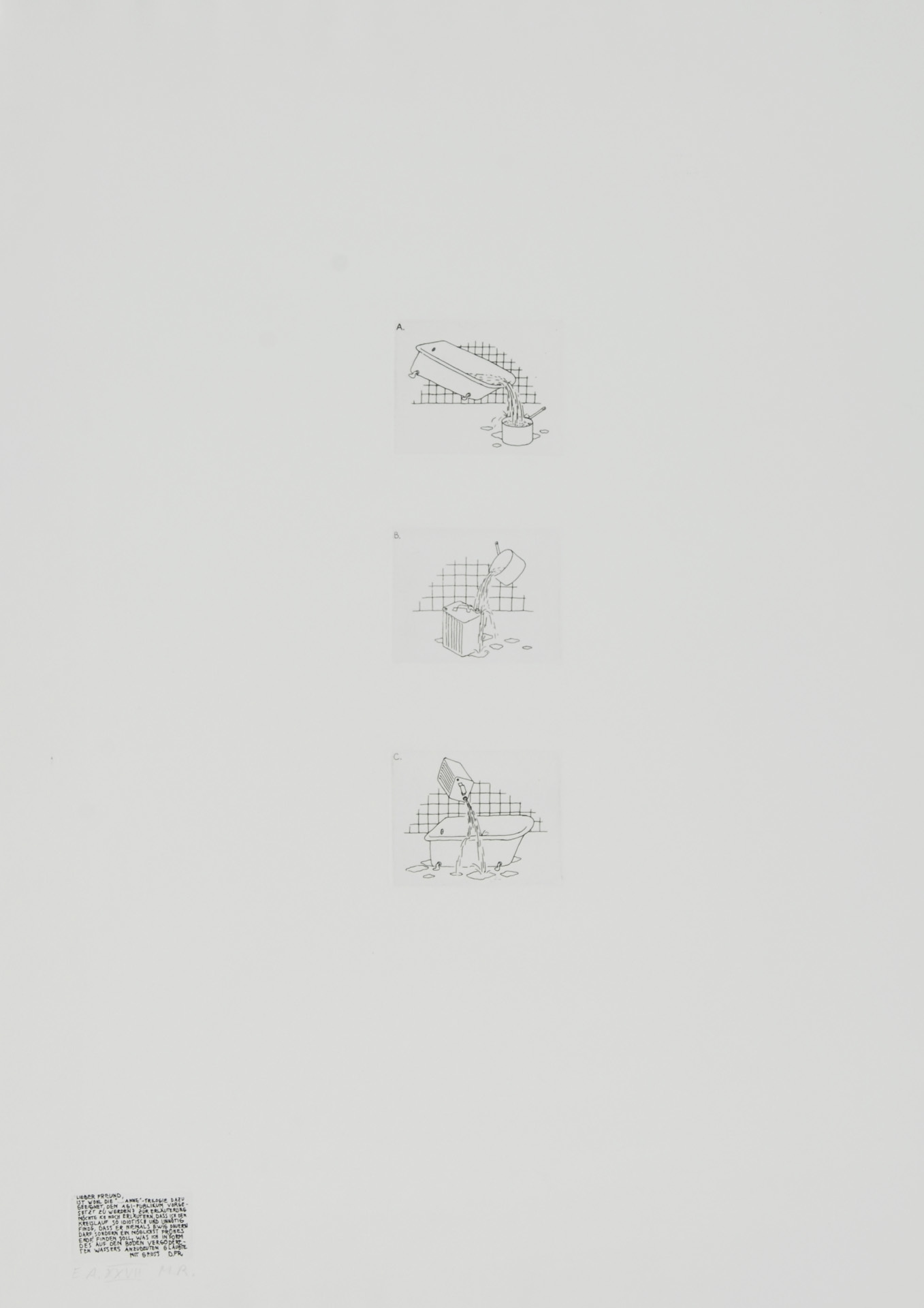
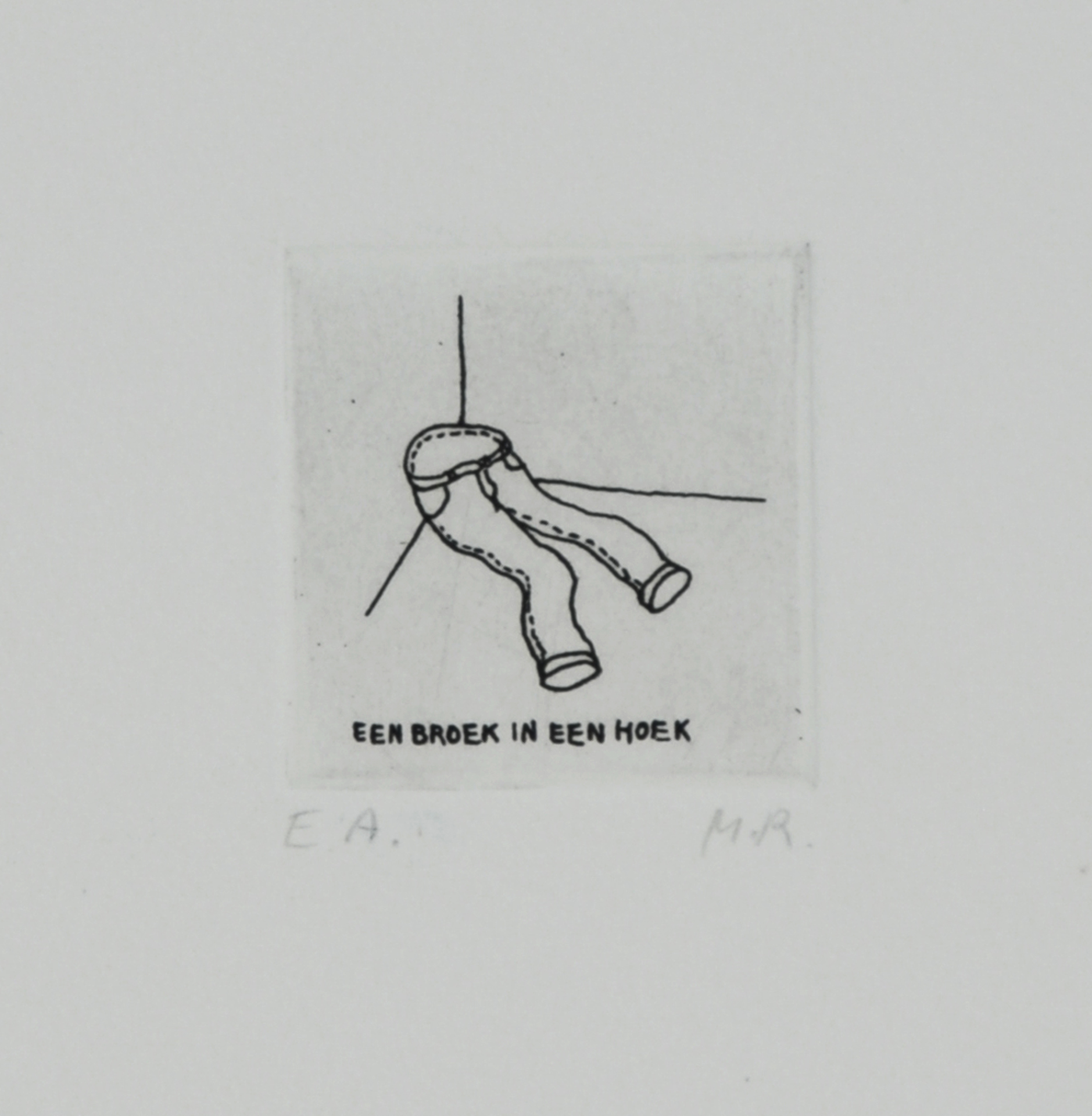
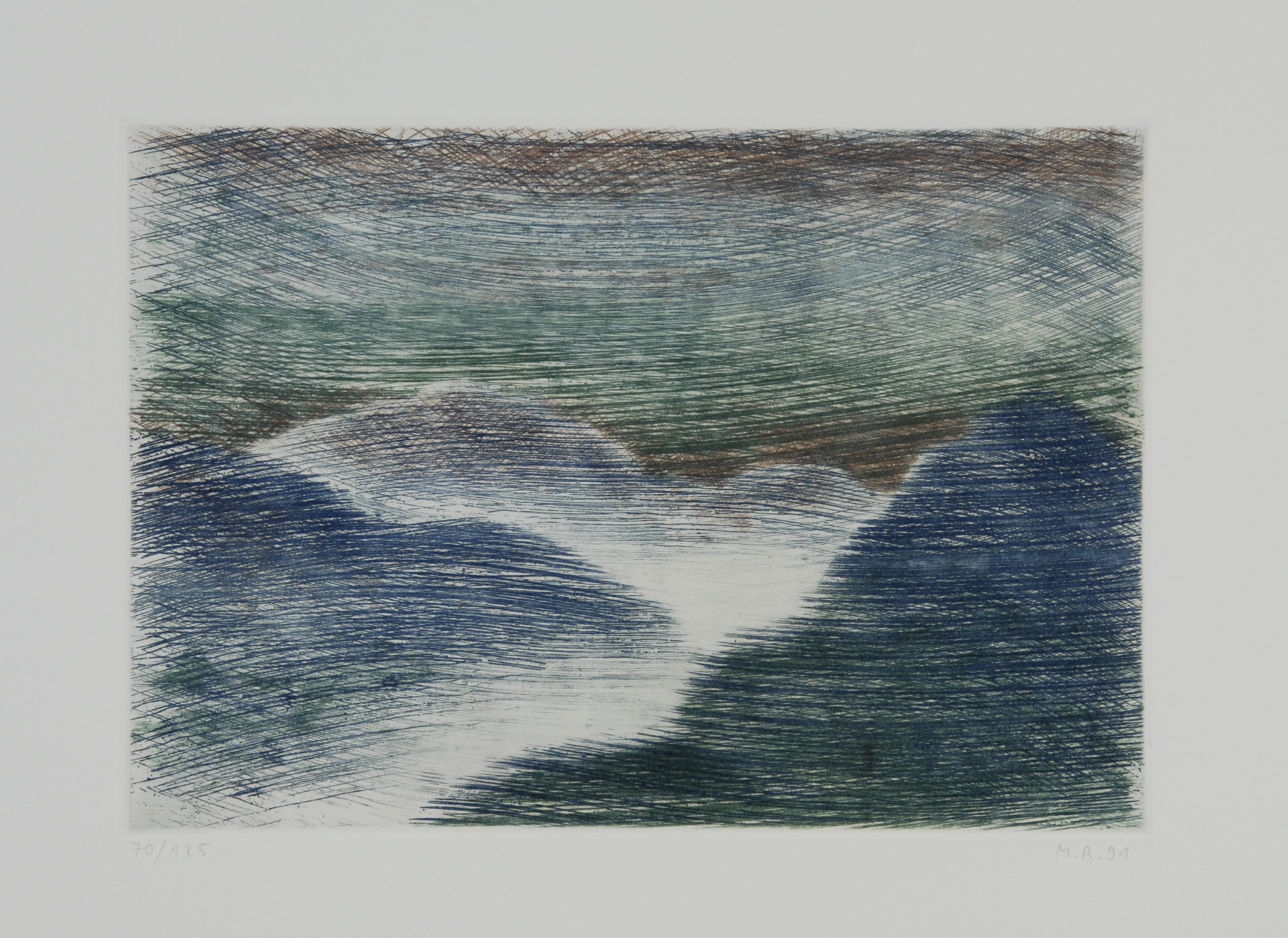
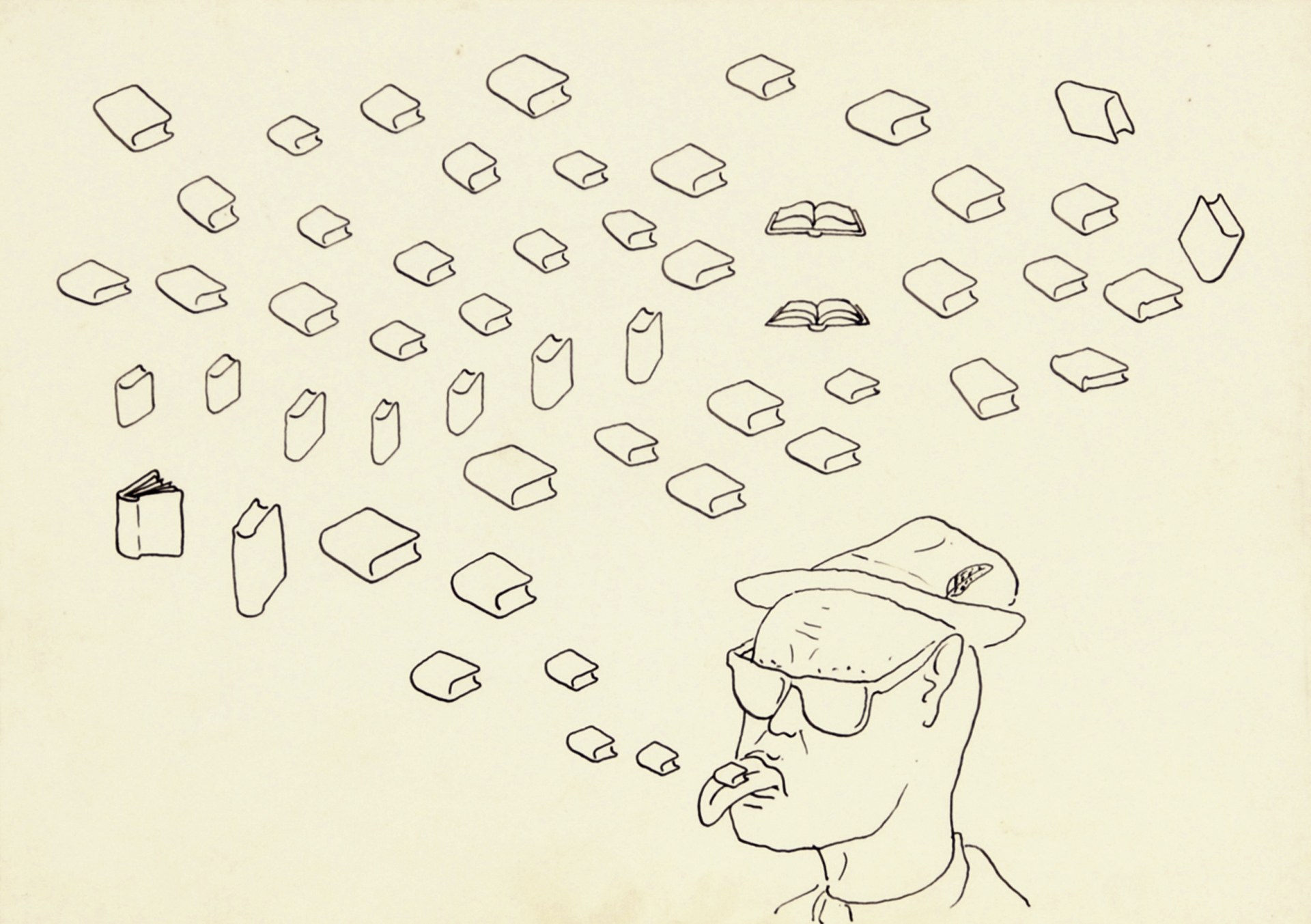
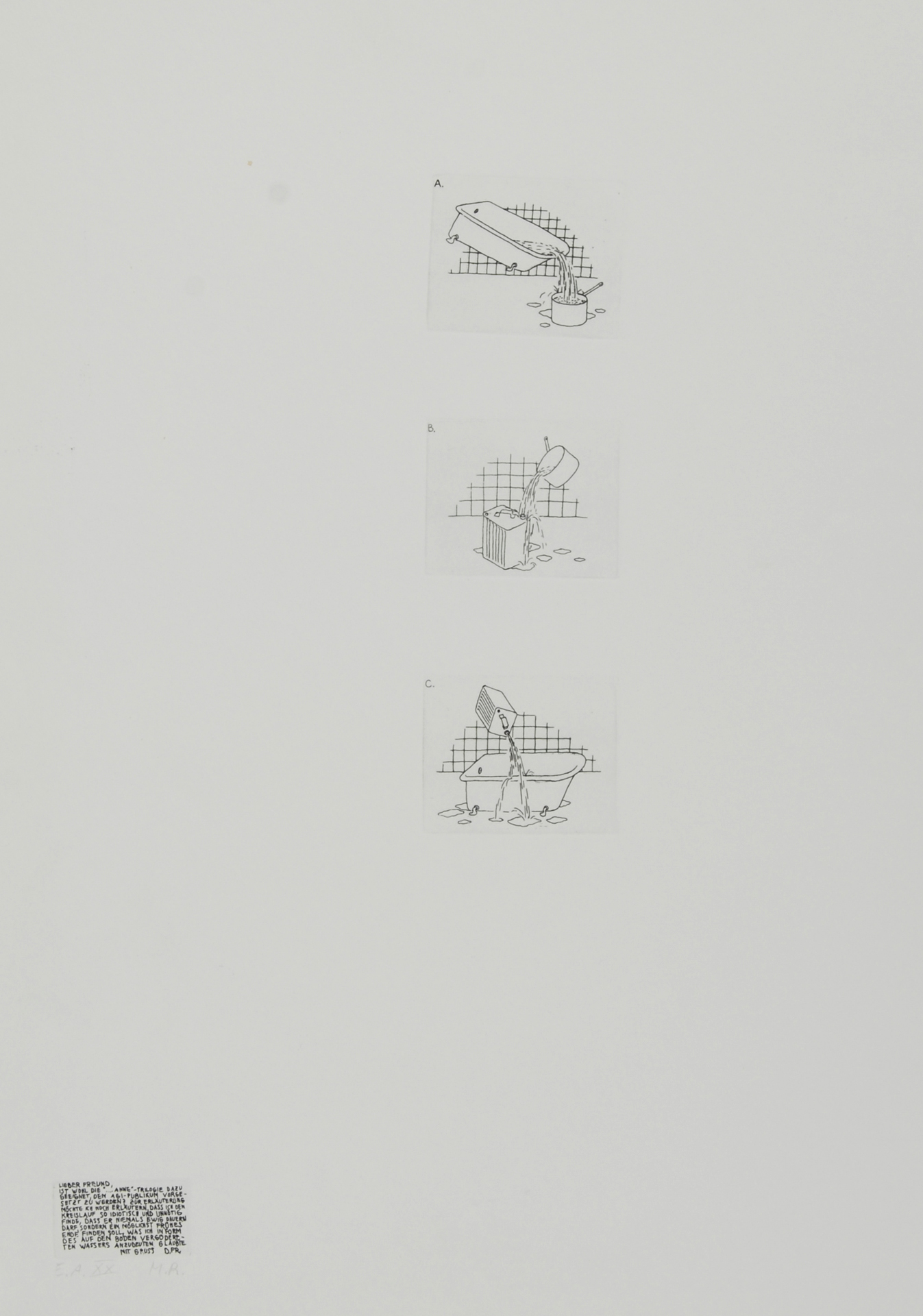
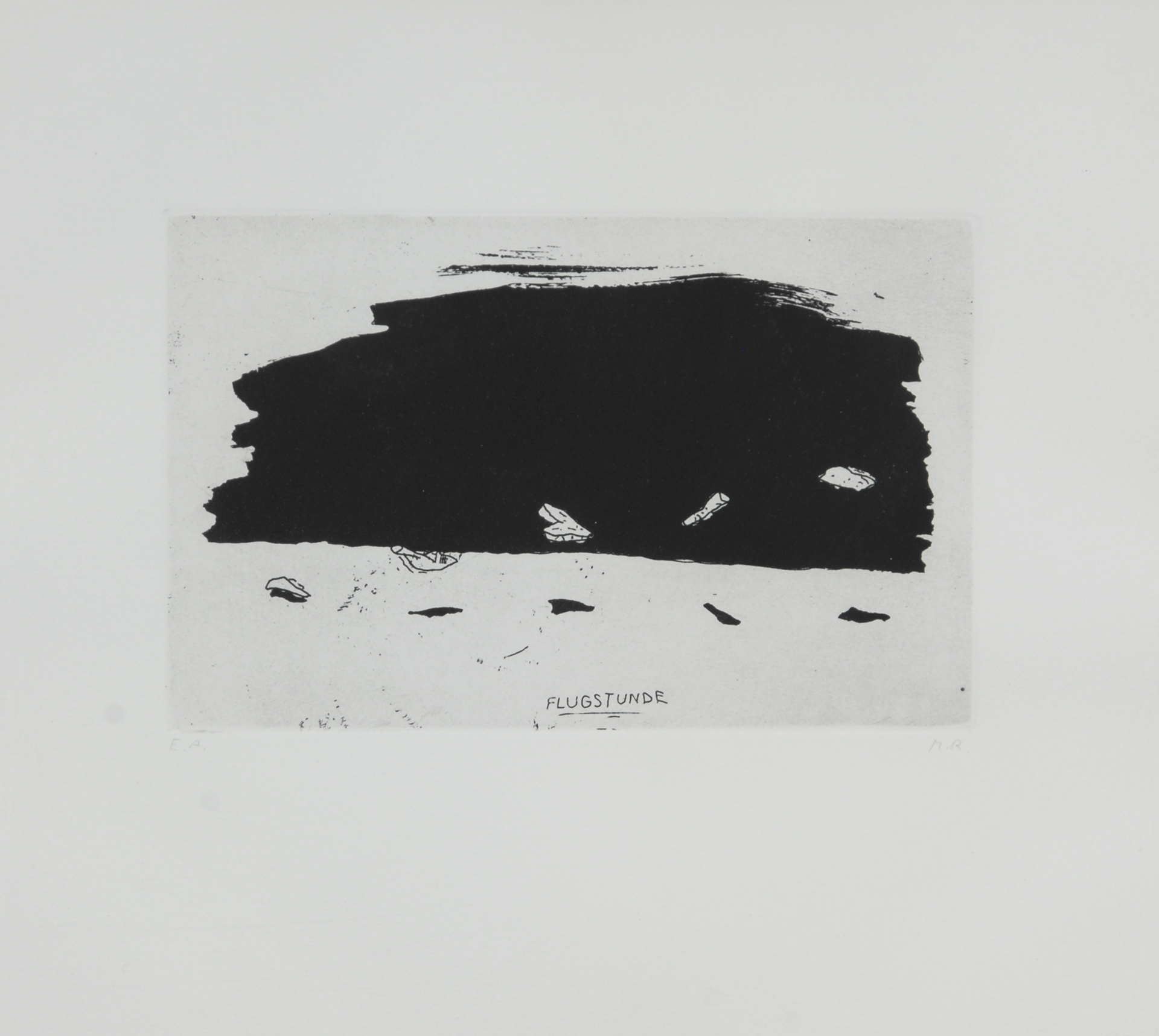
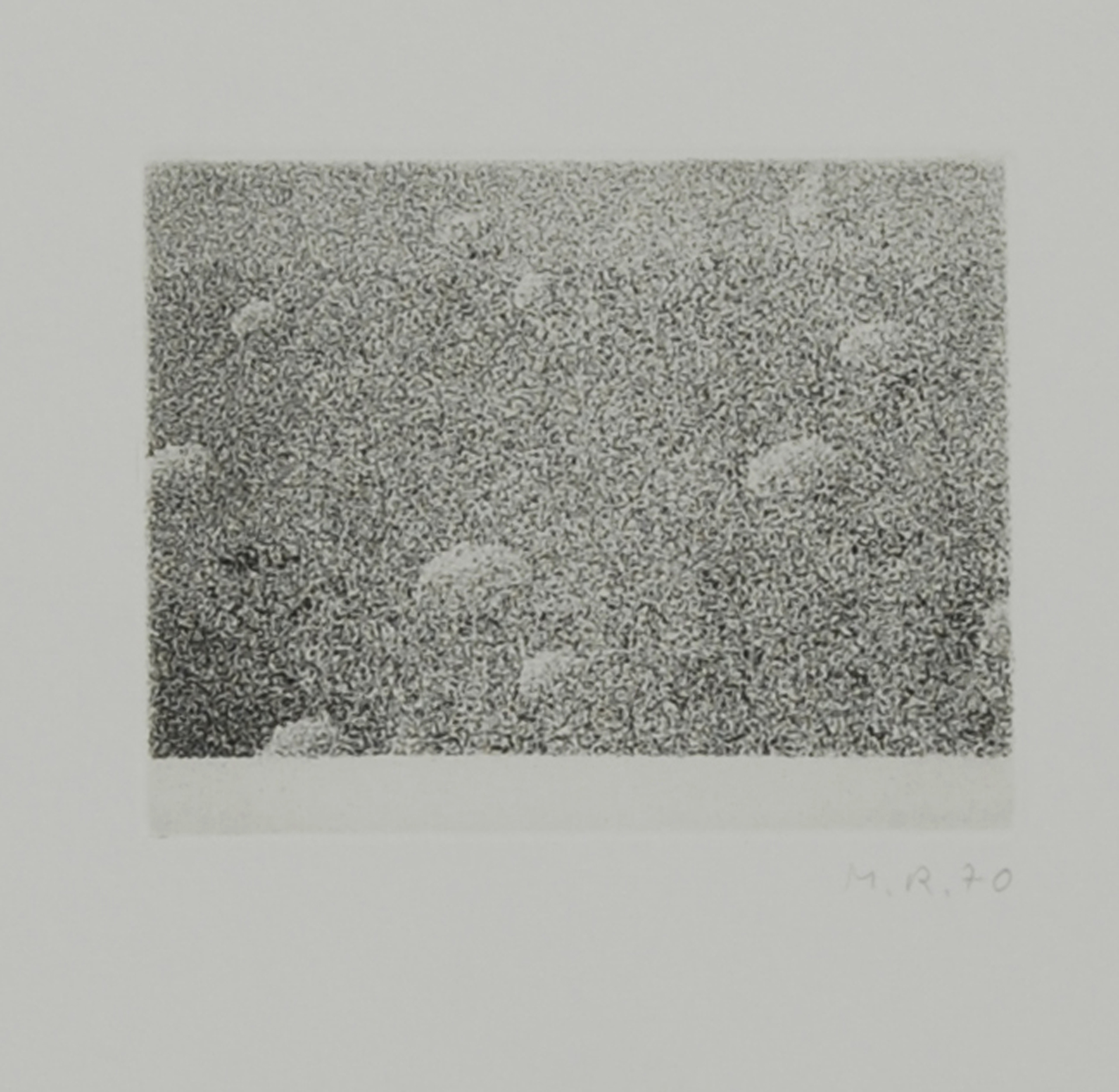
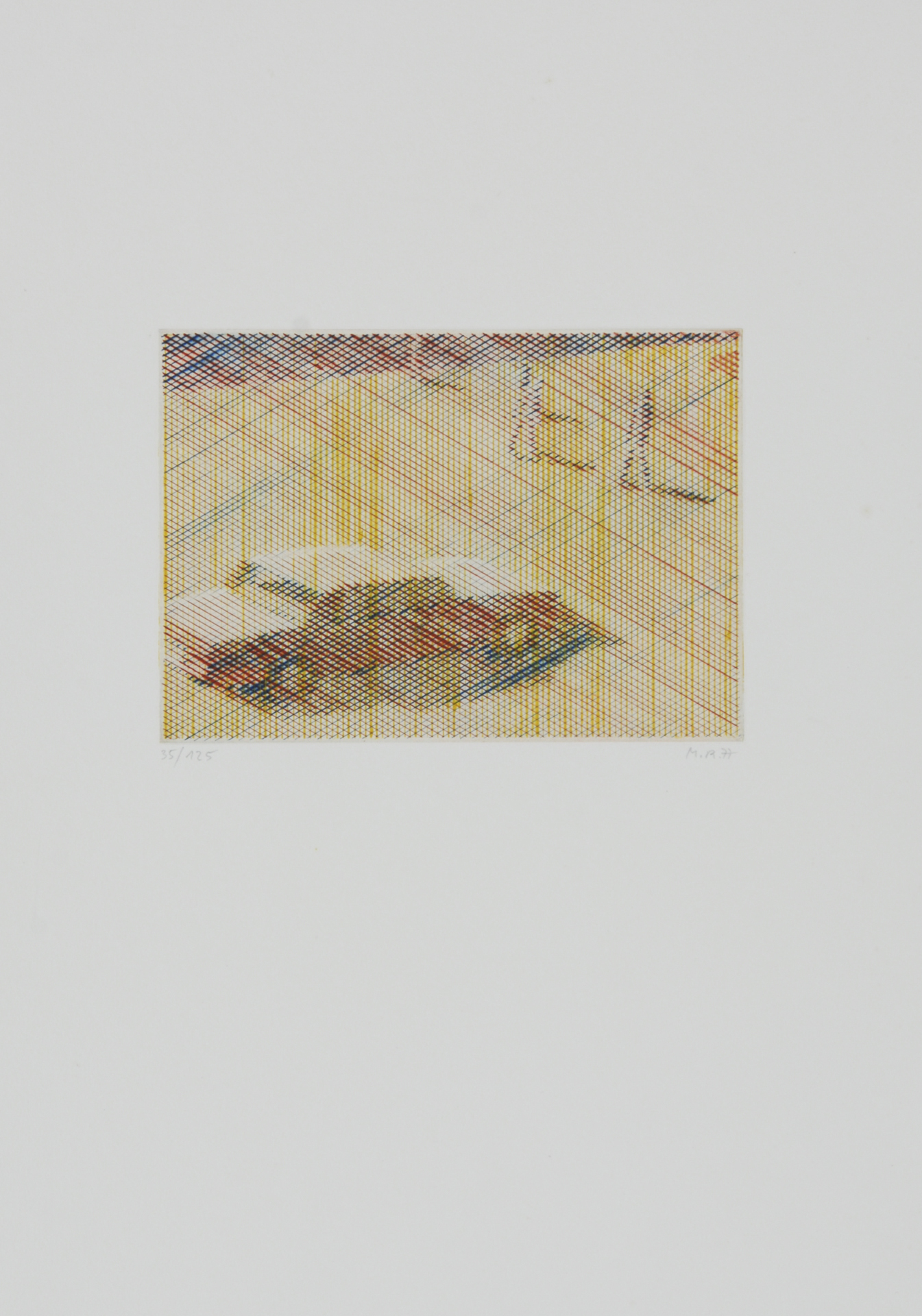
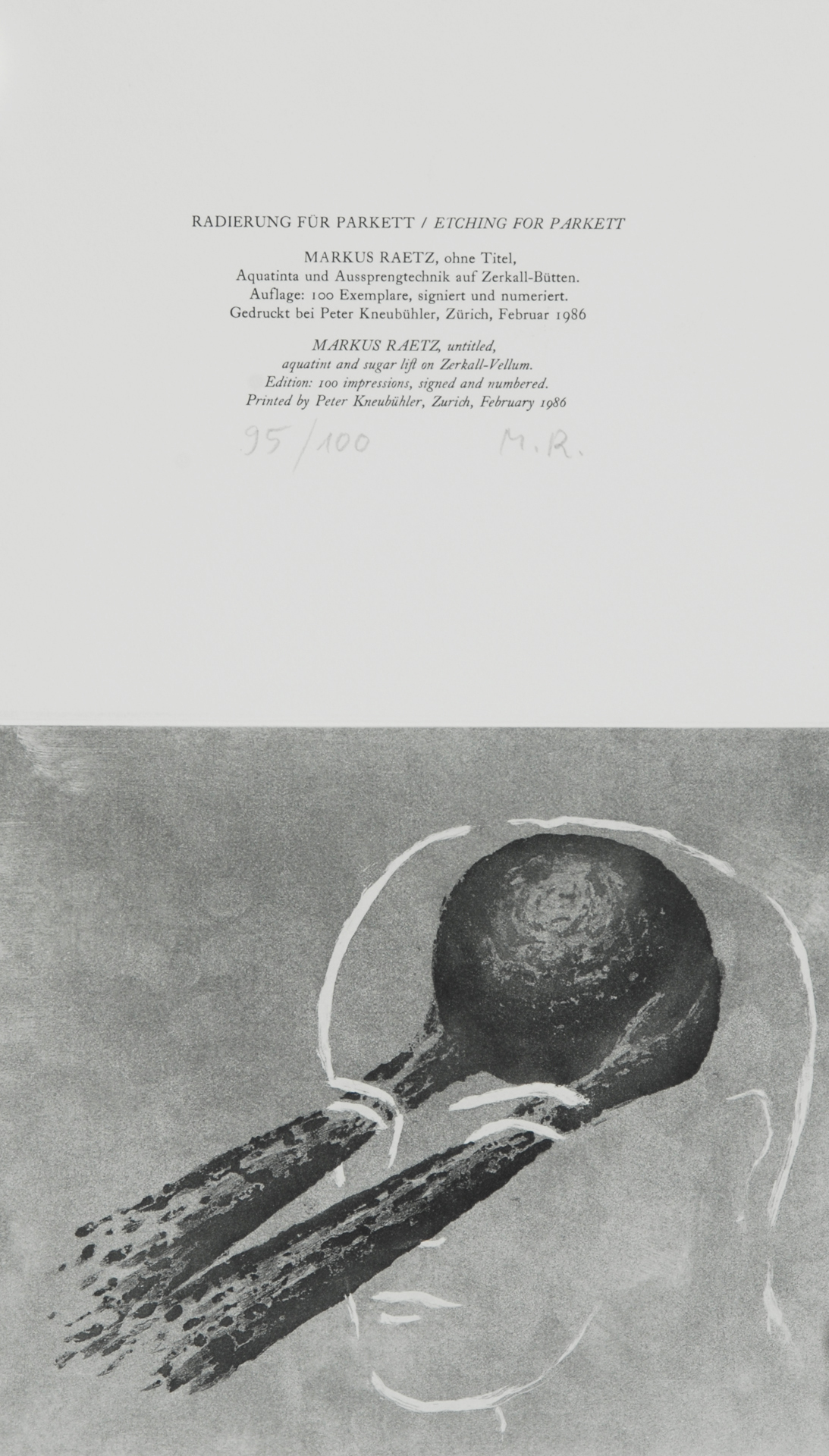
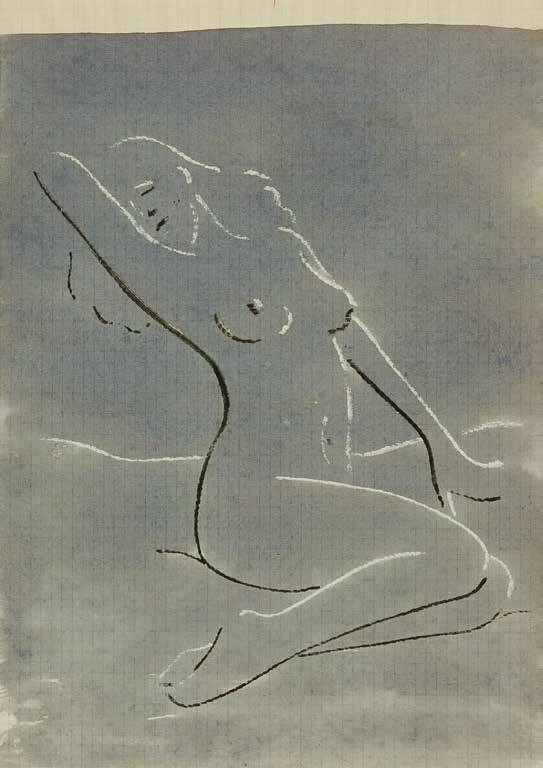
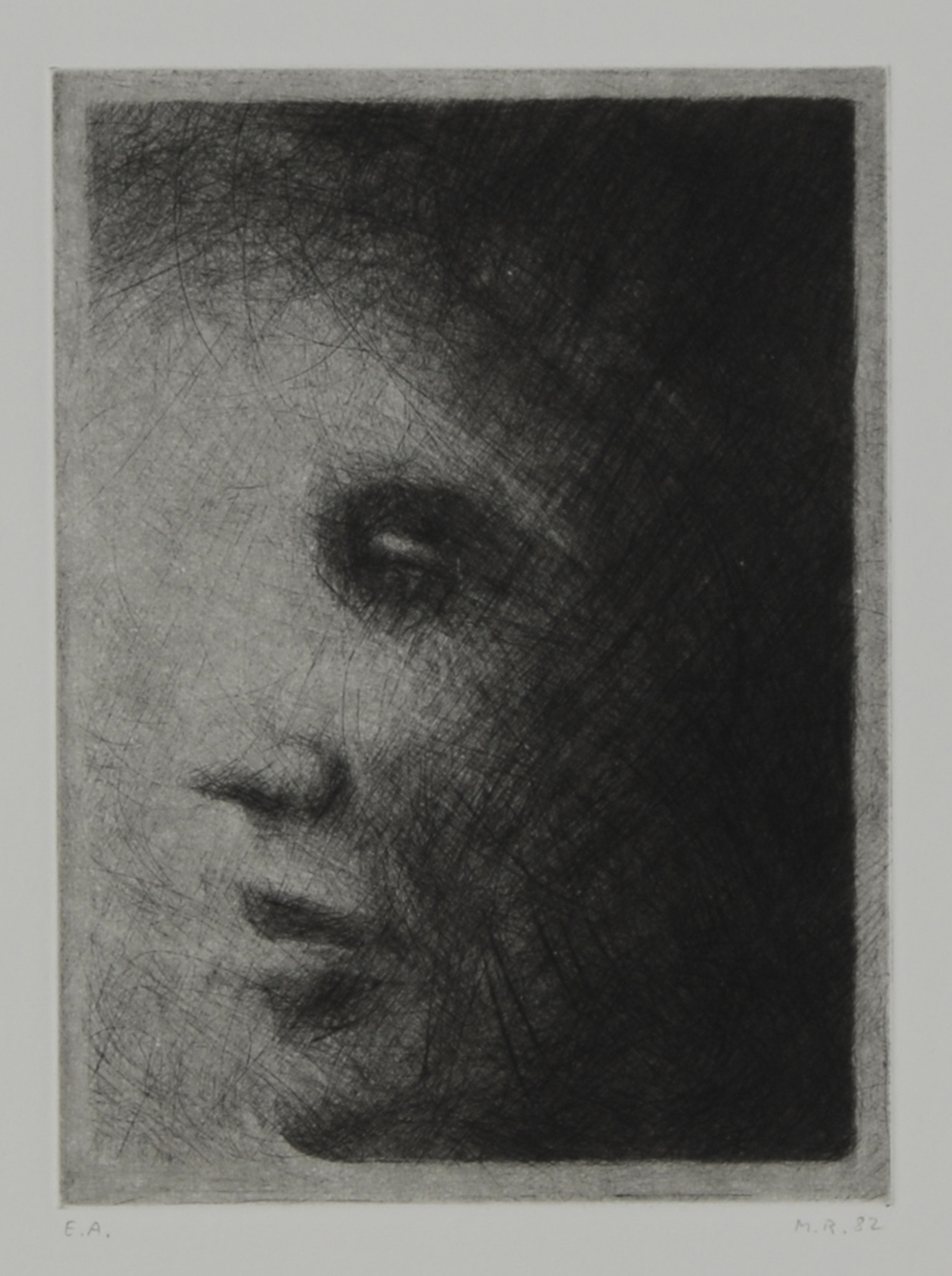
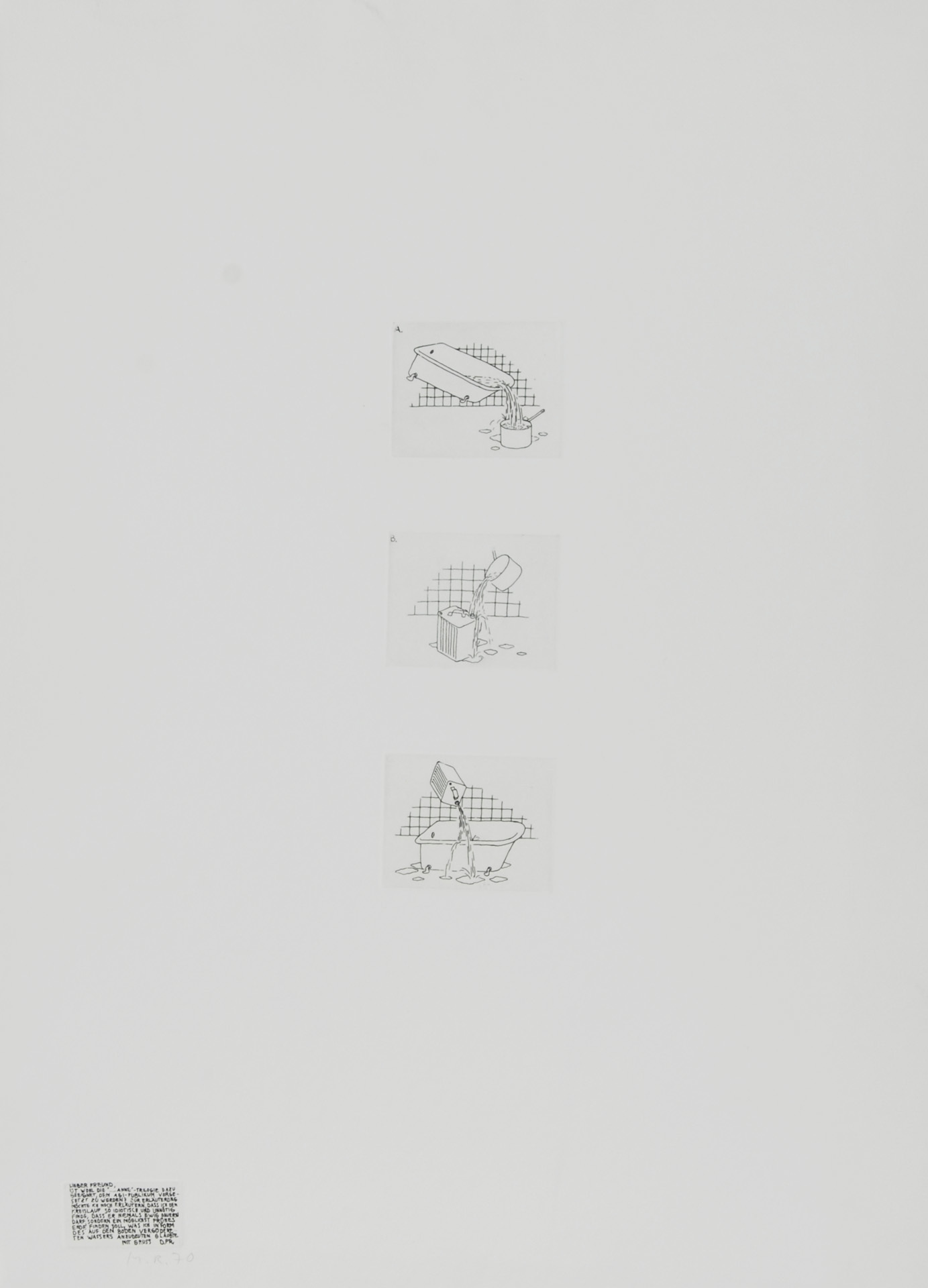
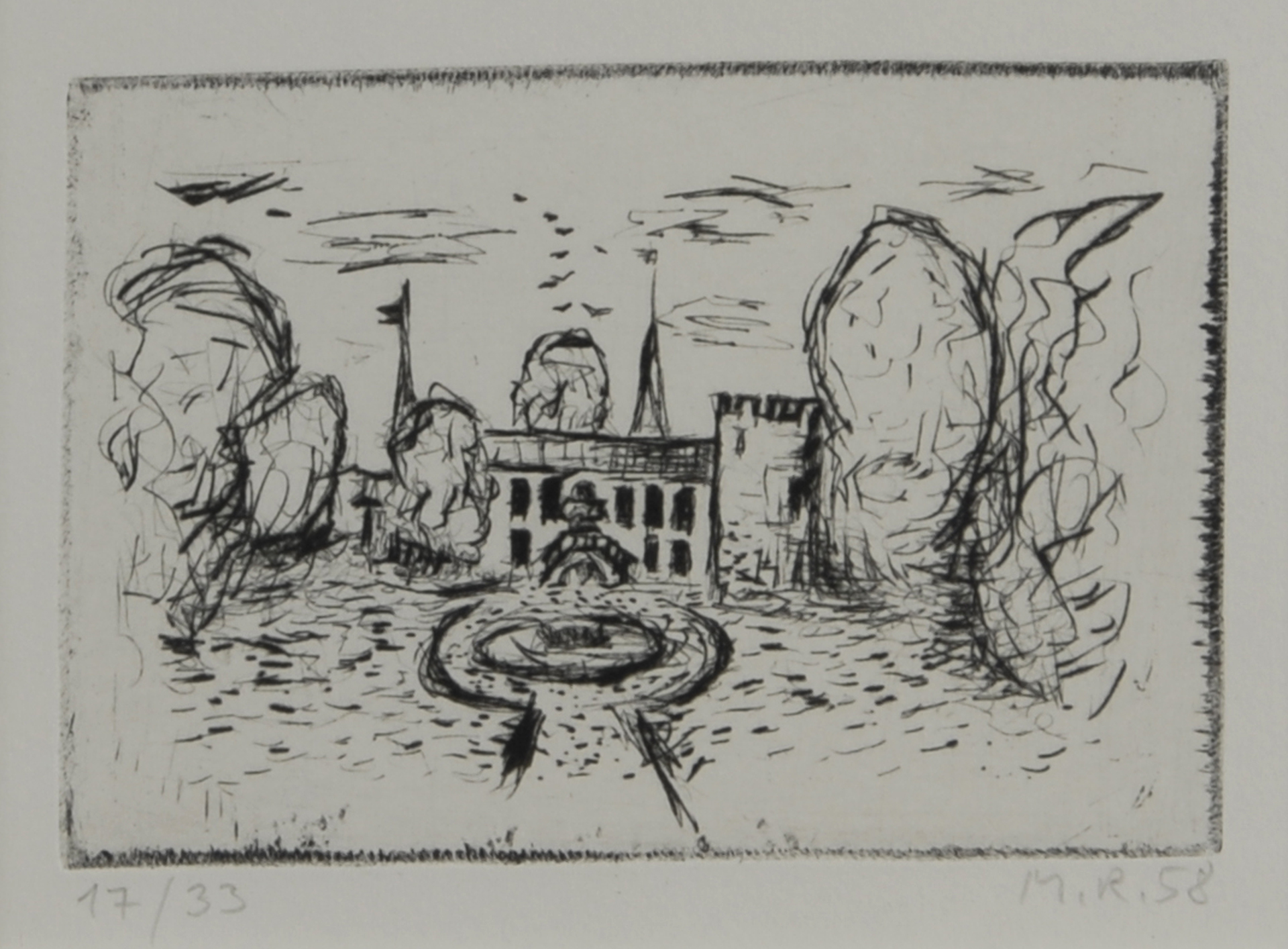
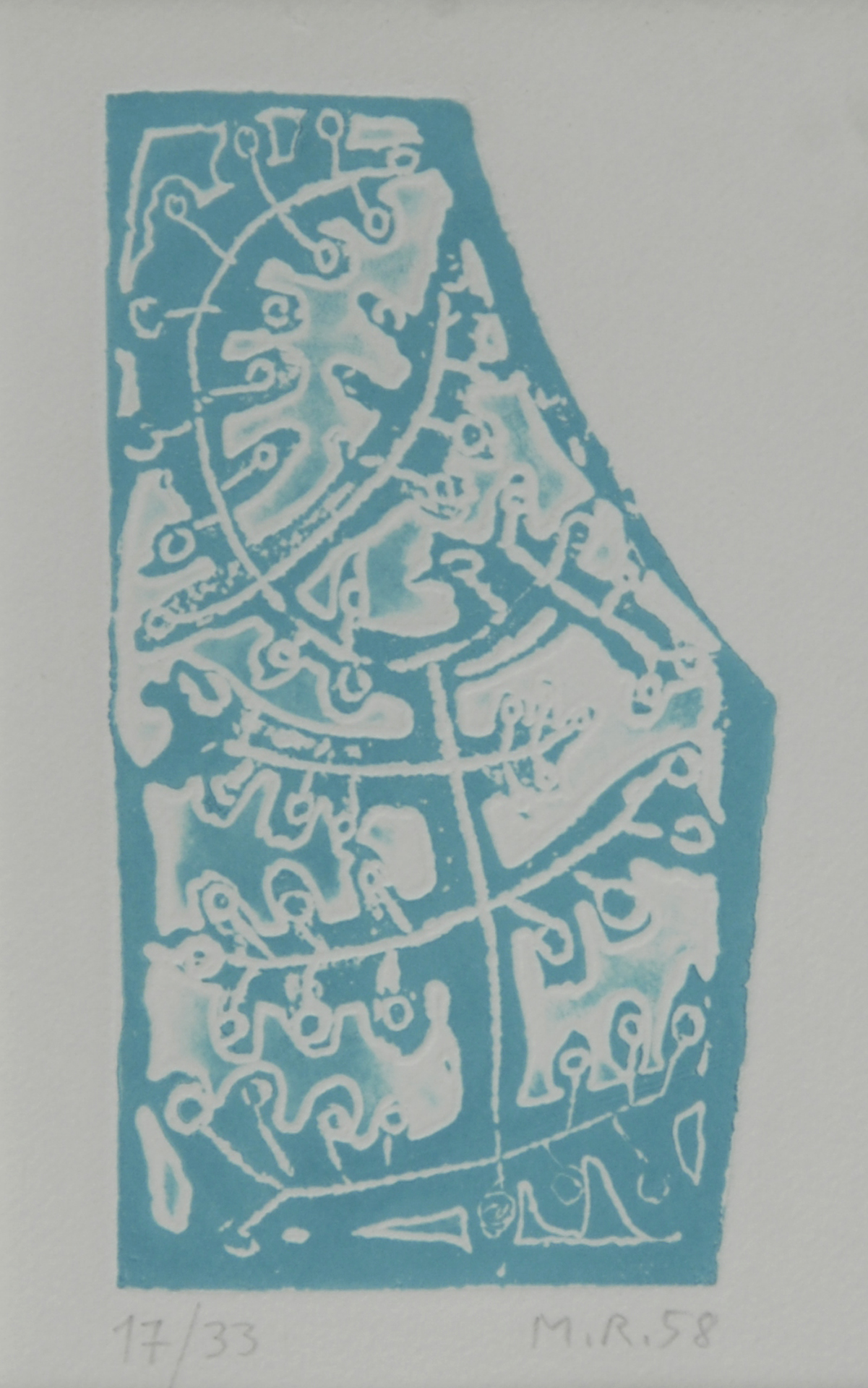
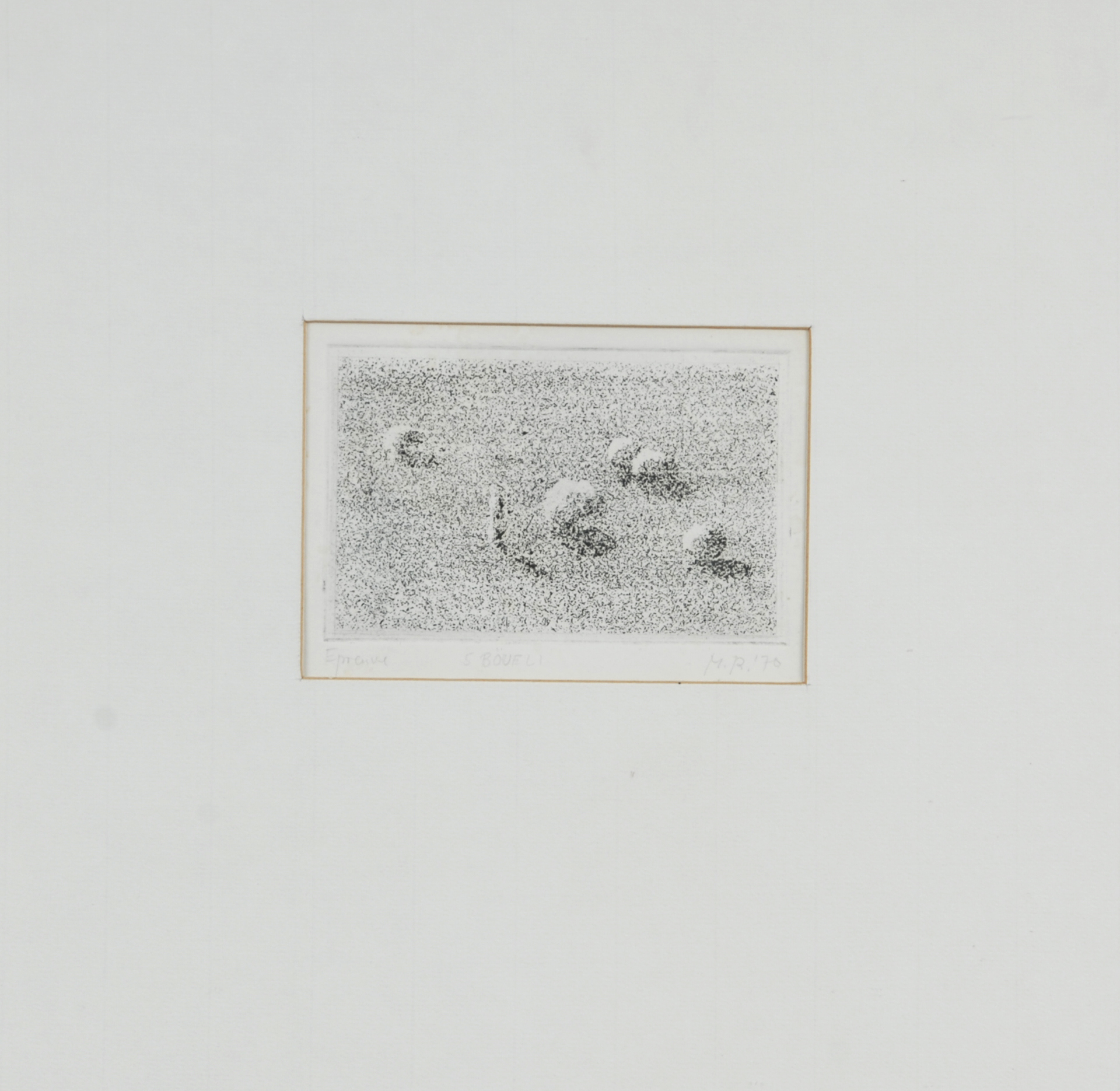
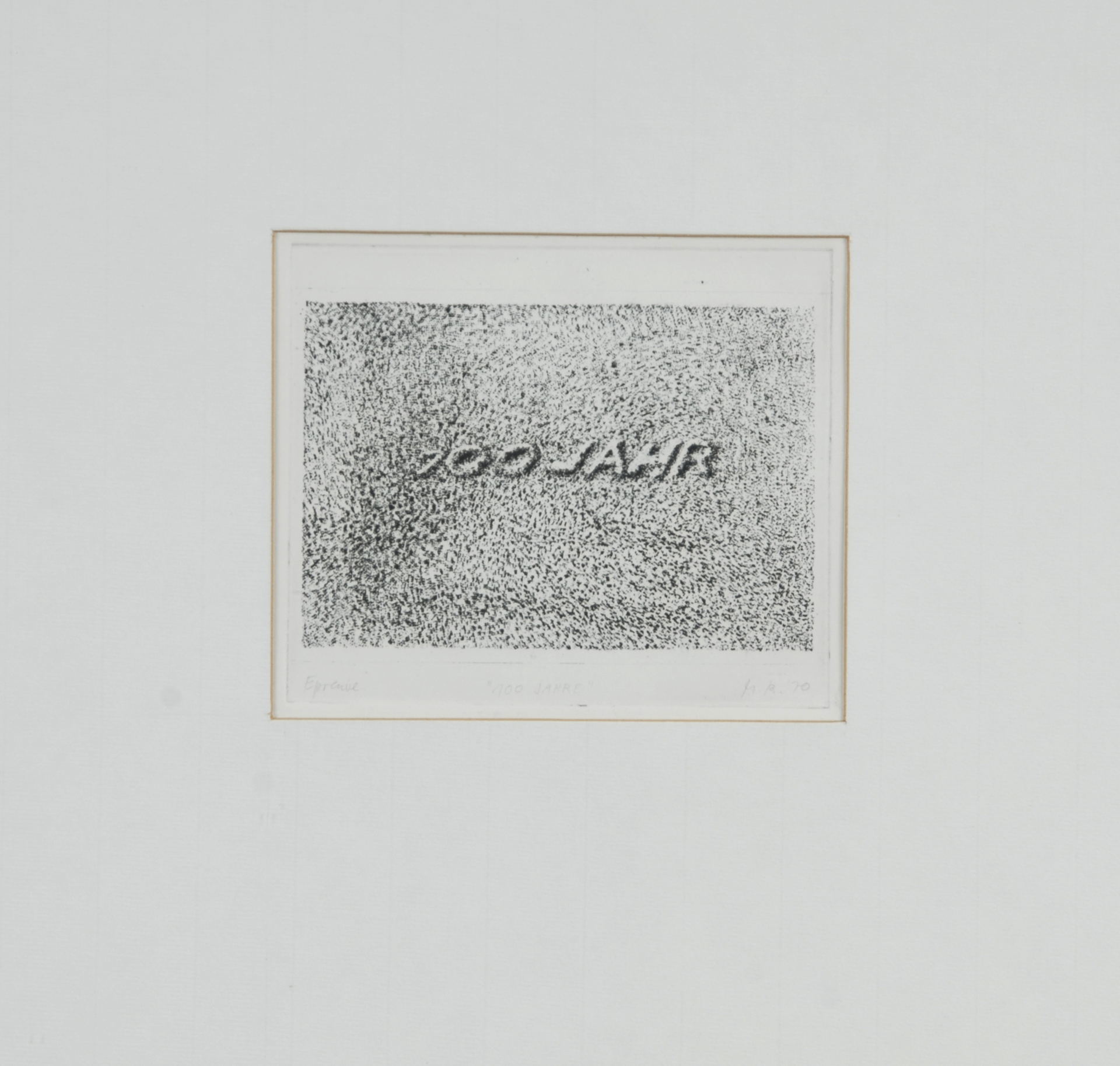
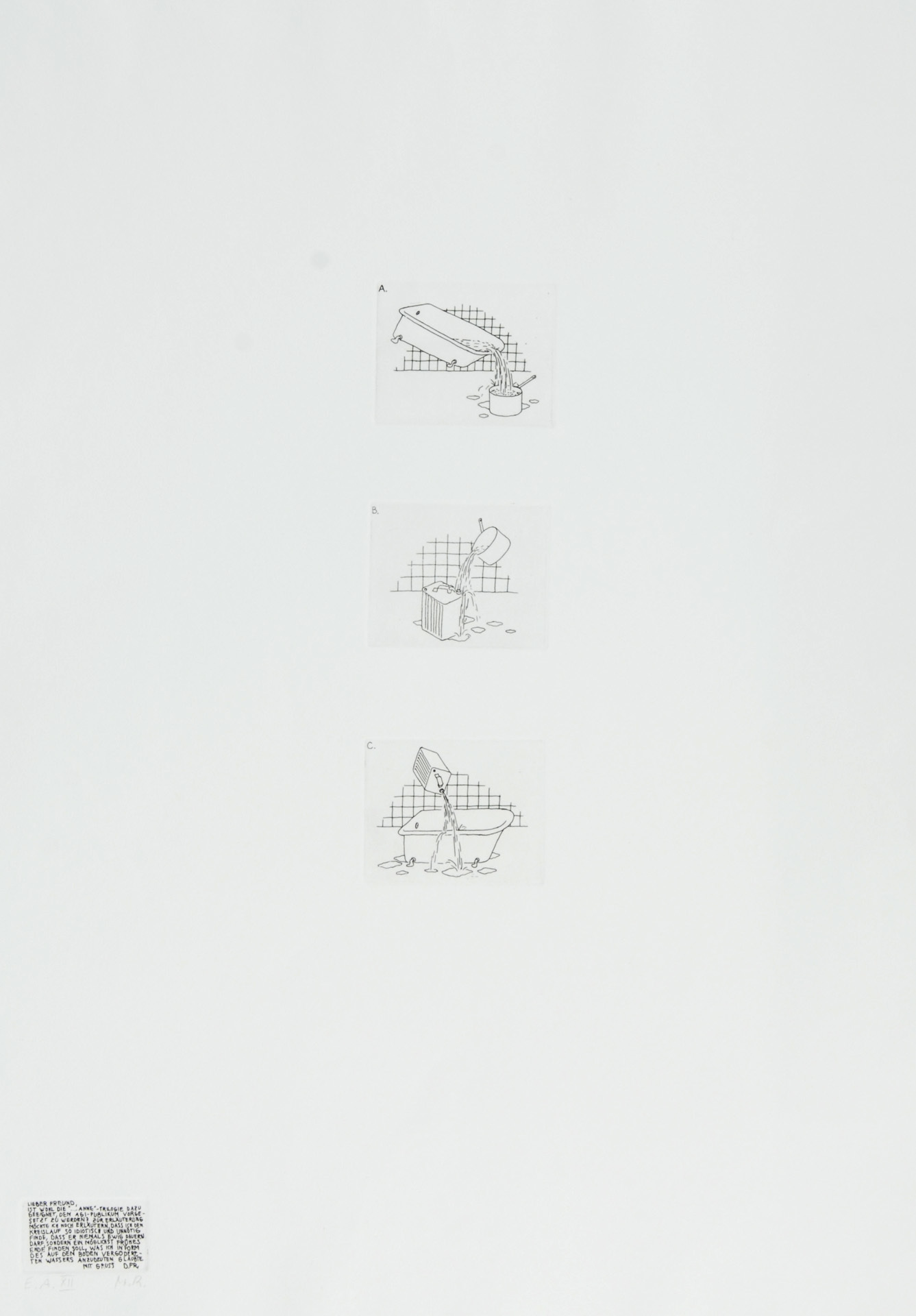
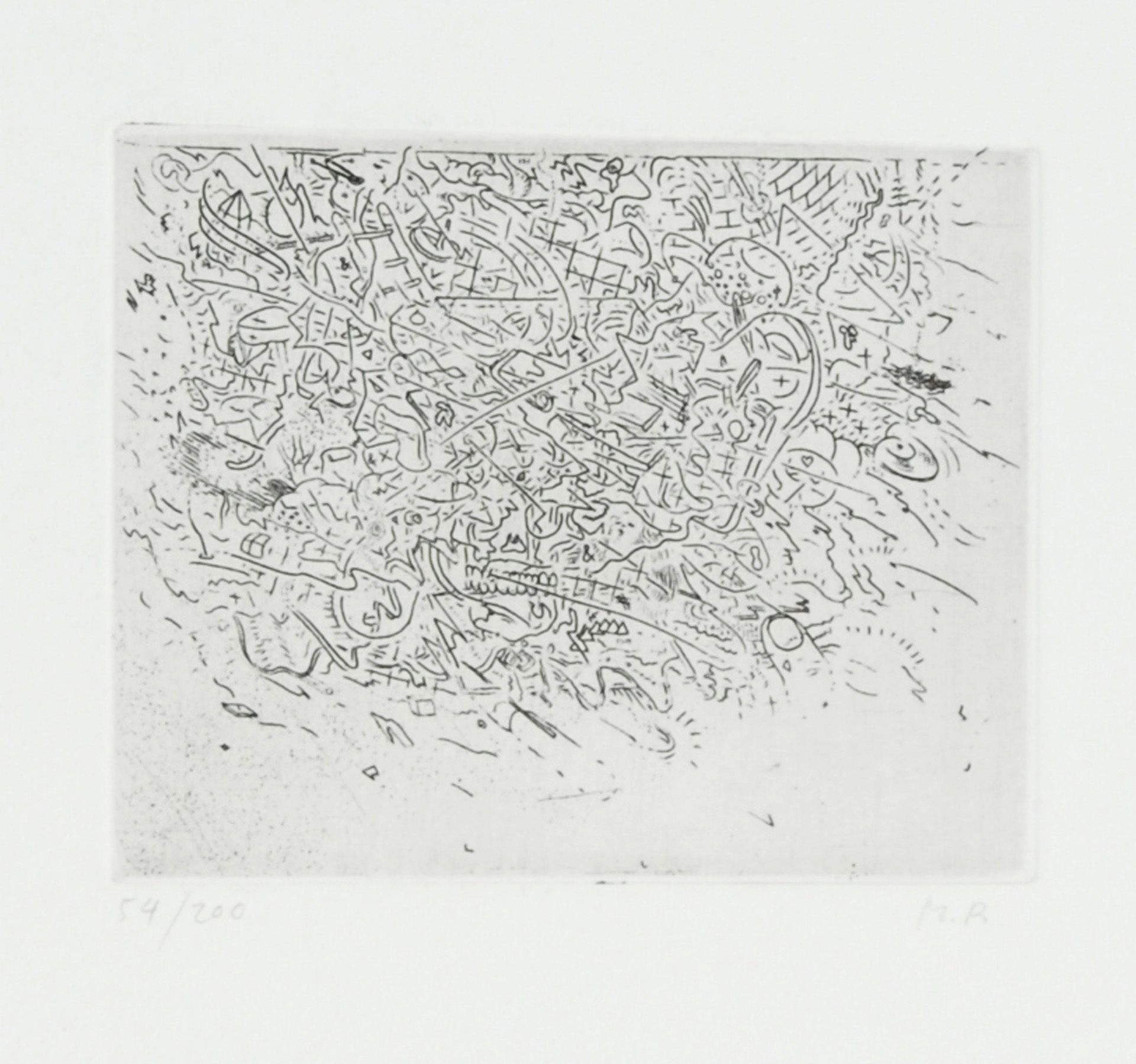
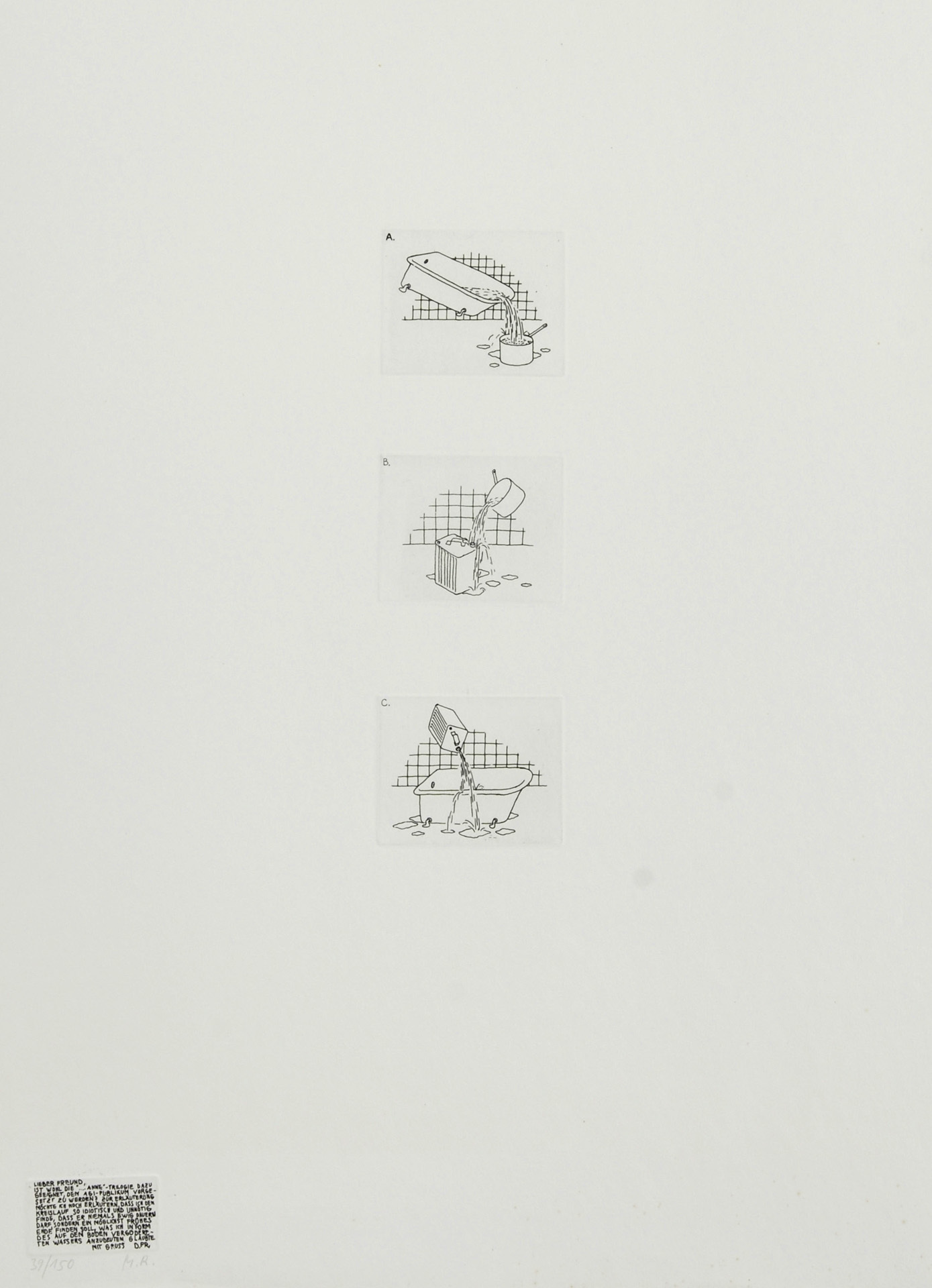
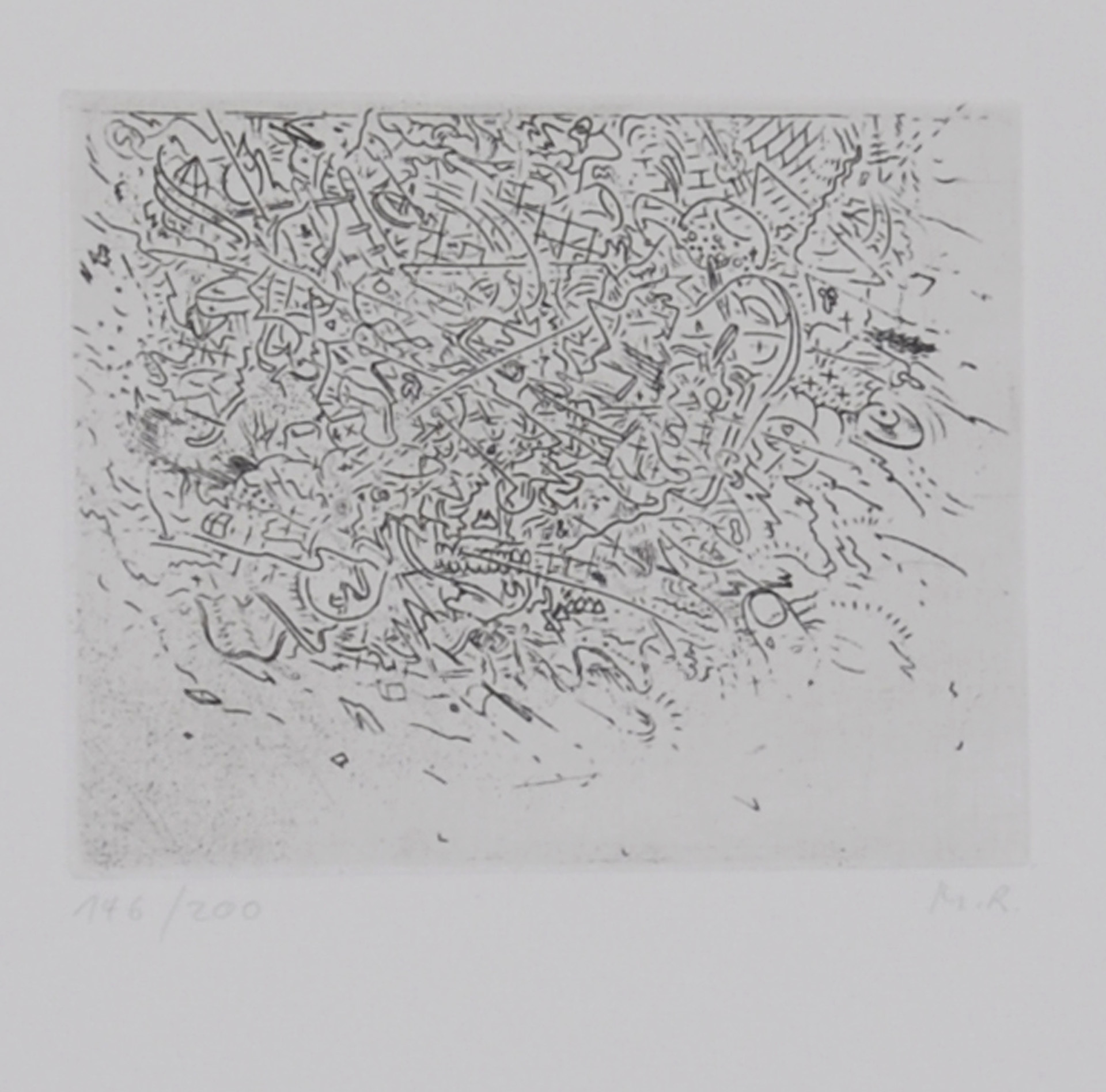
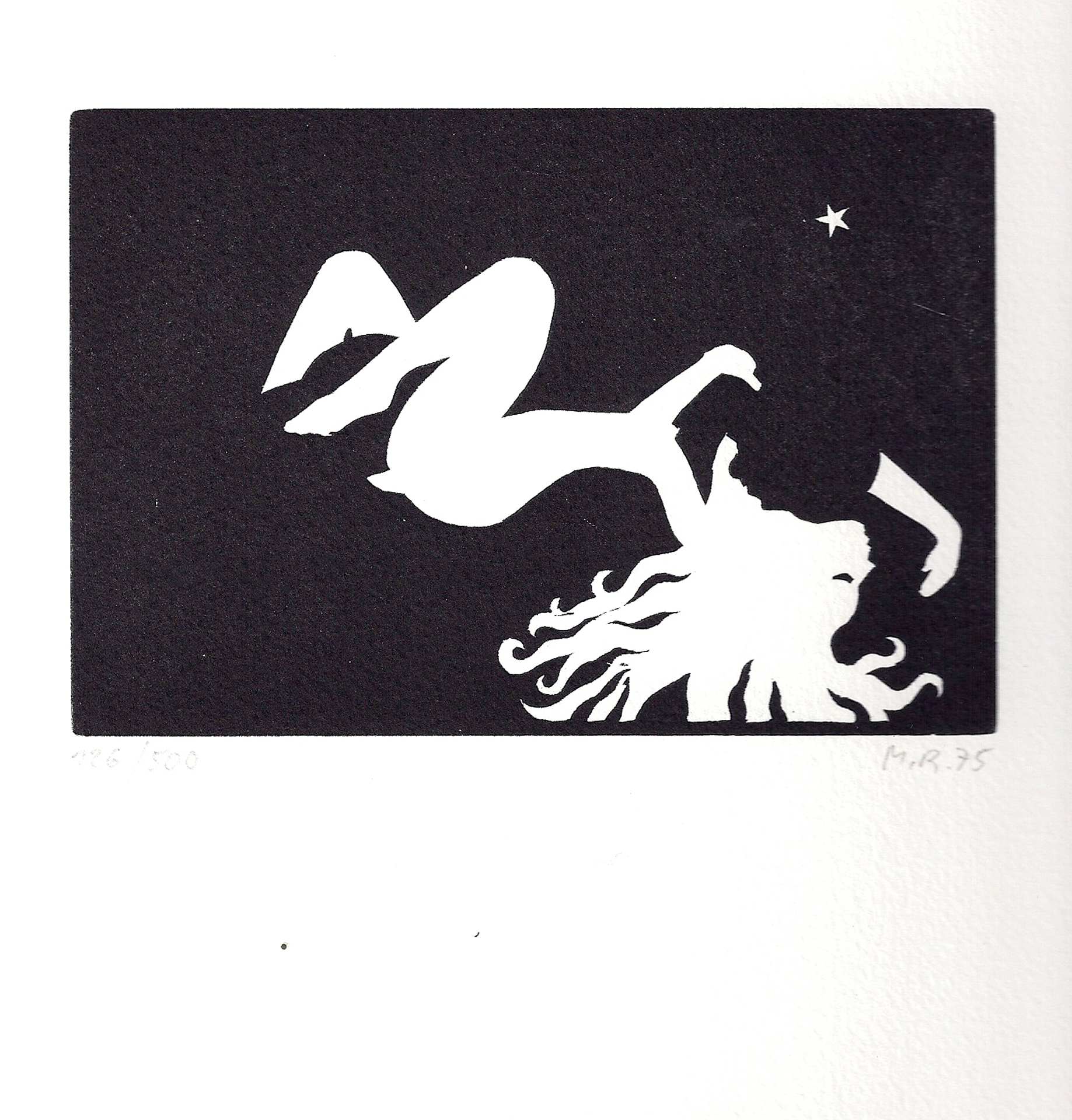
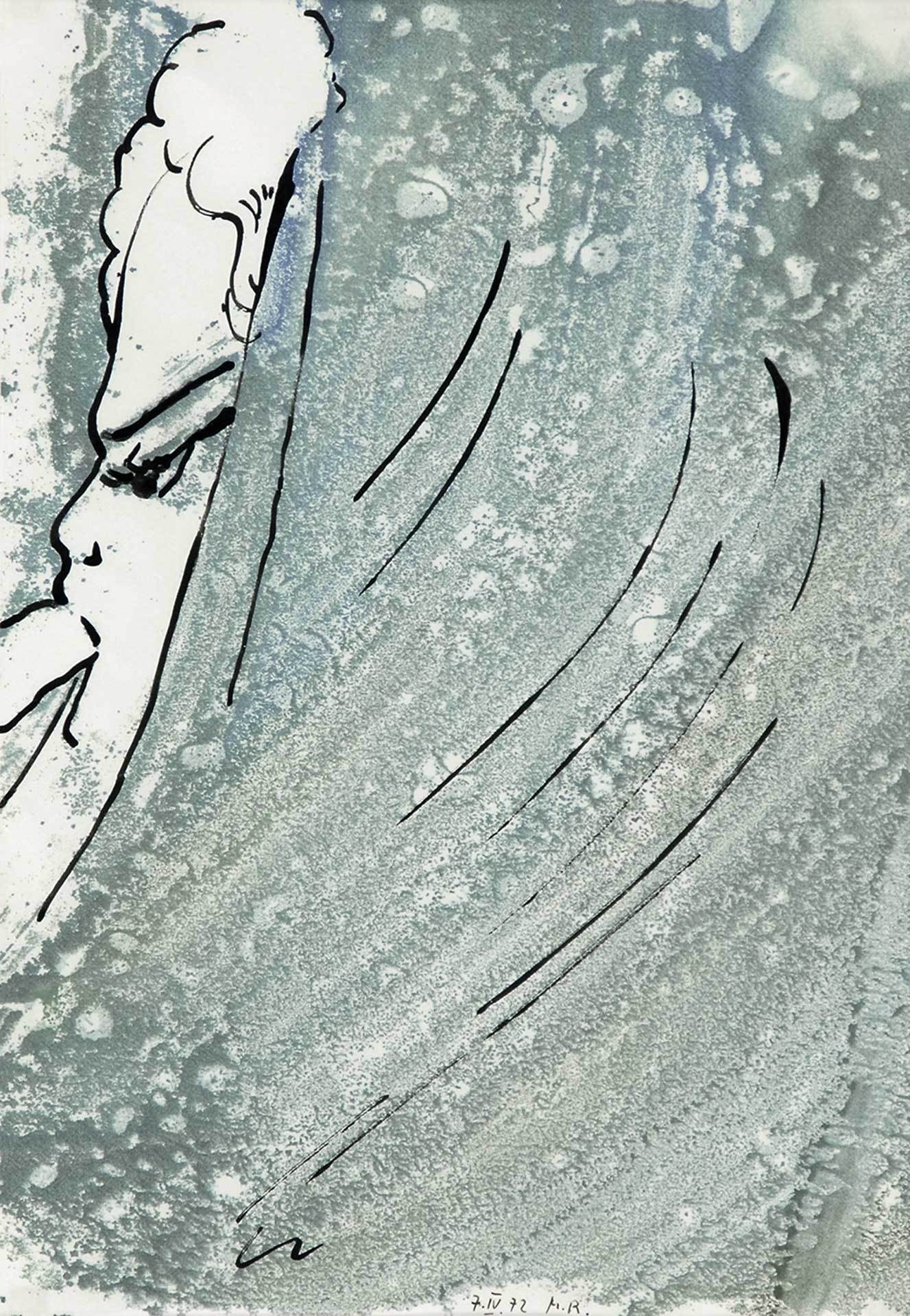
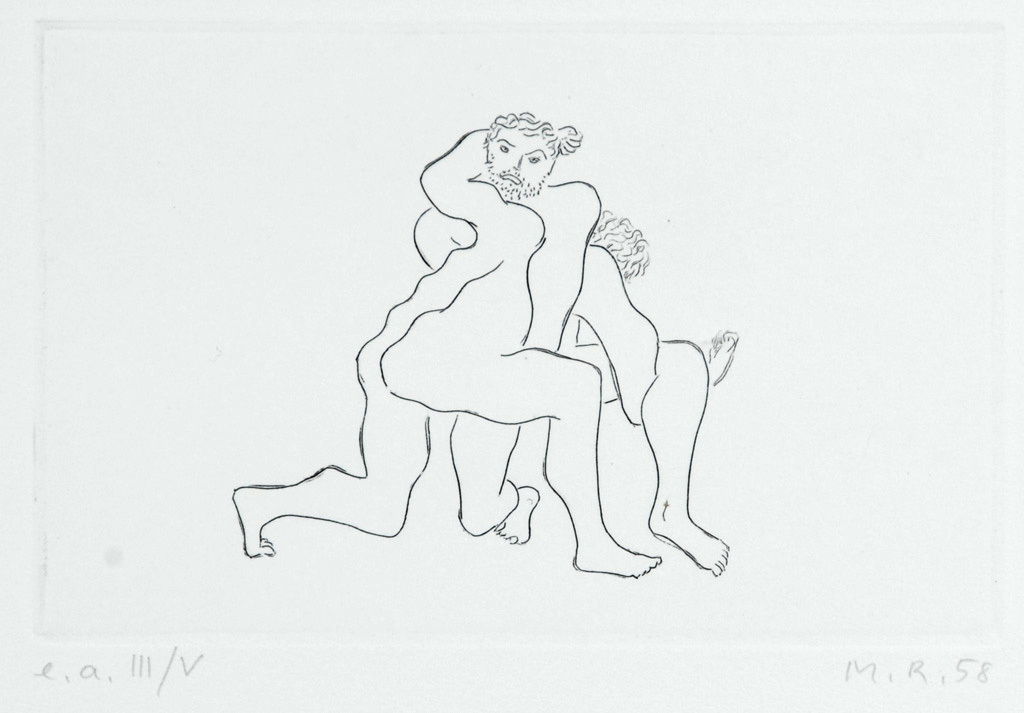
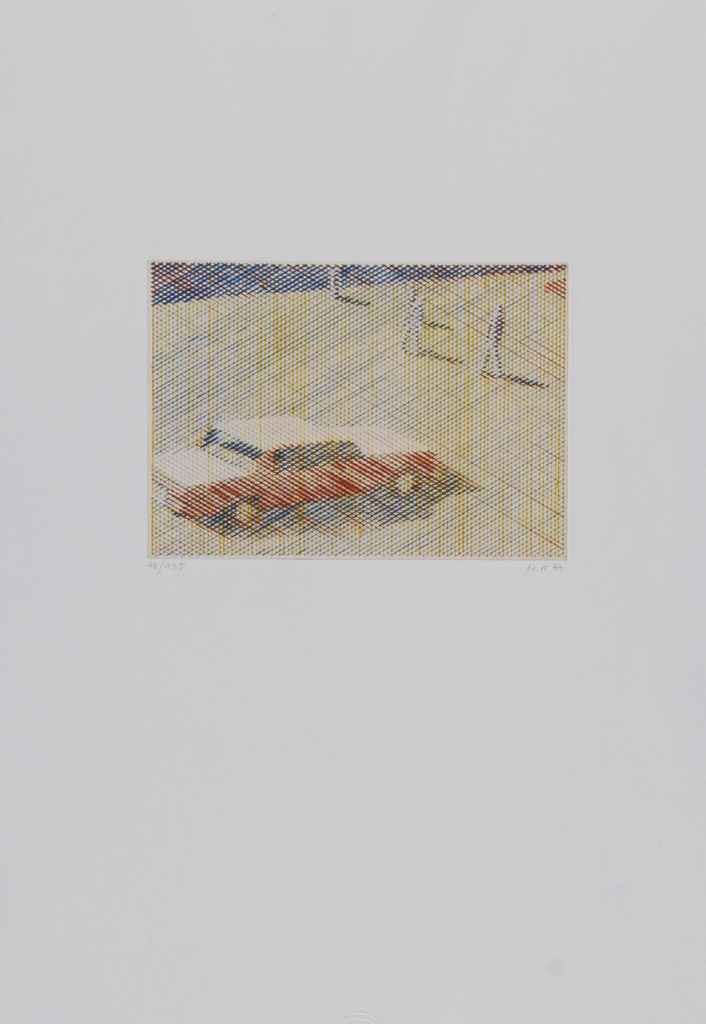
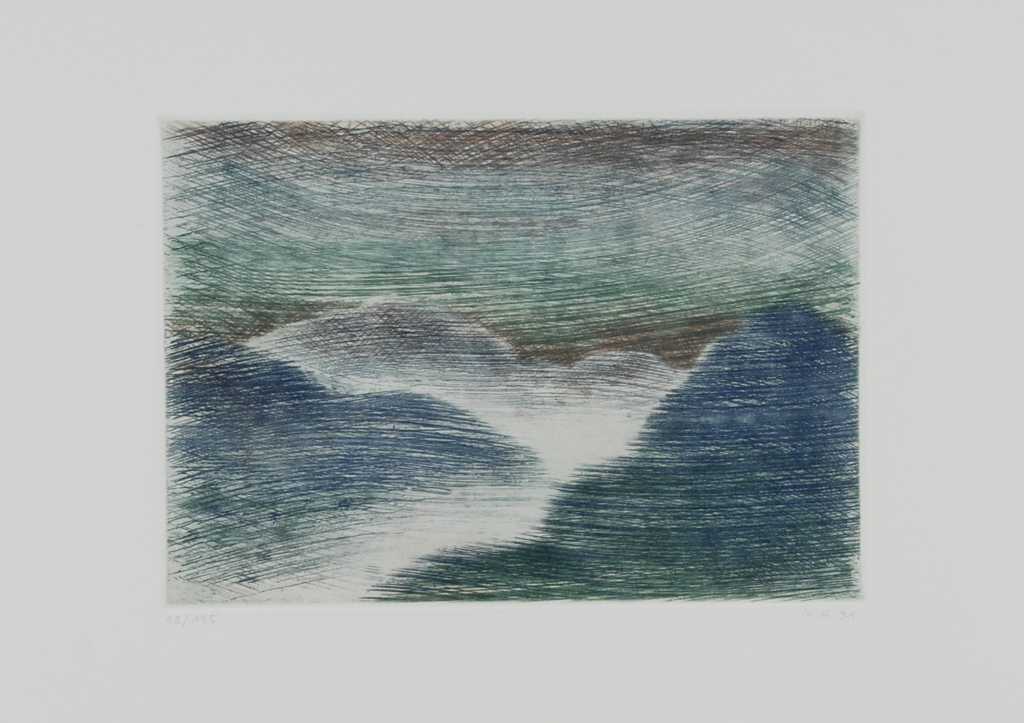
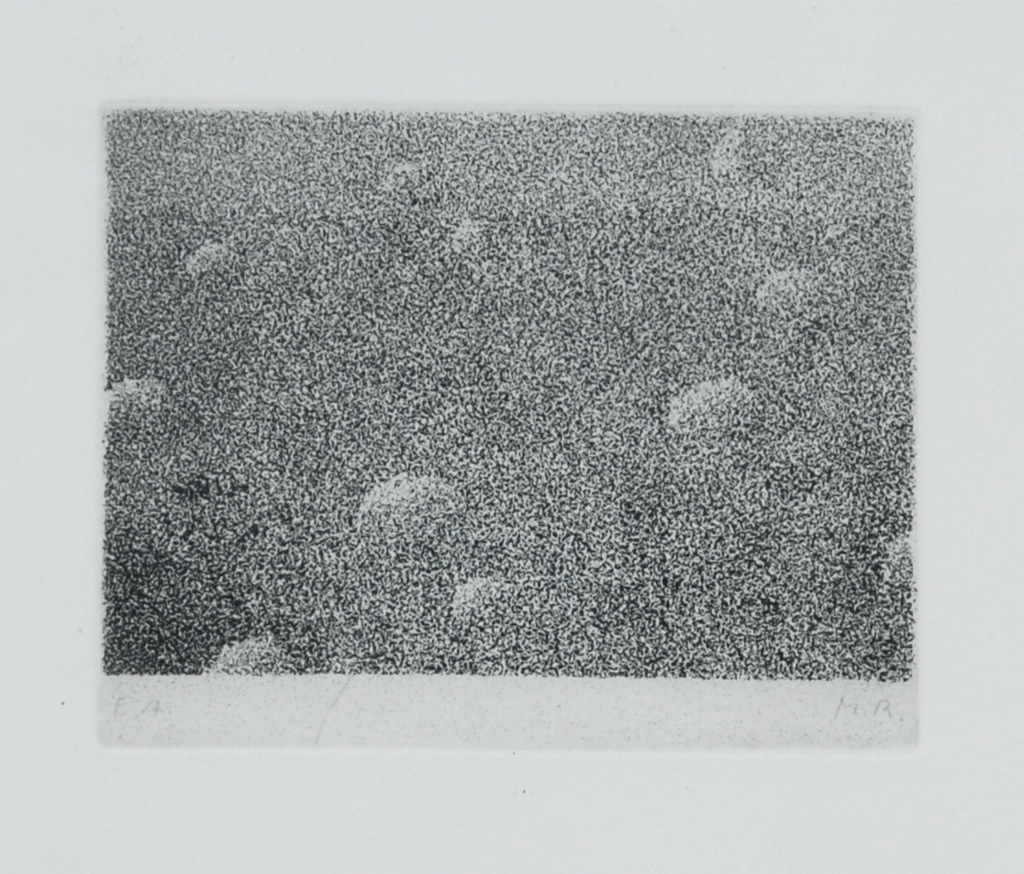
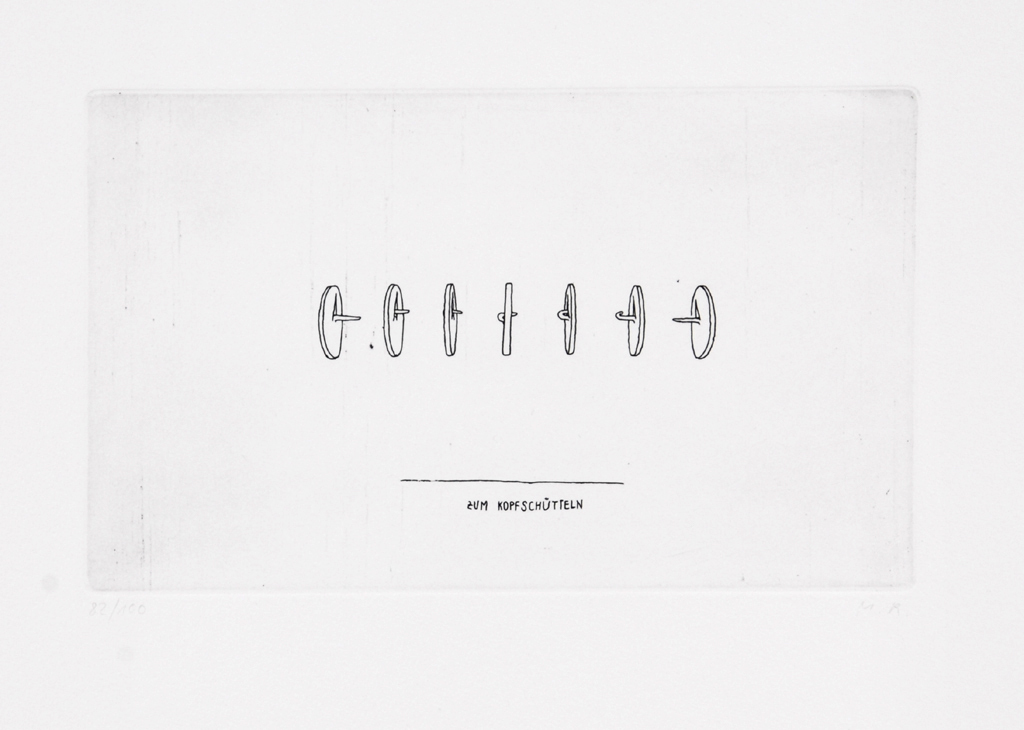
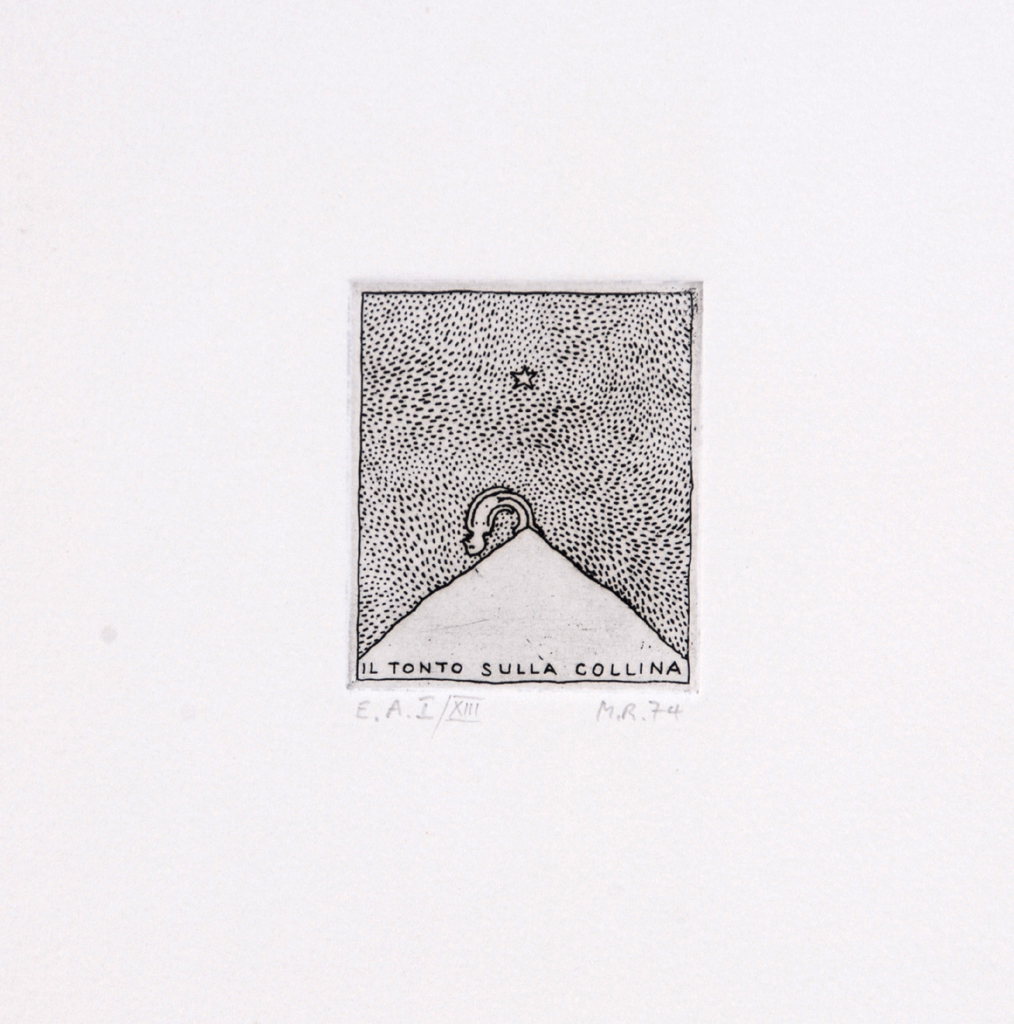
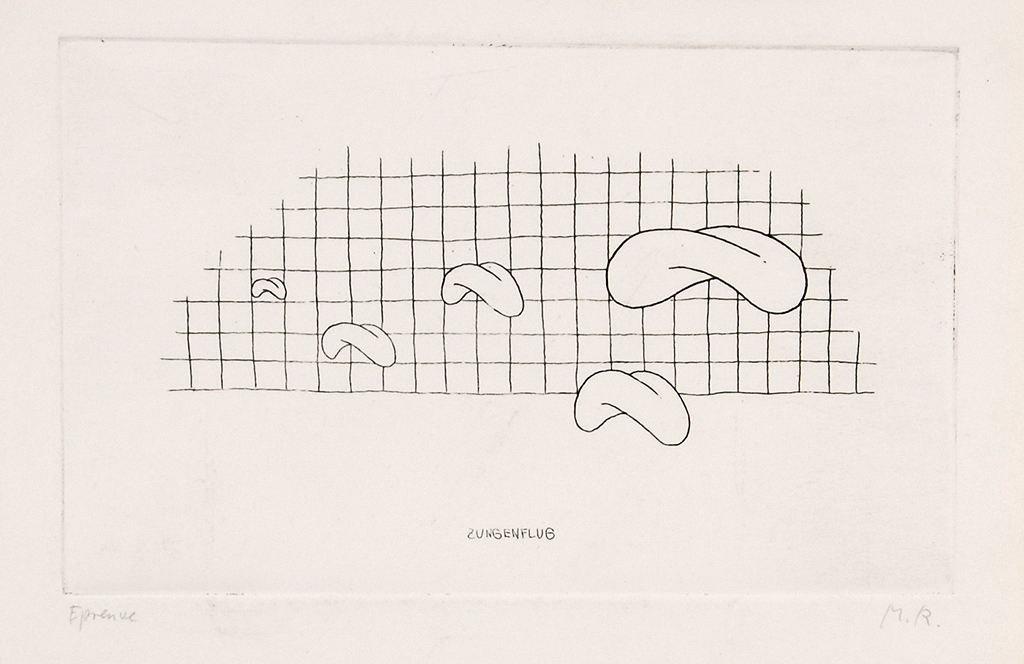
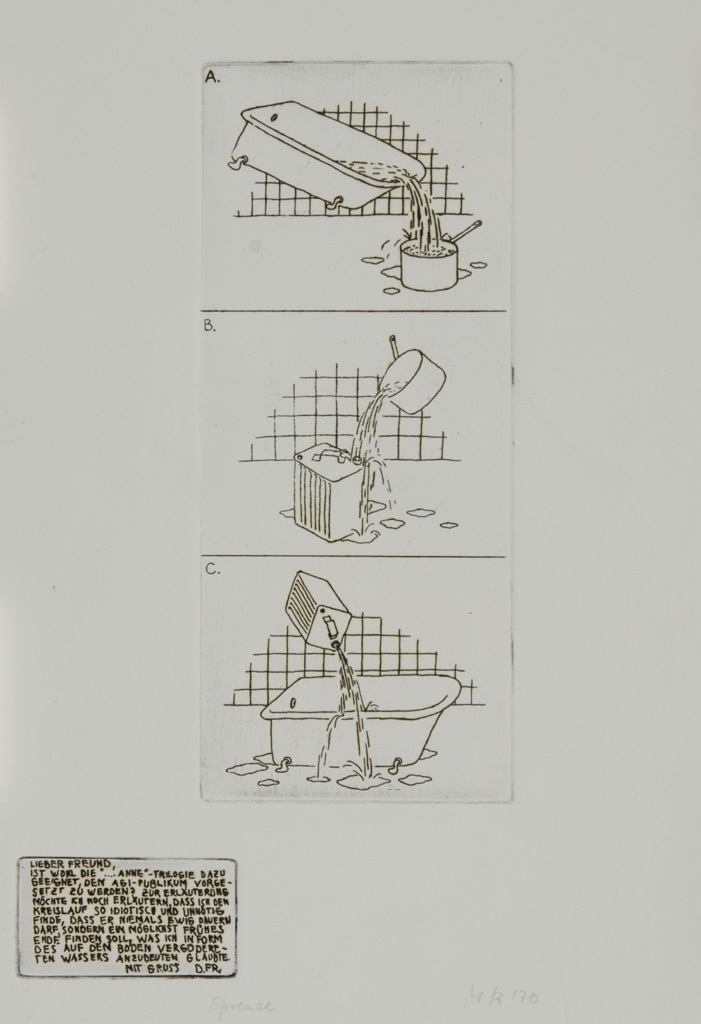
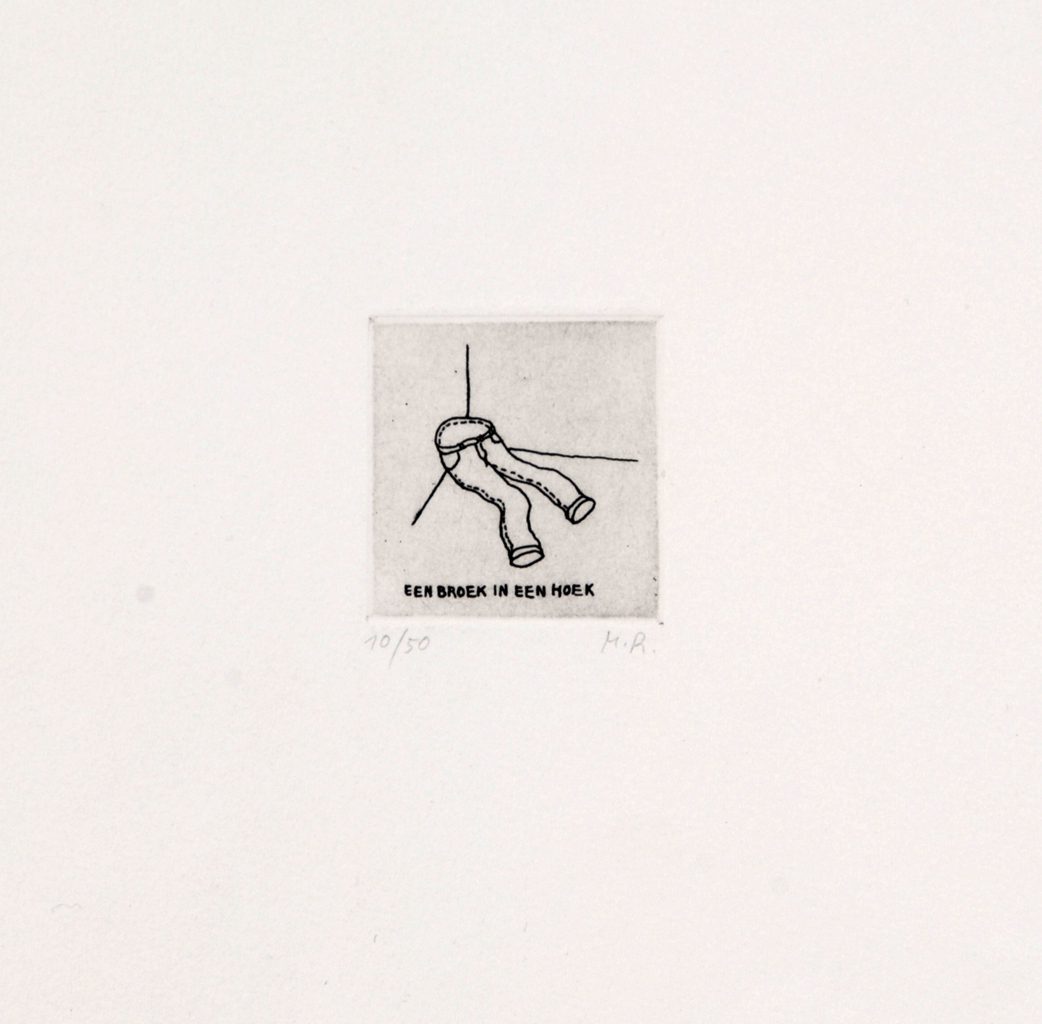
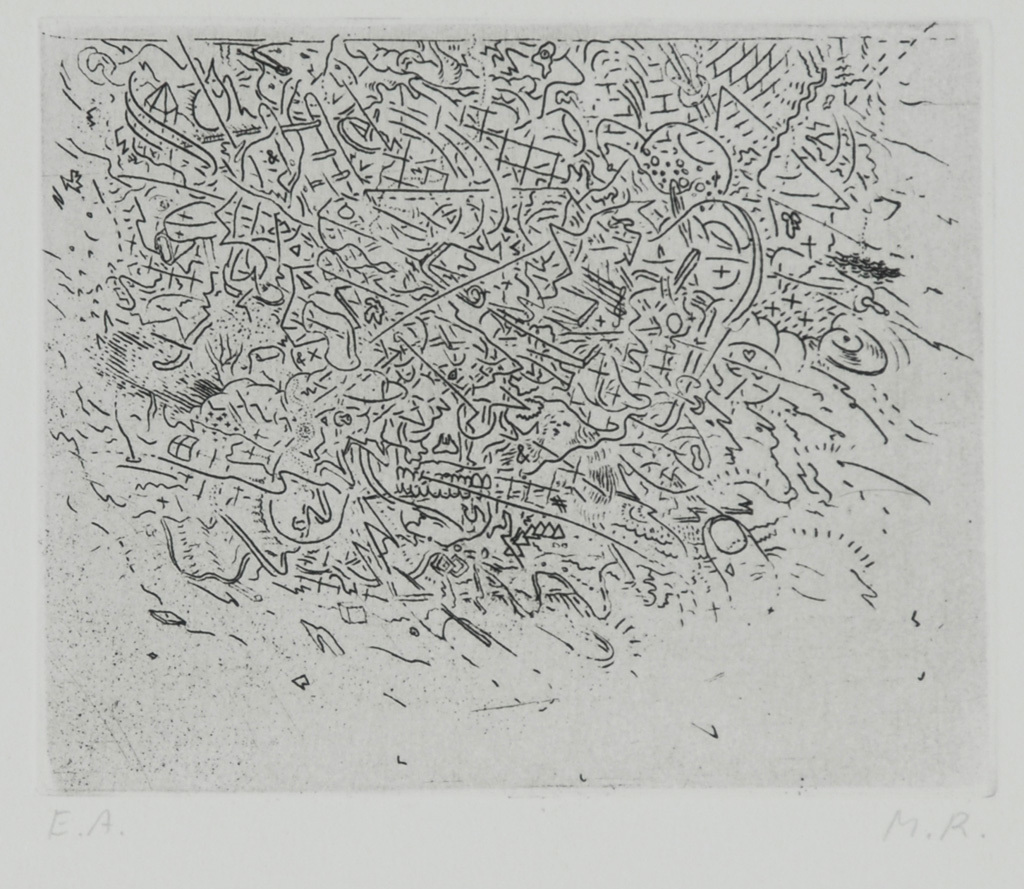
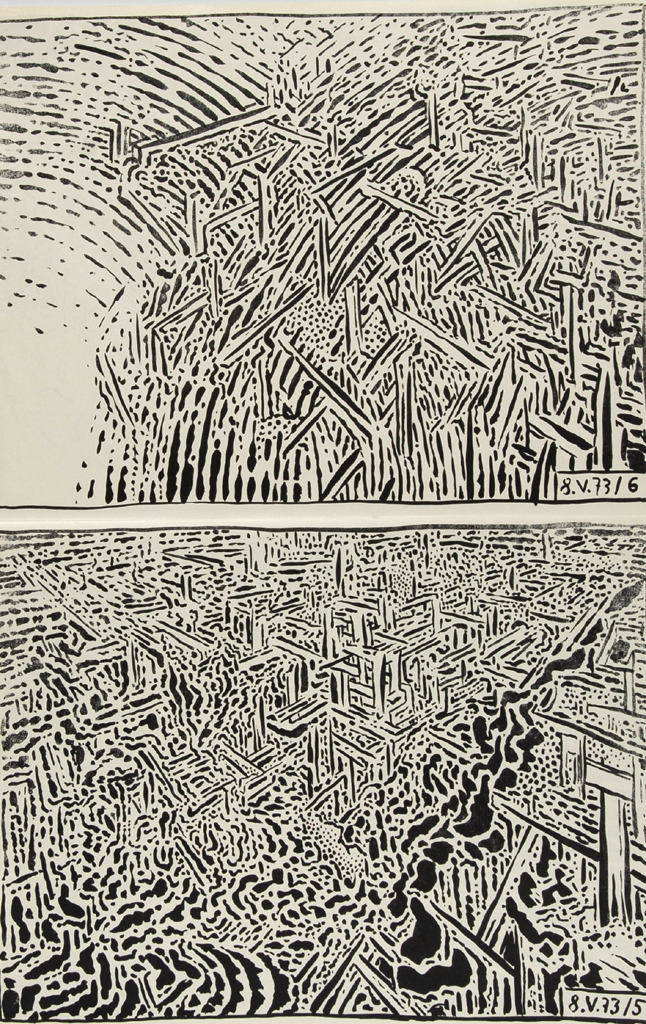
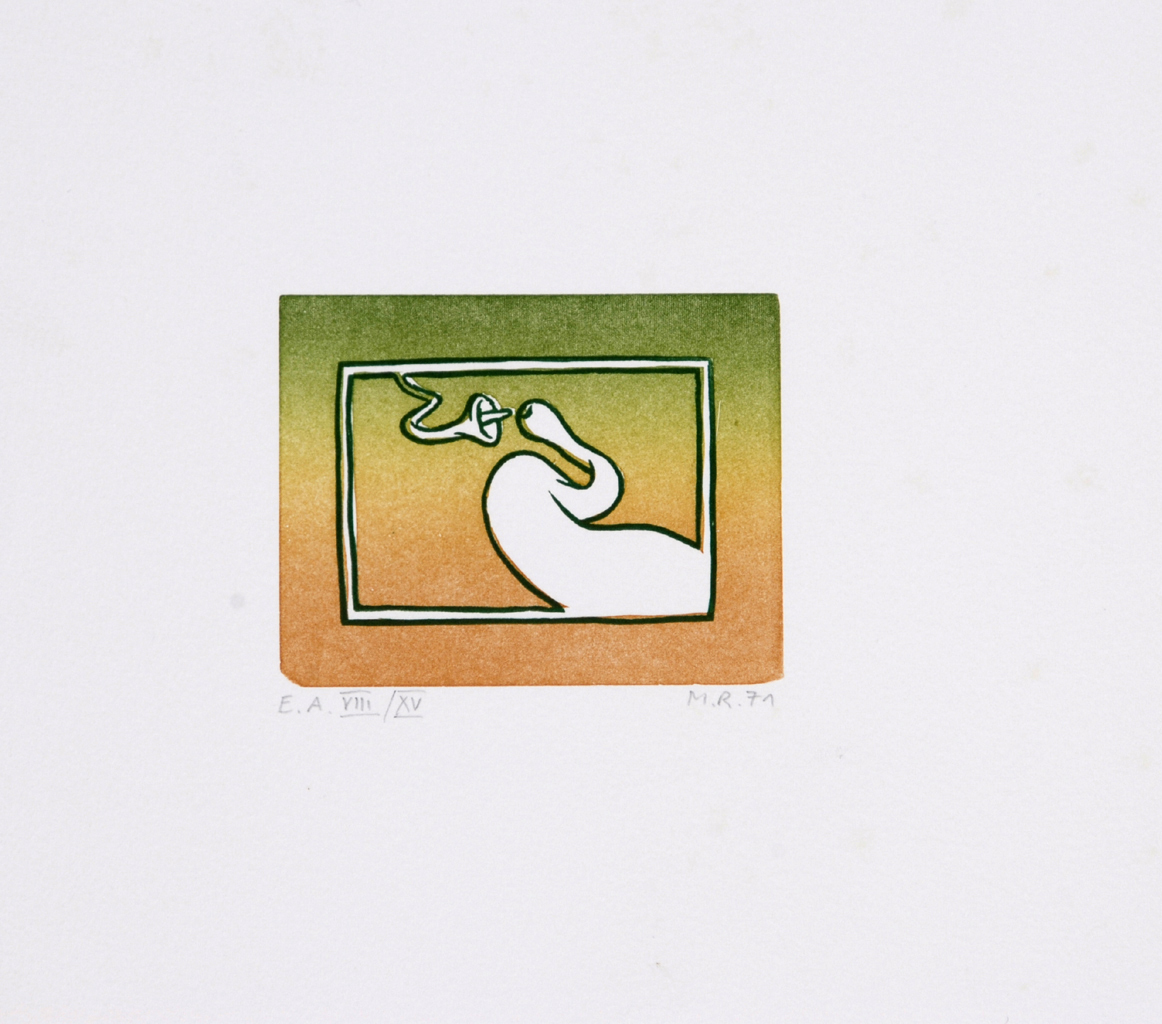
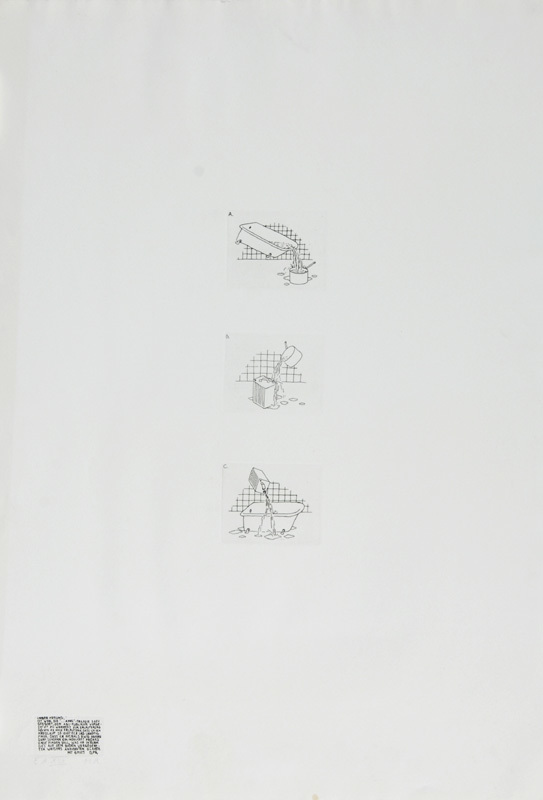
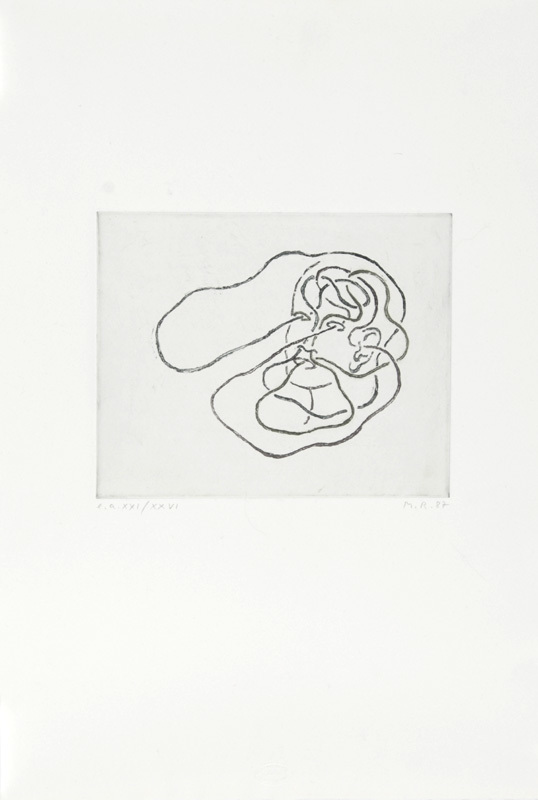
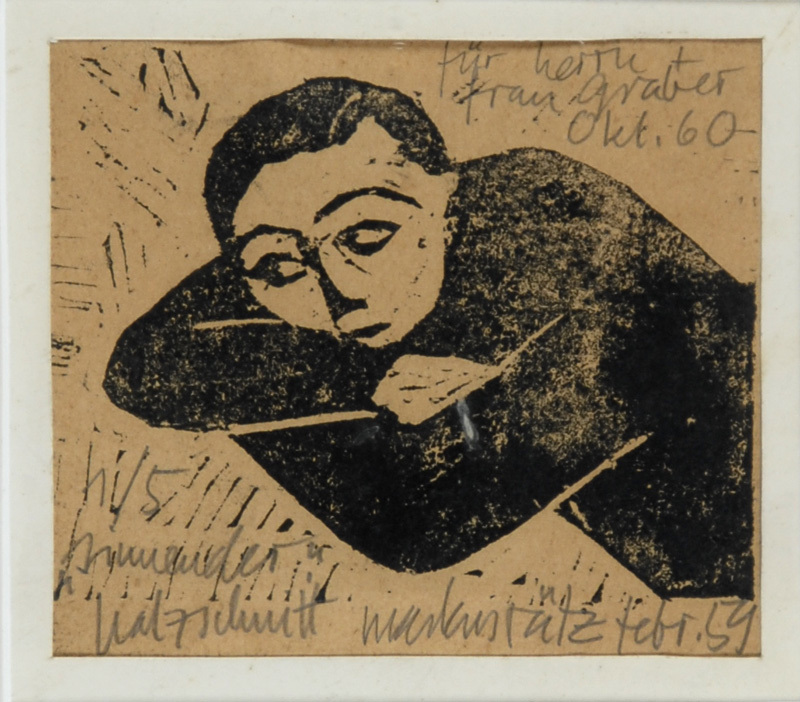
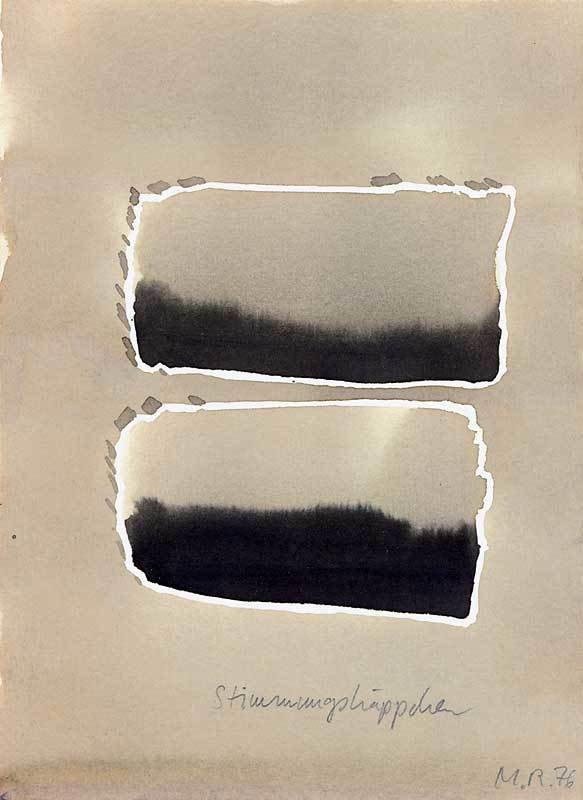
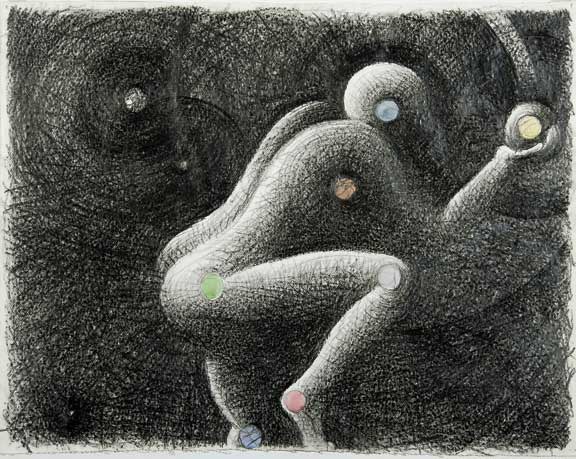
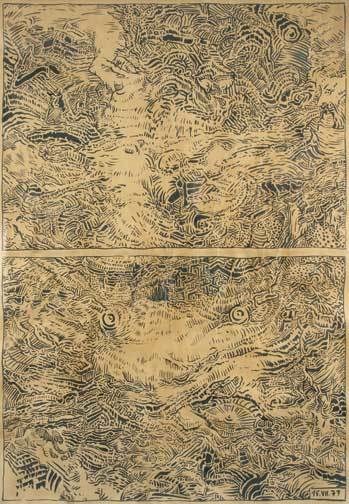
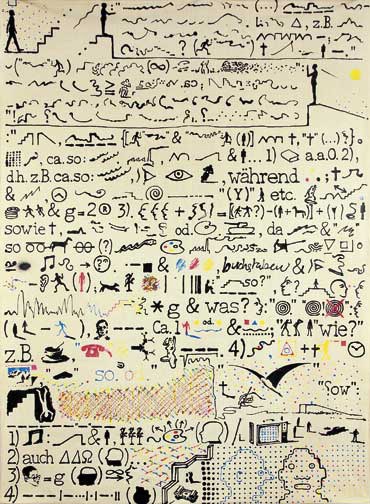
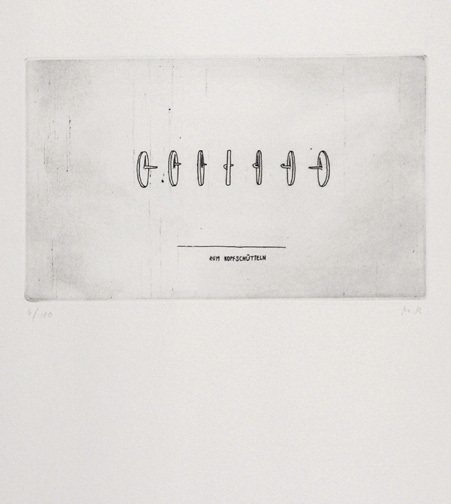
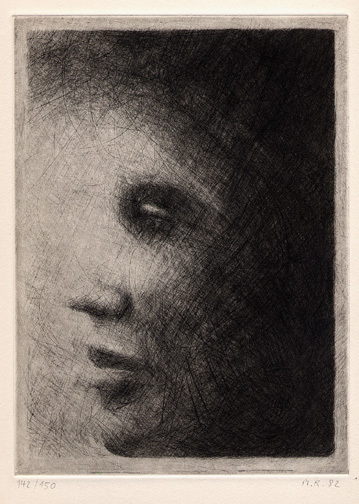
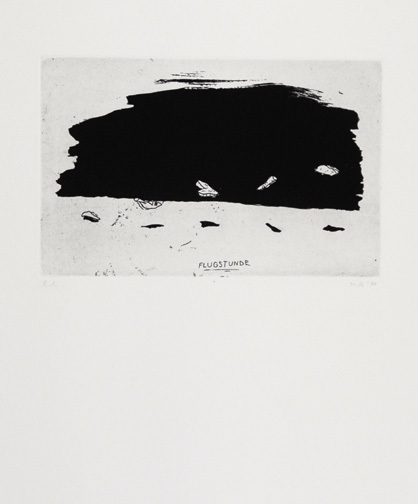
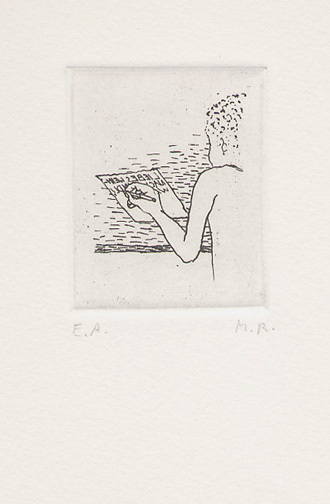
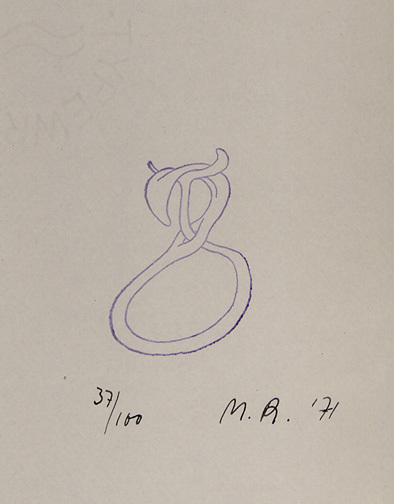
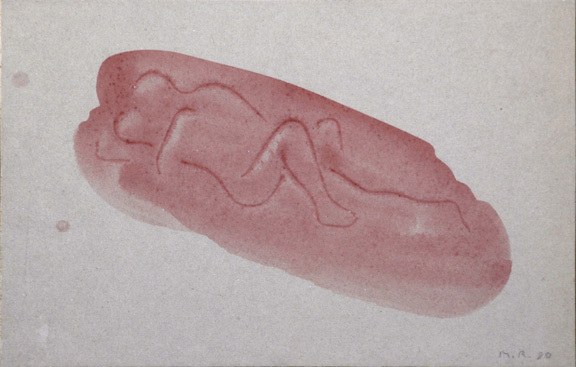
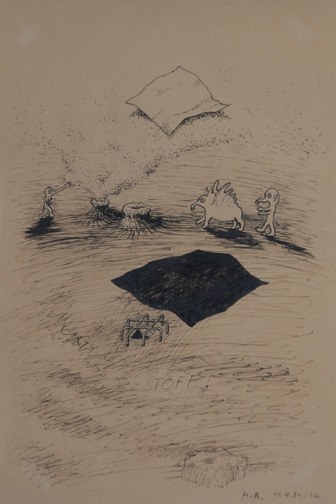
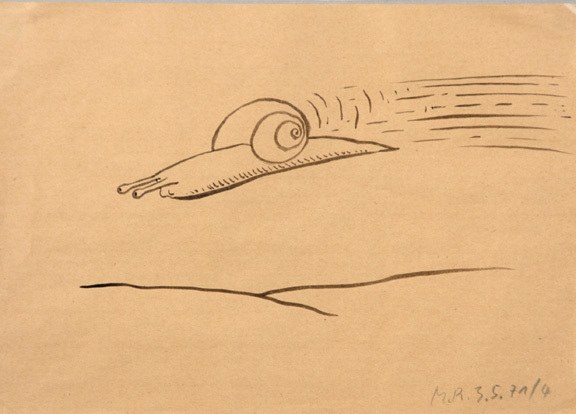
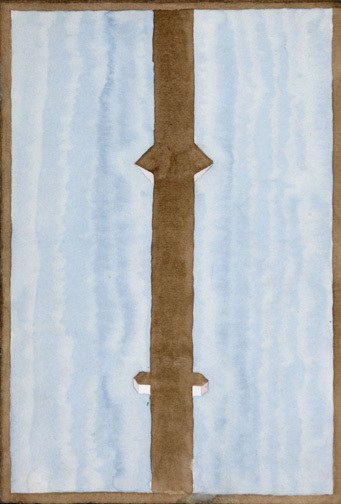
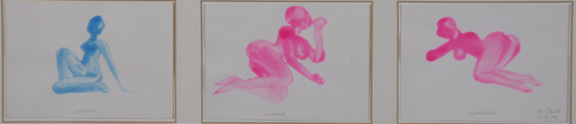
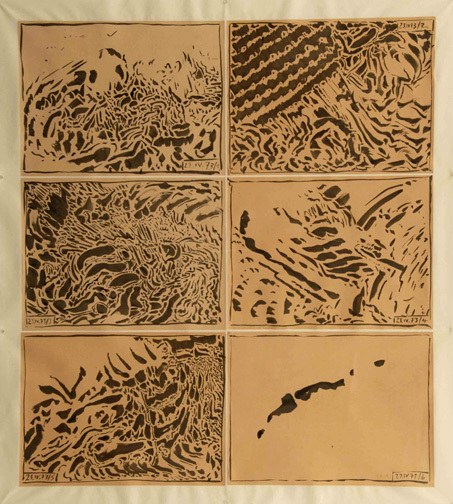
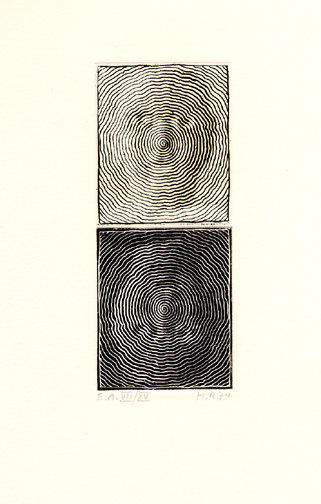
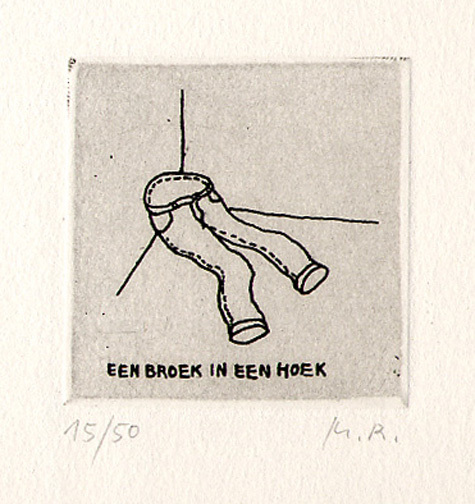
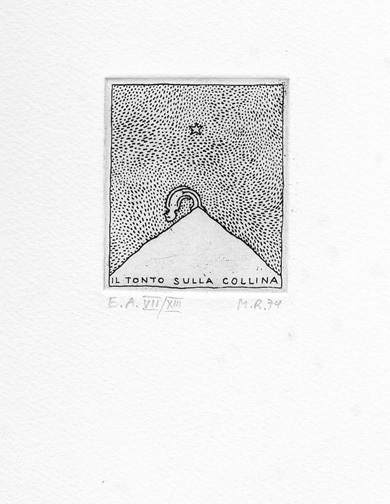
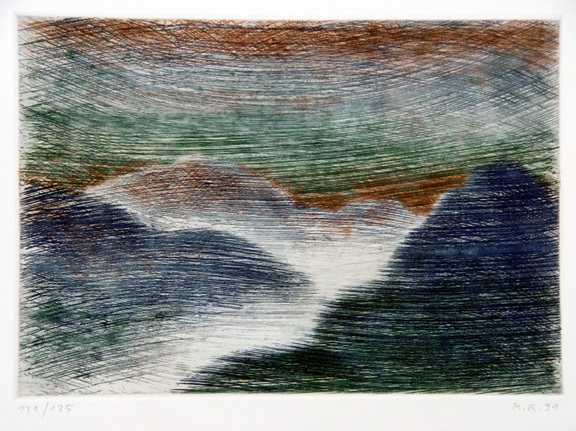
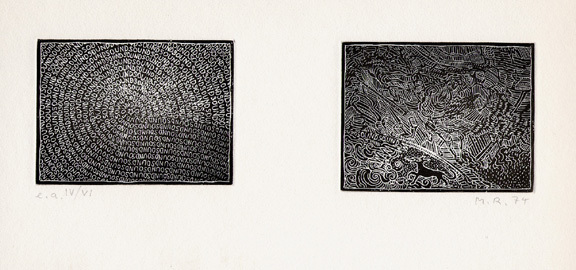
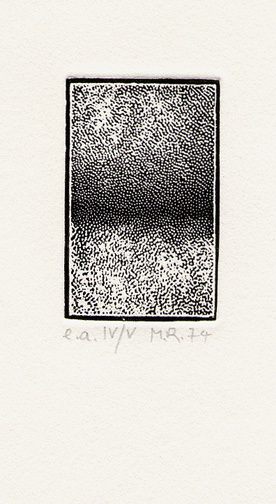
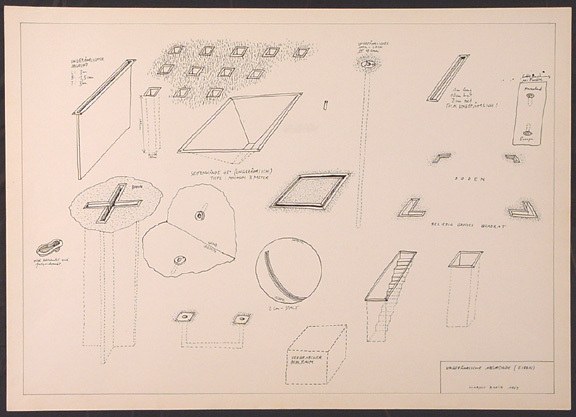
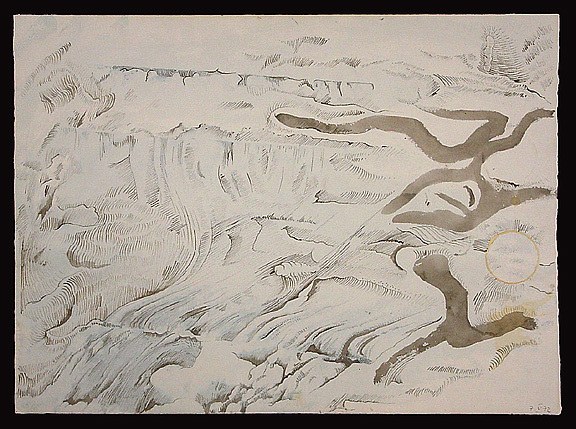
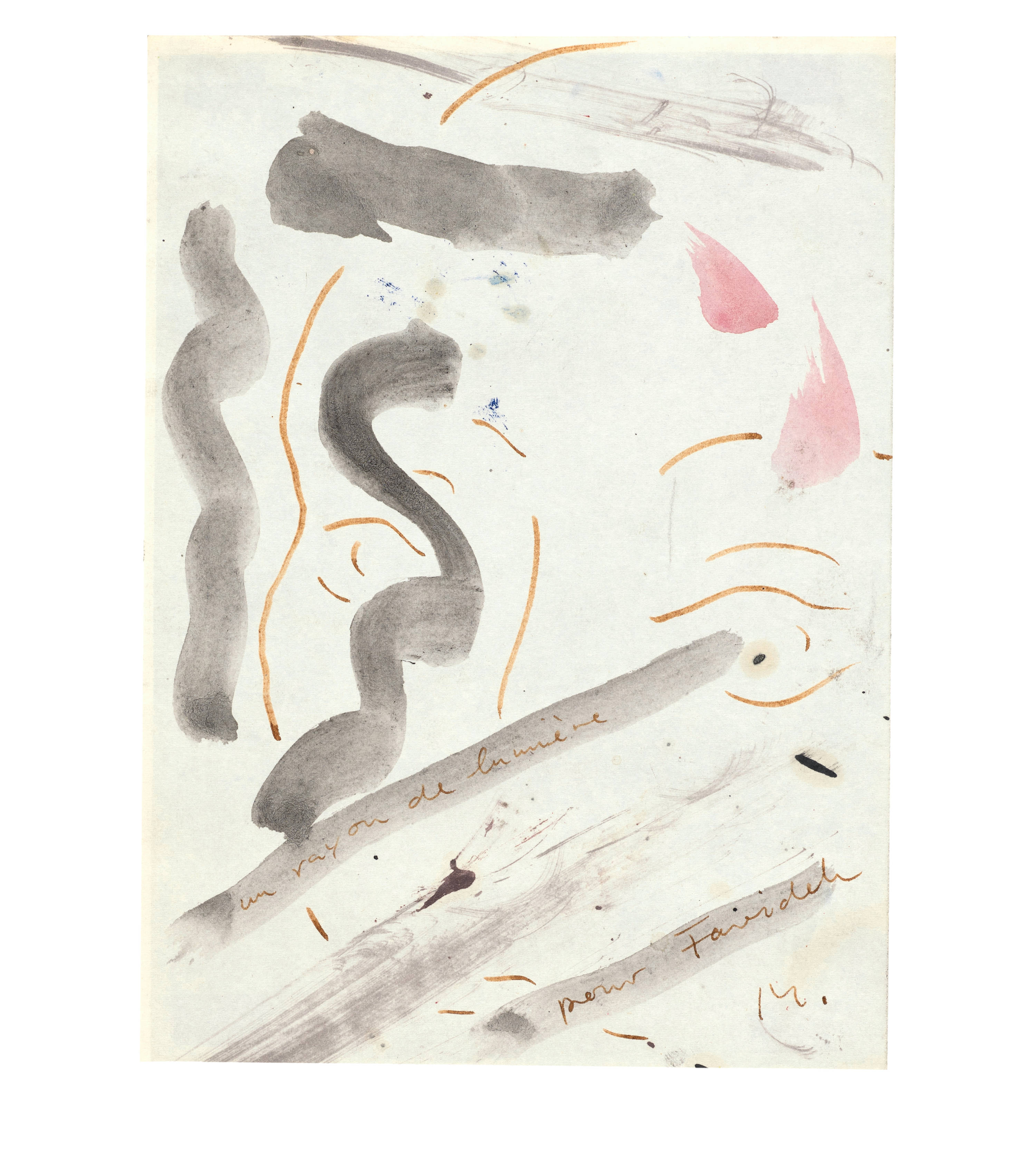
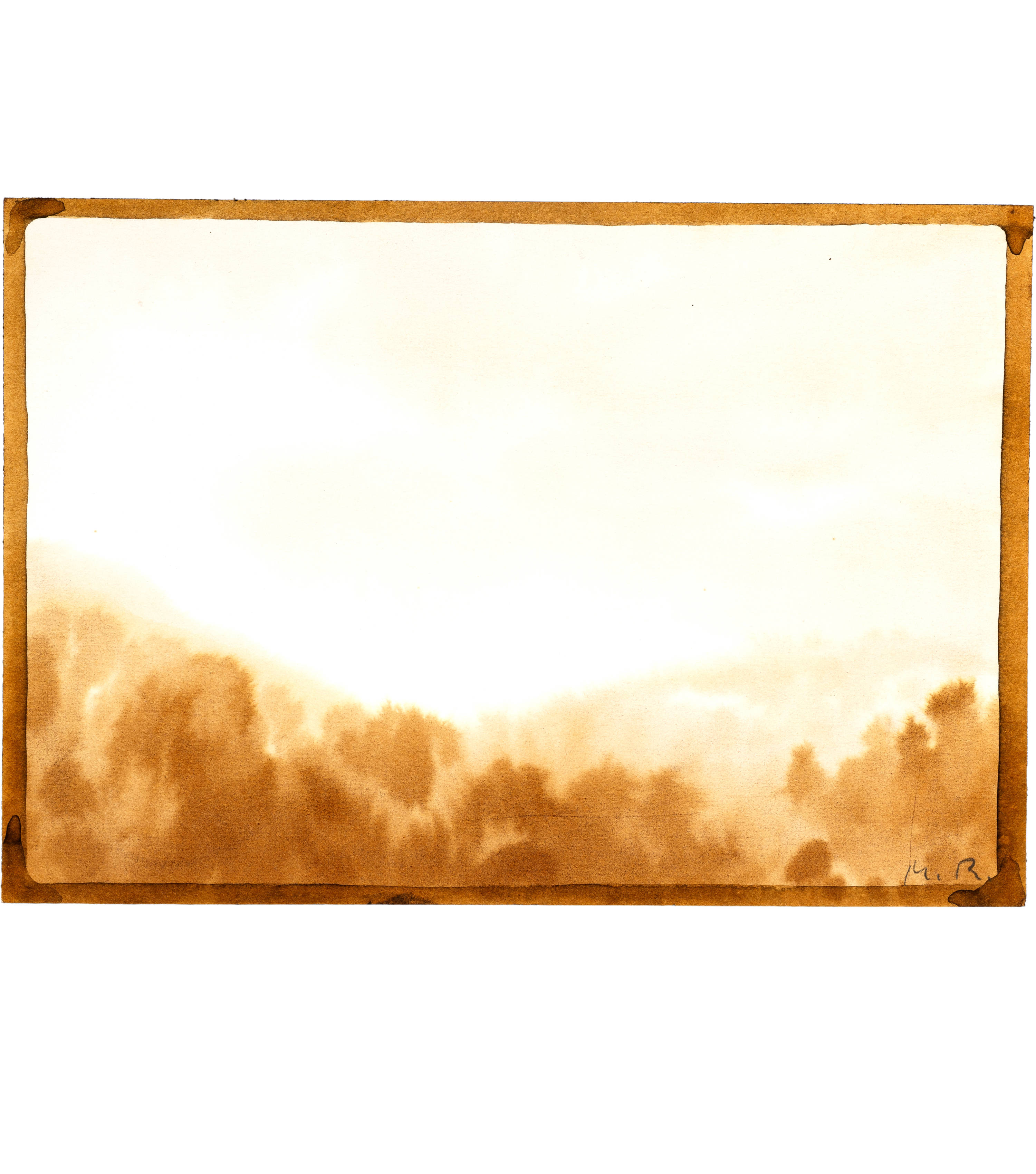
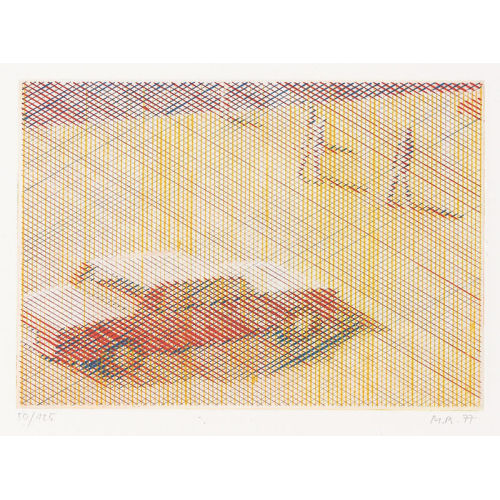
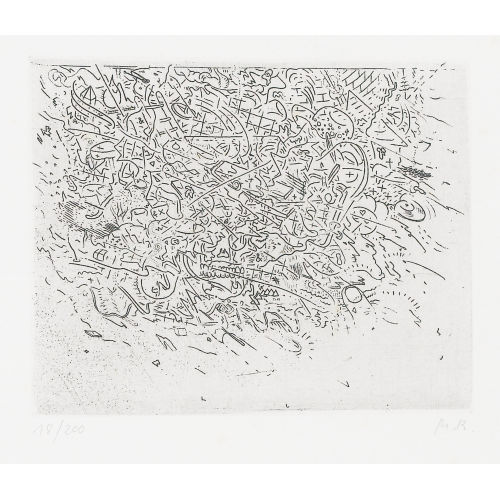
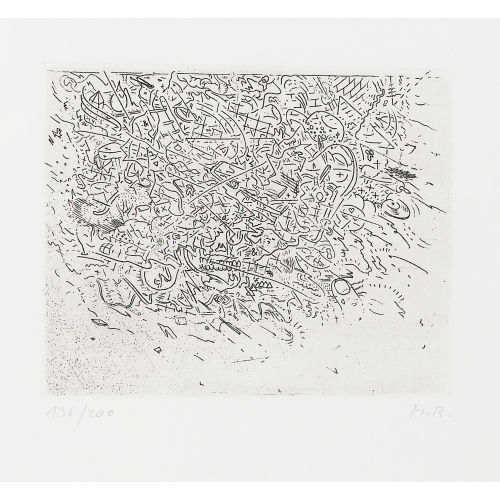
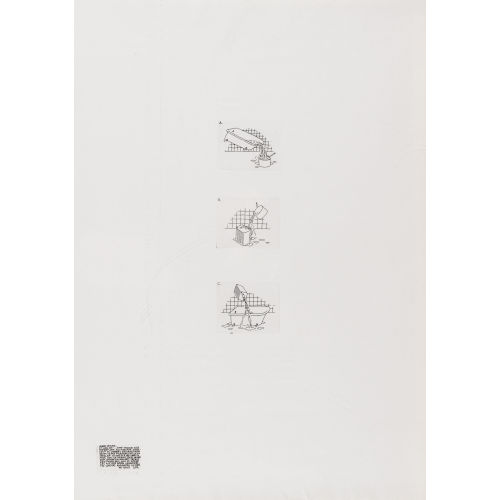
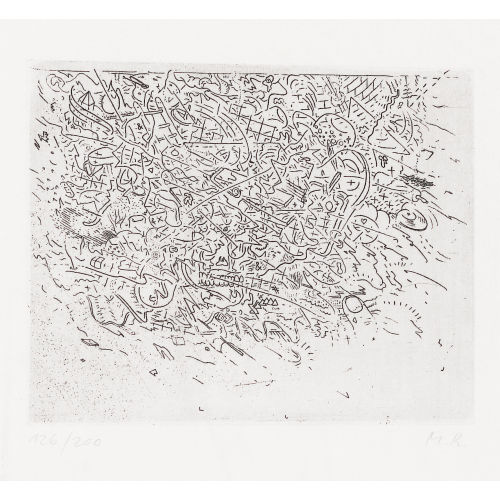
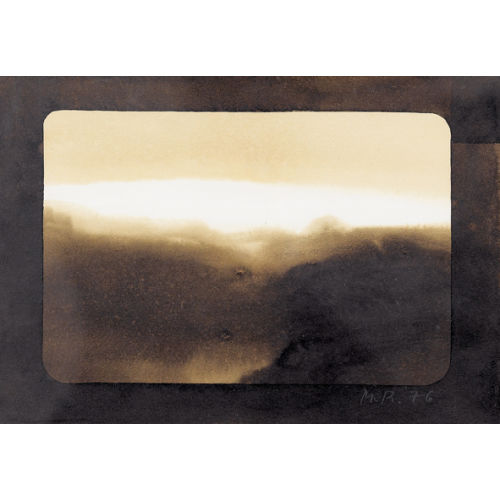
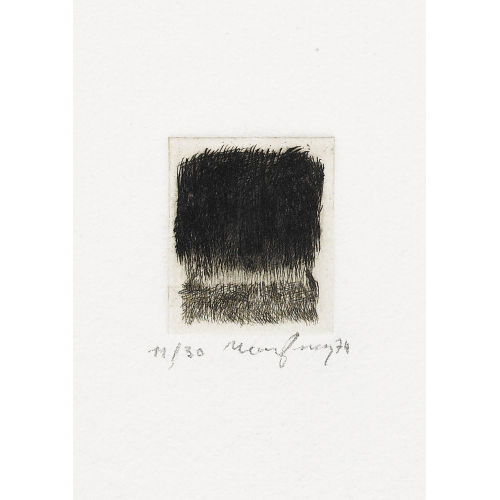
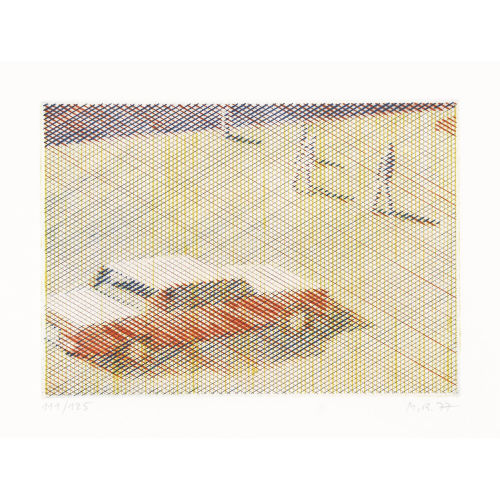
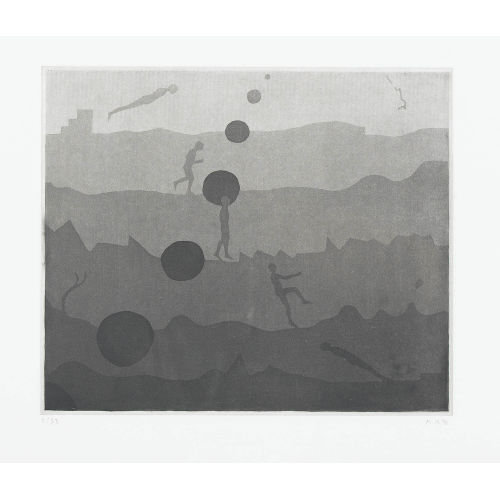
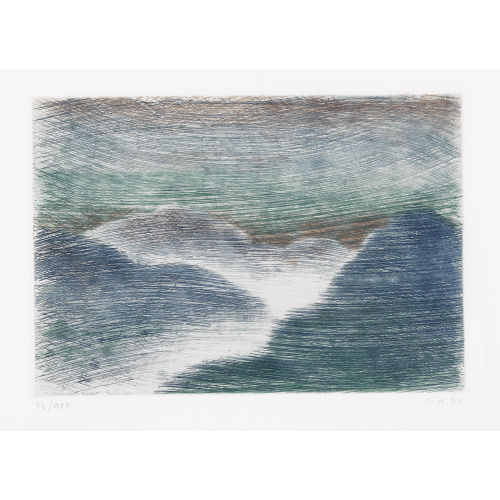
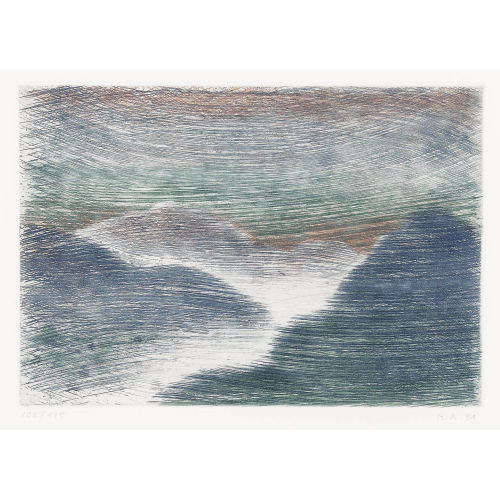
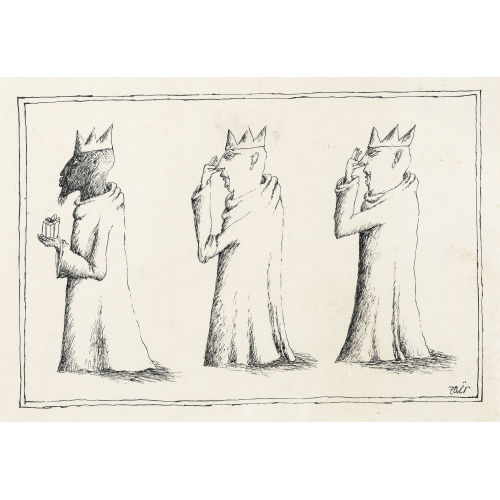
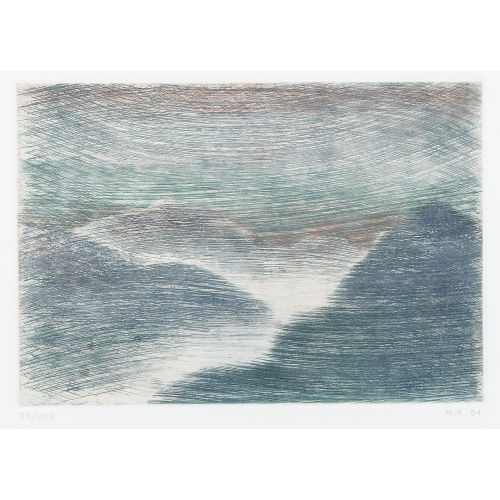
Drawing occupies a fundamental place in his work. Raetz uses it to record an idea, prepare an object or develop an autonomous sequence. The notebooks make the progression of his thought visible: one form calls forth a variation, a line suggests a new possibility.
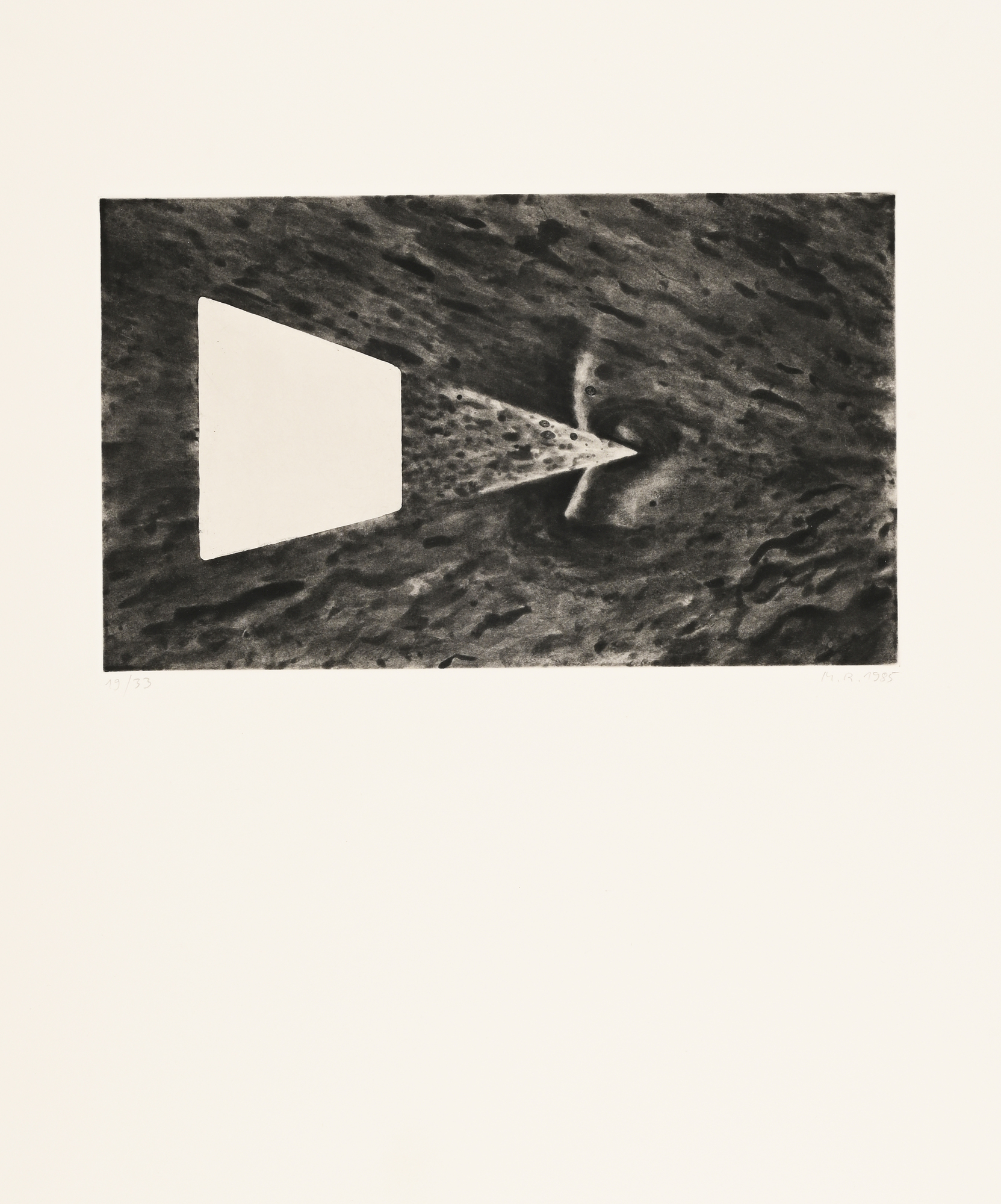
His investigations thus concern the emergence of the image as much as what it represents.
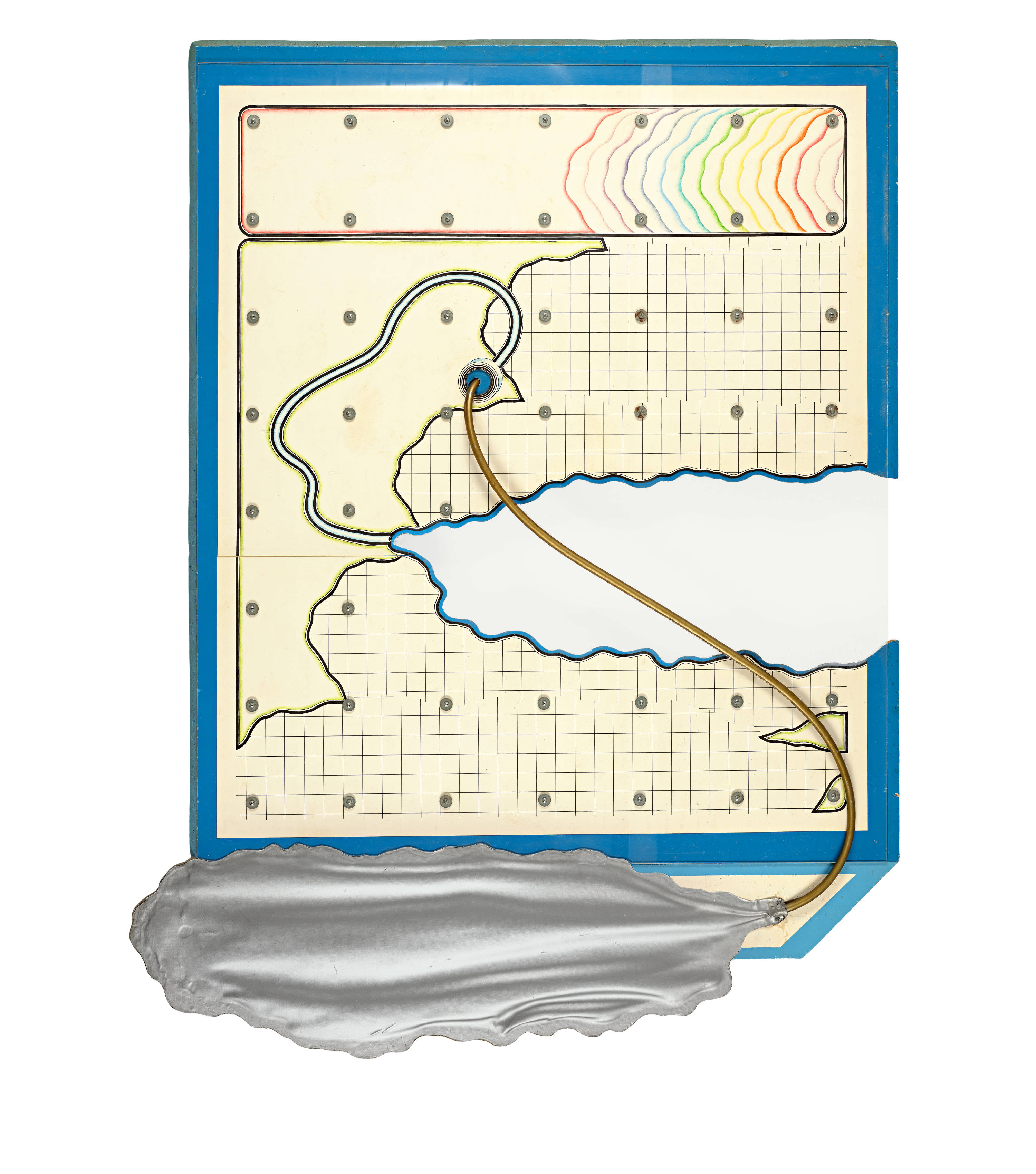
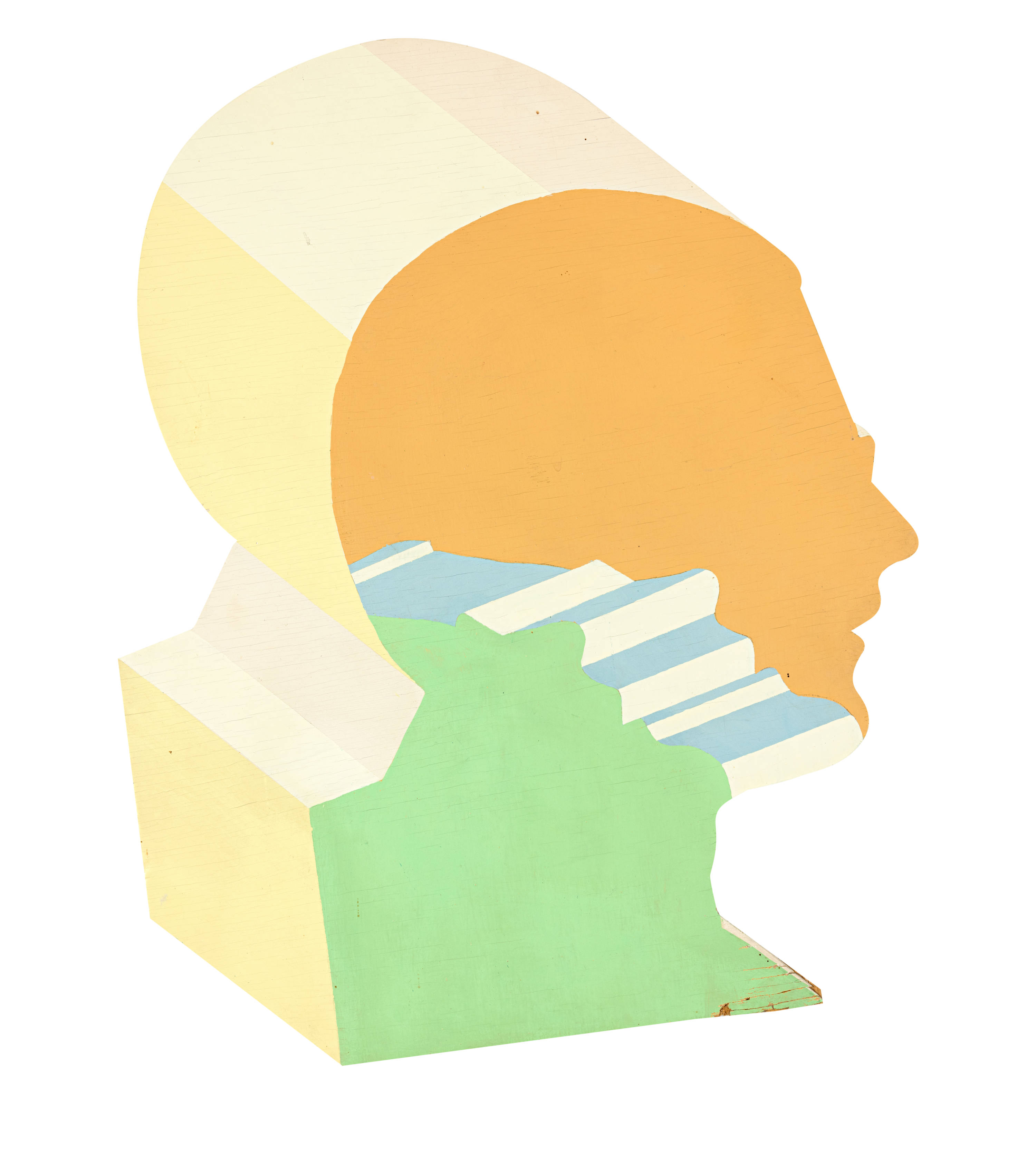
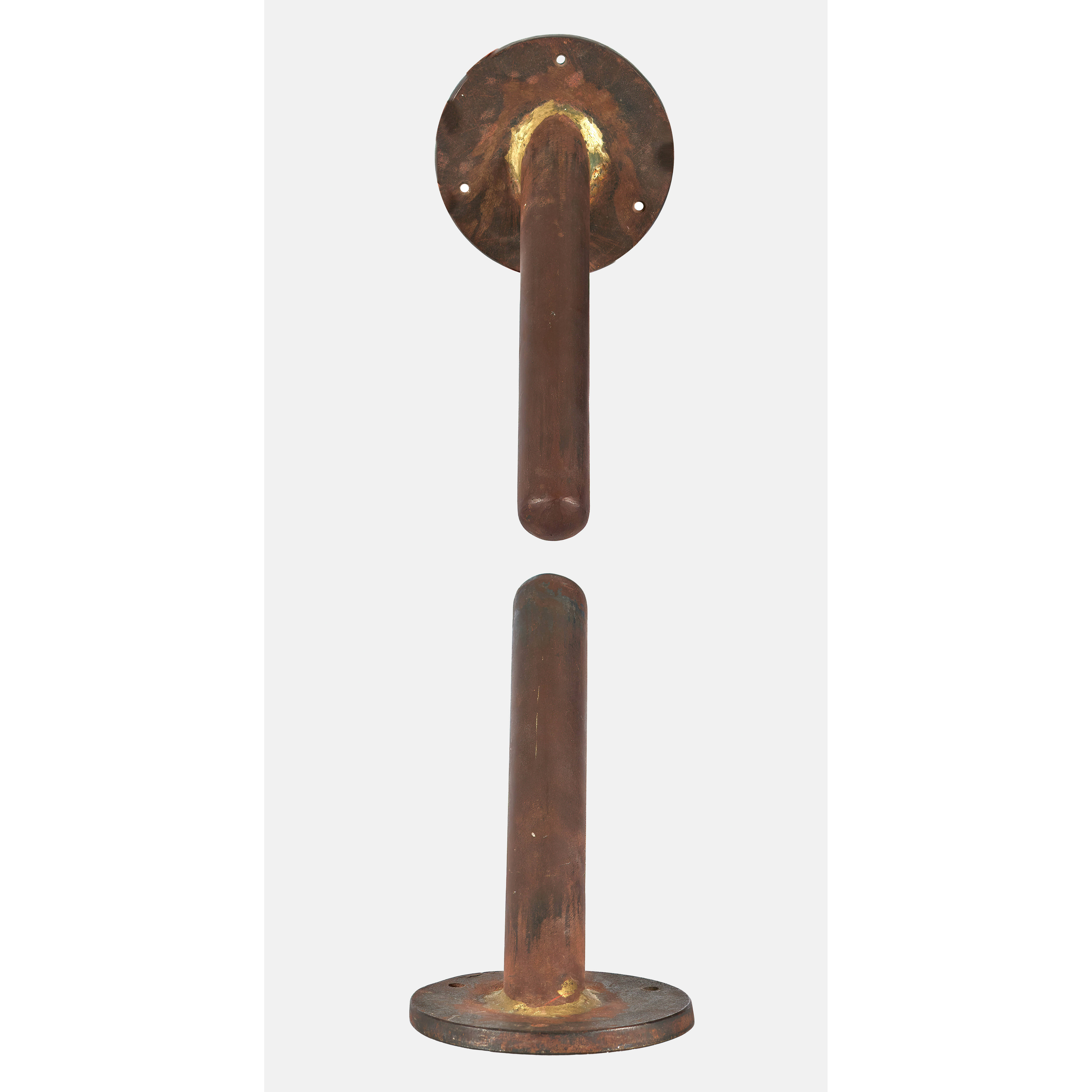
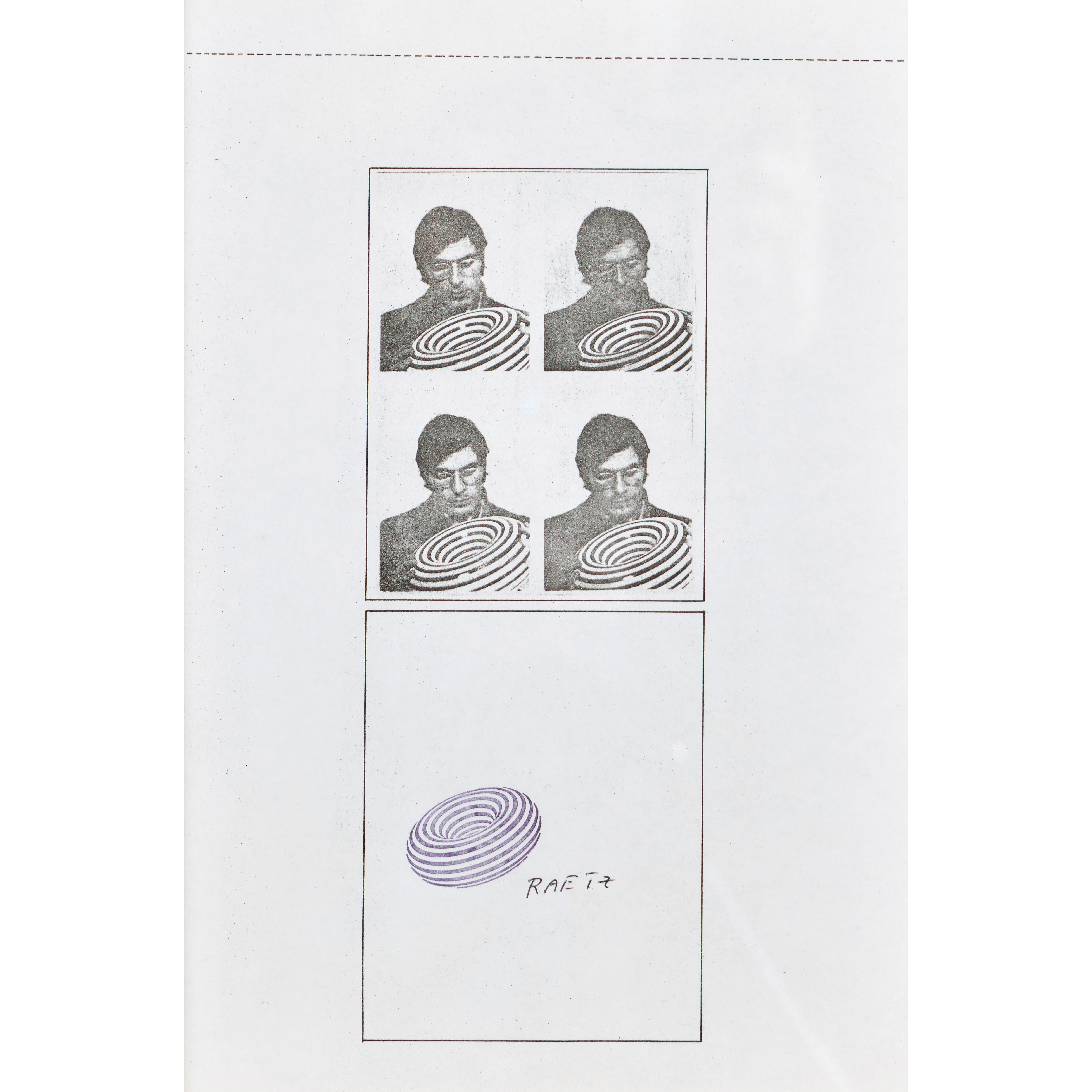
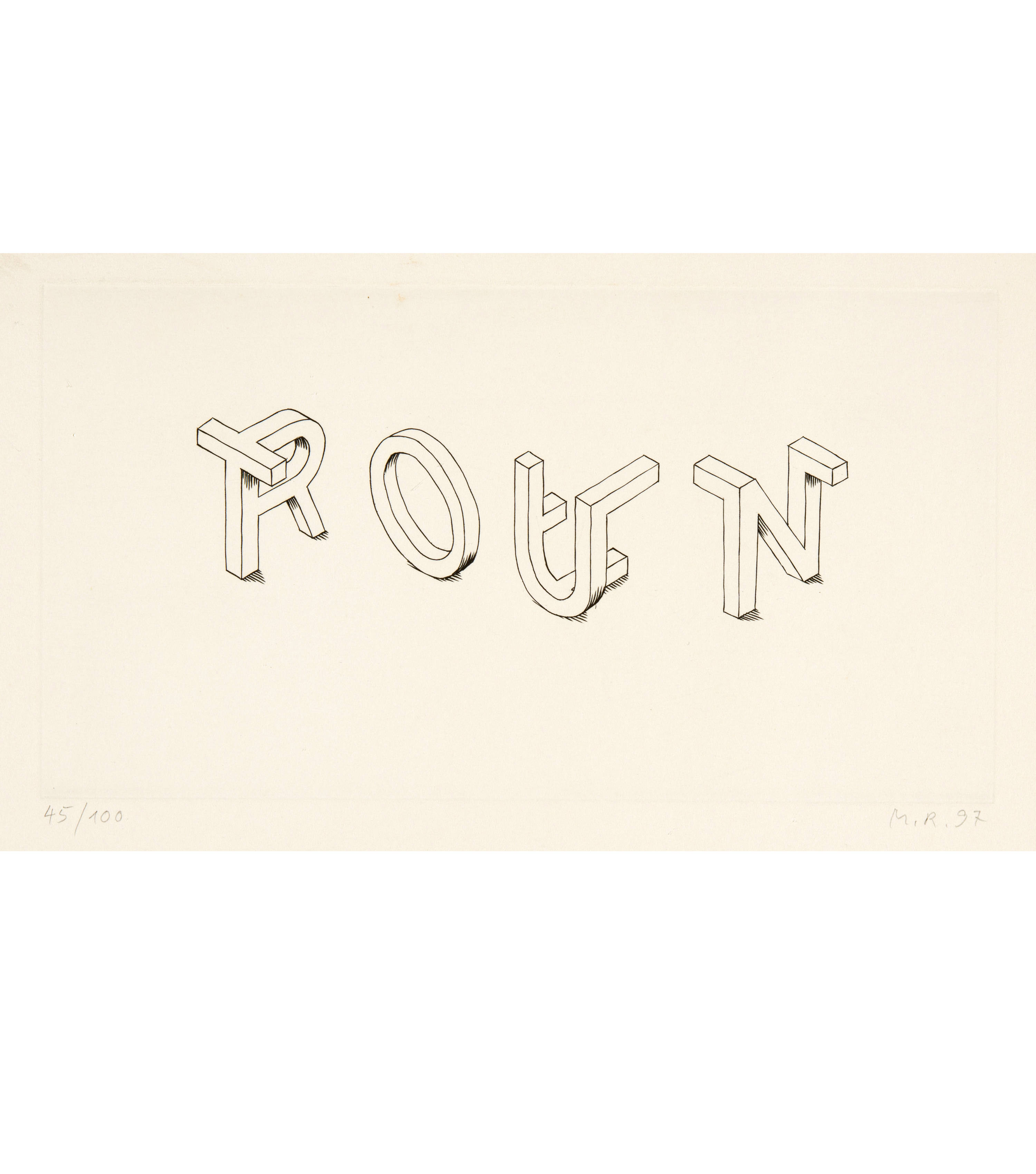
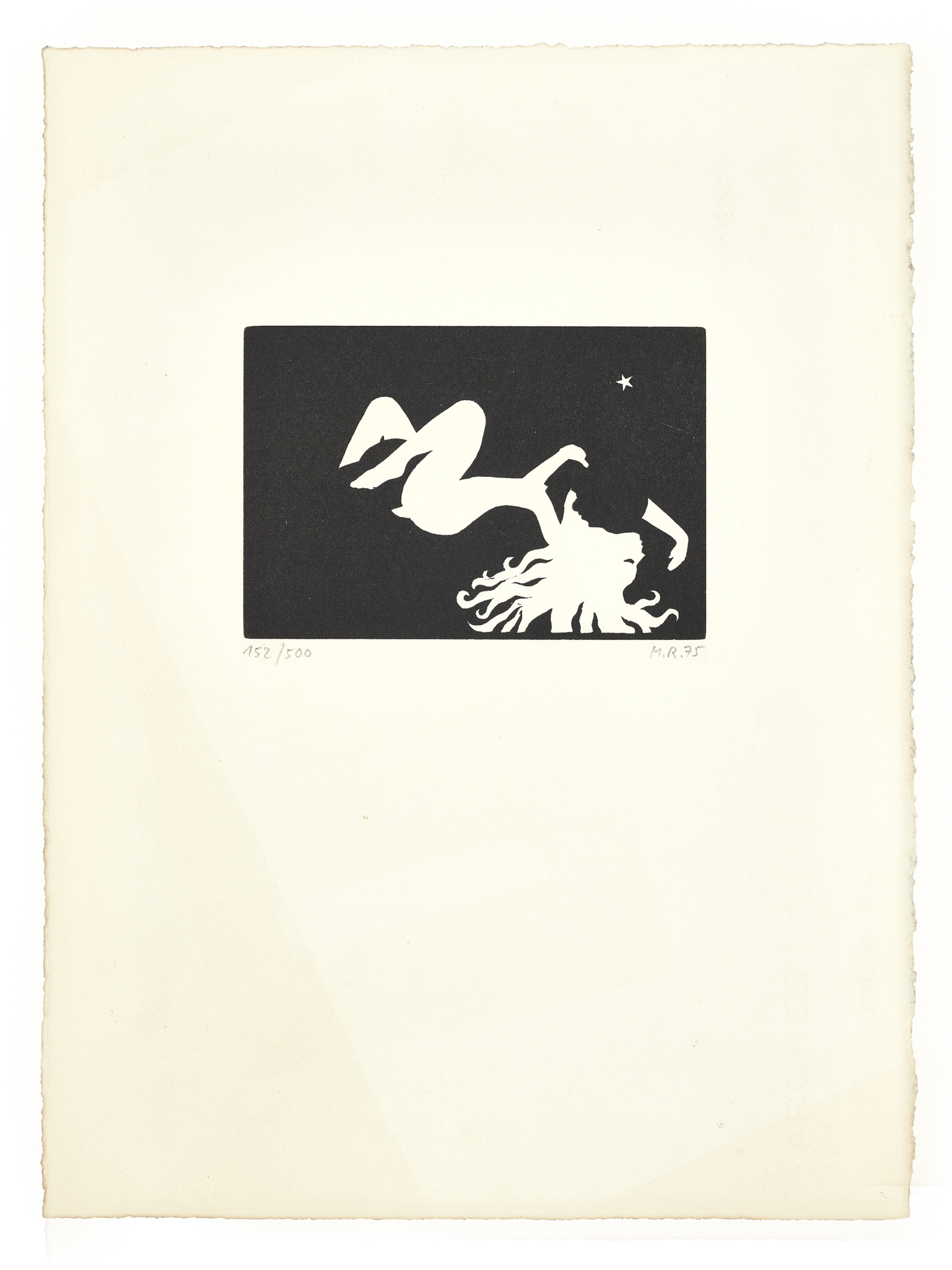
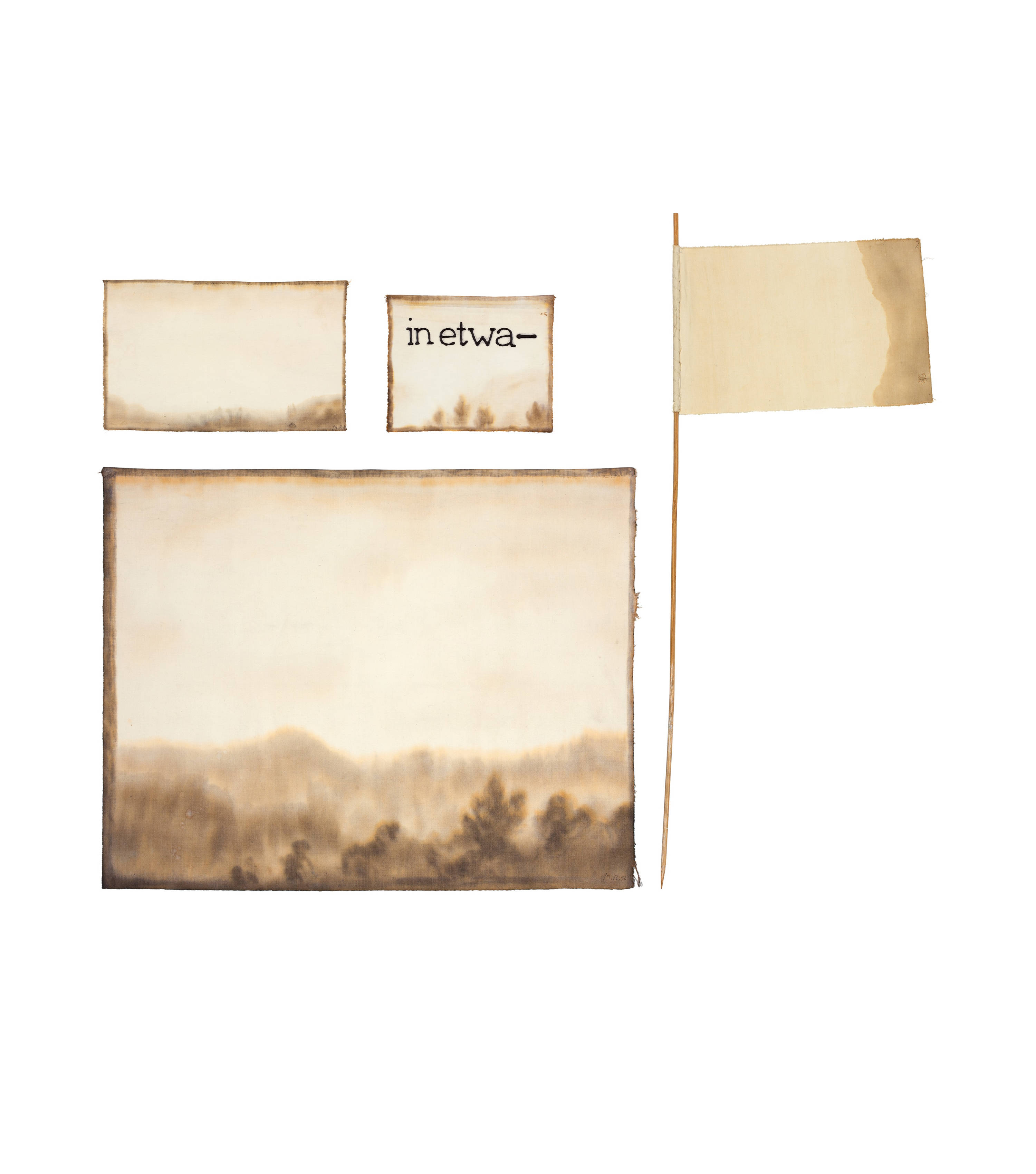
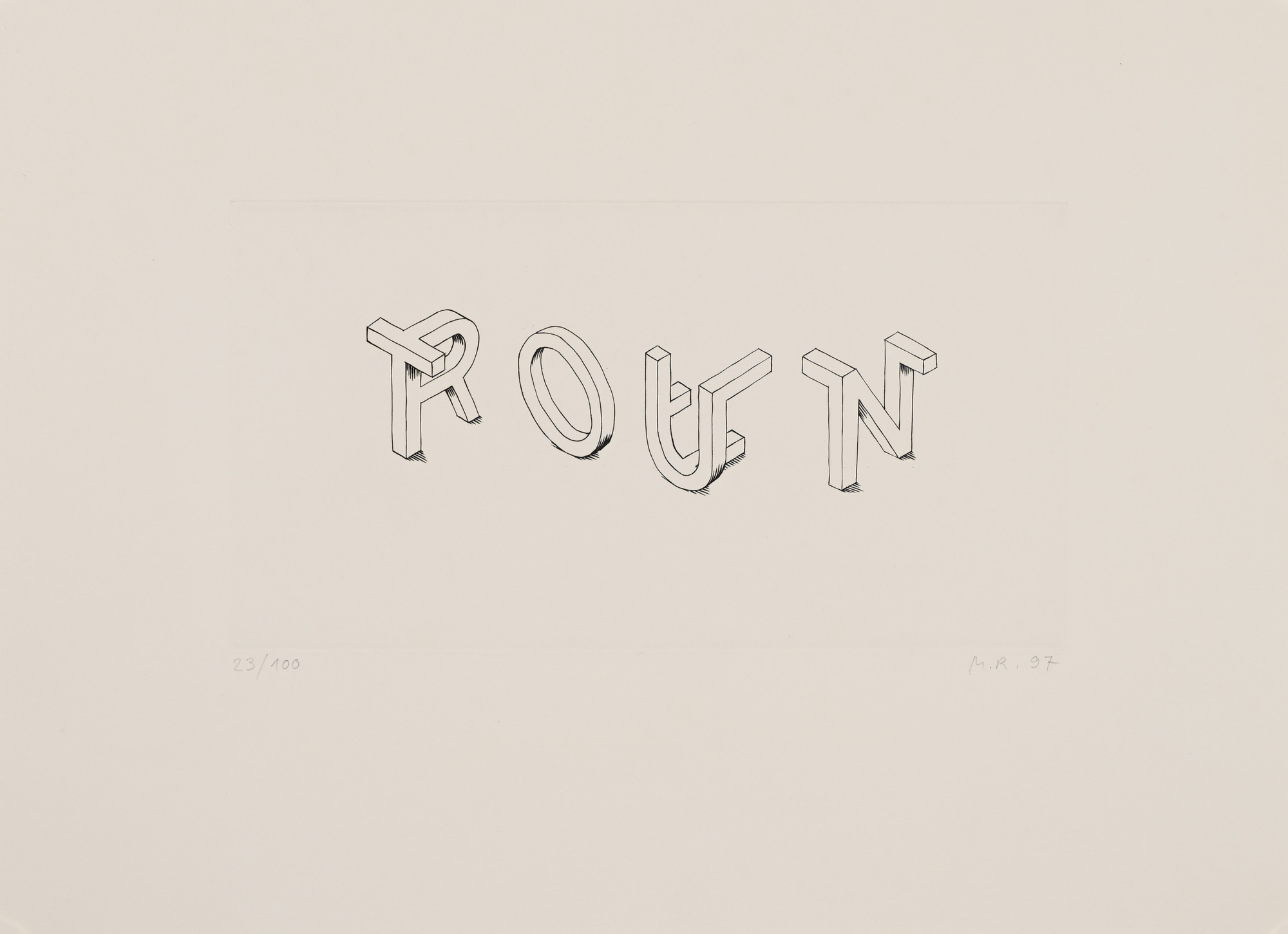
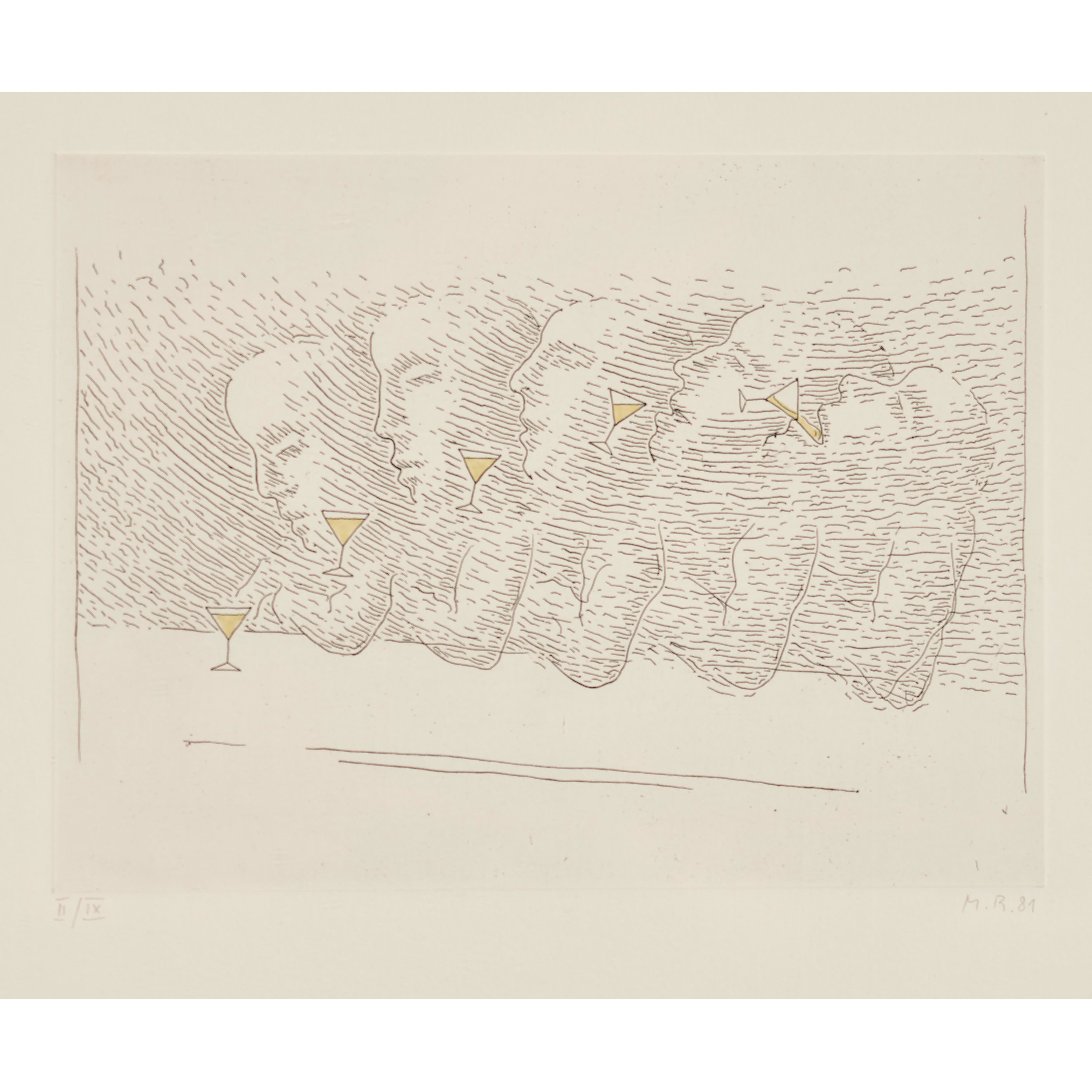
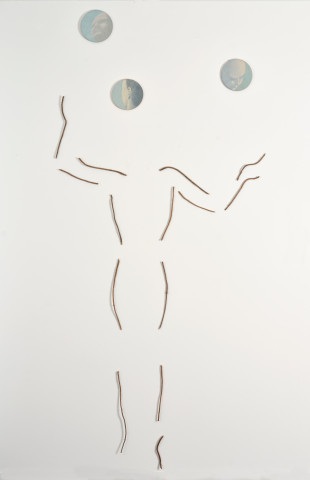
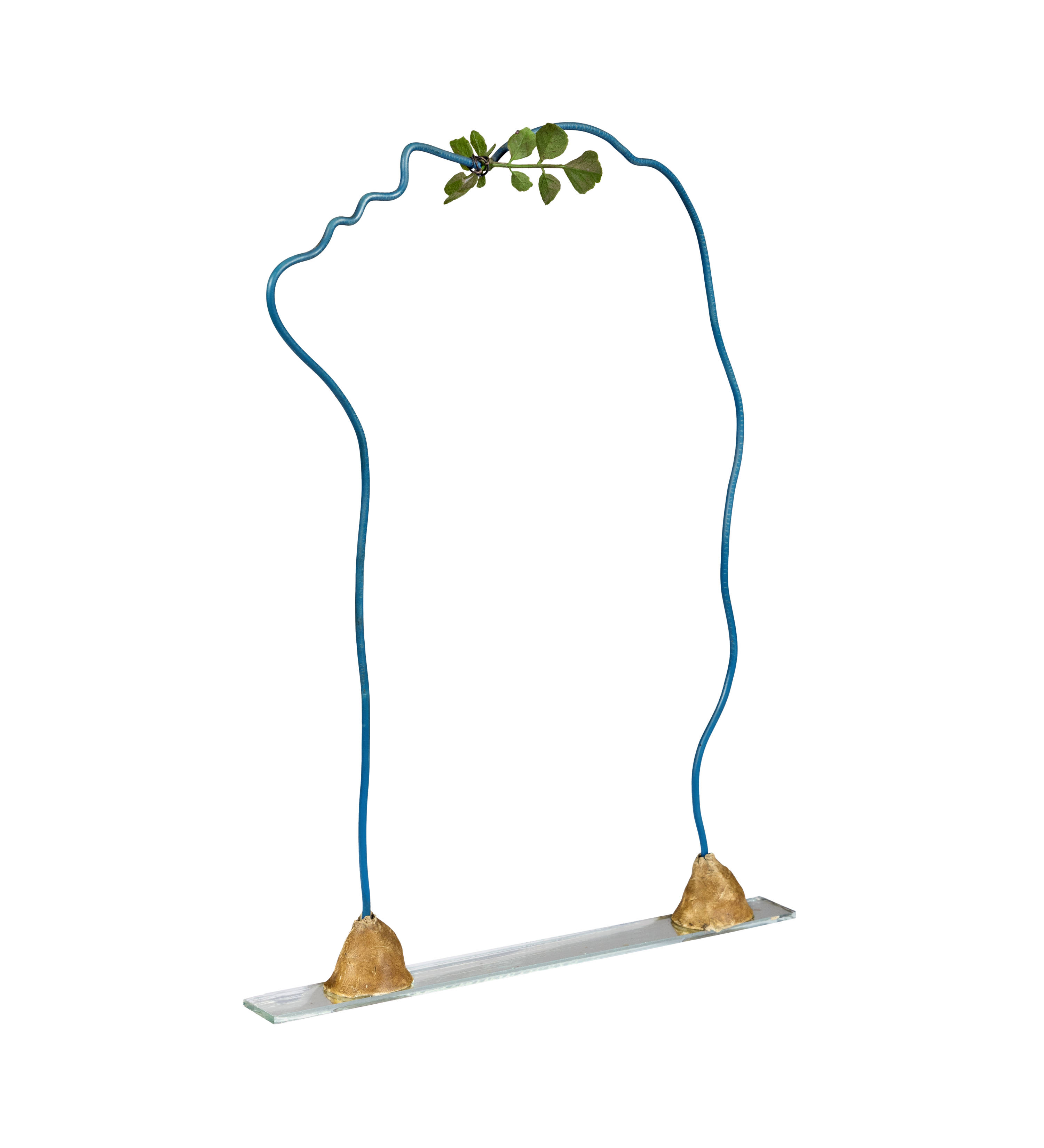
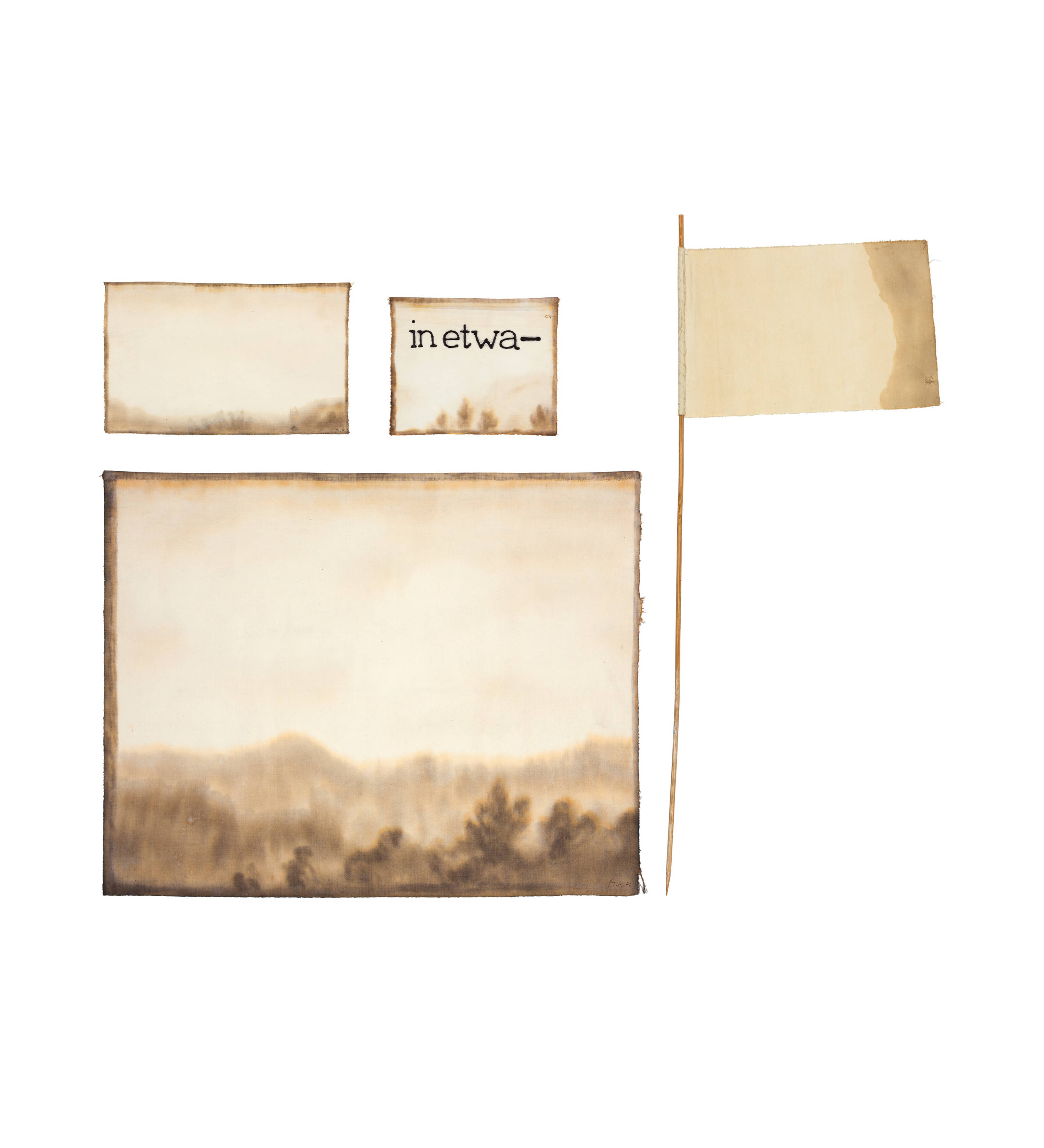
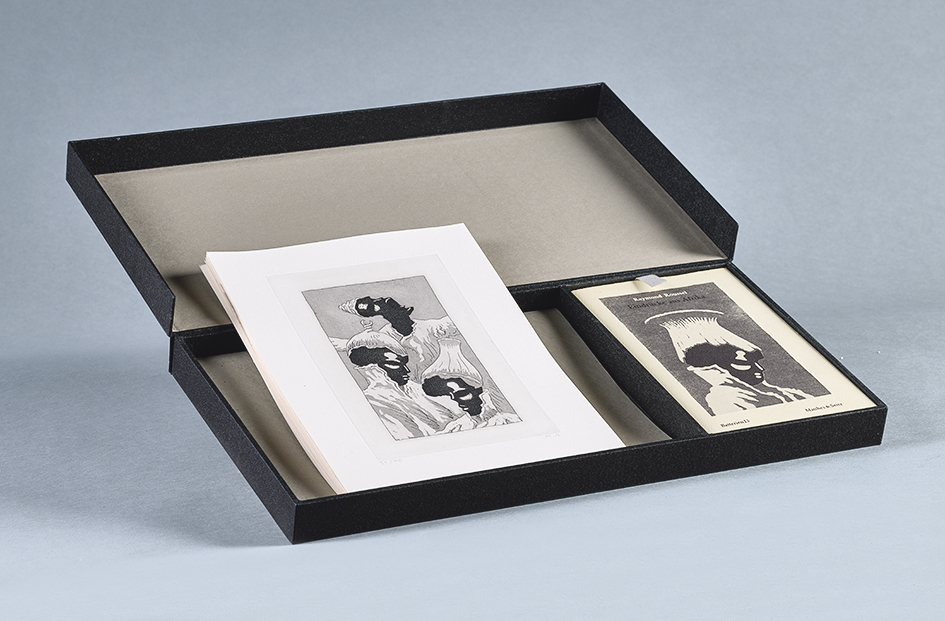
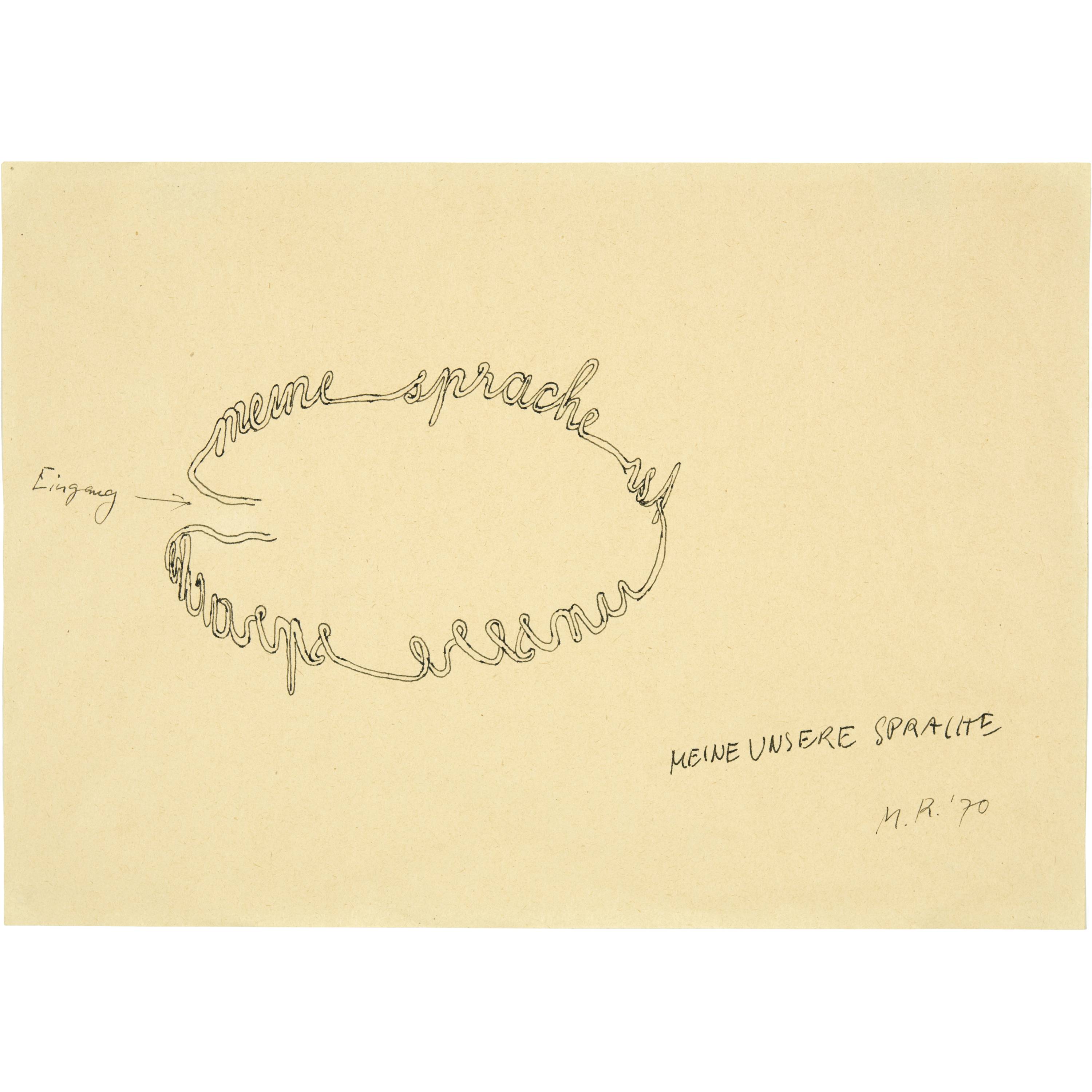
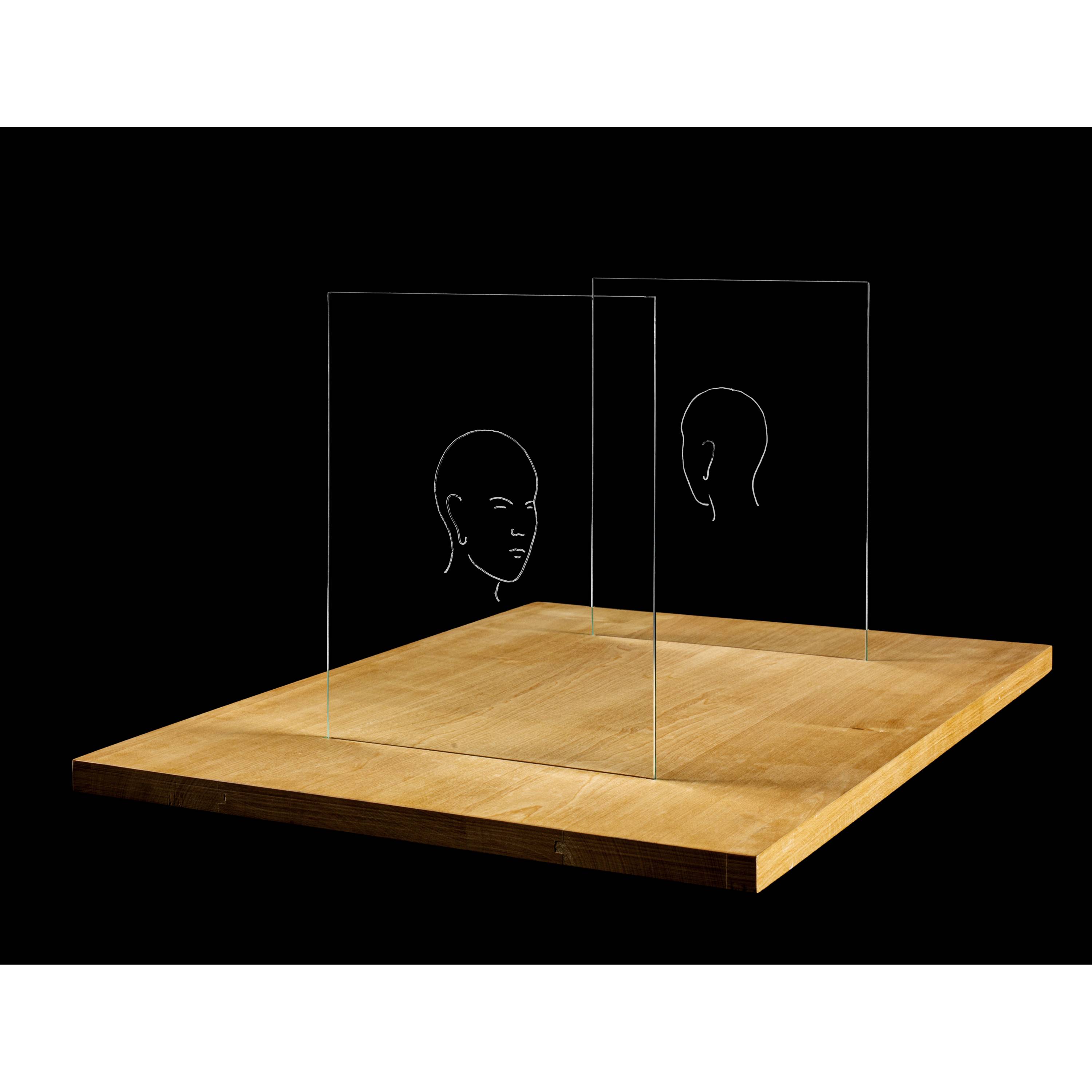
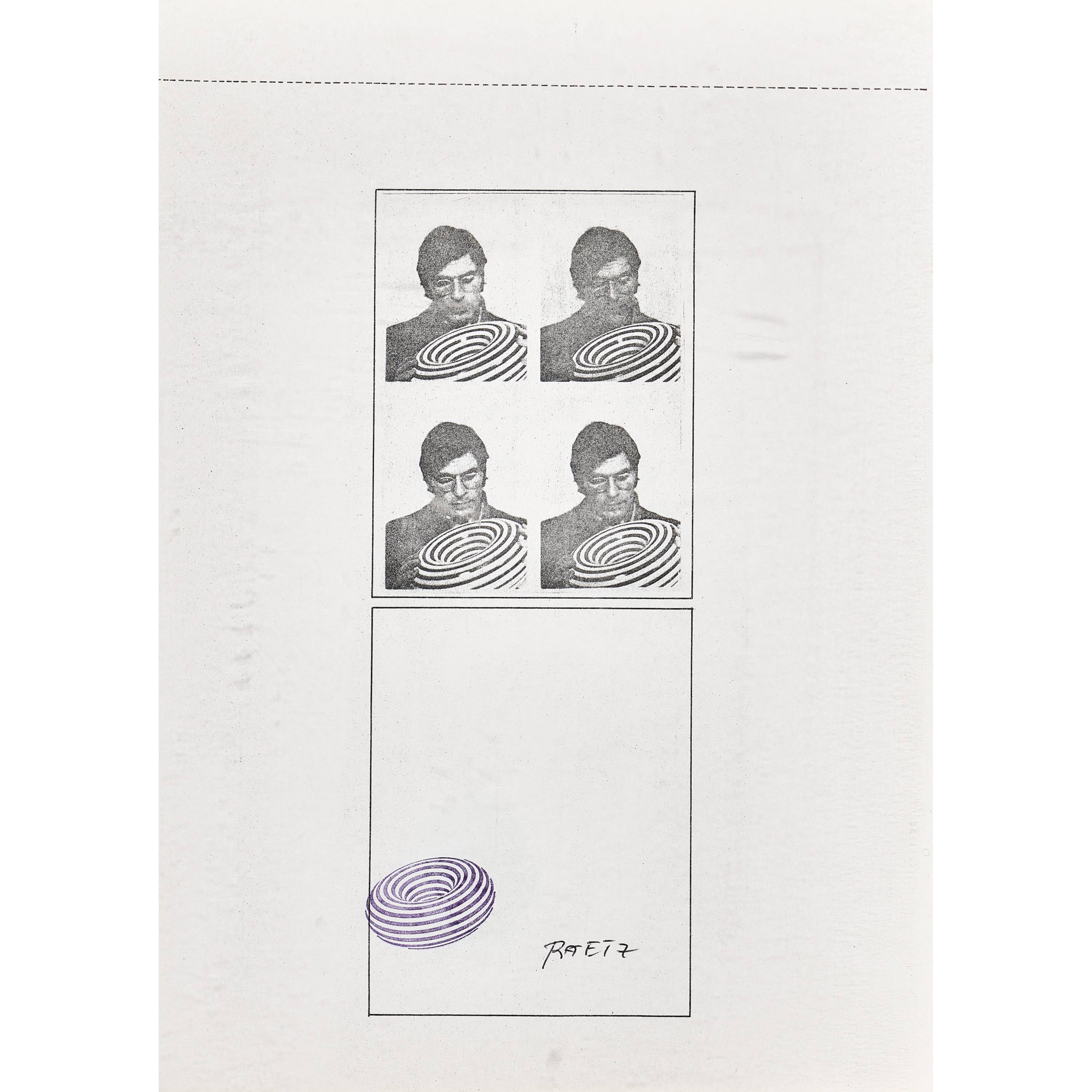
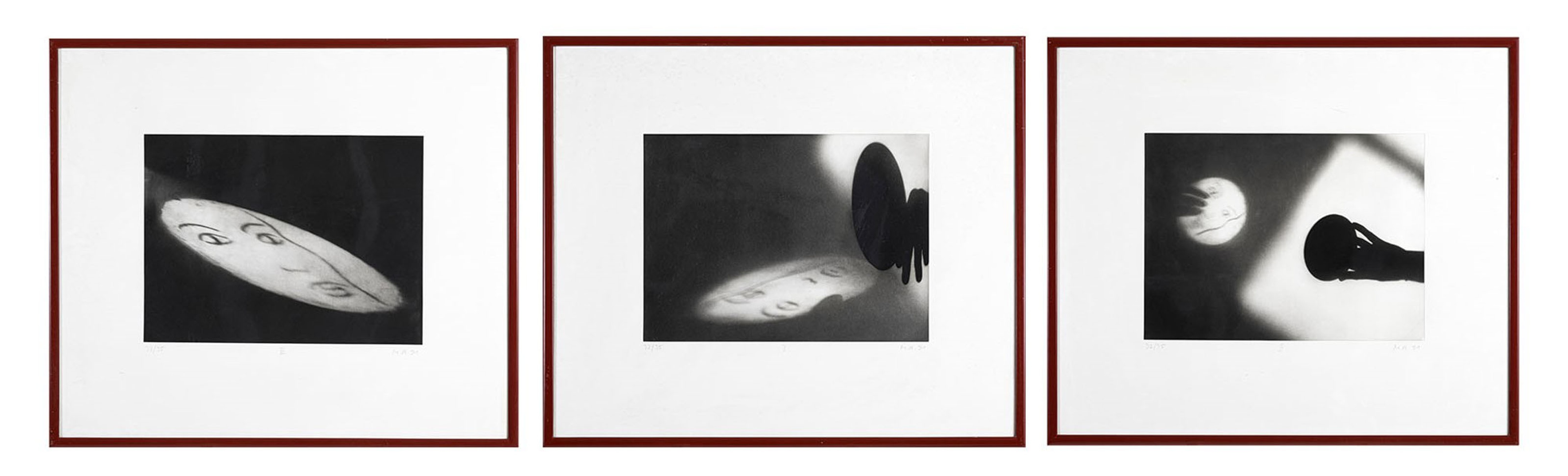
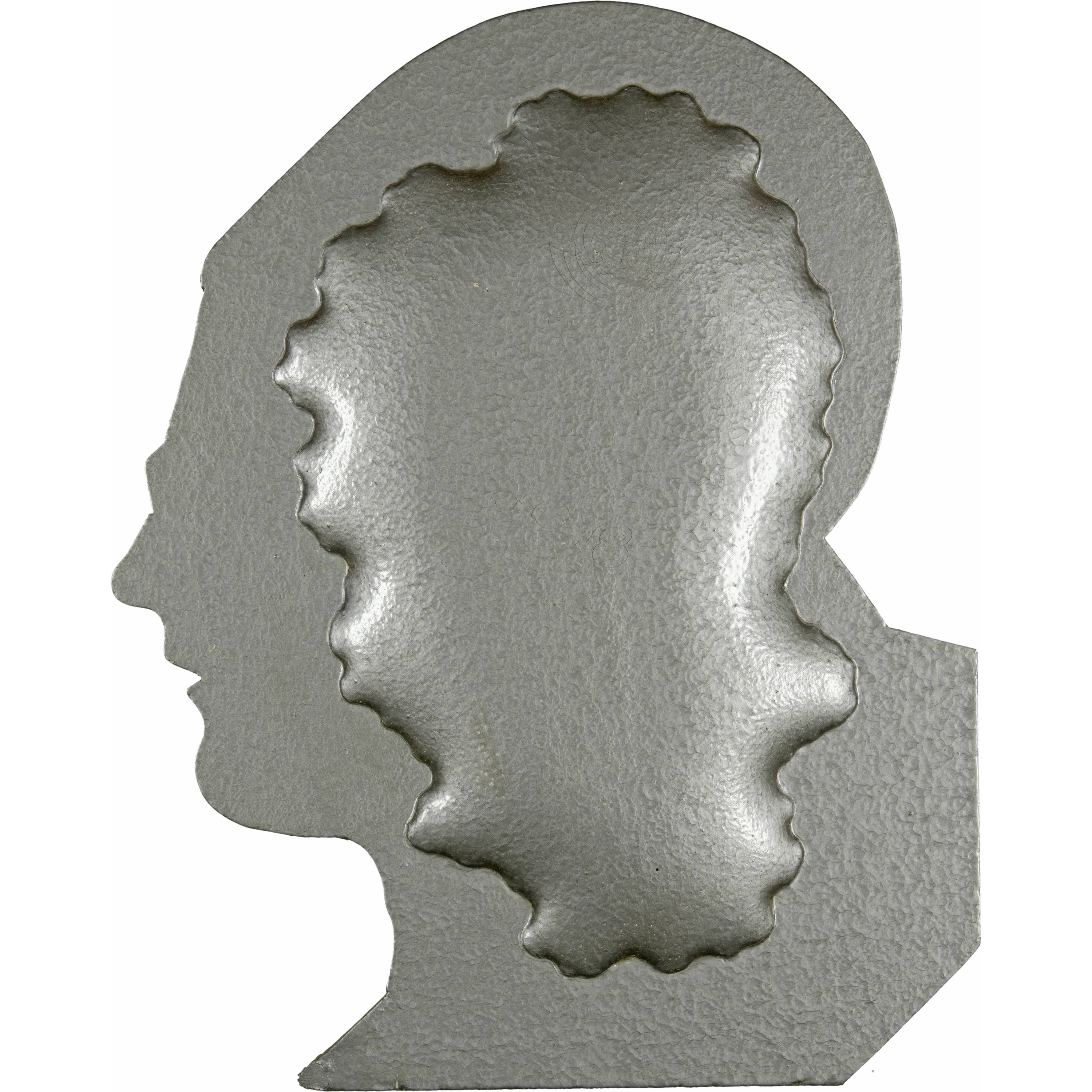
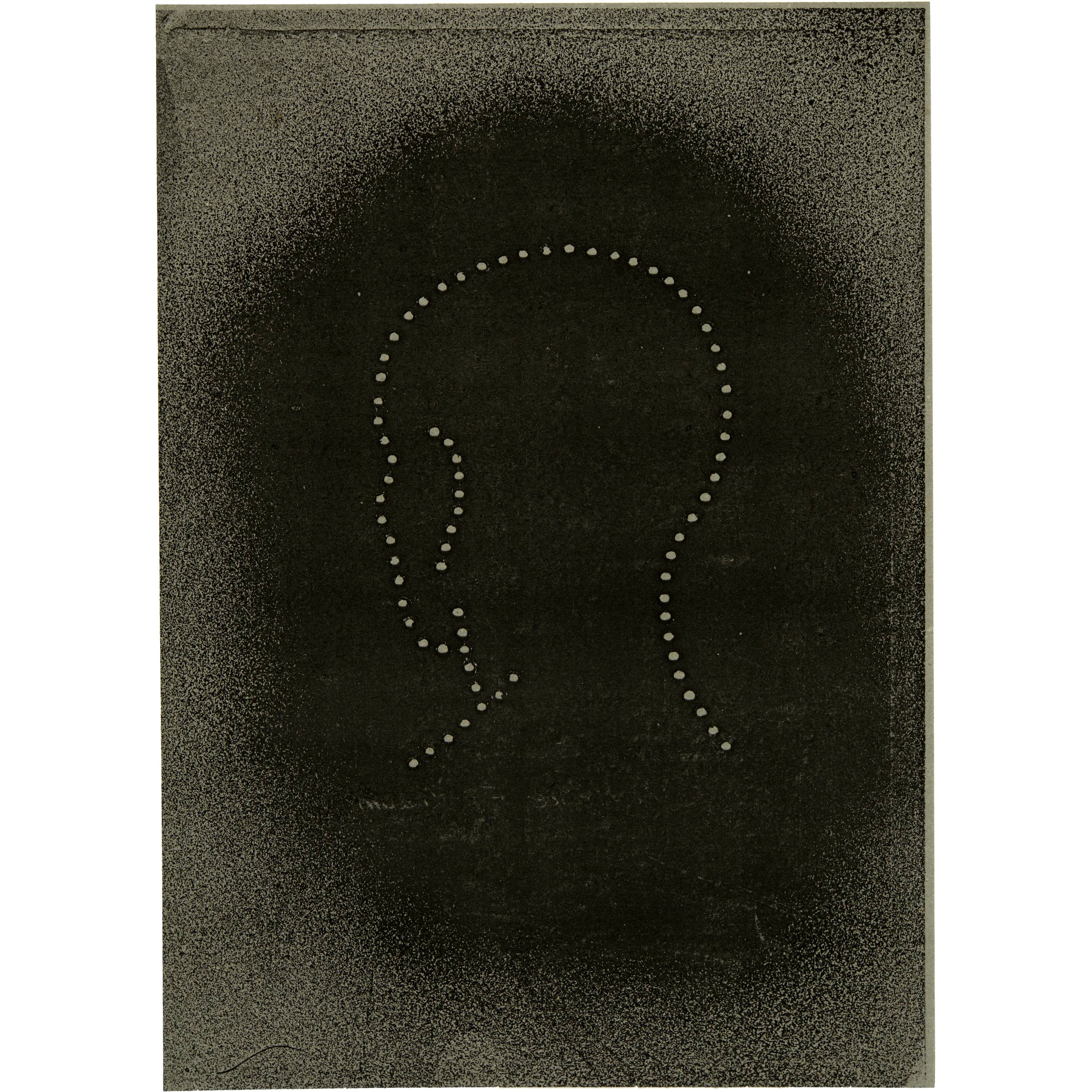
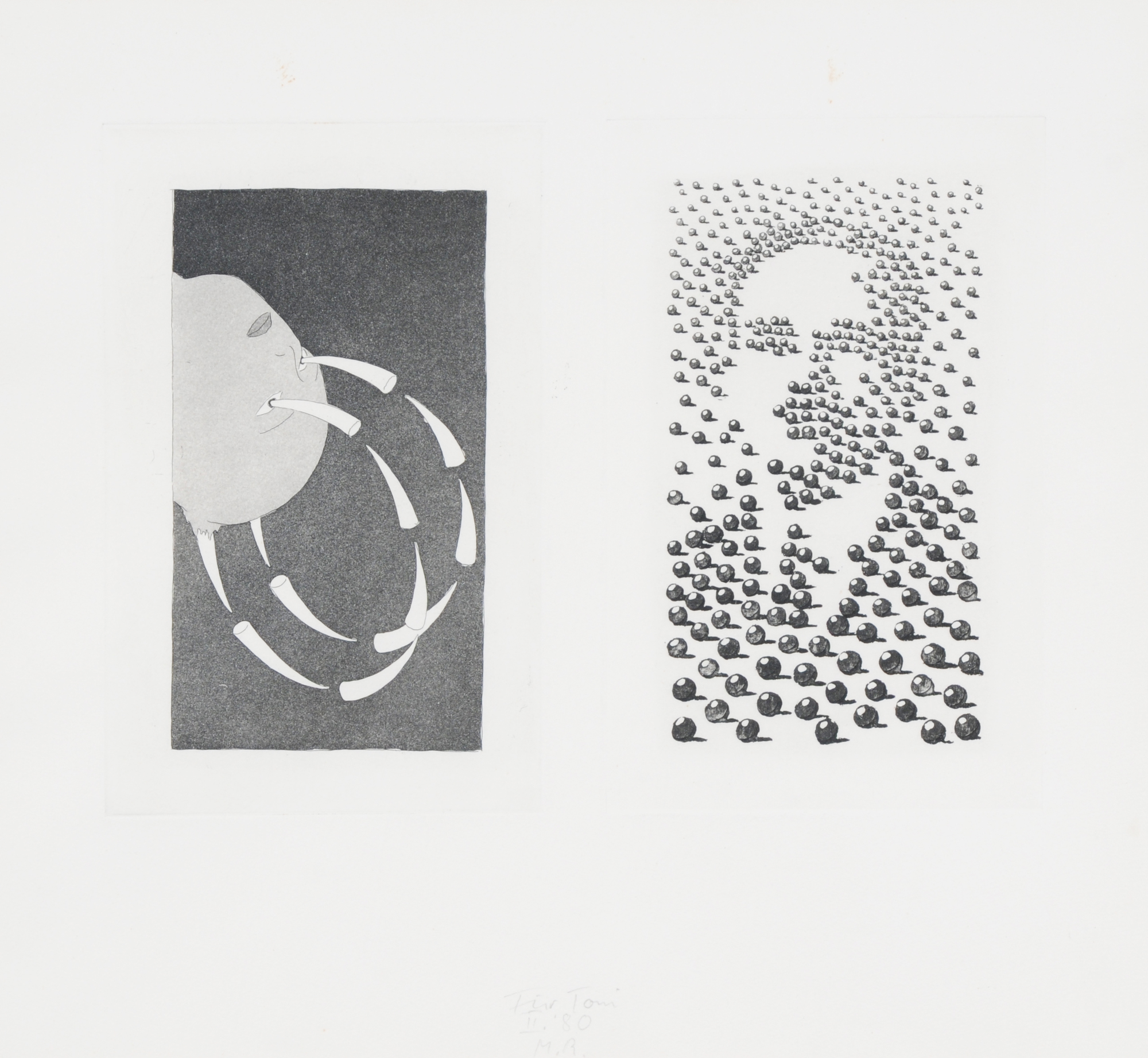
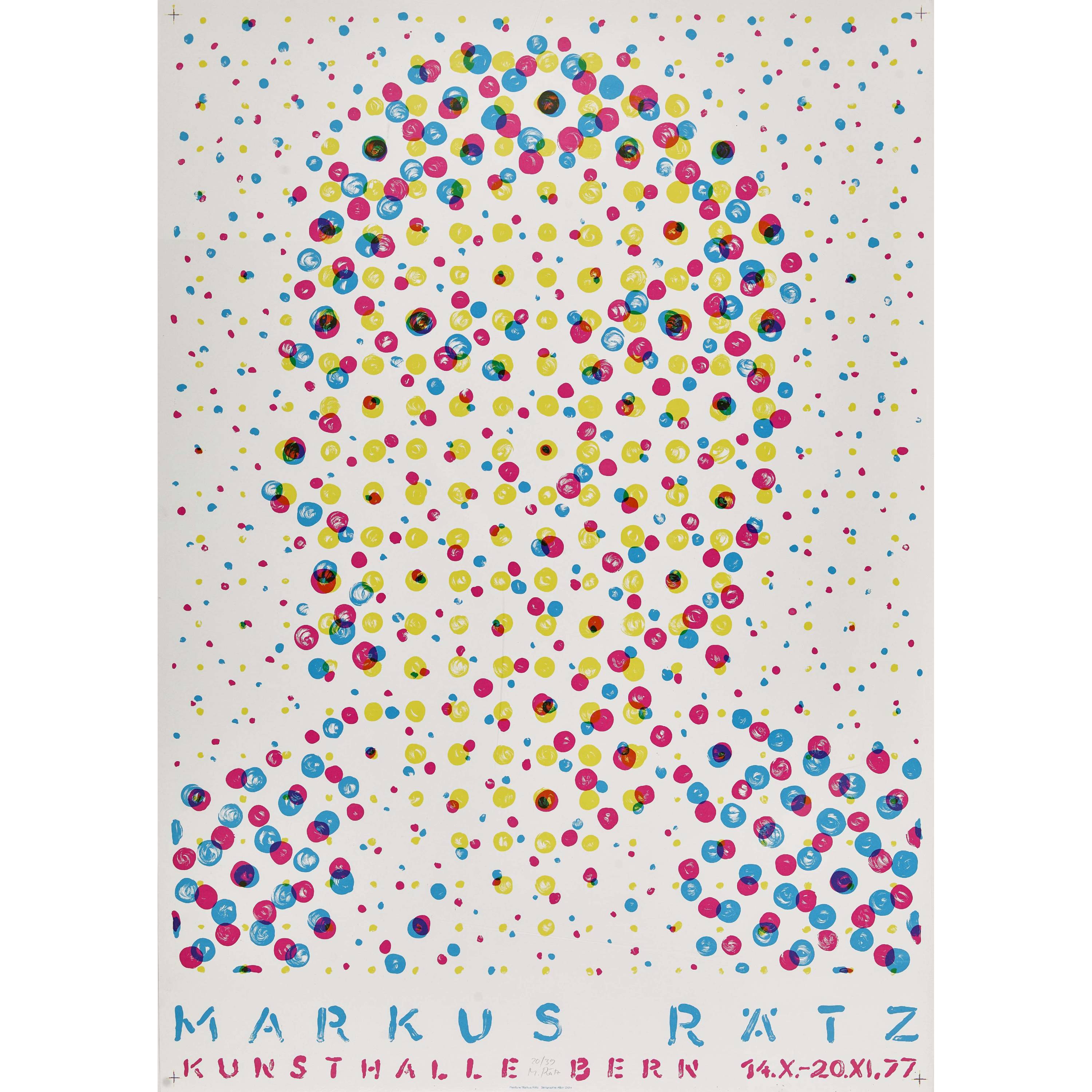
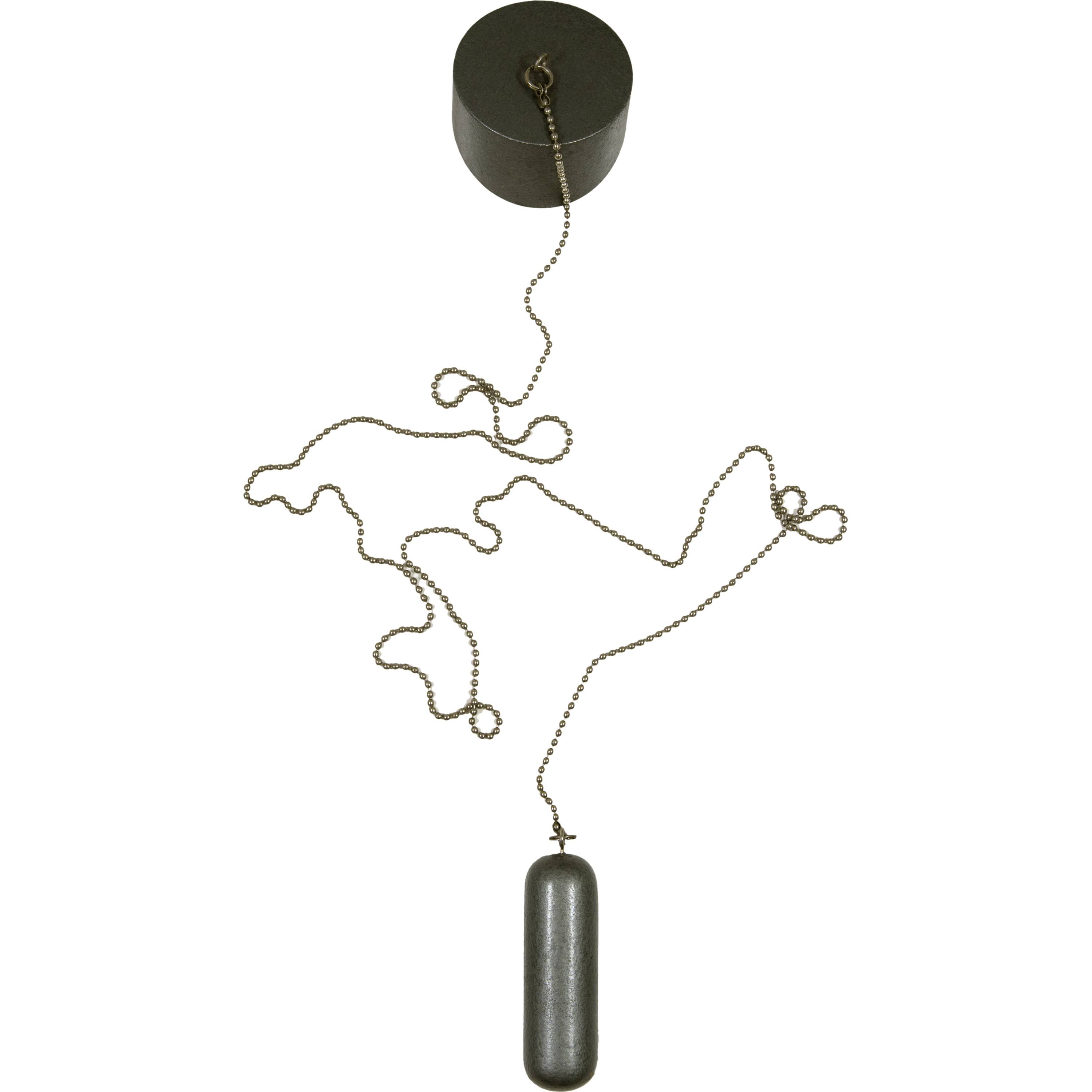
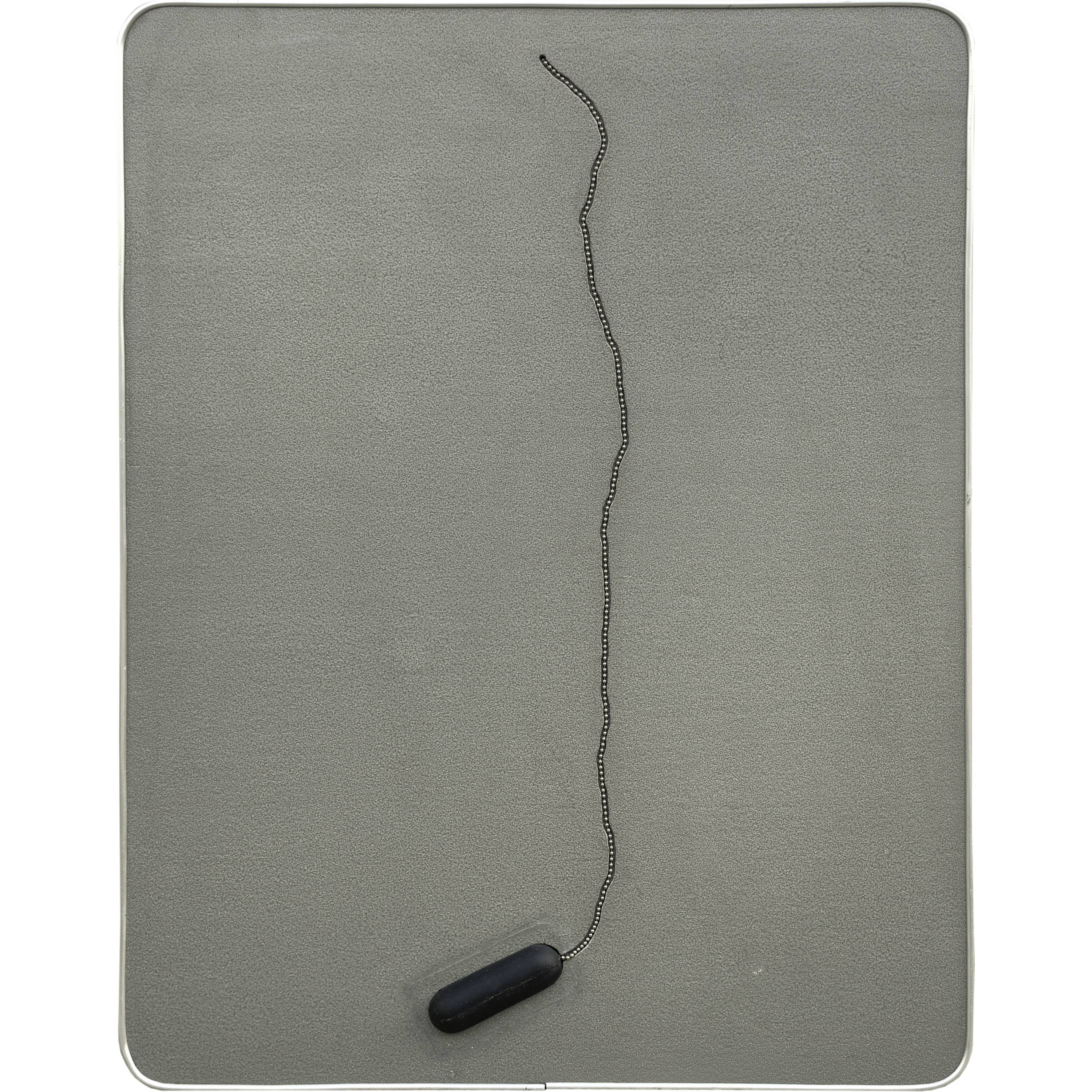
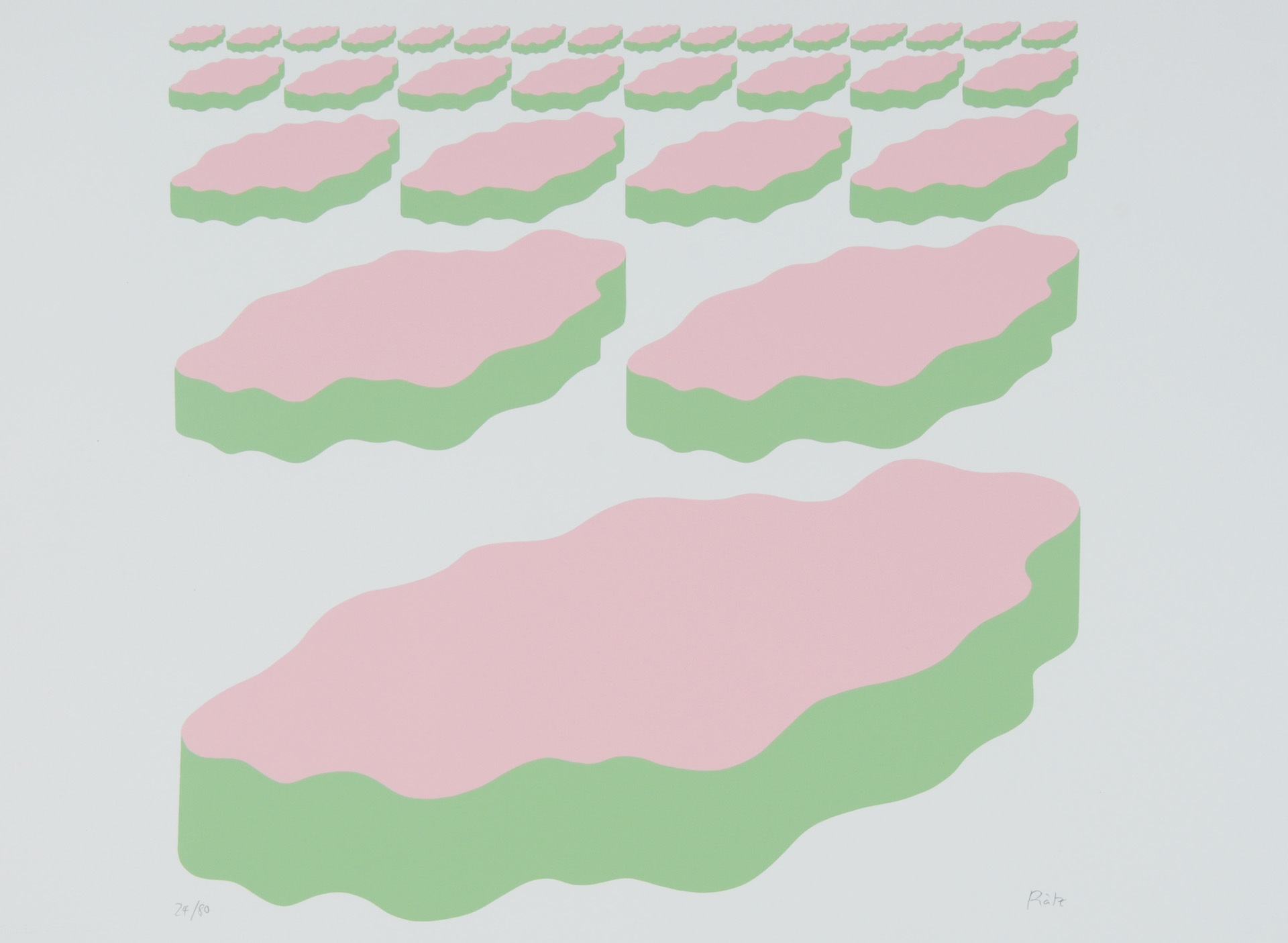
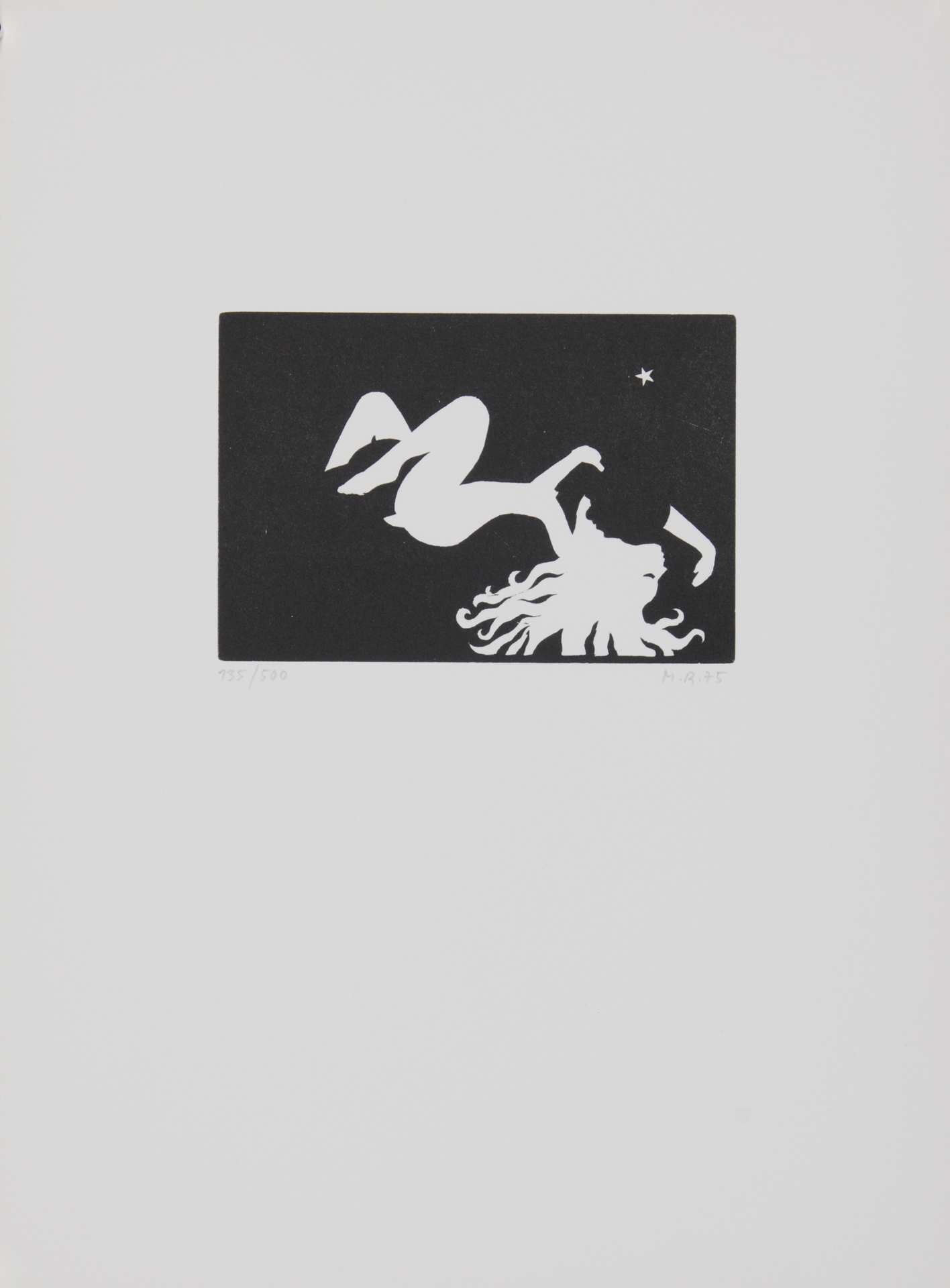
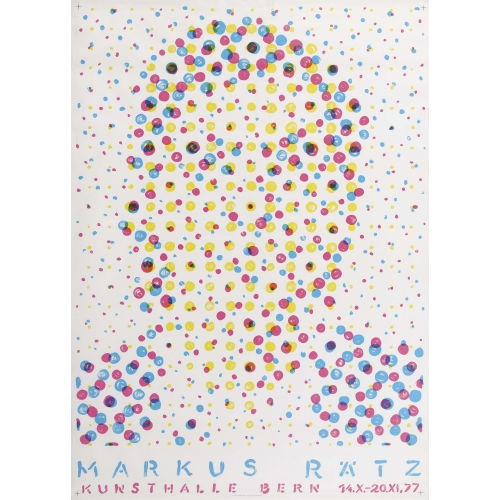
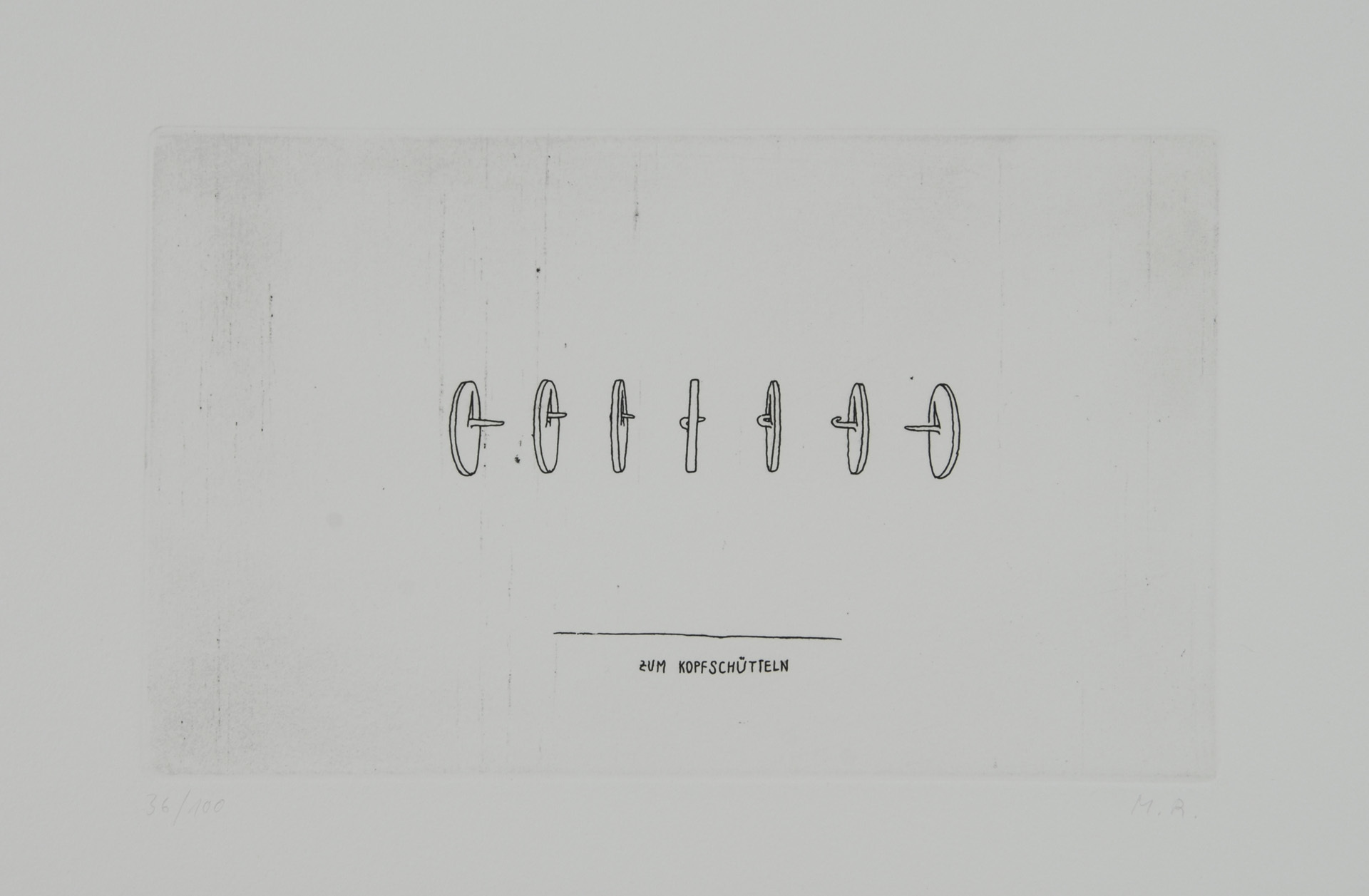
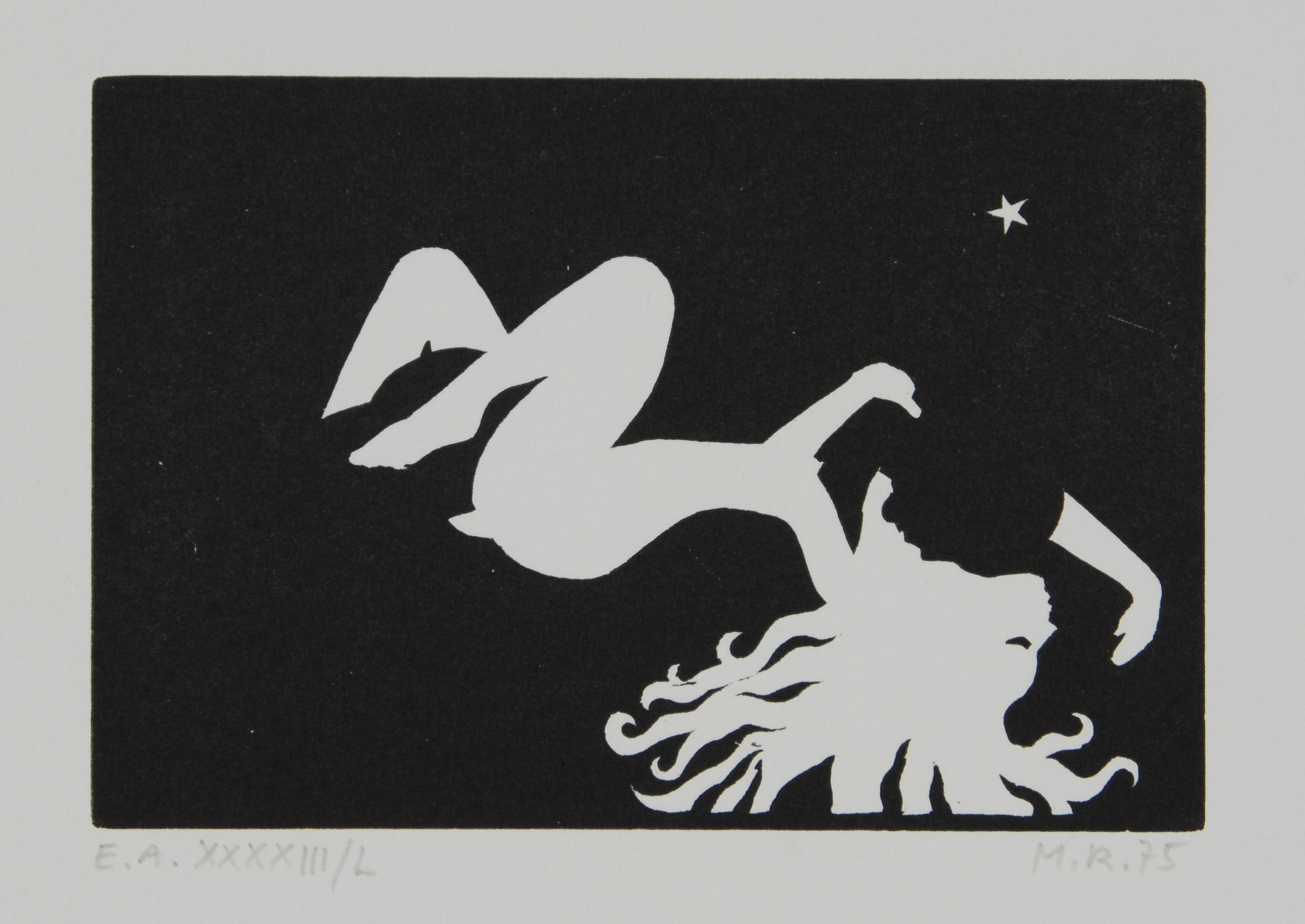
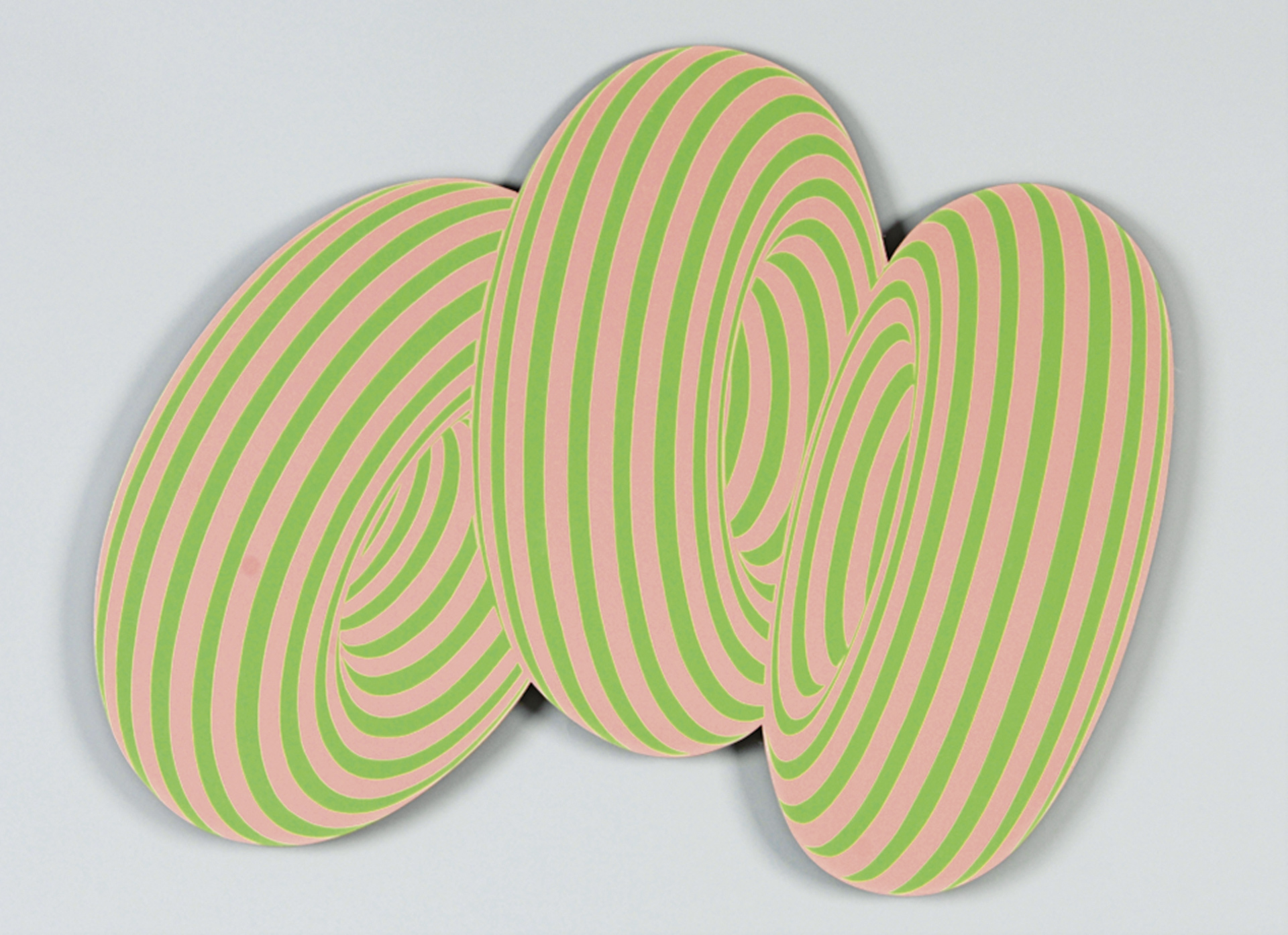
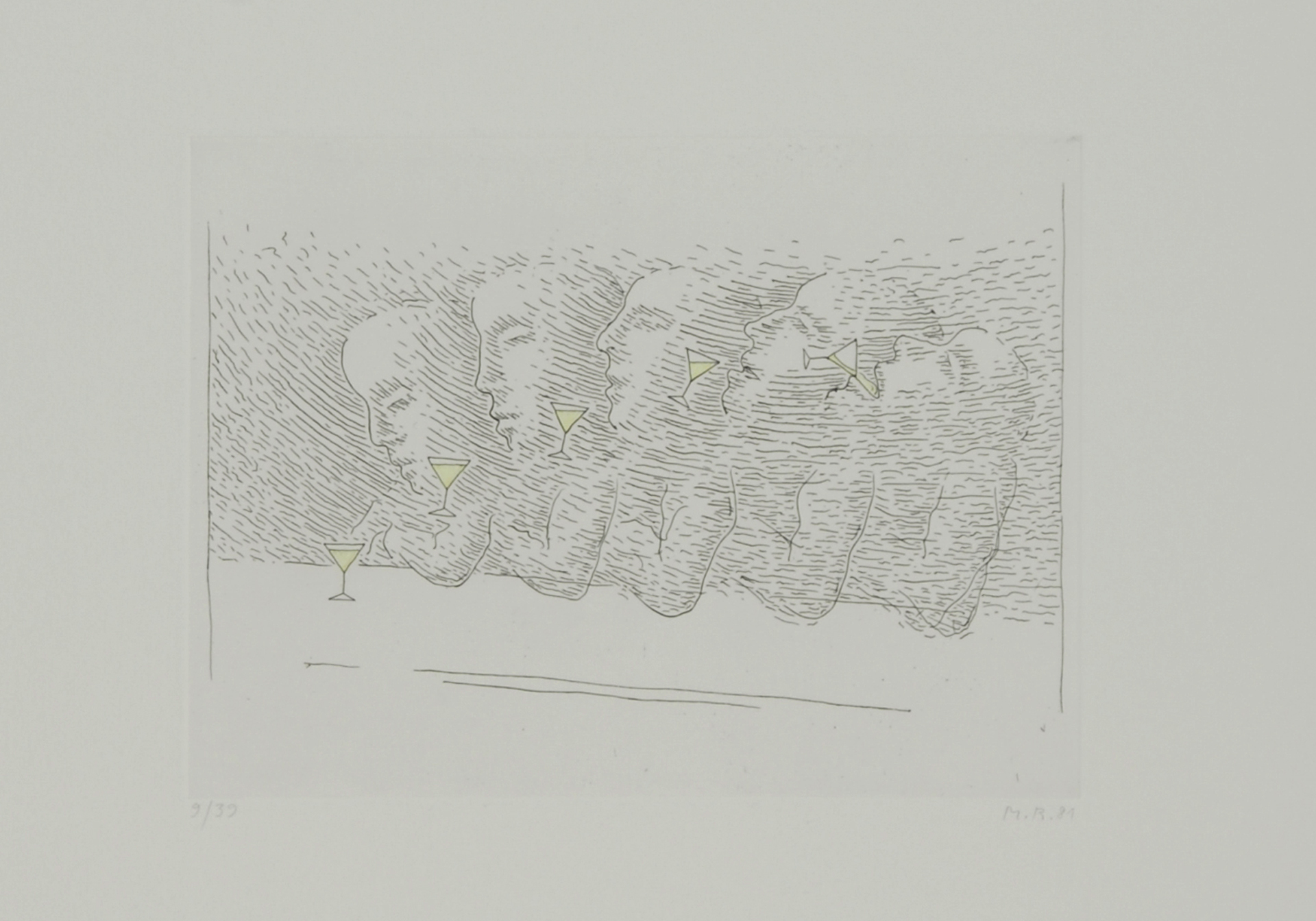
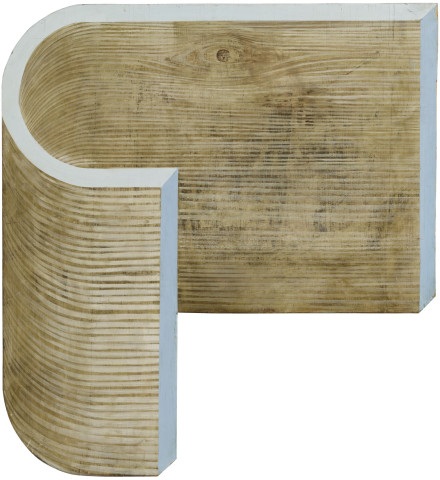
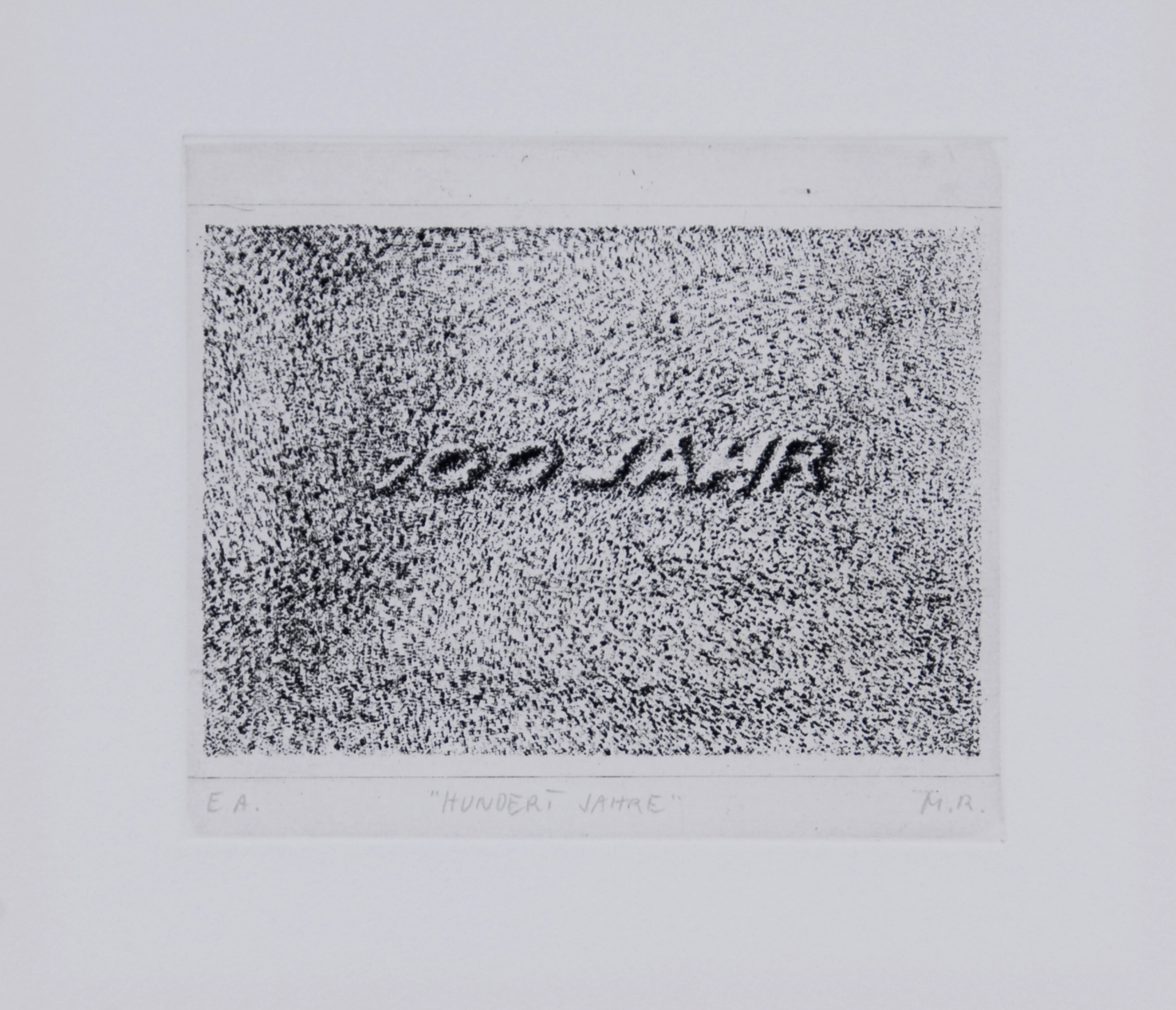
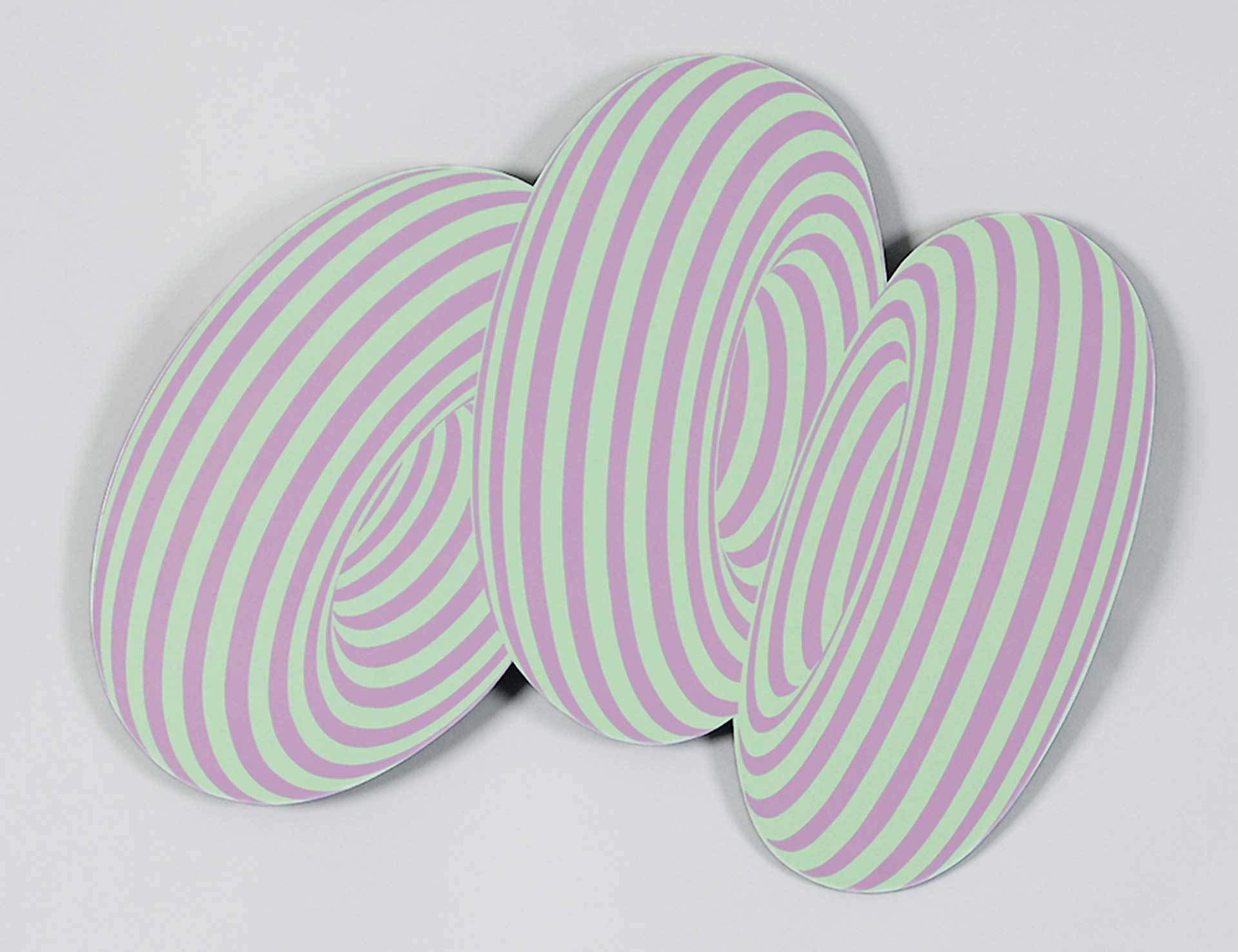
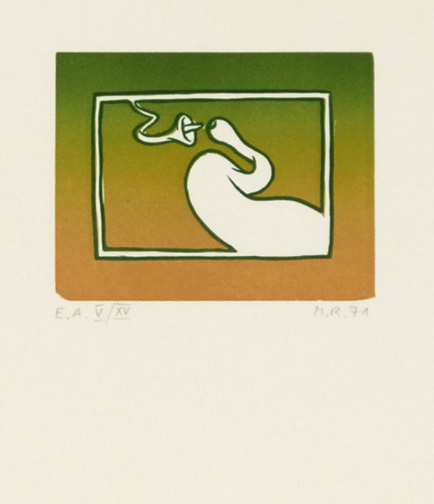
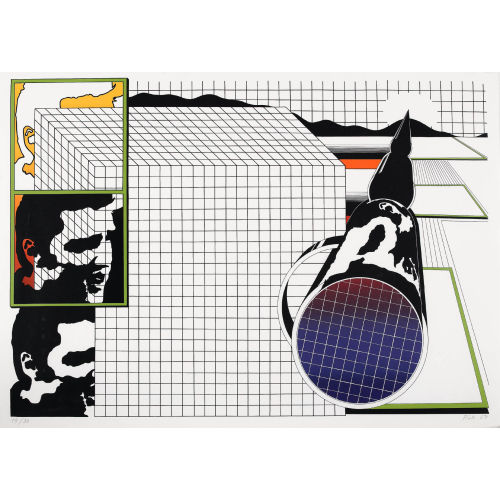
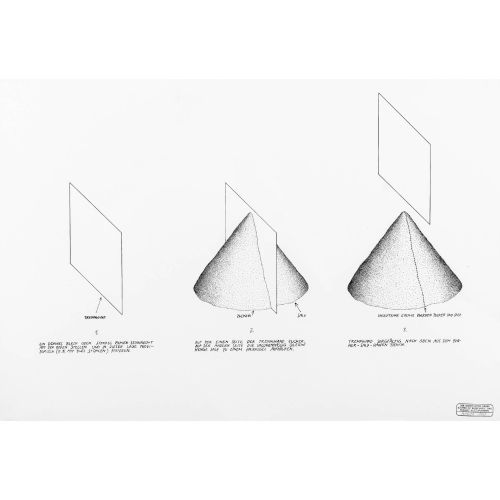
This reflection unfolds in space. Apparently dispersed elements compose a figure from a particular viewpoint; certain sculptures turn a bottle into a glass or reveal several profiles. In his constructions of words, opposing meanings coexist within a single object.
The visitor’s movement becomes indispensable for discovering their metamorphoses.
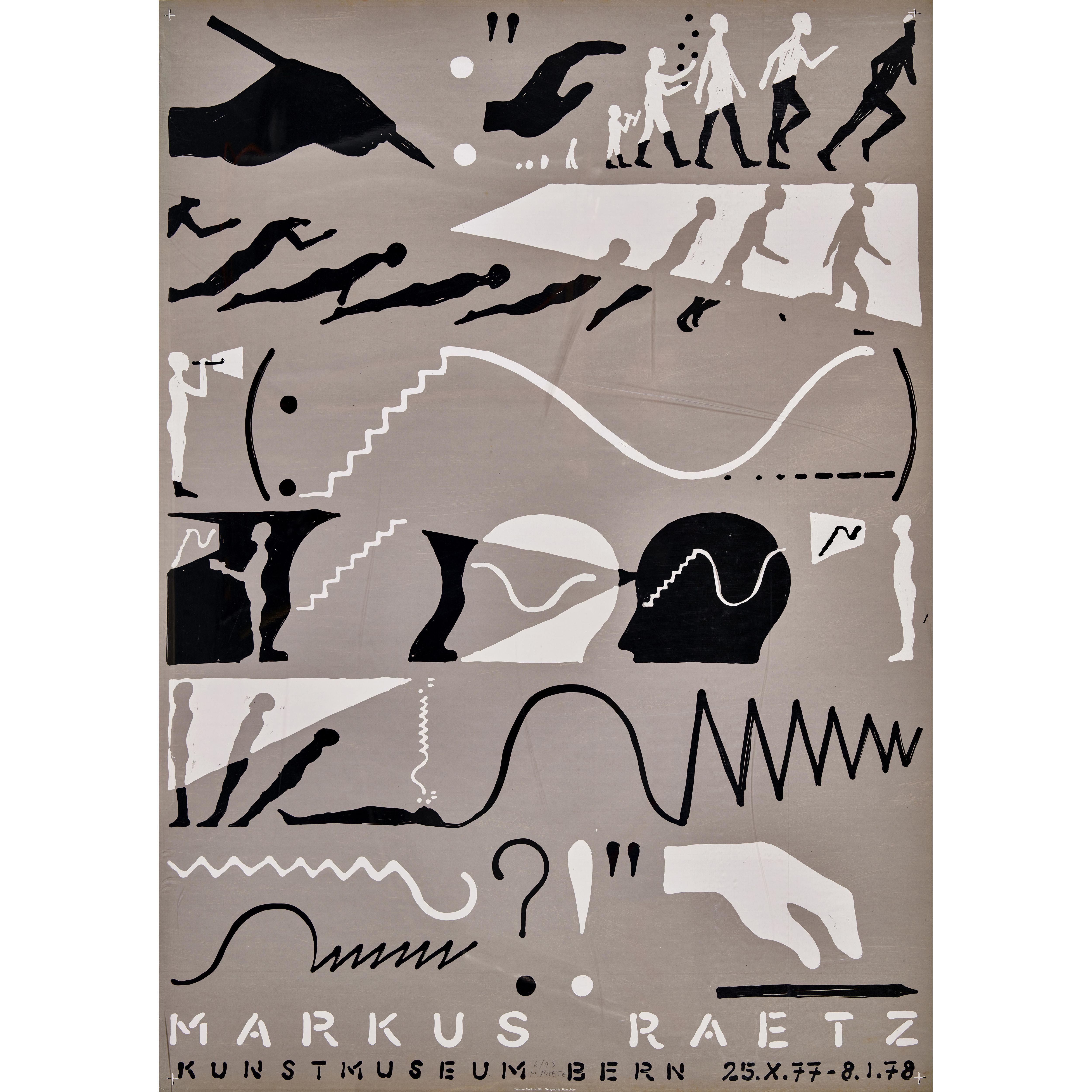
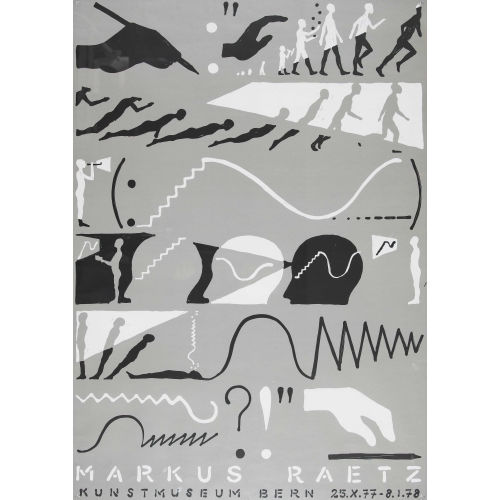
The mobiles extend this exploration by entrusting change to the movement of the work itself. Threads and suspended surfaces allow images to emerge, only to dissolve again immediately. The retrospective presented at Kunstmuseum Bern in 2023–2024 highlighted this dimension of his work.
To approach Raetz is less a matter of seeking a definitive image than of remaining open to his transformations. Wonder arises from often simple means, capable of unsettling our most ordinary habits of perception.