Mark Tobey
Born in 1890.
Died in 1976.
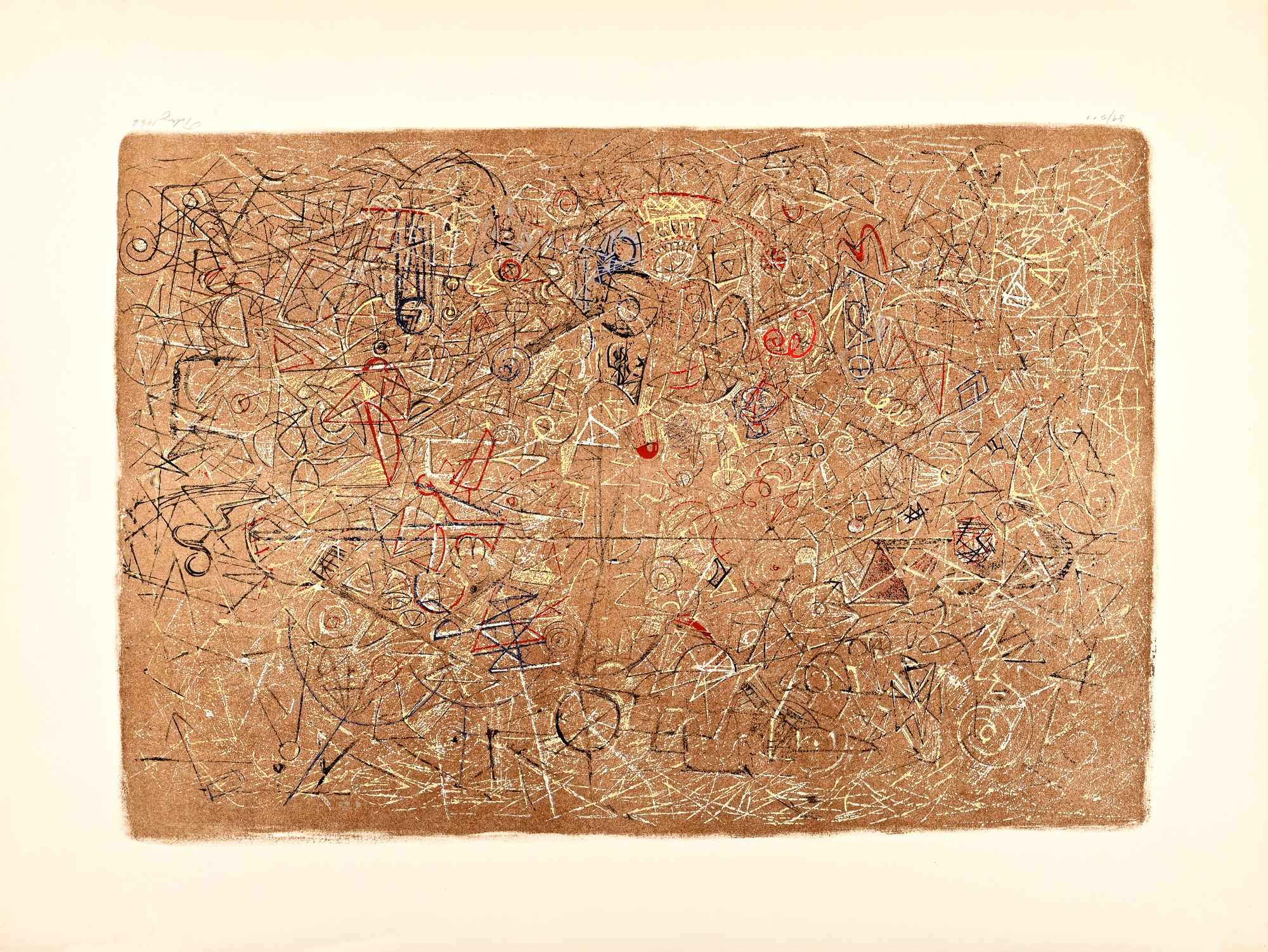
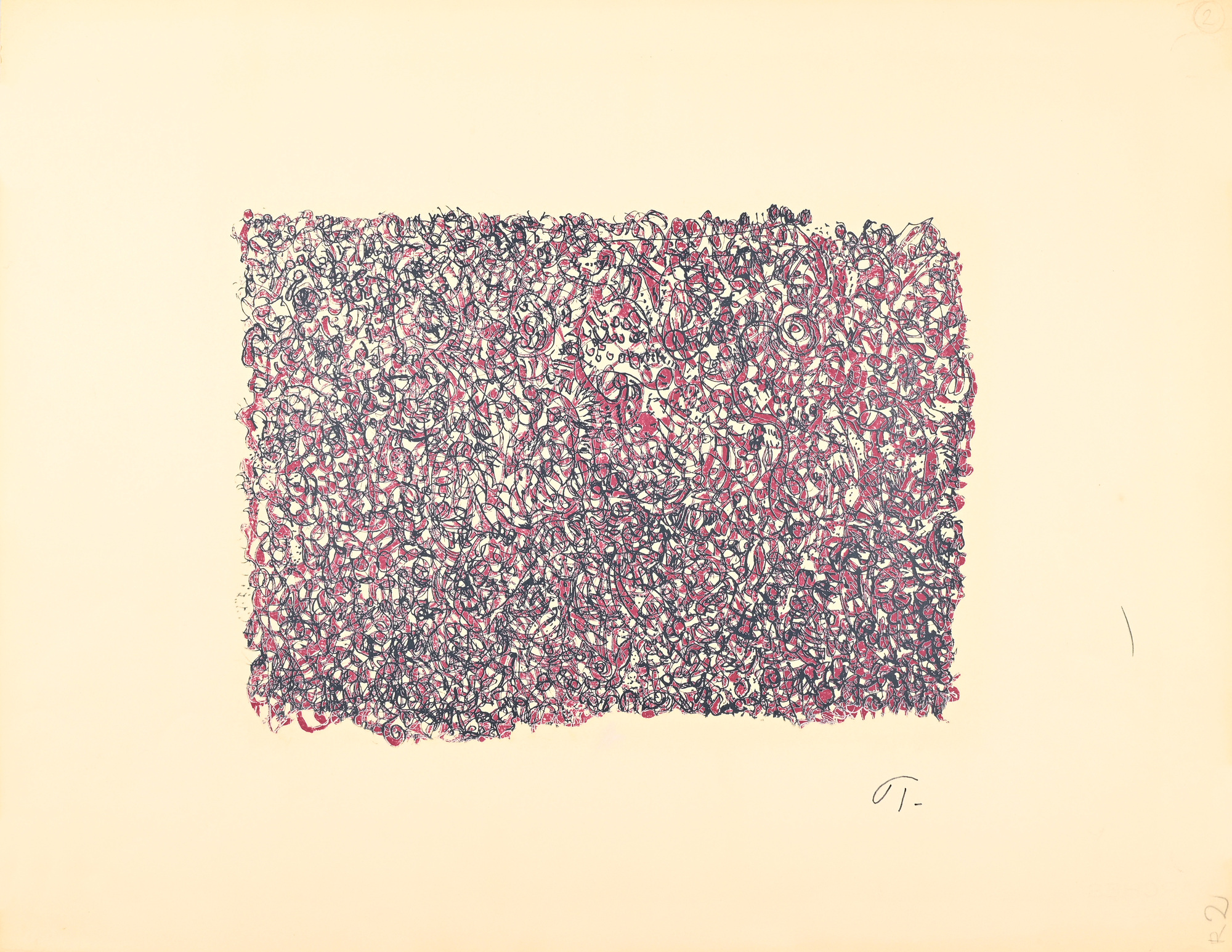
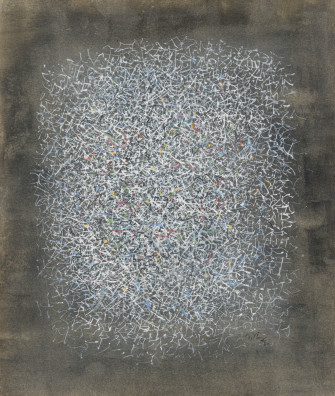
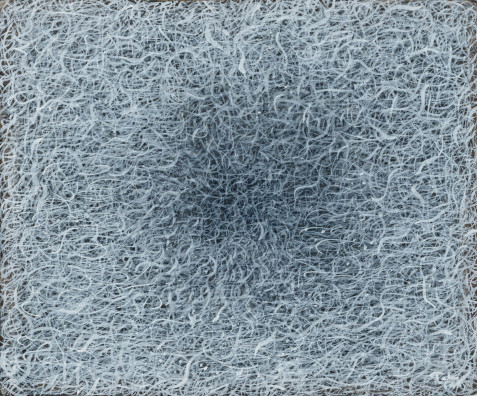
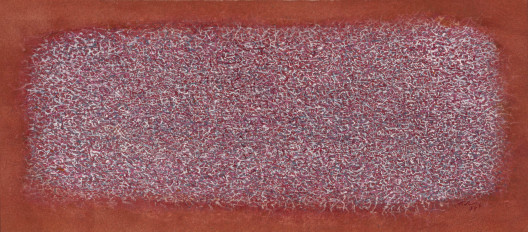
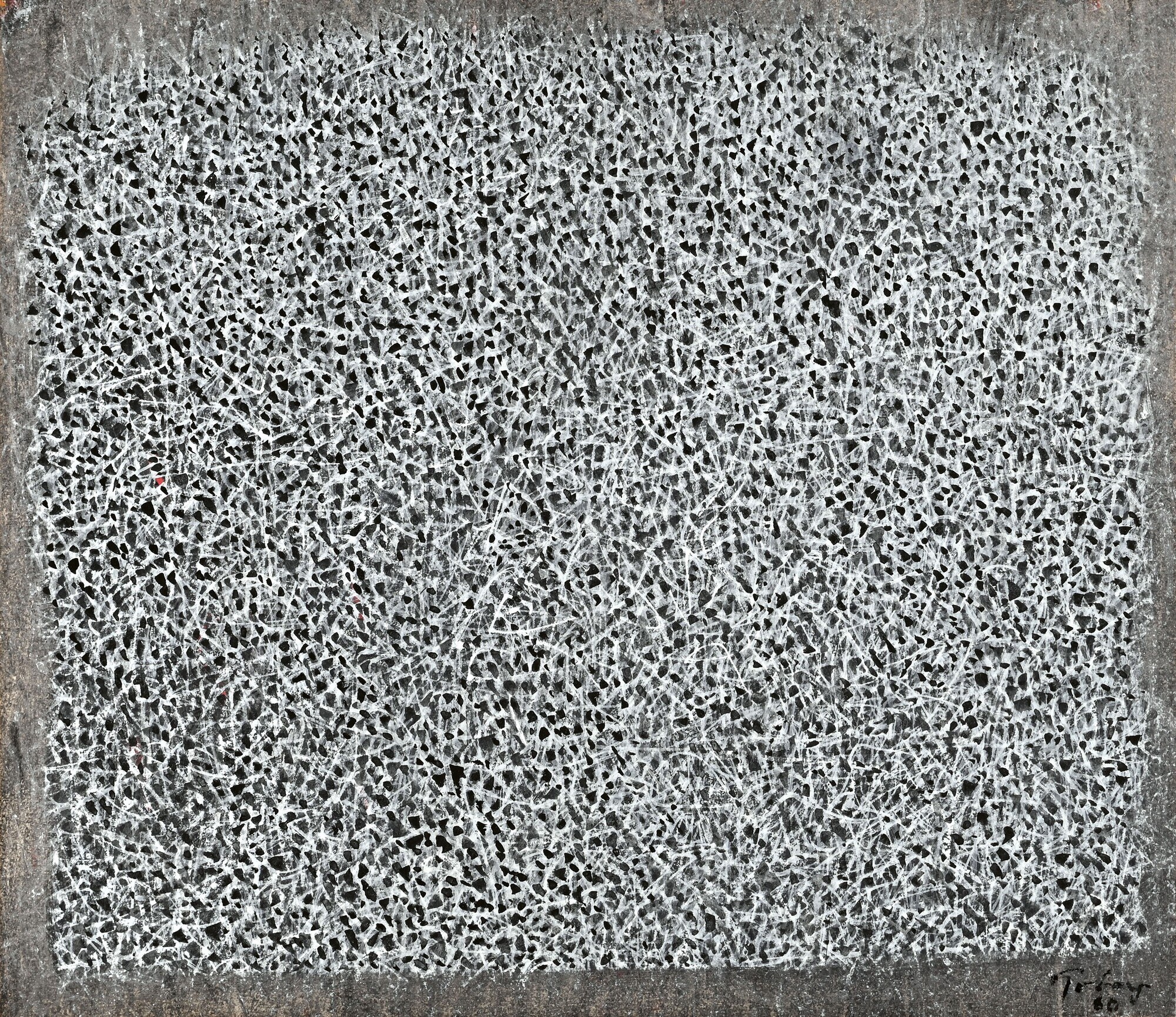
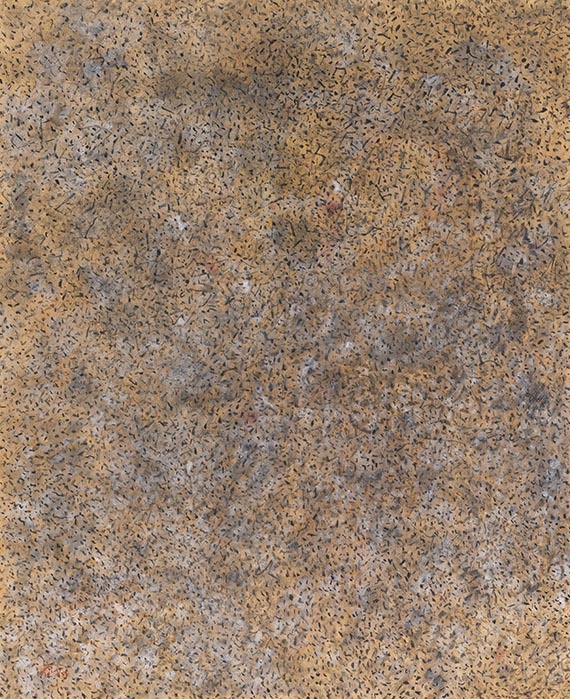
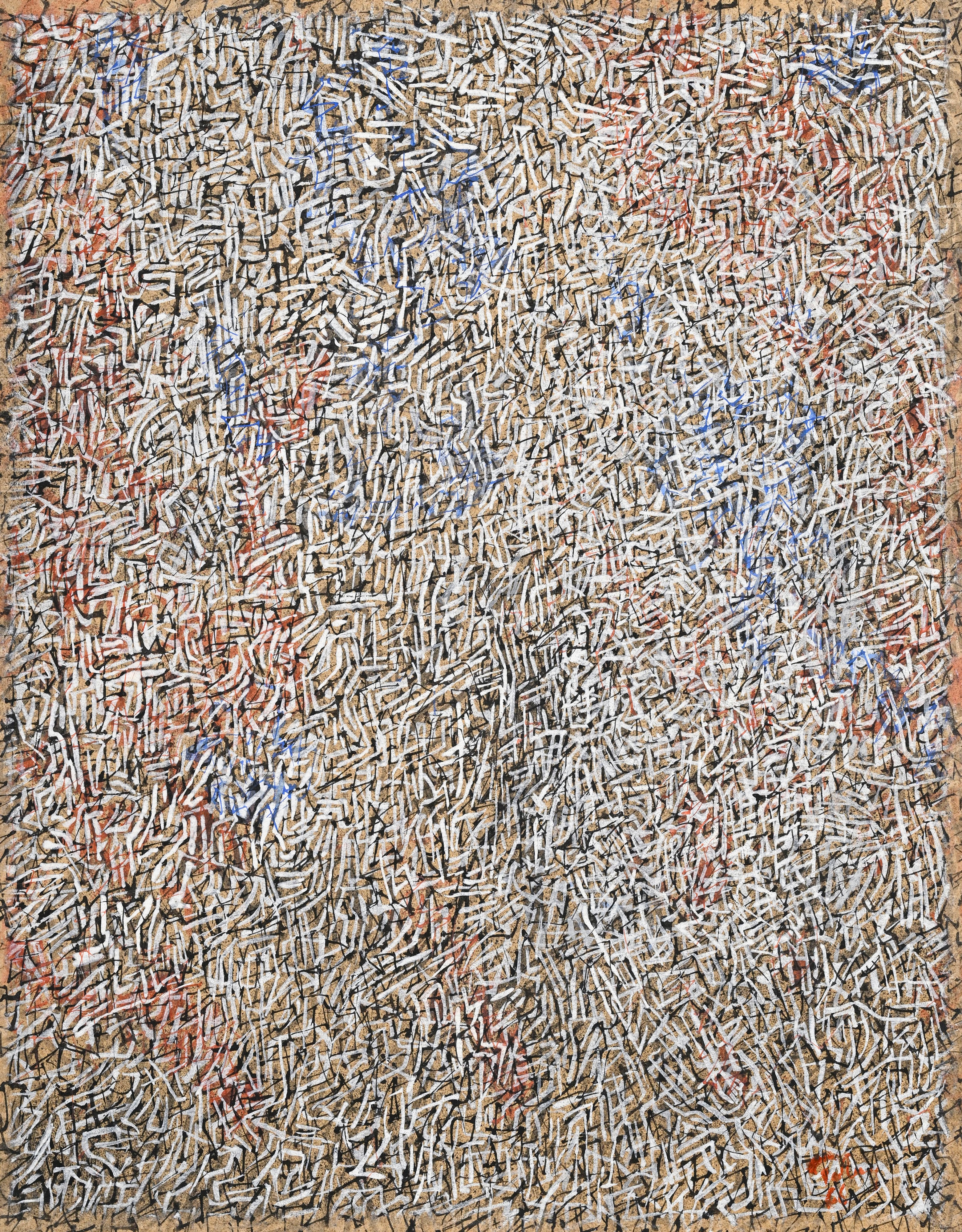
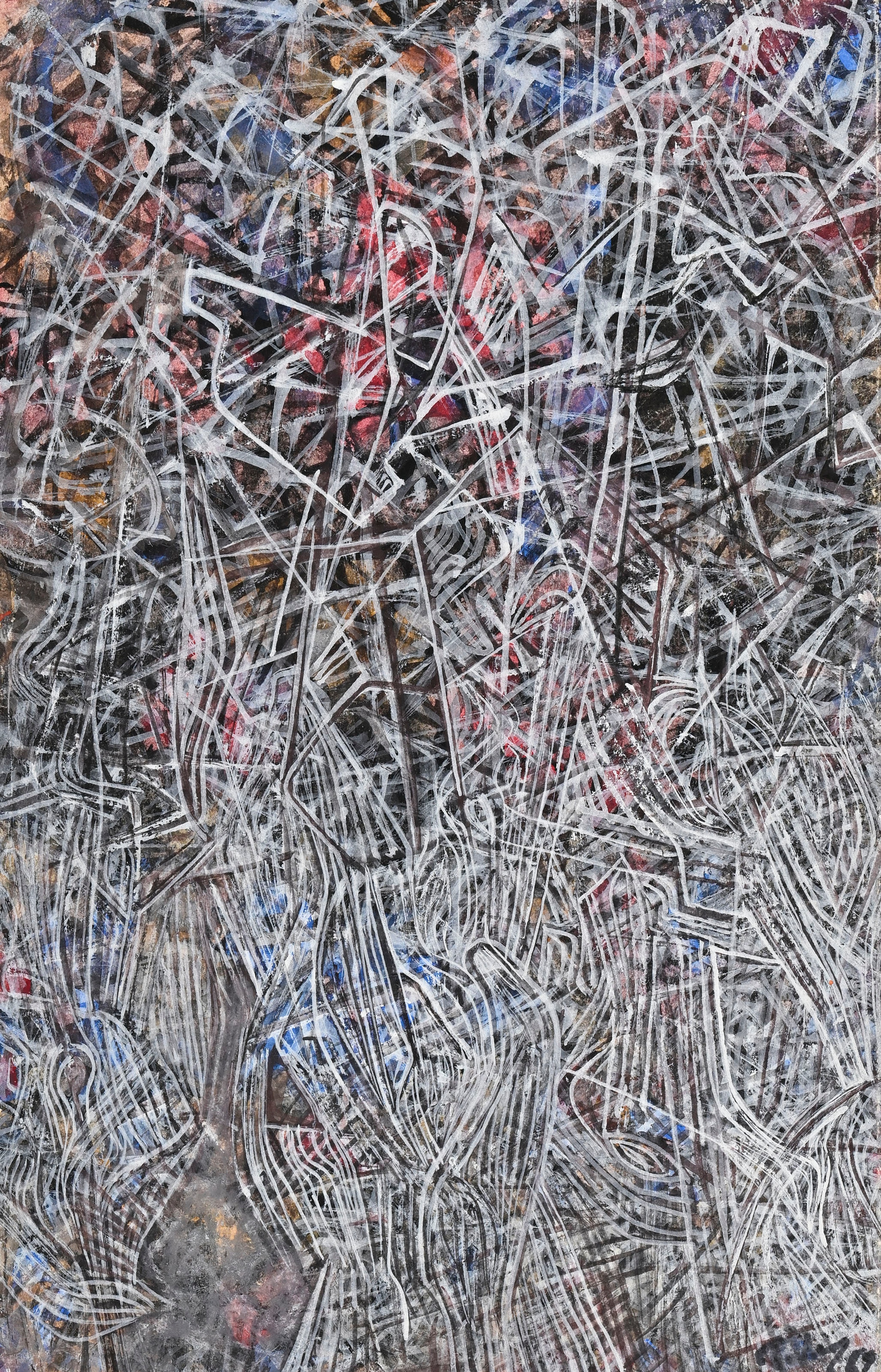
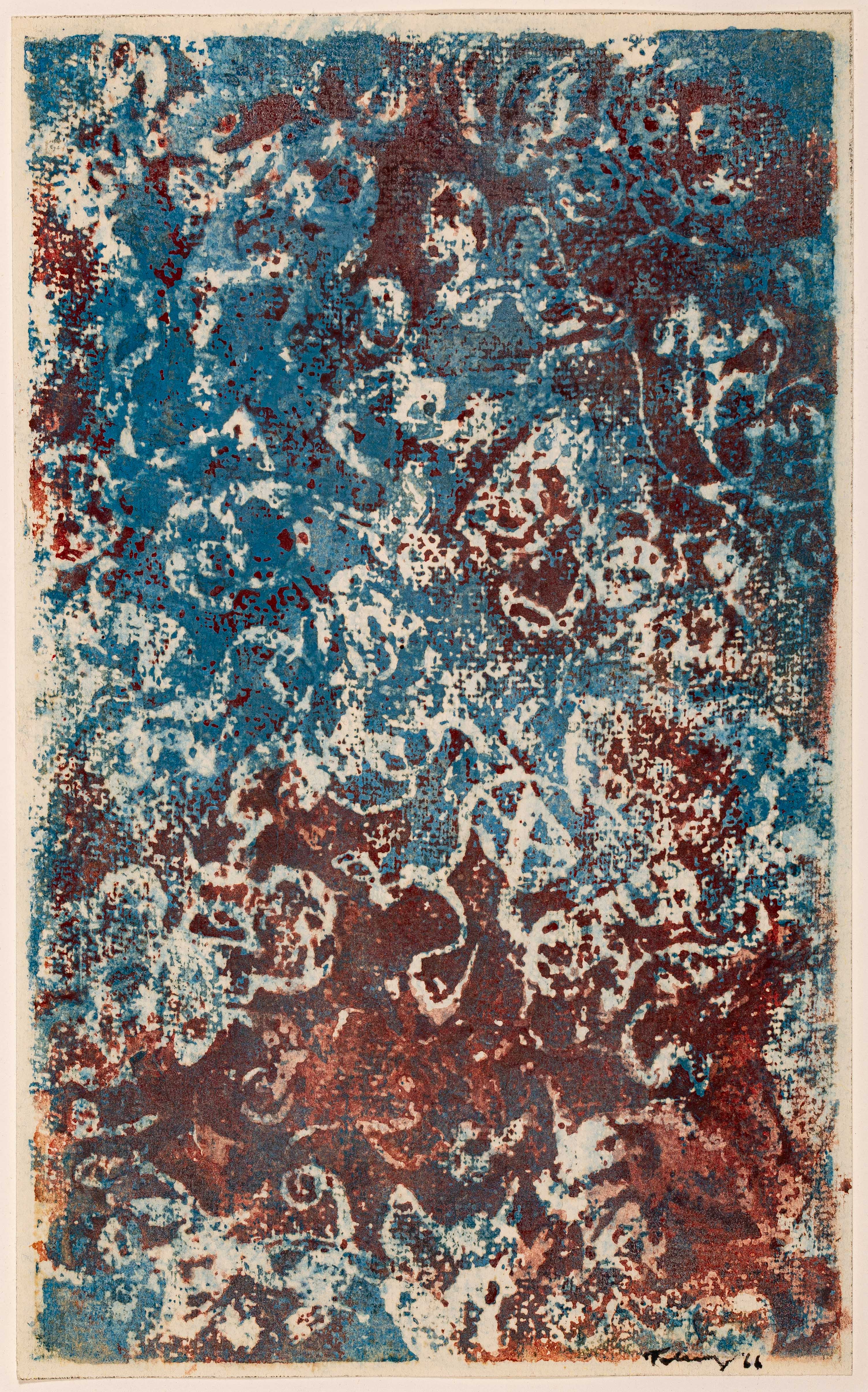
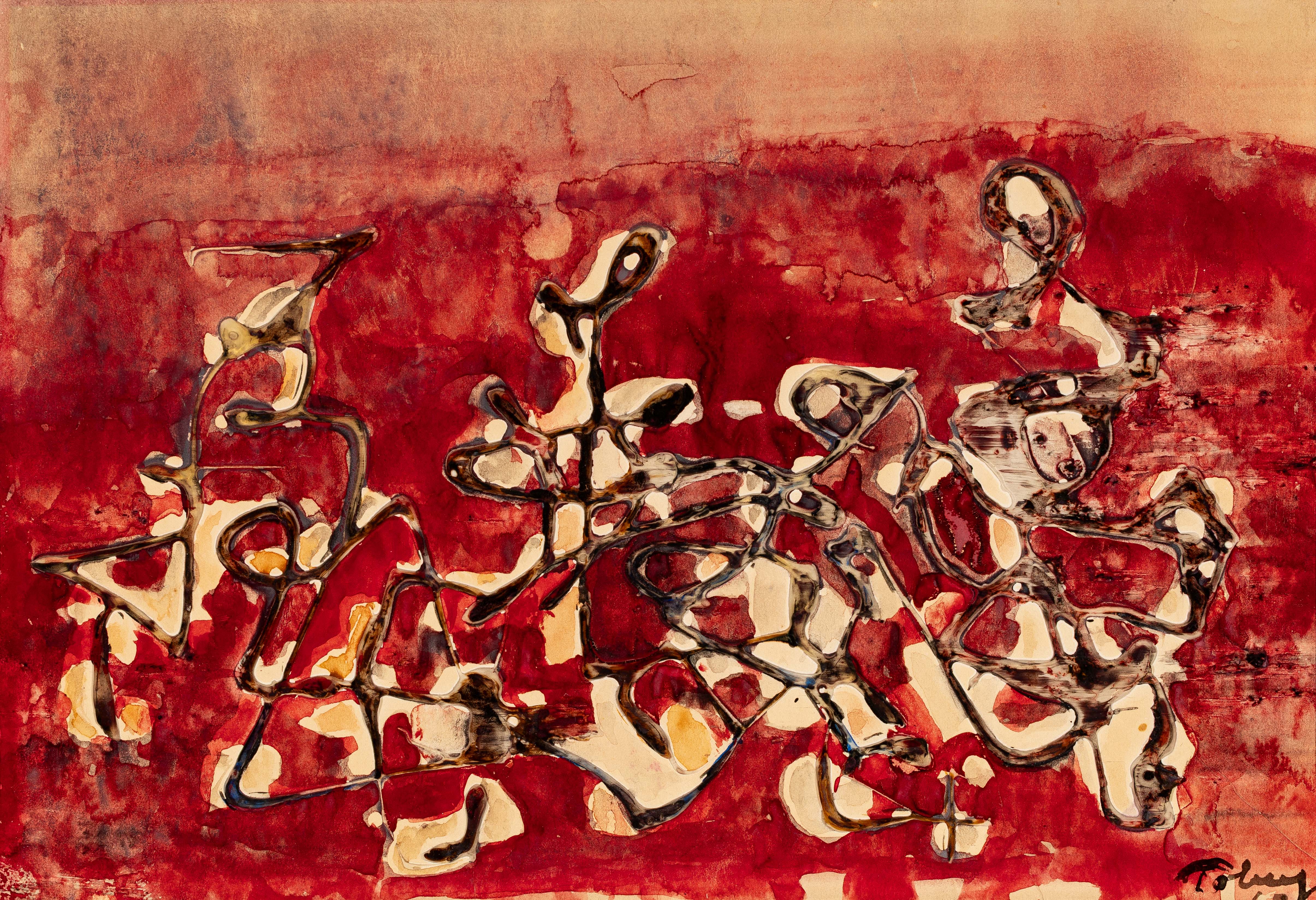
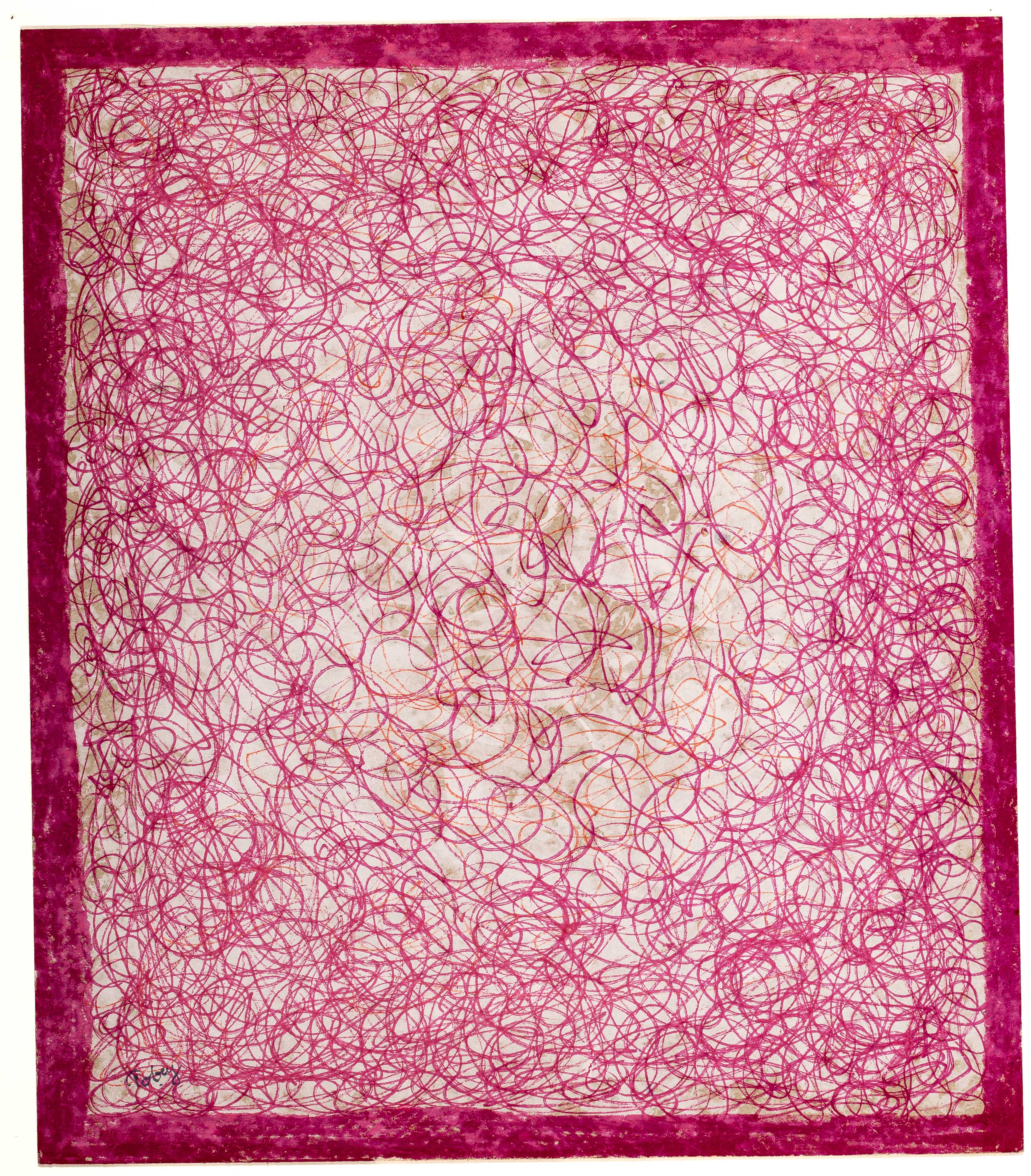
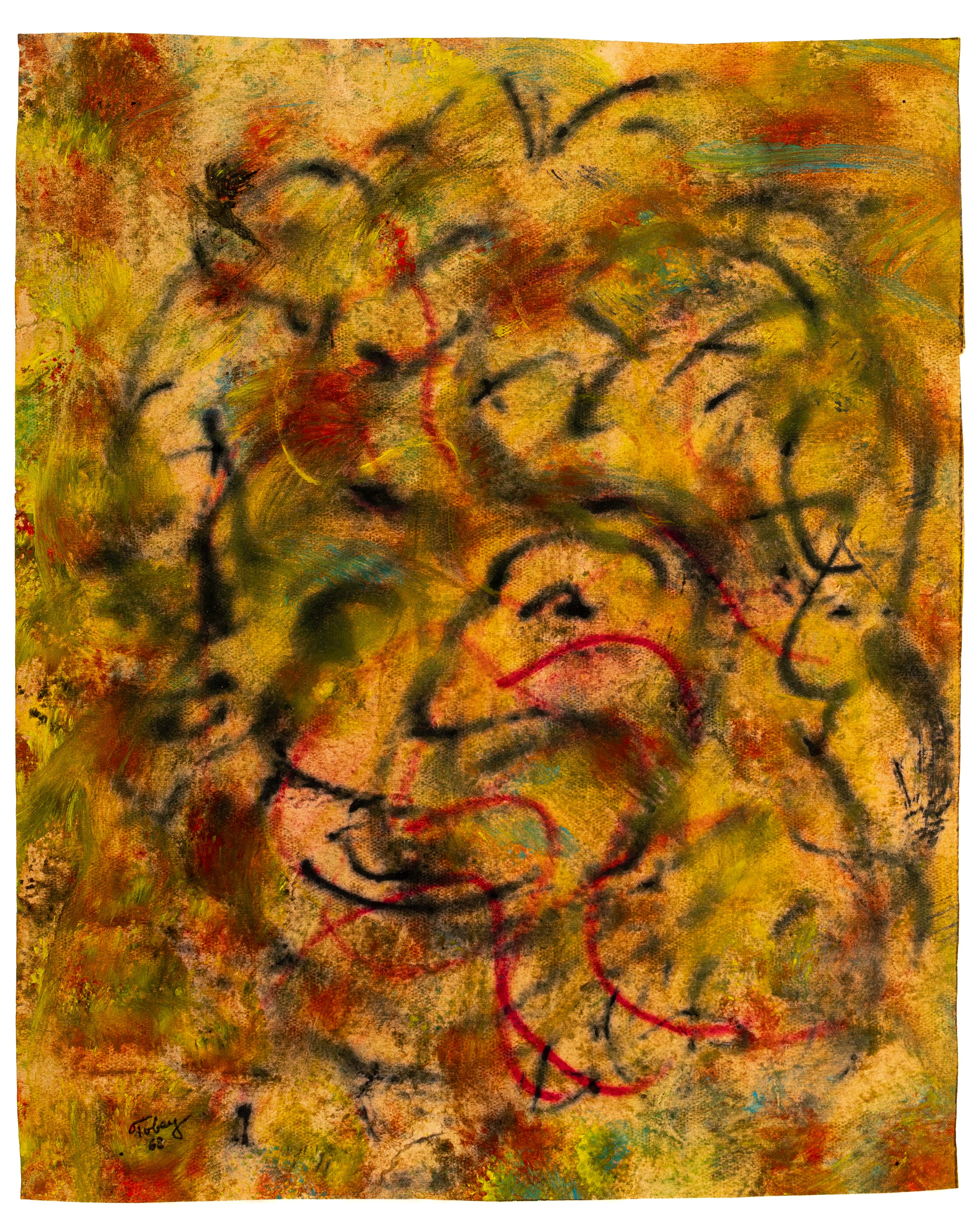
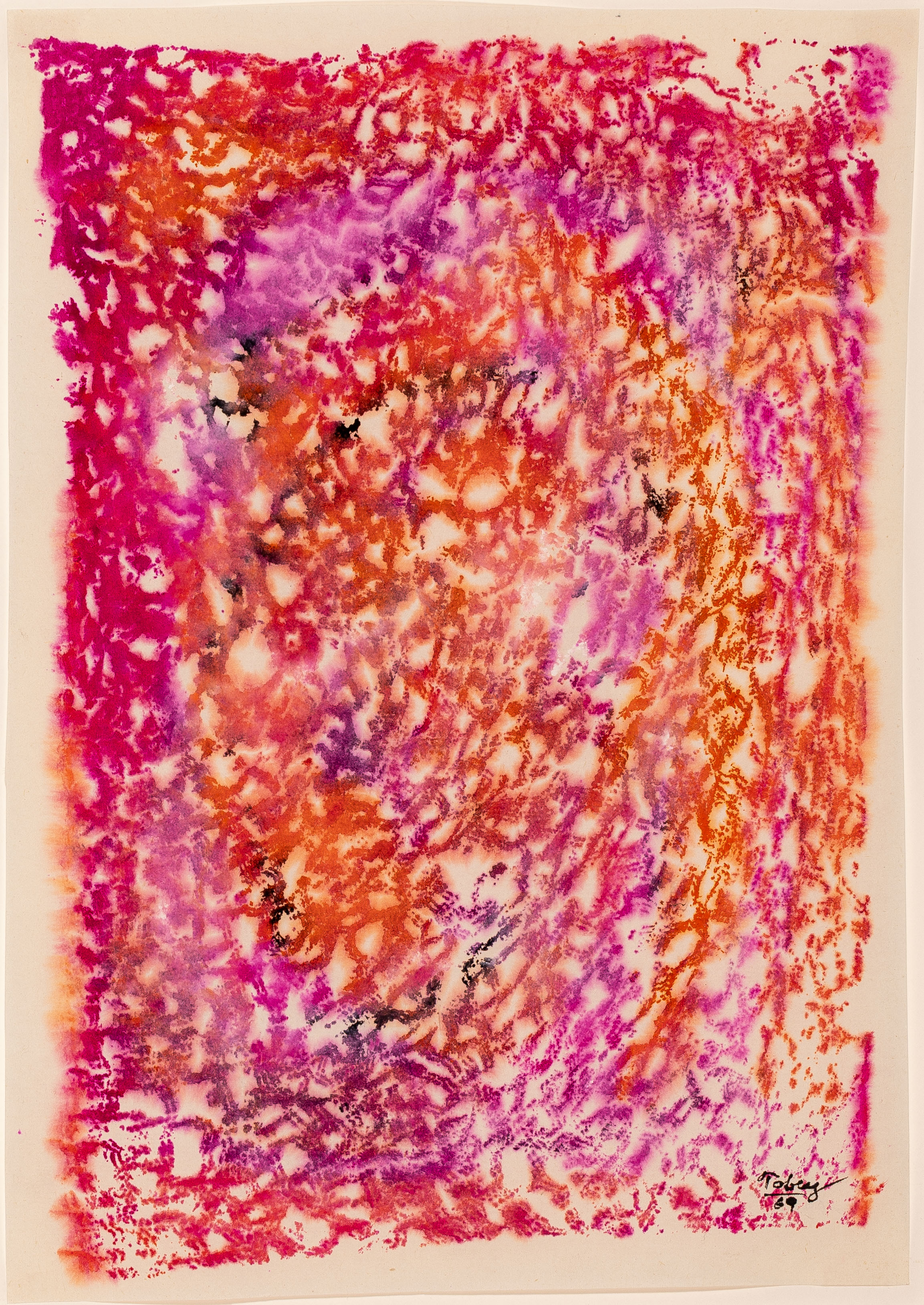
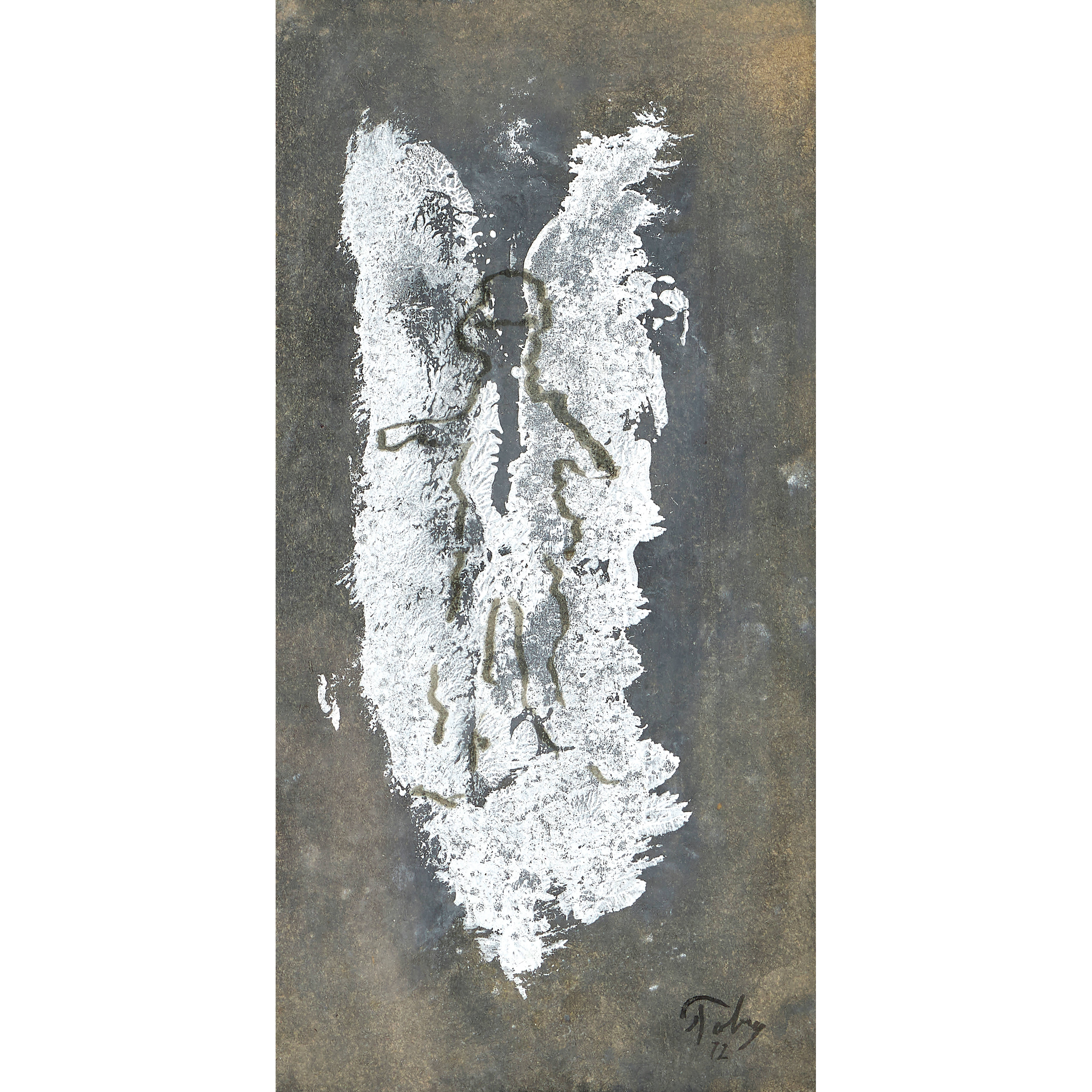
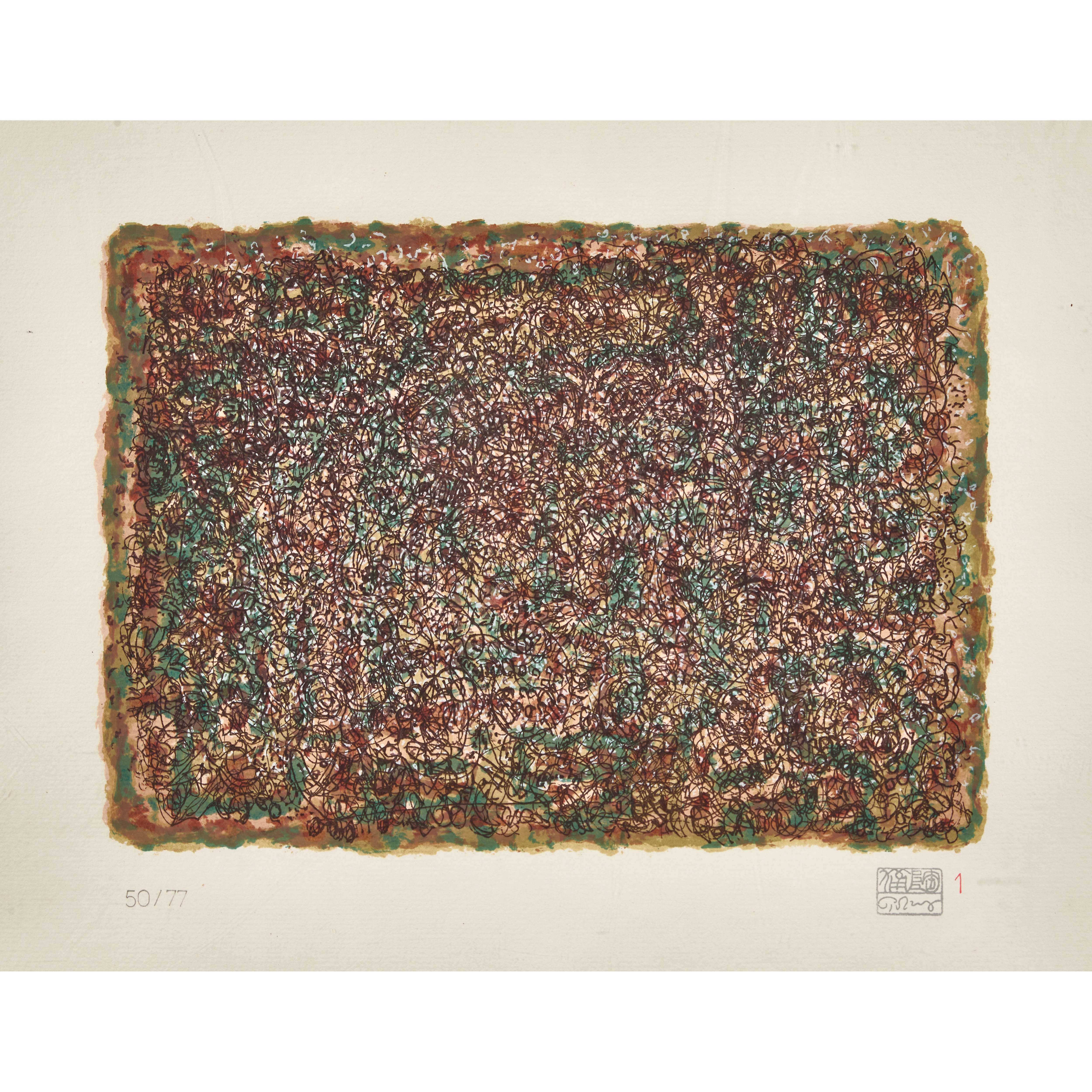
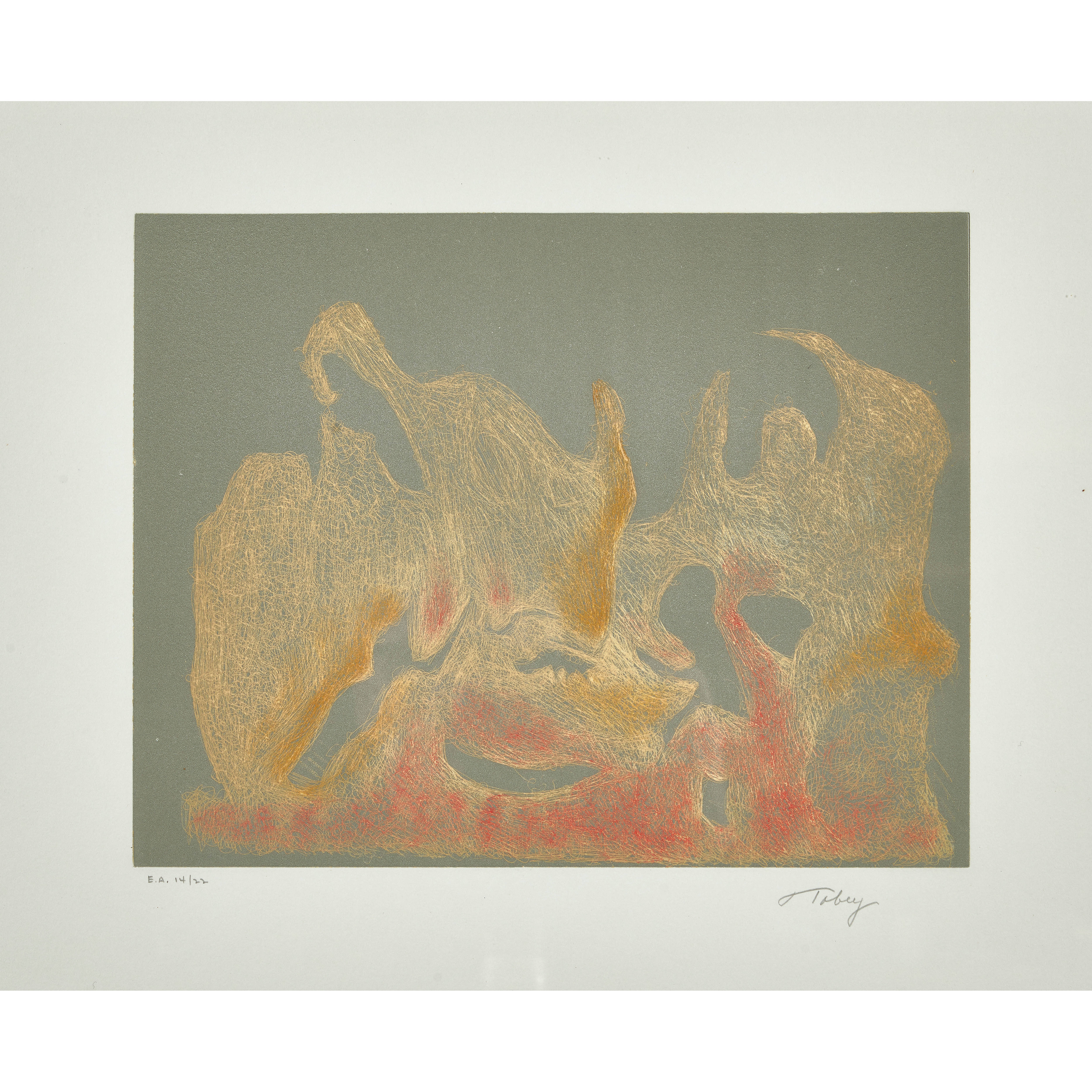
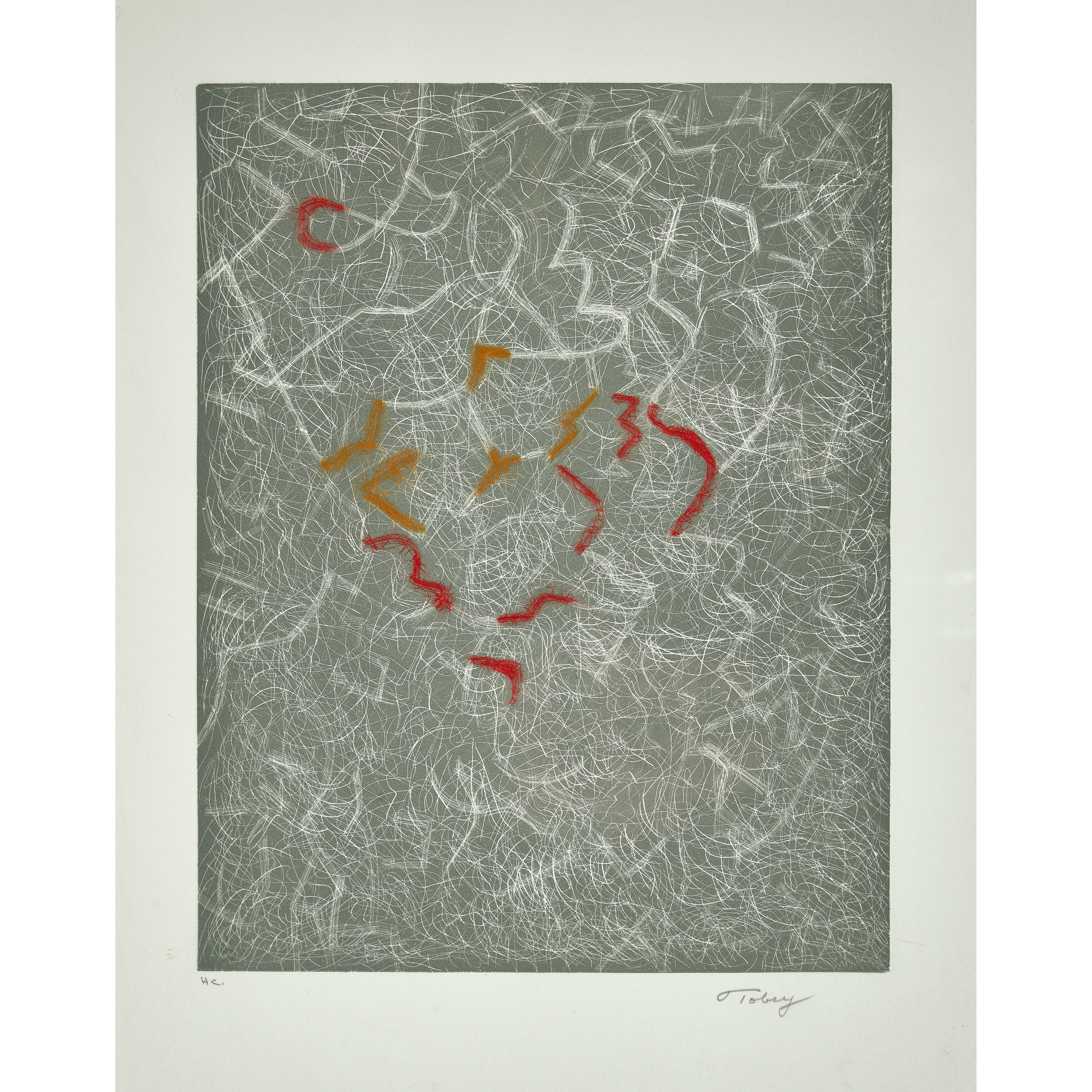
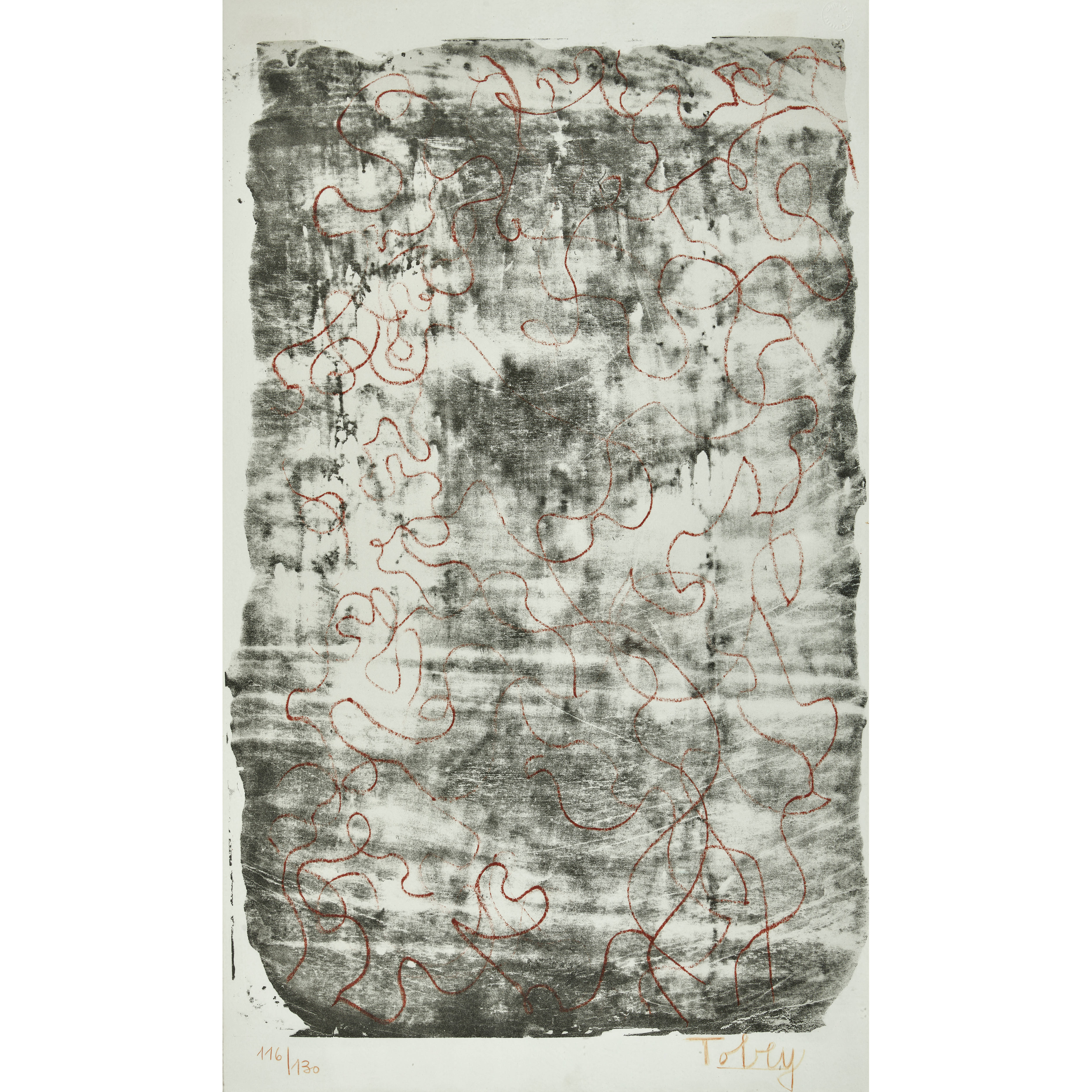
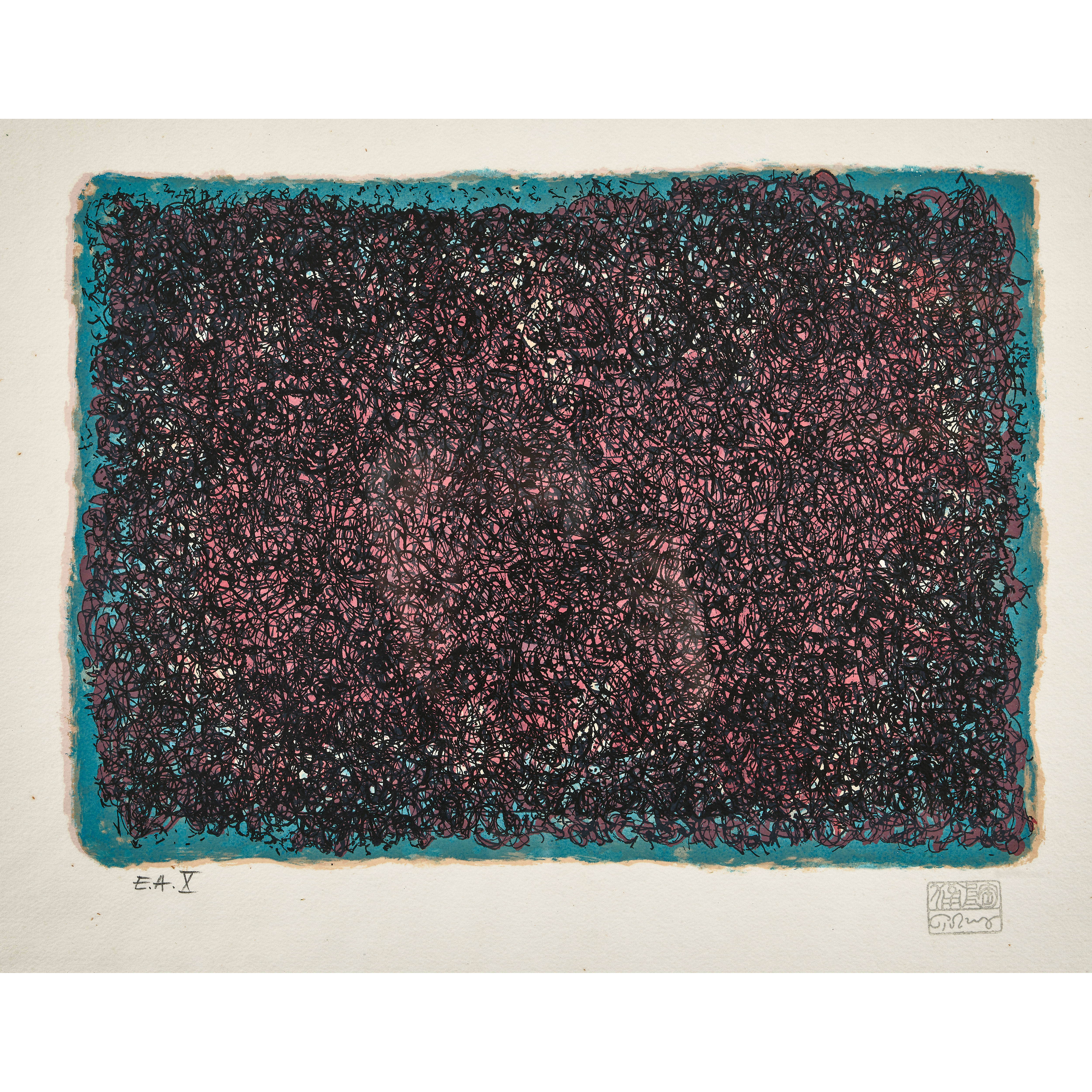
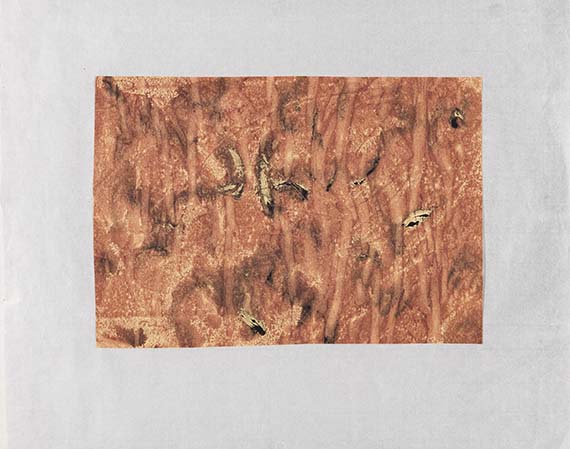
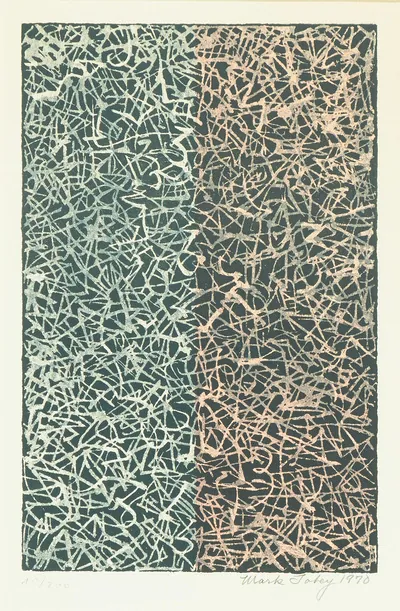
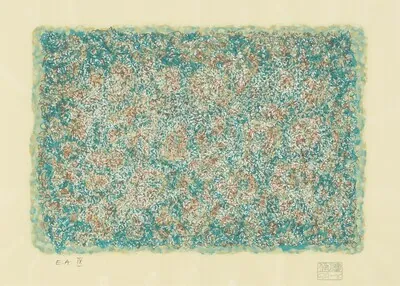
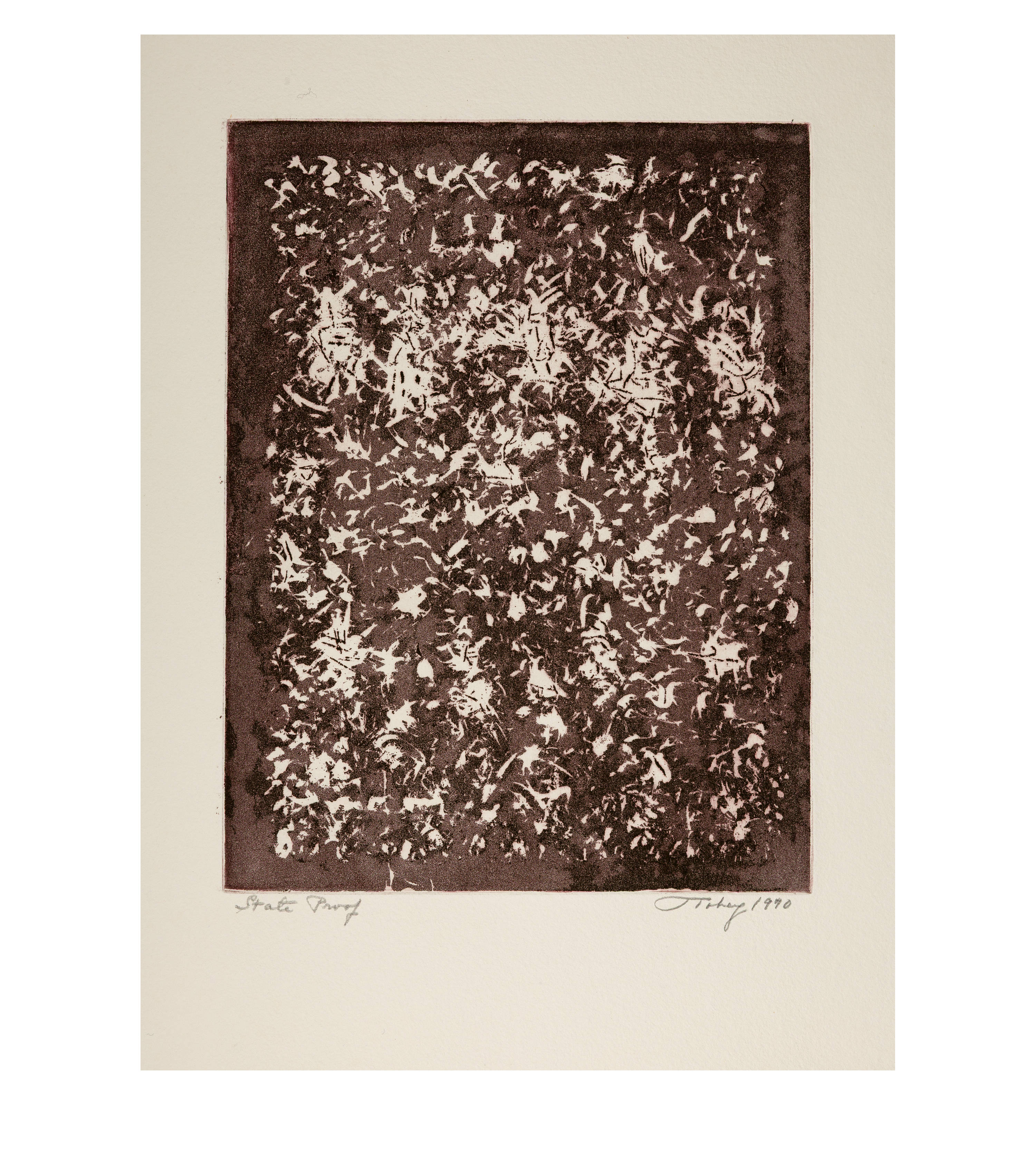
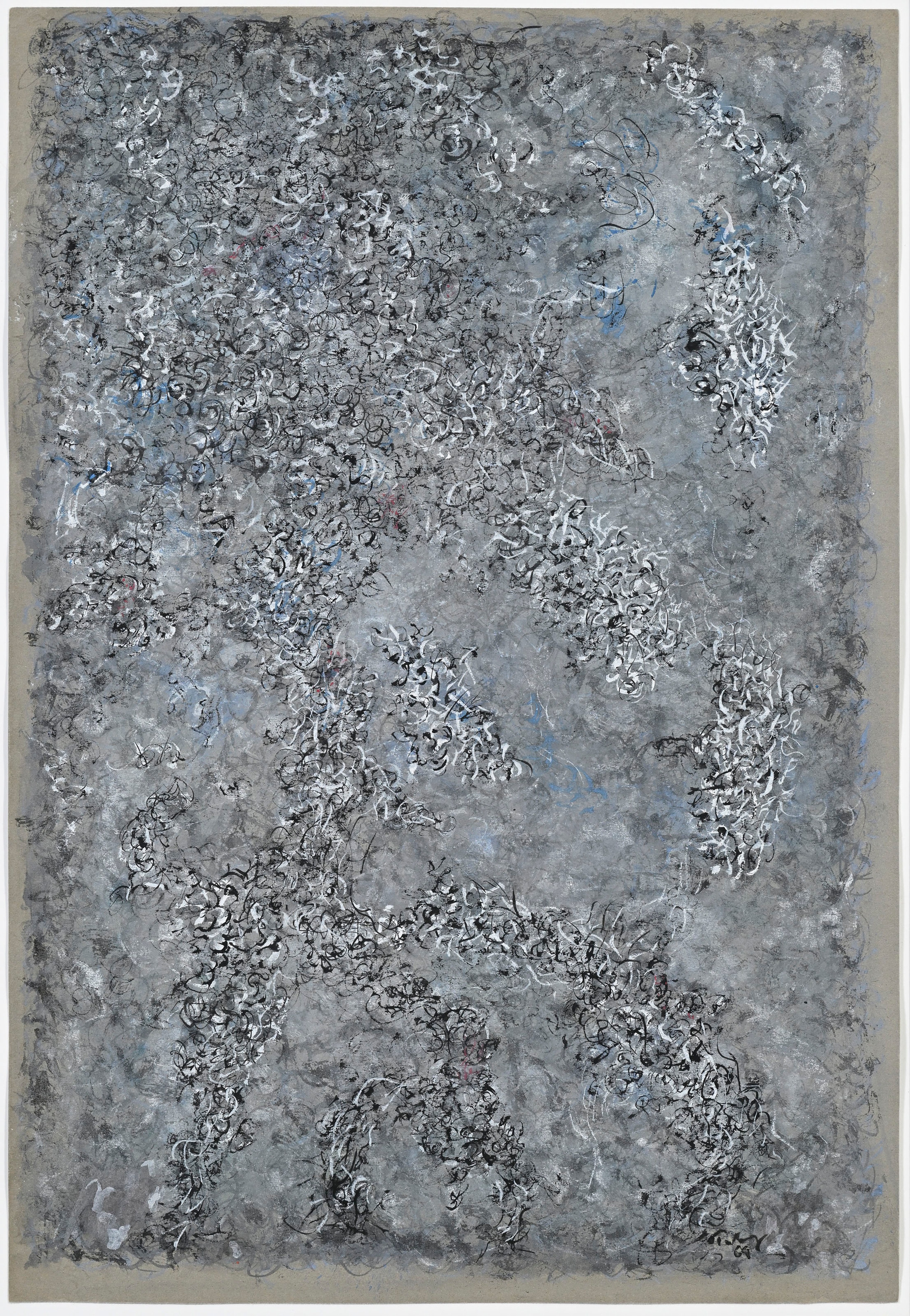
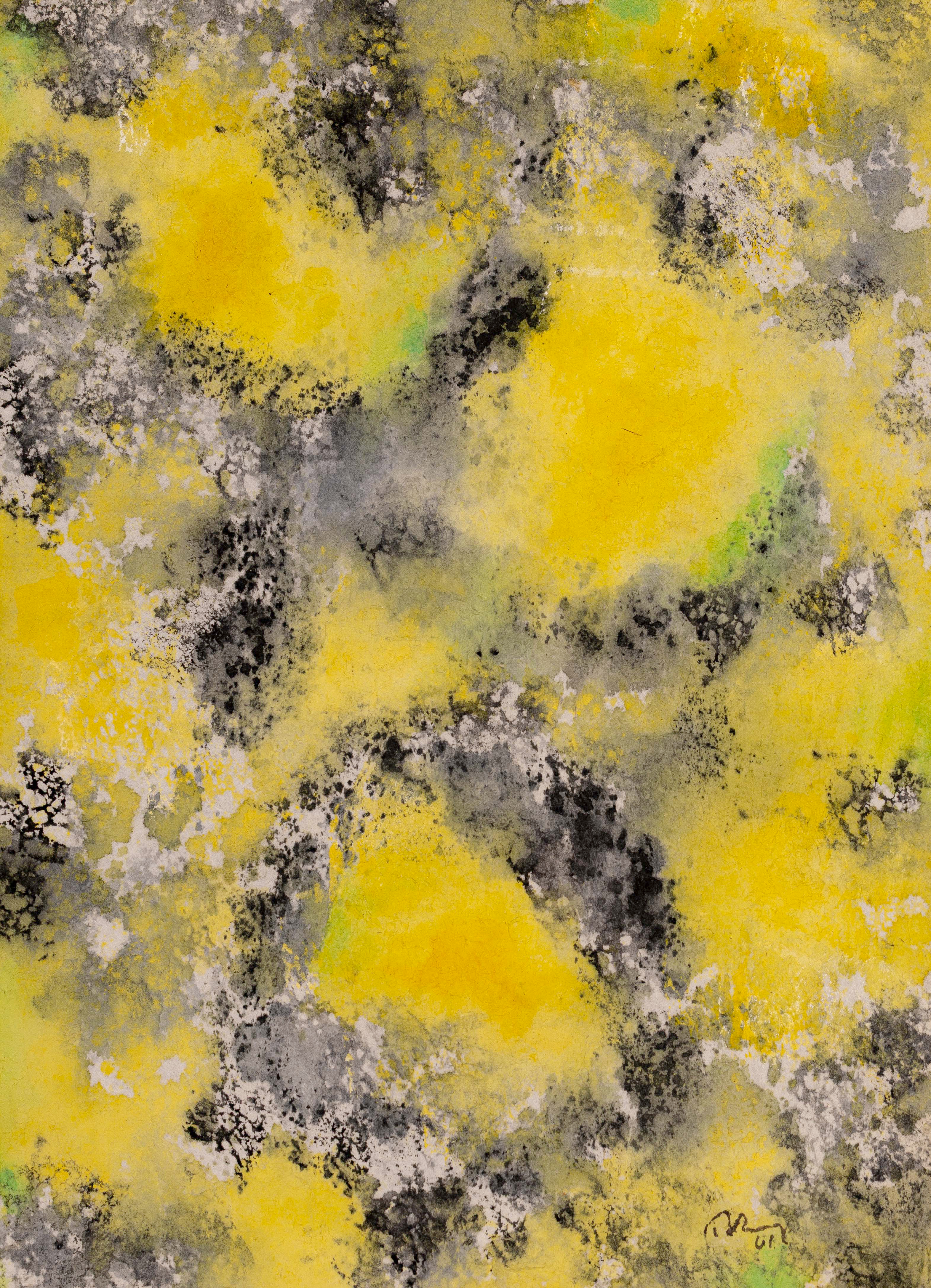
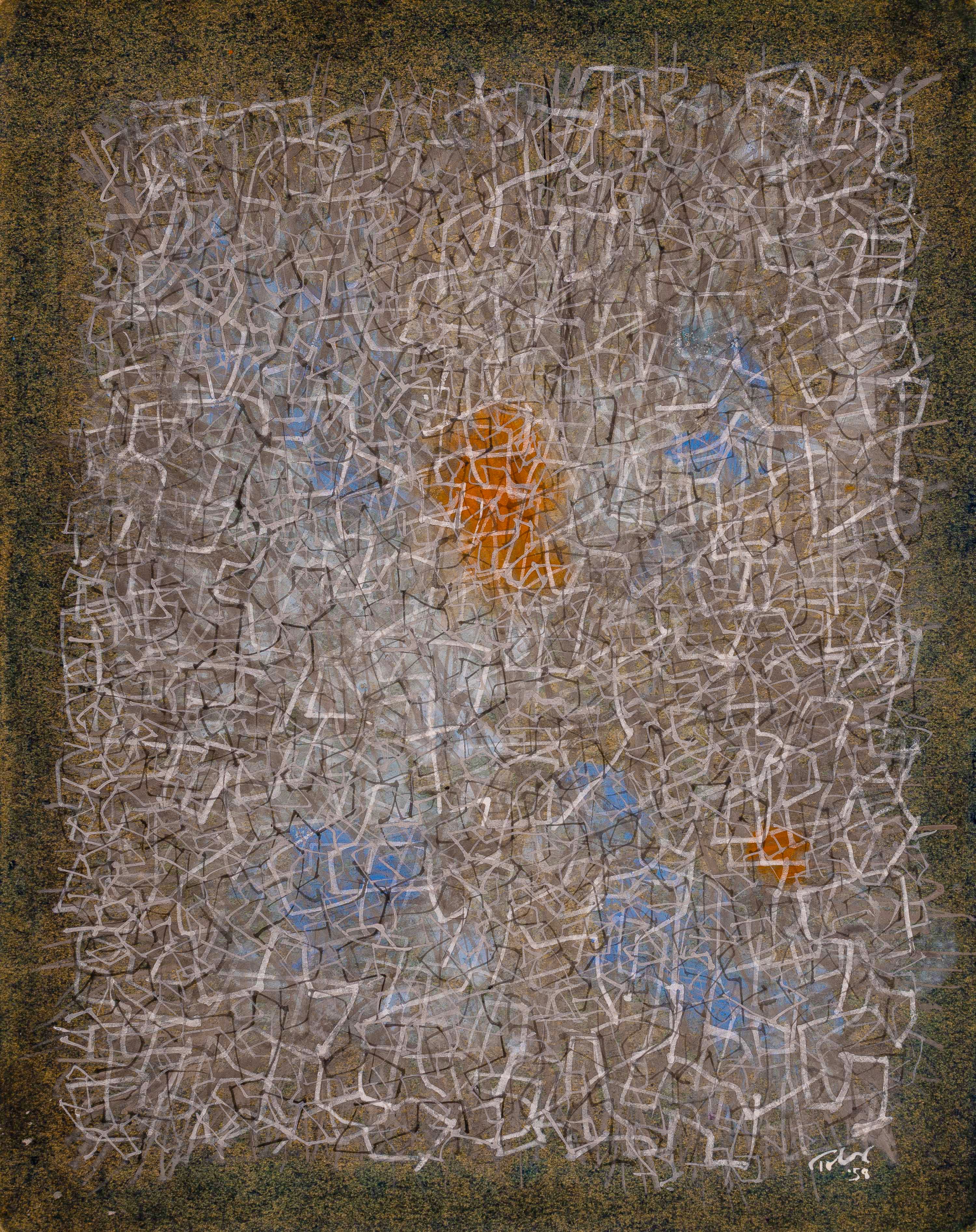
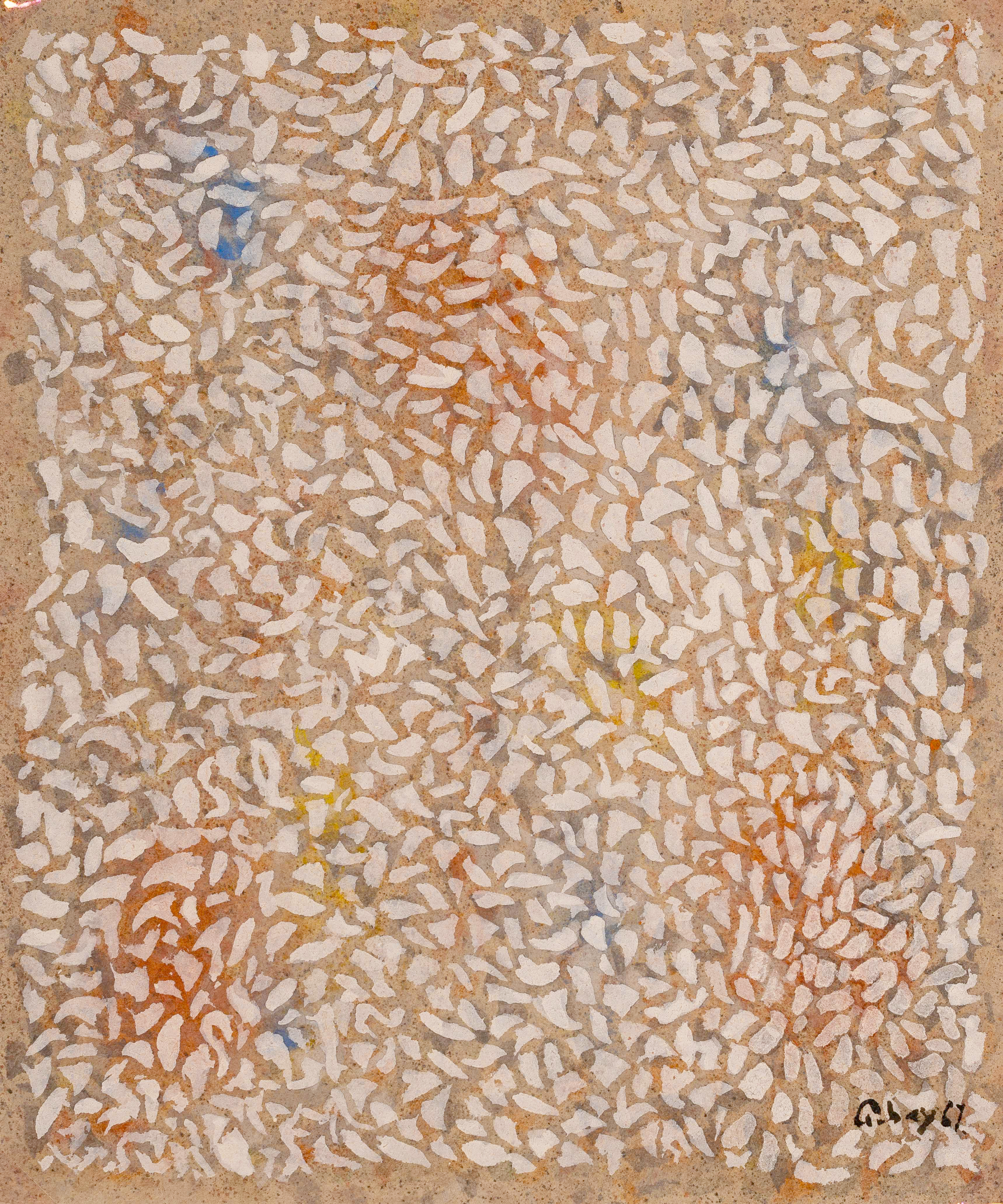
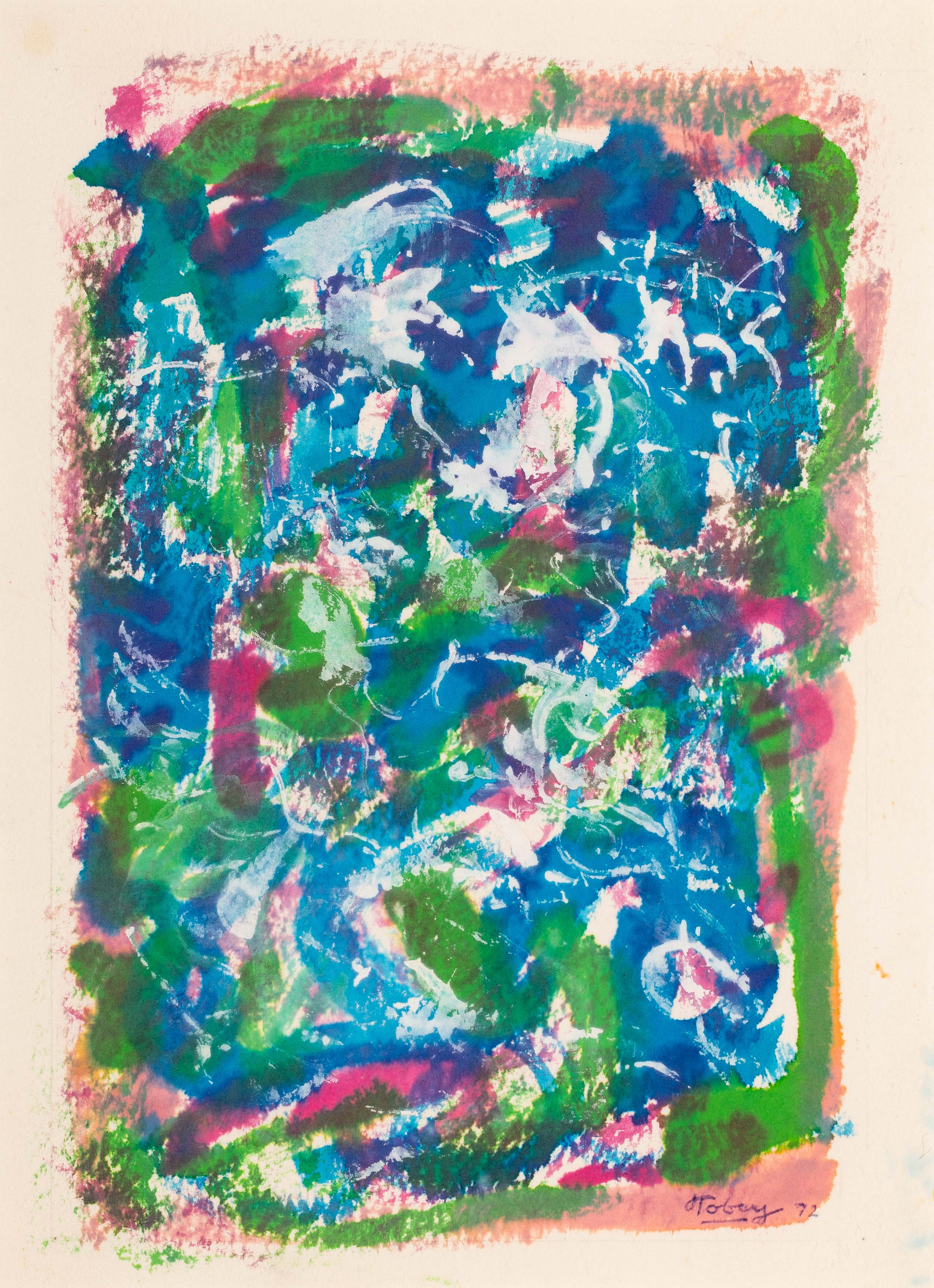
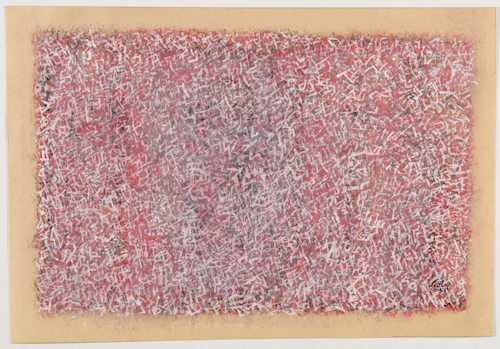
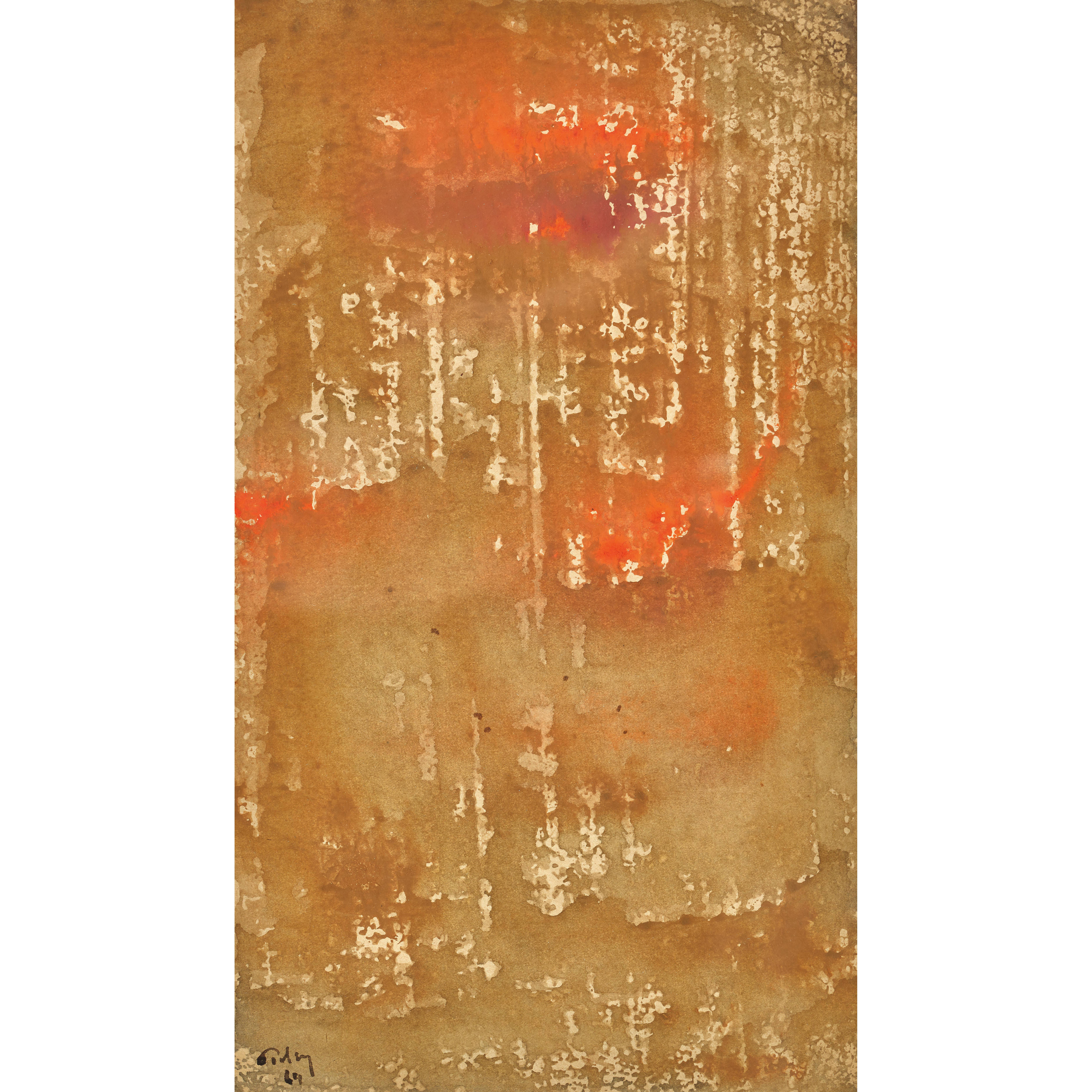
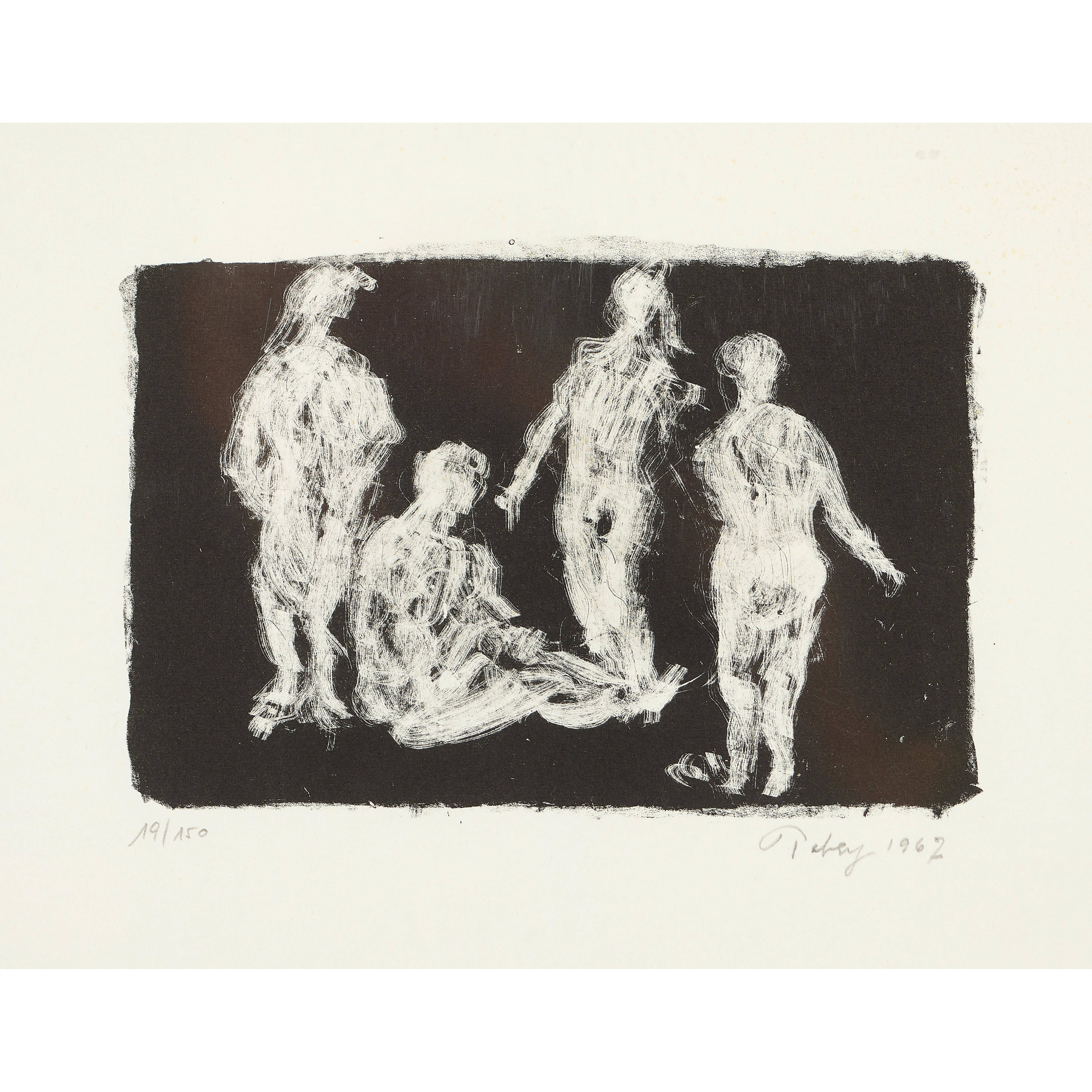
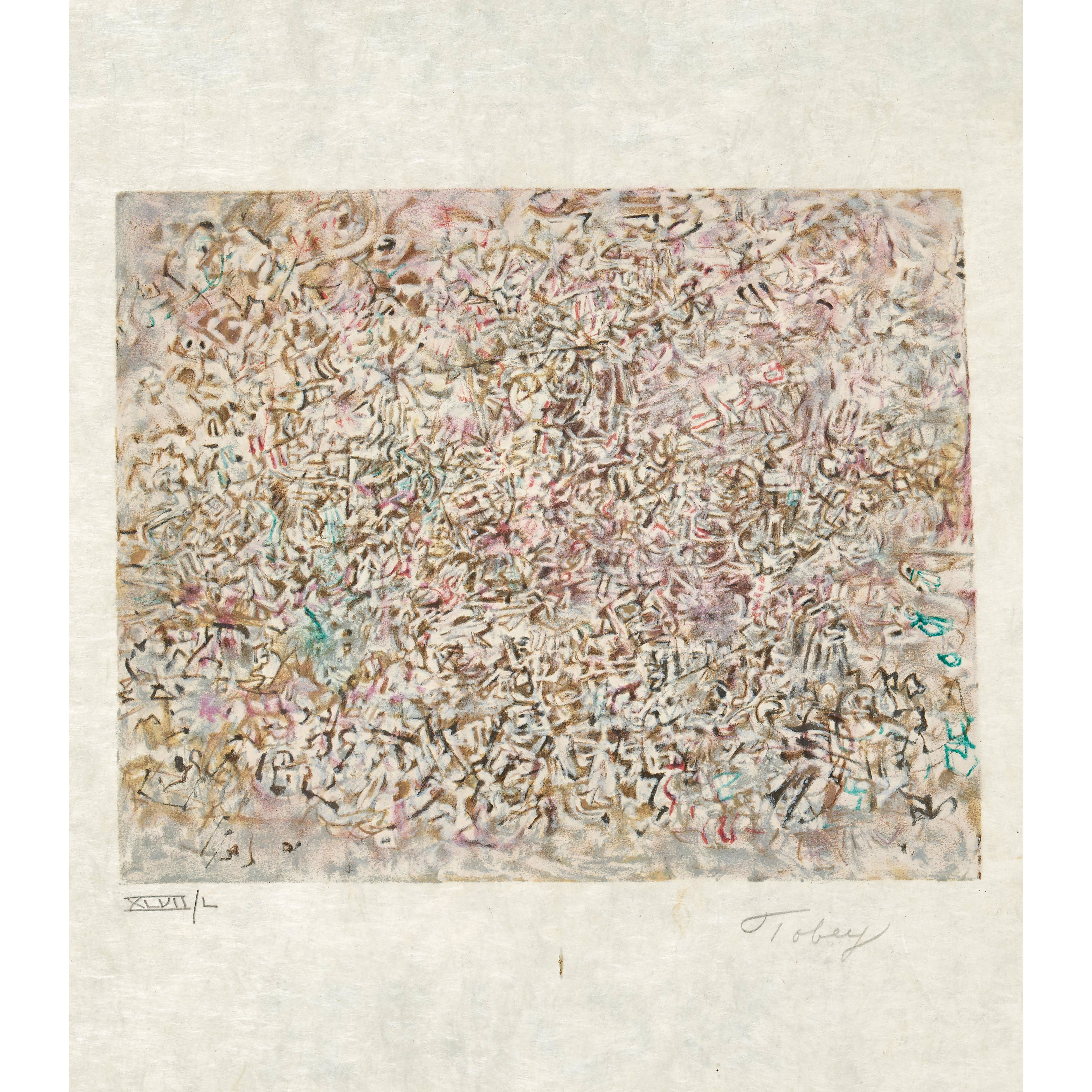
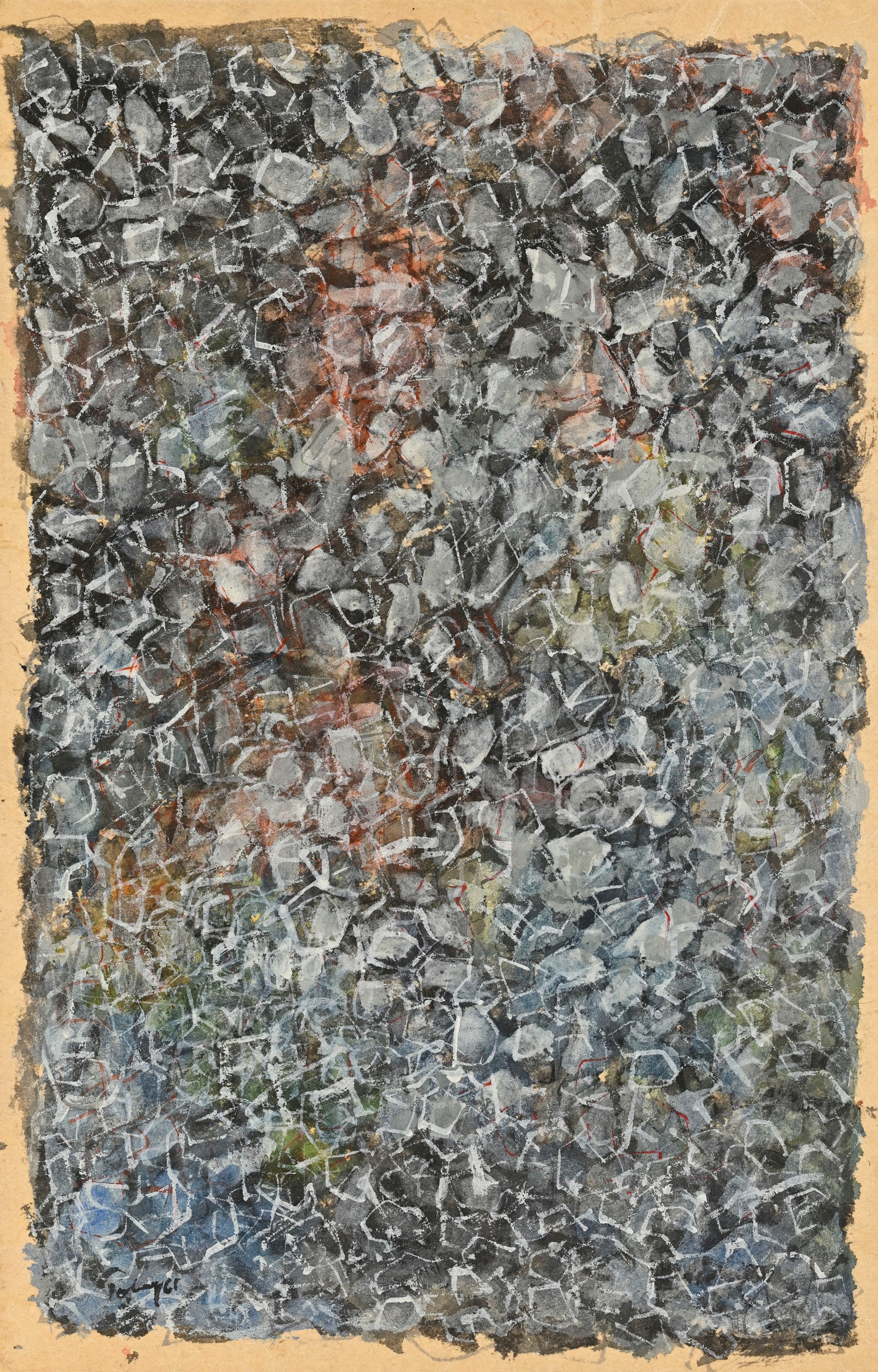
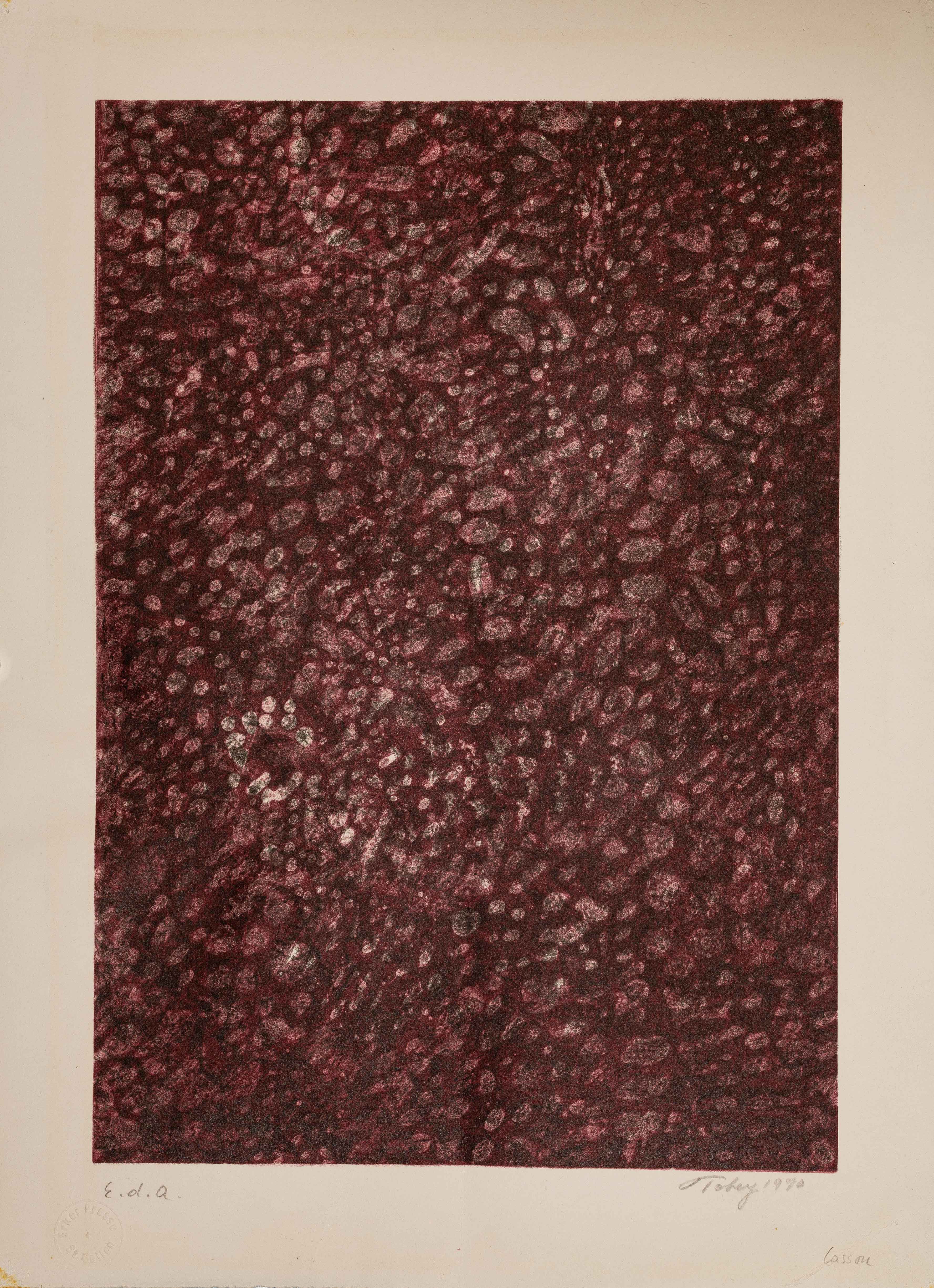
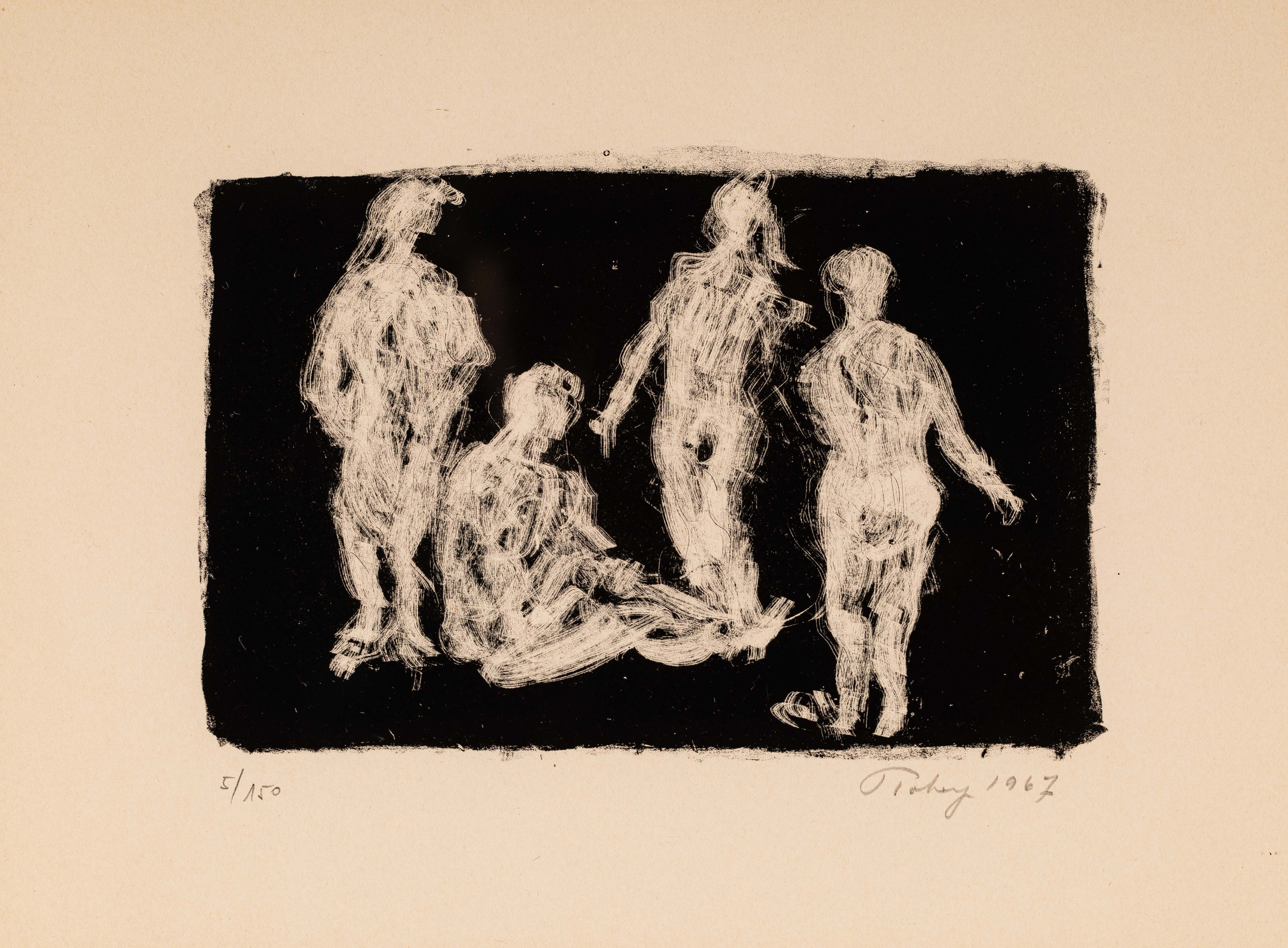
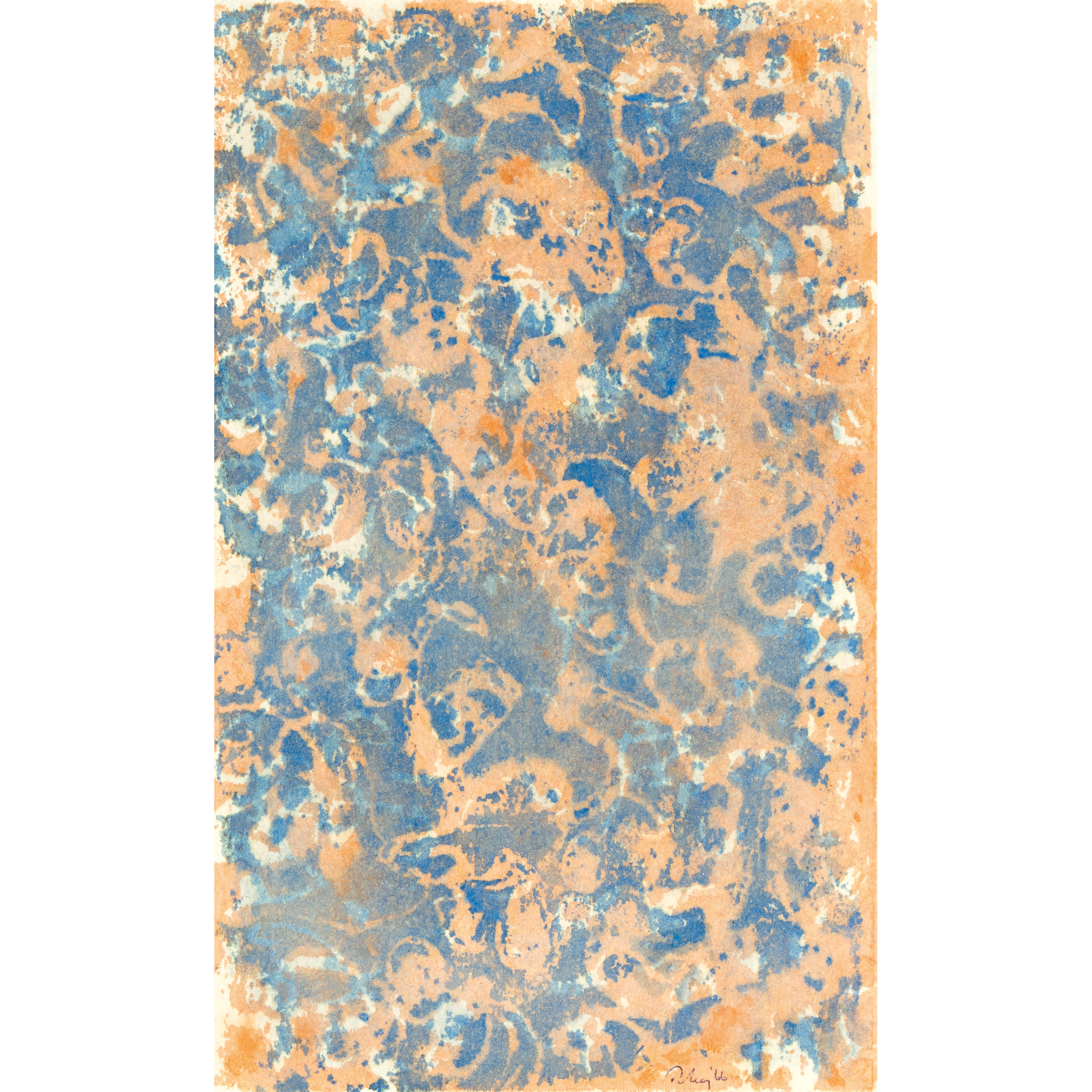
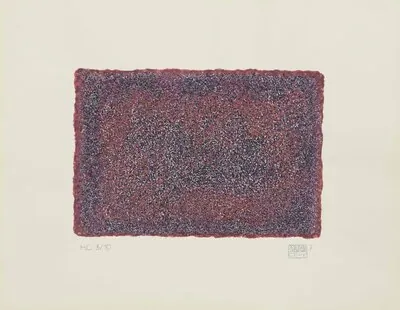
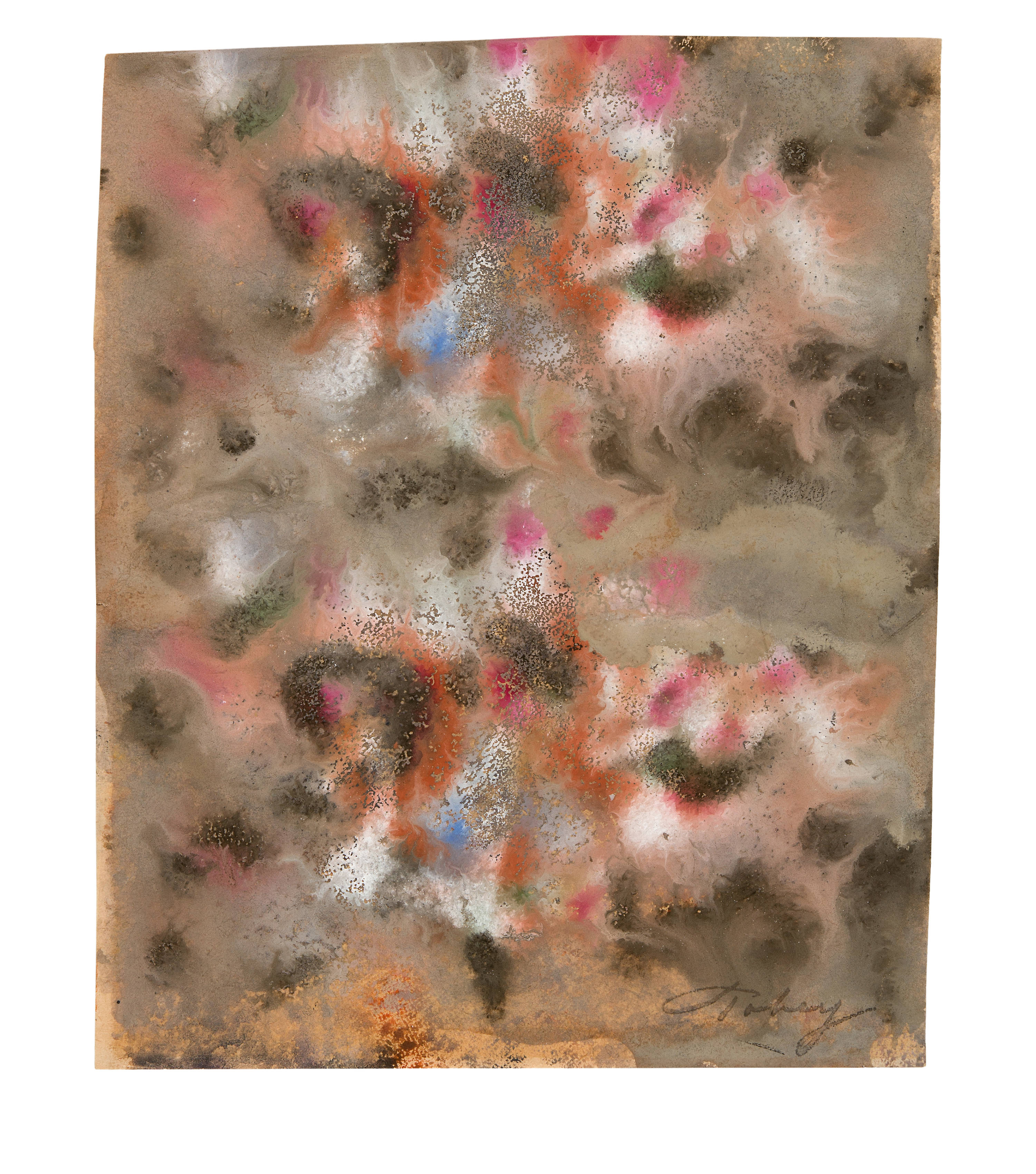
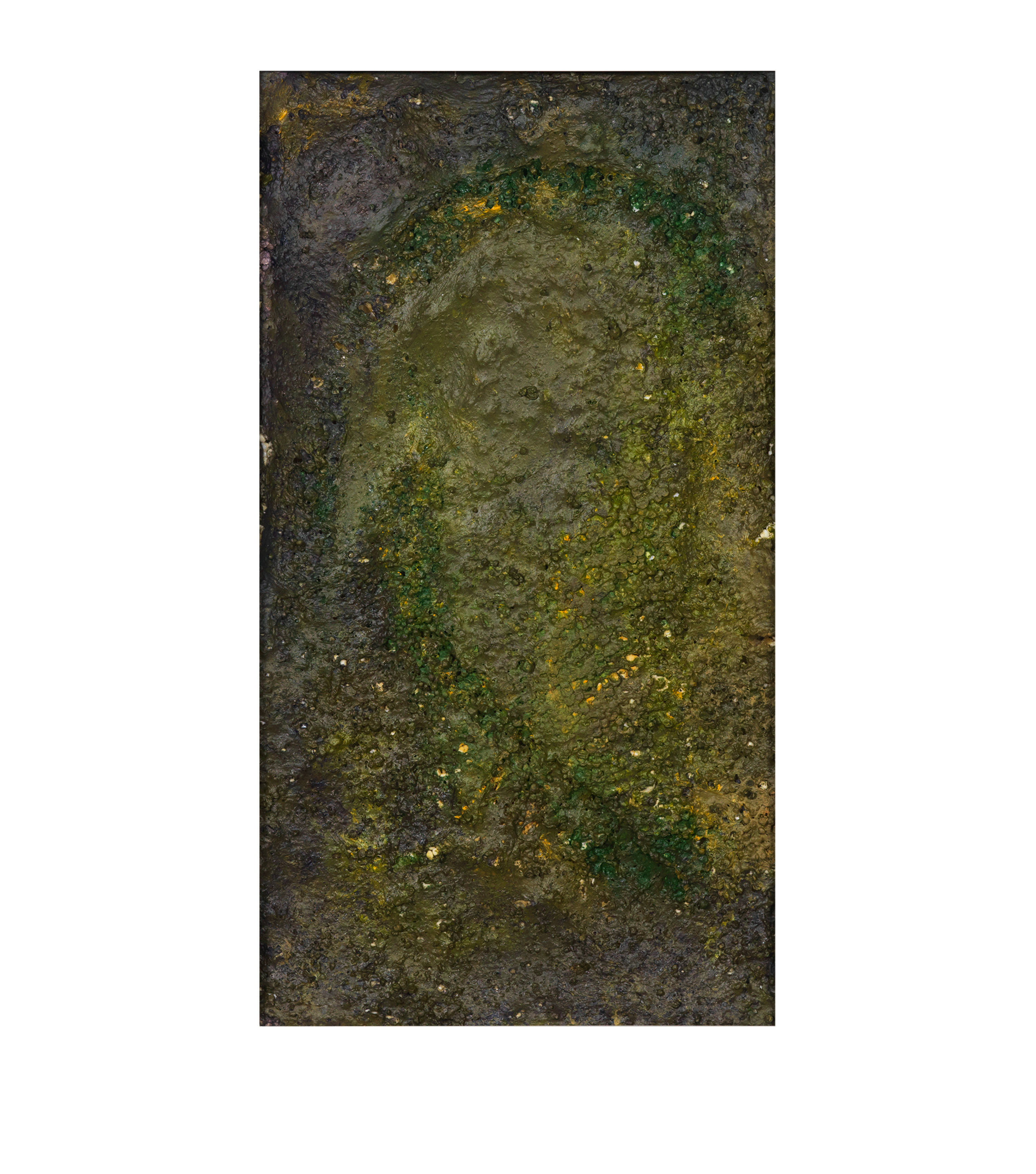
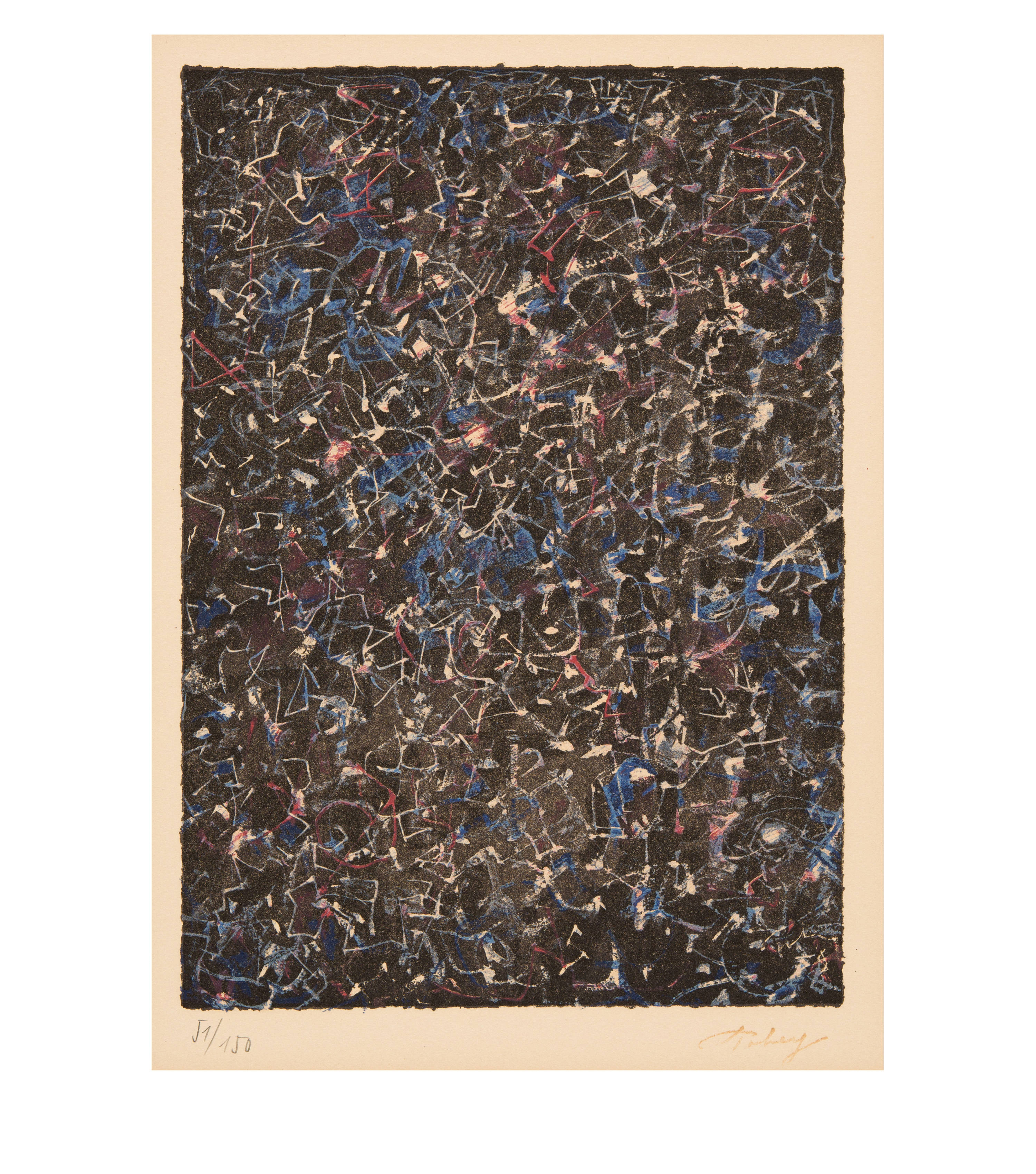
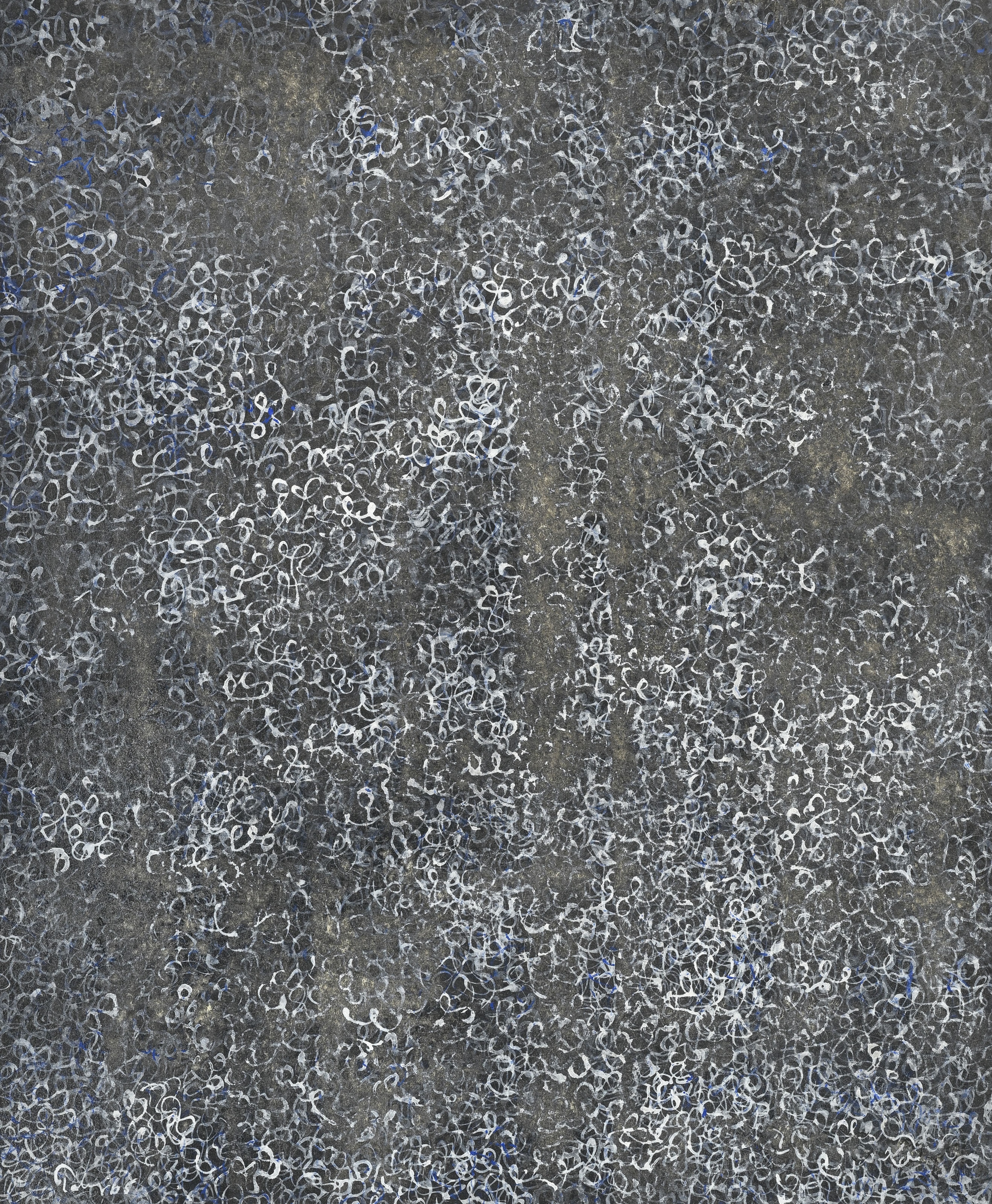
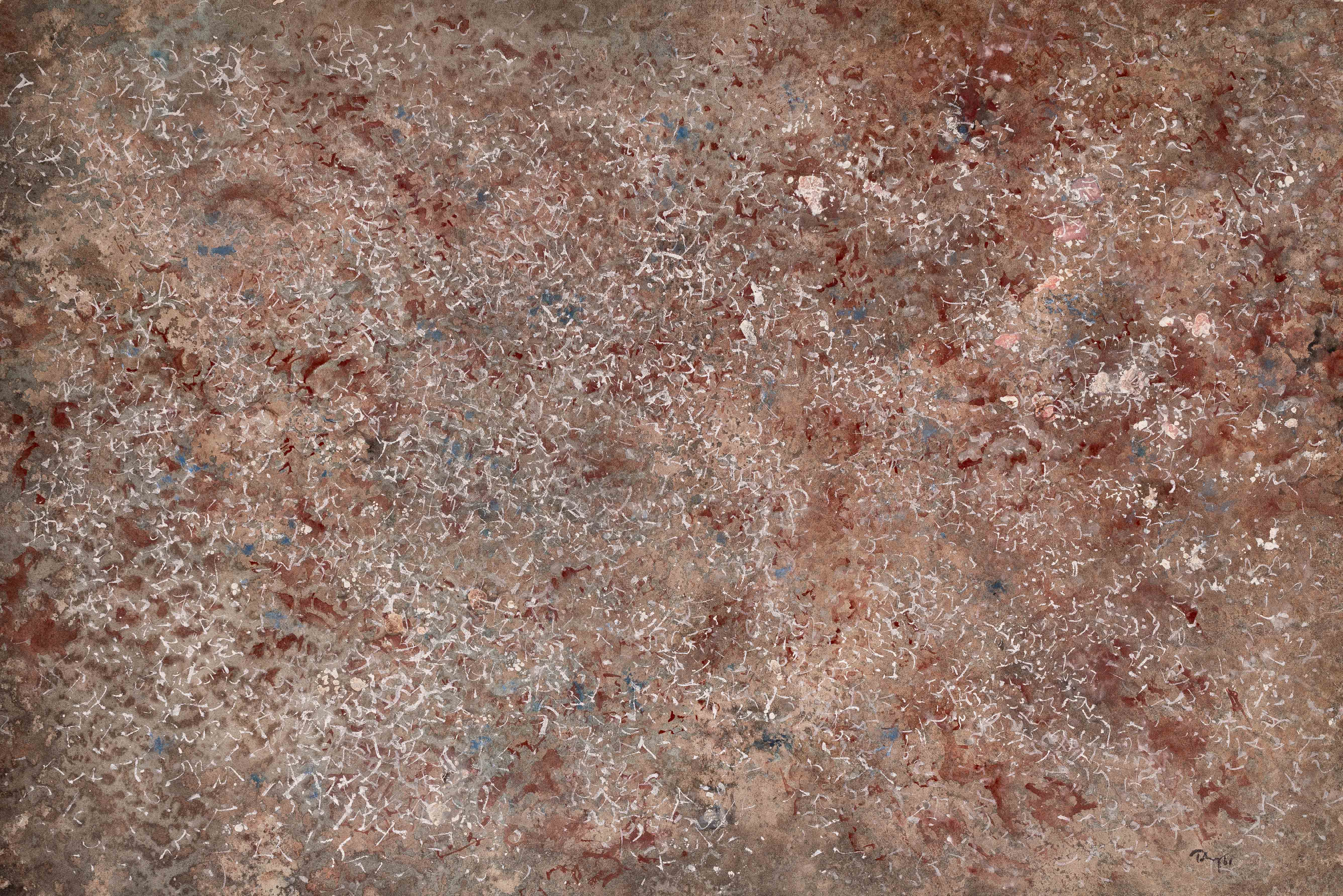
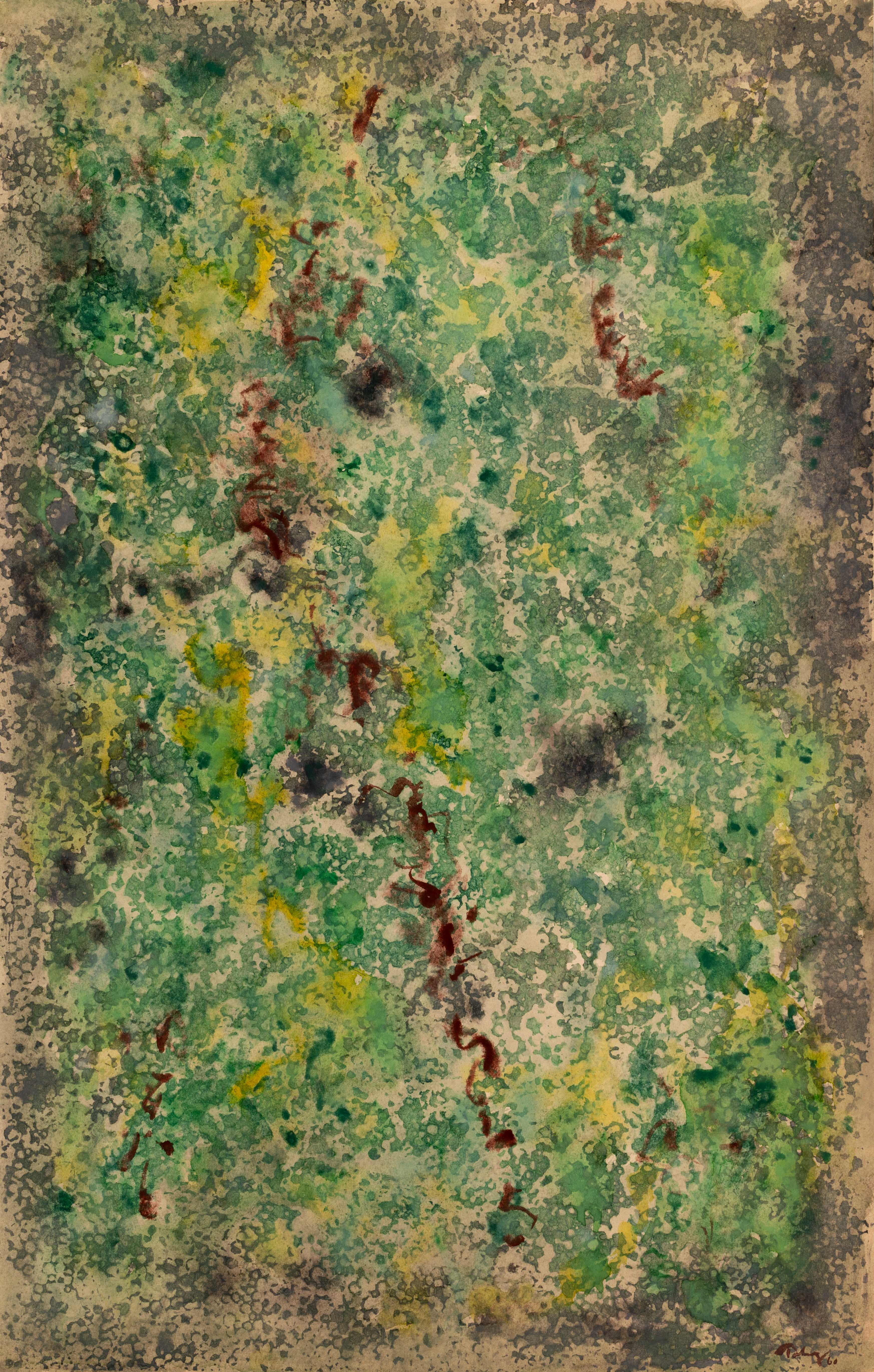
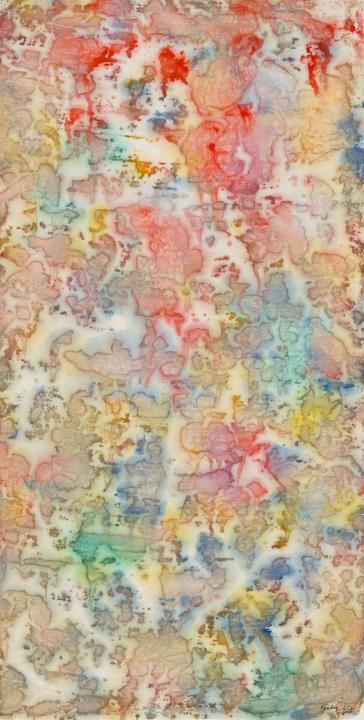
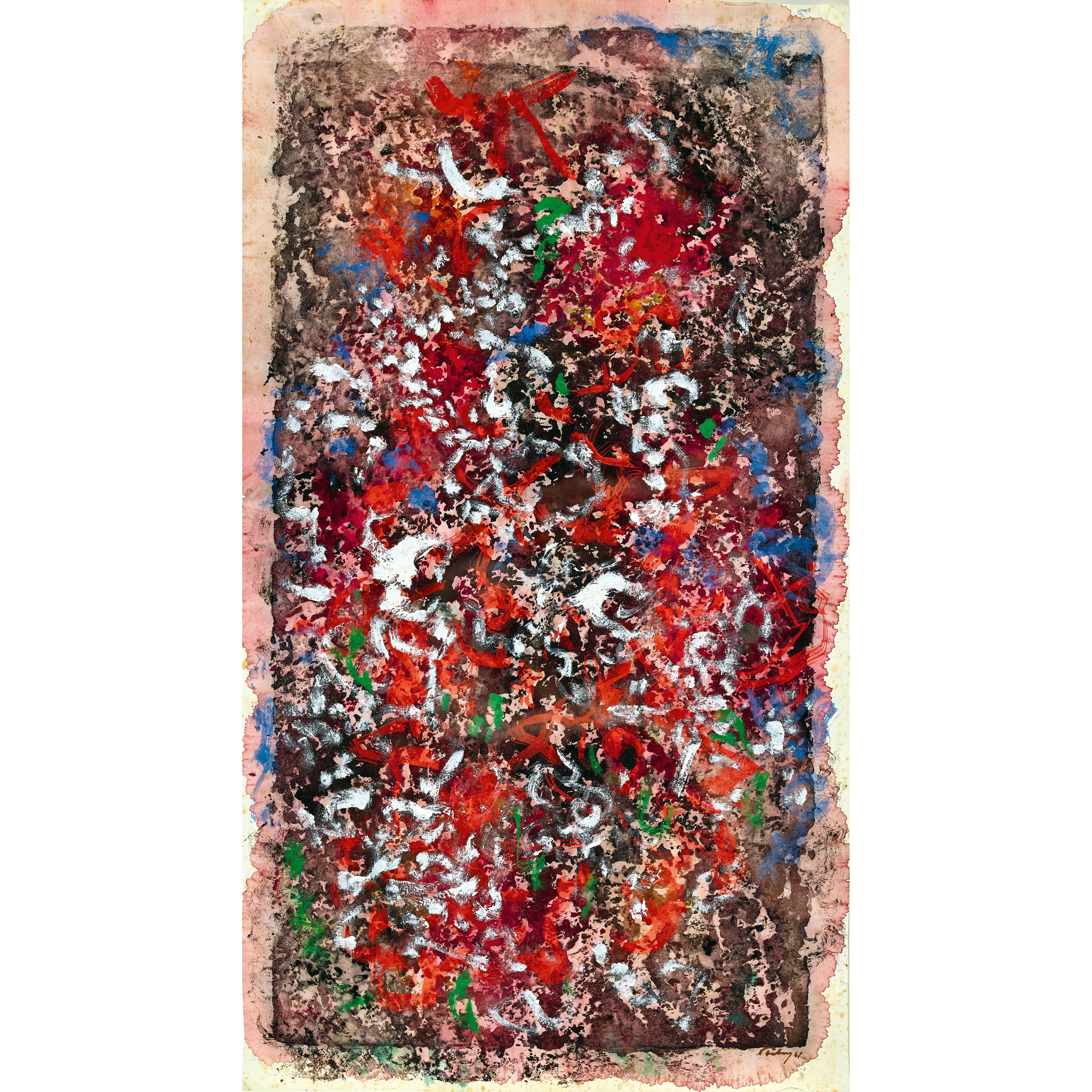
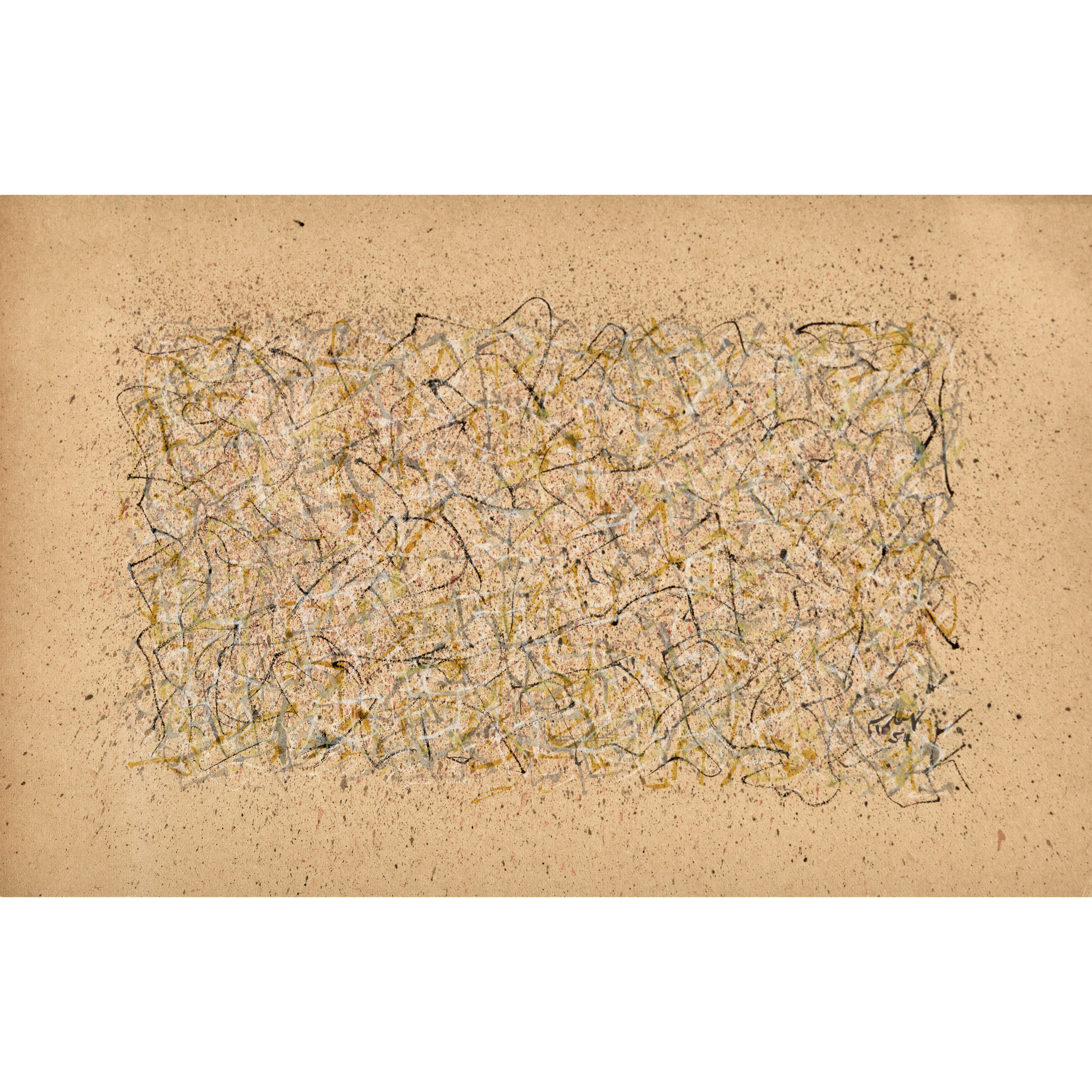
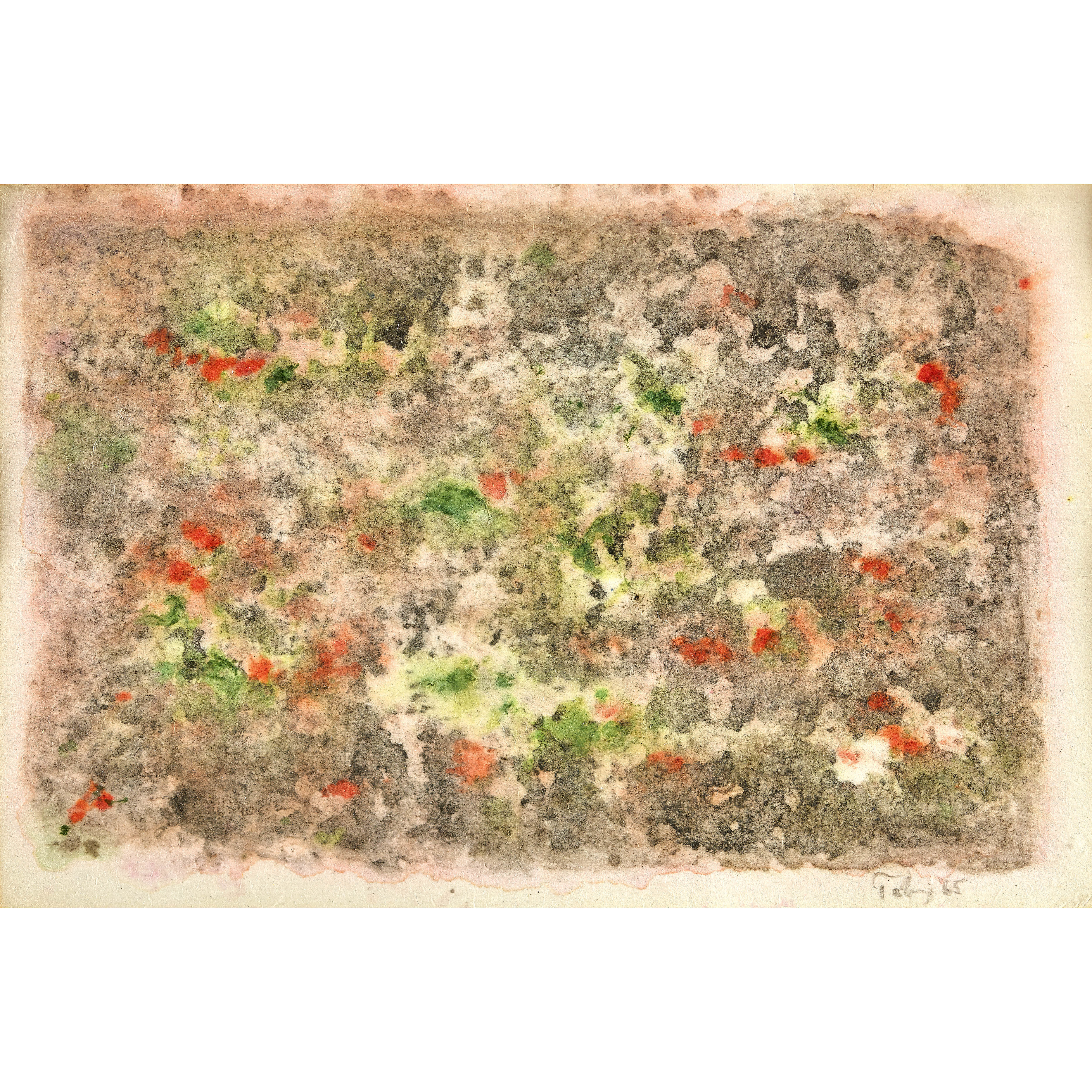
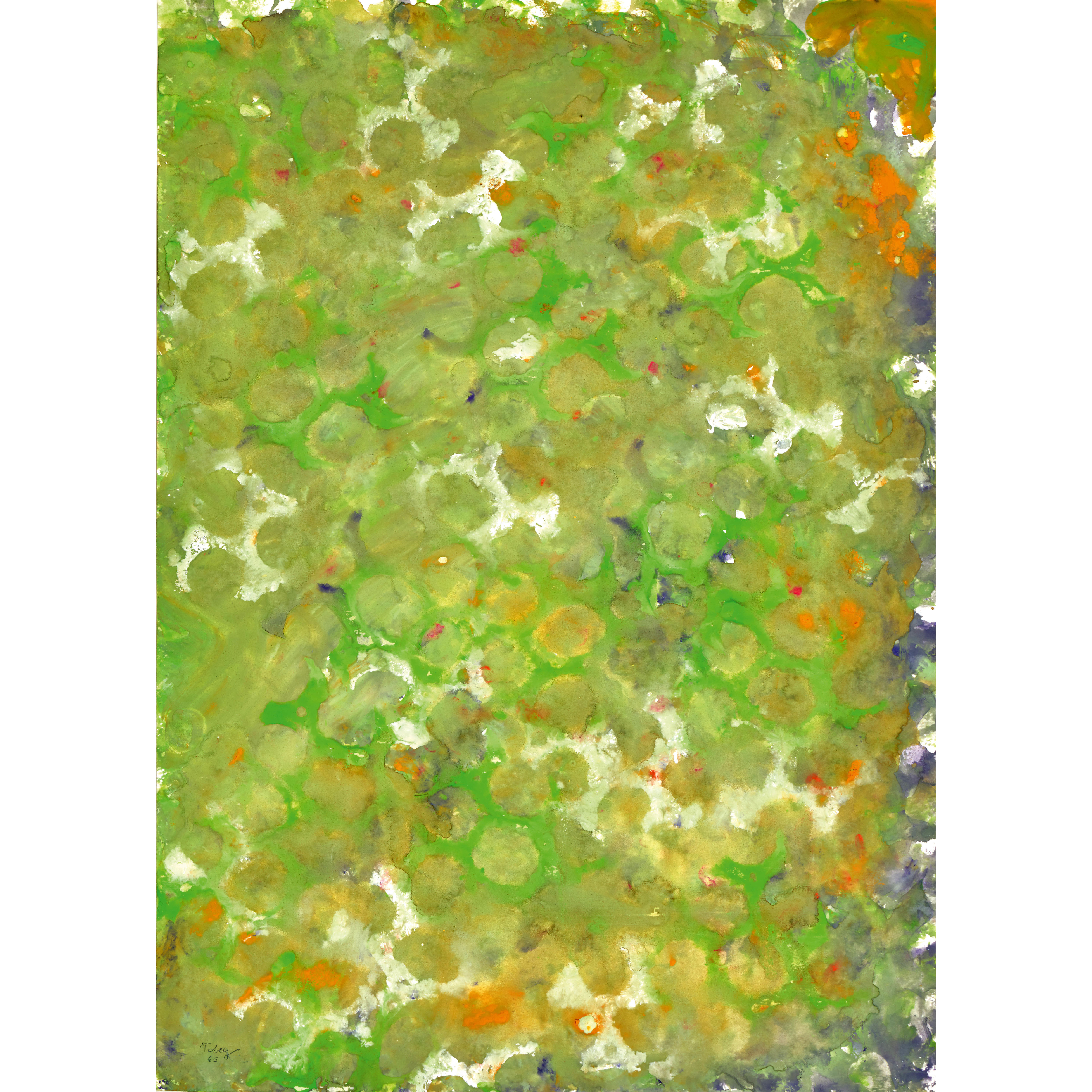
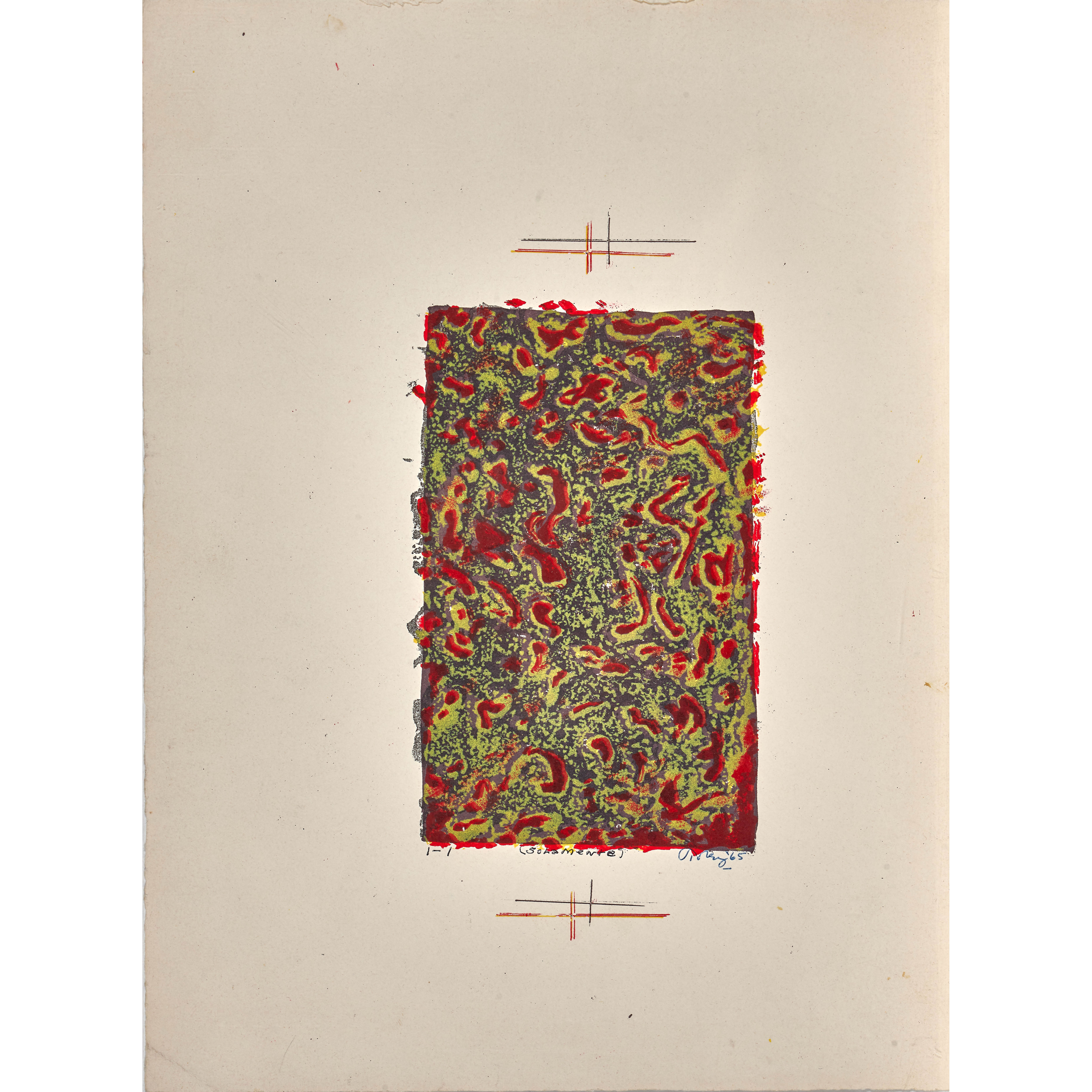
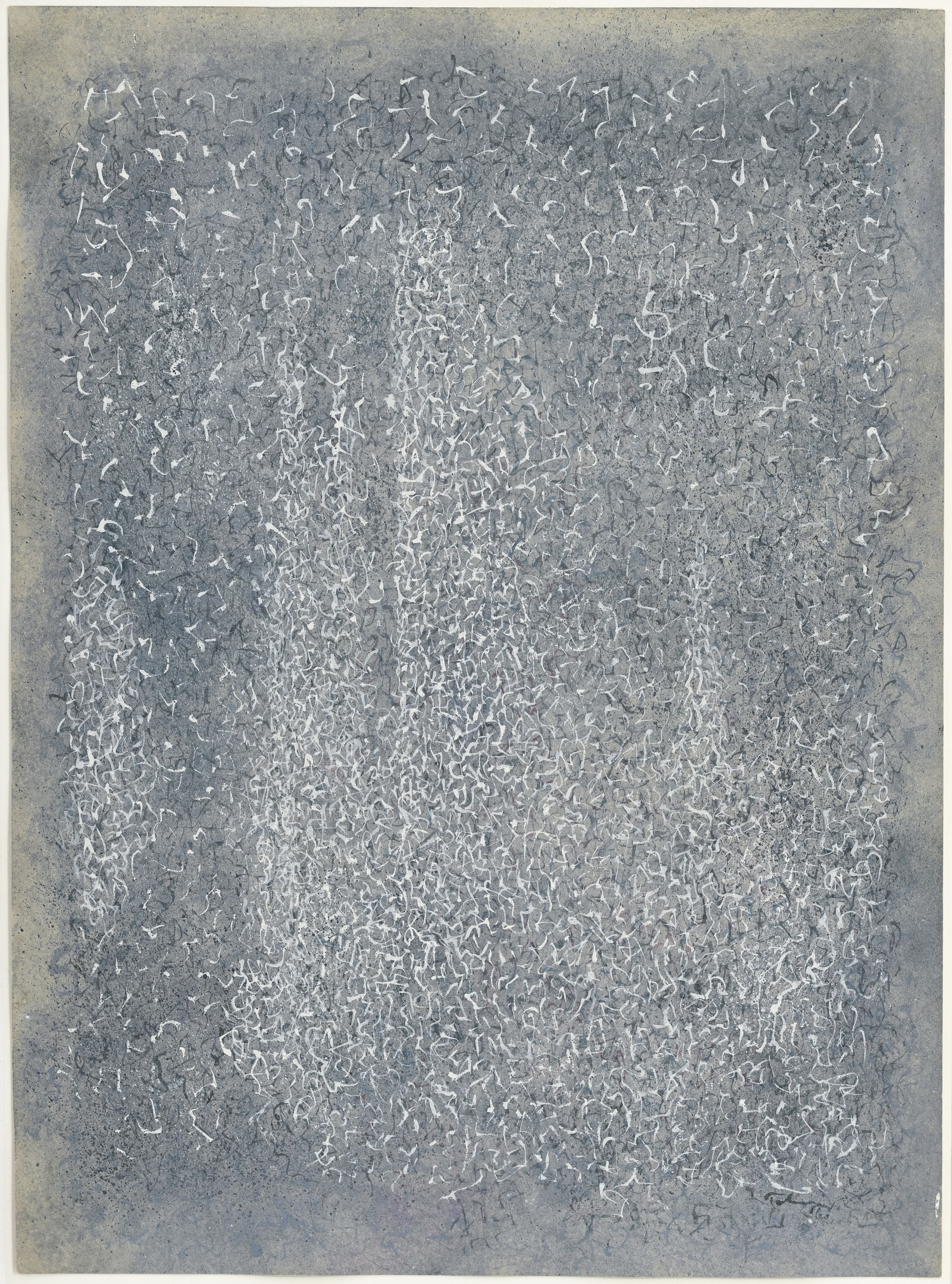
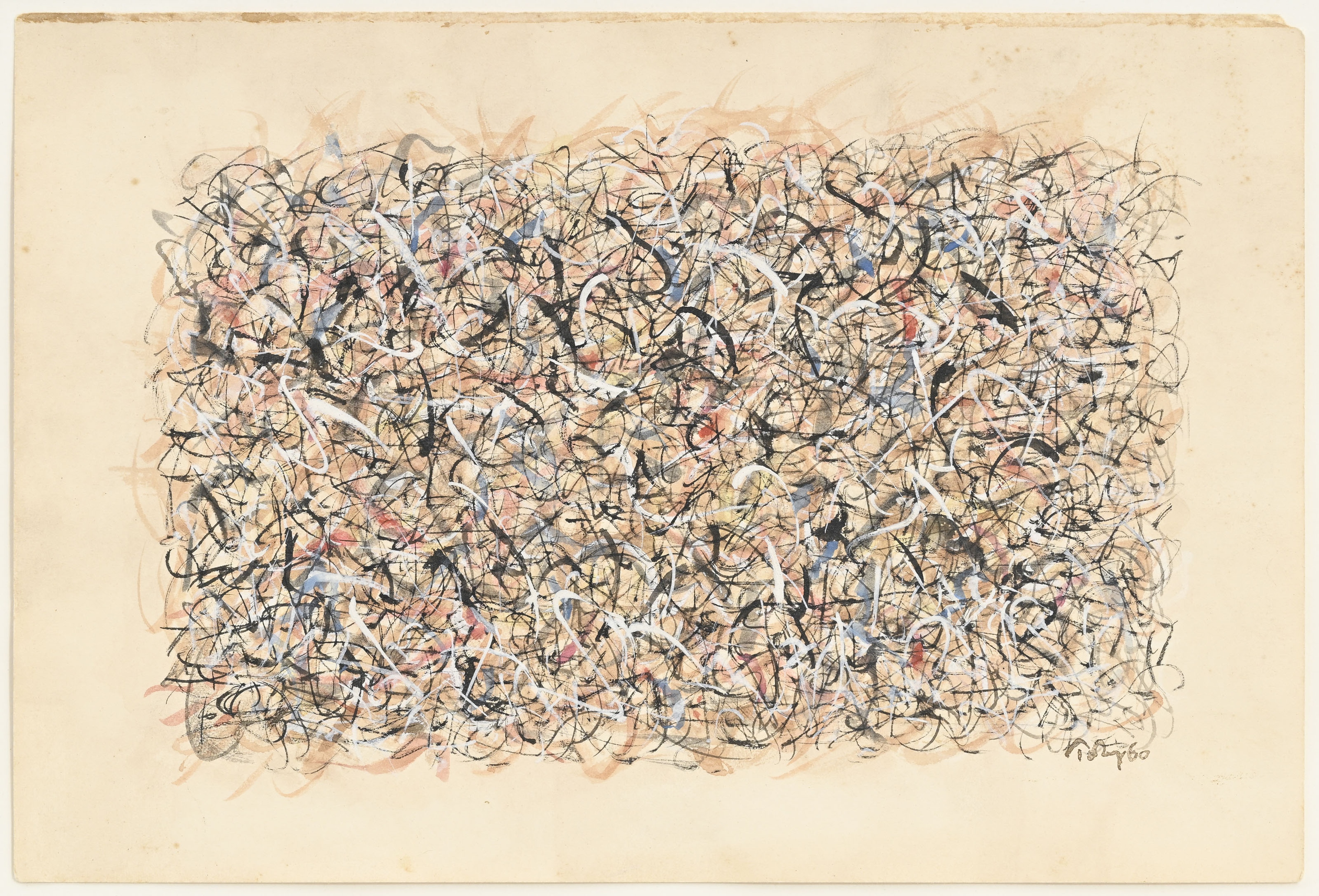
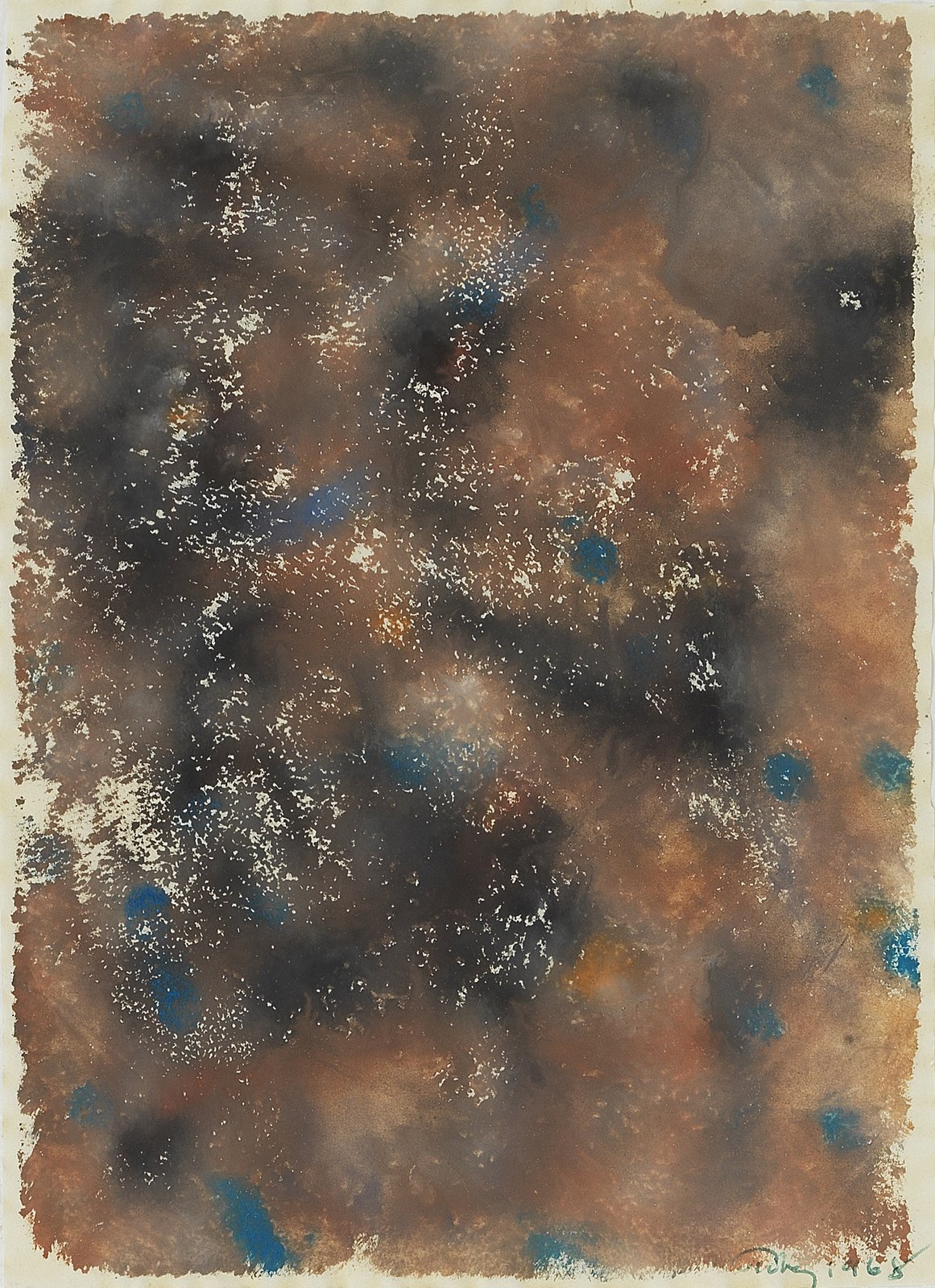
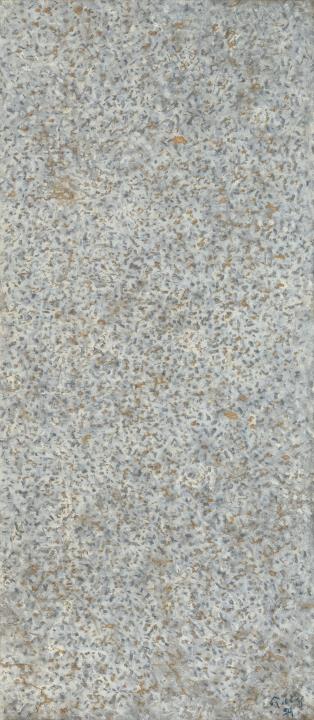
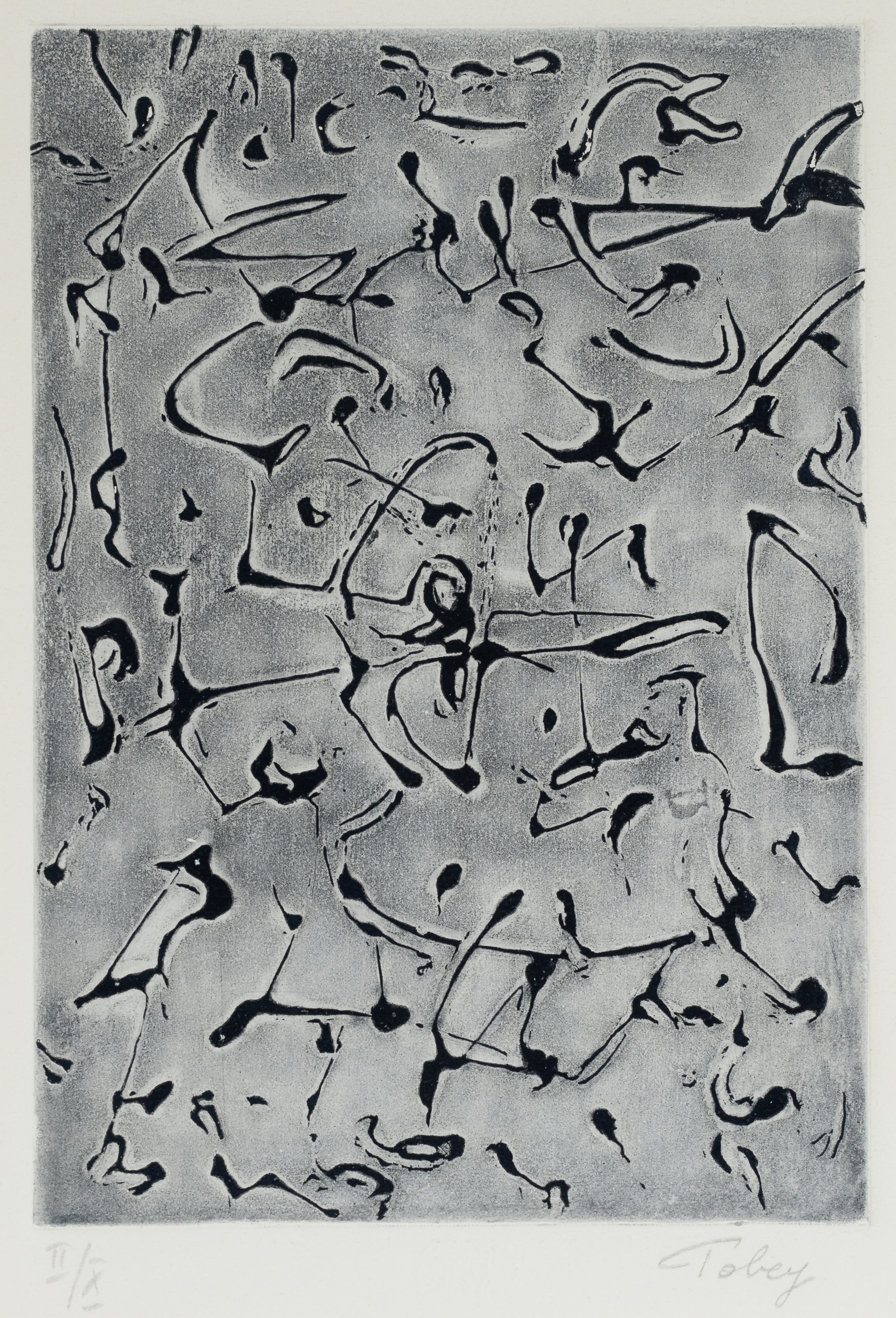
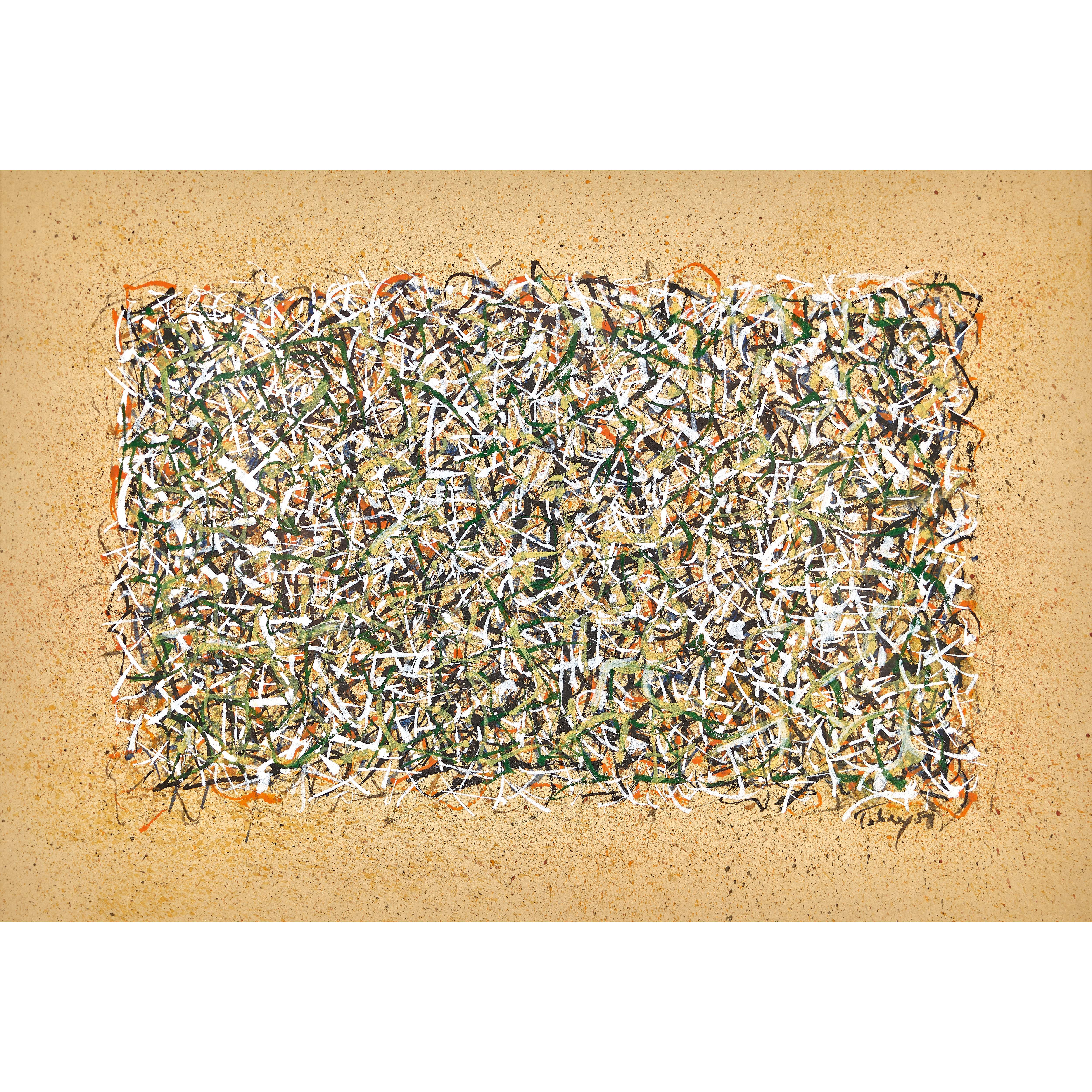
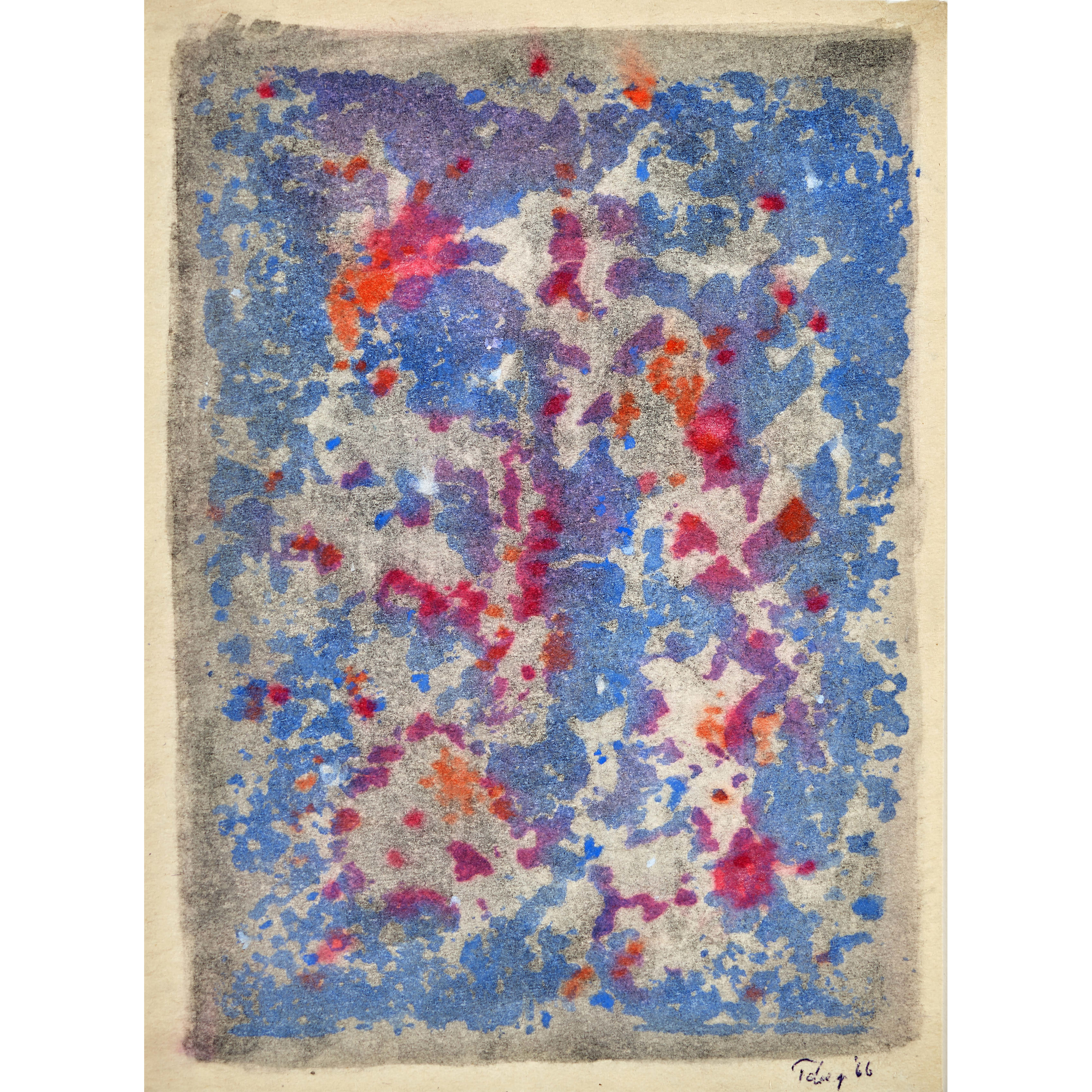
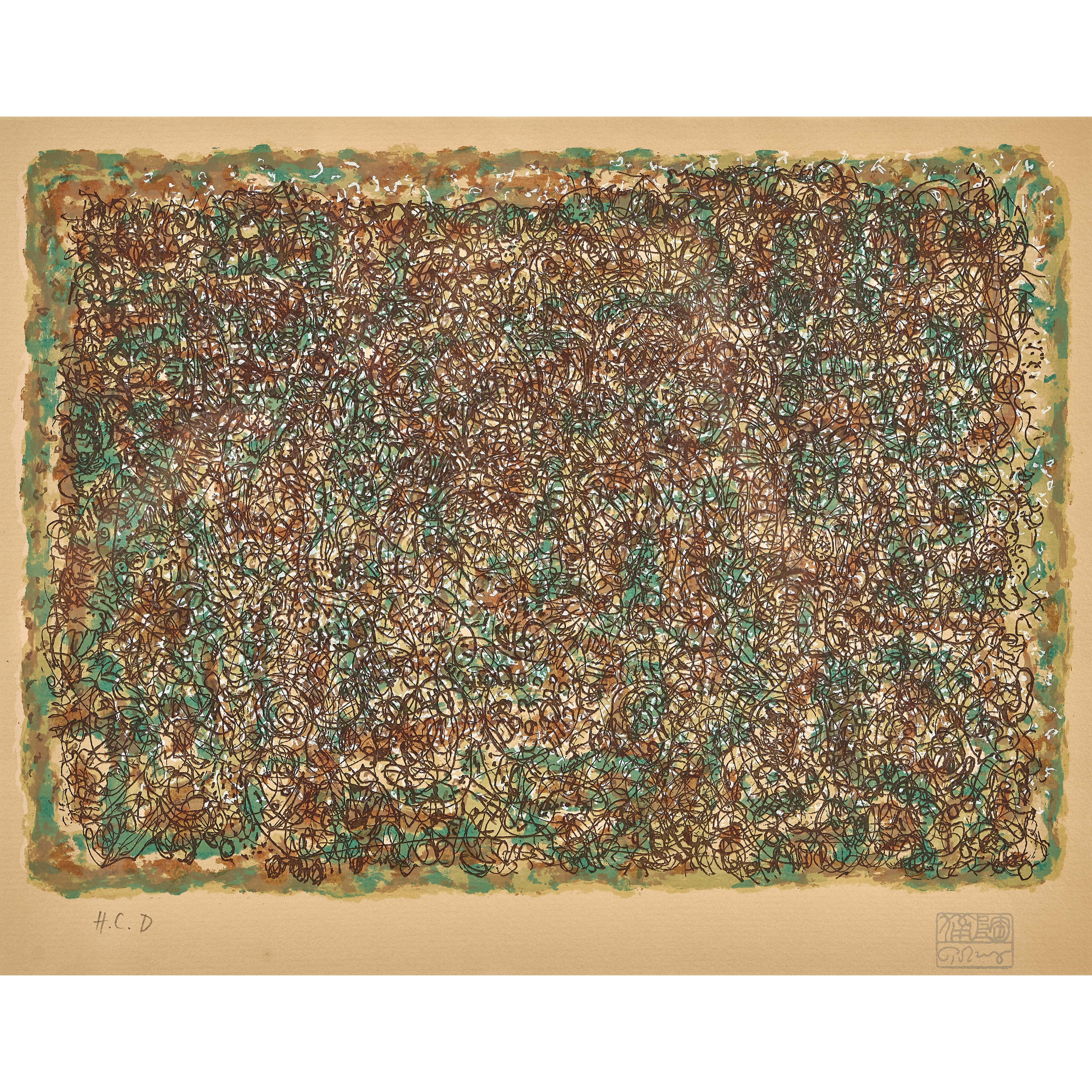
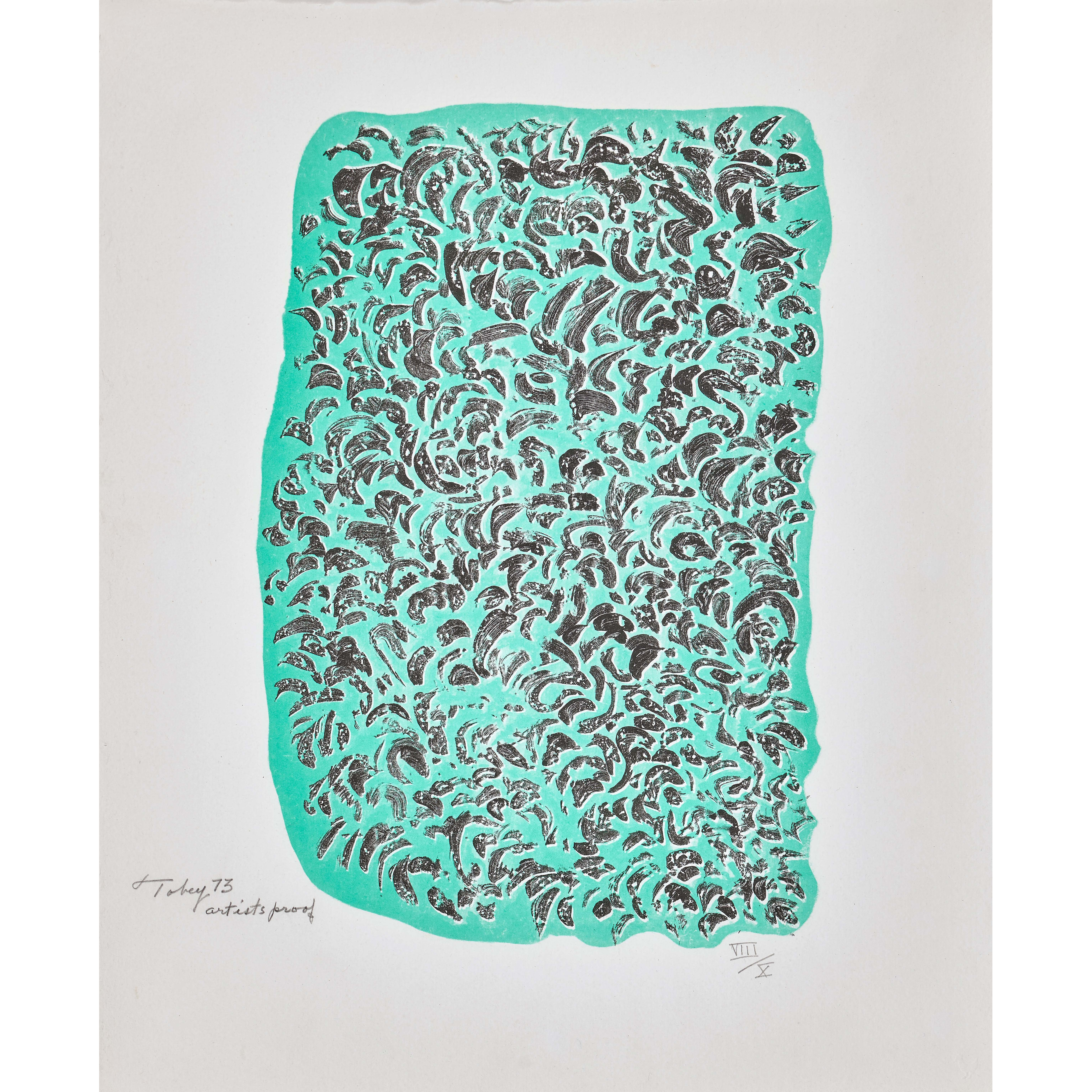
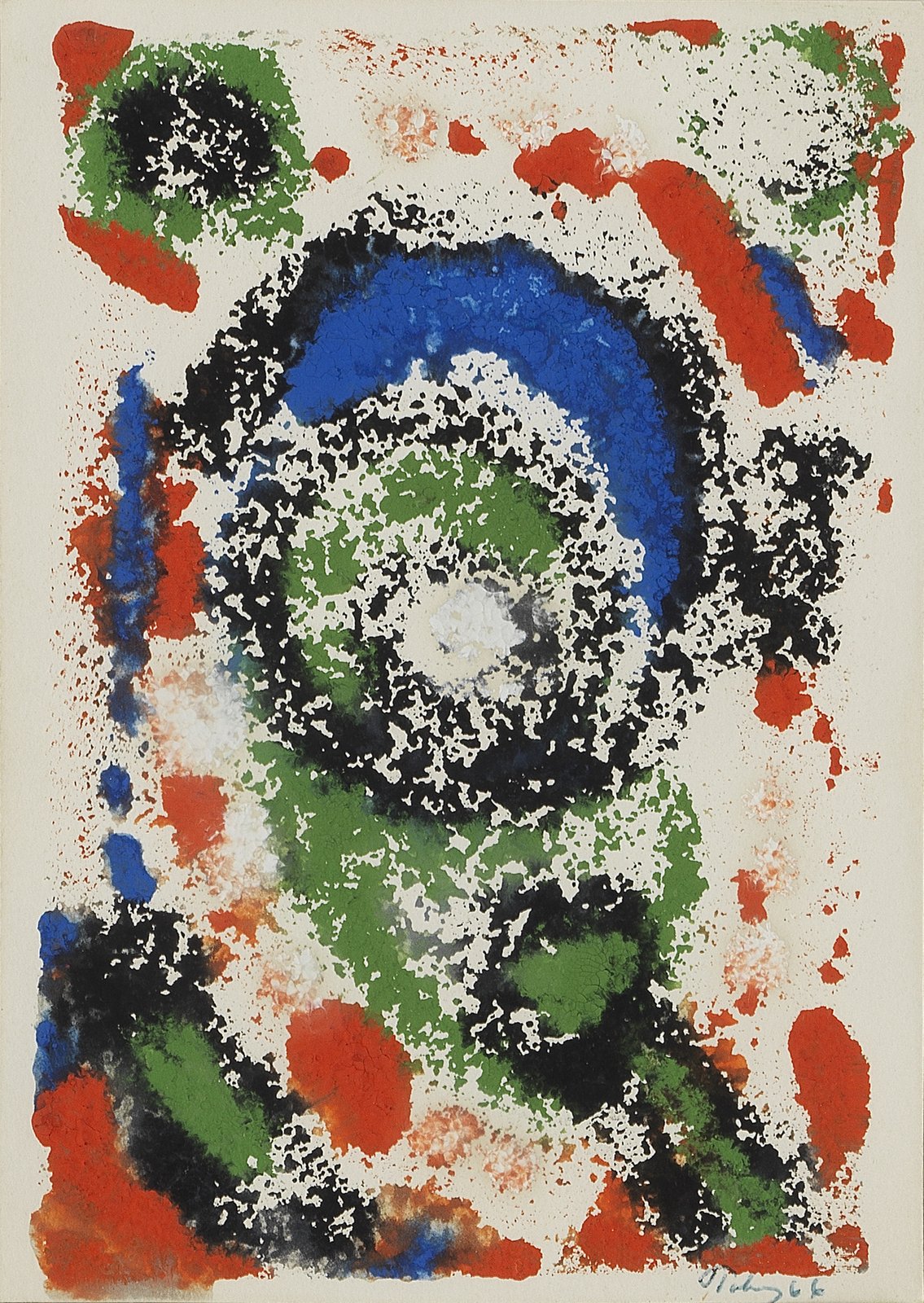
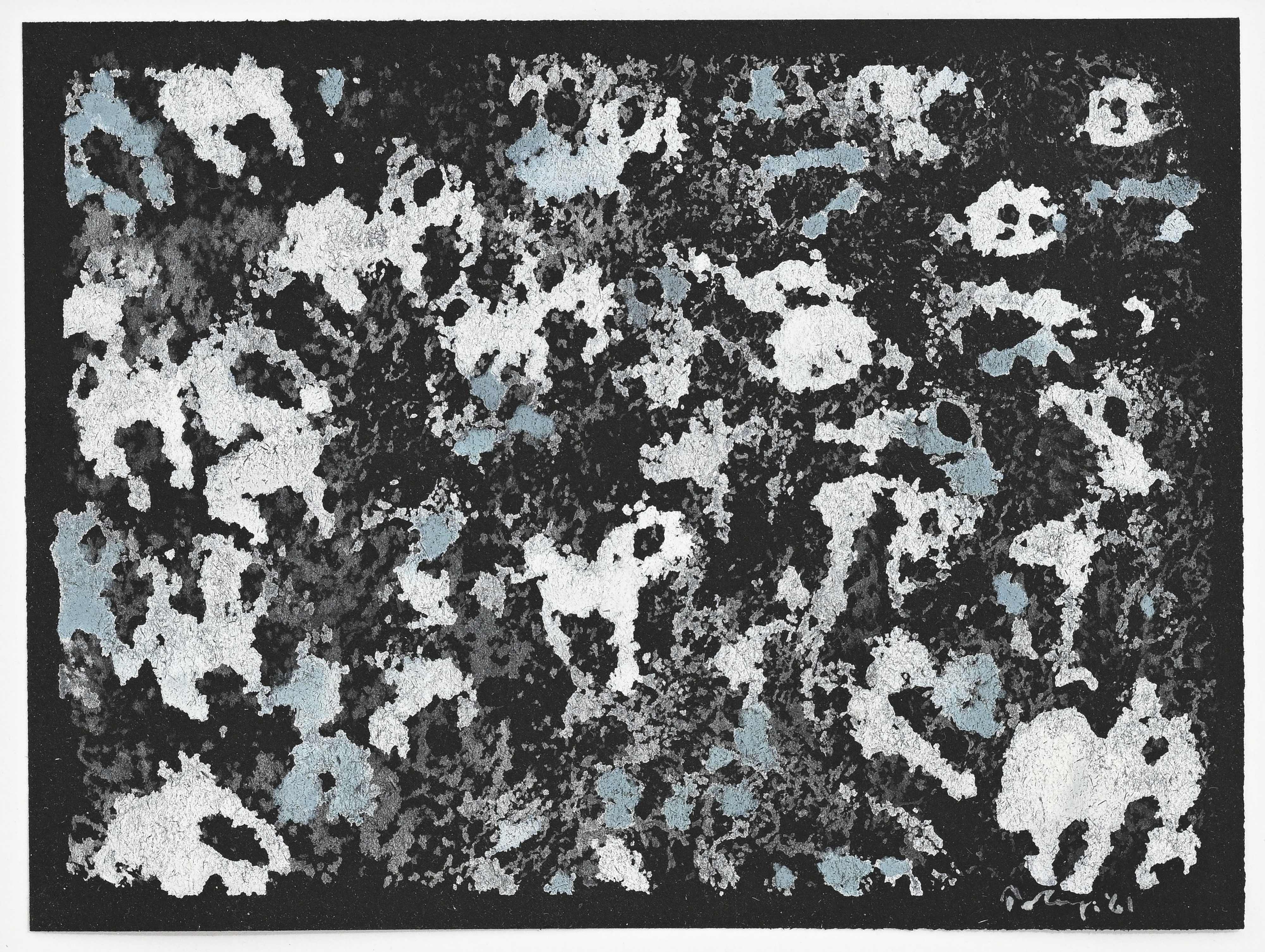
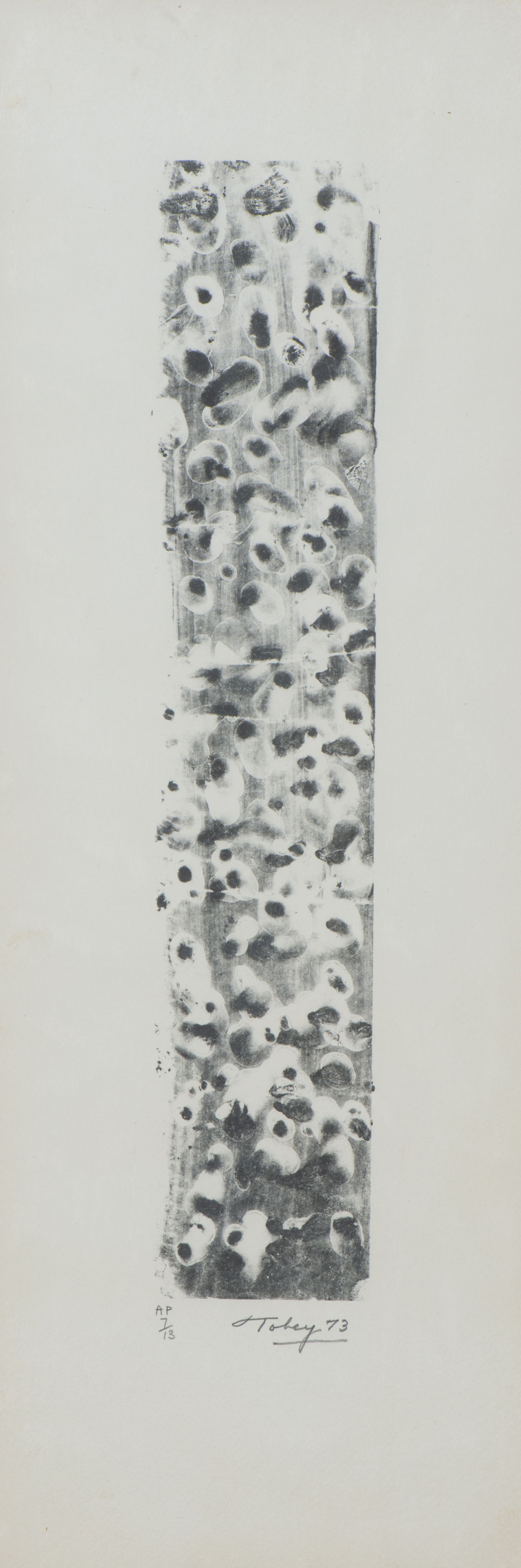
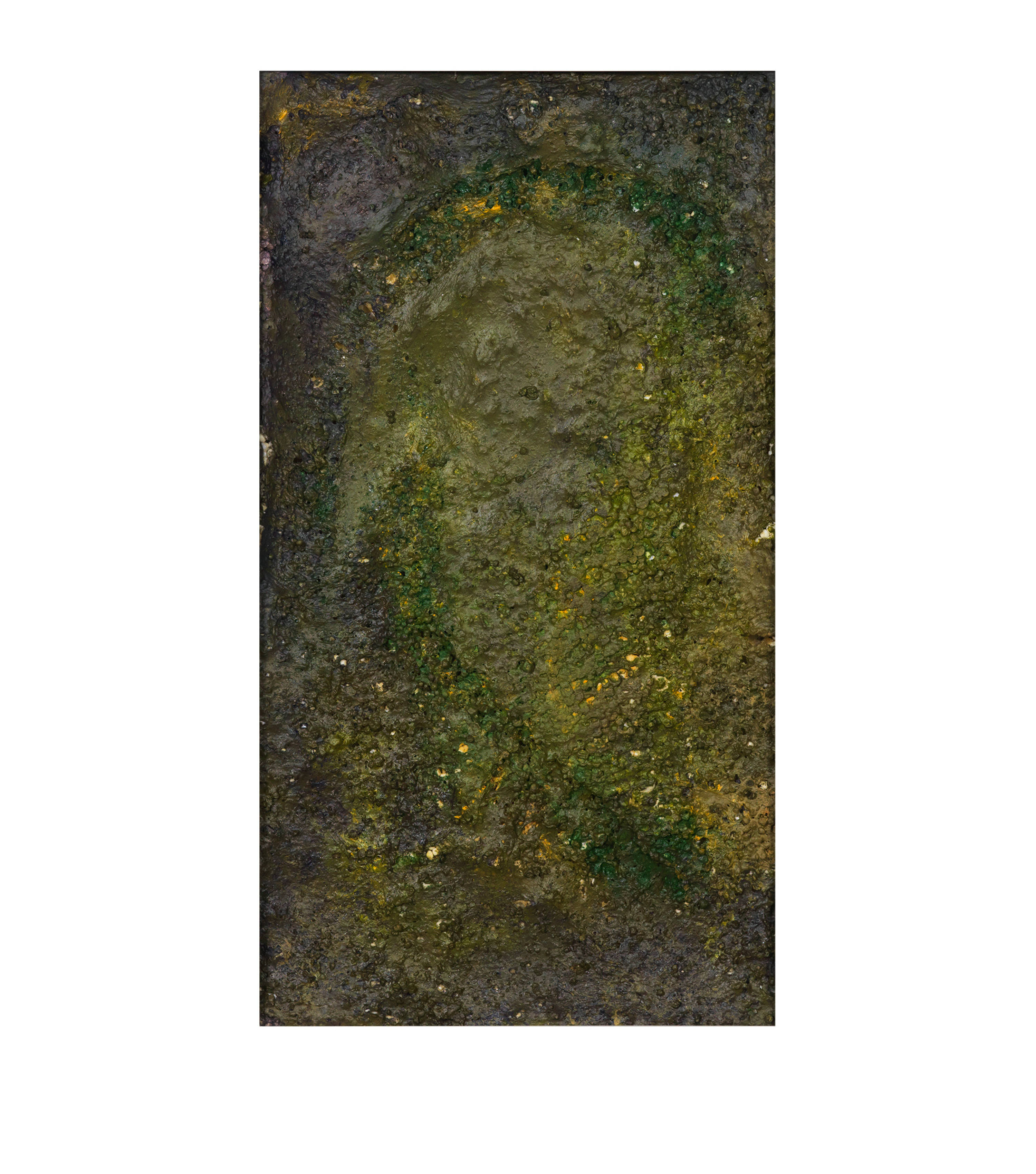
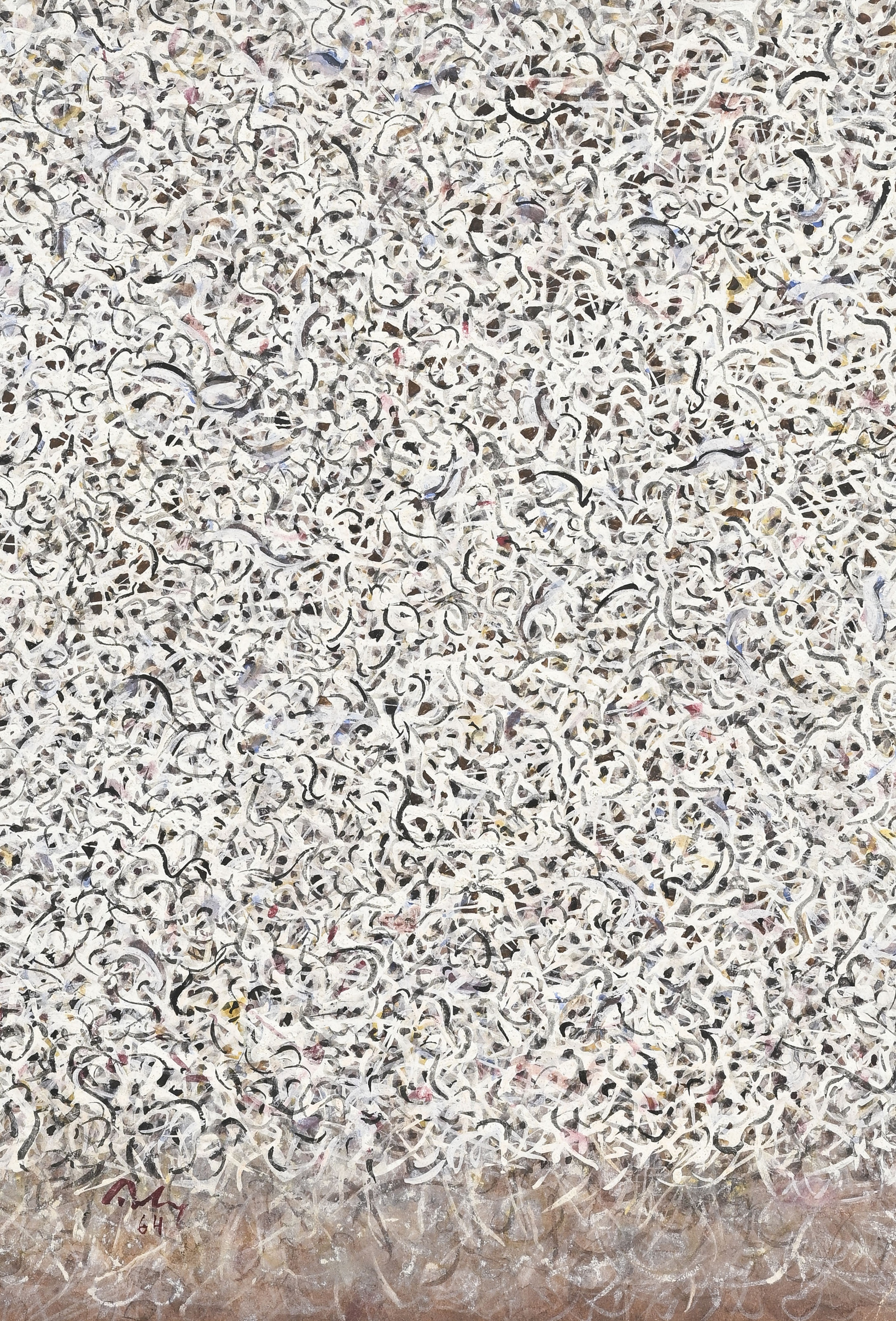
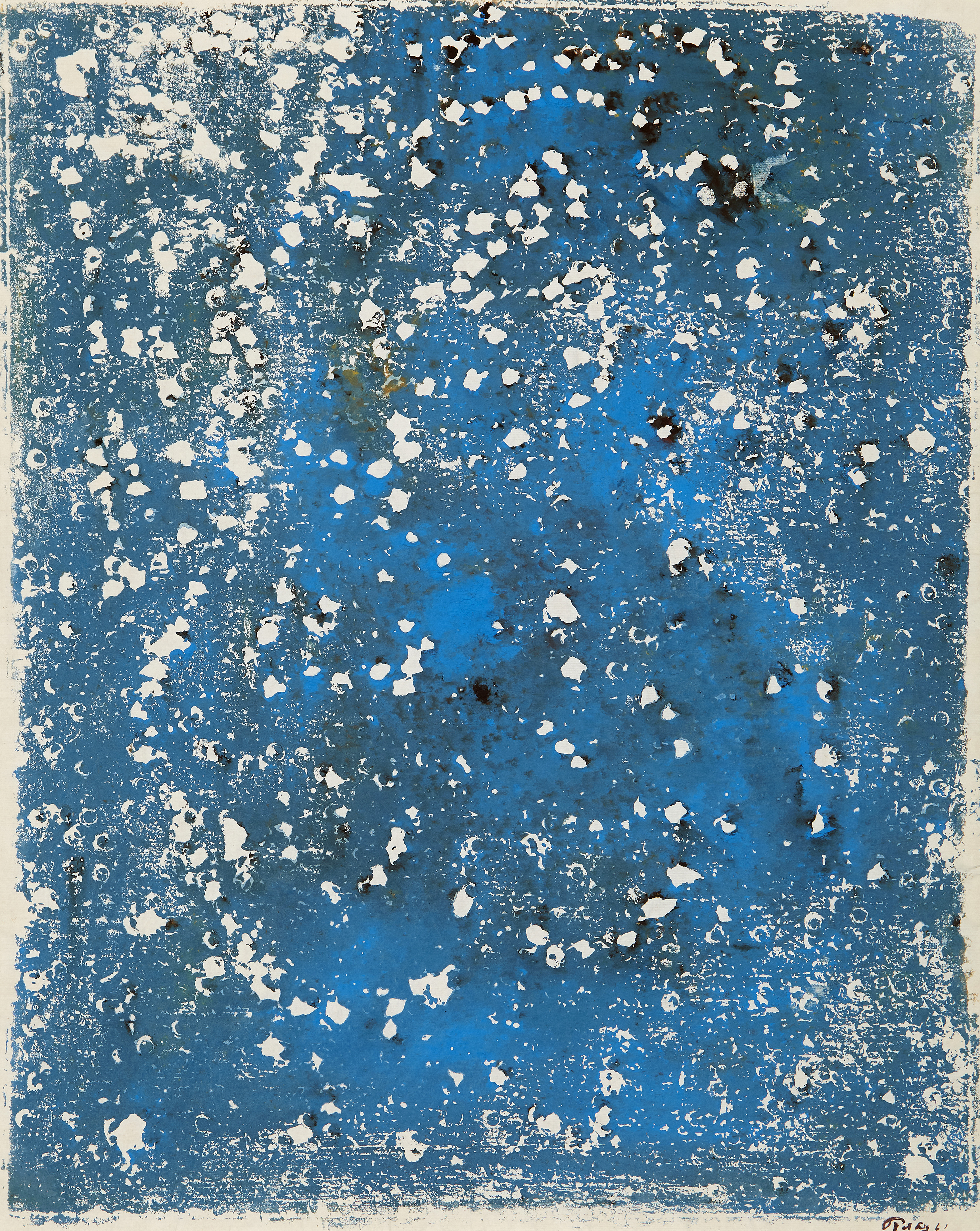
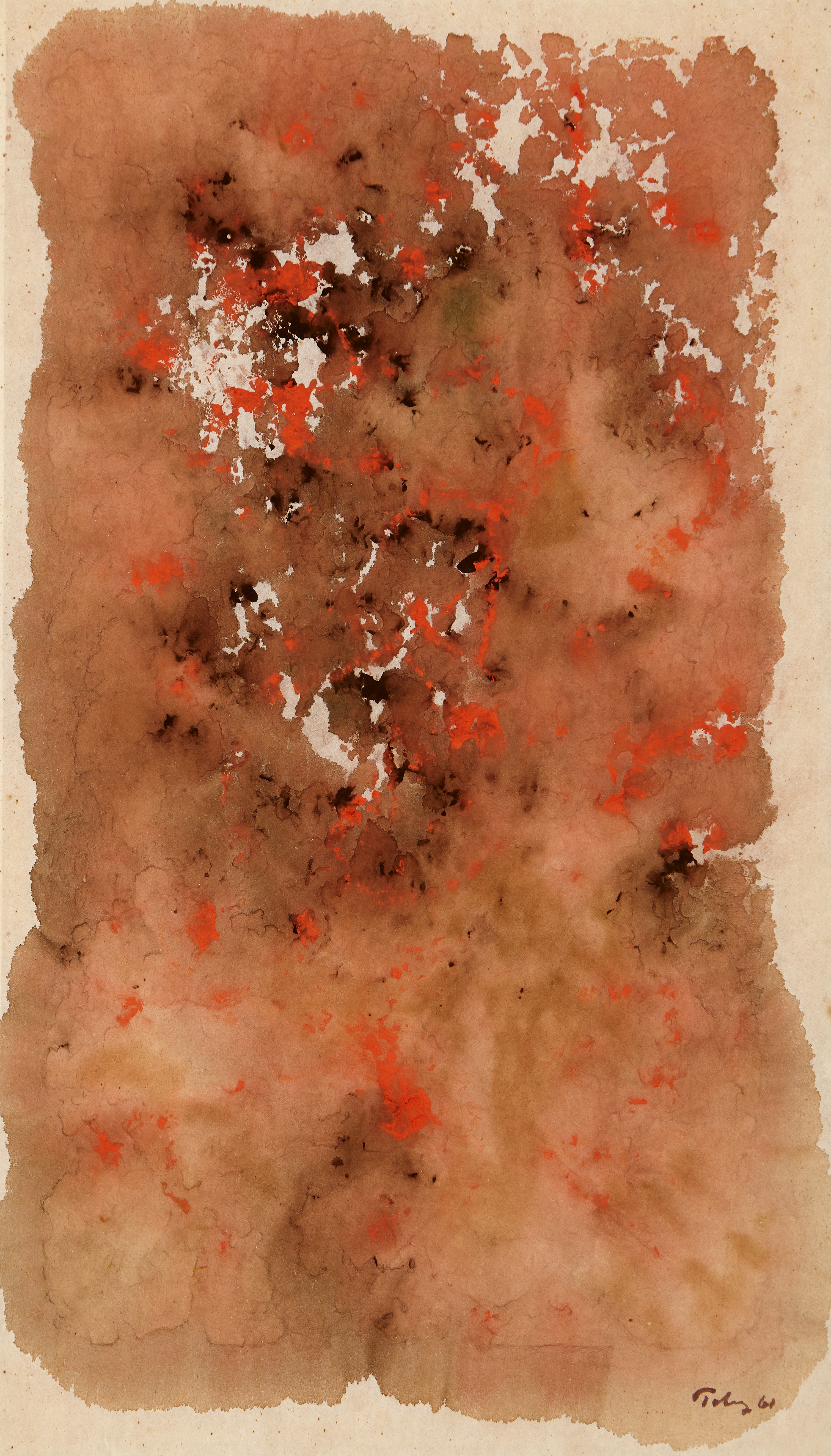
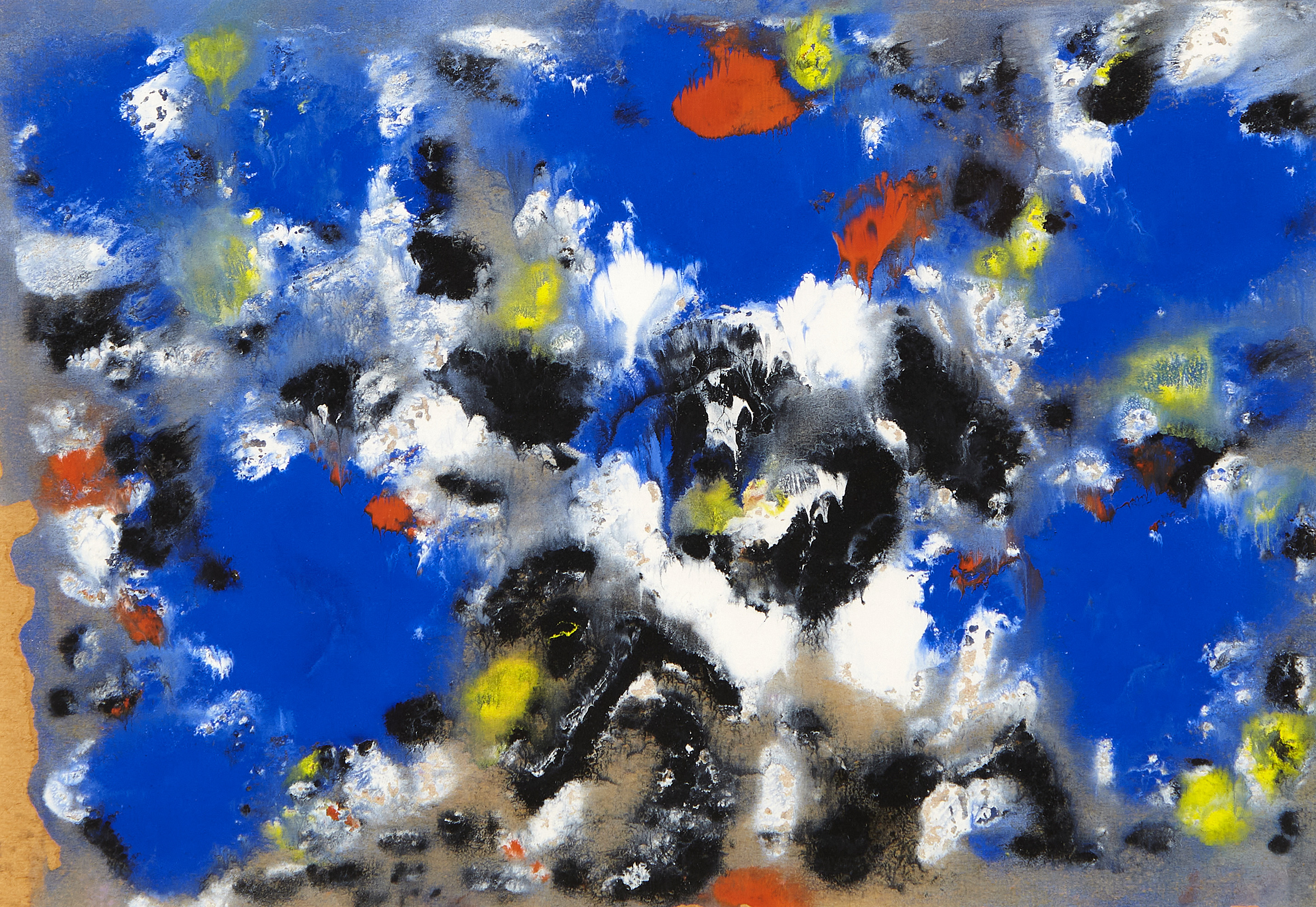
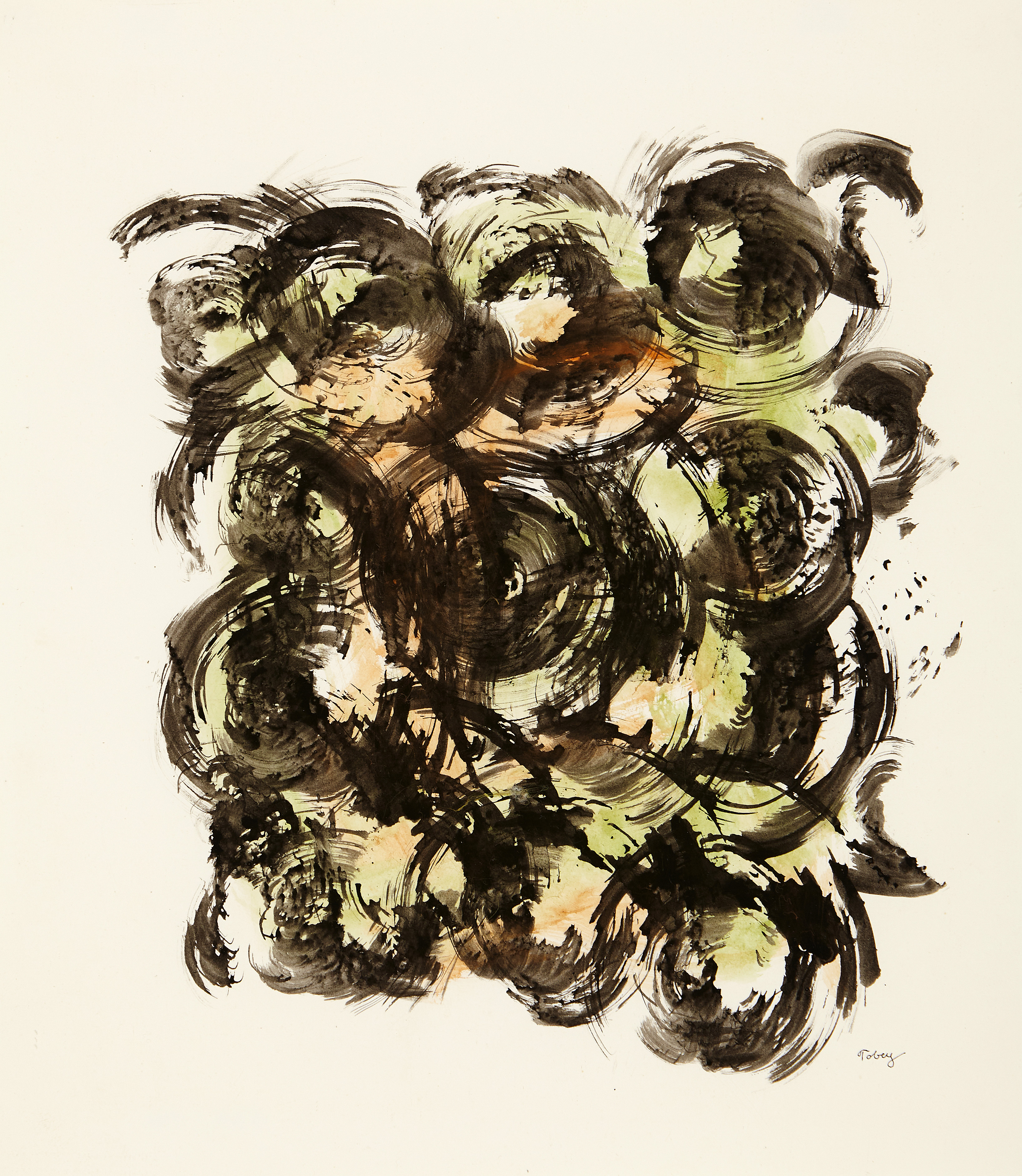
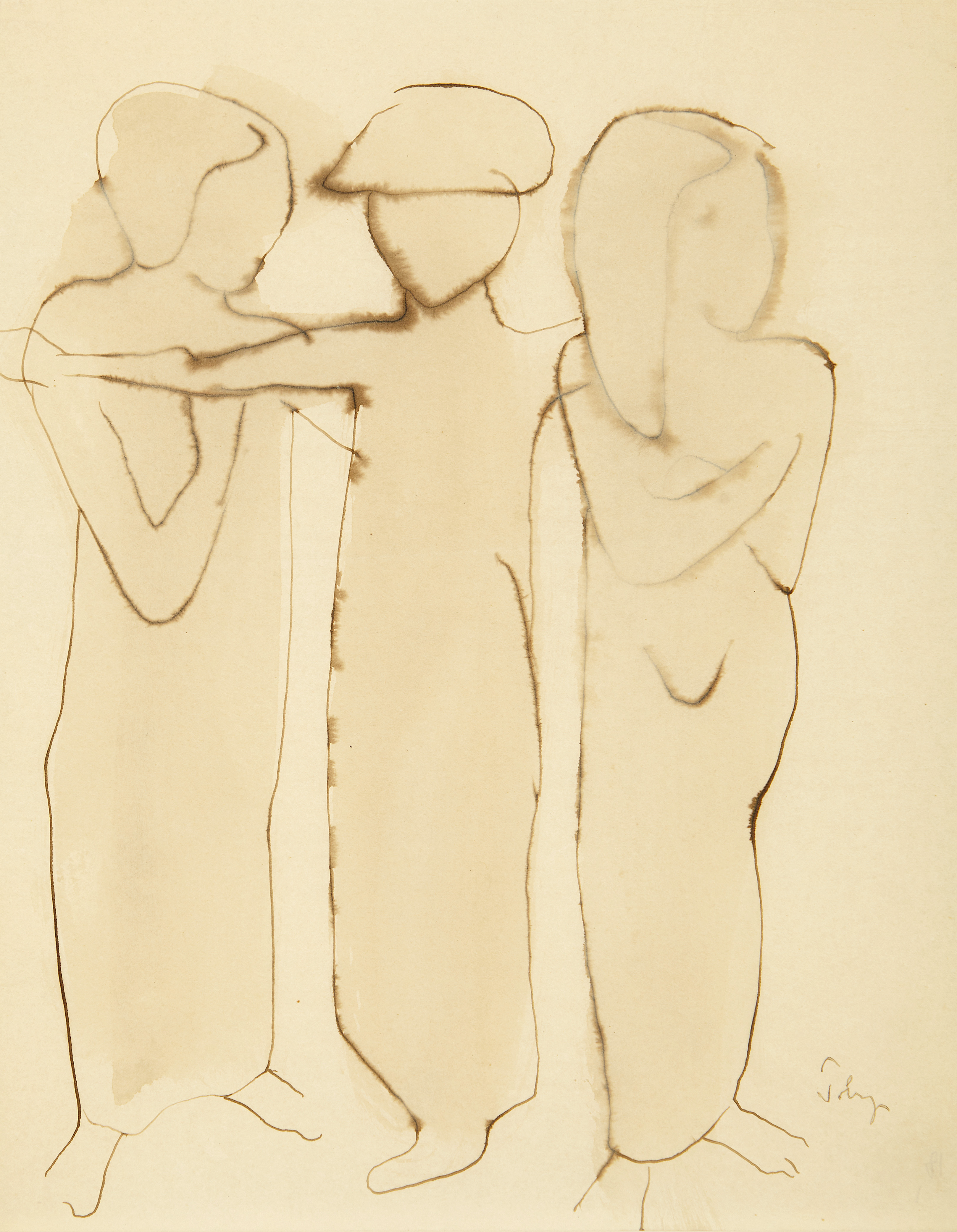
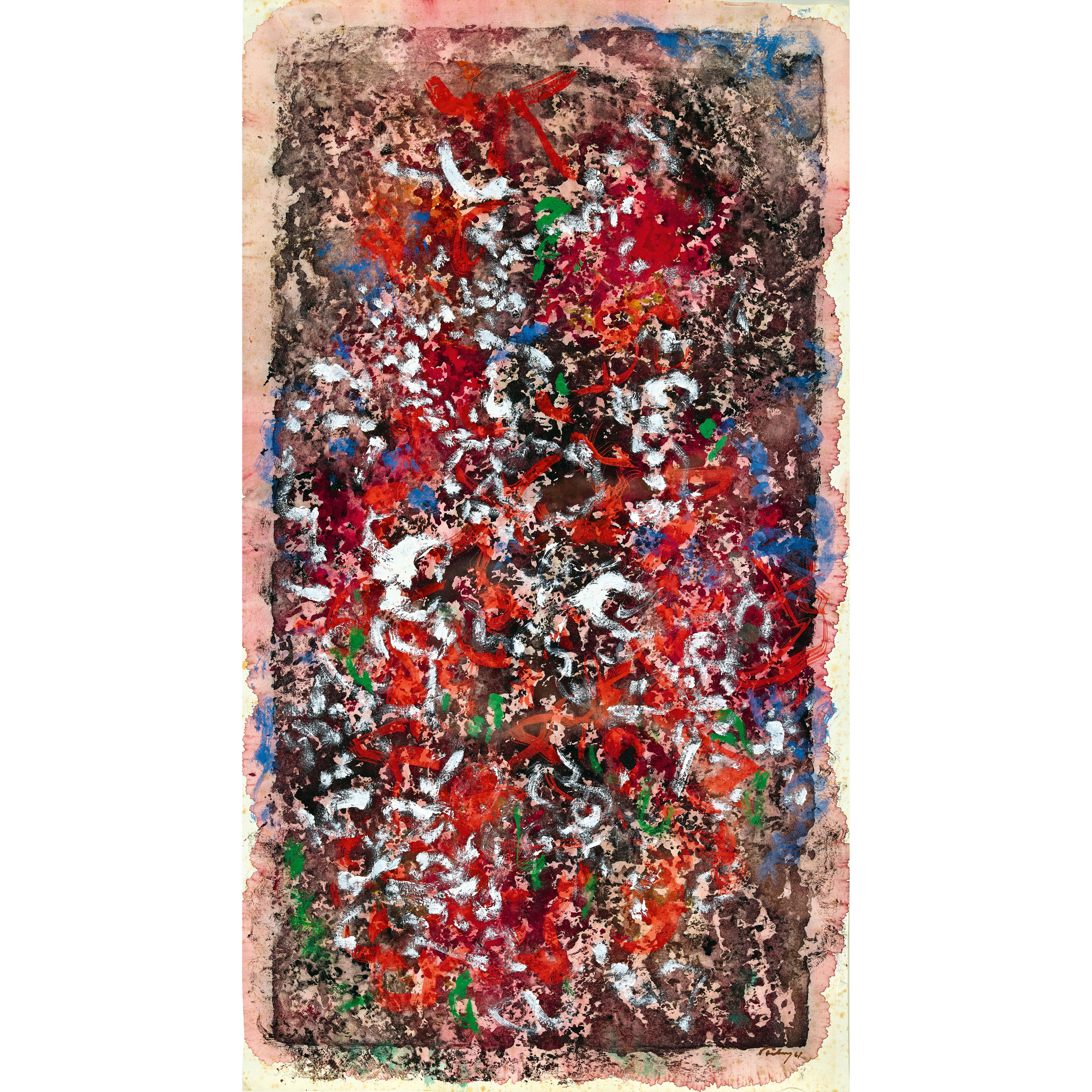
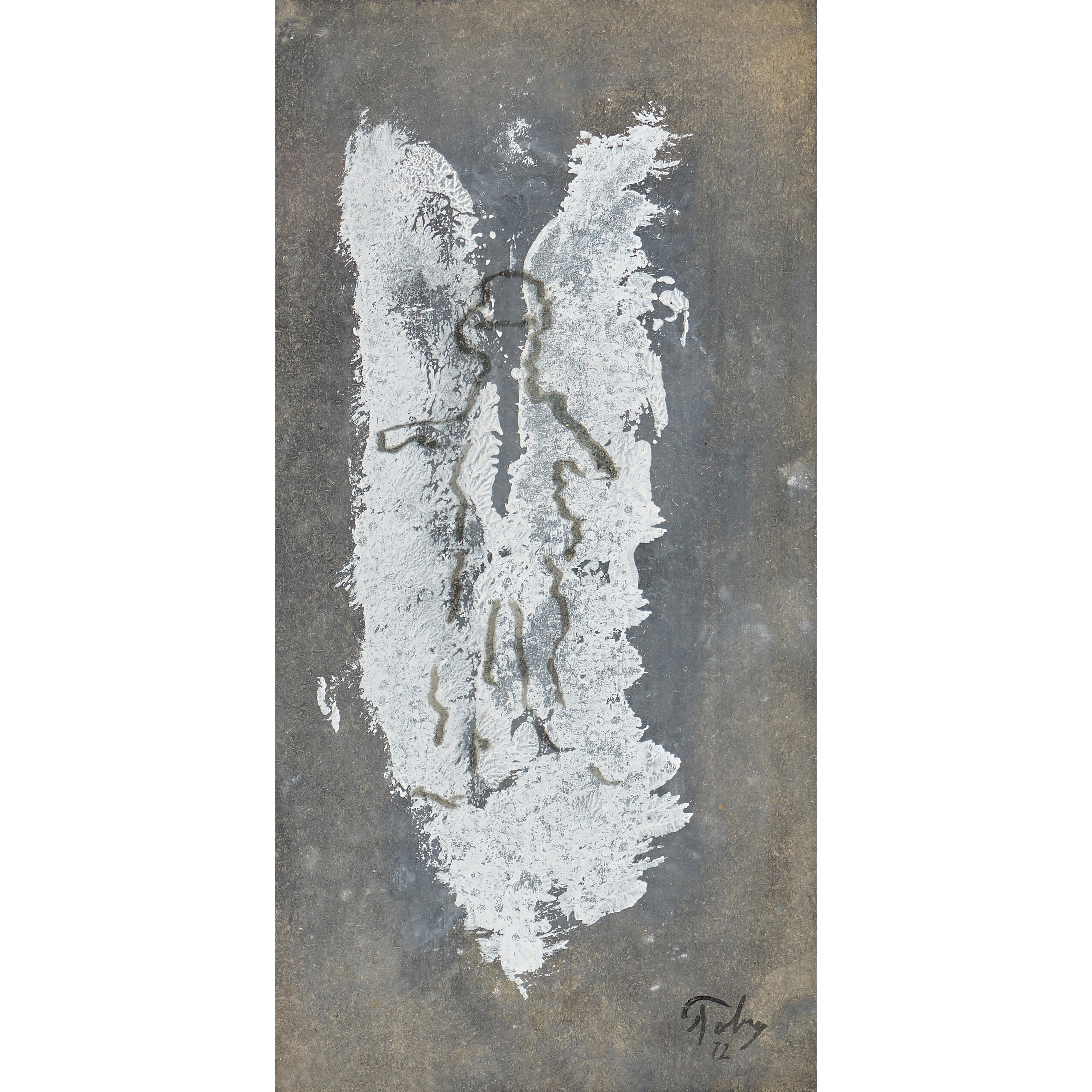
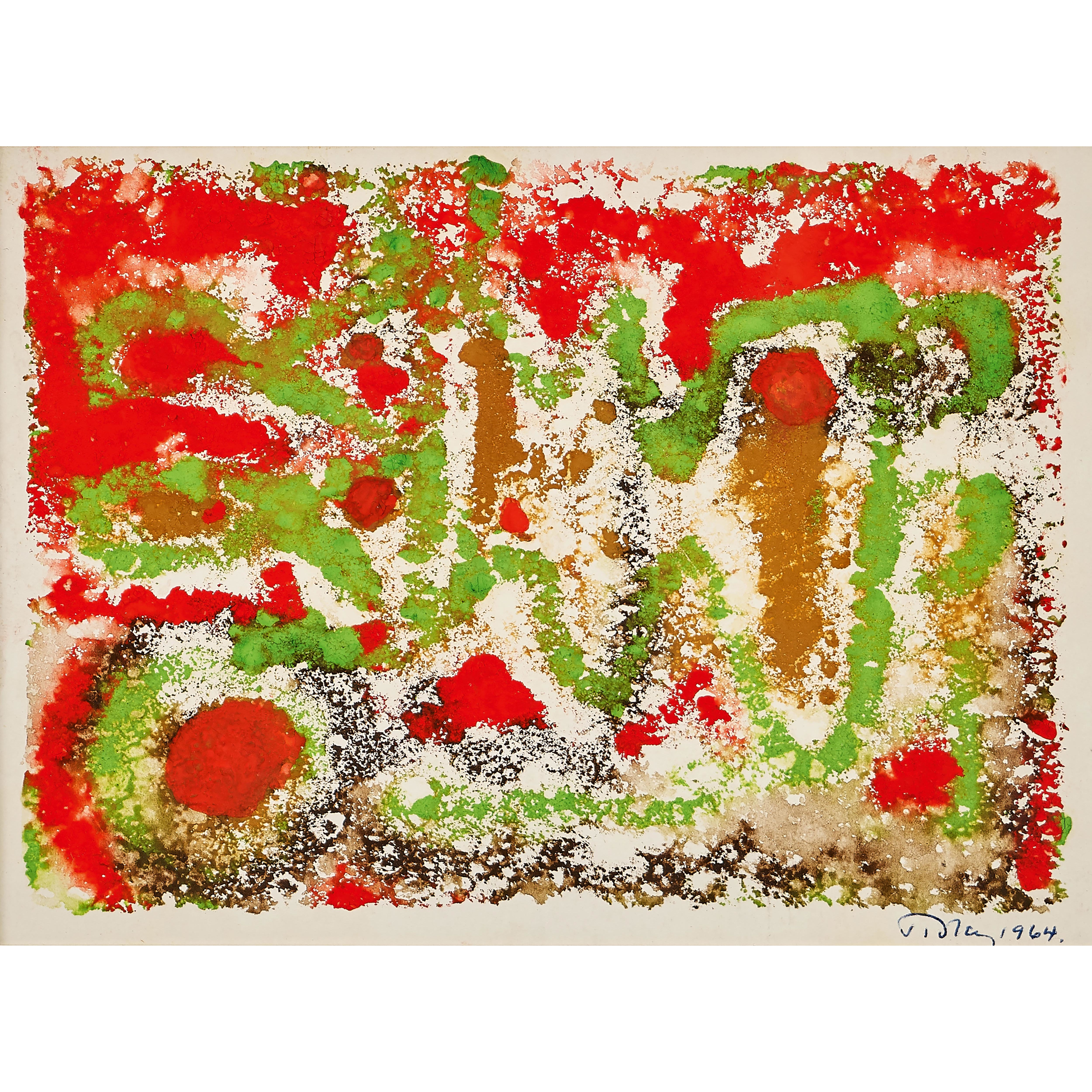
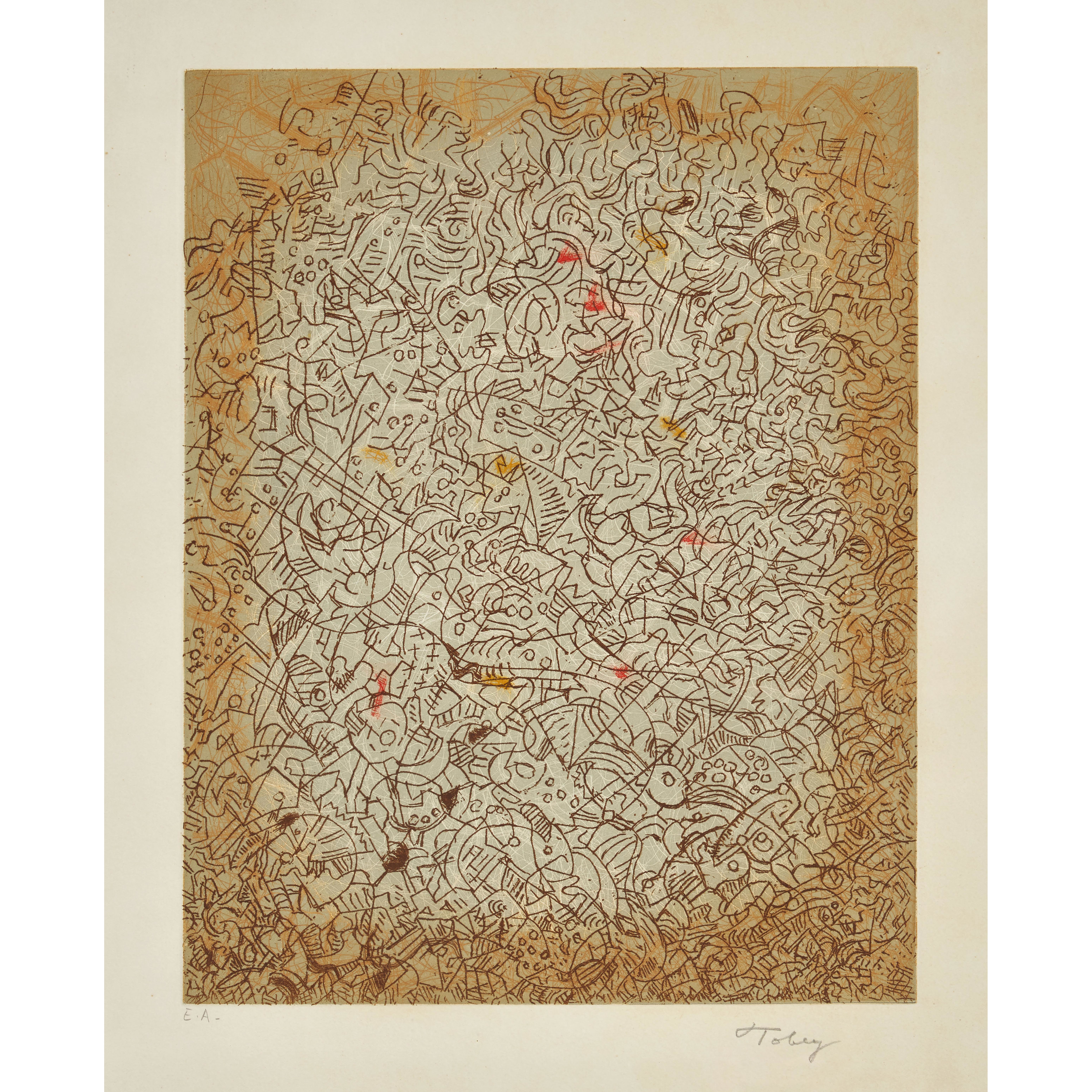
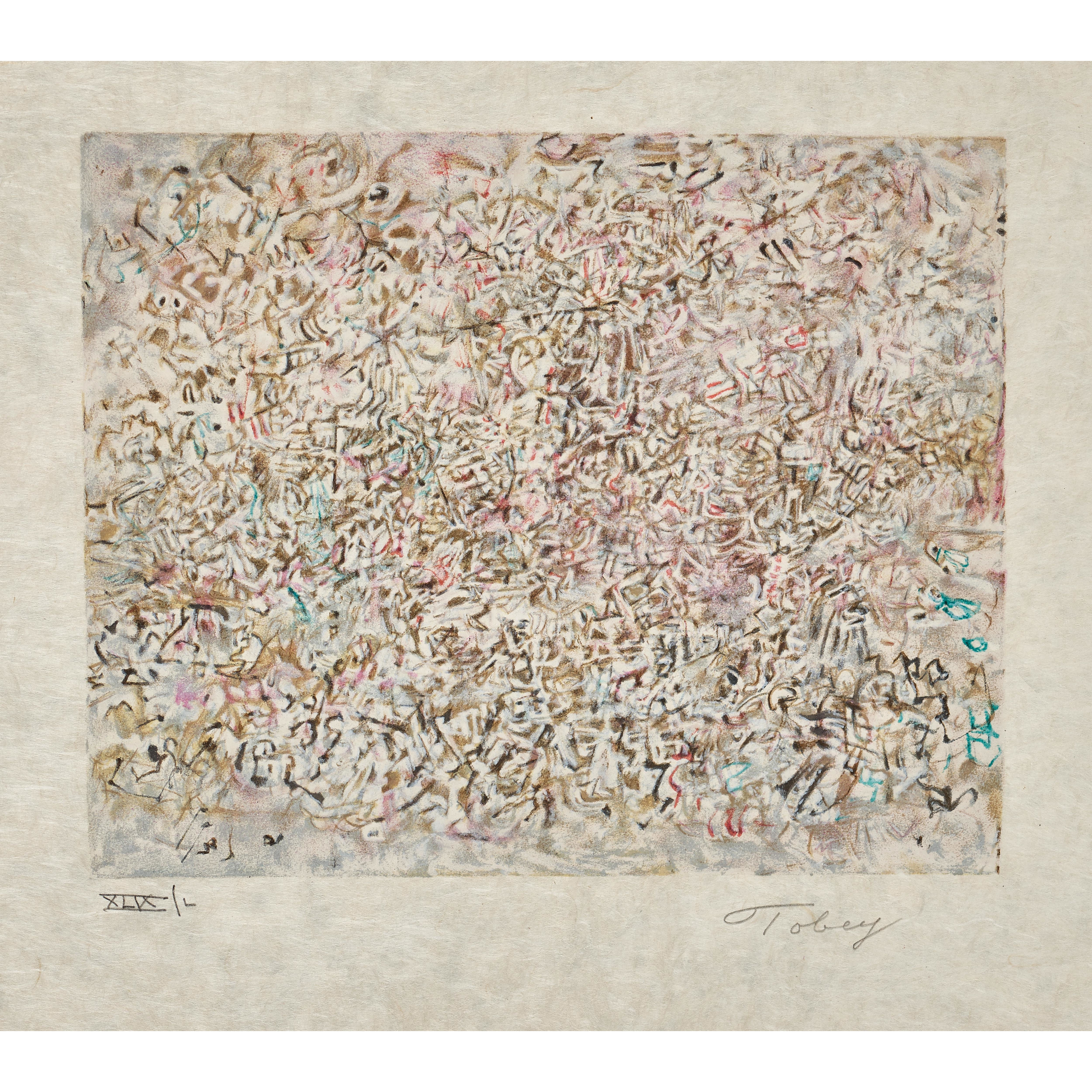
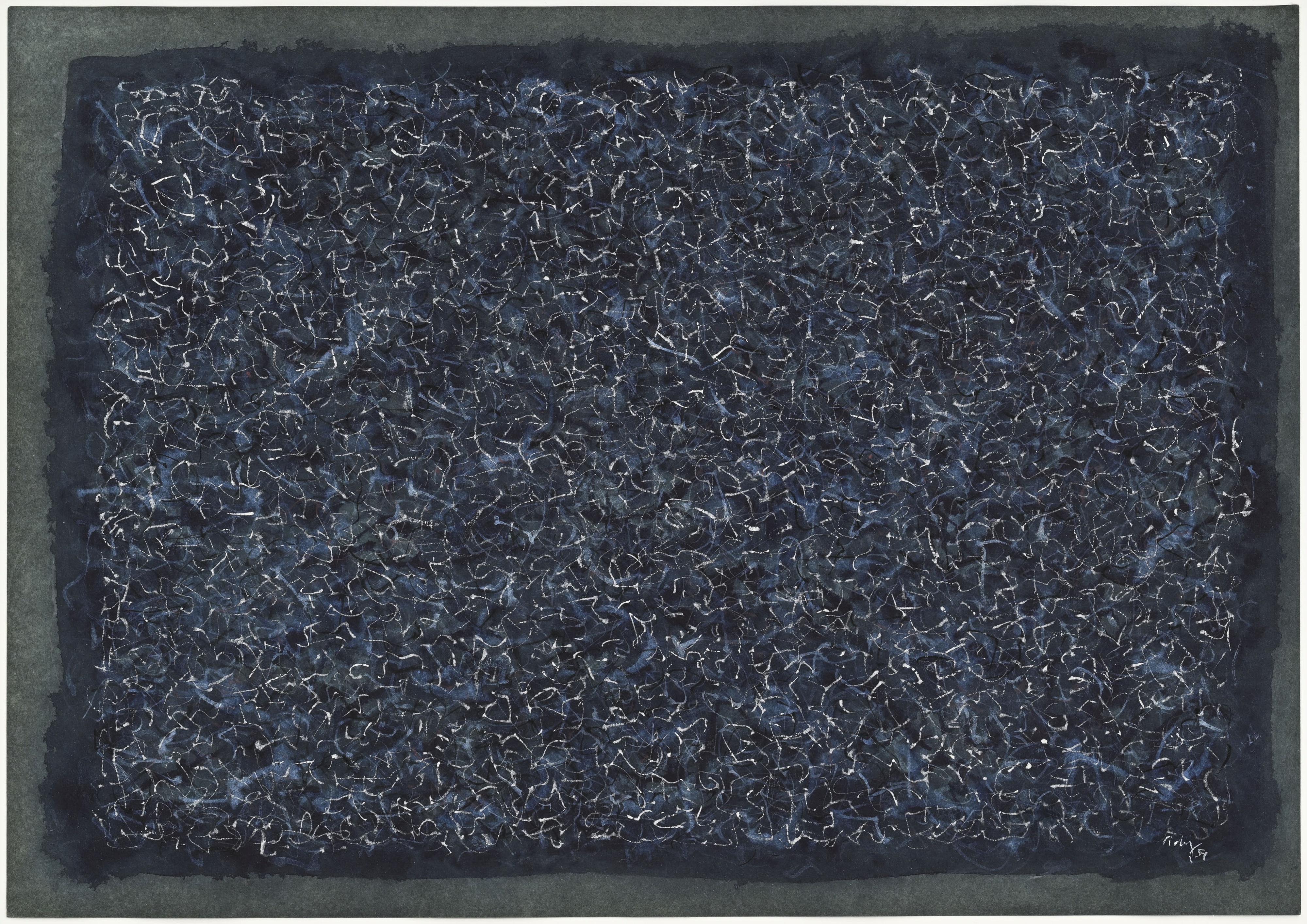
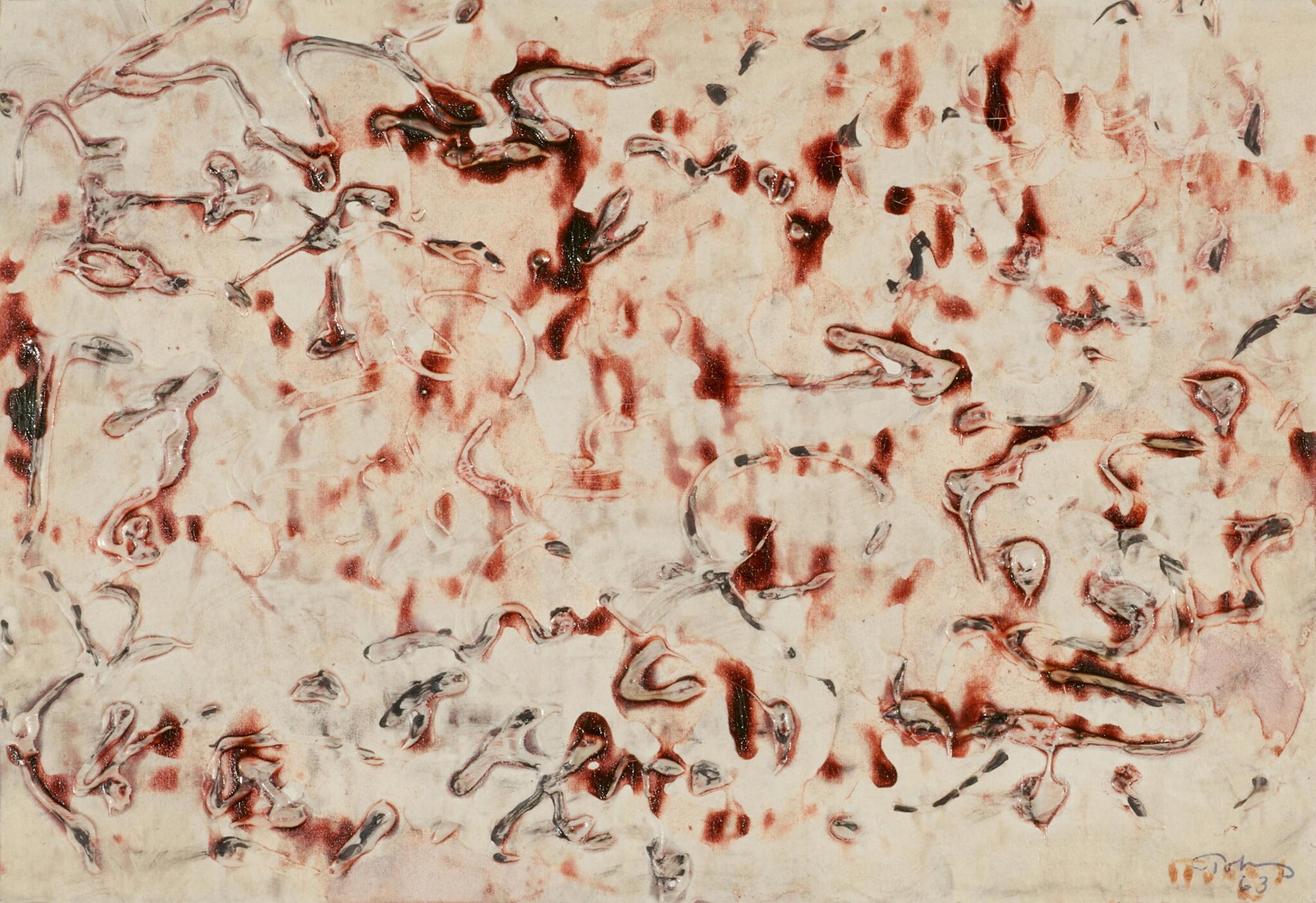
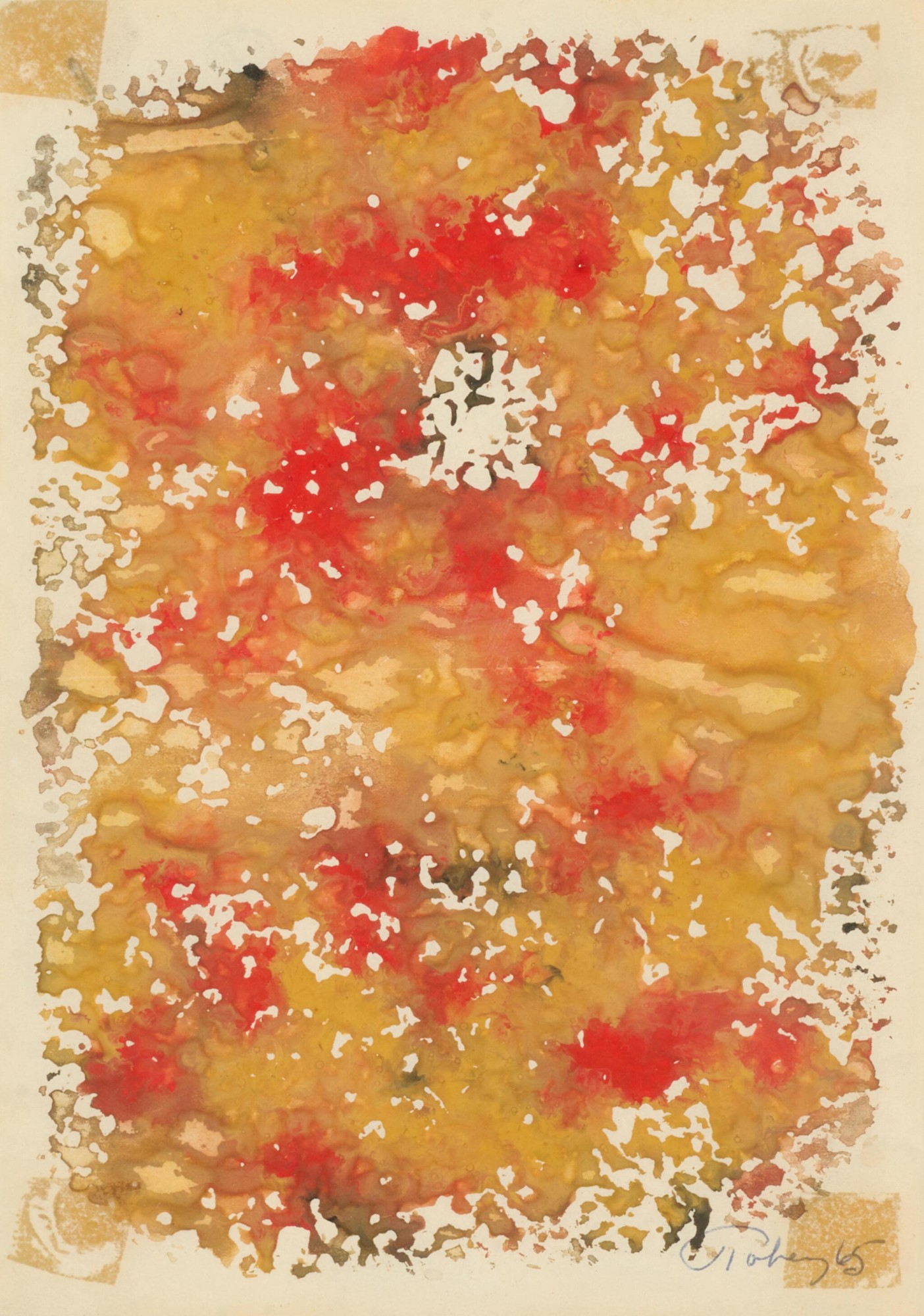
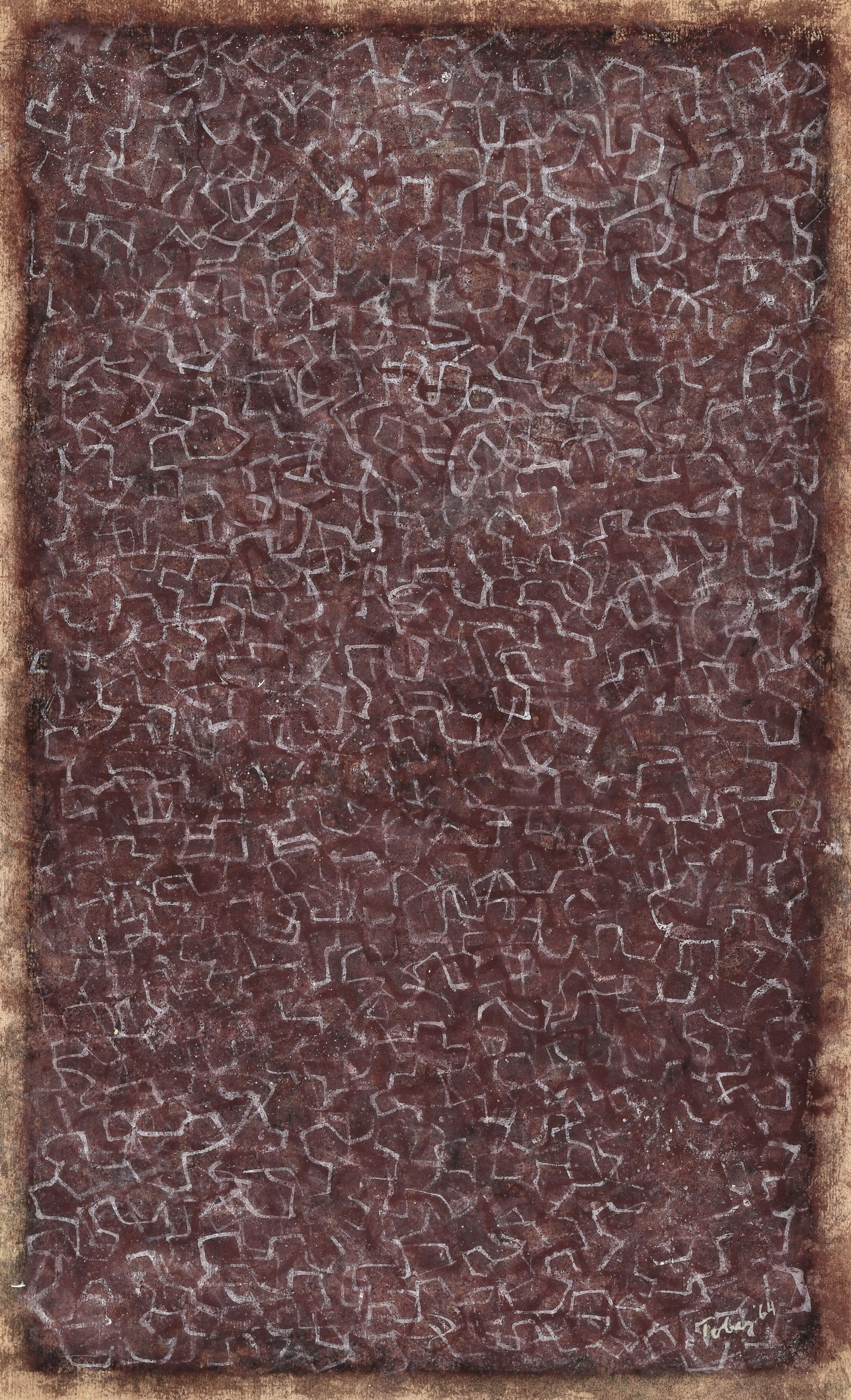
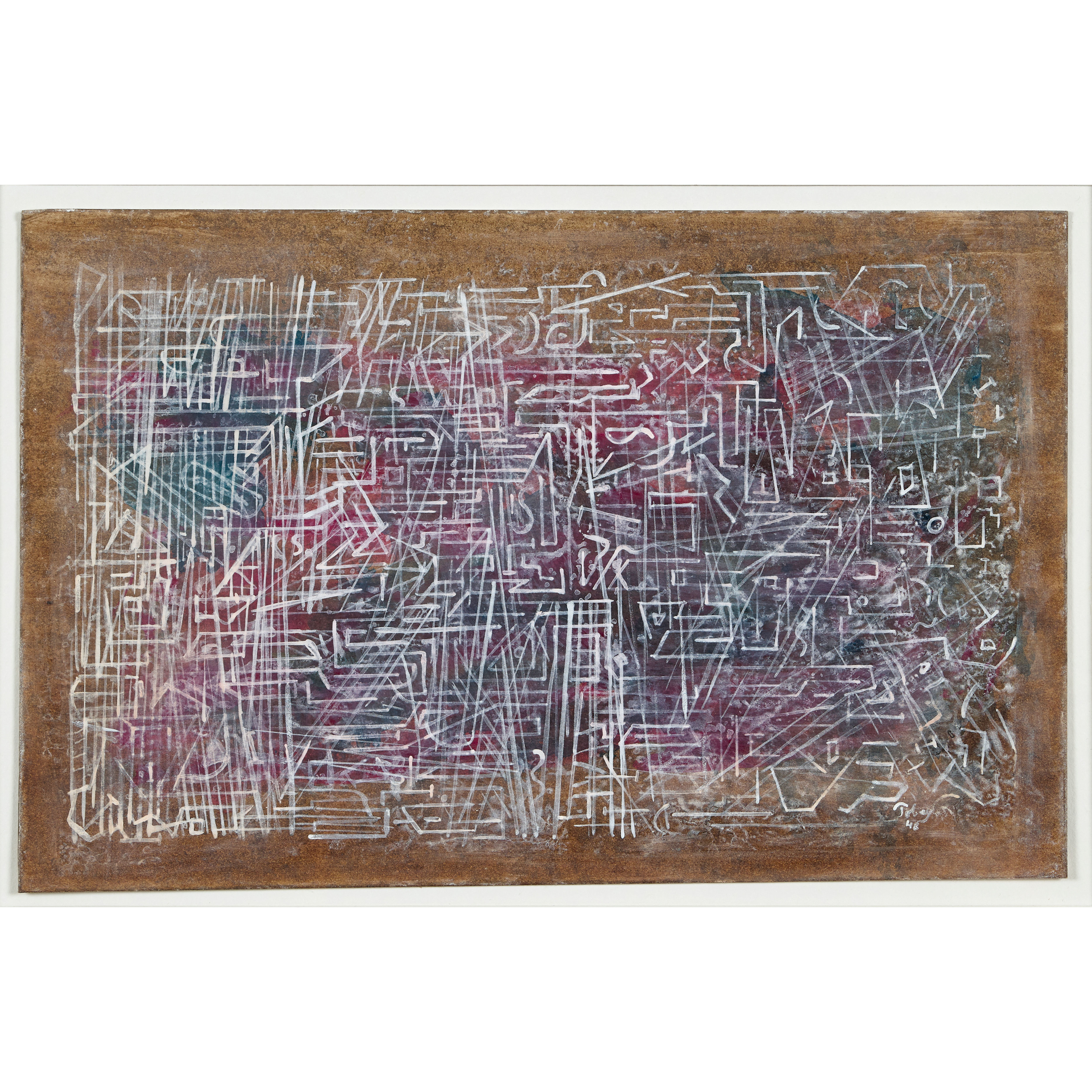
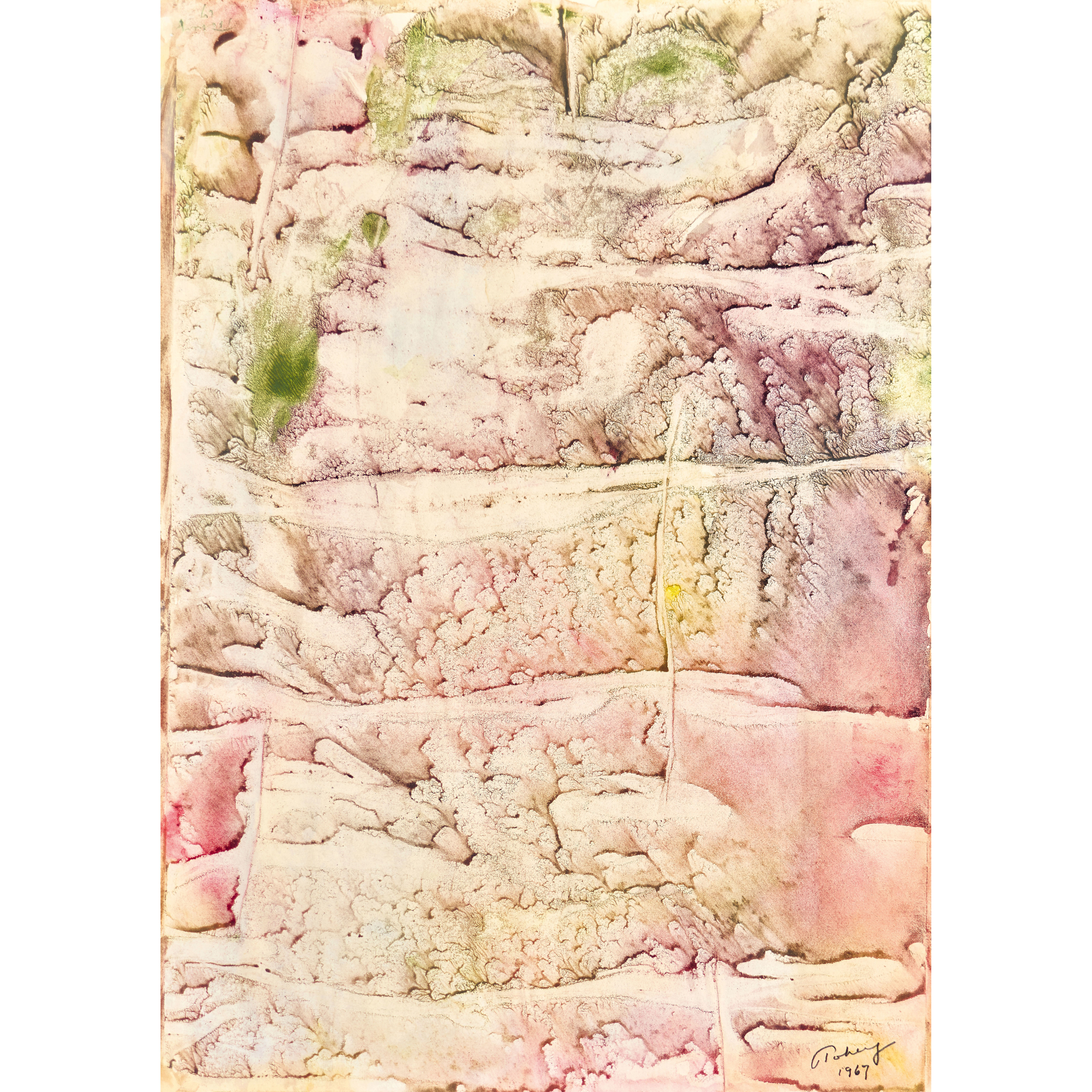
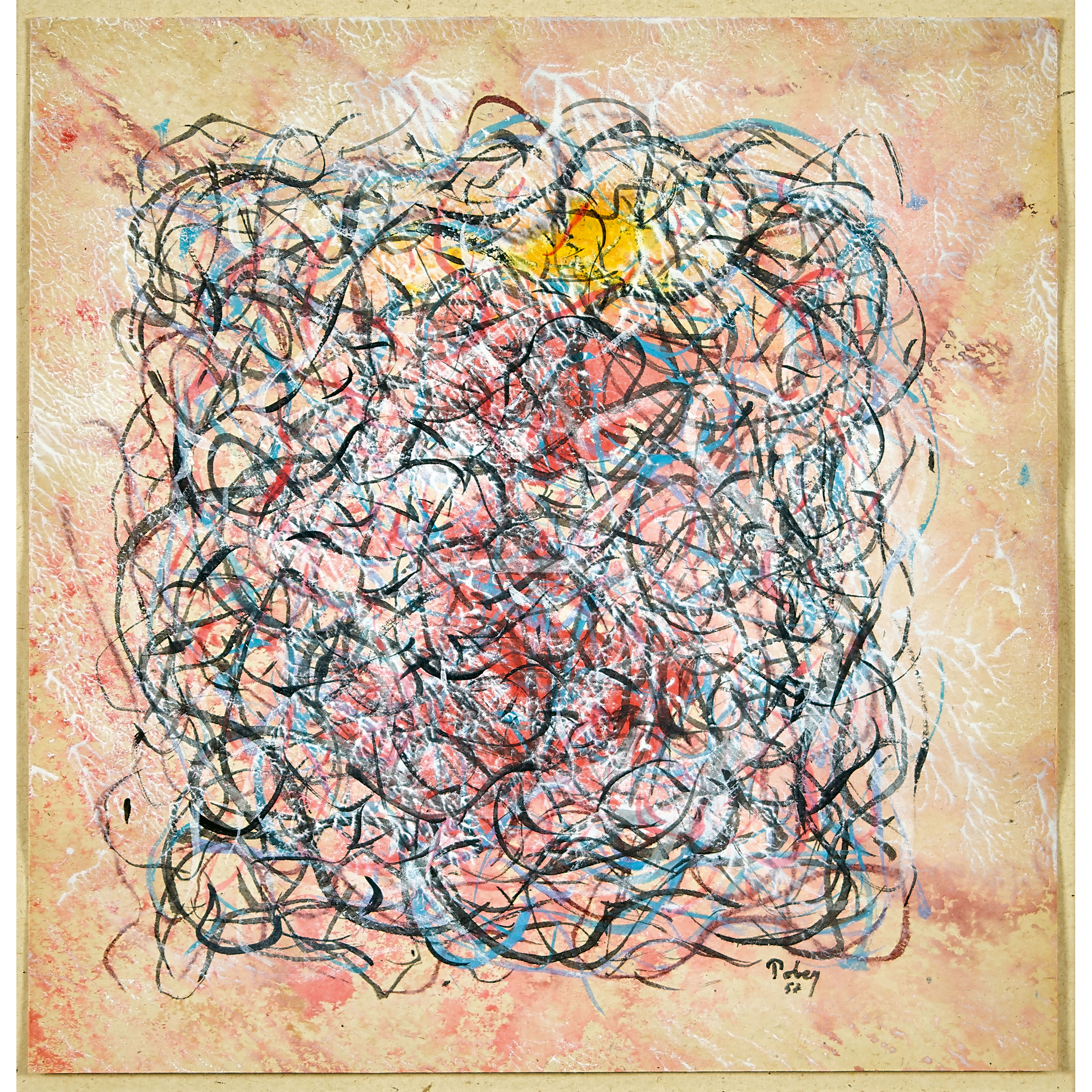
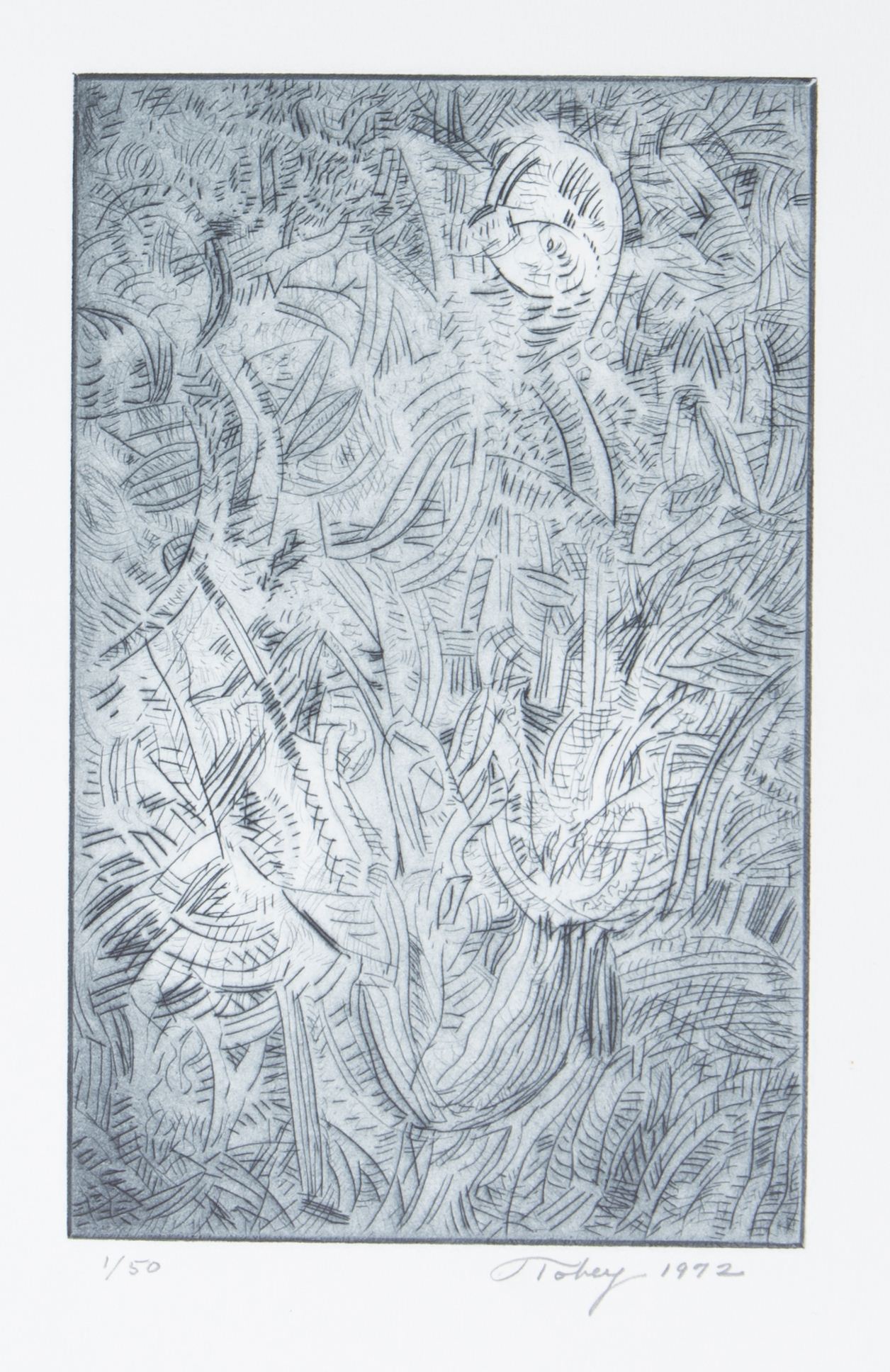
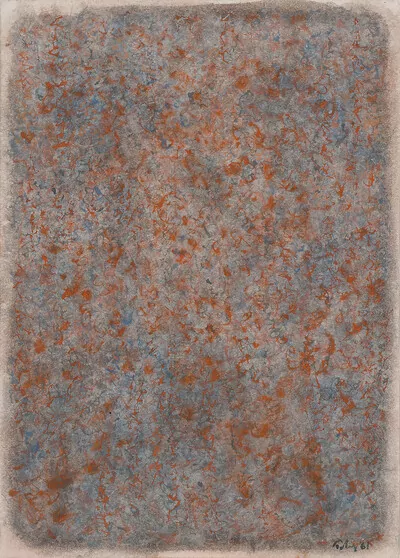
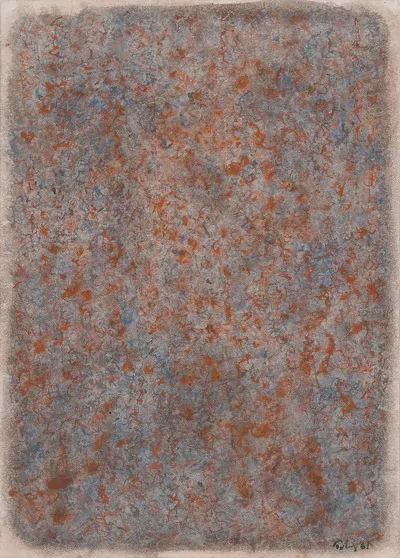
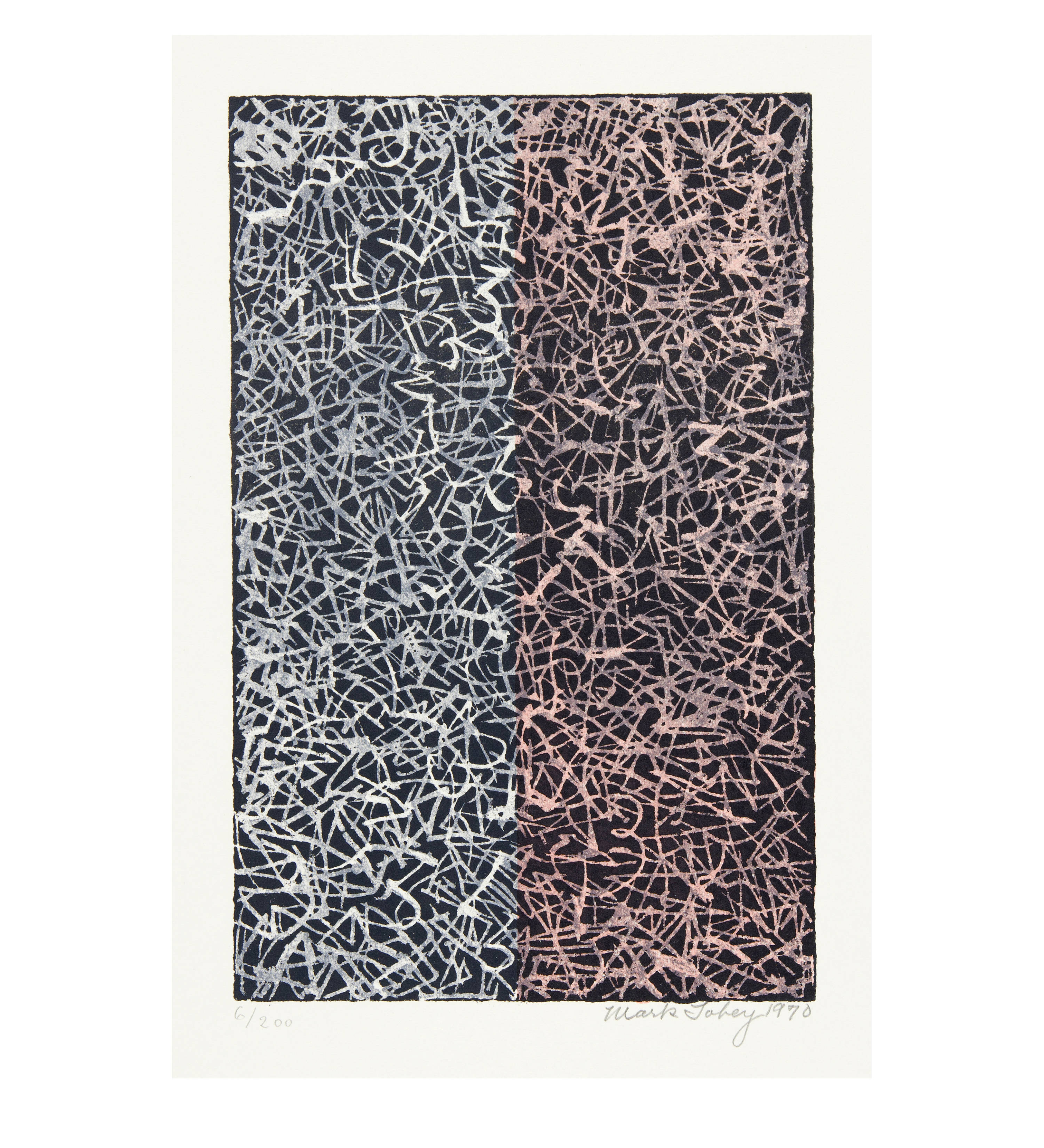
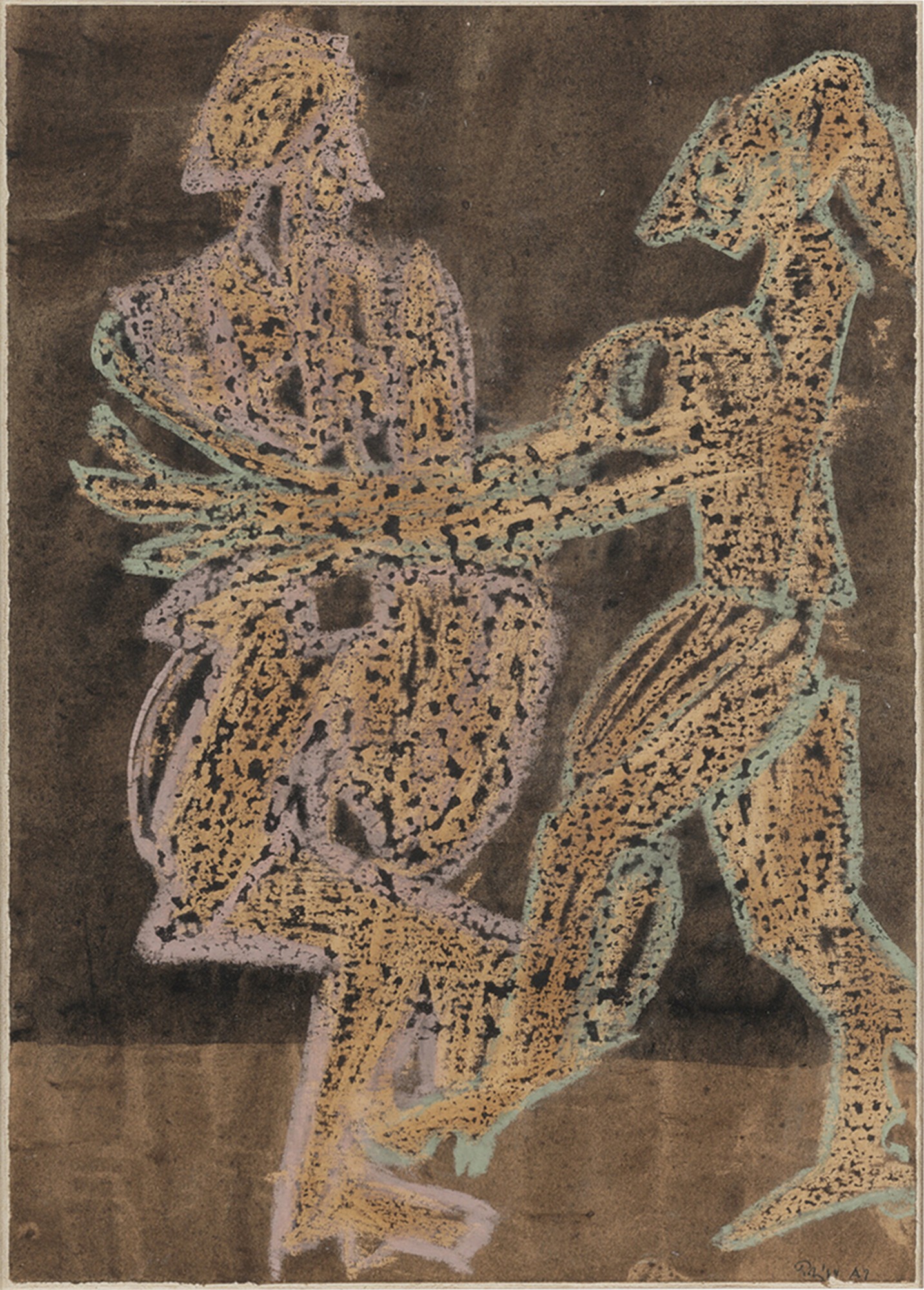
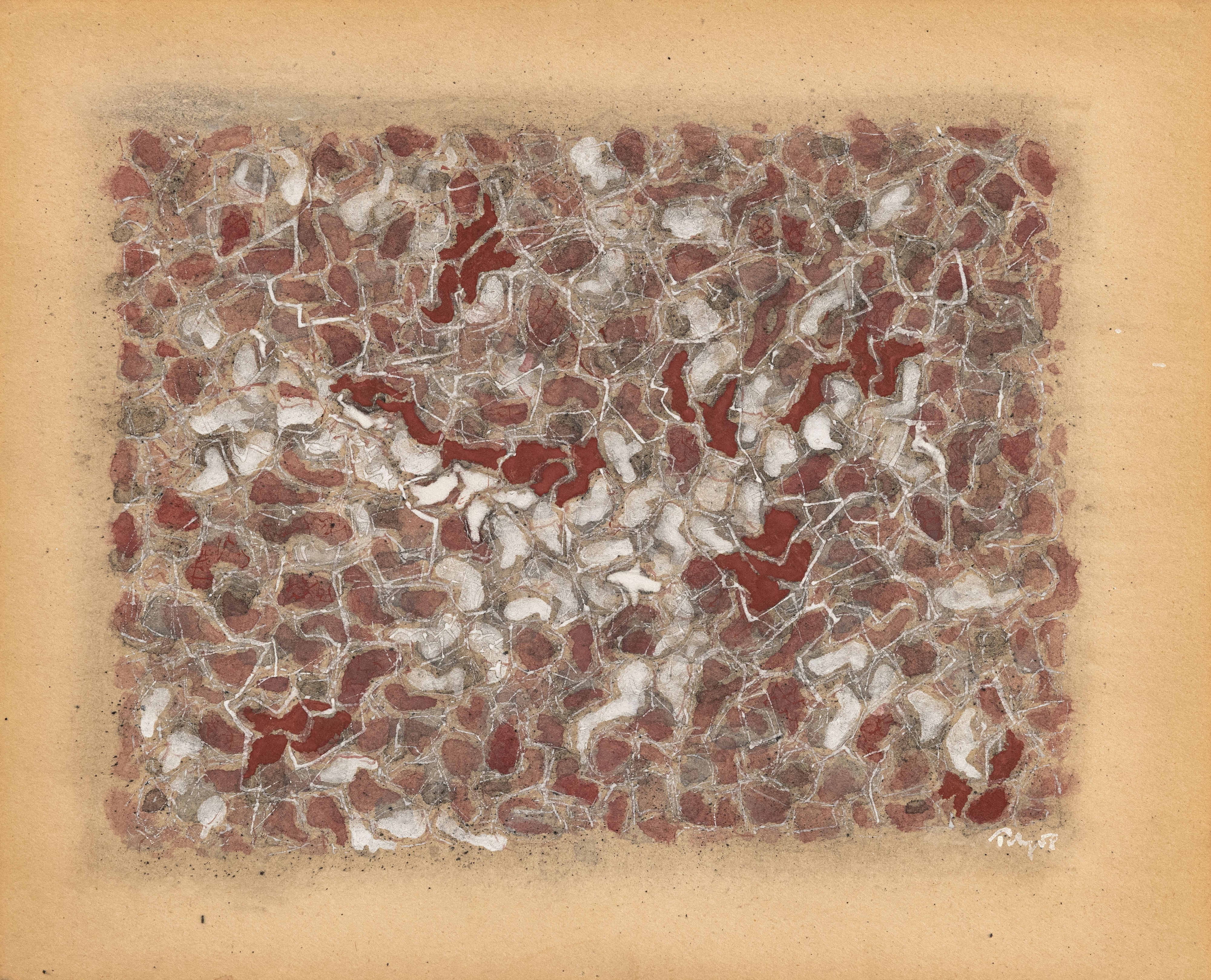
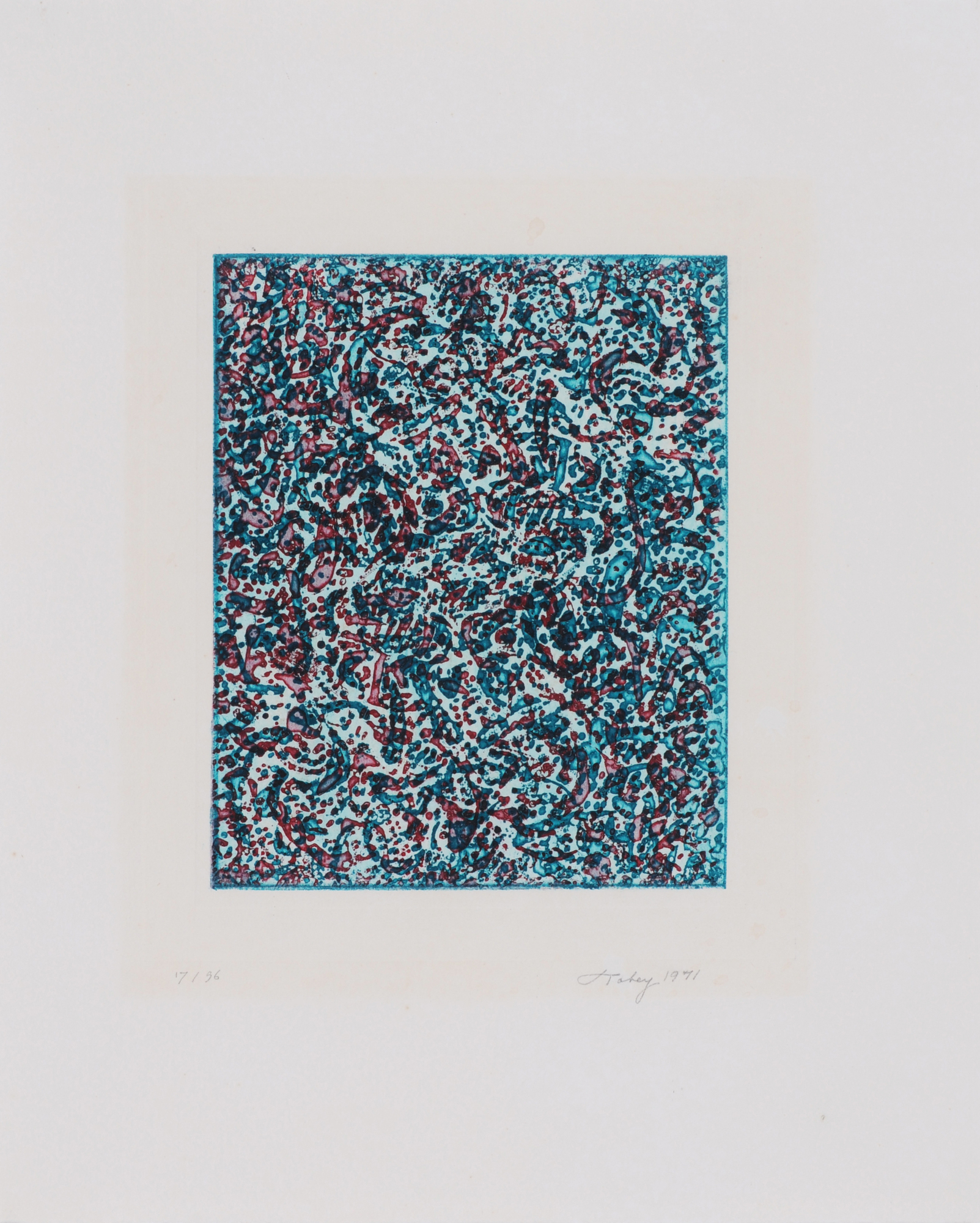
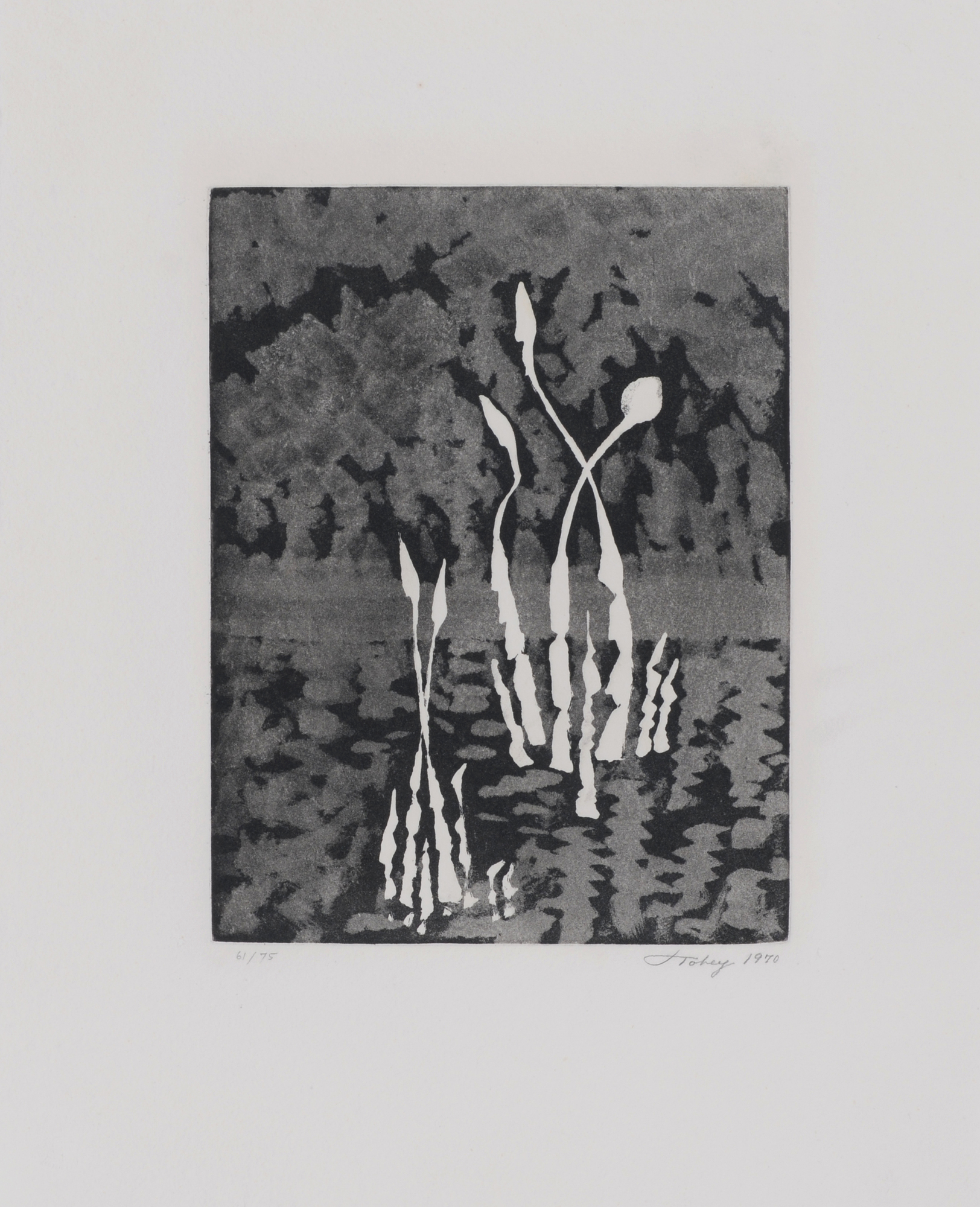
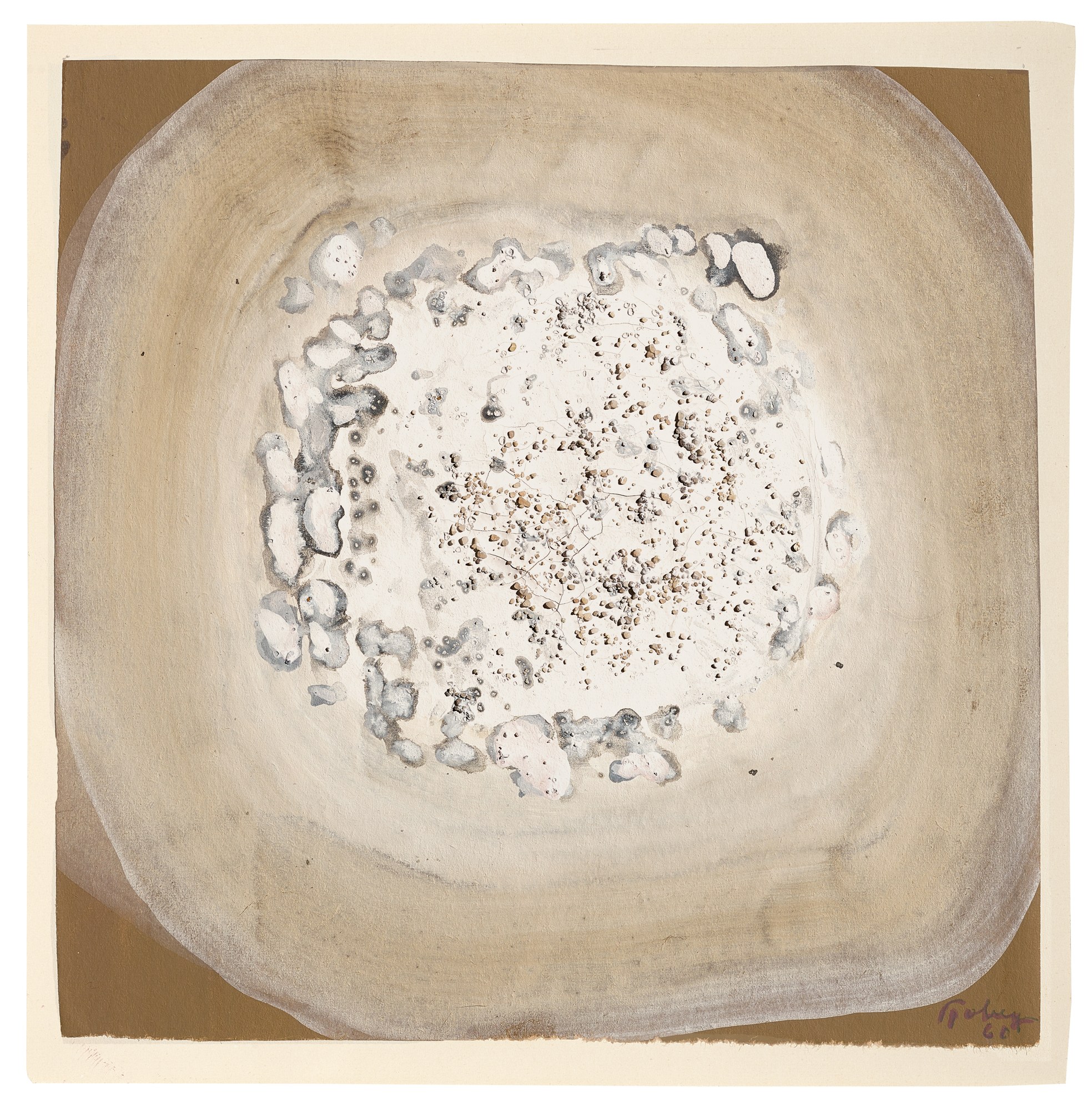
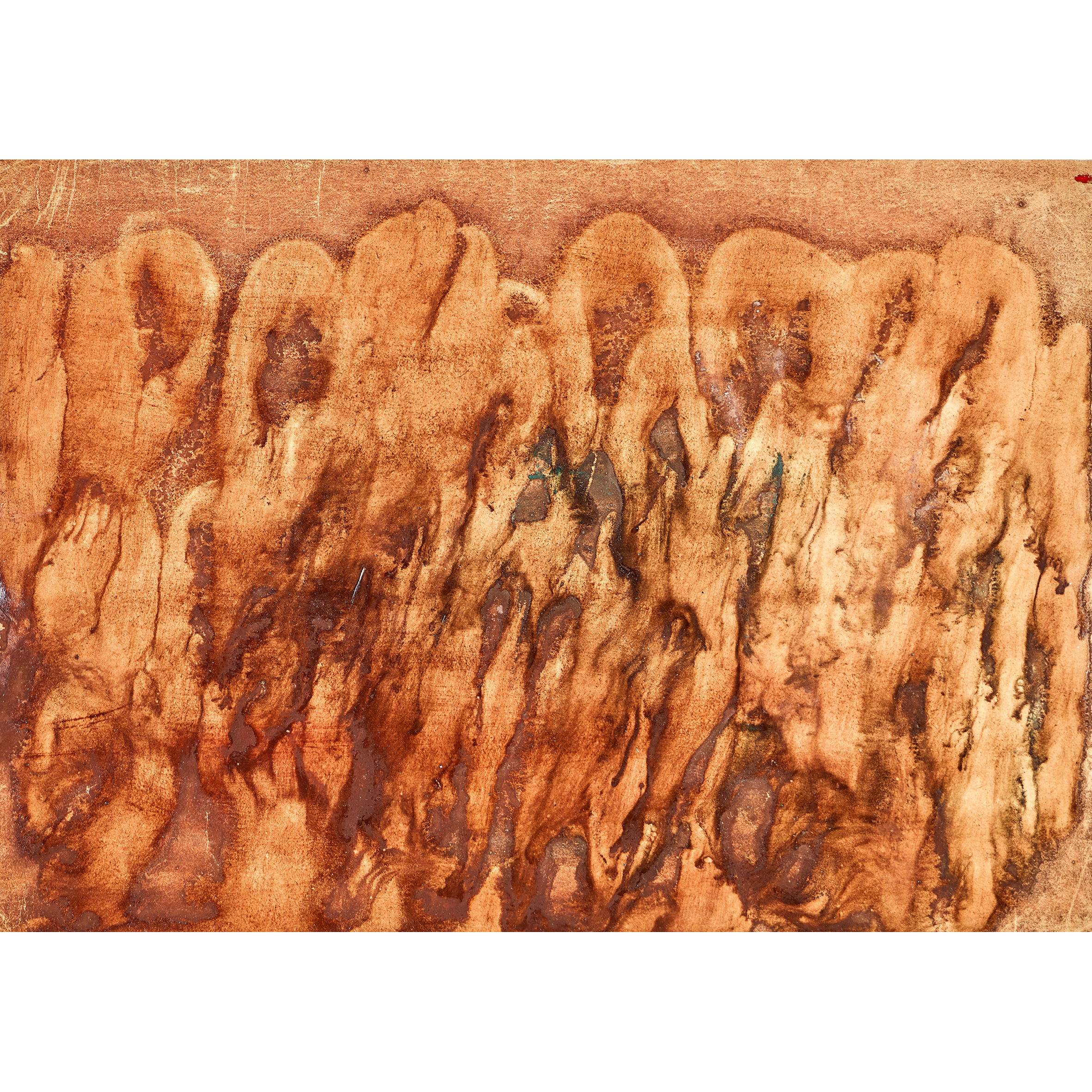
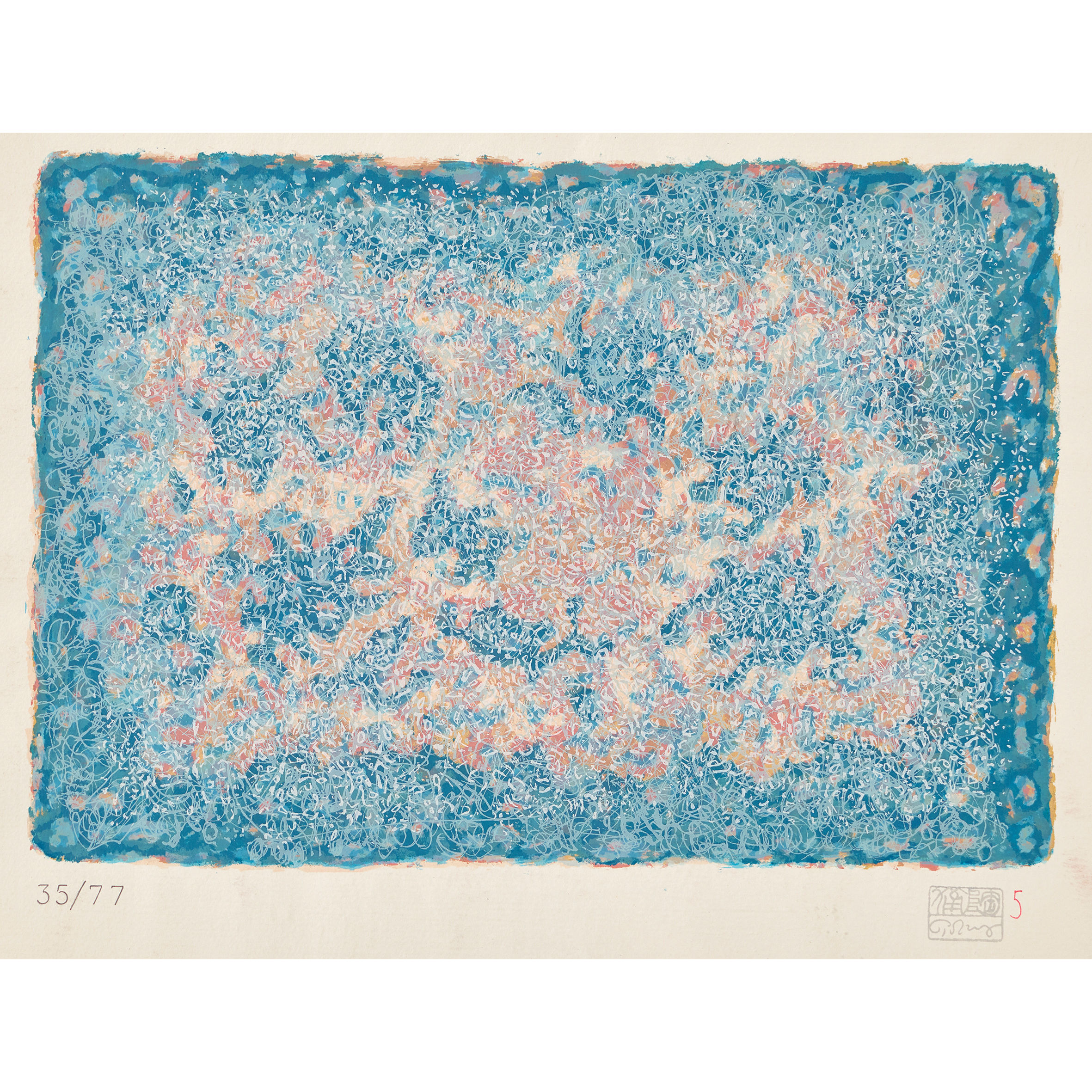
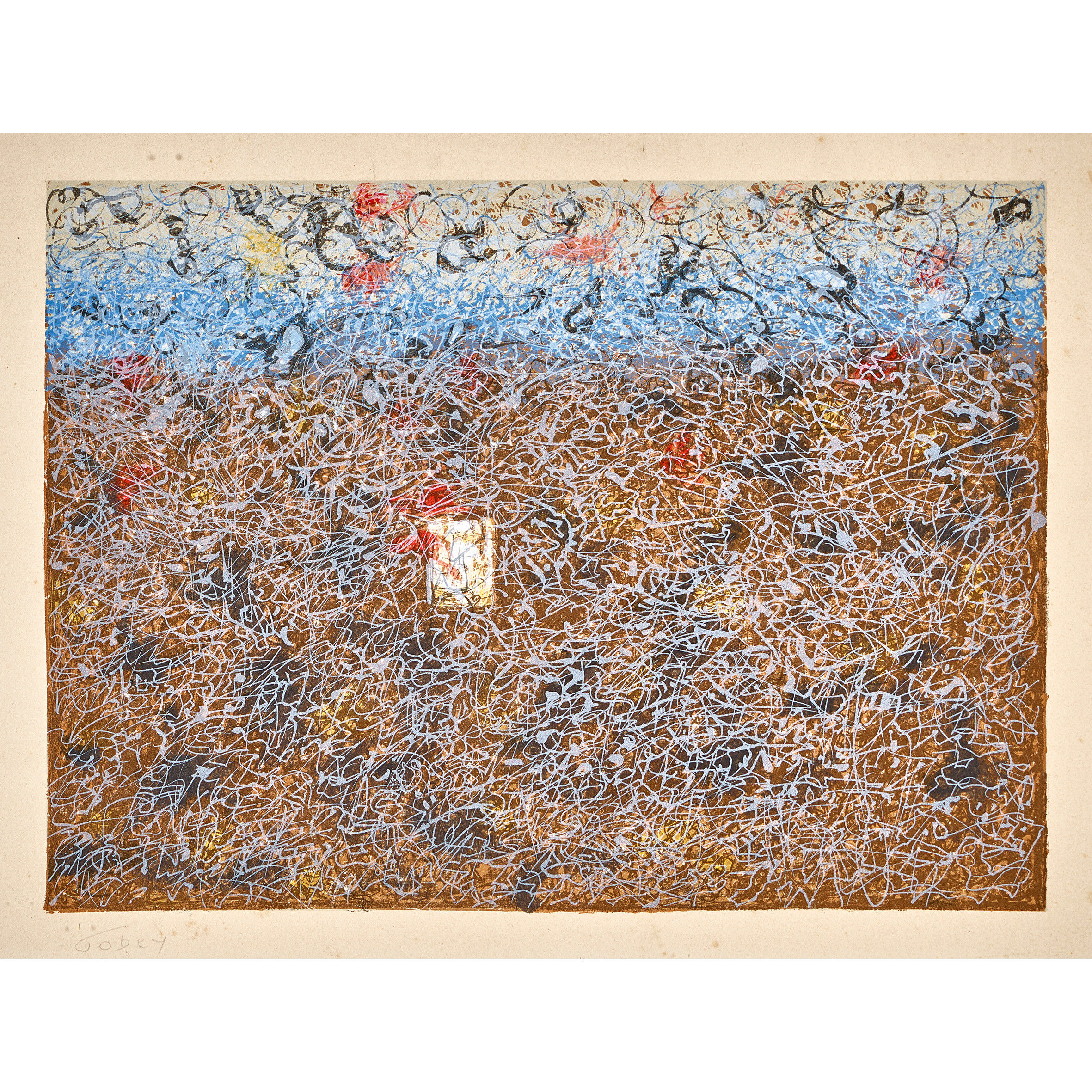
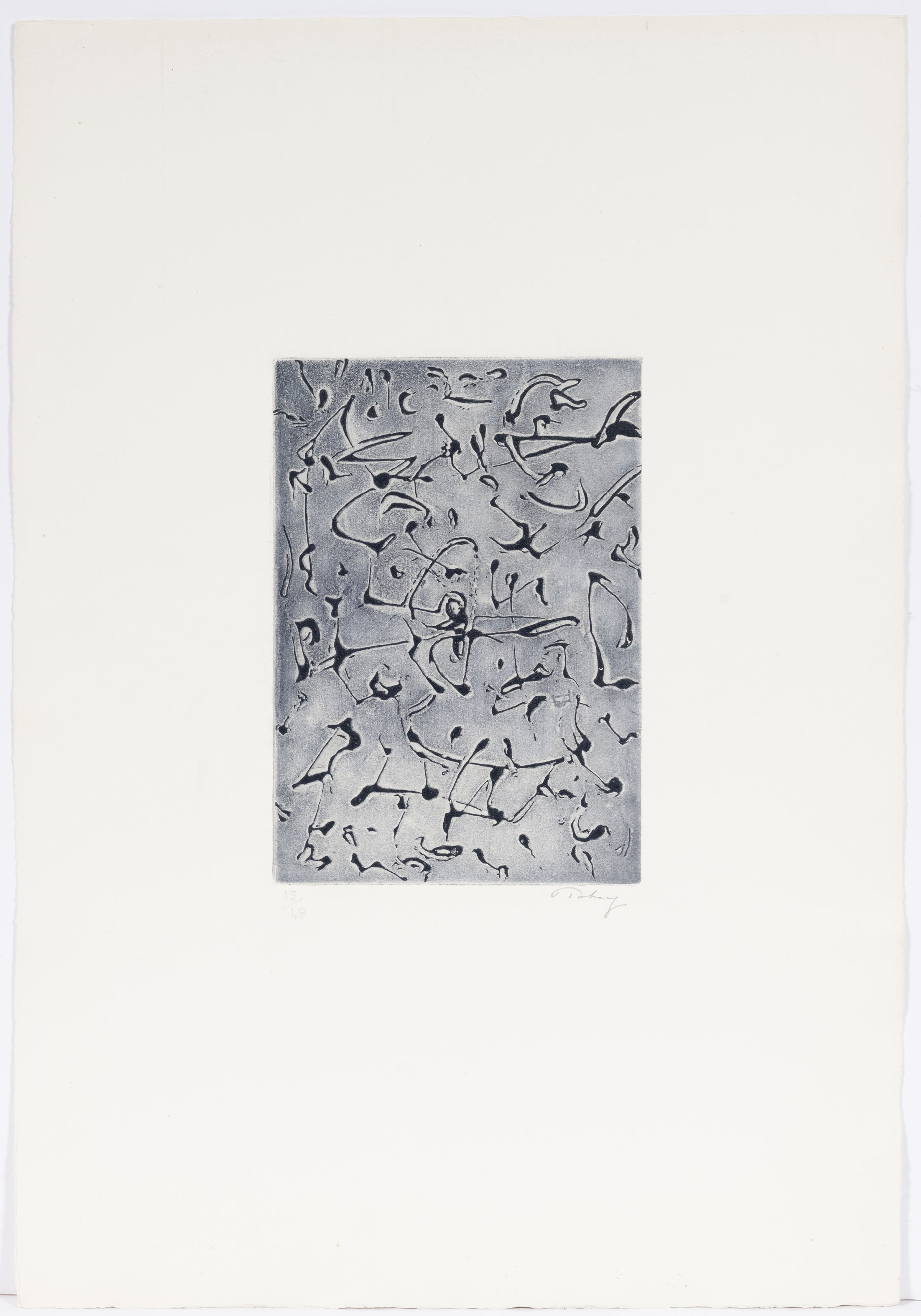
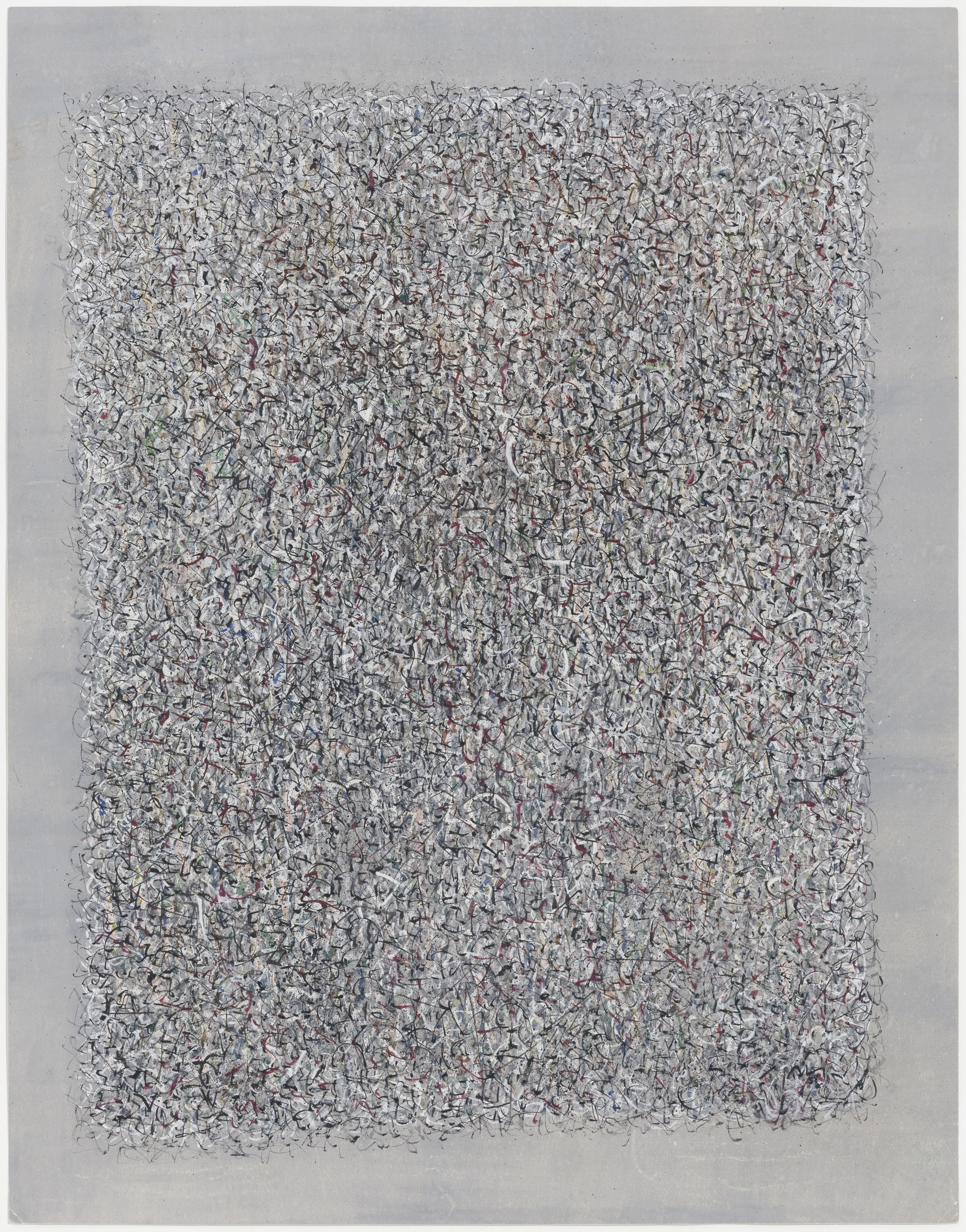
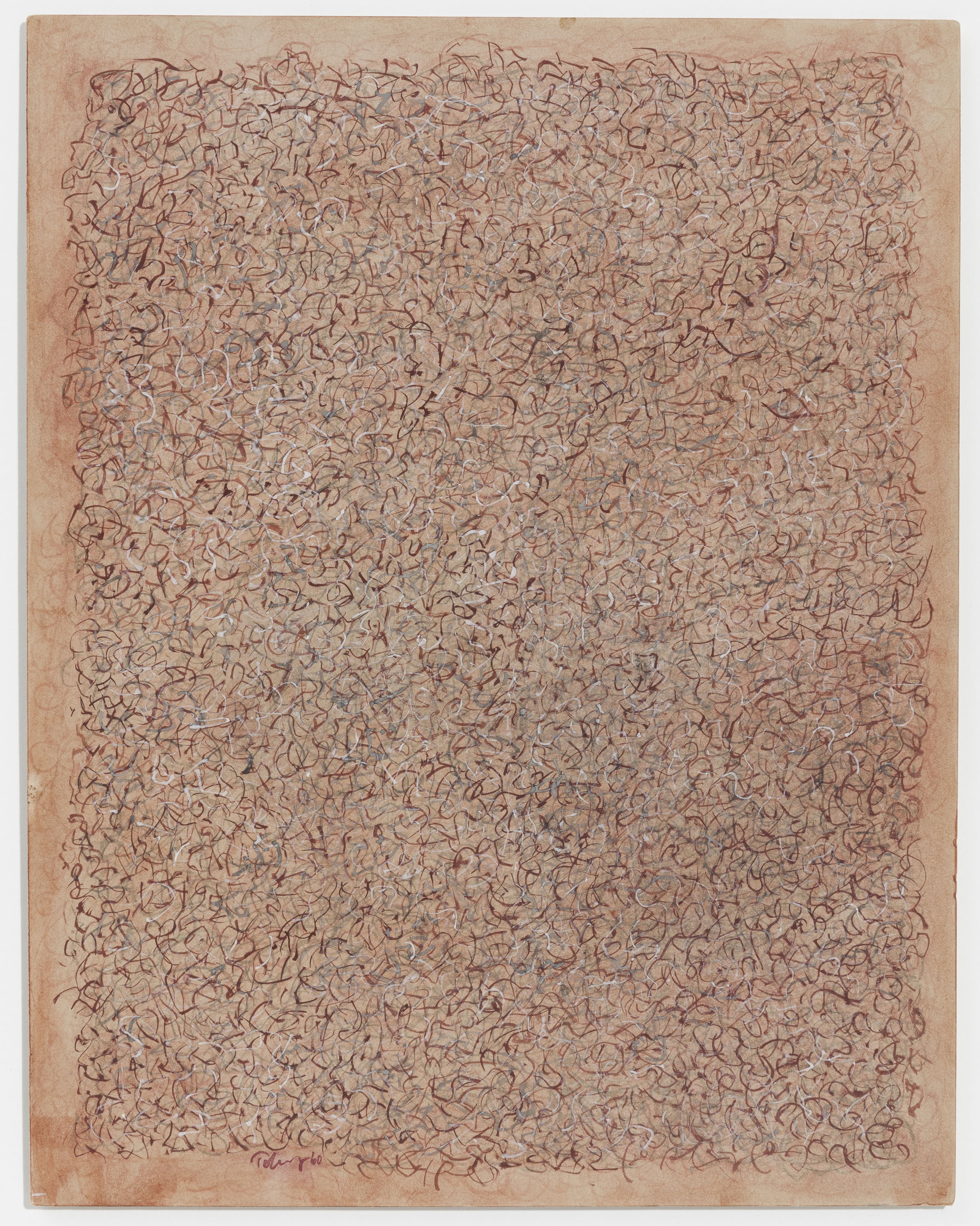
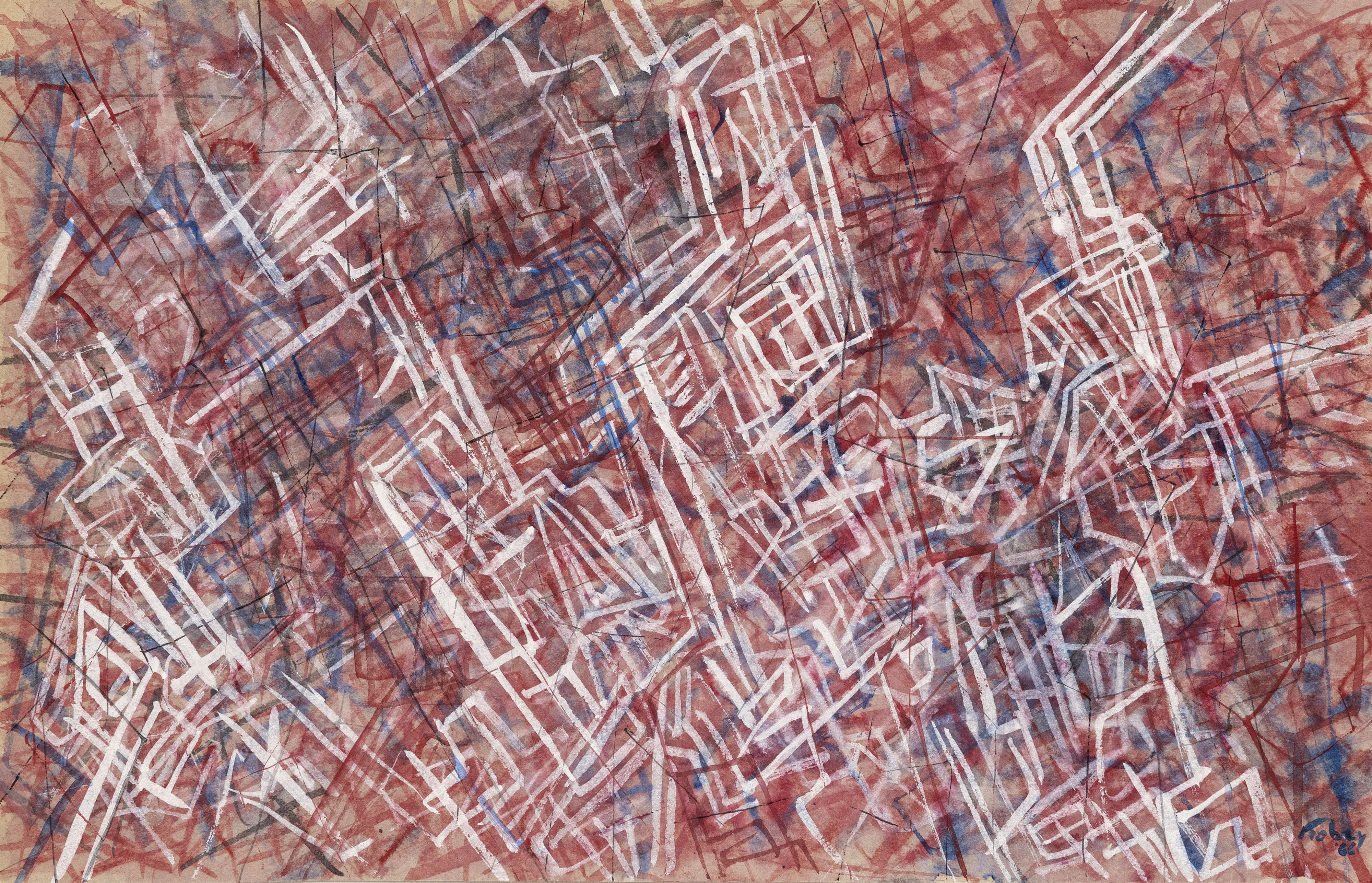
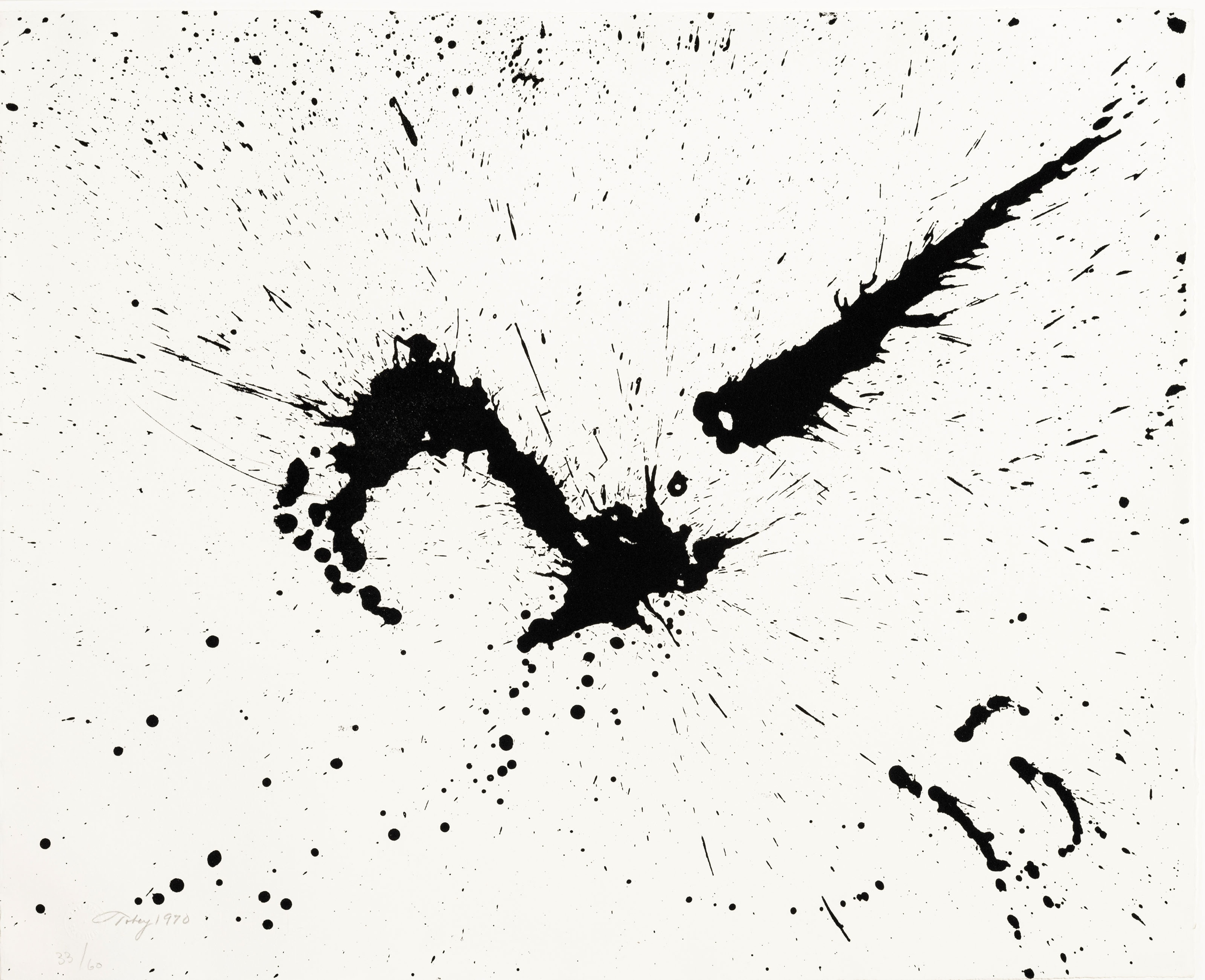
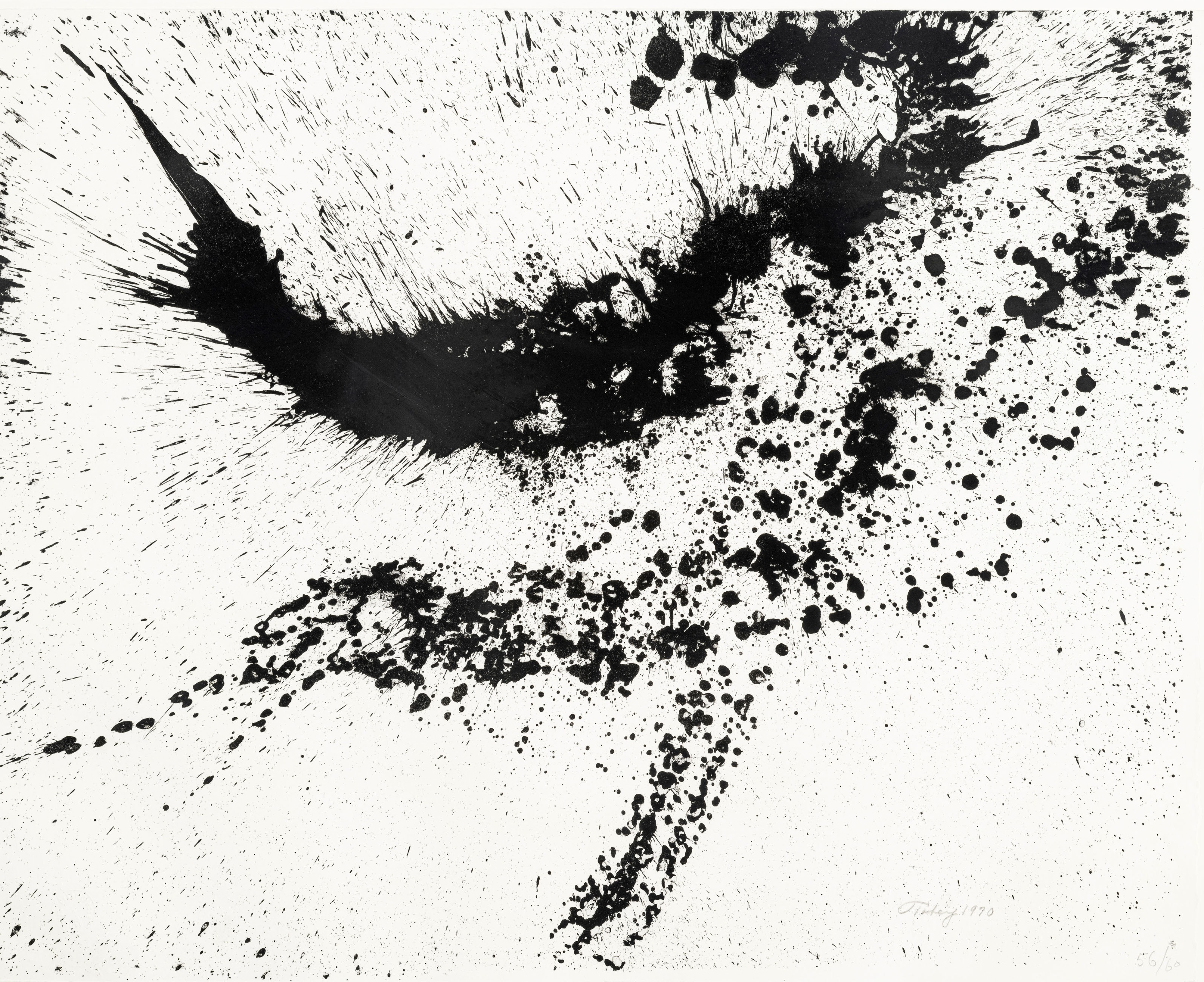
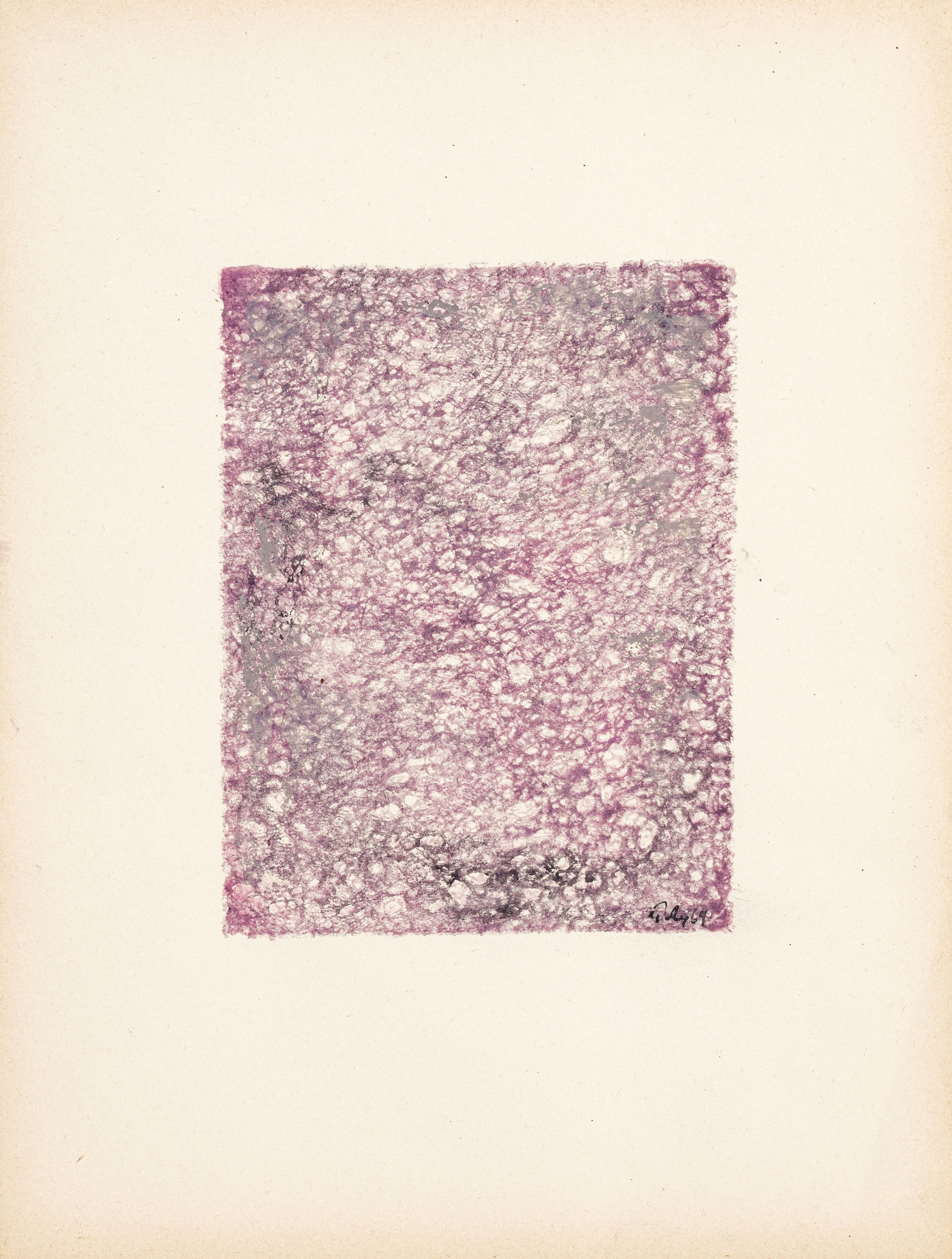
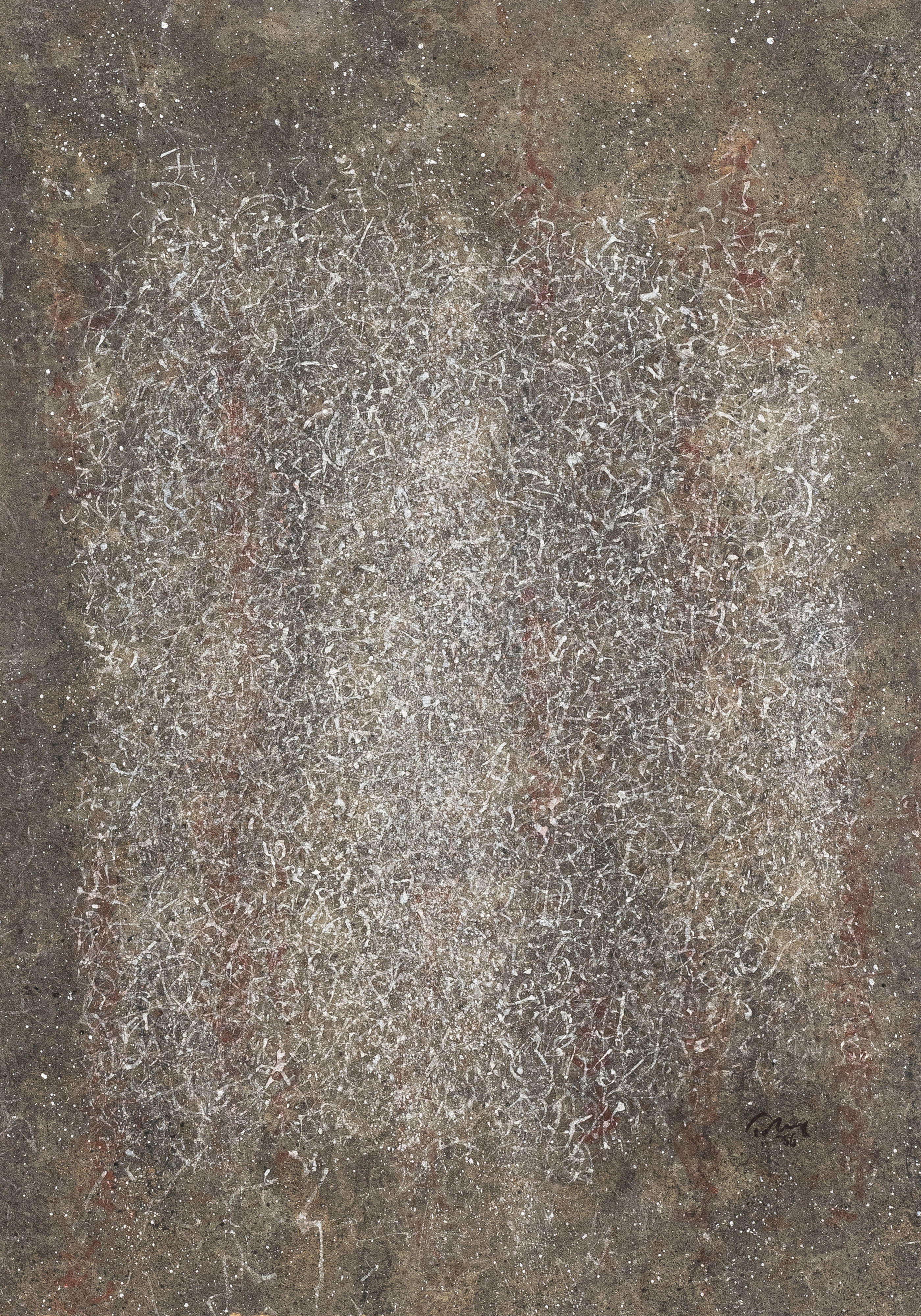
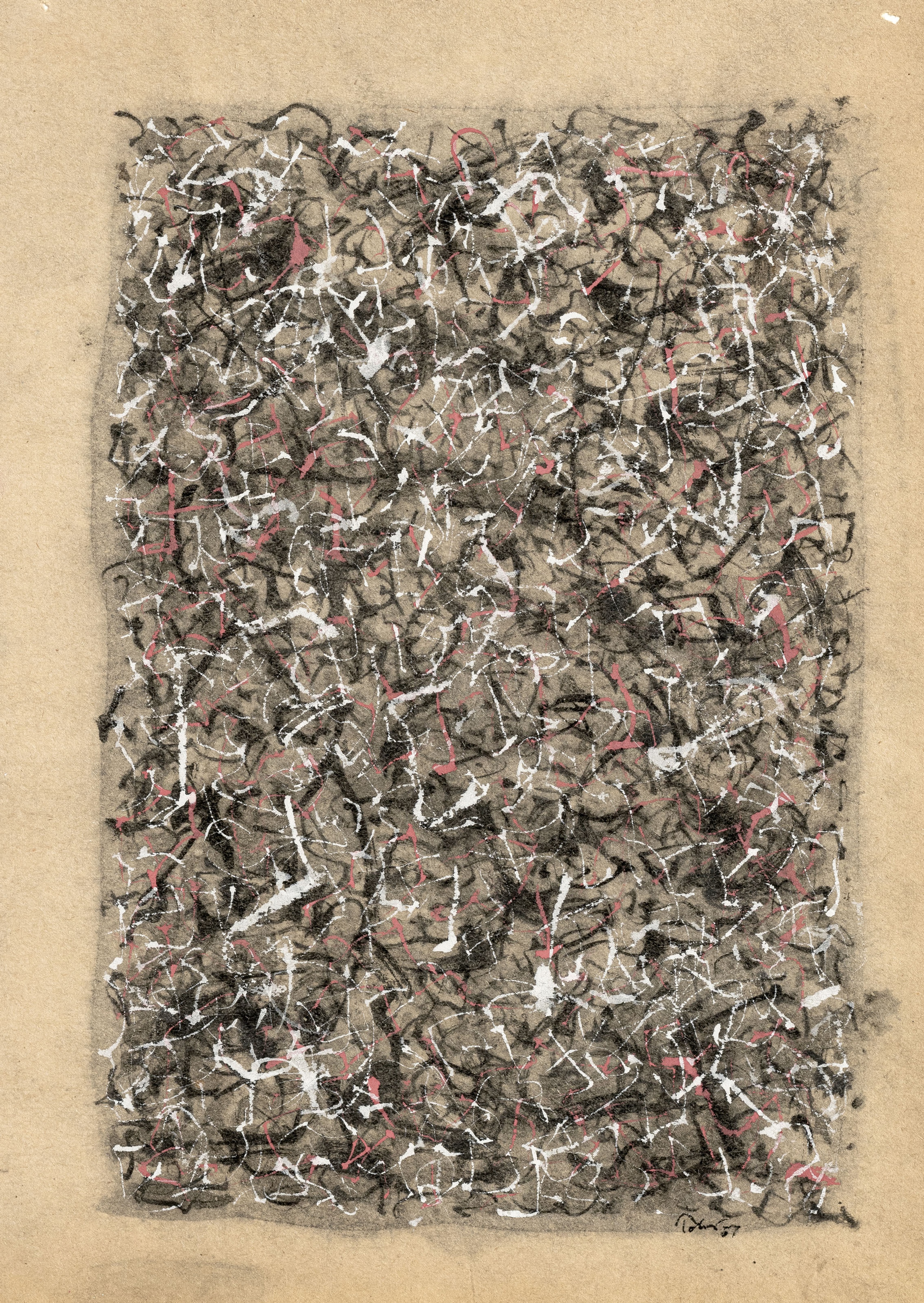
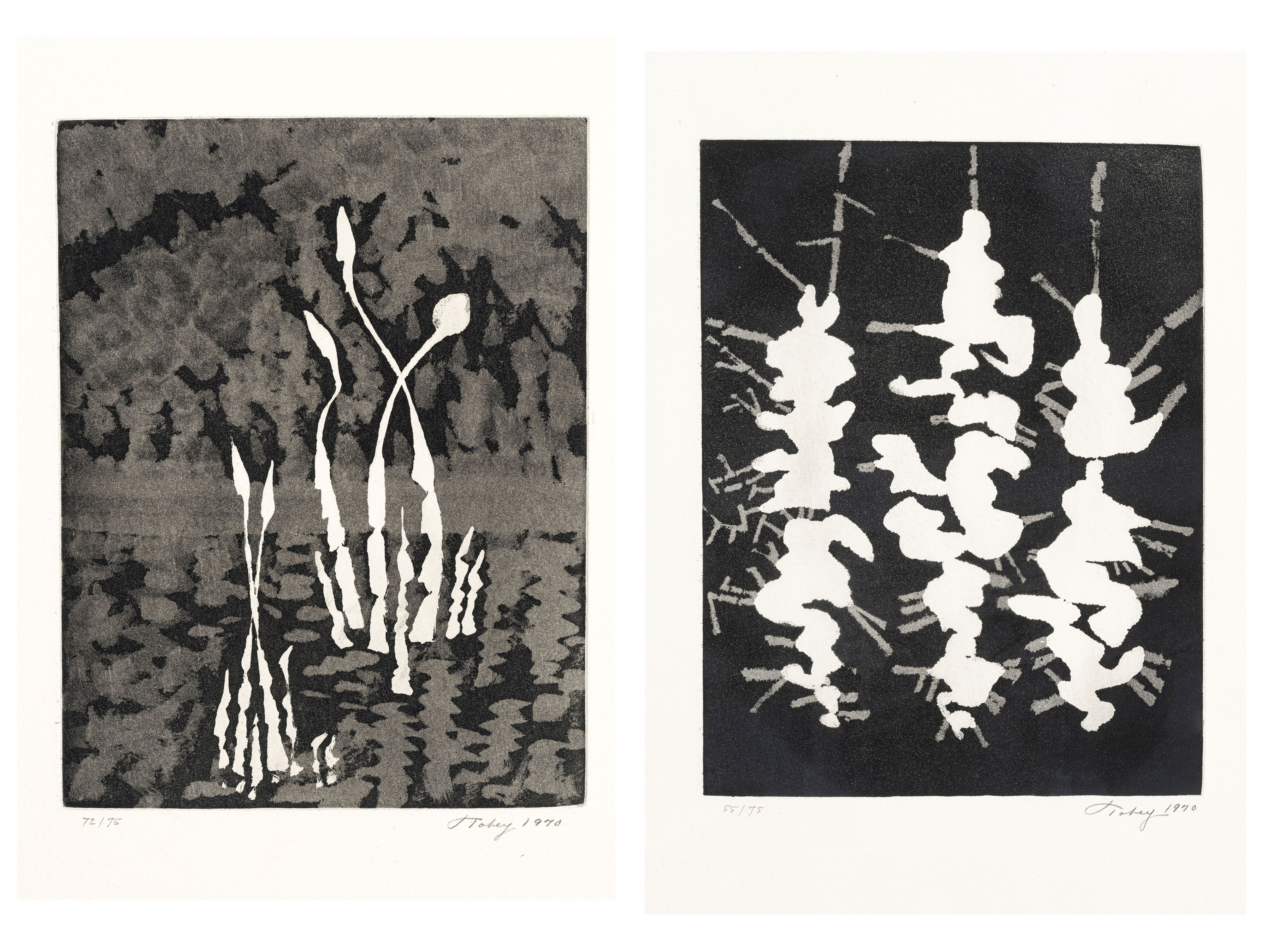
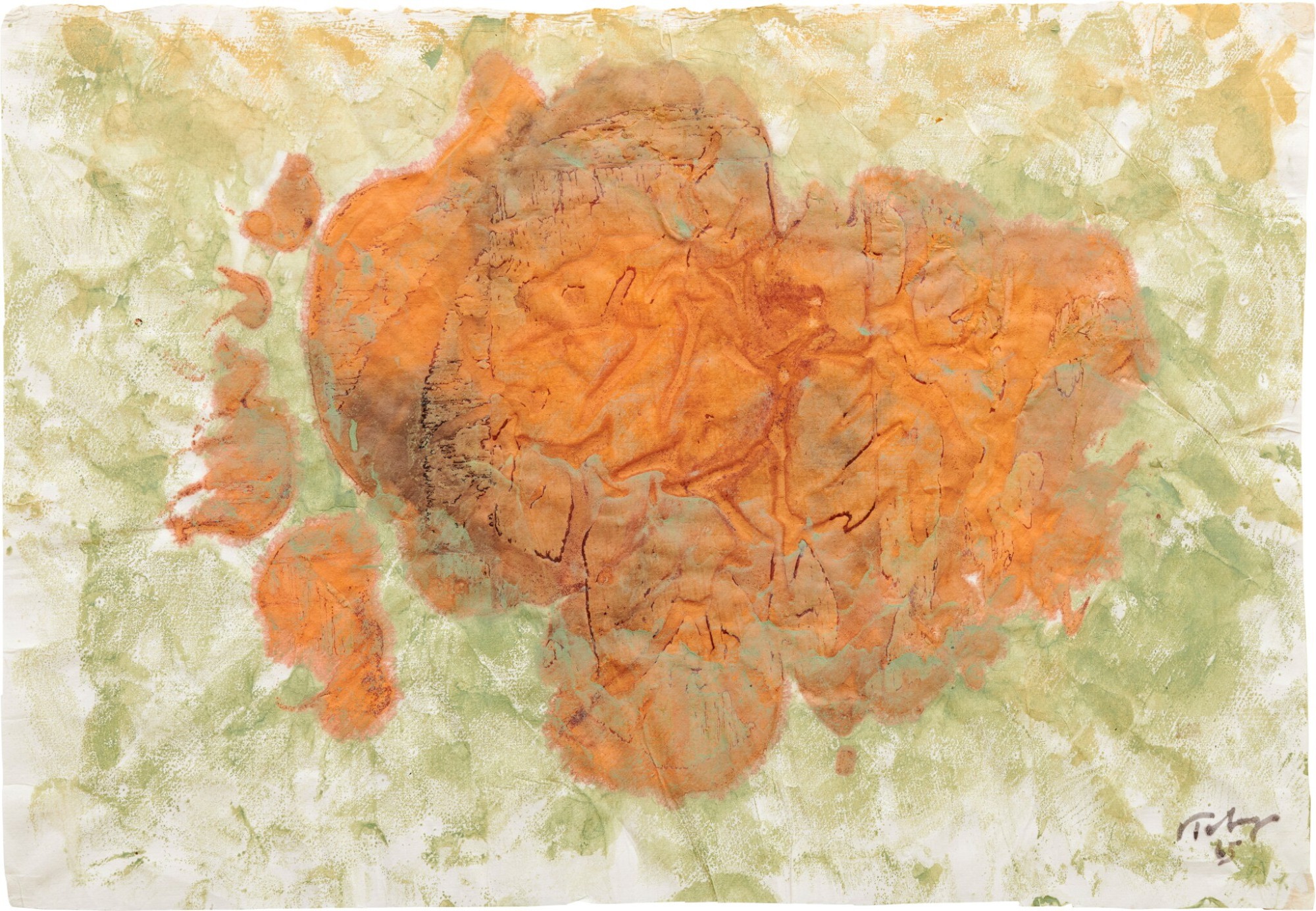
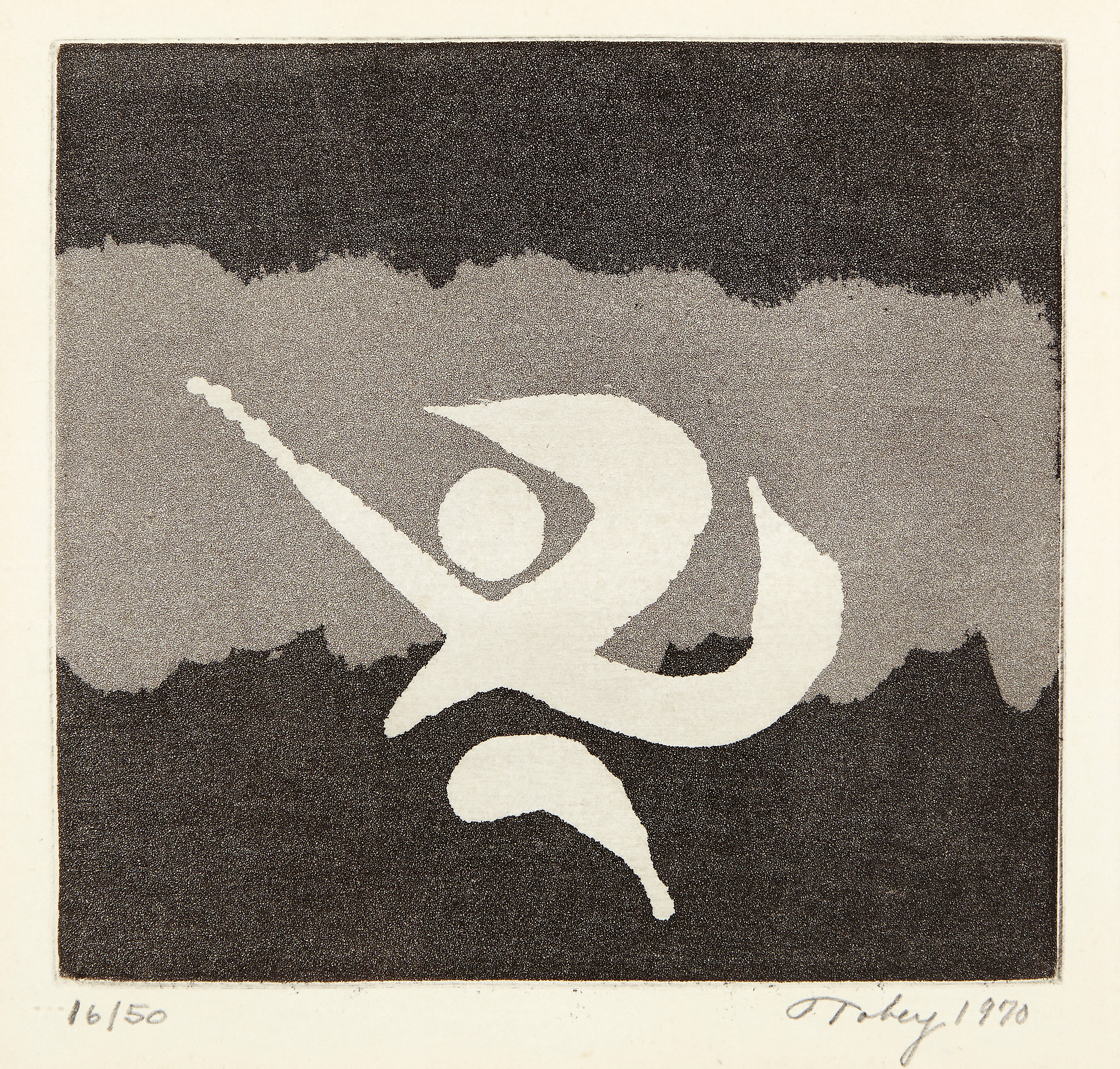
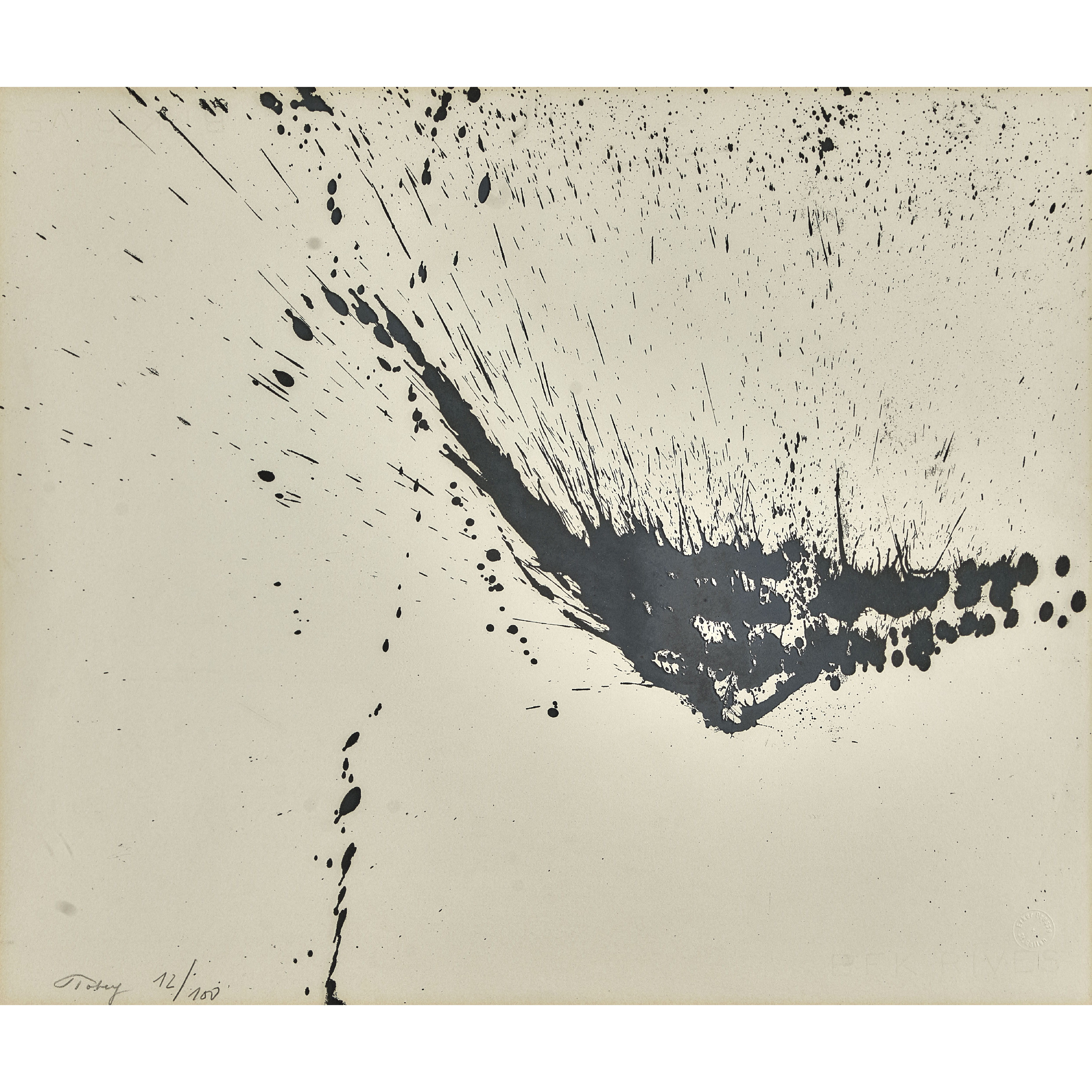
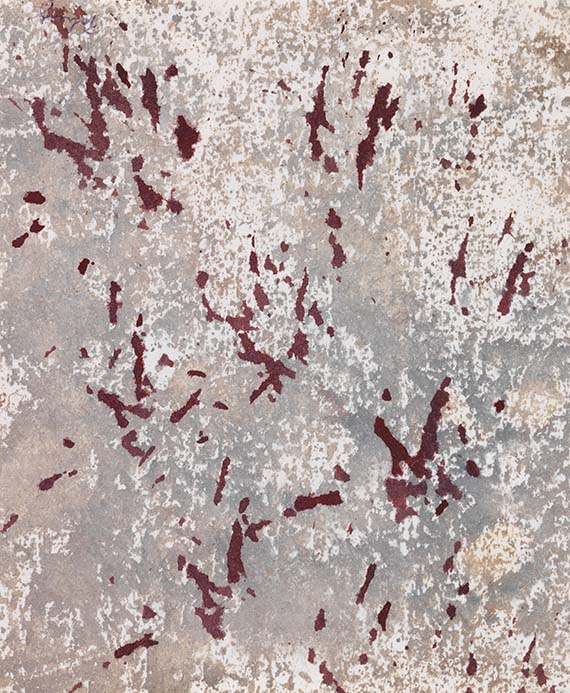
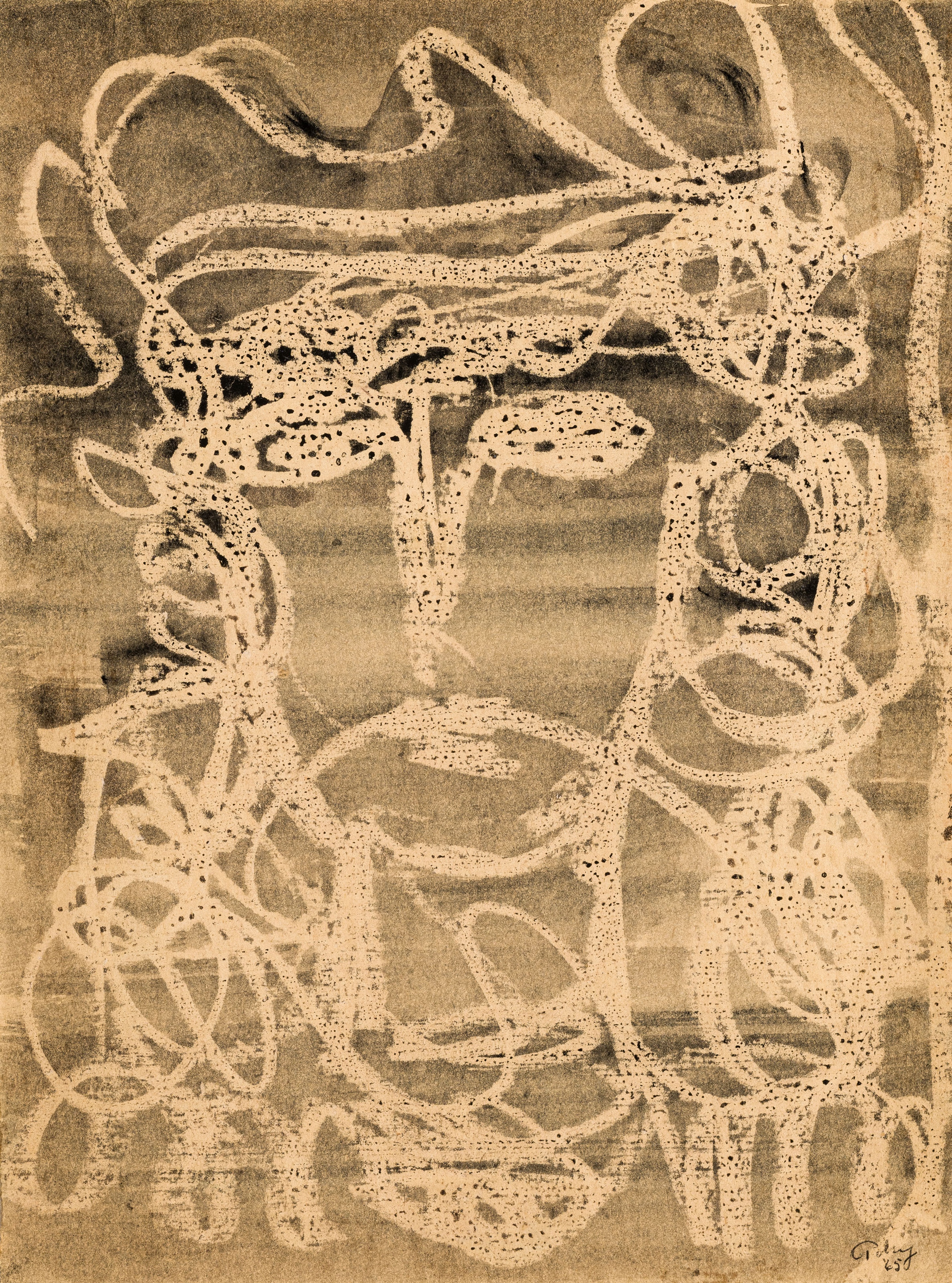
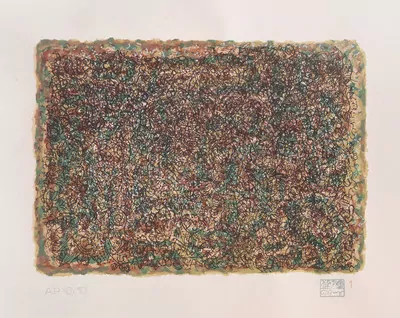
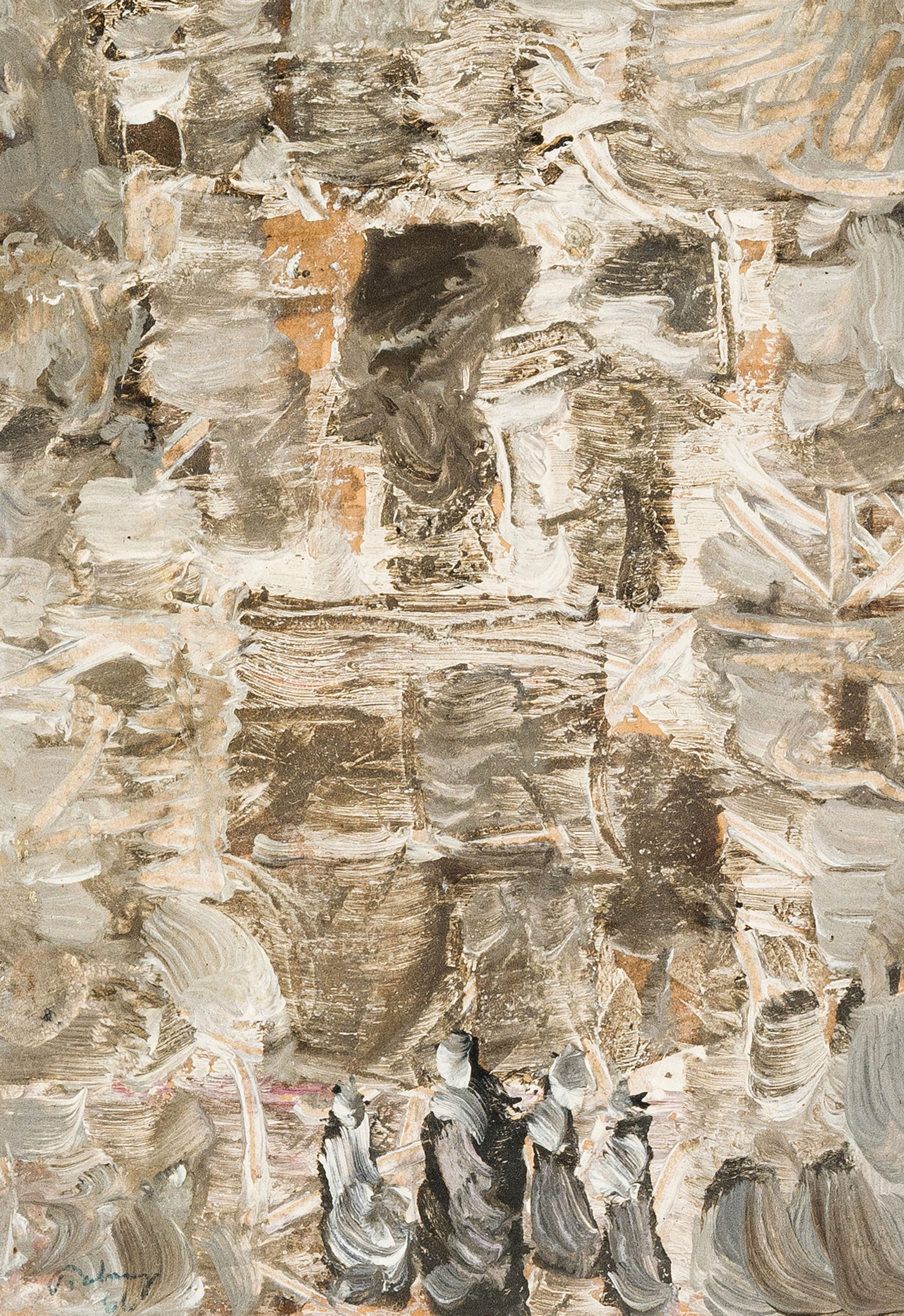
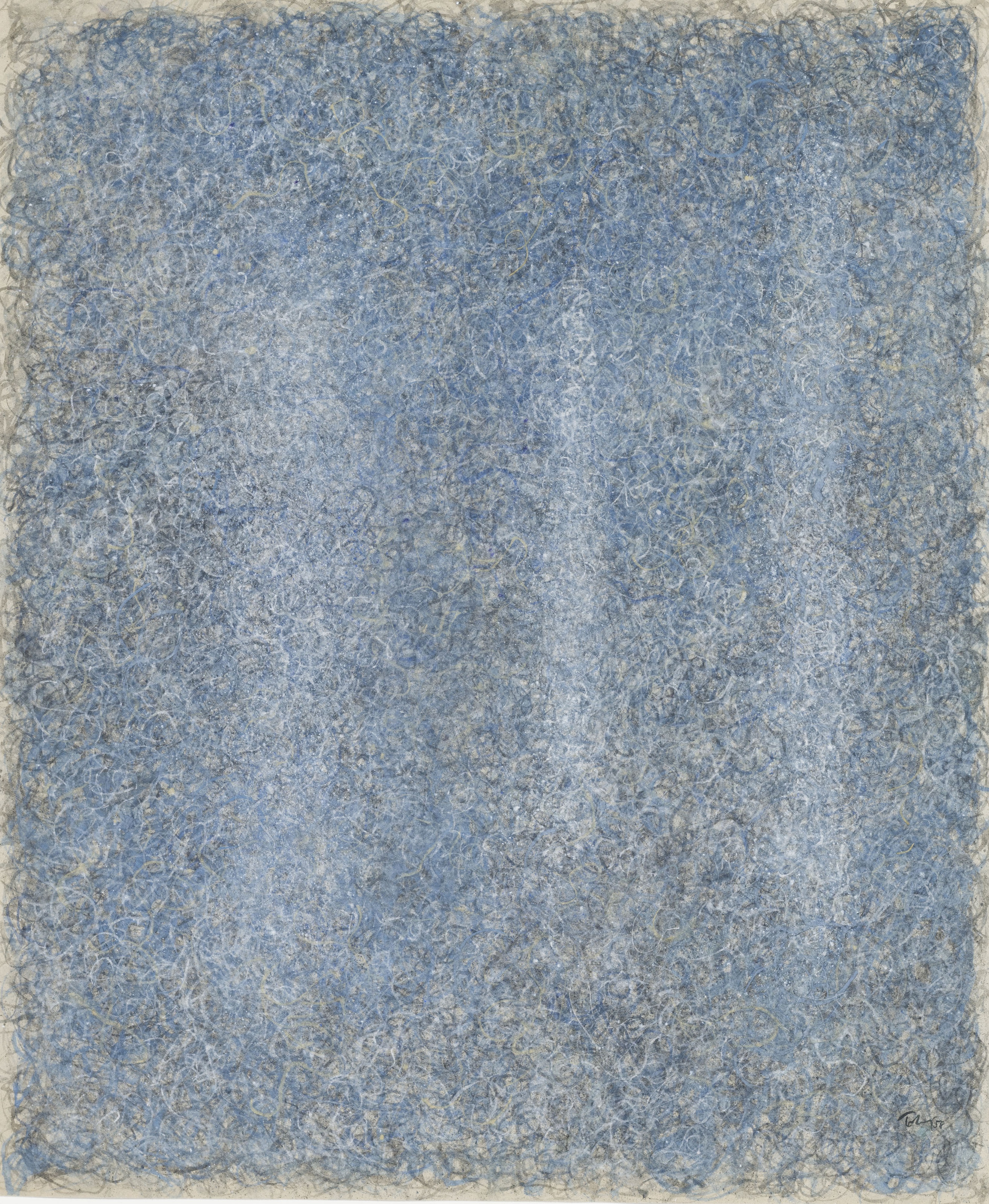
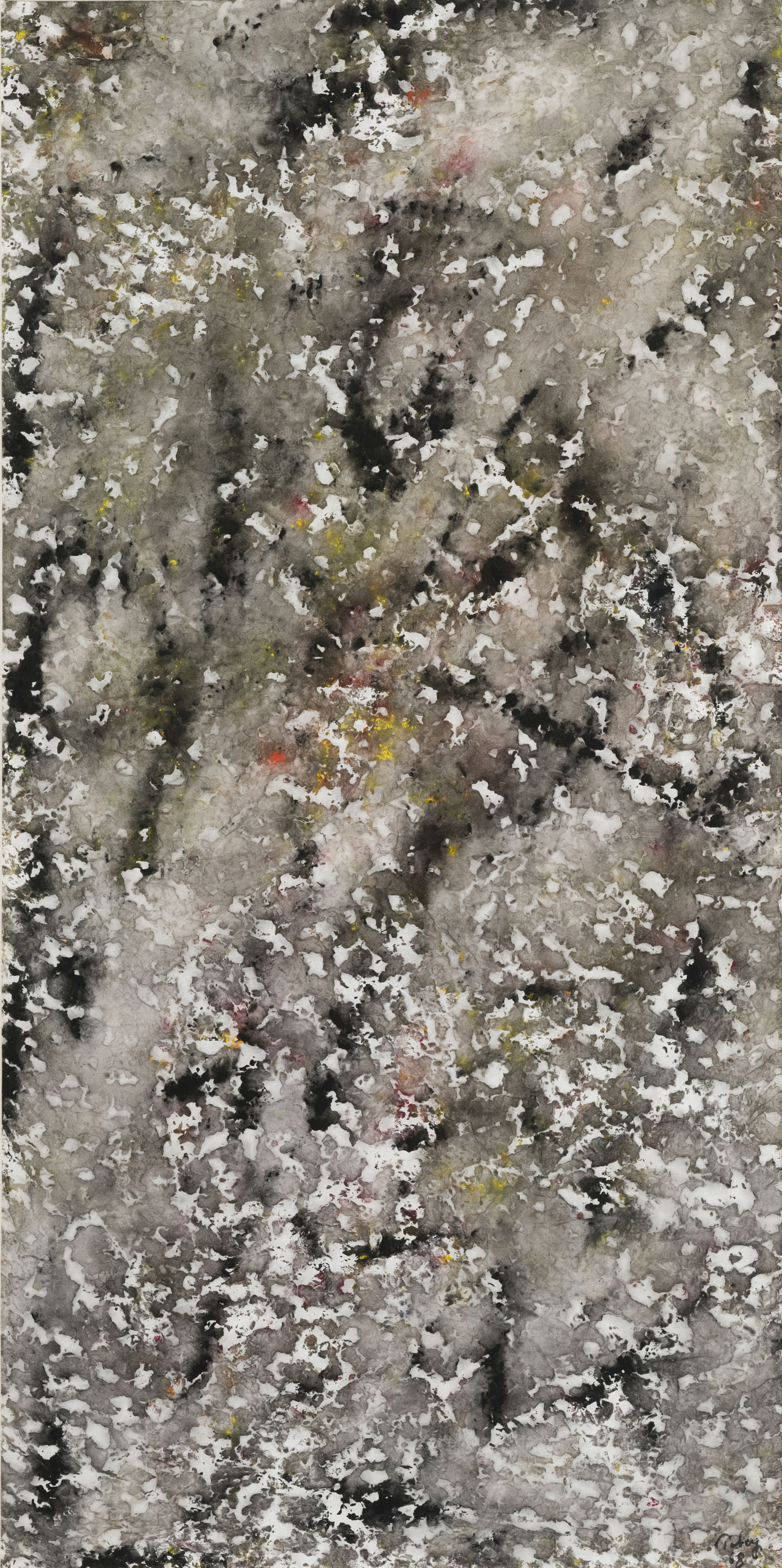
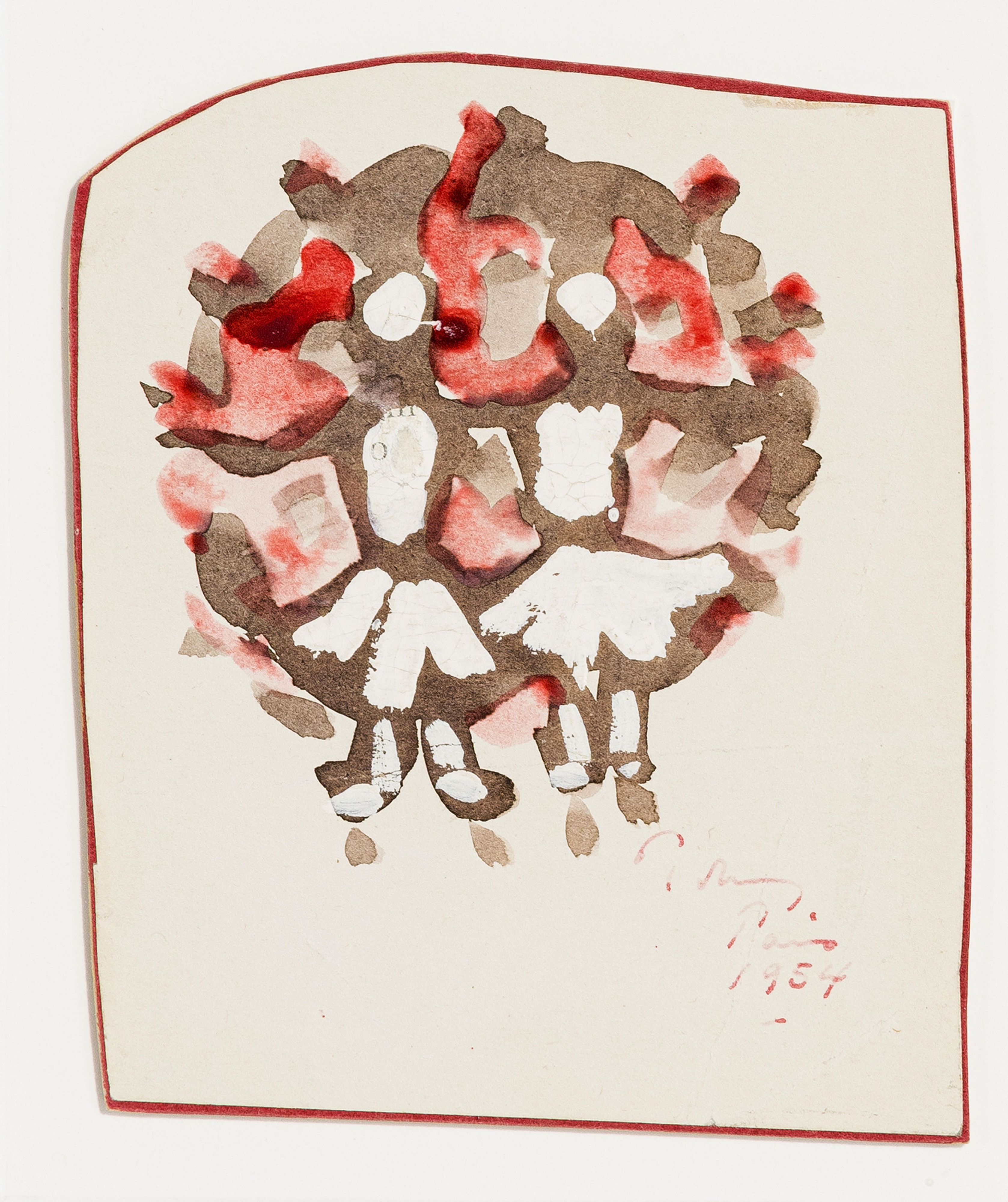
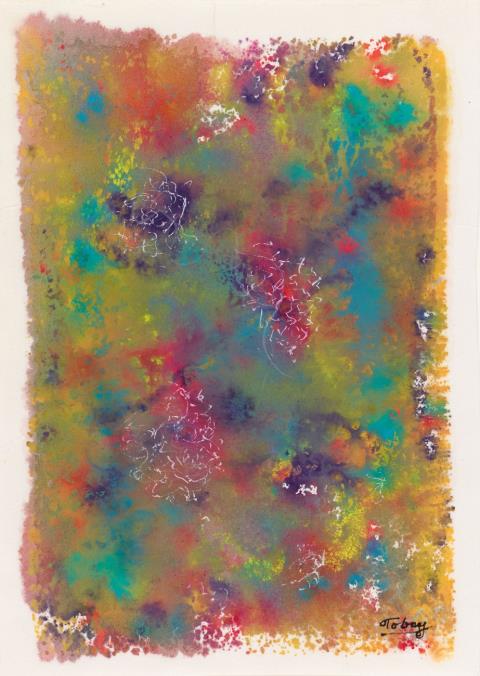
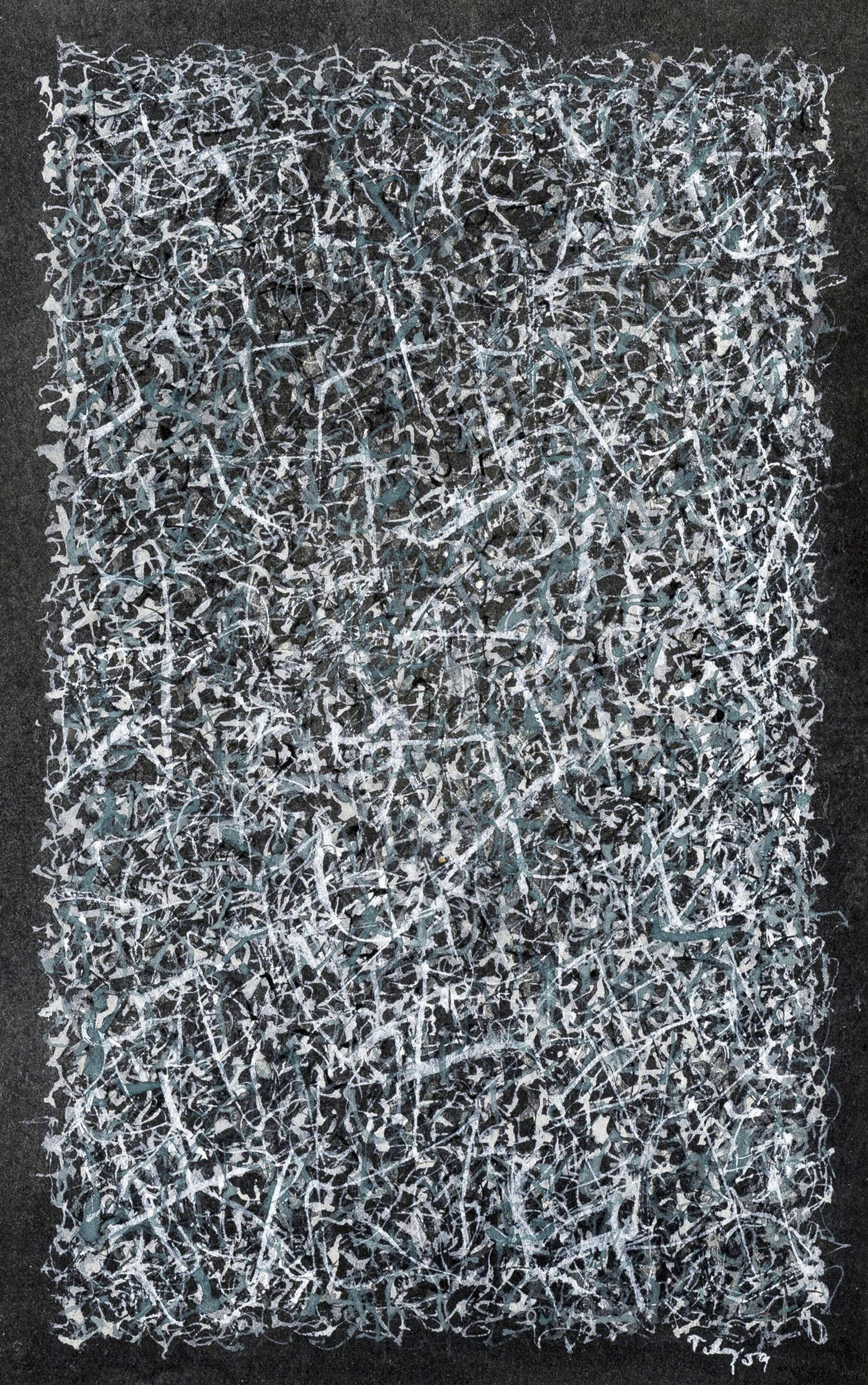
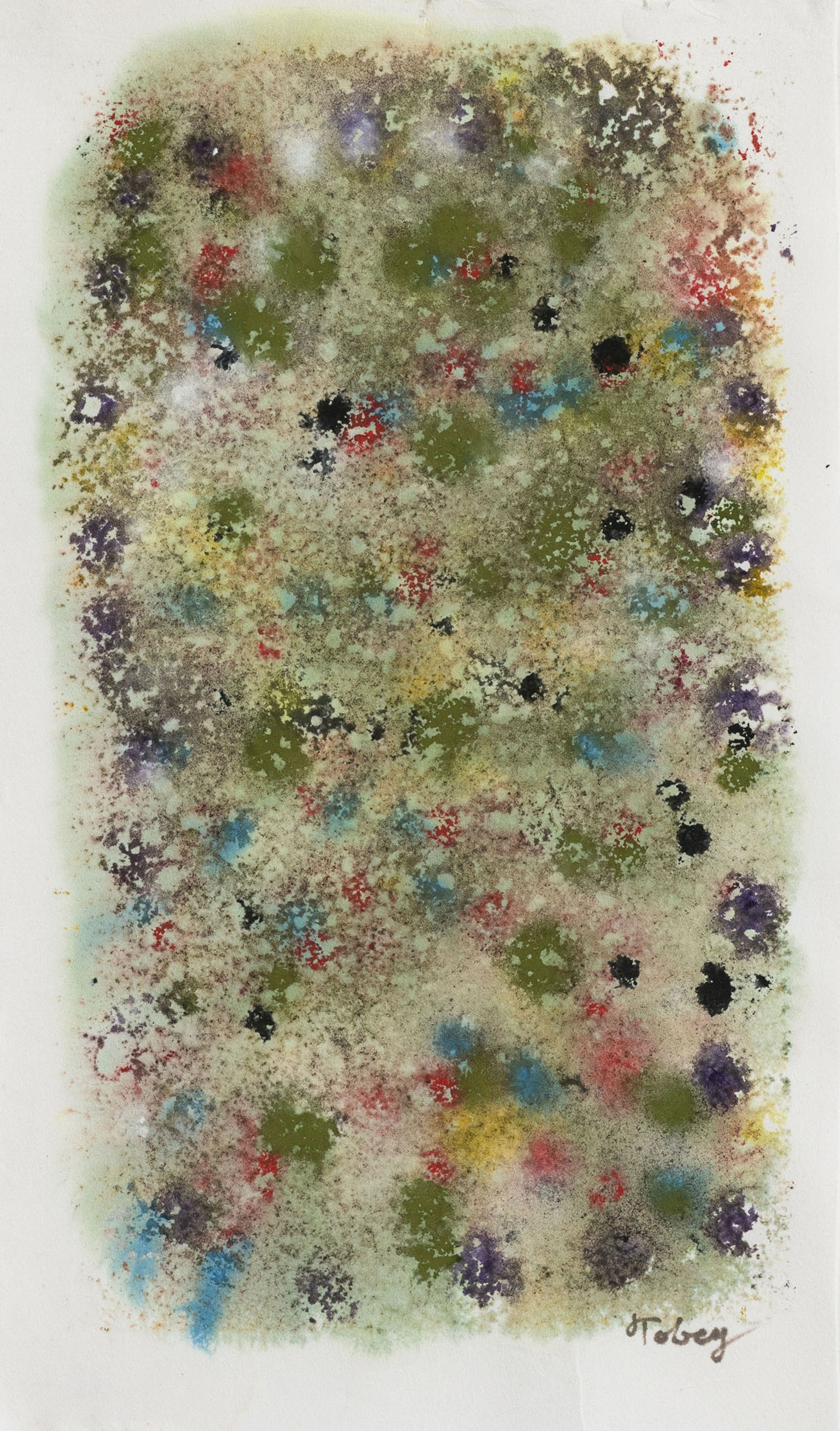
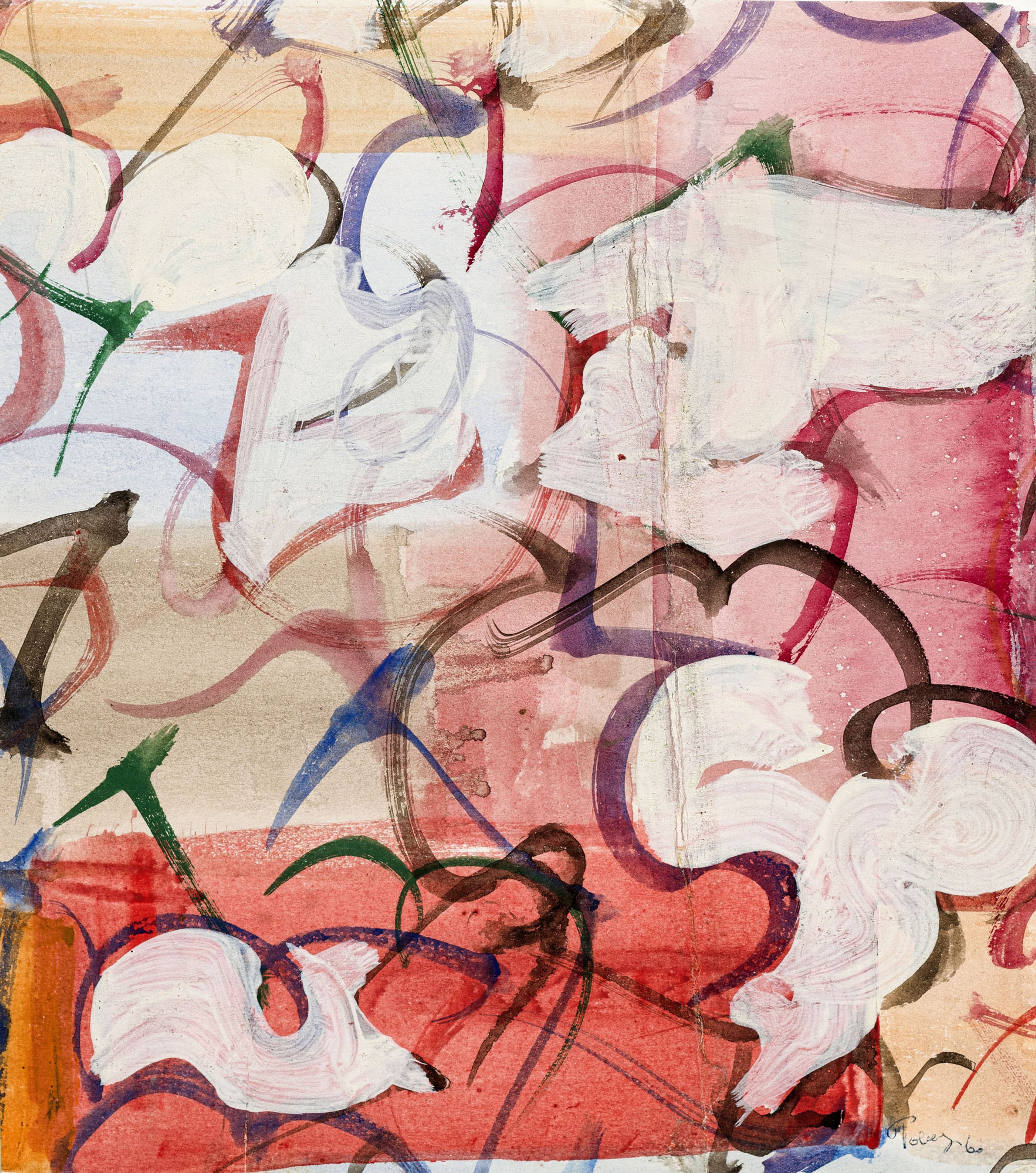
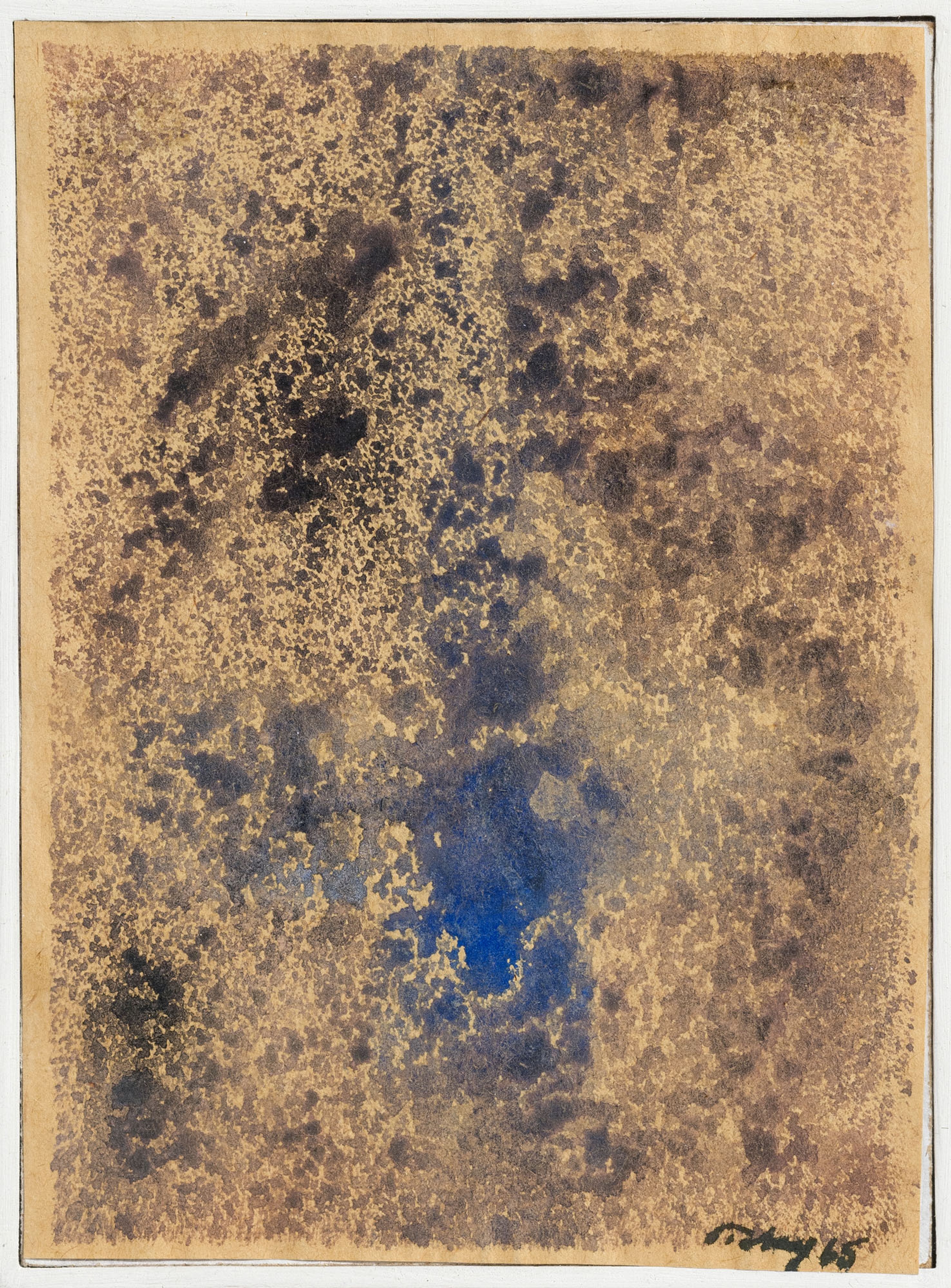
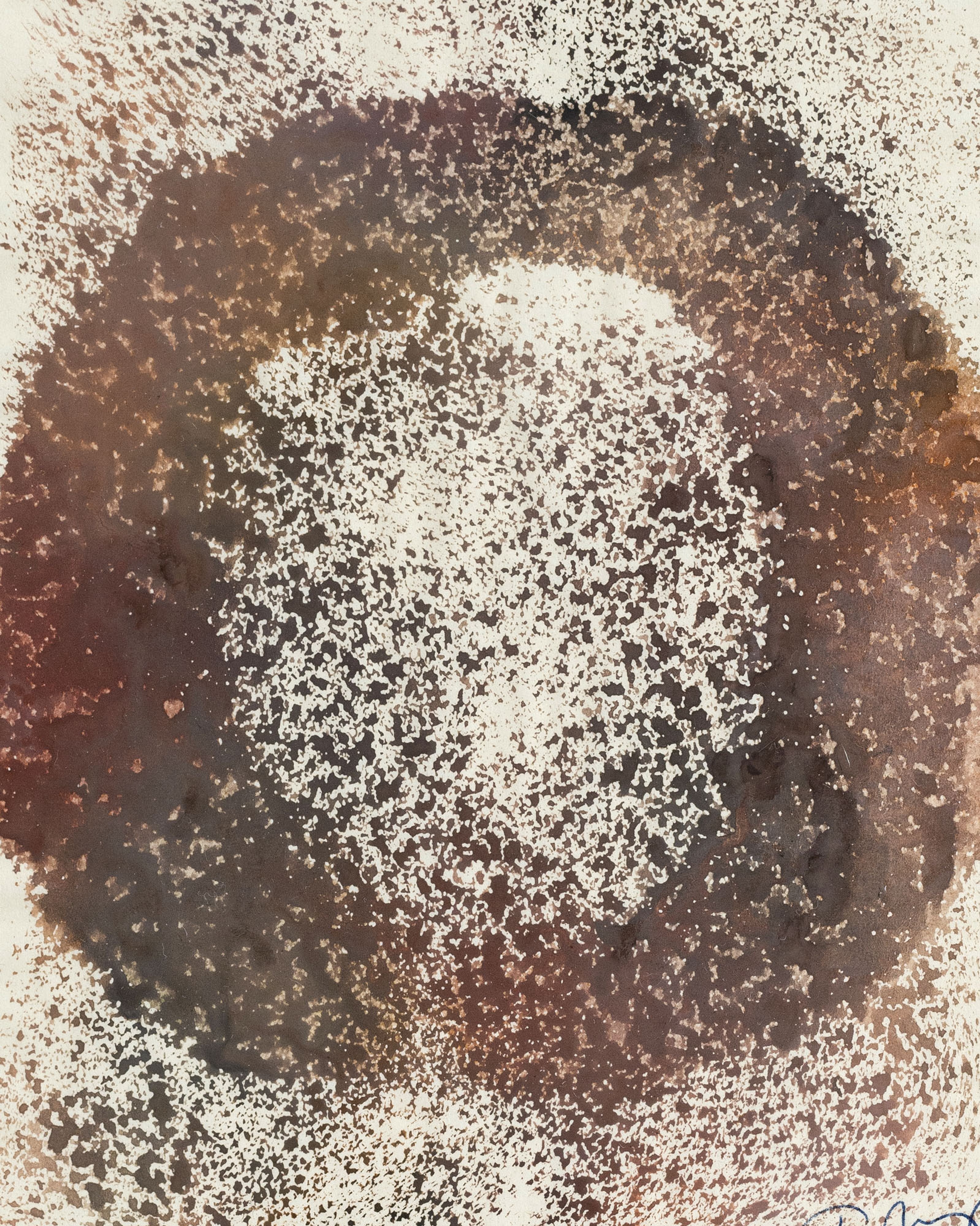
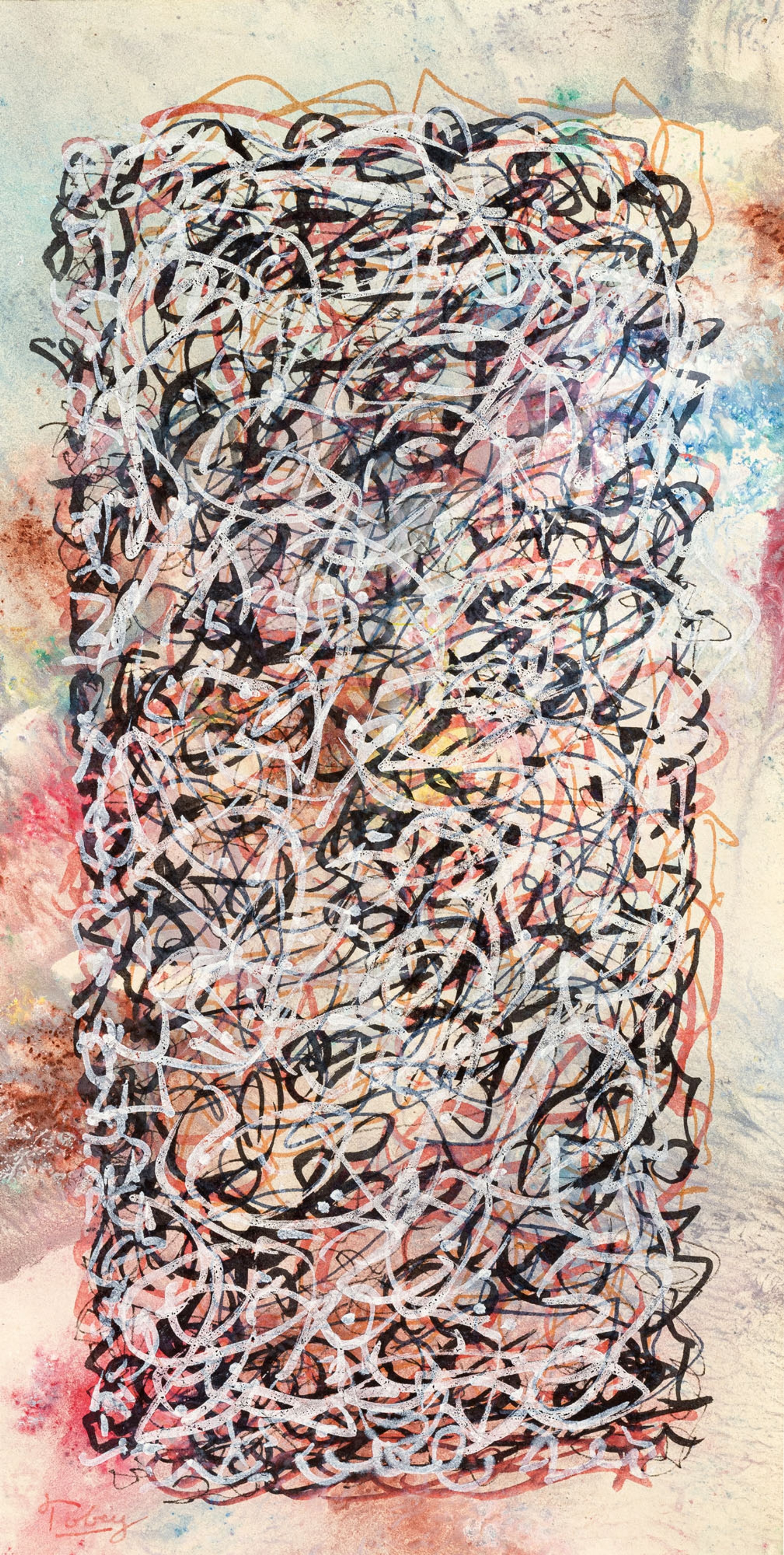
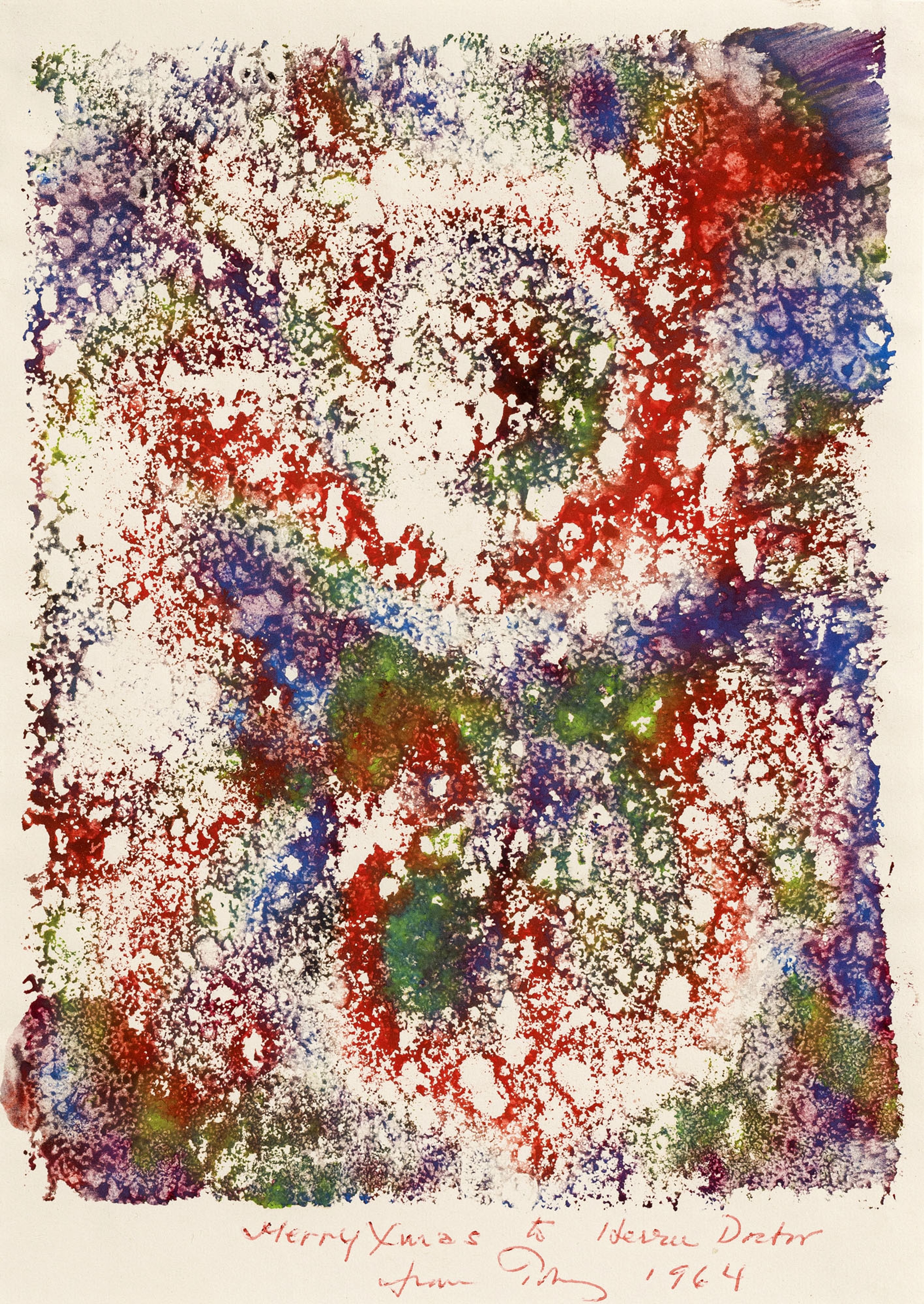
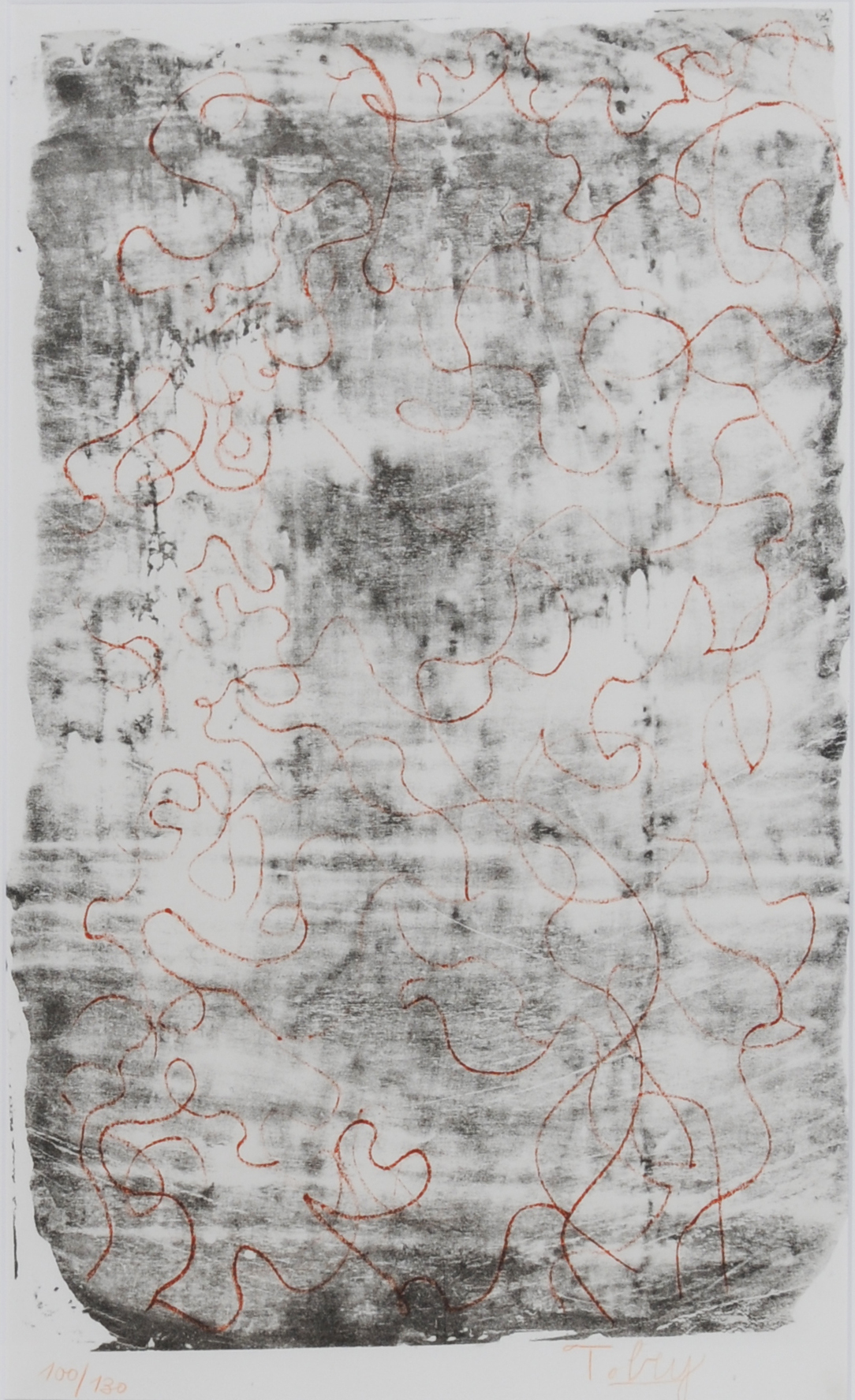
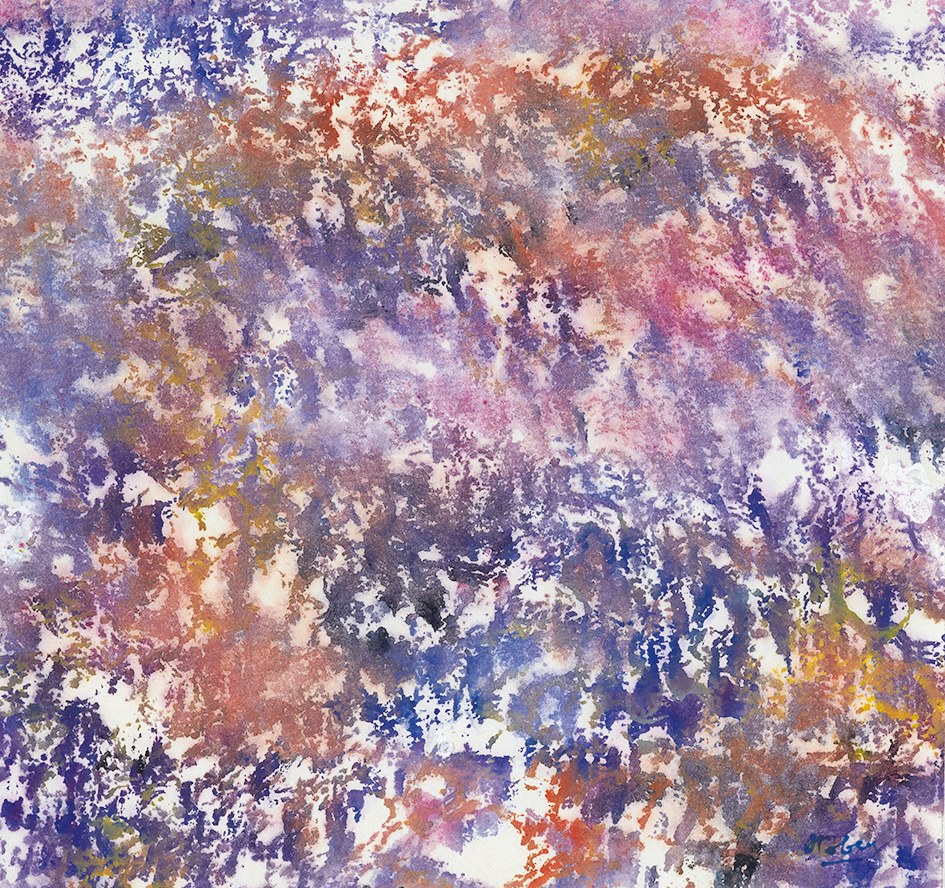
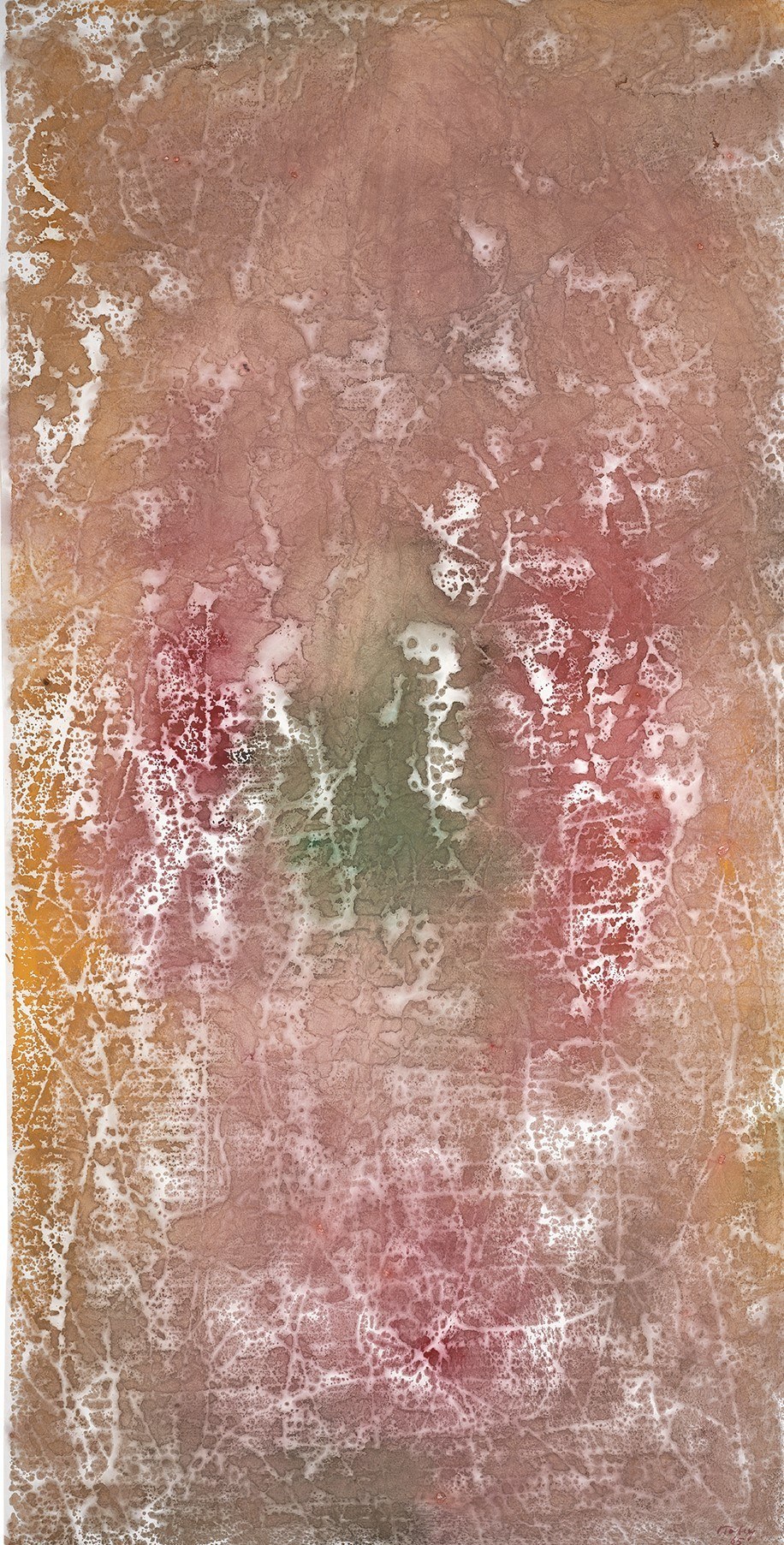
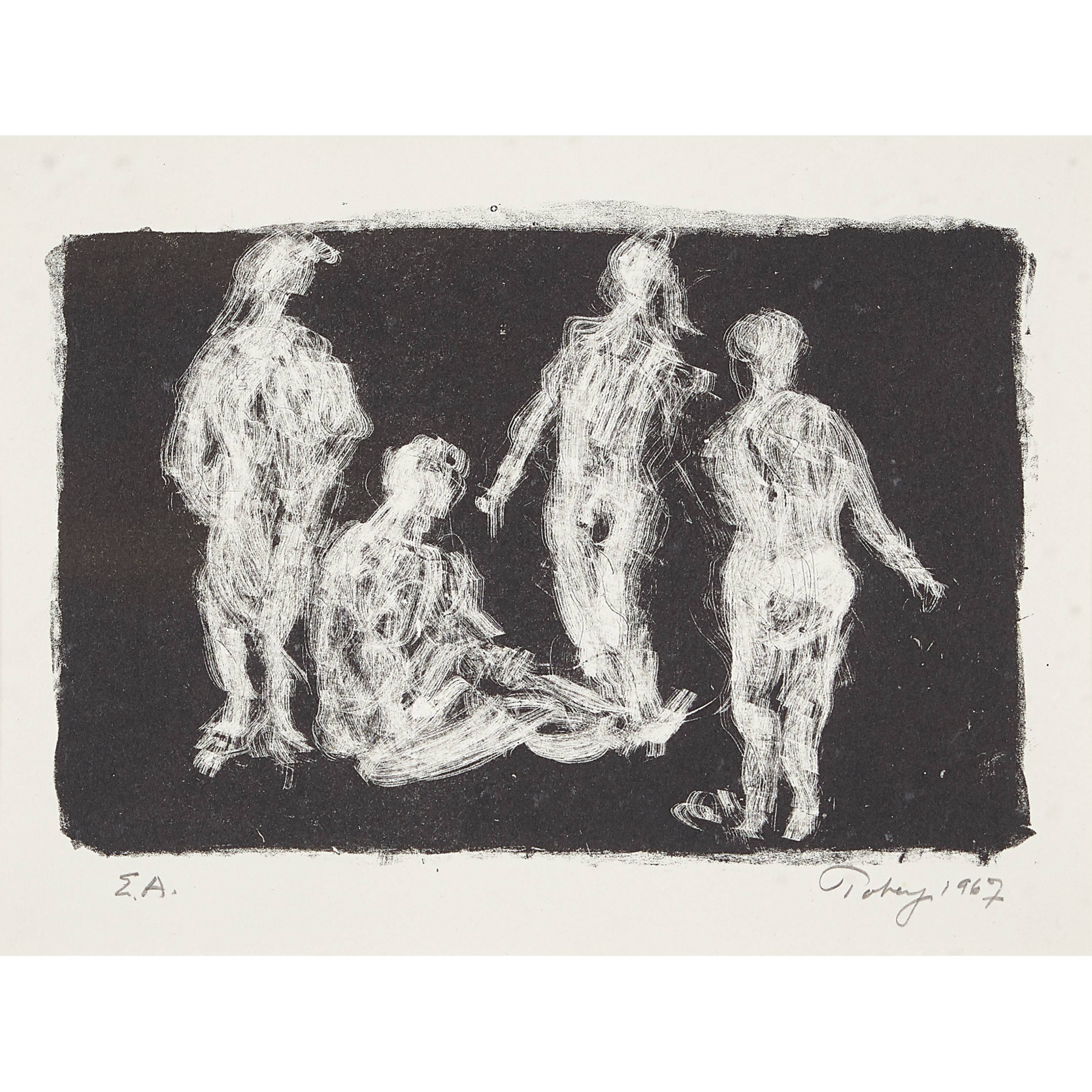
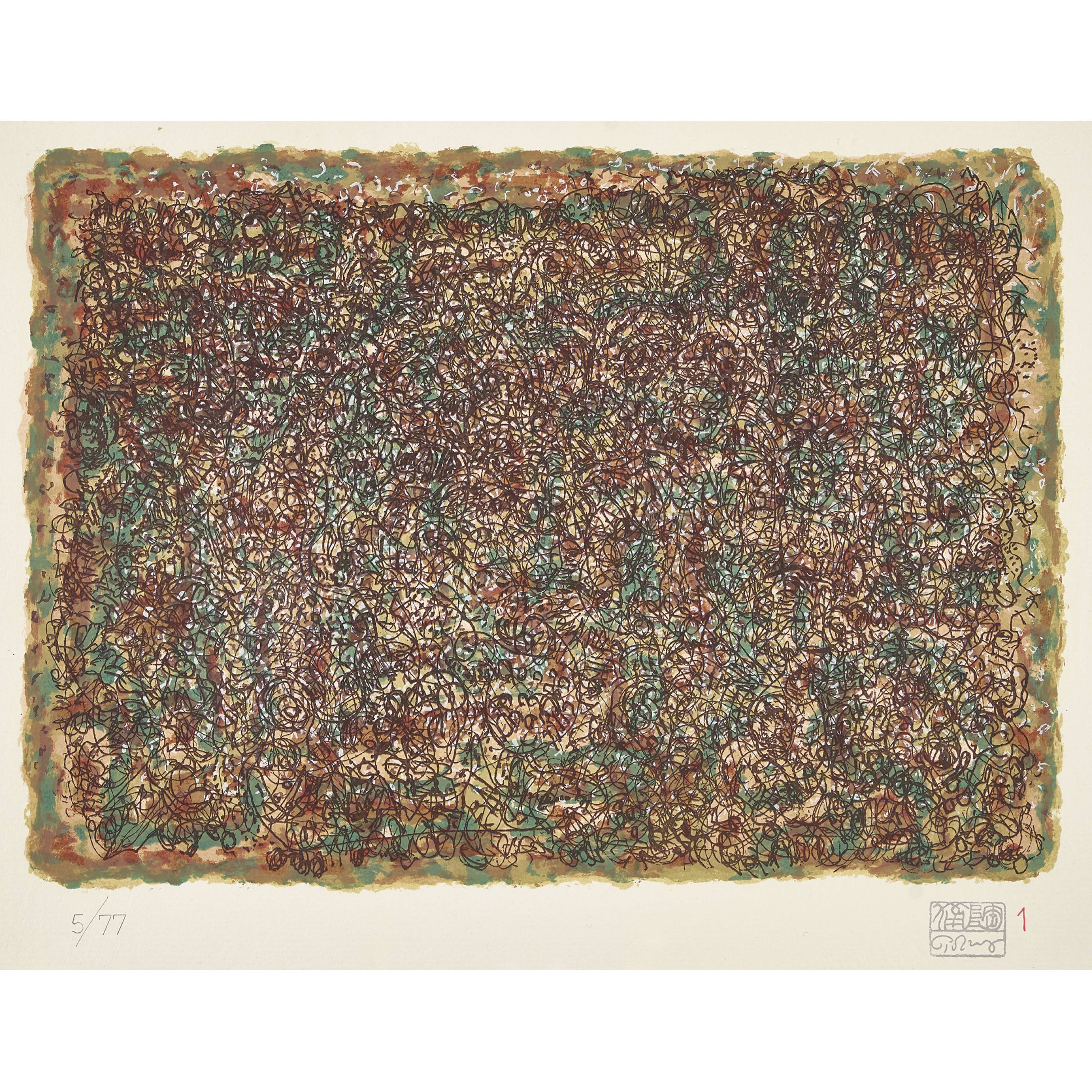
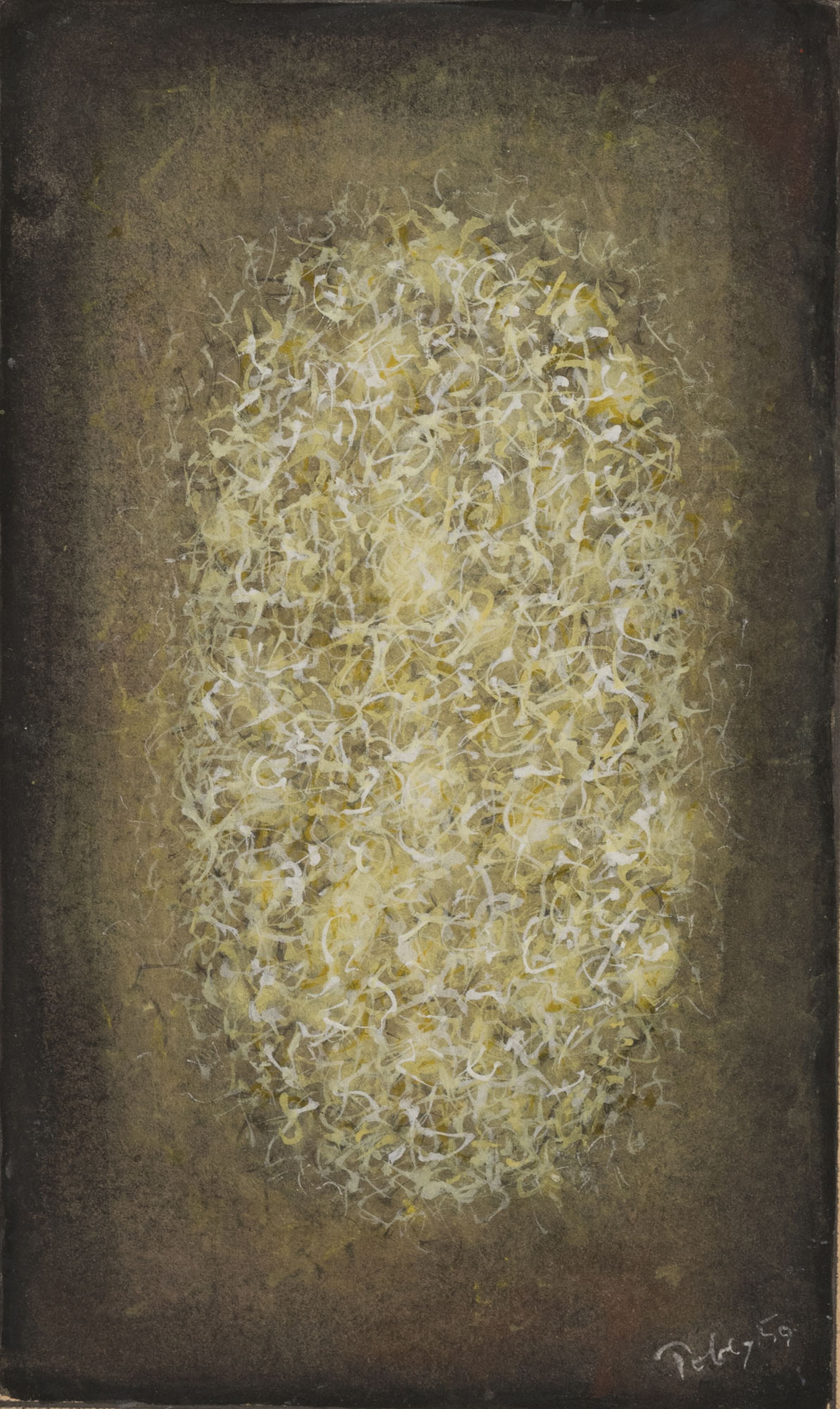
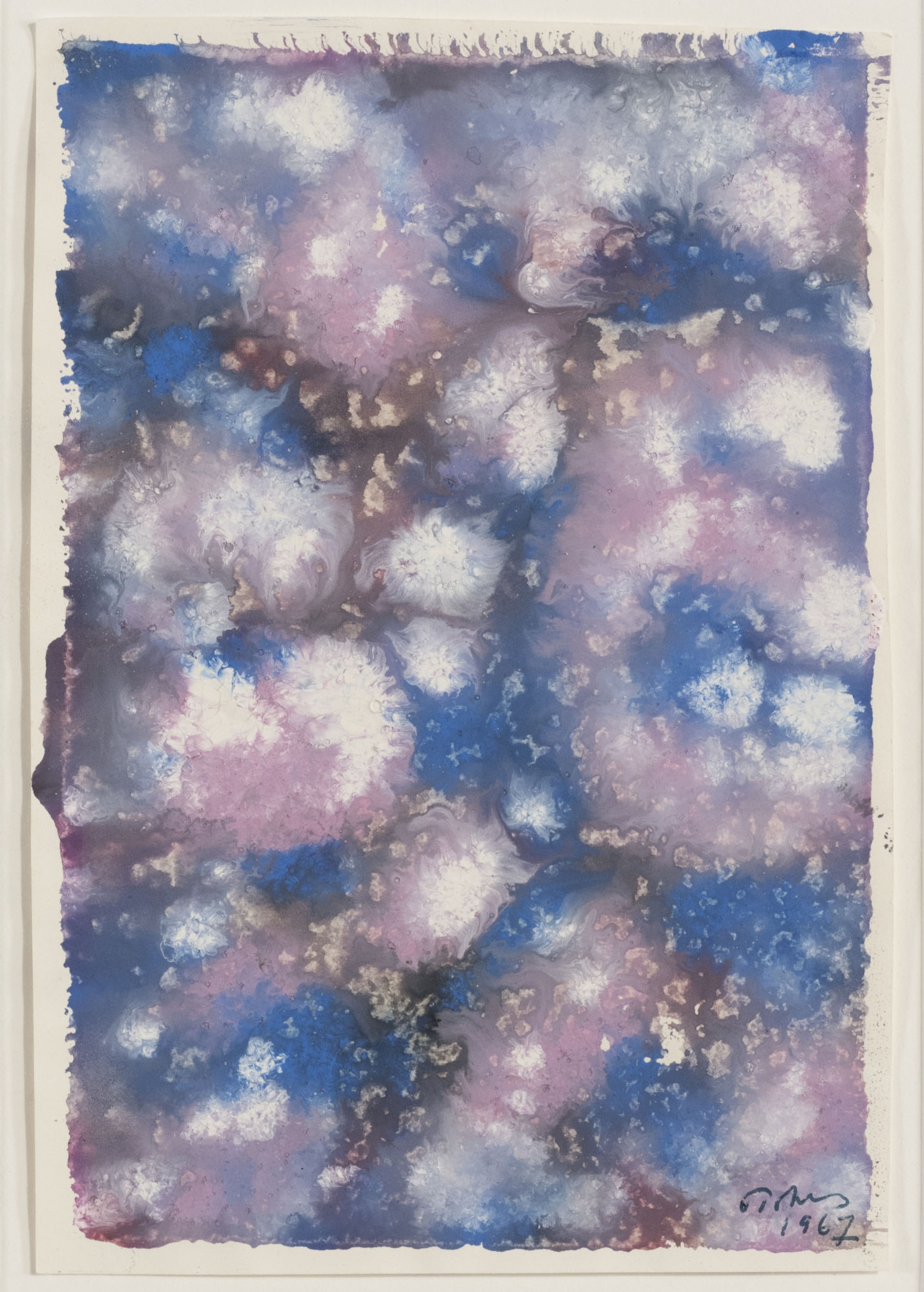
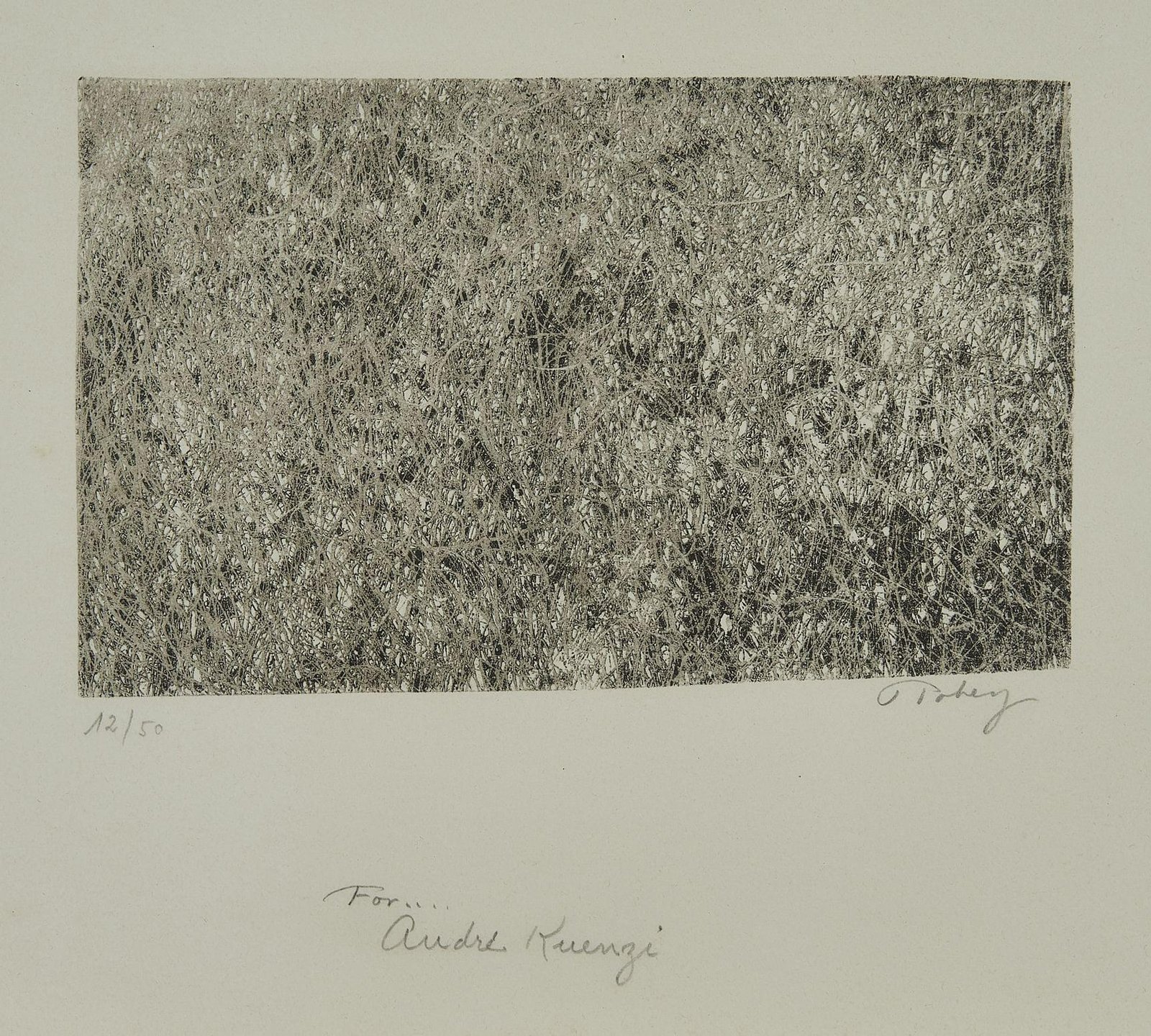
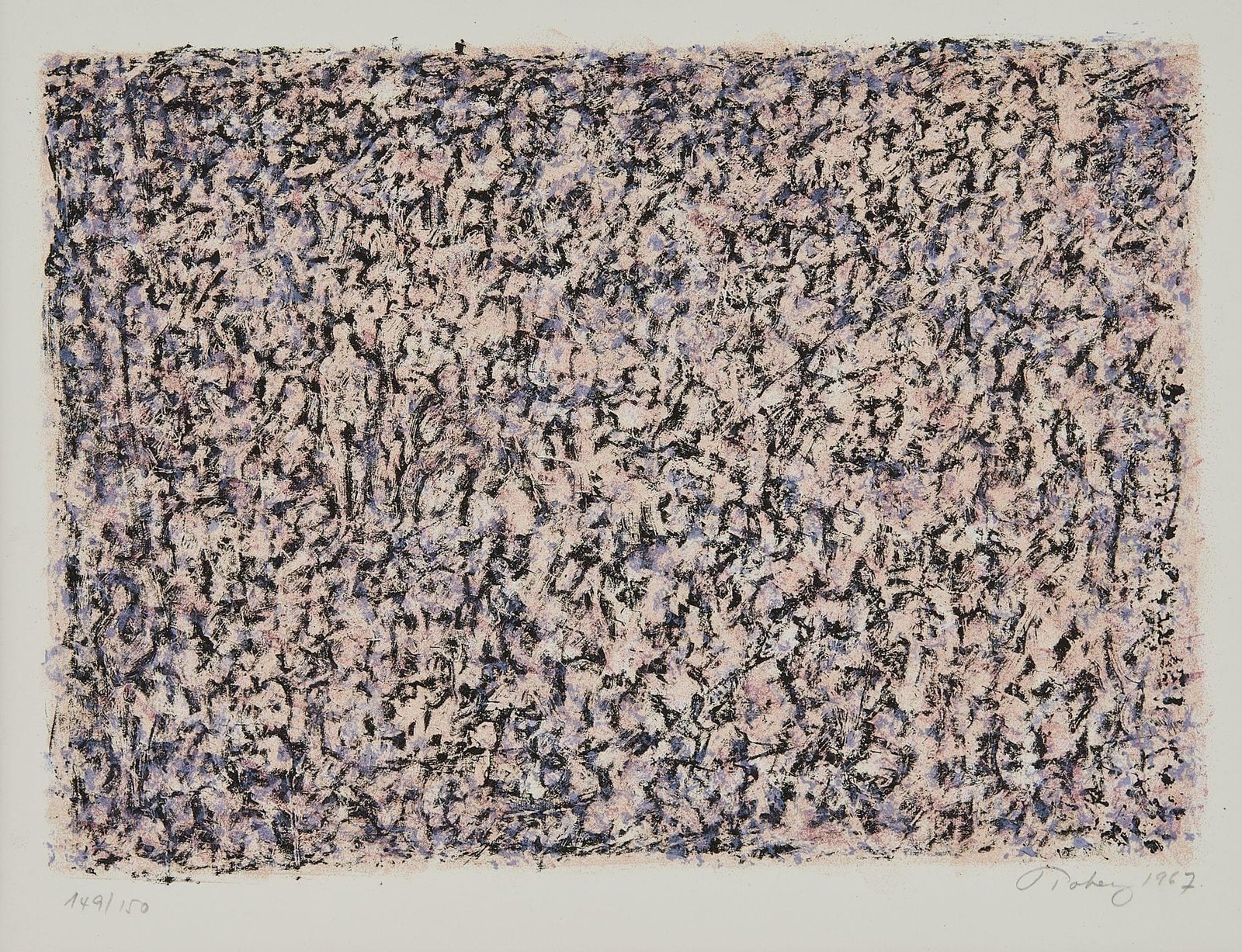
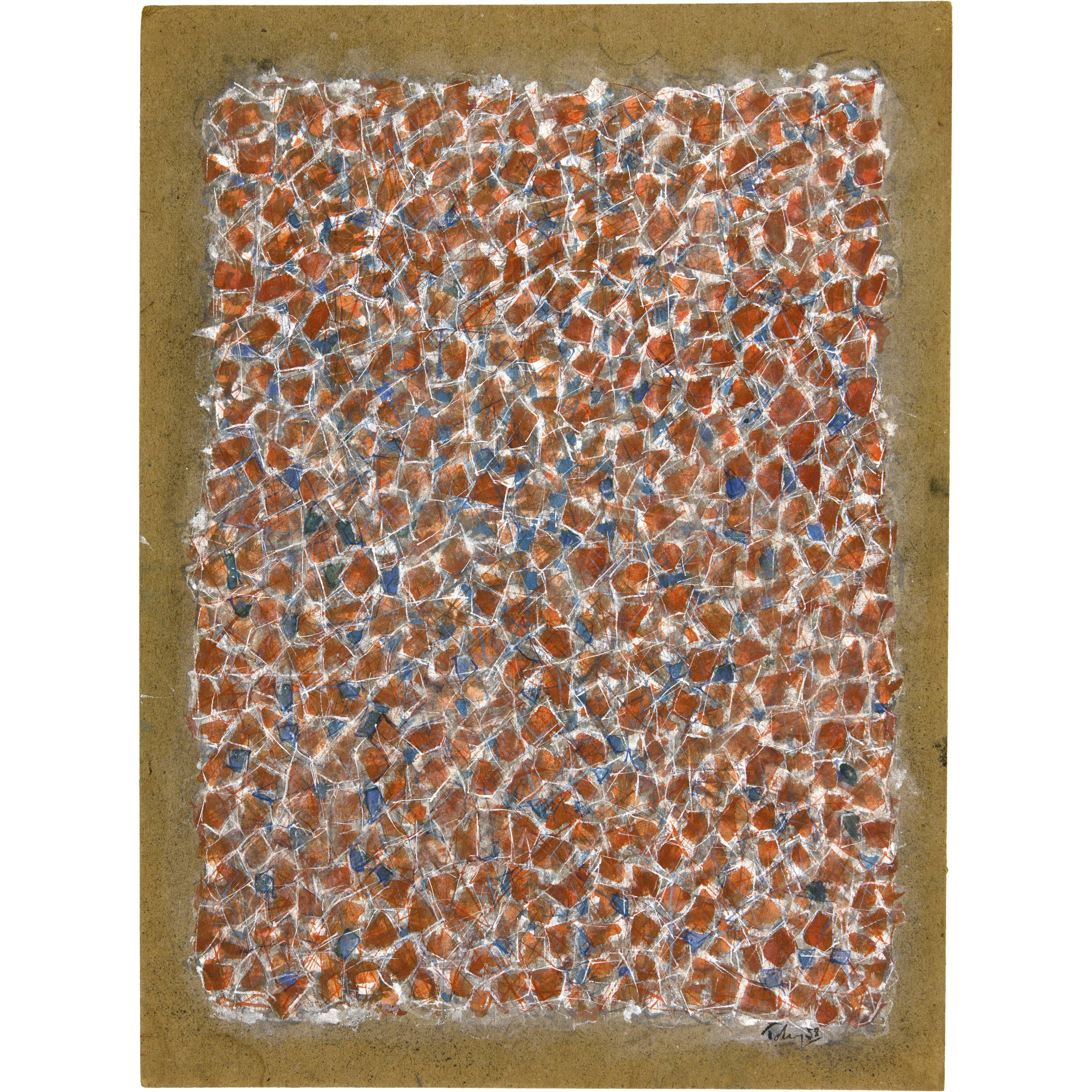
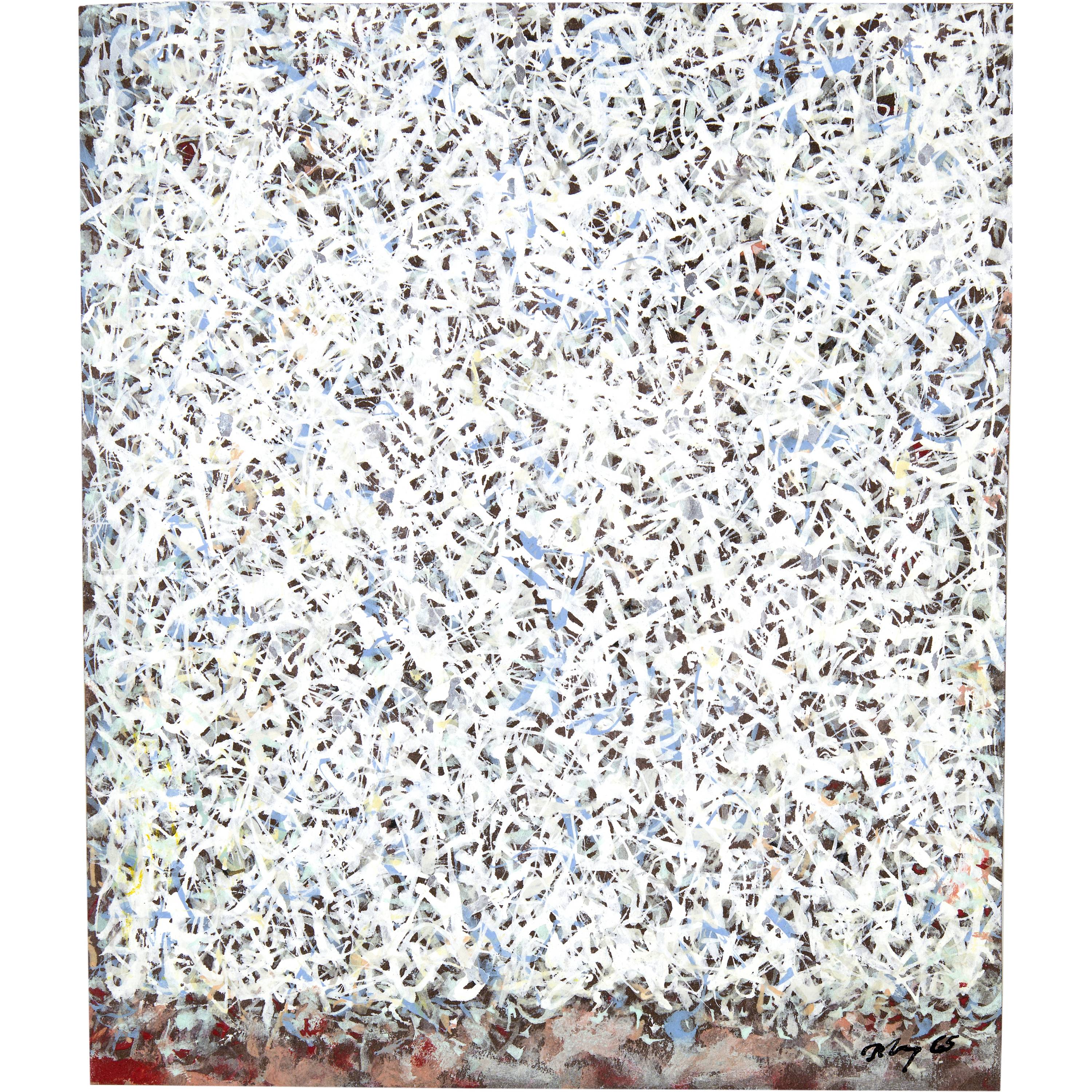
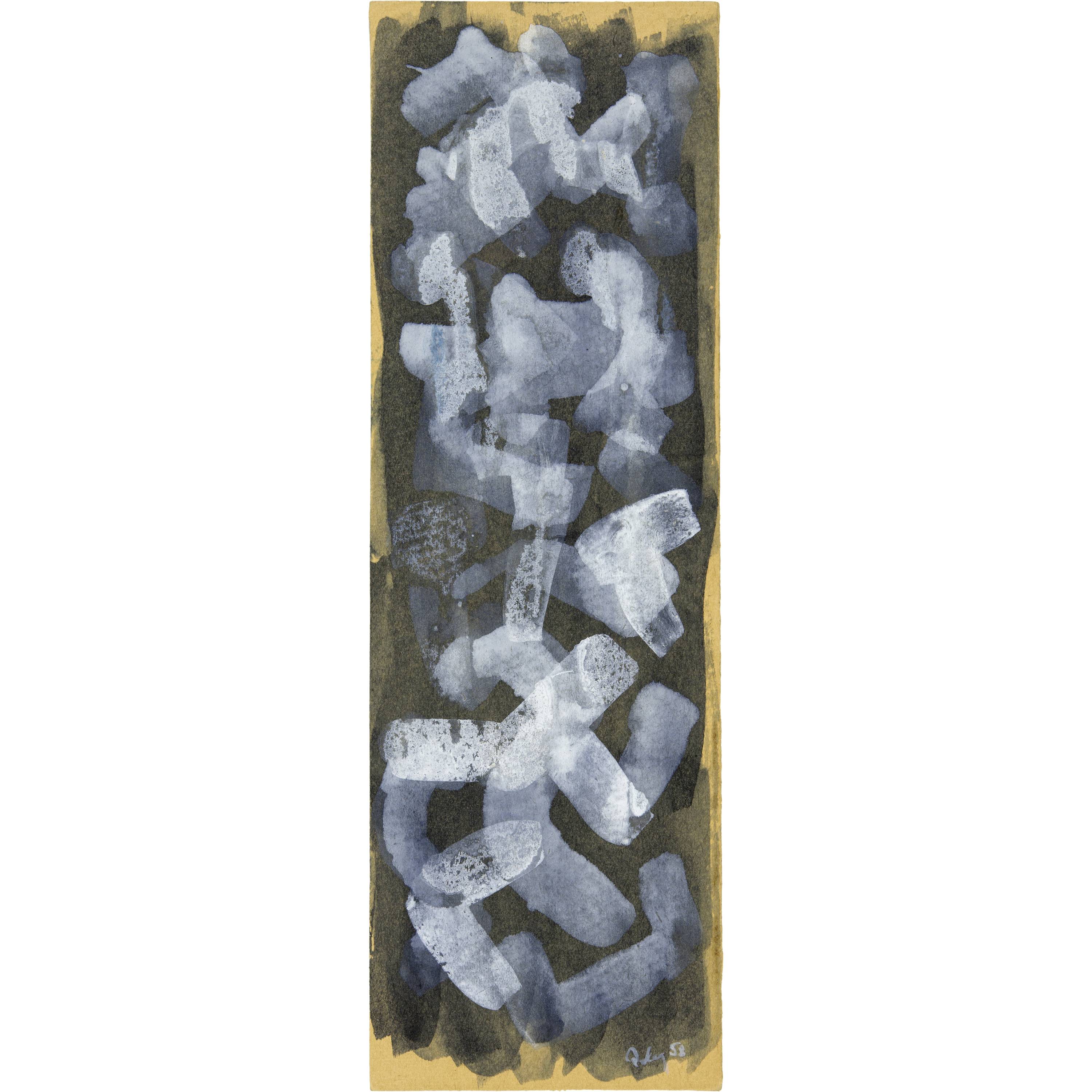
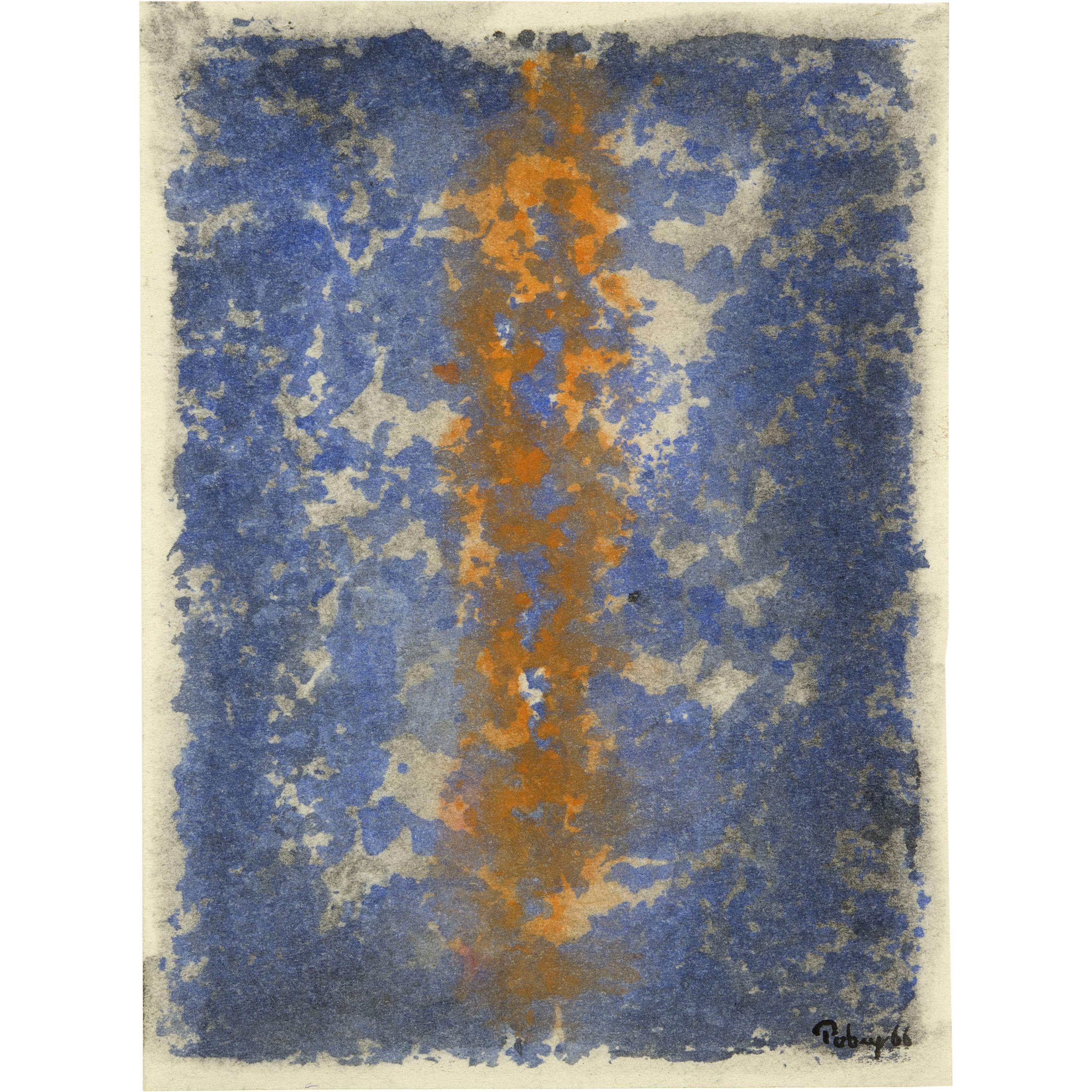
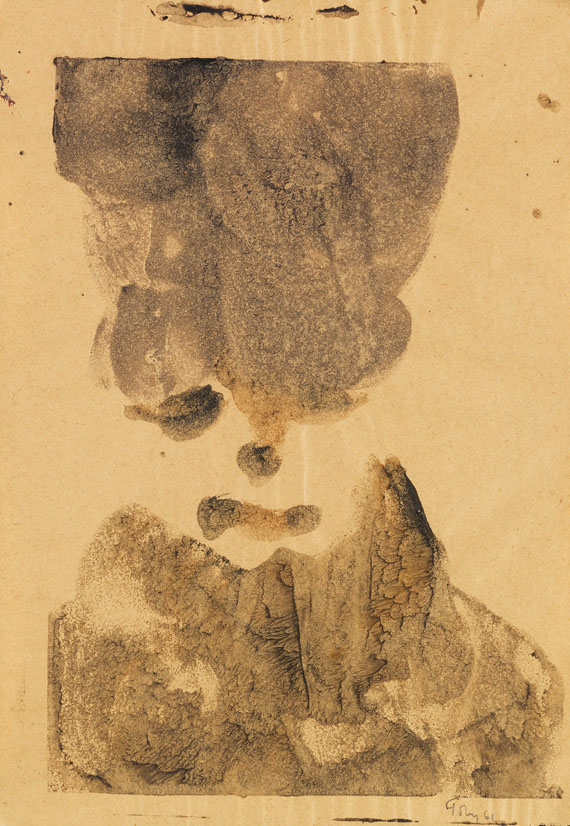
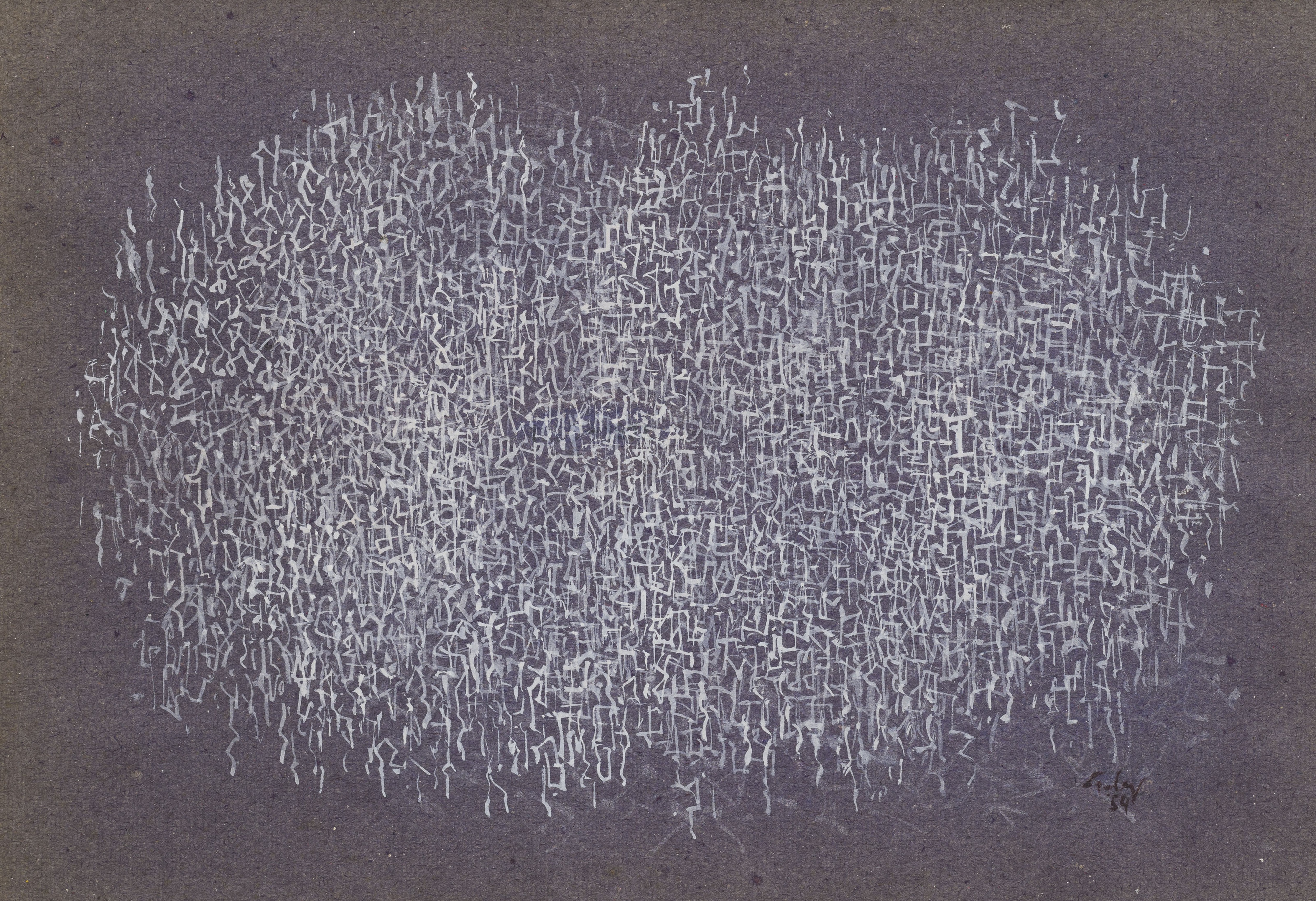
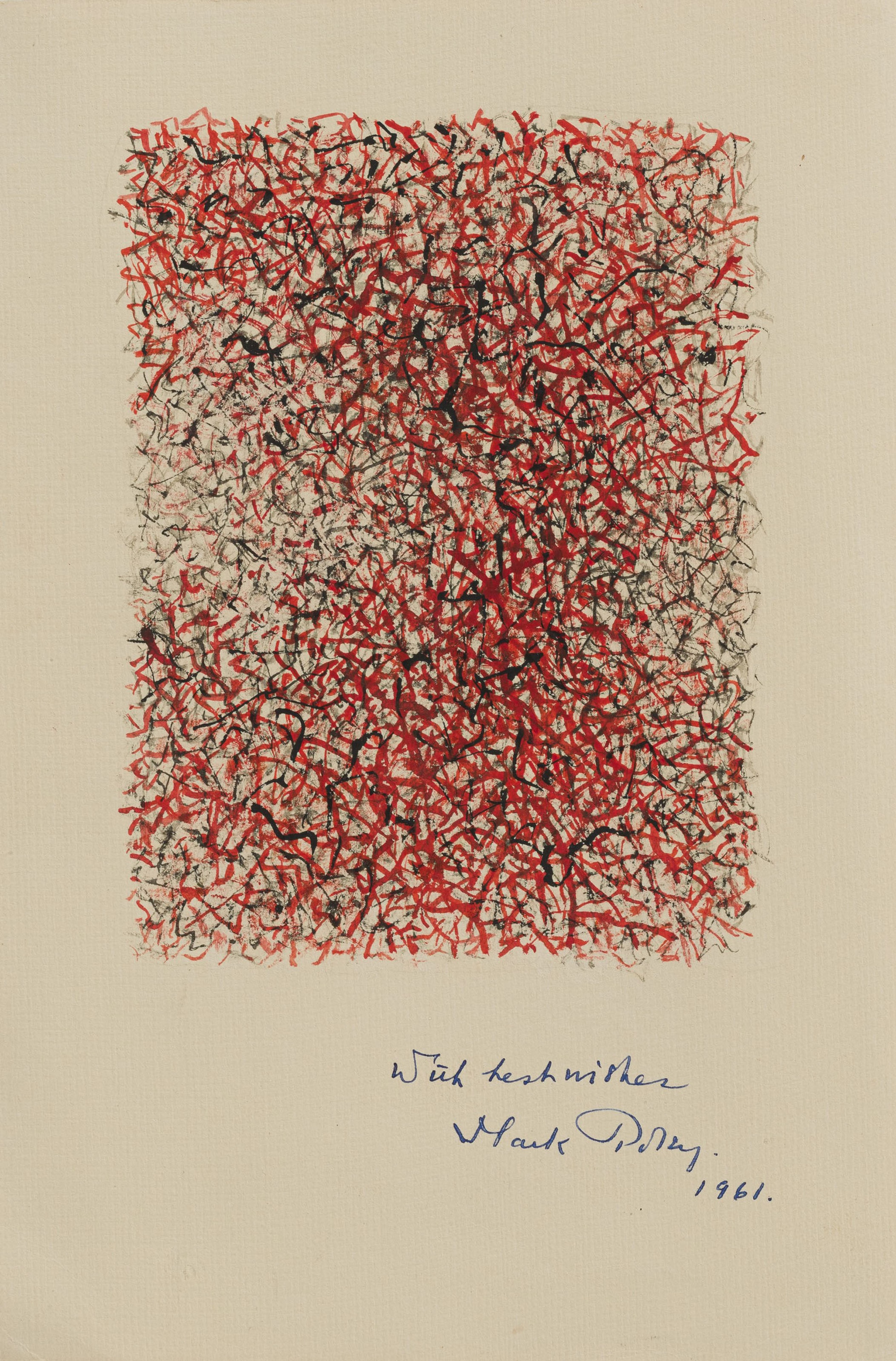
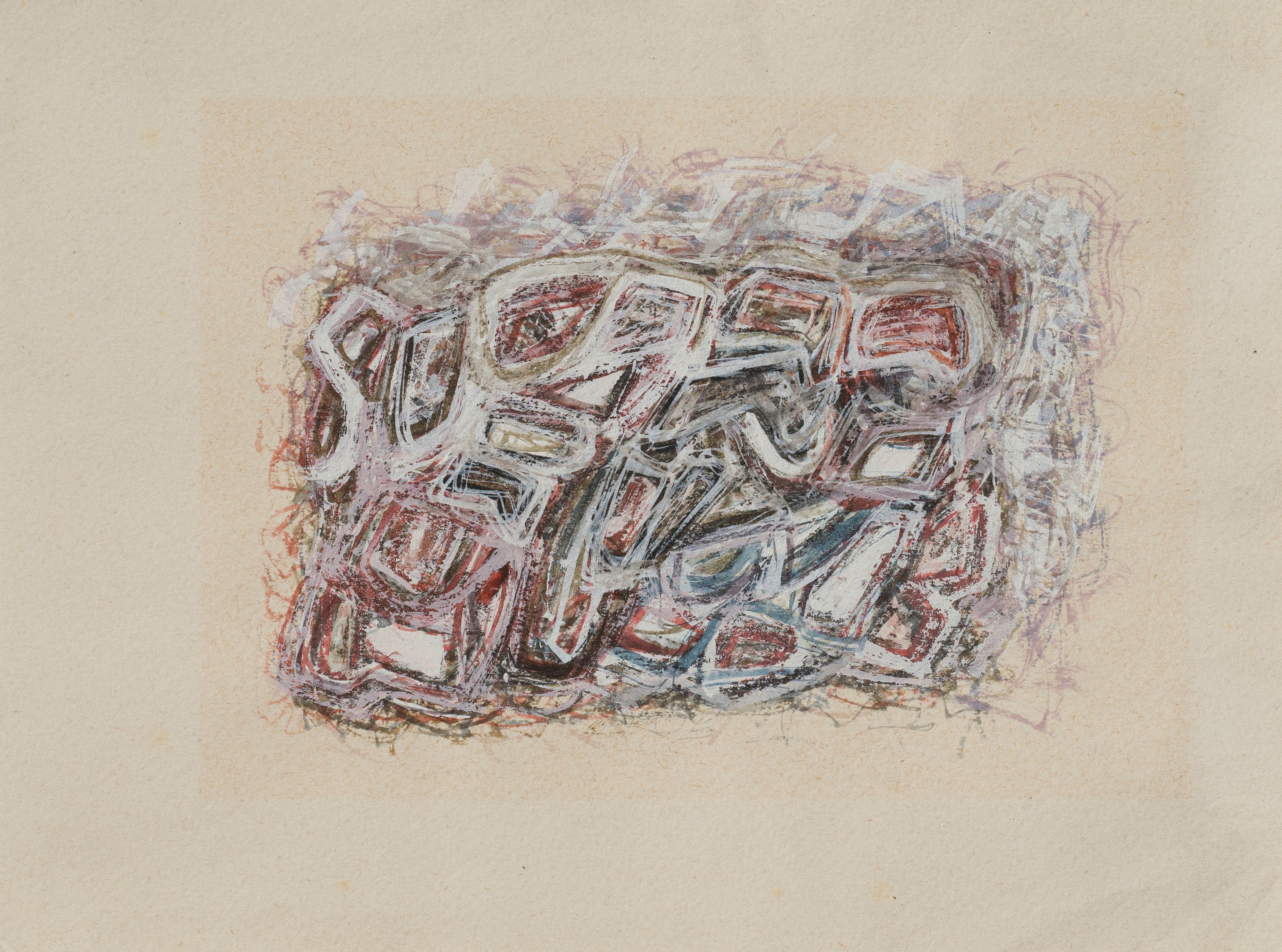
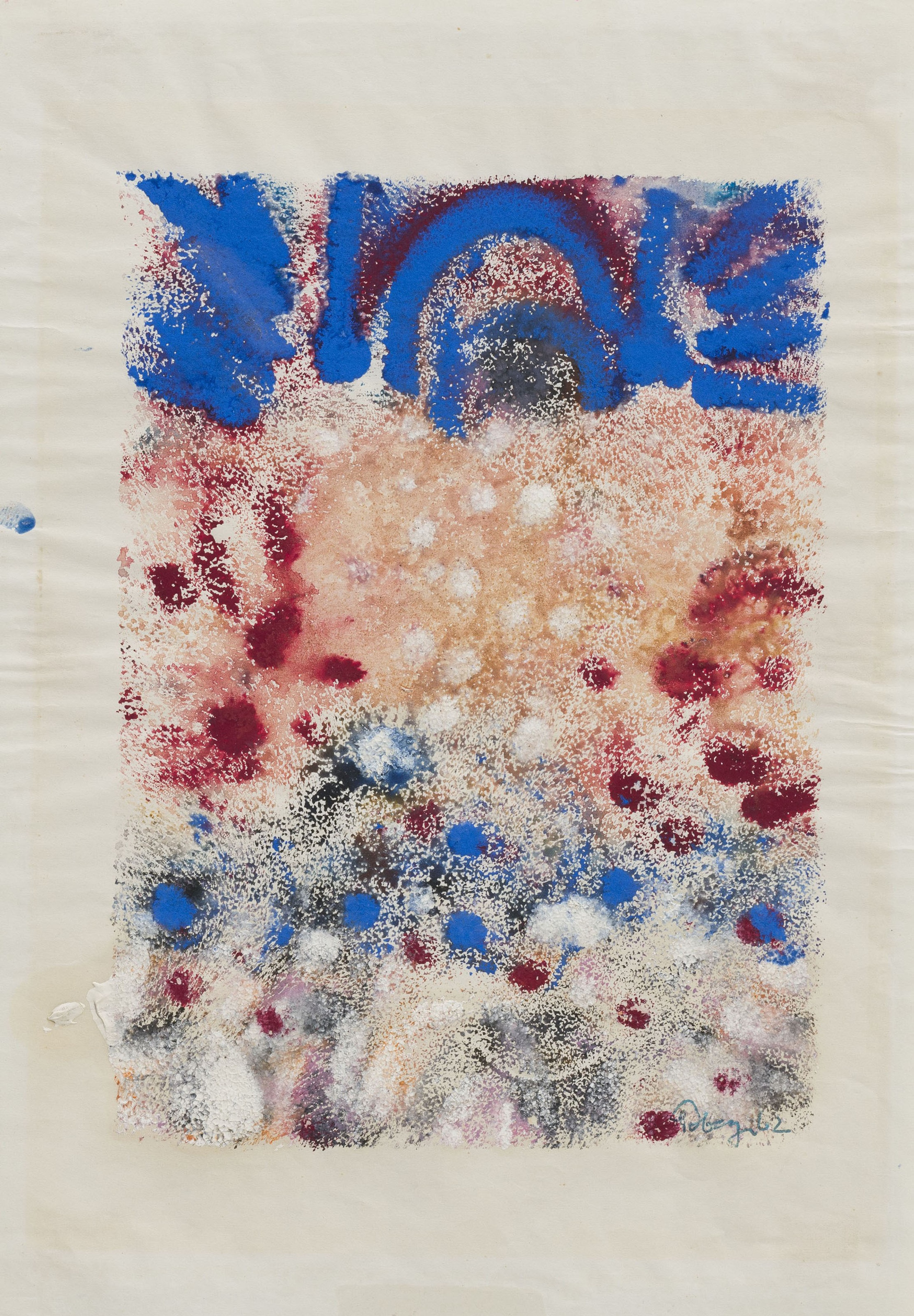
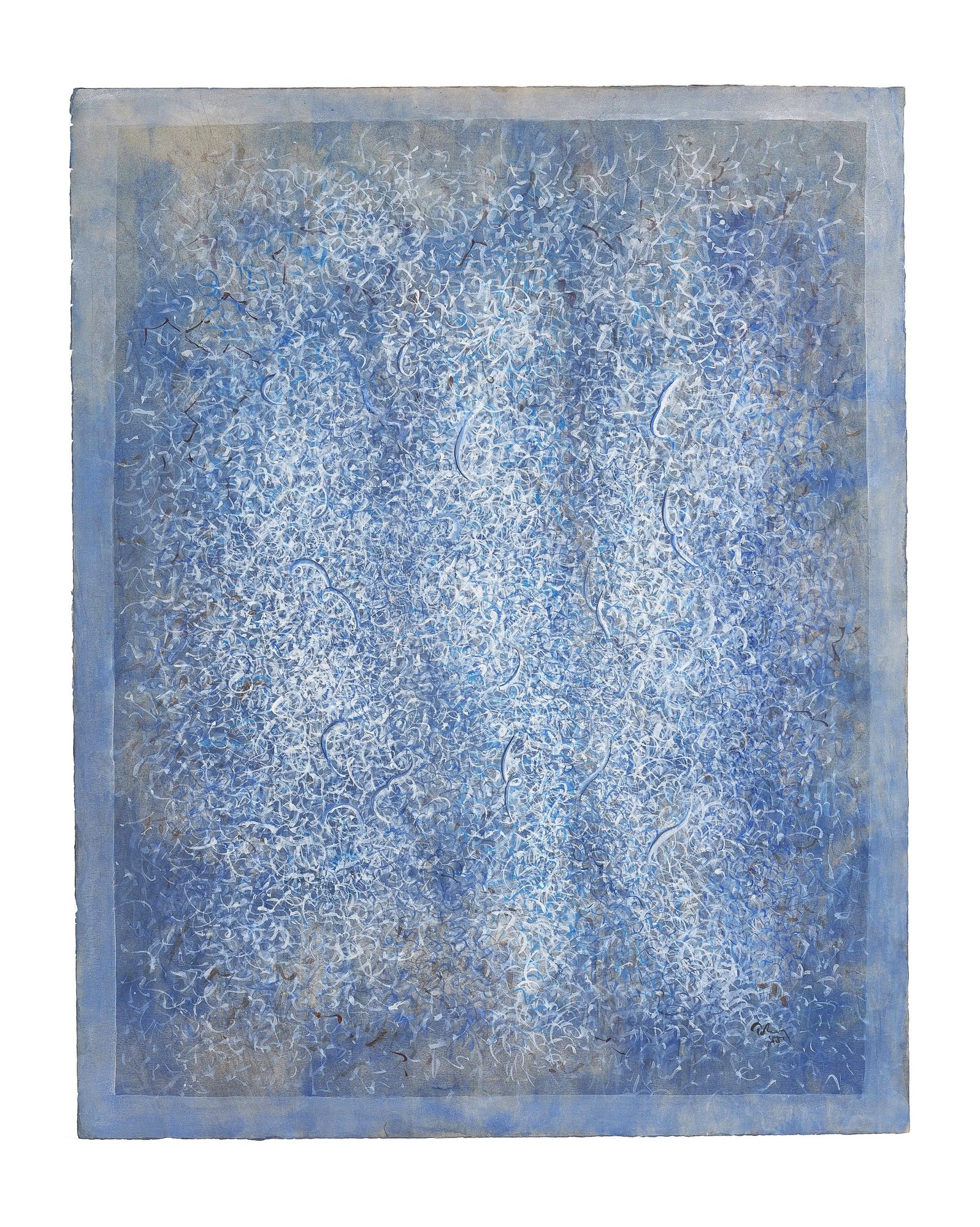
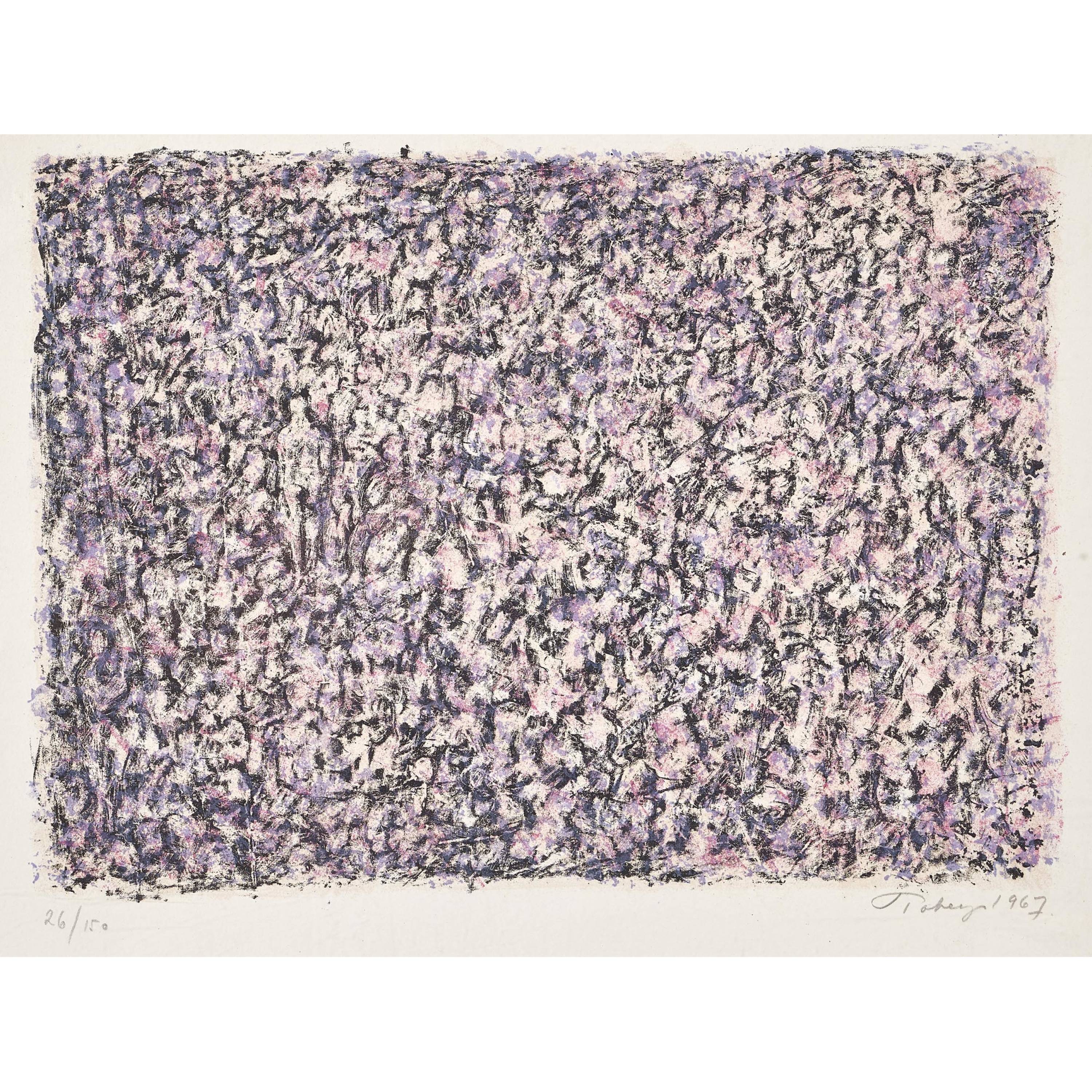
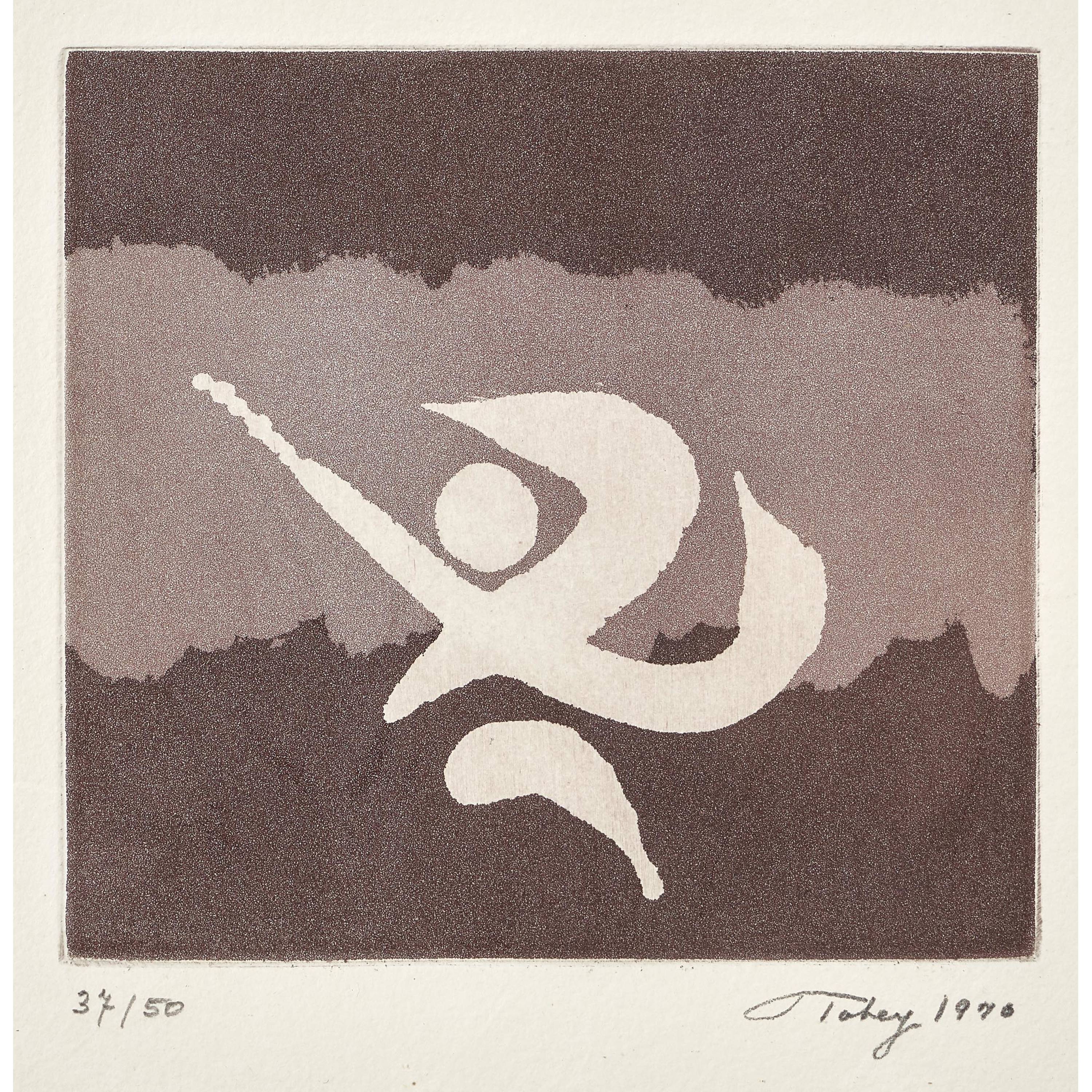
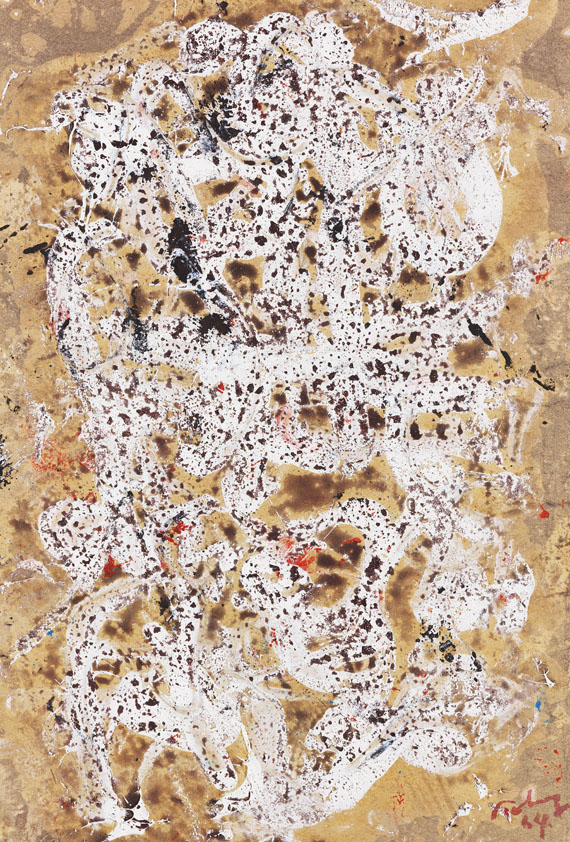
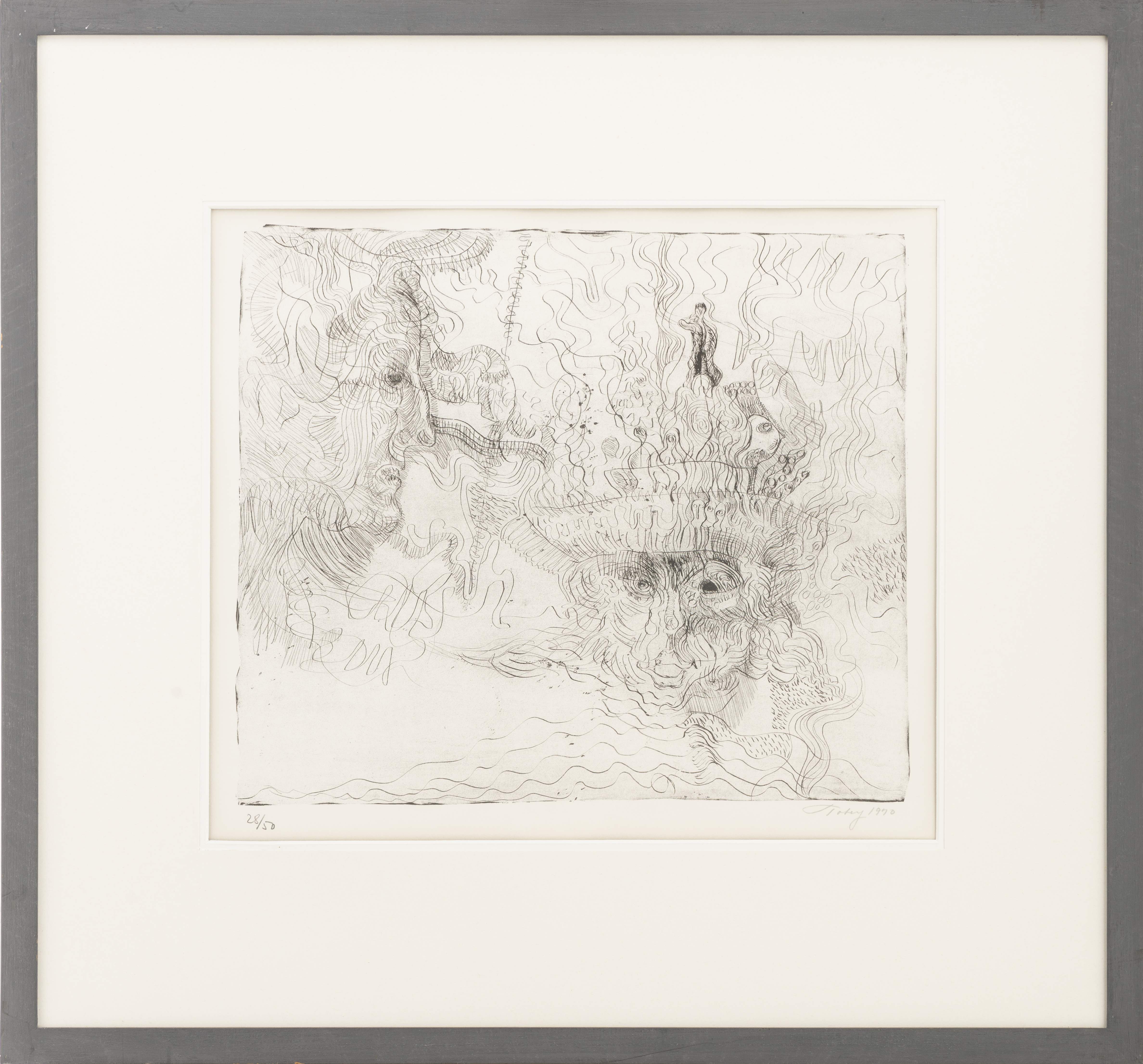
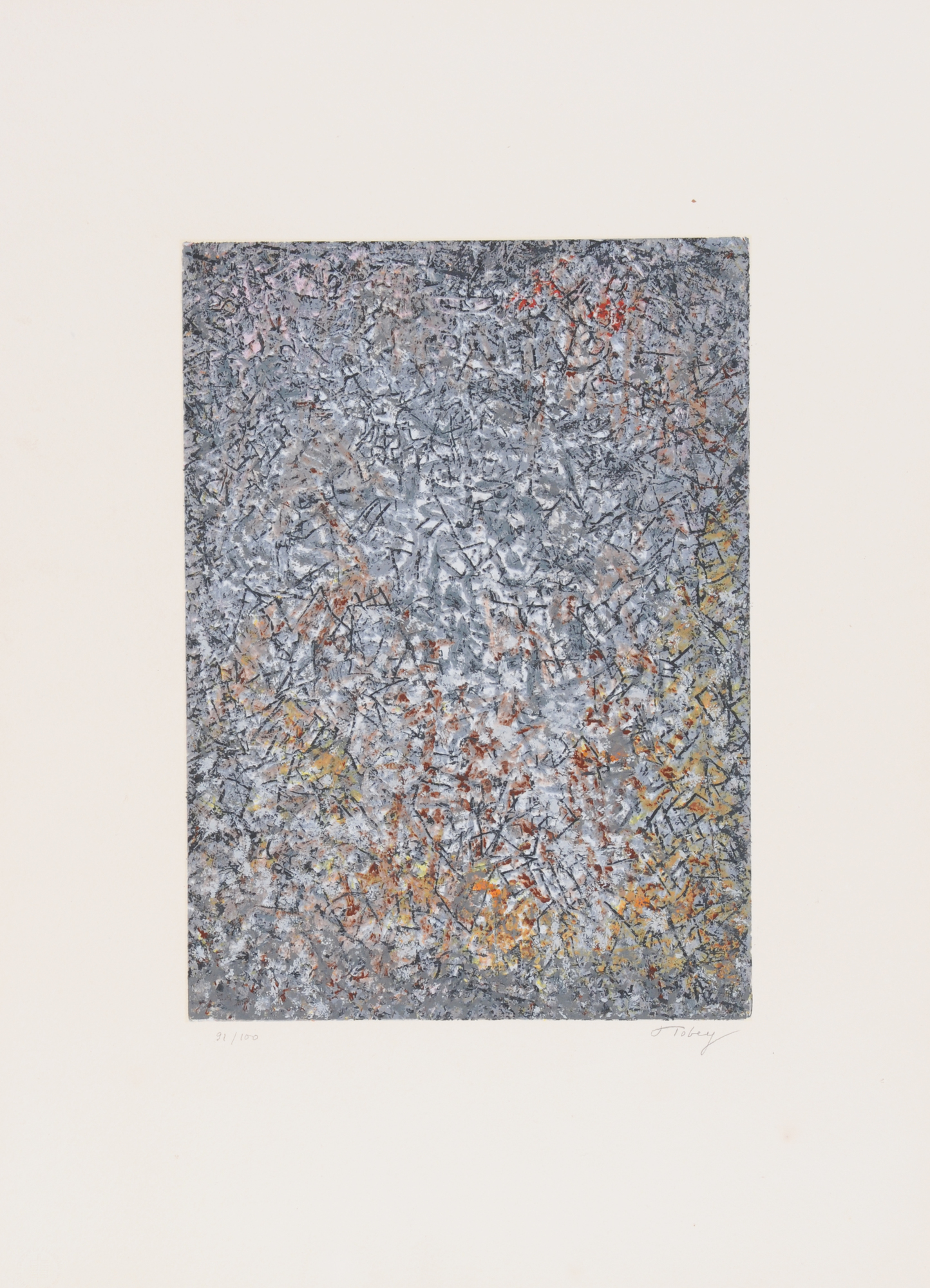
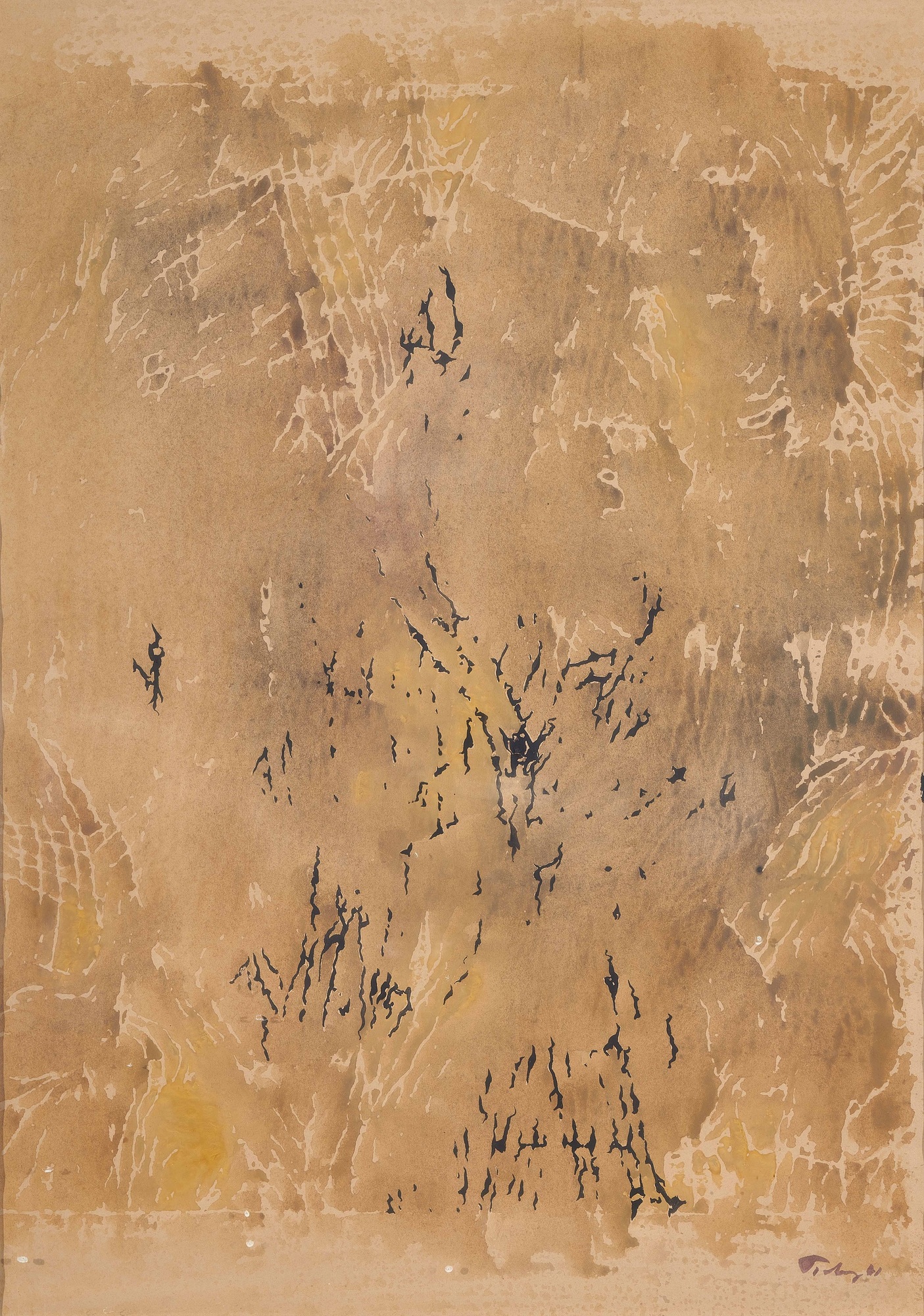
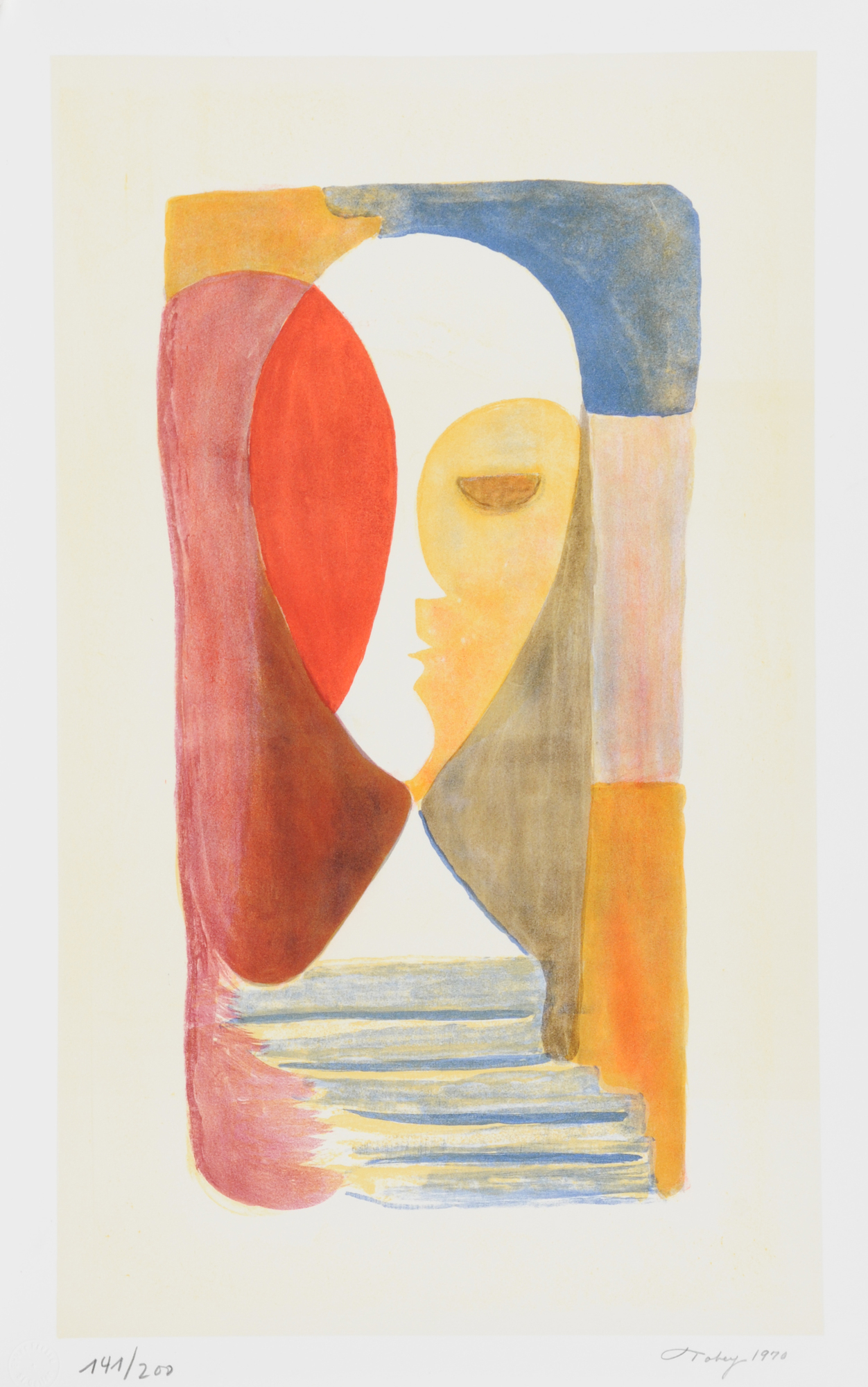
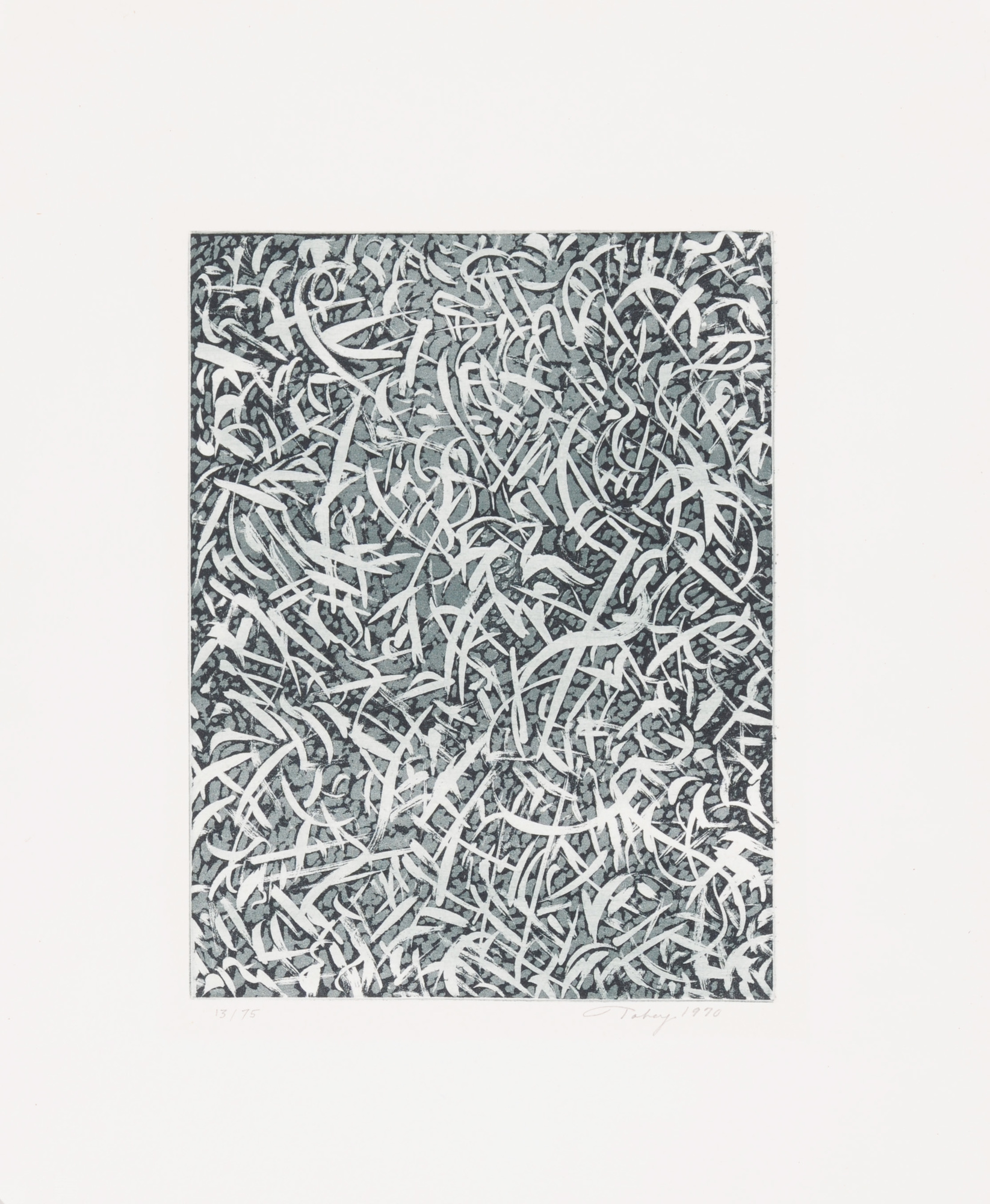
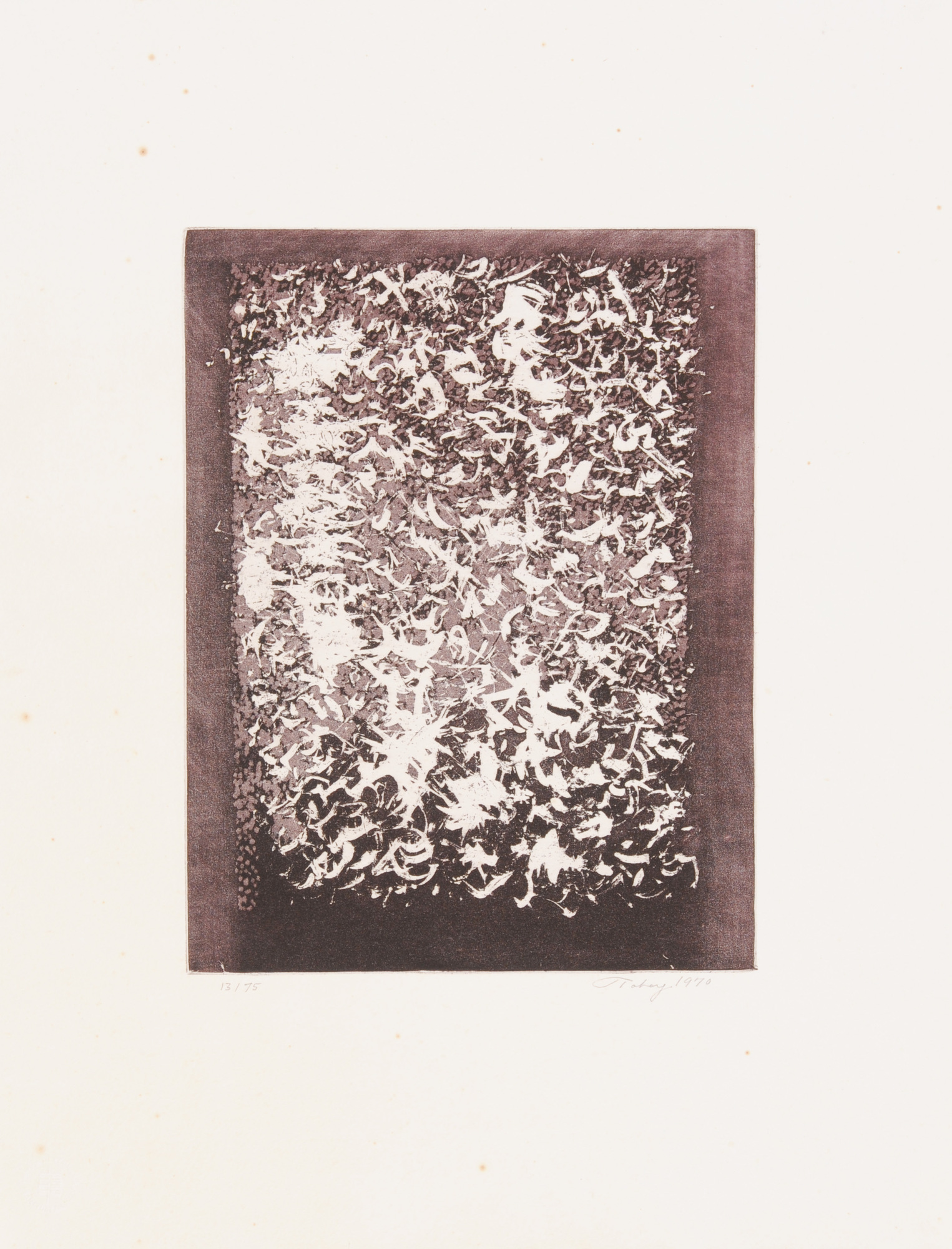
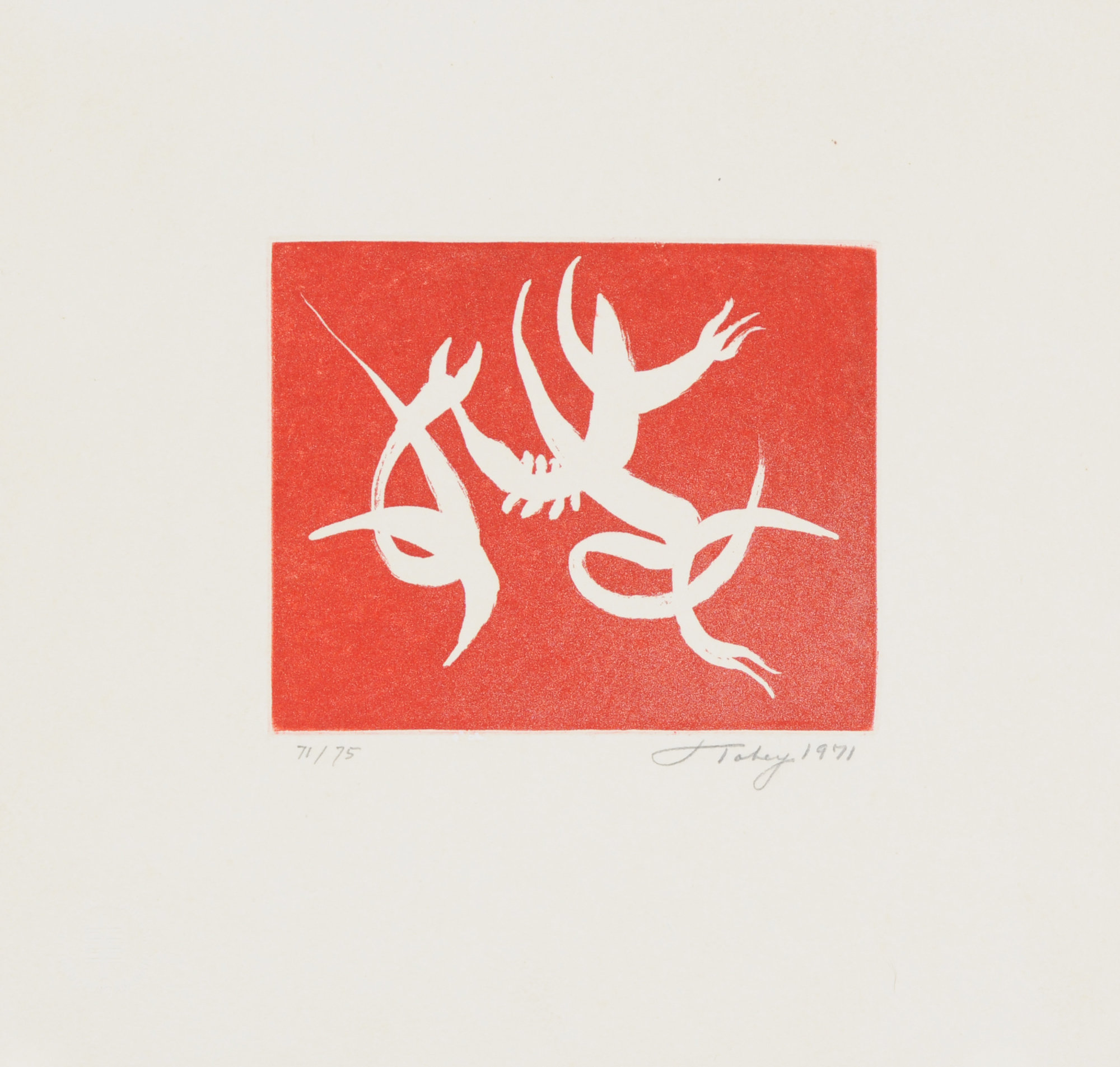
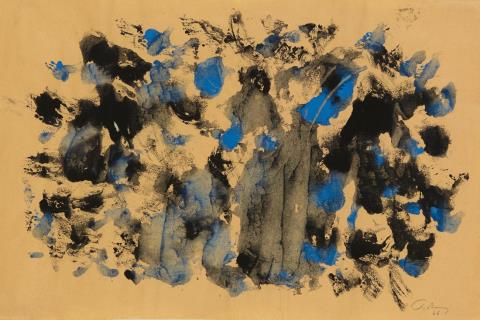
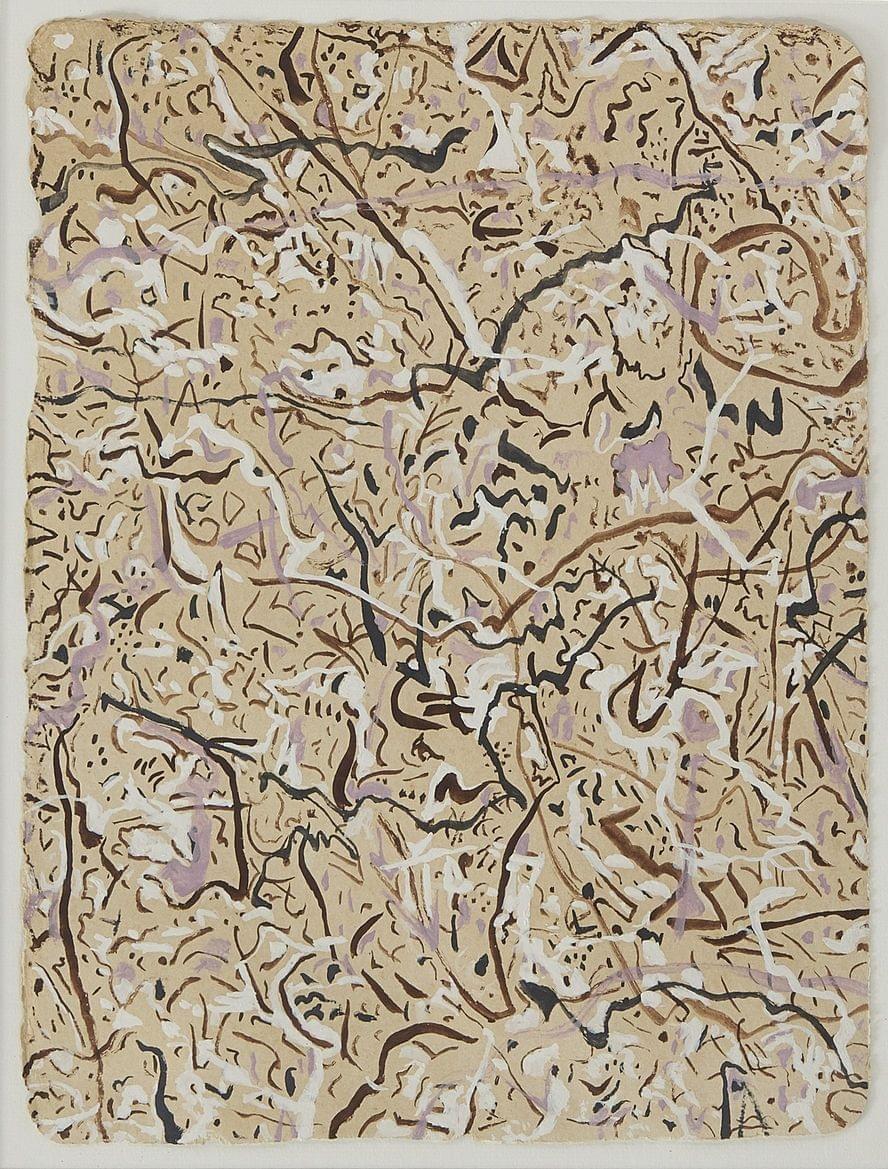
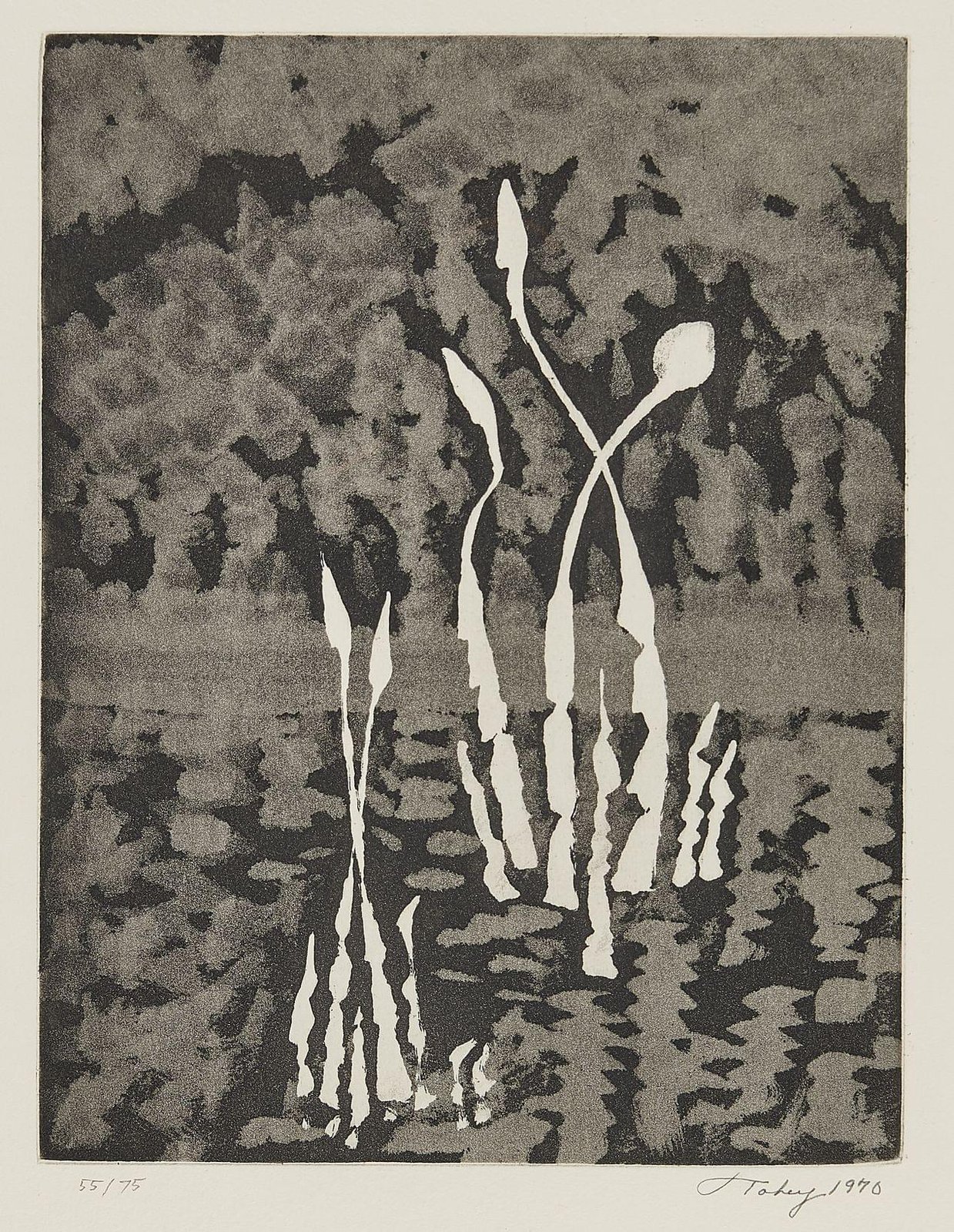
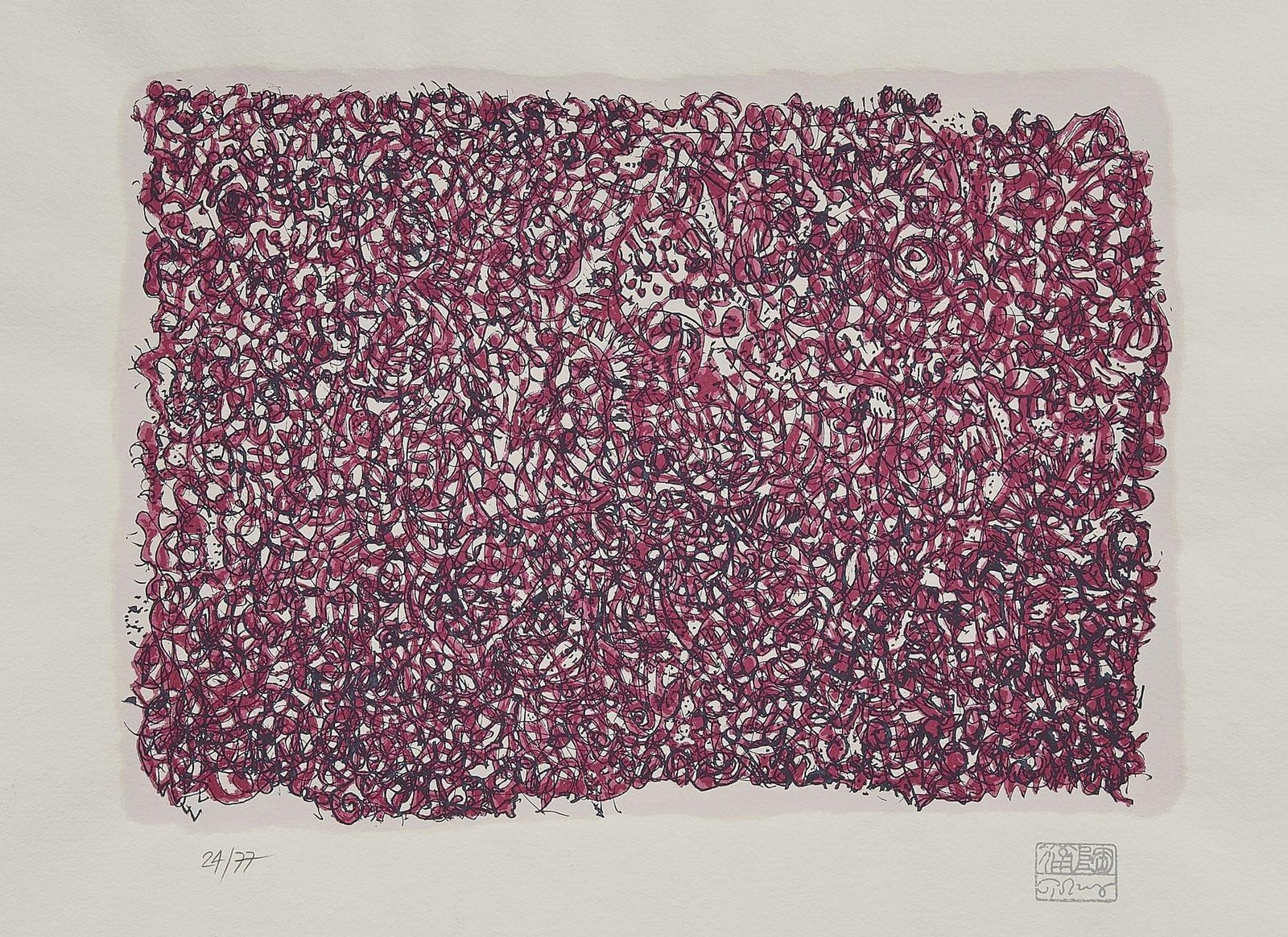
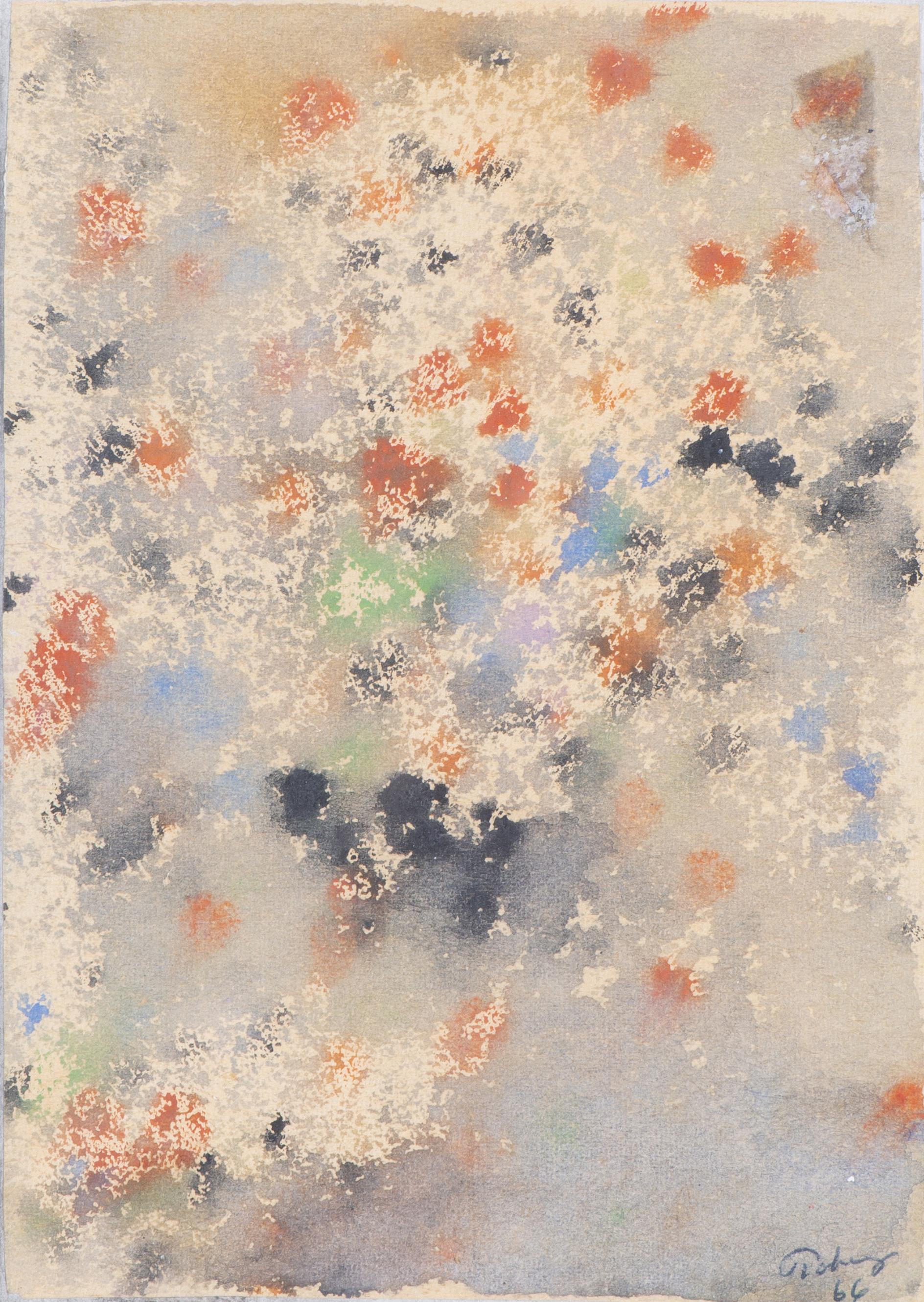
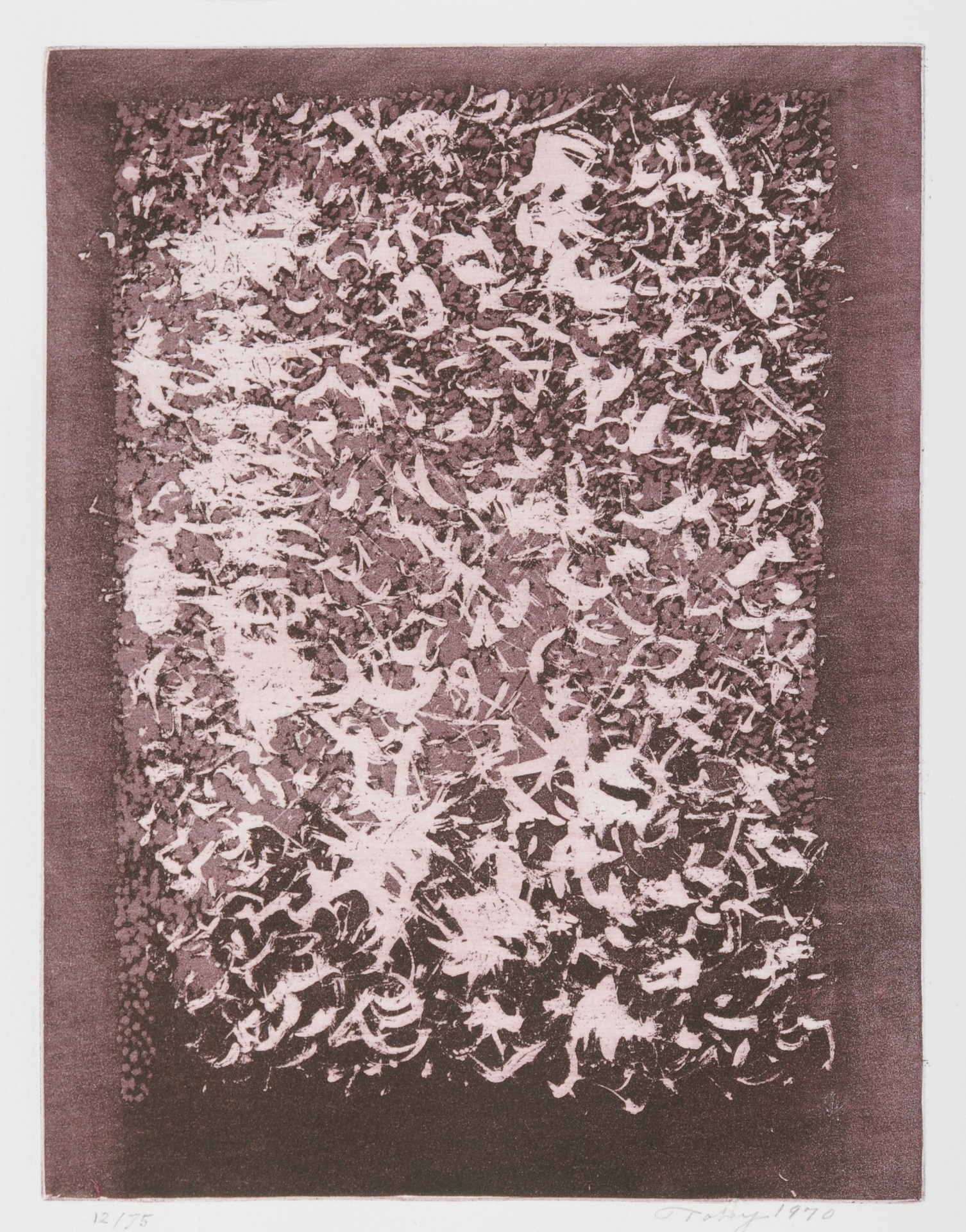
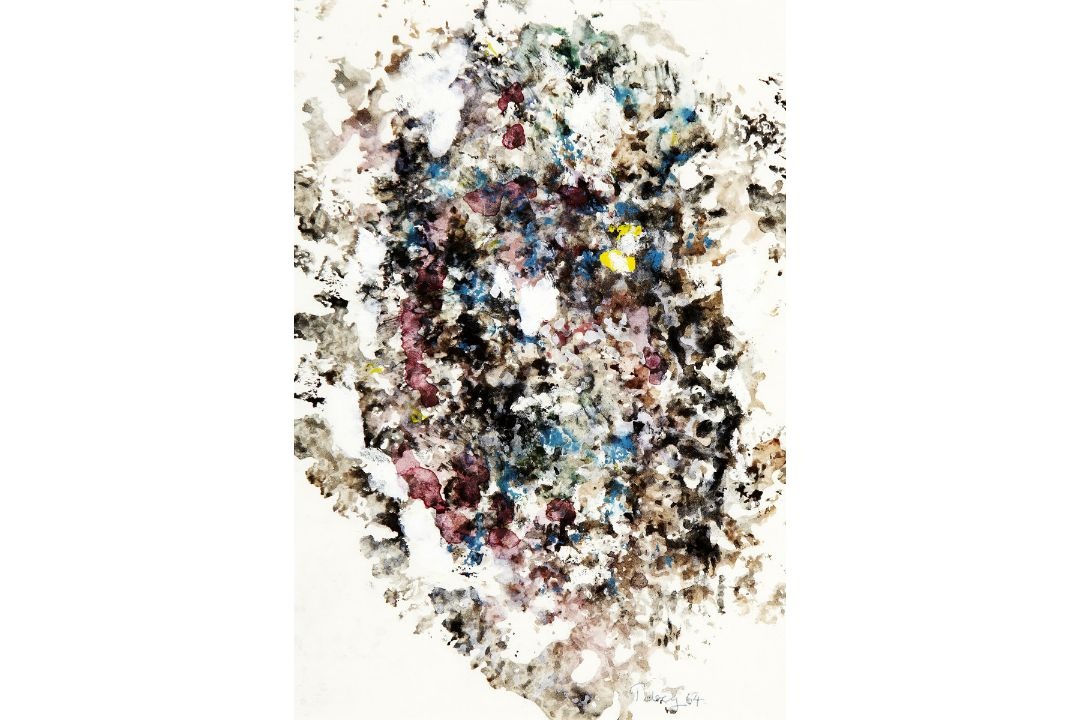
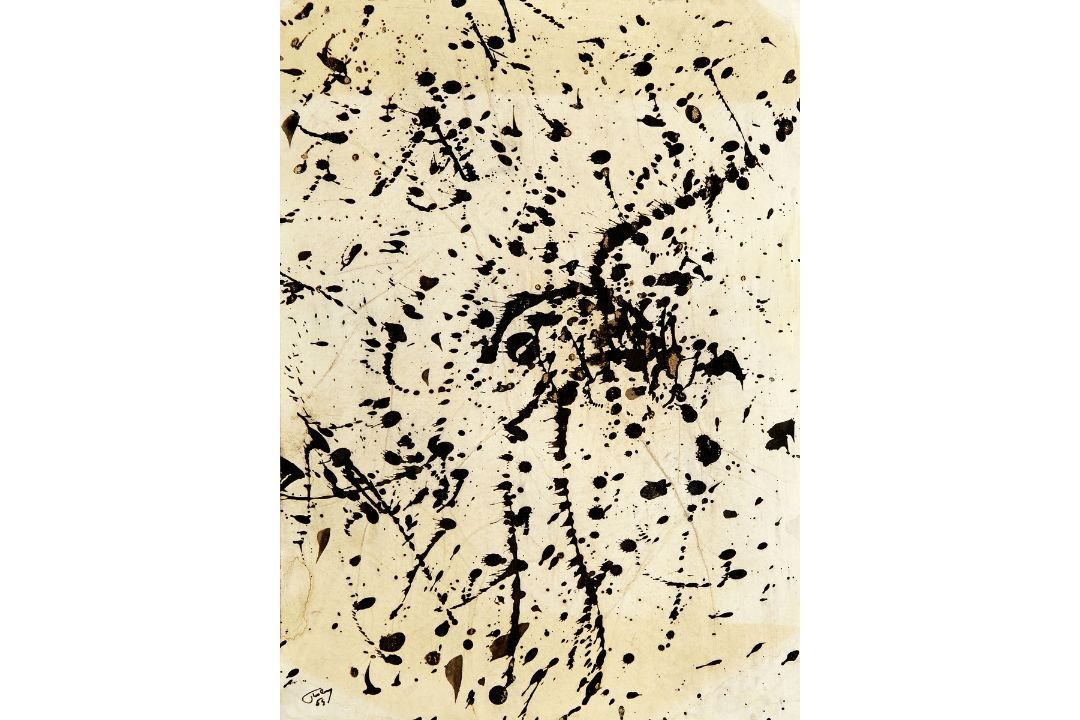
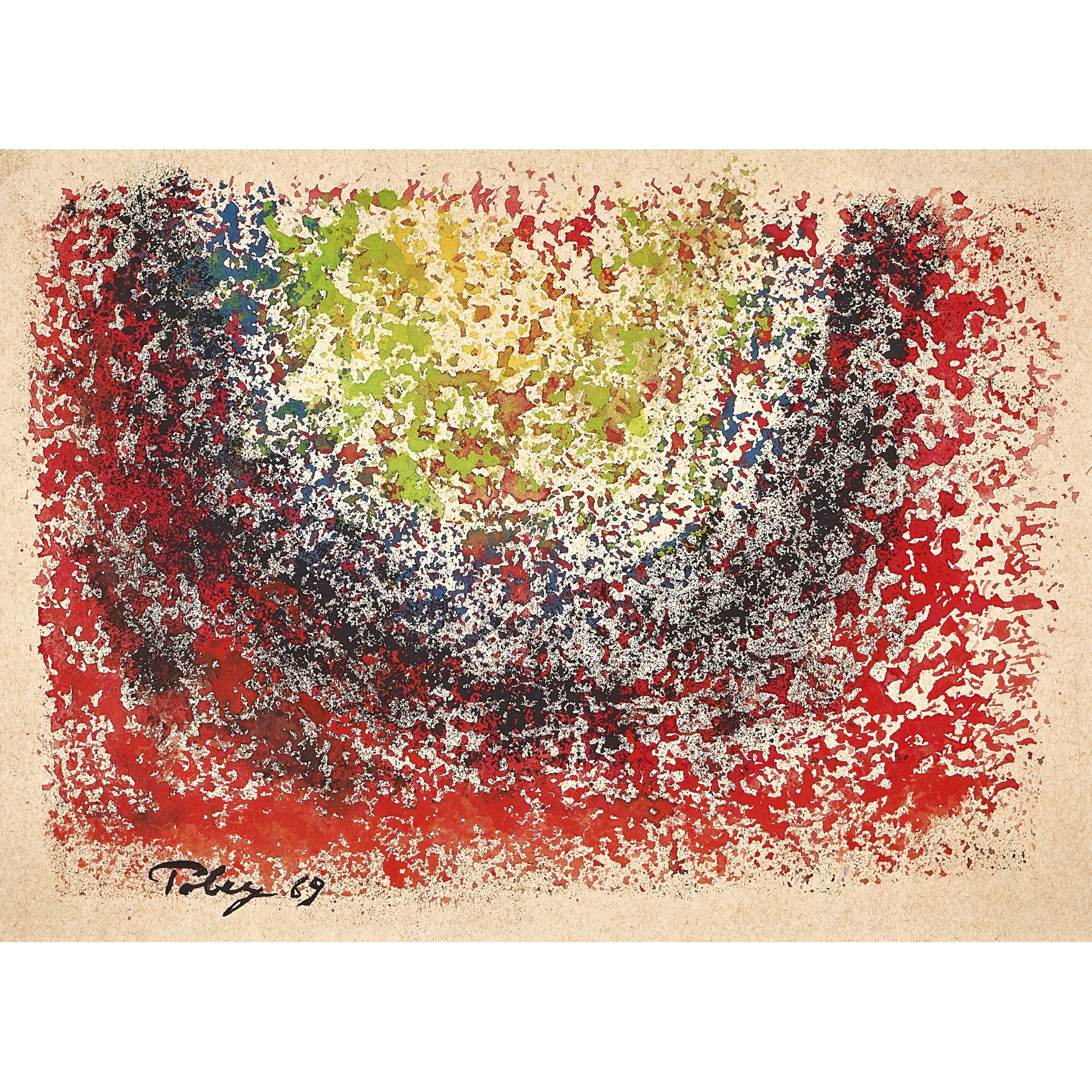
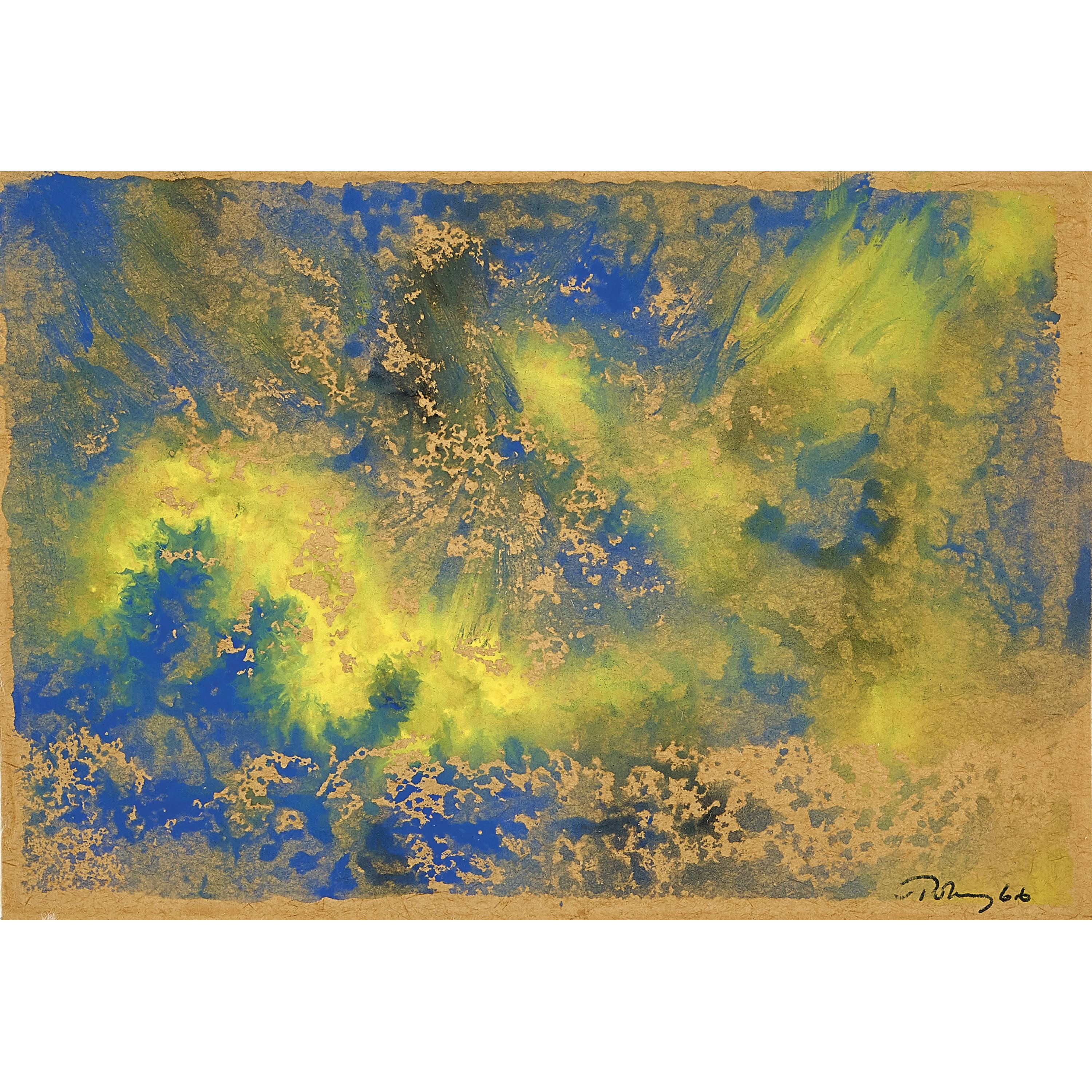
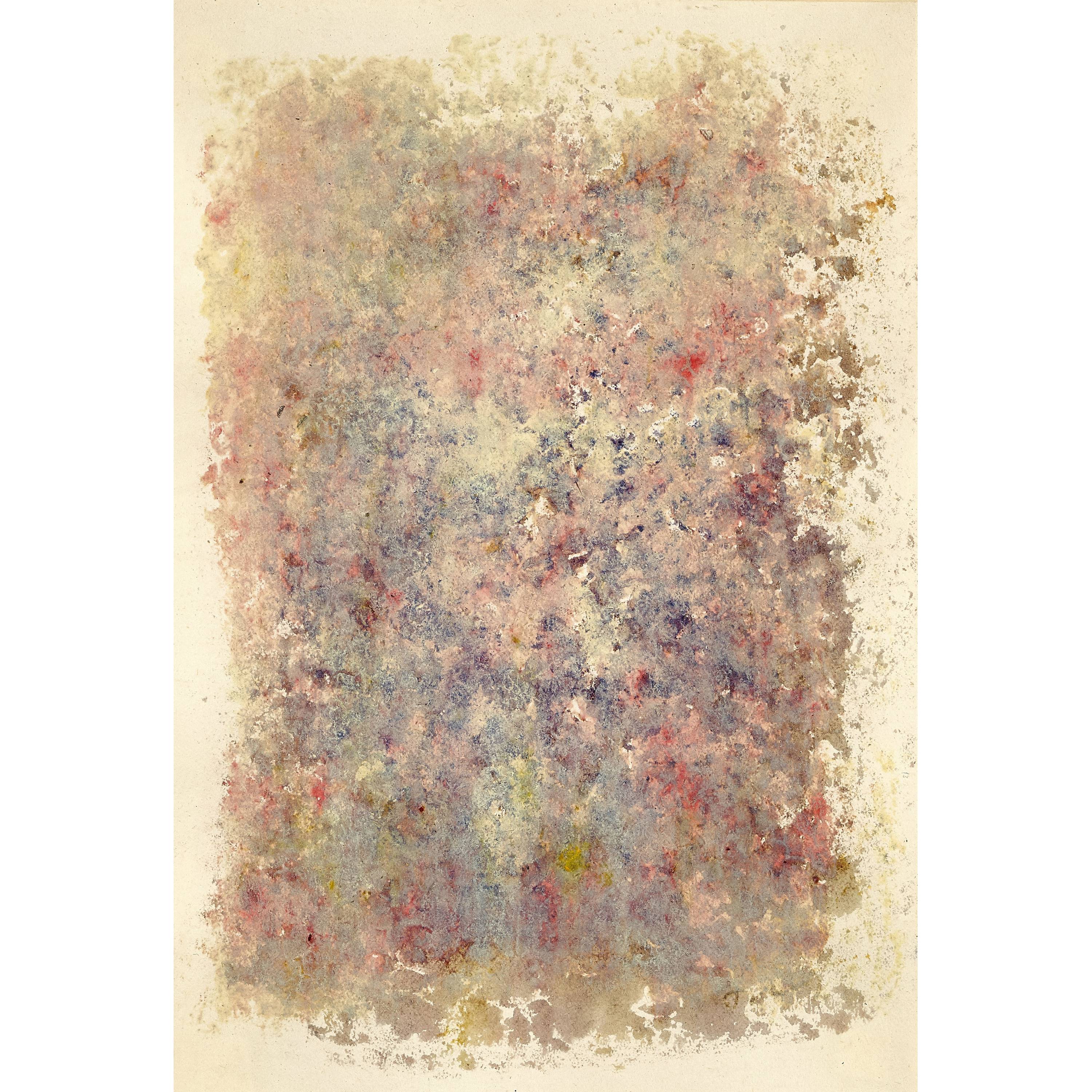
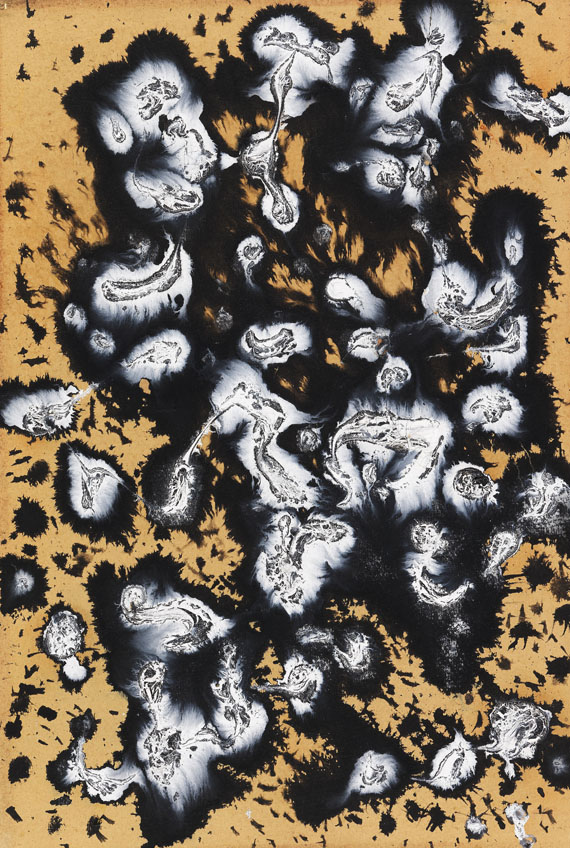
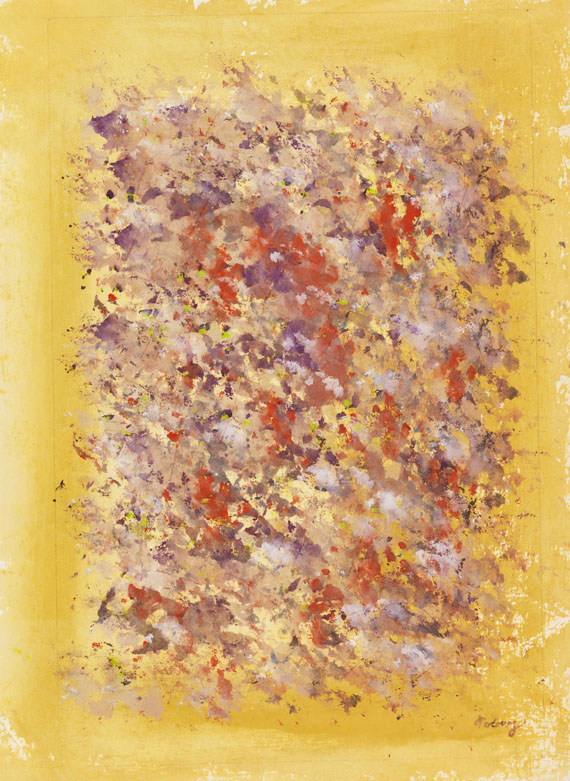
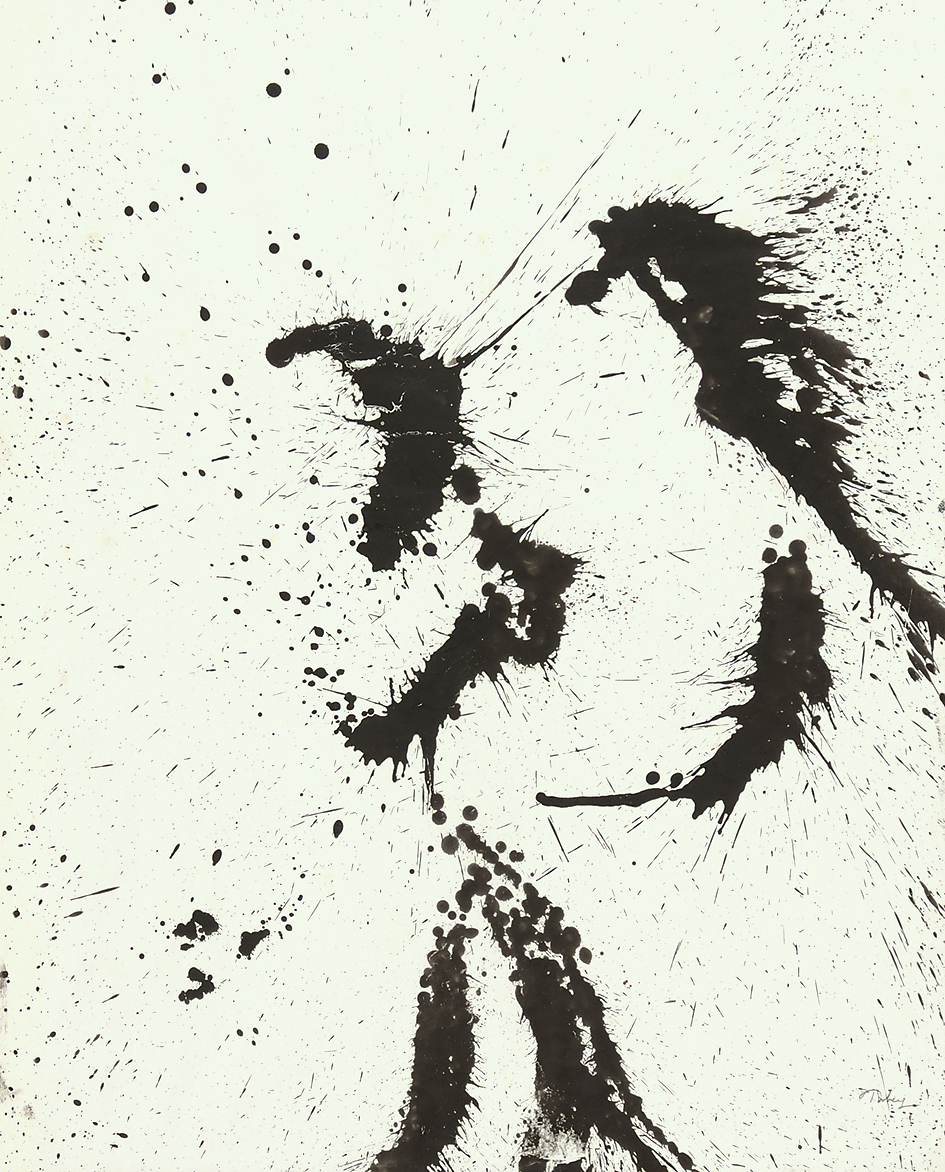
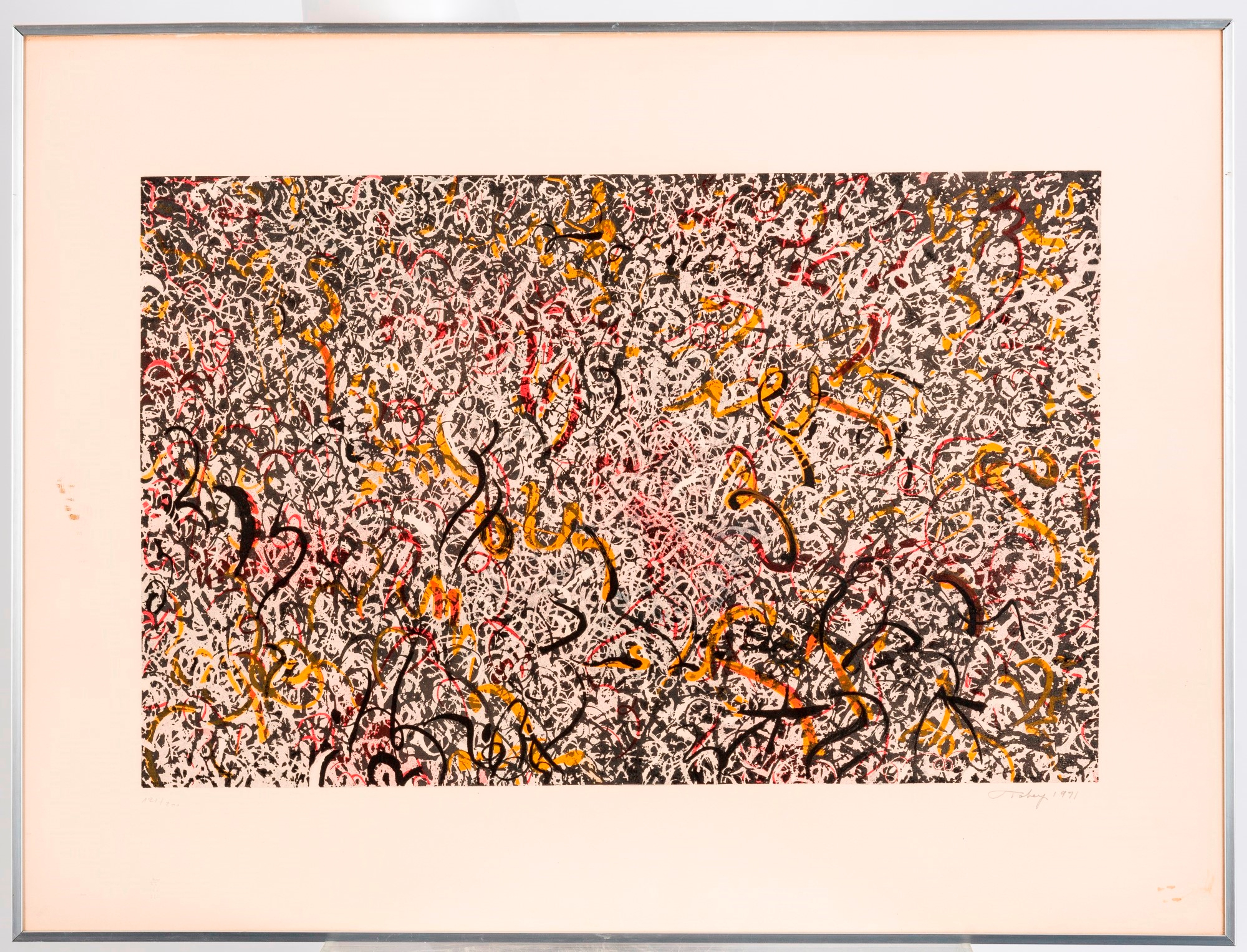
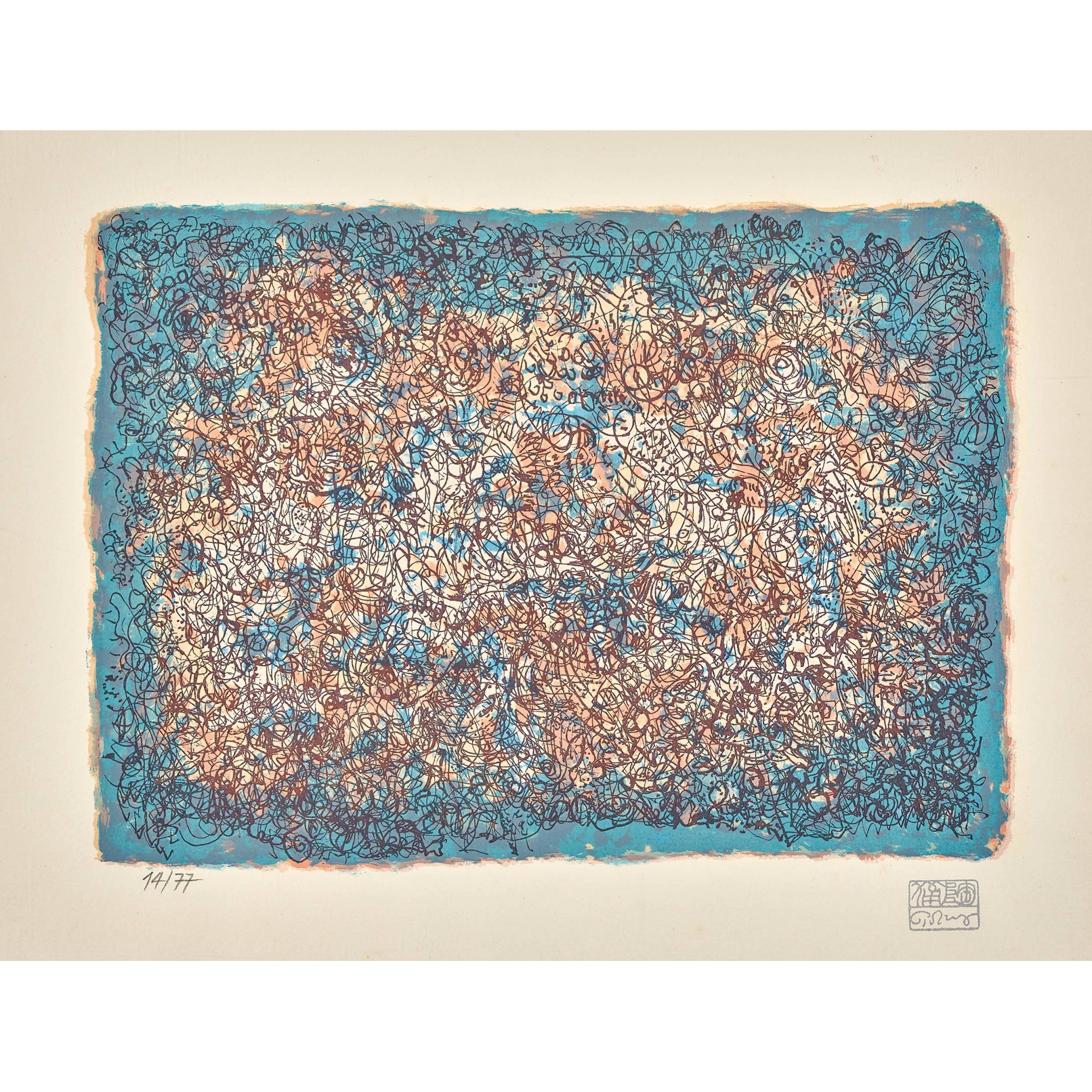
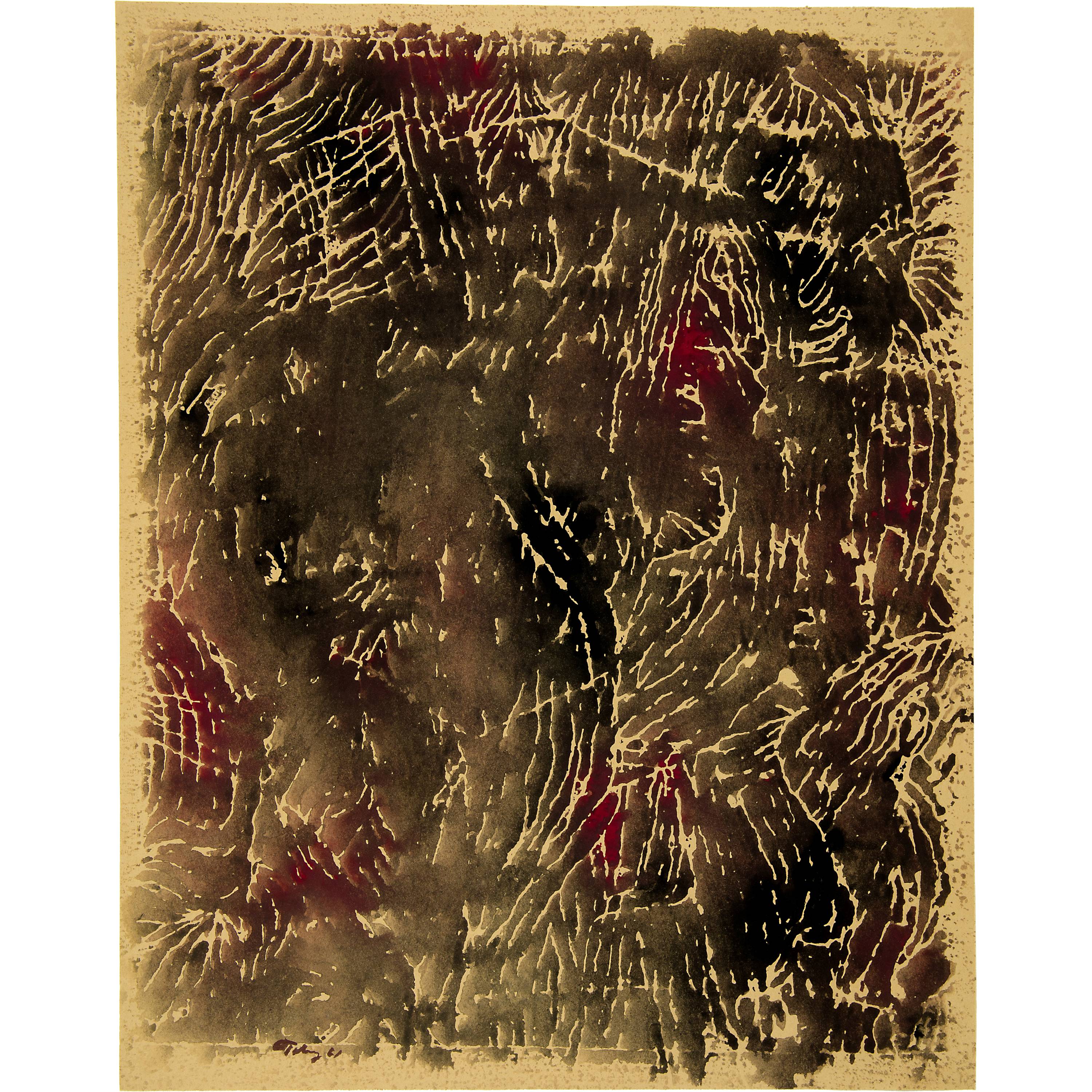
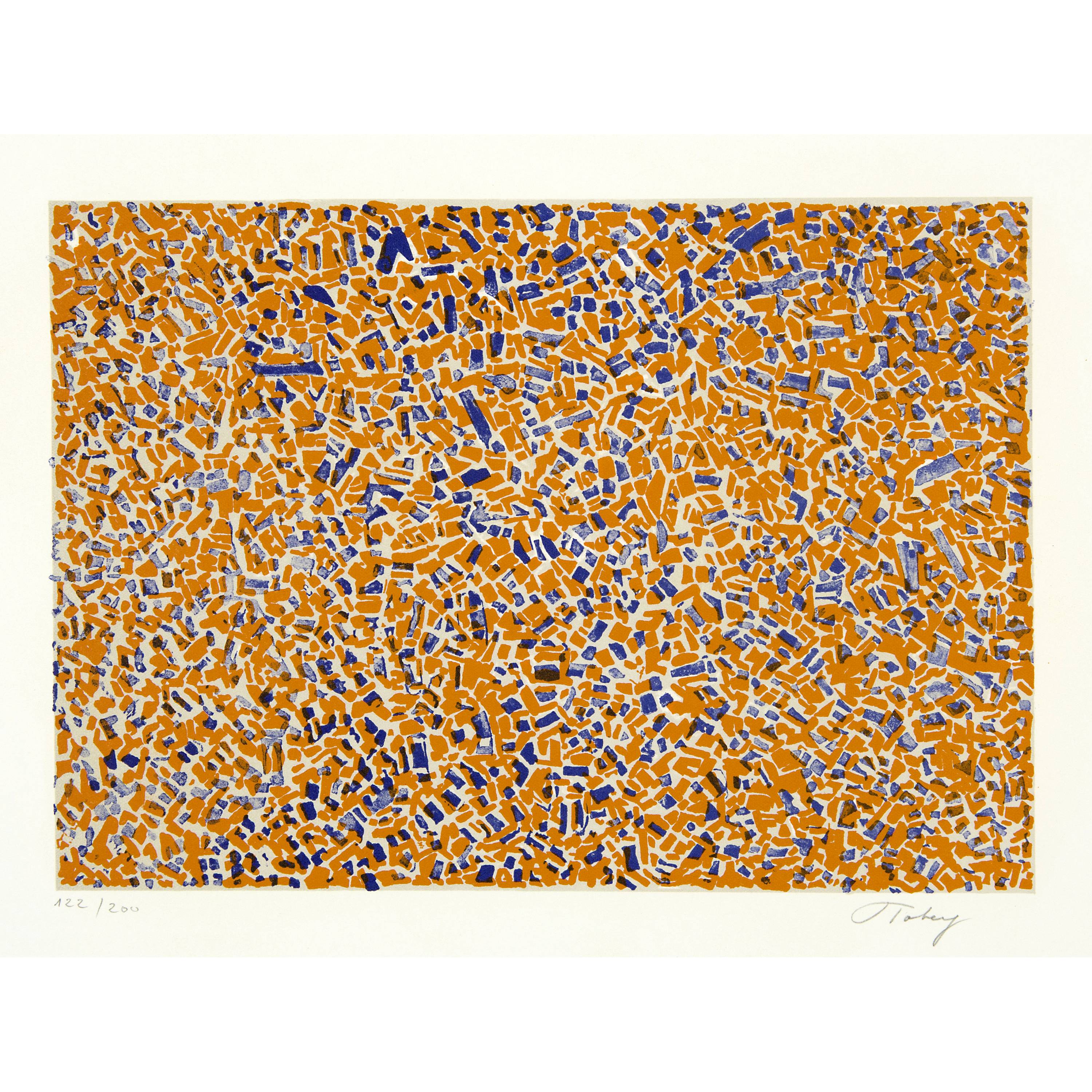
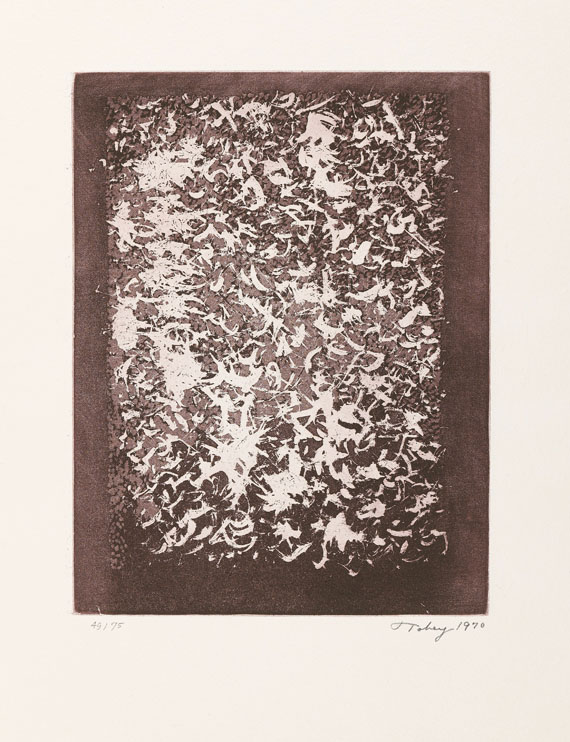
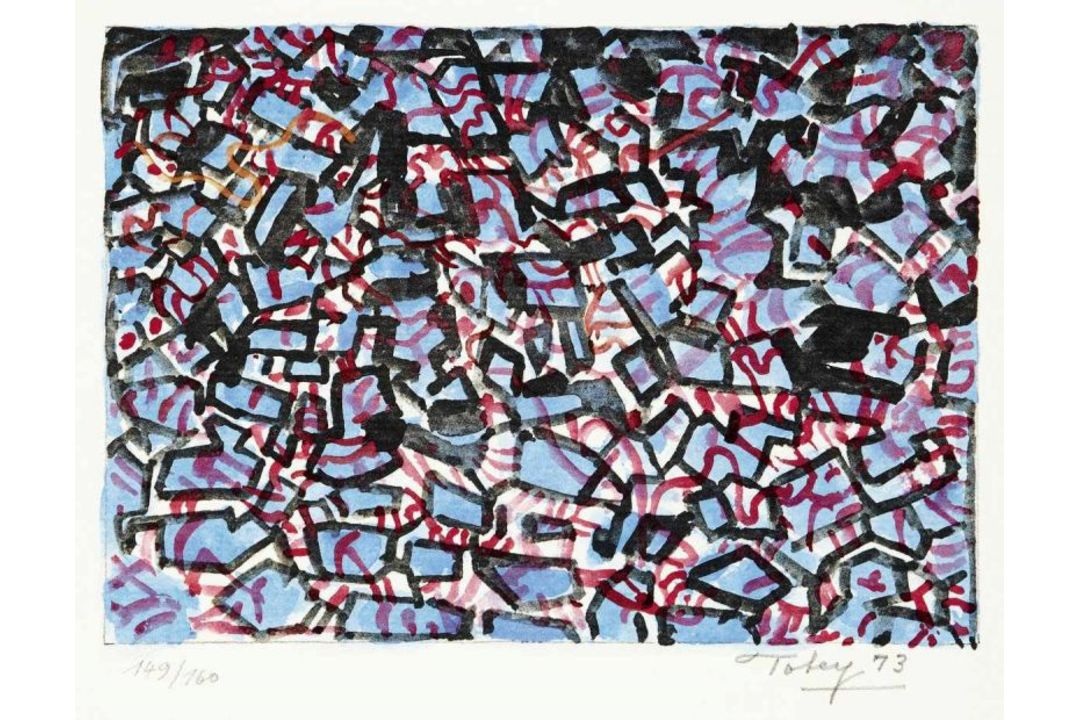
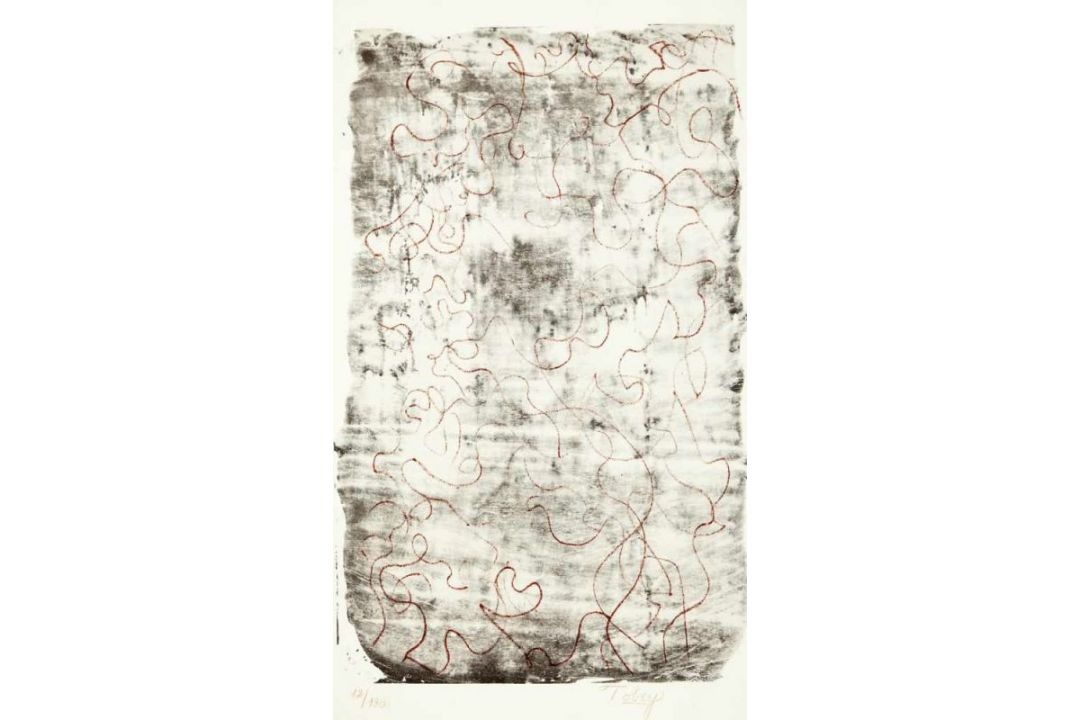
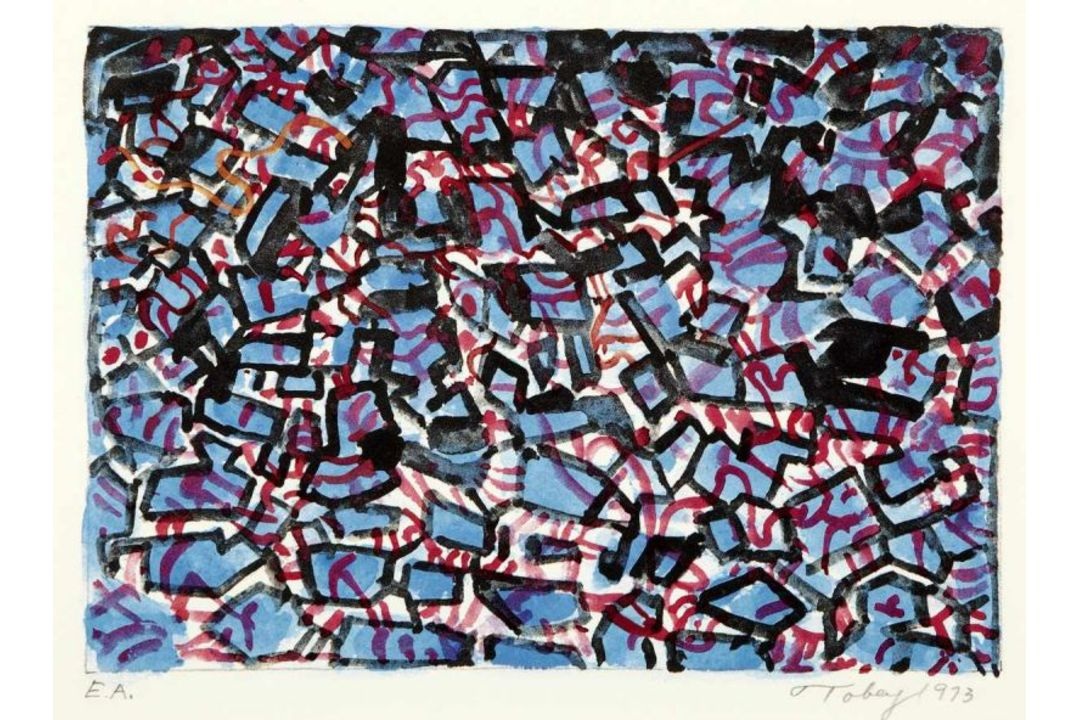
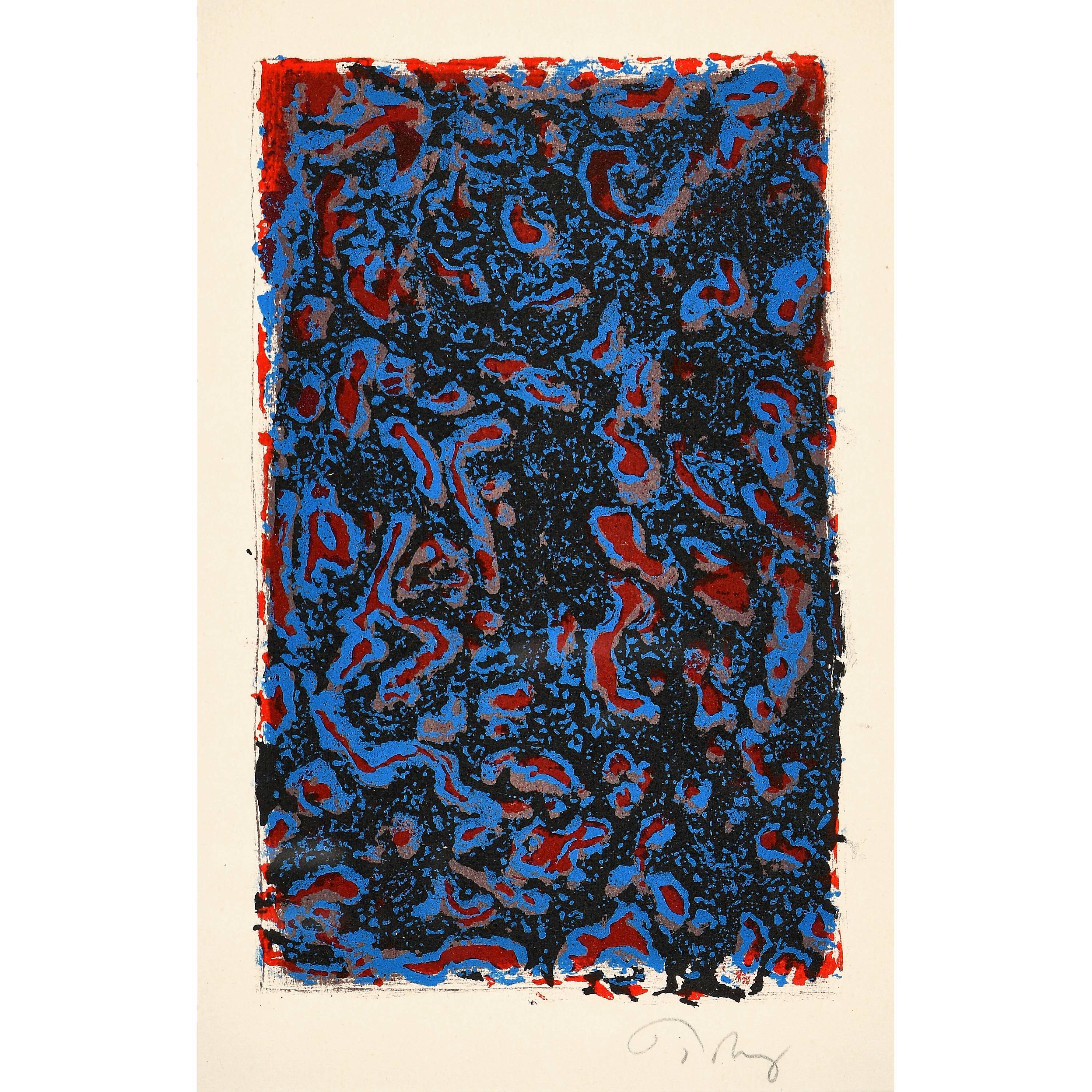
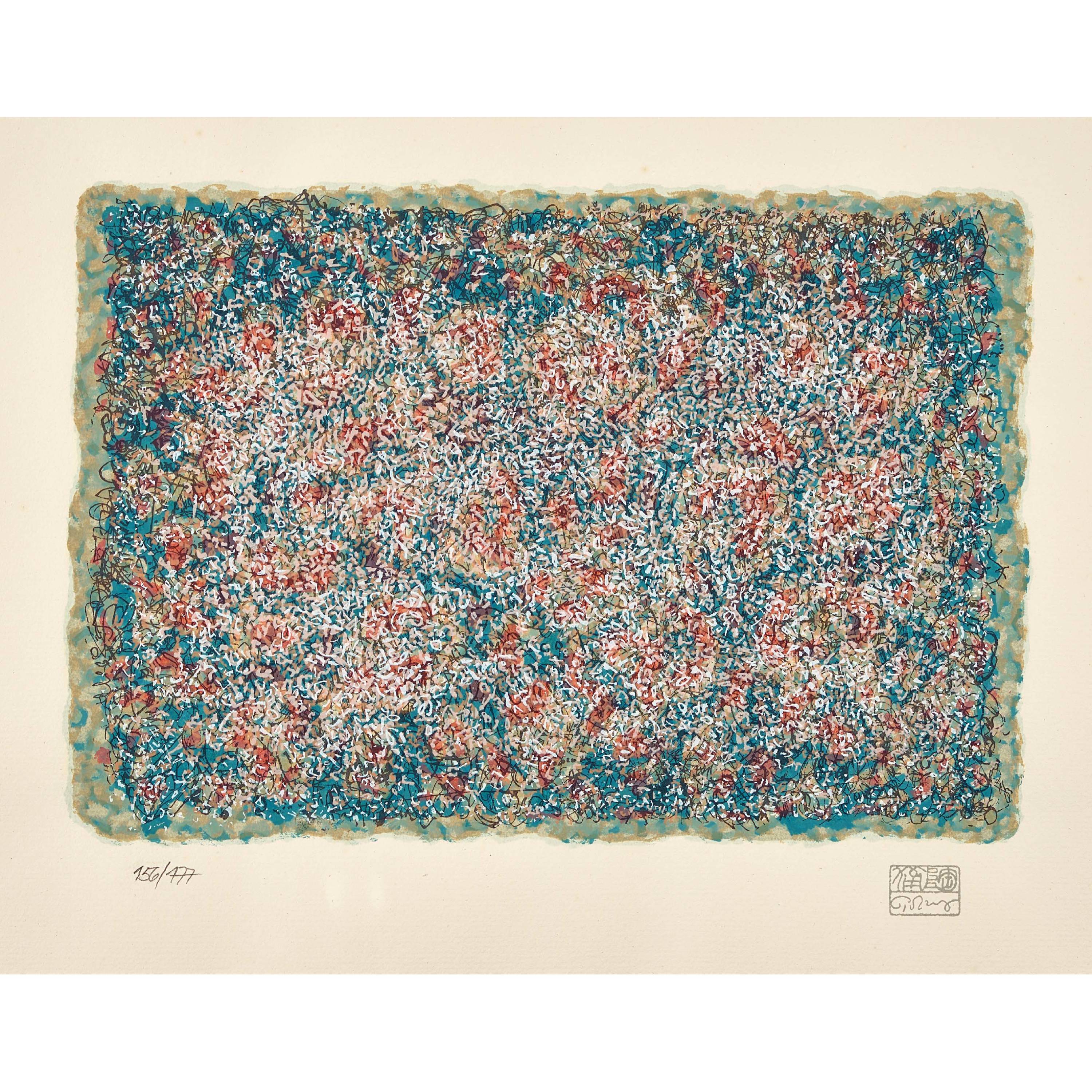
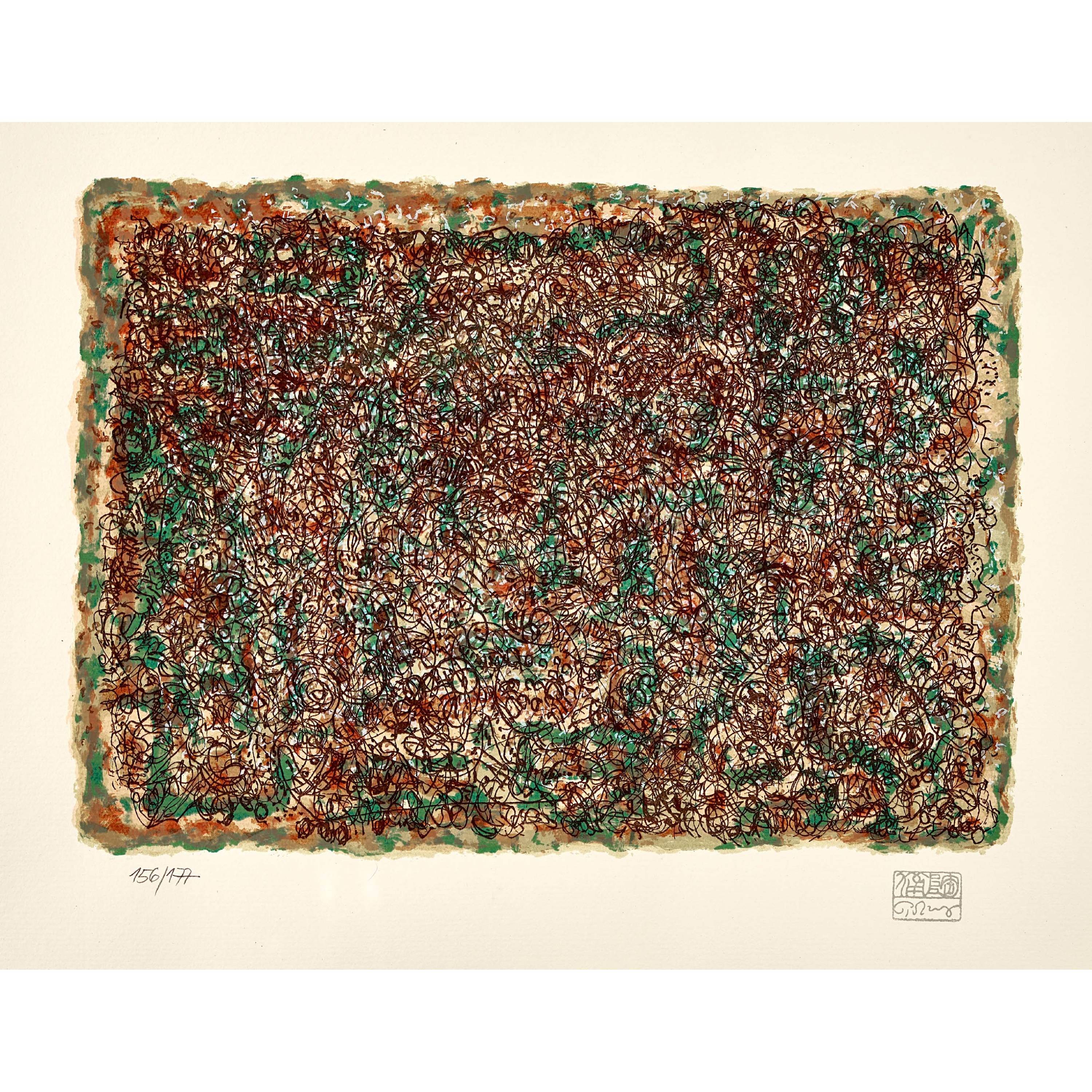
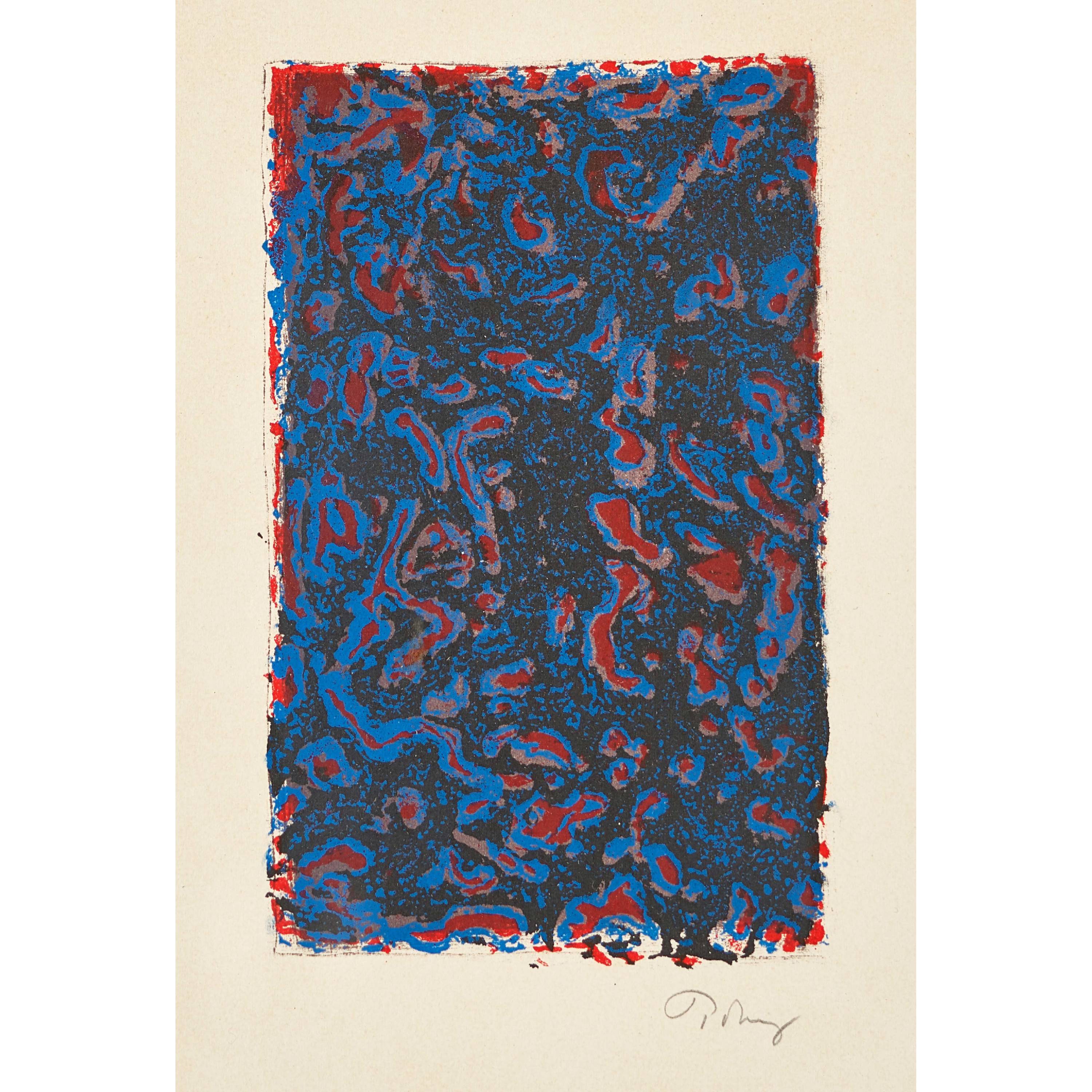
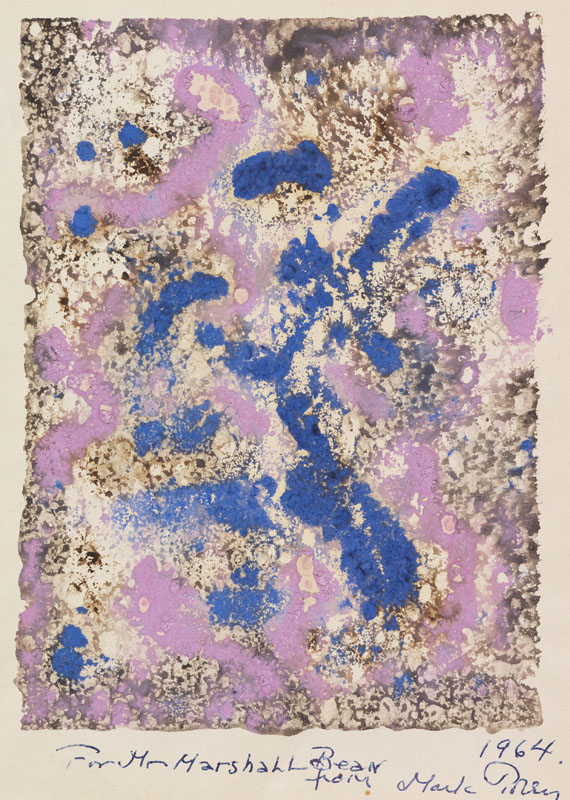
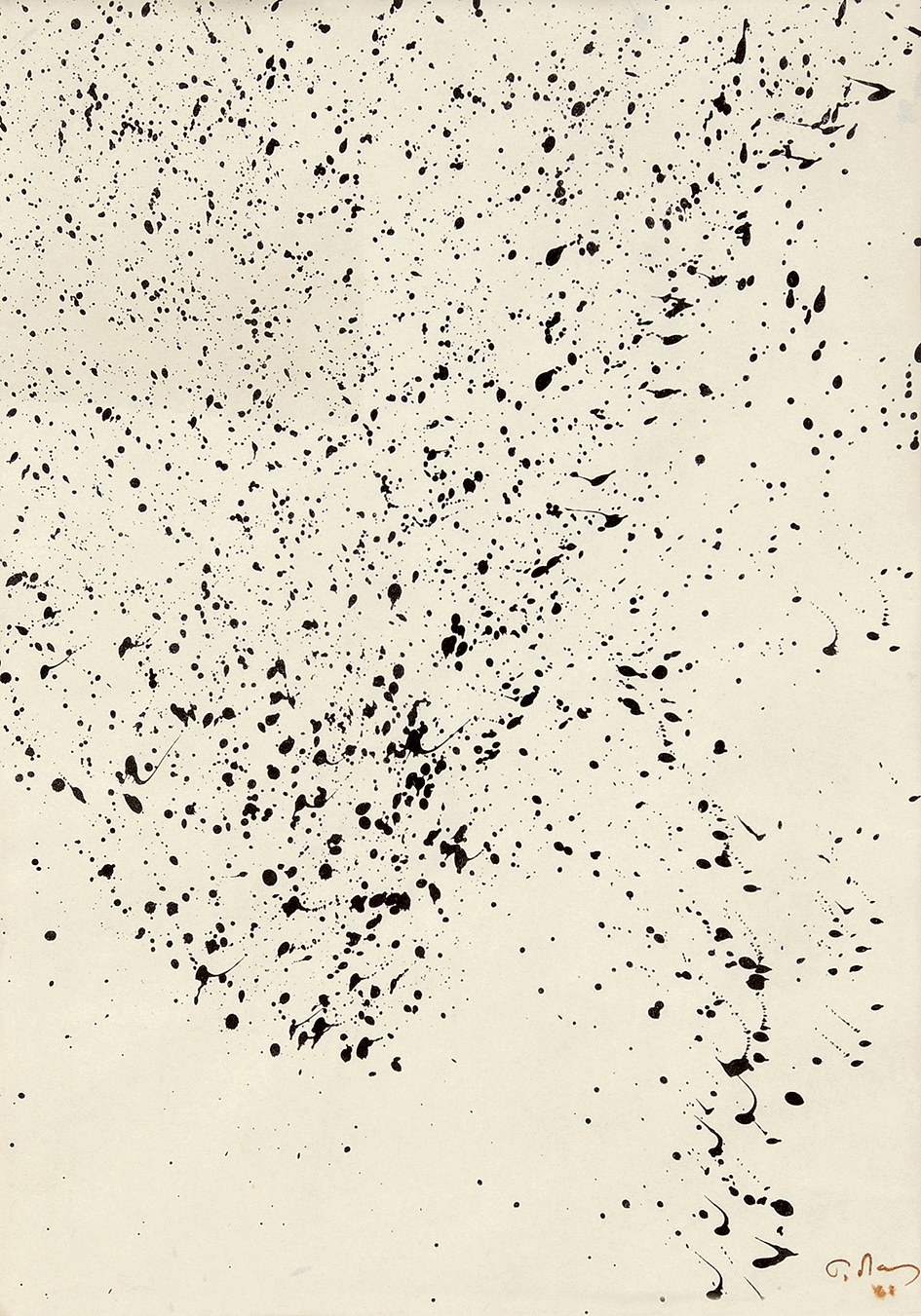
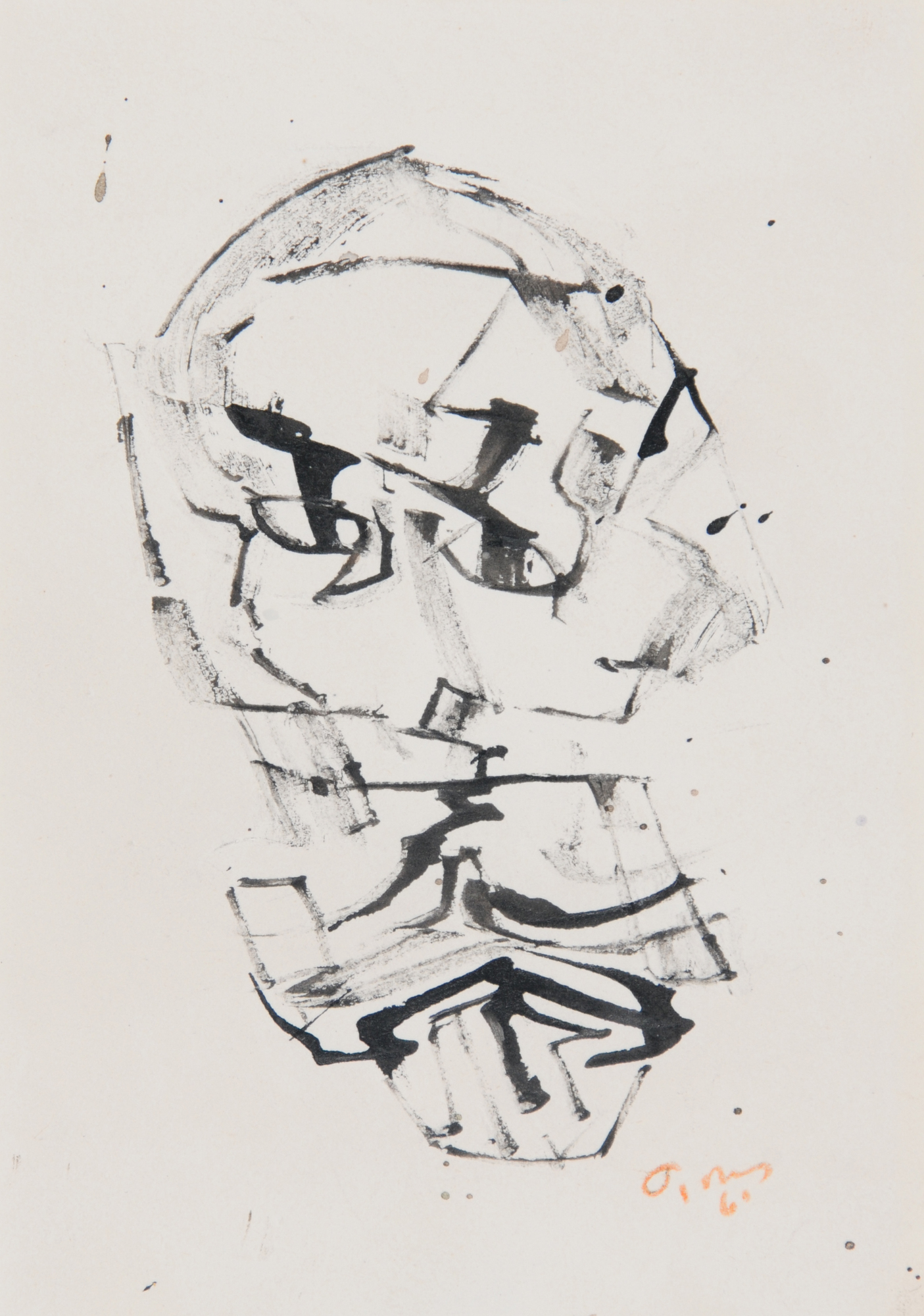
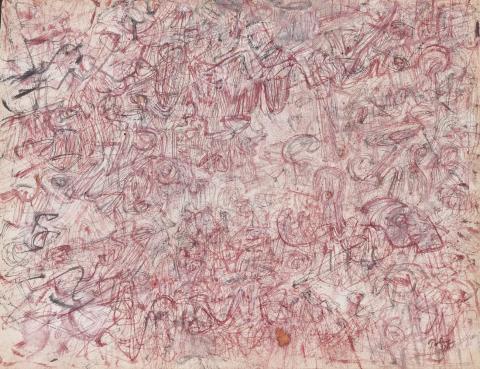
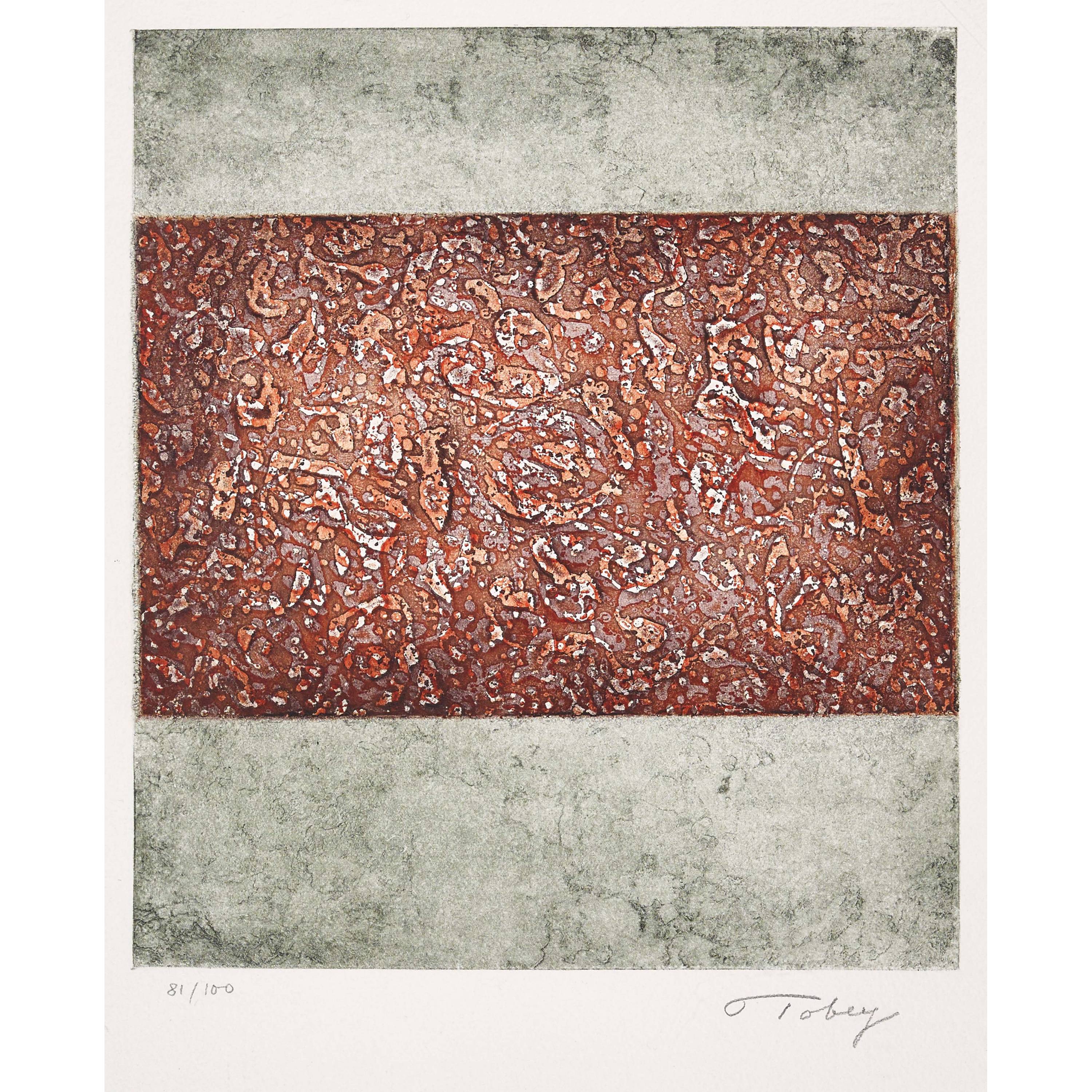
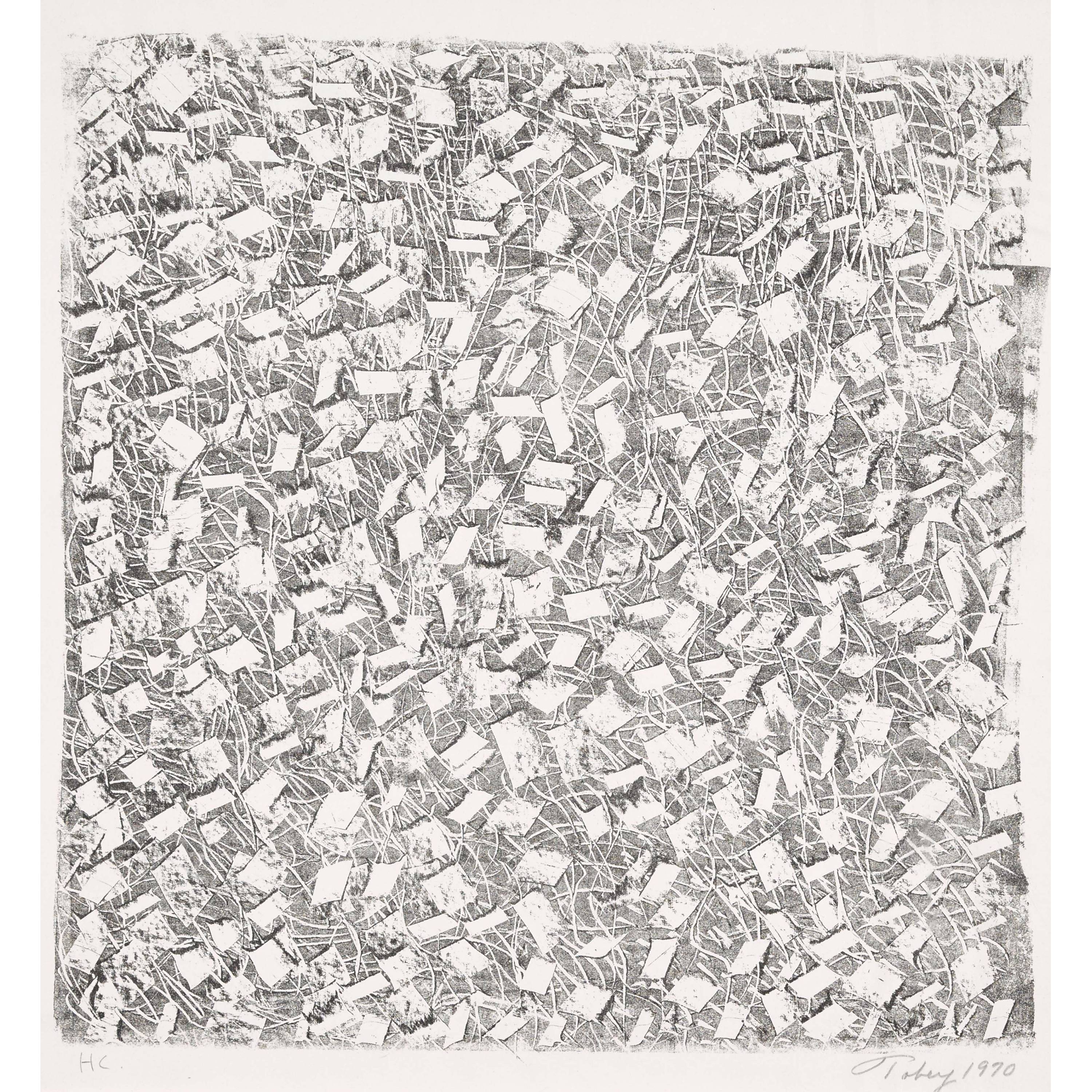
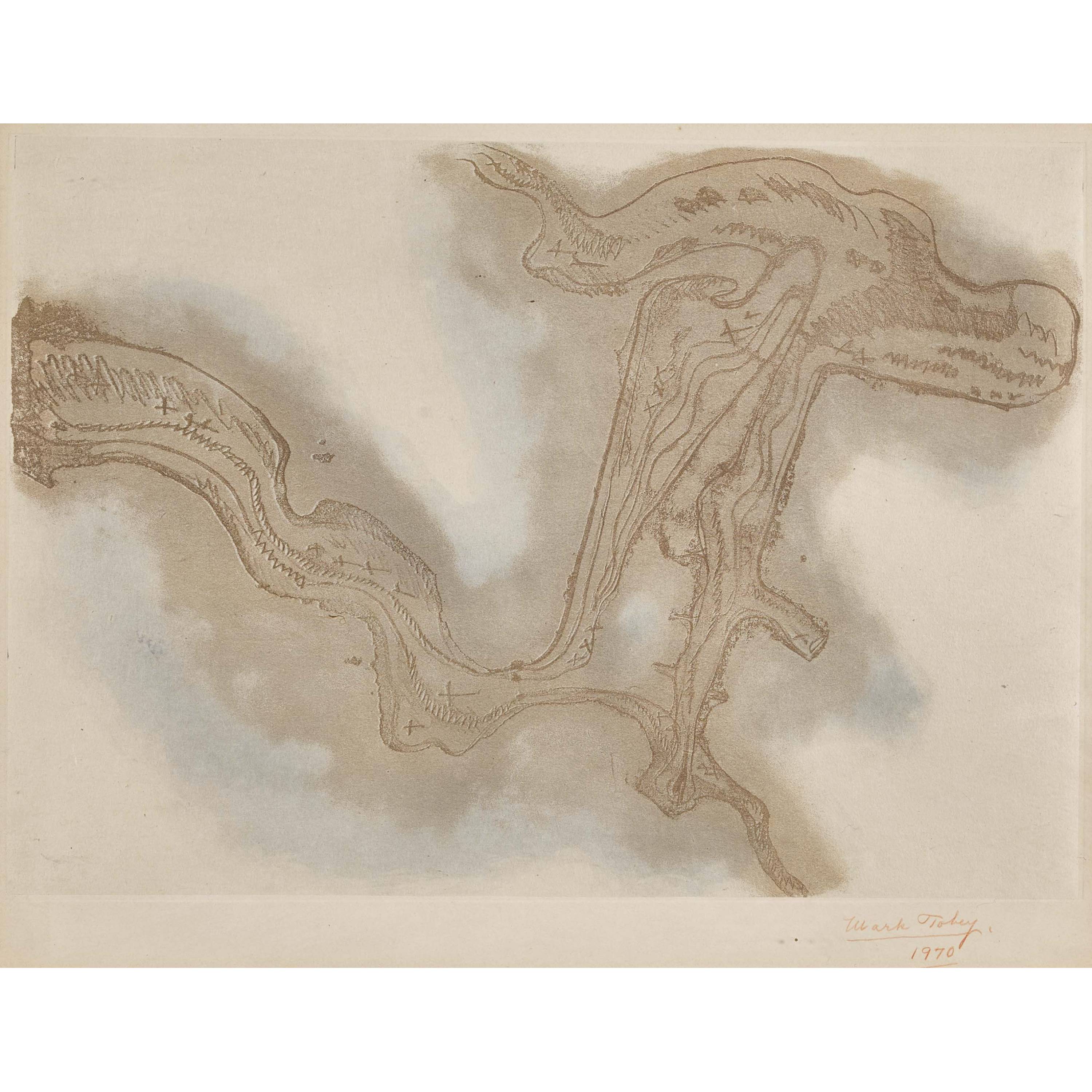
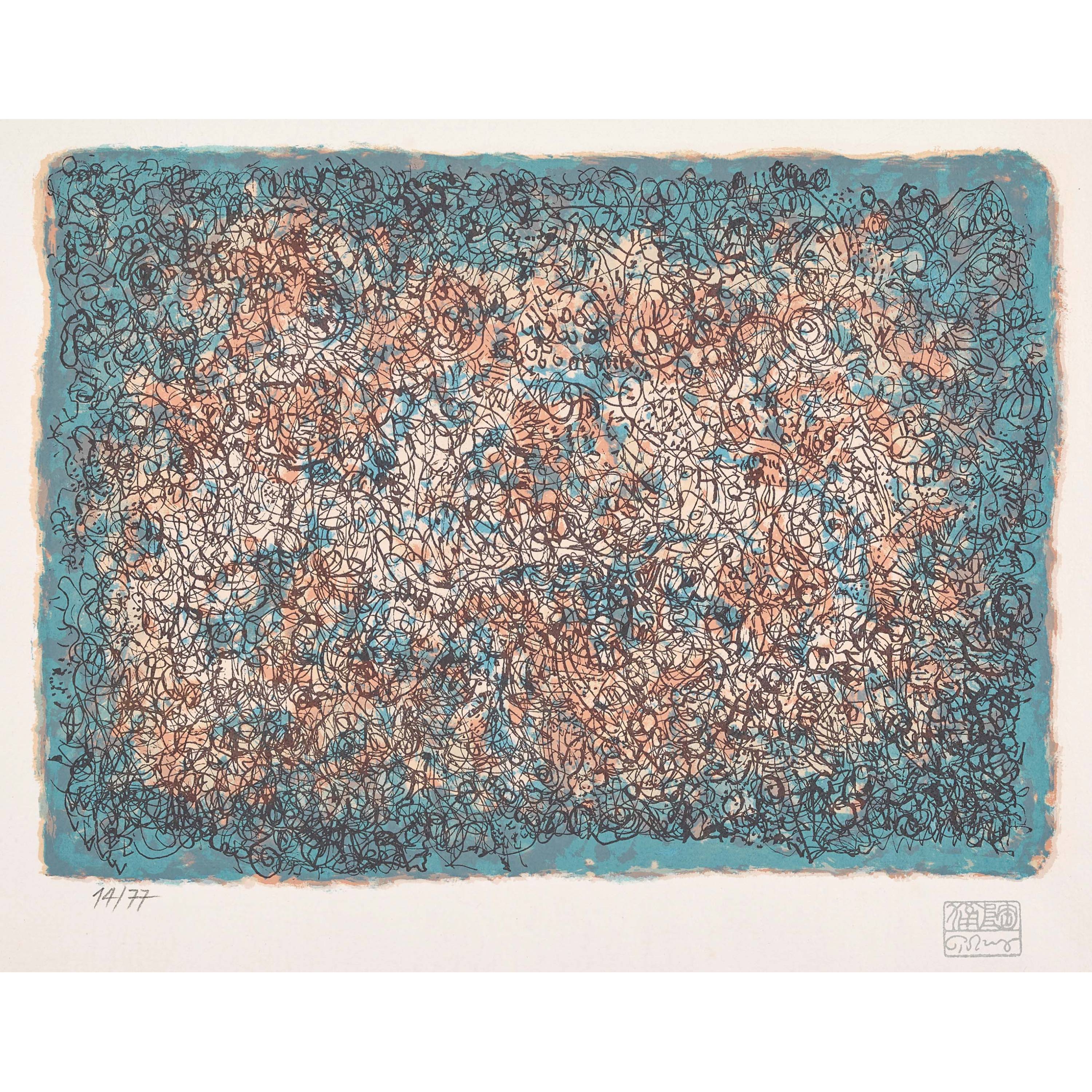
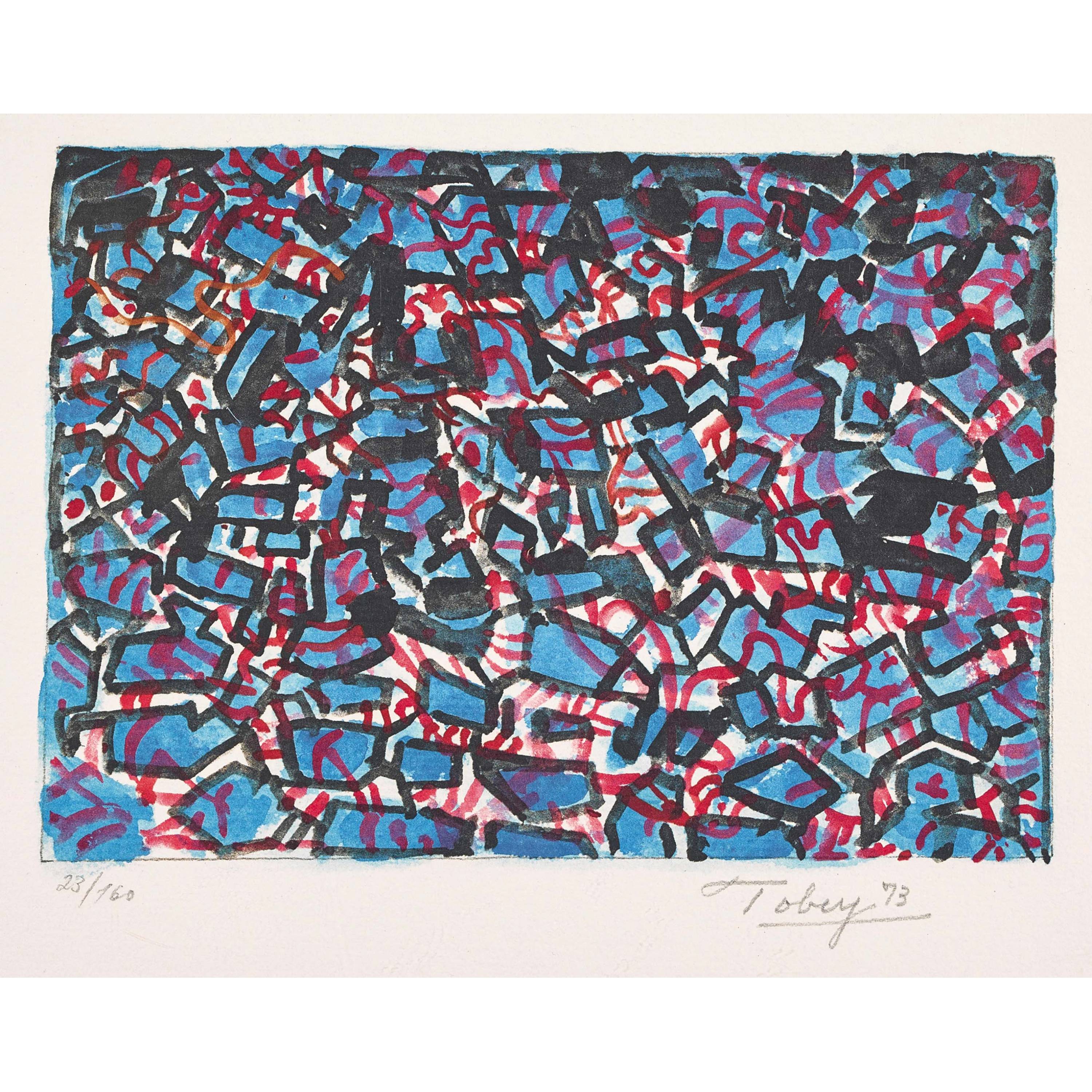
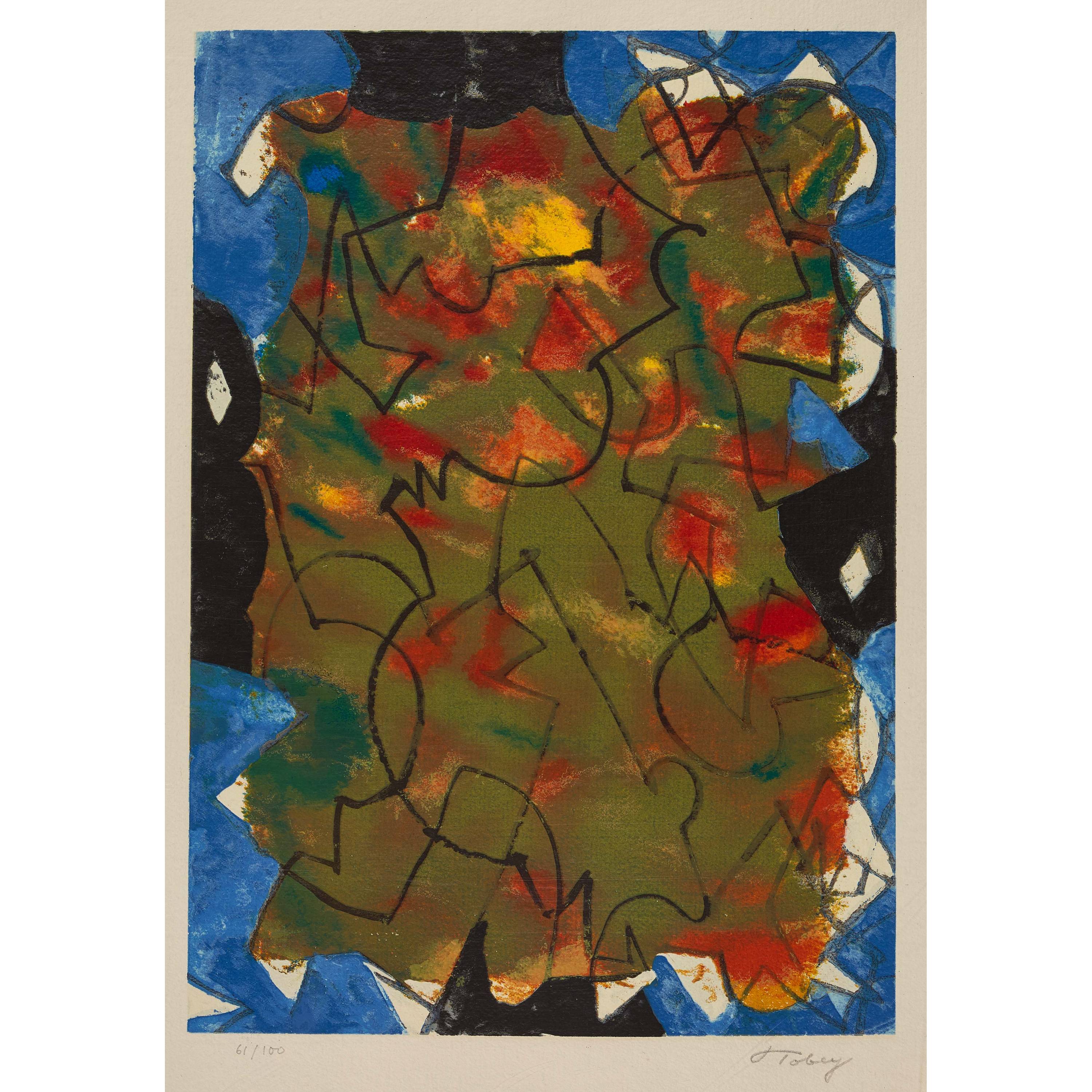
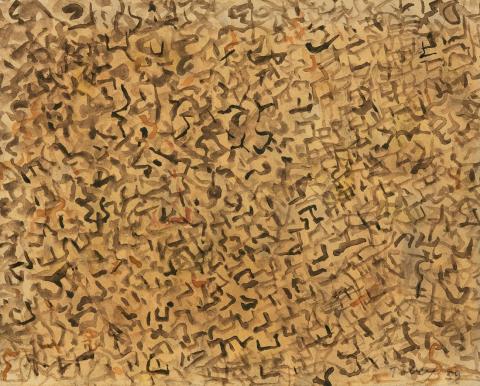
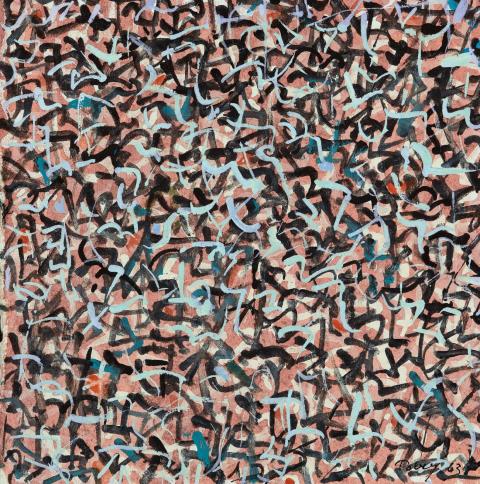
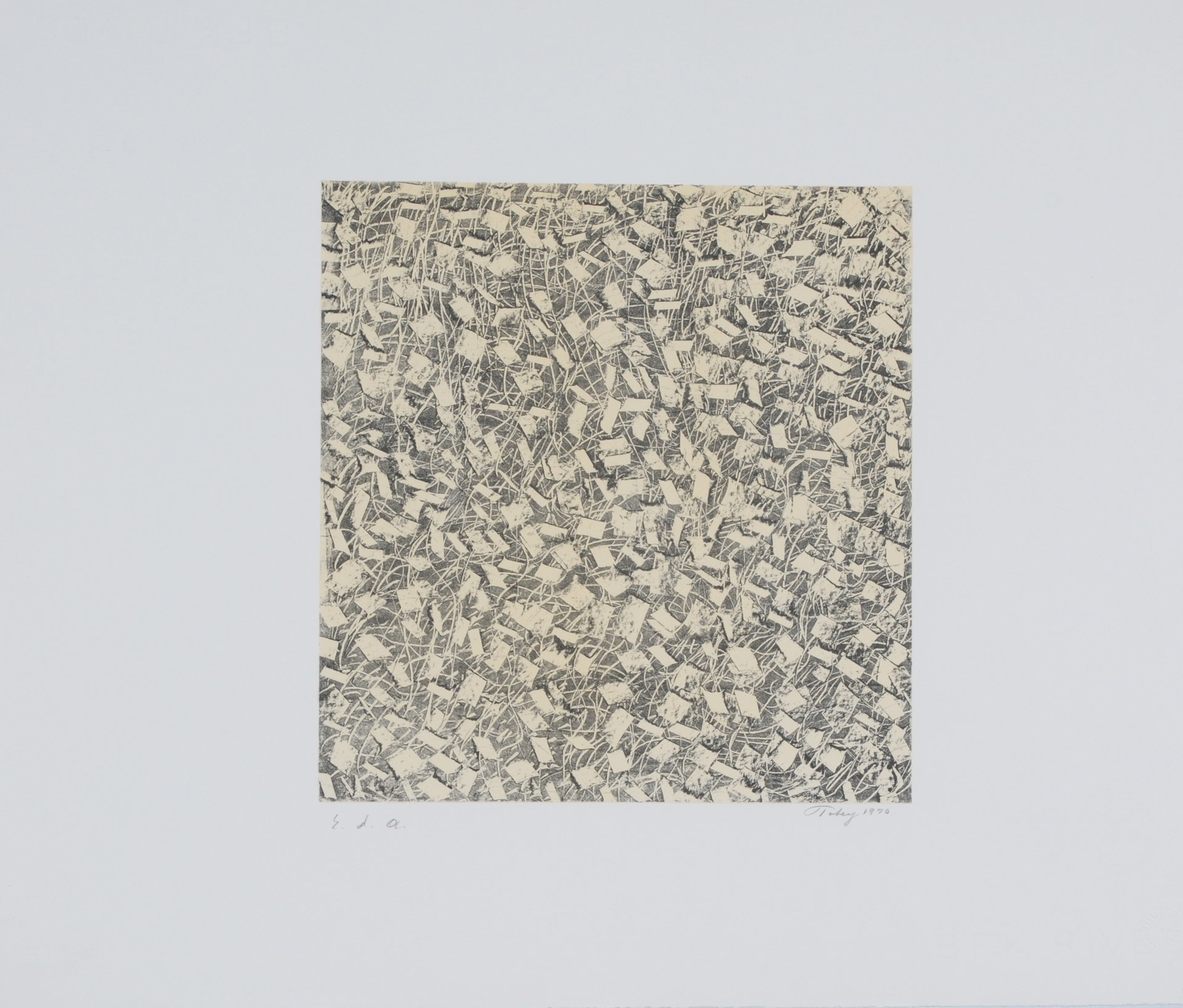
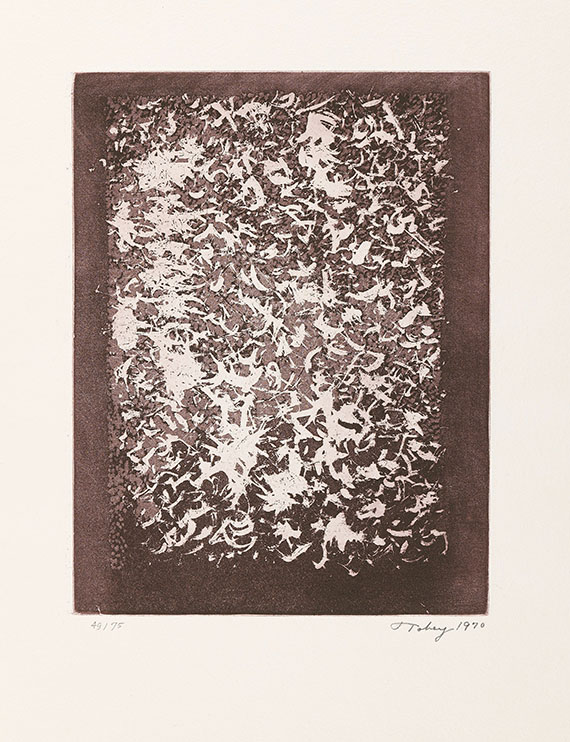
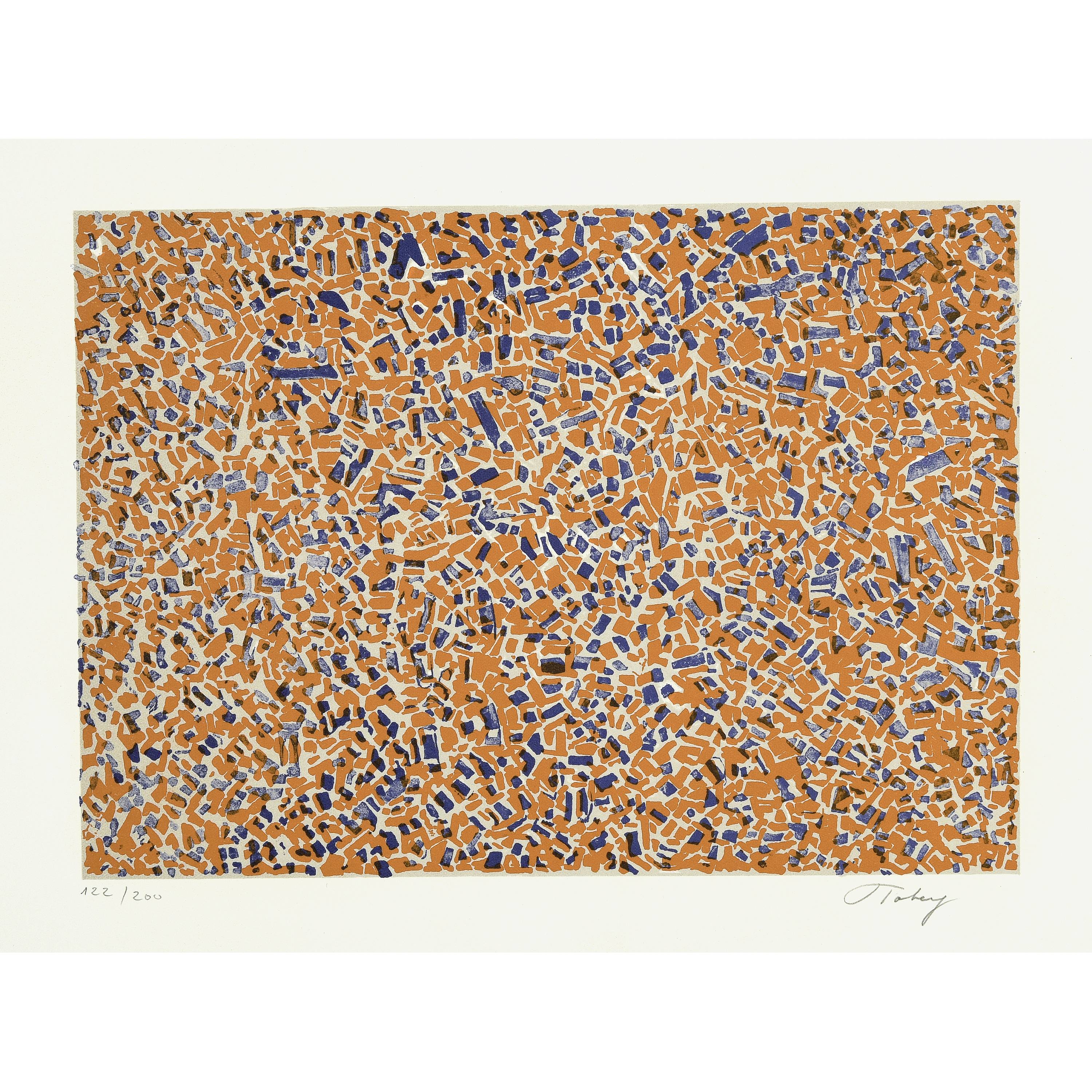
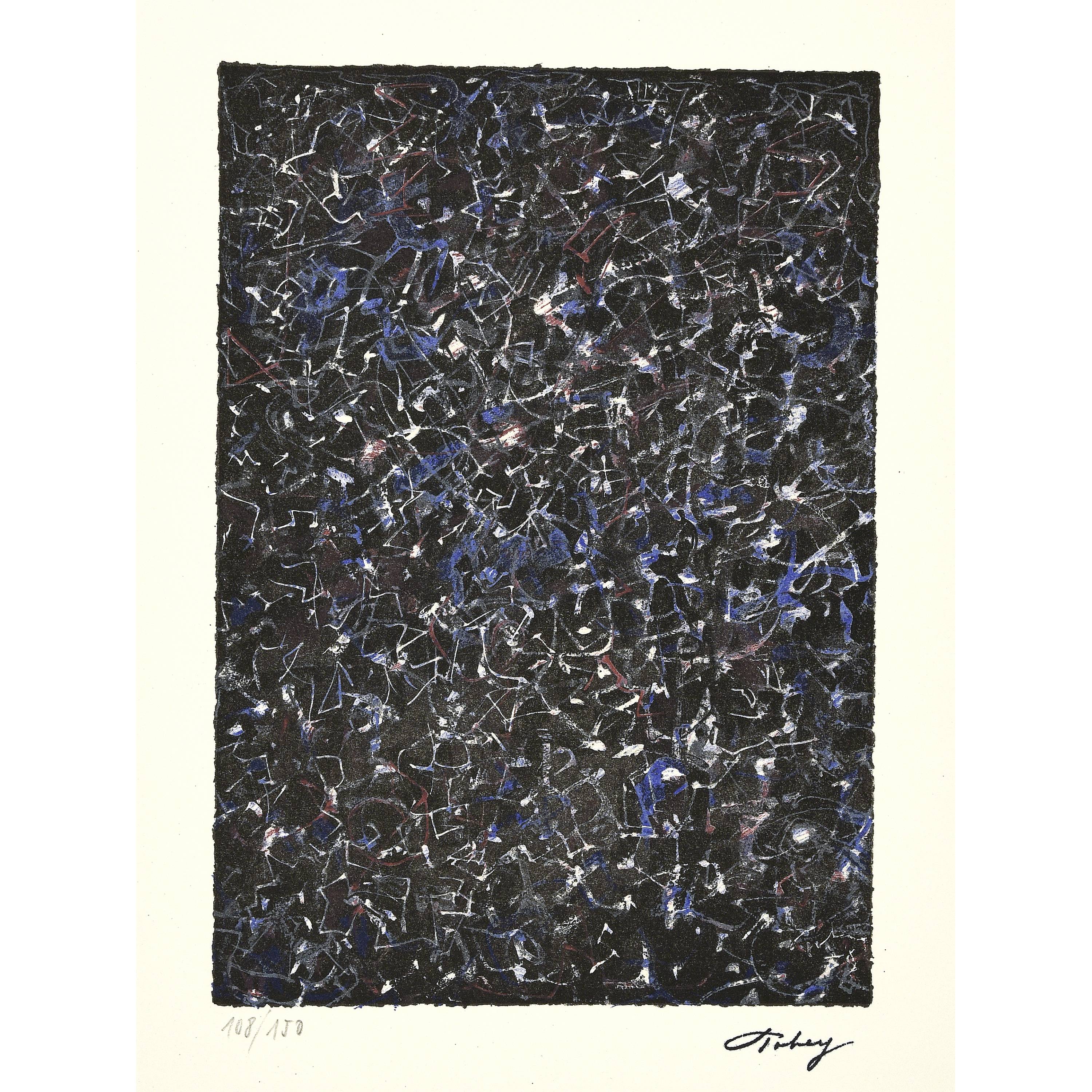
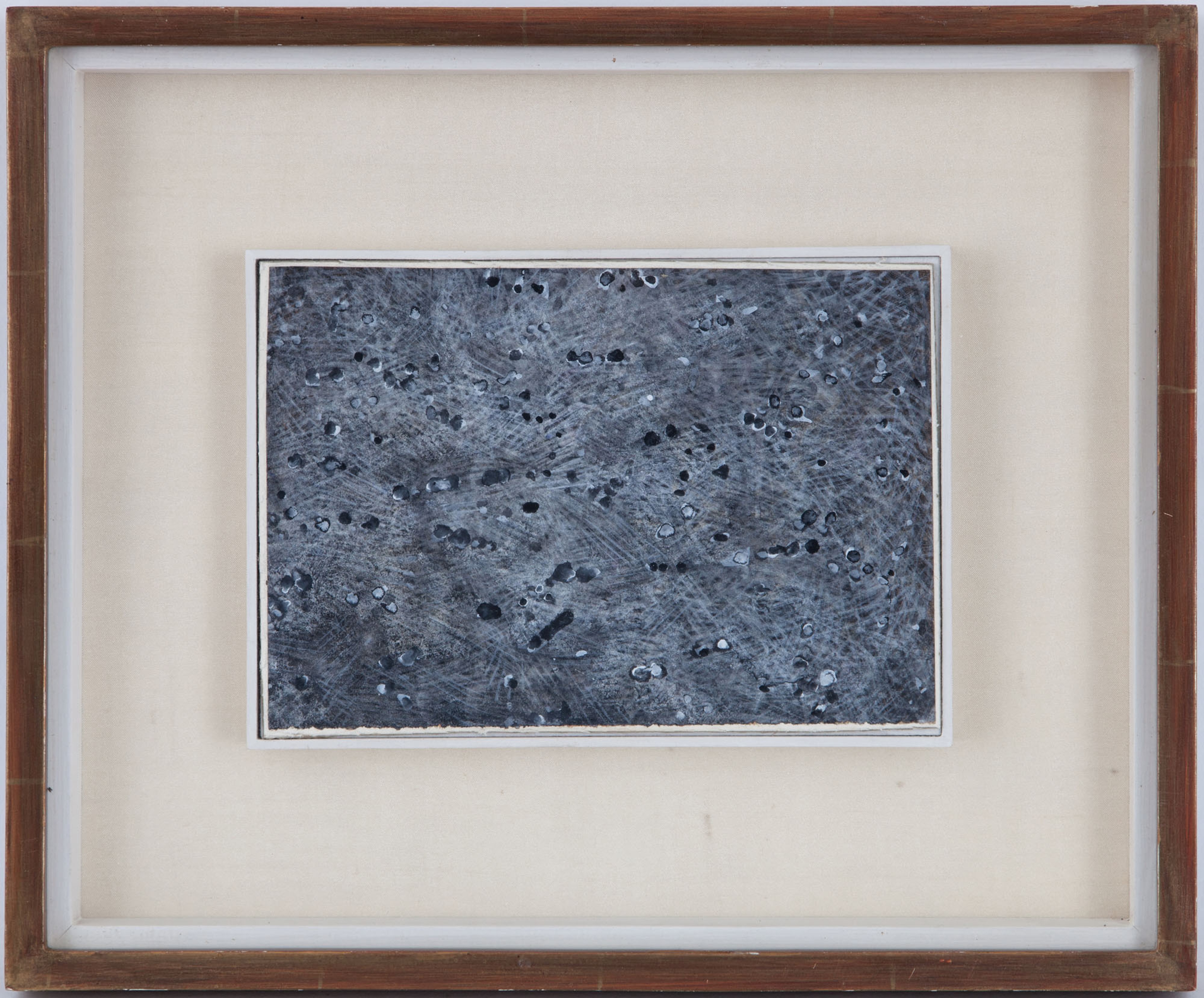
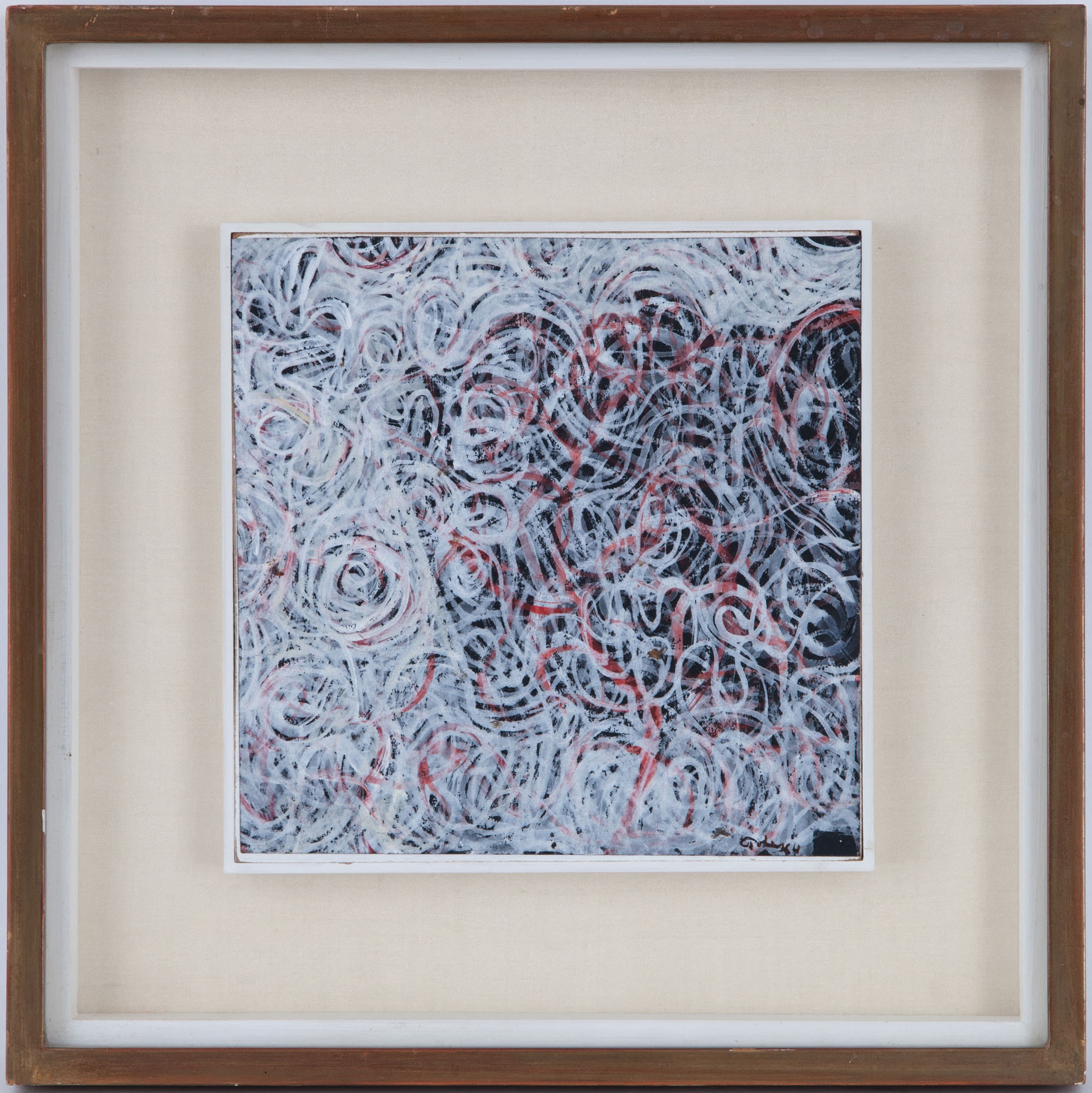
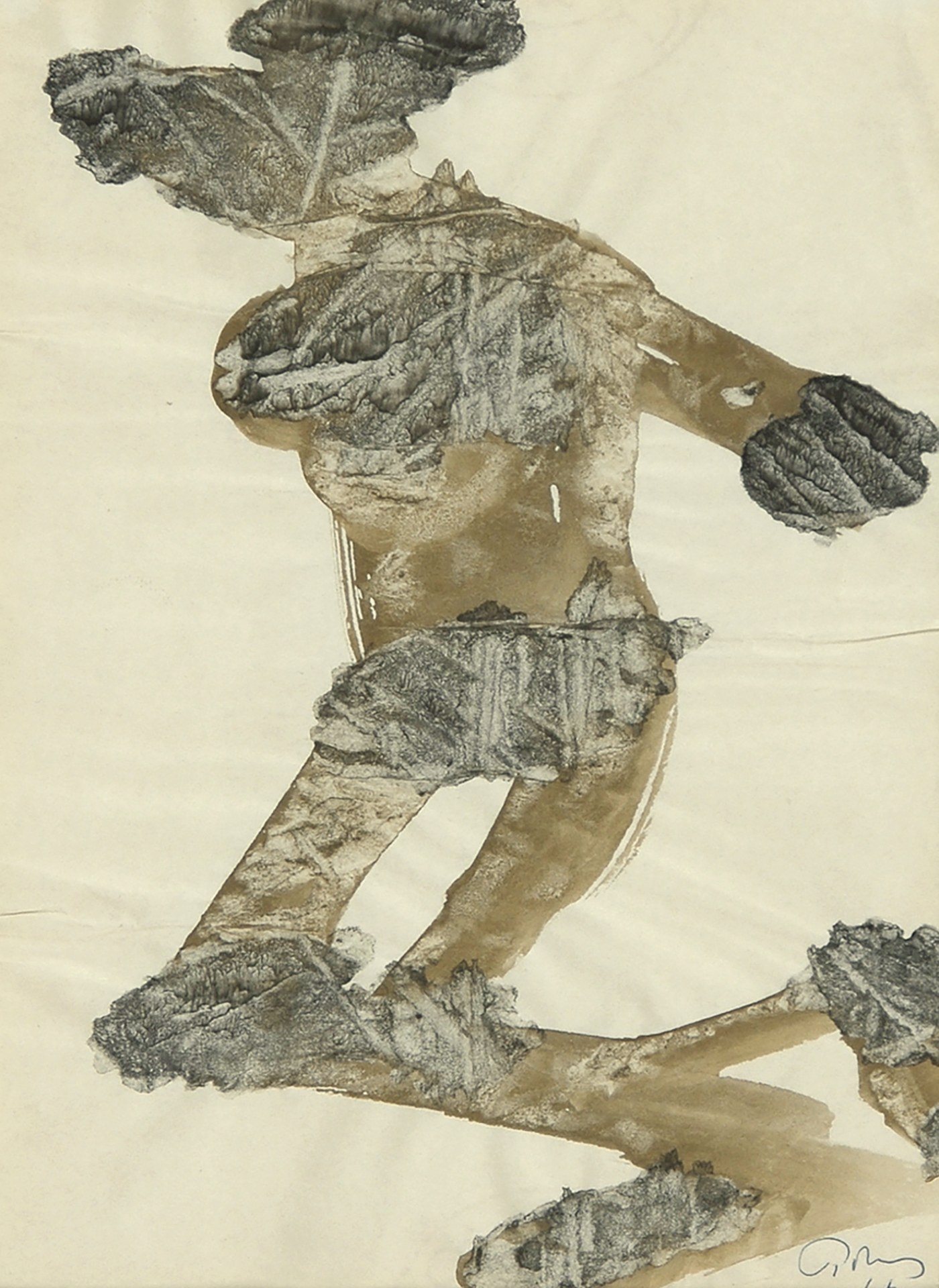
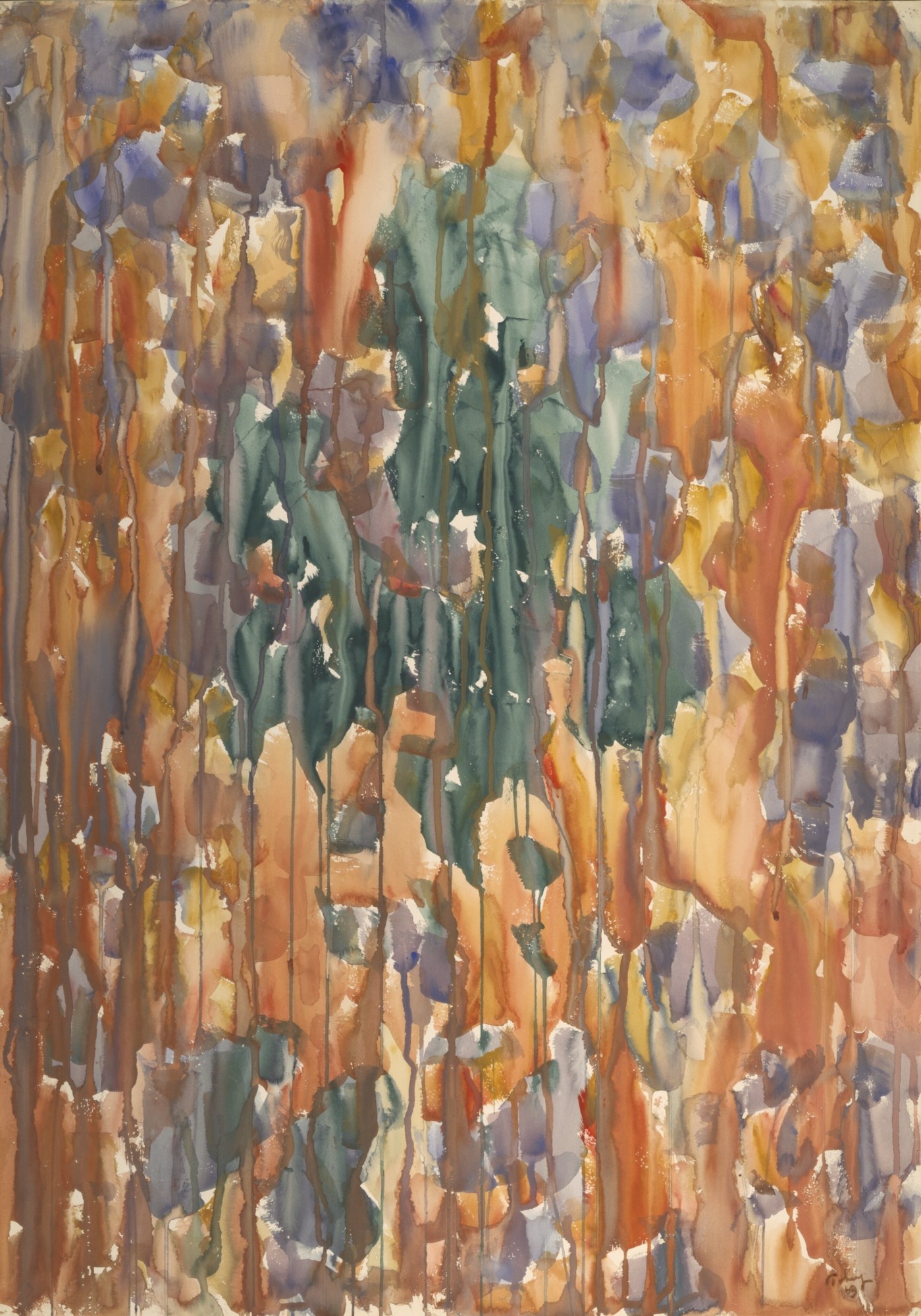
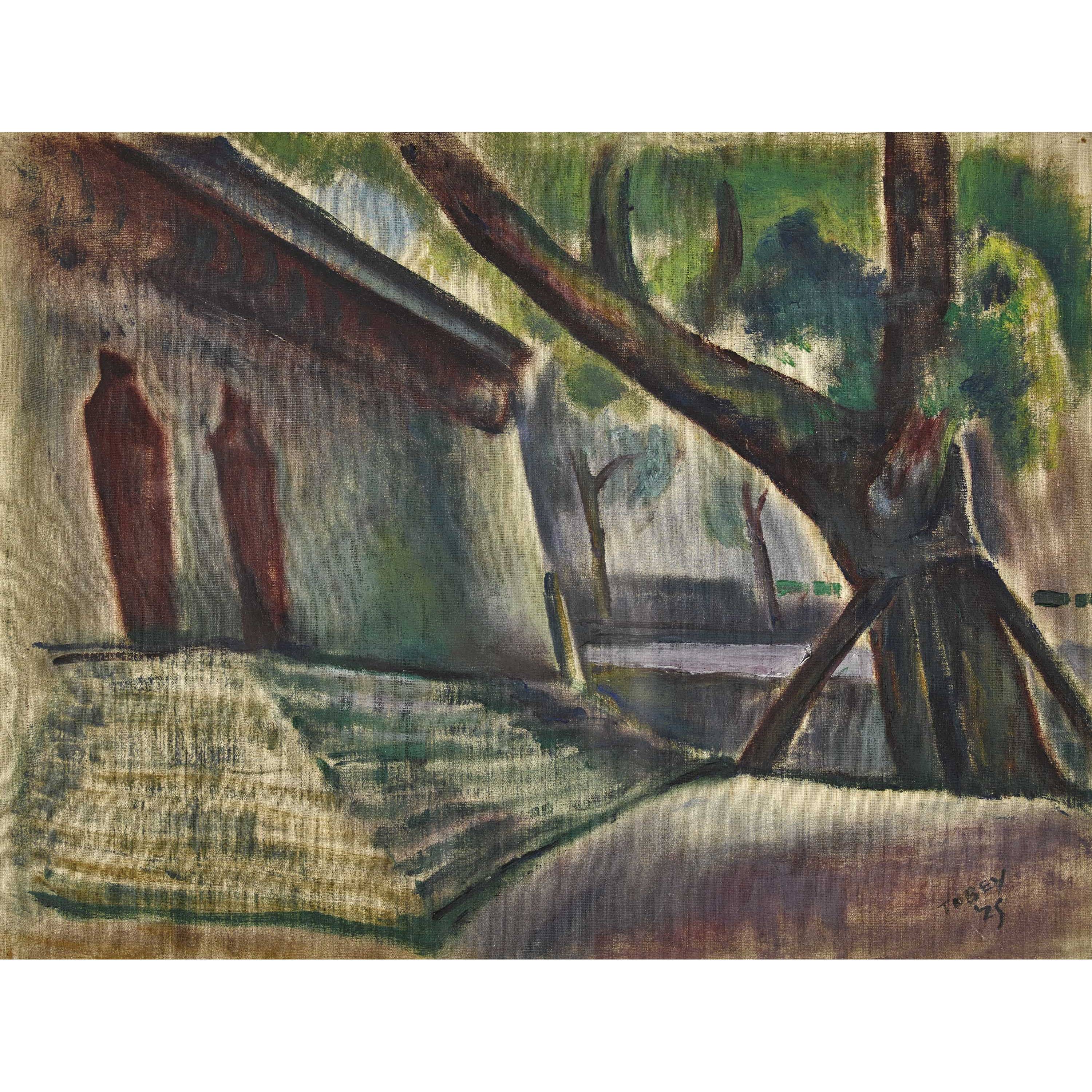
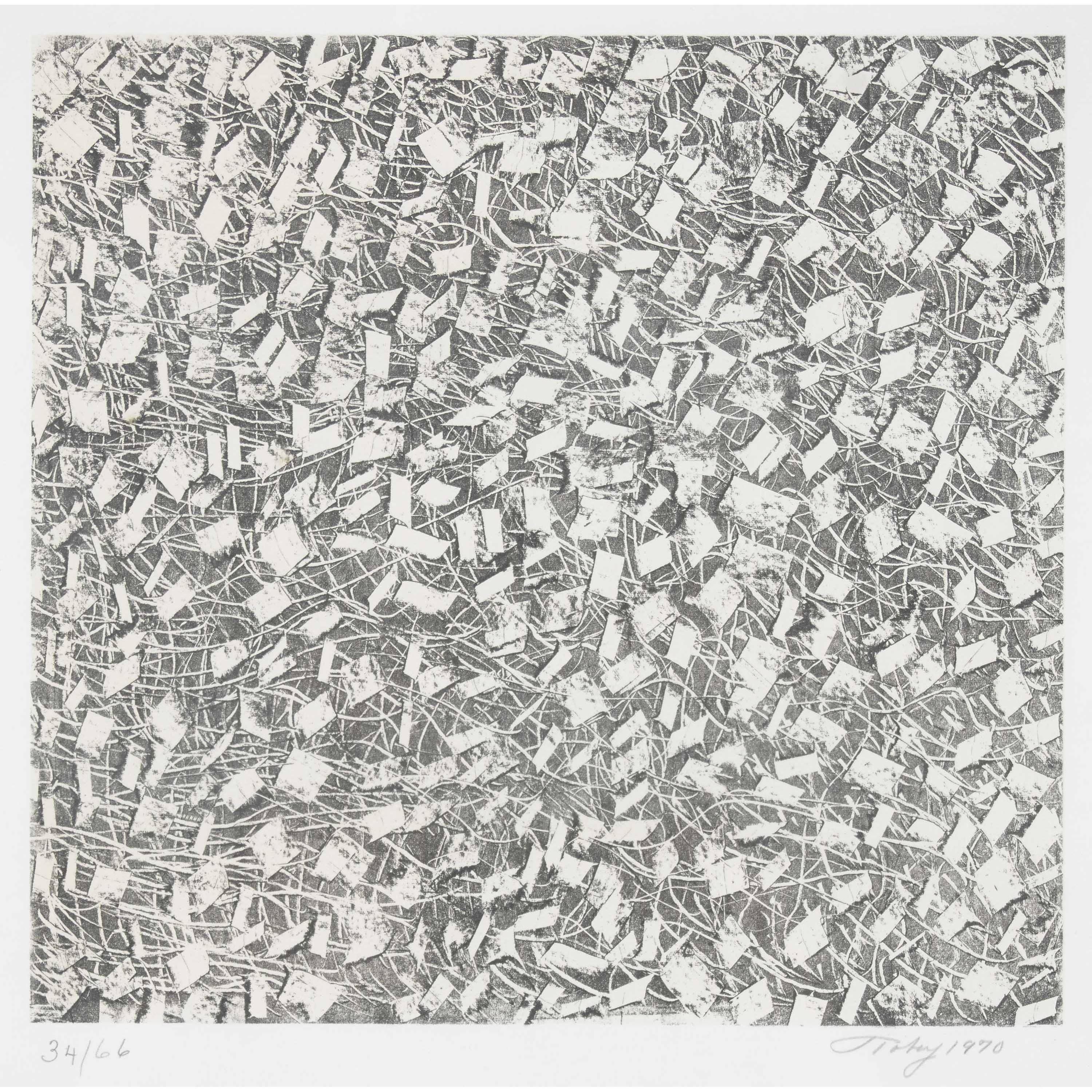
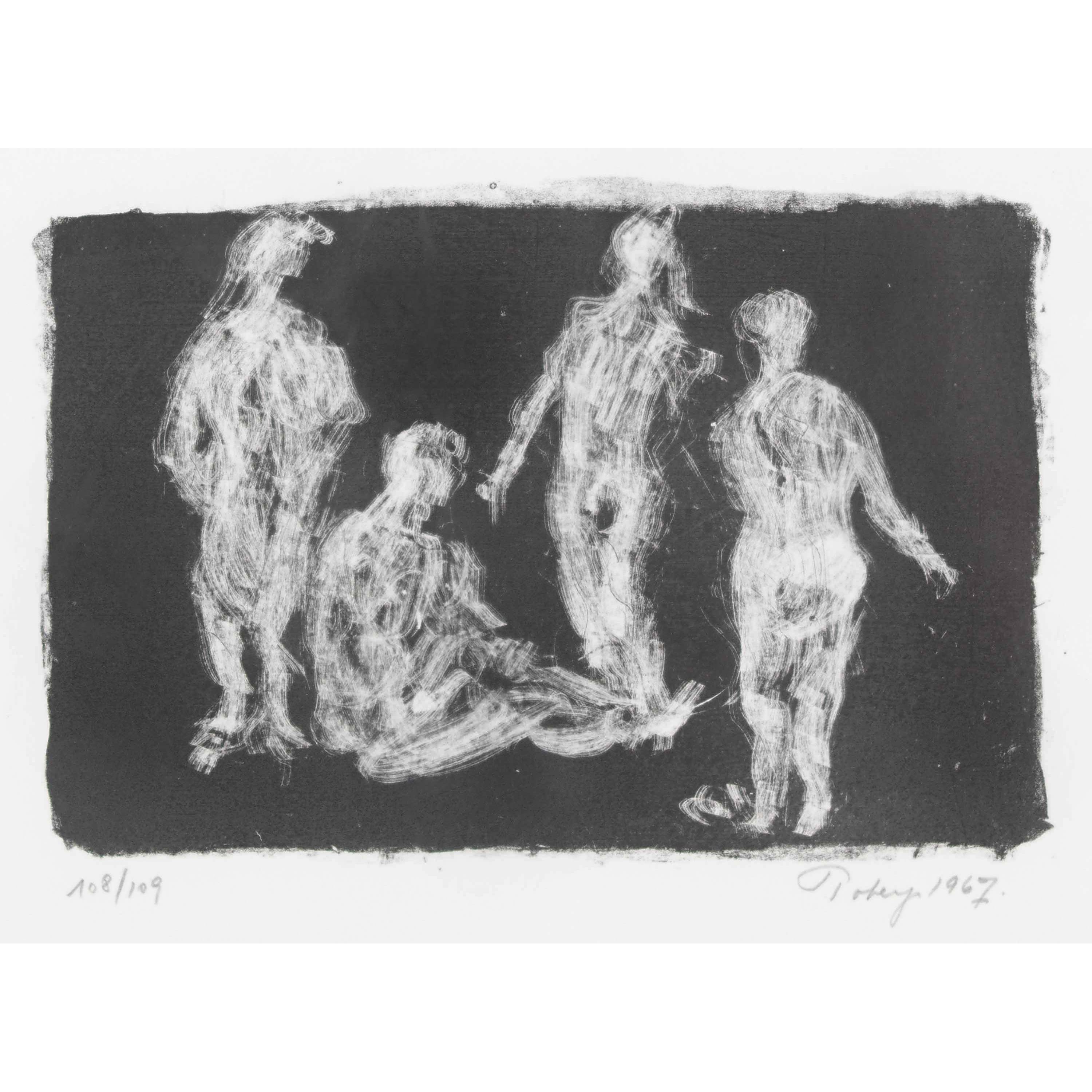
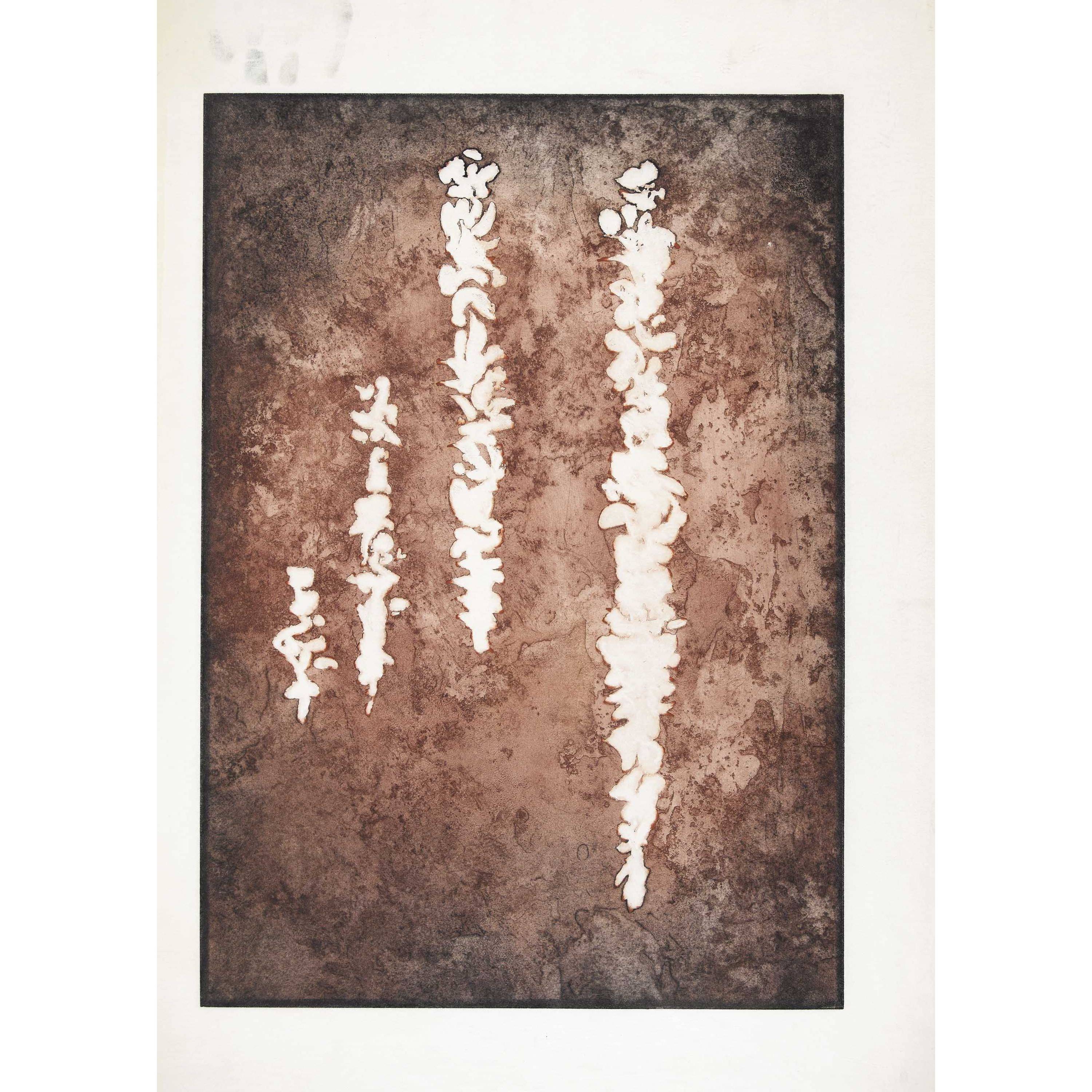
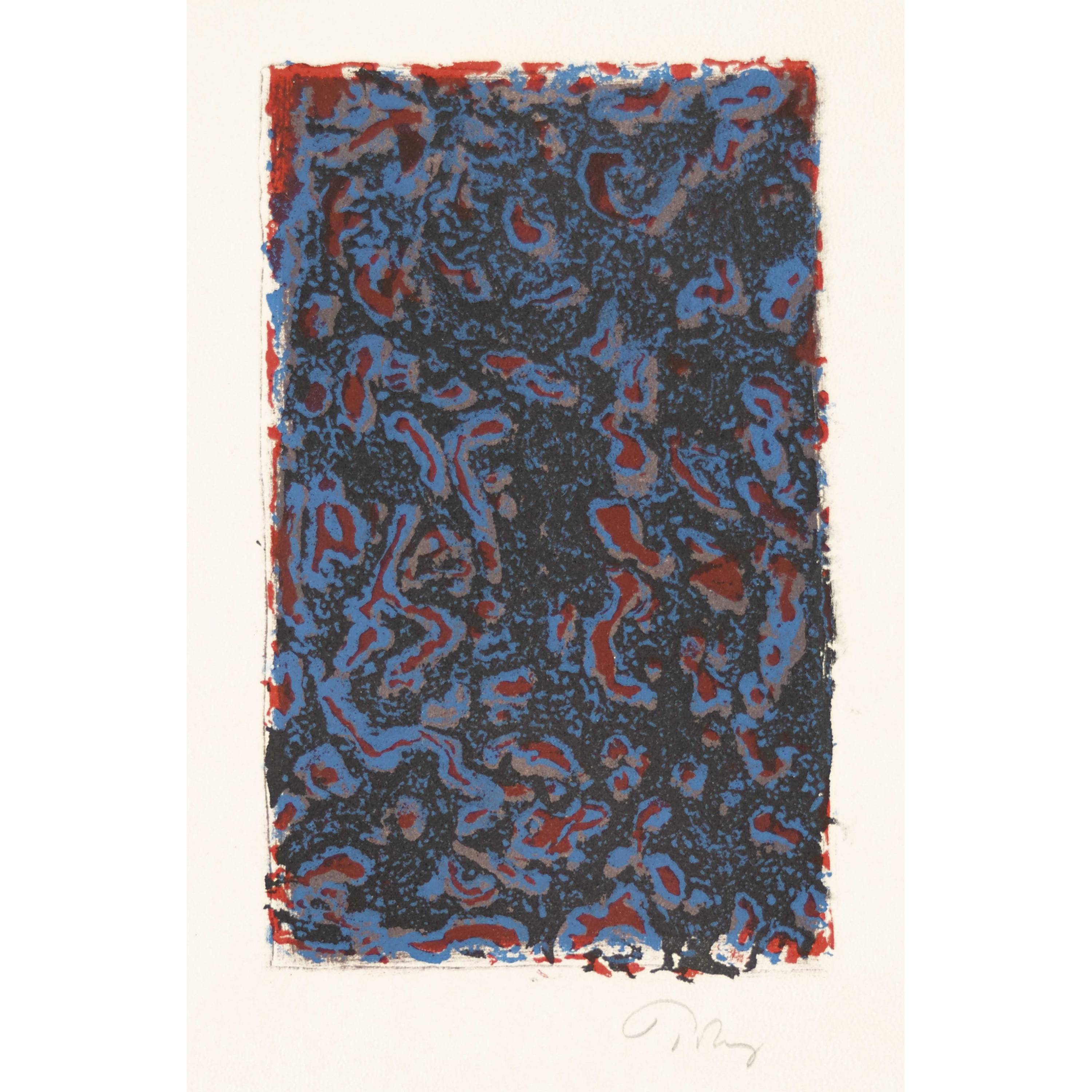
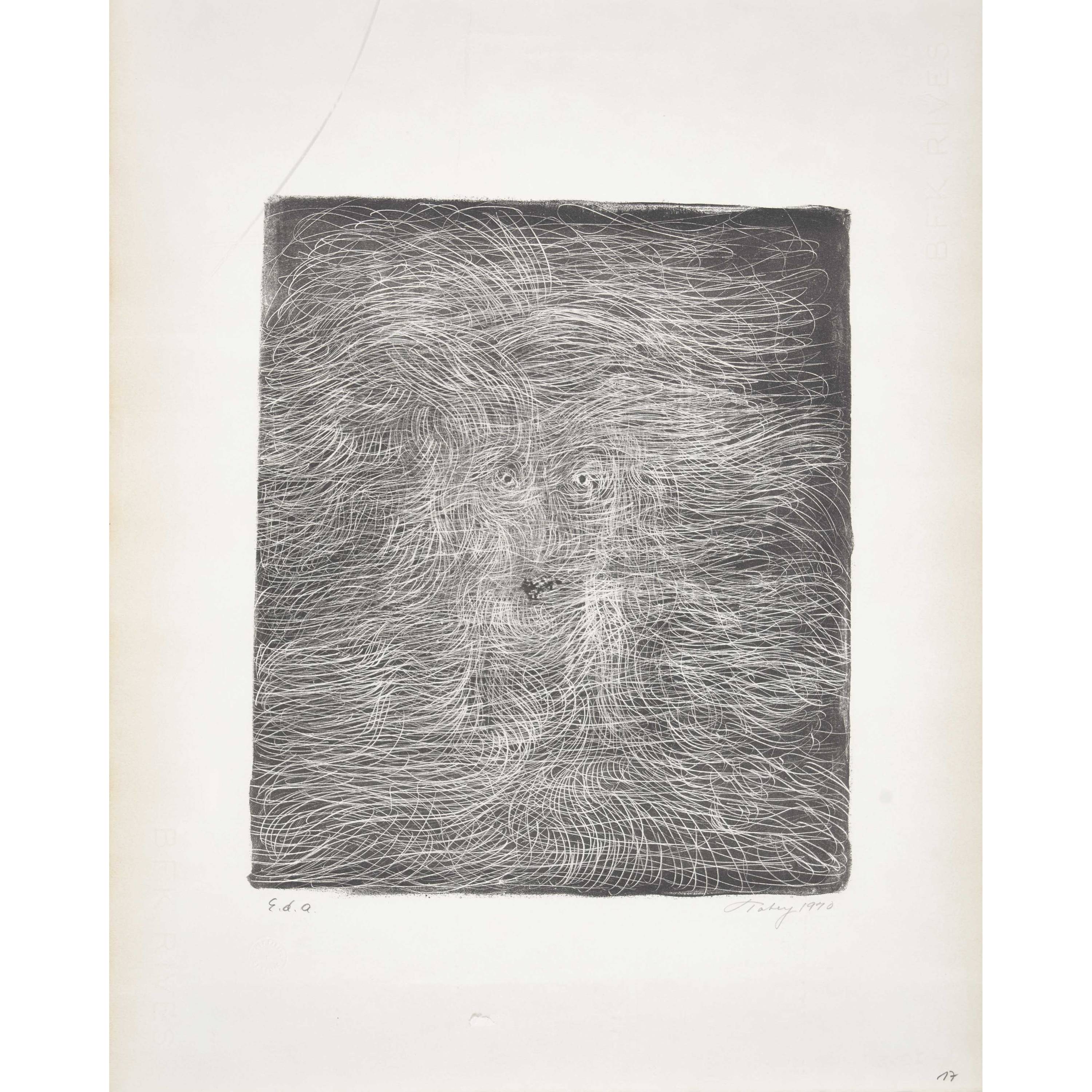
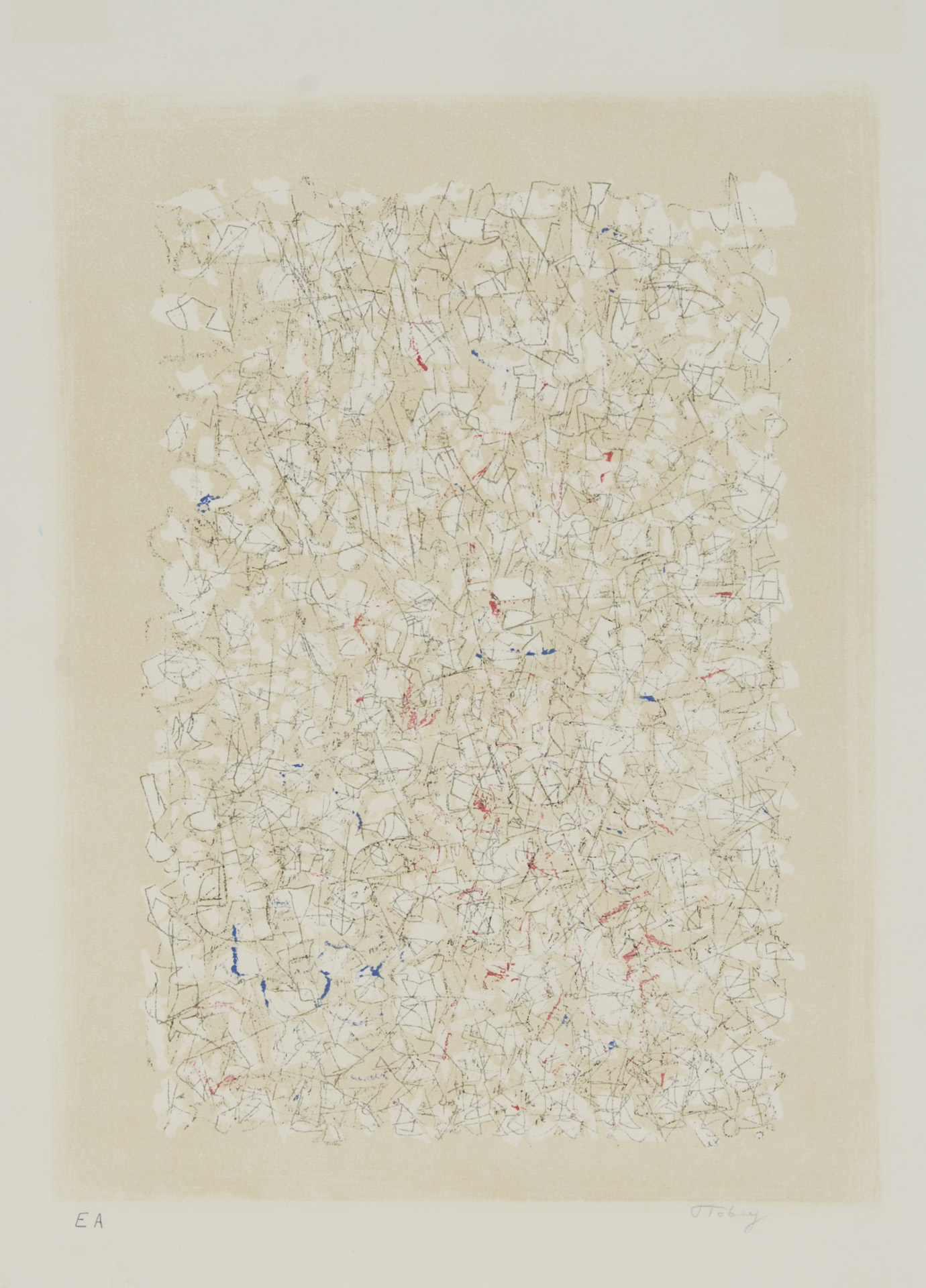
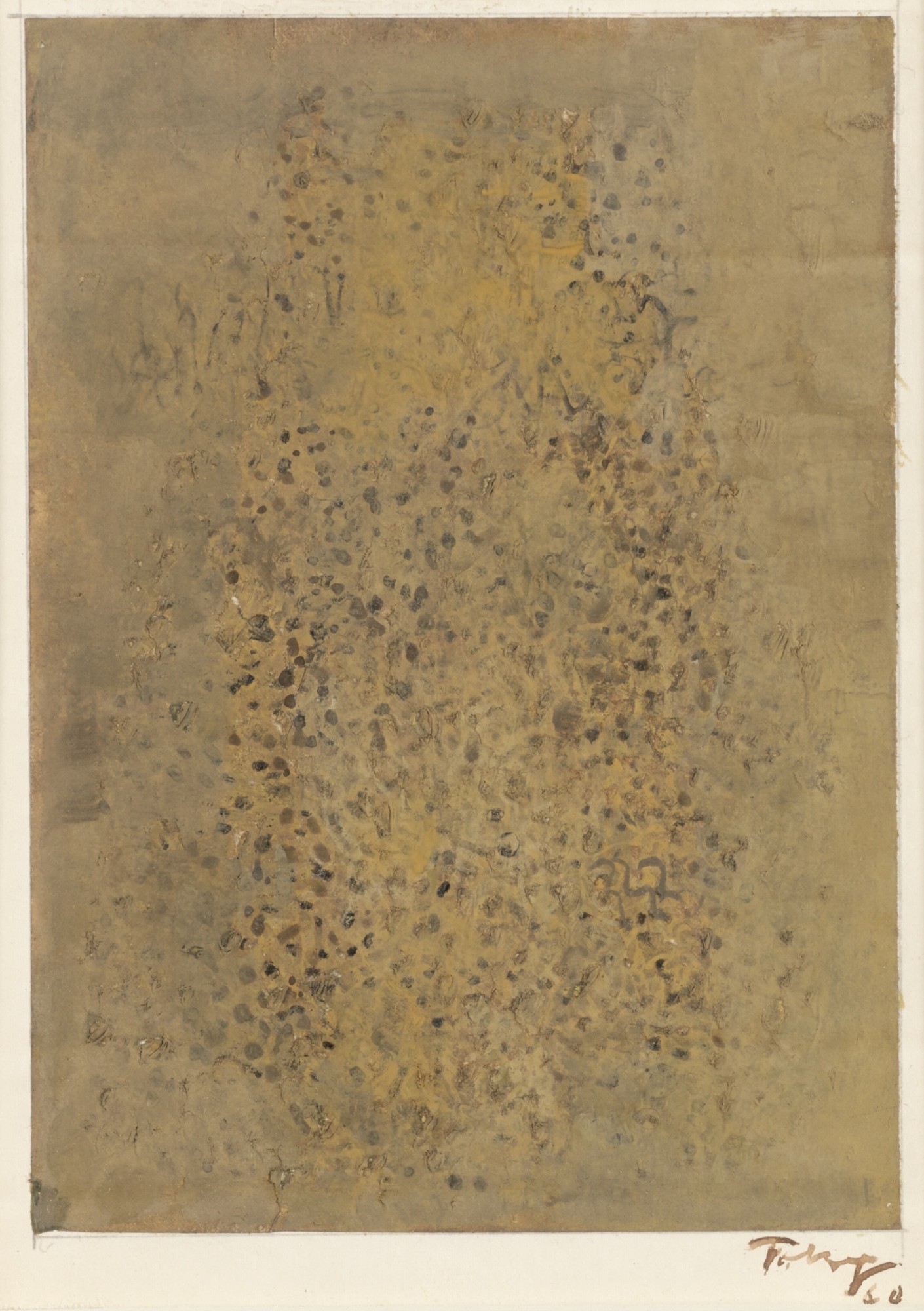
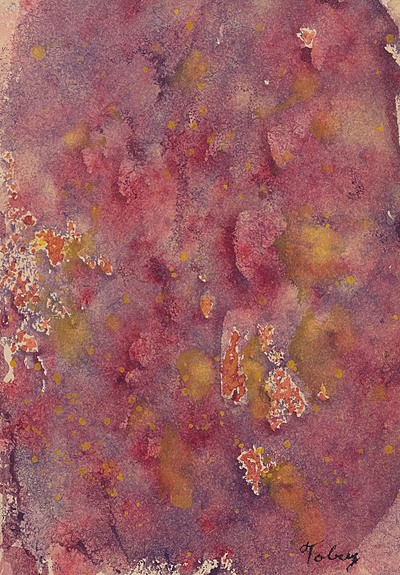
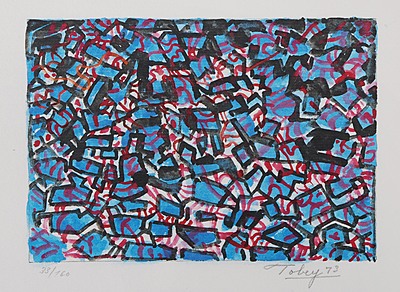
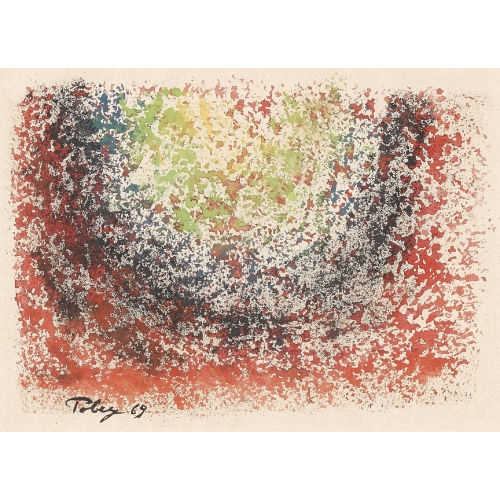
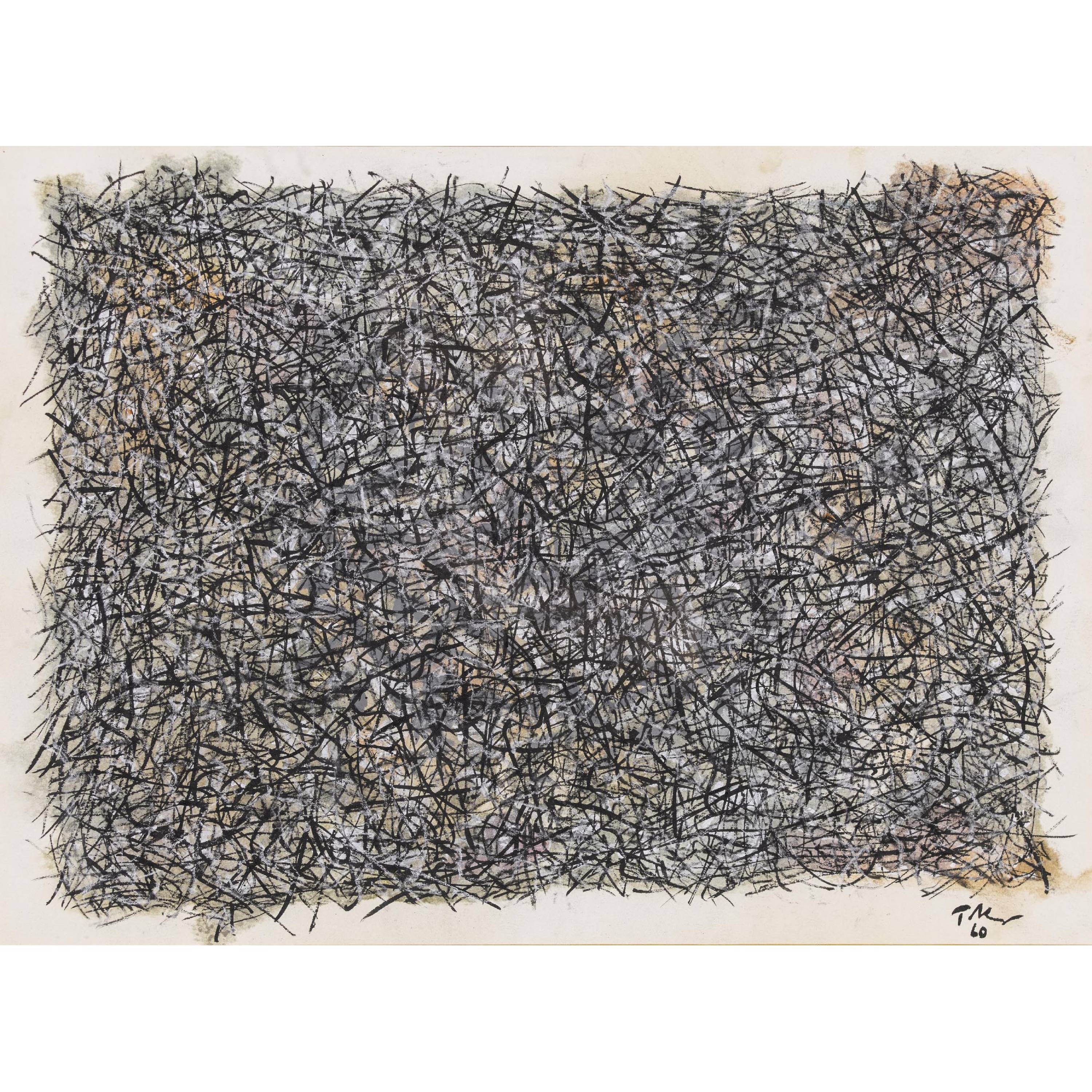
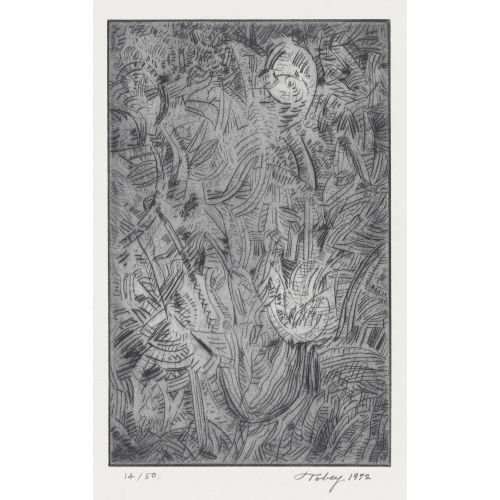
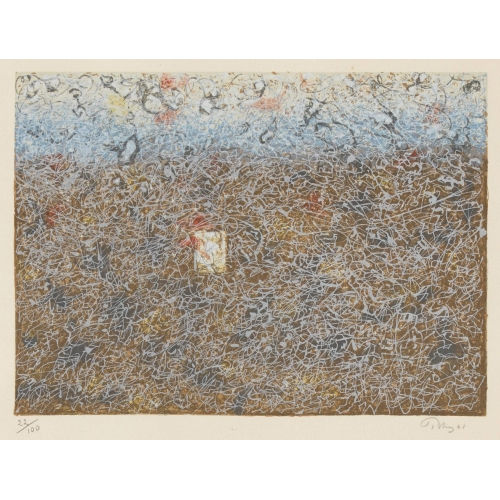
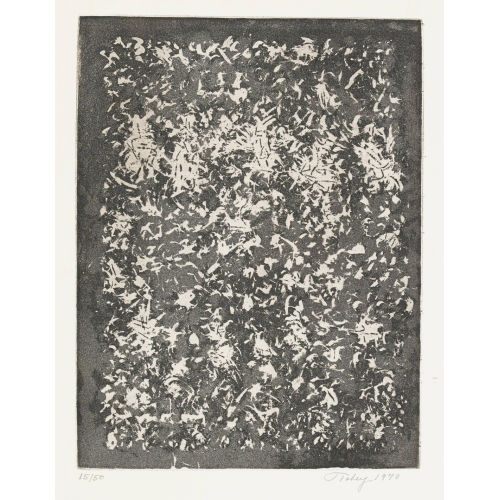
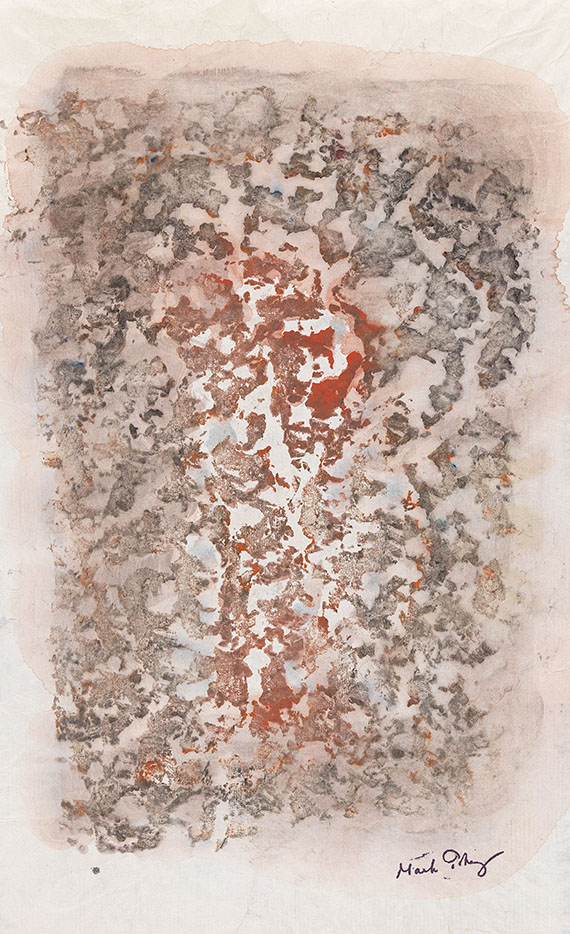
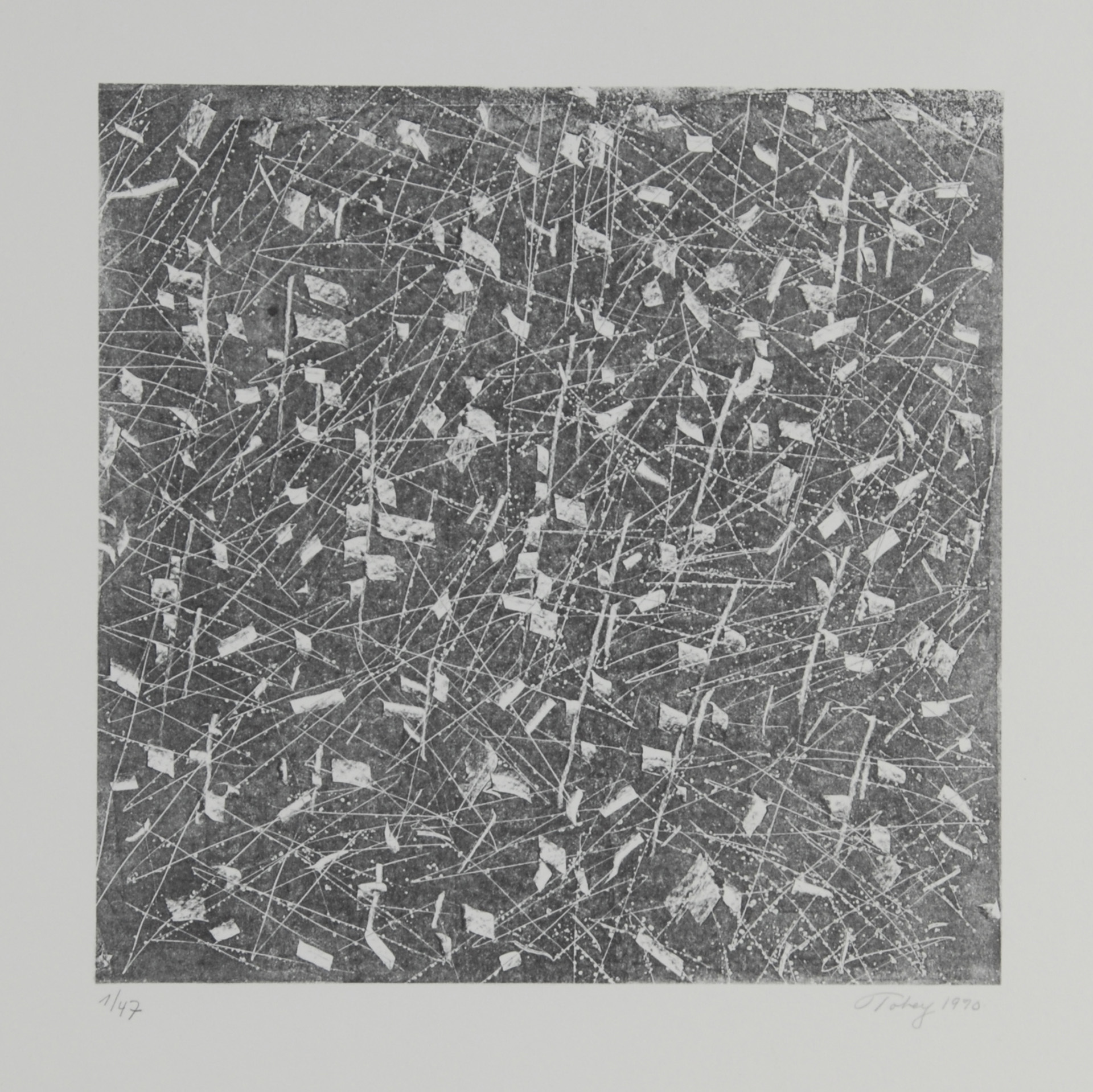
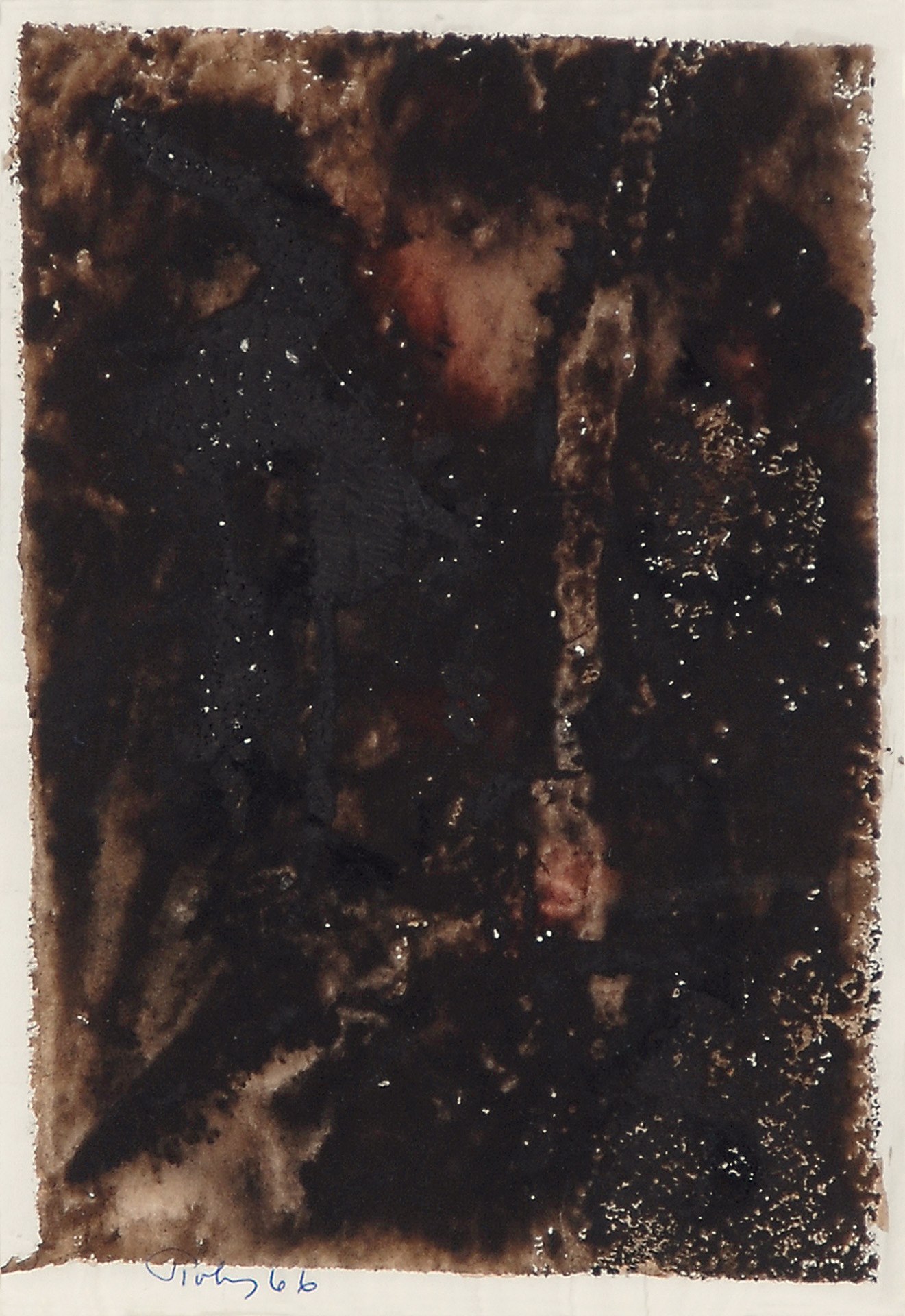
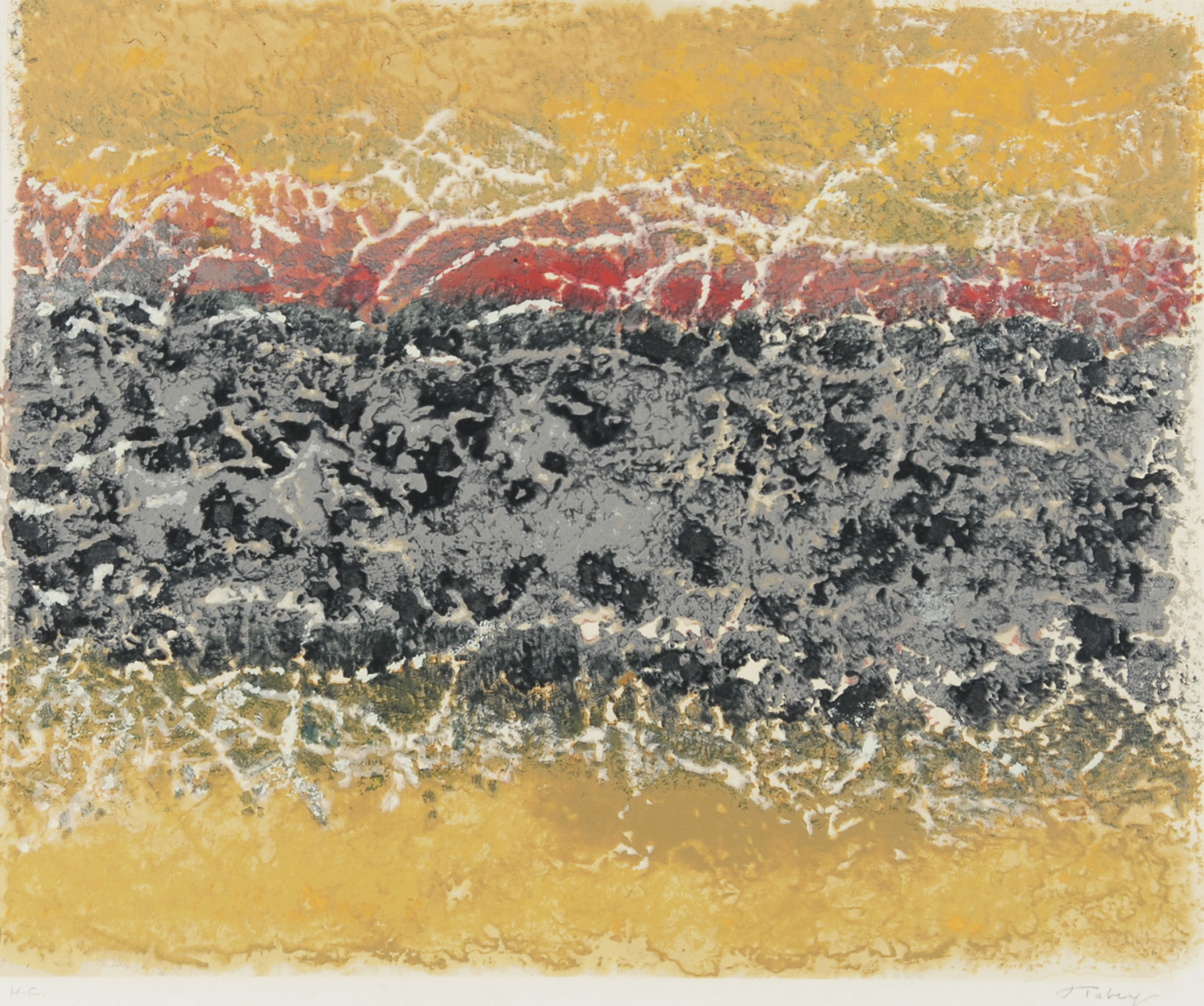
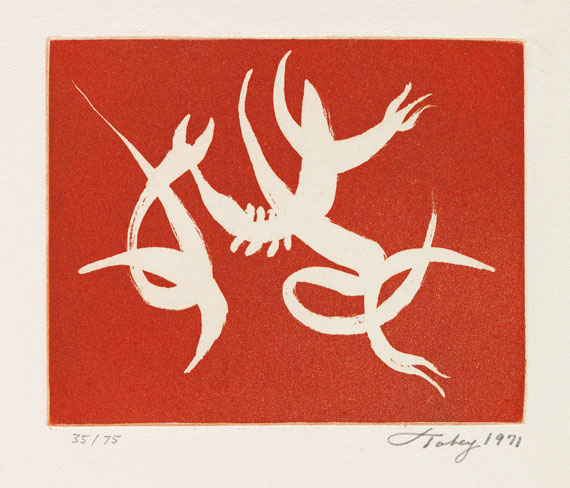
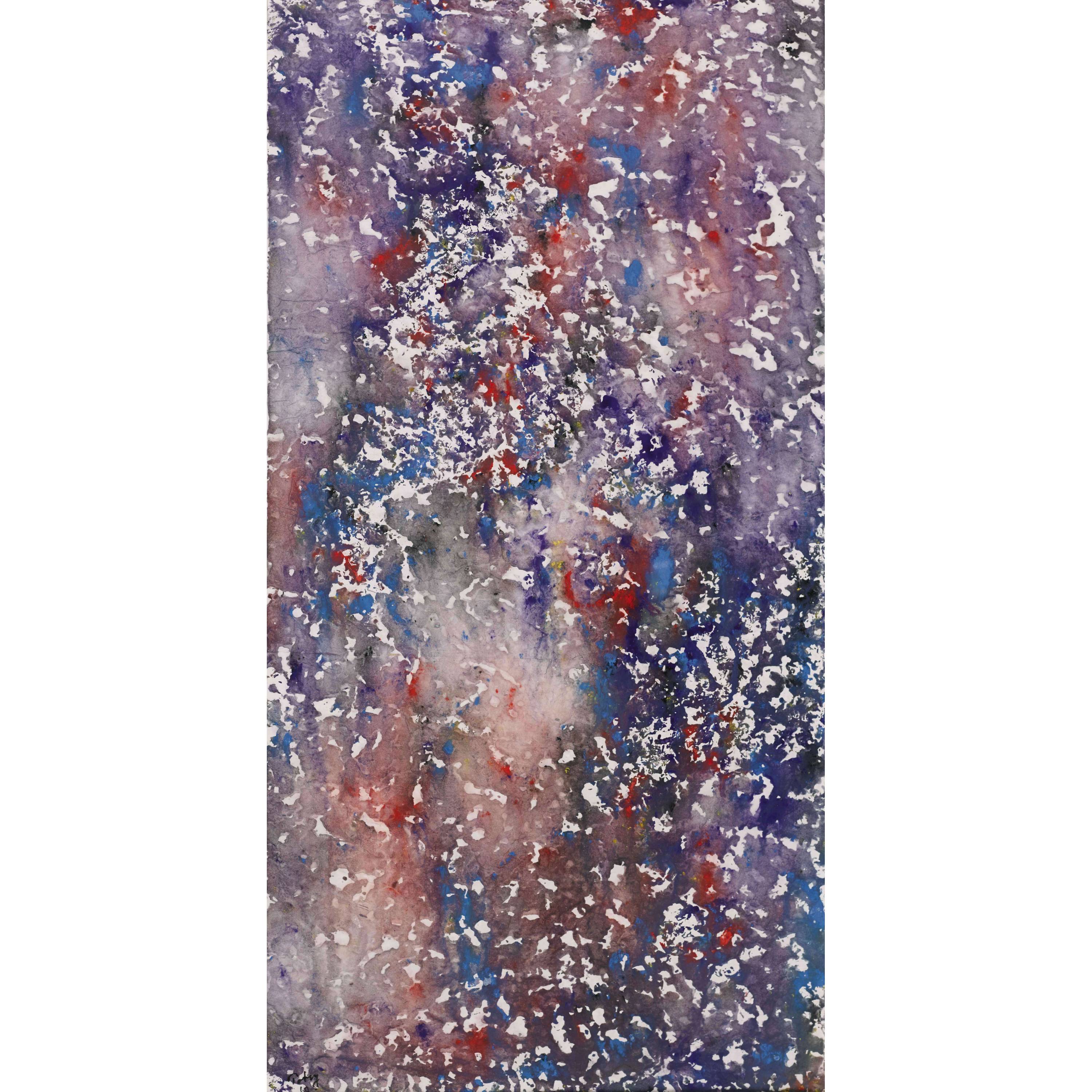
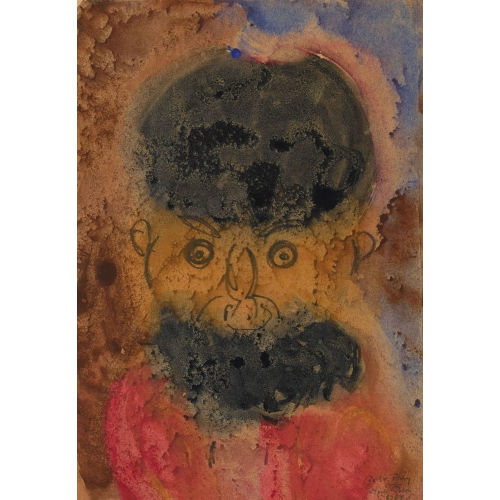
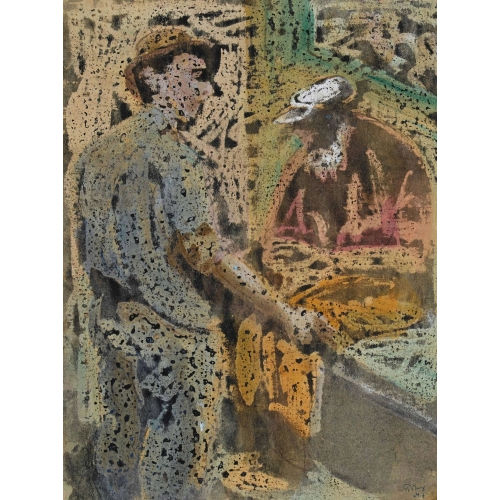
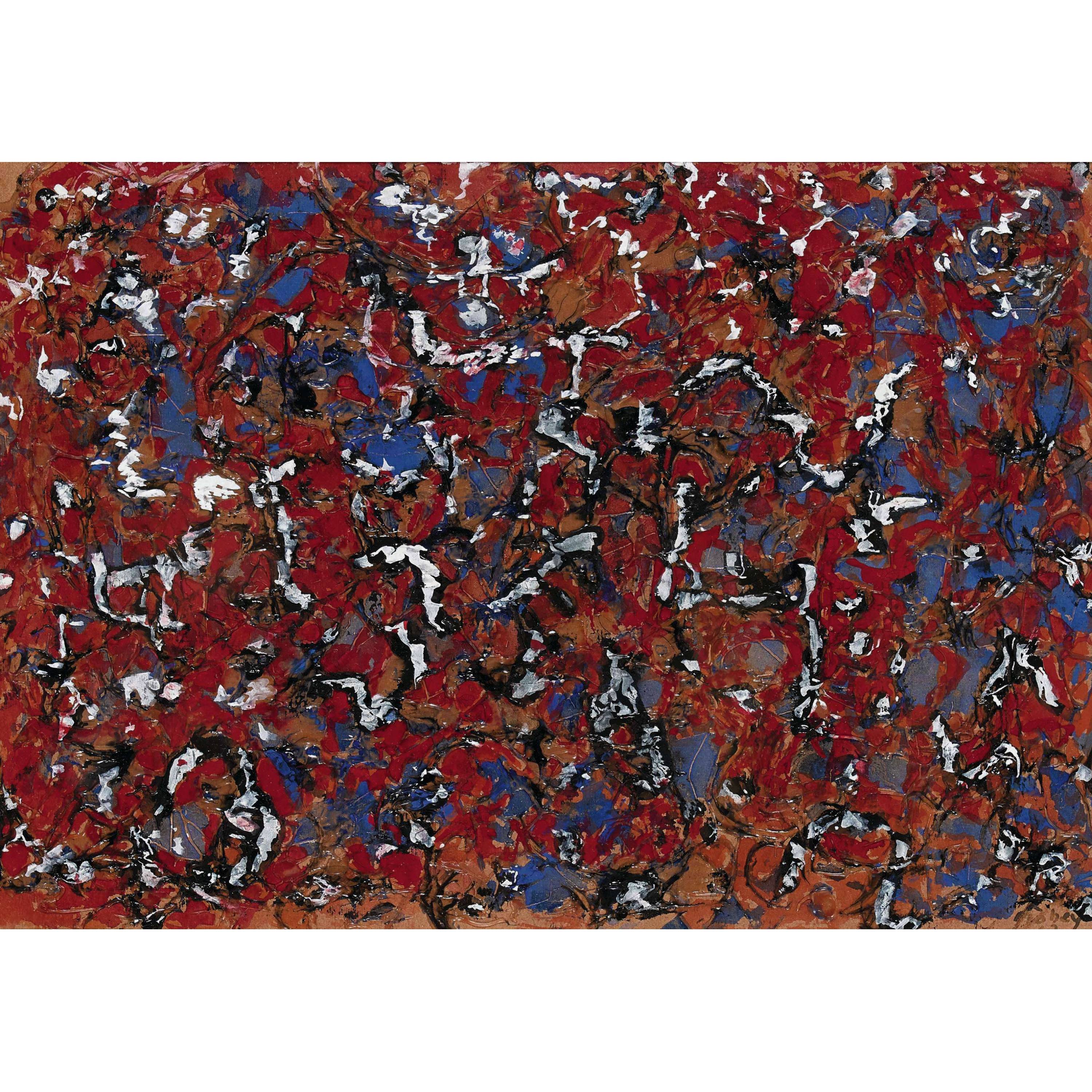
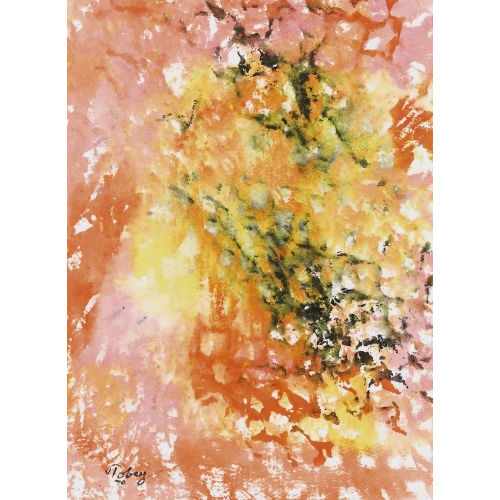
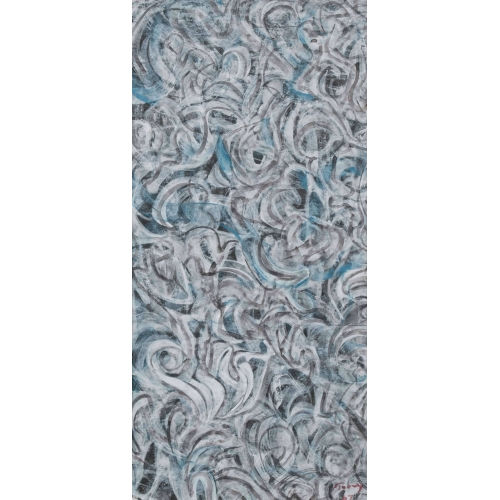
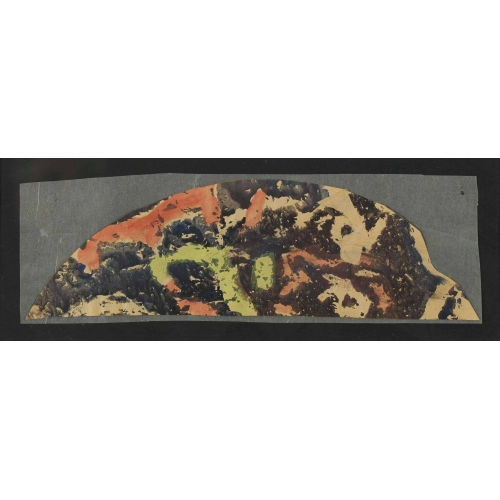
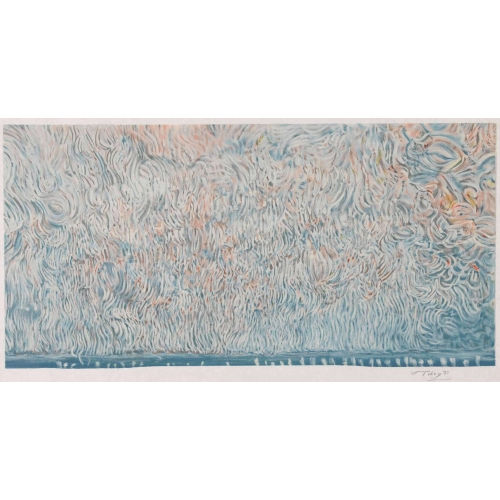
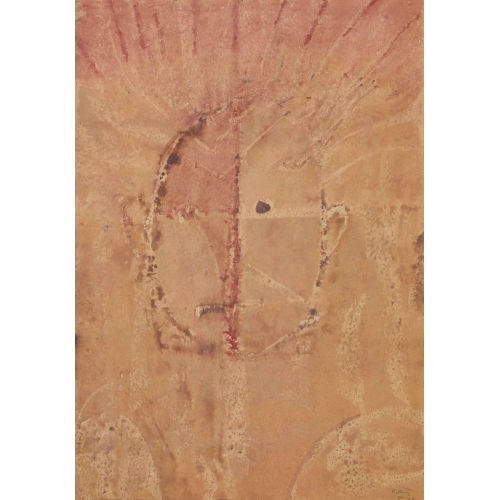
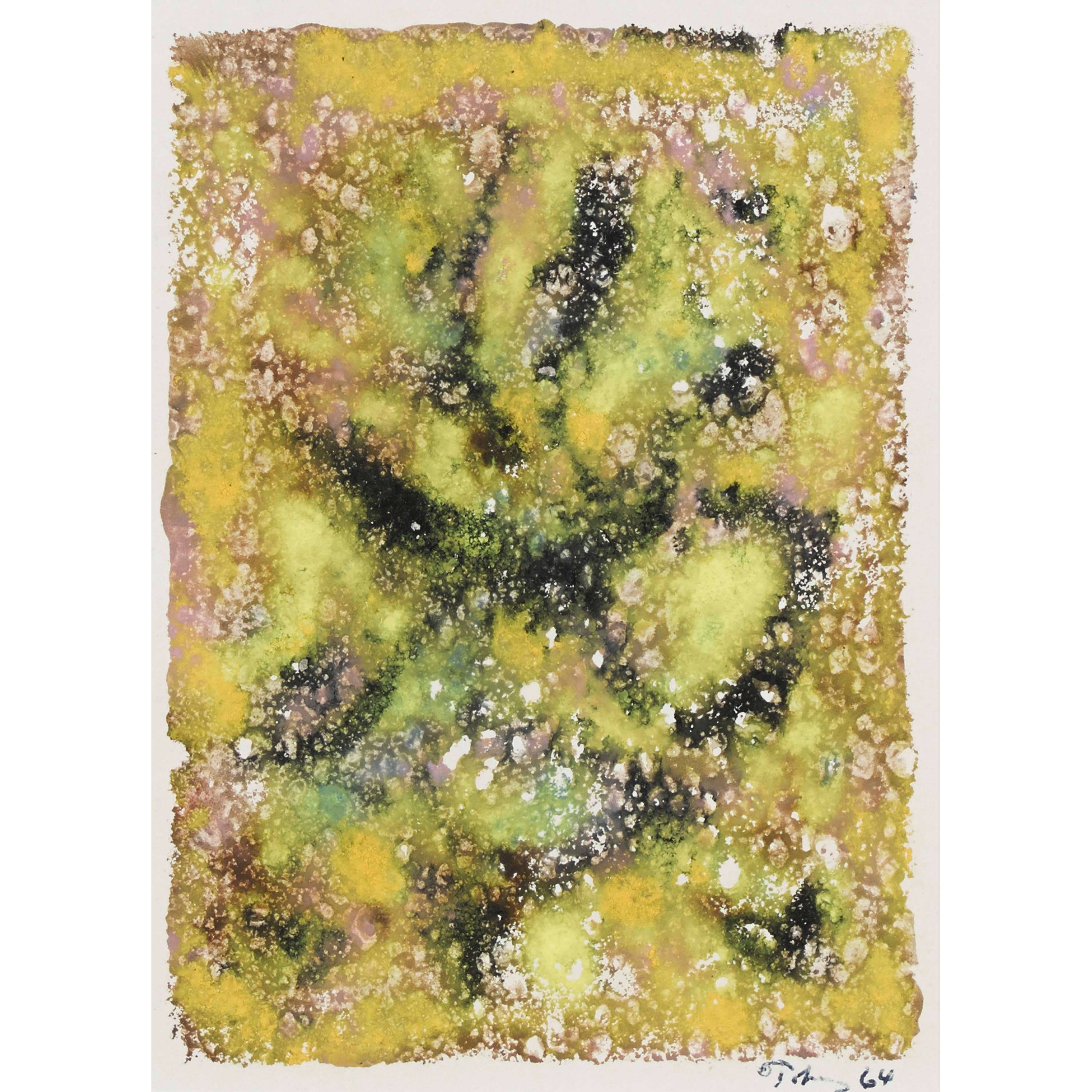
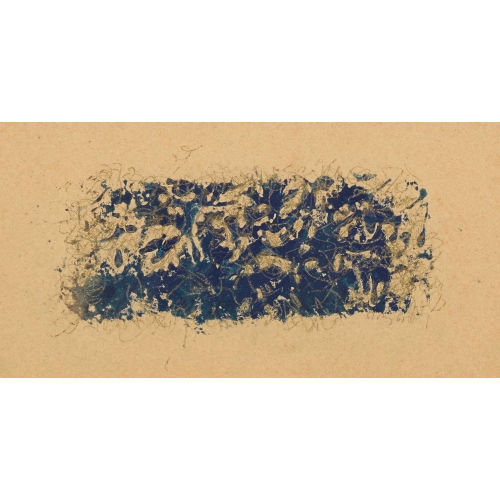
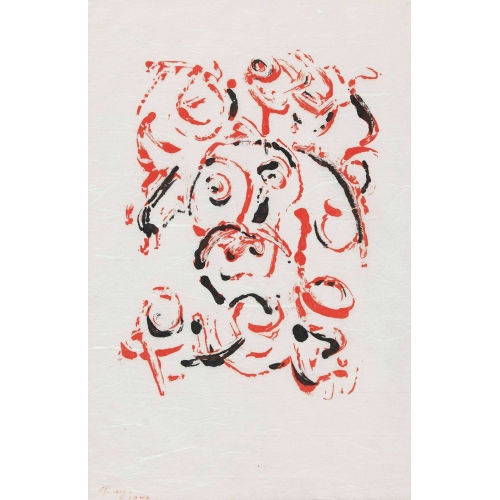
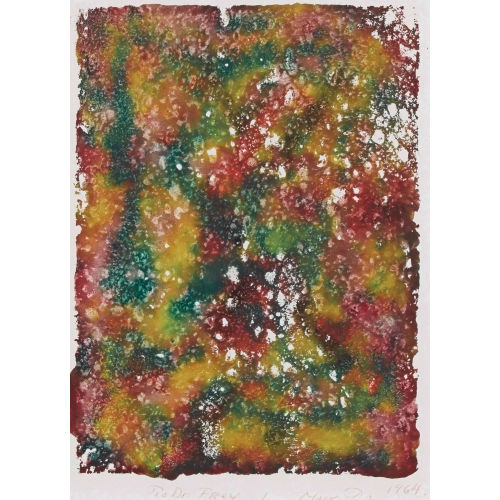
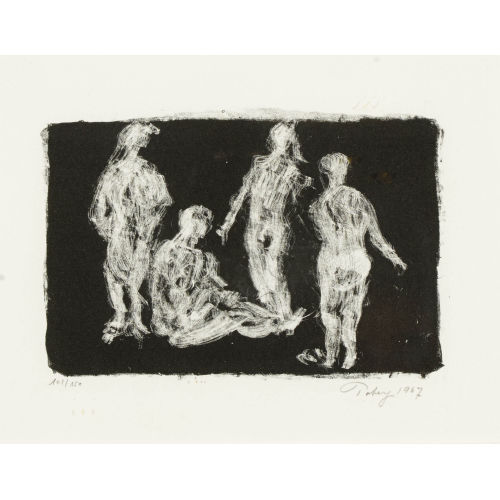
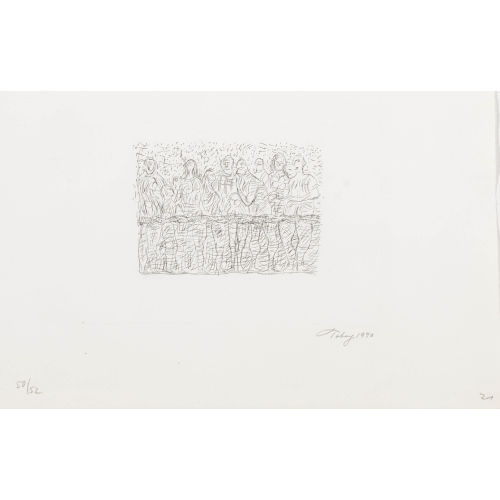
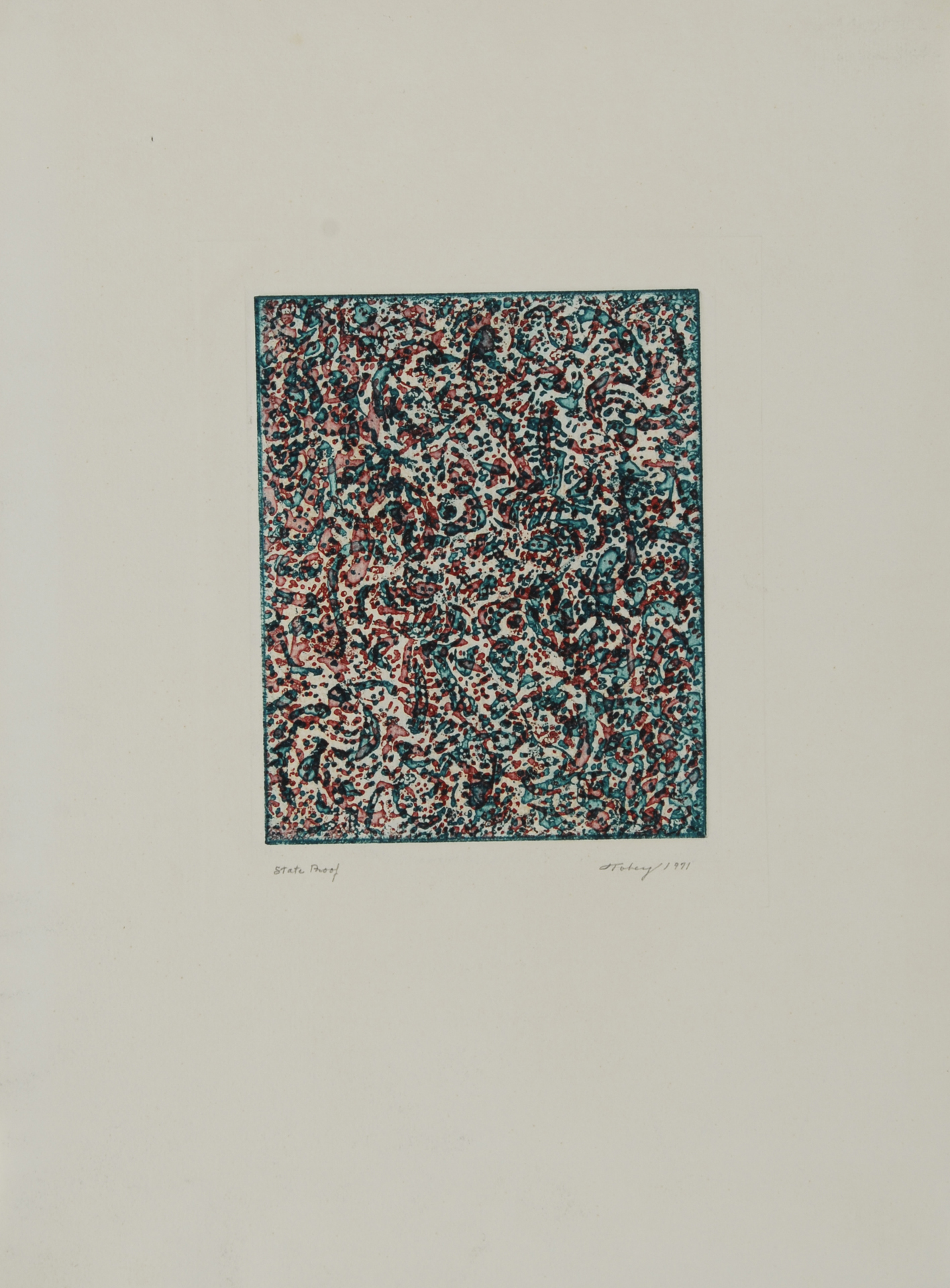
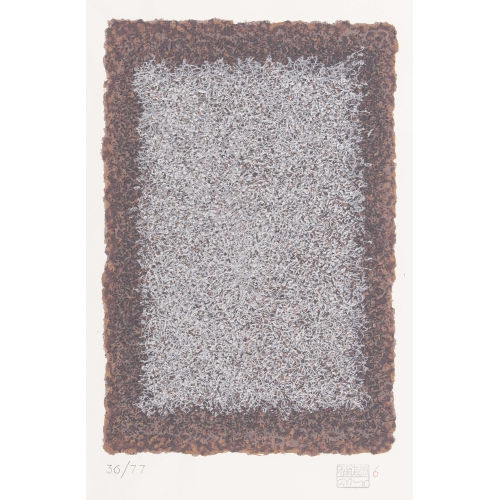
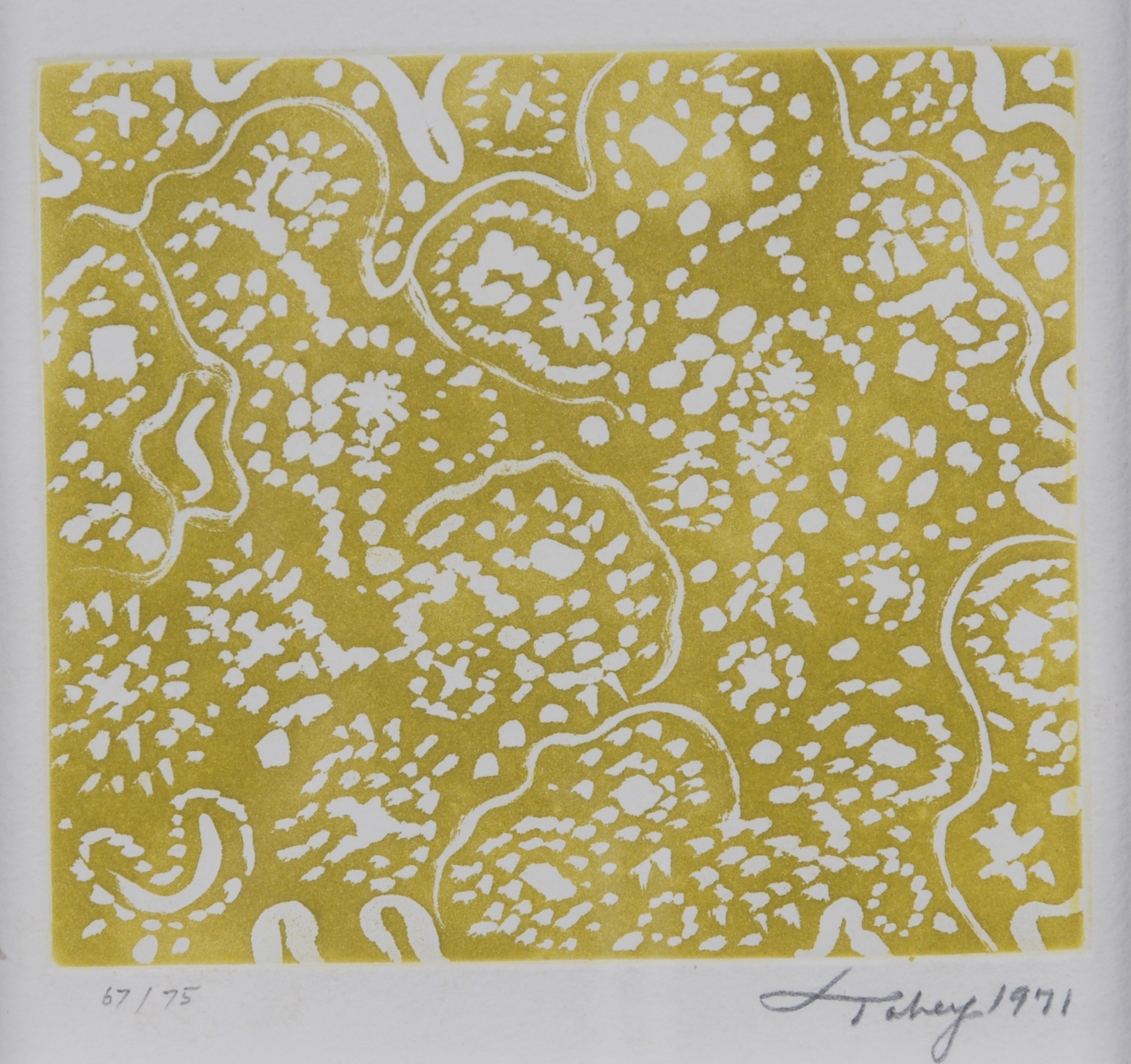
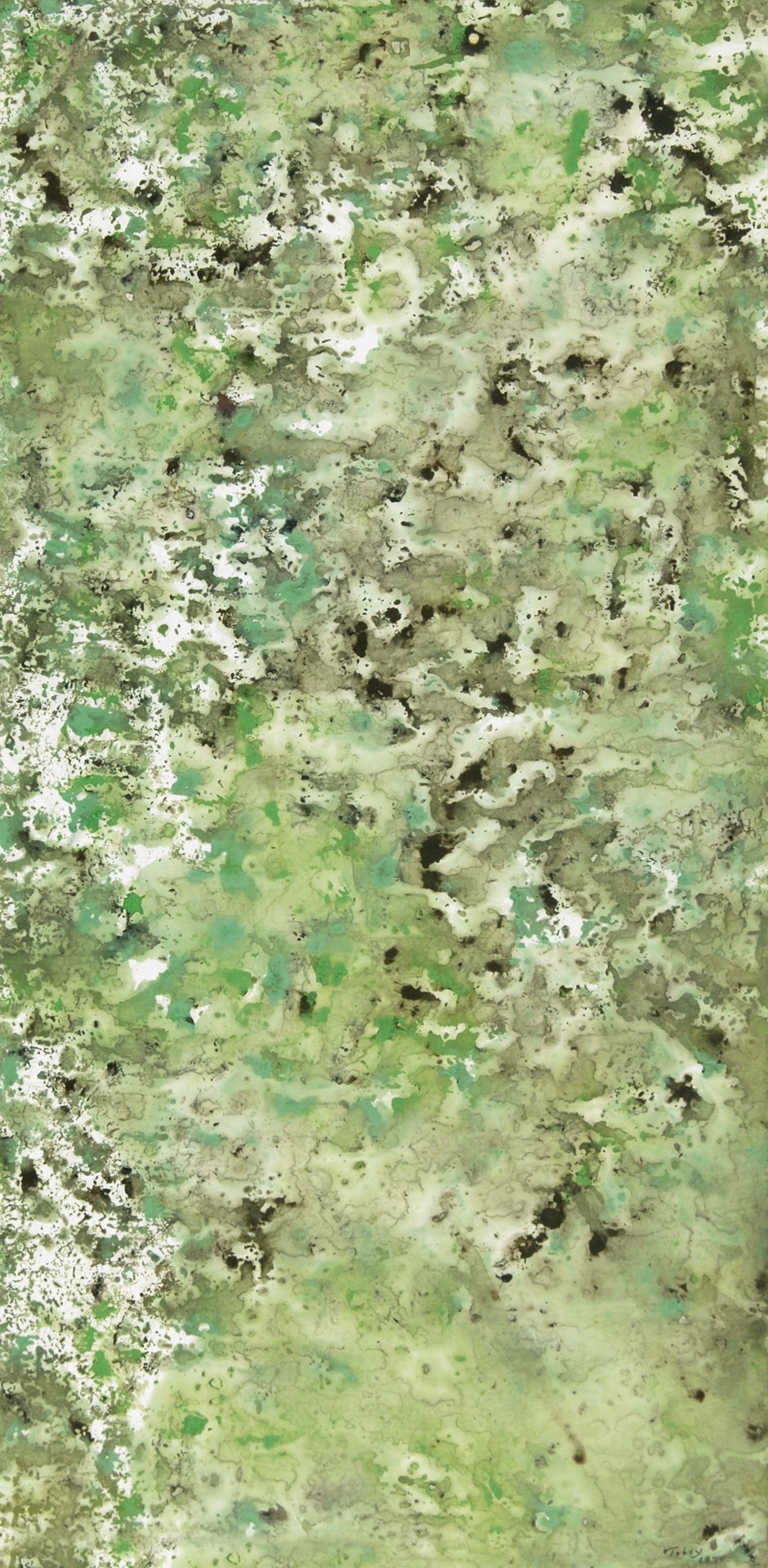
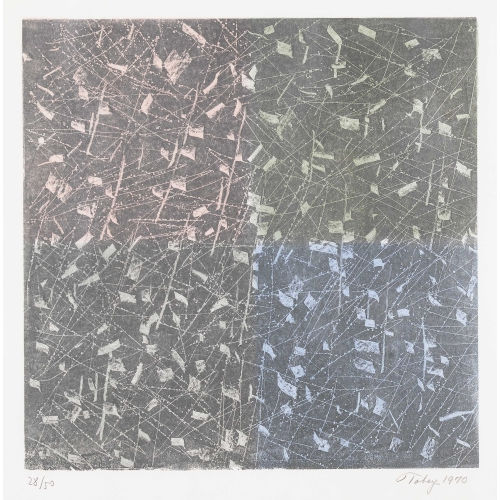
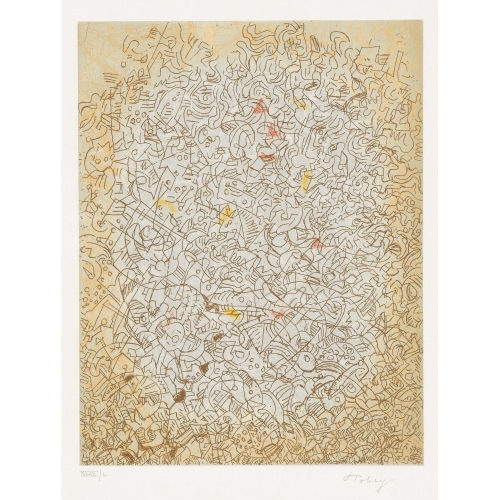
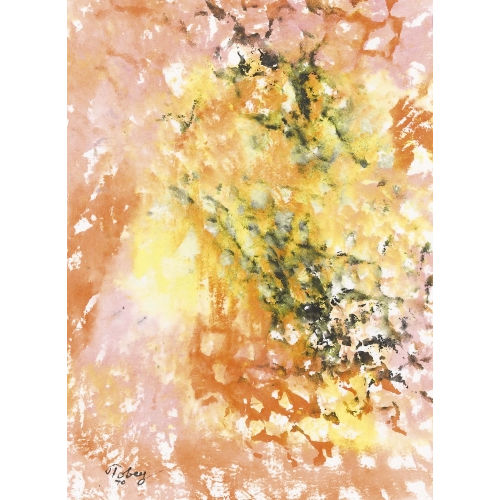
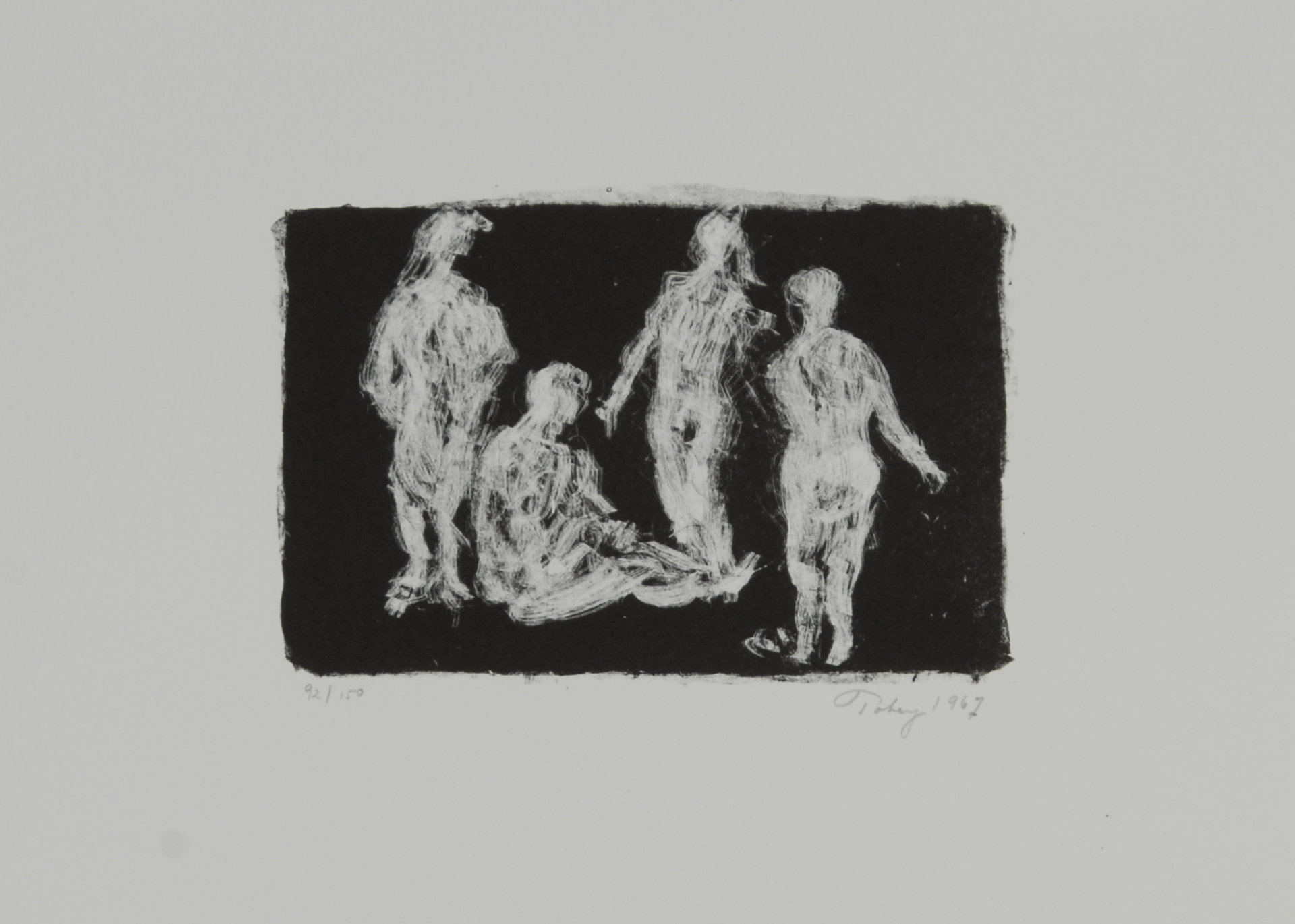
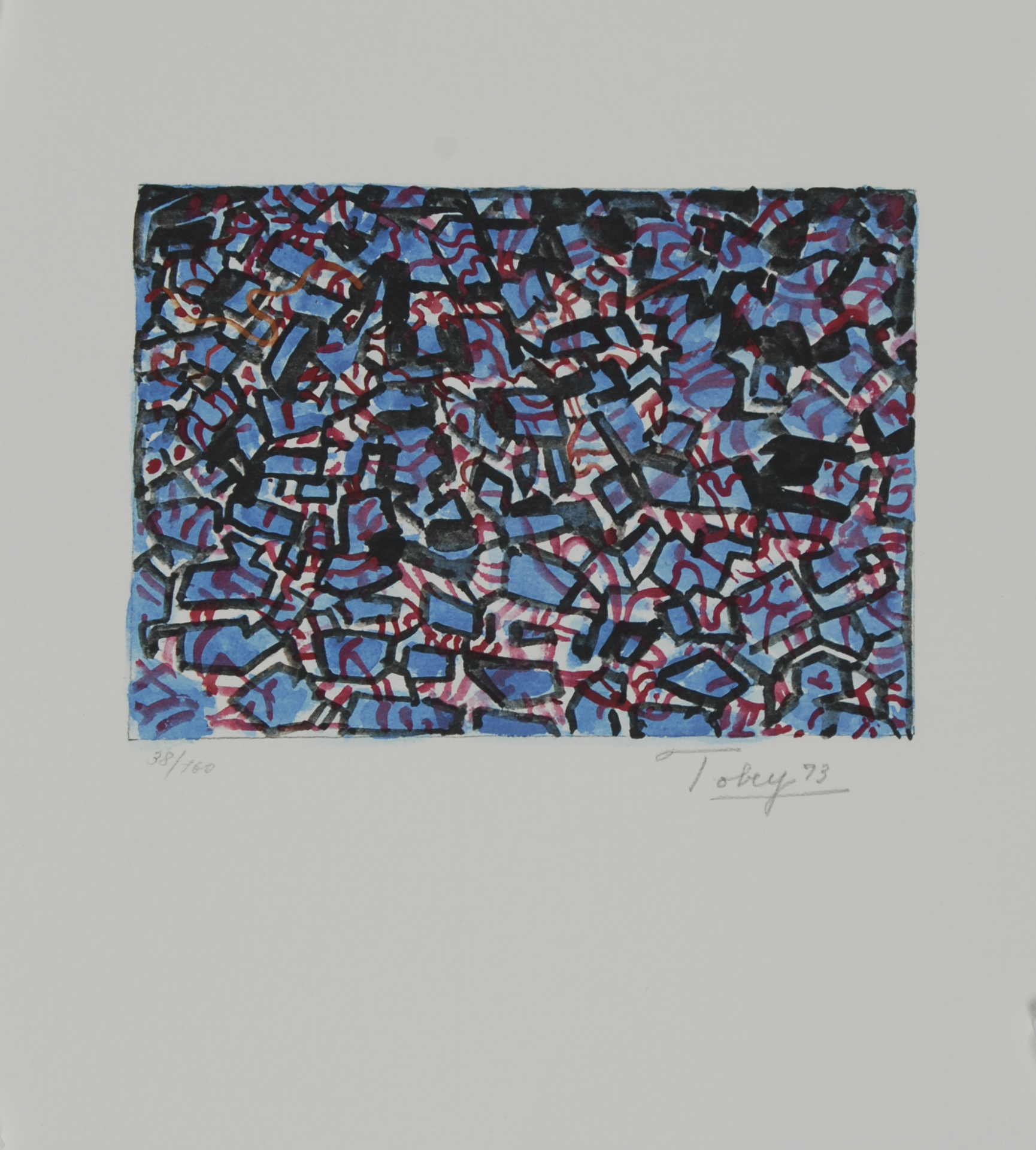
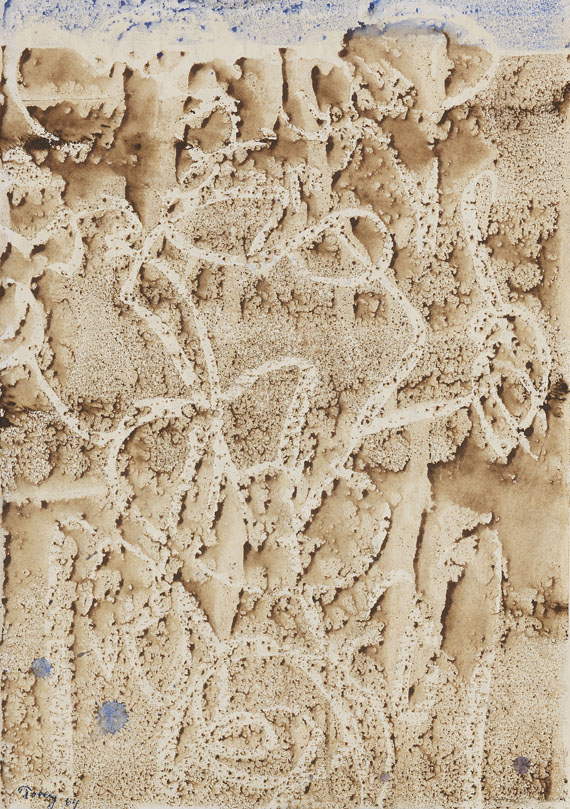
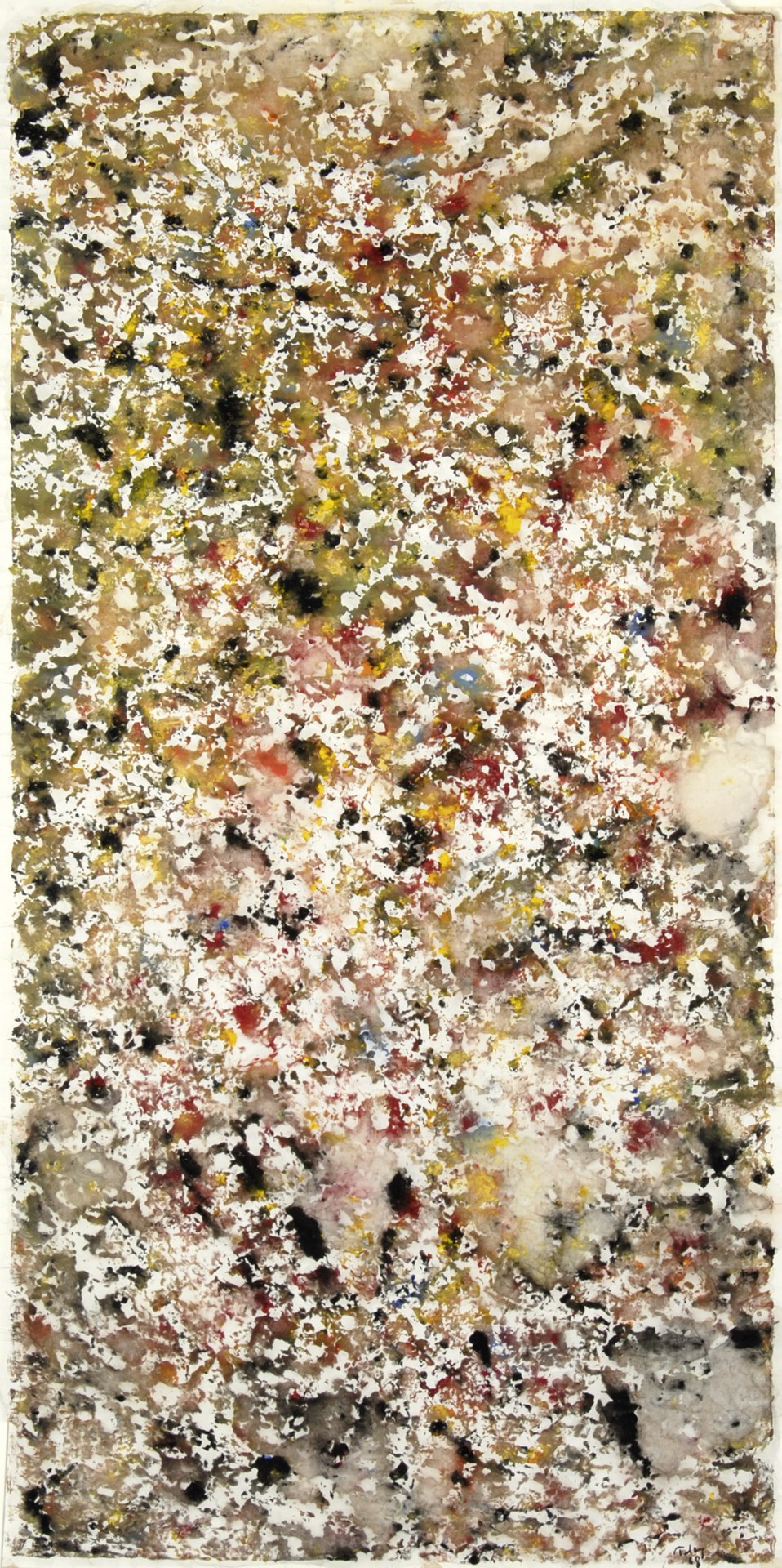
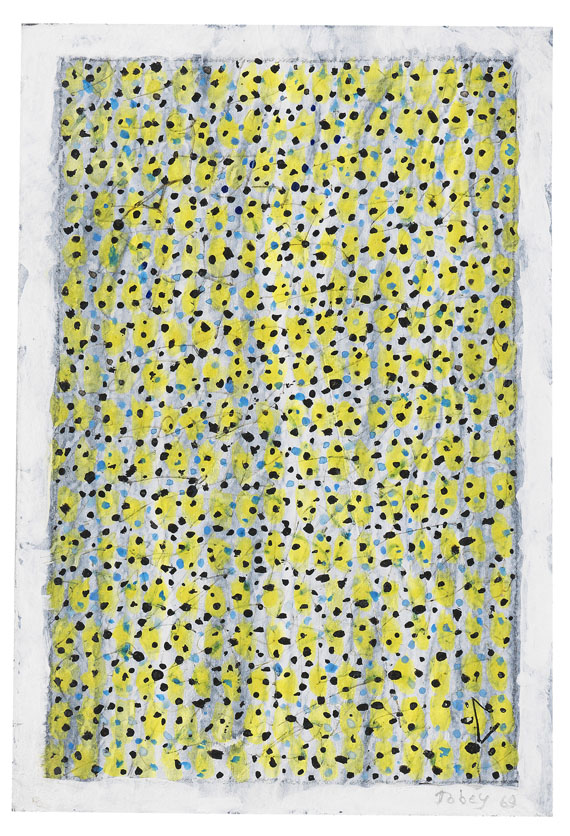
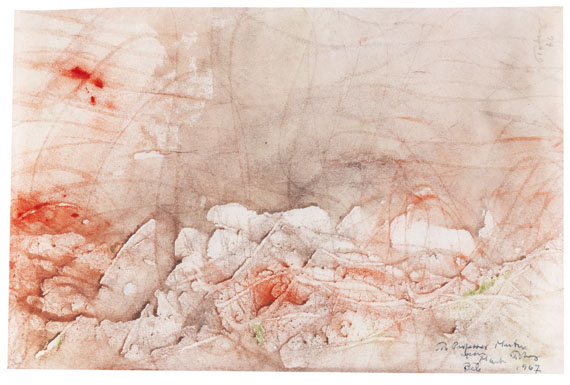
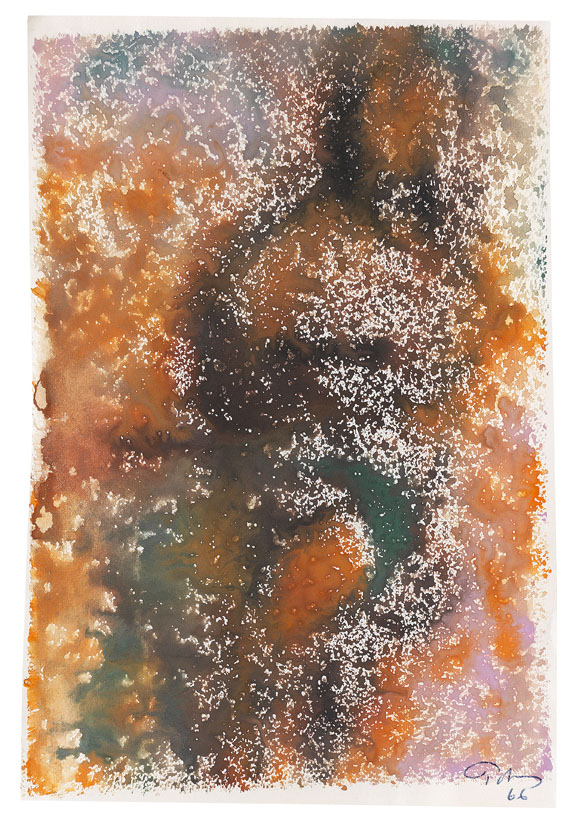
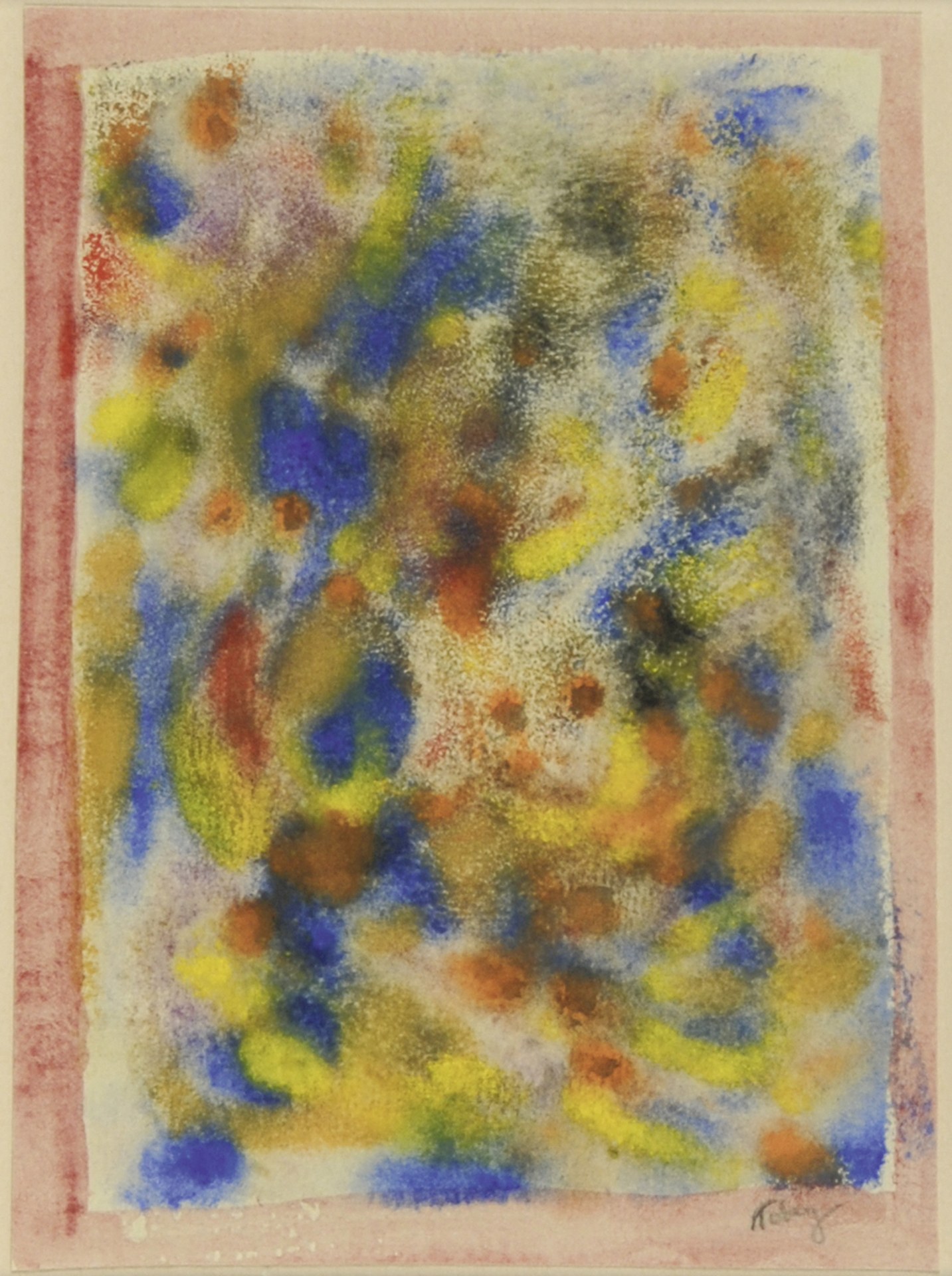
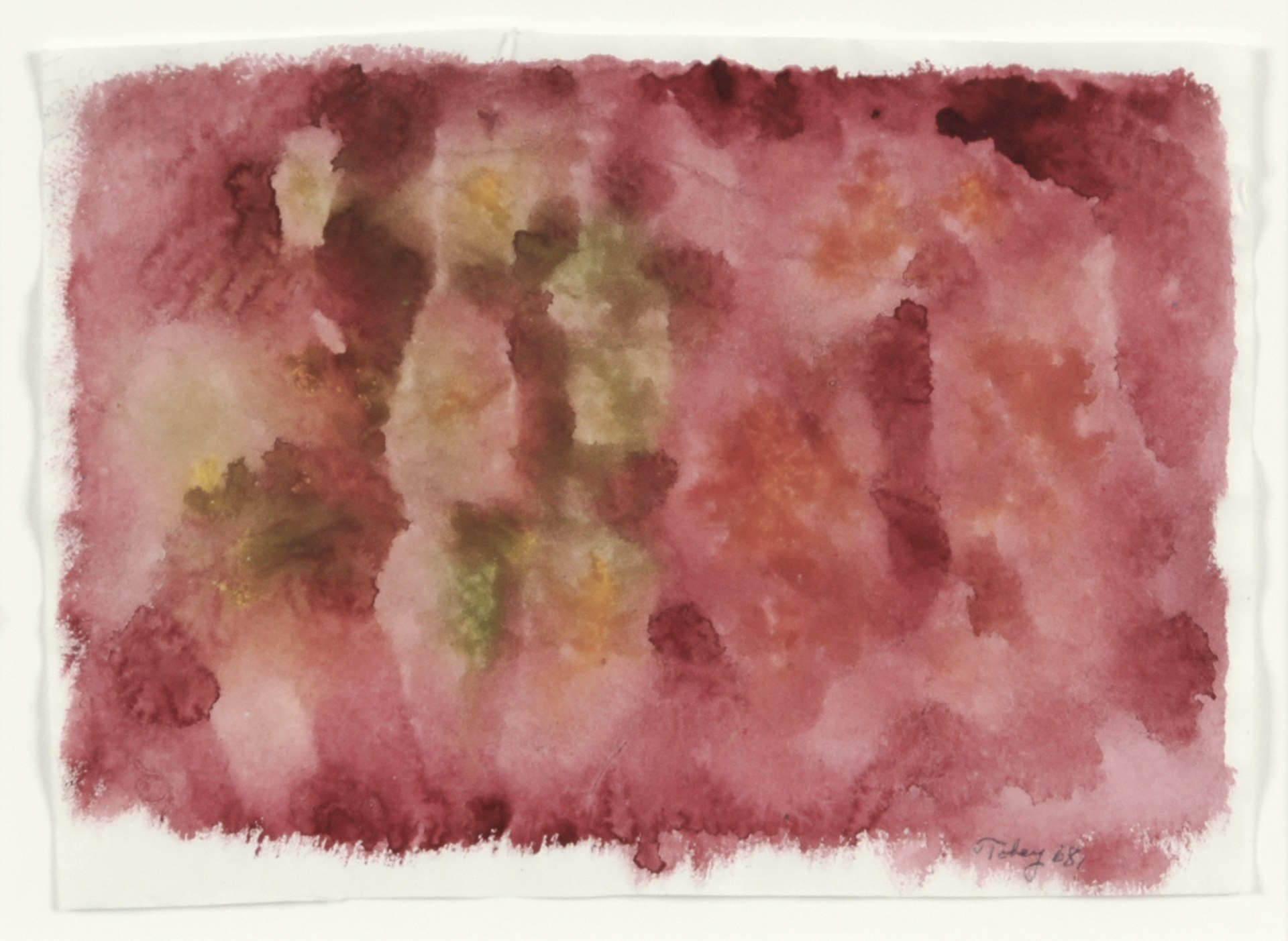
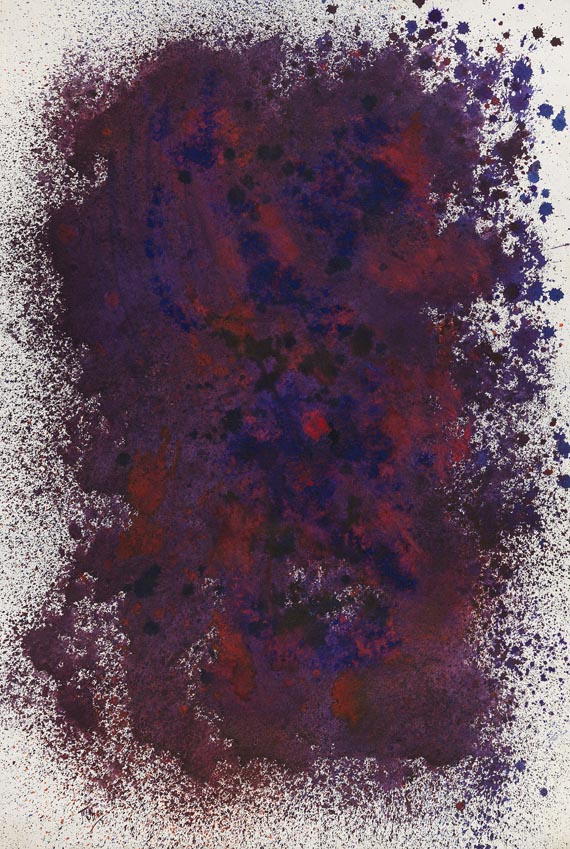
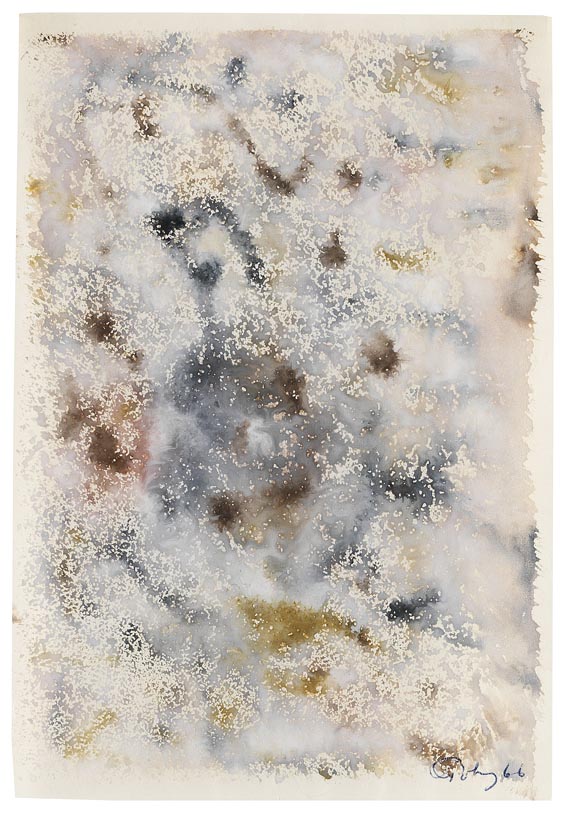
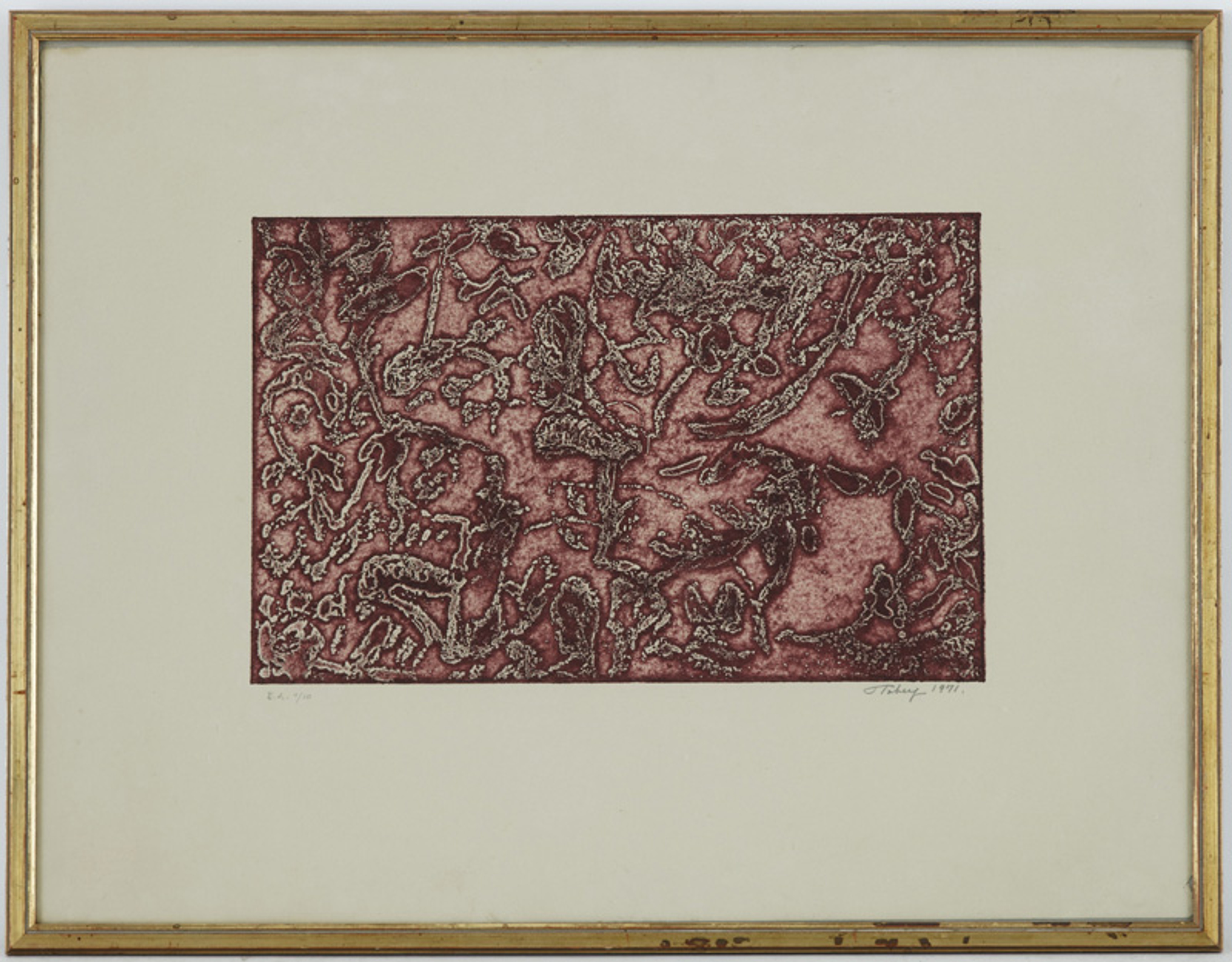
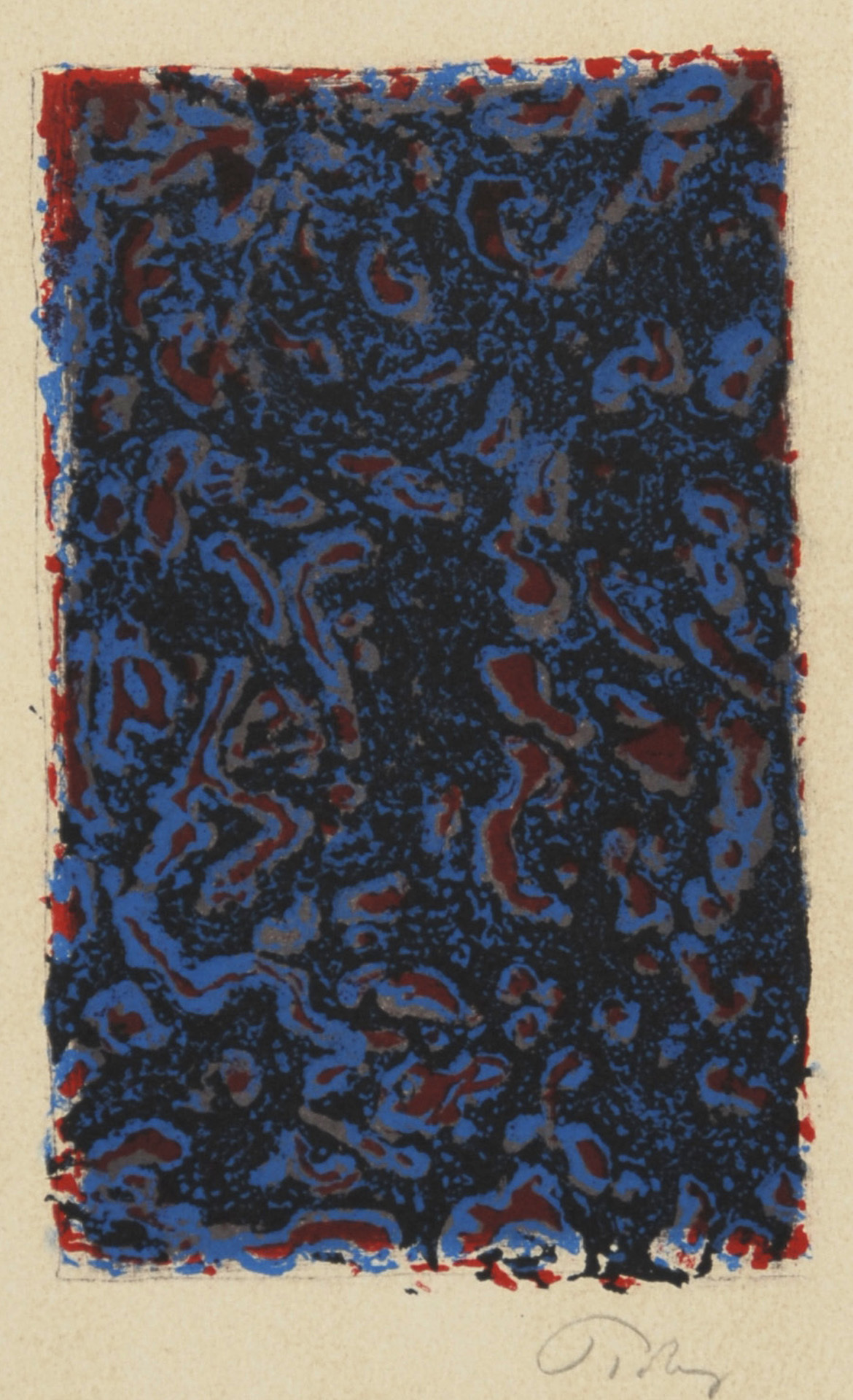
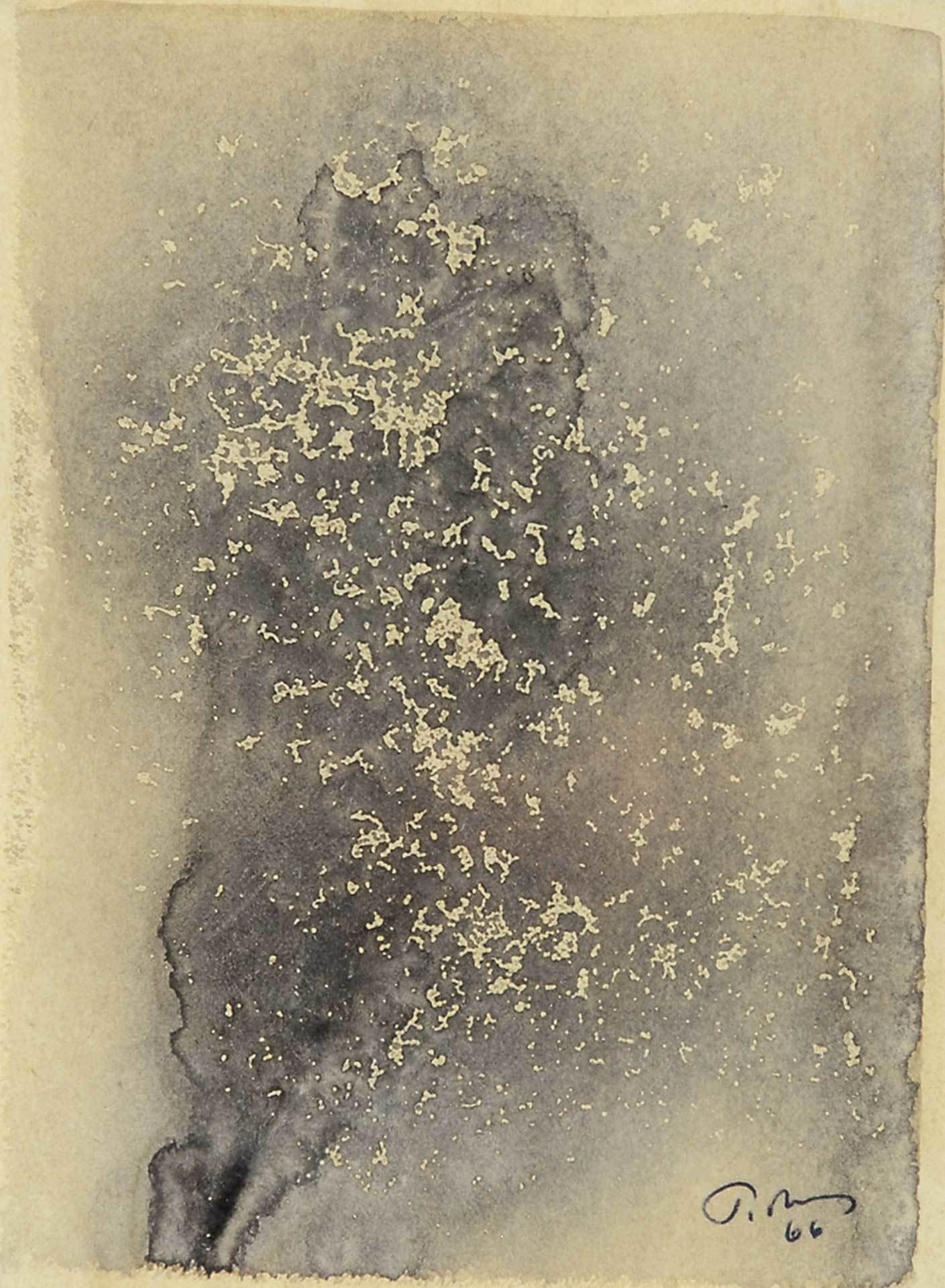
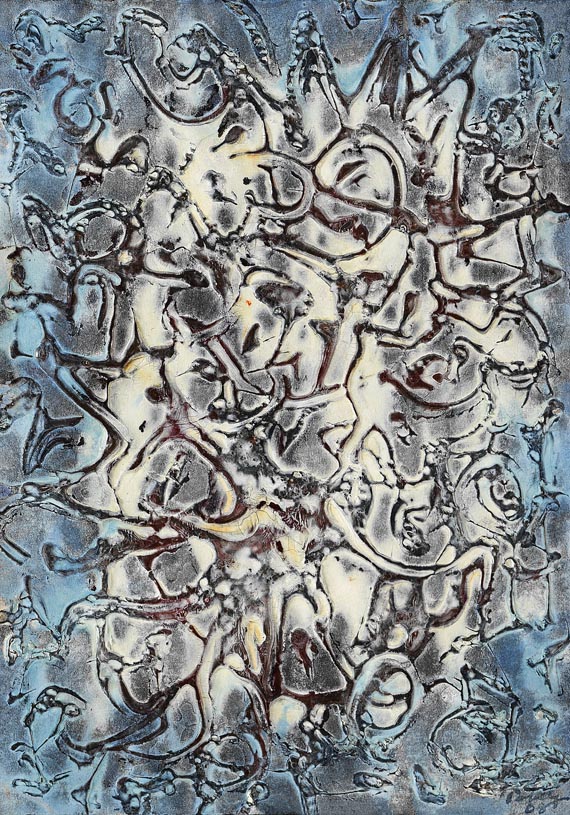
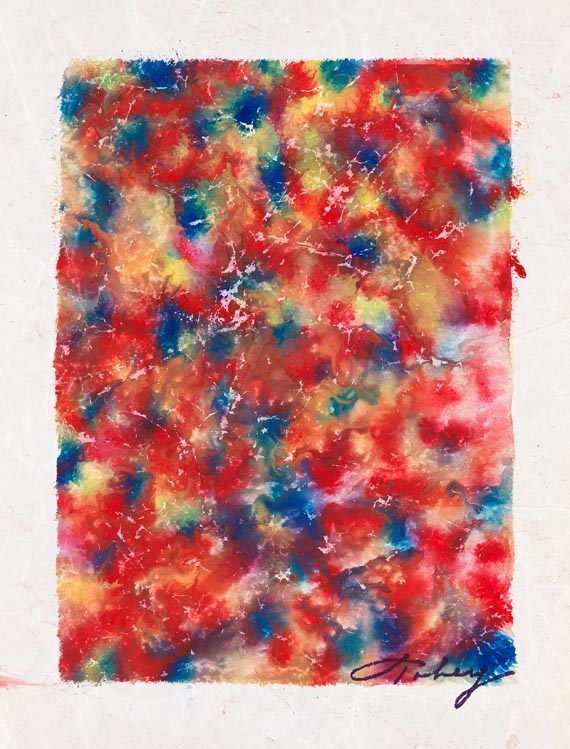
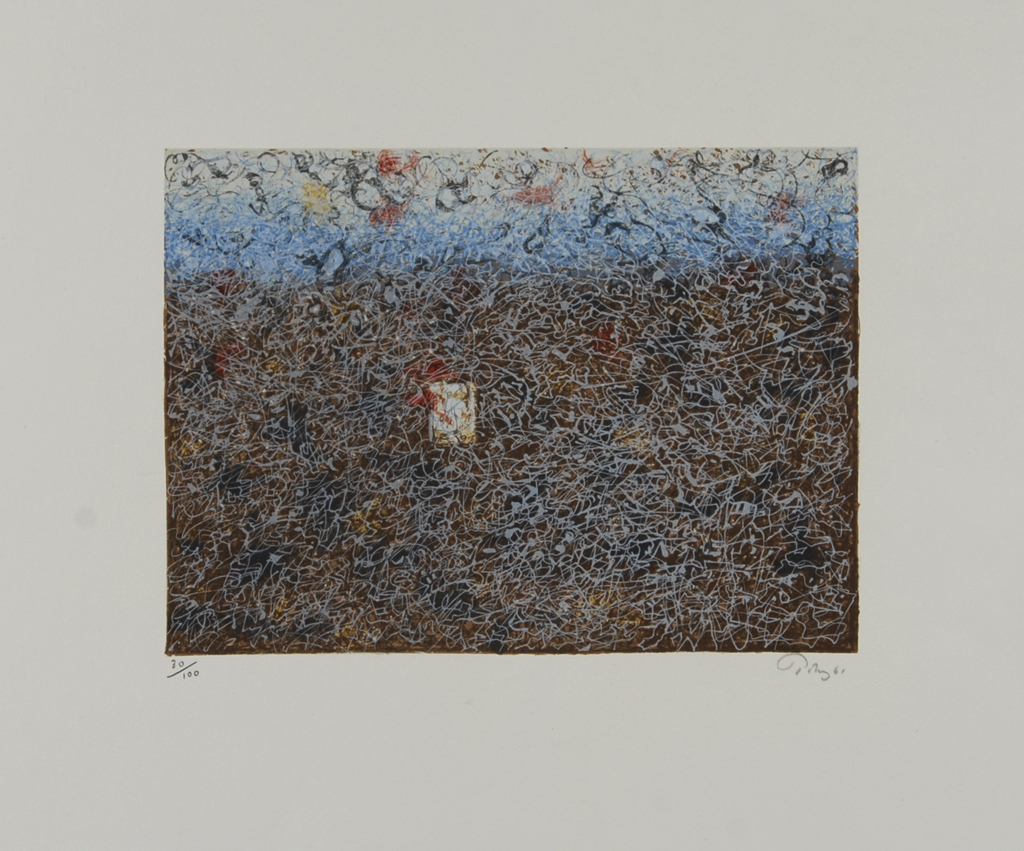
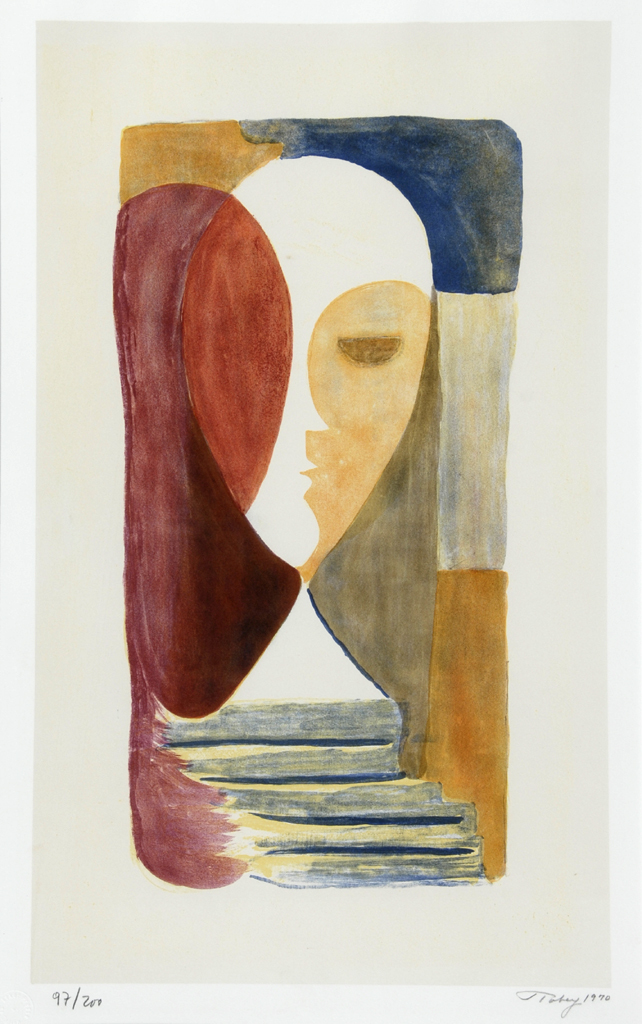
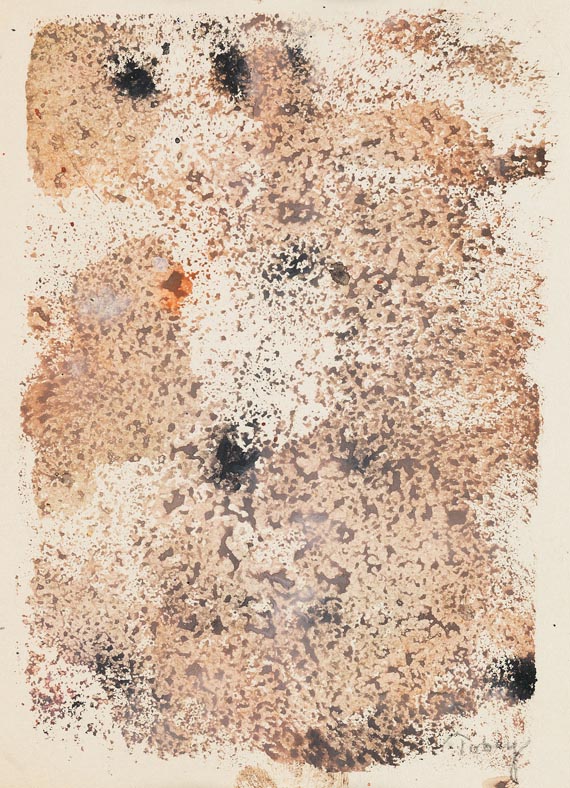
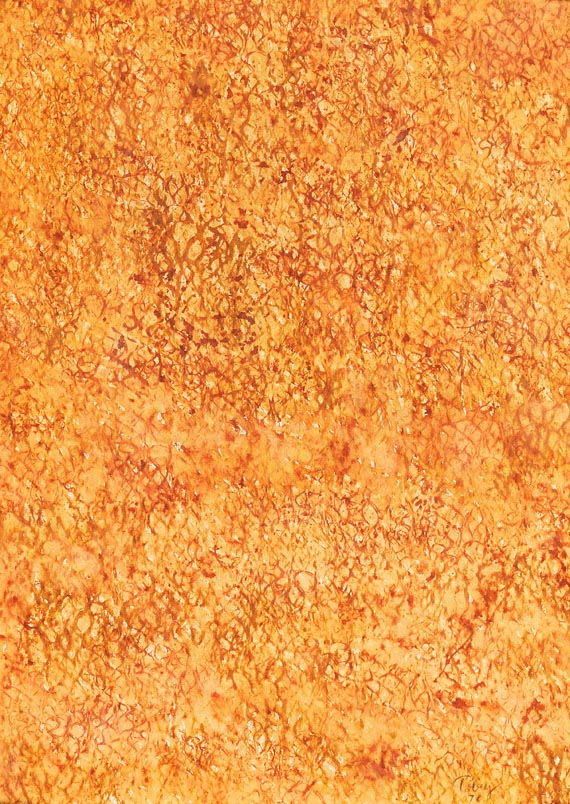
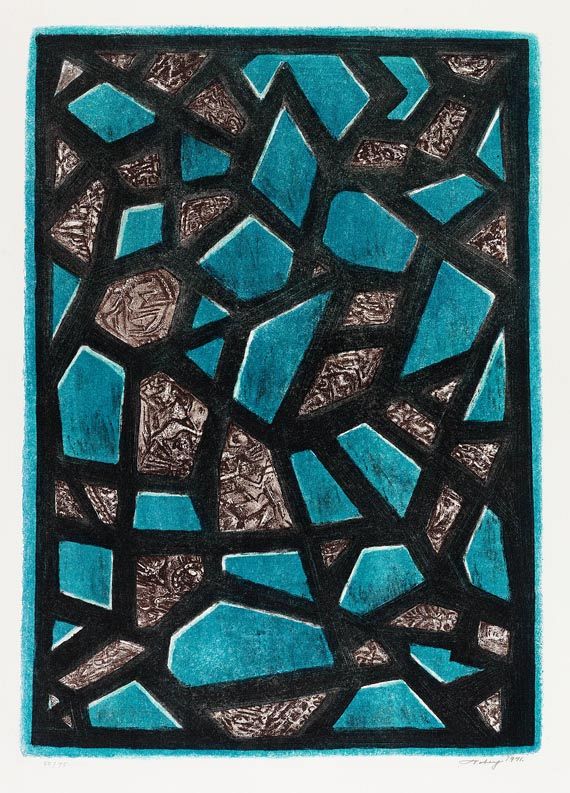
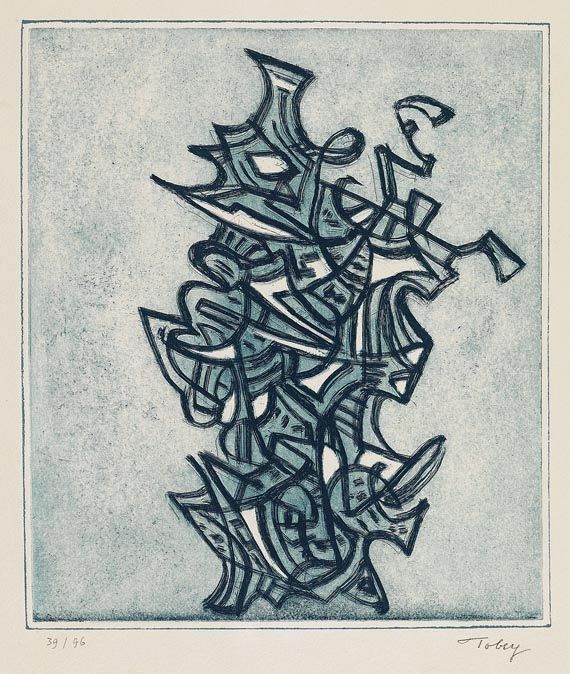
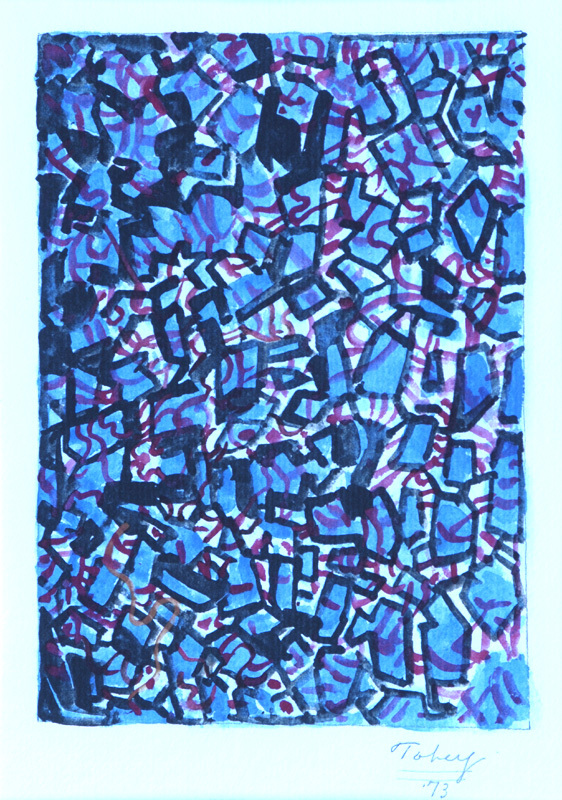
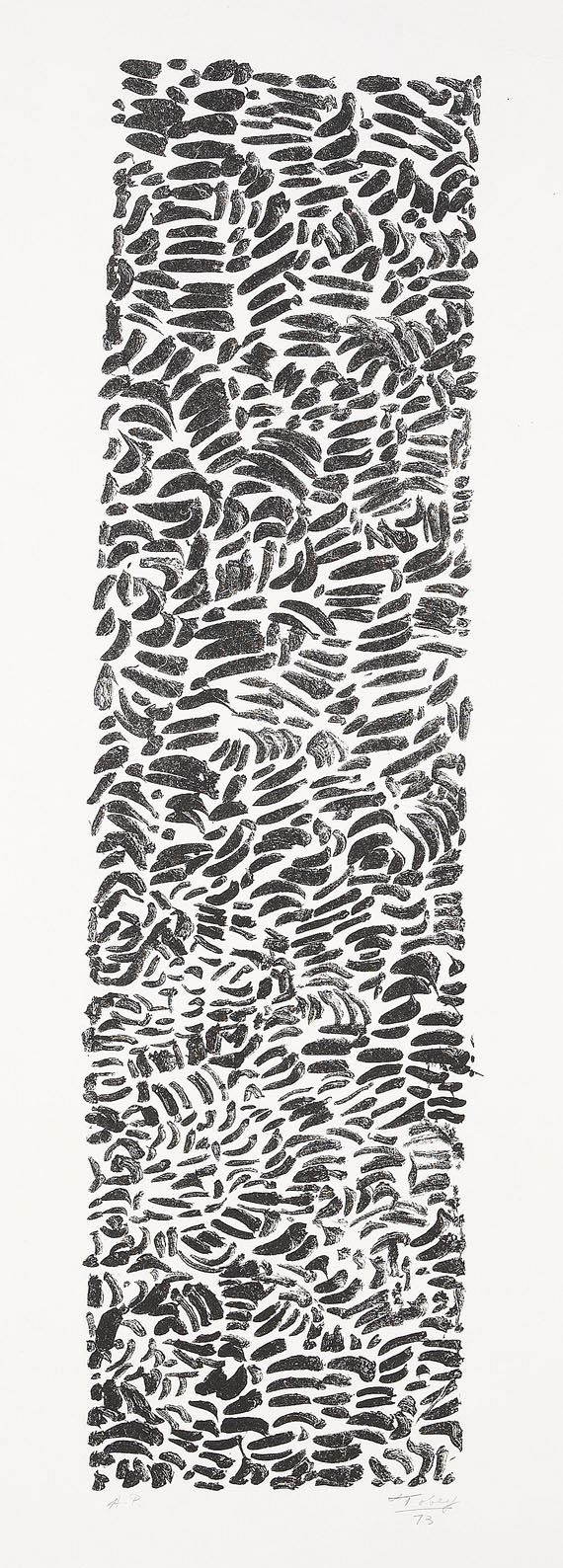
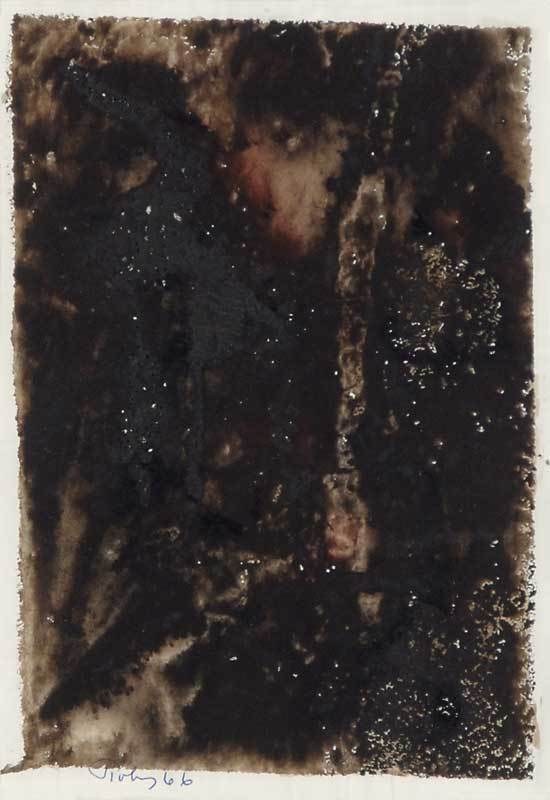
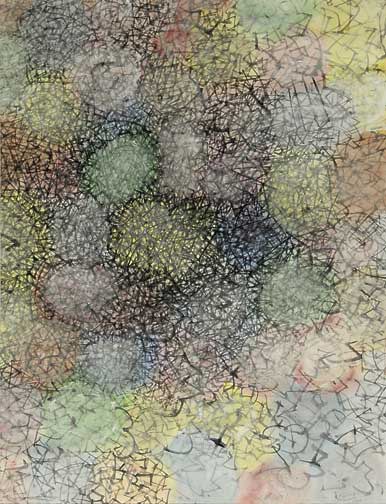
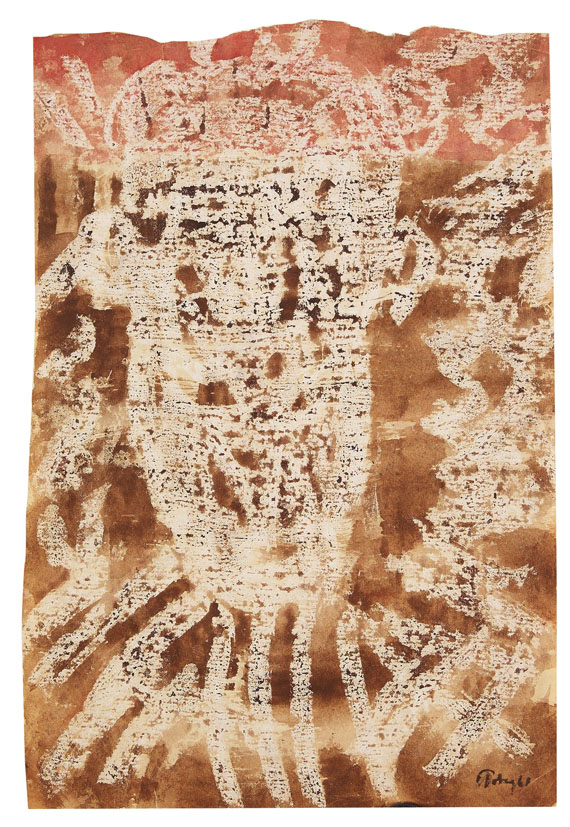
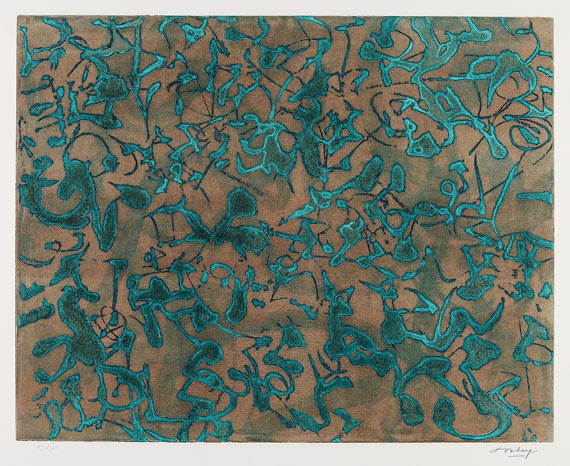
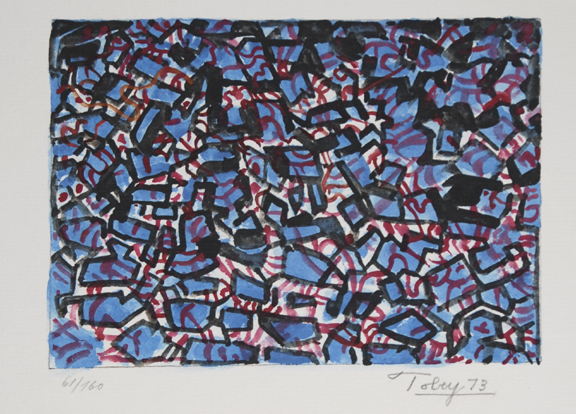
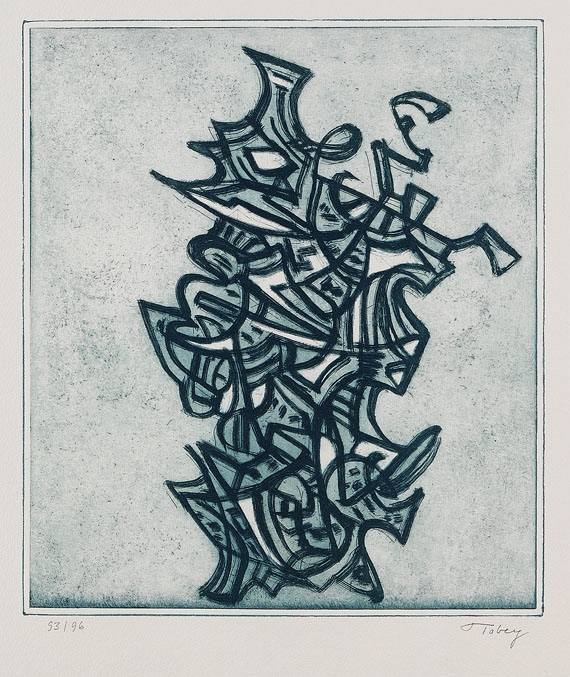
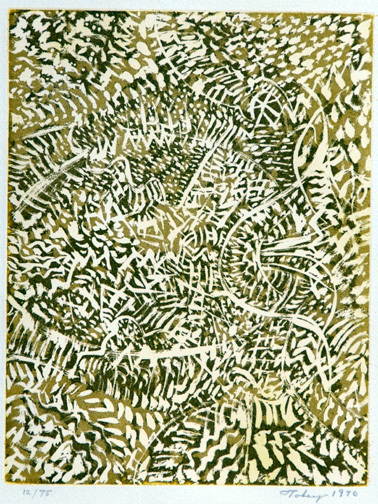
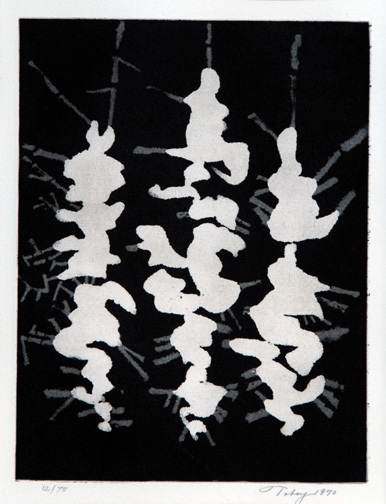
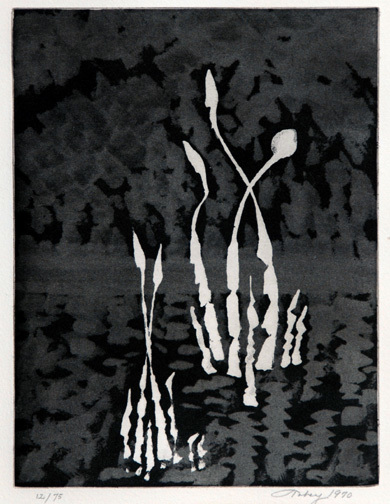
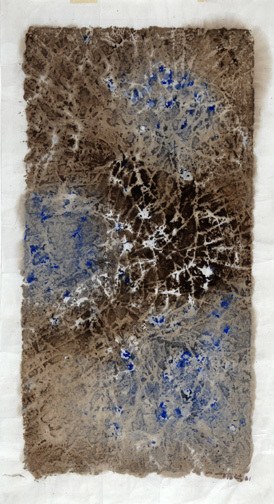
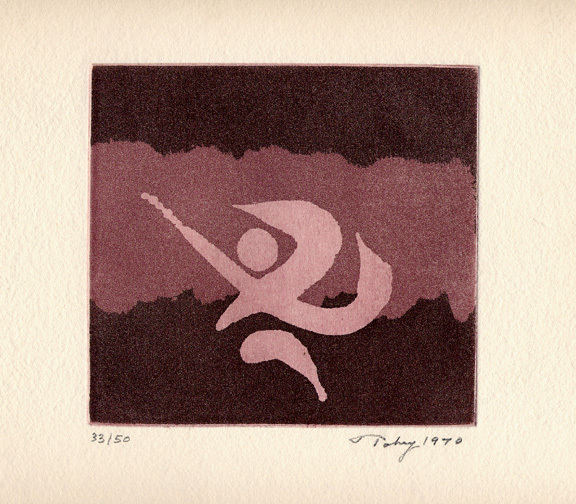
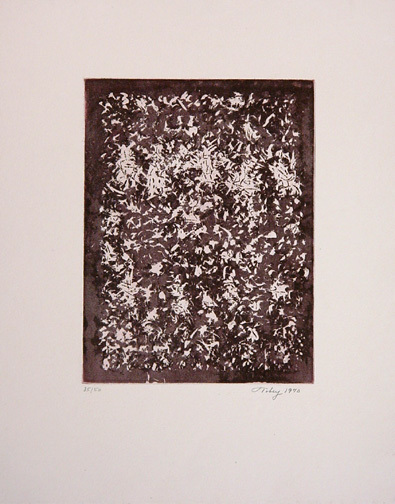
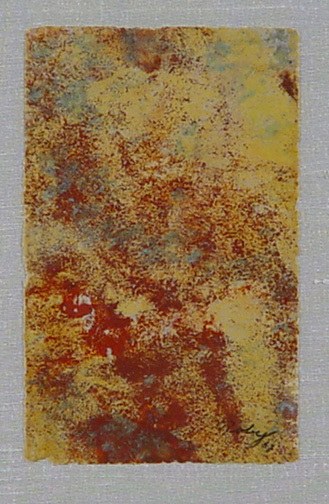
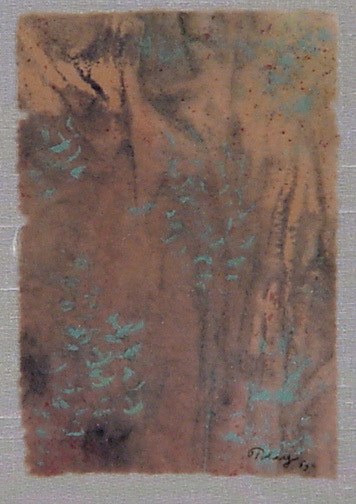
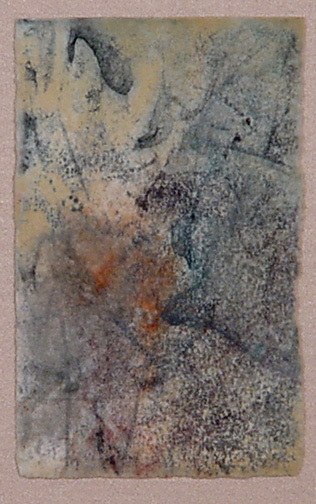
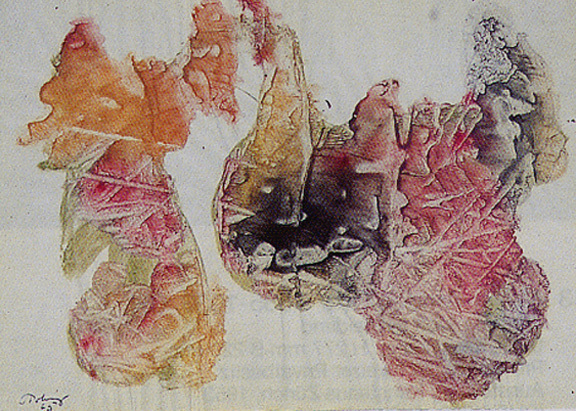
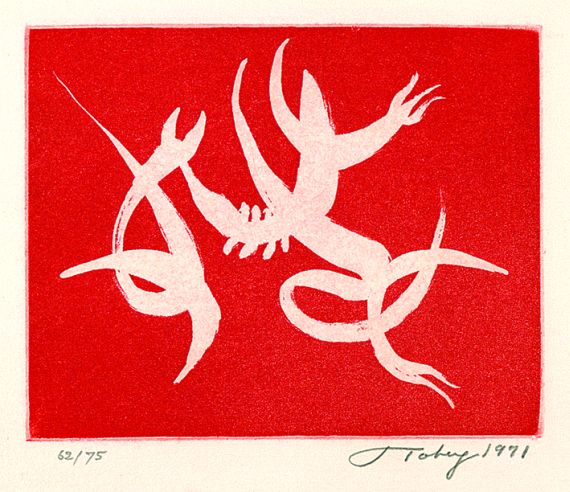
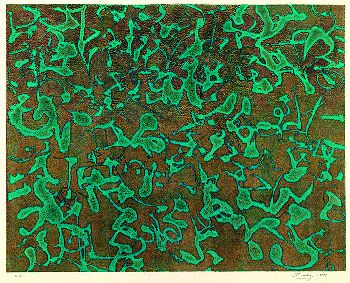
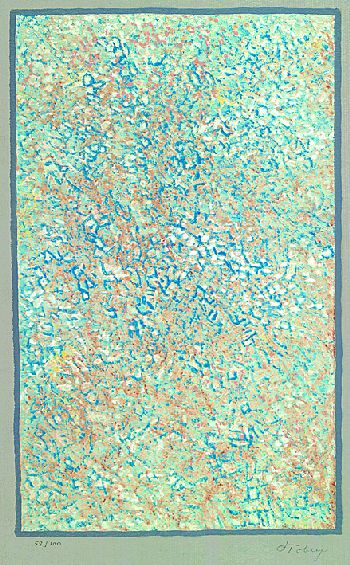
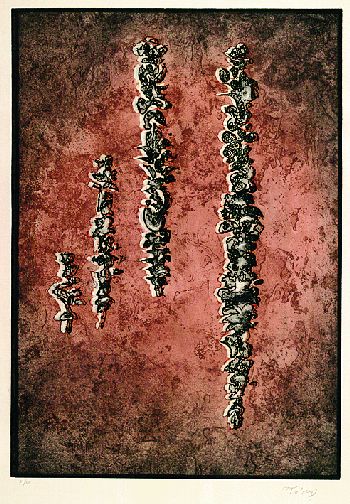
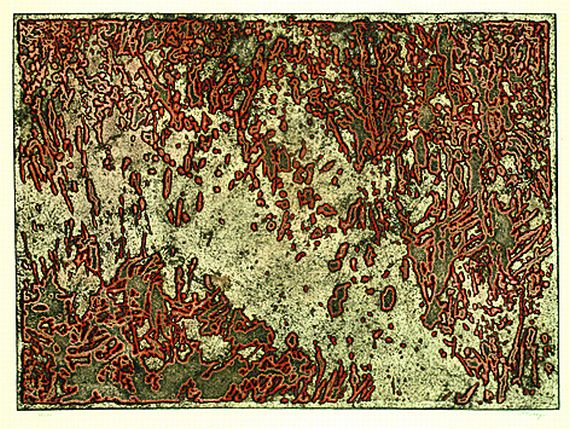
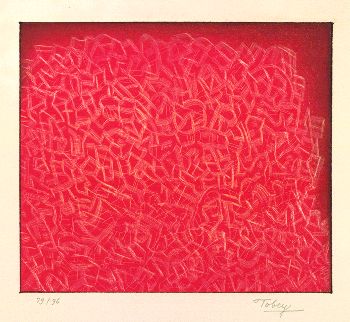
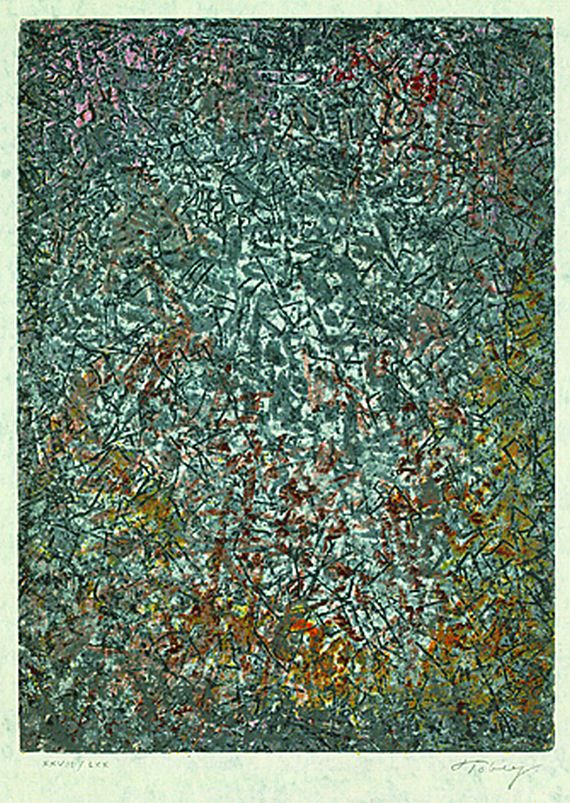
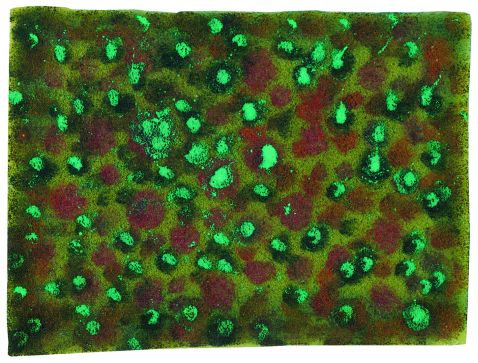
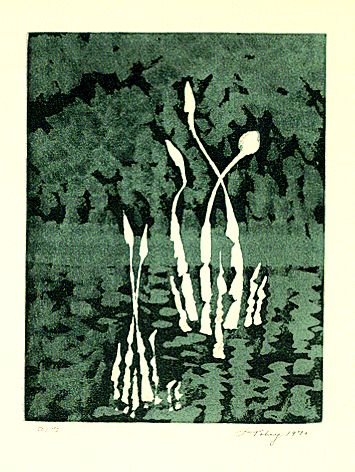
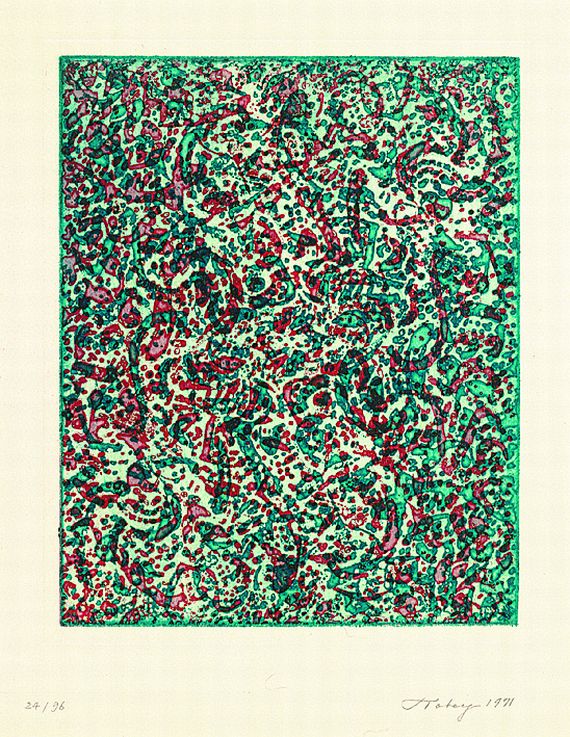
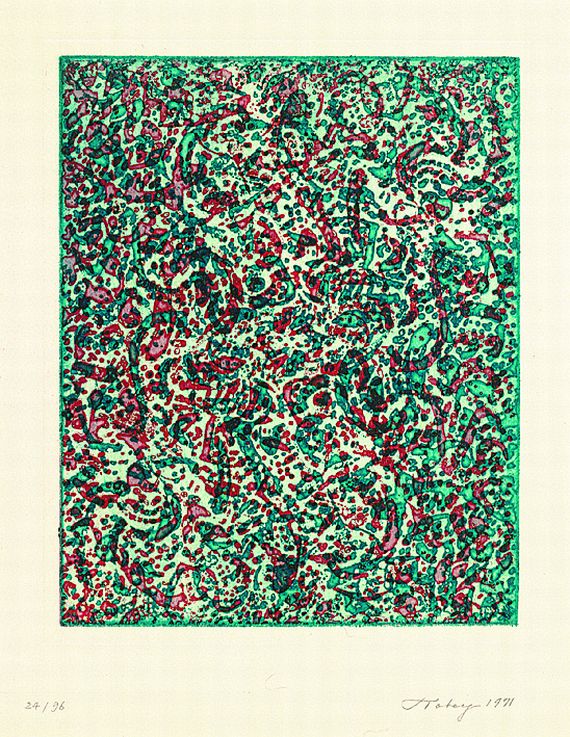
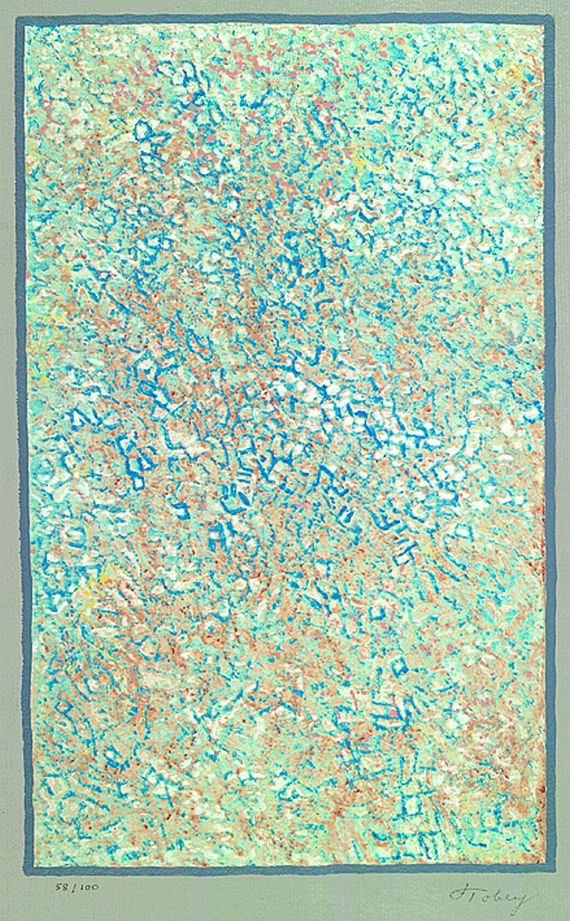
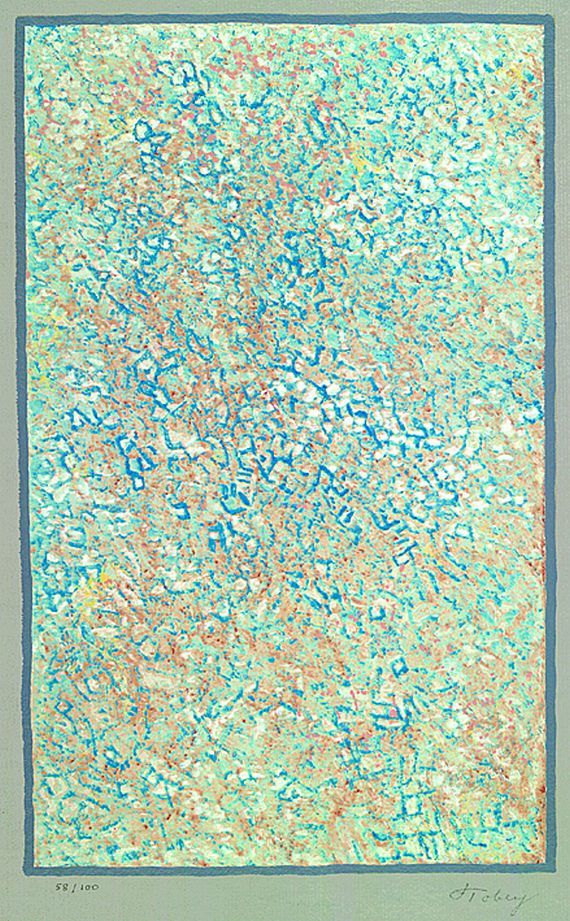
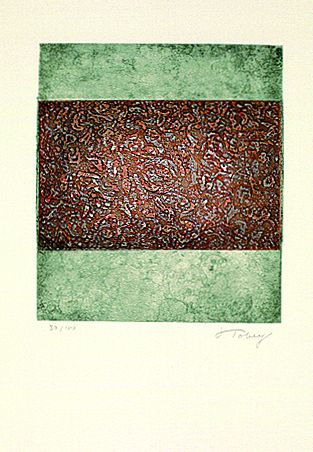
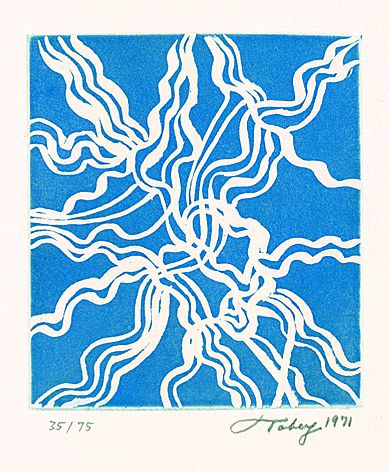
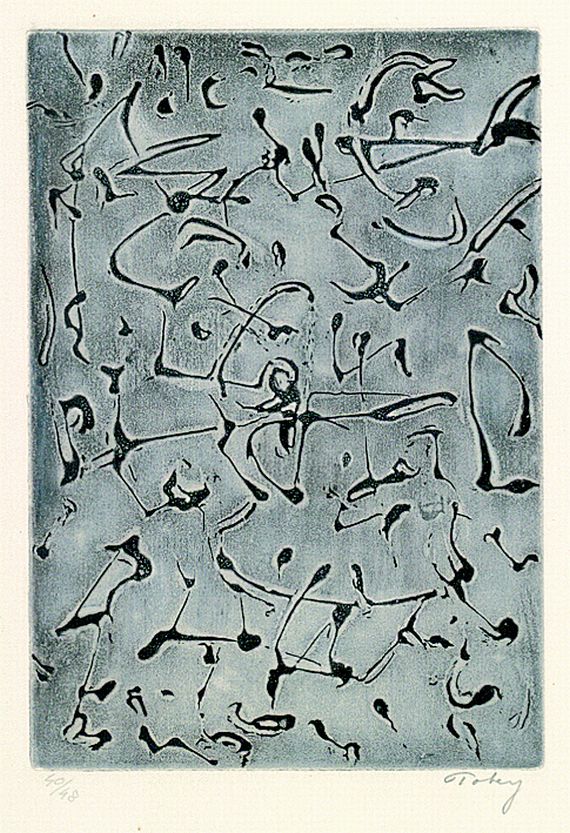
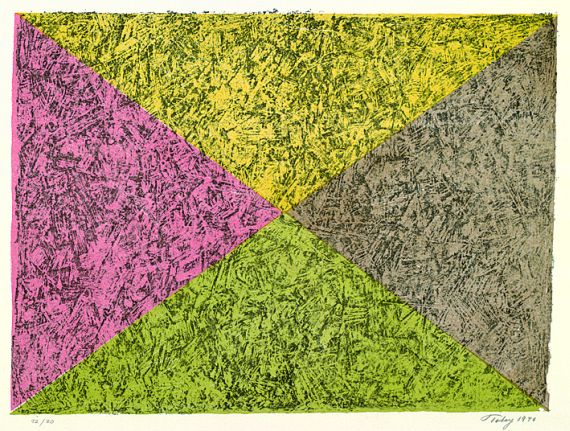
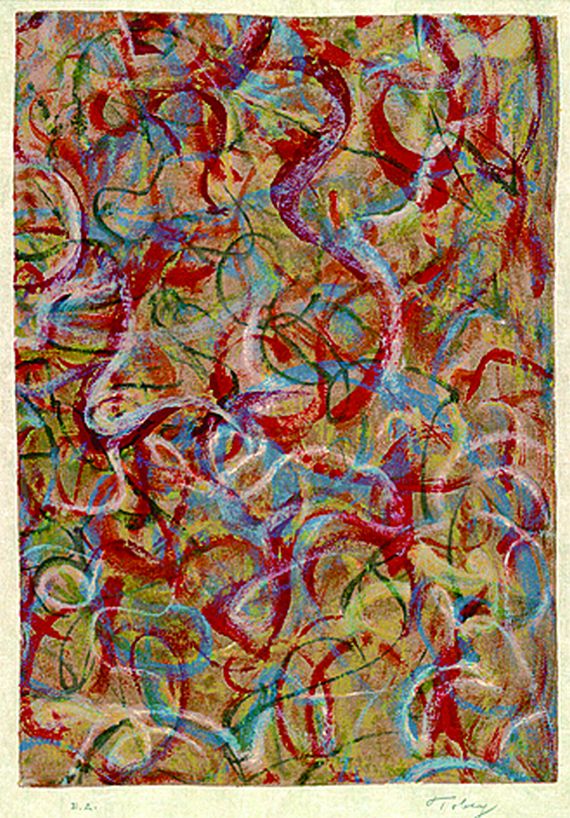
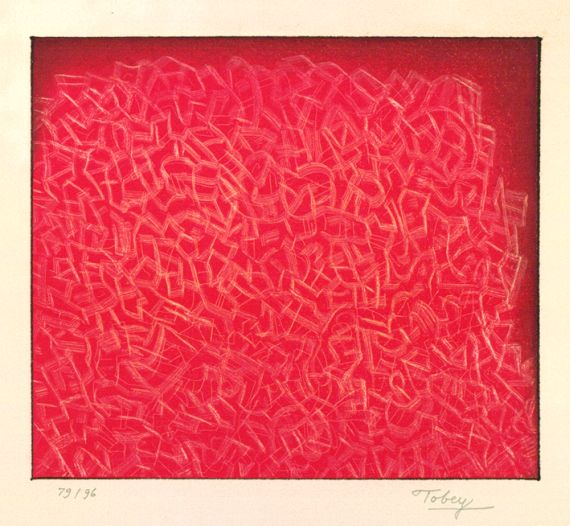
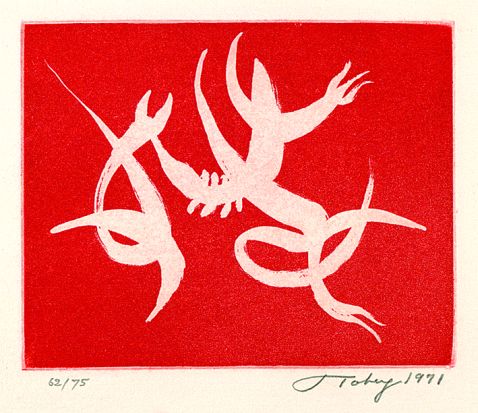
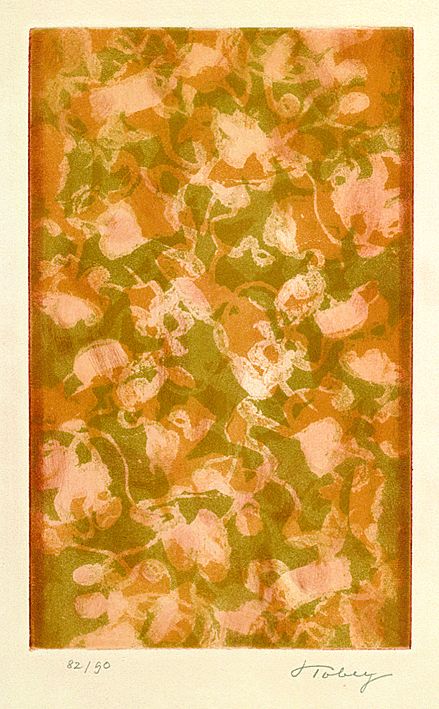
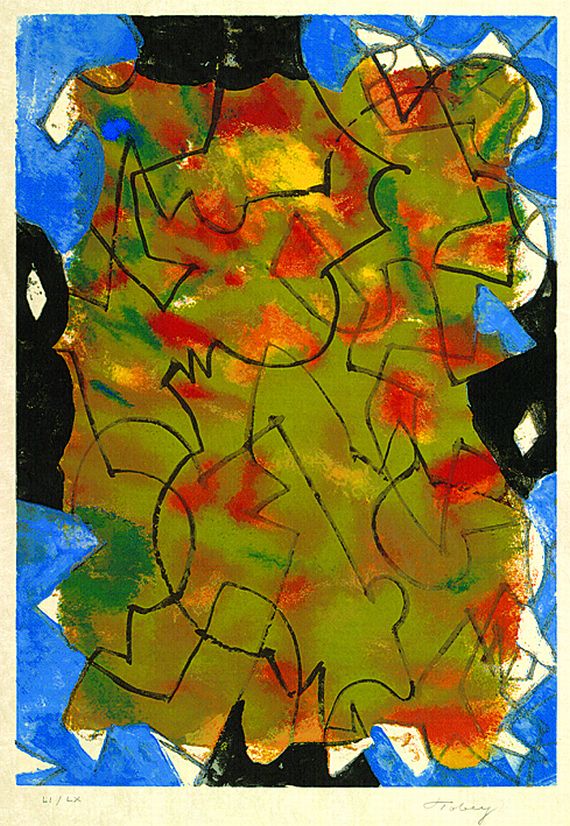
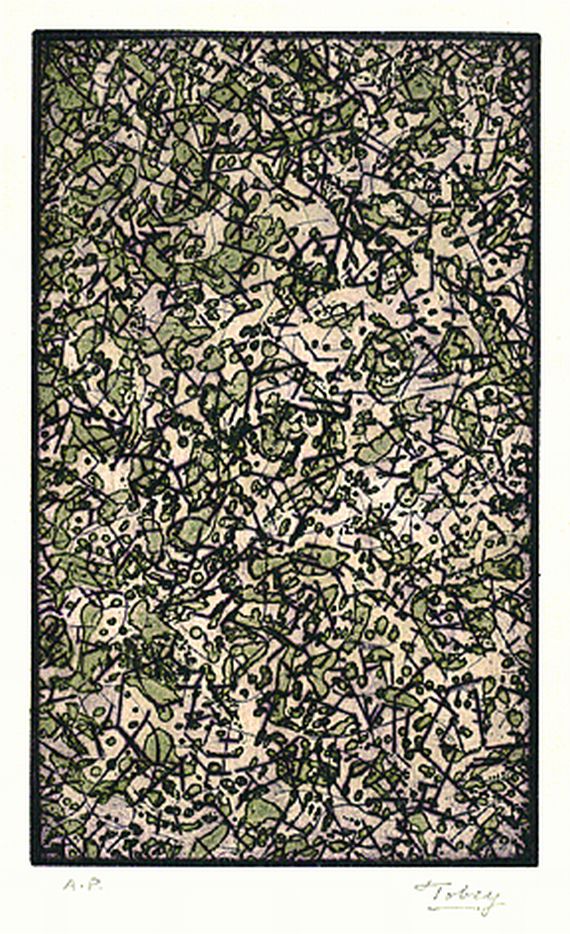
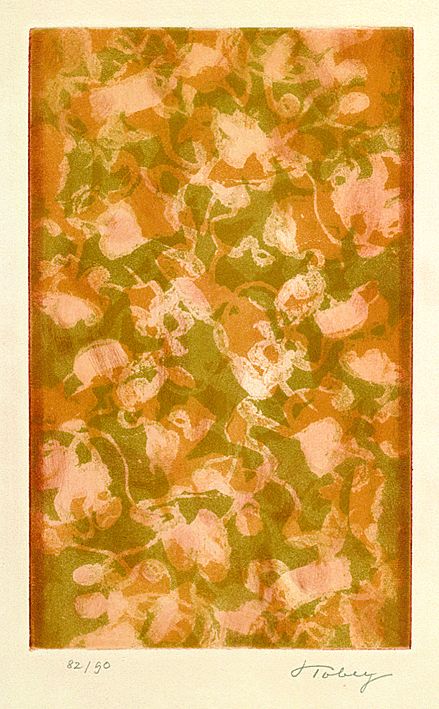
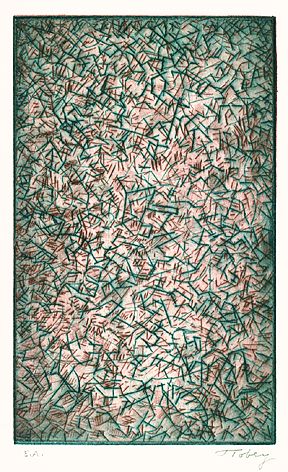
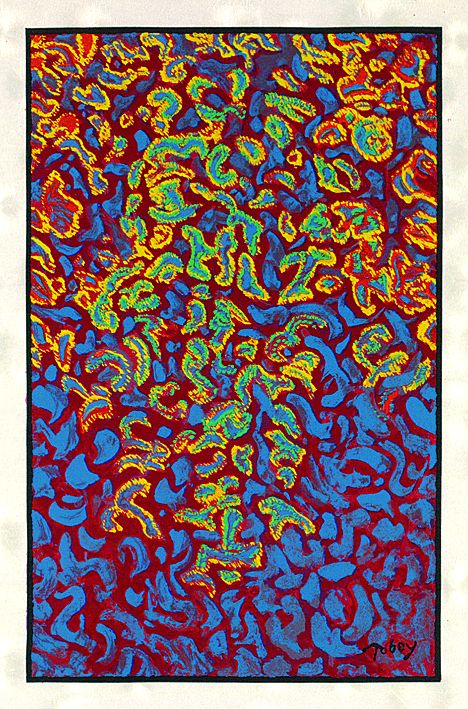
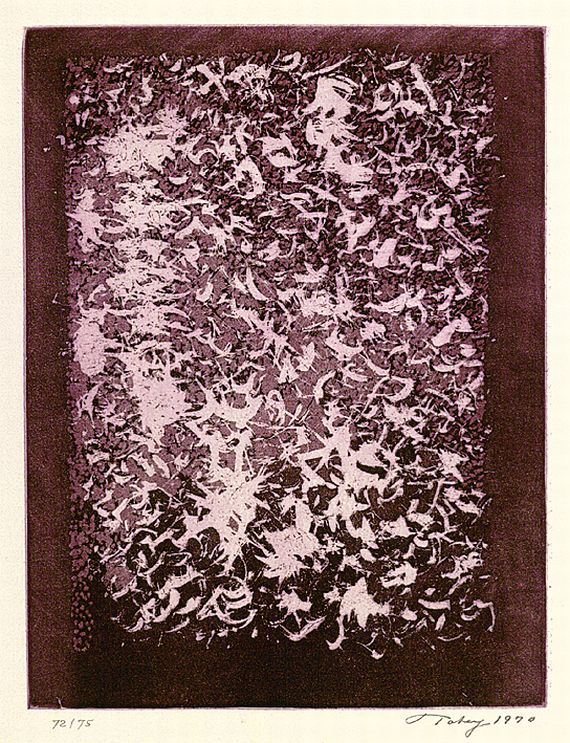
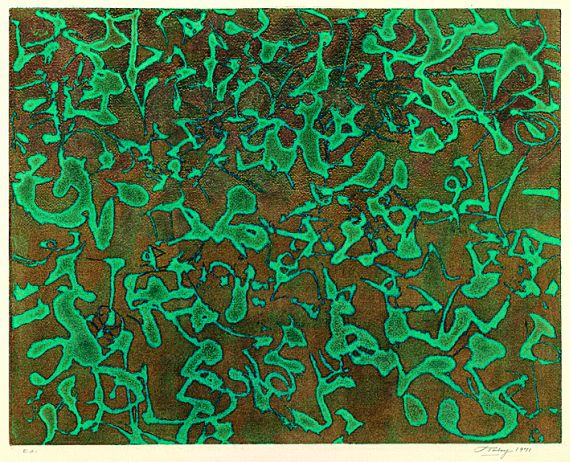
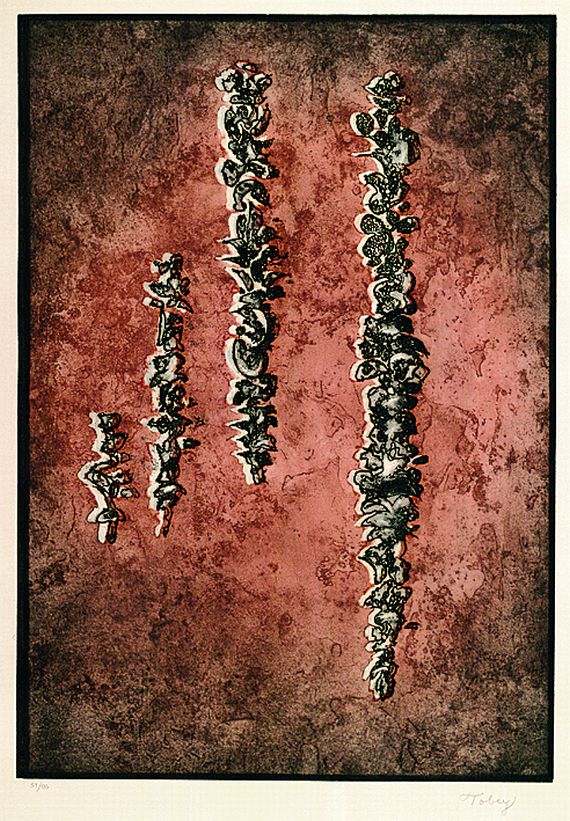
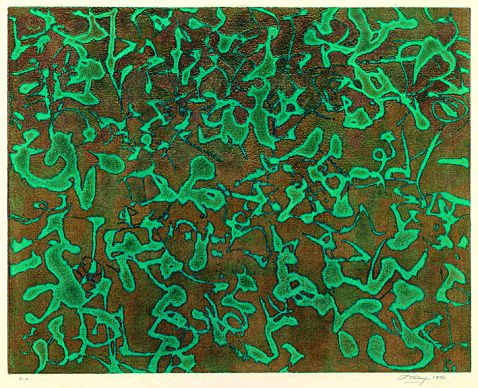
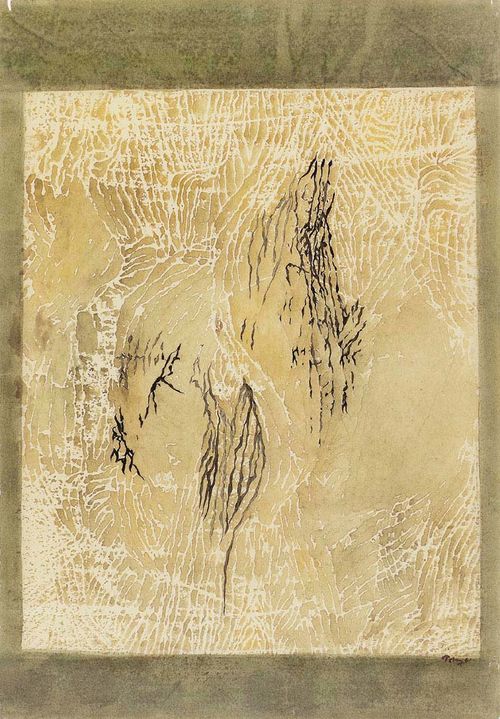
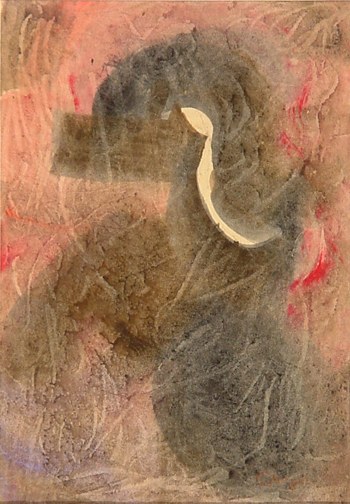
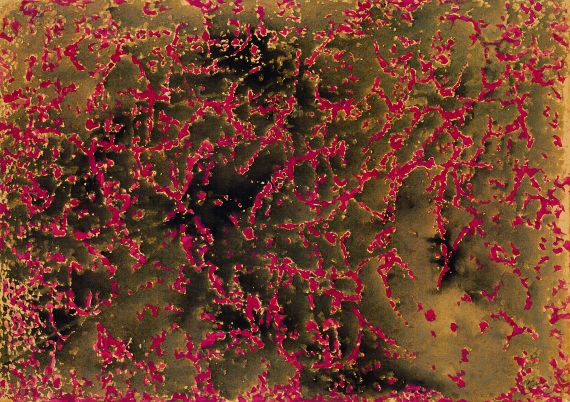
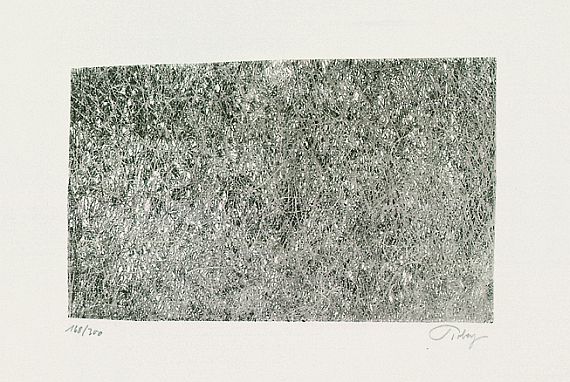
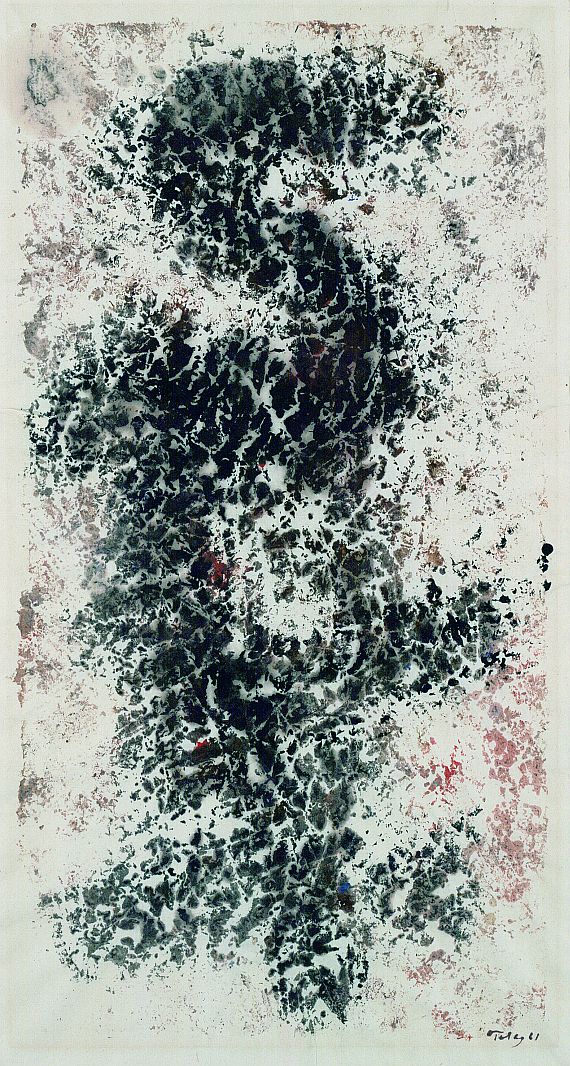
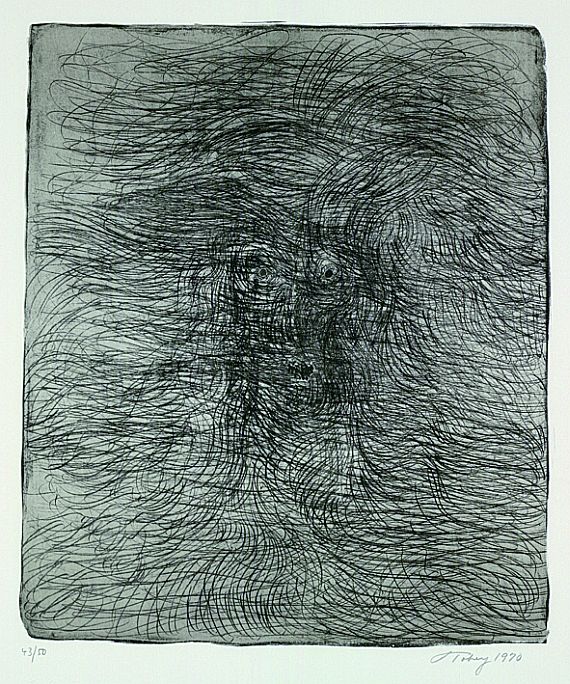
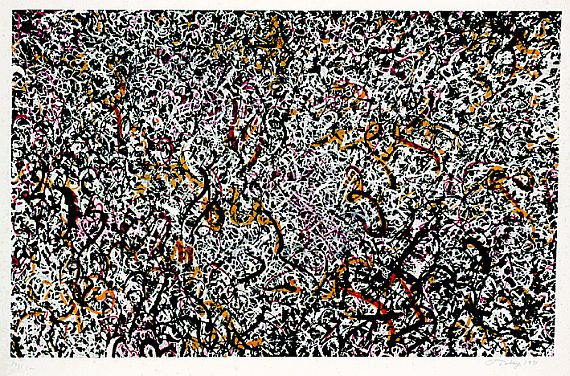
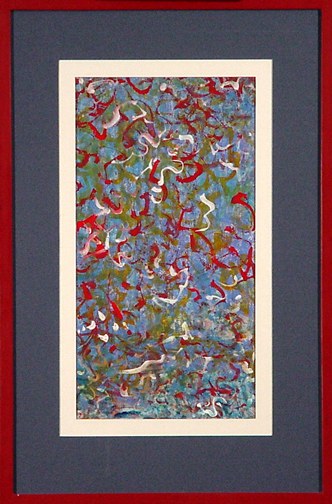
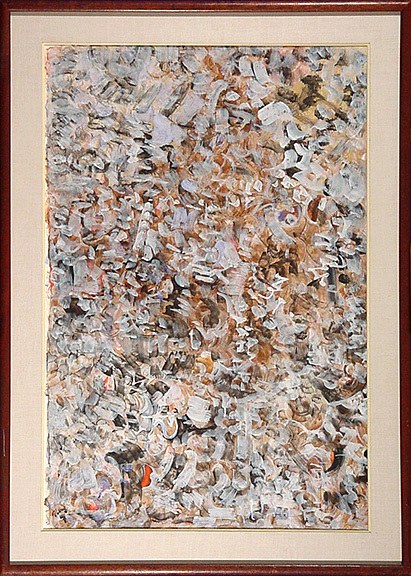
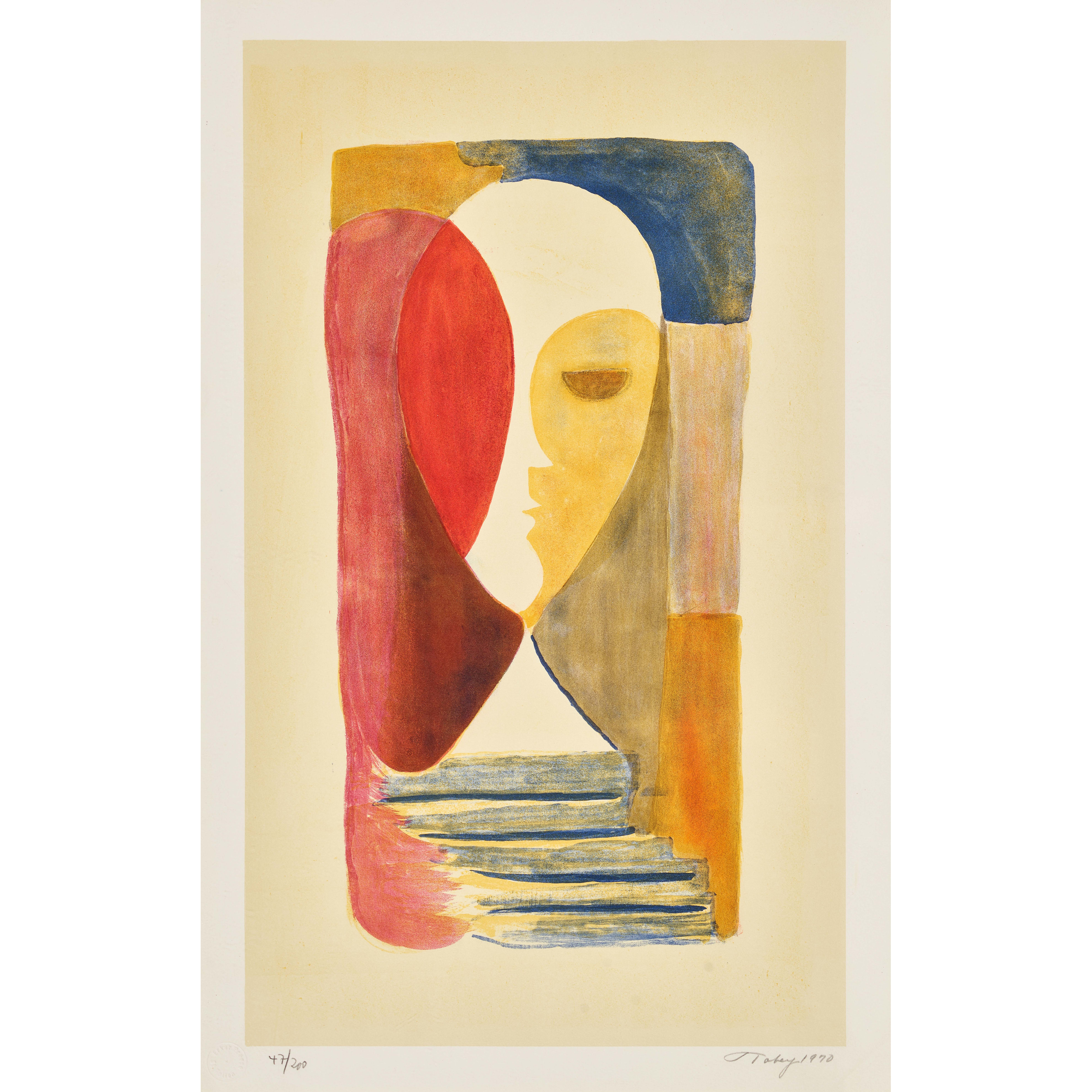
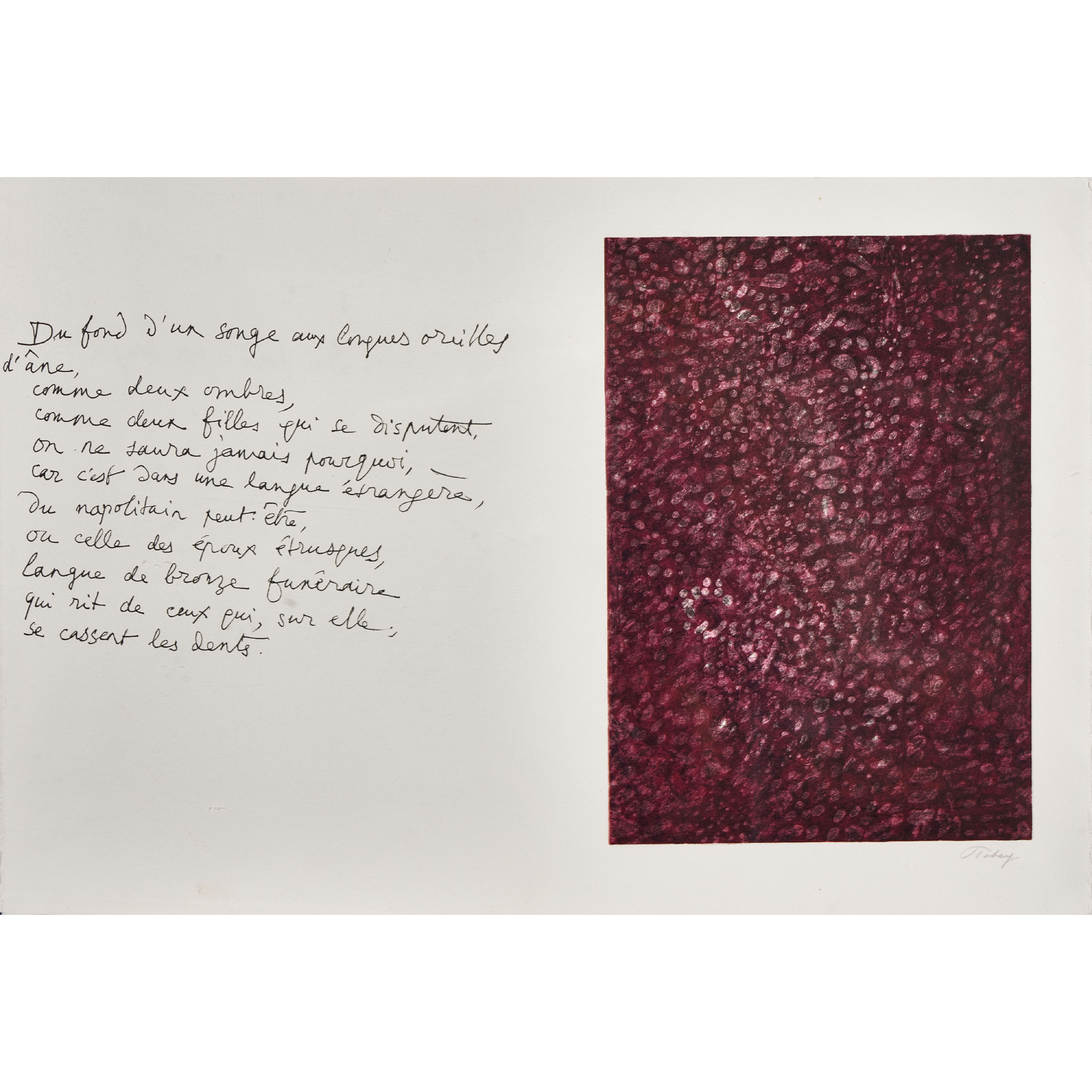
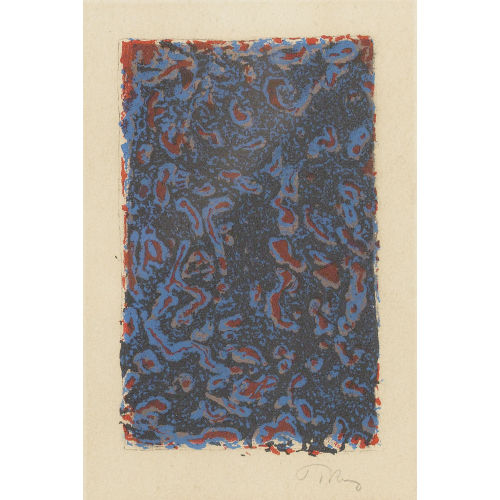
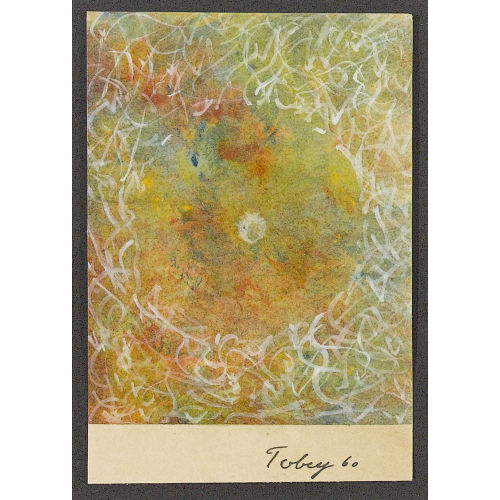
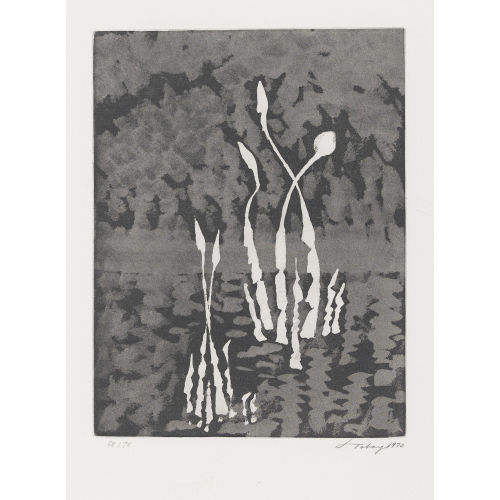
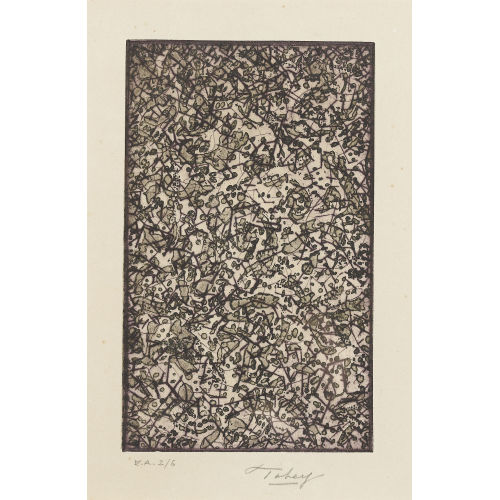
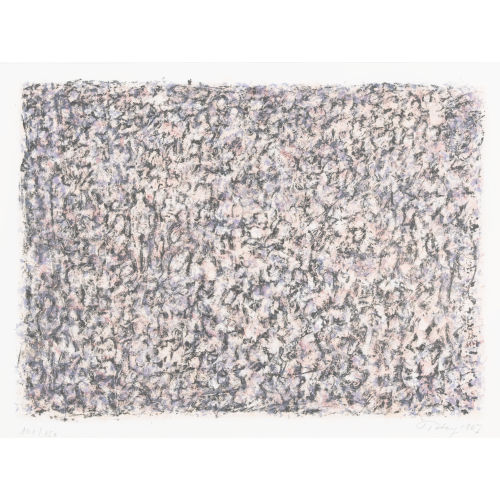
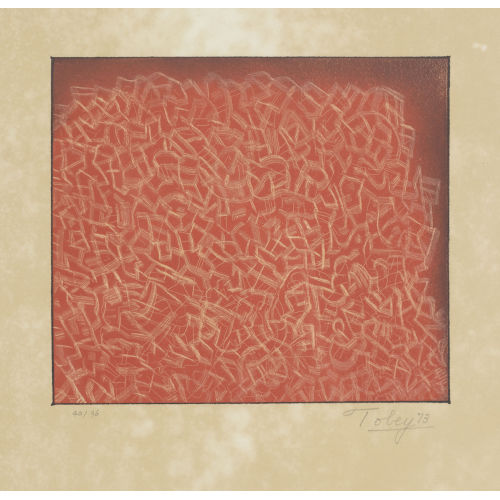
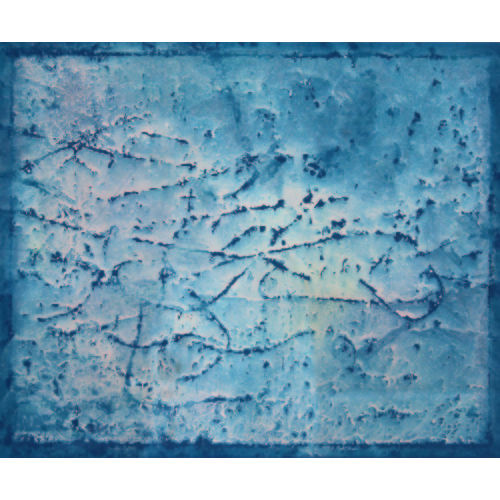
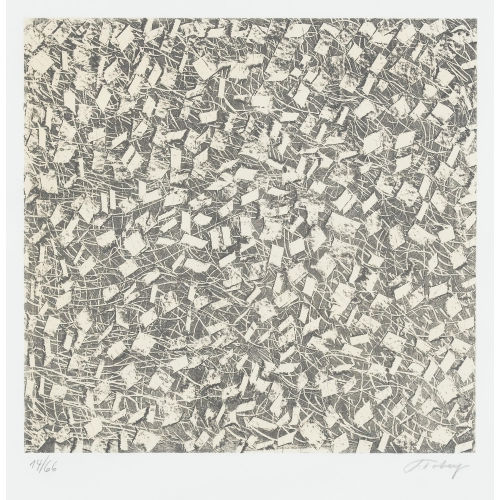
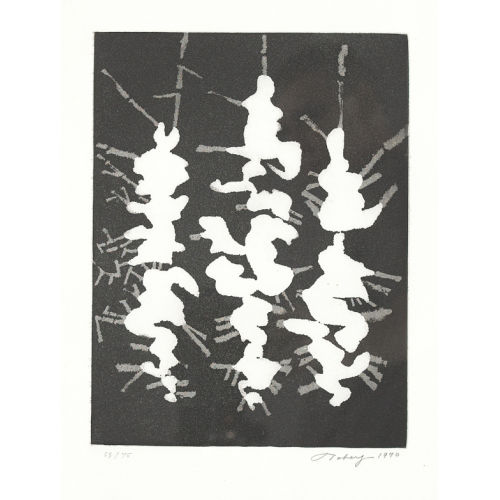
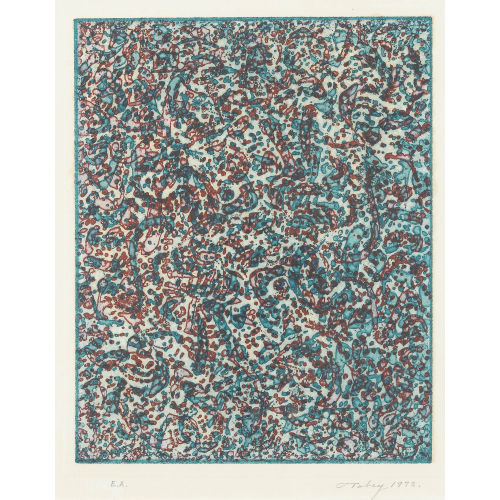
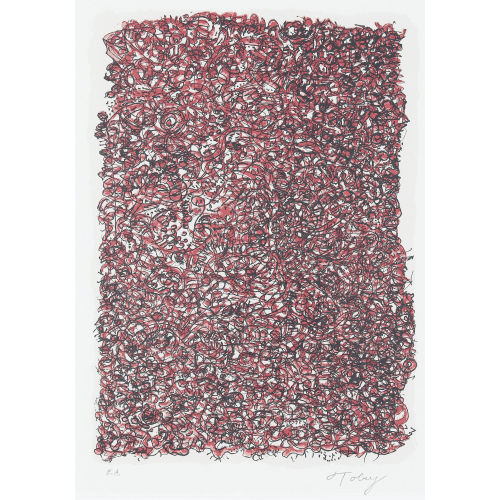
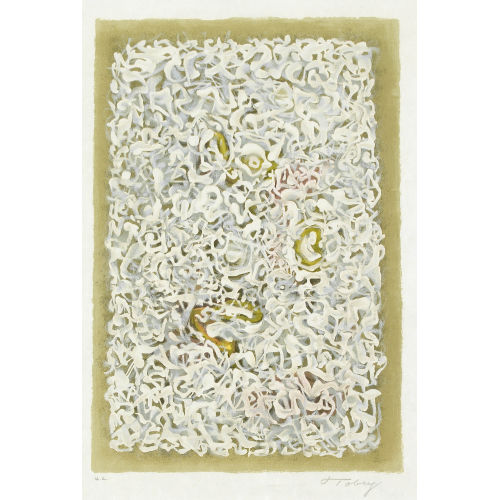
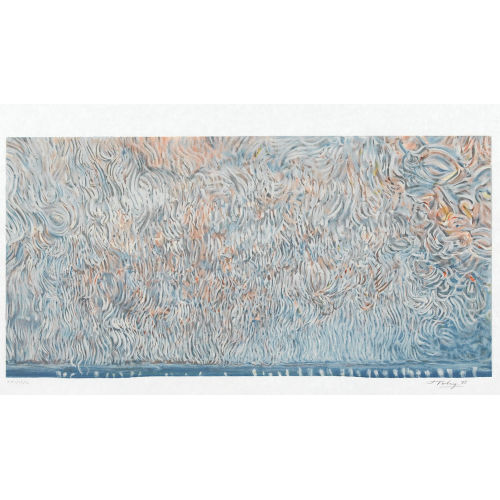
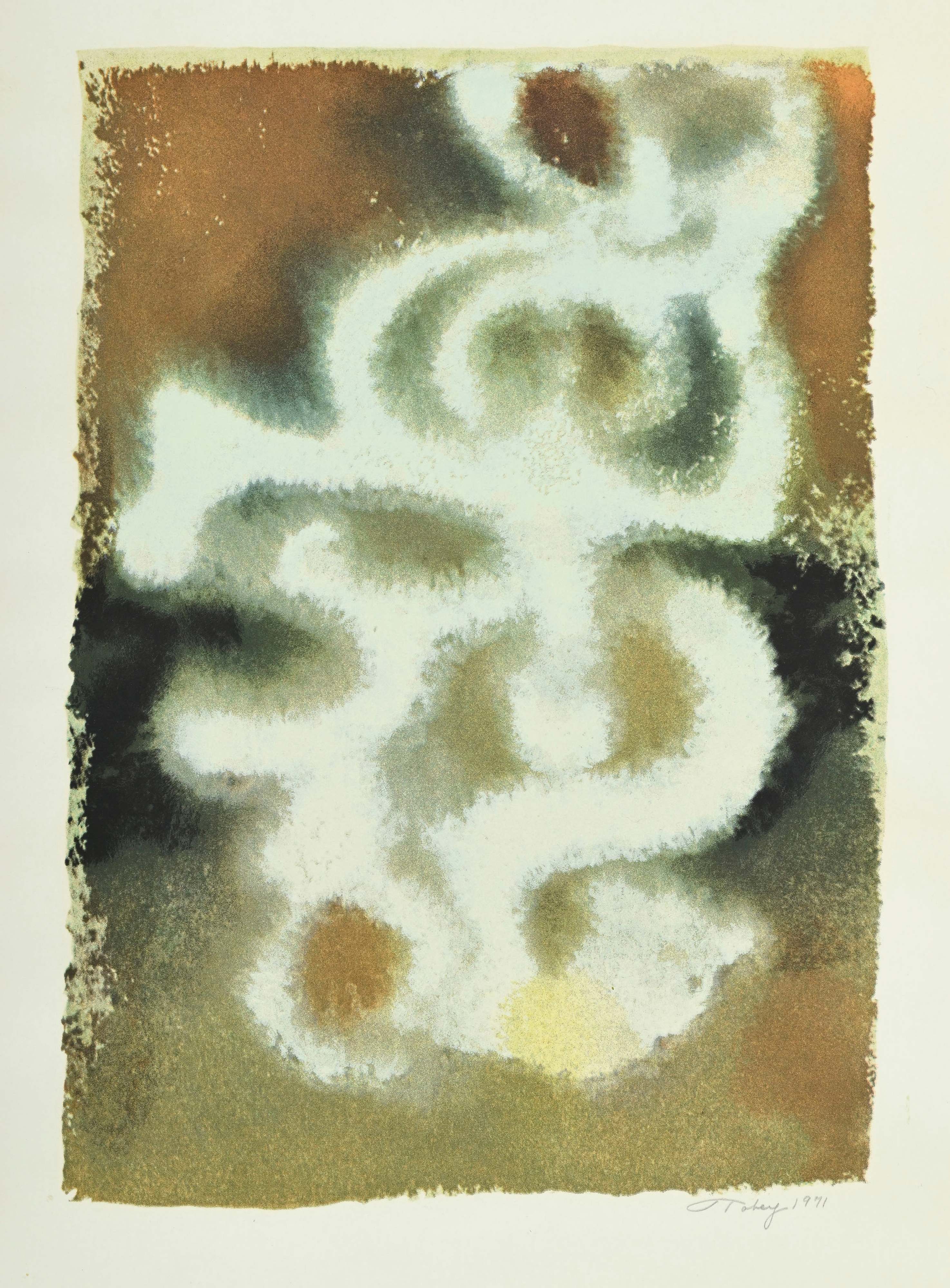
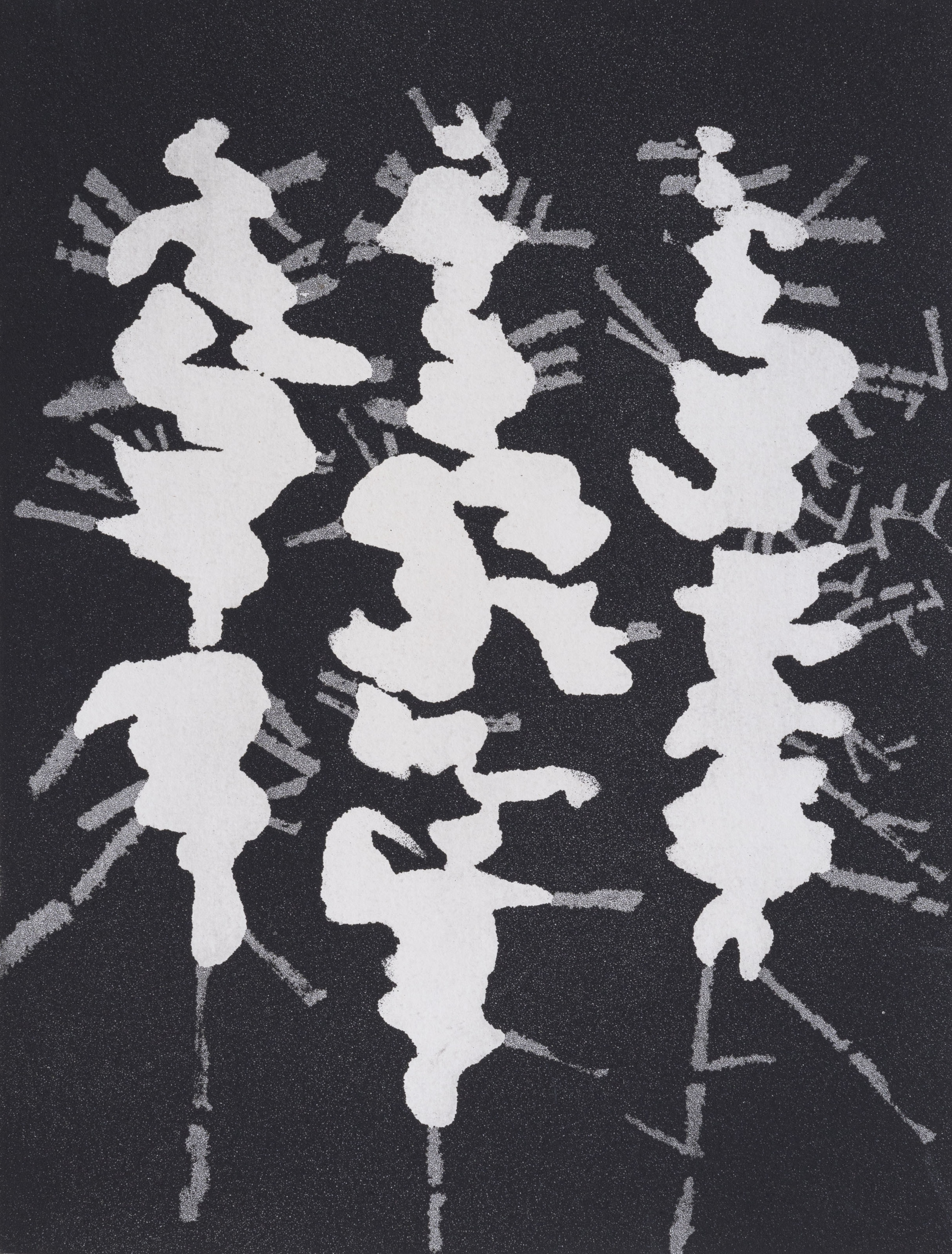
In Mark Tobey’s (1890–1976) paintings, fine lines cross and overlap, seeming to set the entire surface vibrating. This “white writing”, which became his painterly signature, opens up a space in which the eye moves freely without following a single scene. The American artist brings the energy of the modern world into dialogue with a spiritual quest.
Born in Wisconsin, Tobey attended classes at the Art Institute of Chicago before working as a fashion illustrator in New York. He presented his first solo exhibition in 1917. The following year, his adherence to the Bahá’í Faith became a lasting source of his interest in the unity of humanity and the relationships between cultures.
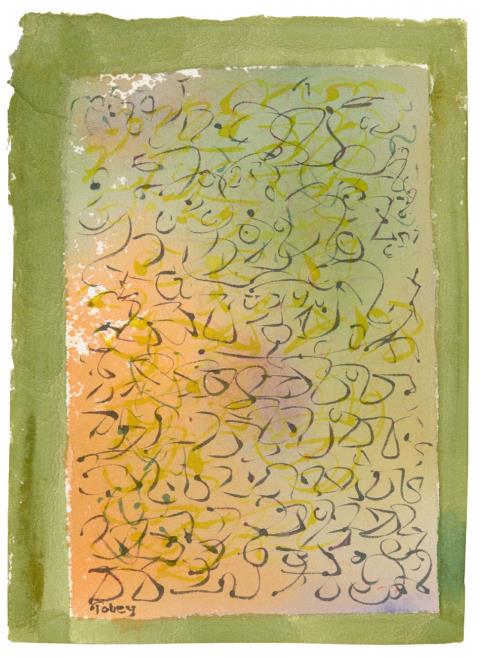
Based in Seattle in the 1920s, he taught and discovered Chinese calligraphy. His travels broadened this openness: in 1934, he went to China and Japan, where he stayed, among other places, in a Zen monastery near Kyoto. “White writing” appeared in his work in 1935.
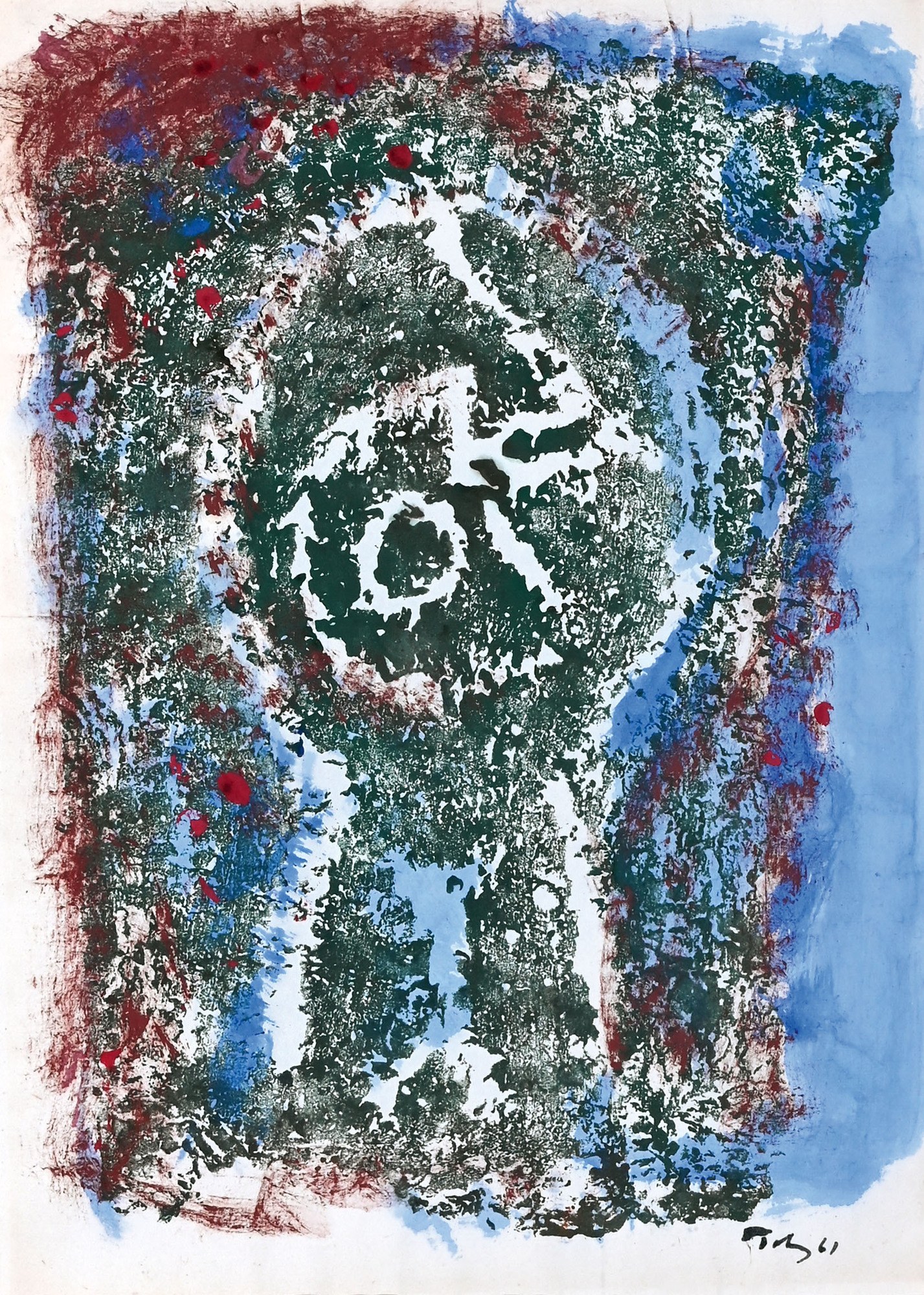
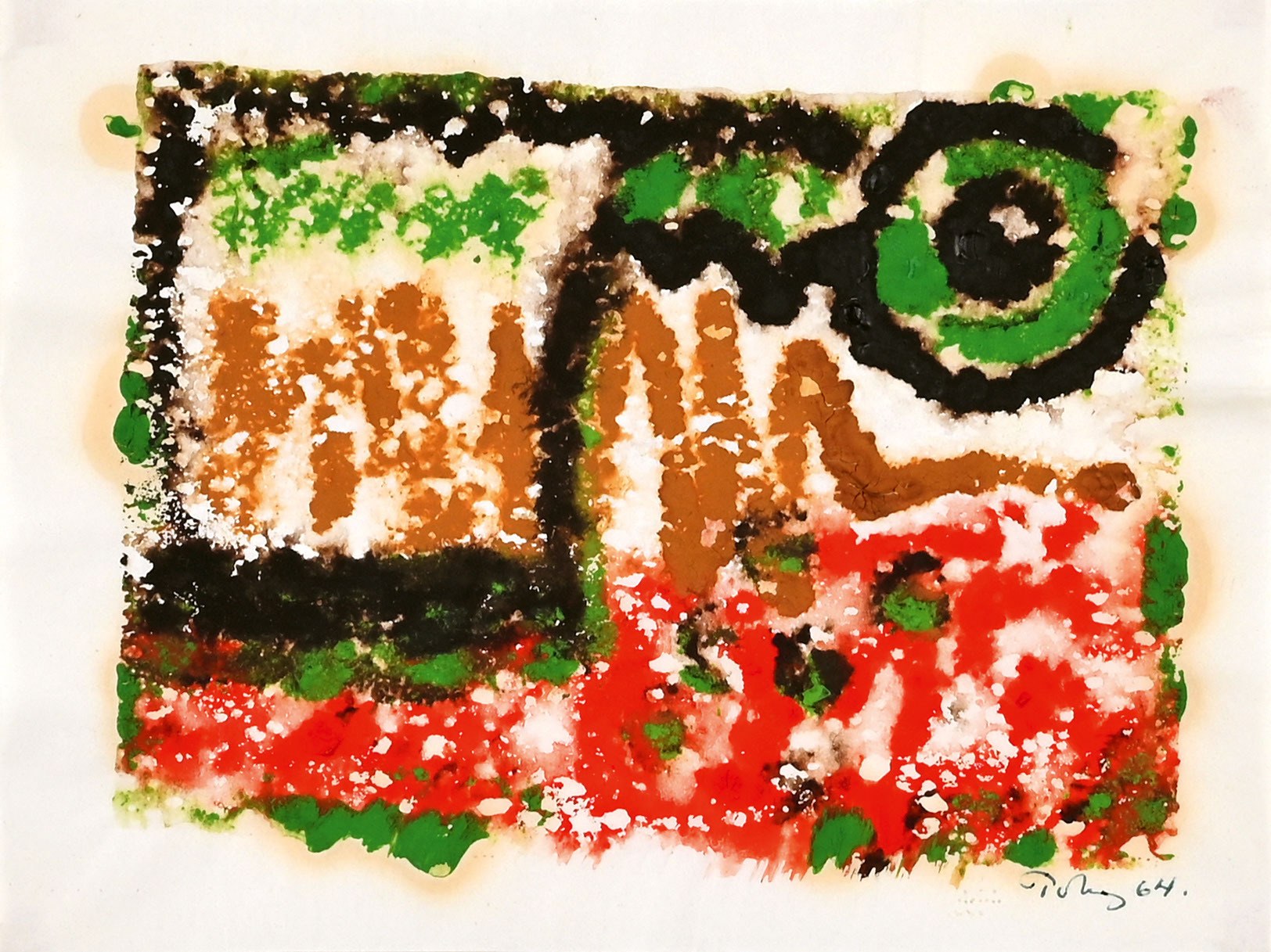
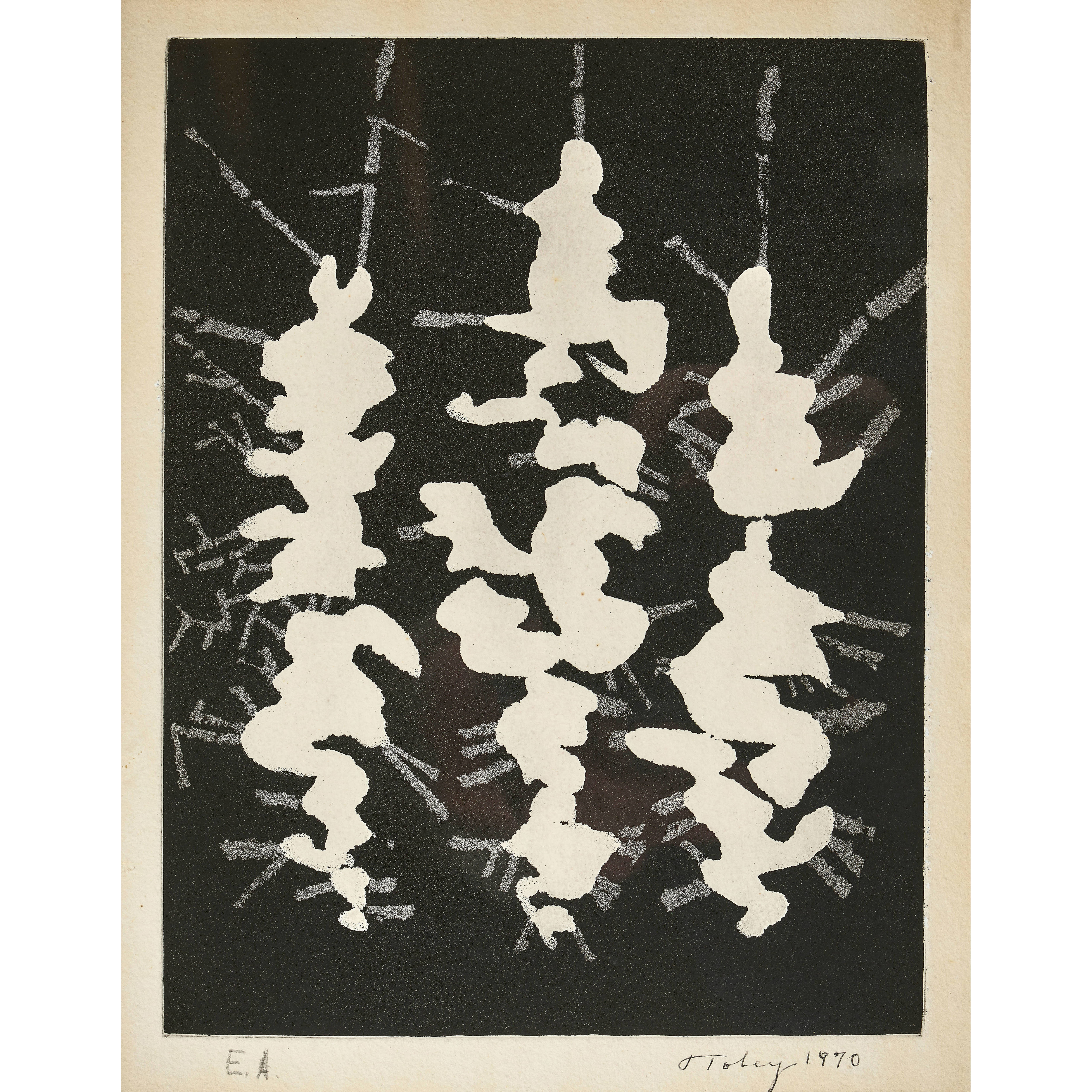
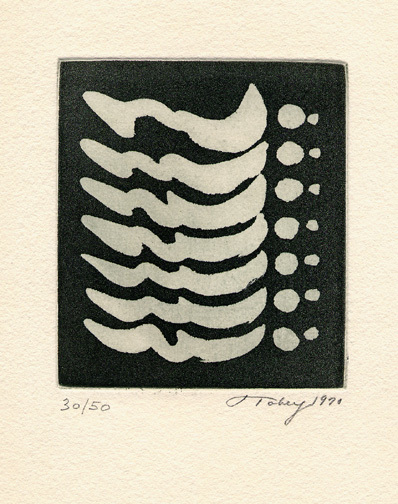
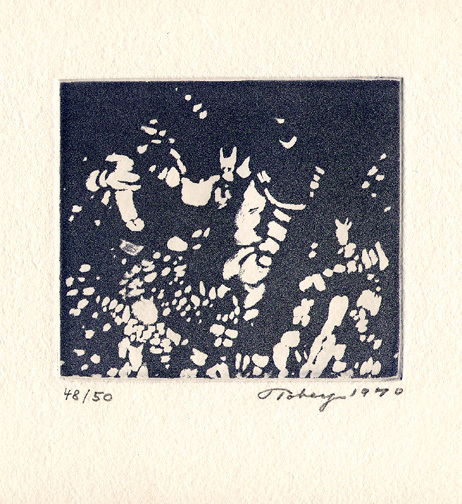
The signs that traverse his compositions are not meant to be deciphered like a text. Their superimposition constructs rhythms, densities, and spaces. Calligraphy becomes a pictorial means capable of evoking both an inner experience and the agitation of the city, a dimension that Tobey himself emphasized in relation to his painting.
His work received international recognition, notably a prize at the Venice Biennale in 1958. In 1960, he settled in Basel, where he lived until his death. The Museum of Modern Art in New York devoted a solo exhibition to him in 1962.
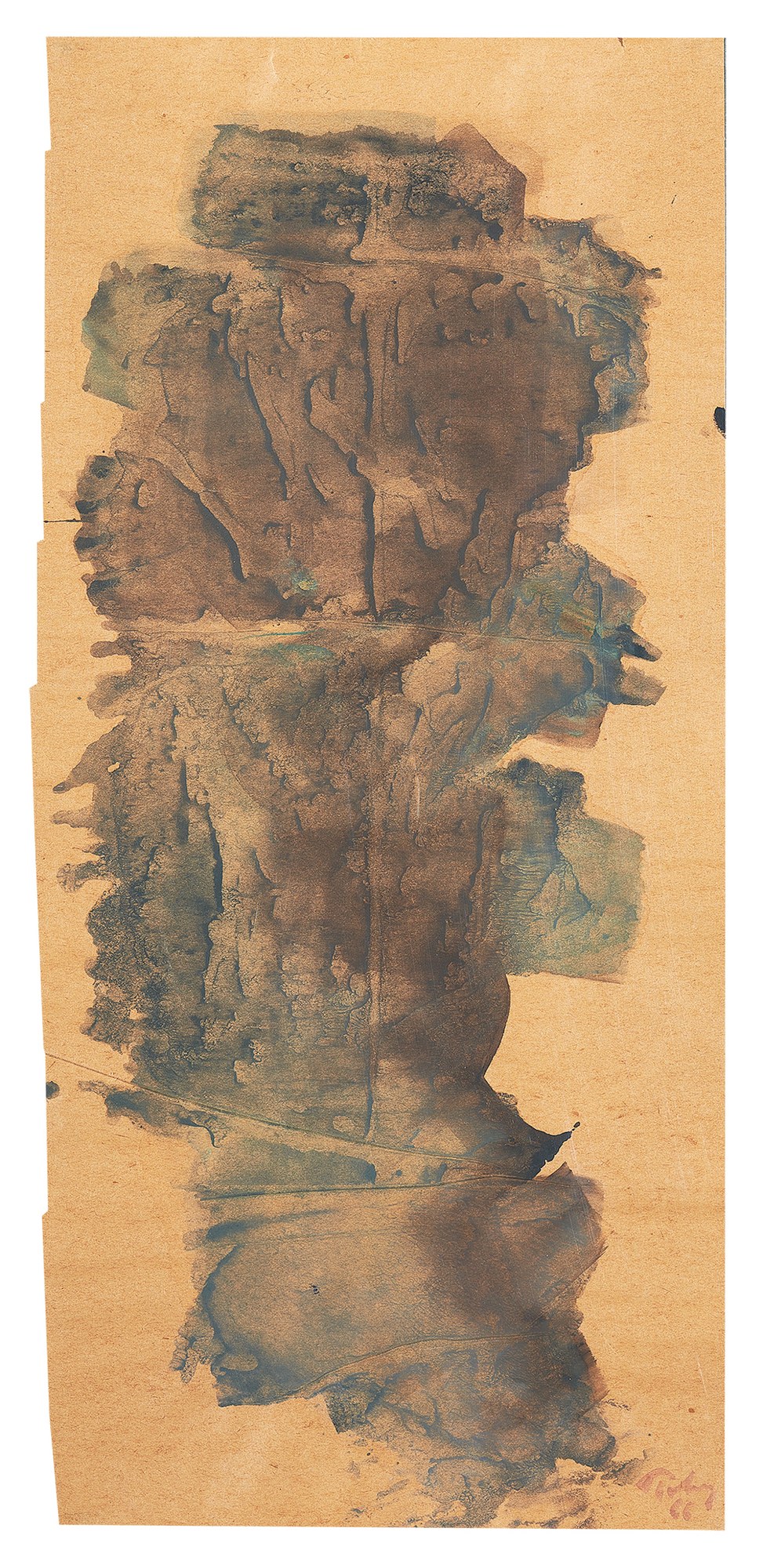
To enter this world, it is best to let the eye shift scale: follow a few lines, then perceive the field they form together. This alternation reveals a painting whose richness lies as much in the intervals as in the signs, and which renews itself over the course of prolonged observation.