Marino Marini
Born in 1901.
Died in 1980.
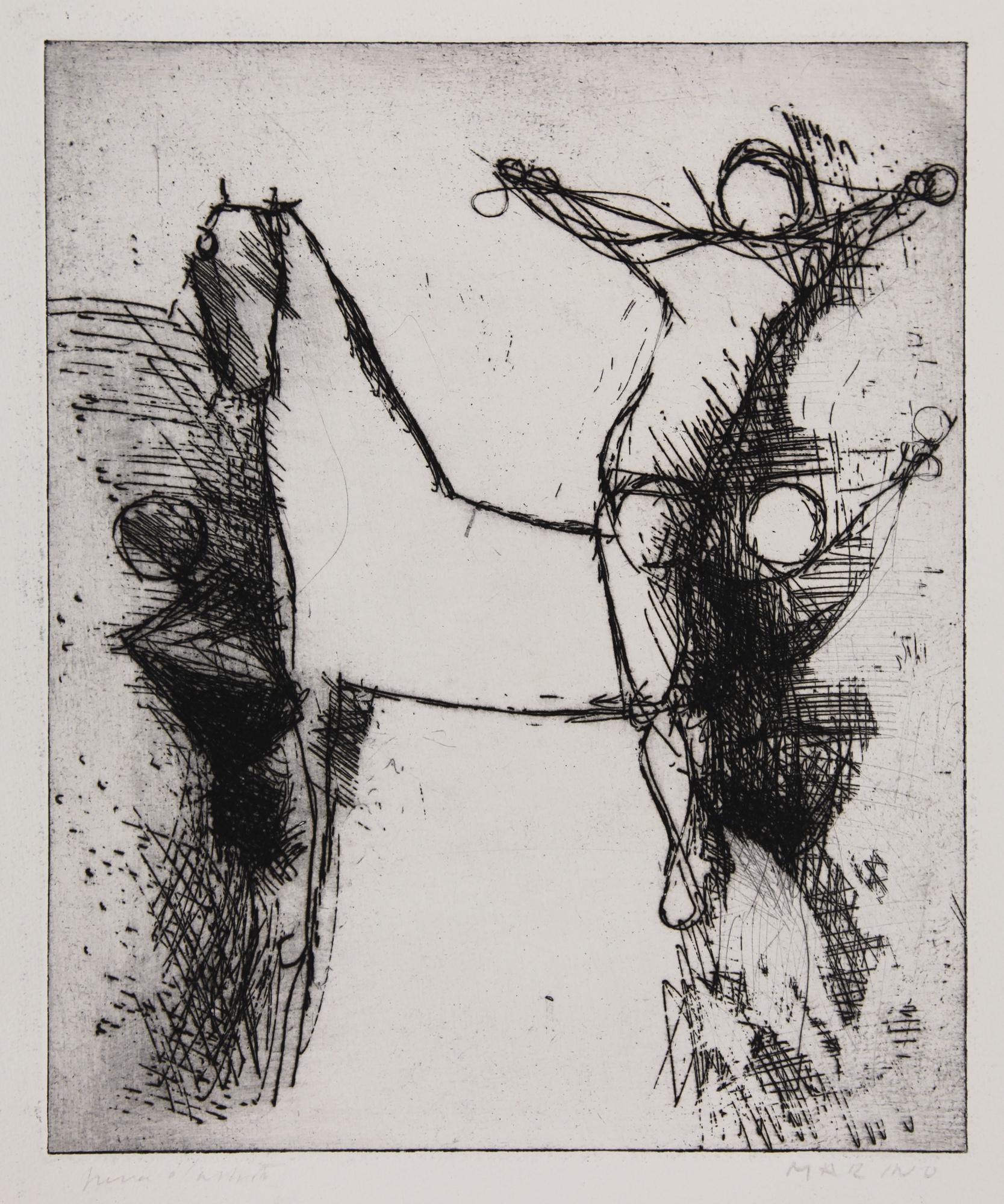
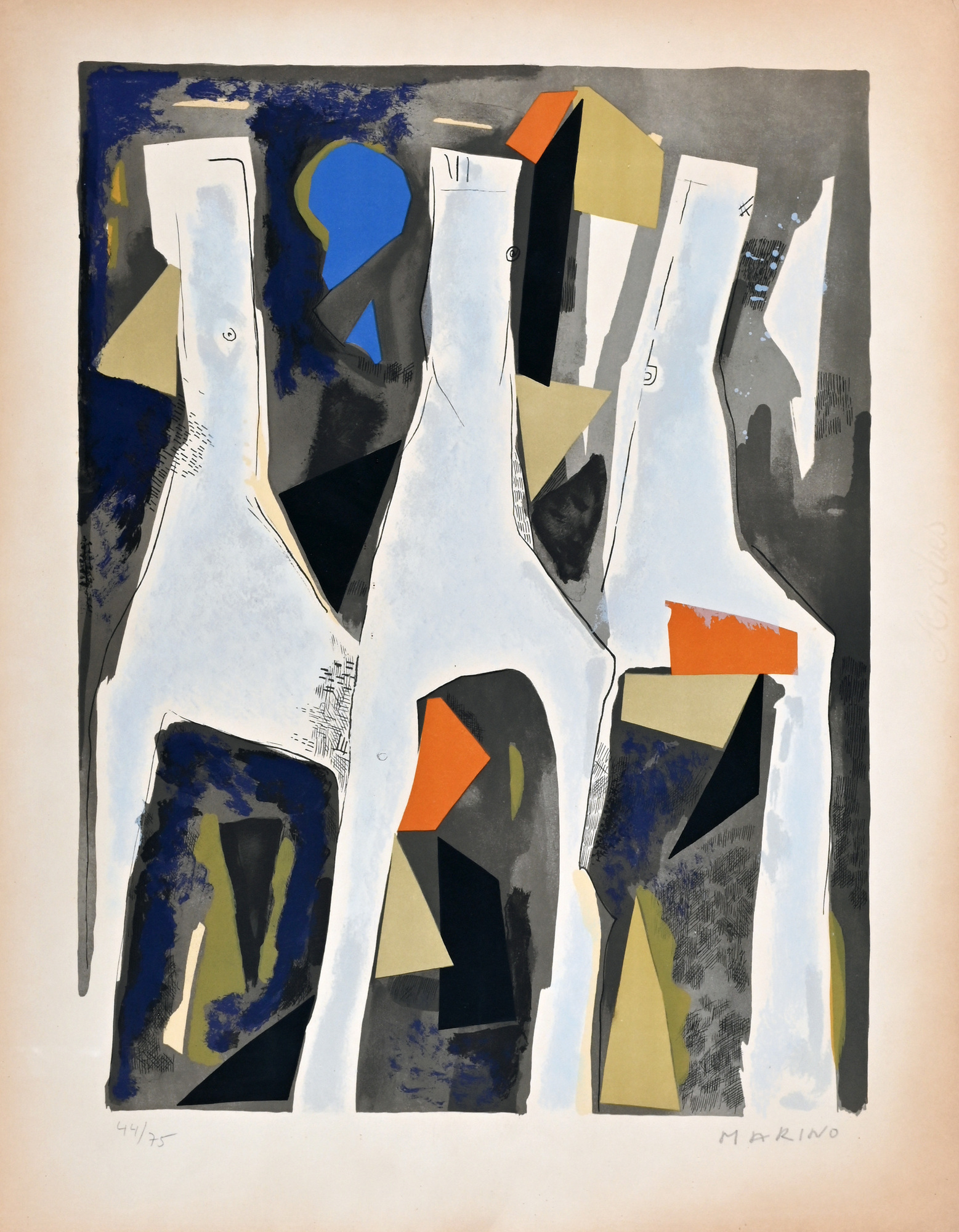
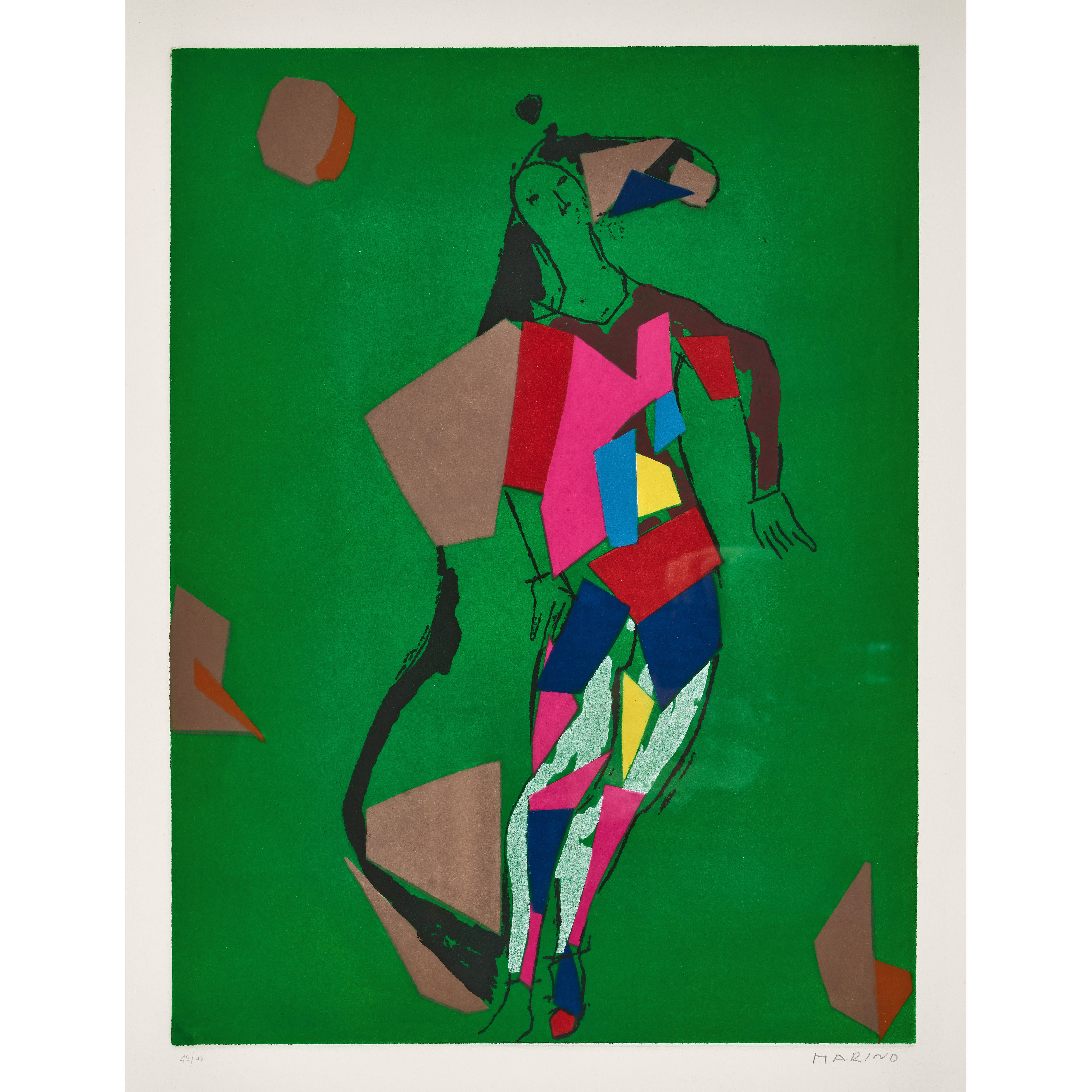
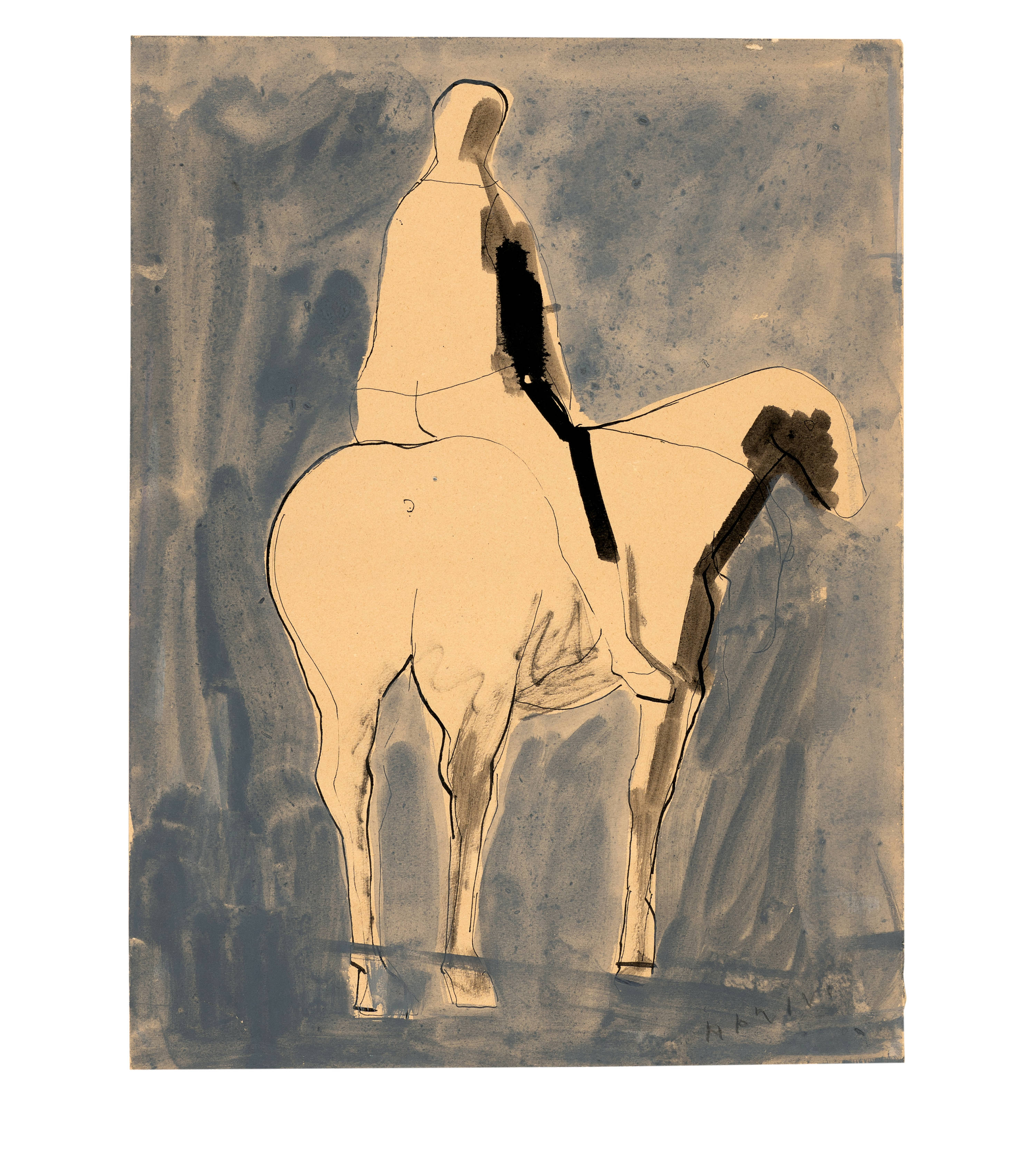
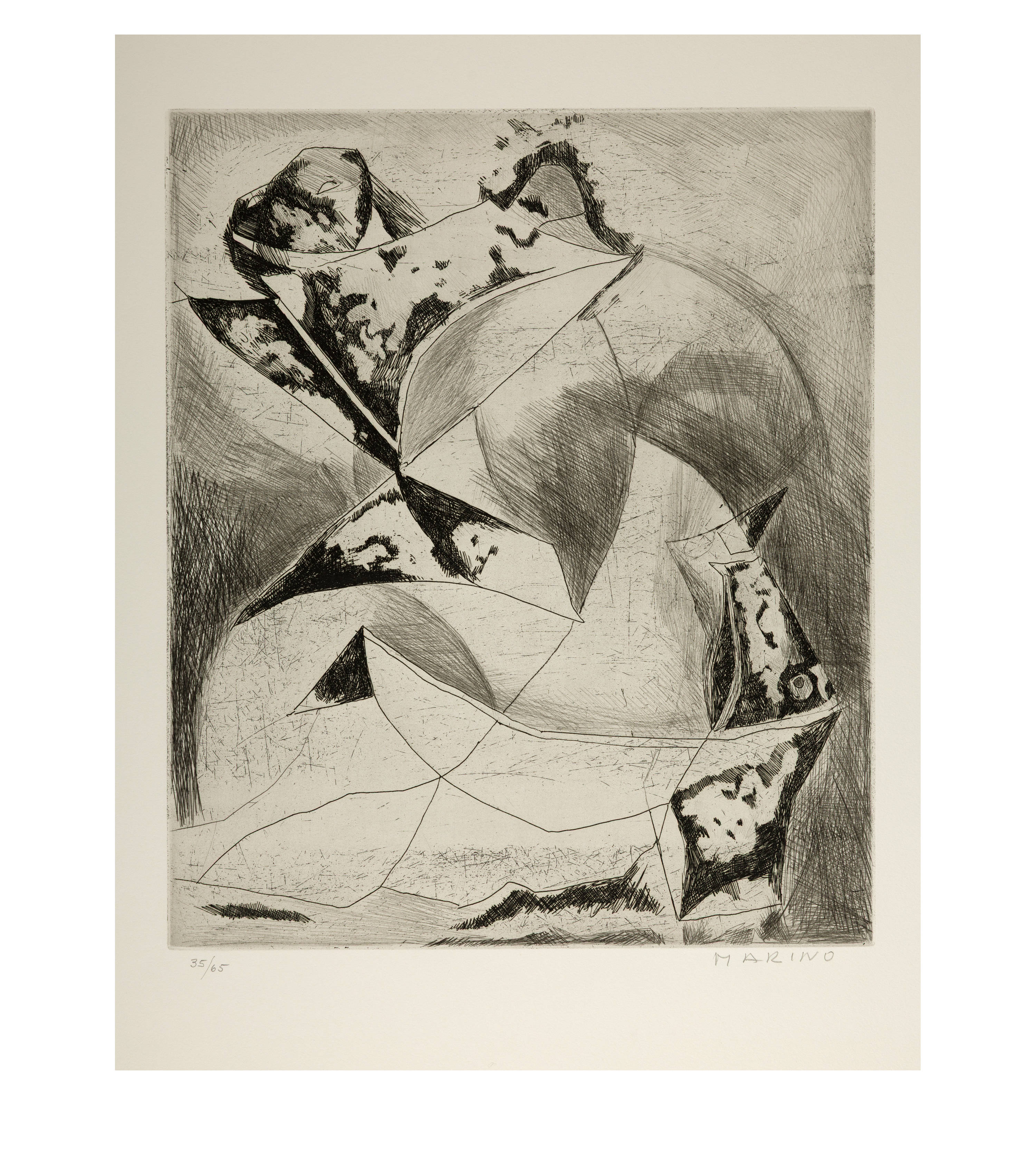
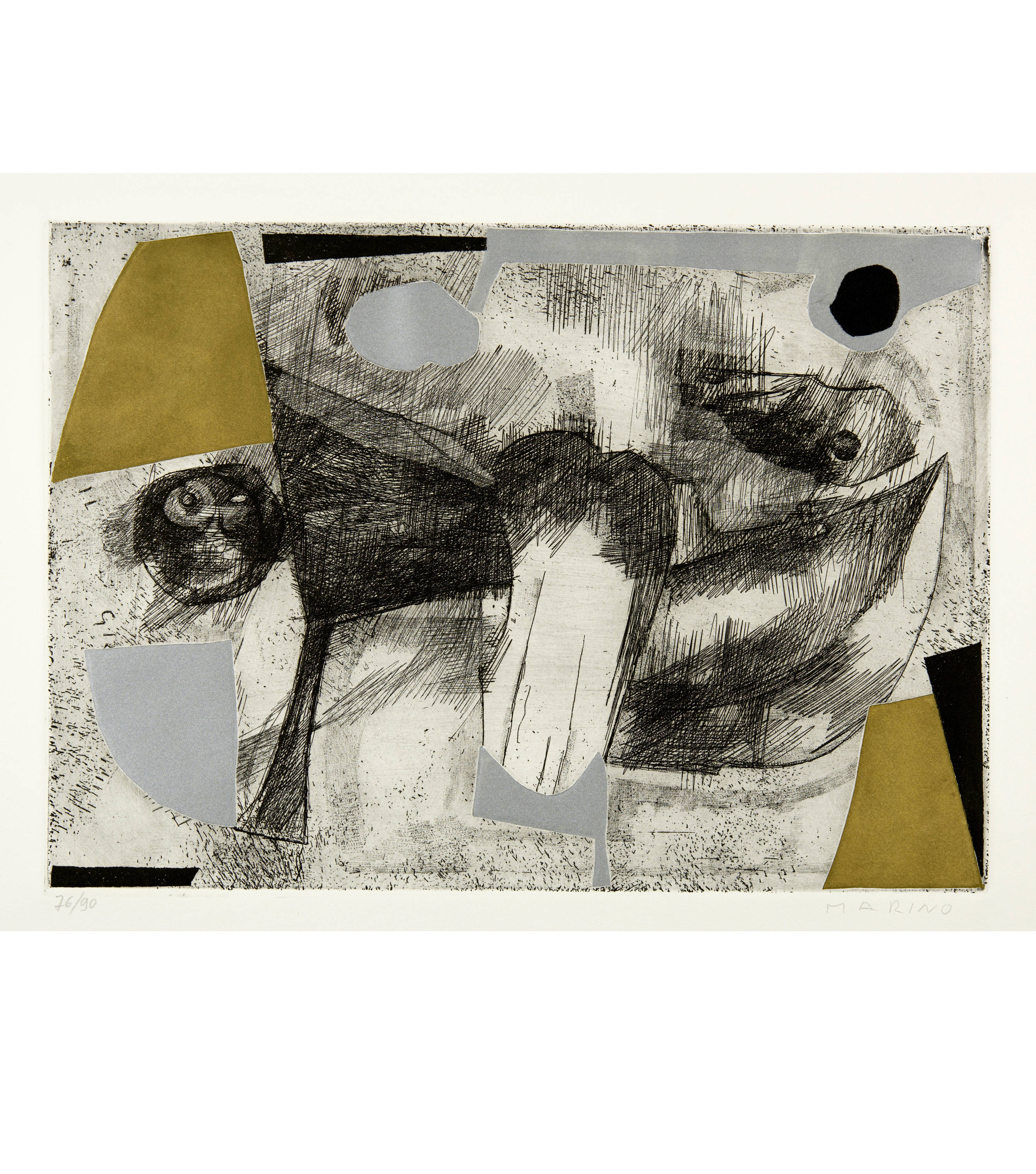
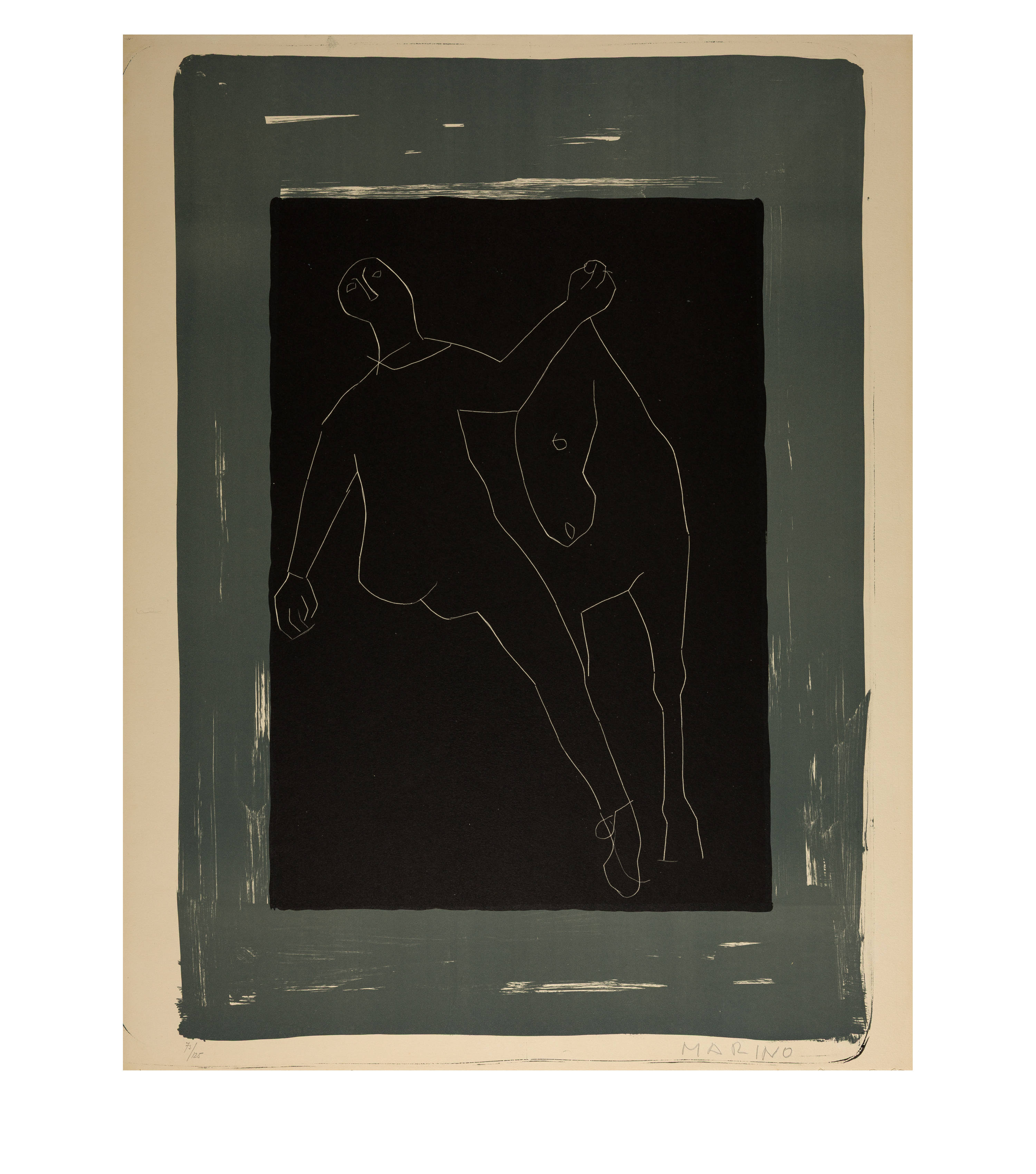
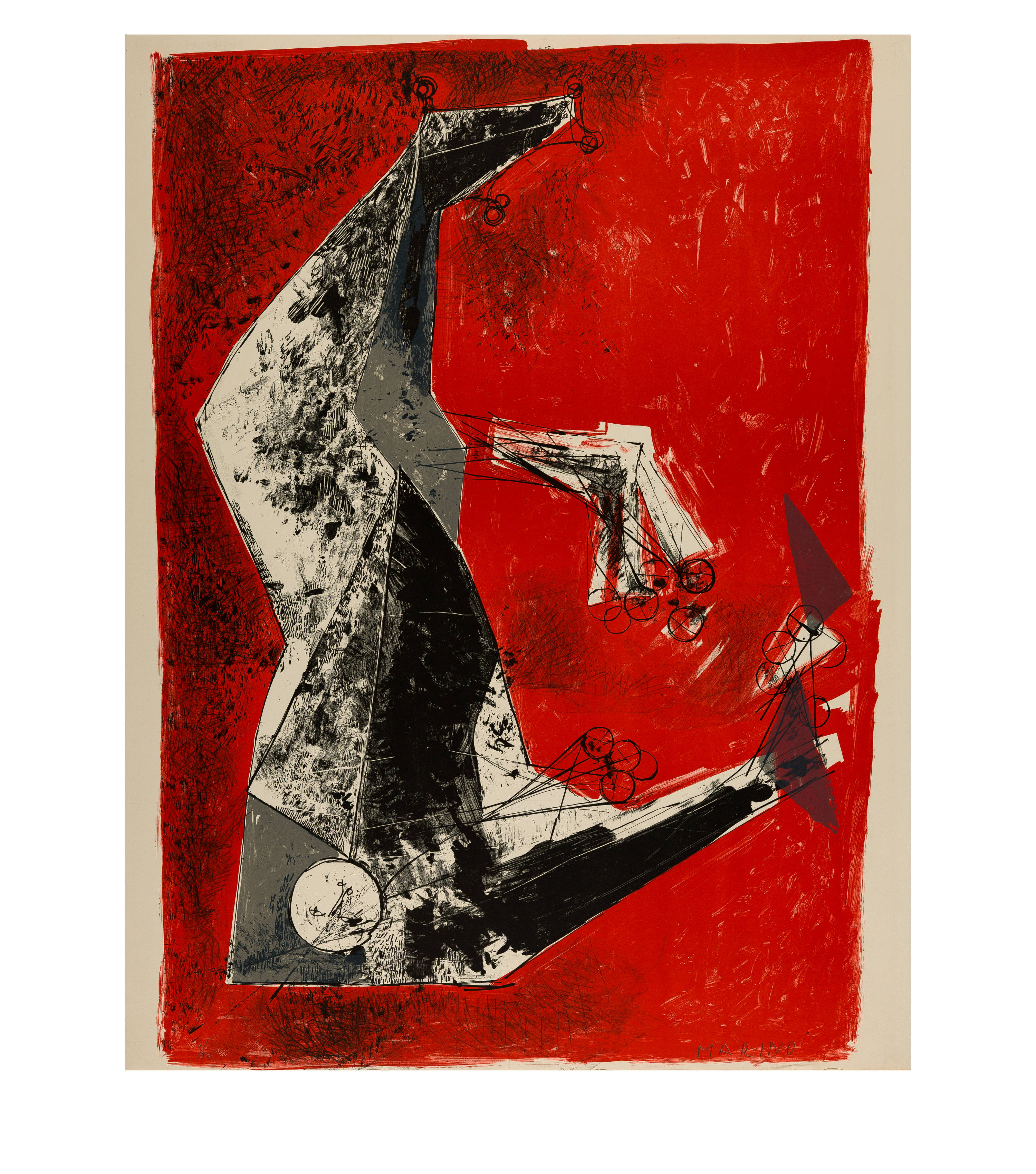
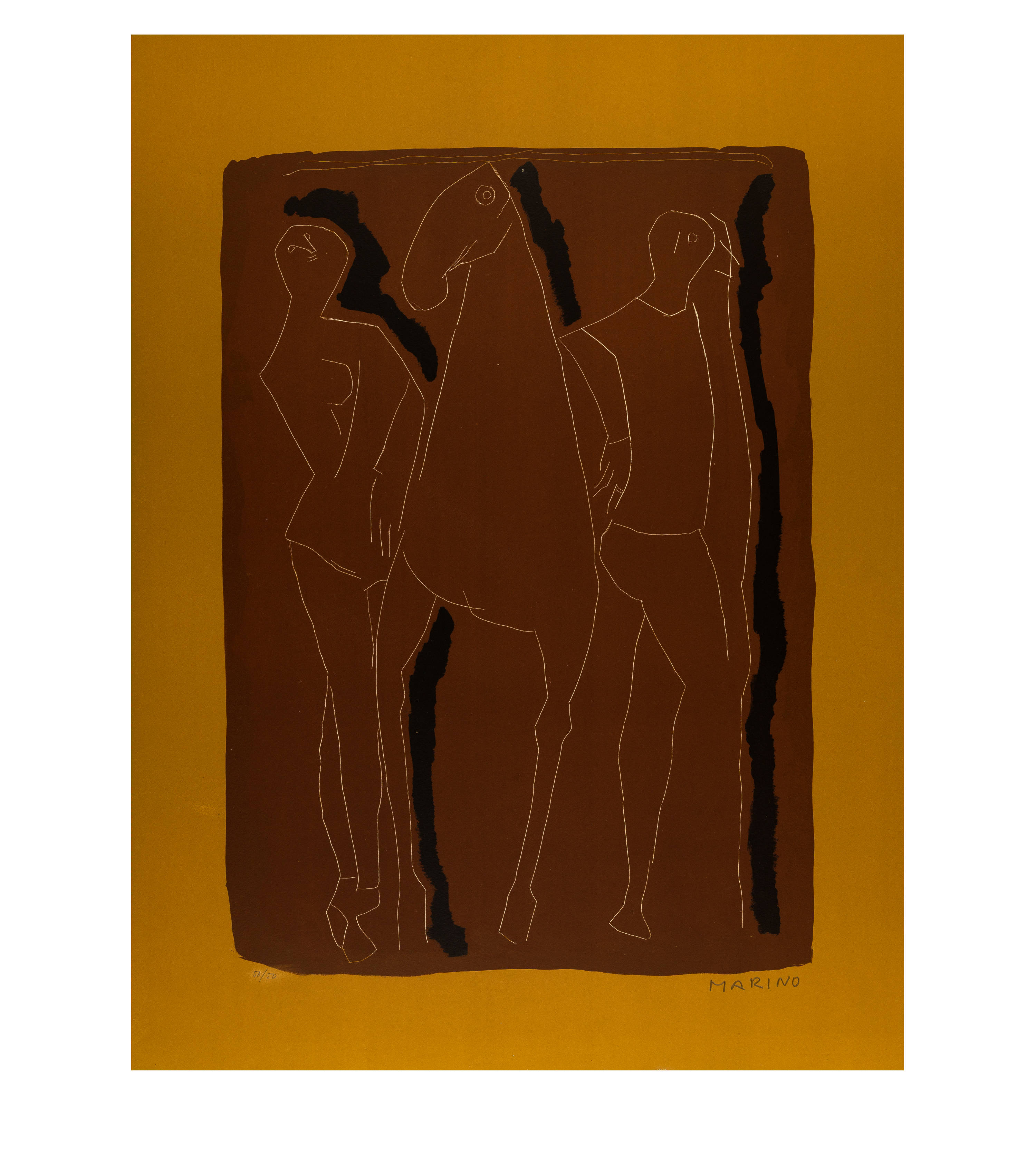
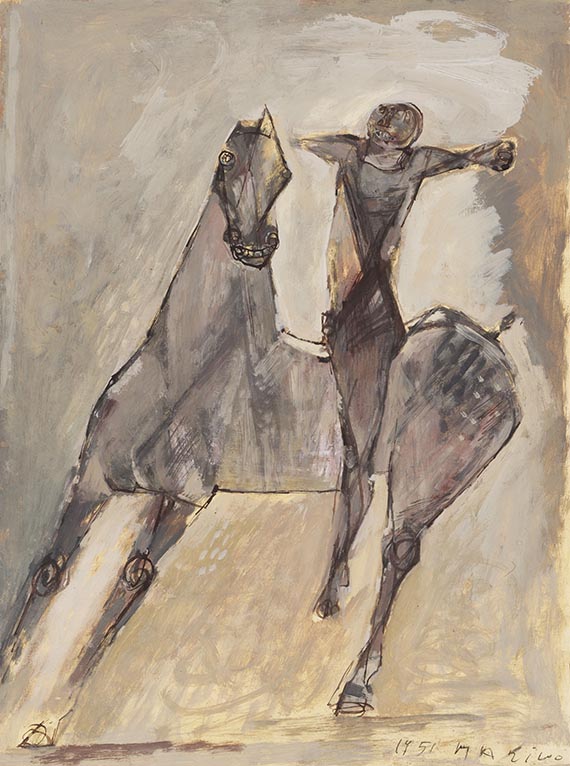
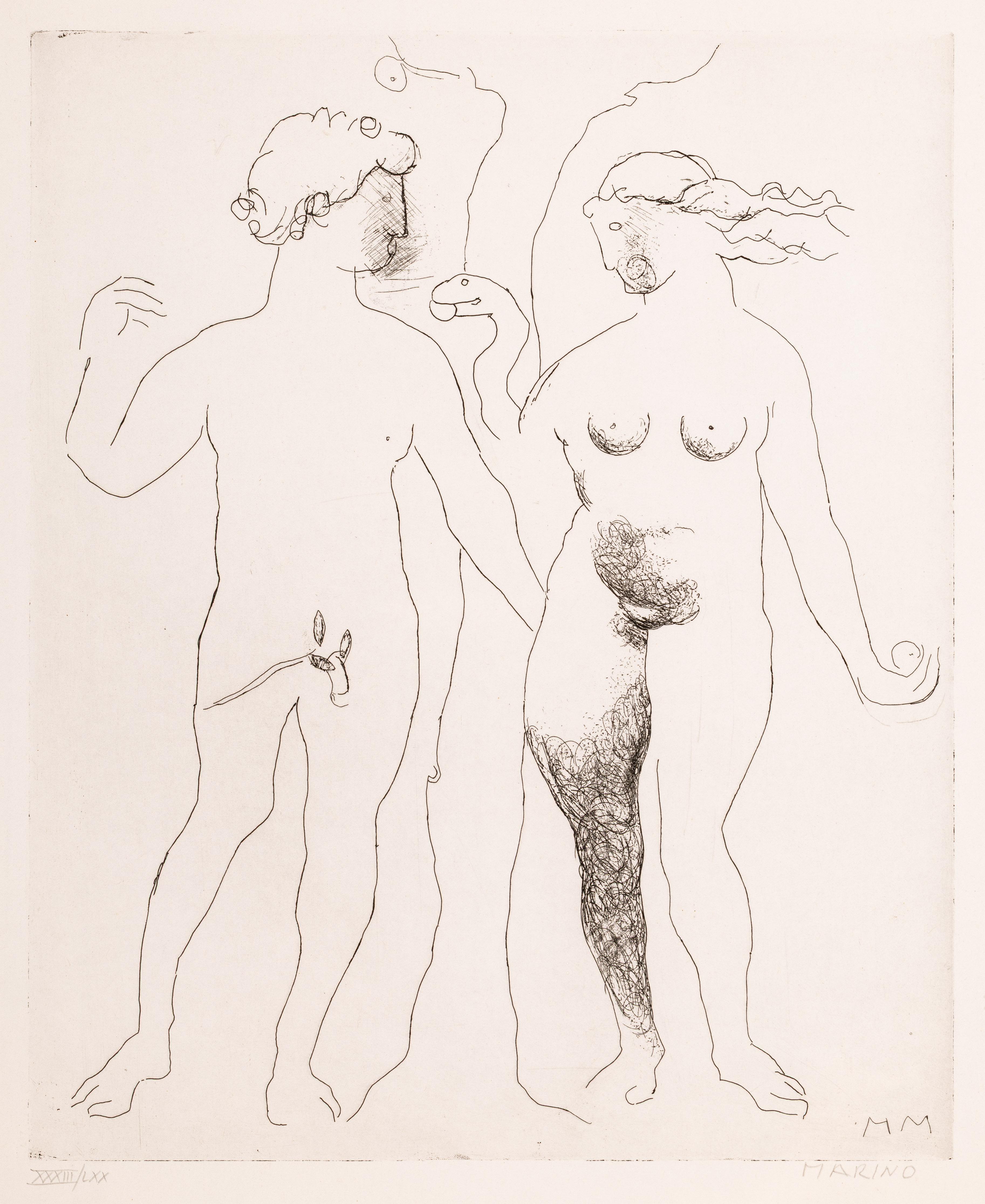
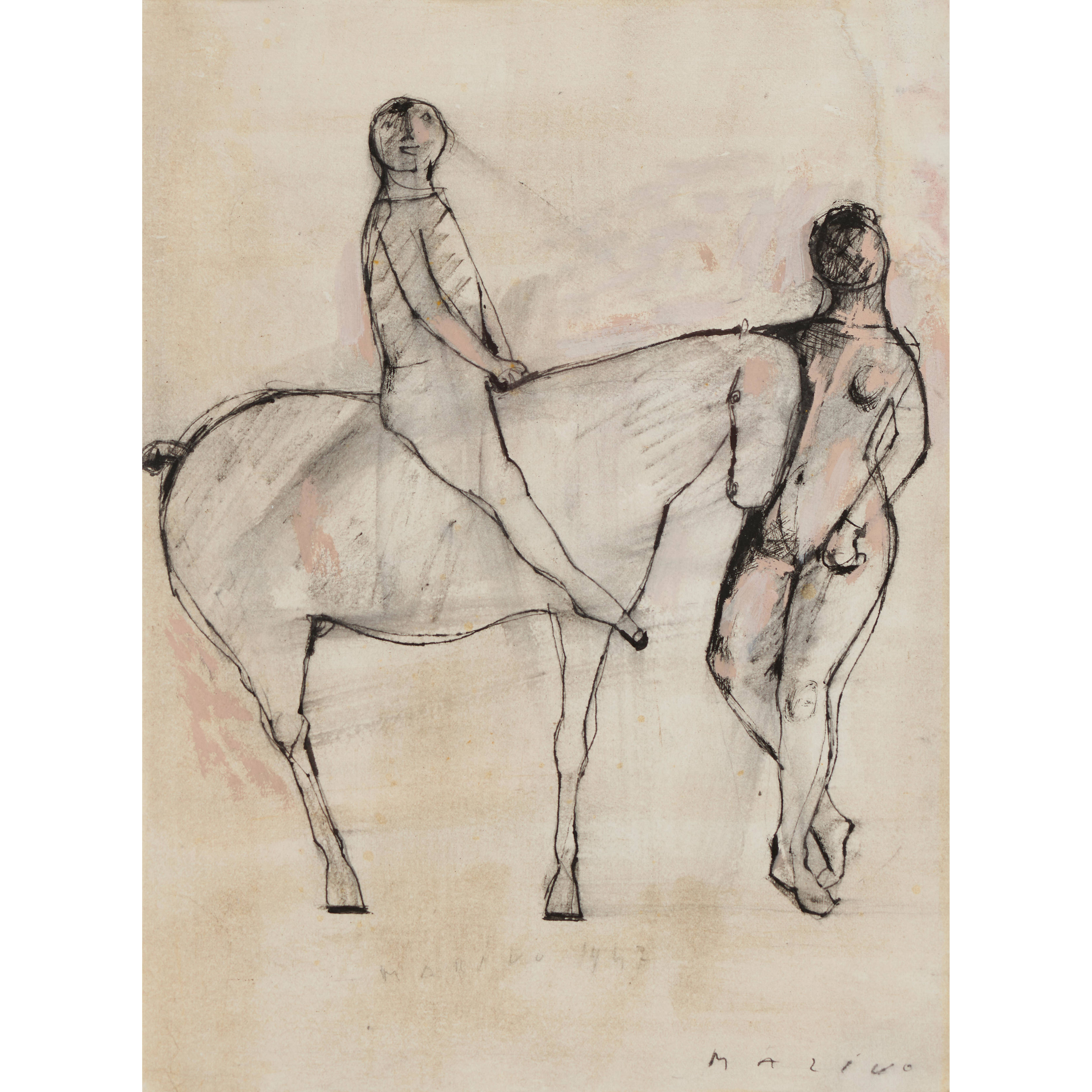
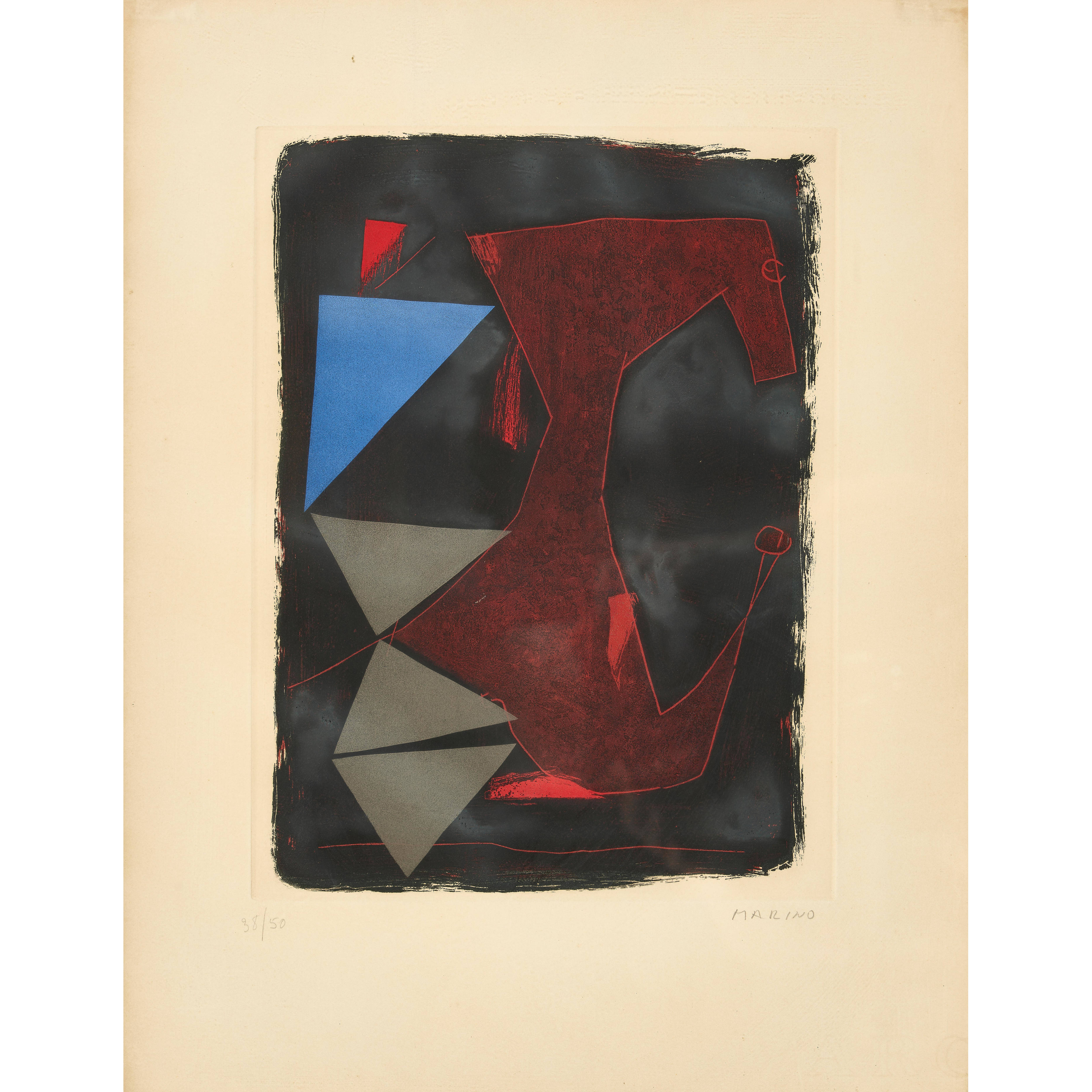
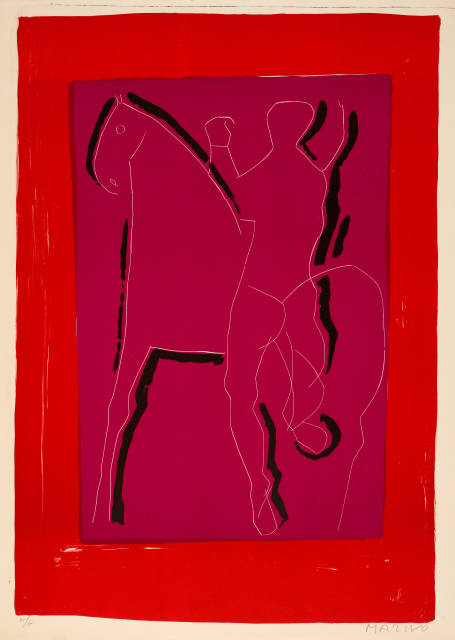
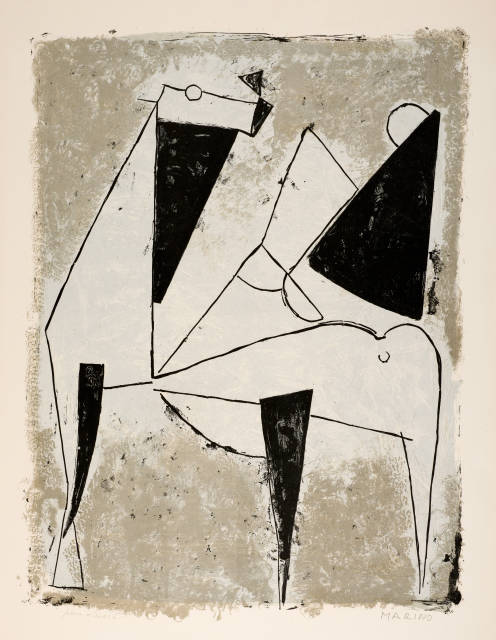
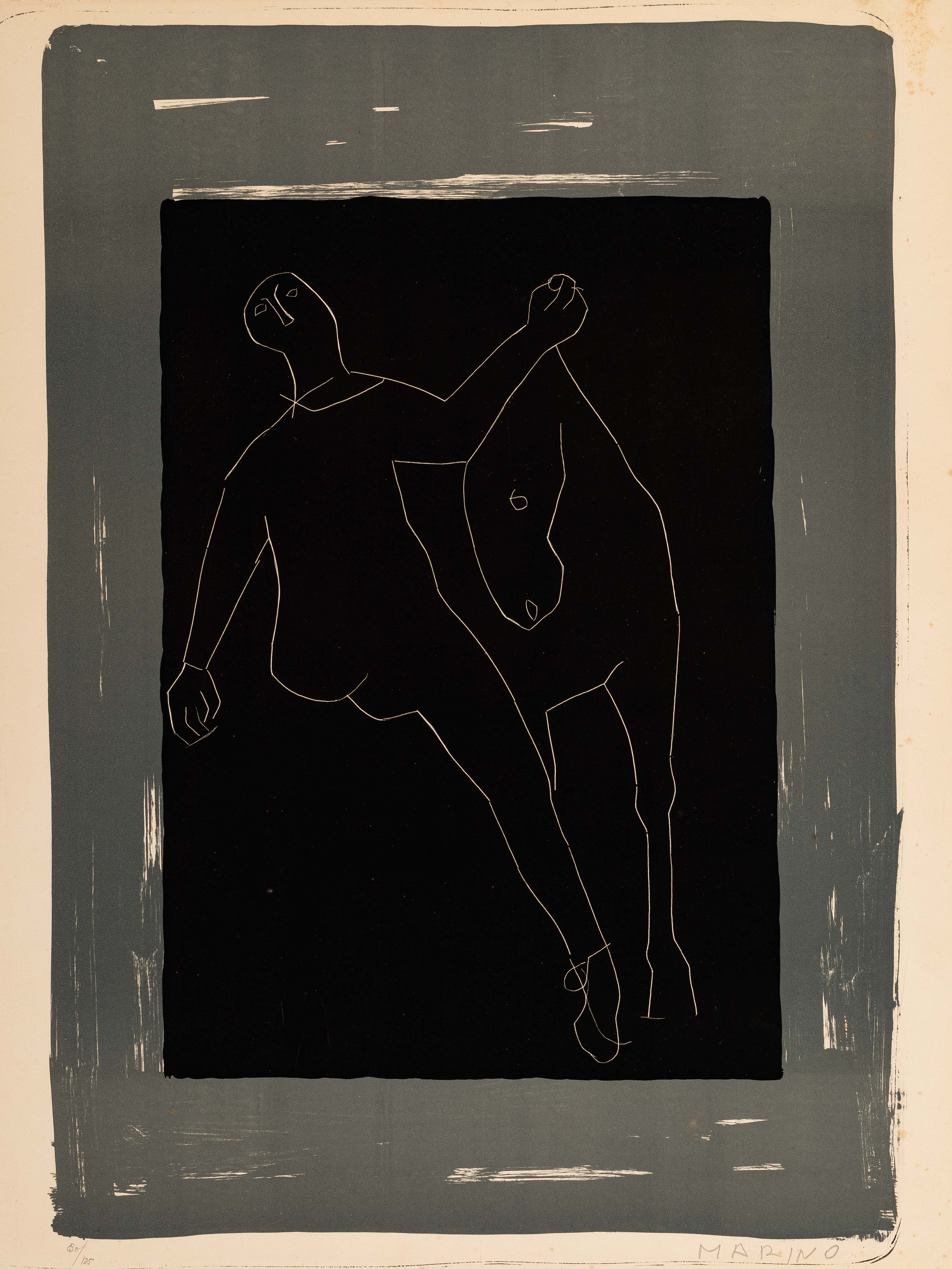
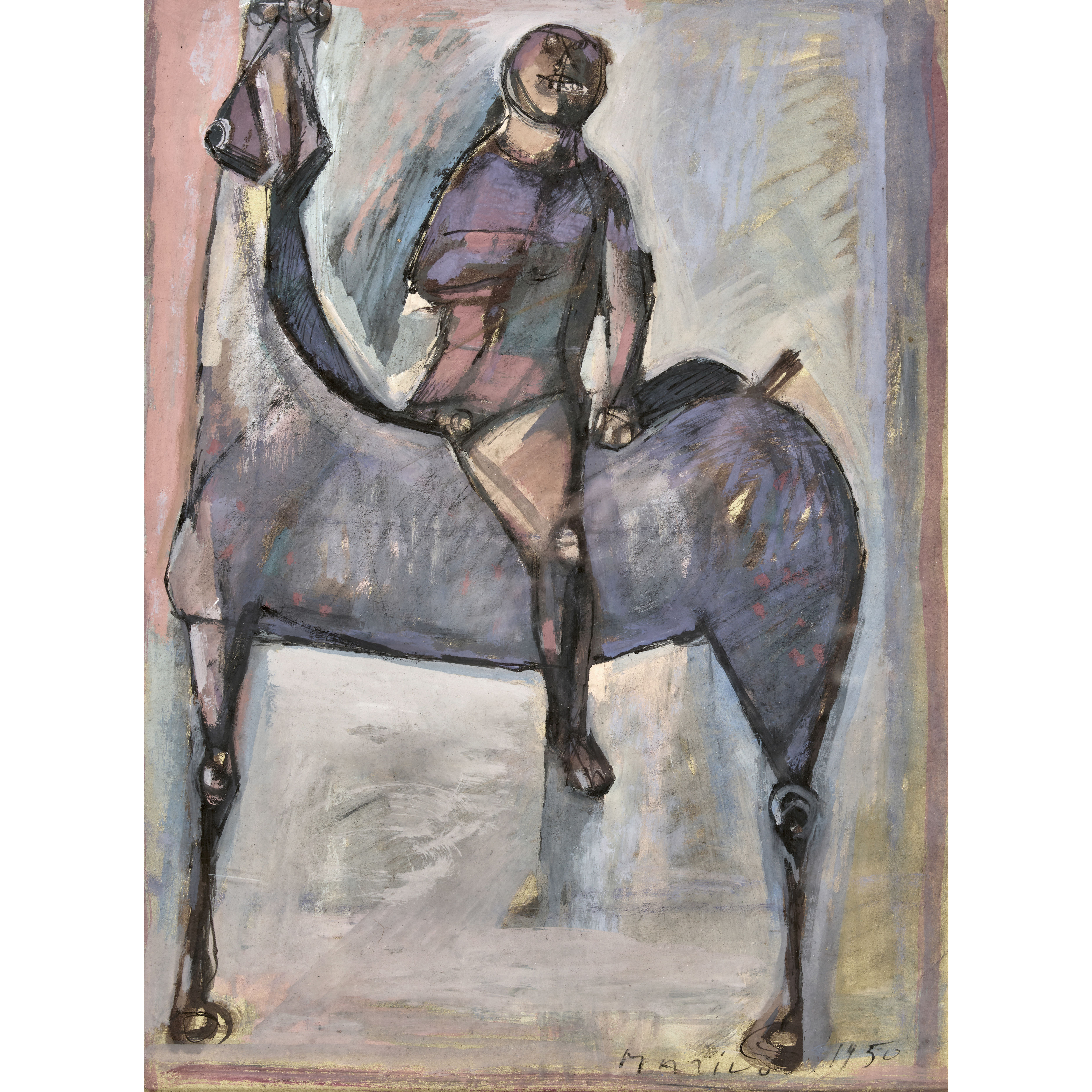
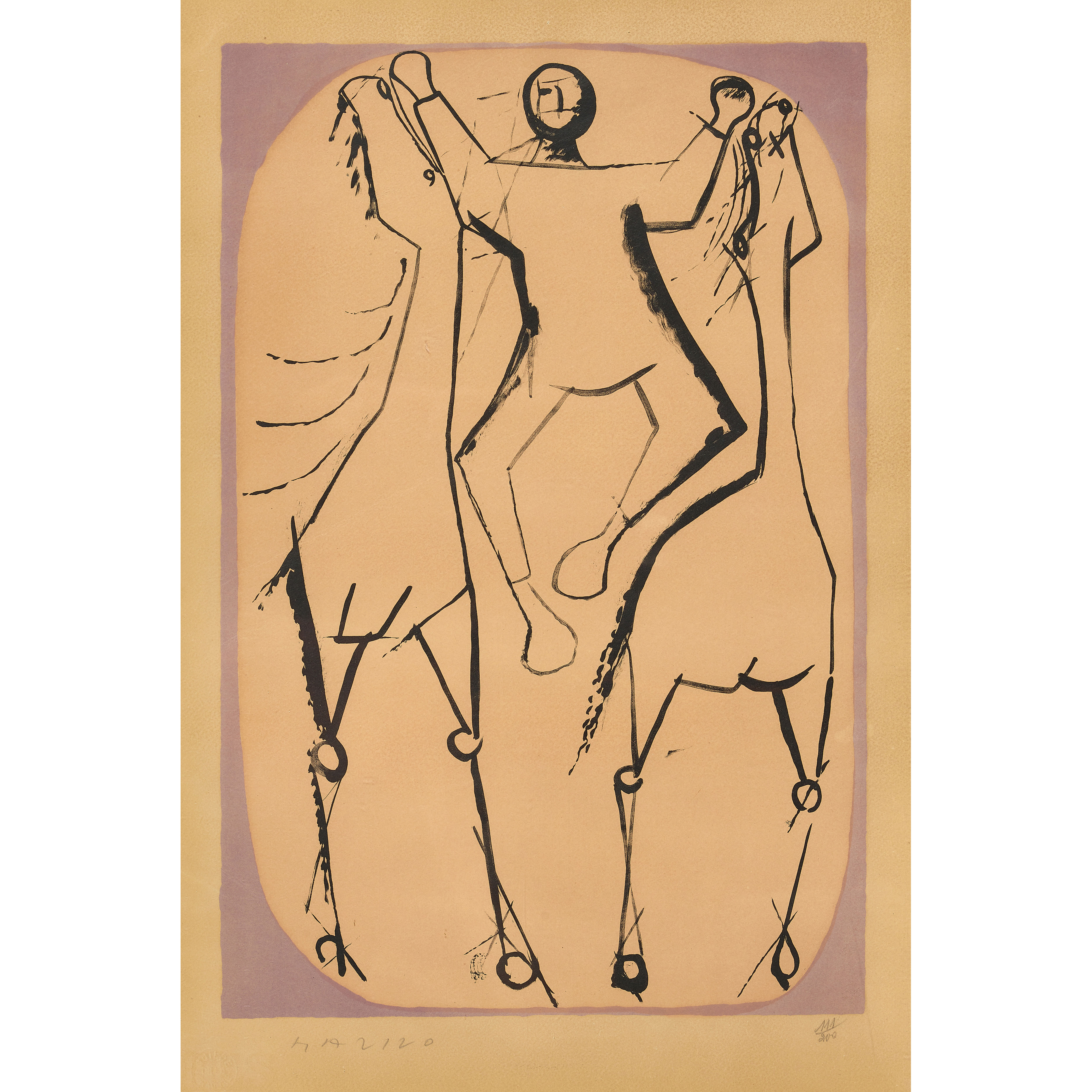
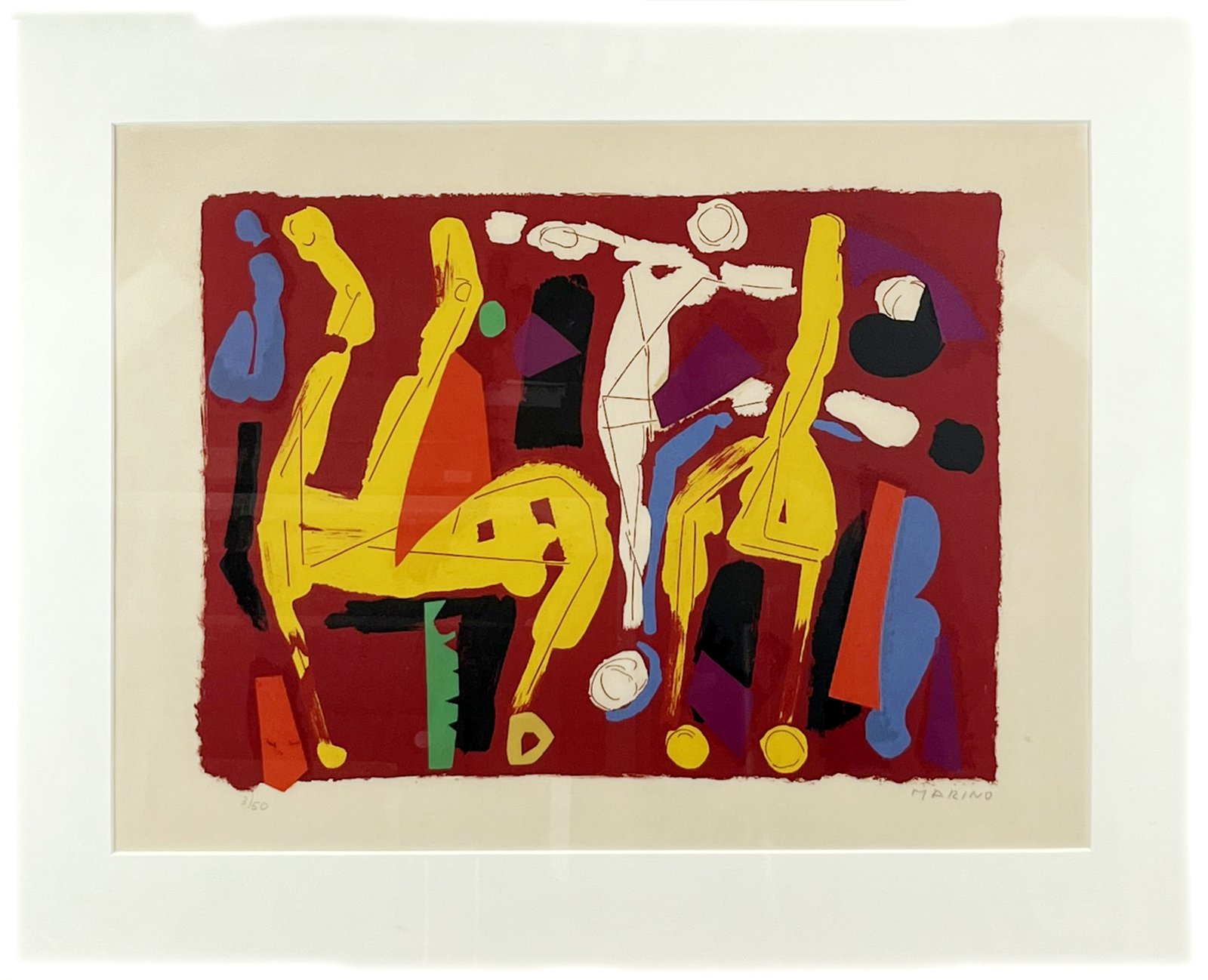
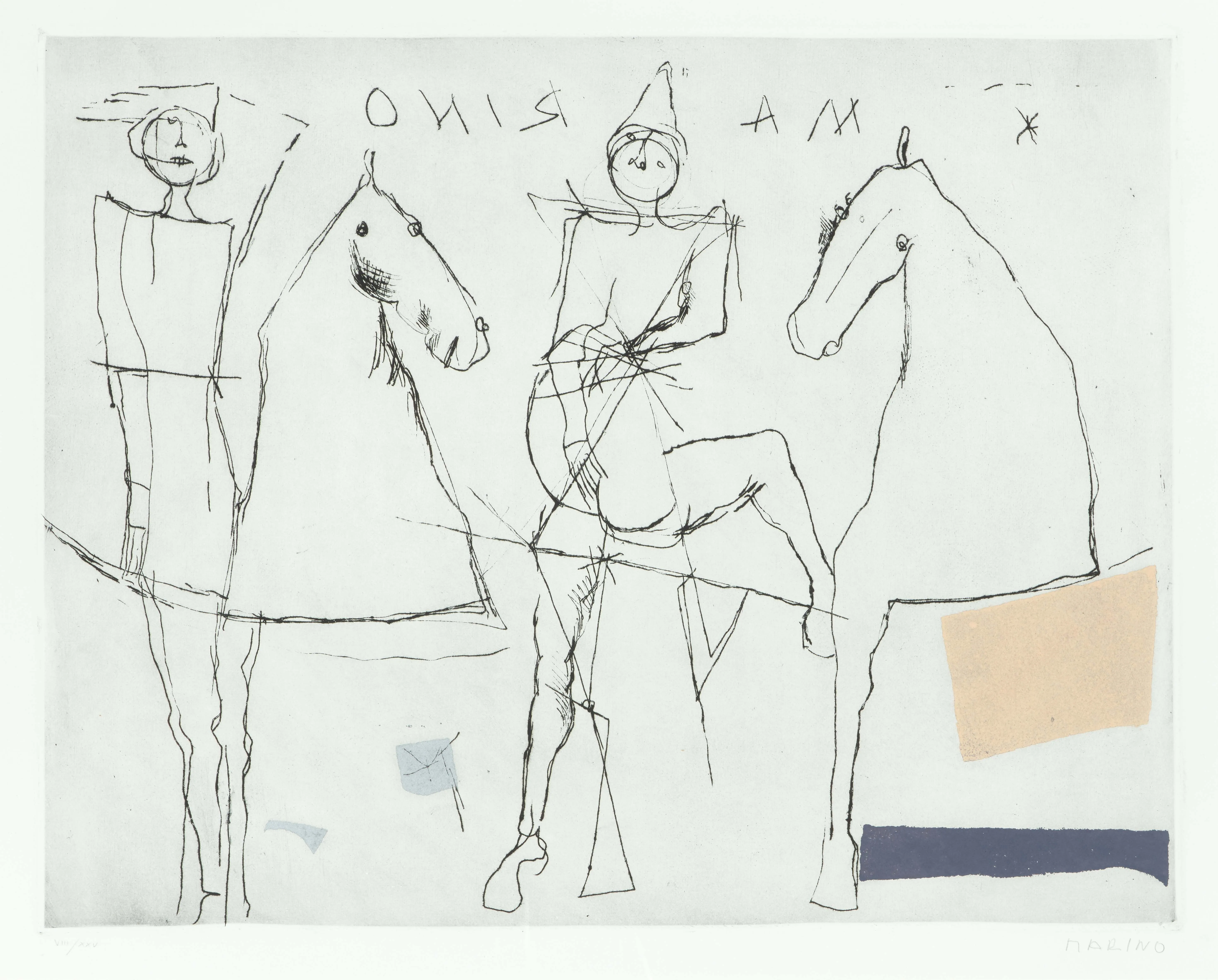
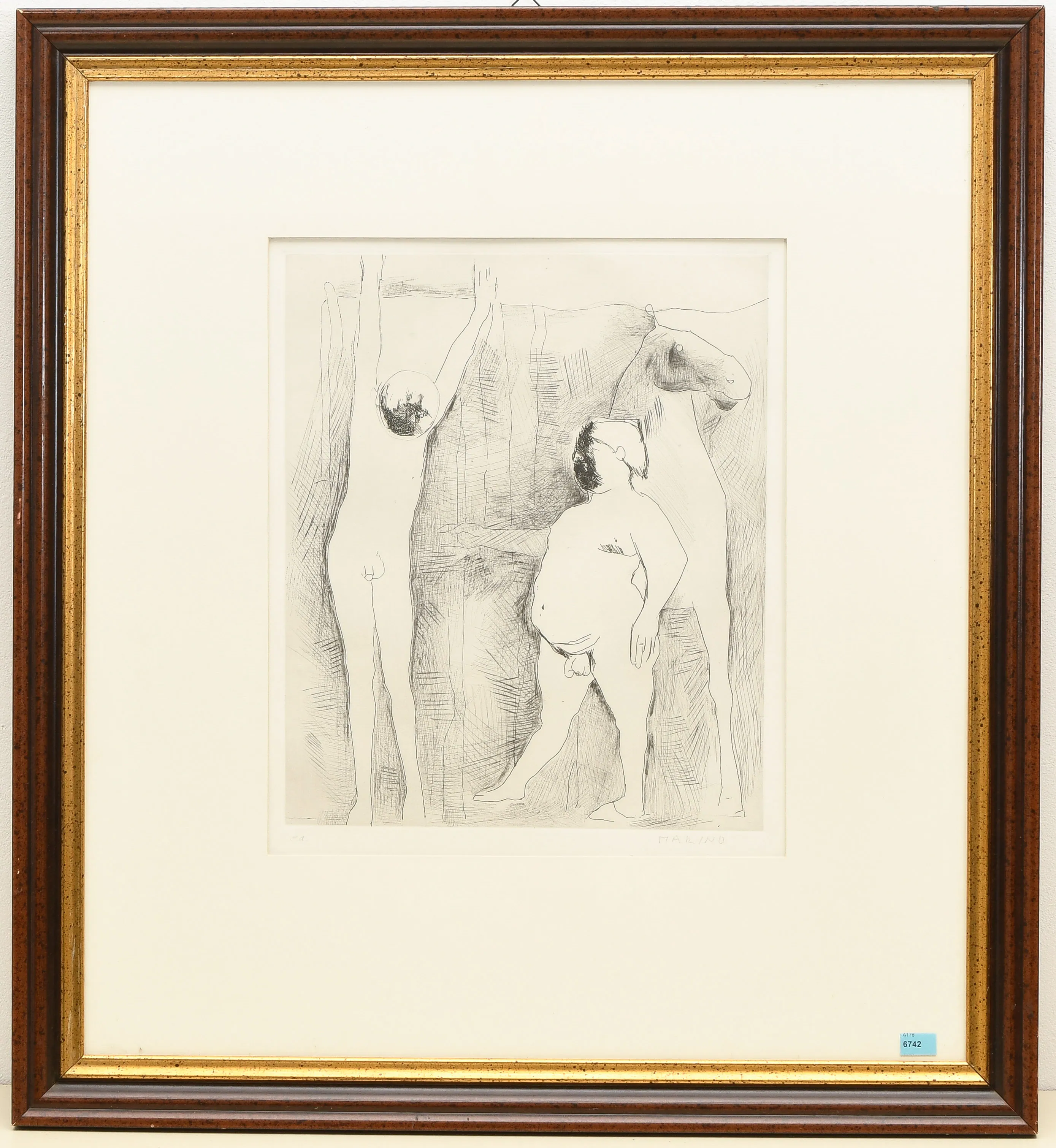
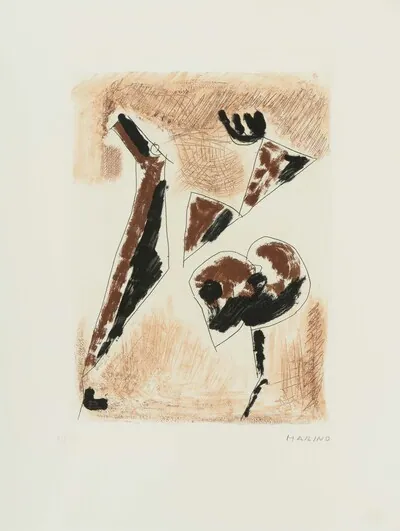
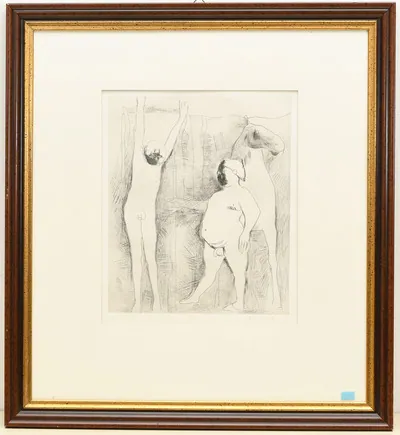
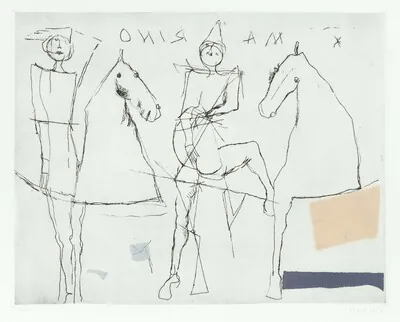
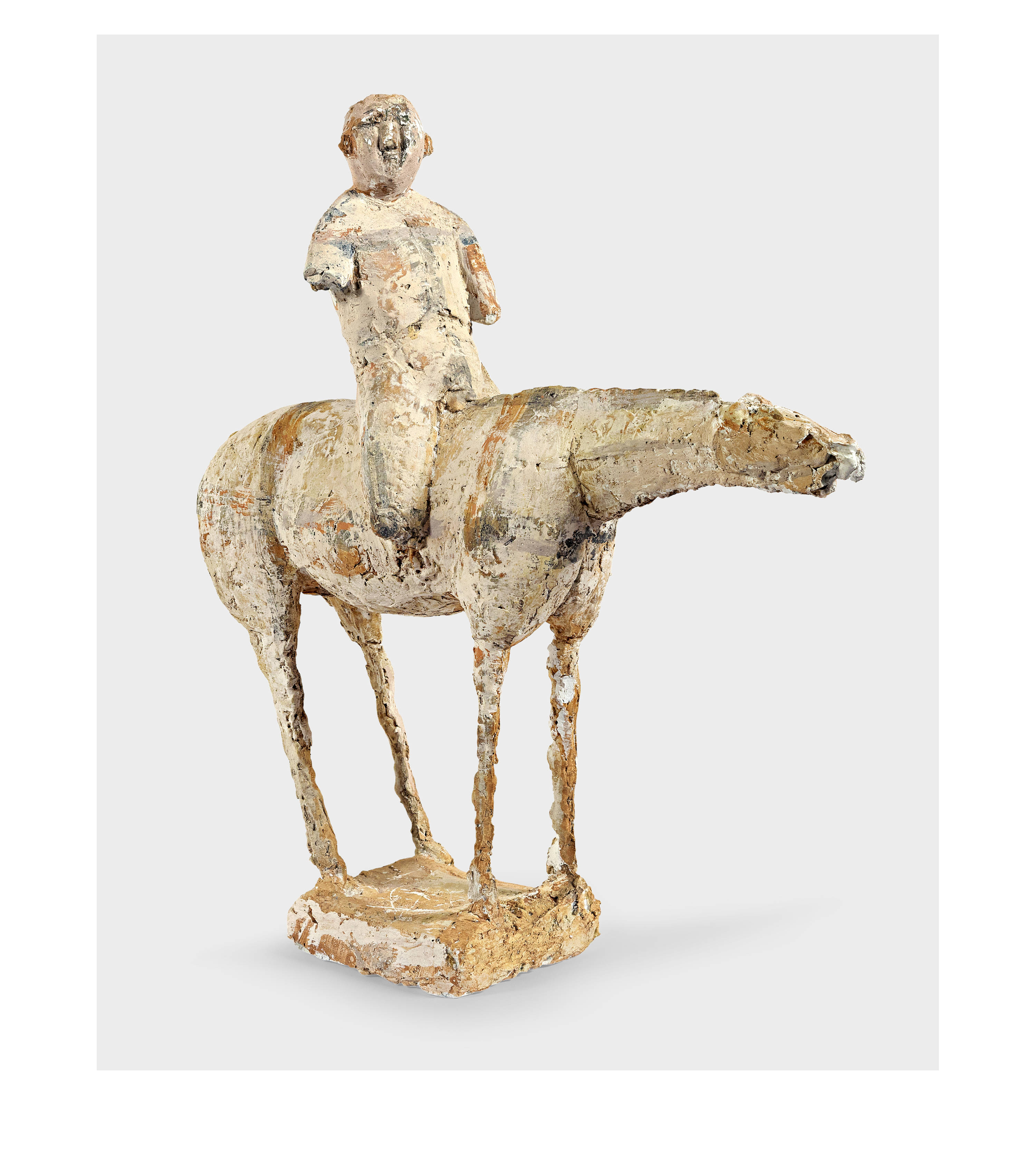
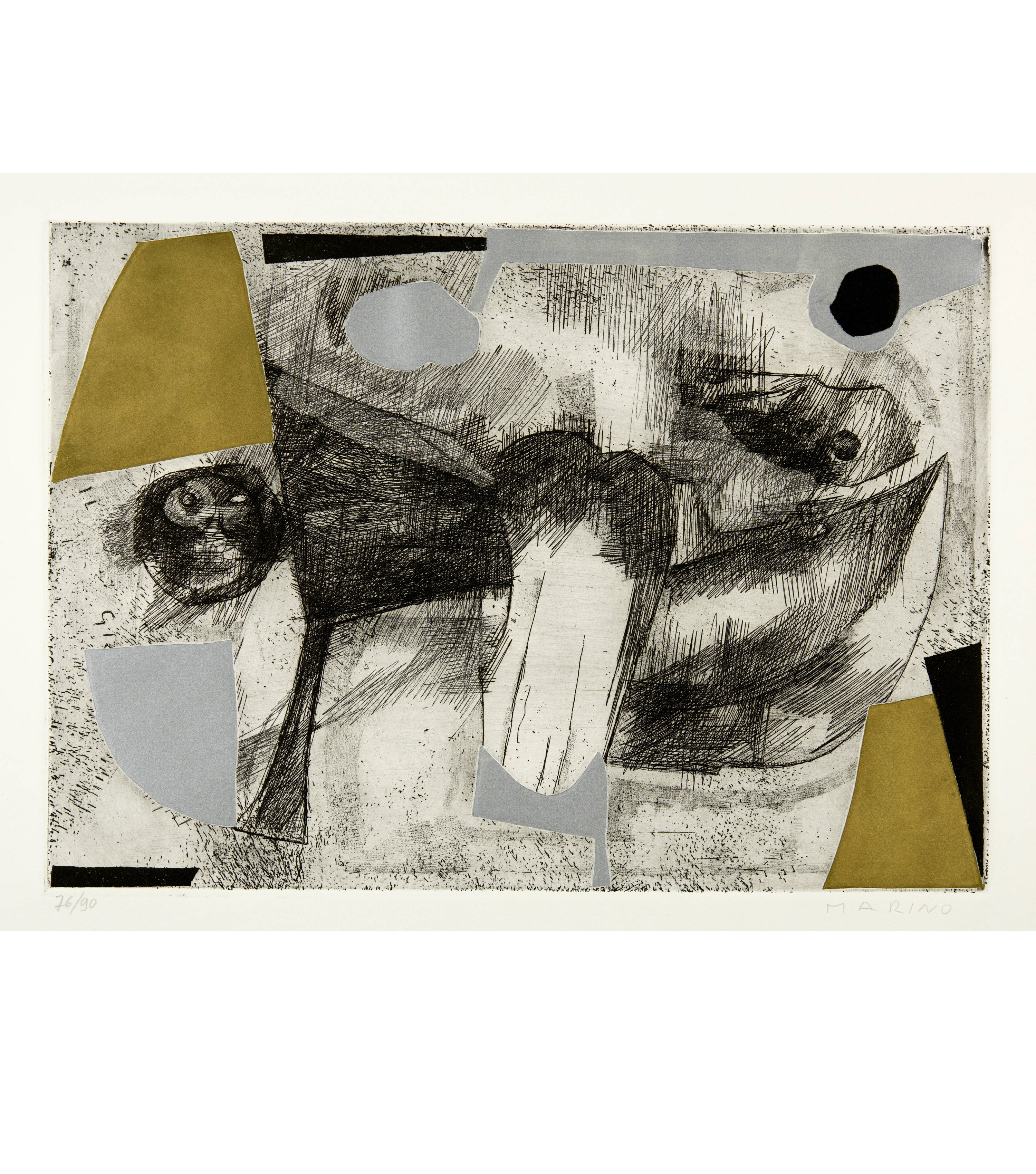
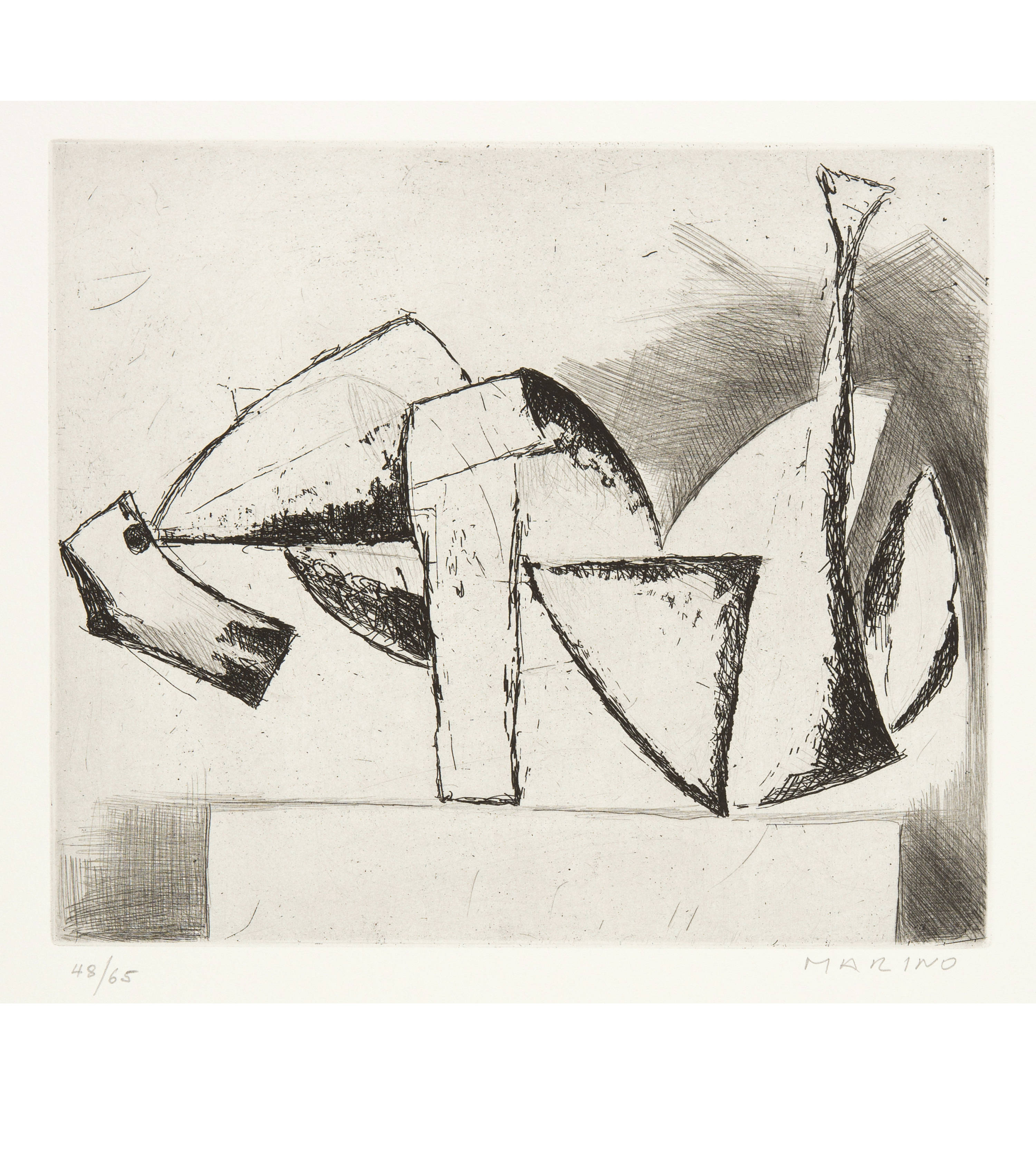
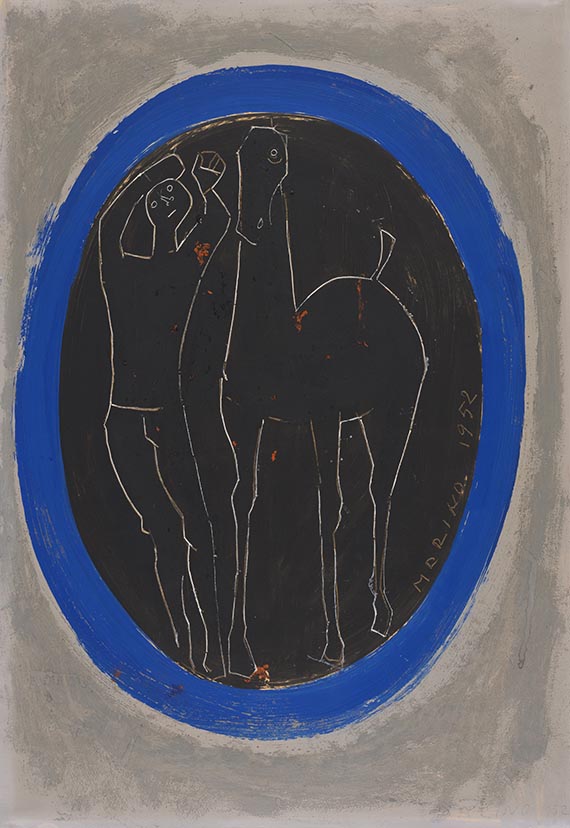
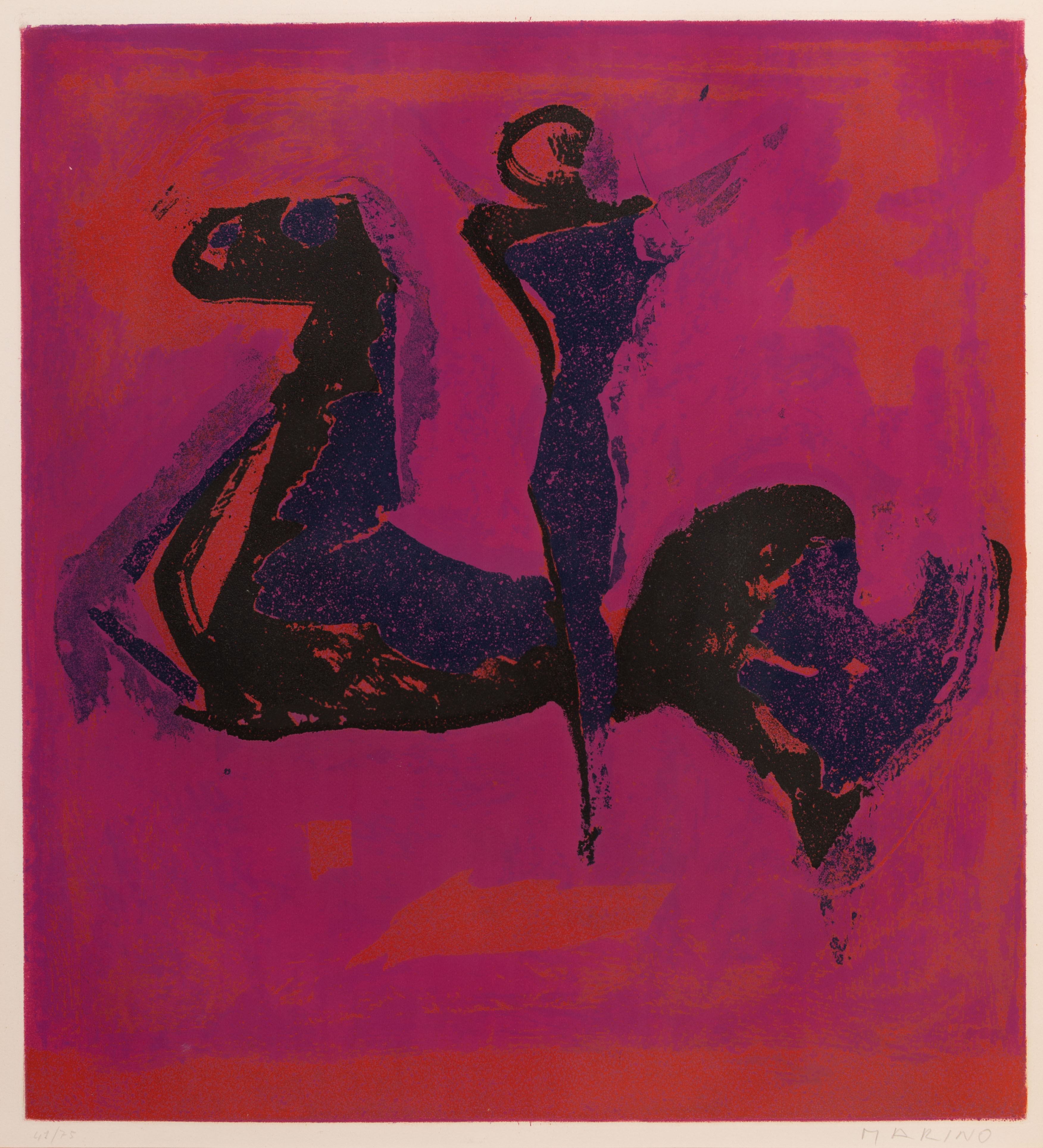
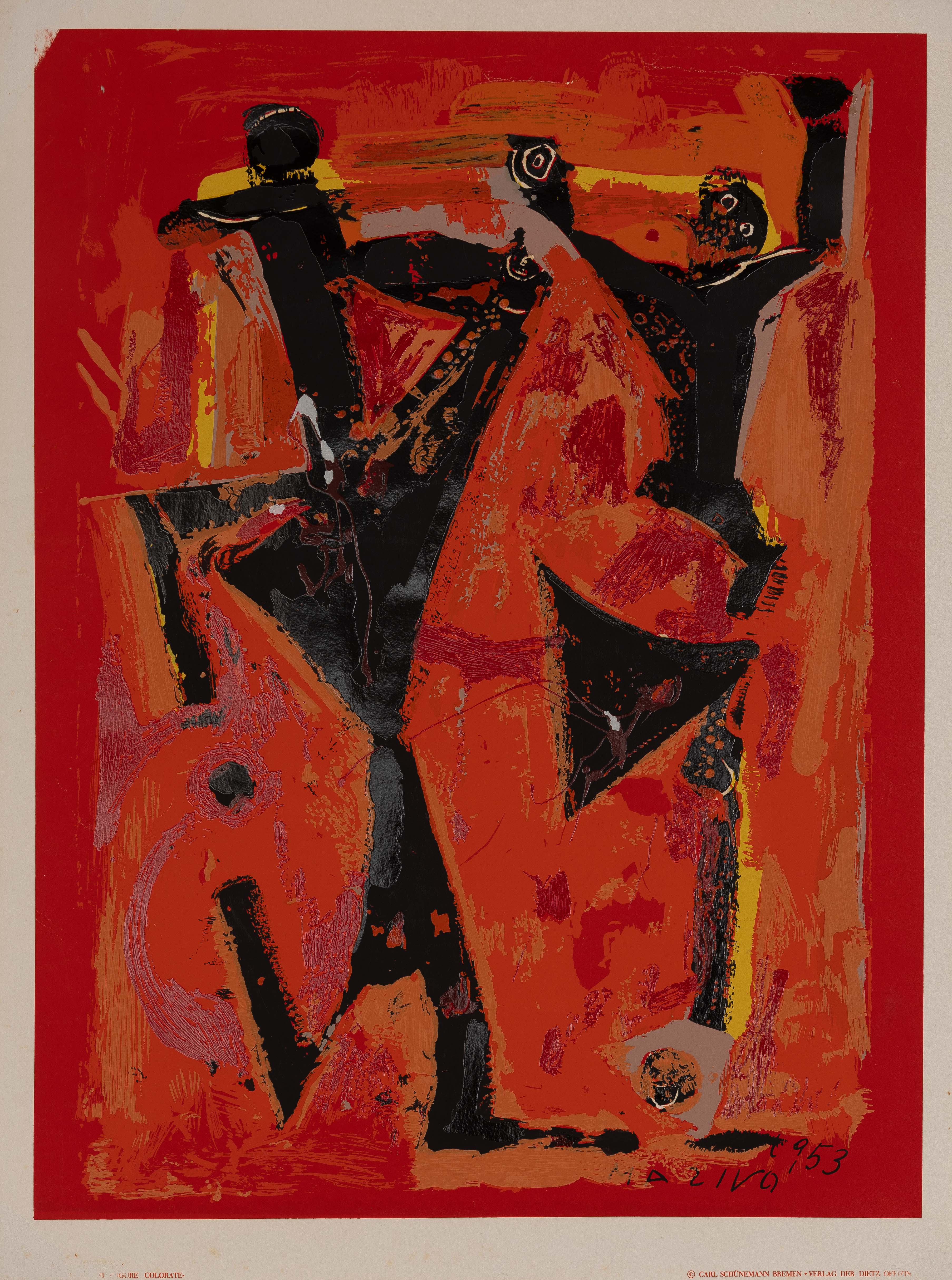
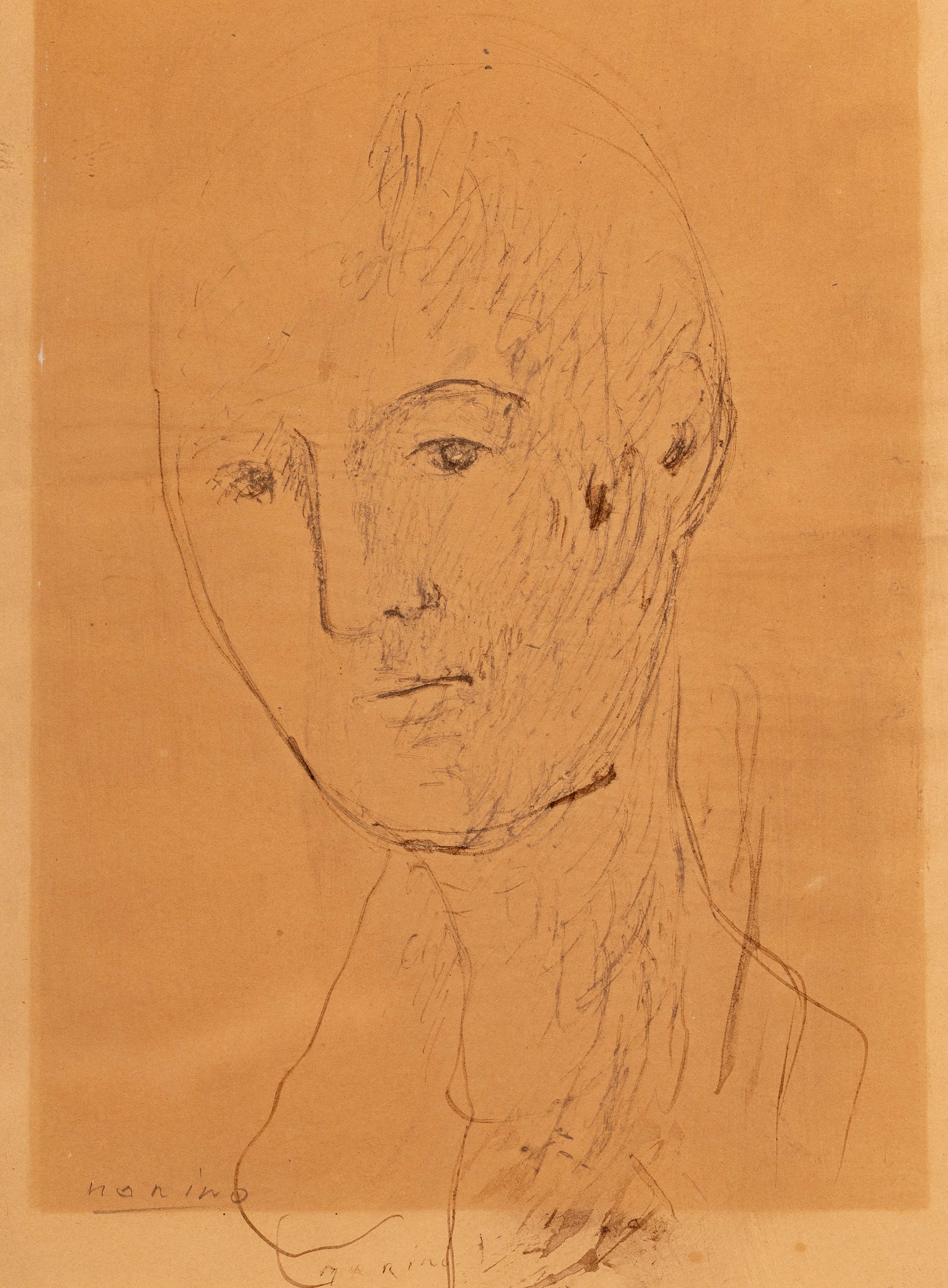
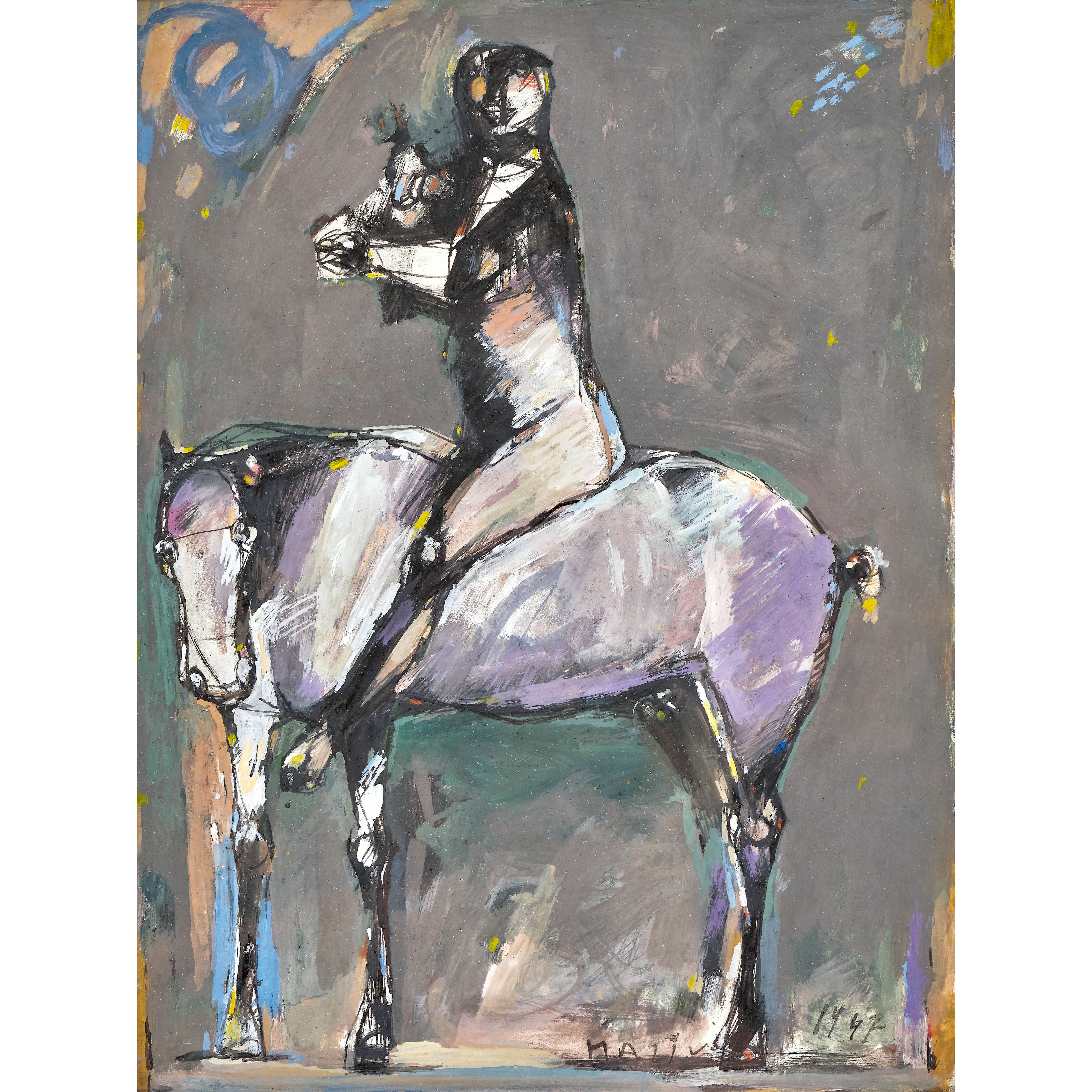
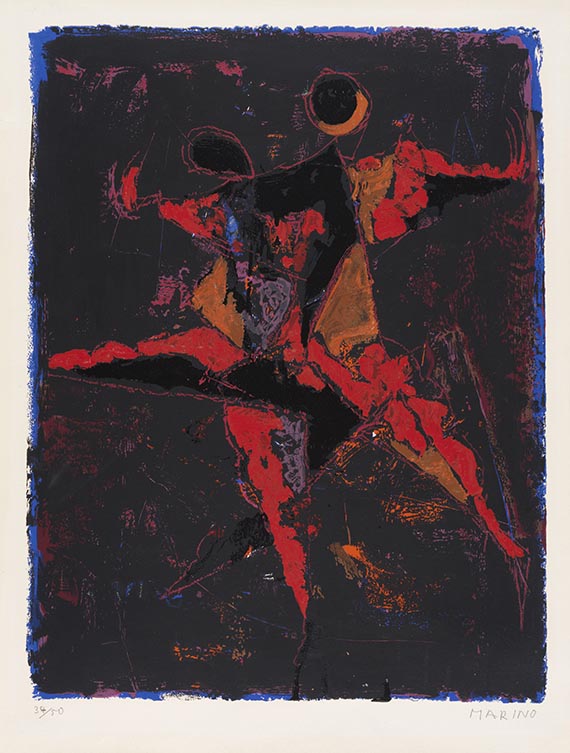
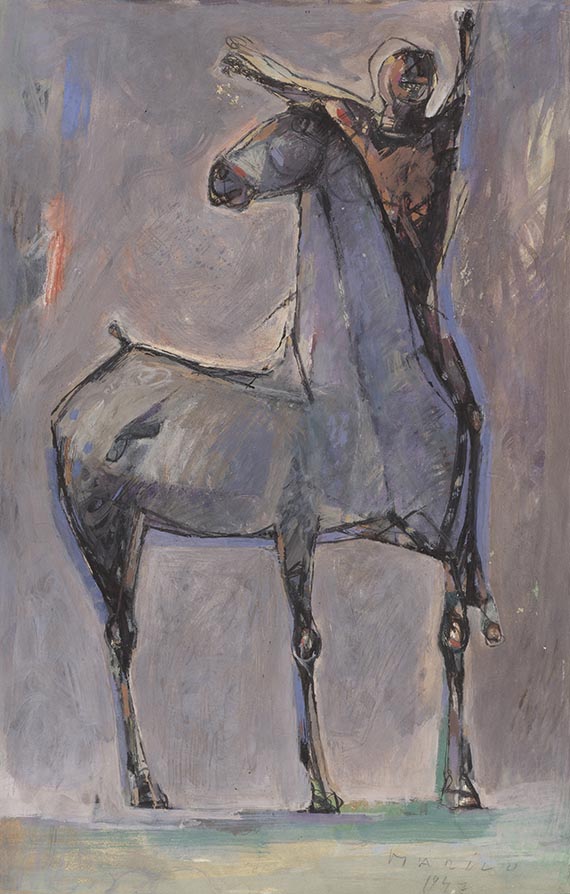
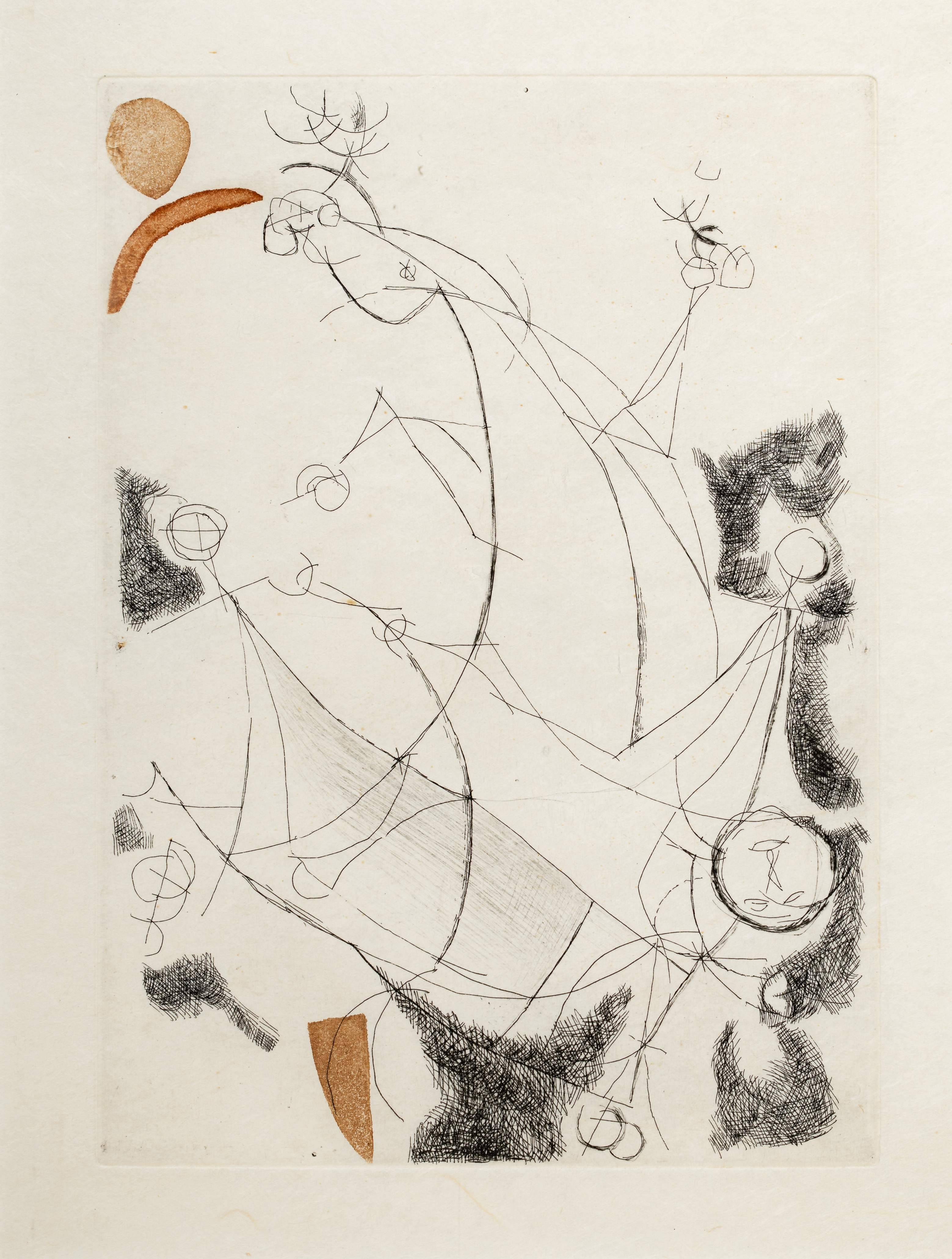
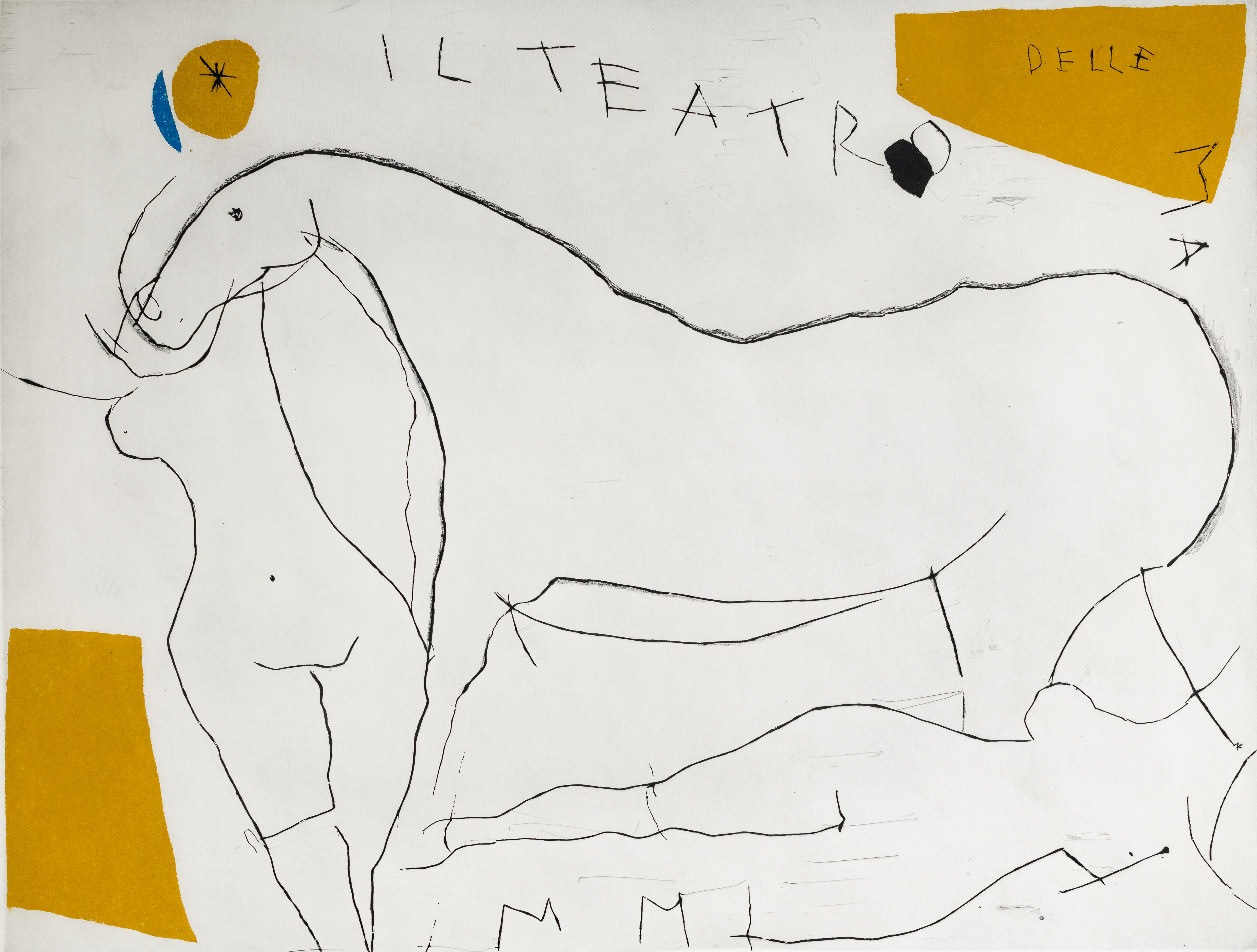
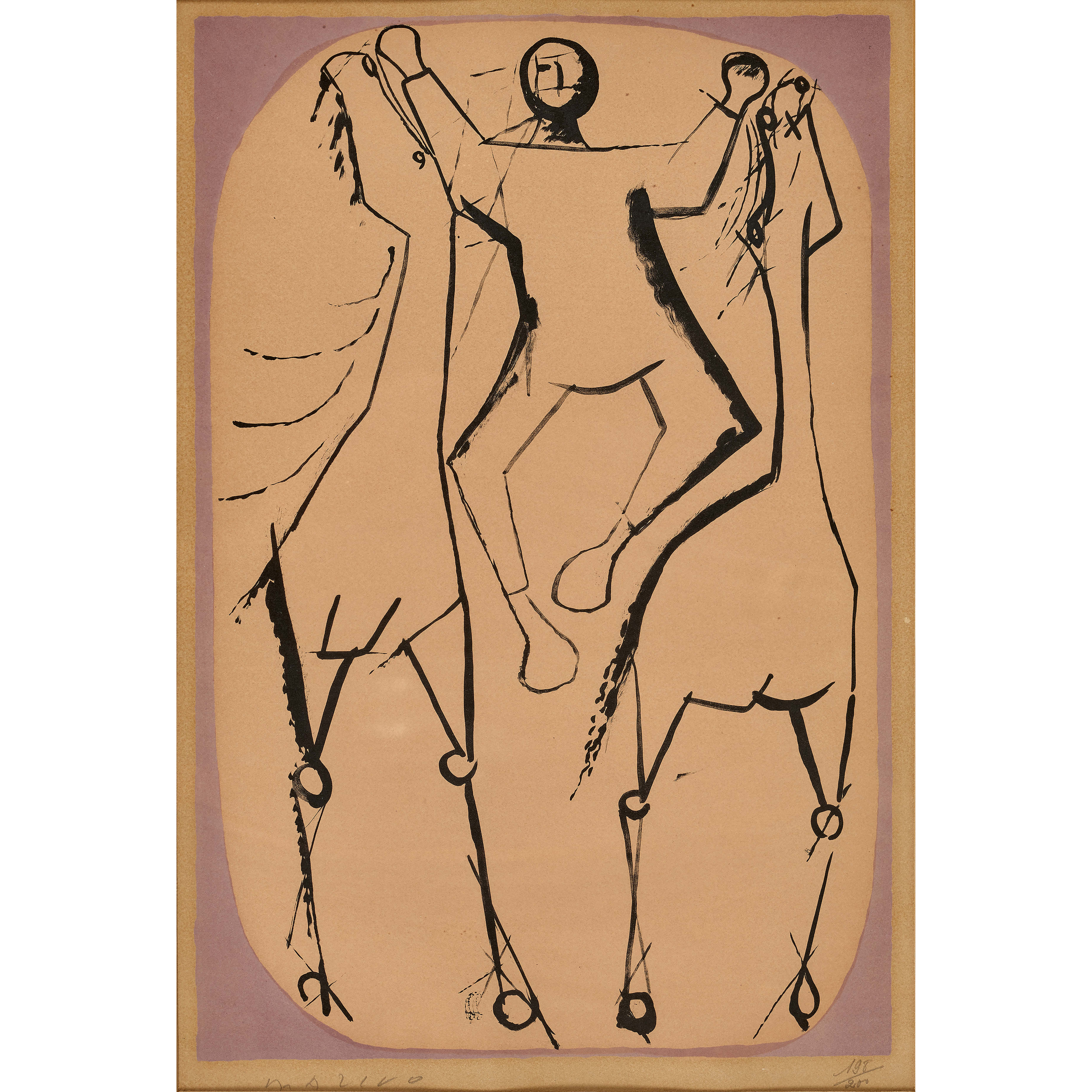
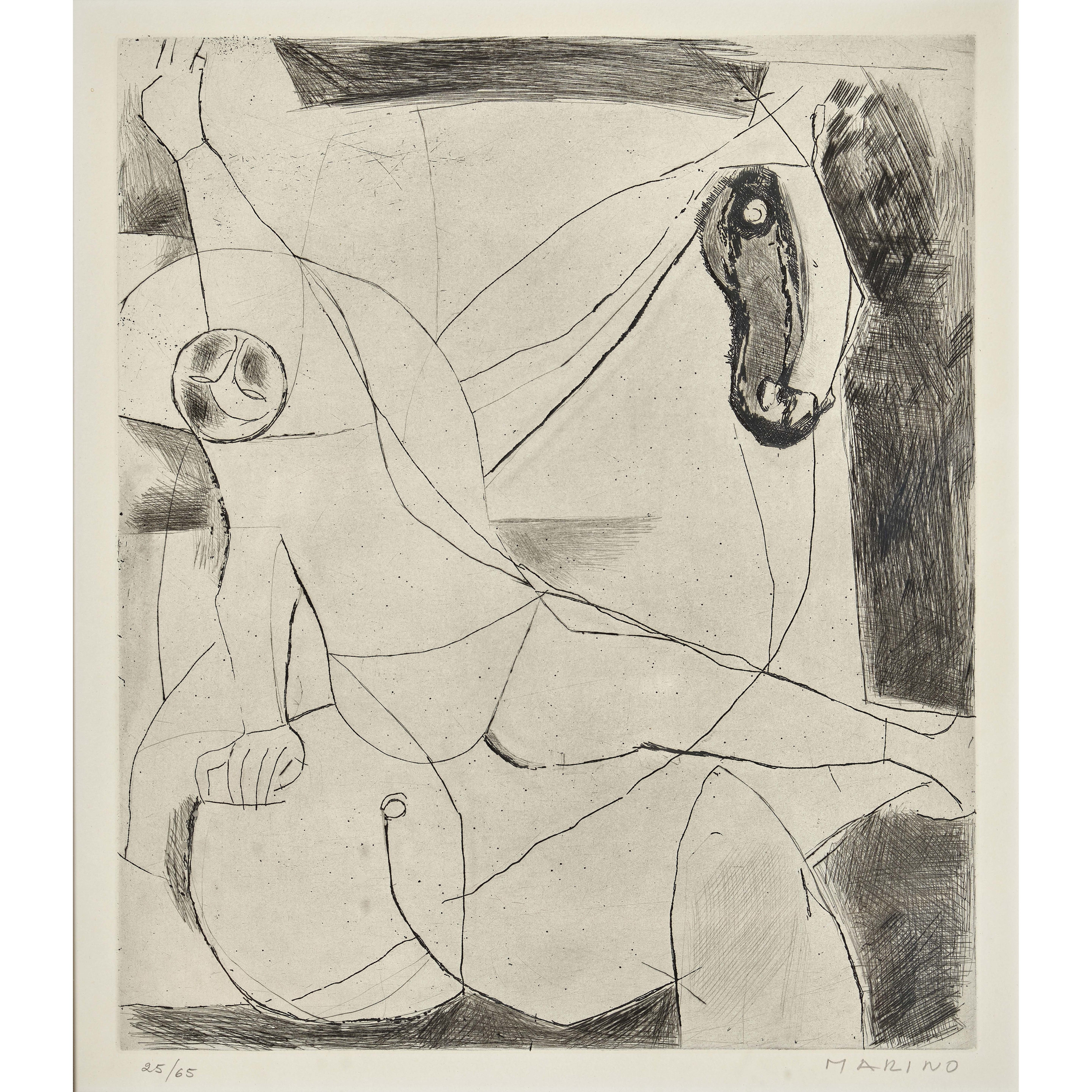
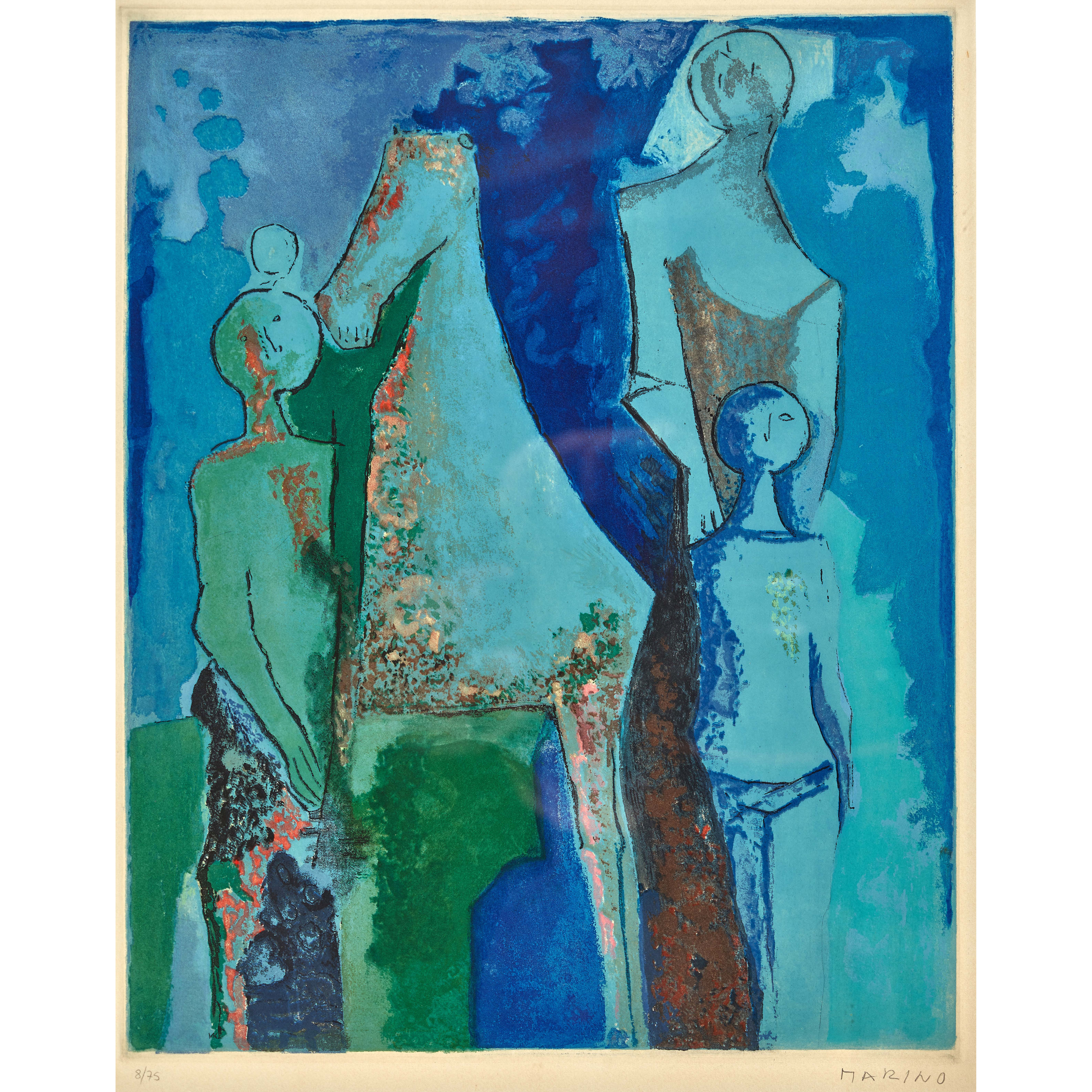
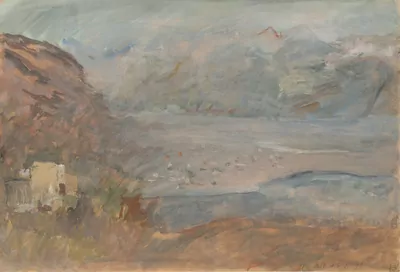
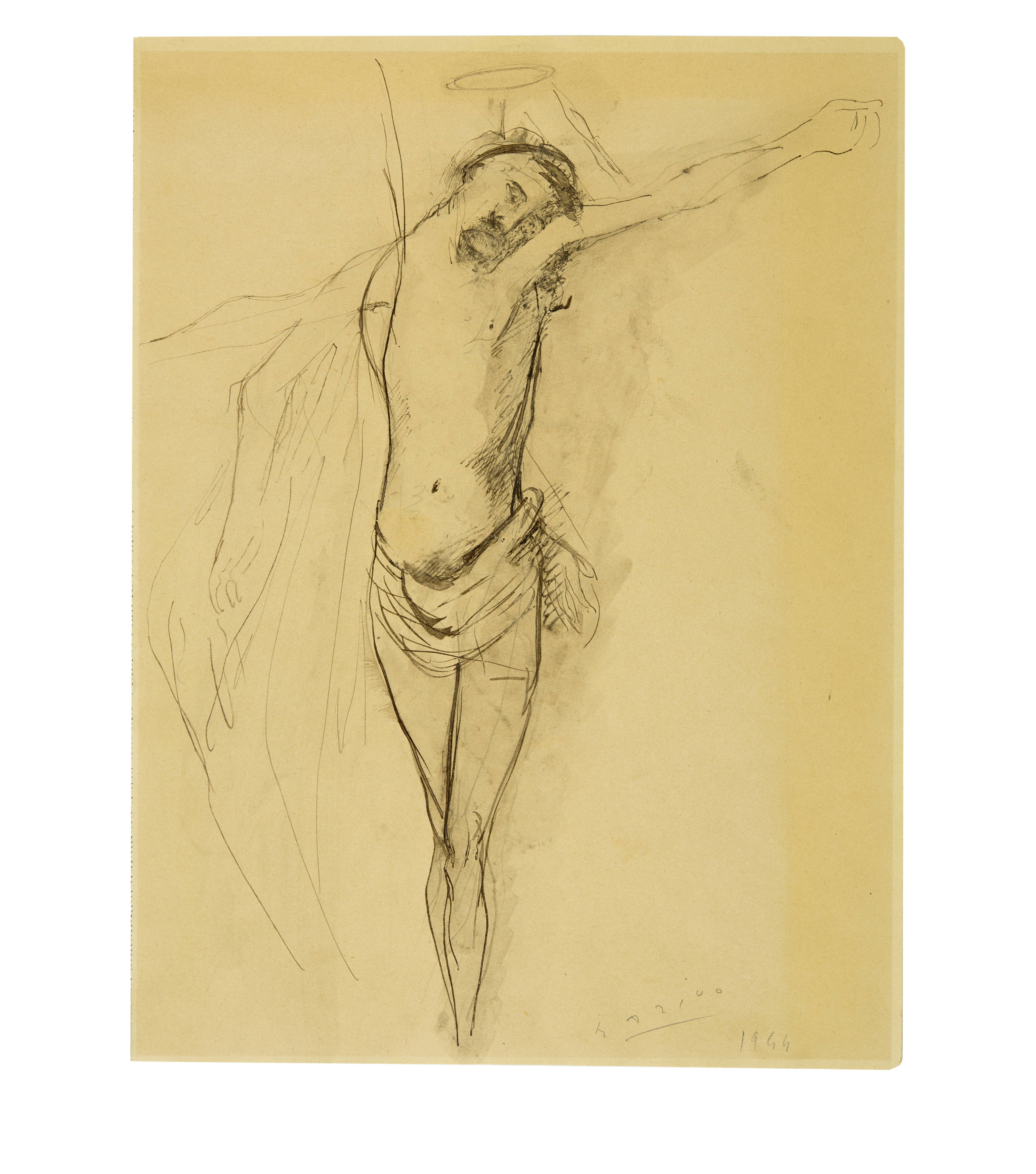
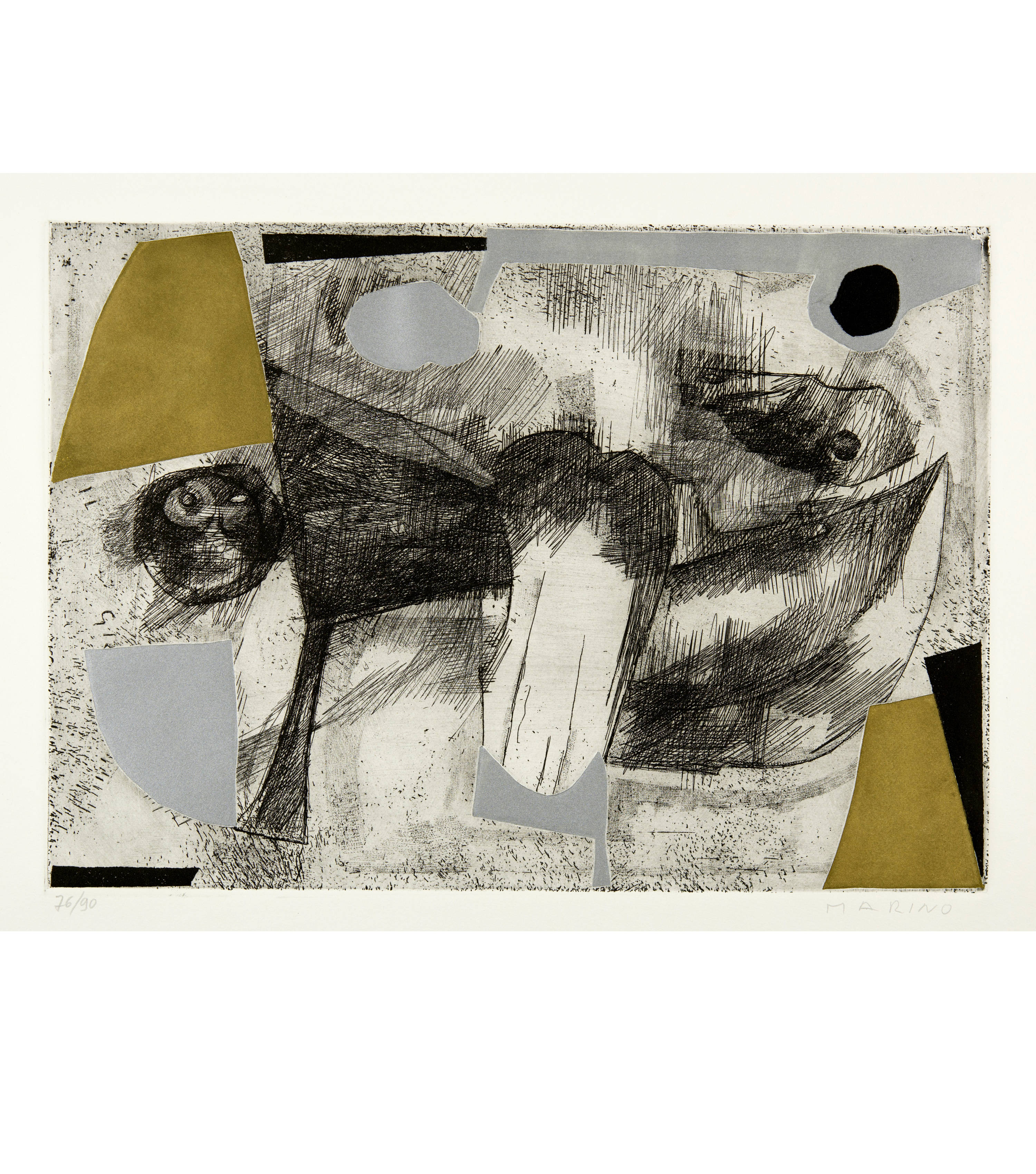
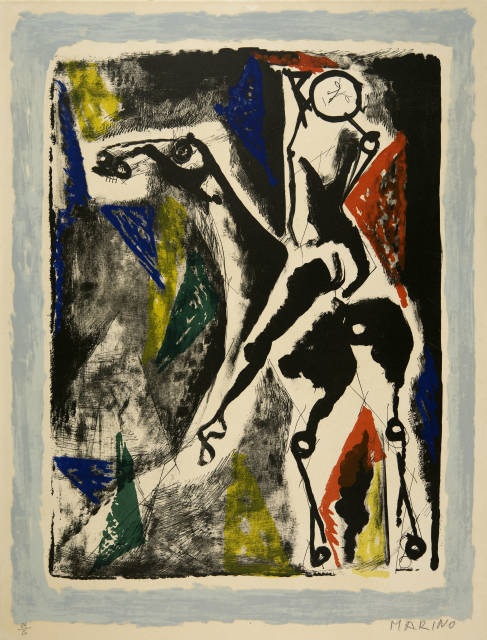
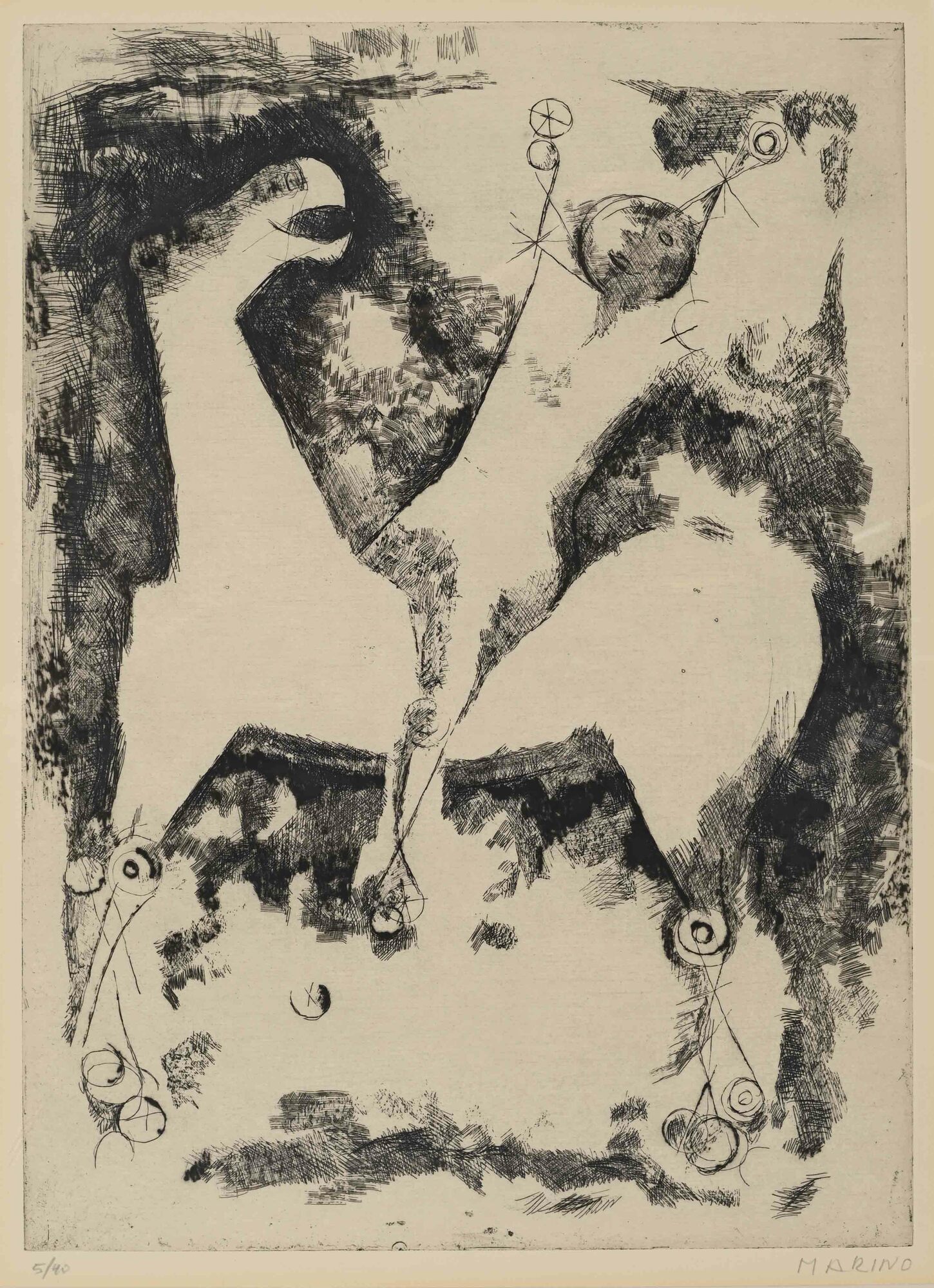
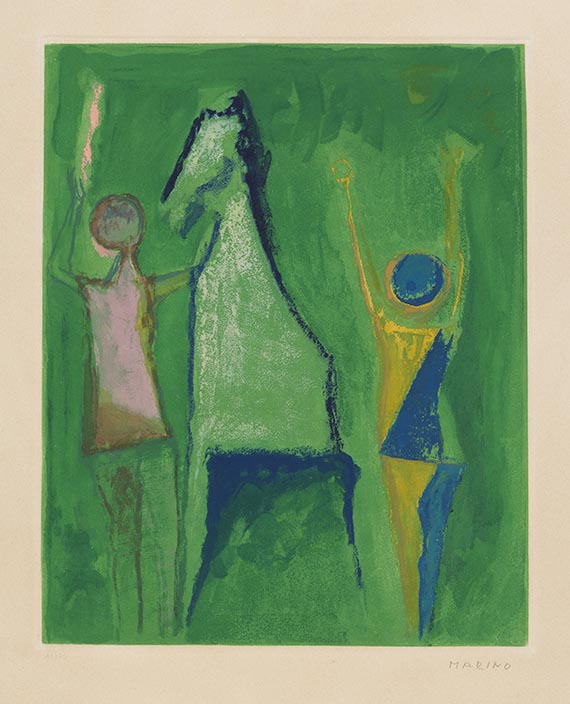
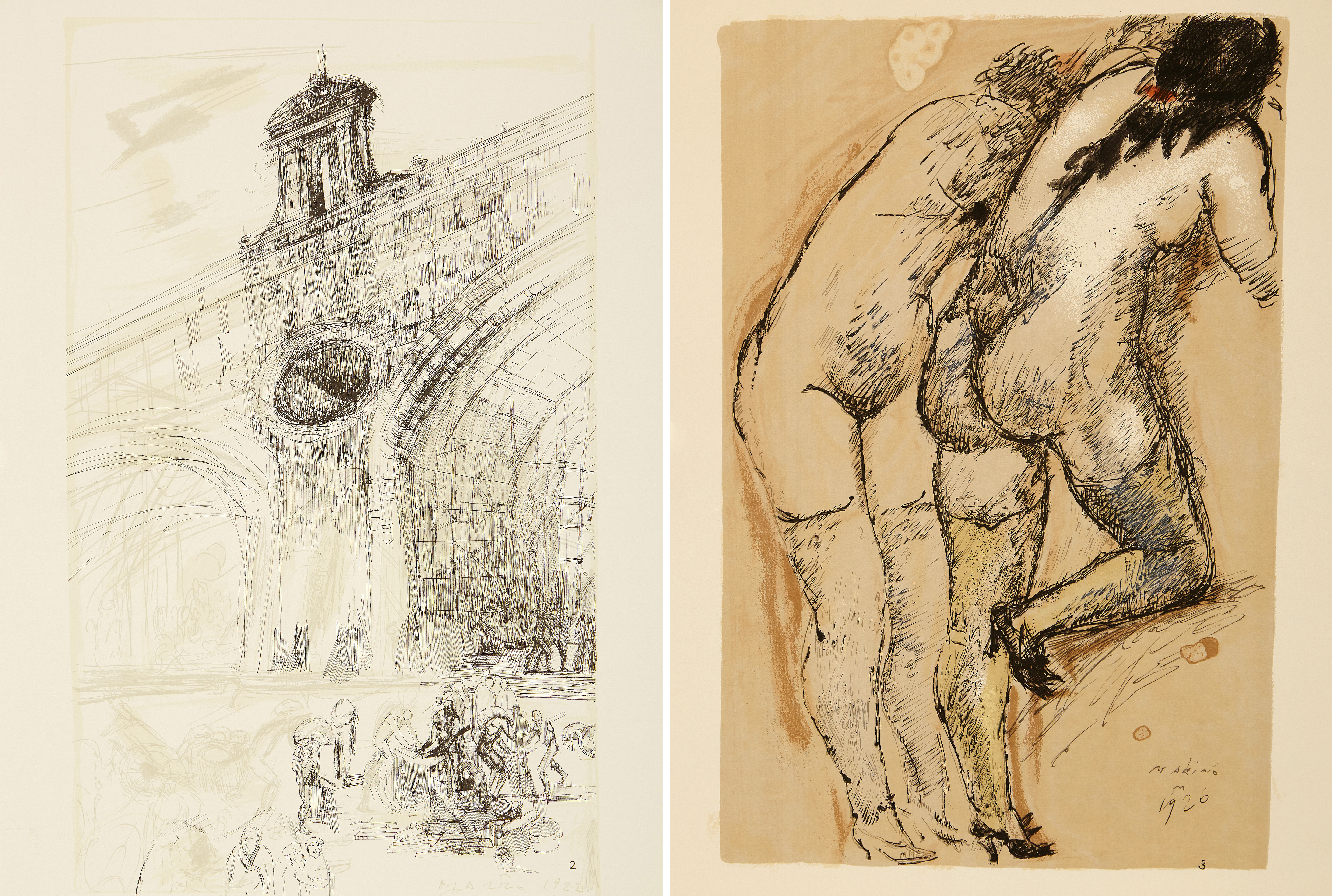
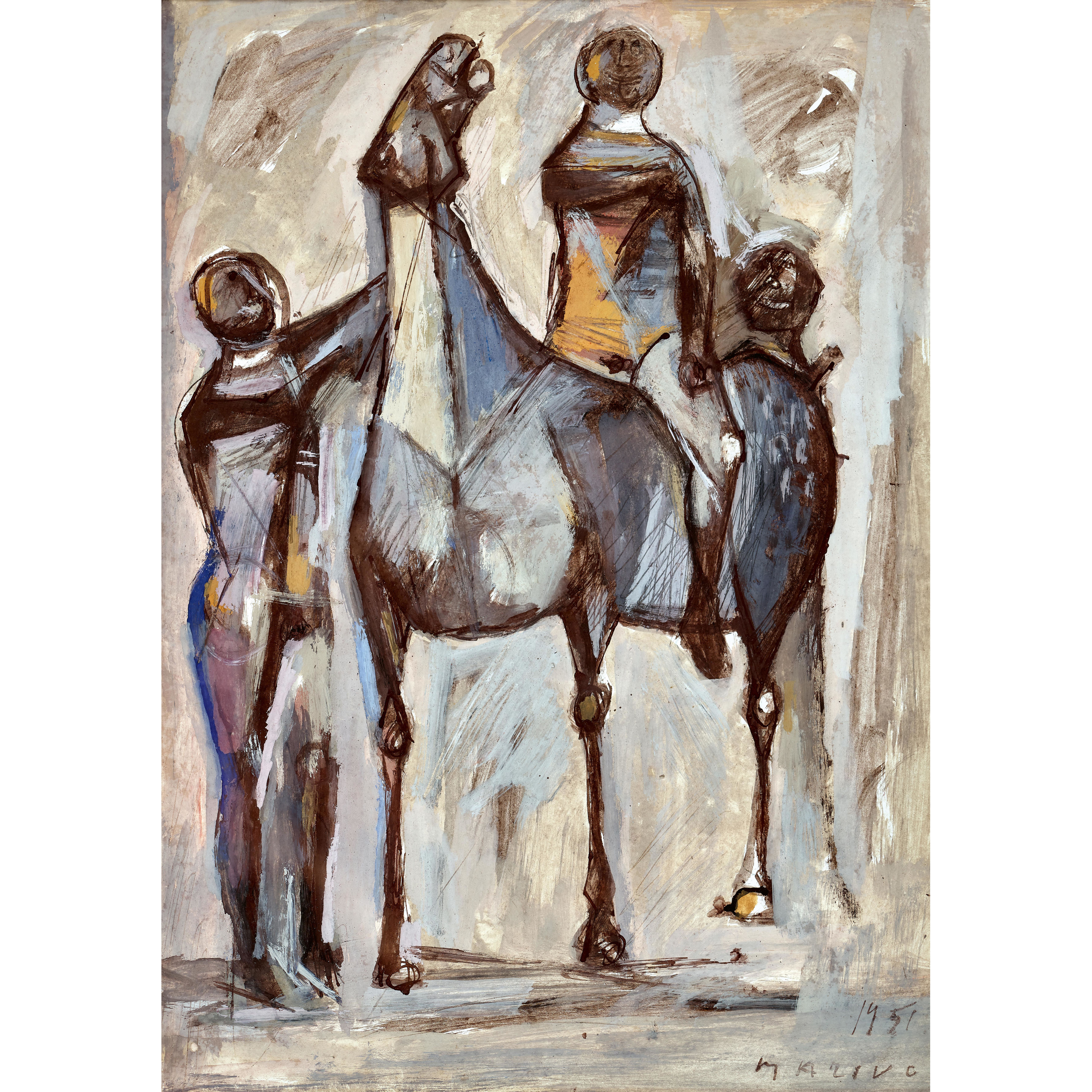
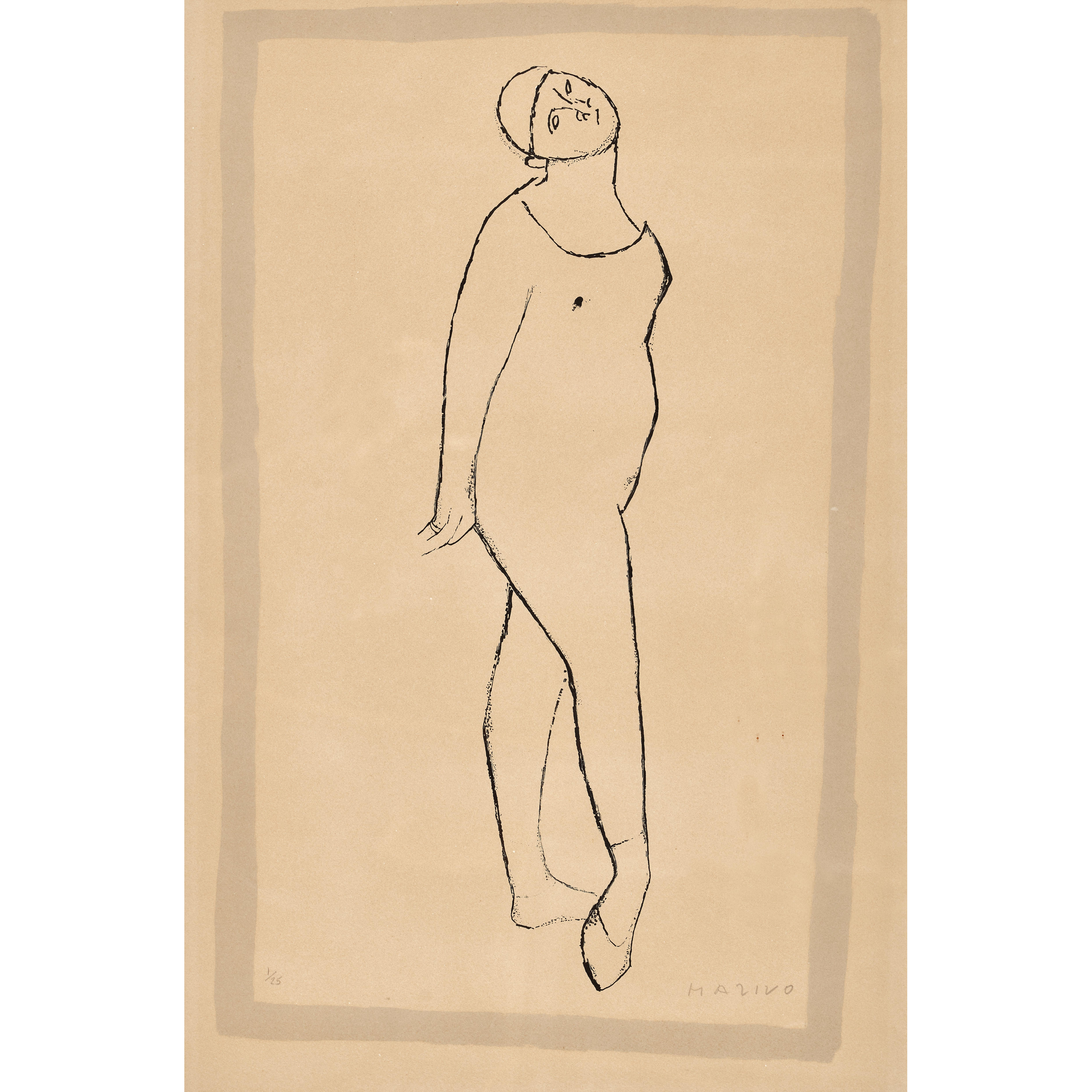
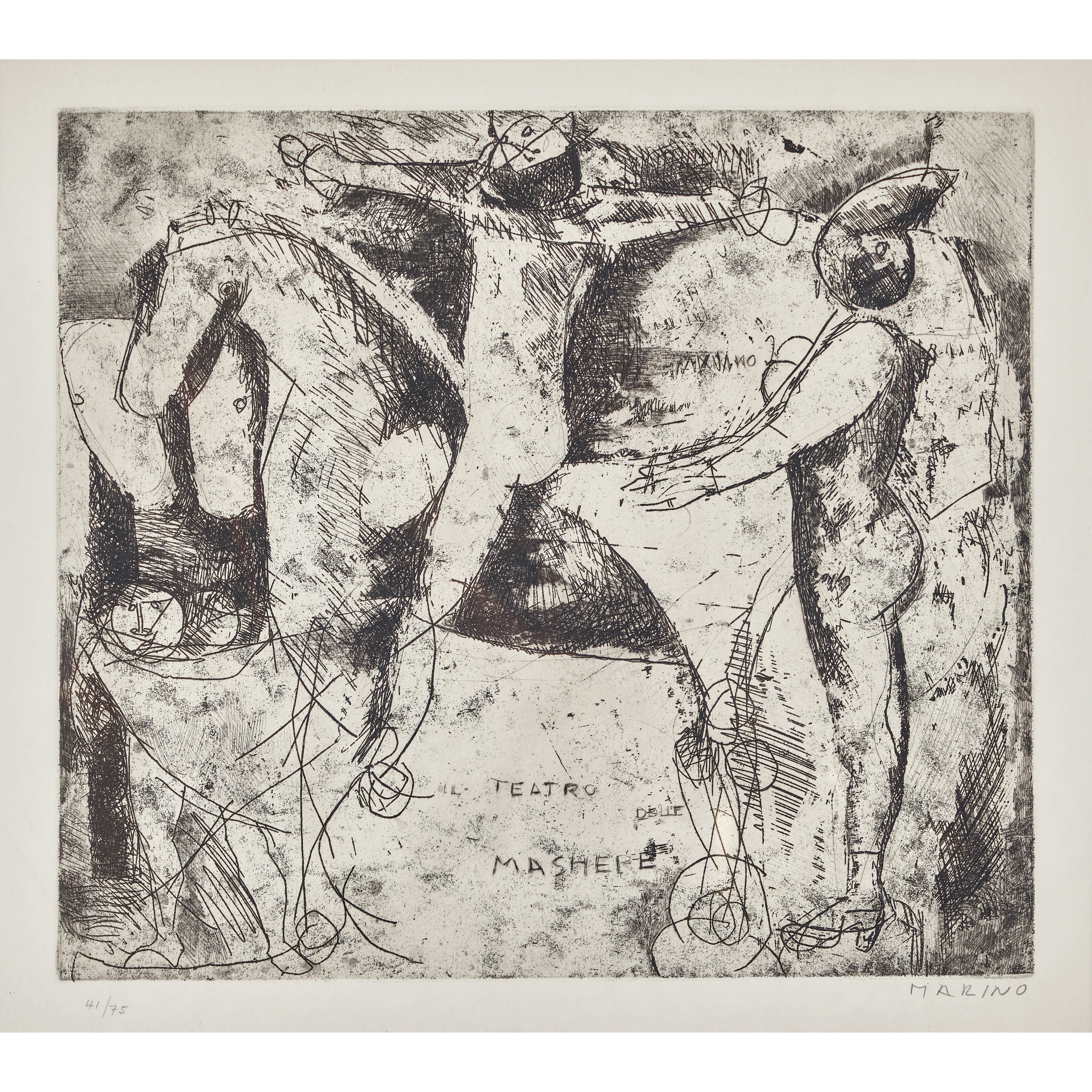
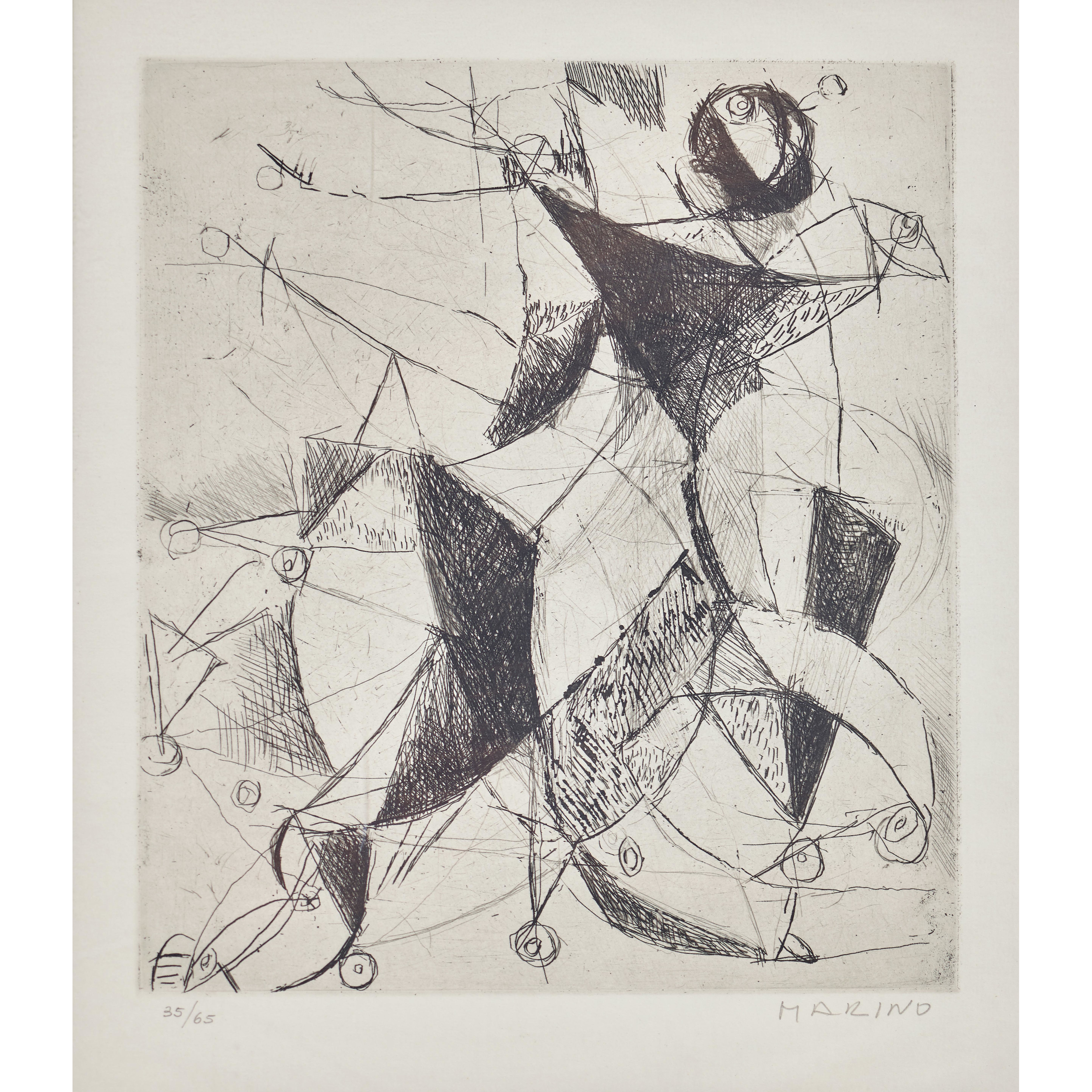
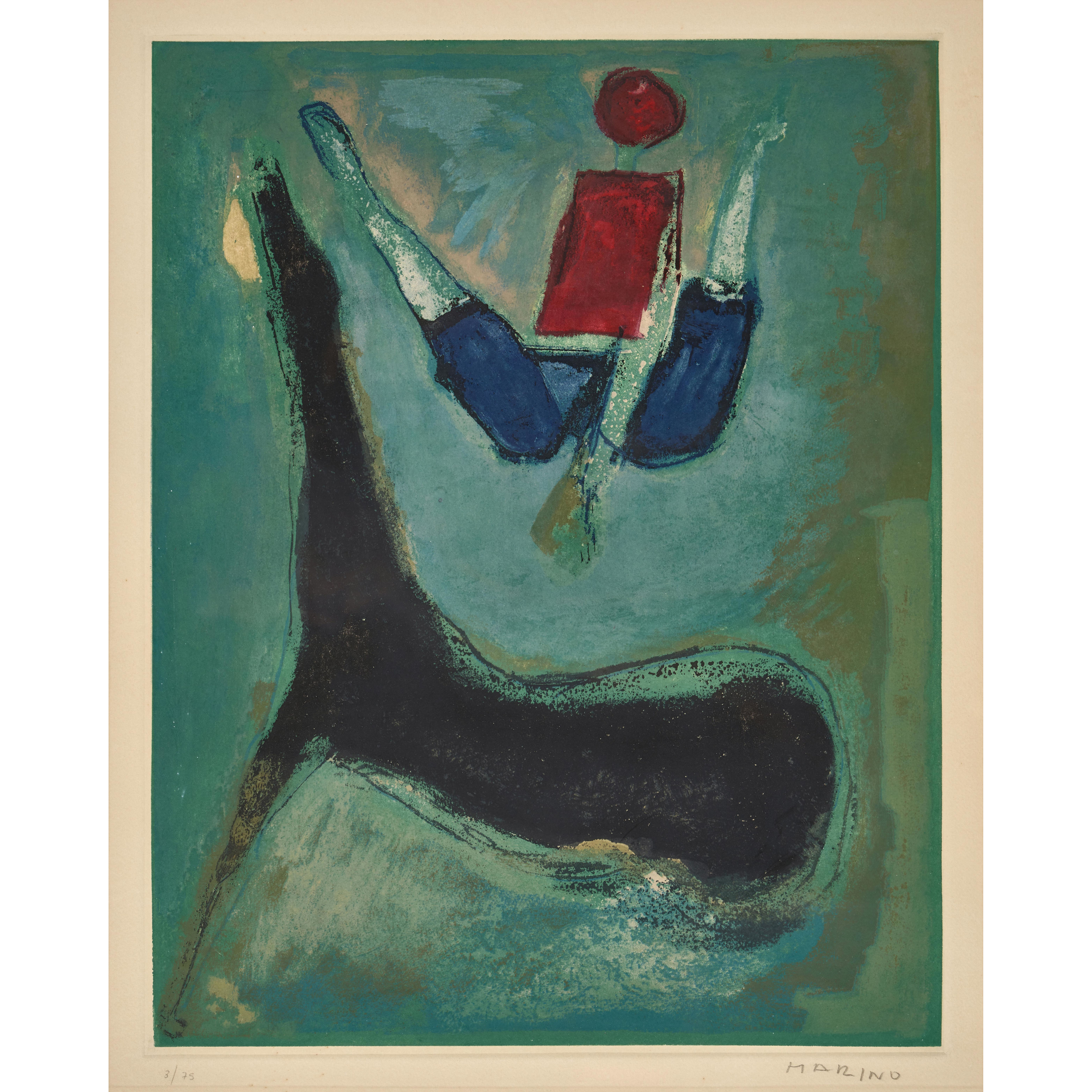
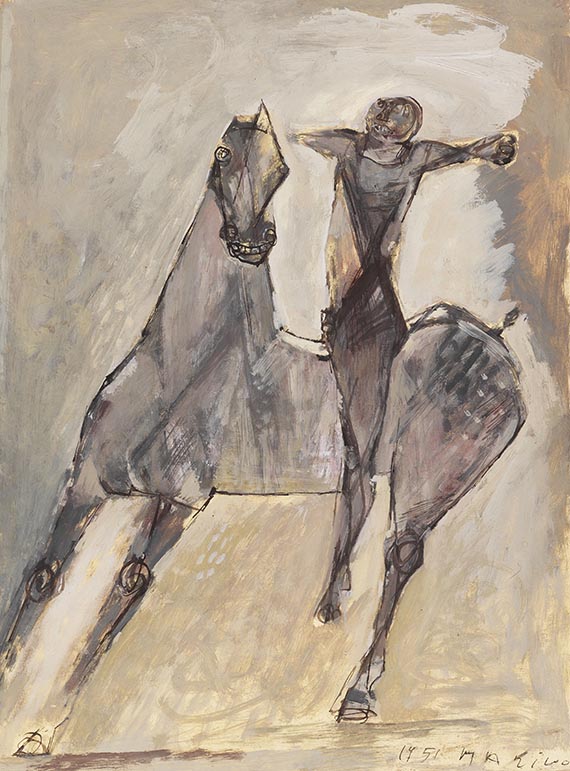
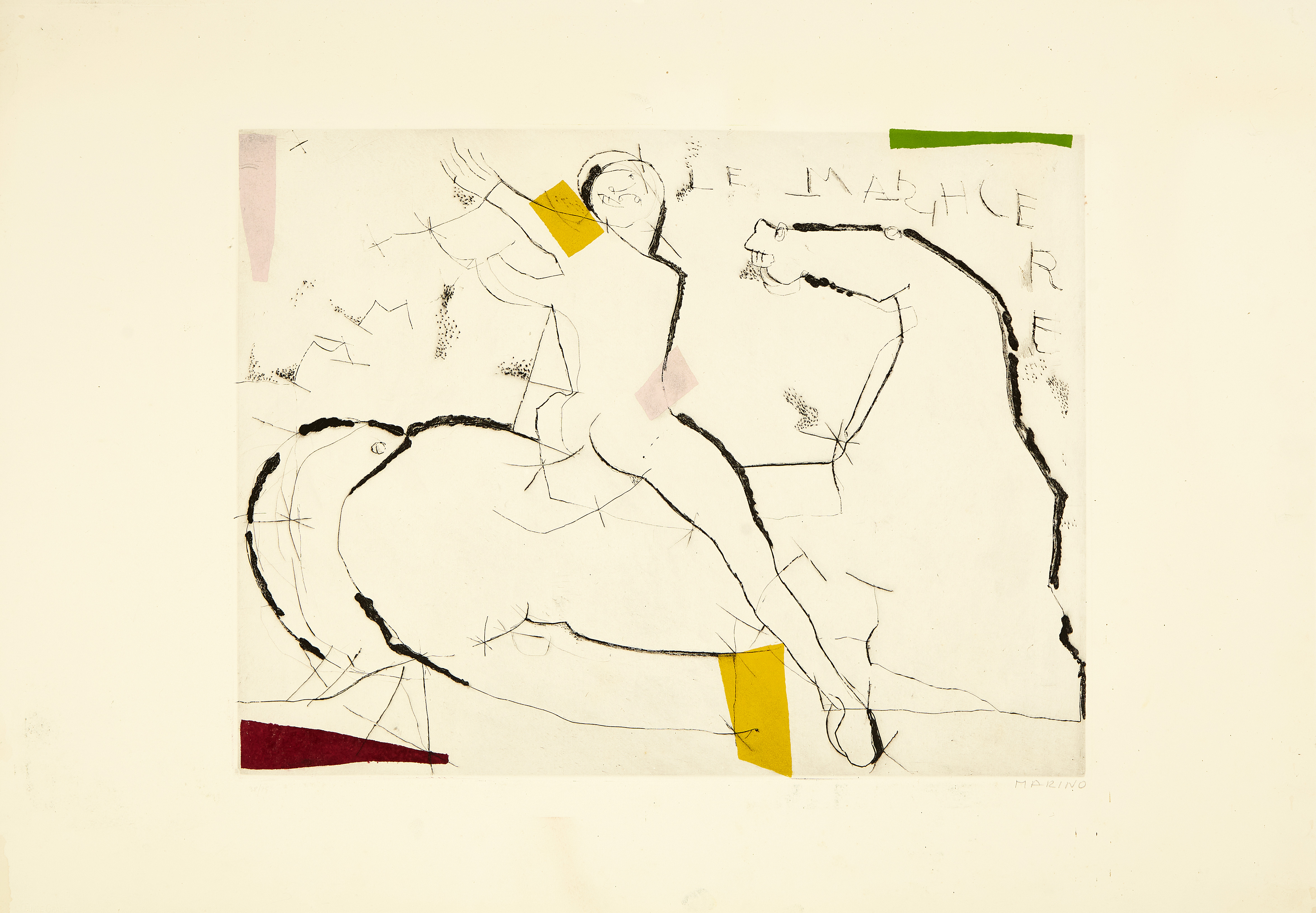
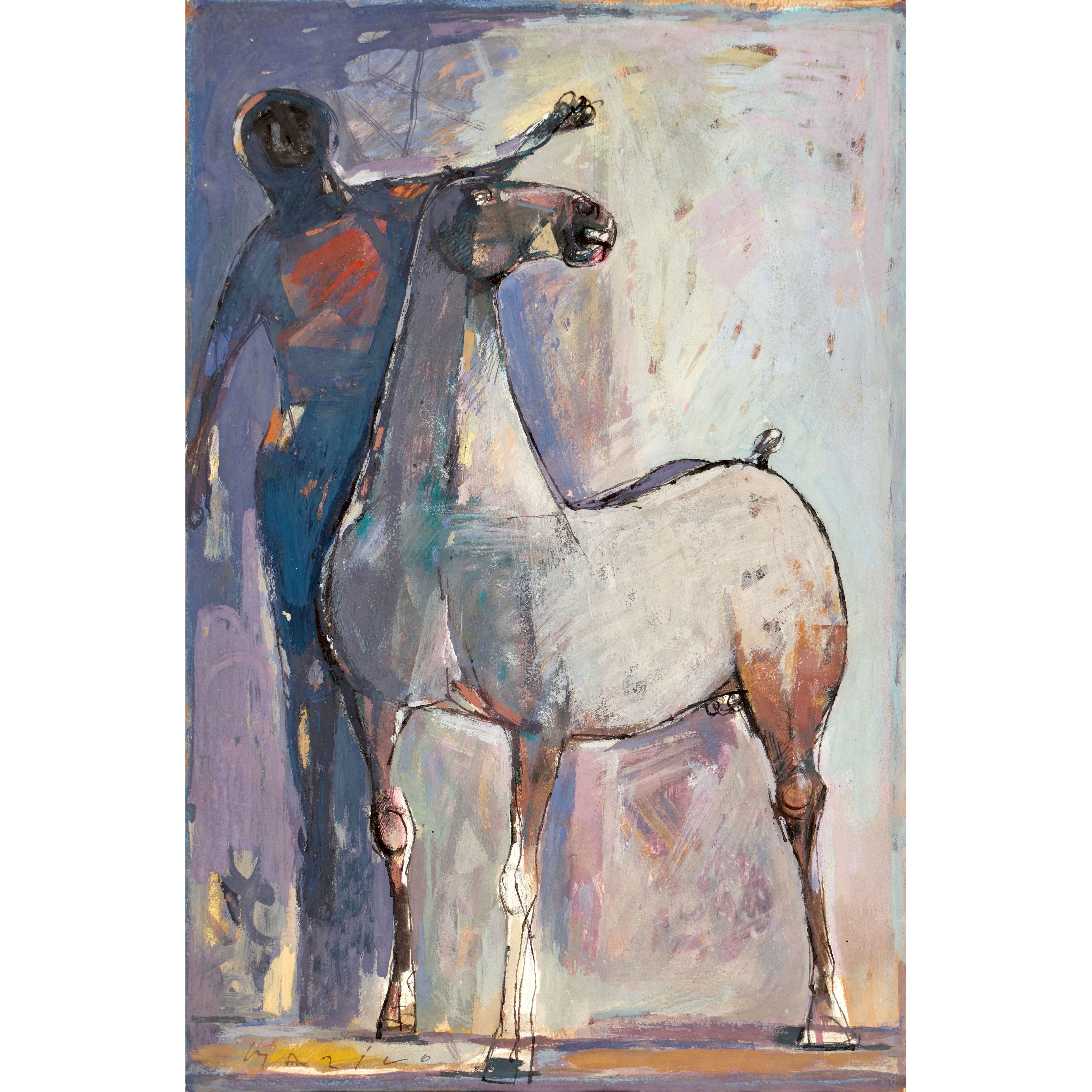
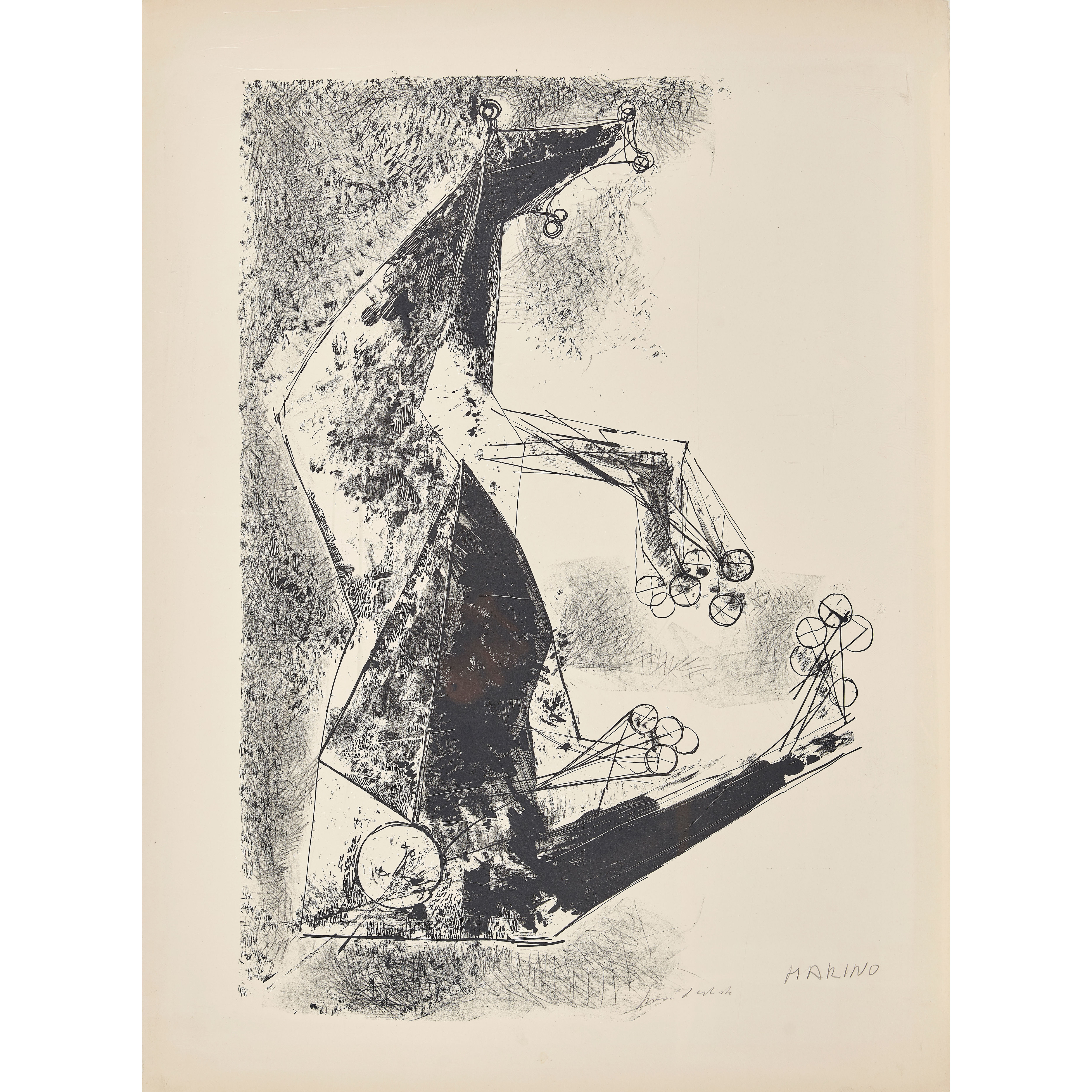
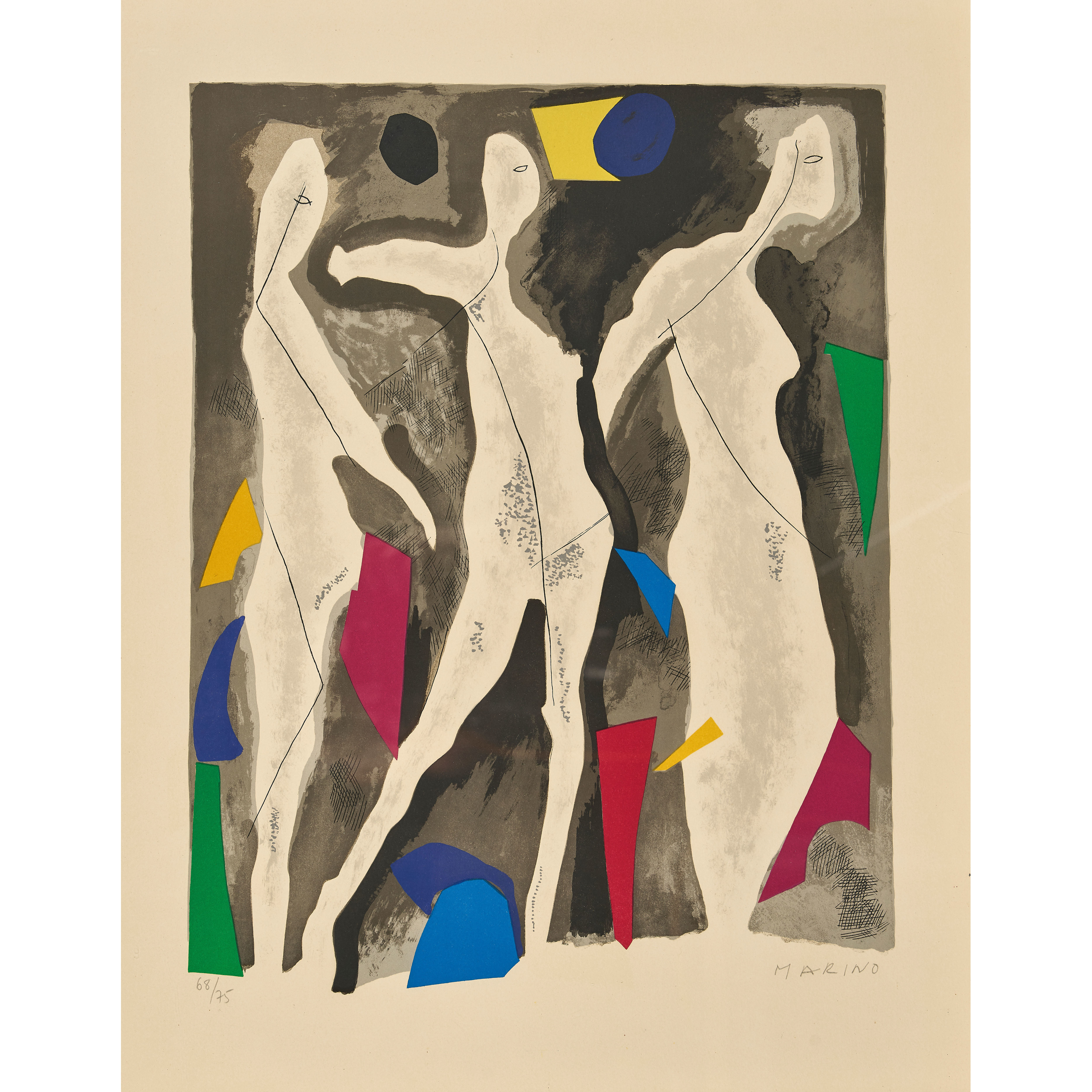
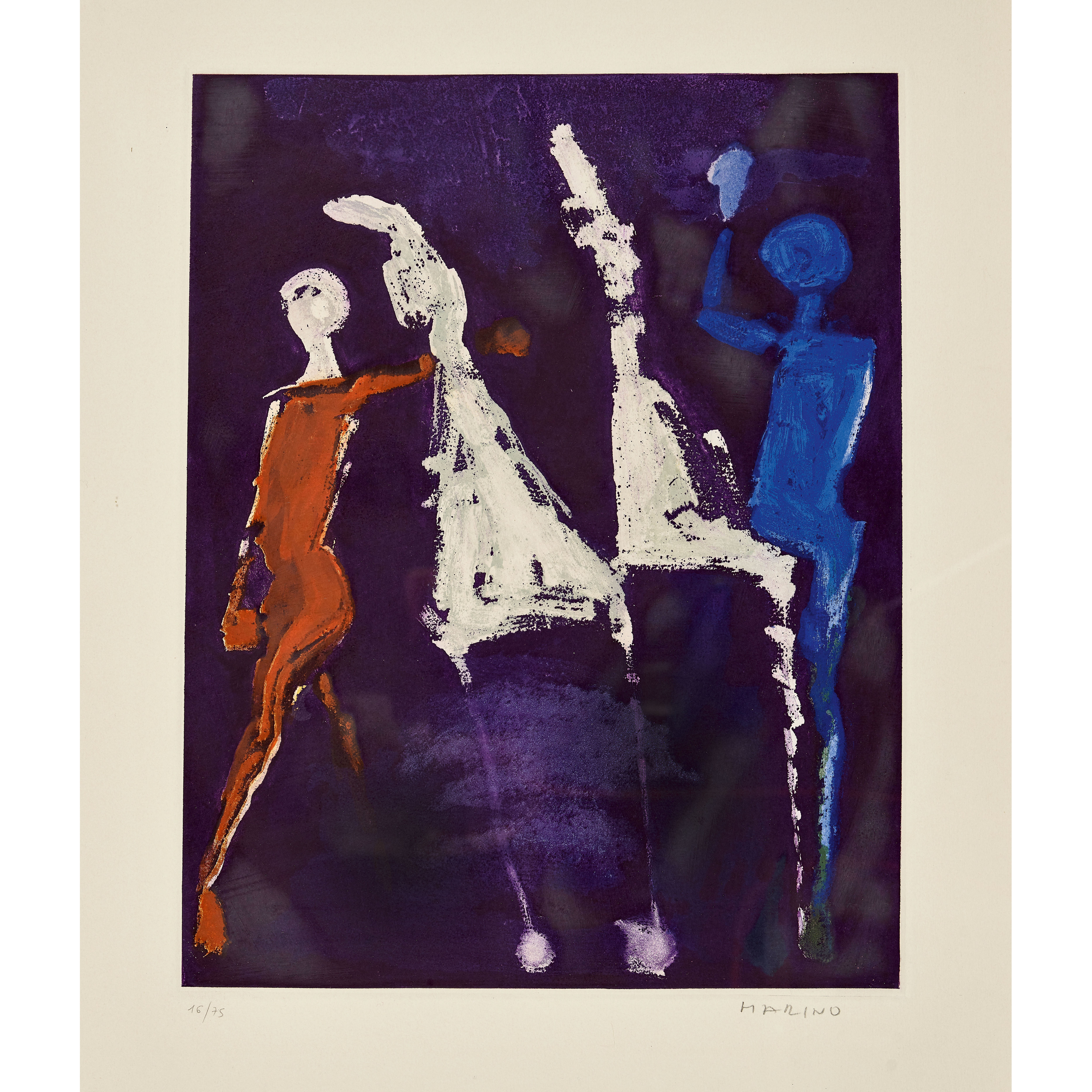
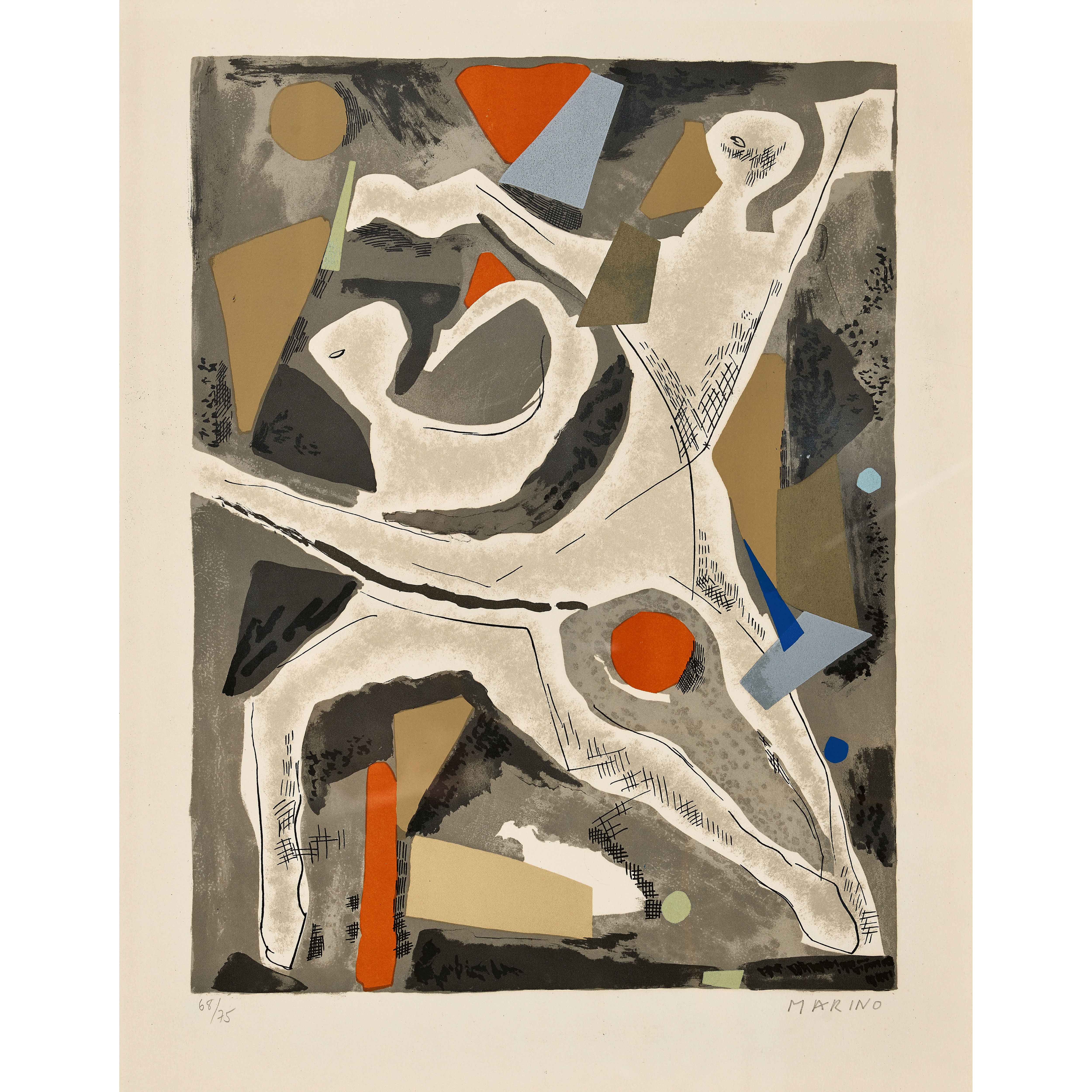
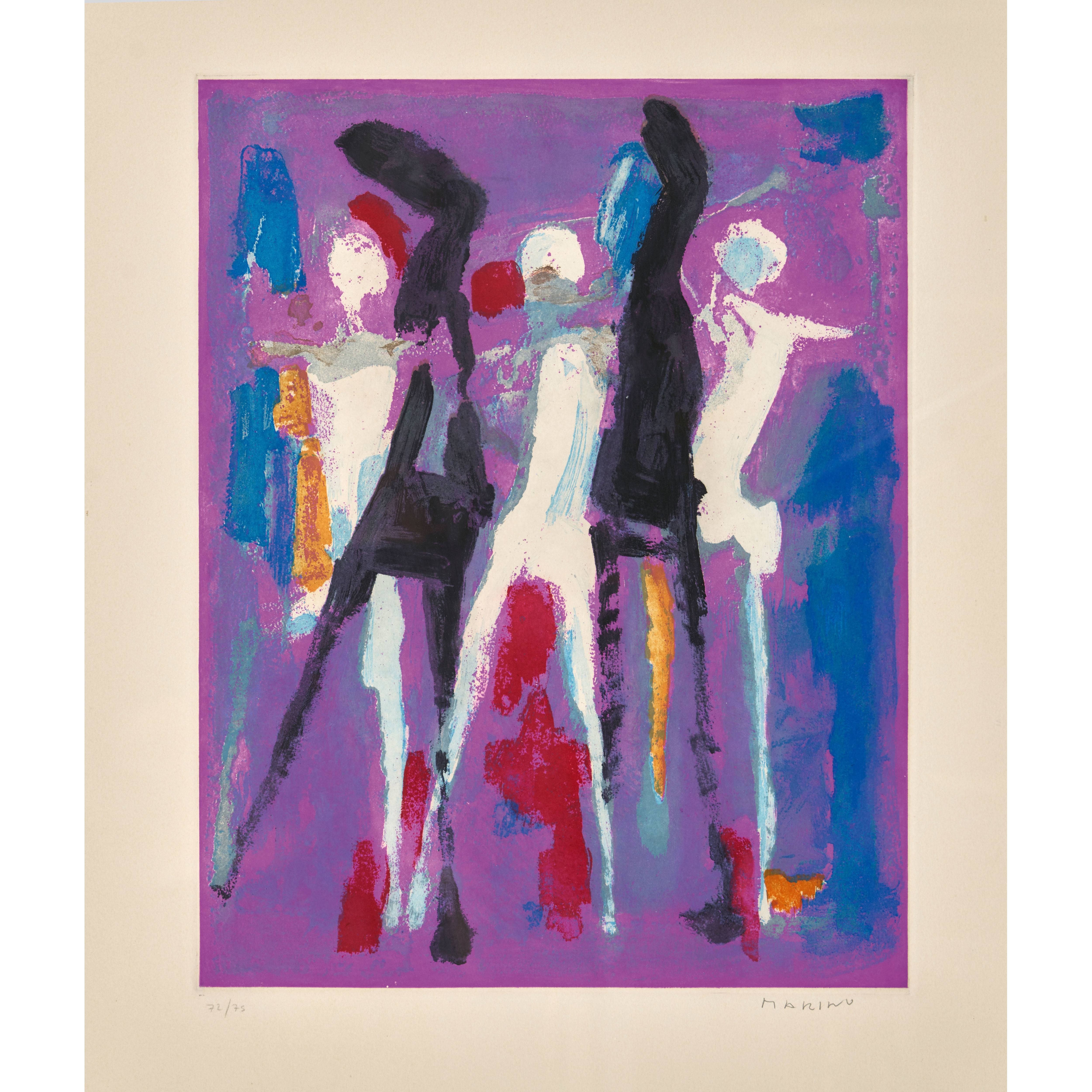
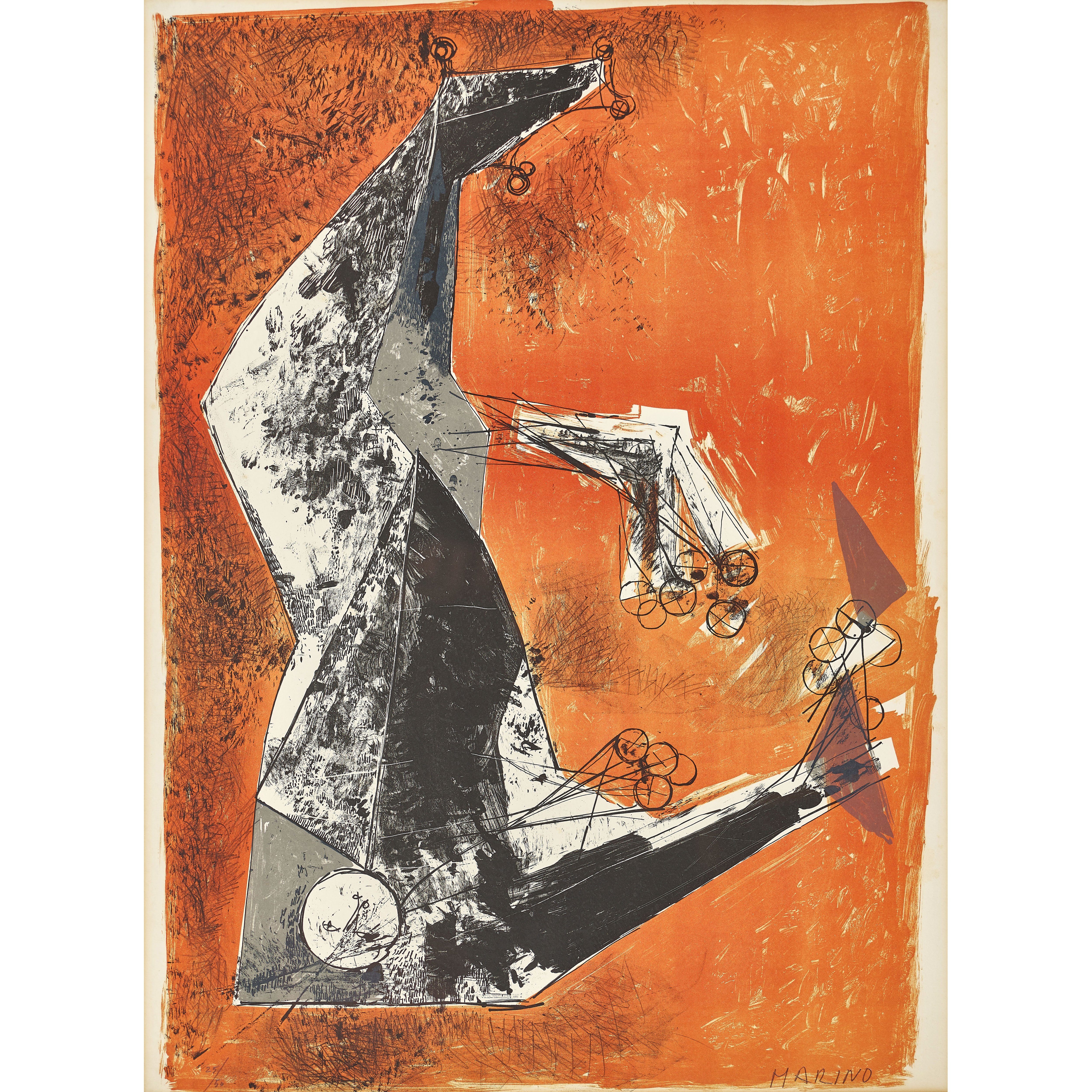
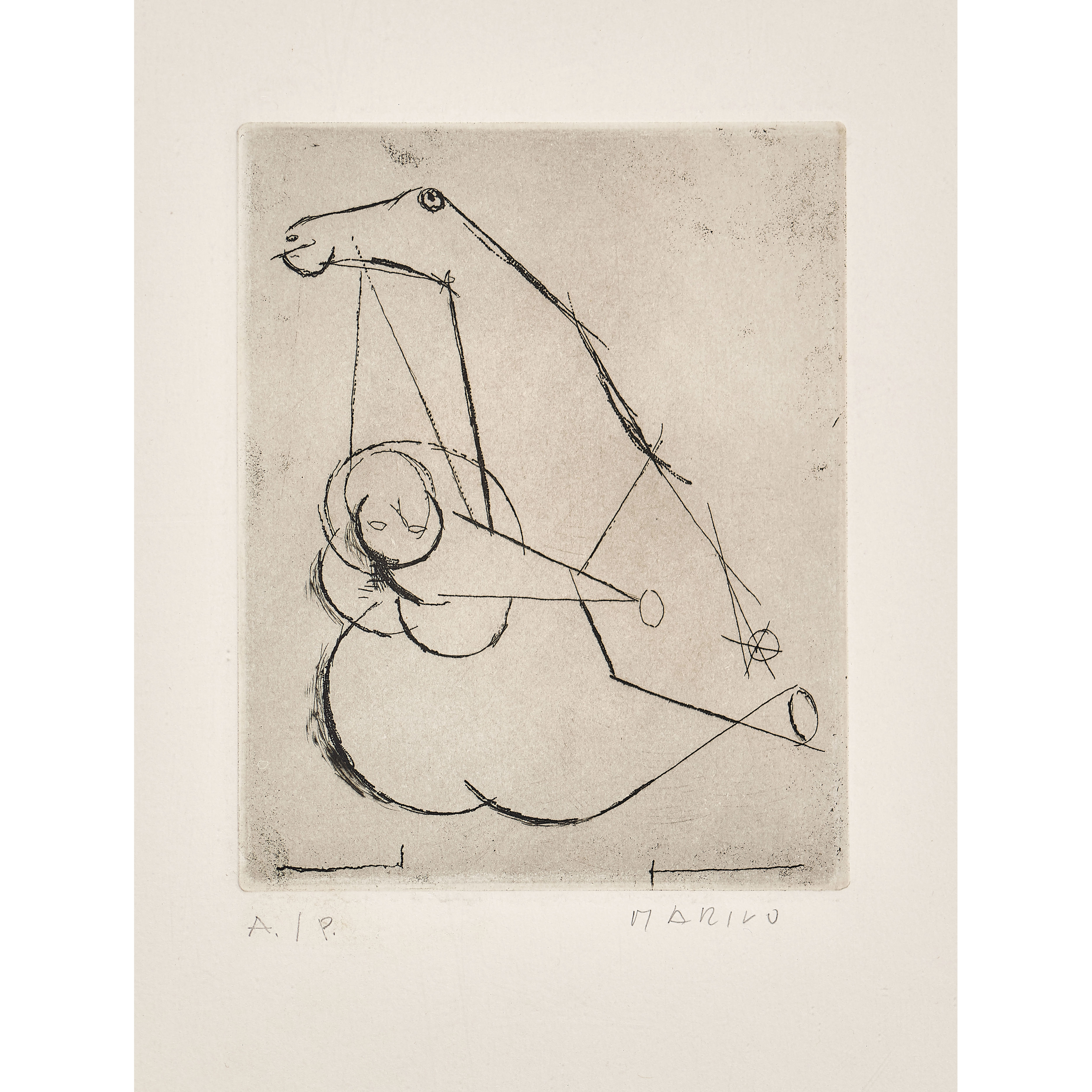
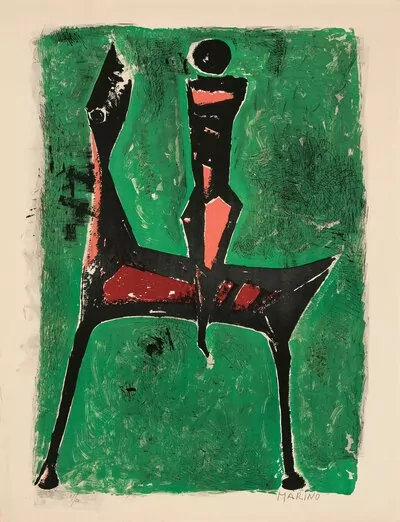
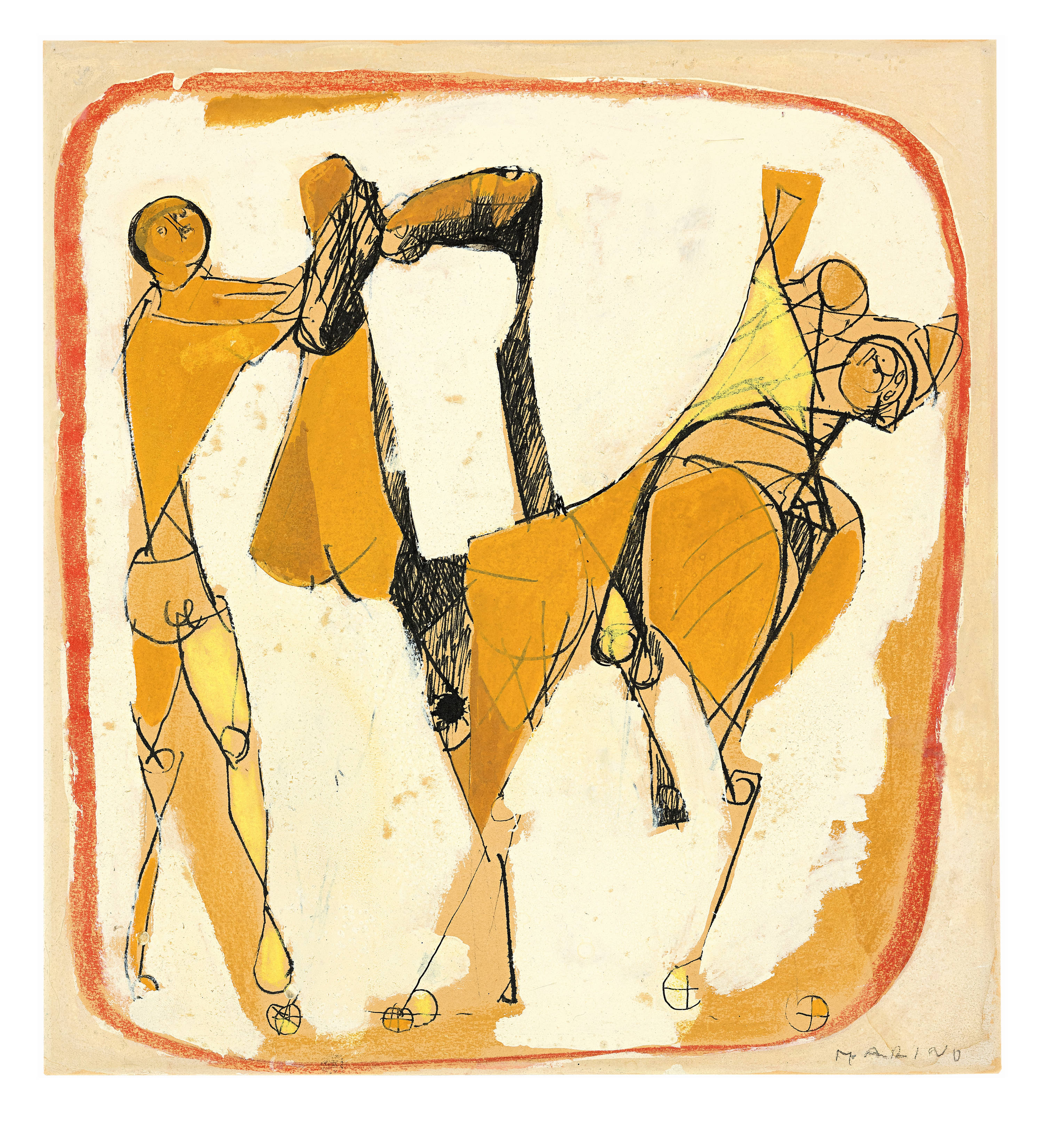
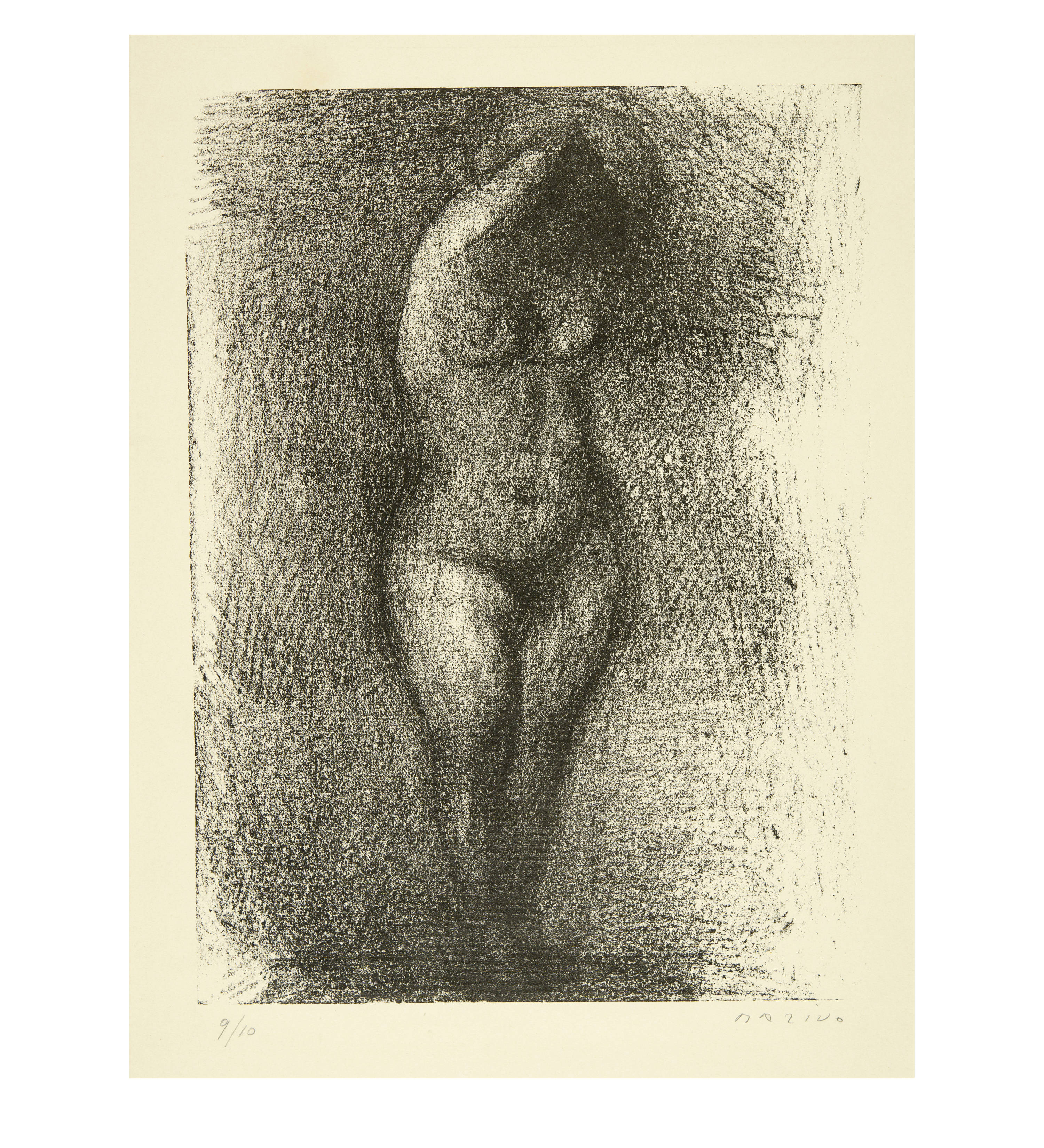
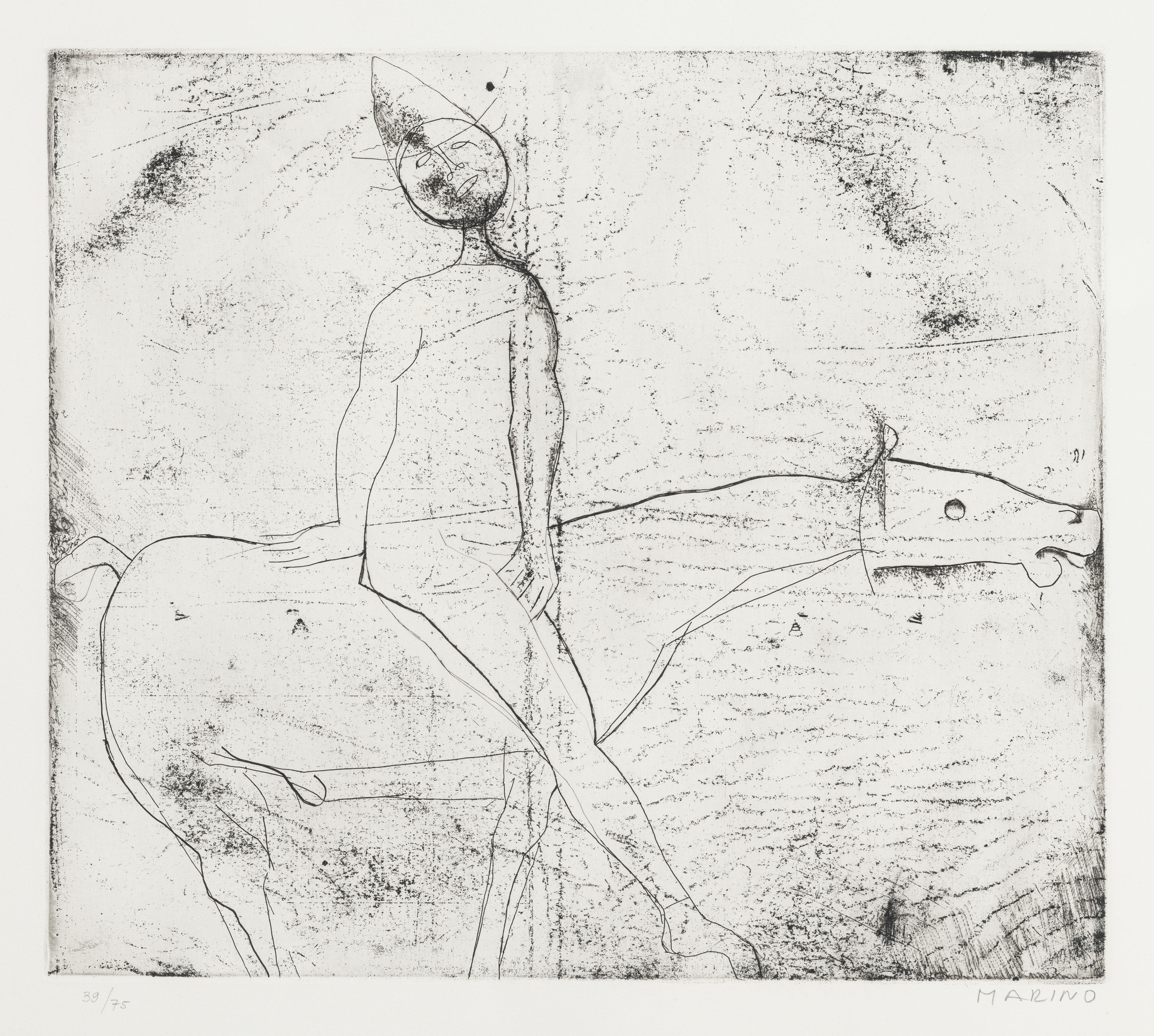
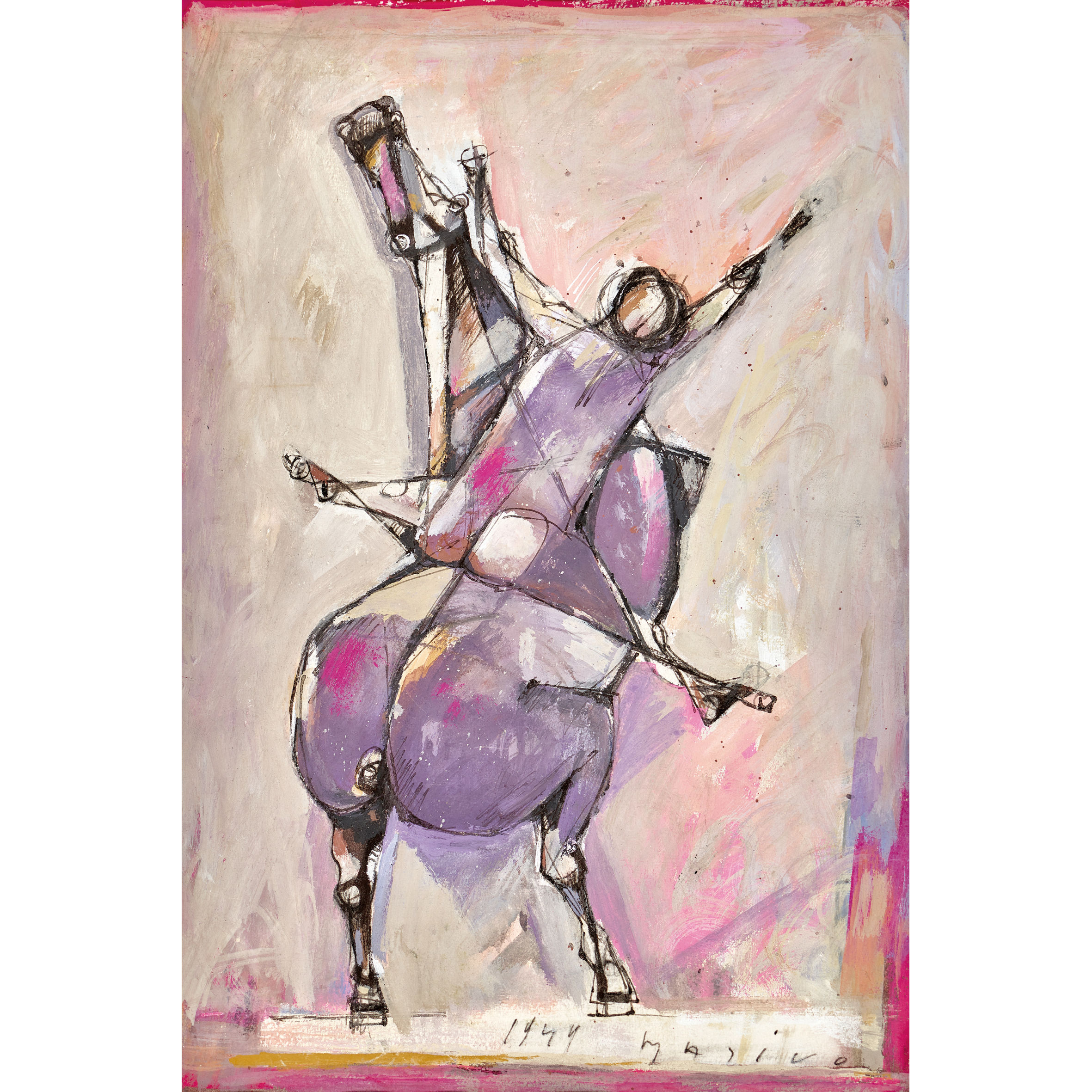
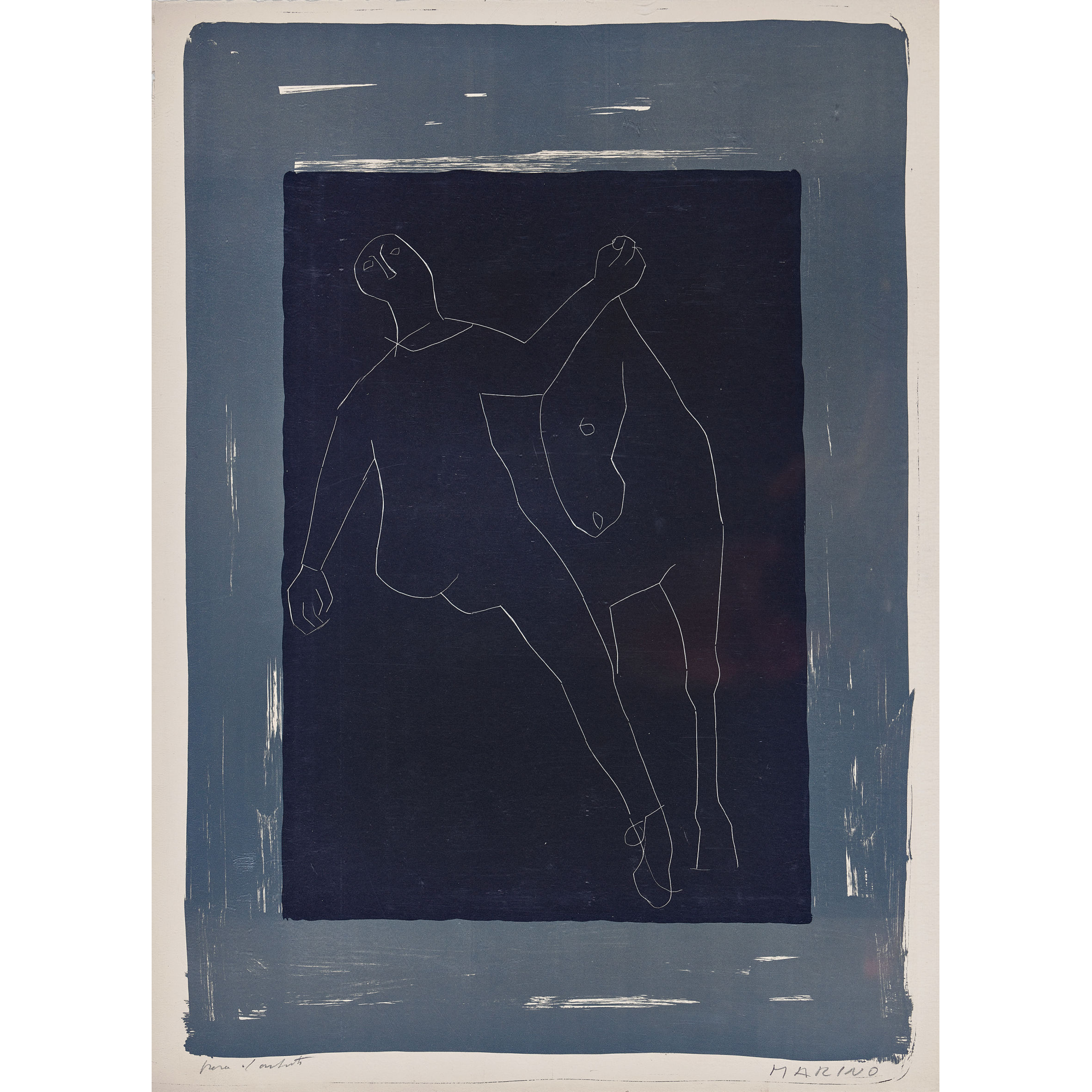
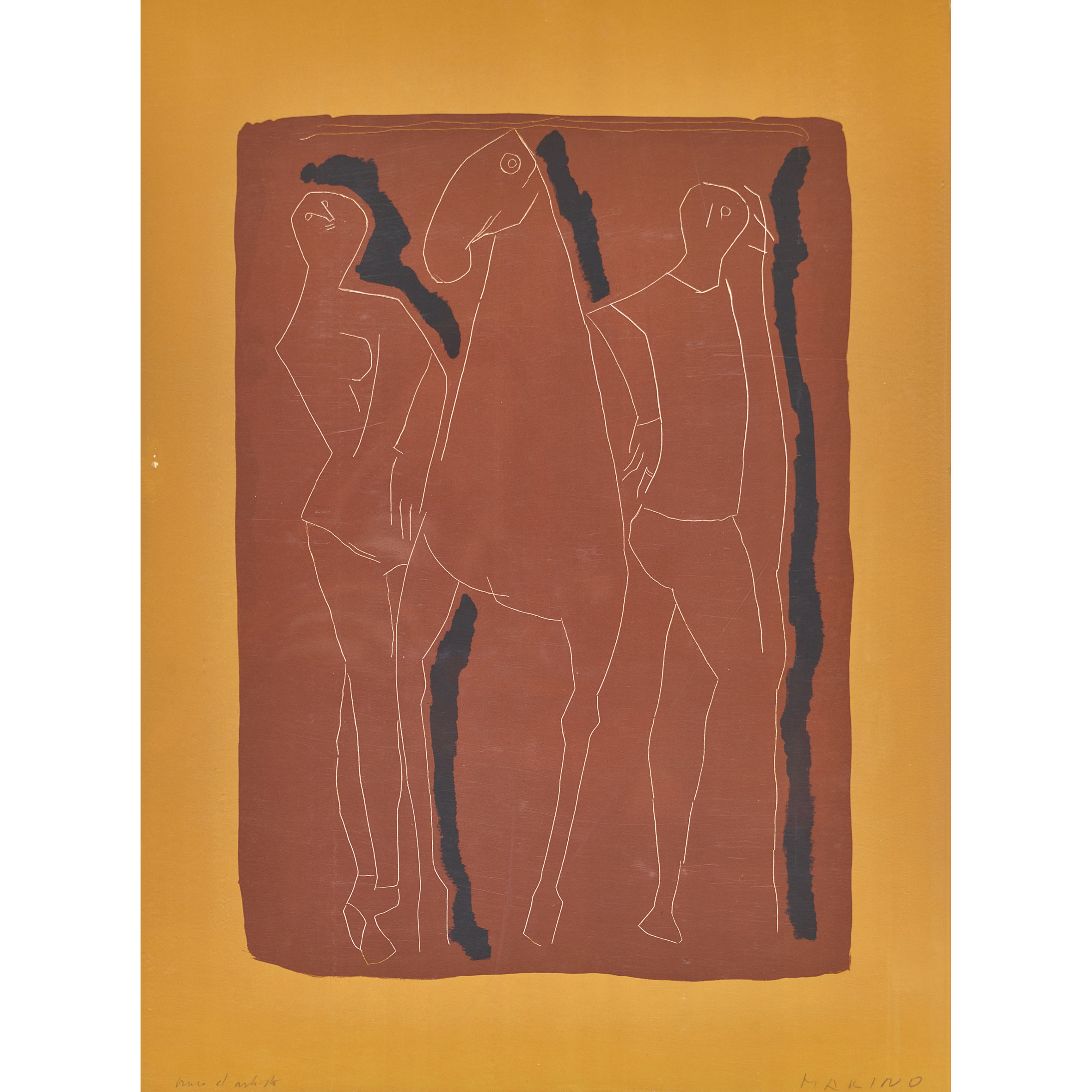
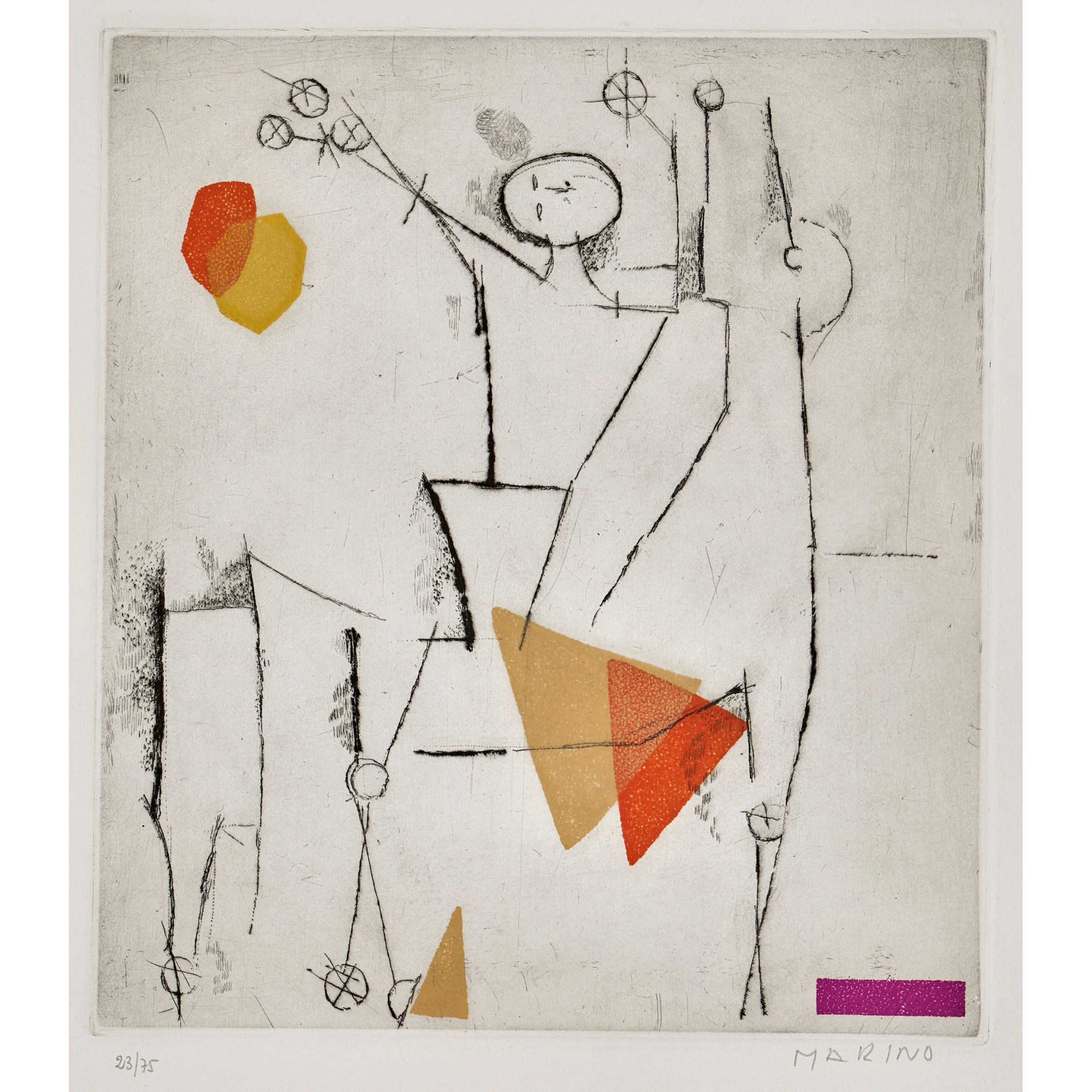
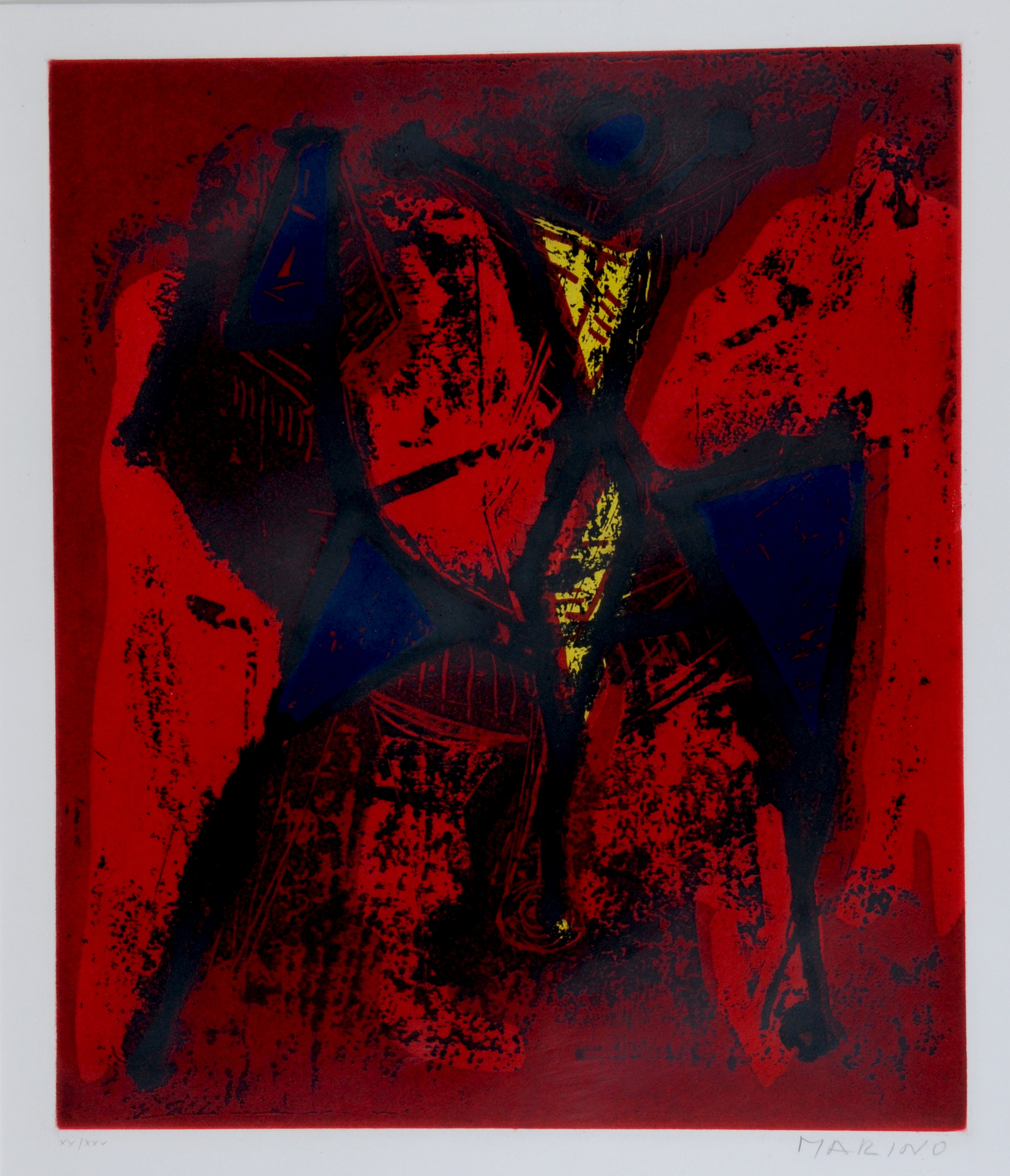
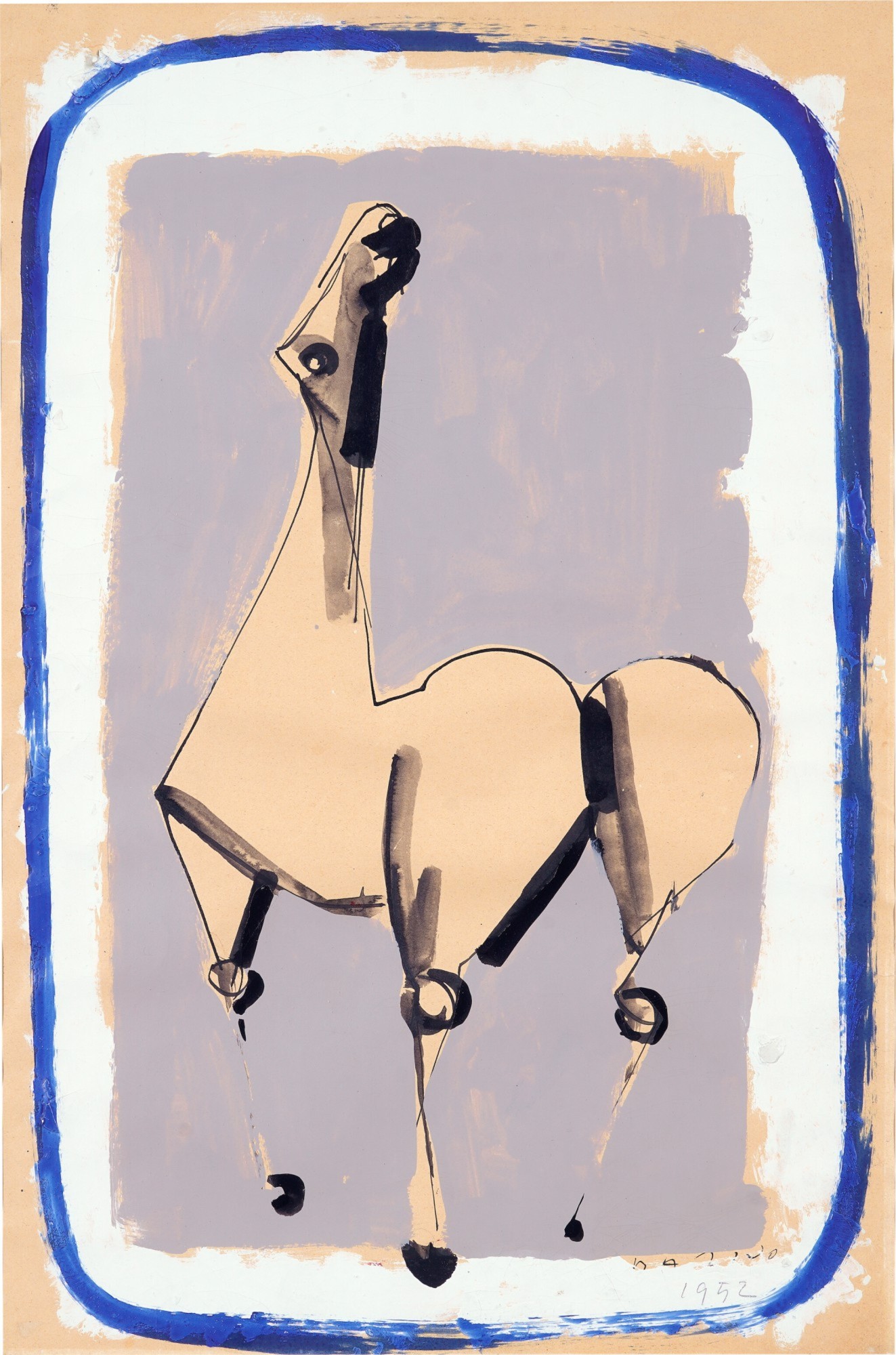
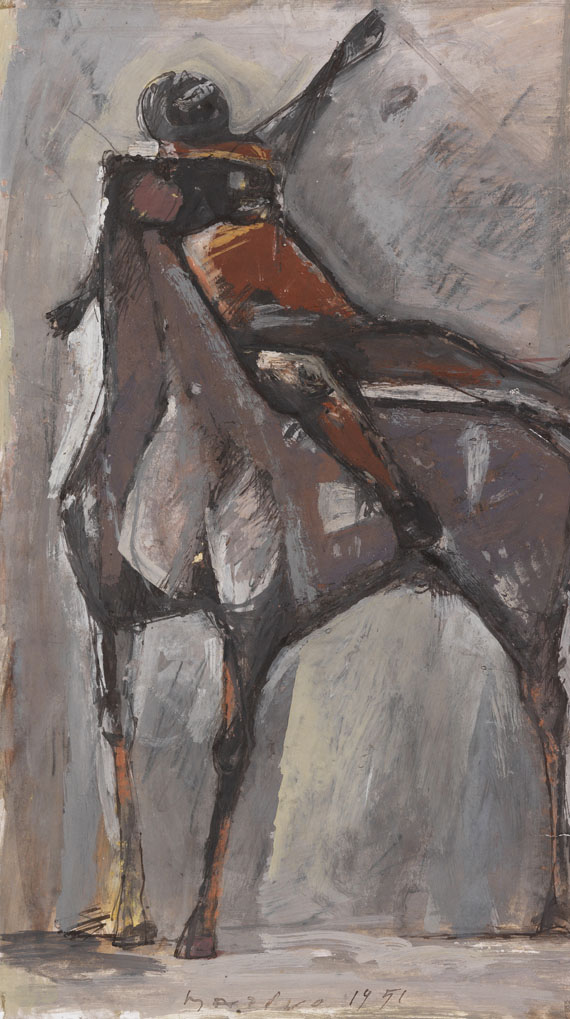
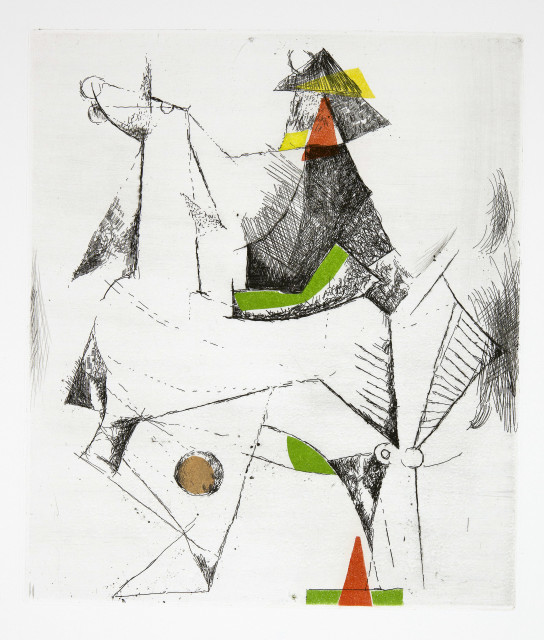
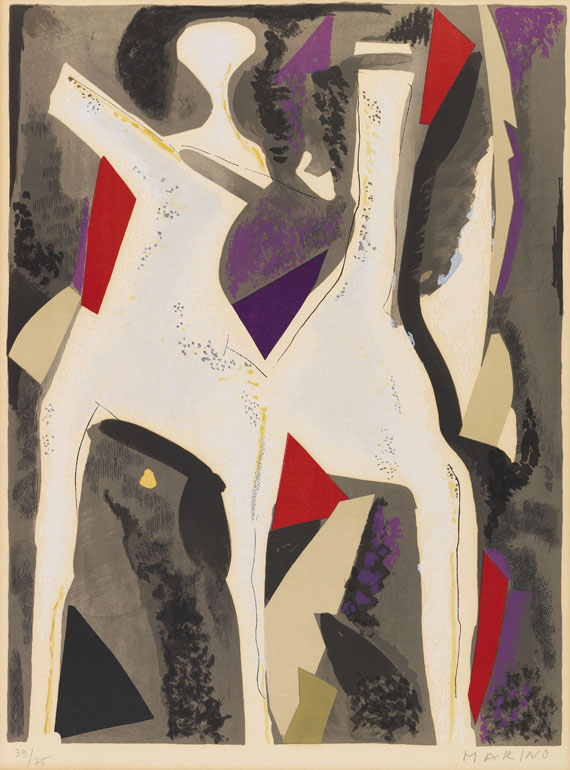
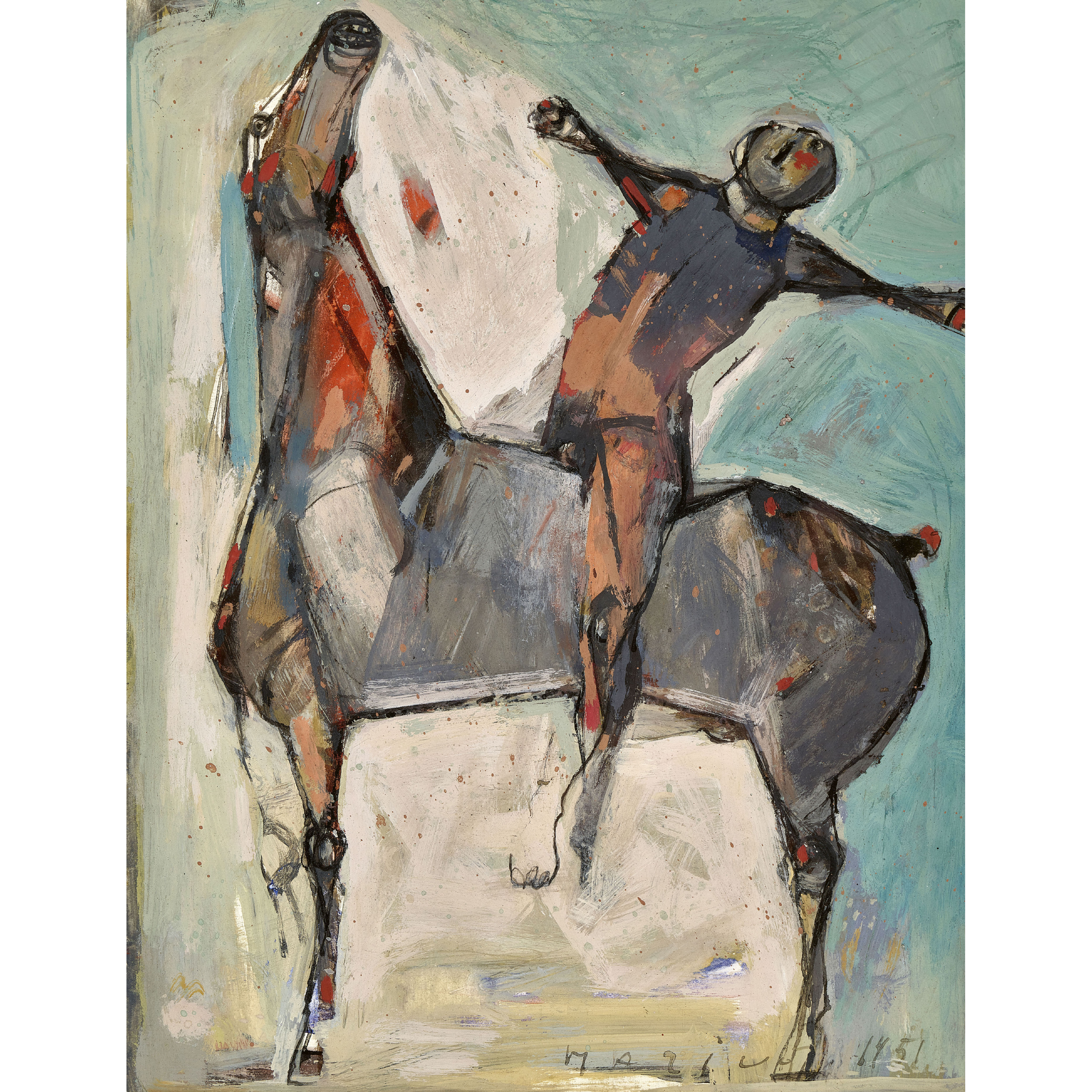
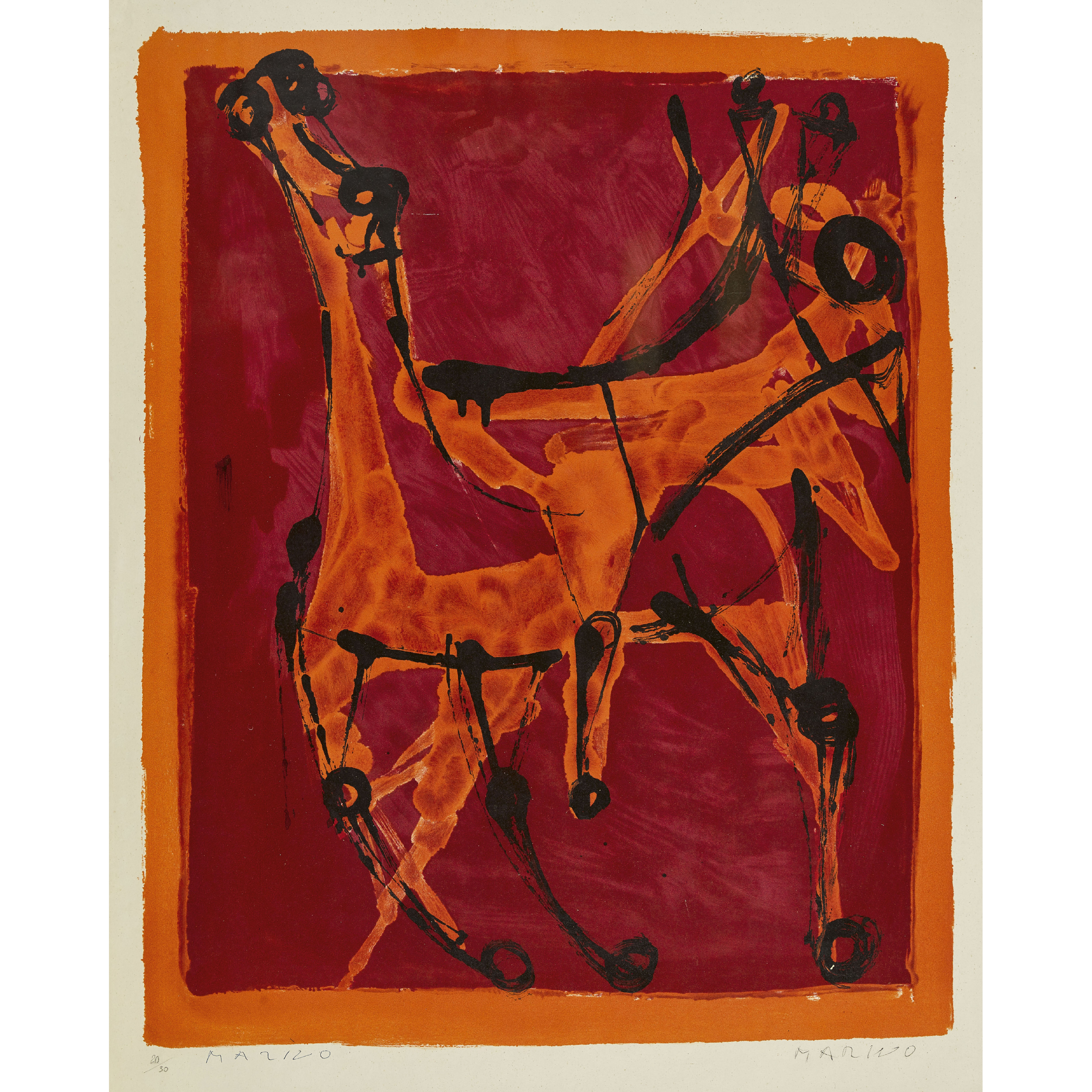
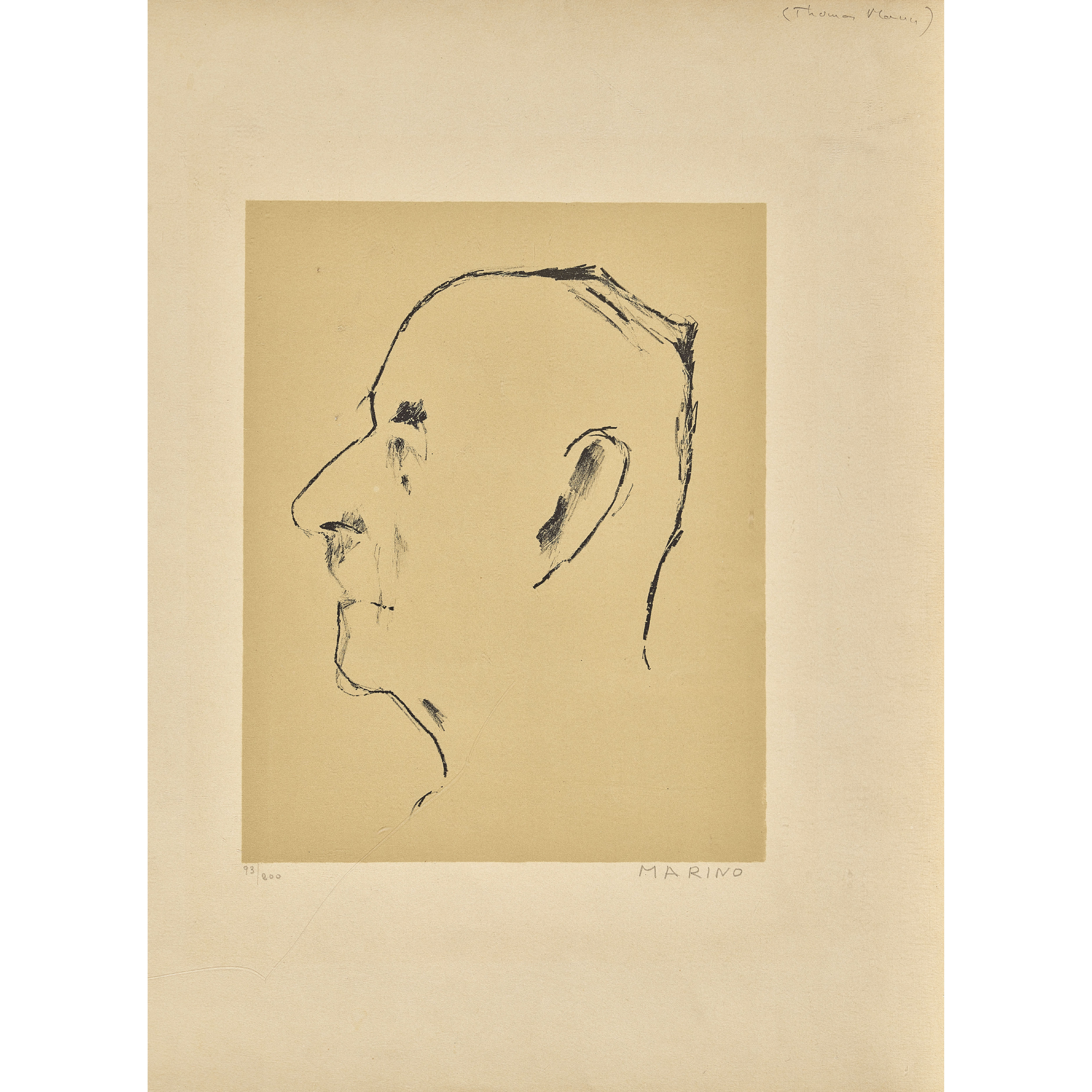
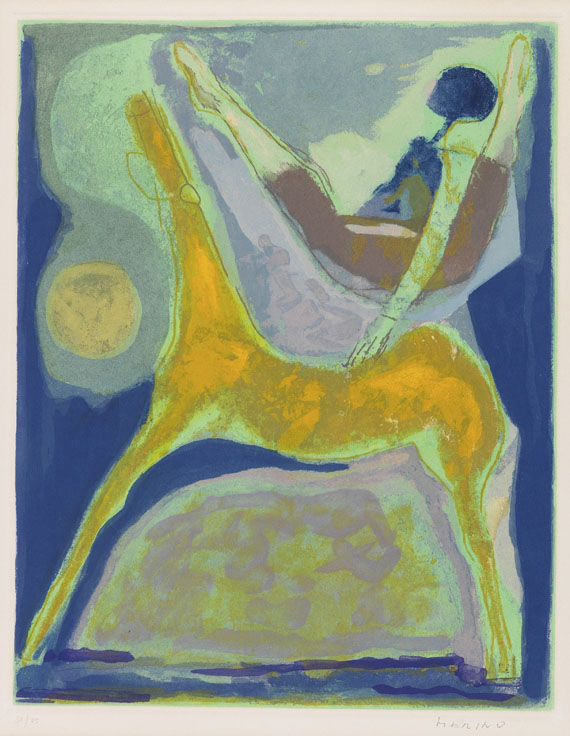
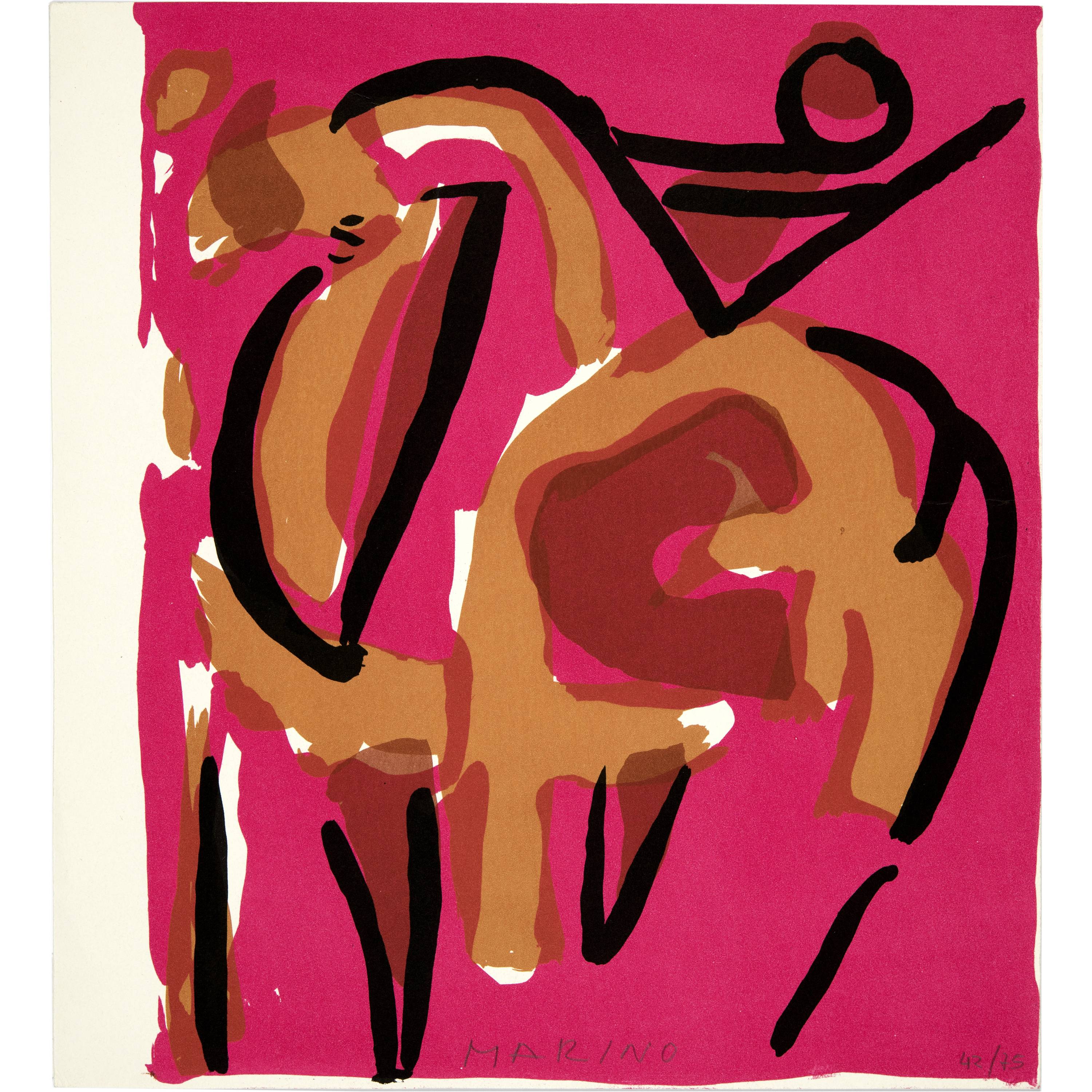
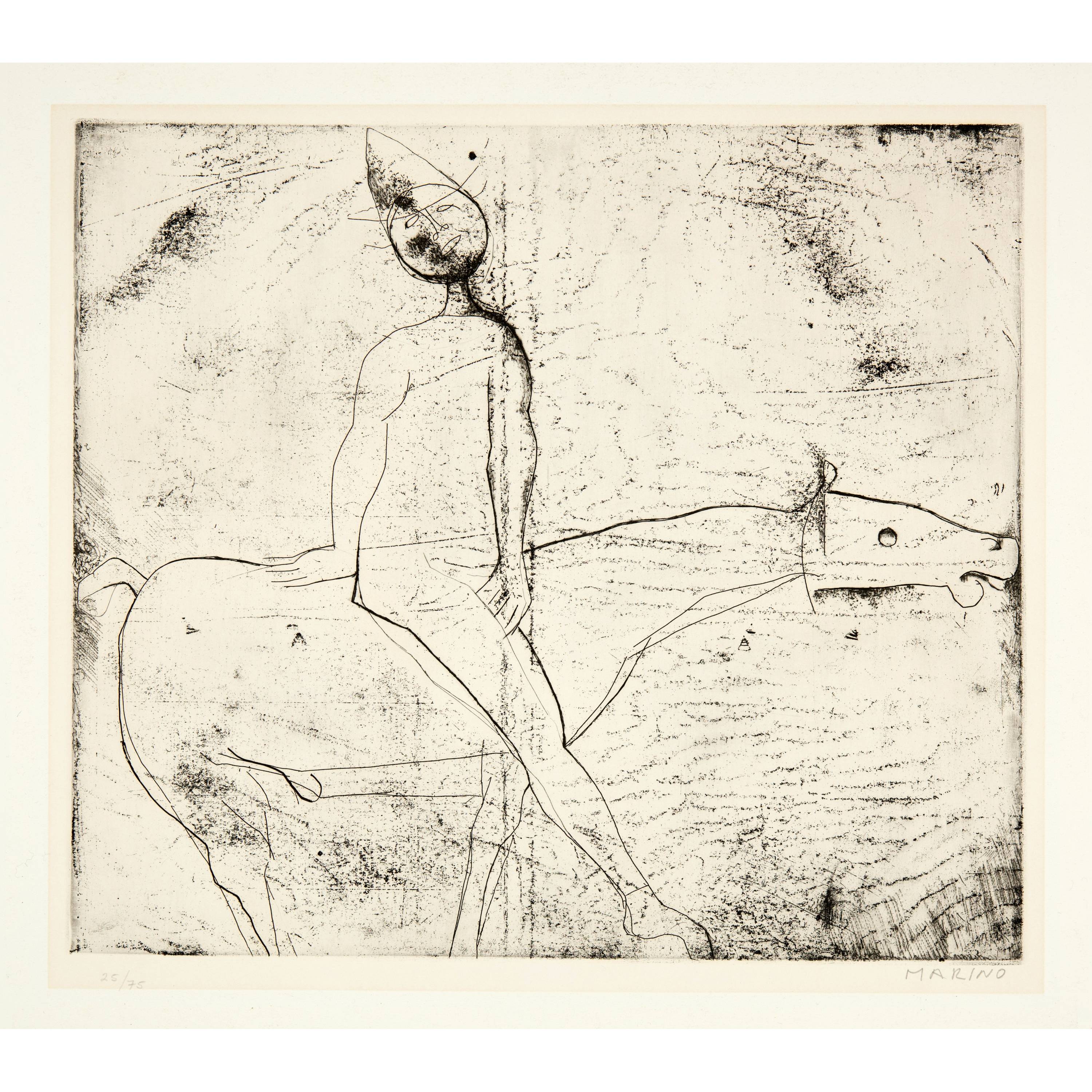
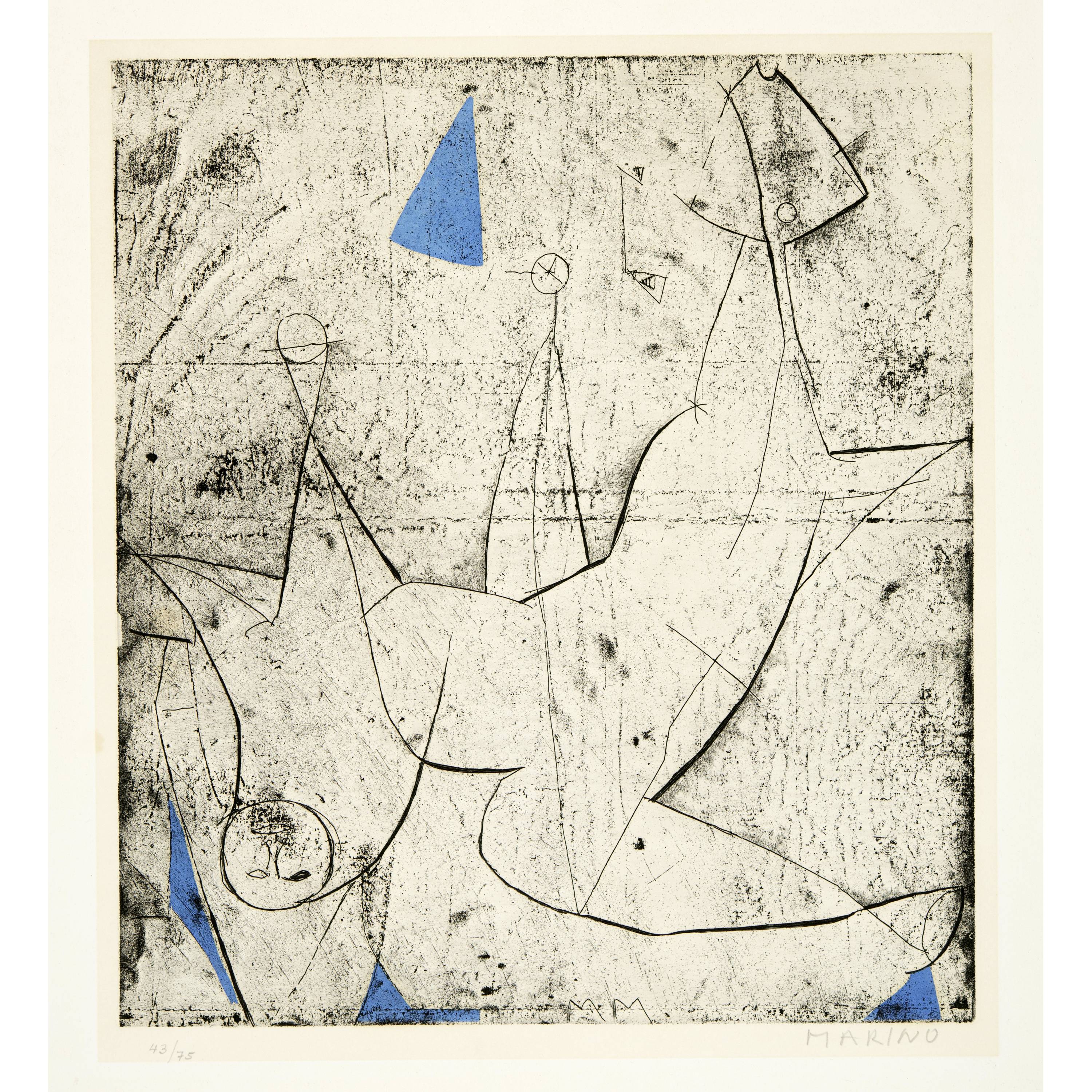
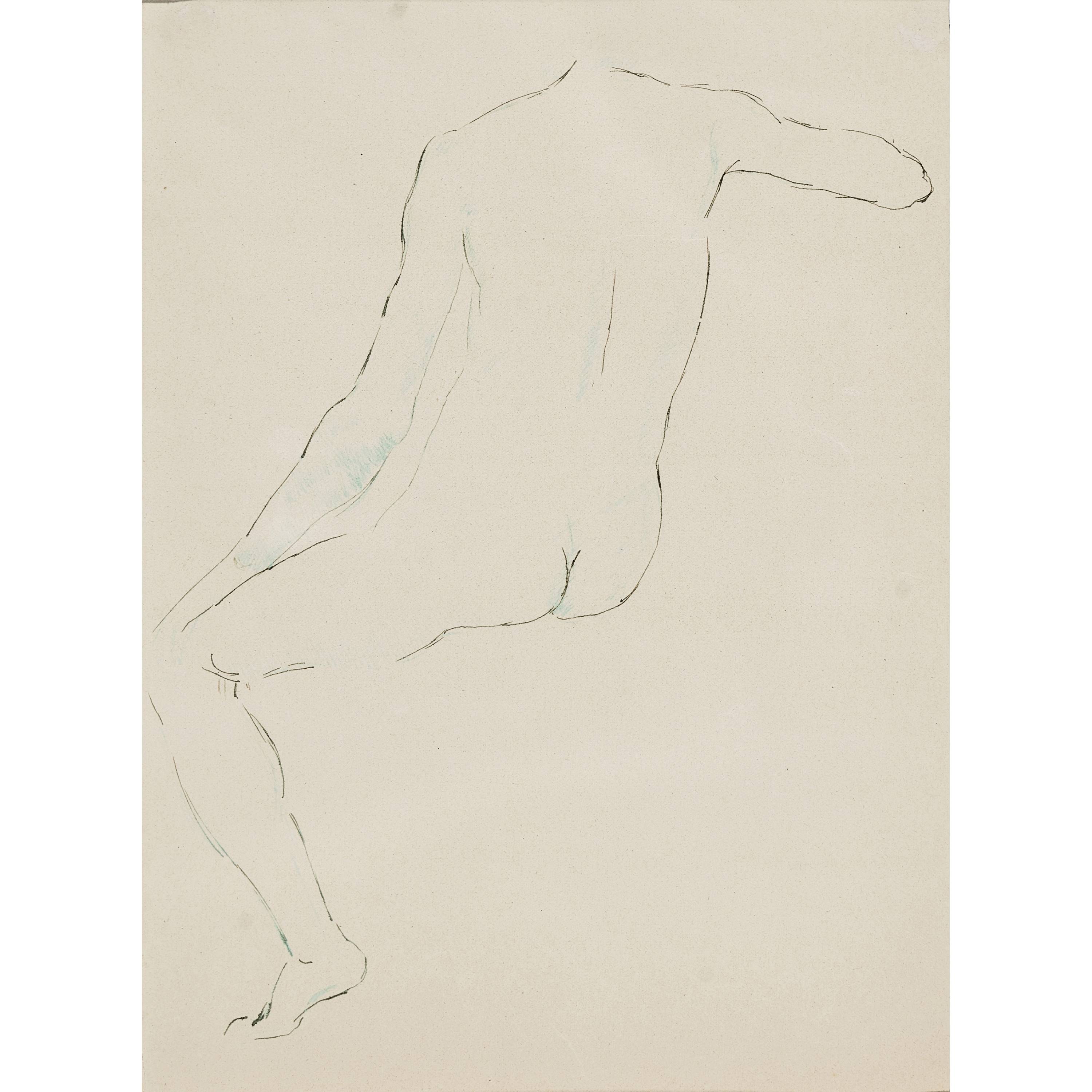
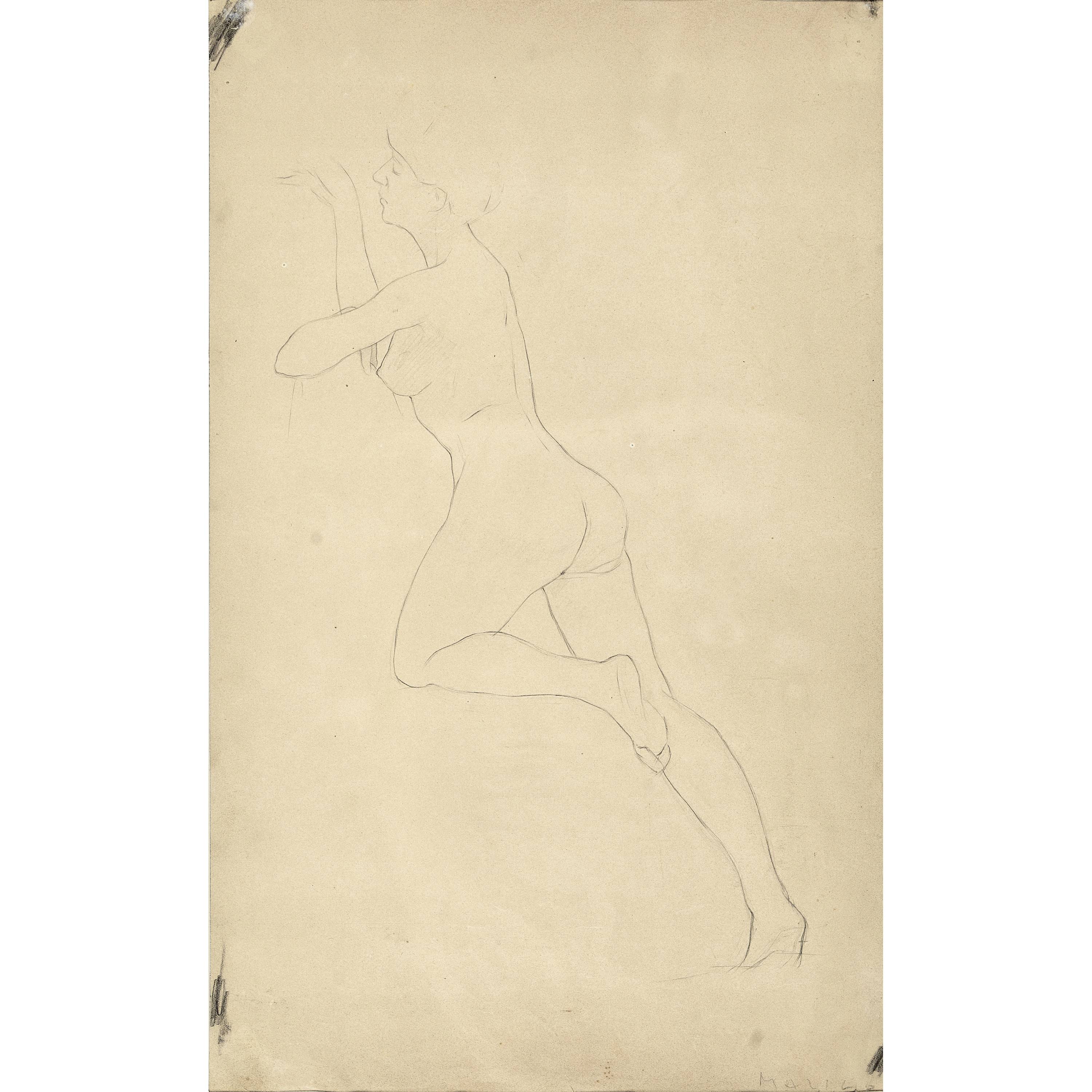
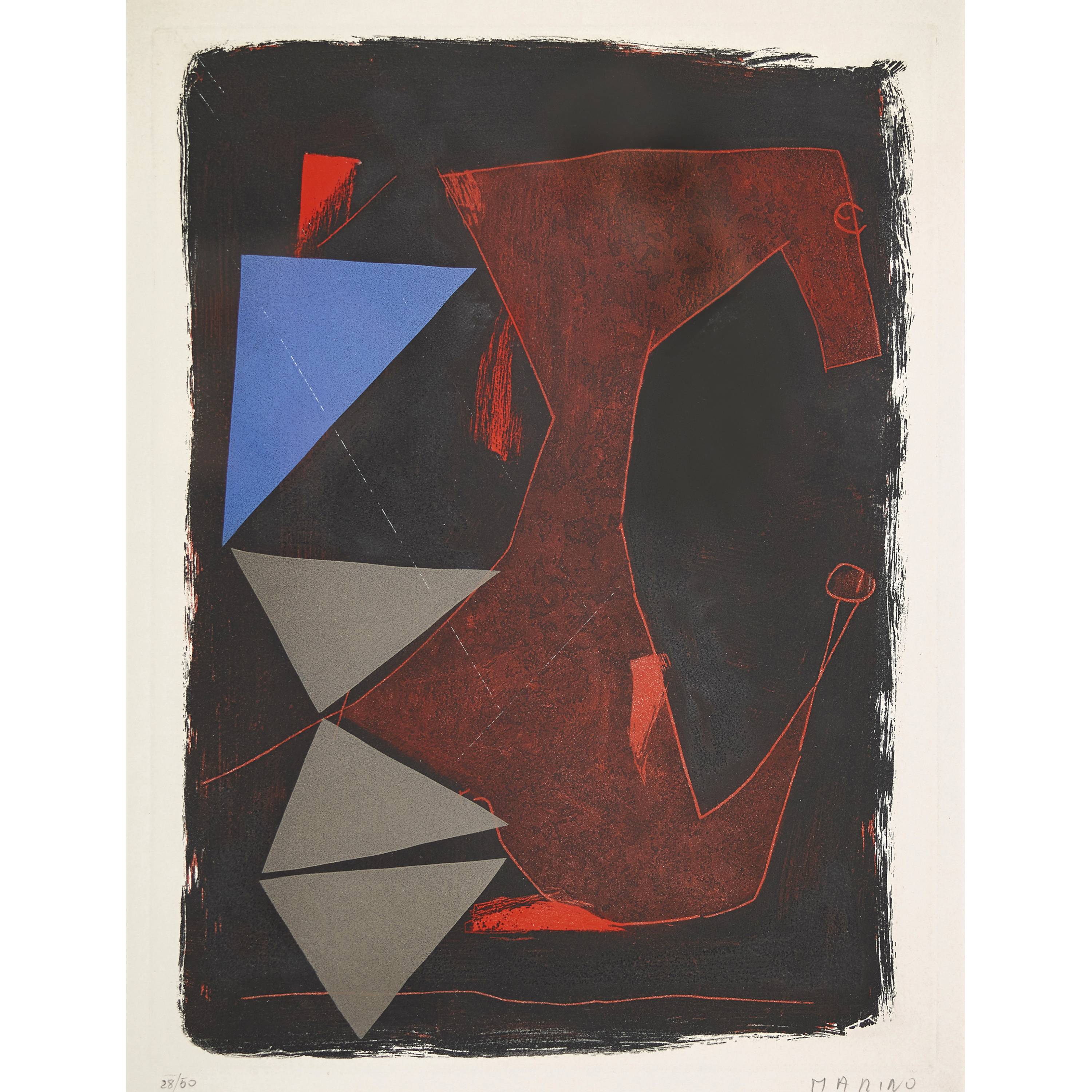
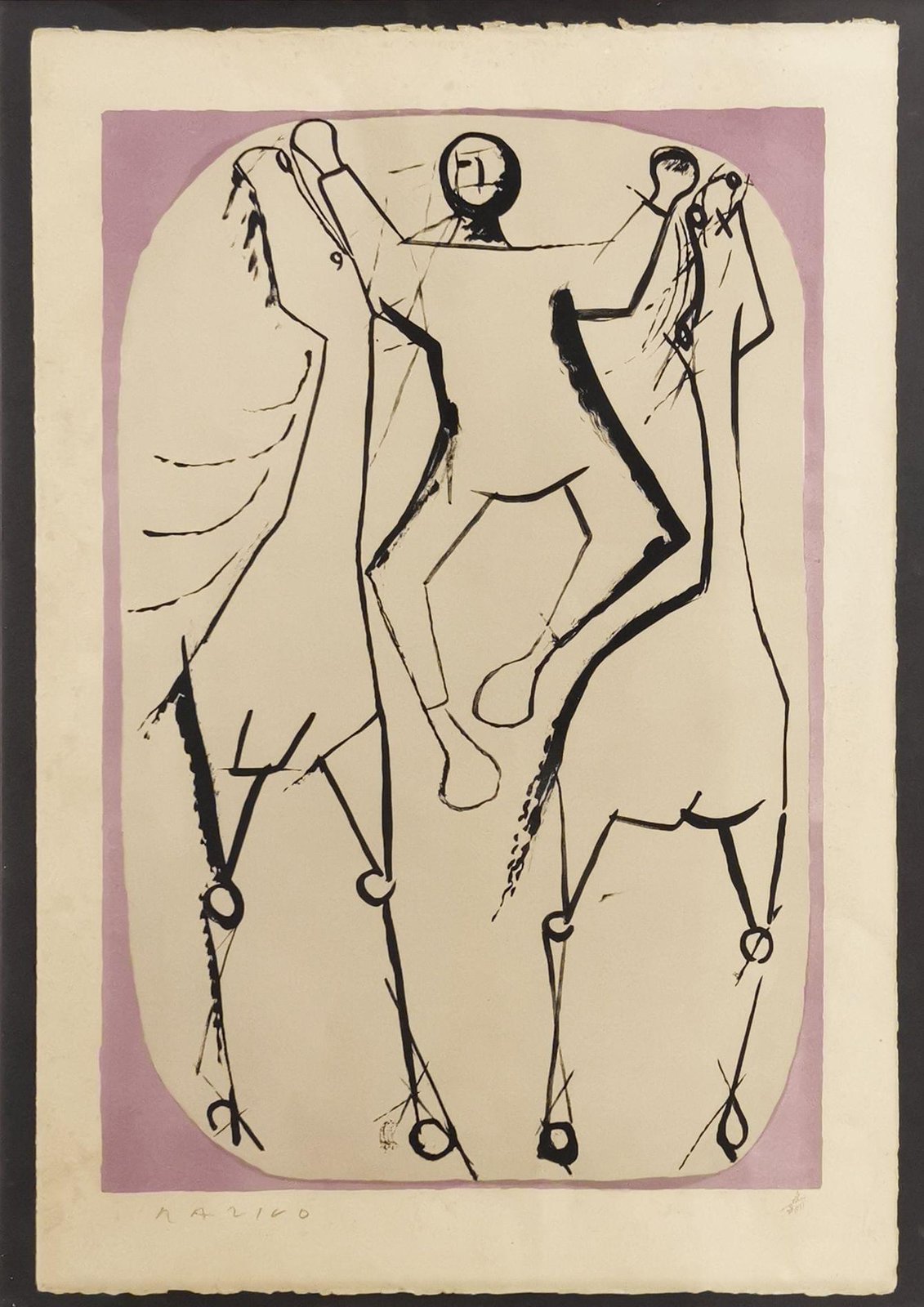
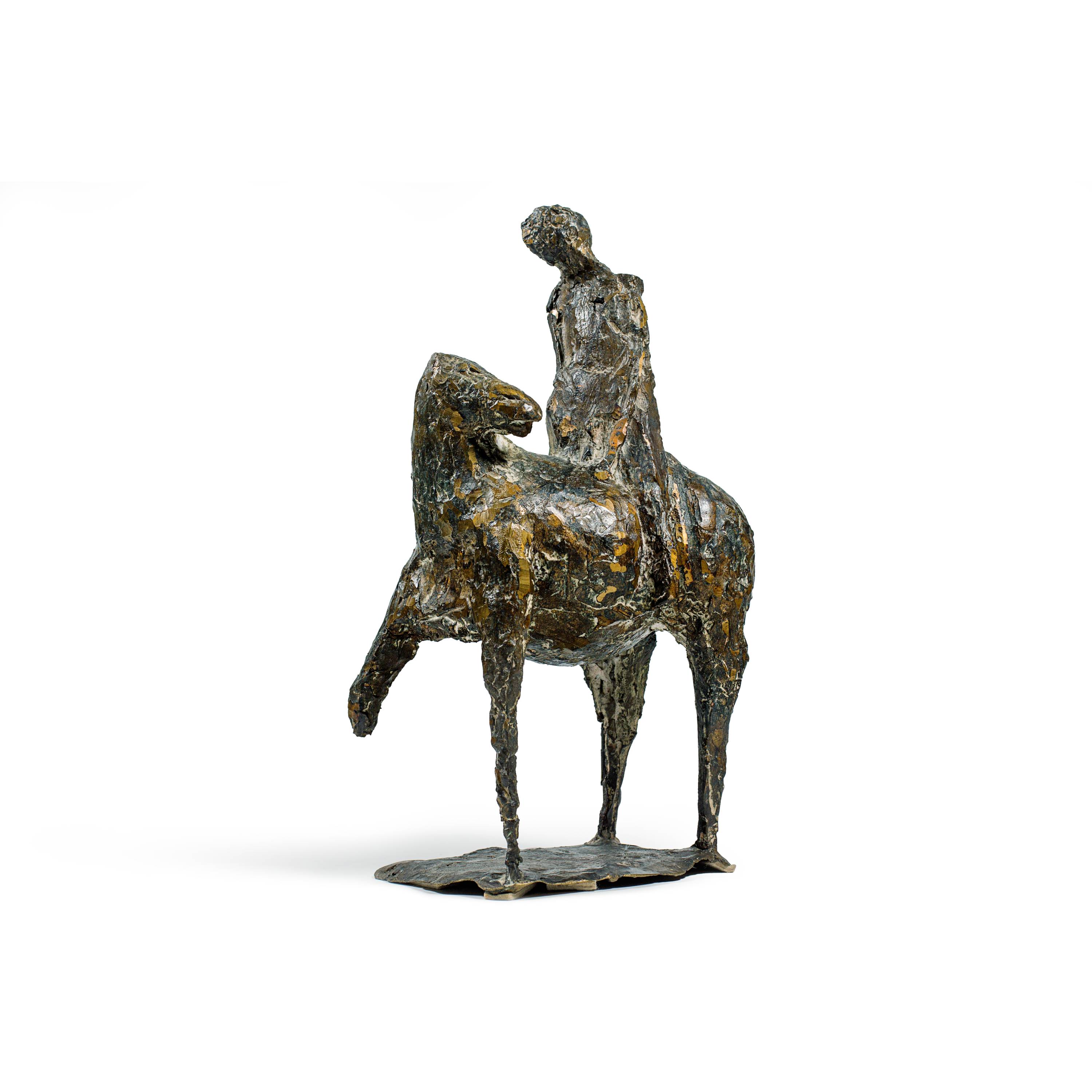
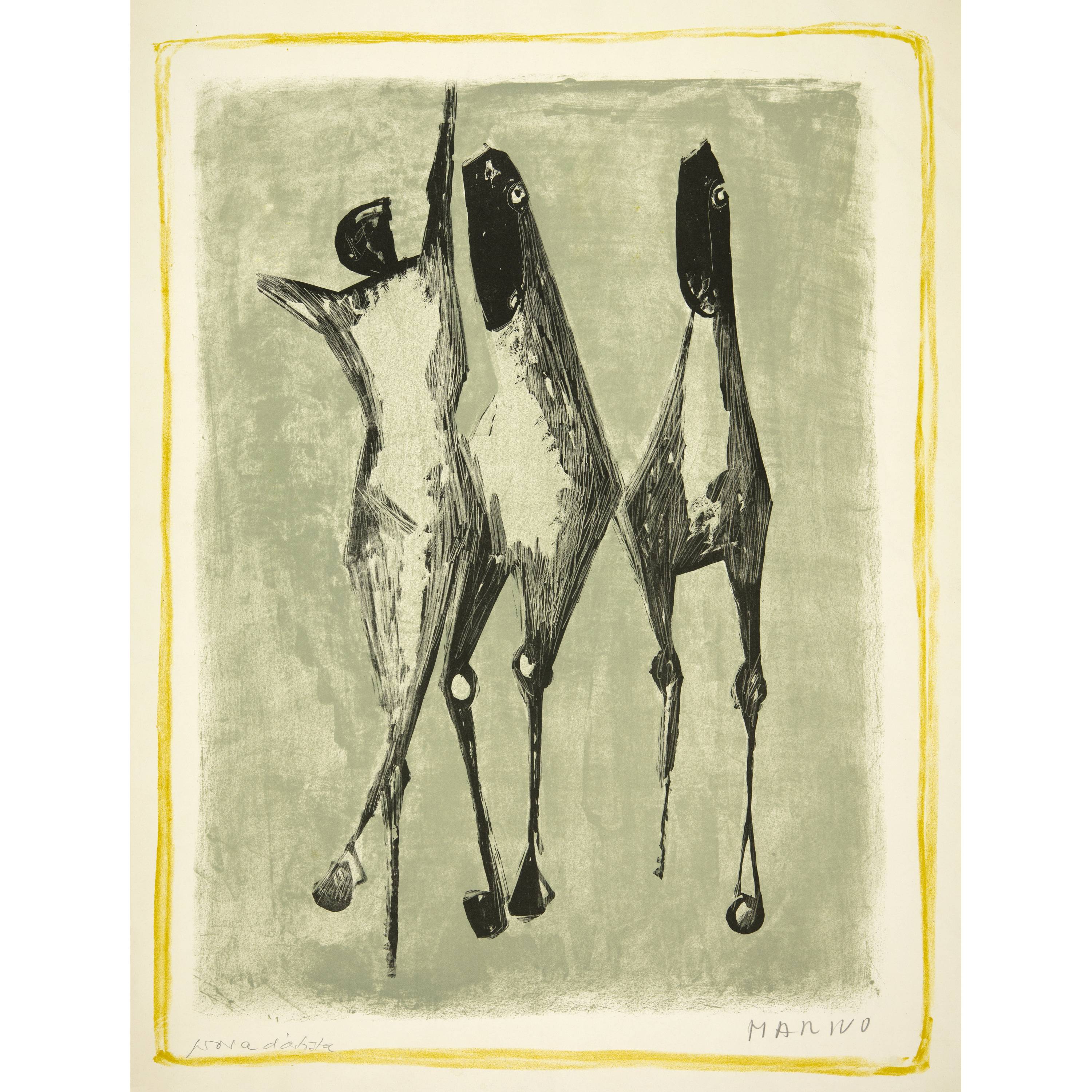
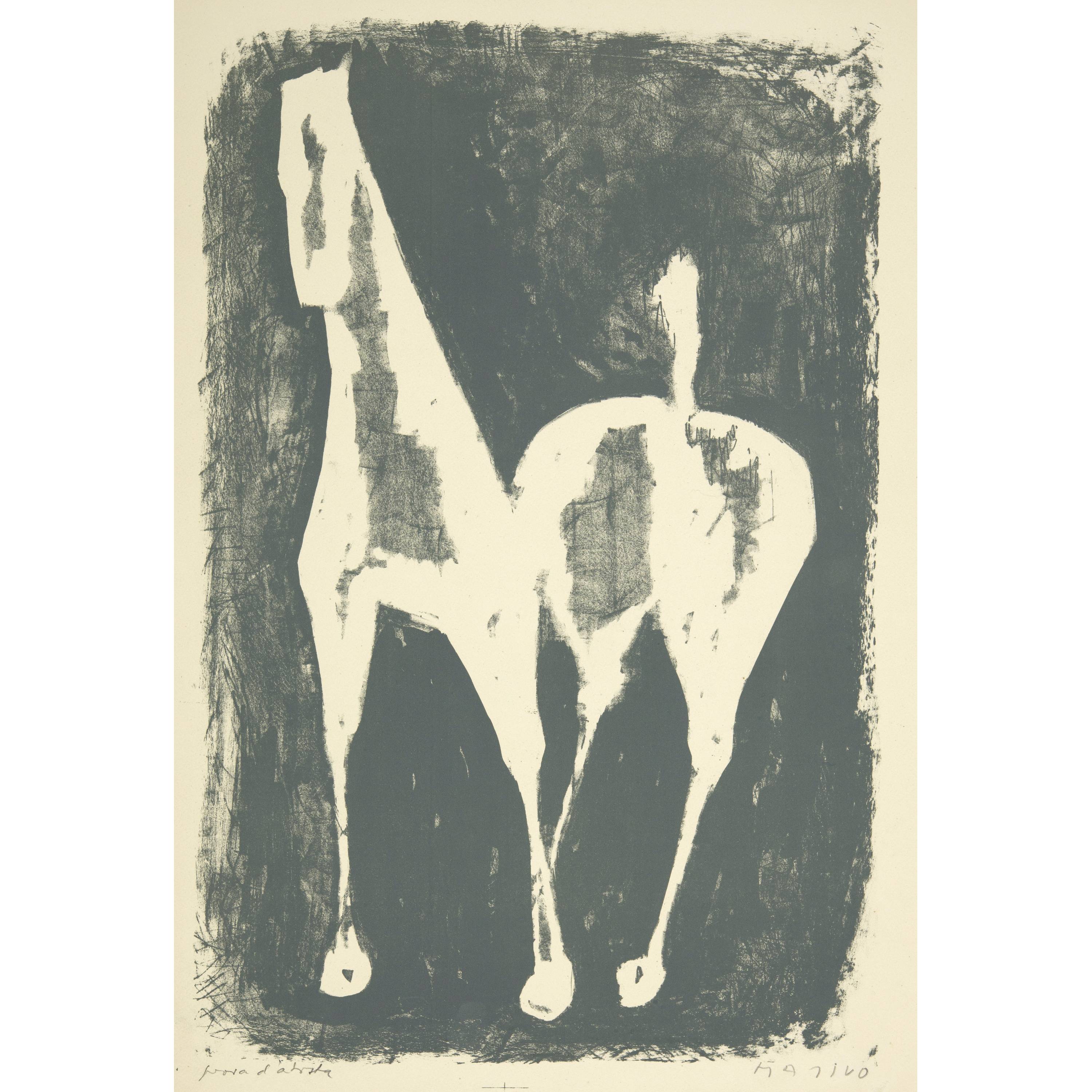
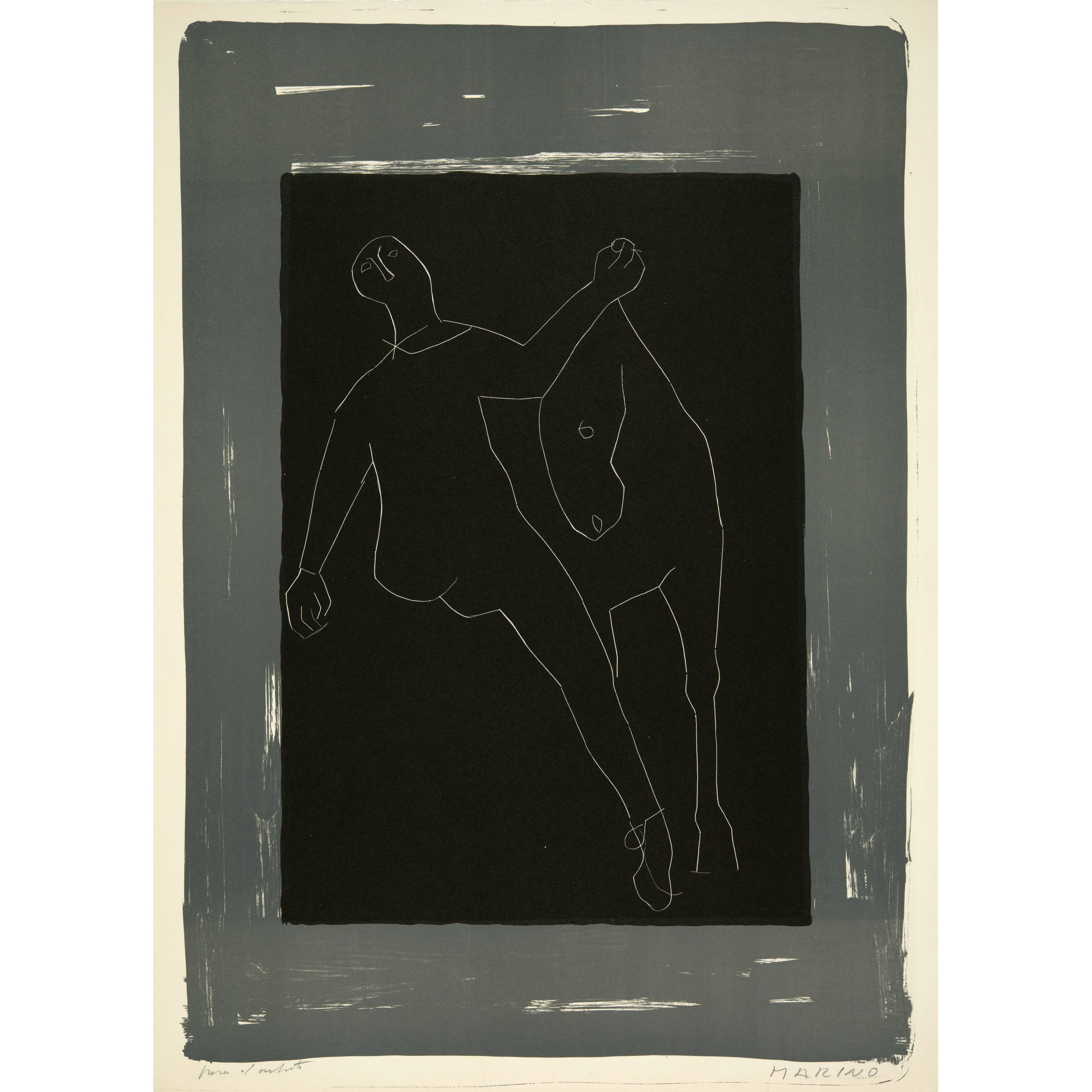
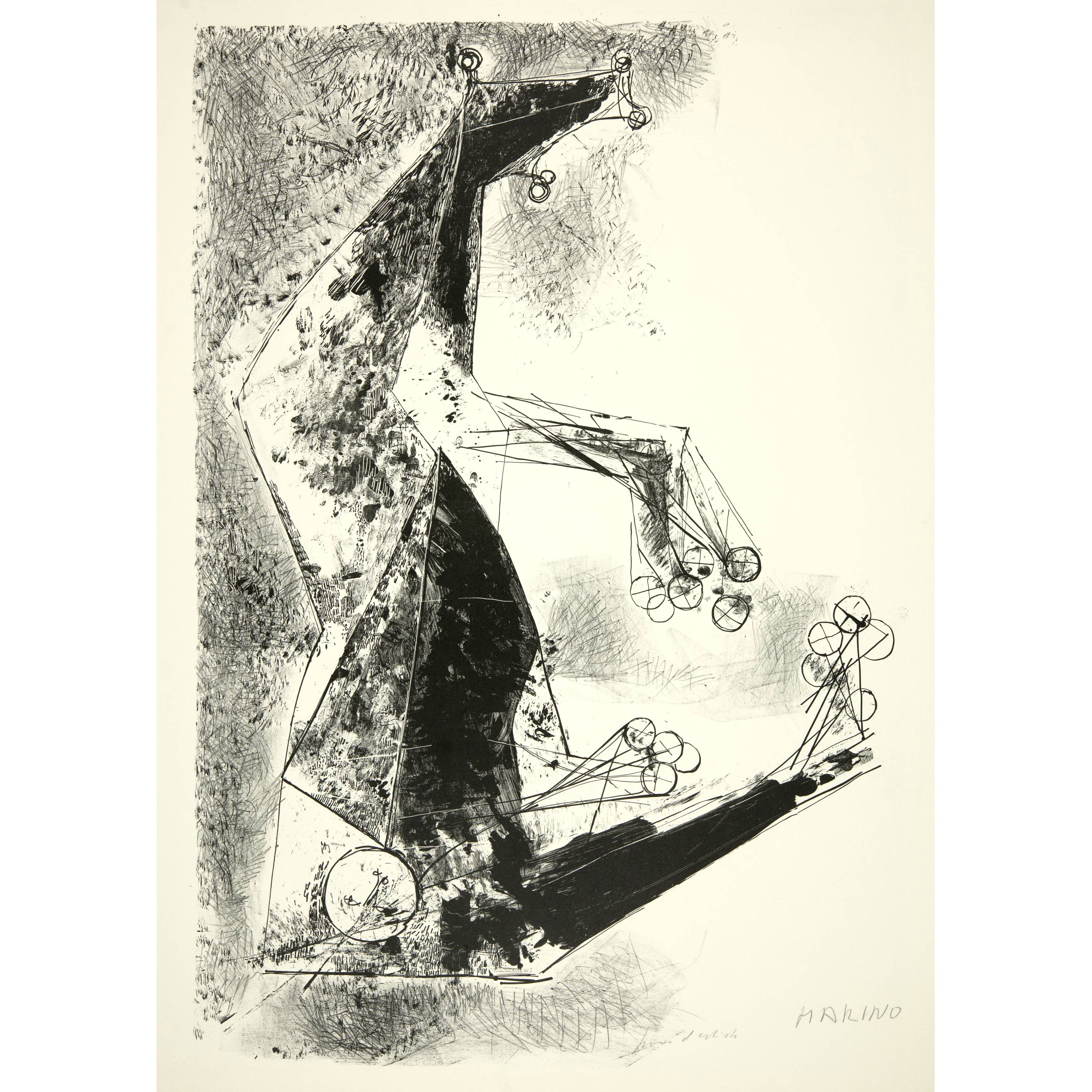
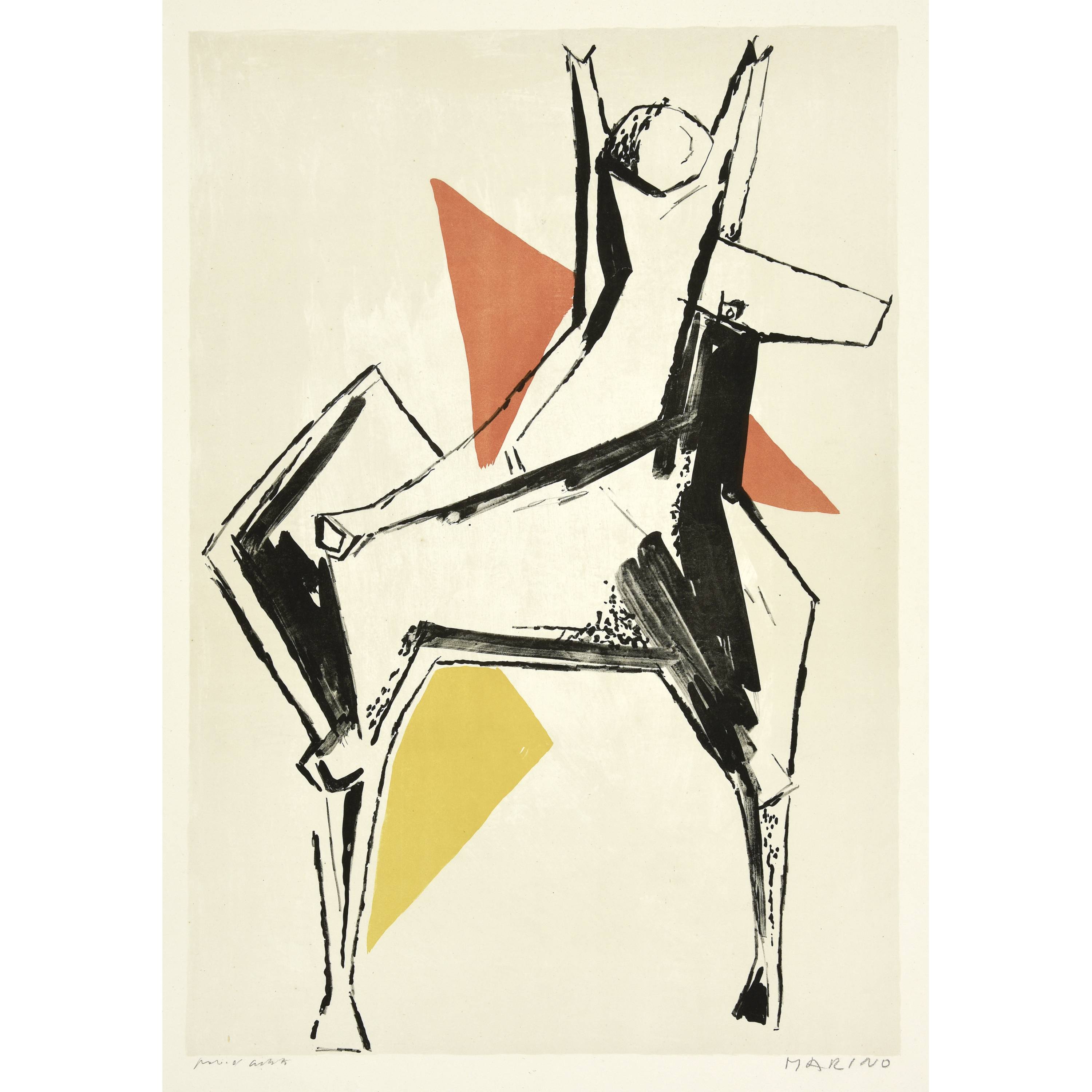
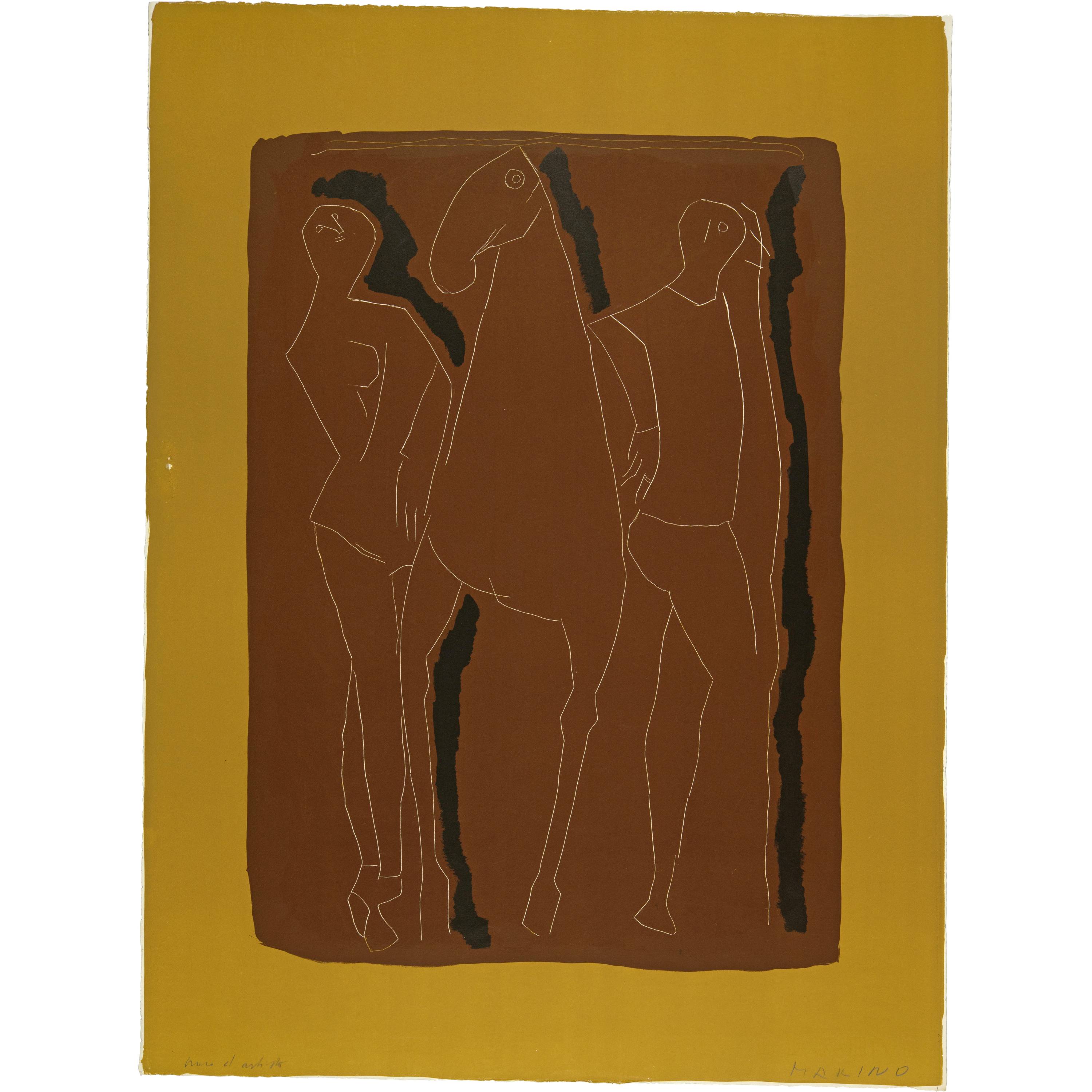
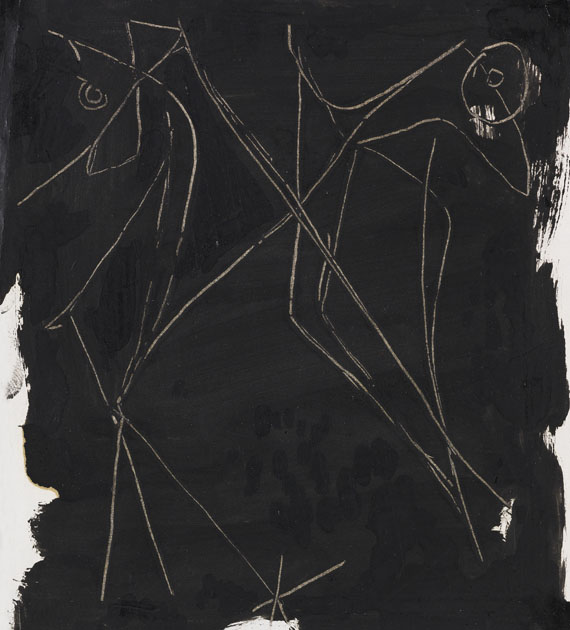
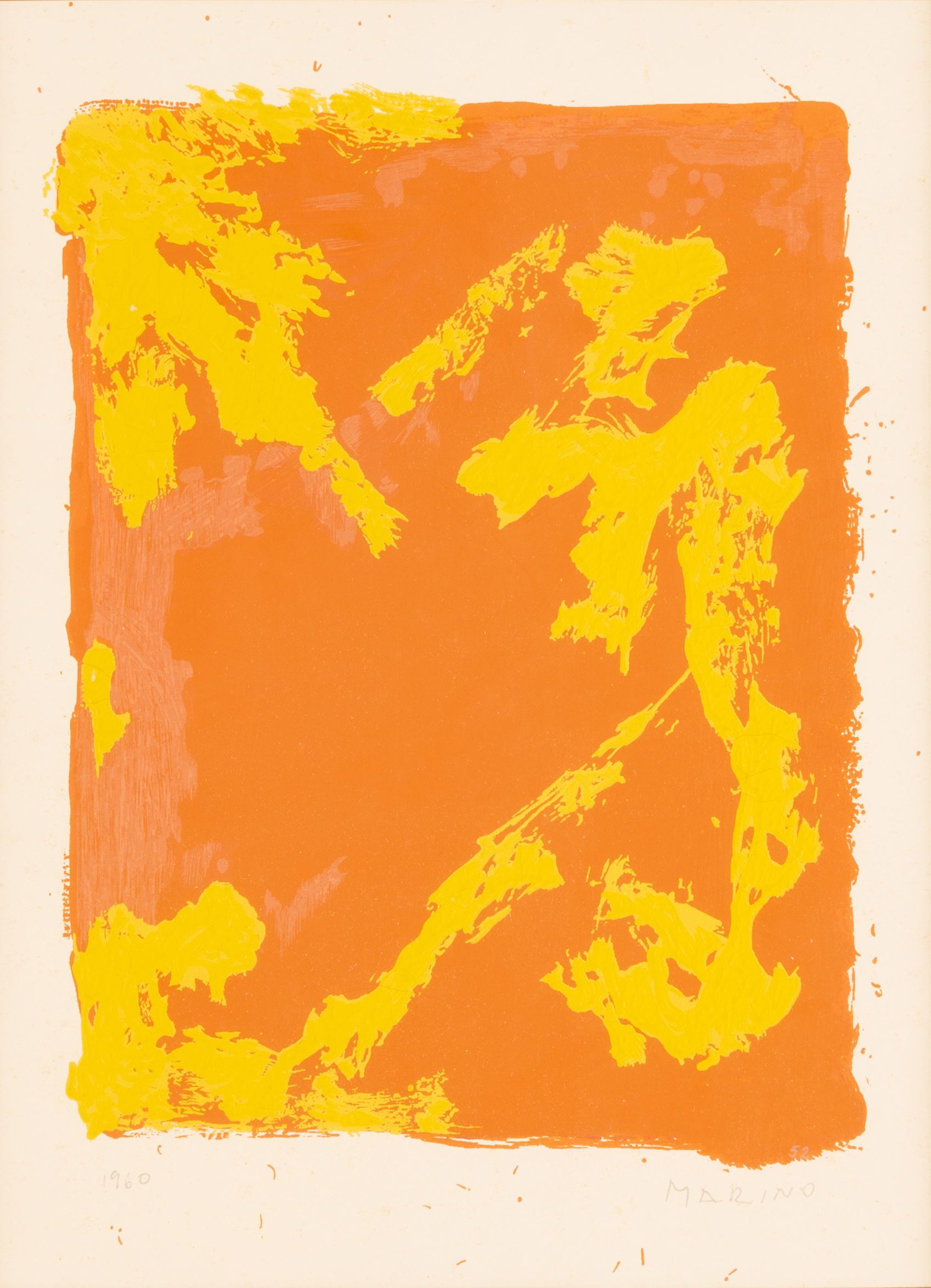
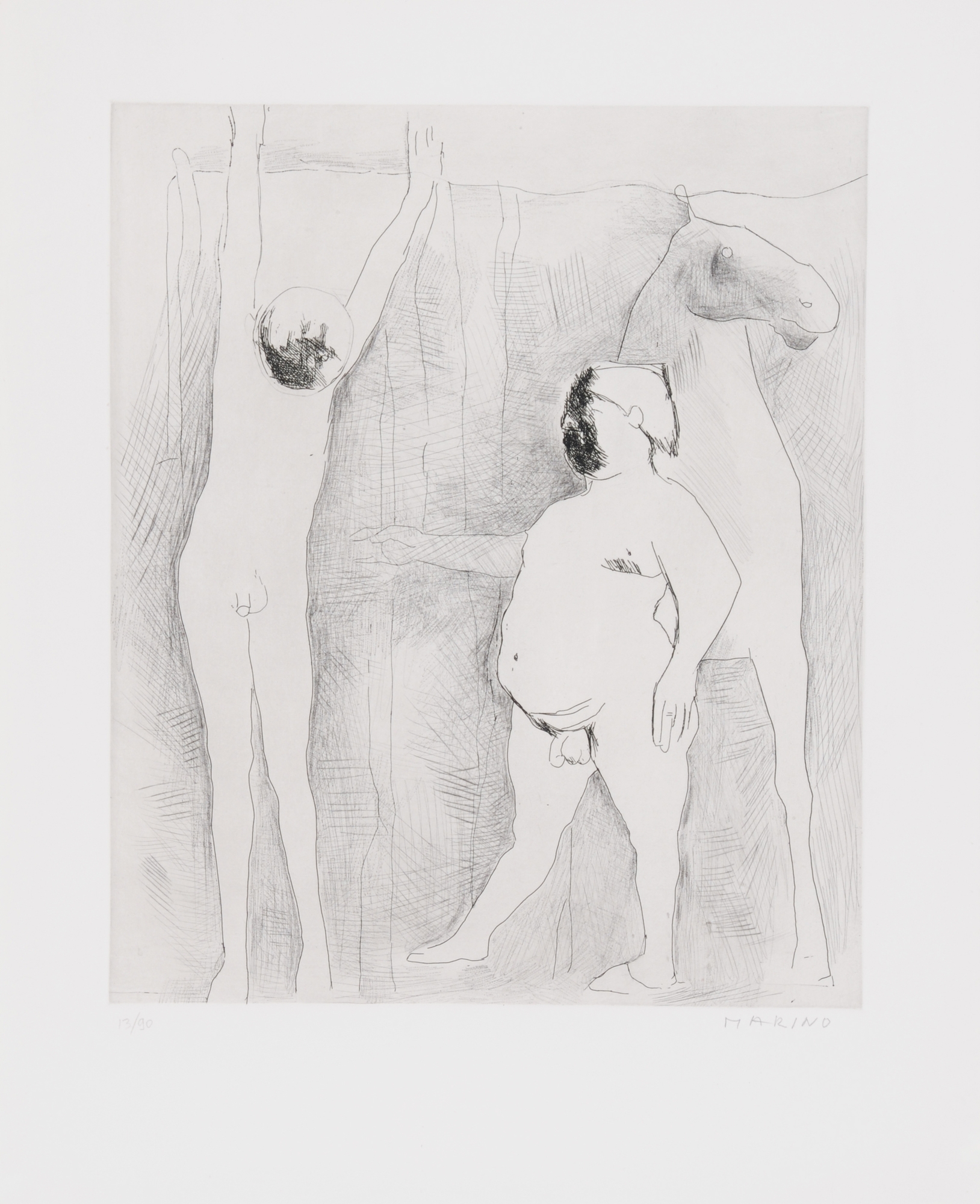
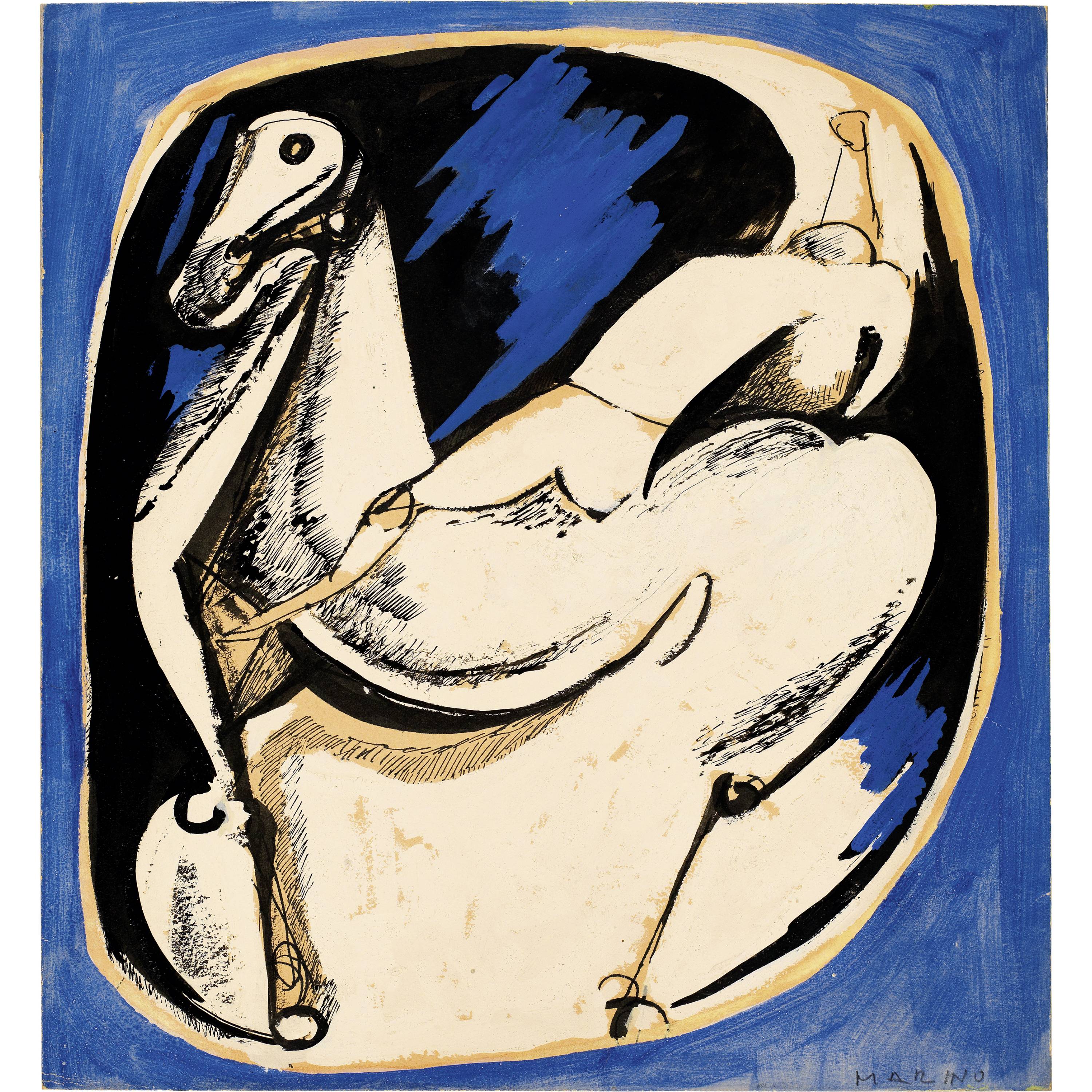
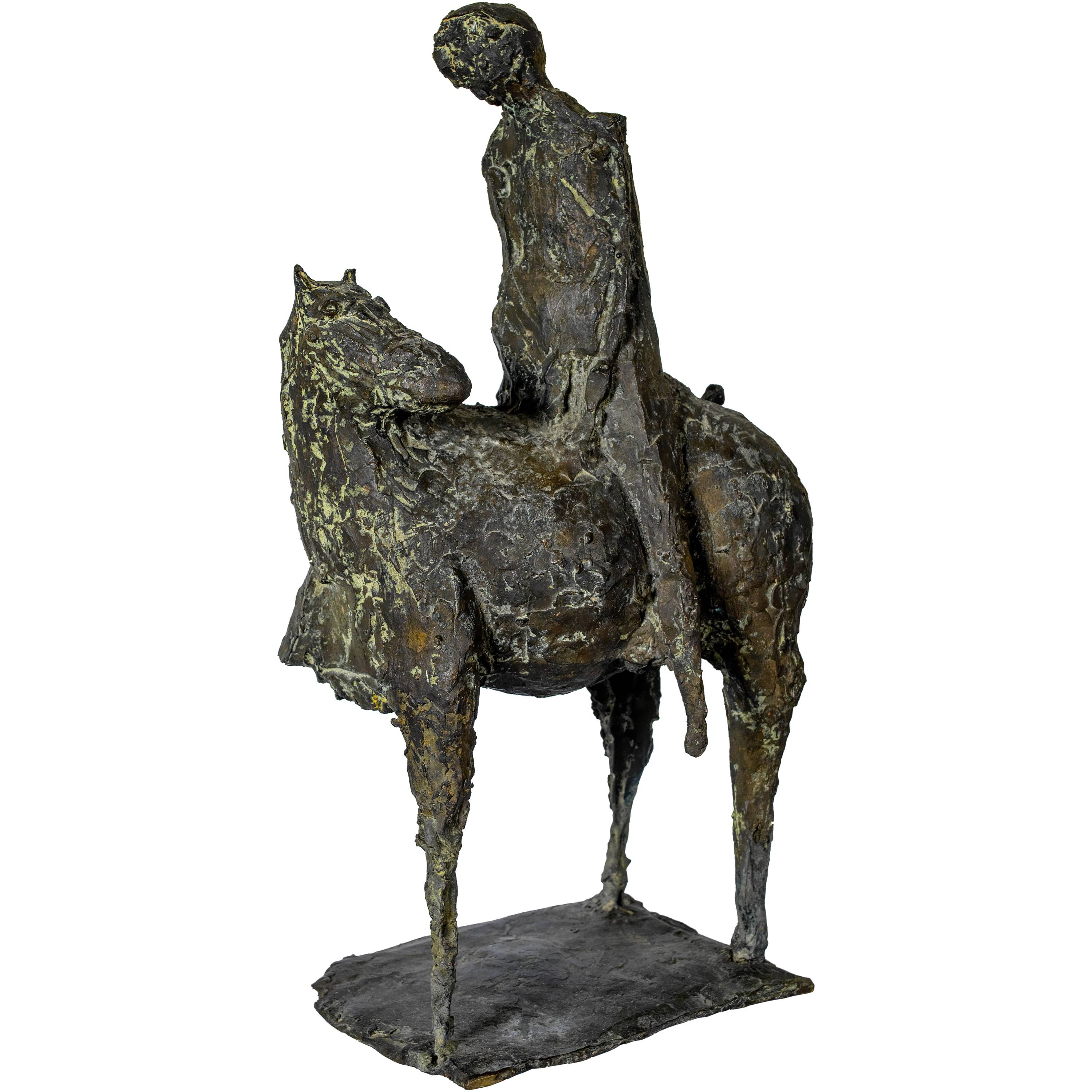
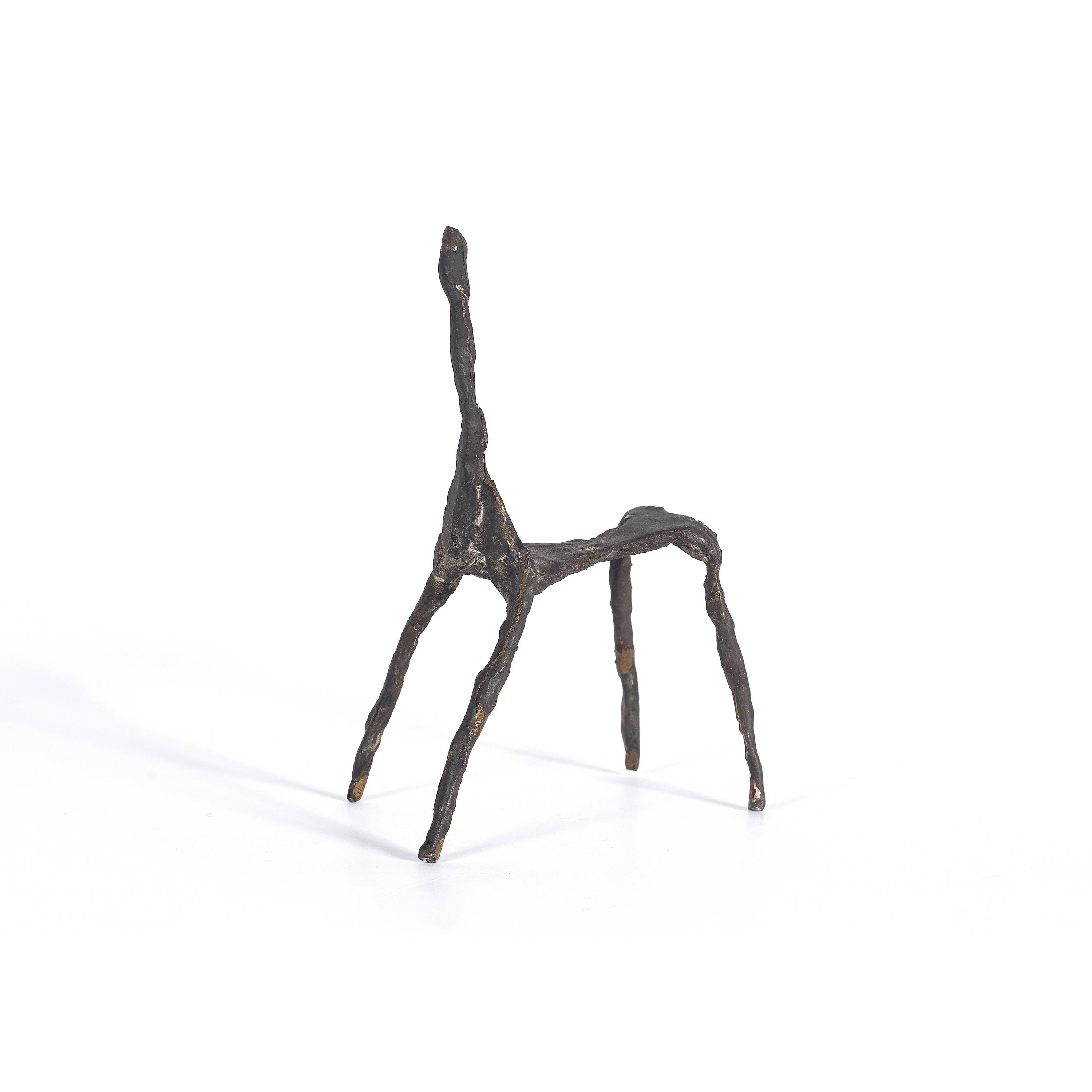
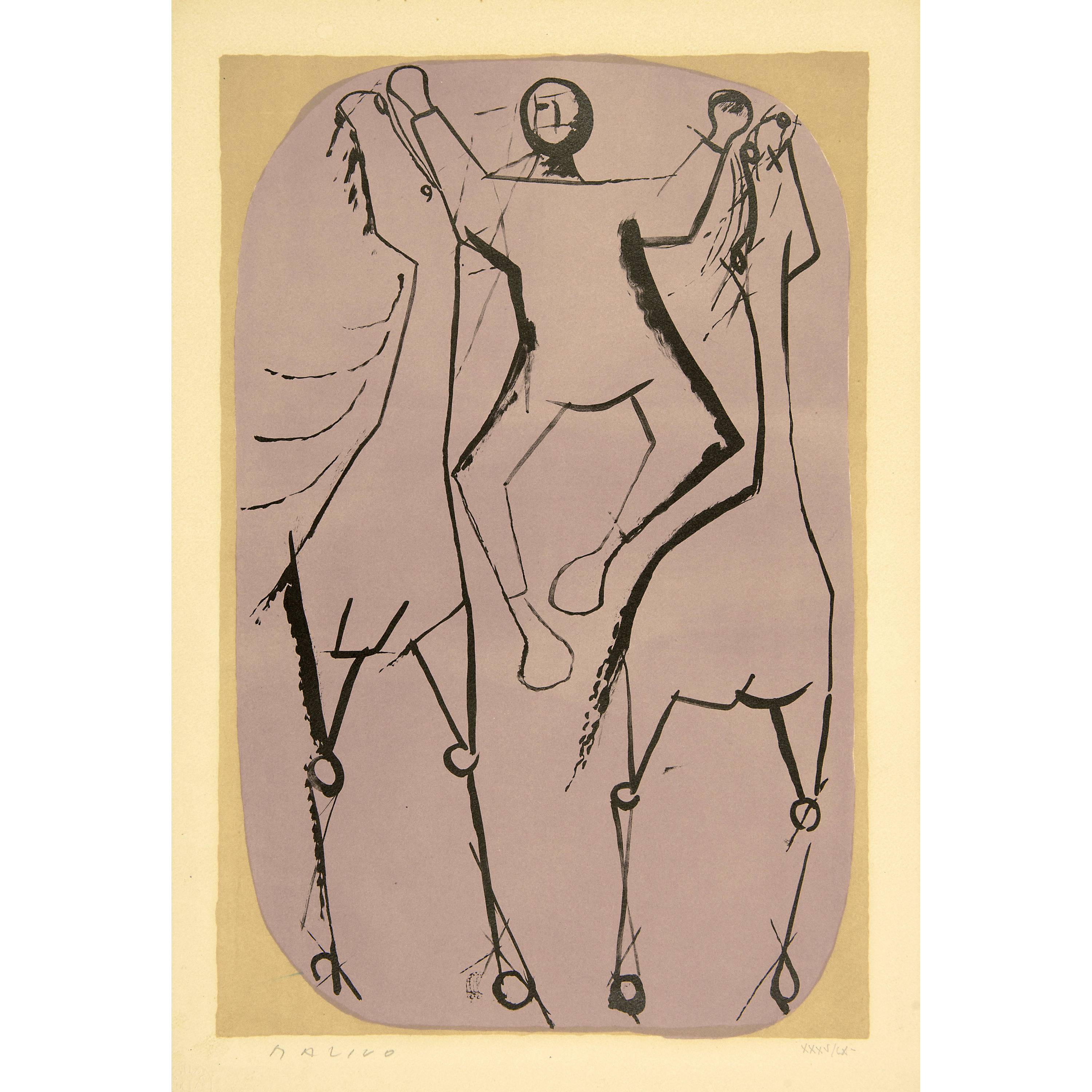
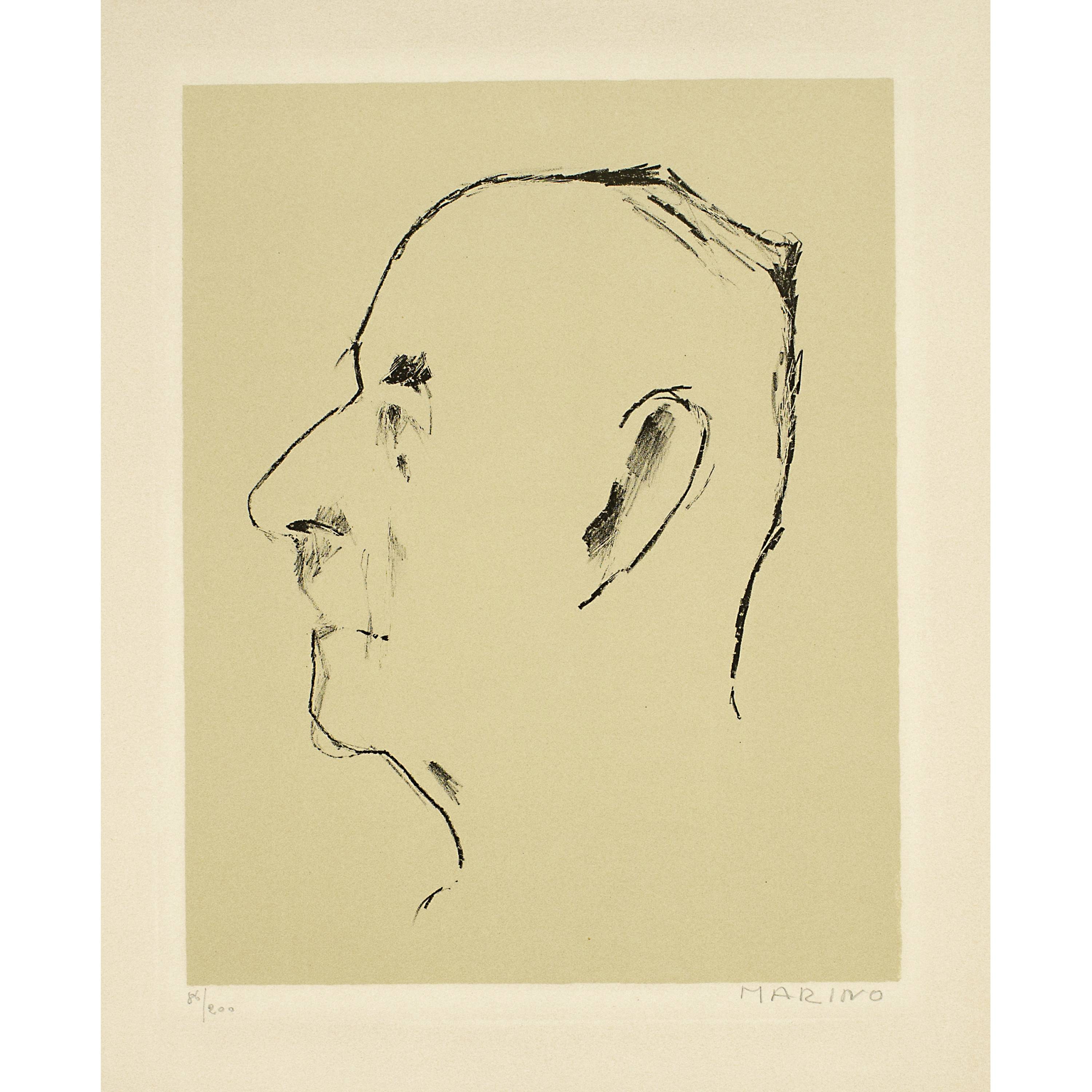
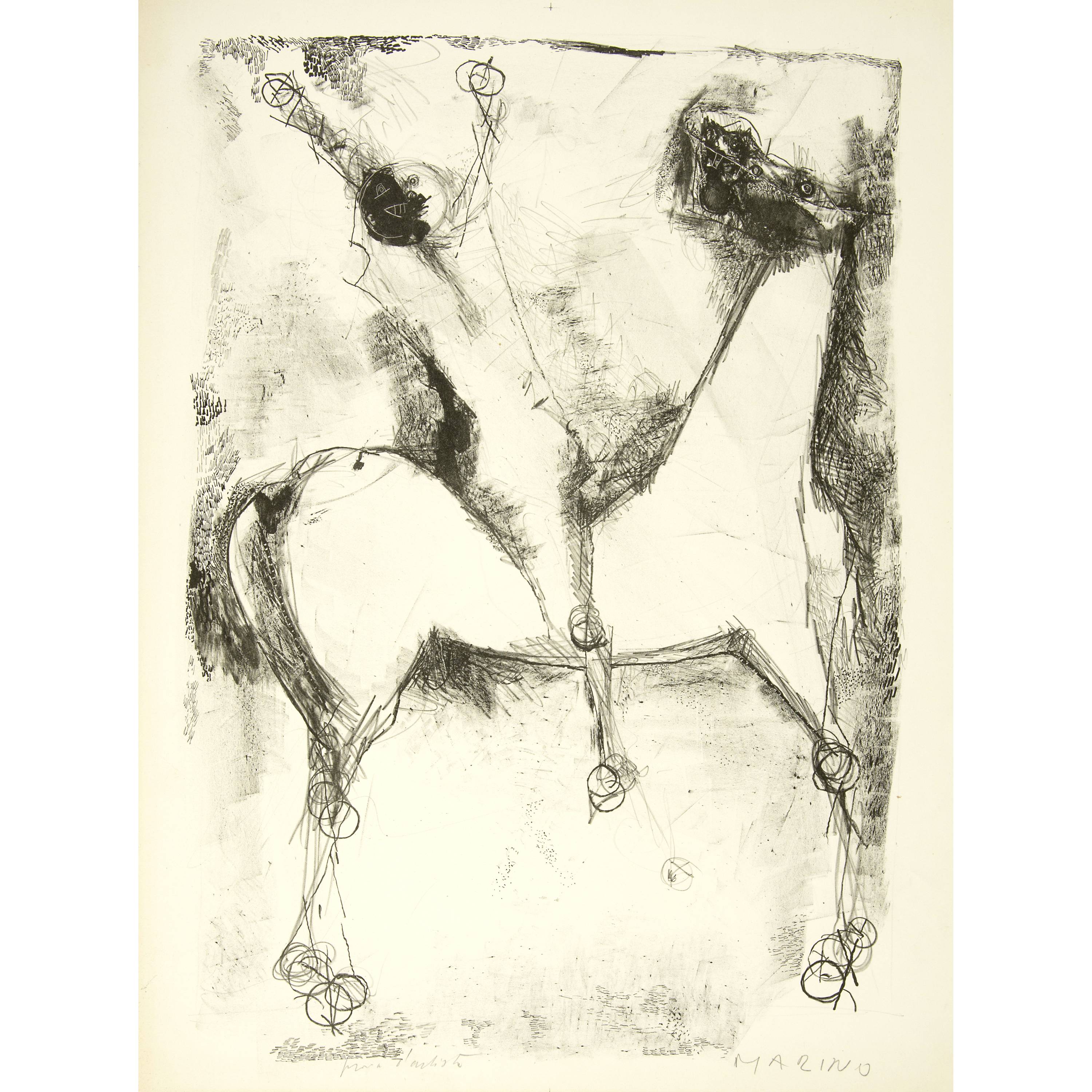
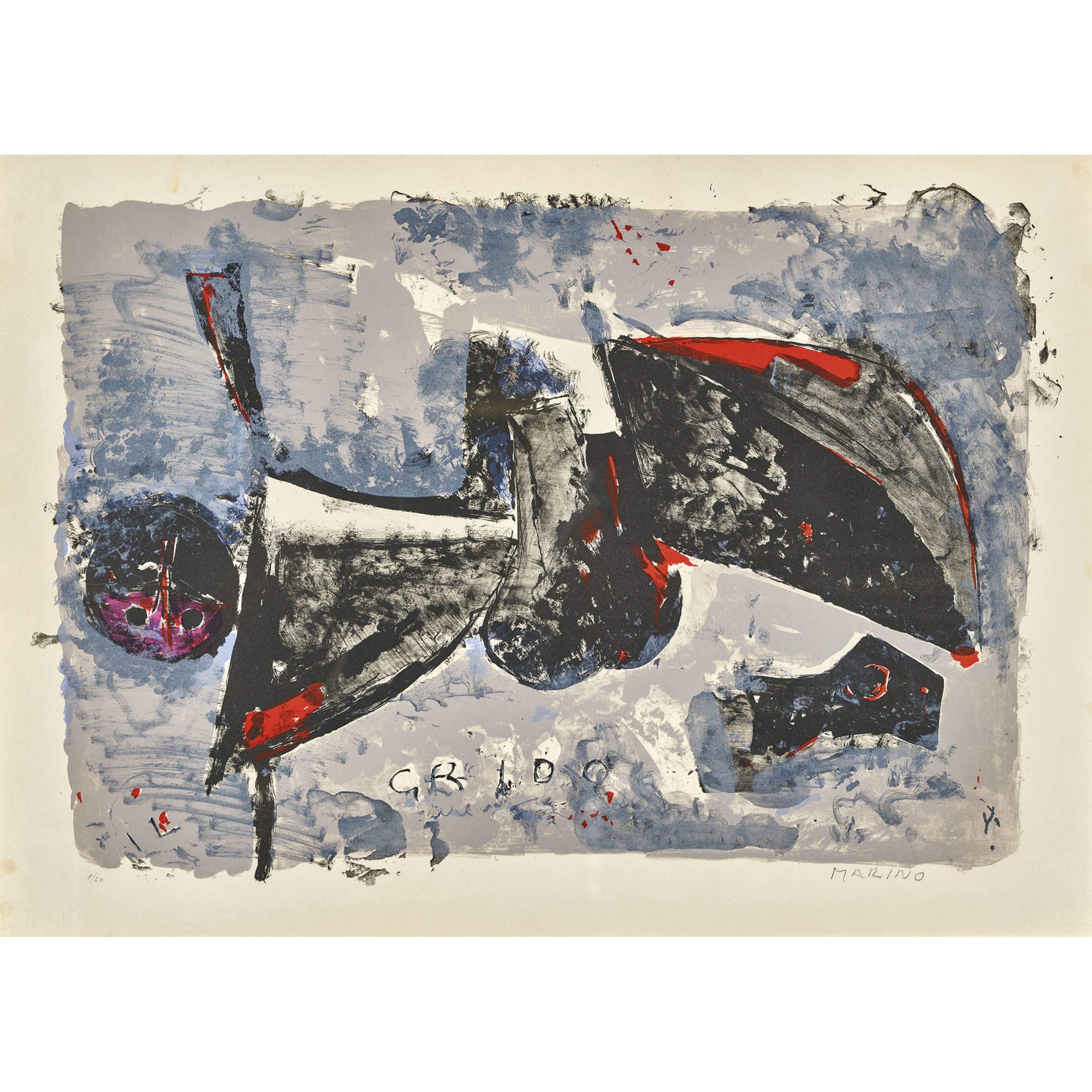
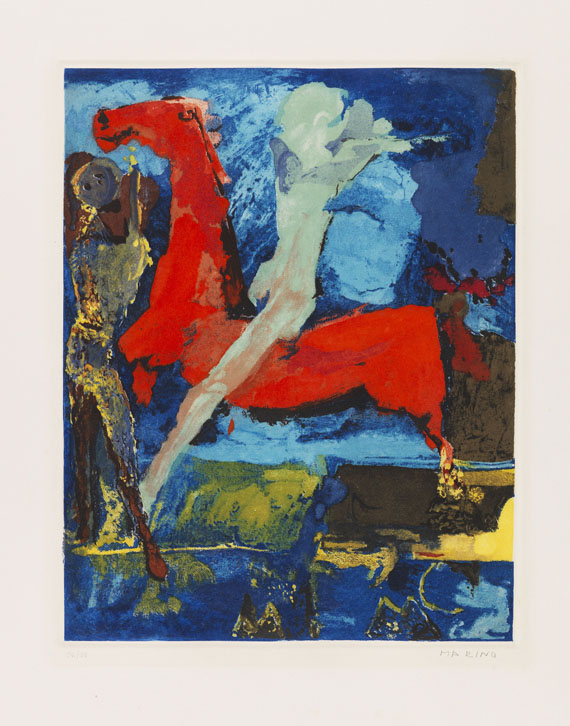
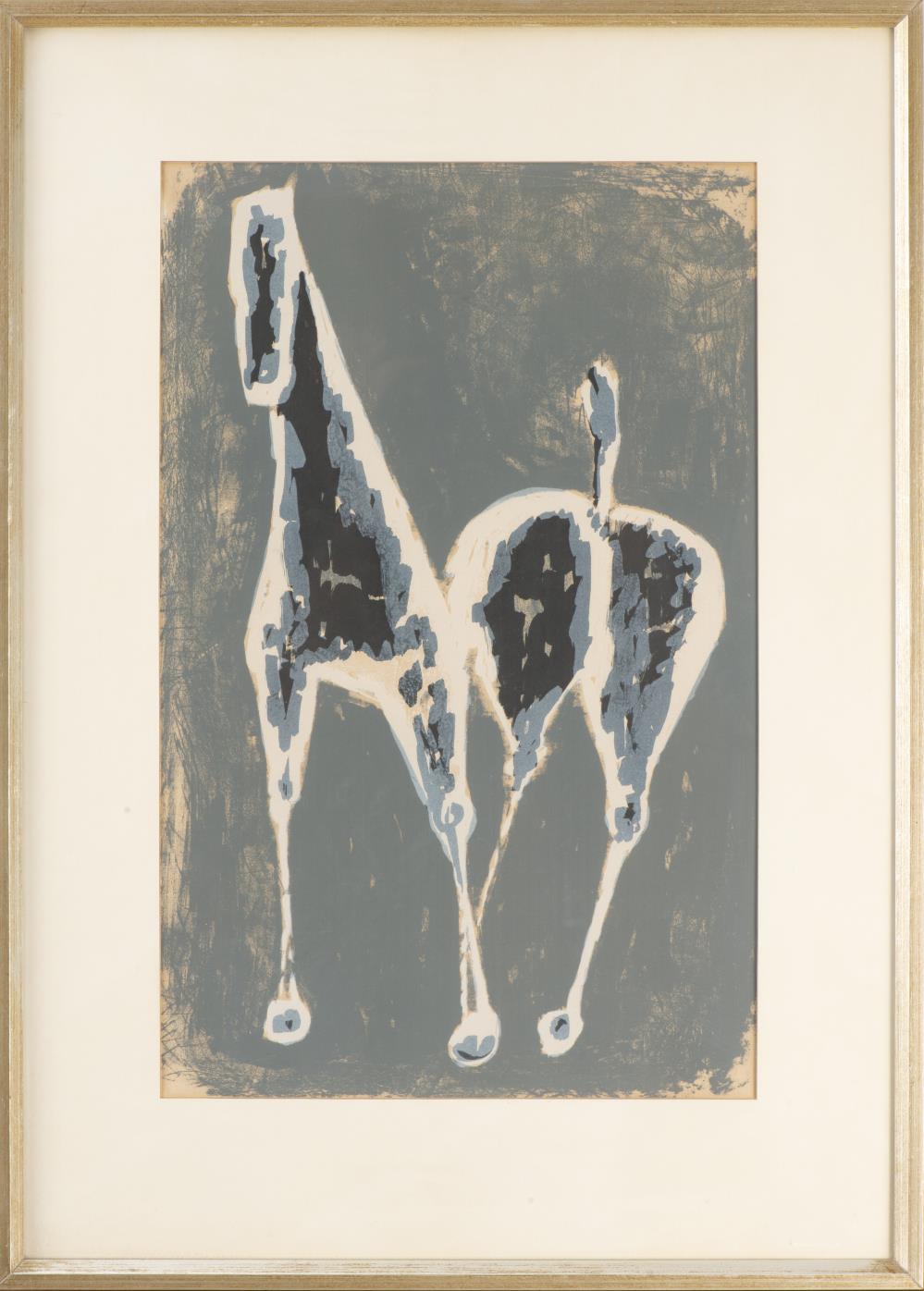
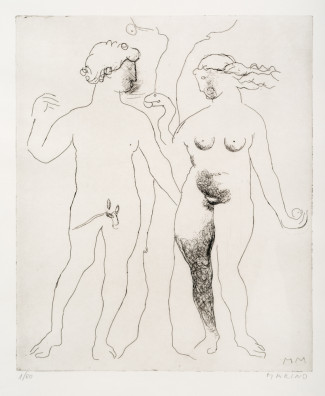
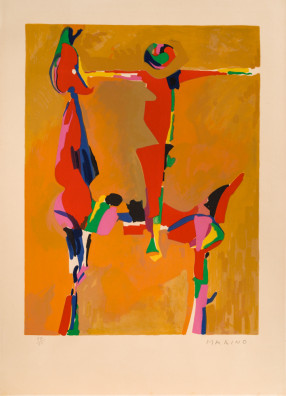
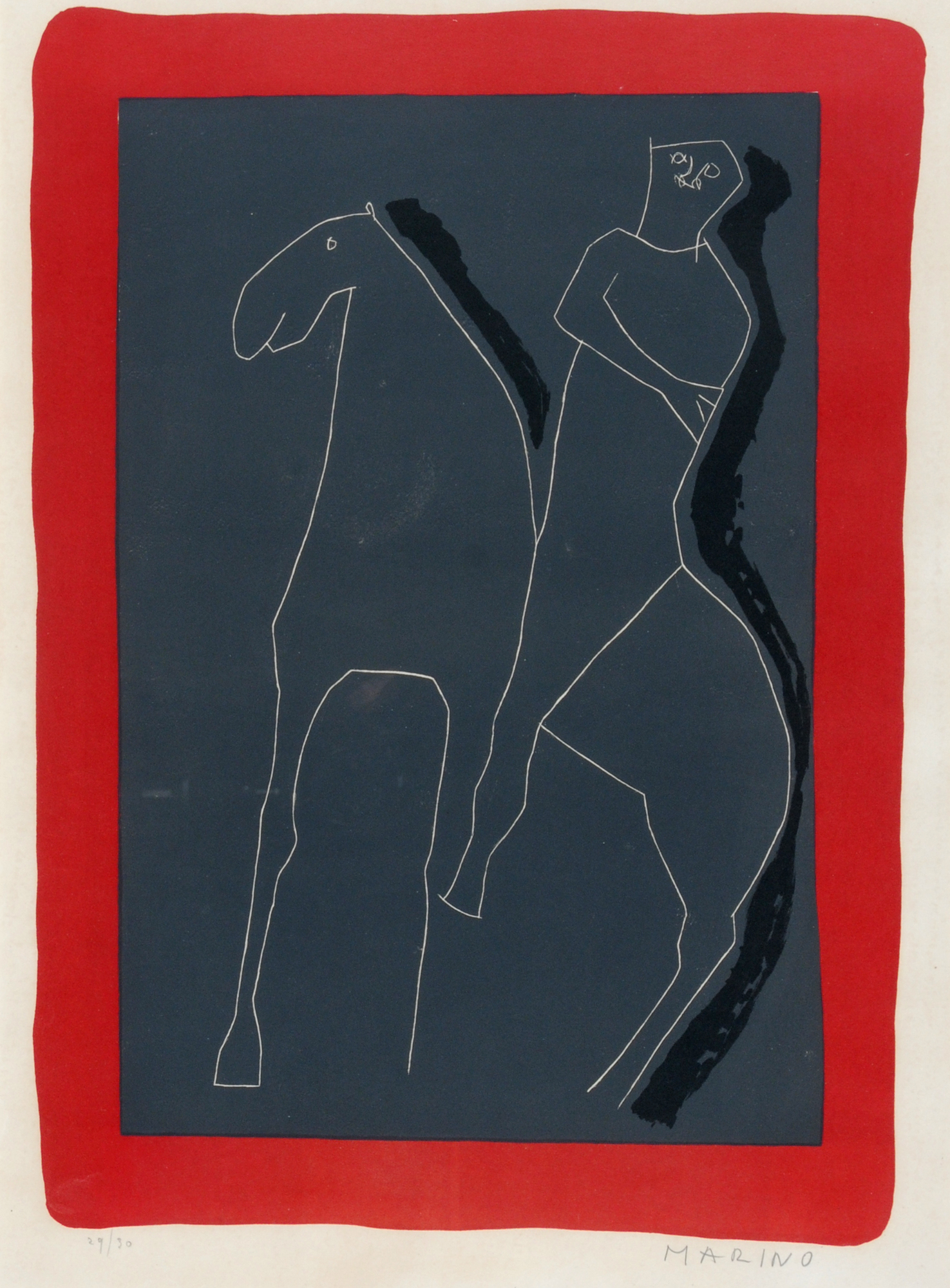
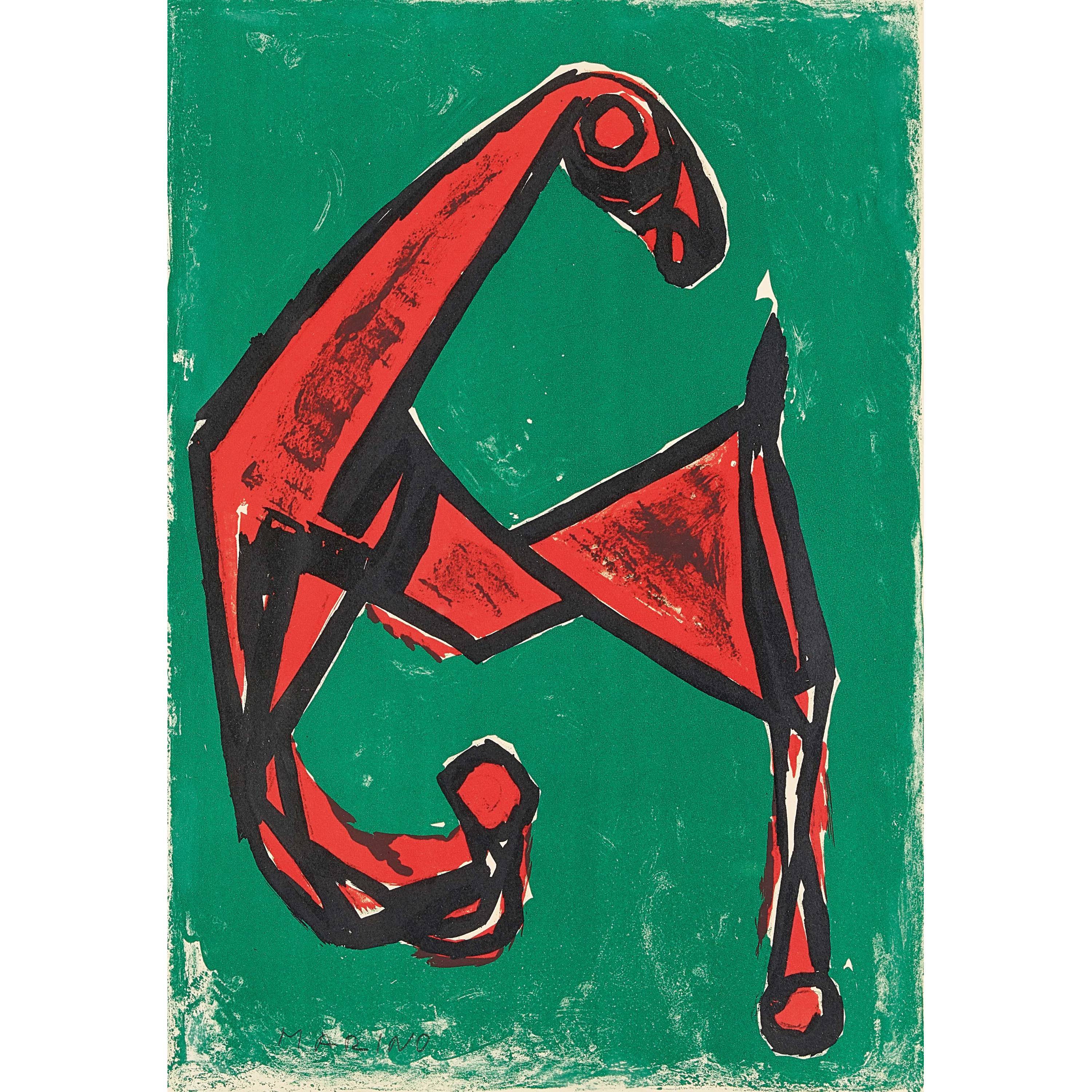
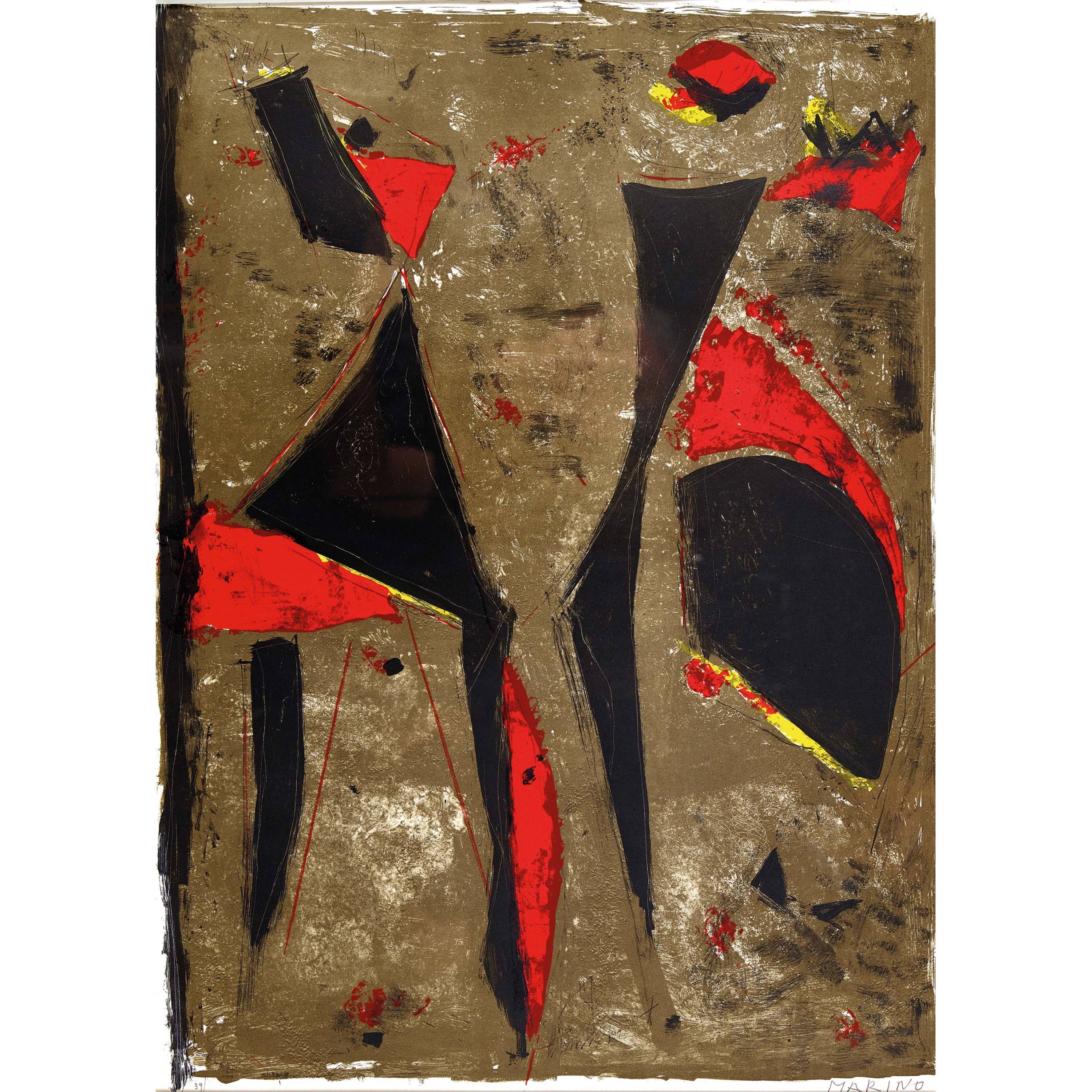
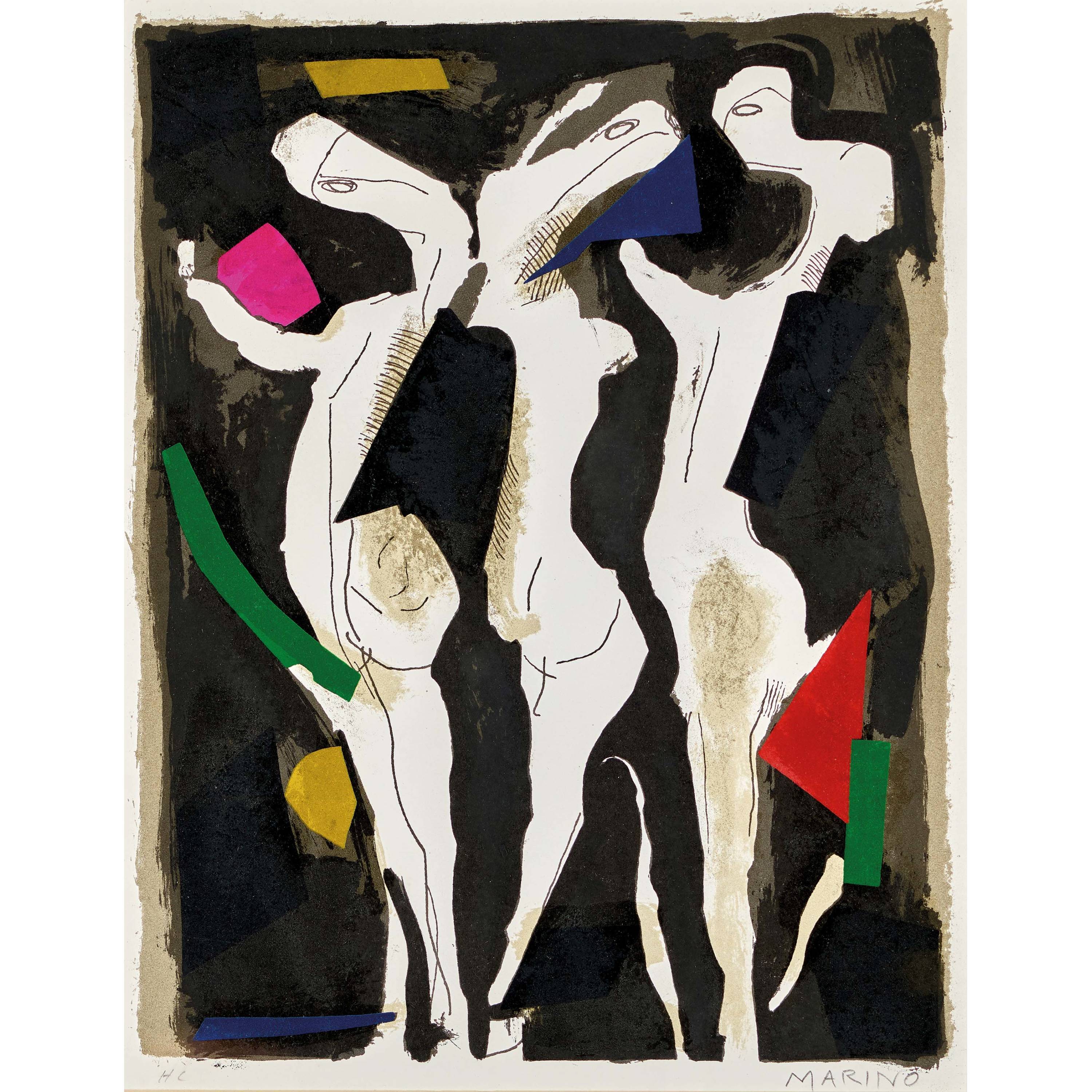
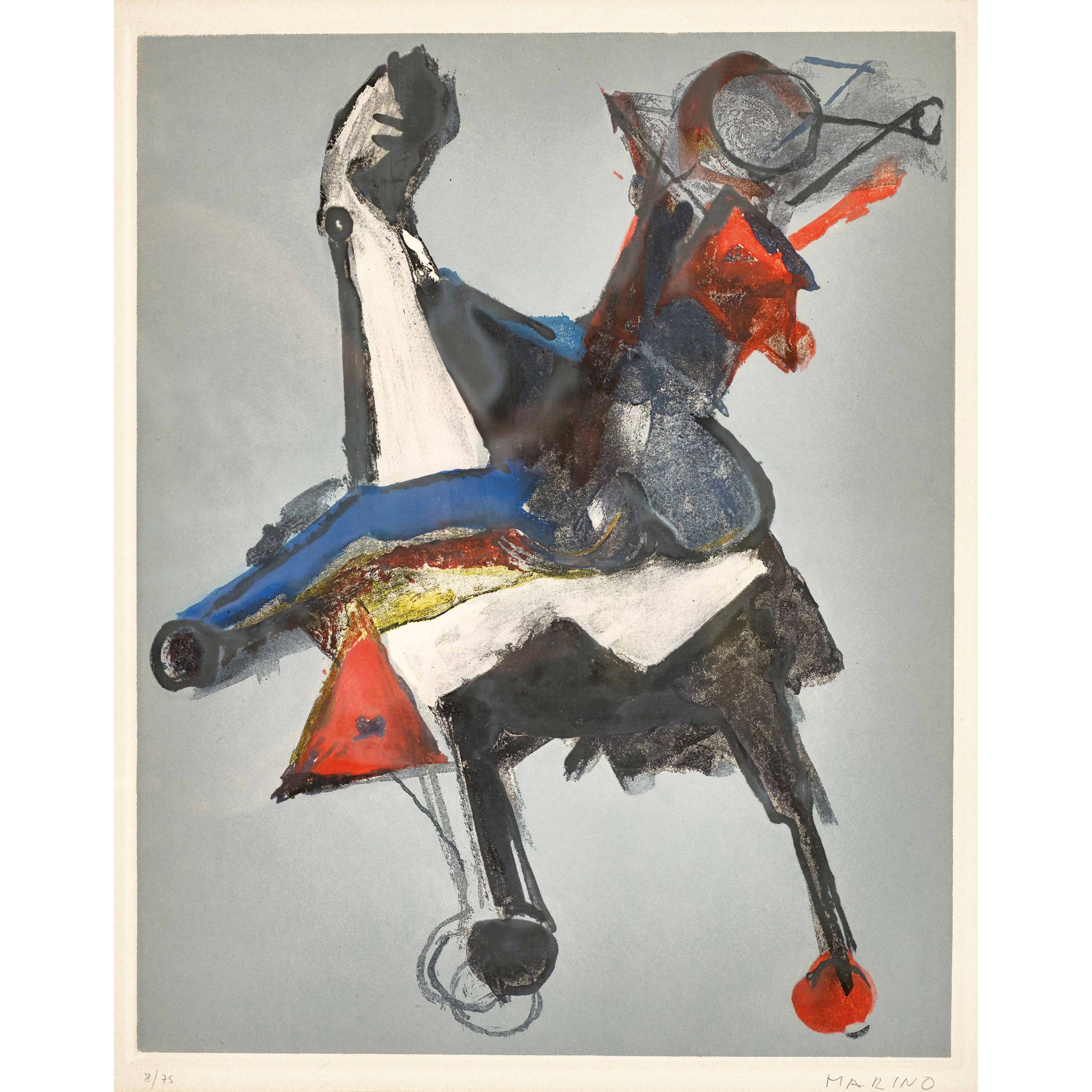
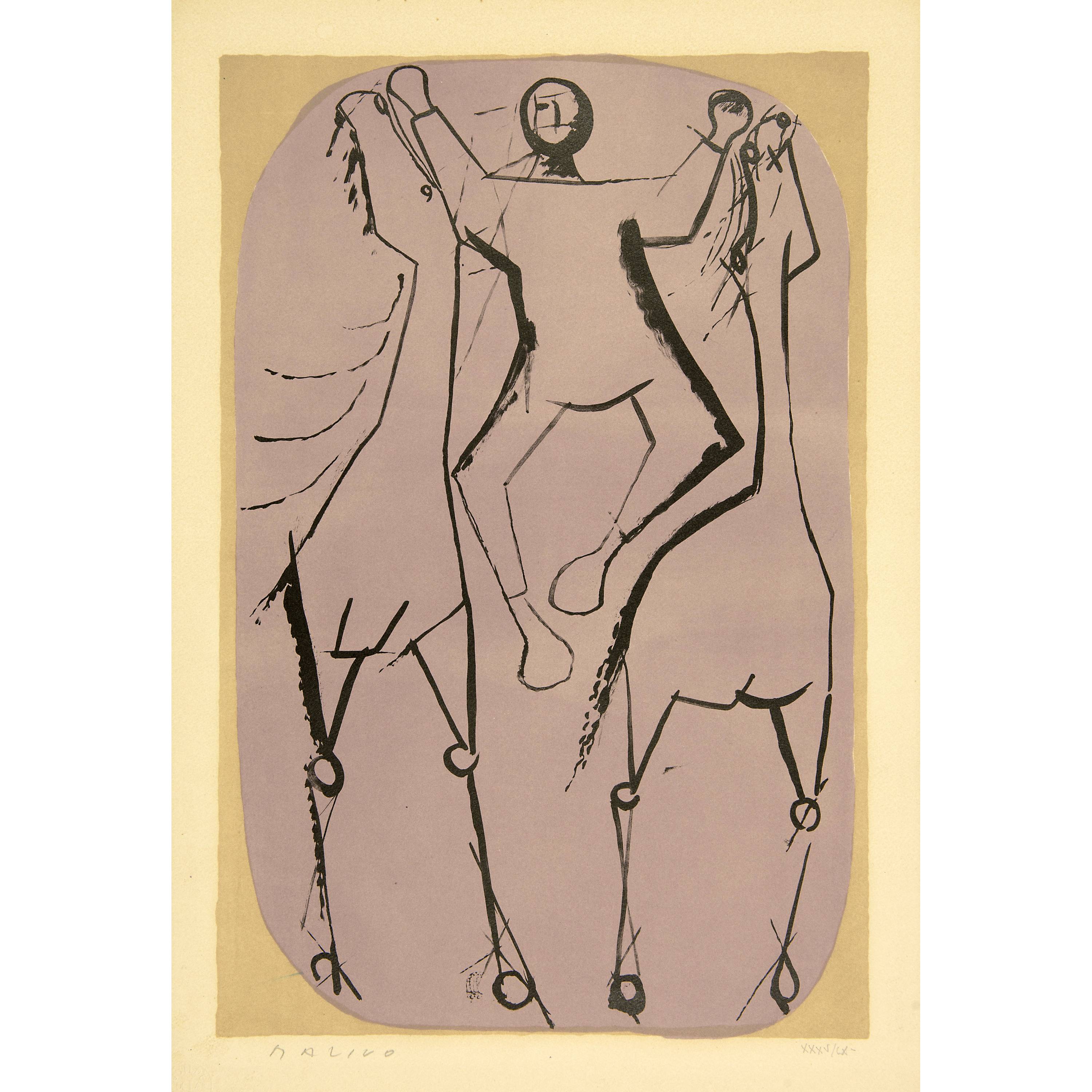
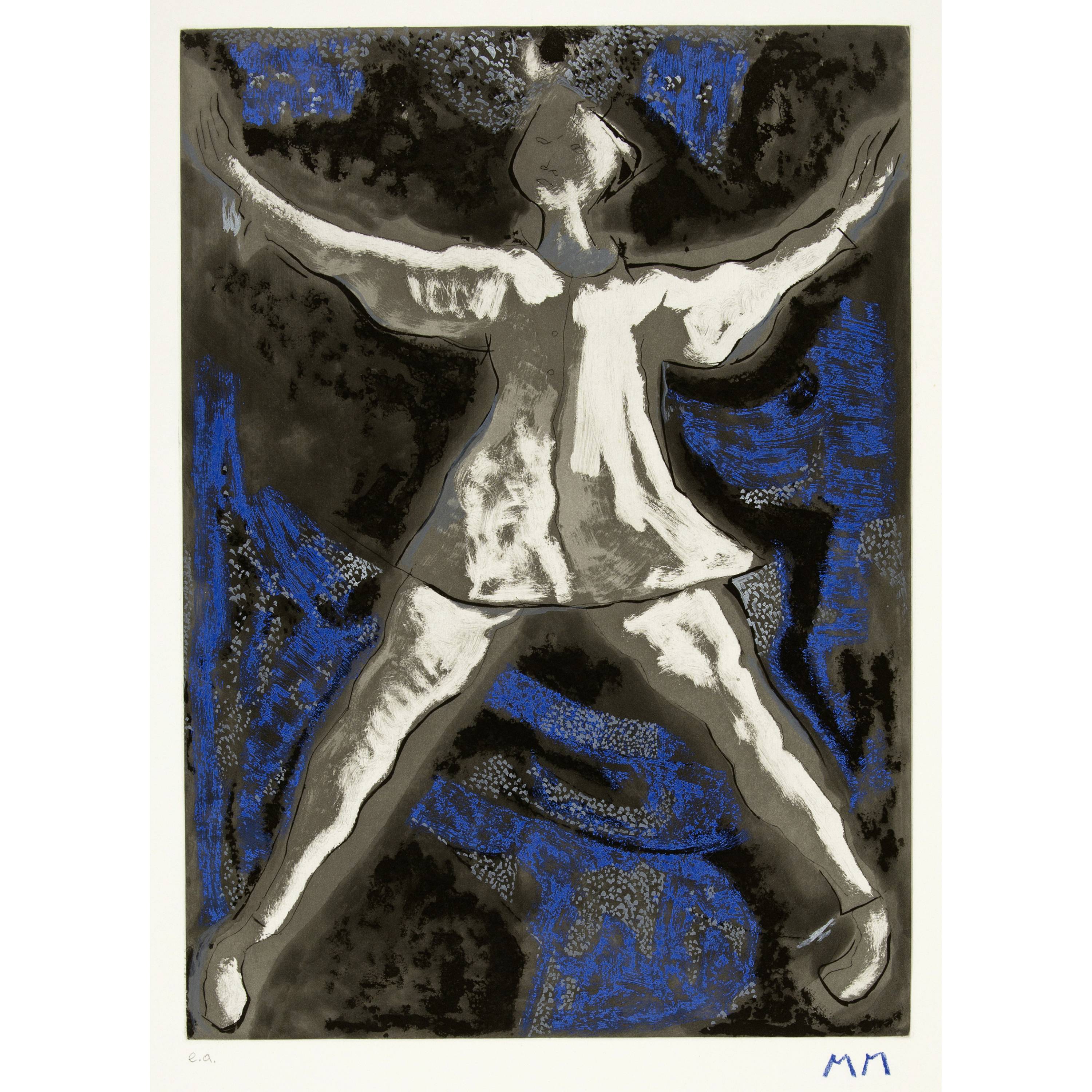
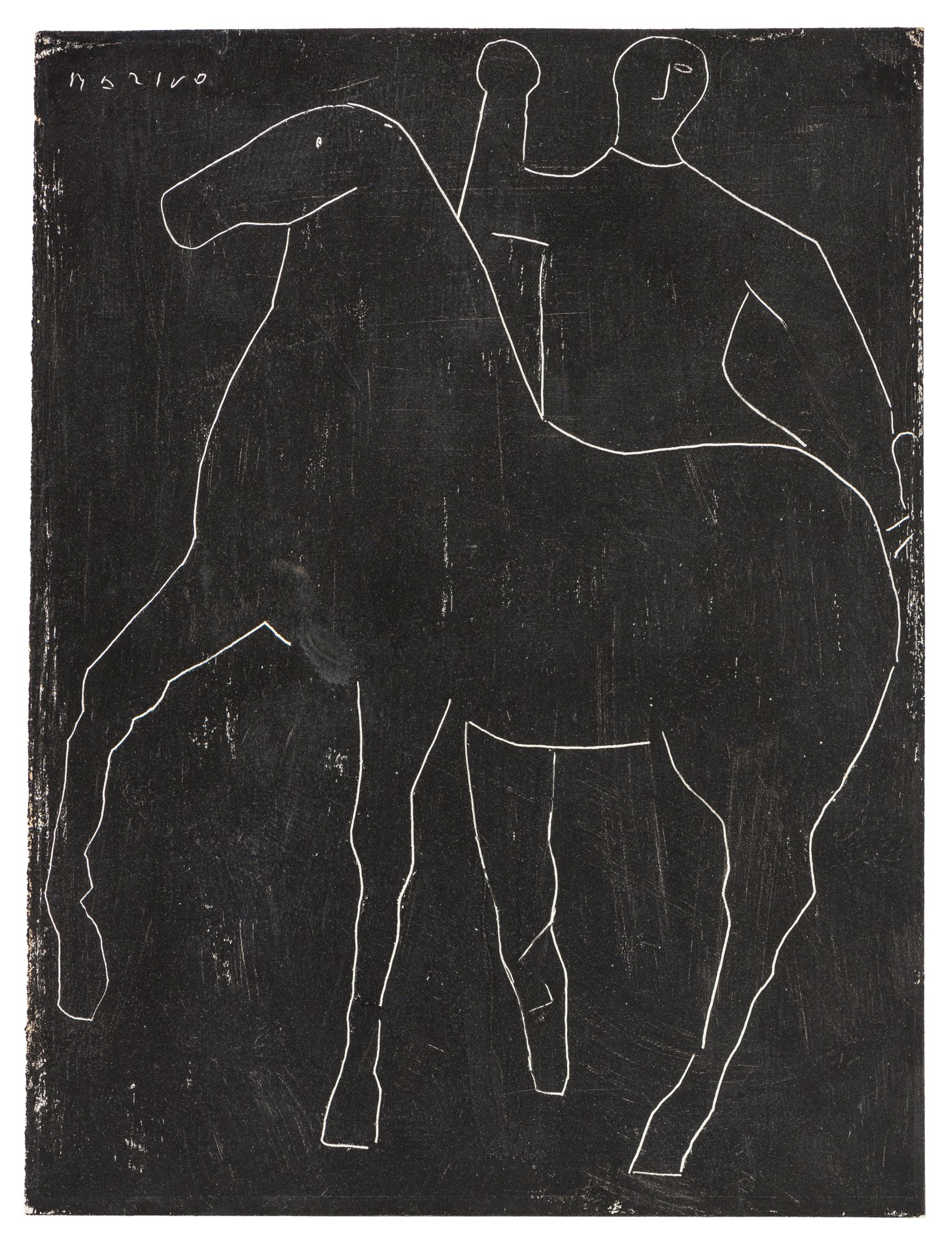
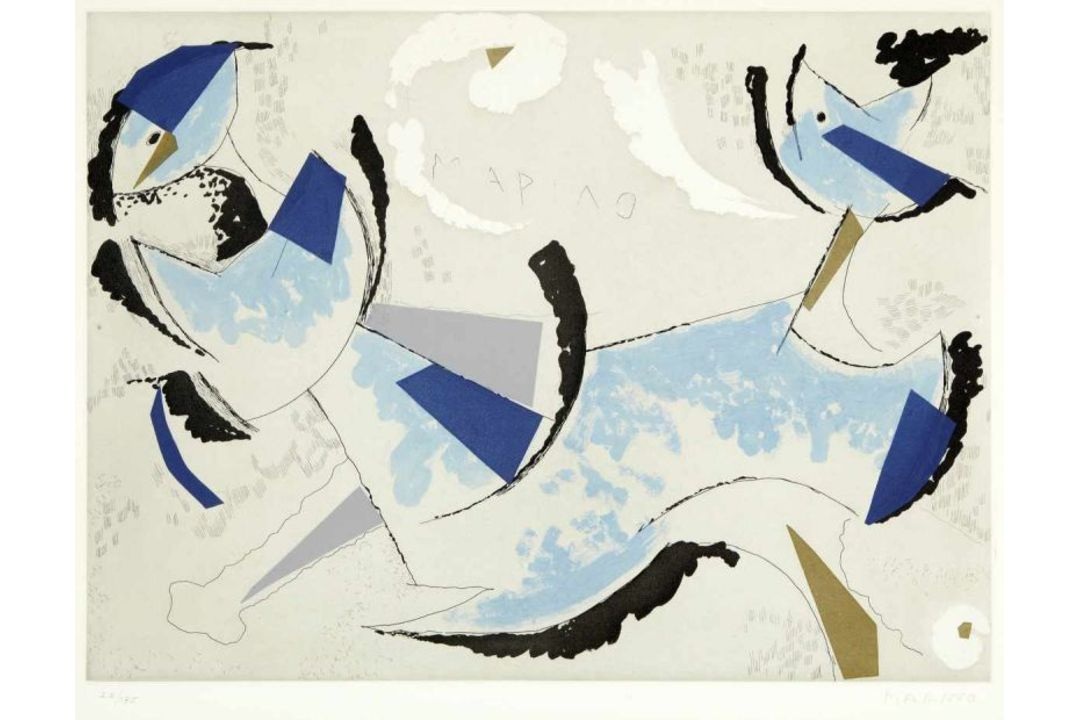
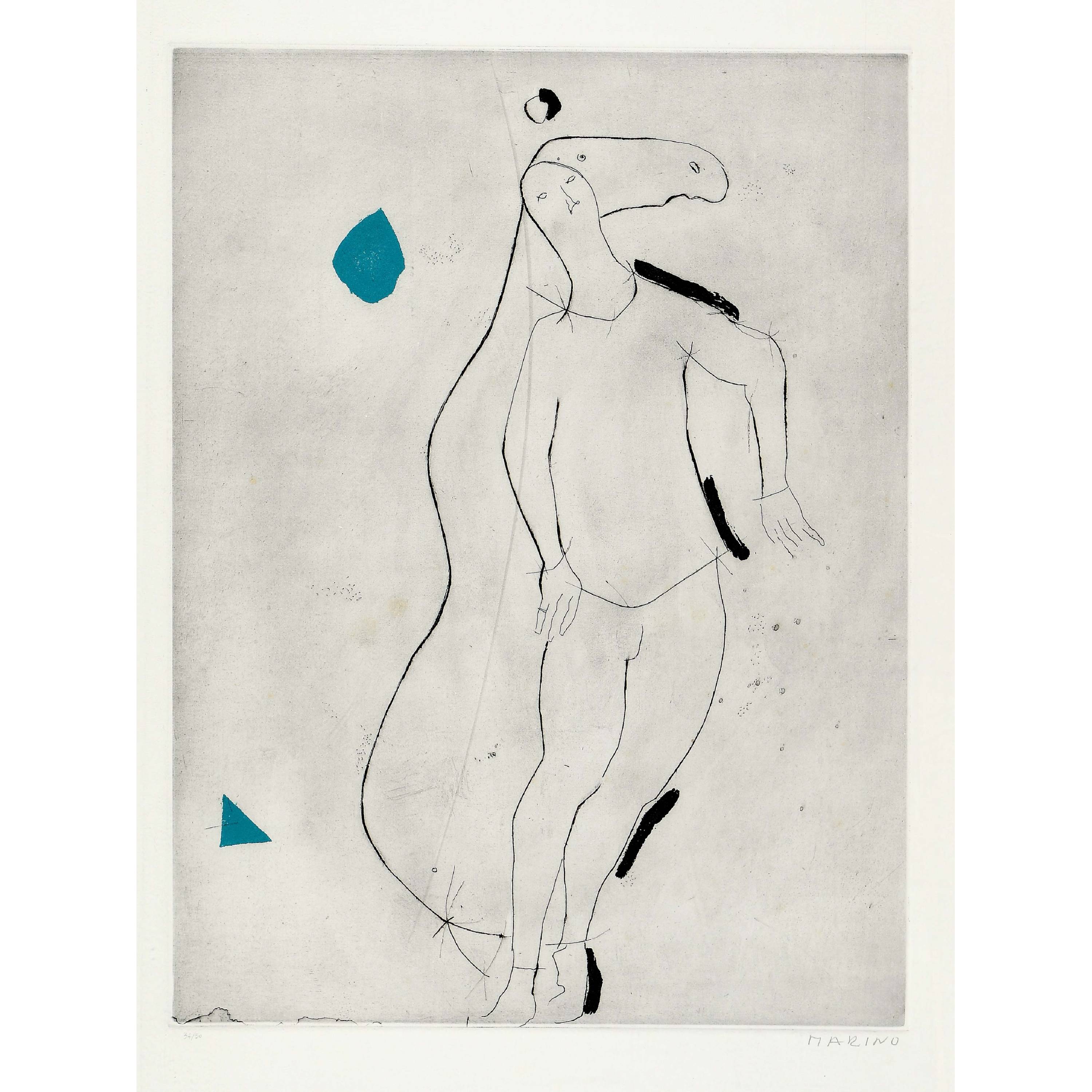
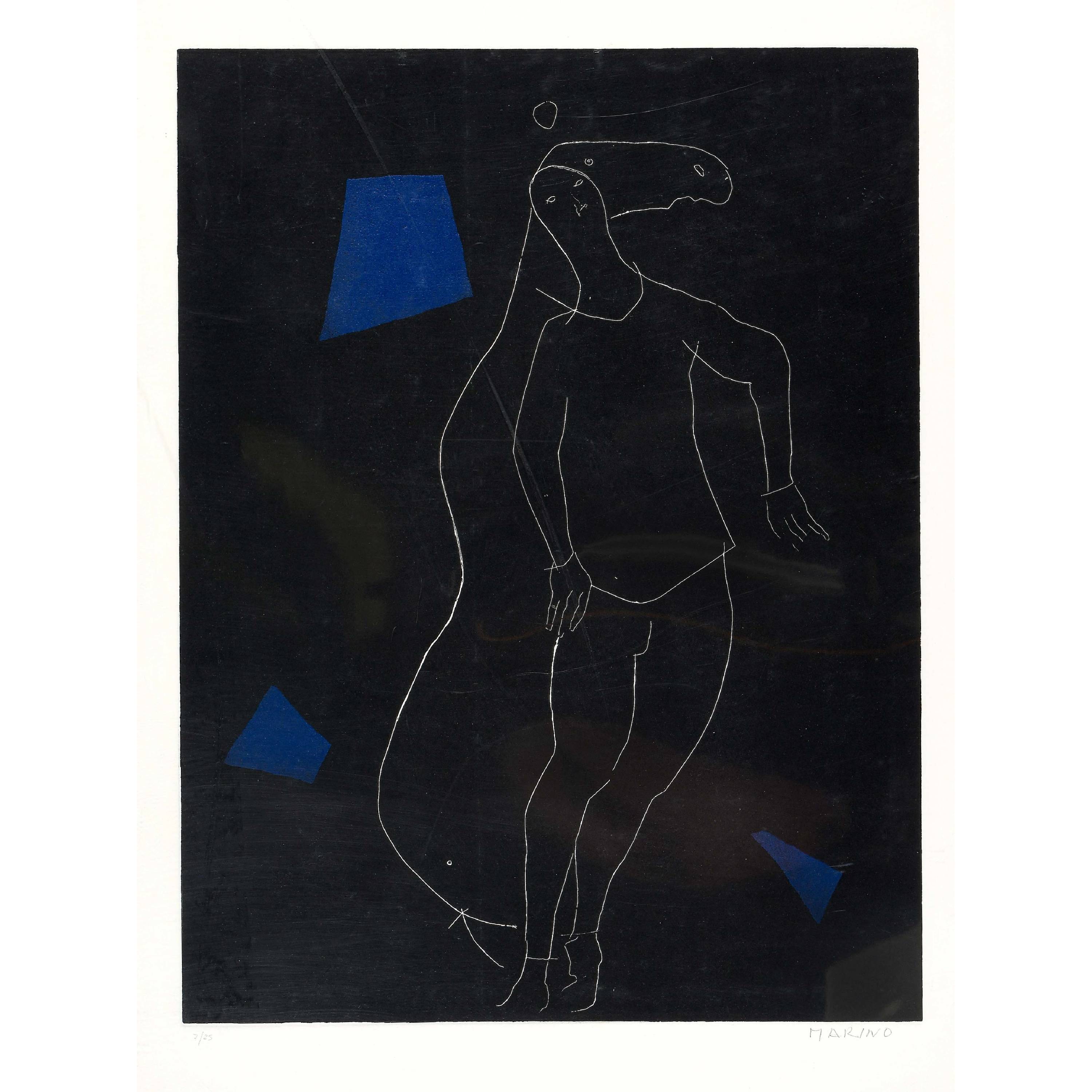
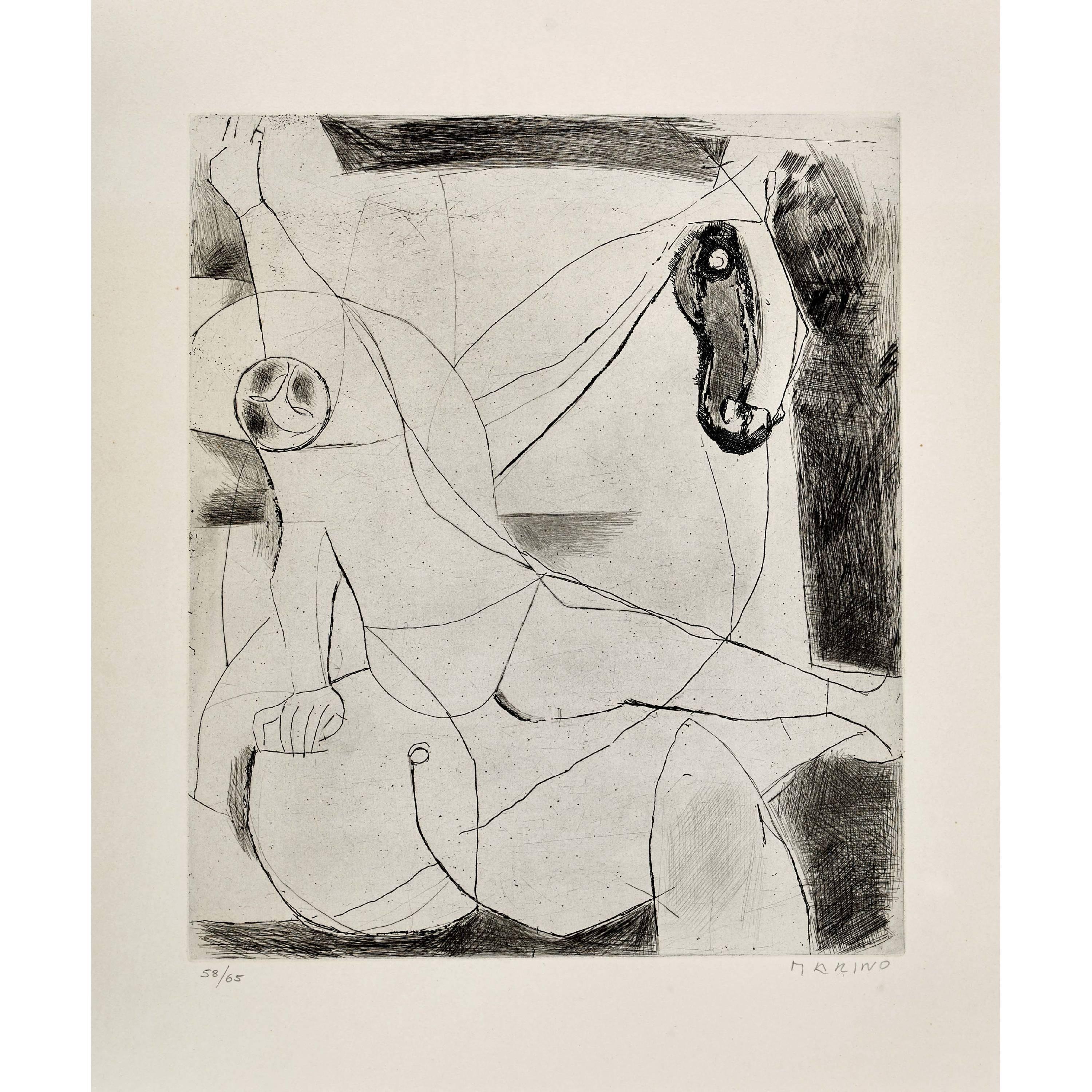
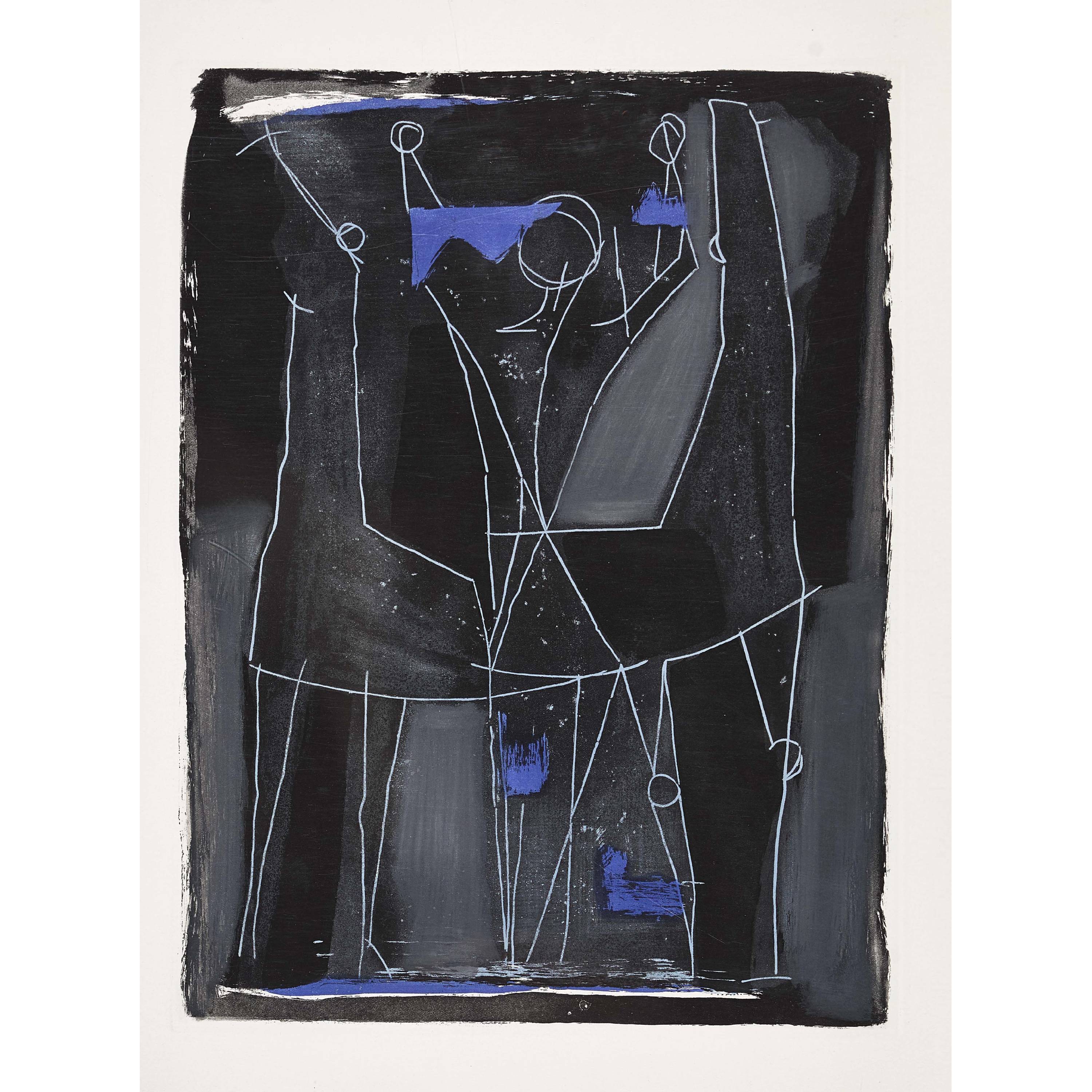
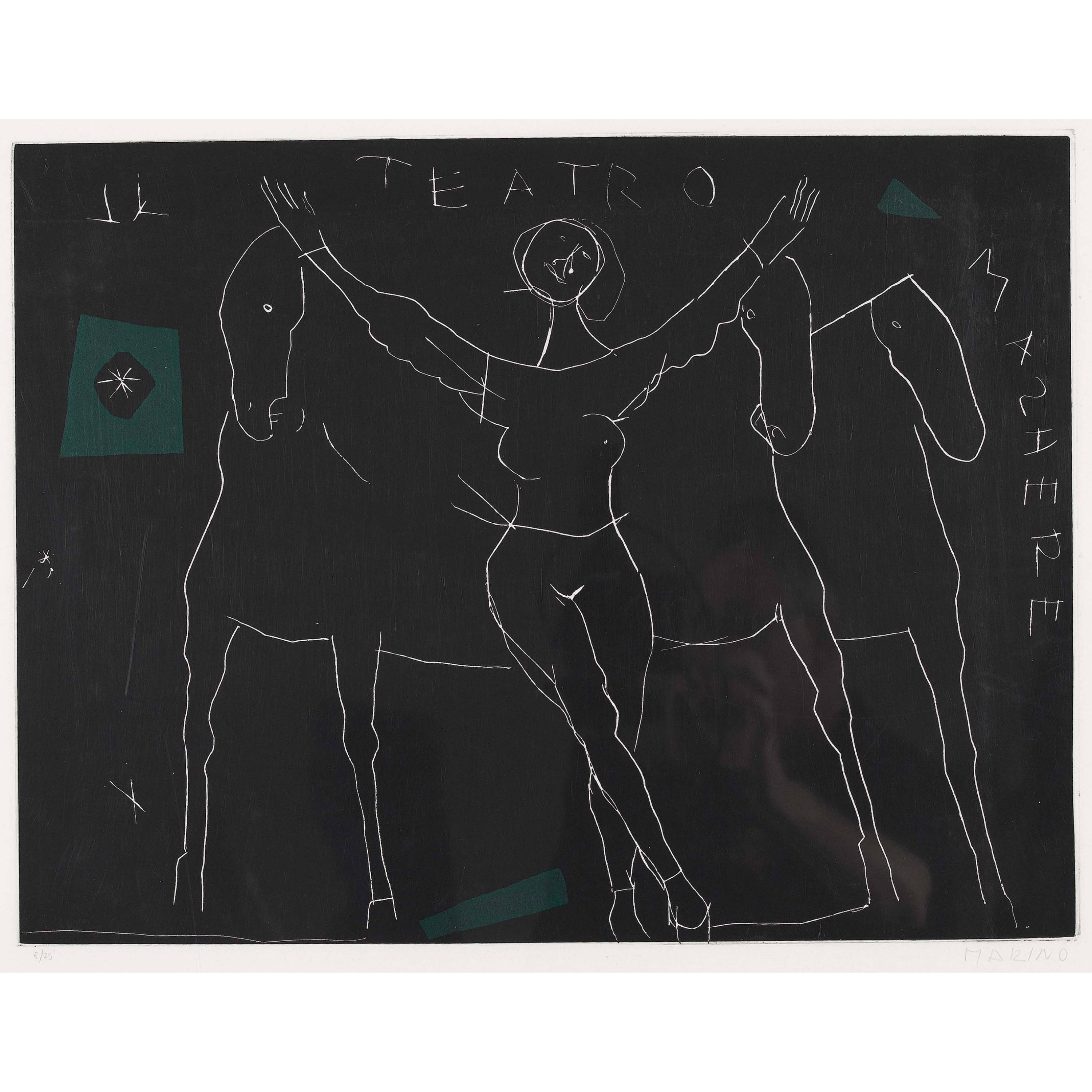
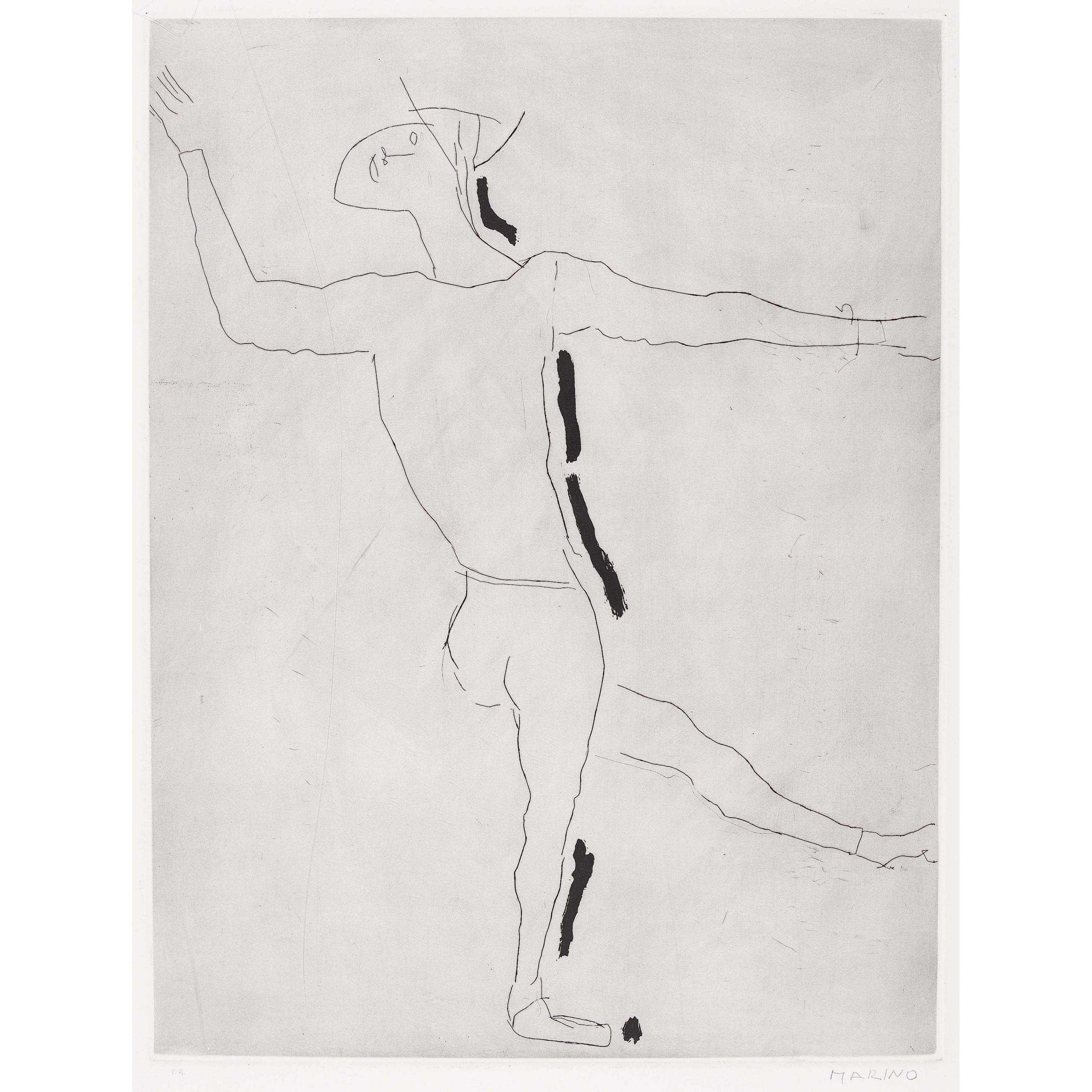
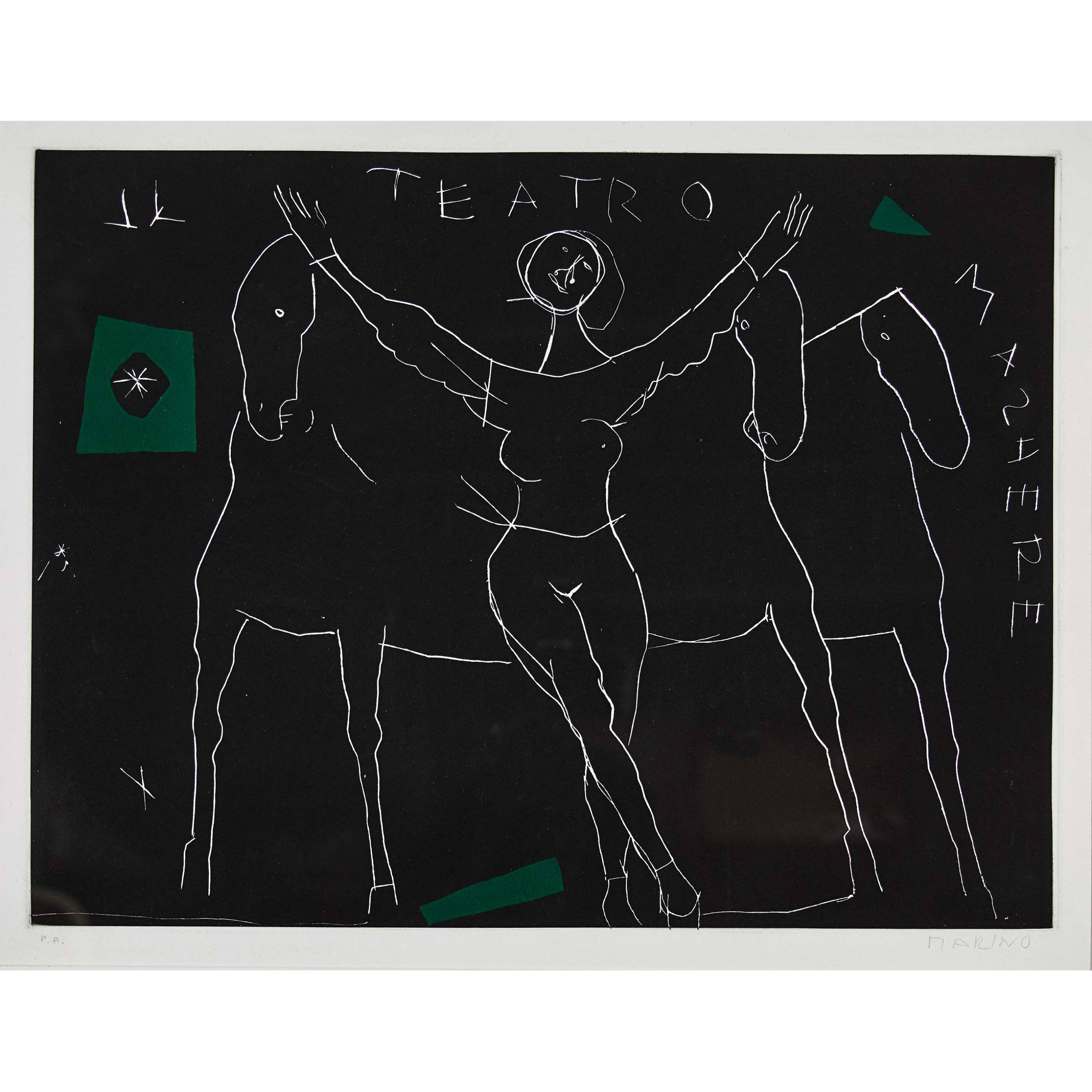
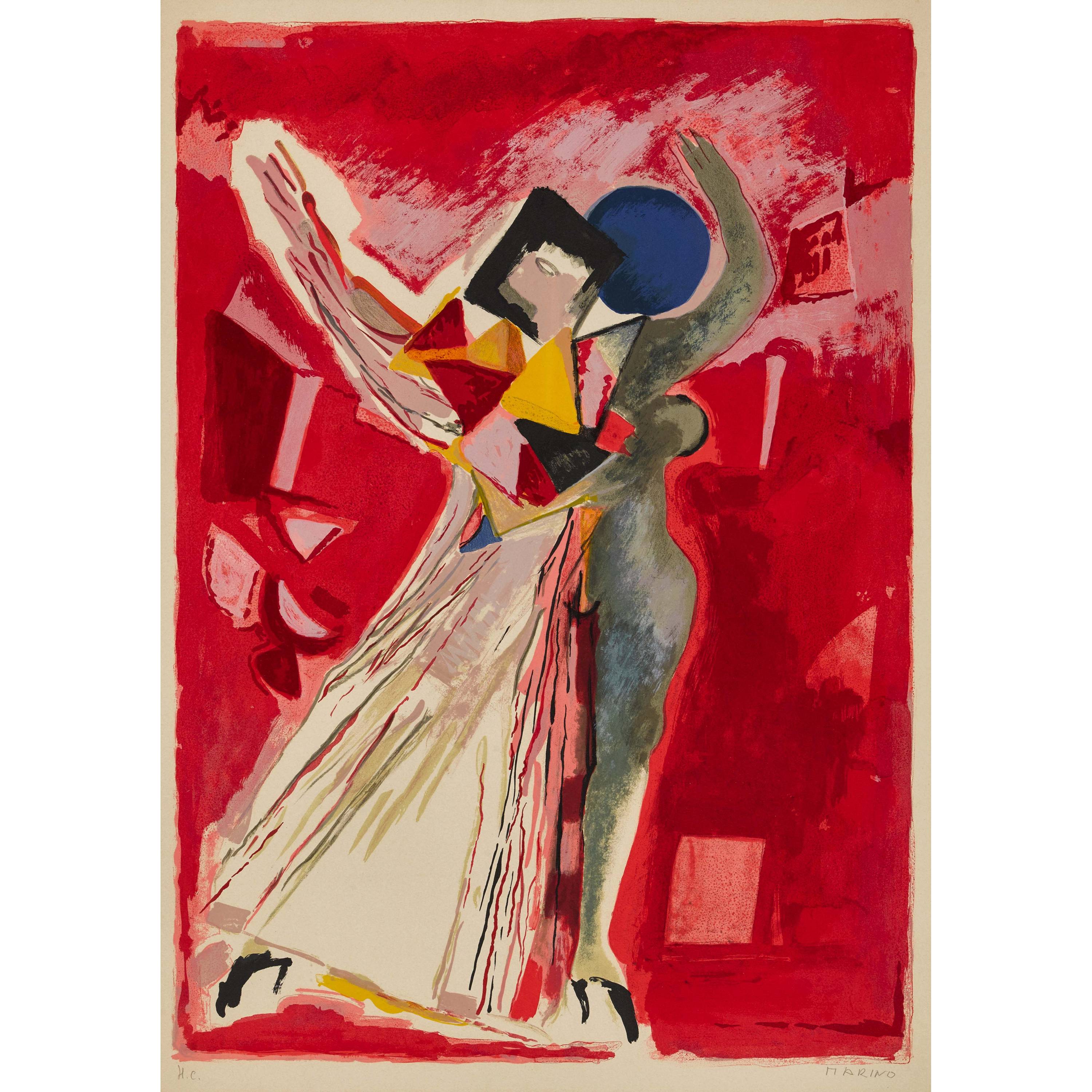
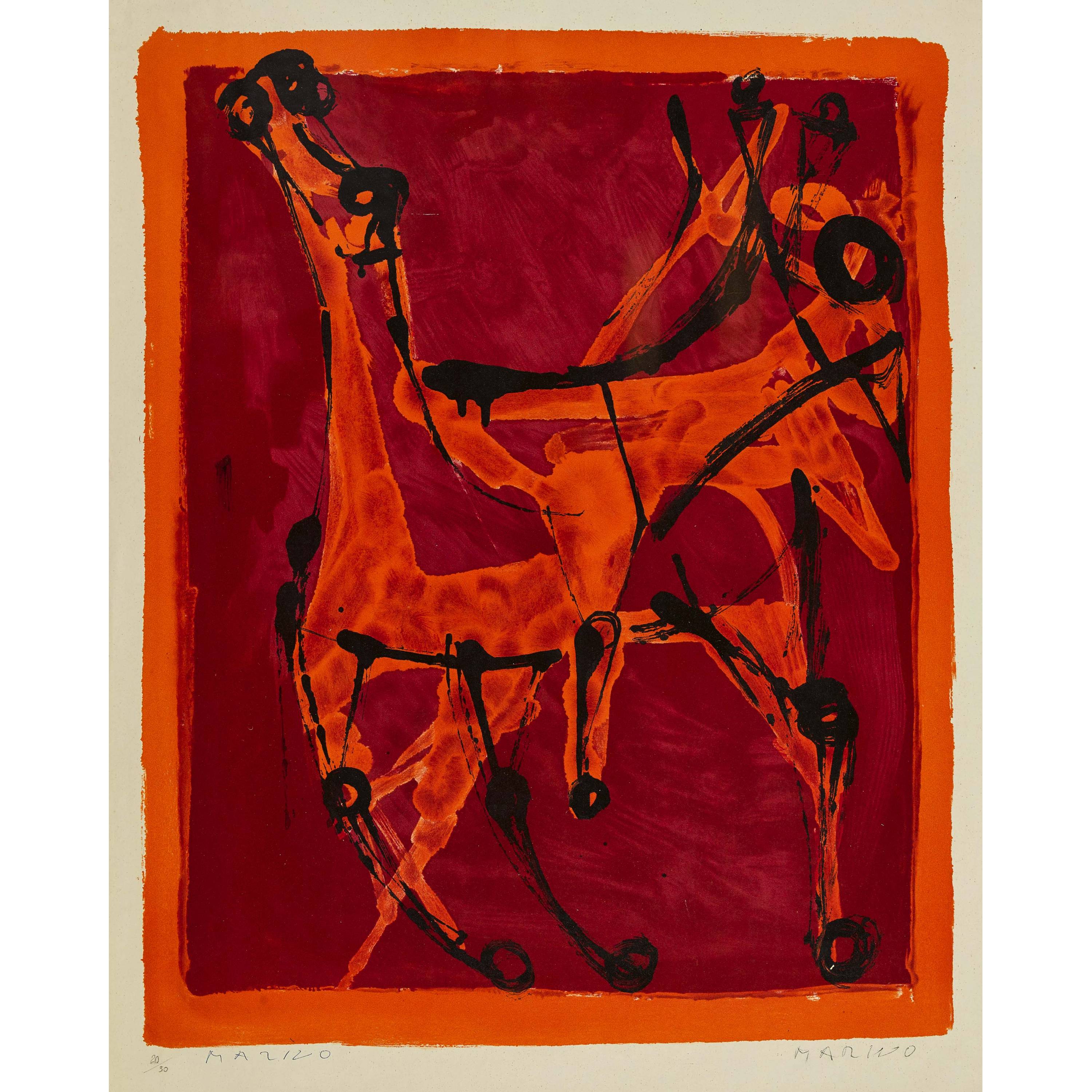
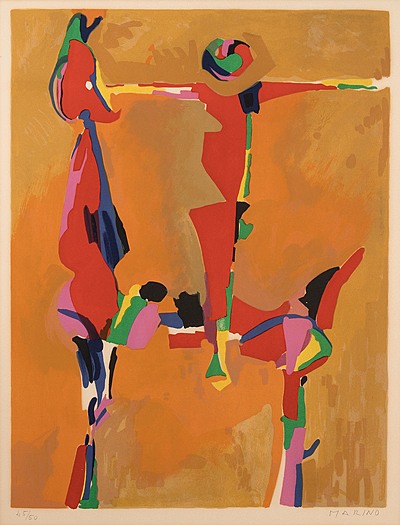
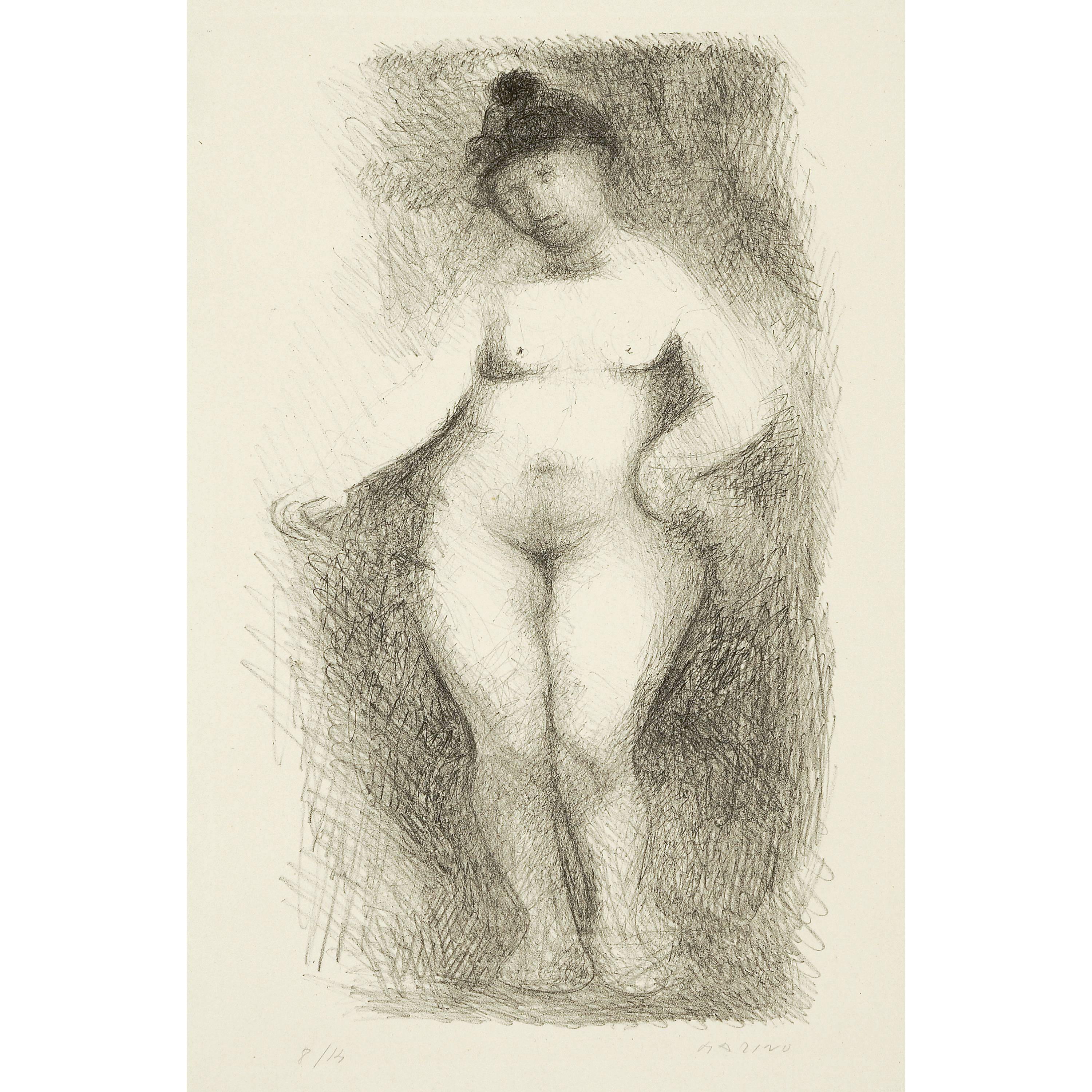
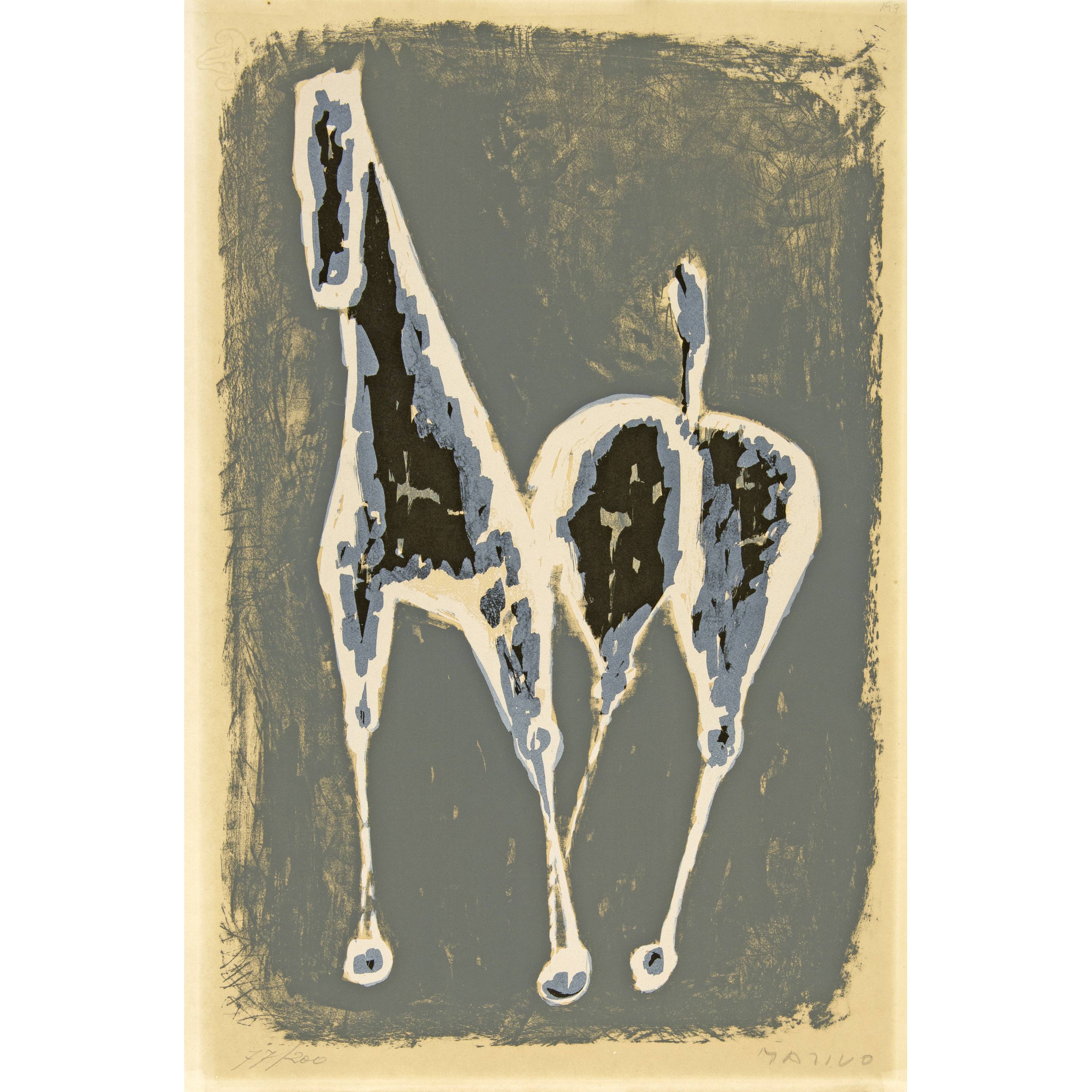
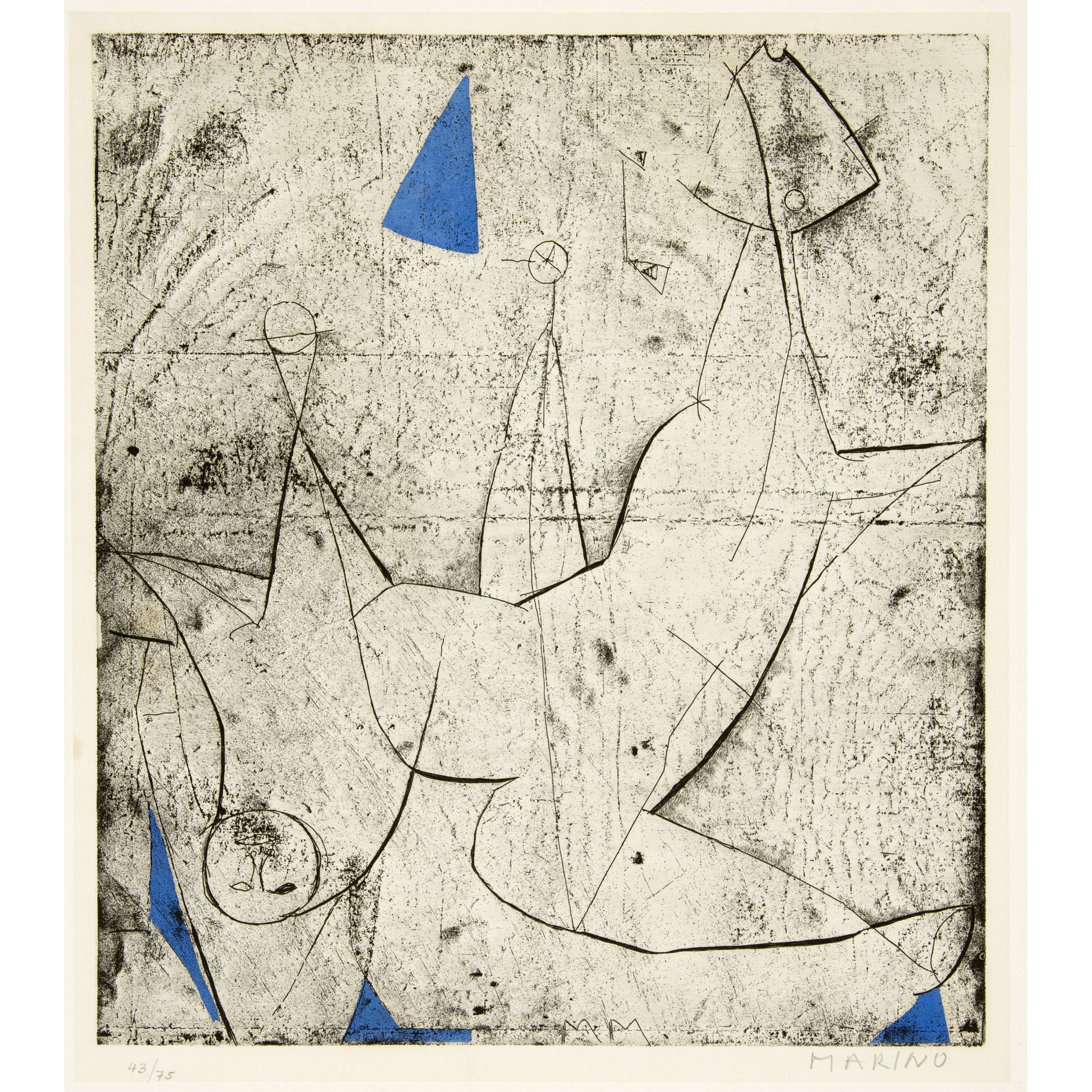
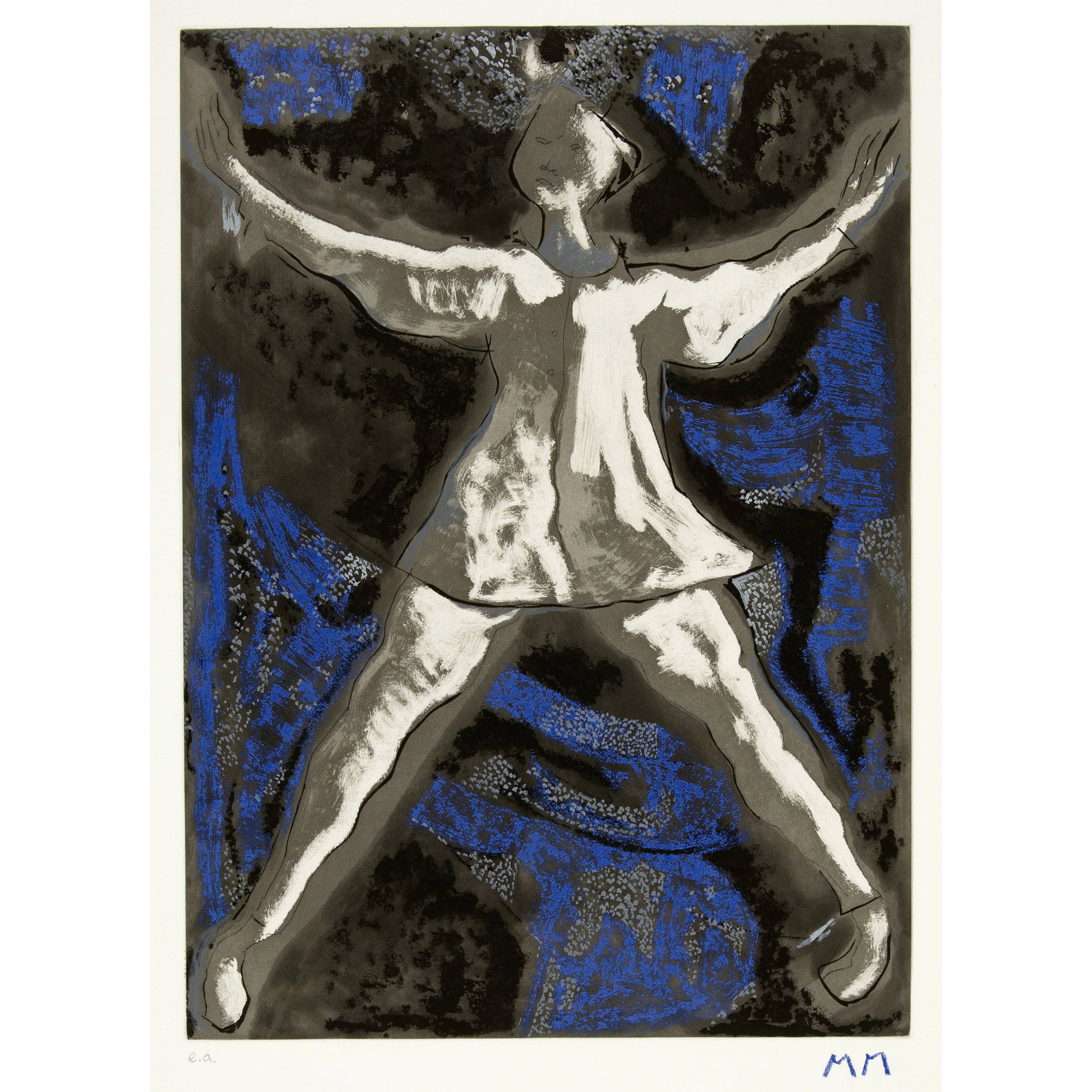
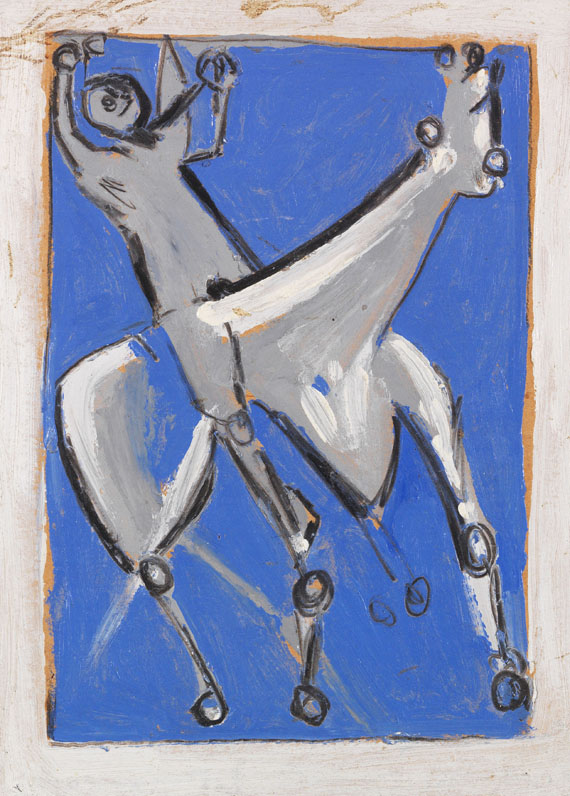
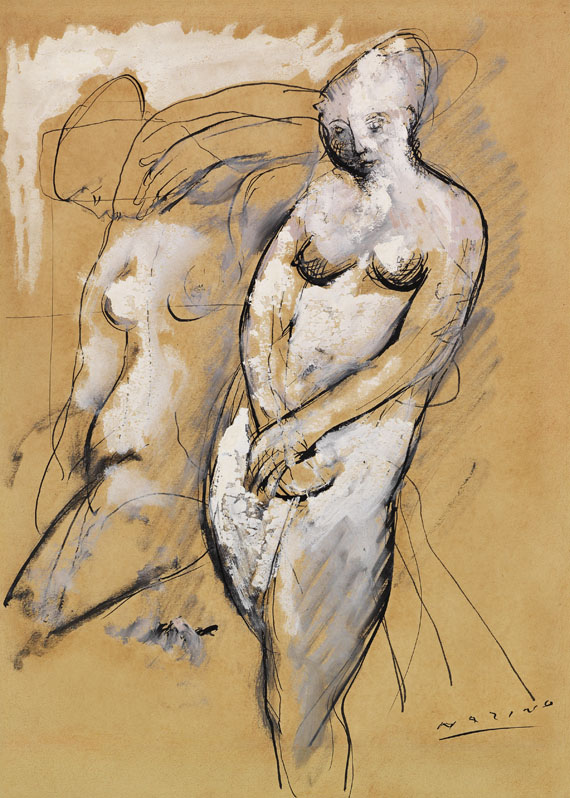
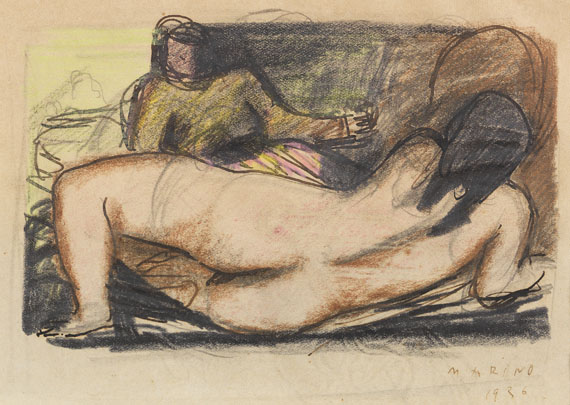
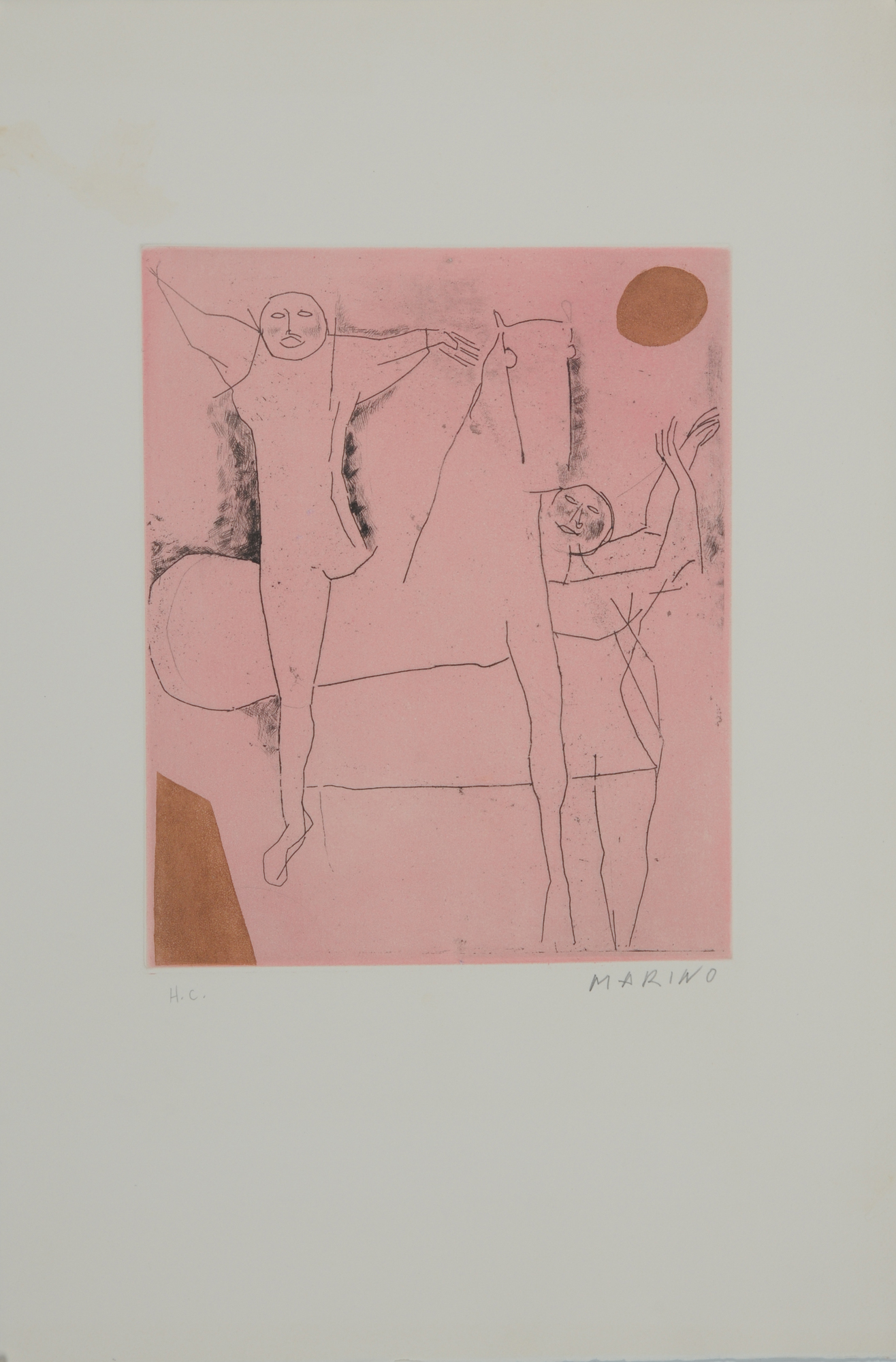
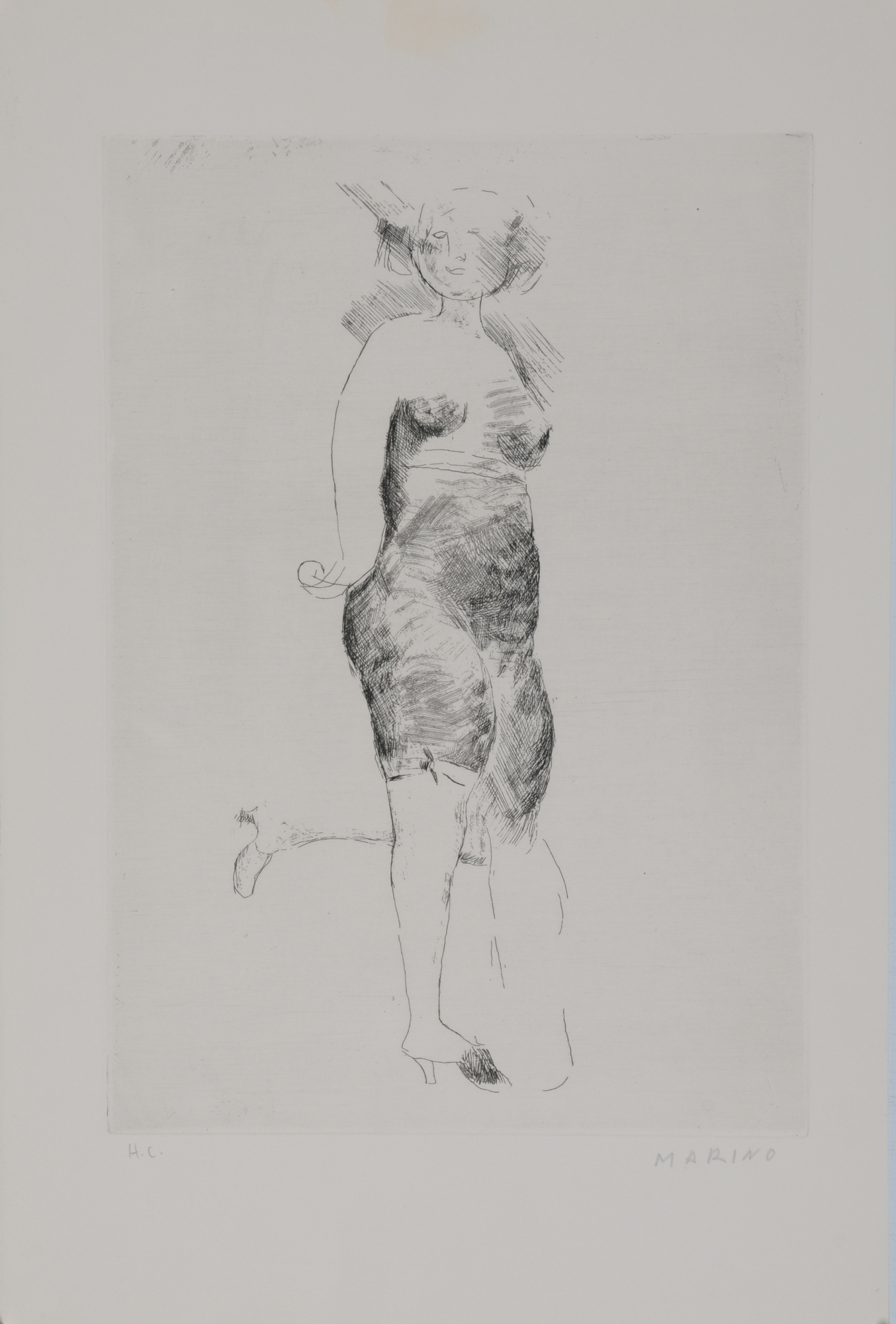
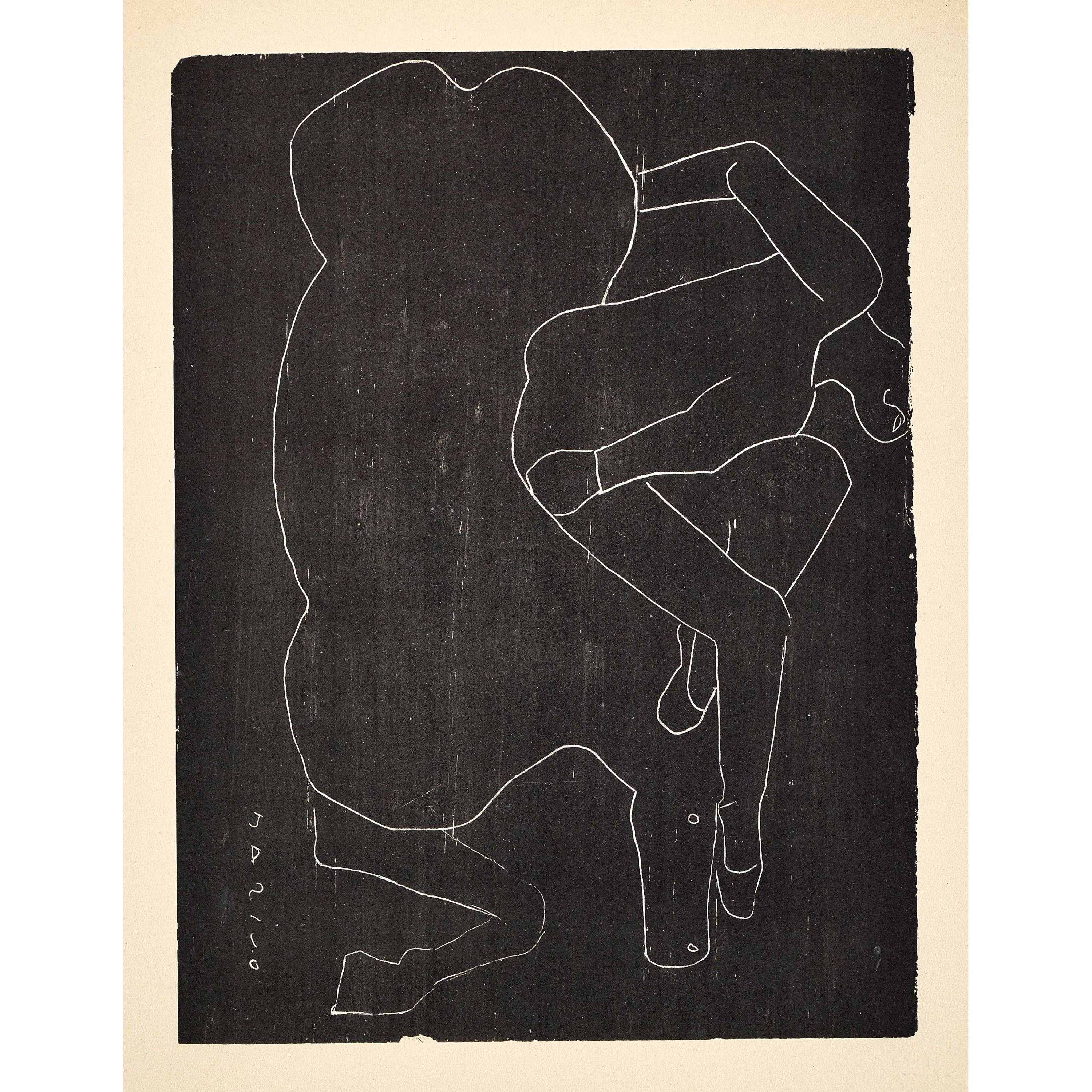
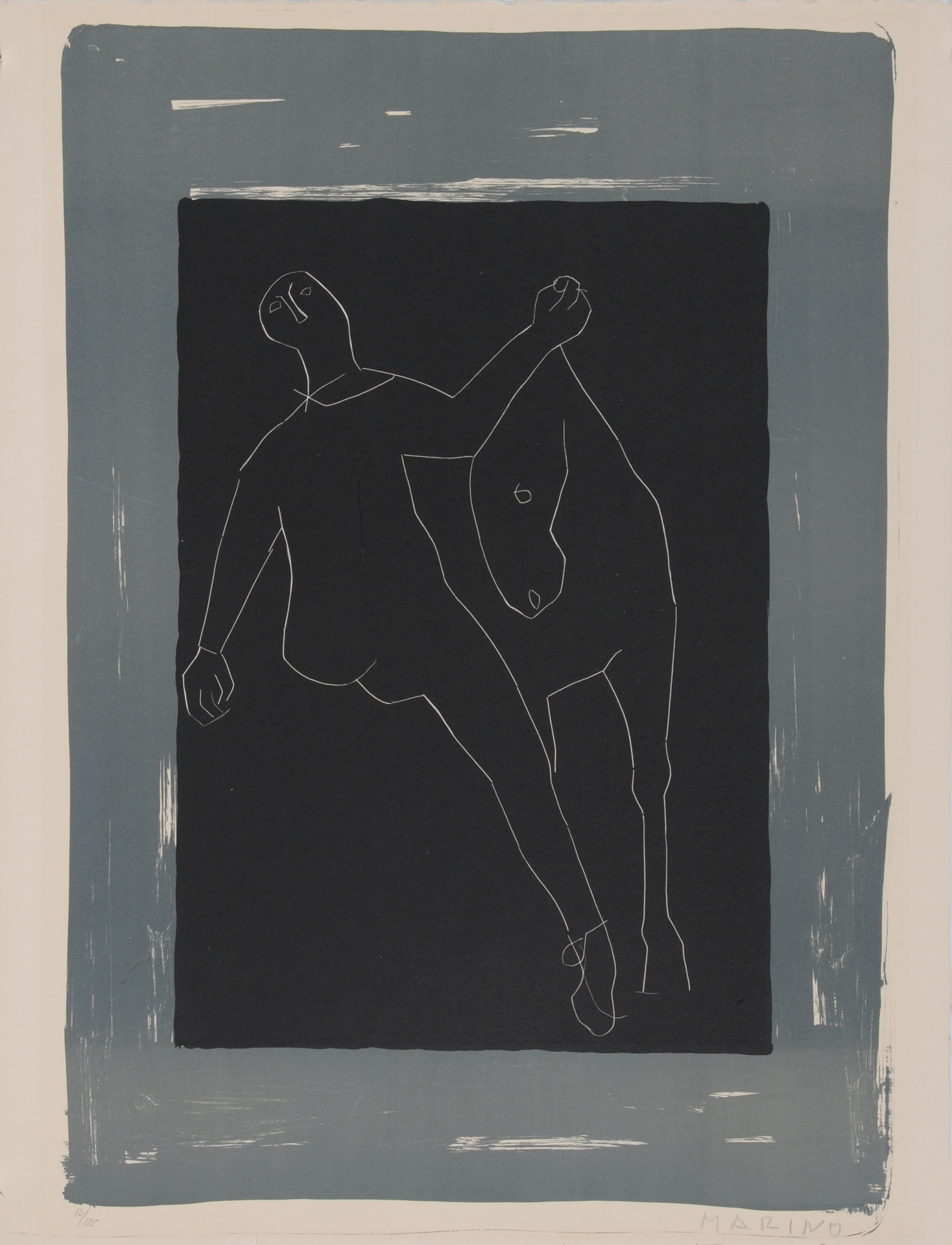
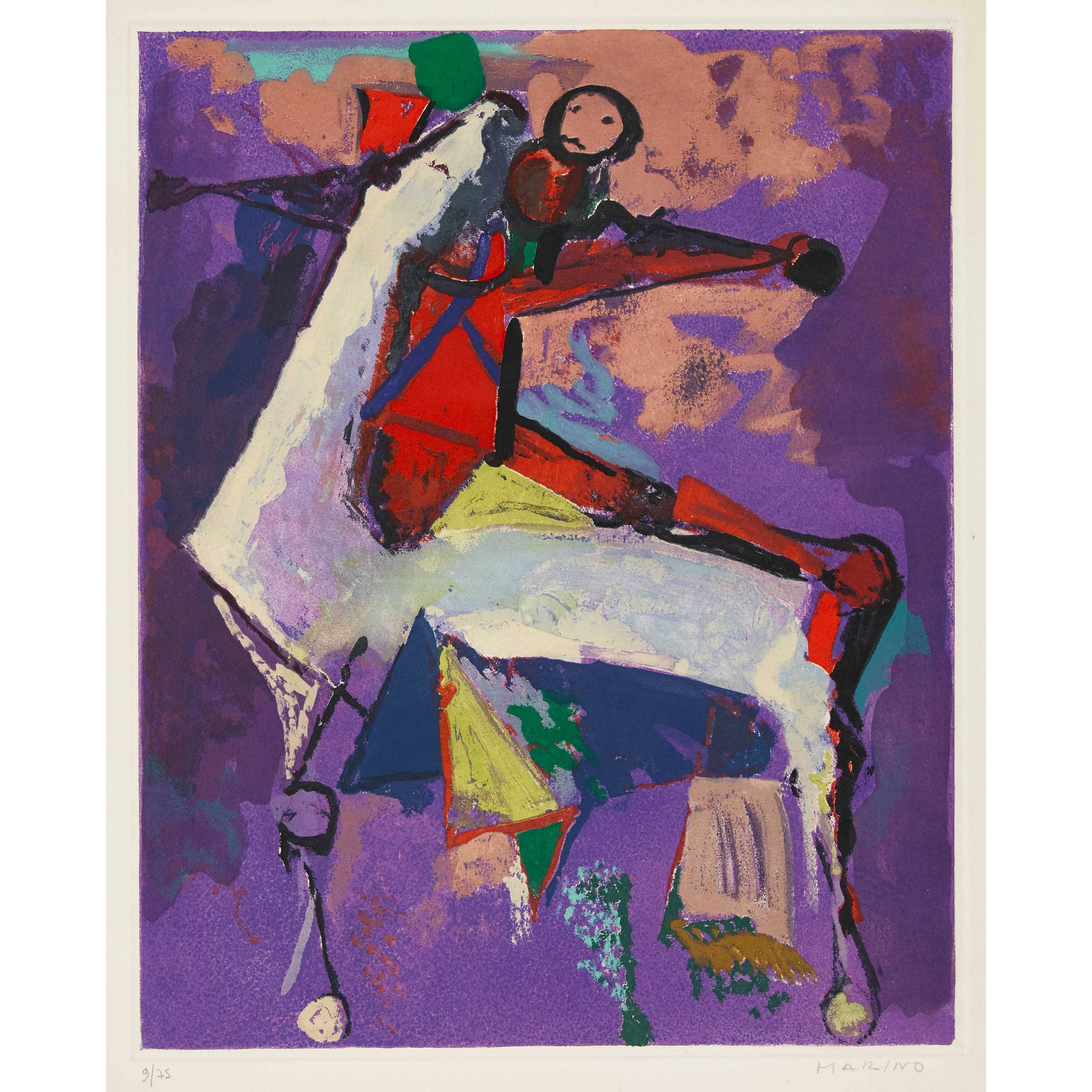
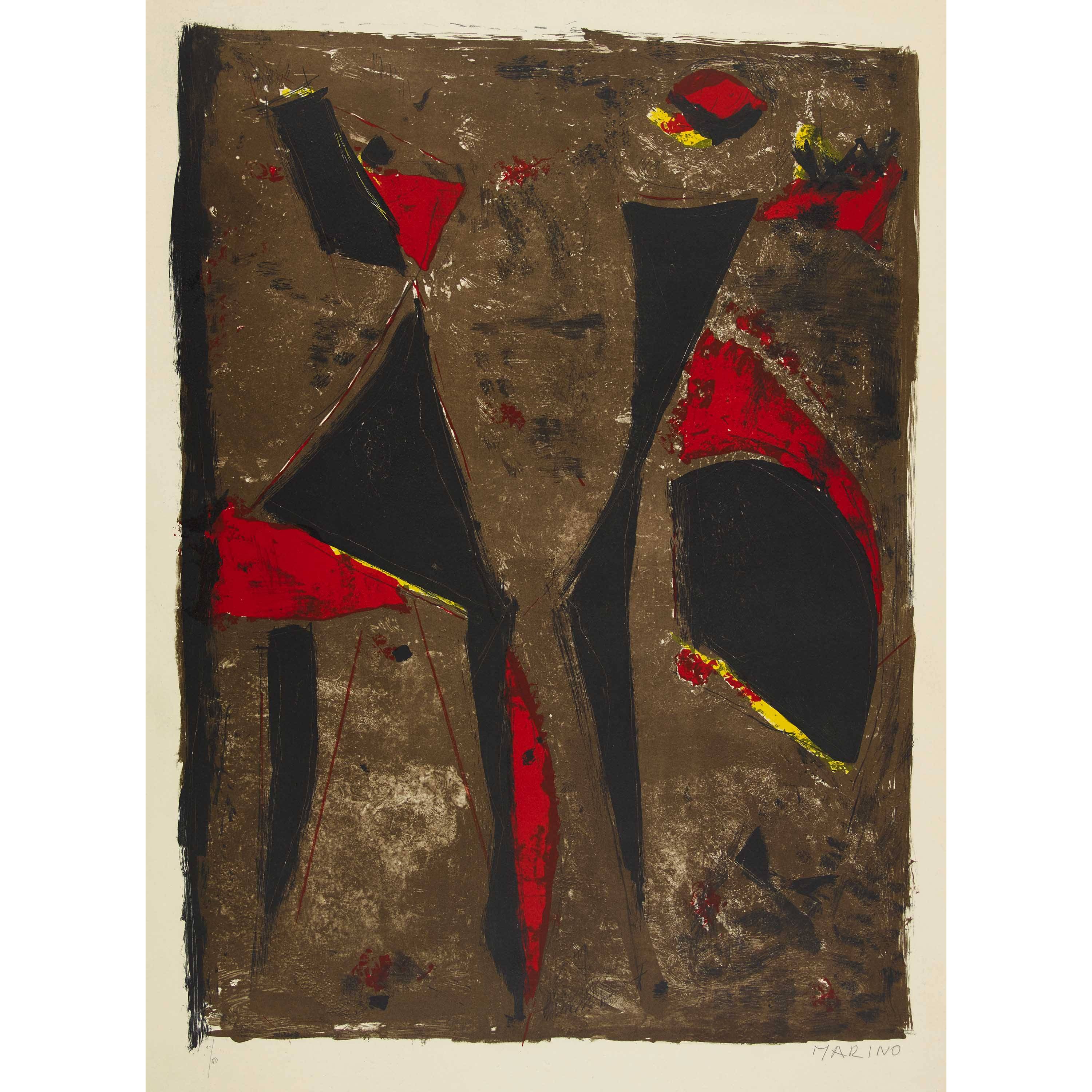
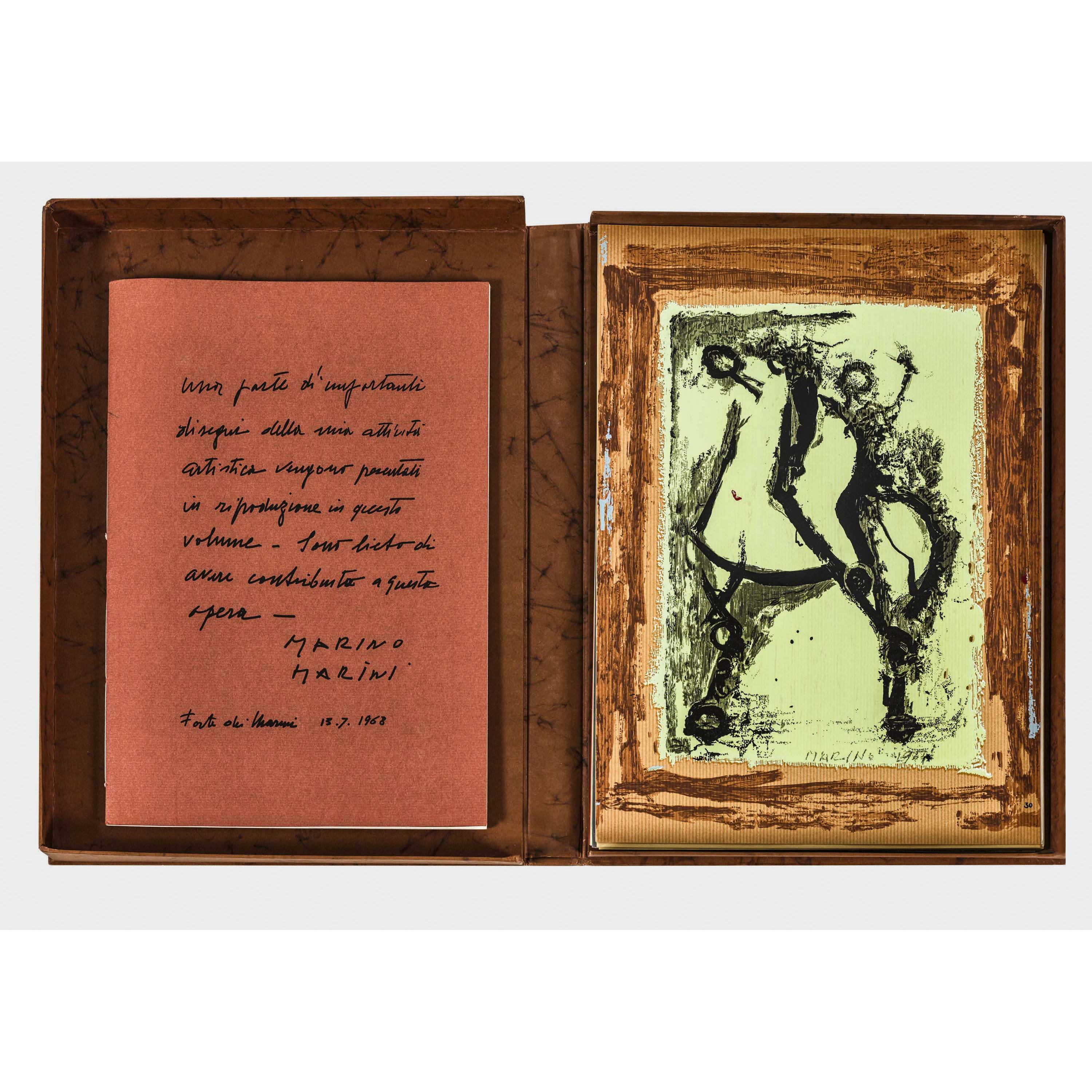
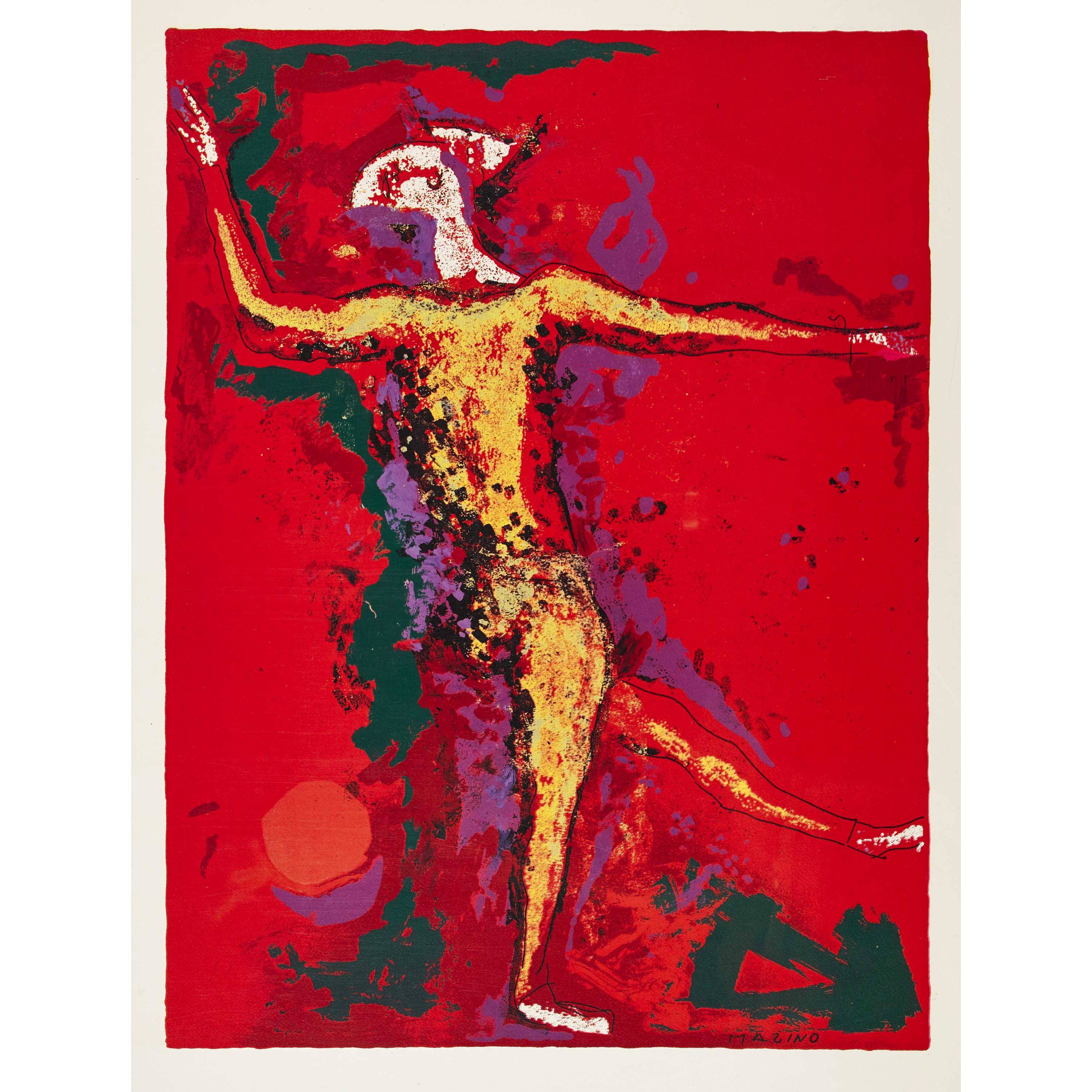
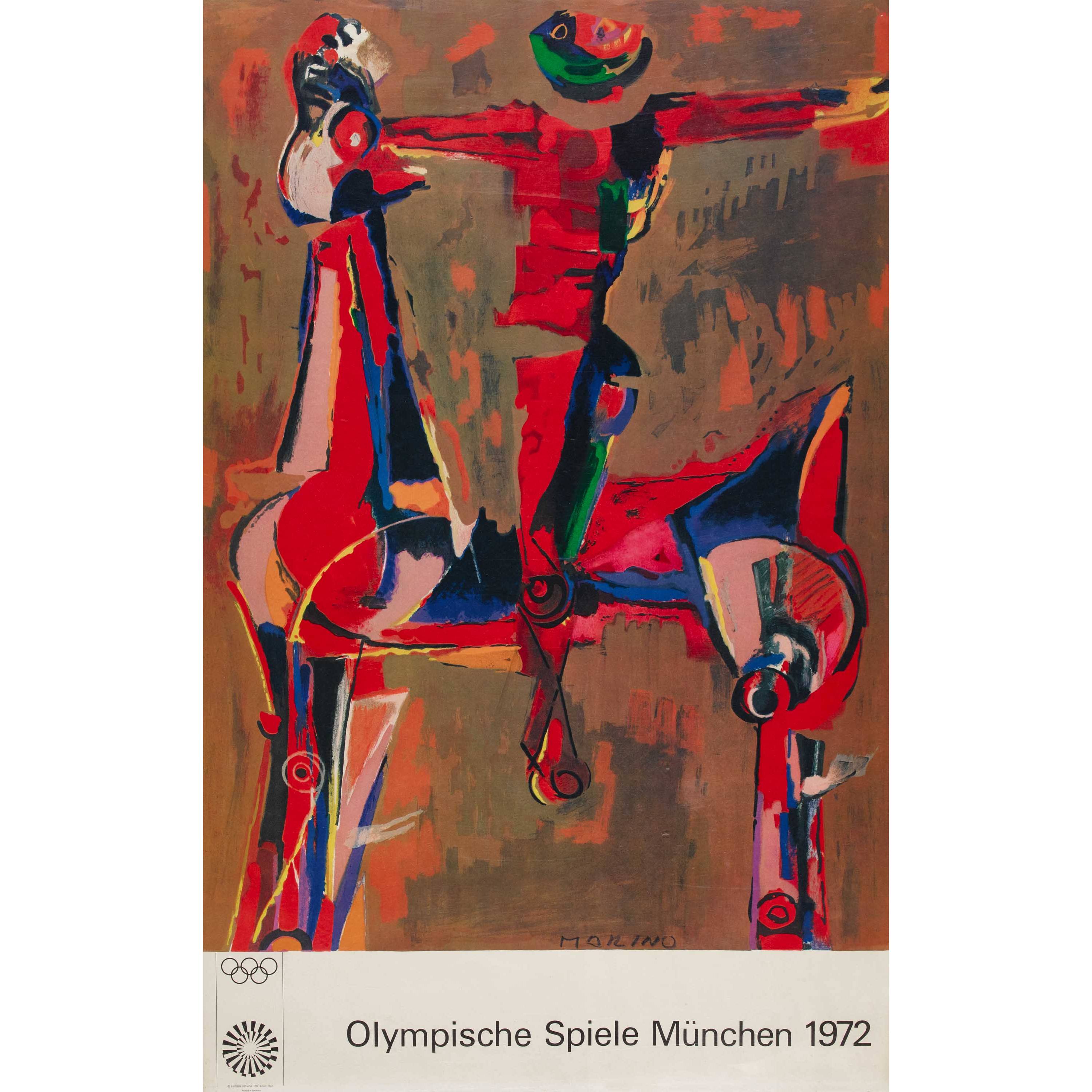
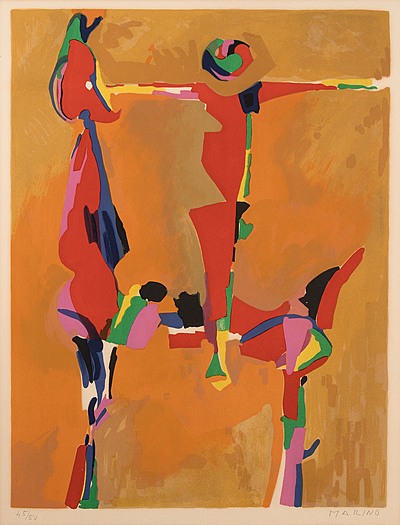
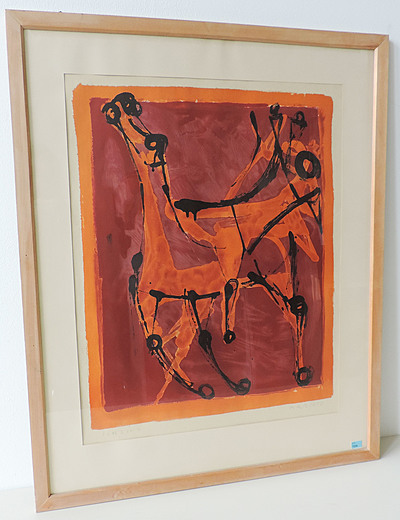
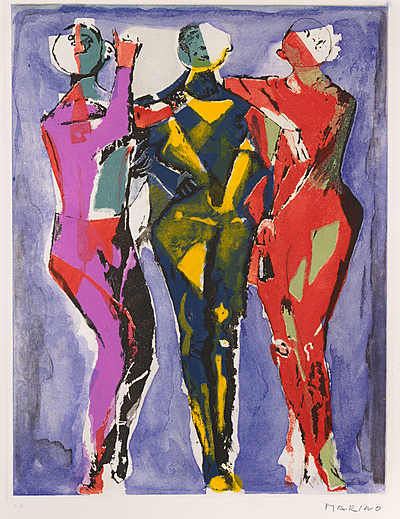
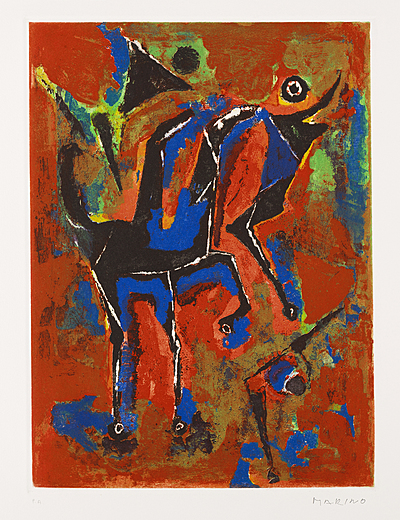
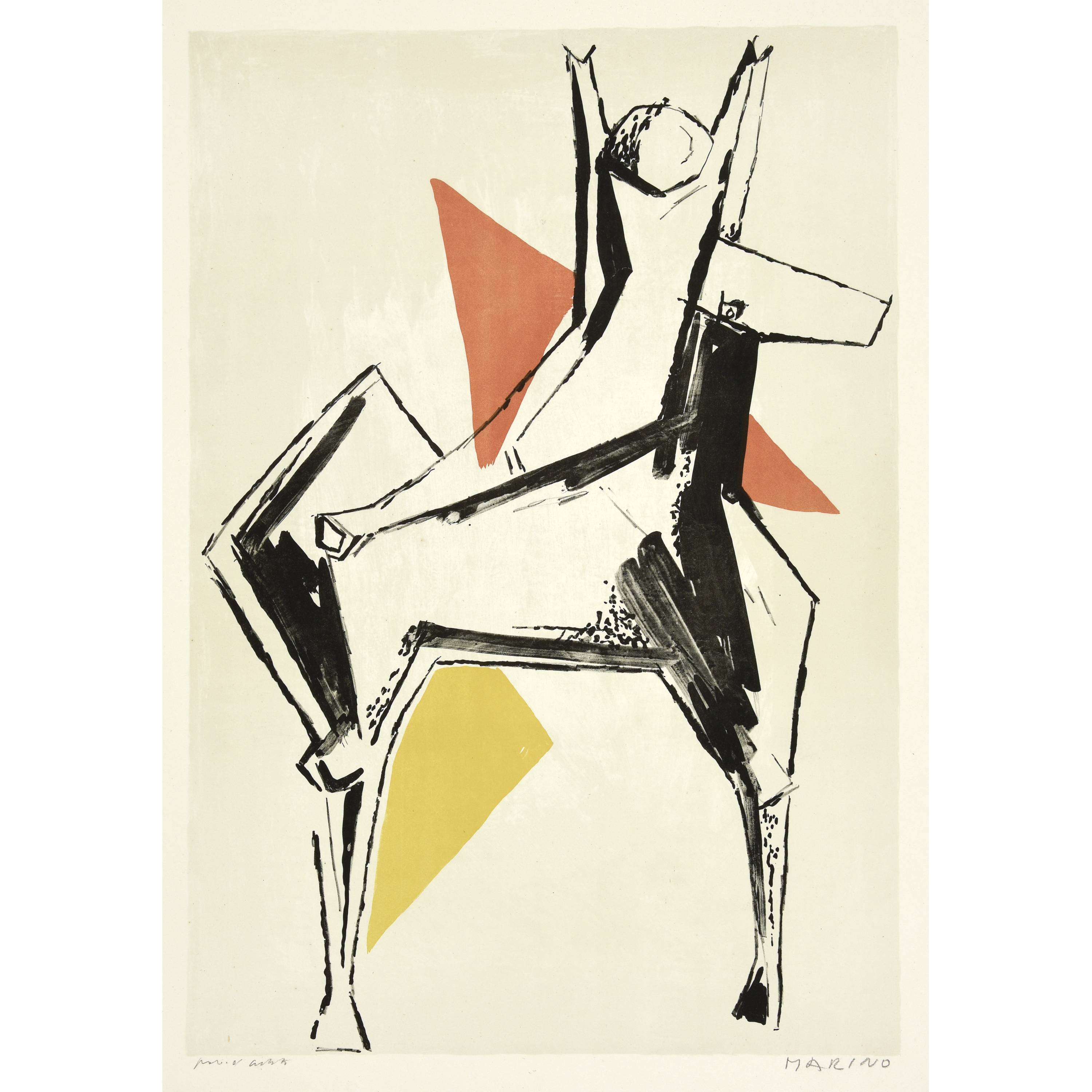
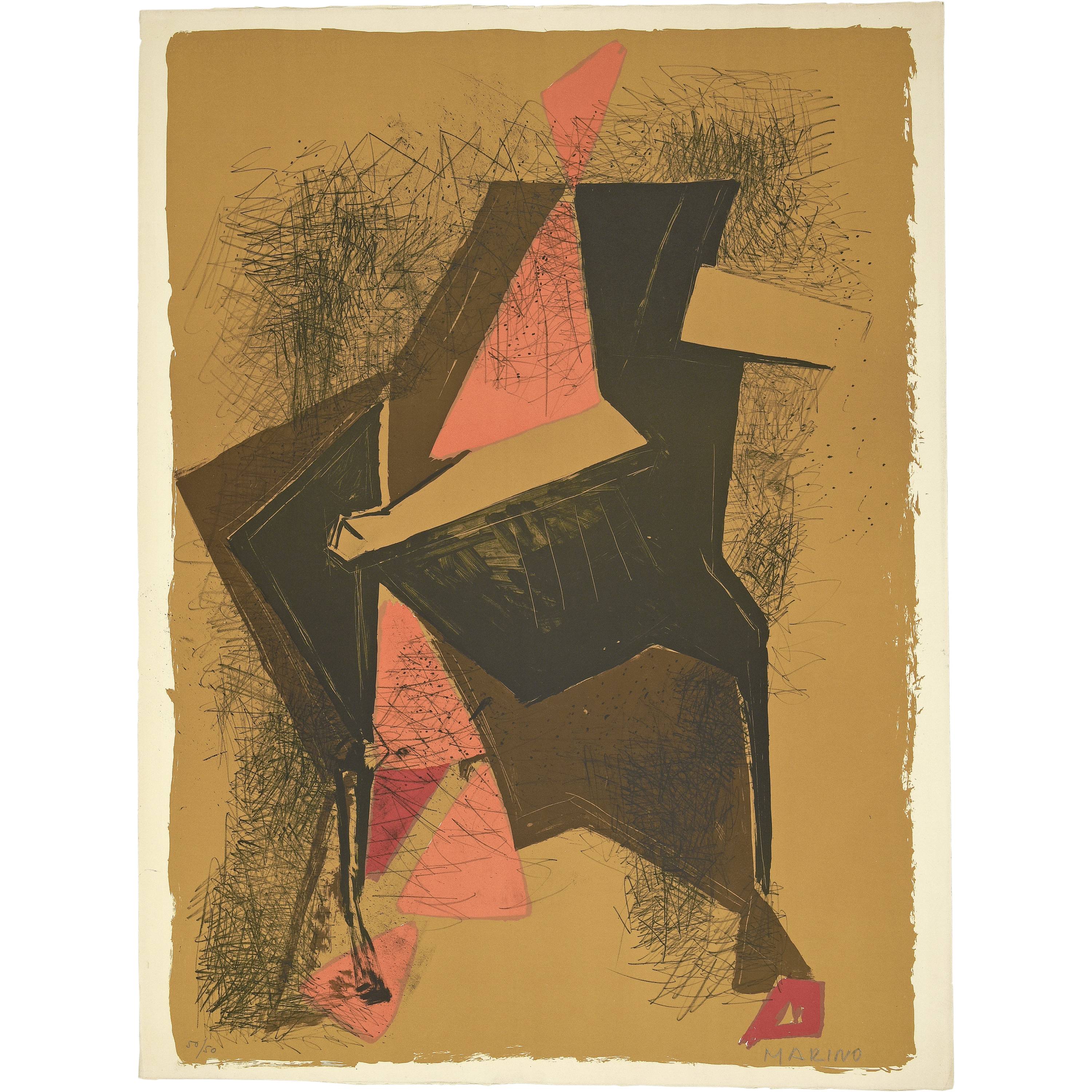
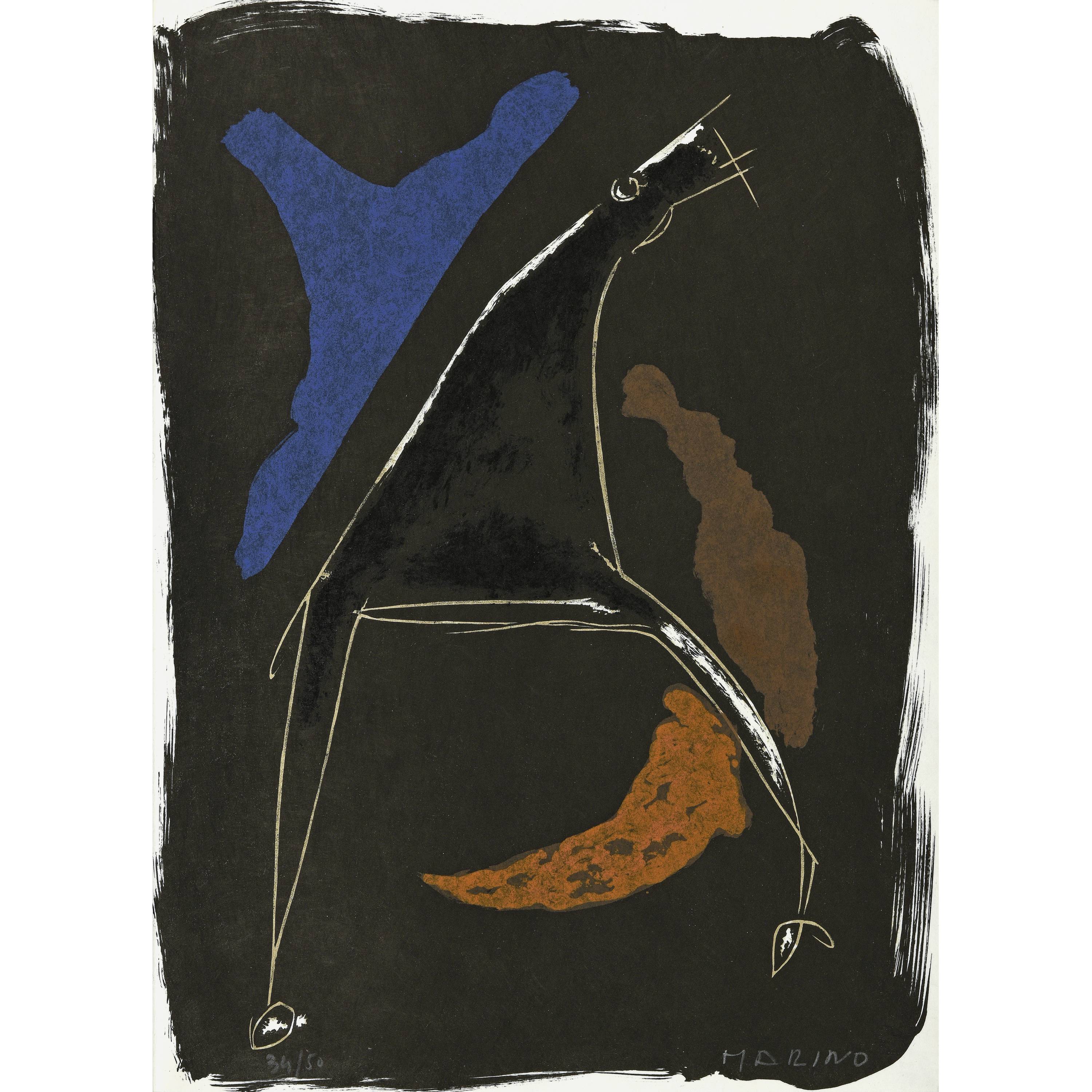
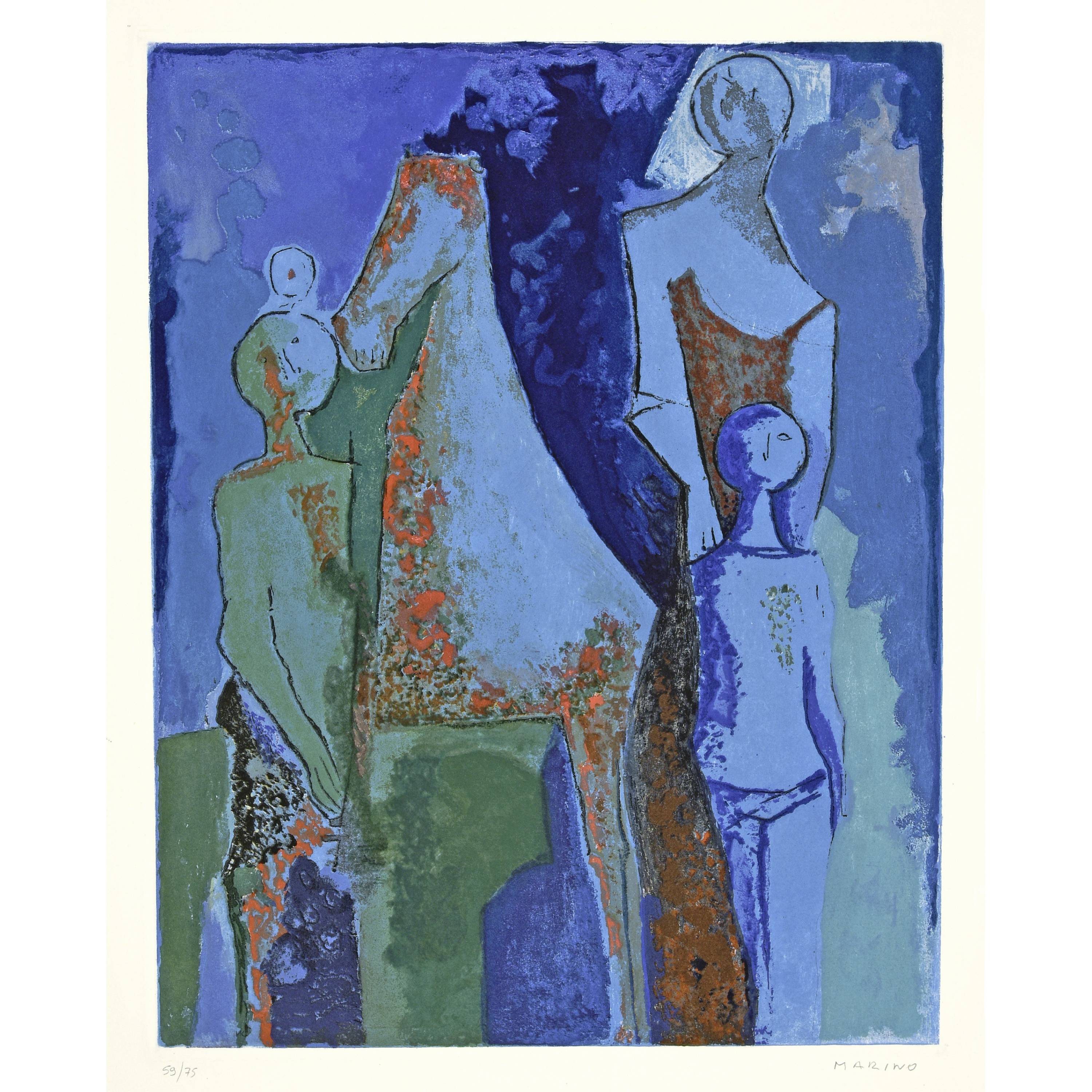
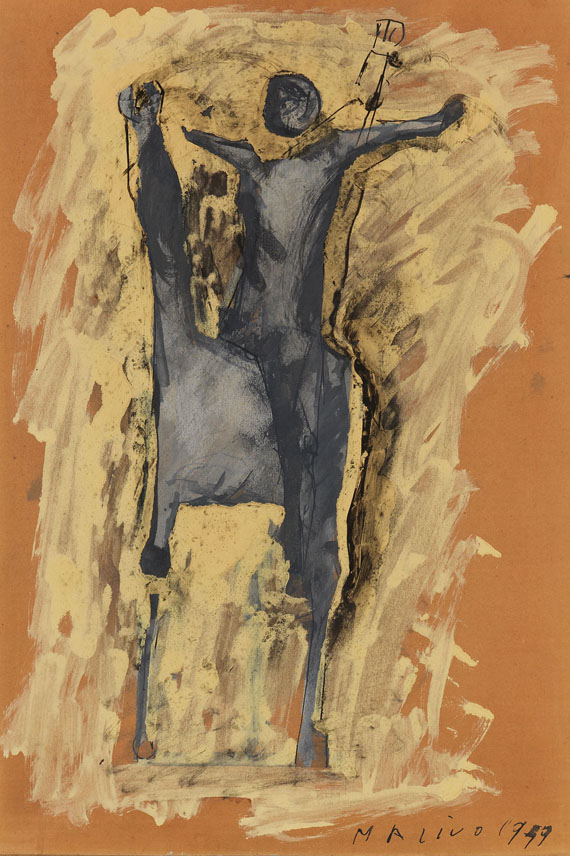
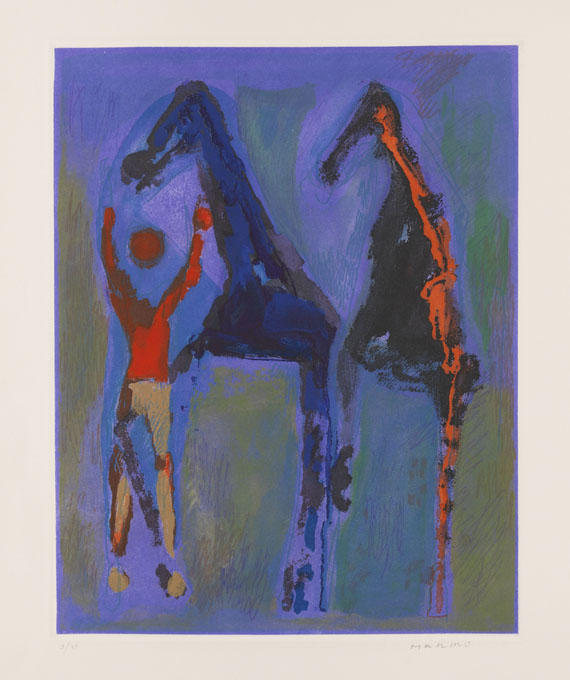
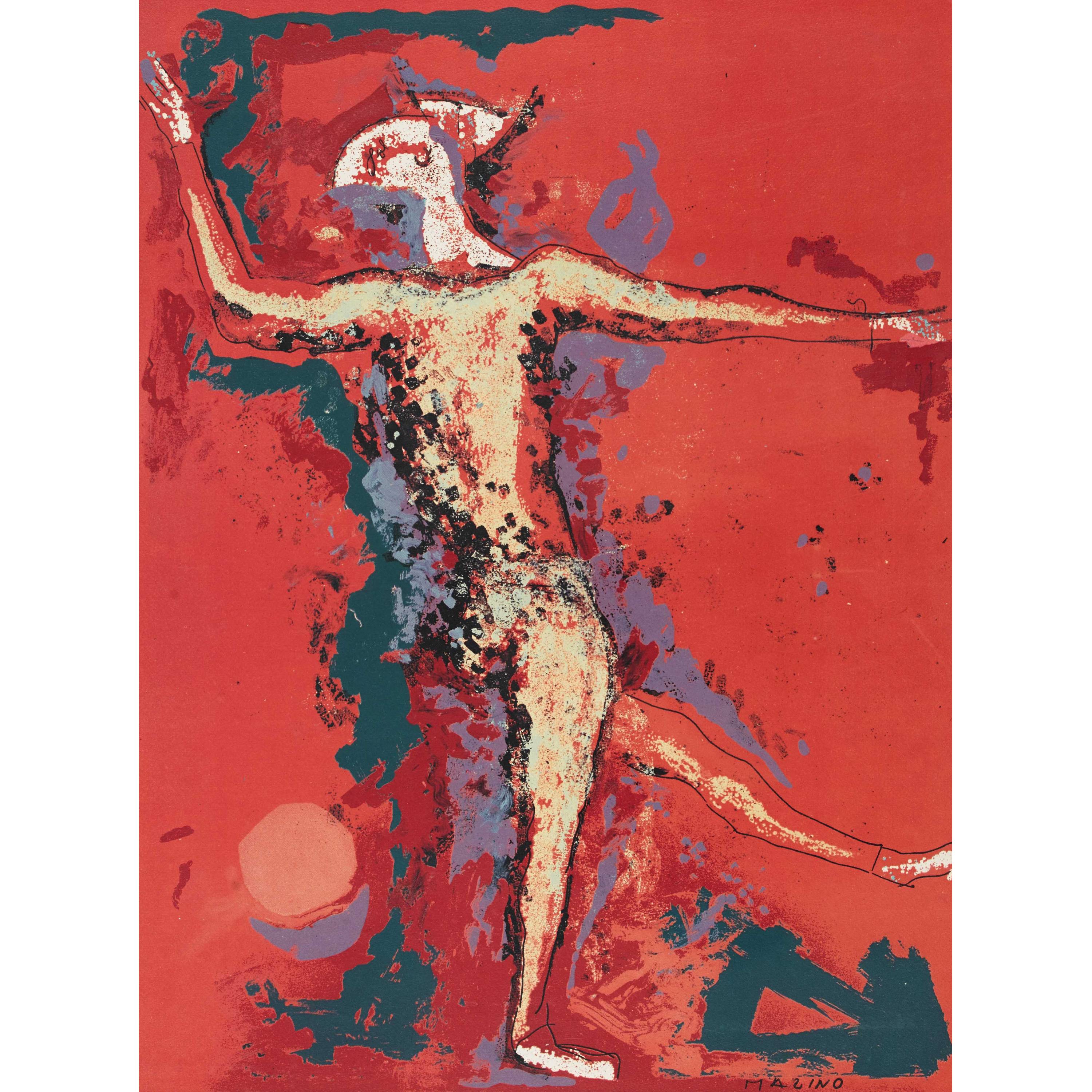
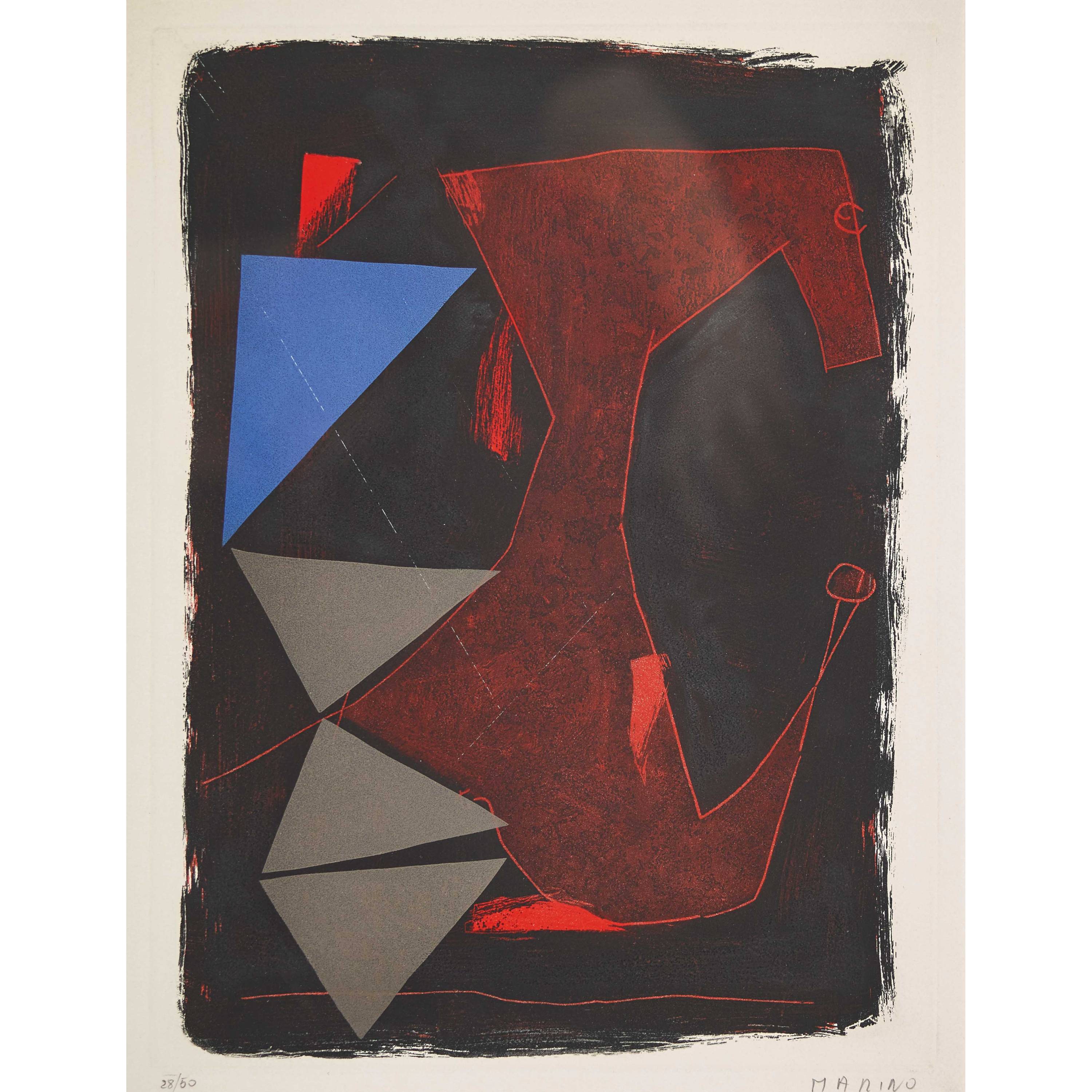
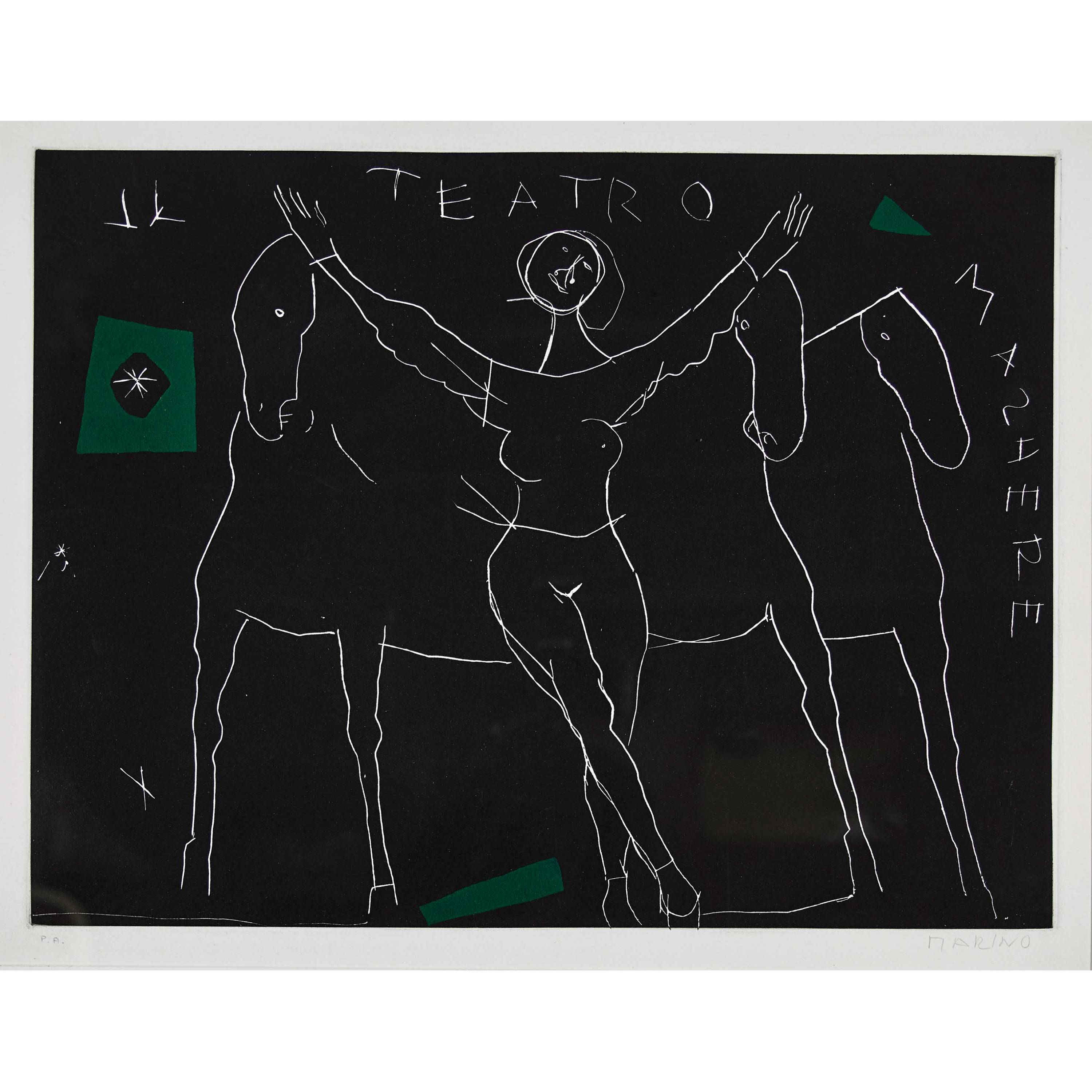
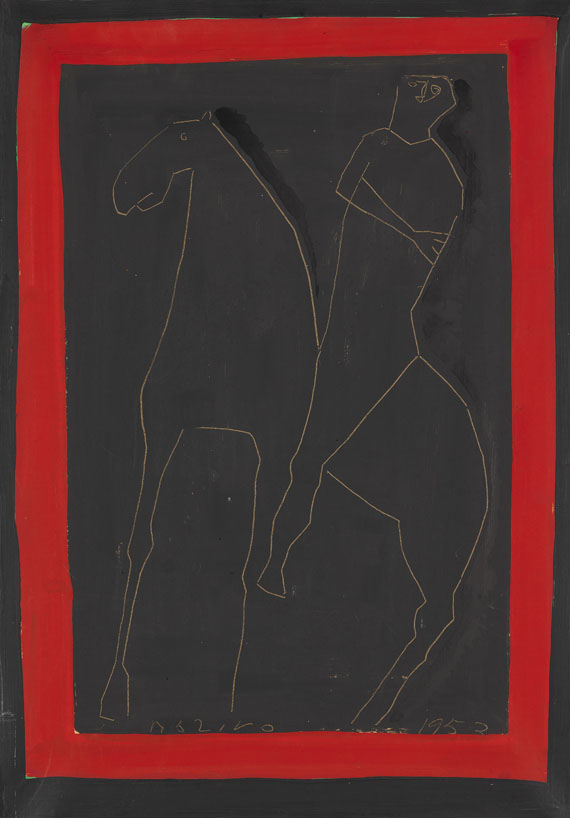
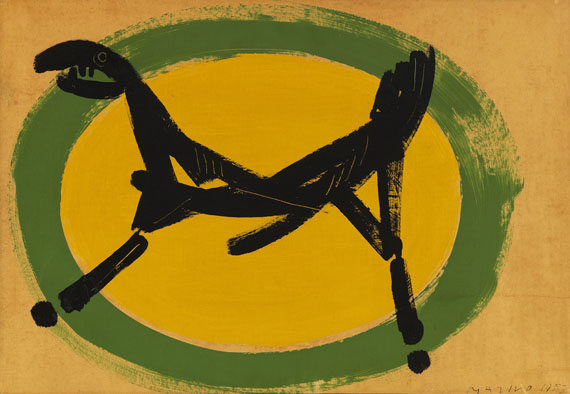
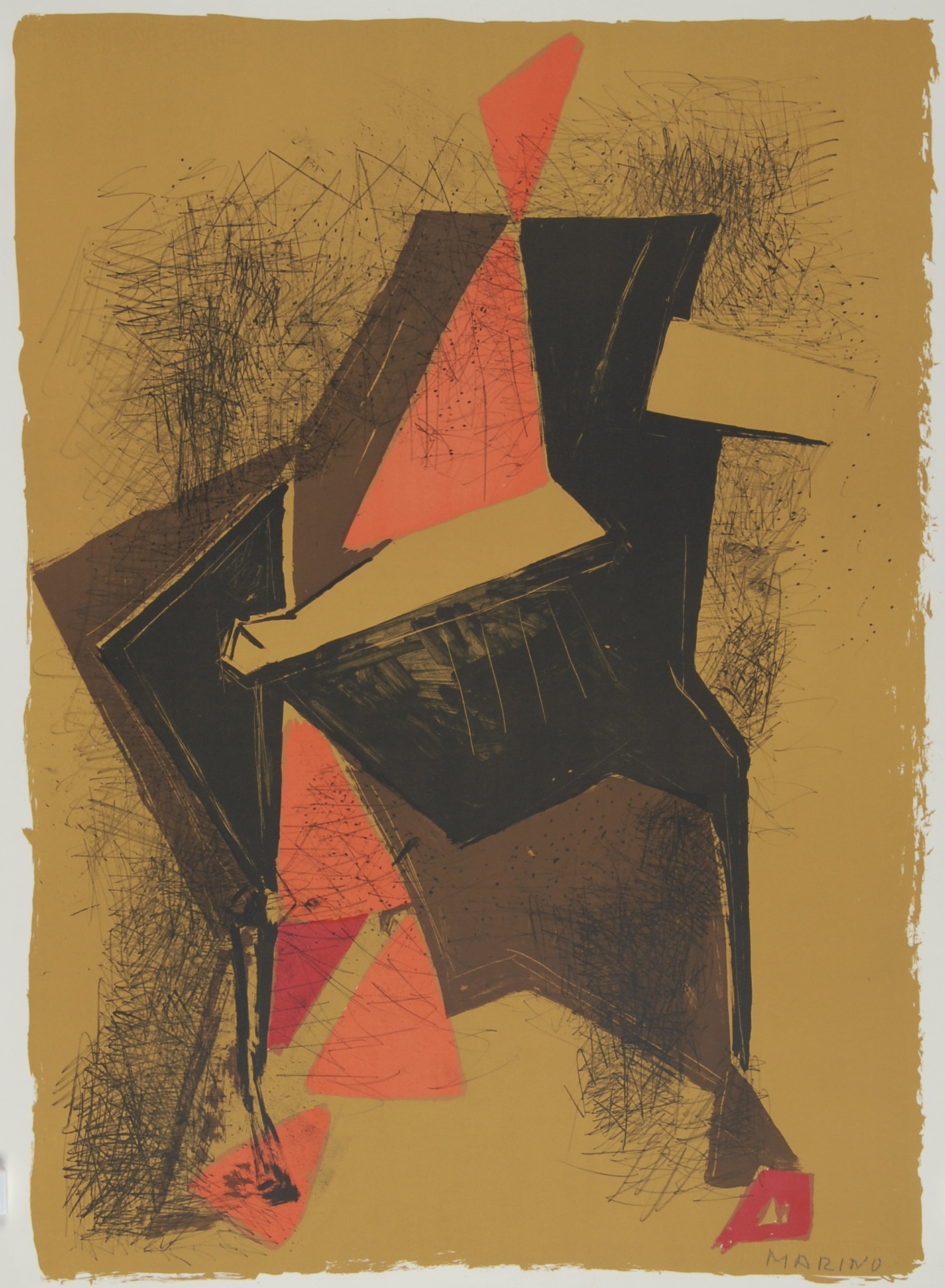
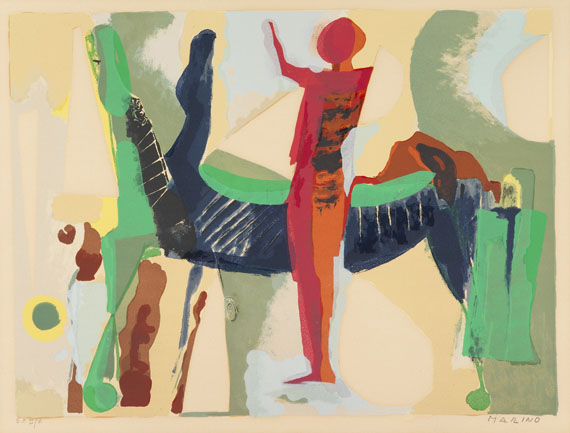
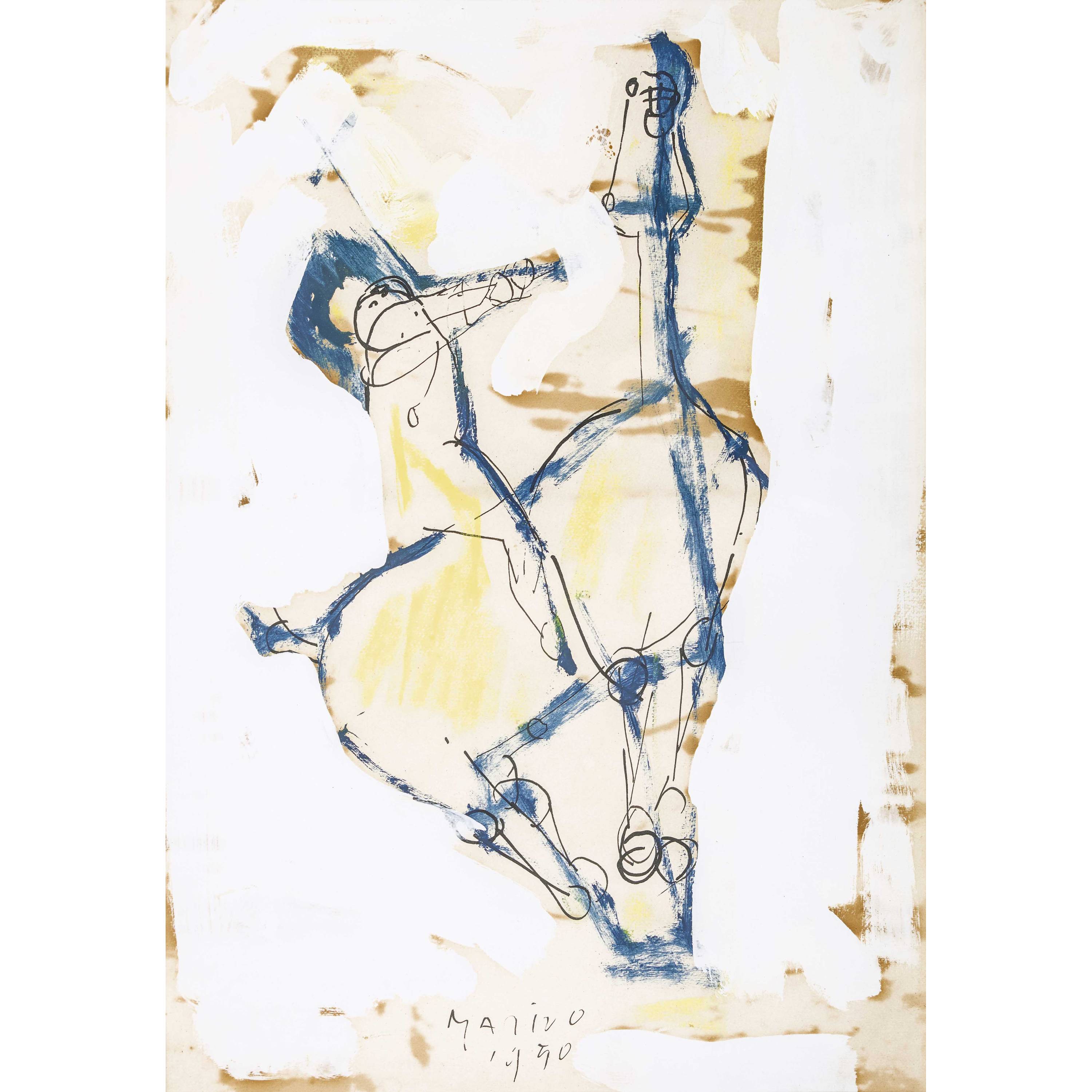
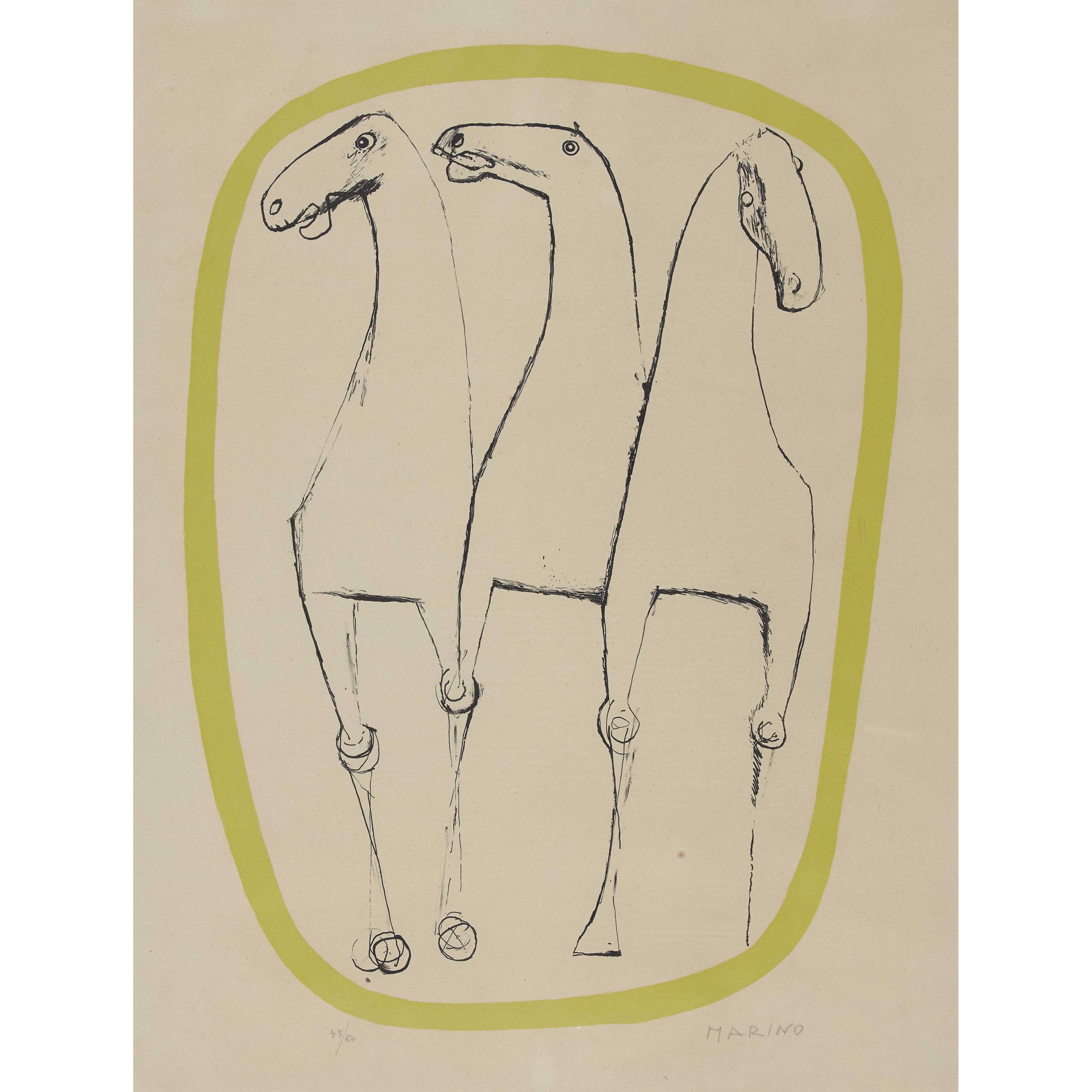
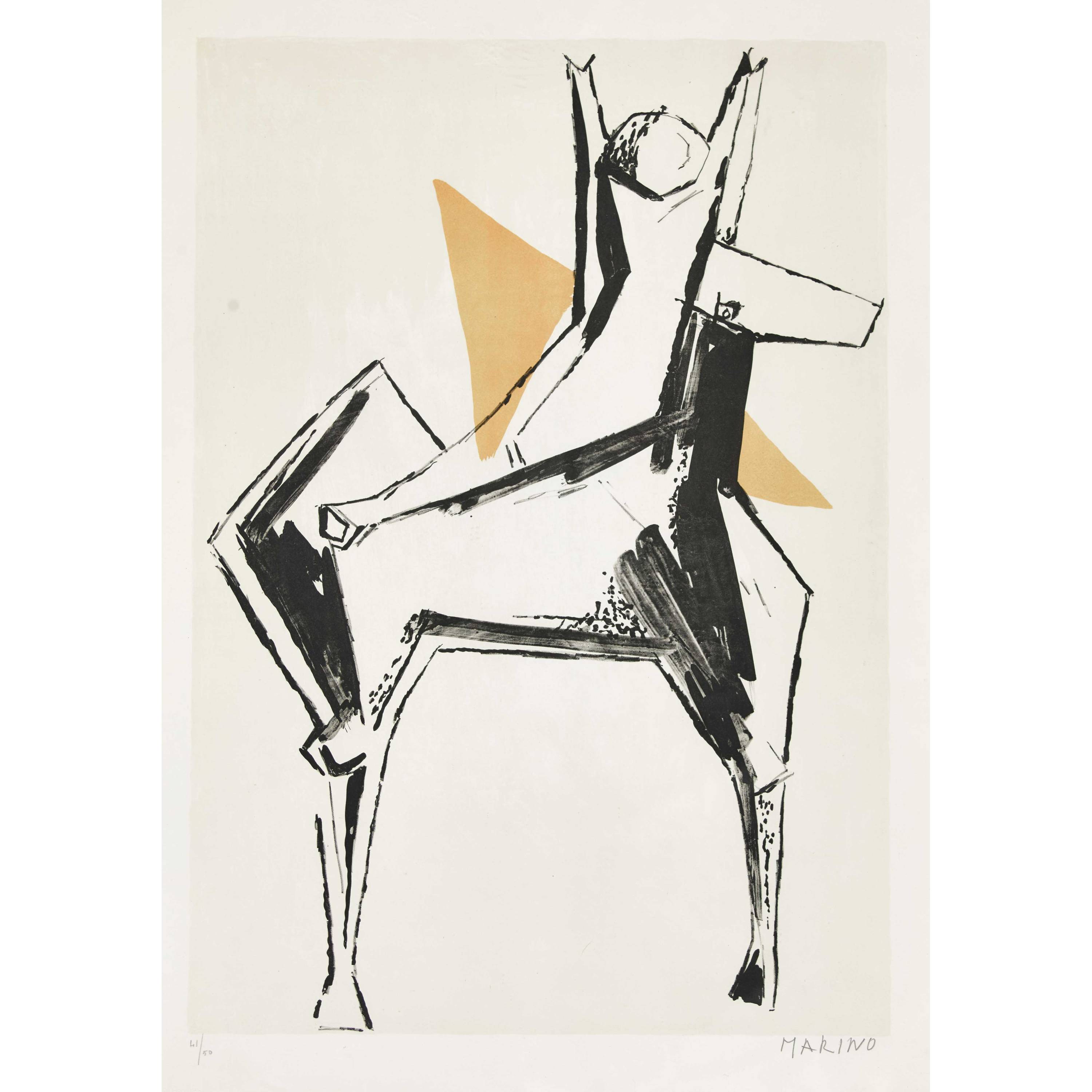
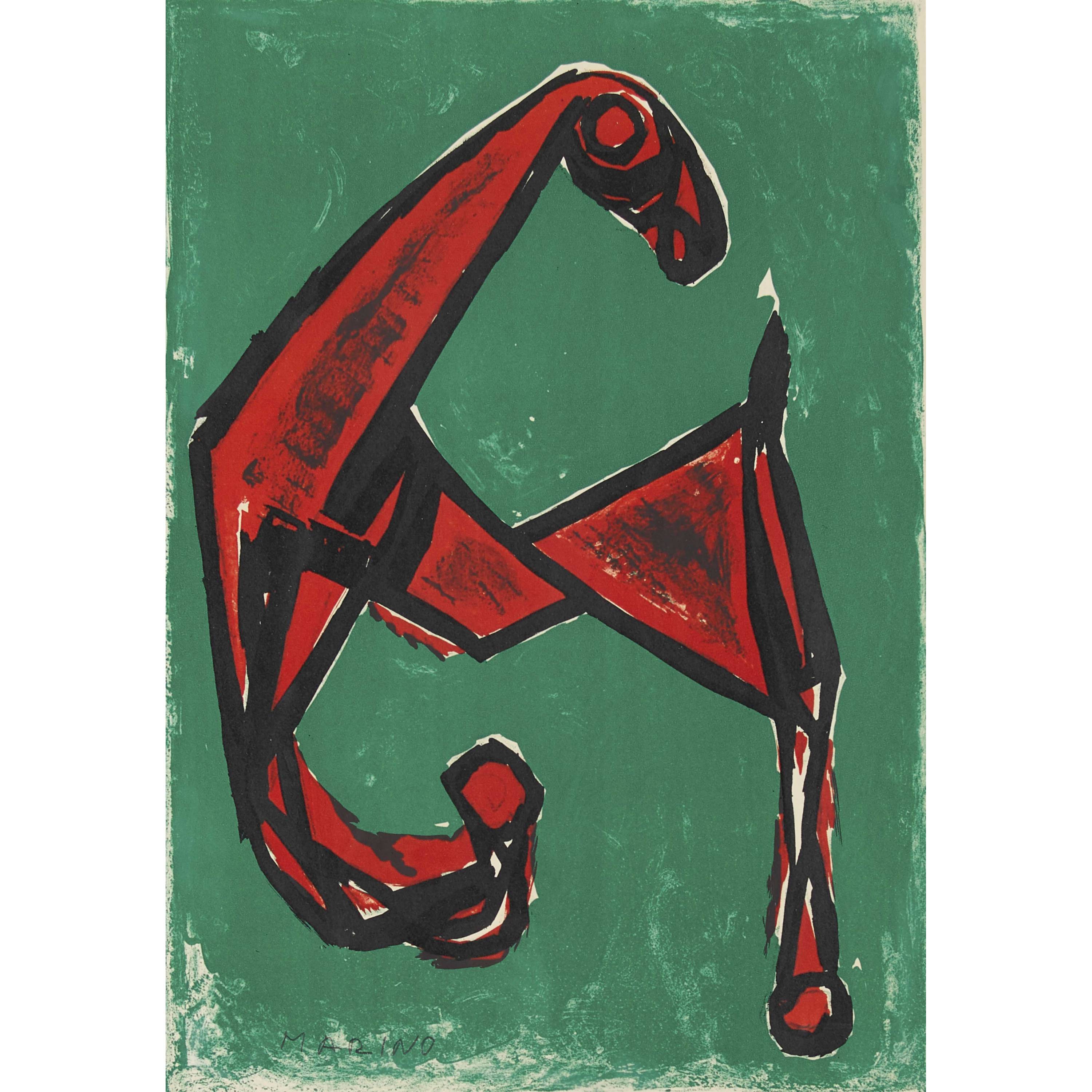
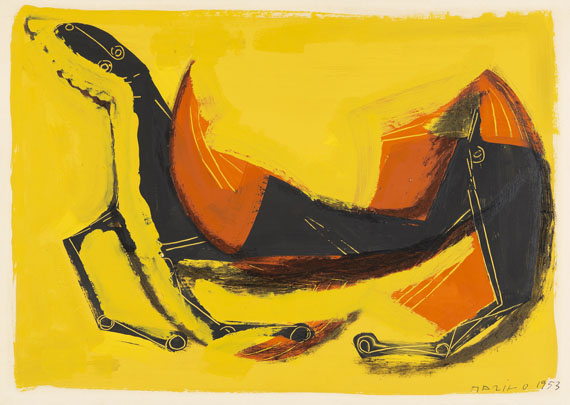
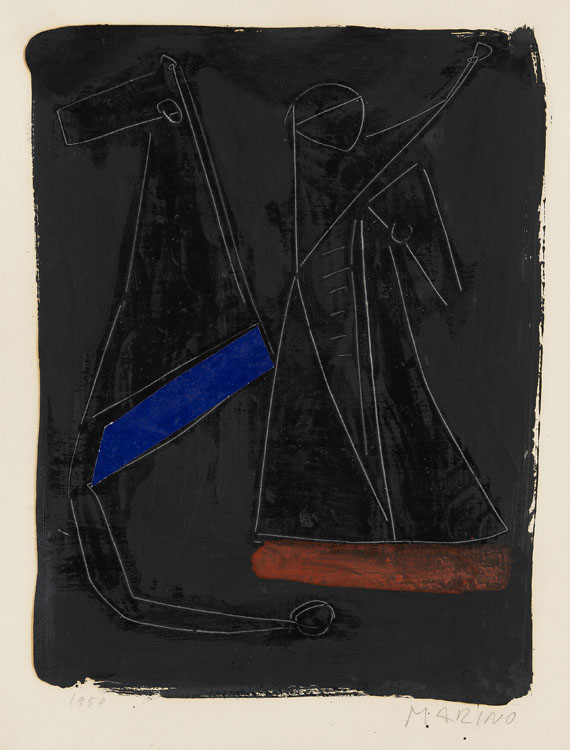
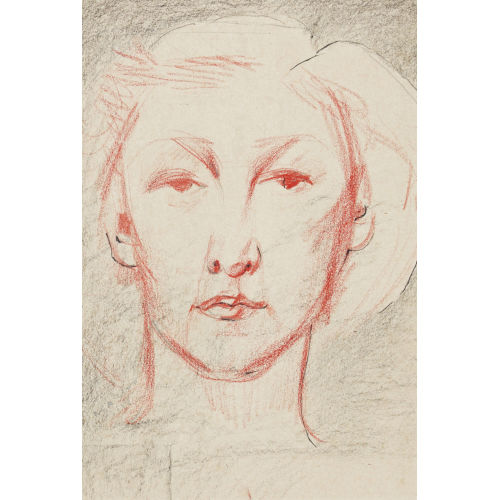
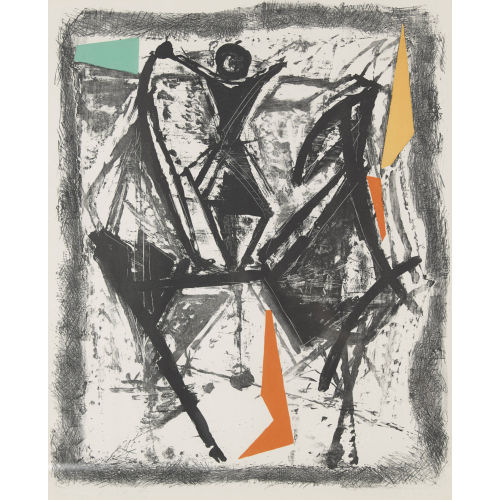
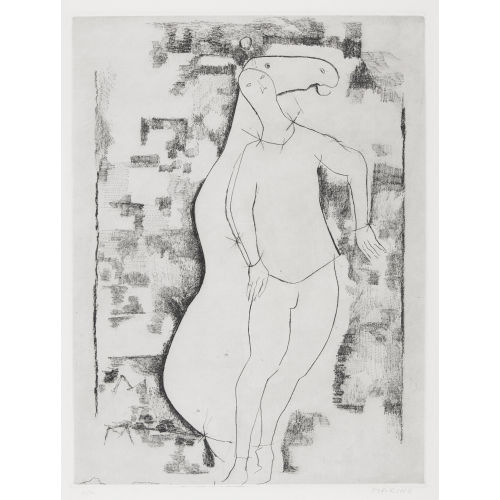
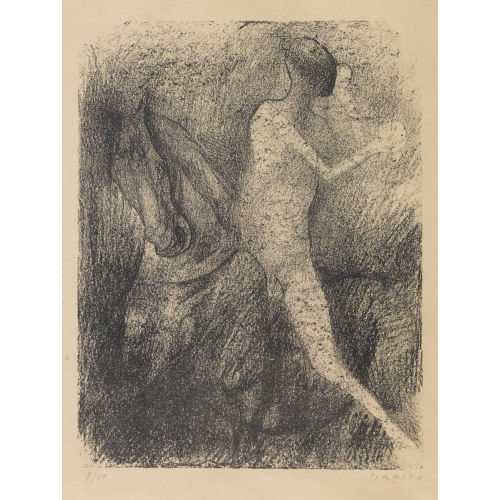
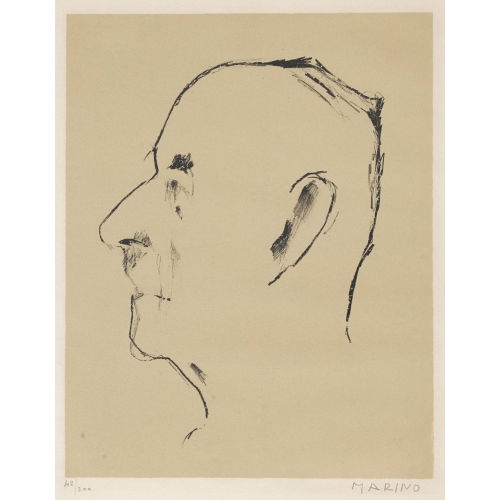
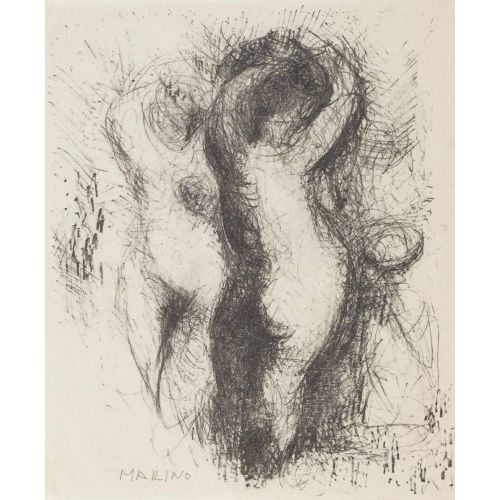
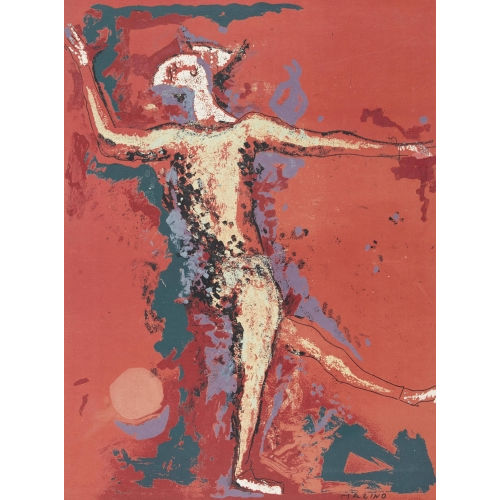
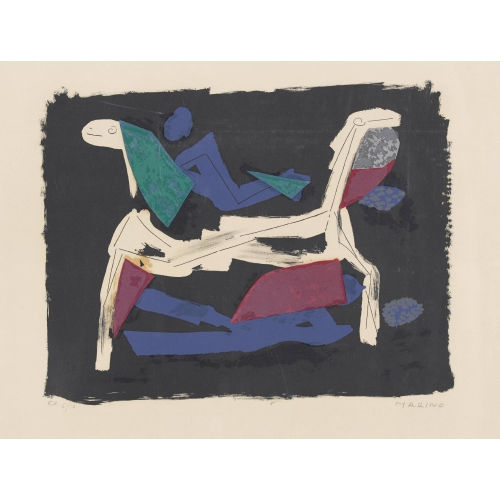
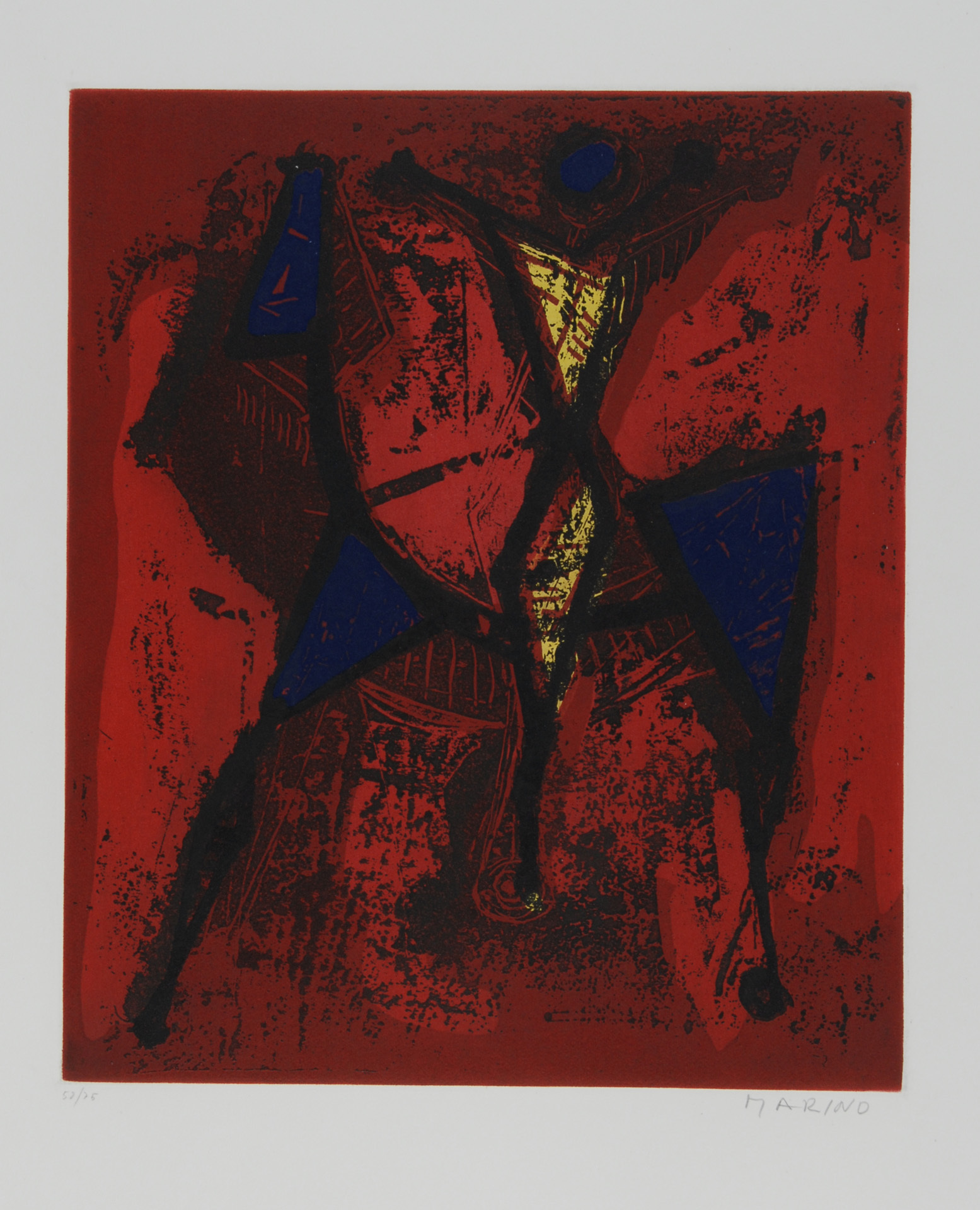
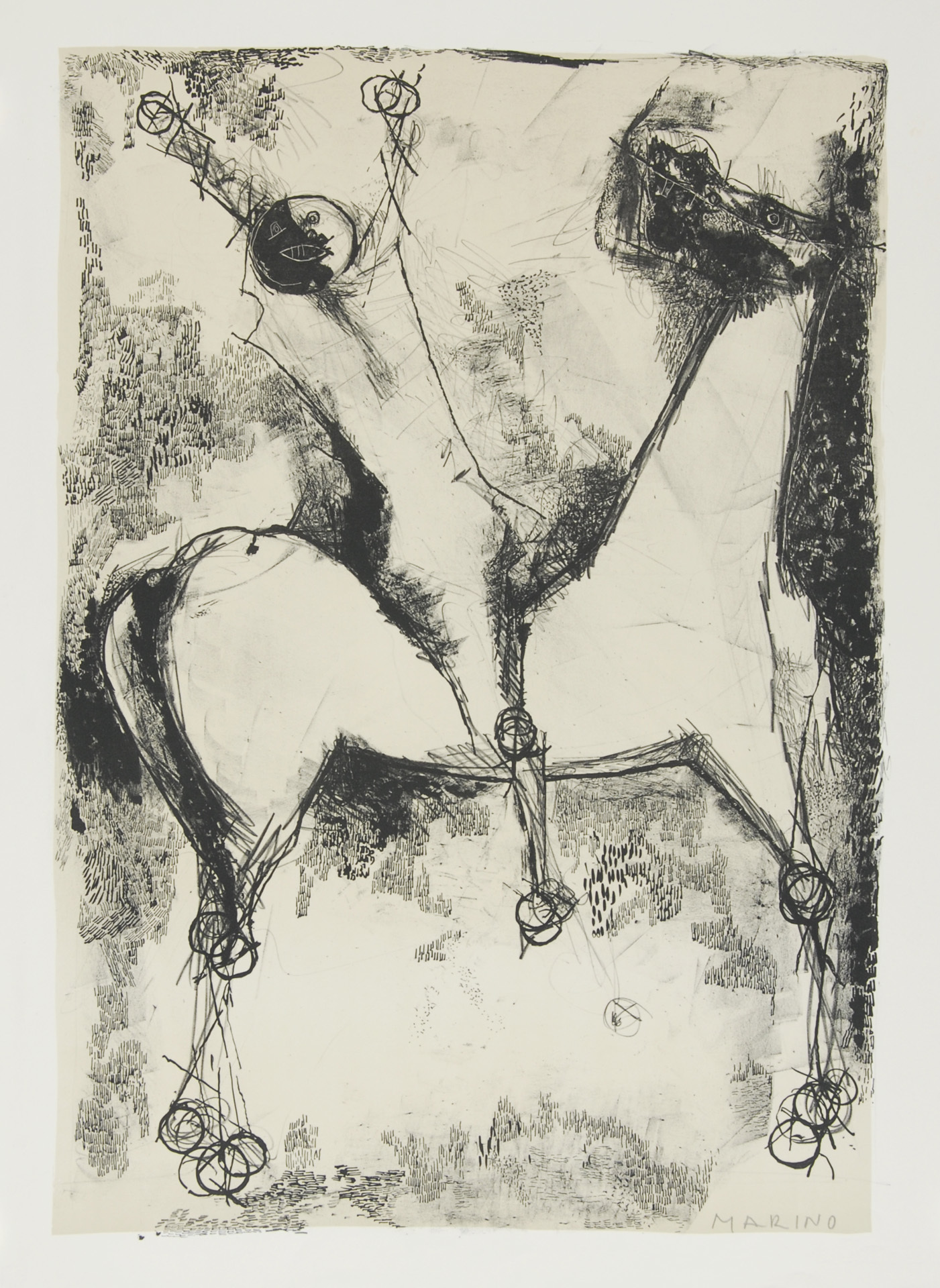
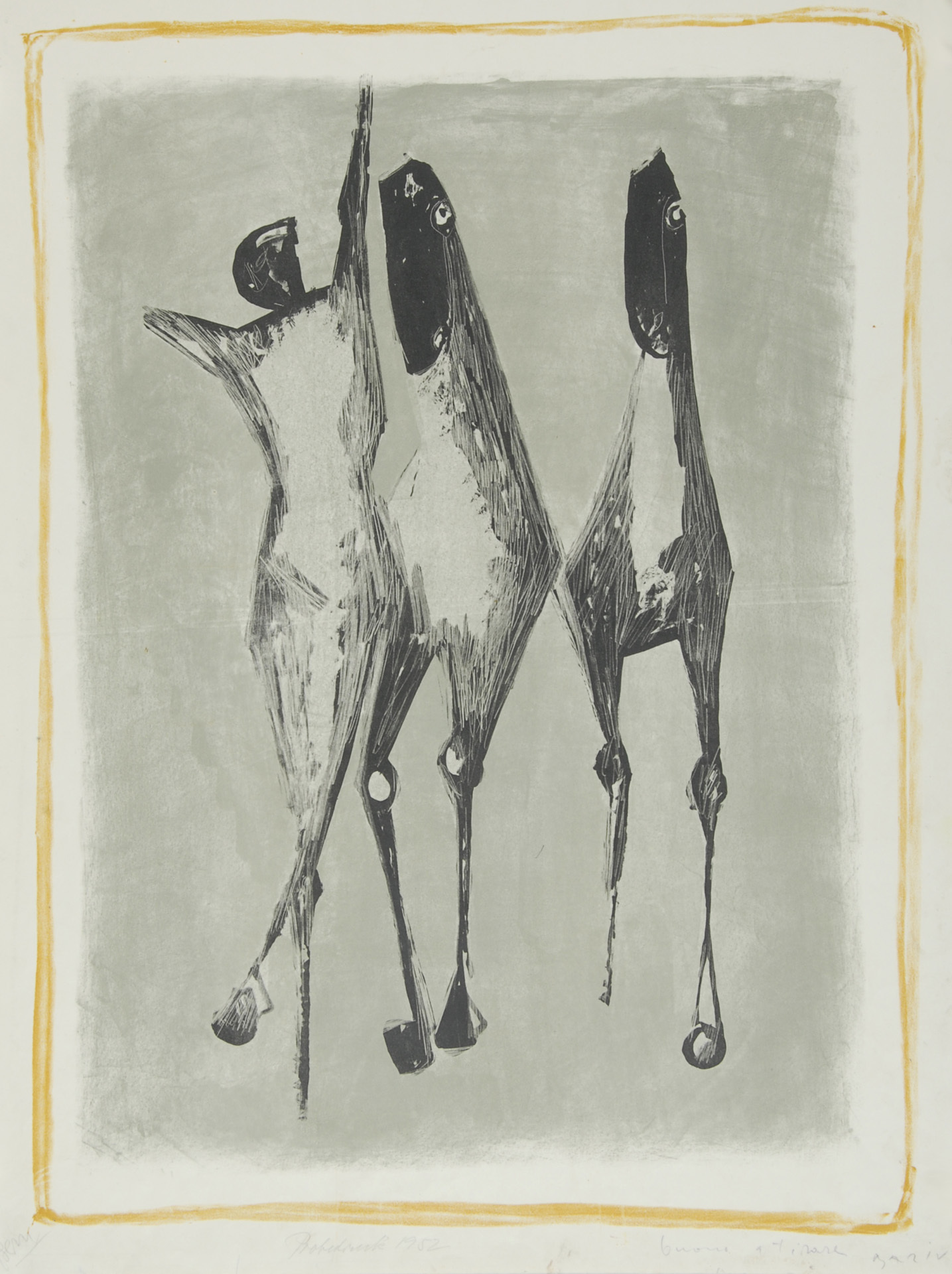
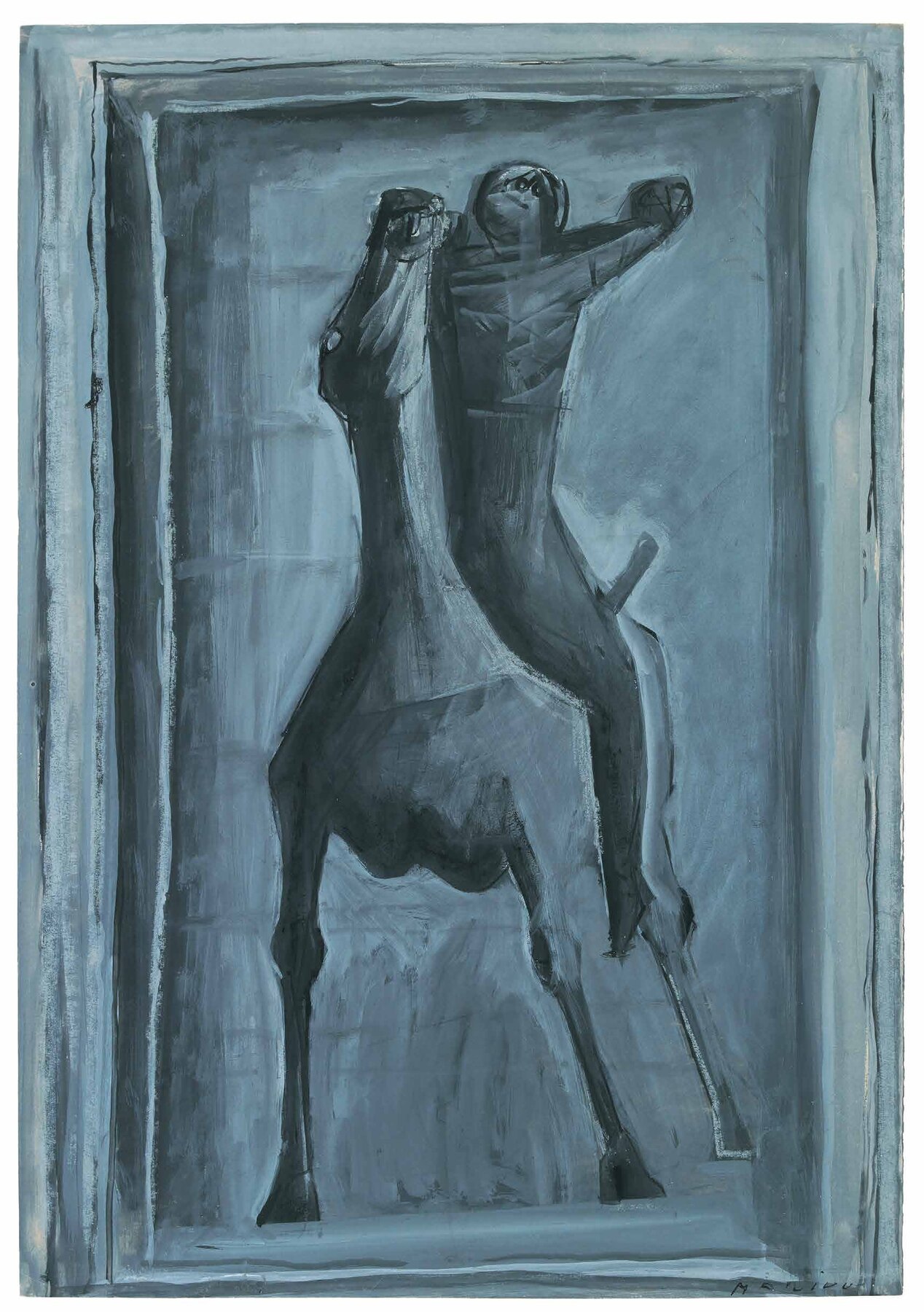
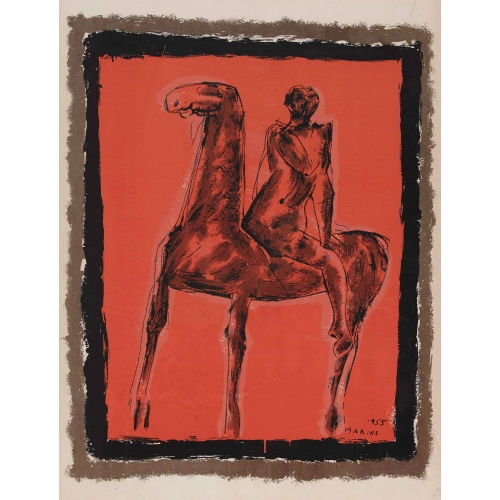
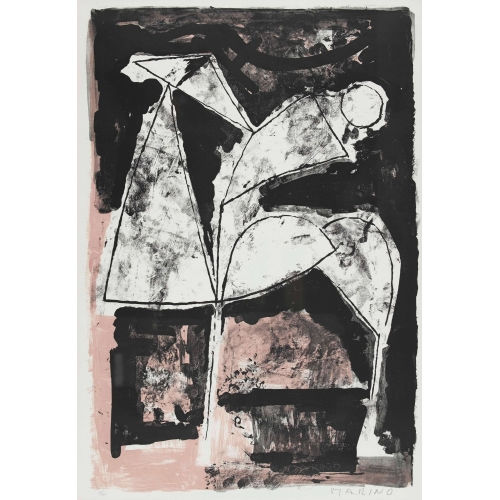
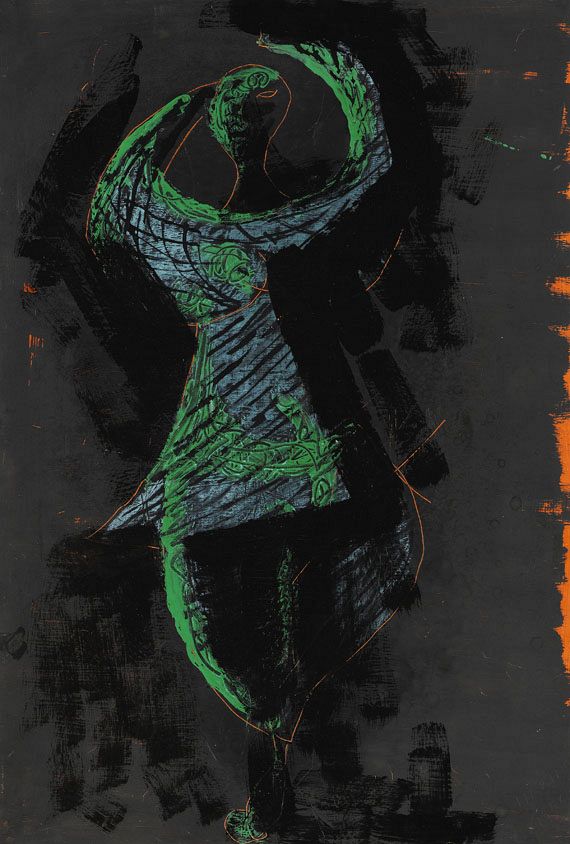
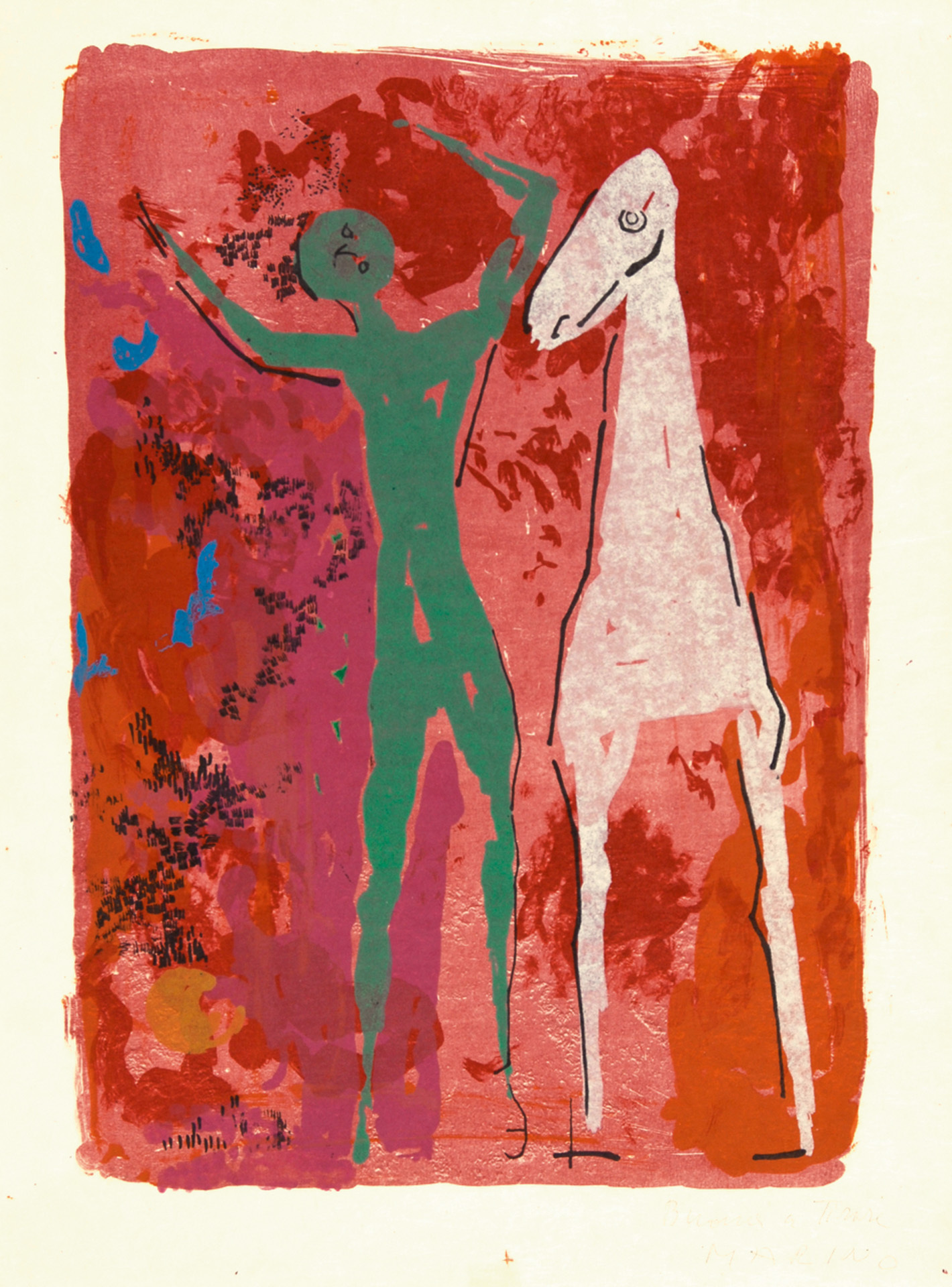
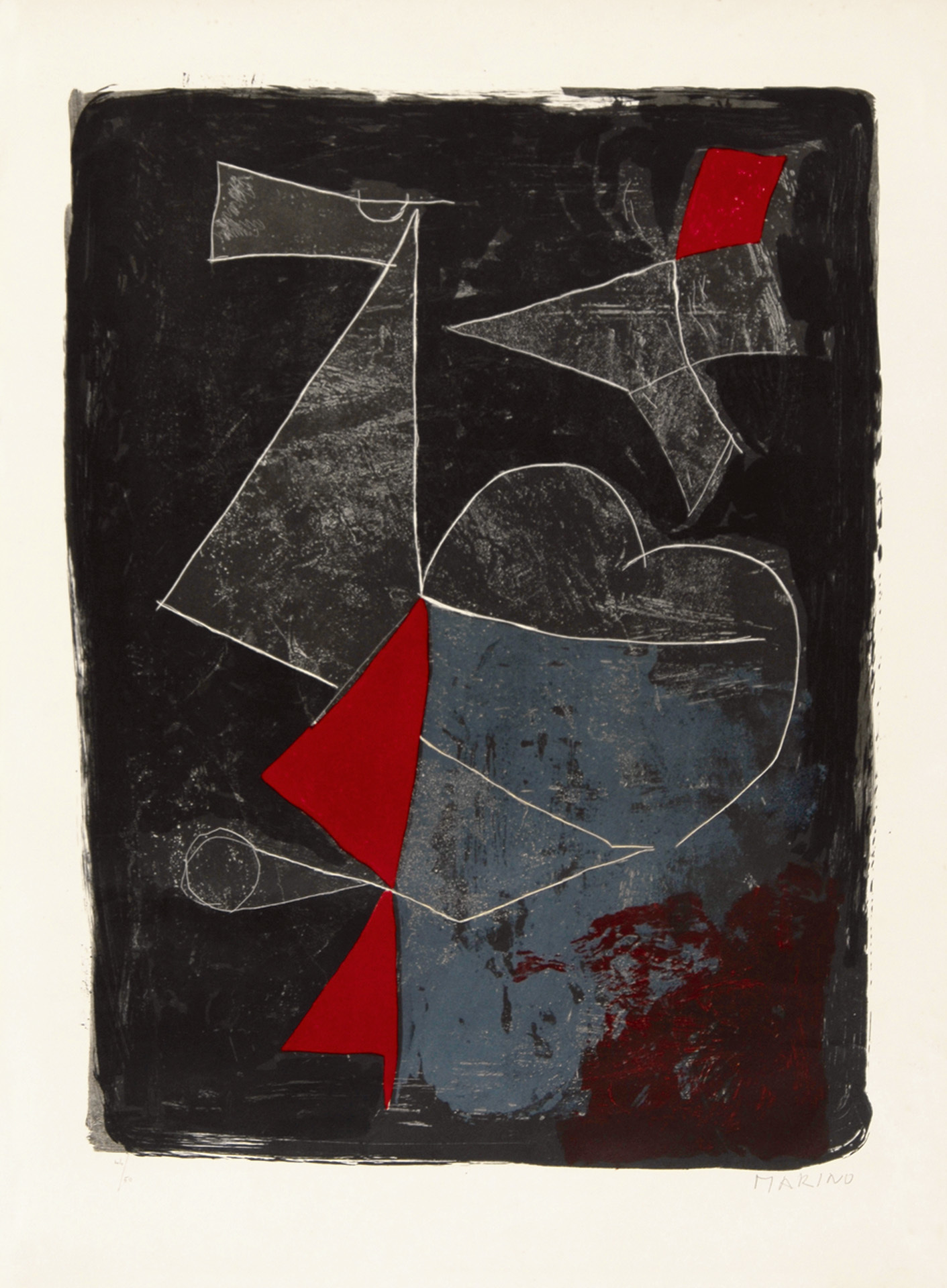
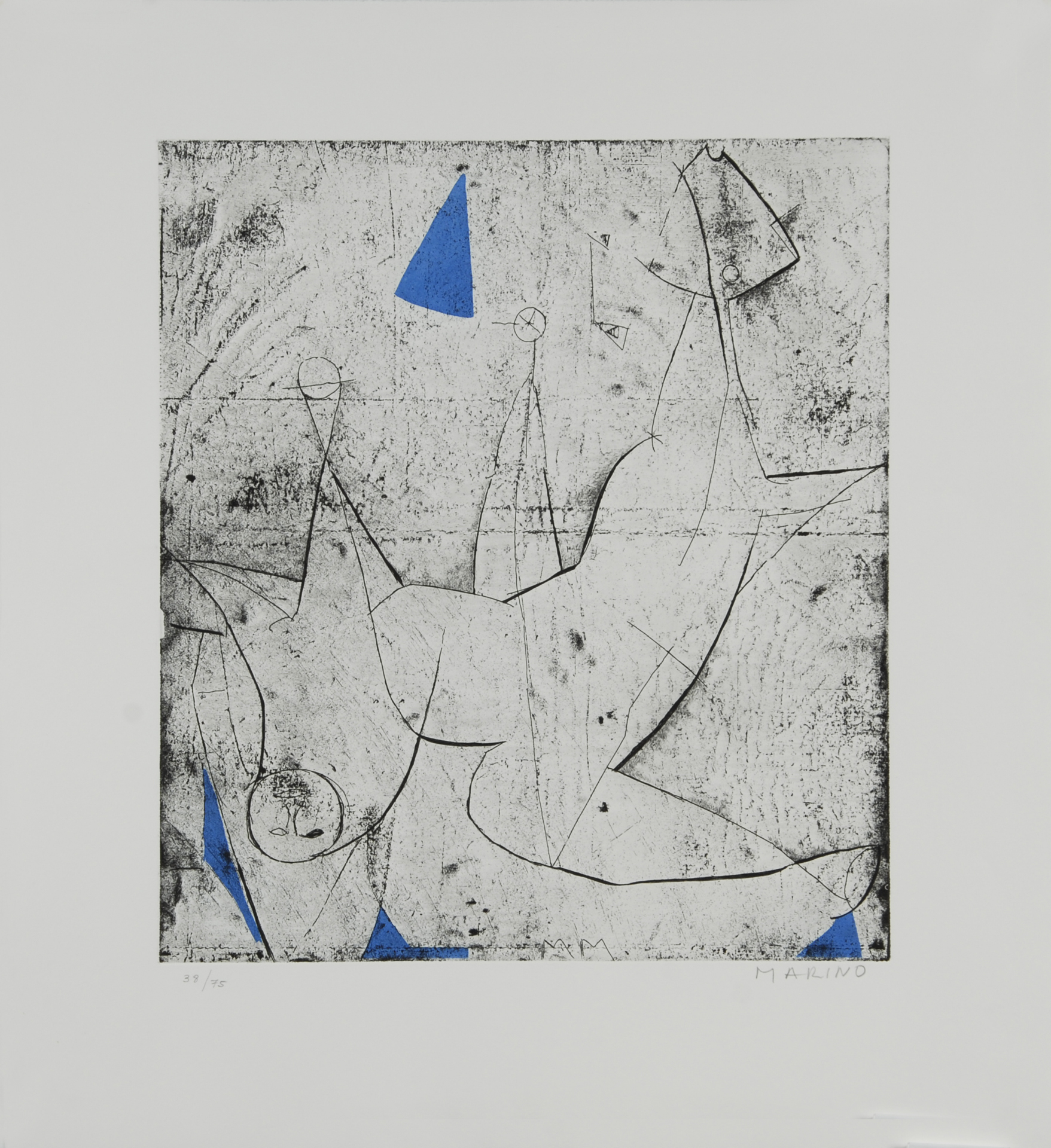
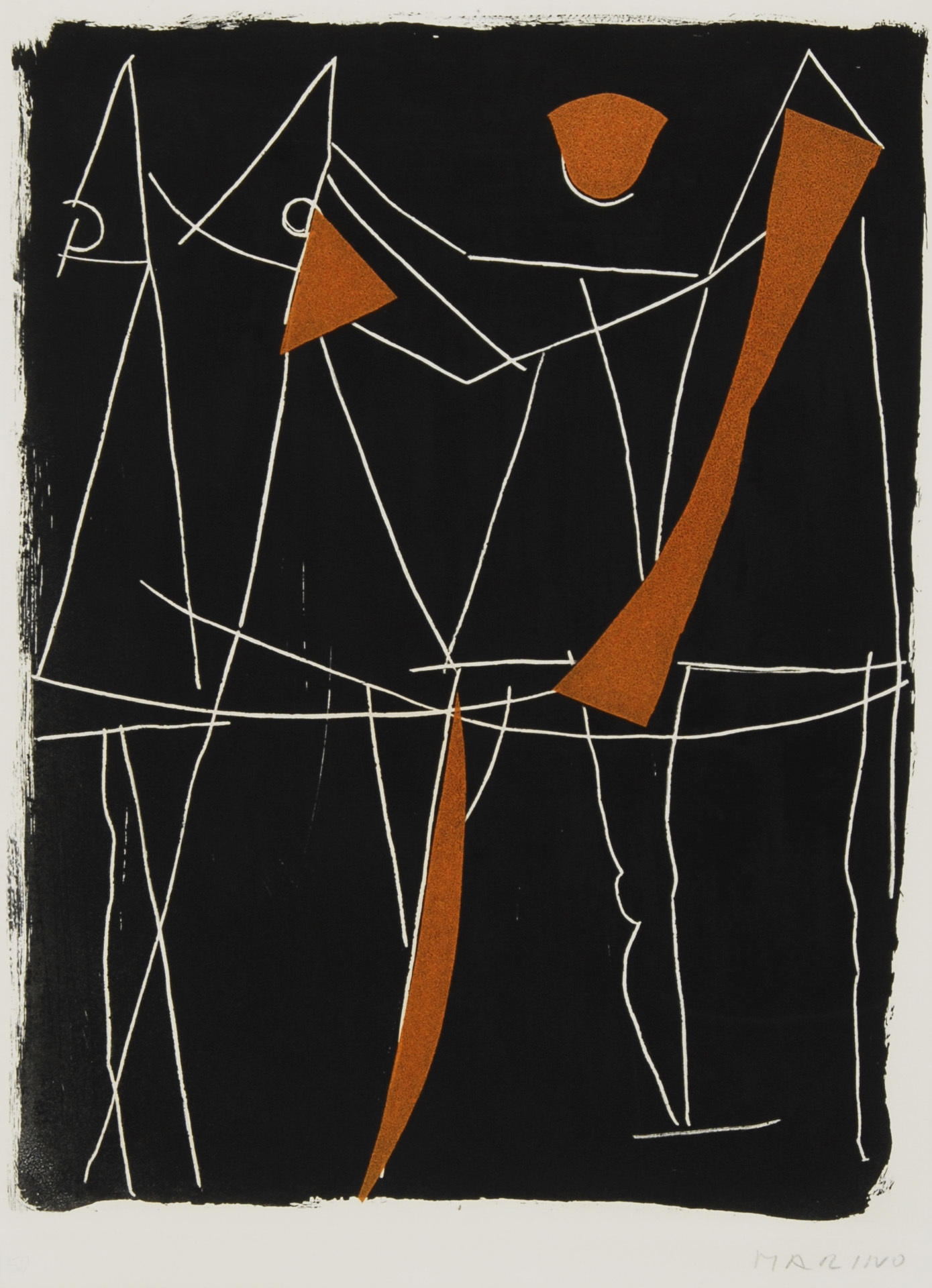
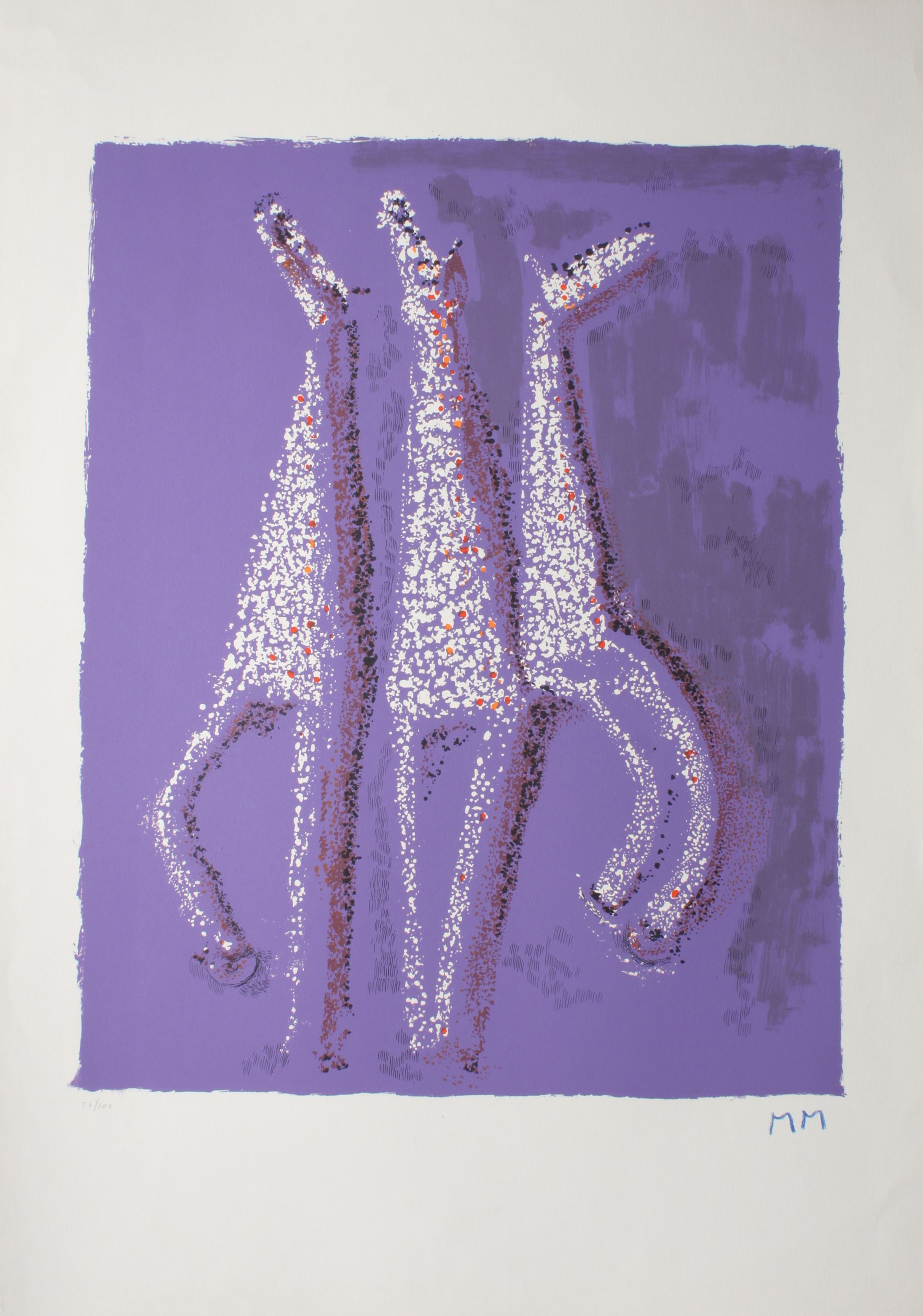
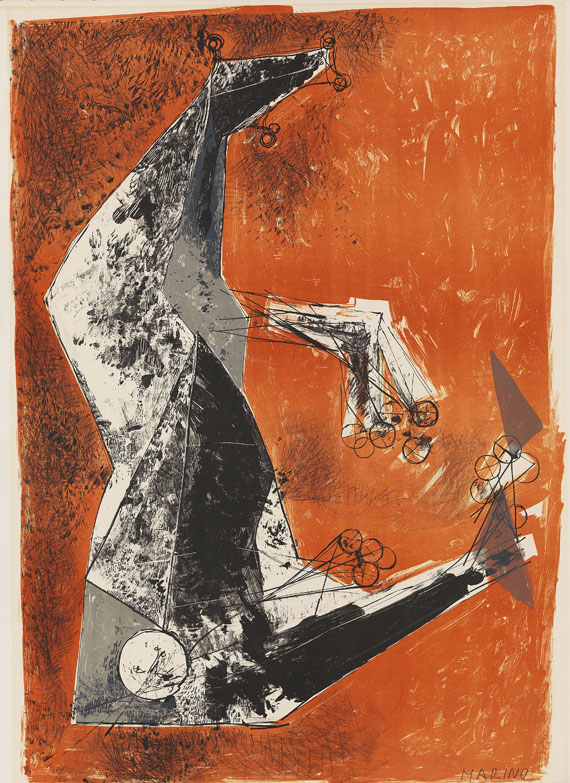
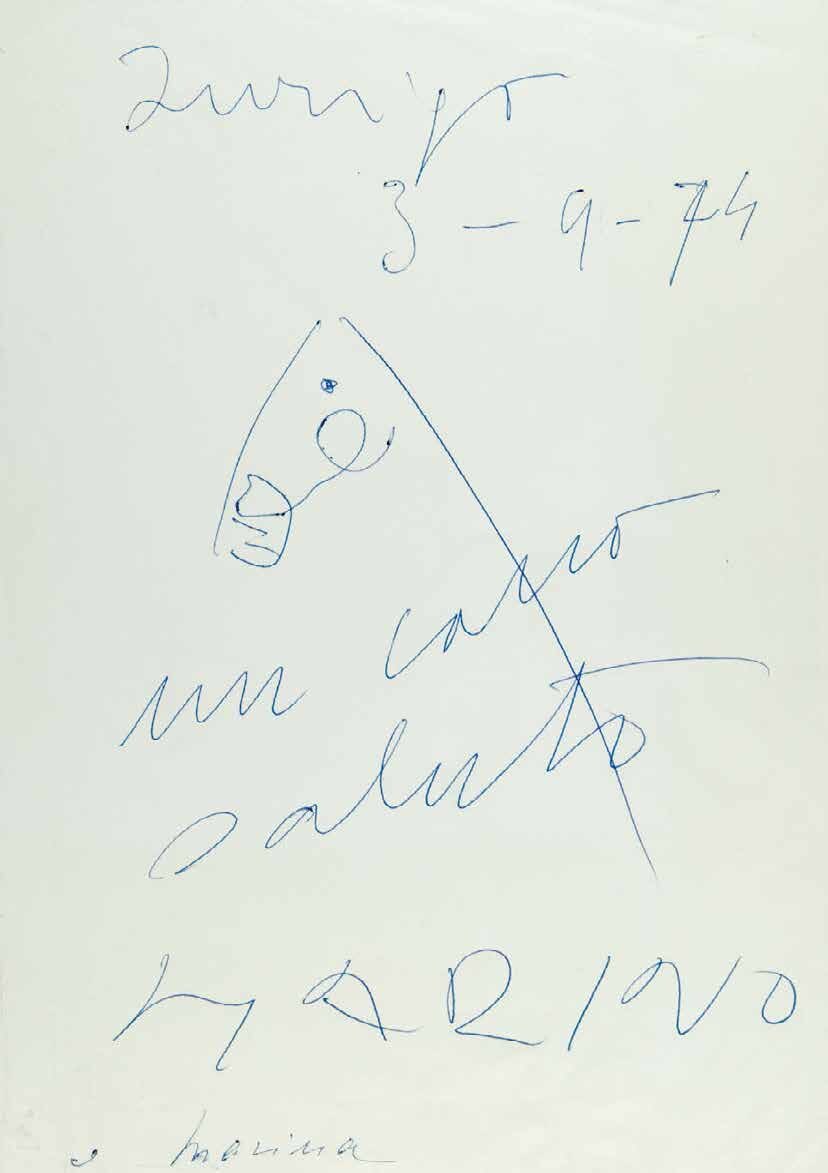
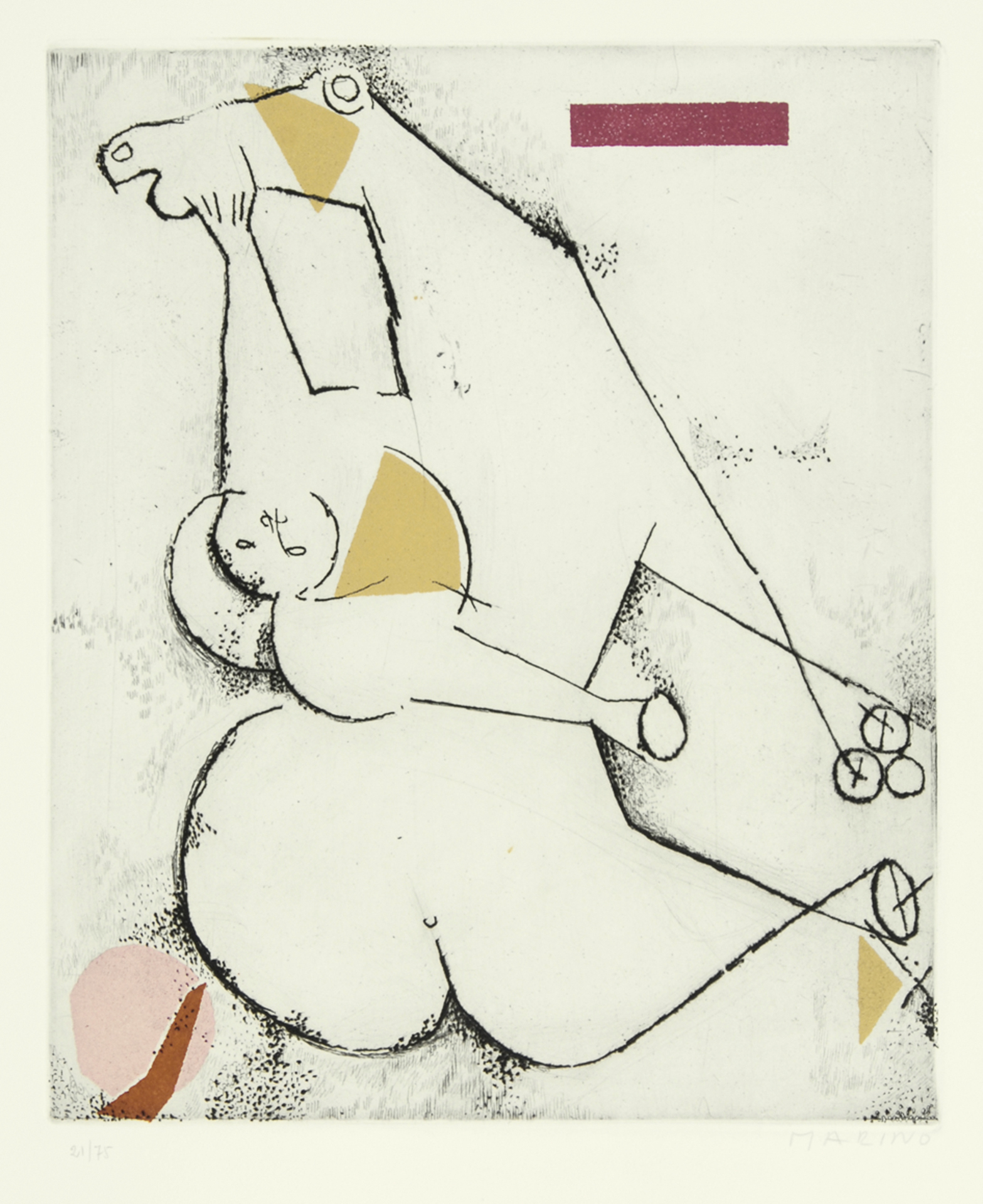
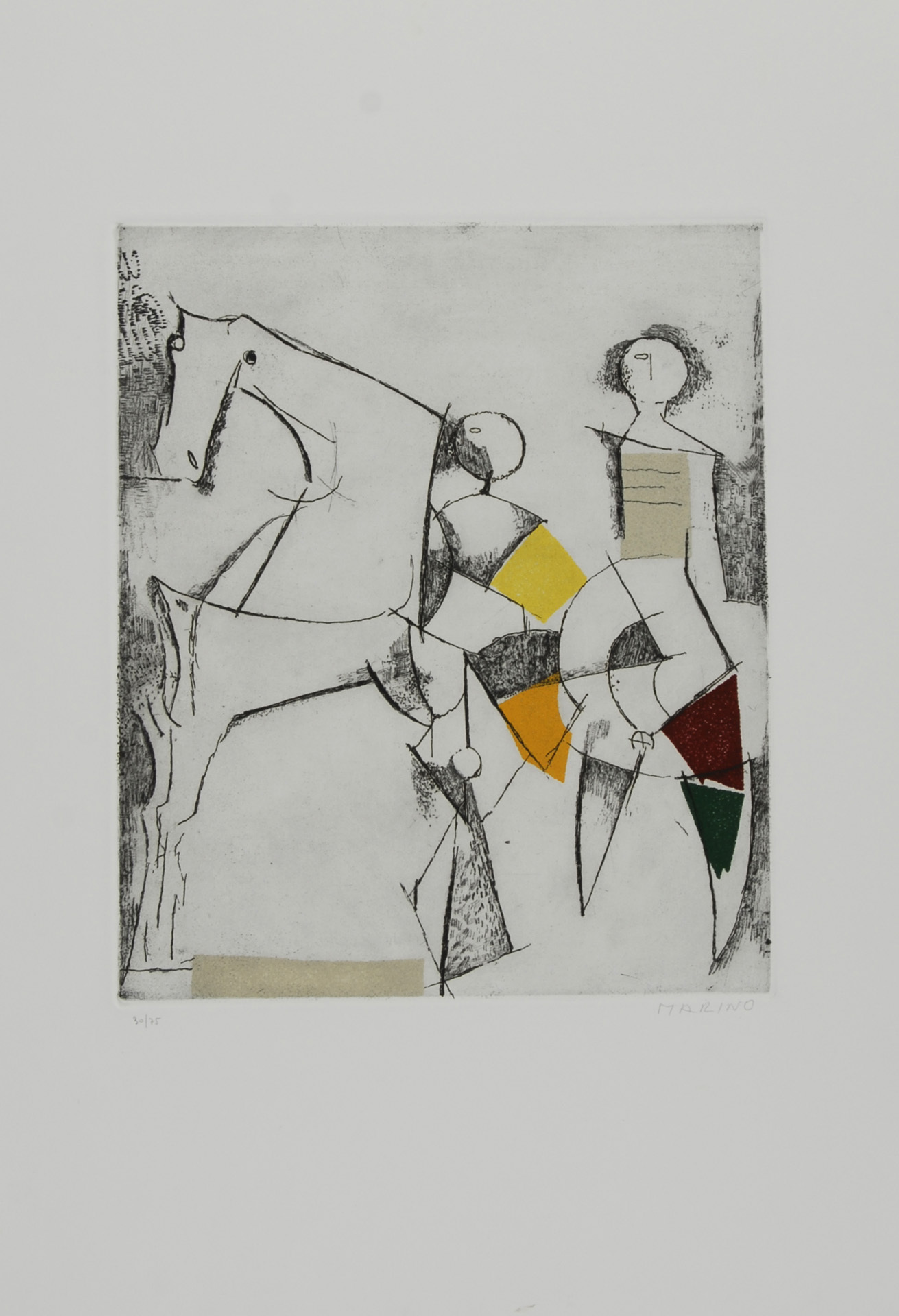
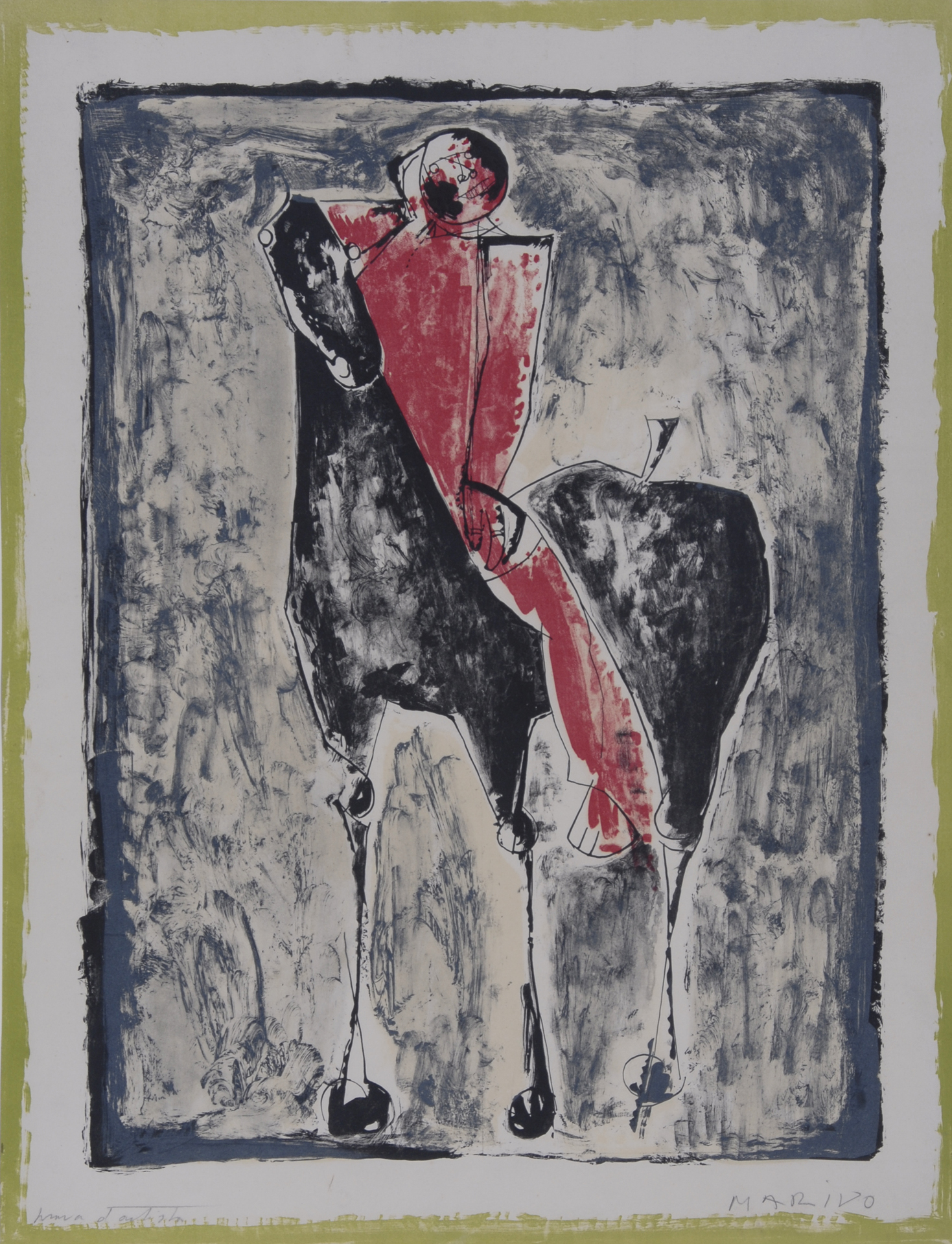
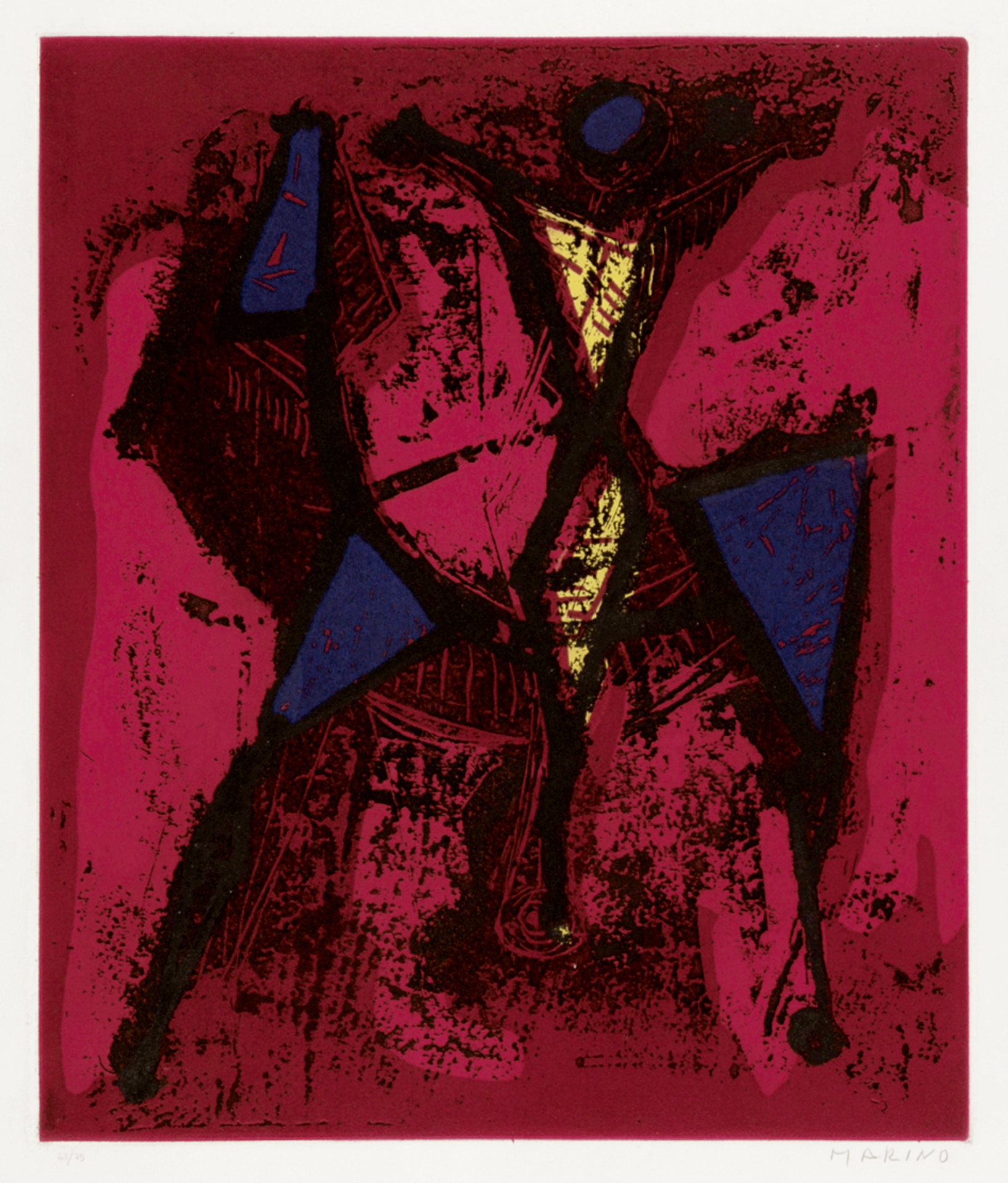
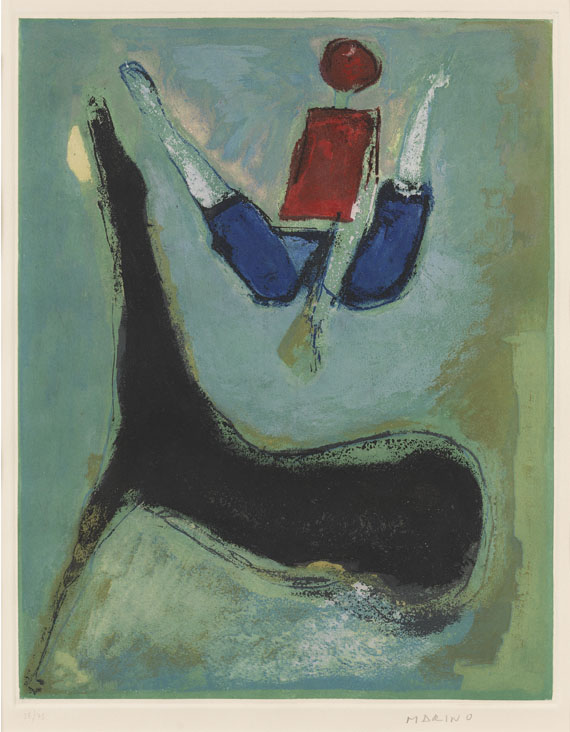
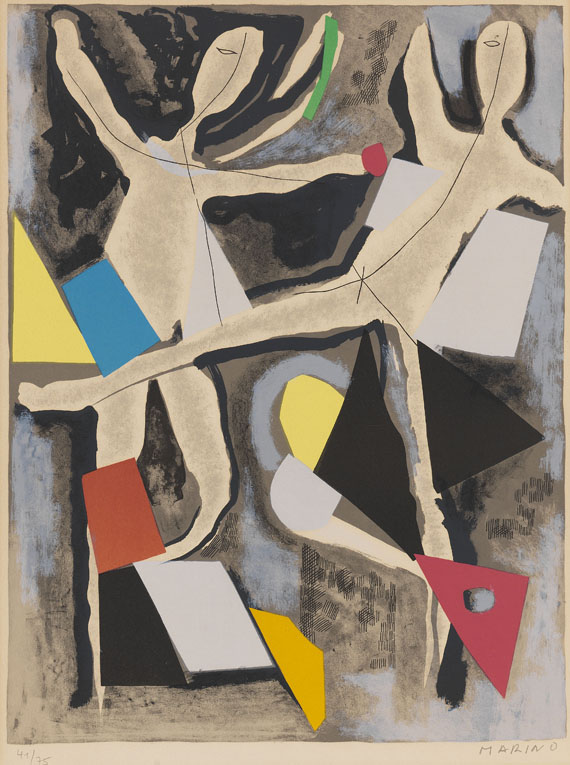
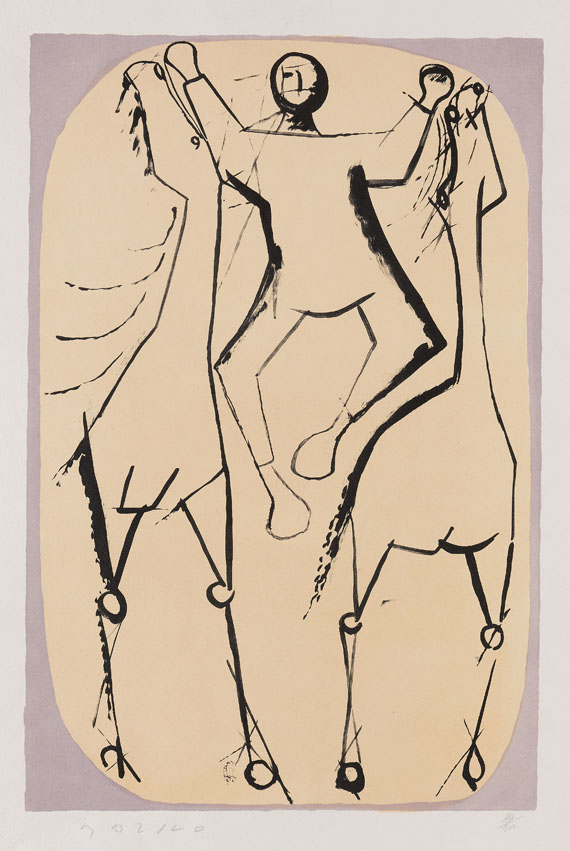
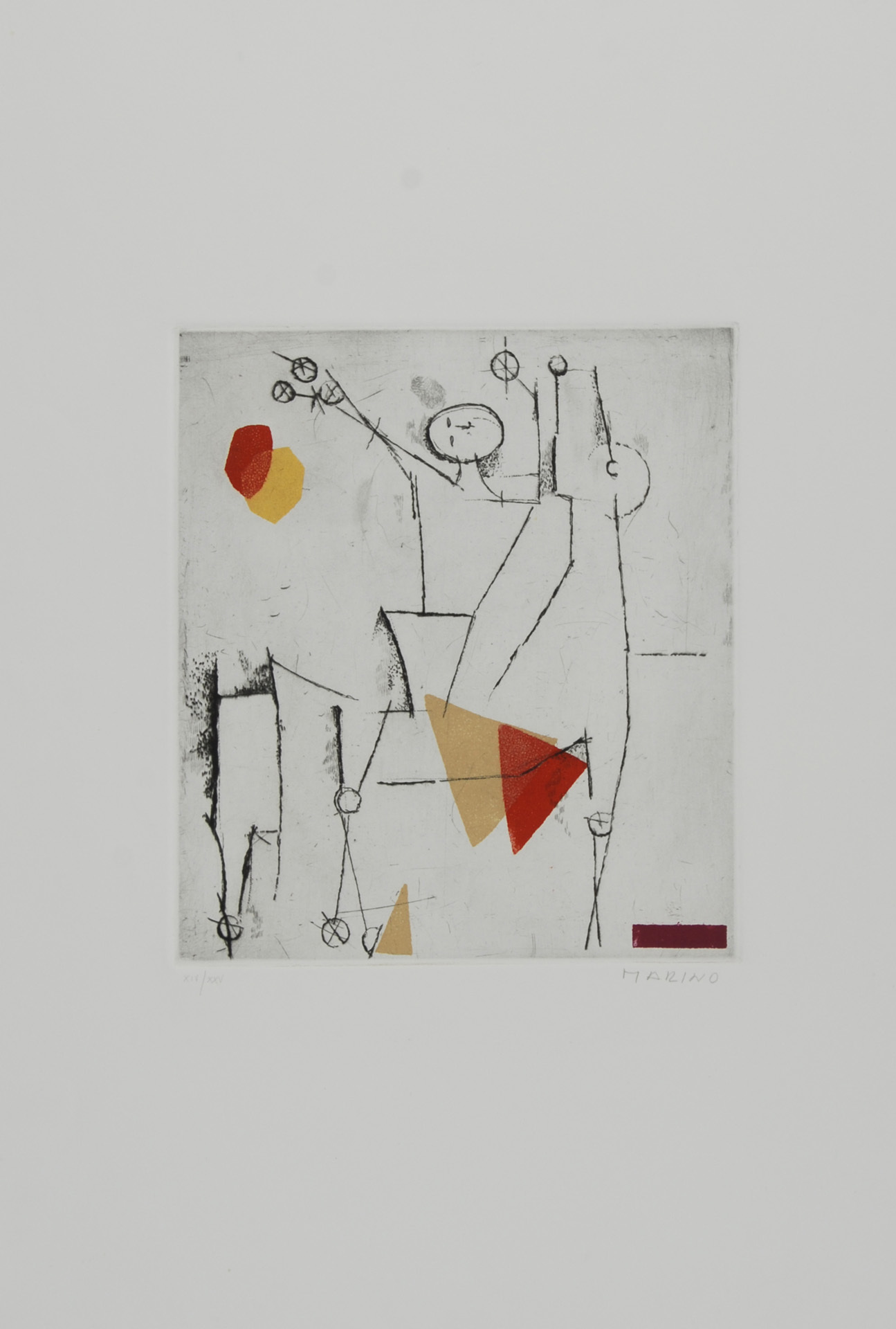
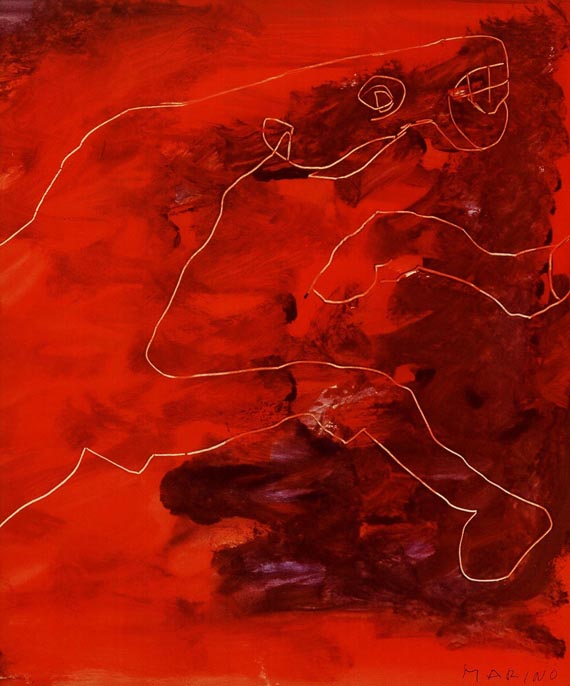
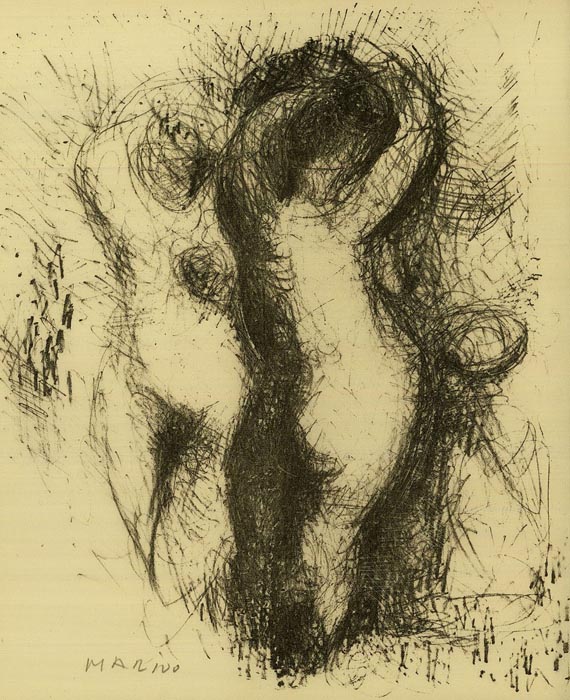
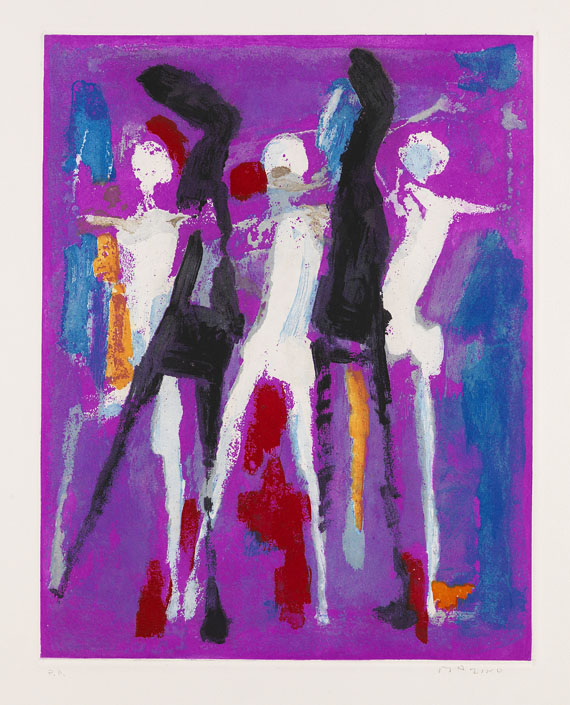
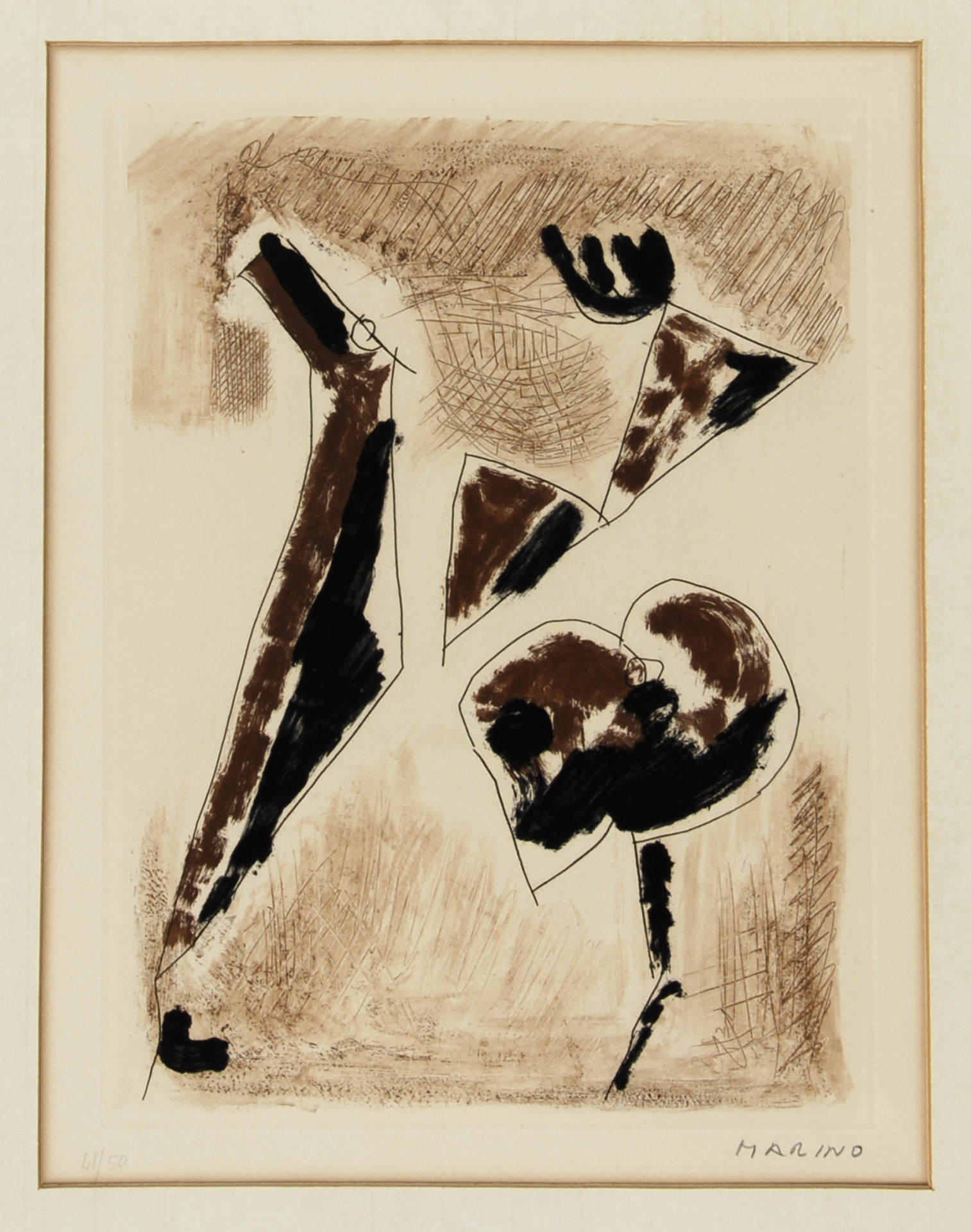
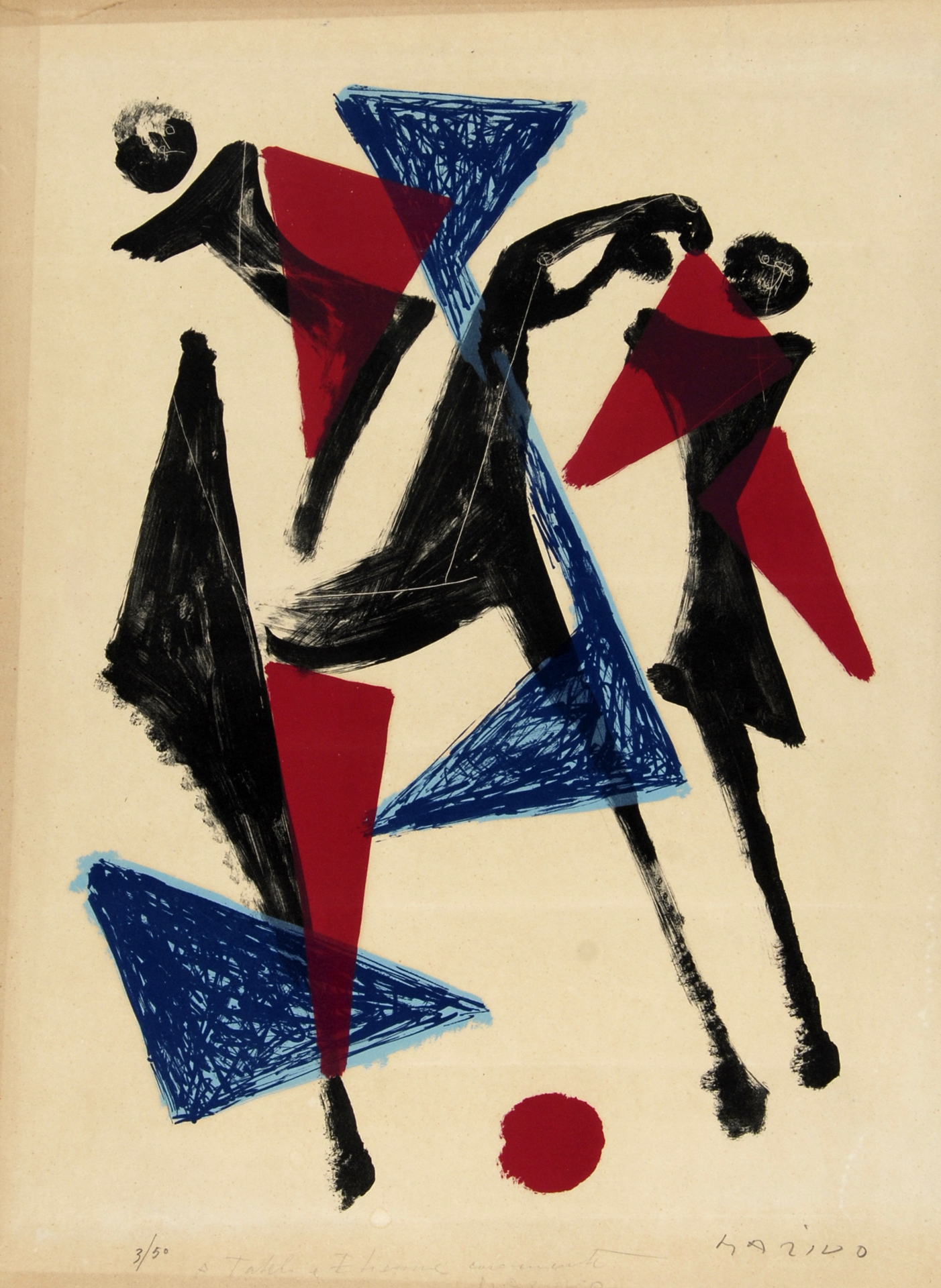
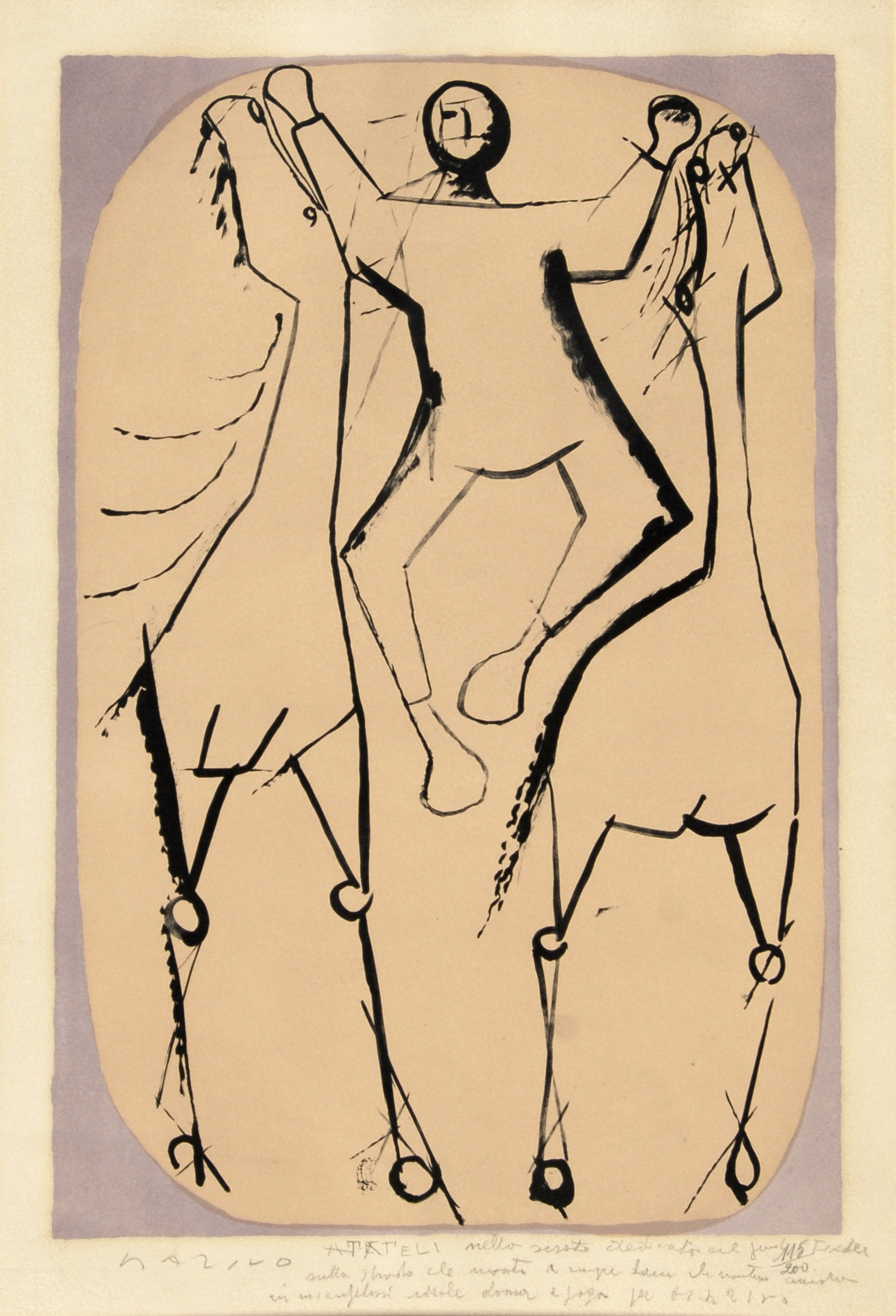
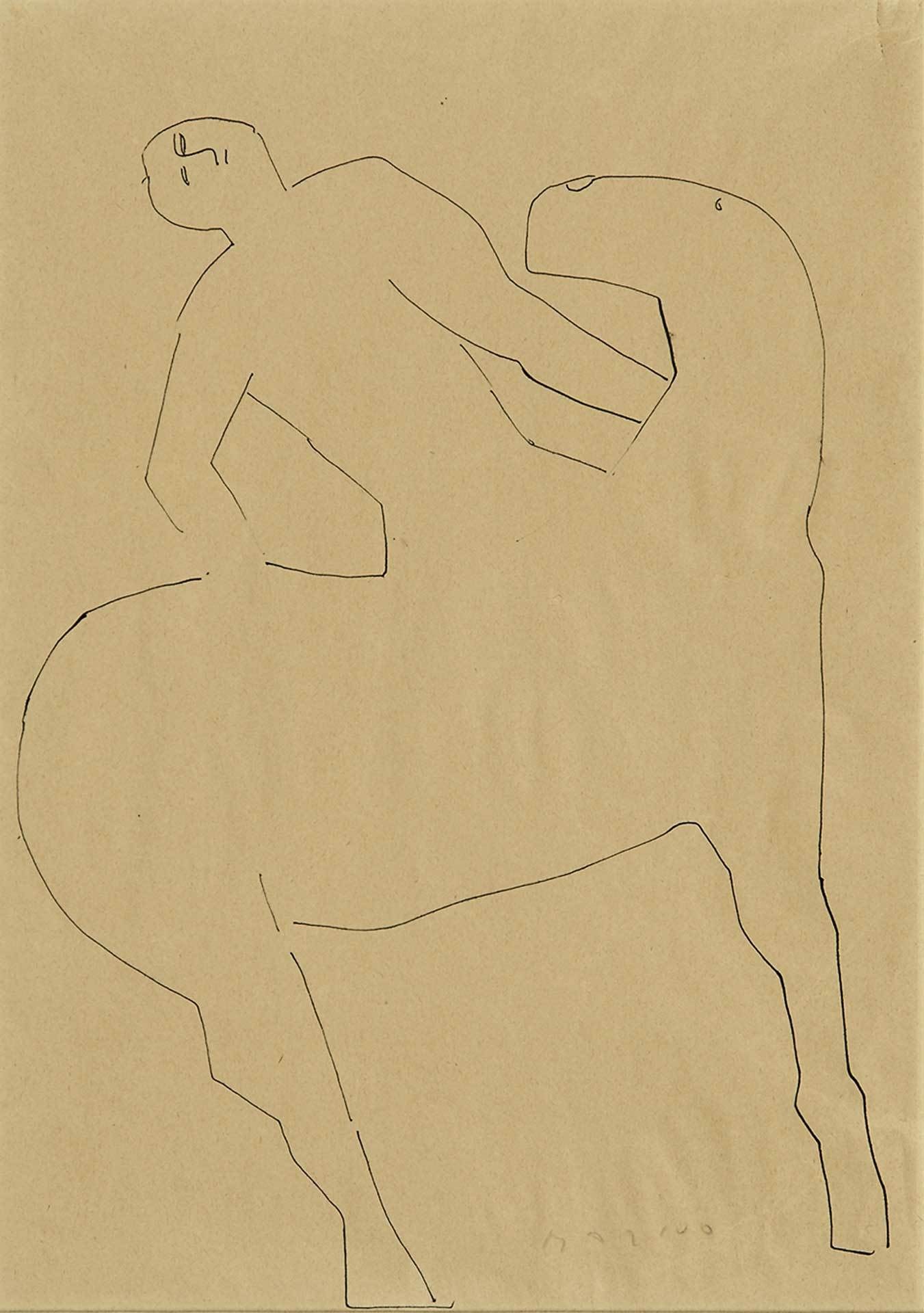
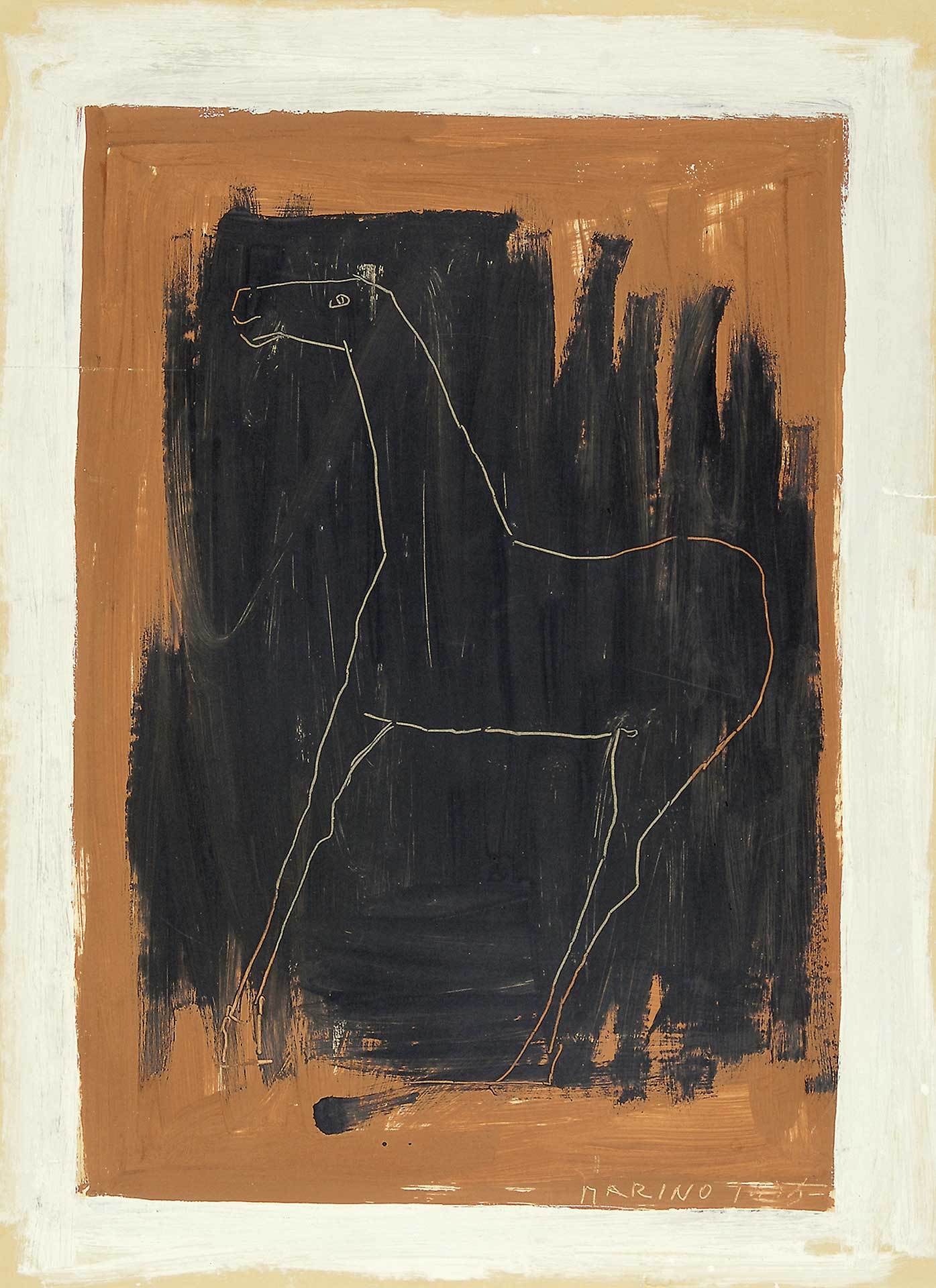
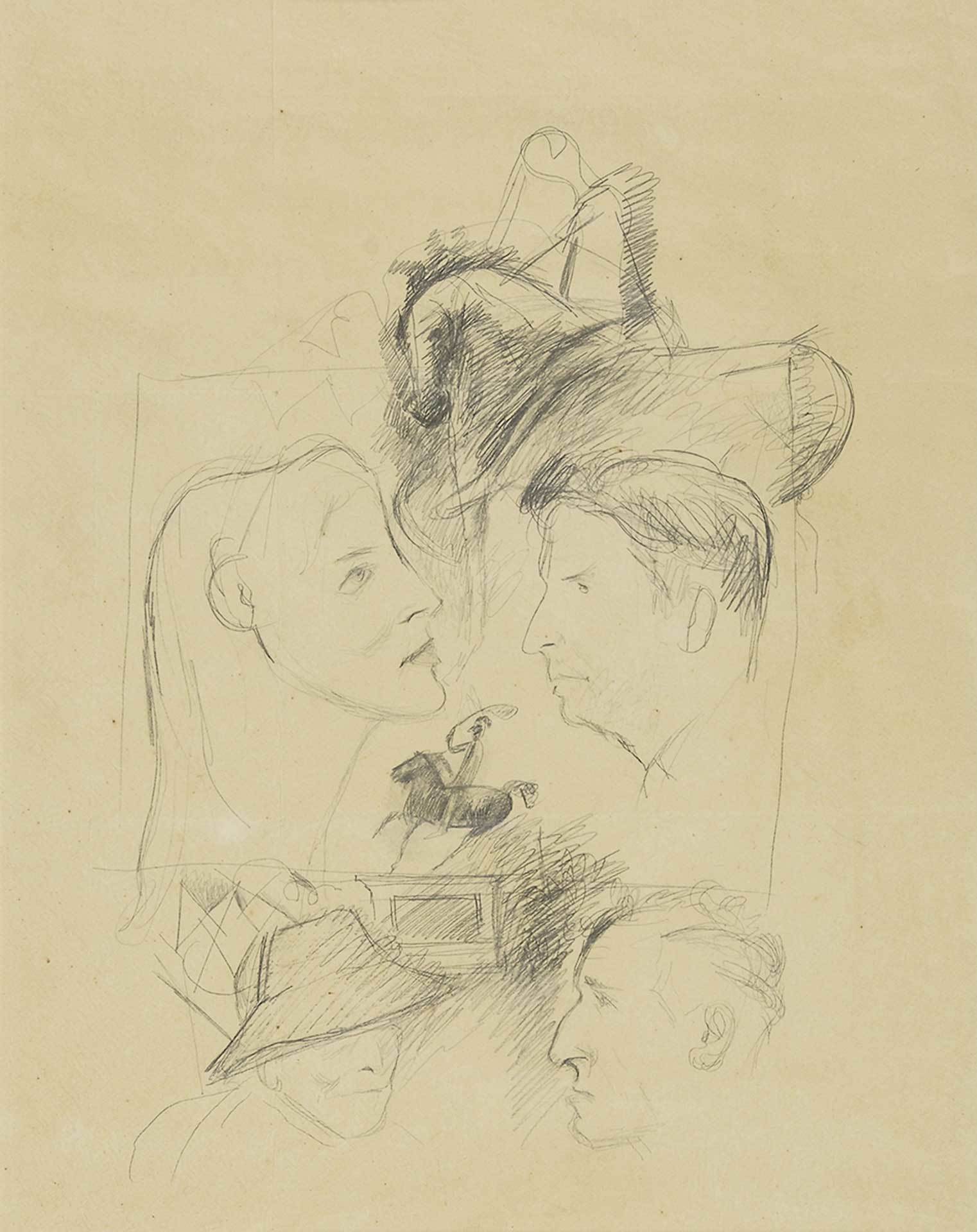
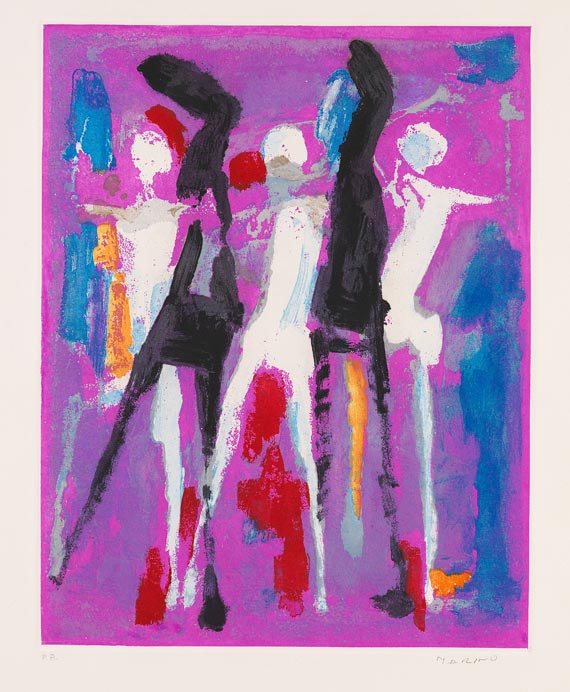
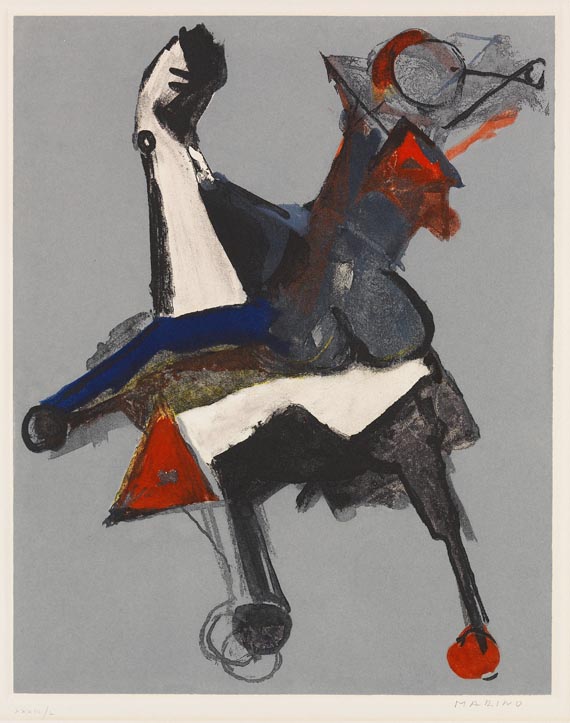
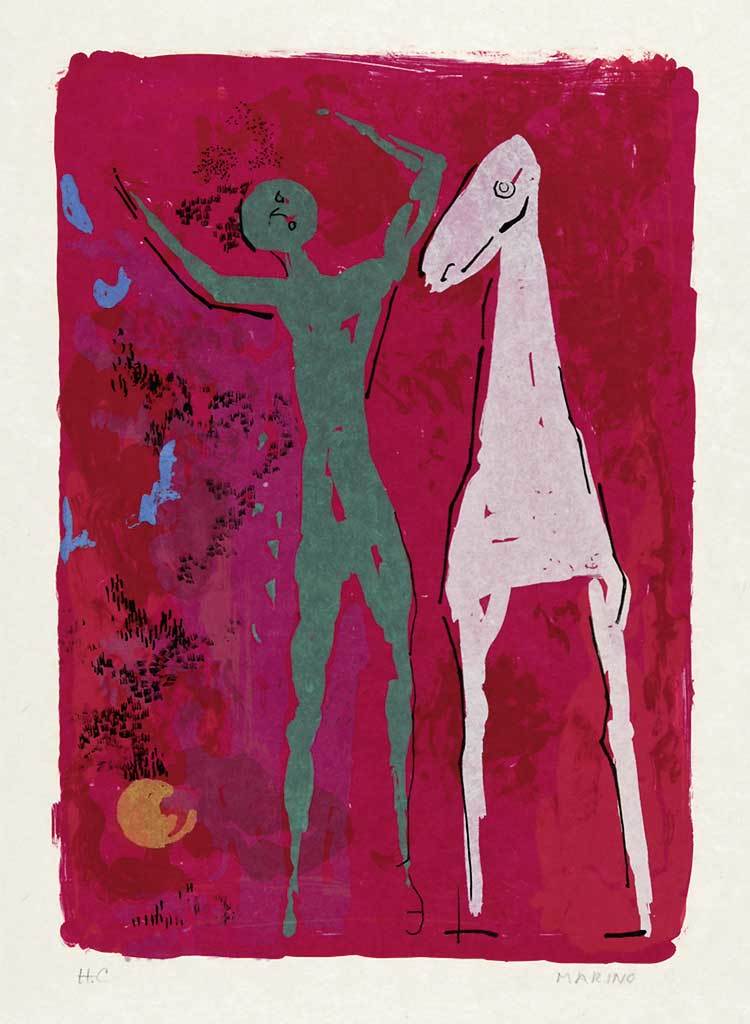
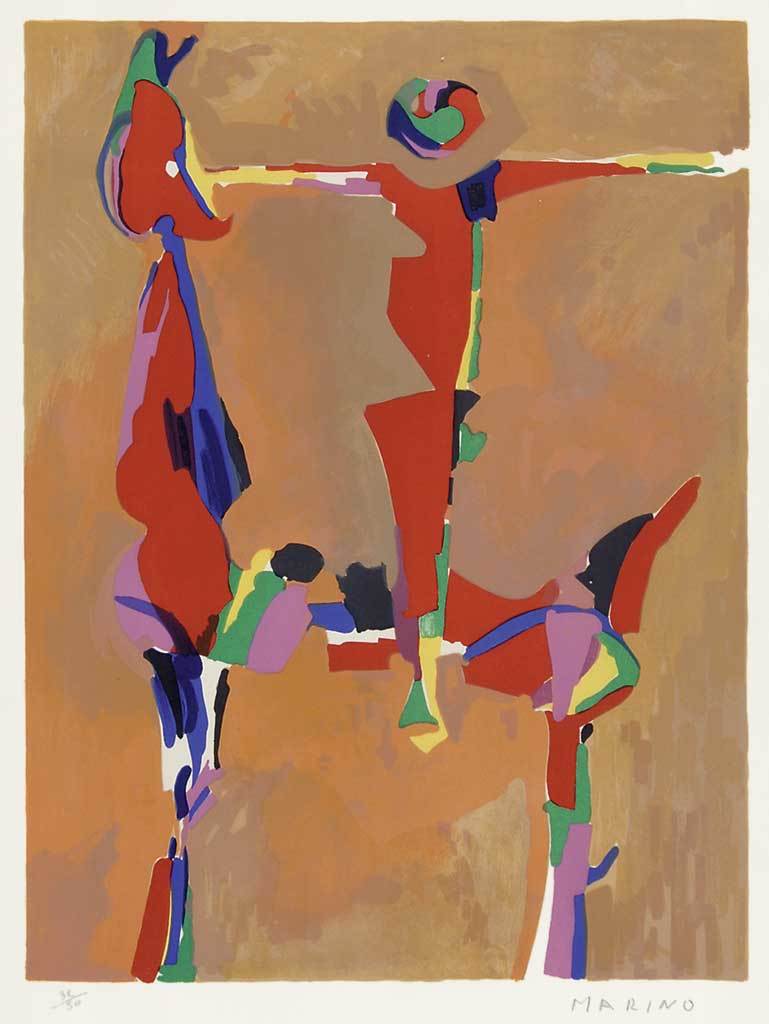
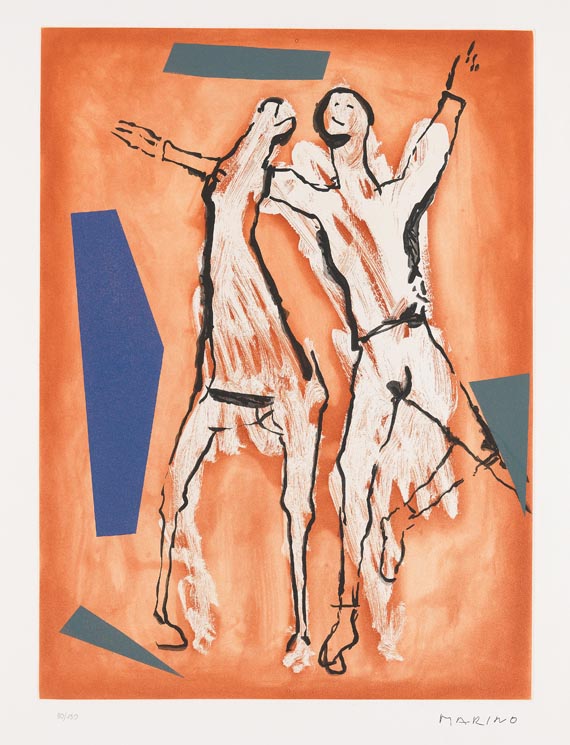
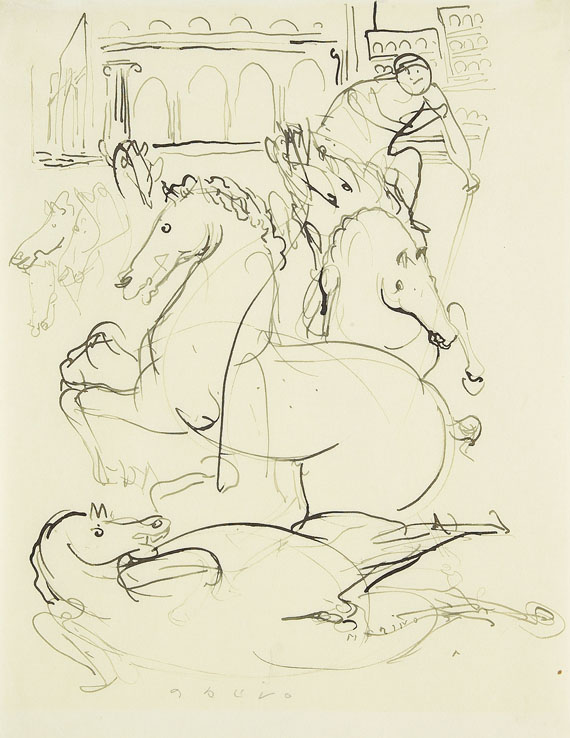
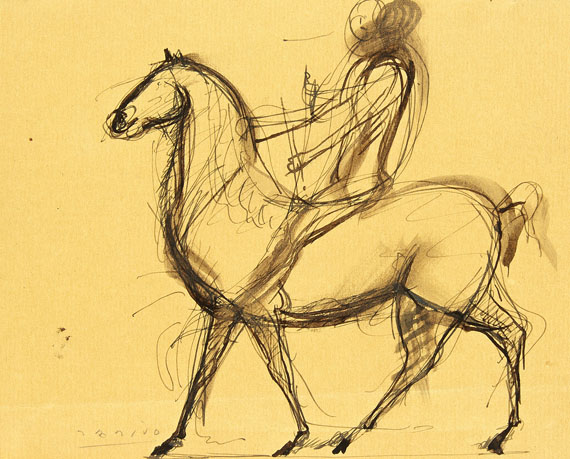
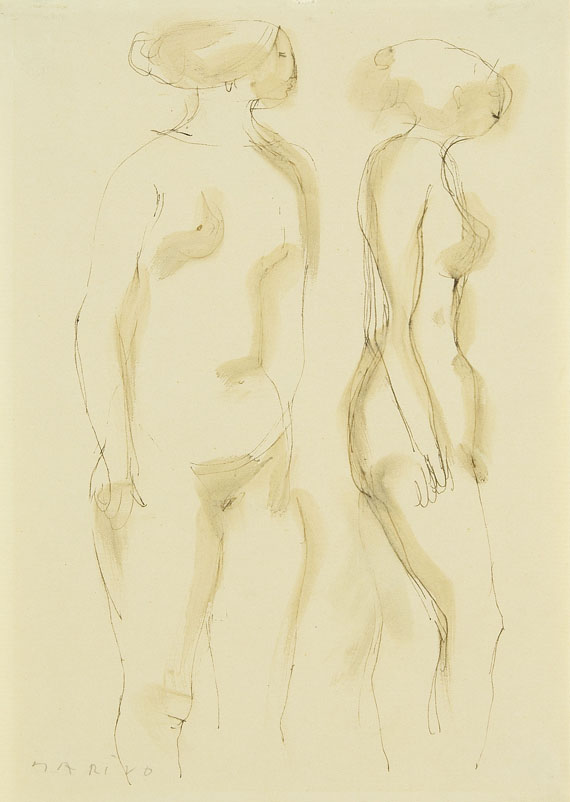
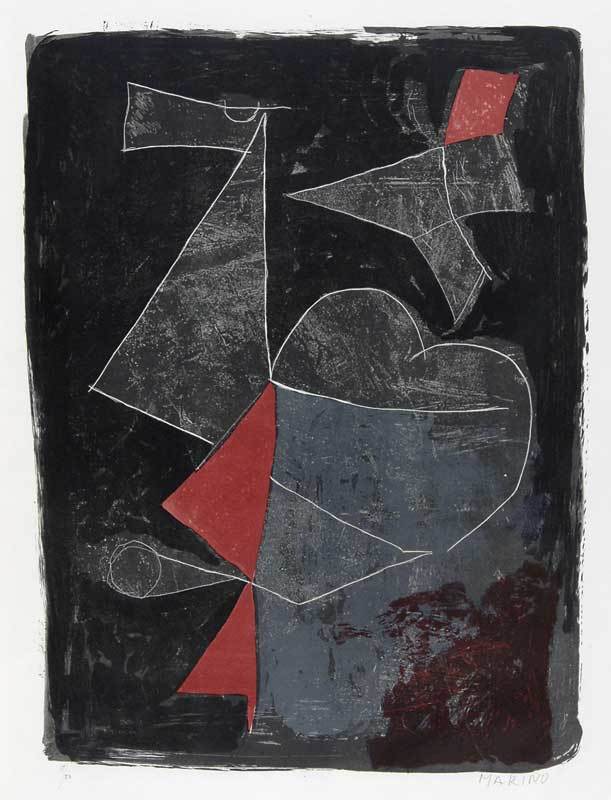
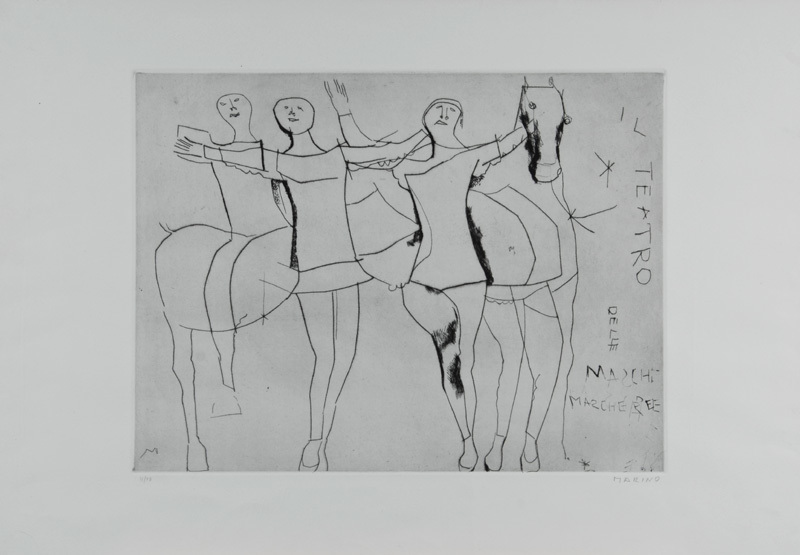
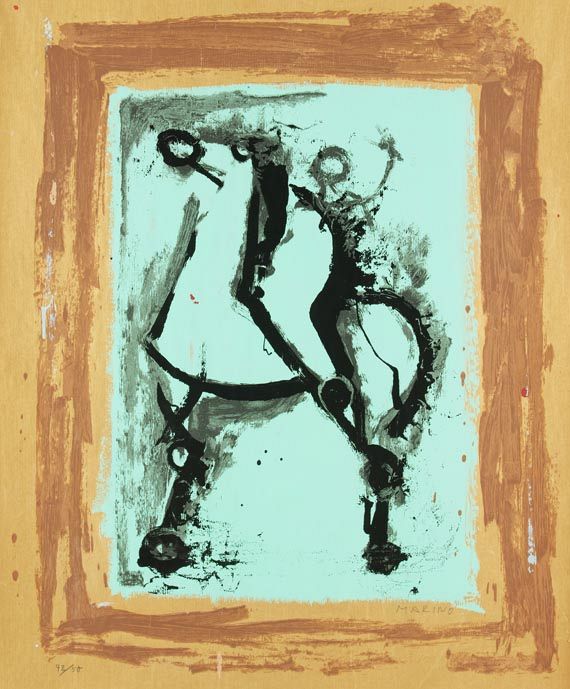
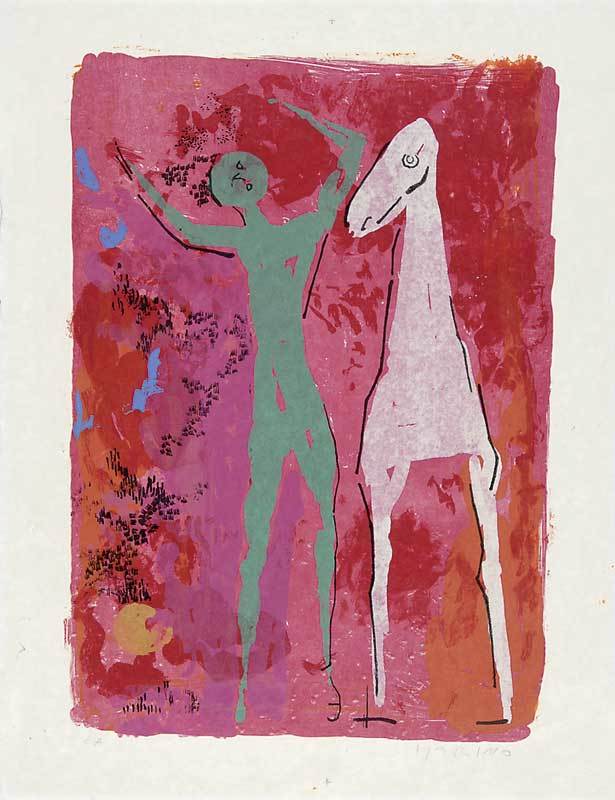
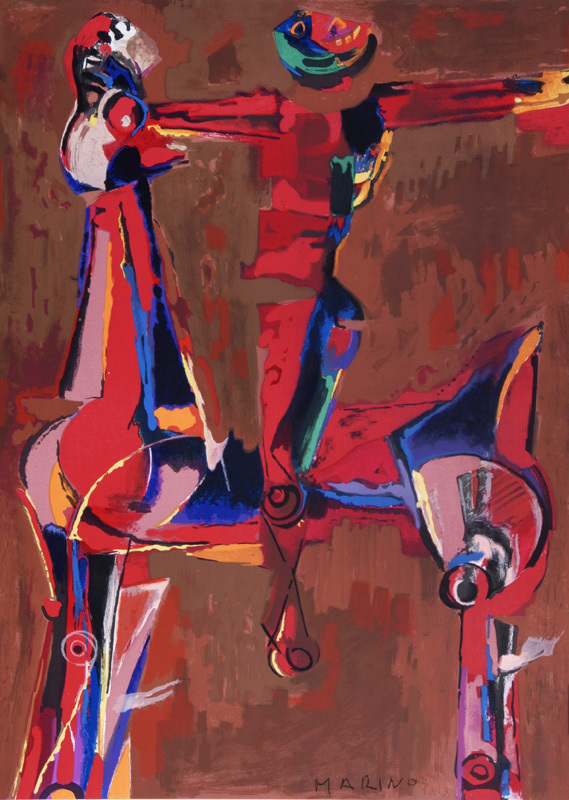
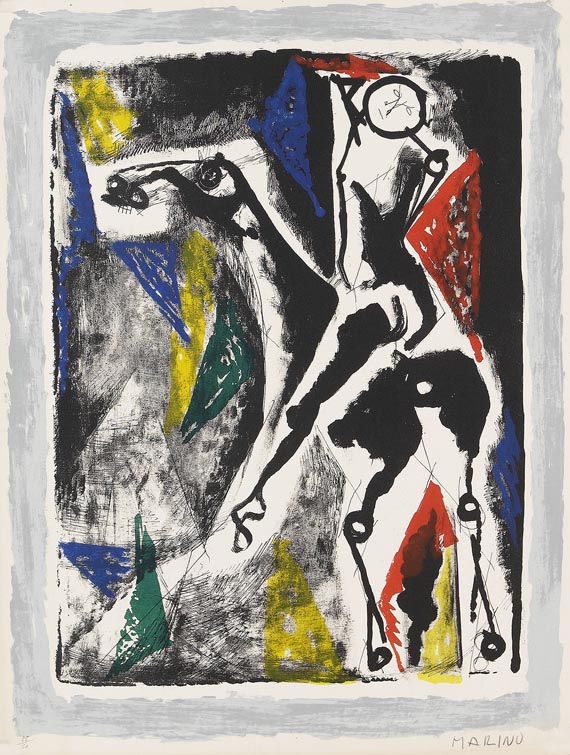
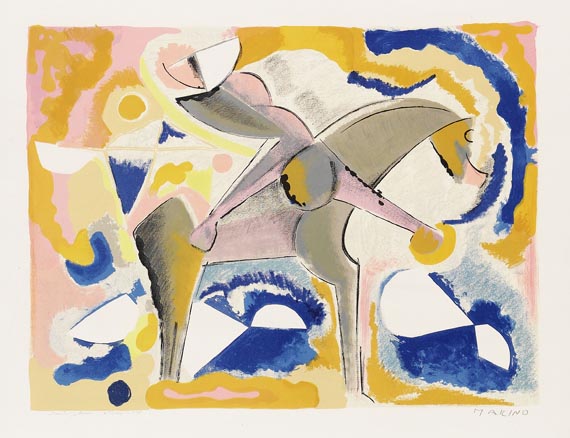
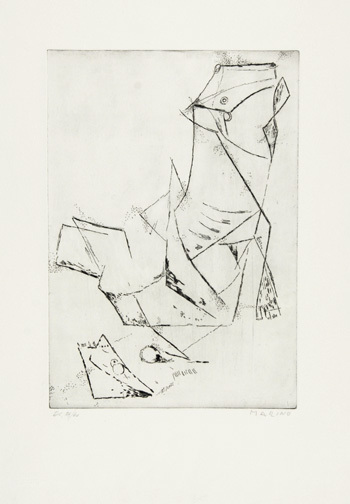
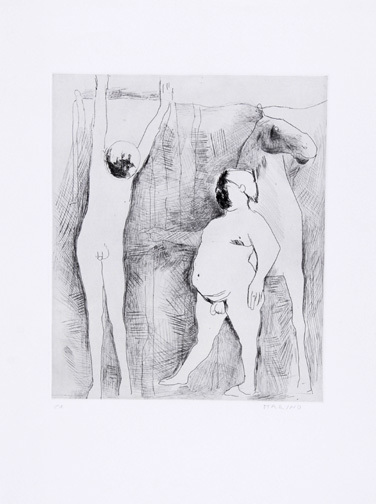
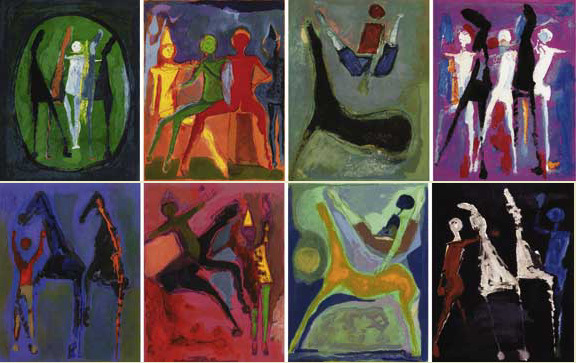
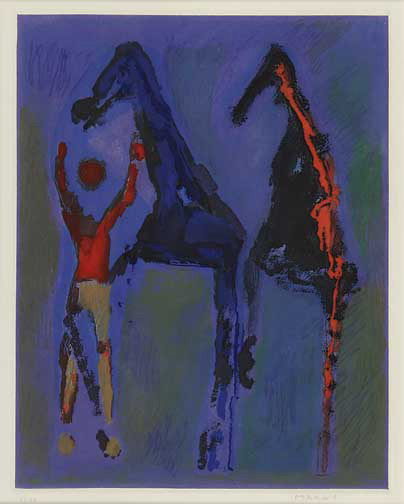
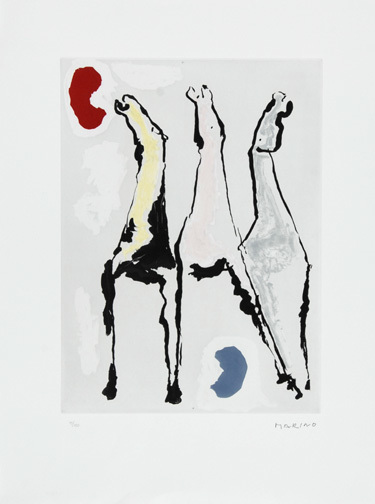
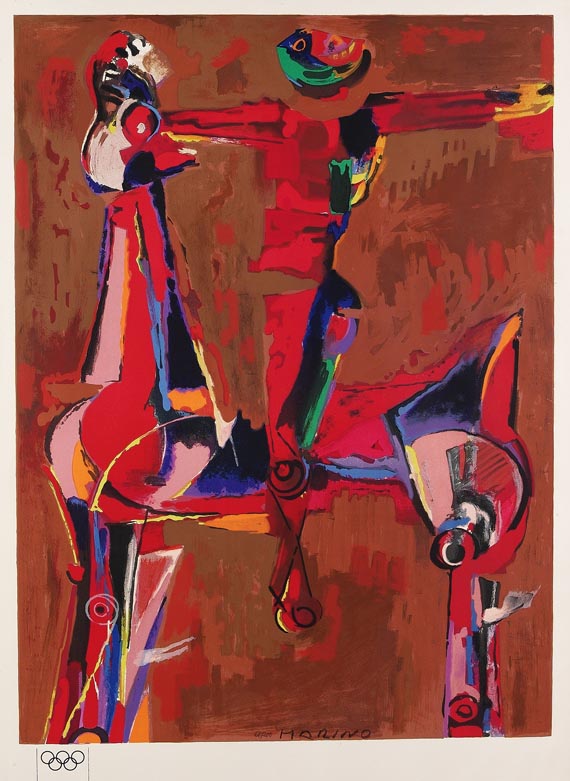
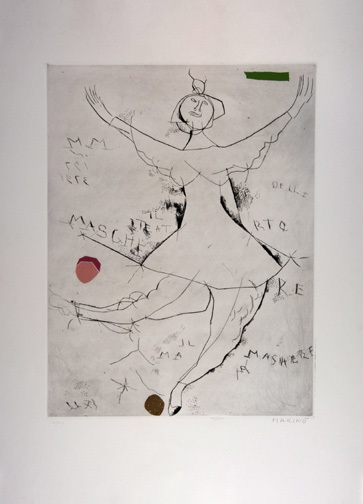
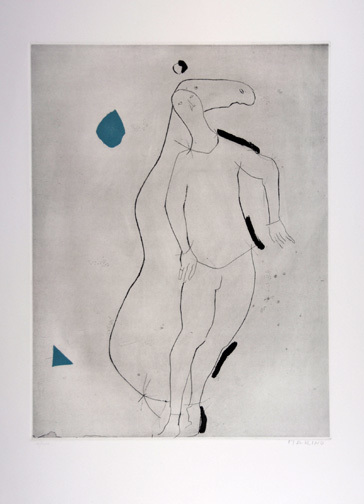
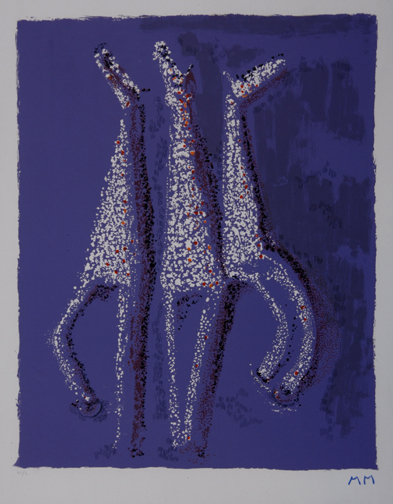
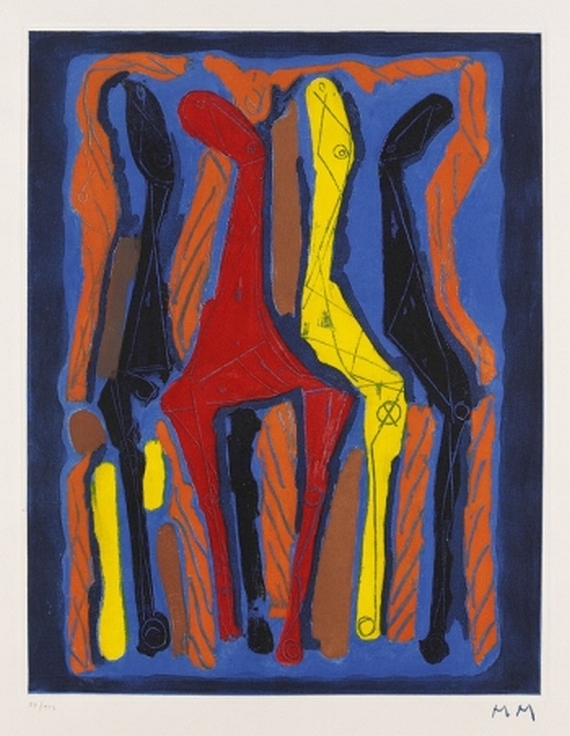
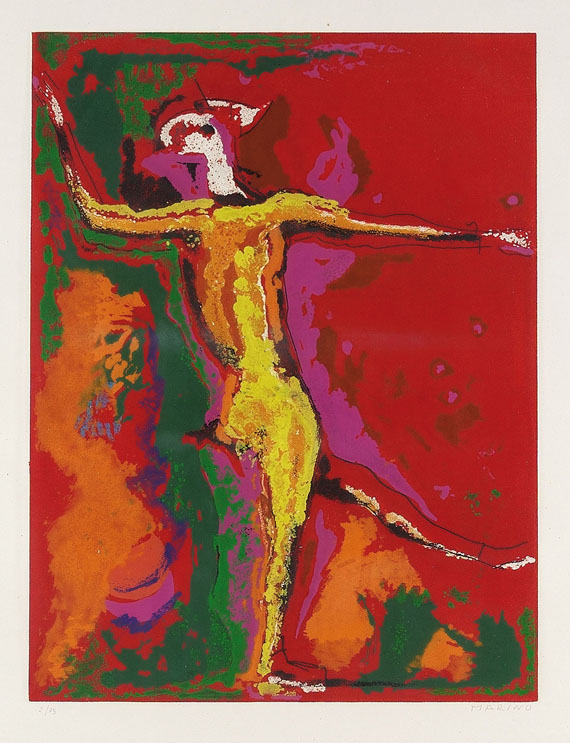
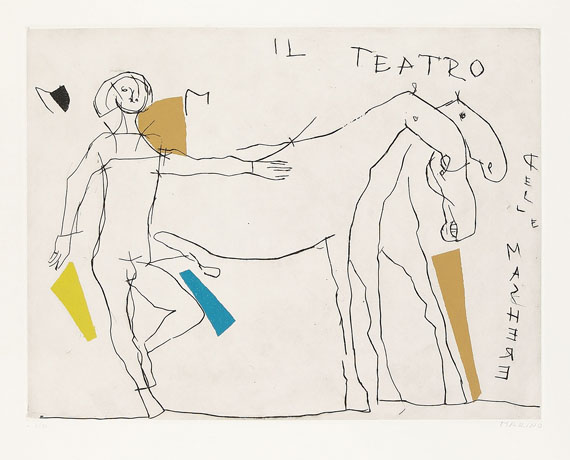
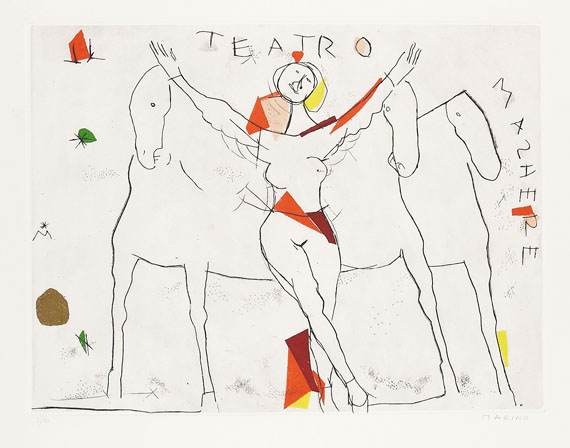
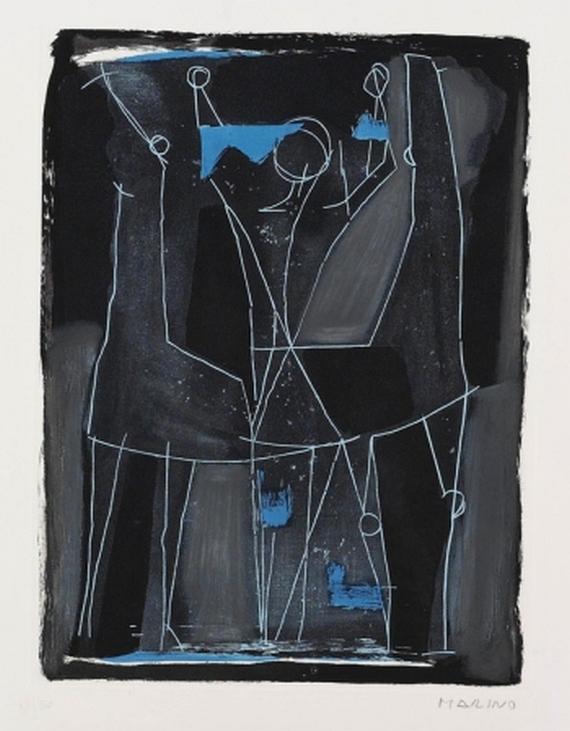
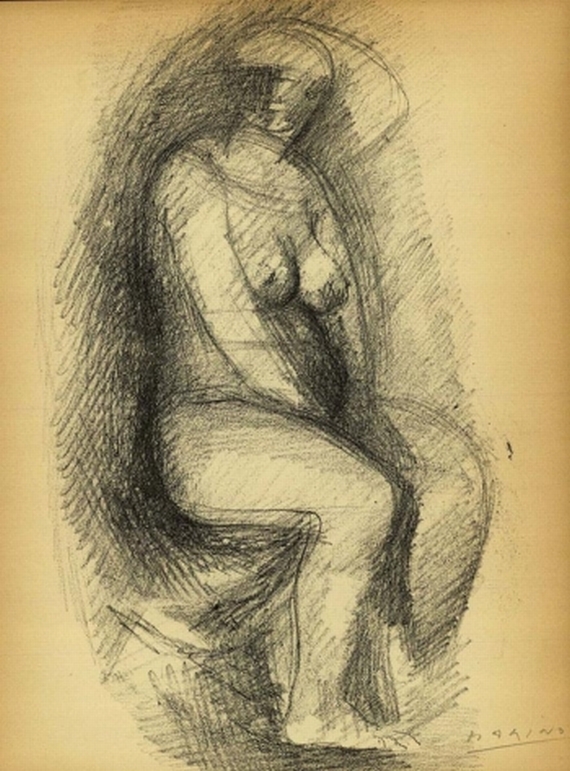
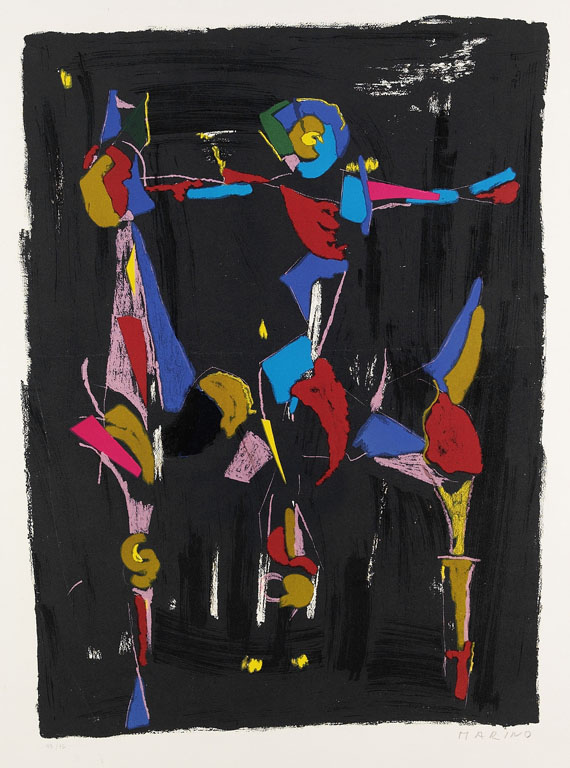
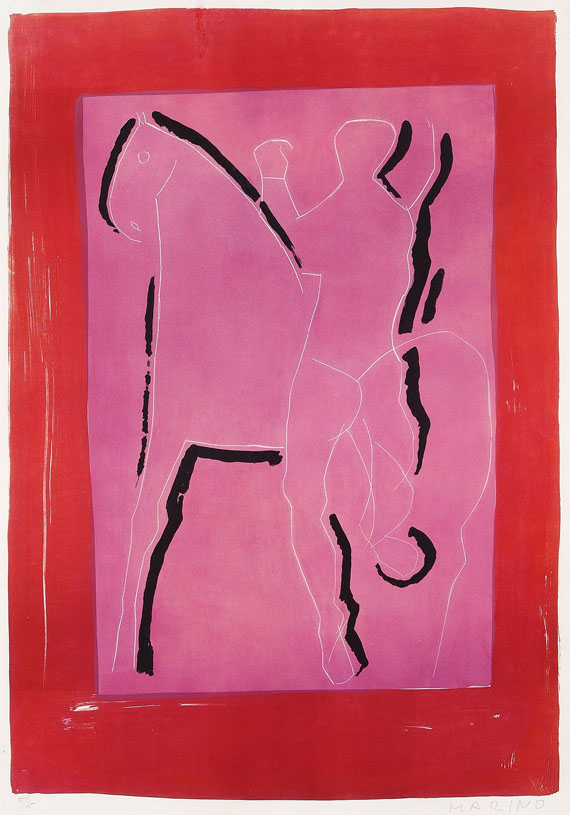
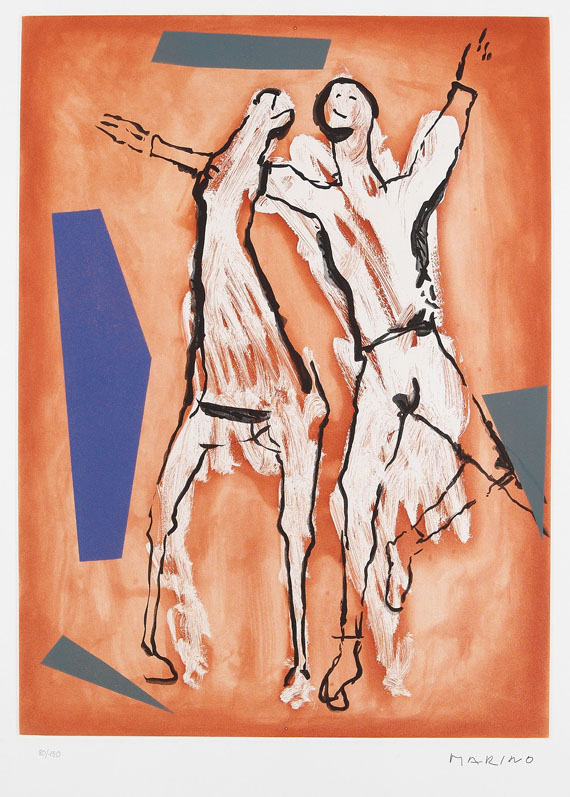
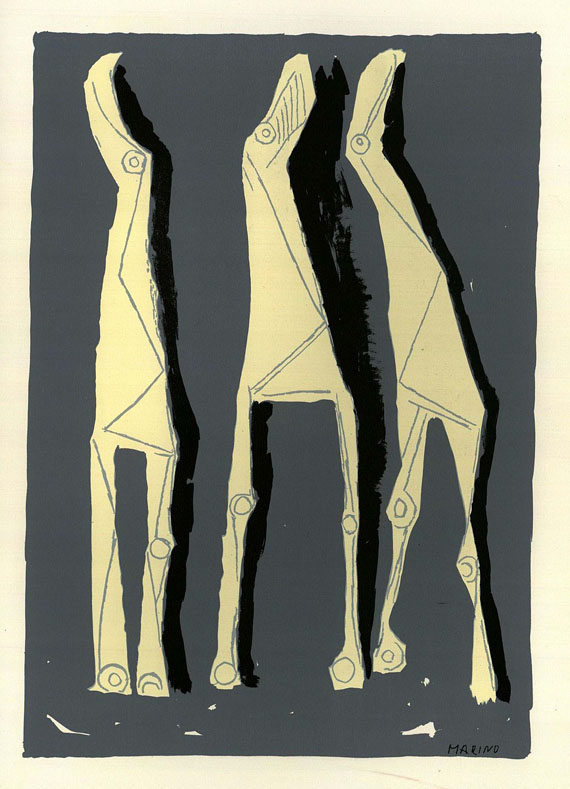
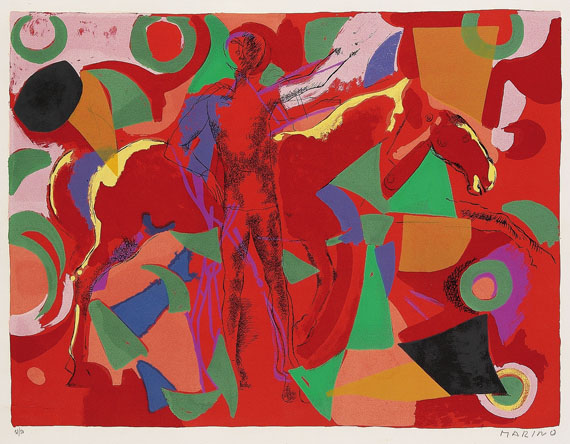
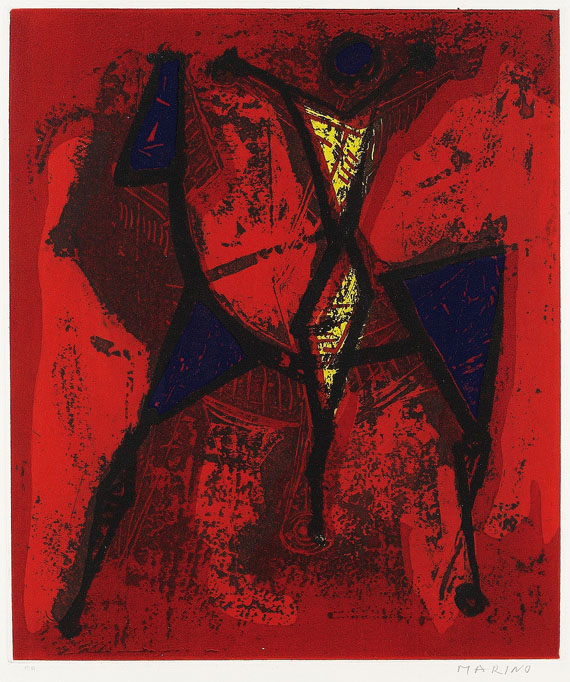
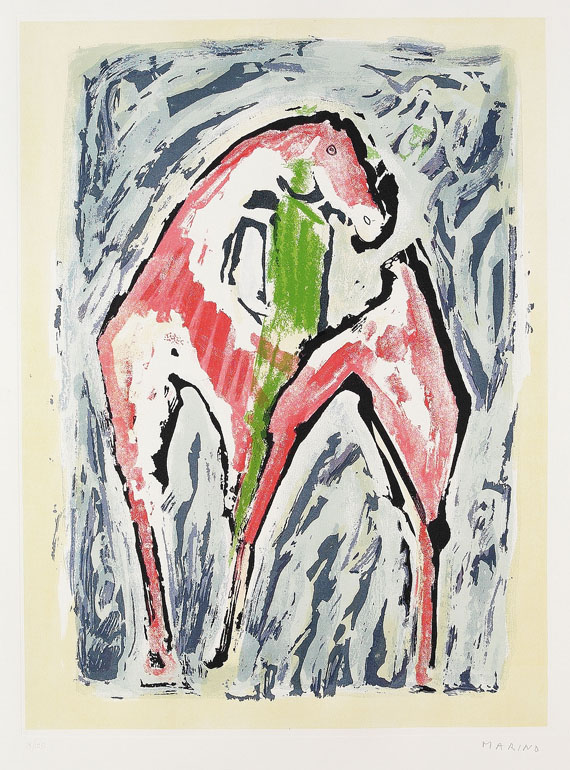
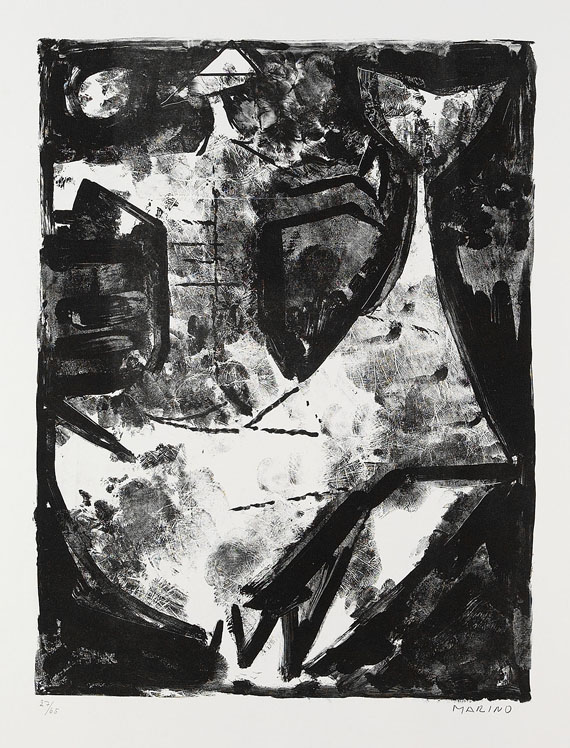
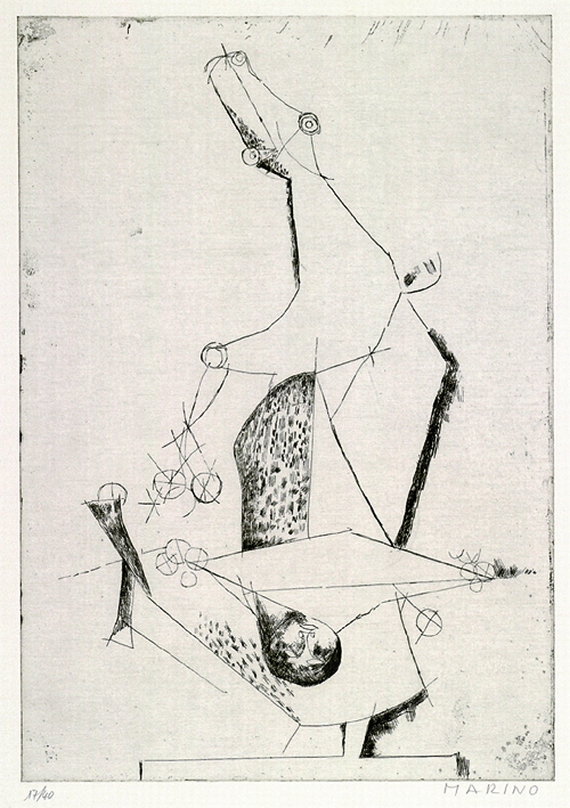
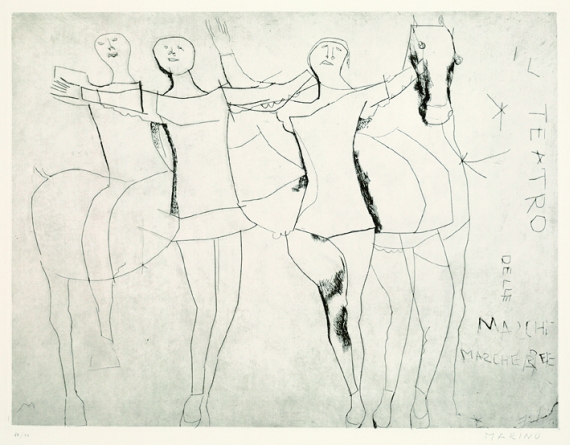
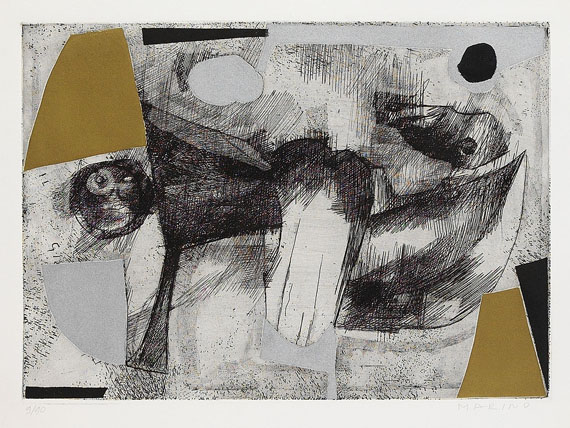
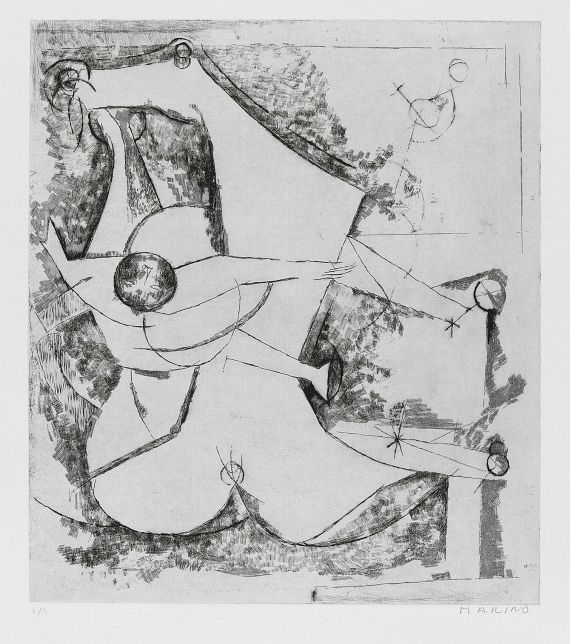
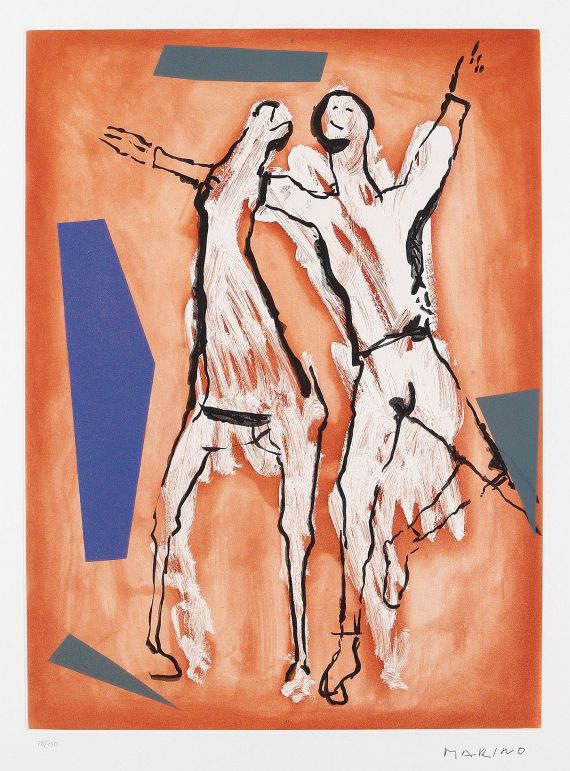
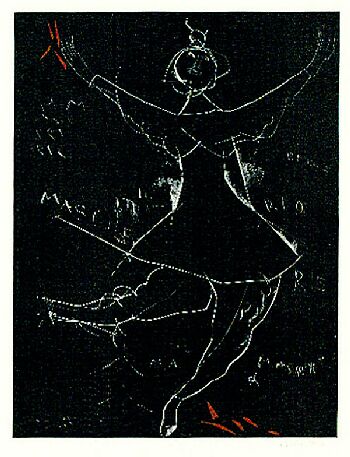
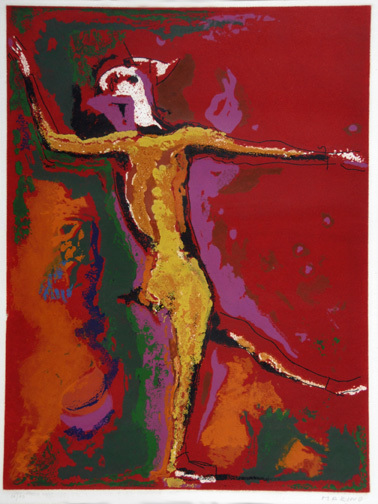
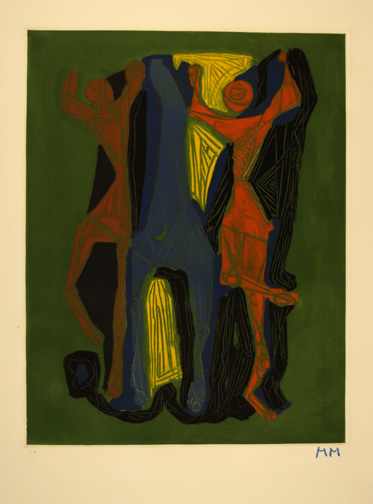
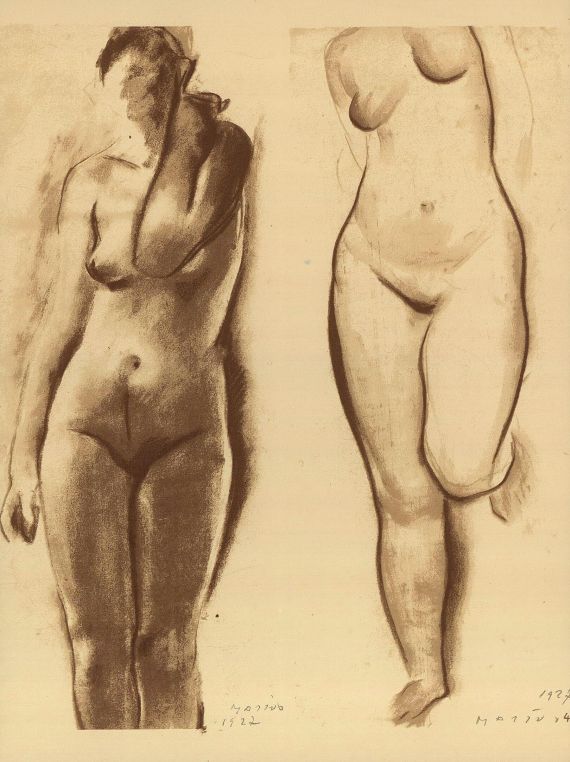
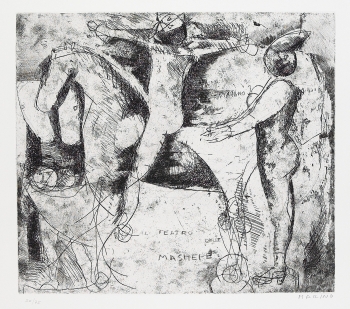
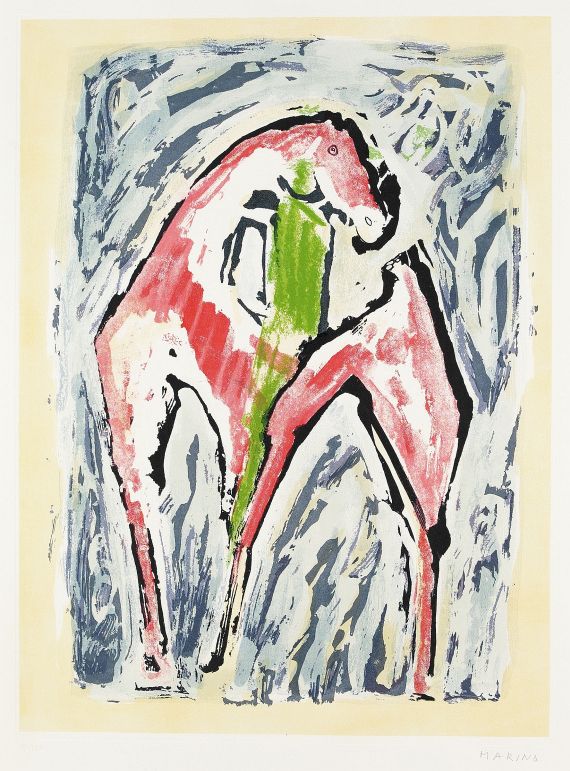
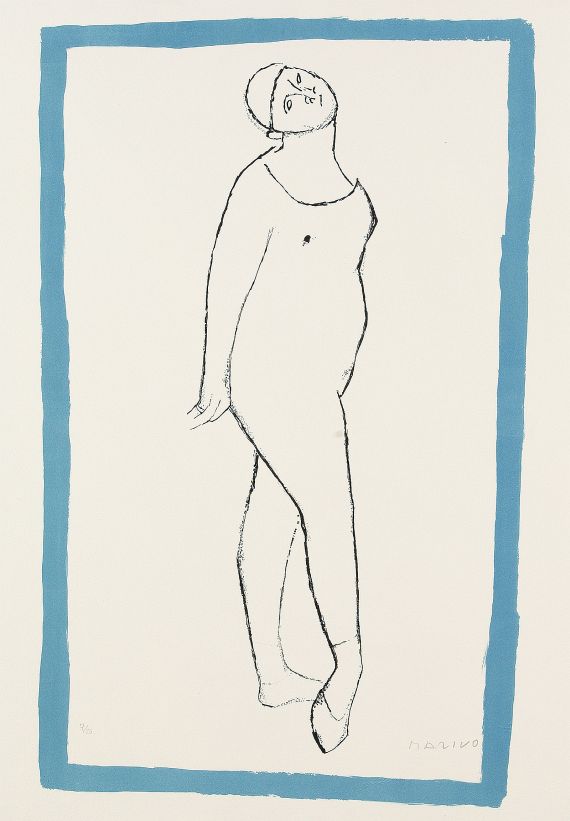
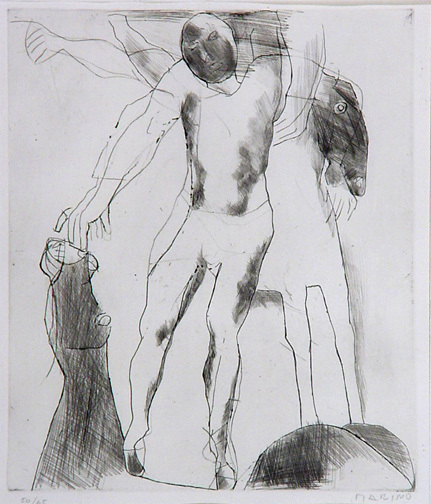
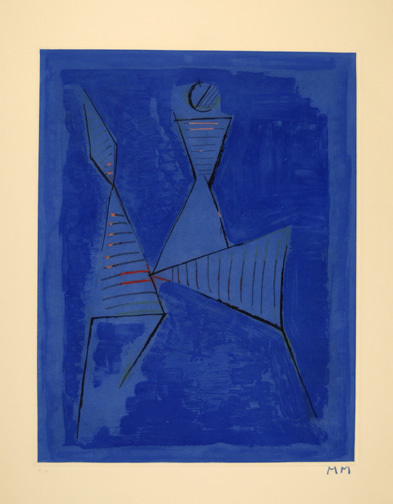
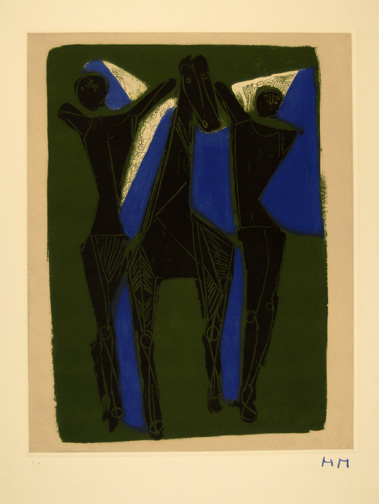
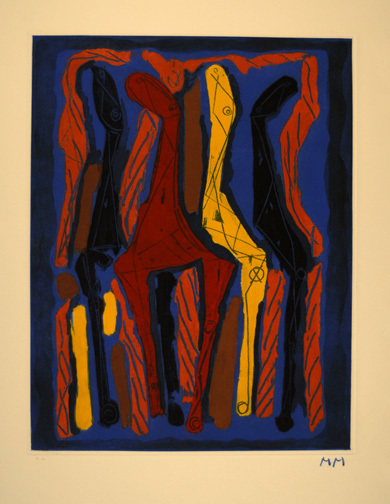
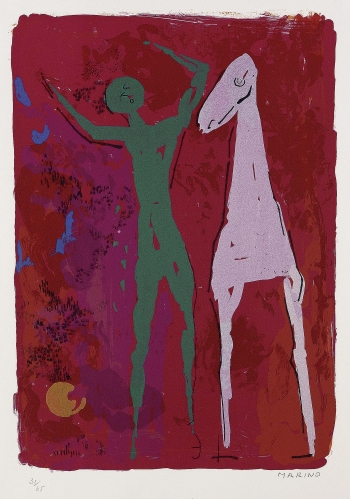
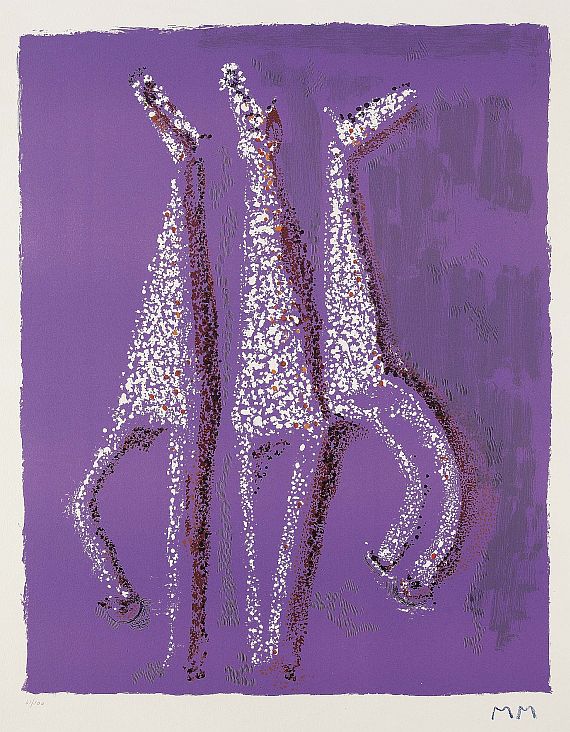
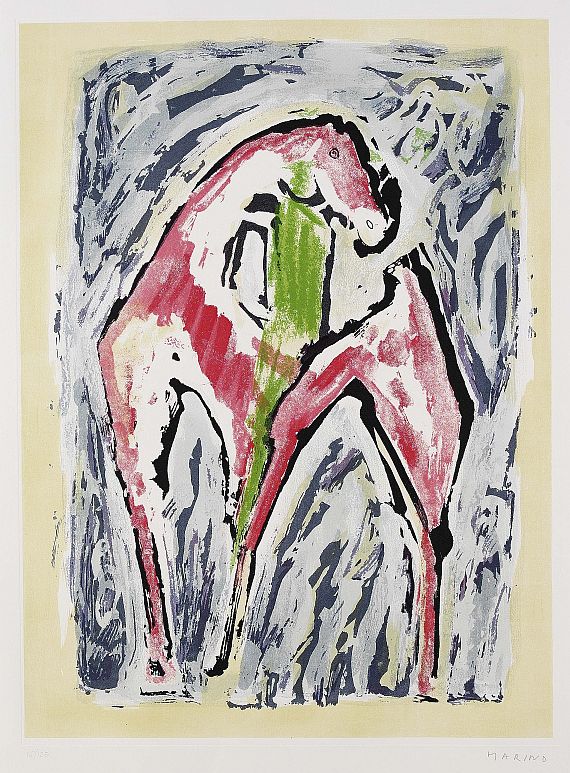
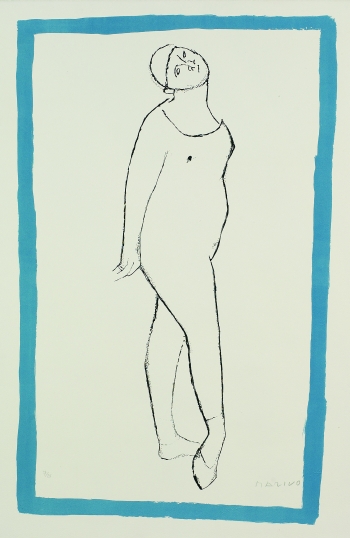
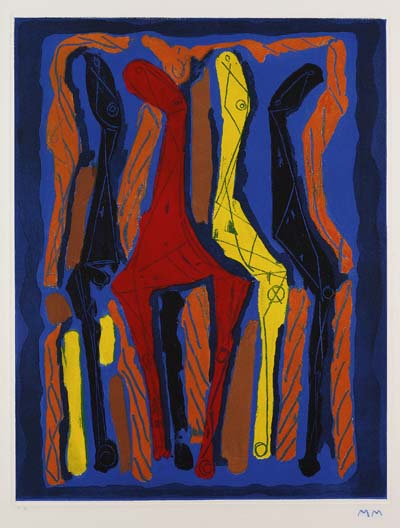
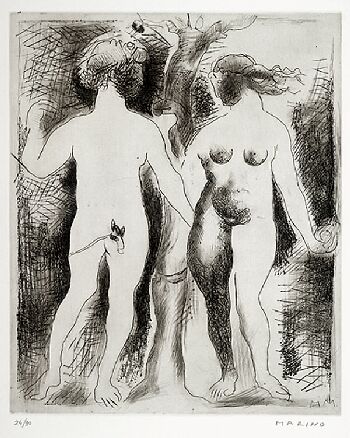
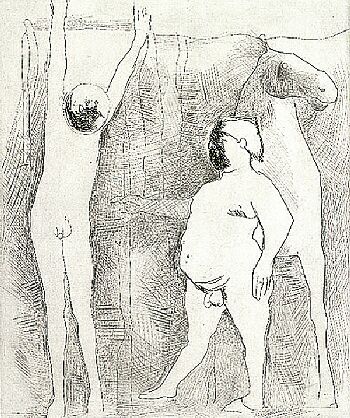
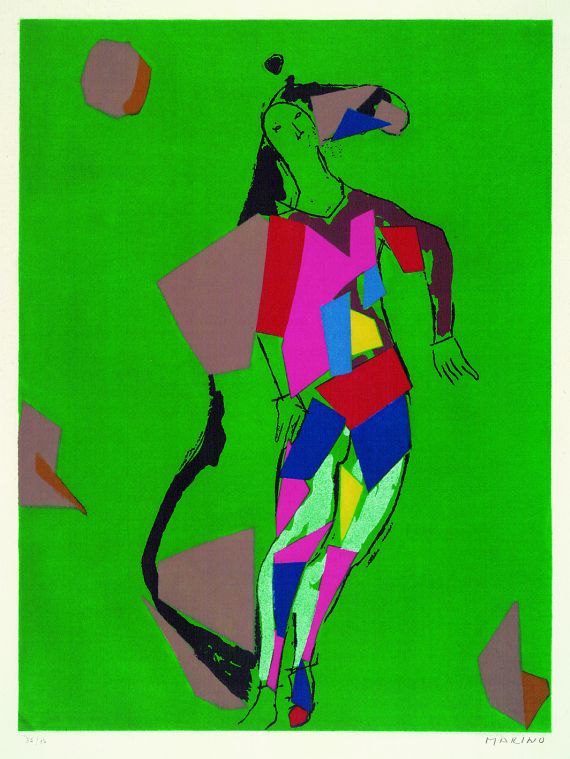
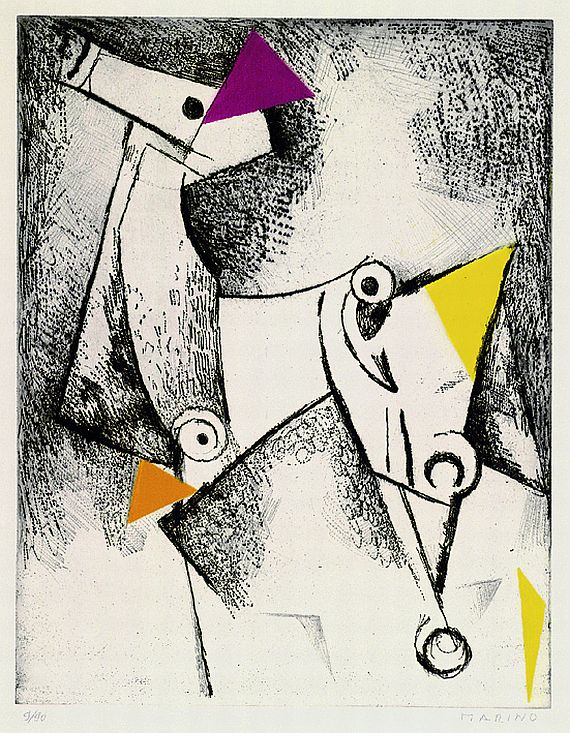
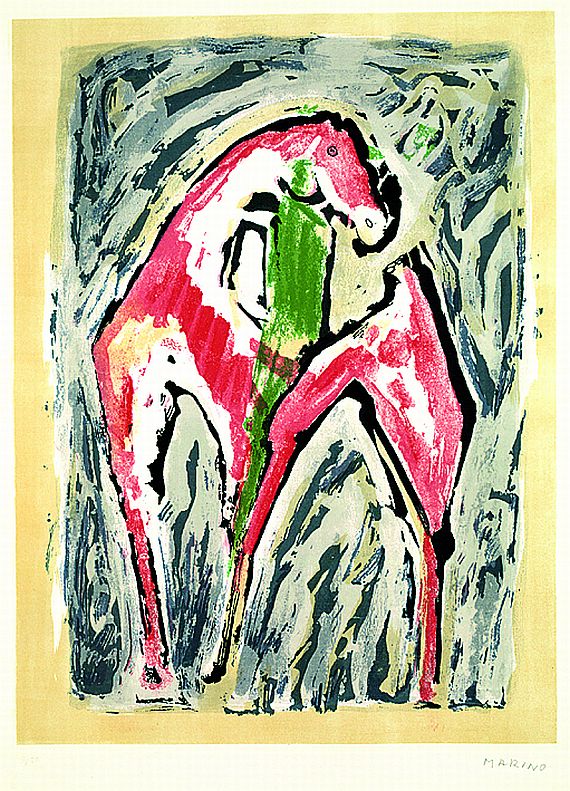
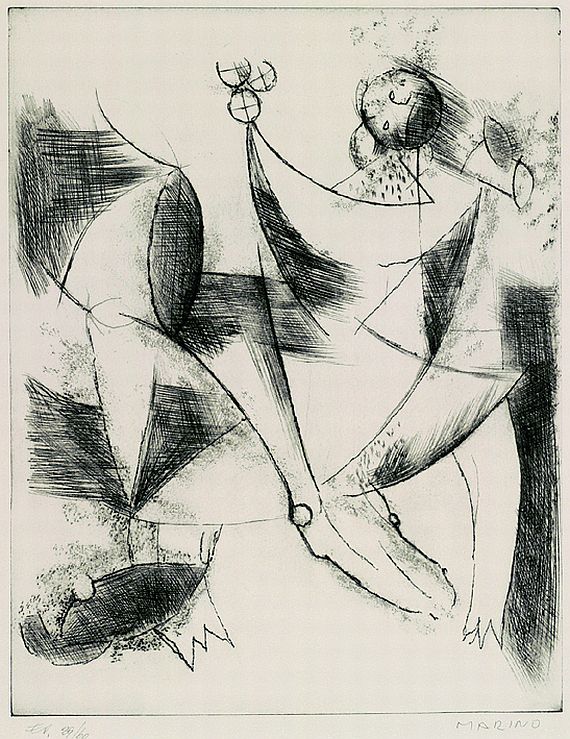
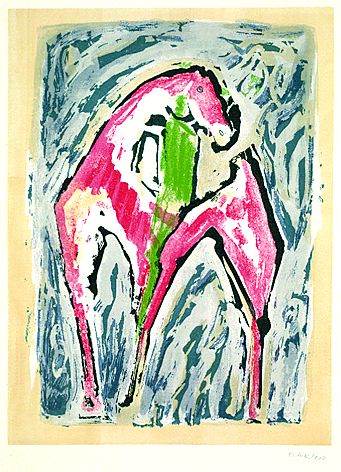
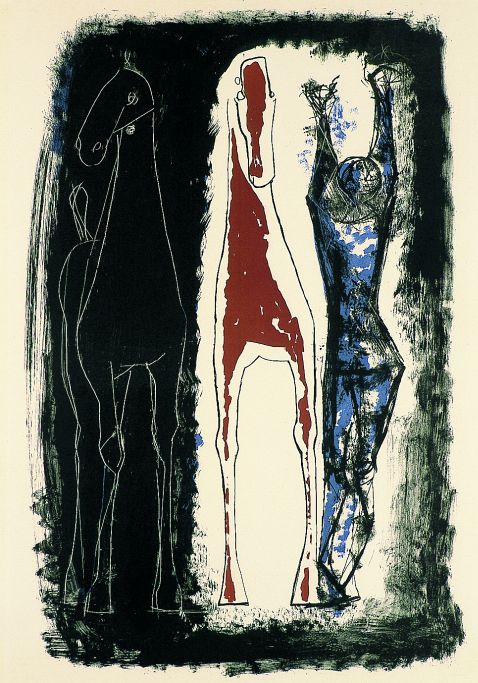
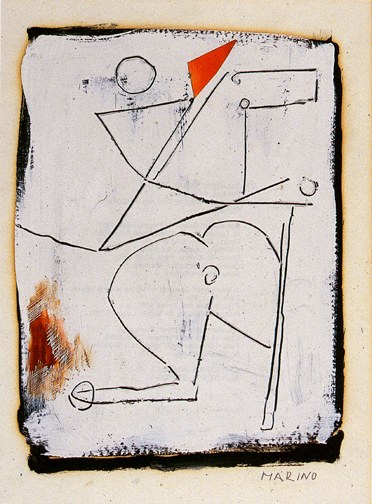
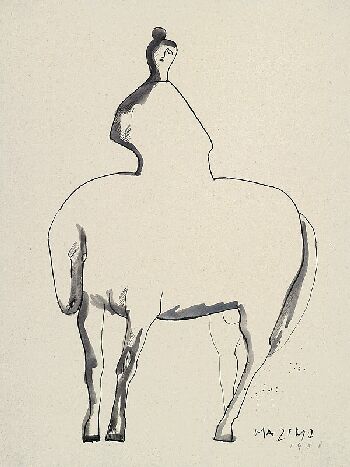
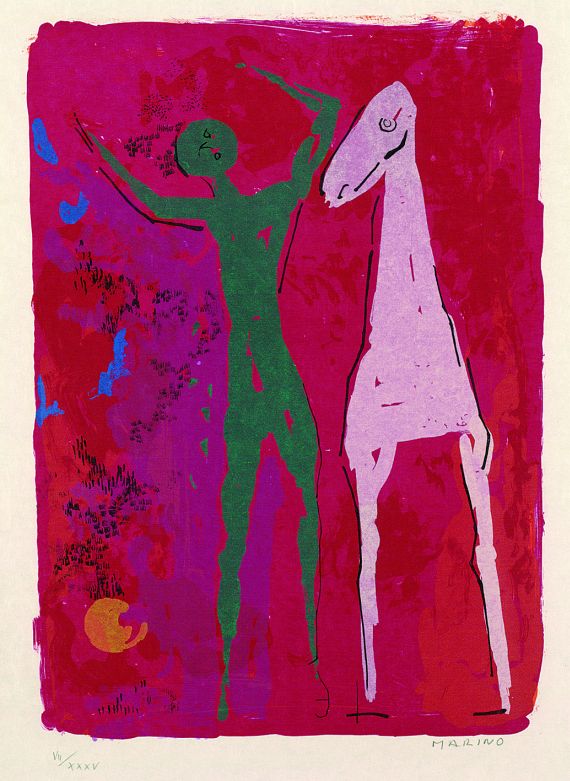
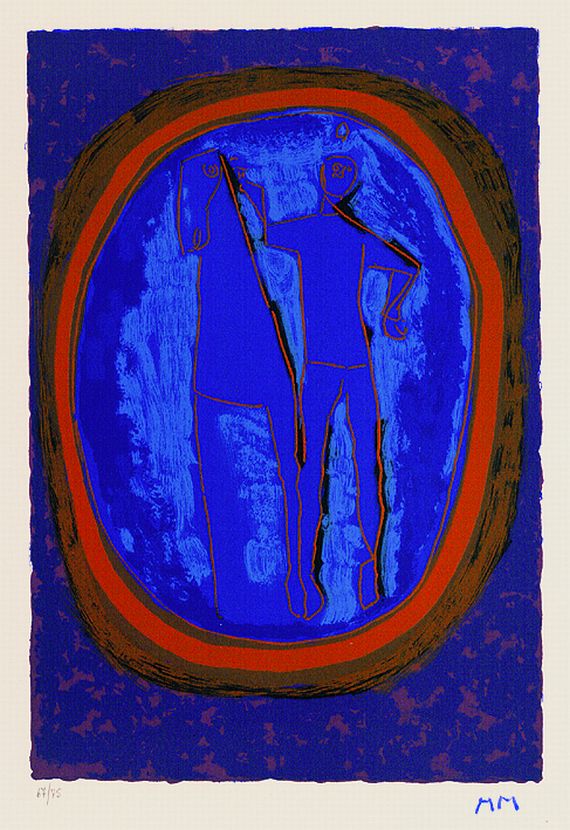
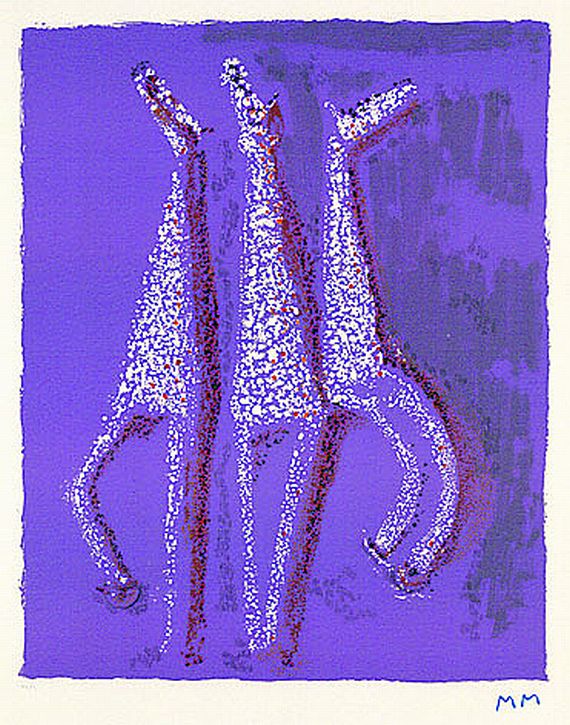
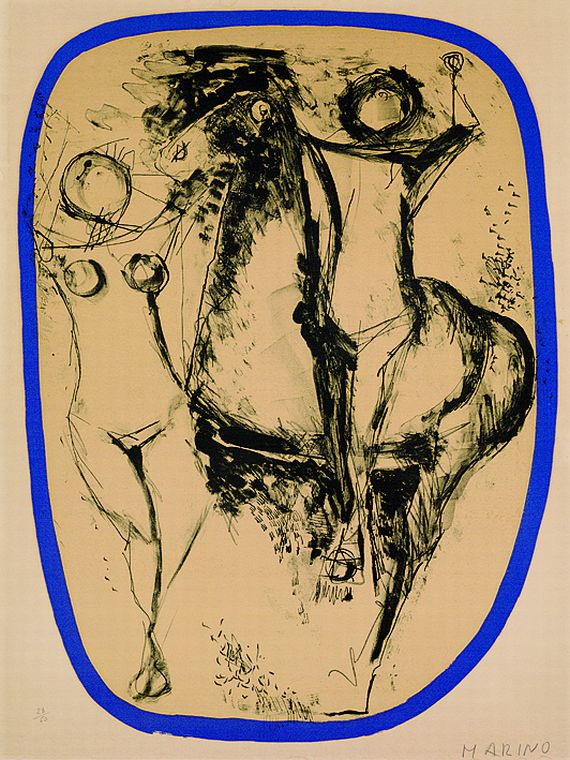
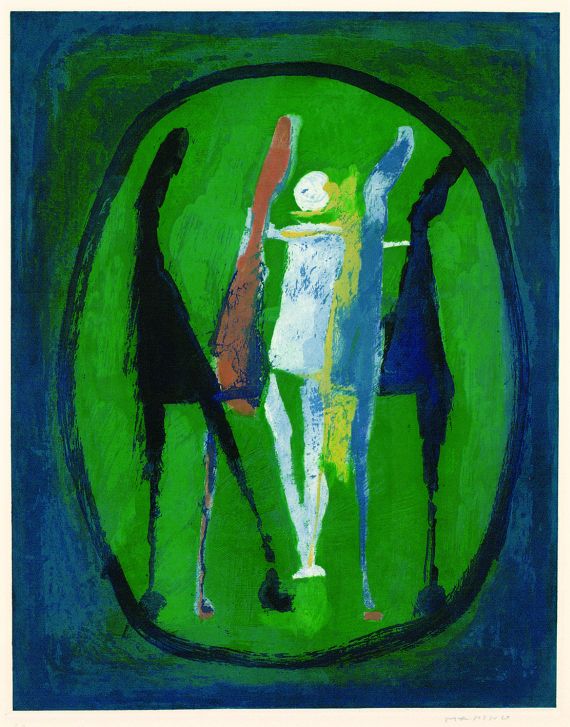
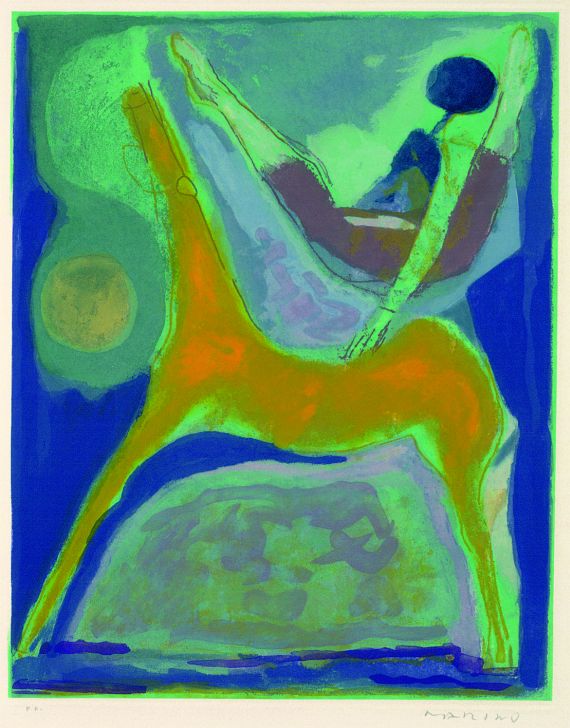
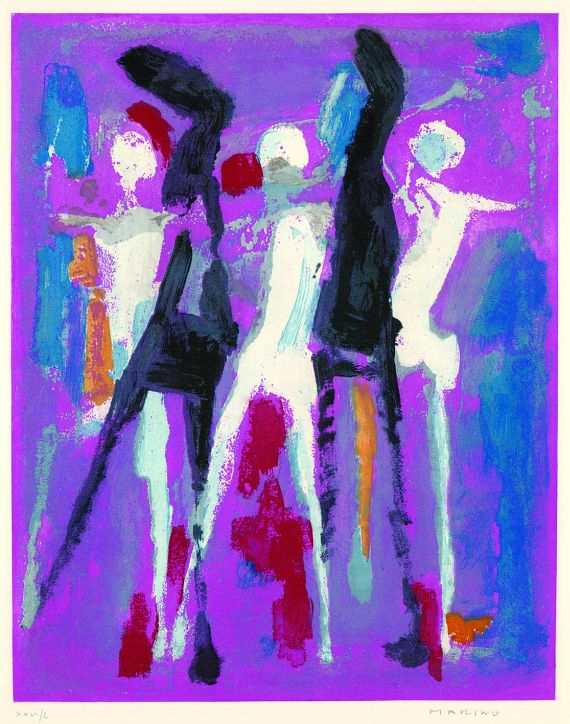
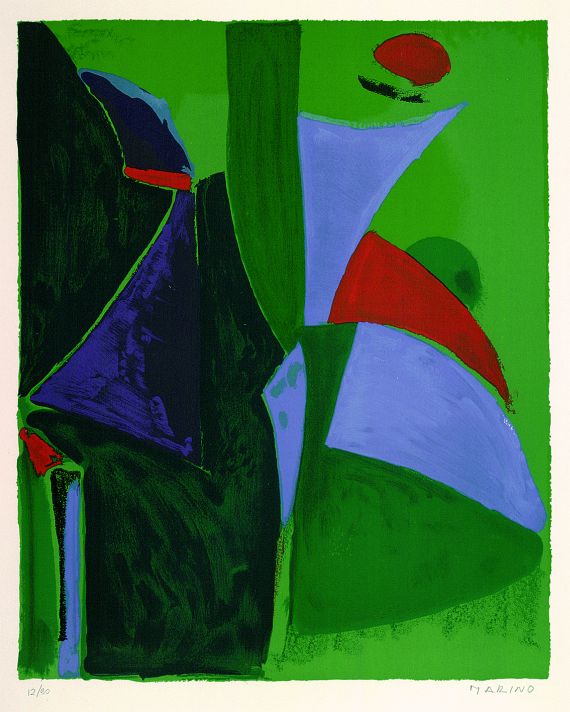
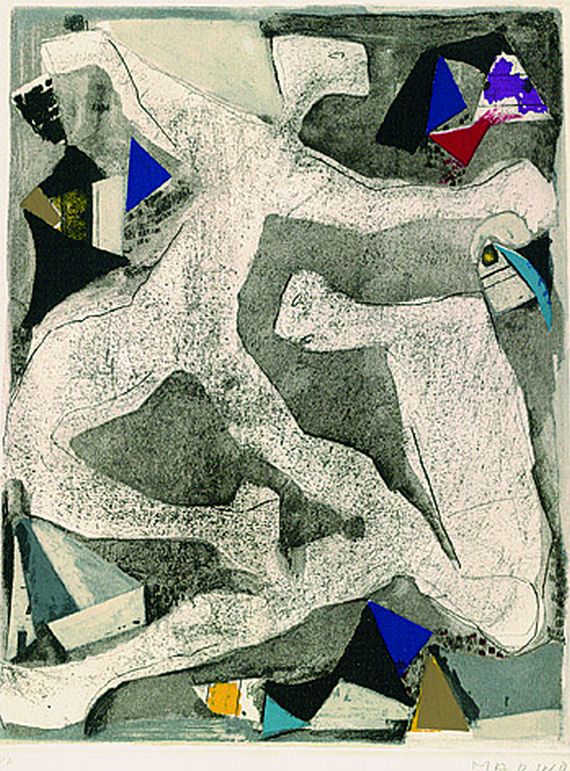
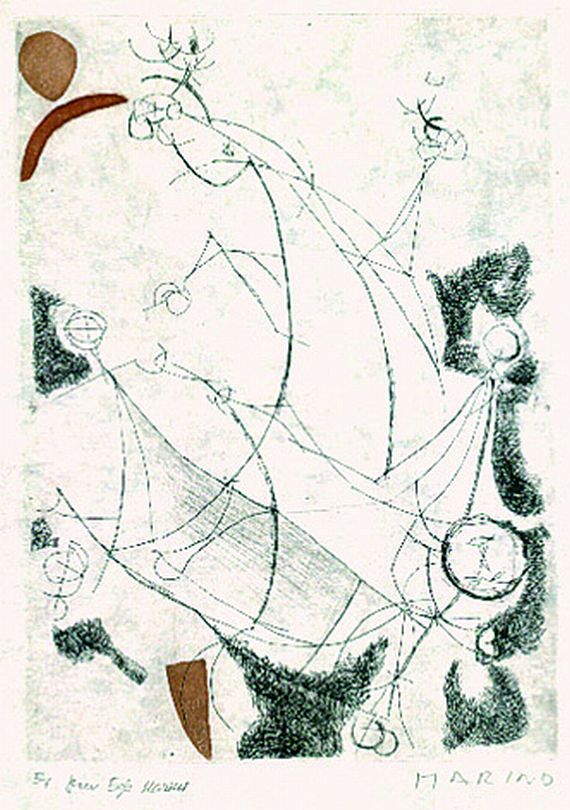
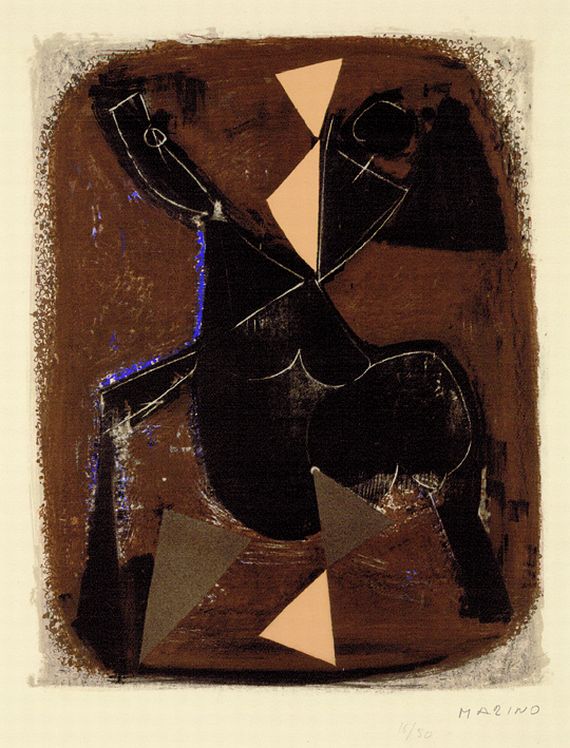
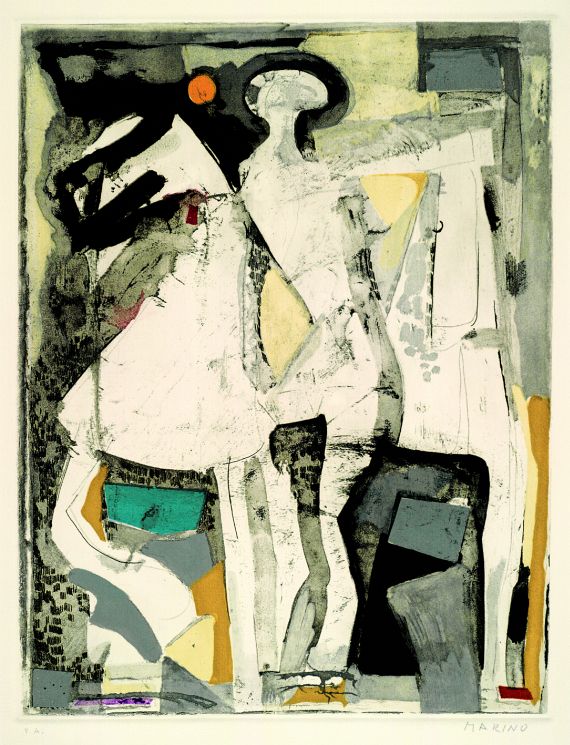
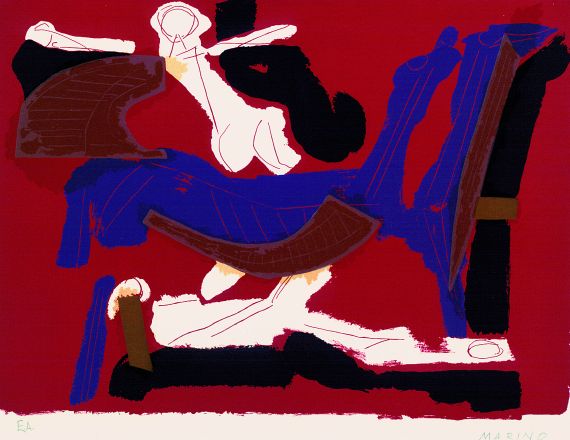
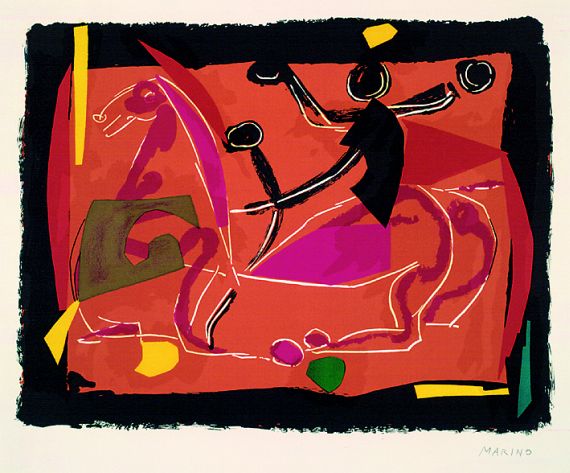
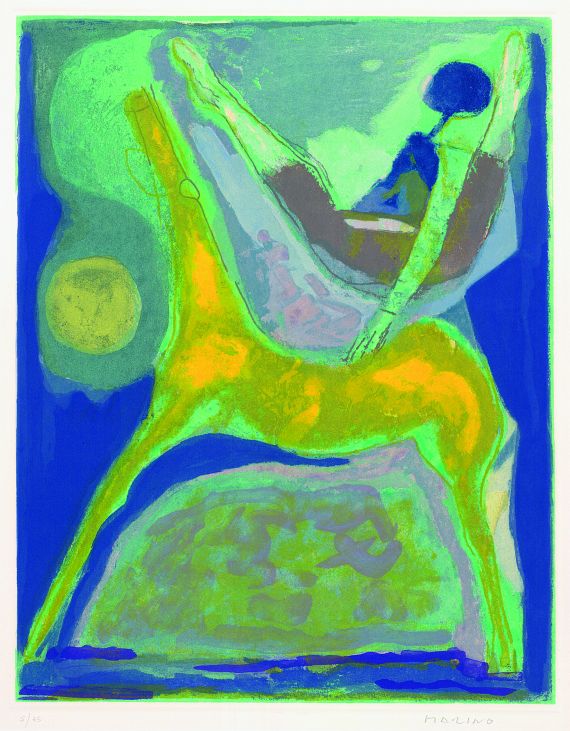
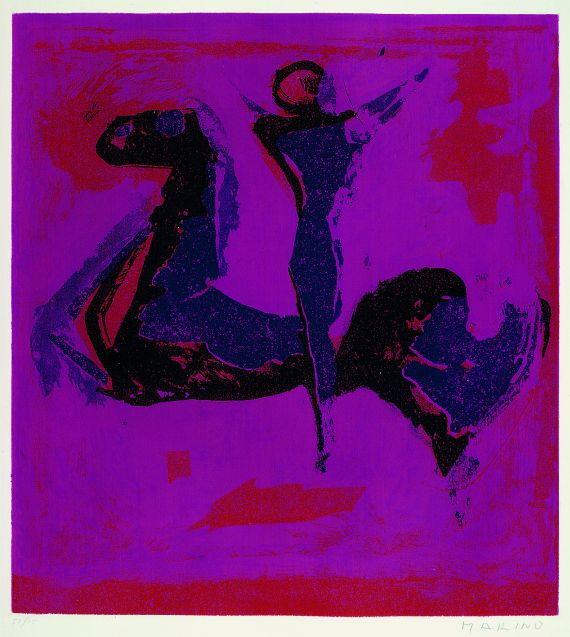
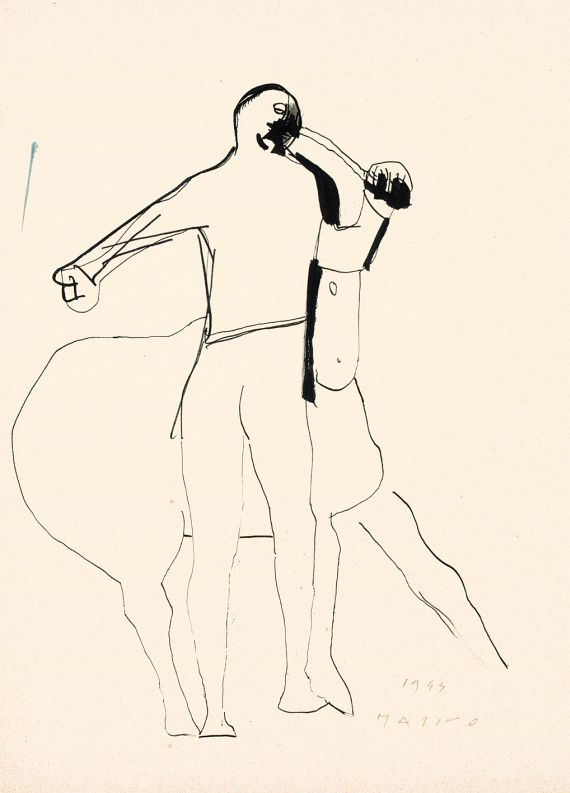
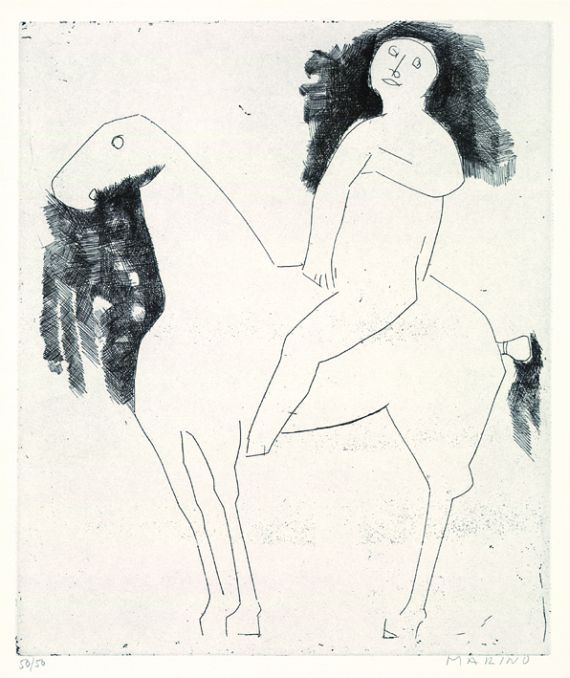
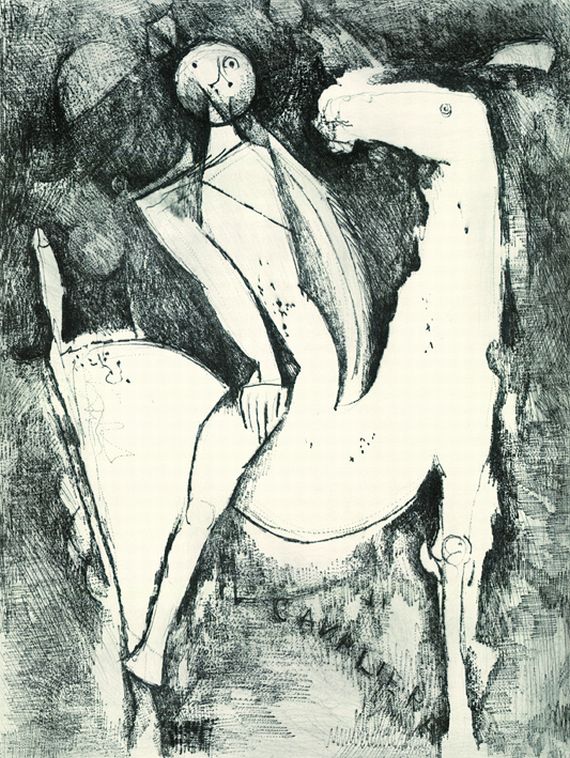
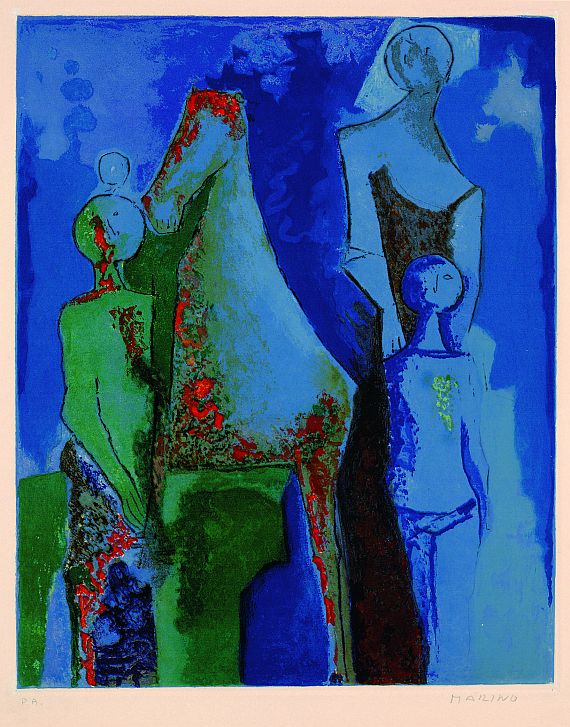
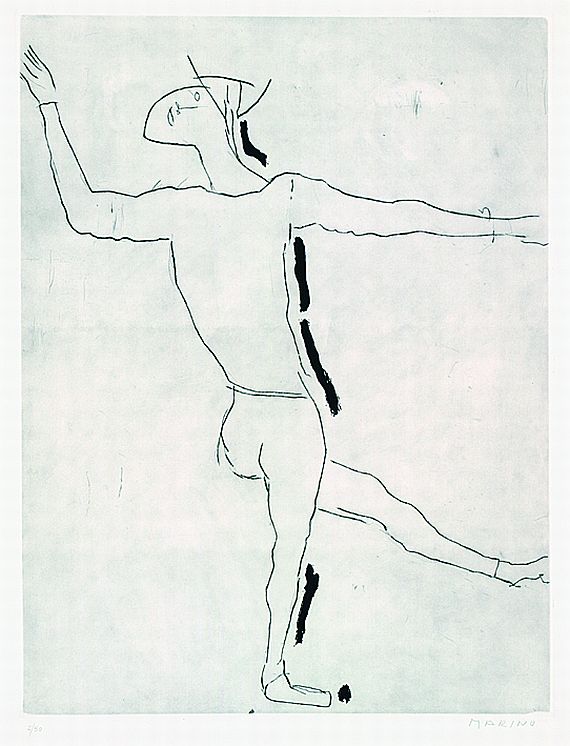
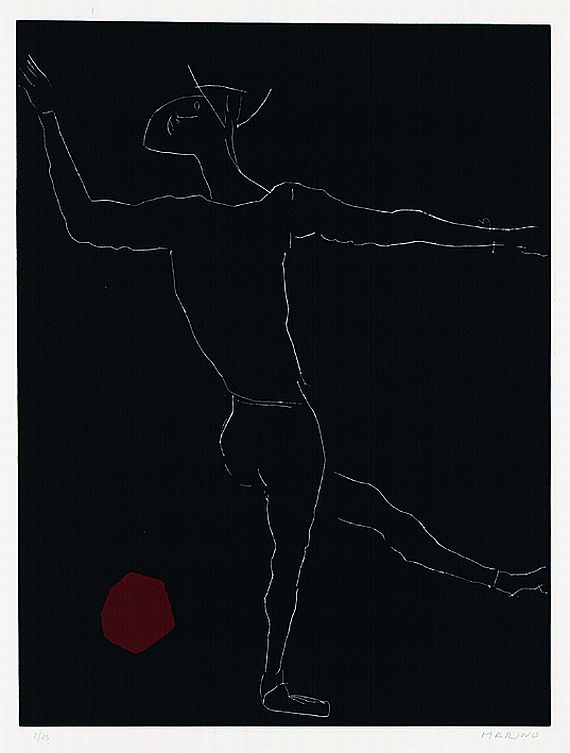
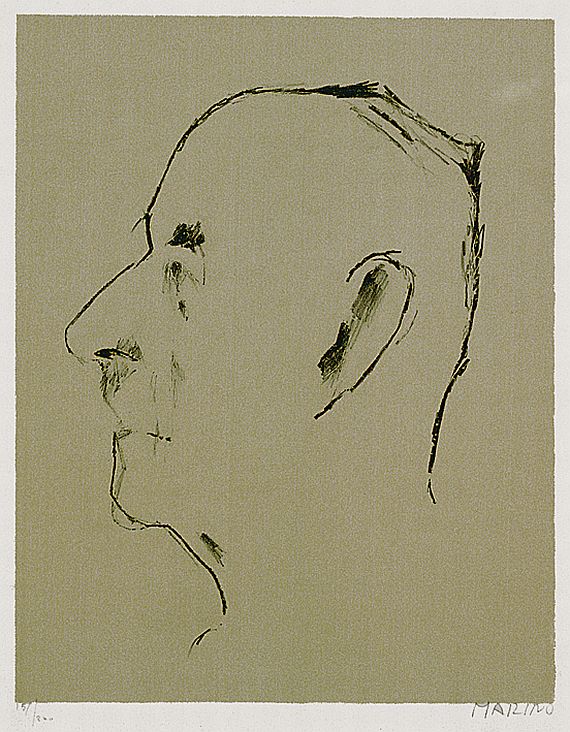
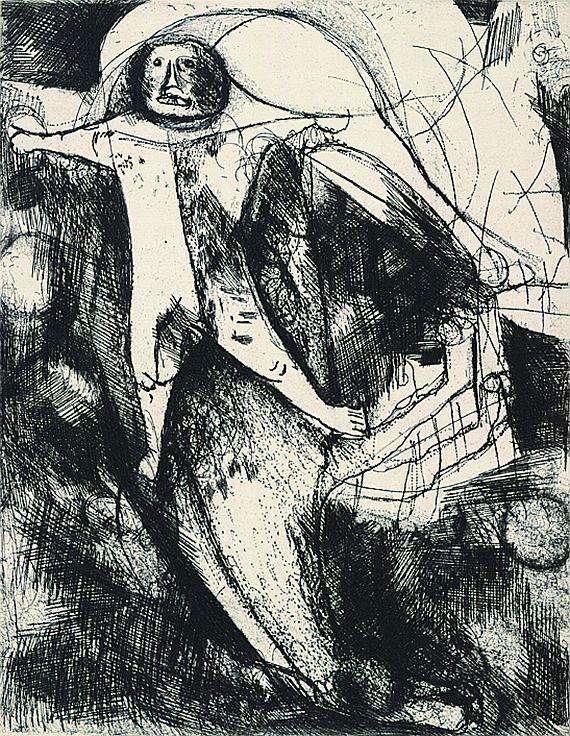
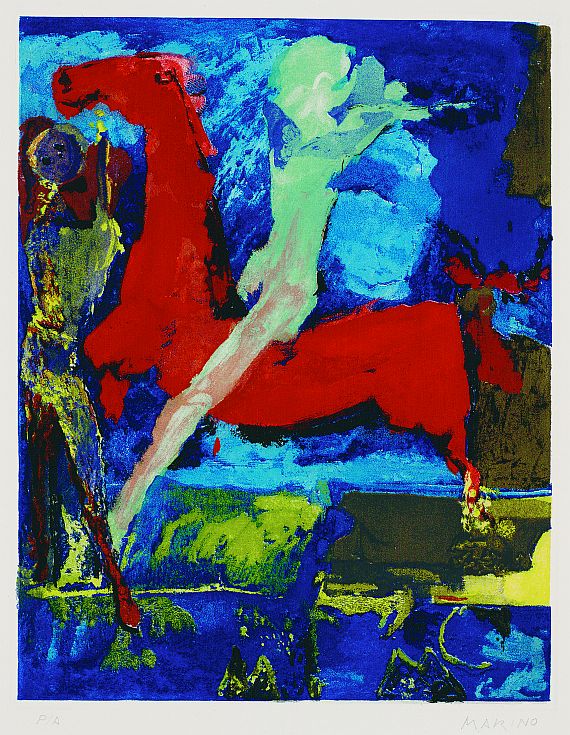
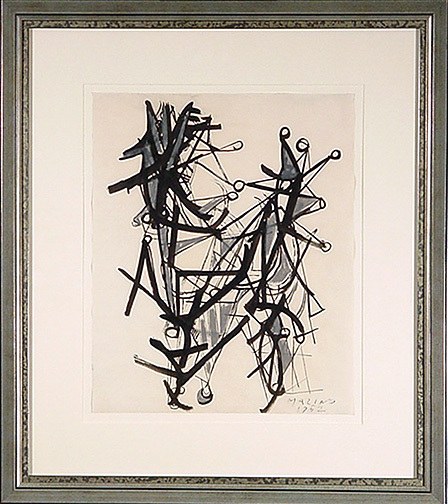
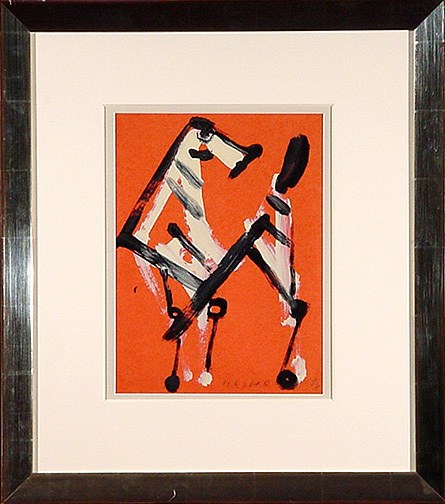
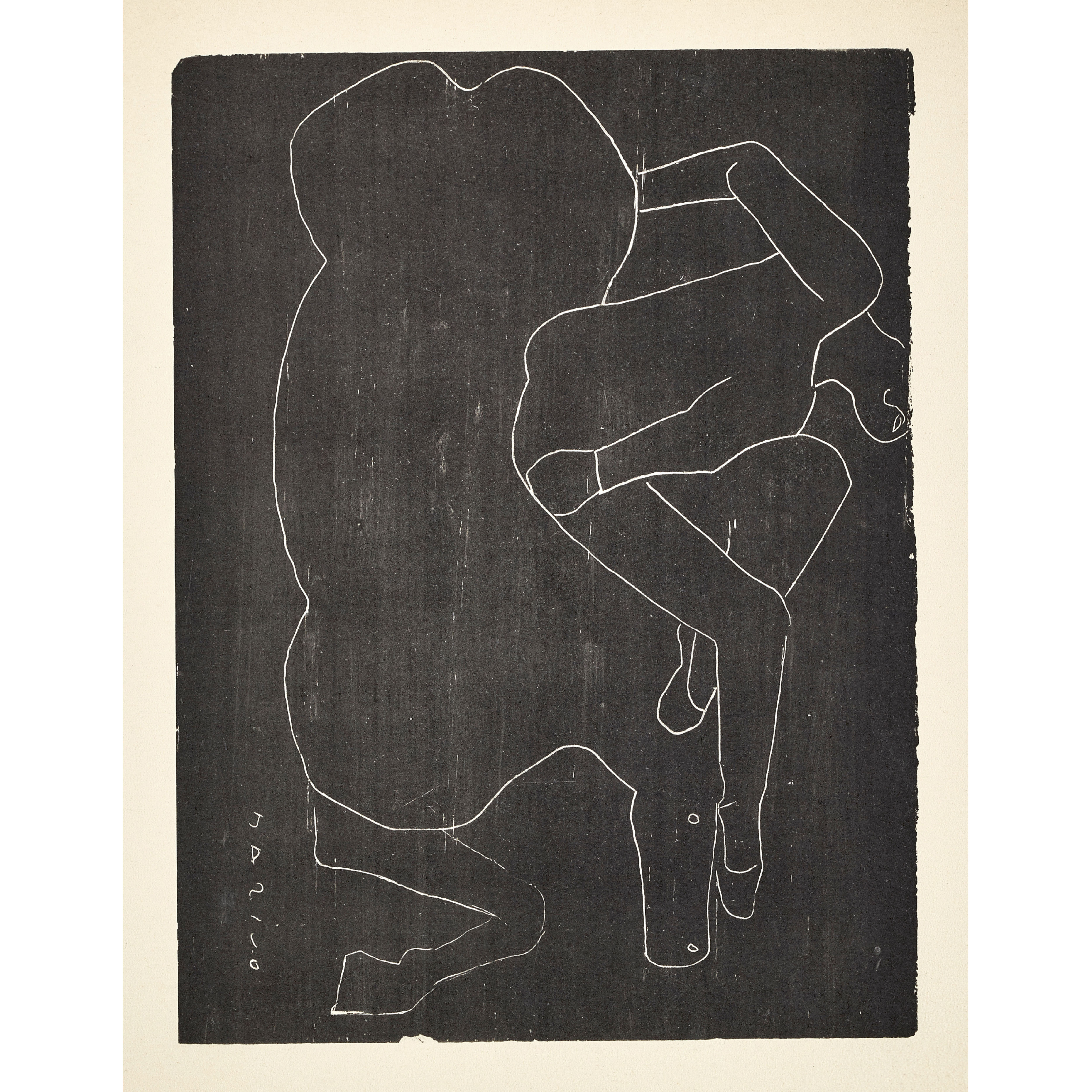
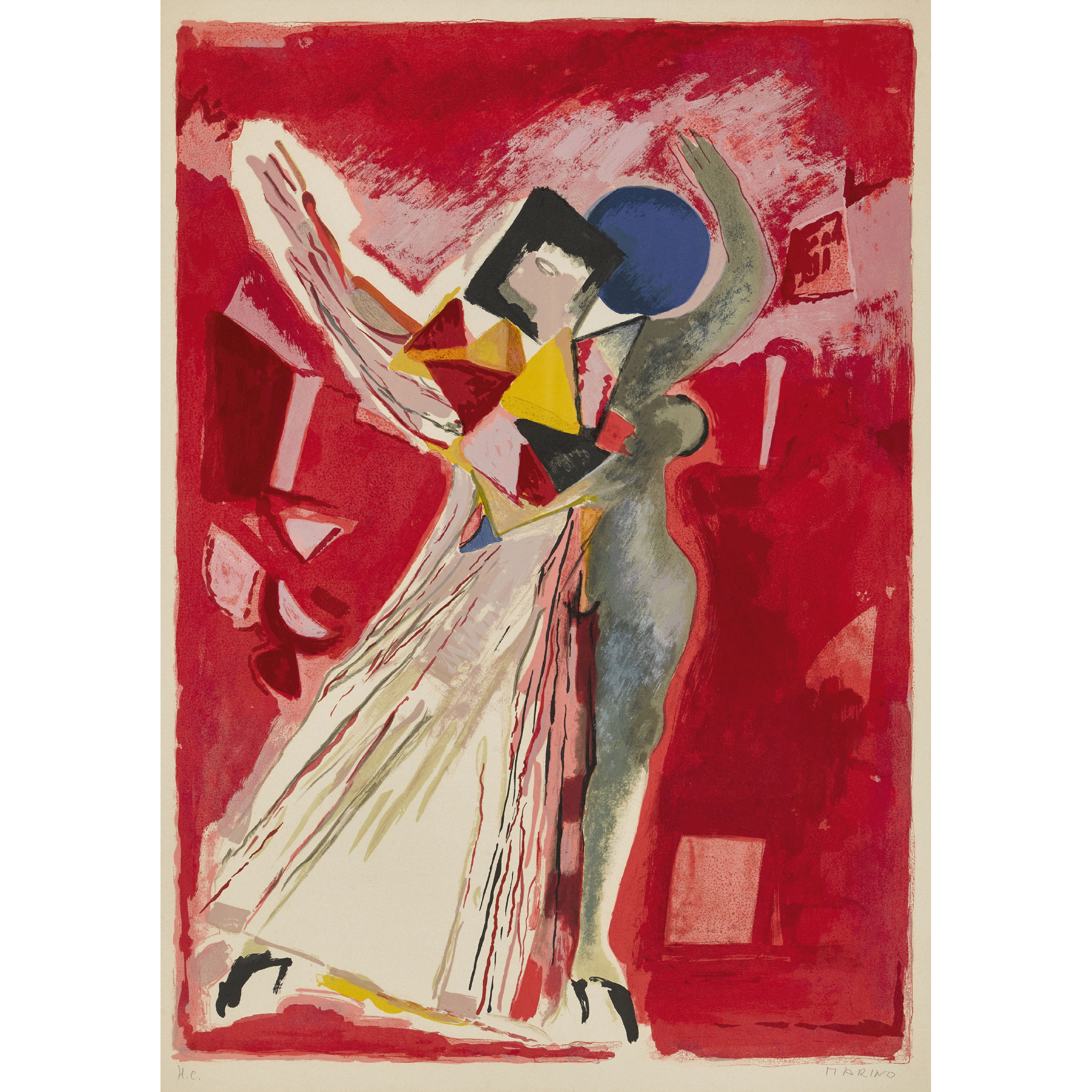
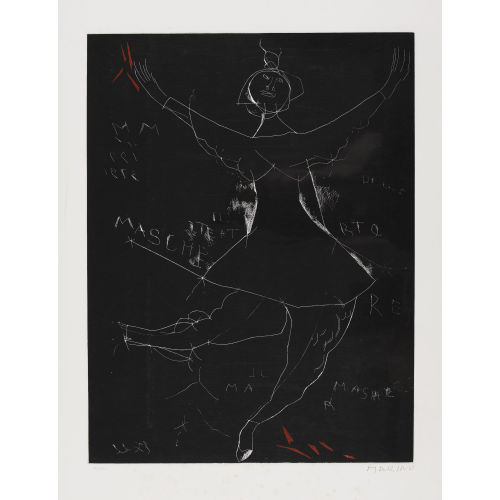
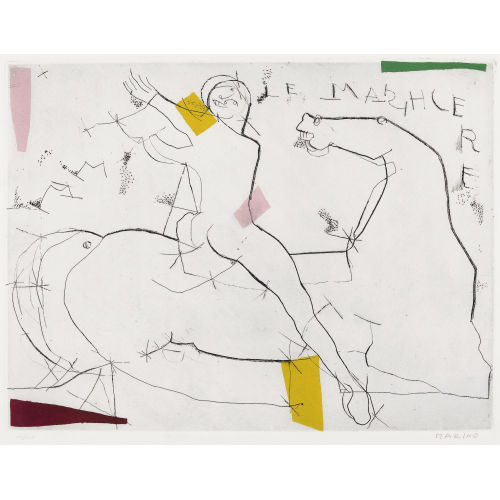
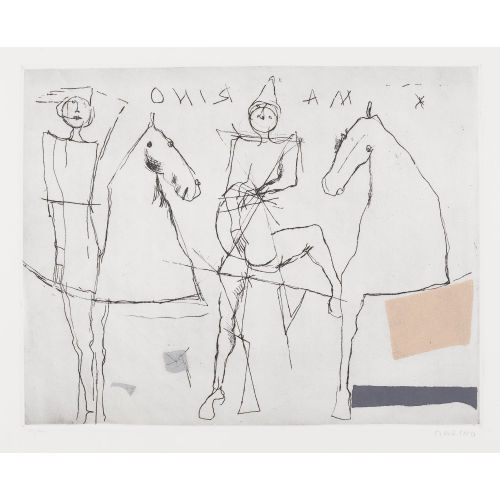
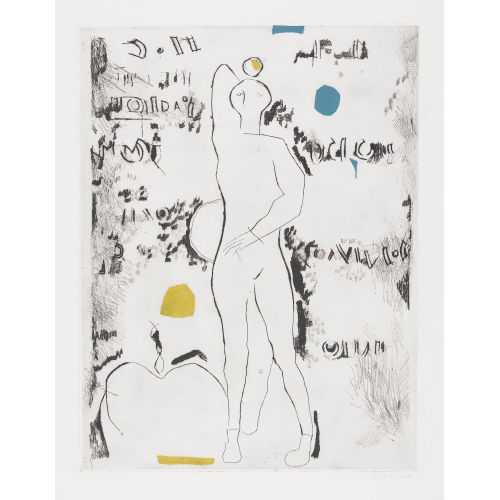
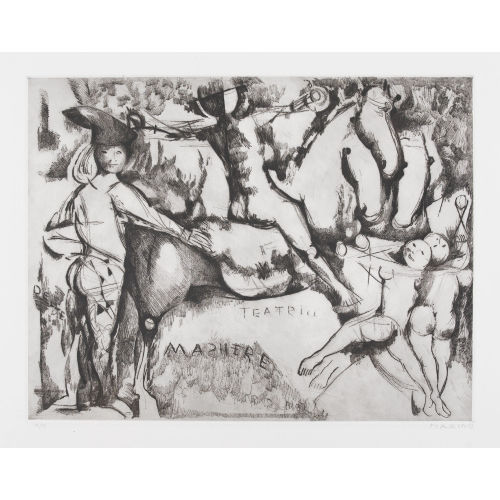
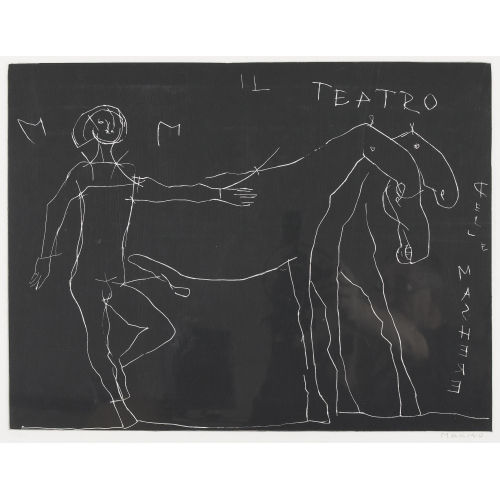
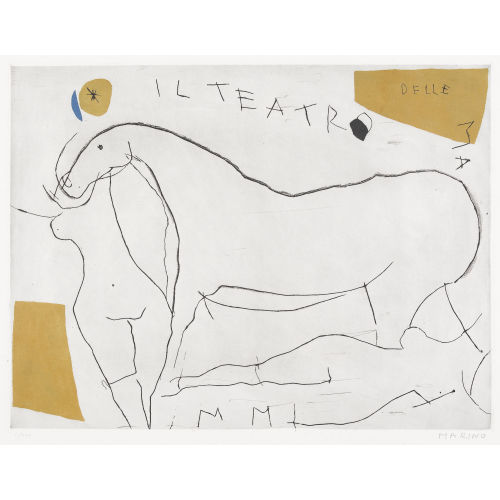
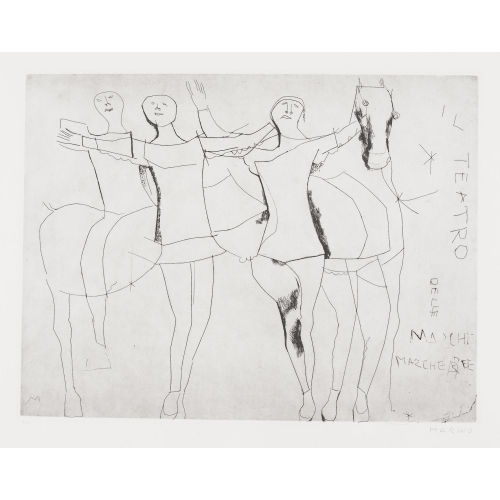
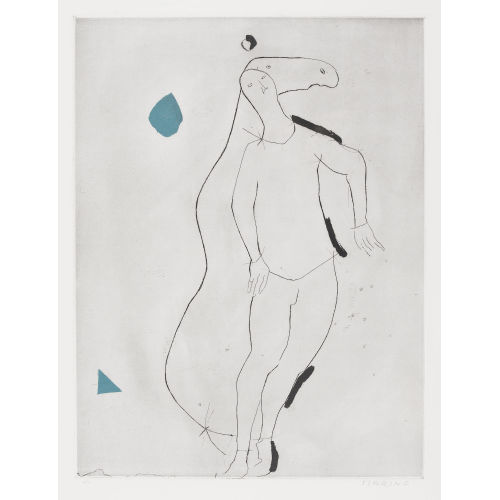
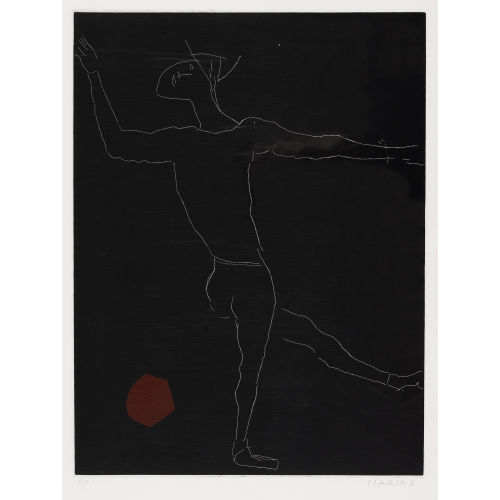
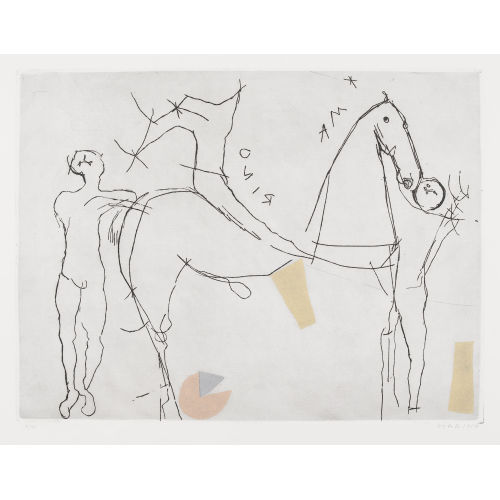
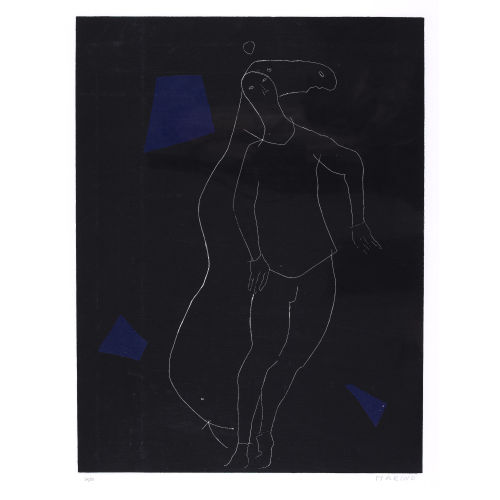
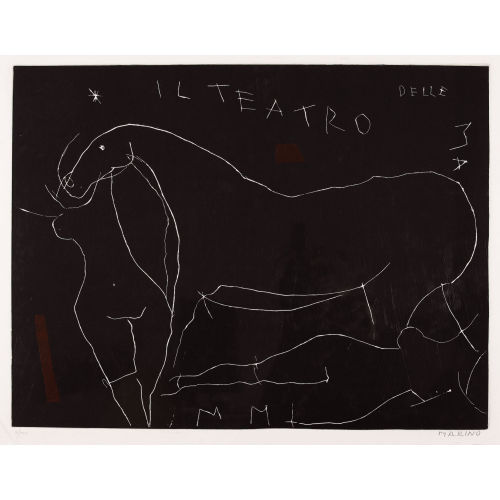
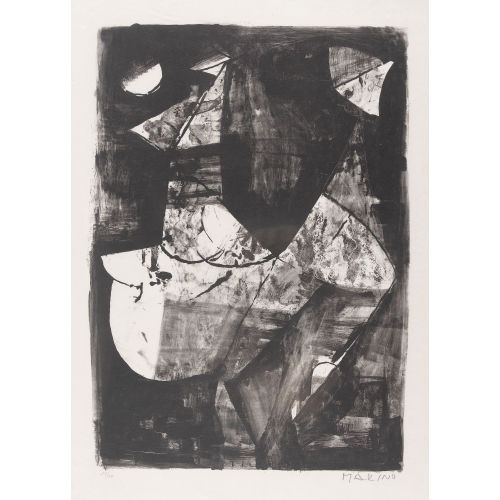
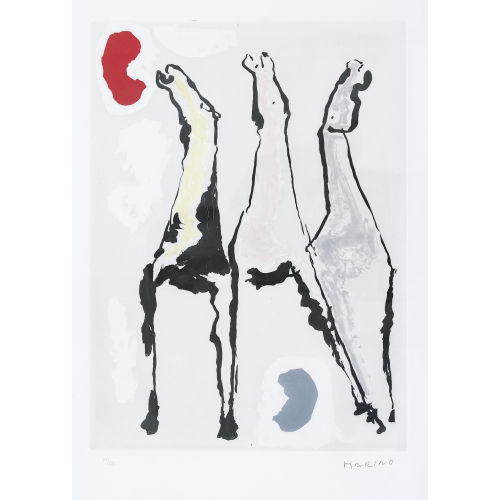
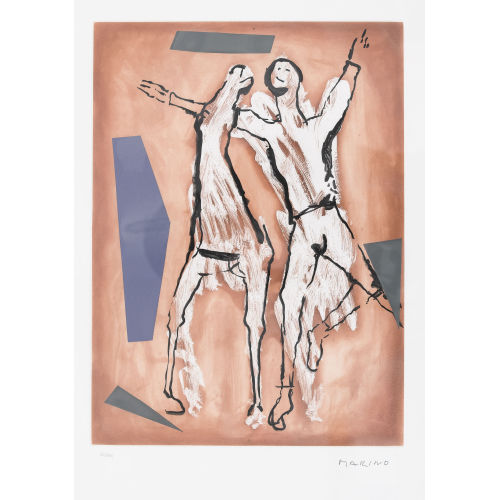
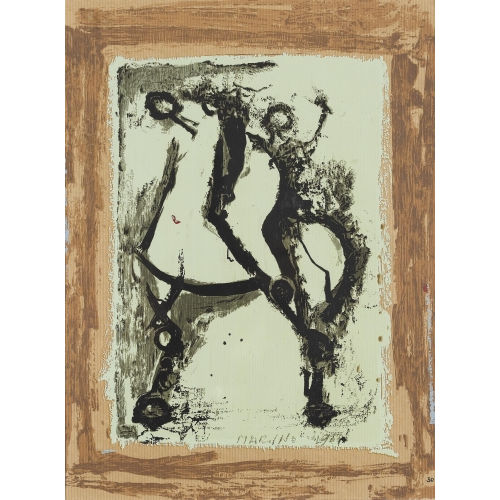
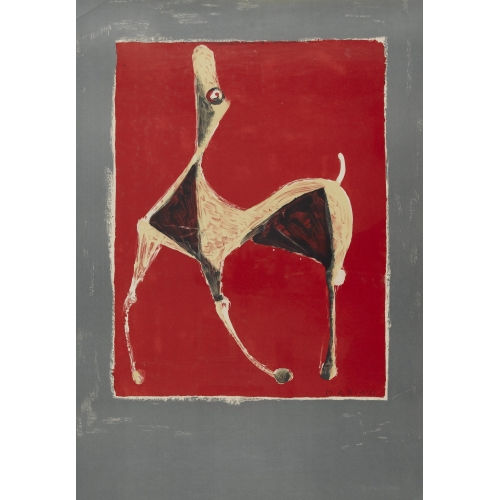
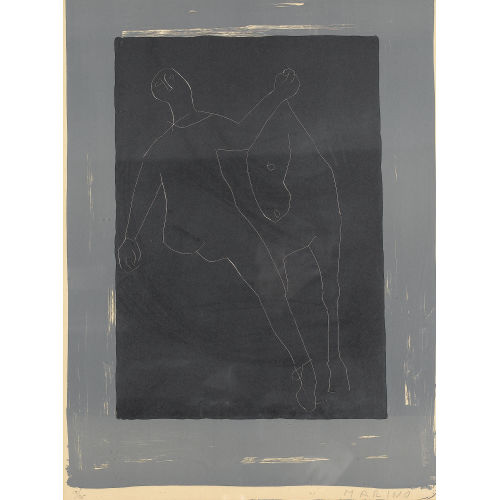
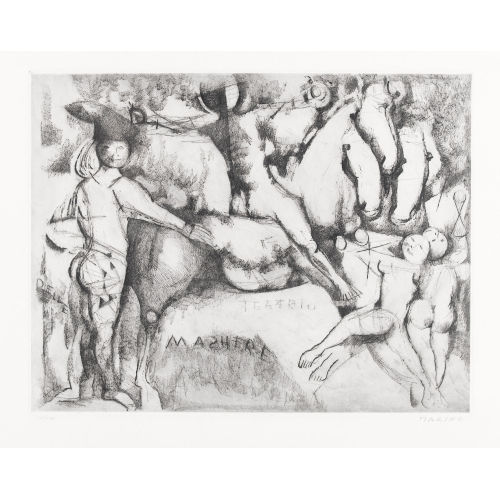
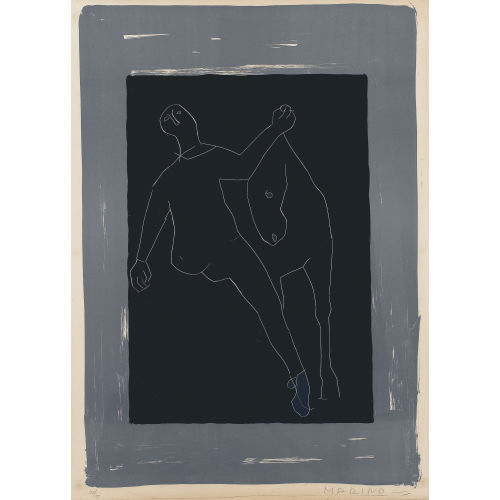
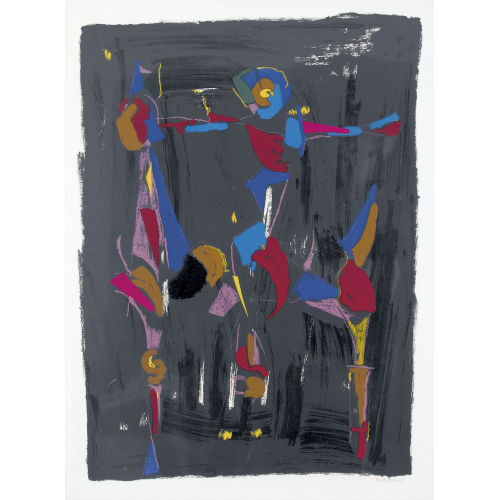
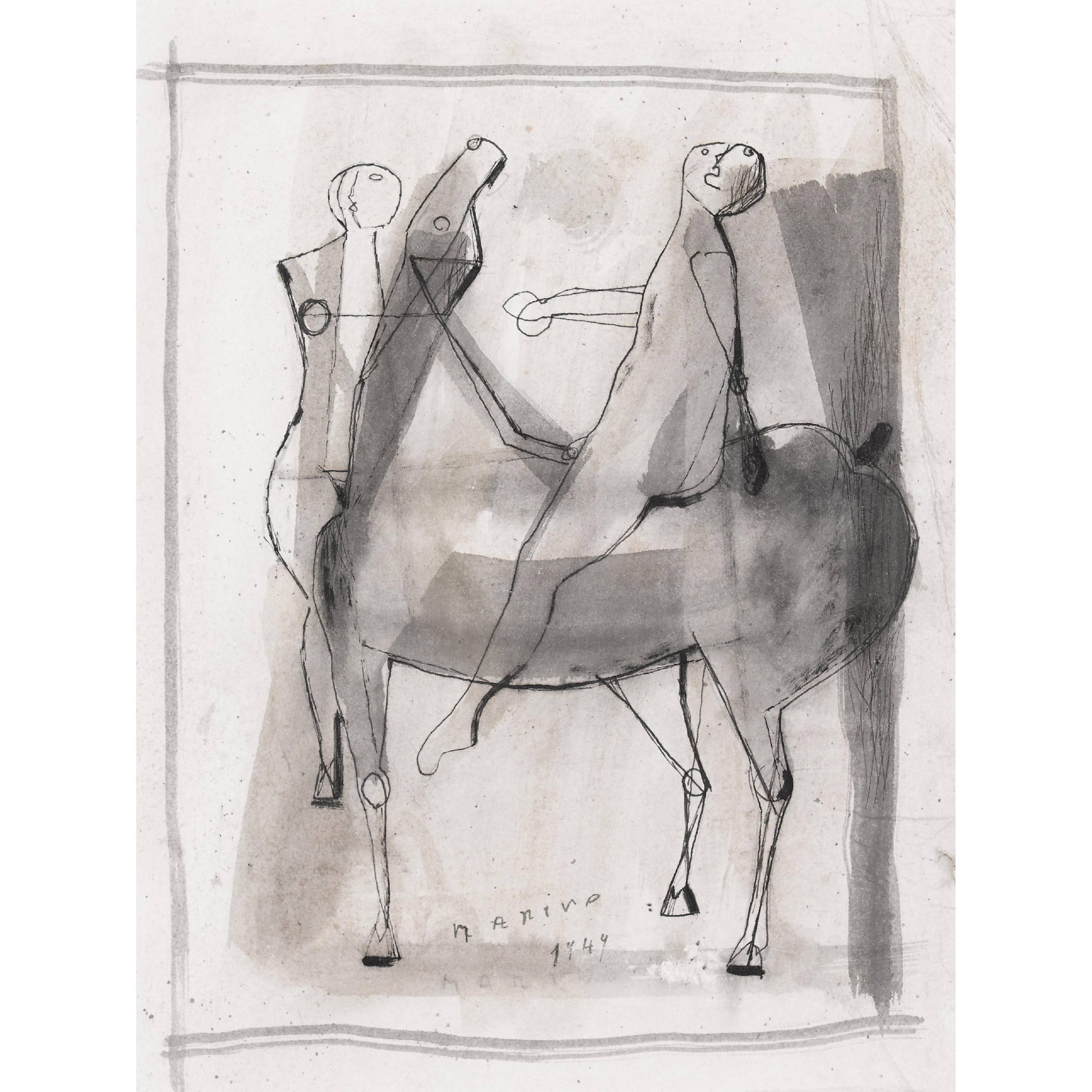
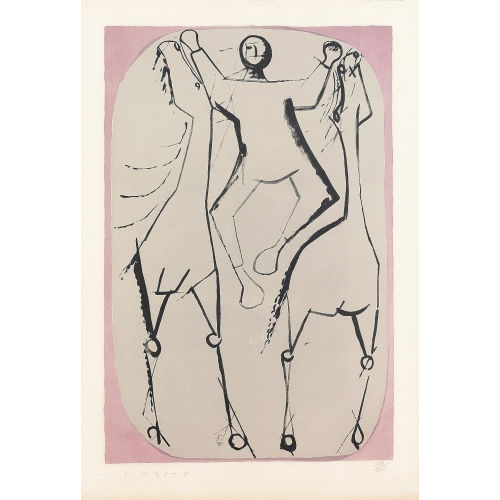
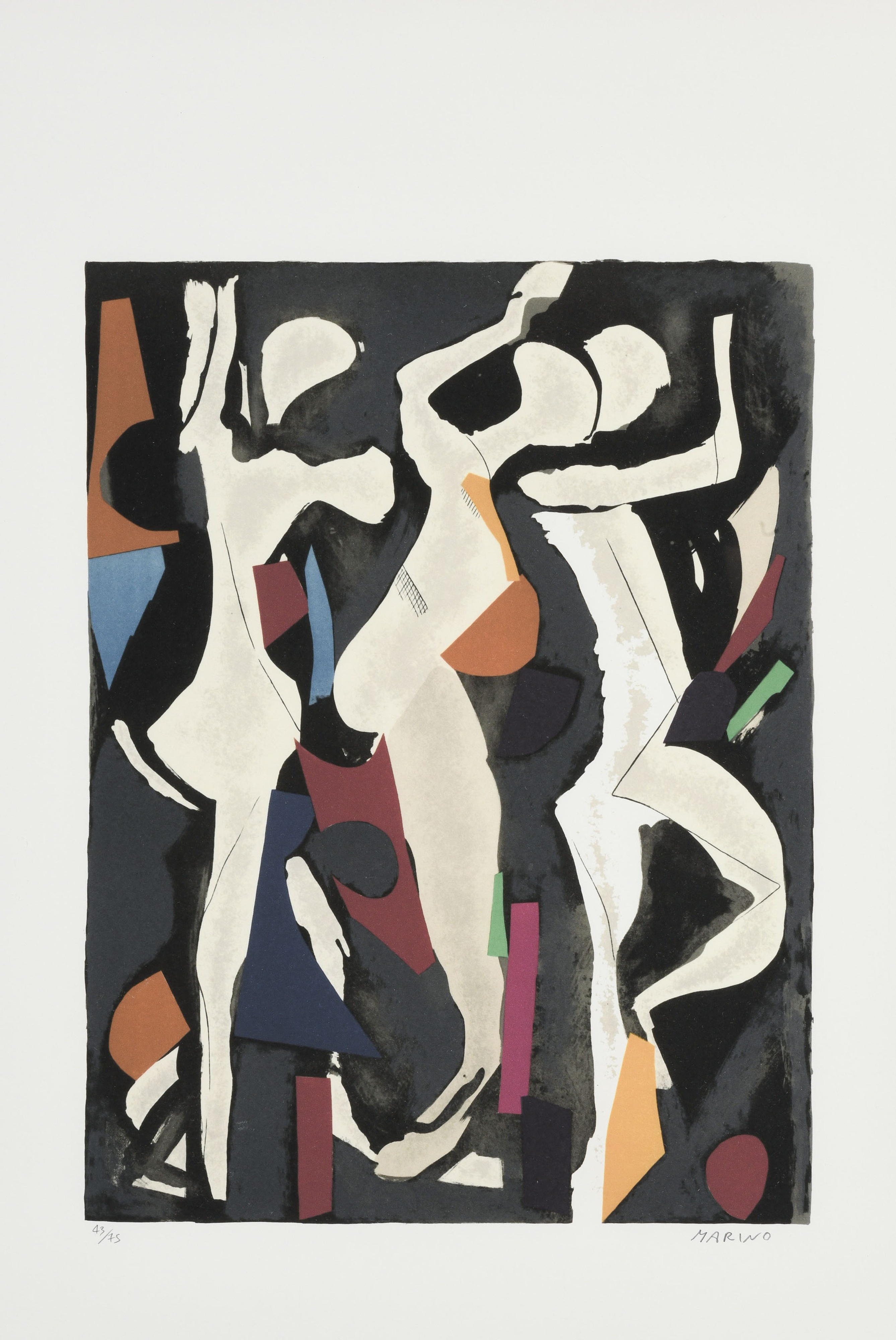
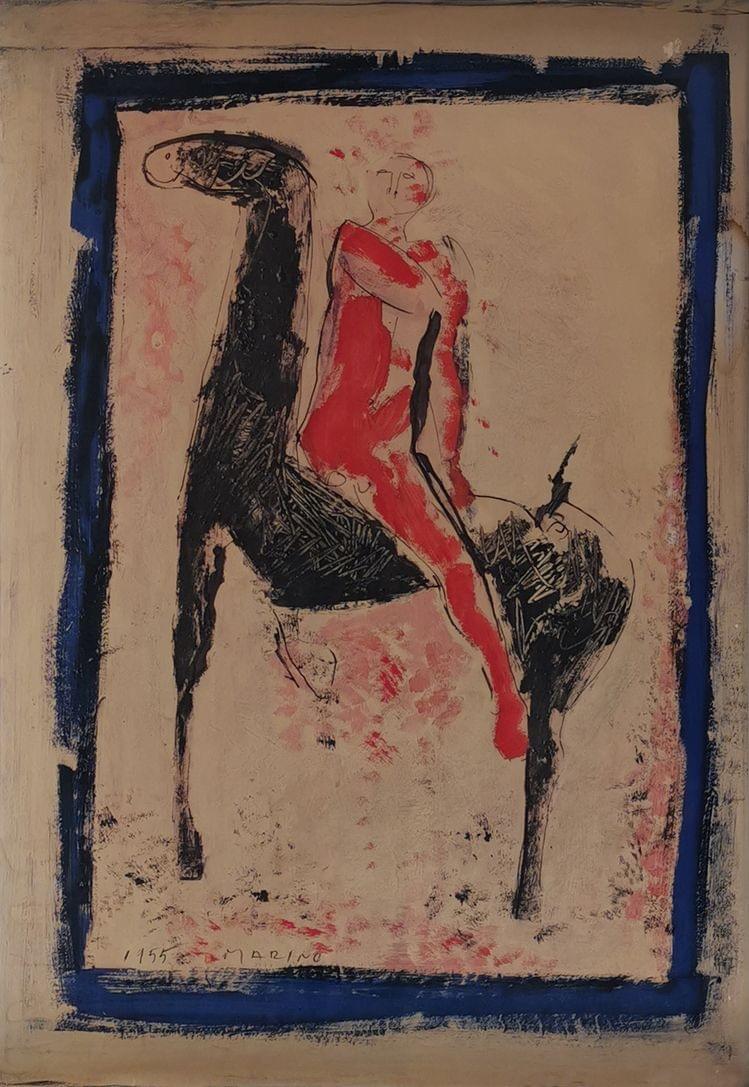
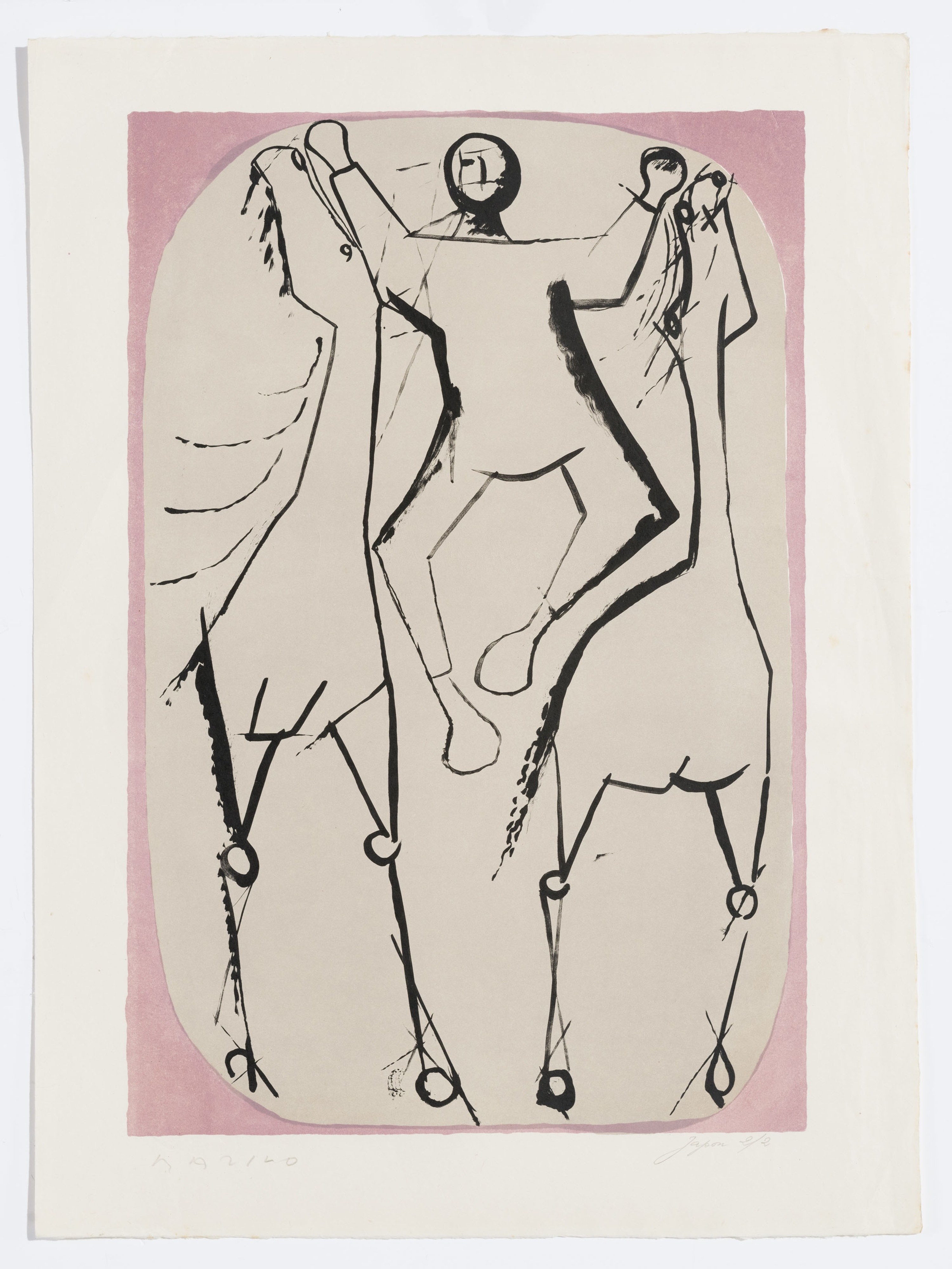
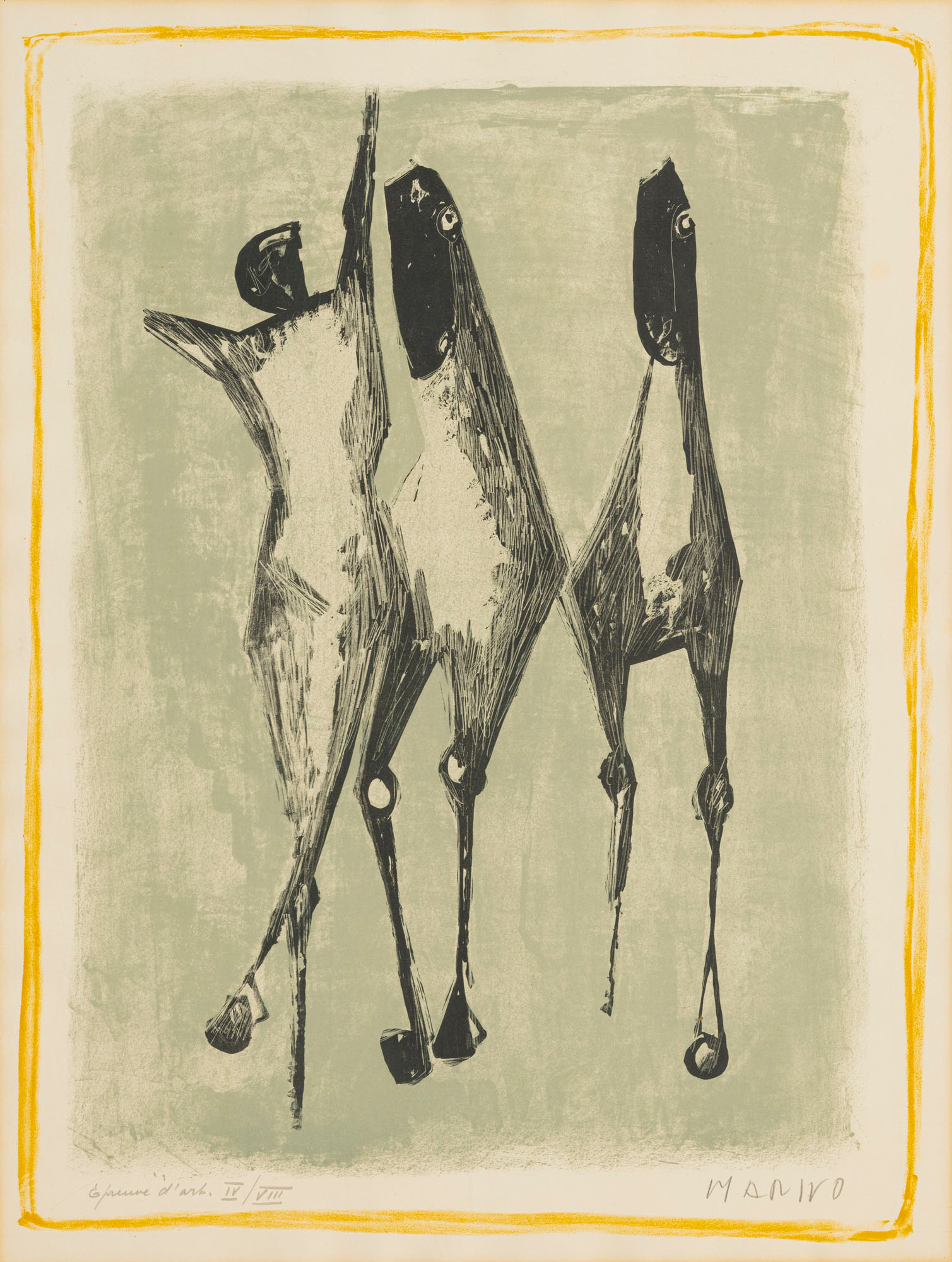
Marino Marini (1901–1980) renewed twentieth-century figurative sculpture by returning again and again to a few subjects: the horse and its rider, the female figure he called “Pomona”, portraits and circus performers. Trained at the Academy of Fine Arts in Florence, he turned primarily to sculpture in the early 1920s, without abandoning painting, drawing or printmaking. For him, taking up the same motif again made it possible to test its expressive potential rather than fix it in a definitive image.
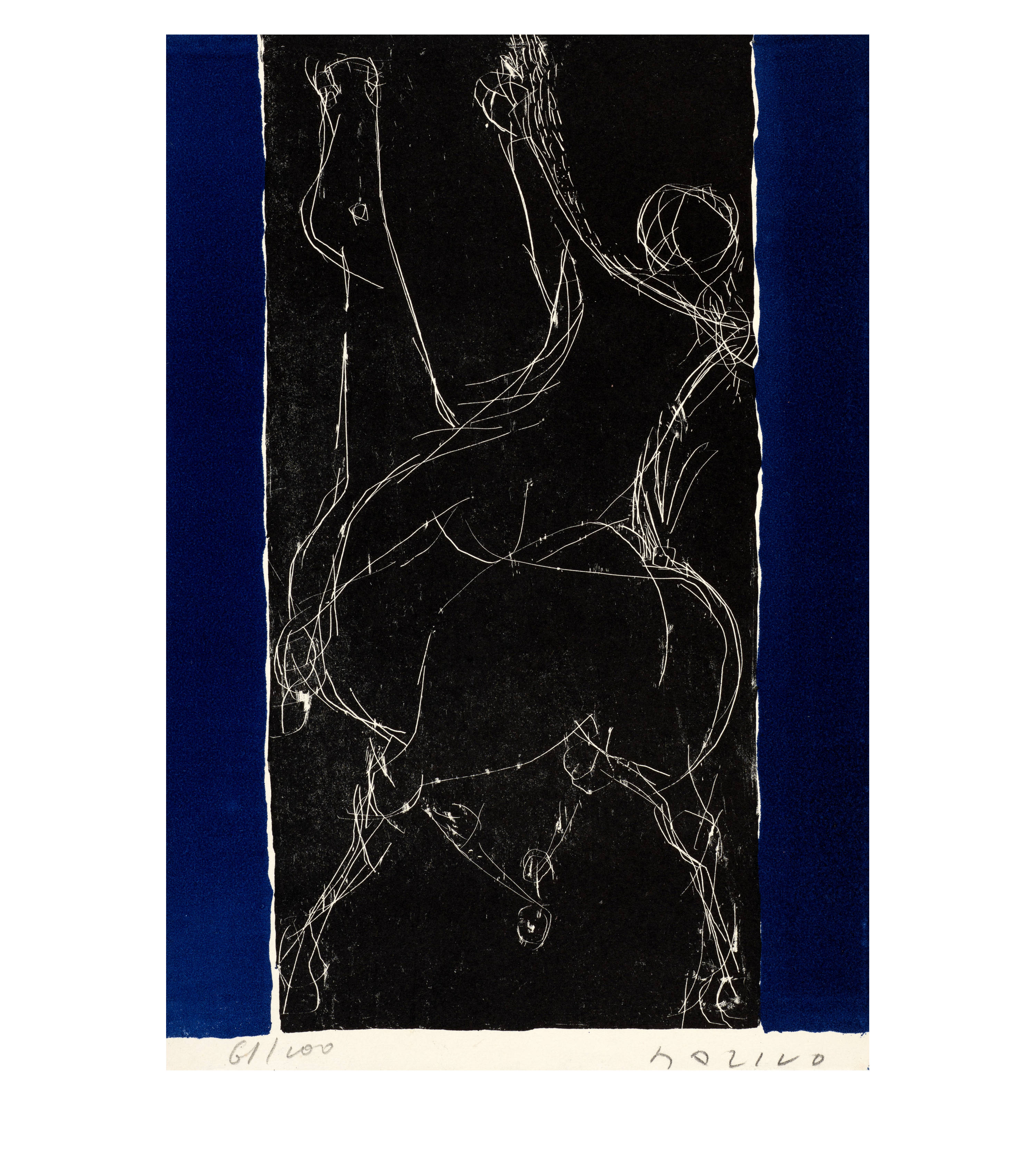
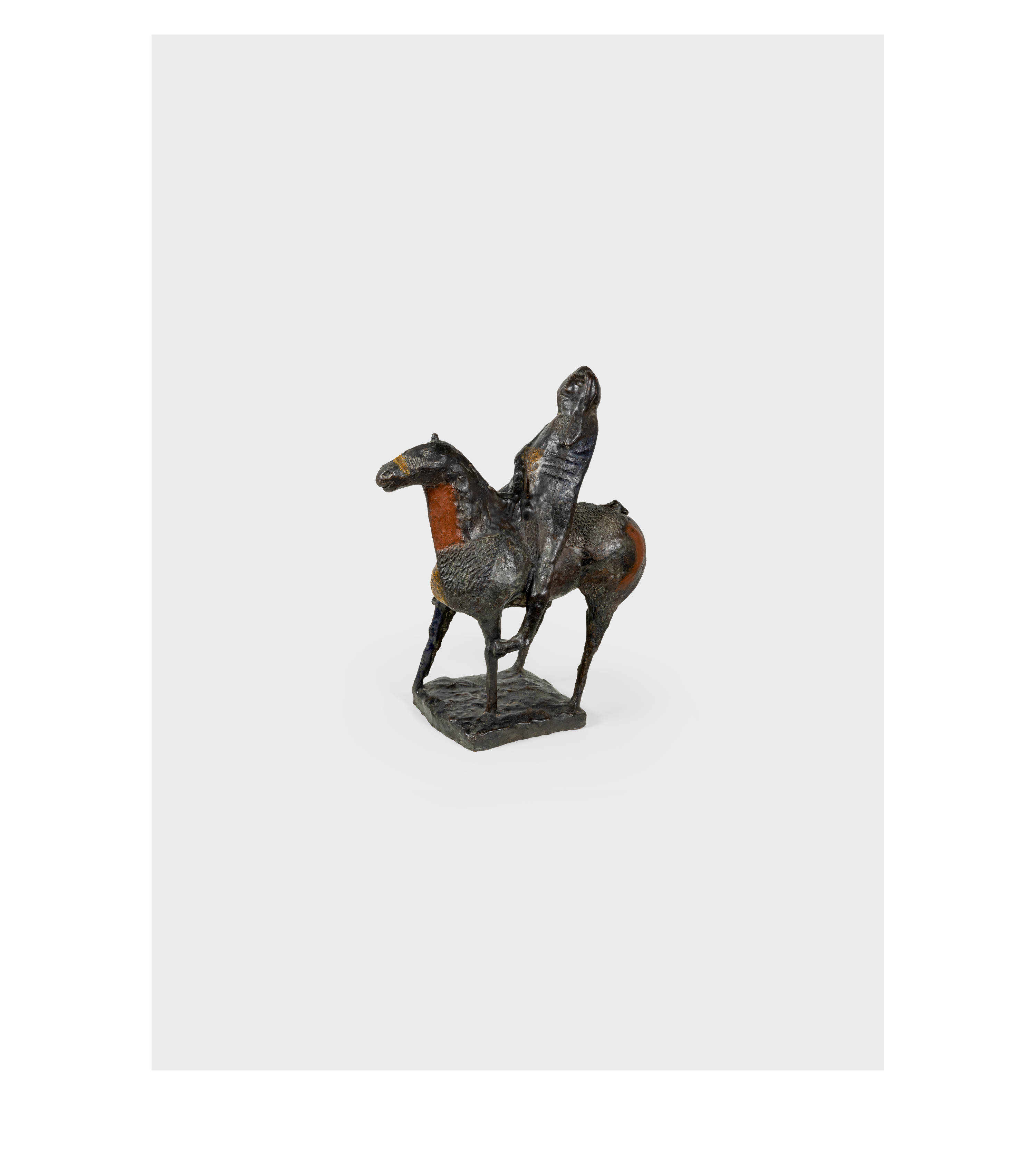
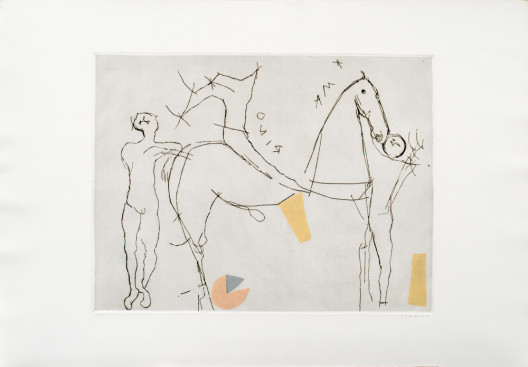
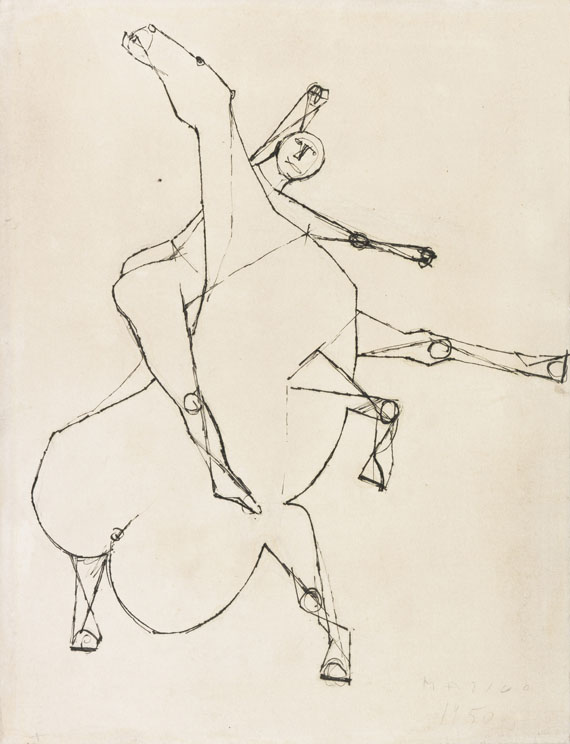
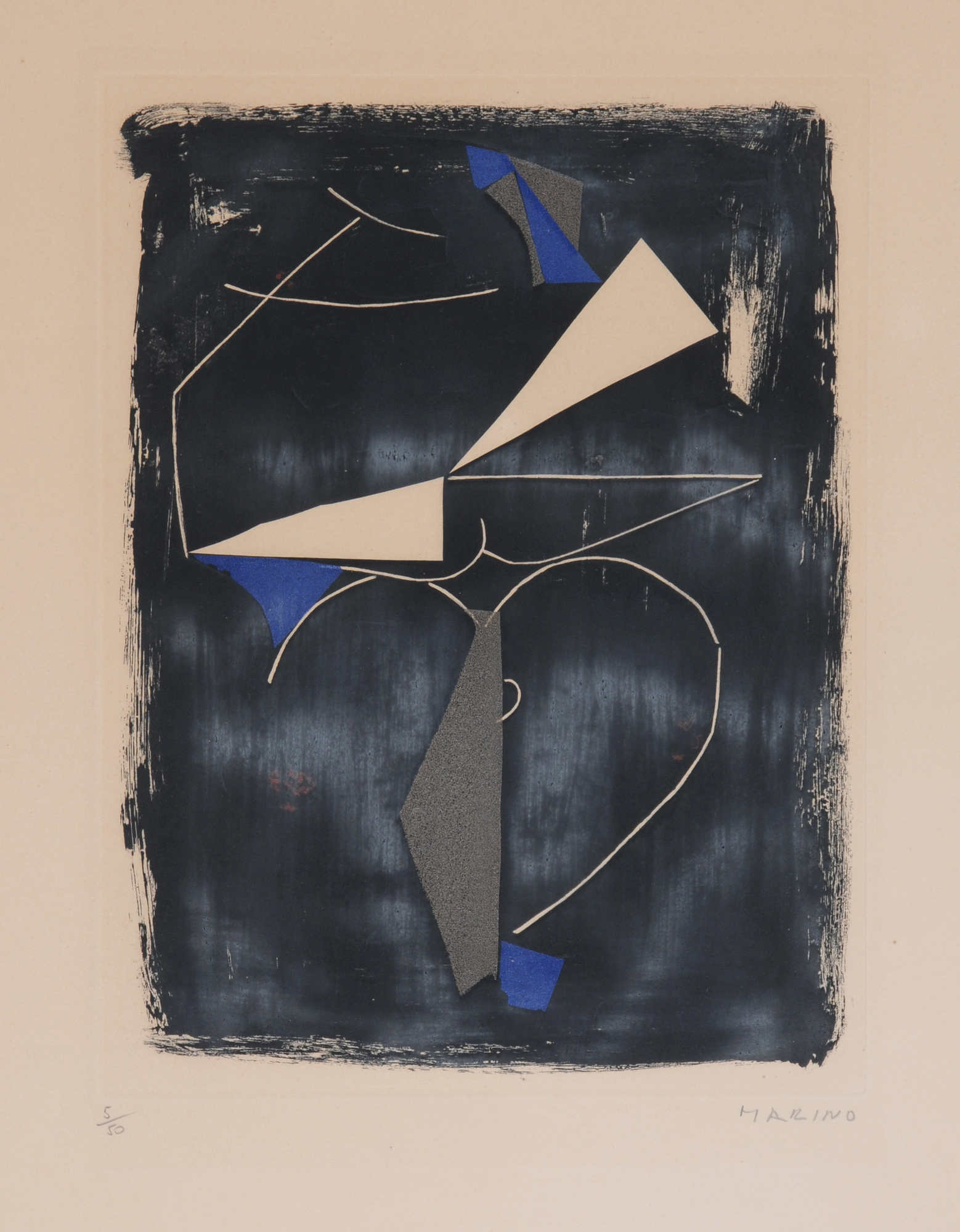
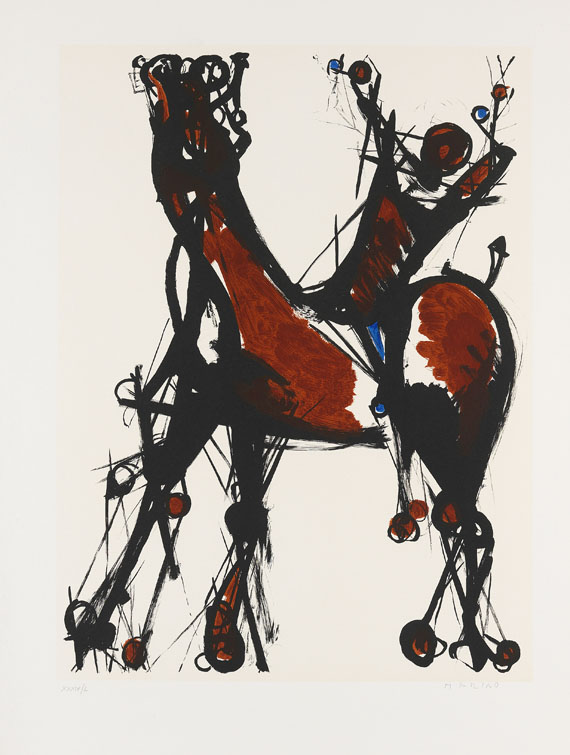
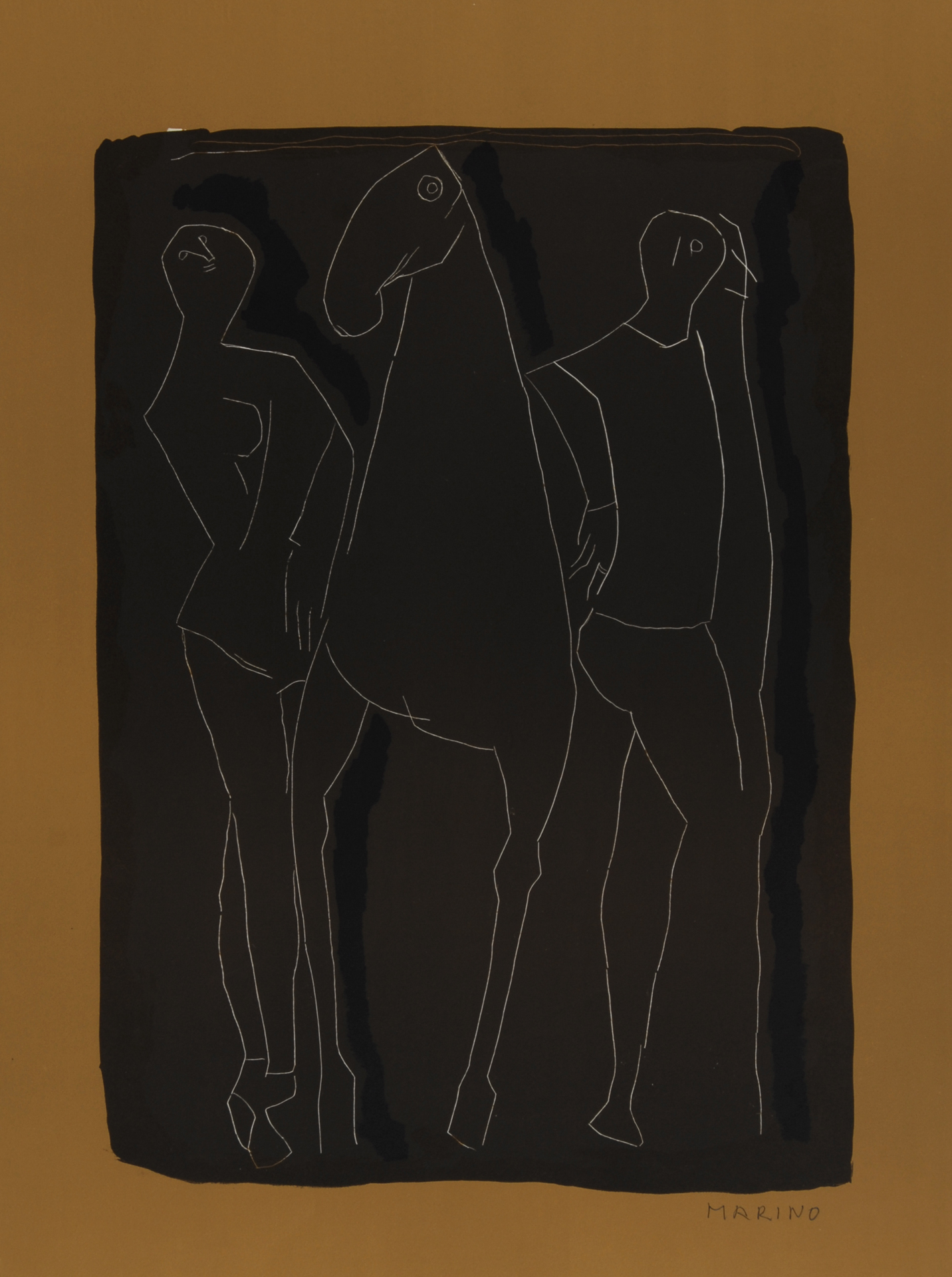
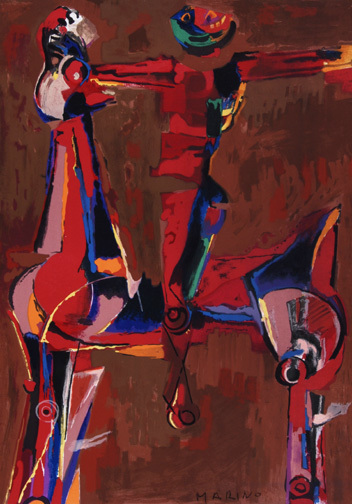
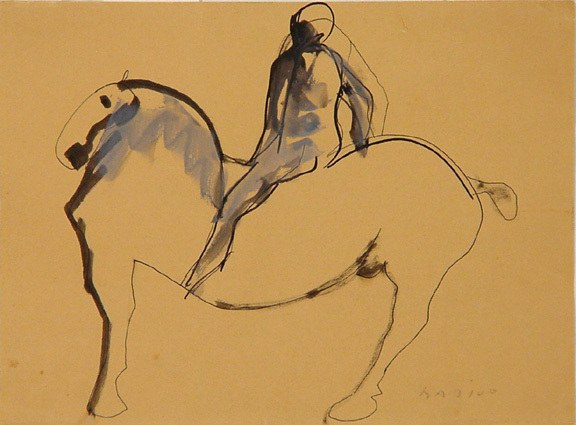
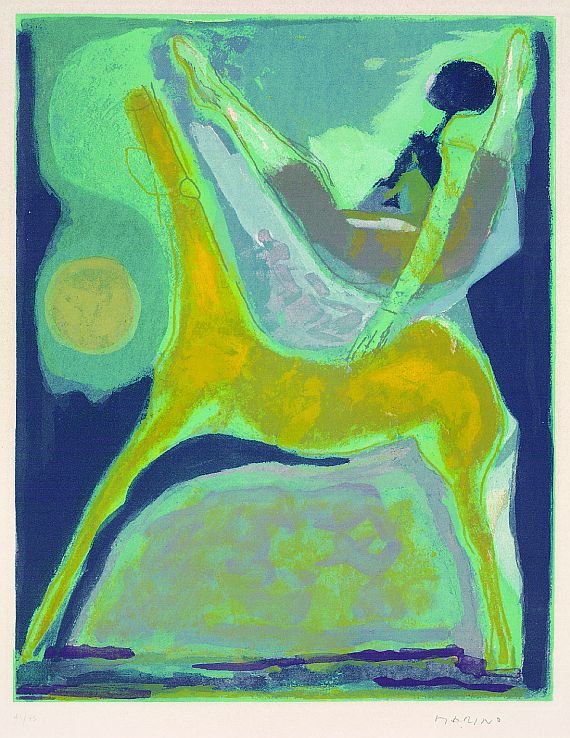
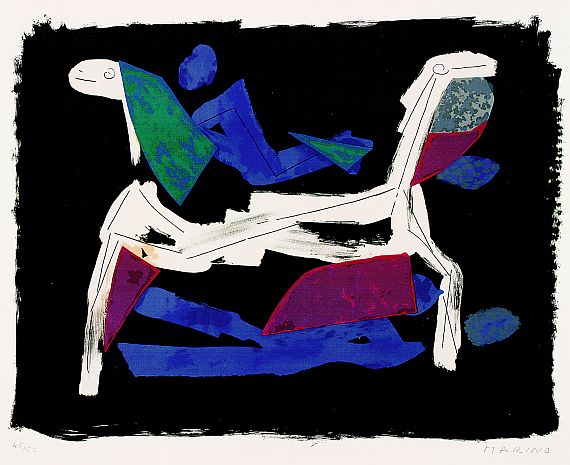
His early riders retain the stability of the equestrian statue. Over the decades, the accord between man and animal breaks down: bodies become tense, overturn or fragment, culminating in the “Miracoli” series. In these variations, the traditional subject becomes a way of questioning human vulnerability after the war.
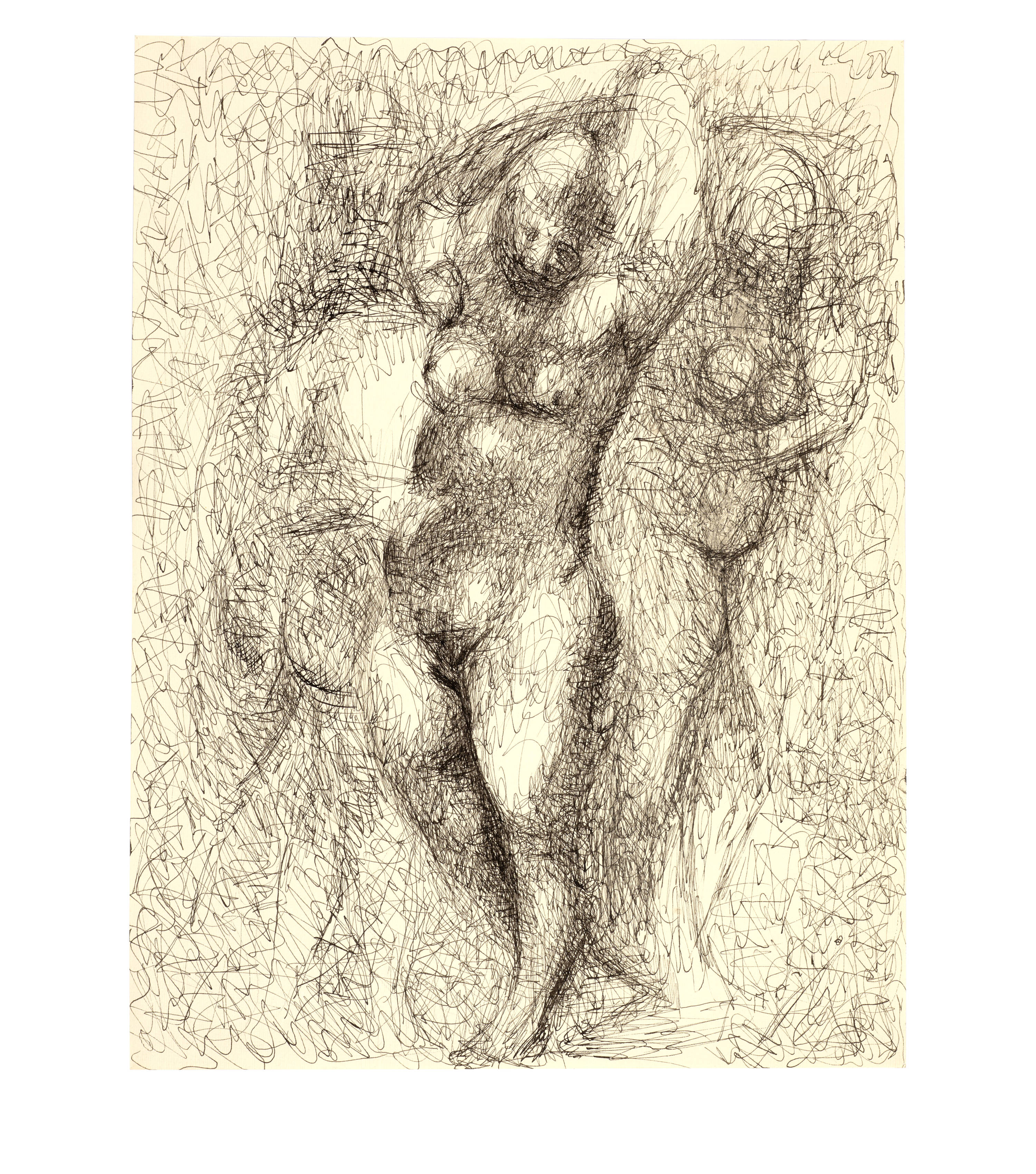
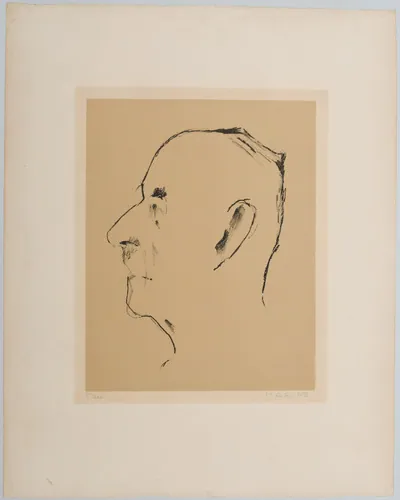
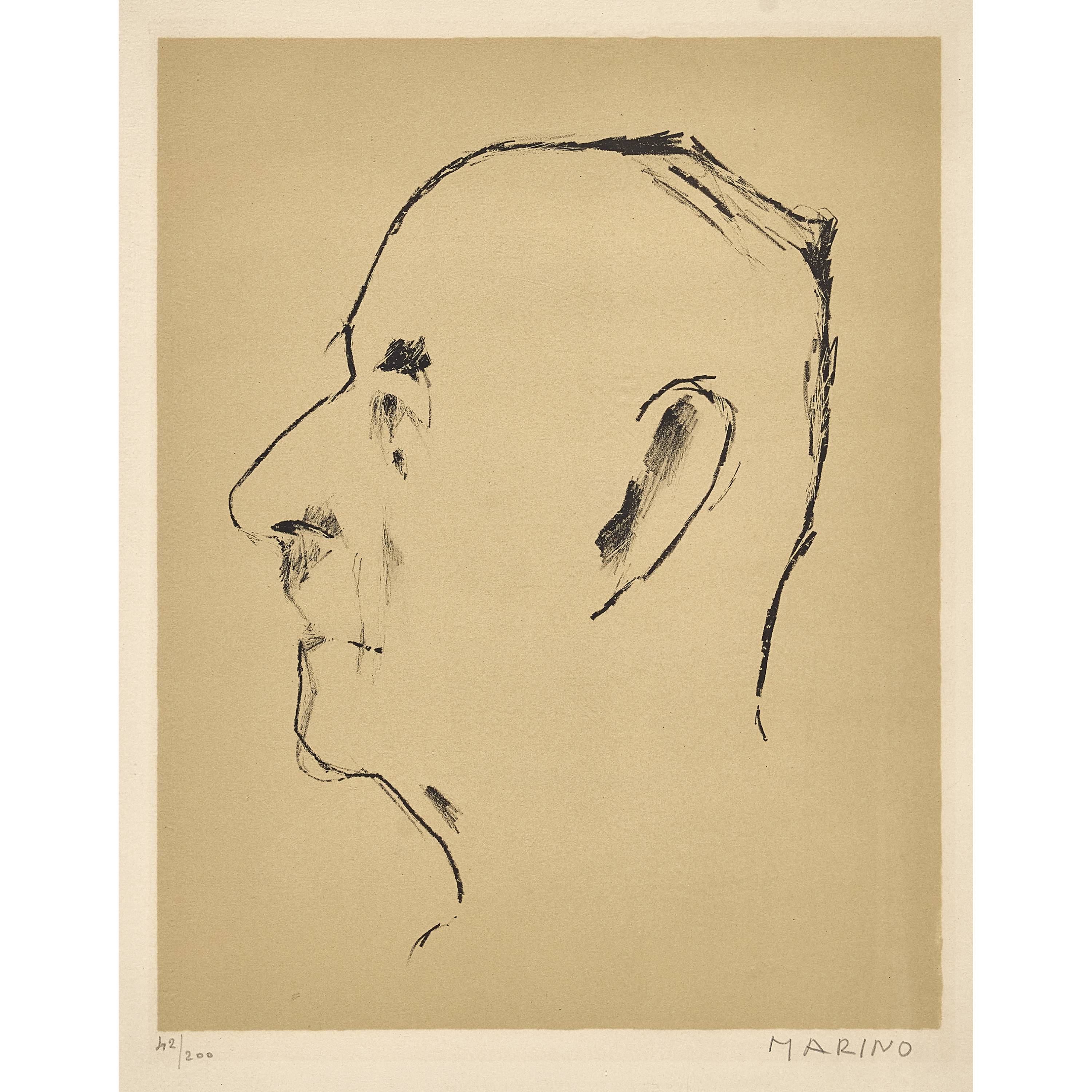
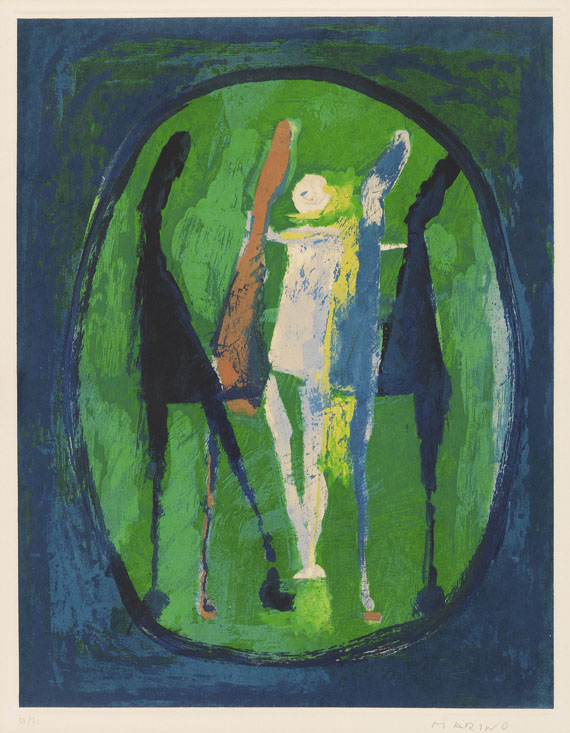
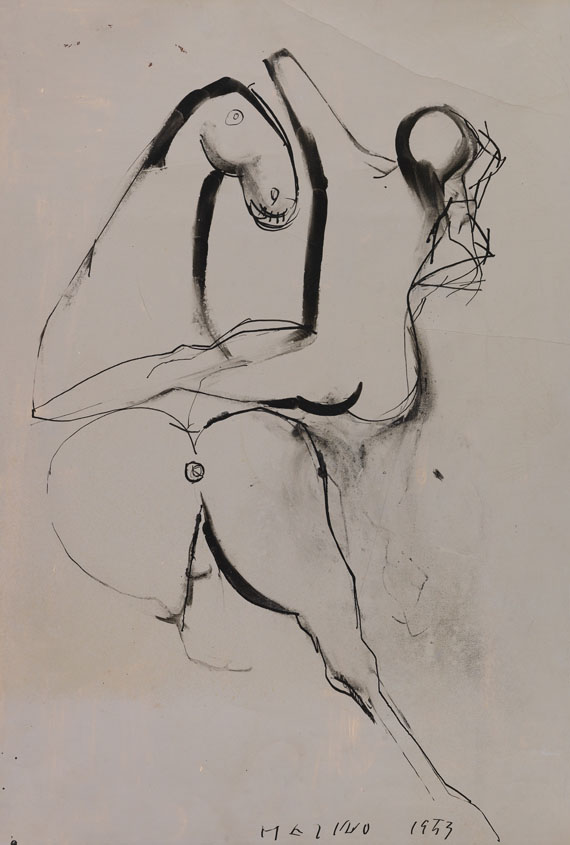
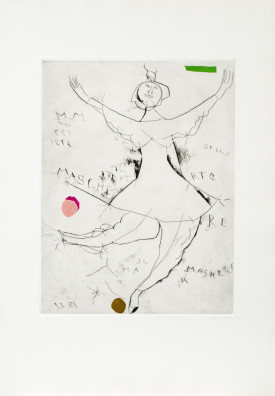
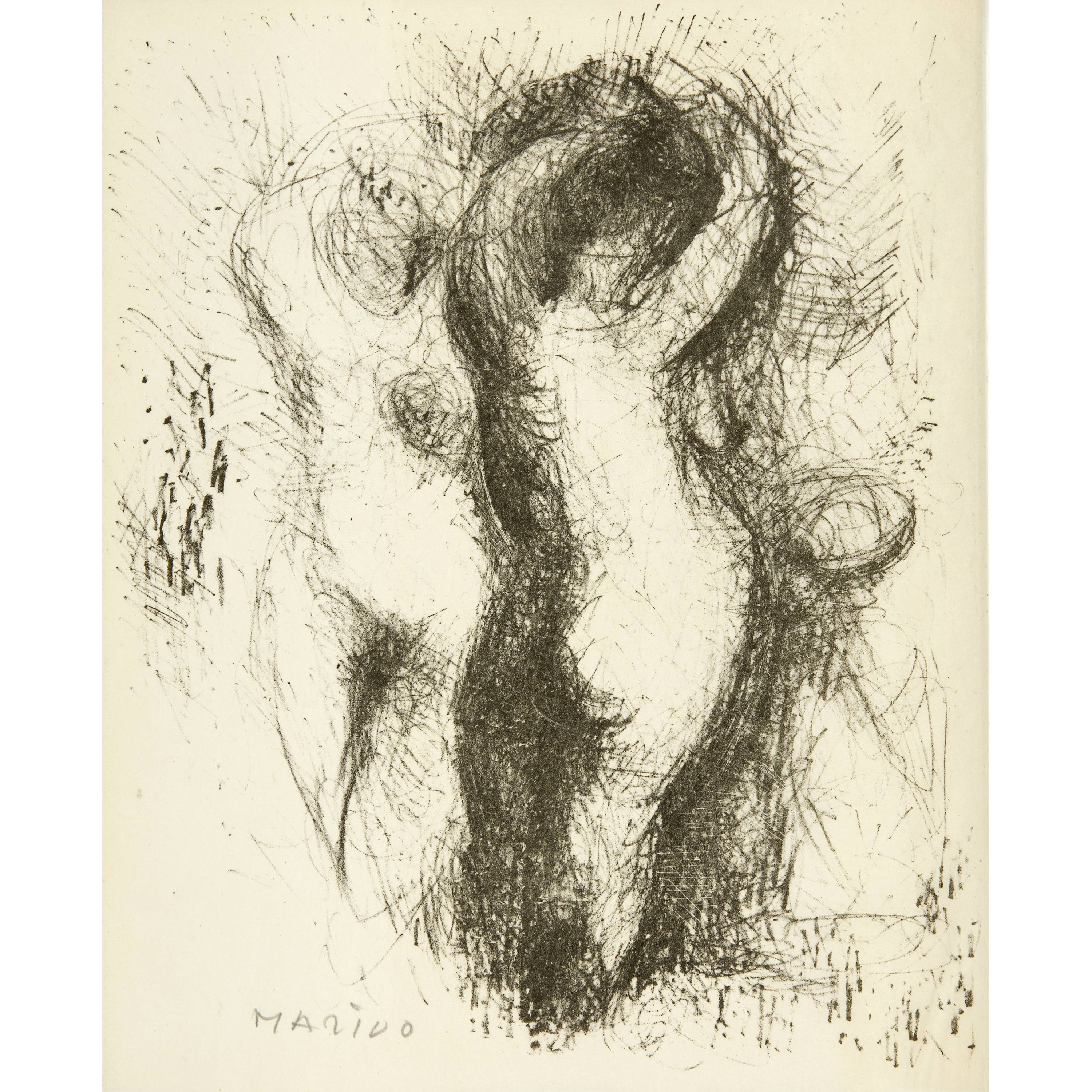
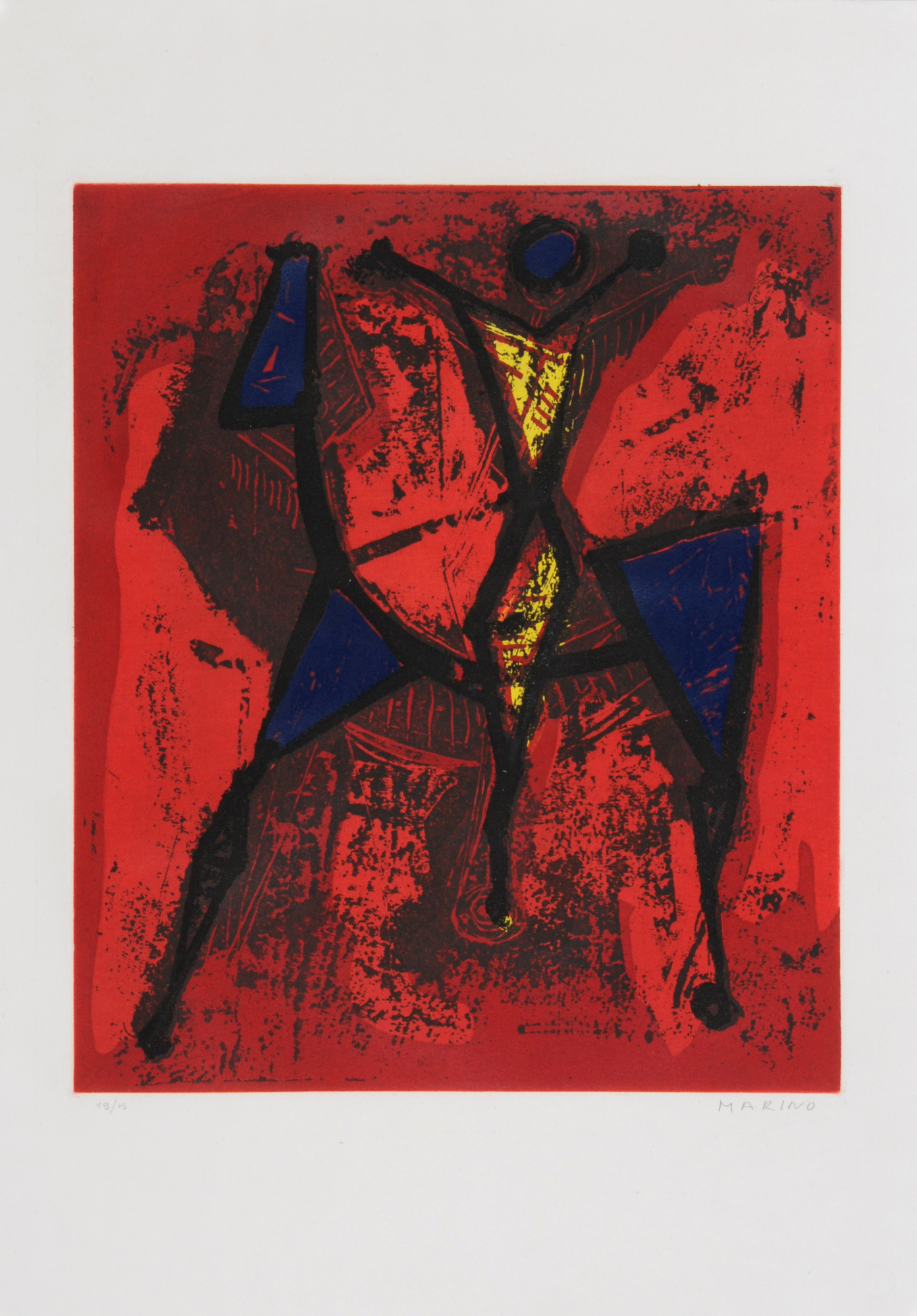
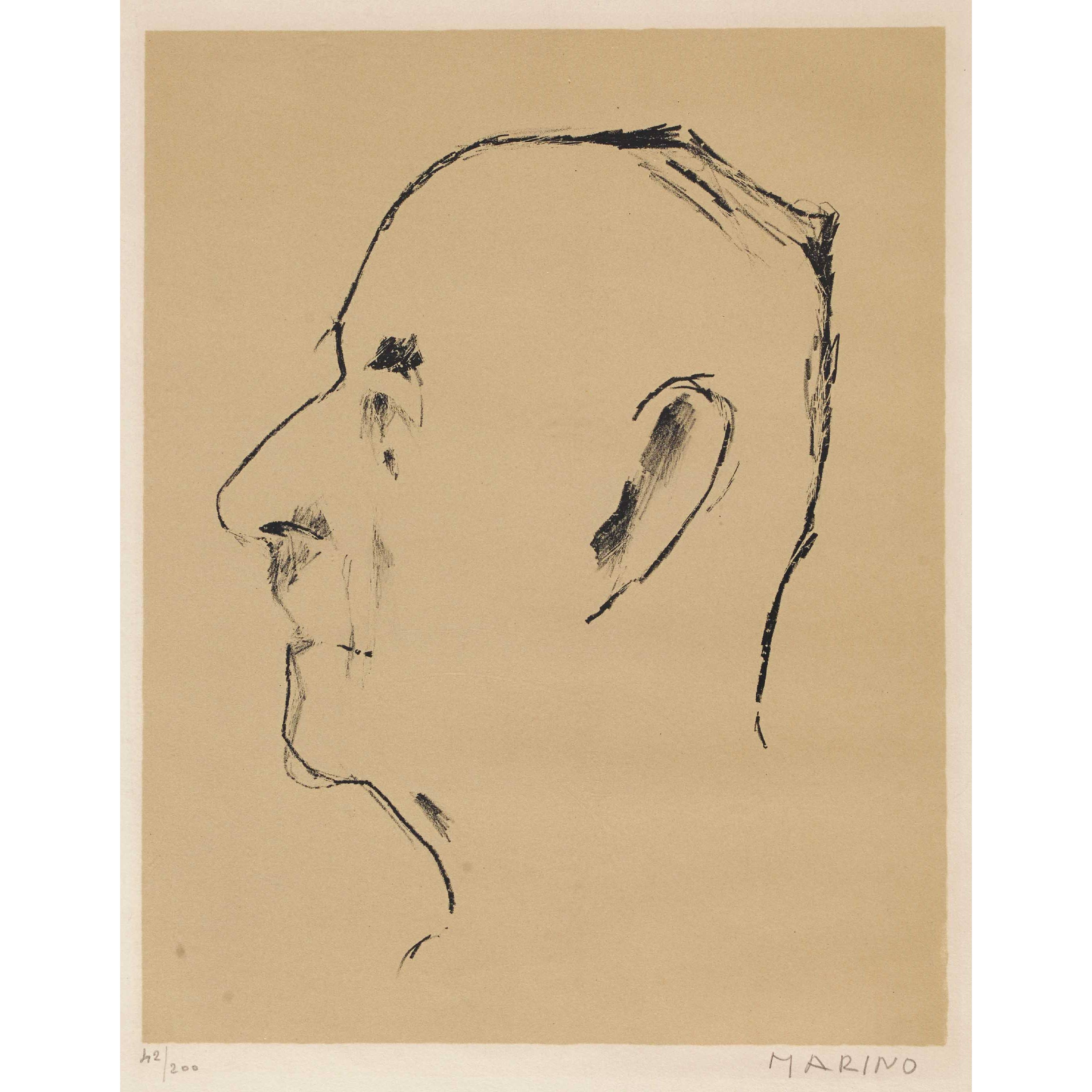
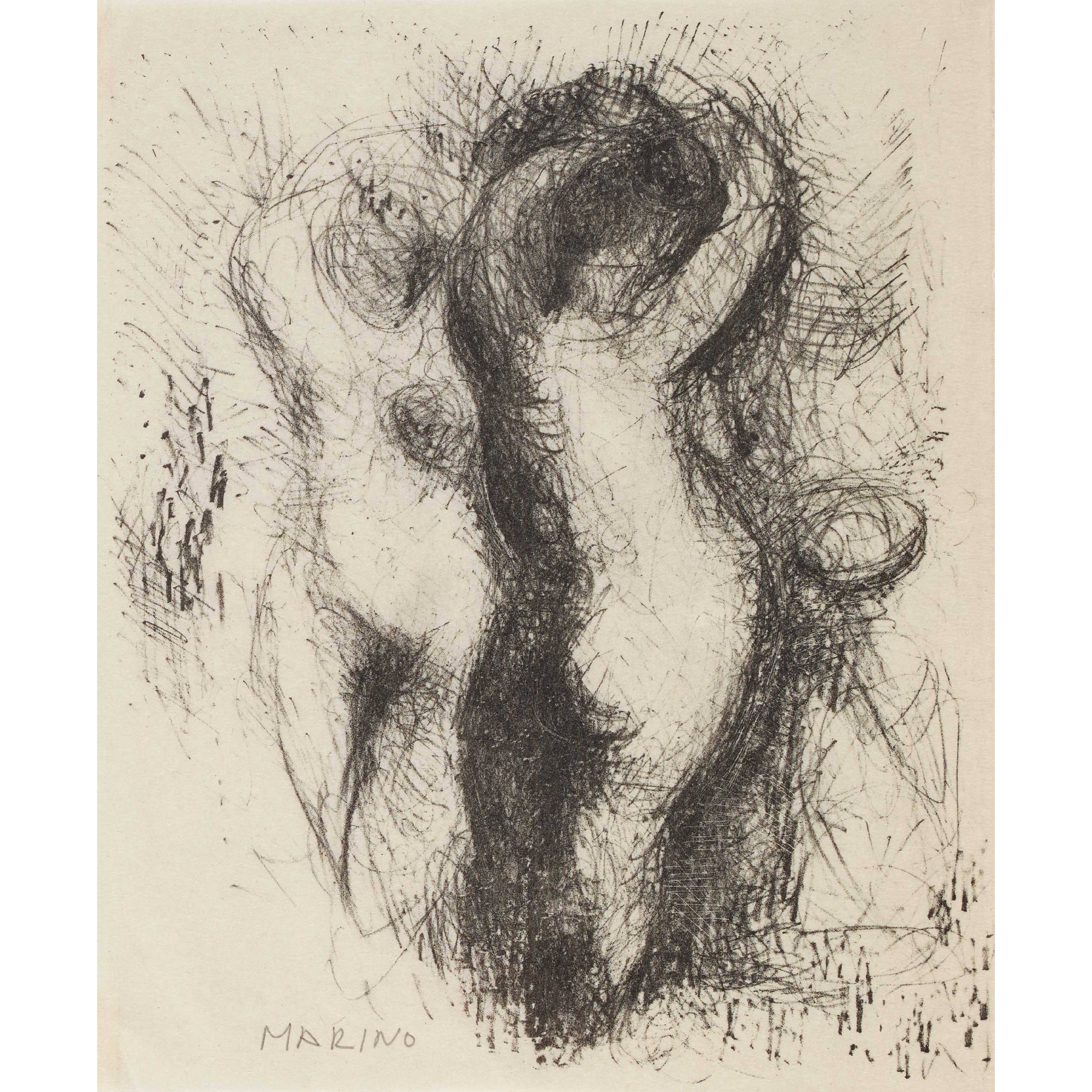
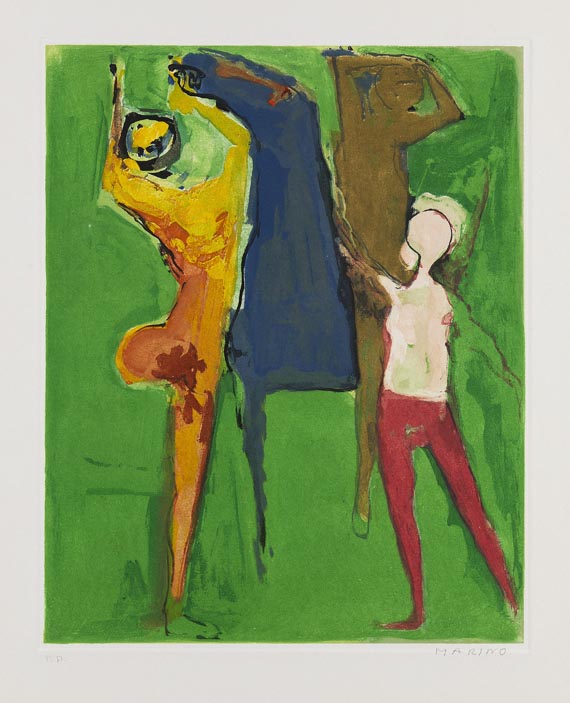
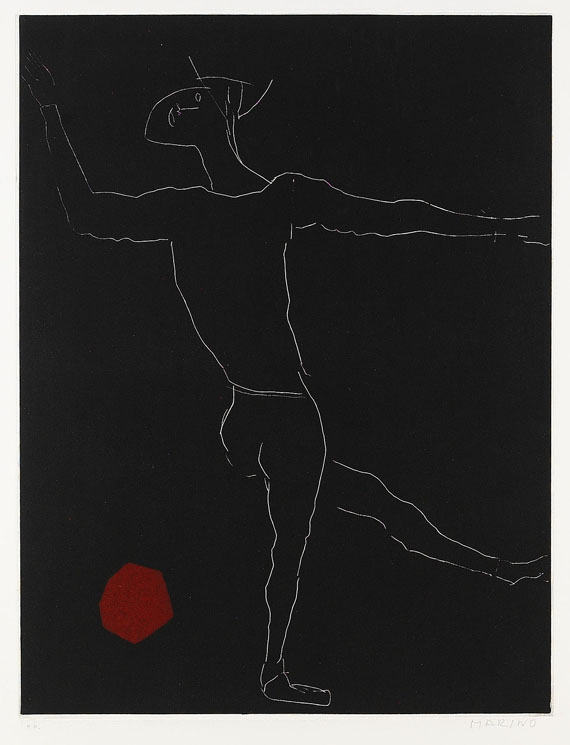
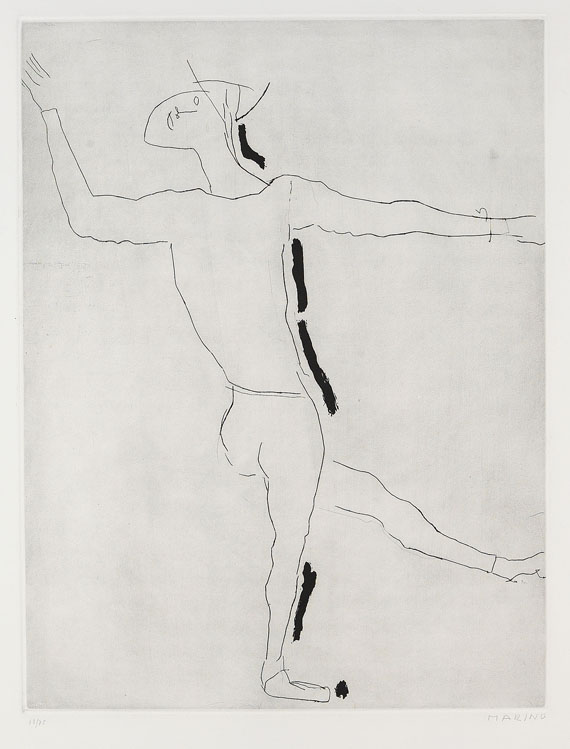
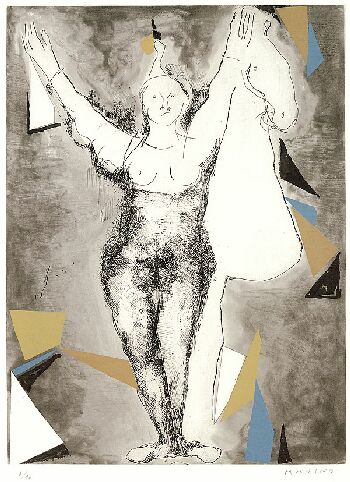
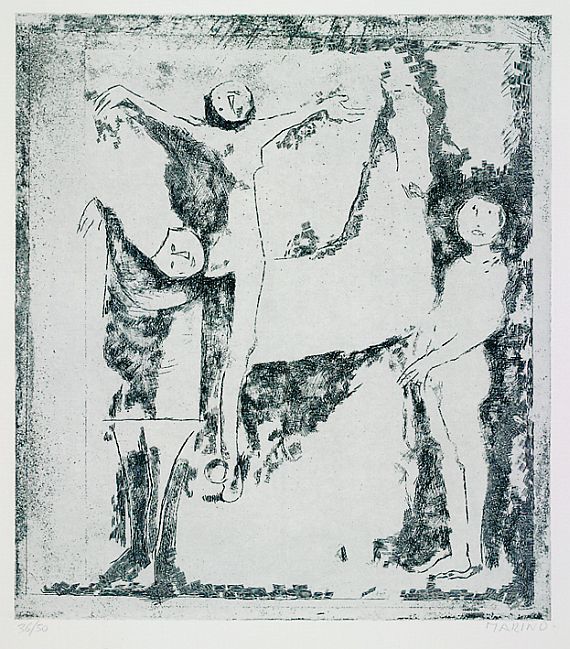
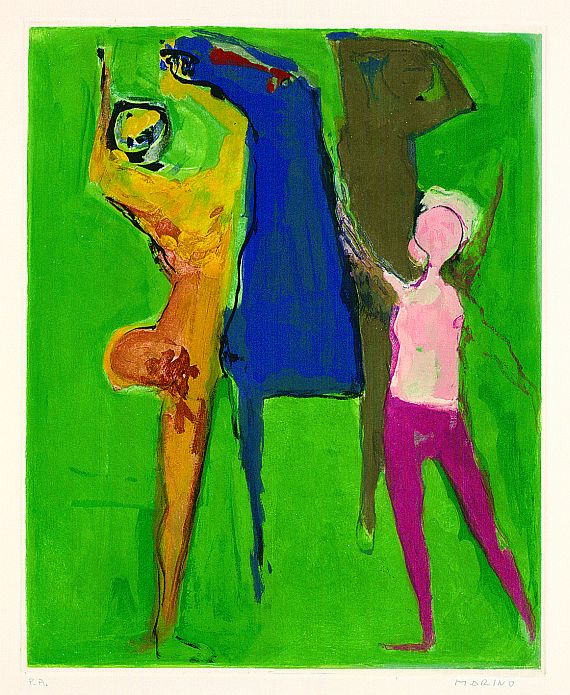
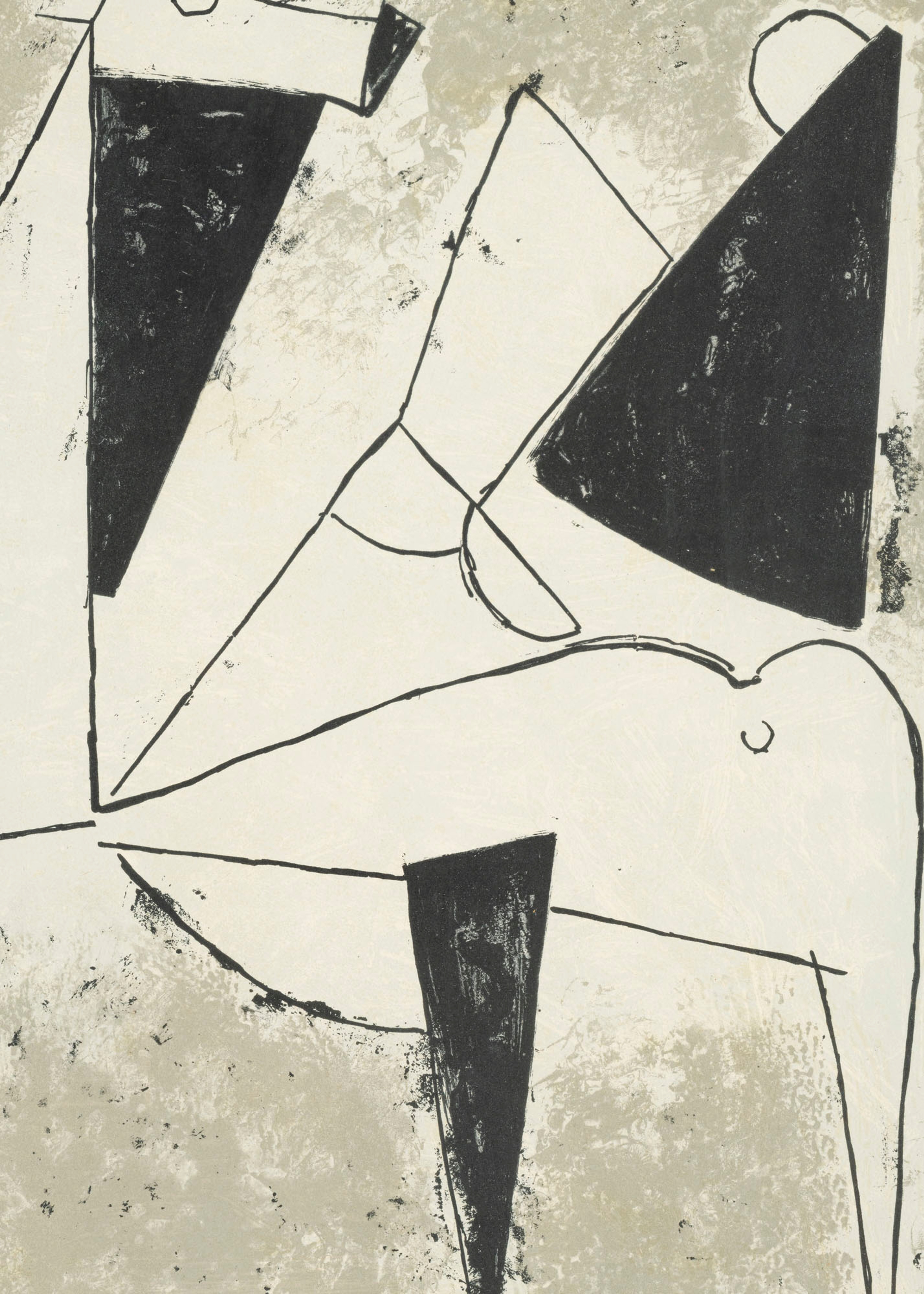
The “Pomone”, created chiefly between 1939 and 1950, give the female figure a substantial presence, linked in Marini’s imagination to fertility and the rural world. The portraits and acrobats open up further registers, from attentiveness to a face to the search for a precarious balance.
Switzerland occupies a concrete place in his career. After the bombing of Milan, Marini and his wife settled in Tenero, near Locarno, at the end of 1942. He was then in contact with Alberto Giacometti, Germaine Richier and Fritz Wotruba; works from his Swiss years were exhibited in Basel and Bern.
The Kunsthaus Zürich holds, among others, sculptures by him. In Florence, the Museo Marino Marini brings together sculptures, paintings, drawings and prints: their presentation around an equestrian group, under natural light, makes perceptible the continuing dialogue between materials, surfaces and volumes.