Leo Leuppi
Born in 1893.
Died in 1972.
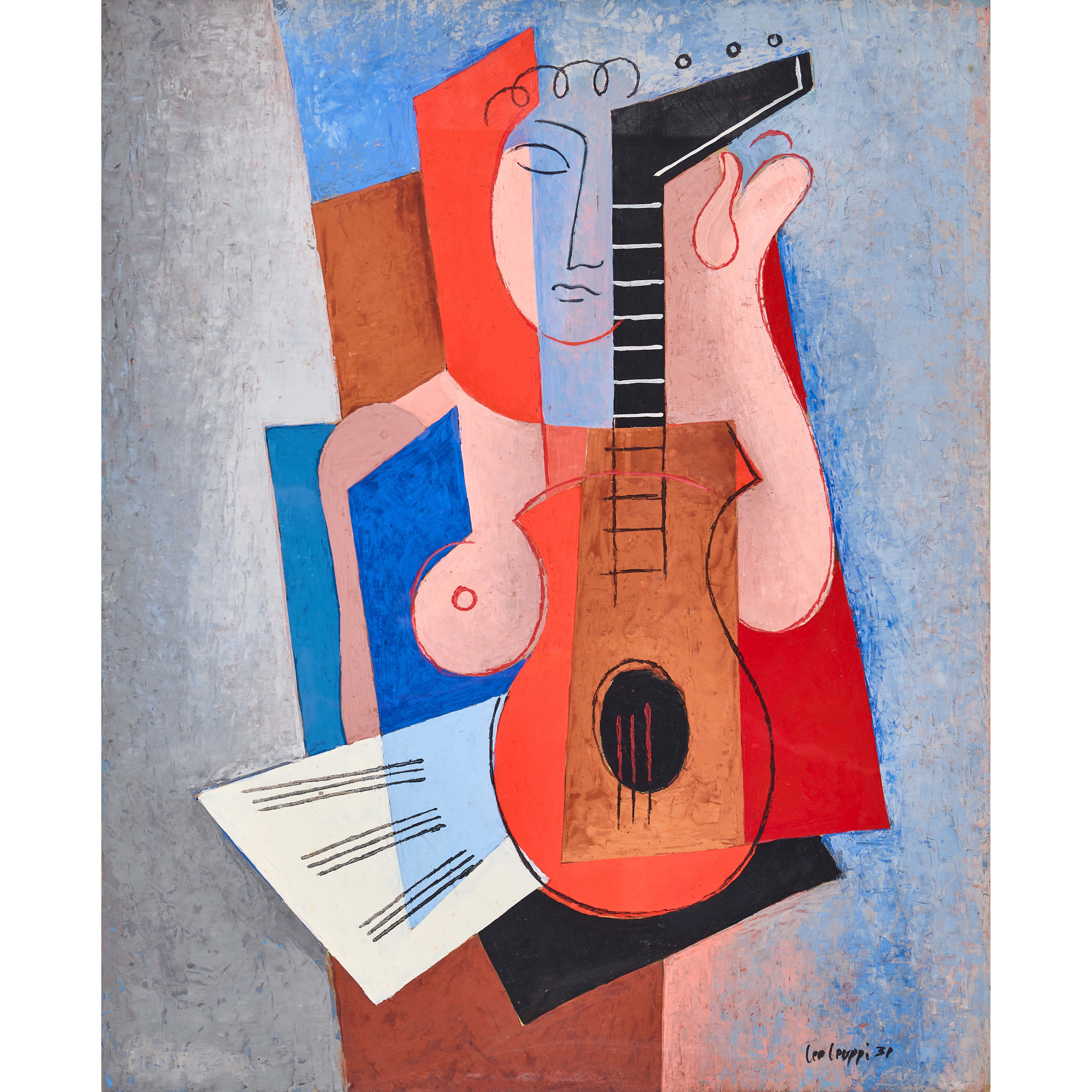
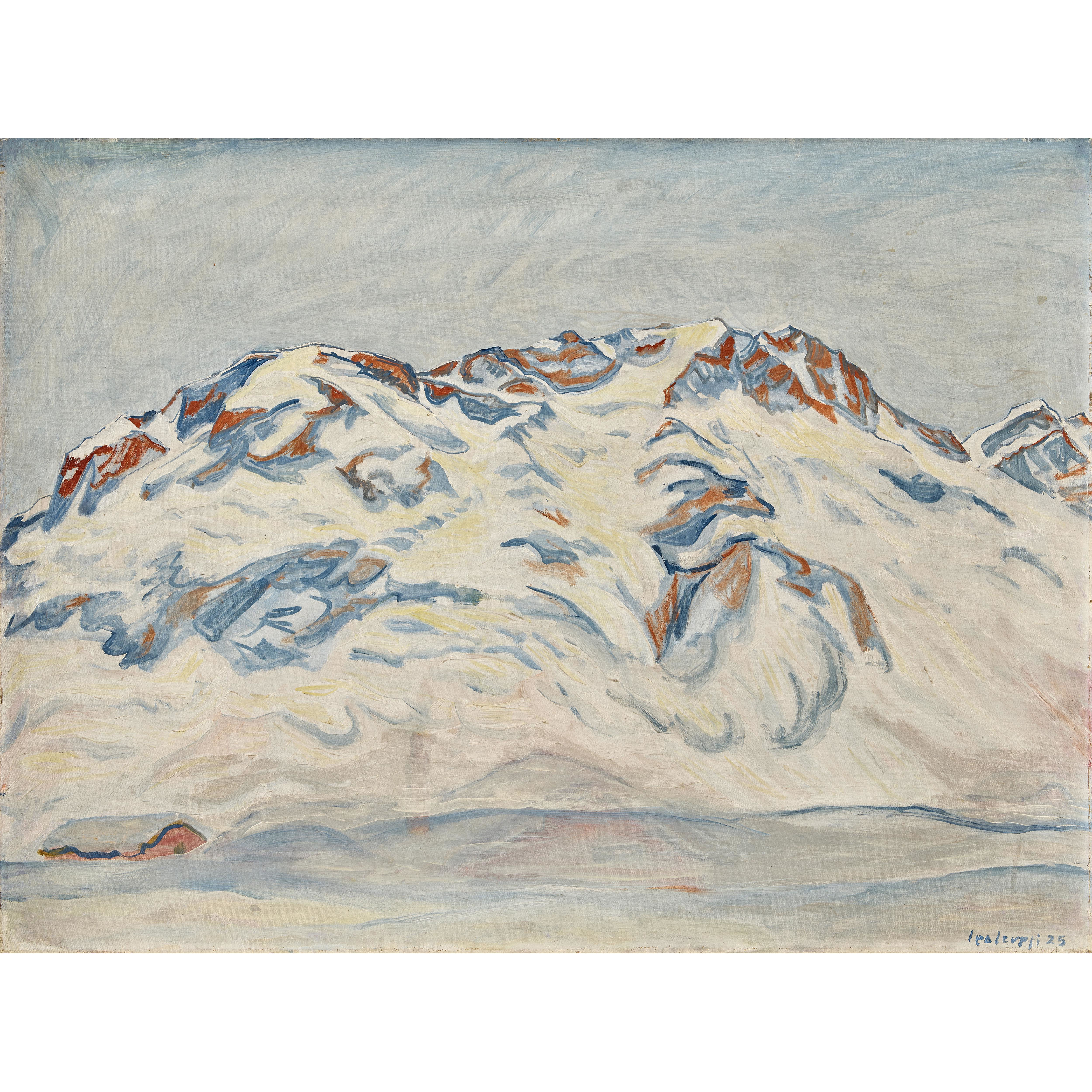
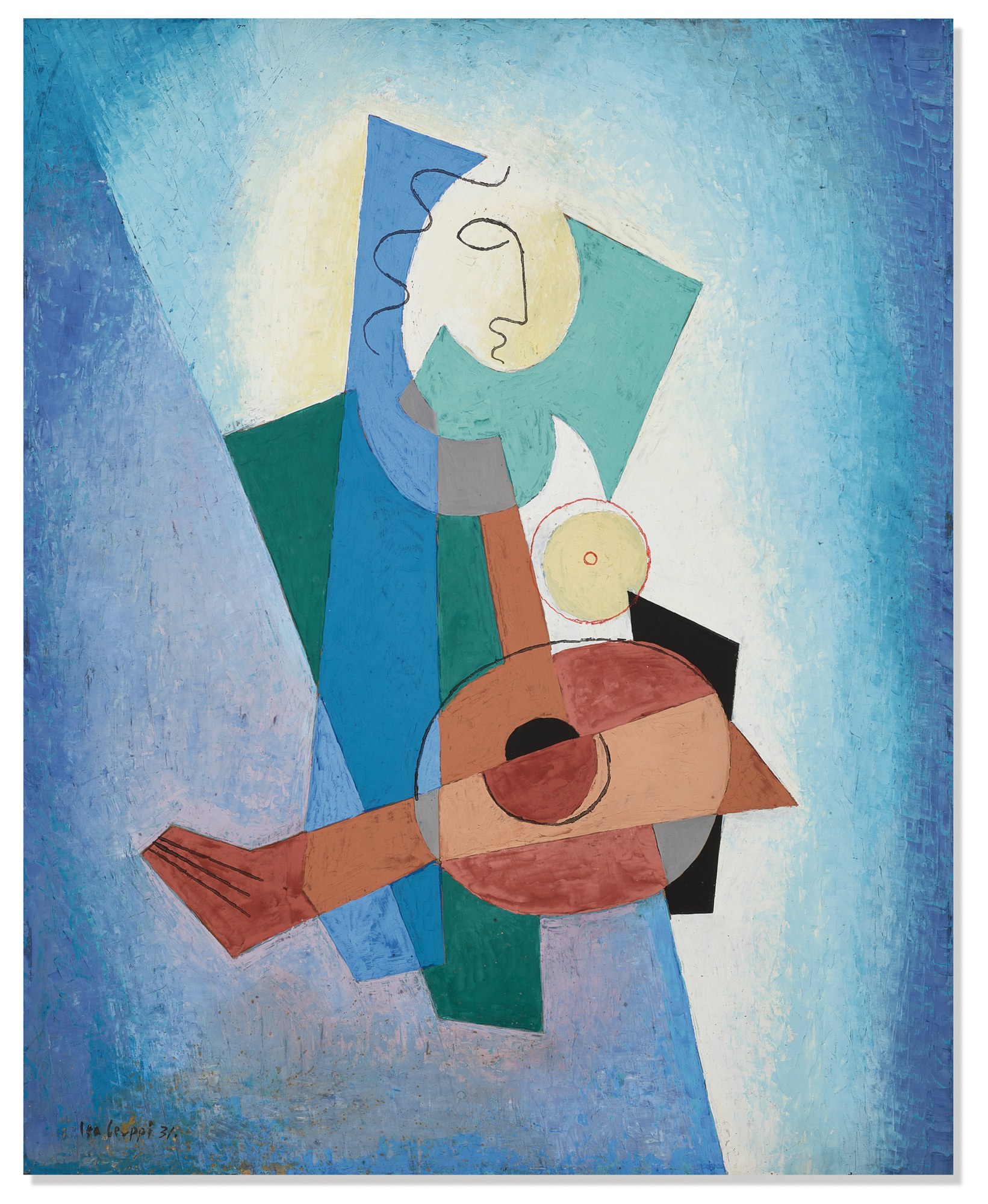
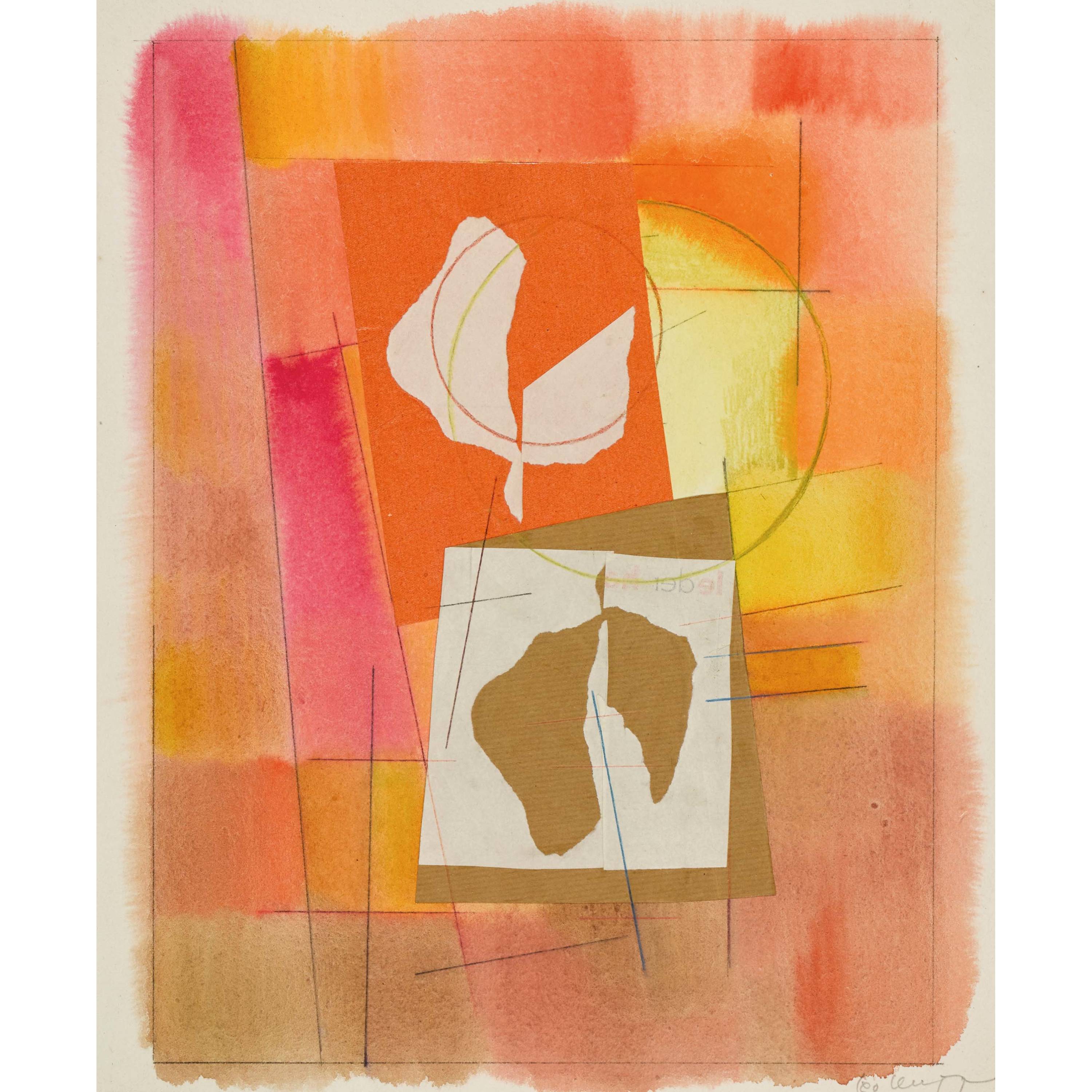
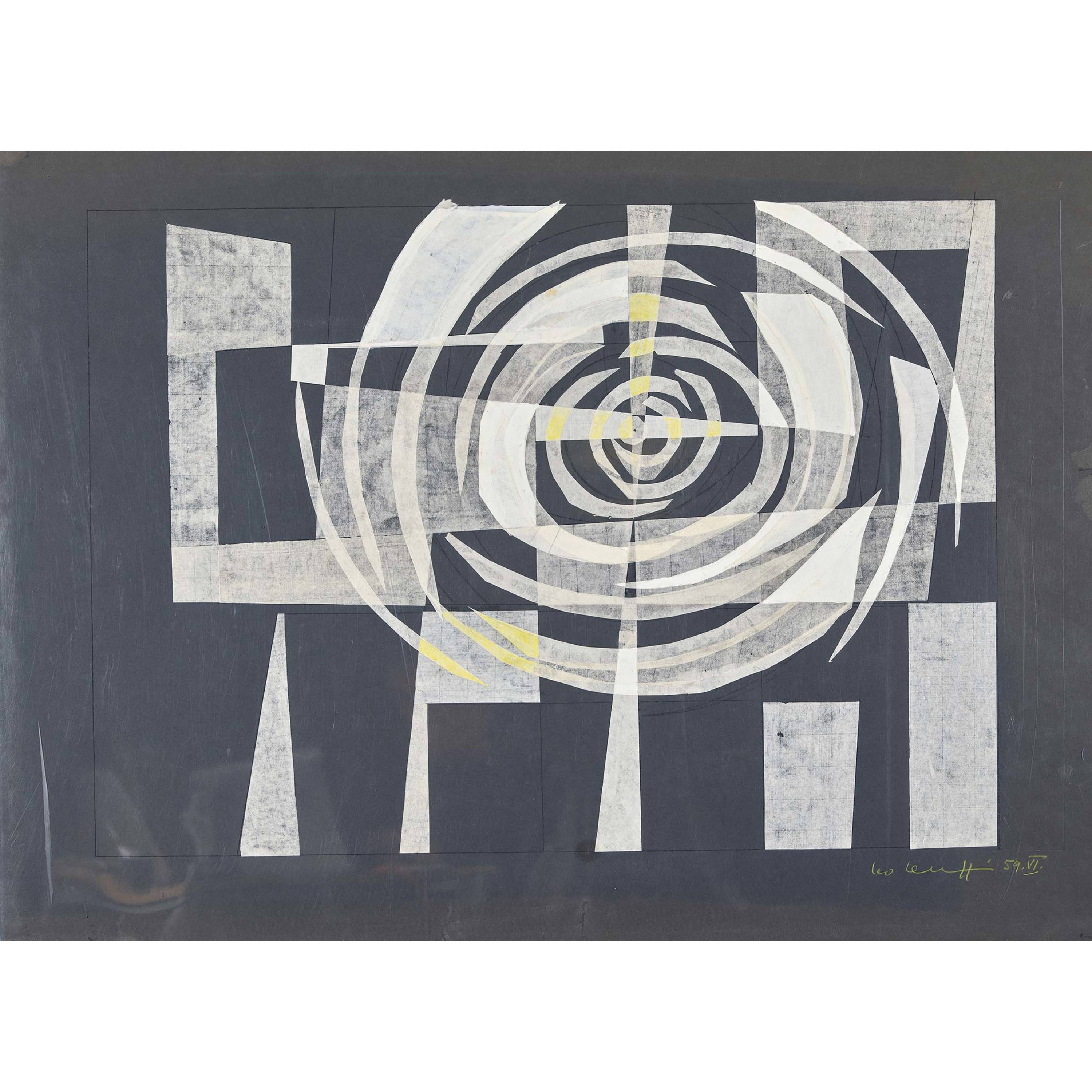
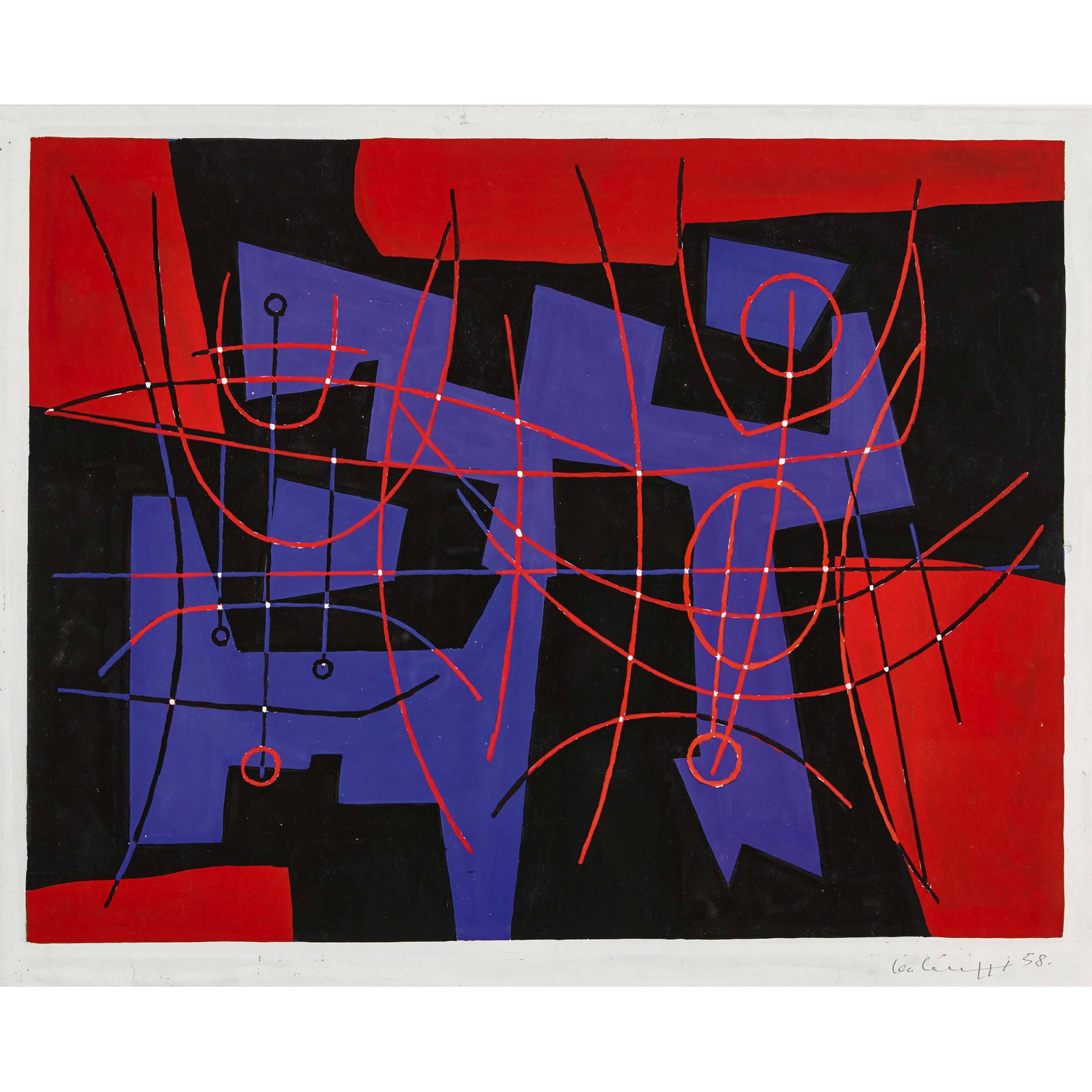
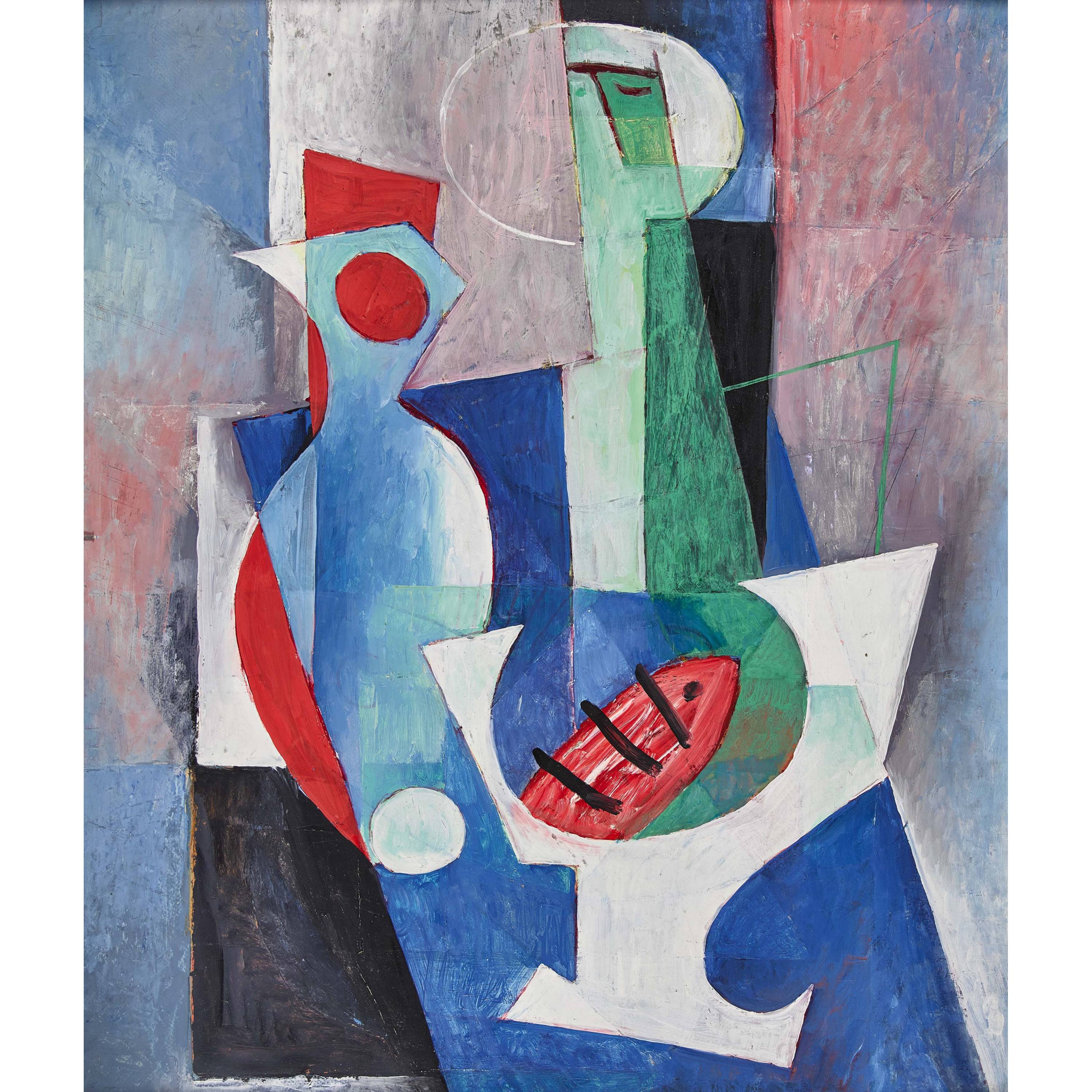
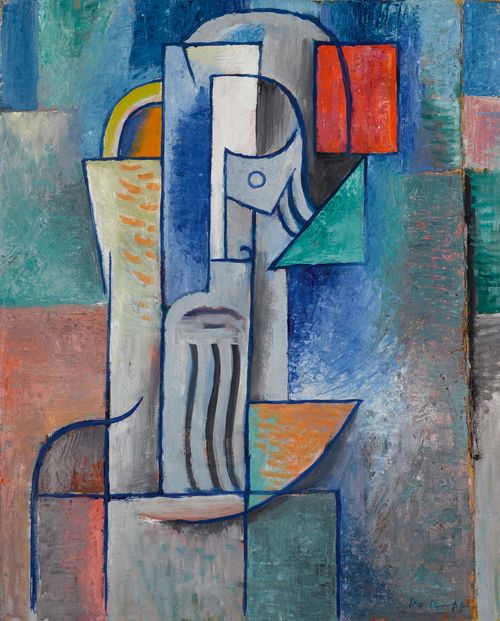
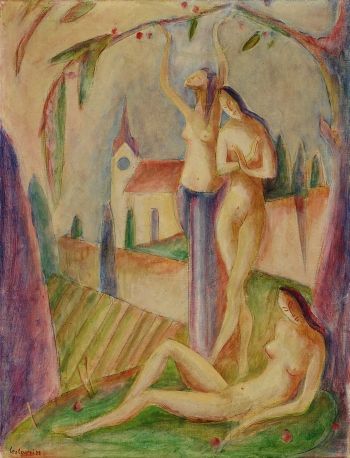
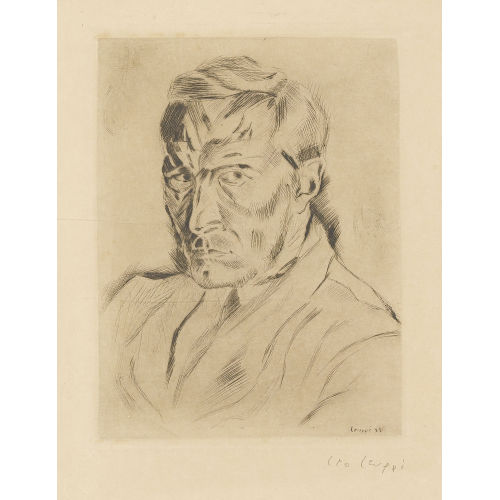
Leo Leuppi (1893–1972) occupies a singular place in the Swiss avant-garde: he explored the forms of abstraction while also creating collective spaces in which different approaches could meet. Born and deceased in Zurich, the painter, graphic artist and sculptor contributed to the development of modern art in the city. In 1936, the exhibition «Zeitprobleme in der Schweizer Malerei und Plastik» at Kunsthaus Zürich placed his work, among others, at the heart of a reflection on new directions in Swiss painting and sculpture.
The following year, together with Richard Paul Lohse, he founded Allianz, an association of modern artists of which he became president.
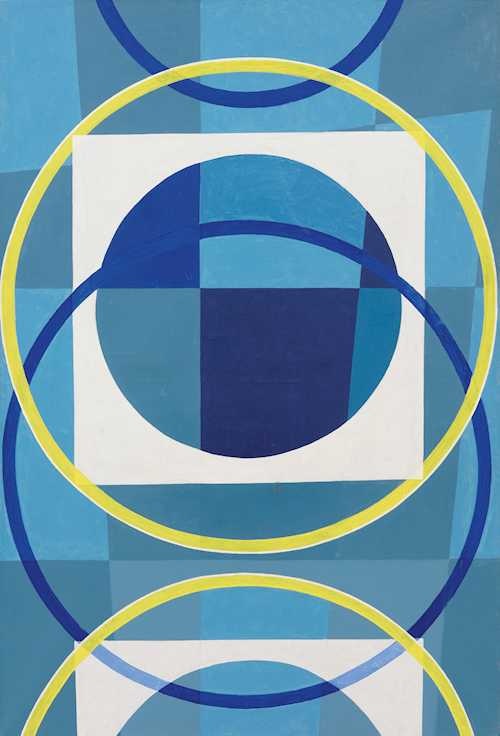
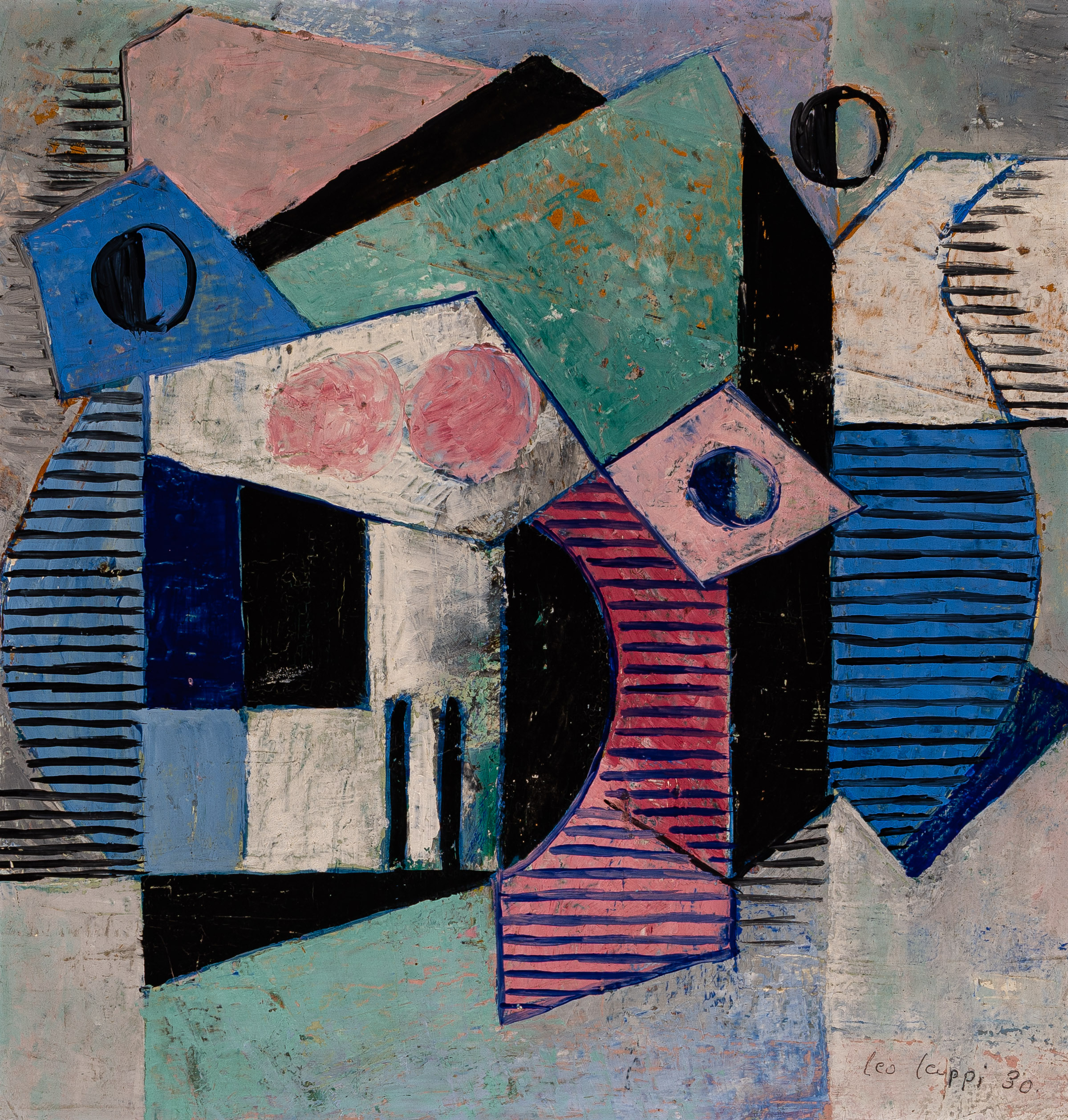
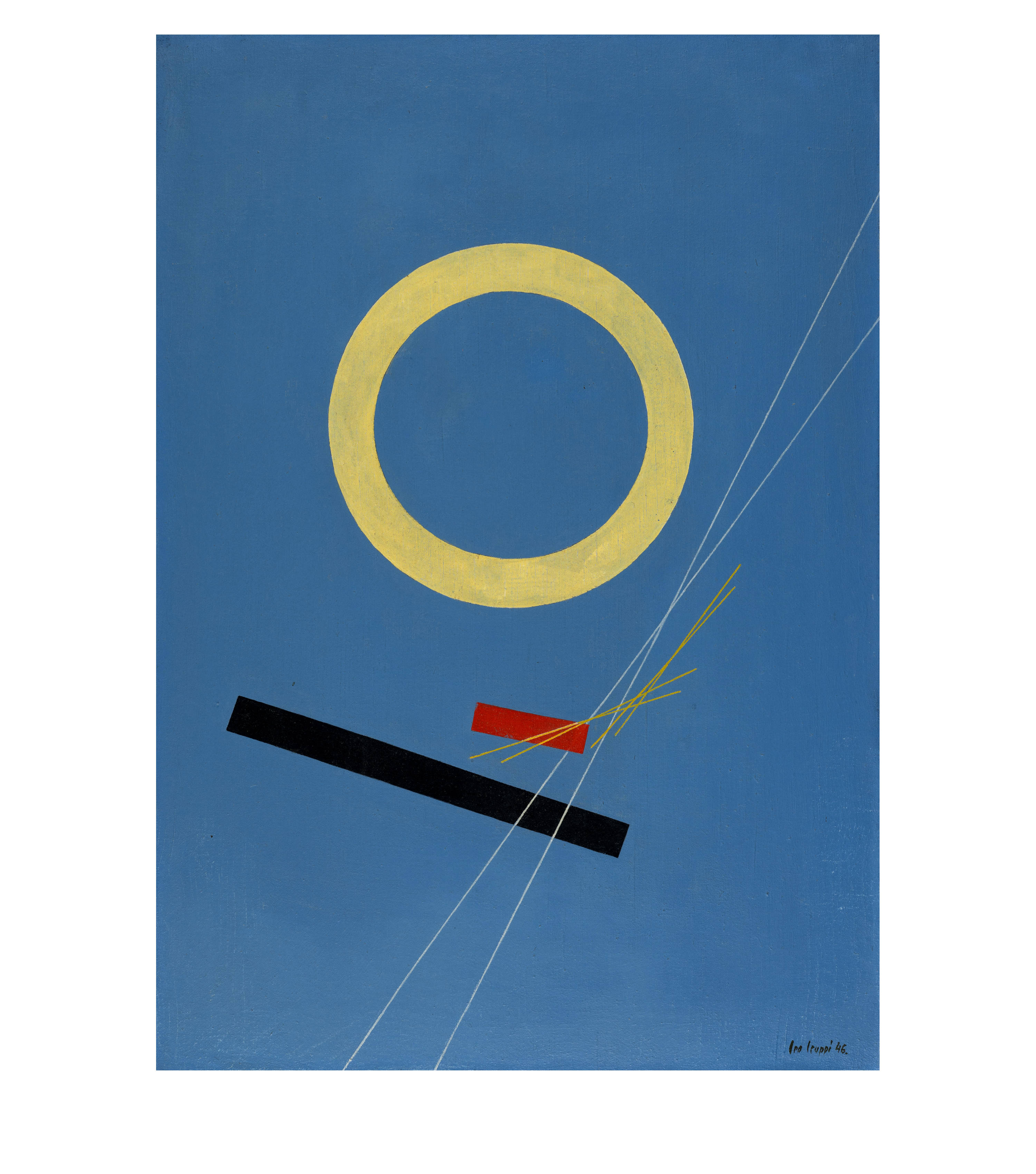
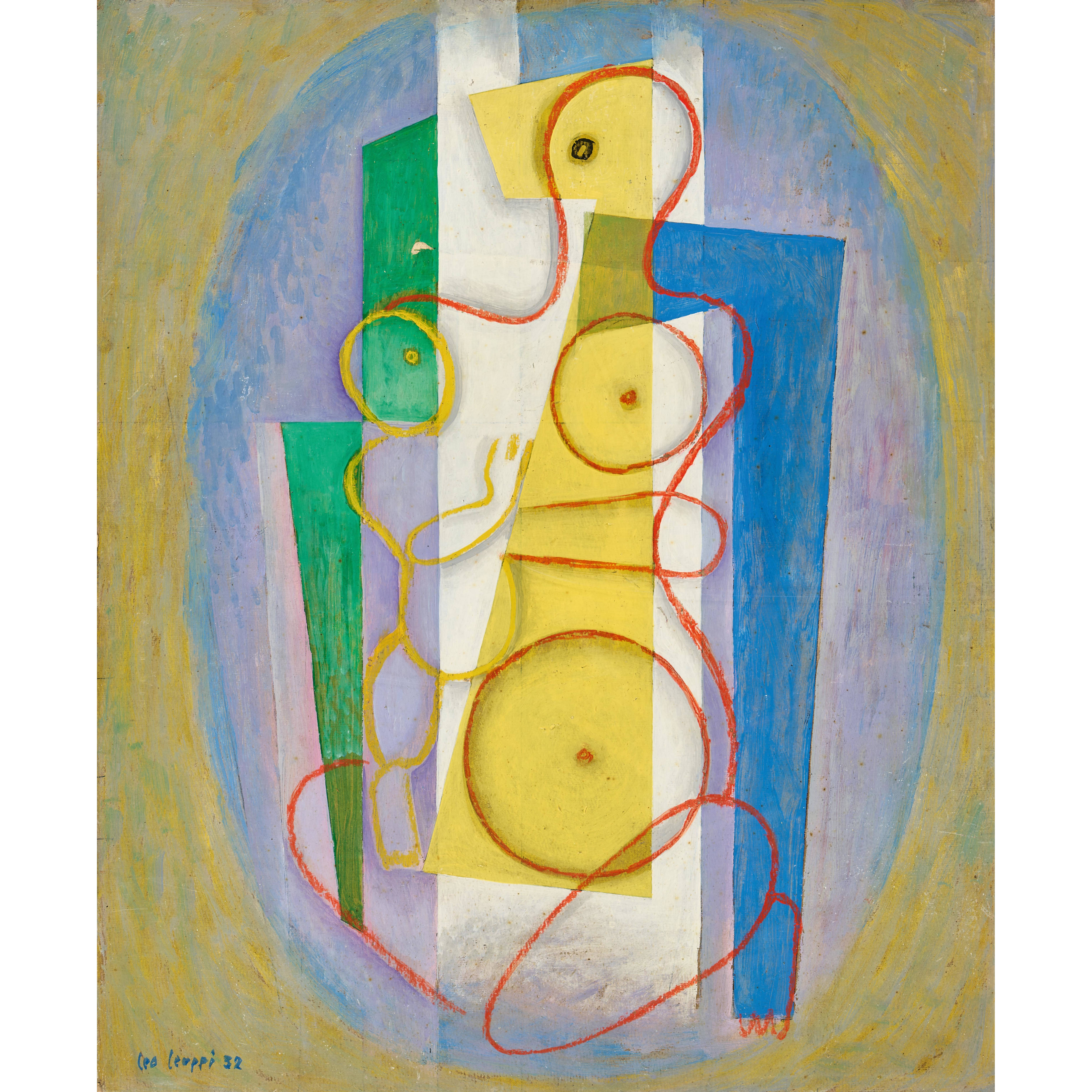
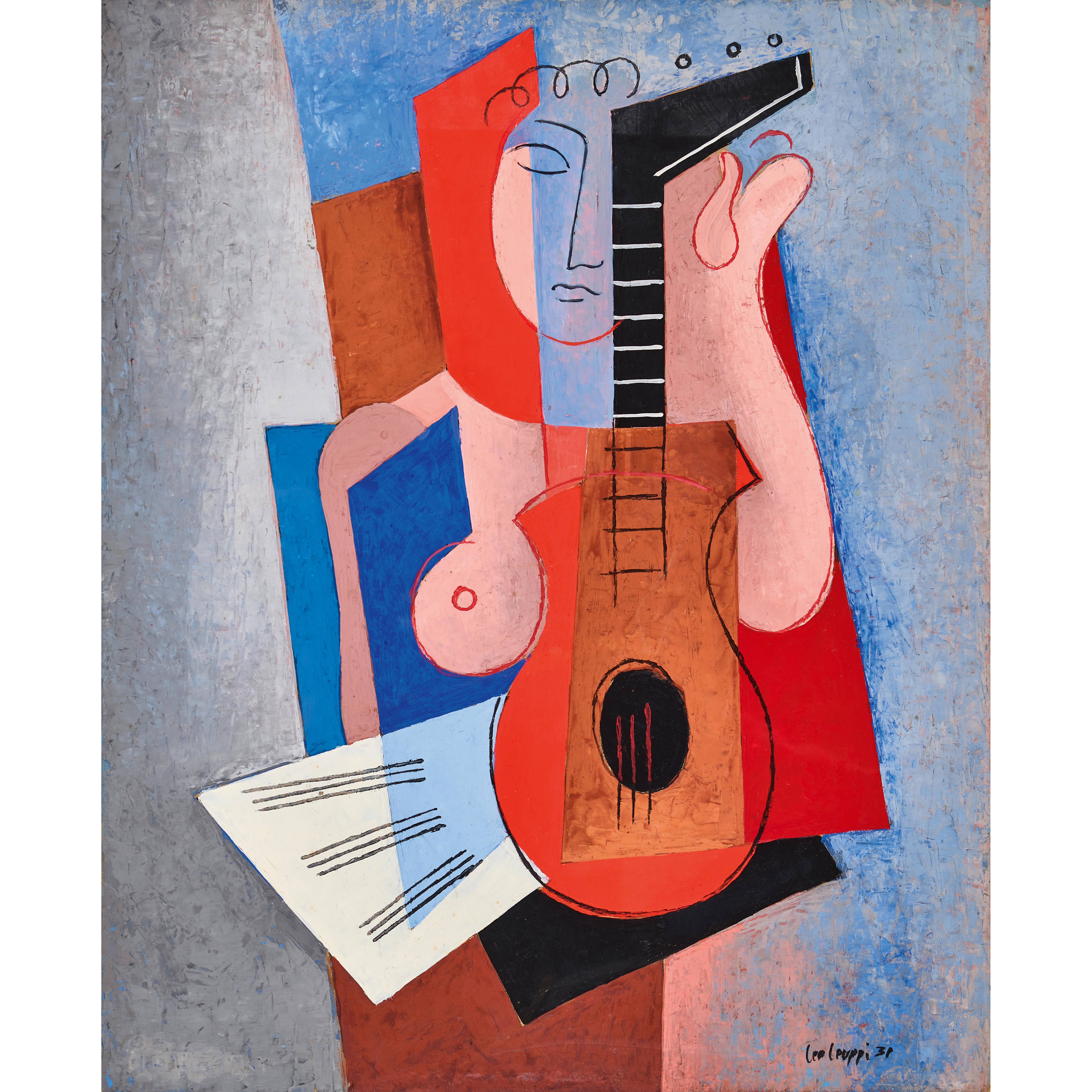
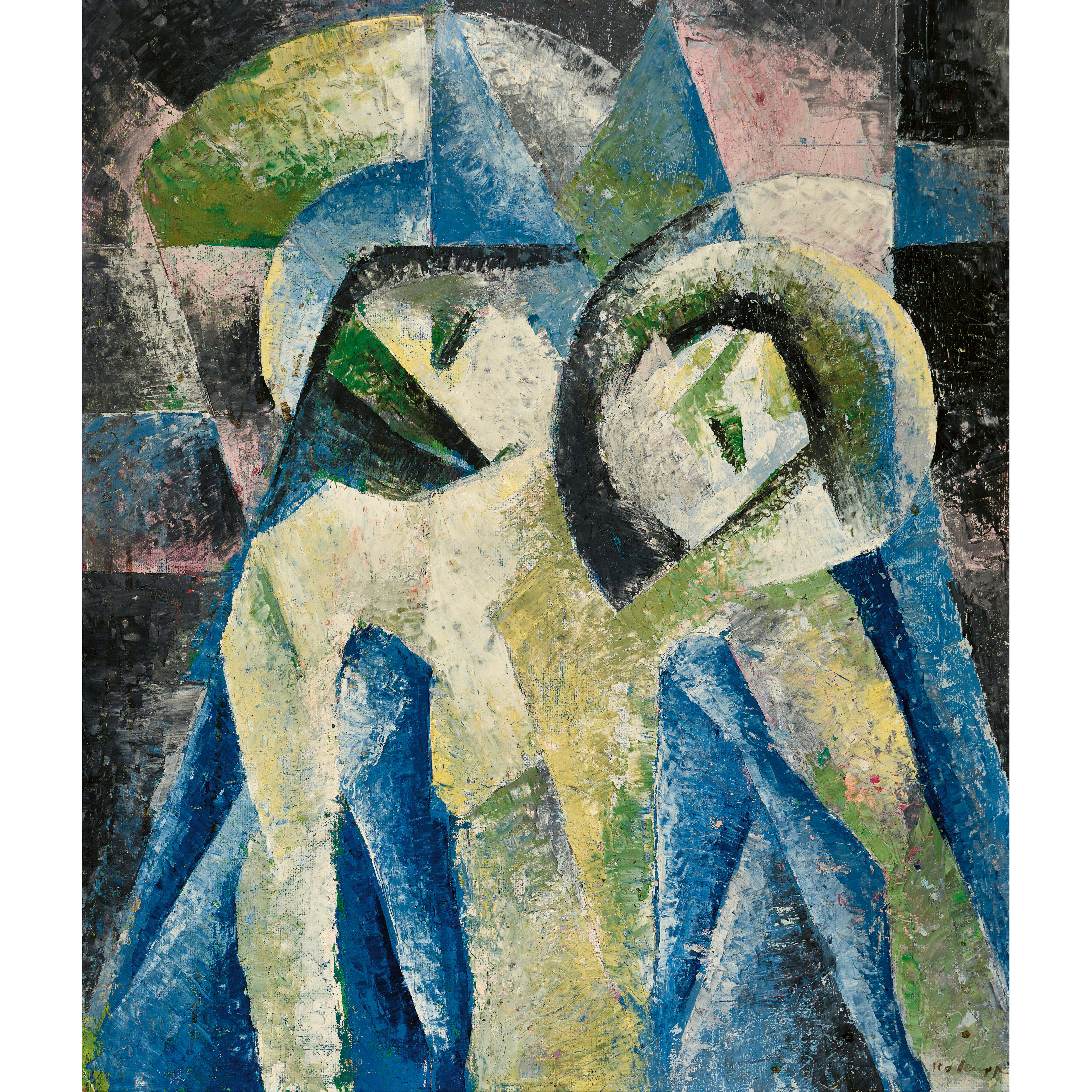
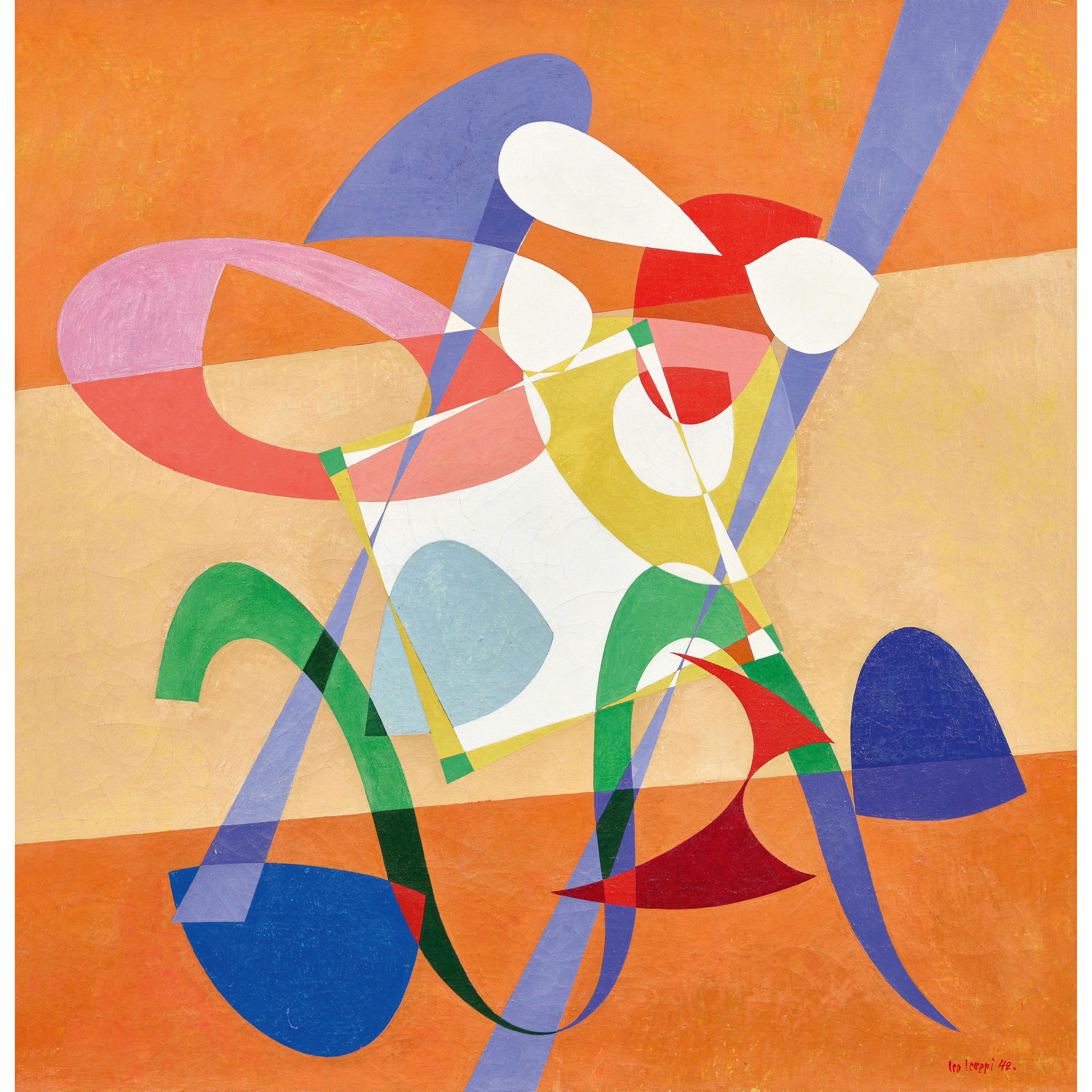
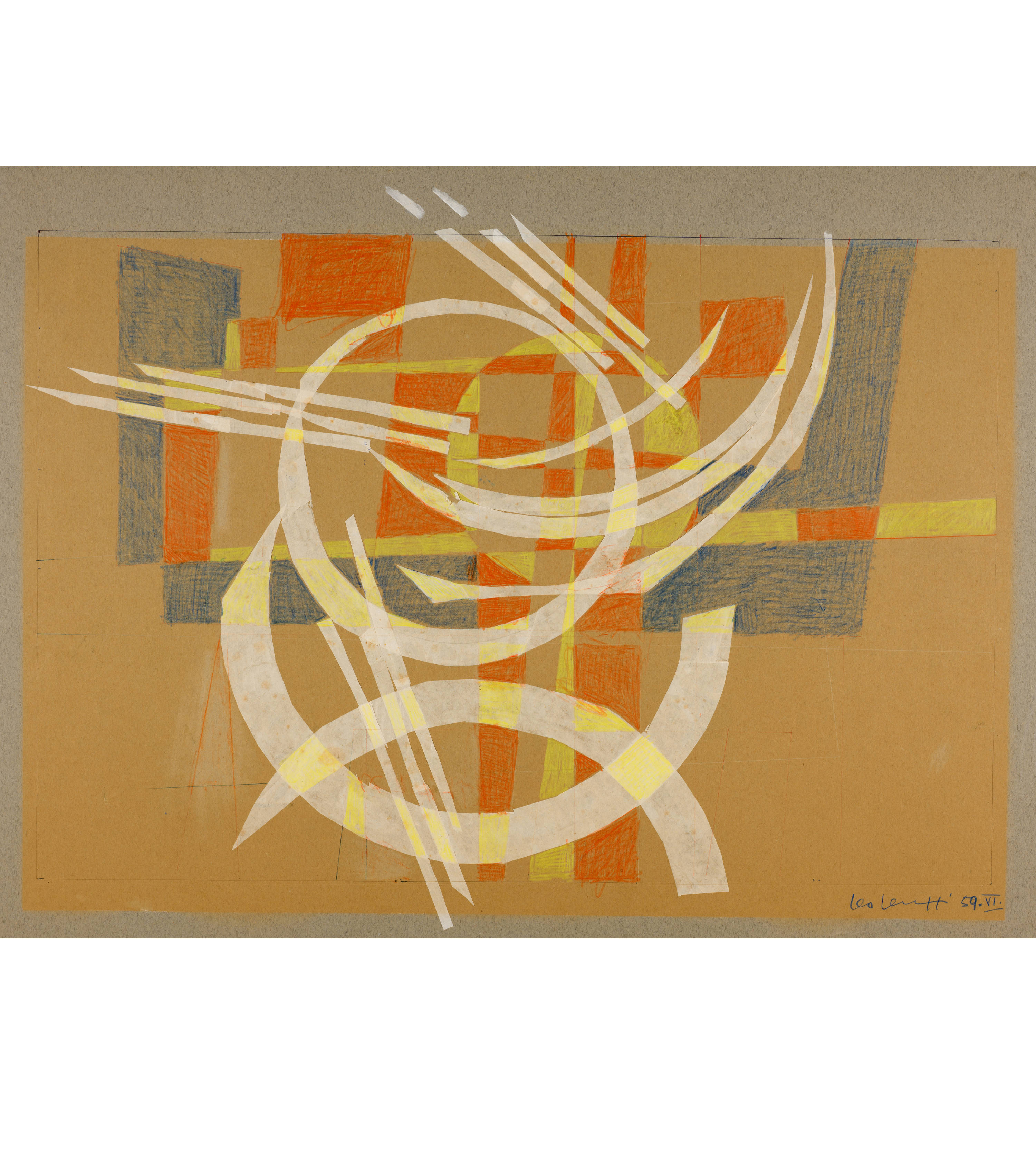
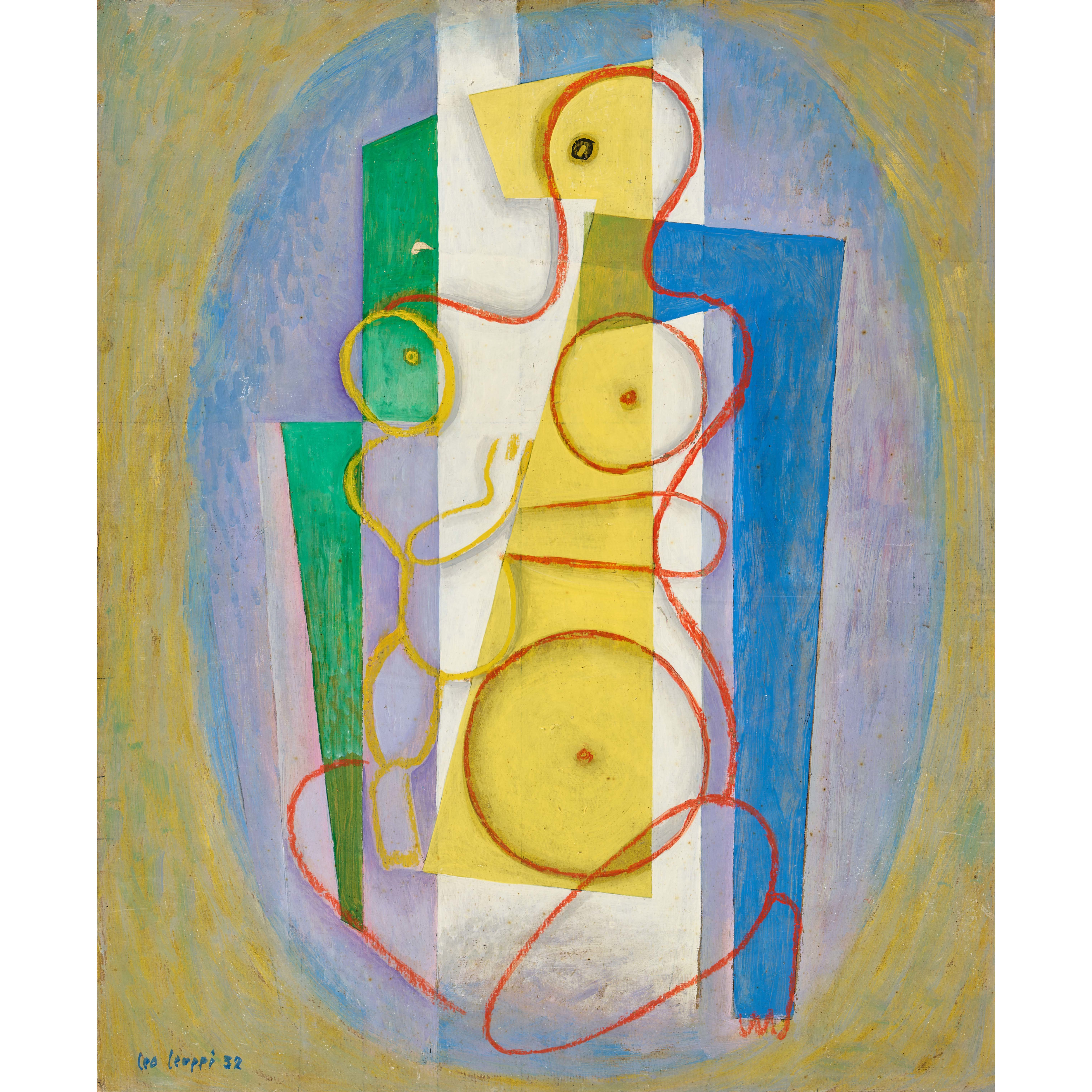
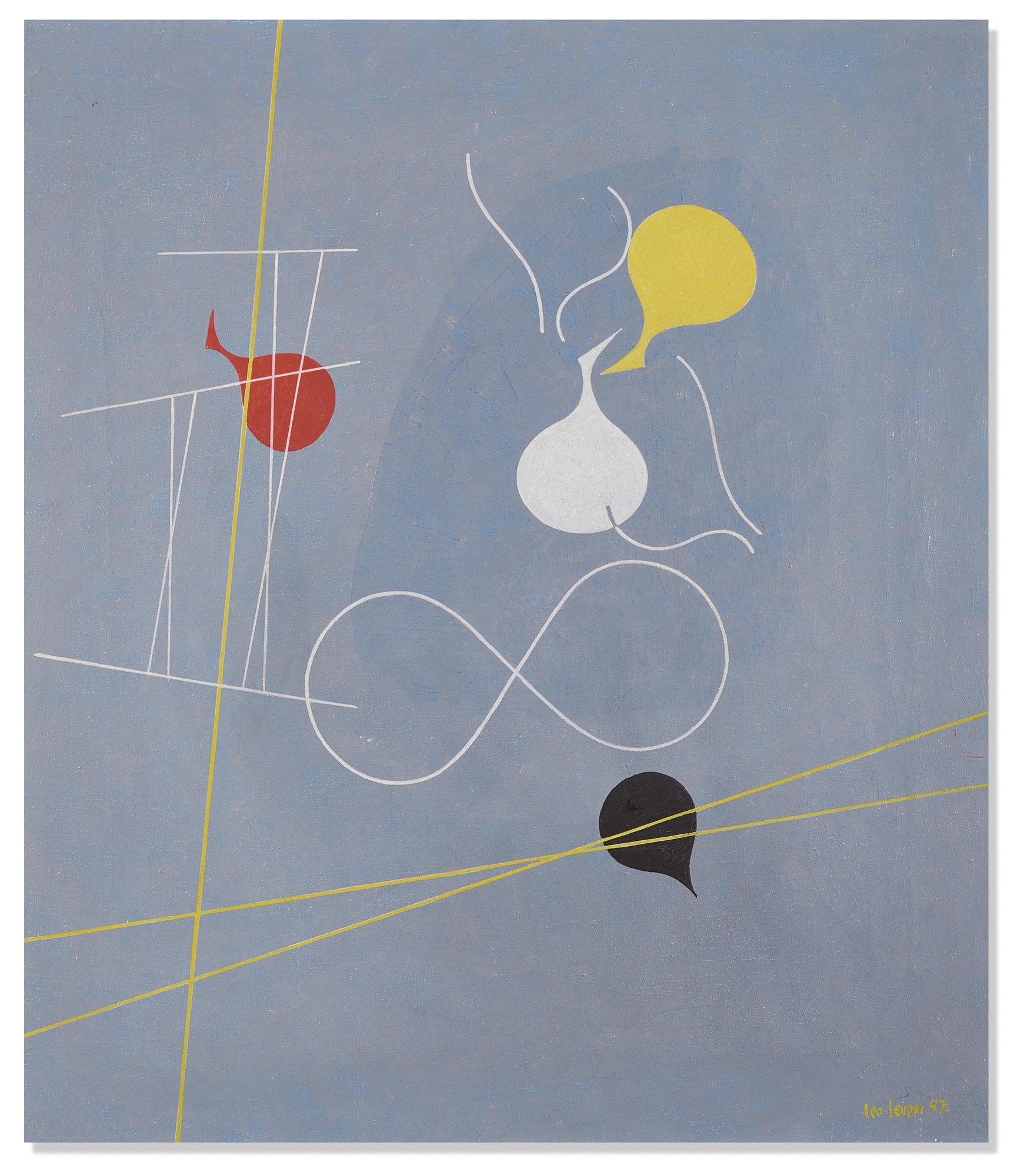
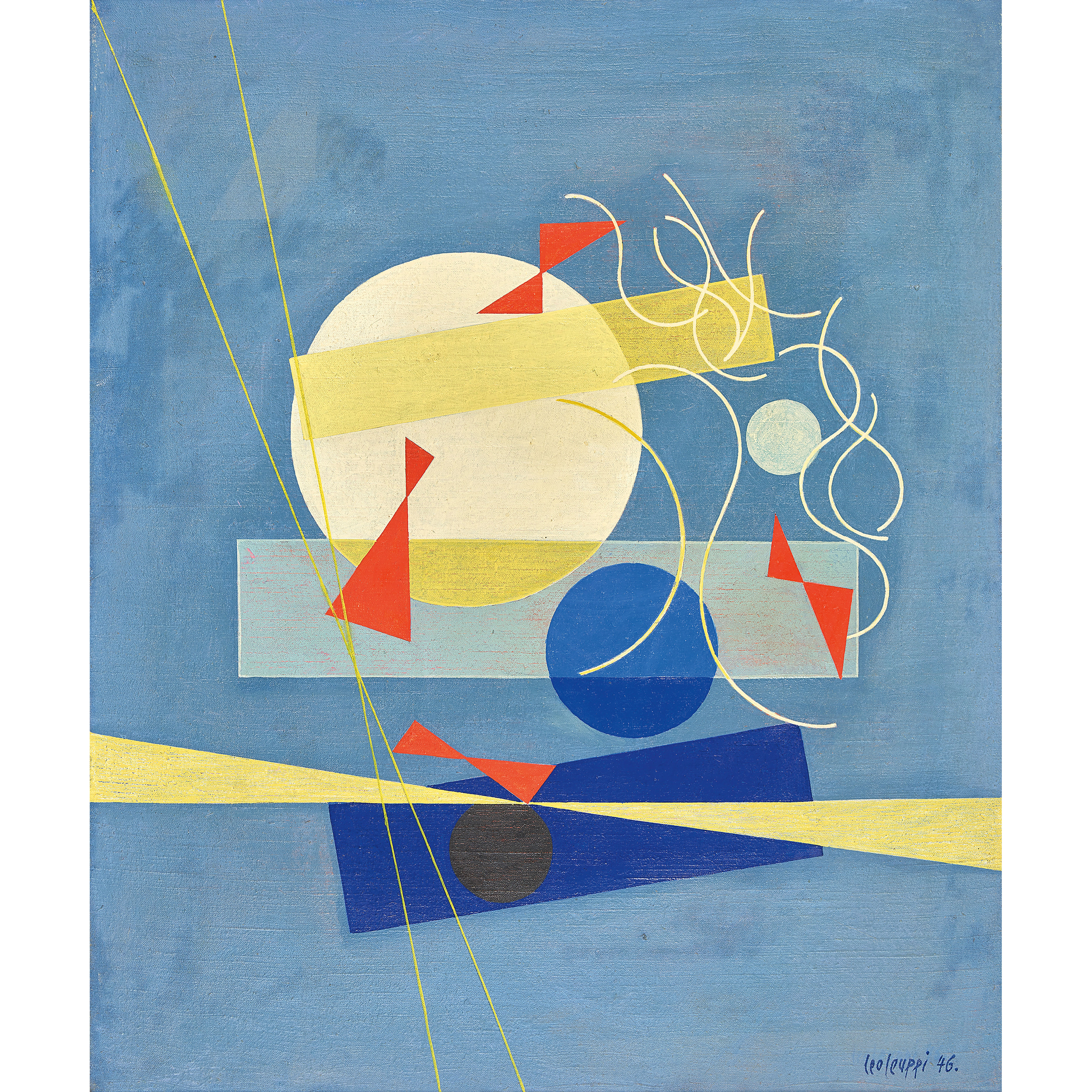
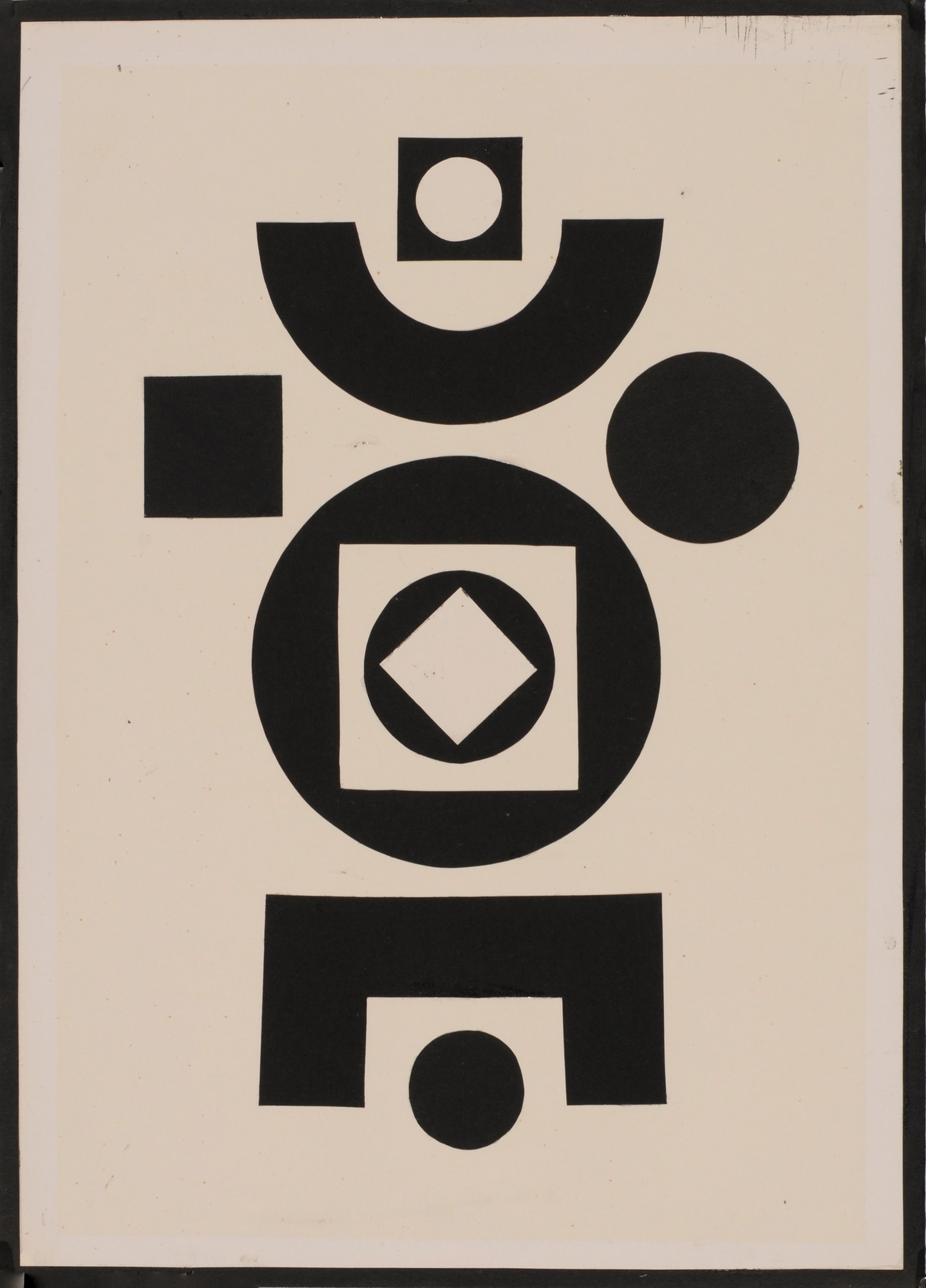
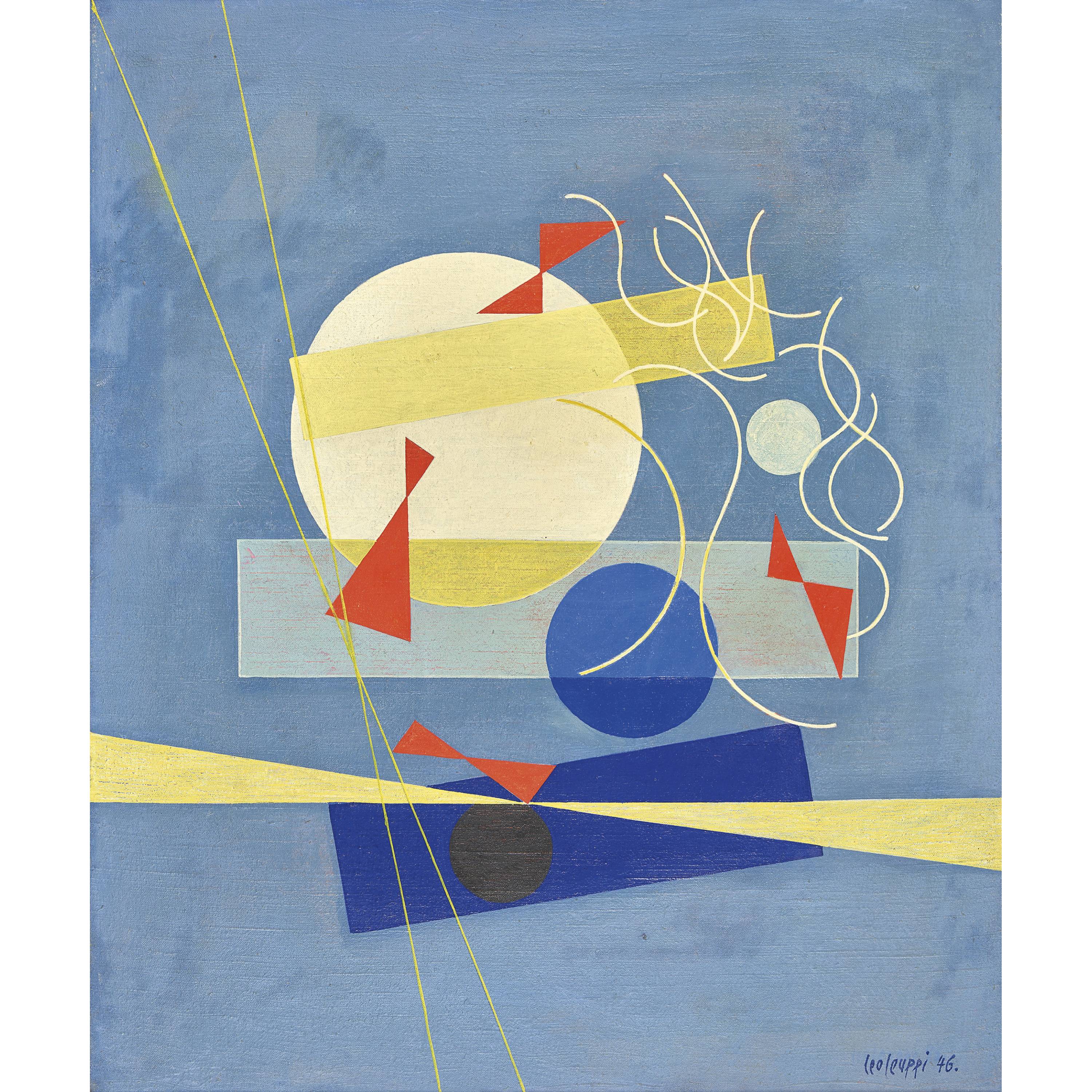
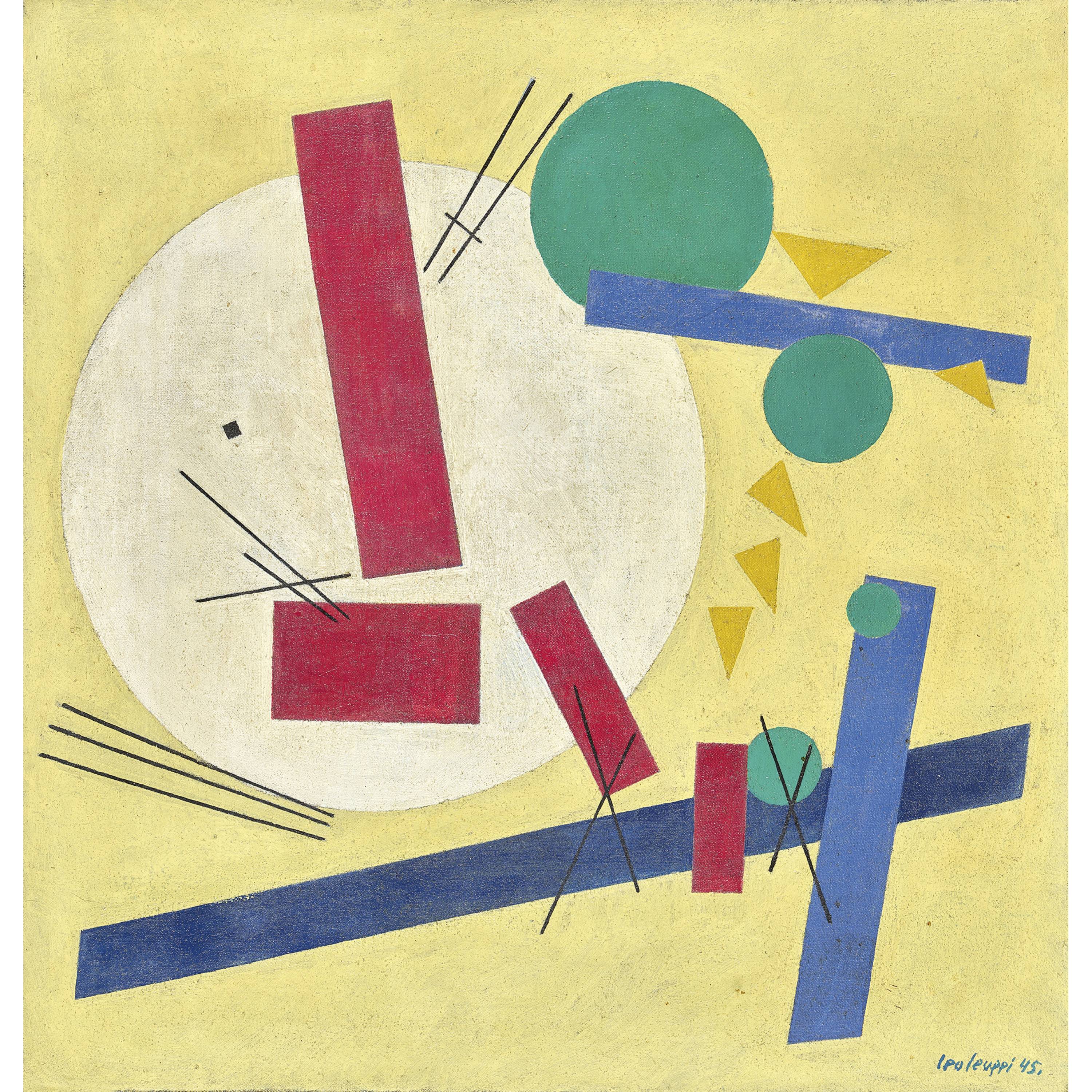
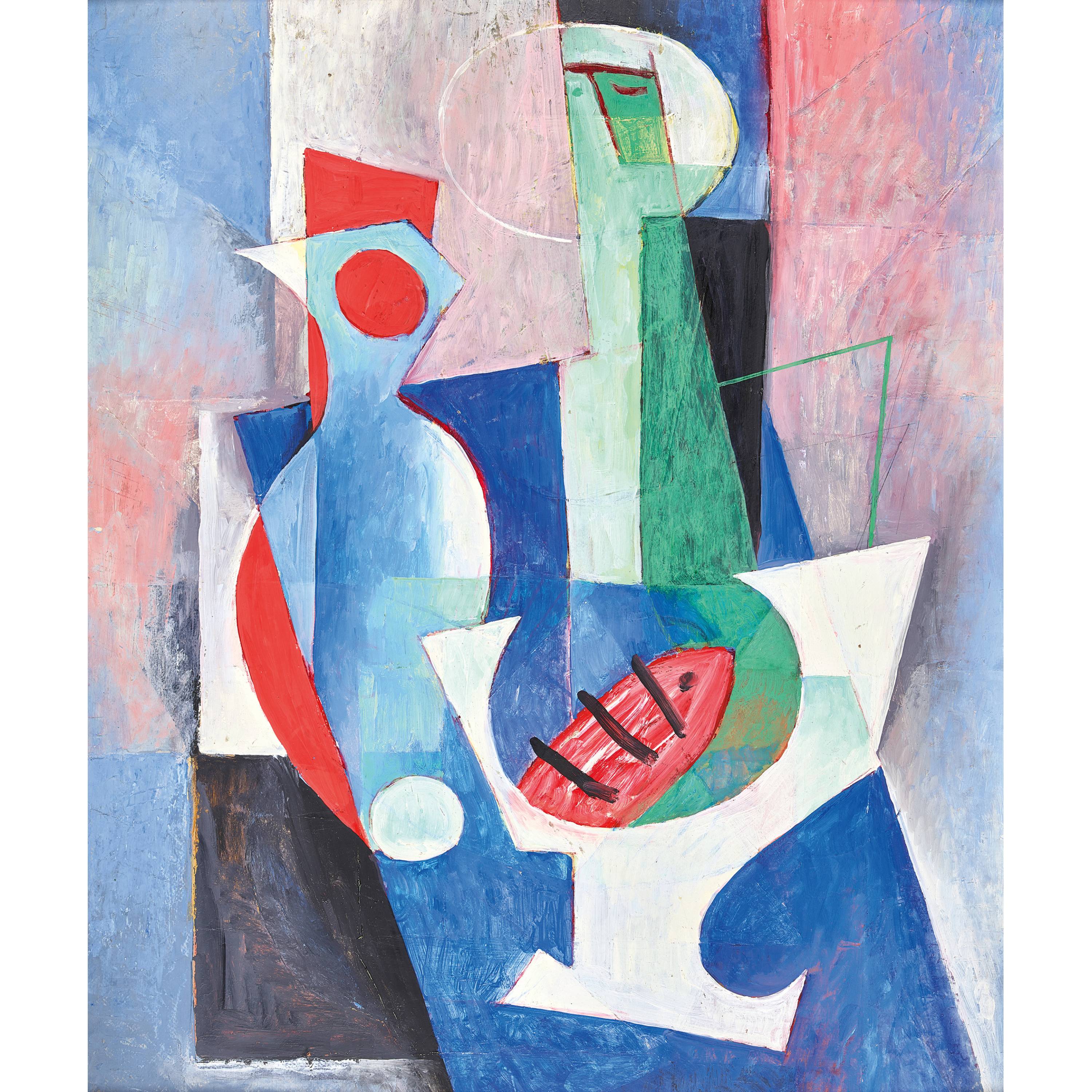
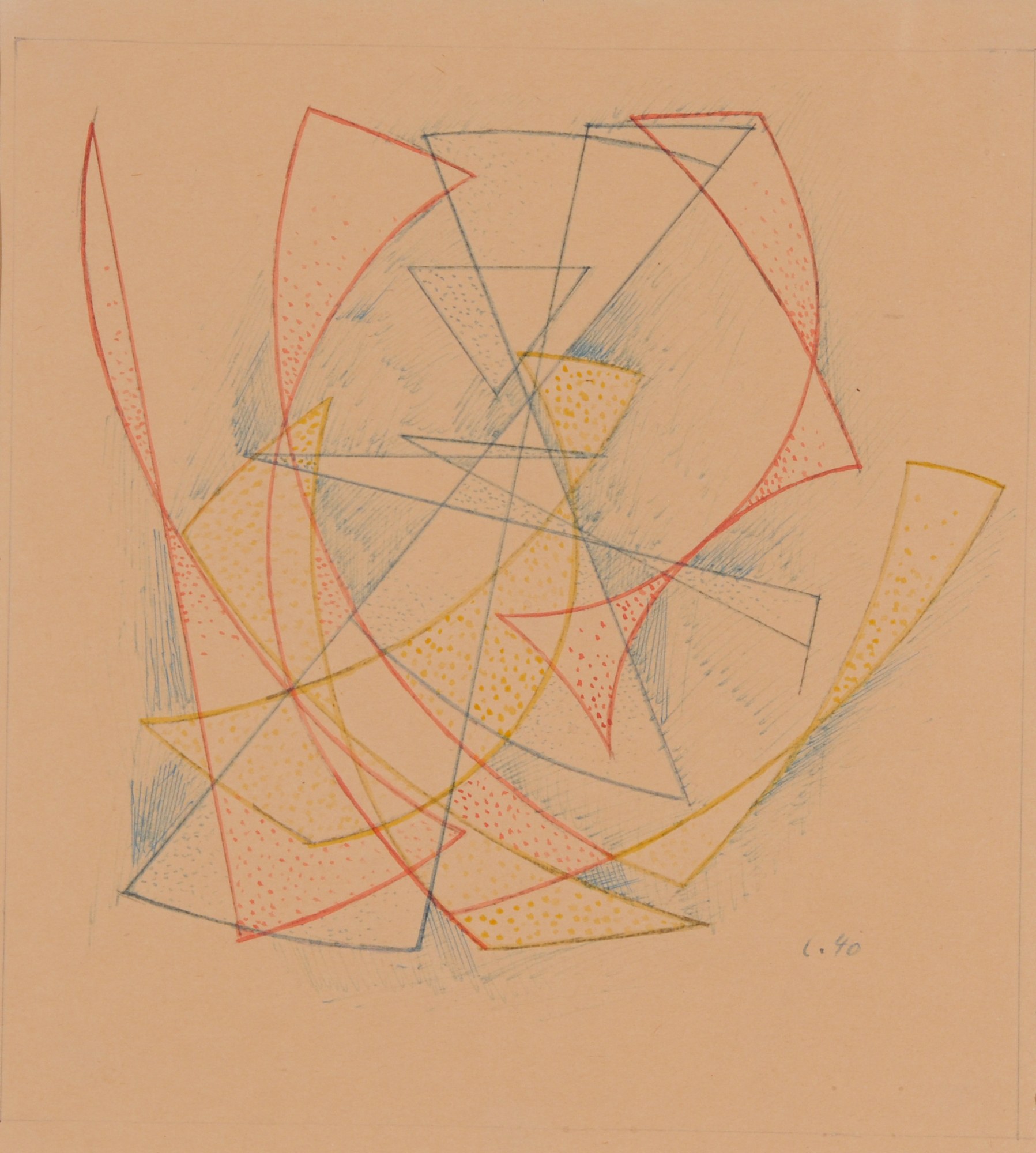
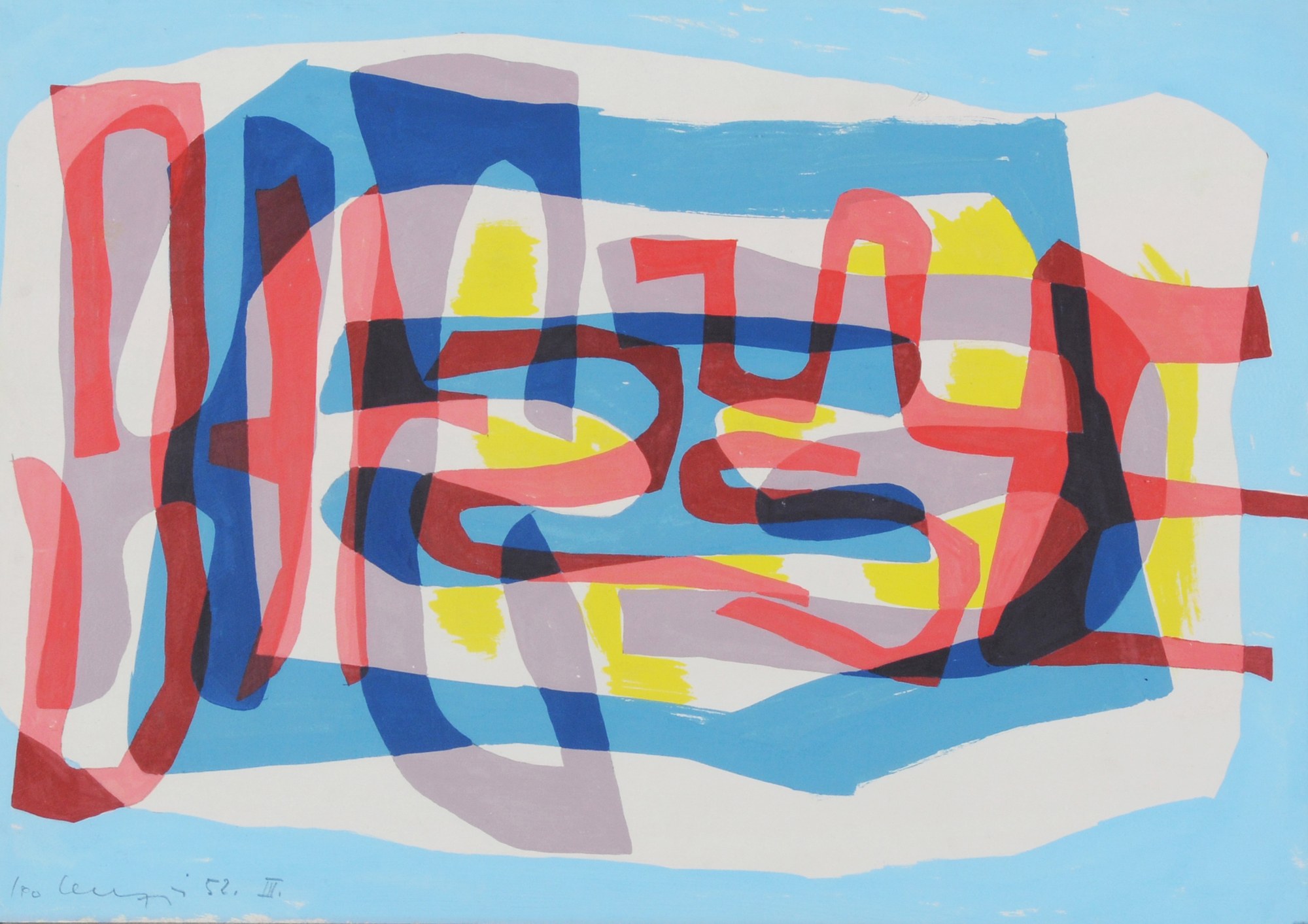
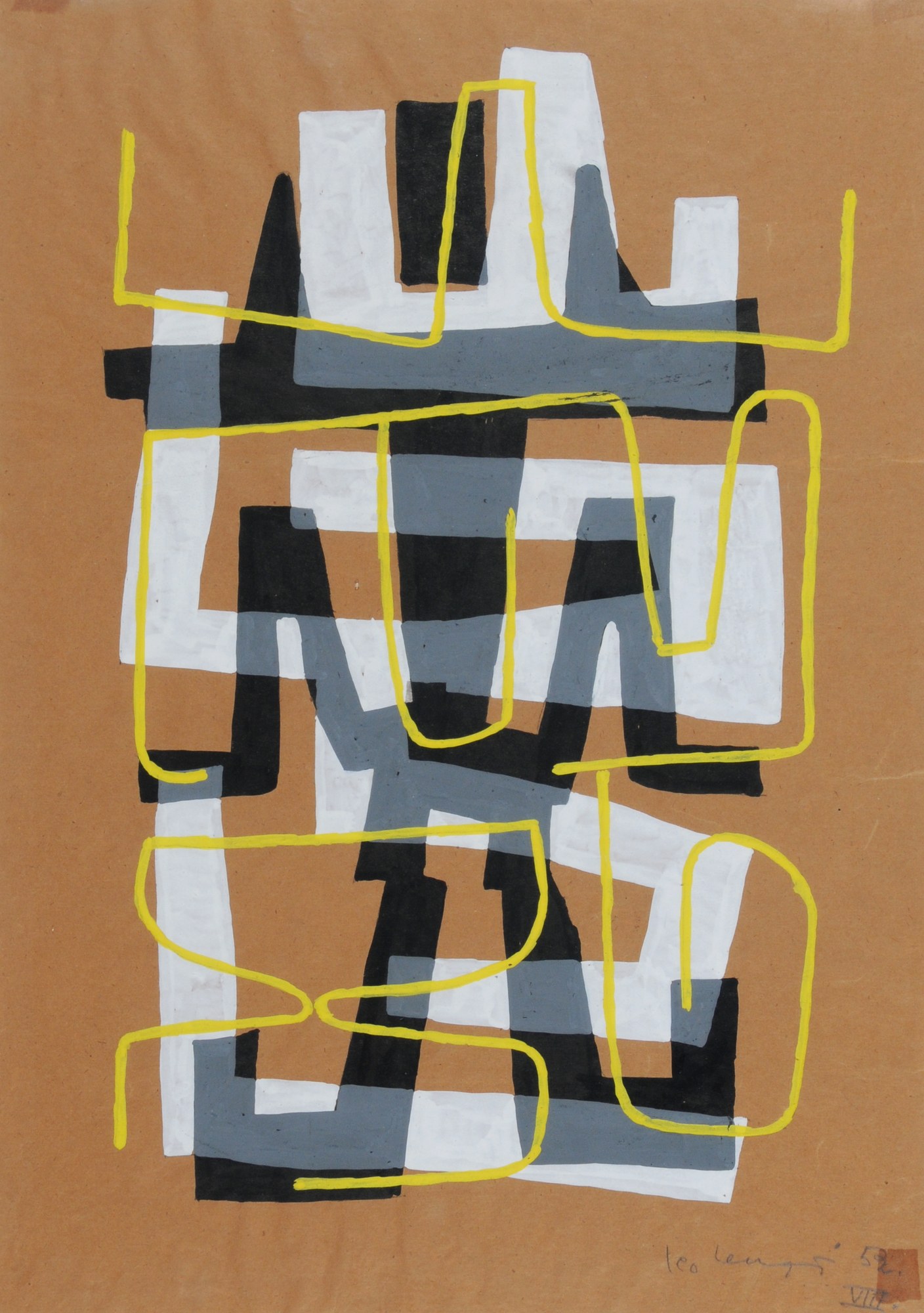
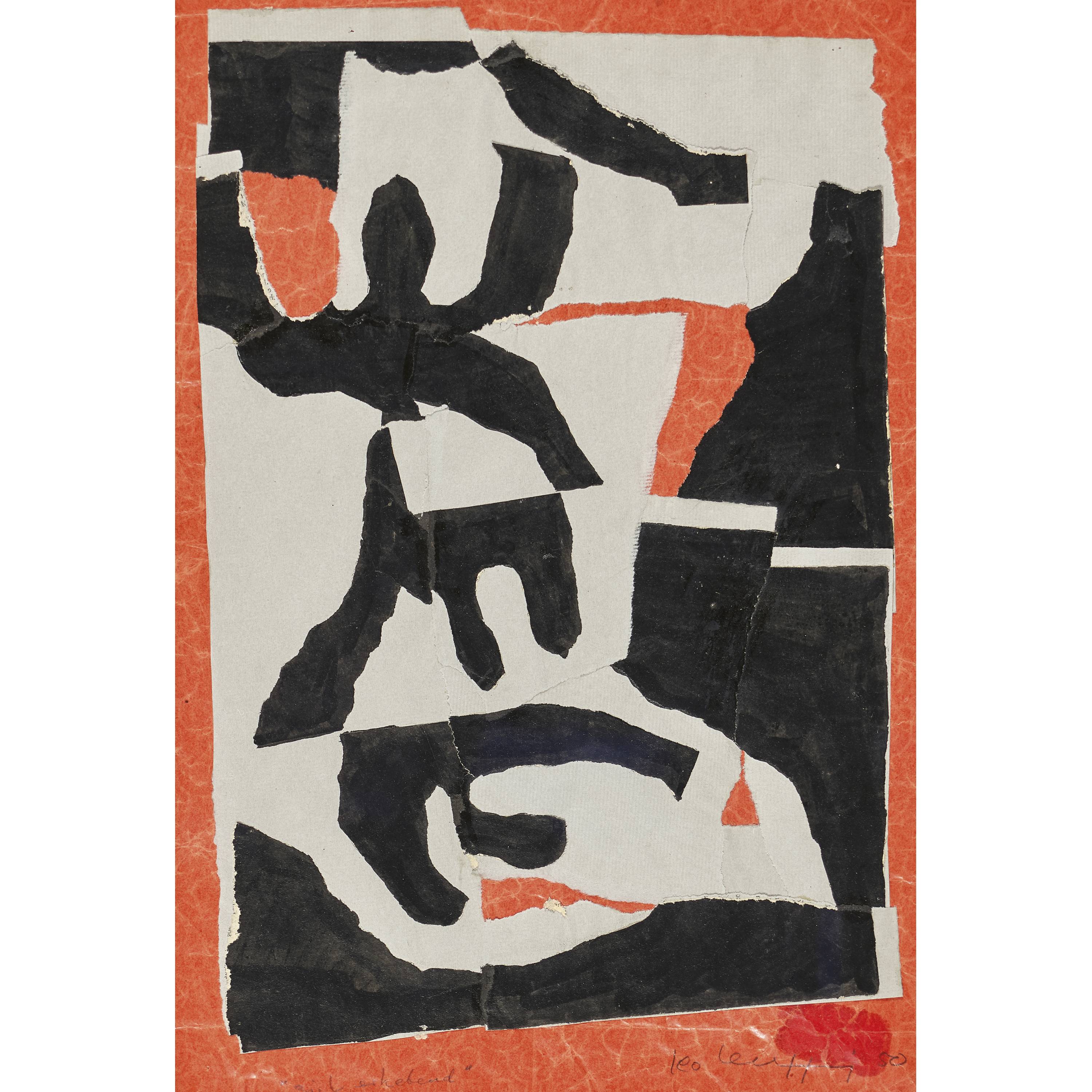
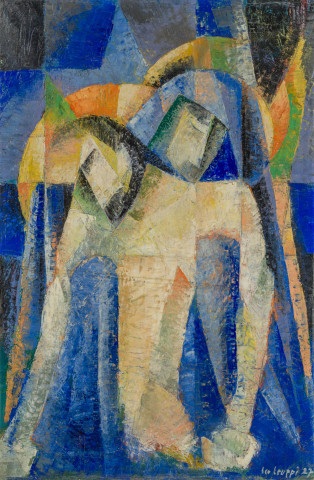
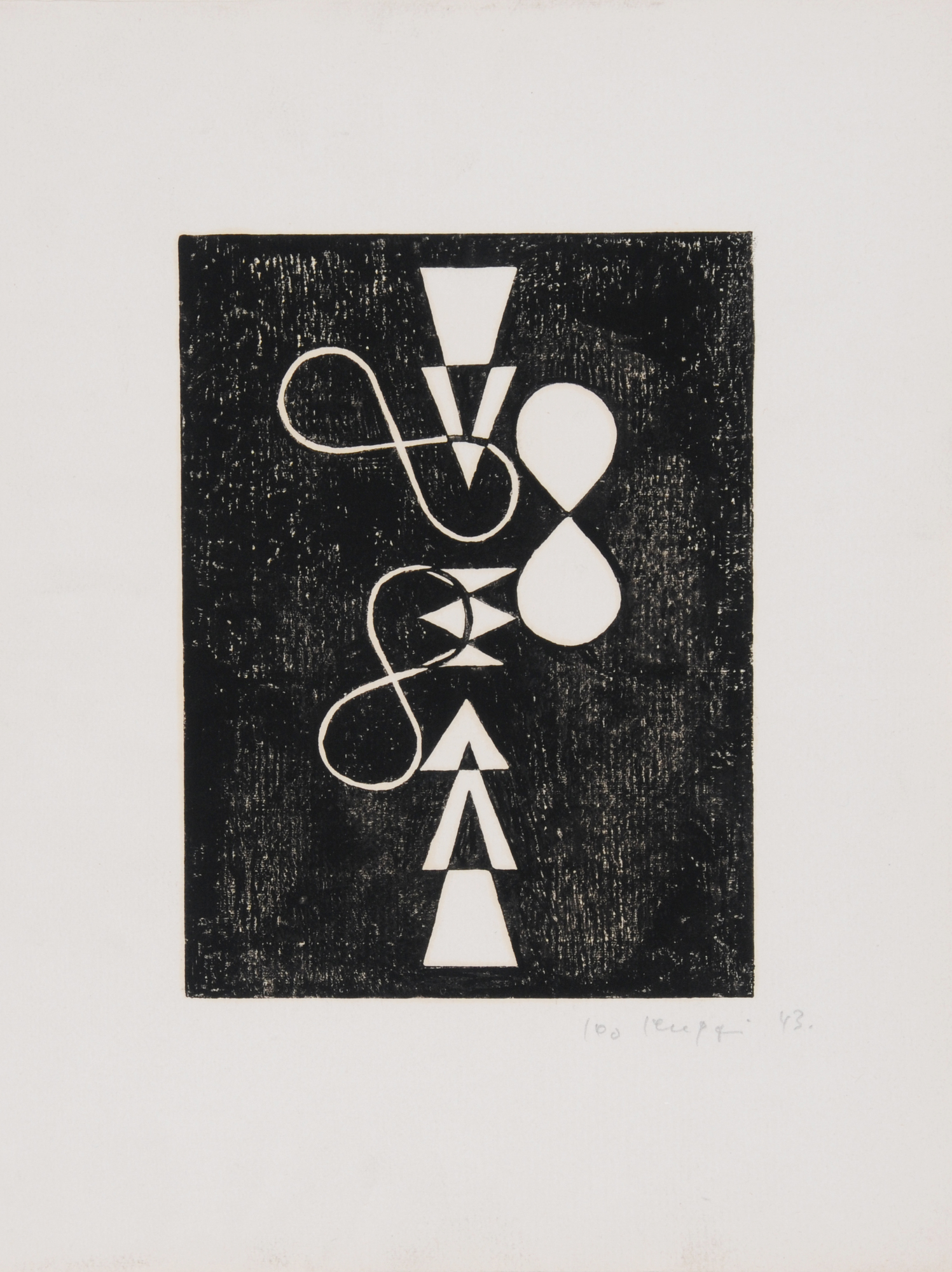
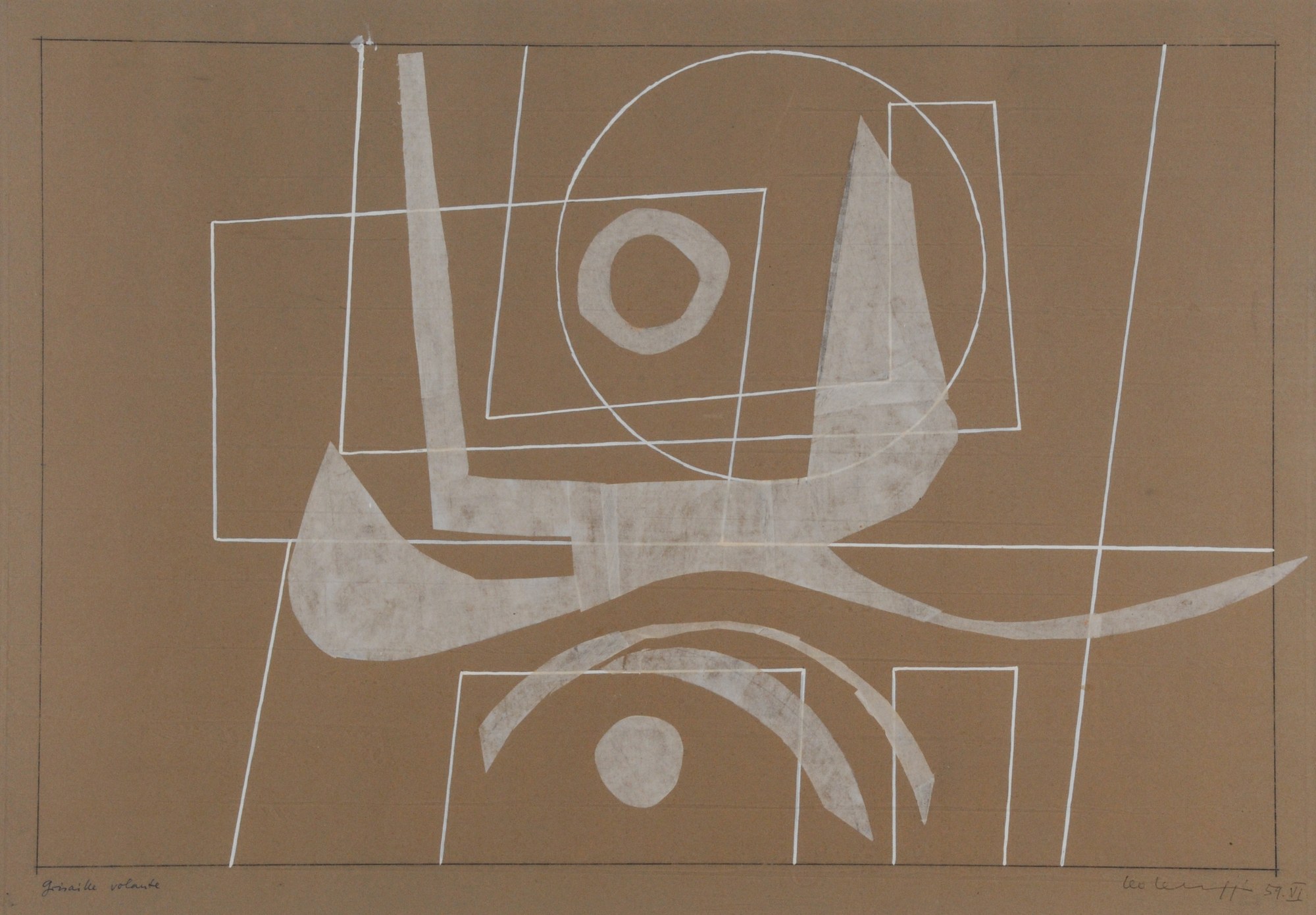
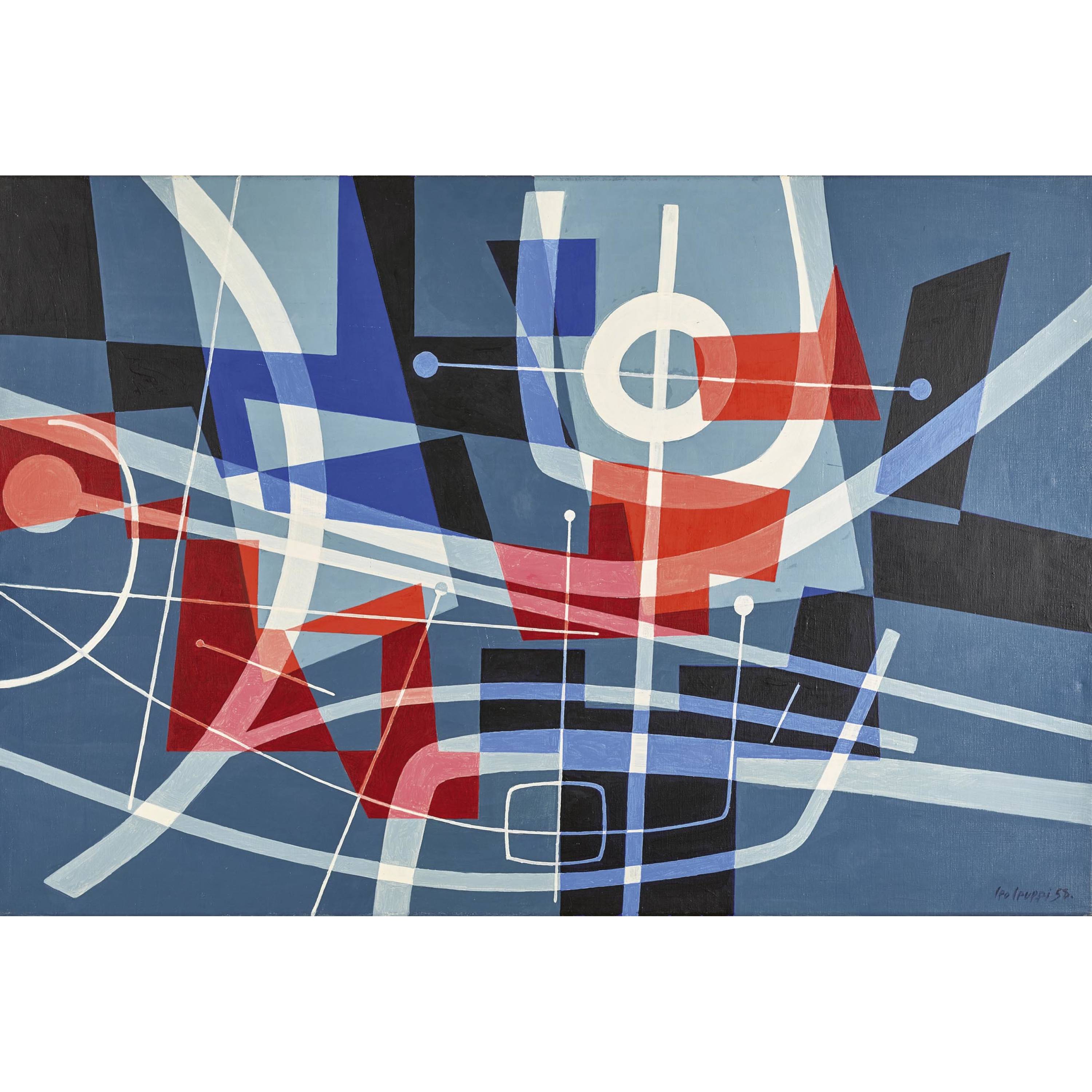
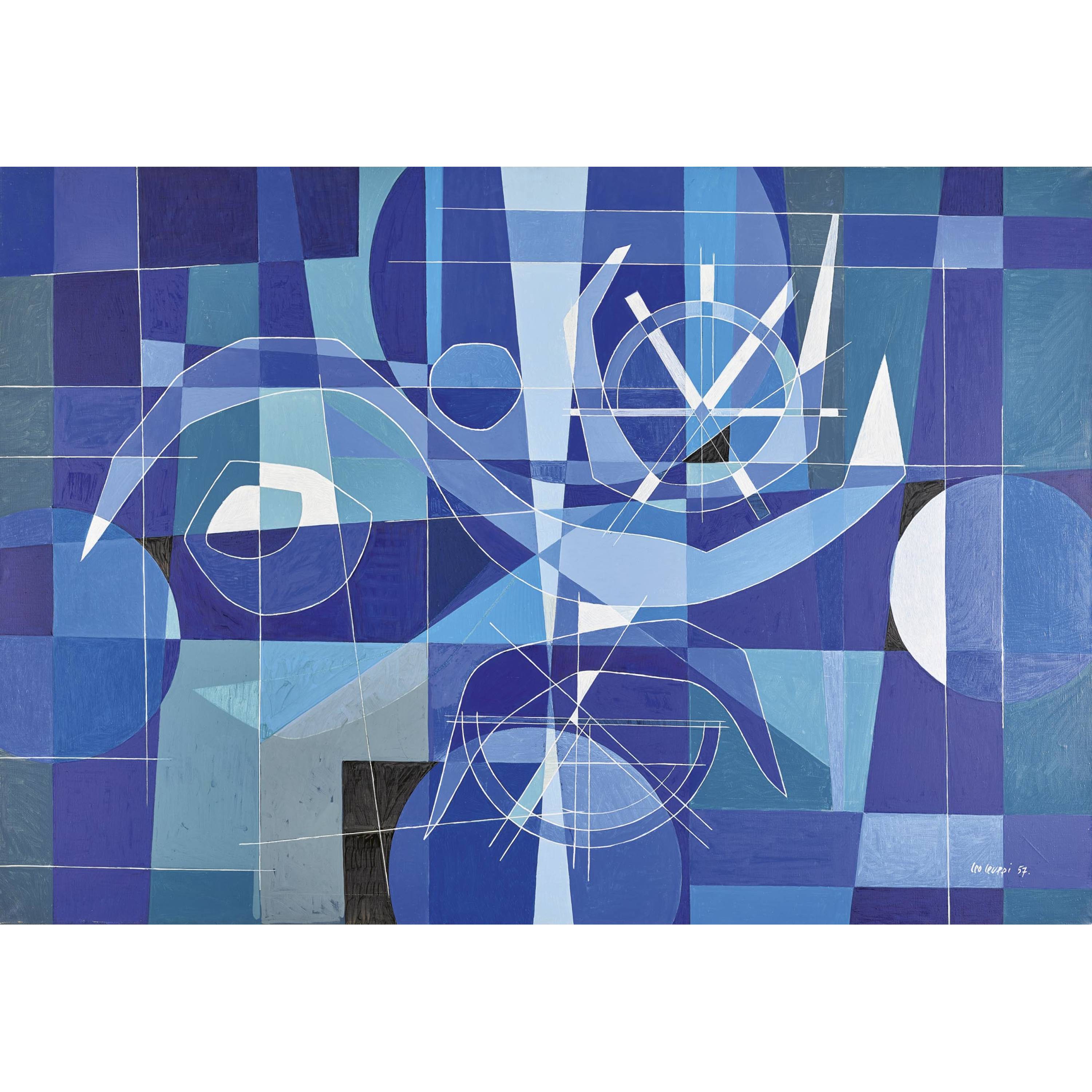
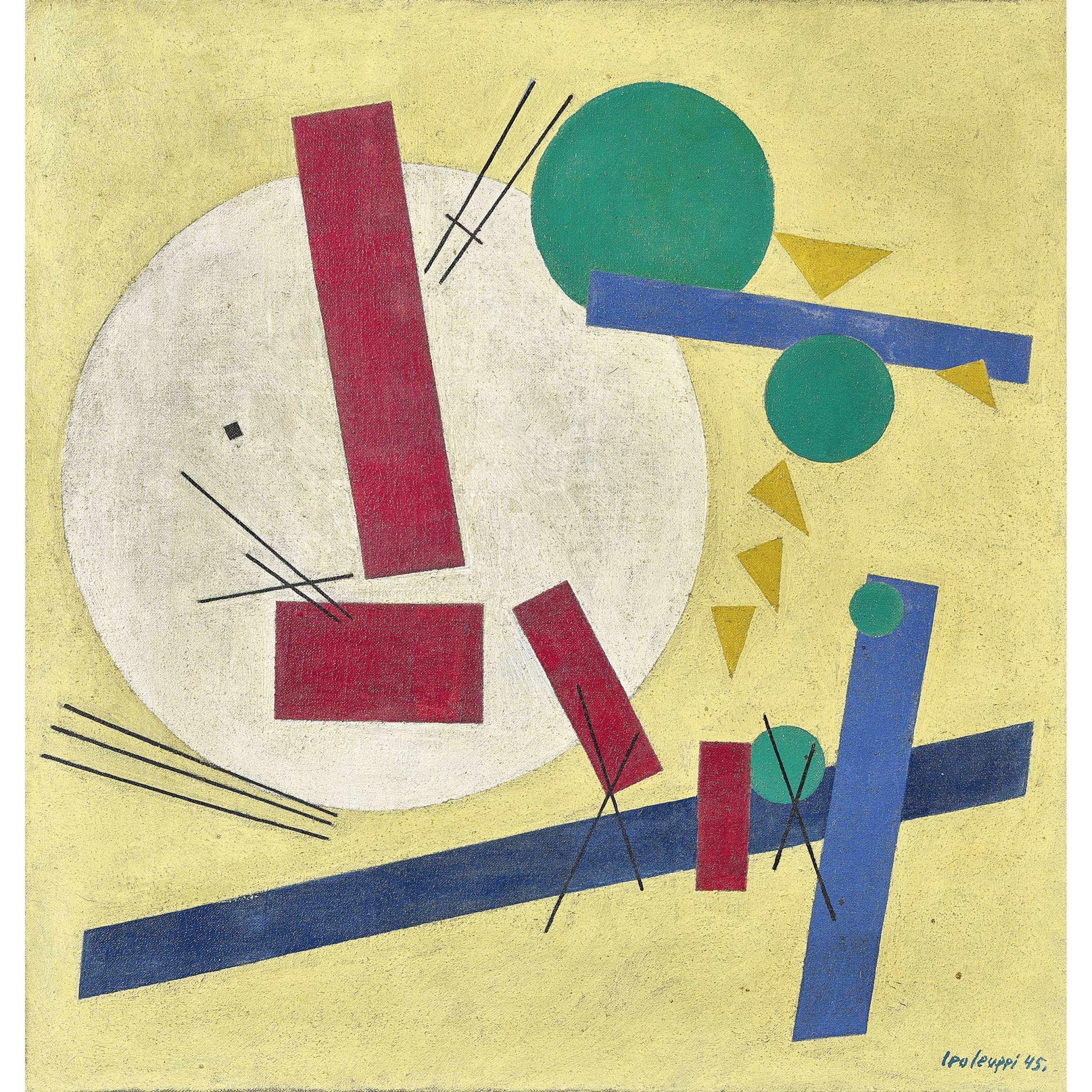
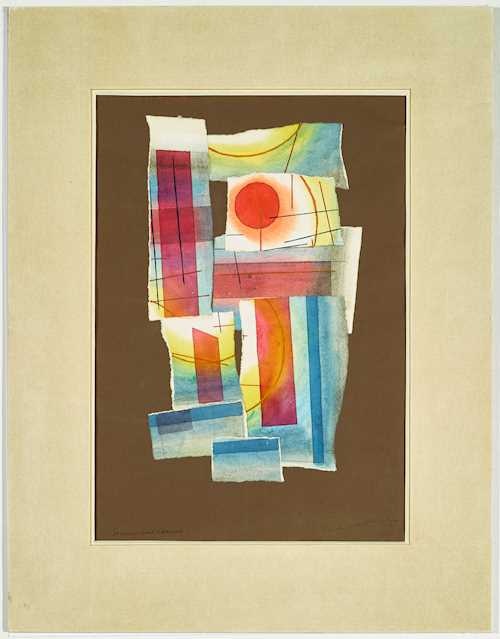
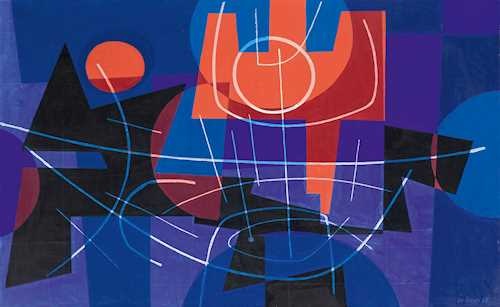
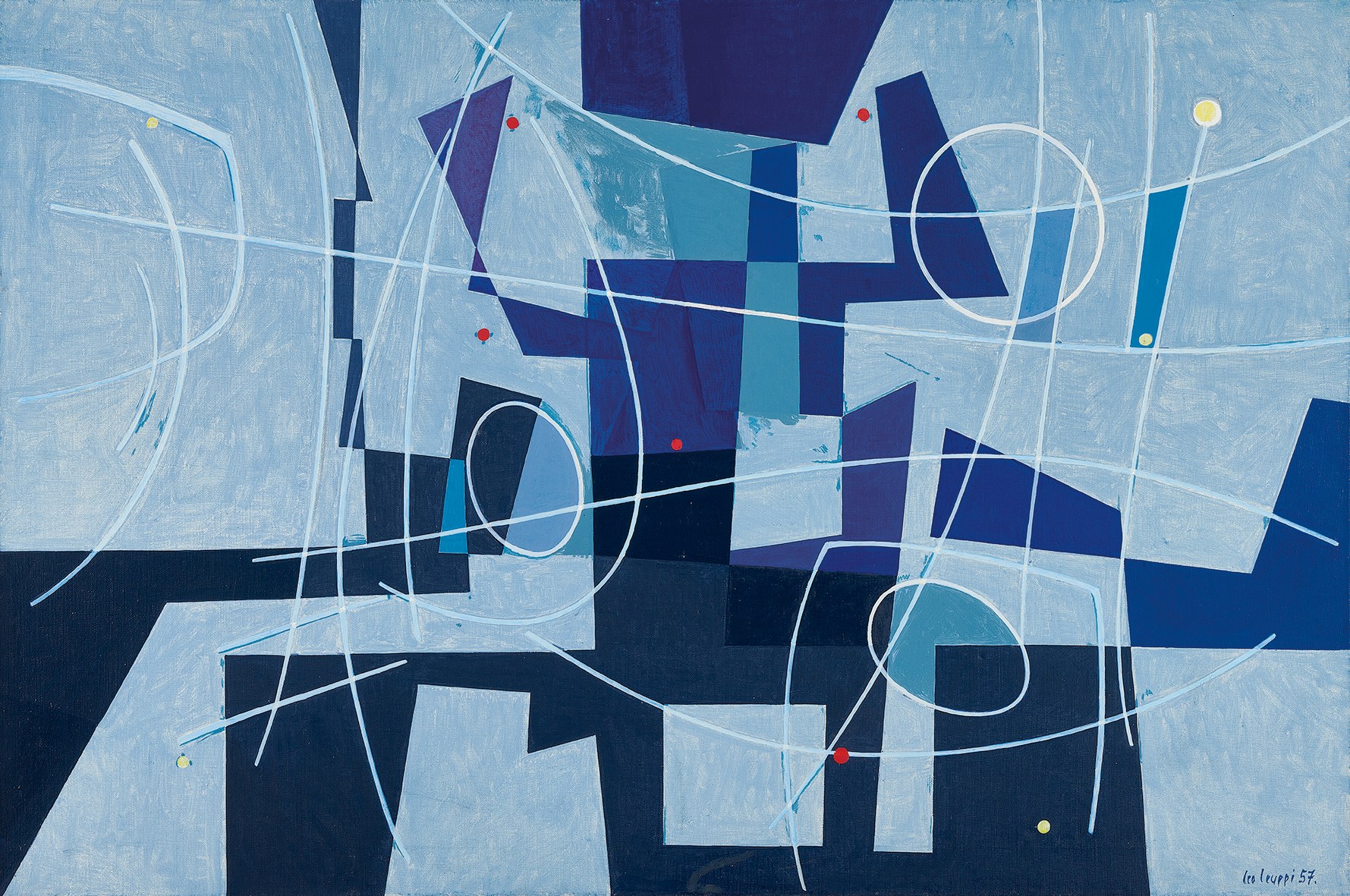
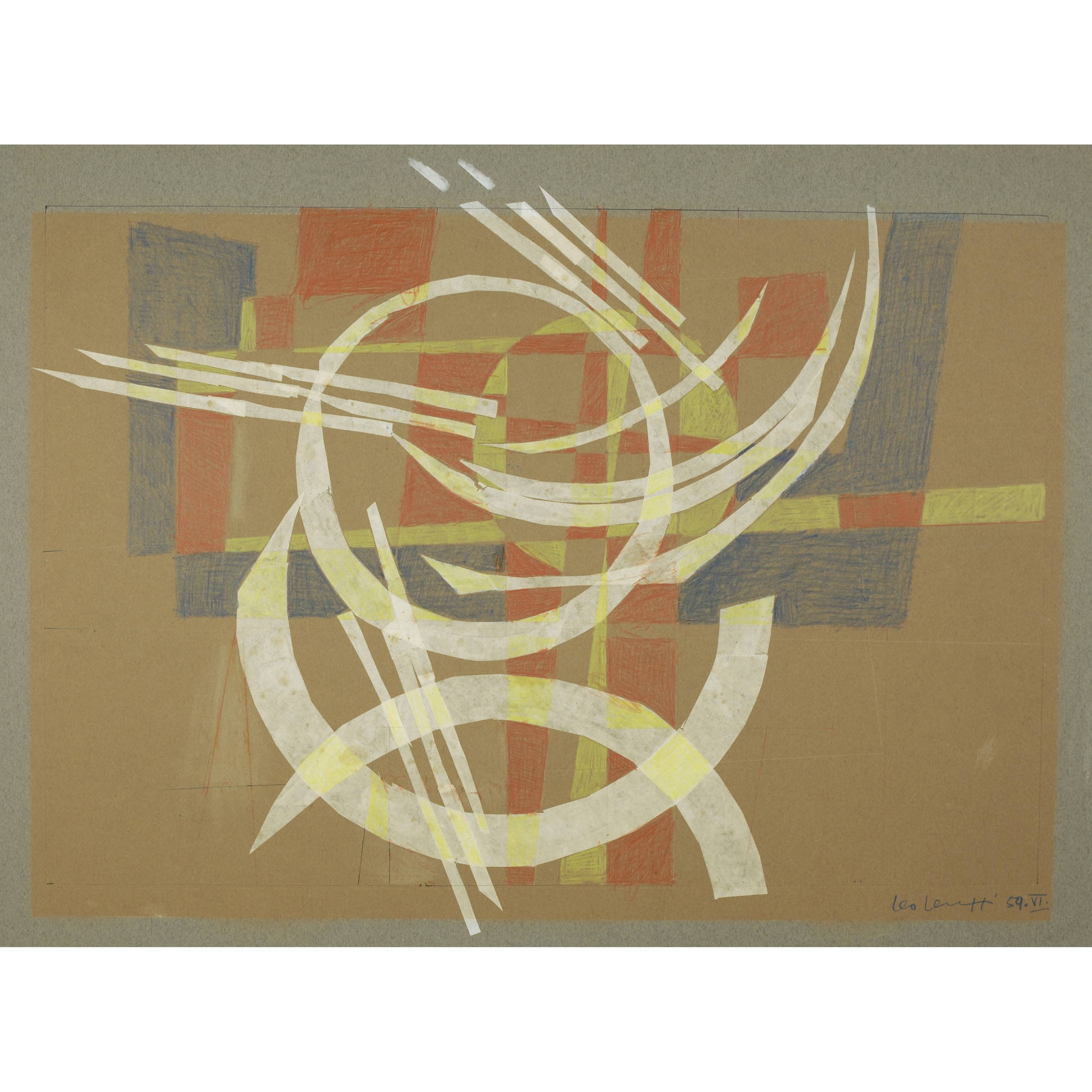
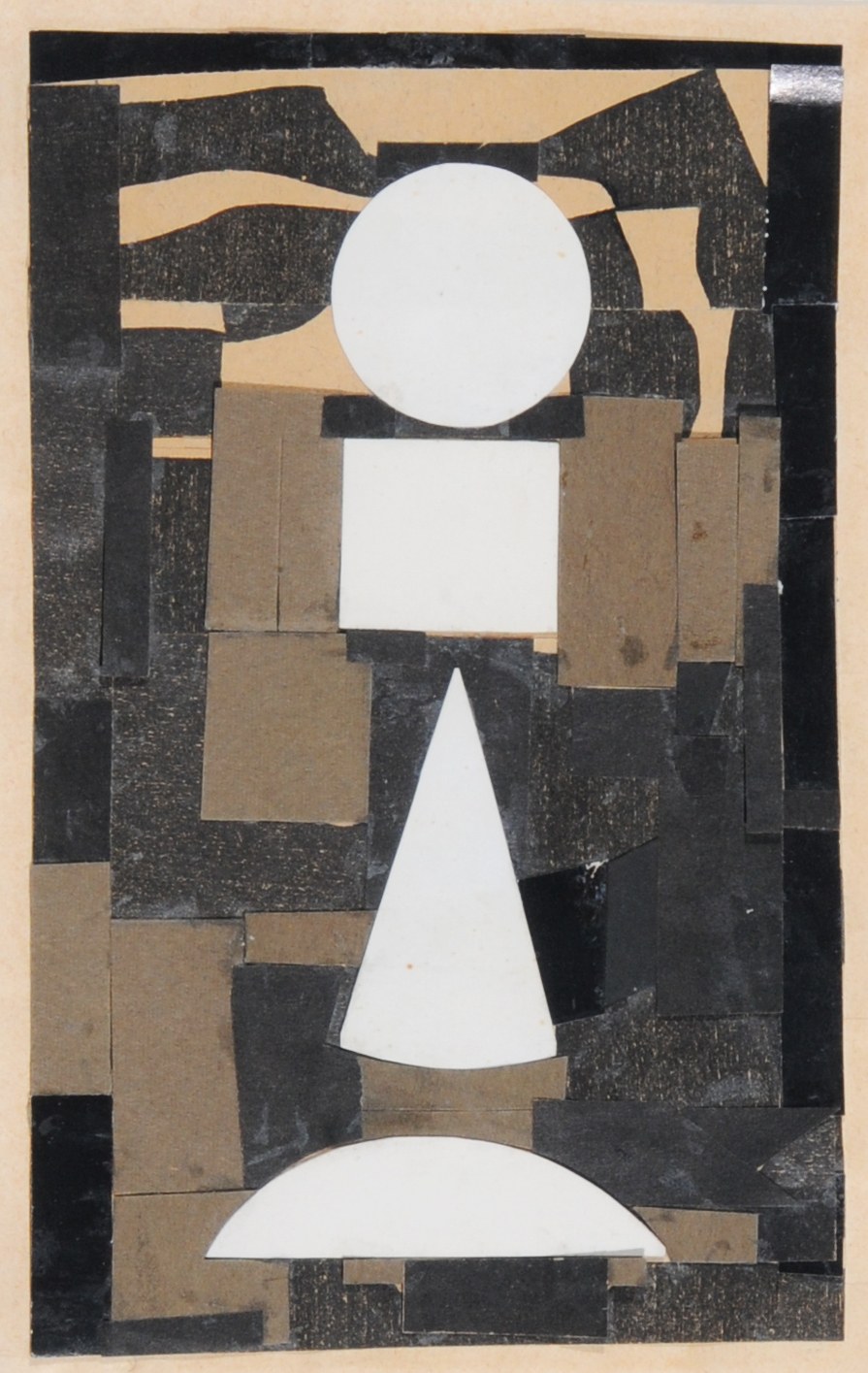
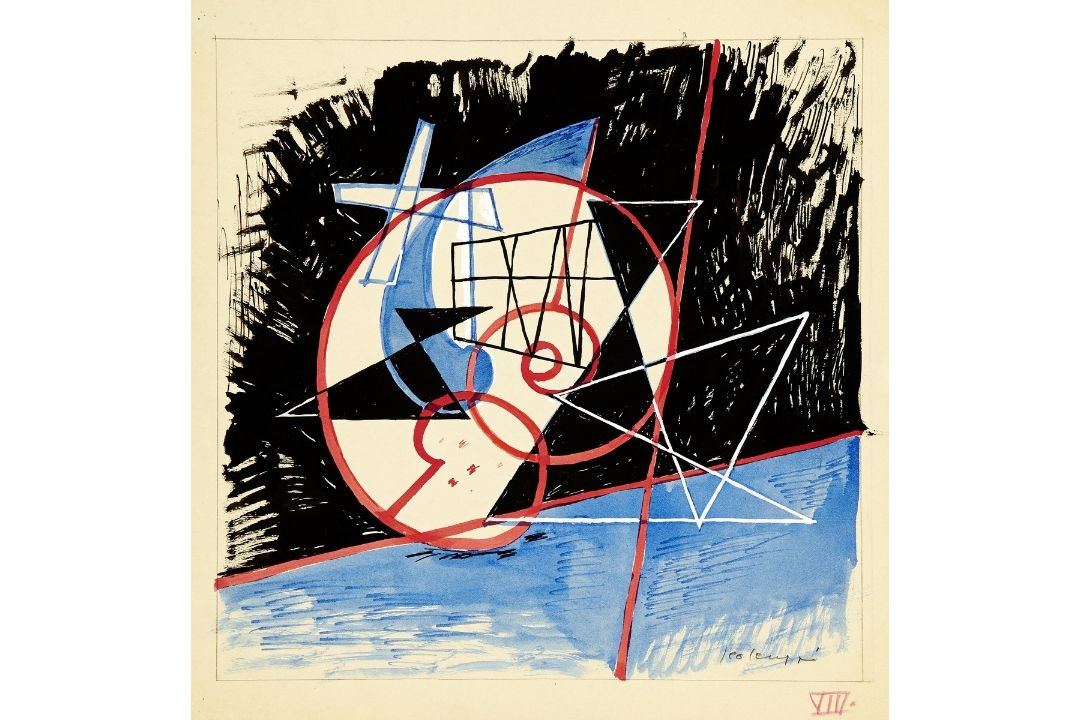
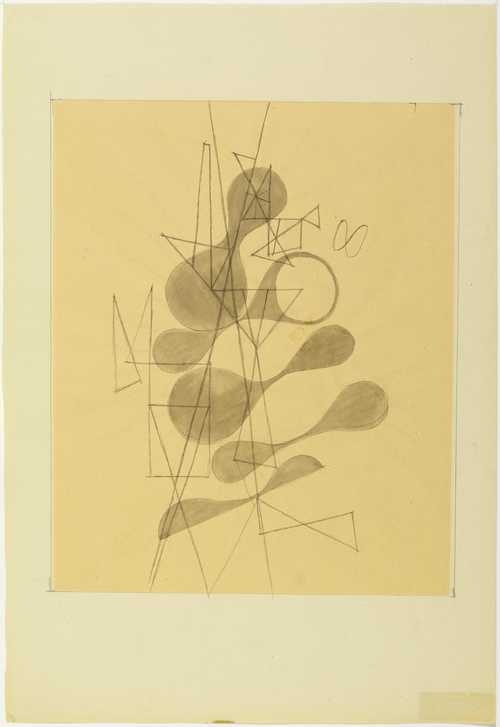
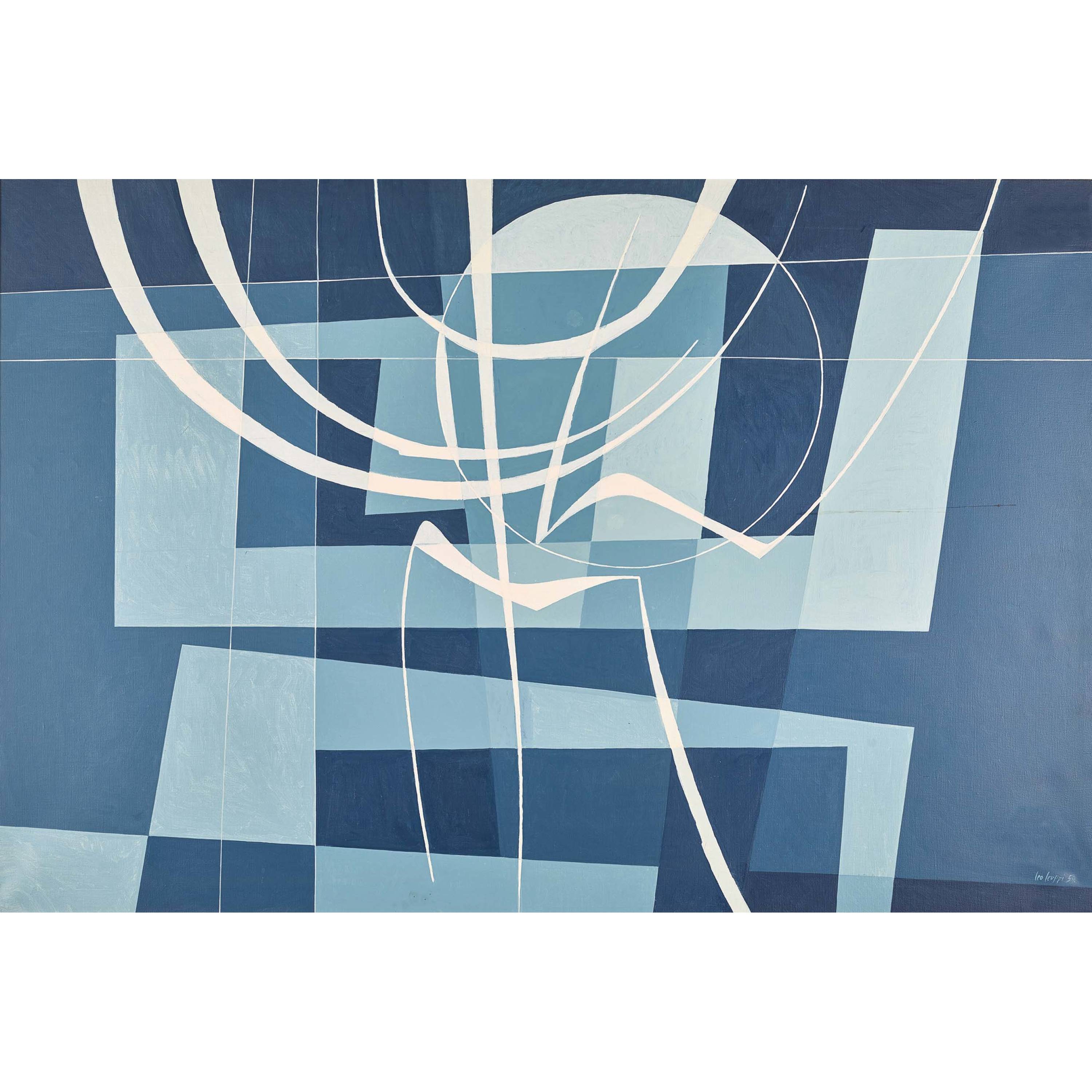
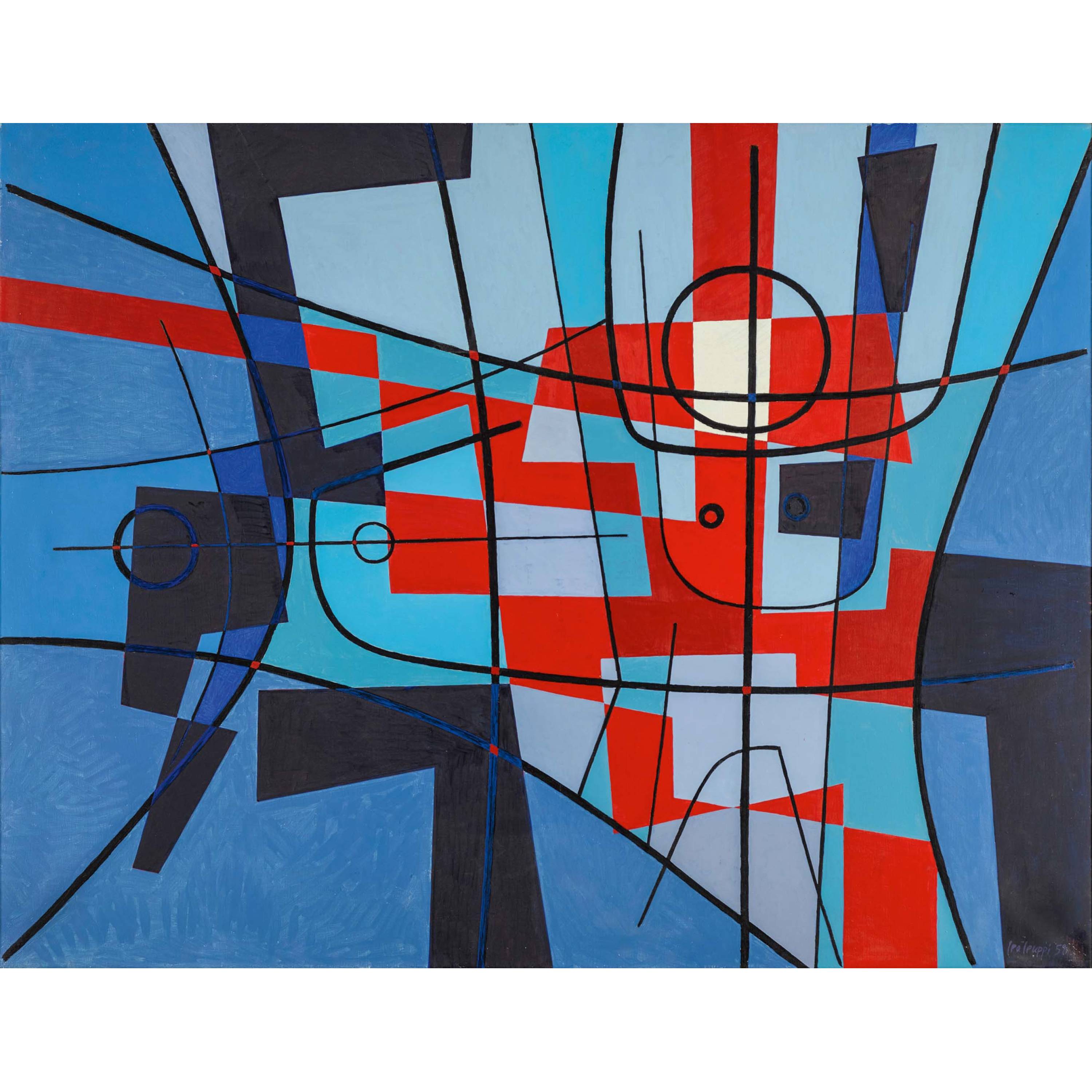
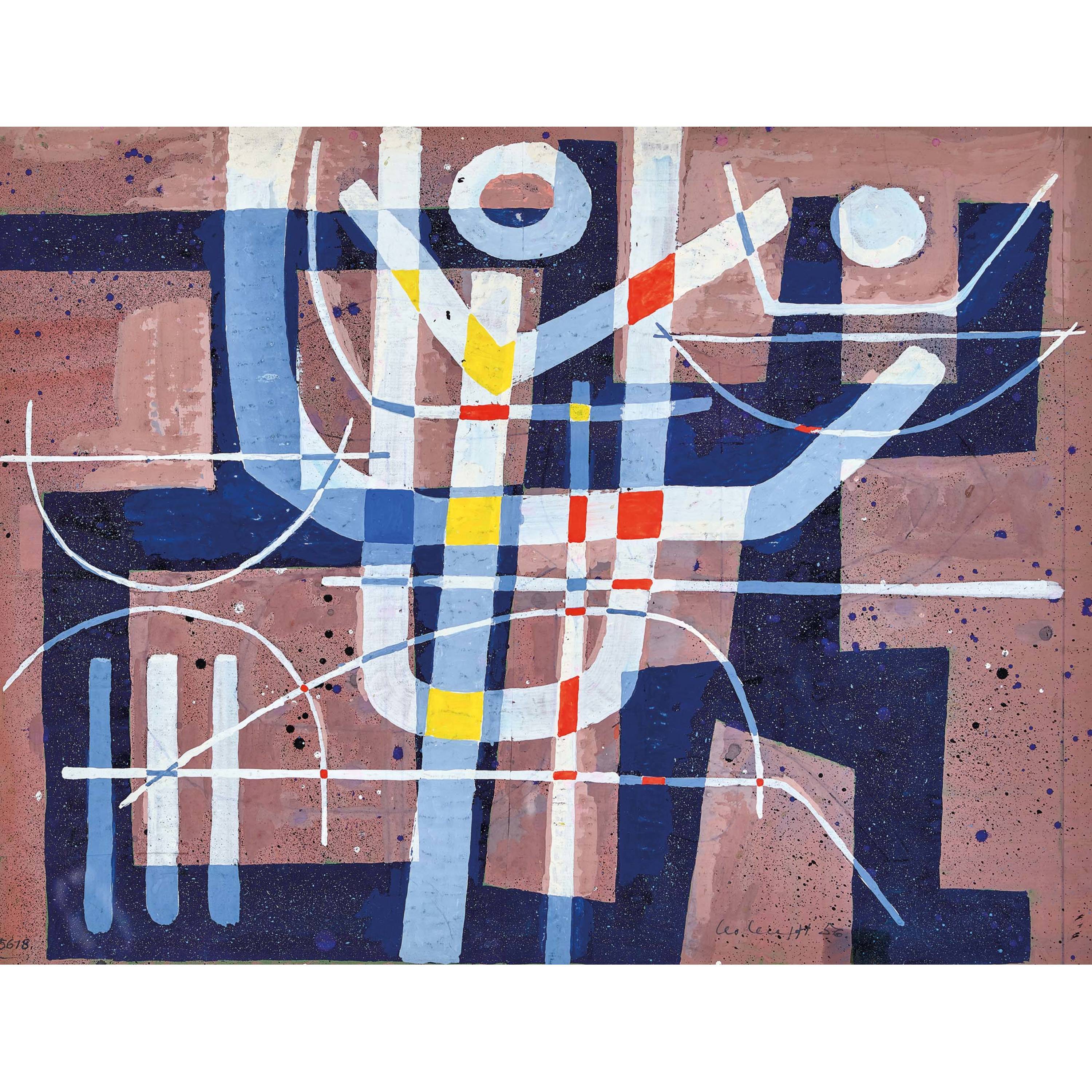
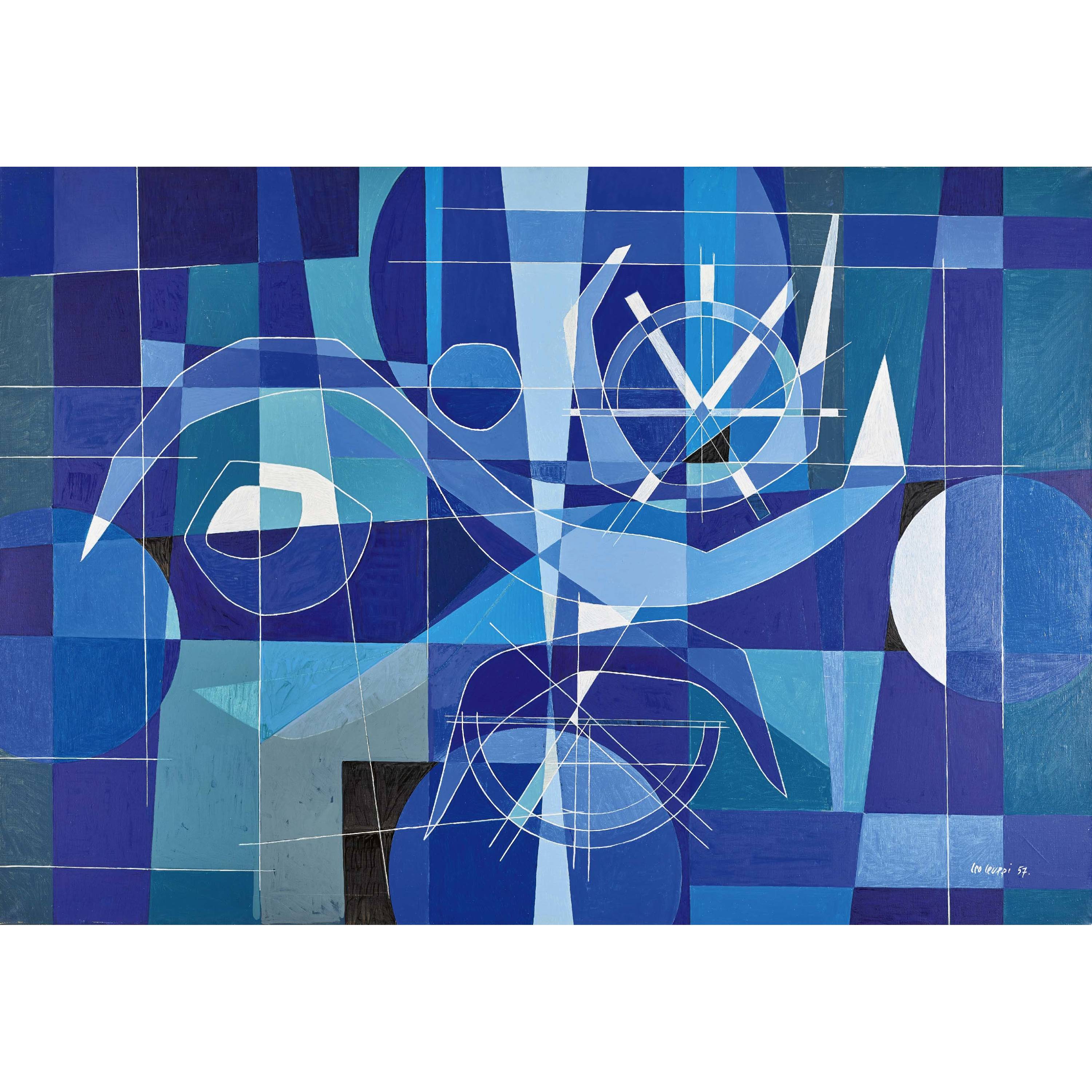
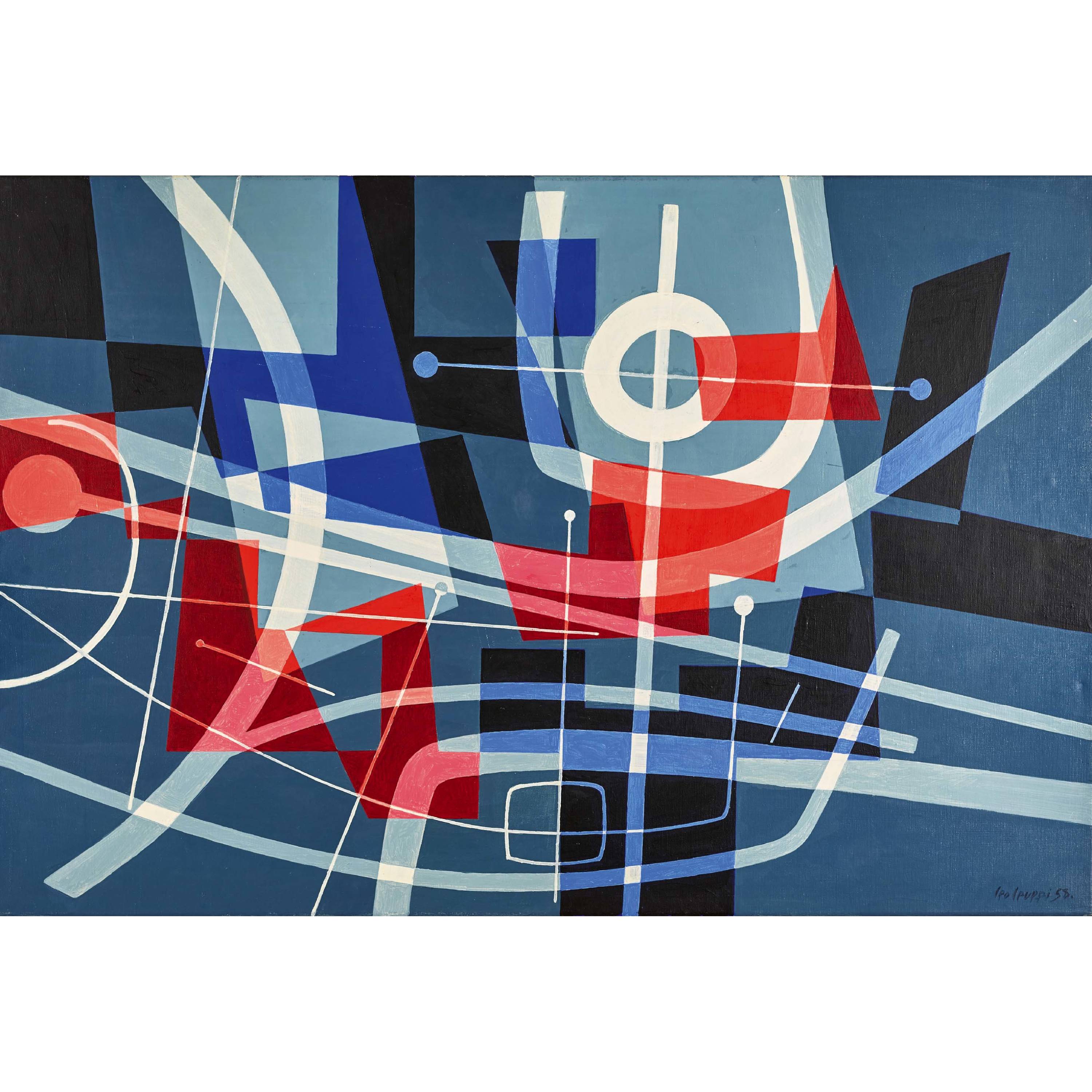
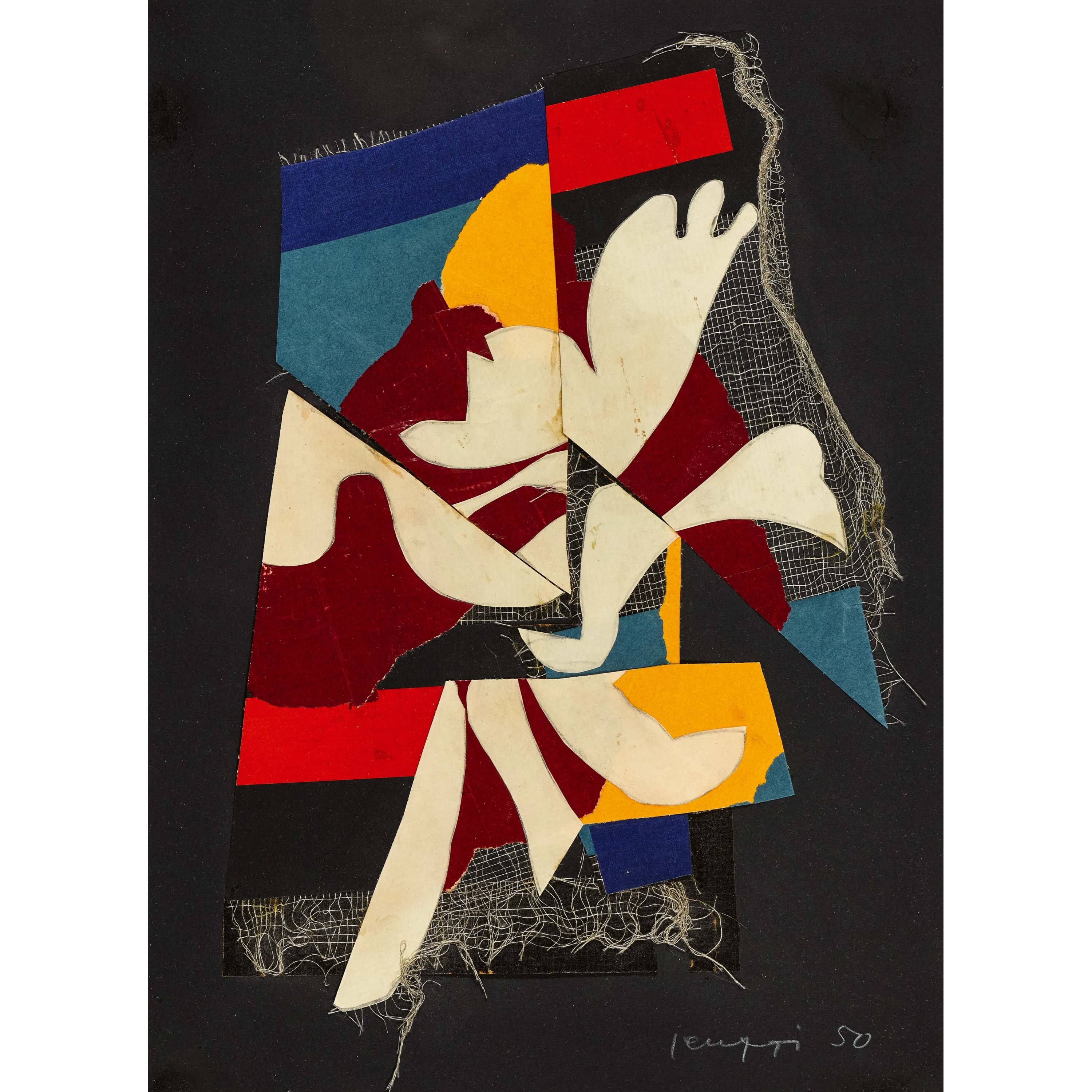
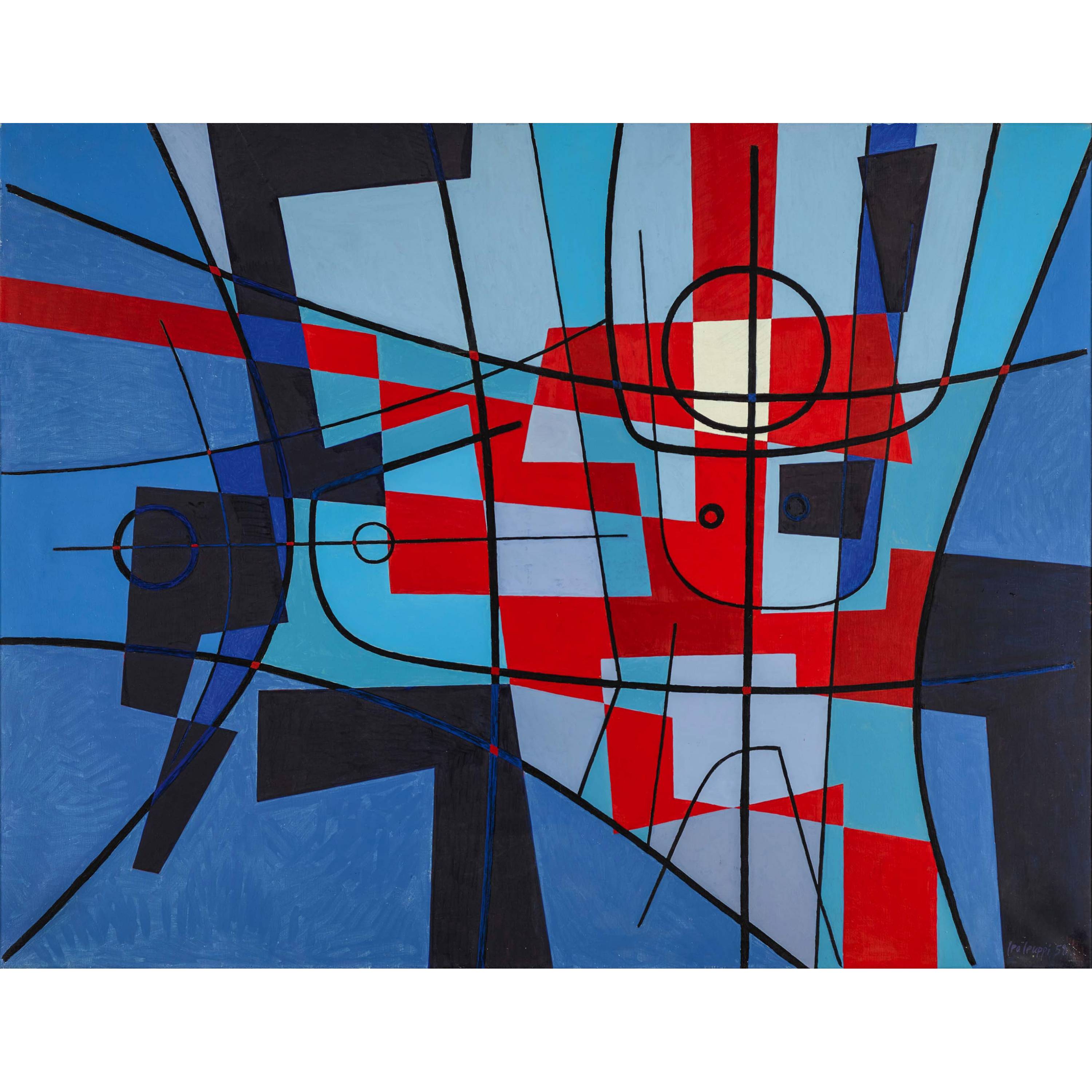
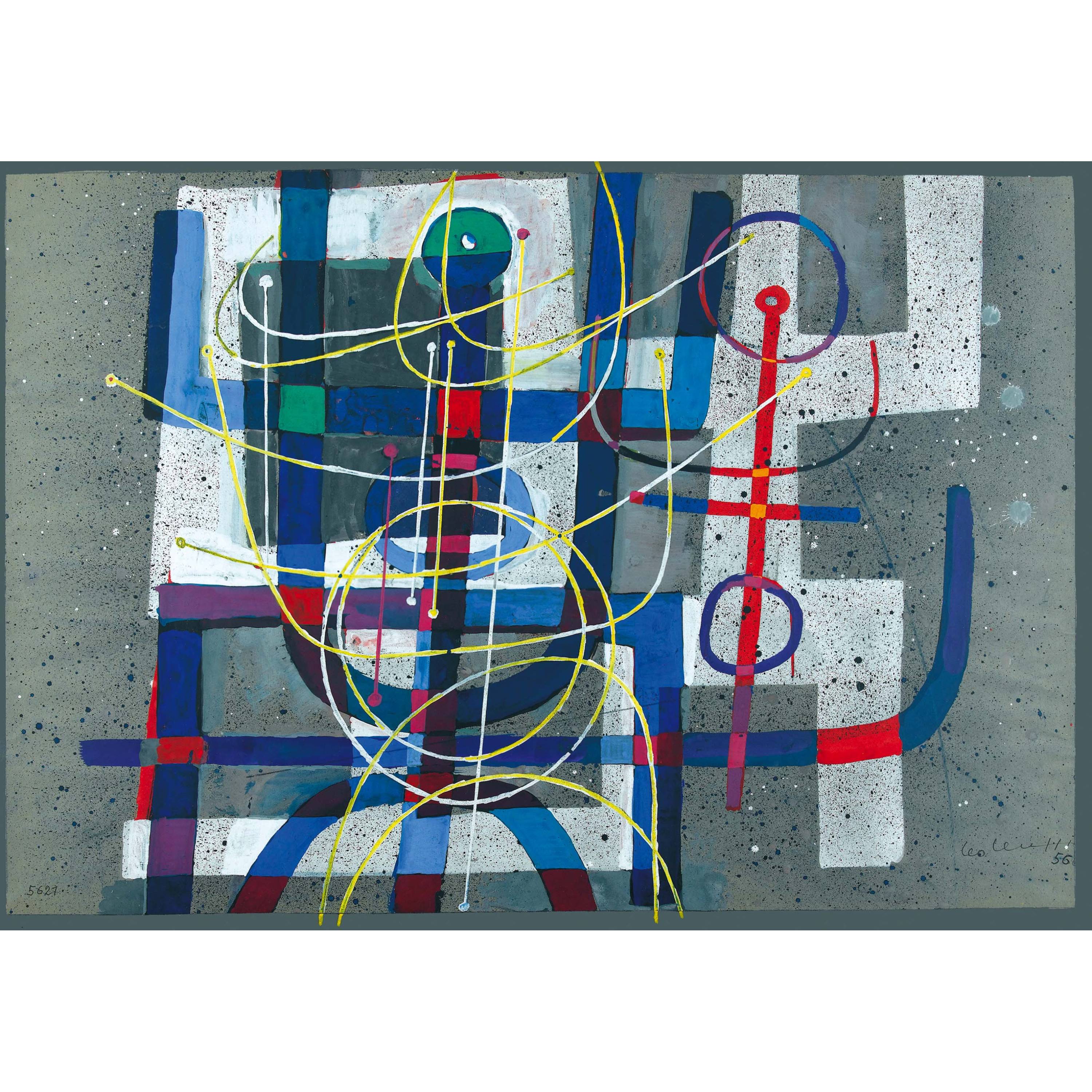
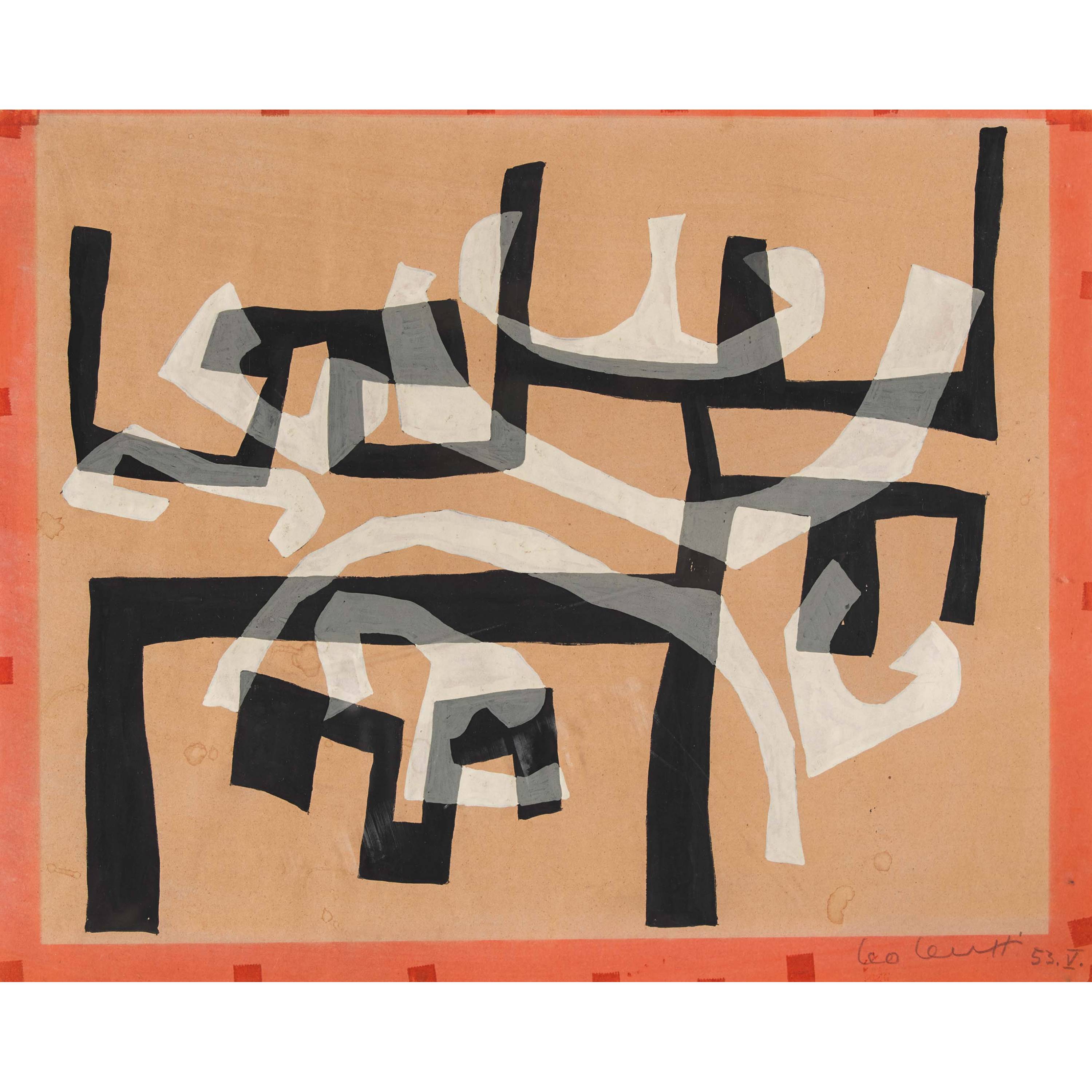
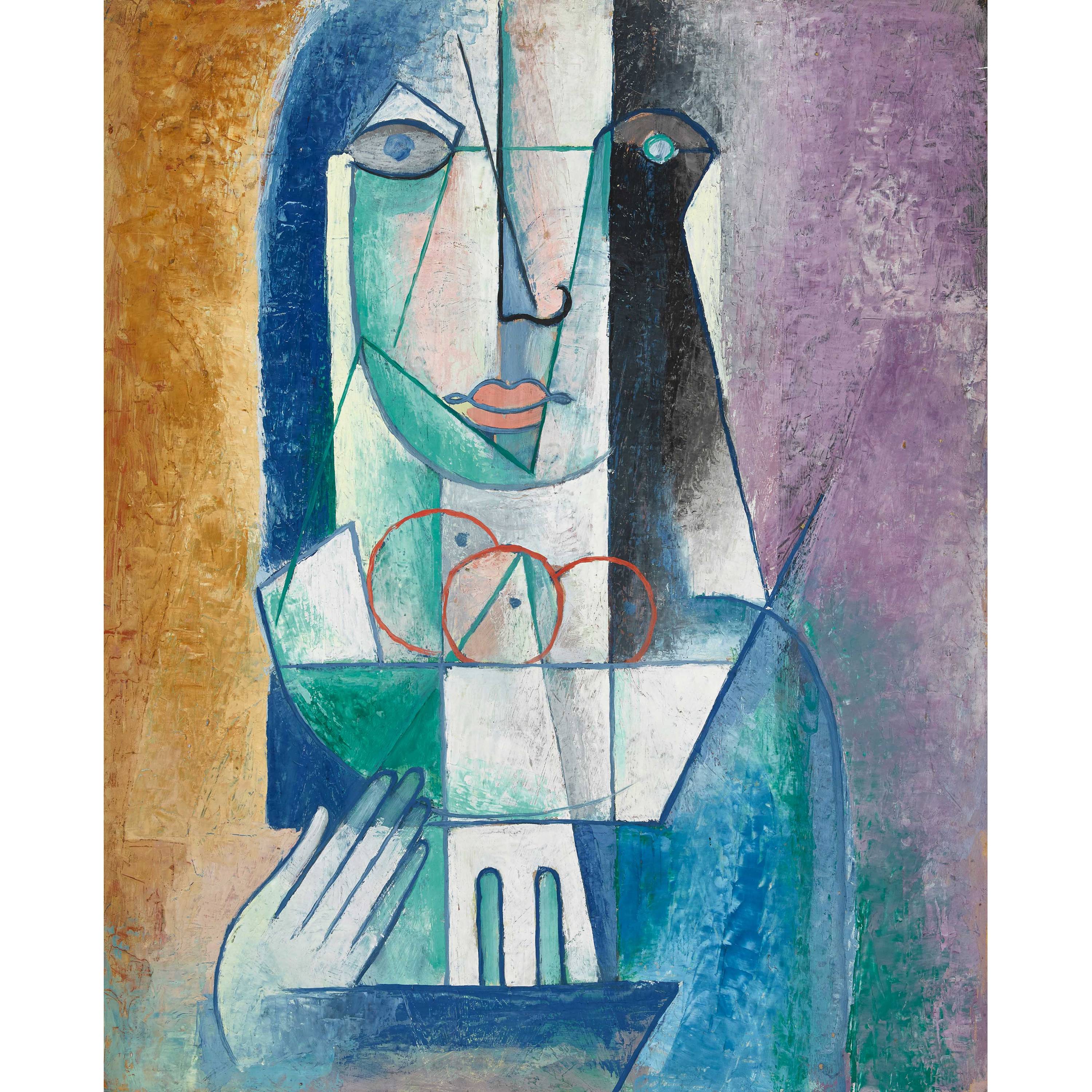
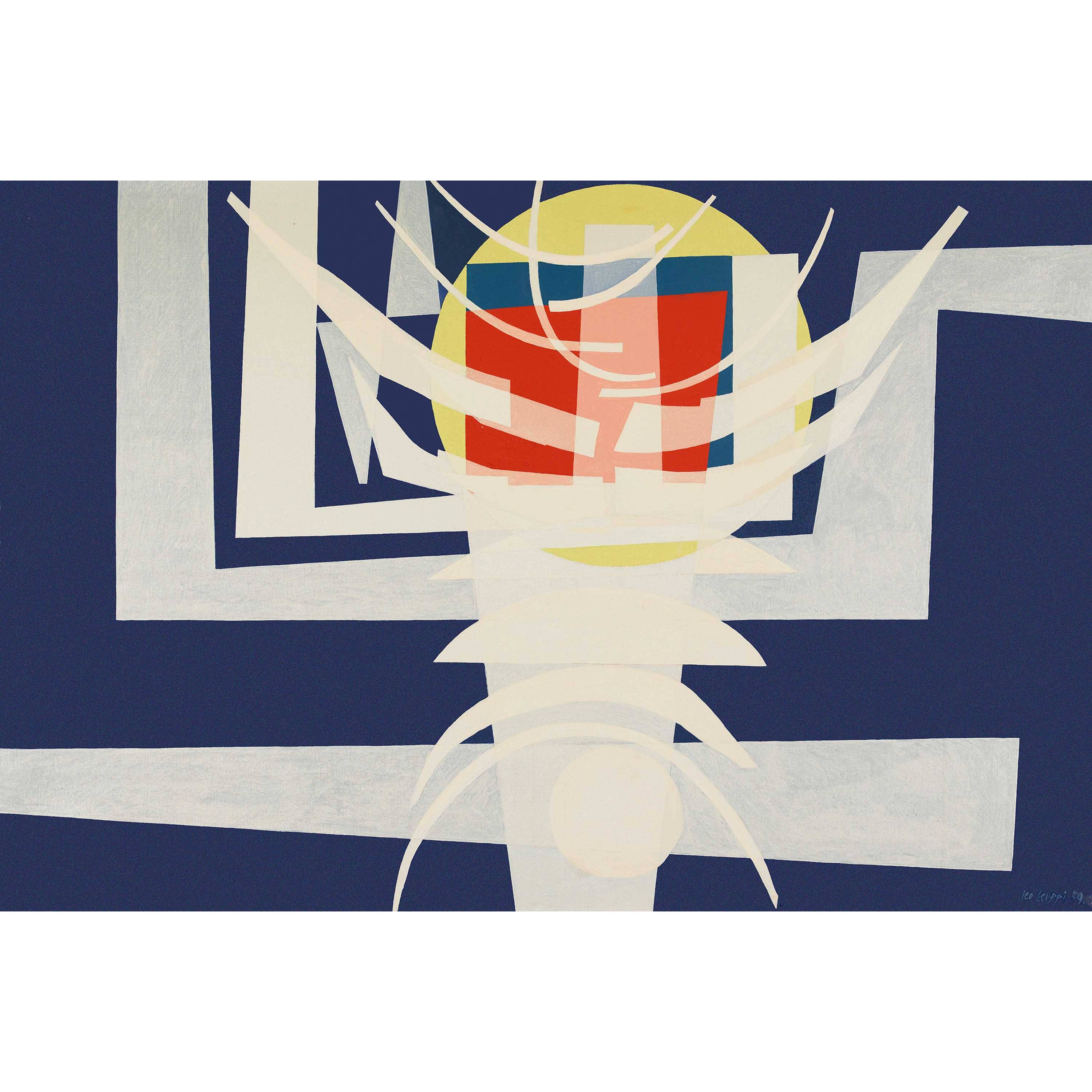
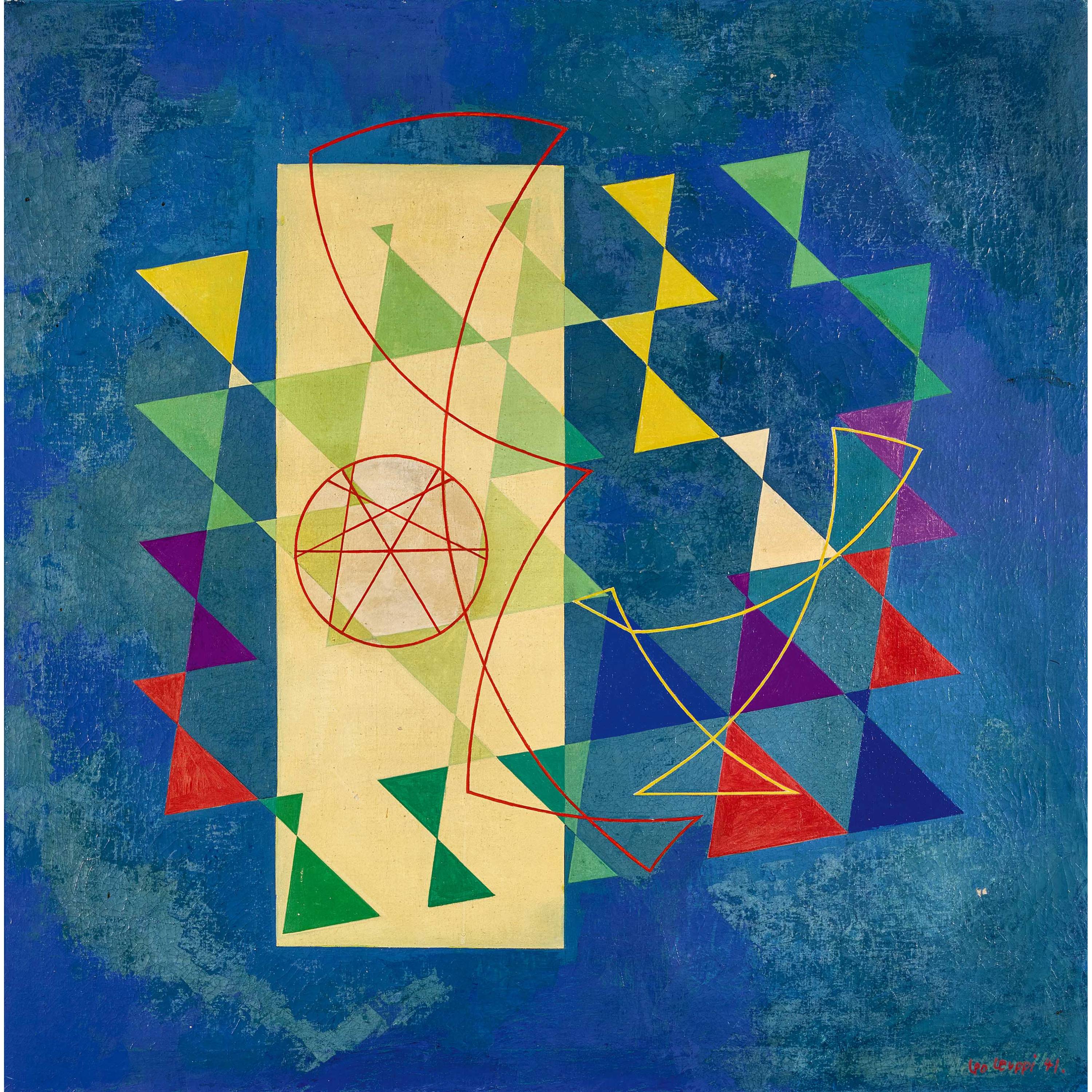
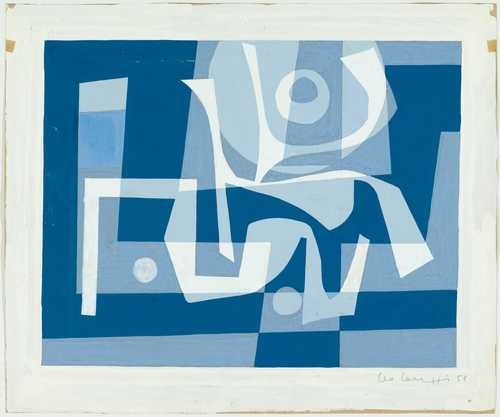
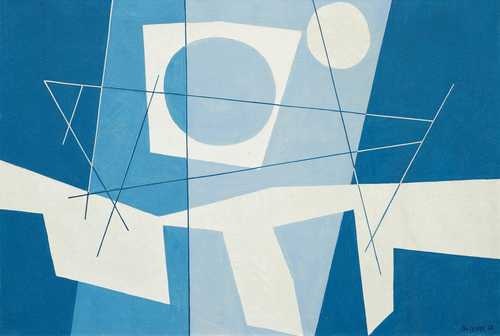
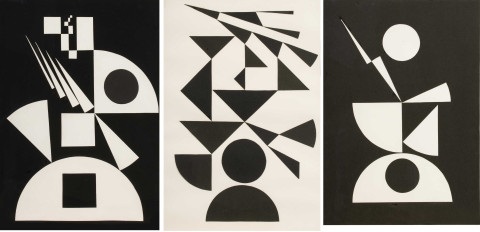
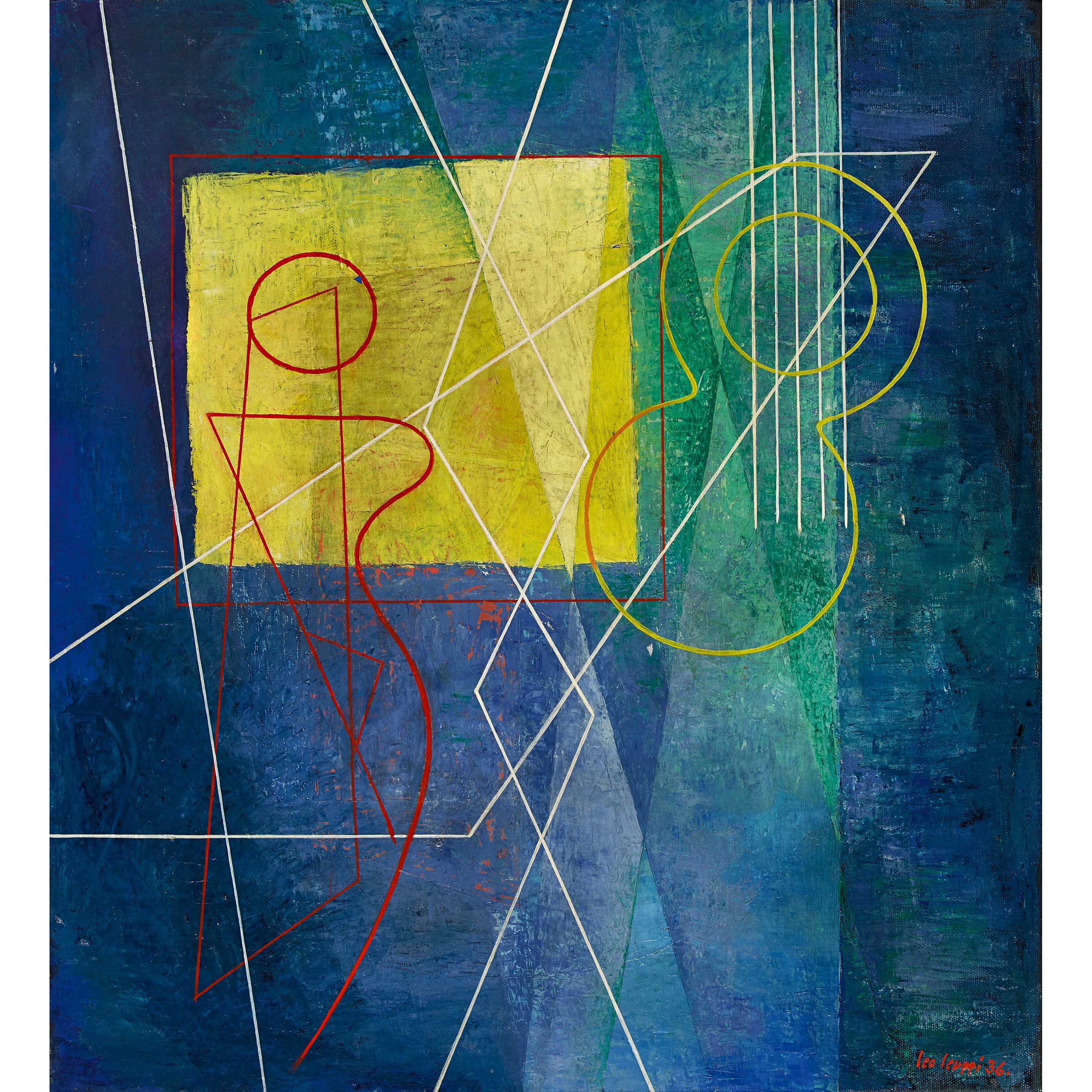
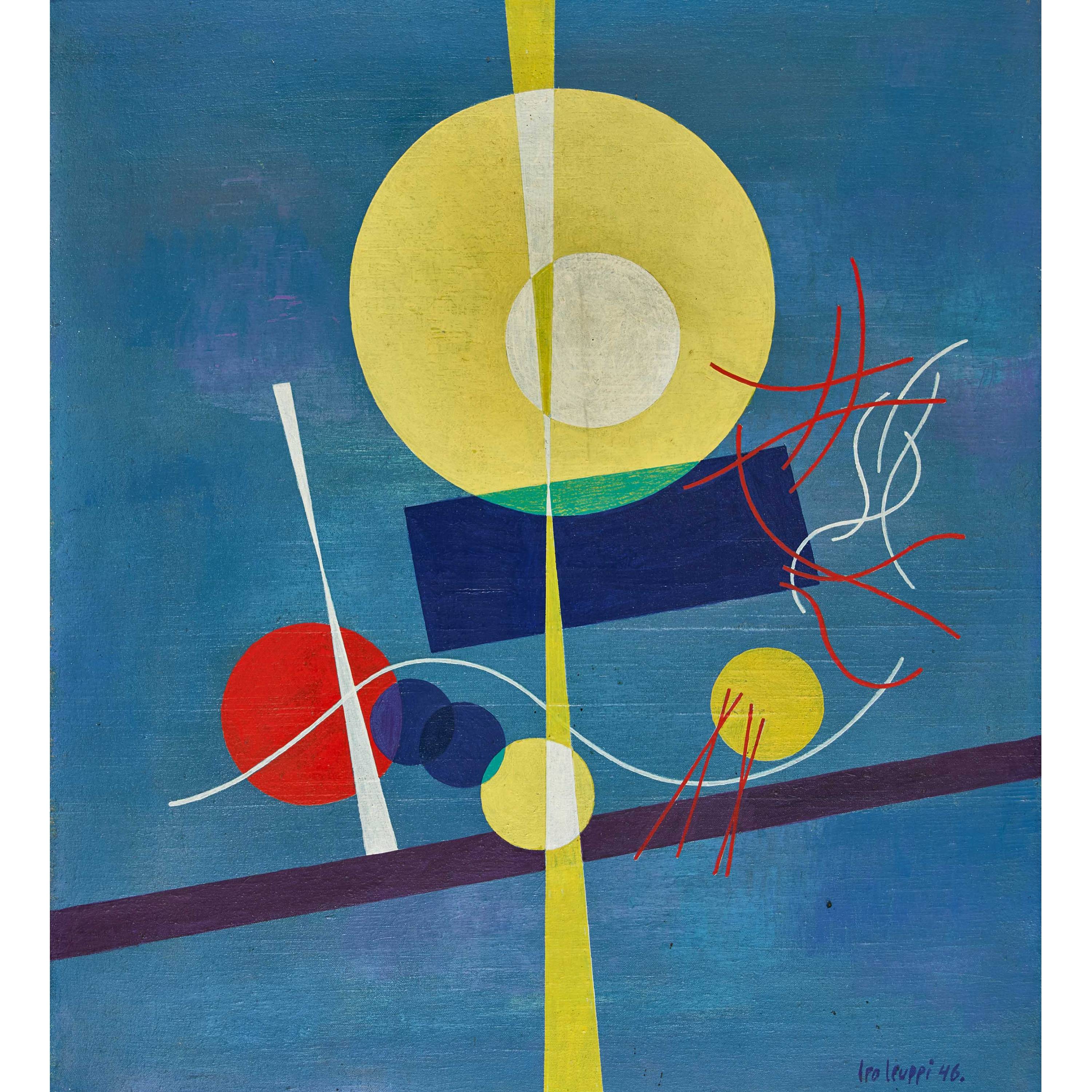
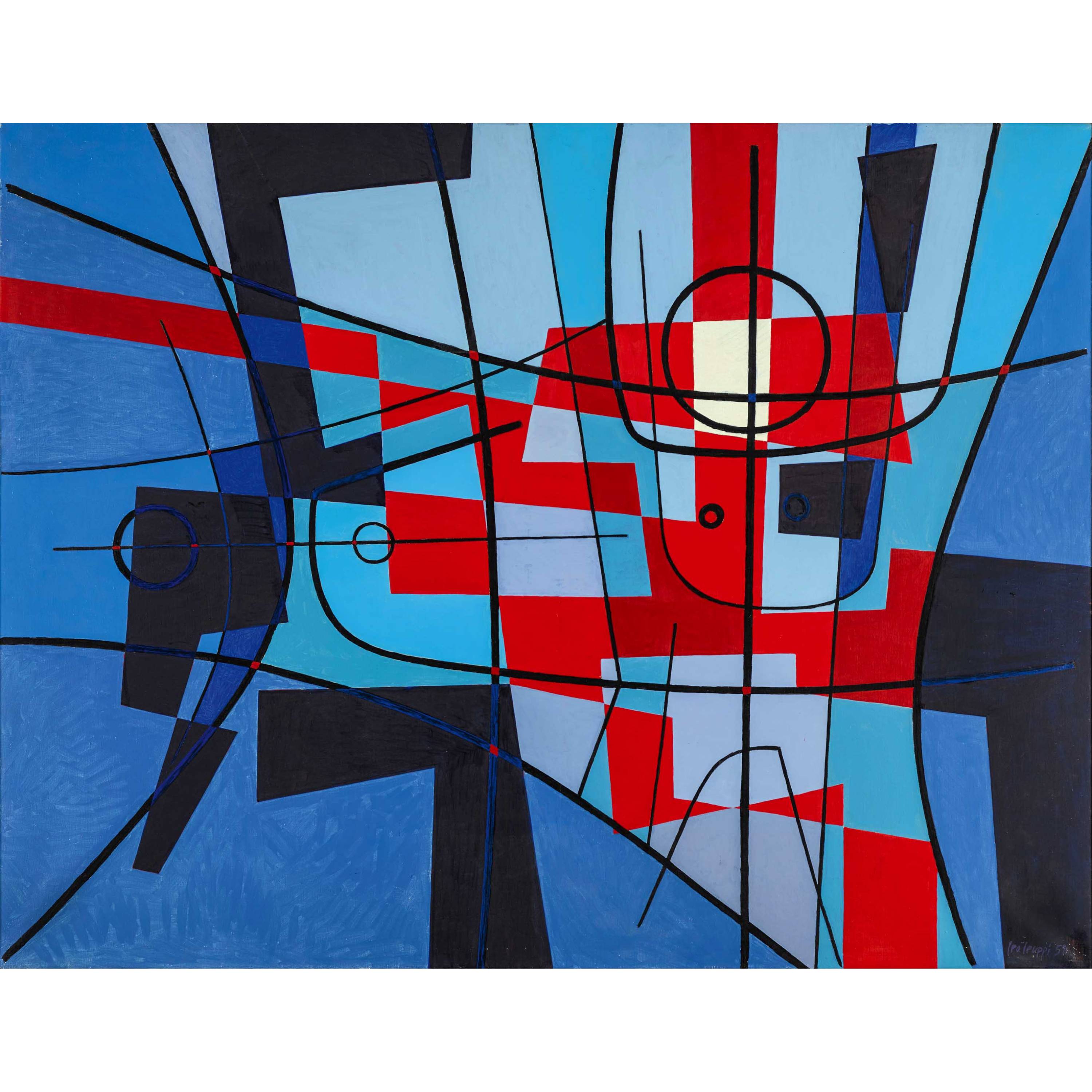
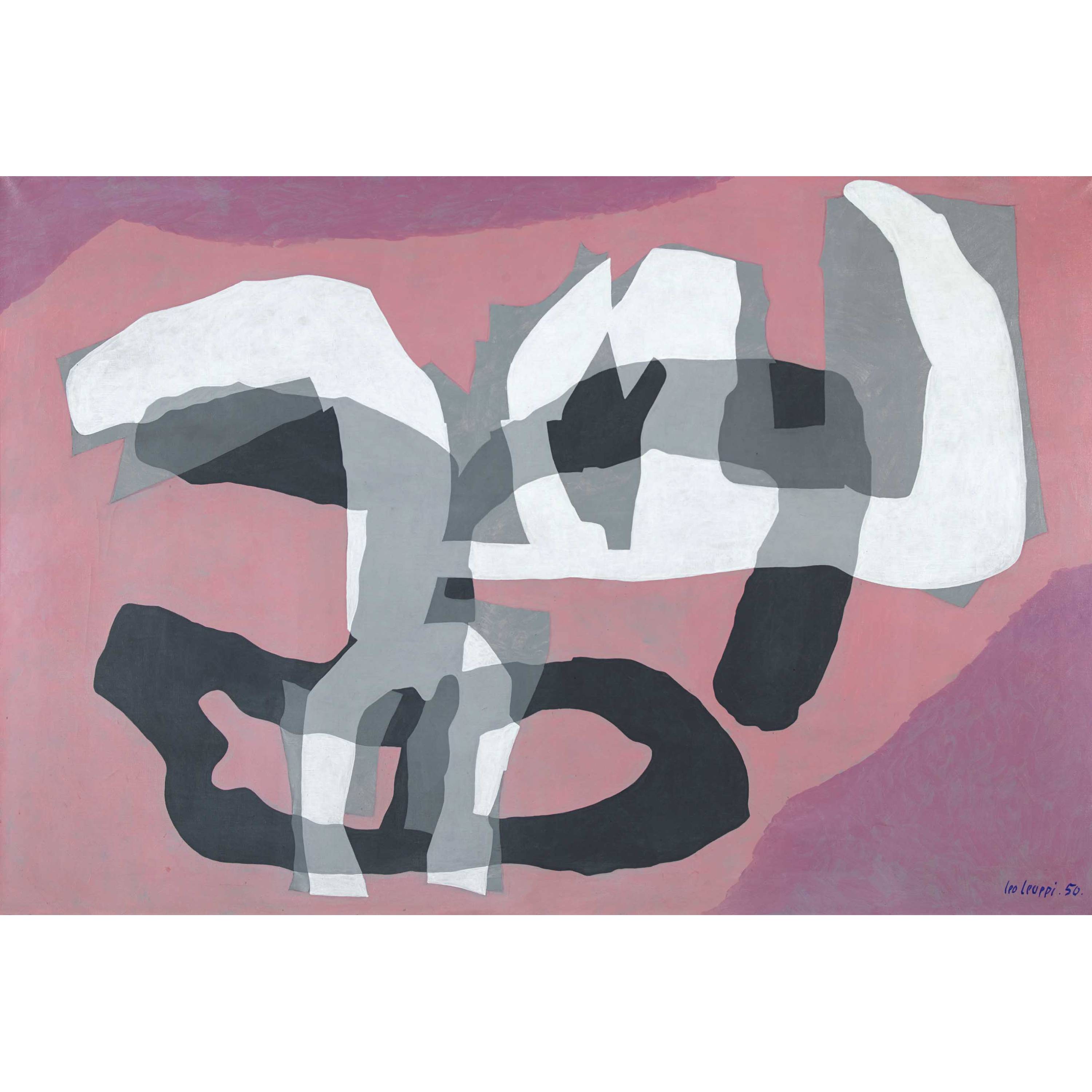
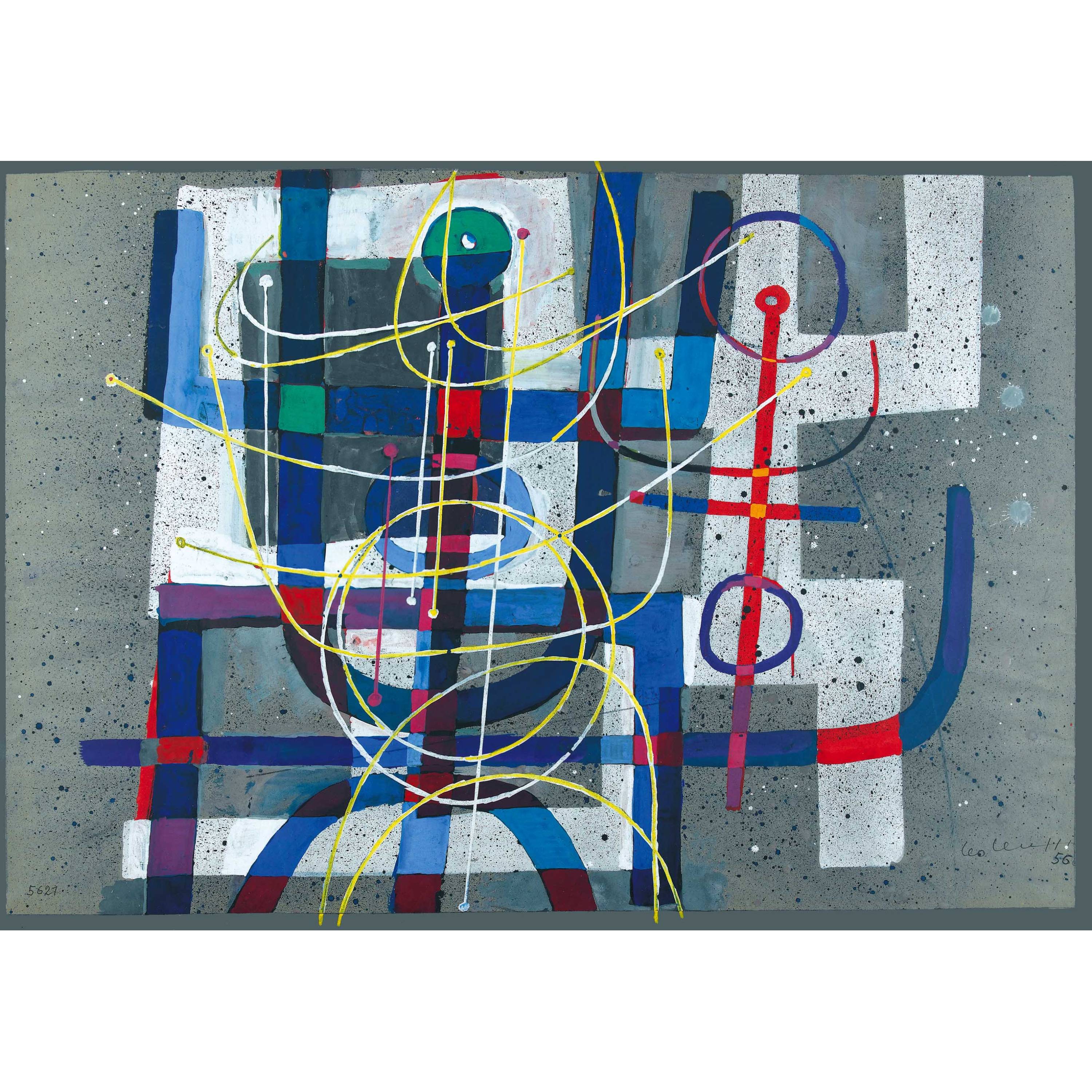
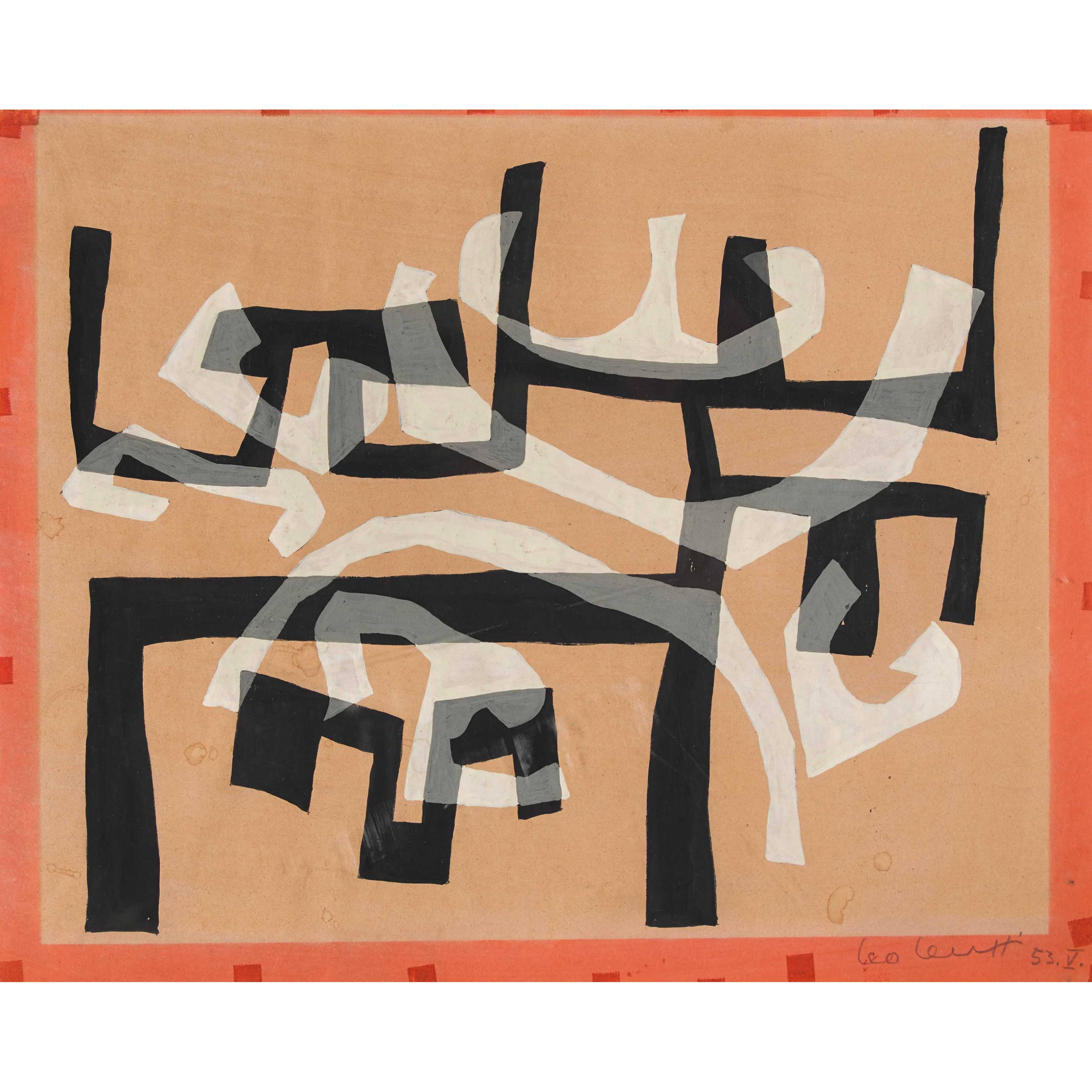
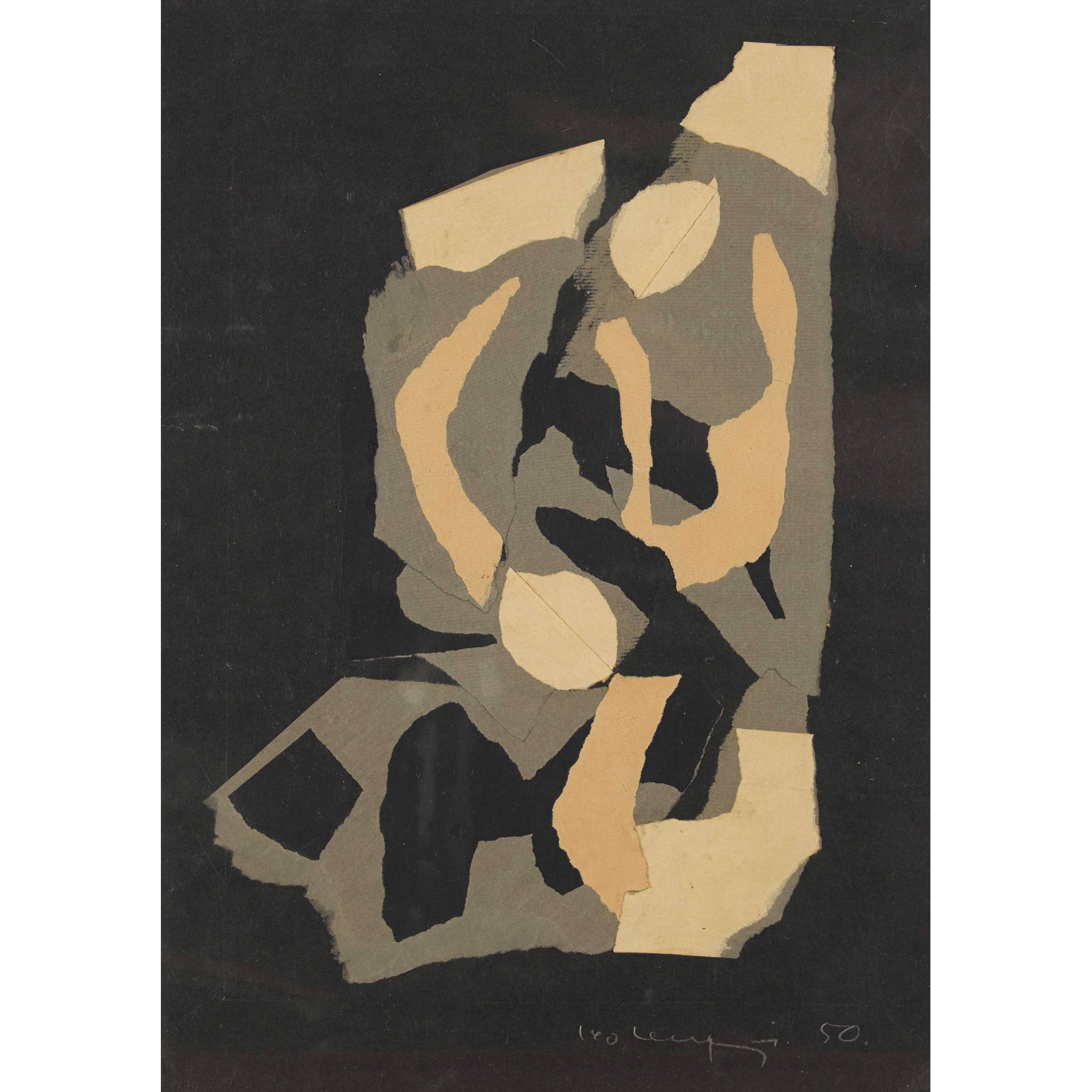
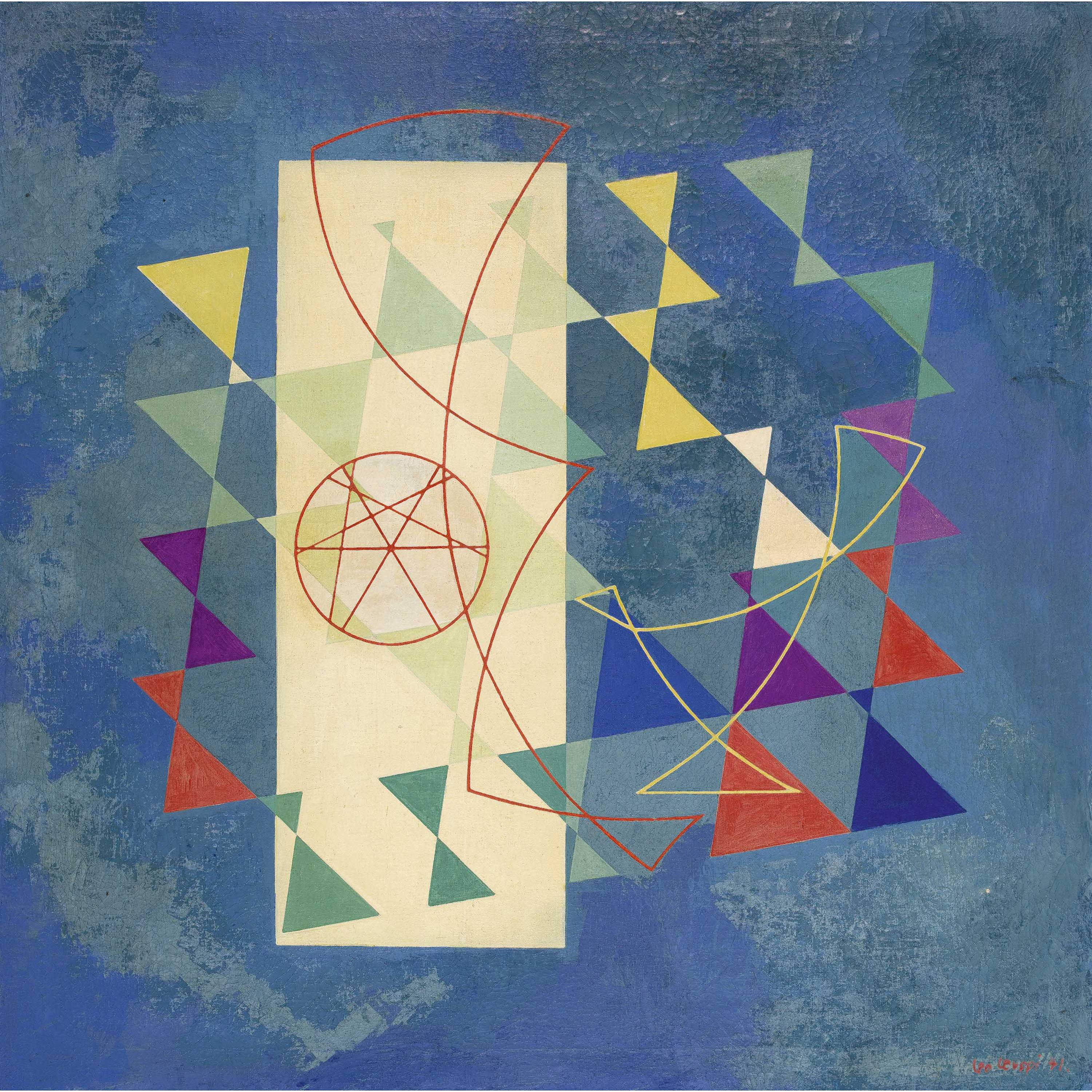
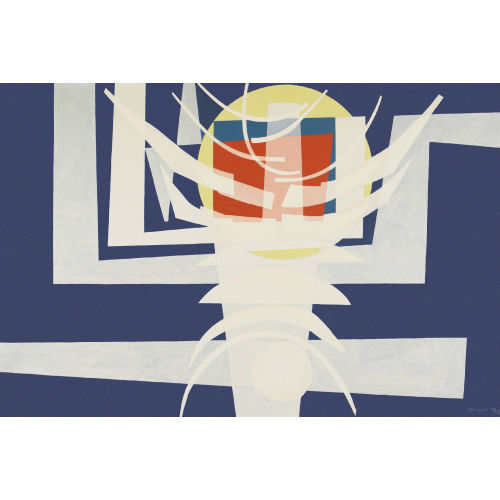
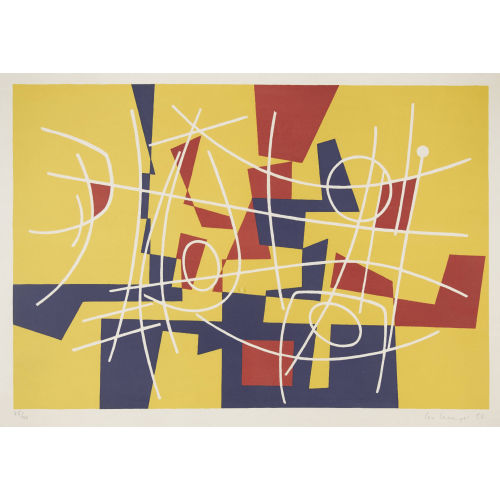
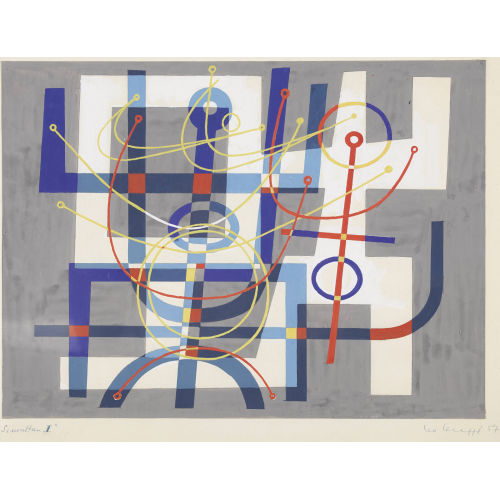
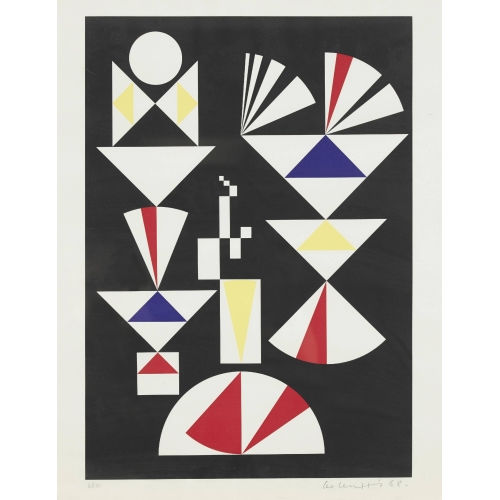
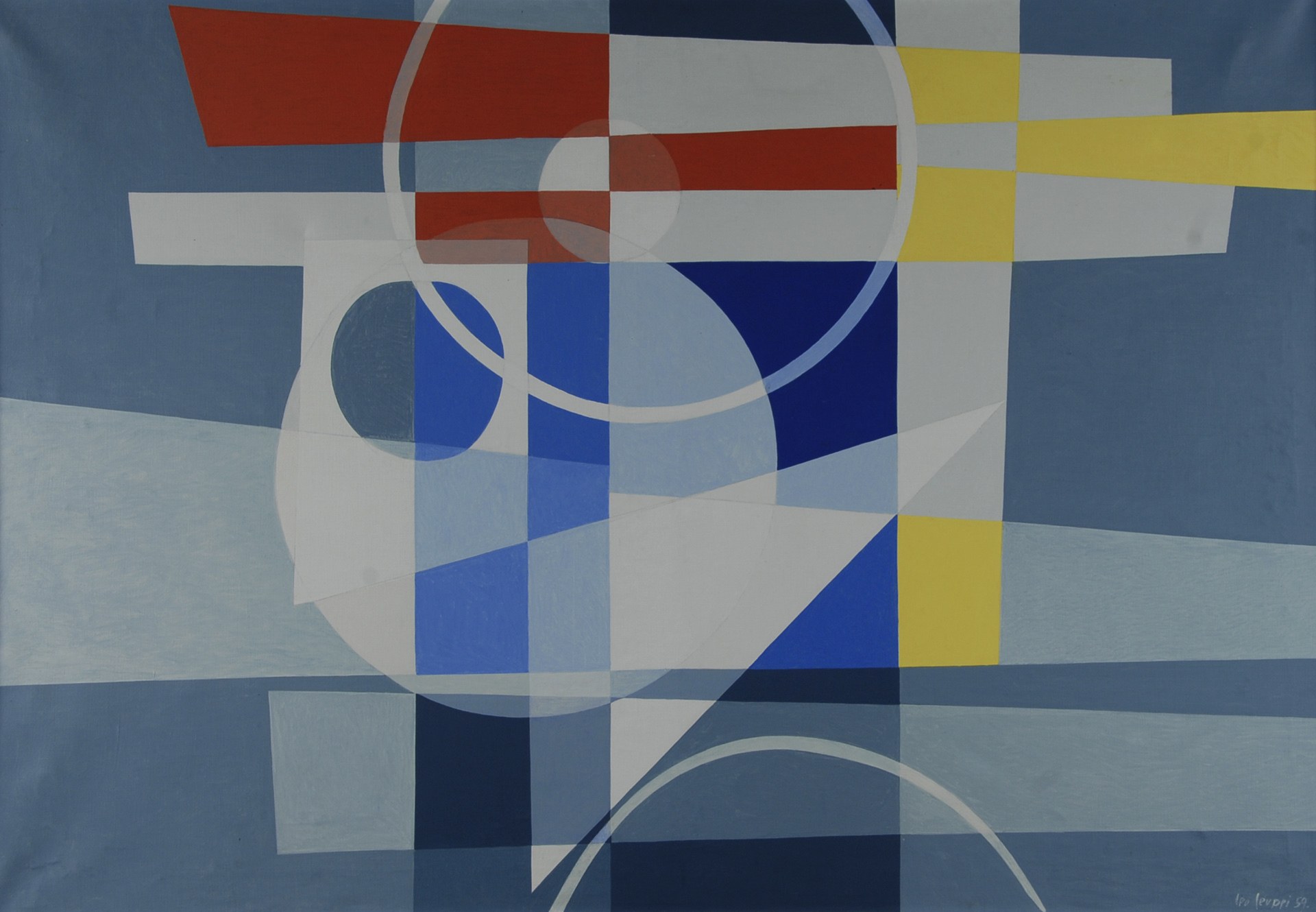
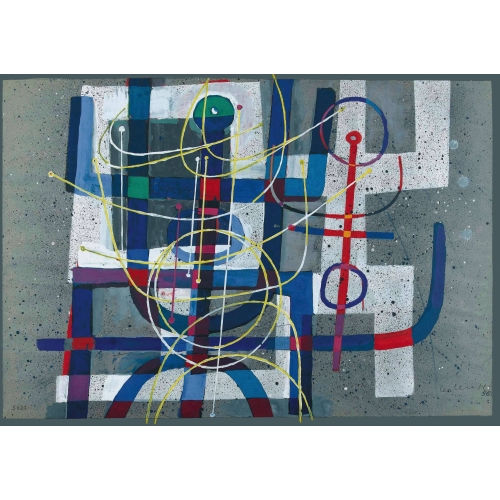
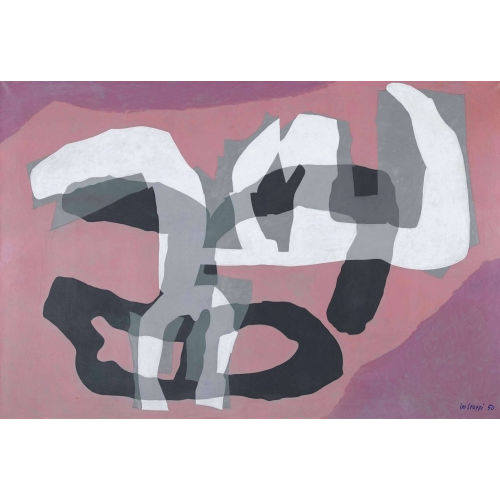
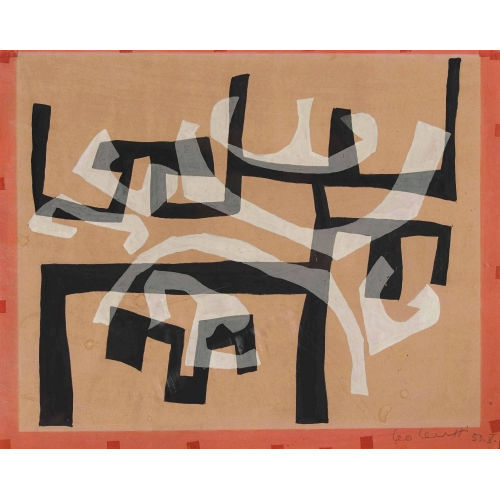
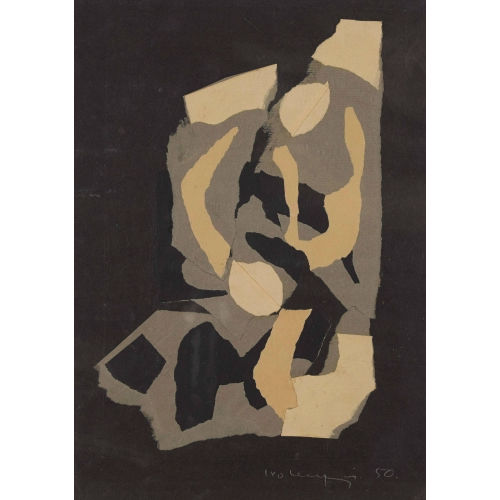
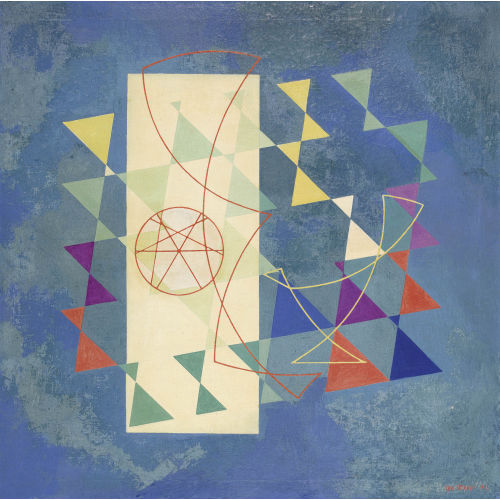
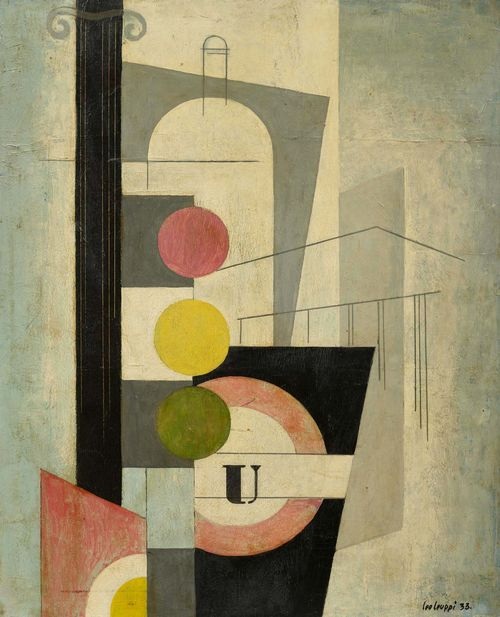
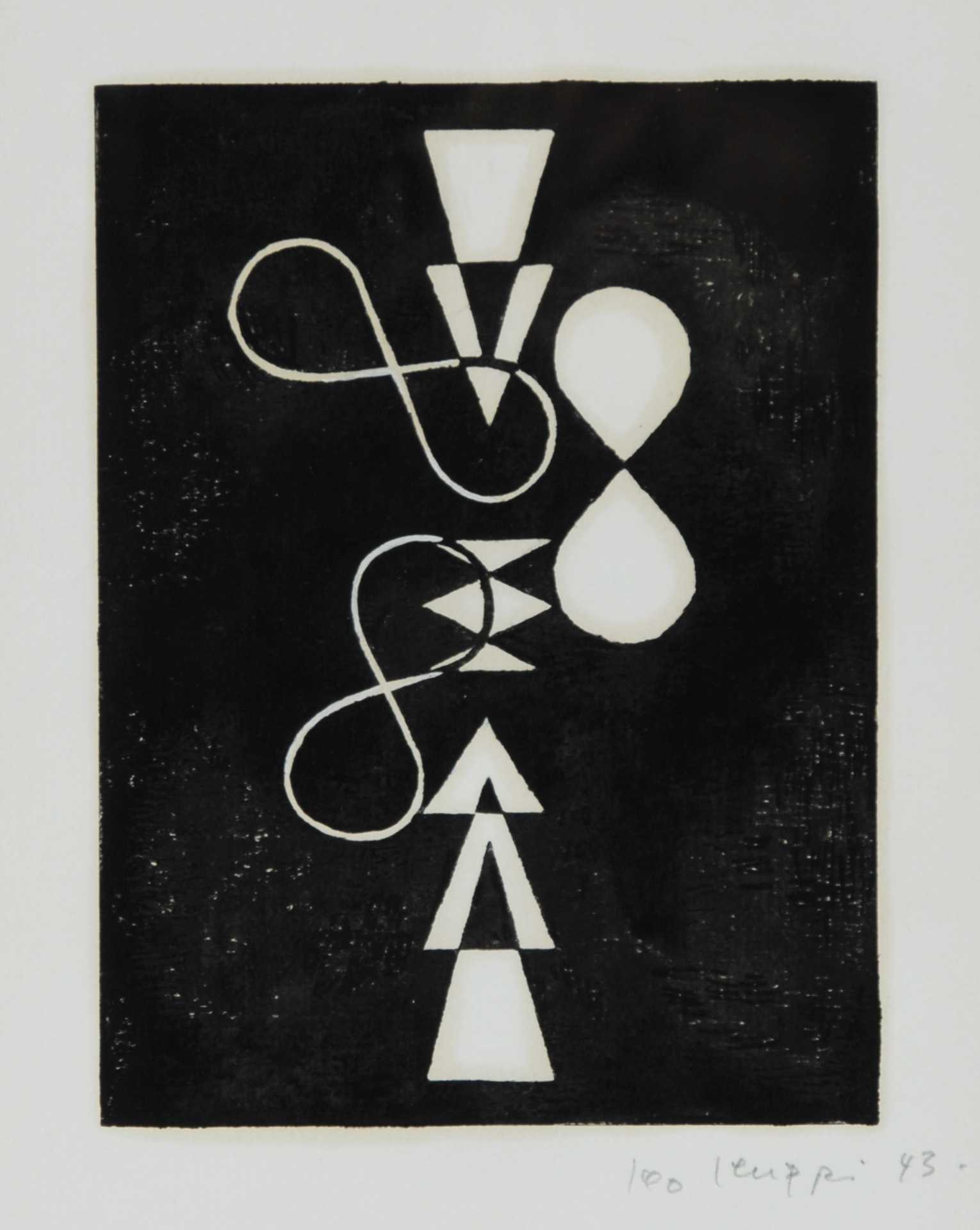
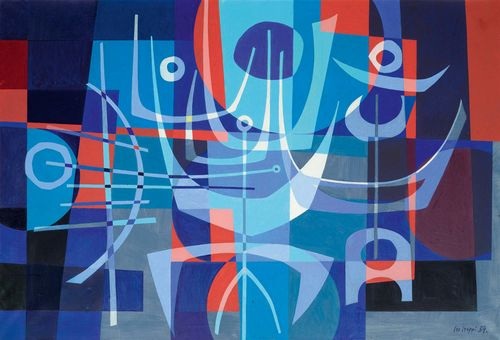
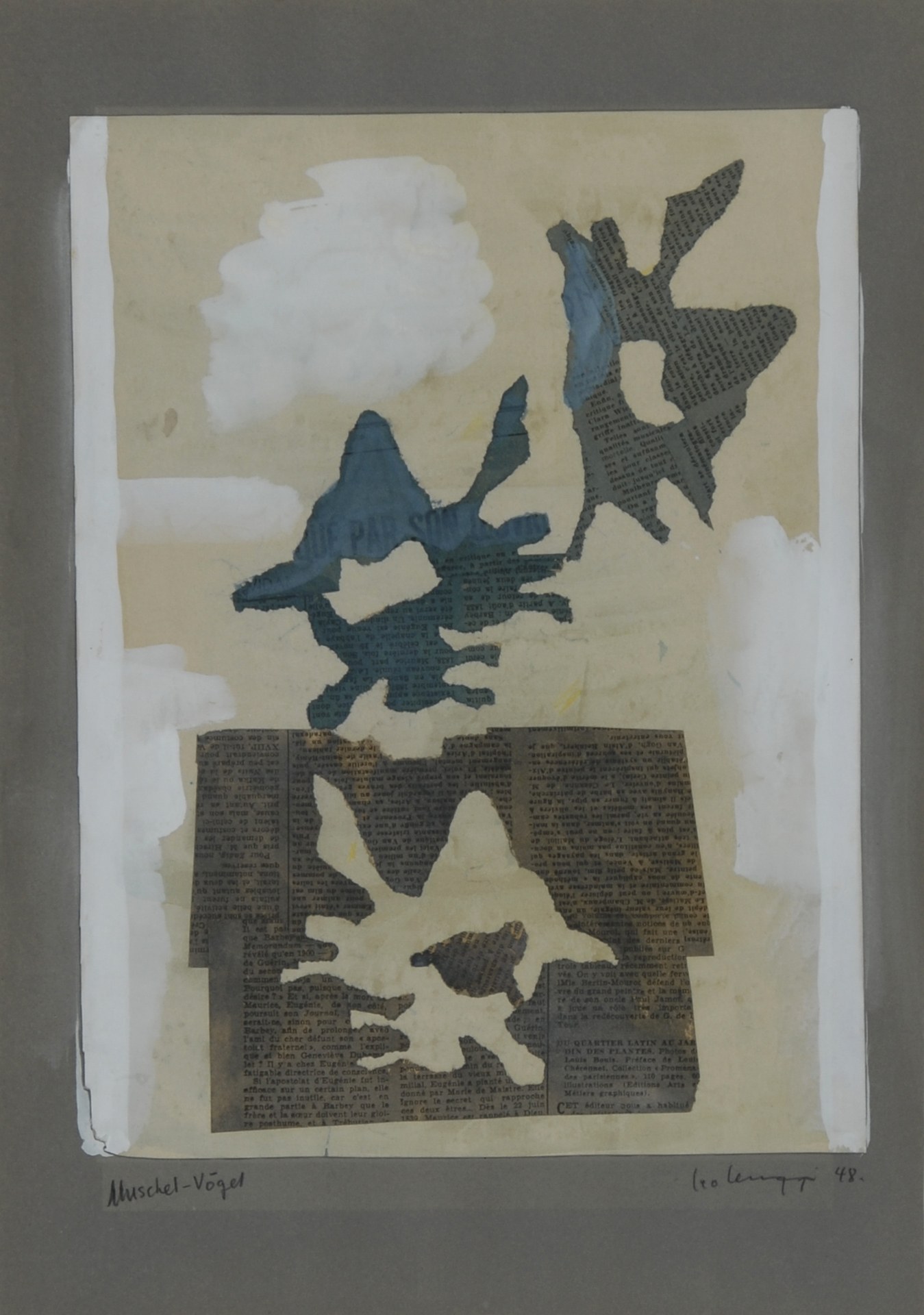
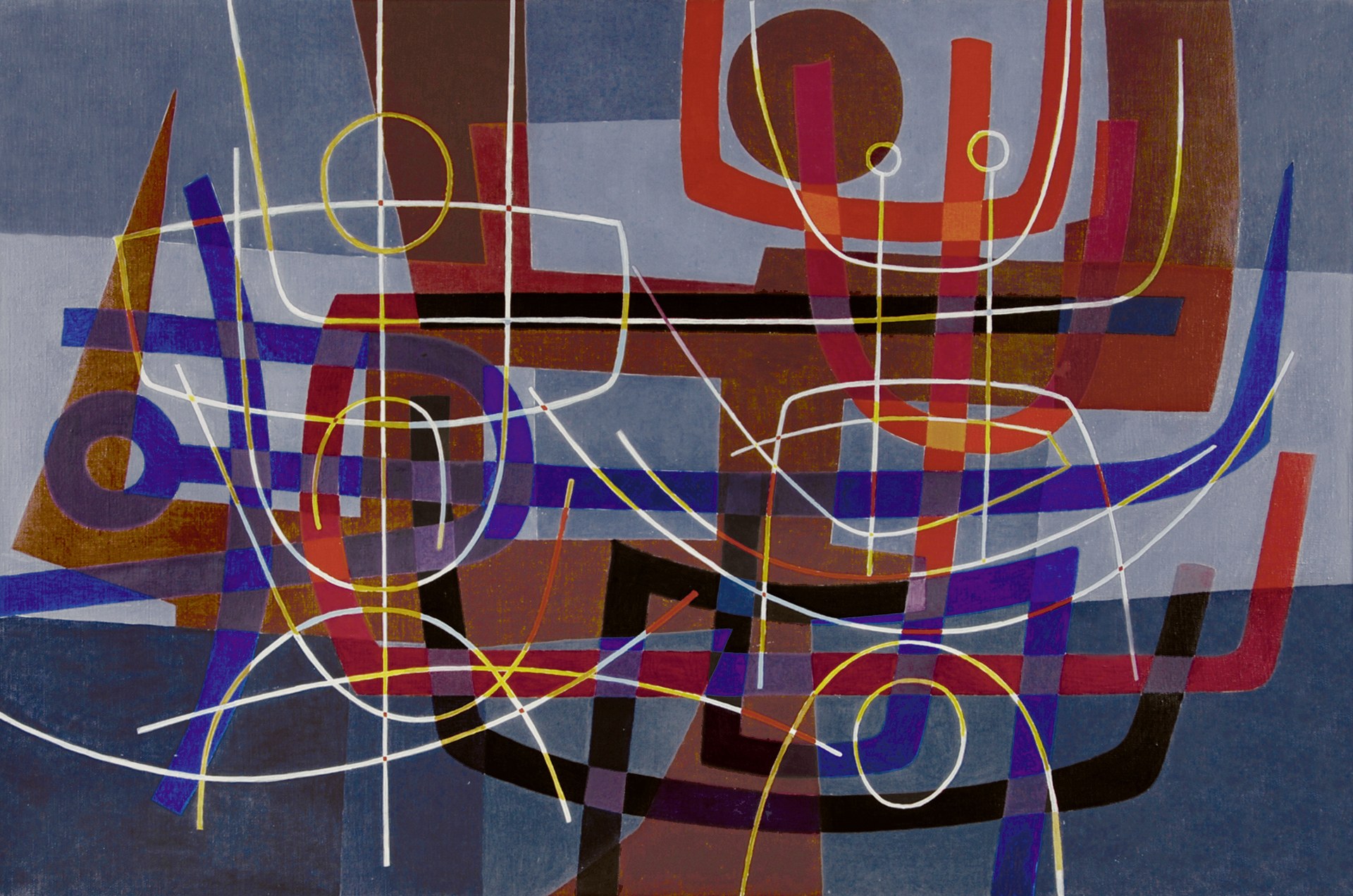
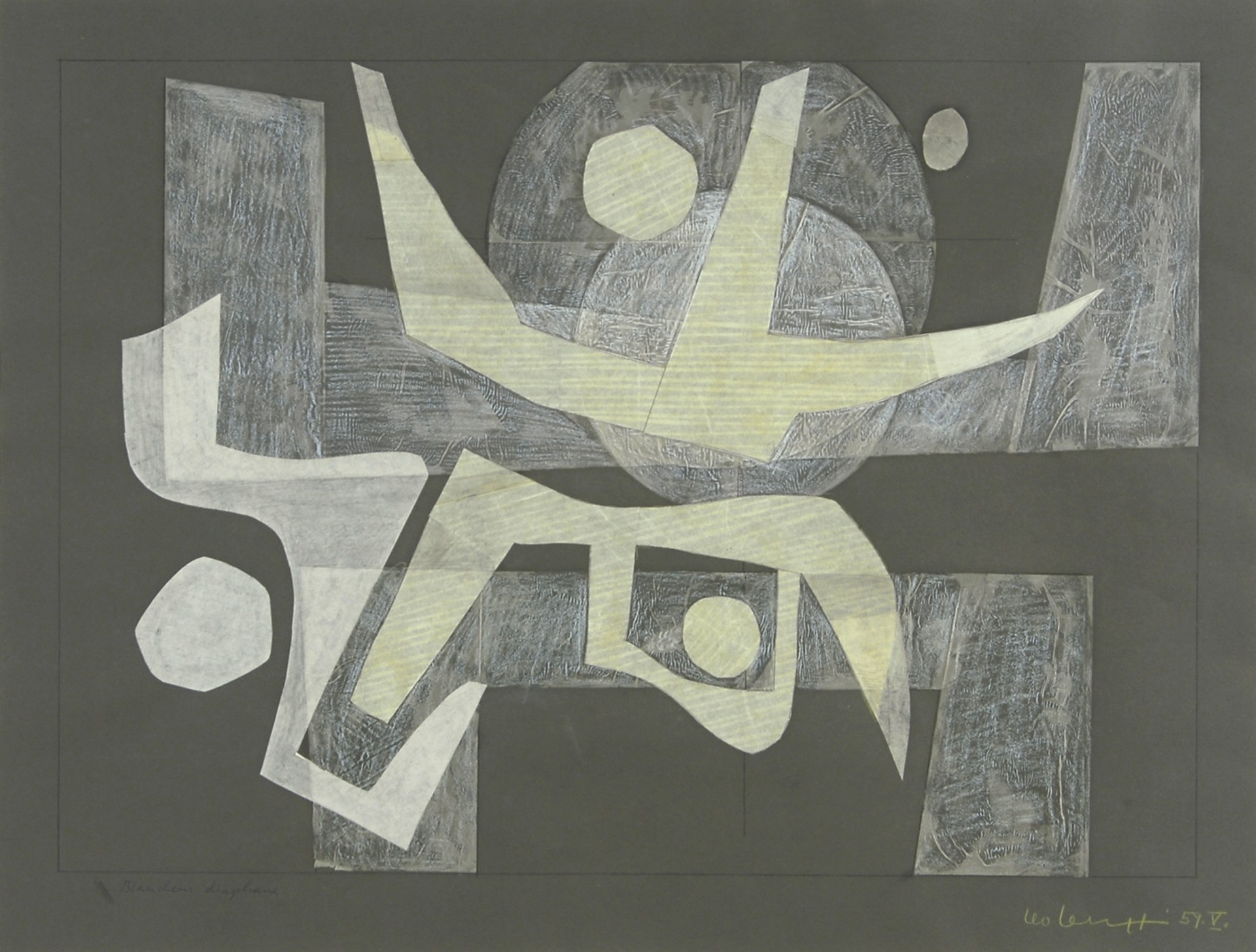
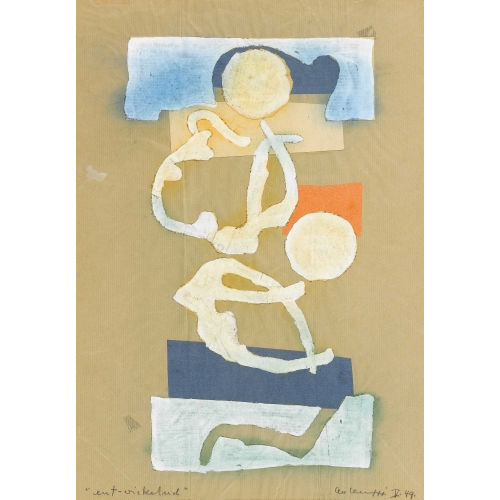
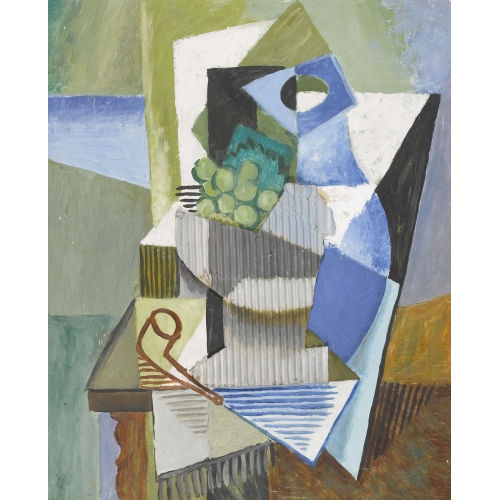
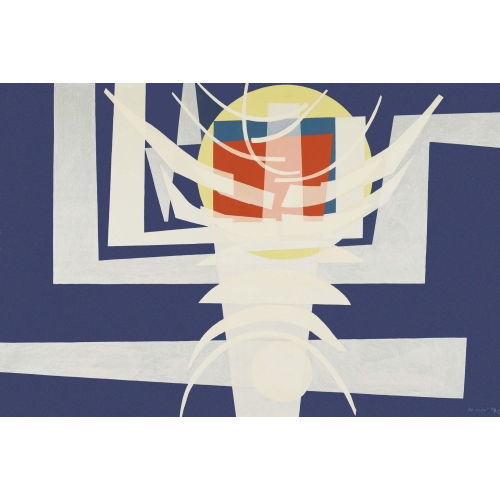
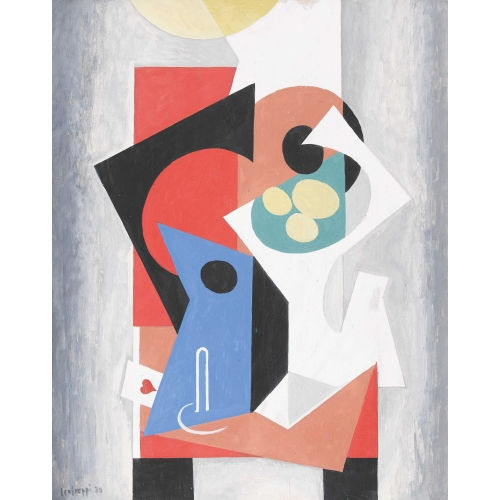
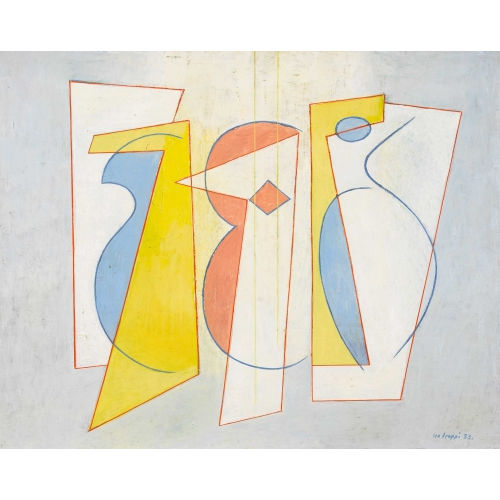
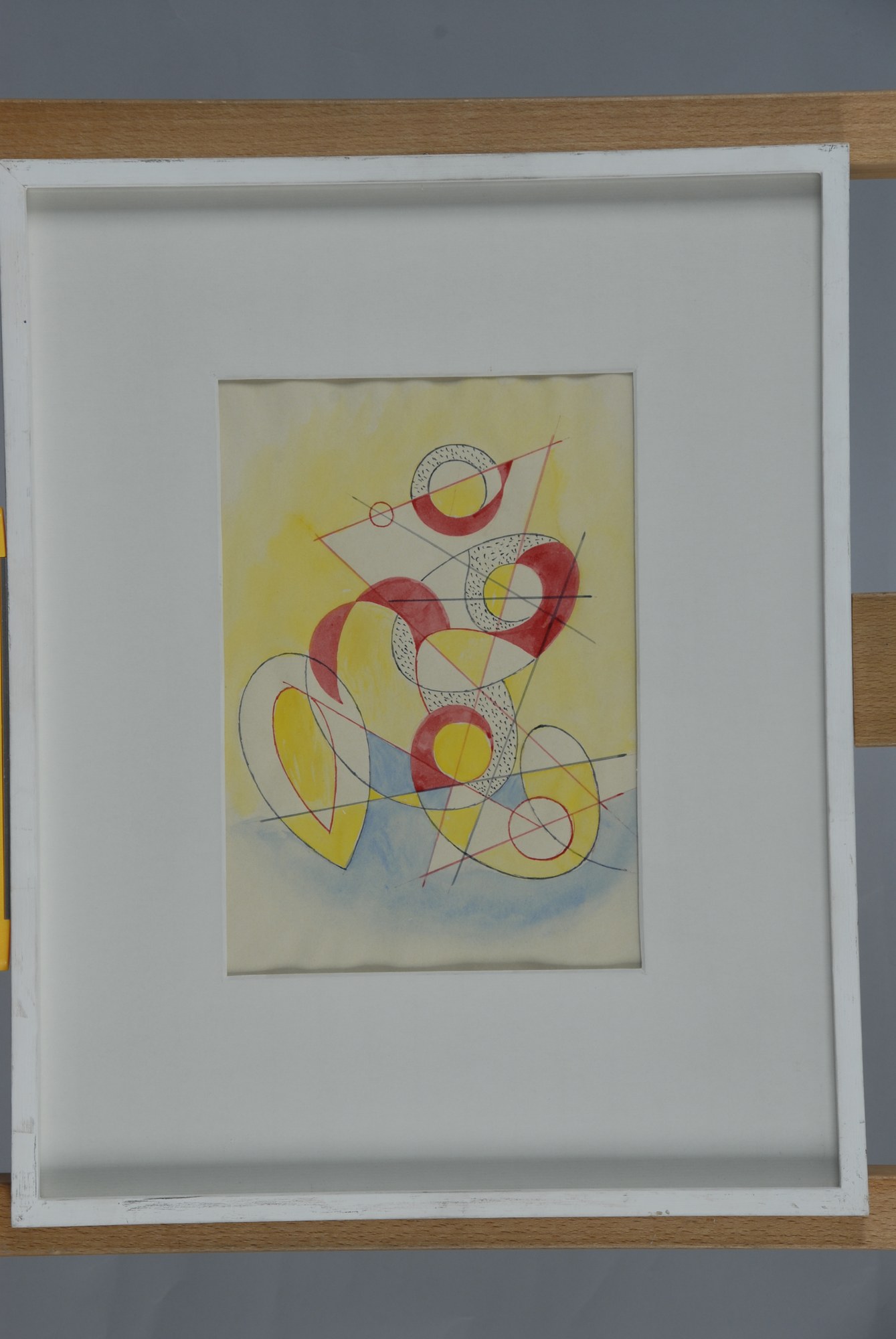
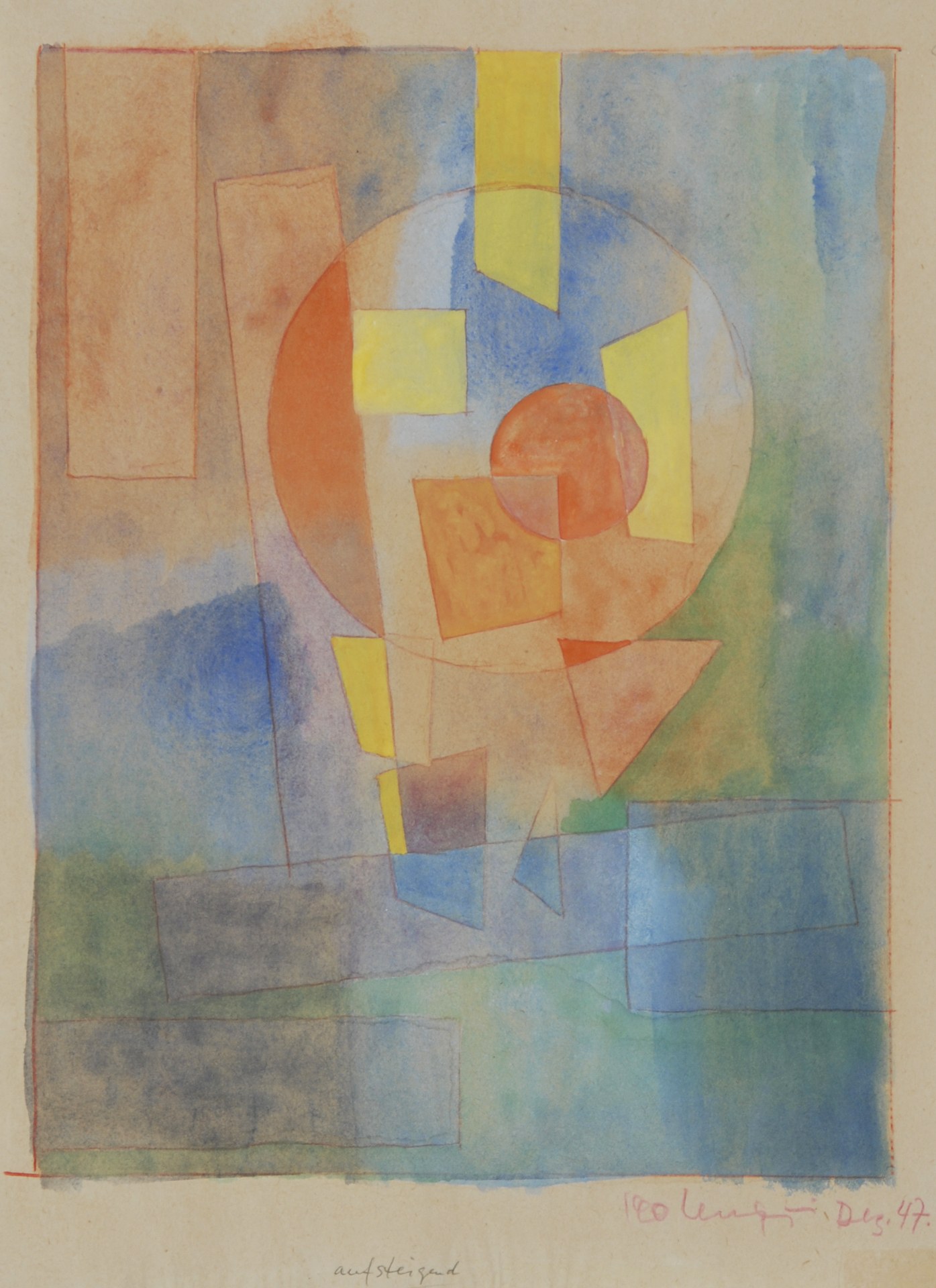
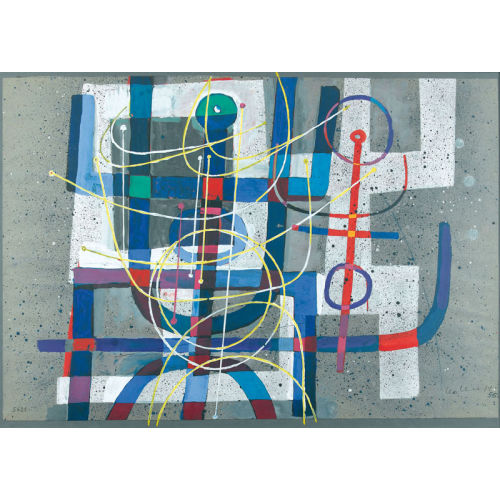
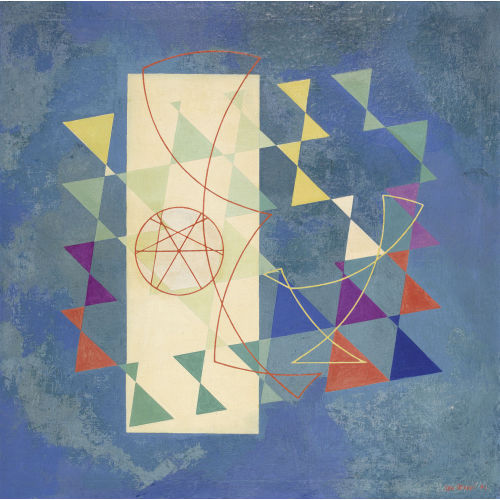
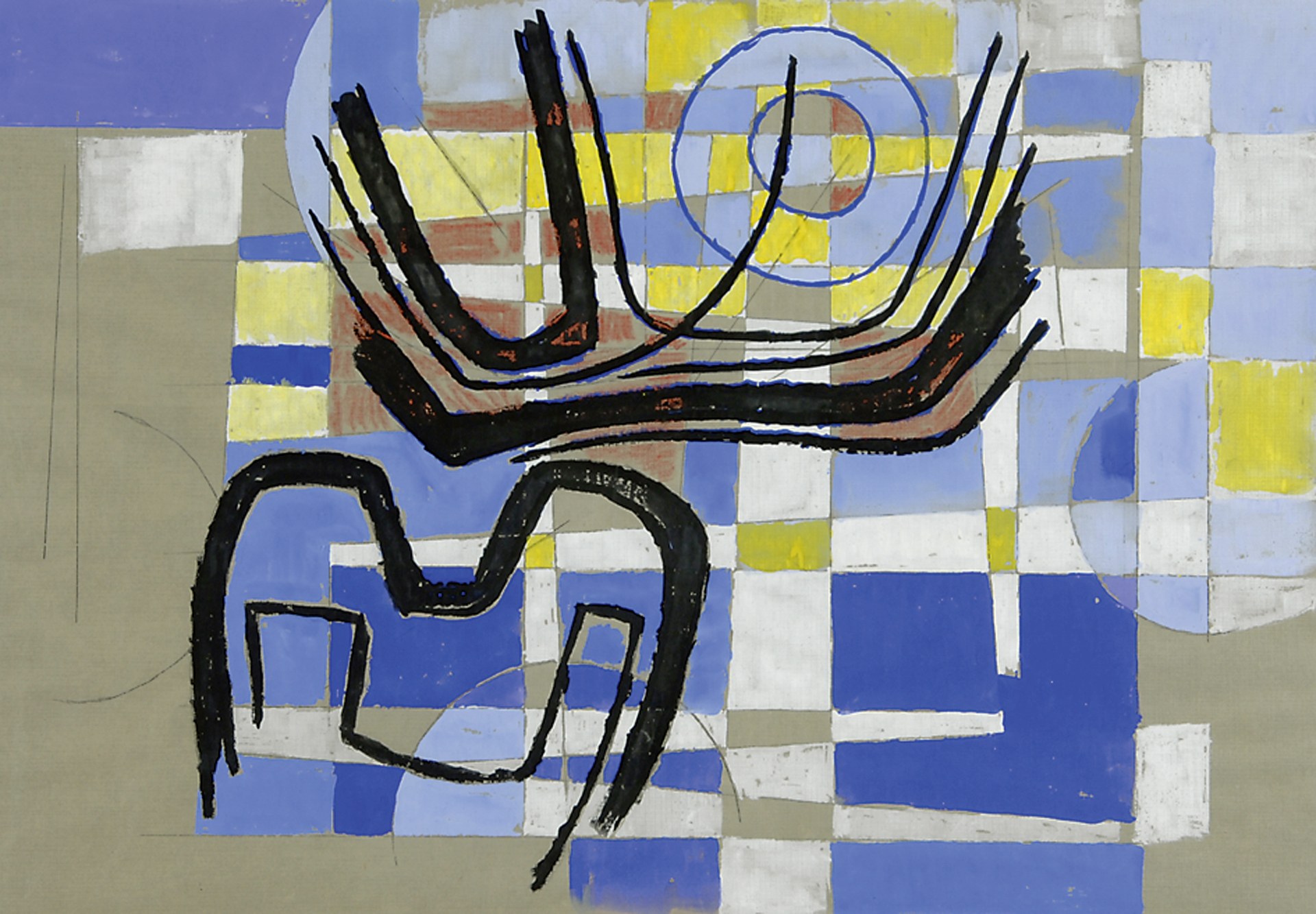
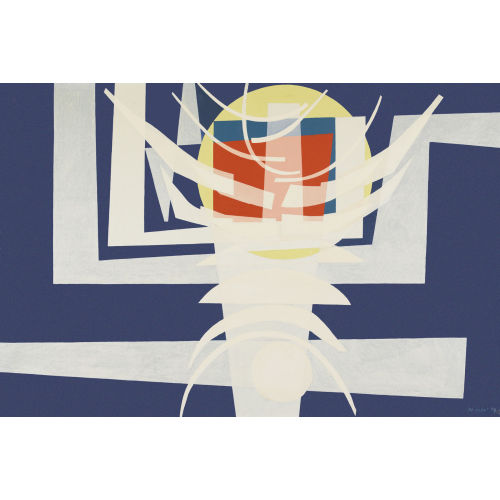
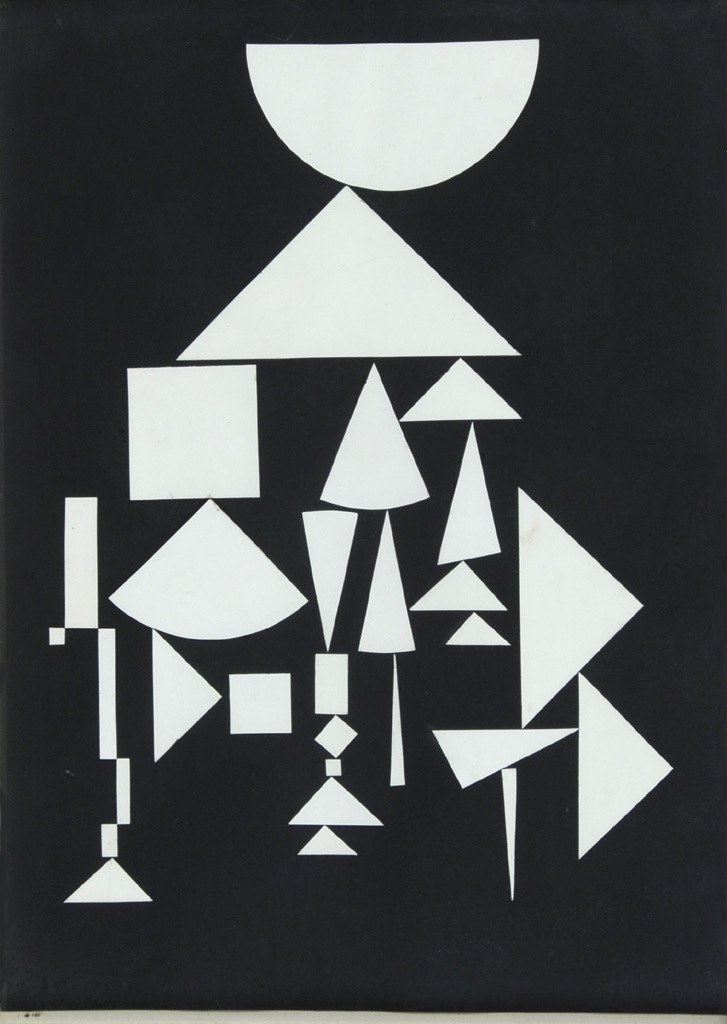
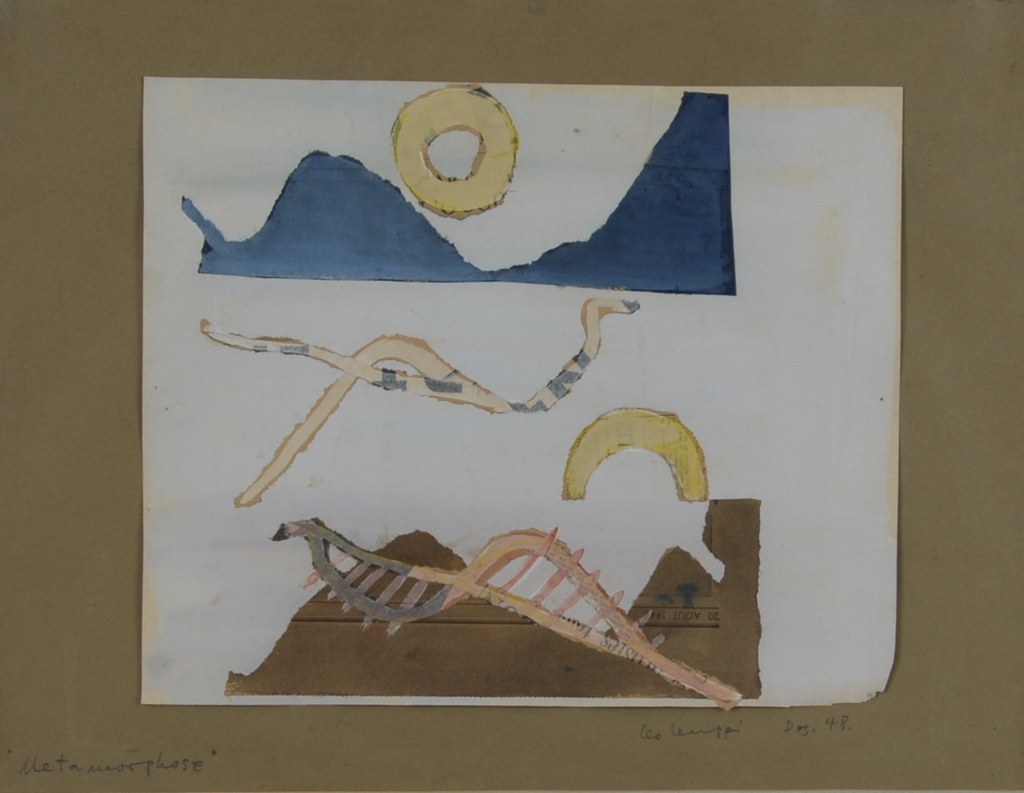
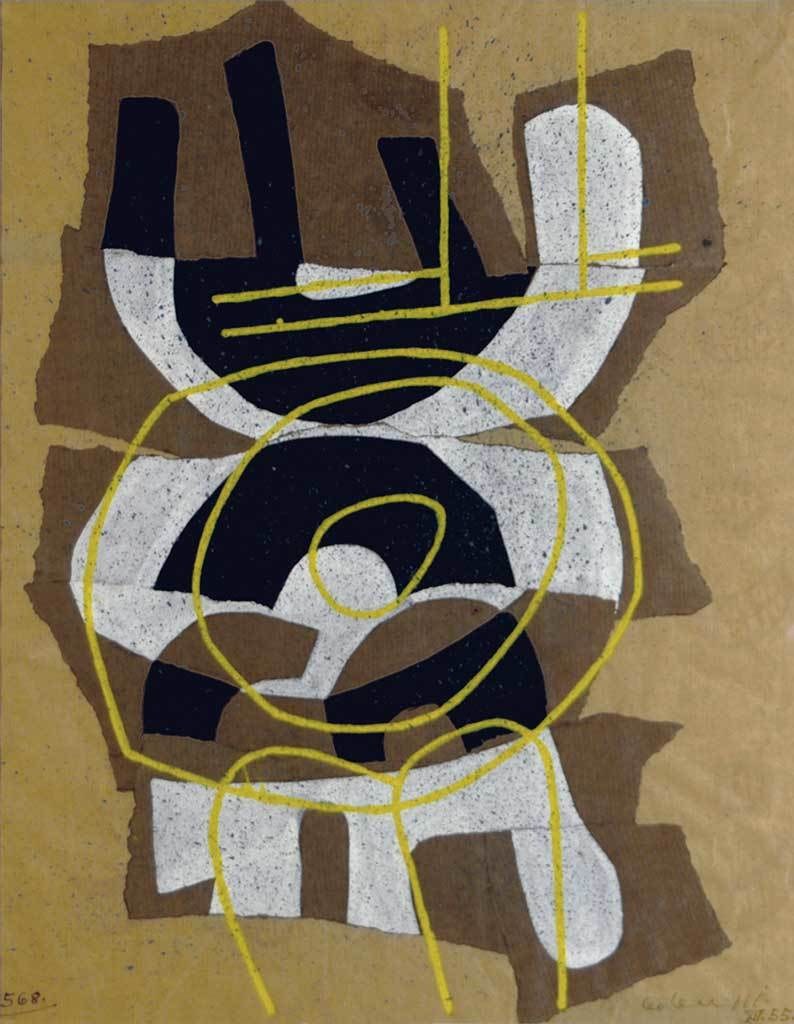
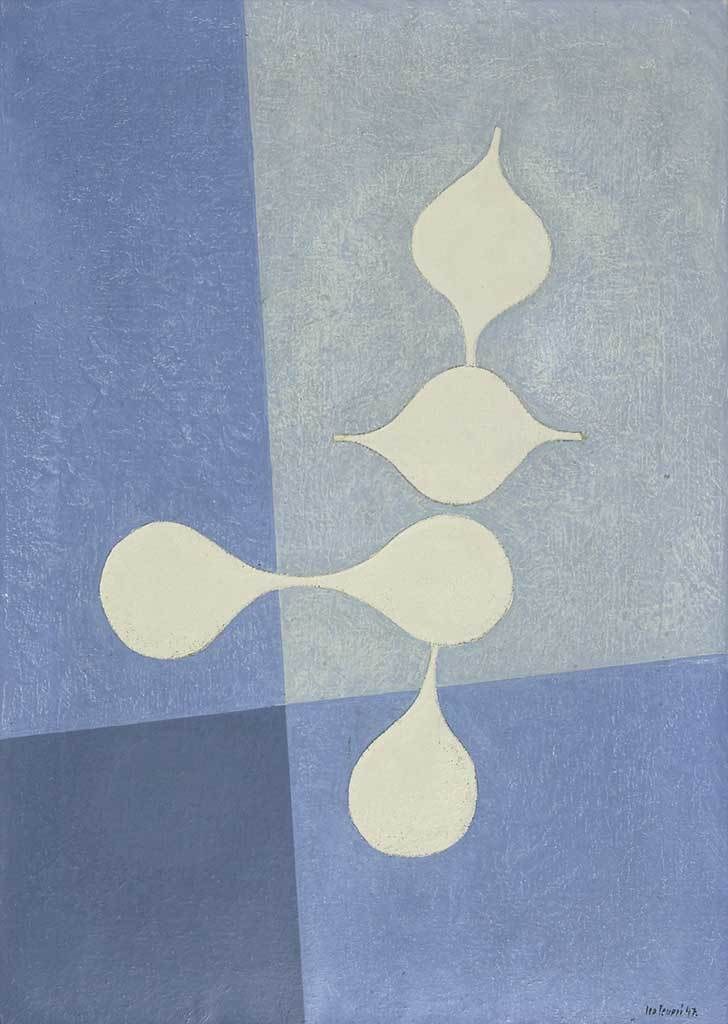
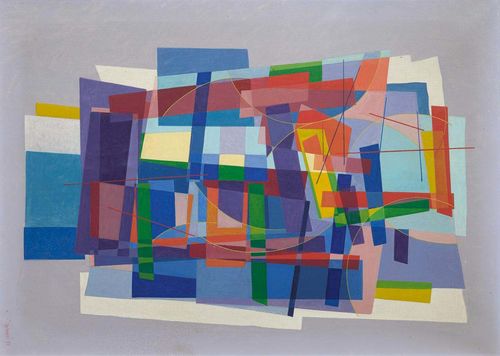
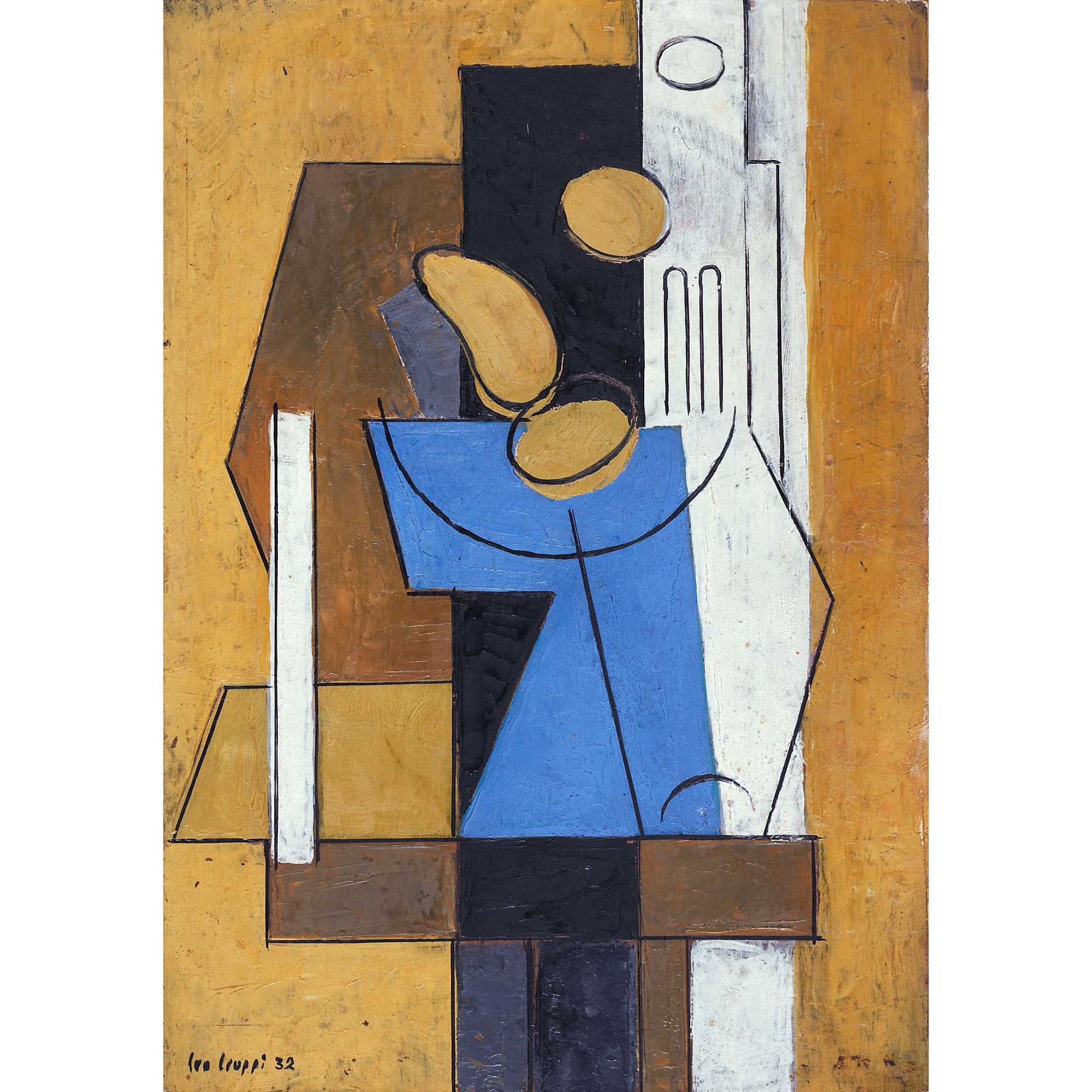
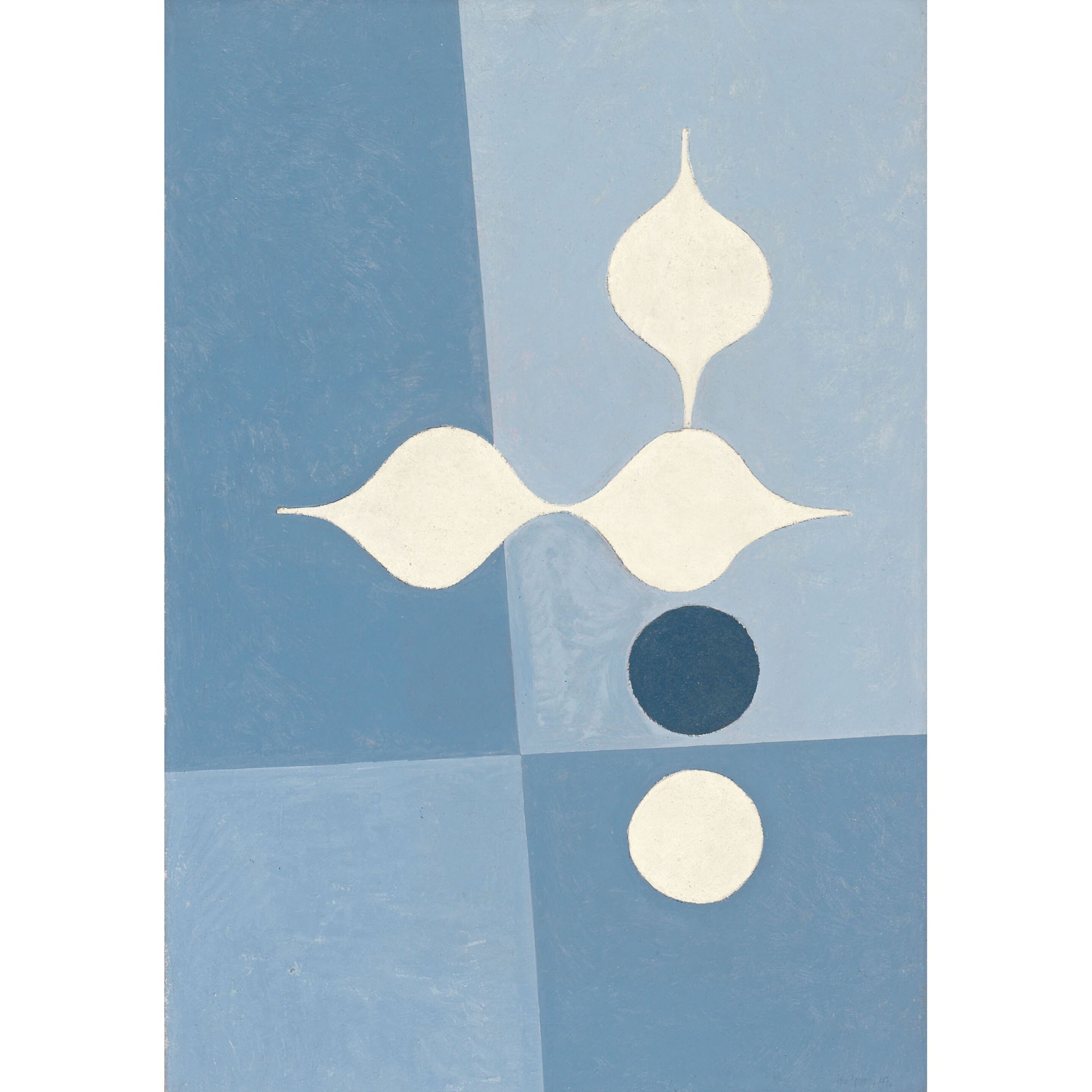
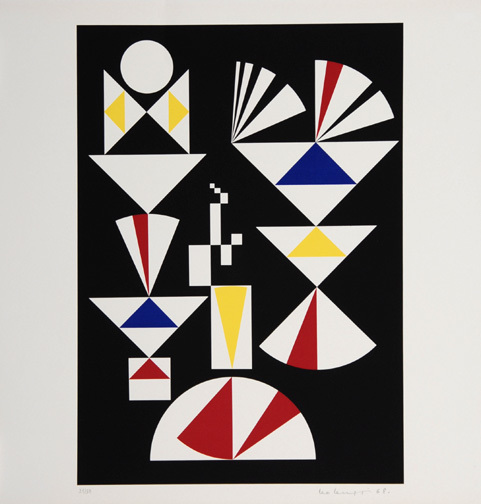
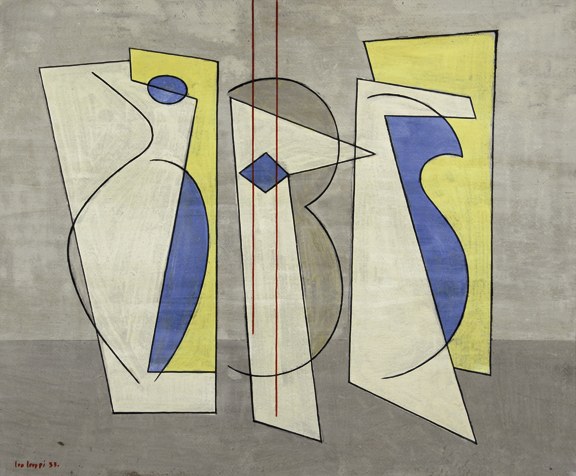
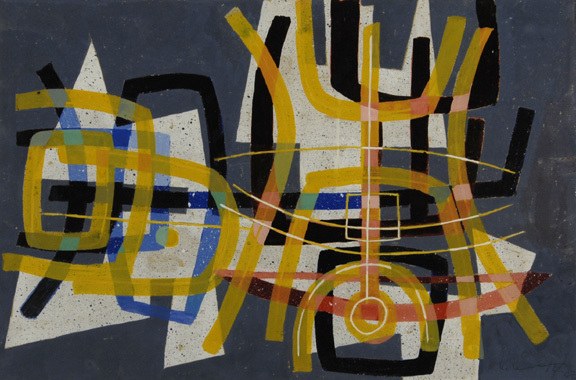
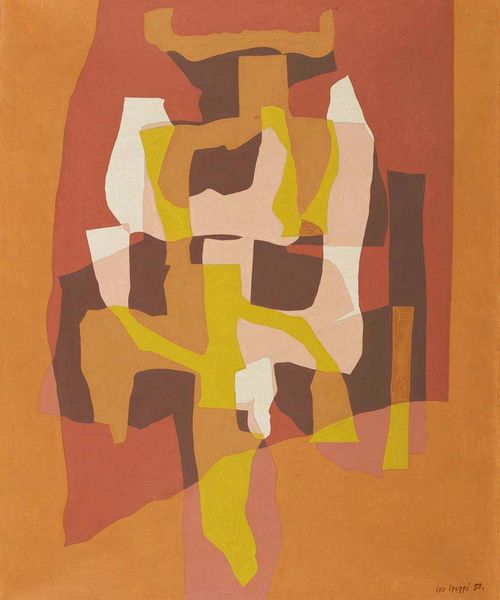
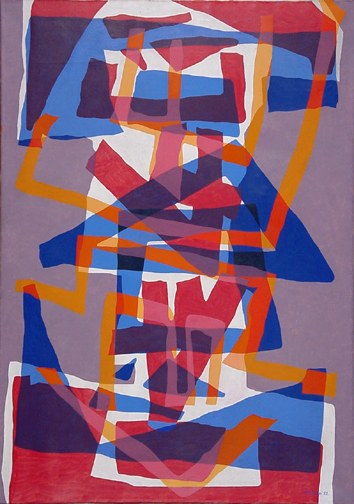
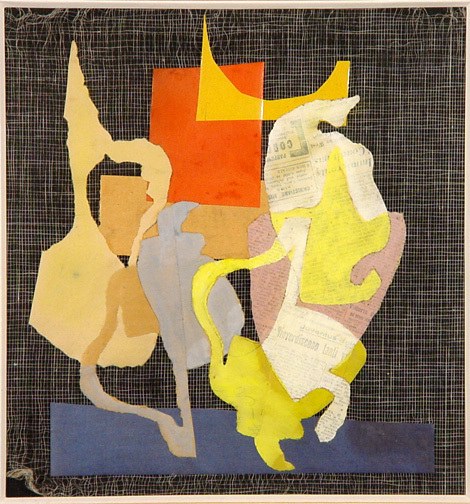
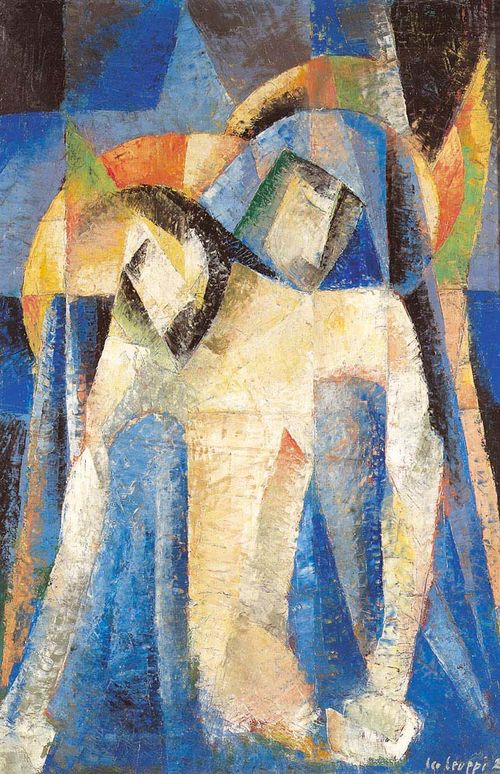
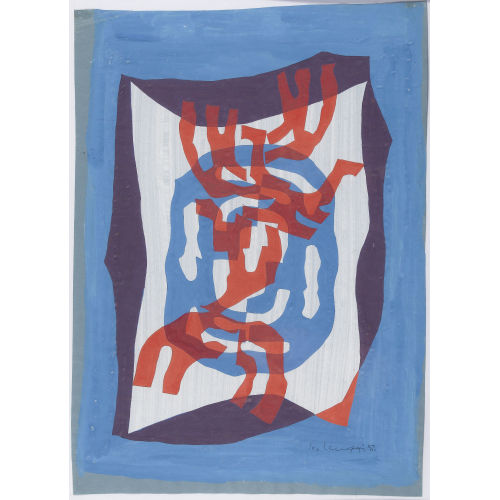
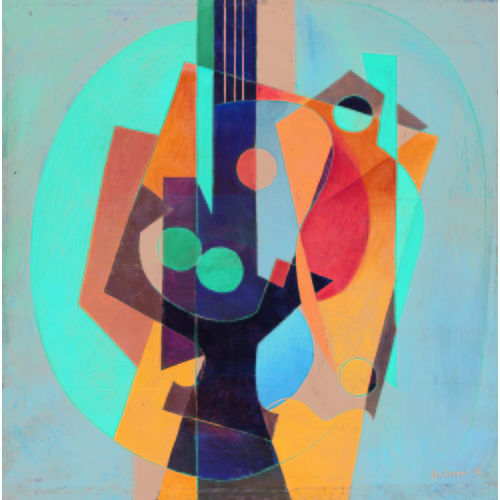
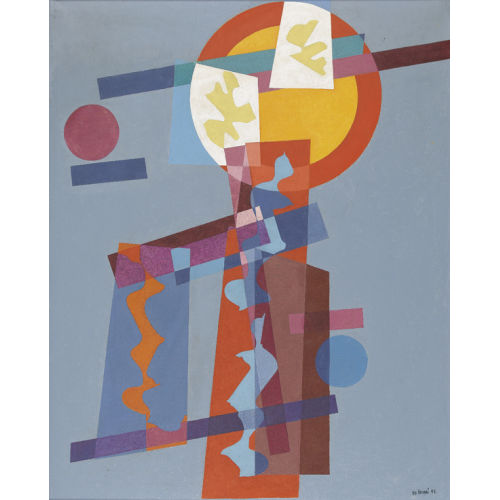
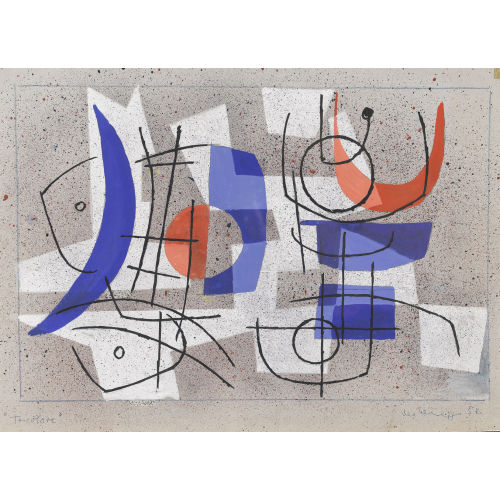
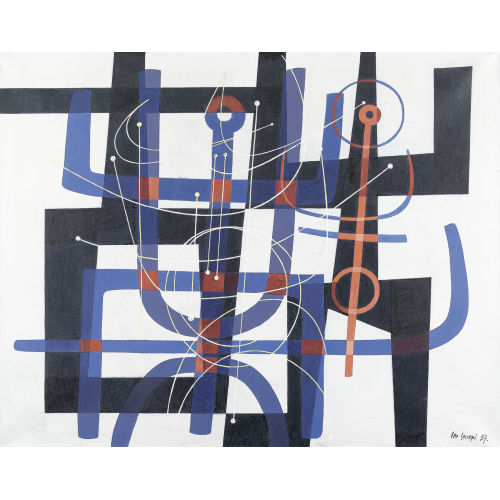
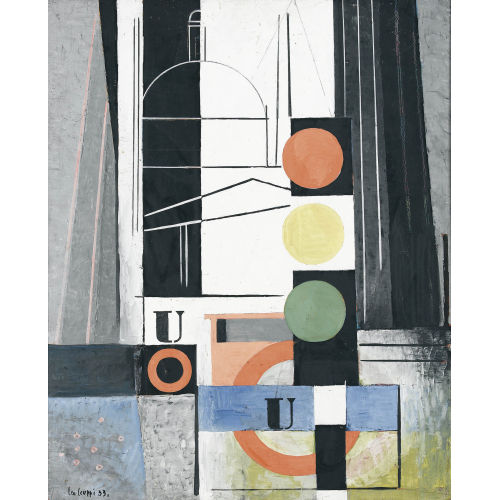
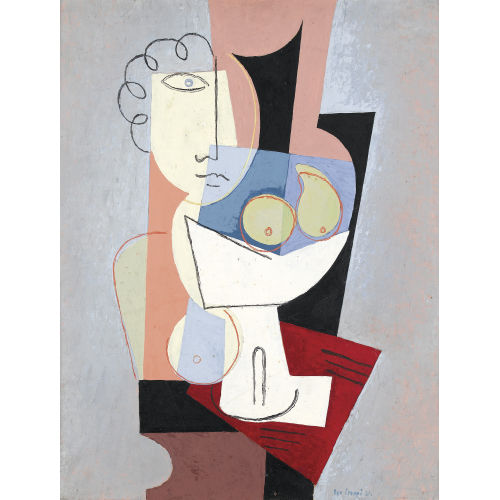
His artistic inquiry eludes a single formula. In the late 1930s, Leuppi called his compositions «concrétions». The works of 1935 to 1950 arrange geometric forms in carefully constructed balances; yet they retain a freedom that enters into dialogue with Surrealism.
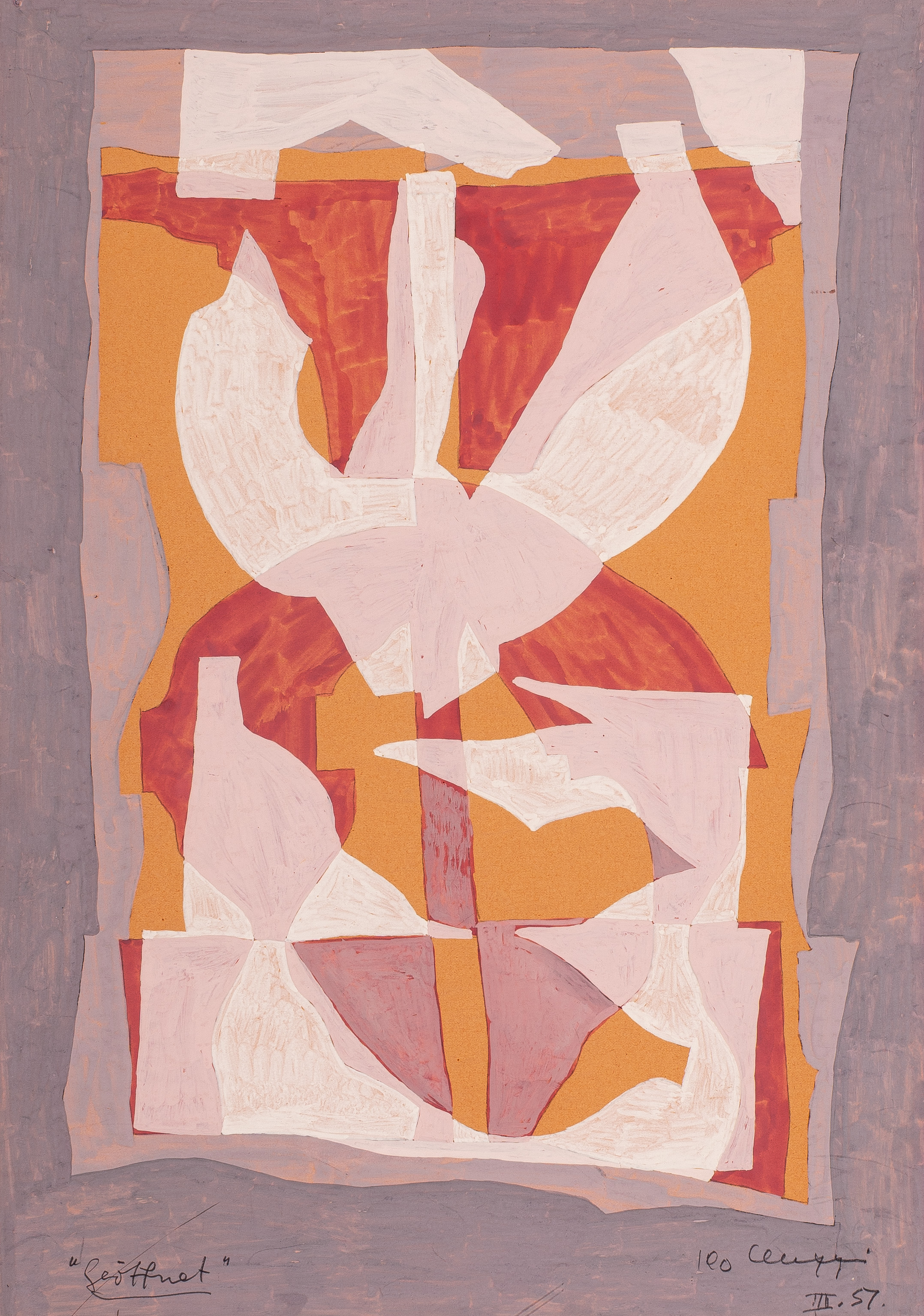
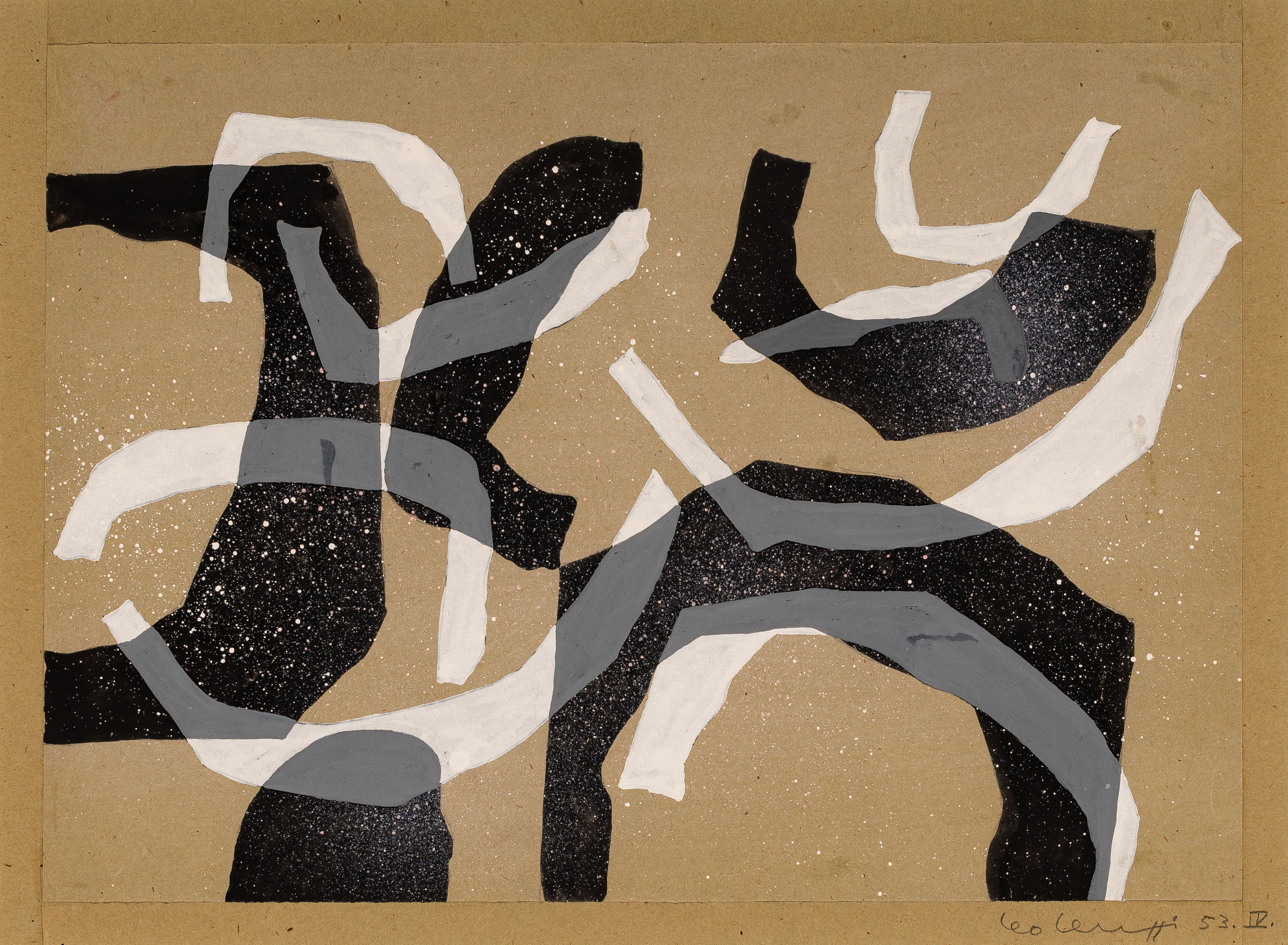
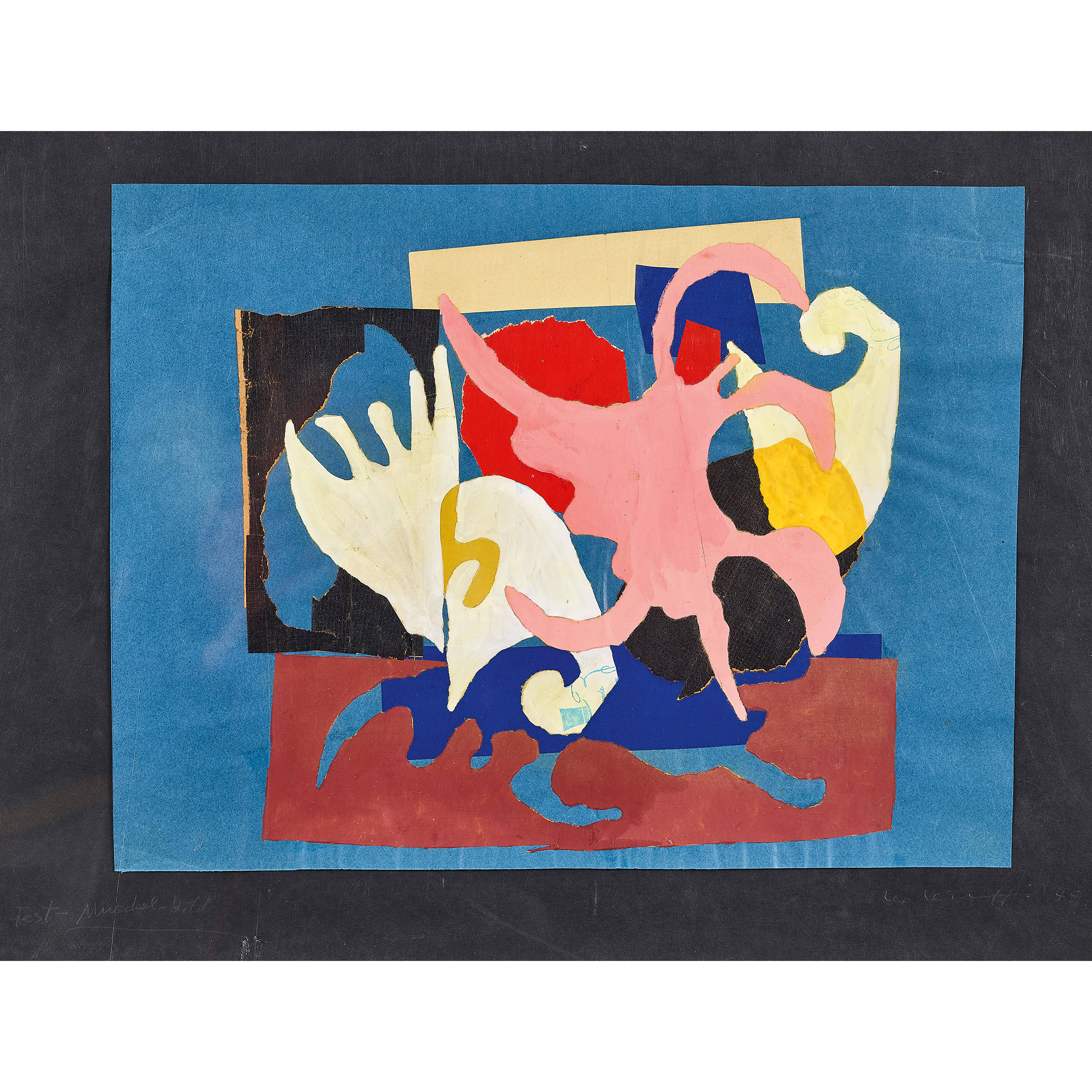
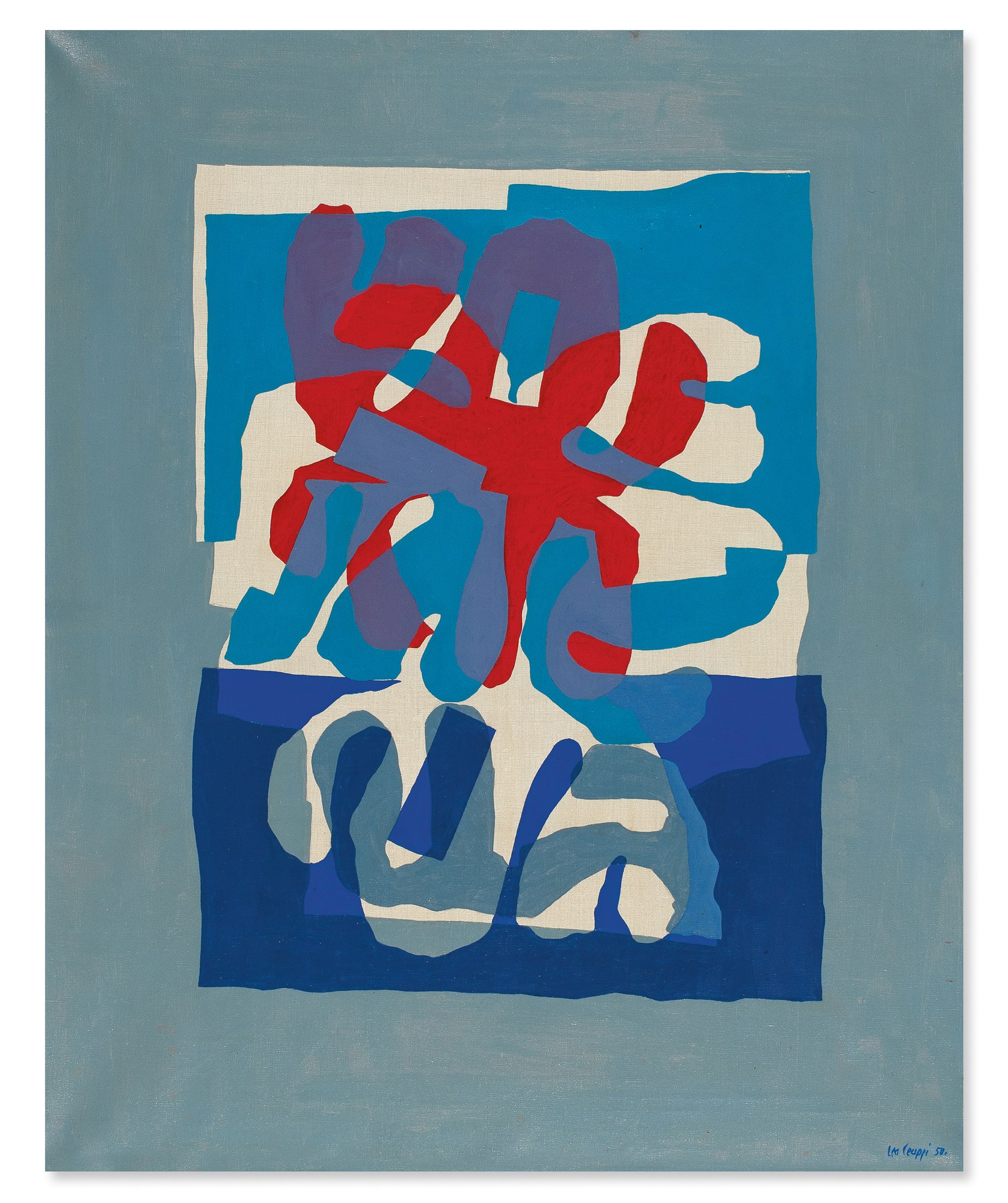
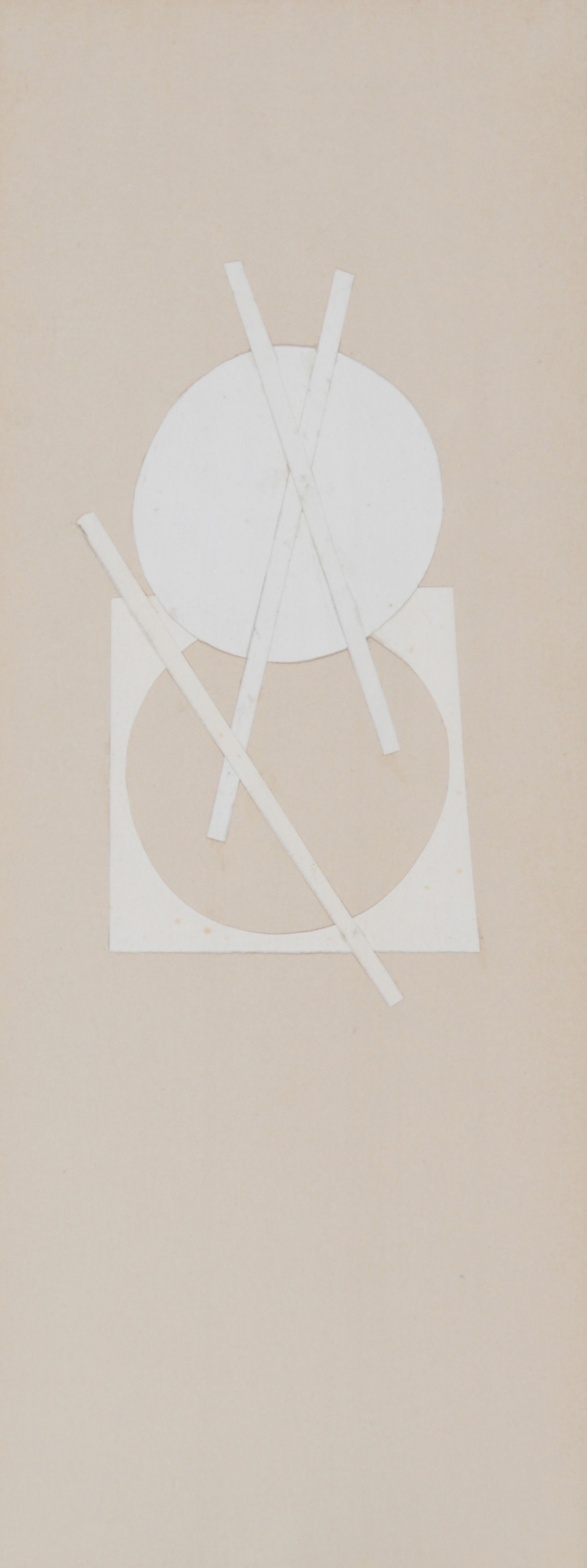
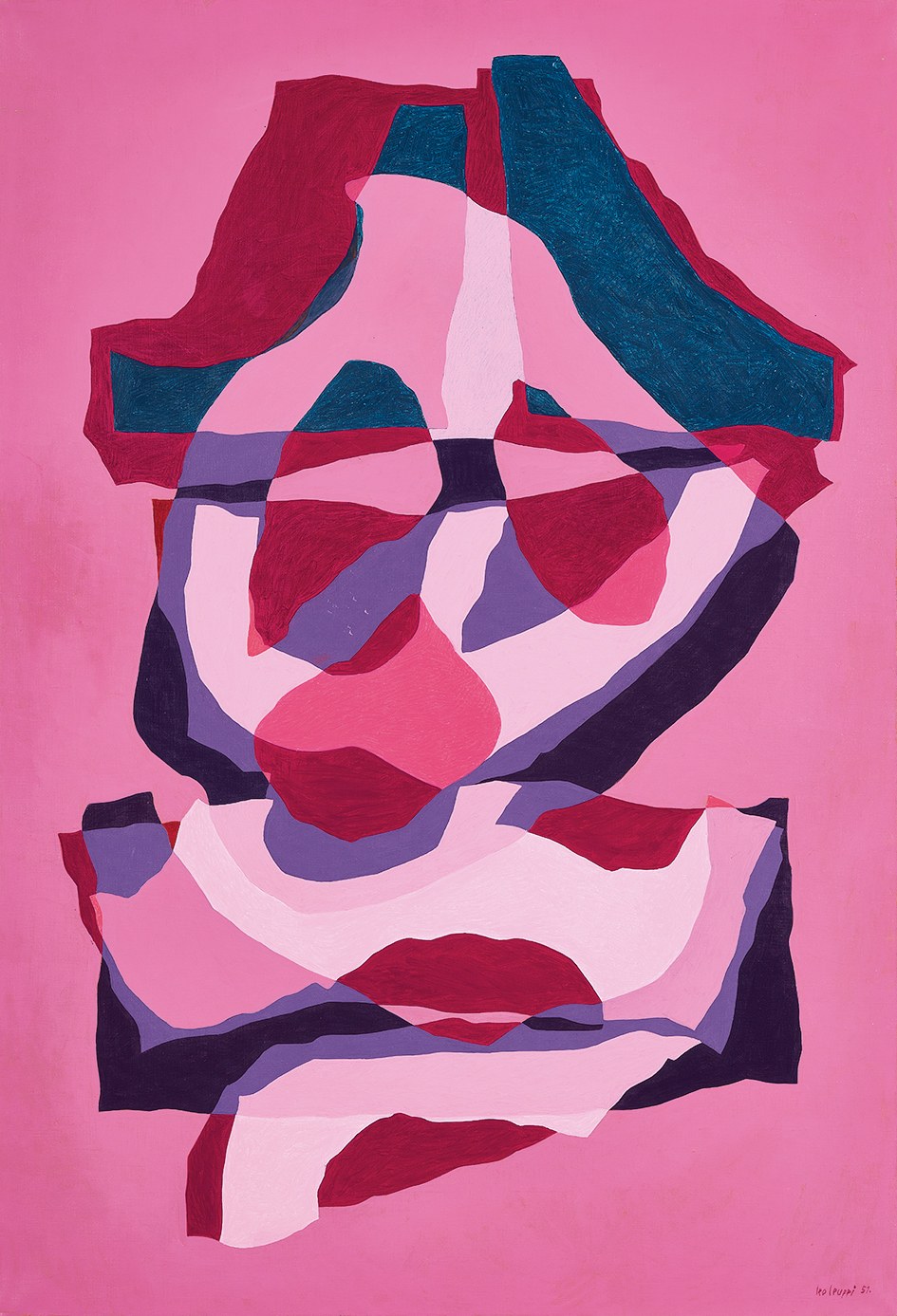
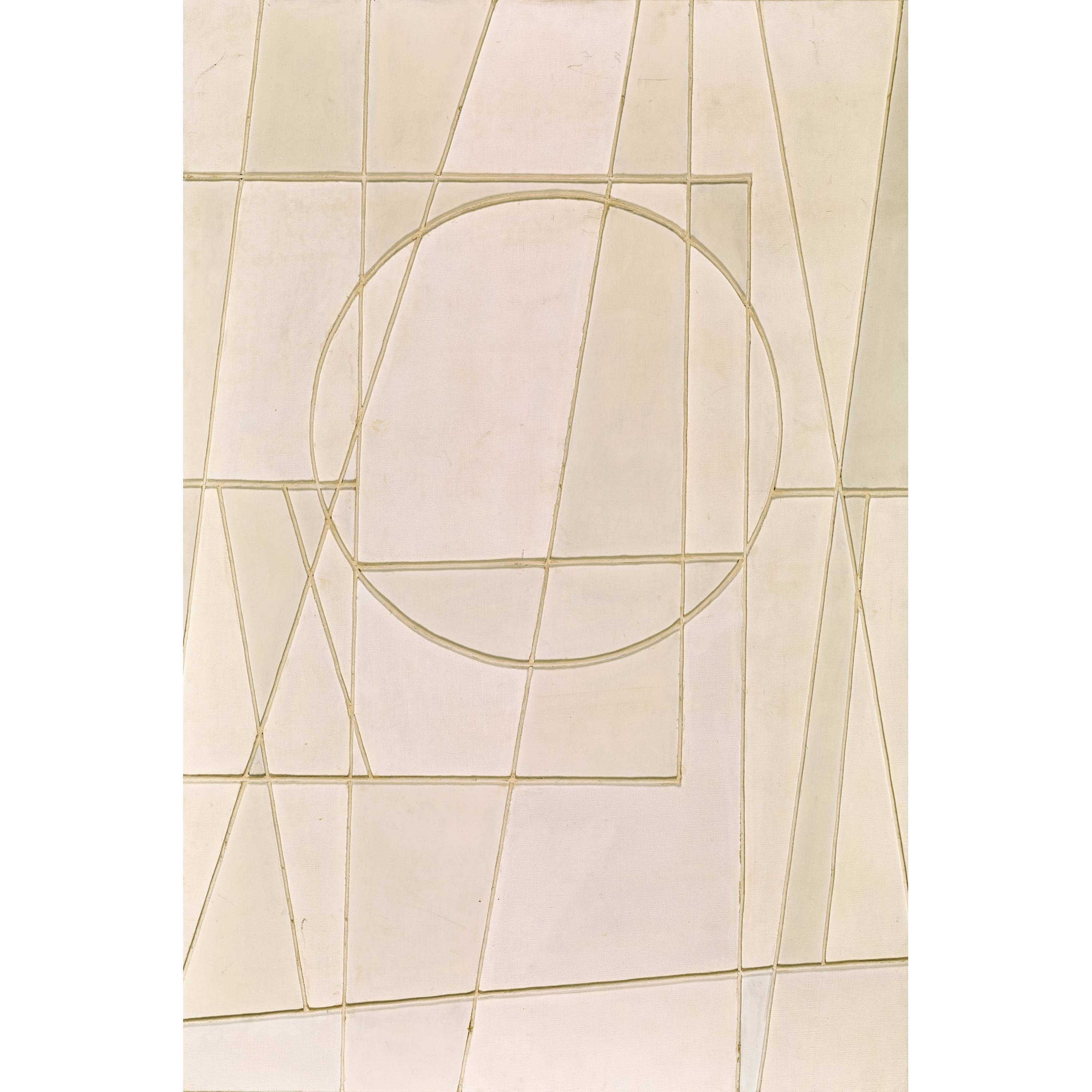
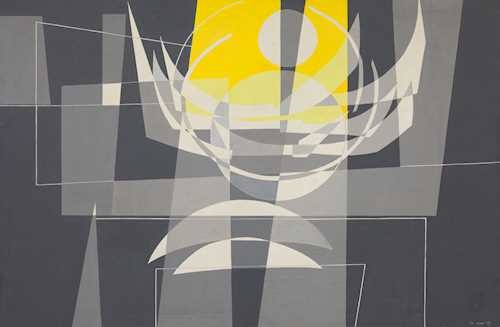
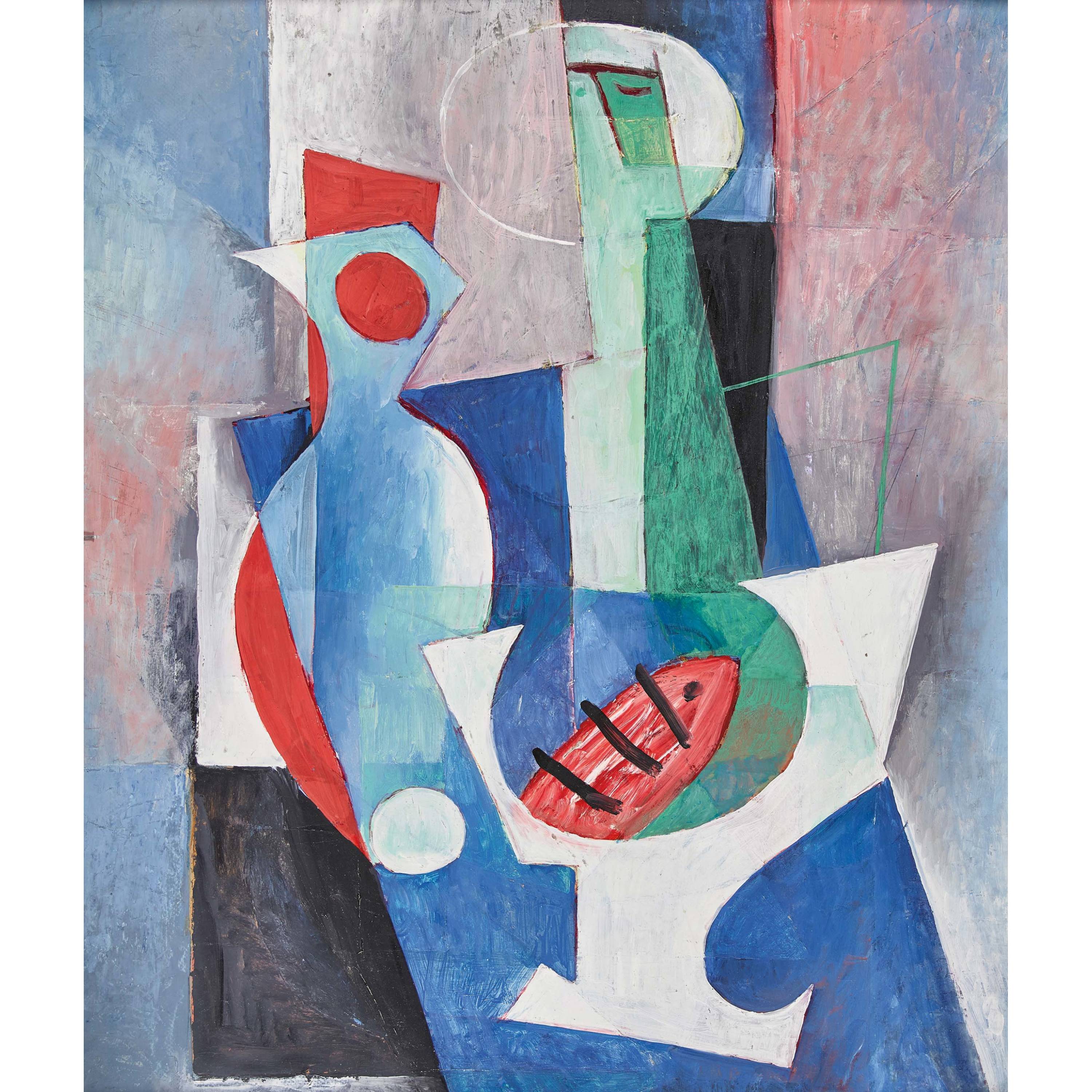
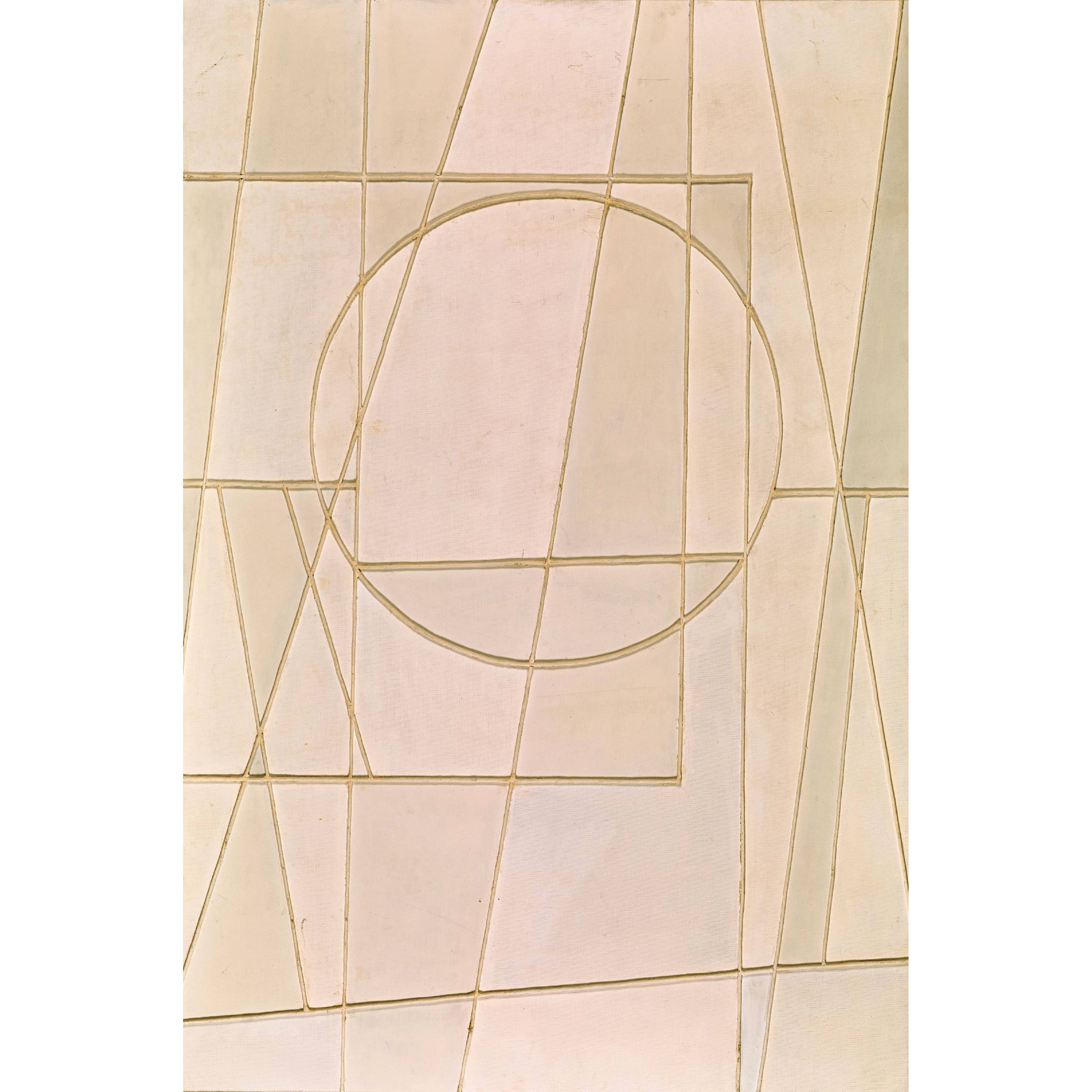
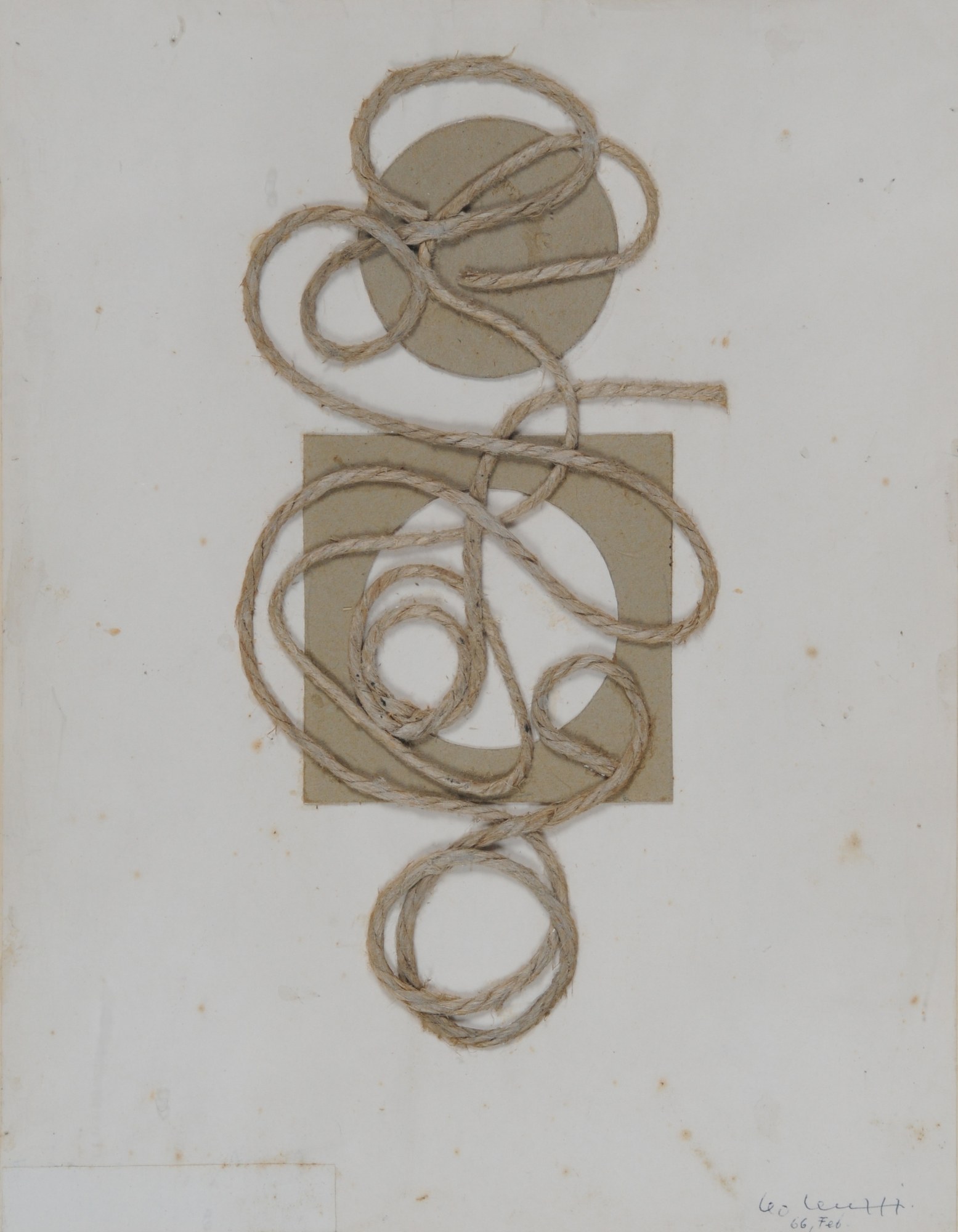
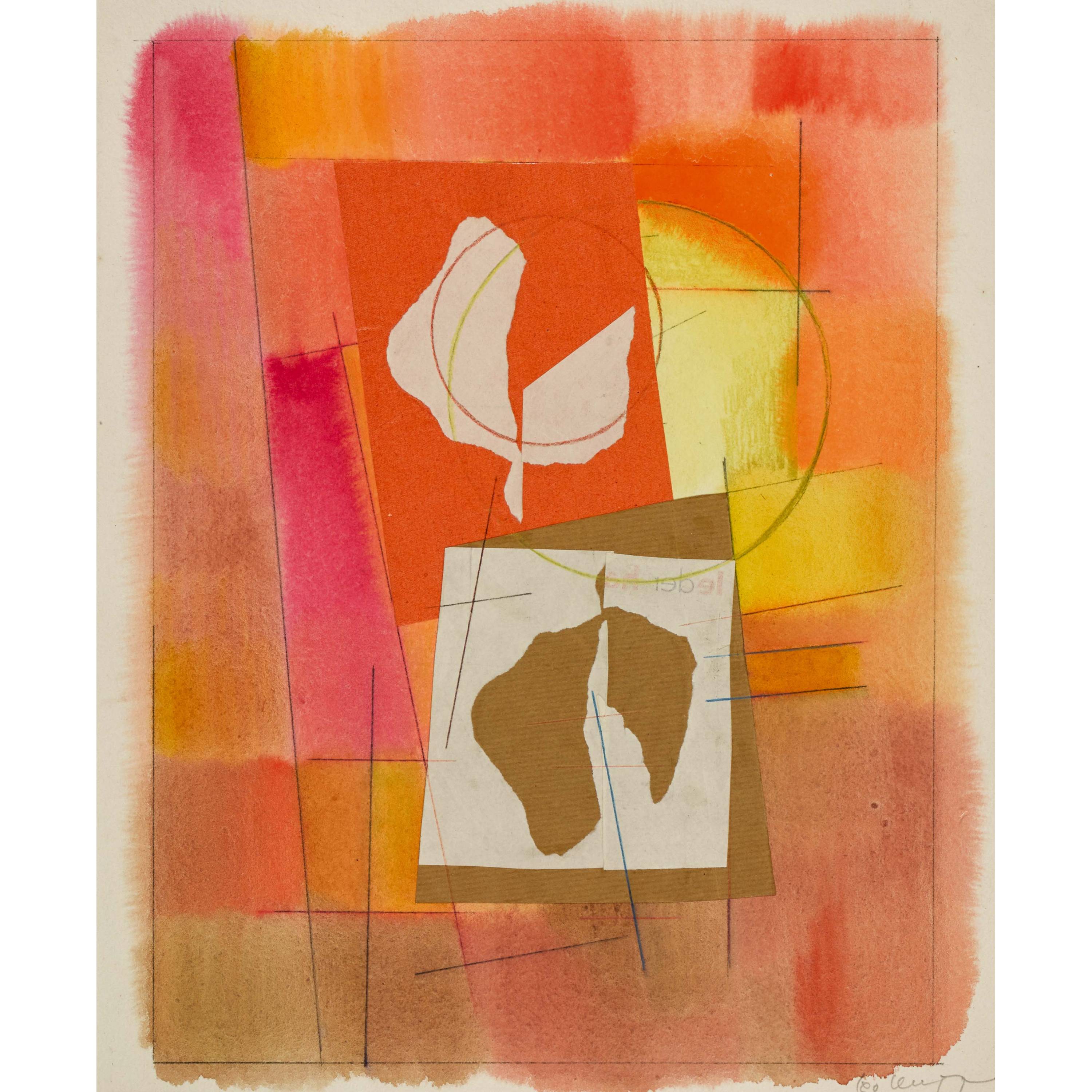
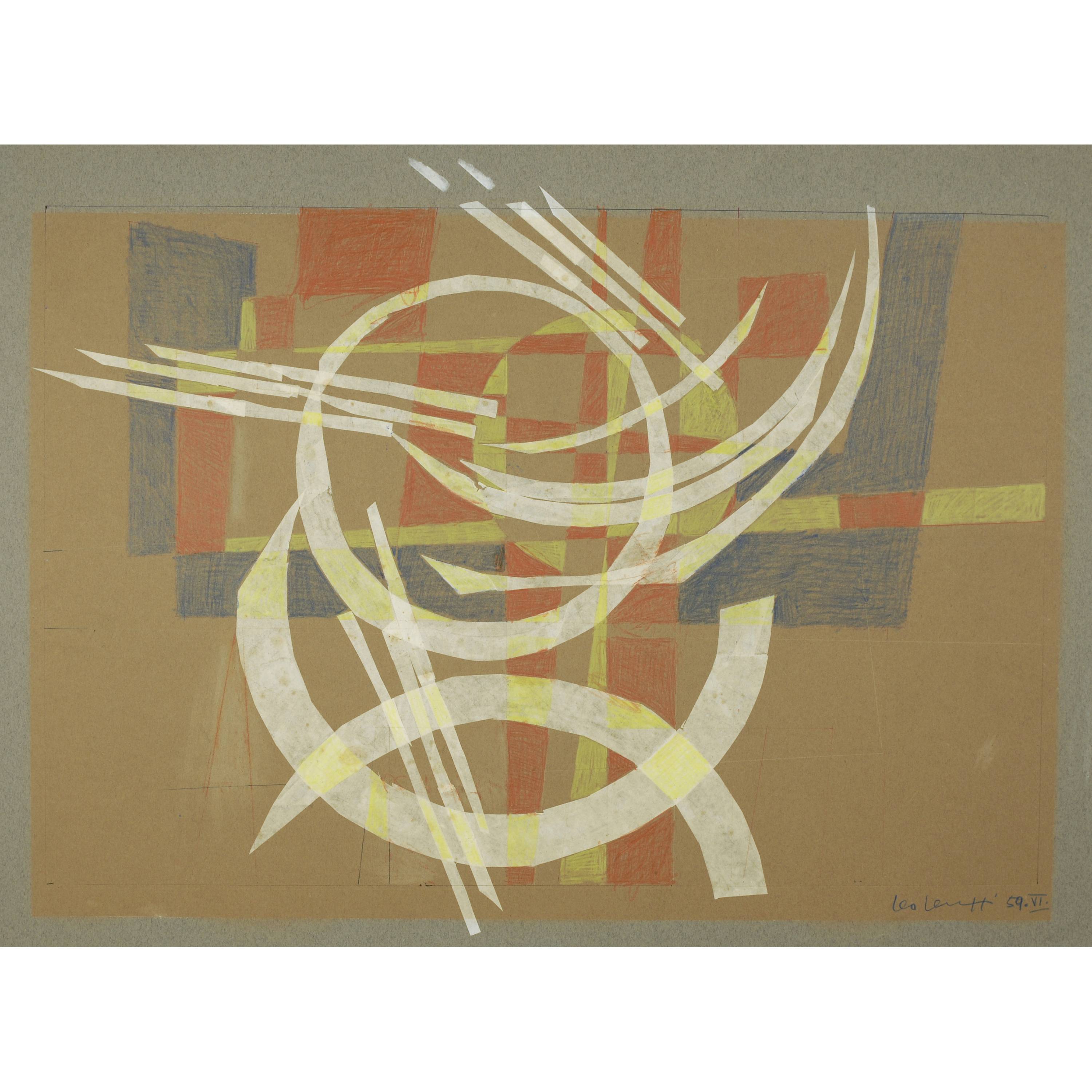
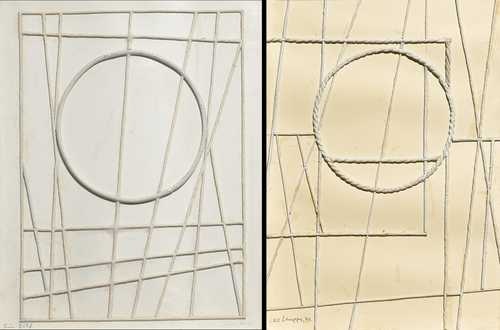
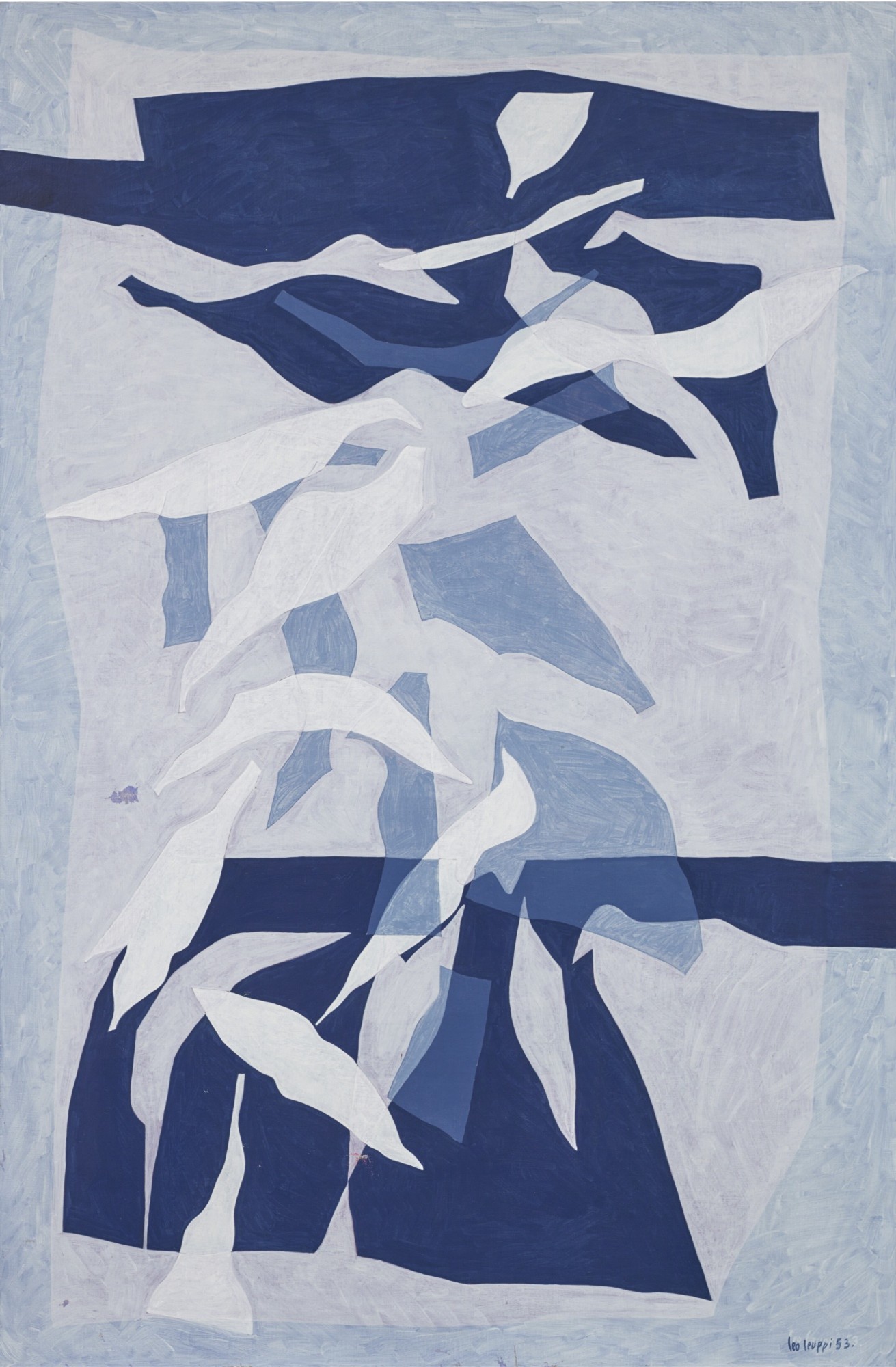
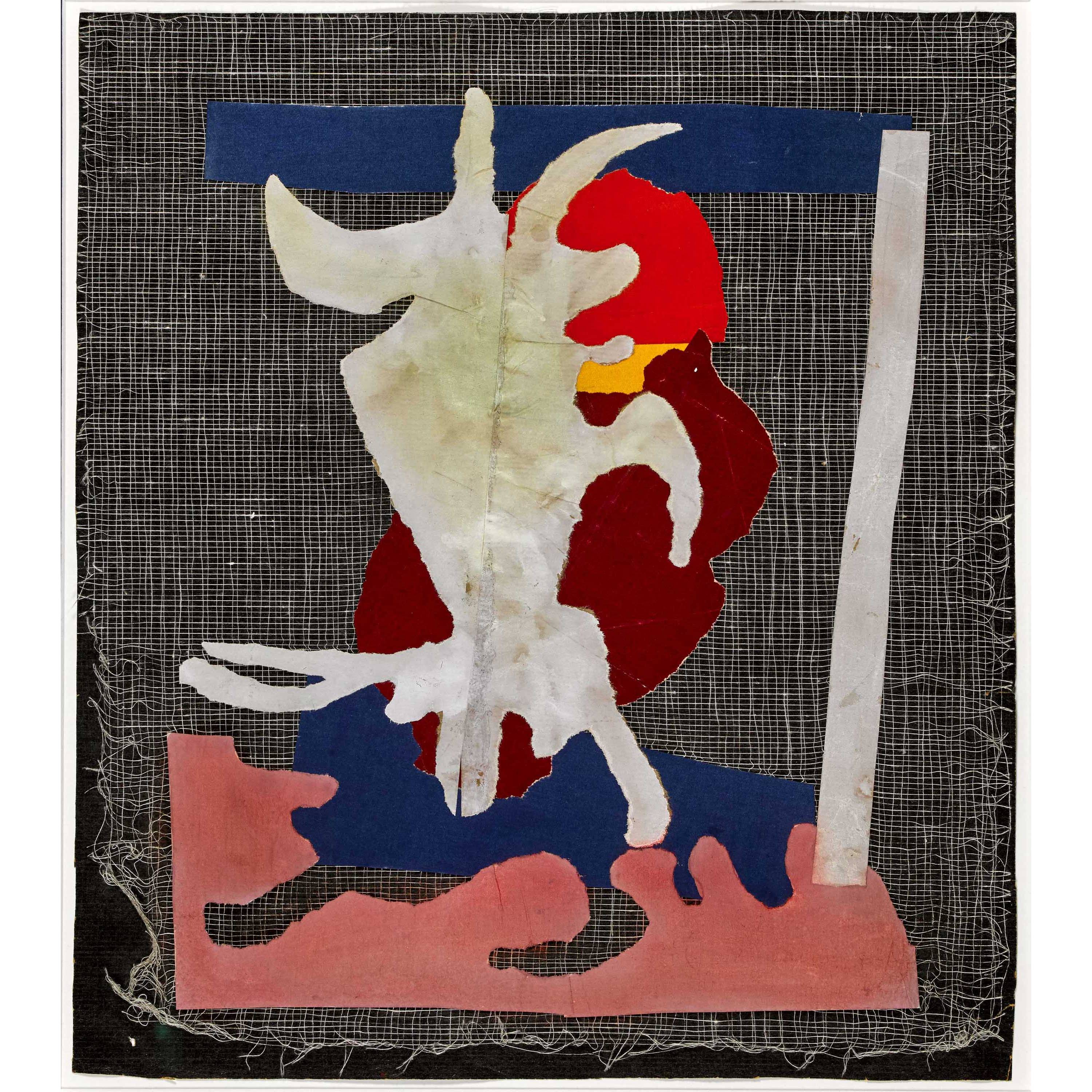
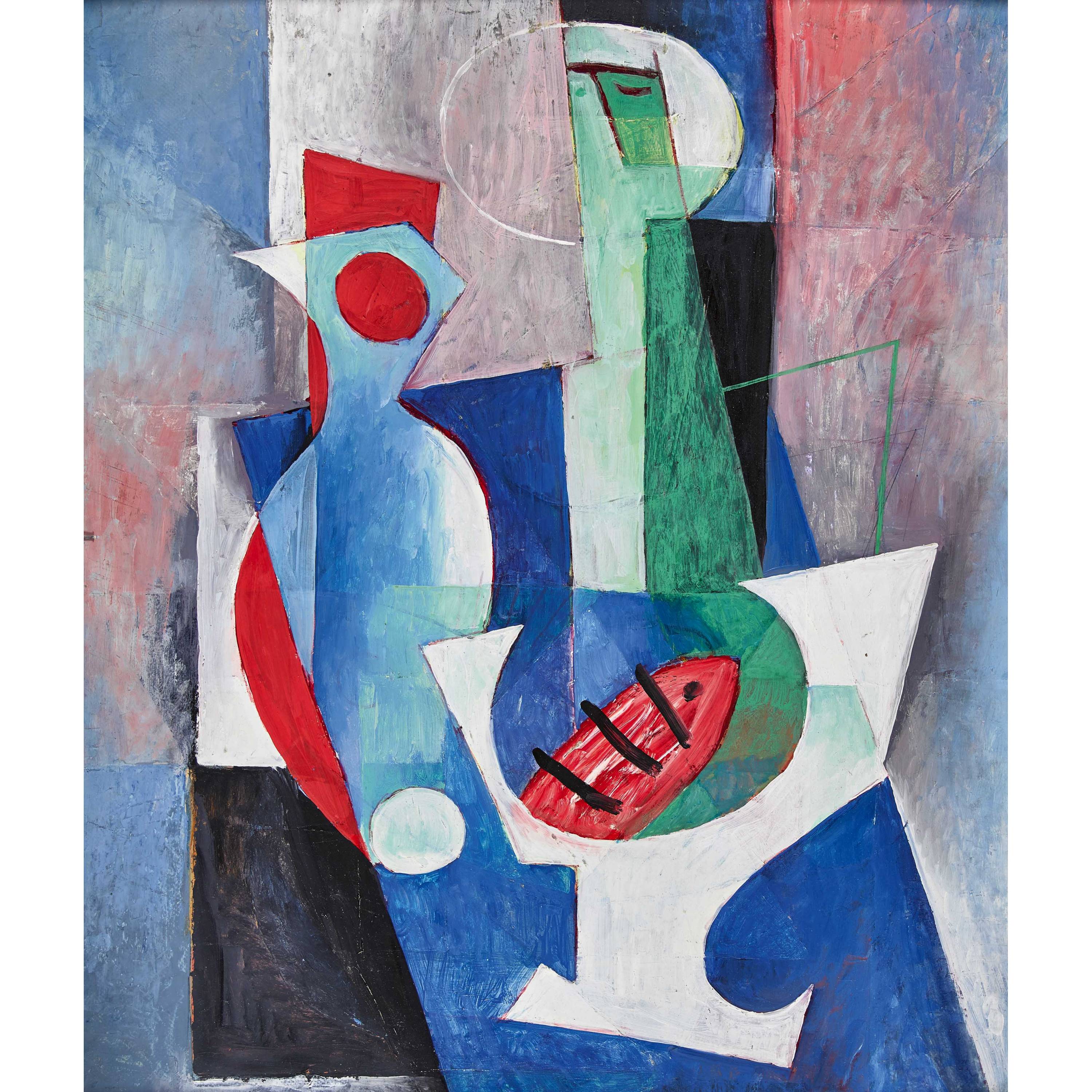
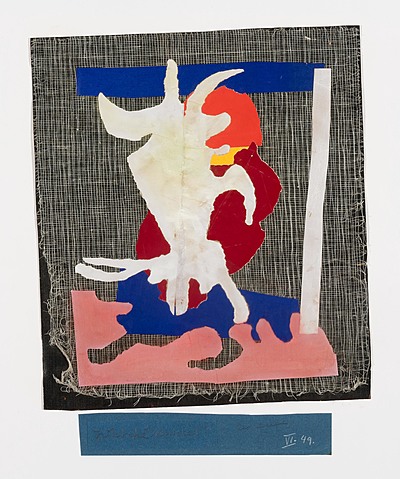
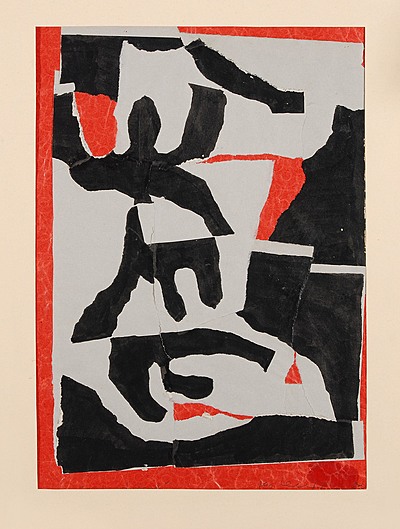
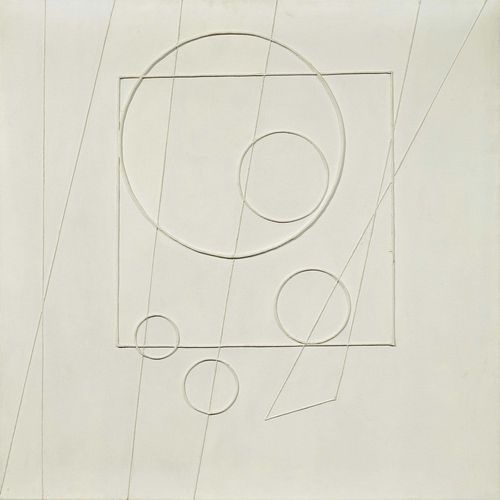
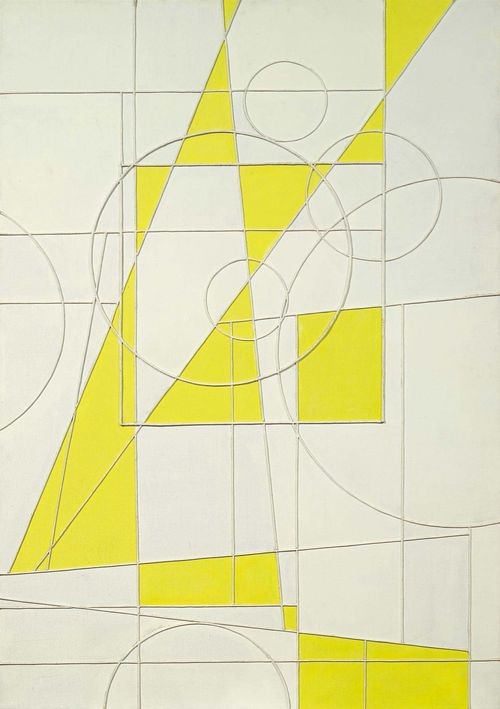
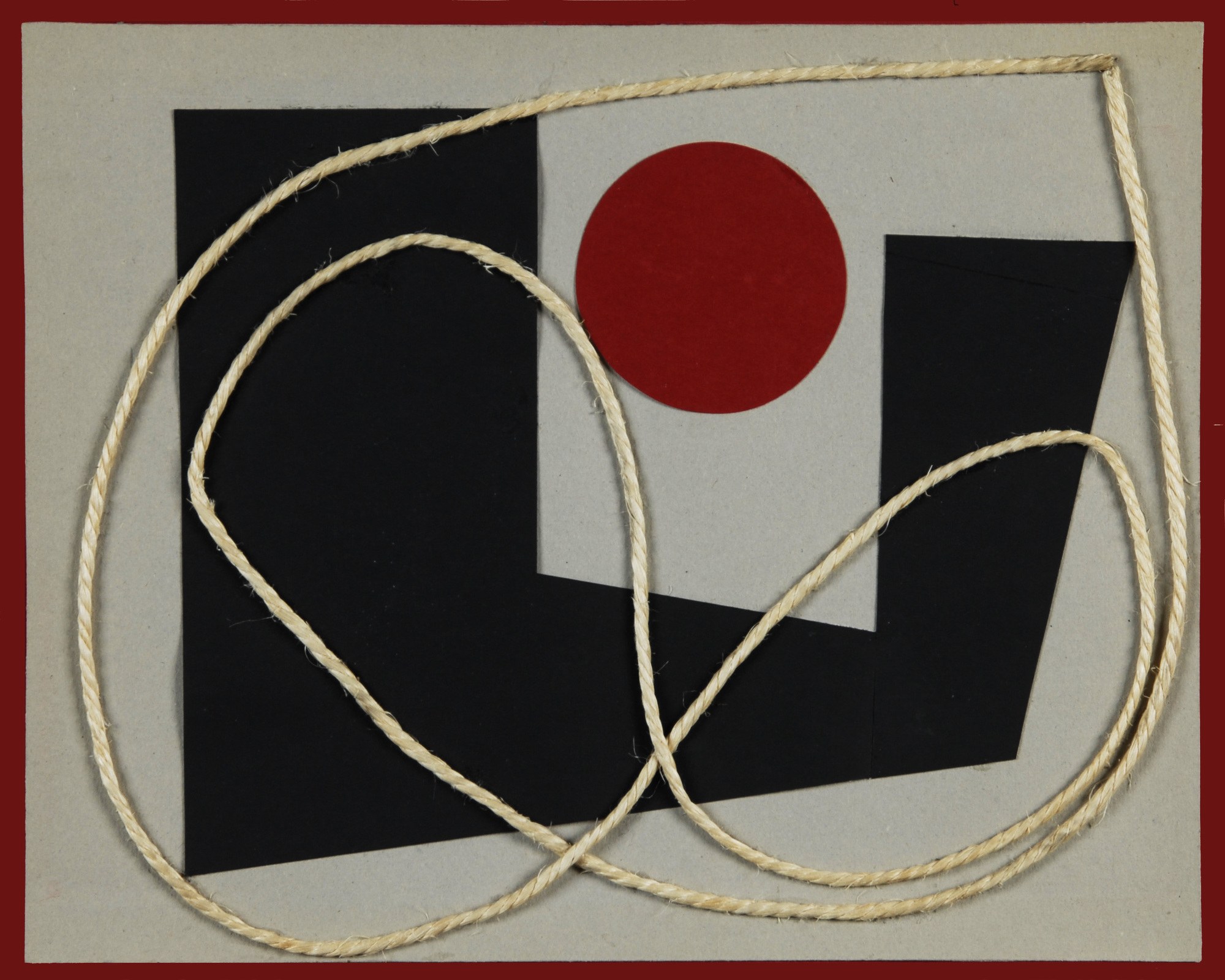
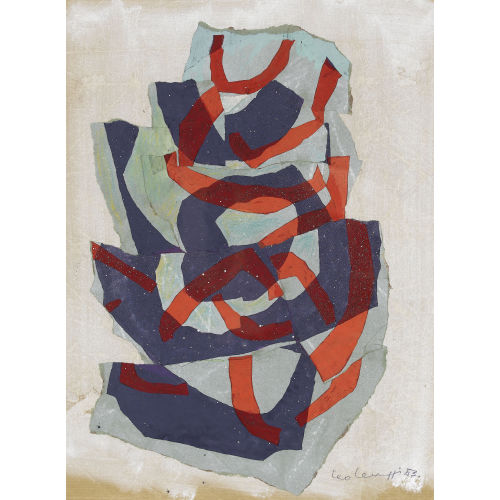
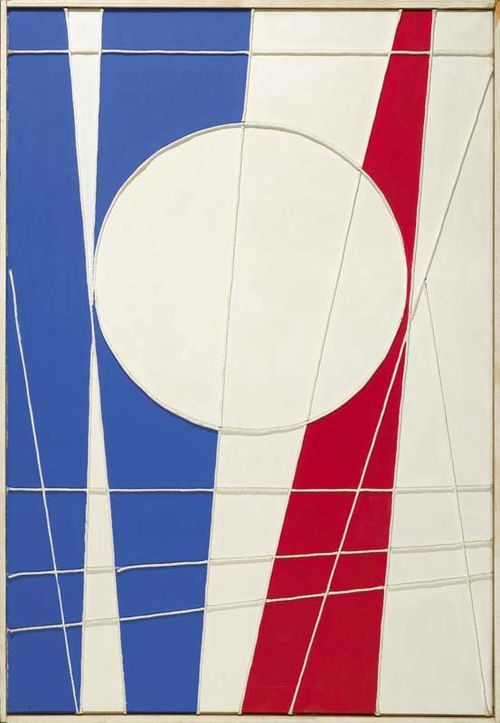
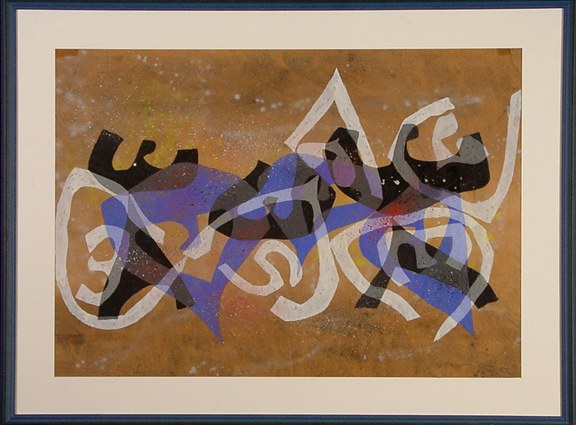
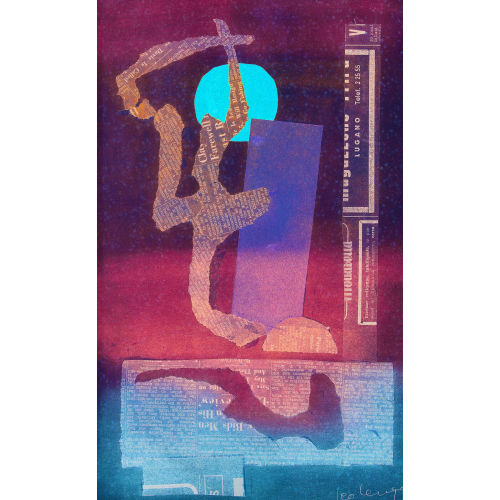
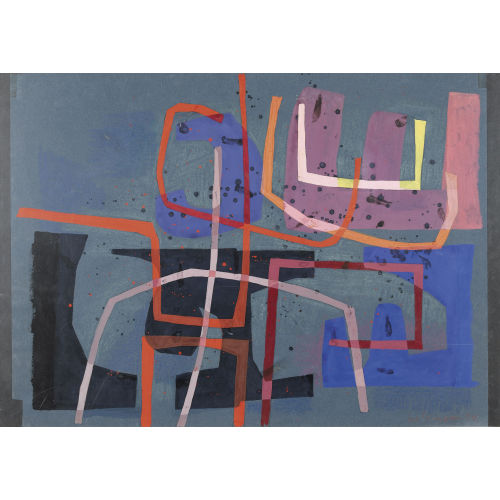
The two white or yellow «Filetages» held by Museum Haus Konstruktiv bring thread and relief into the composition: a material presence, close to the object, is added to the painted surface. After 1950, his forms at times became more organic and colourful, before a return to more austere geometric orders in the late works.
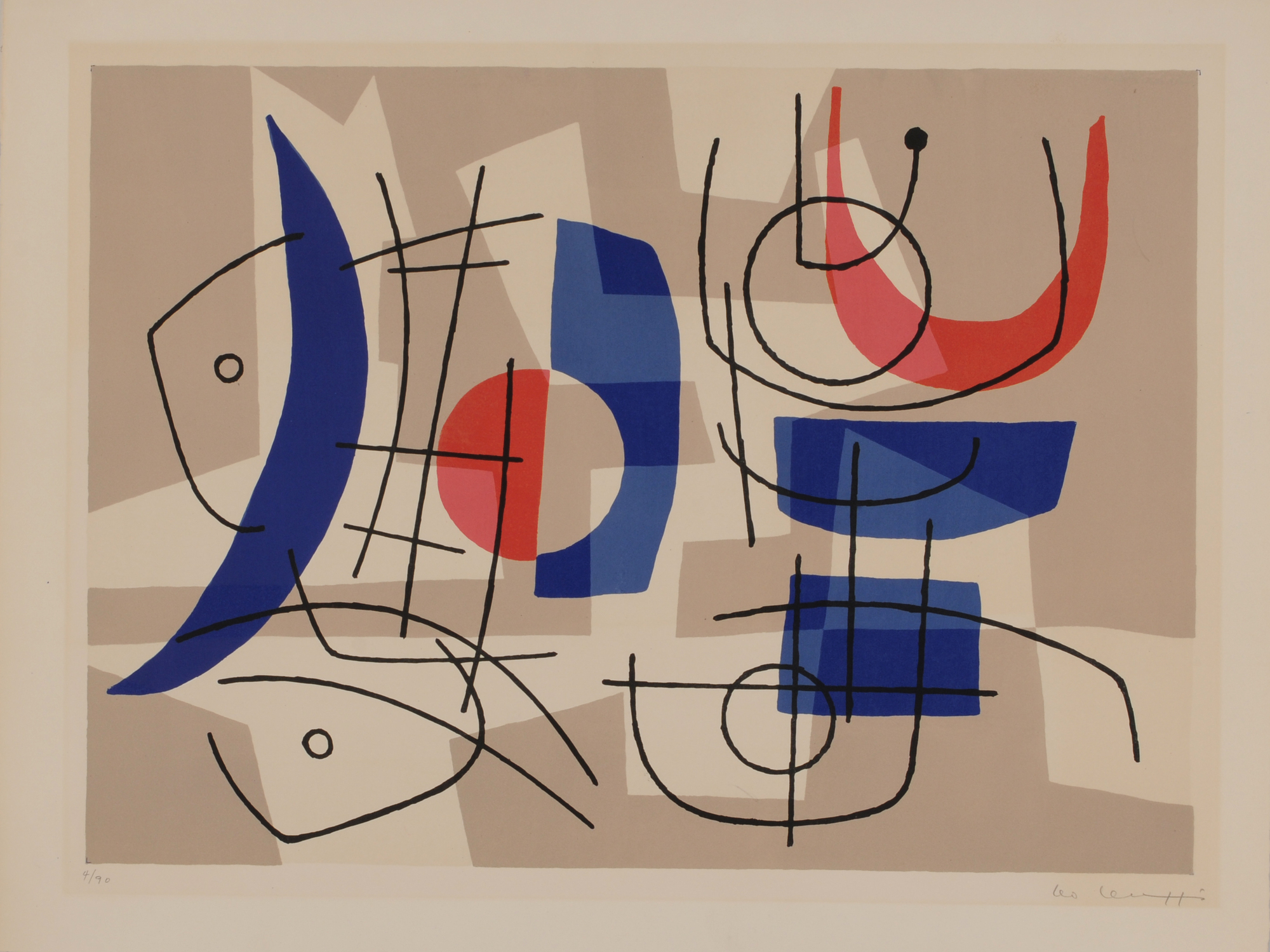
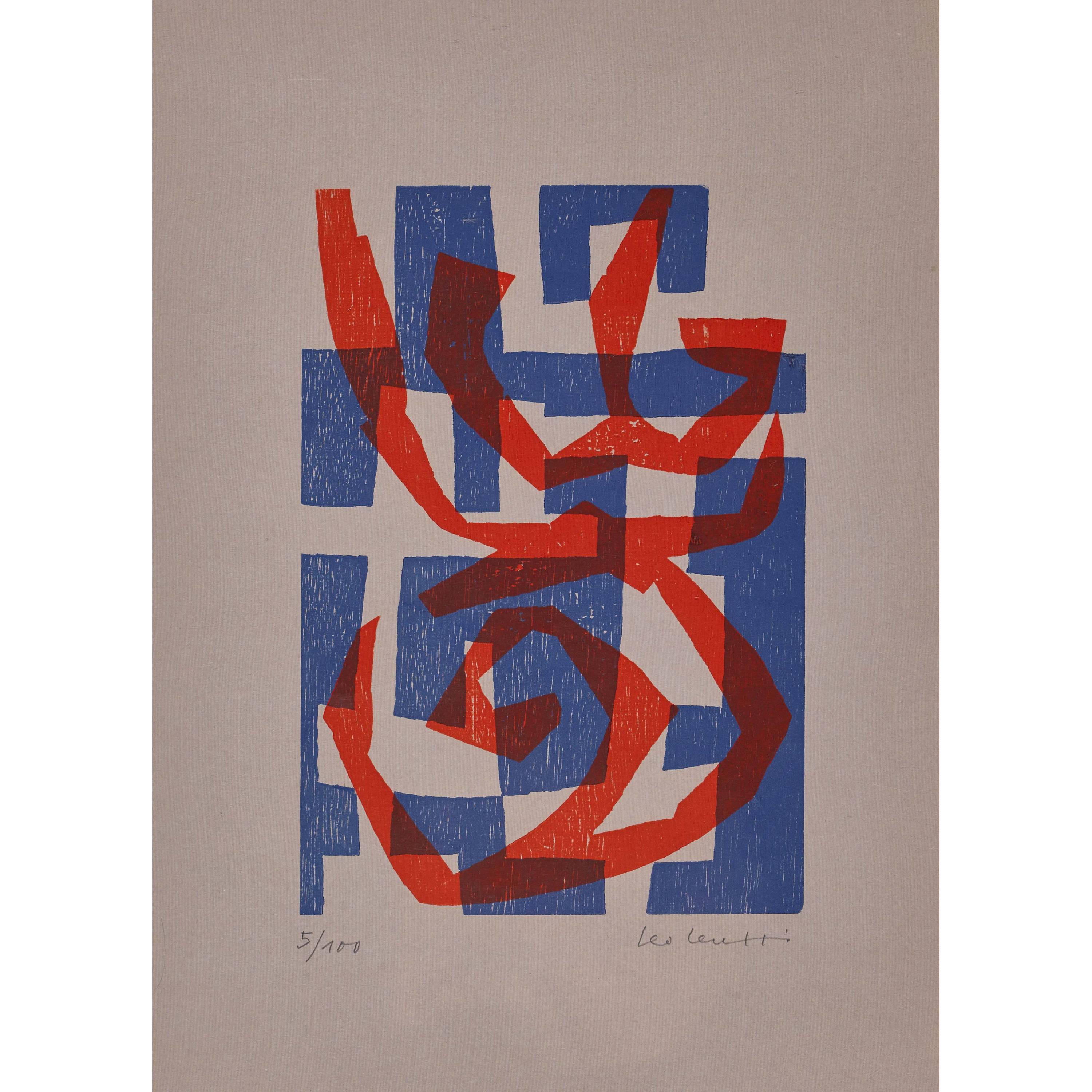
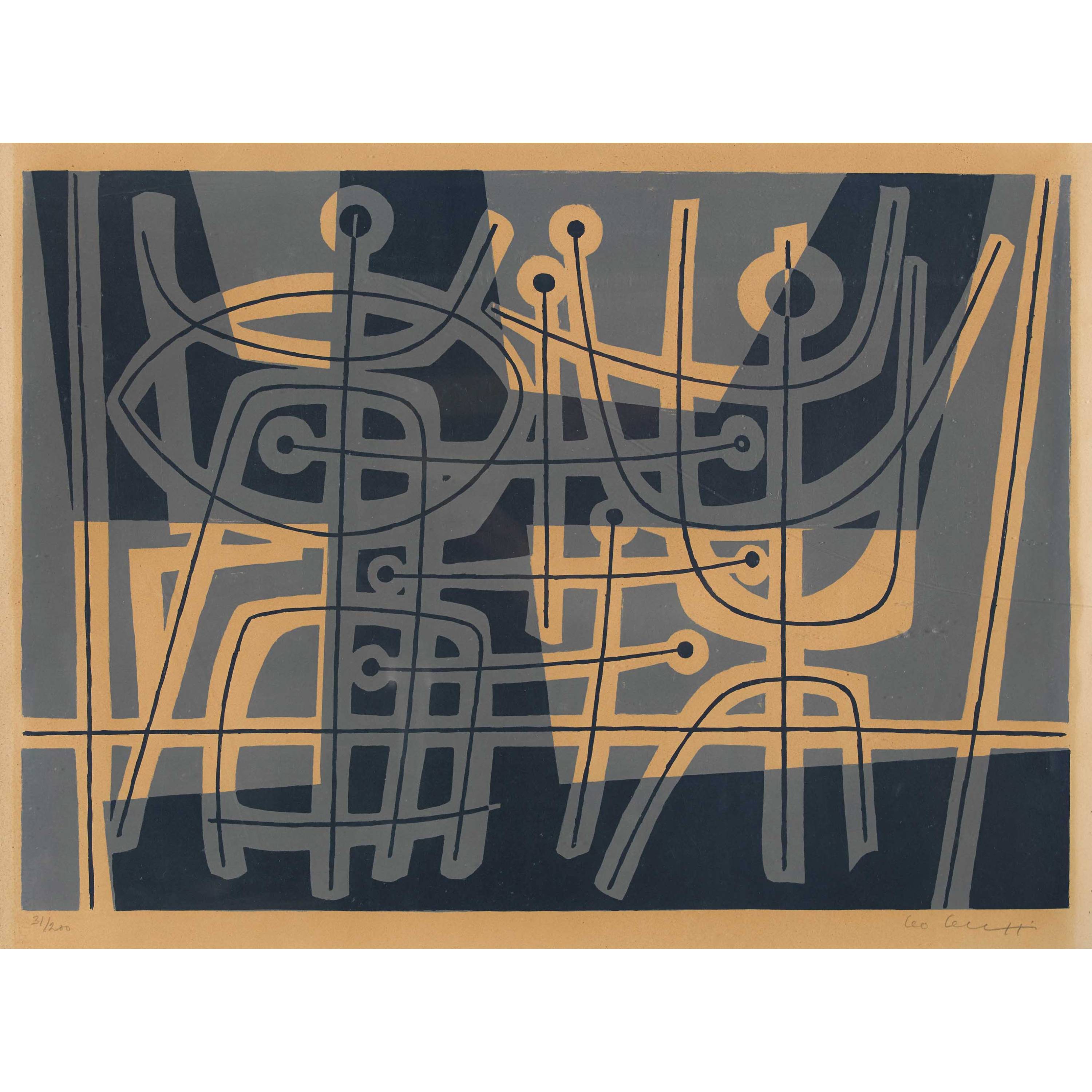
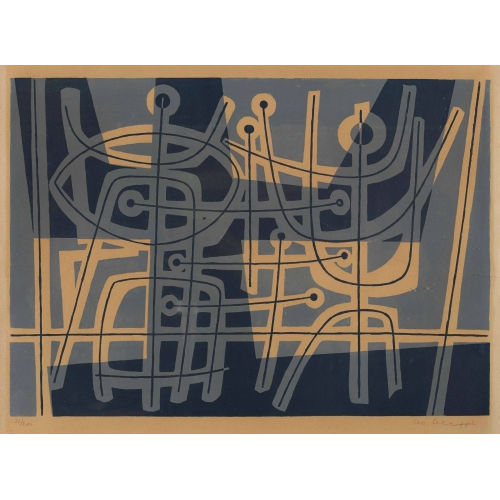
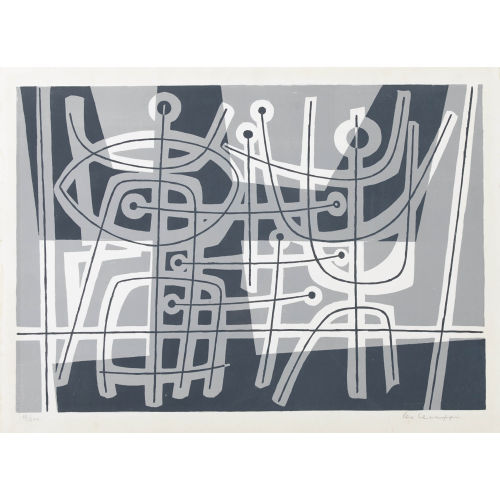
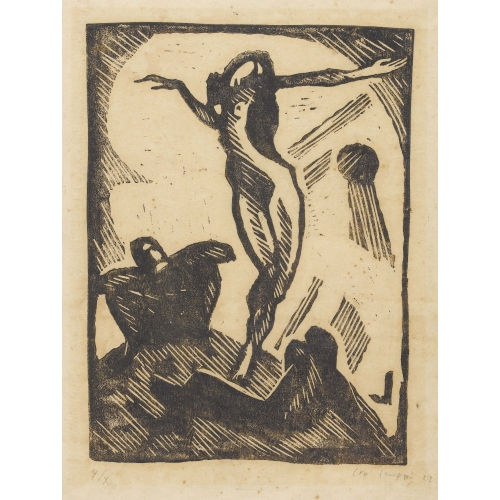
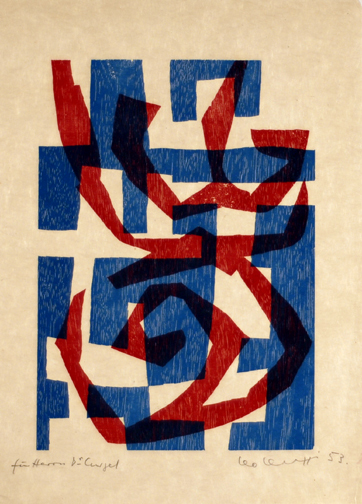
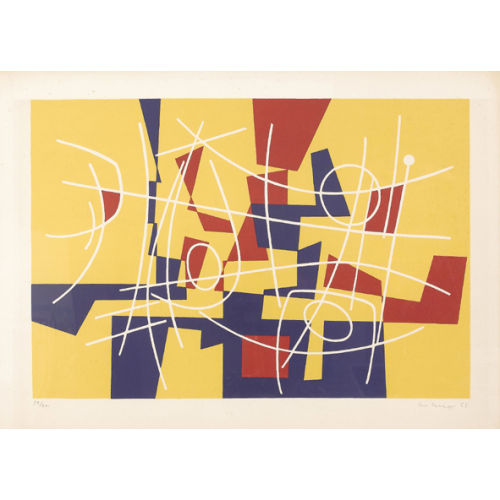
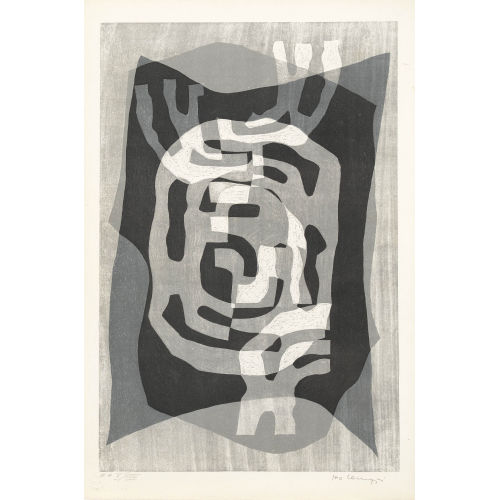
Leuppi also carried this invention beyond the picture. An iron sculpture for a façade in Thun, a mosaic in Kolbenacker School and a mural in a Zurich residence inscribe his investigations within everyday space. His prints circulated in collective portfolios with Max Bill, Sophie Taeuber-Arp and Hans Arp, as shown by the collection of the Museum of Modern Art.
This articulation of personal work, public art and collective action characterises his role in Swiss modernism.