Kurt Seligmann
Born in 1900.
Died in 1962.
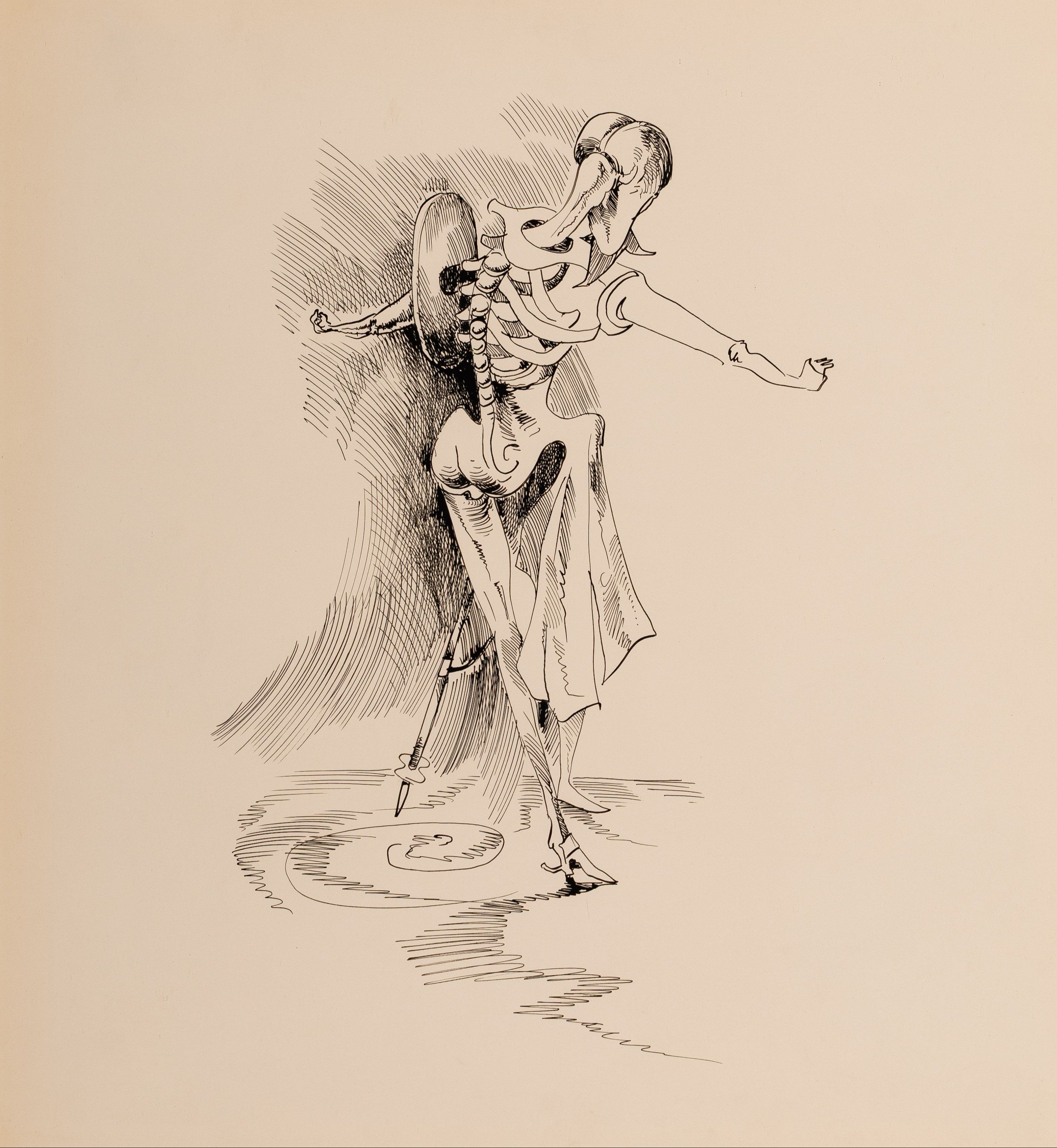
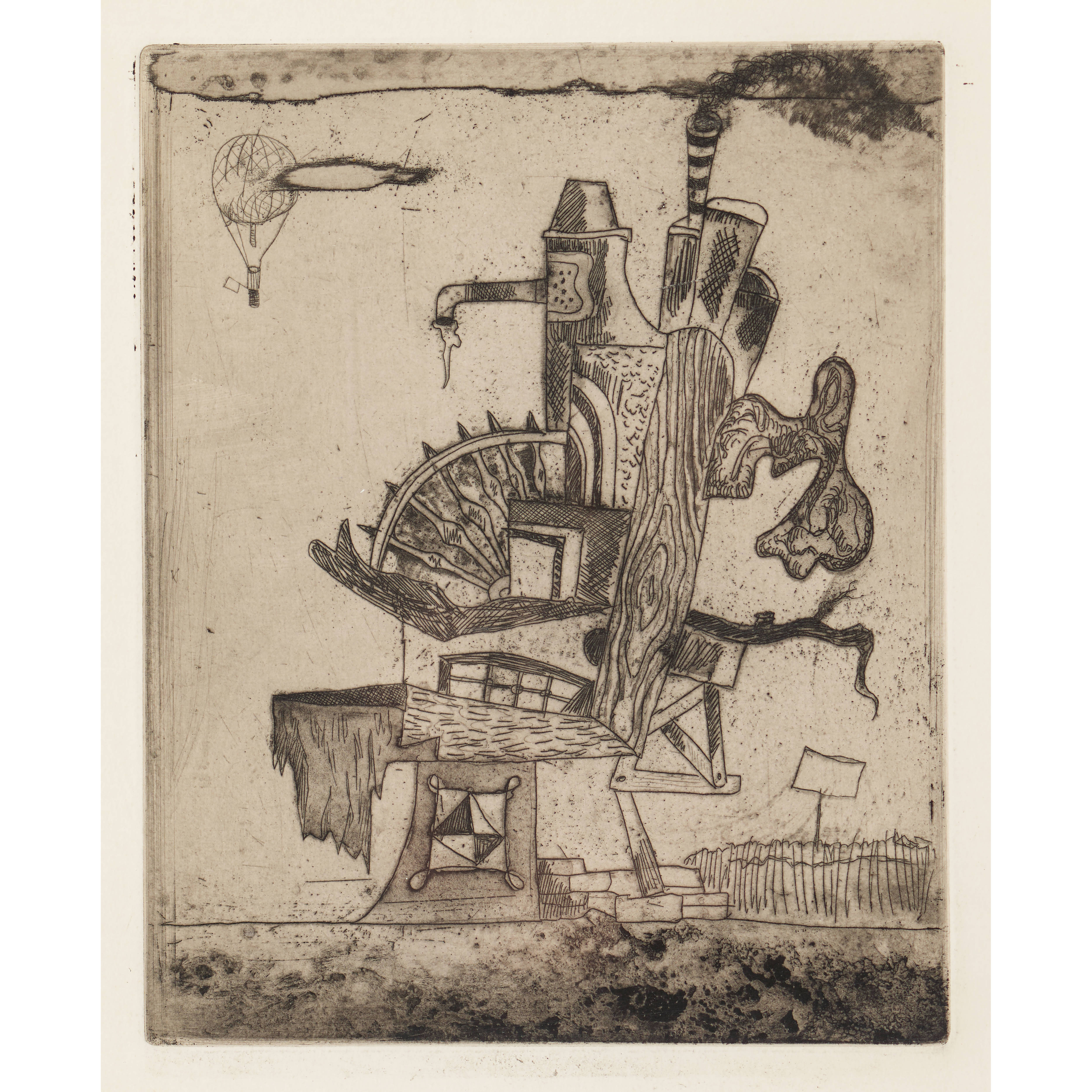
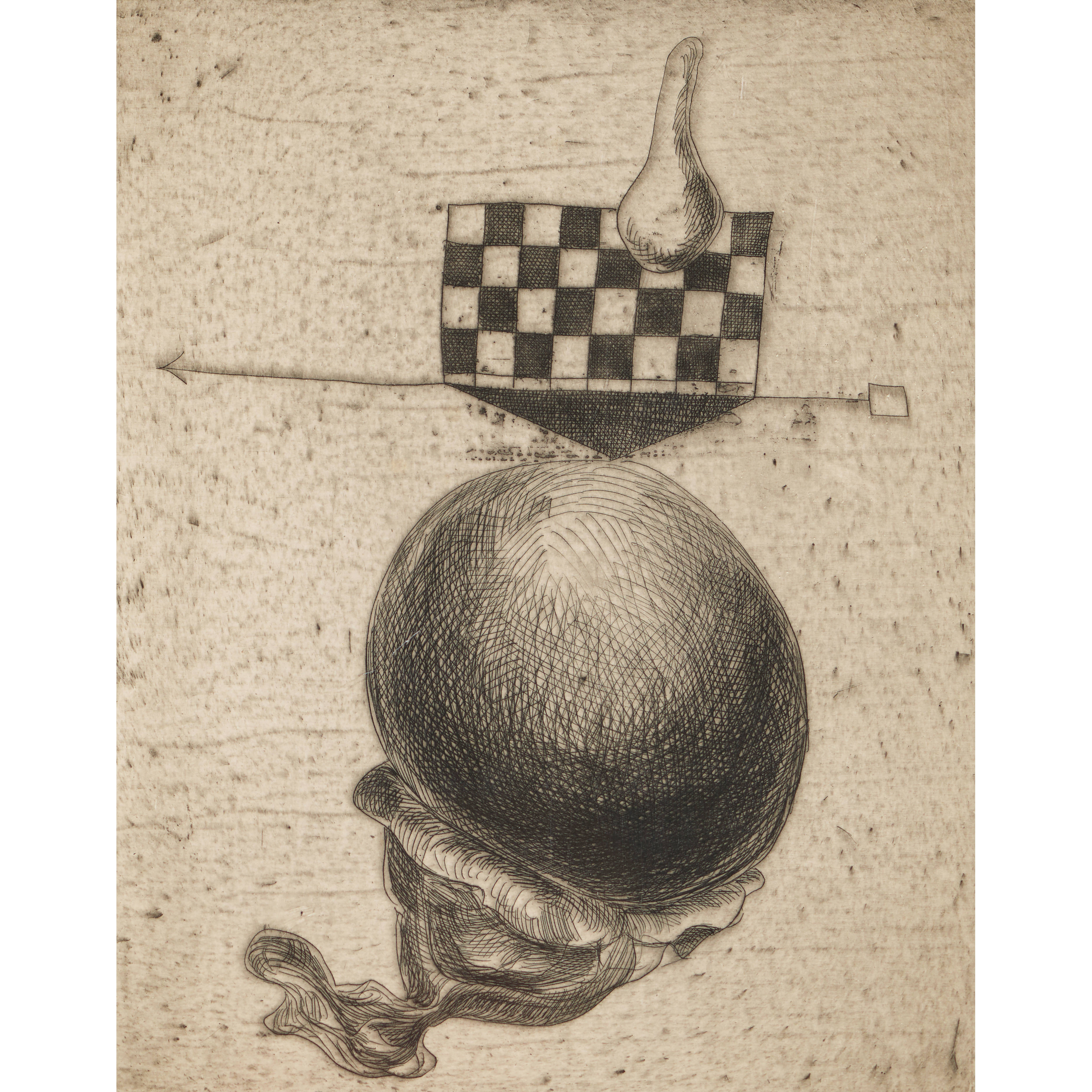
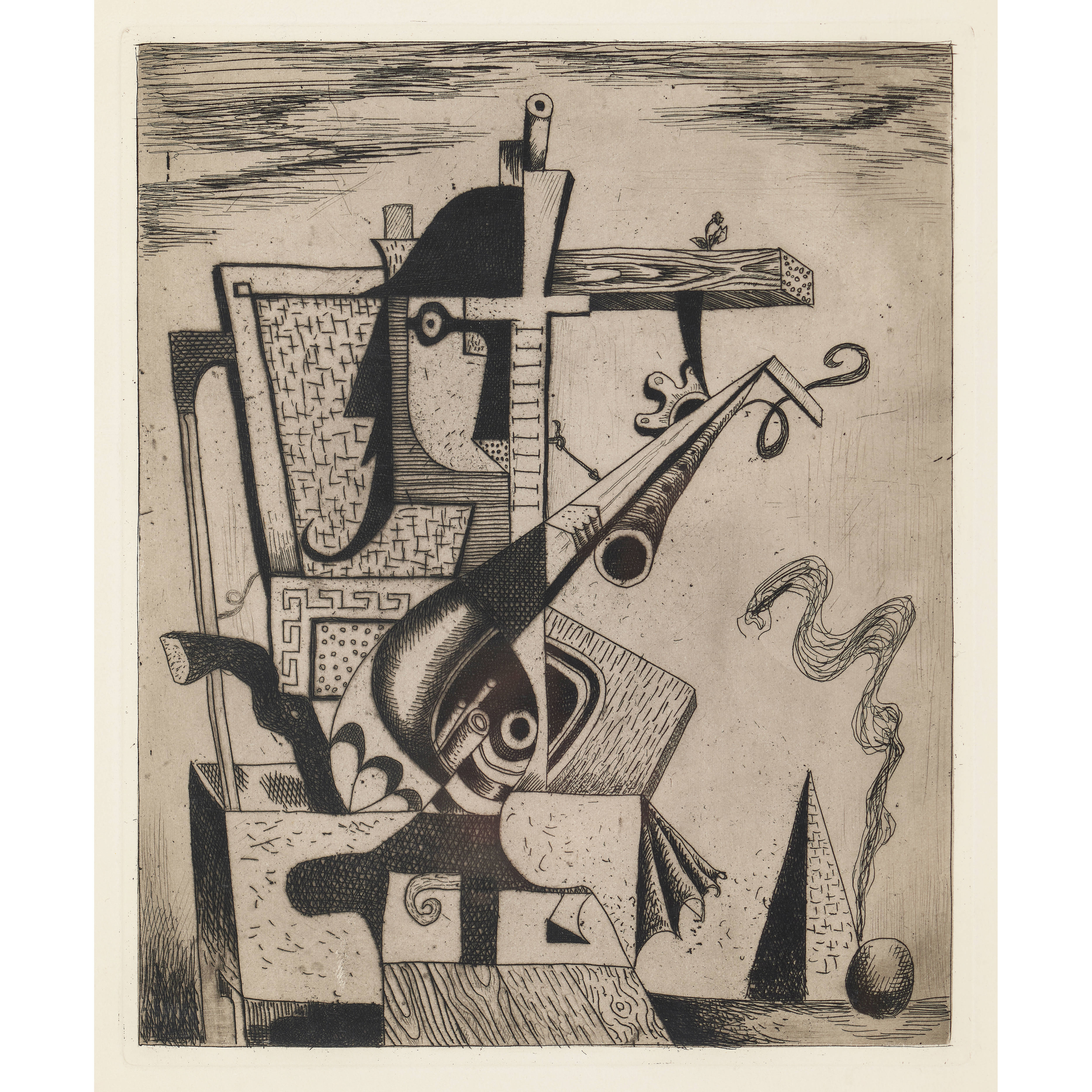
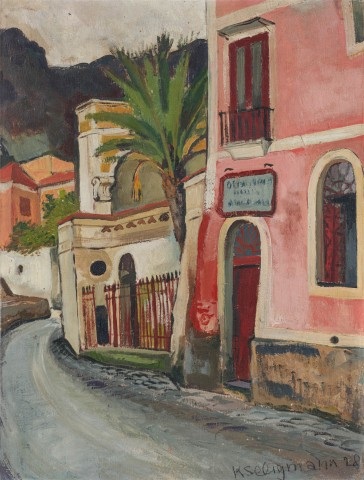
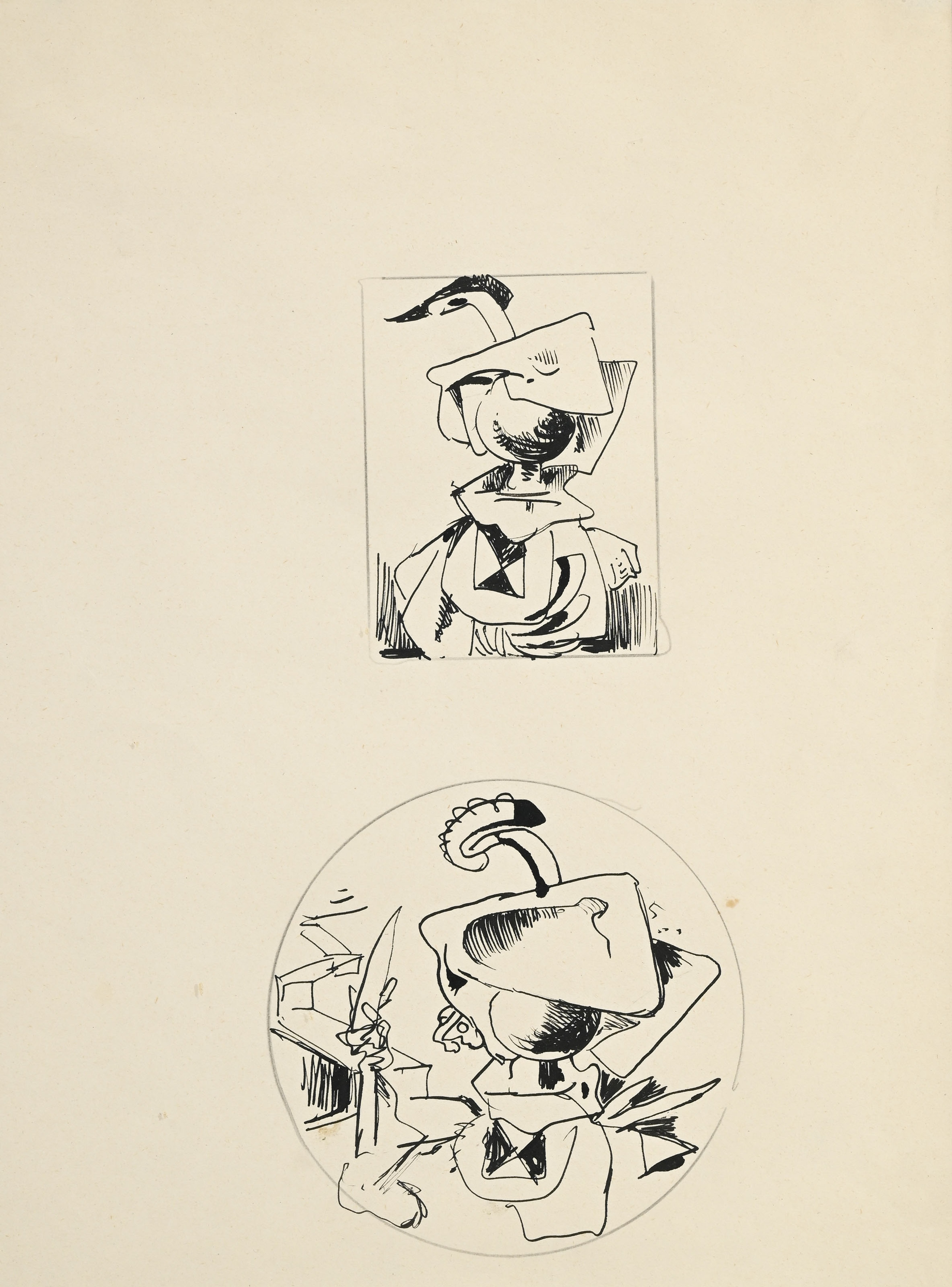
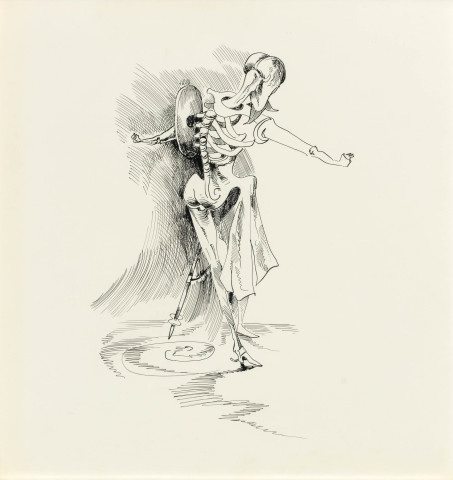
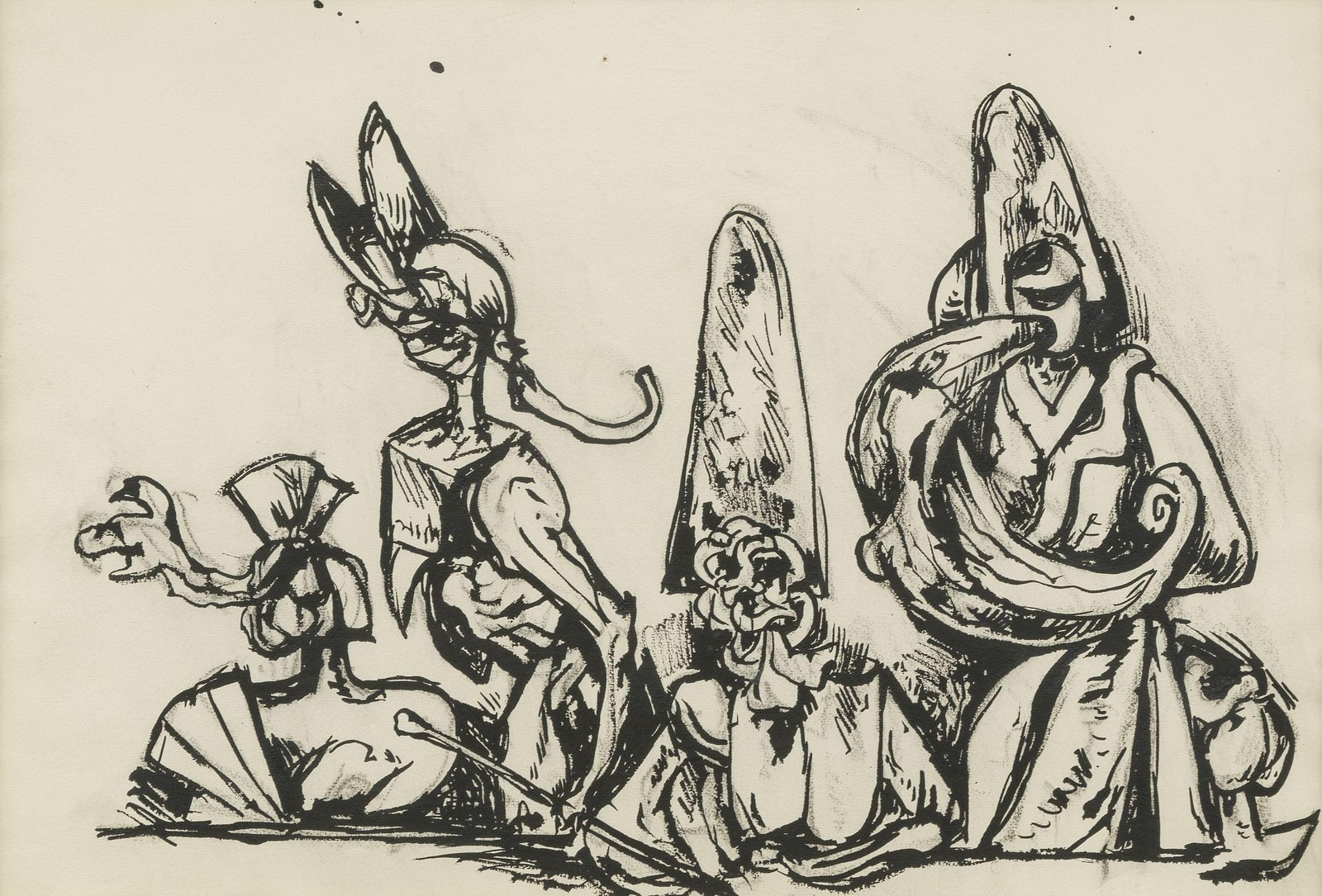
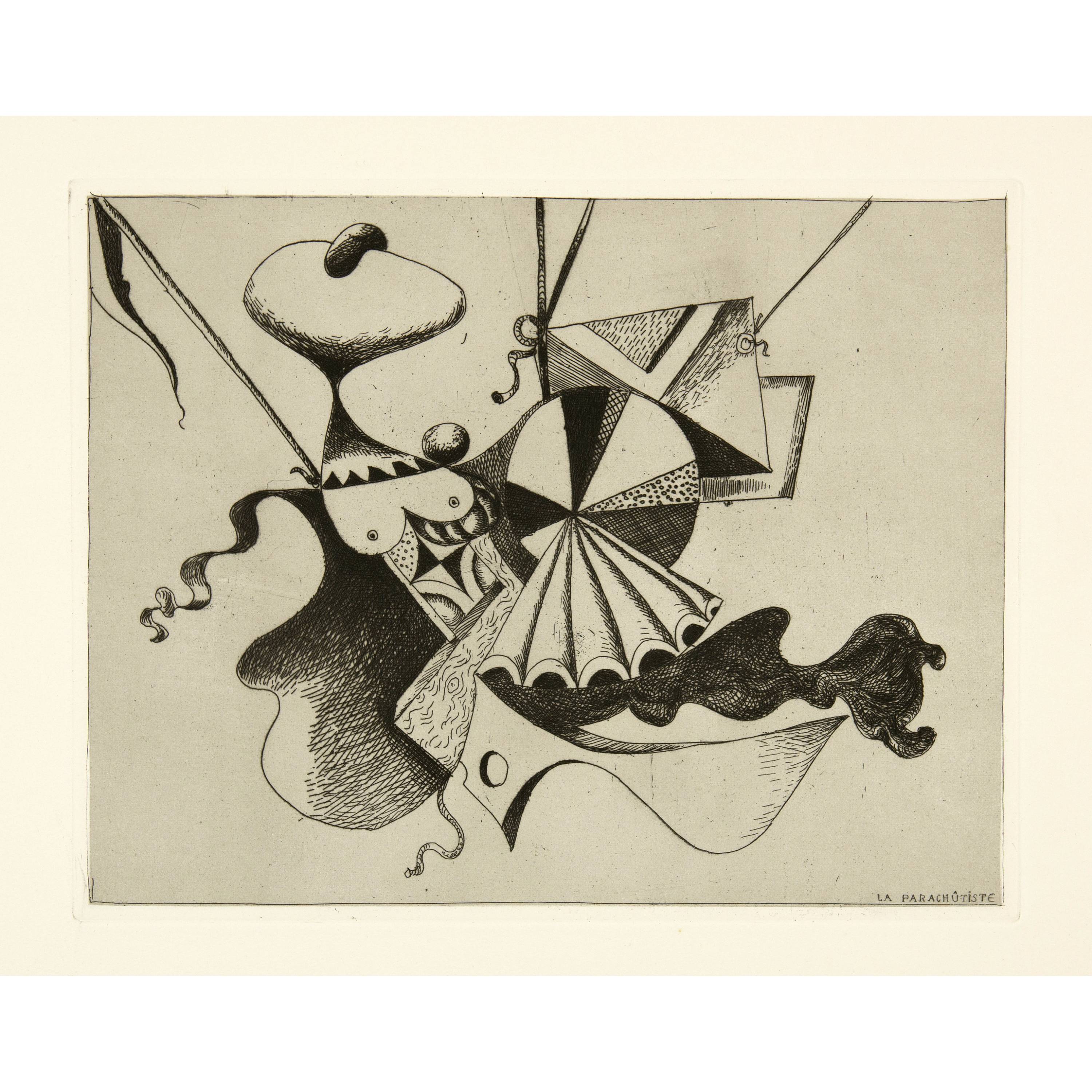
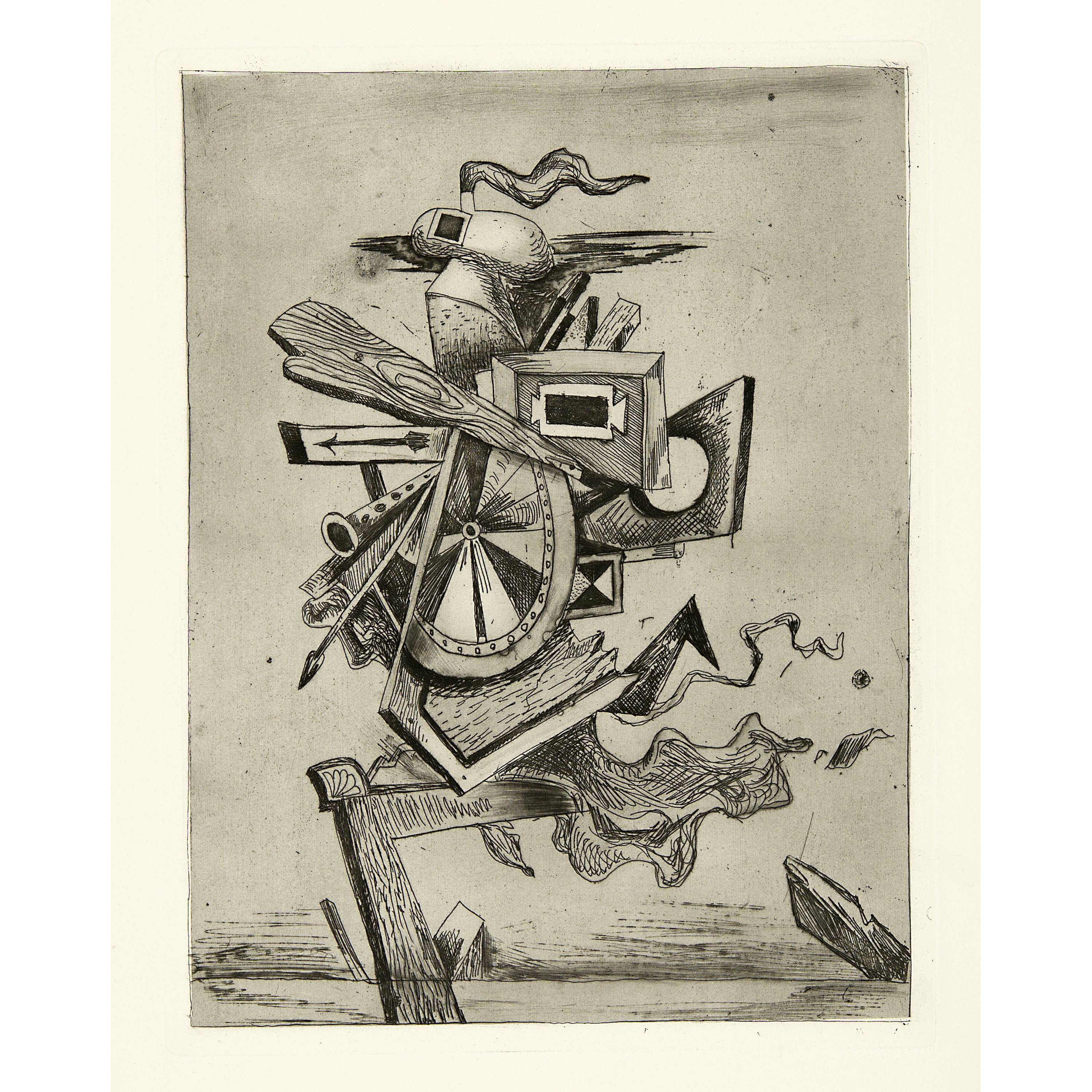
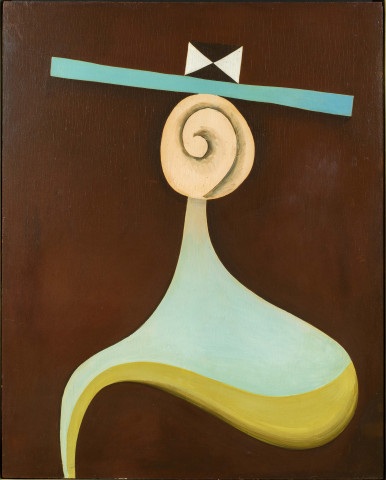
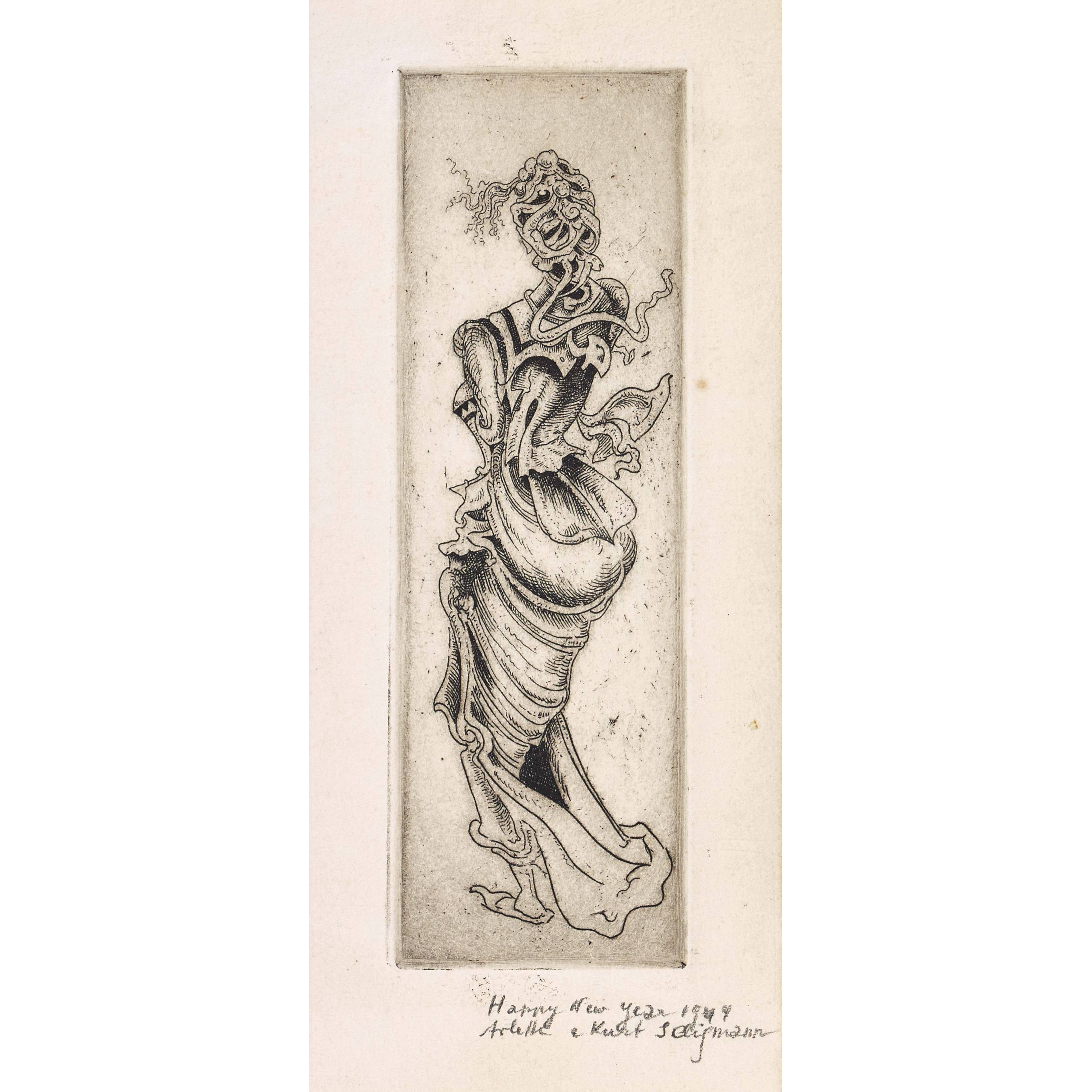
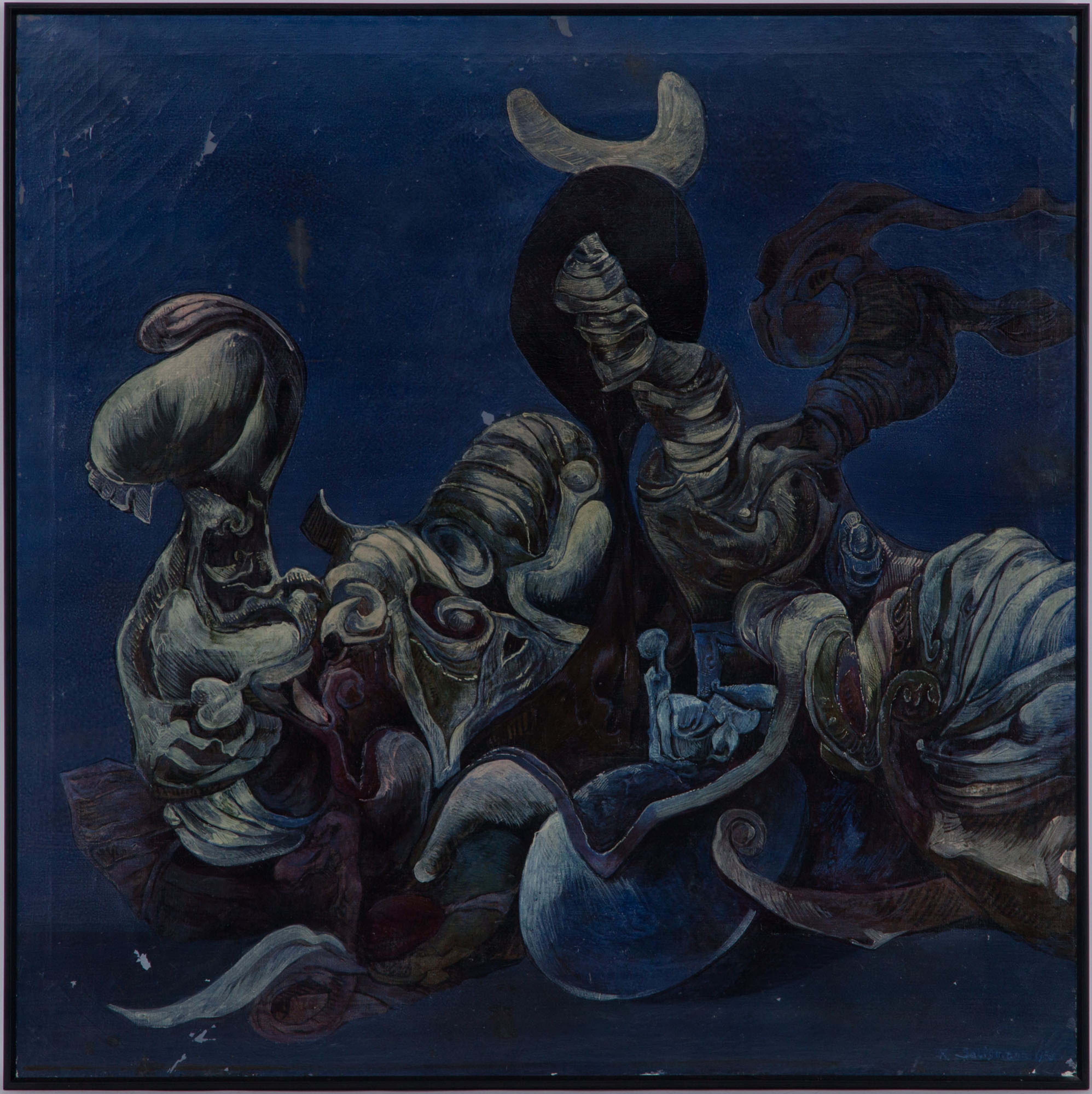
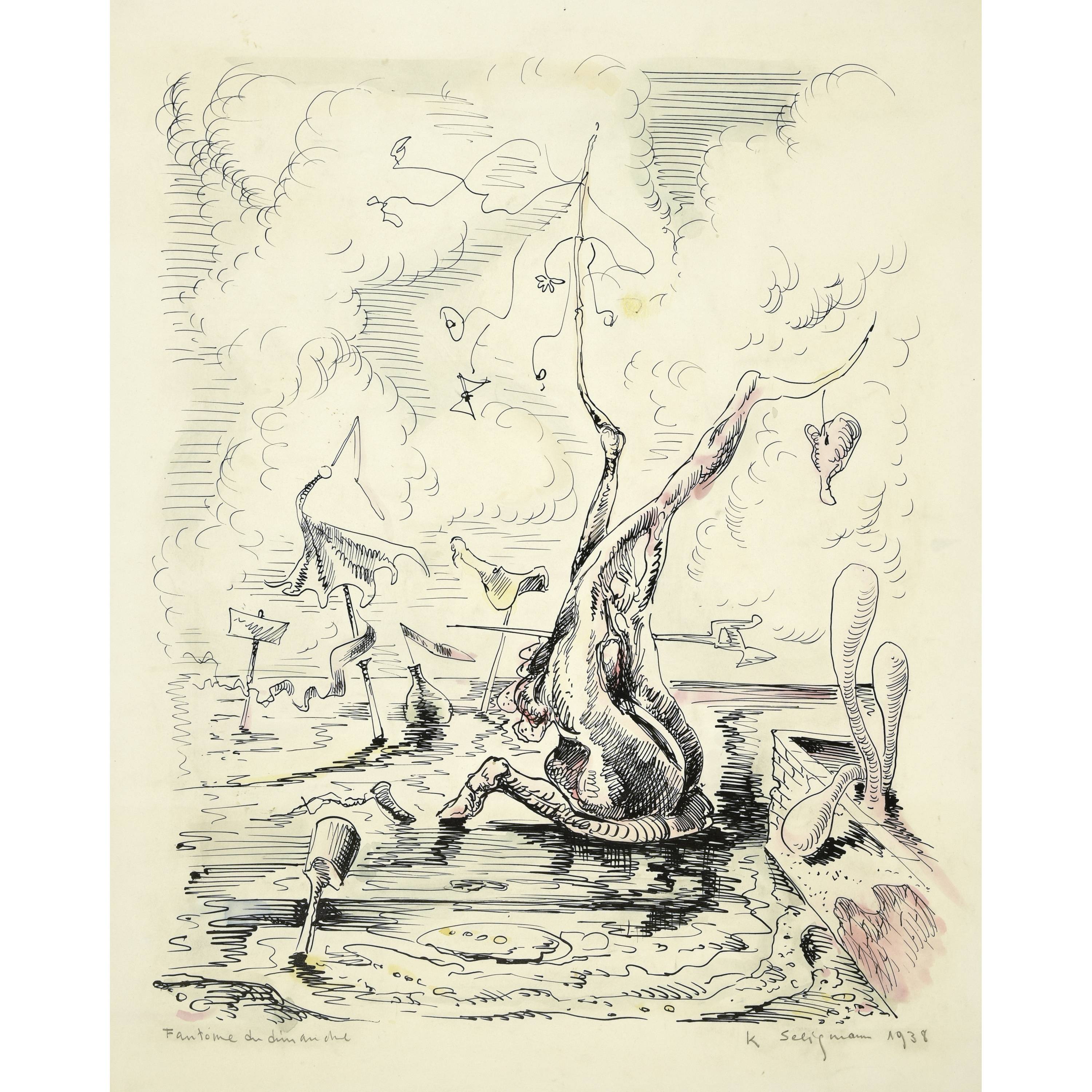
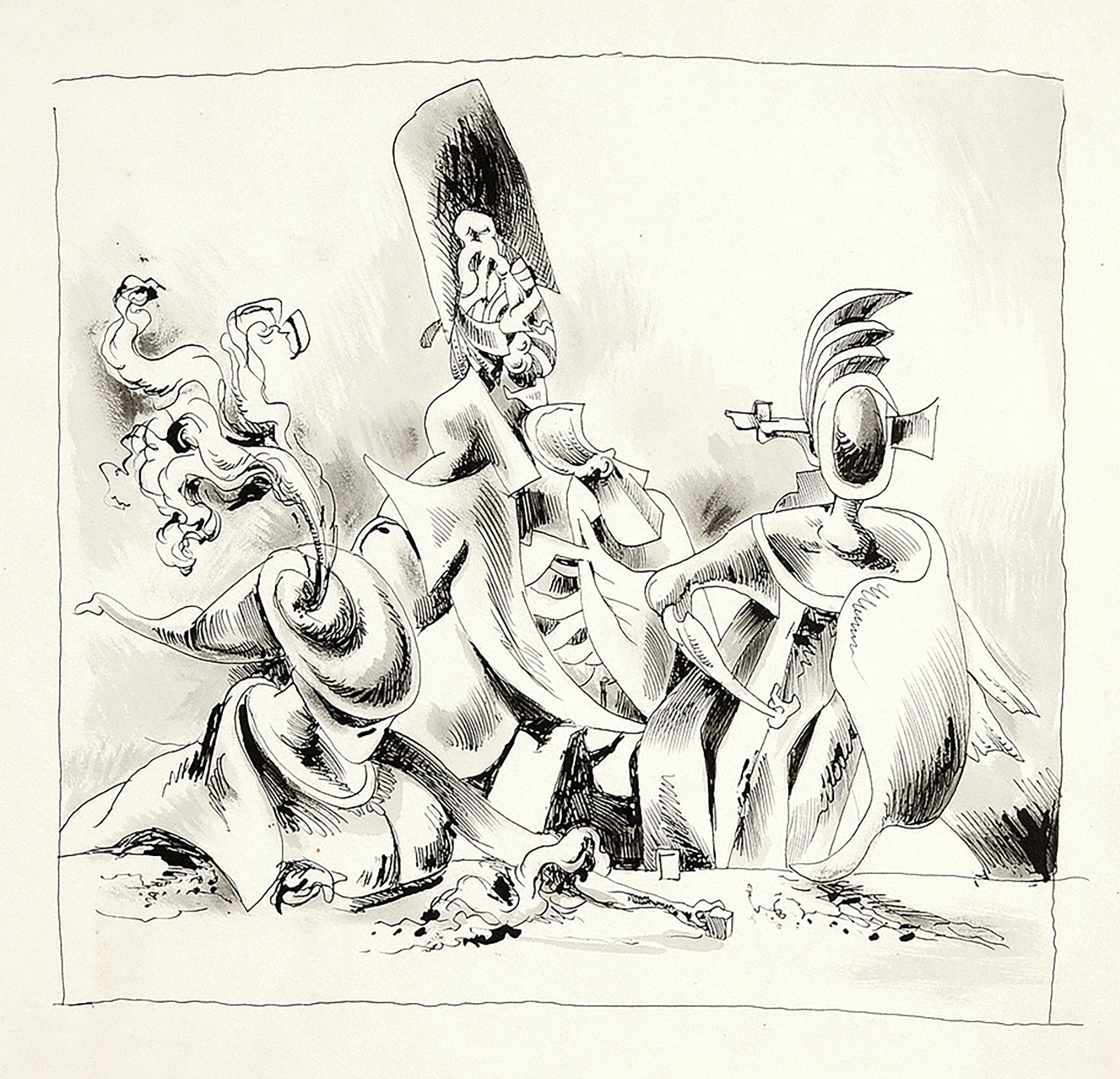
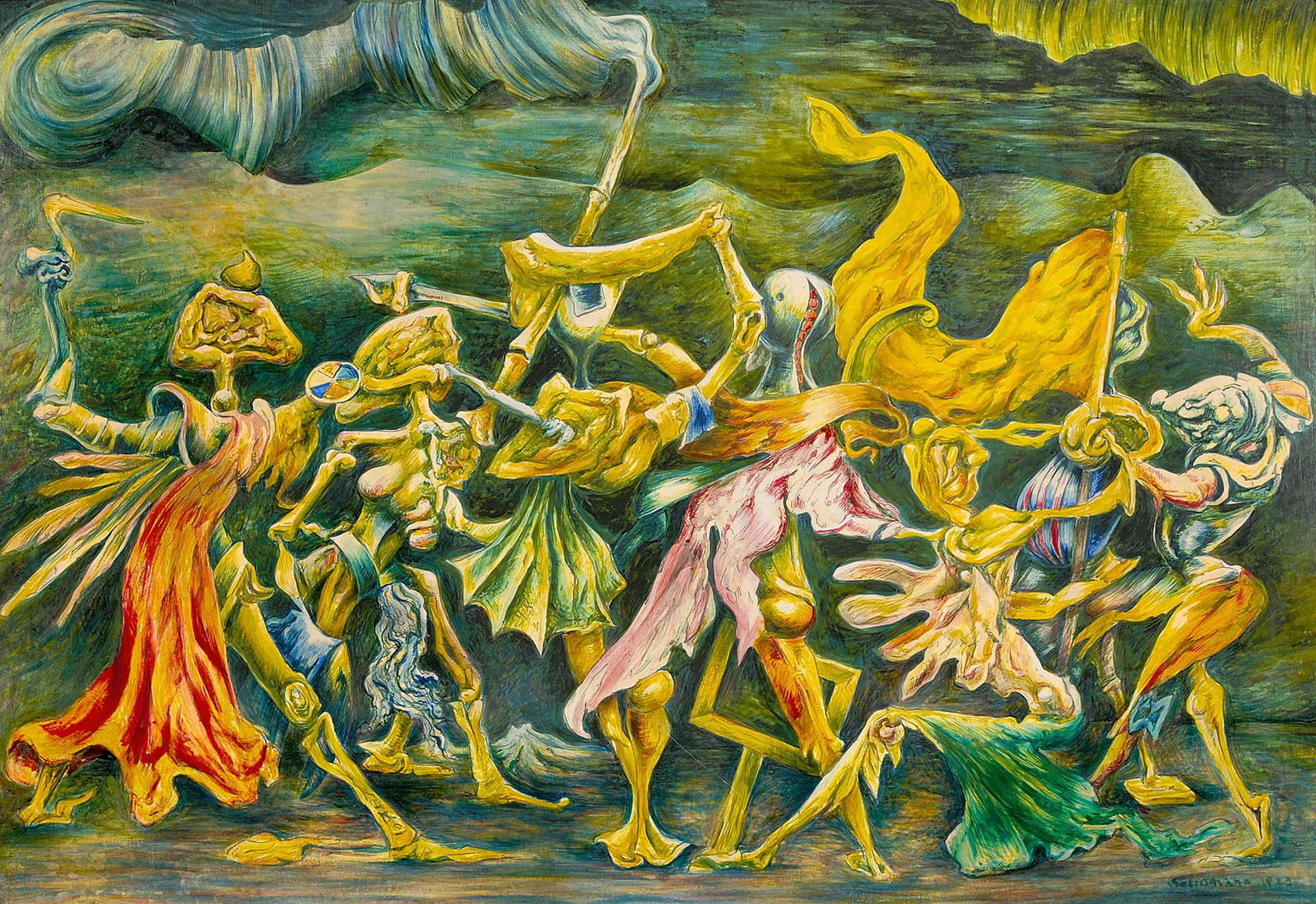
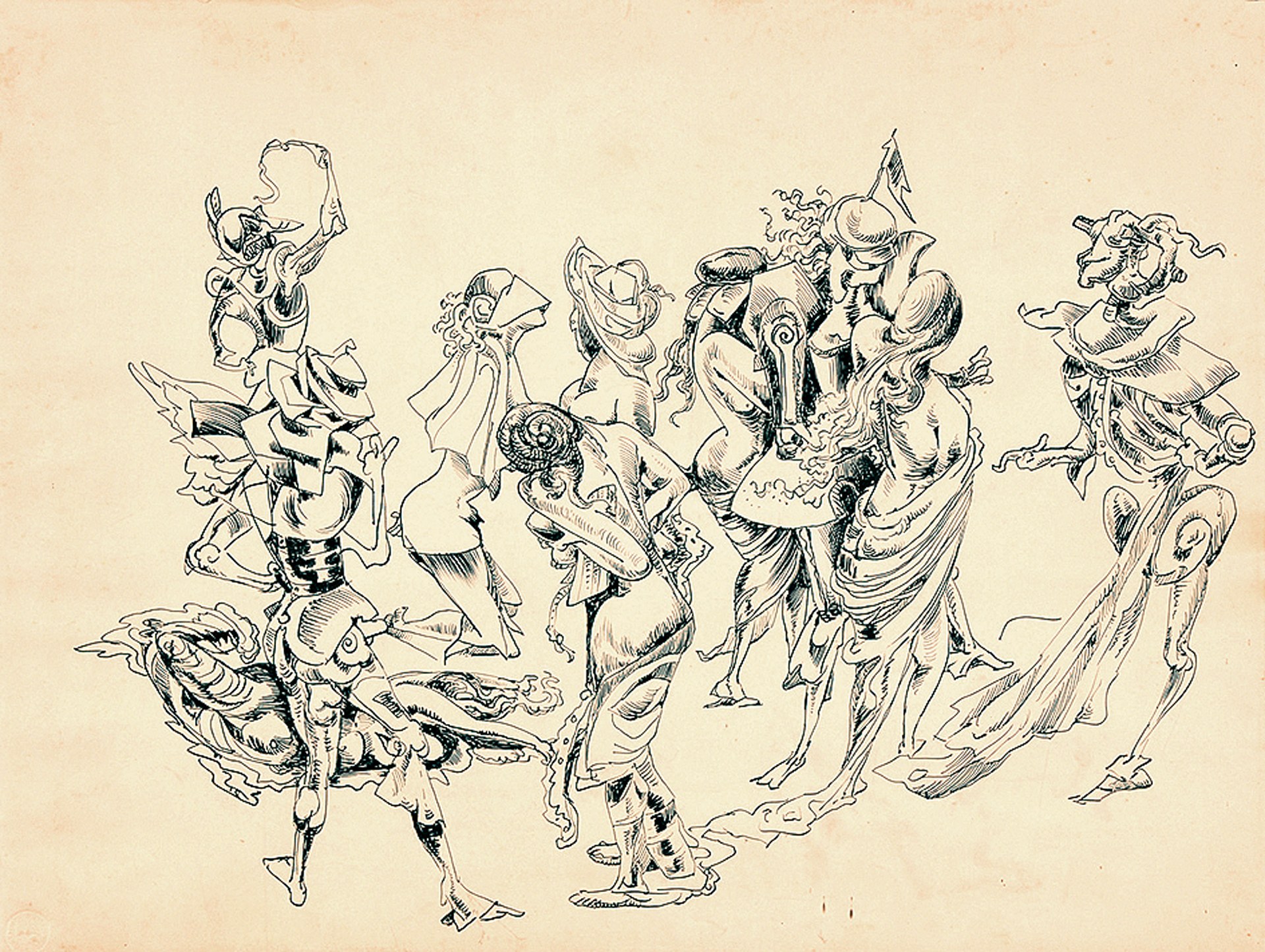
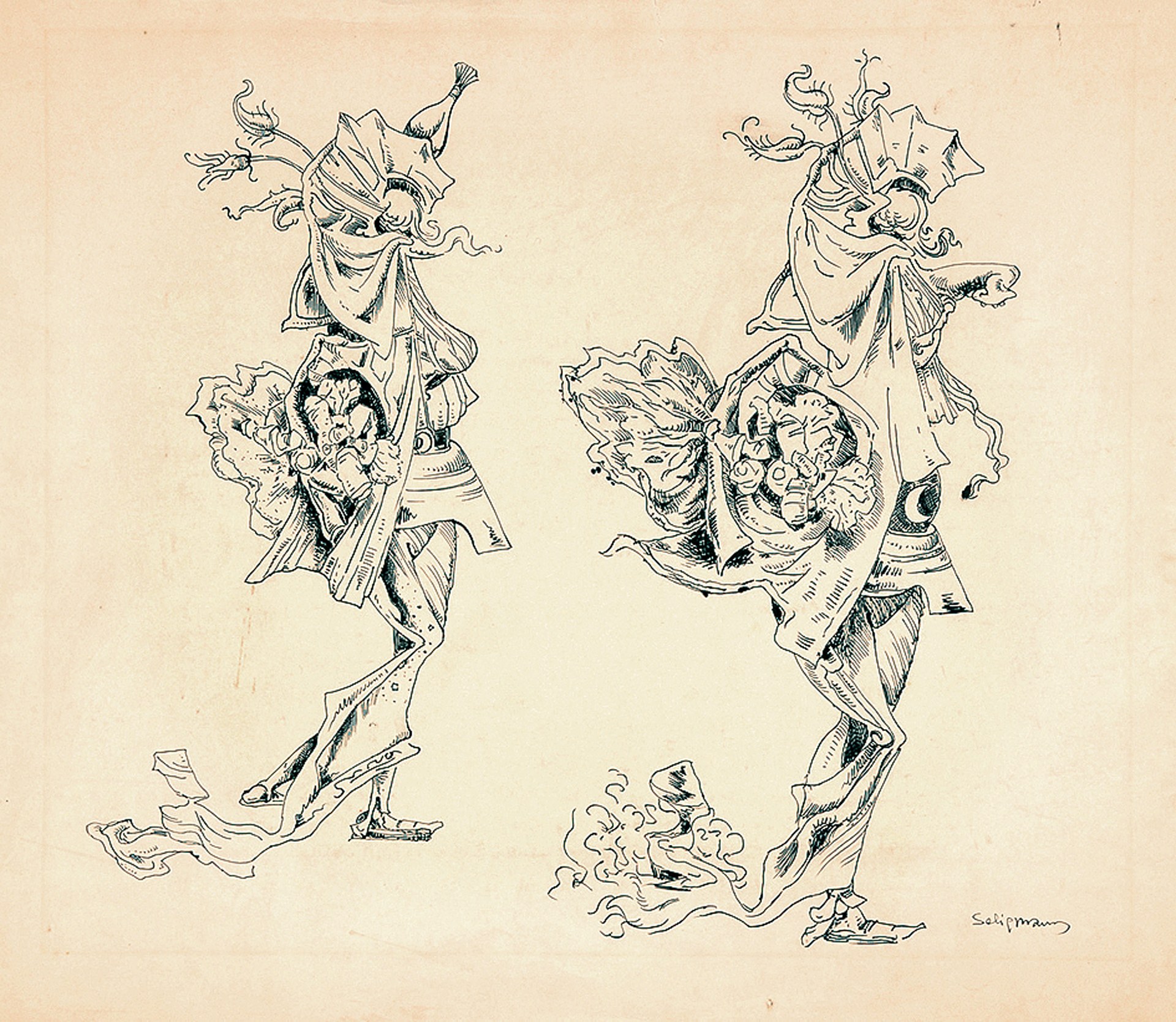
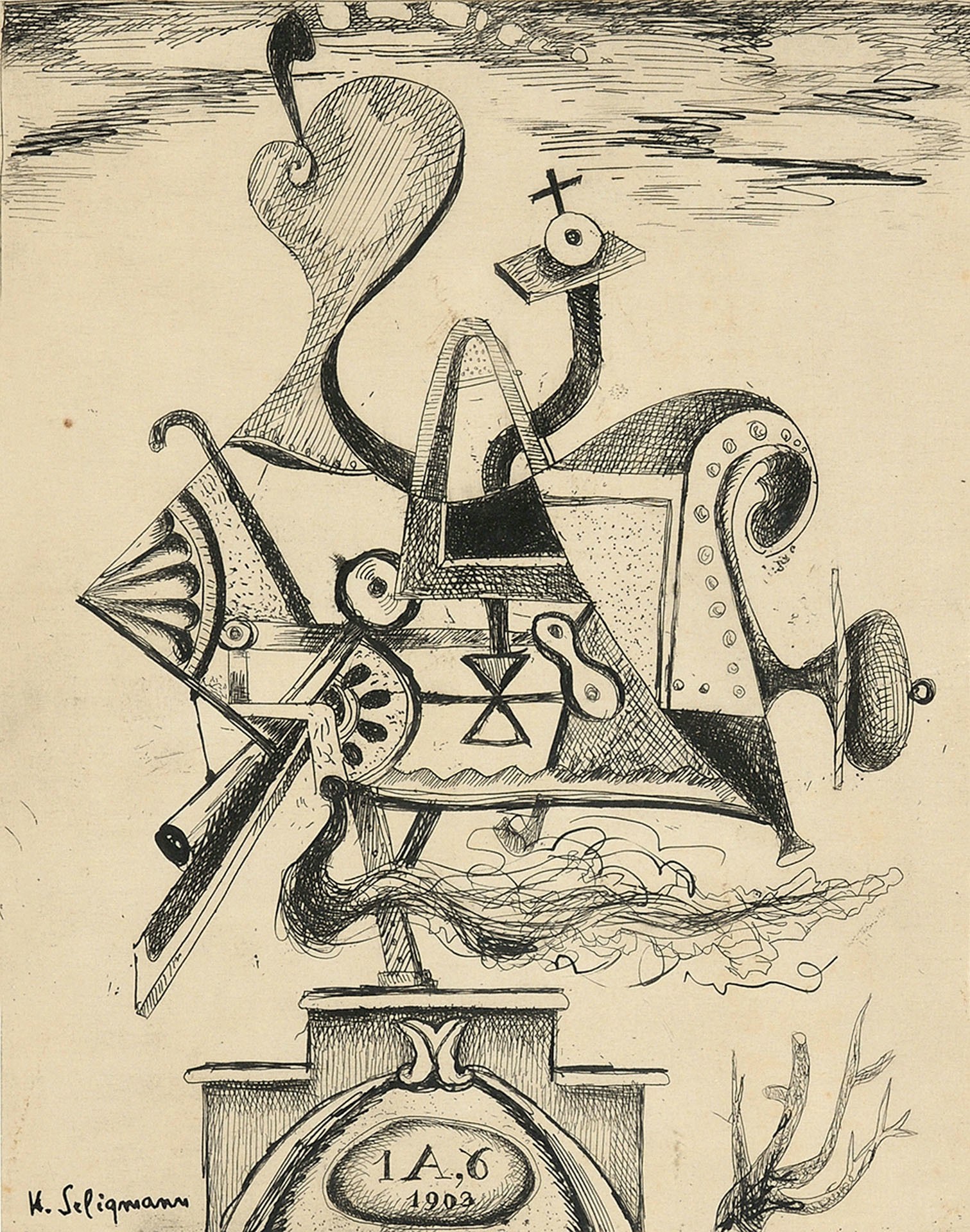
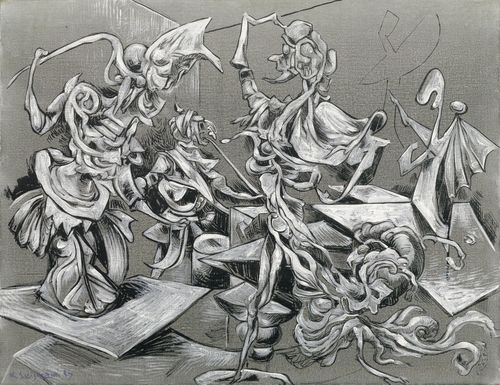
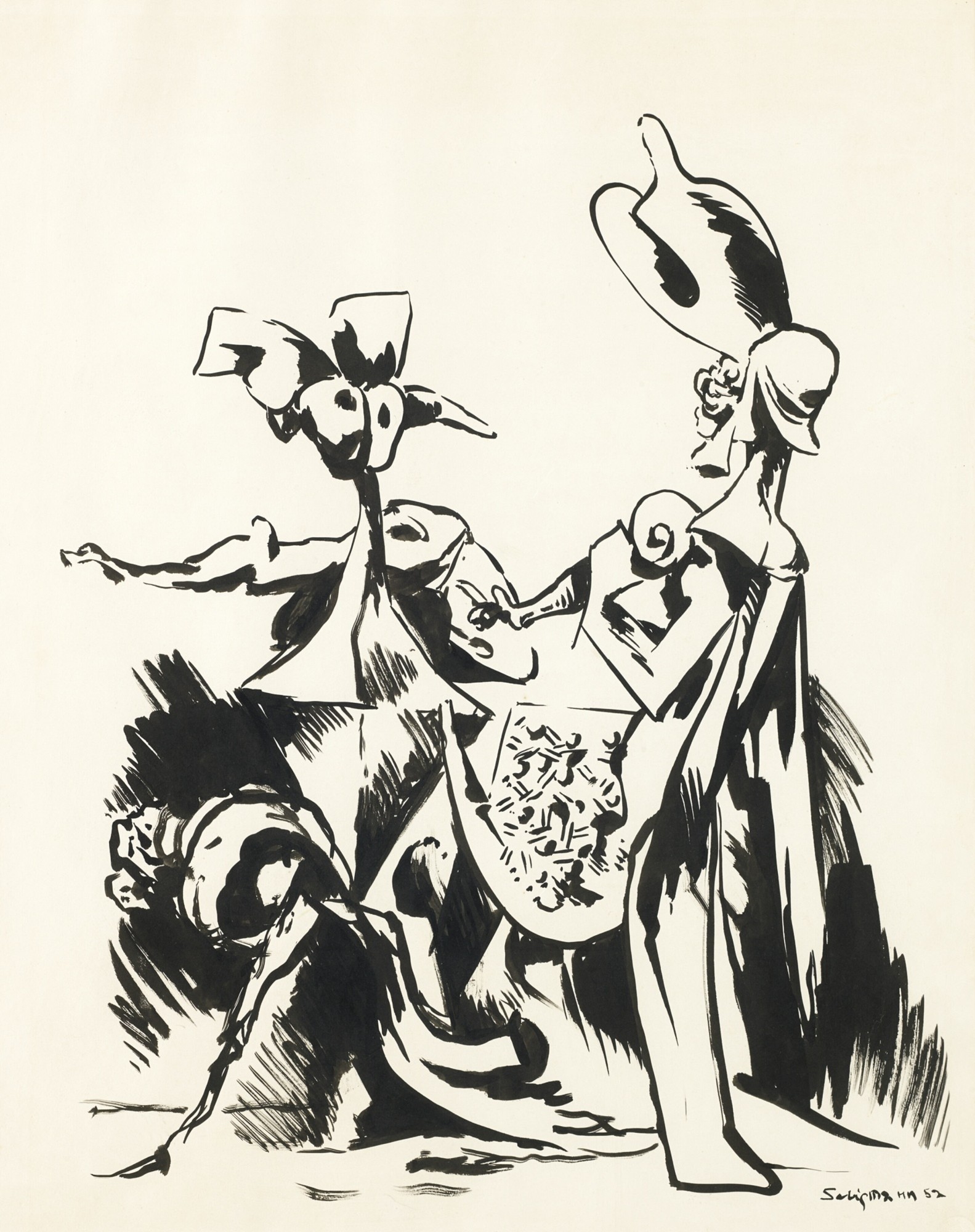
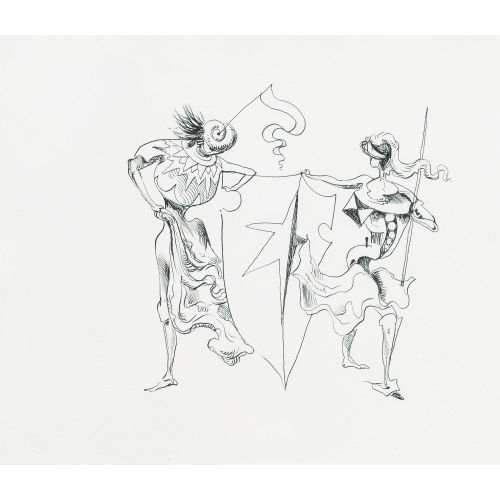
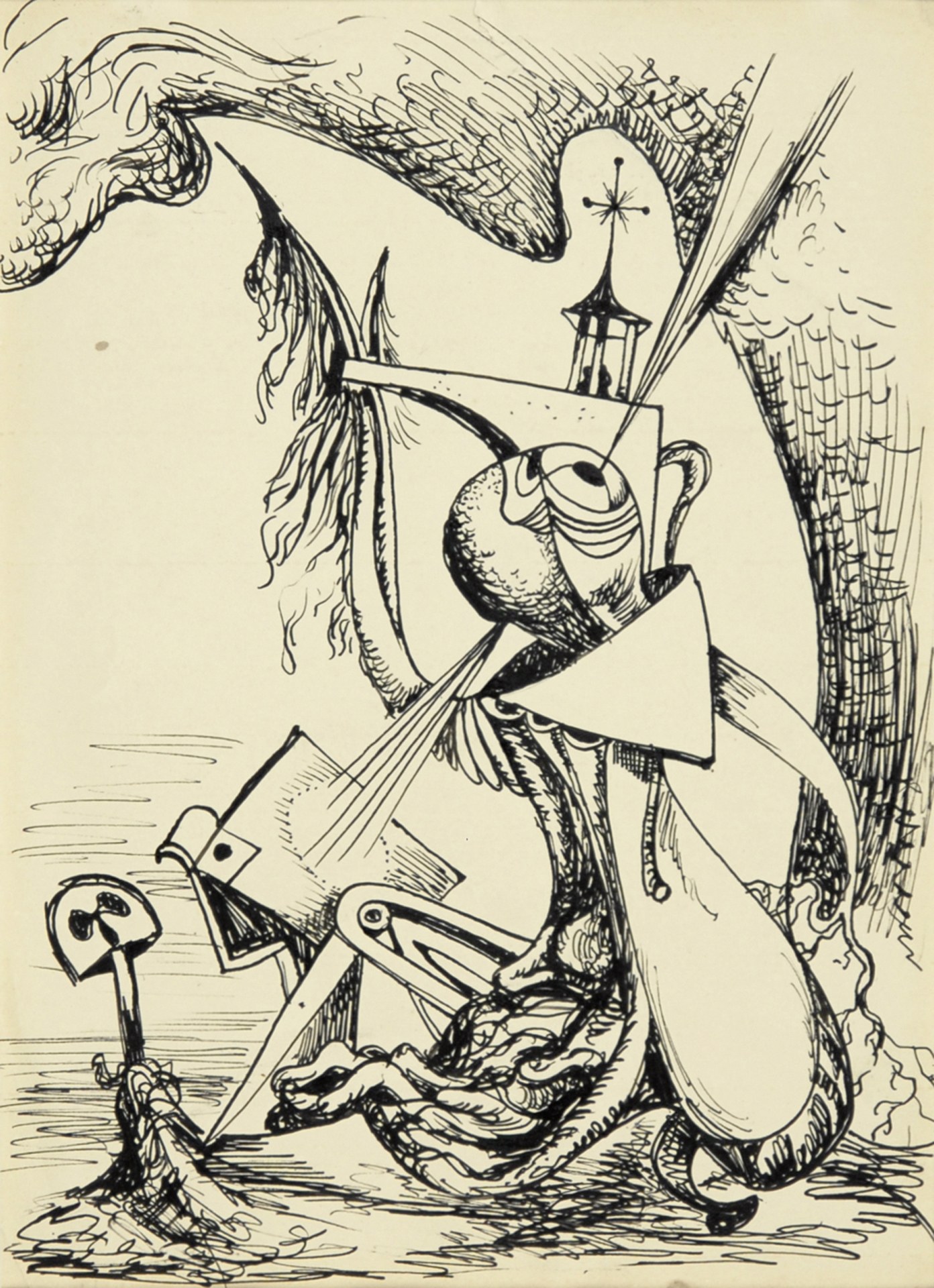
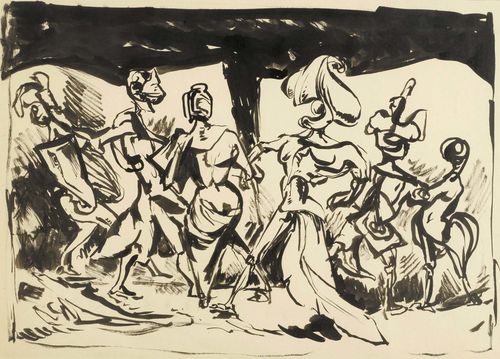
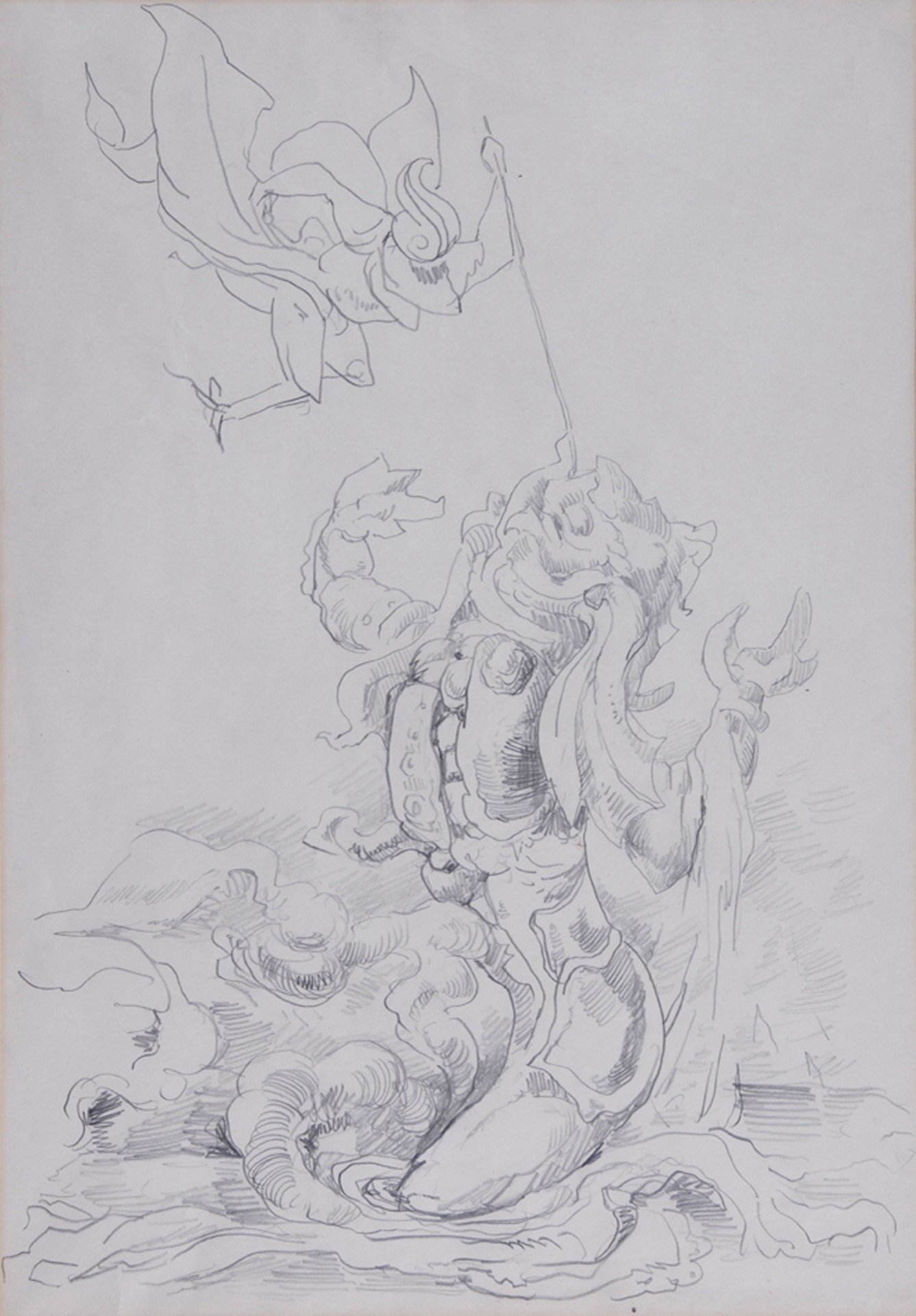
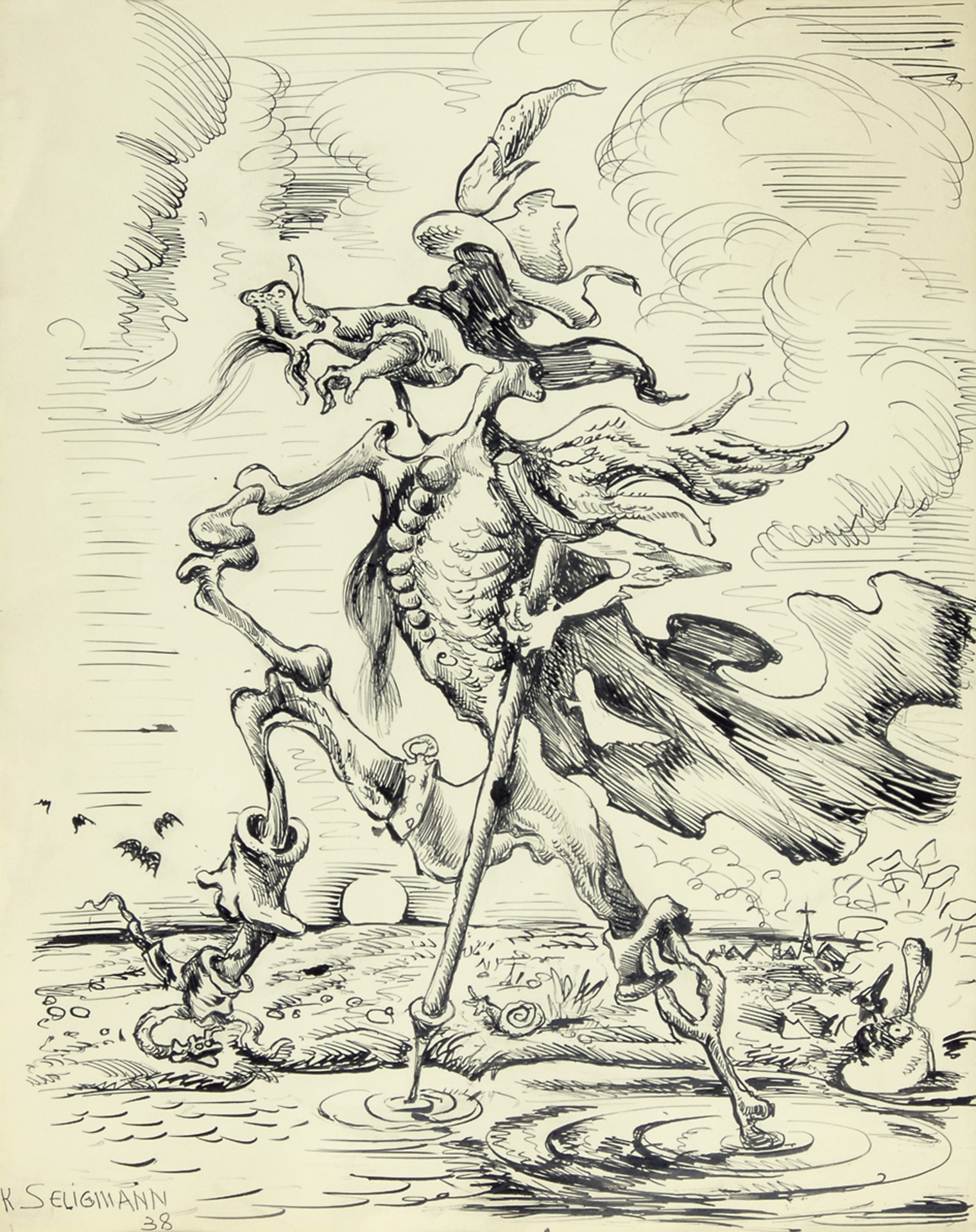
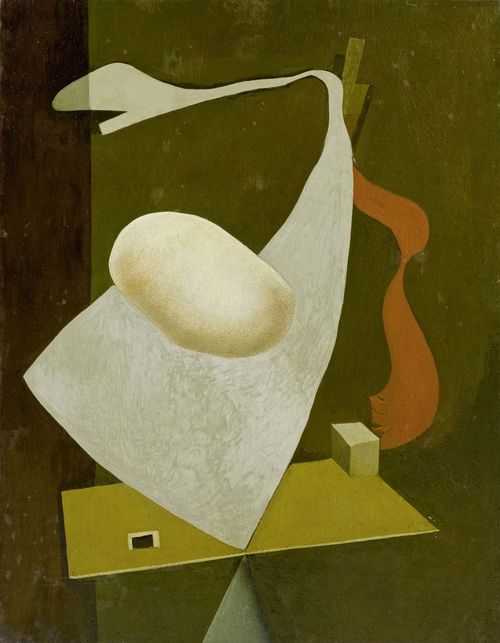
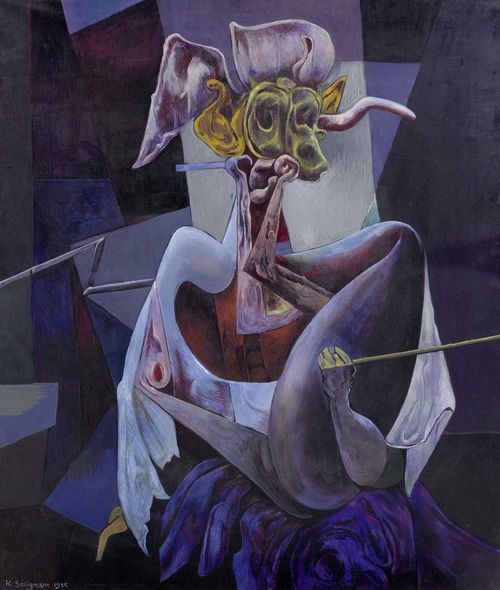
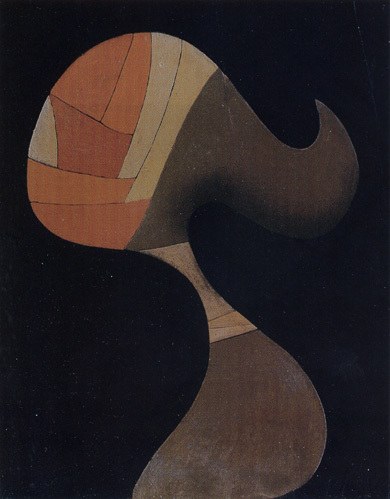
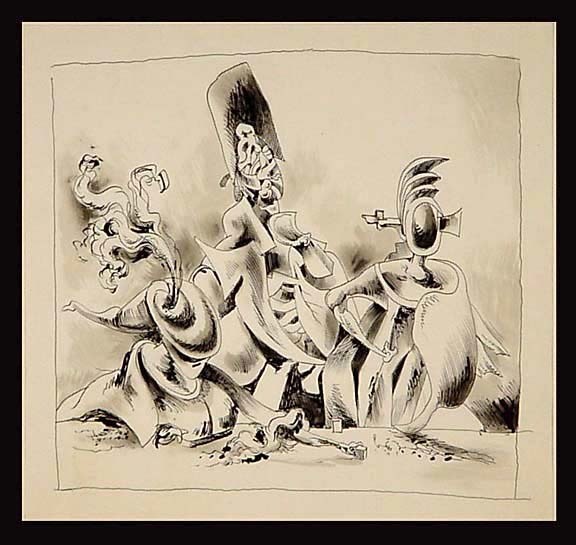
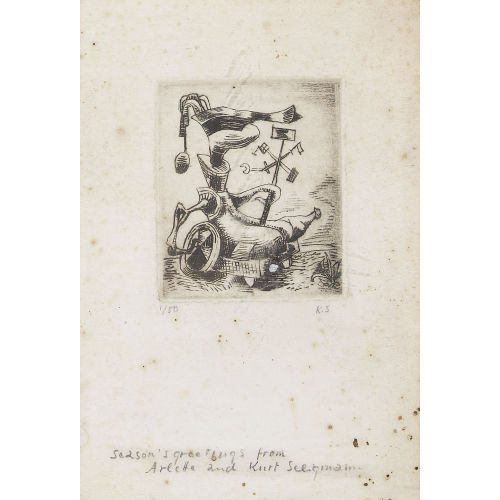
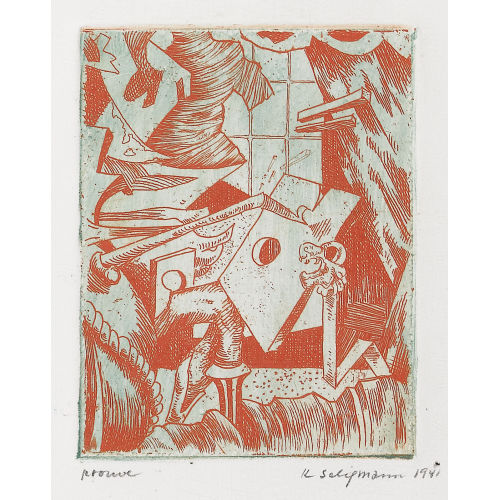
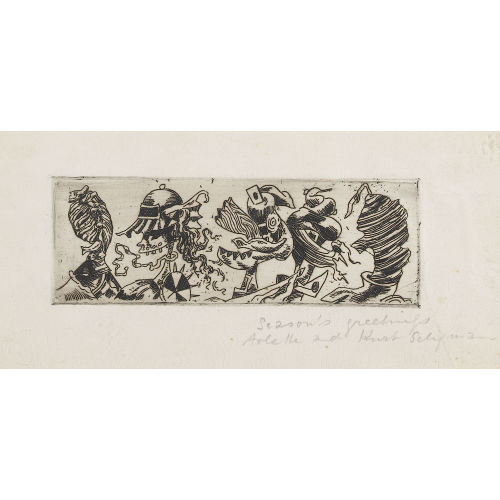
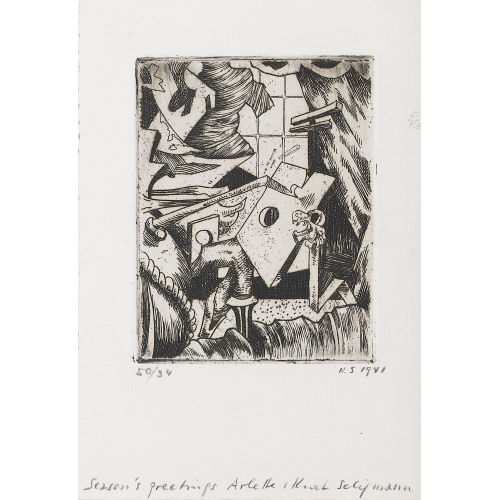
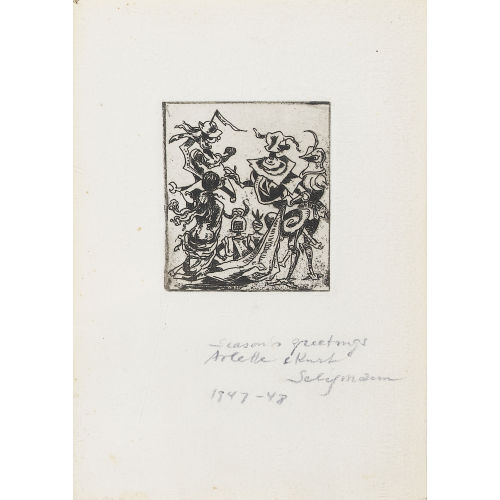
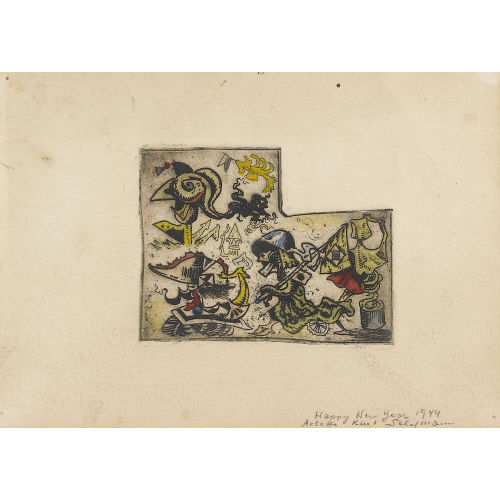
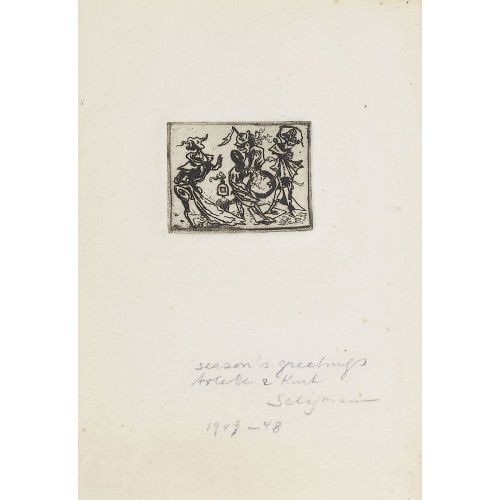
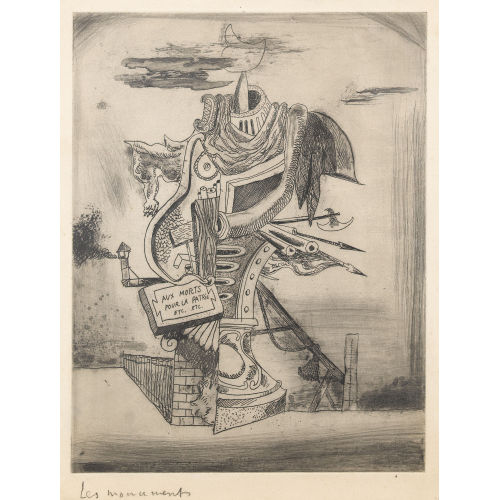
After an initial artistic training in Geneva, he resumed his studies at the Accademia di Belle Arti in Florence, then settled in Paris in 1929. There he took part in the Abstraction-Création group before joining the Surrealist circle. His work developed a singular world populated by chivalric figures, troubadours and hybrid creatures, in which medieval imagery mingles with metamorphoses and the uncanny.
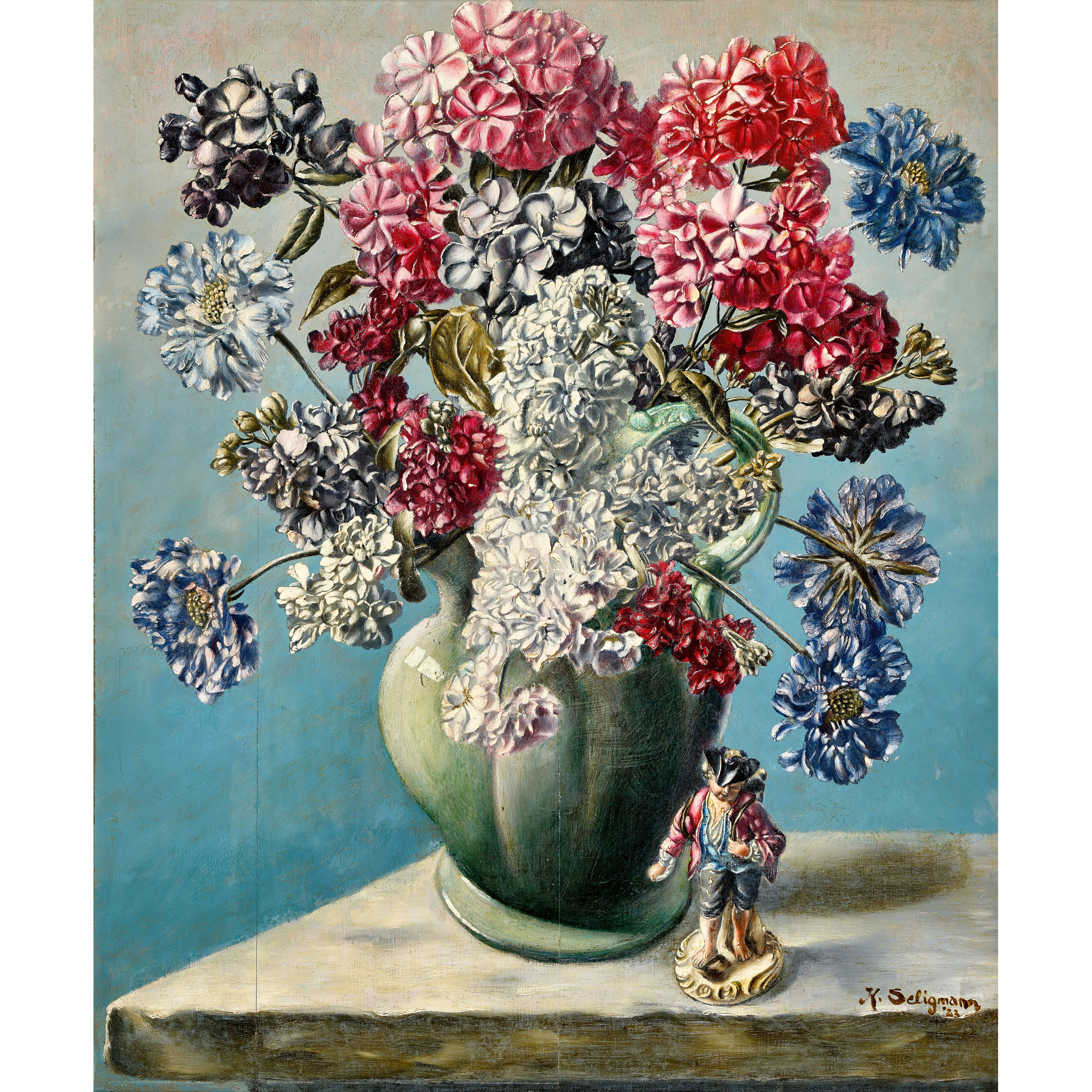
Drawing, painting and printmaking enabled him to vary these motifs in meticulously elaborated compositions. On the eve of the war, Seligmann emigrated to the United States and settled in New York, where he continued his career and exhibited at the Karl Nierendorf Gallery from 1939 onwards. He made a notable contribution to the reception of Surrealism.
His interest in occultism and the history of symbols also informed his research and his book The Mirror of Magic, published in 1948. His works are now held in the collections of American and European museums. Seligmann’s career thus connects the Basel and Geneva art scenes of his beginnings with the Parisian and New York avant-gardes.