Jürg Kreienbühl
Born in 1932.
Died in 2007.
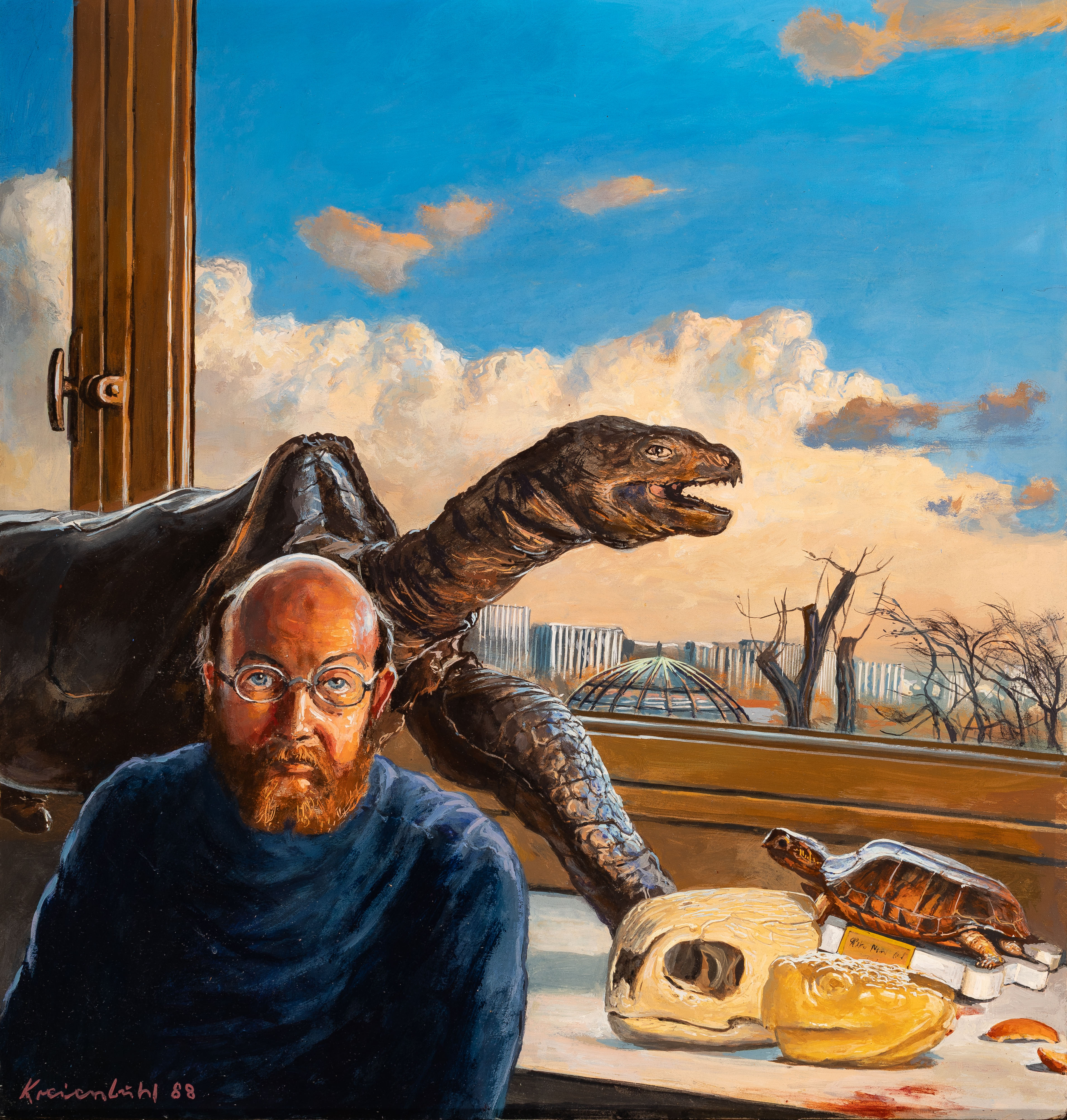
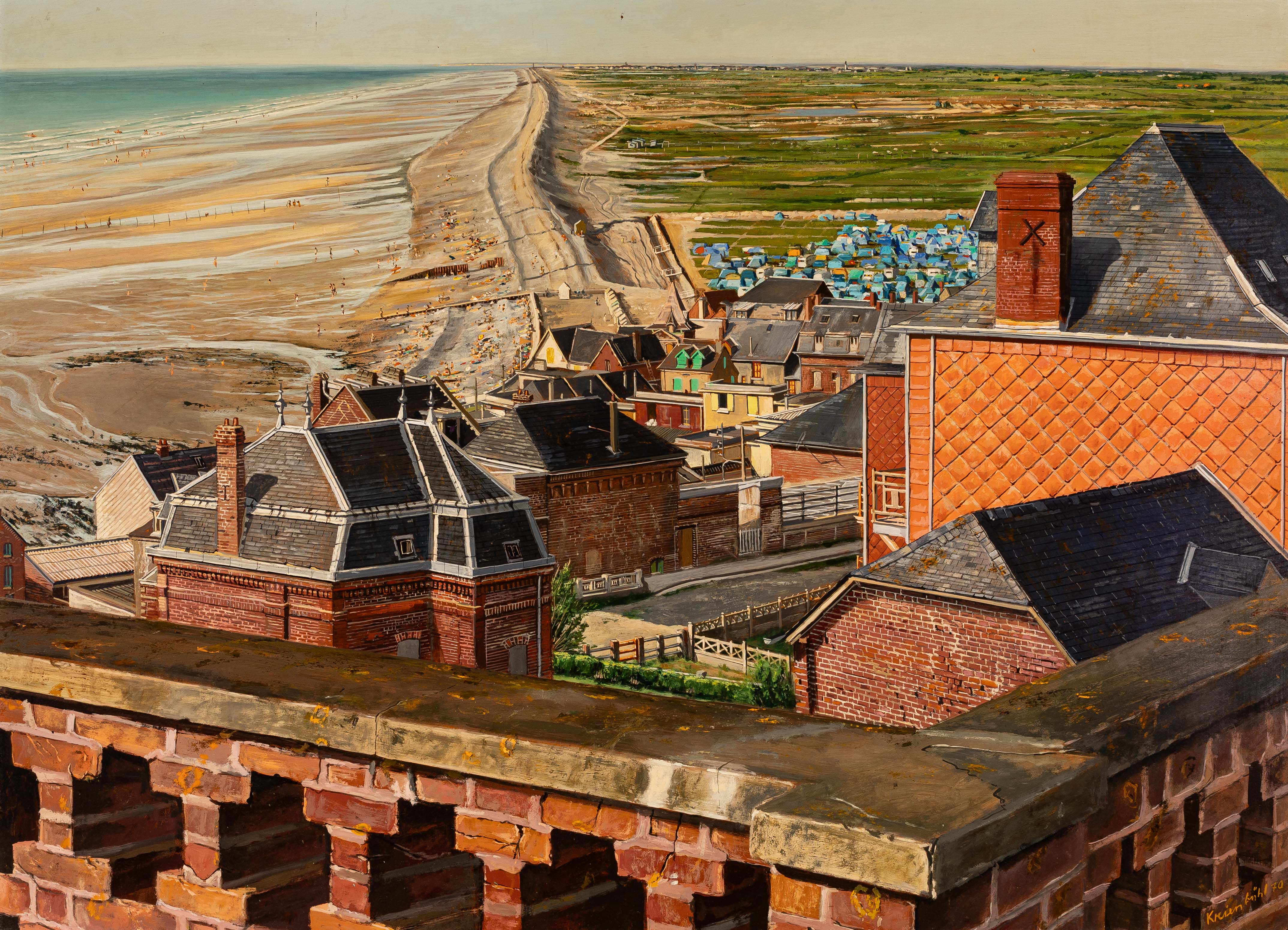
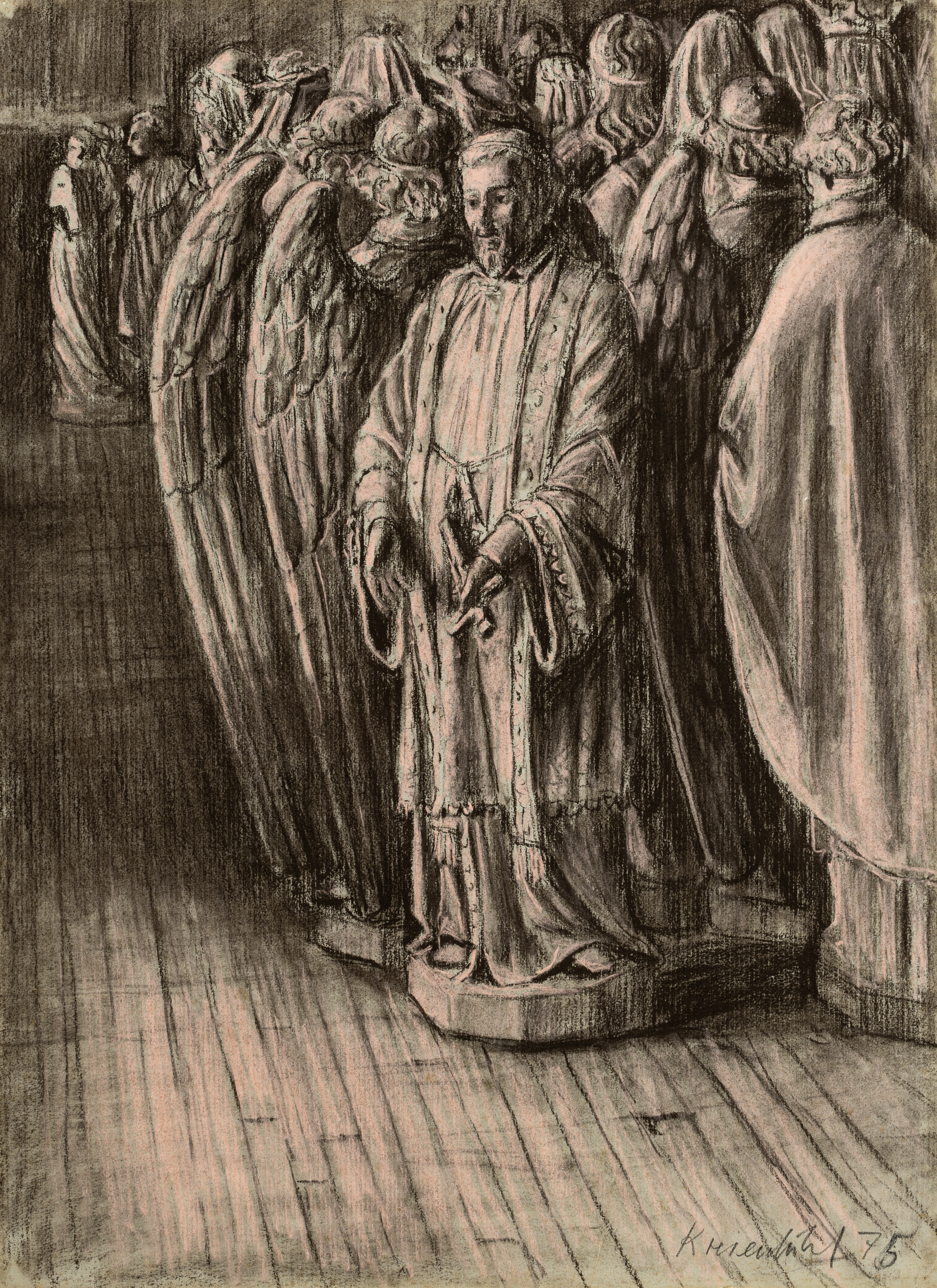
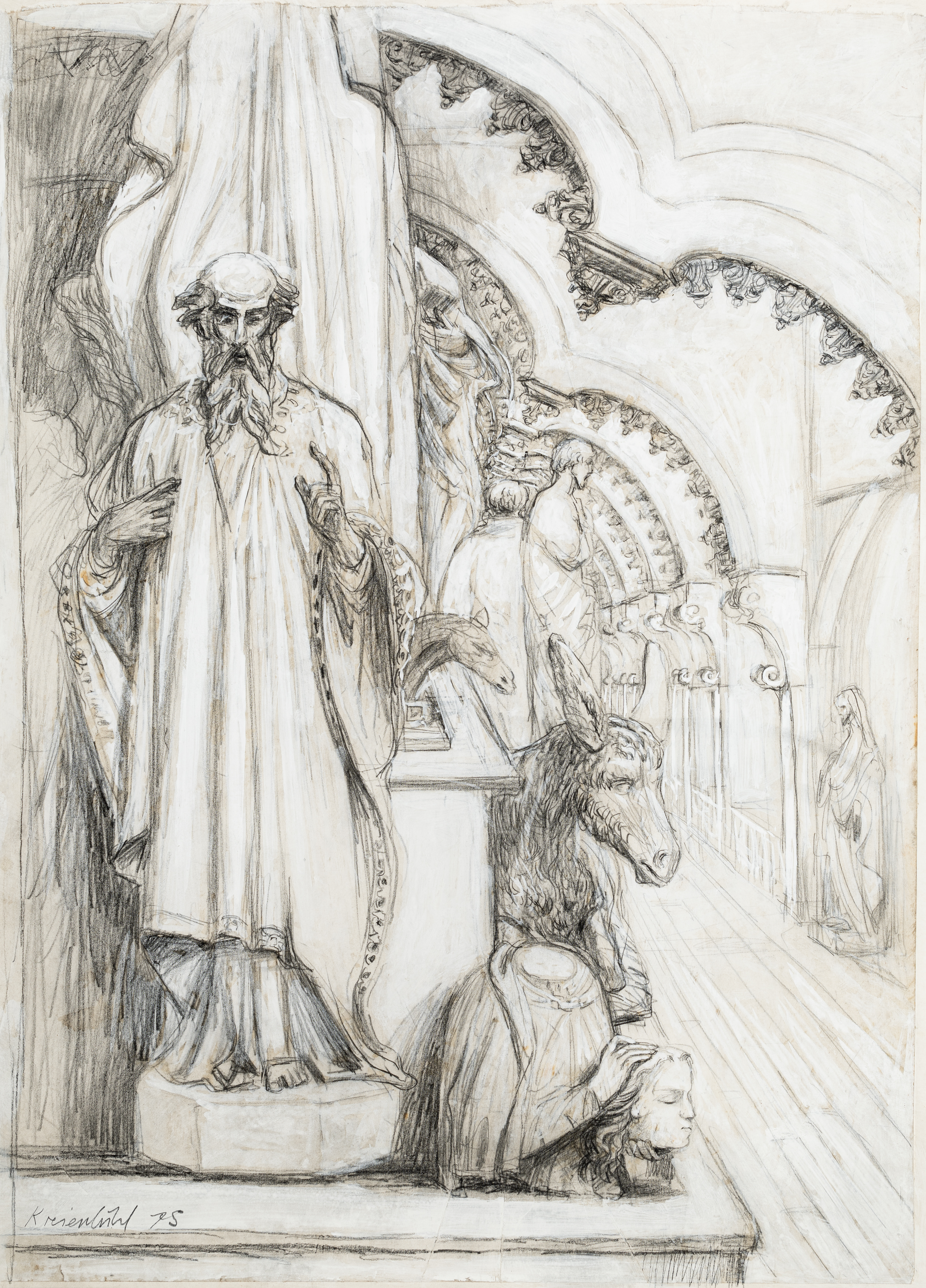
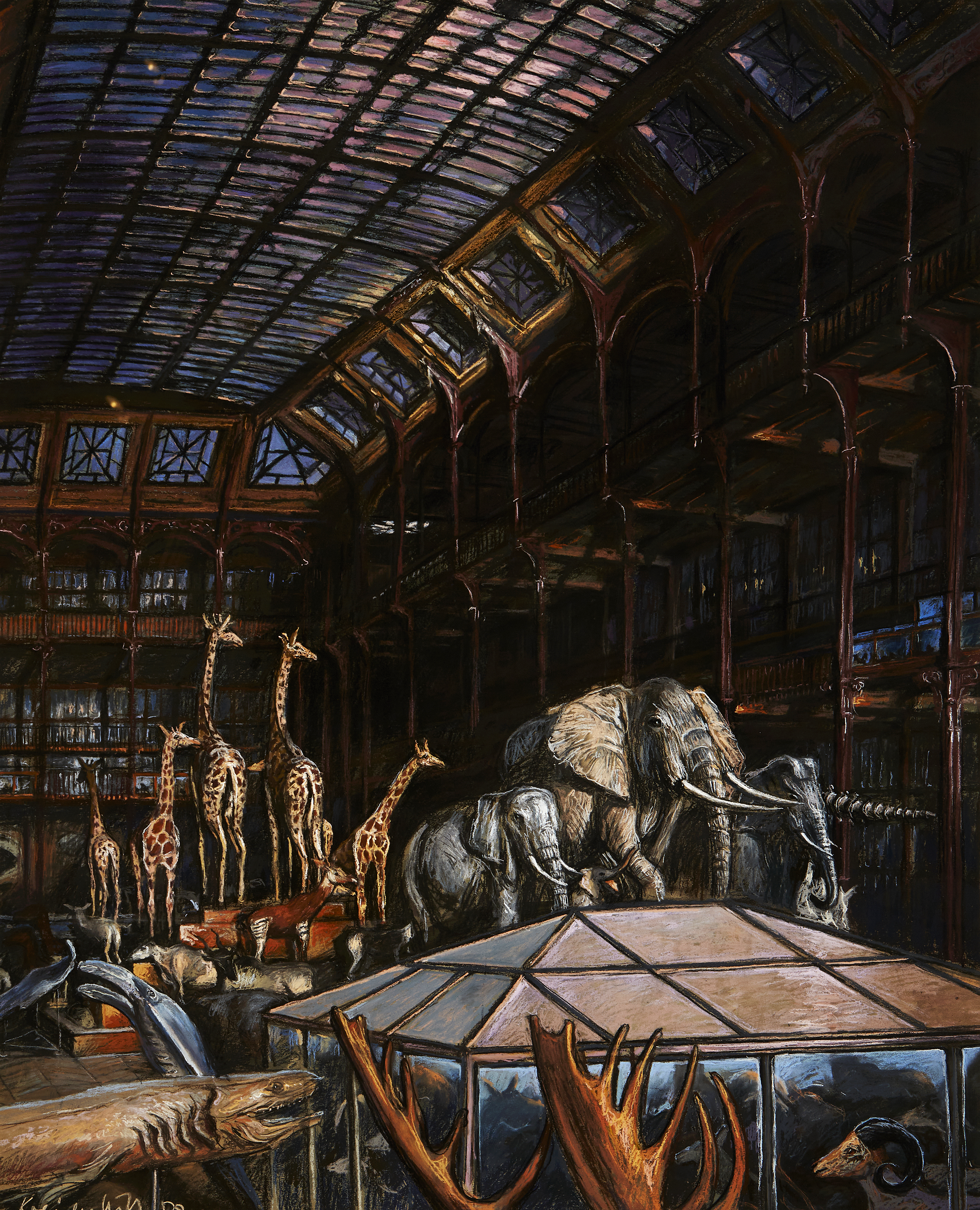
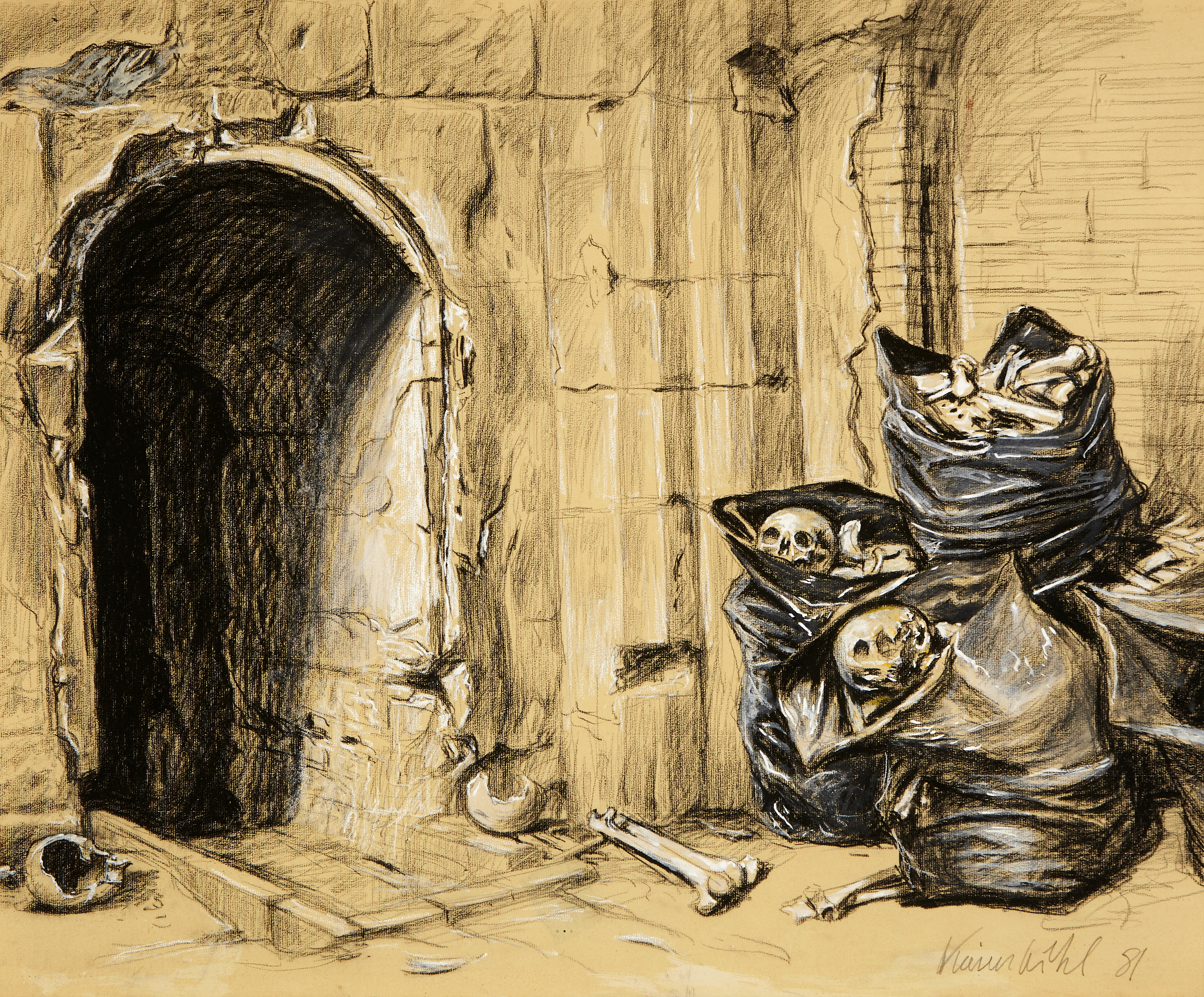
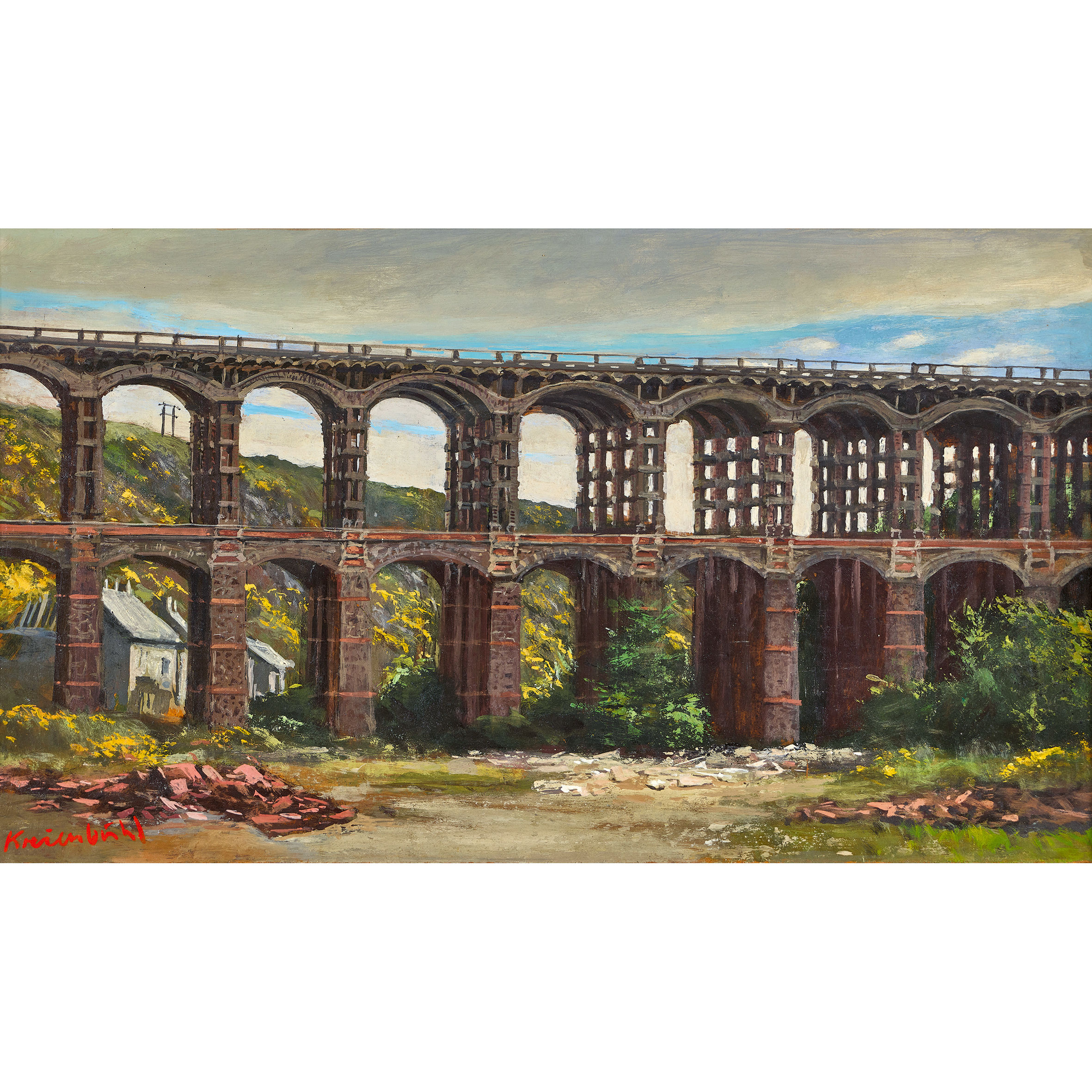
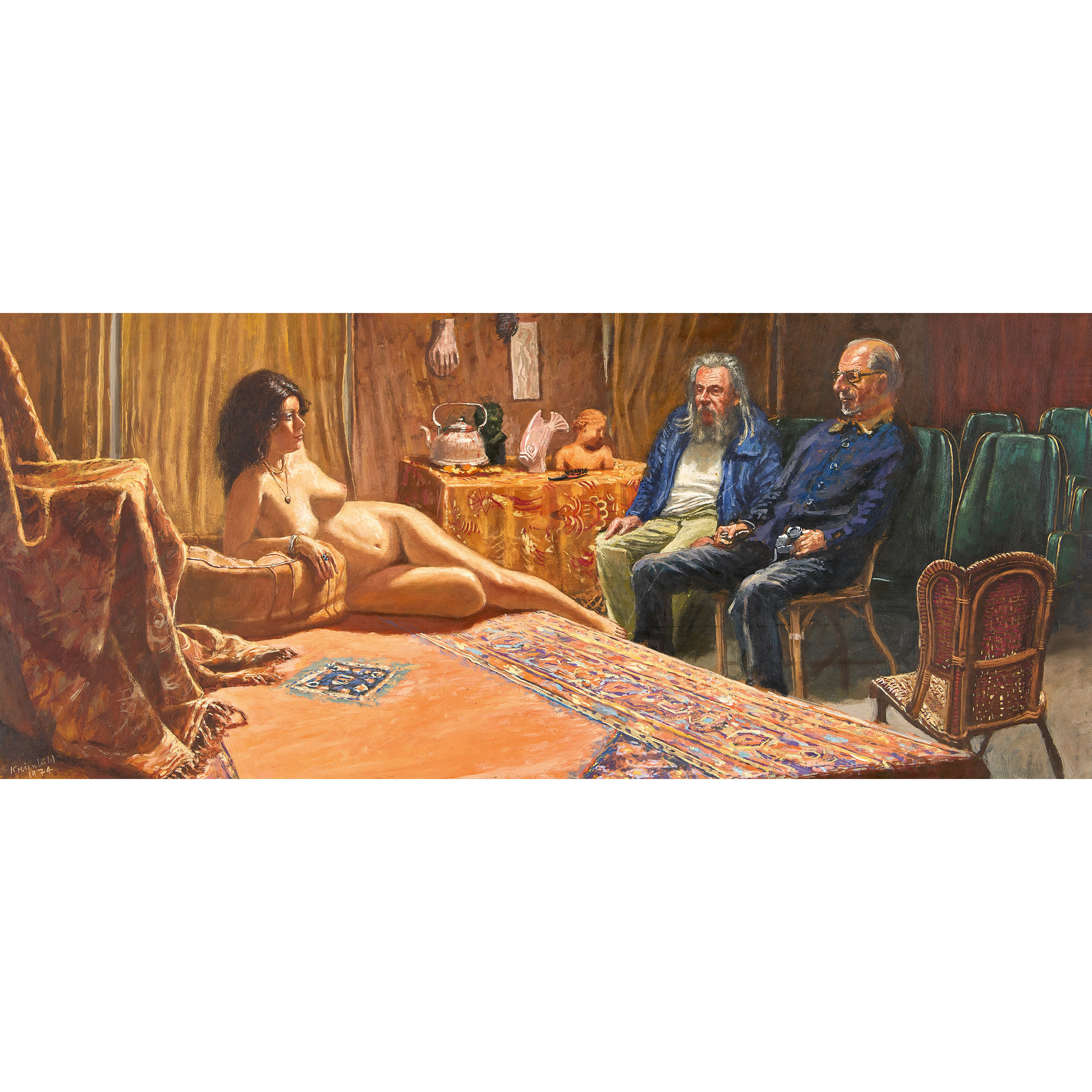
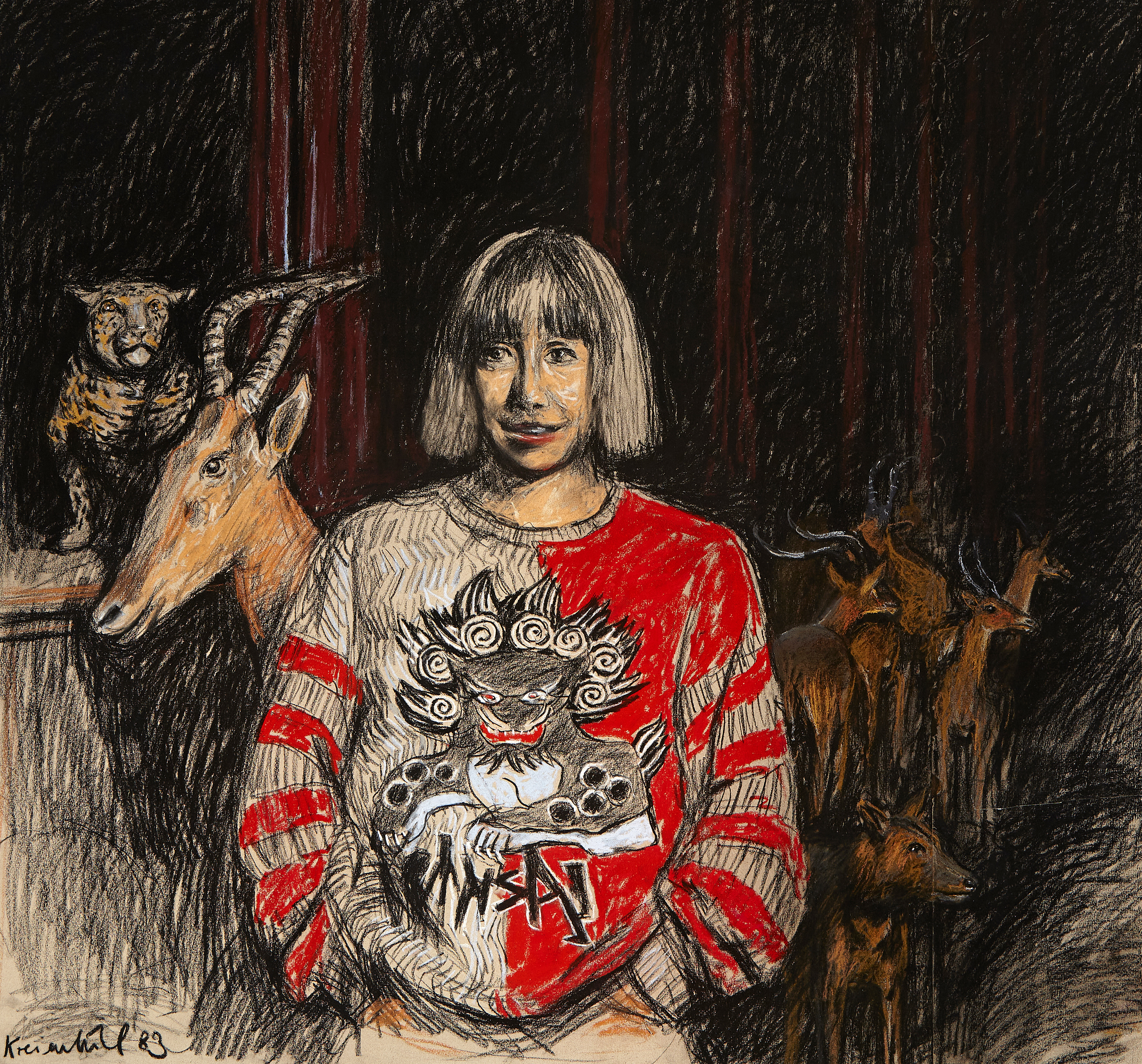
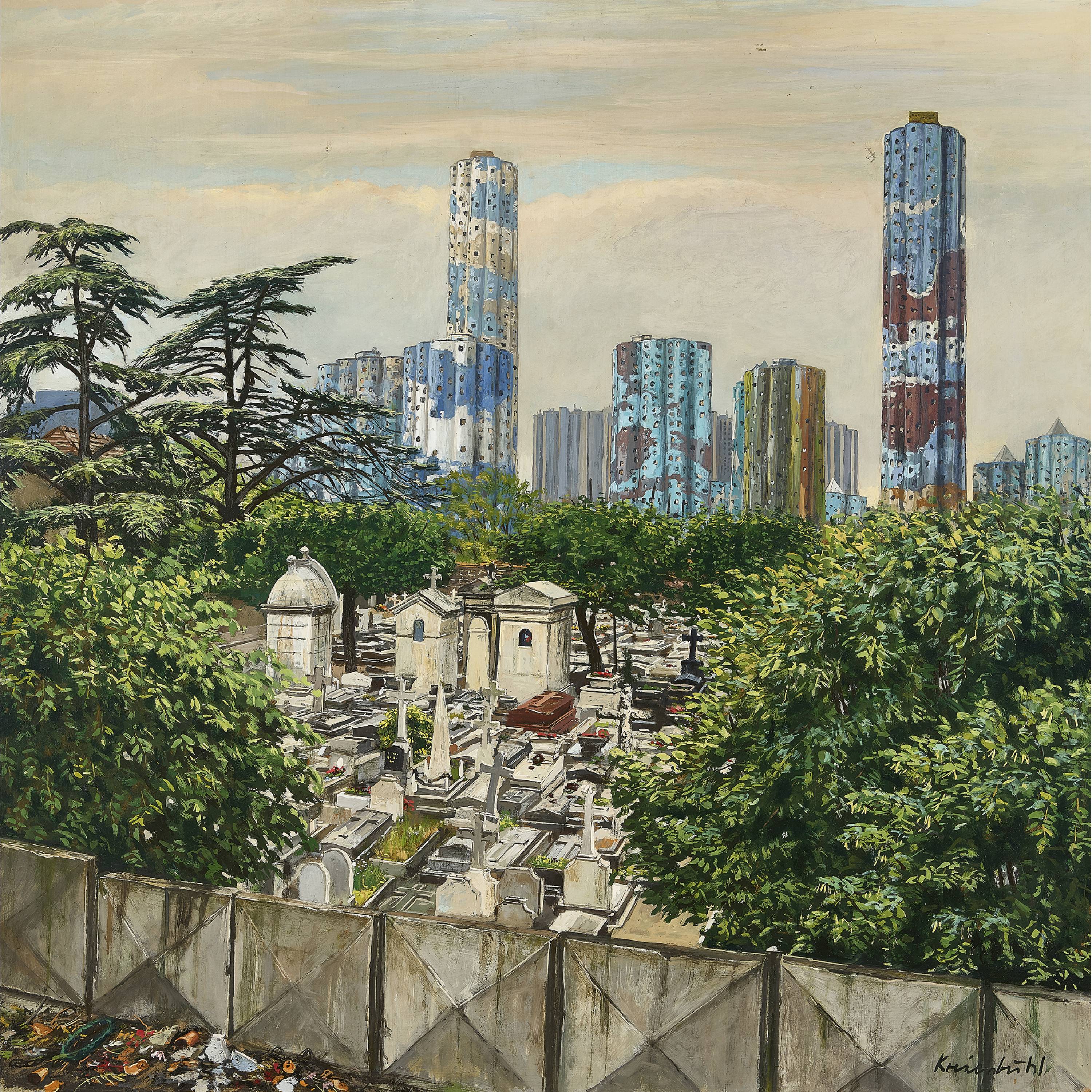
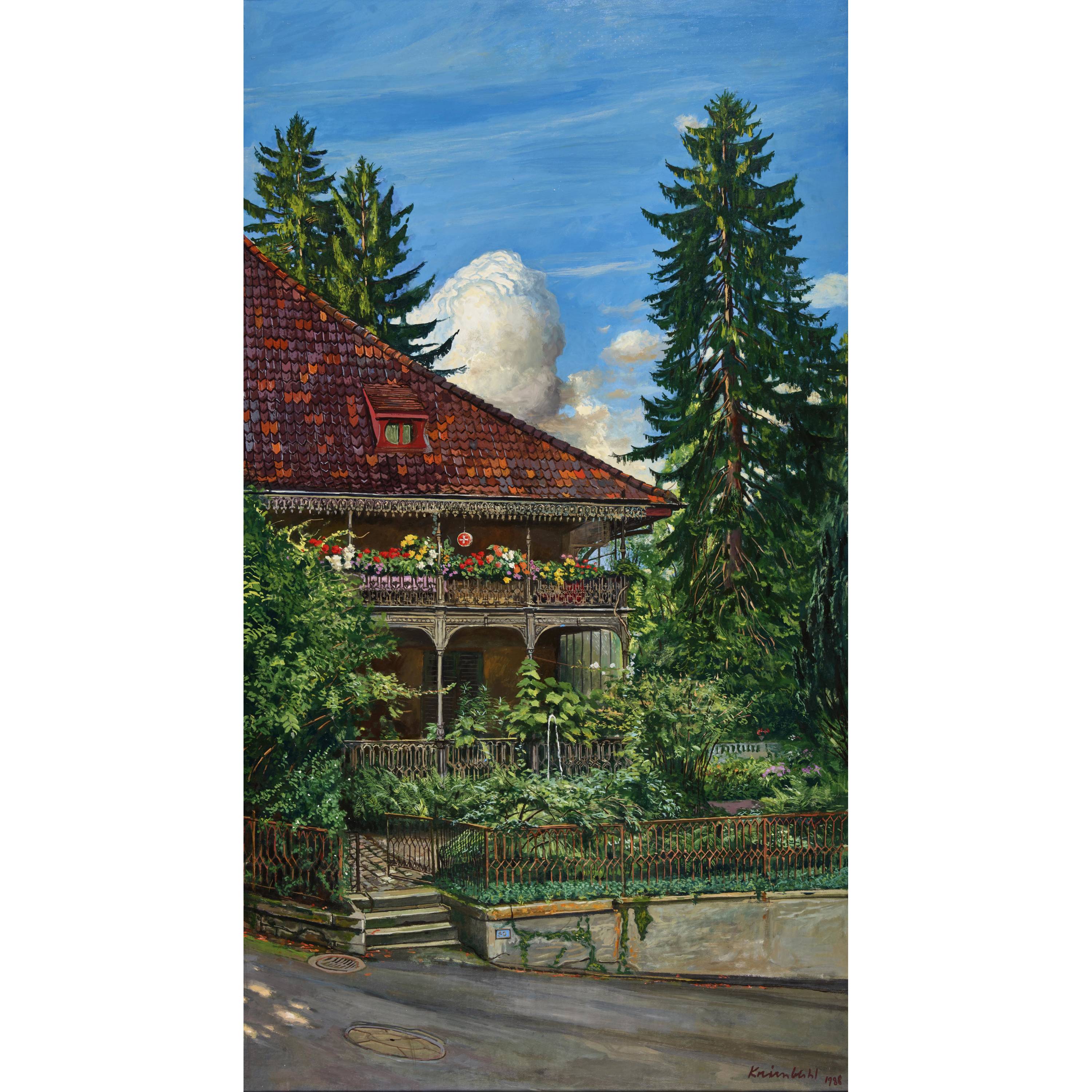
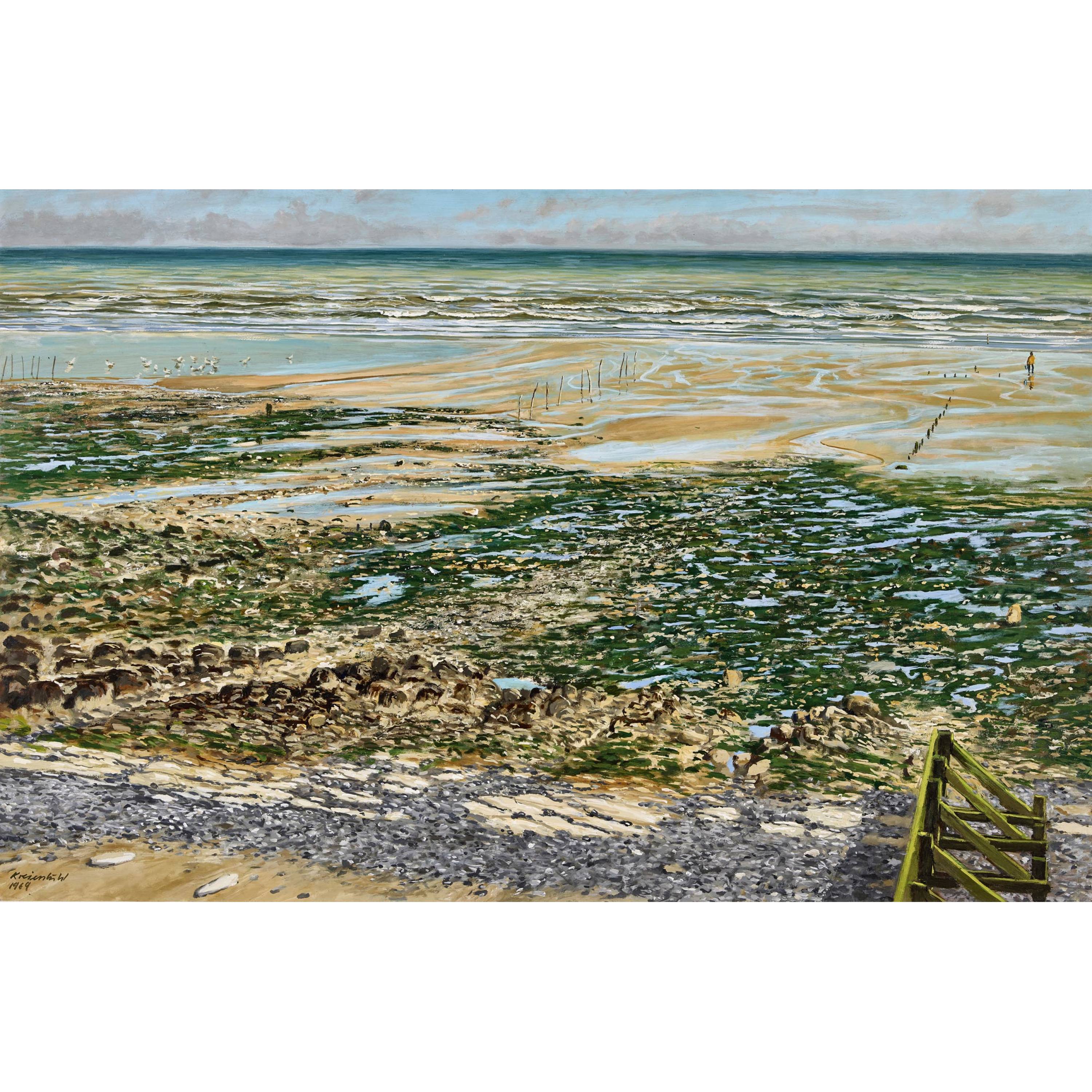
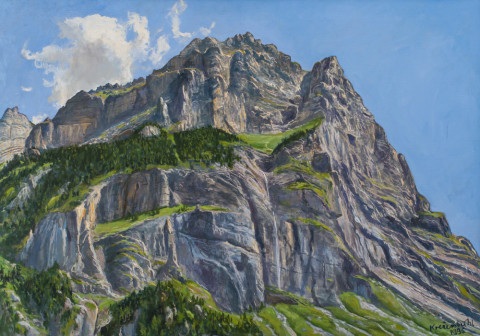
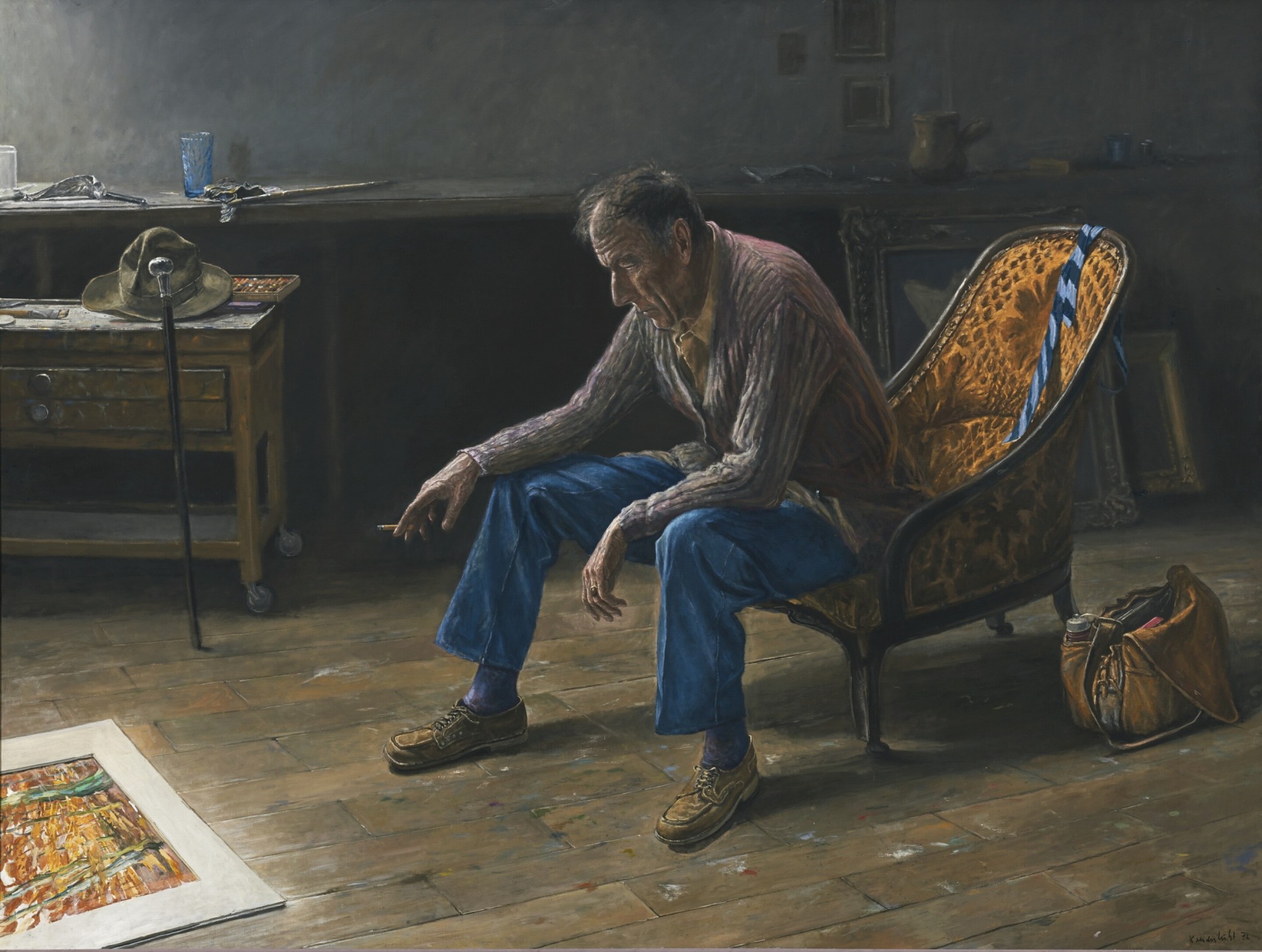
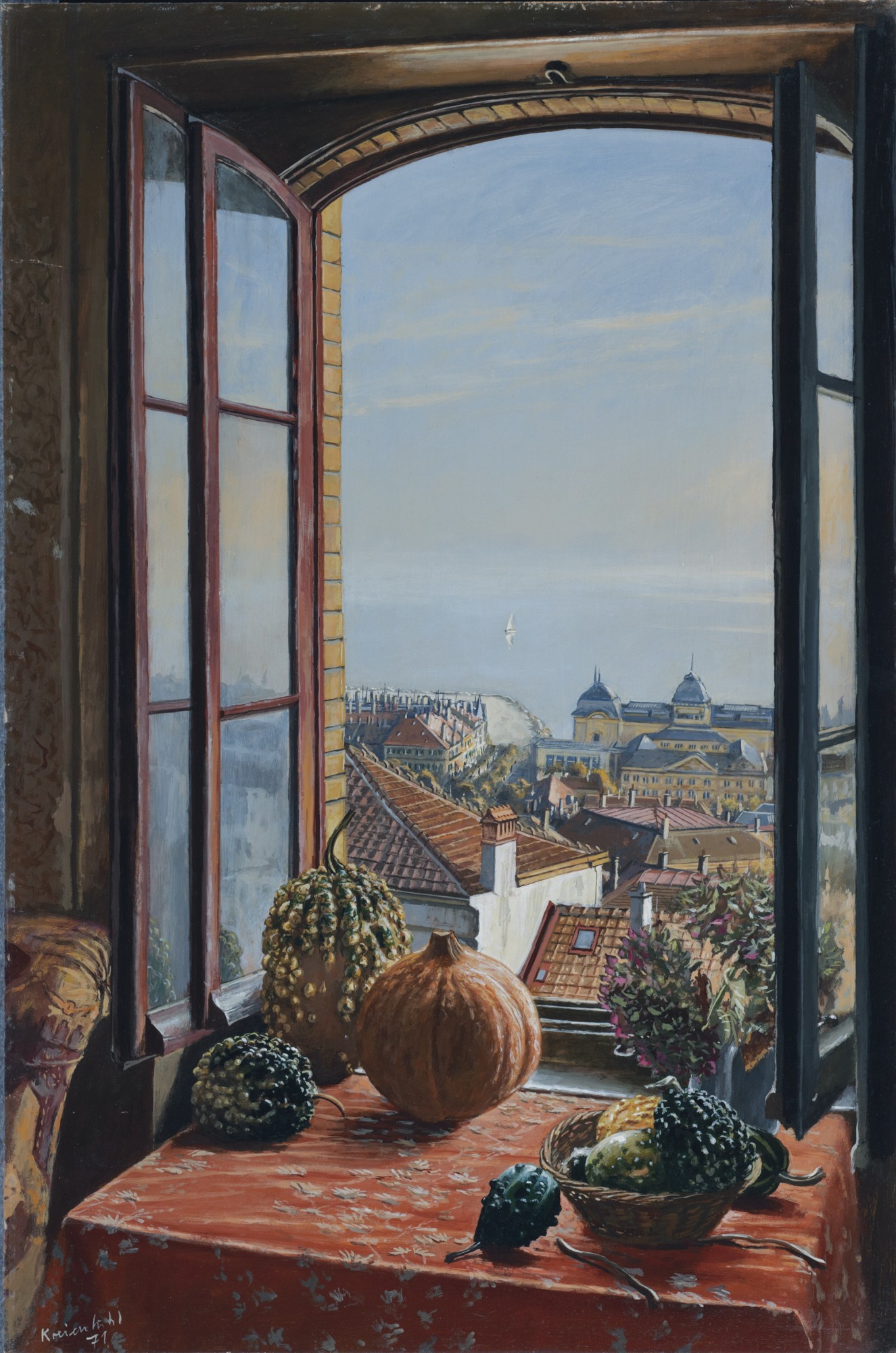
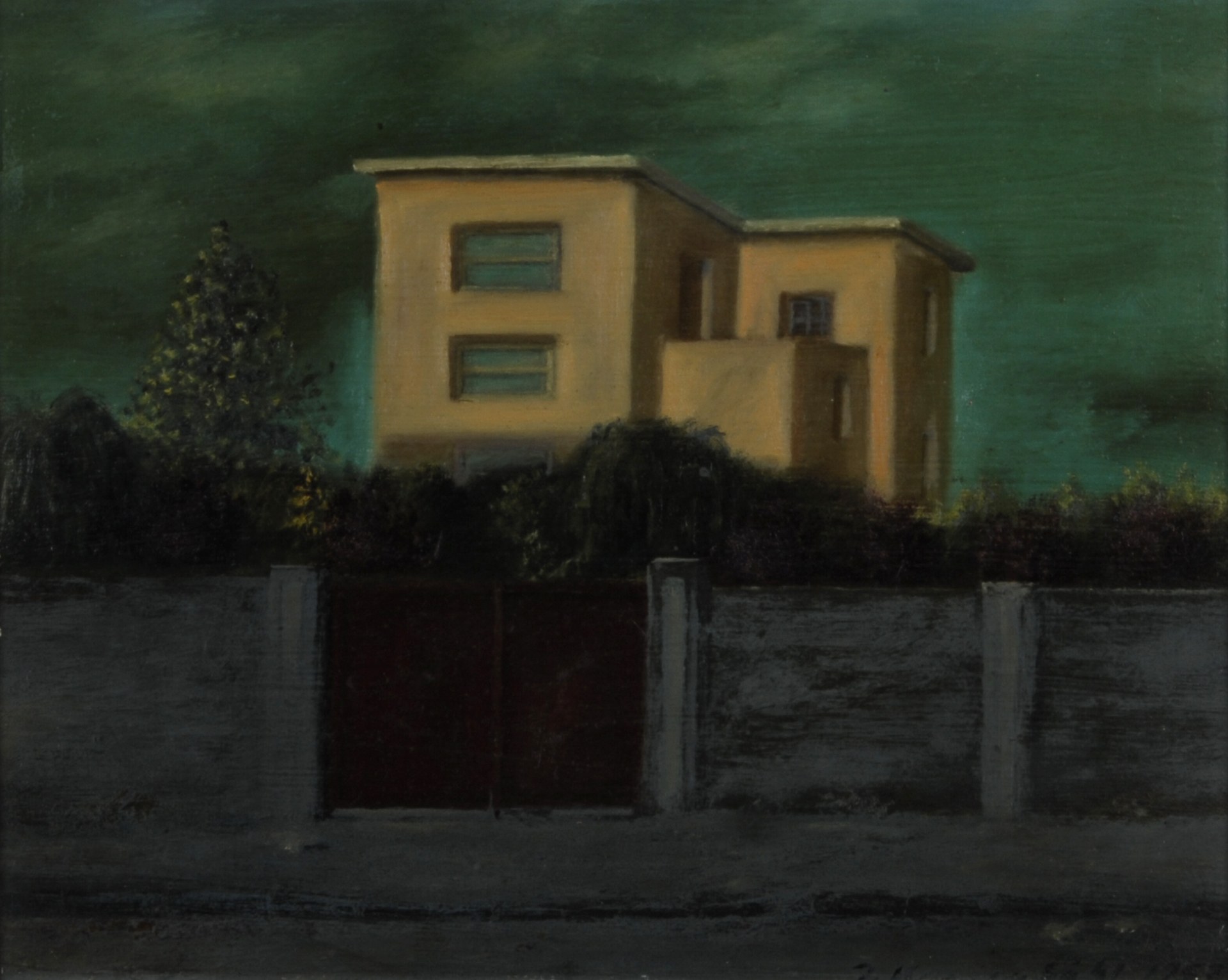
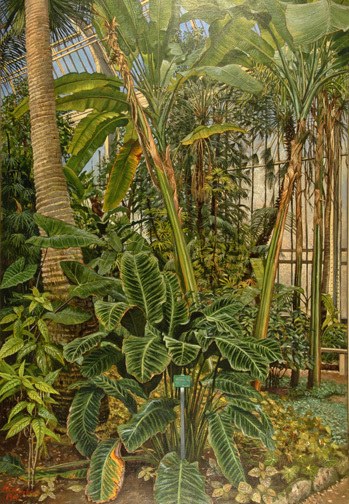
Jürg Kreienbühl (Basel, 1932 – Cormeilles-en-Parisis, 2007) was a Swiss painter and printmaker. In 1956, he left Basel to settle in the Paris region, where he developed a body of work attentive to ordinary places and realities often relegated to the margins. The Kunstmuseum Basel describes his practice as a sober and resolutely figurative representation of his surroundings, running counter to the abstraction predominant in the 1950s and 1960s.
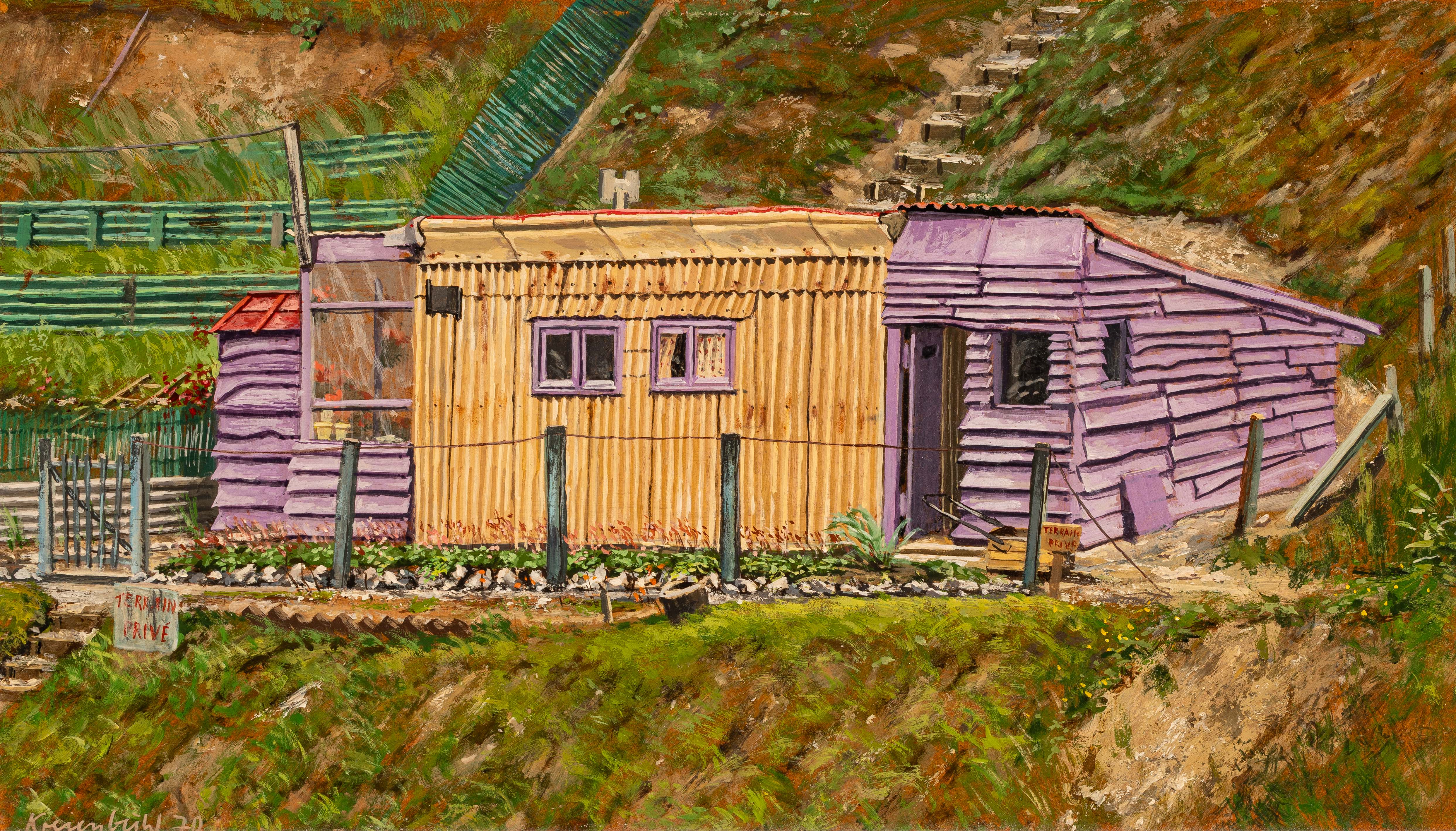
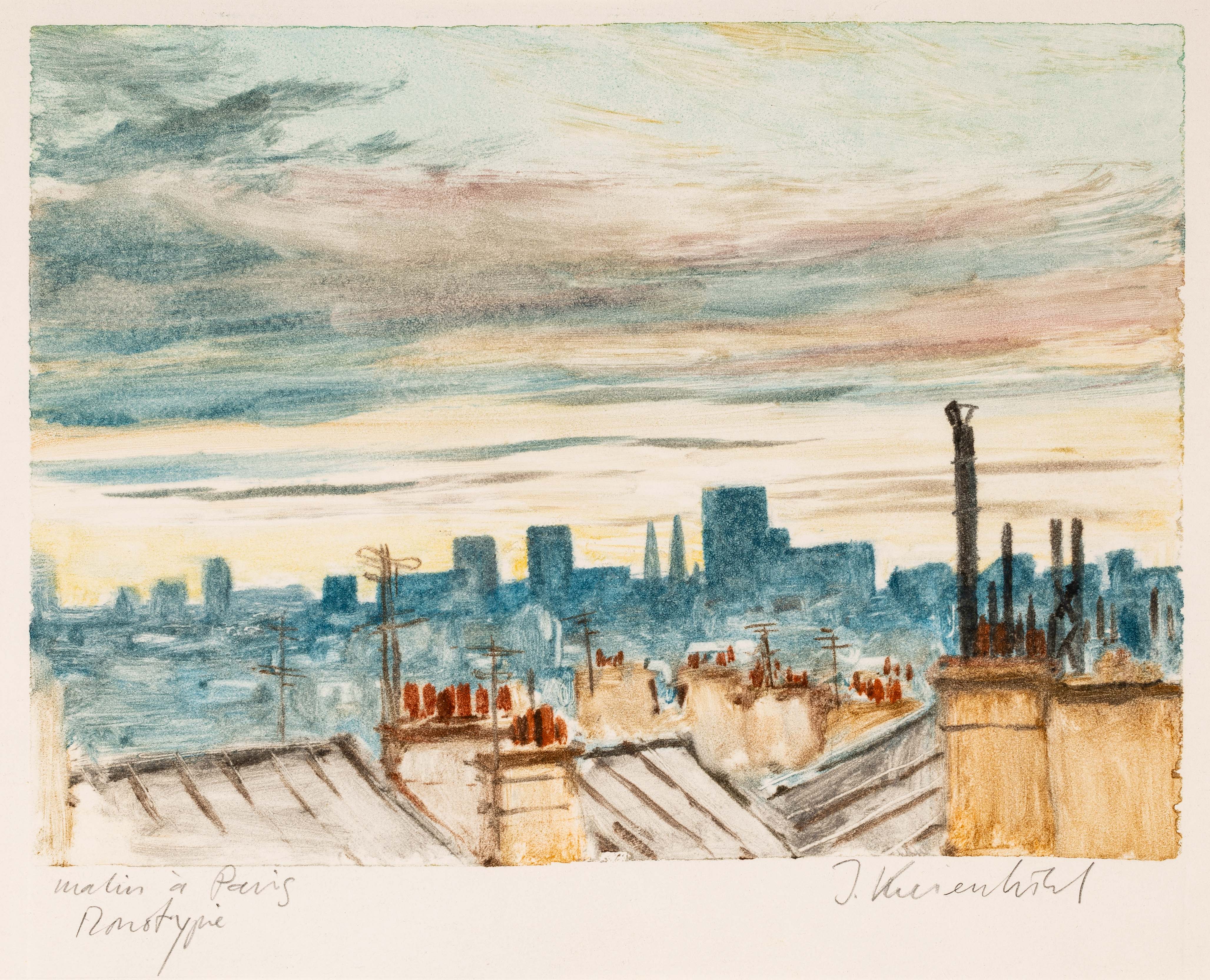
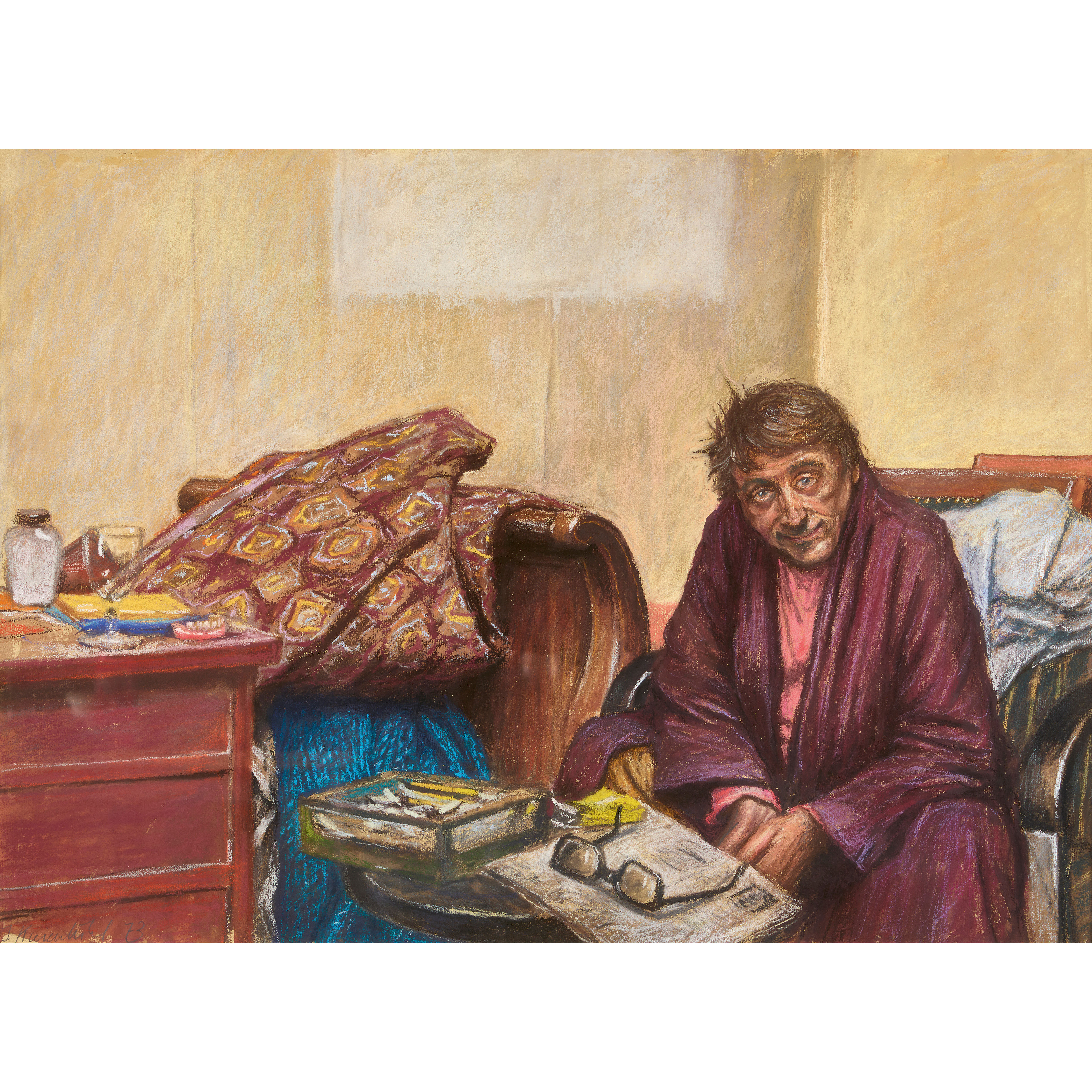
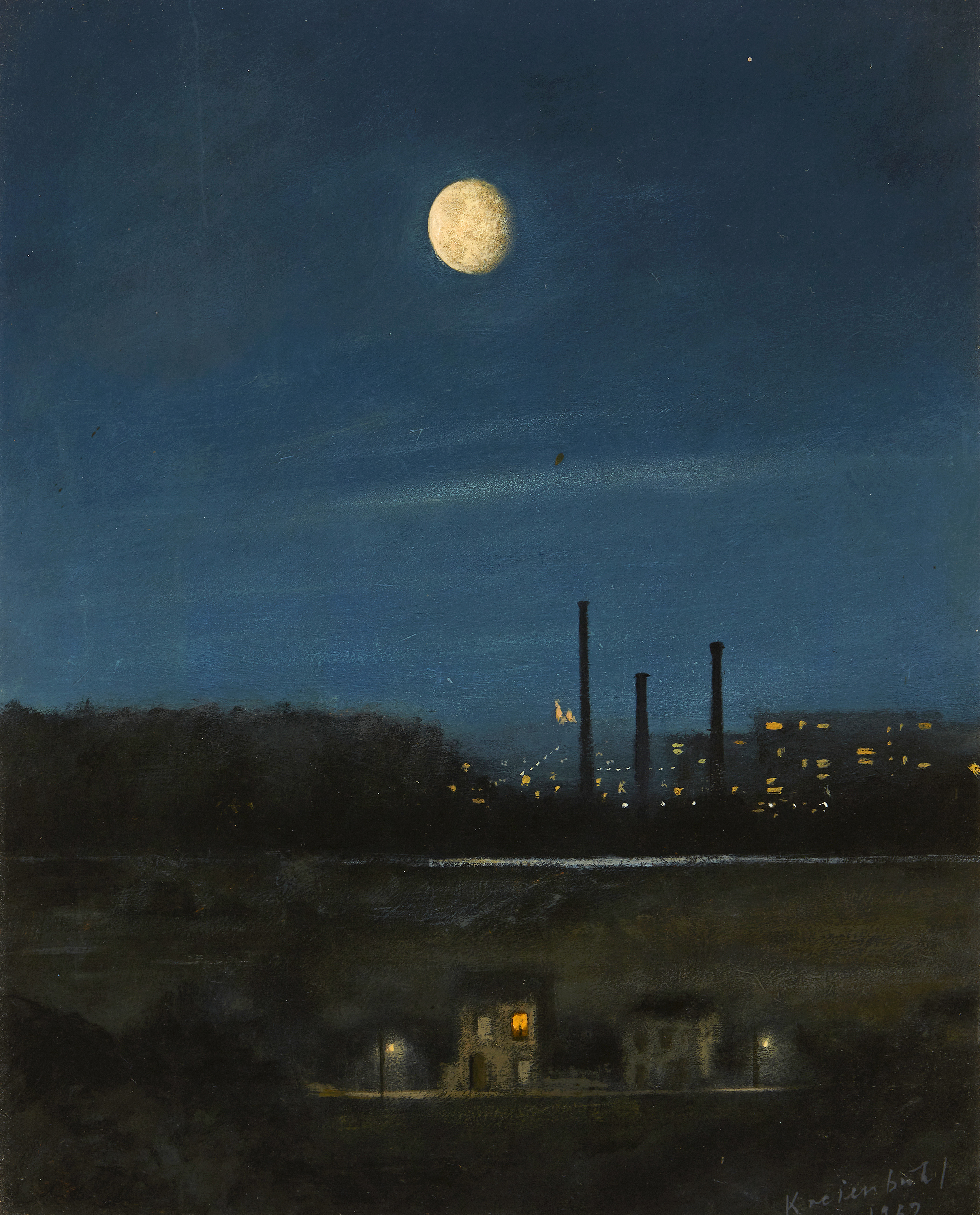
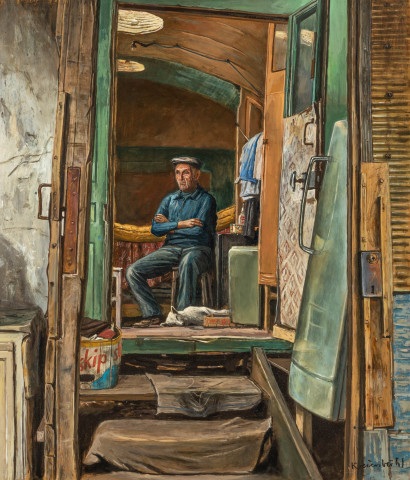
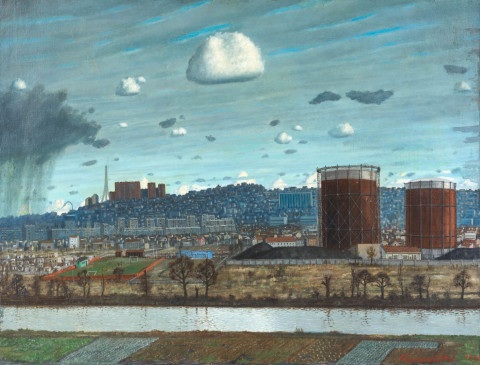
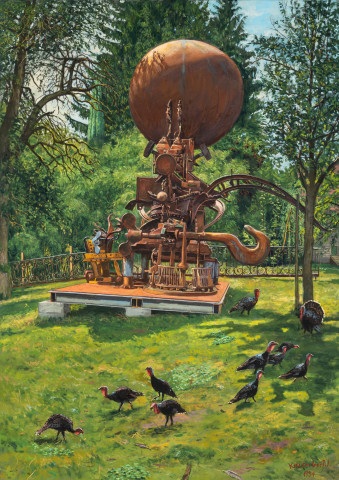
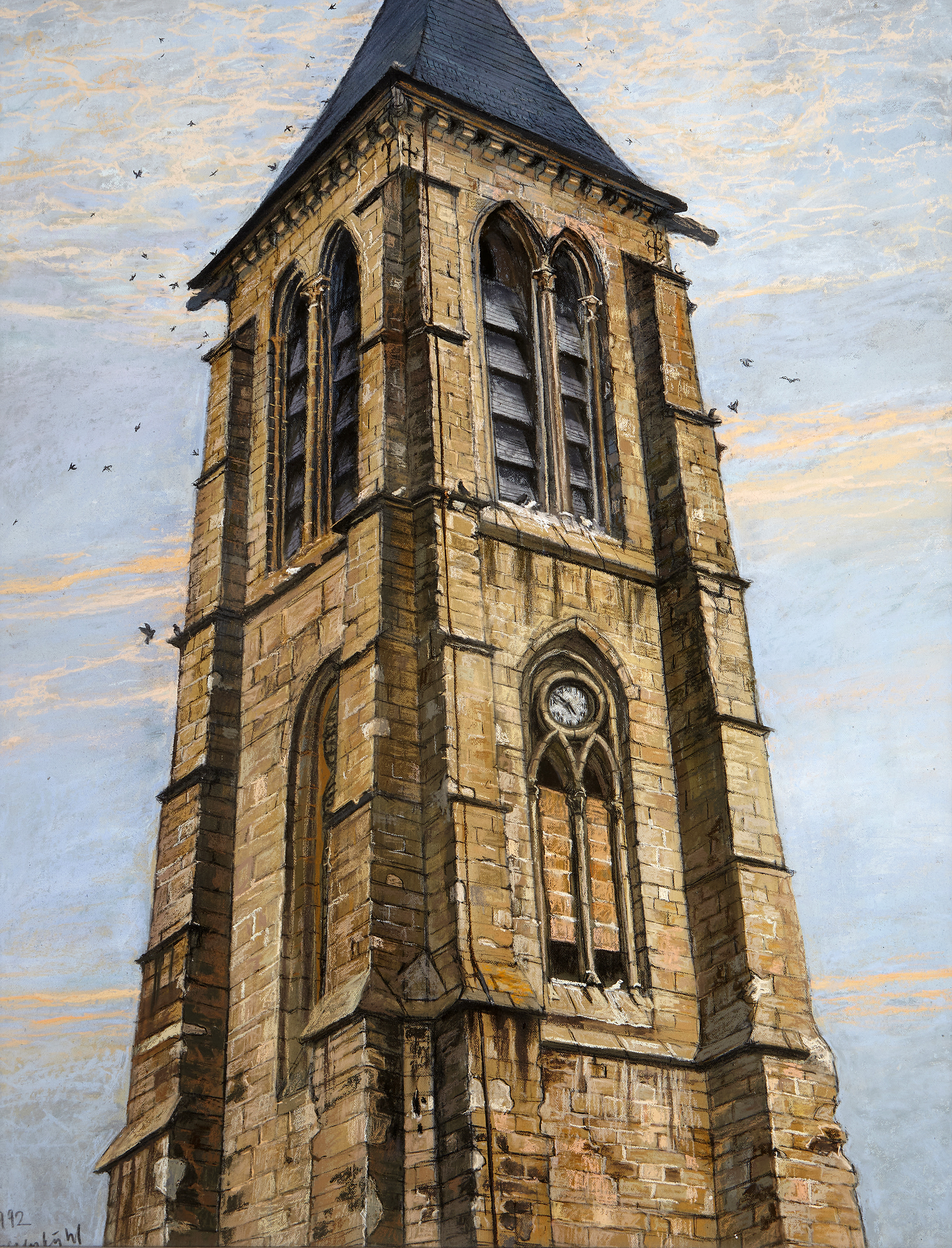
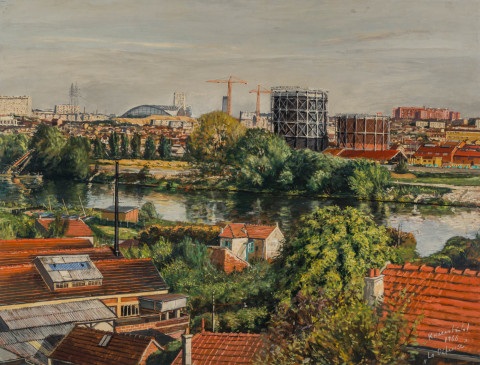
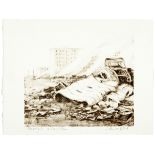
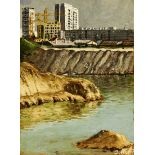
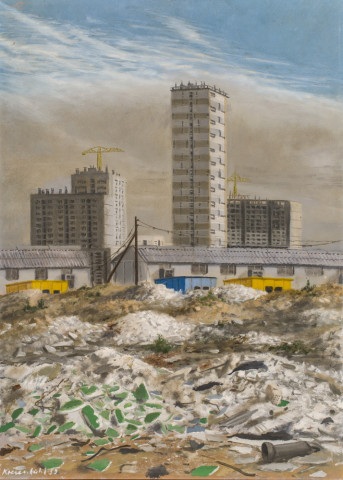
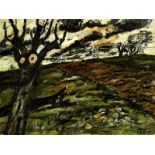
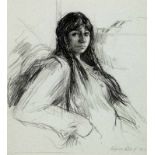
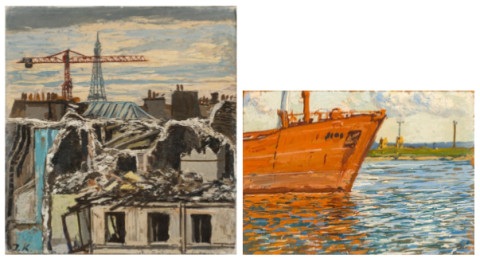
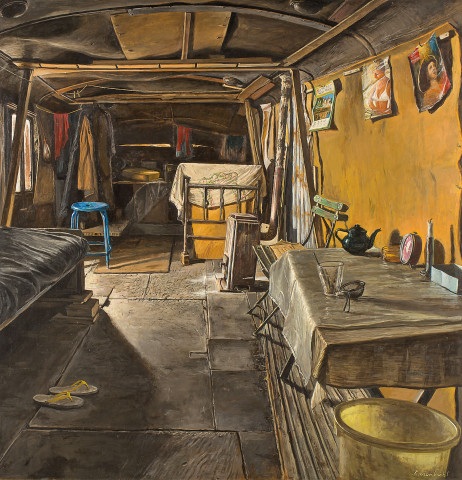
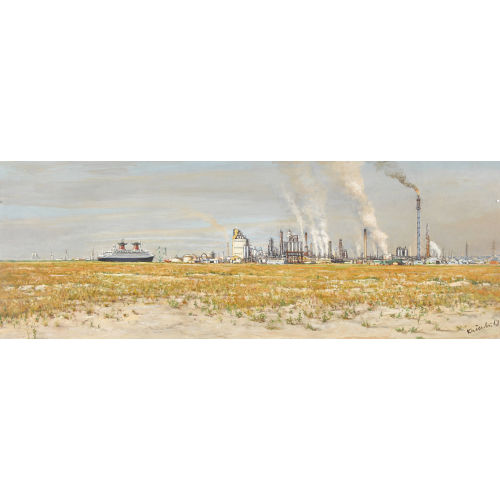
His drawings and paintings take as their subjects suburban inhabitants, wastelands, caravan sites, oil-contaminated ponds and rubbish dumps. His precise, undramatising gaze records the transformations of the landscape and the living conditions of its inhabitants. For him, the suburbs are not simply a backdrop: they constitute a lived space marked by precarity, urbanisation and industrial activity.
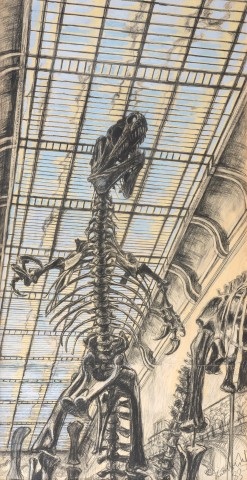
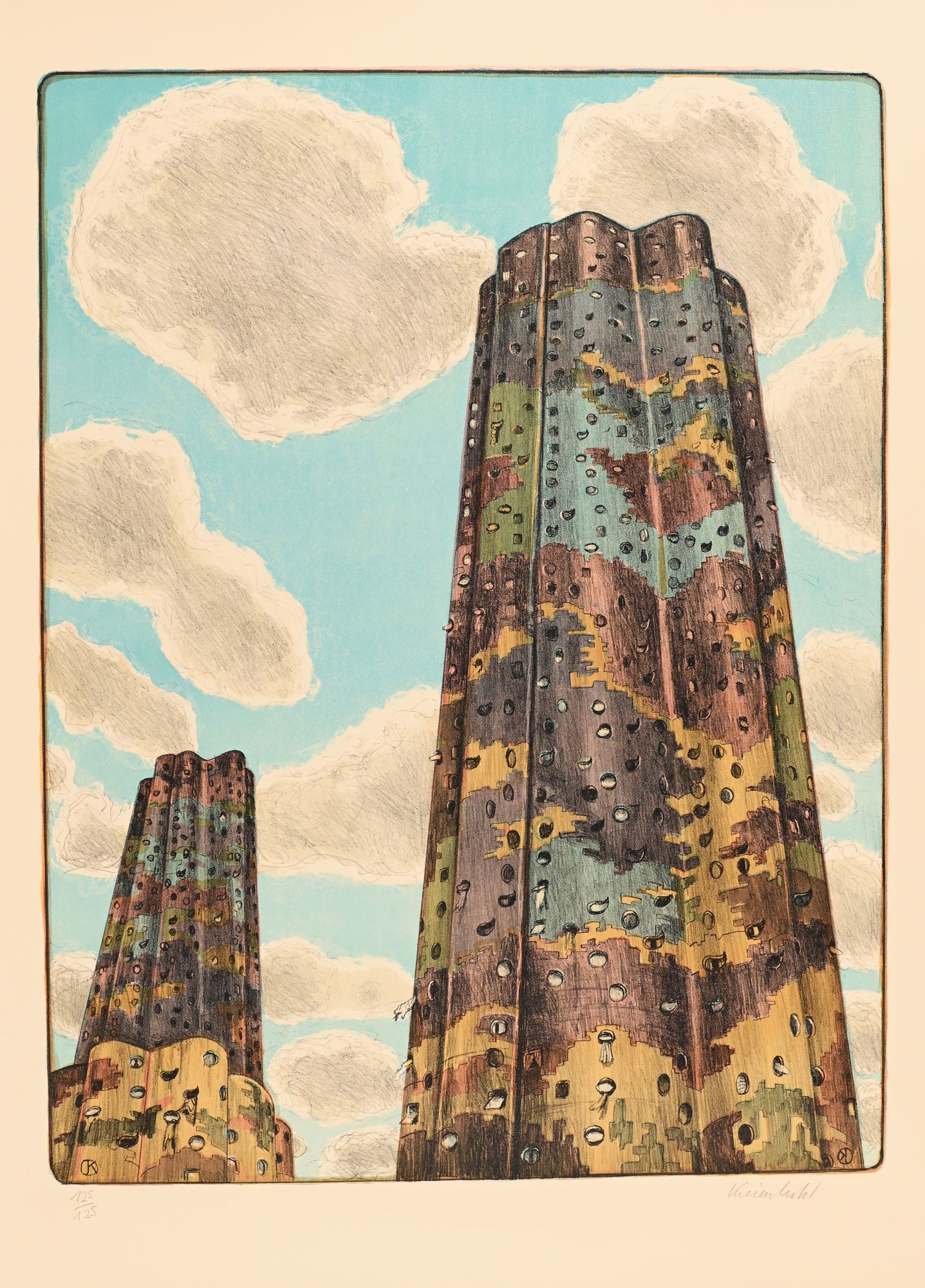
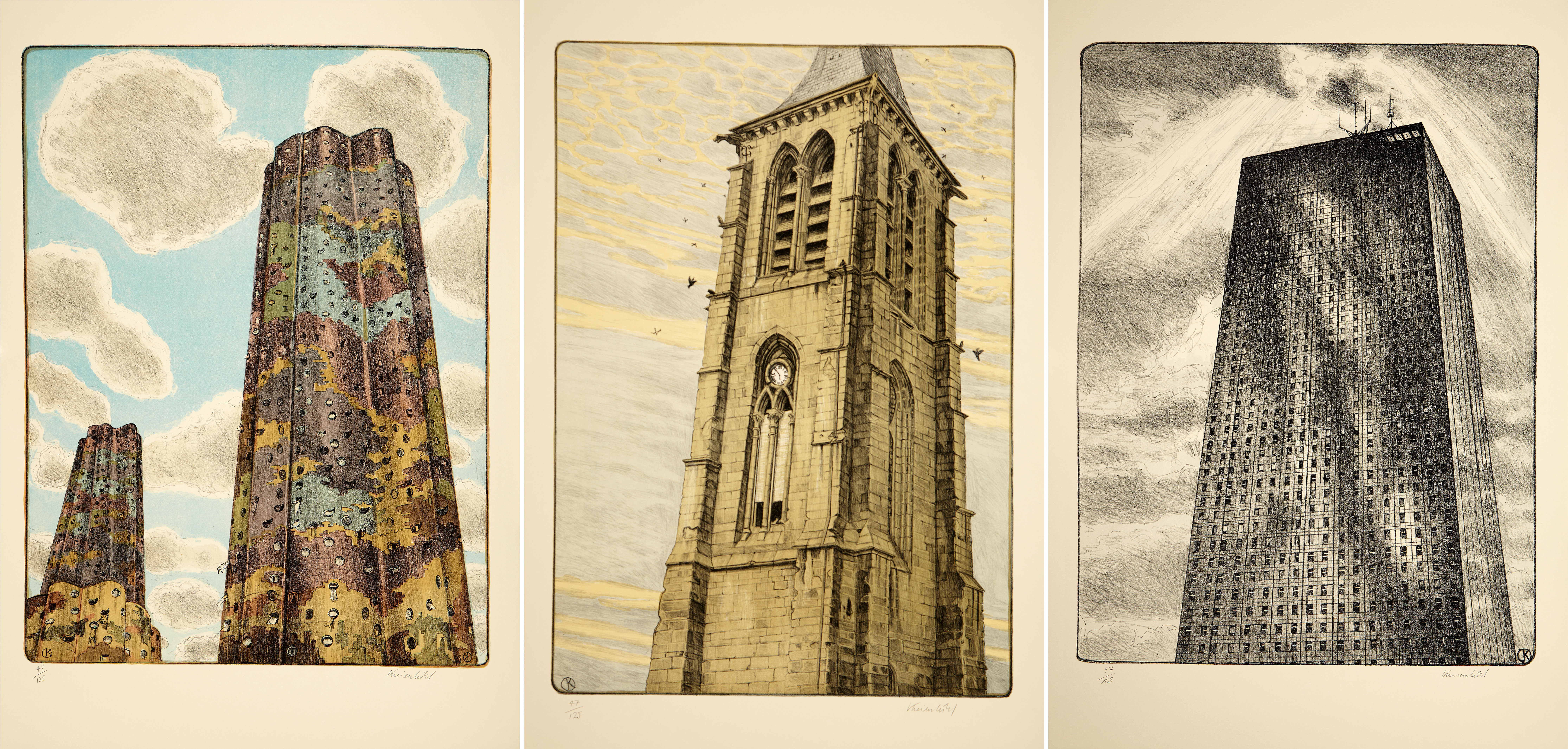
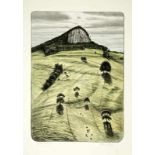
Alongside painting, Kreienbühl pursued a substantial practice in printmaking. According to the Kunstmuseum Basel, he began as early as 1952 with small etchings and lithographs devoted to isolated motifs, before developing them into compositions. In the 1980s and 1990s, he produced large colour lithographs printed from several stones.
The museum emphasises the technical mastery of these works and the consistency of his gaze.
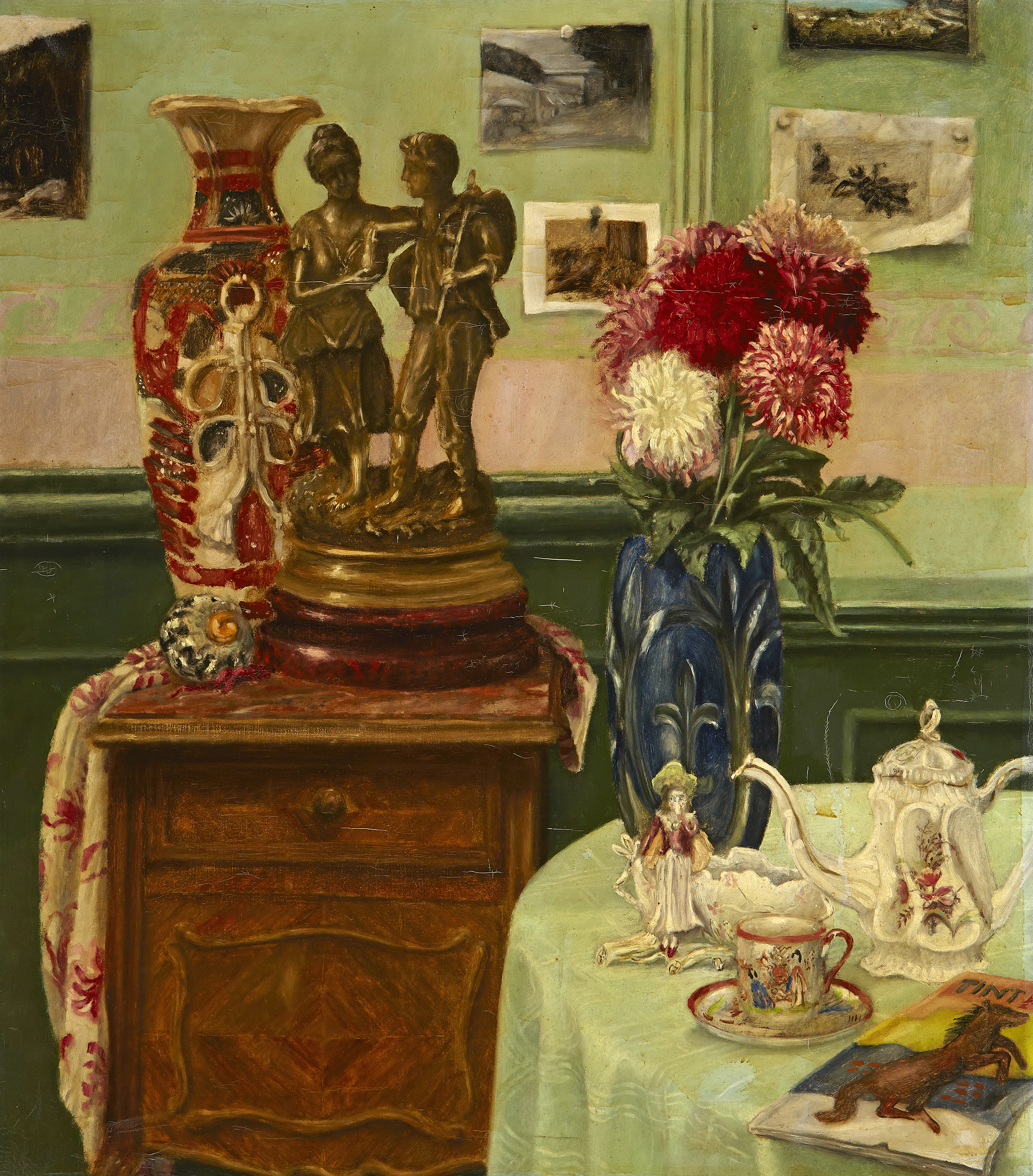
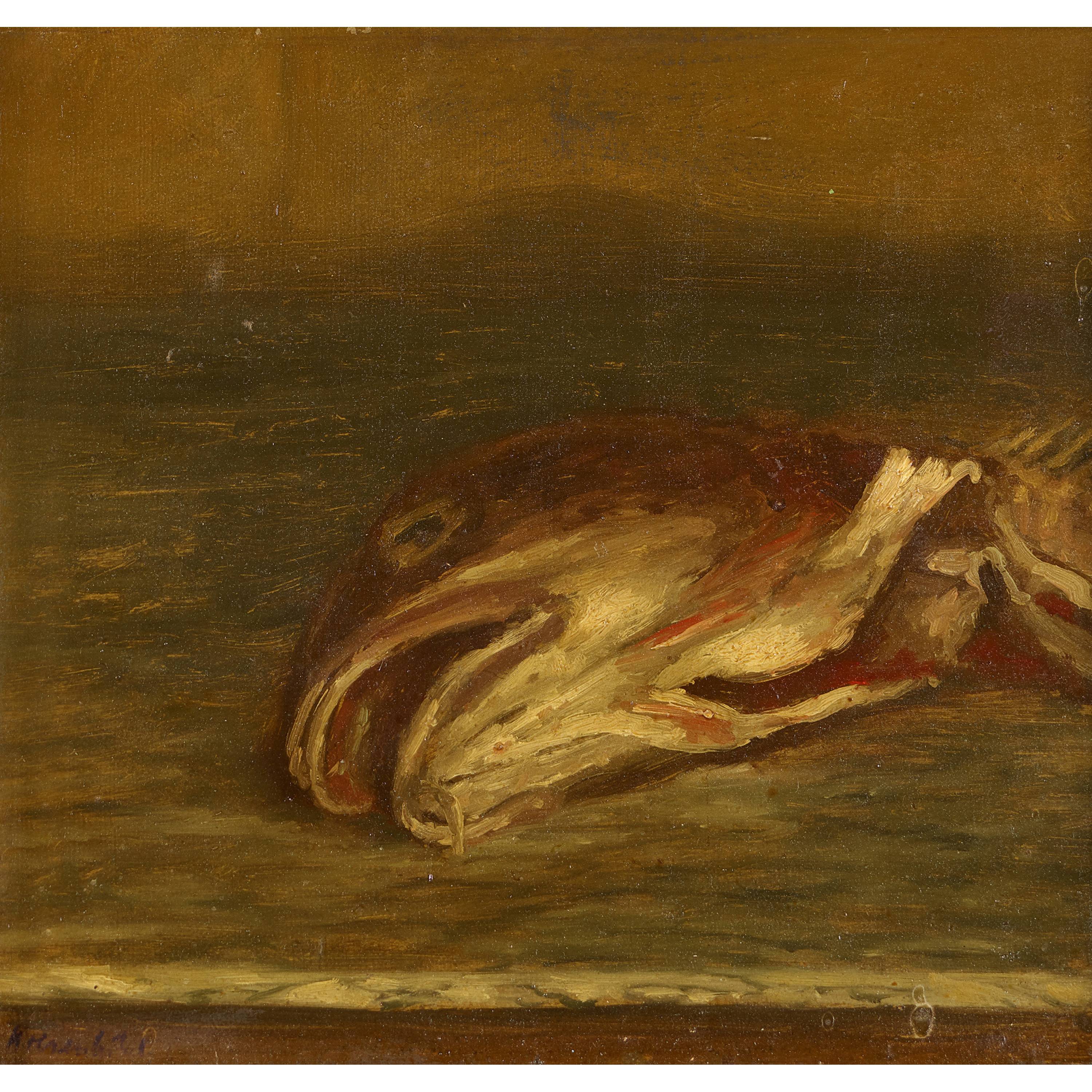
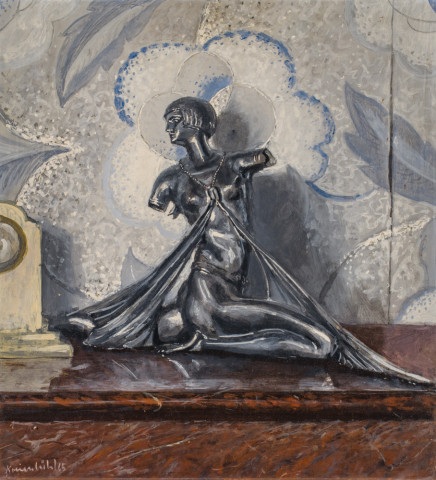
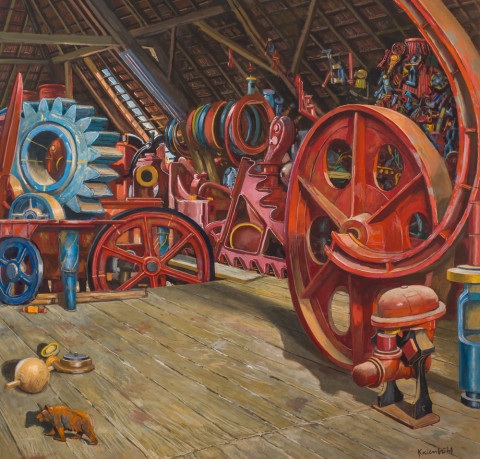
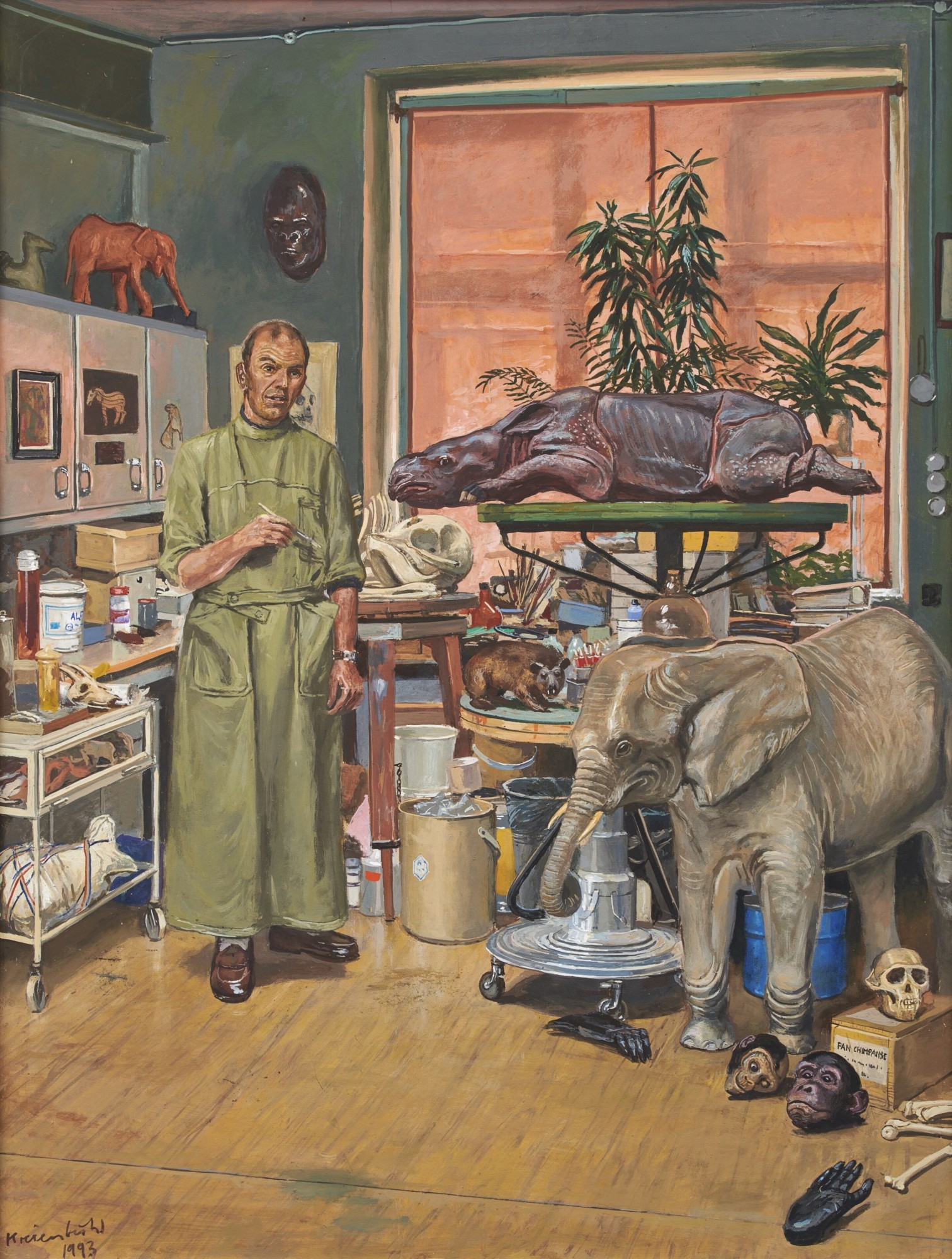
The collections of the Centre Pompidou document several stages of his career: Paysage d’orage (1953), Nature morte avec cuvette et draperie au crochet (1954), Banlieue parisienne (1960) and Chantier la nuit (1977). These works attest to the diversity of his subjects, from domestic objects to urban landscapes. The Centre Pompidou gives Basel as his place of birth and Cormeilles-en-Parisis as his place of death; in 2008, the Kunstmuseum Basel devoted an exhibition to his drawings and prints, confirming the essential place of the graphic arts in his practice.