John Armleder
Born in 1948.
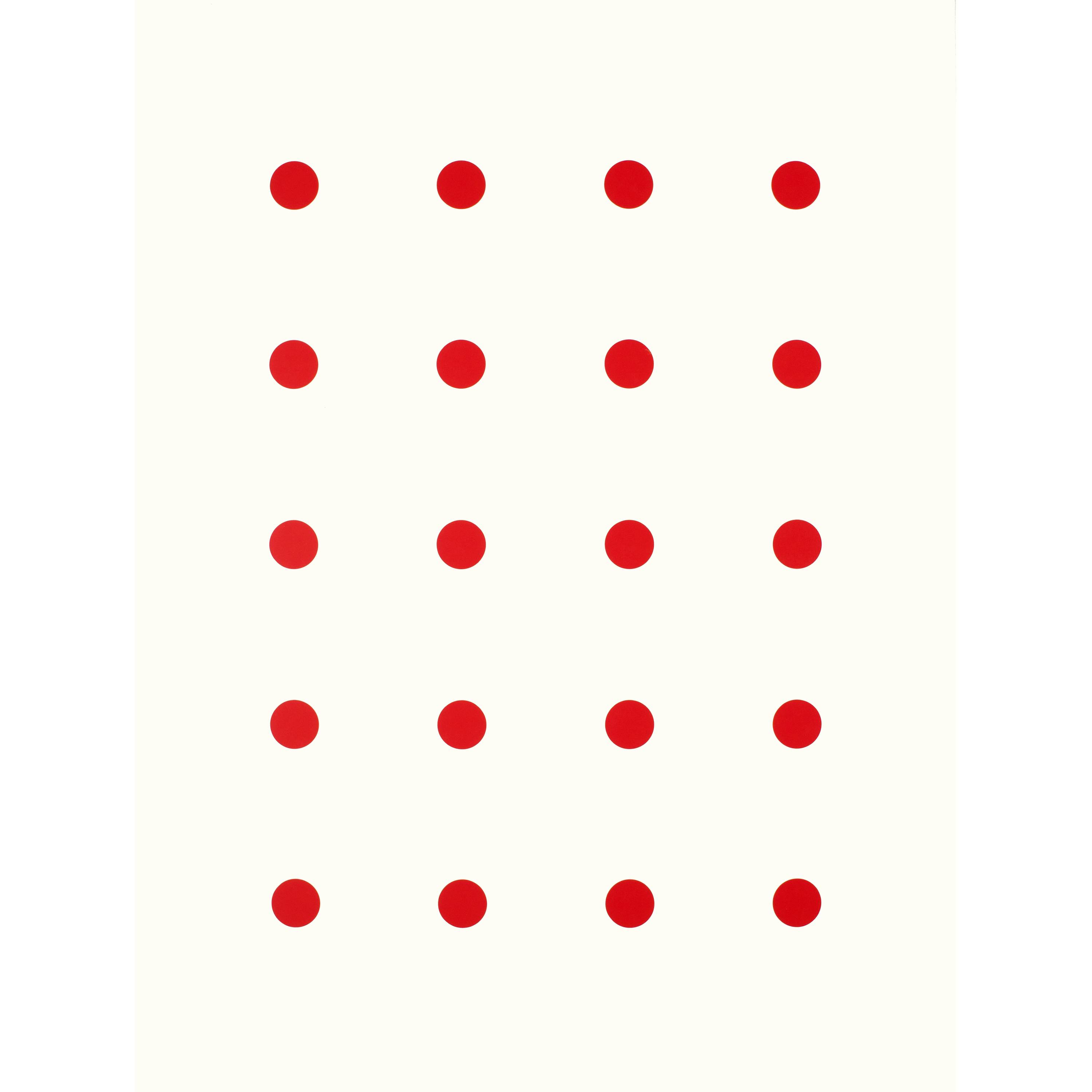
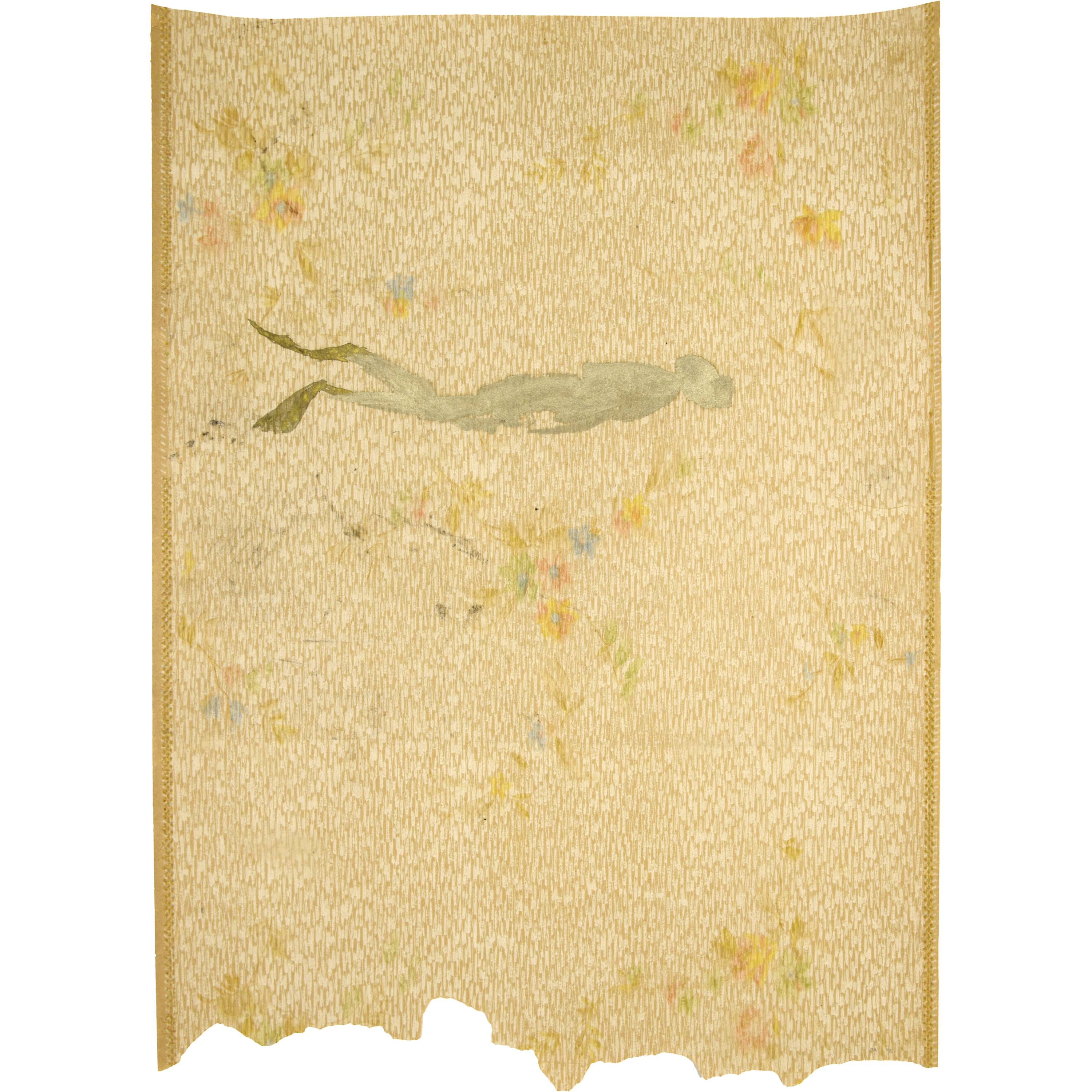
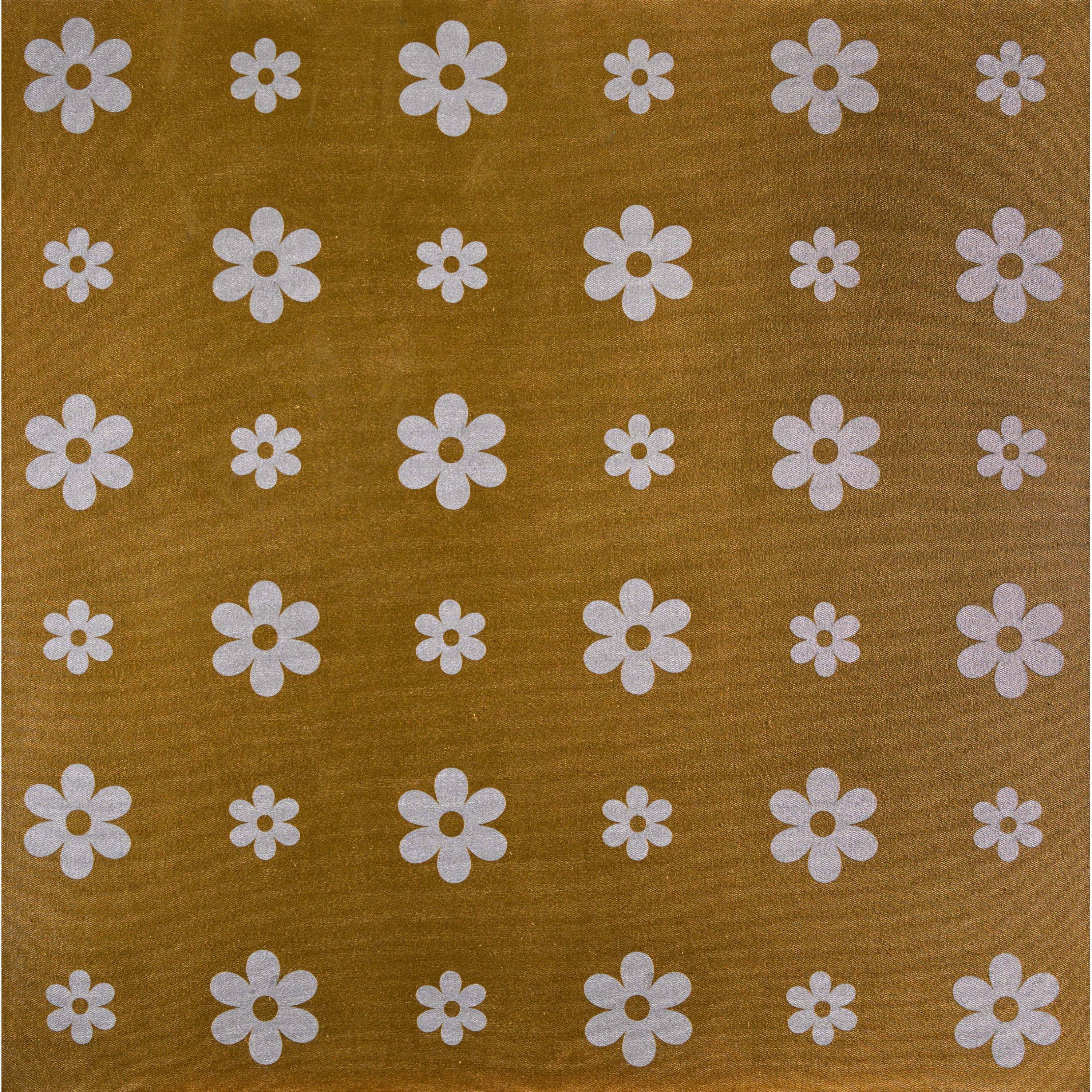
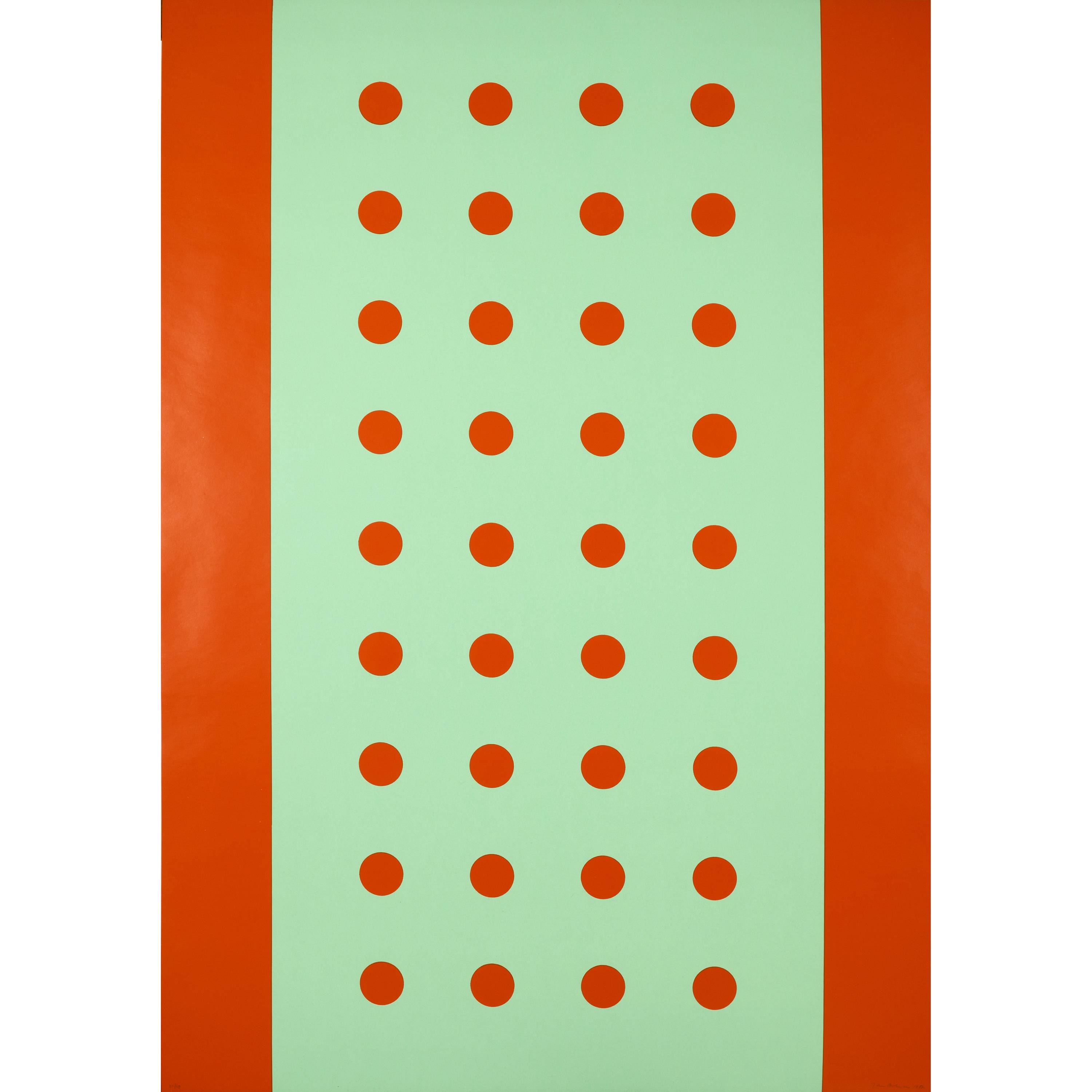
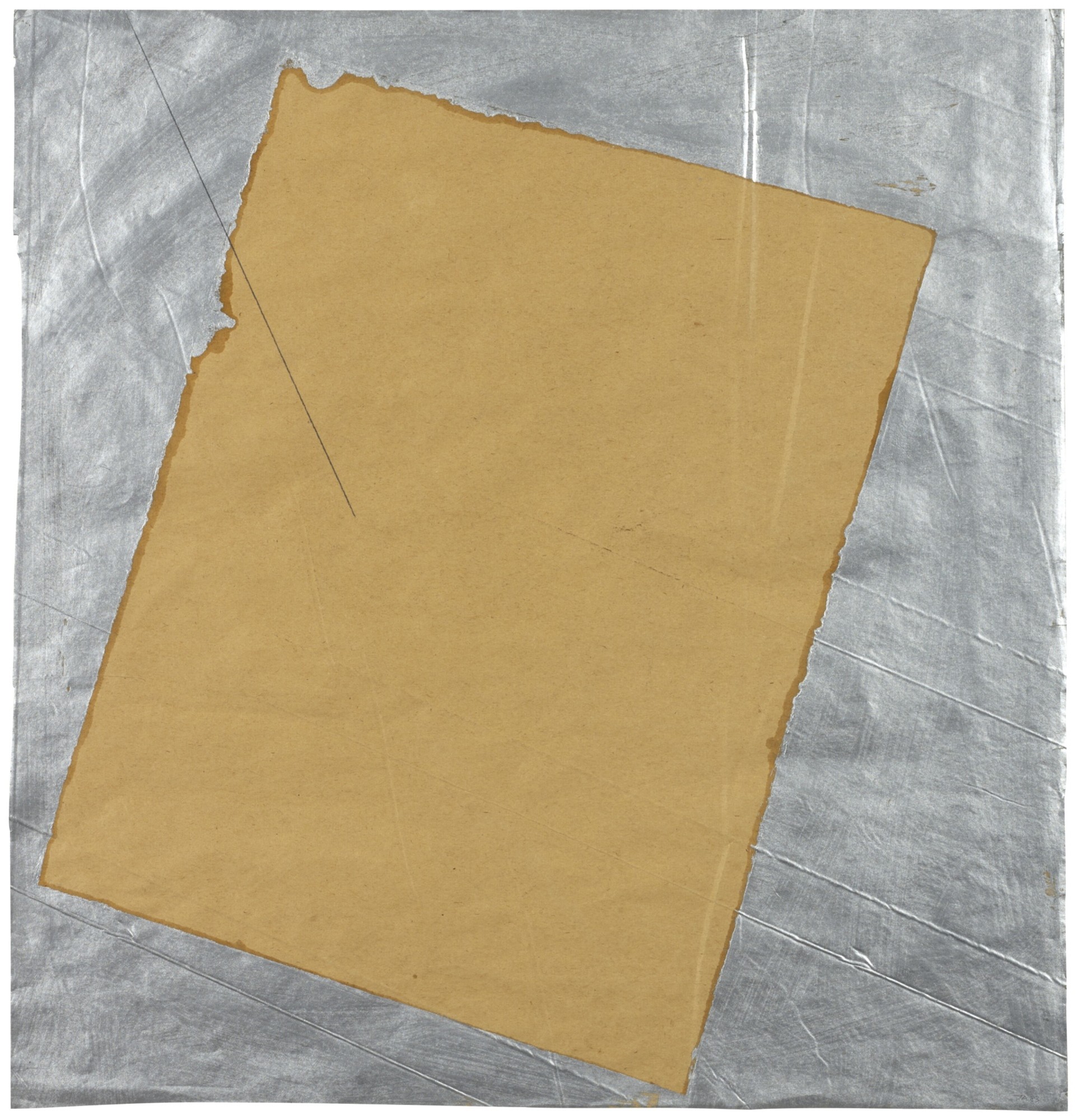
Armleder began his training at the city’s School of Fine Arts in 1966 and became involved at an early stage in performance and action practices. In 1969, he co-founded the Ecart group, a collective close to Fluxus whose happenings and editorial and exhibition activities helped to blur the boundaries between art and everyday life. This porosity remains a structuring principle of his work, which encompasses painting, sculpture, installation, performance and curatorial practices without settling on a single medium or language.
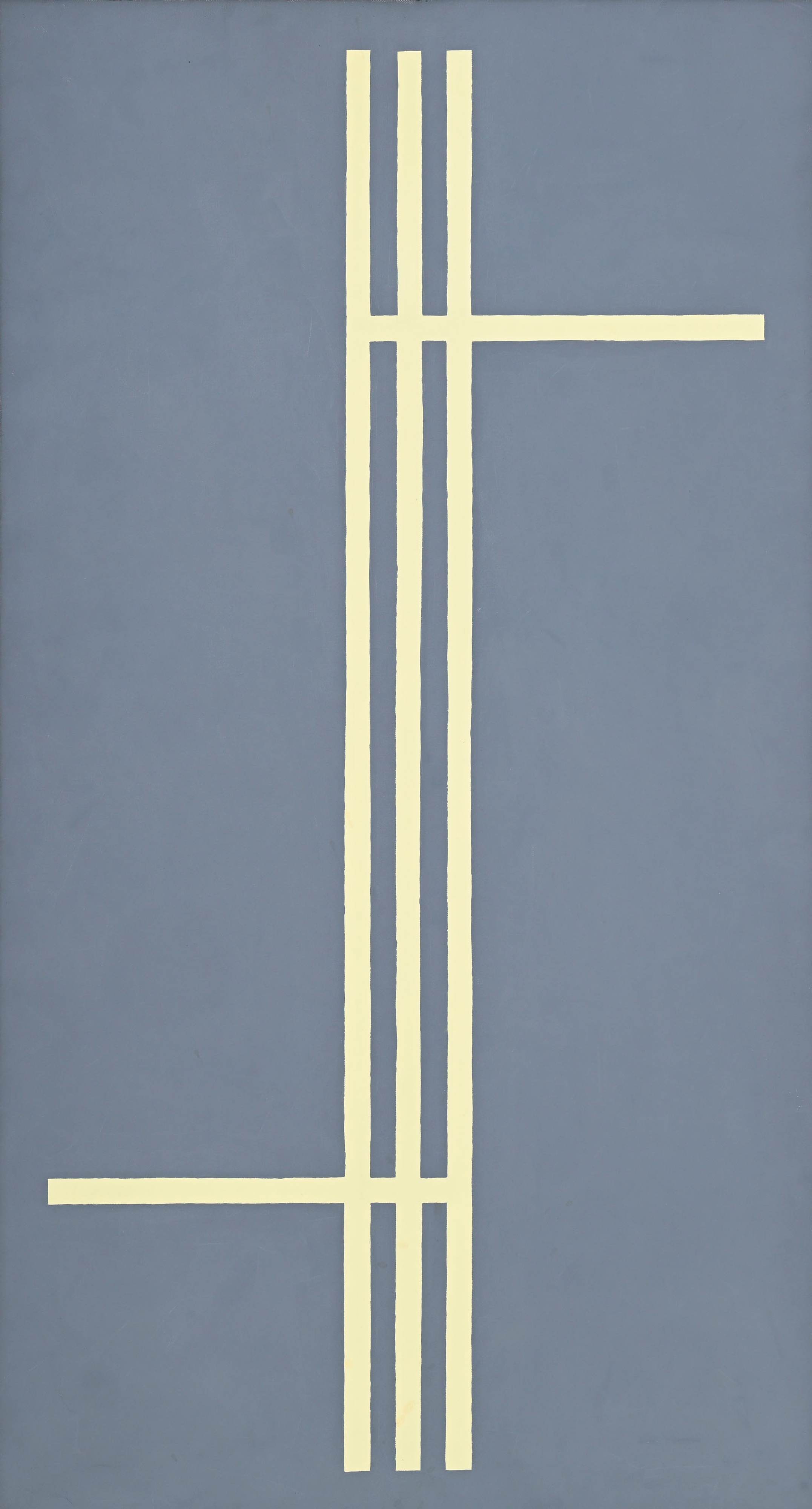
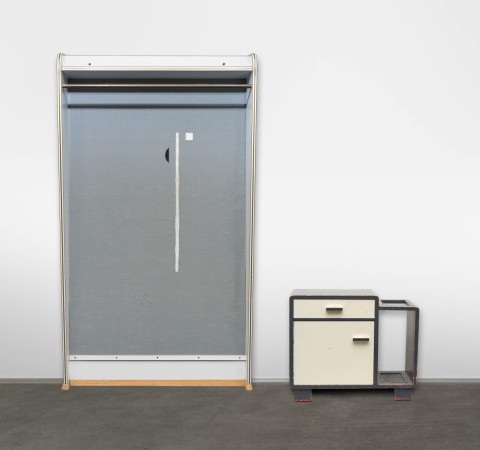
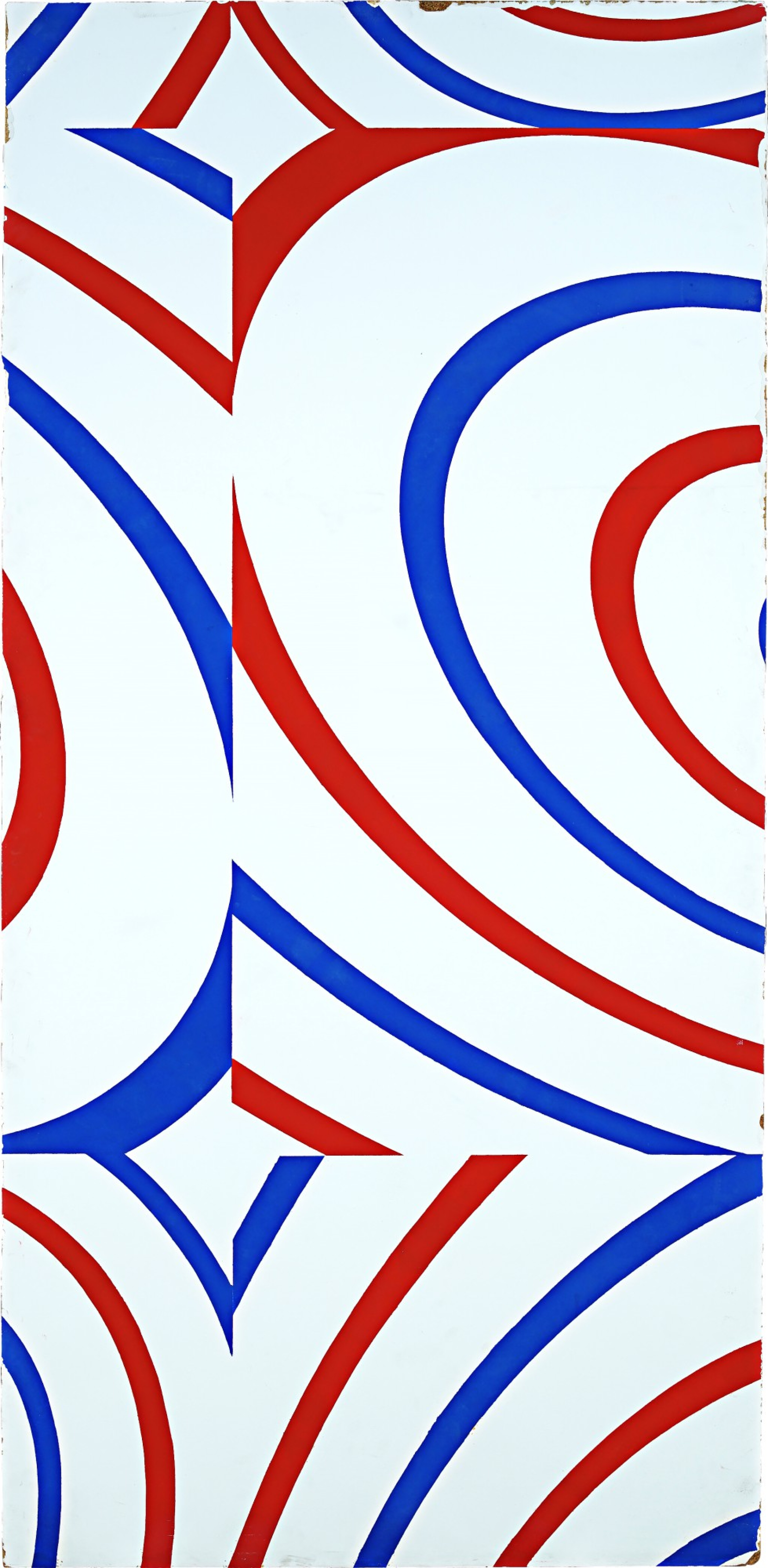
From 1979 onwards, the Furniture Sculptures bring paintings, furniture and everyday or manufactured objects into relation with one another. Rather than presenting painting as an autonomous field, Armleder confronts it with its domestic environment and with elements charged with uses and references. Untitled (FS 169) (1987), held at the Centre Pompidou, thus combines a geometric canvas with a sofa.
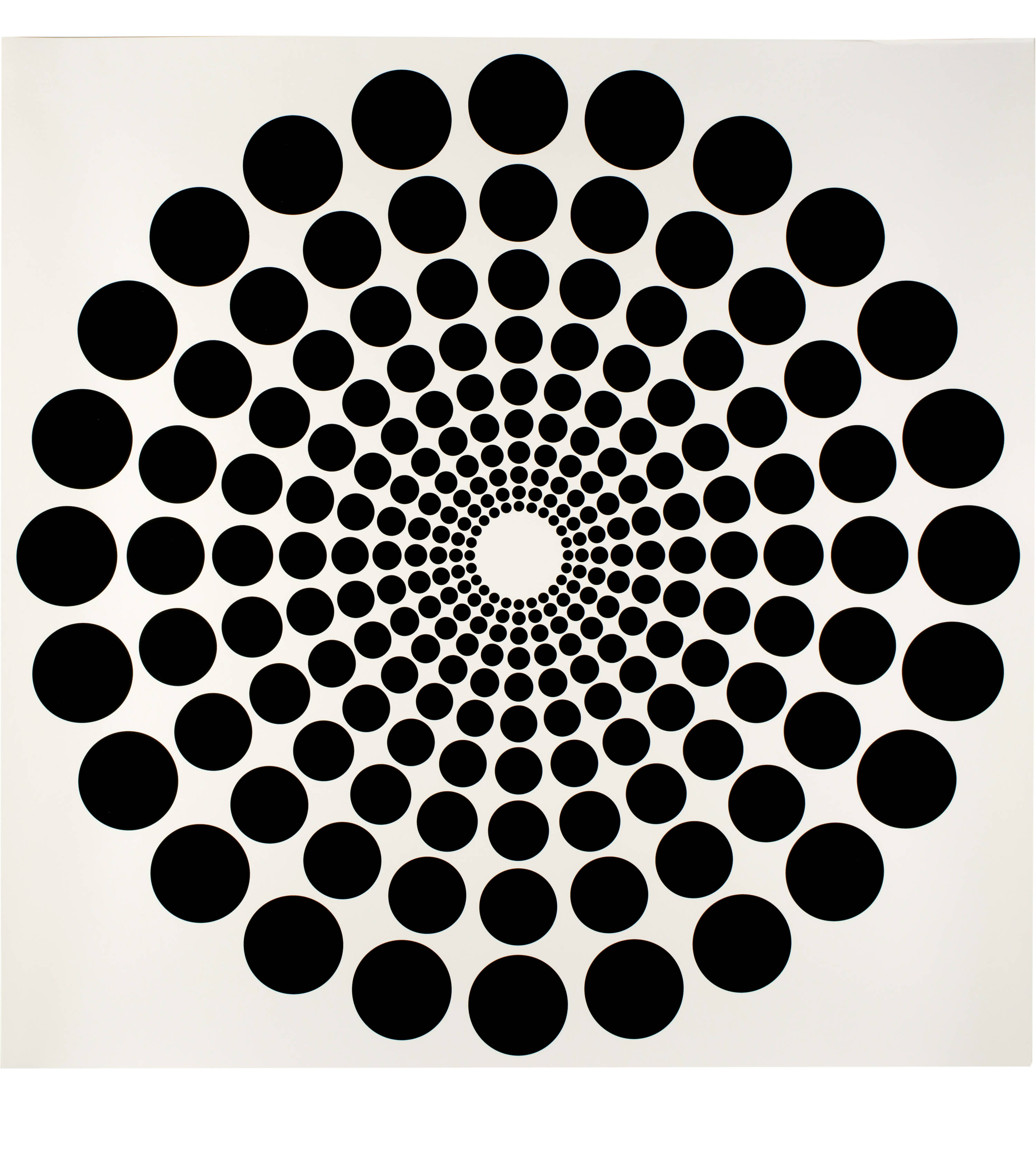
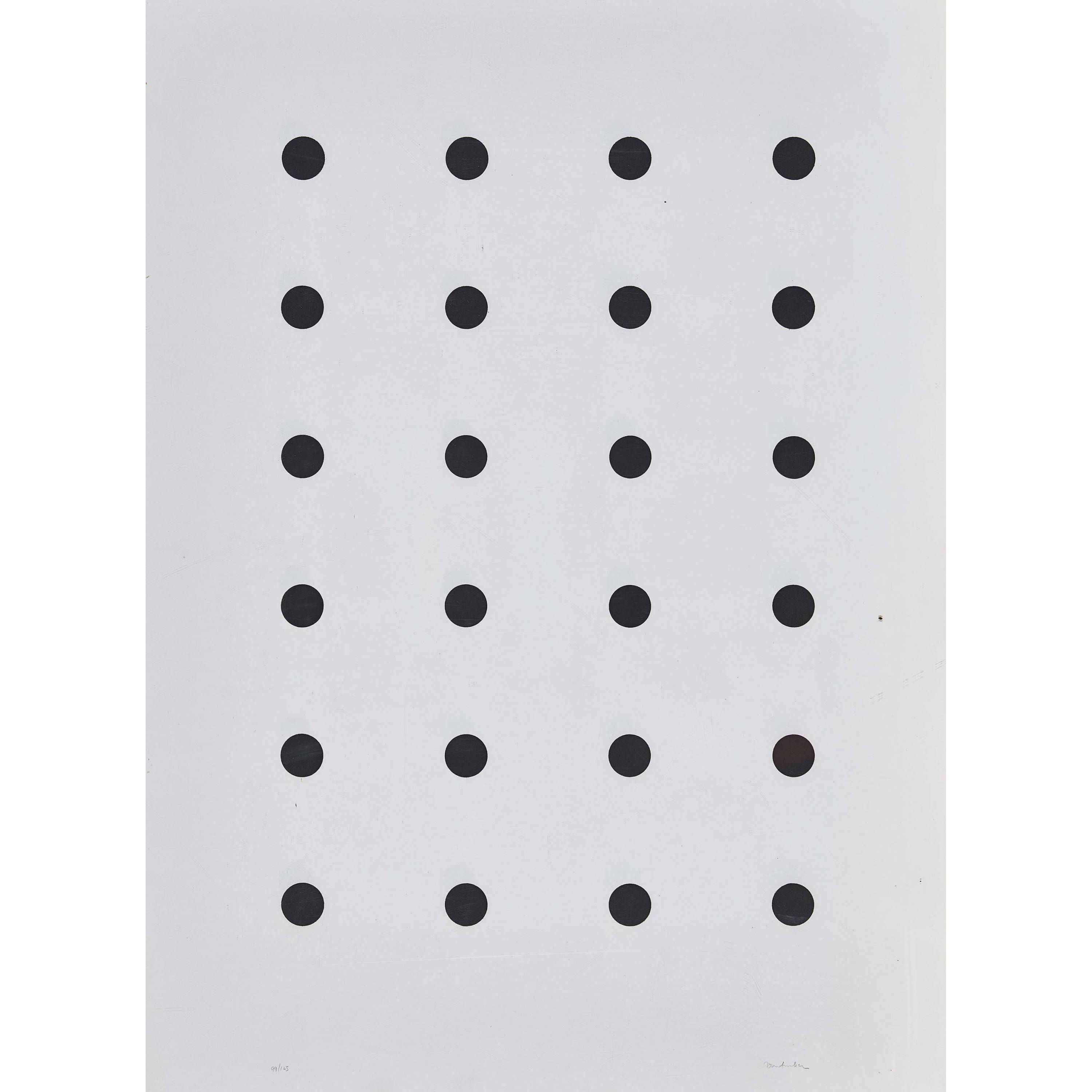
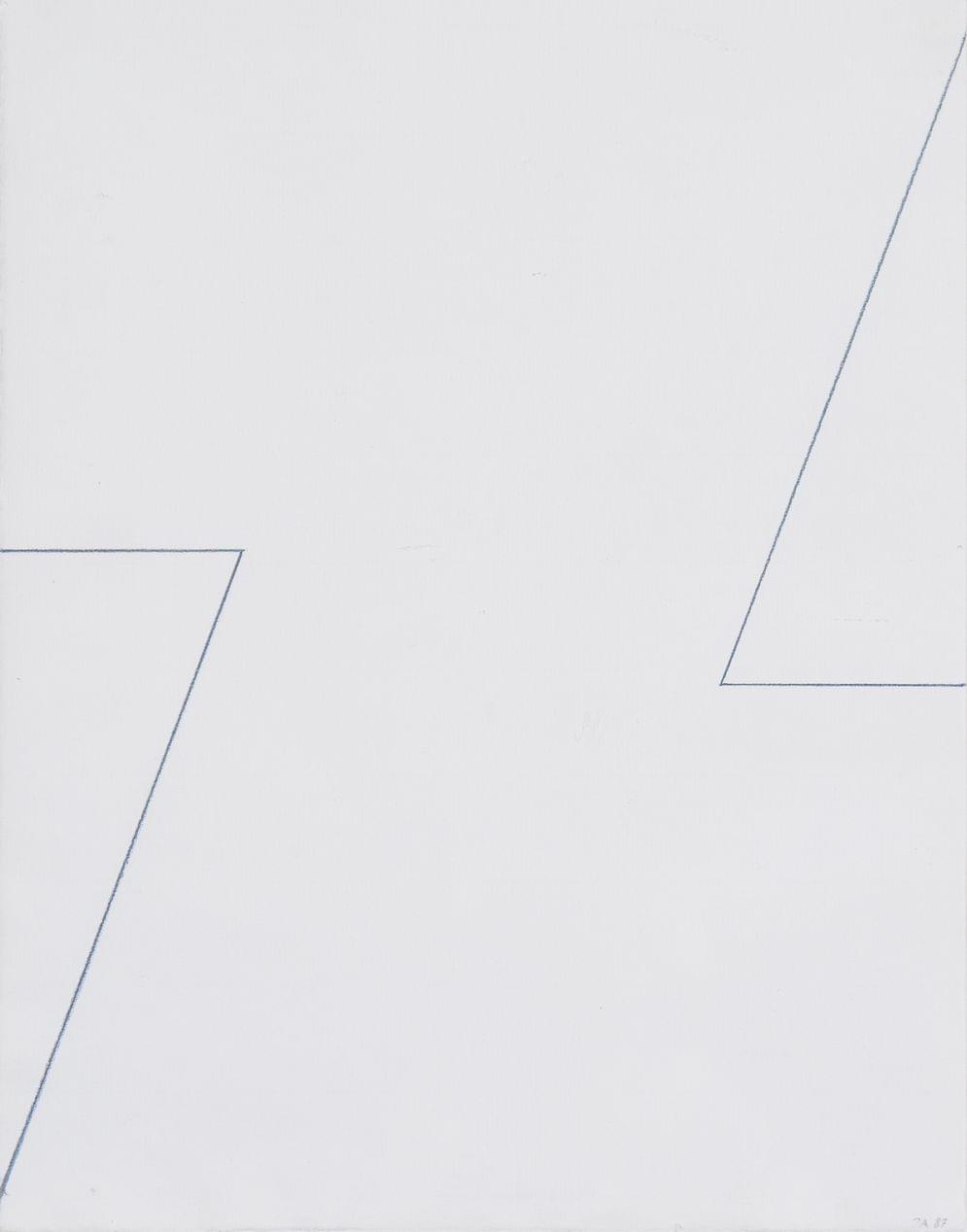
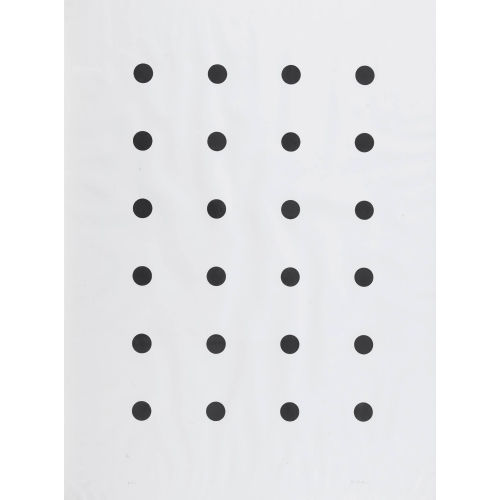
The composition sets black-and-white abstraction in dialogue with the furniture, shifting painting towards shared space and the conventions of display. The work also bears witness to his interest in the legacies of the avant-garde, which he approaches through juxtaposition and dislocation rather than adherence to a stylistic programme.
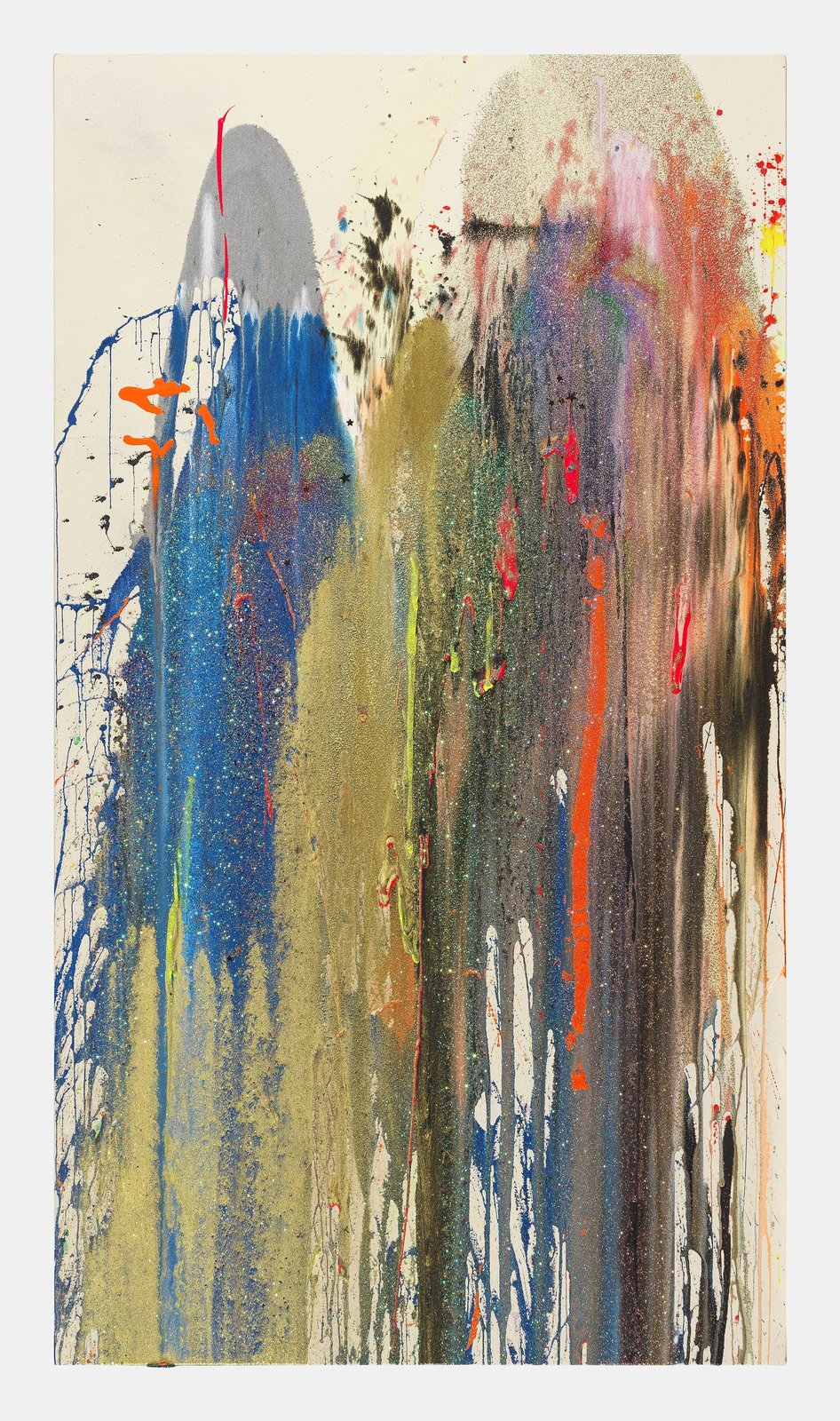
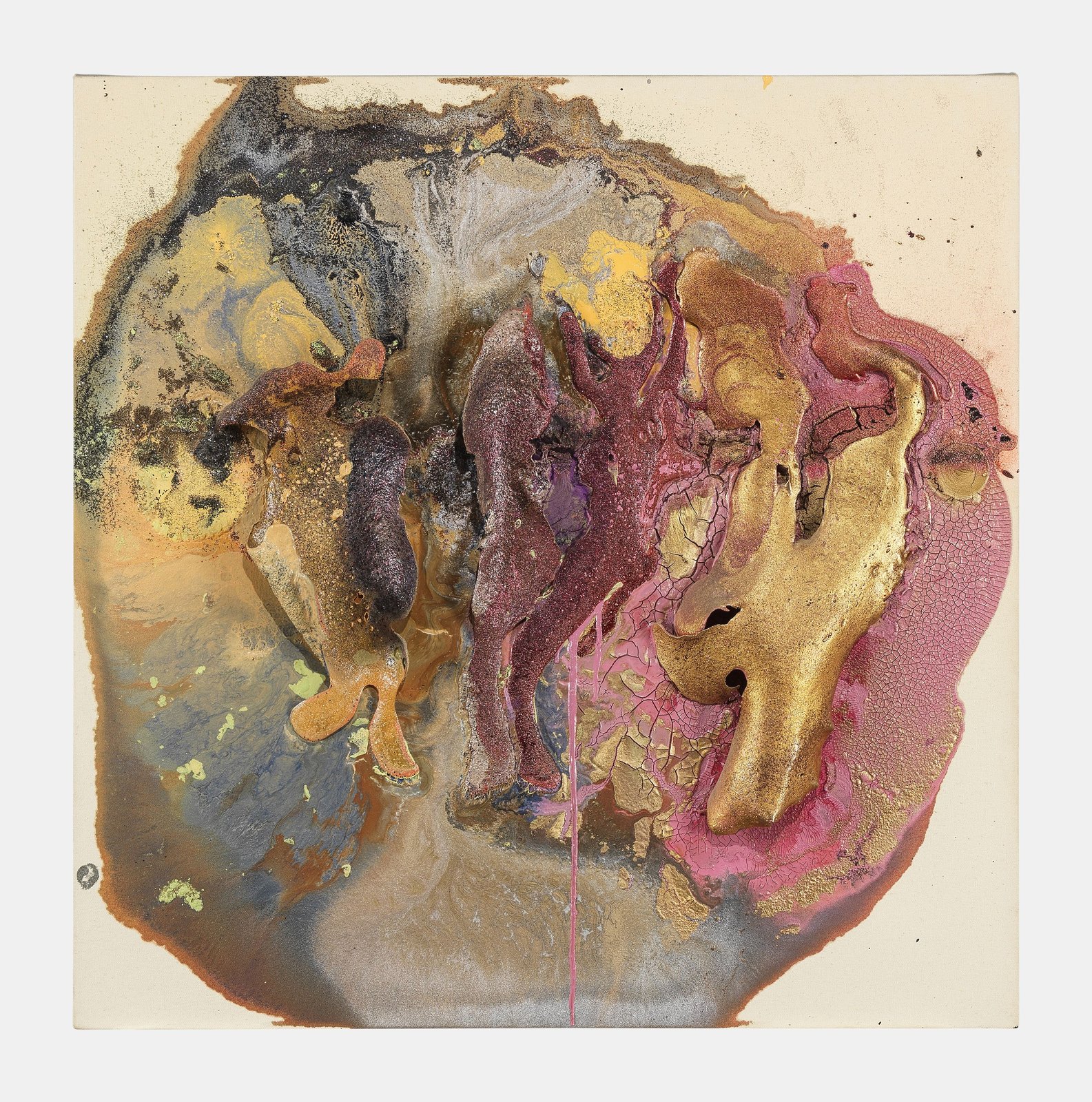
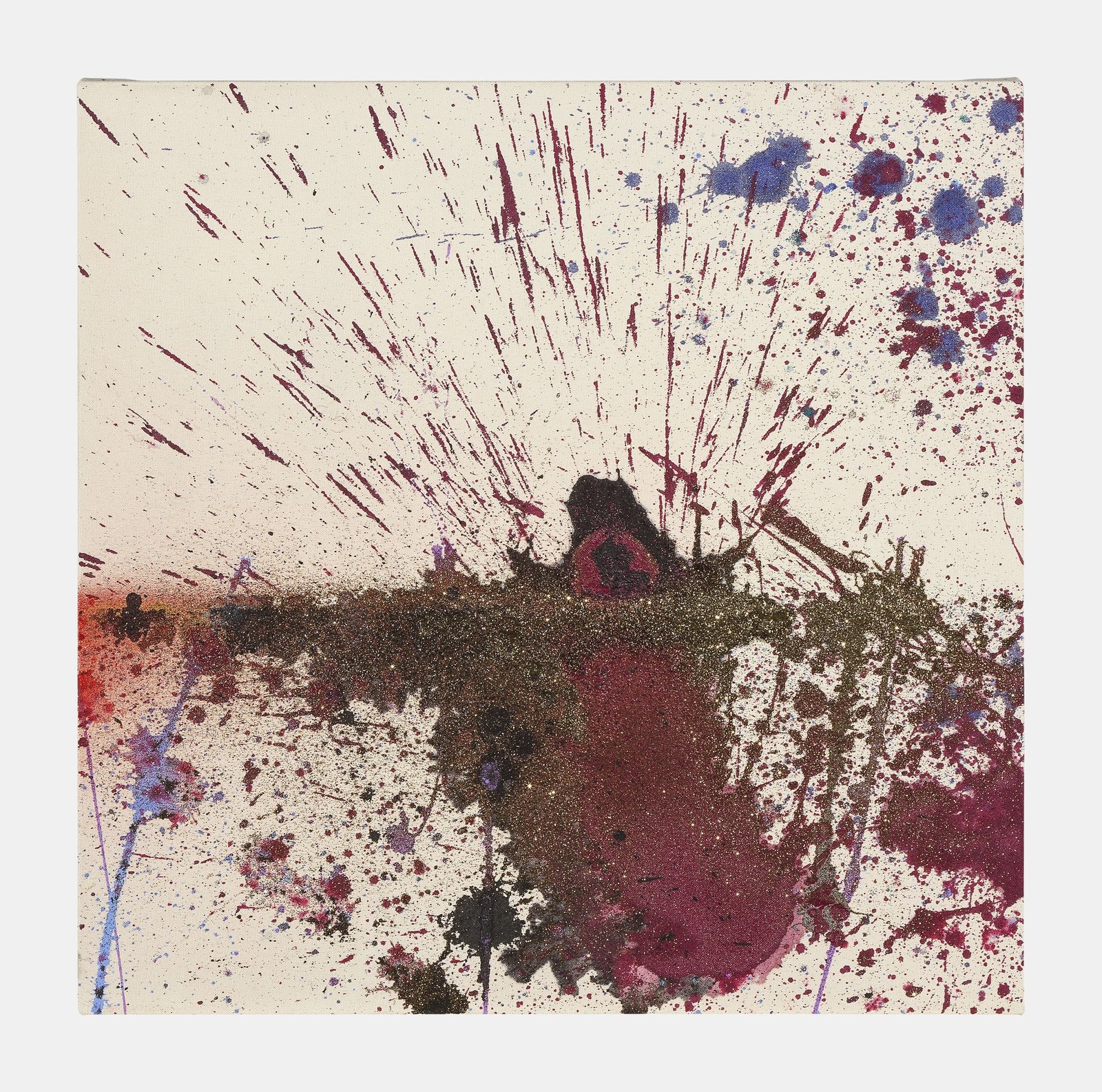
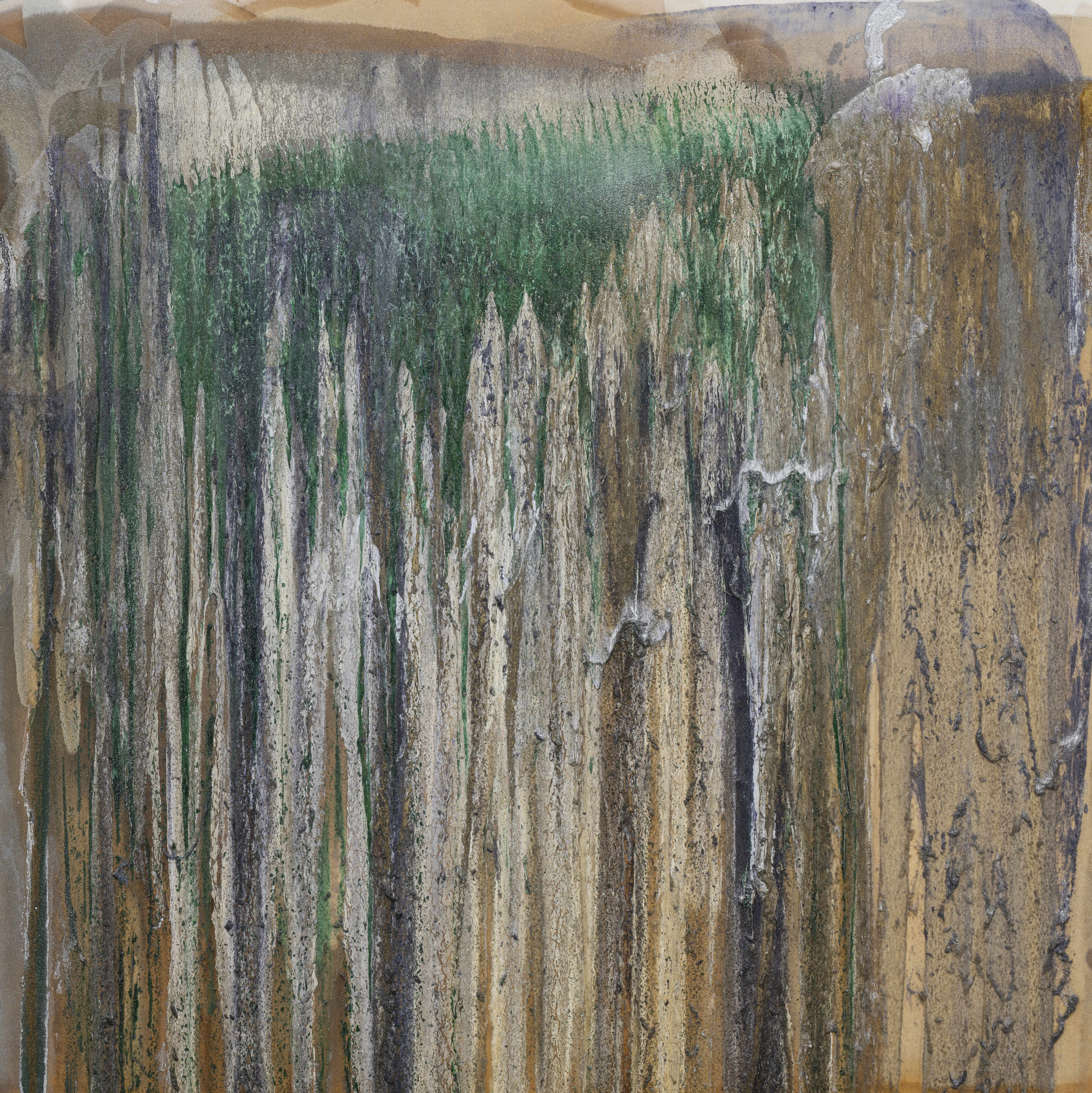
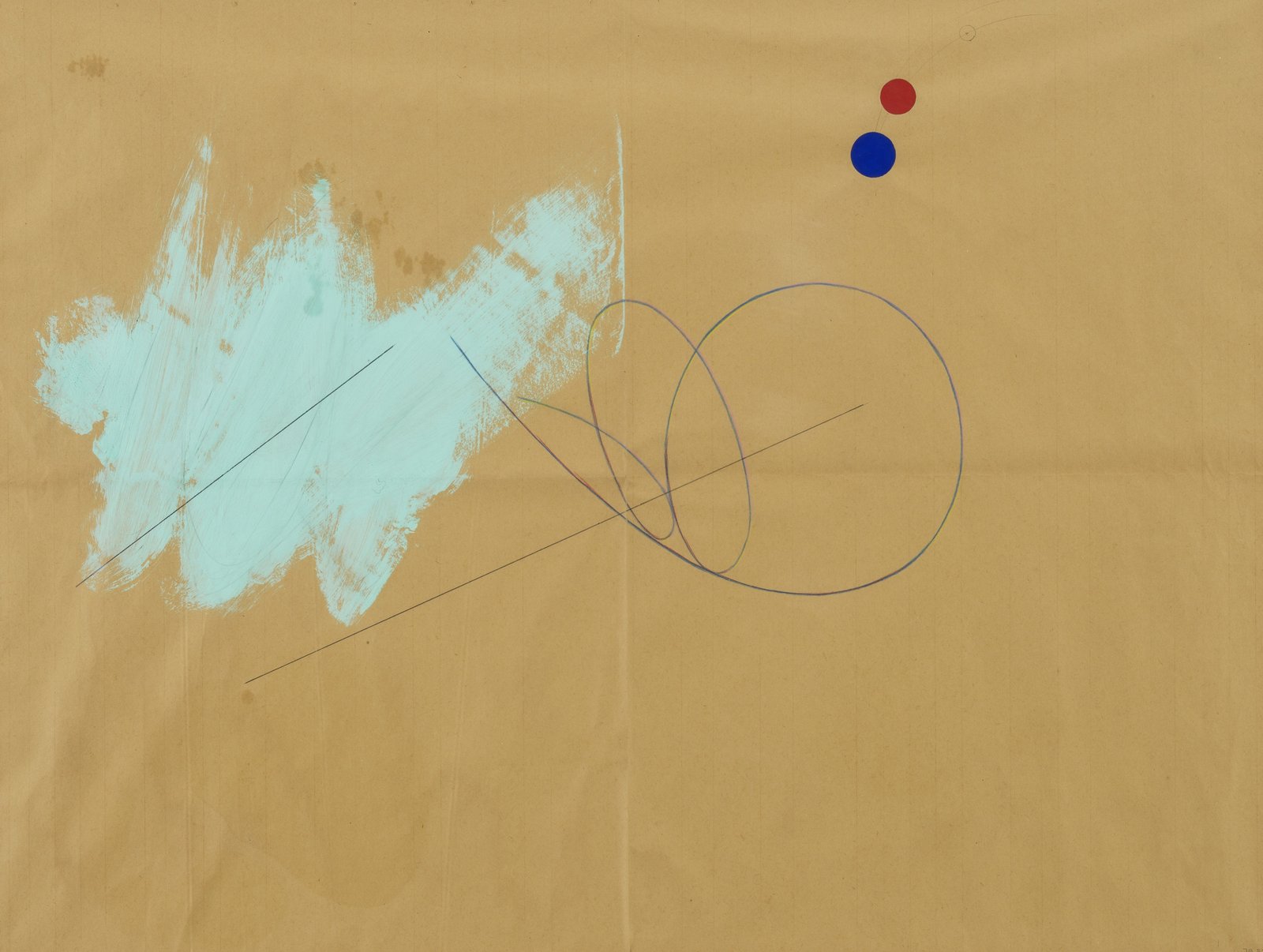
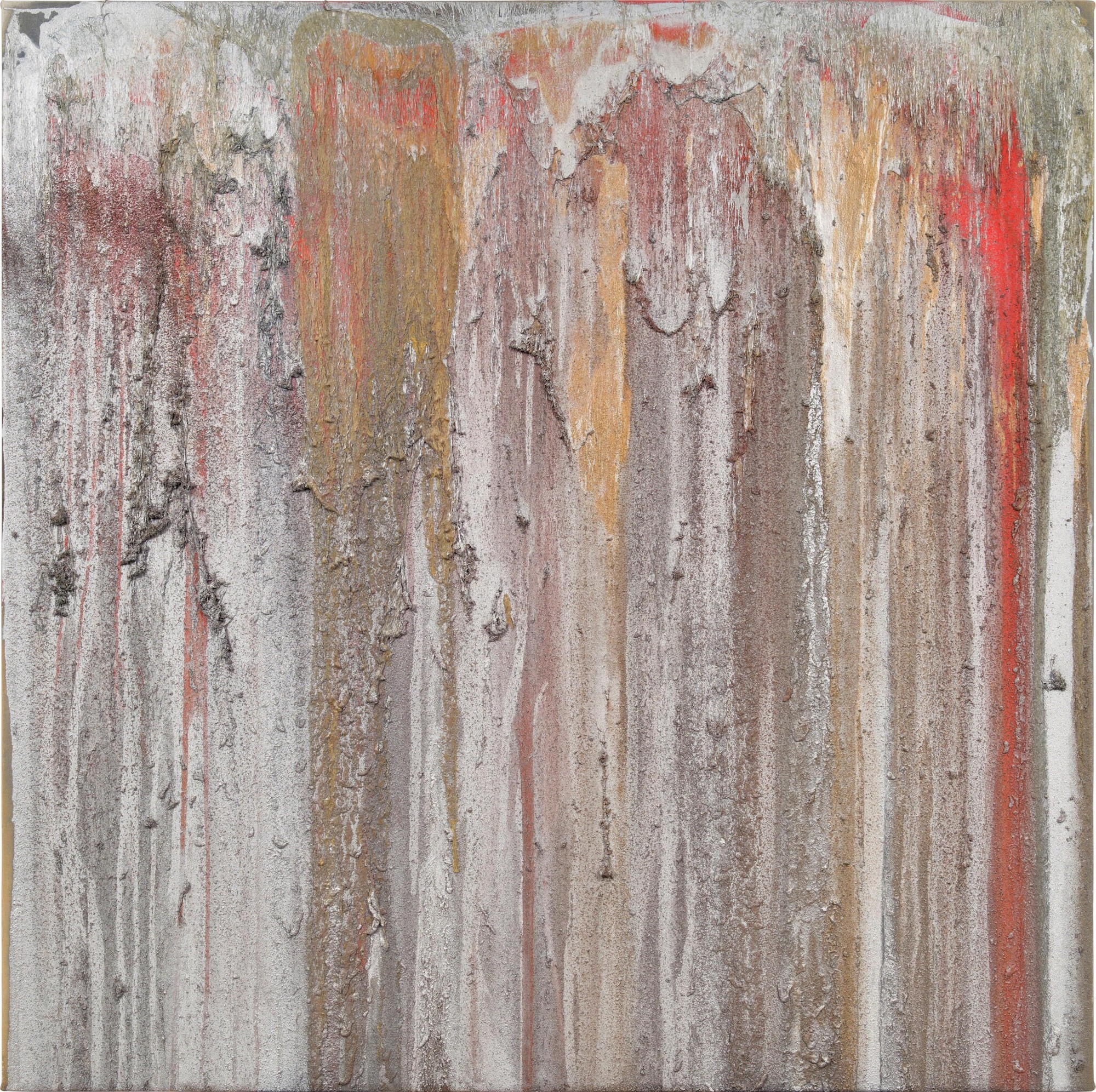
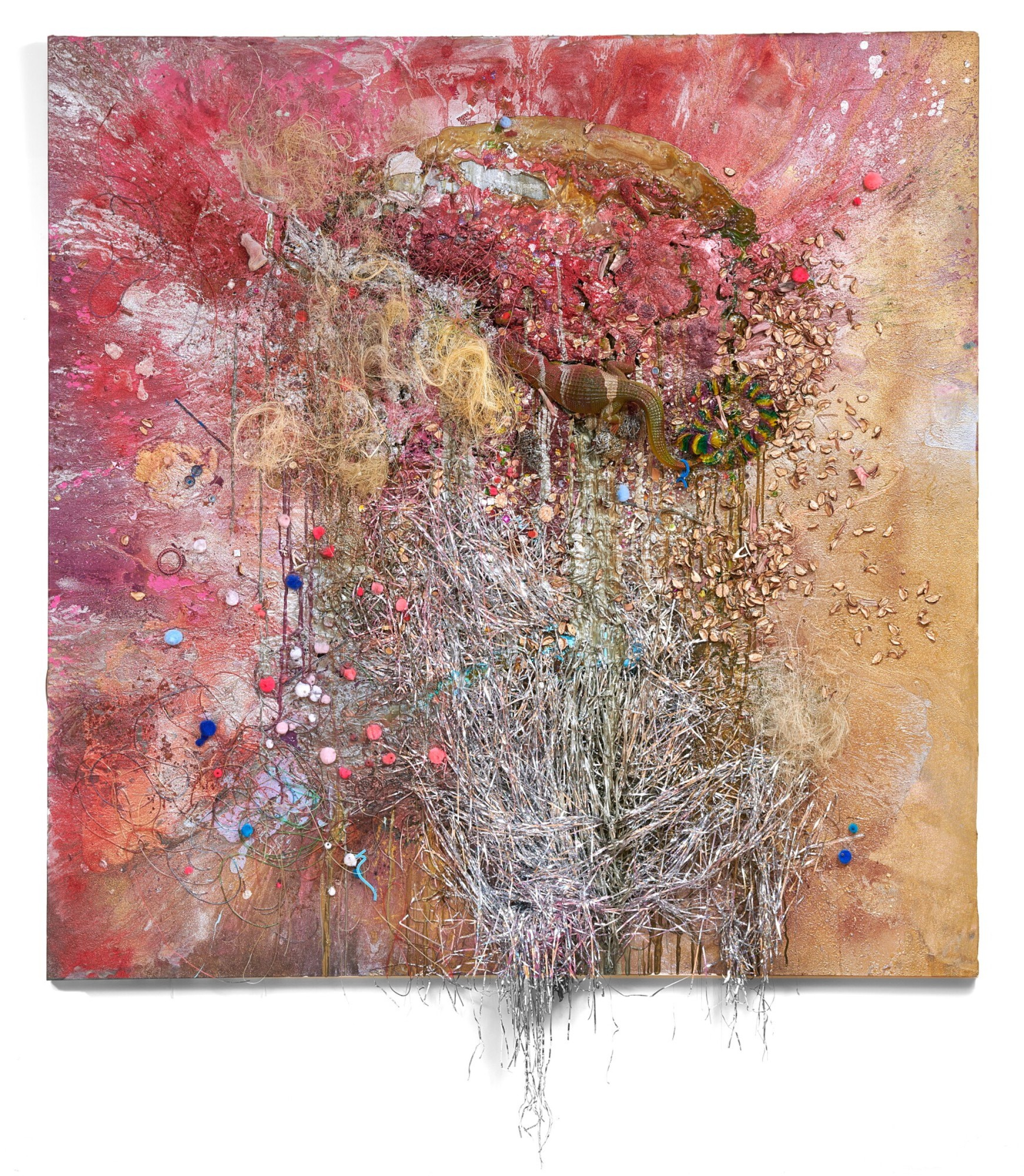
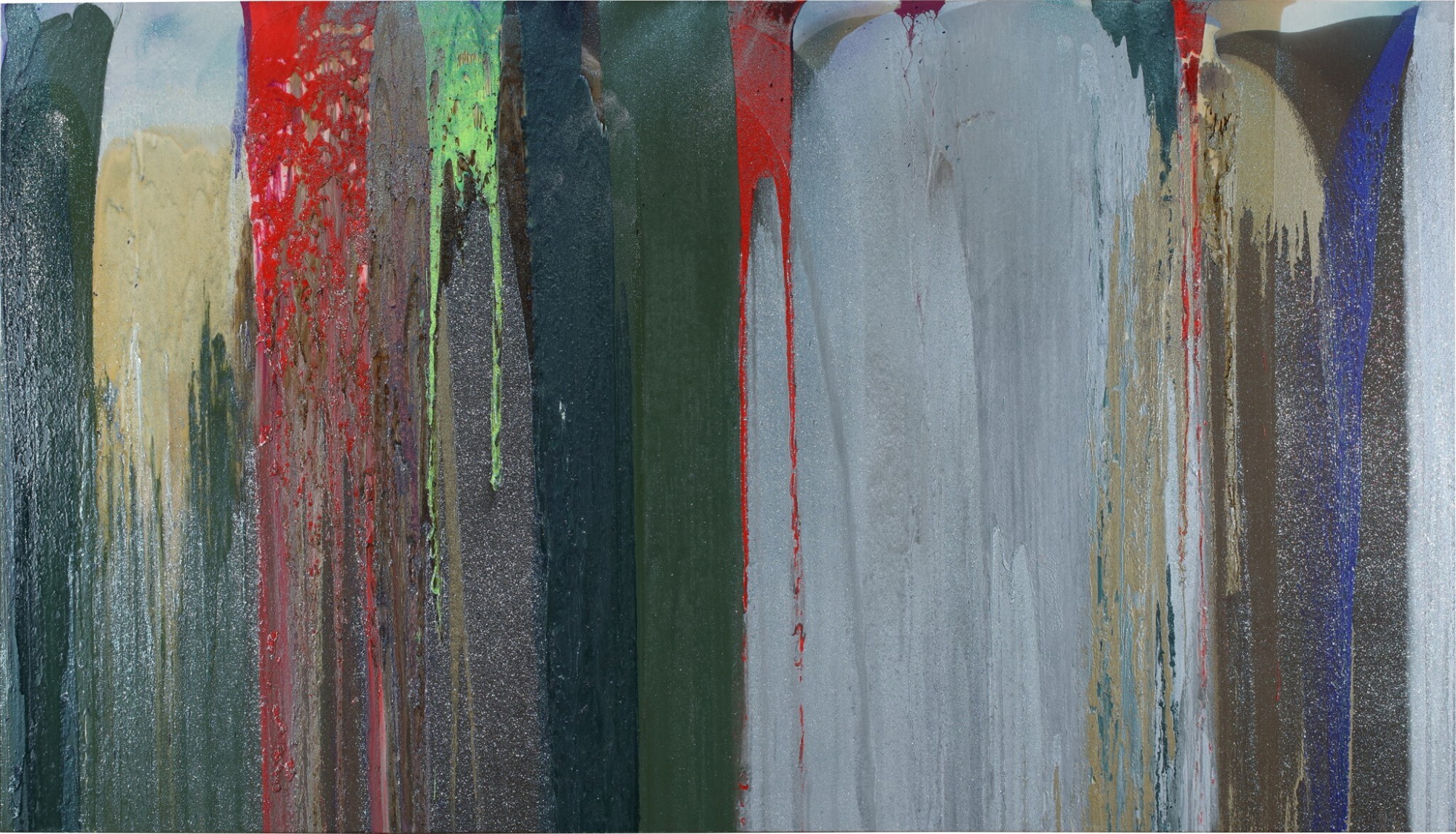
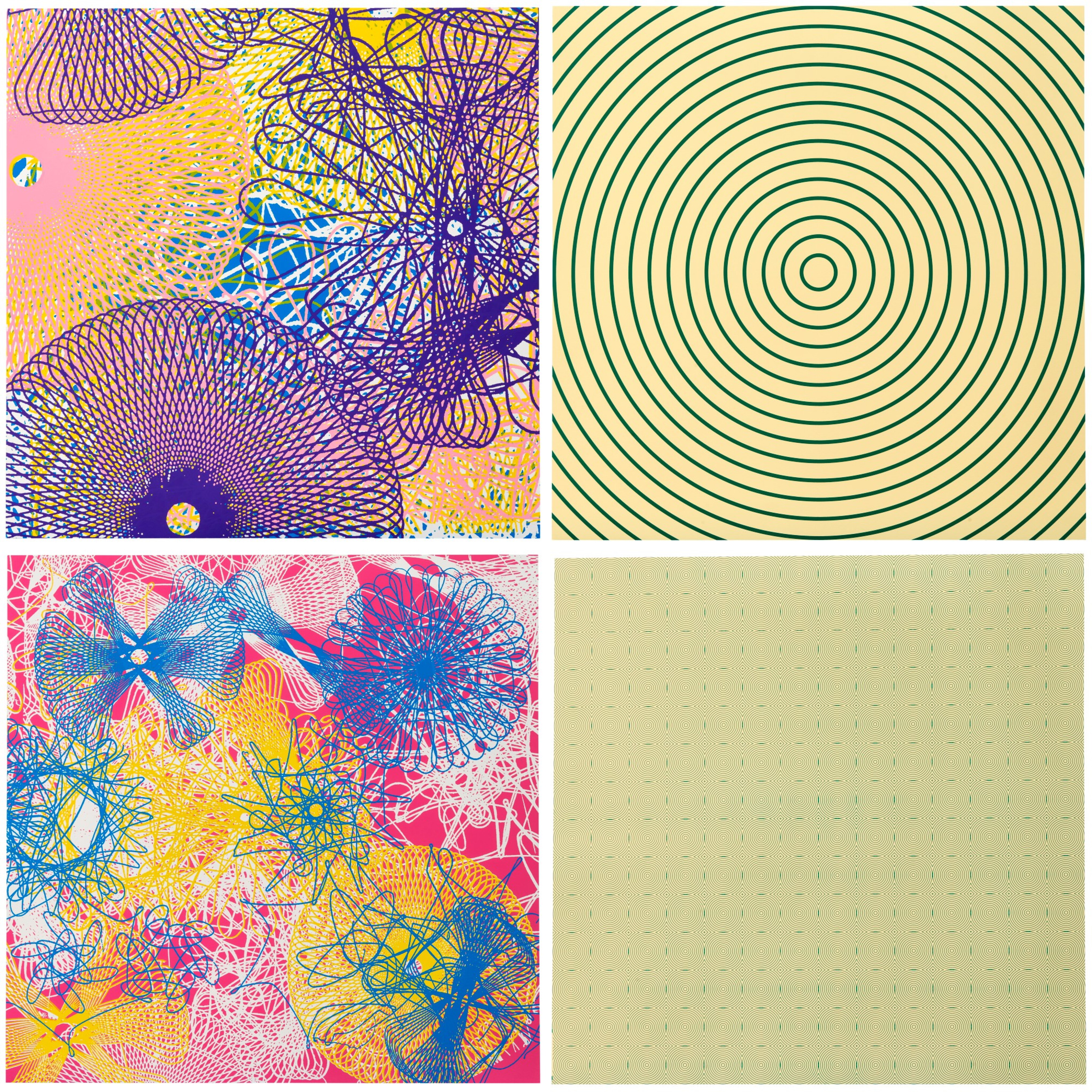
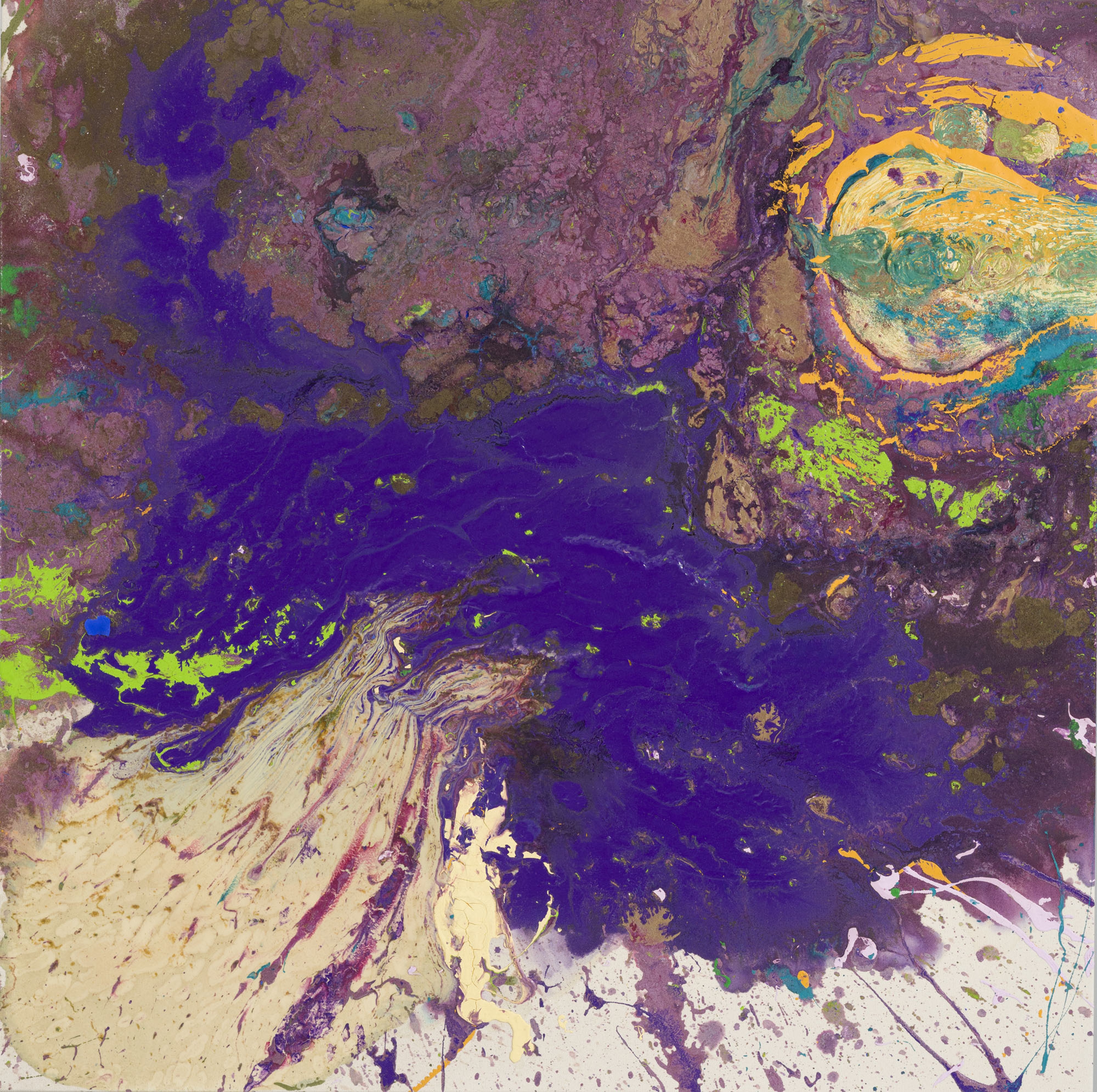
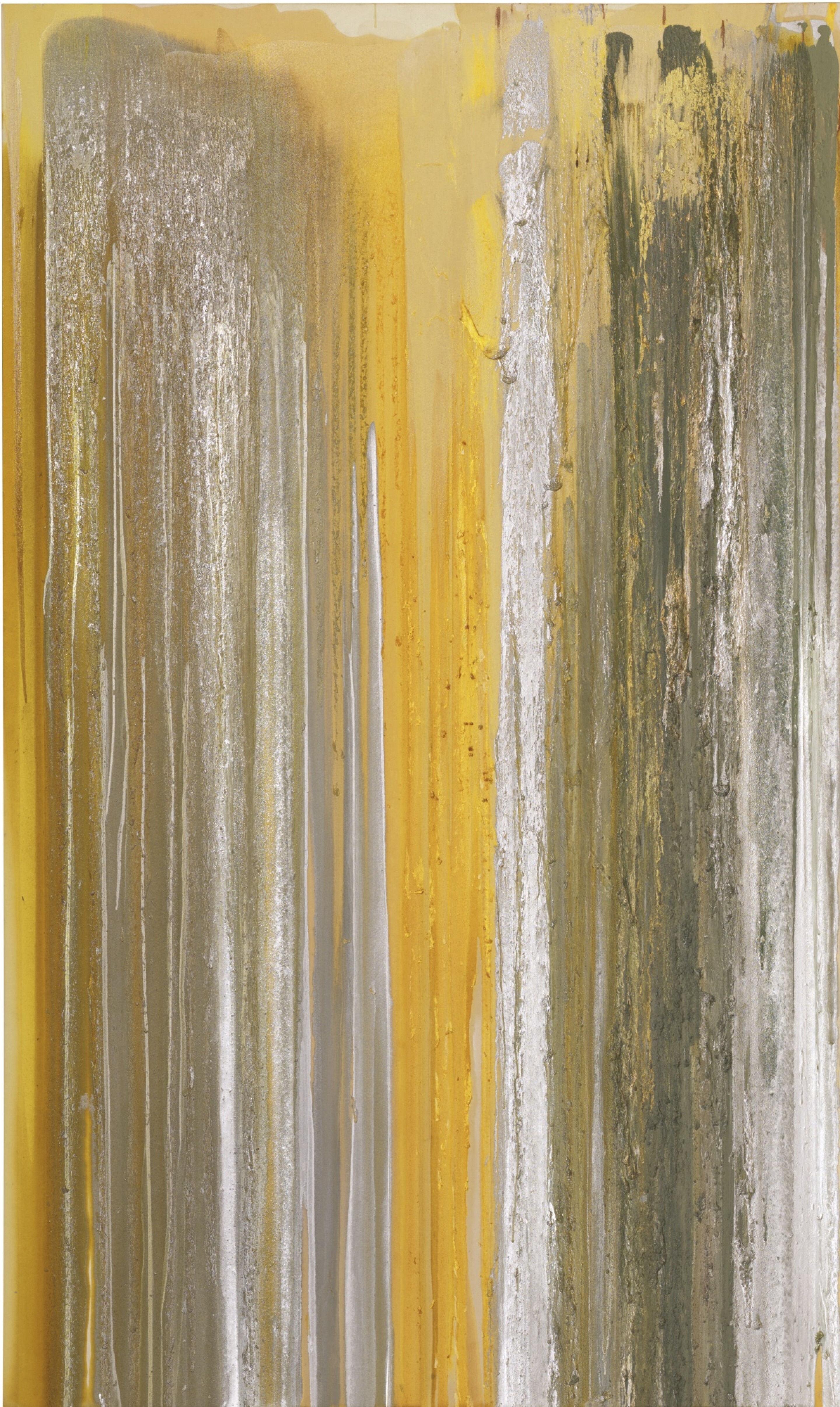
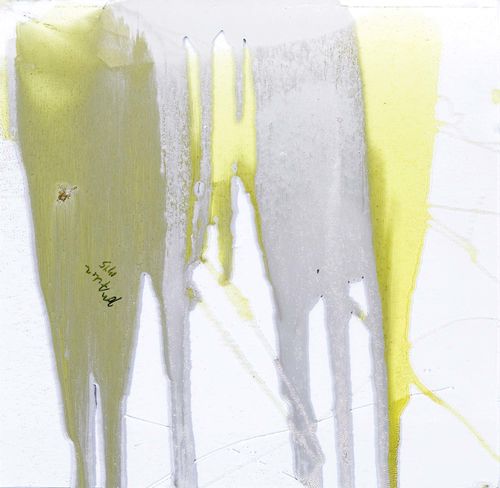
In the following decades, Armleder developed, among other things, the Pour Paintings, wall paintings and installations made from heterogeneous objects. Quicksand 2, presented at MAMCO in 2019–2020, brings together Plexiglas, artificial flowers, books and audiovisual devices in an ensemble that evokes at once a museum storage area, a studio and a commercial space. The arrangement thus becomes an issue as decisive as the elements assembled: their status oscillates between artwork, décor, commodity and fragment.
This attention to context connects his early collective experiences with his later installations.
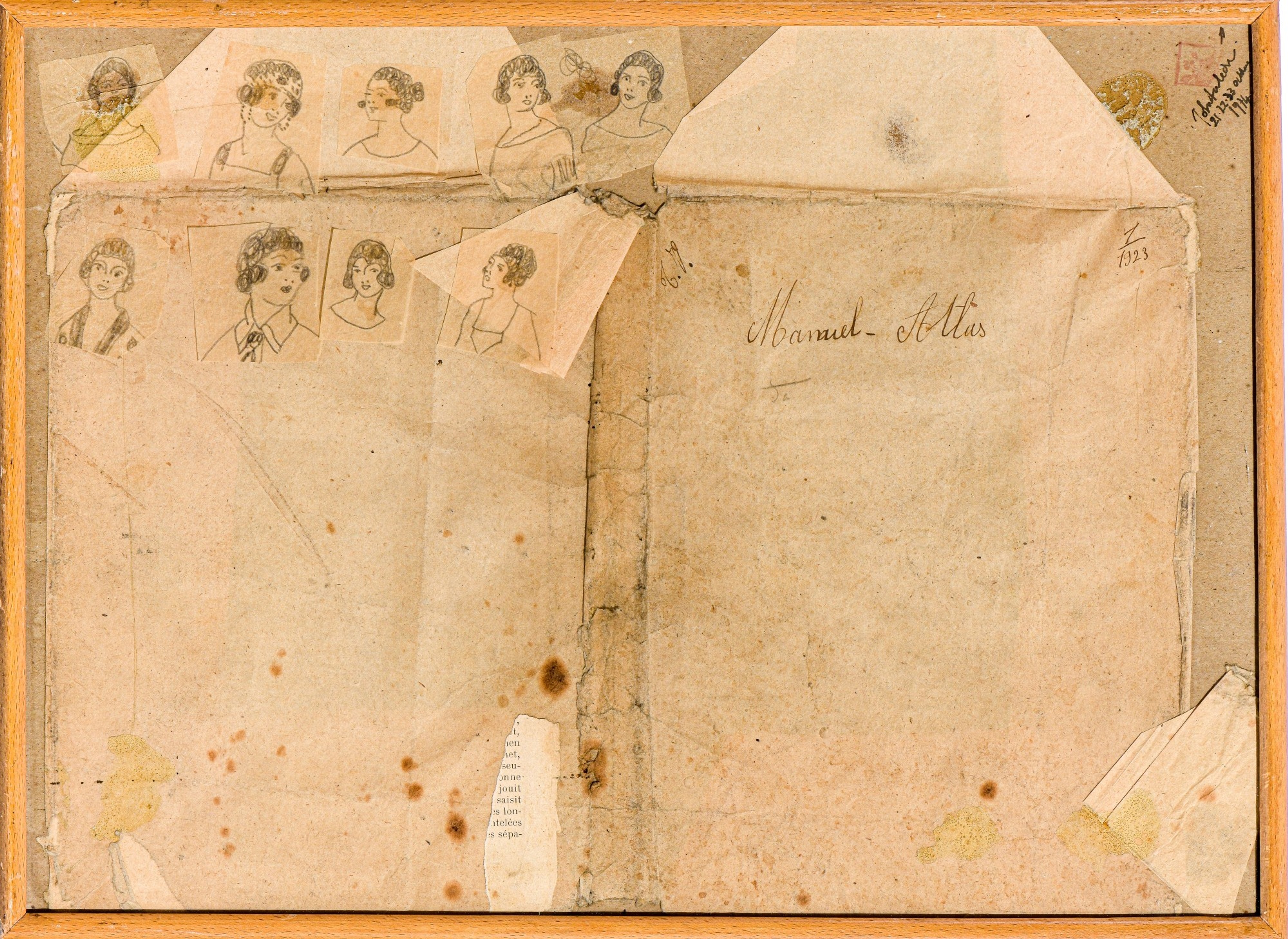
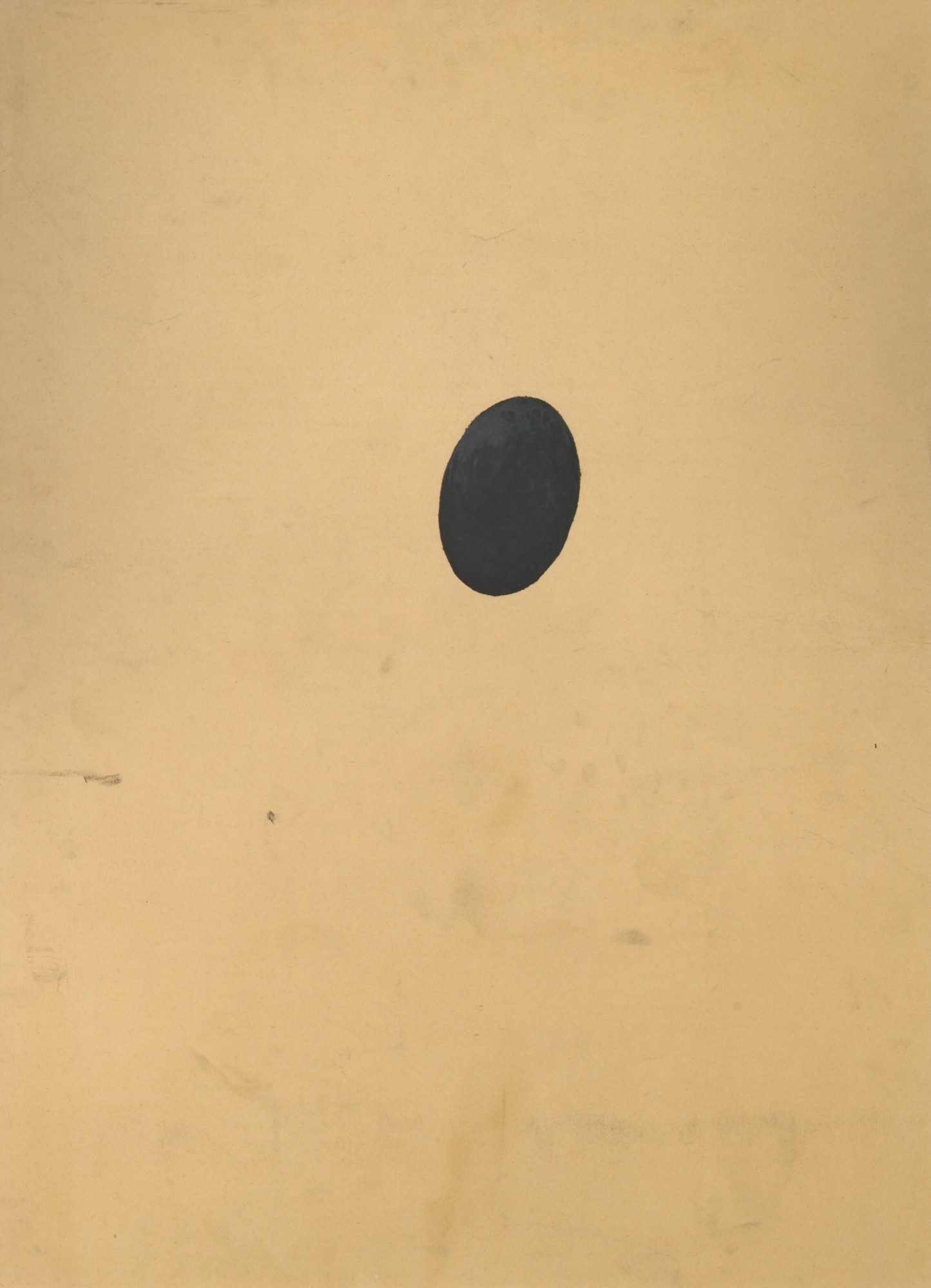
His practice is thus characterised by a mobility between historical references, ordinary objects and abstract forms. By allowing these registers to coexist, Armleder puts to the test the categories of the original and the reproducible, of art and décor, while leaving the viewer to construct relationships between the elements.