Johannes Robert Schürch
Born in 1895.
Died in 1941.
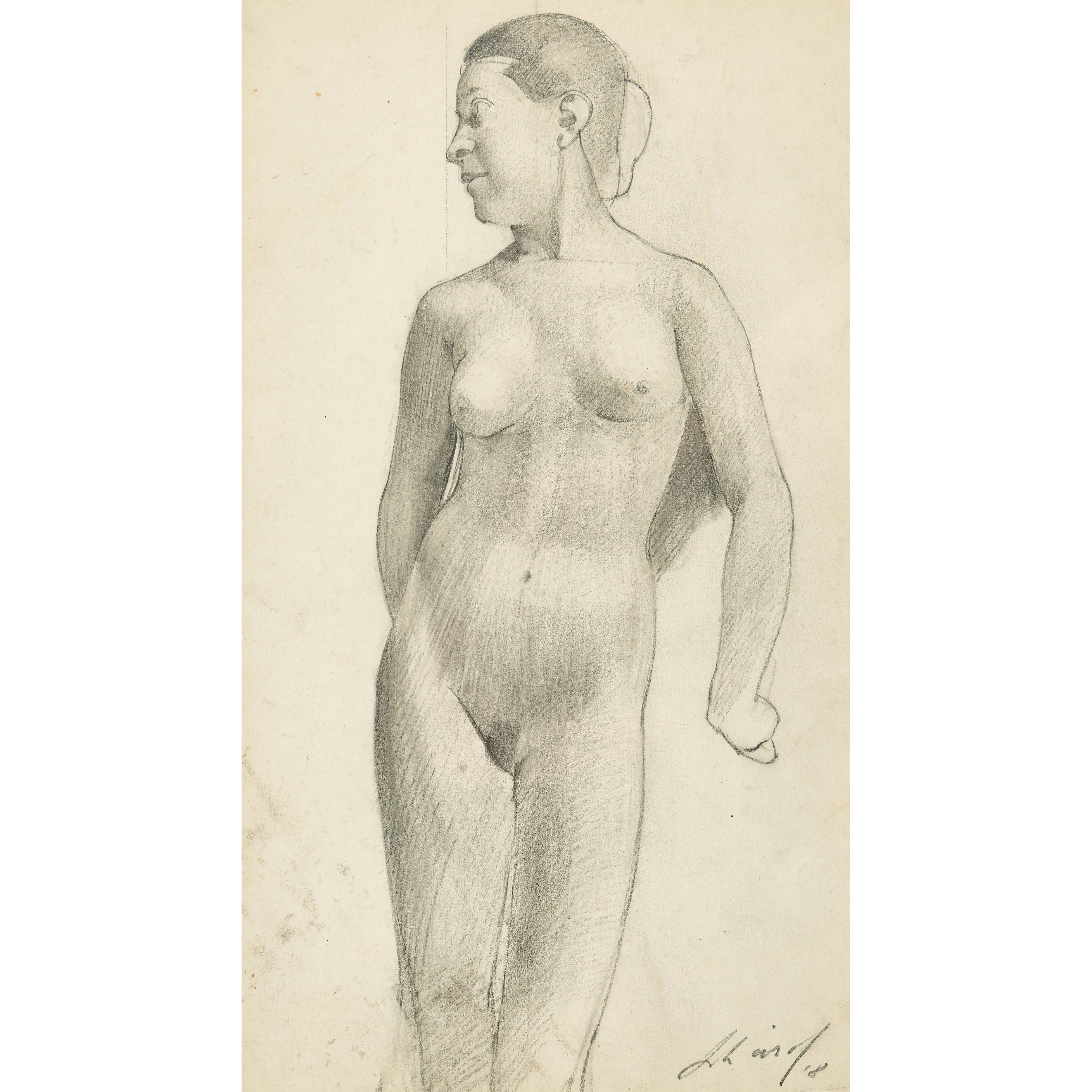
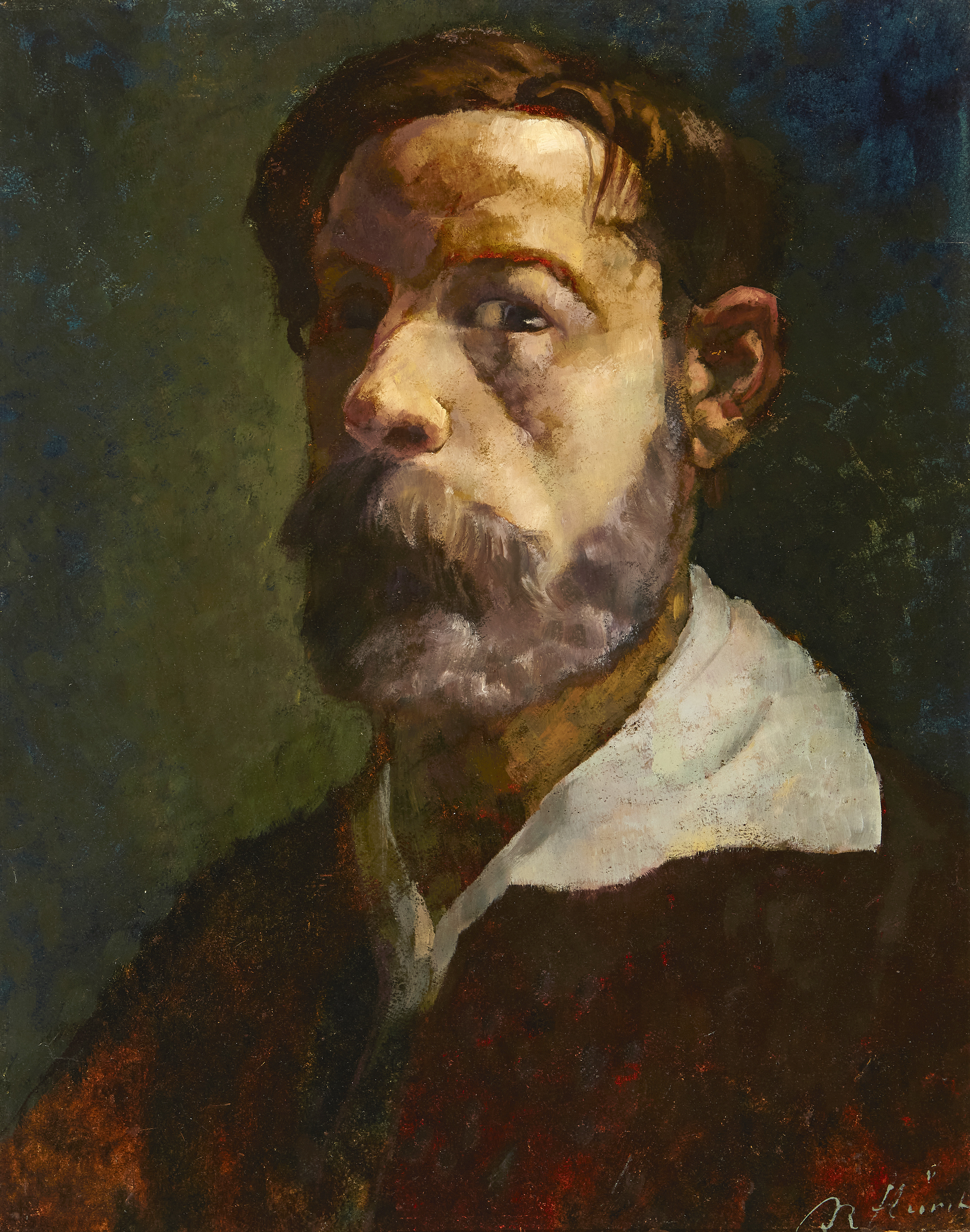
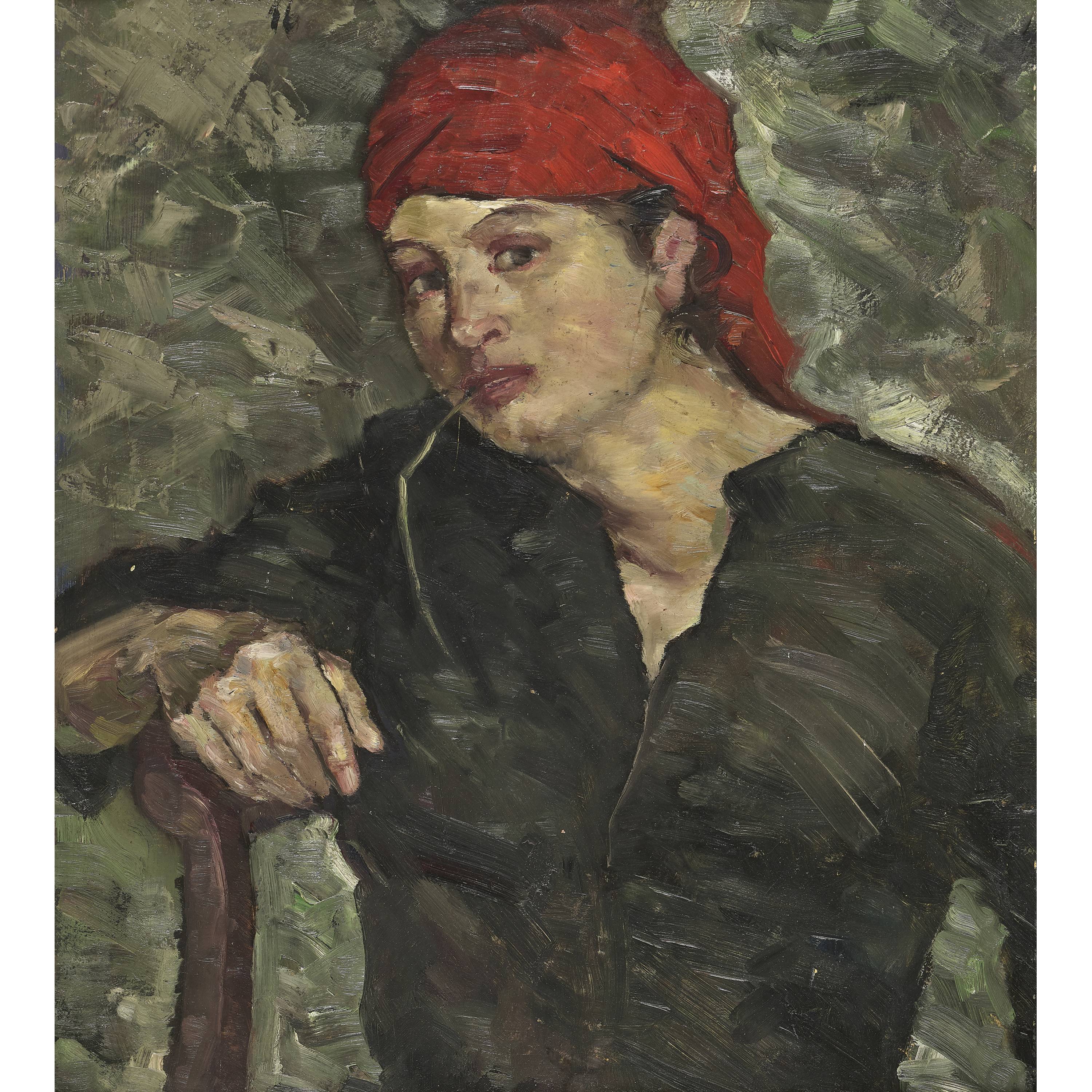
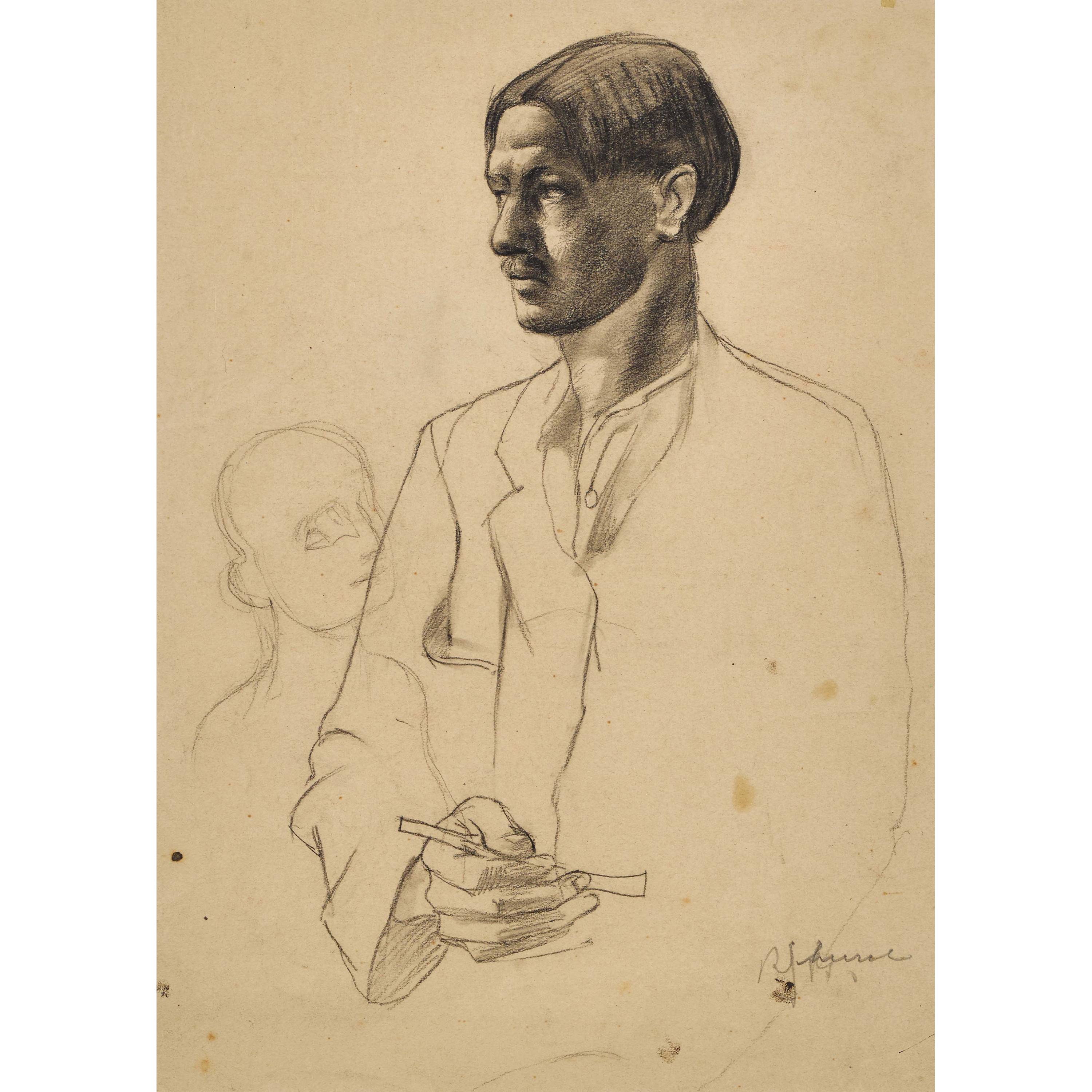
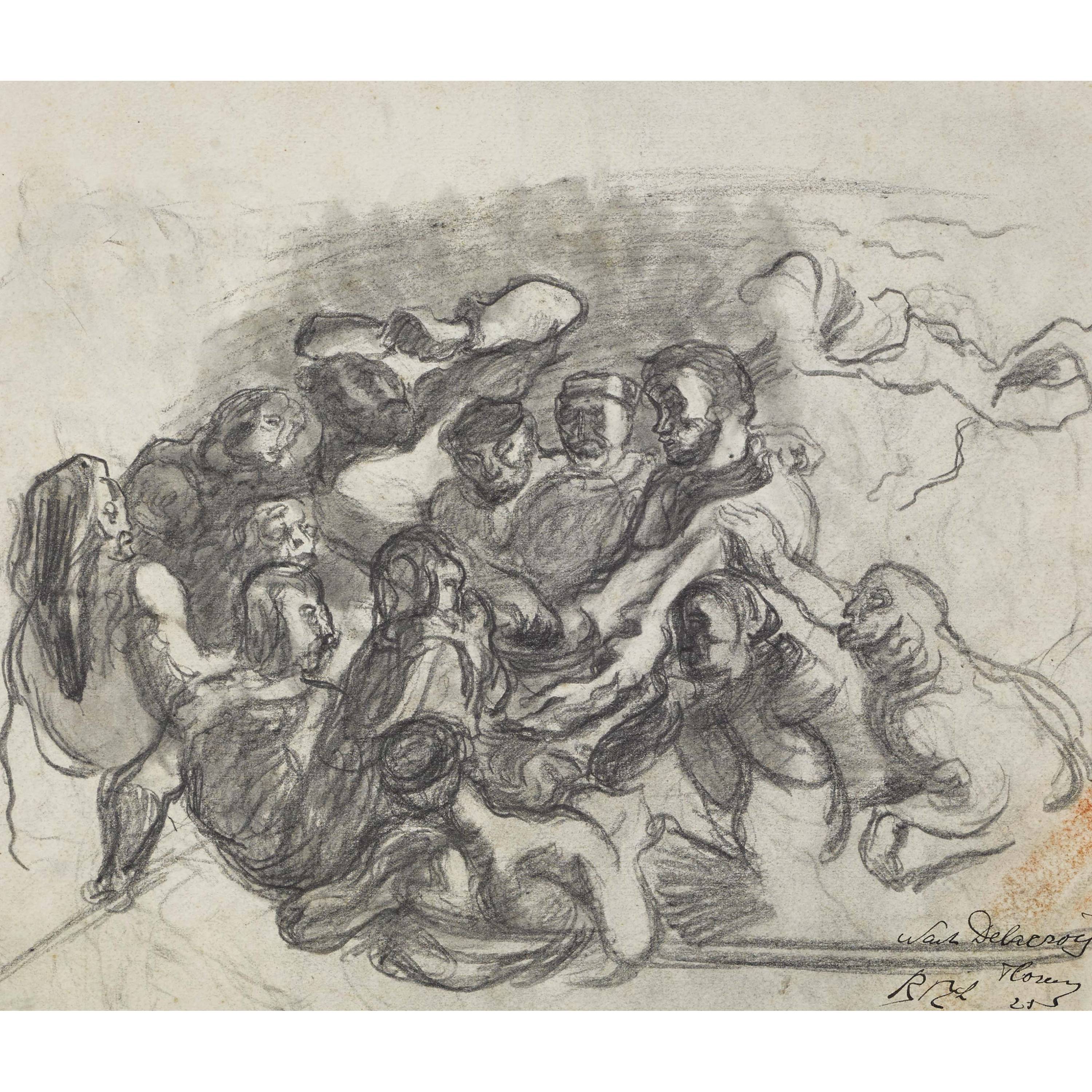
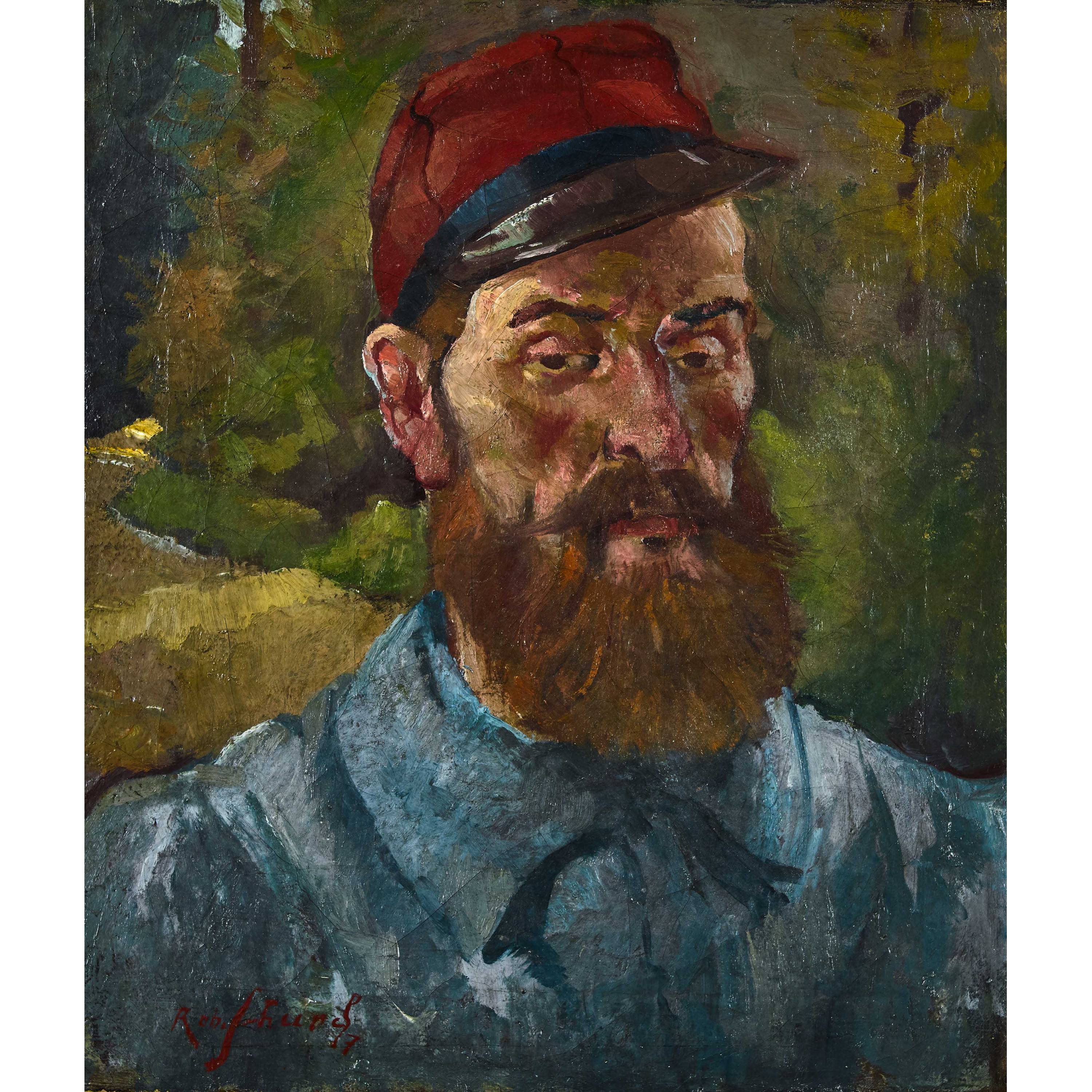
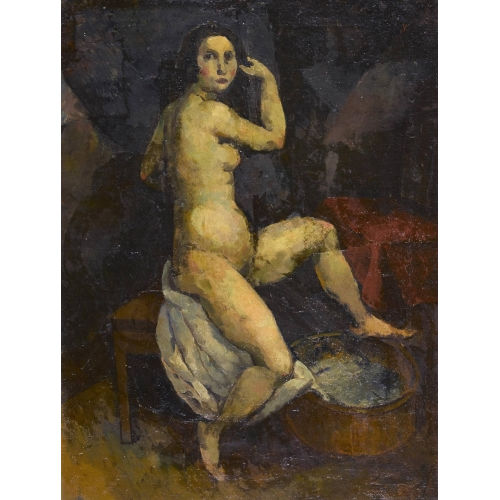
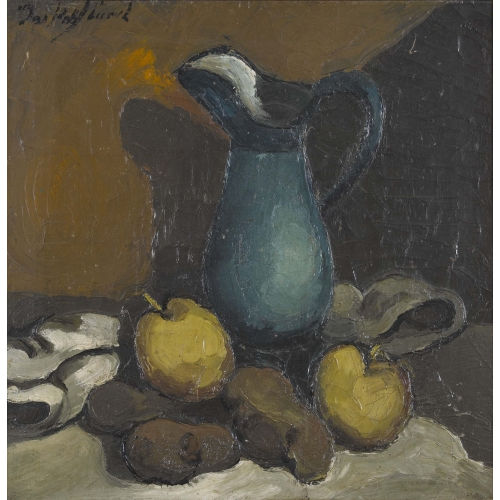
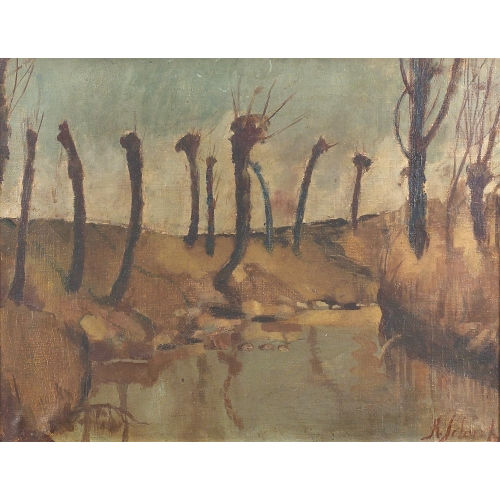
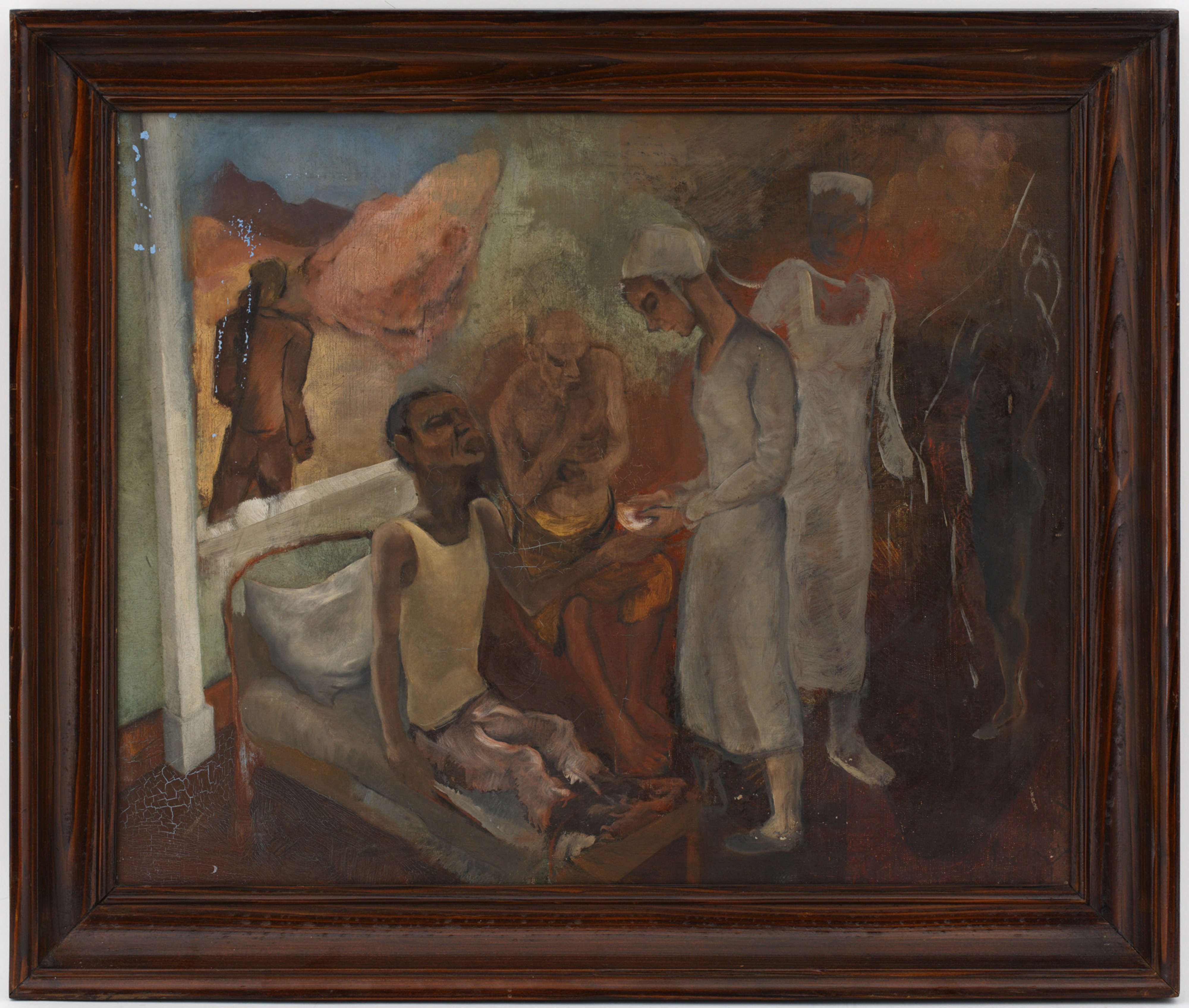
After an apprenticeship in a graphic studio in Zurich and work in poster design, he went to Geneva in 1916 on the advice of Ferdinand Hodler and attended the École des beaux-arts. A stay in Florence in 1921–1922, where he copied Old Masters, preceded a decade of secluded life with his mother in Locarno-Monti. It was there, between 1922 and 1932, that the most fertile phase of his oeuvre unfolded.
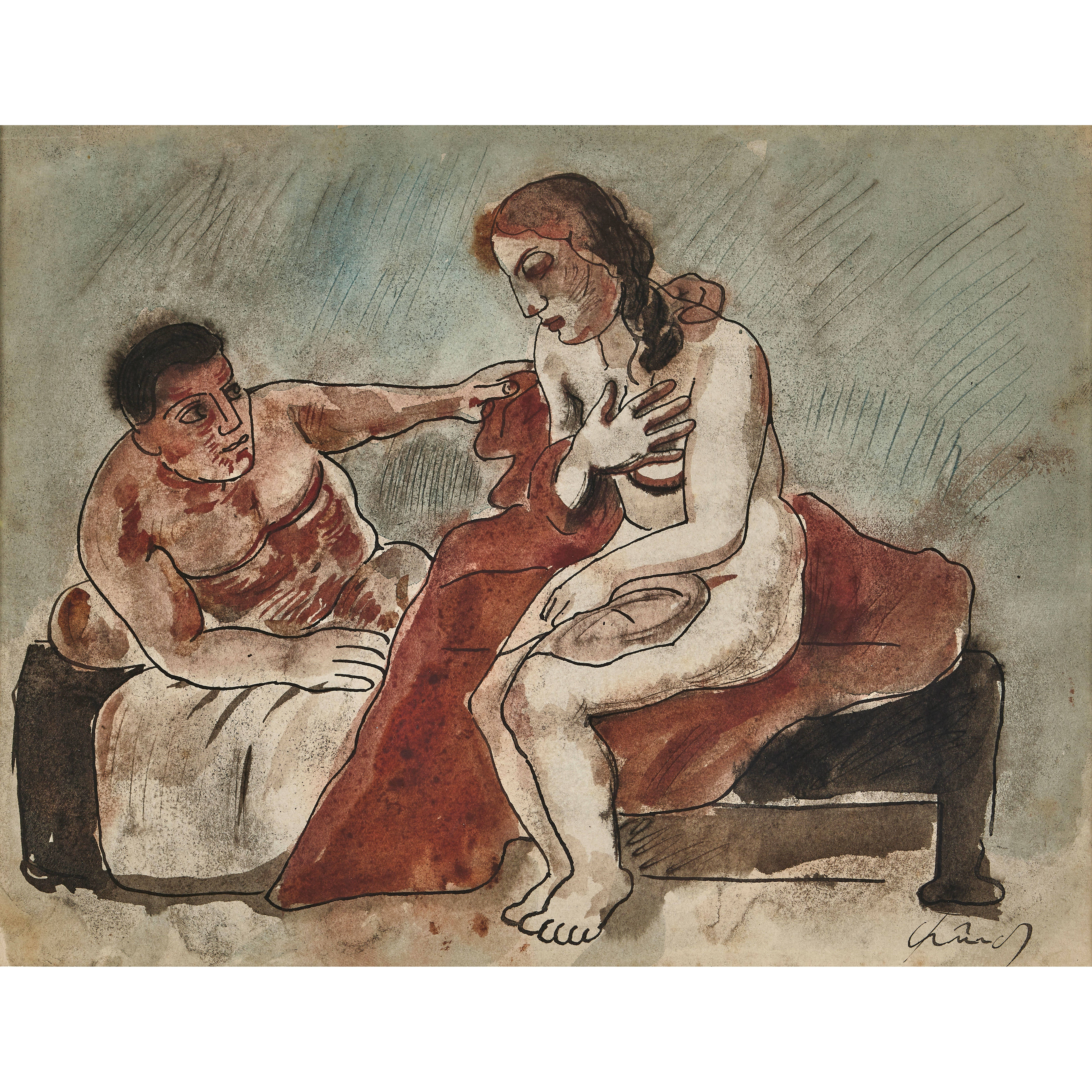
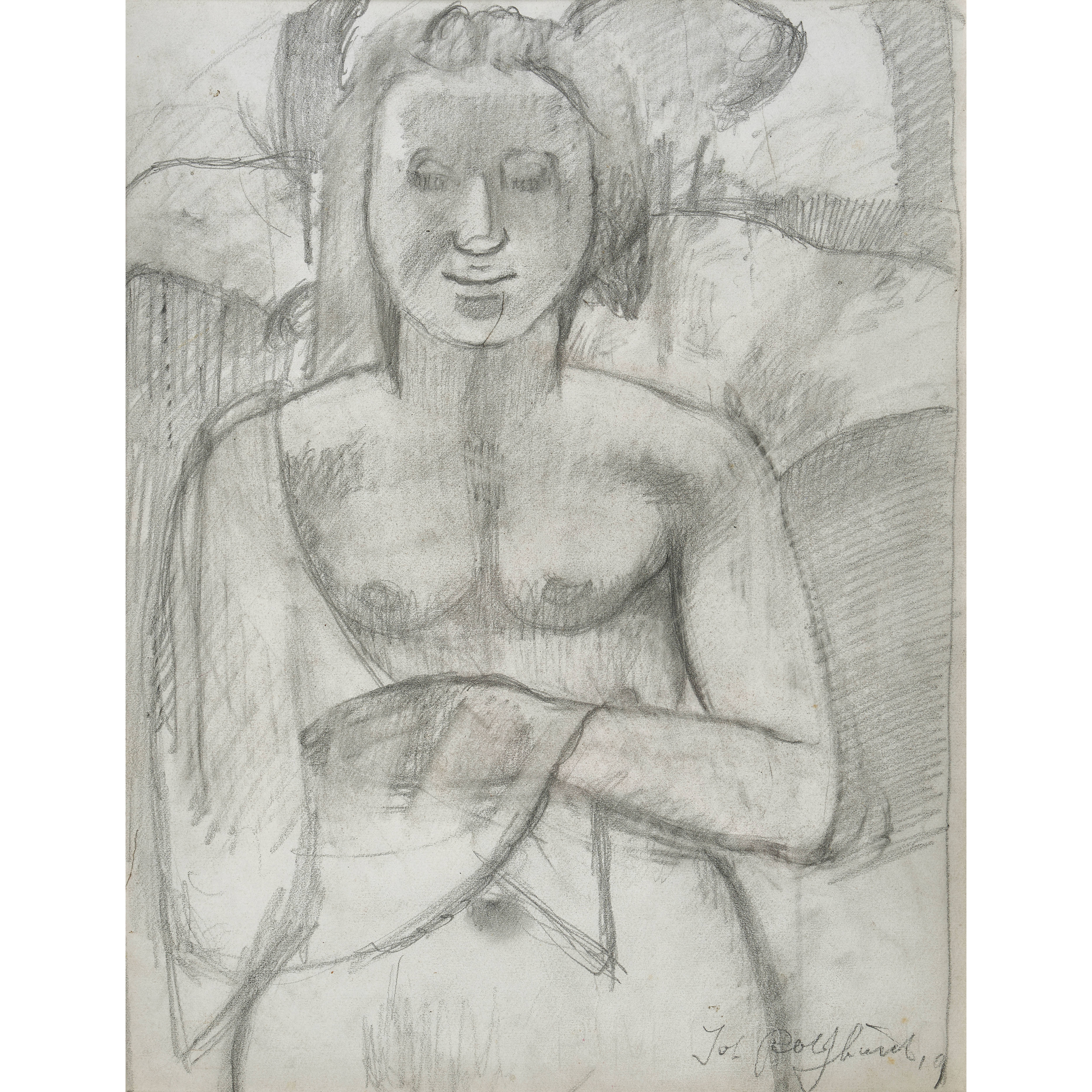
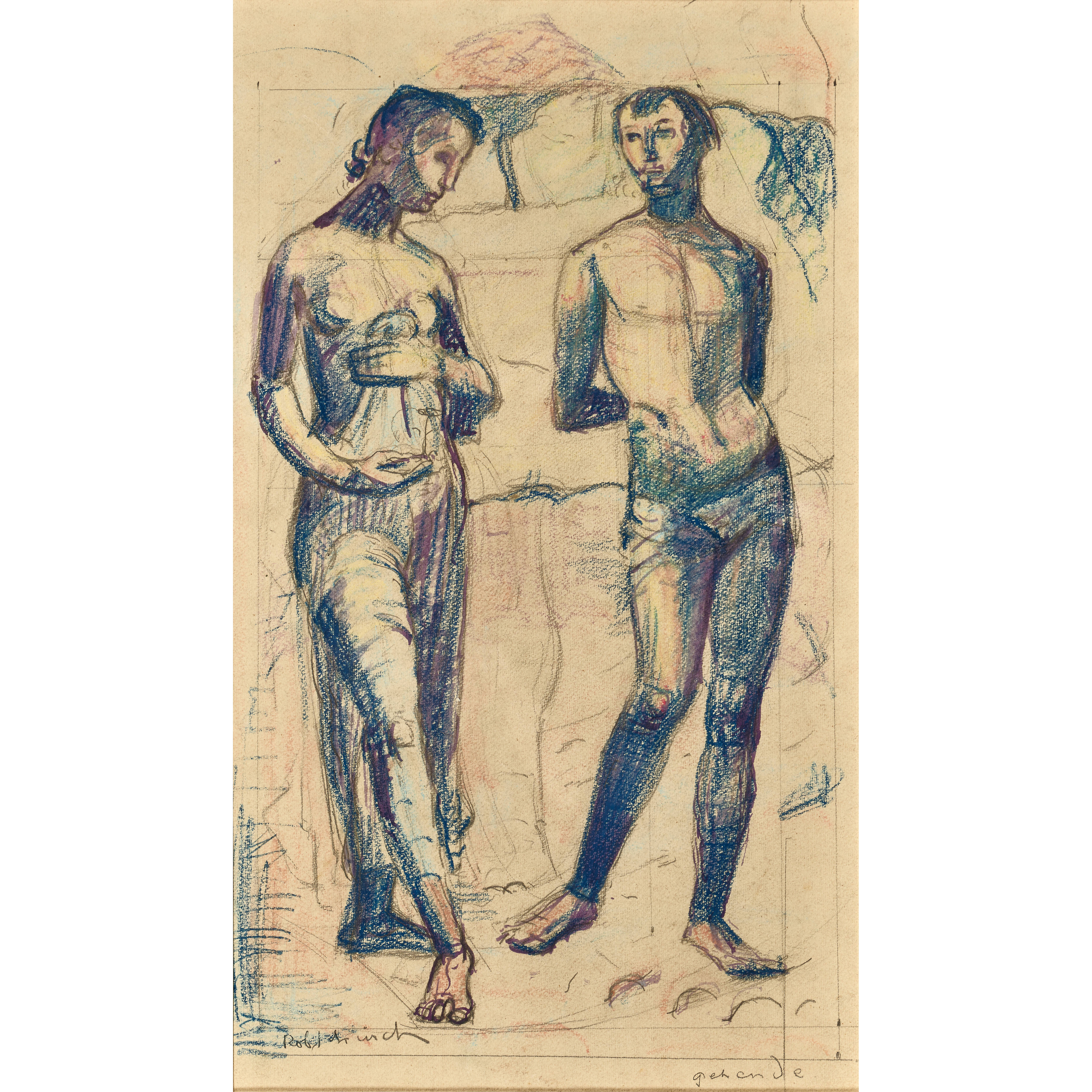
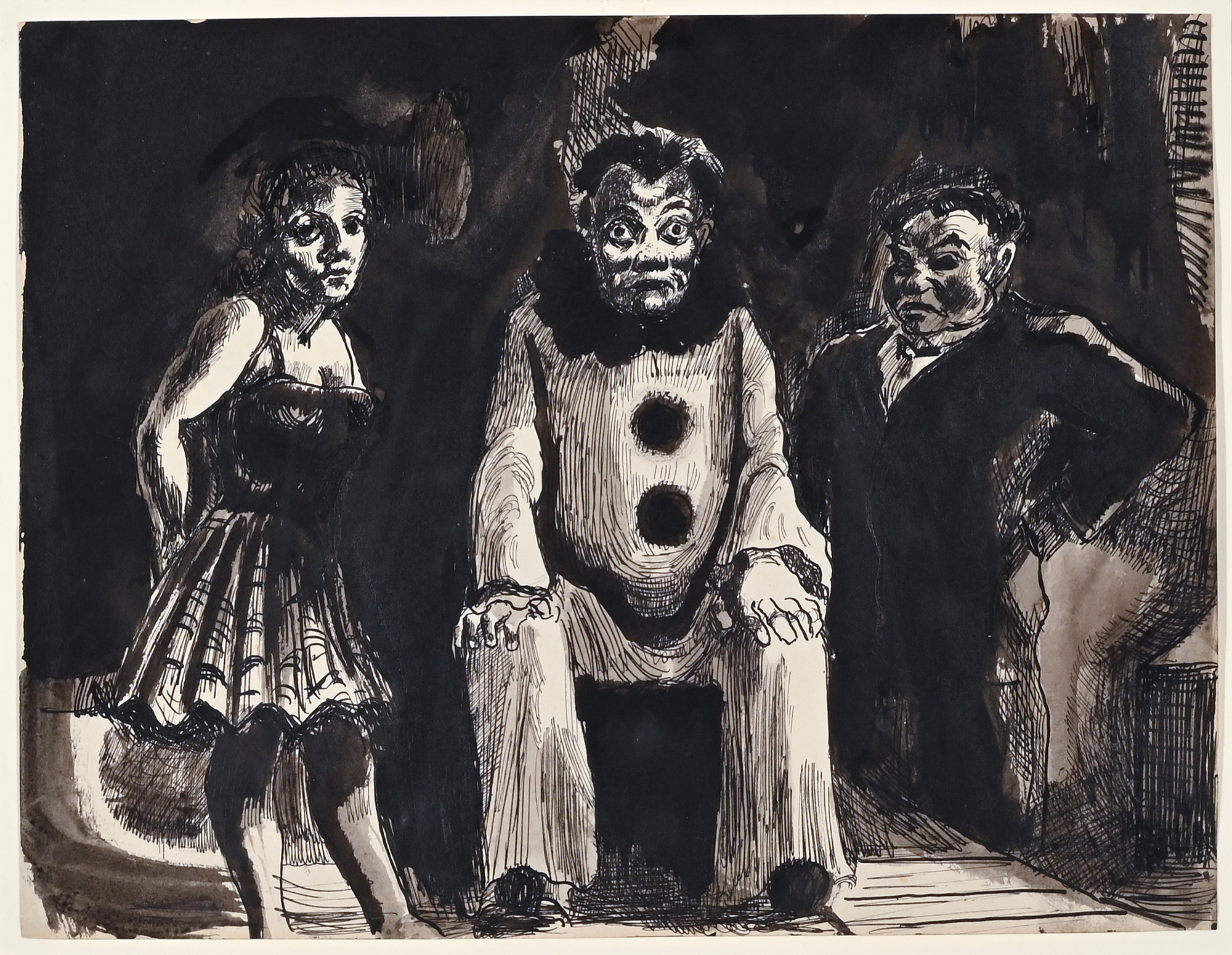
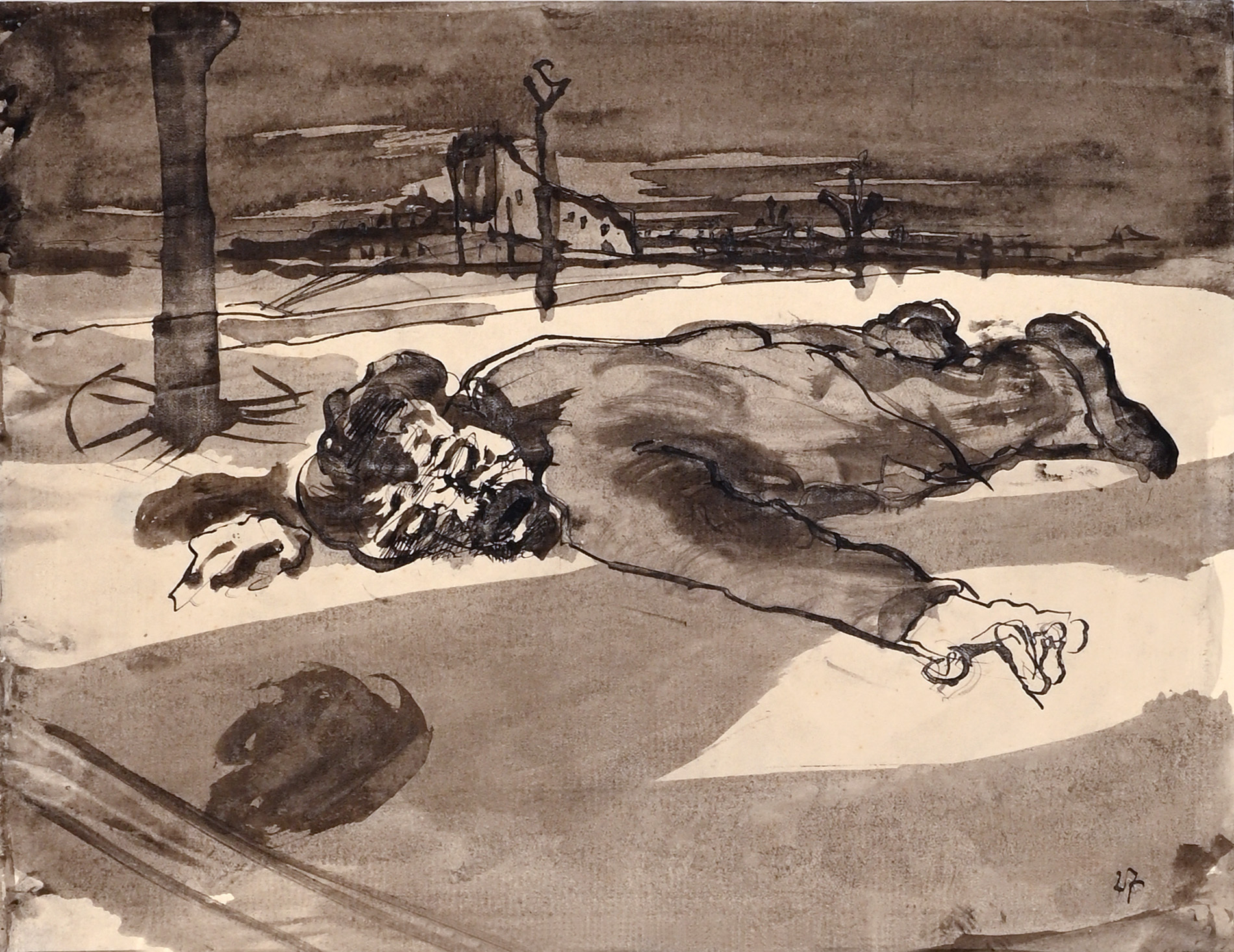
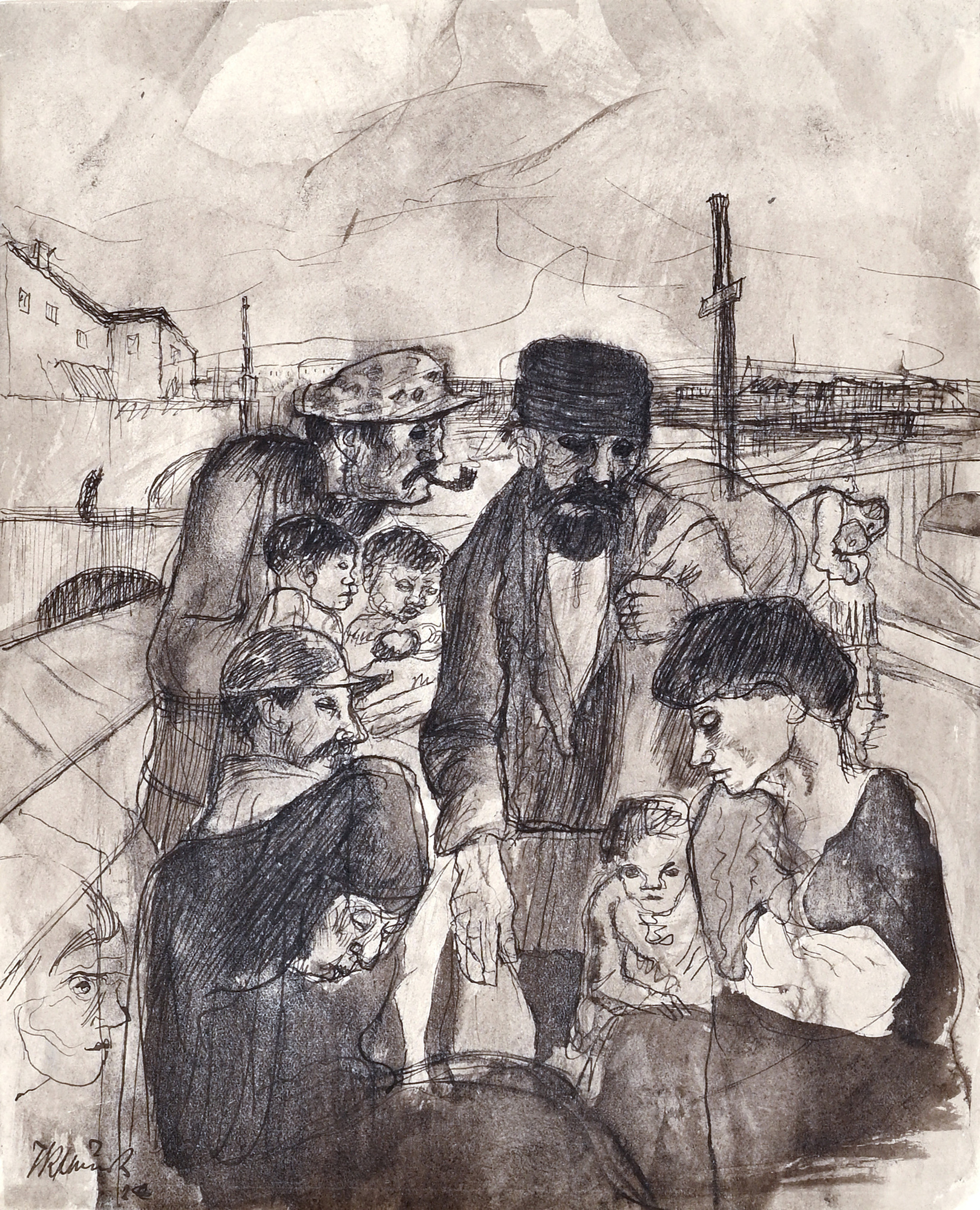
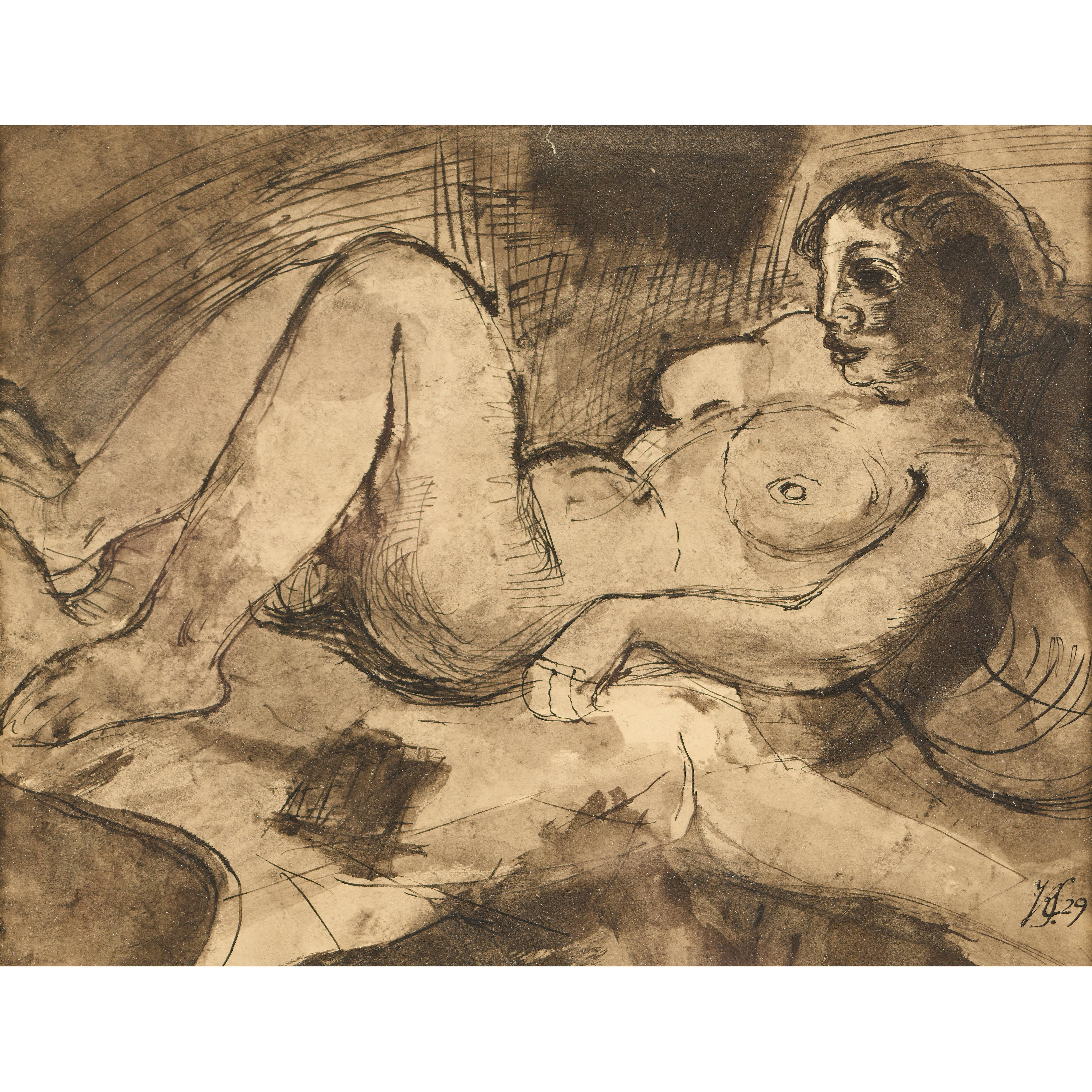
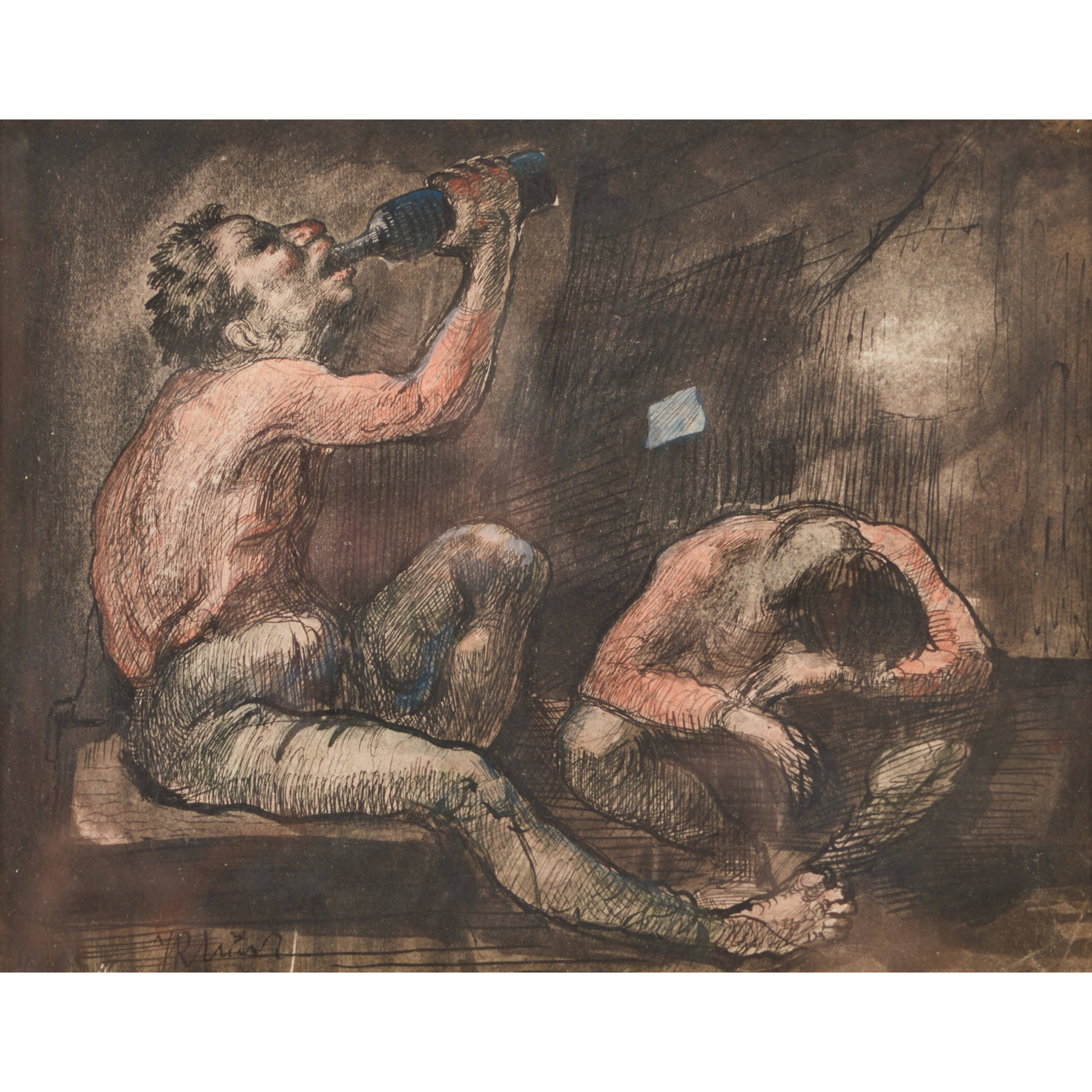
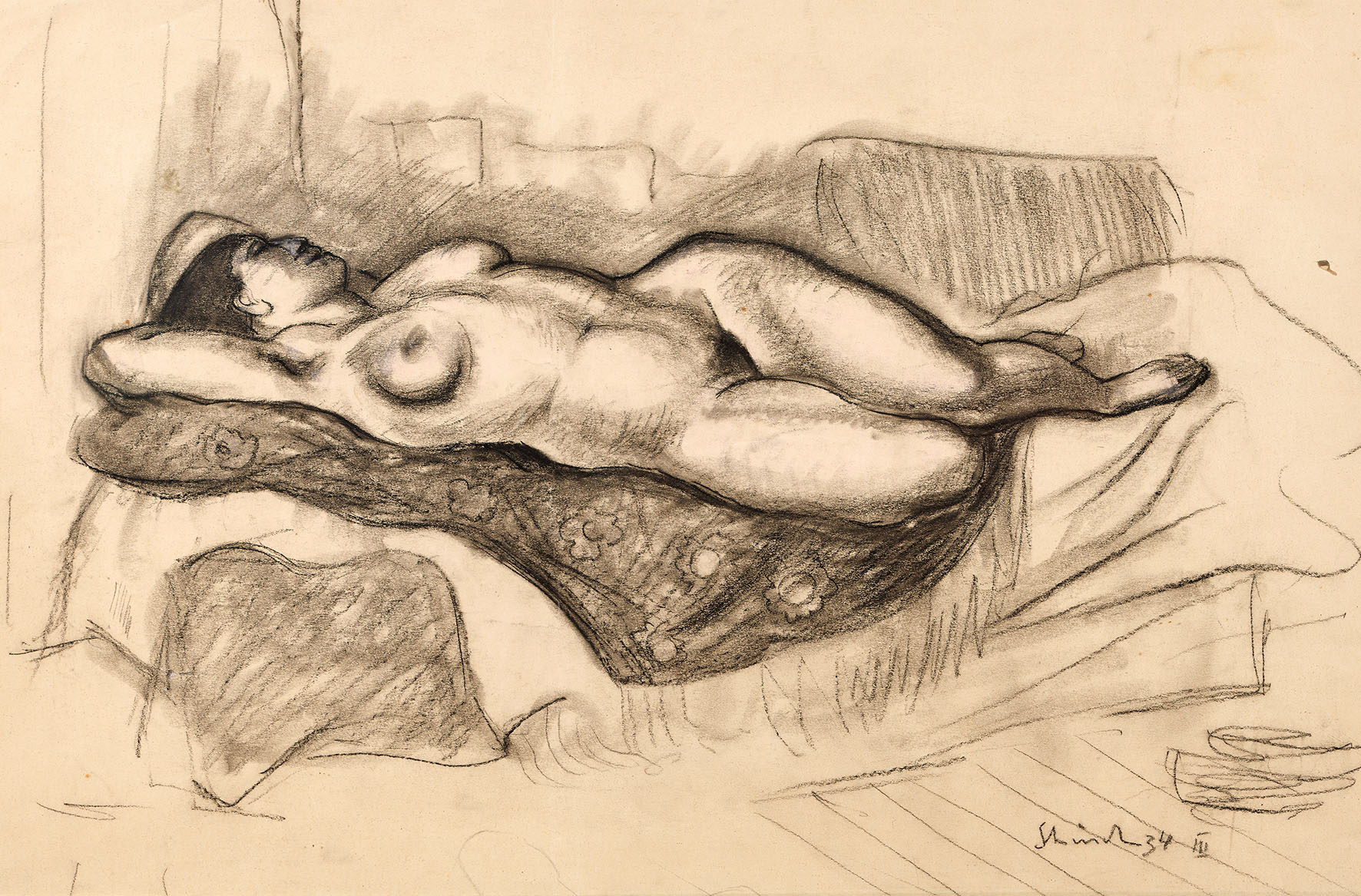
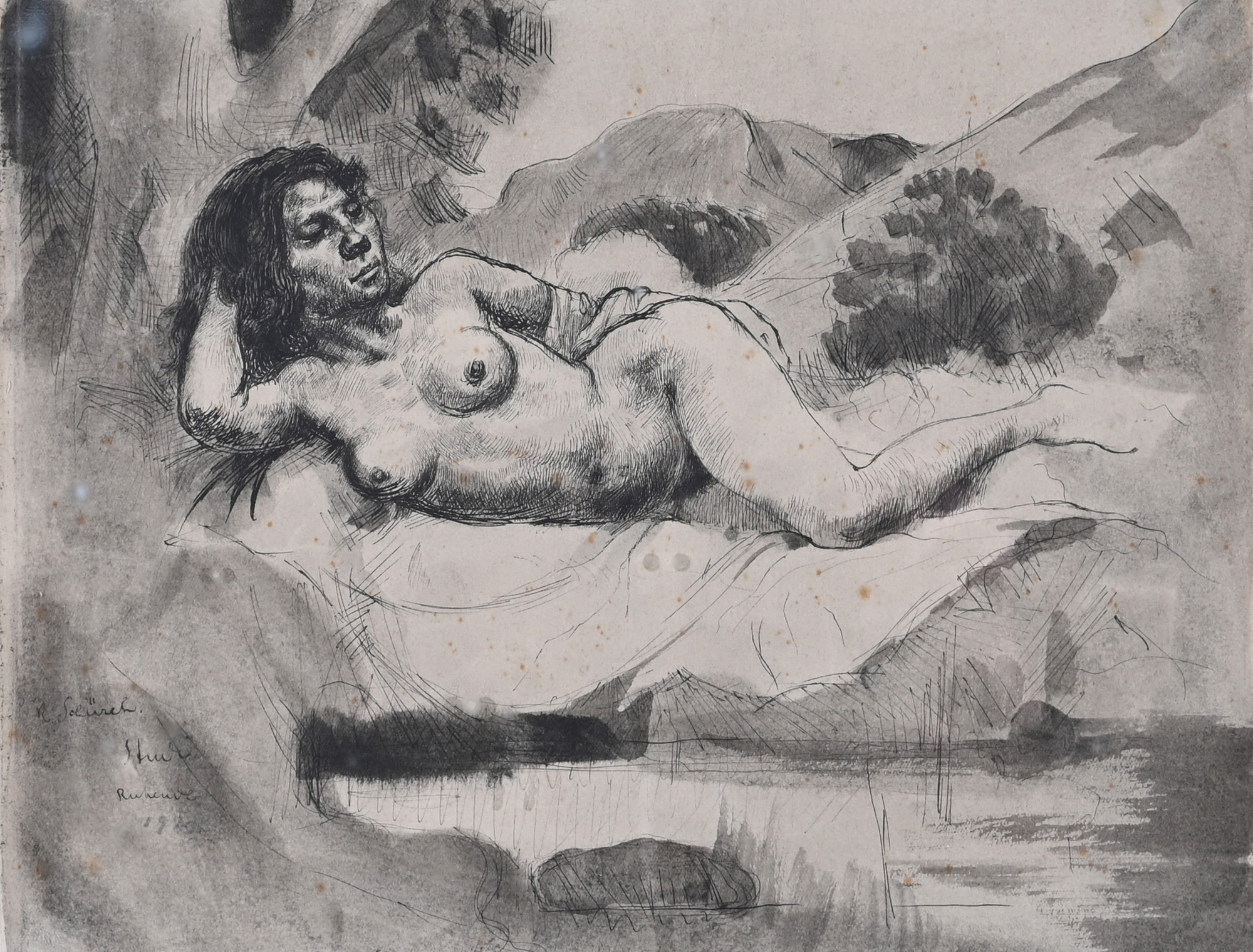
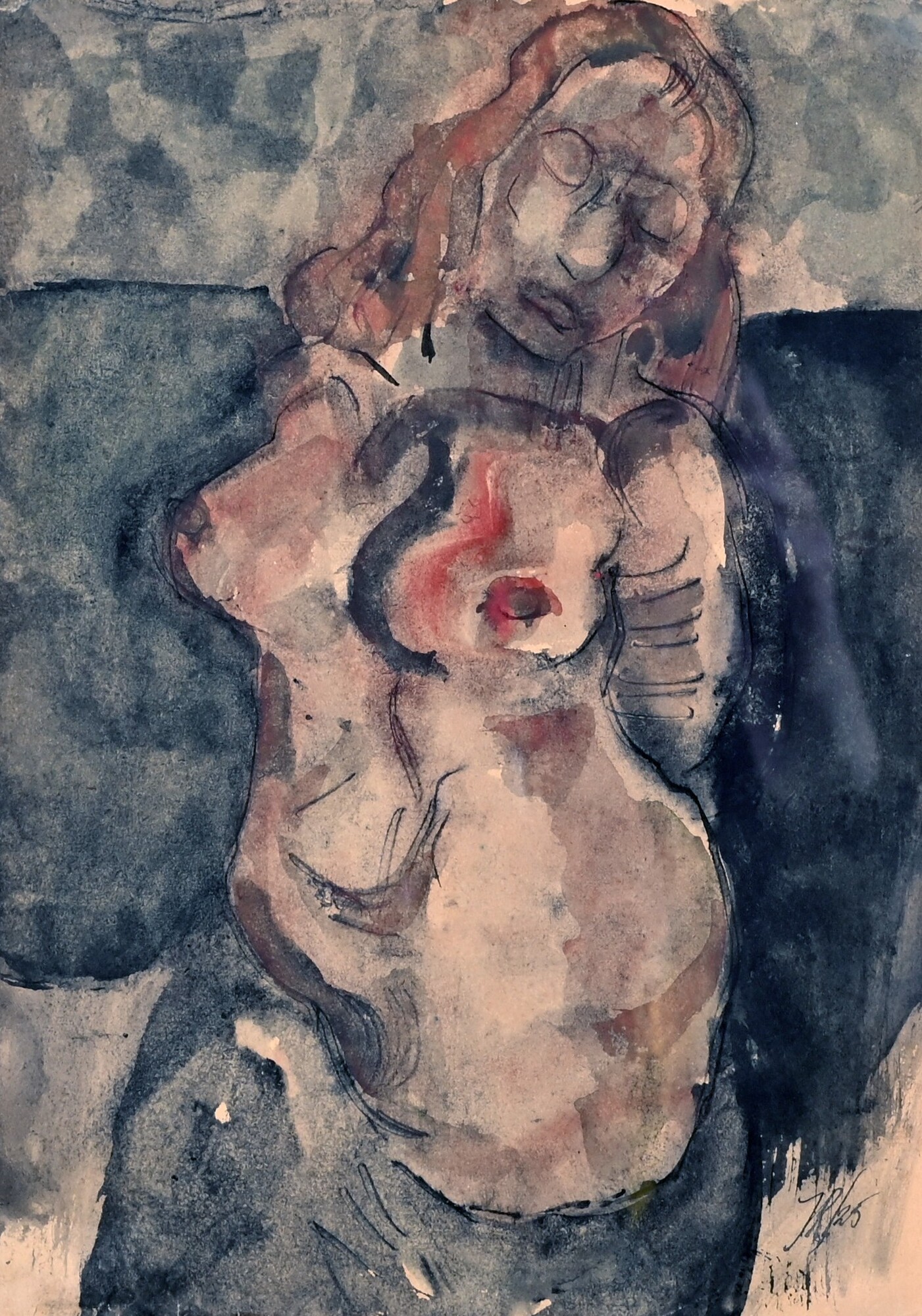
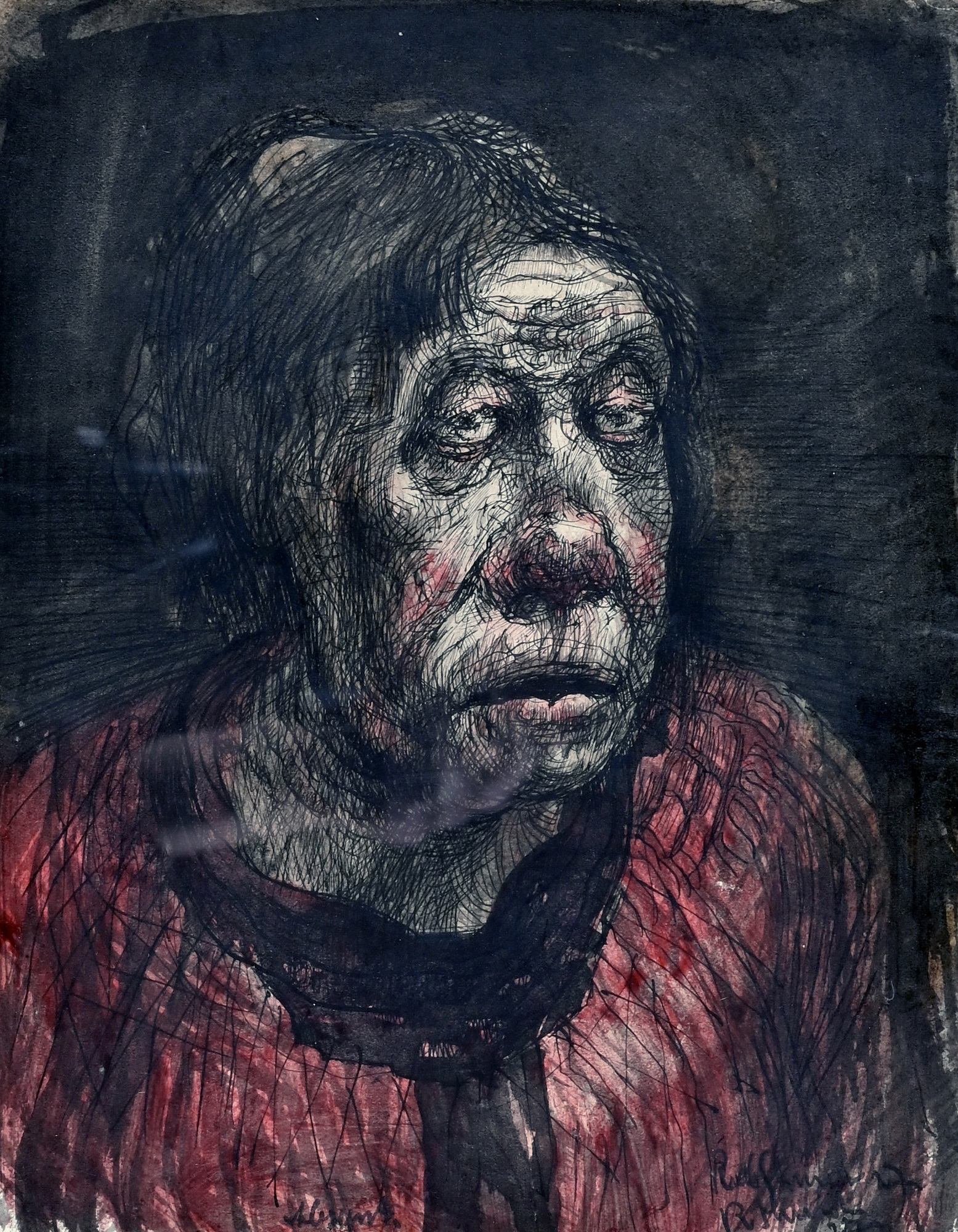
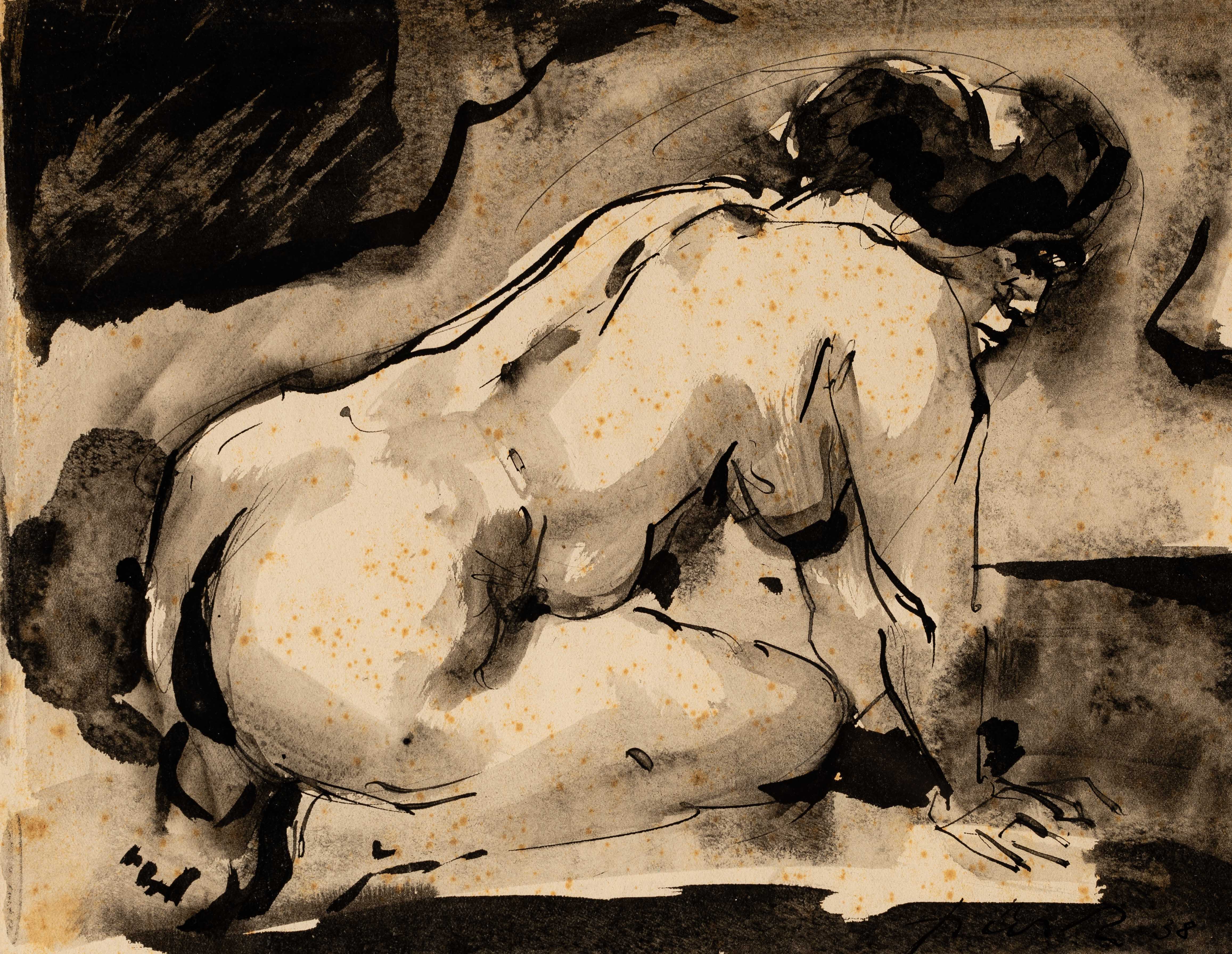
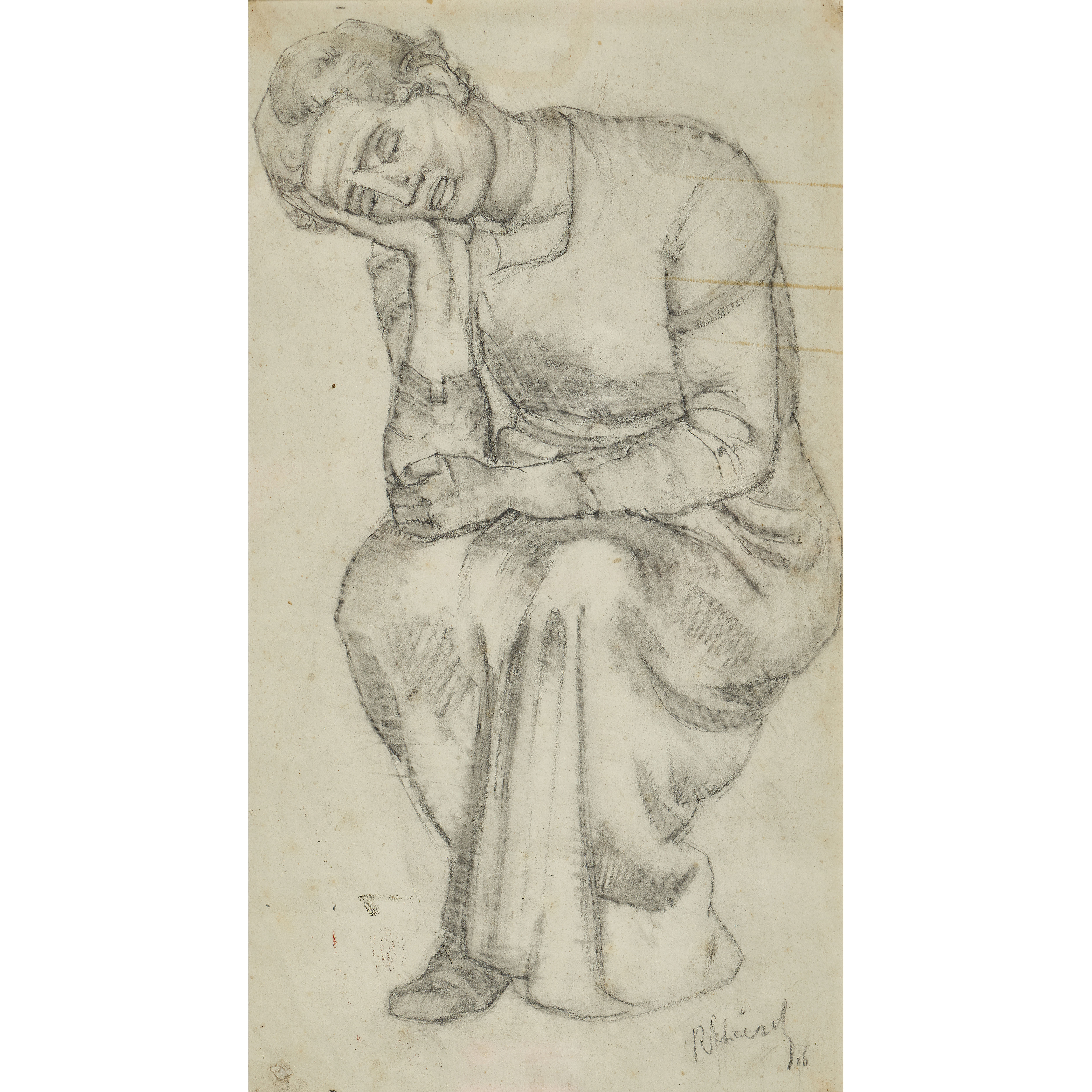
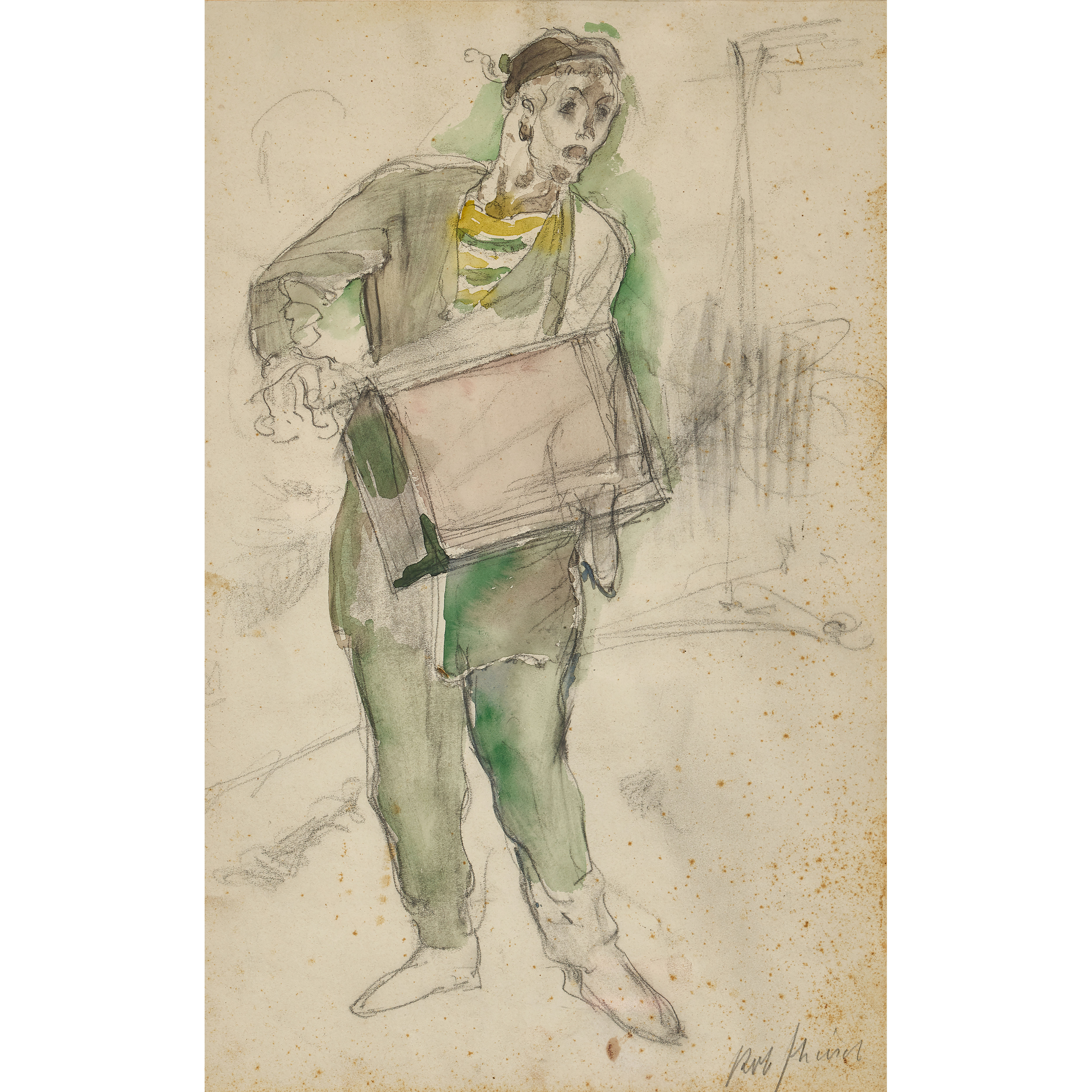
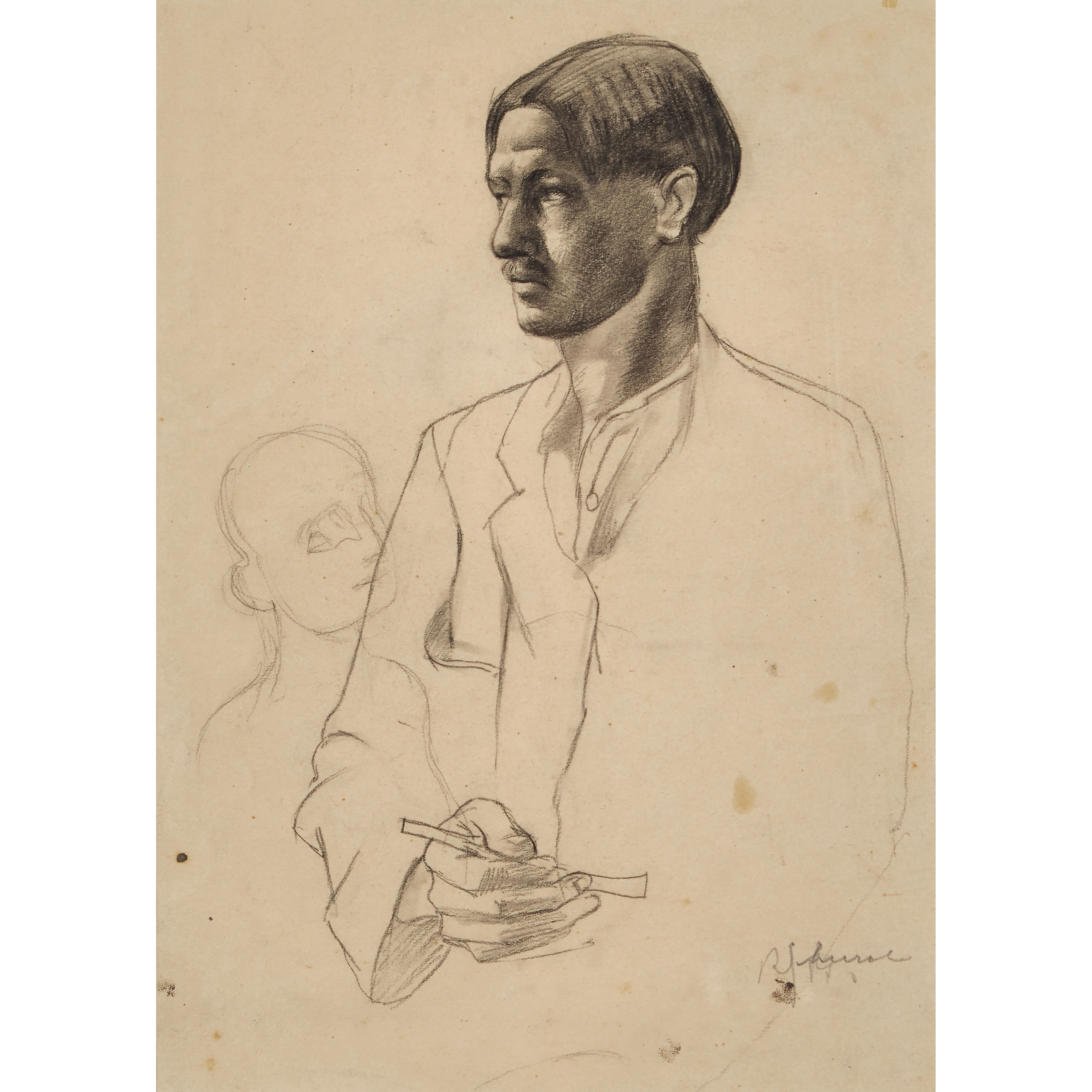
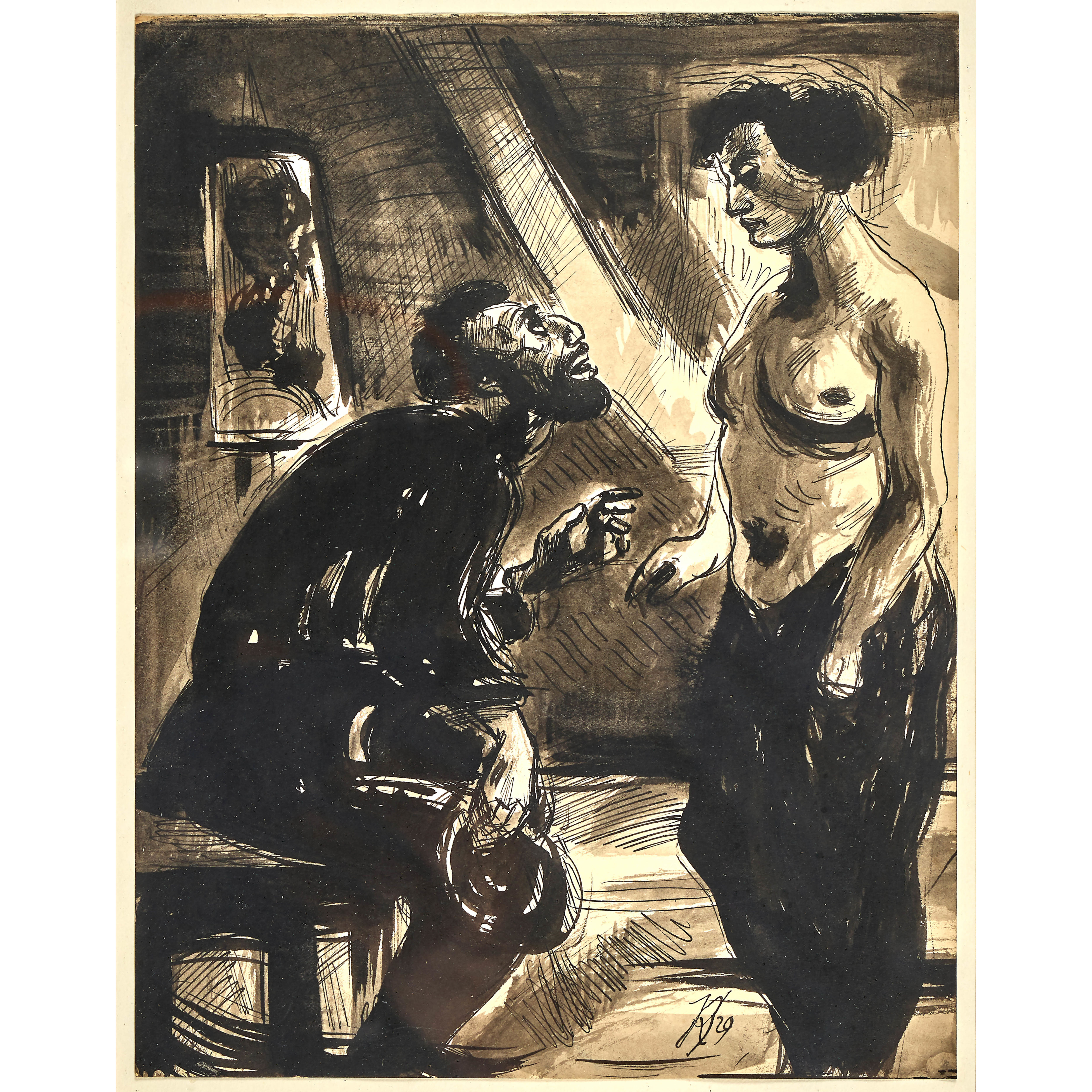
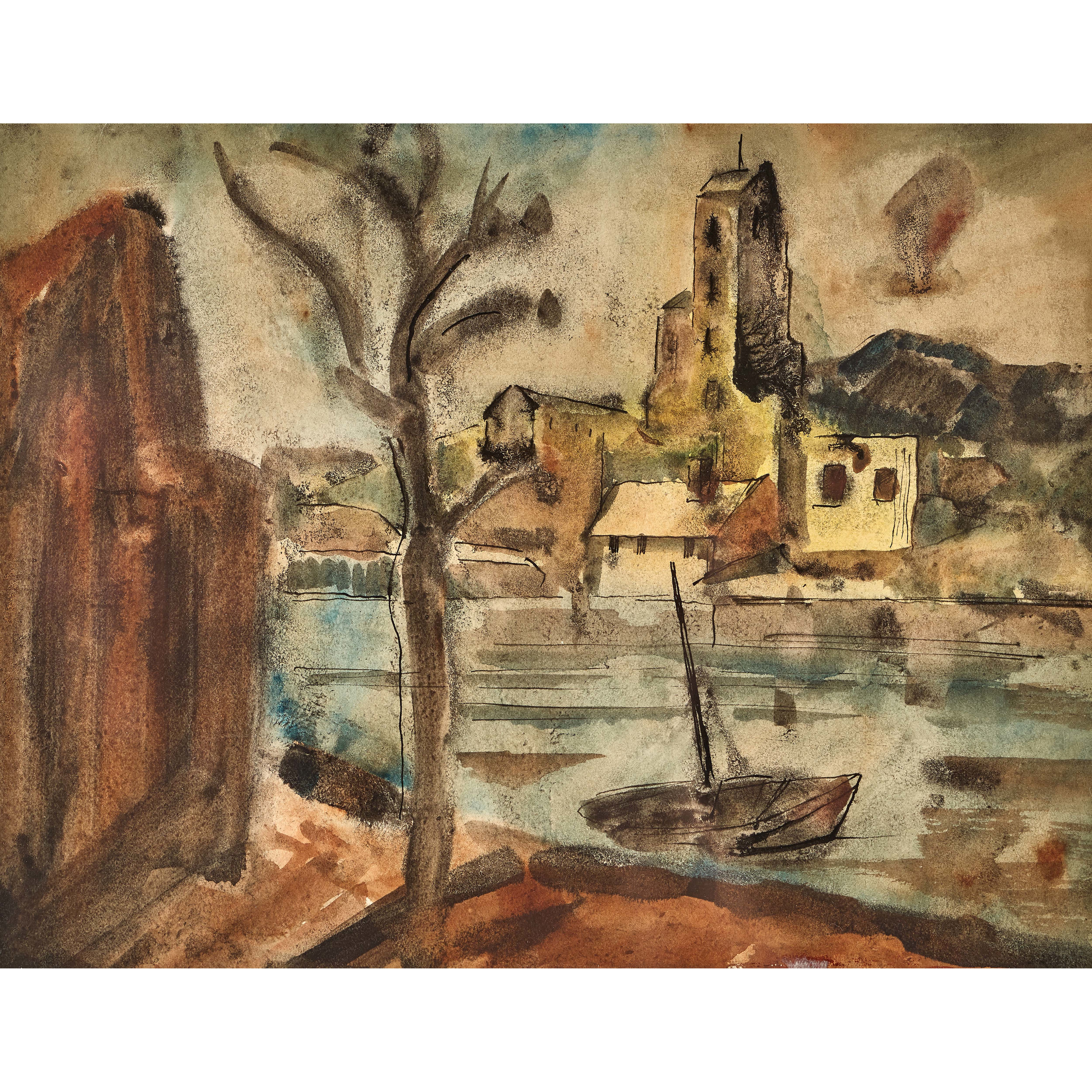
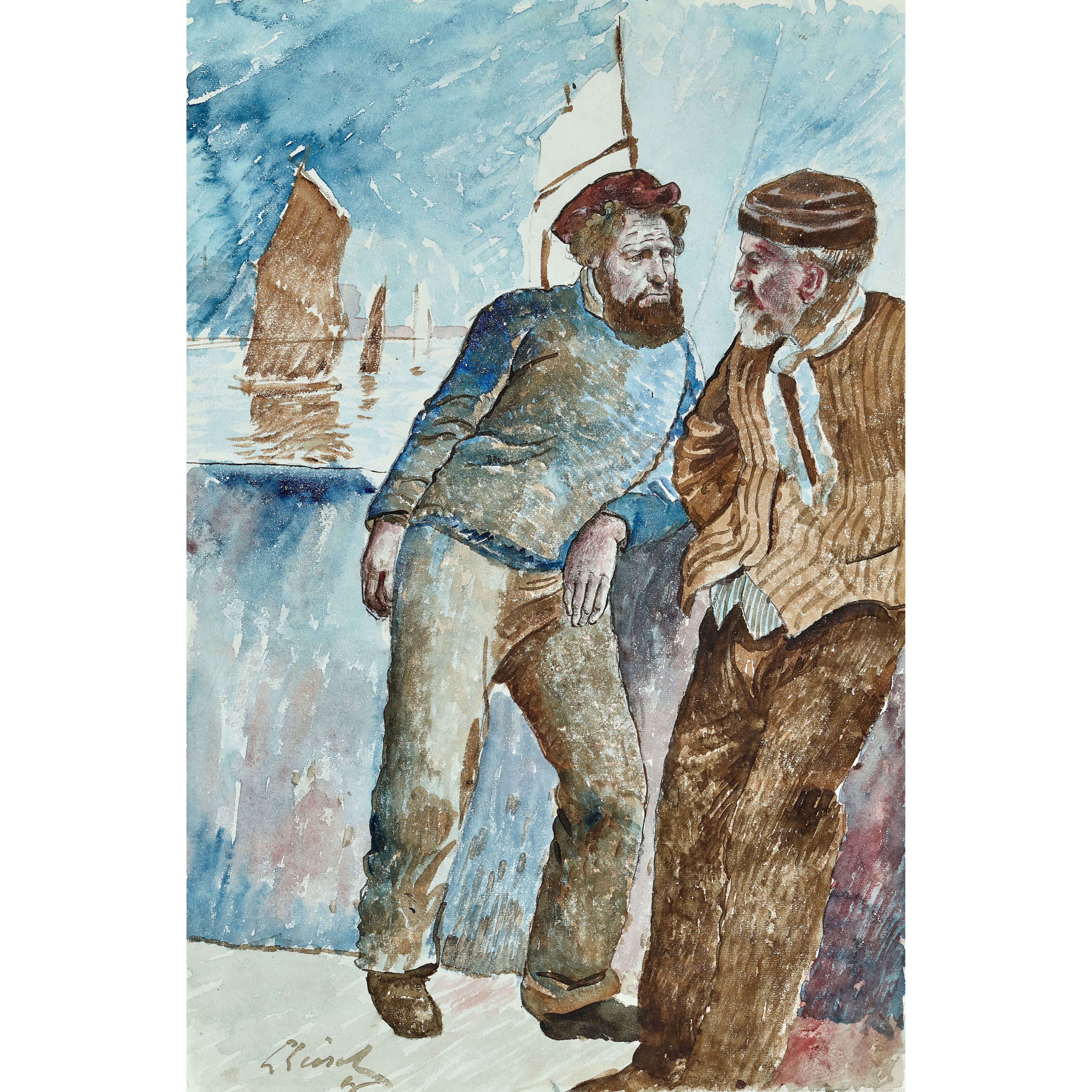
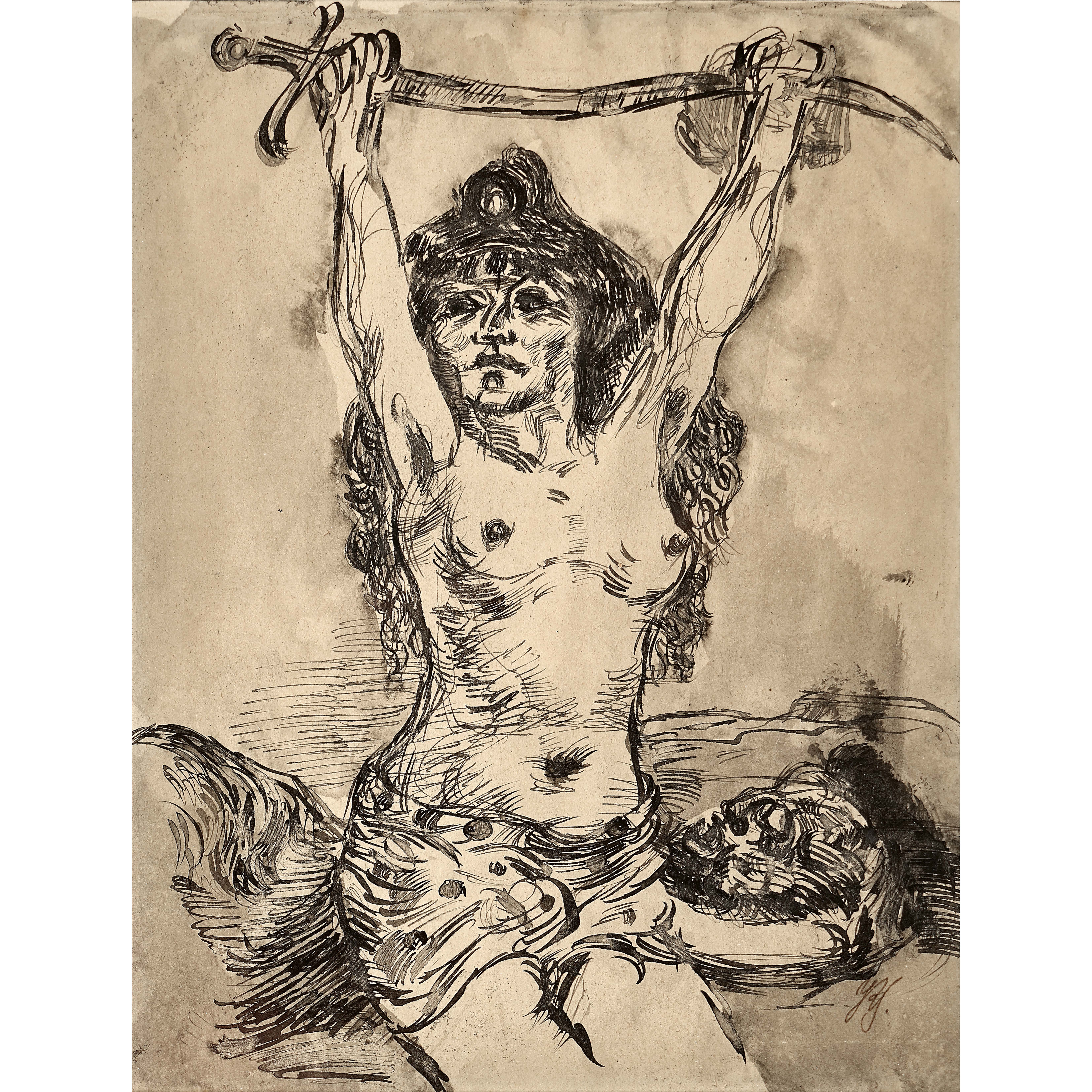
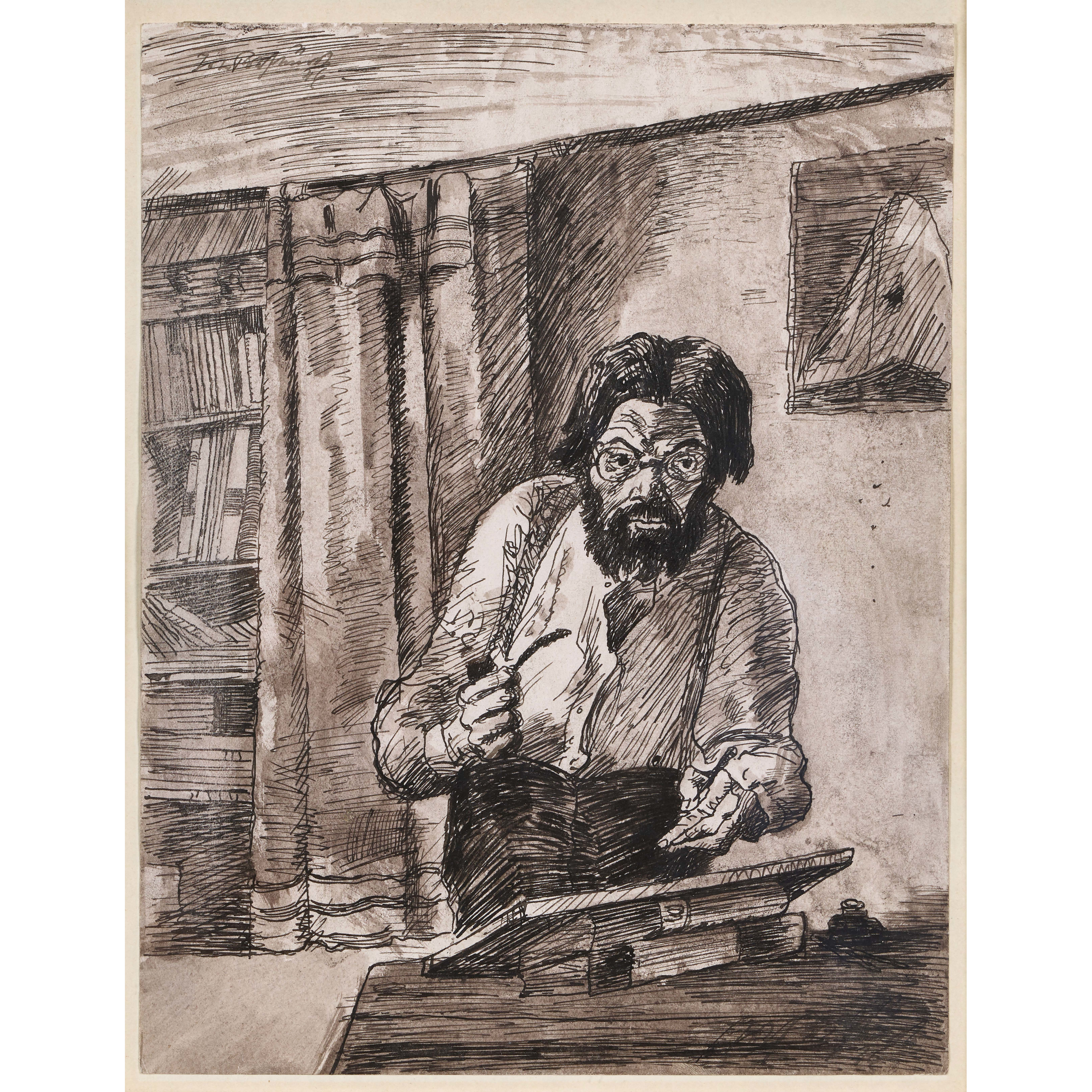
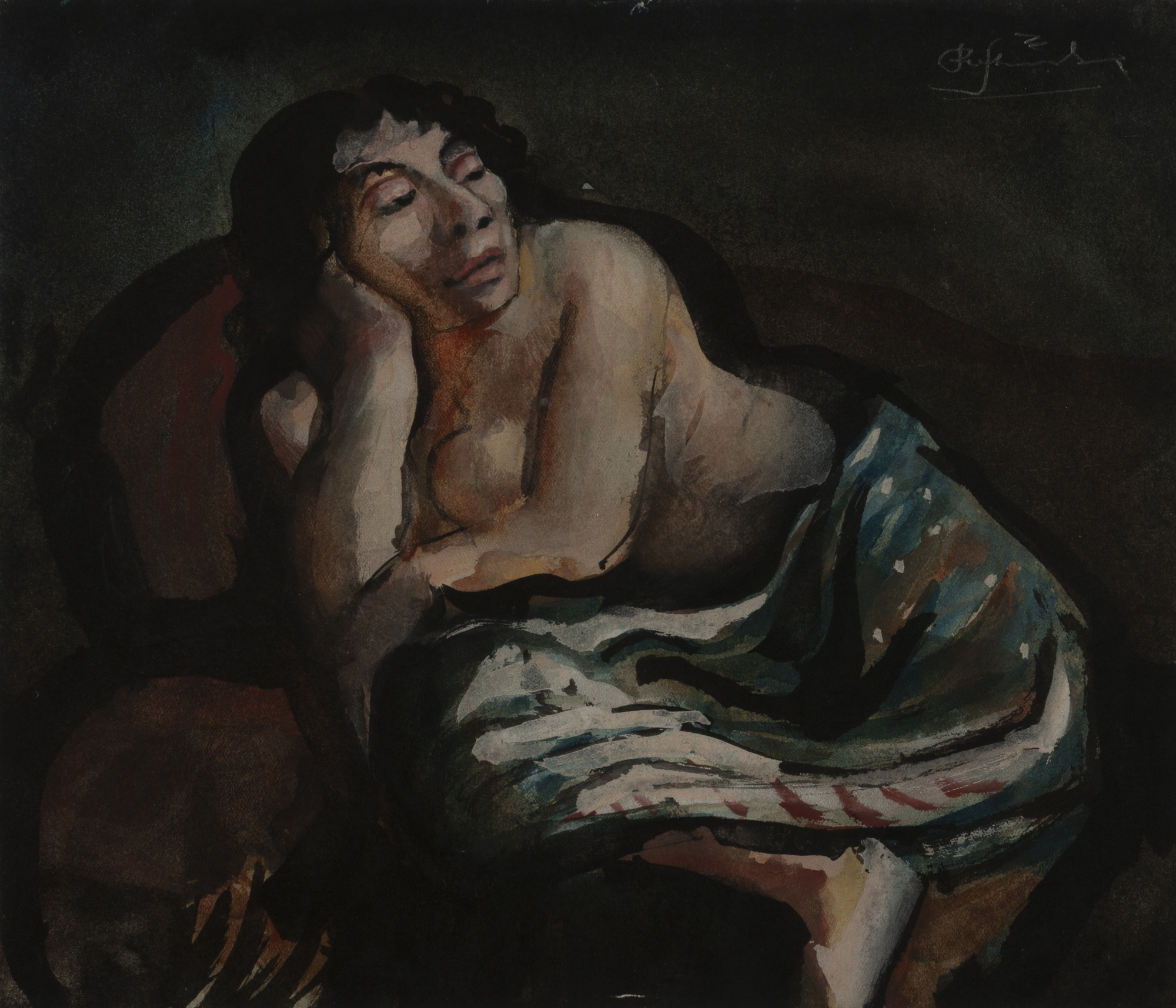
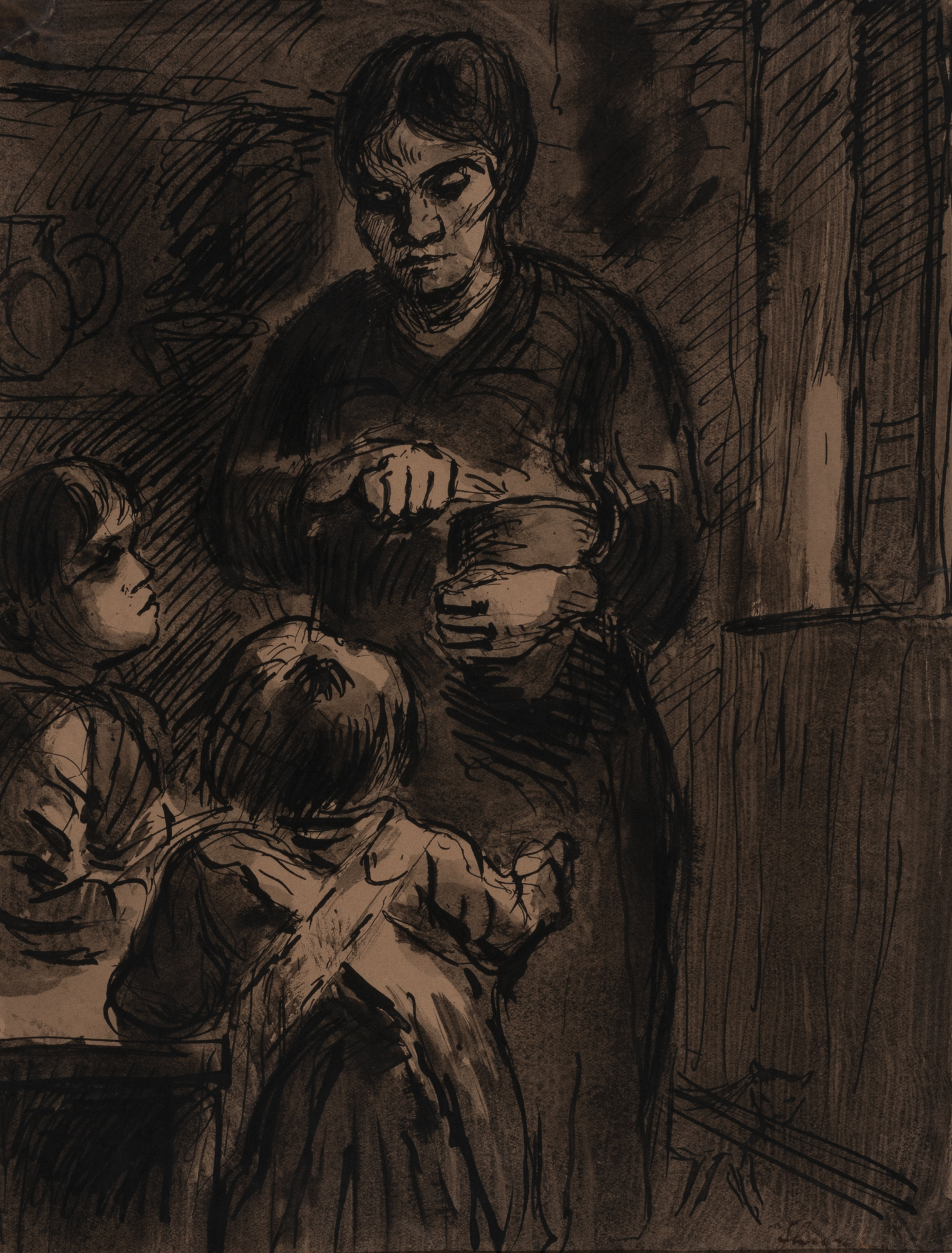
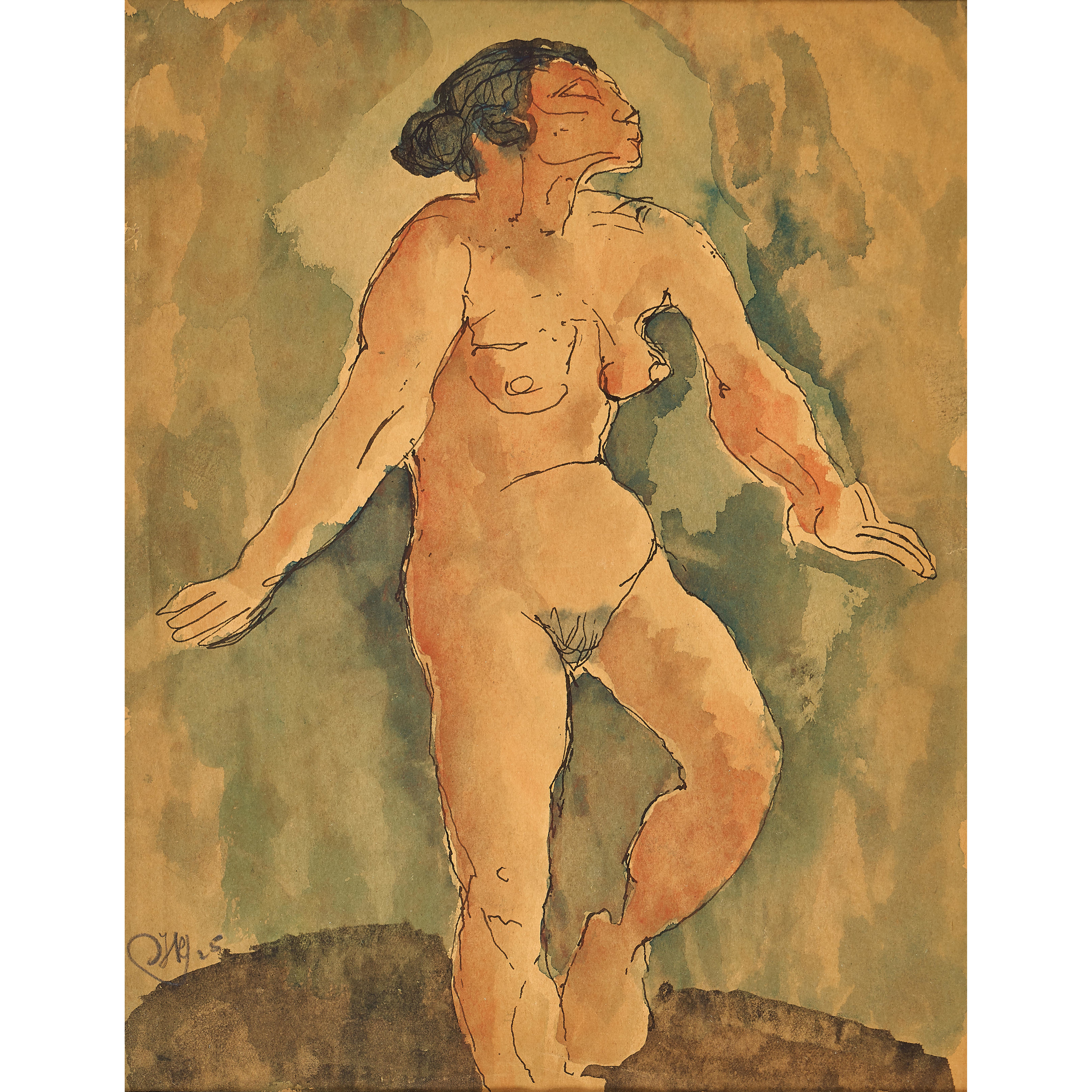
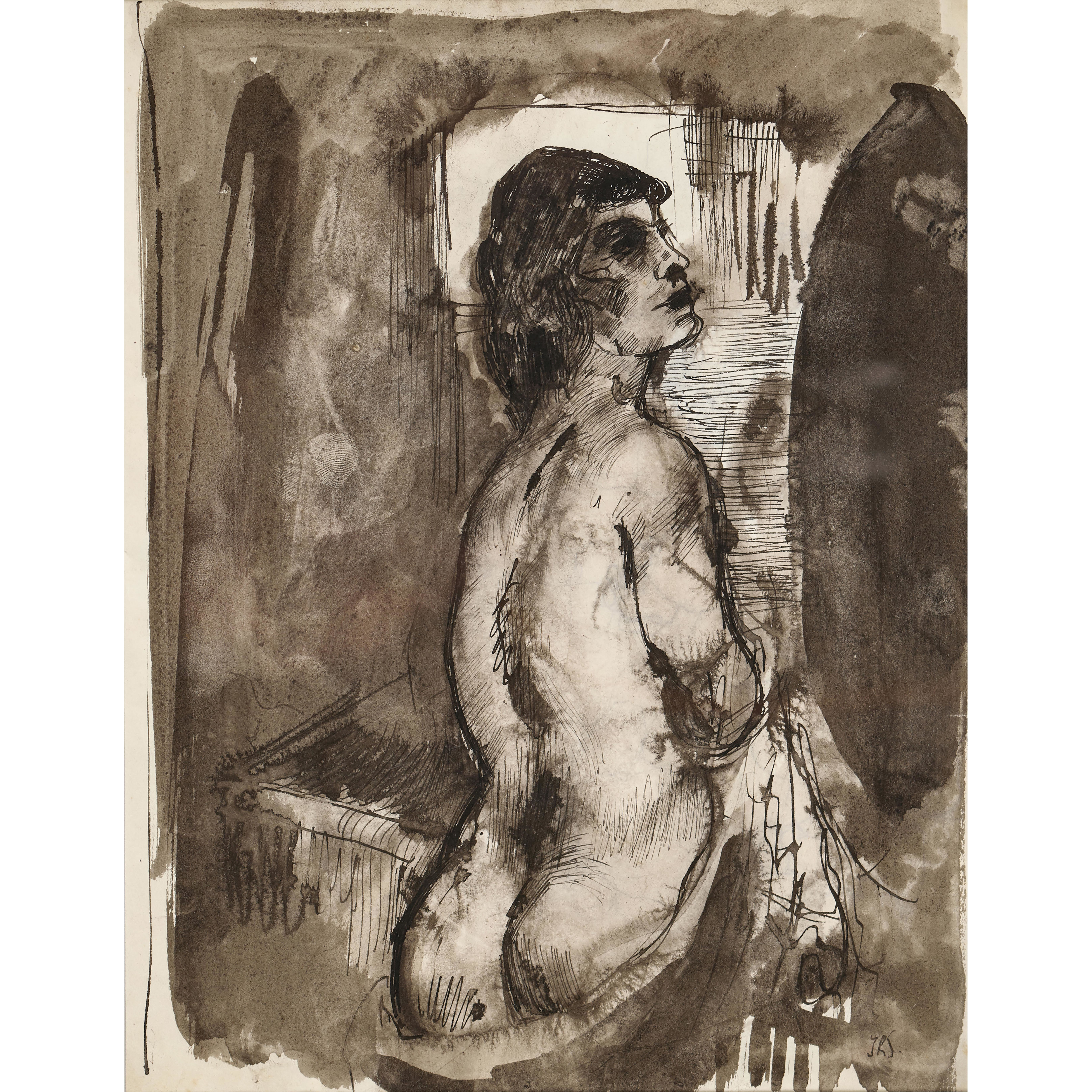
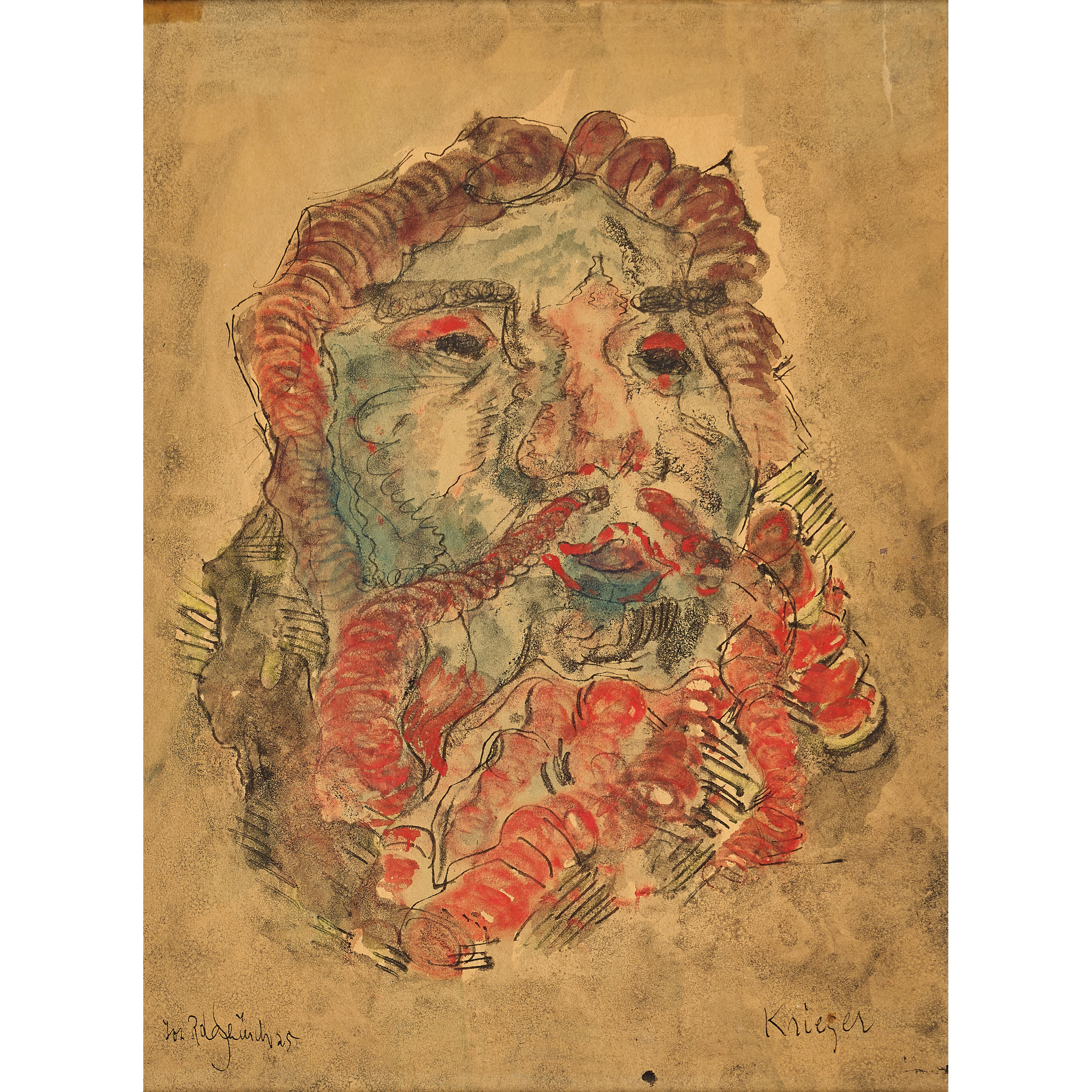
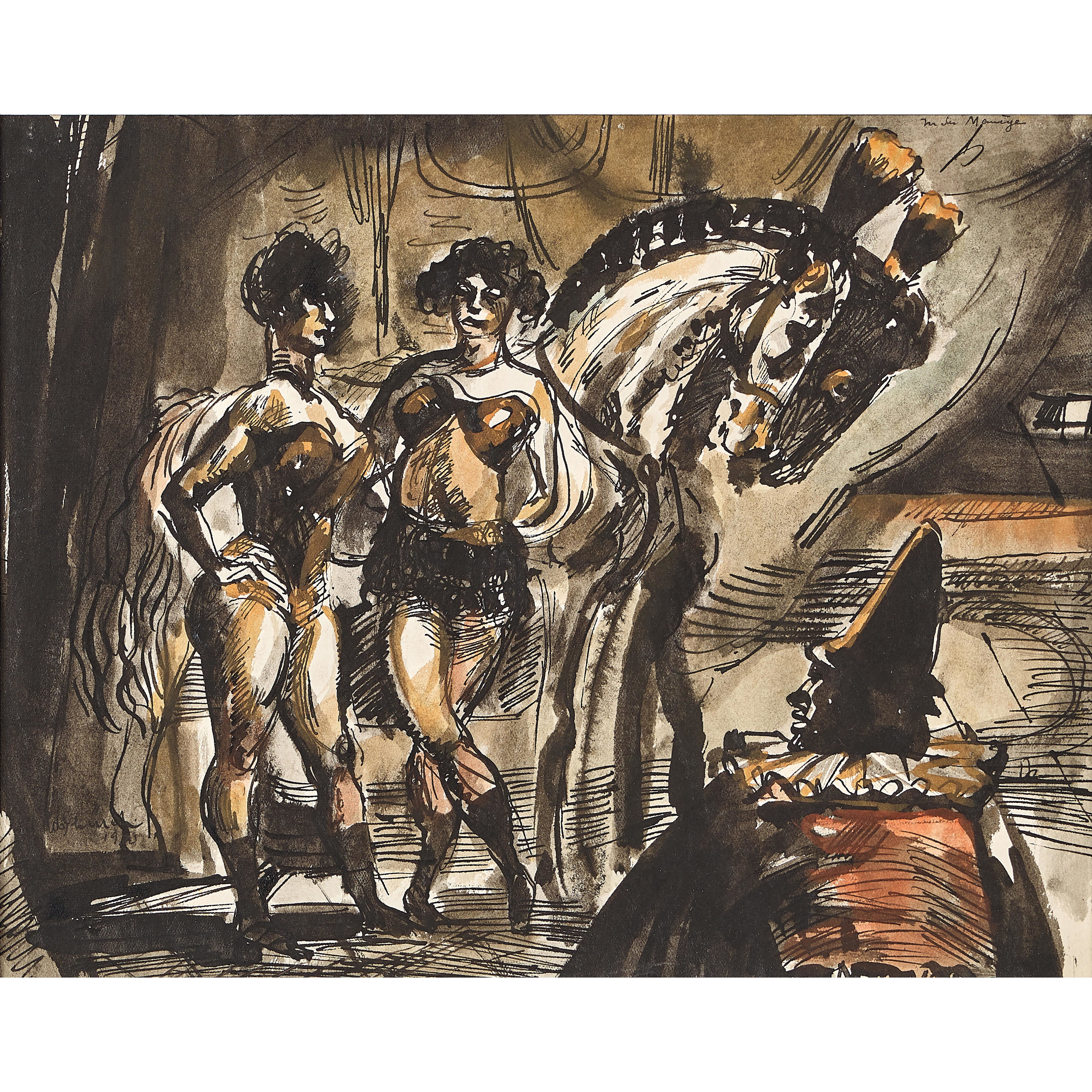
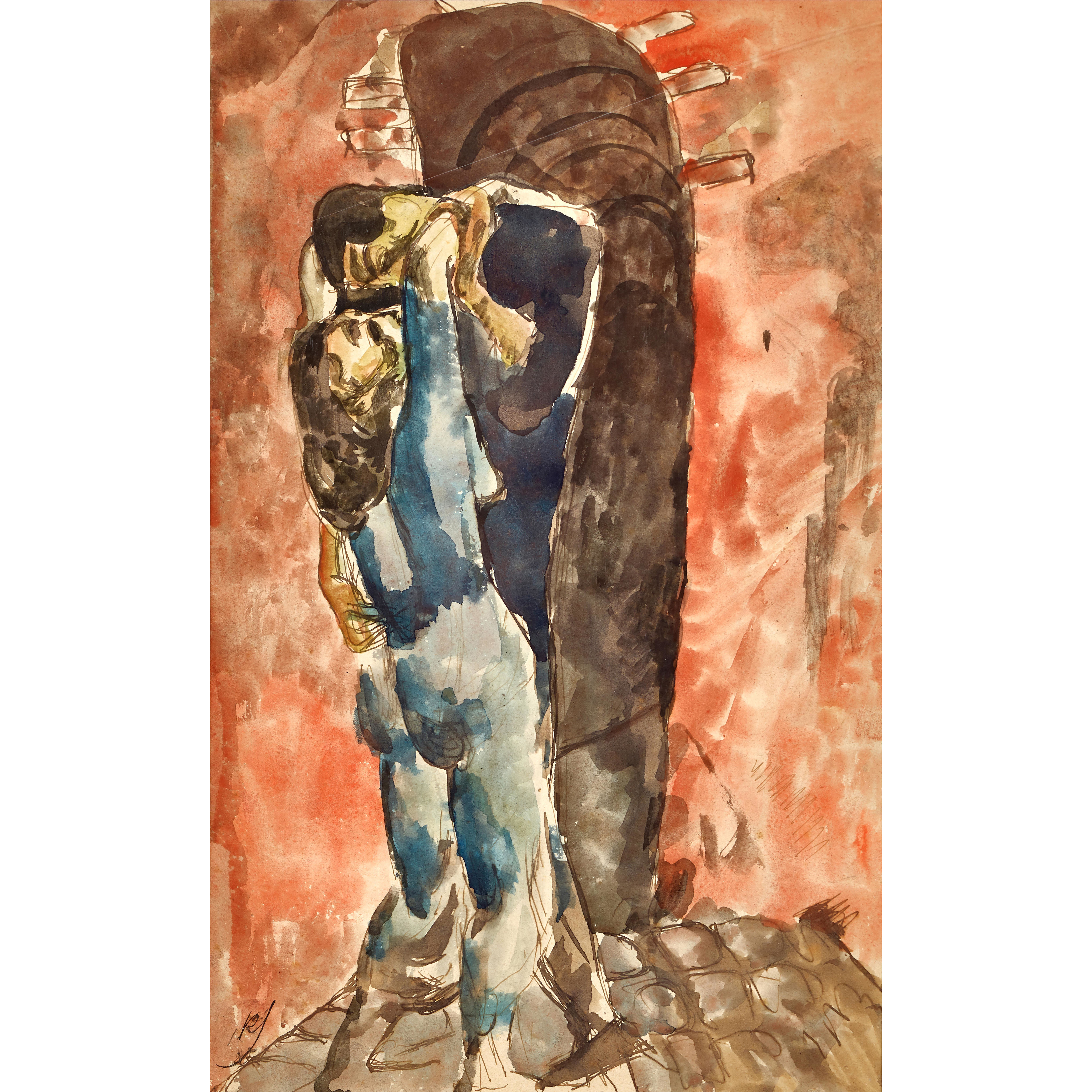
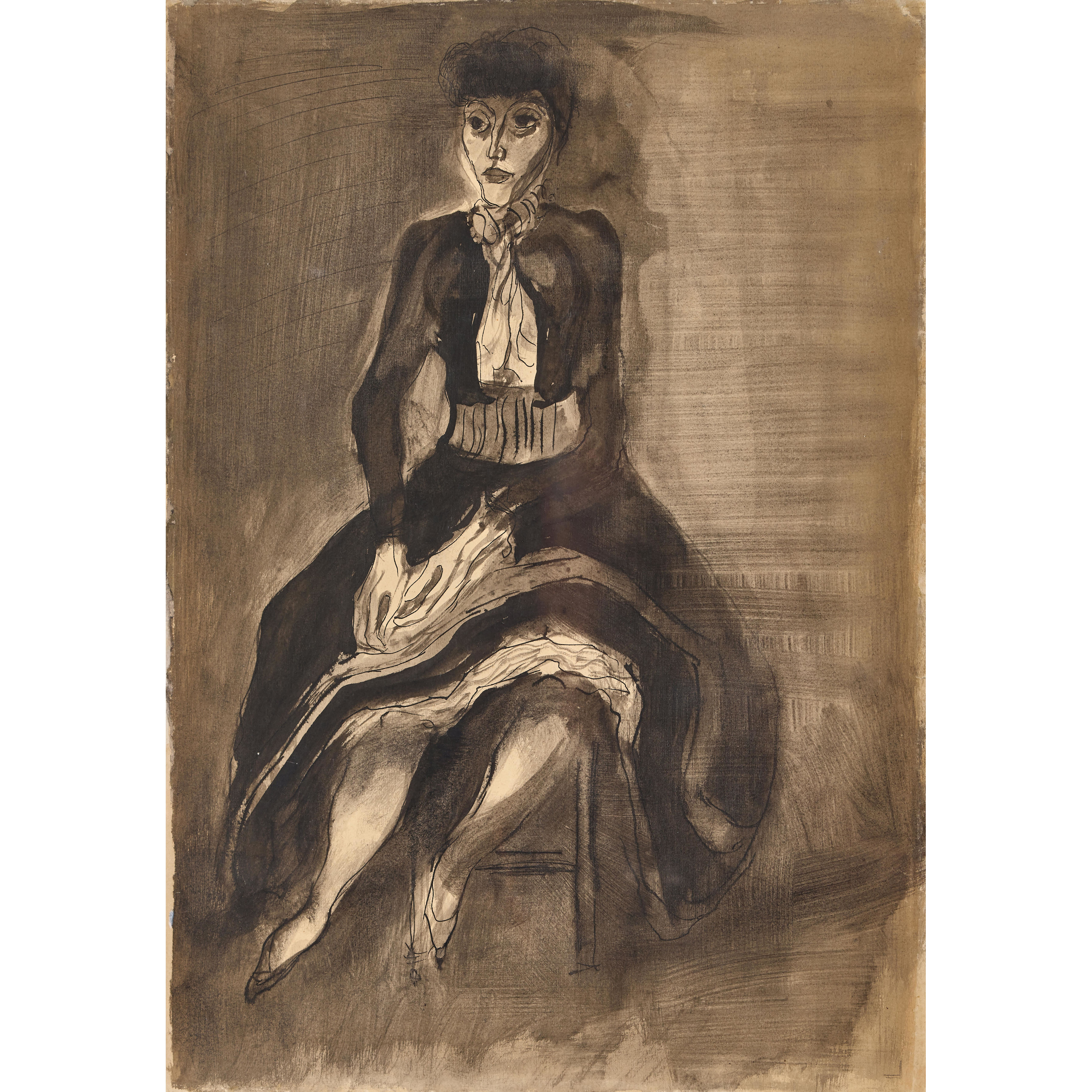
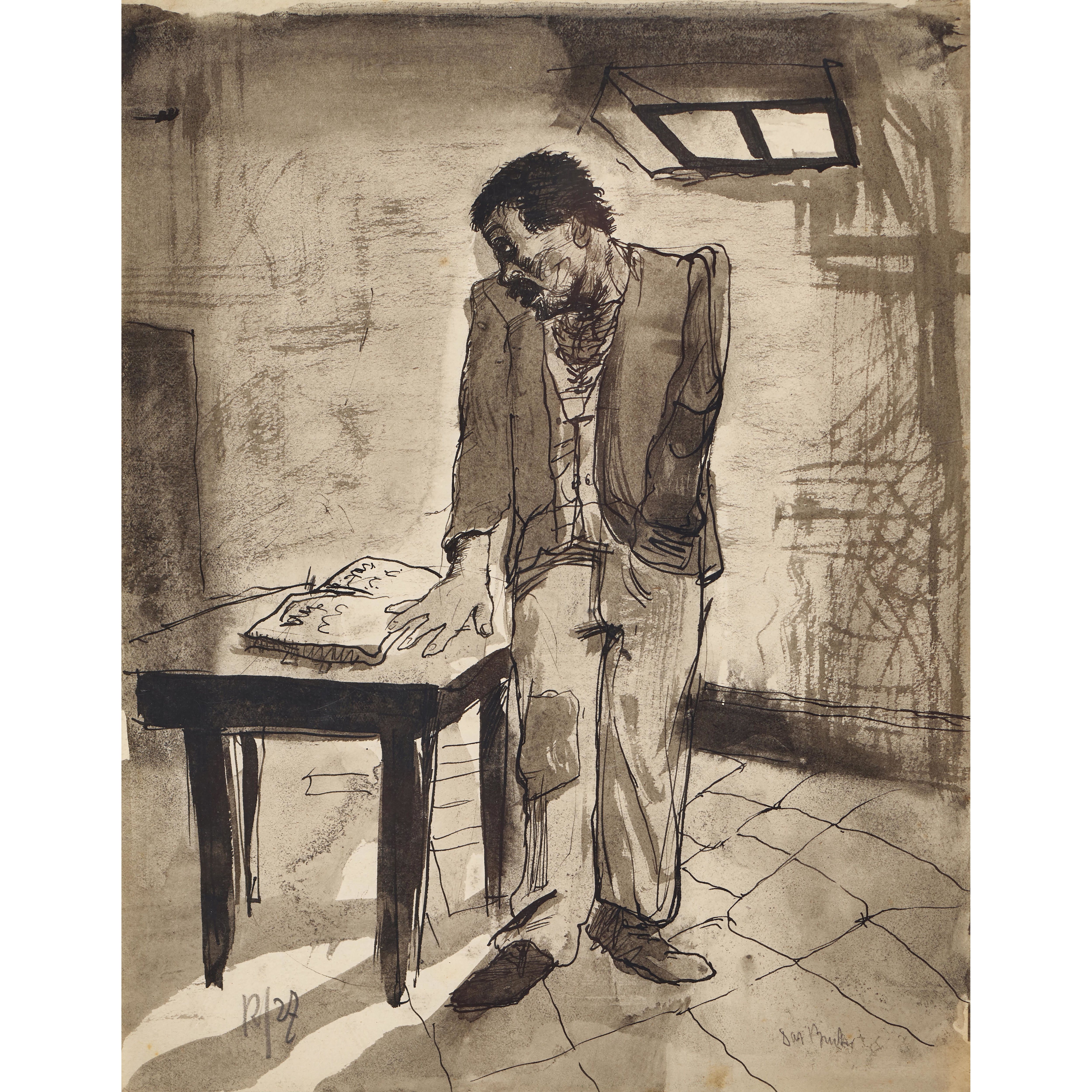
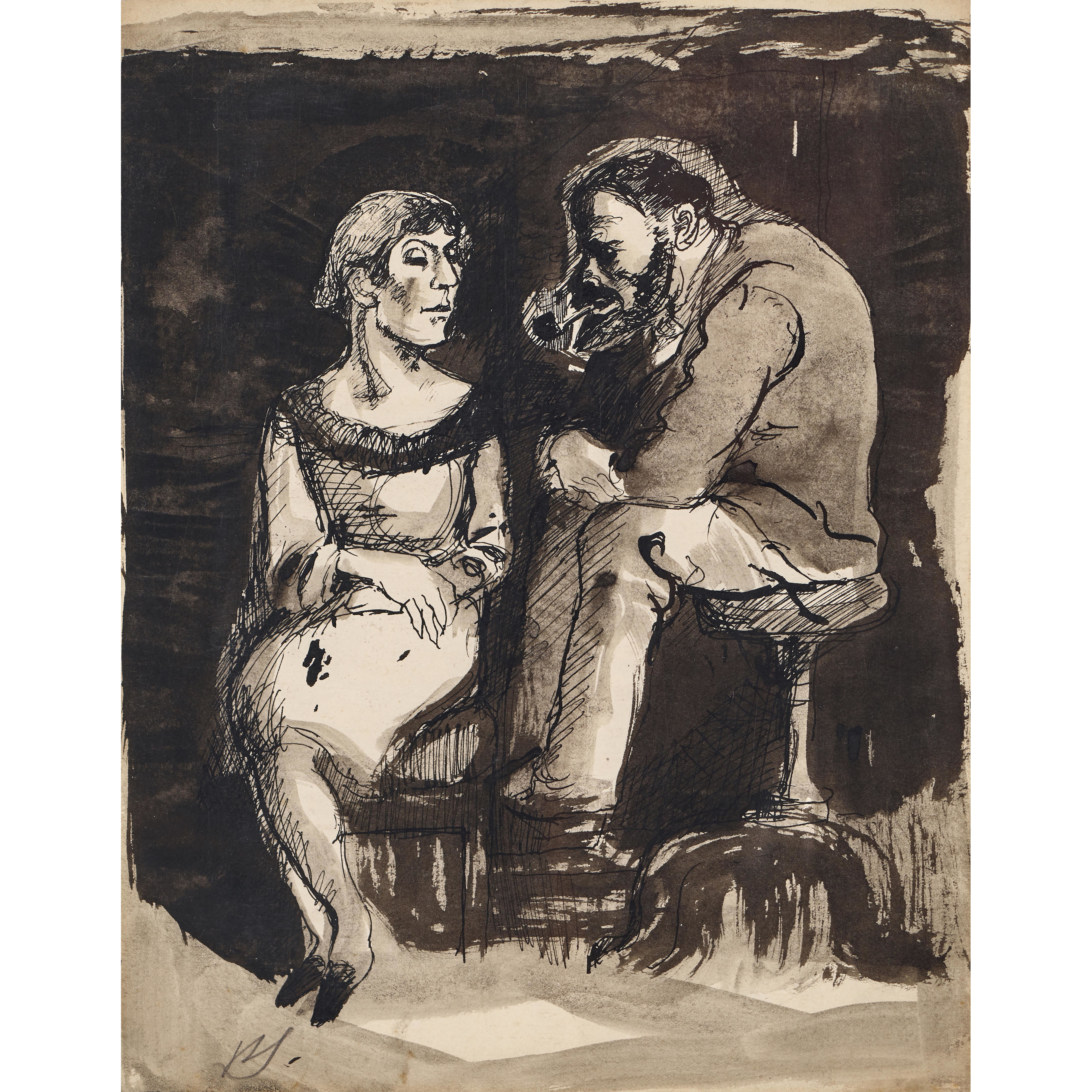
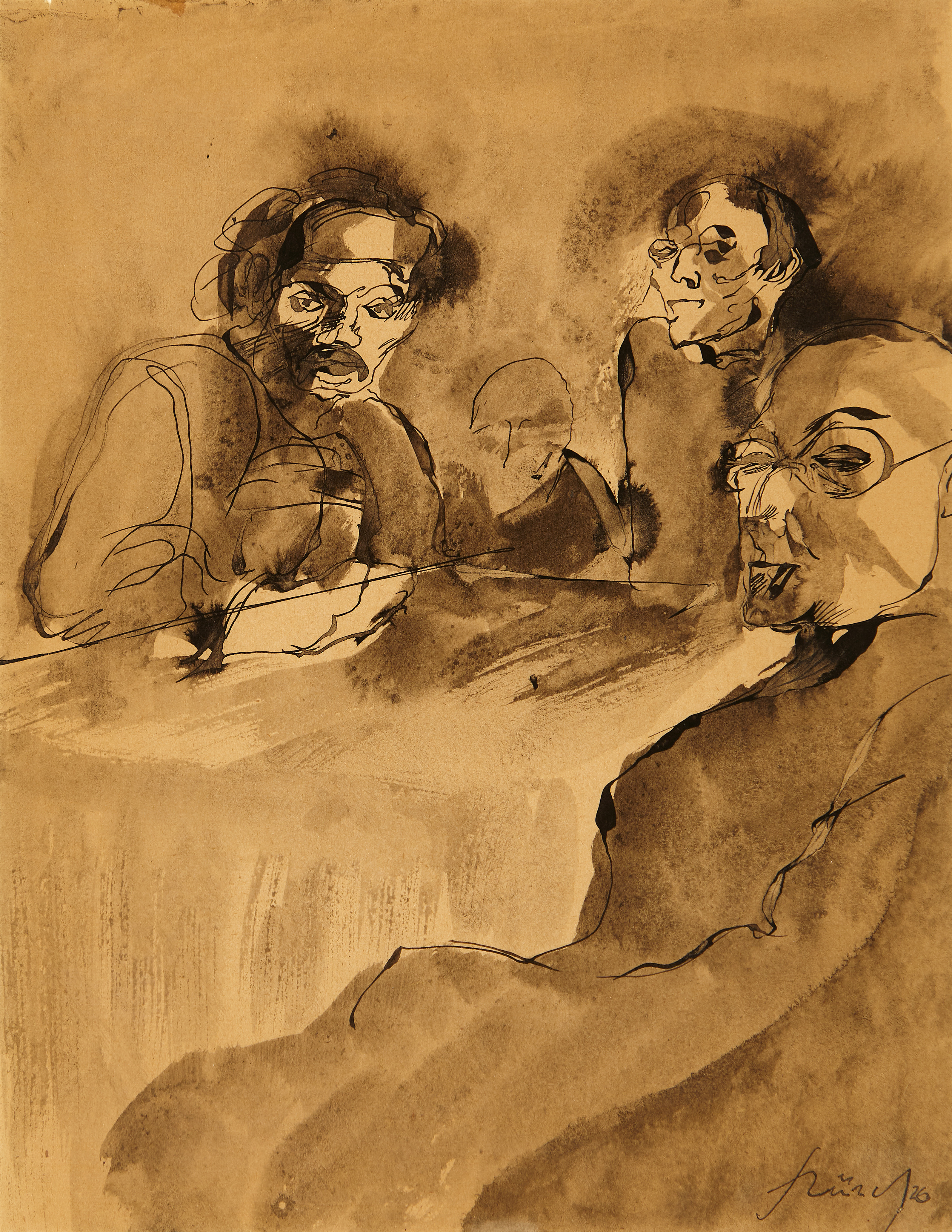
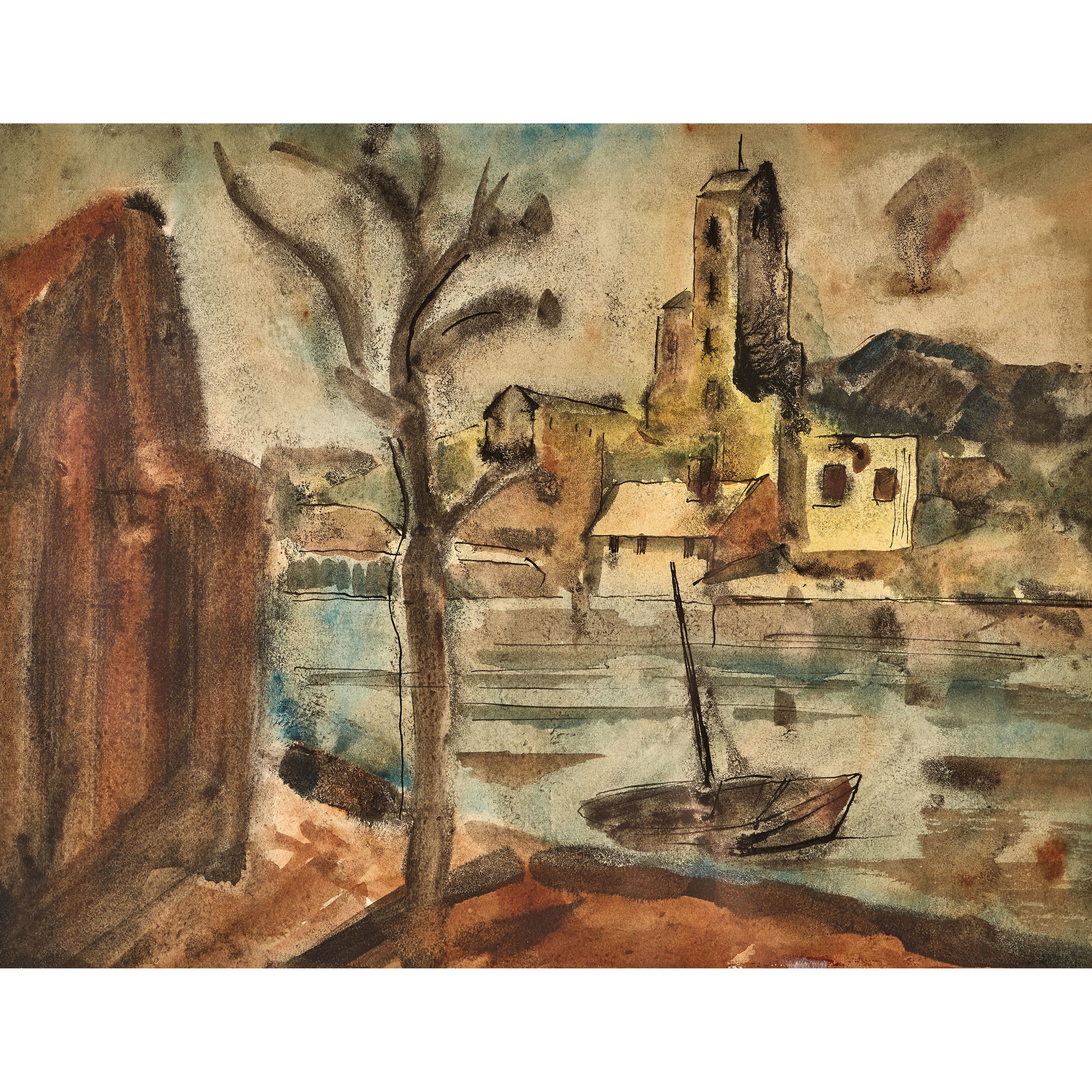
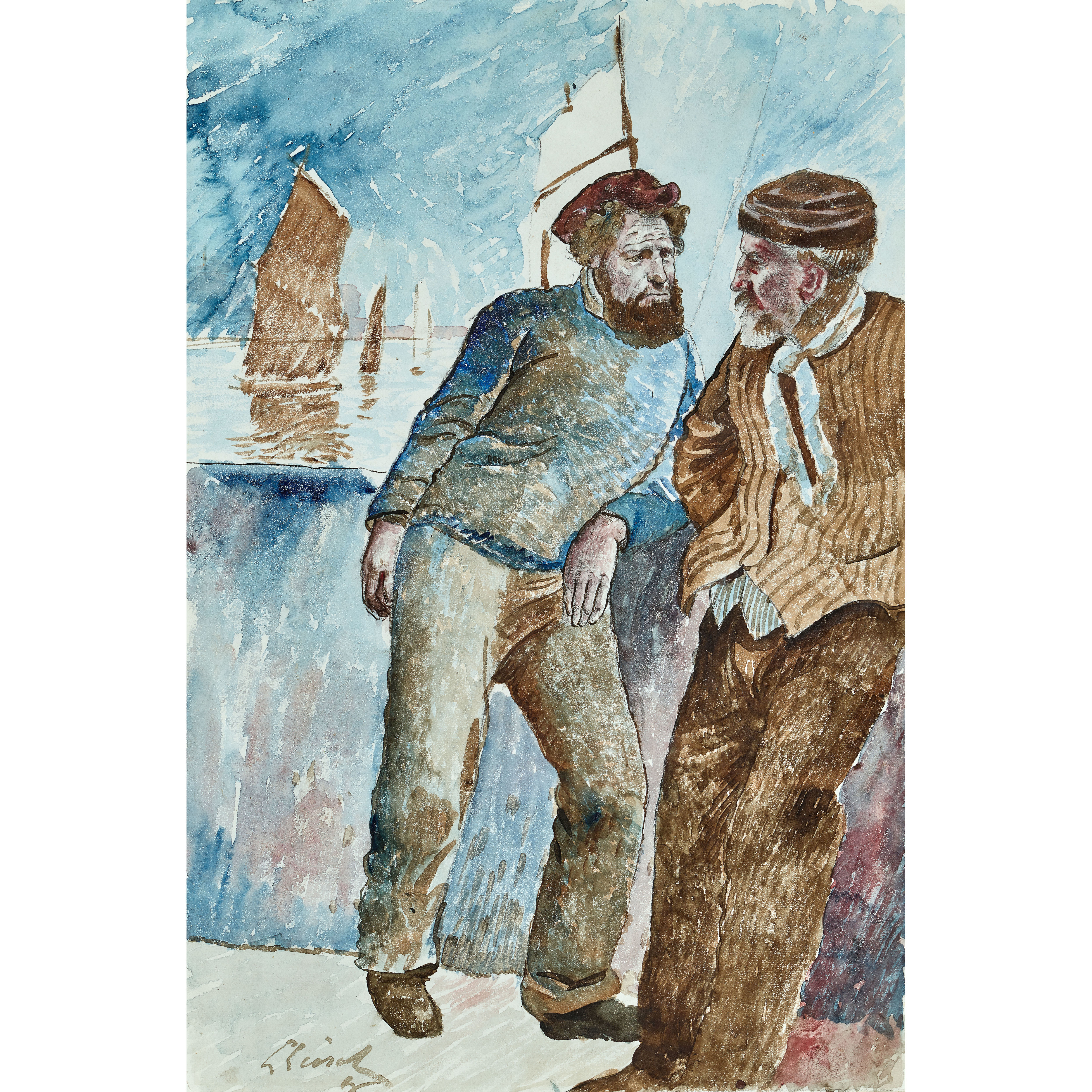
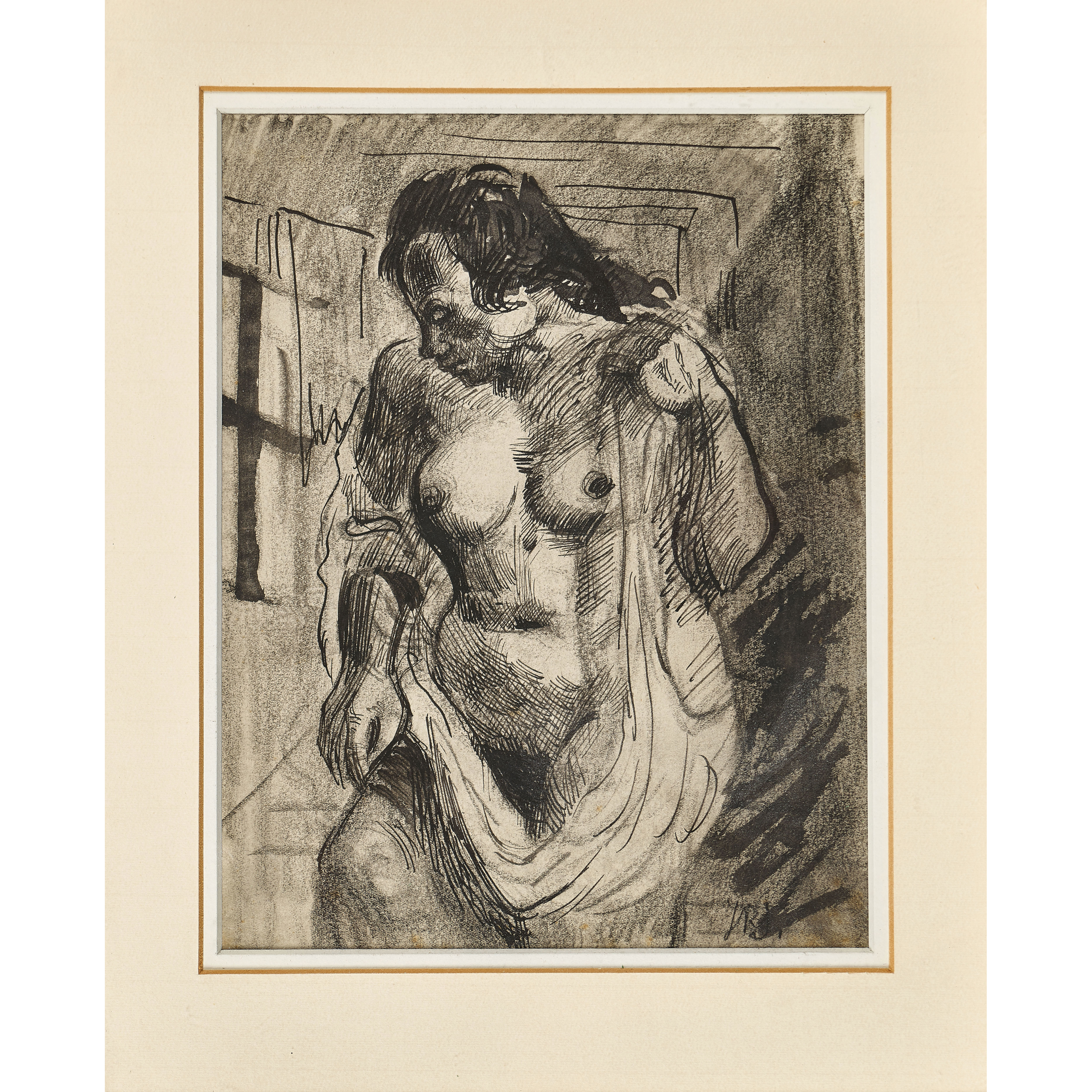
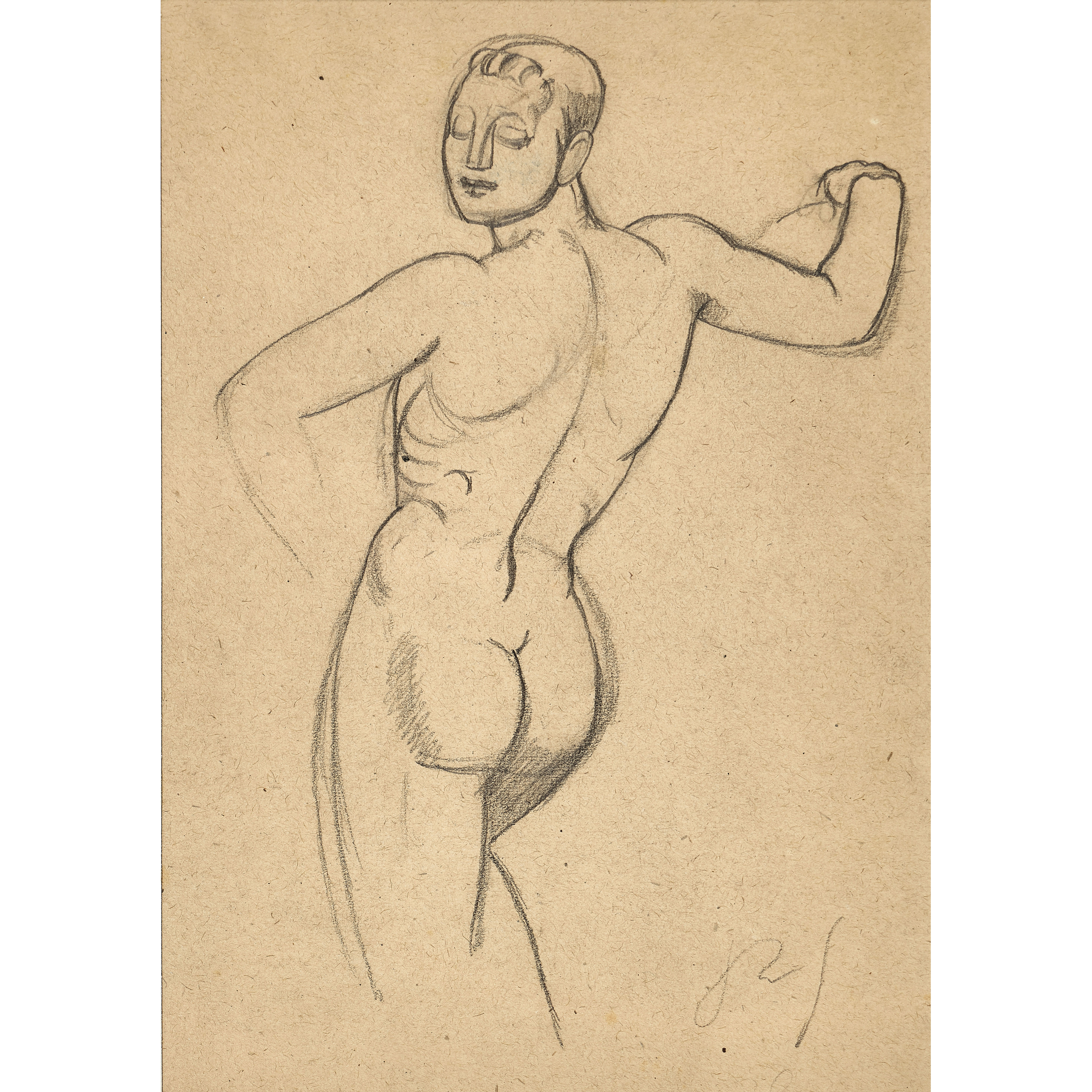
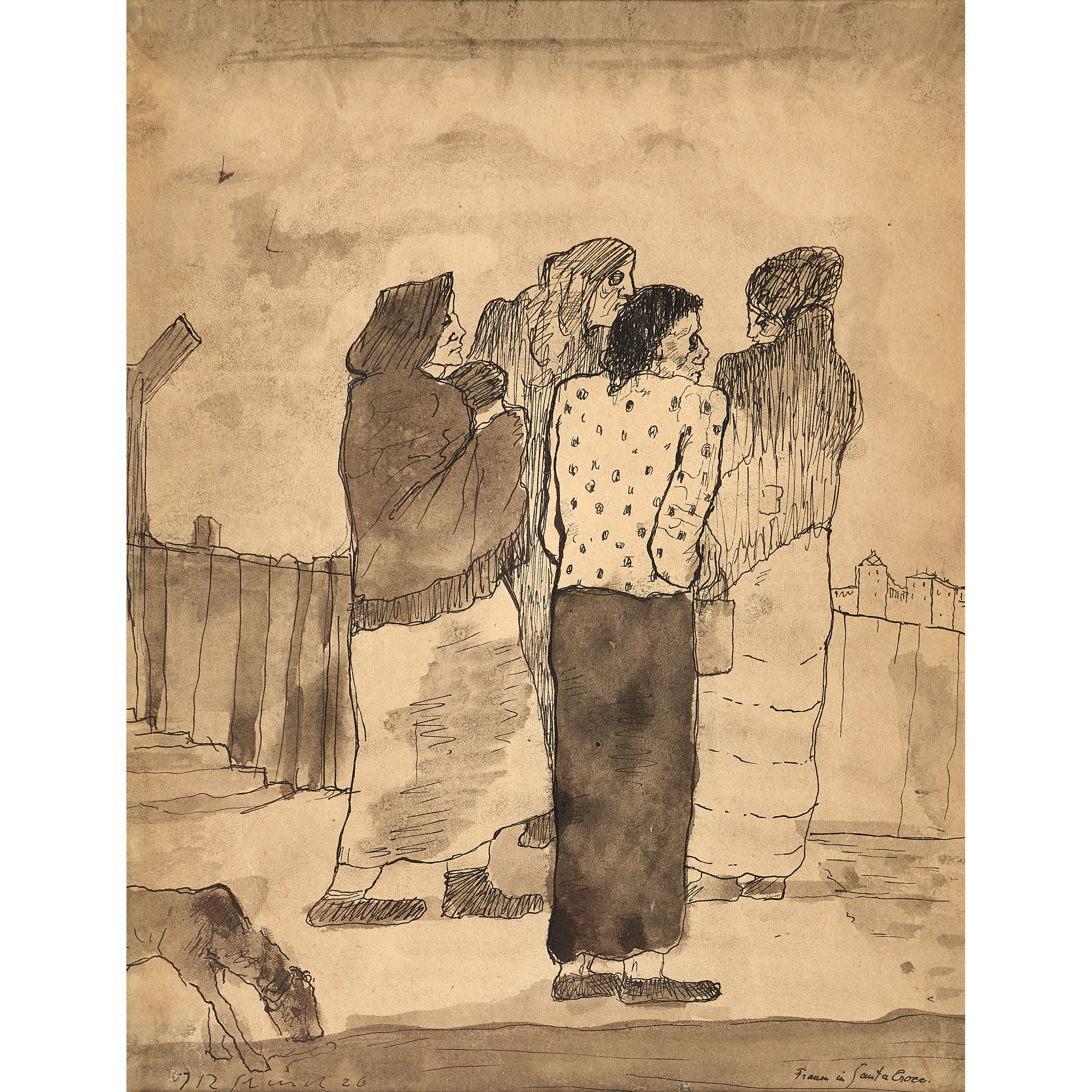
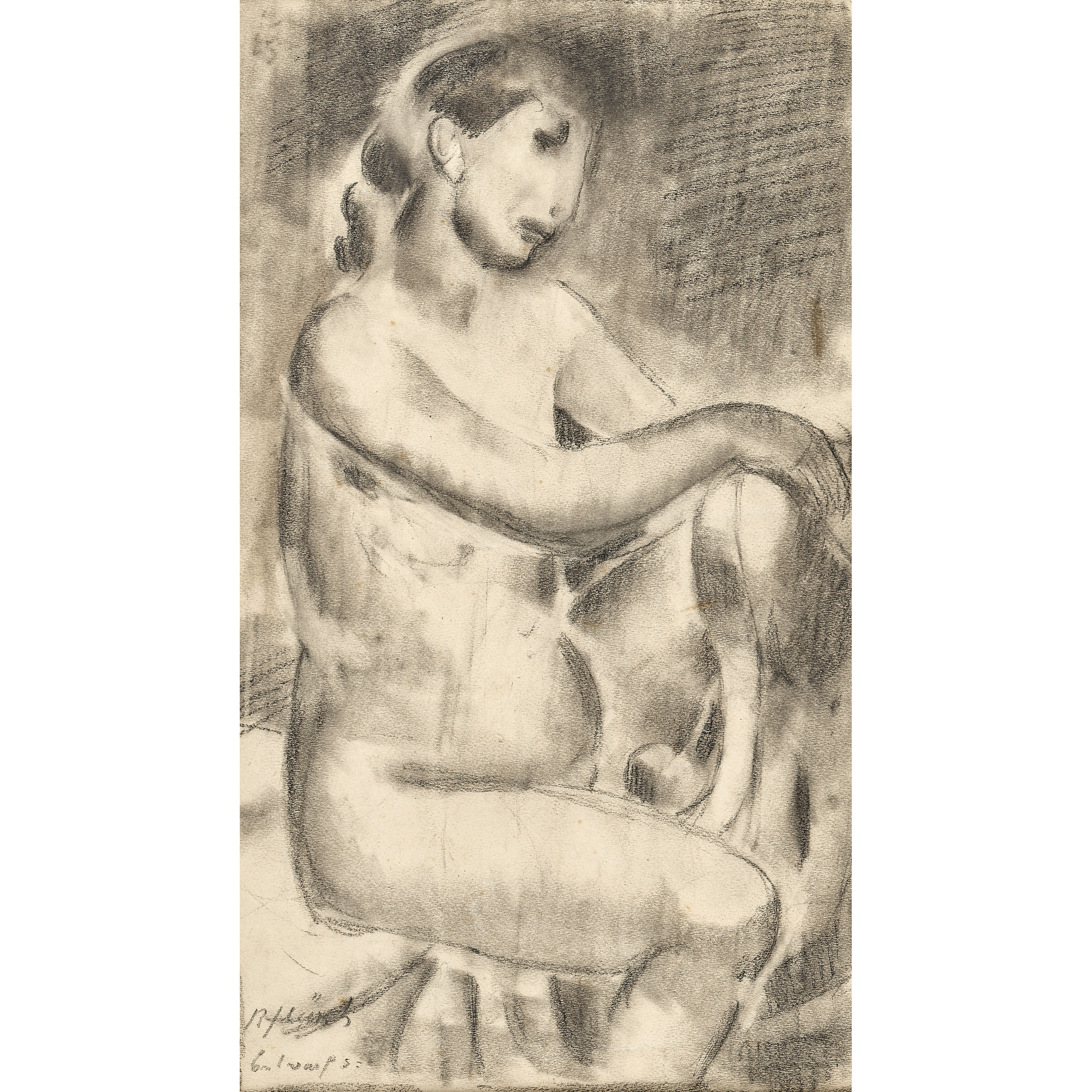
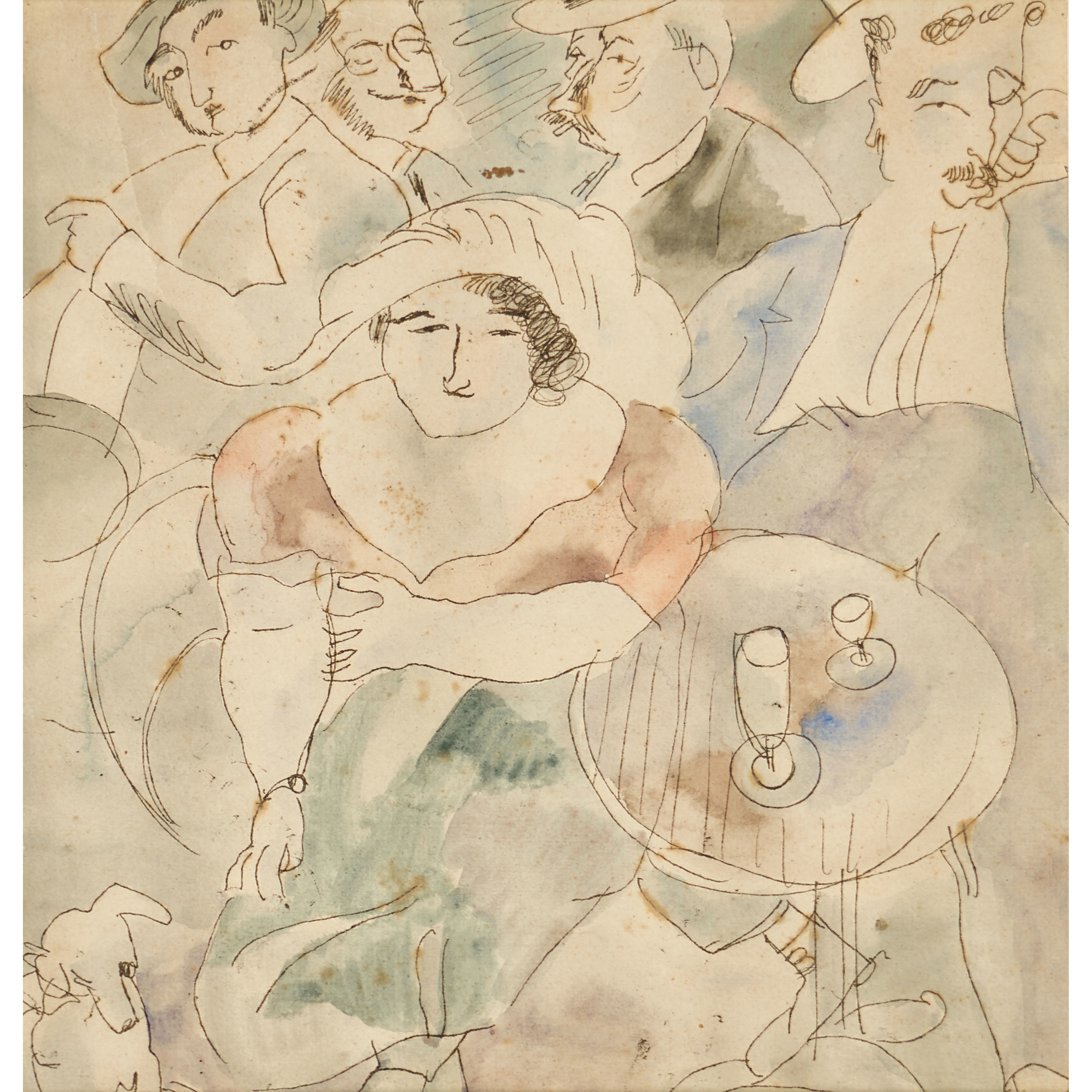
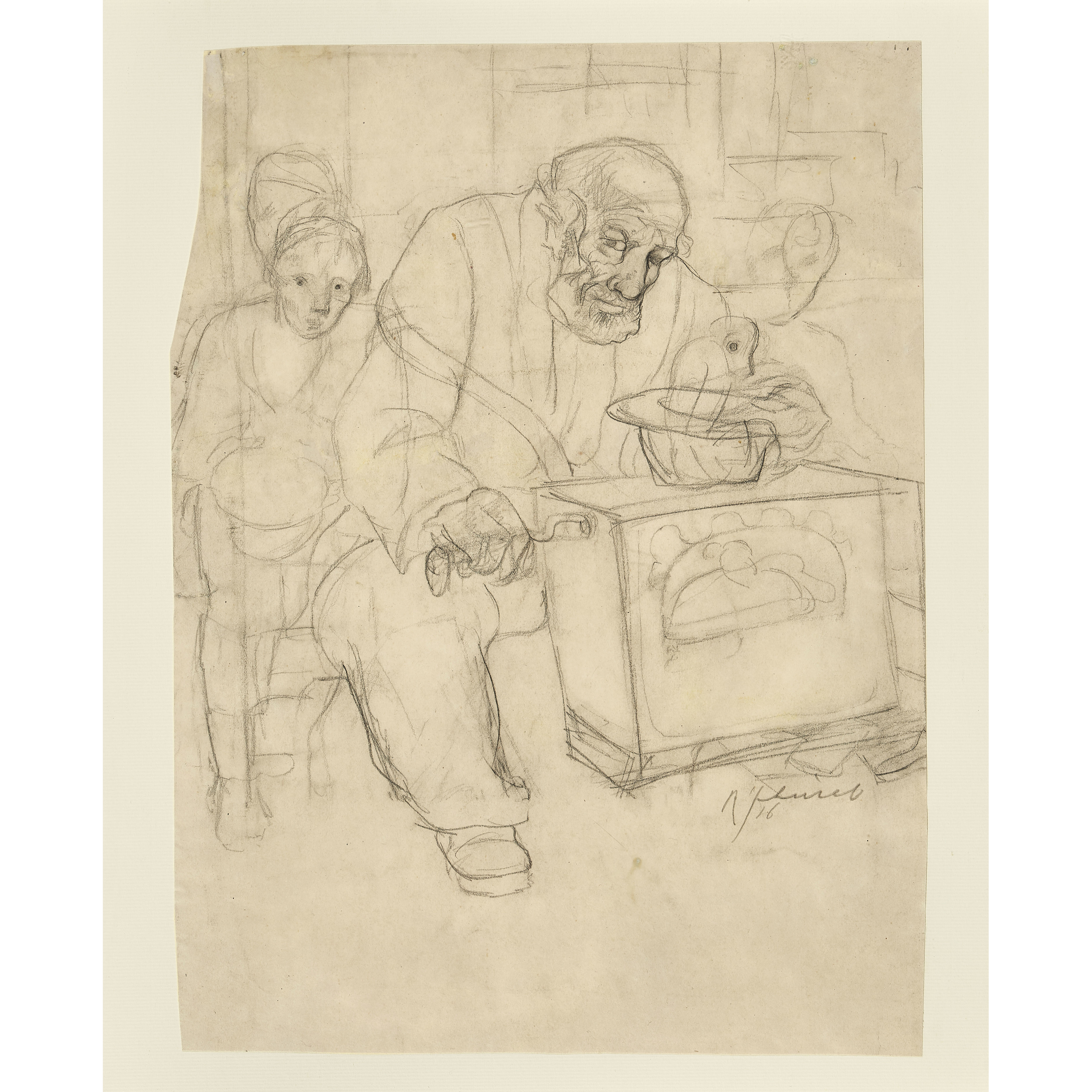
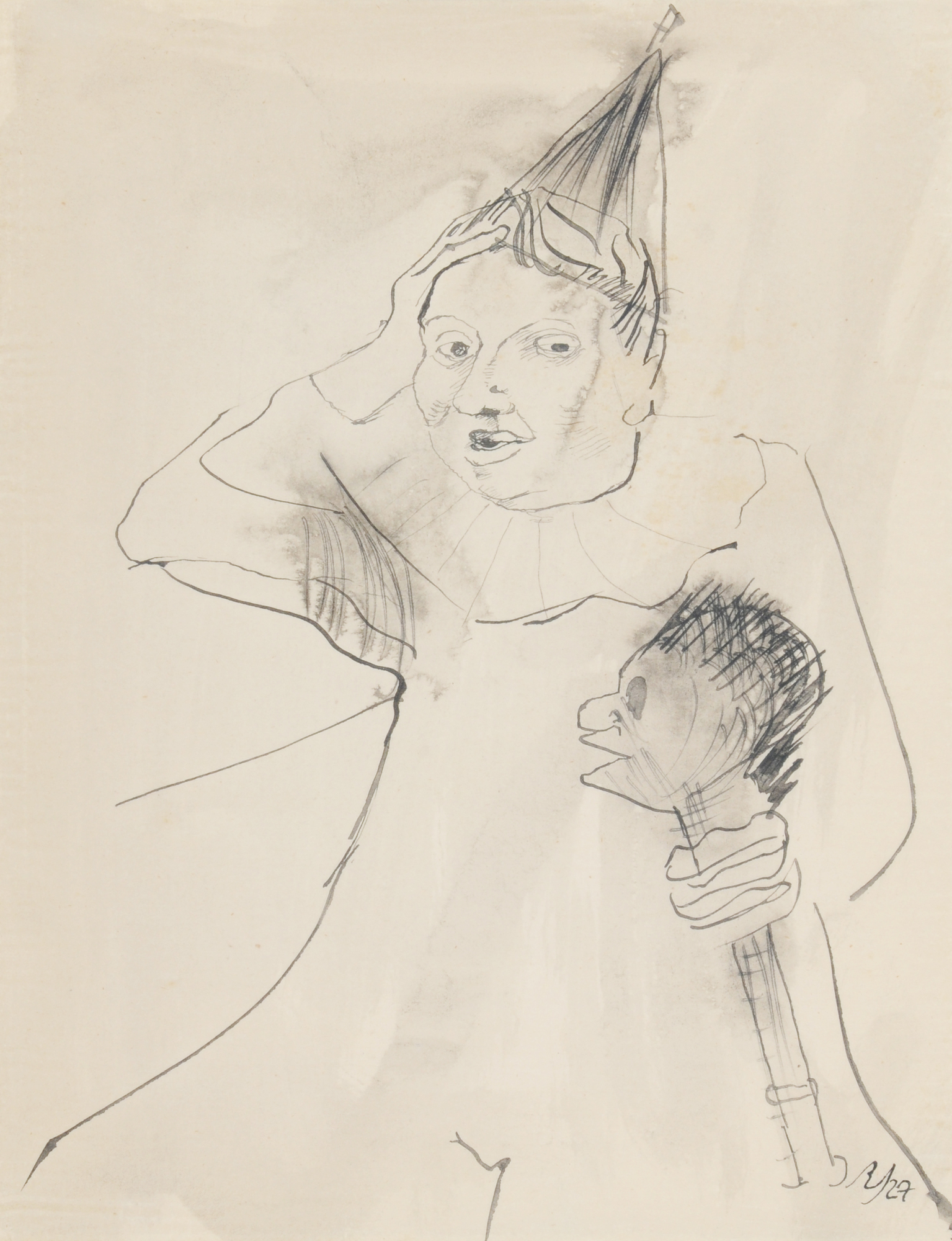
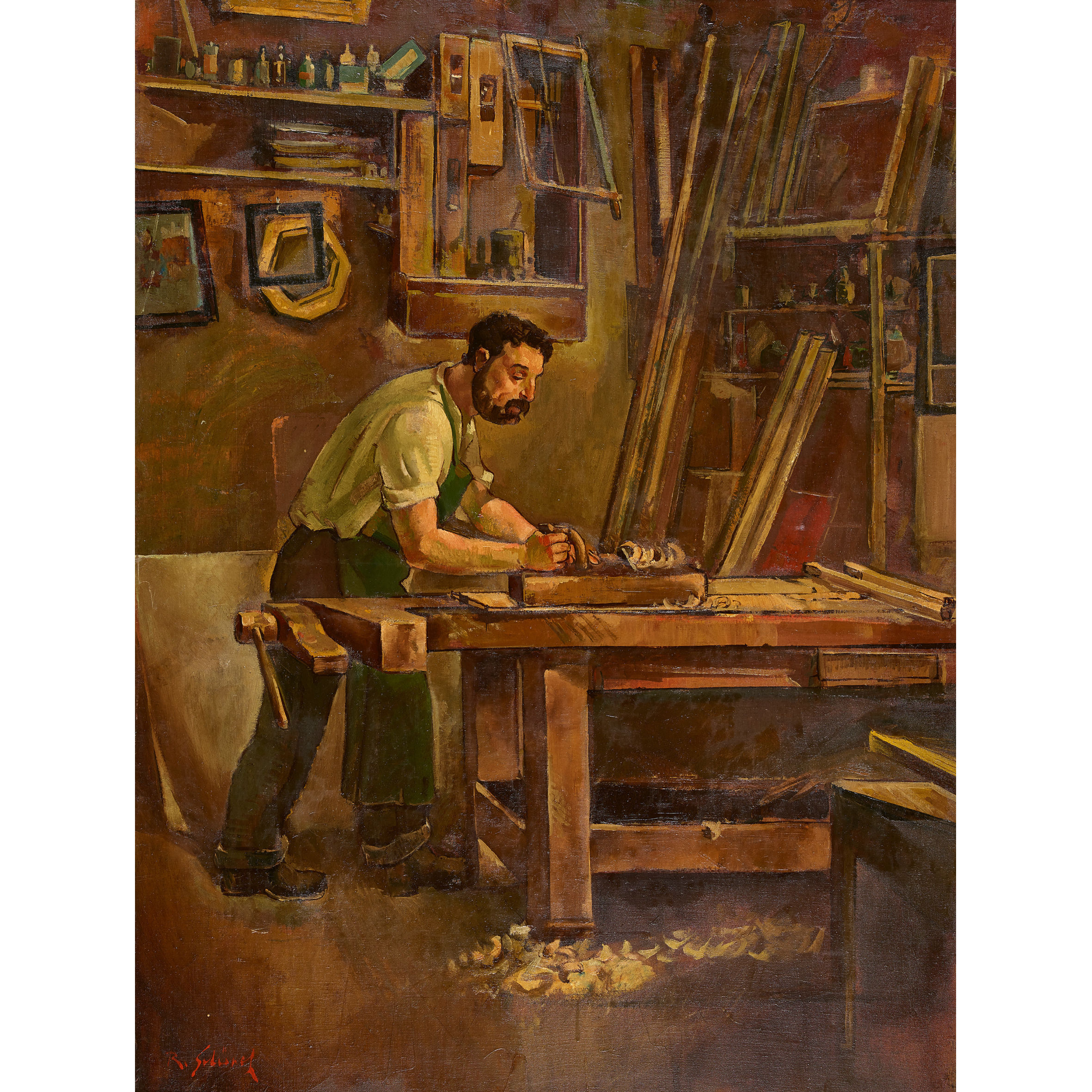
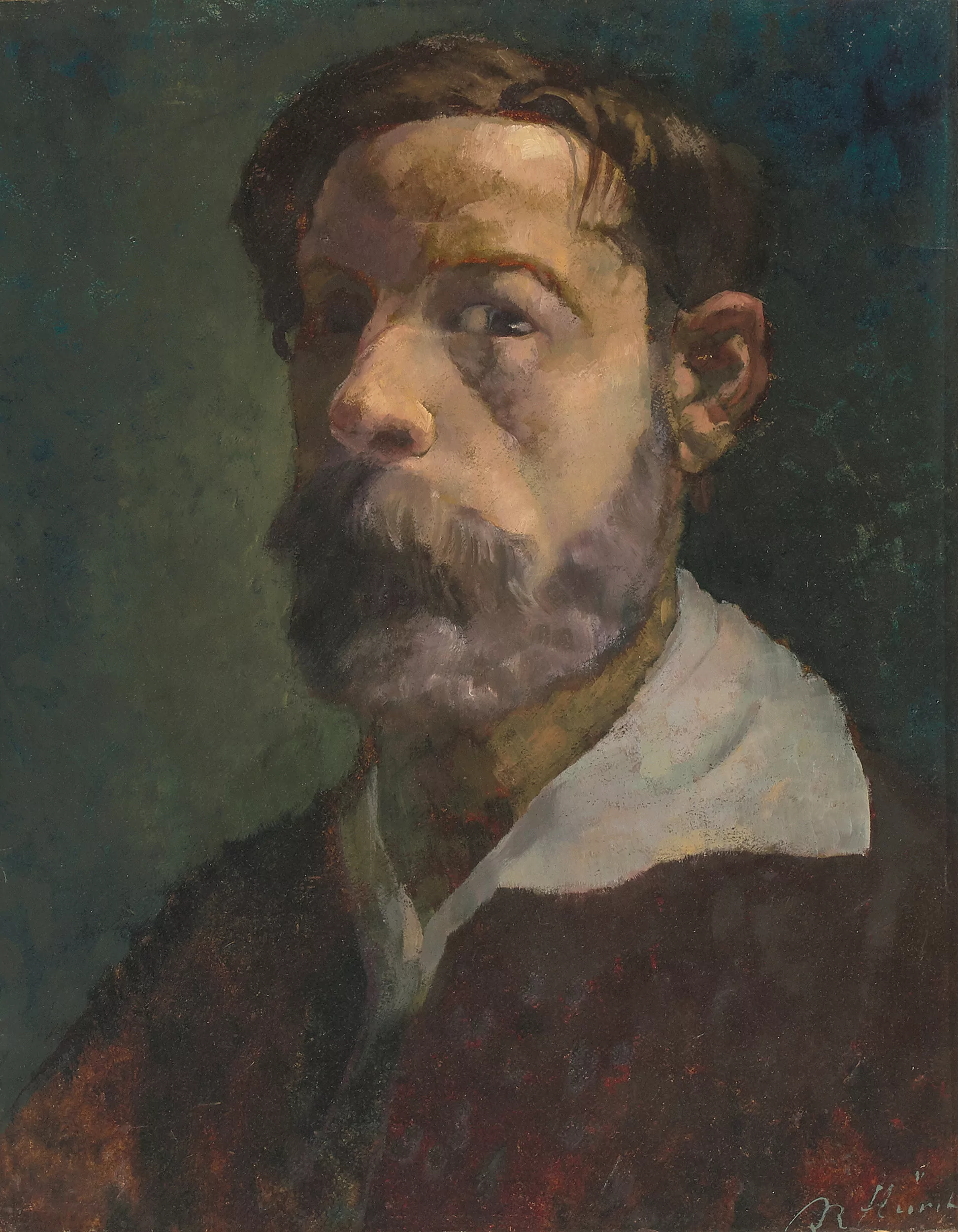
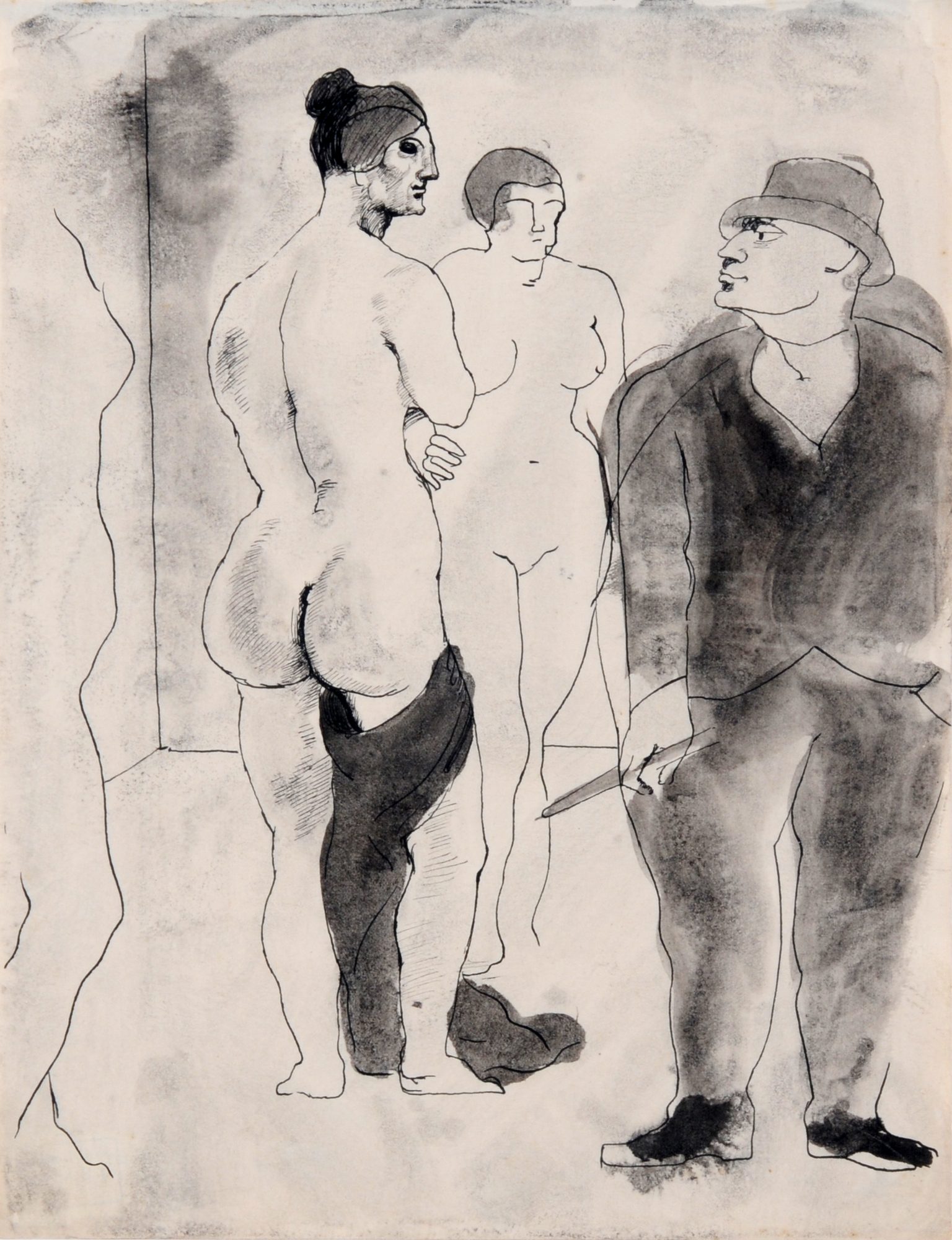
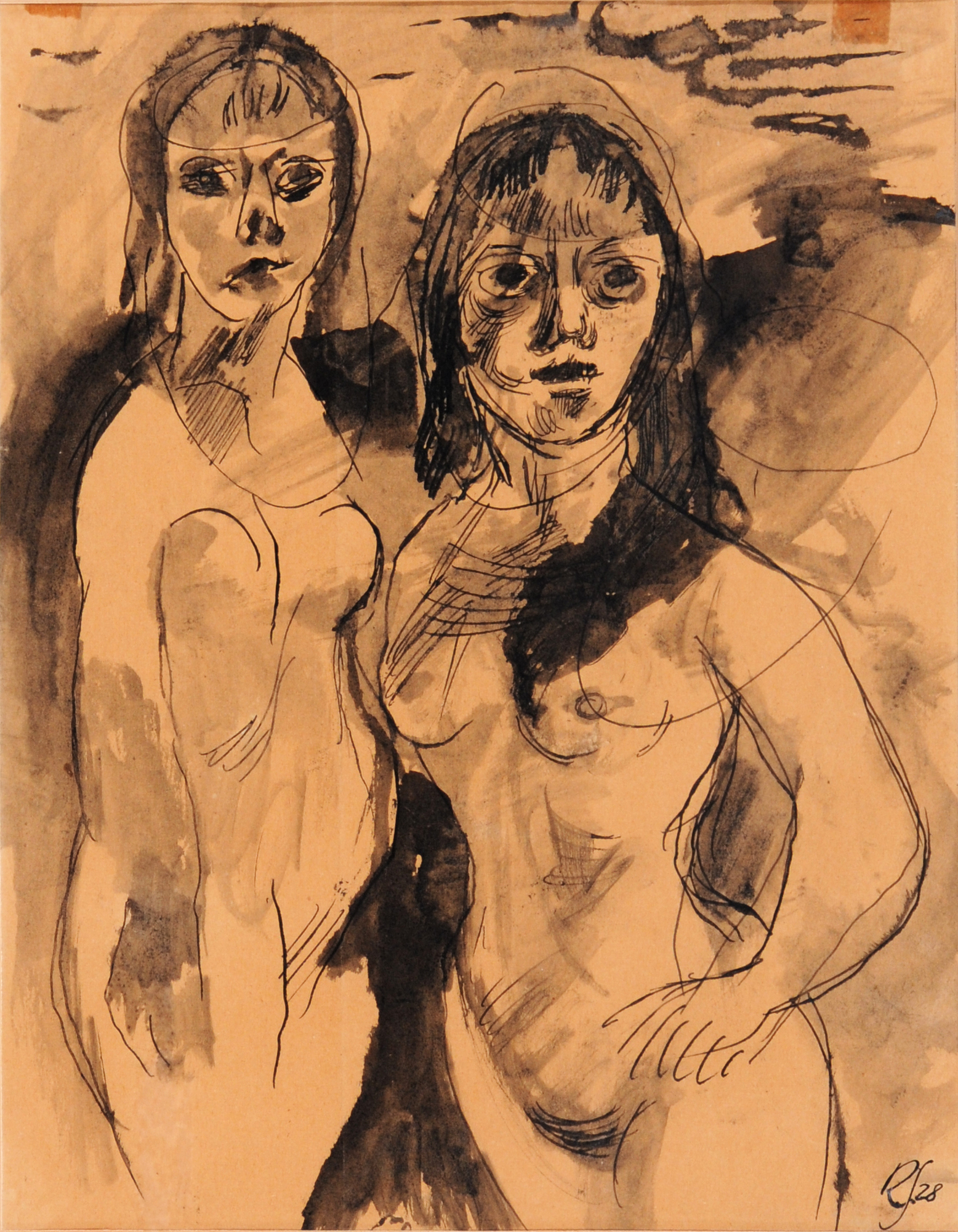
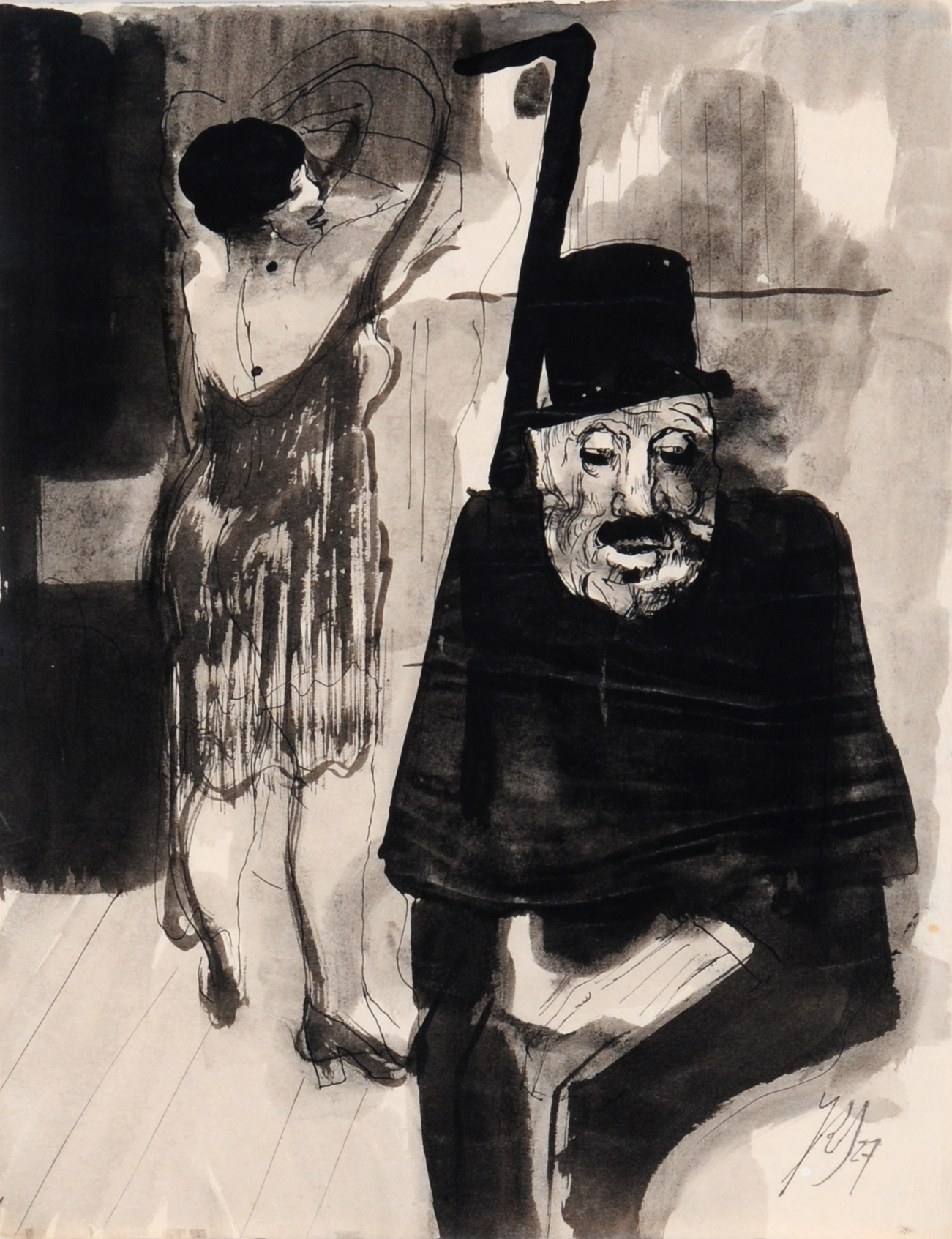
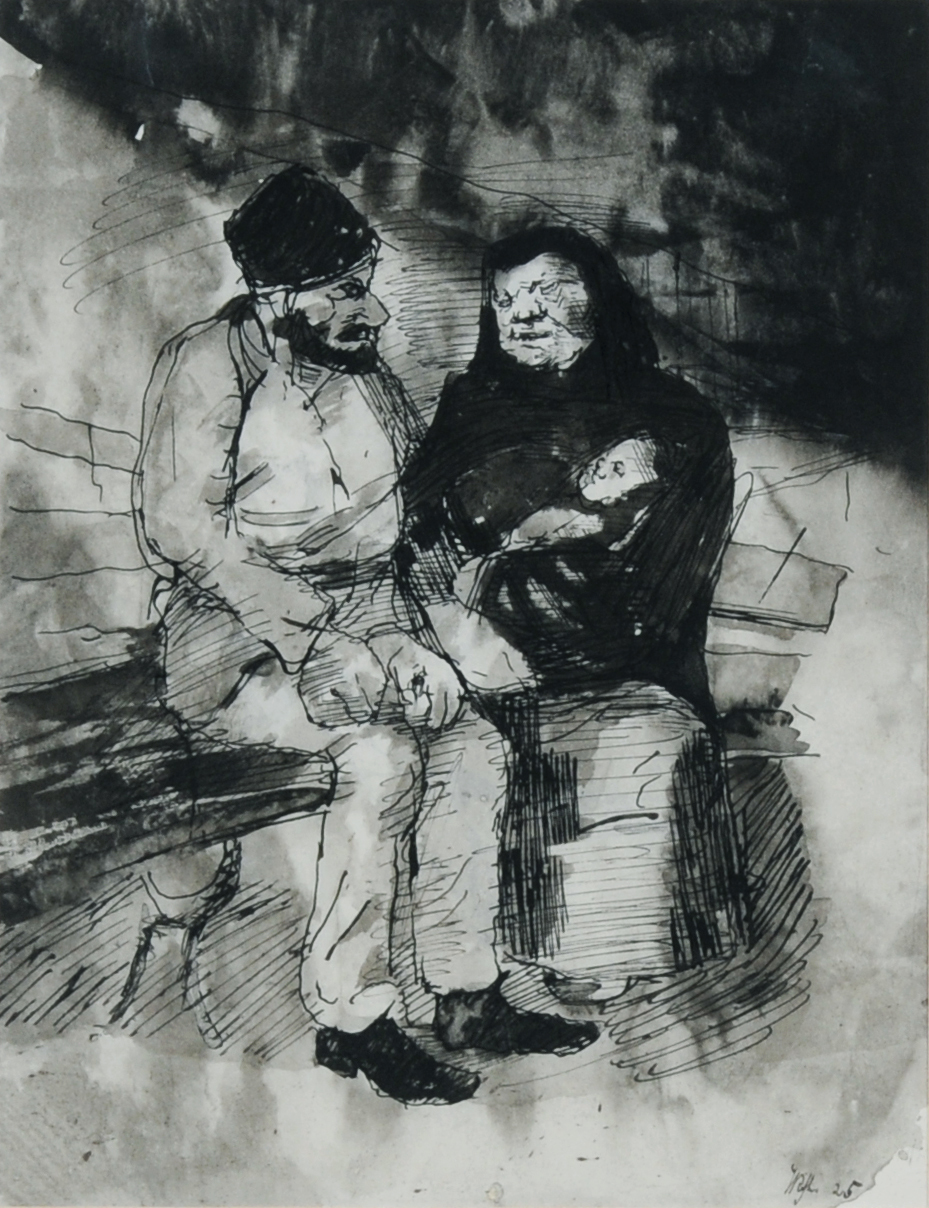
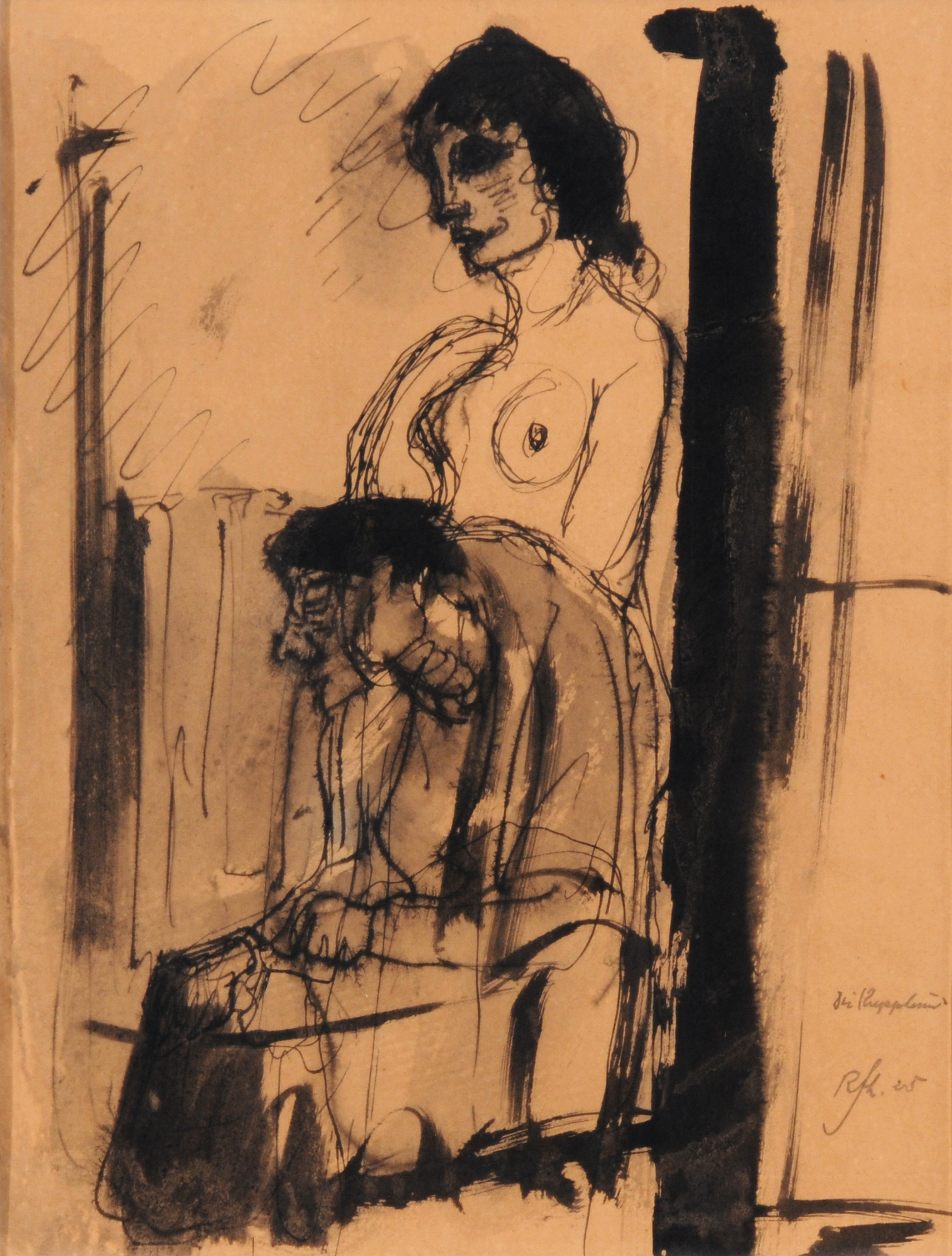
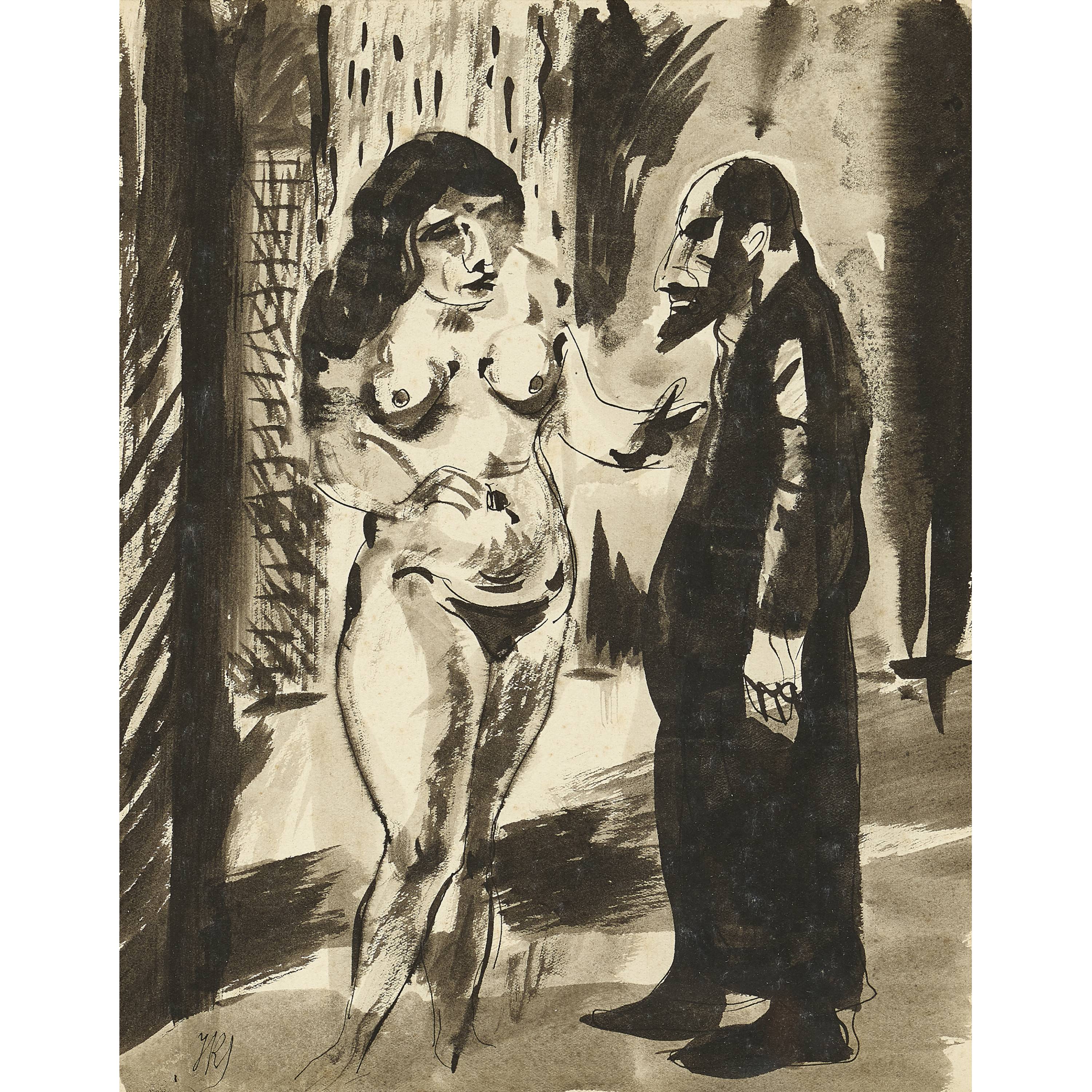
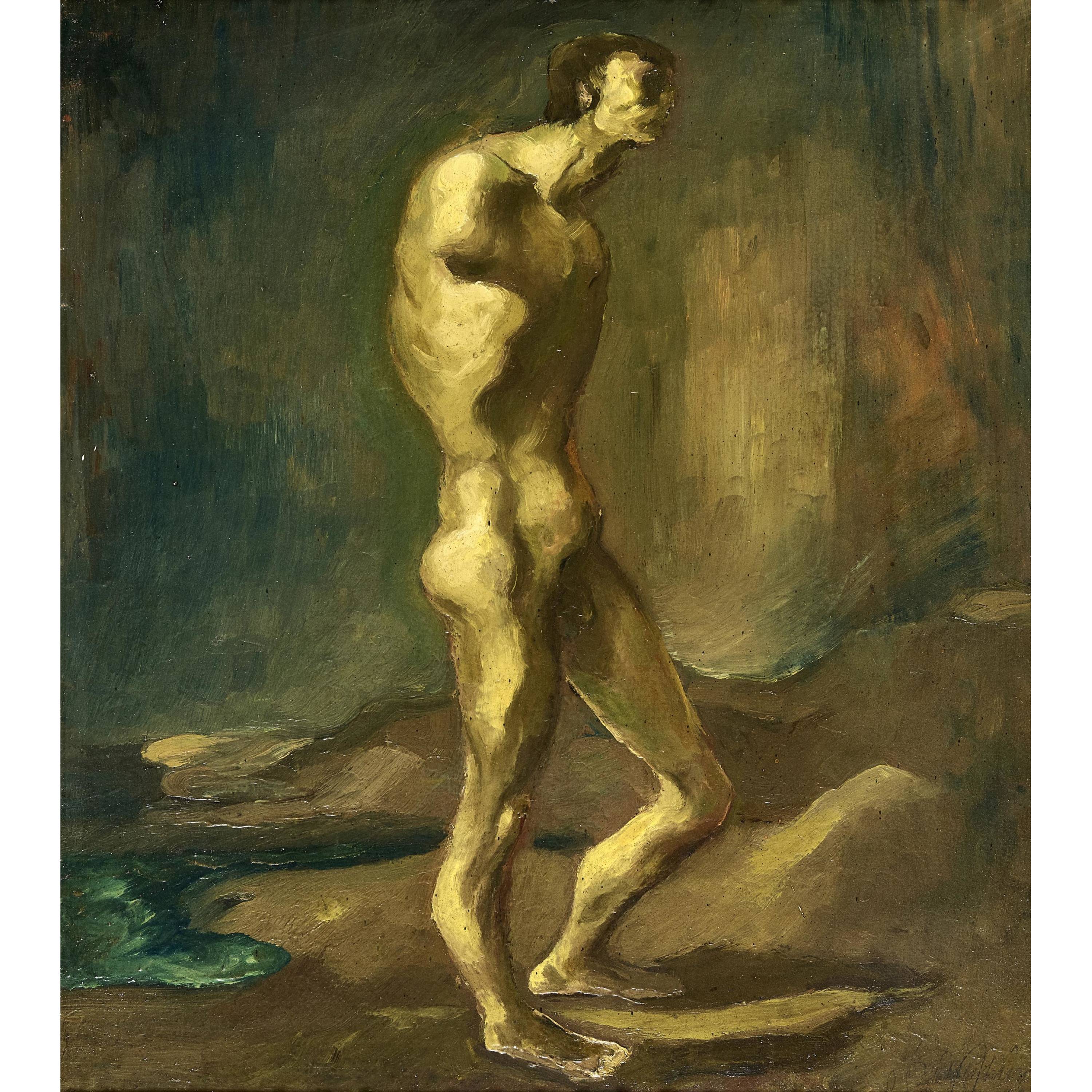
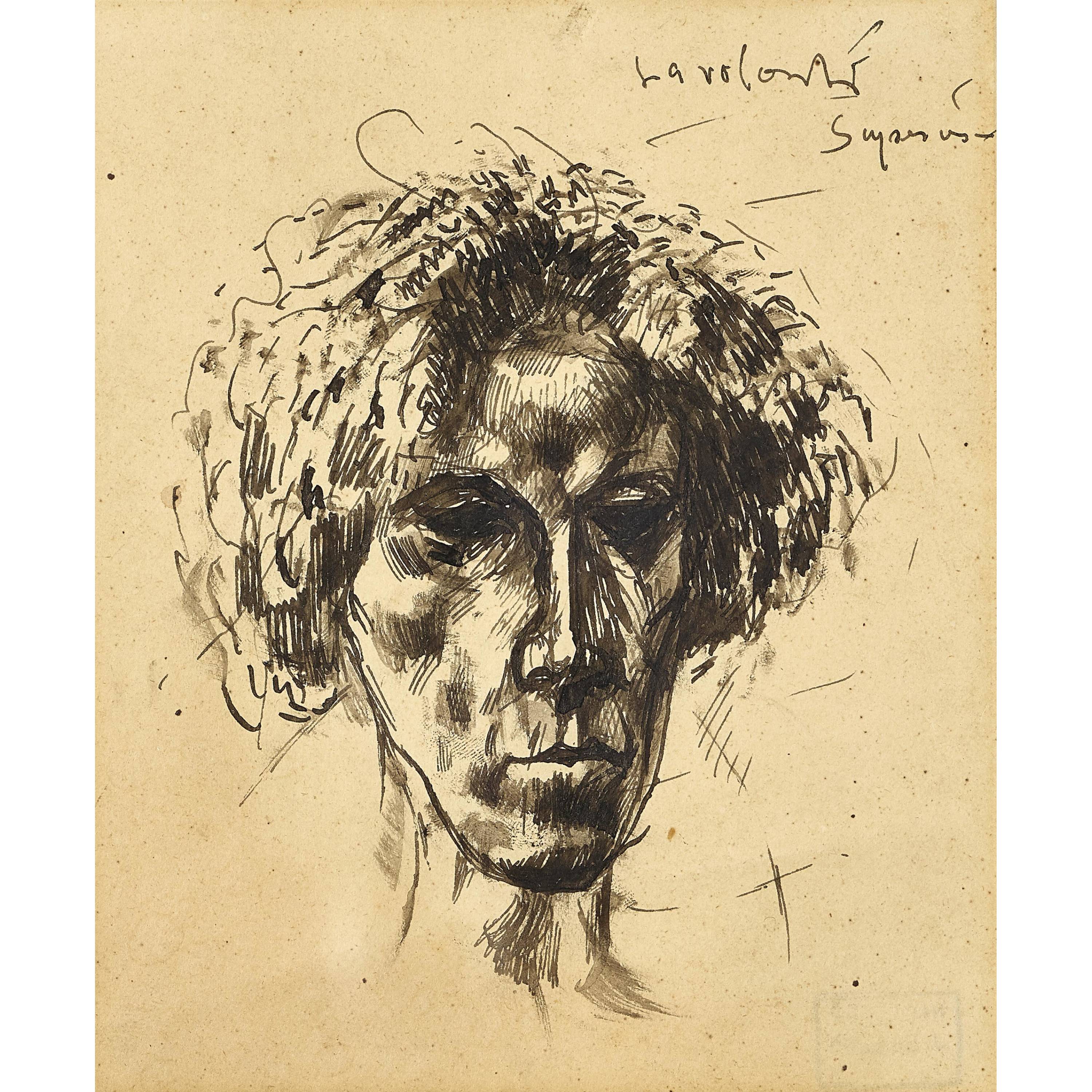
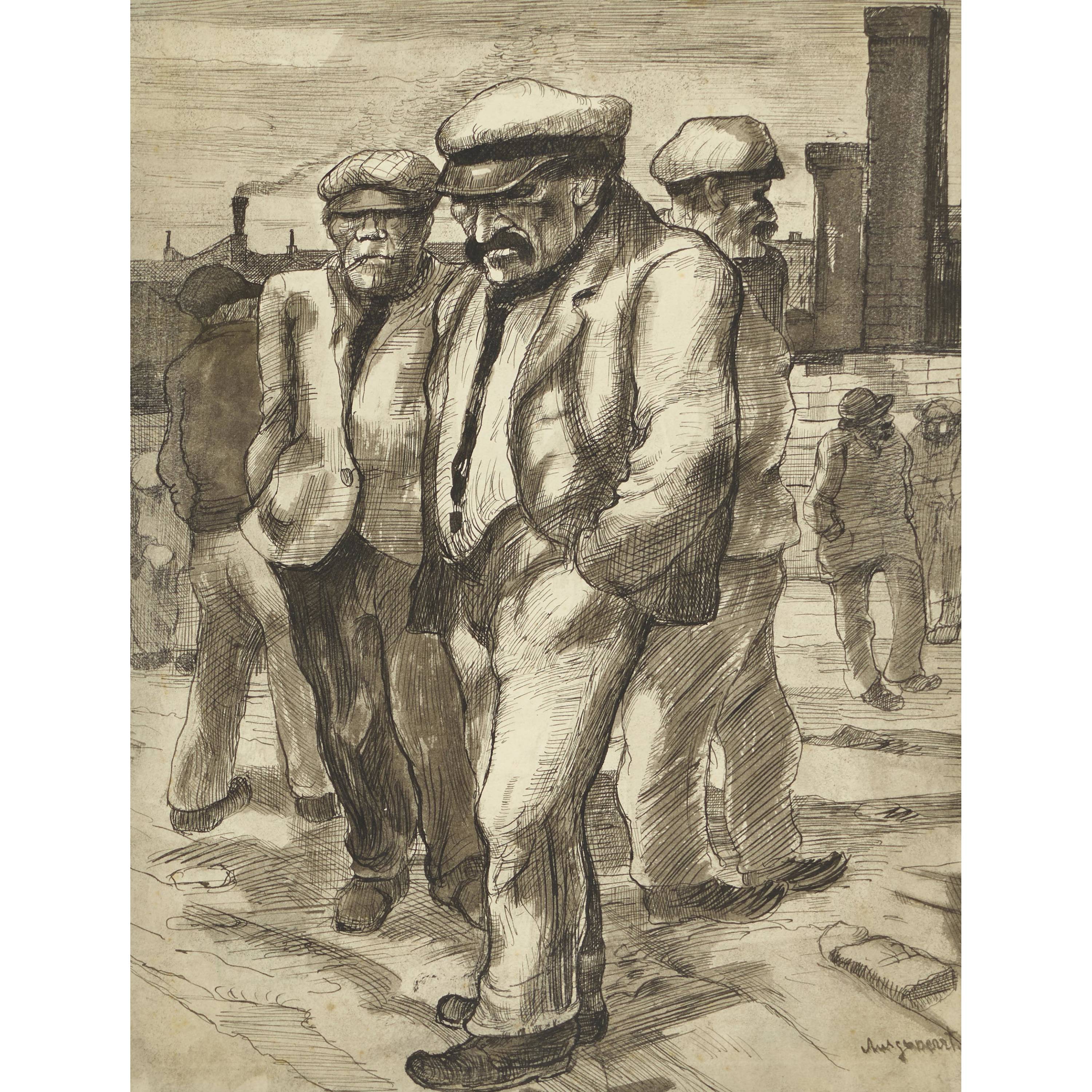
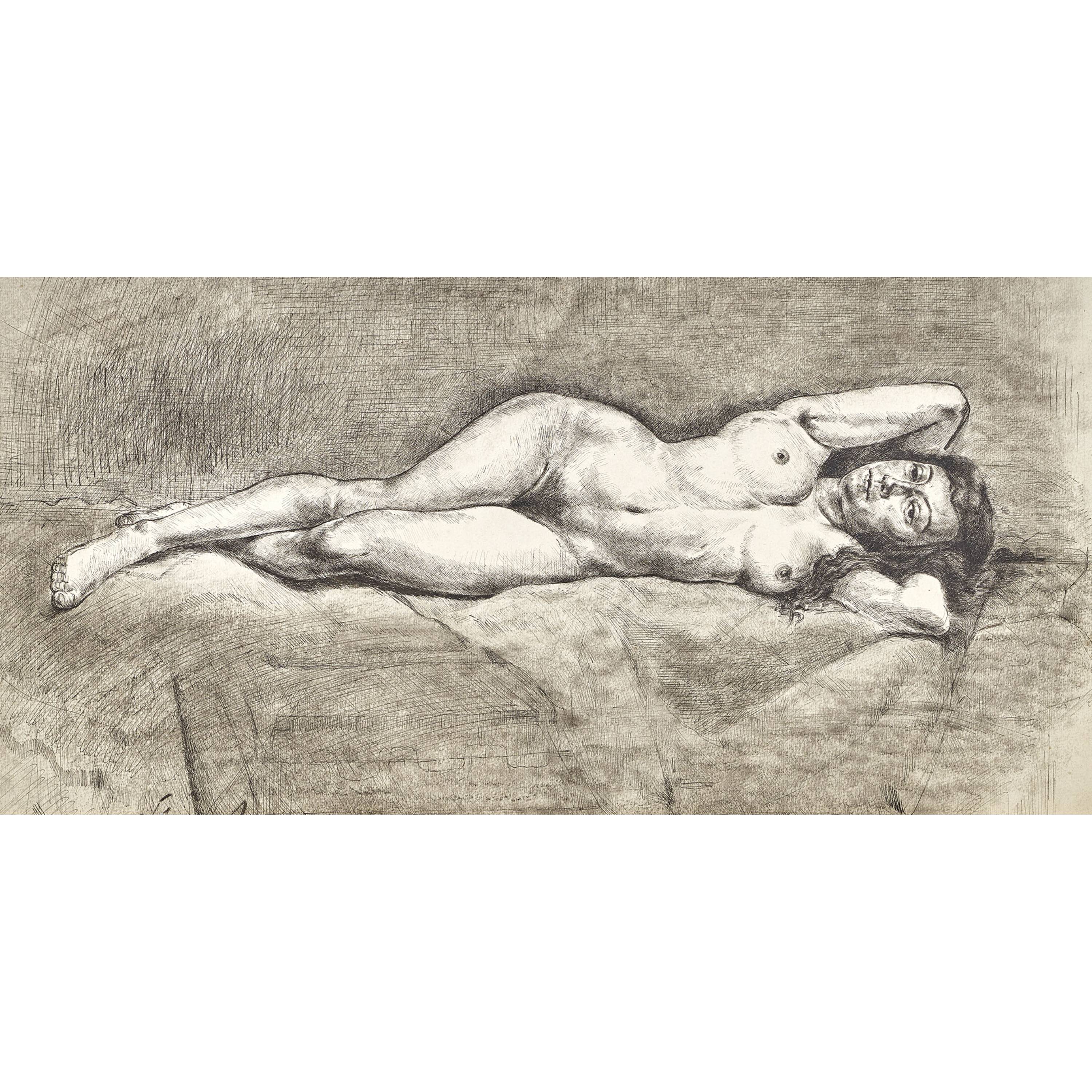
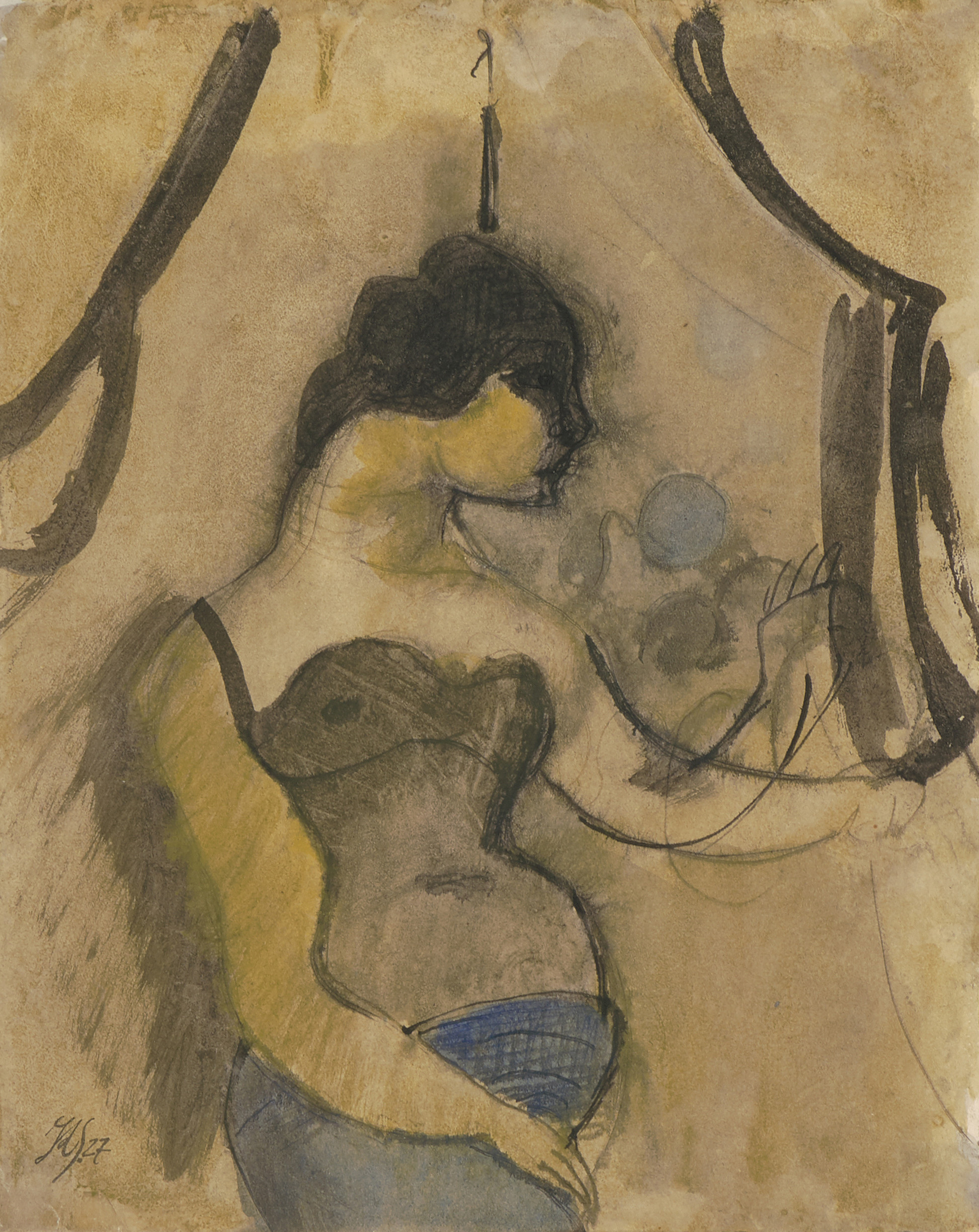
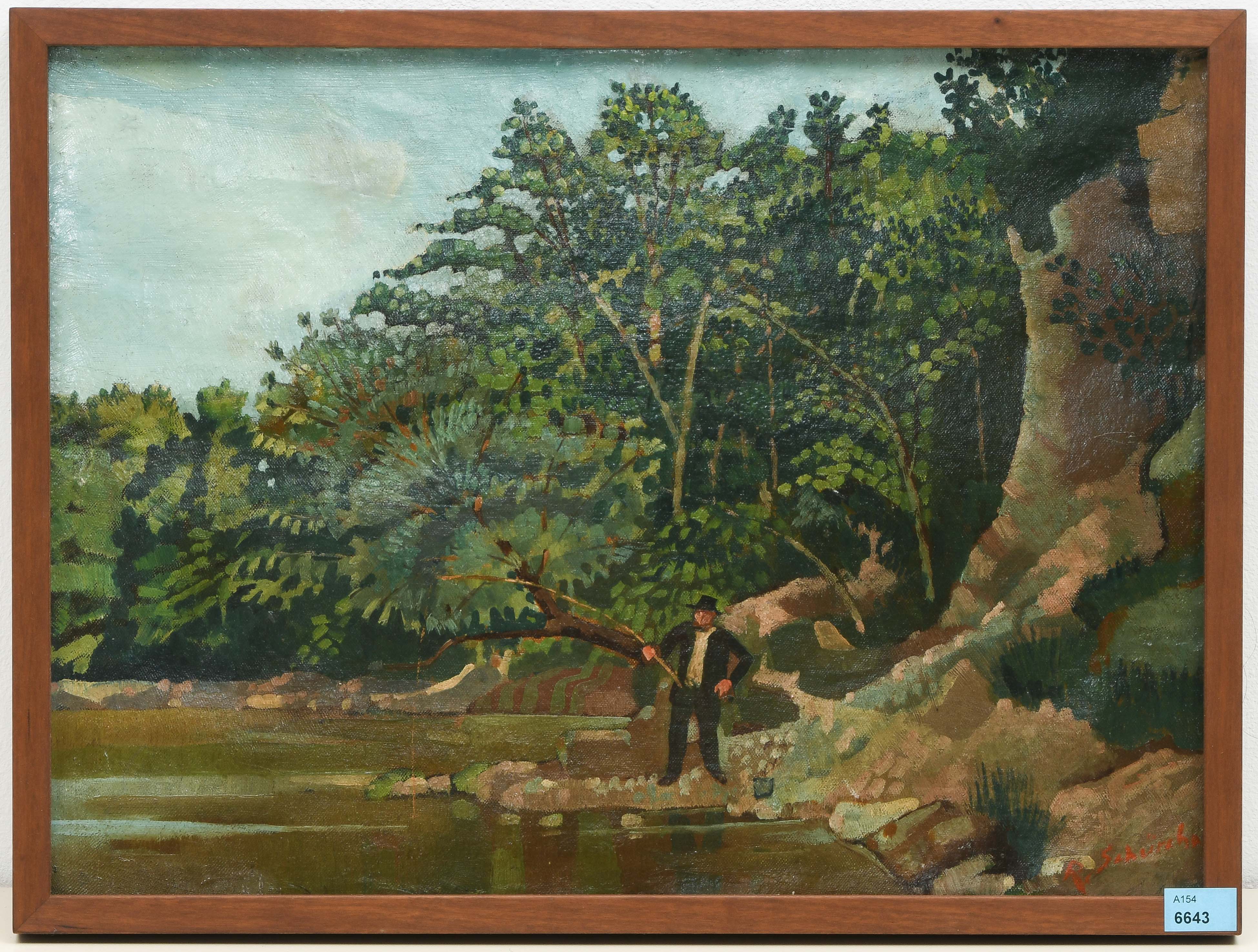
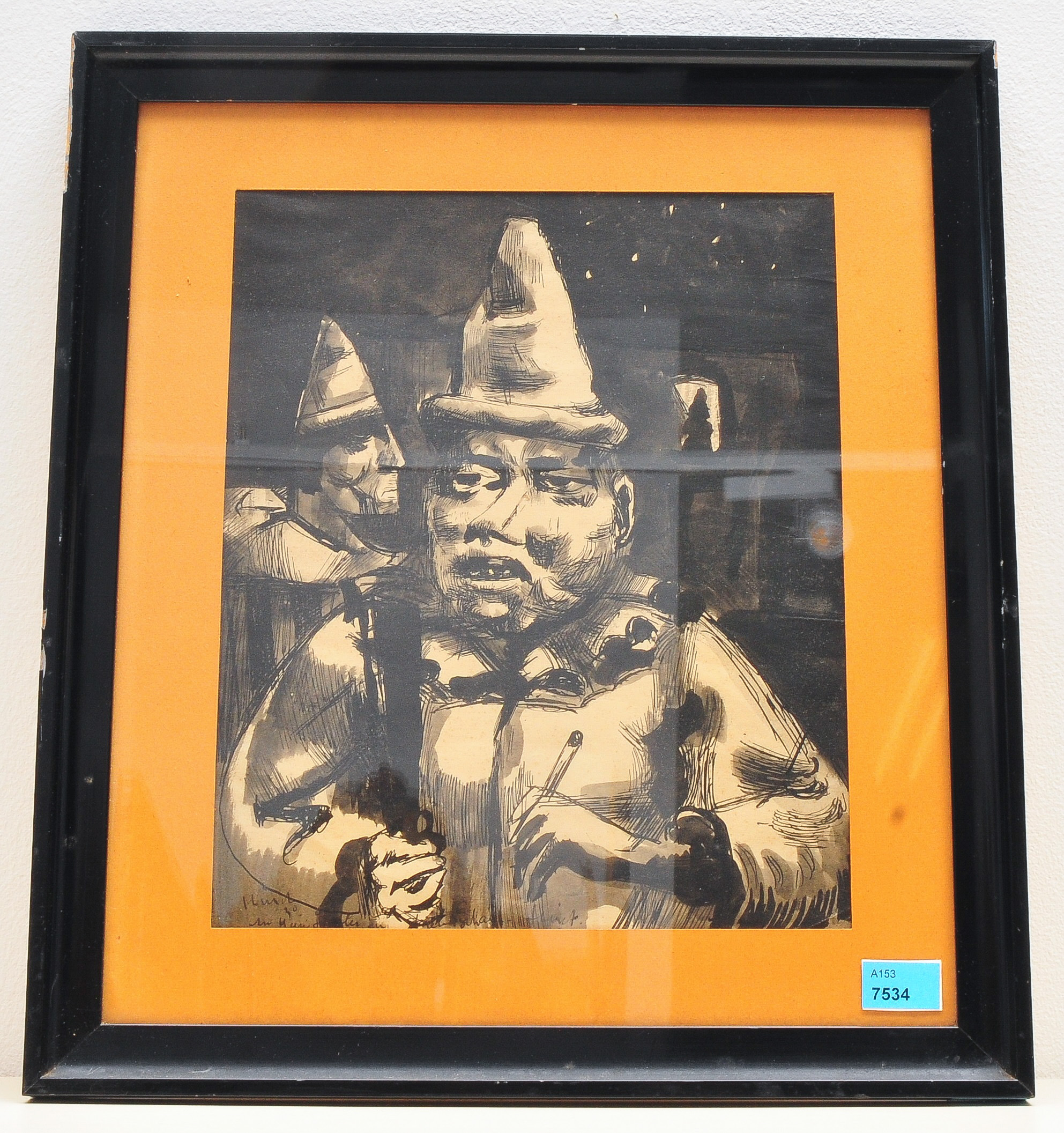
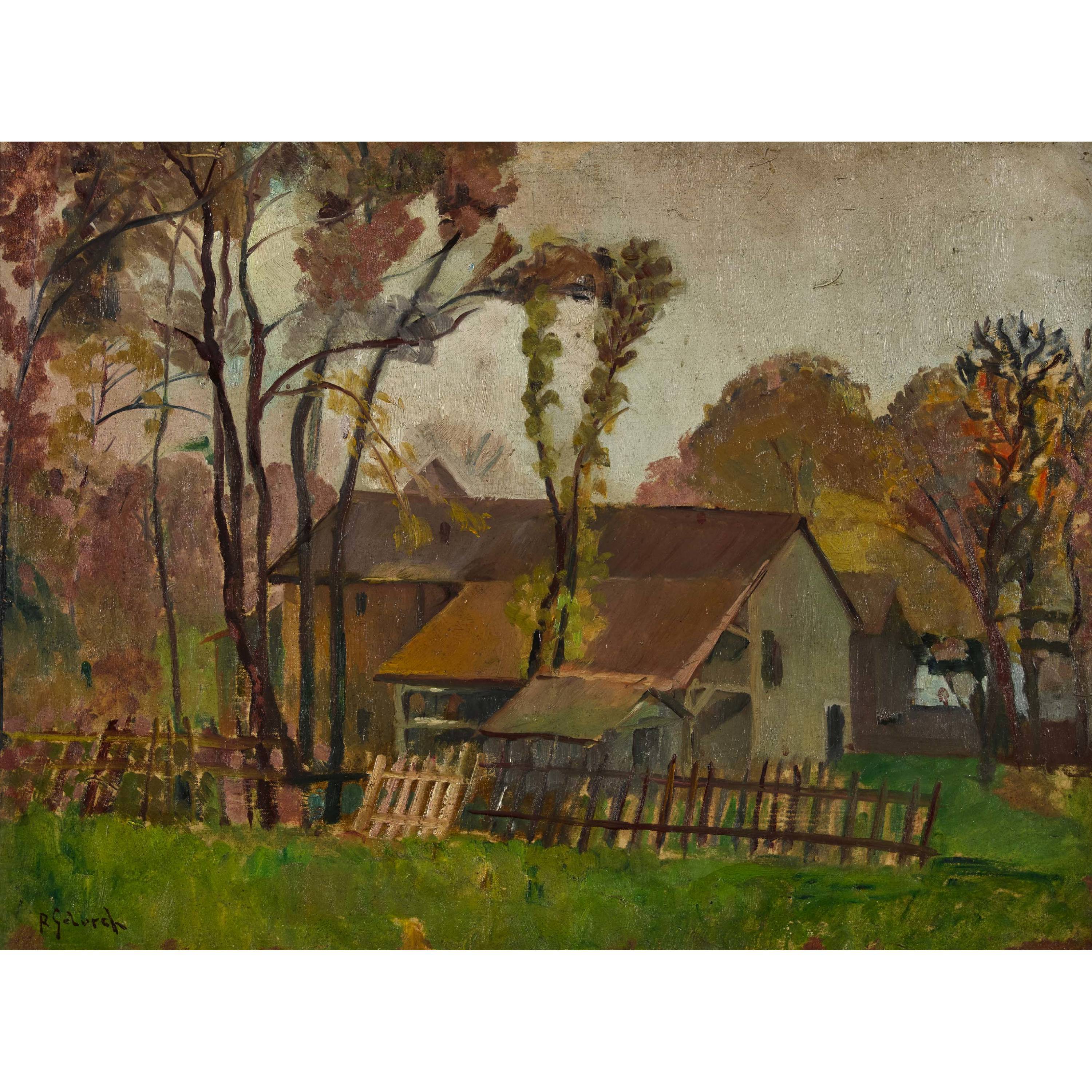
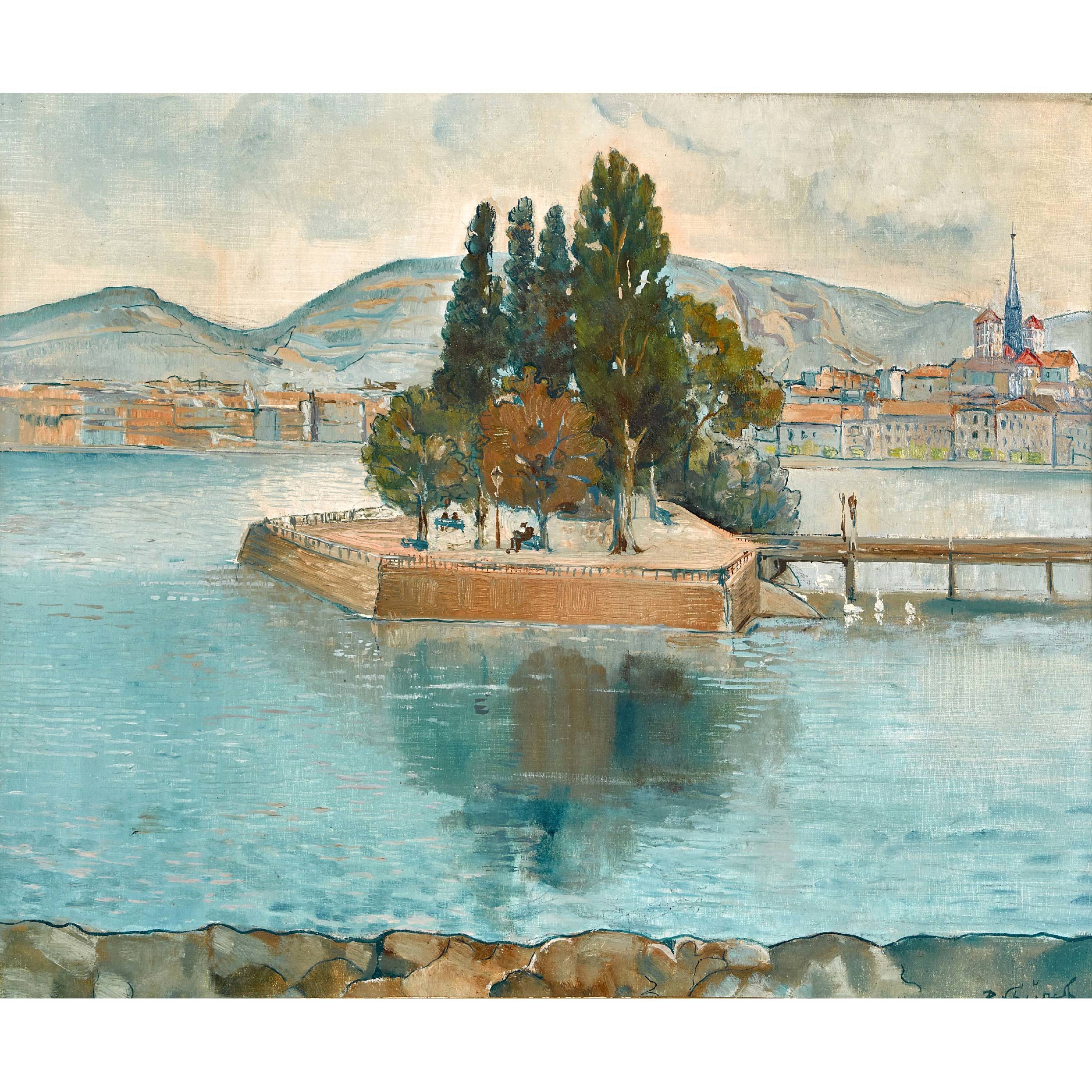
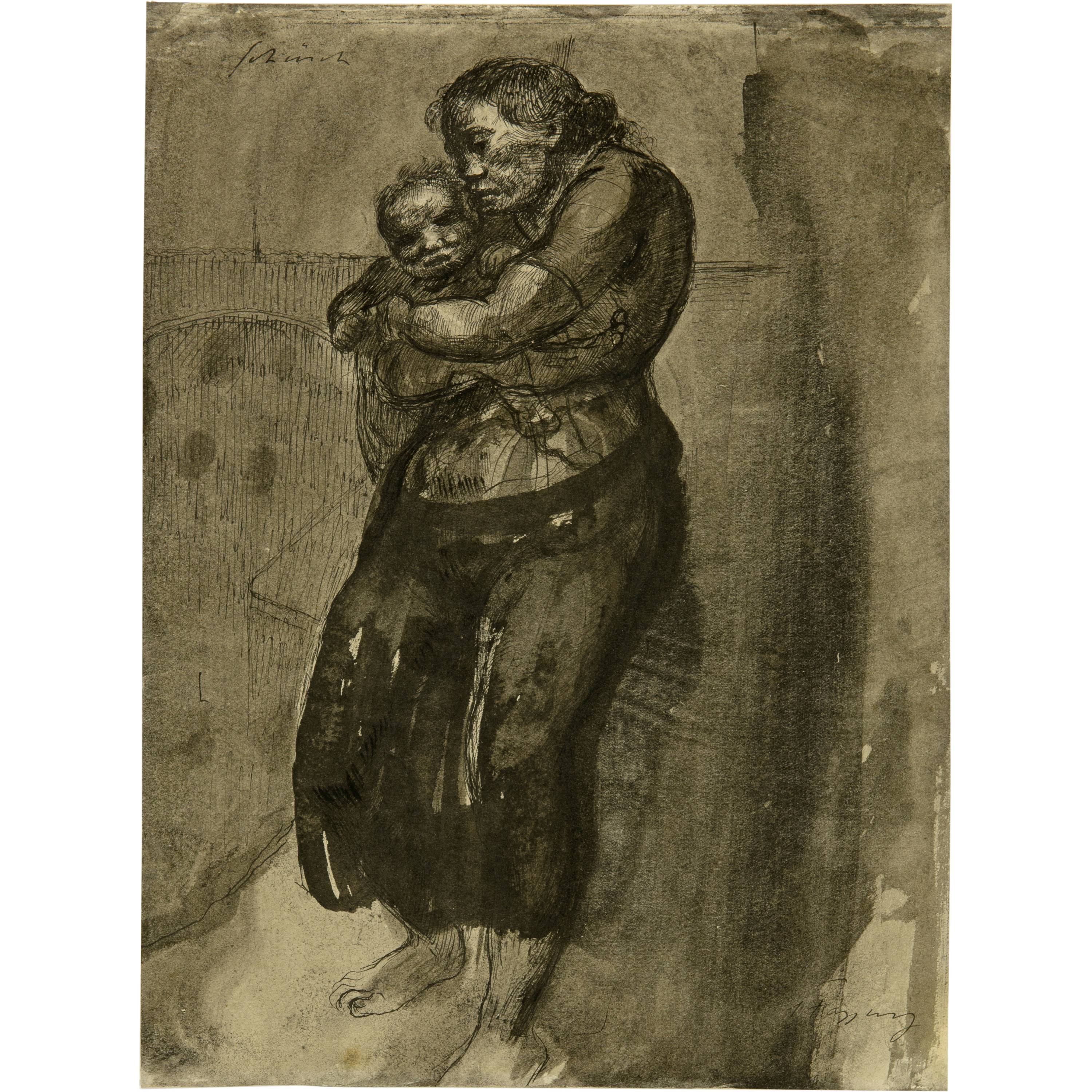
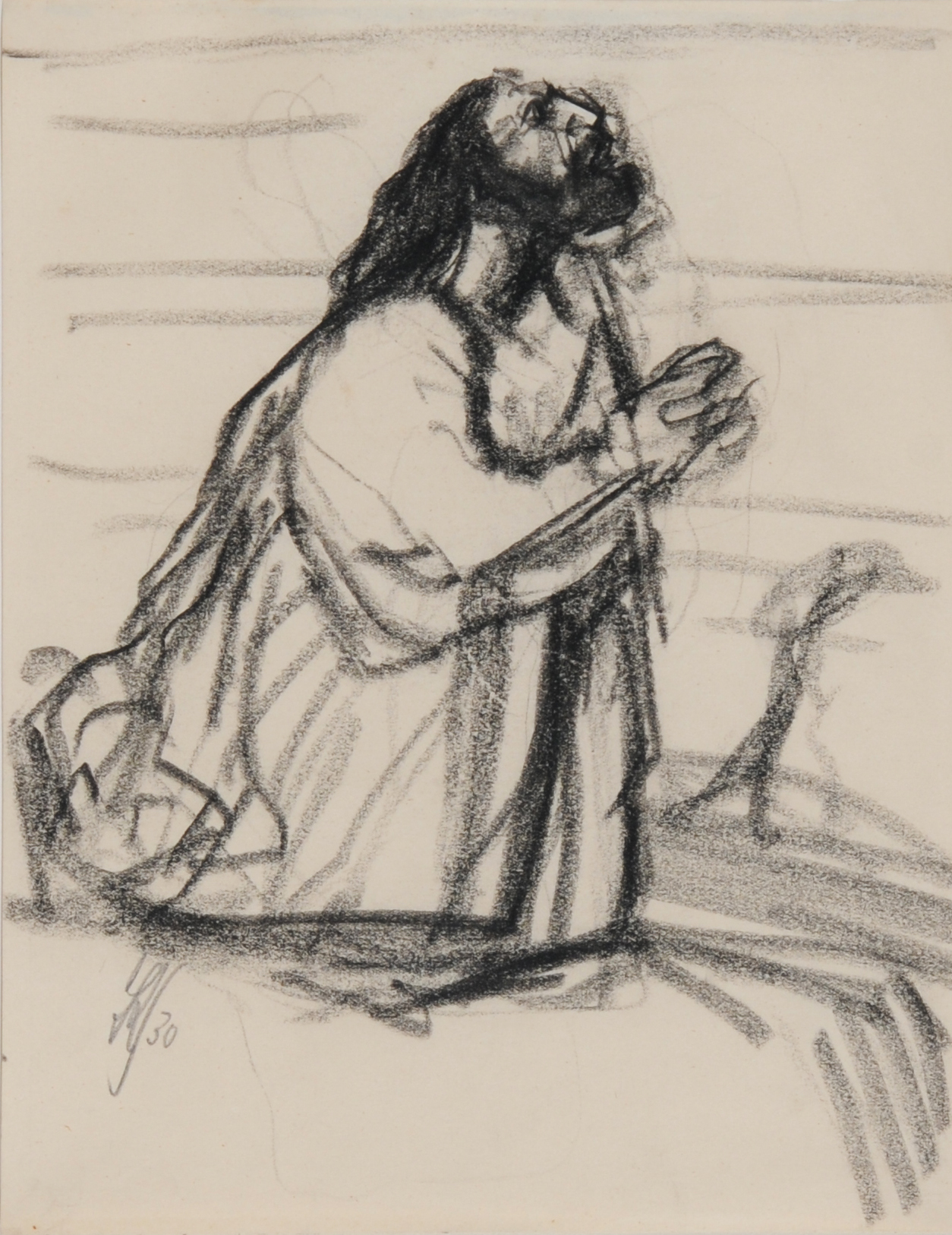
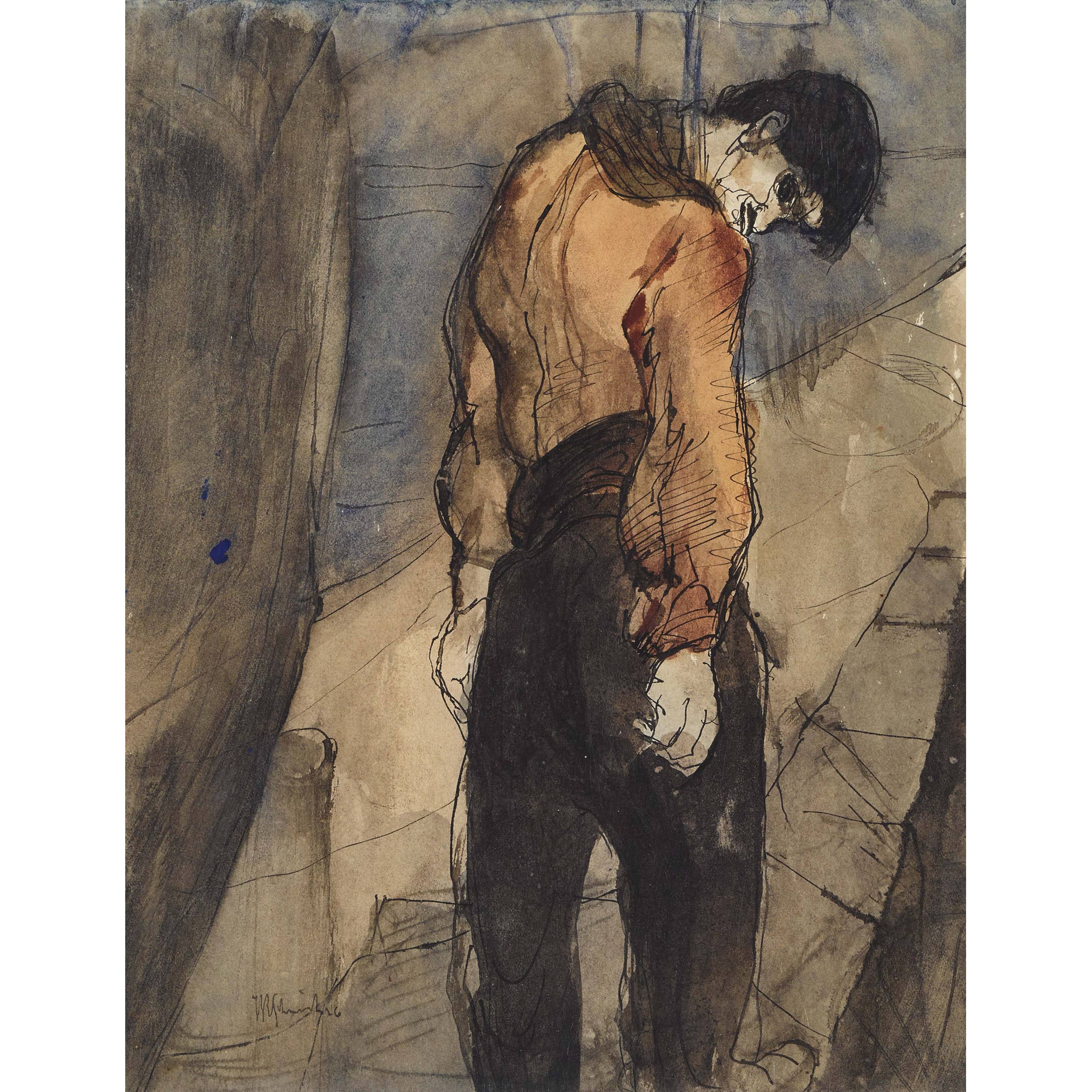
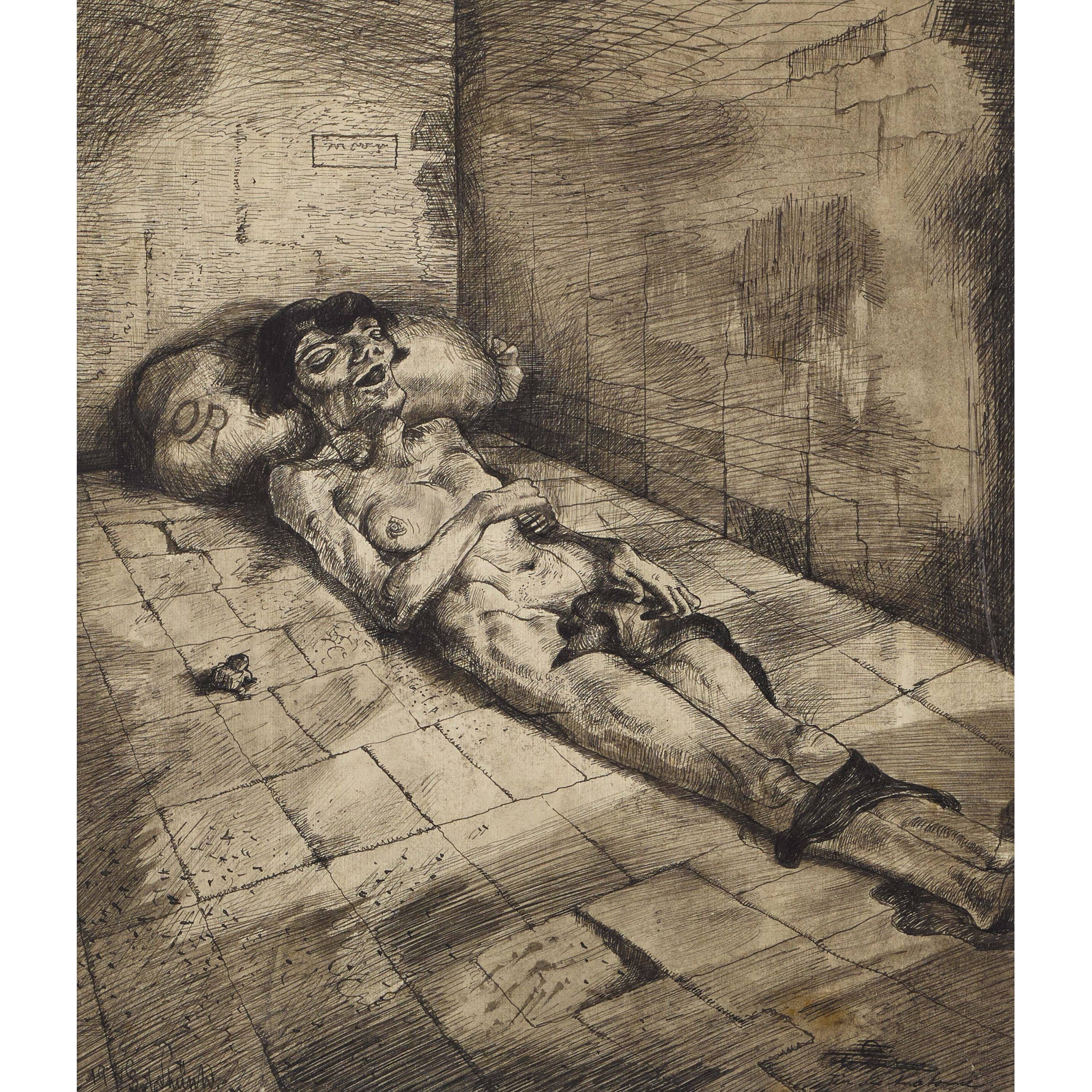
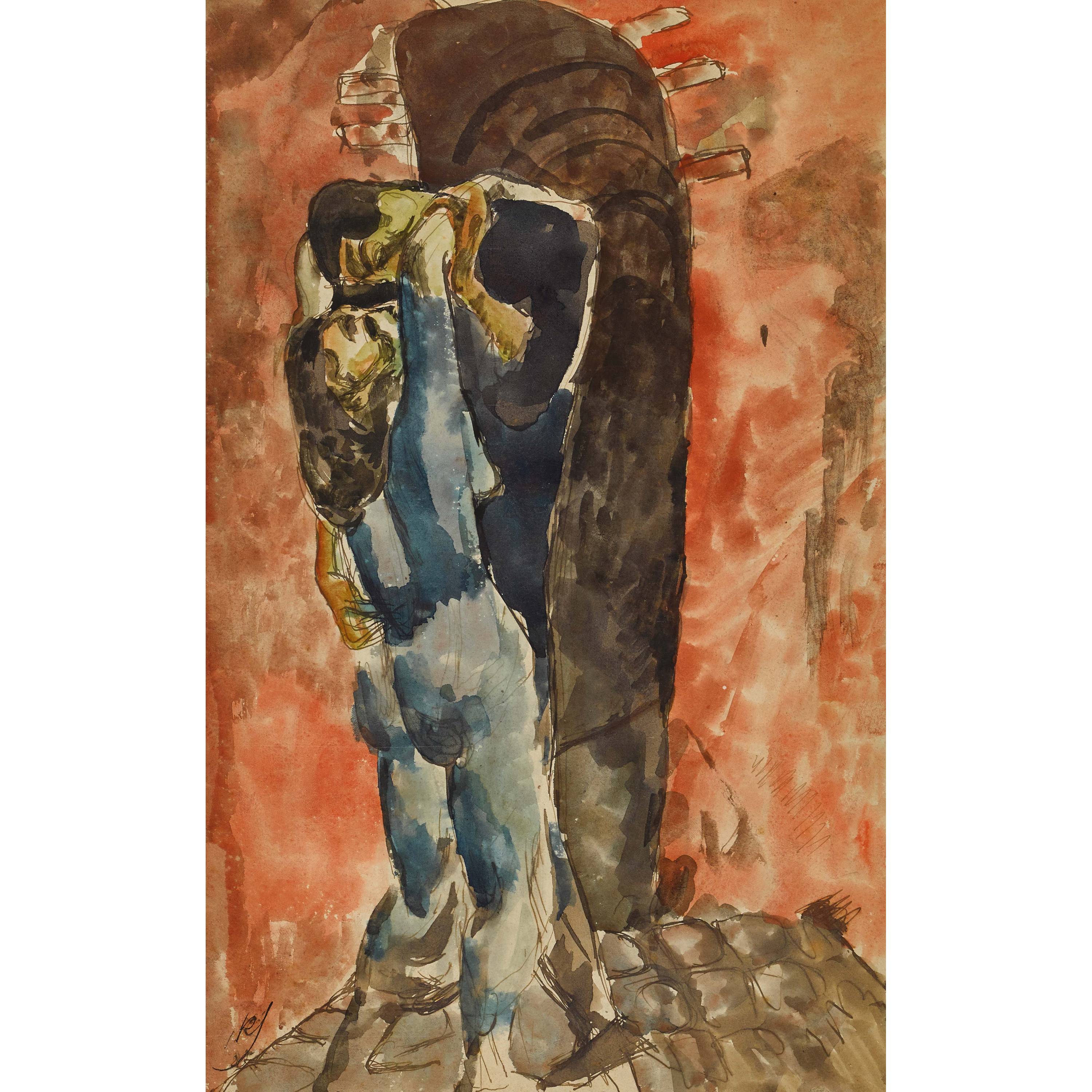
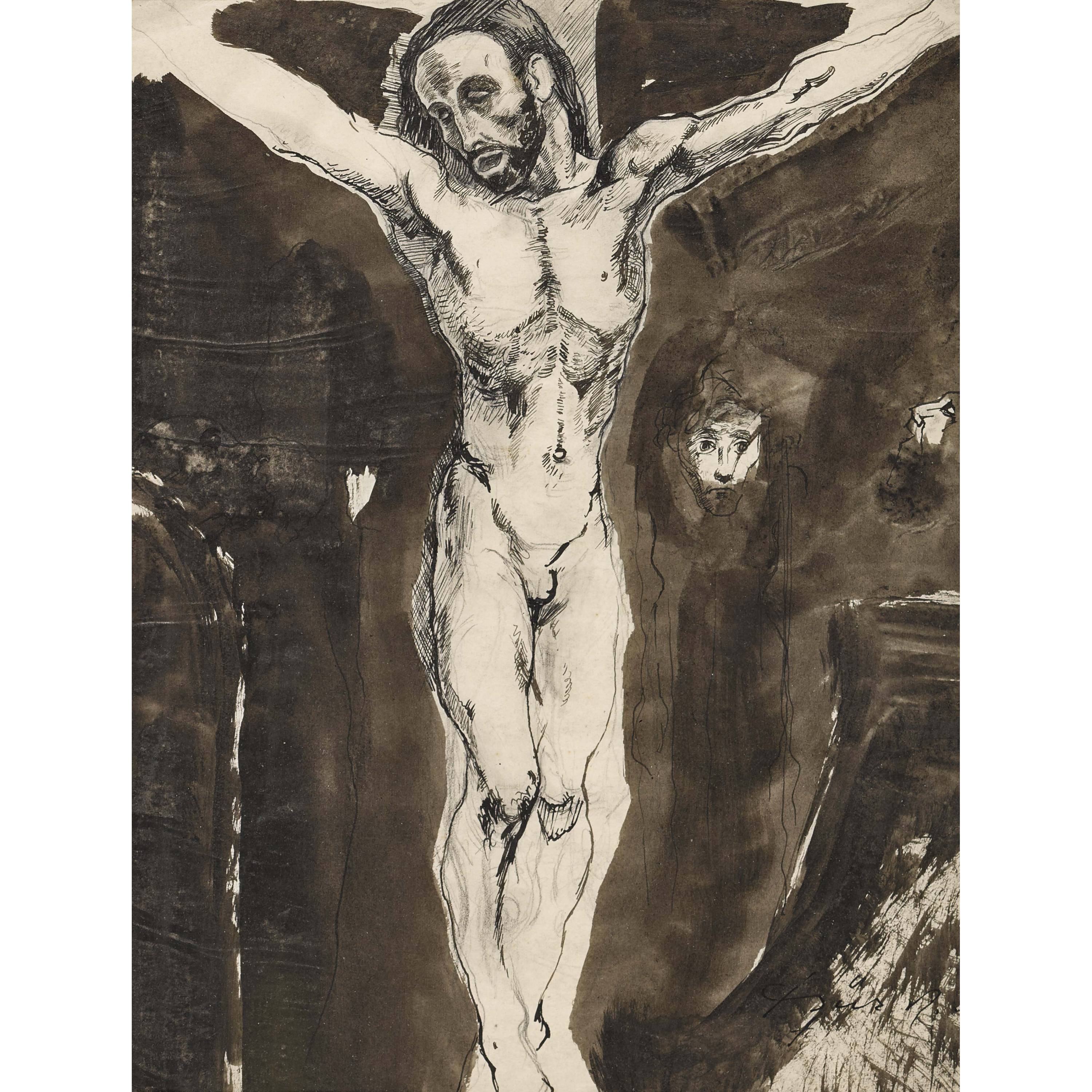
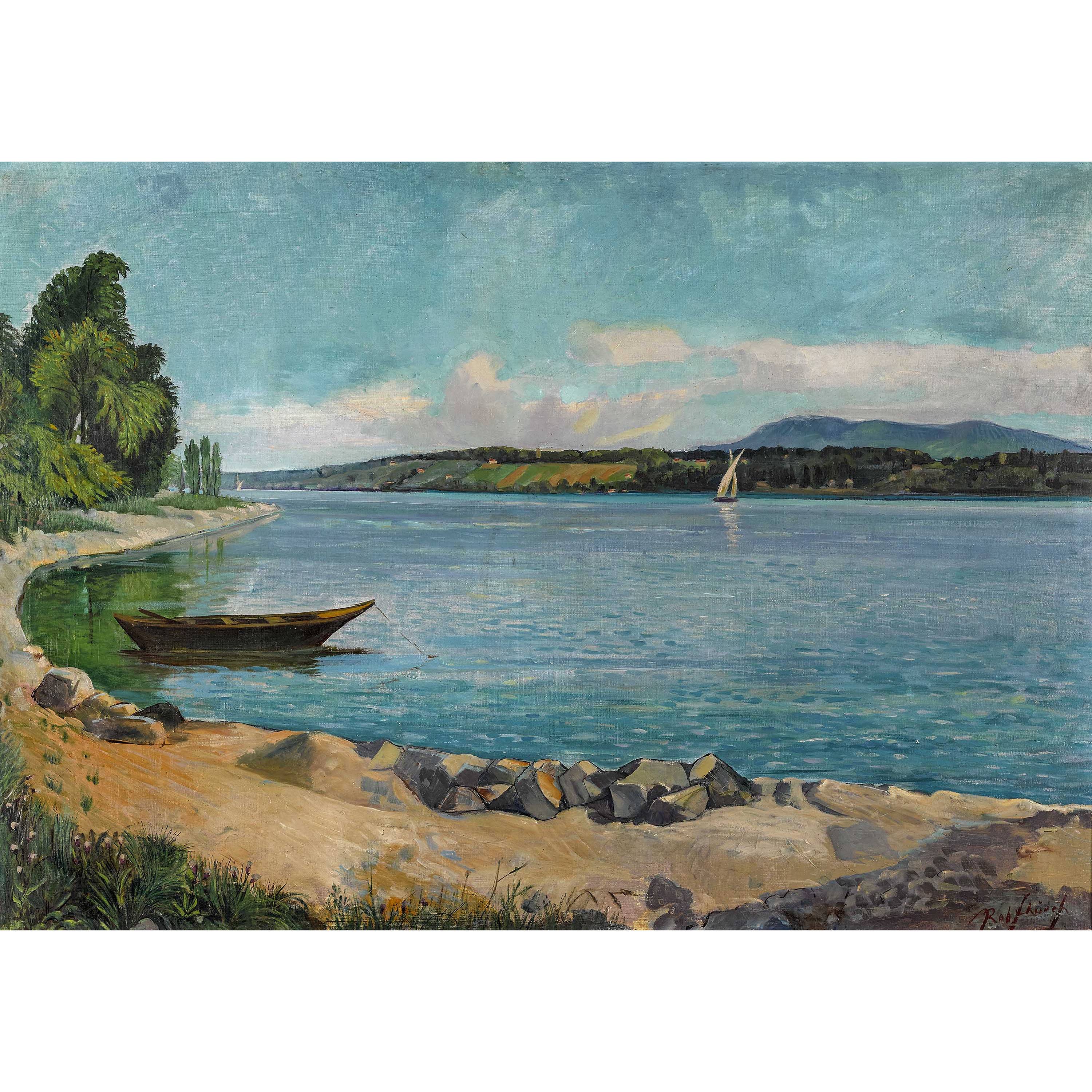
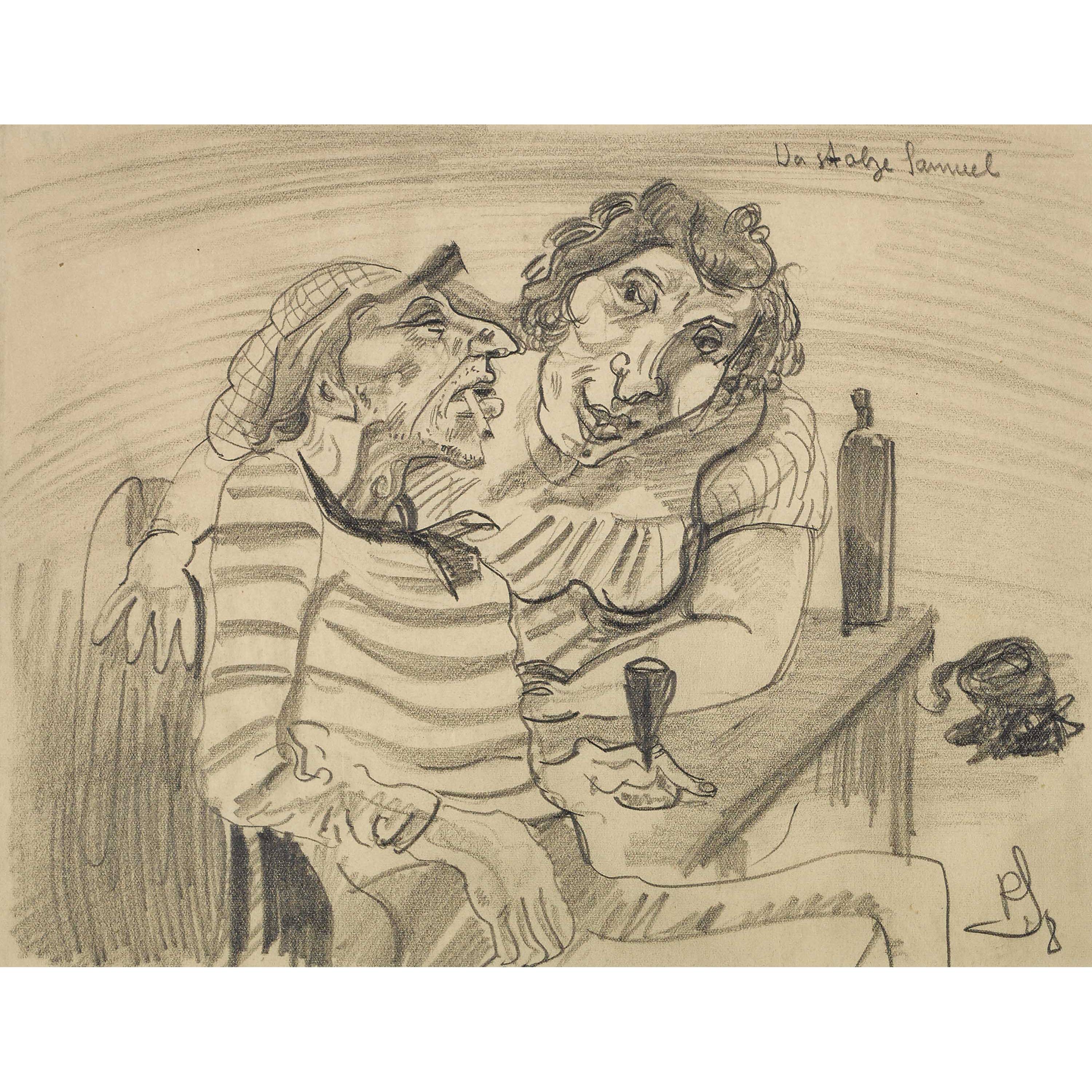
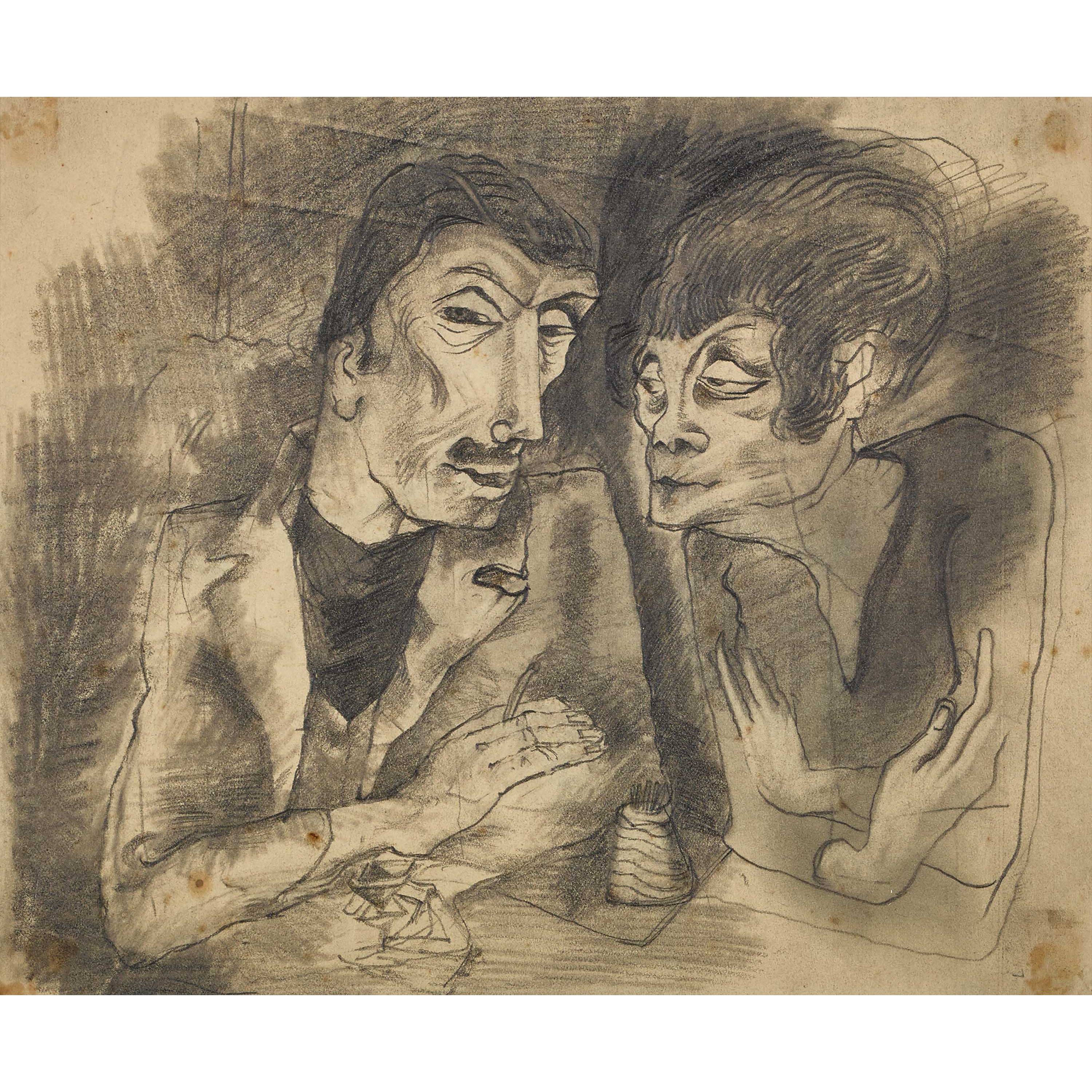
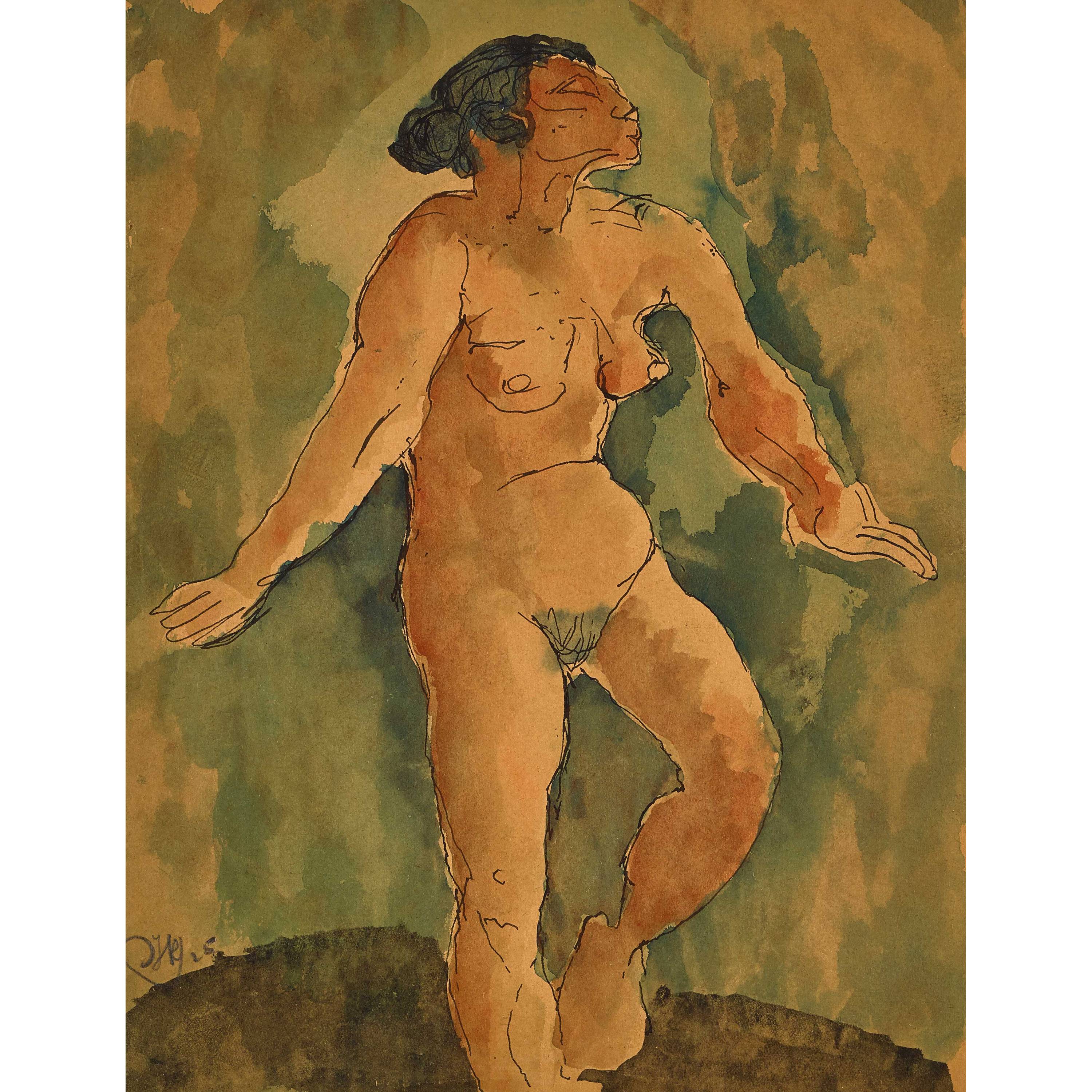
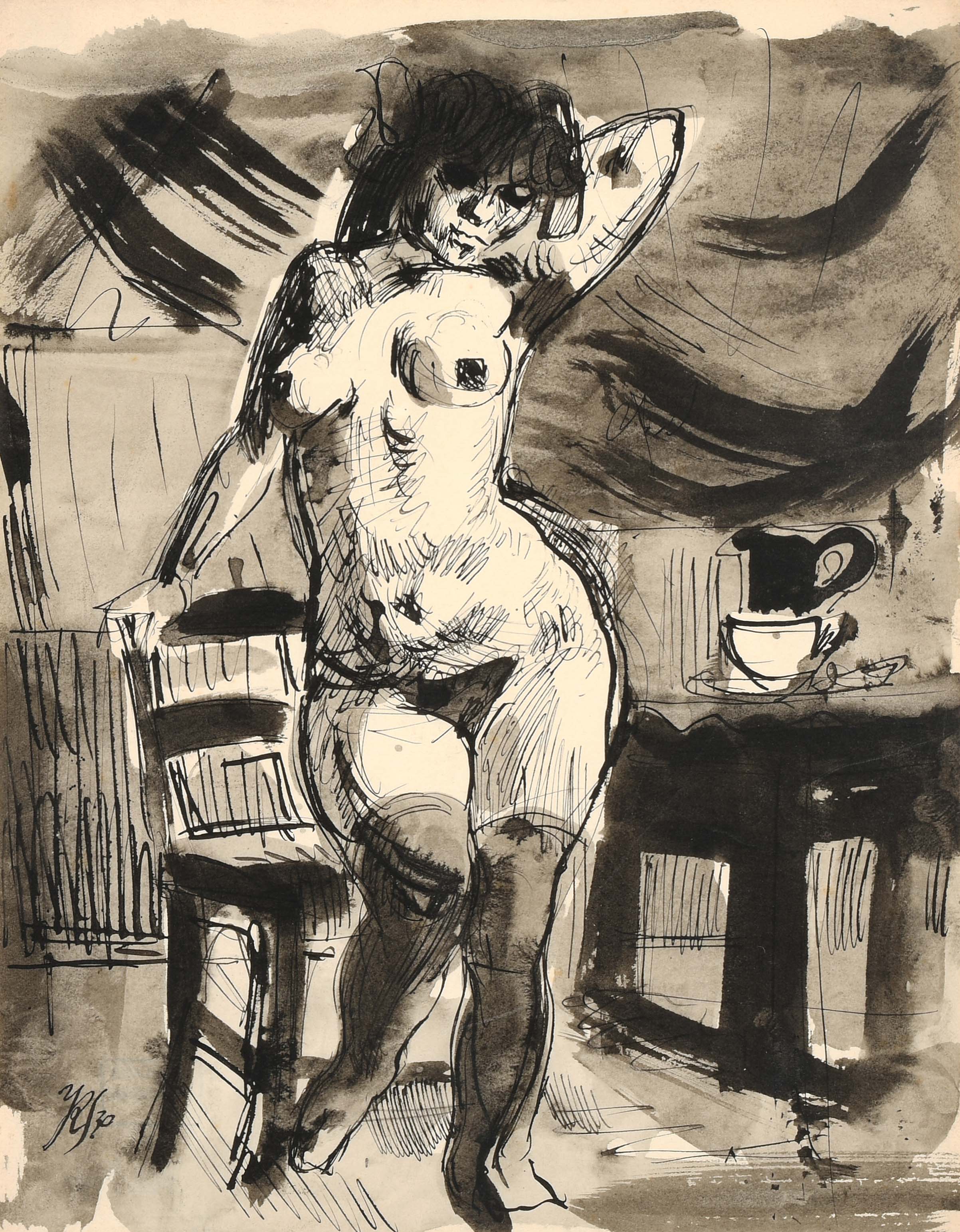
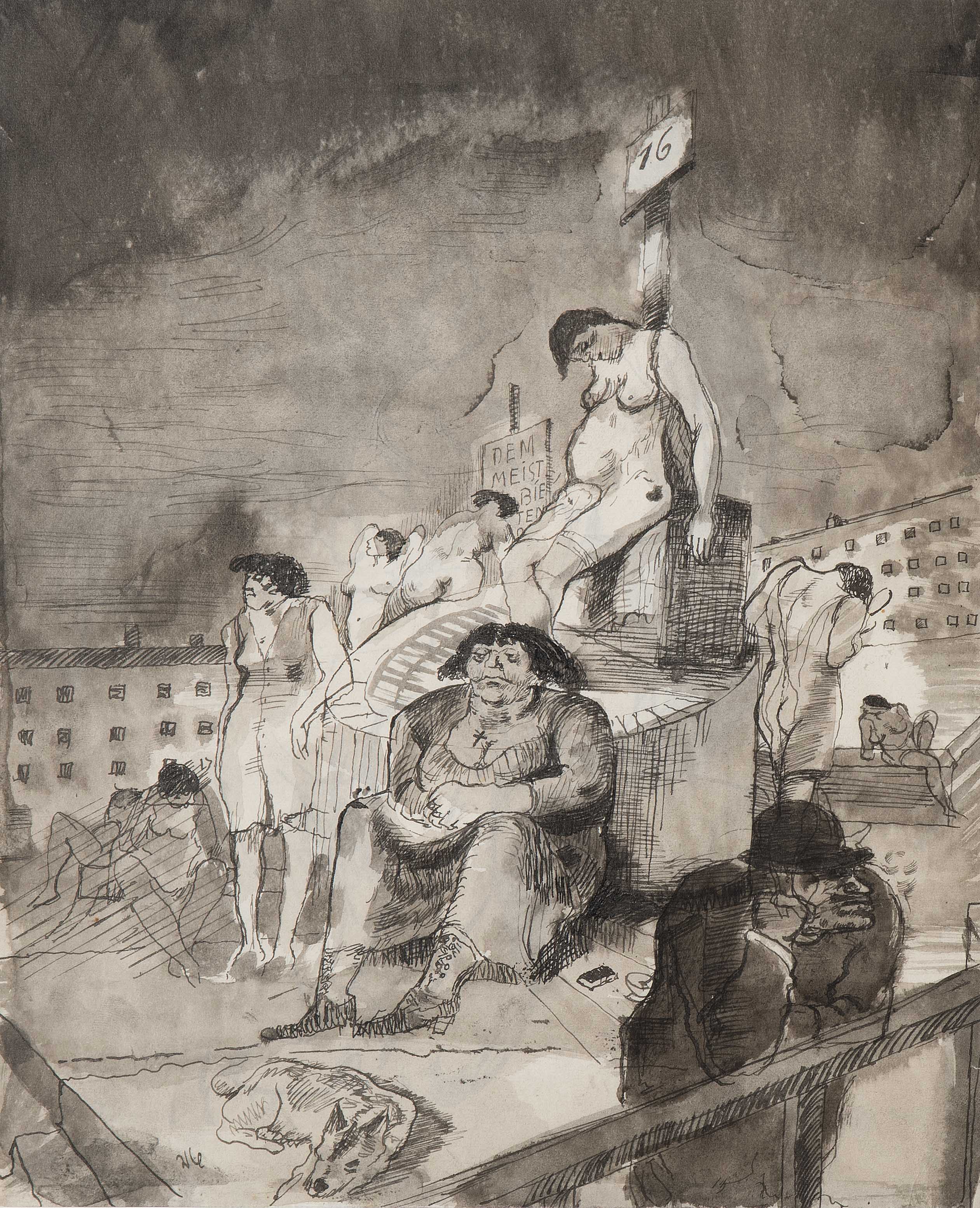
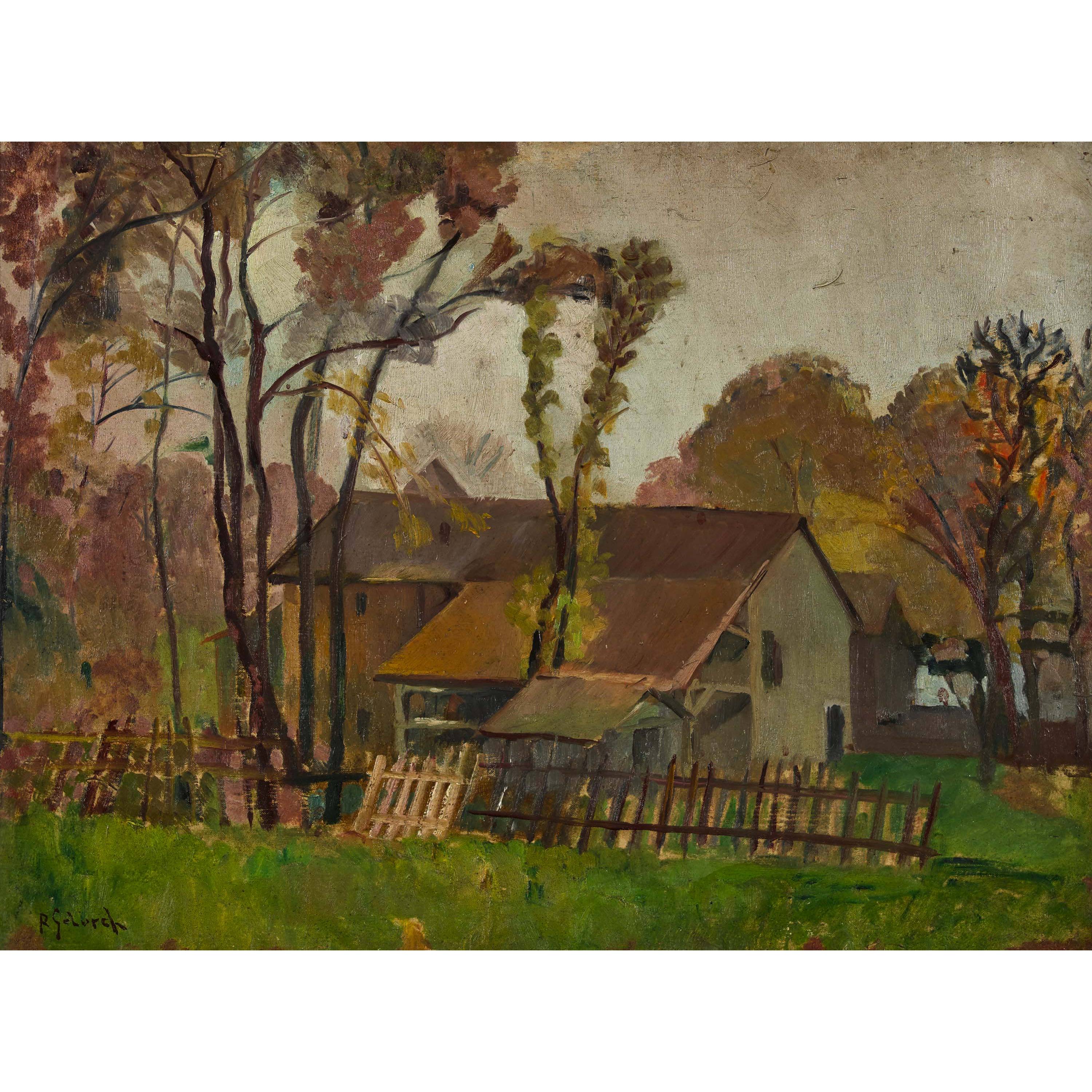
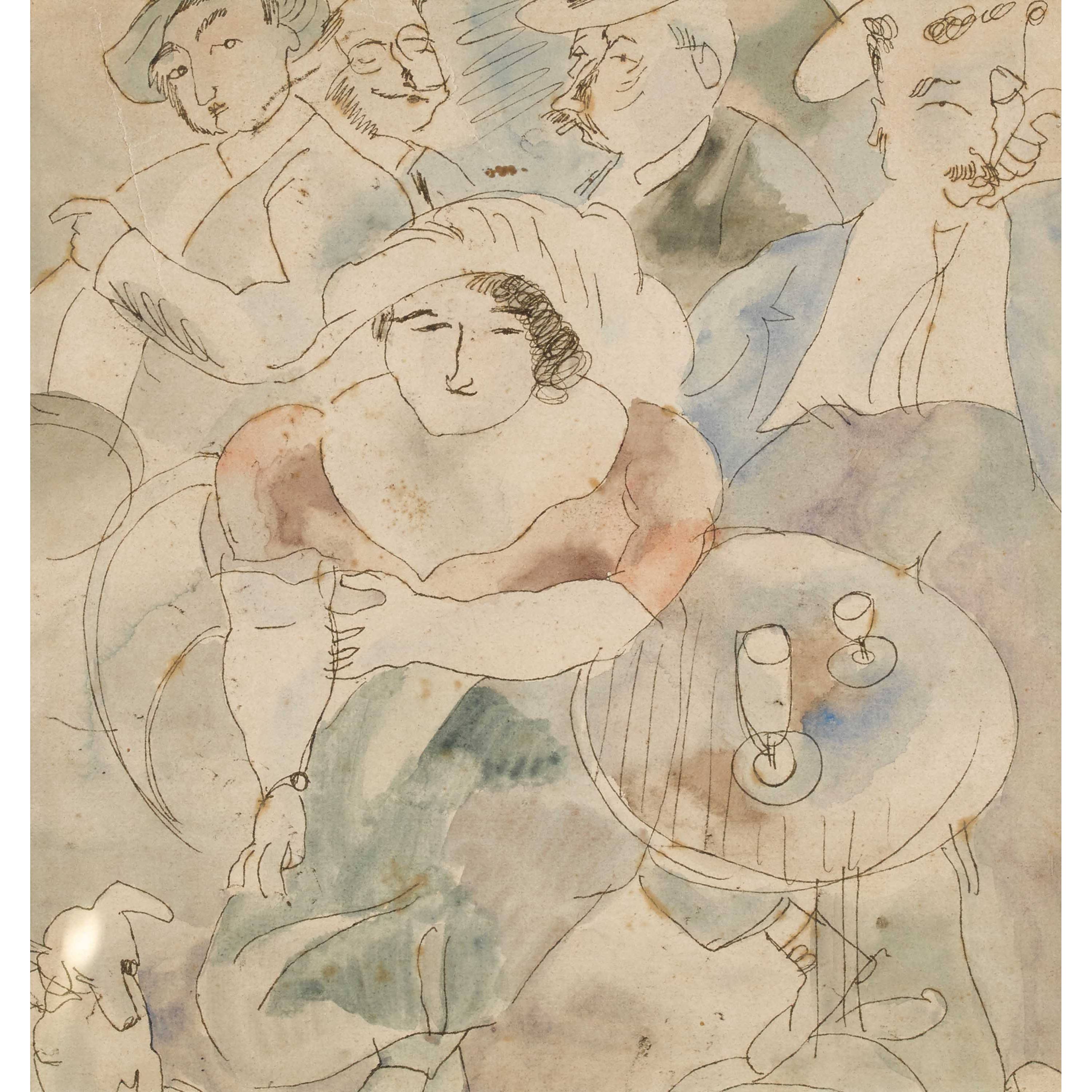
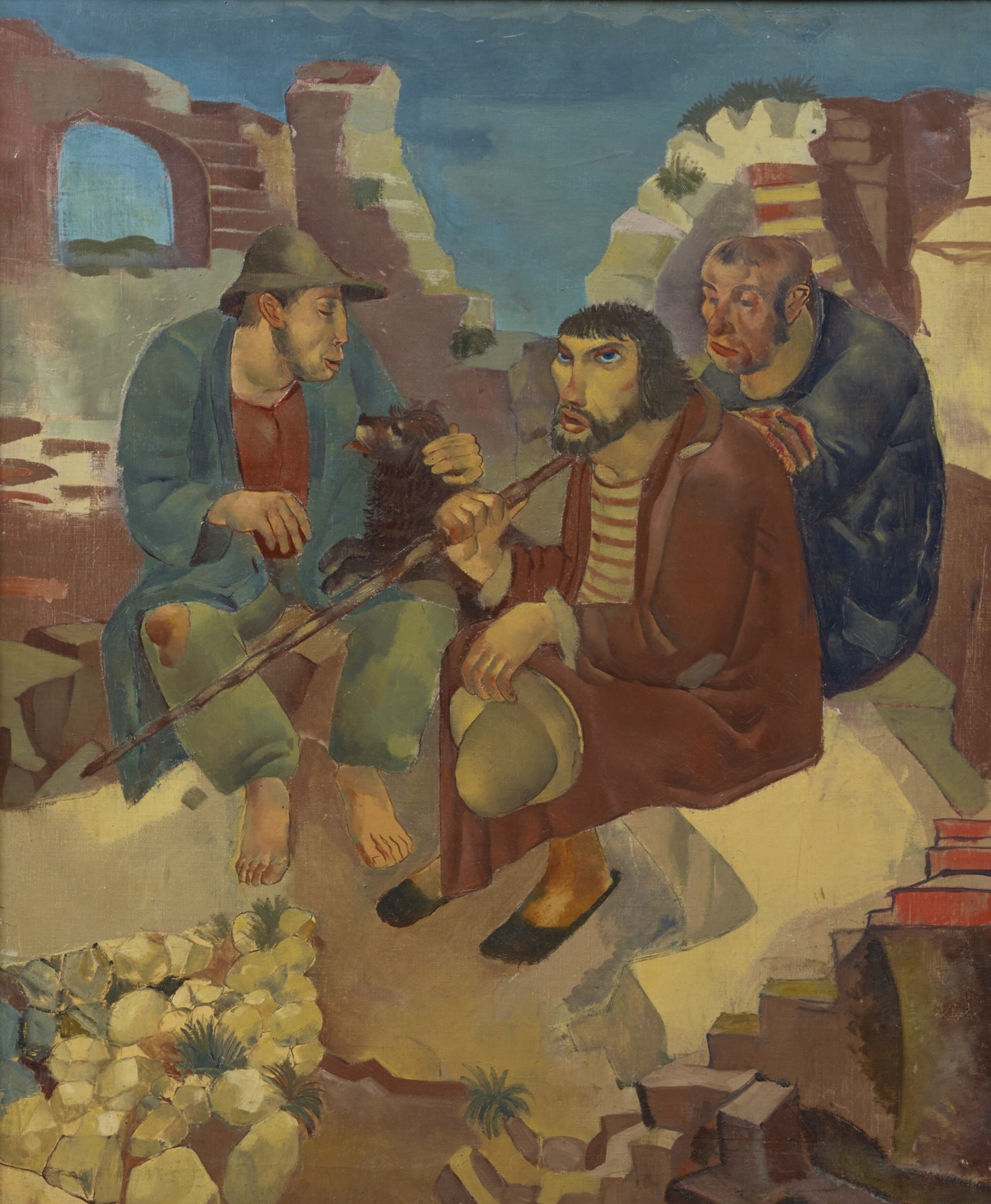
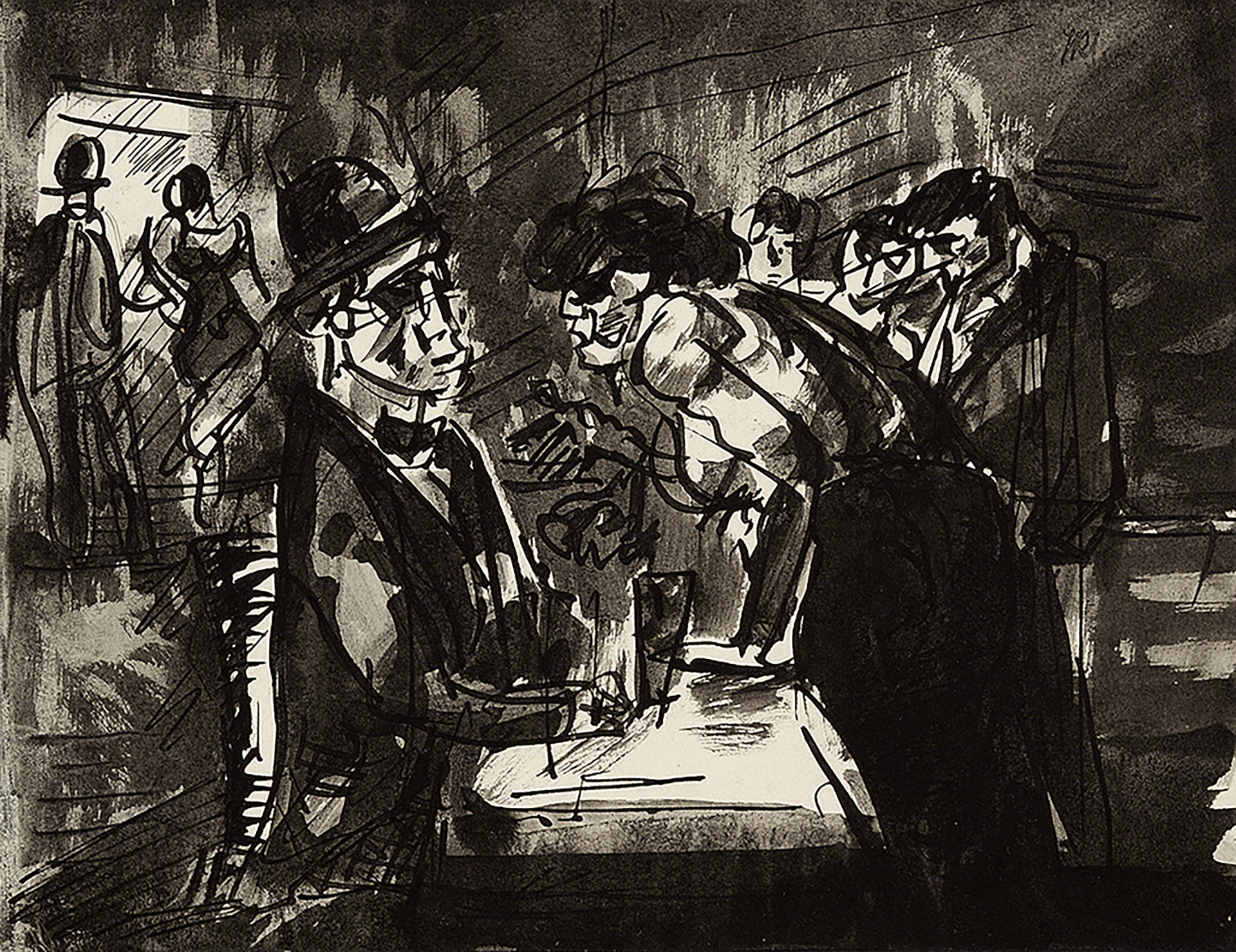
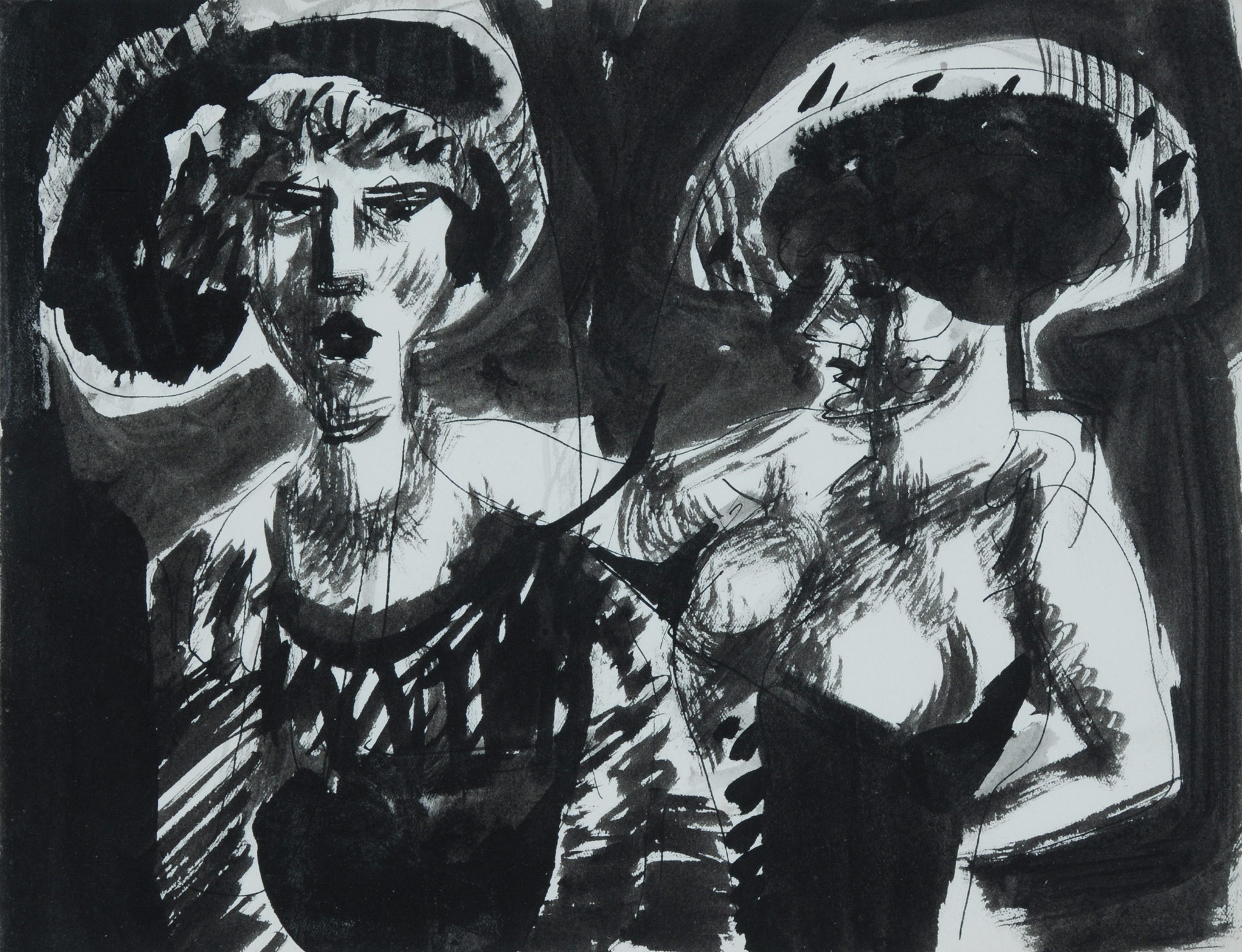
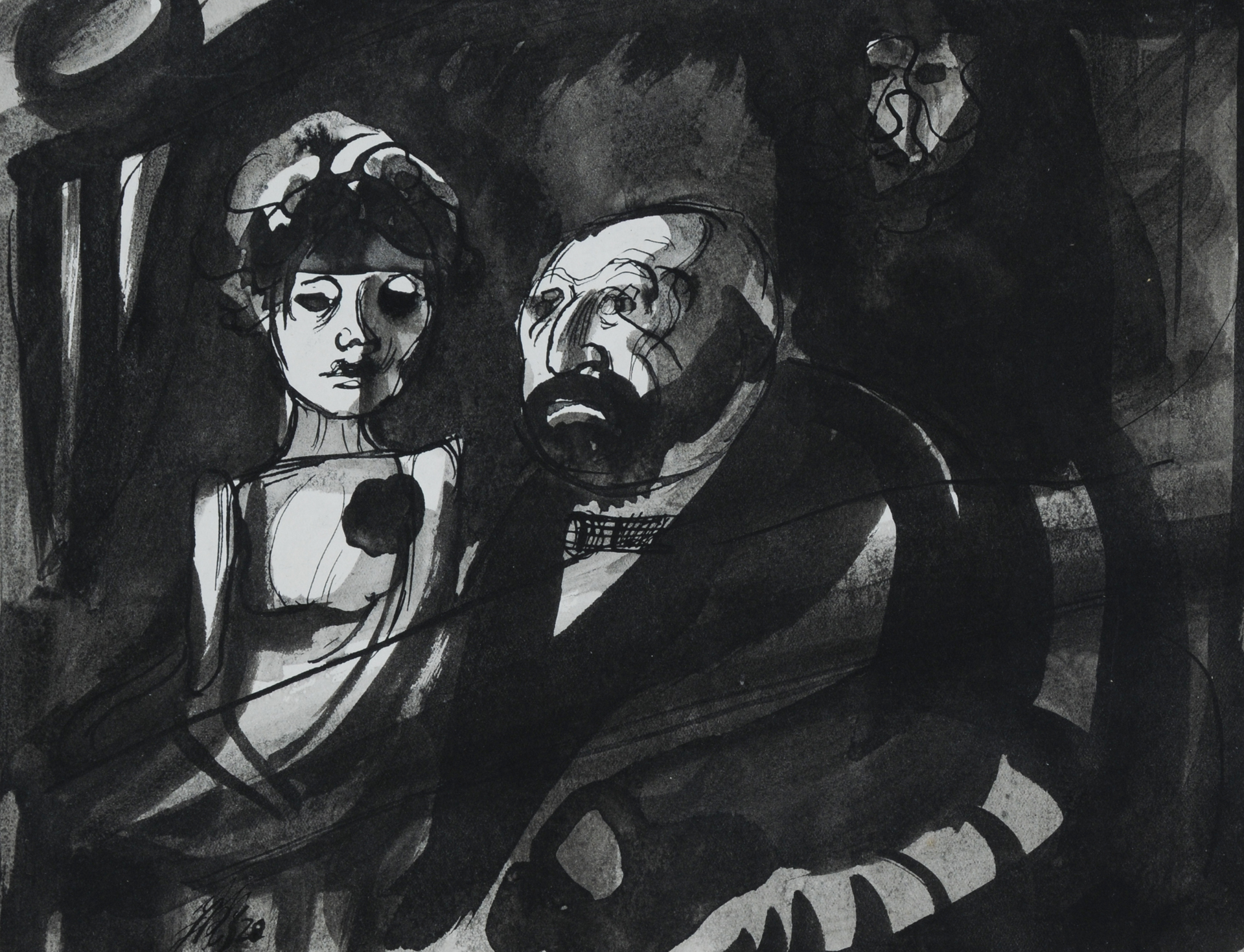
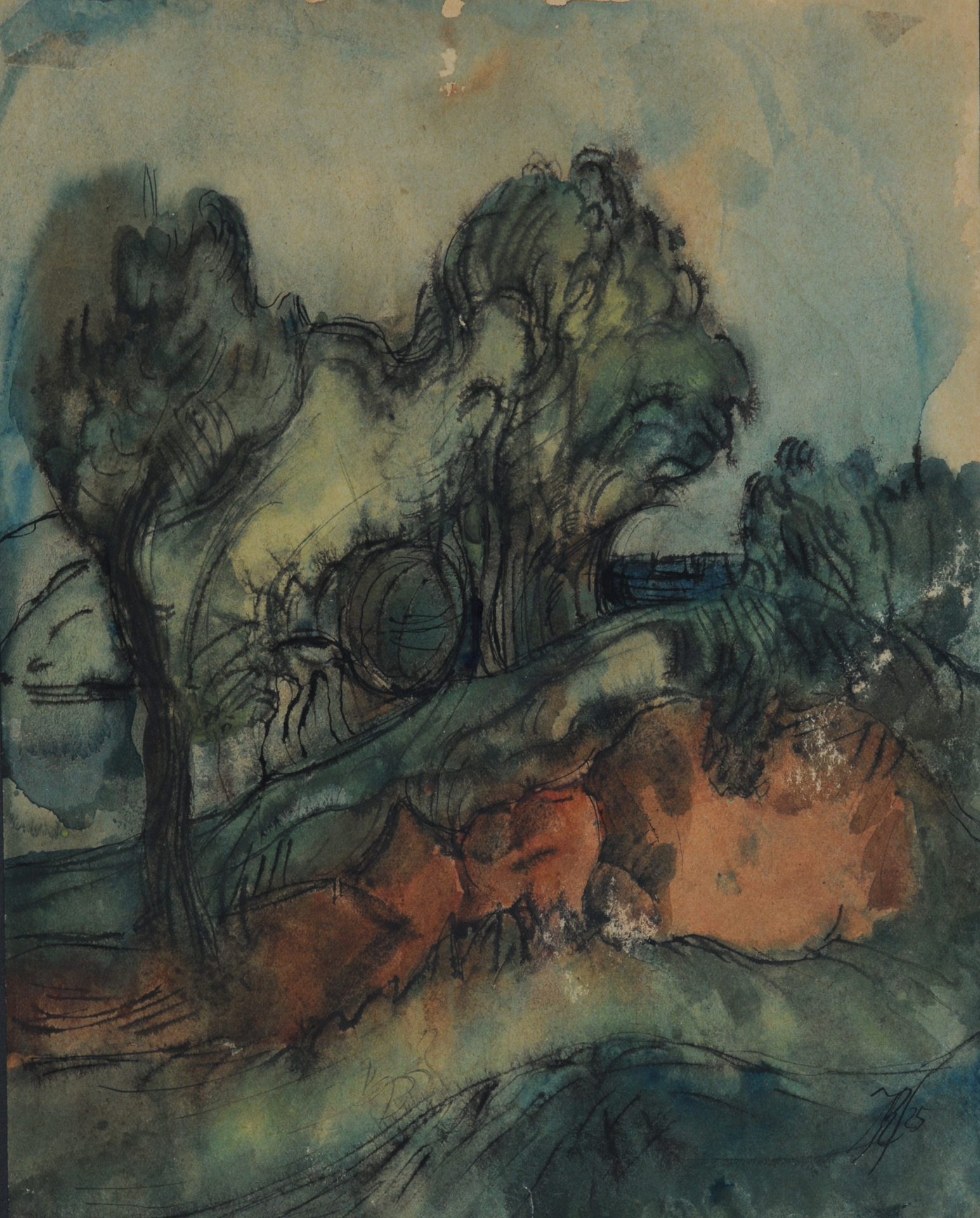
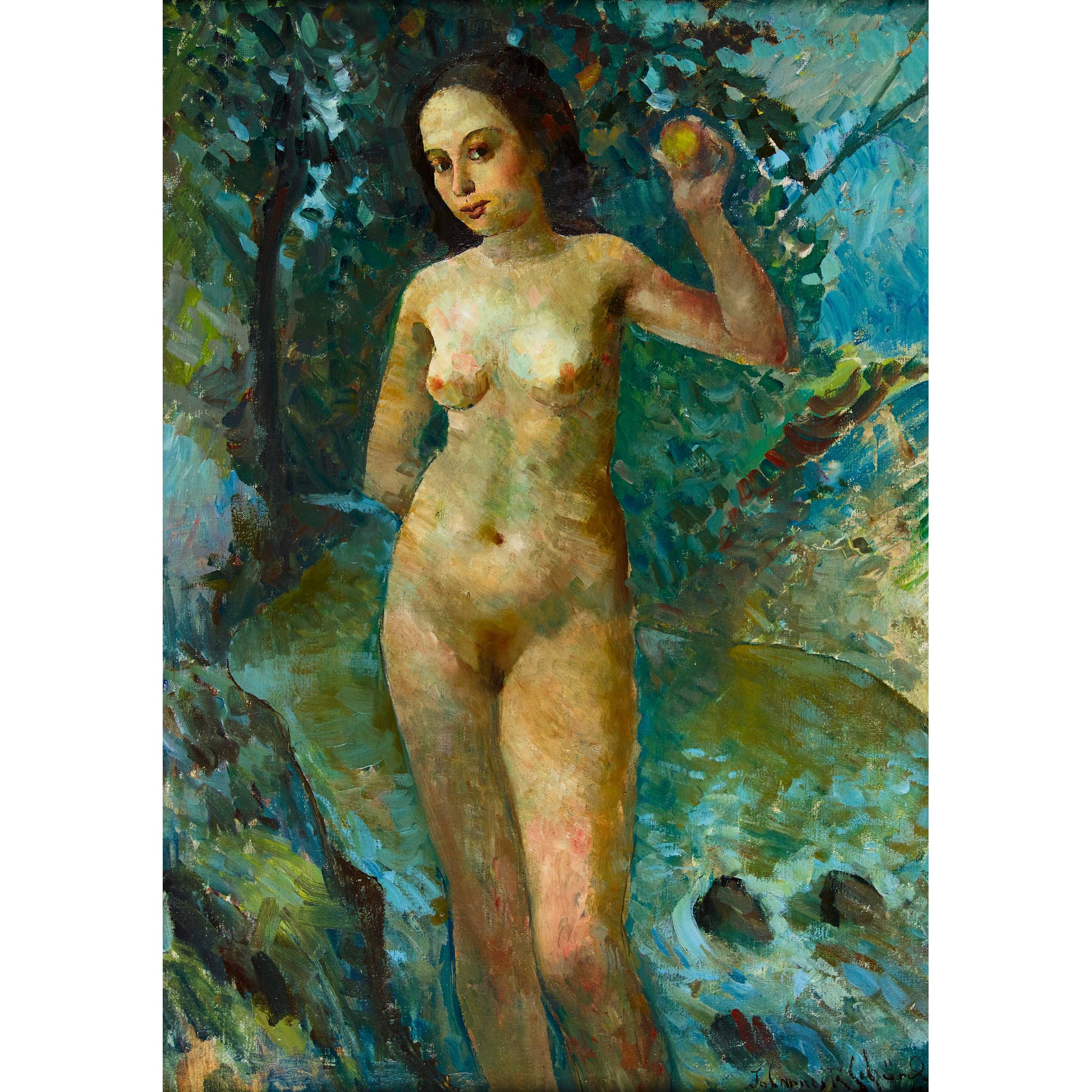
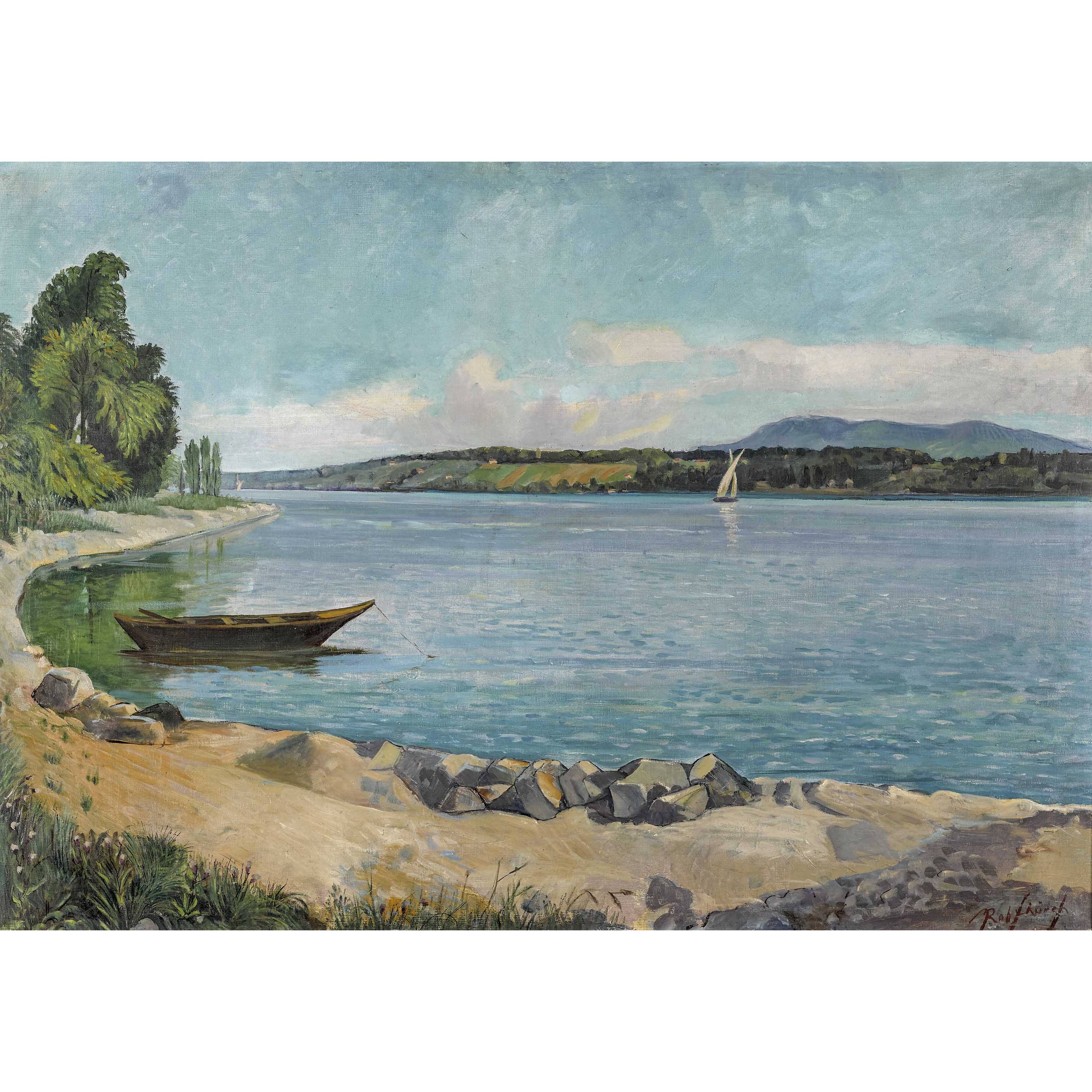
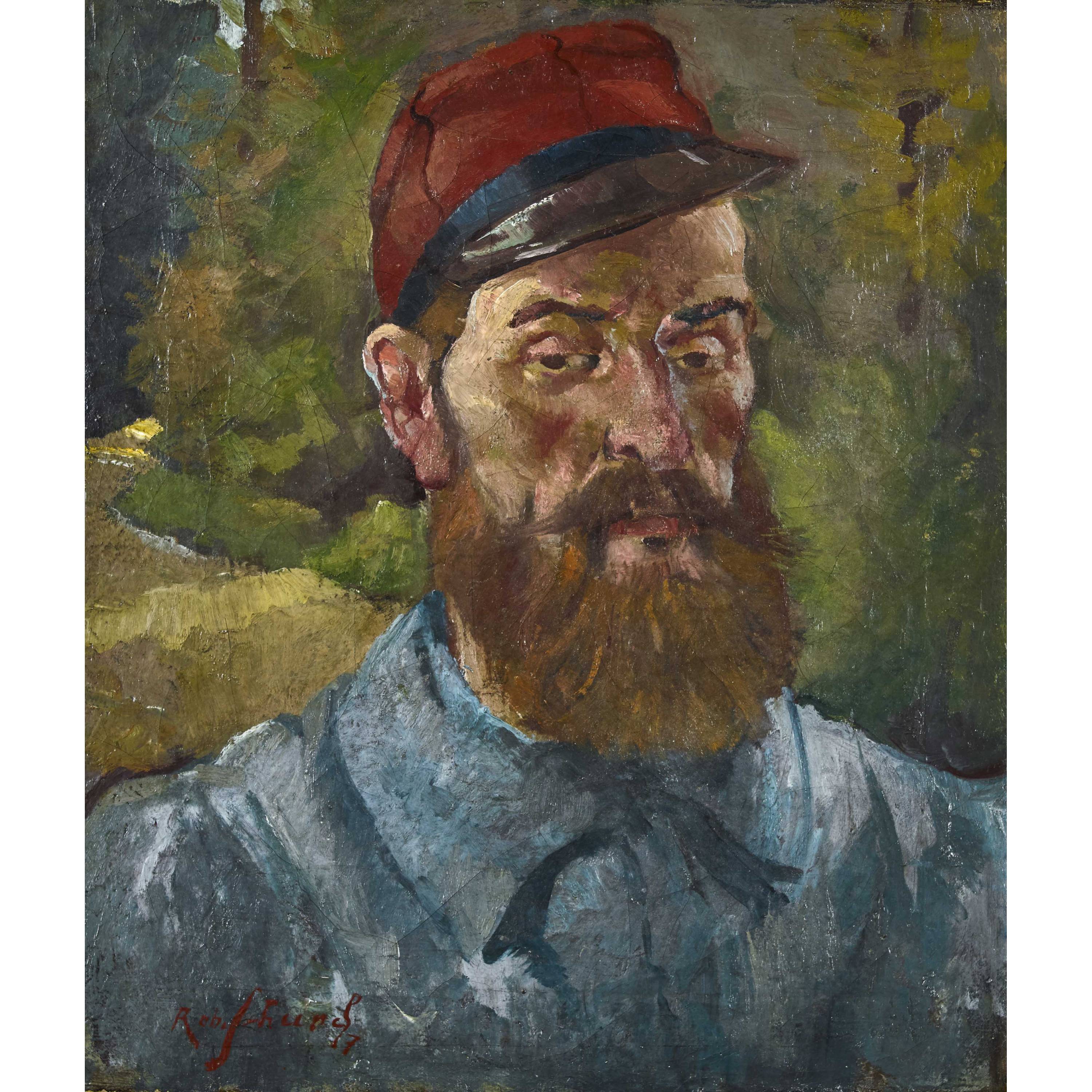
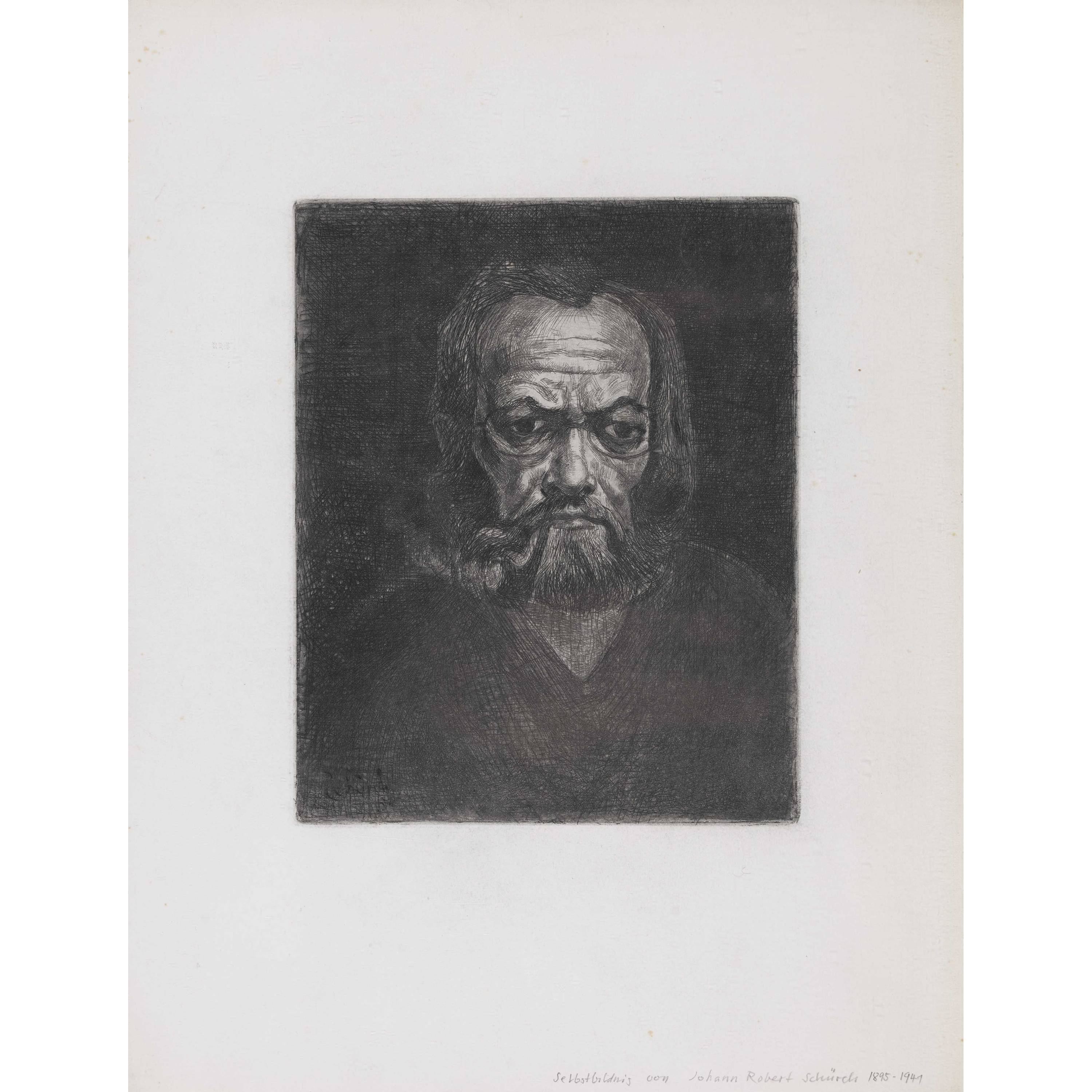
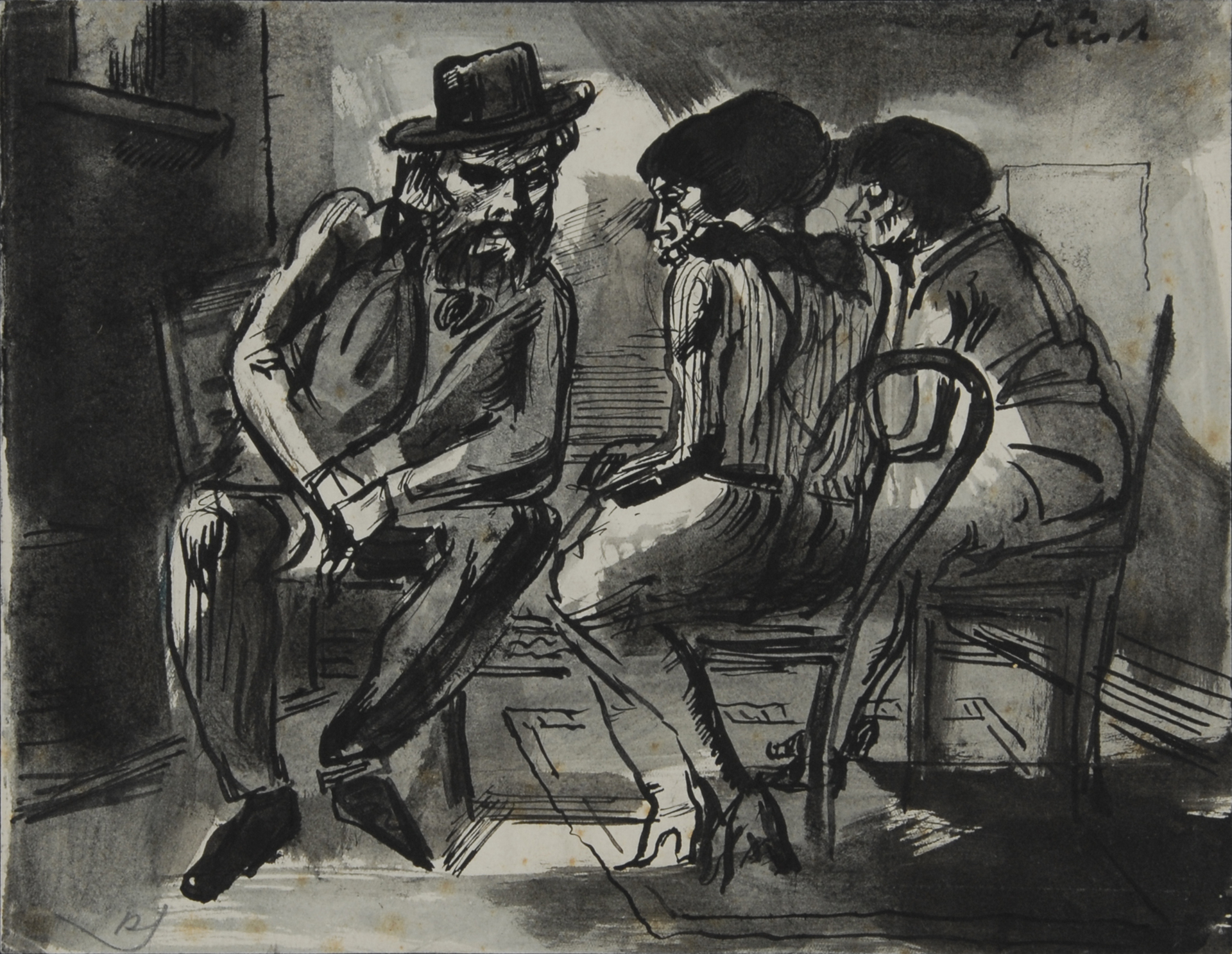
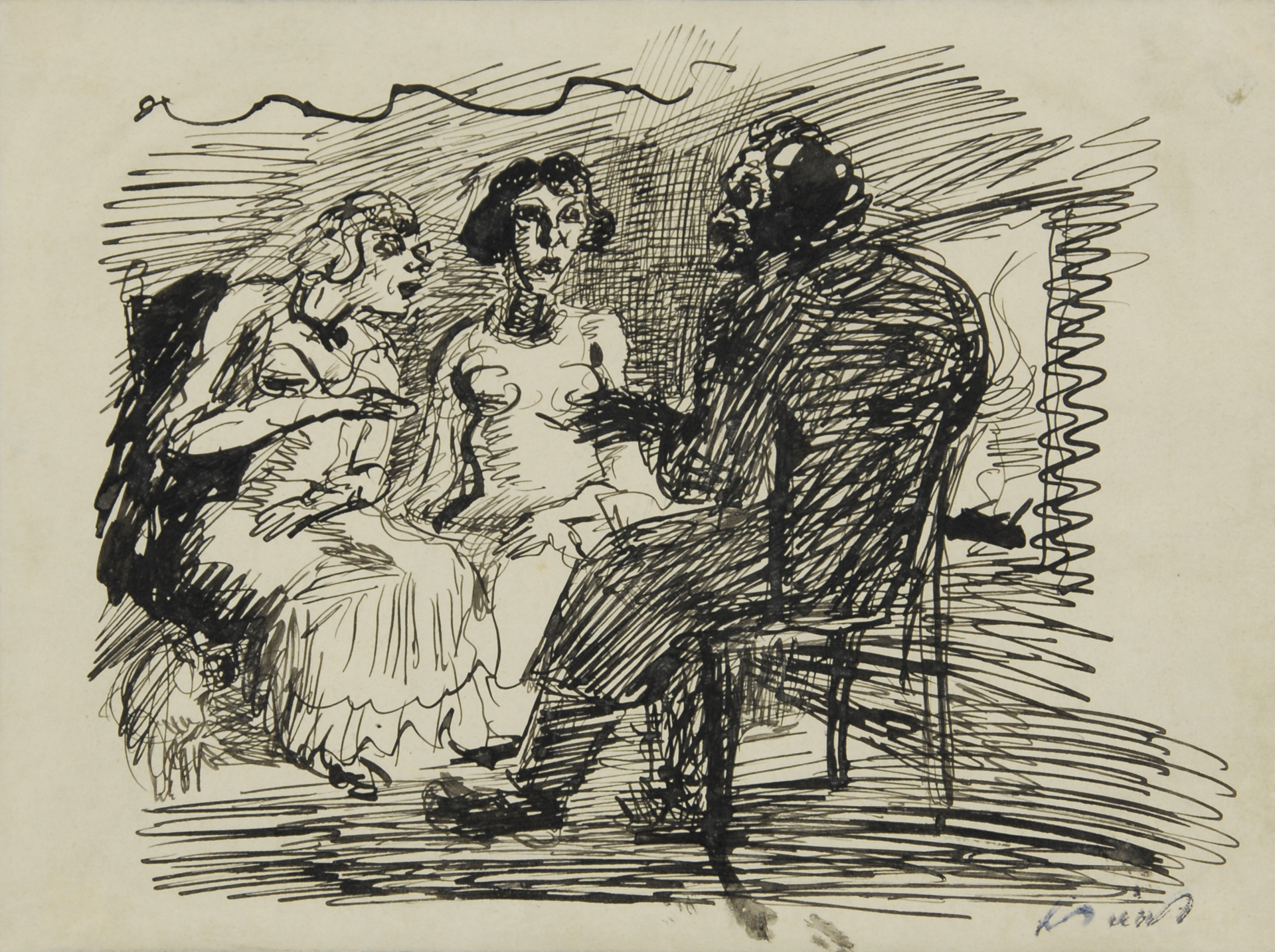
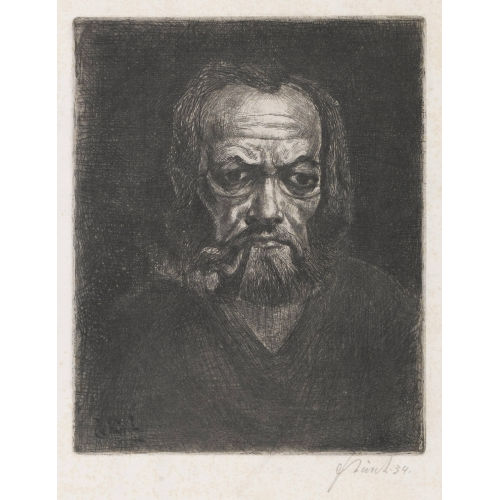
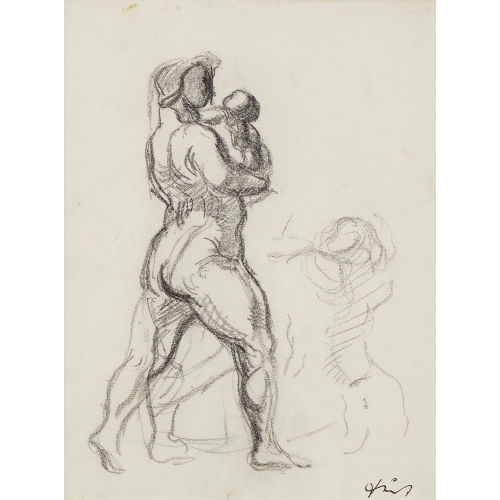
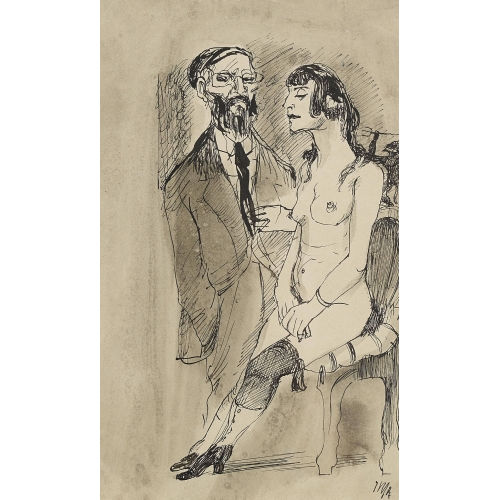
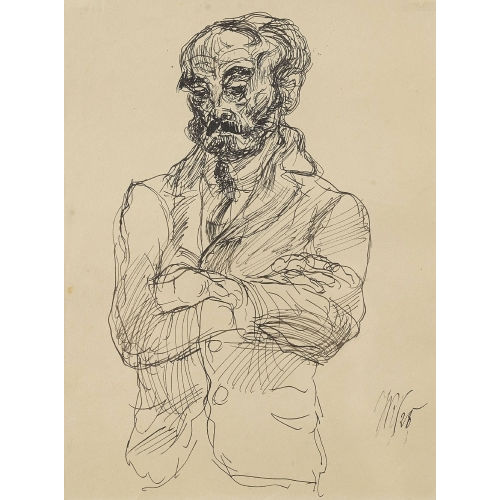
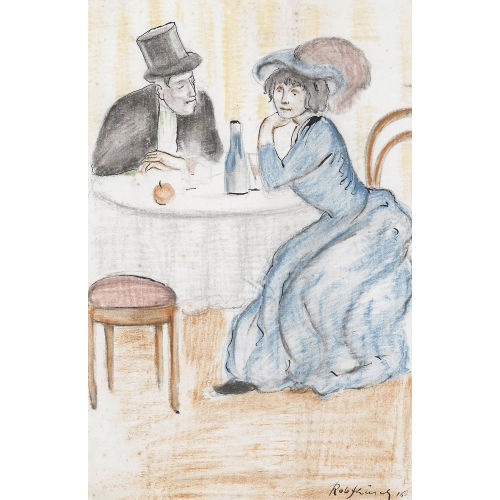
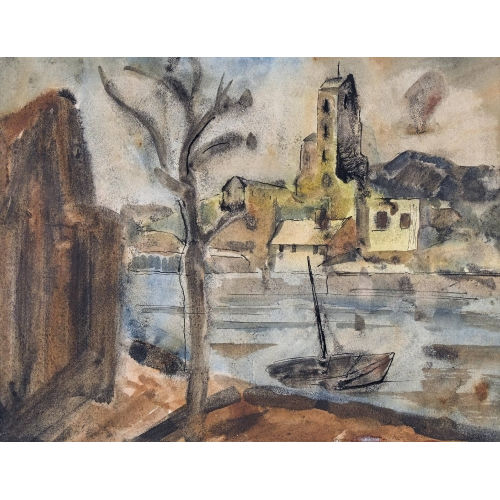
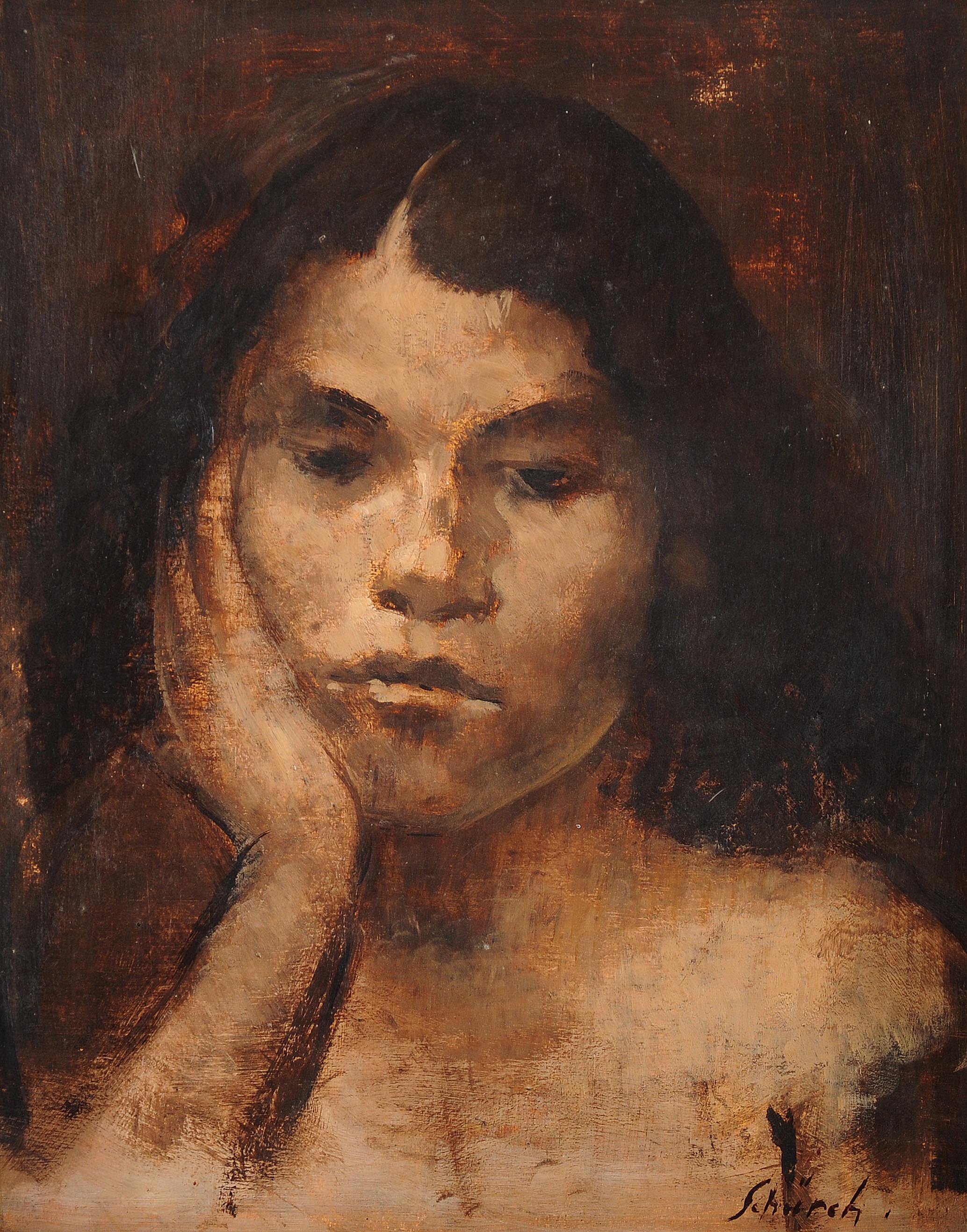
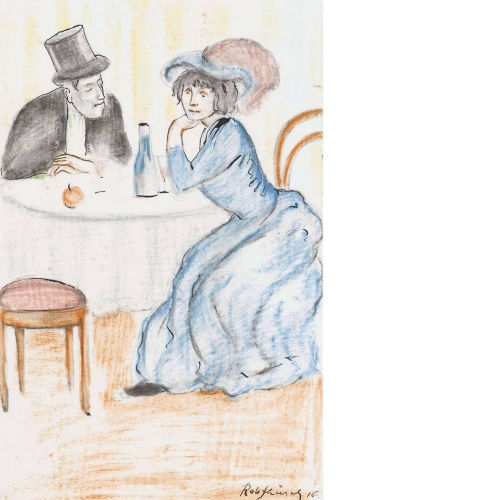
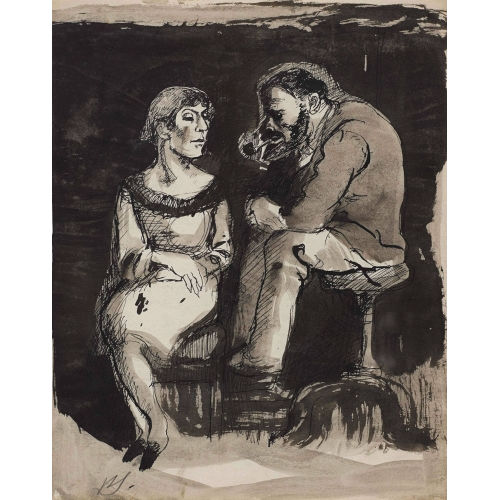
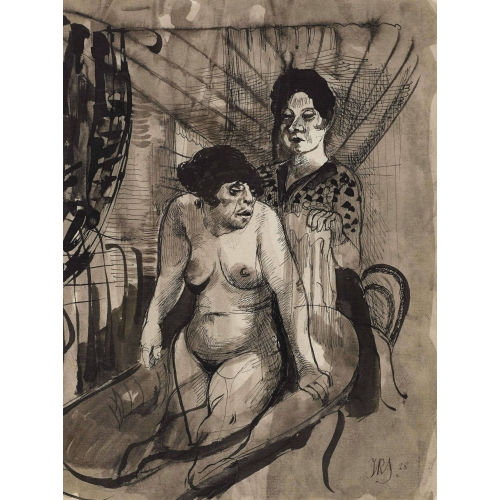
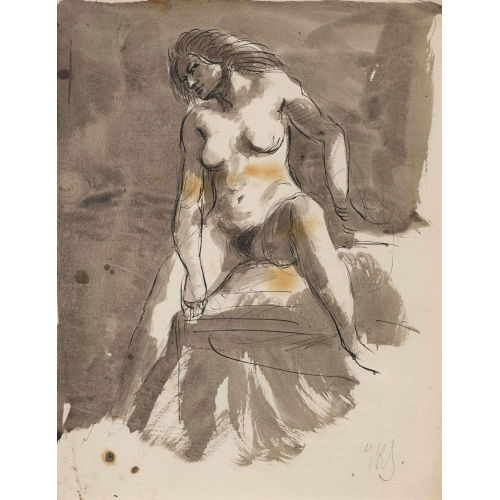
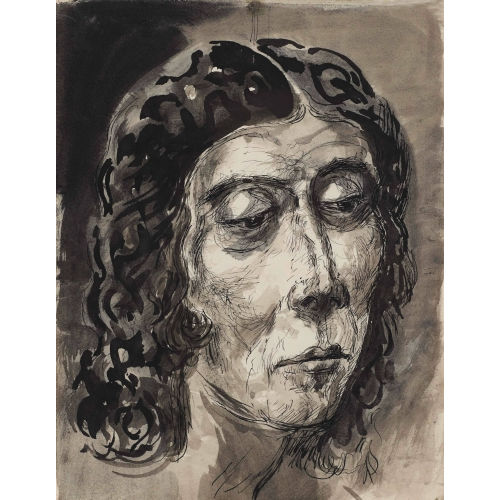
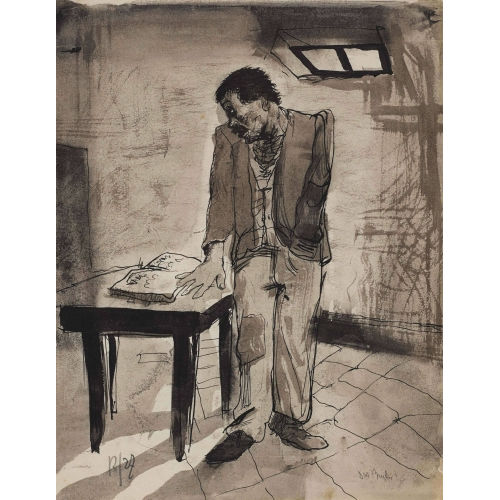
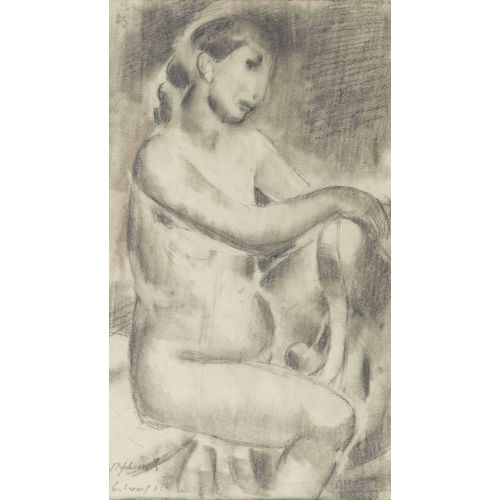
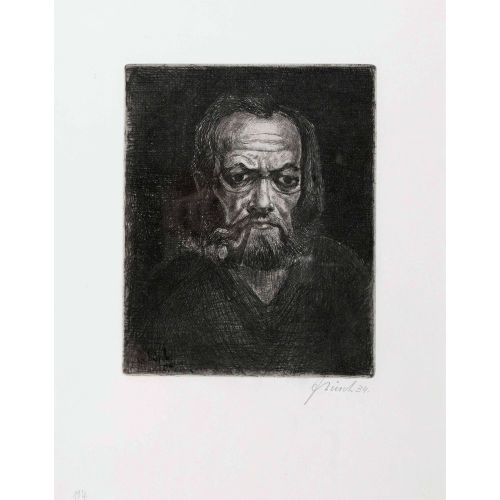
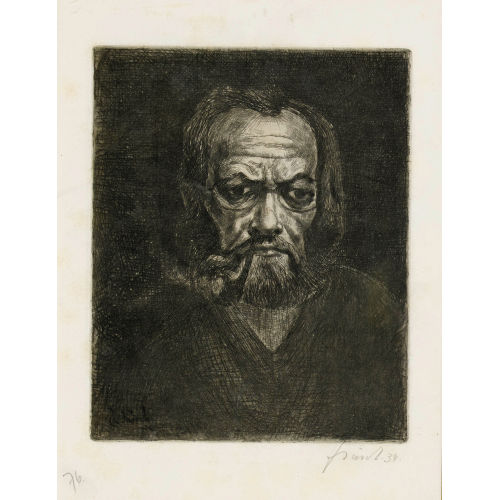
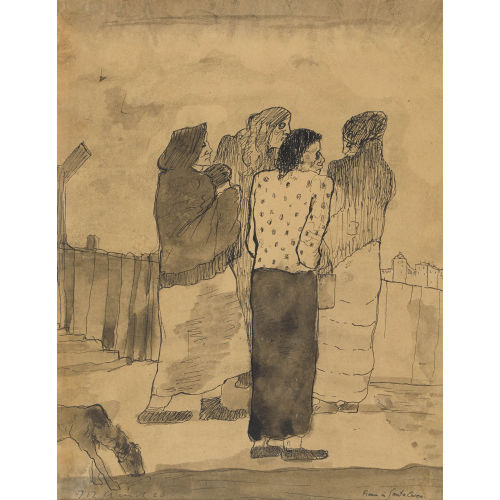
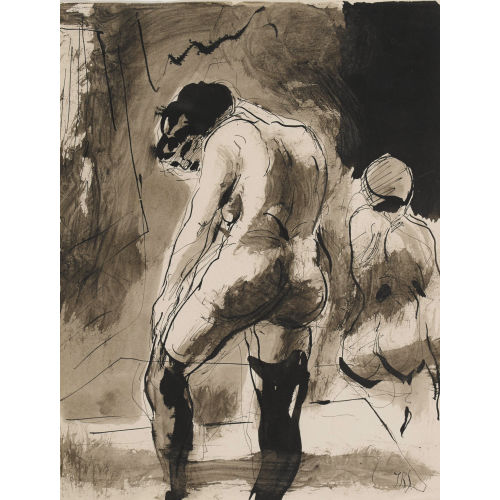
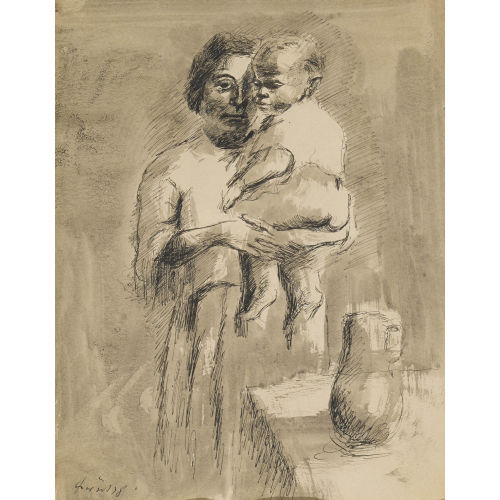
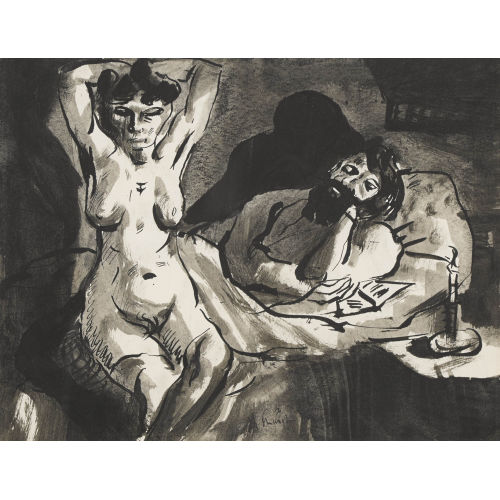
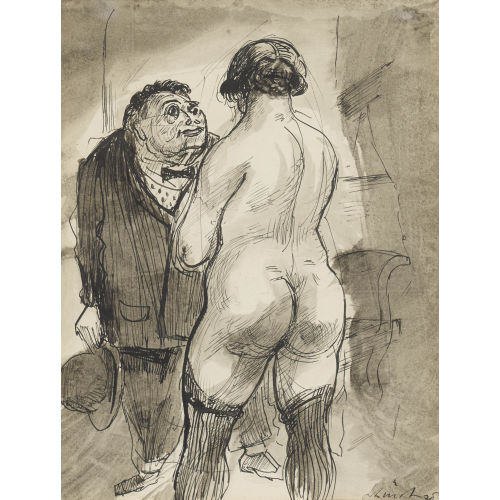
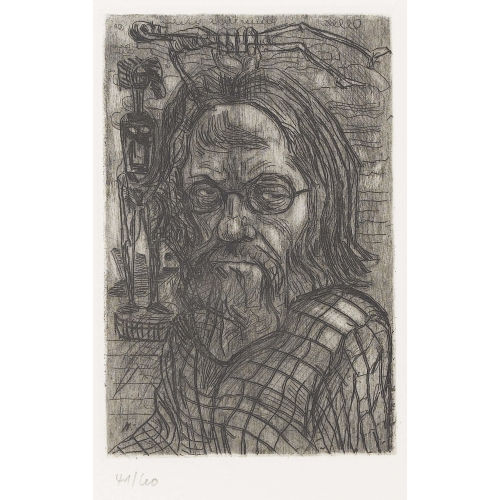
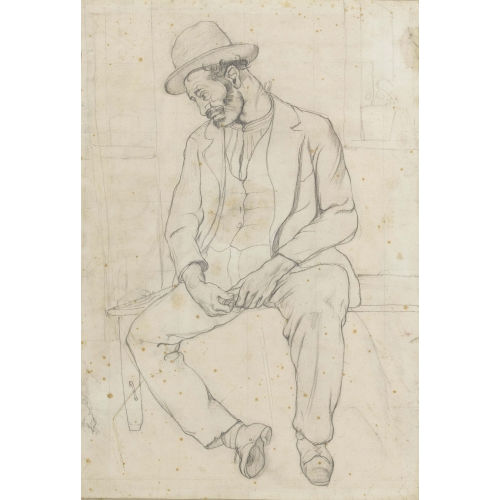
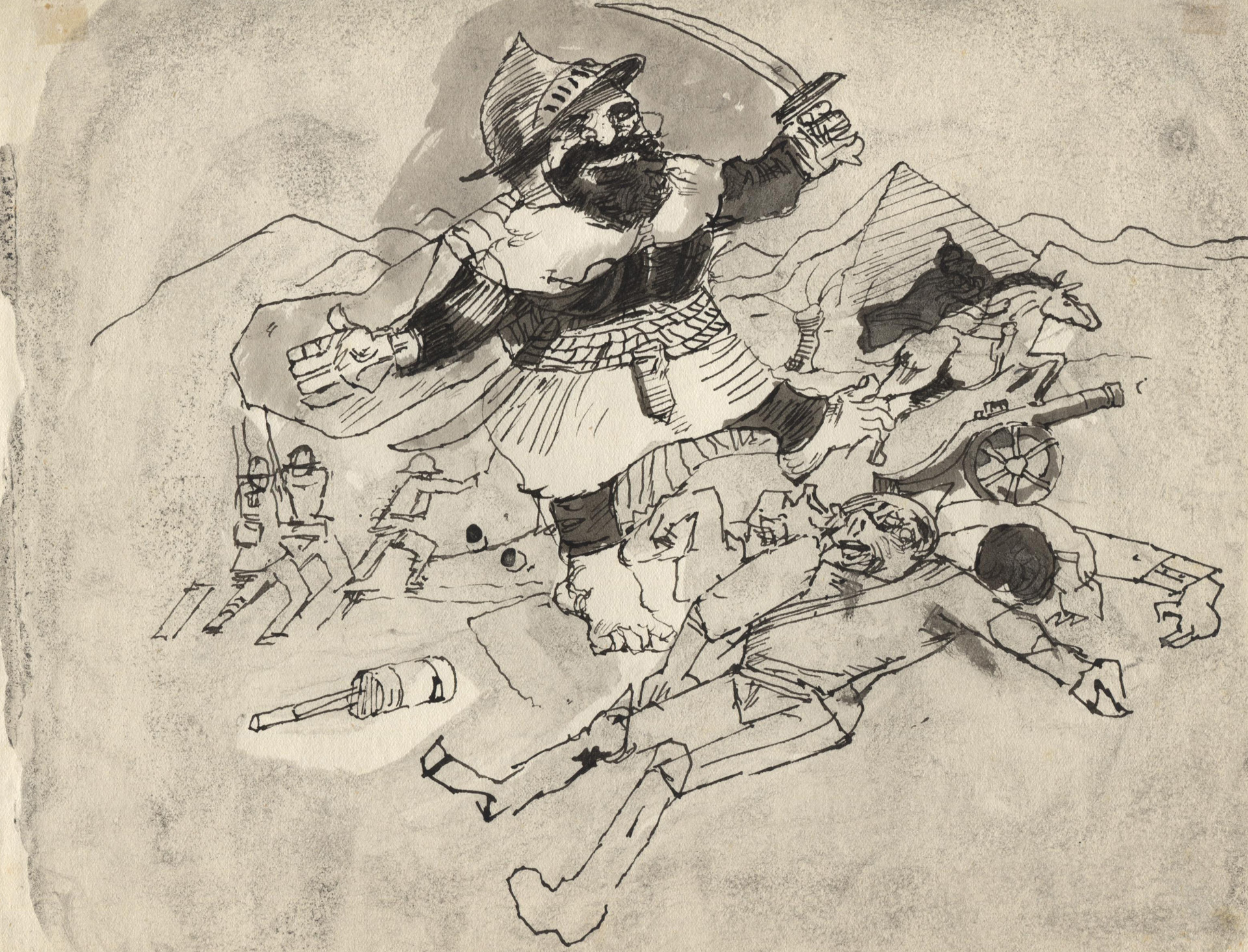
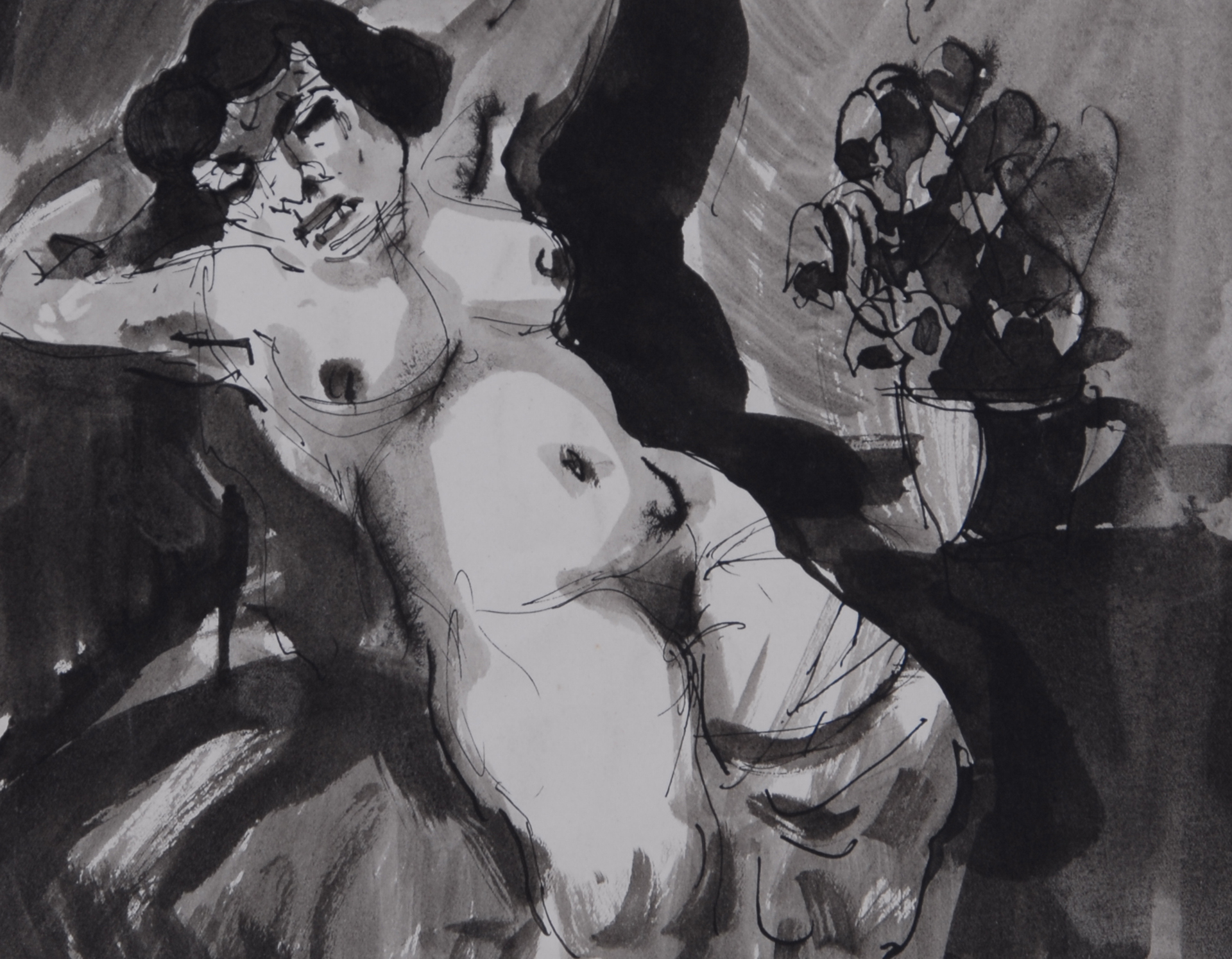
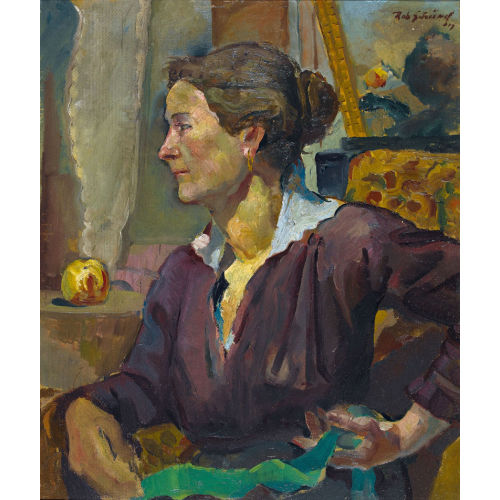
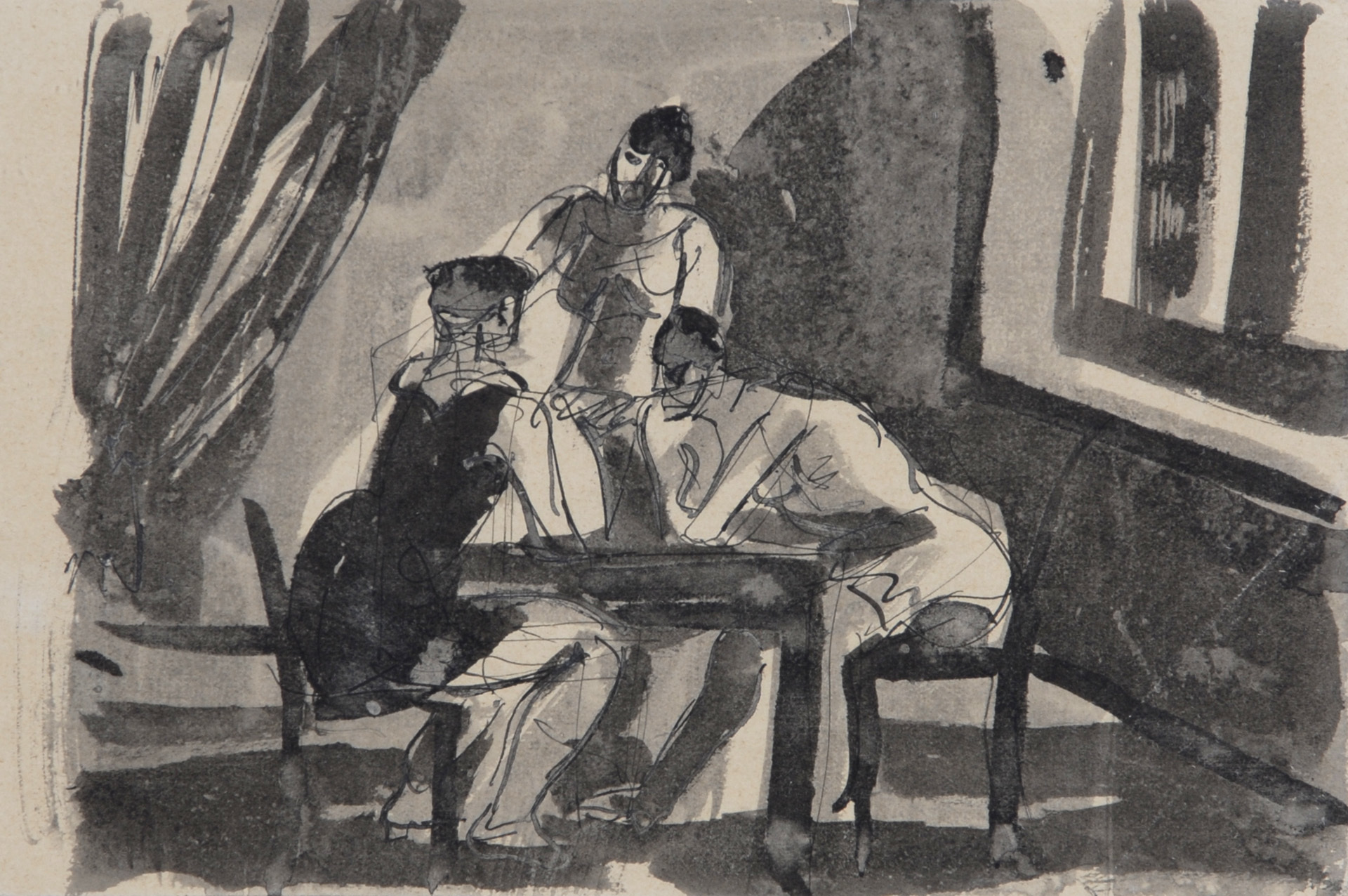
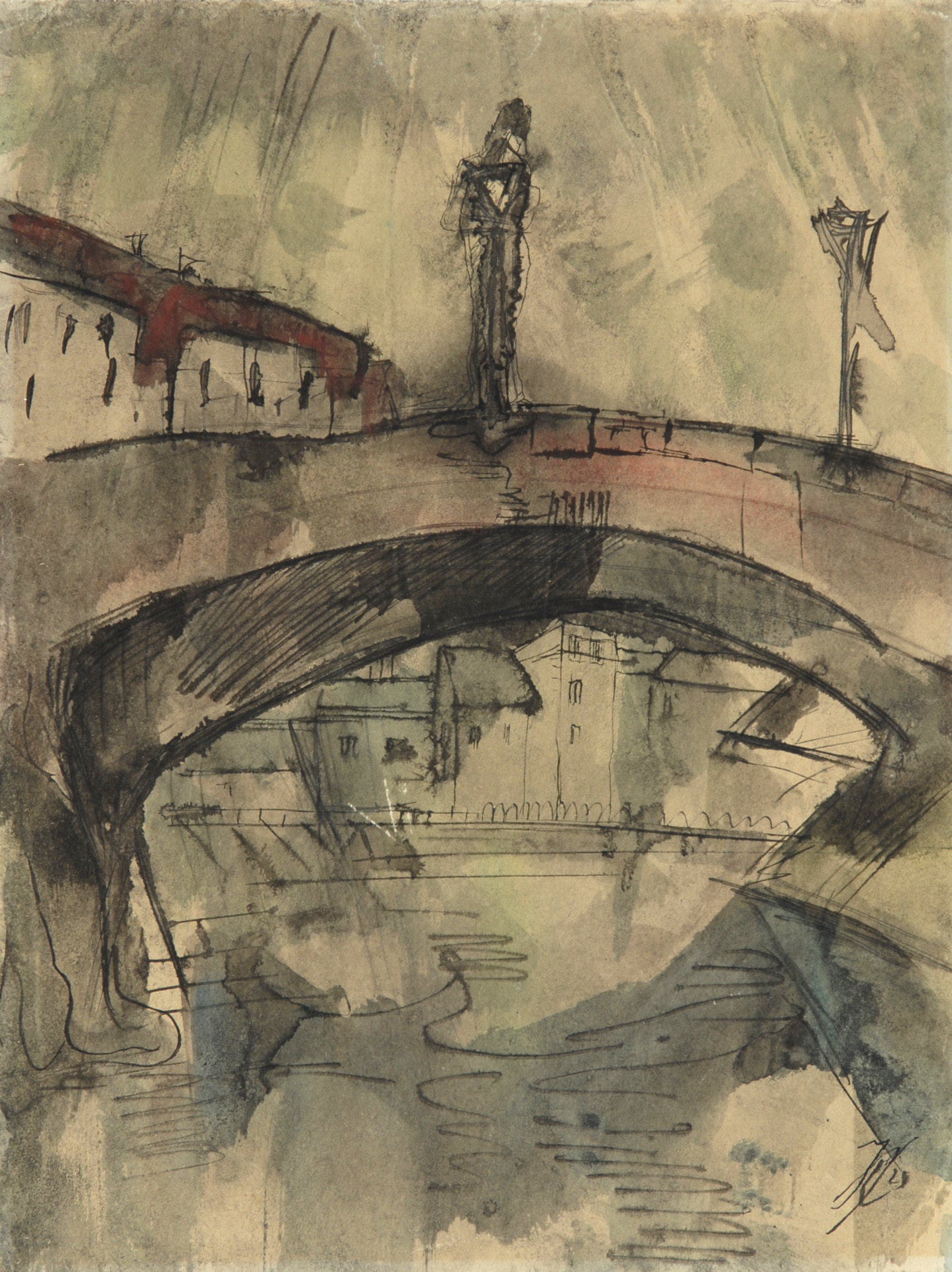
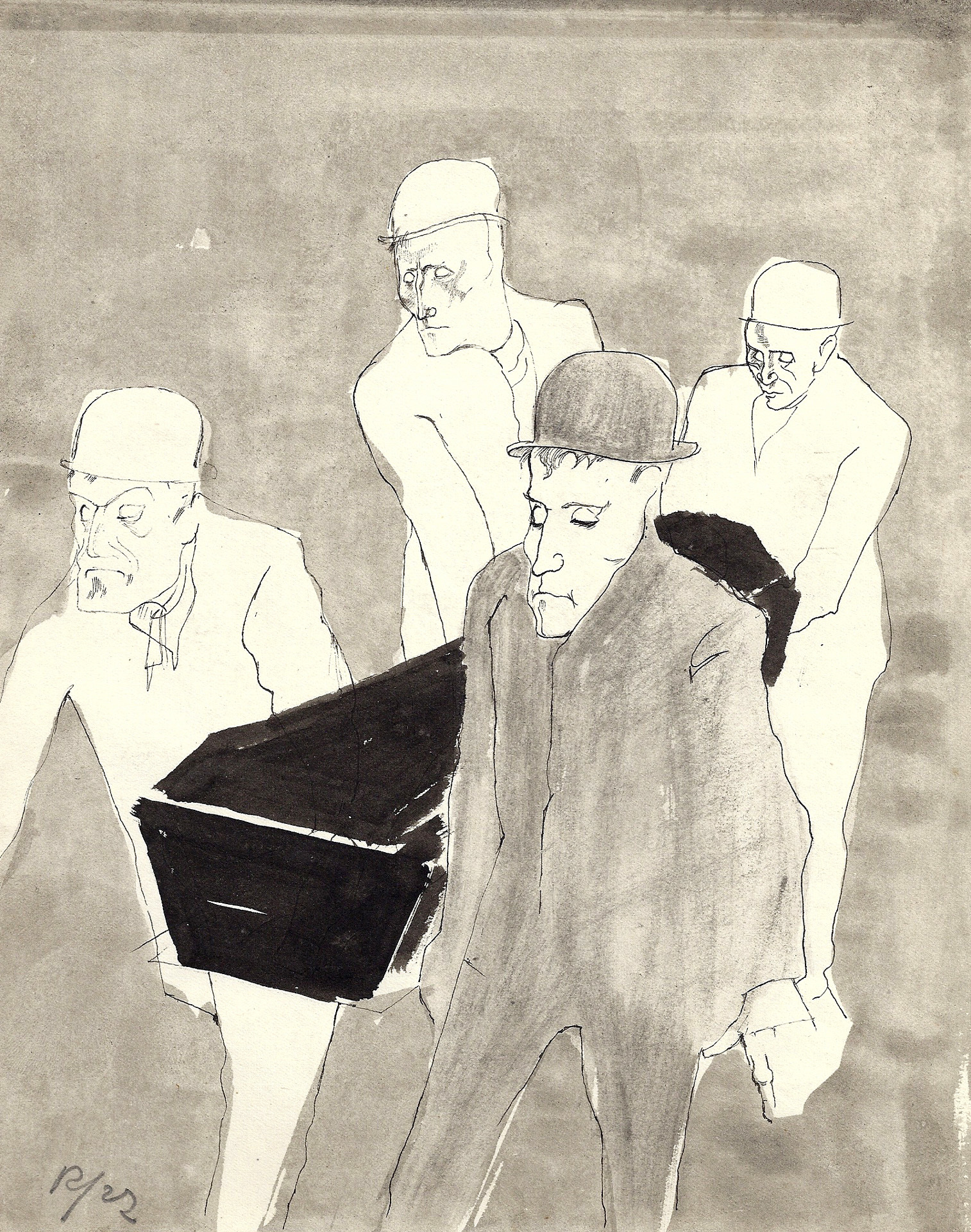
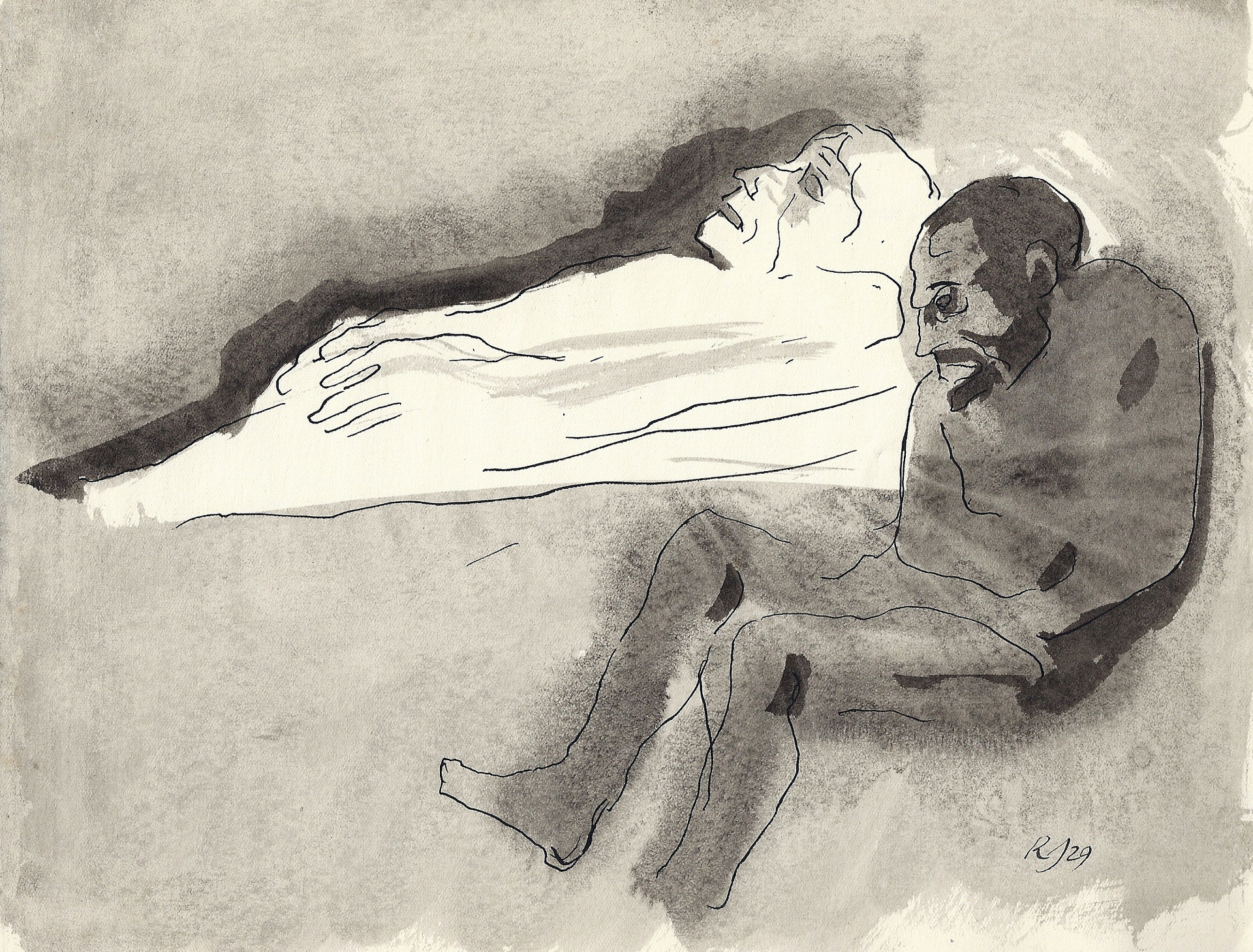
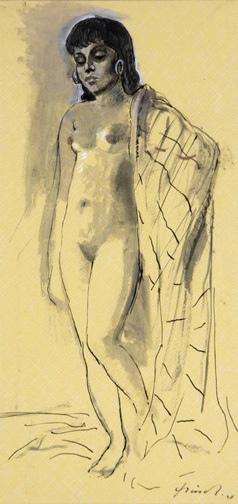
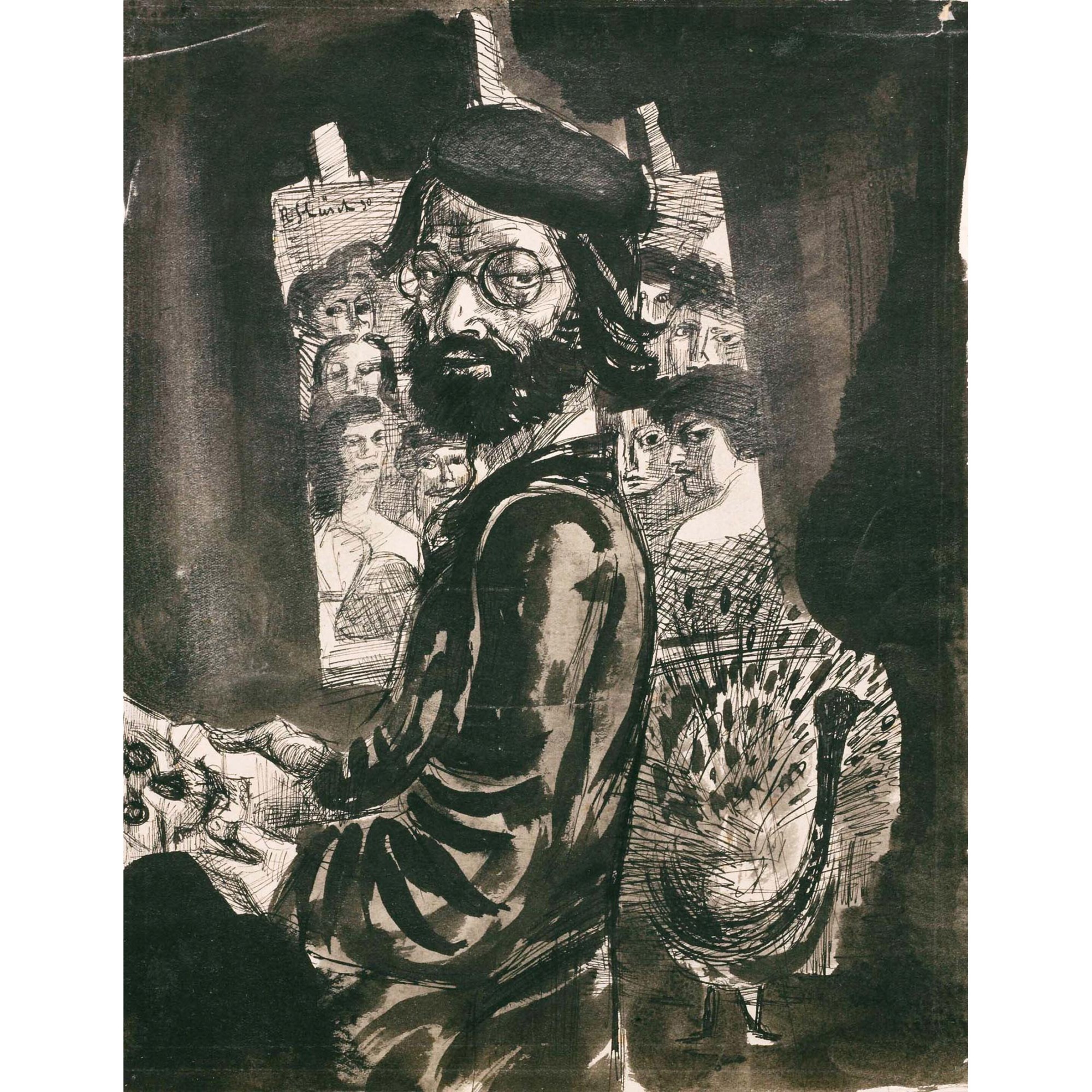
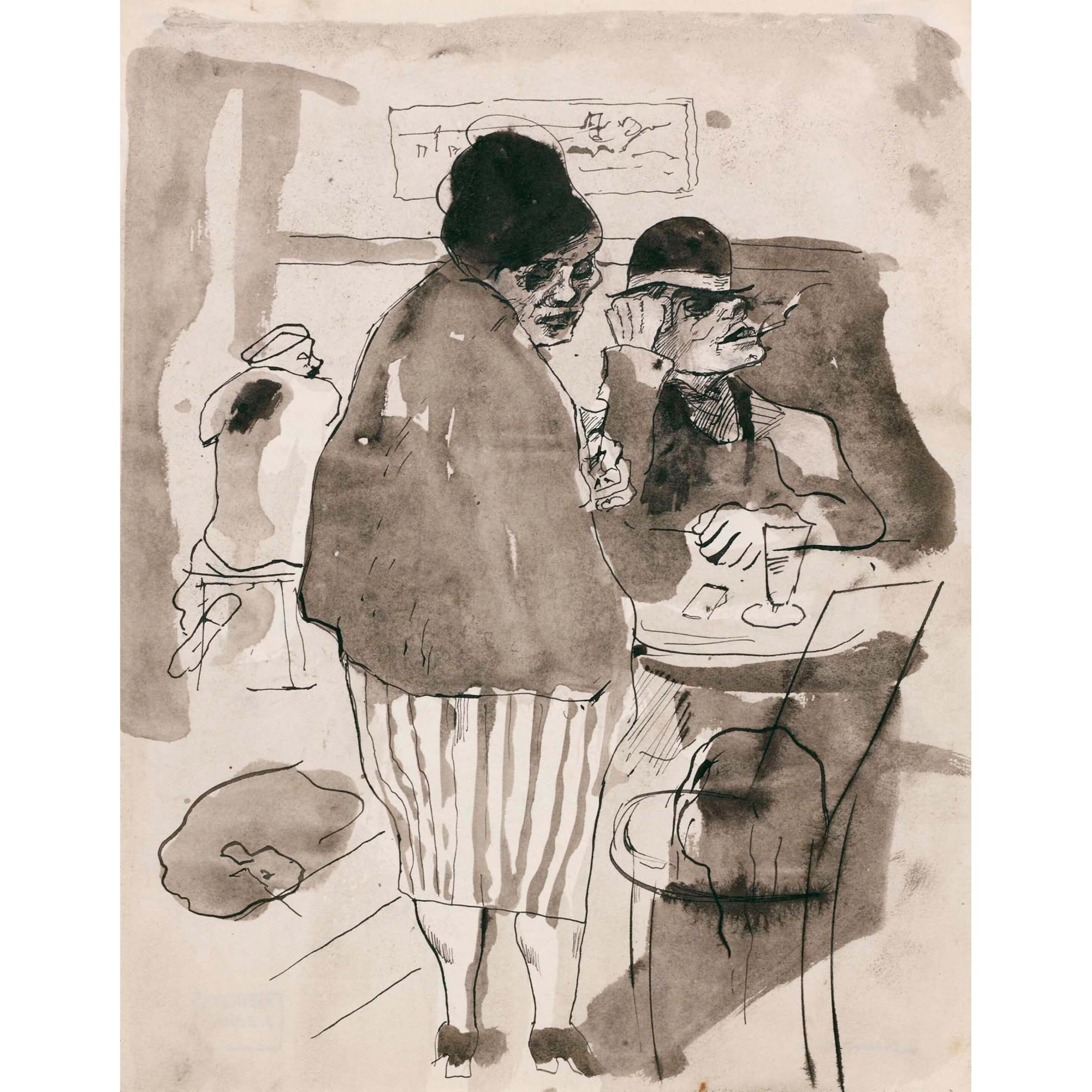
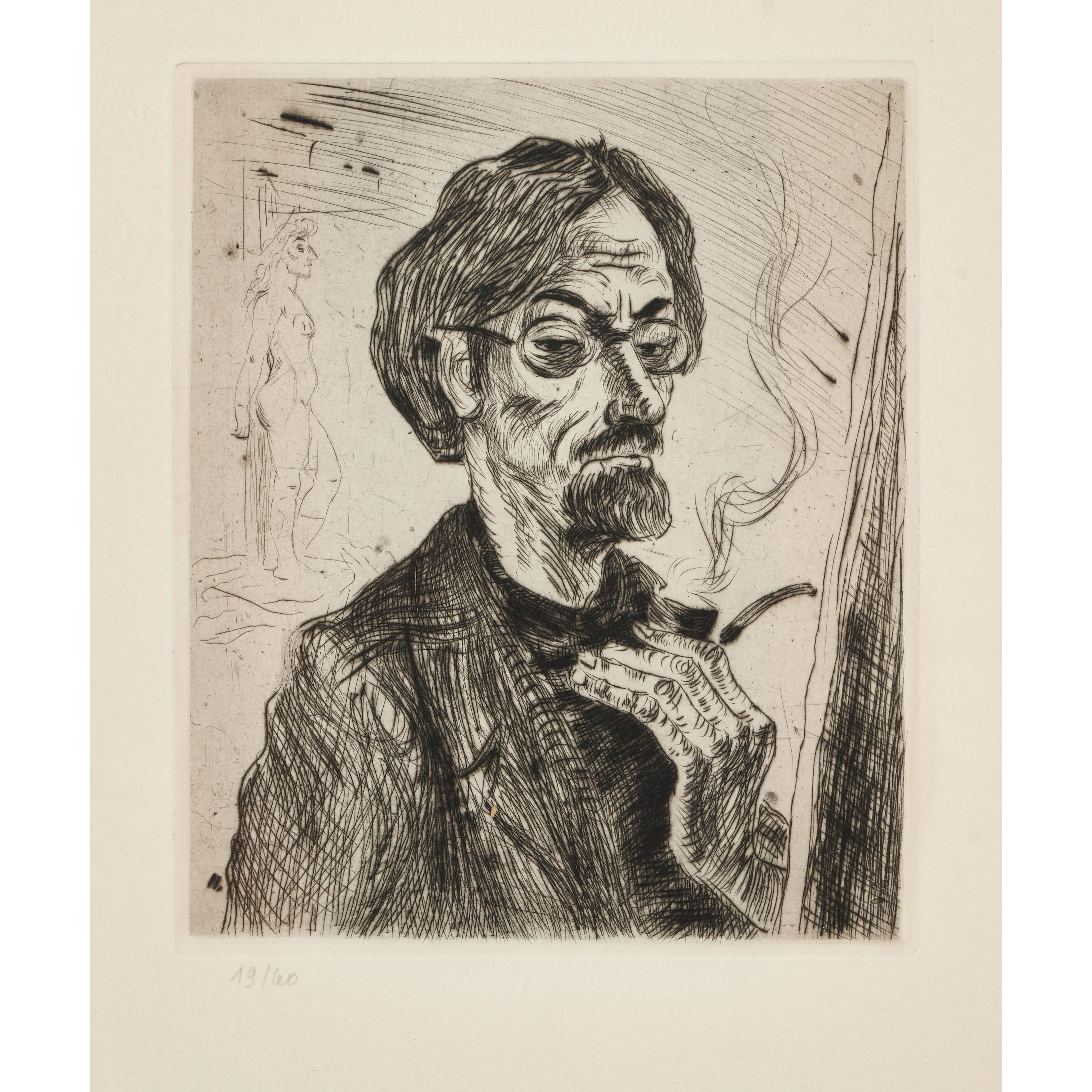
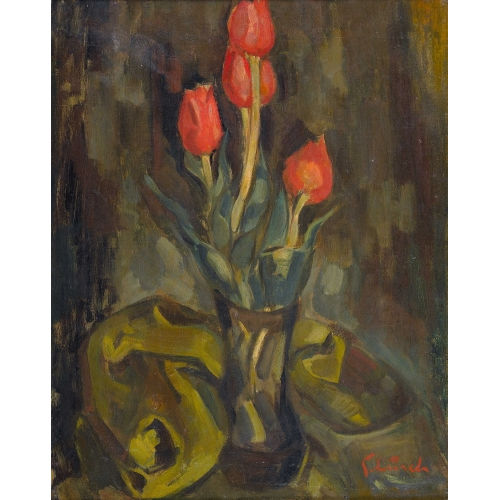
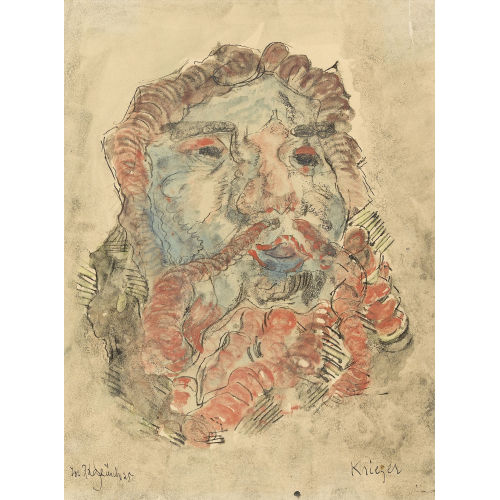
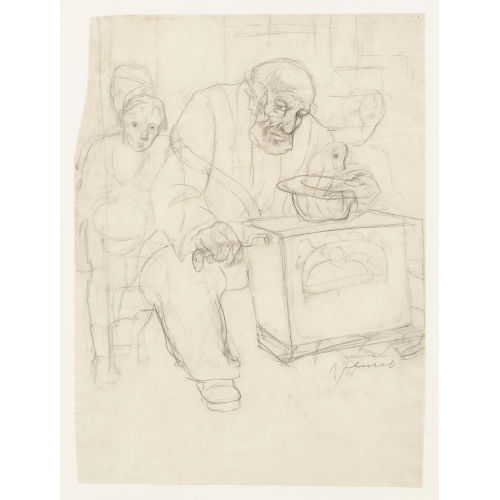
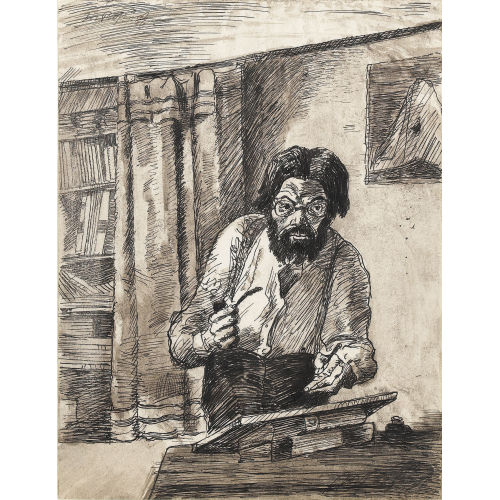
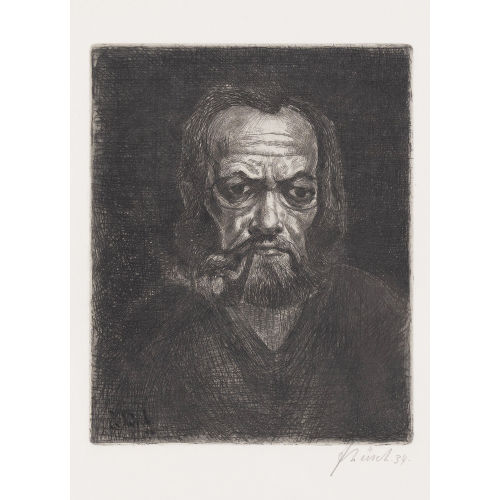
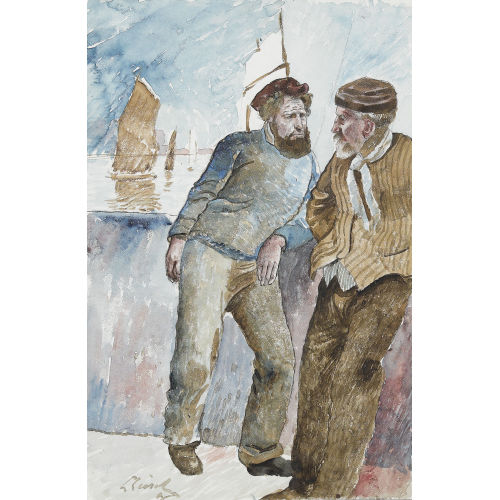
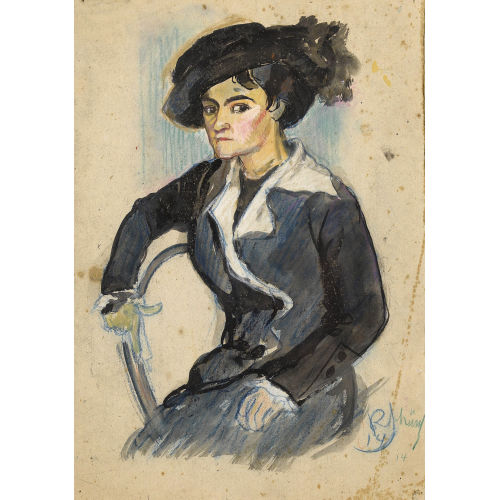
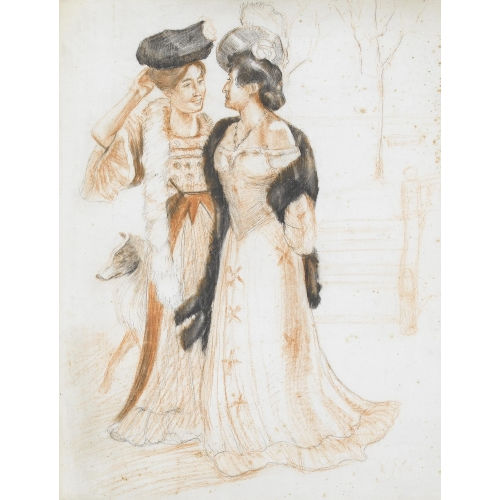
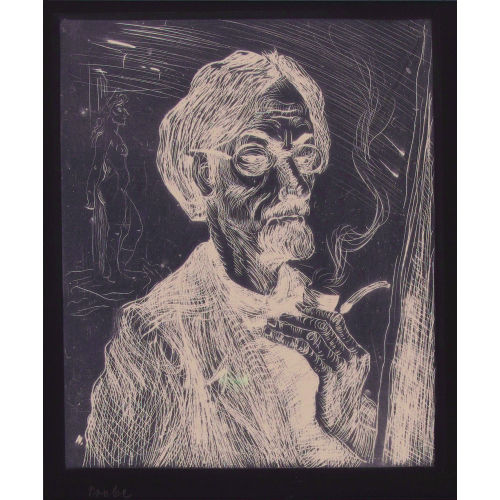
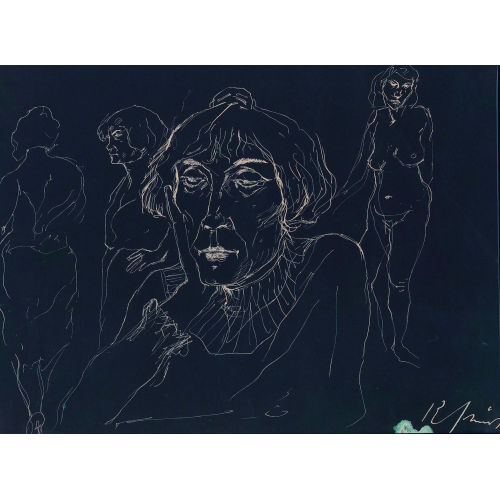
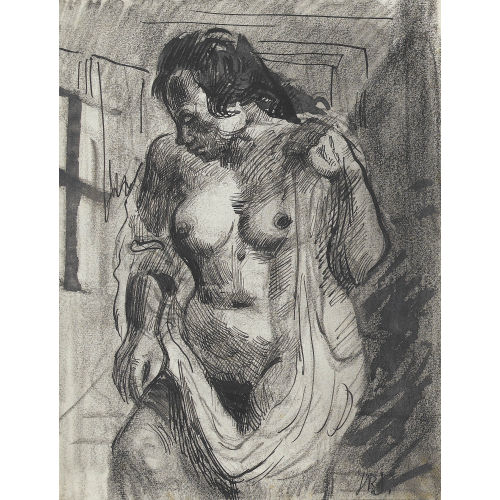
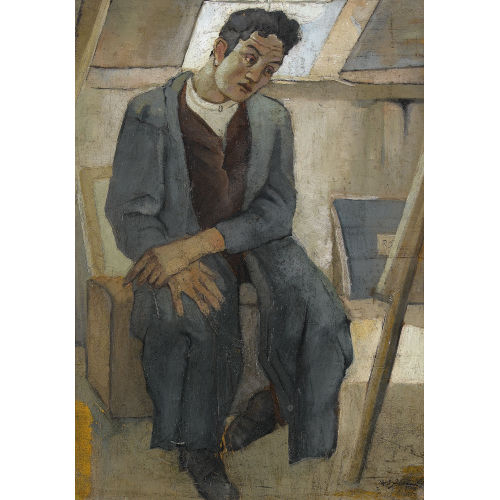
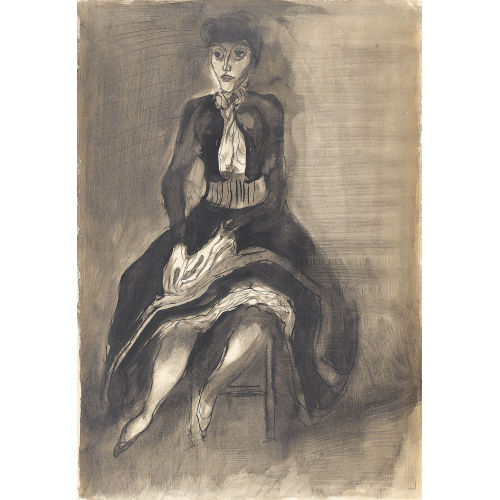
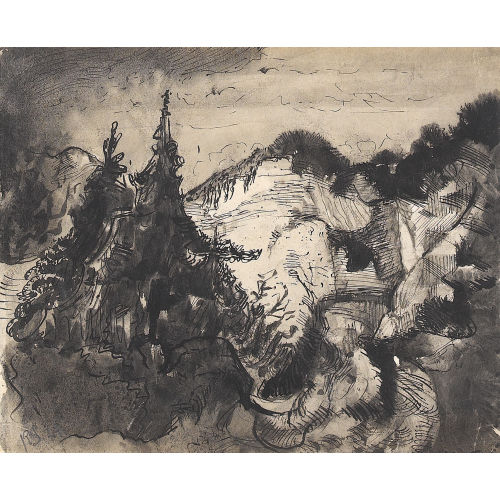
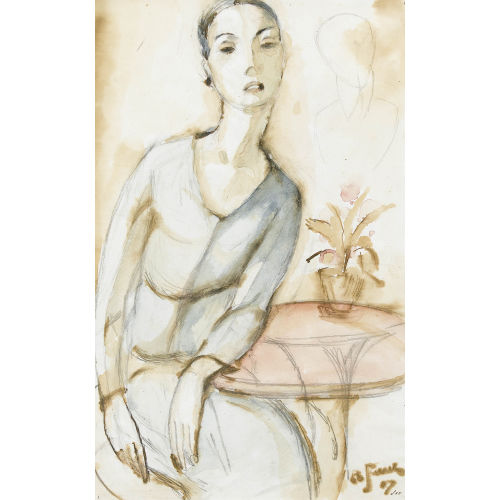
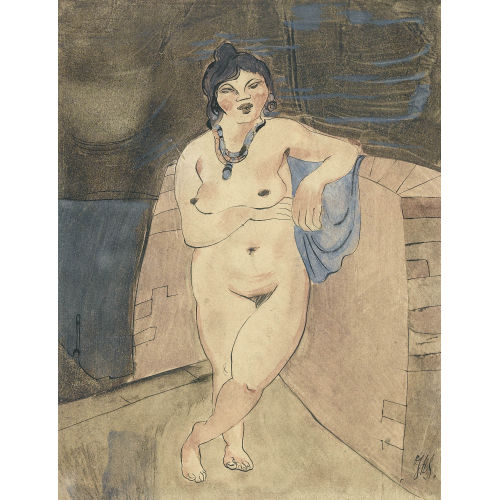
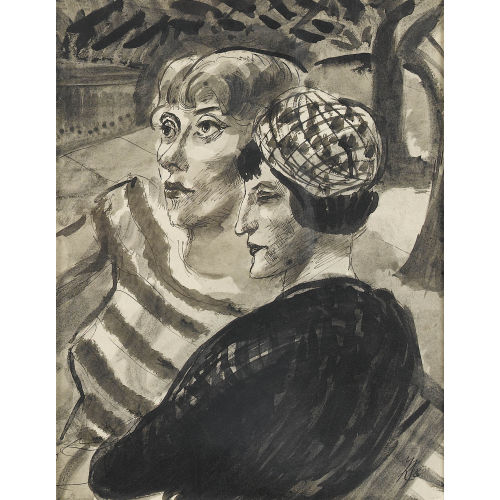
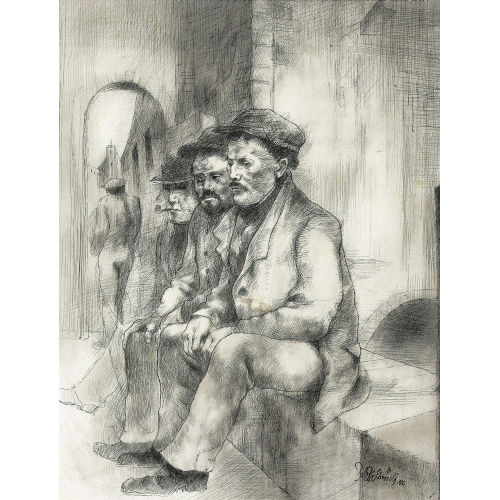
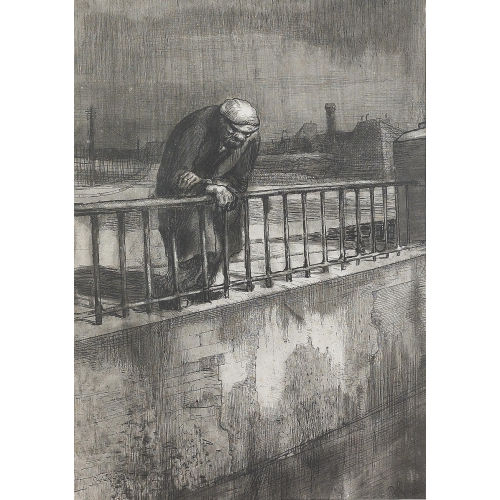
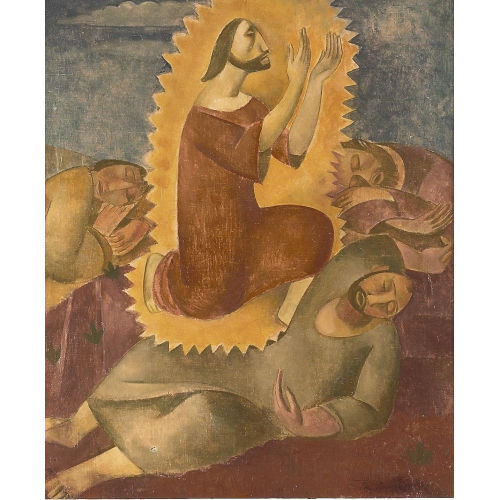
Schürch painted a few oils, but the sheet of paper became his preferred medium. Working with pen and brush, he set ink flowing, diluted it into washes, and sometimes allowed watercolour to colour the forms. The contrasts between fine lines, dark masses and almost empty areas give these small-scale works an immediate force.
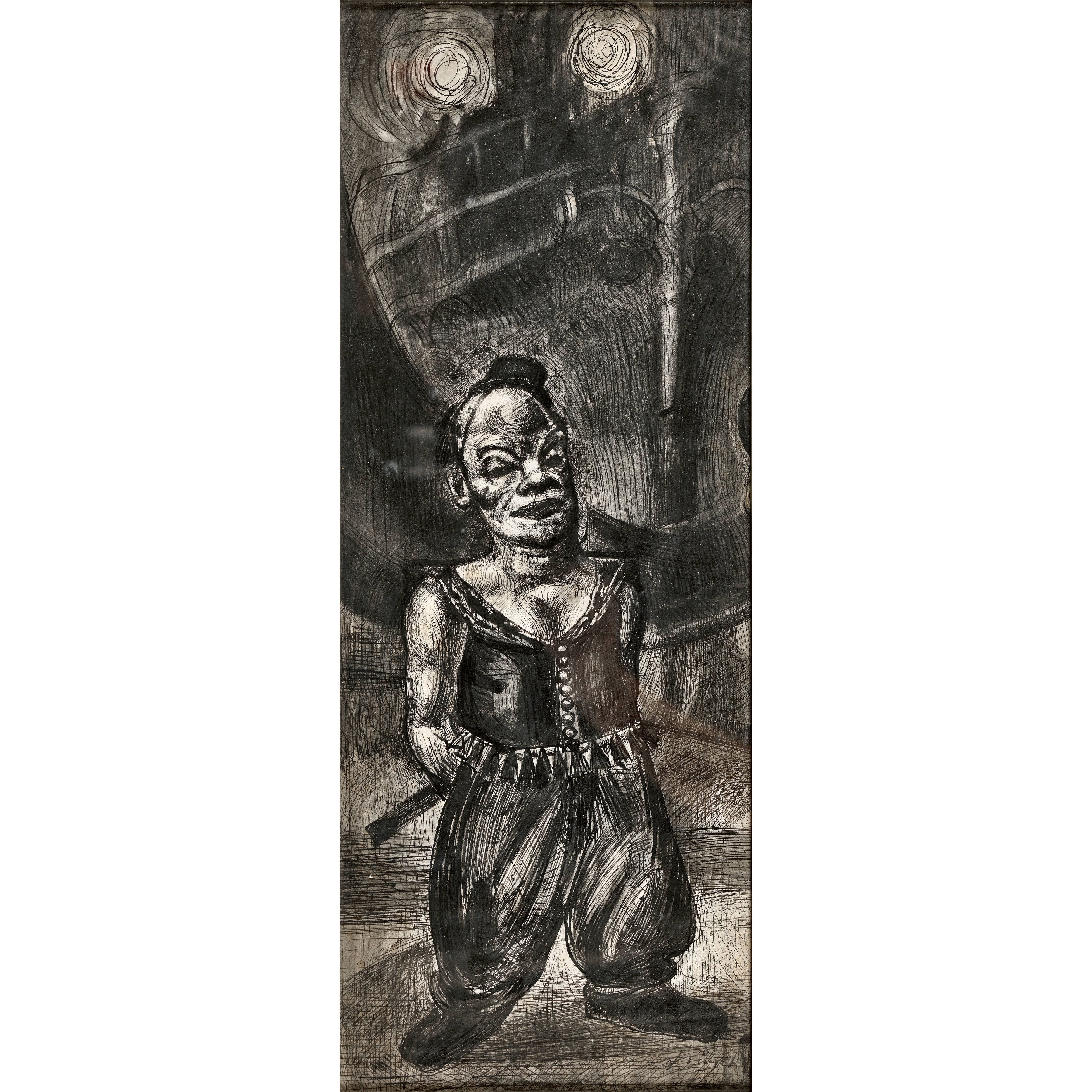
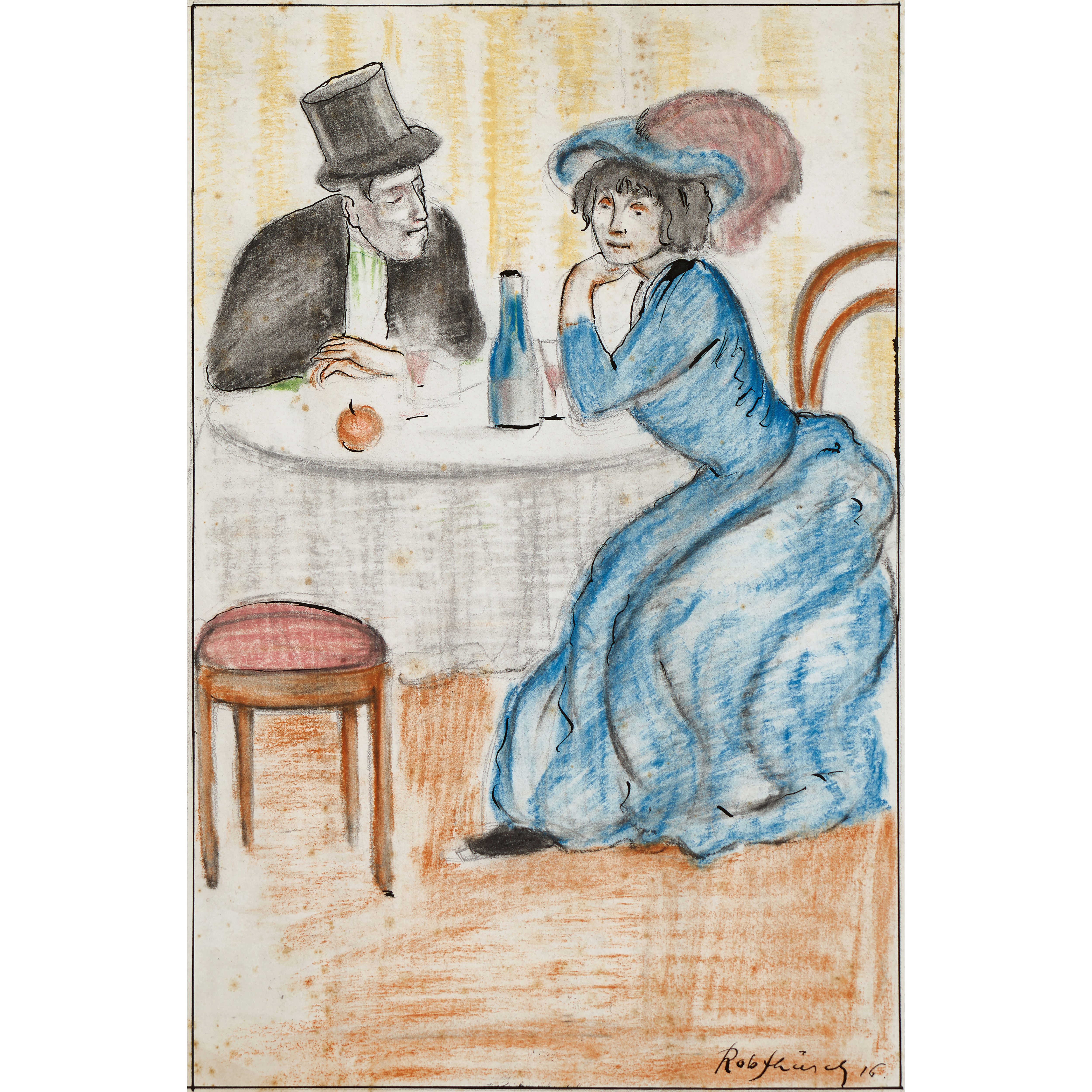
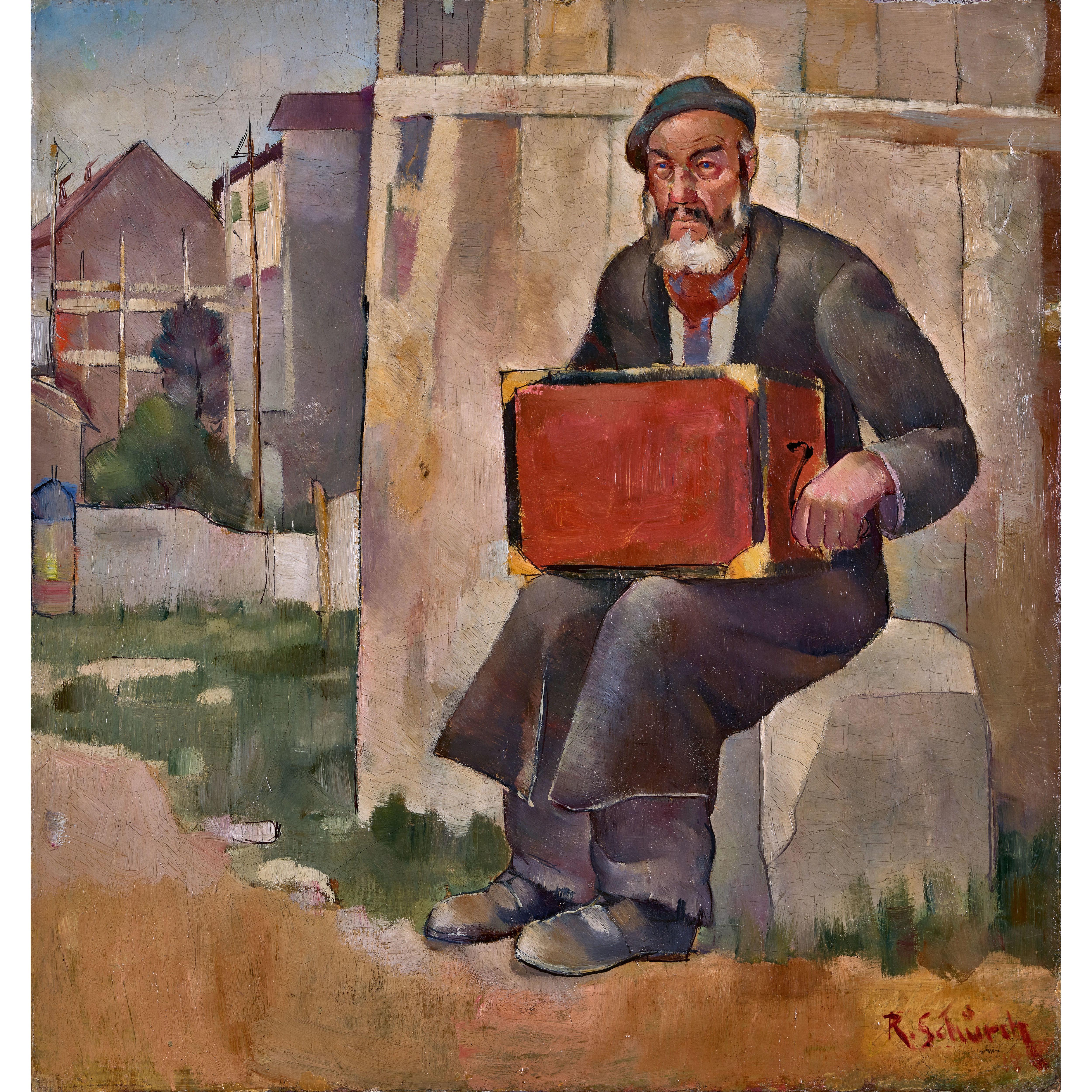
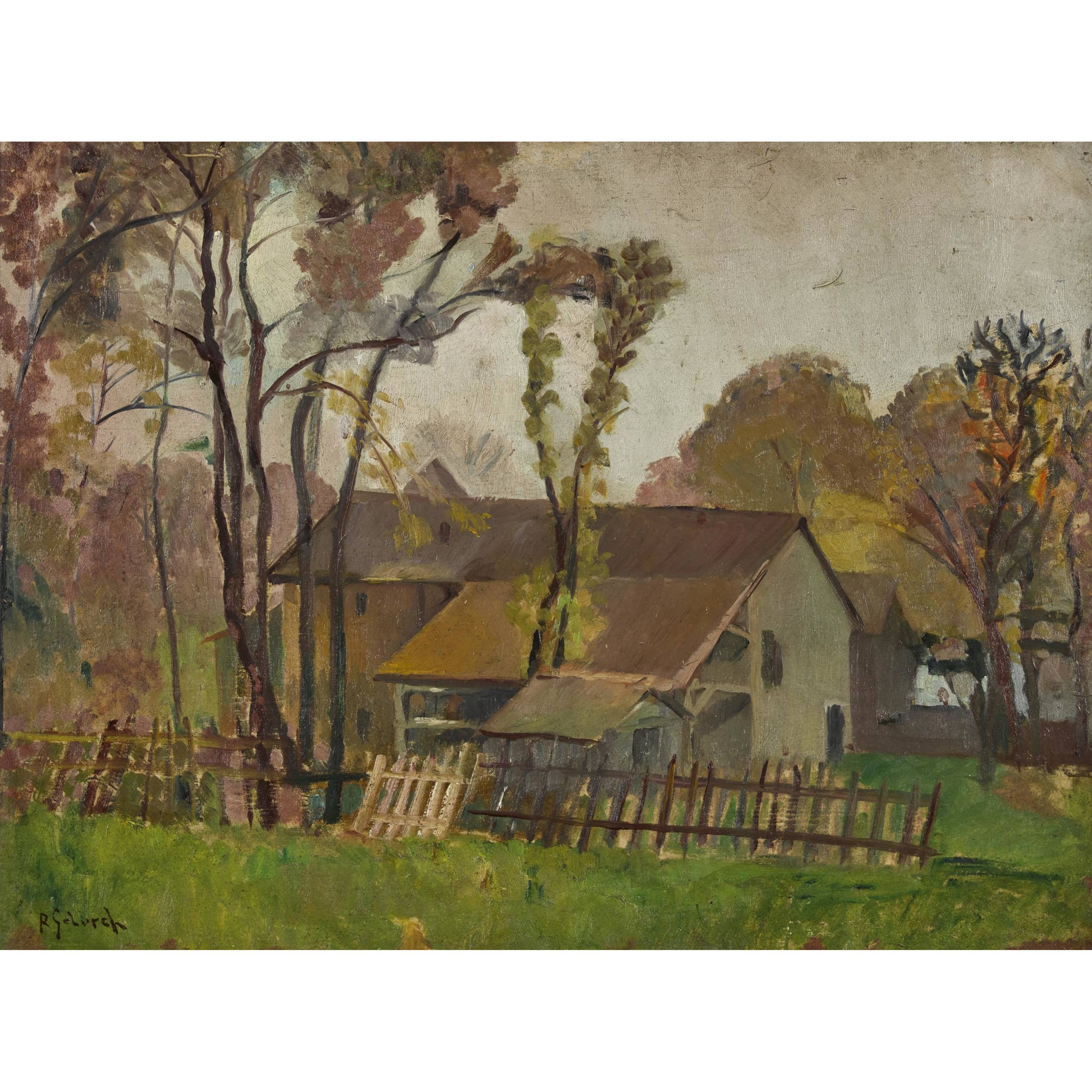
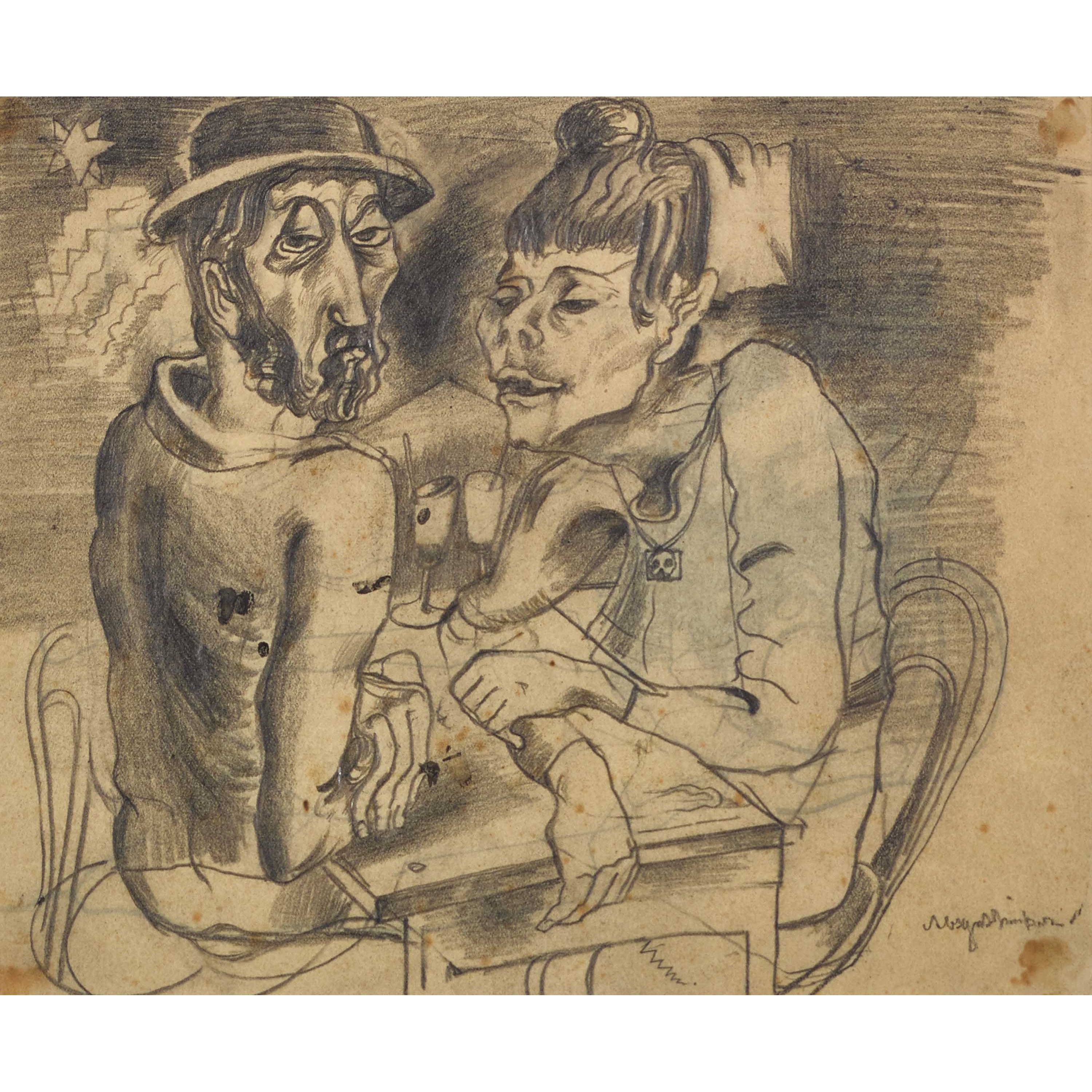
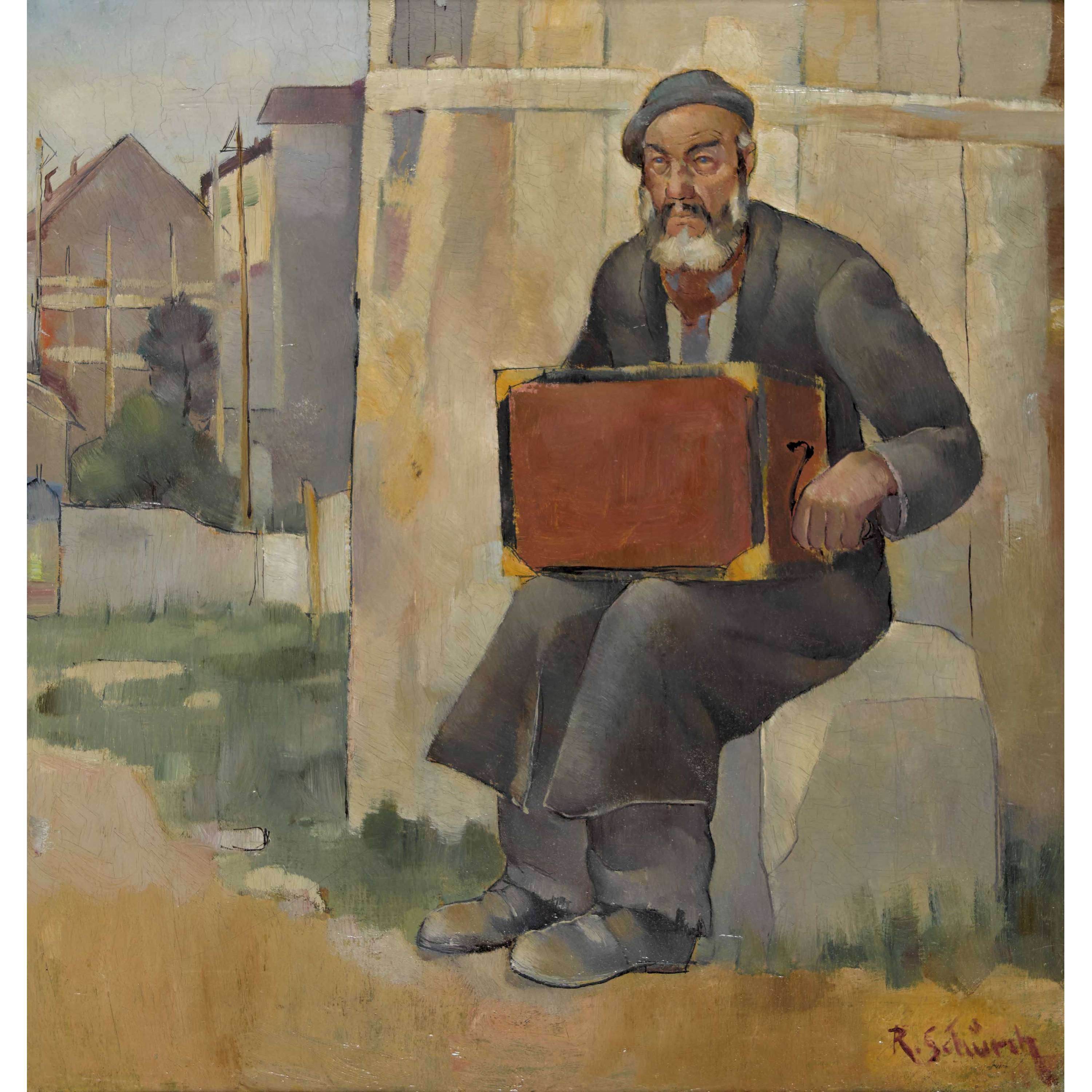
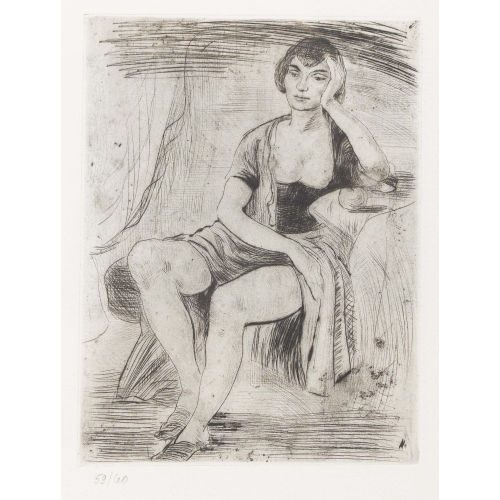
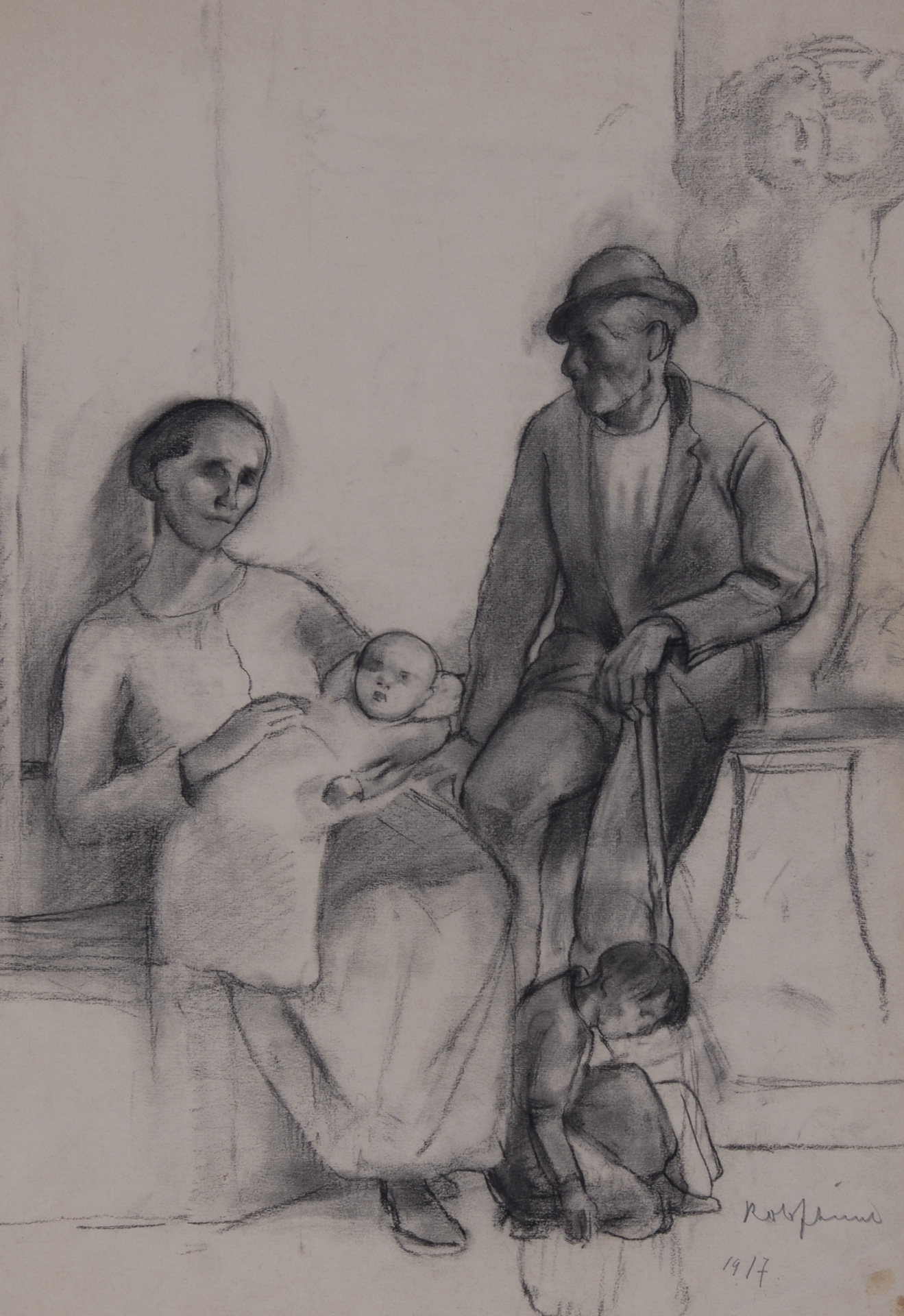
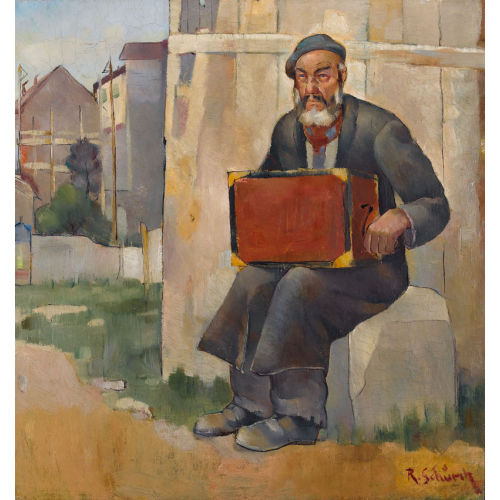
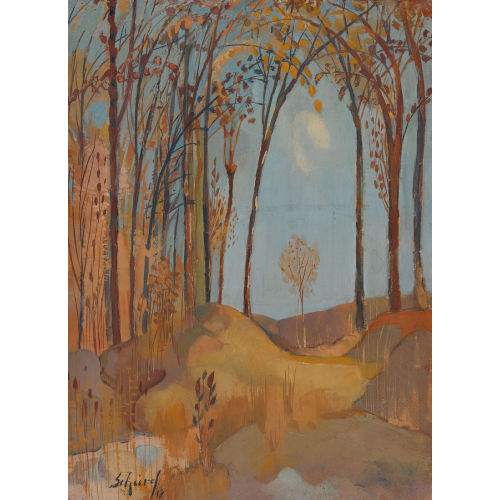
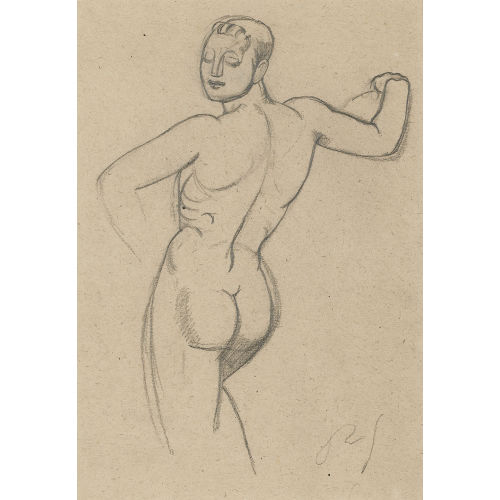
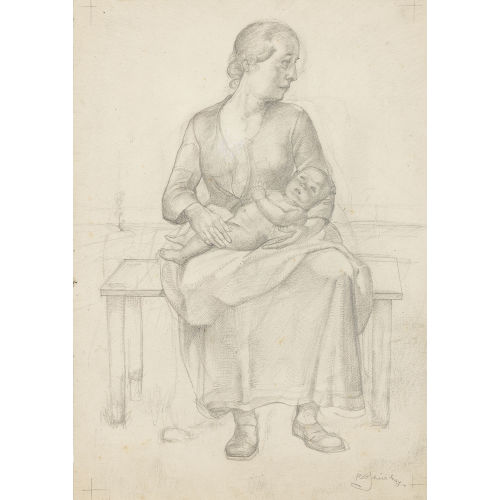
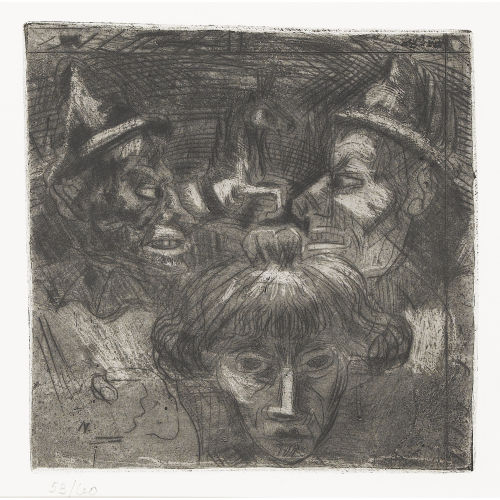
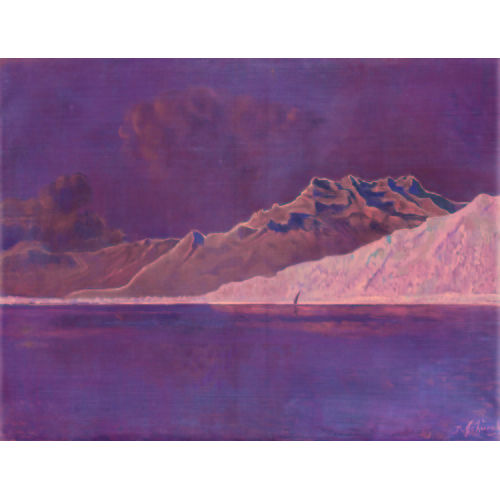
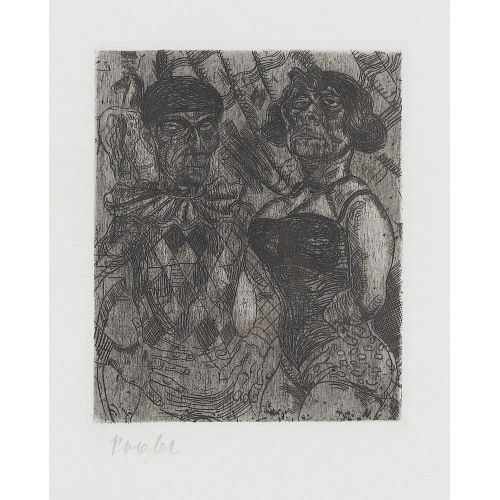
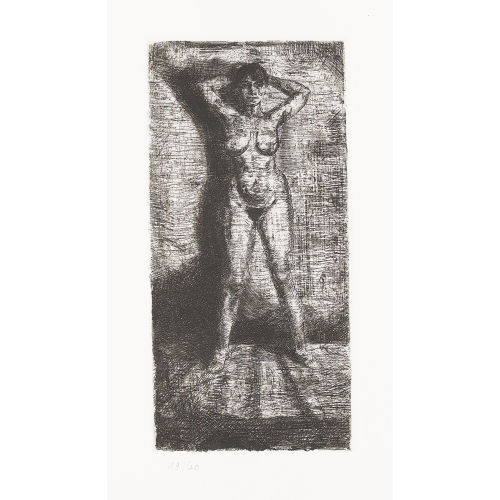
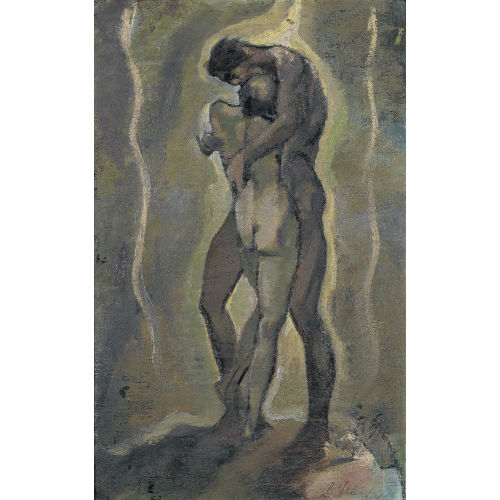
His gaze turned towards bodies marked by hardship, poverty, figures from the street or the circus, but also towards couples and gestures of intimacy. In the ancient theme of the dance of death, as in his visions of landscapes, the presence of death encounters the need for human connection.
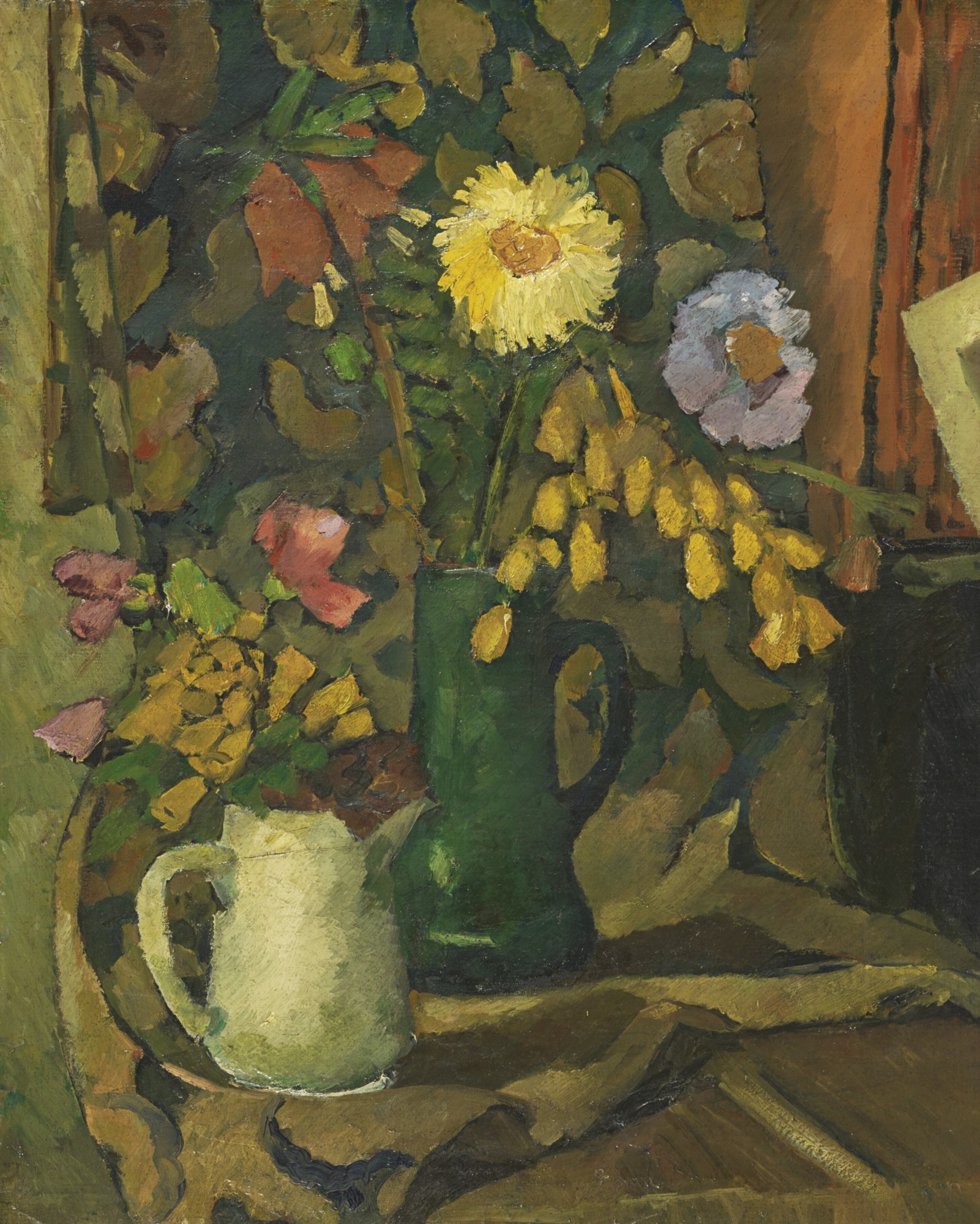
The painting Clown (1921) recalls his ties to the circus world, for which he had produced posters, while the hundreds of drawings and watercolours that followed reveal an ever-greater freedom. Associated with Expressionism because of the intensity of his images, Schürch nevertheless remains an independent figure. He died in Ascona in 1941 and was the subject of a retrospective at the Aargauer Kunsthaus in 1976, followed by the exhibition Alles sehen in 2024–2025, which focused on his works on paper and notebooks.
Their return to the light reveals an art in which human fragility takes shape with a remarkable economy of means.