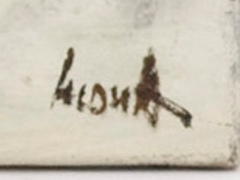
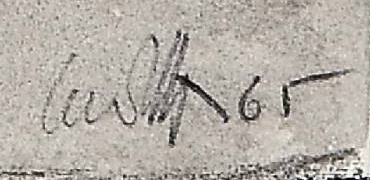
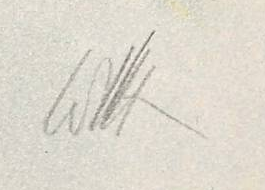
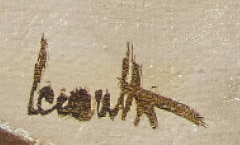
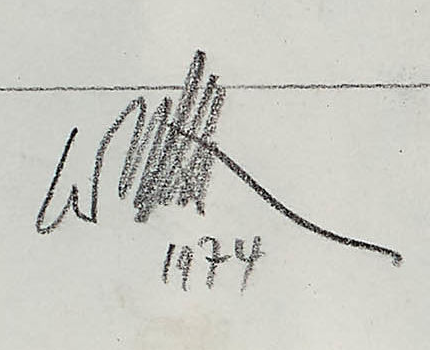
Jean Lecoultre
Born in 1930.
Died in 2023.
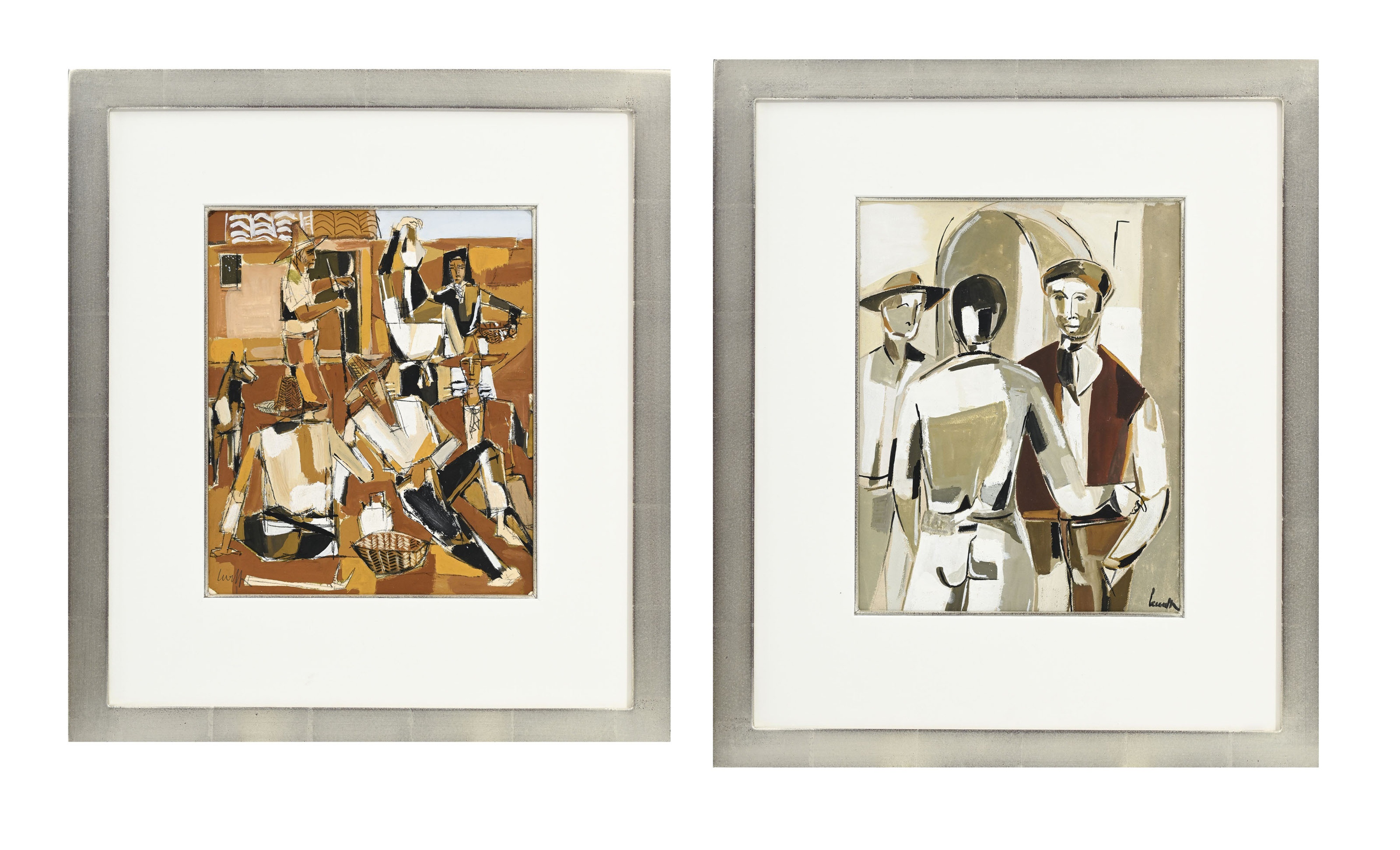
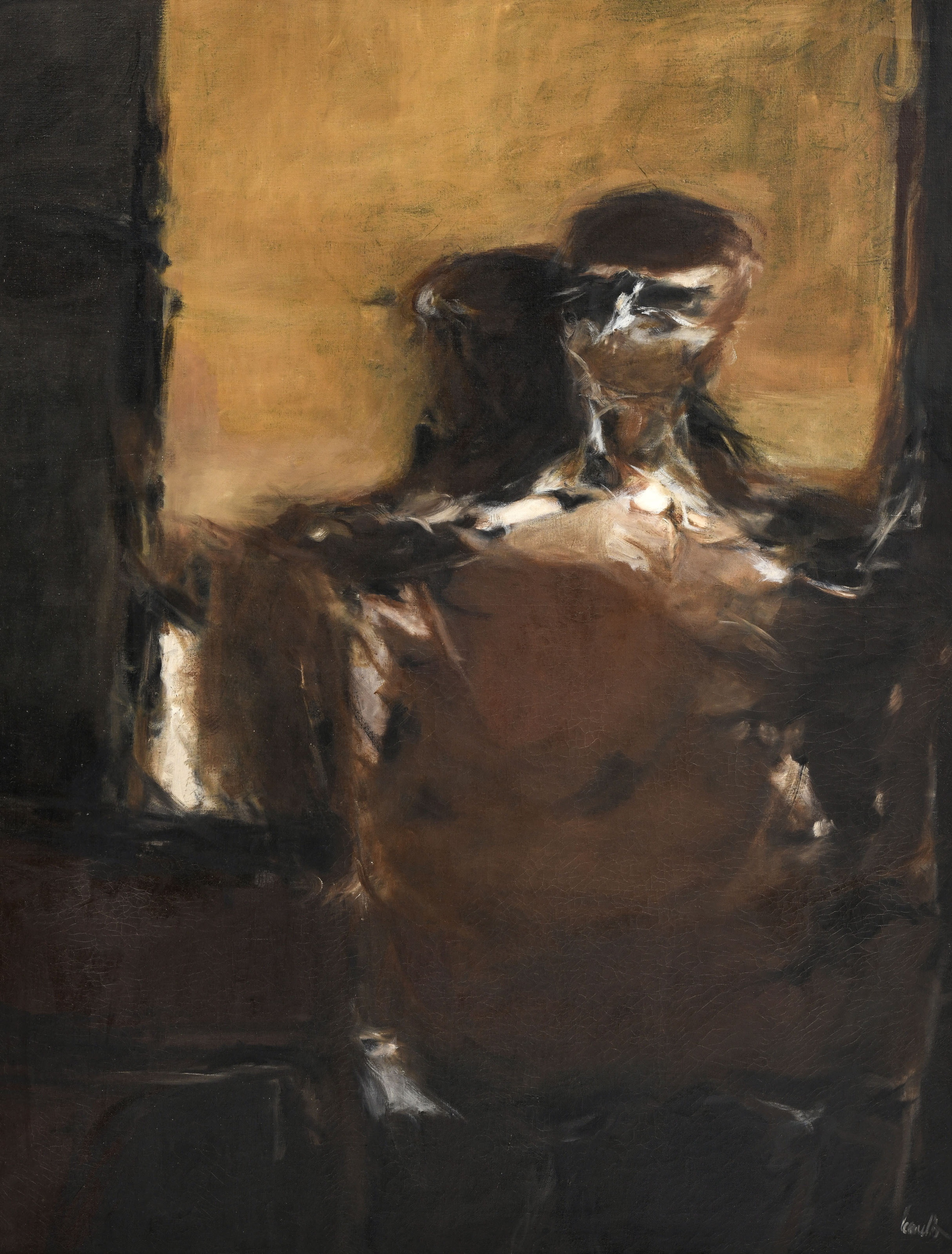
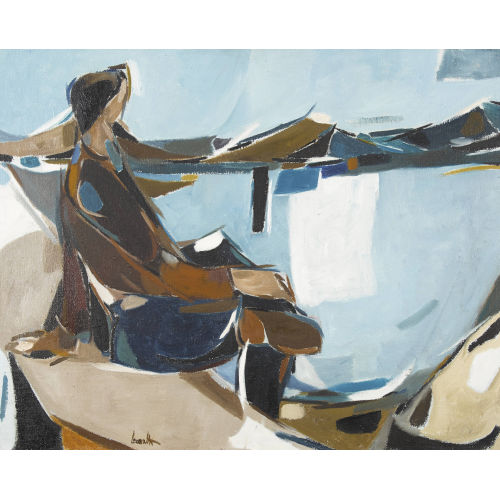
Jean Lecoultre (Lausanne, 1930–2023) made the contemporary image a territory of unease and invention. His training began at the École de commerce de Lausanne, followed by a few painting lessons with Georges Aubert. In 1951, he left his job for Madrid and devoted himself to painting.
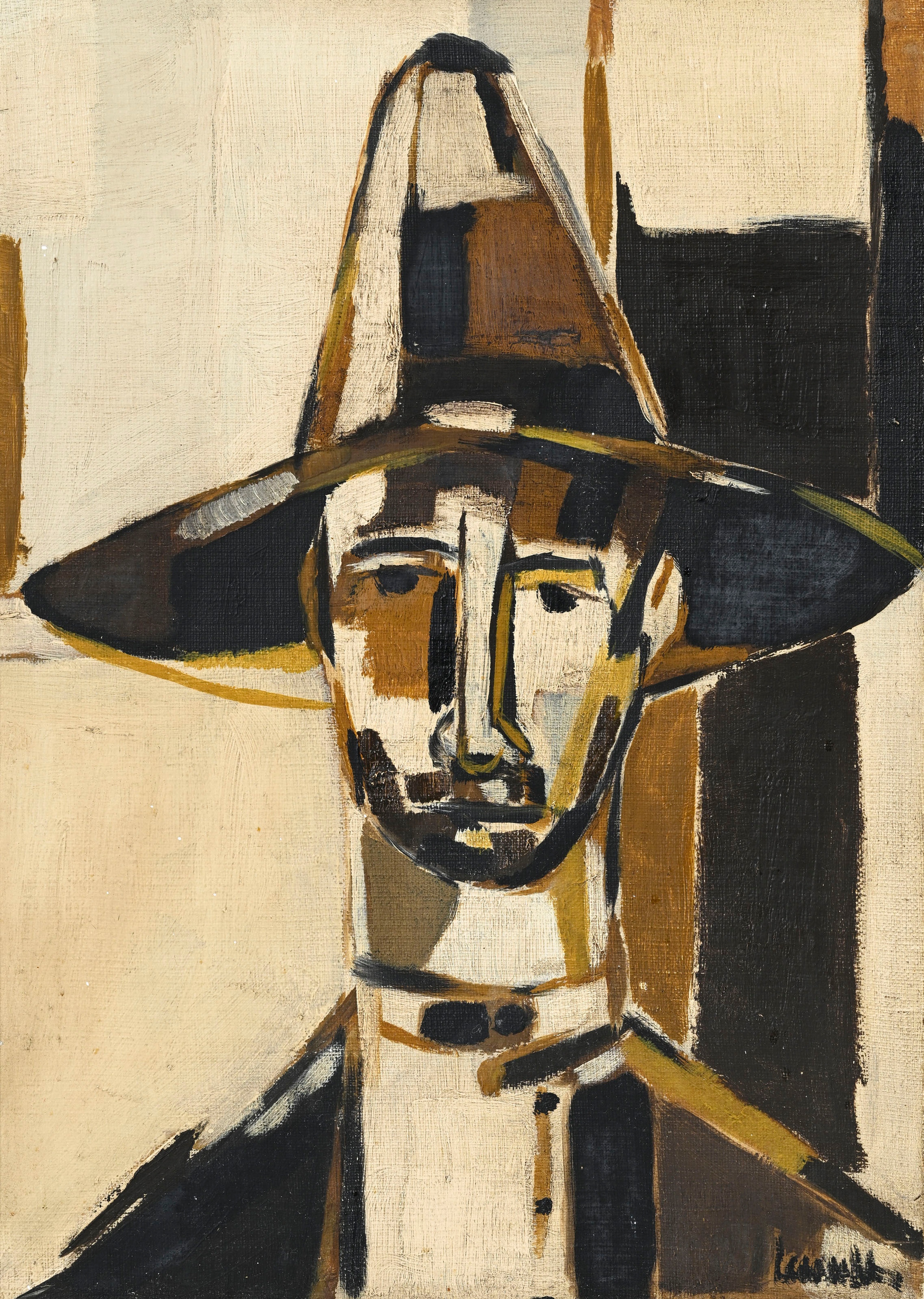
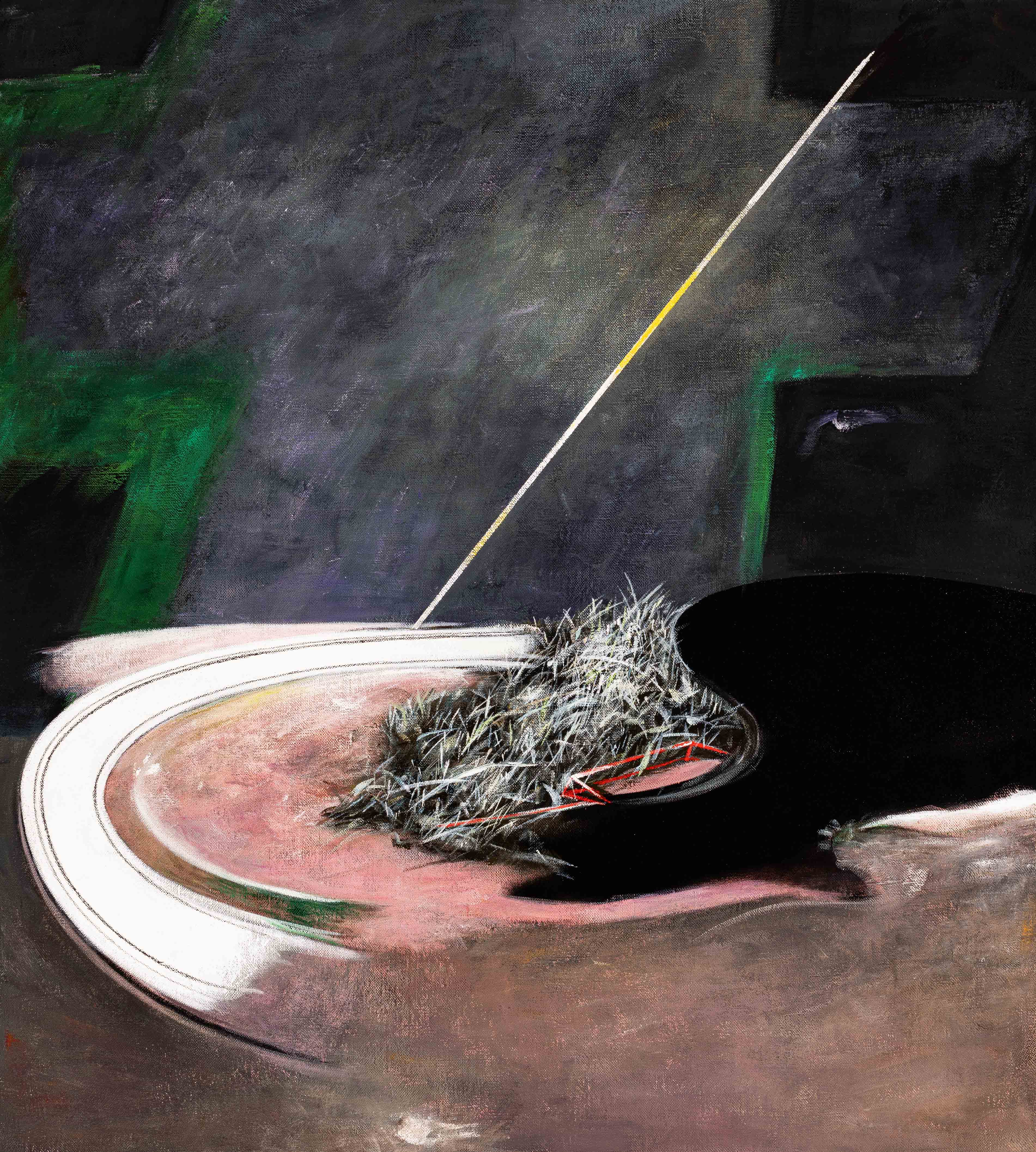
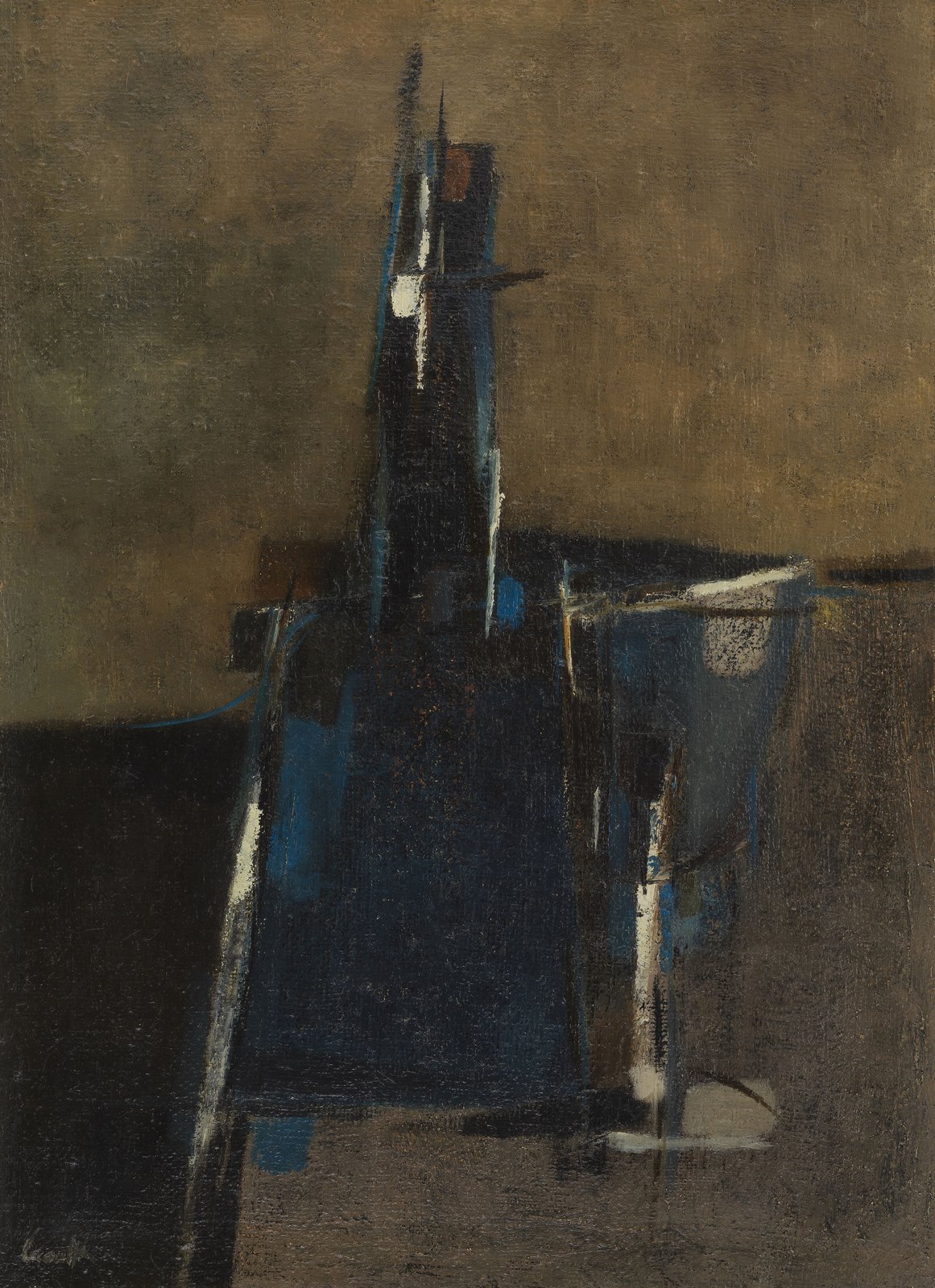
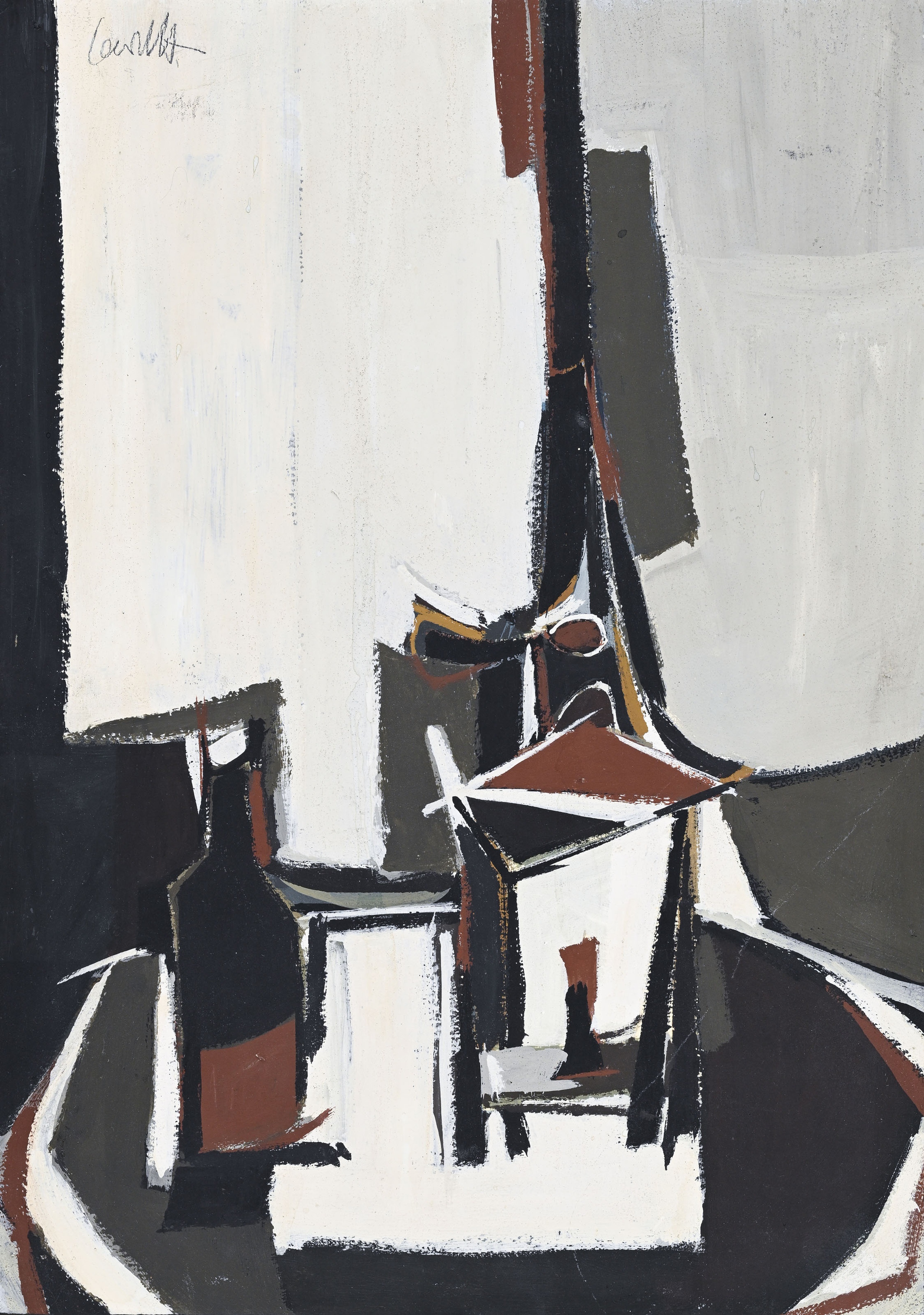
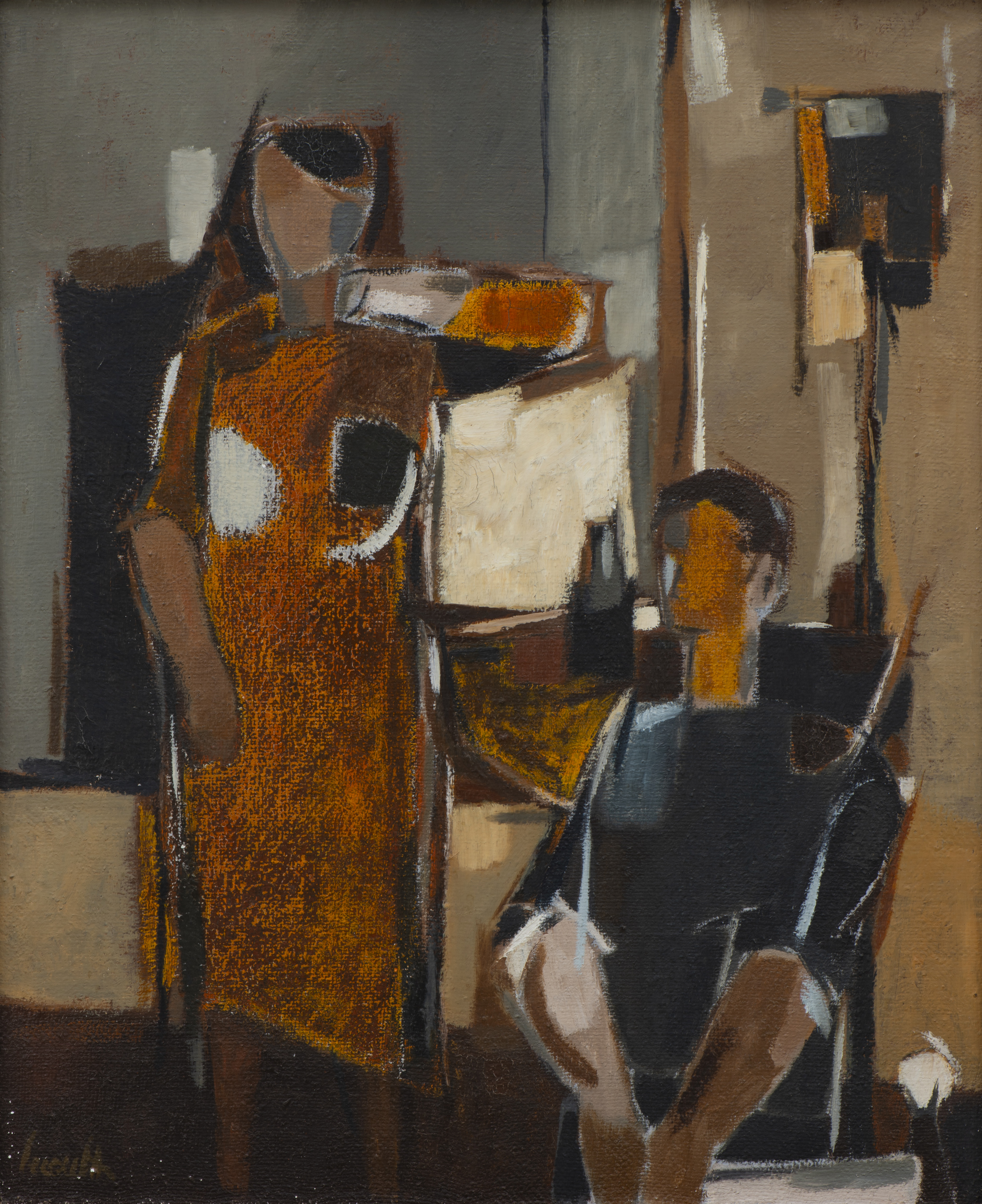
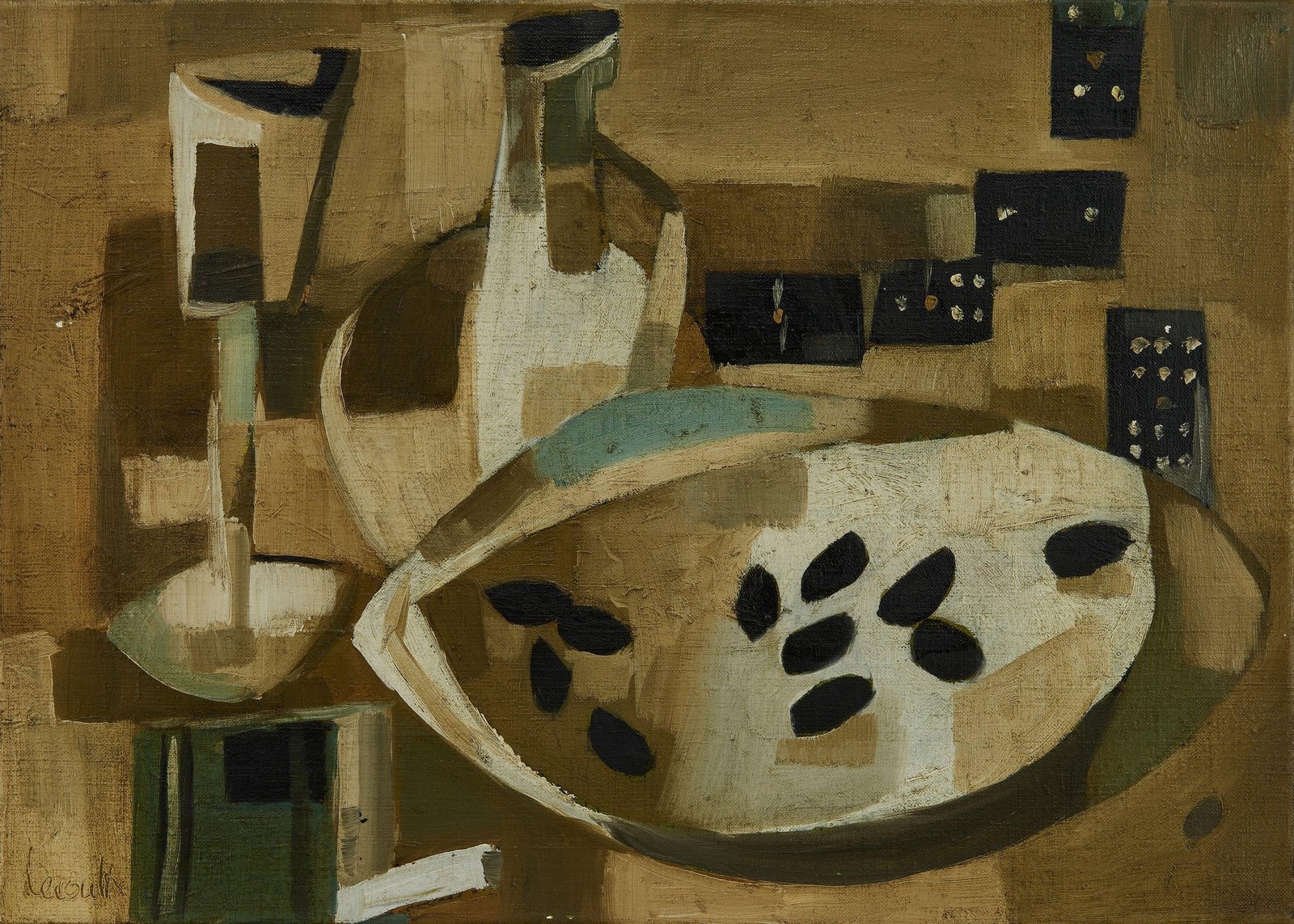
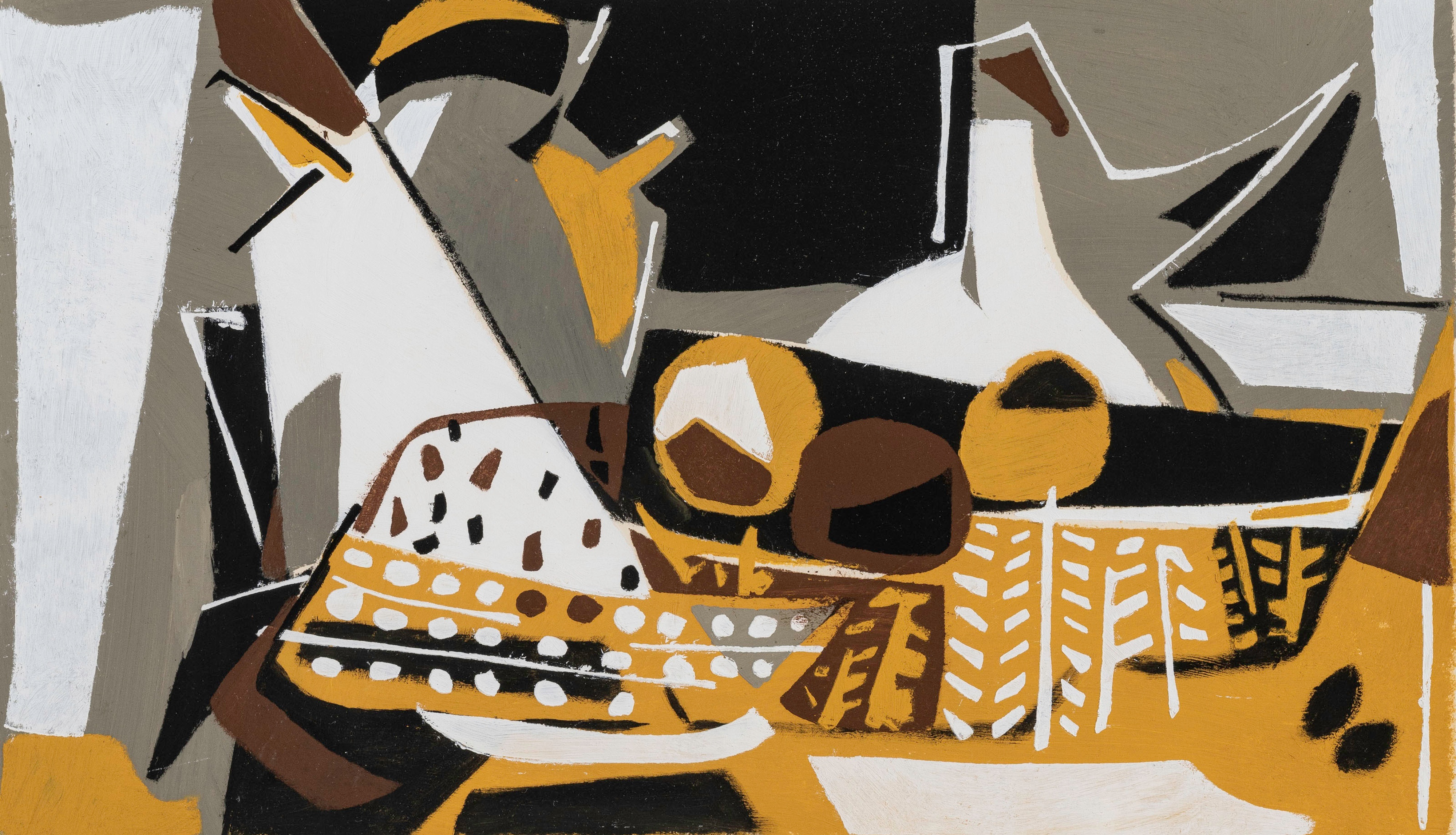
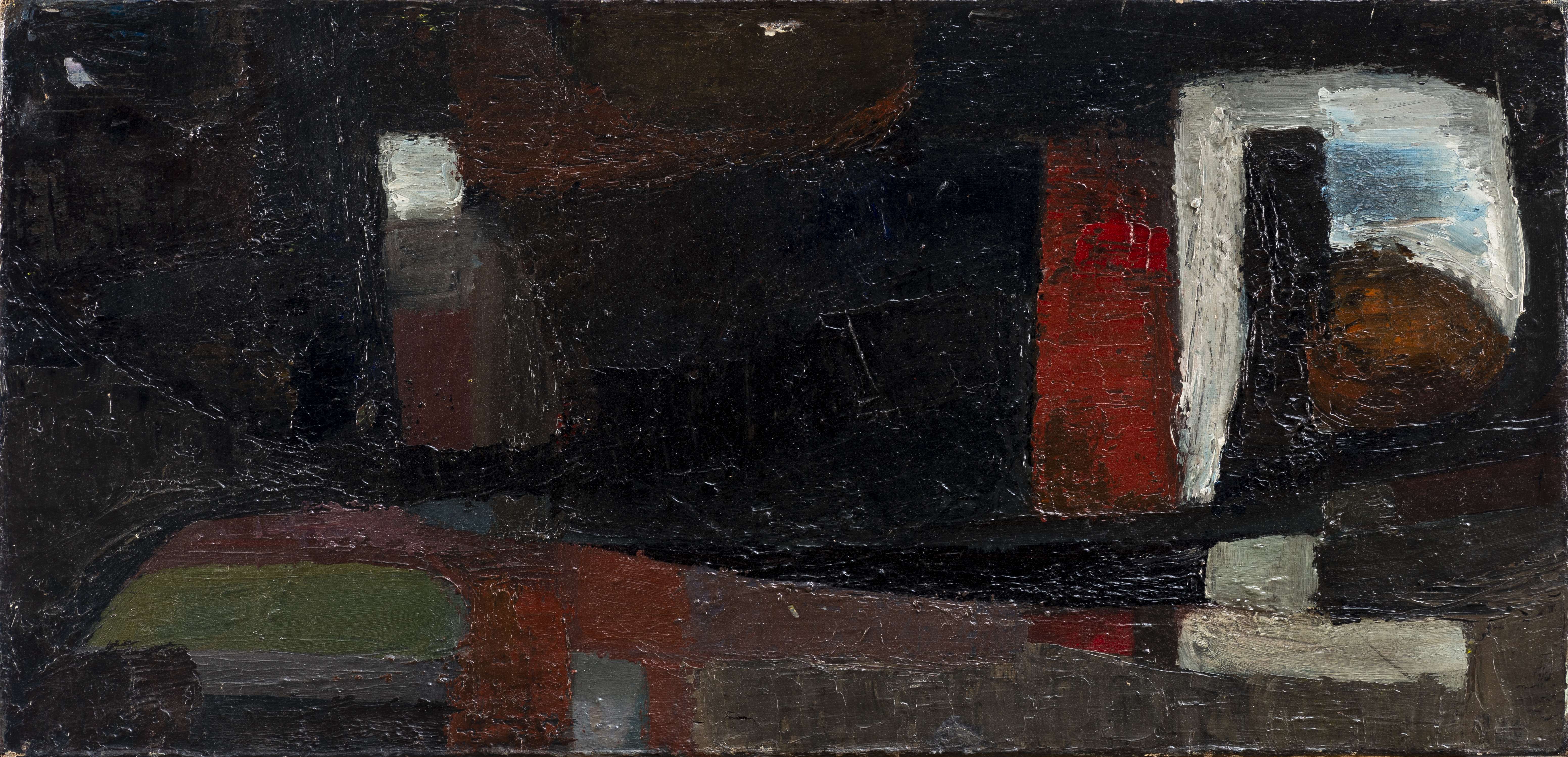
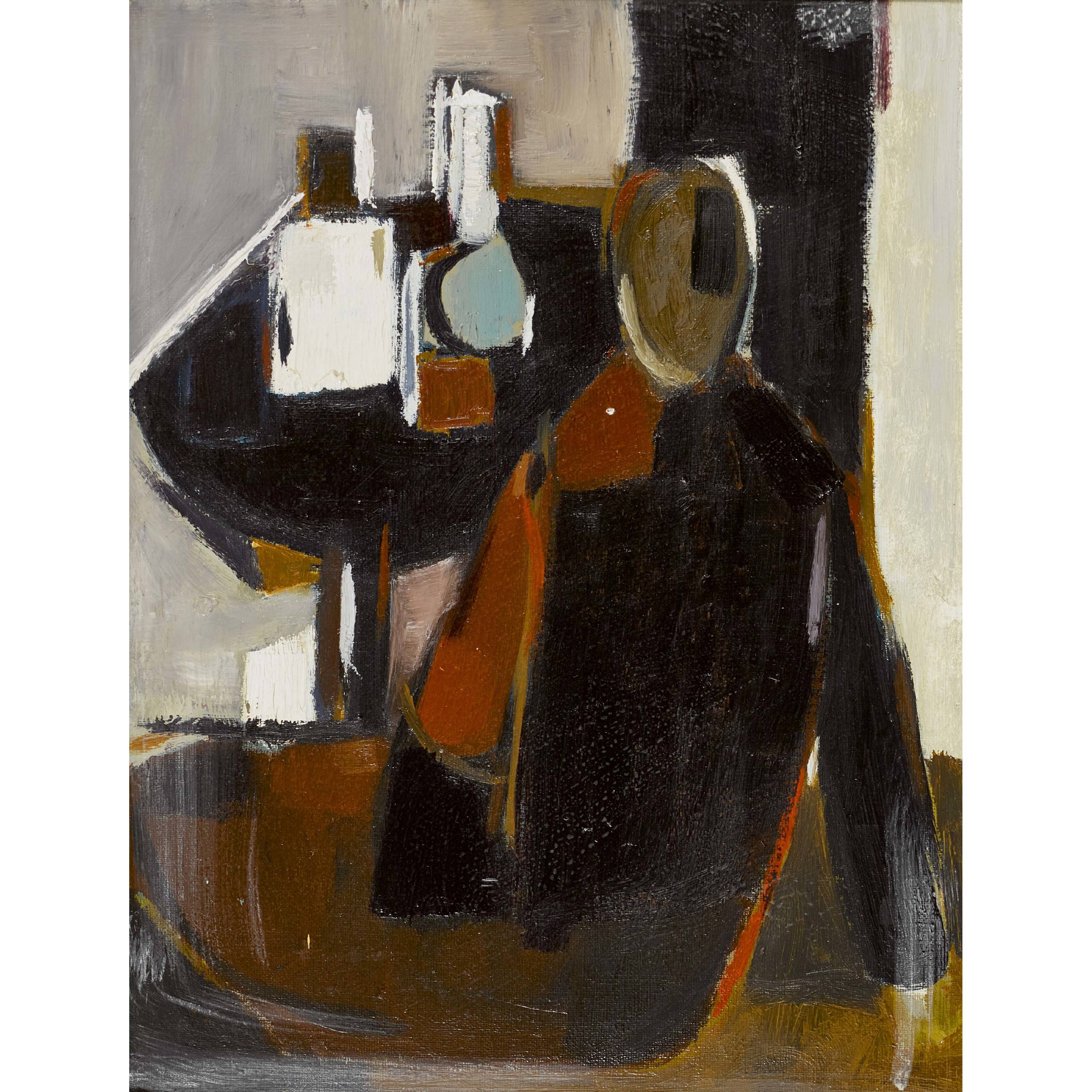
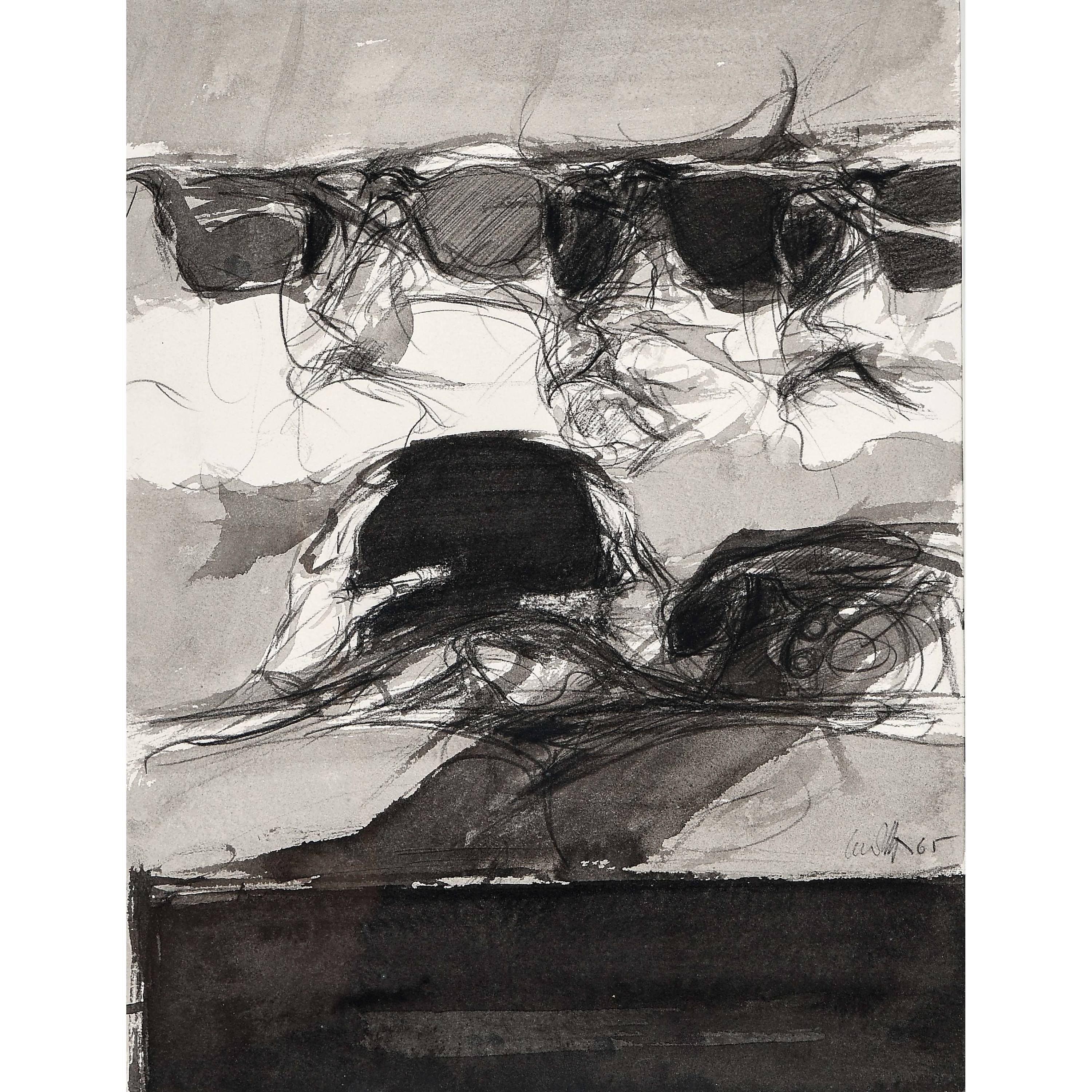
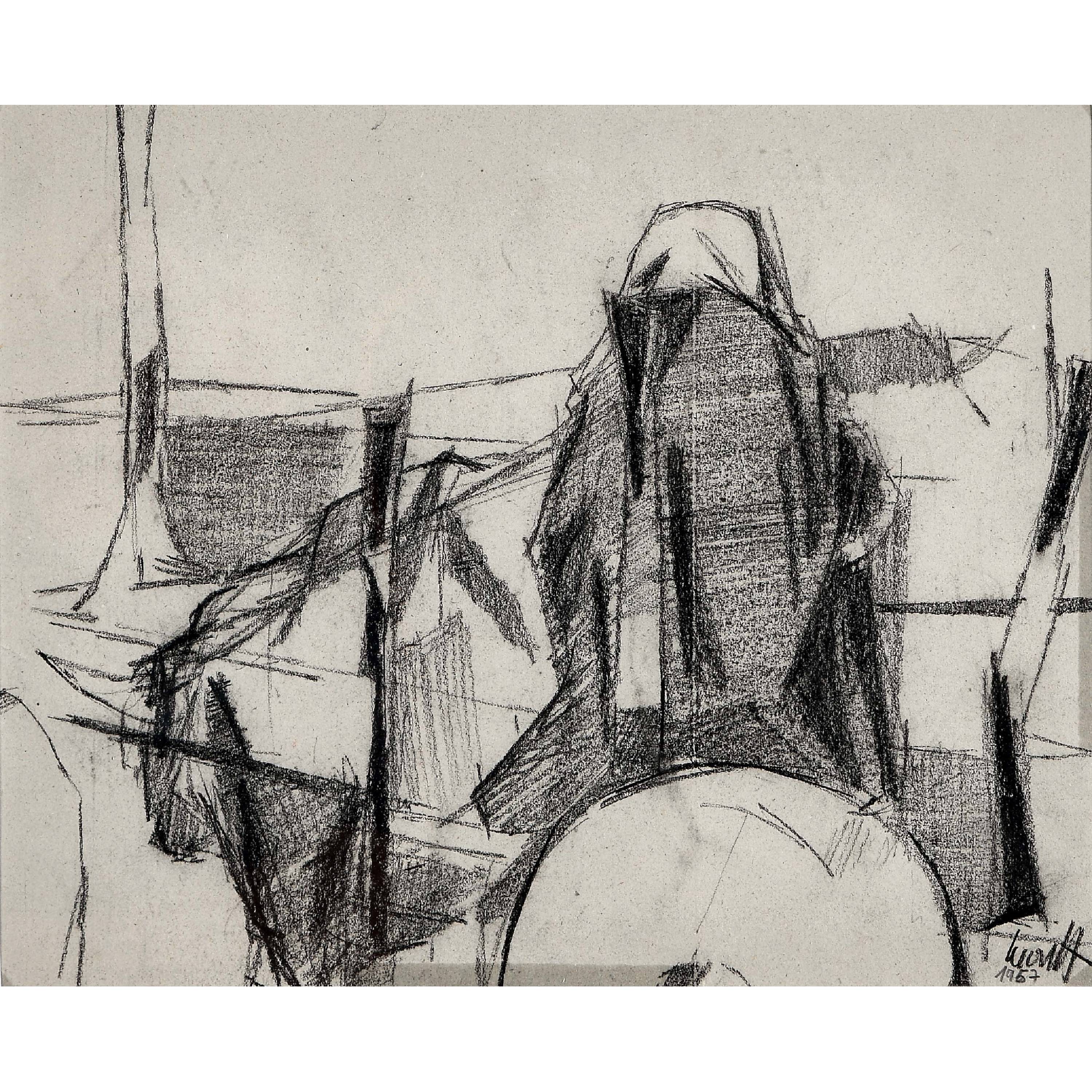
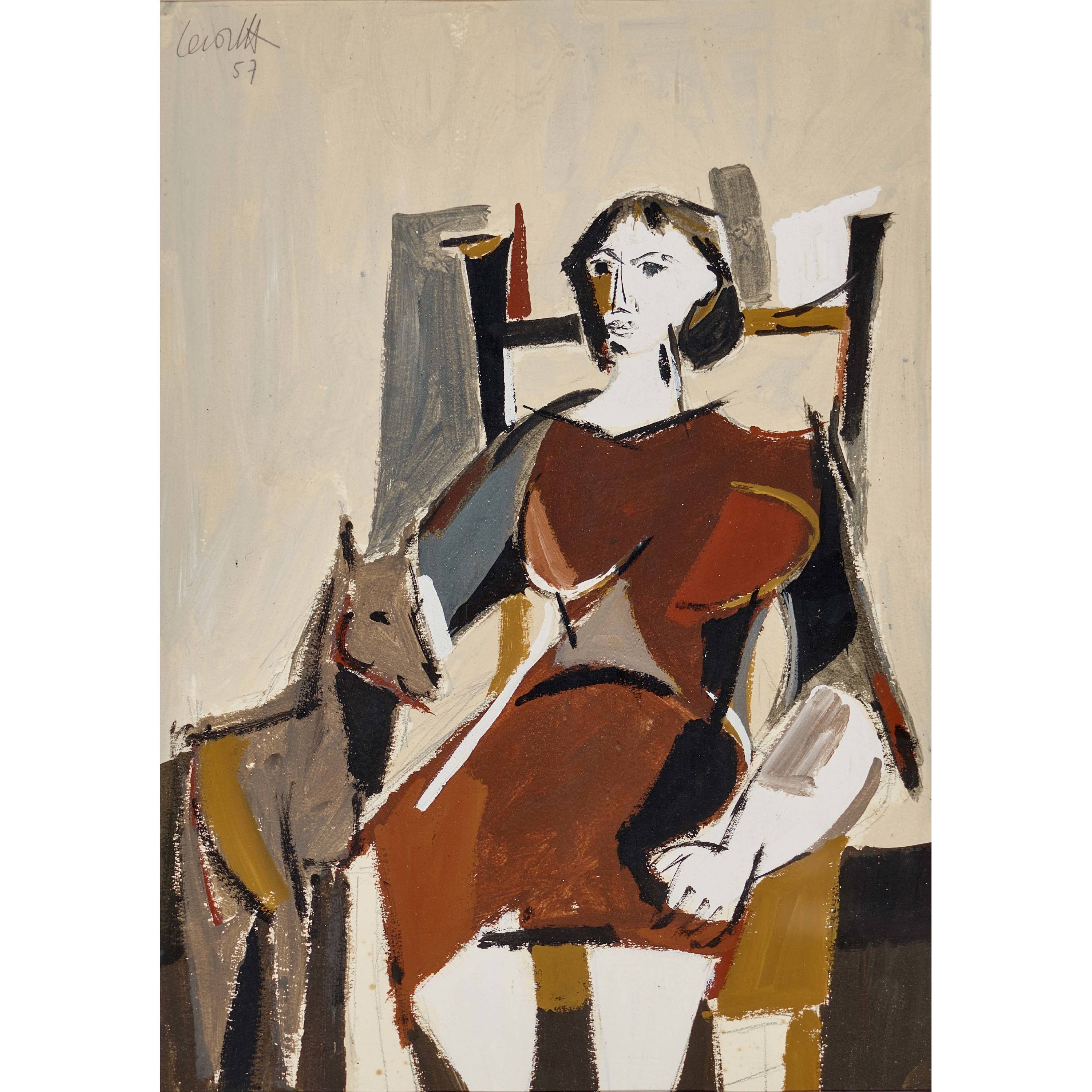
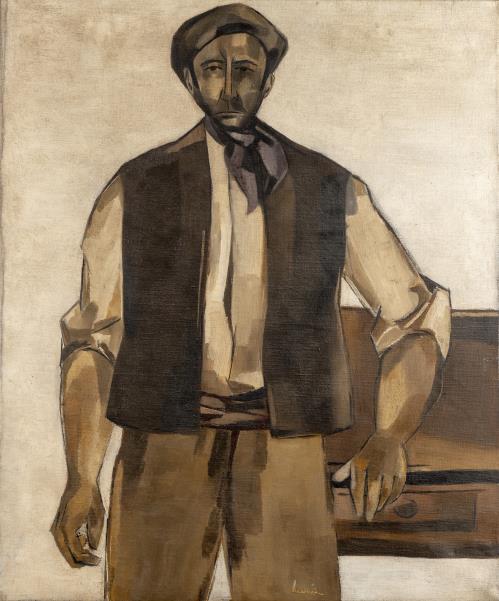
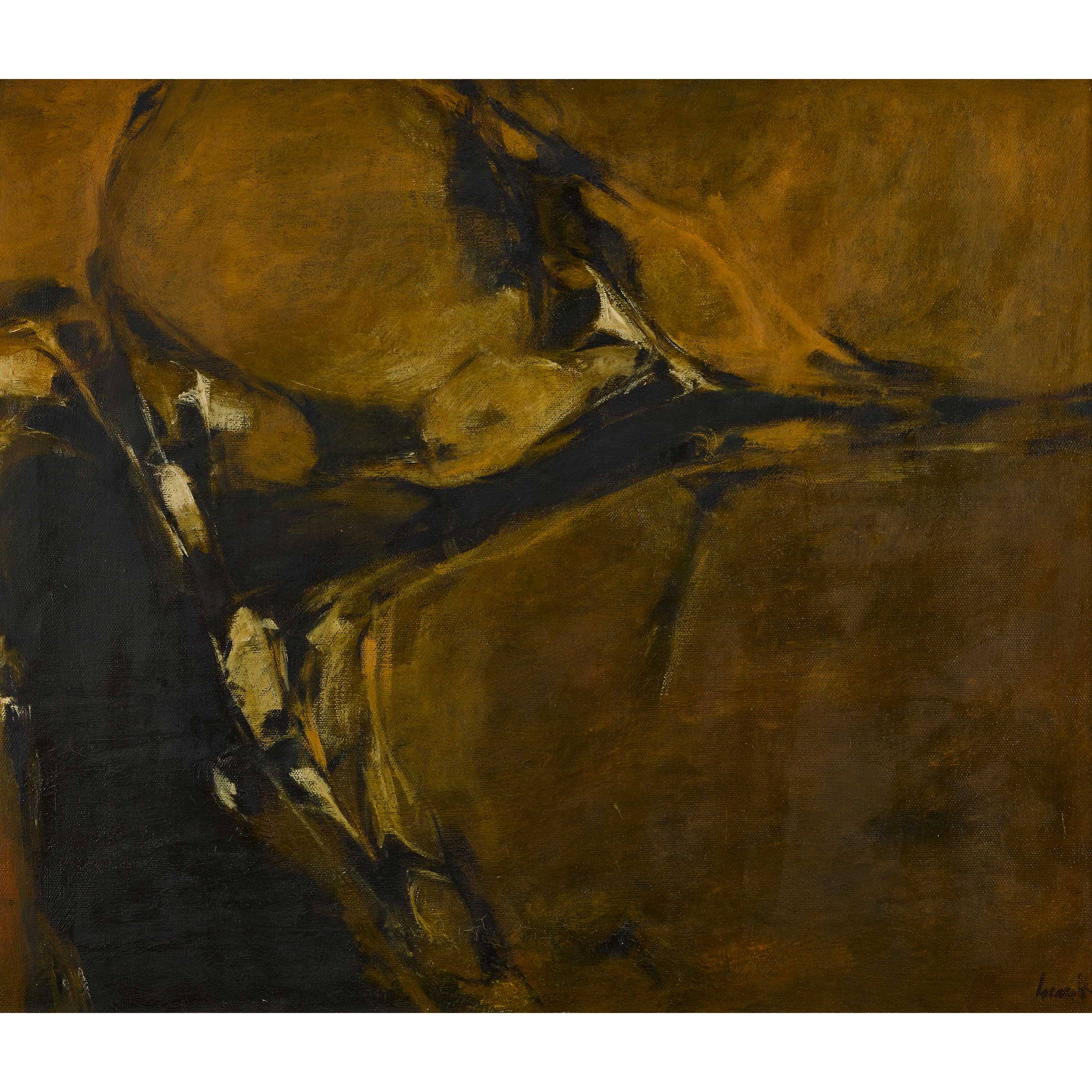
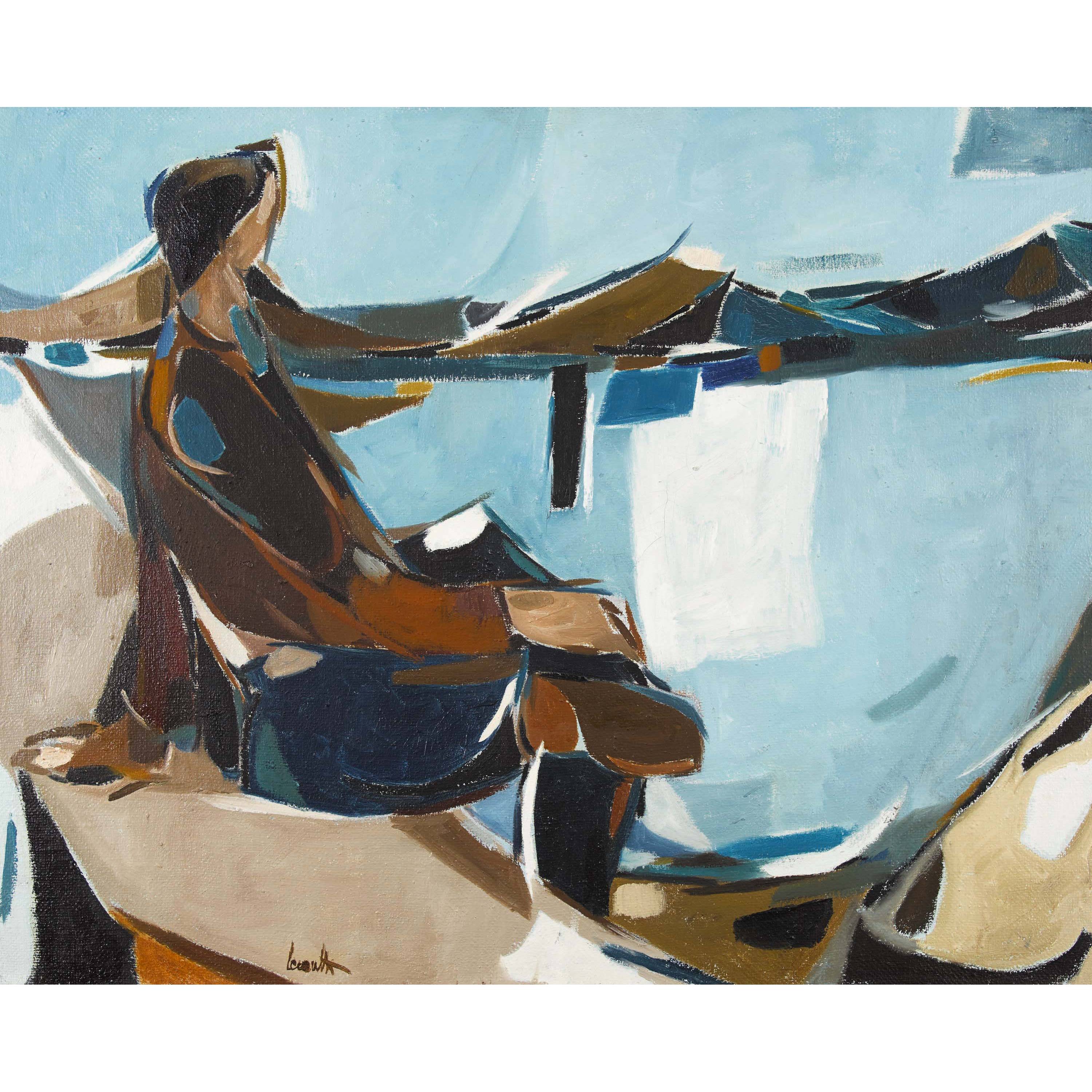
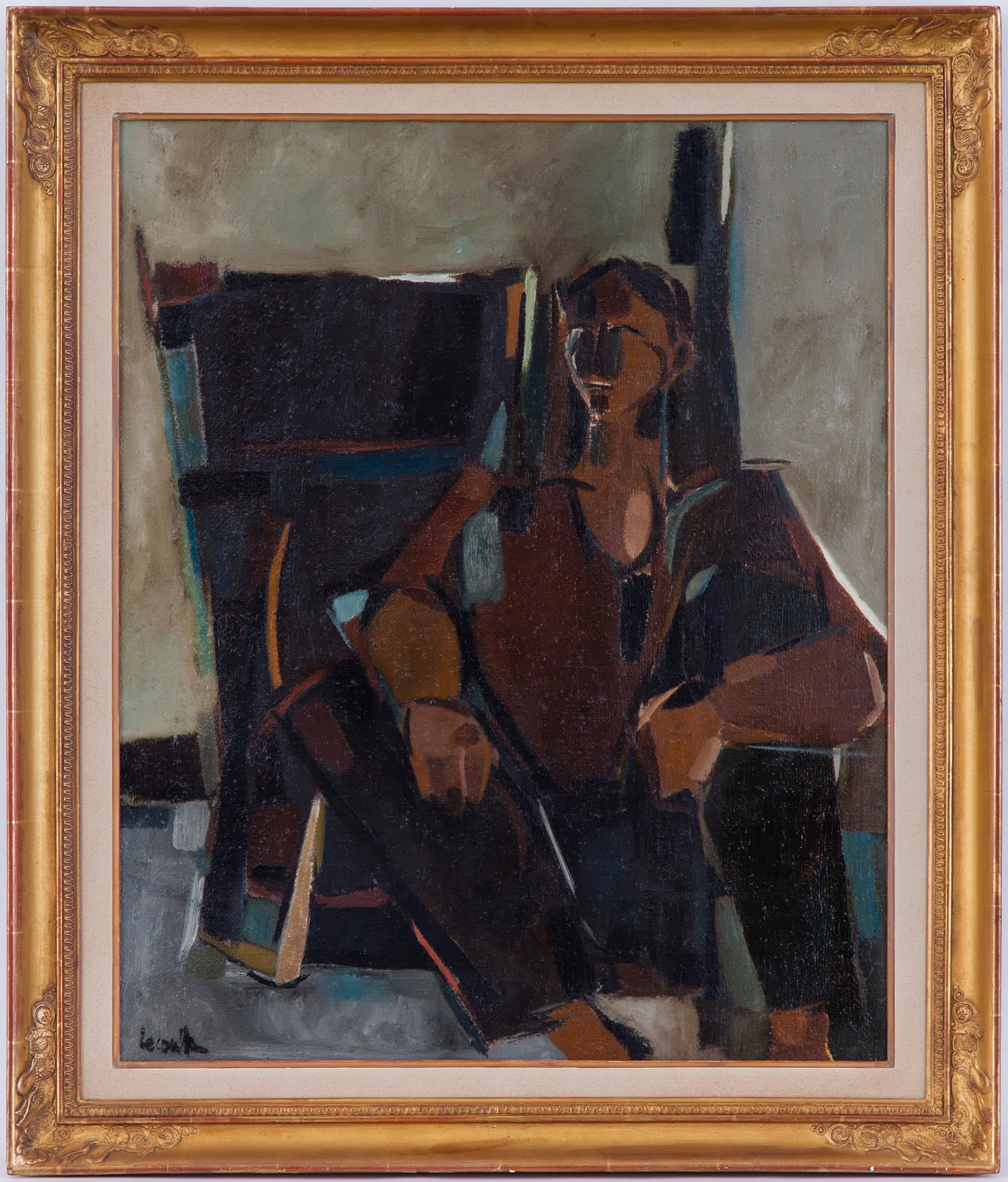
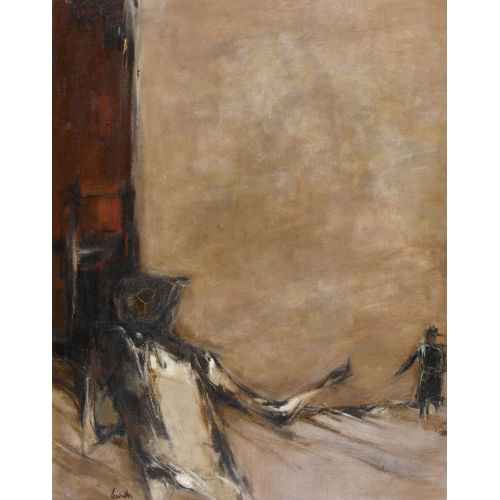
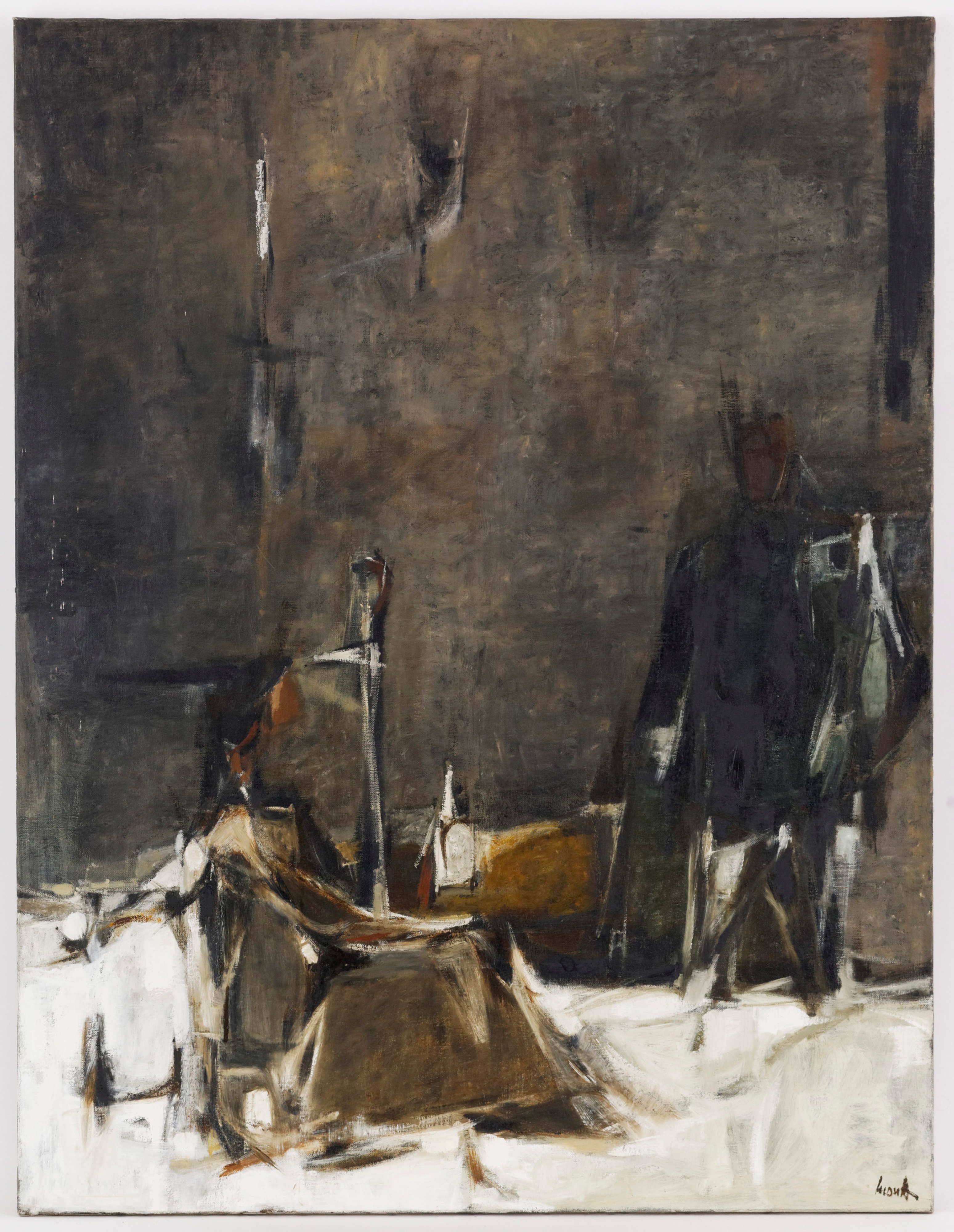
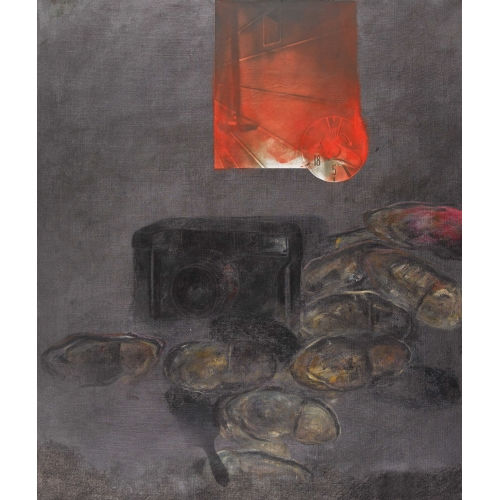
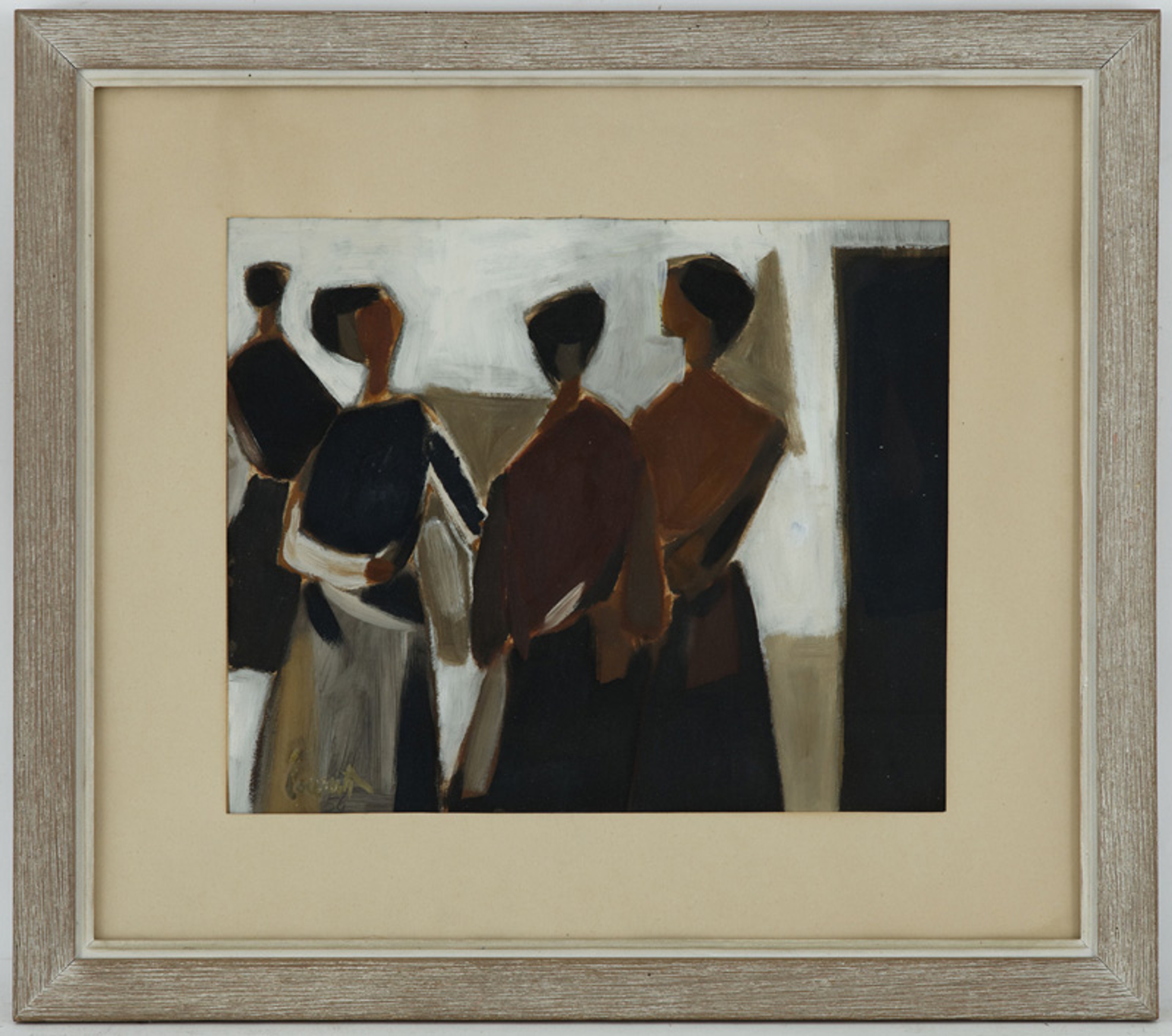
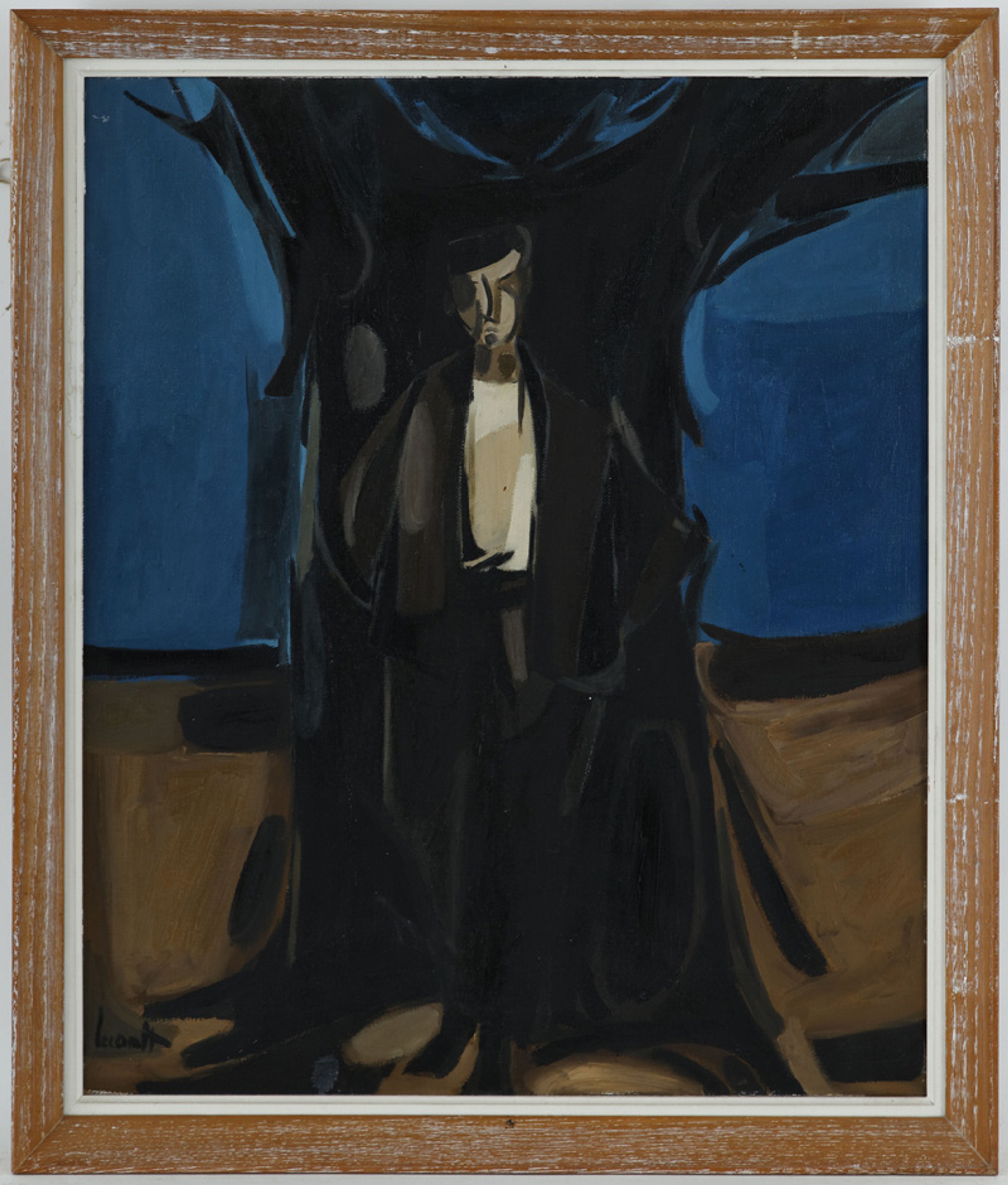
His stay in Spain, which lasted until 1957, had a lasting impact on his work, even after his return to Lausanne. The early works draw in particular on the rural world and ties to the land; at the beginning of the 1960s, new materials and the signs of modernity shifted his concerns.
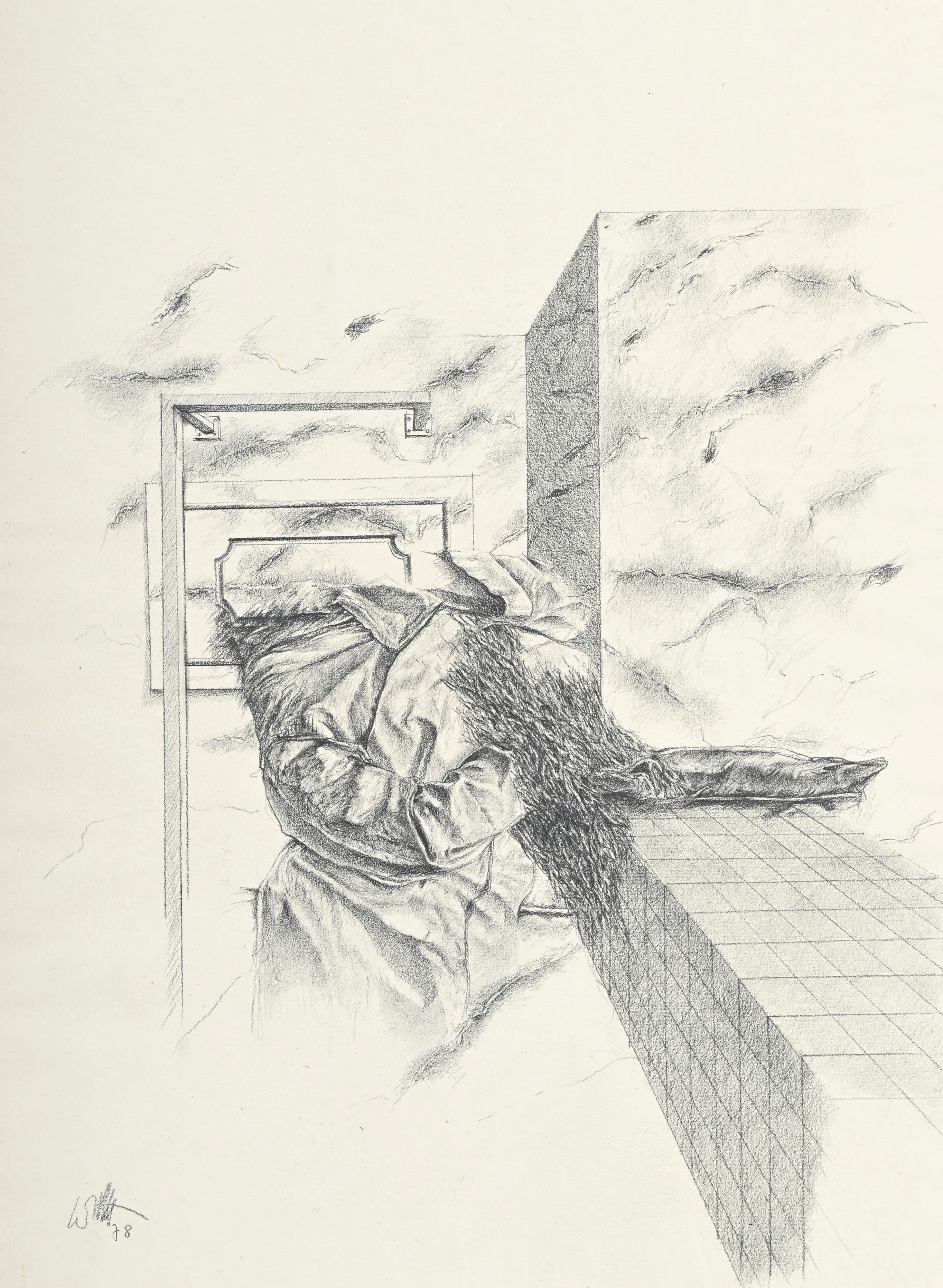
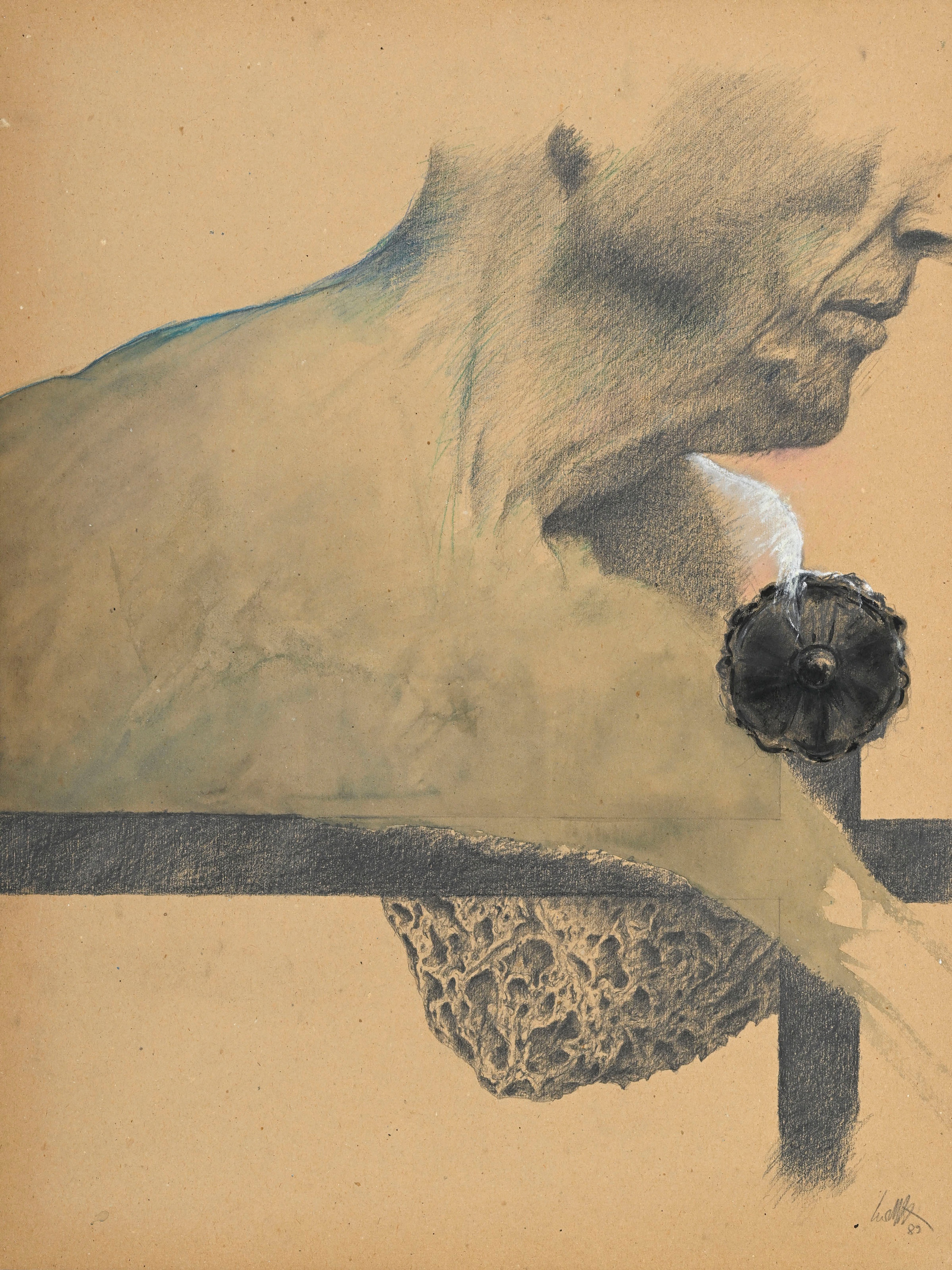
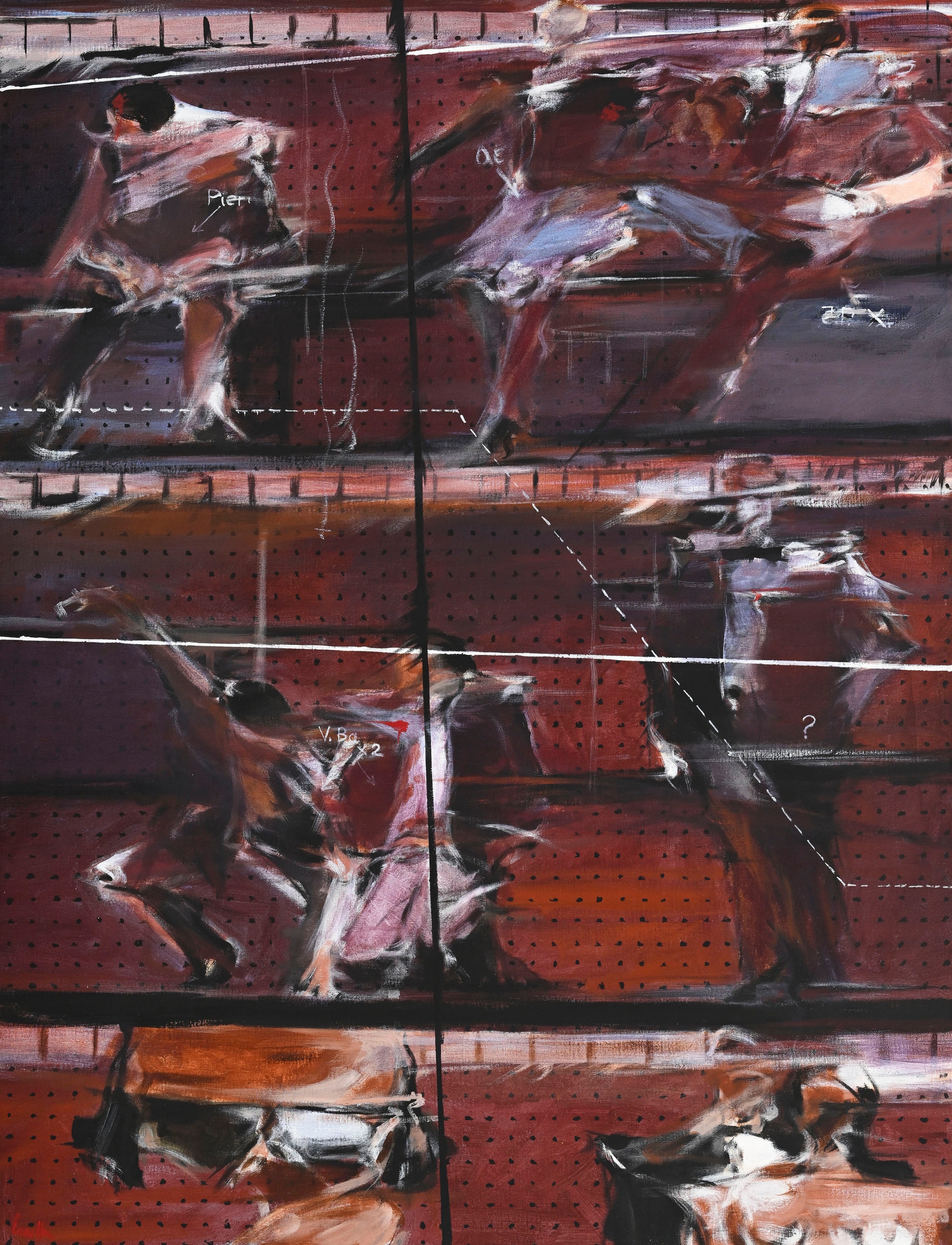
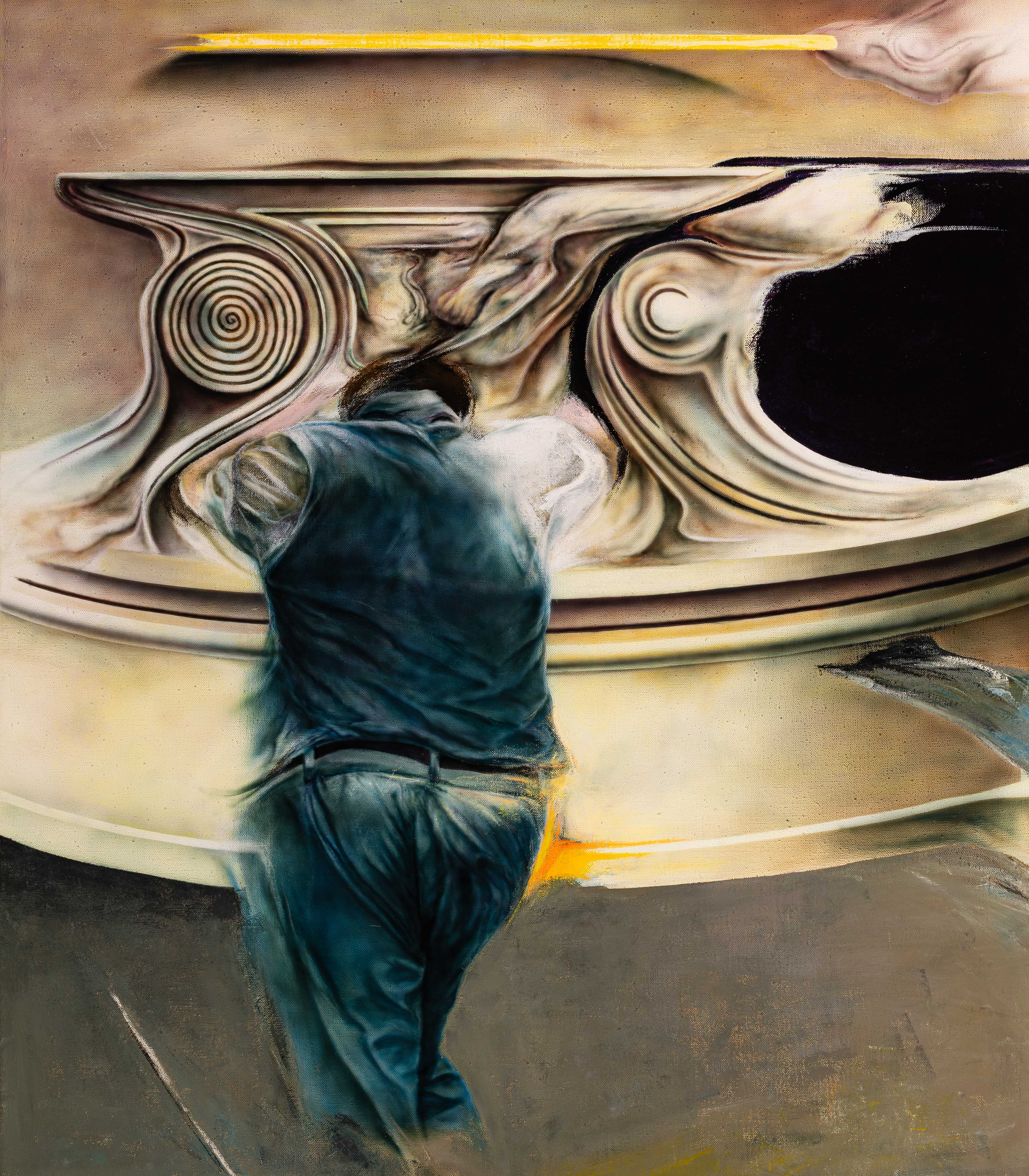
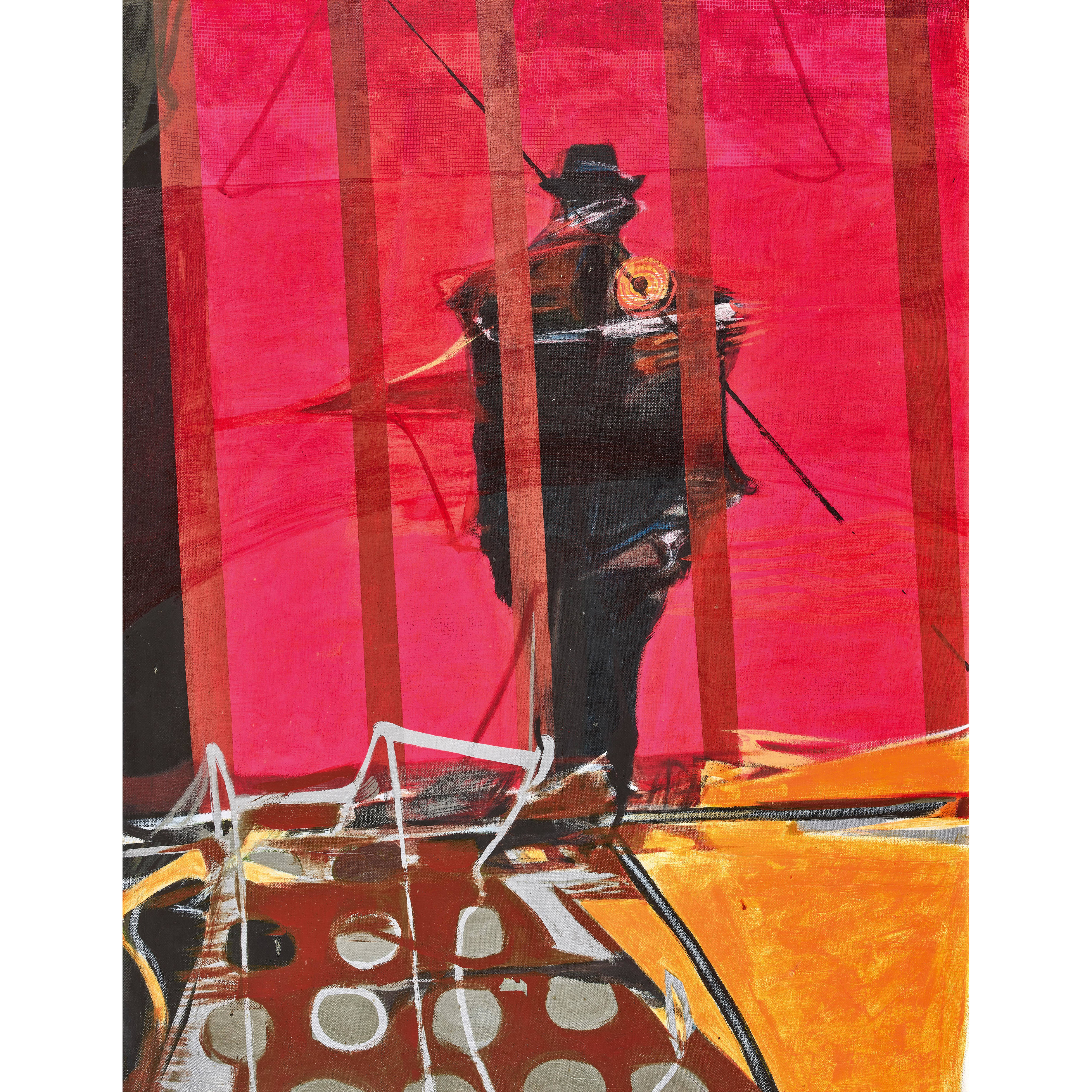
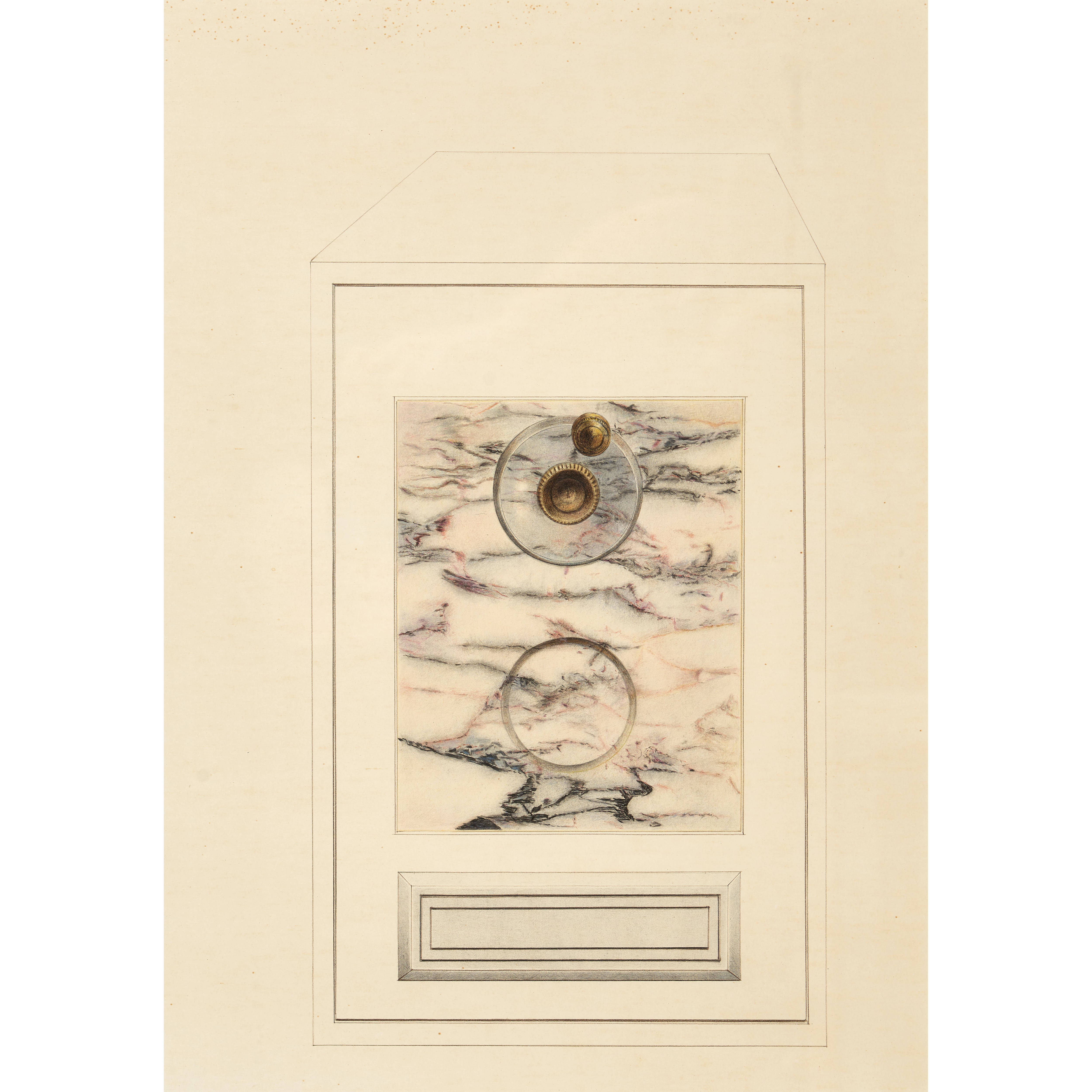
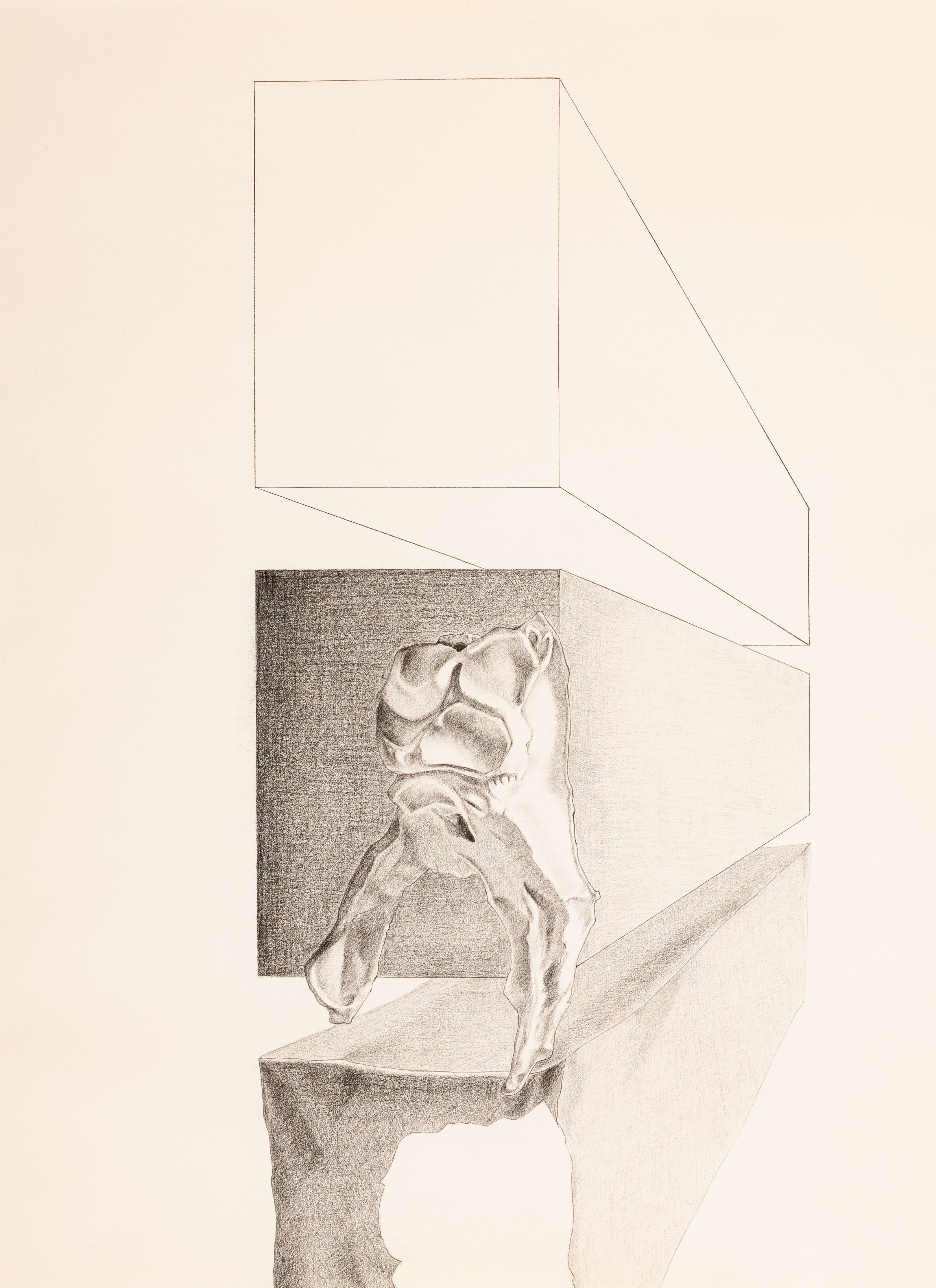
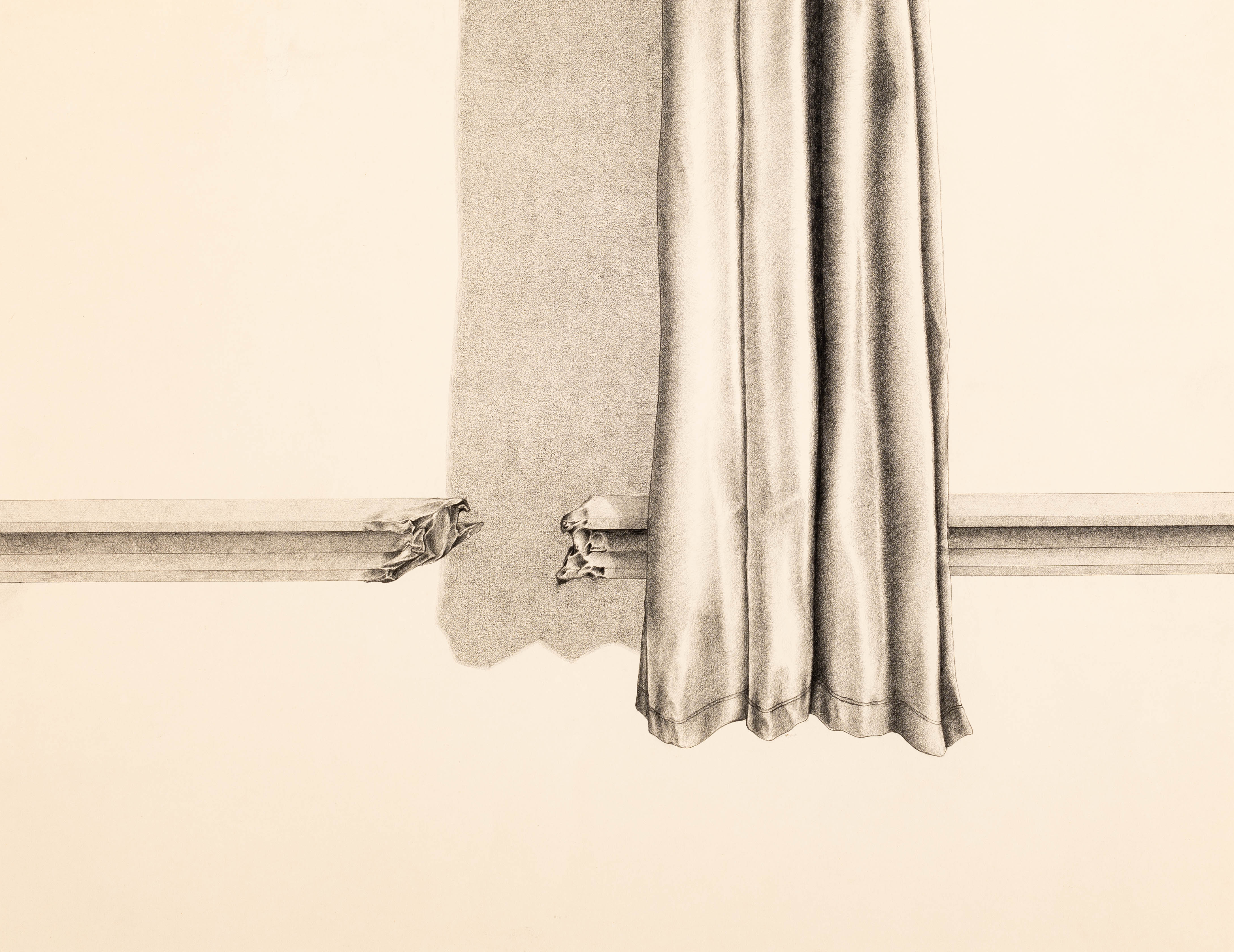
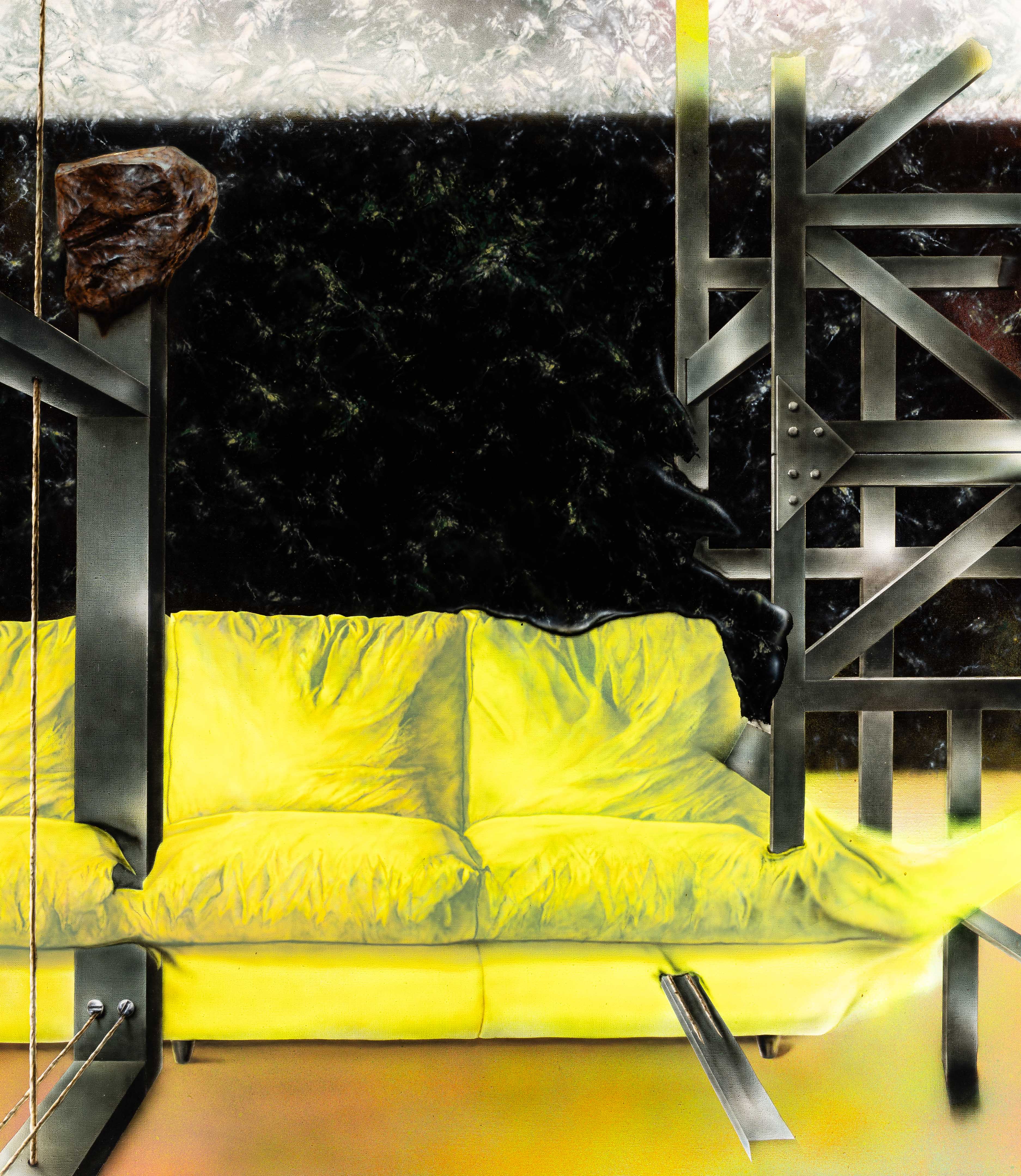
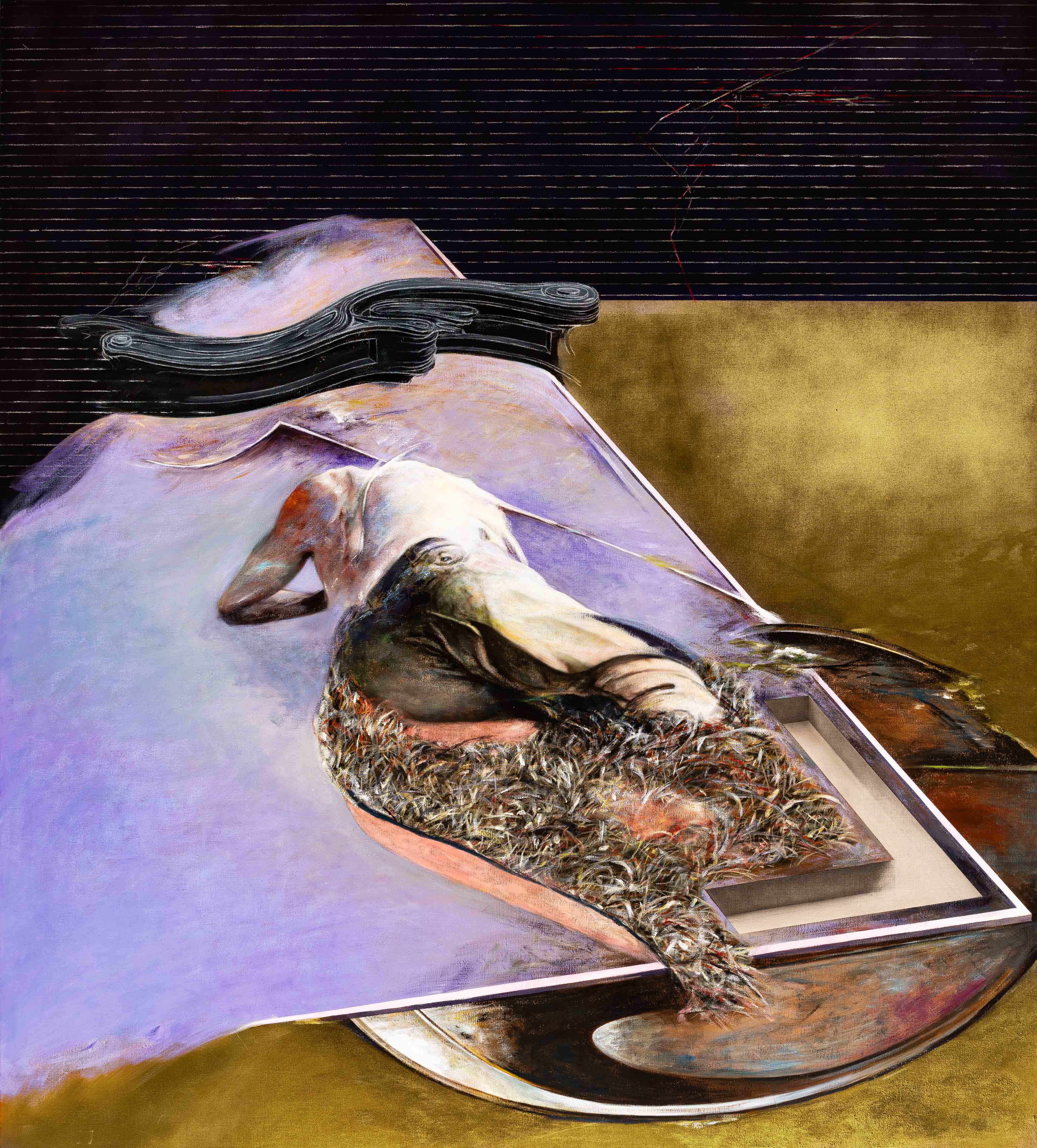
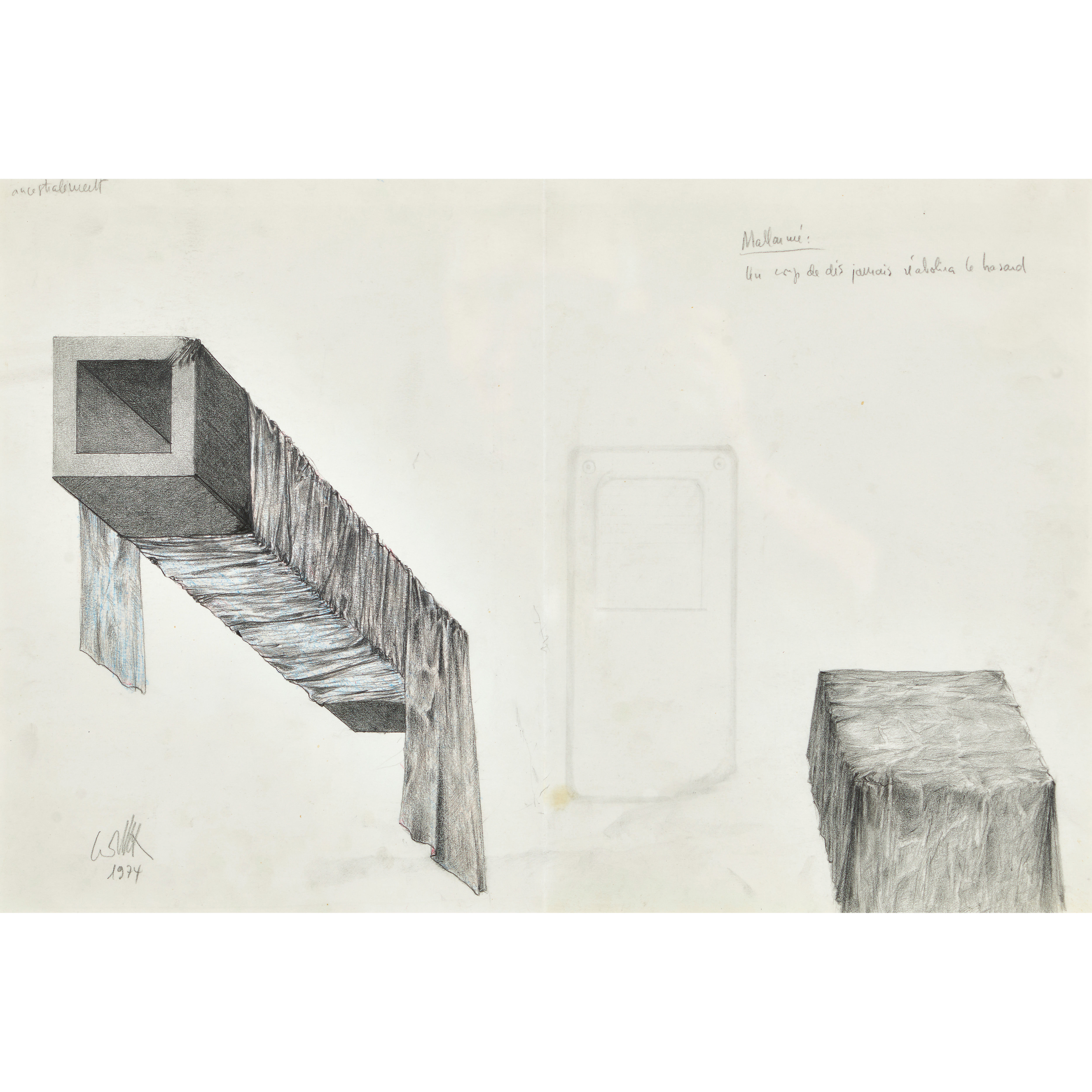
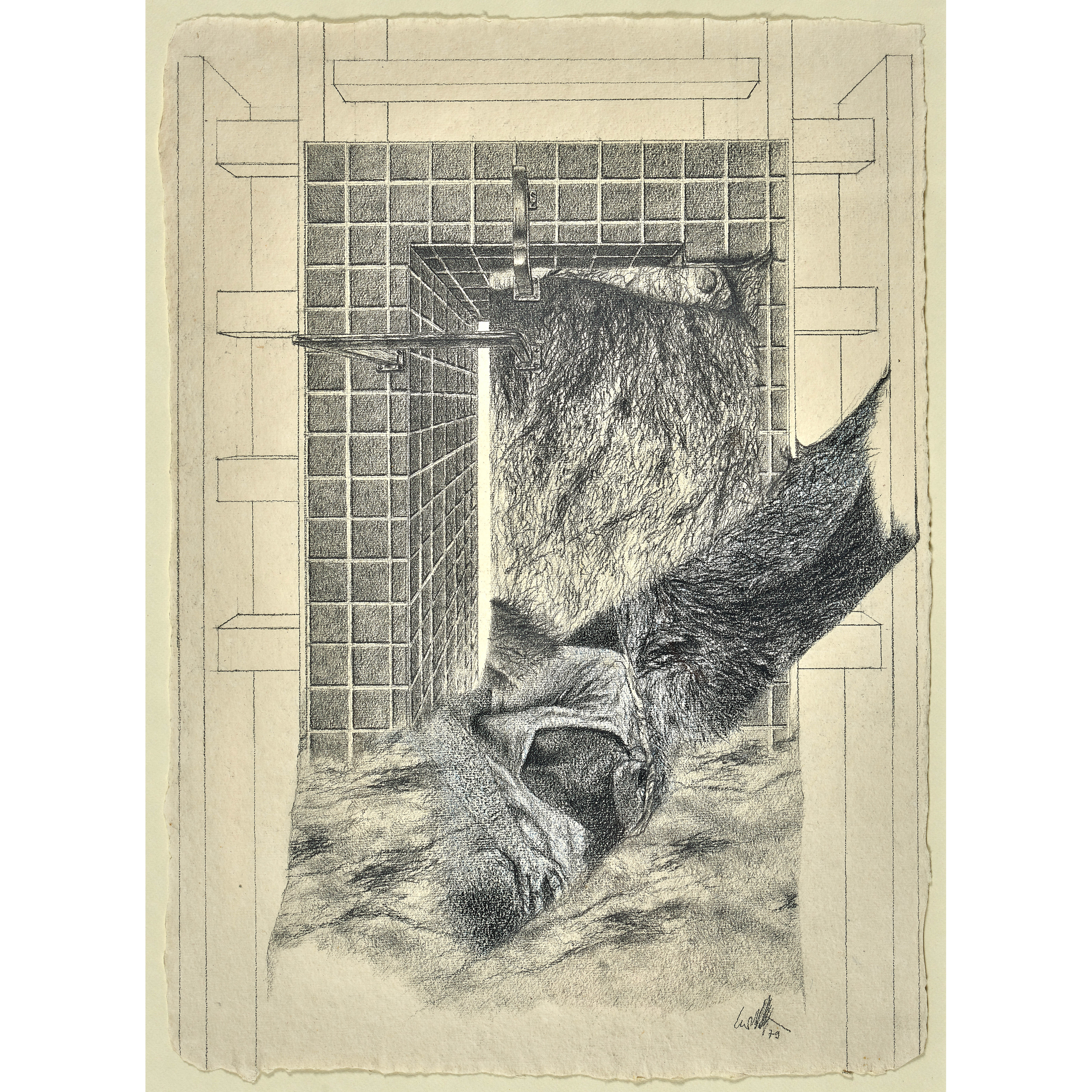
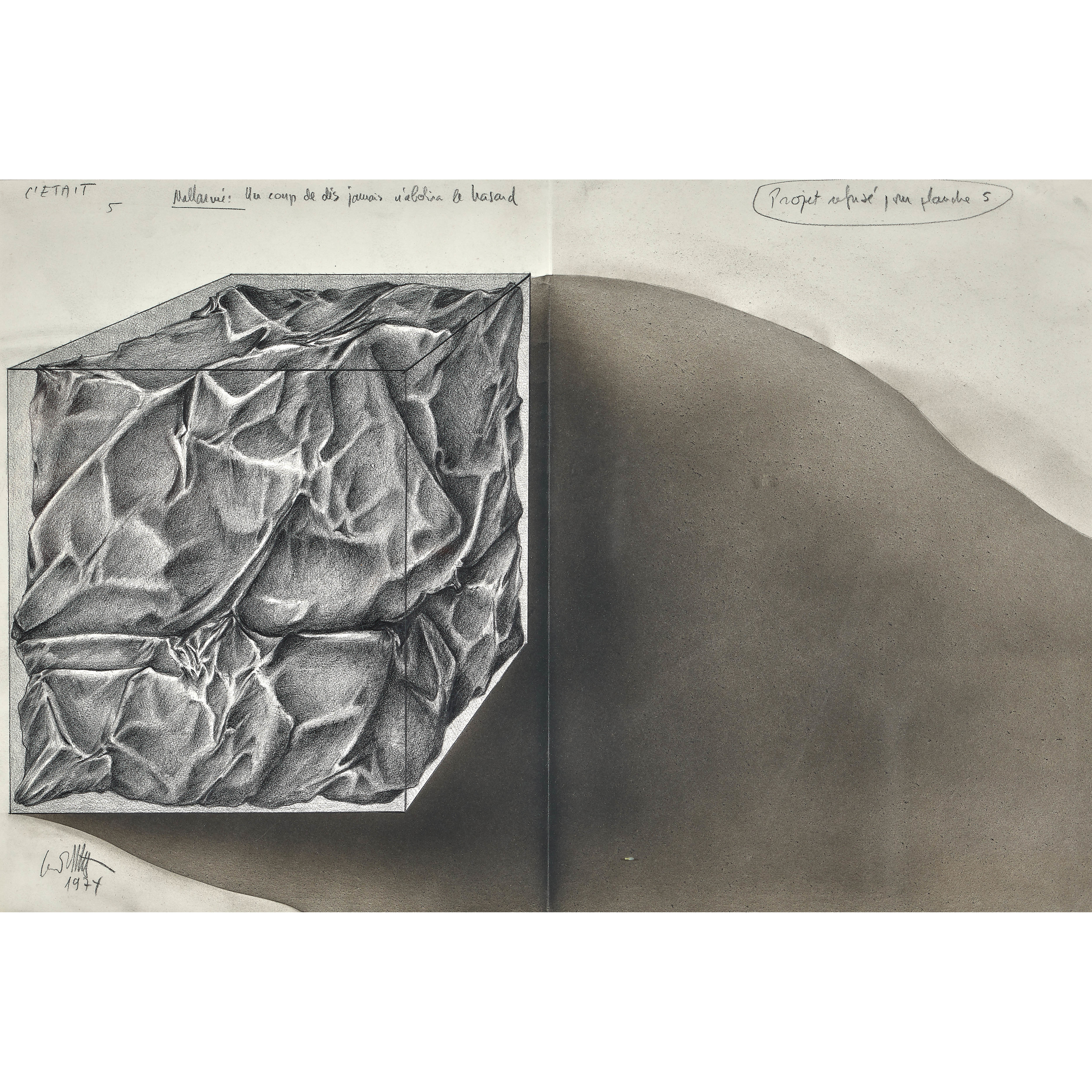
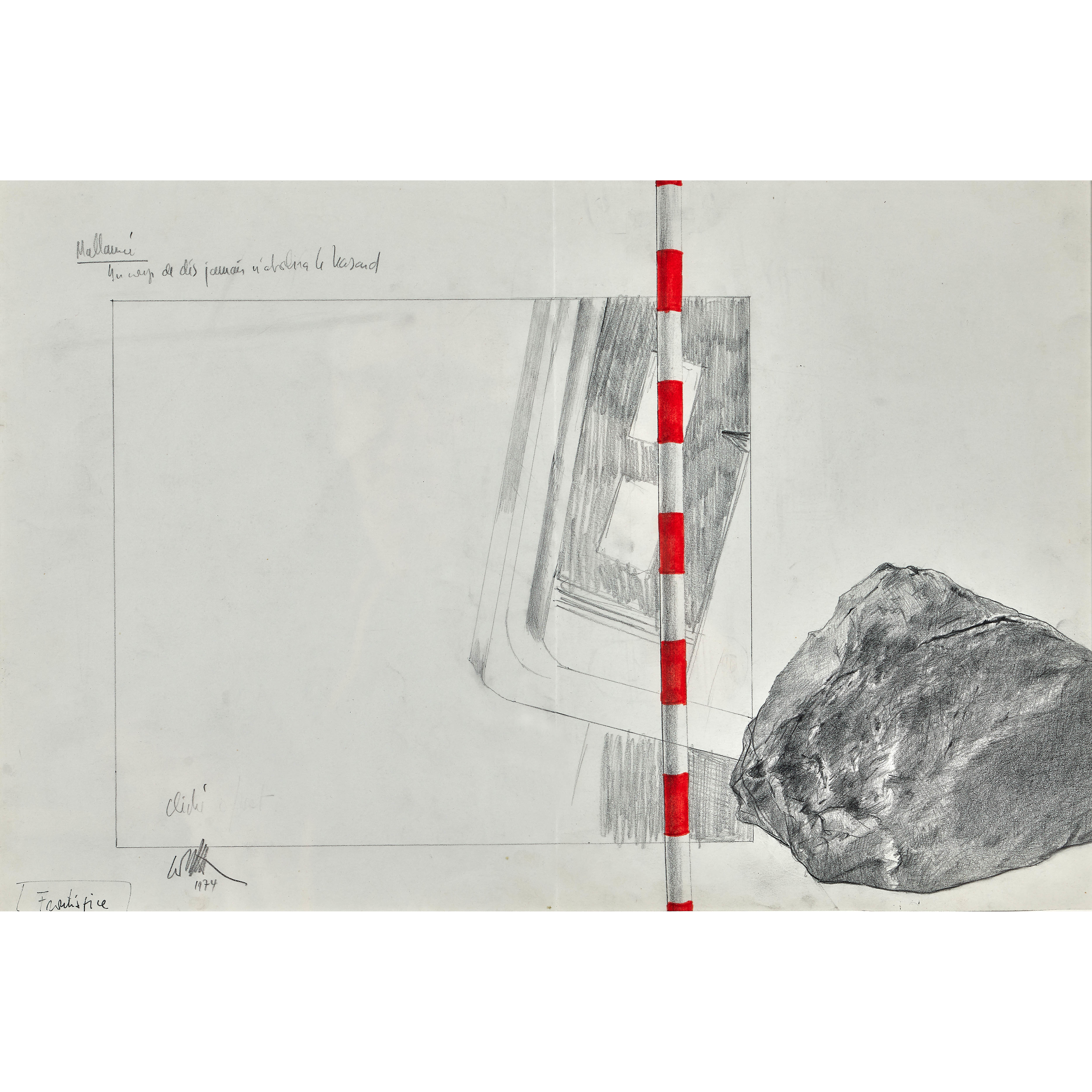
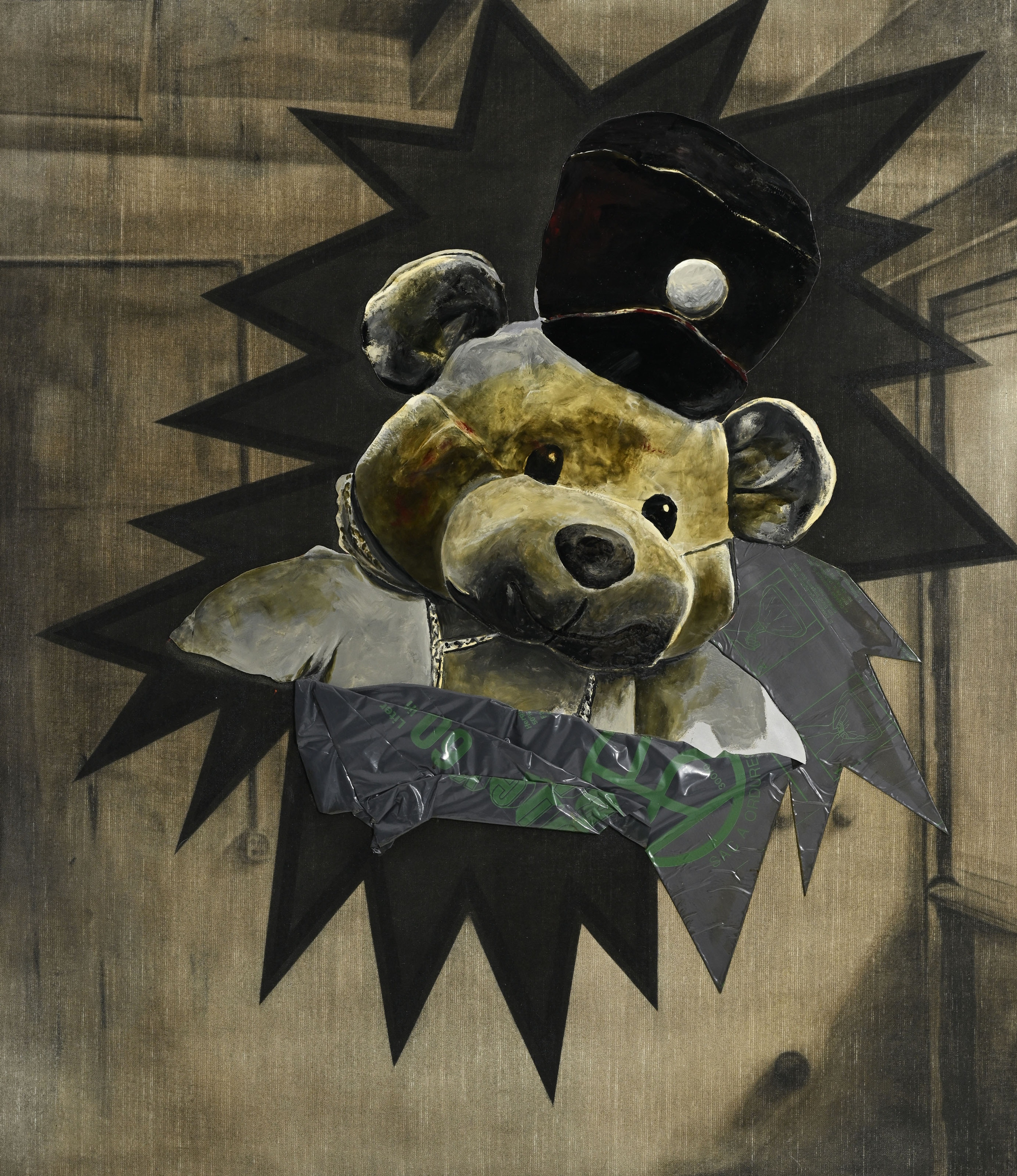
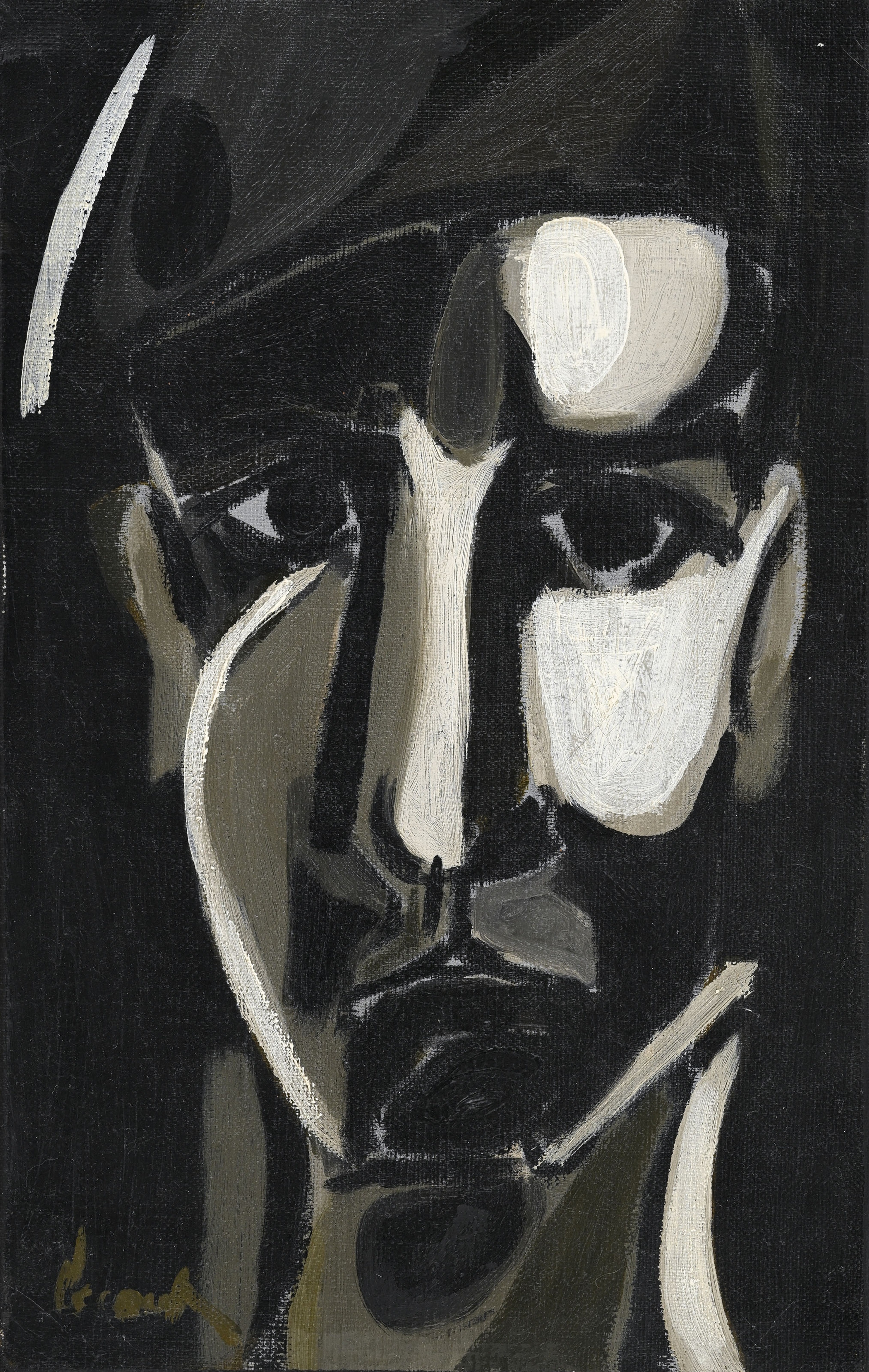
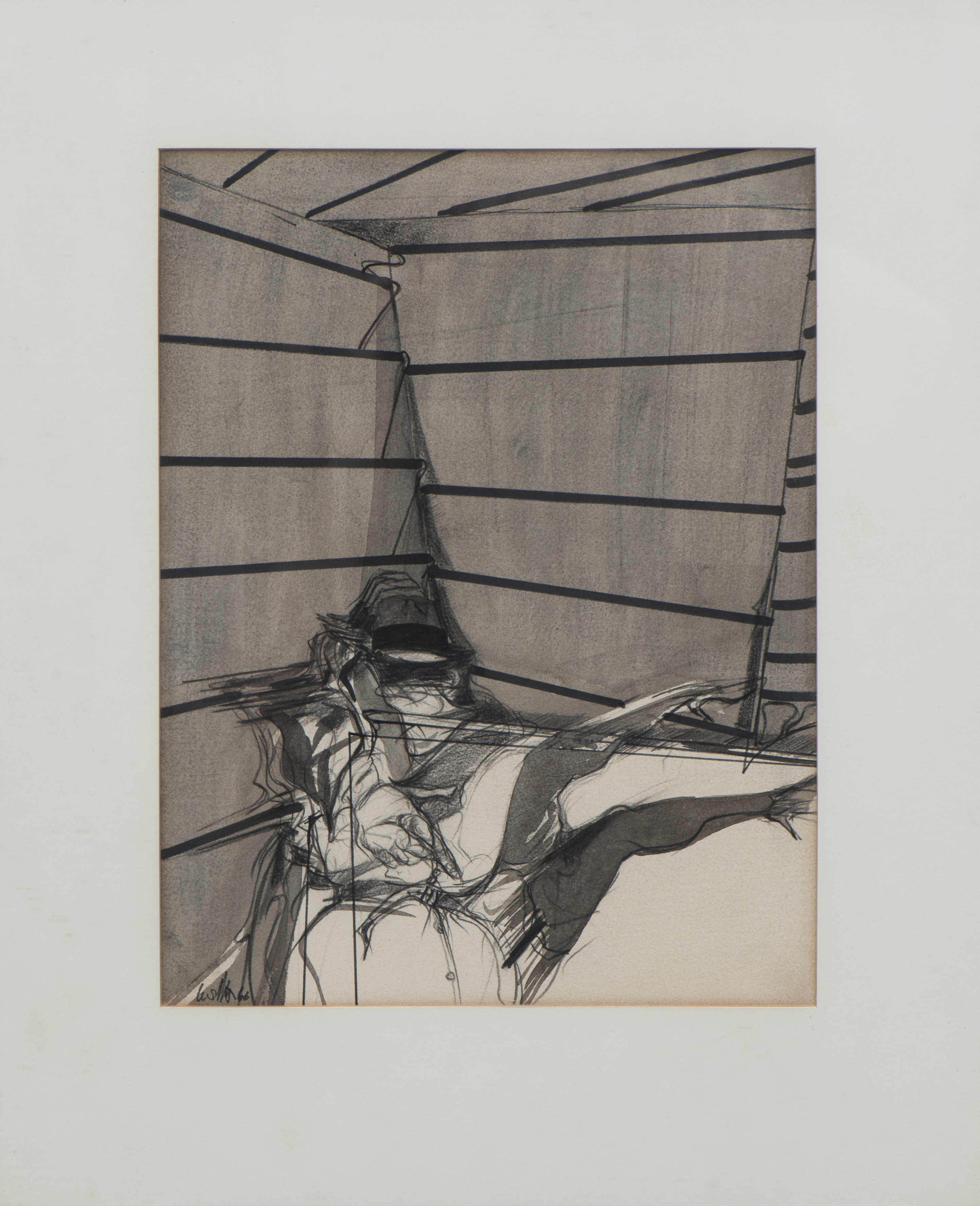
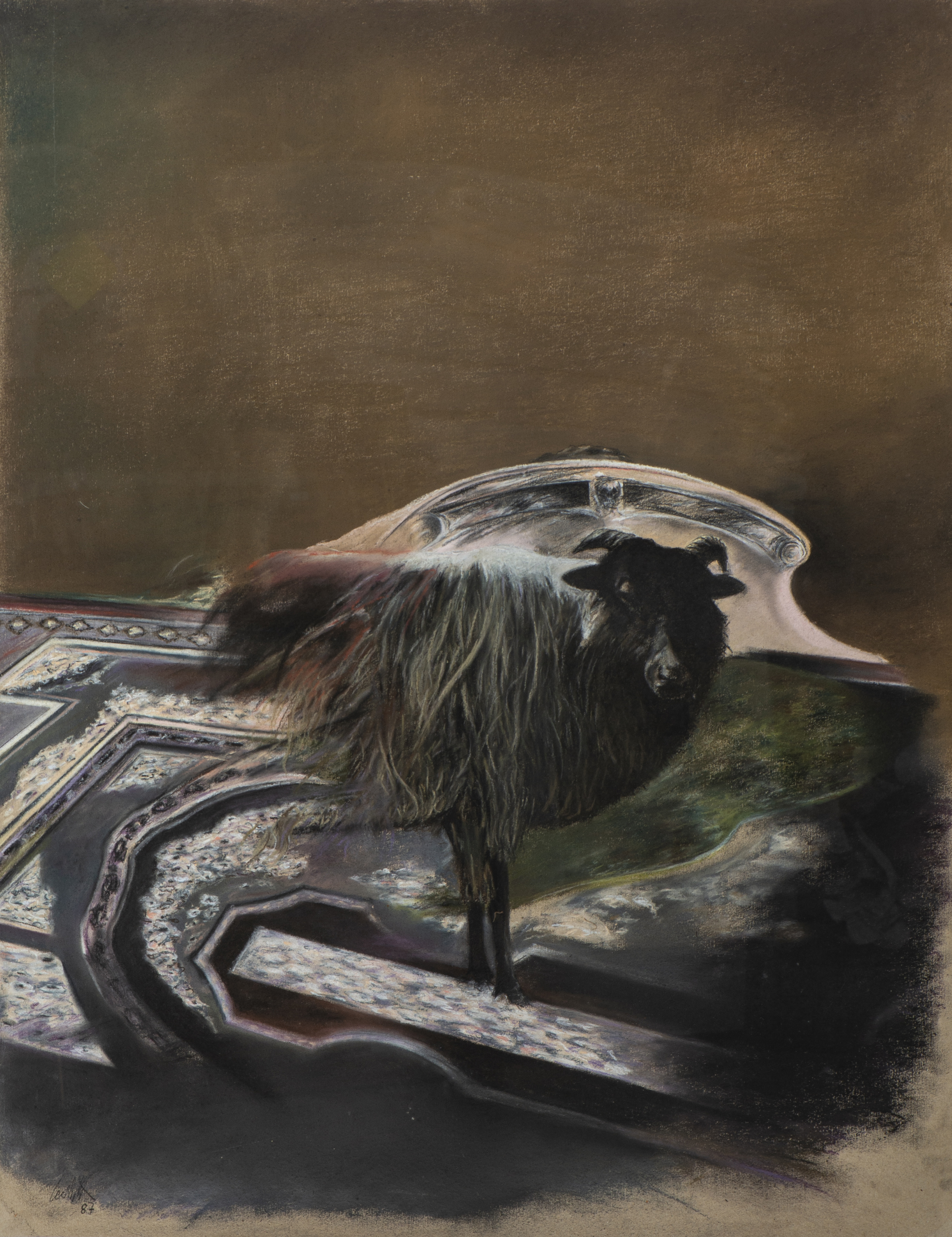
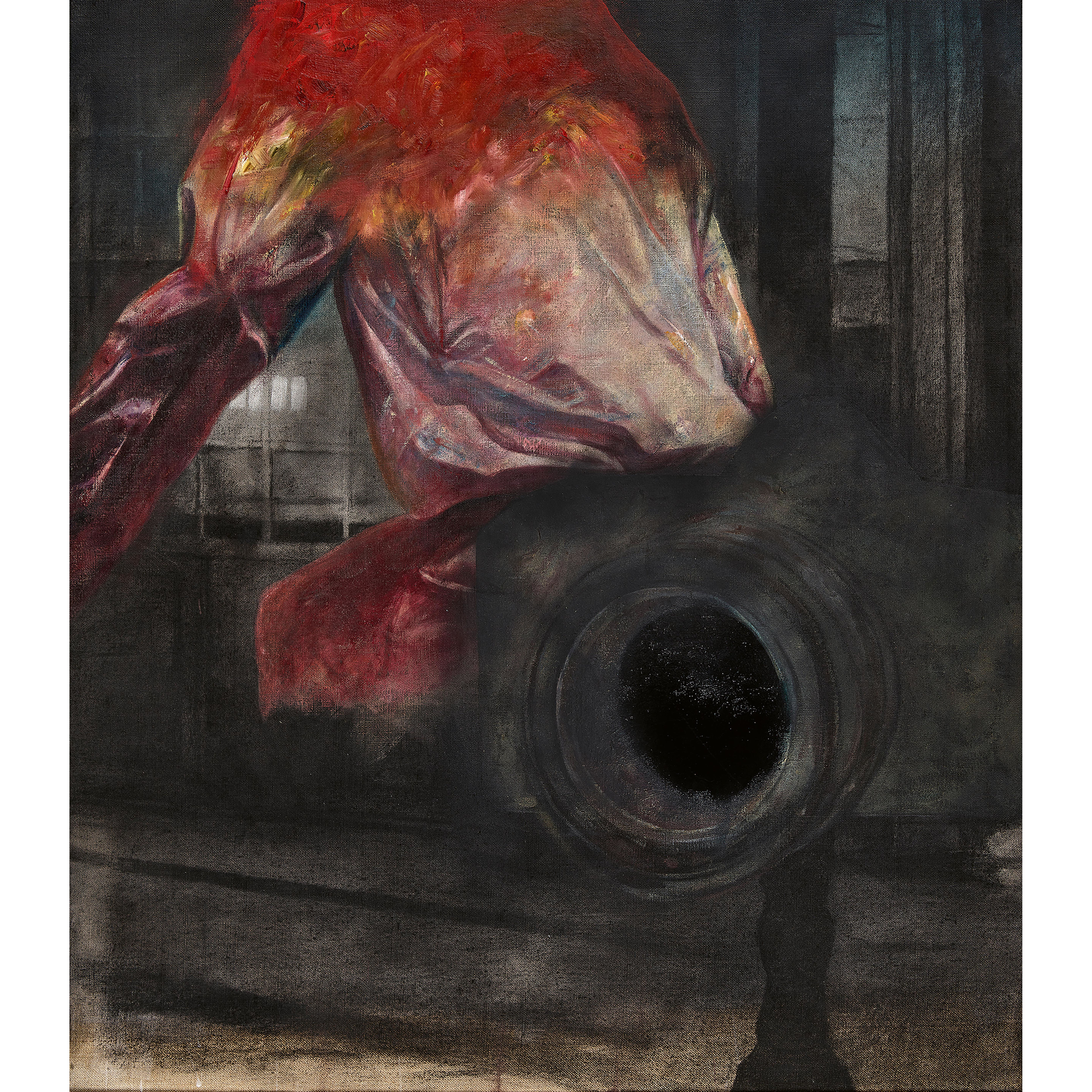
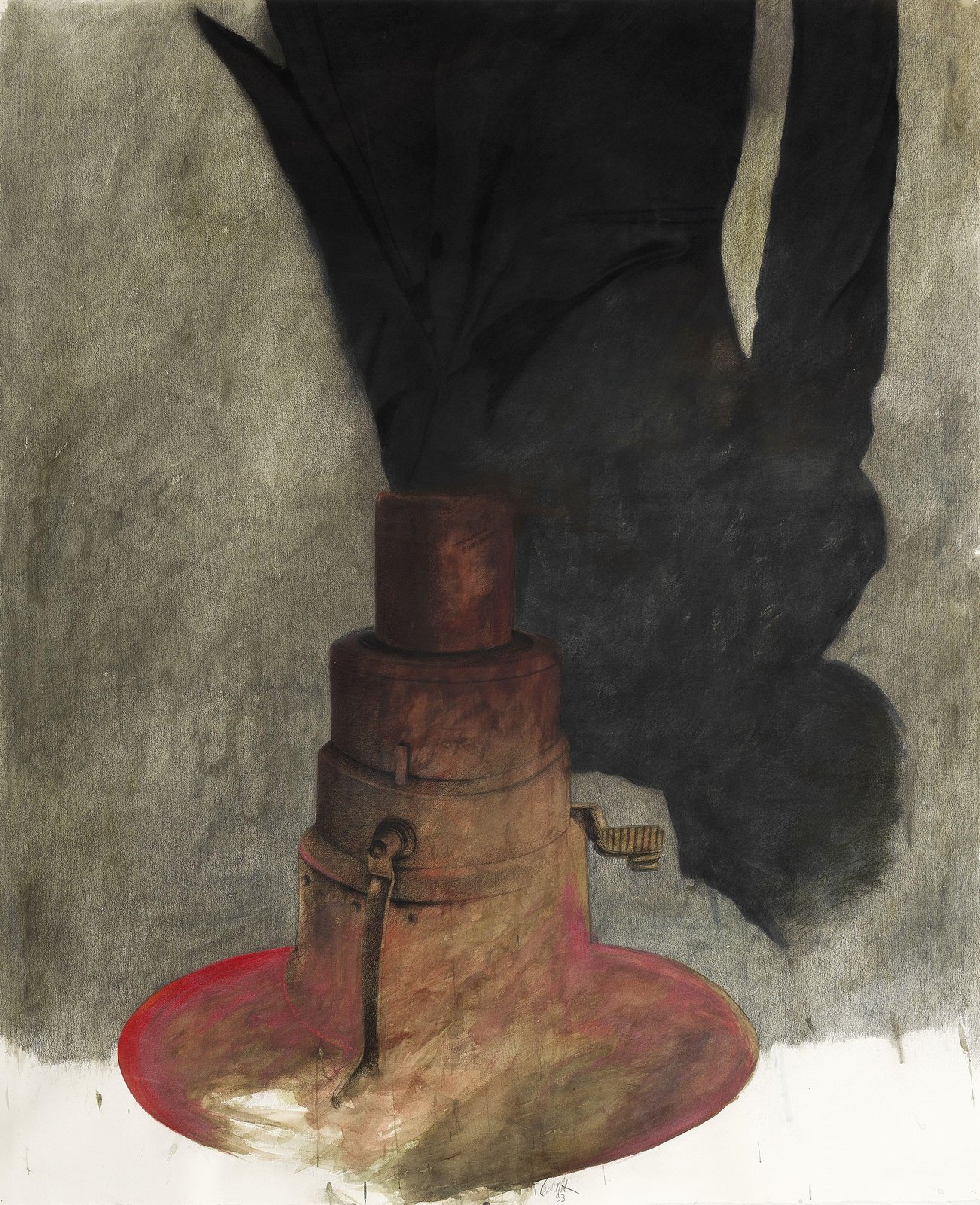
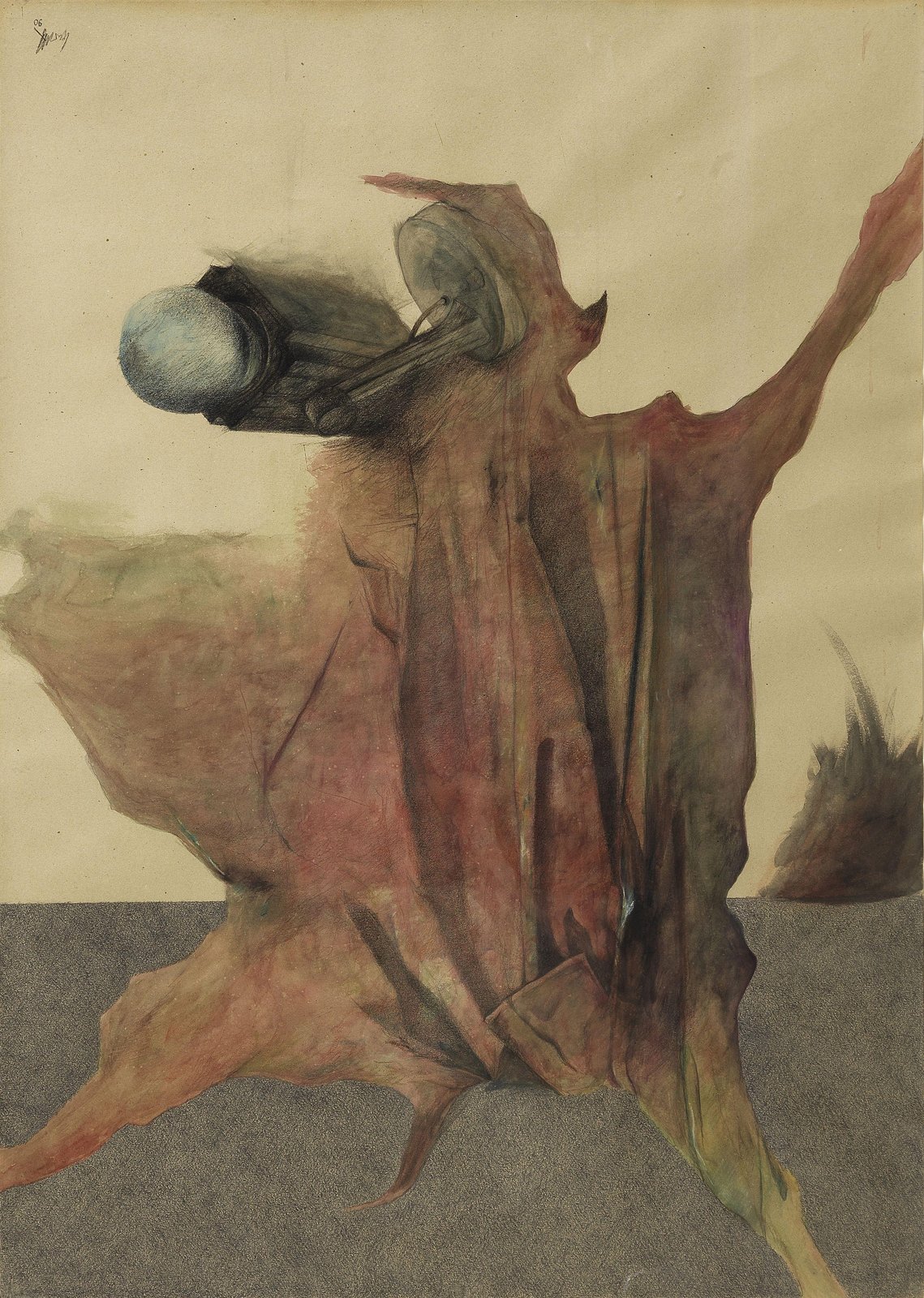
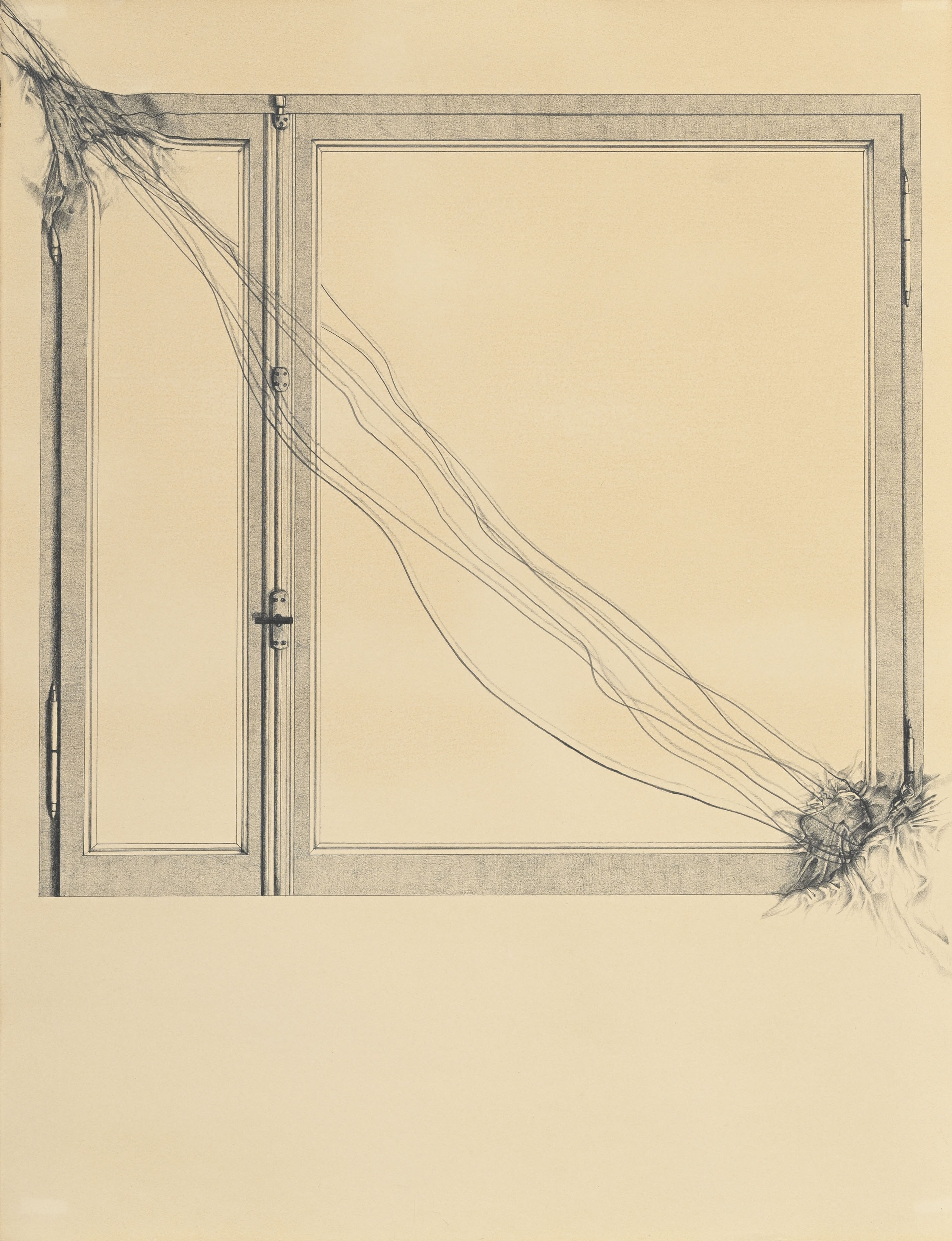
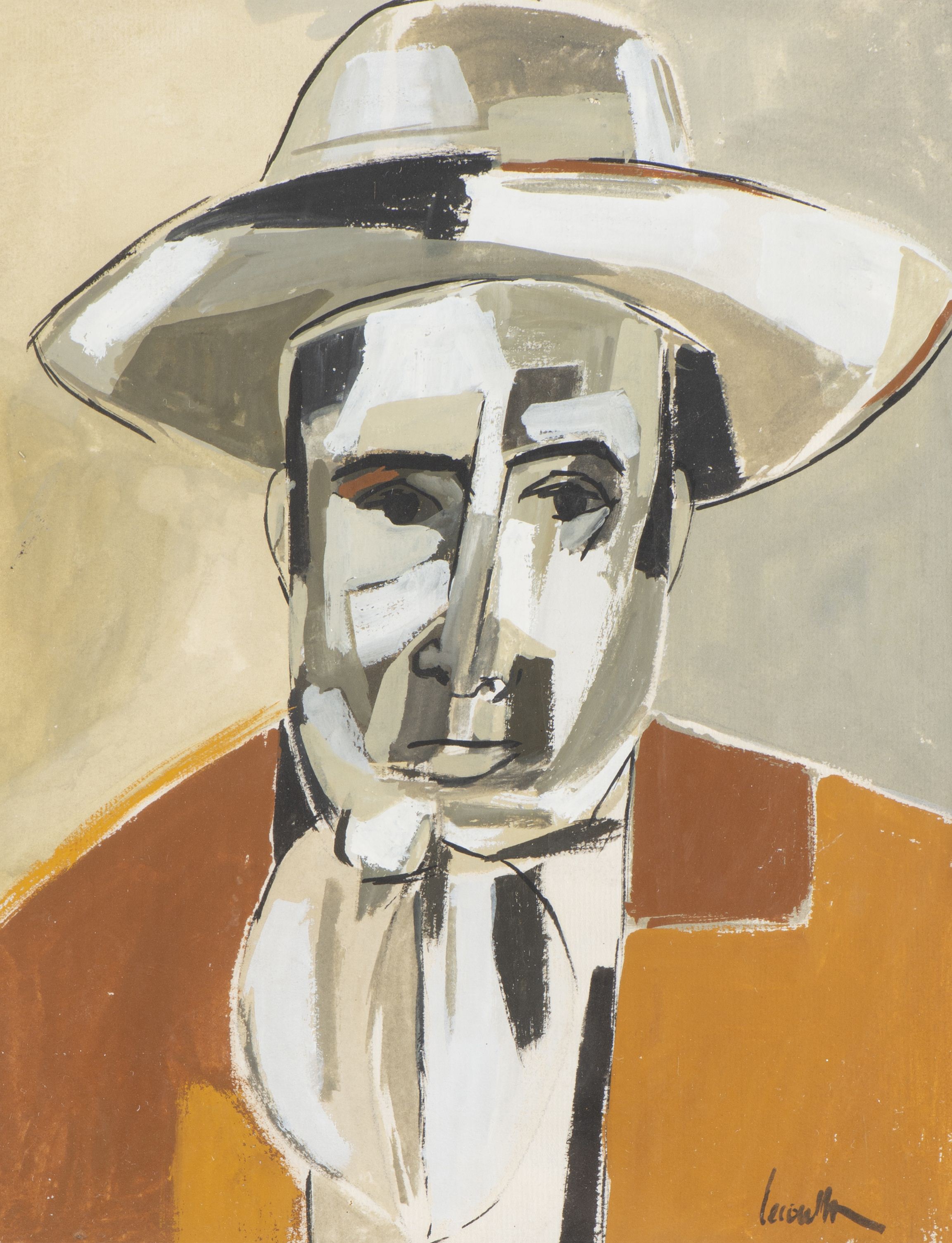
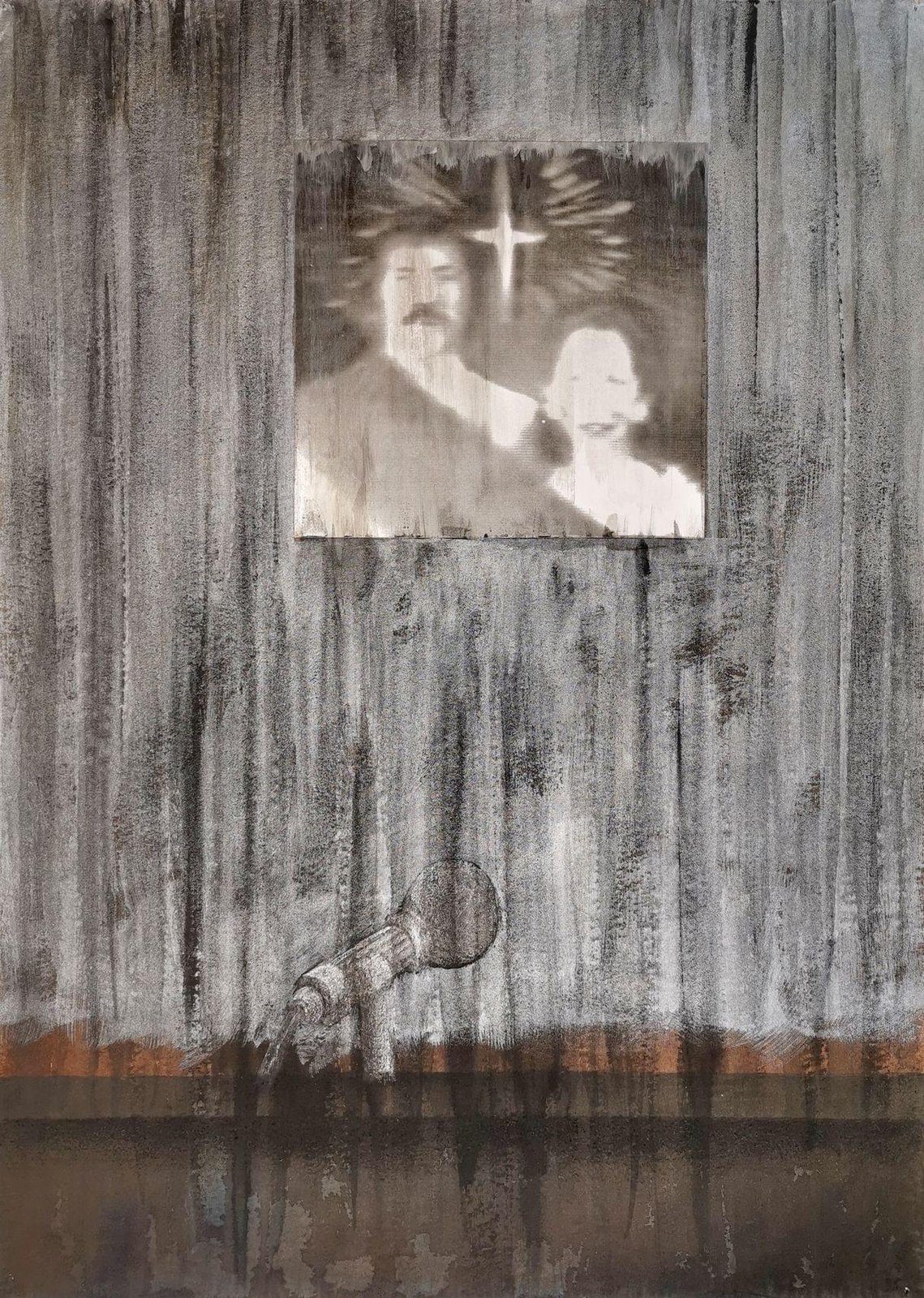
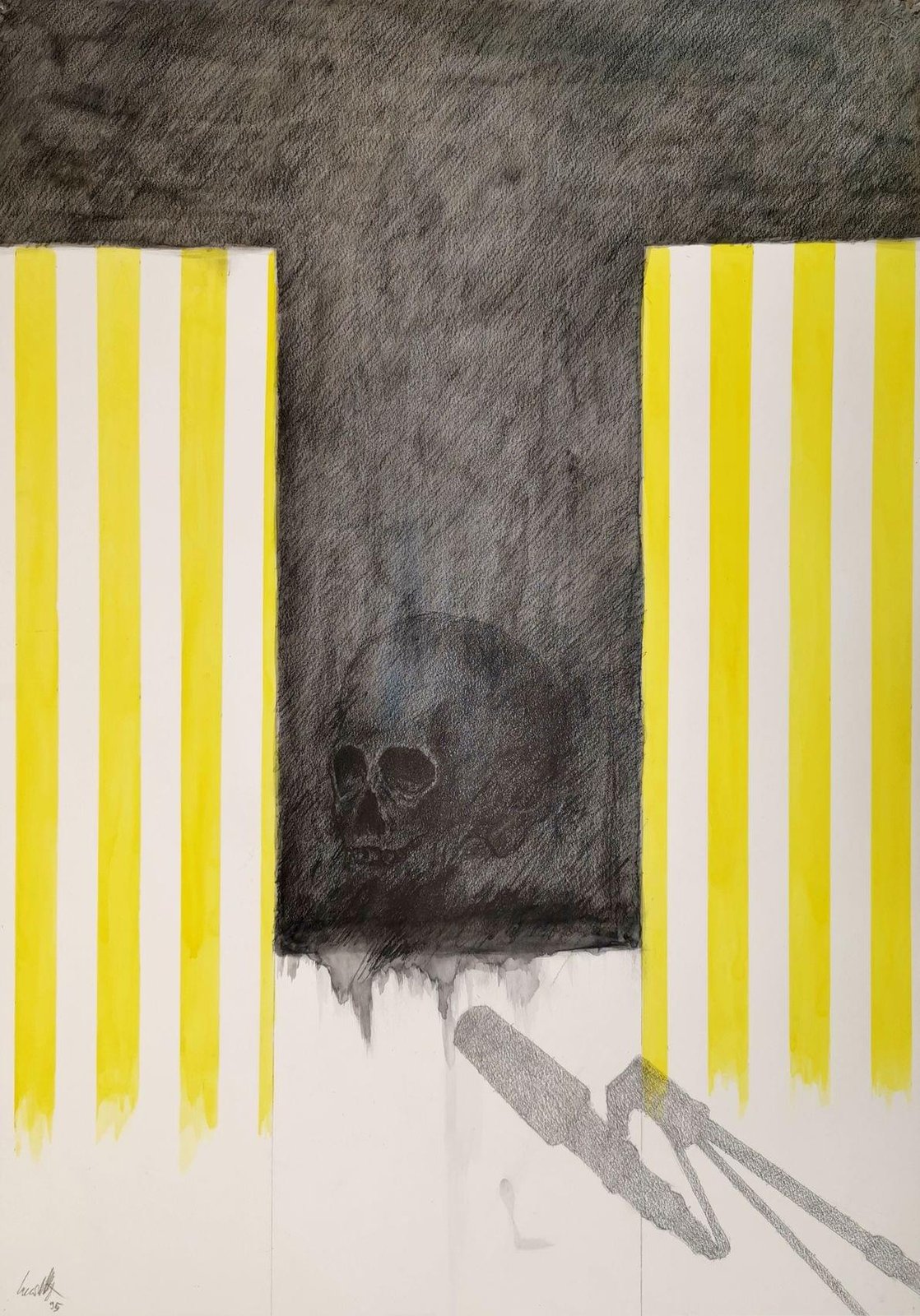
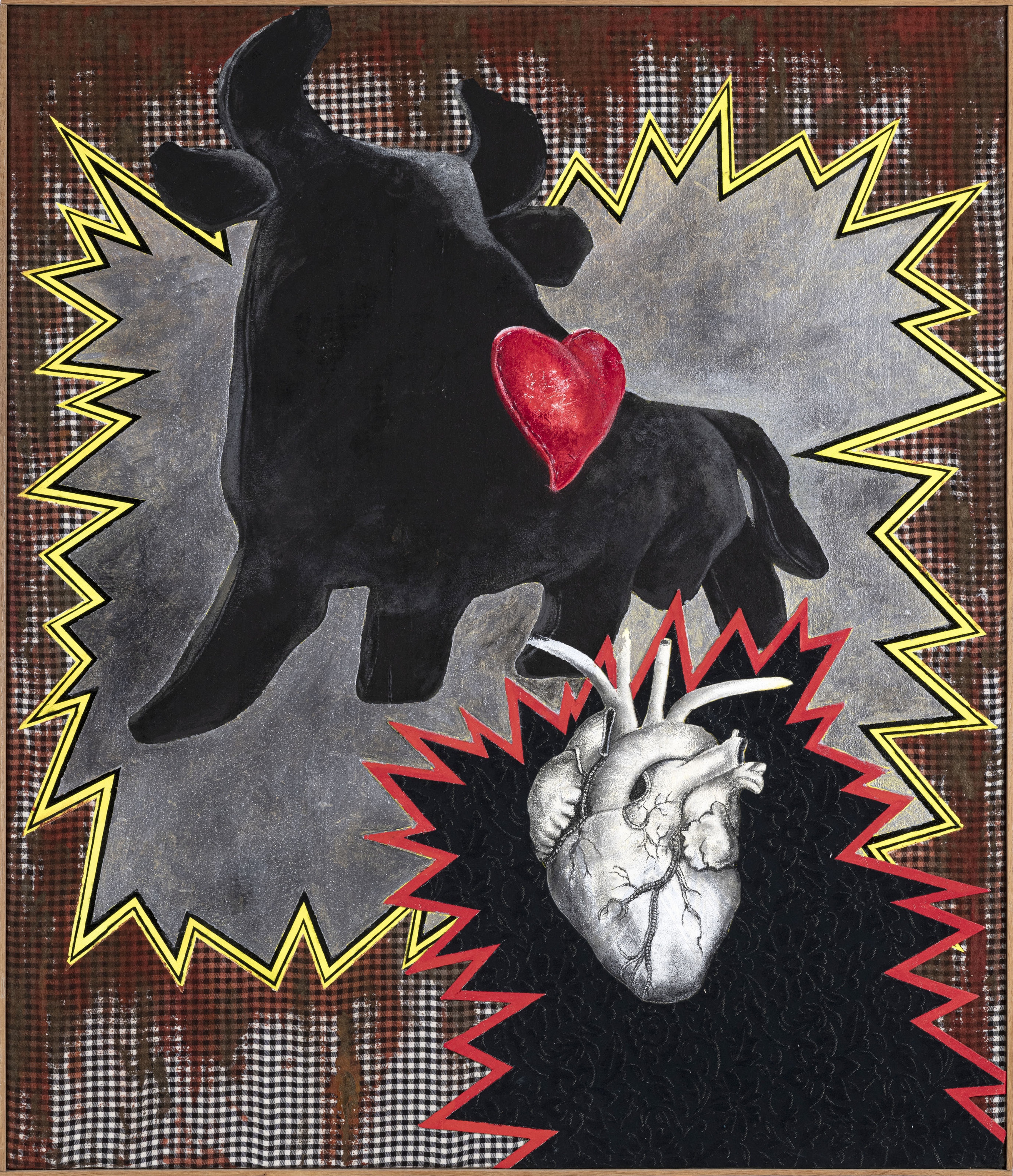
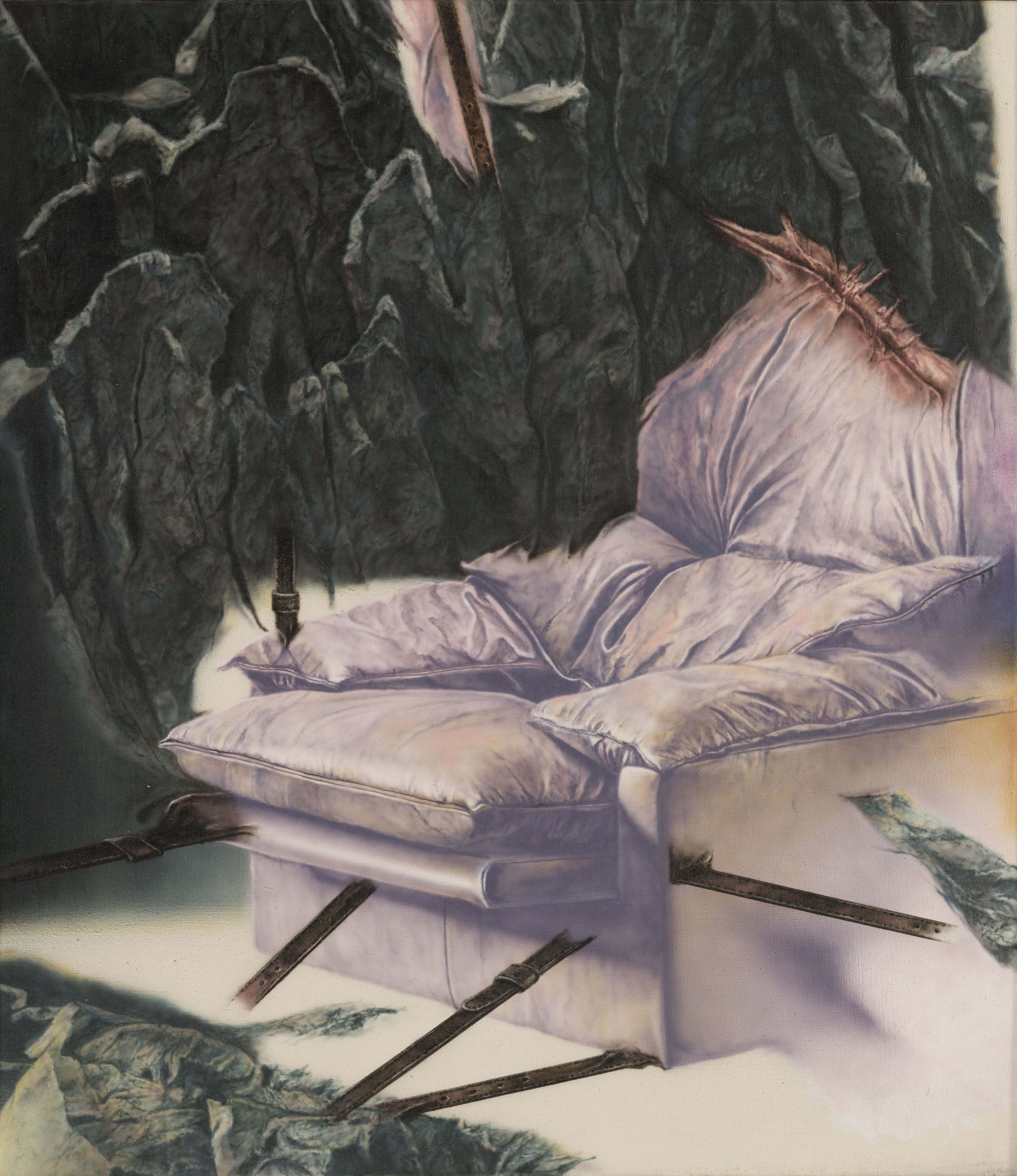
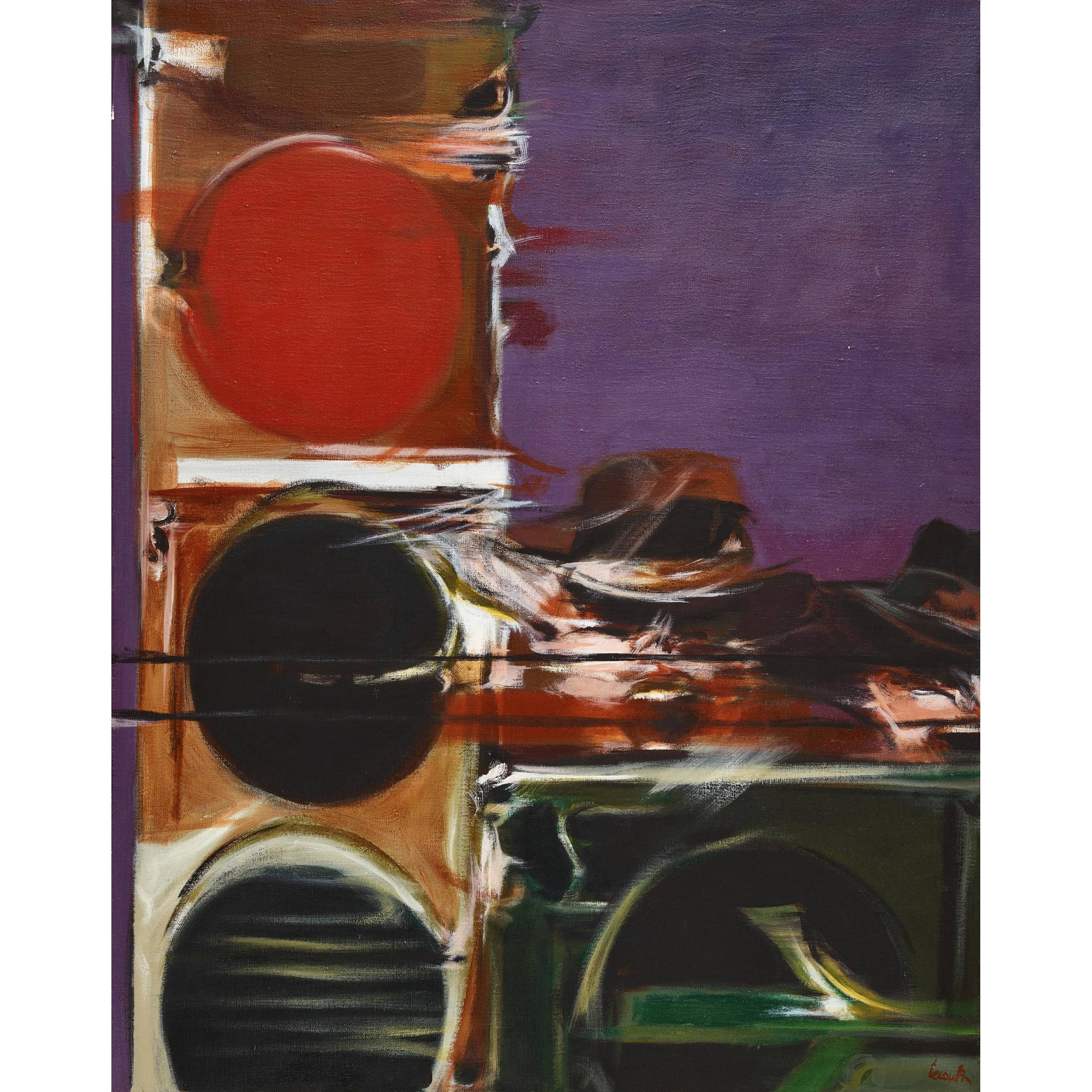
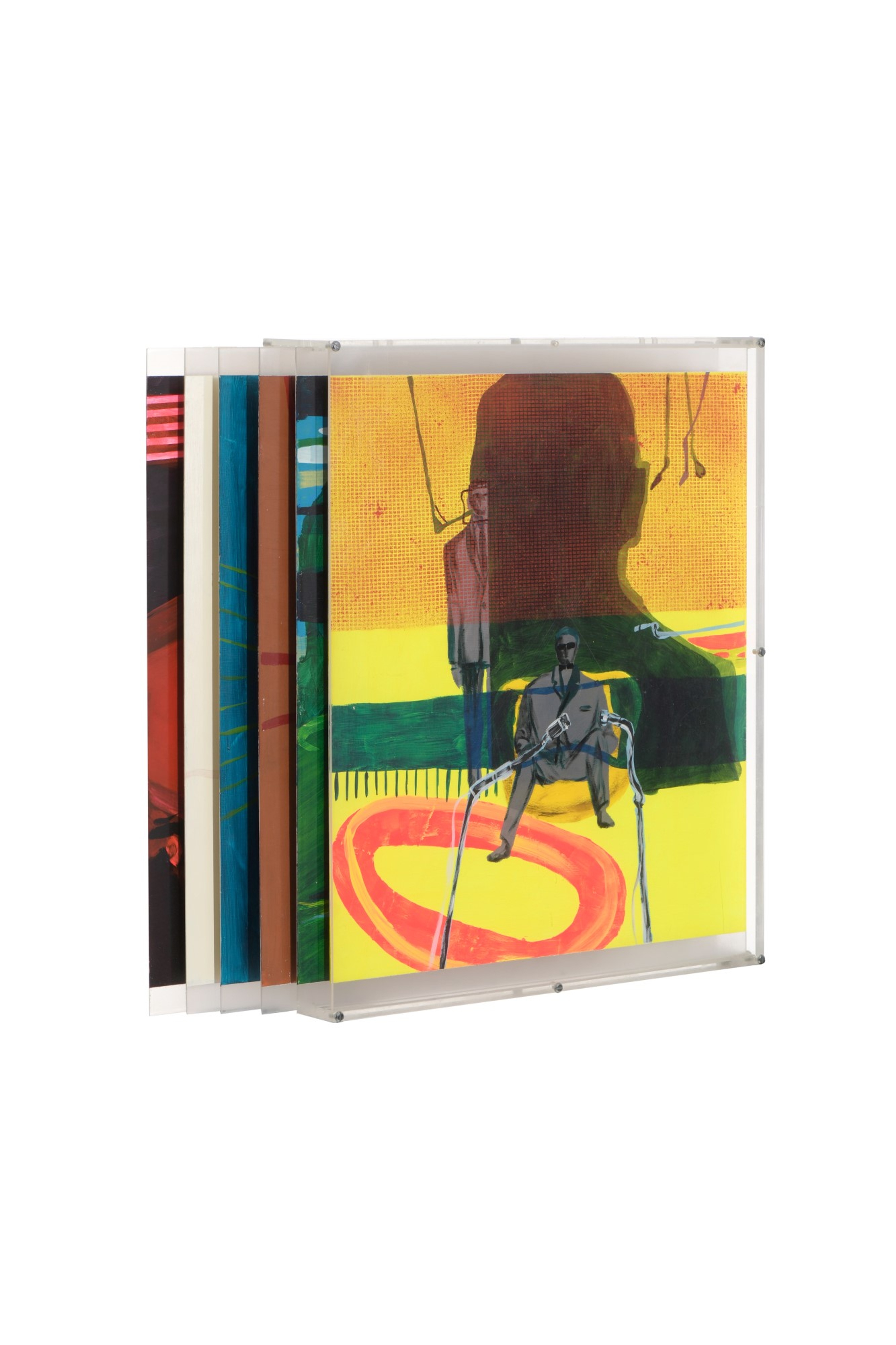
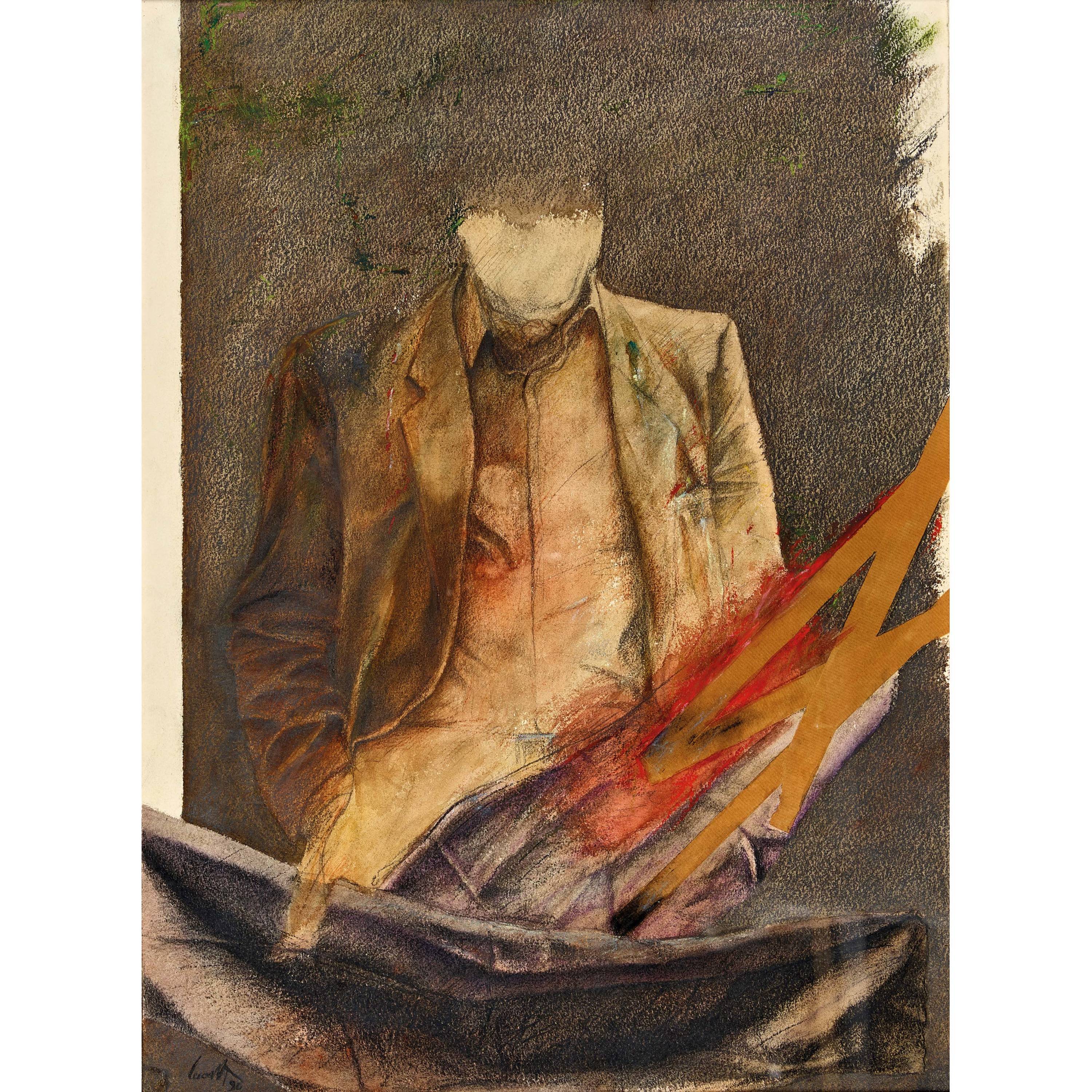
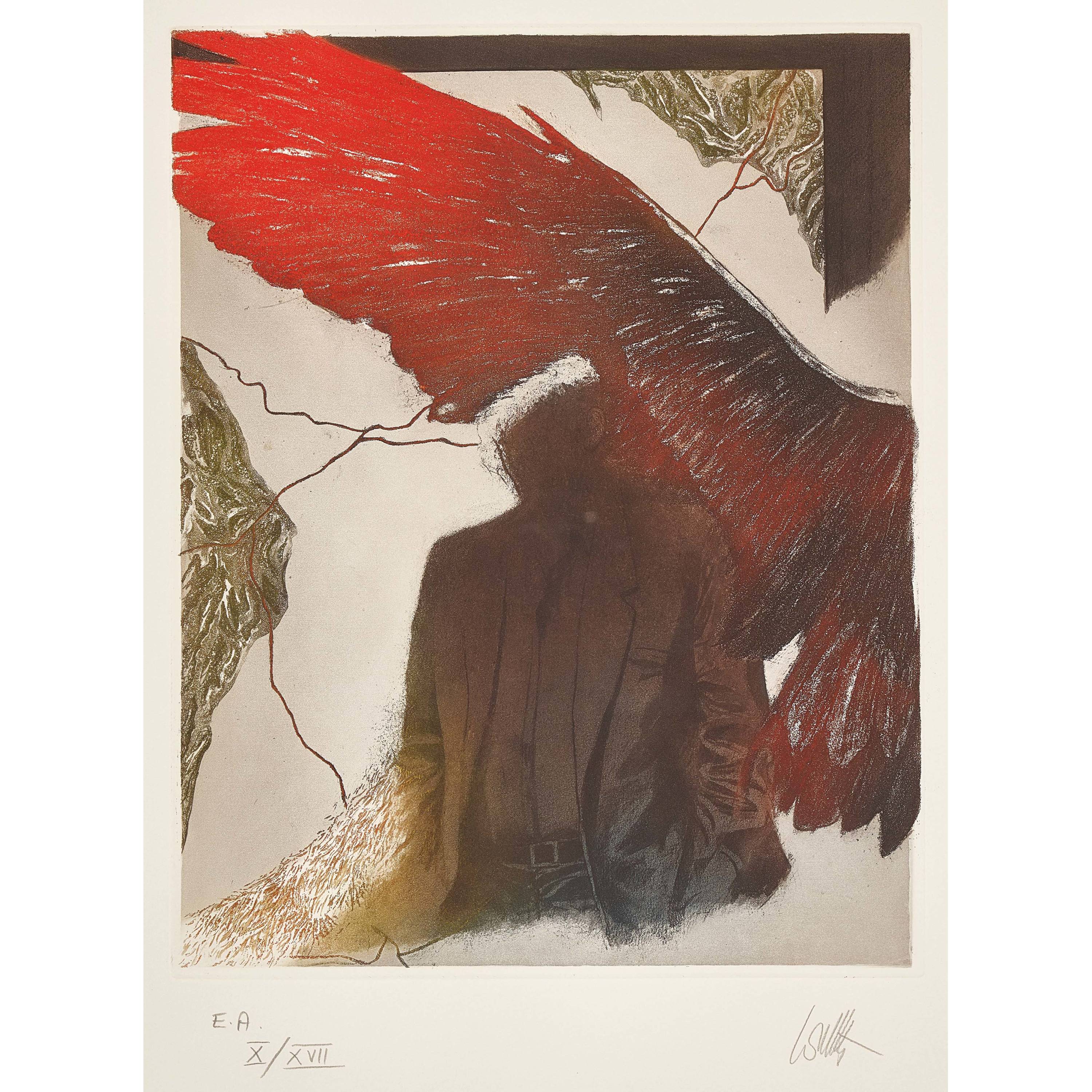
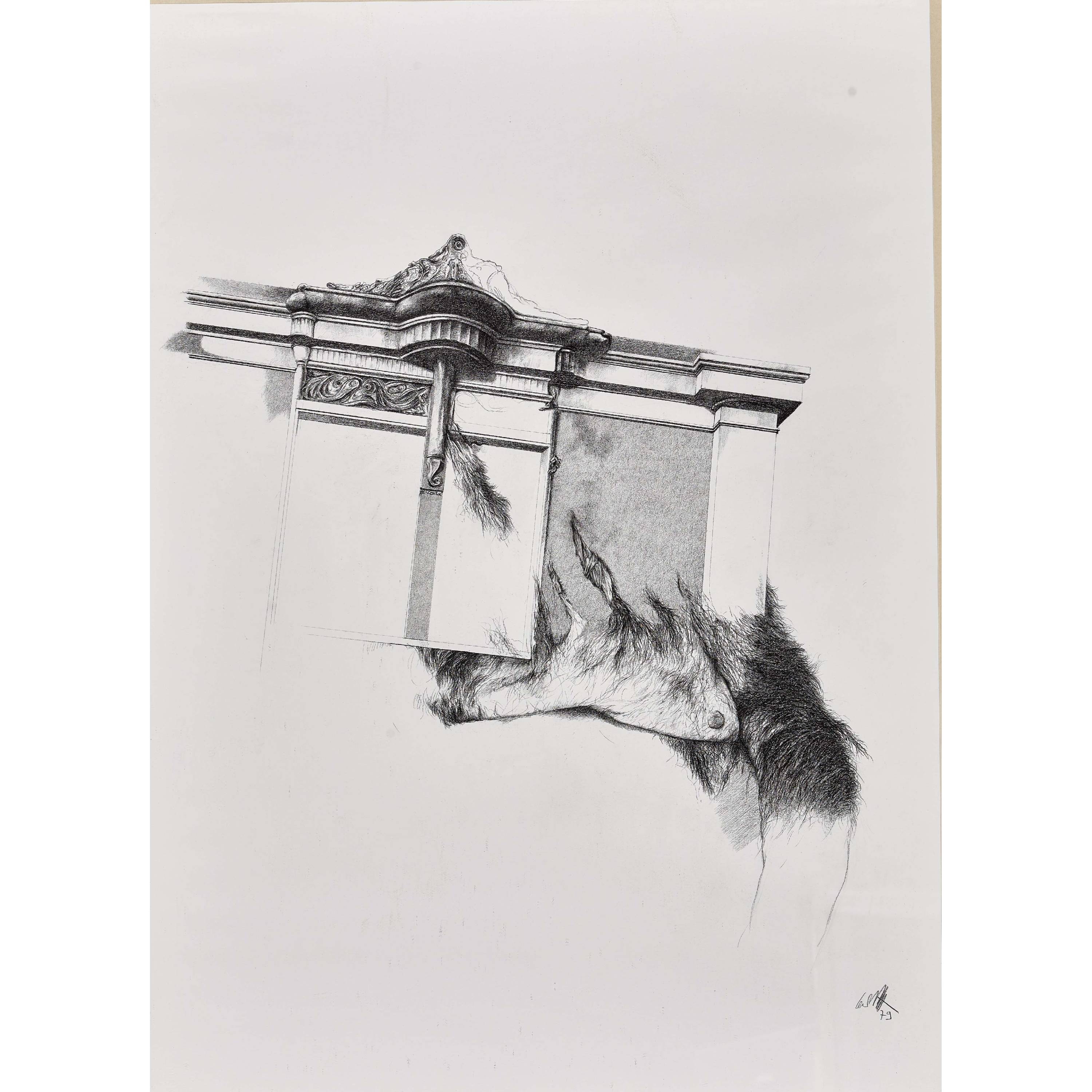
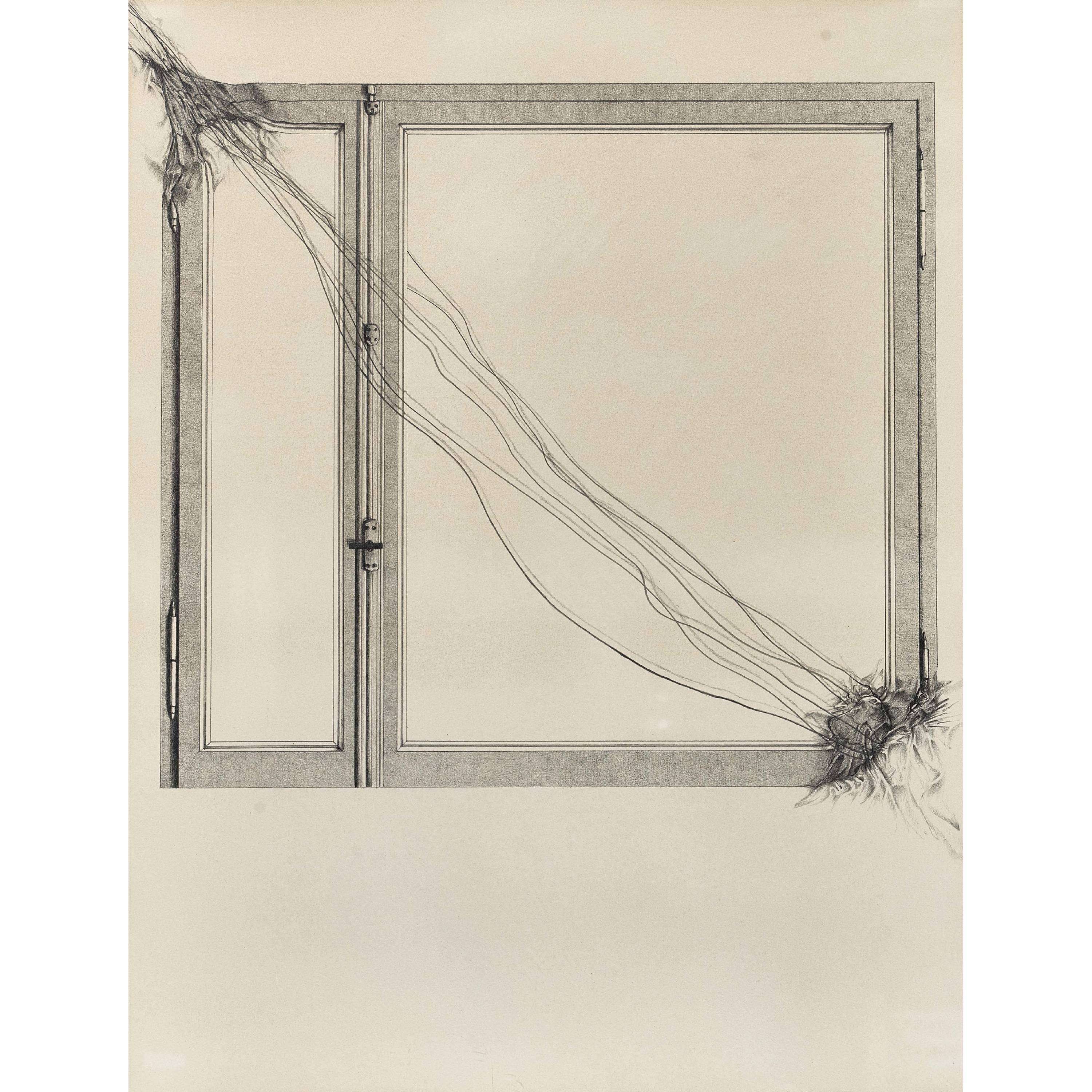
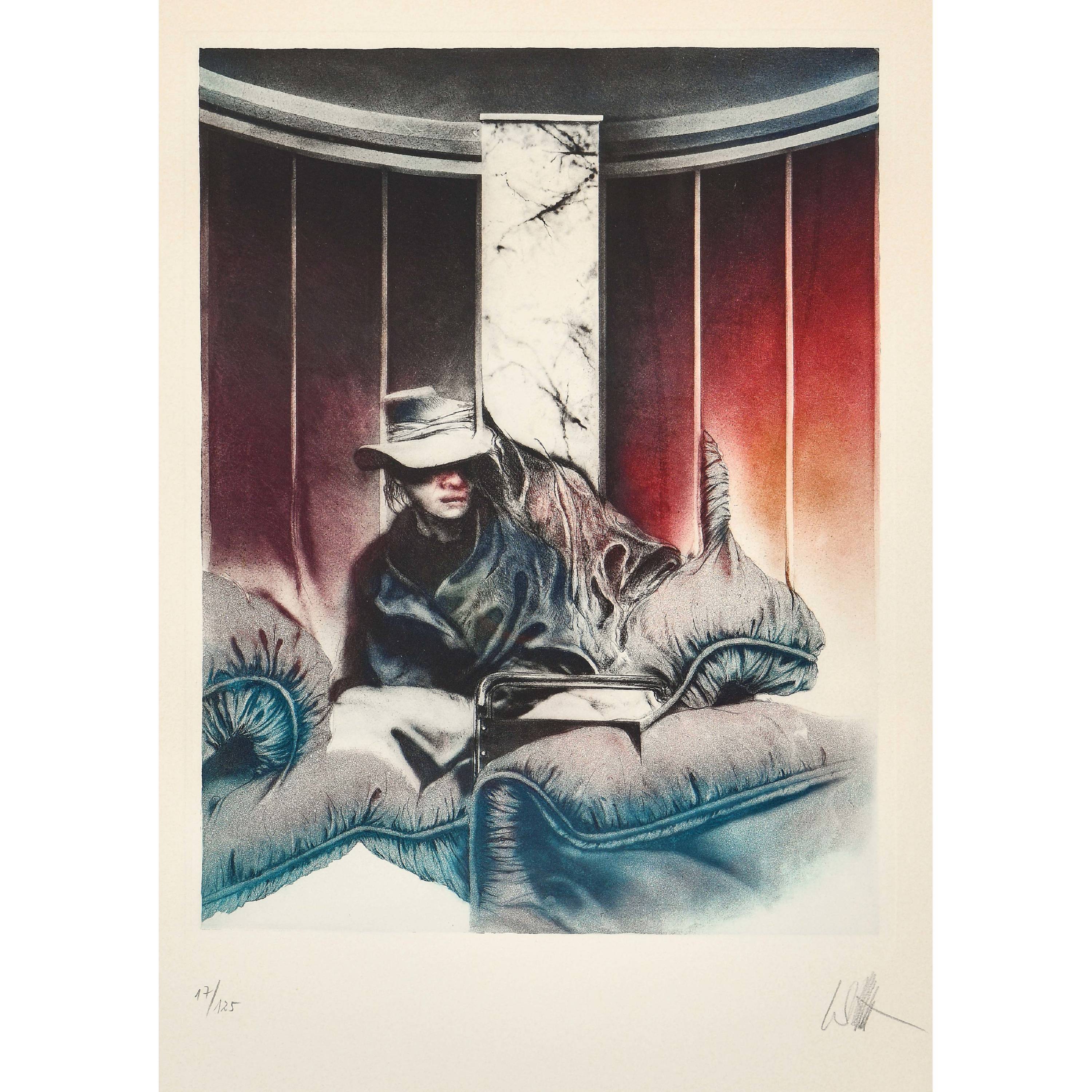
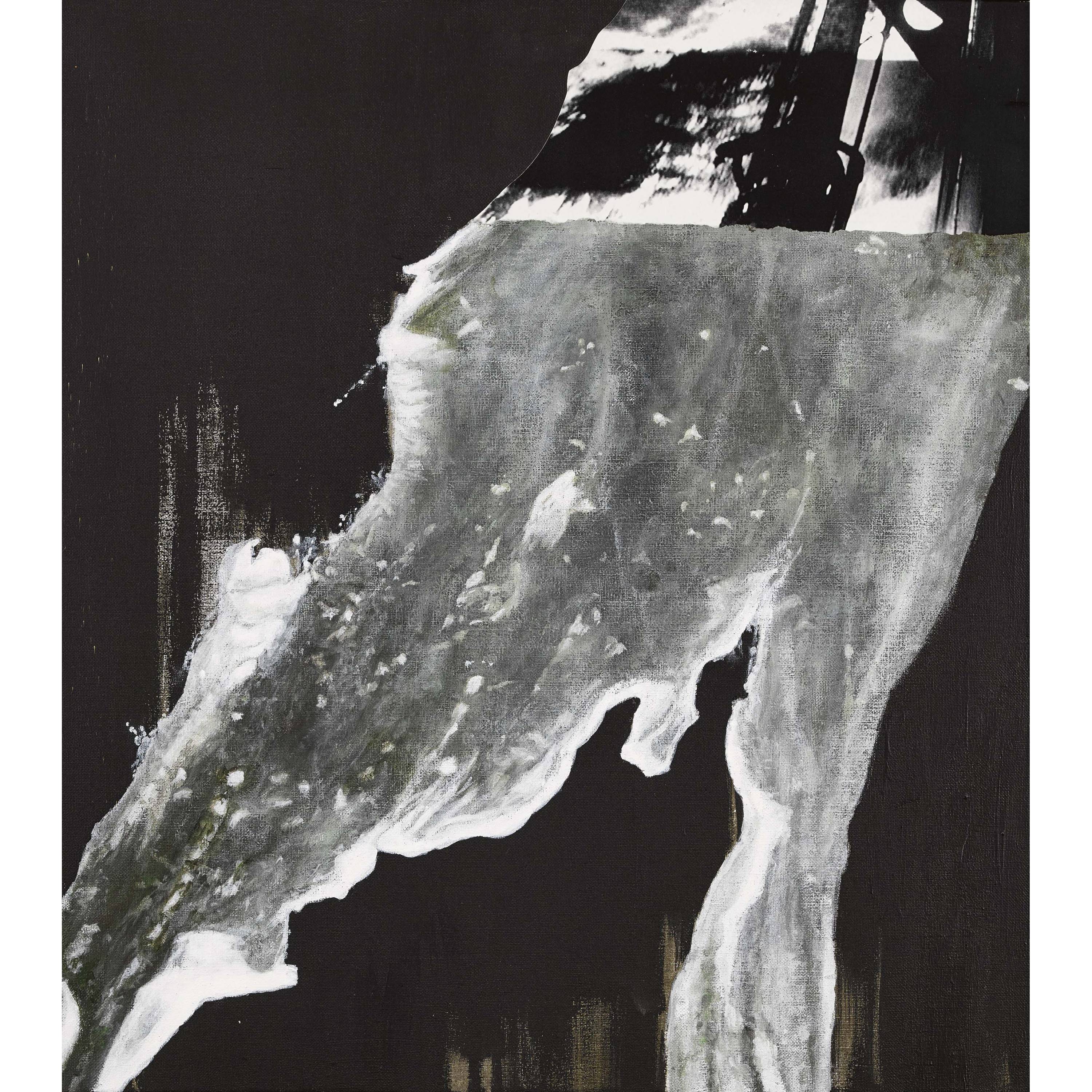
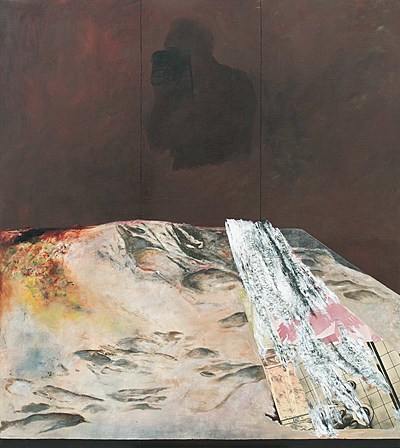
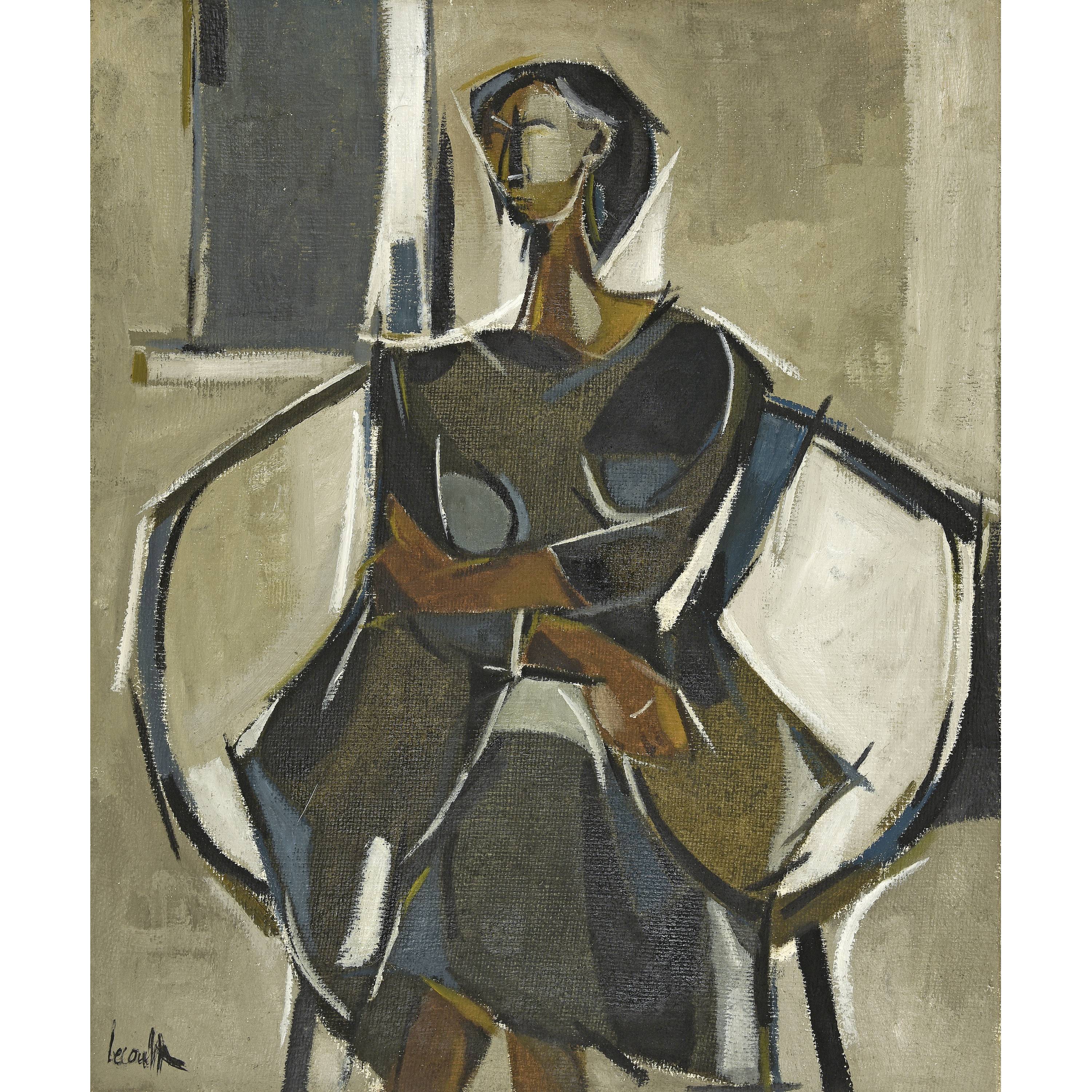
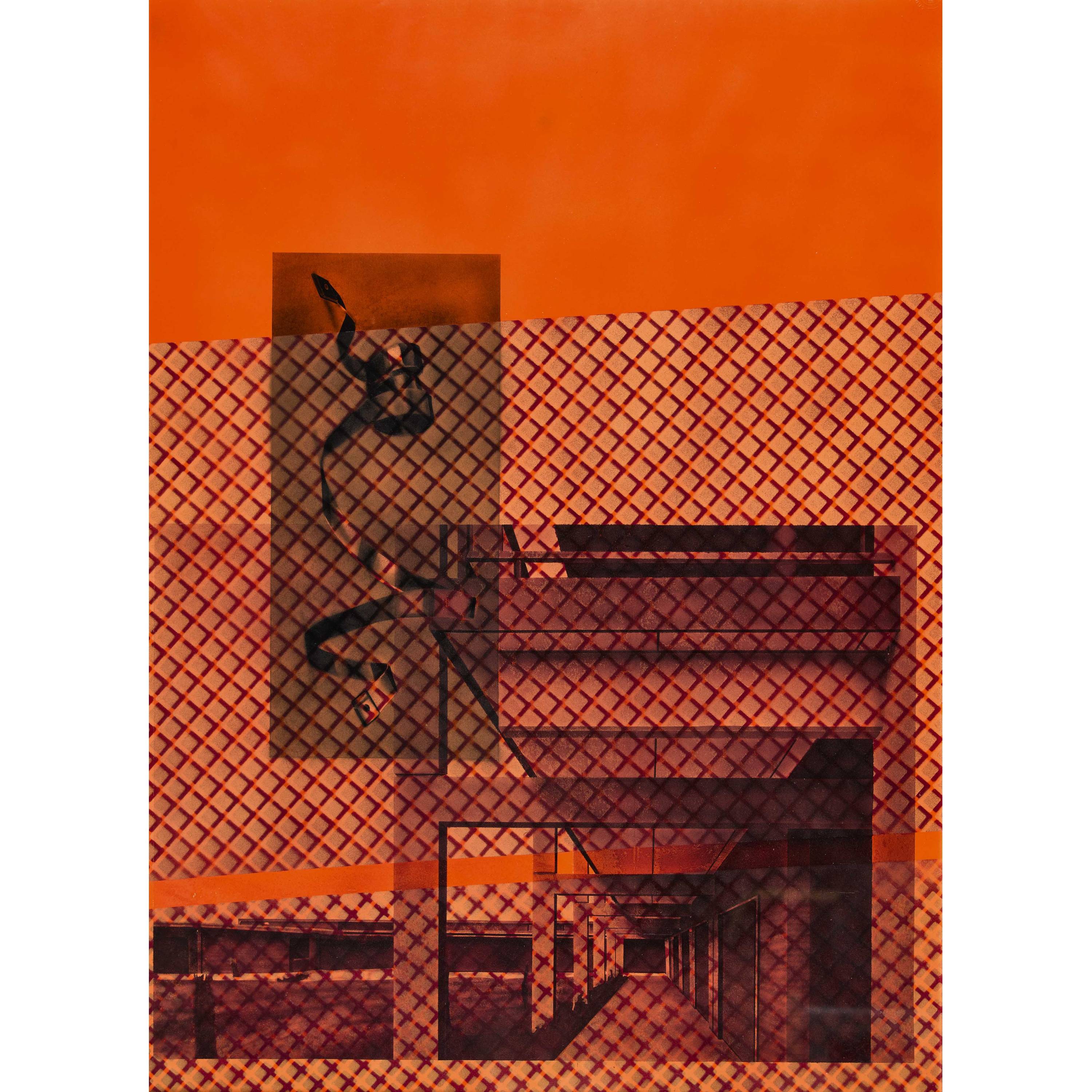
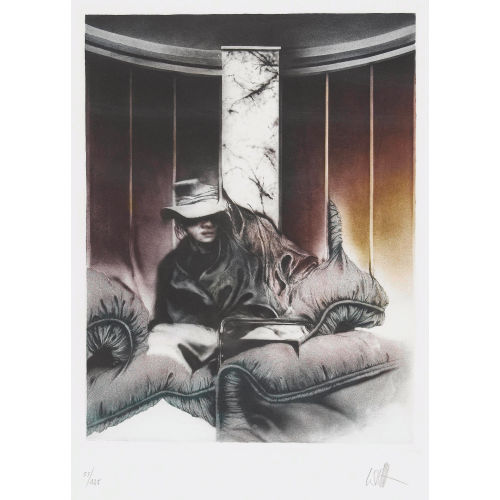
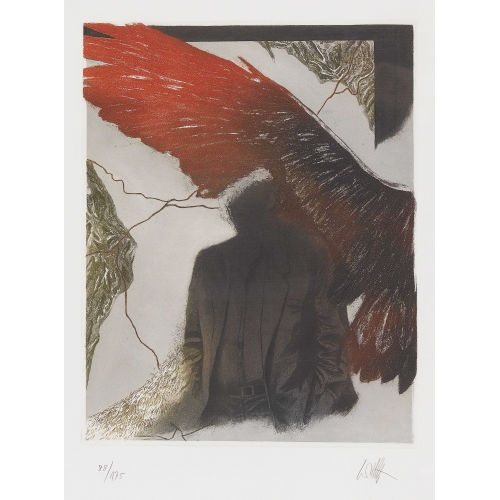
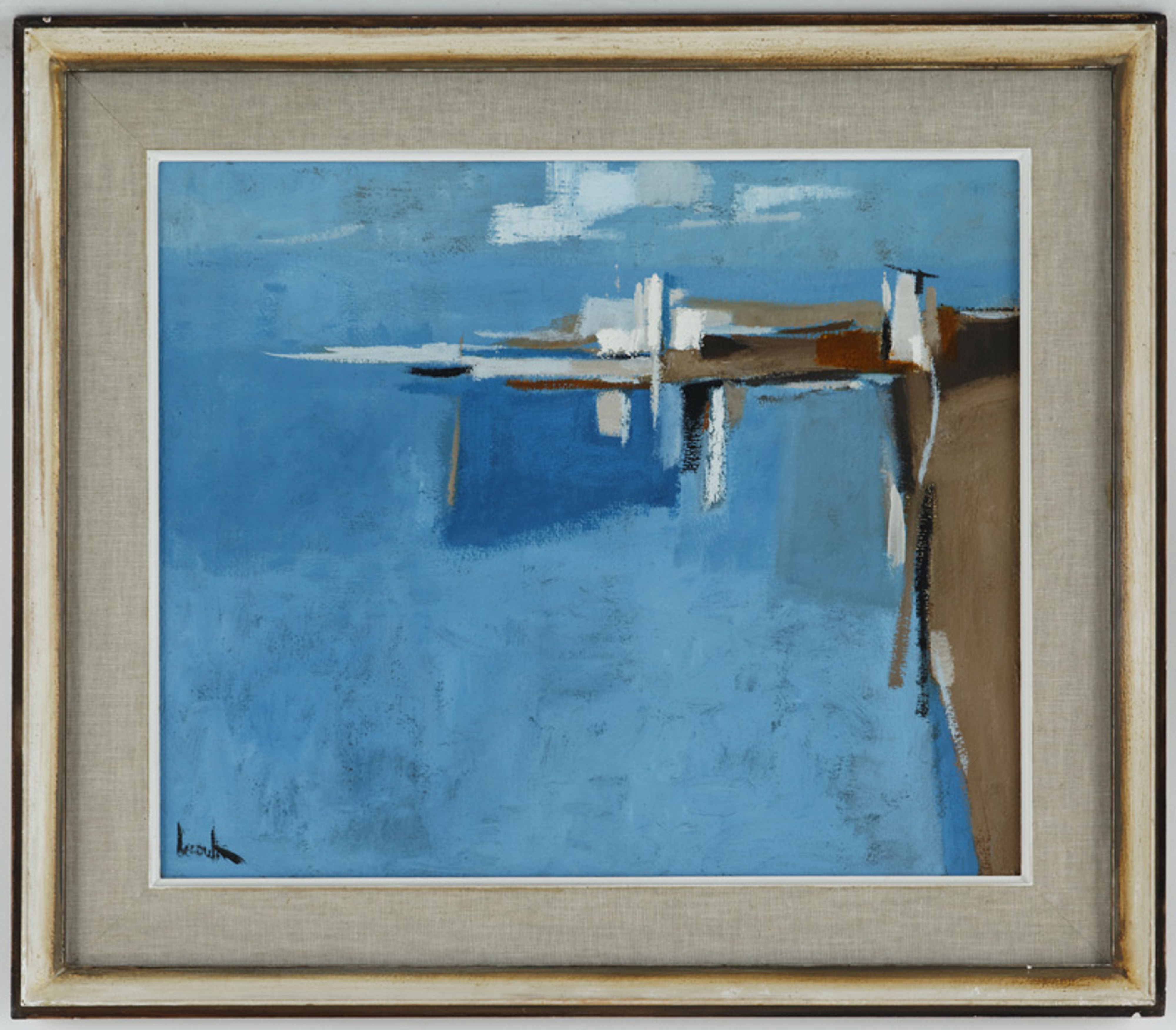
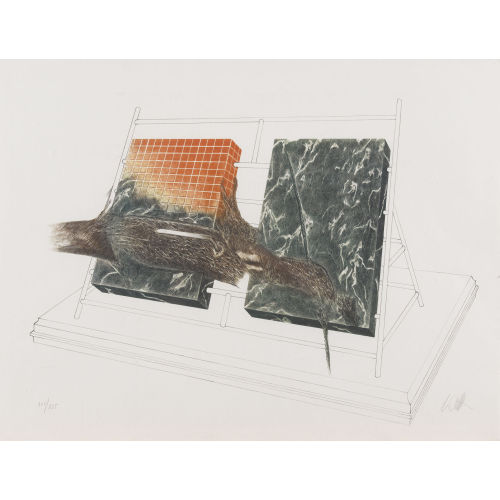
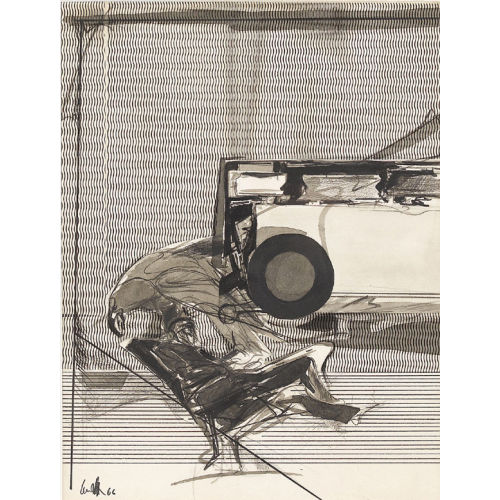
Lecoultre did not content himself with renewing his subjects. Fragmented planes, abrupt changes of scale and superimpositions give his figures and objects a presence that is at once precise and unstable. The Musée Jenisch Vevey relates this construction of the gaze to the language of cinema: the speed and violence of the images encounter a delicate attentiveness to materials, fabrics and bodies.
His work thus holds together the acuity of observation and a persistent strangeness.
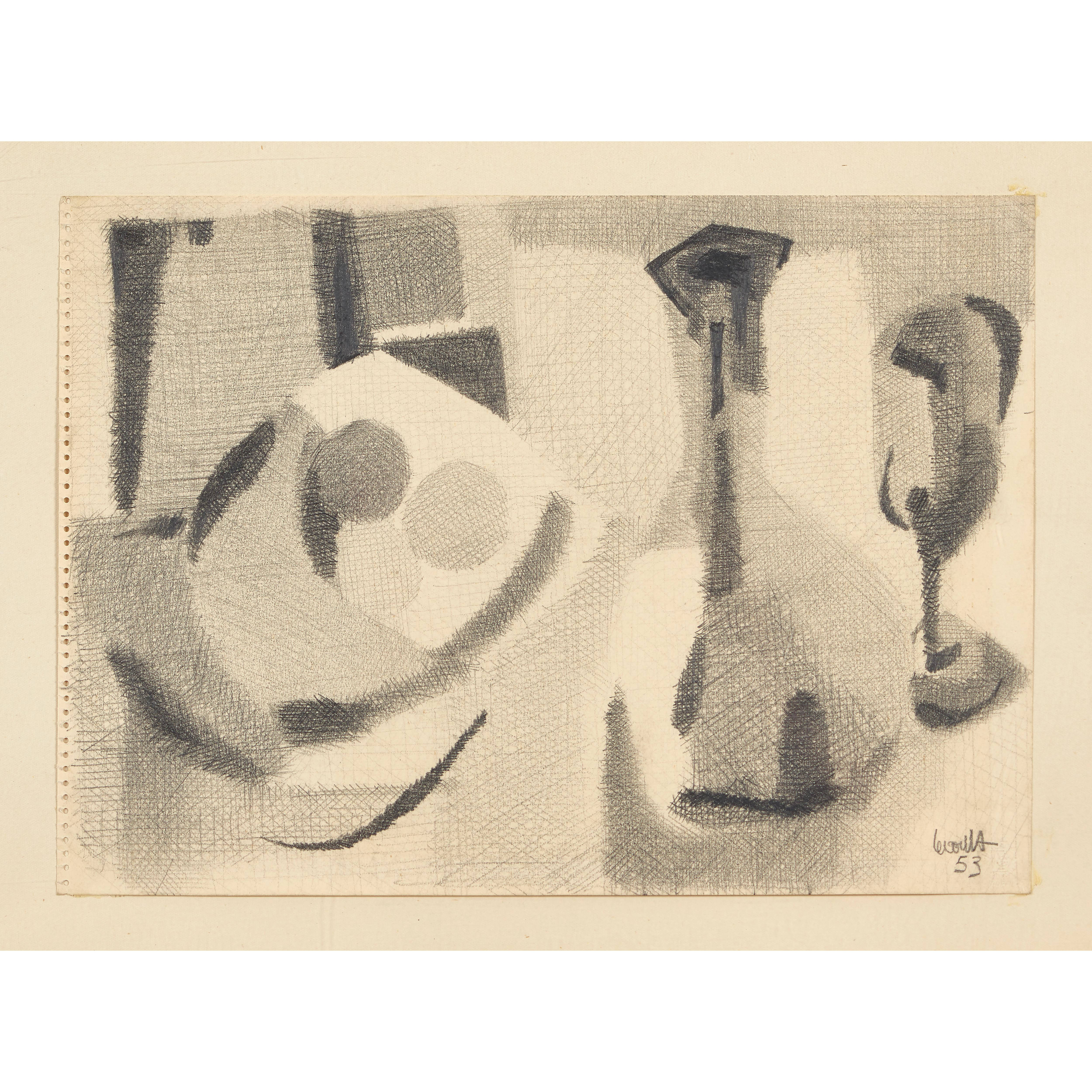
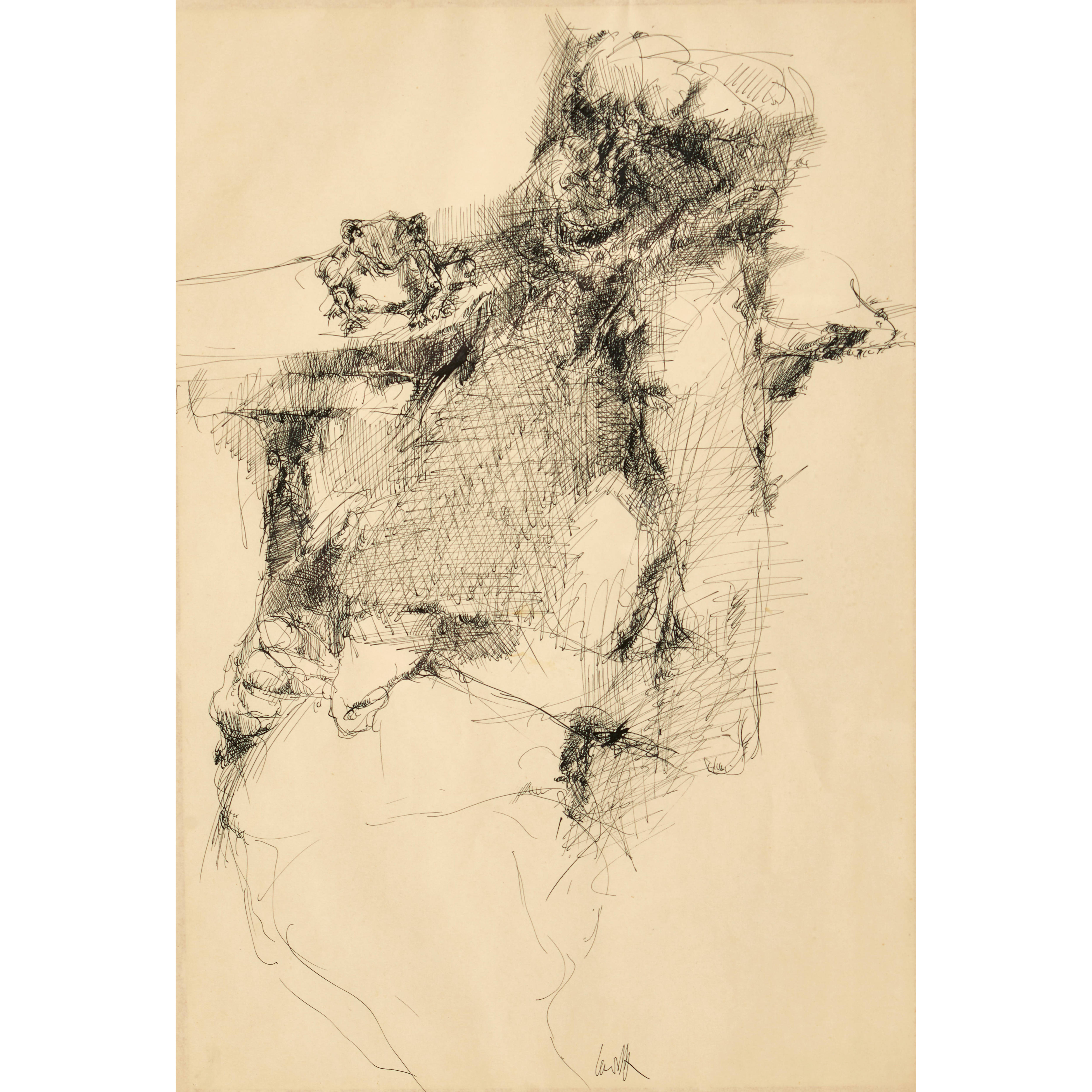
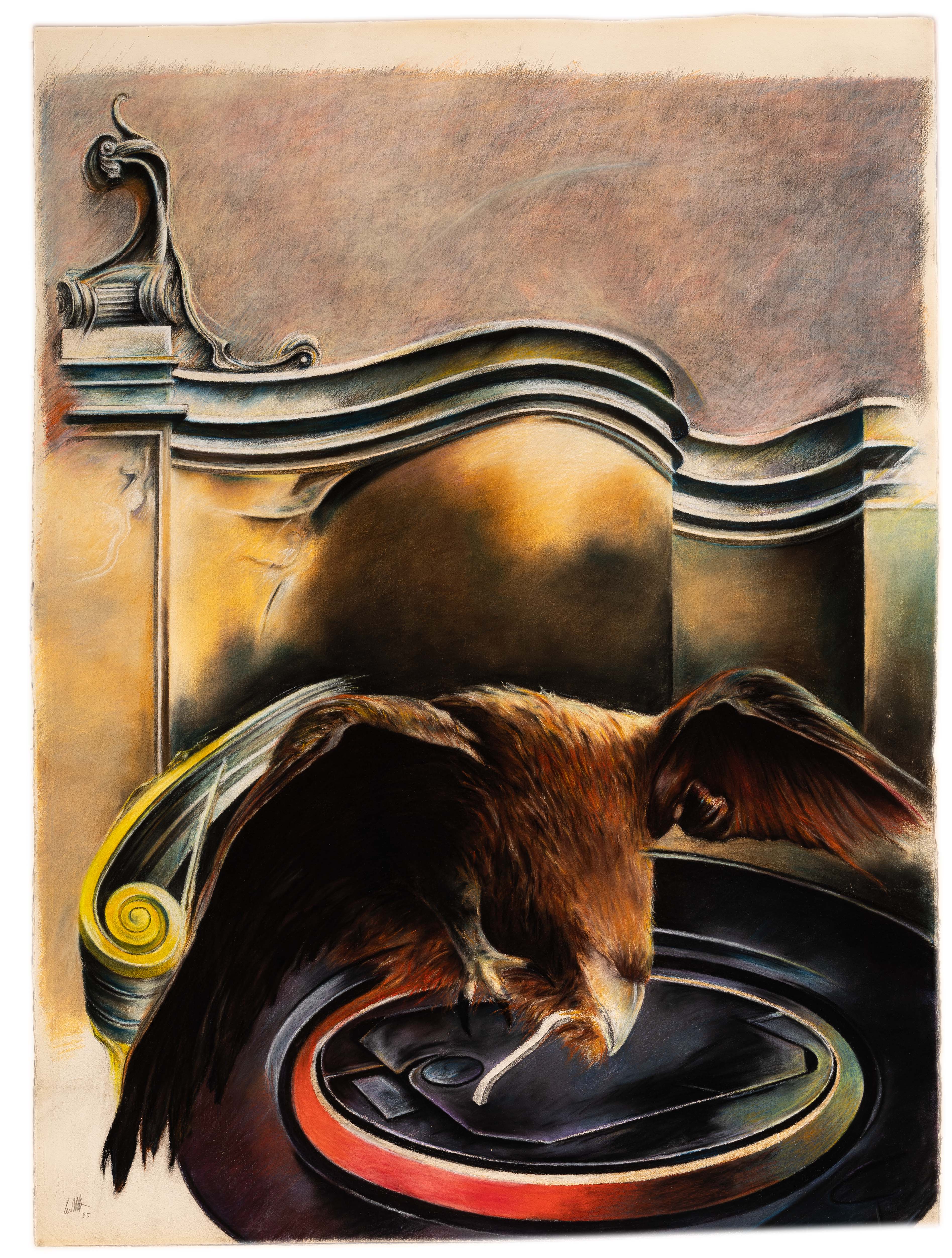
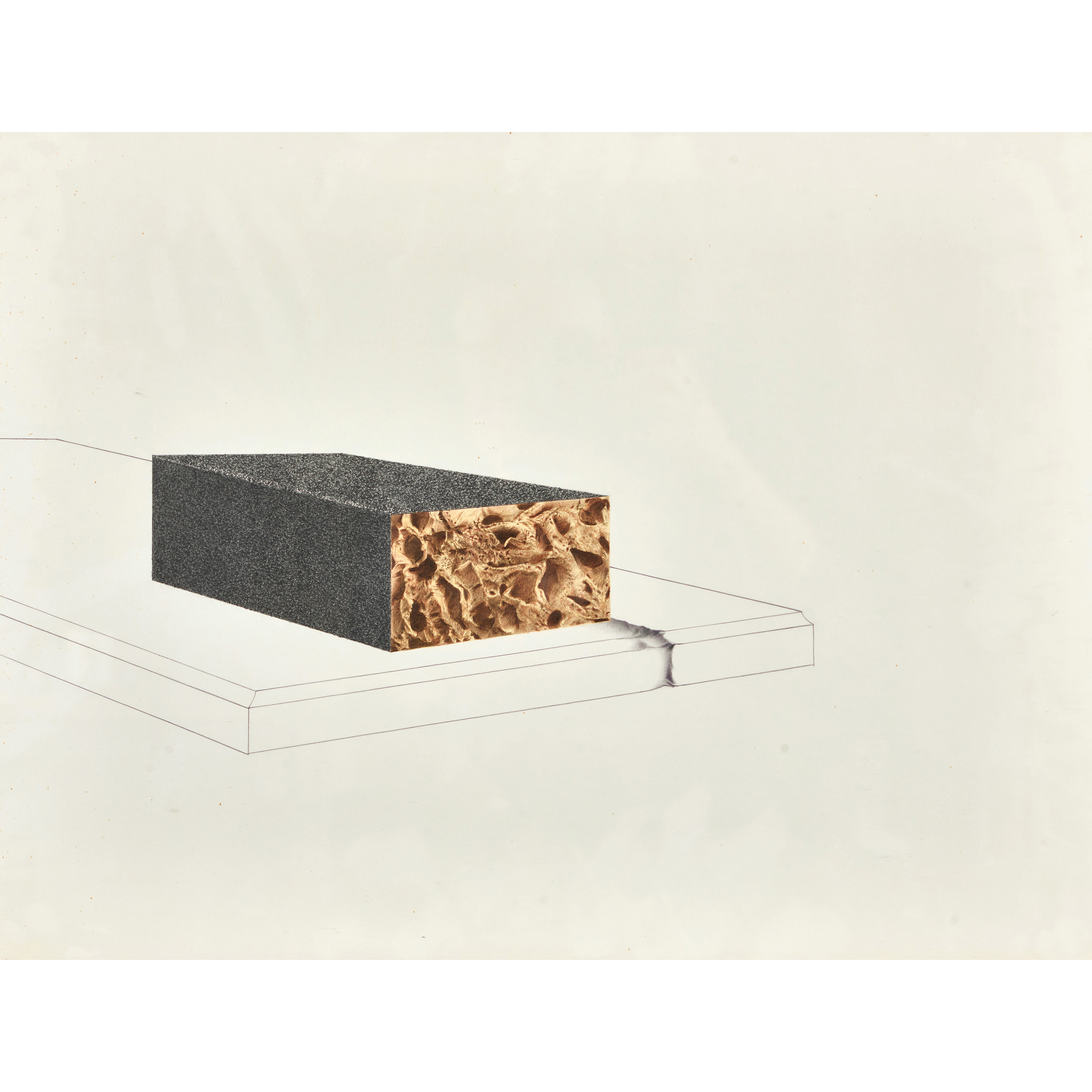
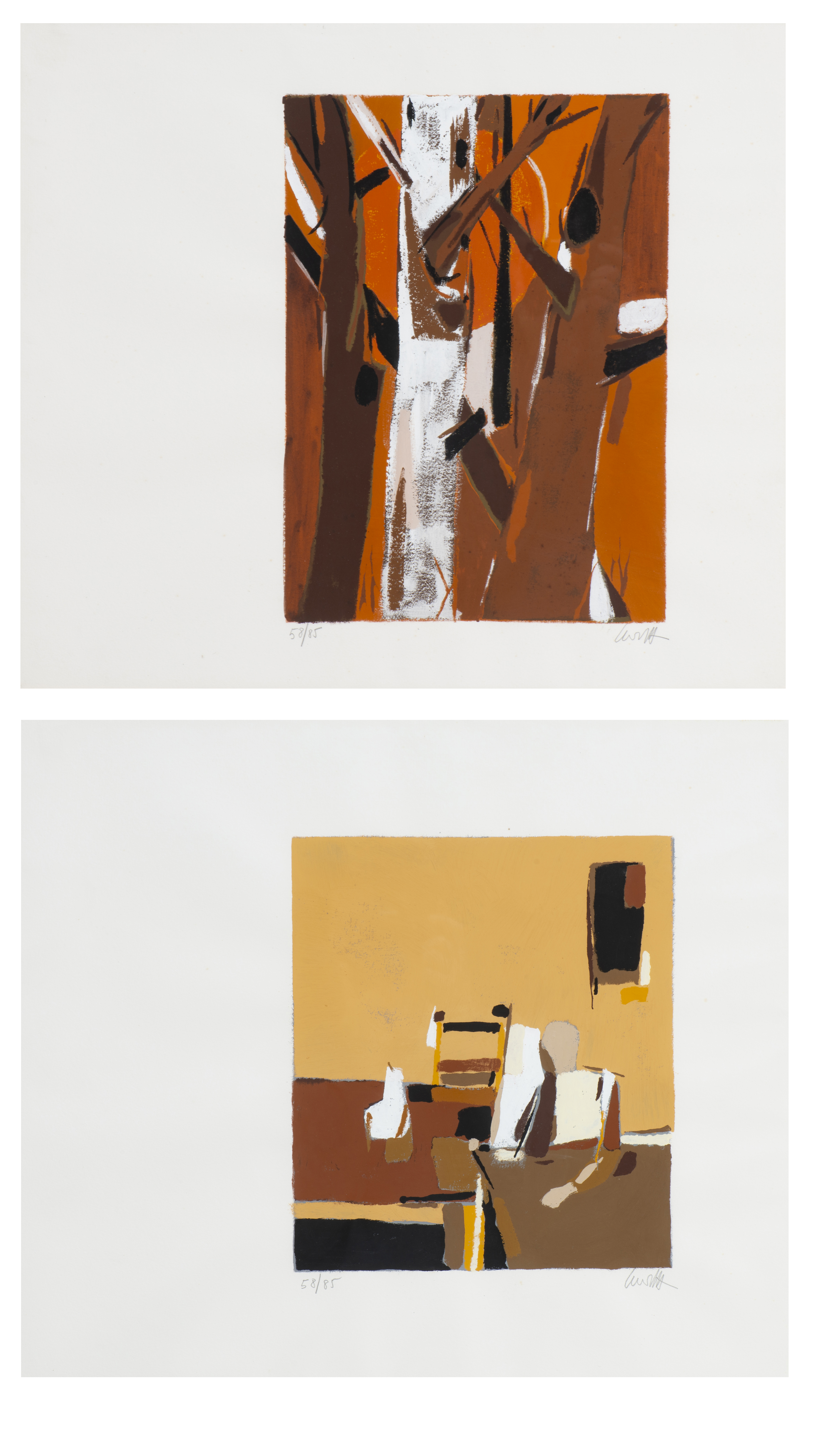
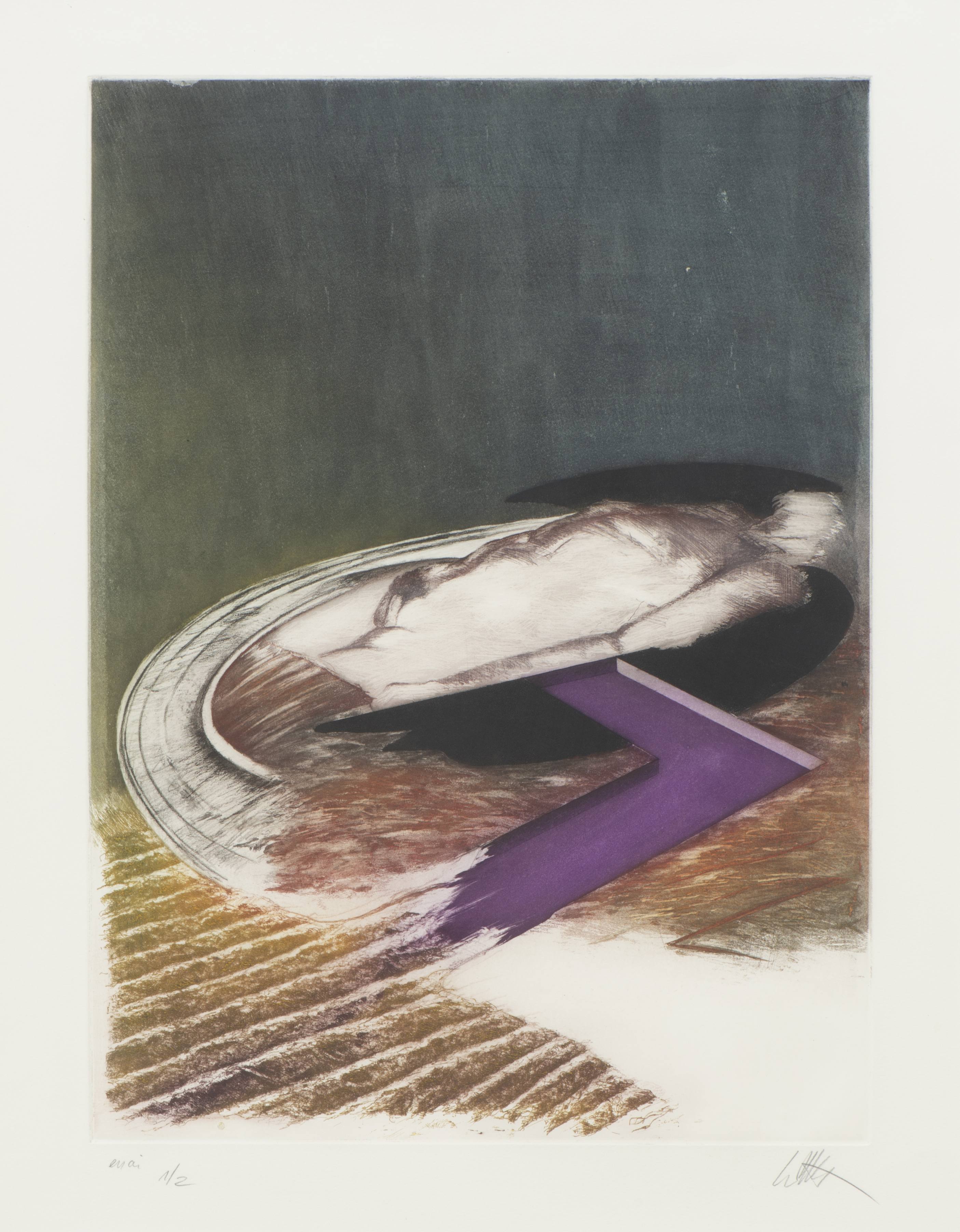
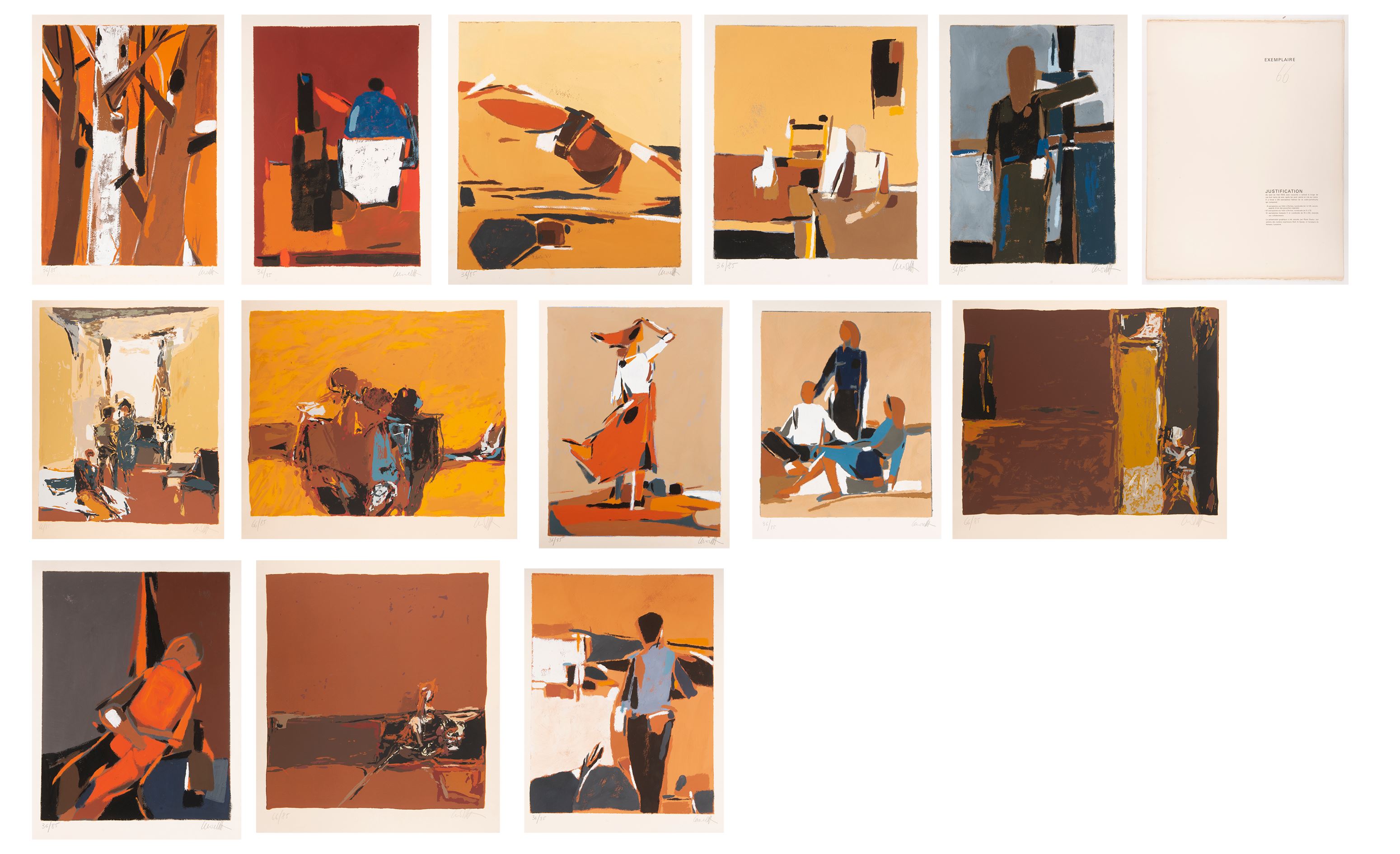
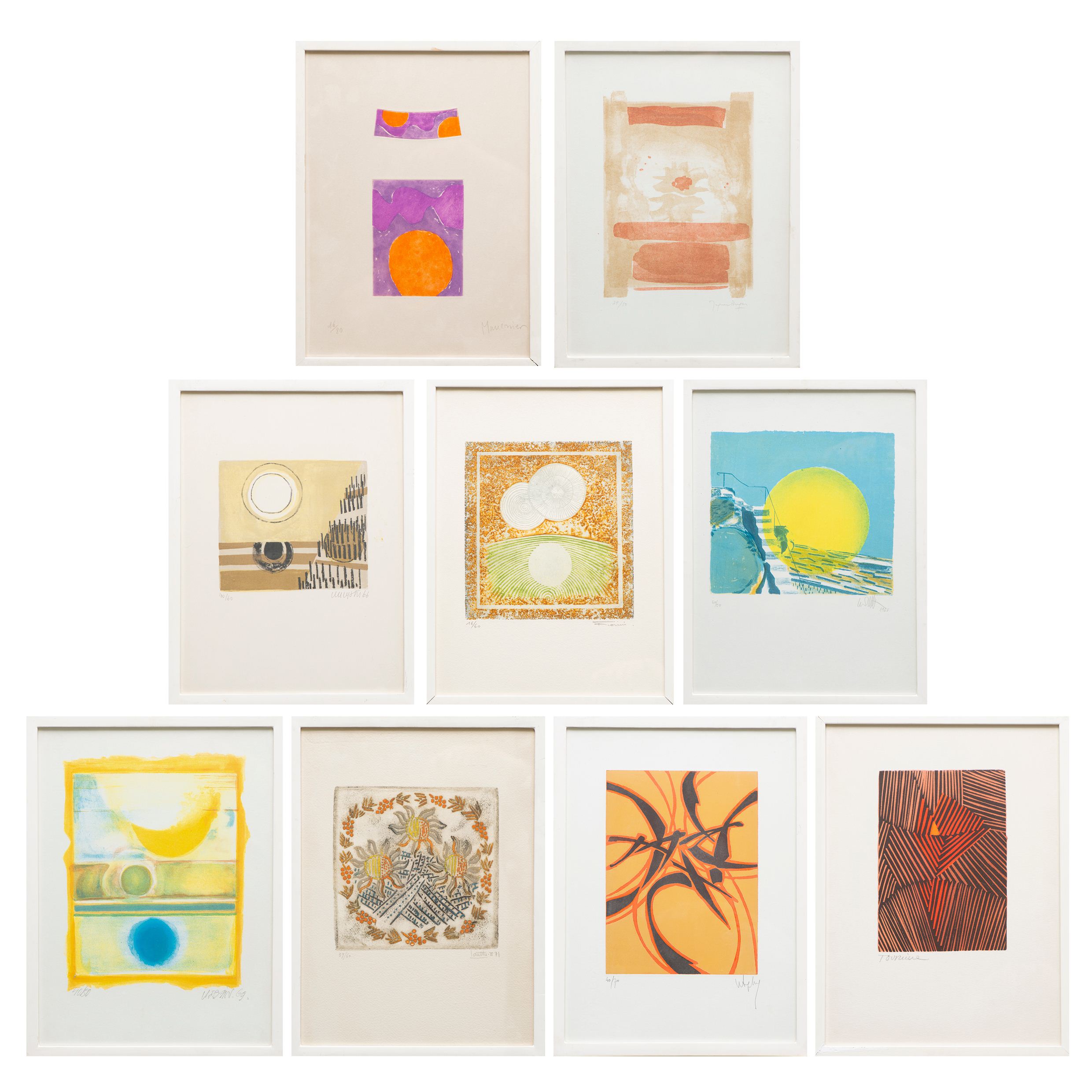
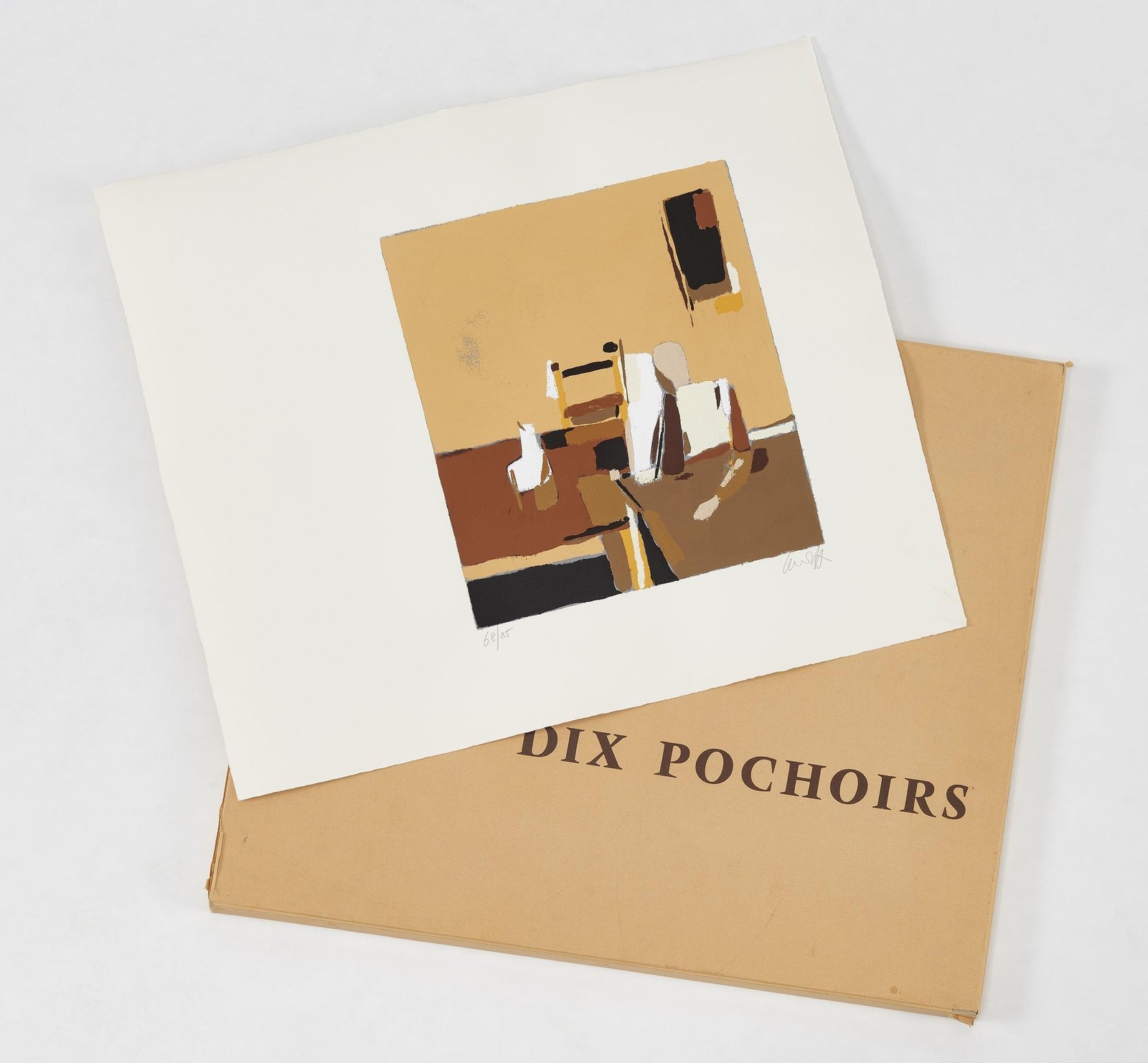
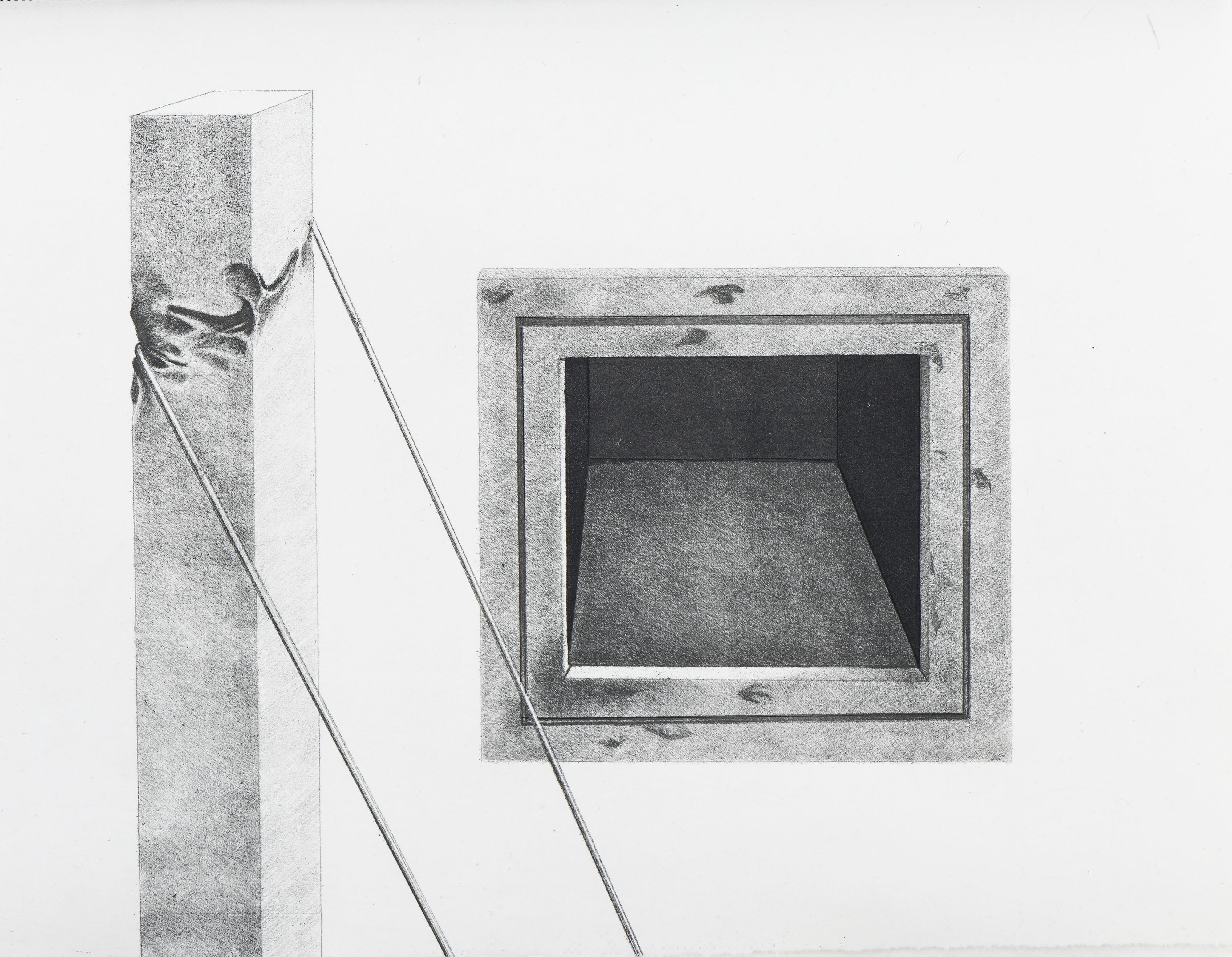
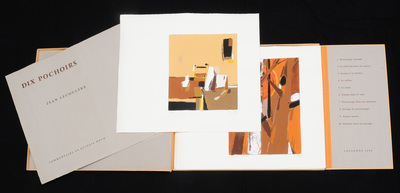
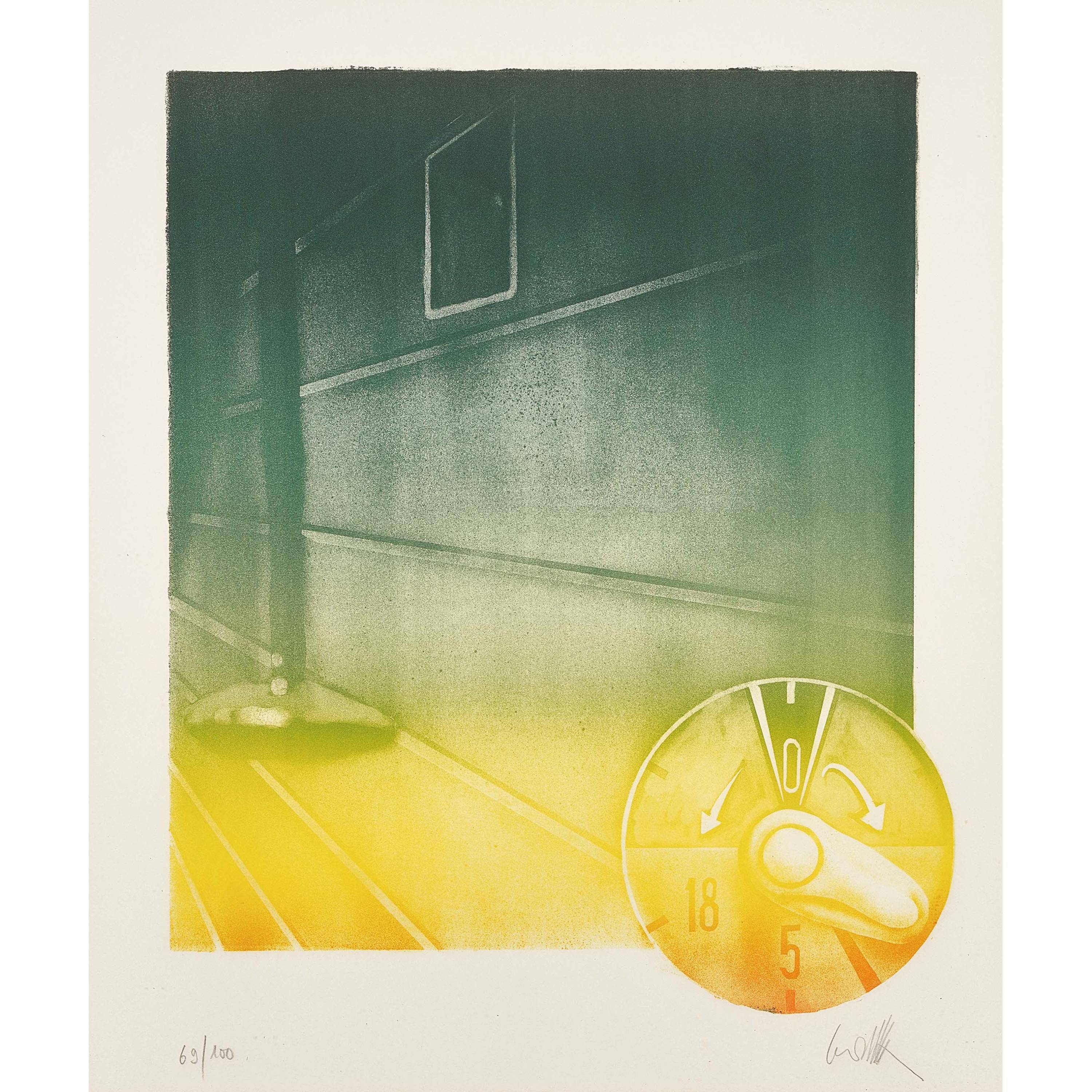
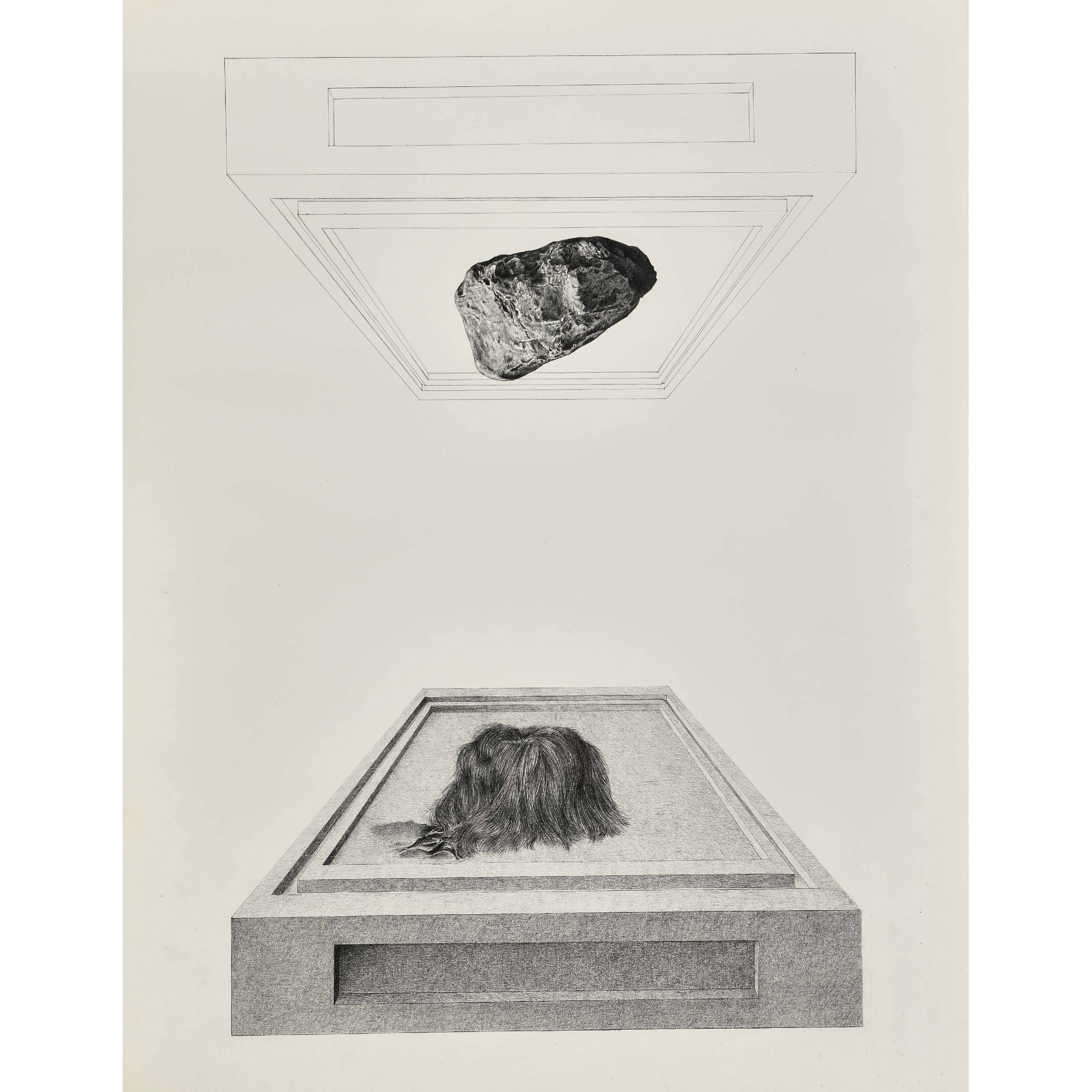
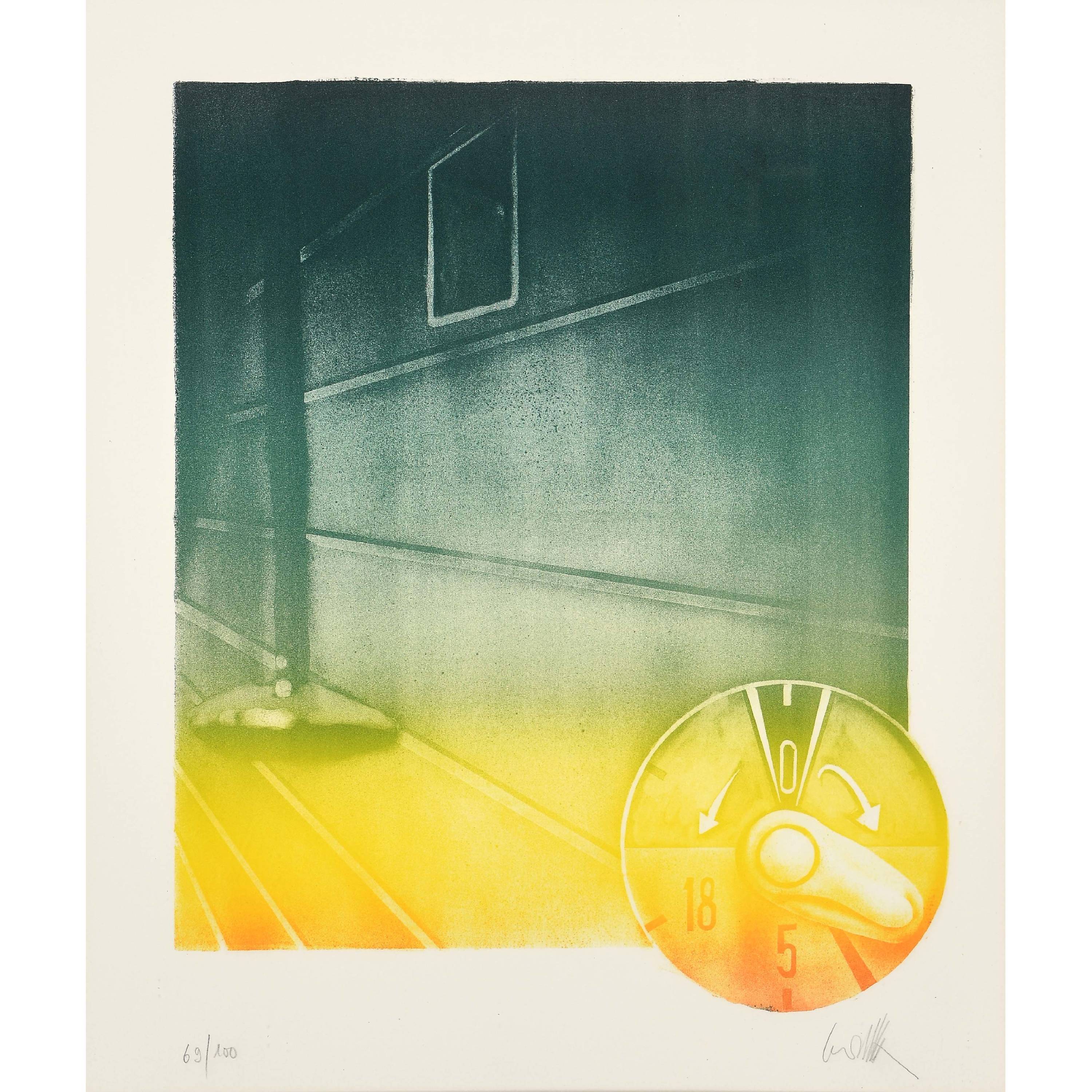
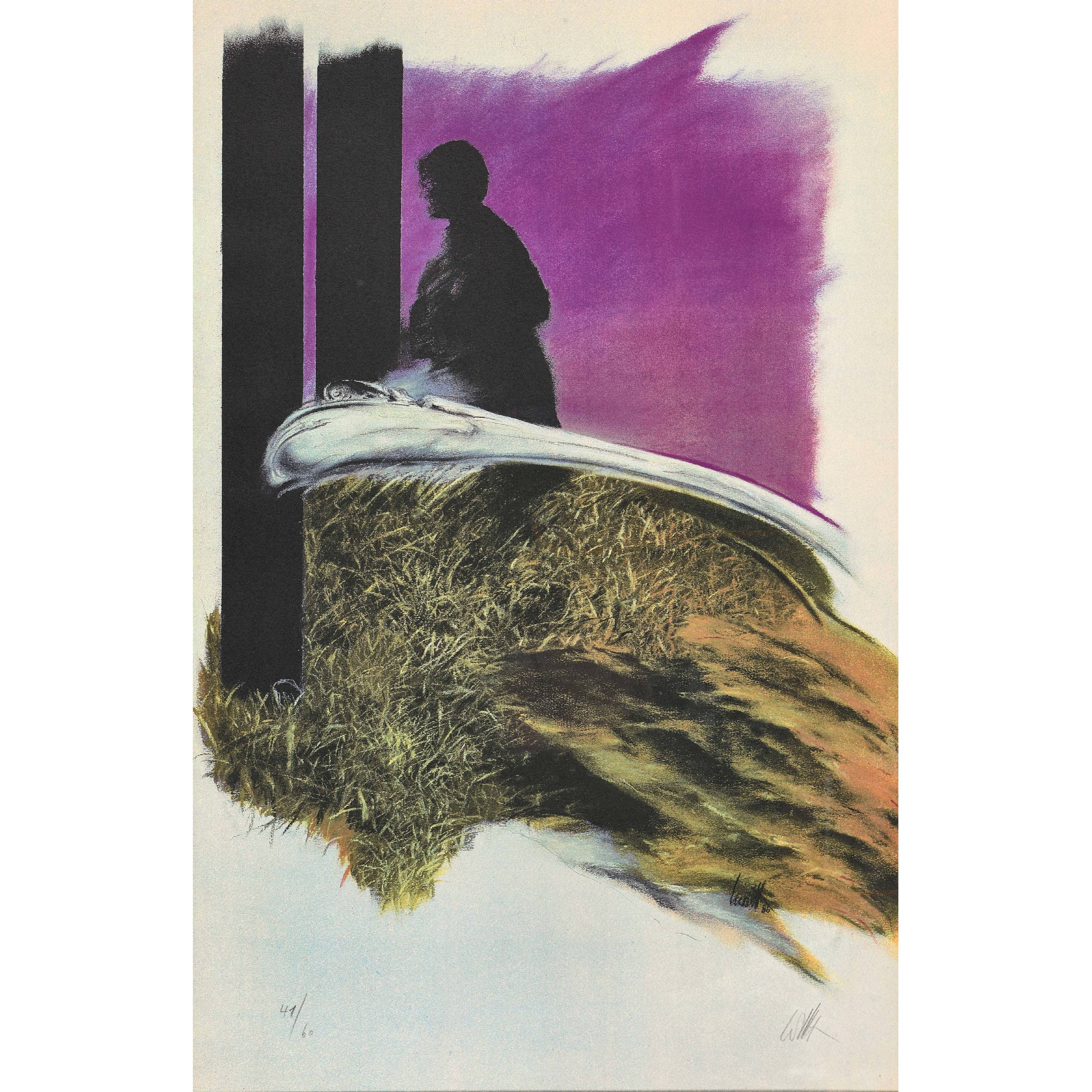
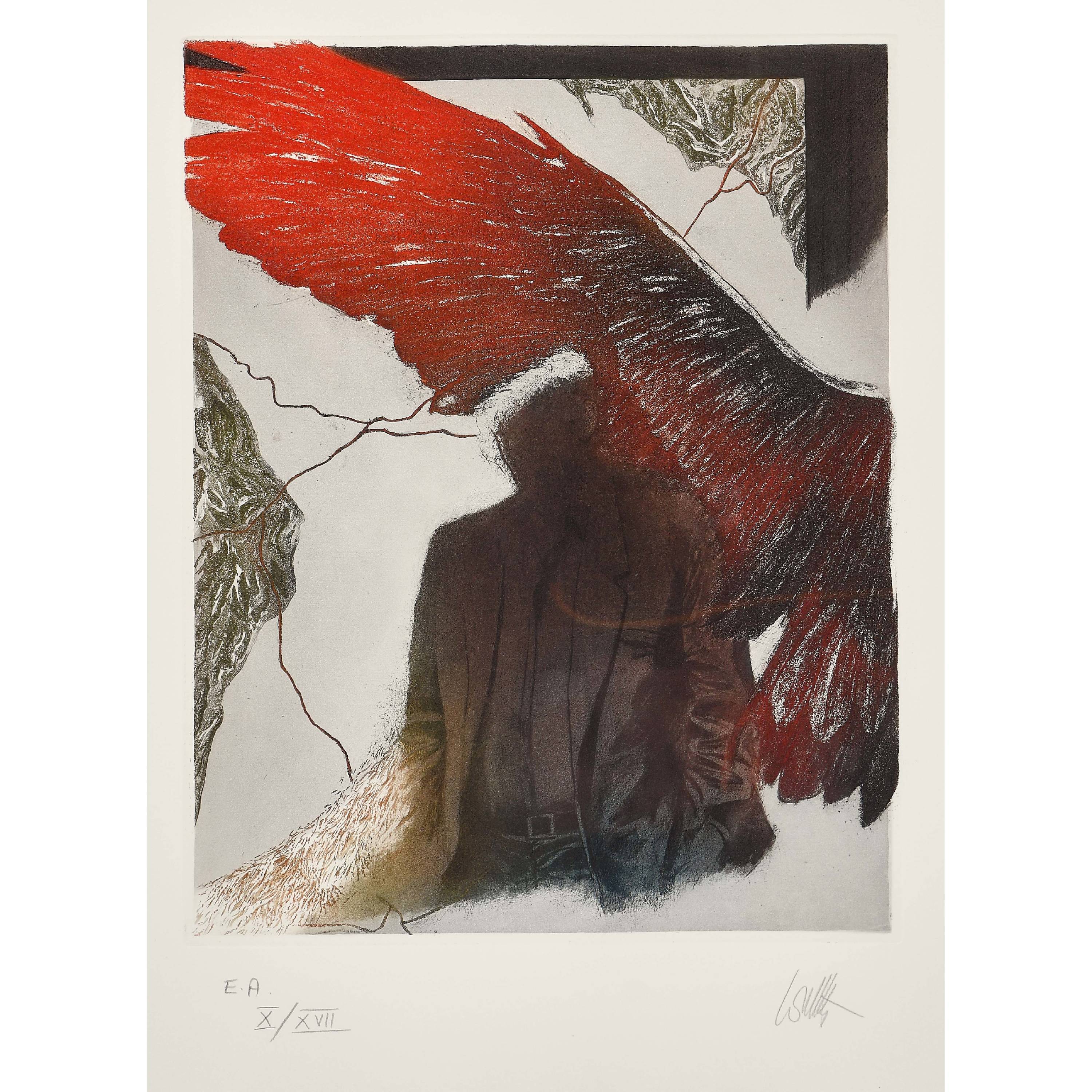
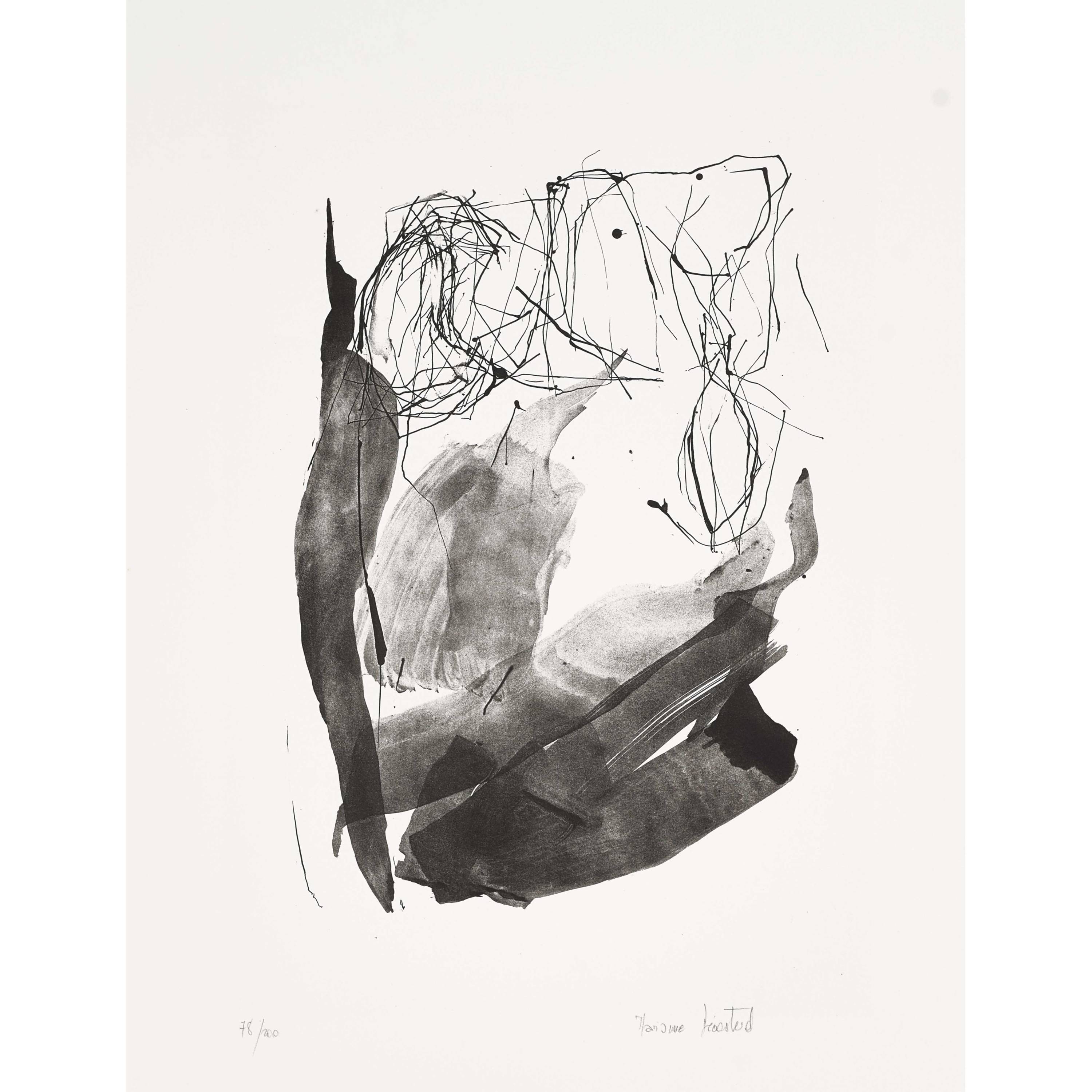
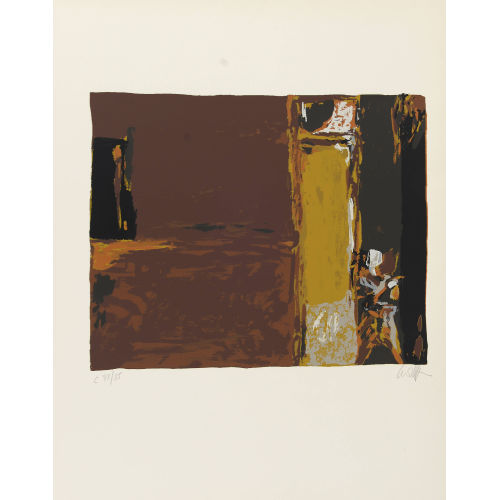
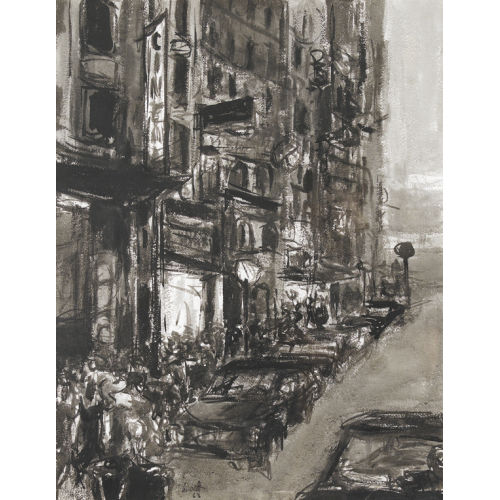
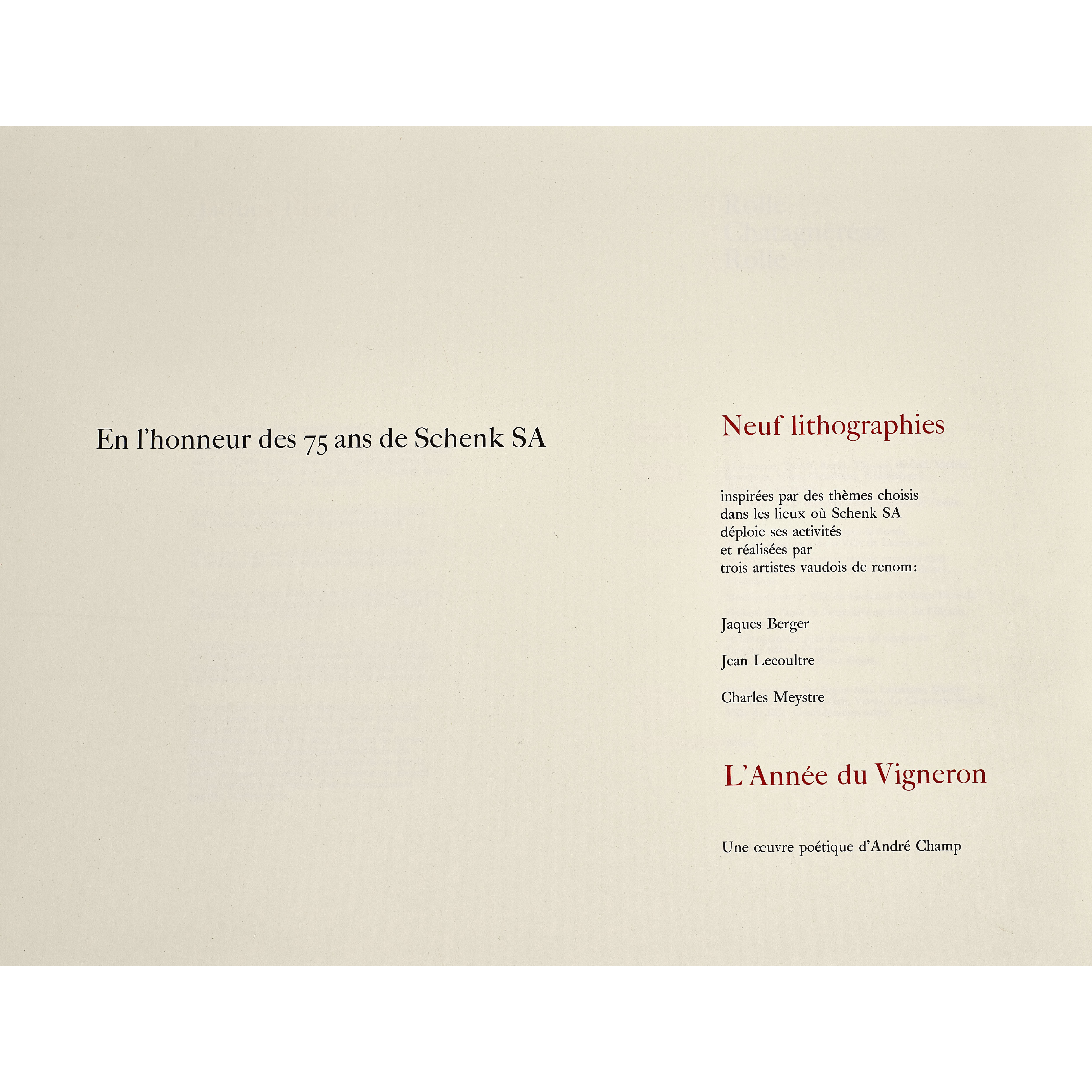
Printmaking constitutes another major strand of his practice. He worked in etching, aquatint and lithography, and from 1967 collaborated with Pietro Sarto at the Presses artistiques de Pully. In 2021, the Cabinet cantonal des estampes brought together his lithographs, aquatints and soft-ground prints with recent drawings and paintings, making palpable the continuity of his experiments across media.
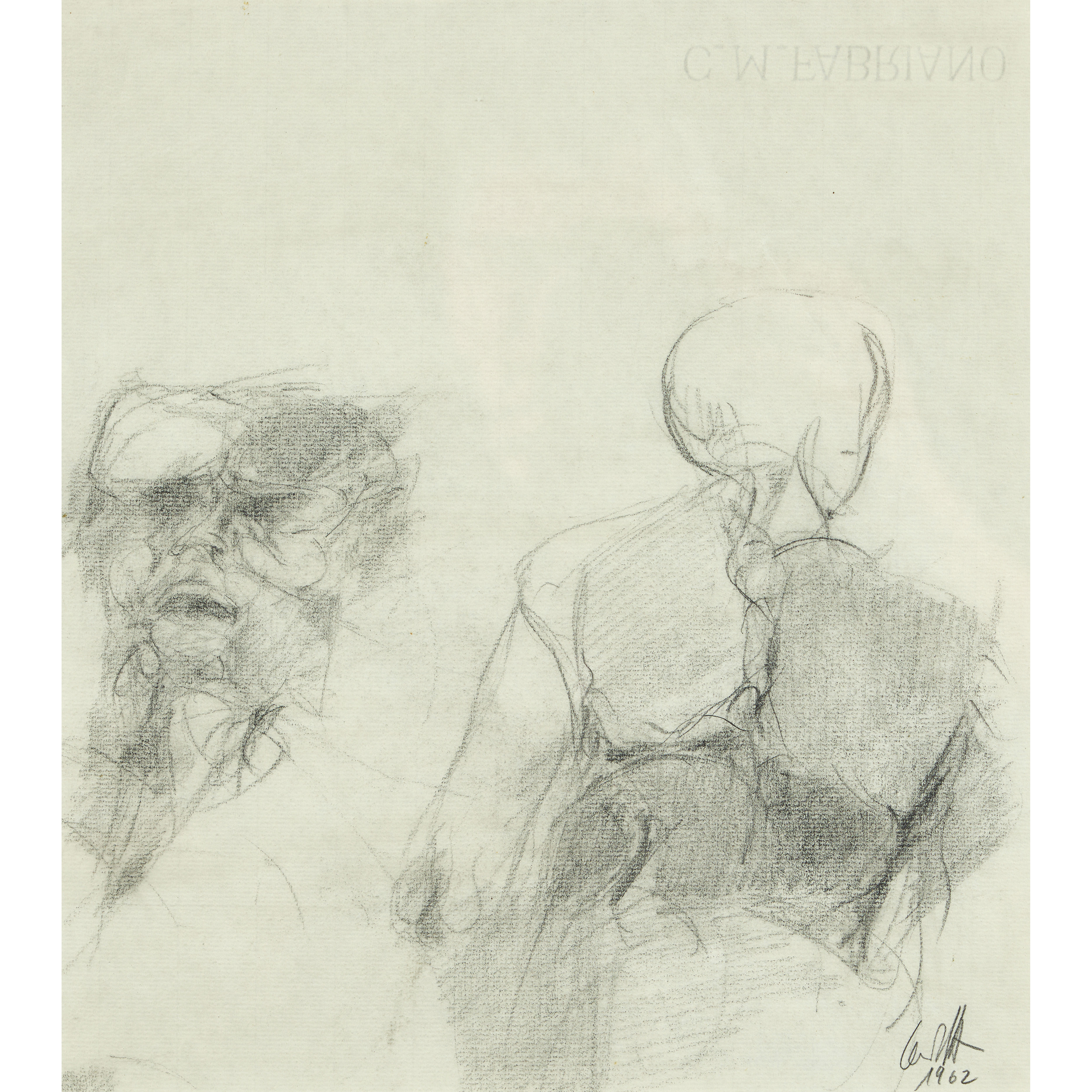
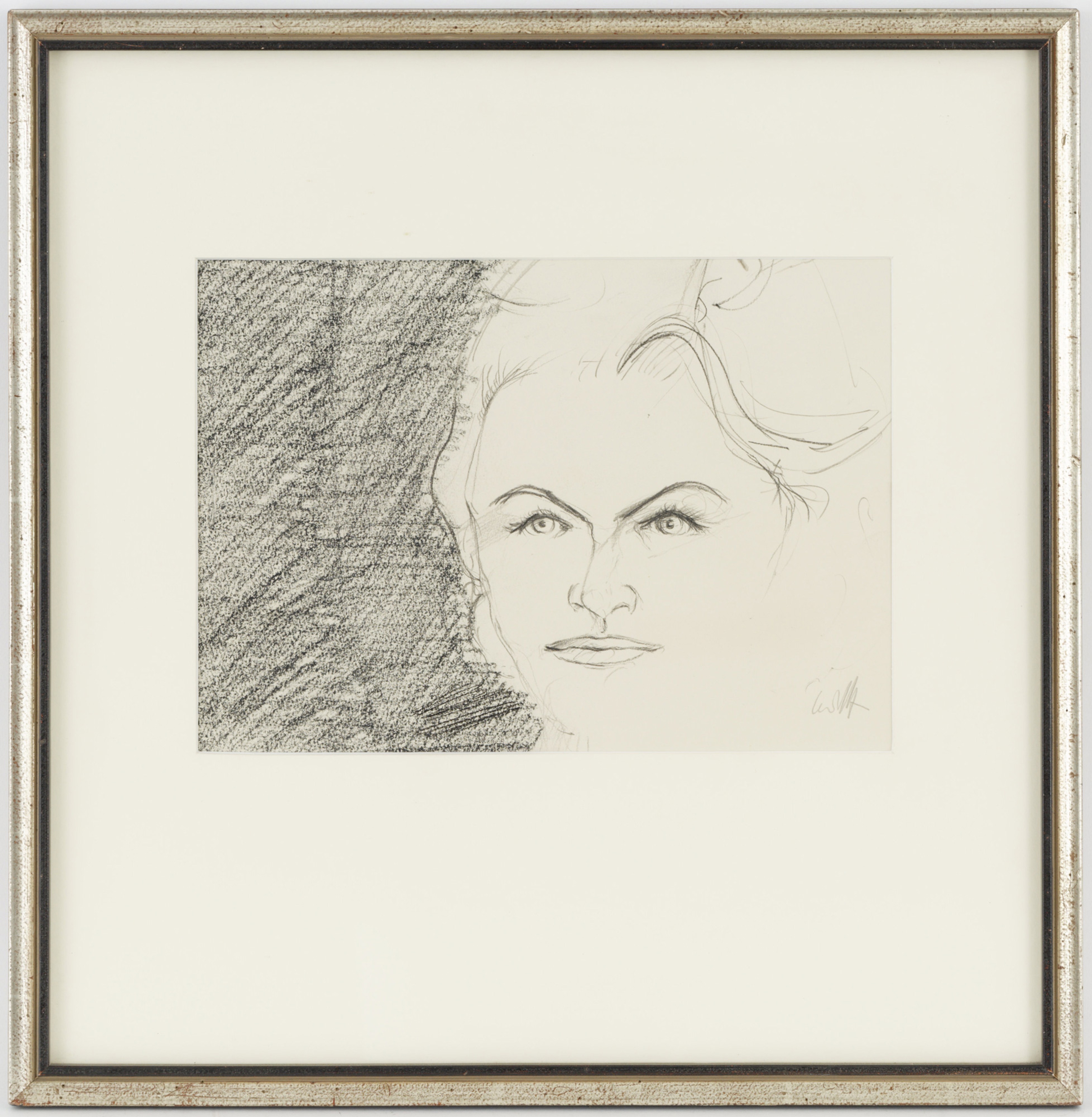
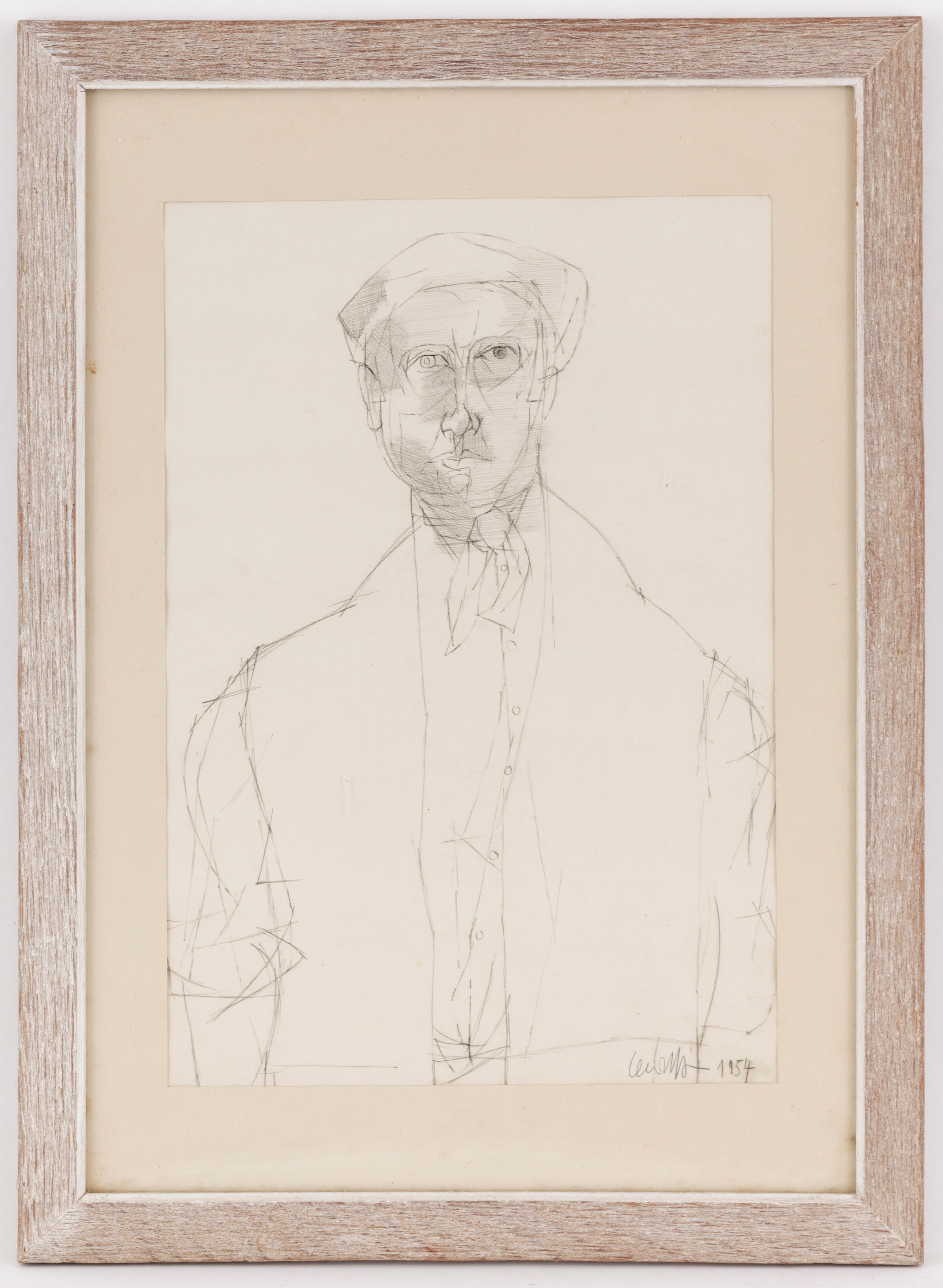
Lecoultre represented Switzerland at the Venice Biennale in 1978; in 1990, the Musée cantonal des Beaux-Arts de Lausanne devoted an exhibition to him. The holdings preserved at the Bibliothèque cantonale et universitaire de Lausanne, including preparatory sketches dated from 1975 to 2010, also bear witness to the evolution of his working process.