Jean-François Comment
Born in 1919.
Died in 2002.
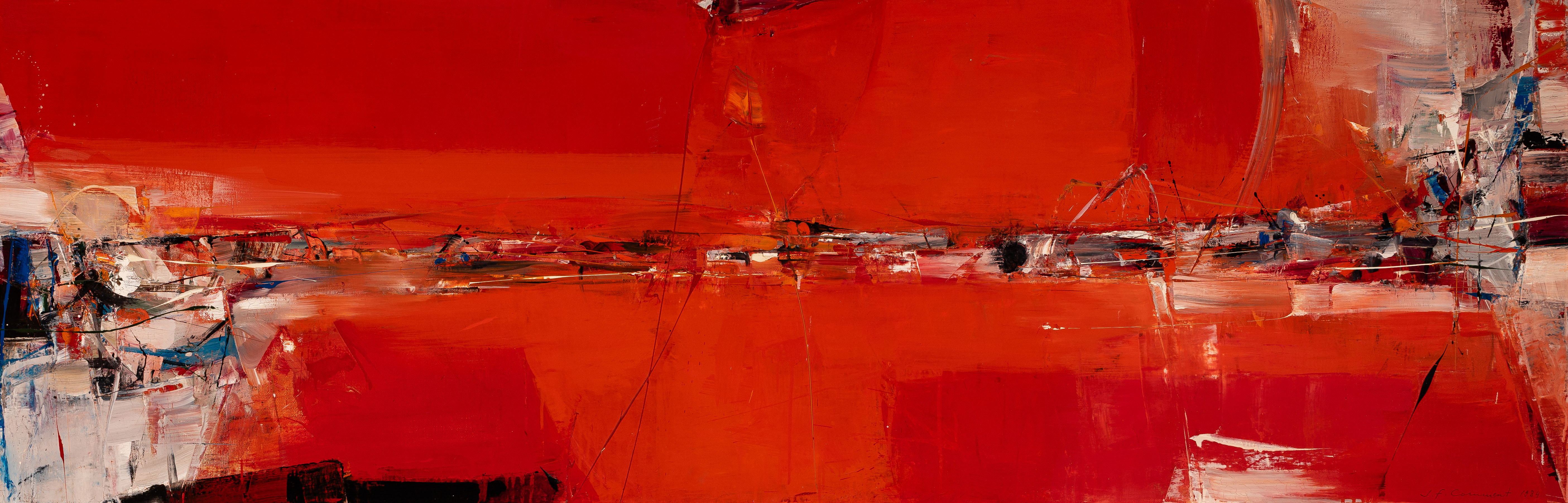
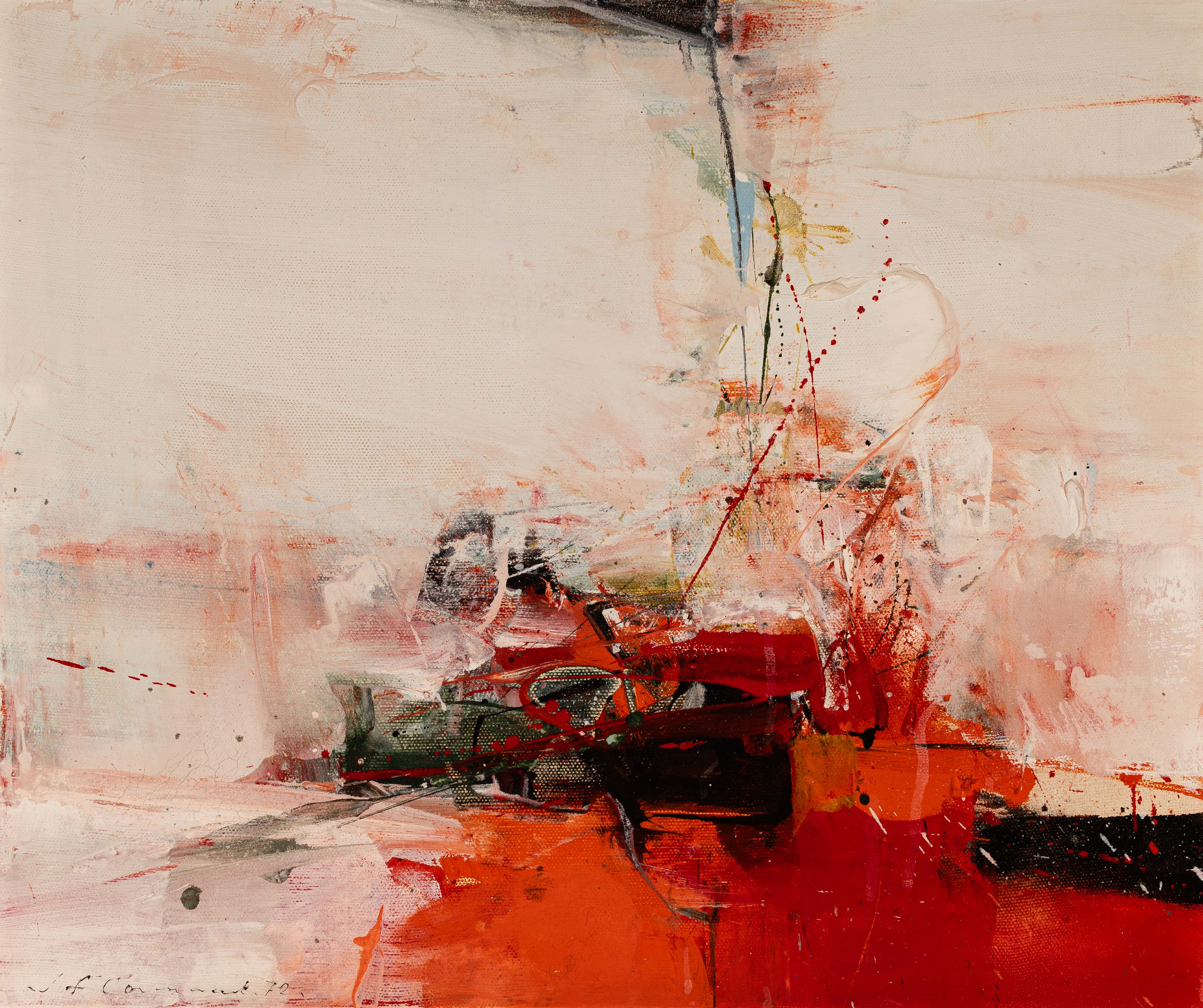
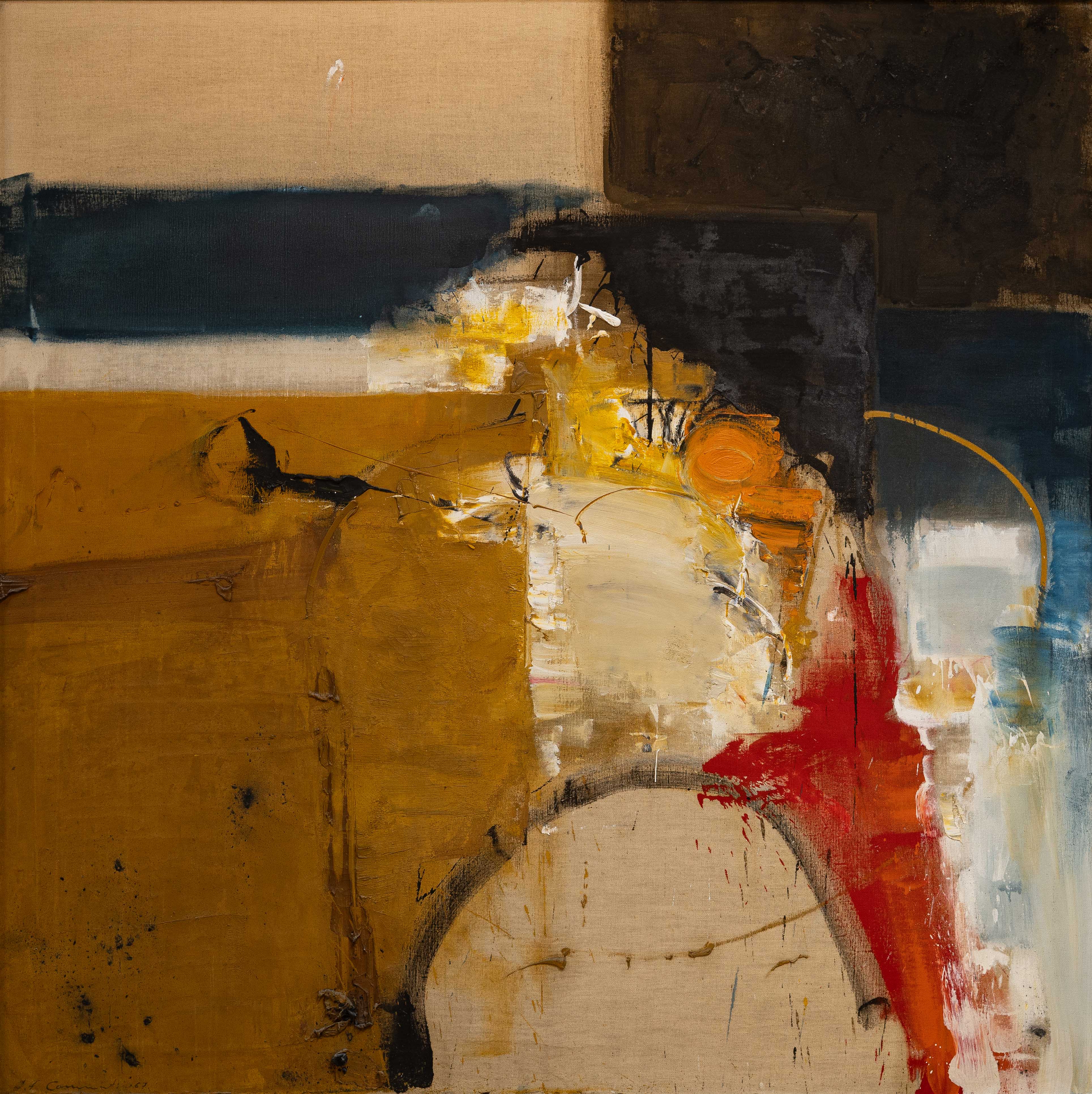
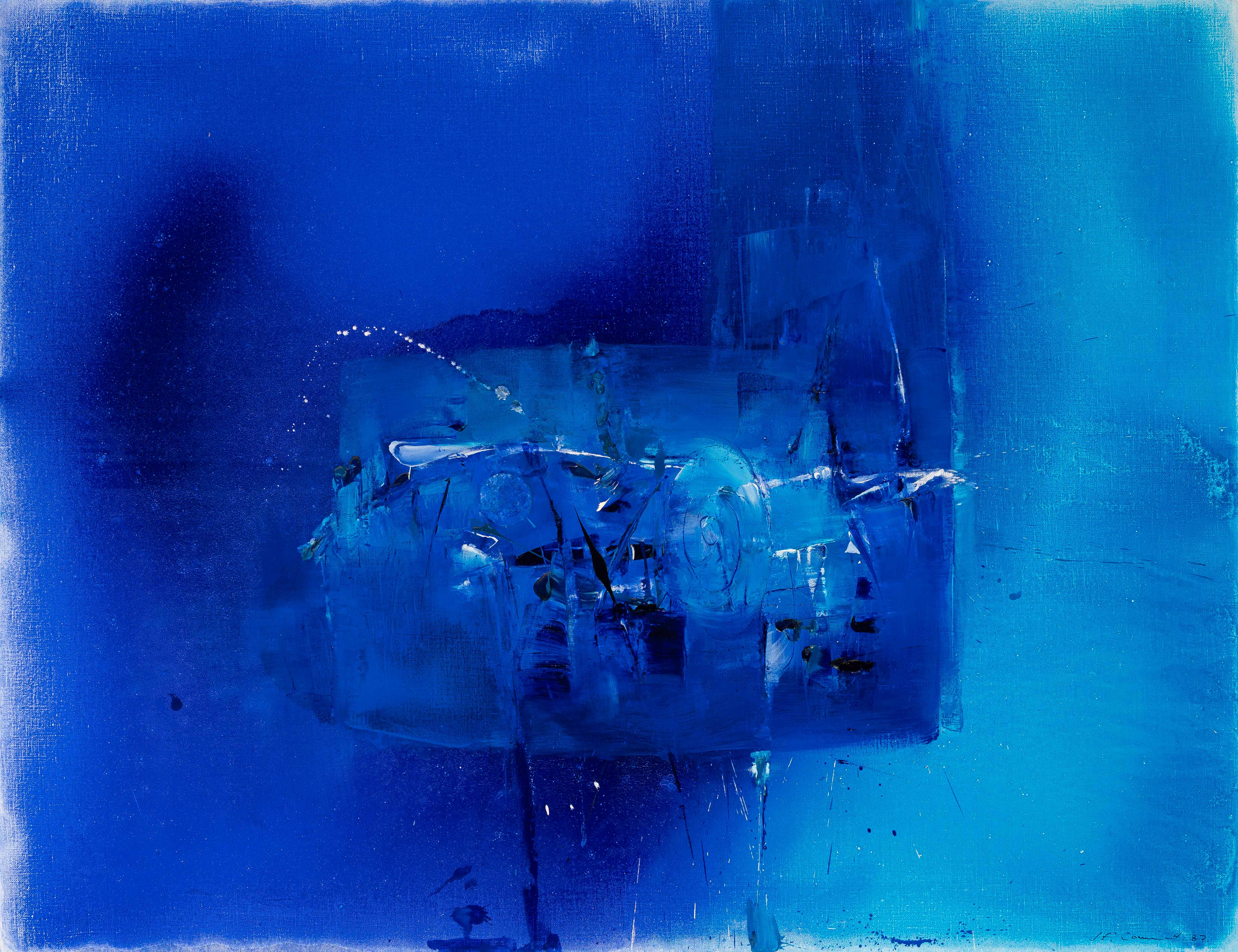
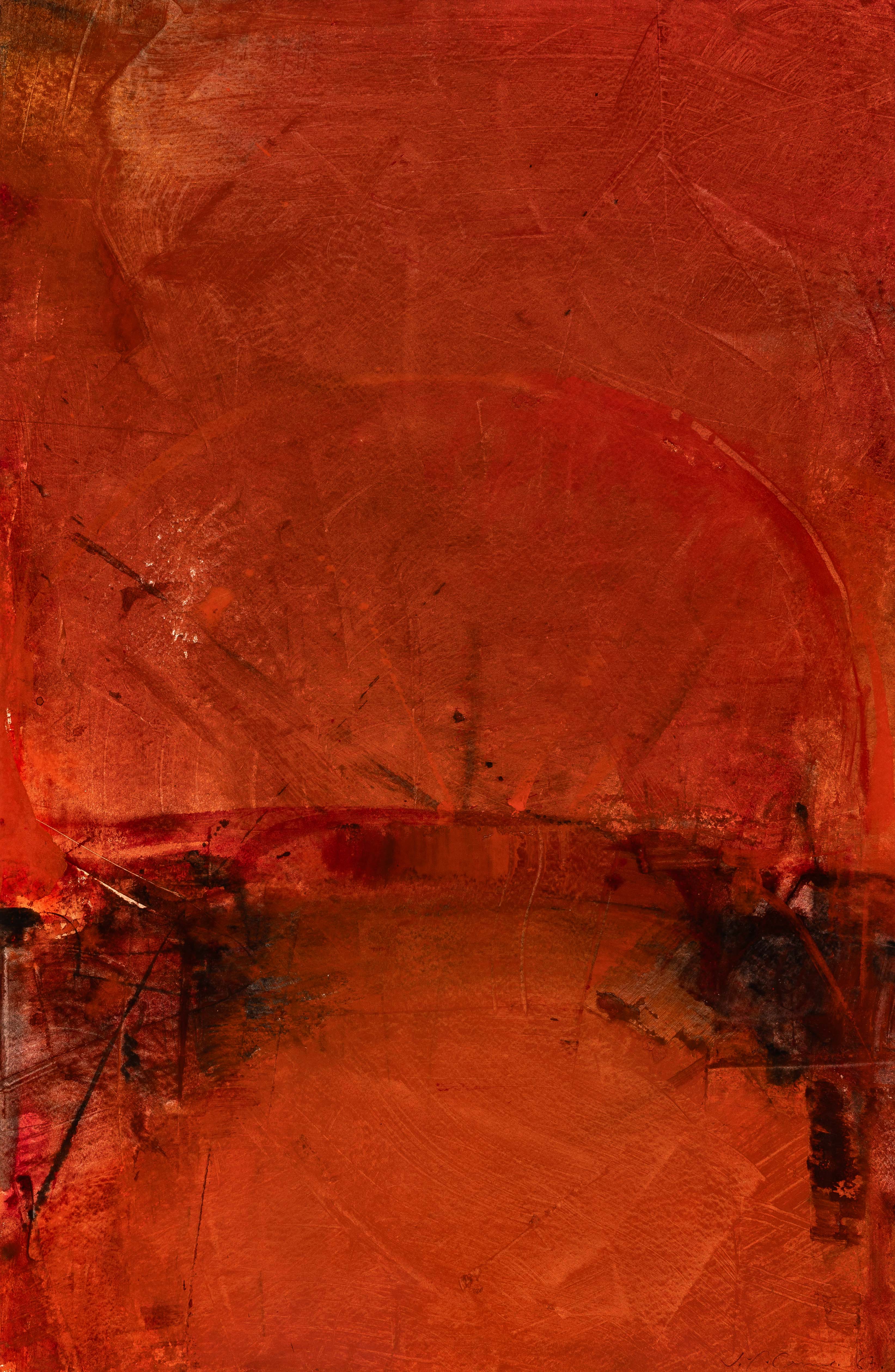
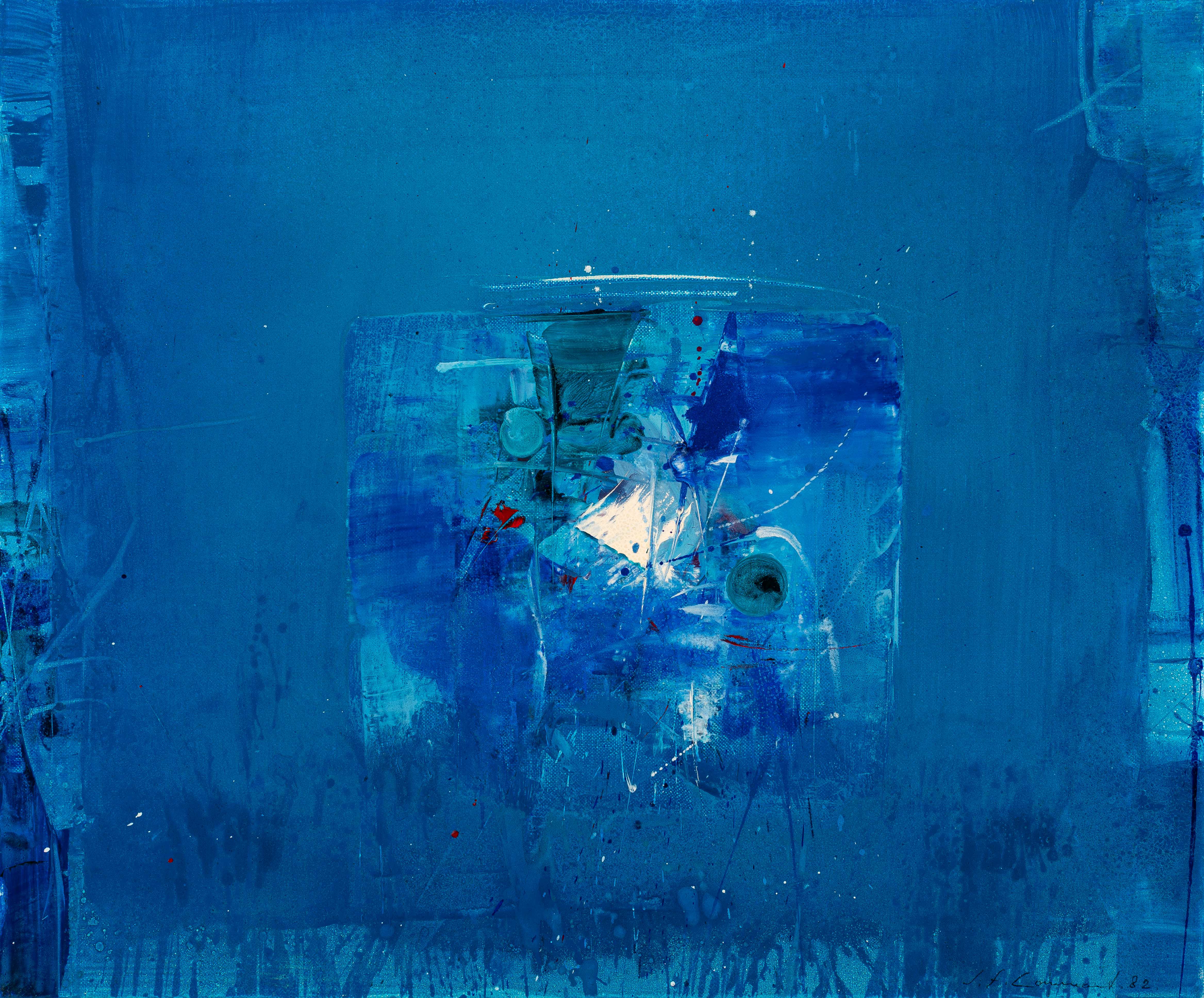
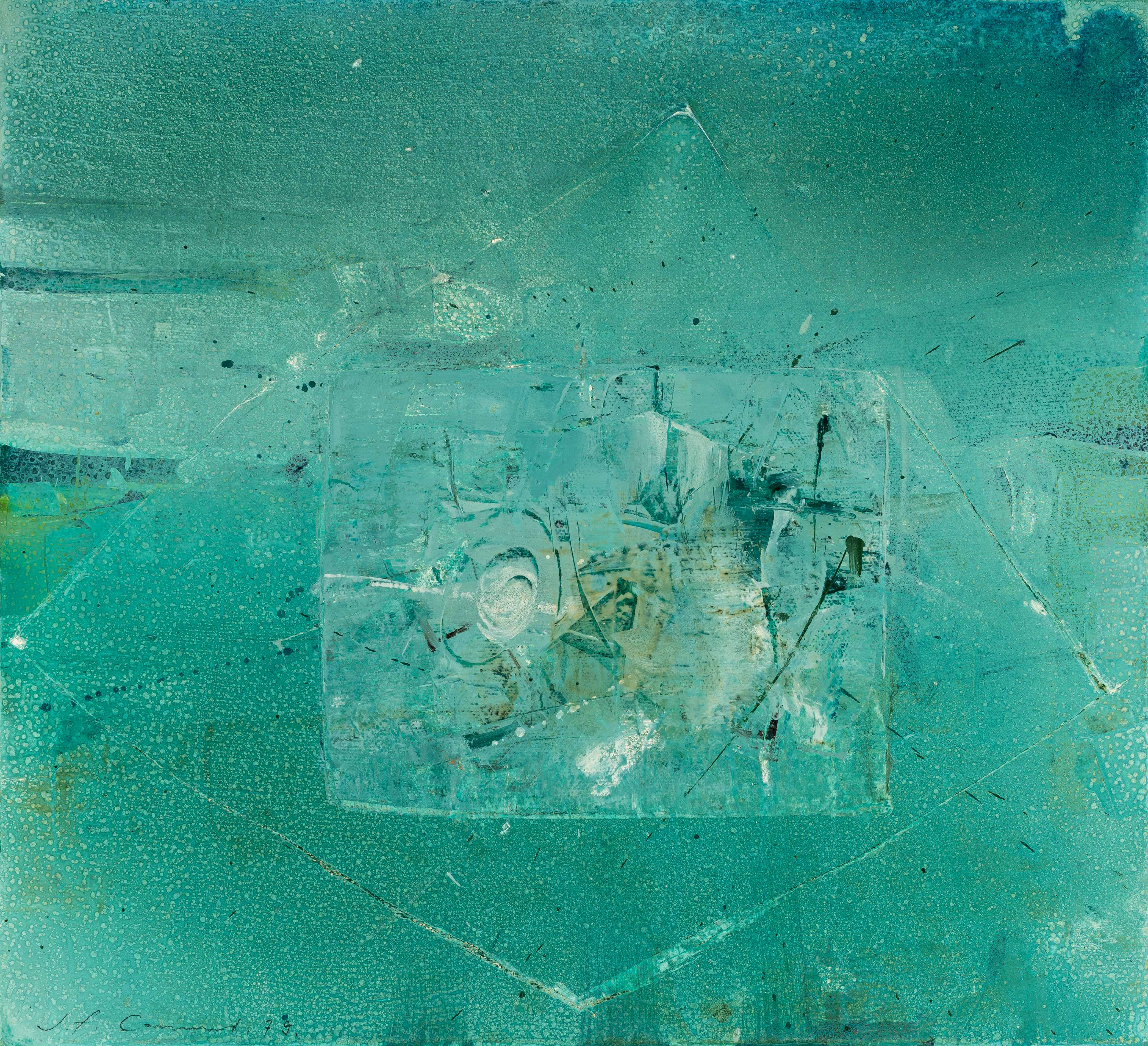
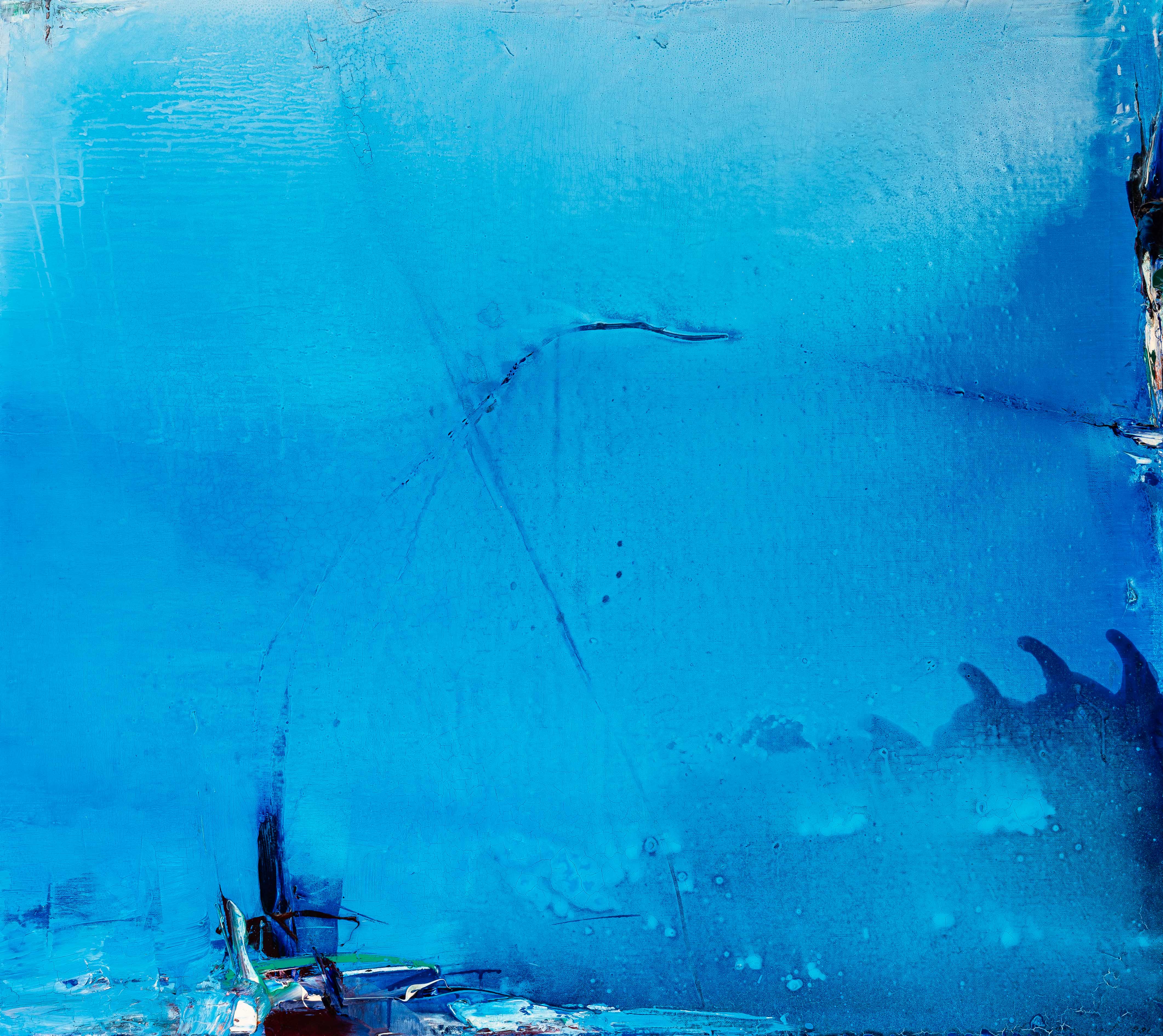
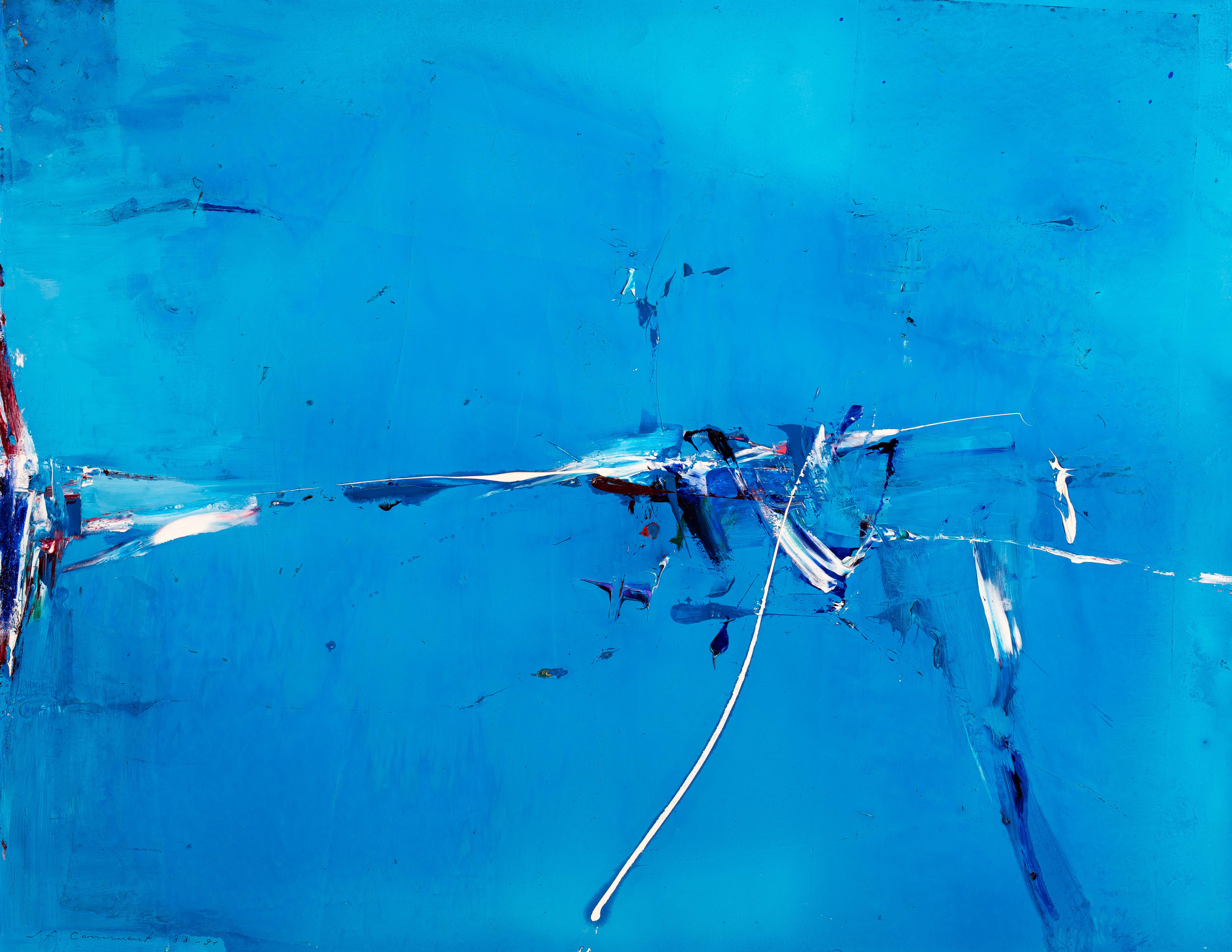
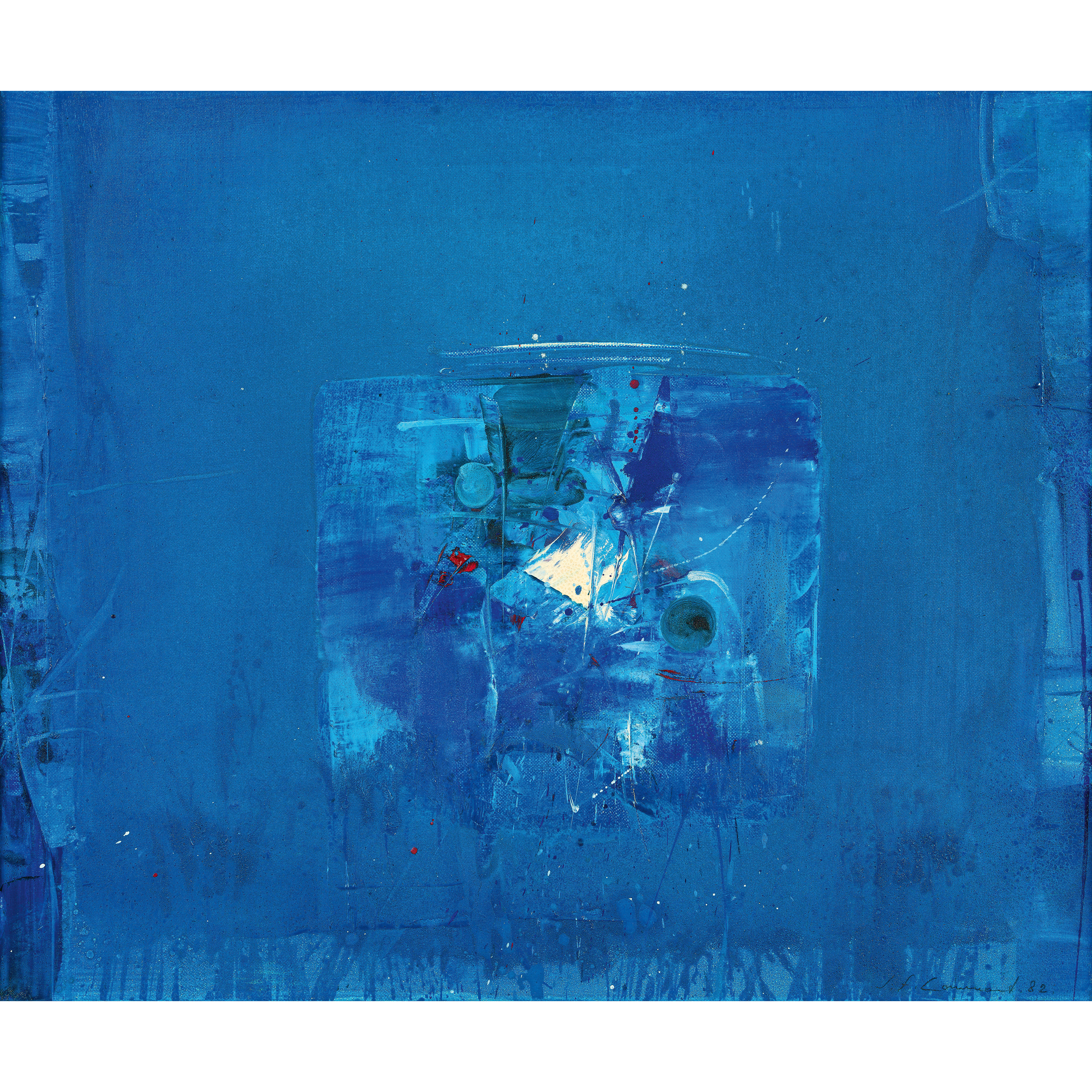
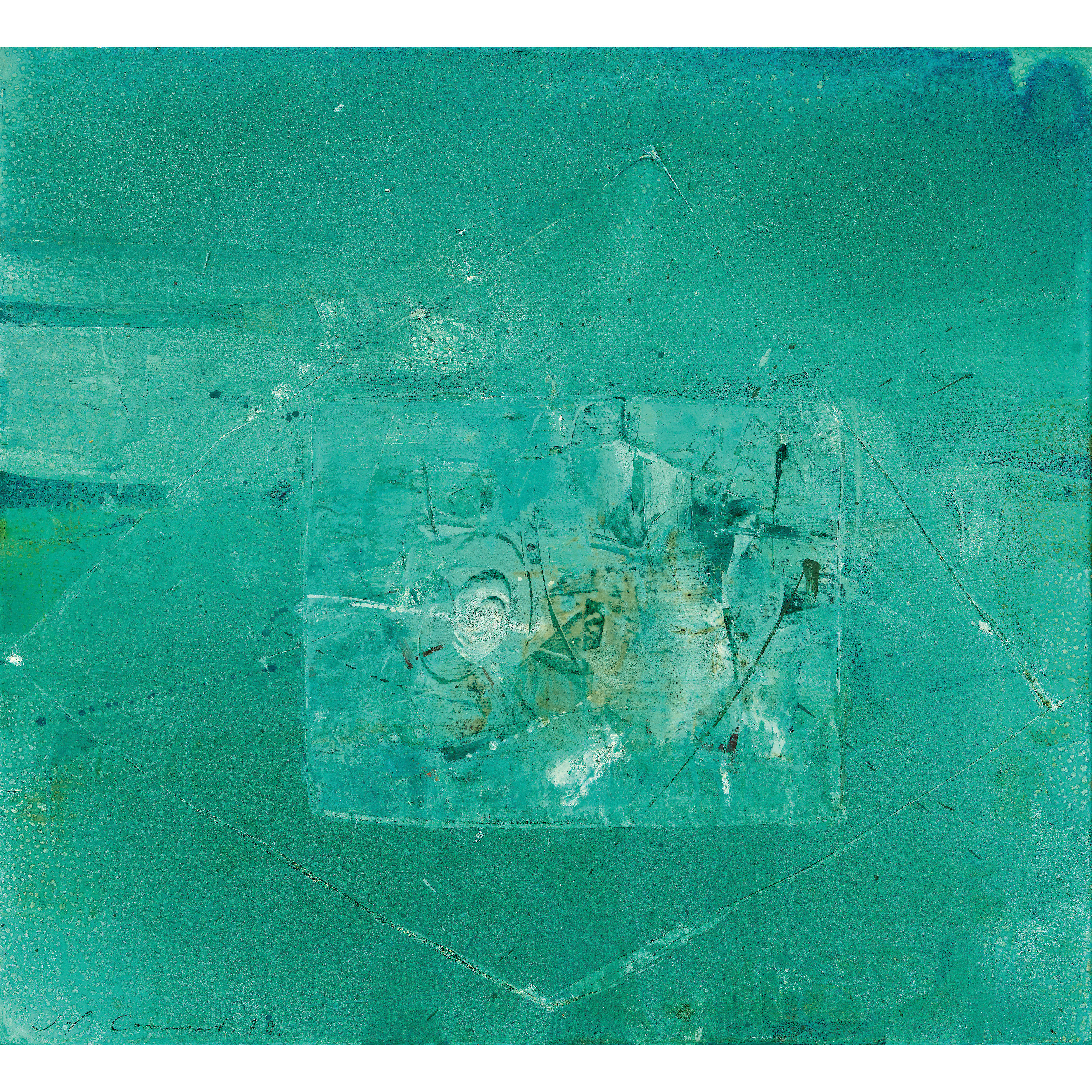
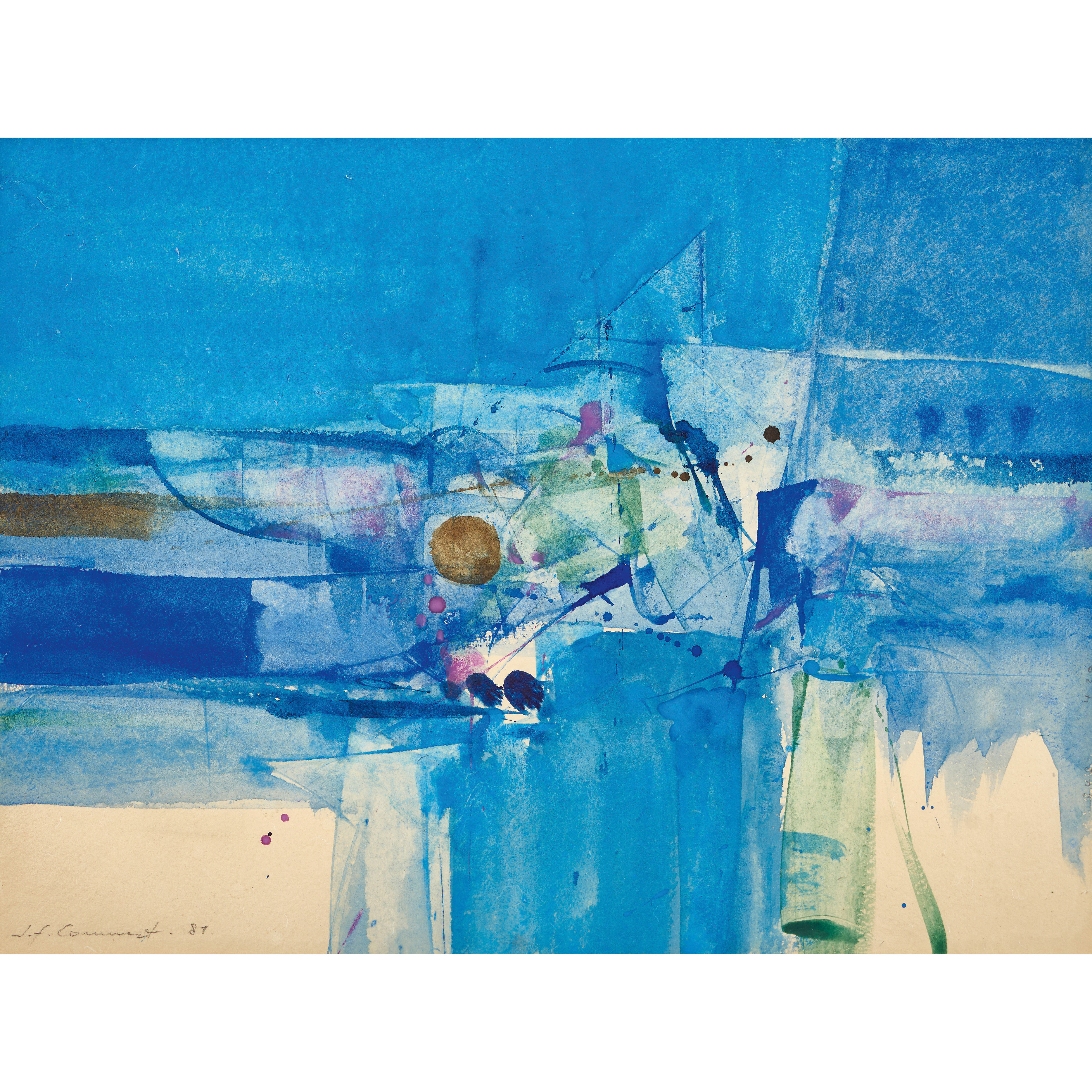
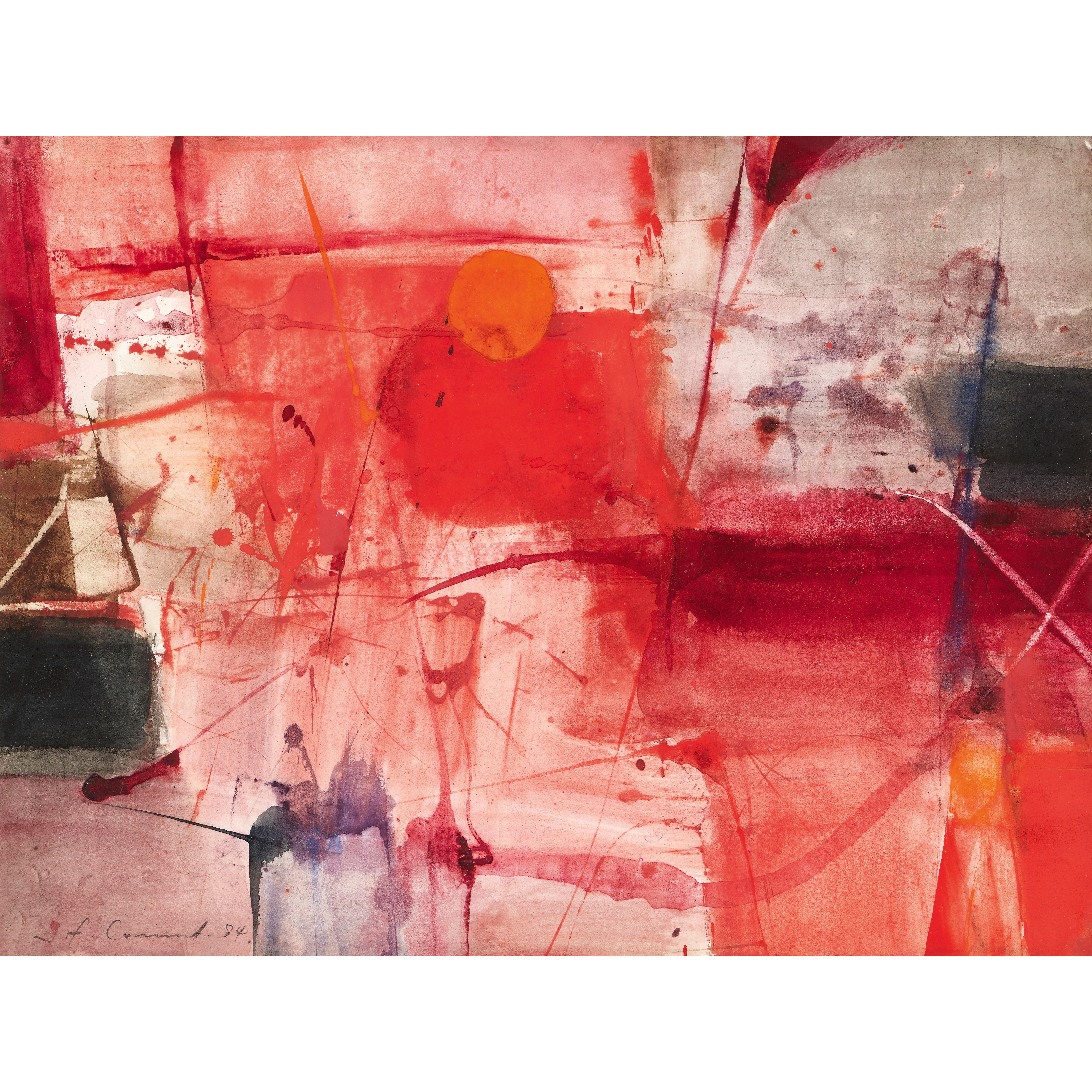
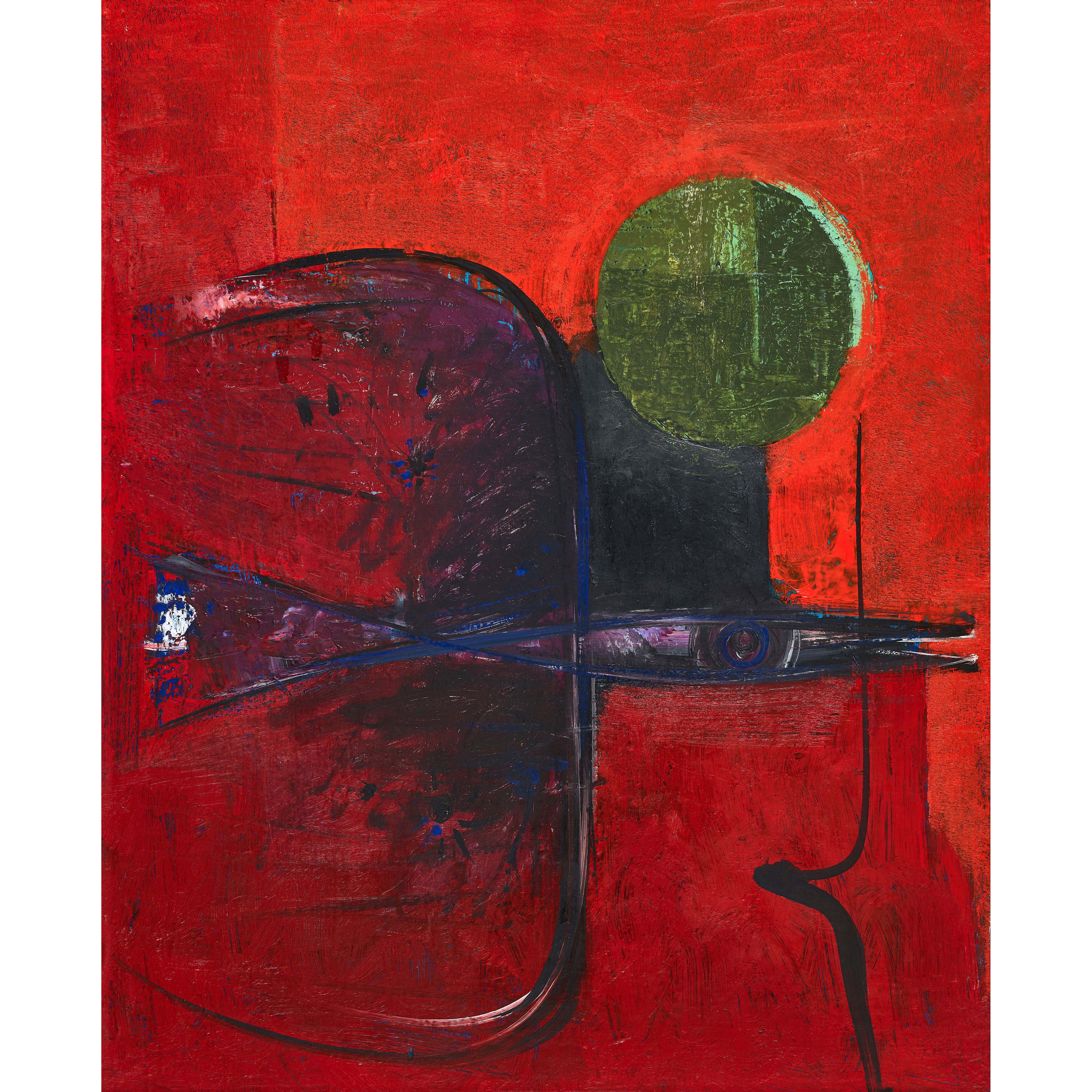
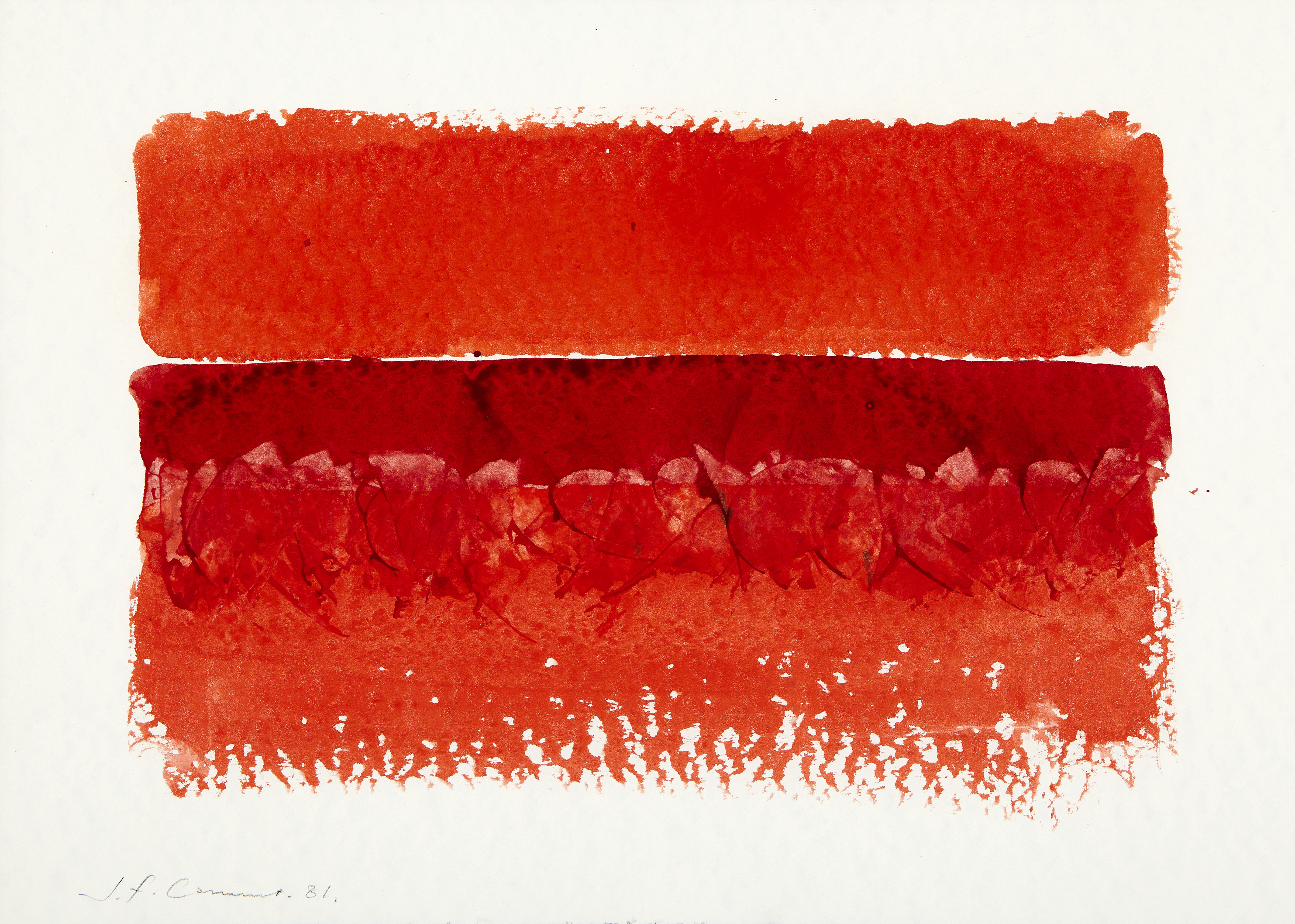
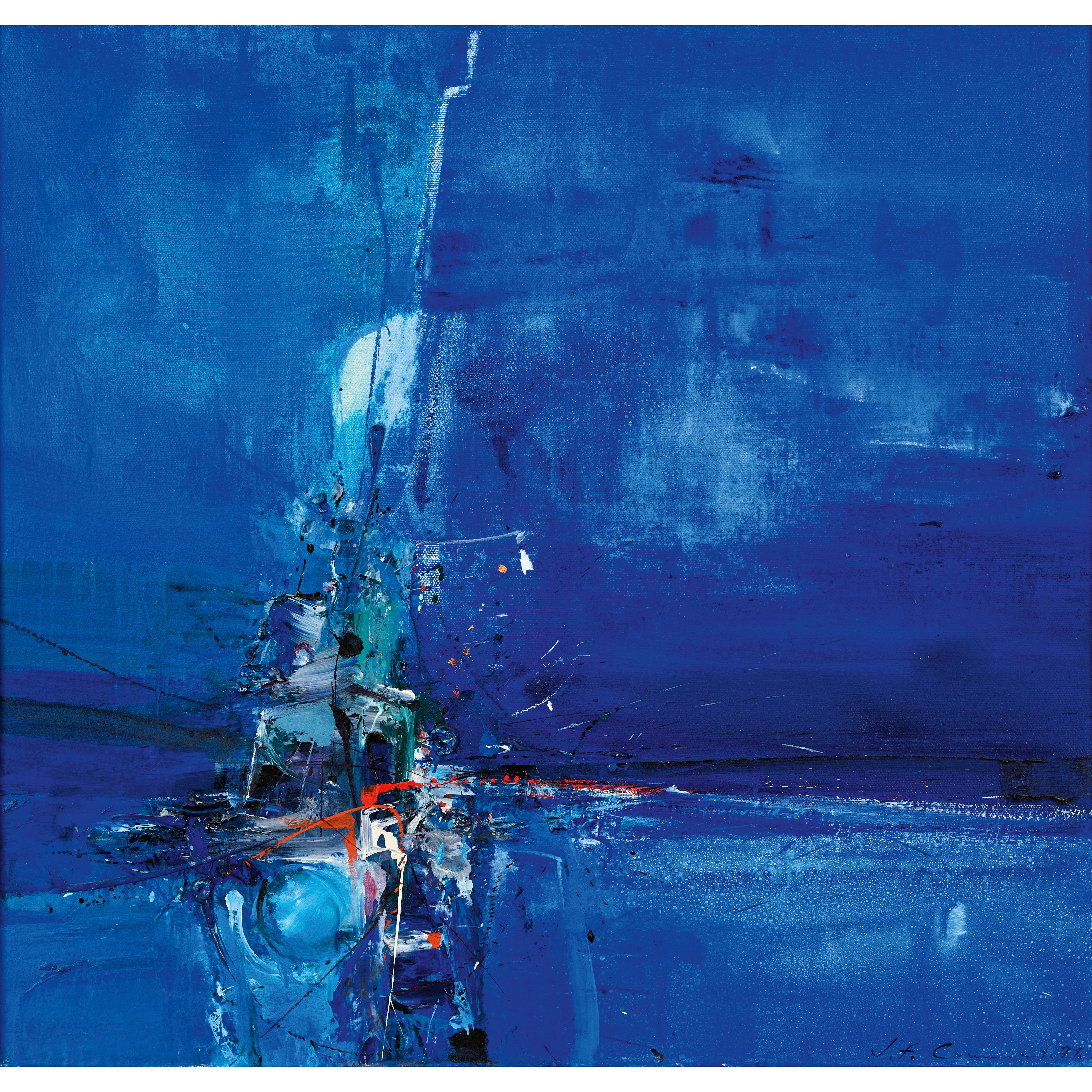
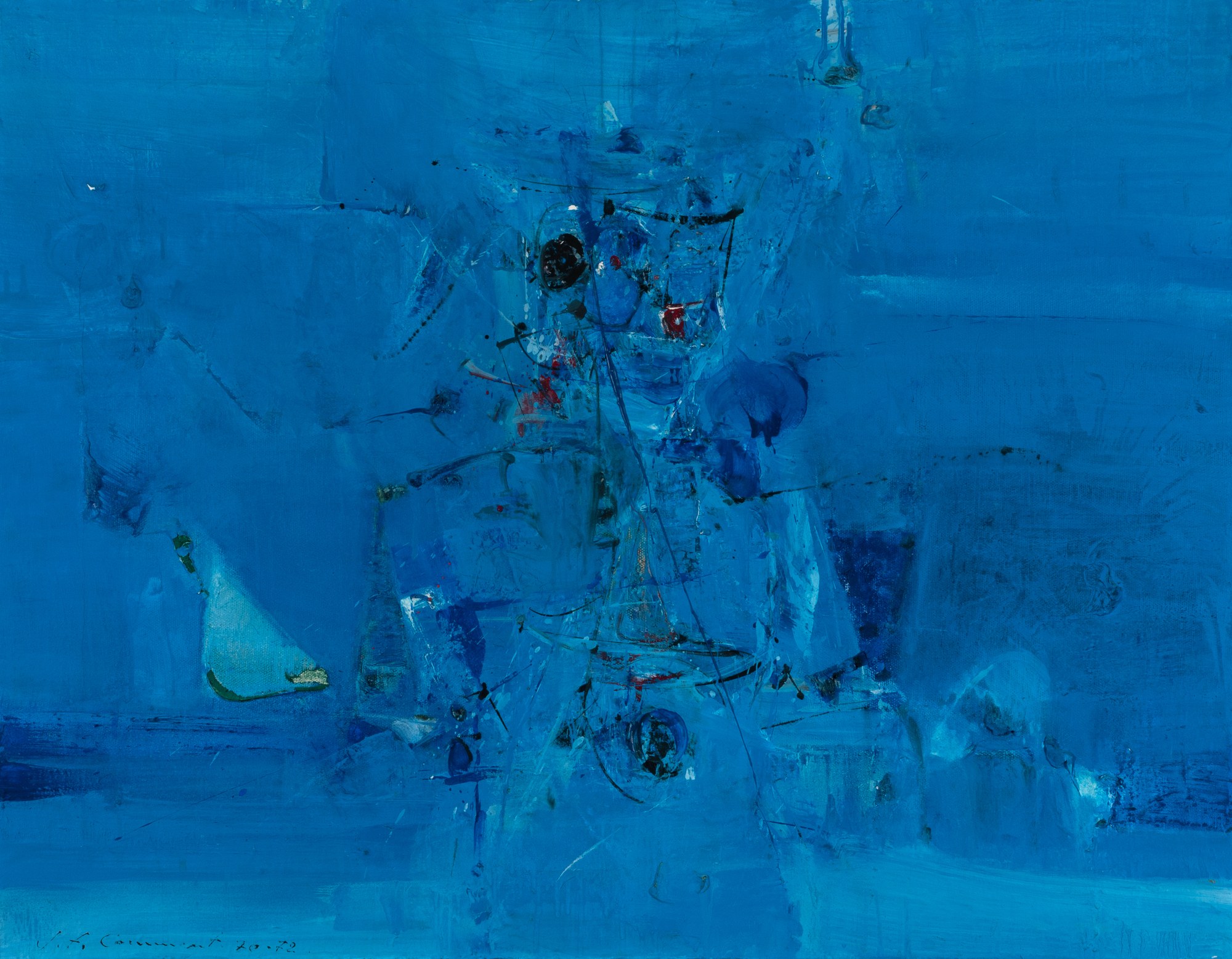
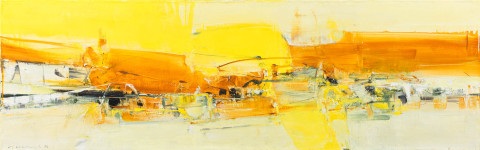
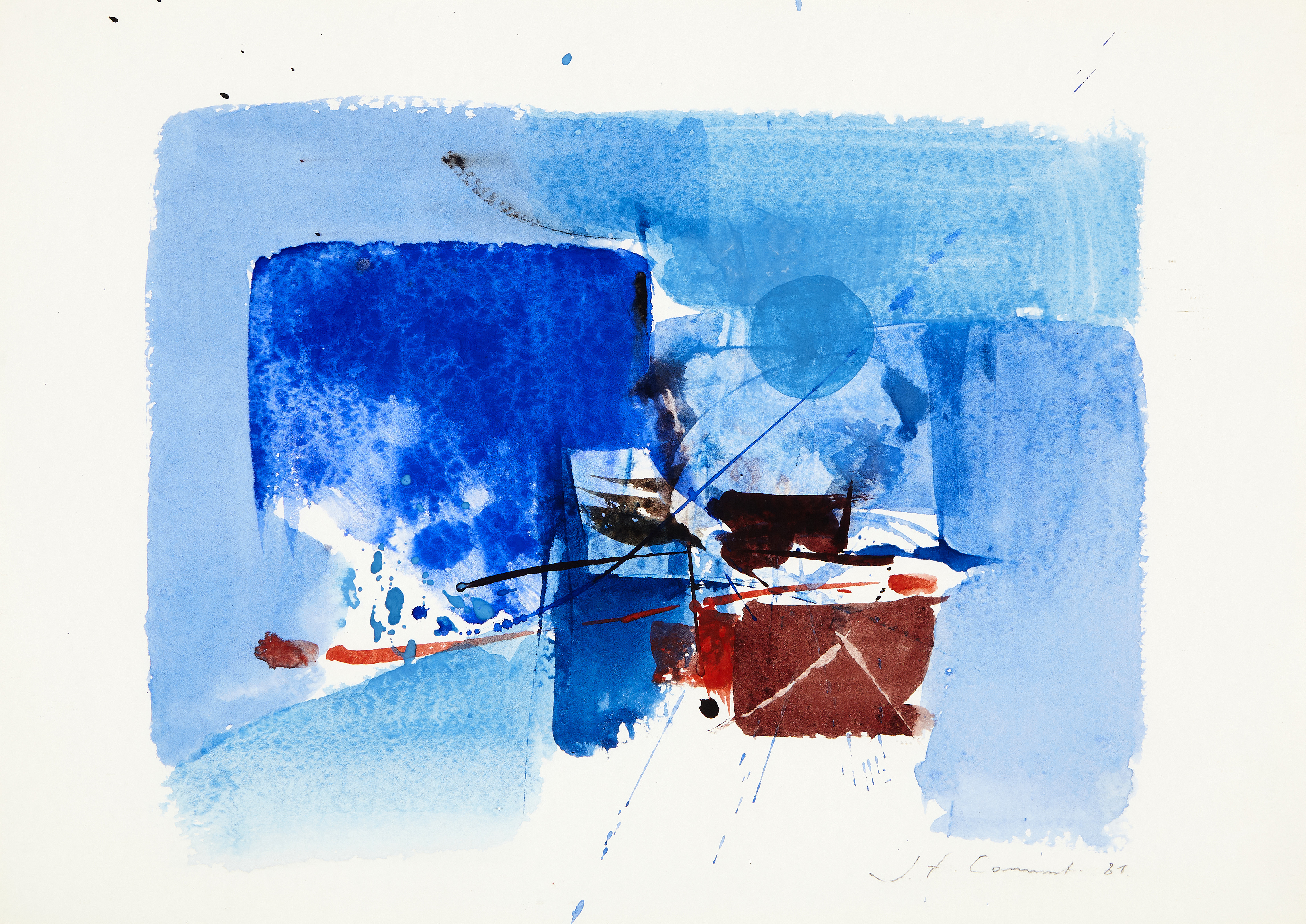
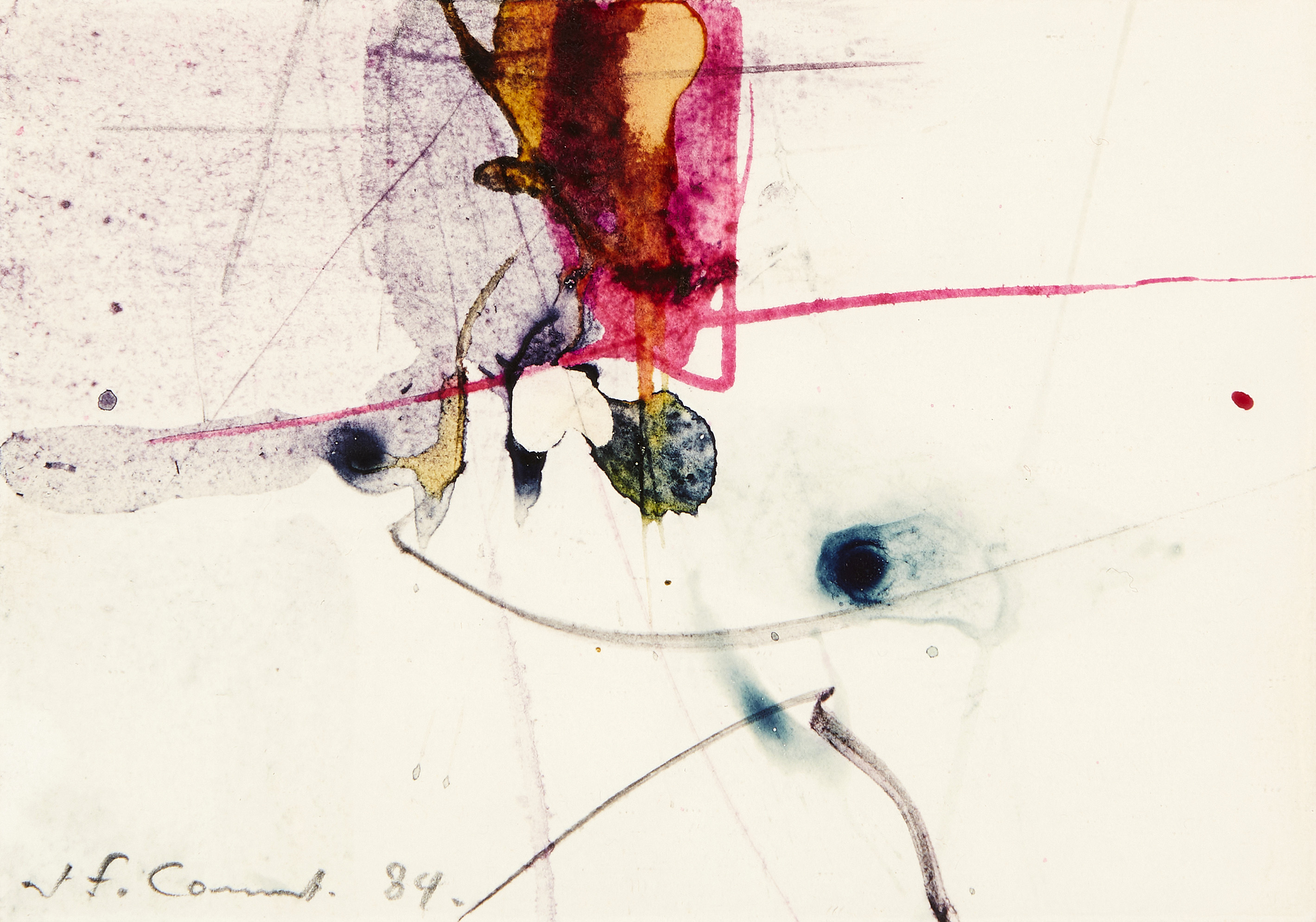
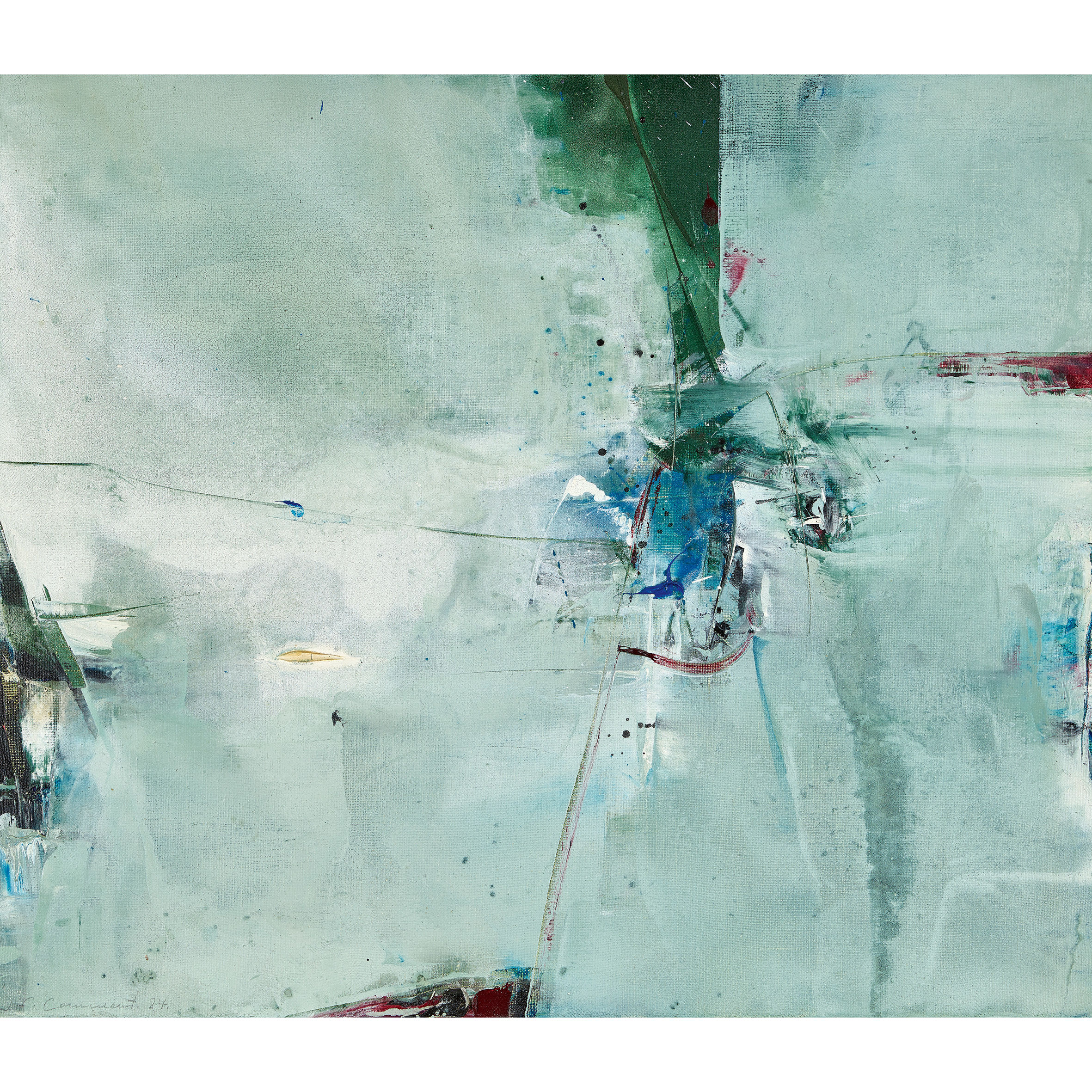
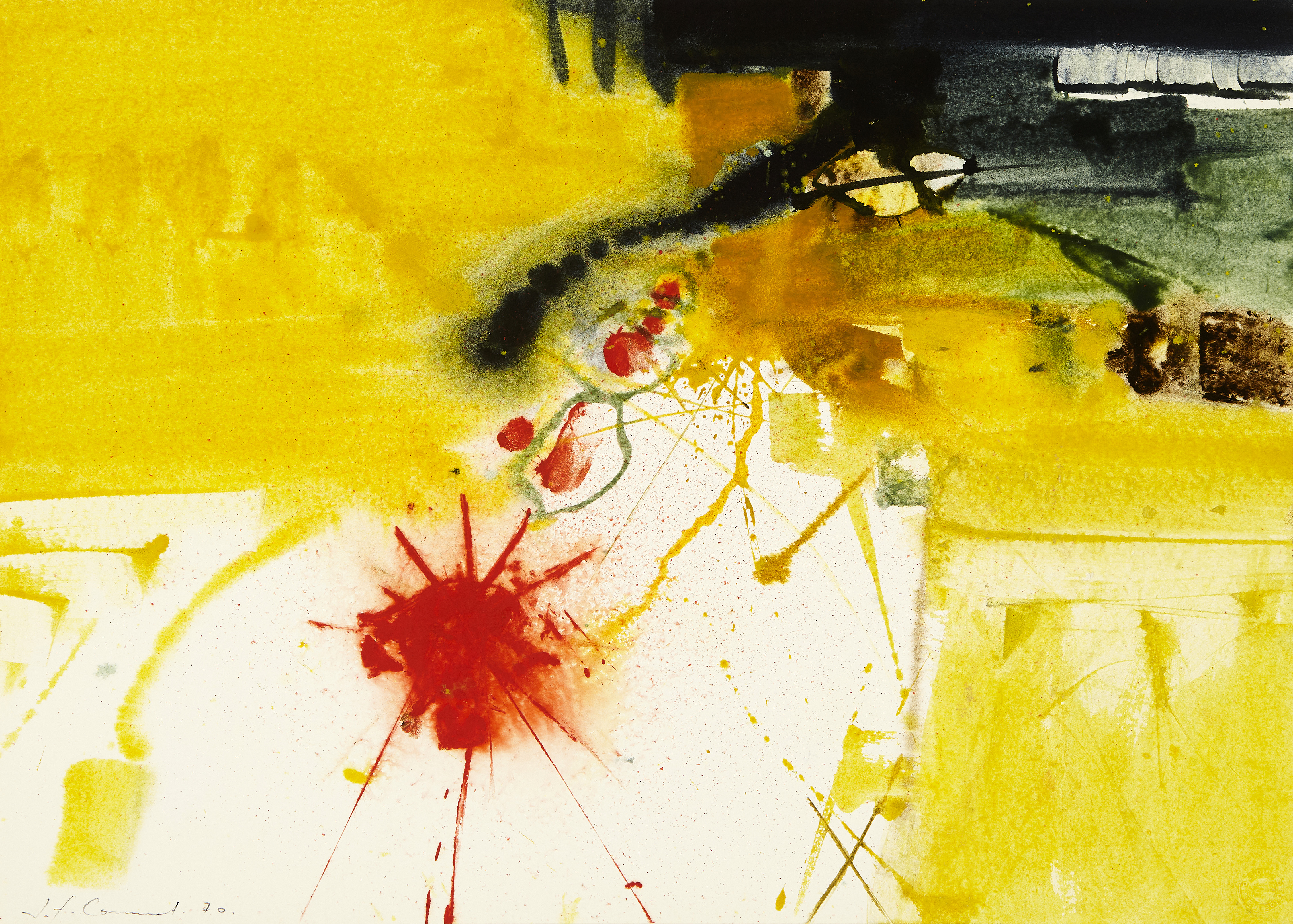
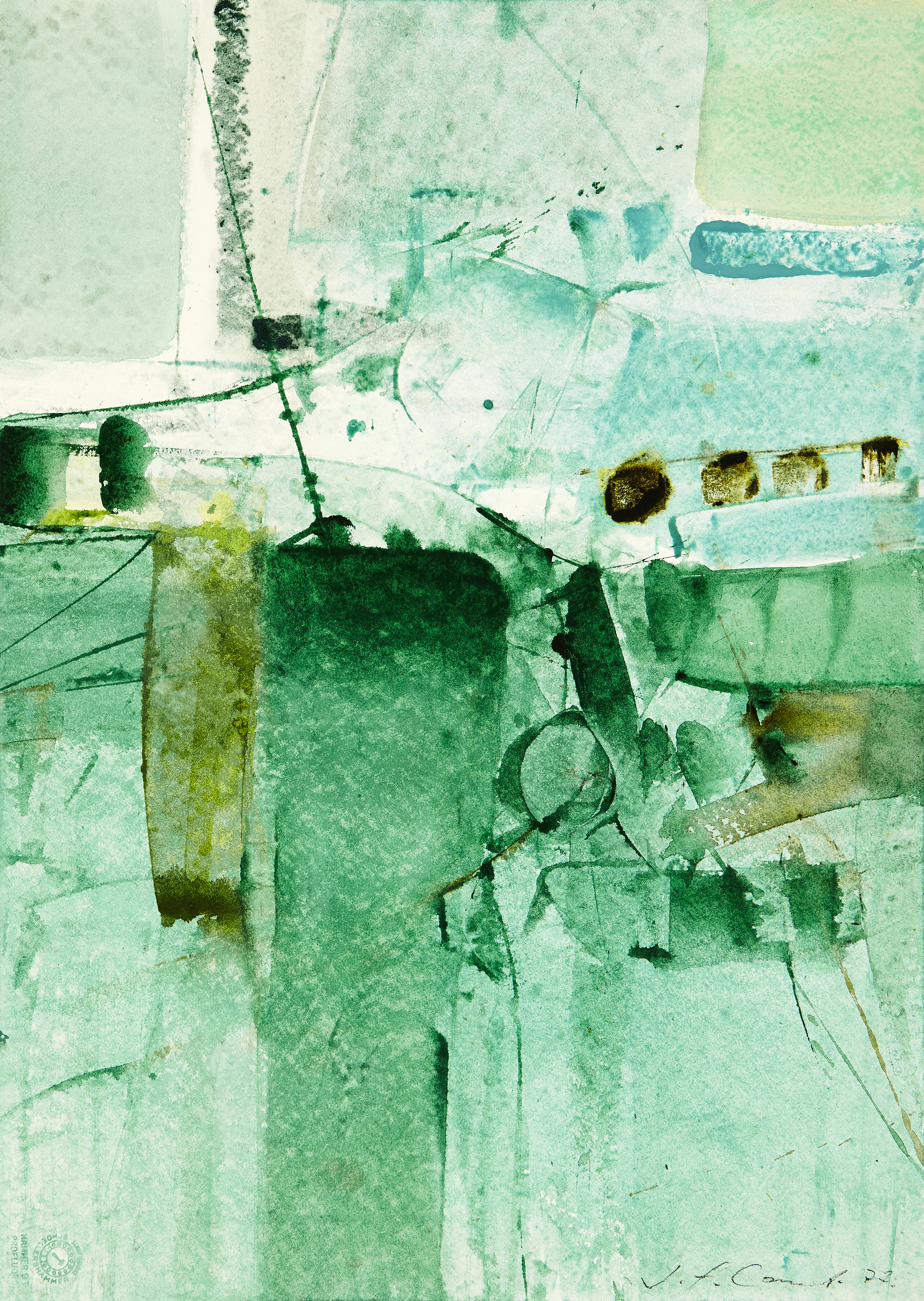
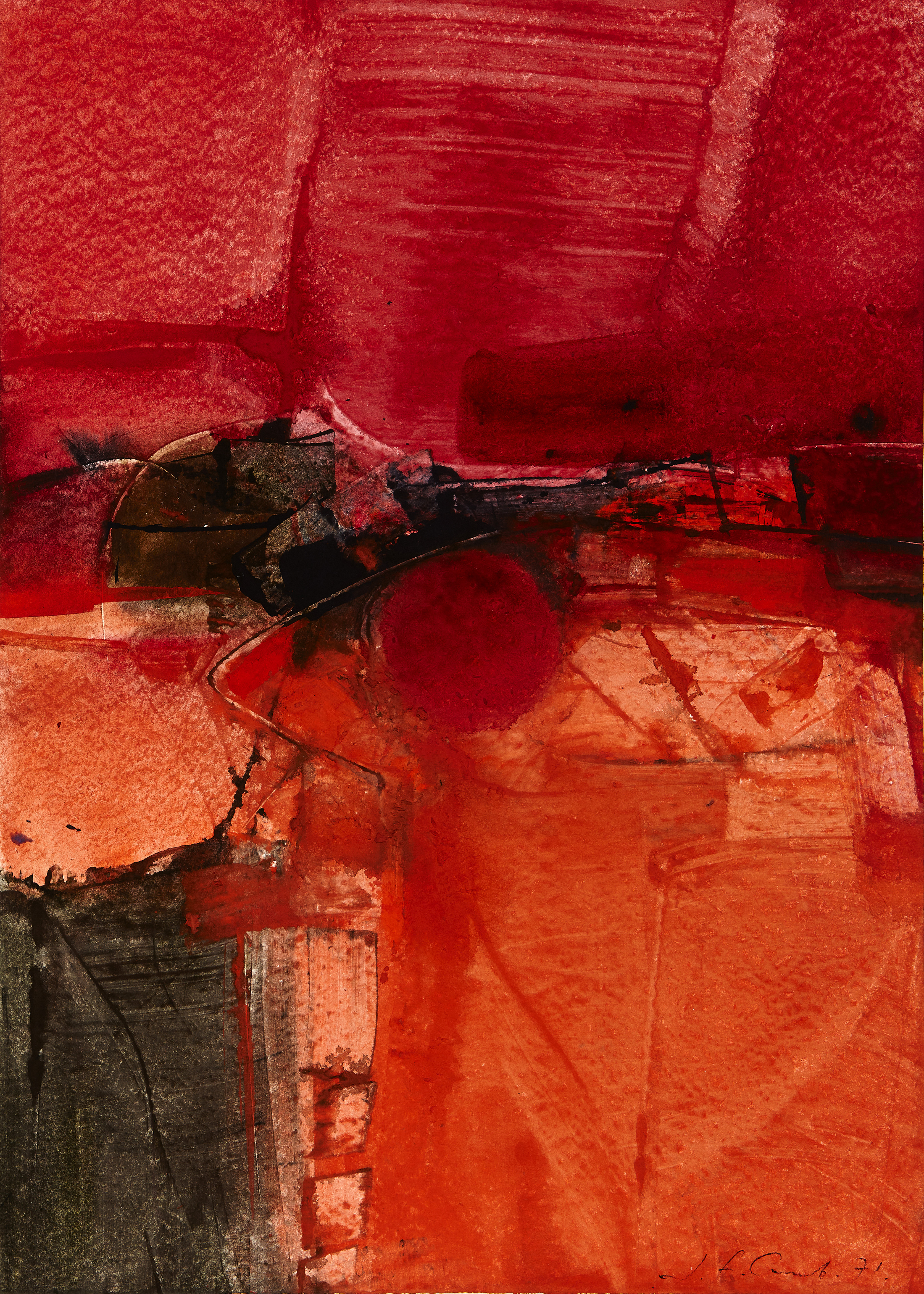
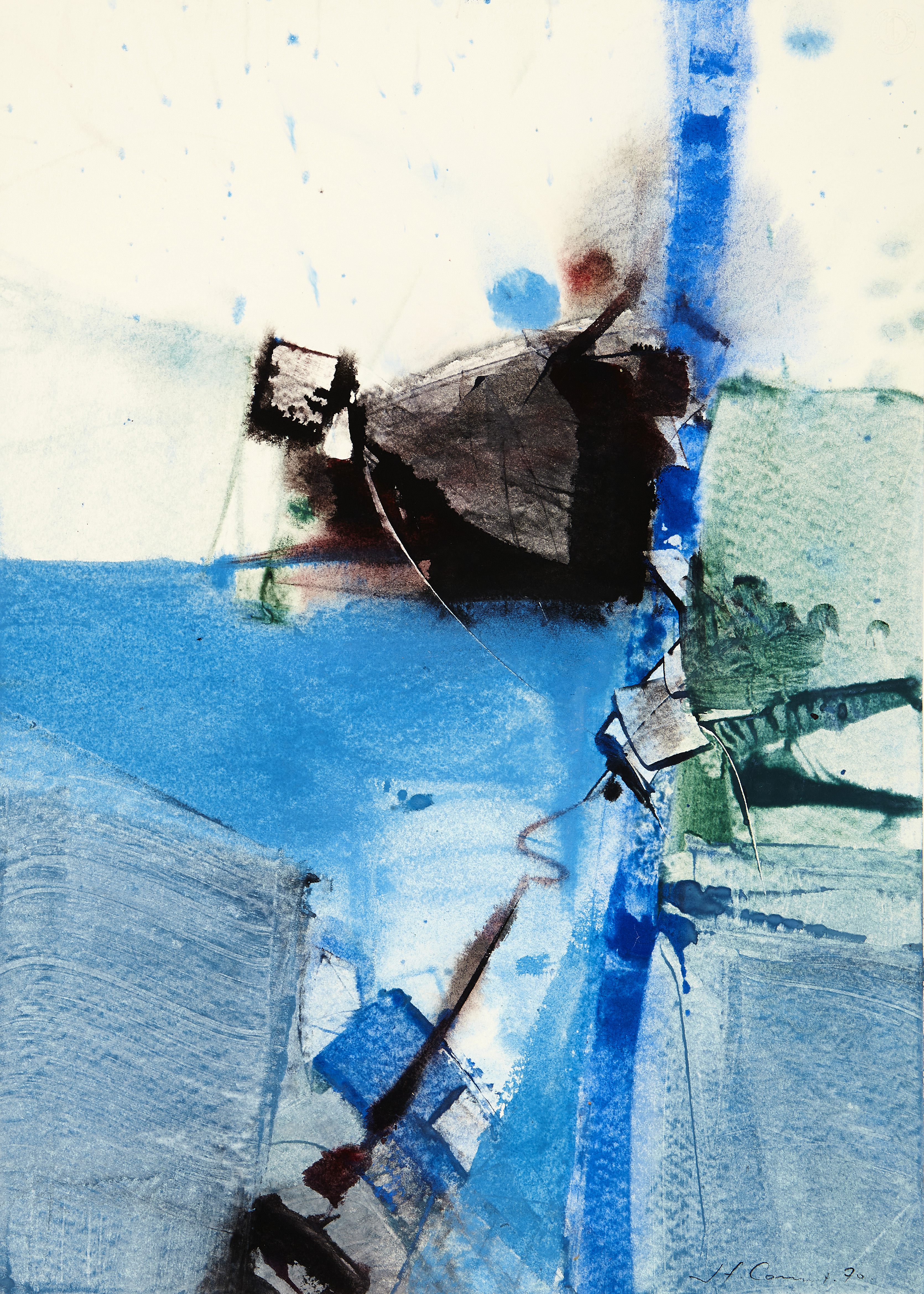
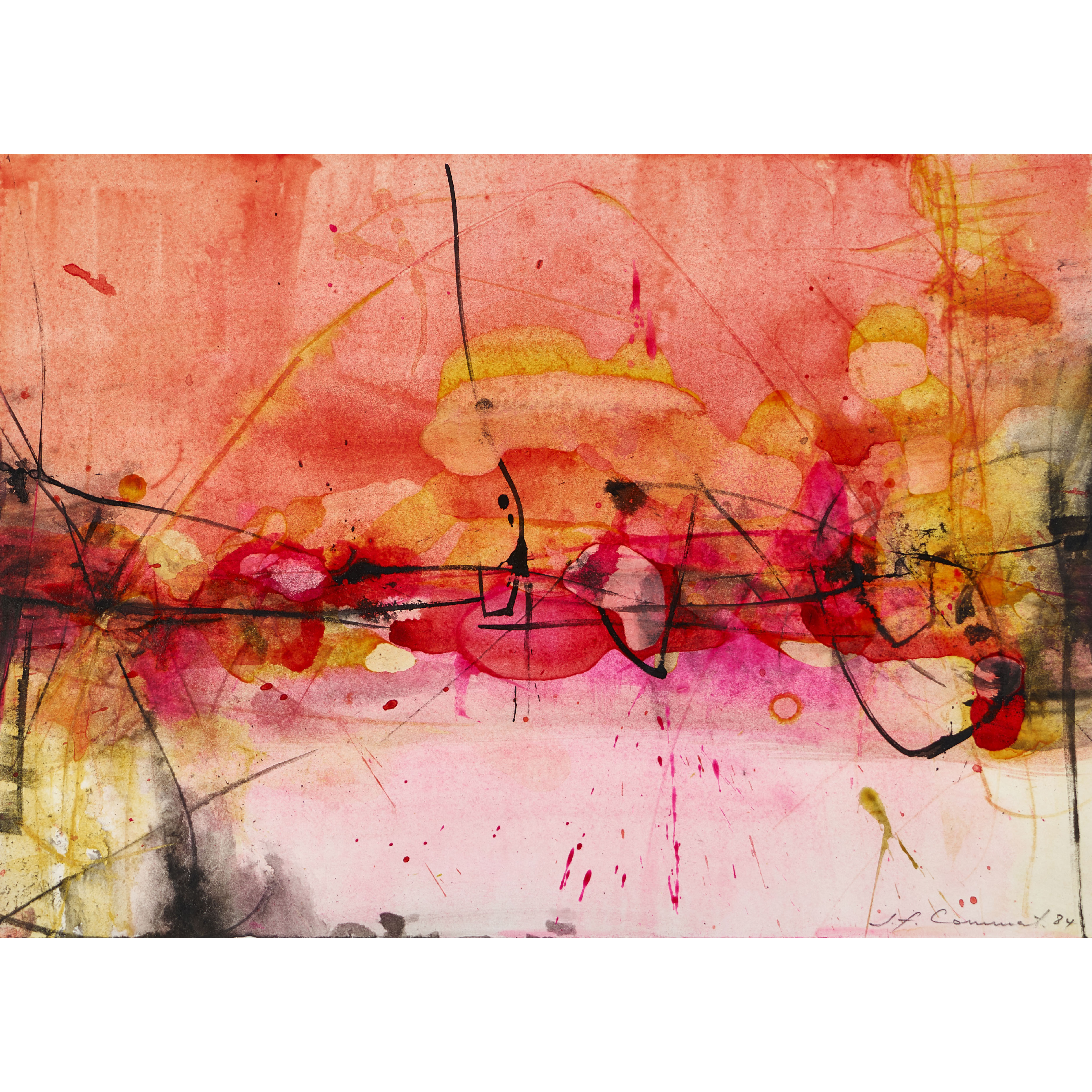
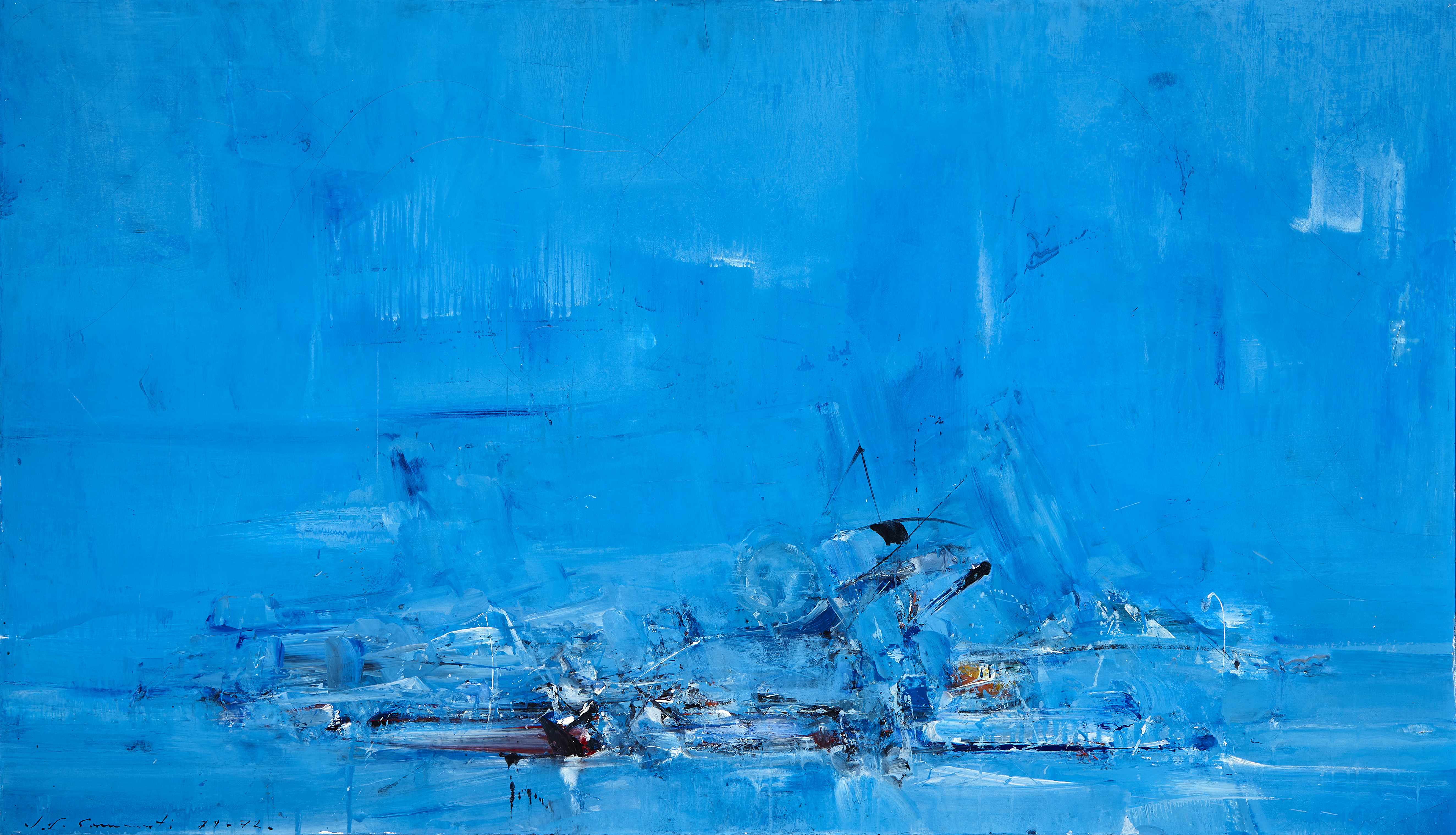
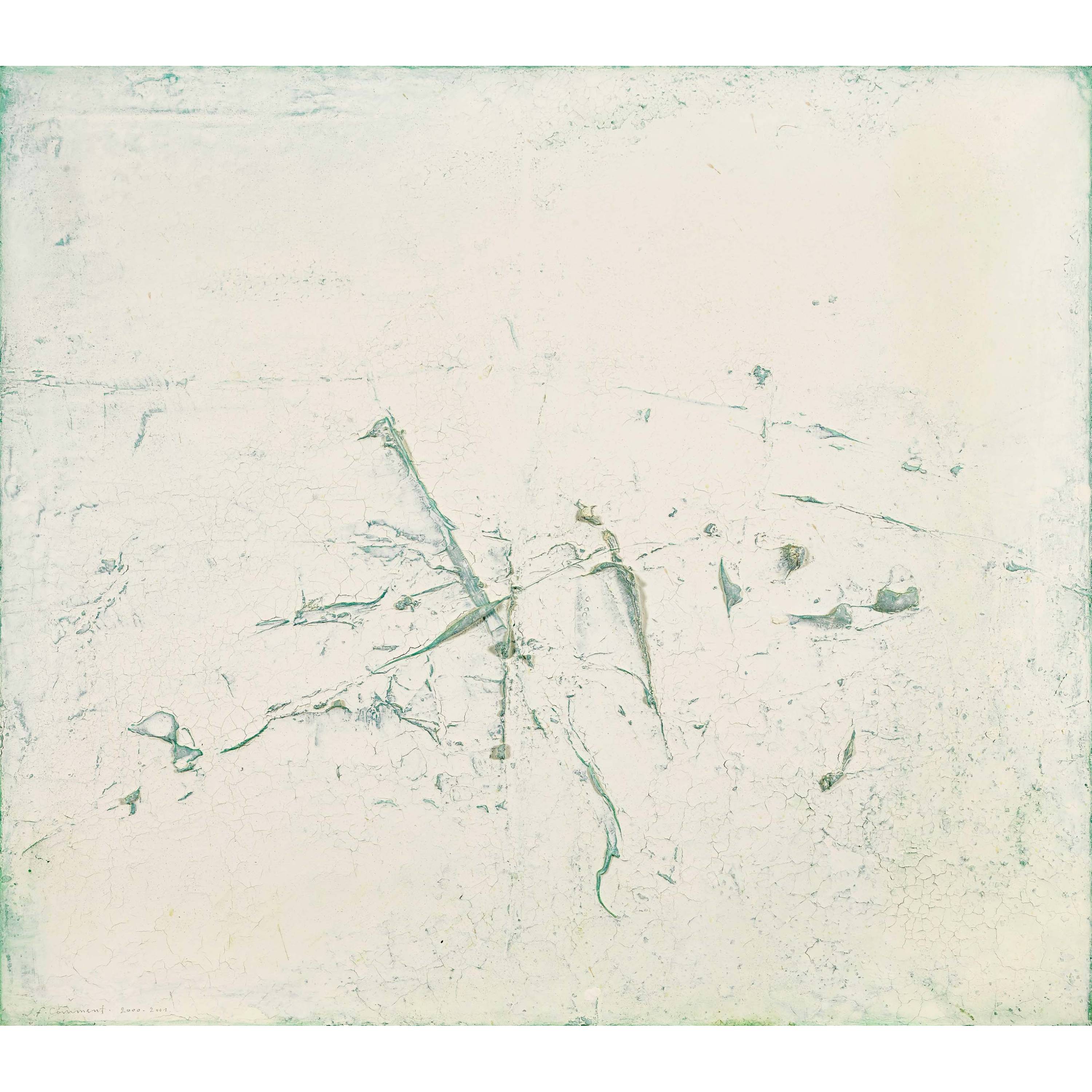
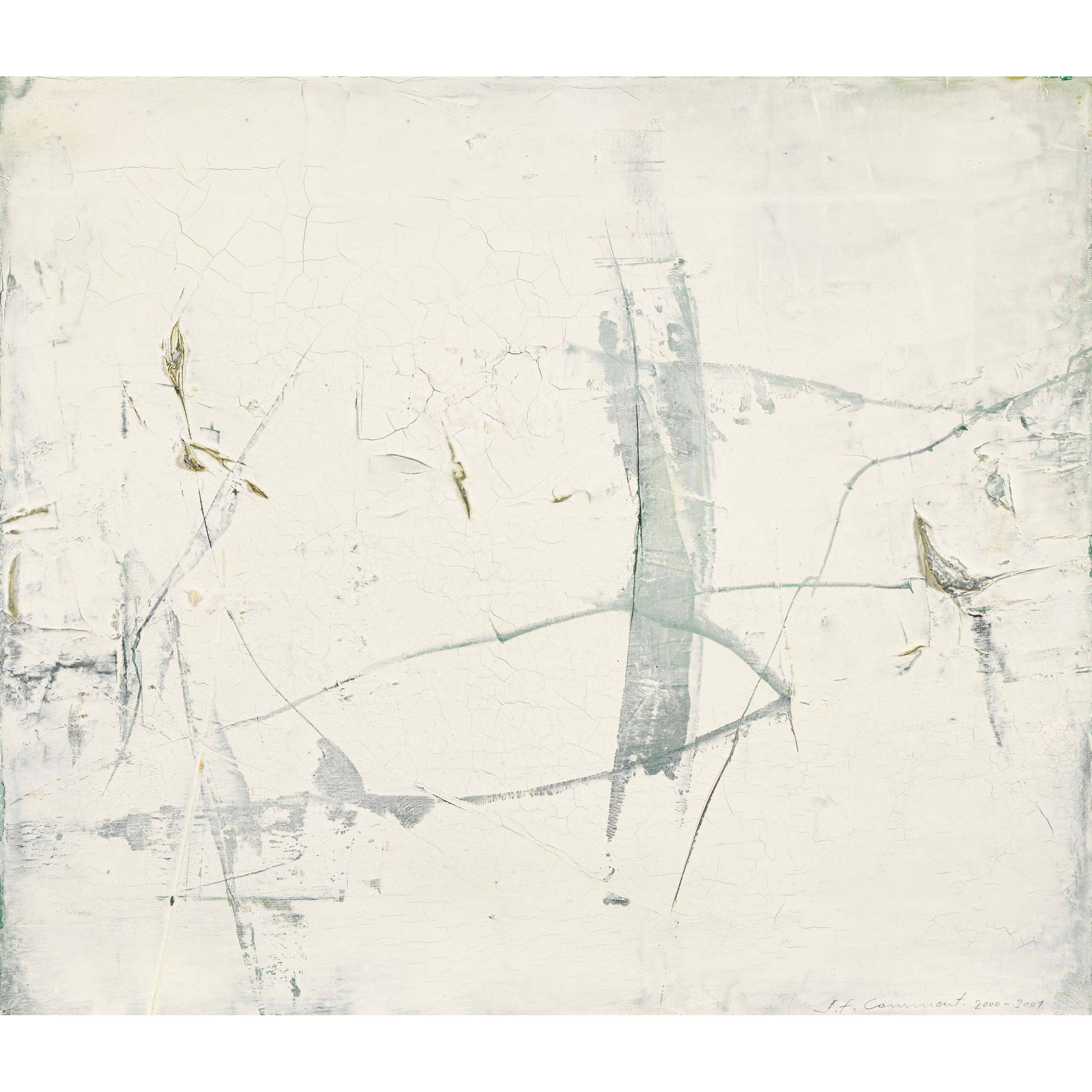
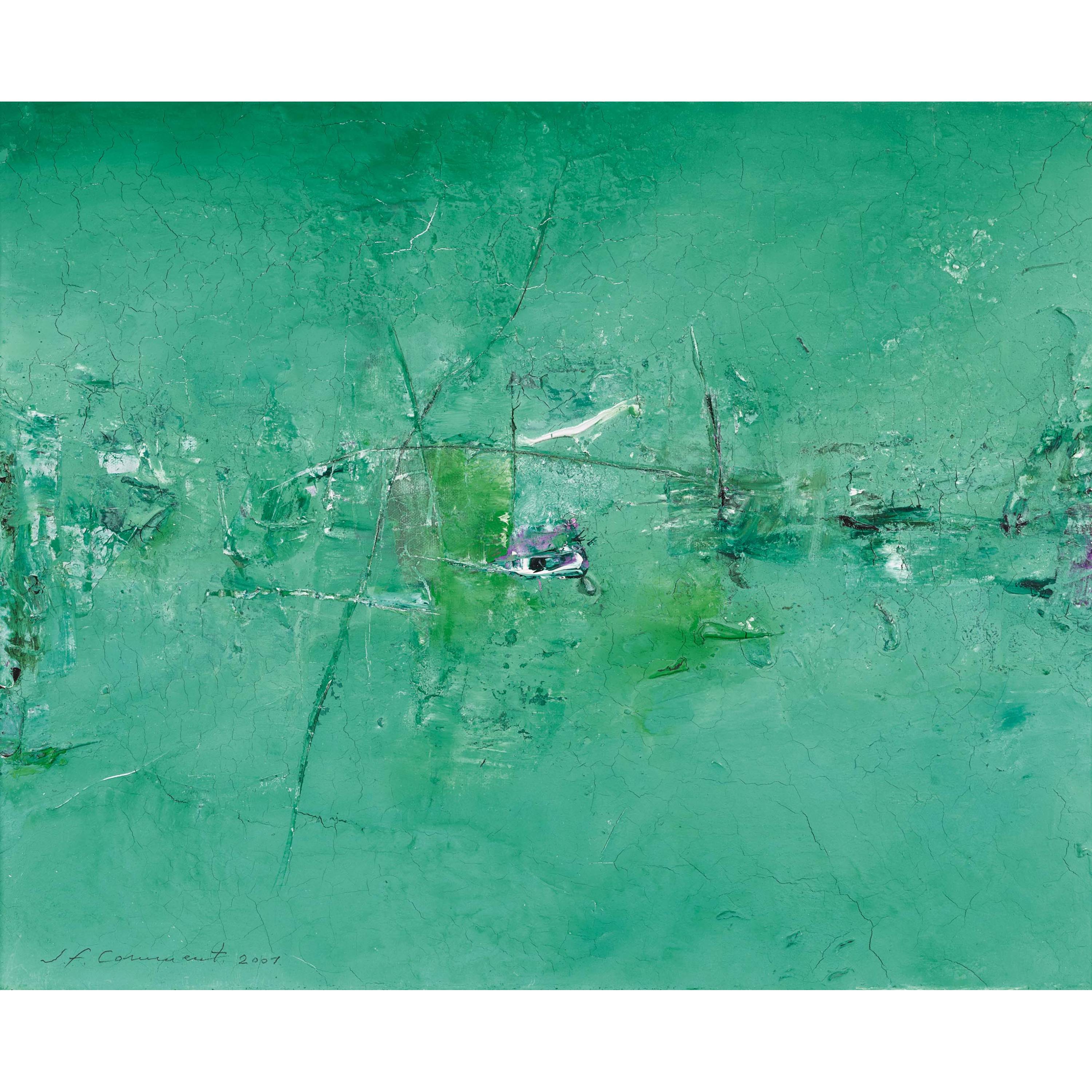
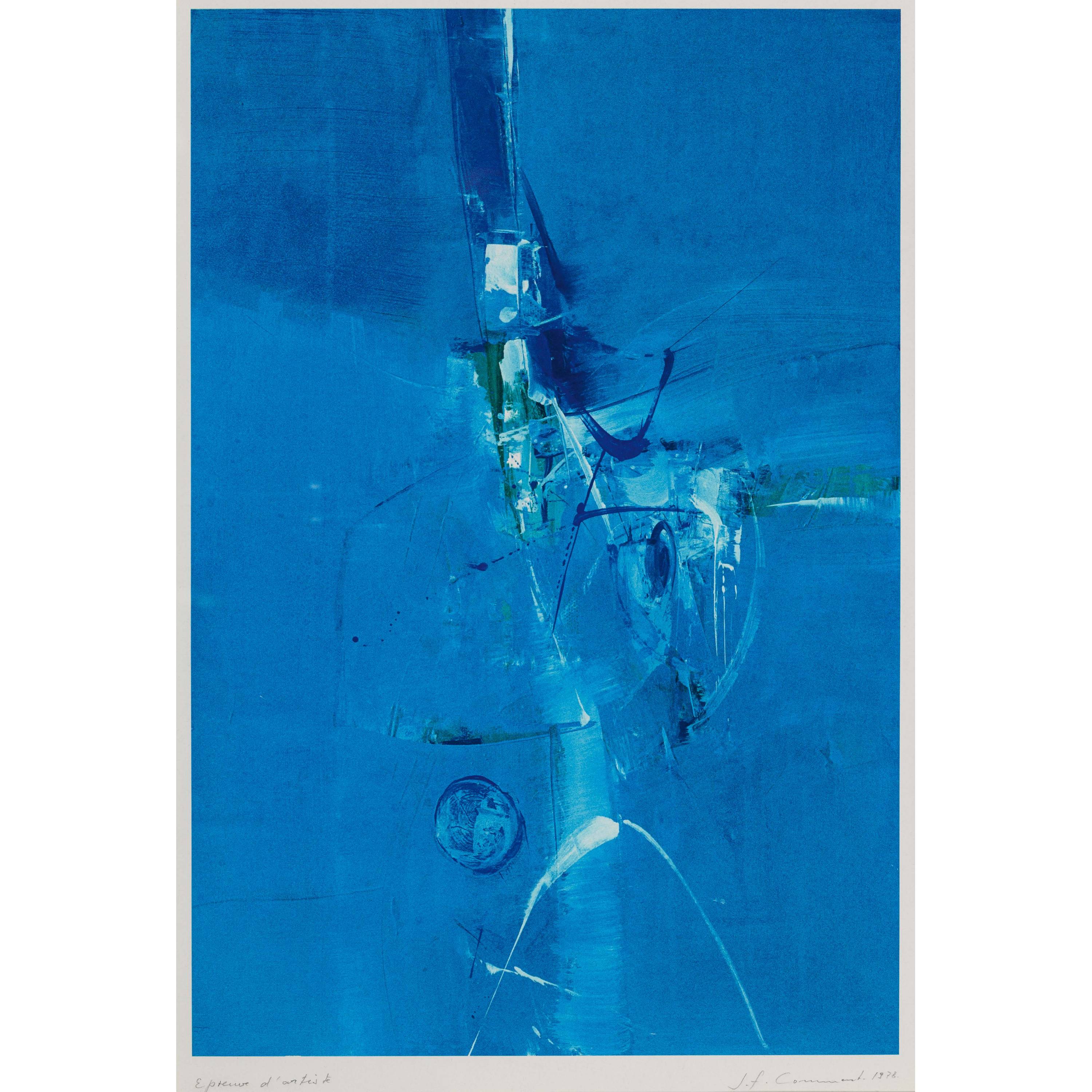
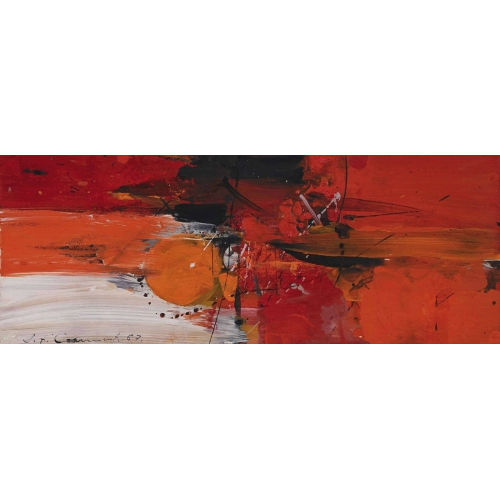
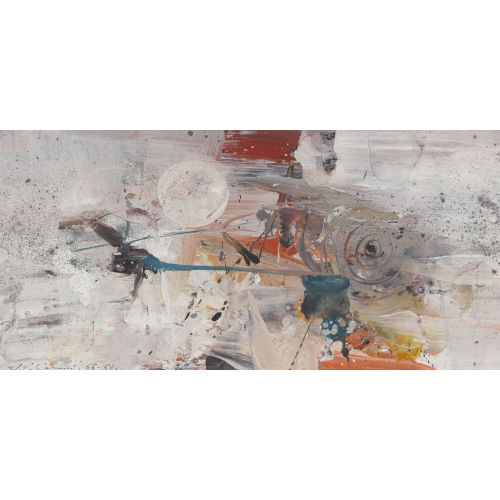
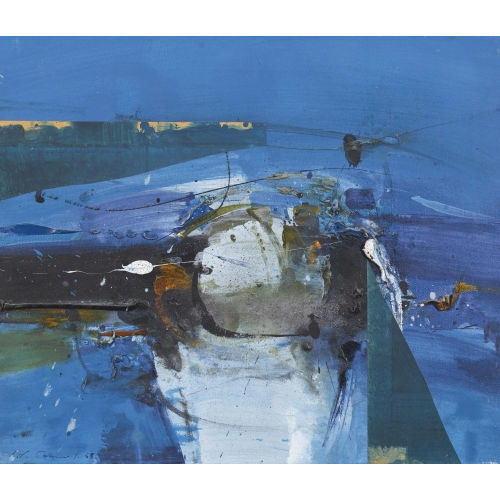
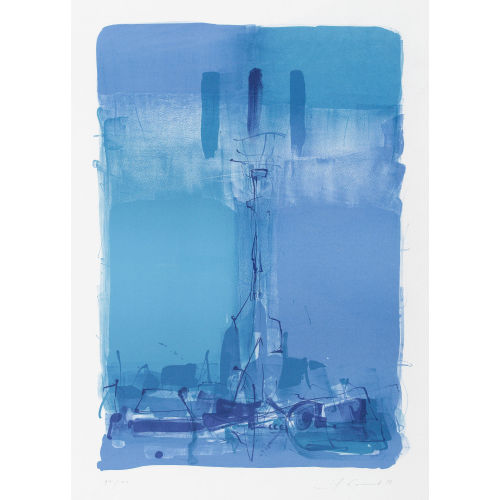
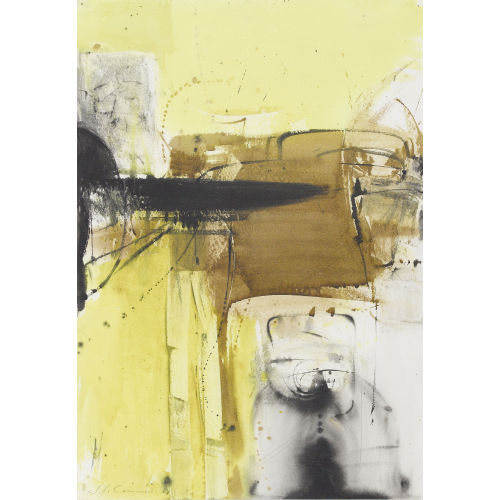
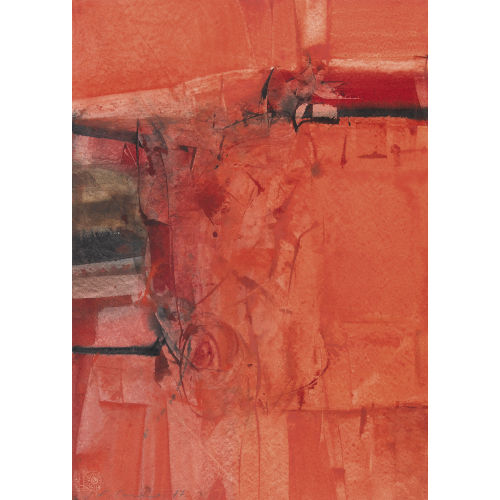
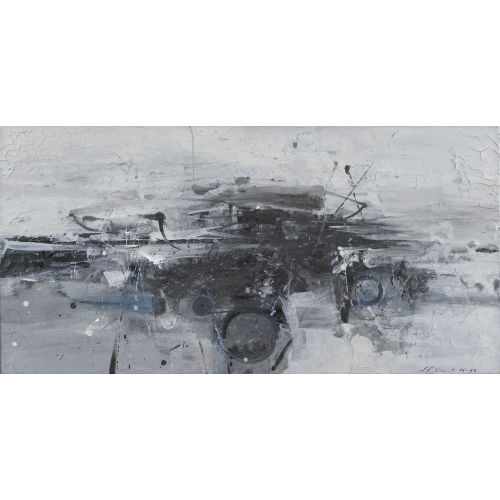
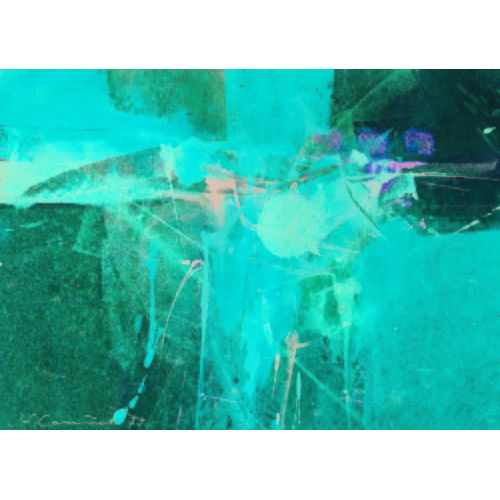
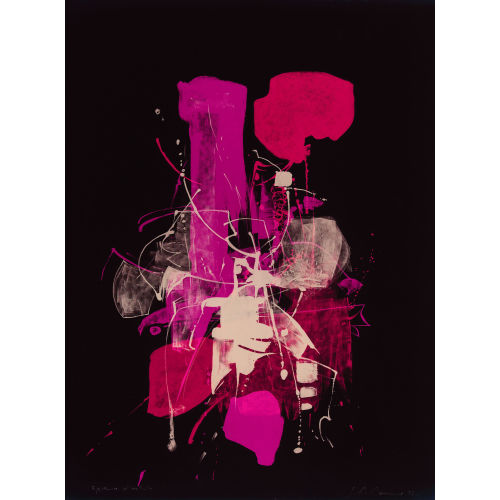
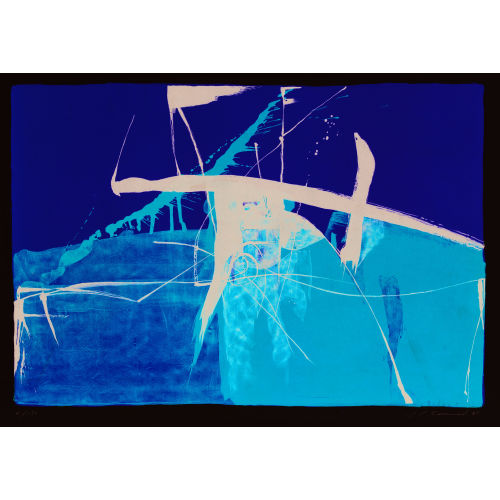
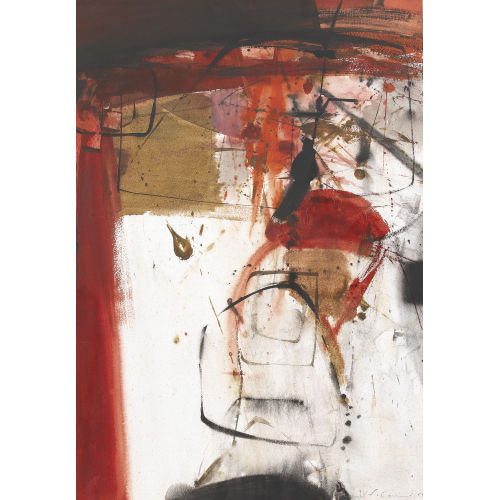
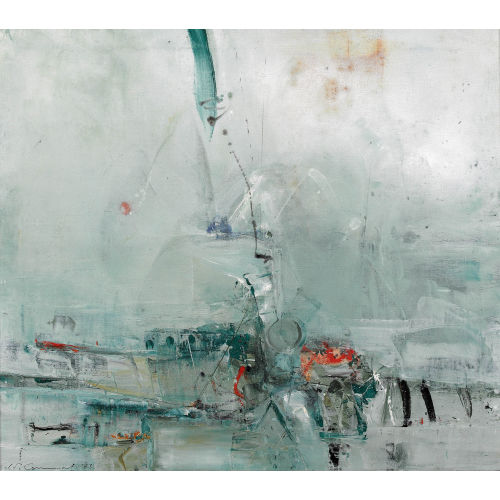
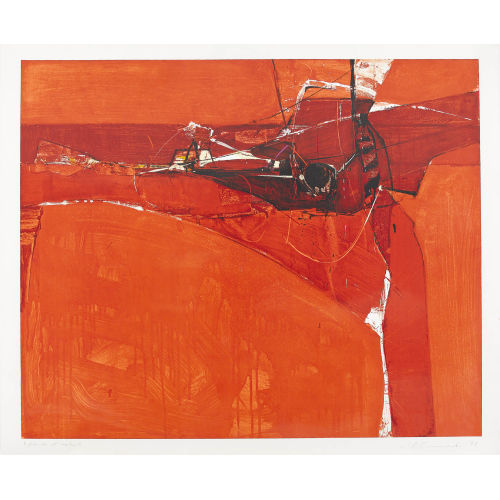
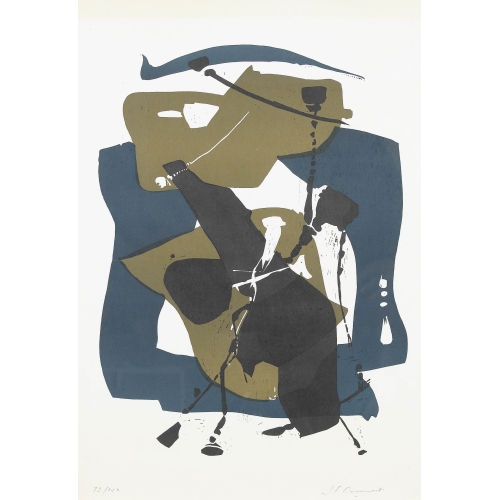
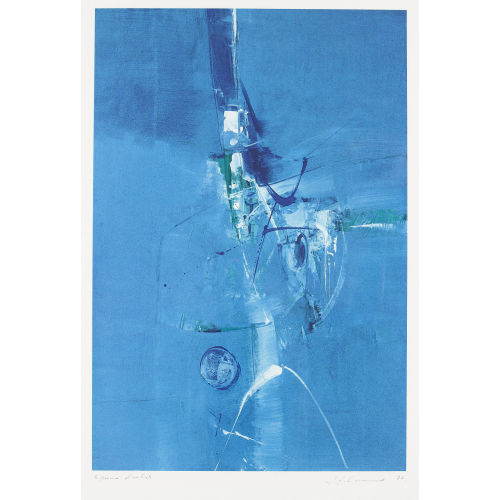
Colour runs through the work of Jean-François Comment (1919–2002) like a shifting force: compact and fractured, it gradually becomes transparent, luminous, almost weightless. This Swiss painter developed a singular path from the Ajoie region within post-war abstraction.
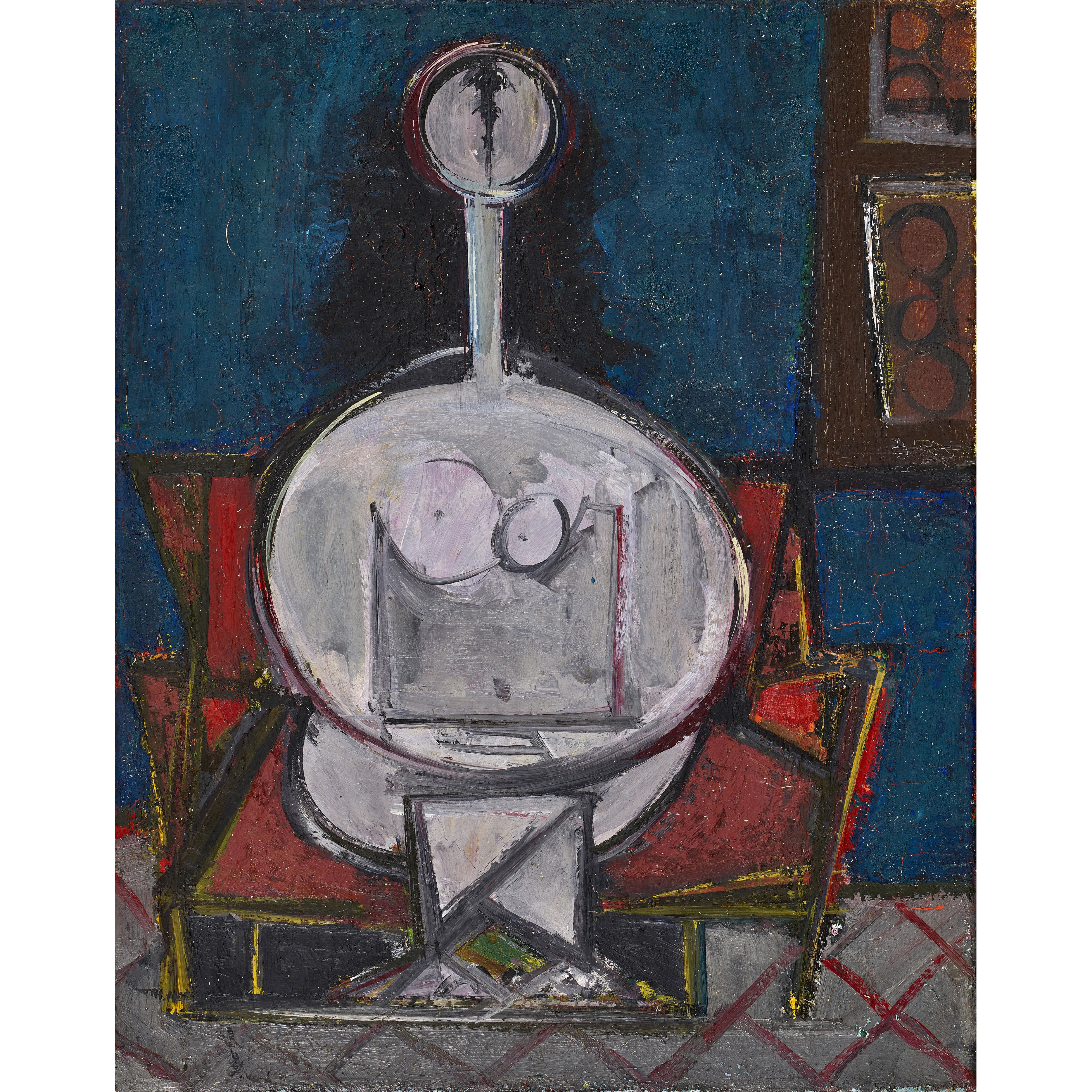
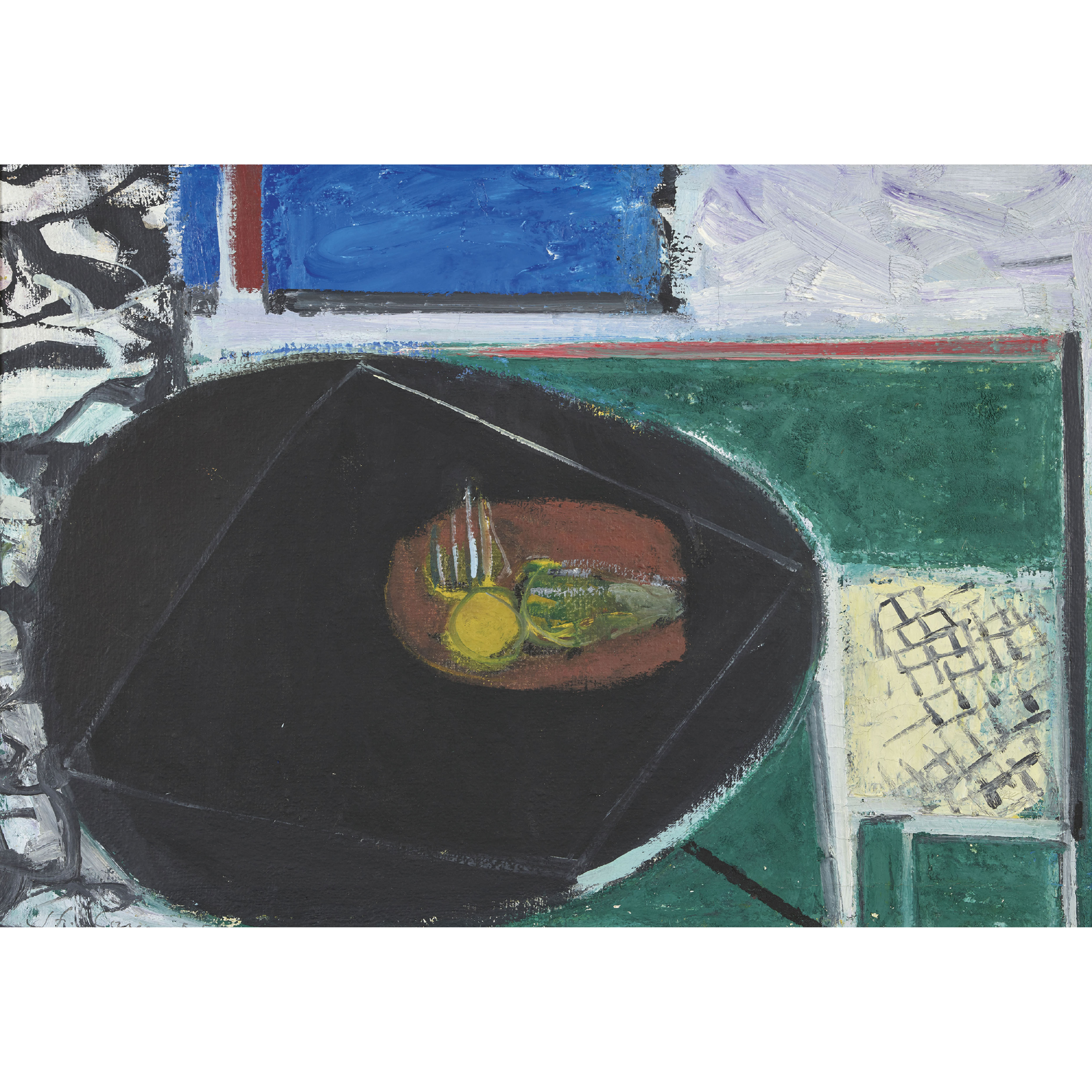
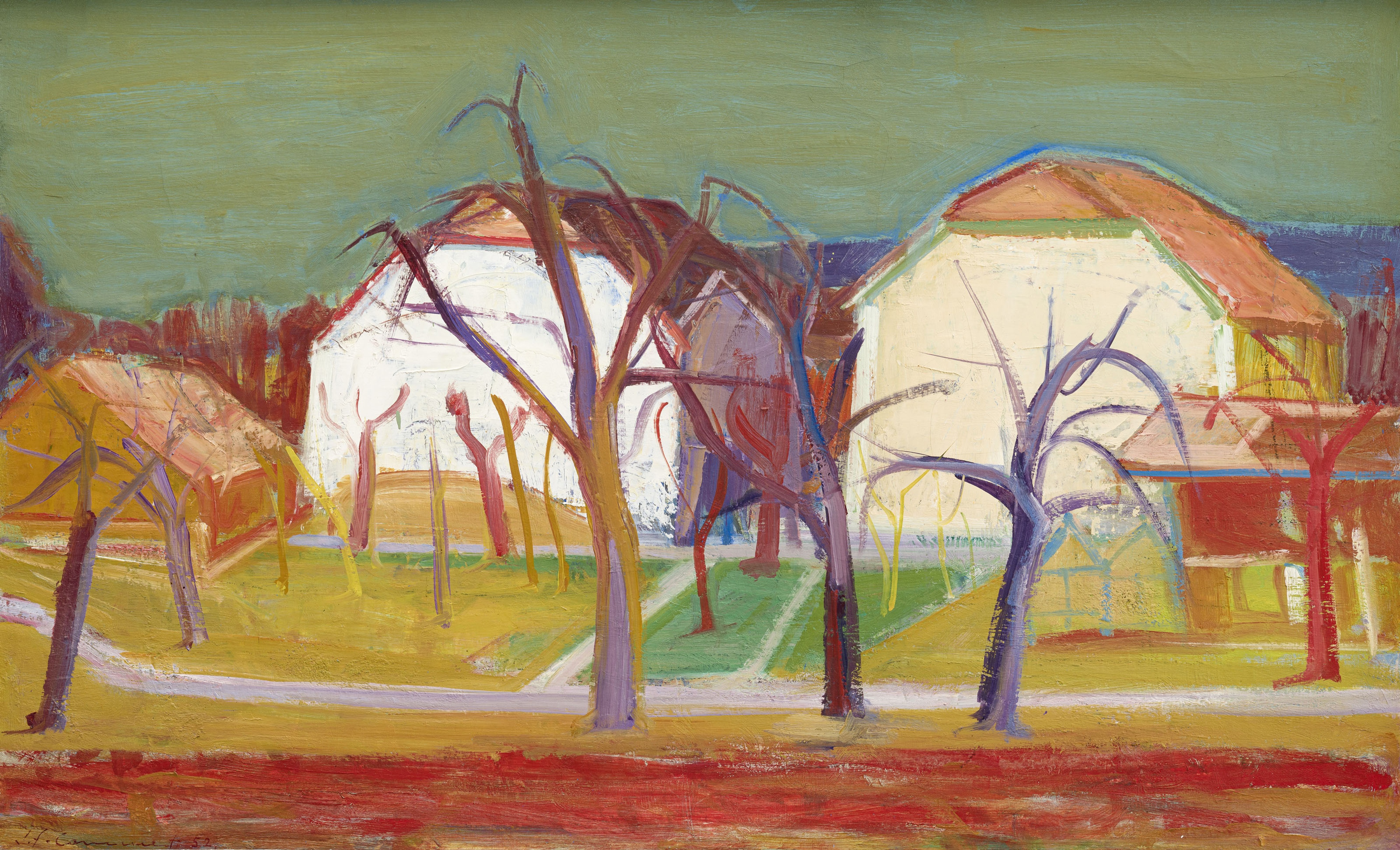
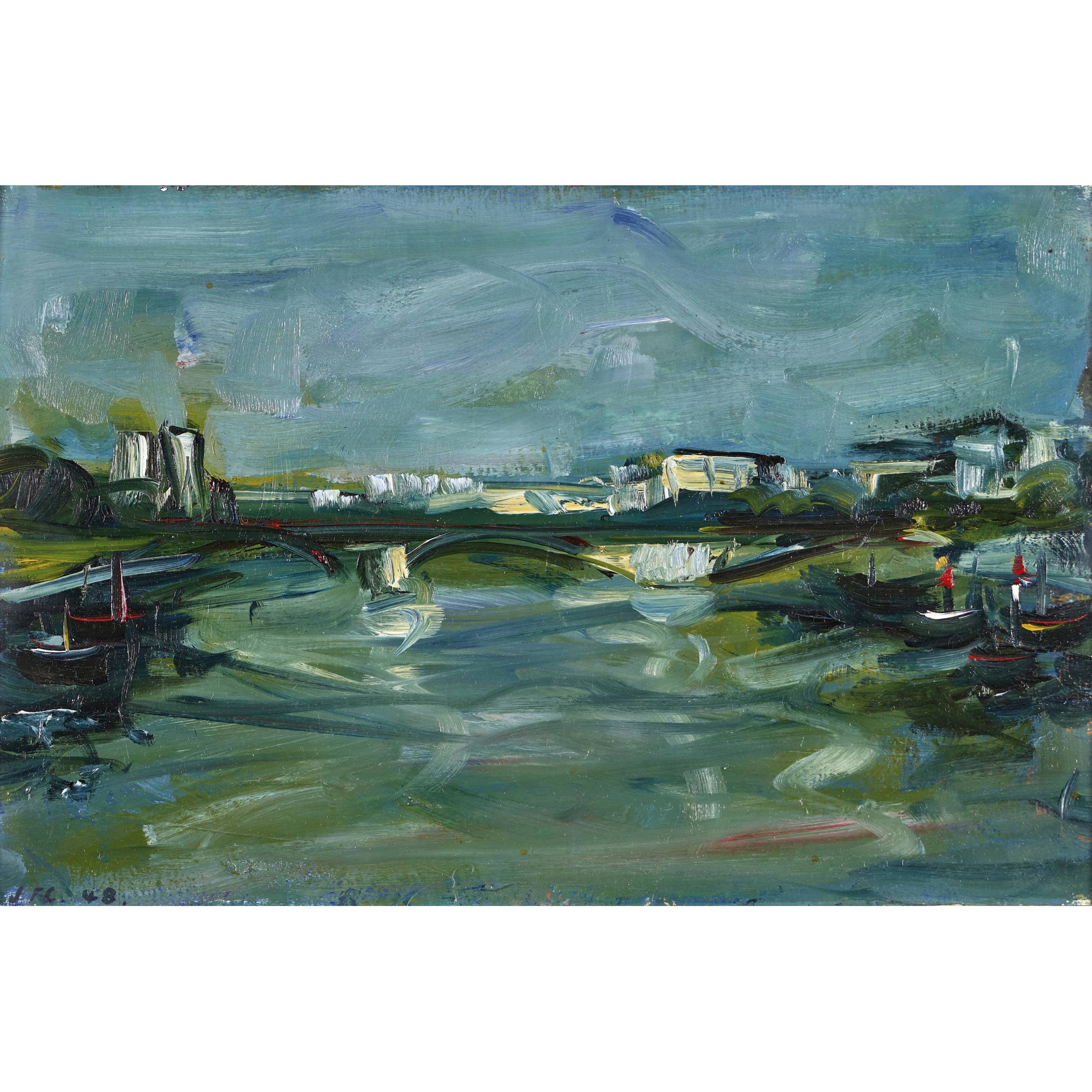
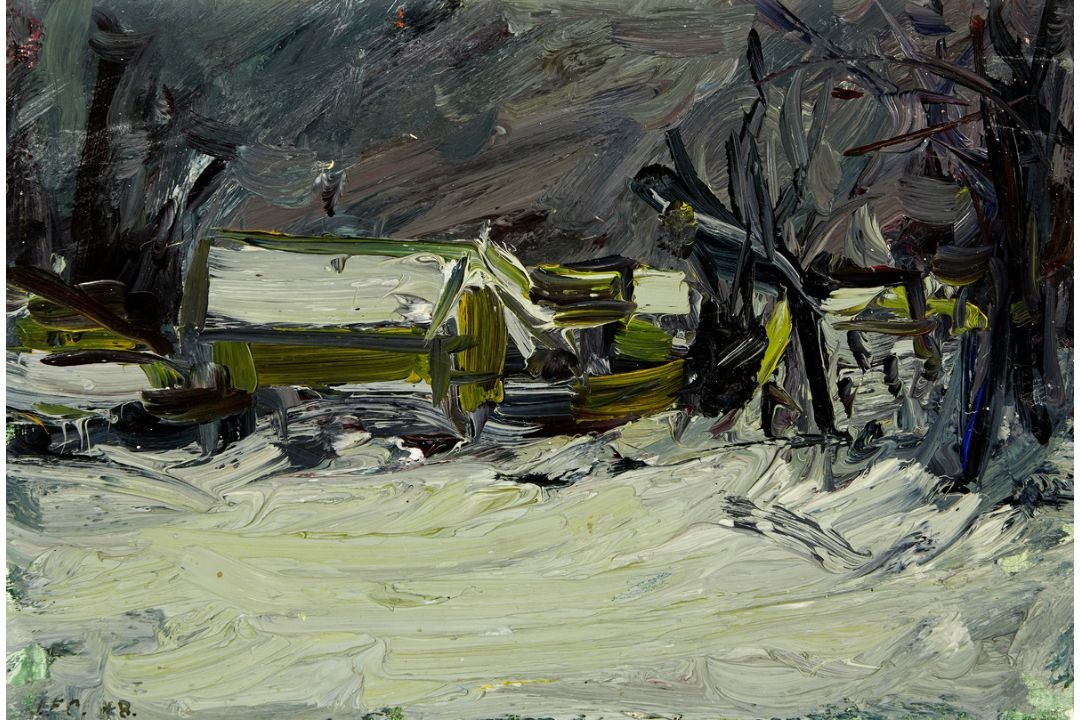
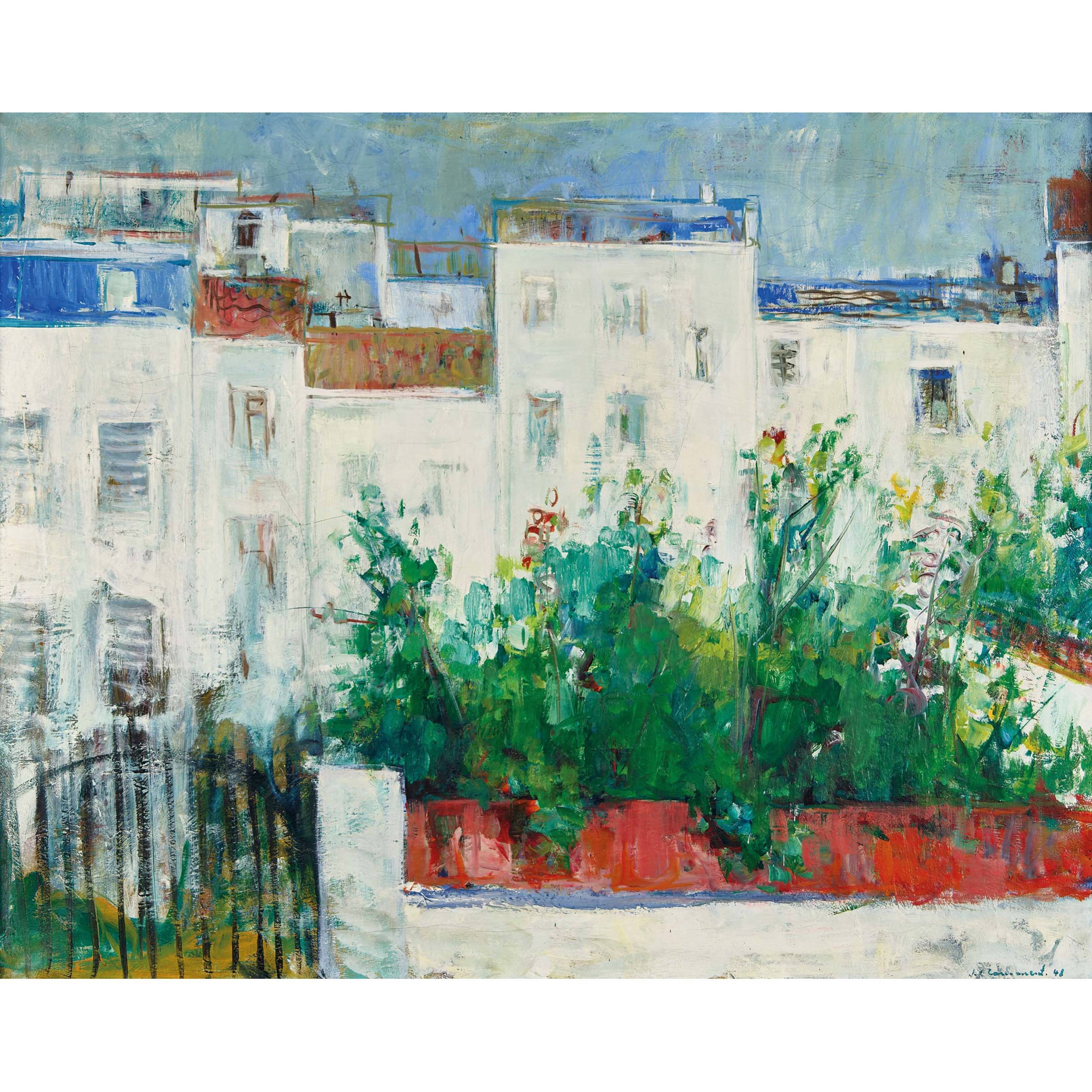
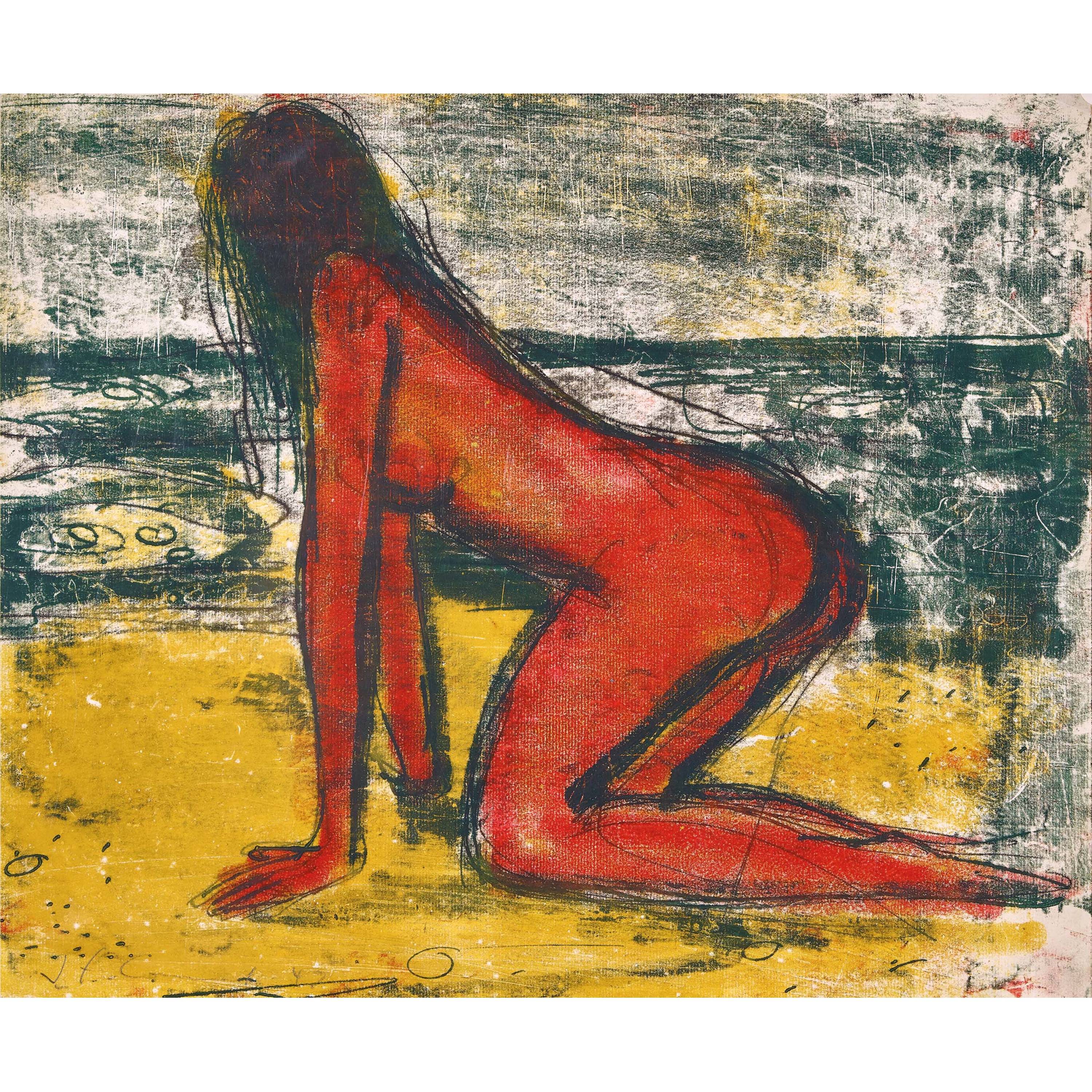
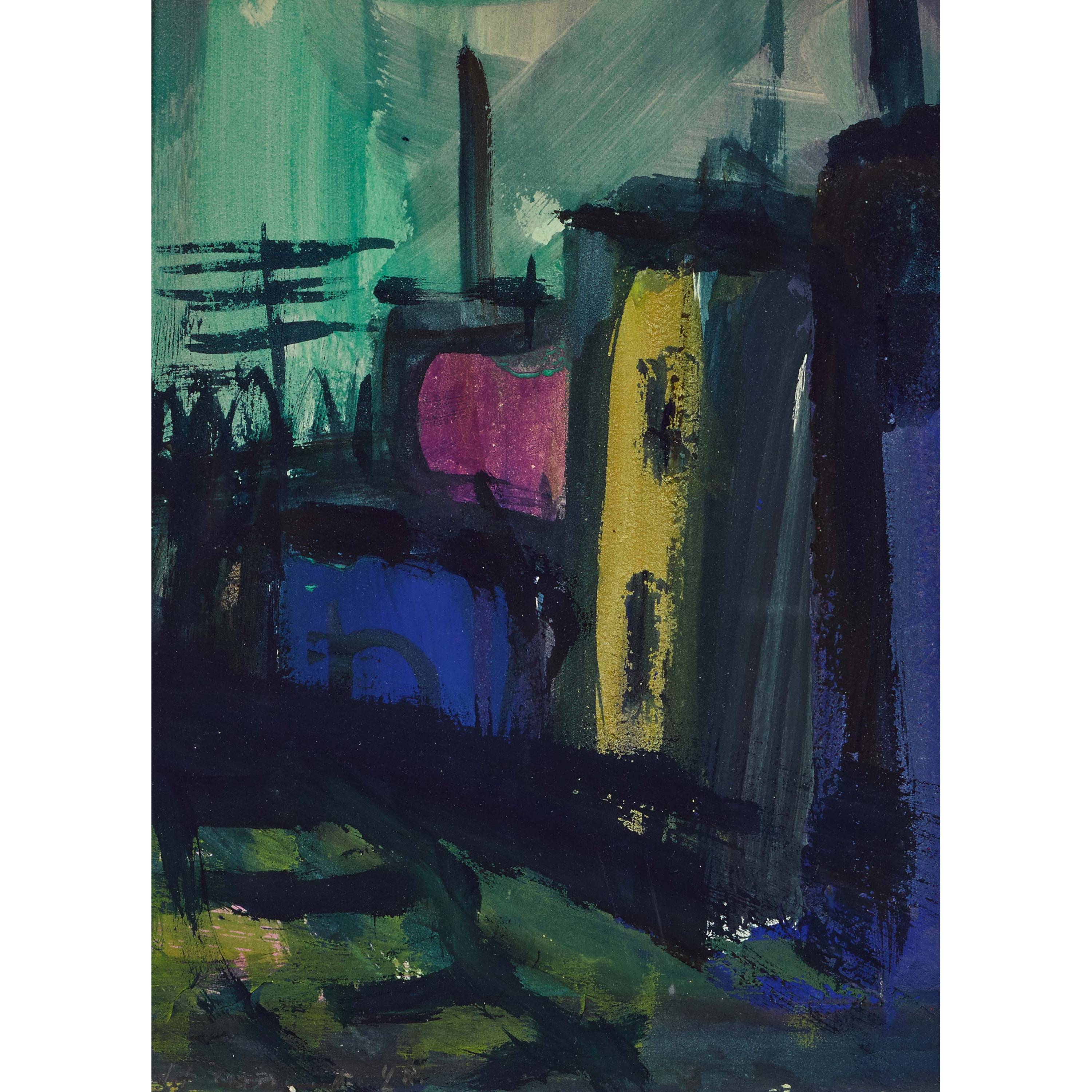
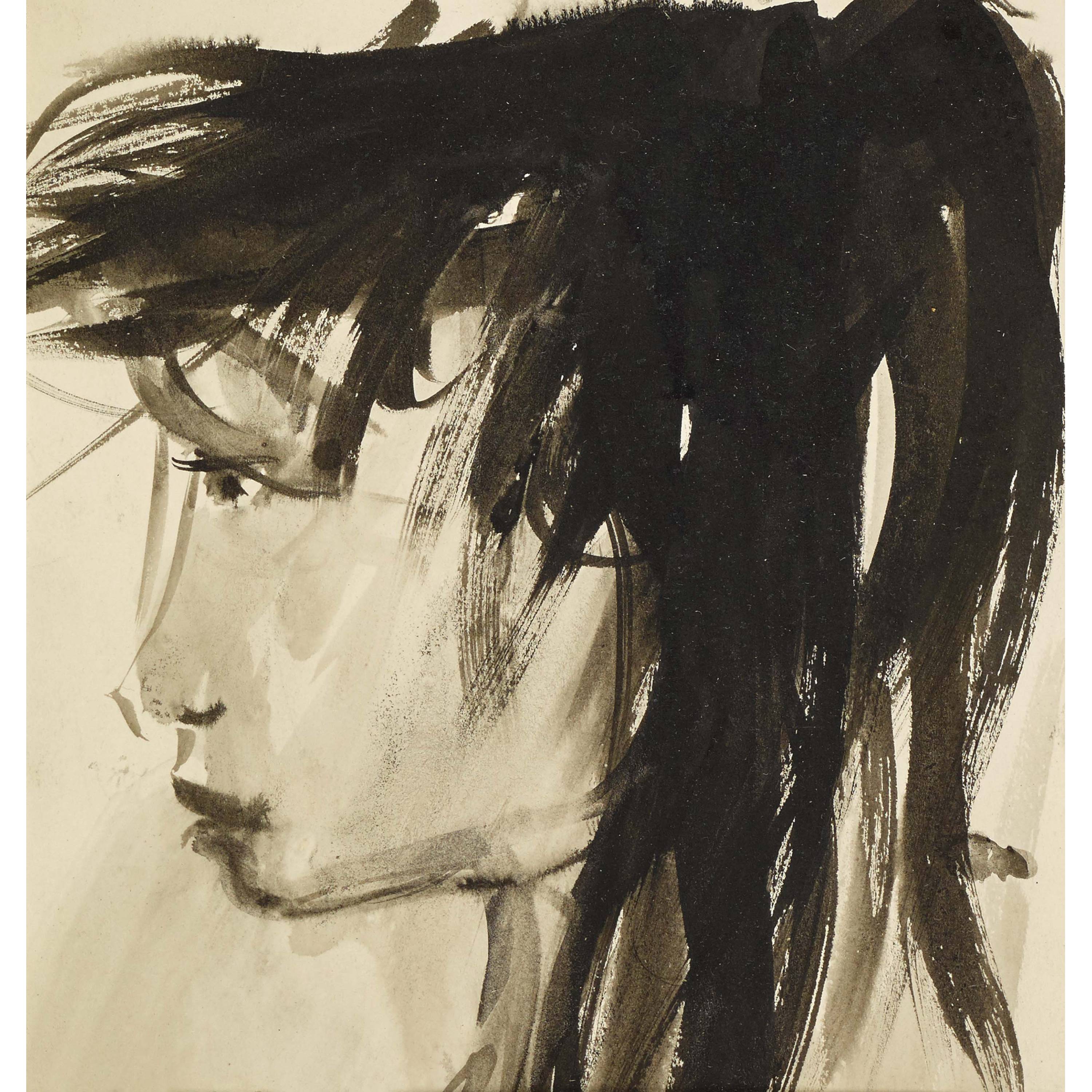
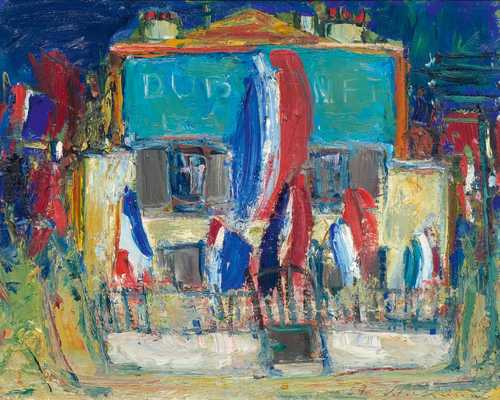
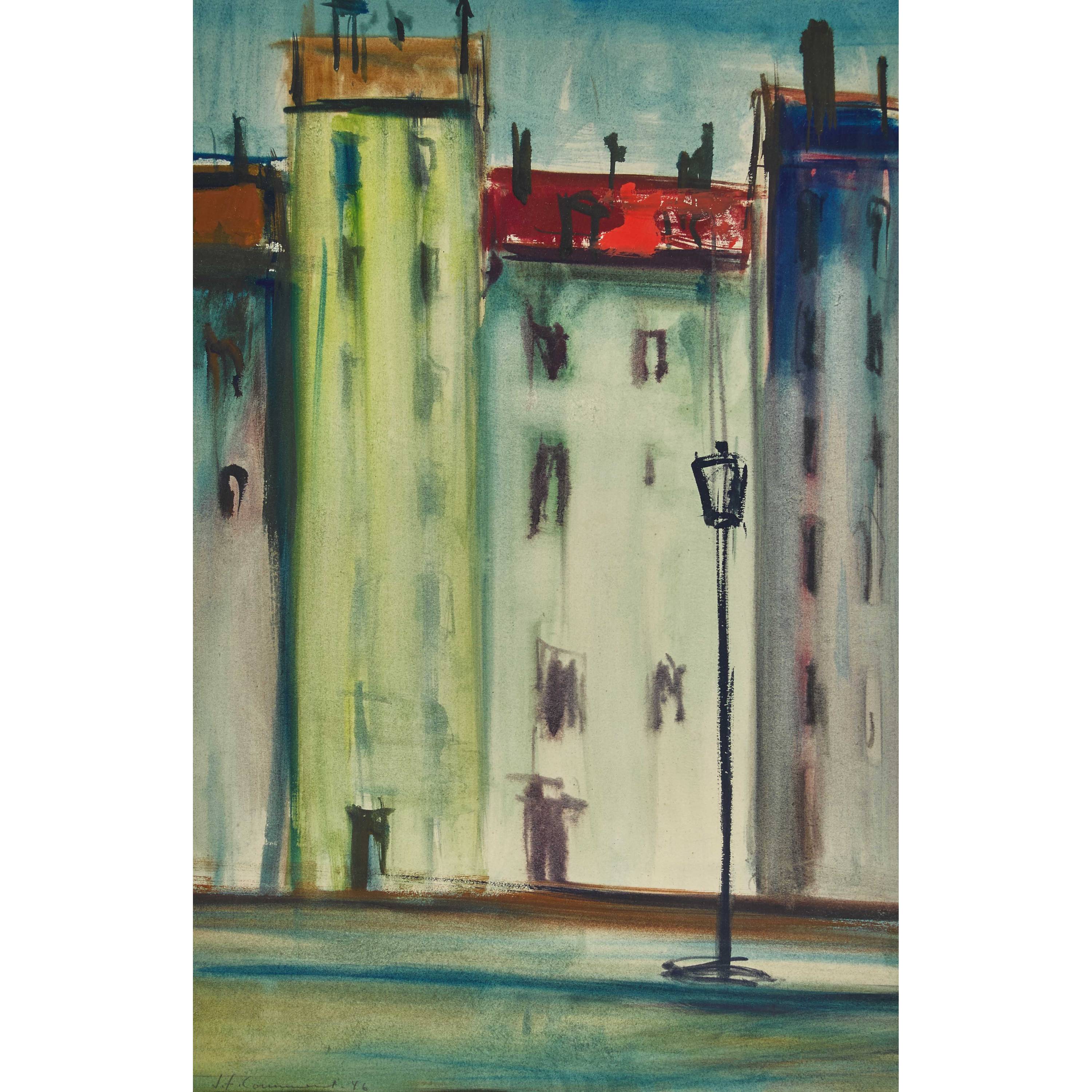
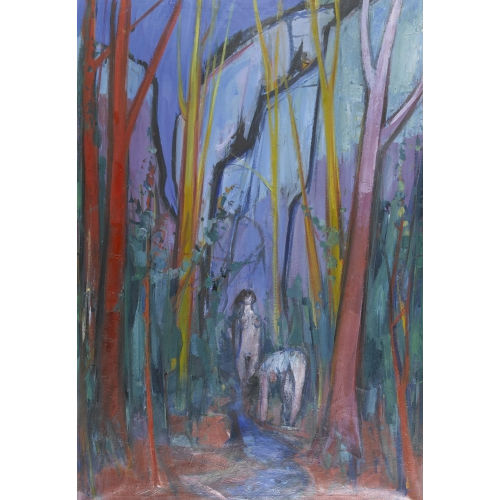
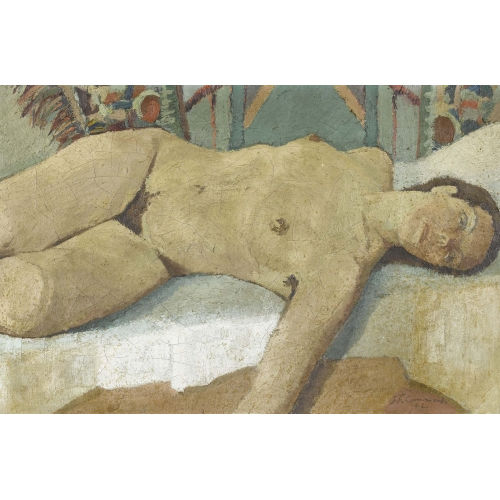
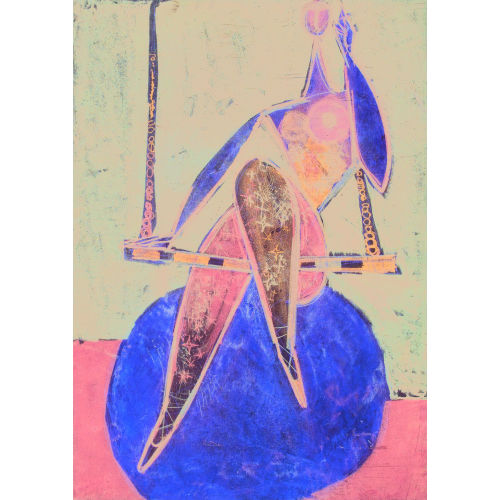
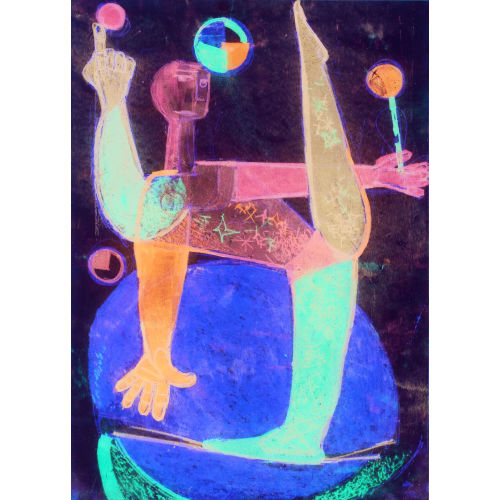
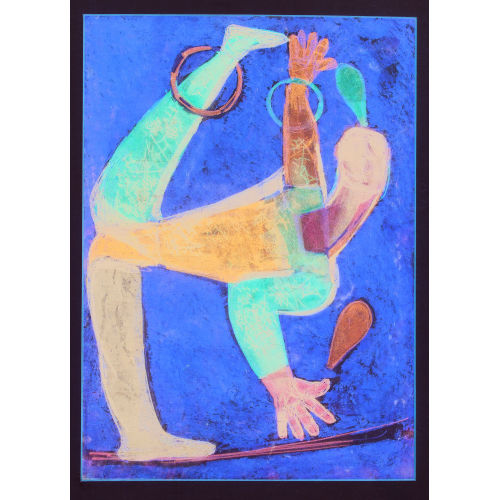
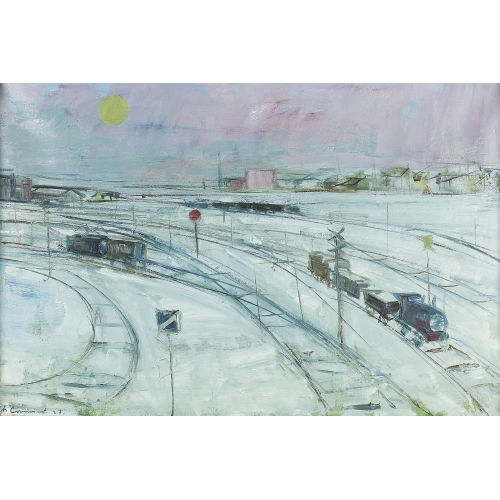
After his initial training with Willy Nicolet, he studied at the Kunstgewerbeschule in Basel, entering in 1938. He returned to work in Porrentruy and, in 1948, took part in the founding of Kreis 48, a group of Basel artists. His early figurative works include portraits, nudes, landscapes and circus scenes.
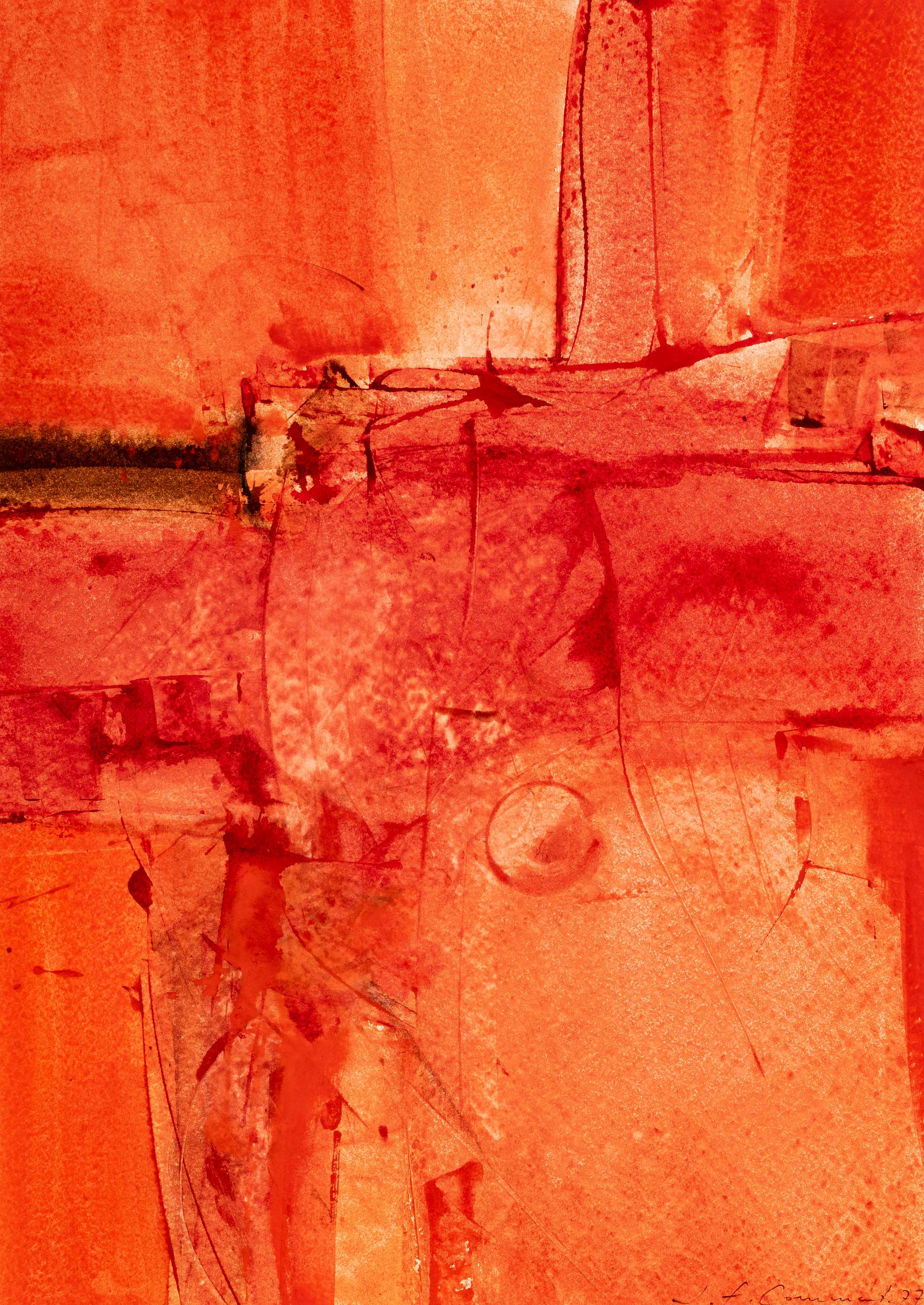
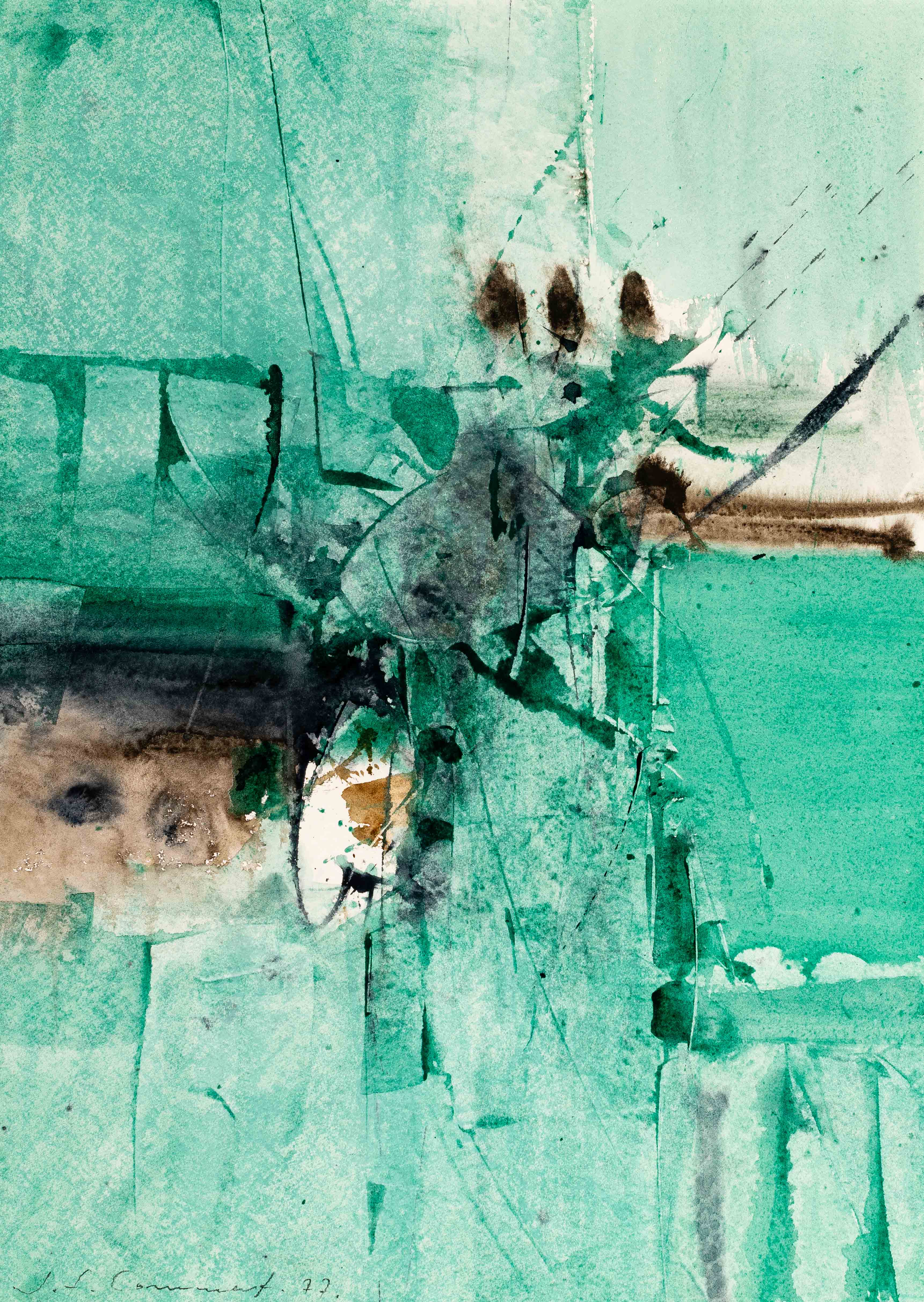
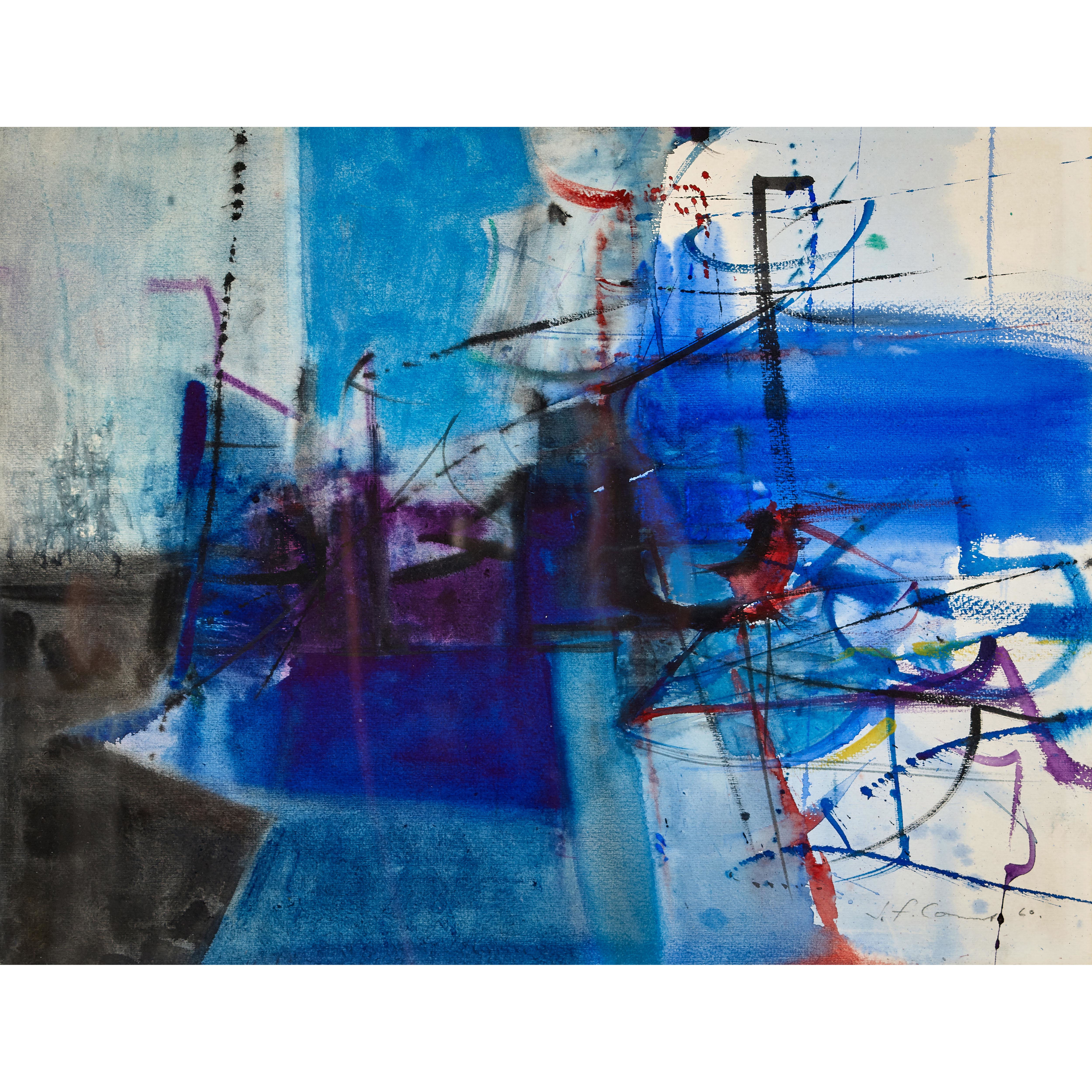
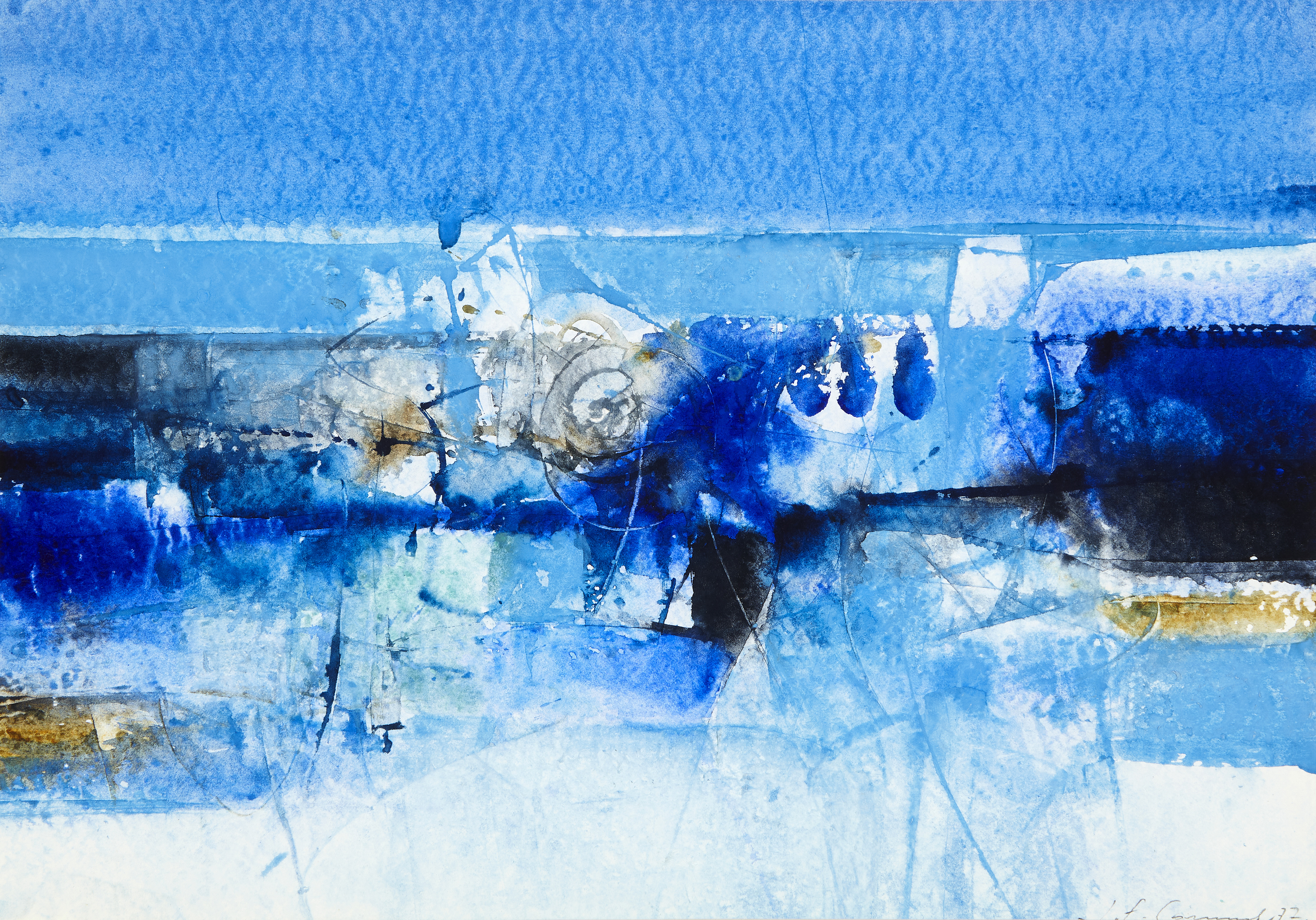
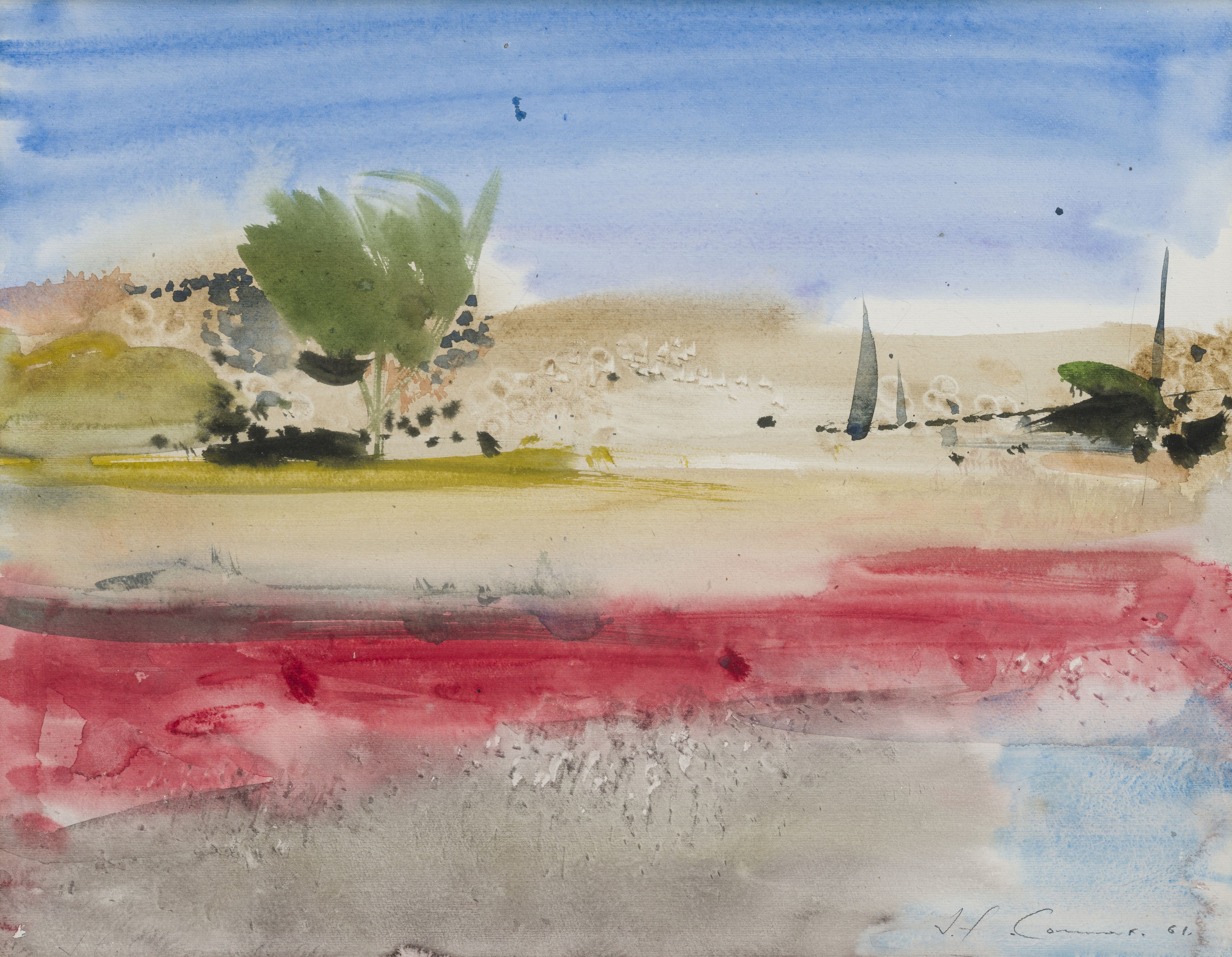
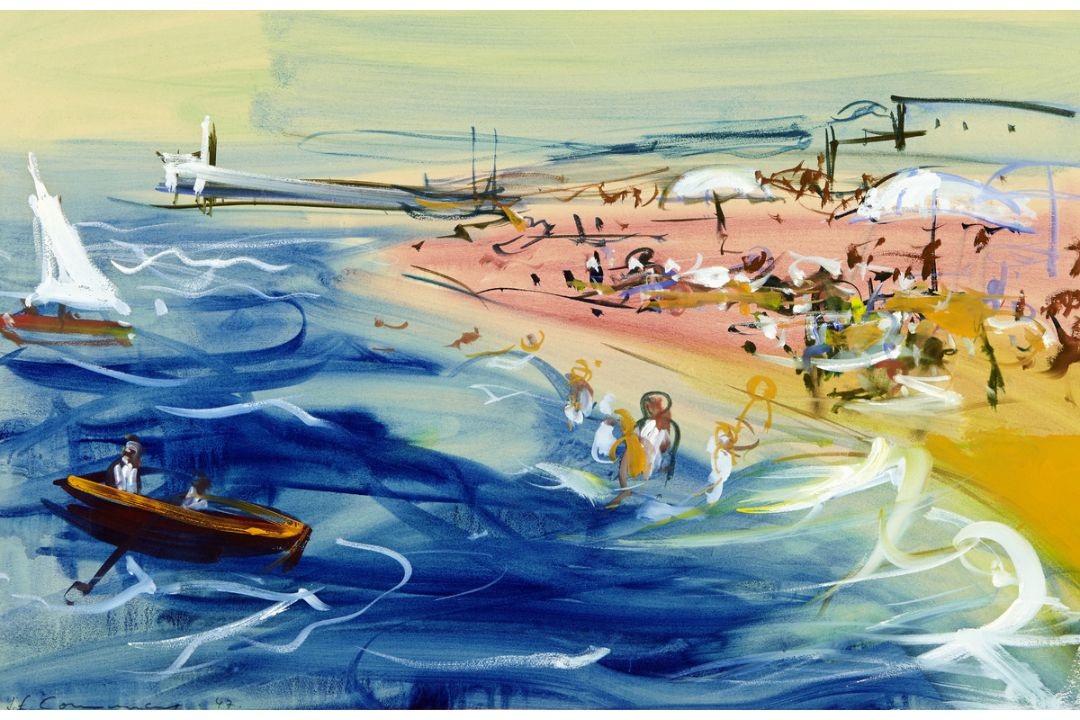
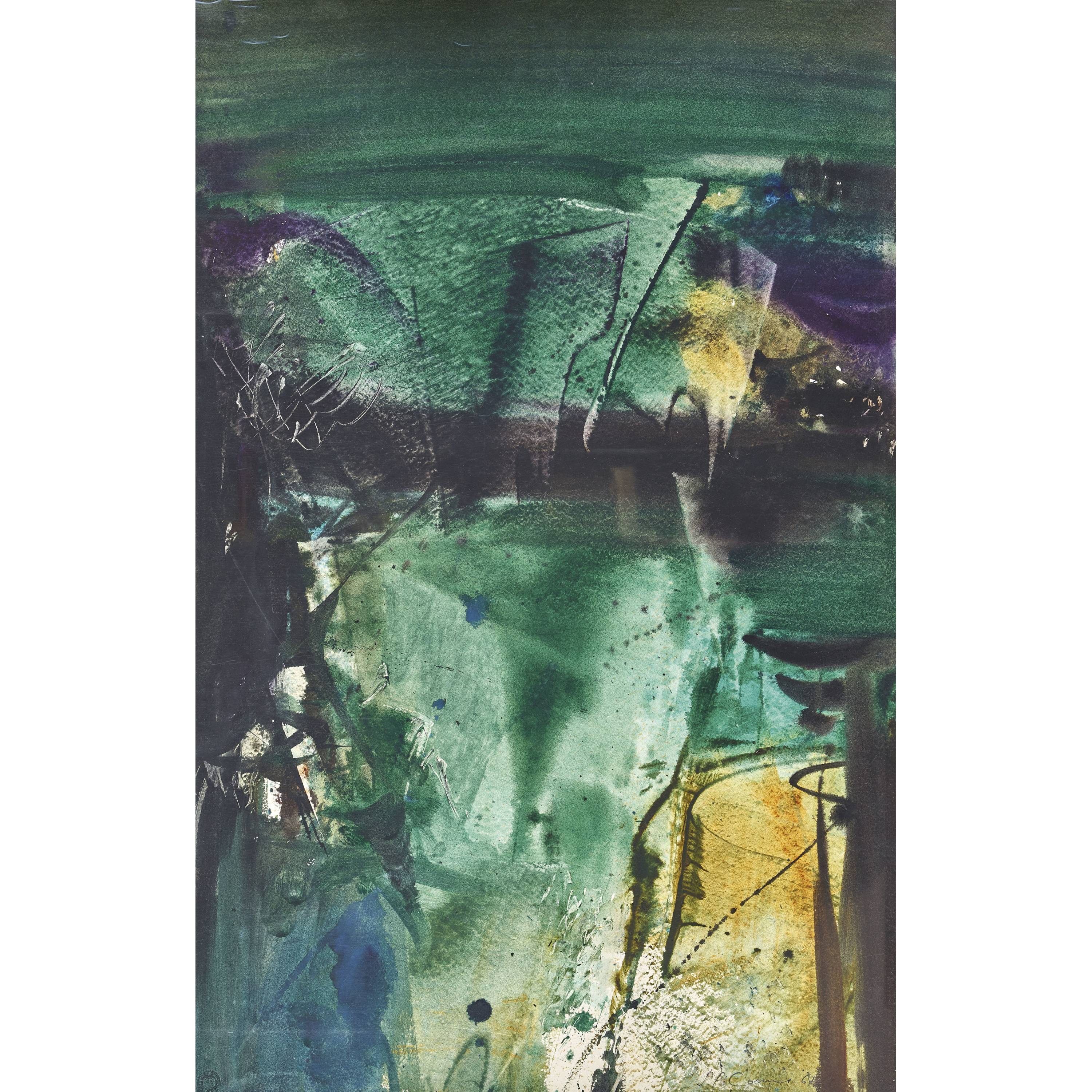
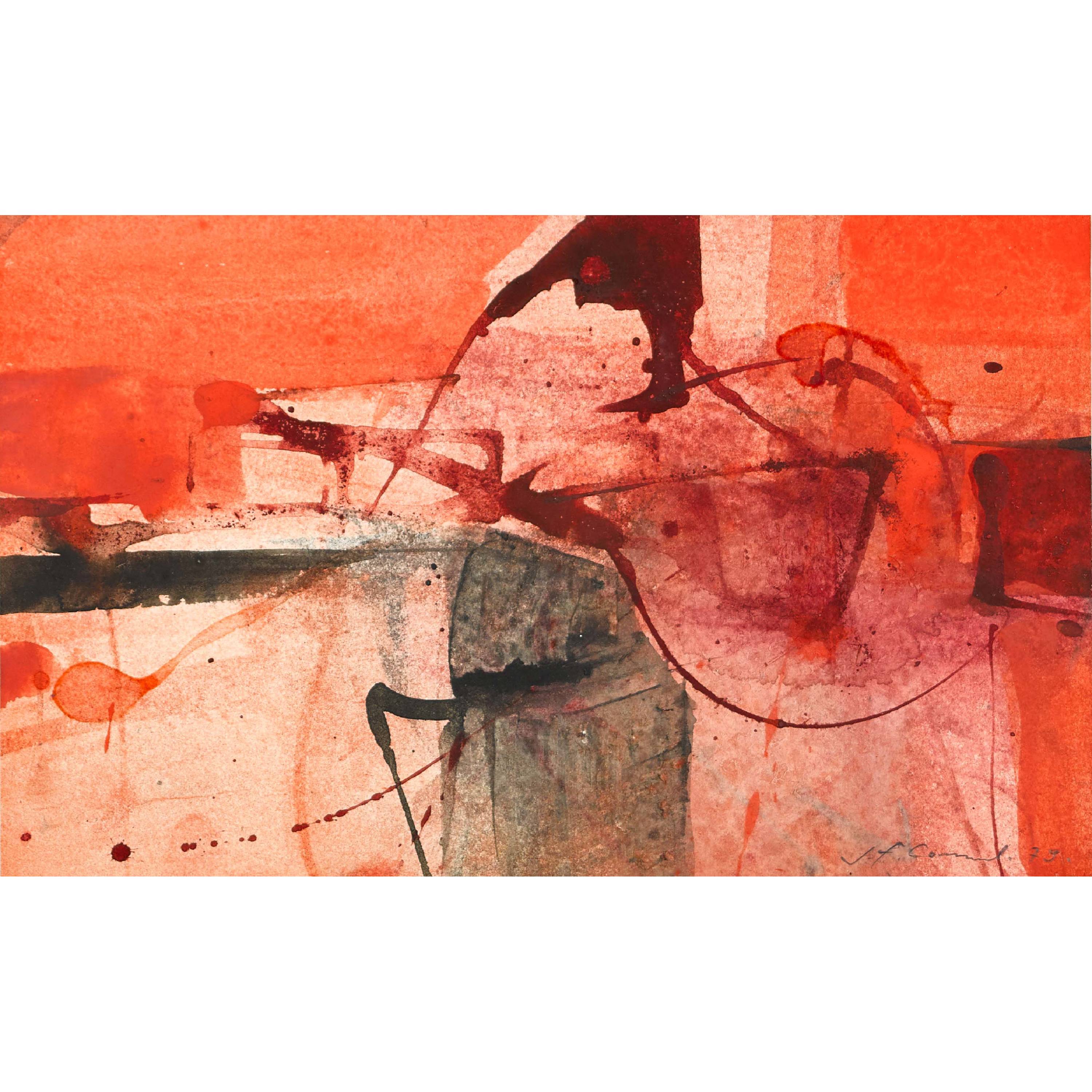
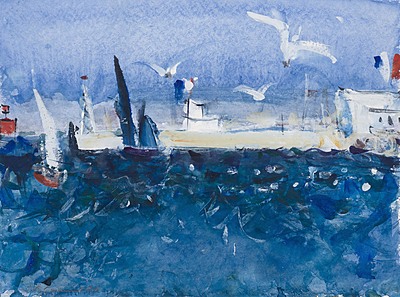
Travel nourished this painting: drawings and watercolours made from life retain the colours of Provence, Spain and Italy, which the artist later recaptured in the studio.
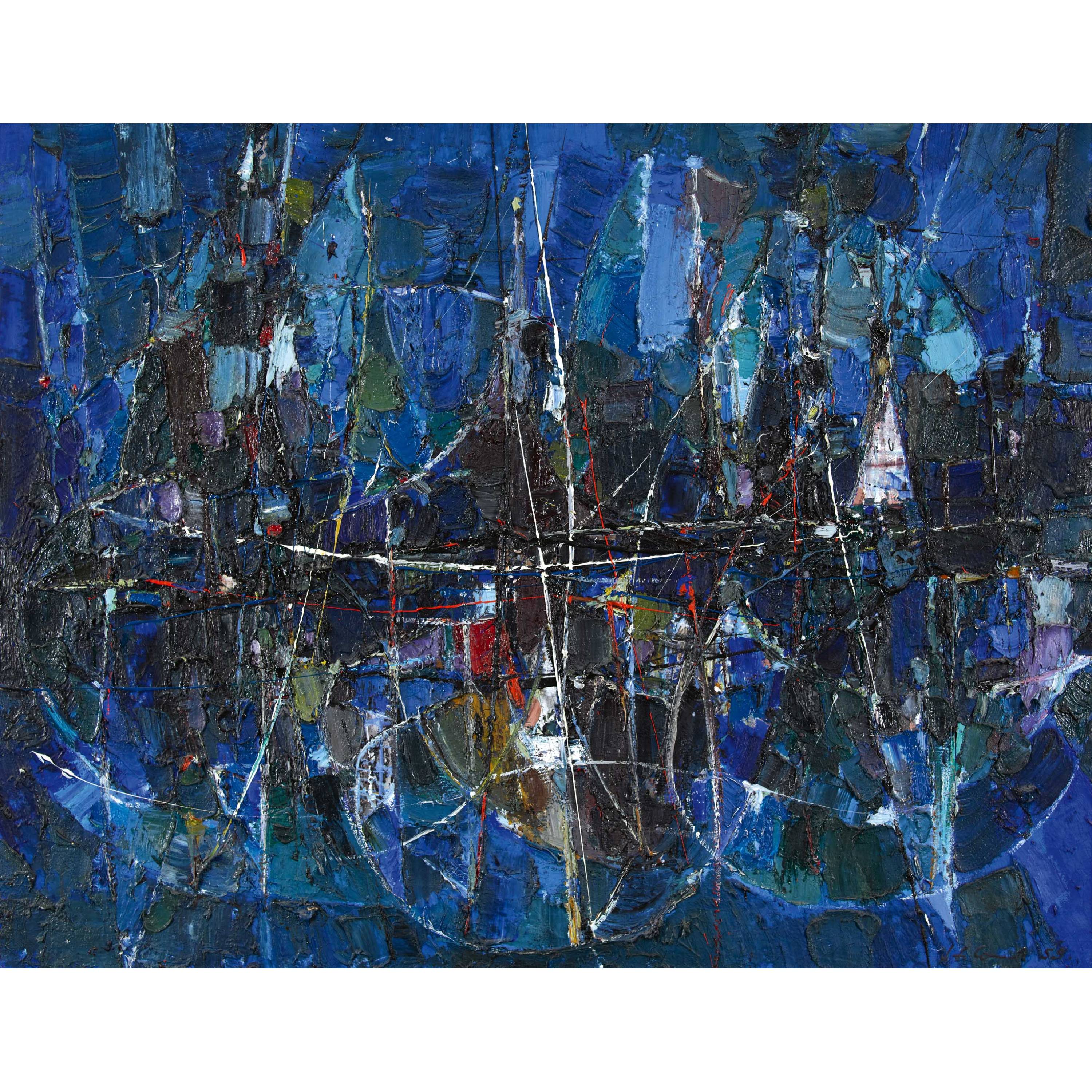
In the mid-1950s, motifs began to break down and depth gradually gave way to the surface. The stained-glass windows of the chapel at Porrentruy hospital, prepared from 1955 and completed in 1959, accompanied this decisive transition. Working with slabs of glass opened up new possibilities: light inhabited colour directly, and this experience also transformed his works on paper and canvas.
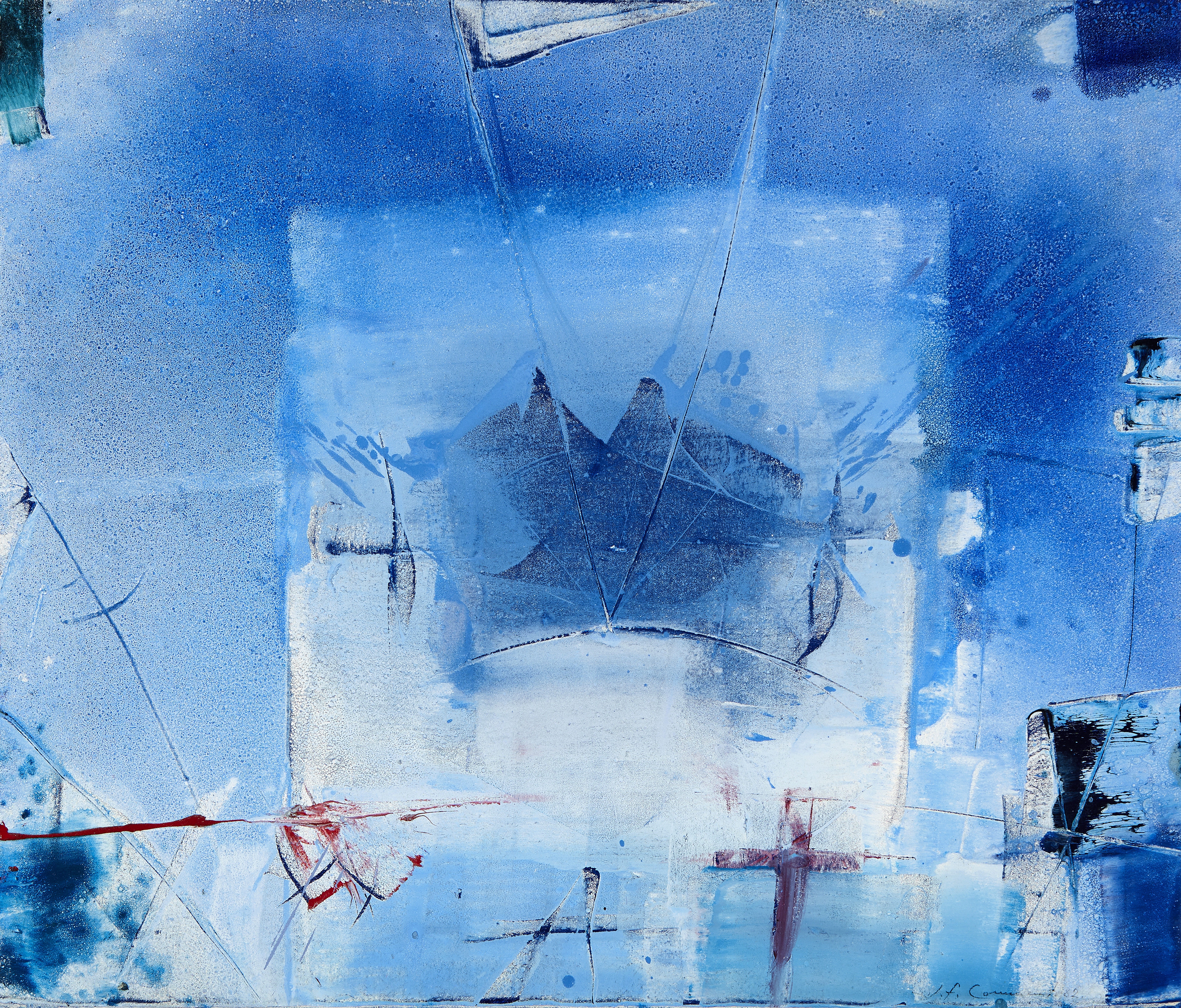
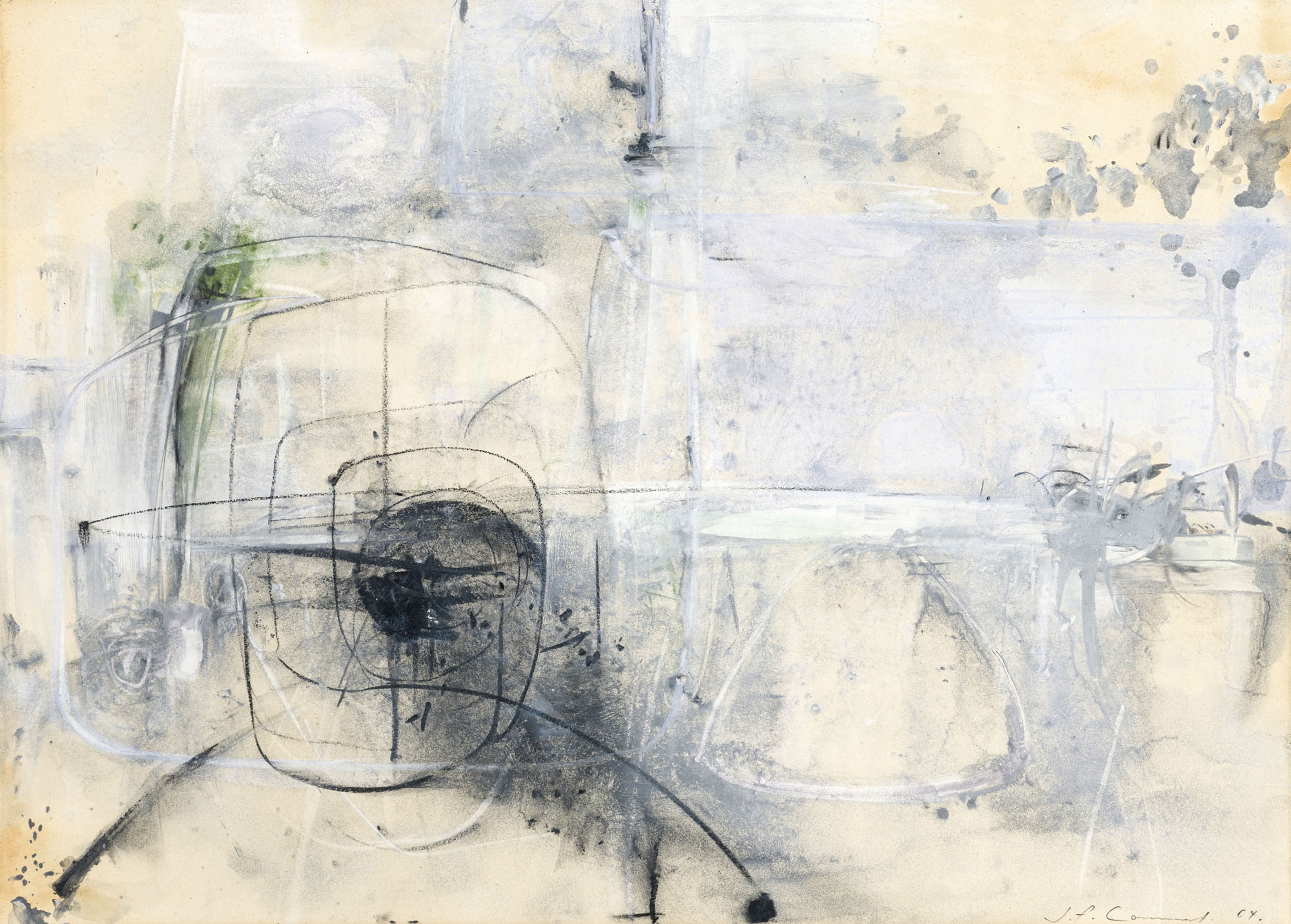
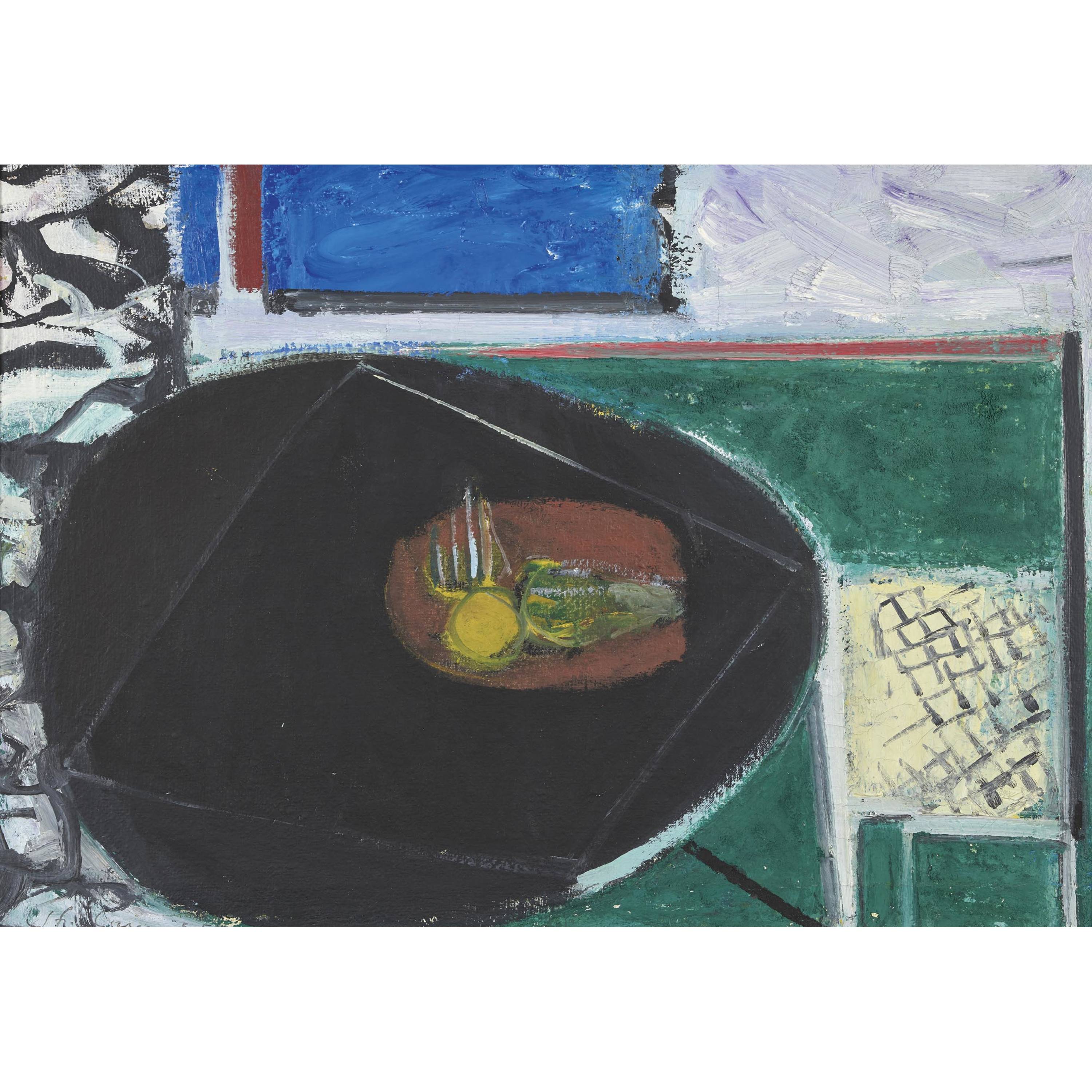
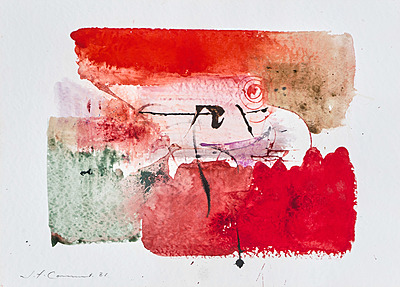
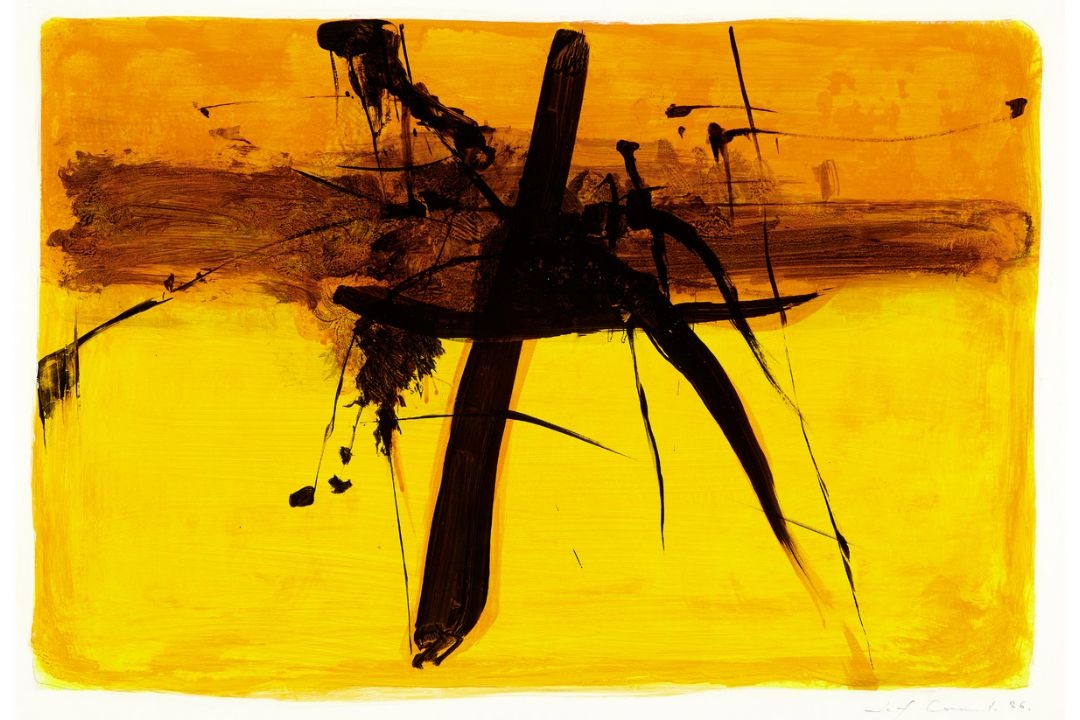
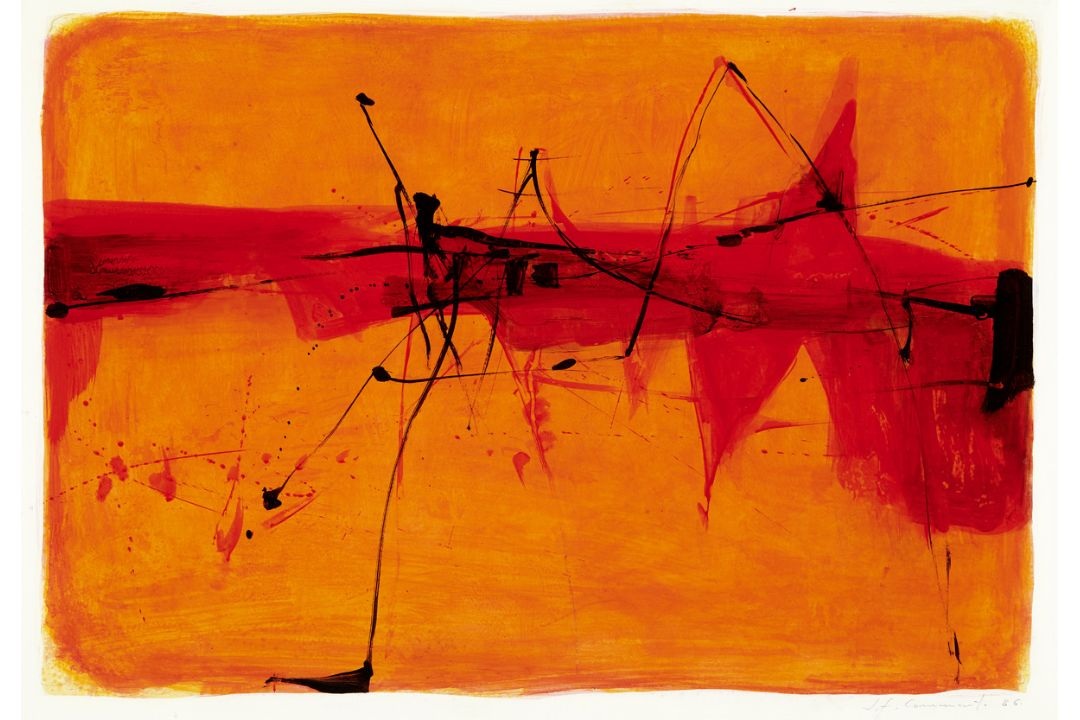
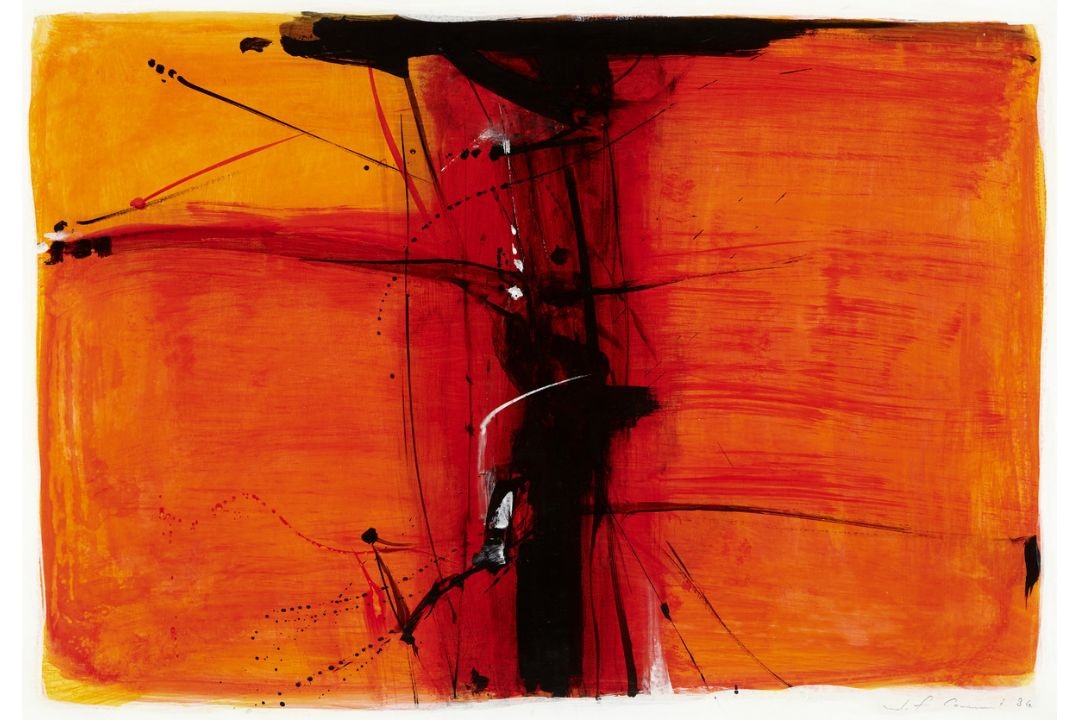
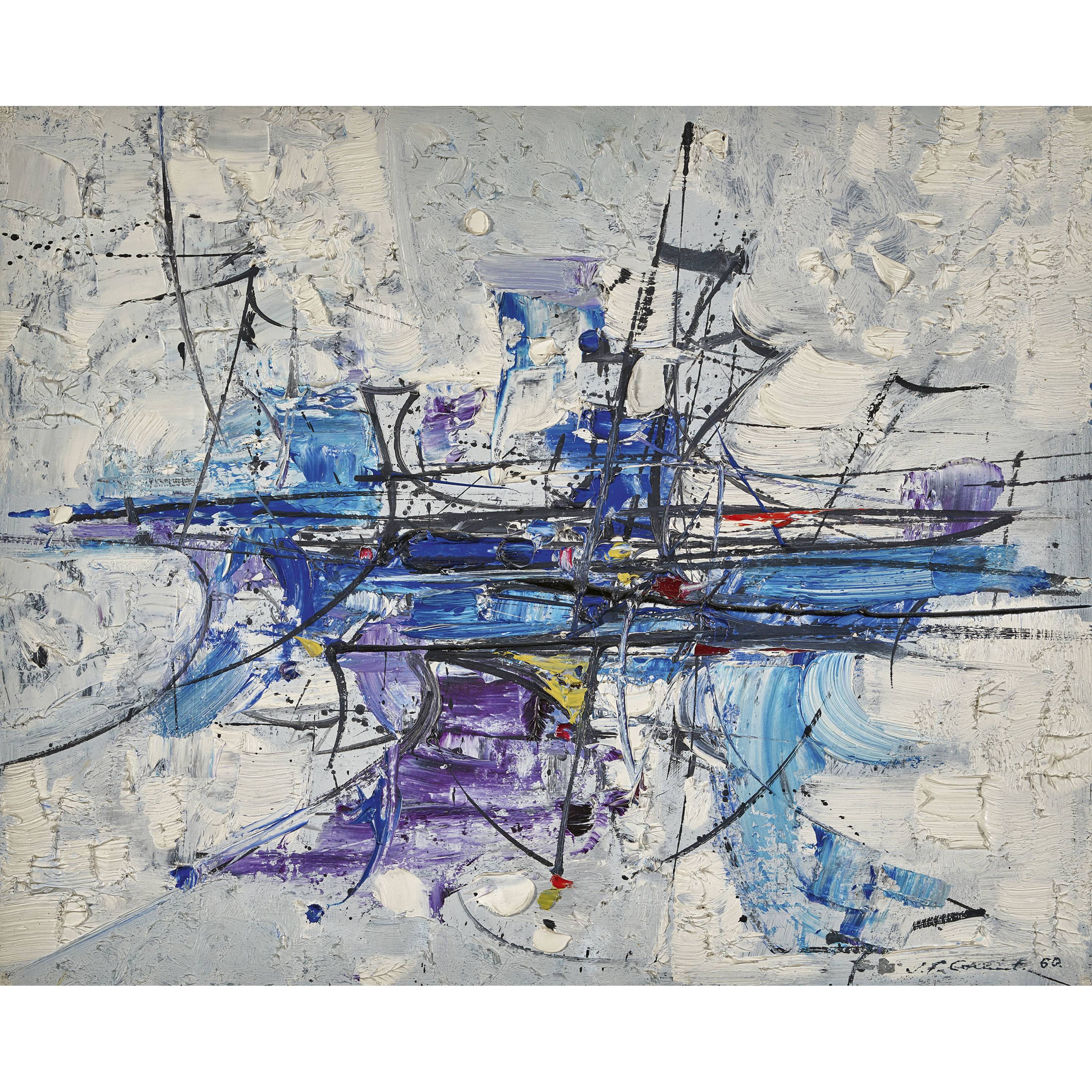
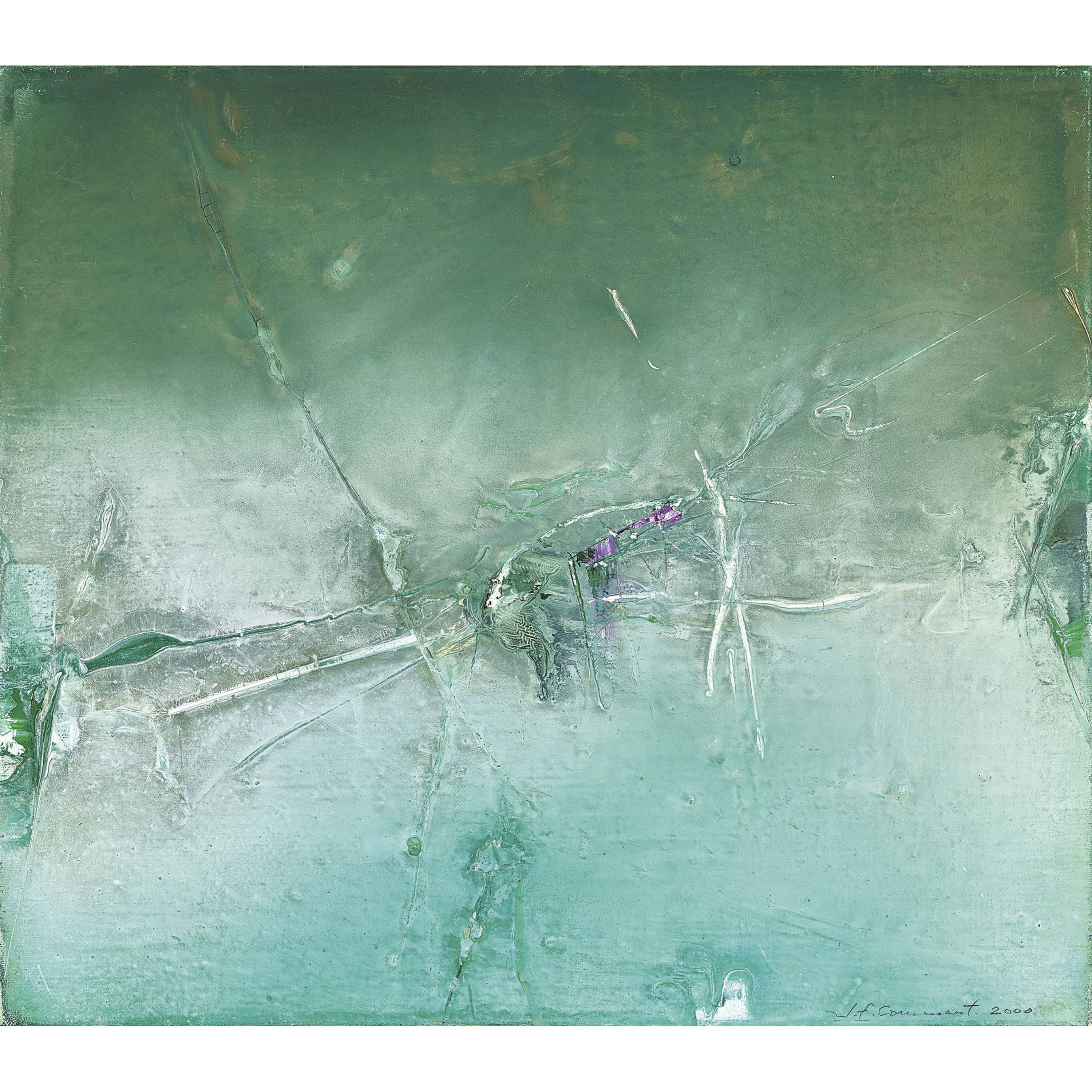
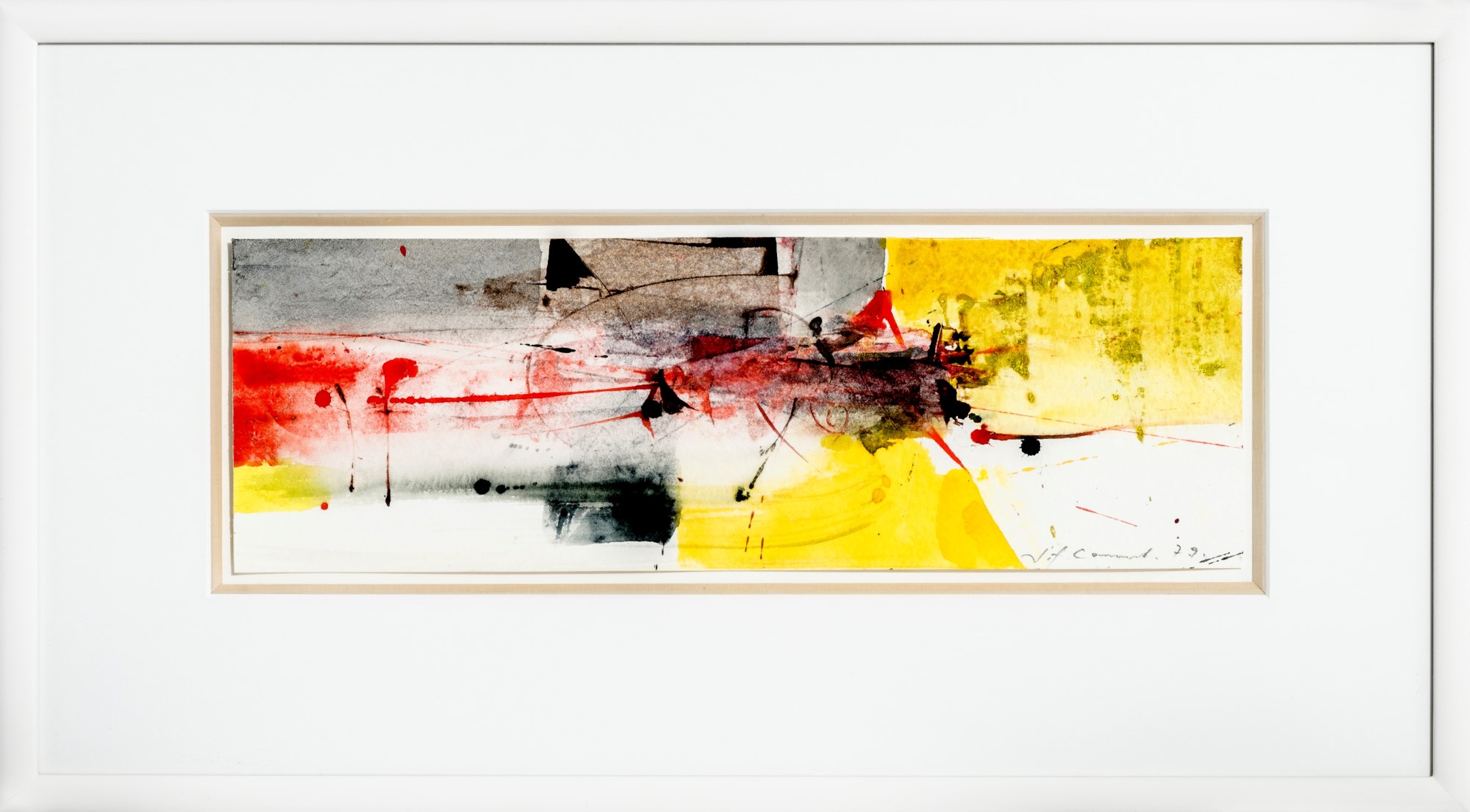
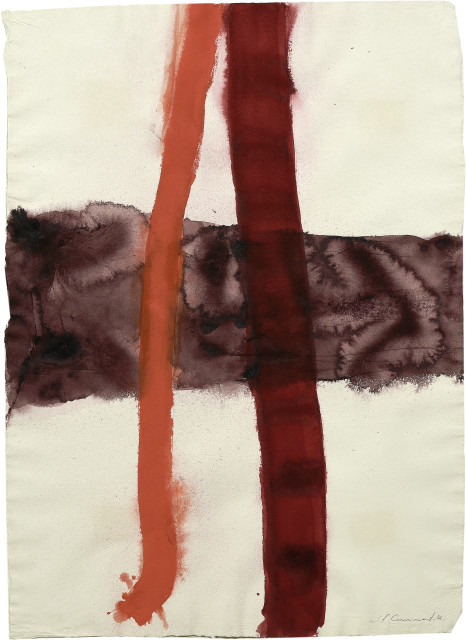
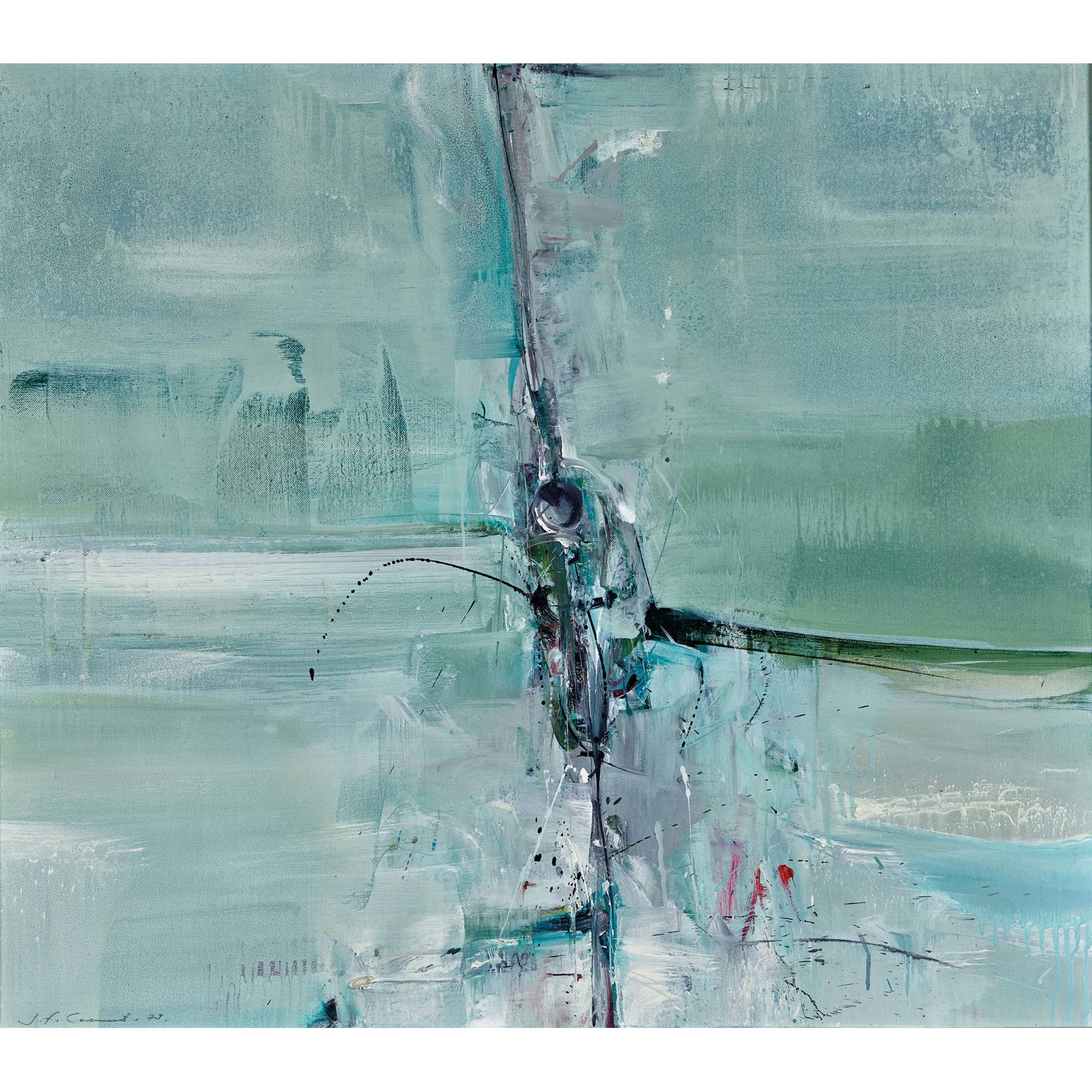
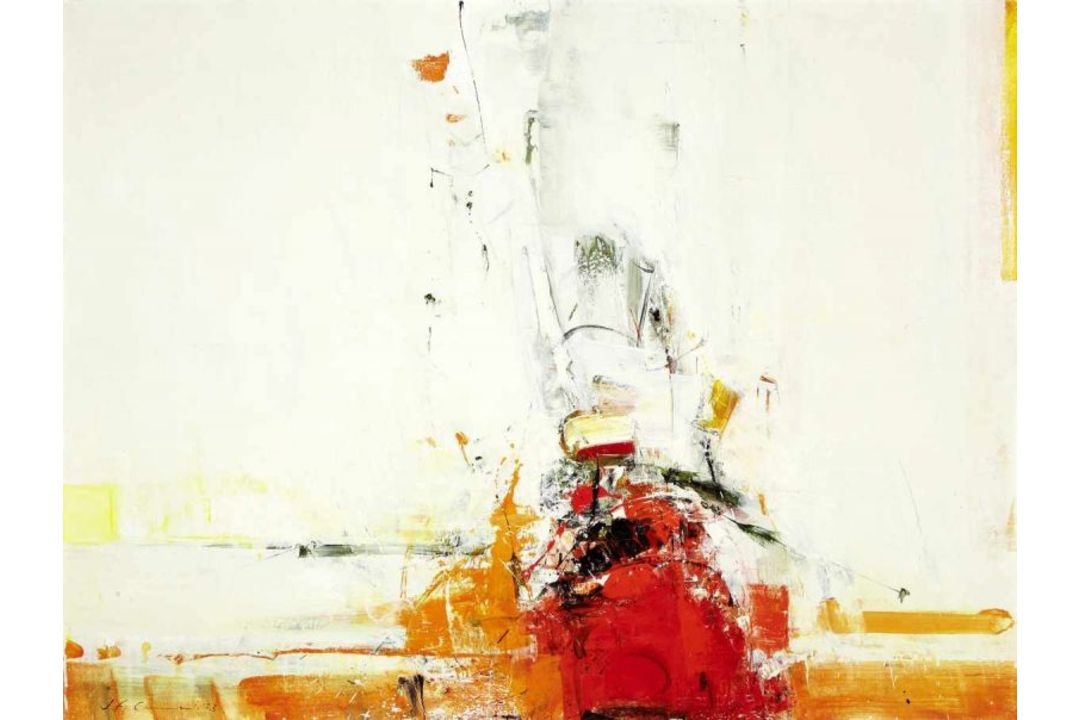
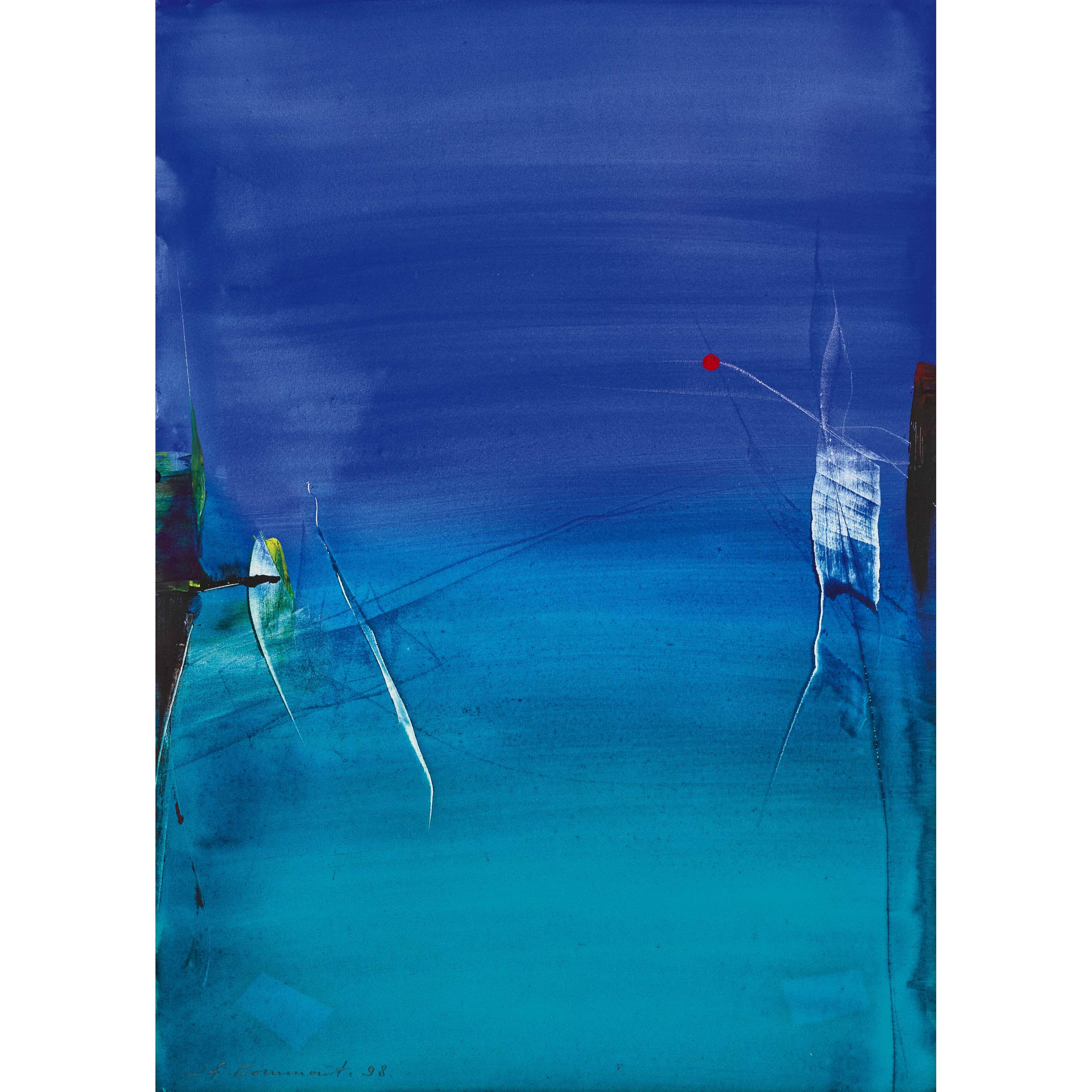
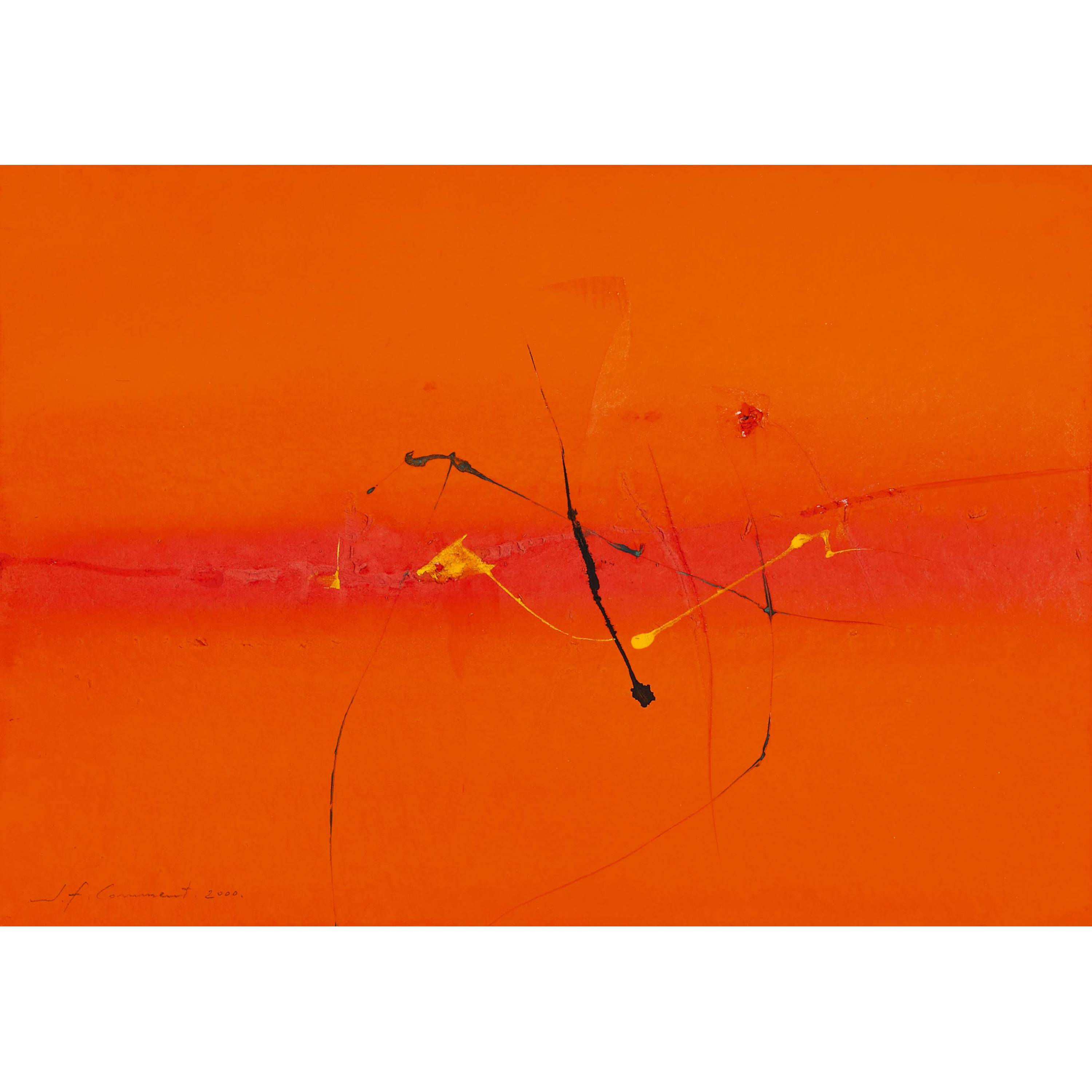
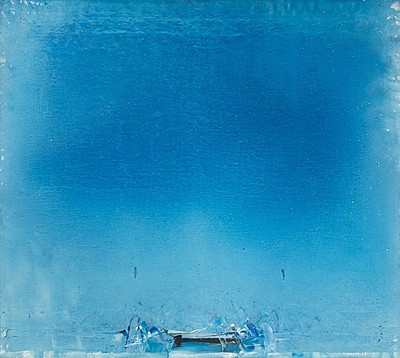
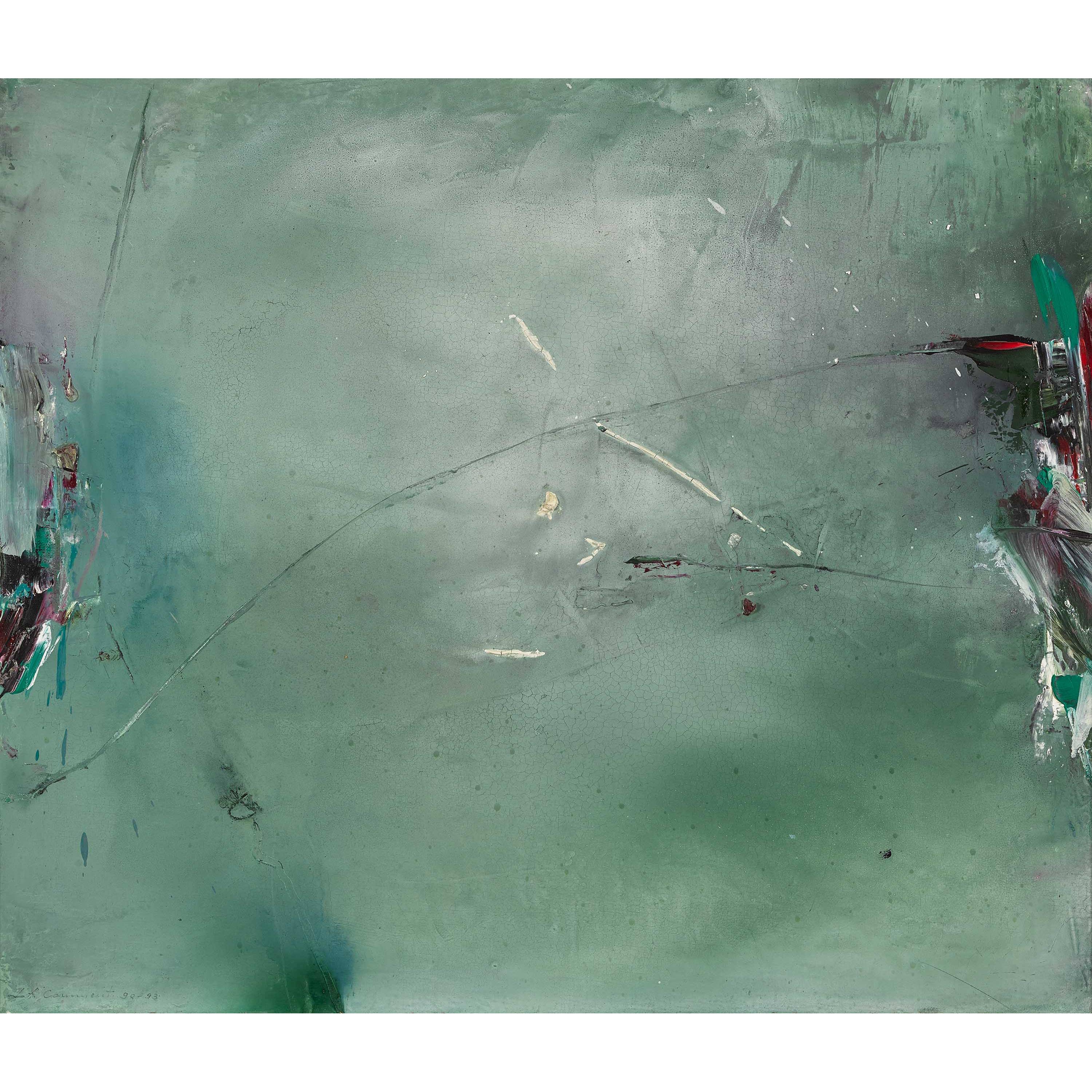
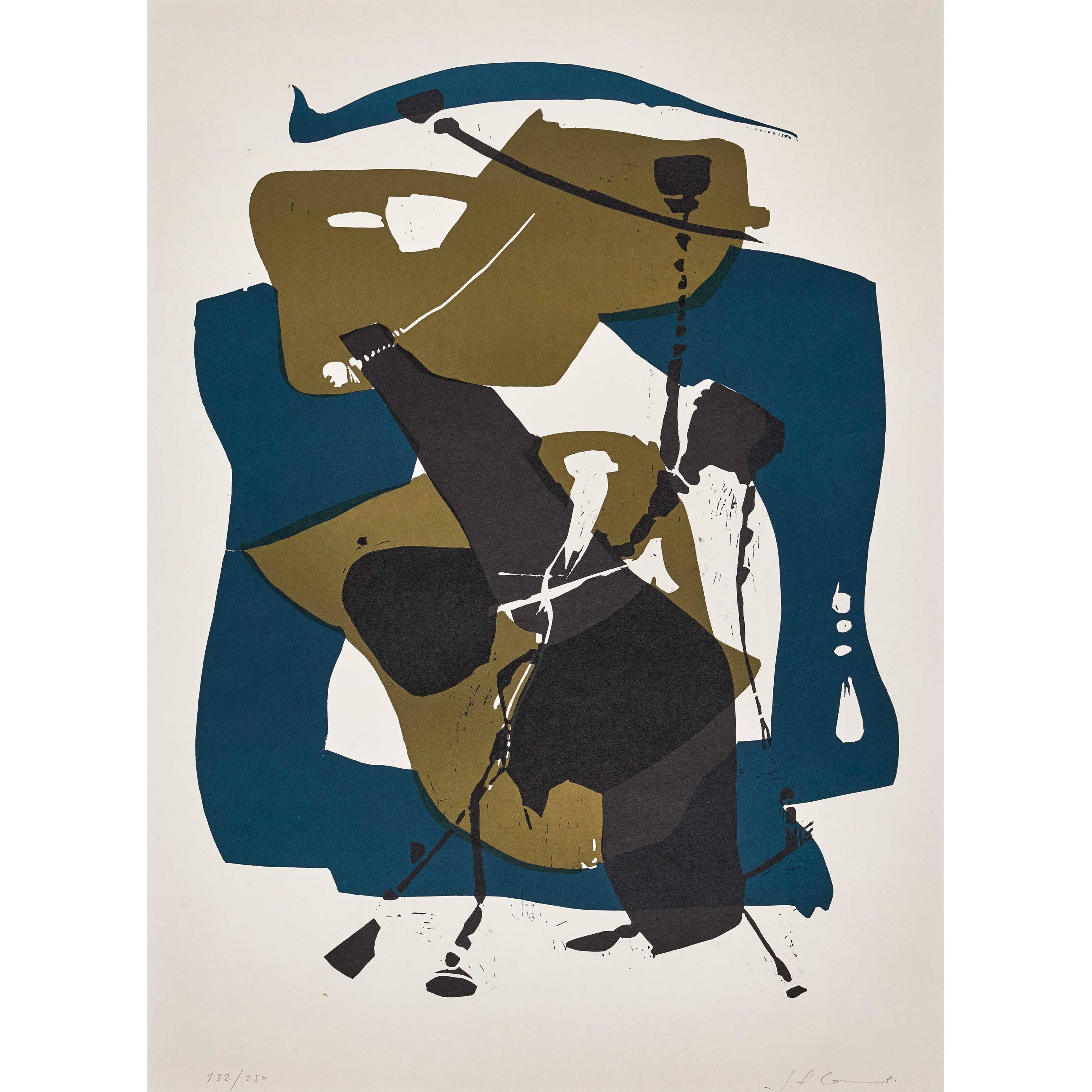
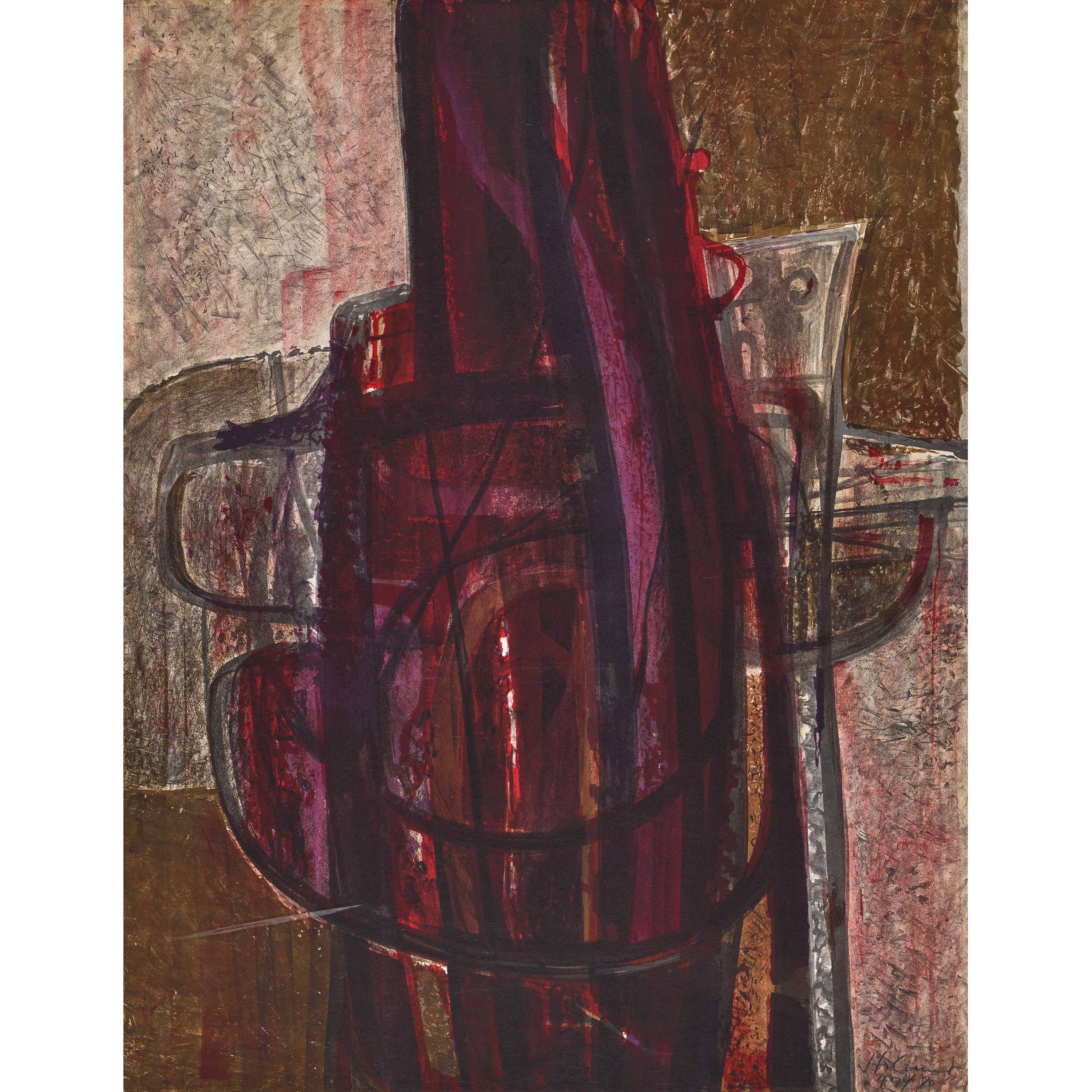
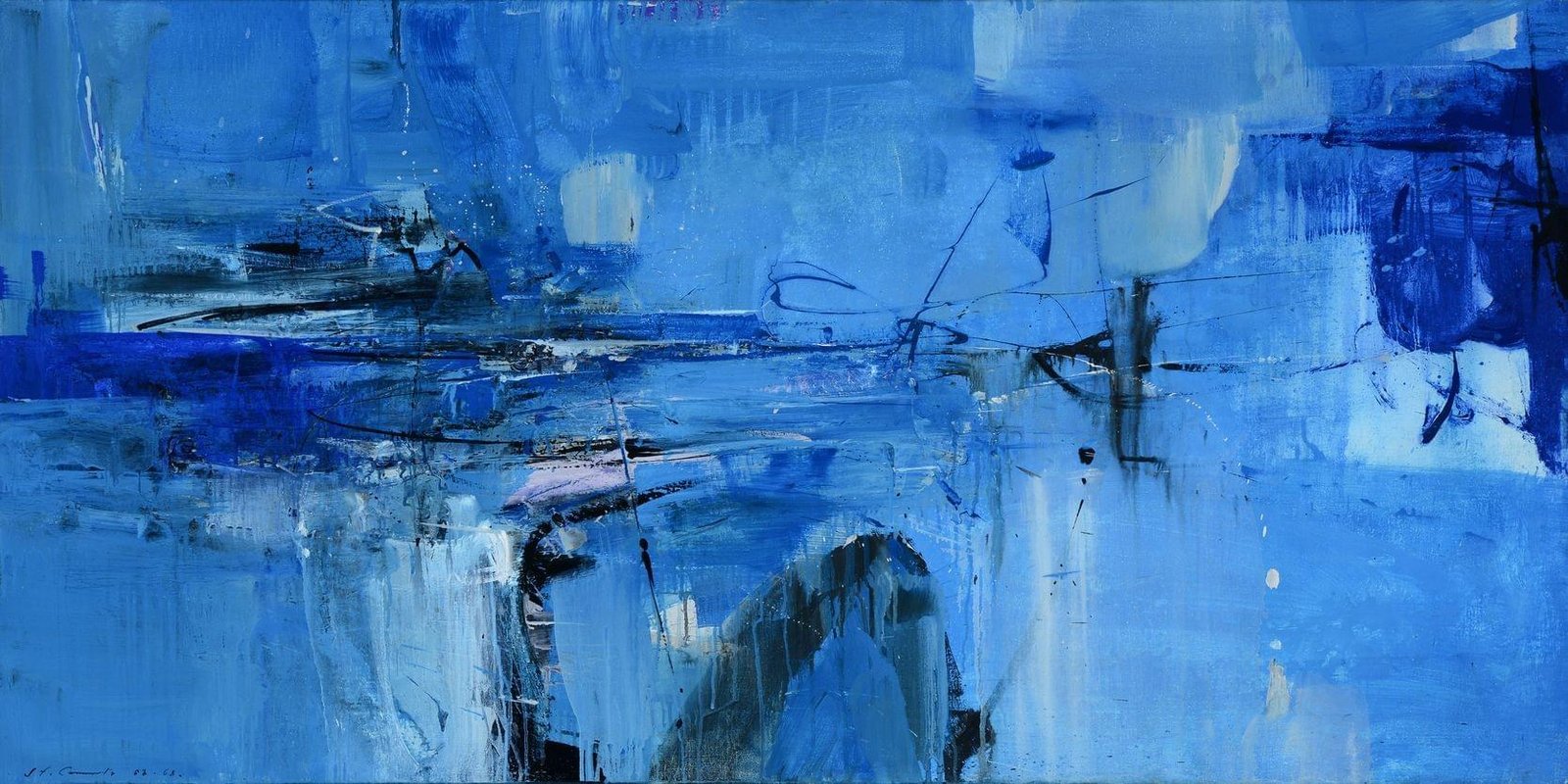
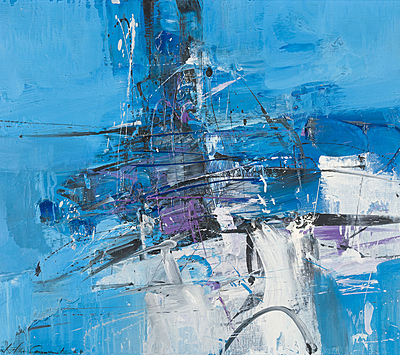
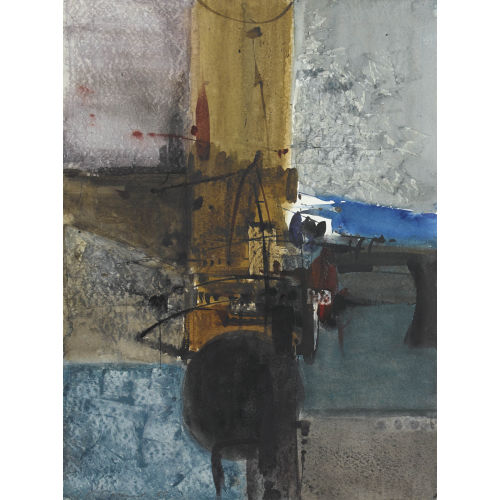
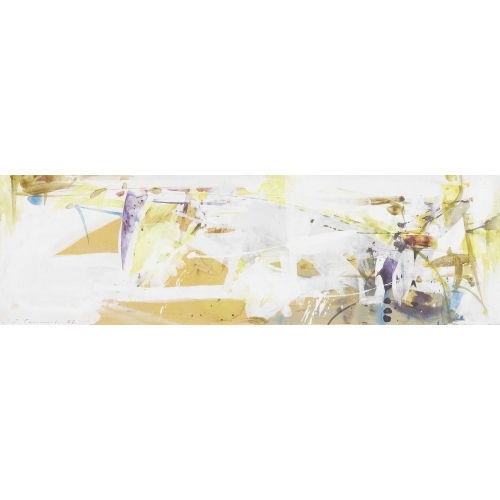
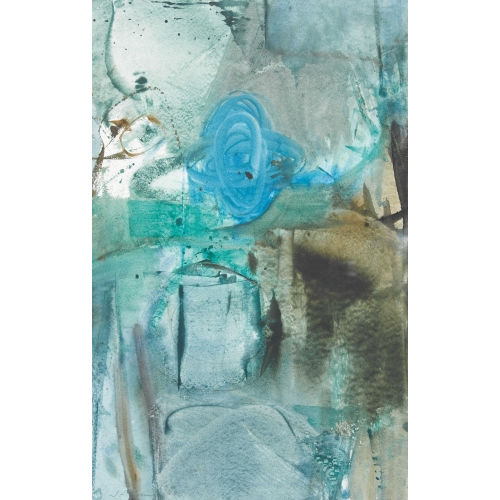
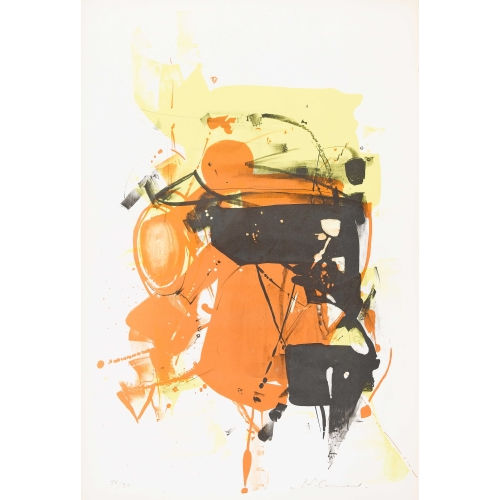
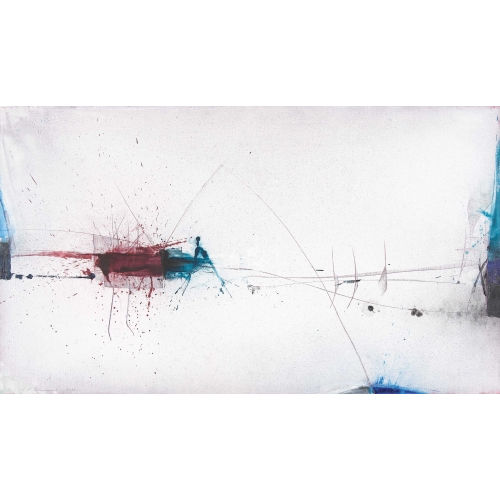
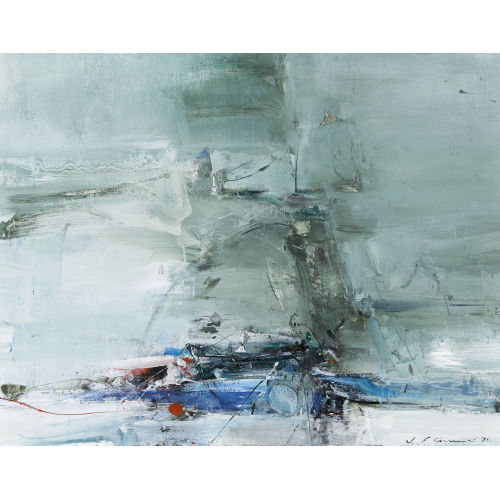
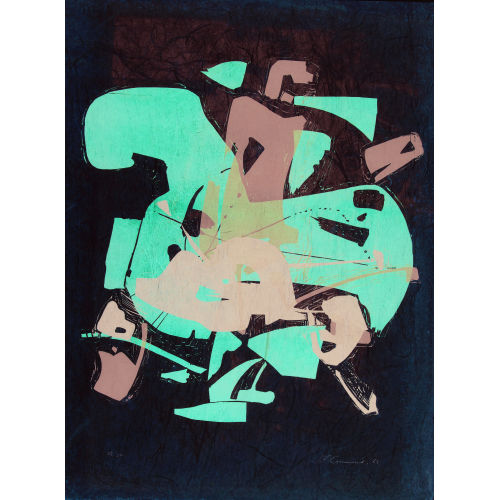
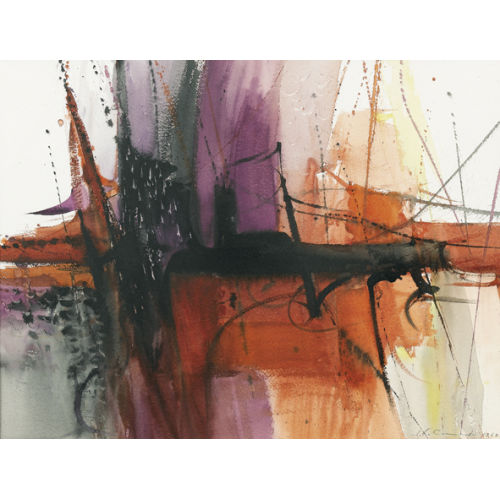
Comment’s abstraction went through several states. Dark, dense passages and energetic gestures were followed by compositions structured around the circle, the triangle or symmetry. Then the material grew lighter: heavily diluted oil paint spread across the surface in thin layers.
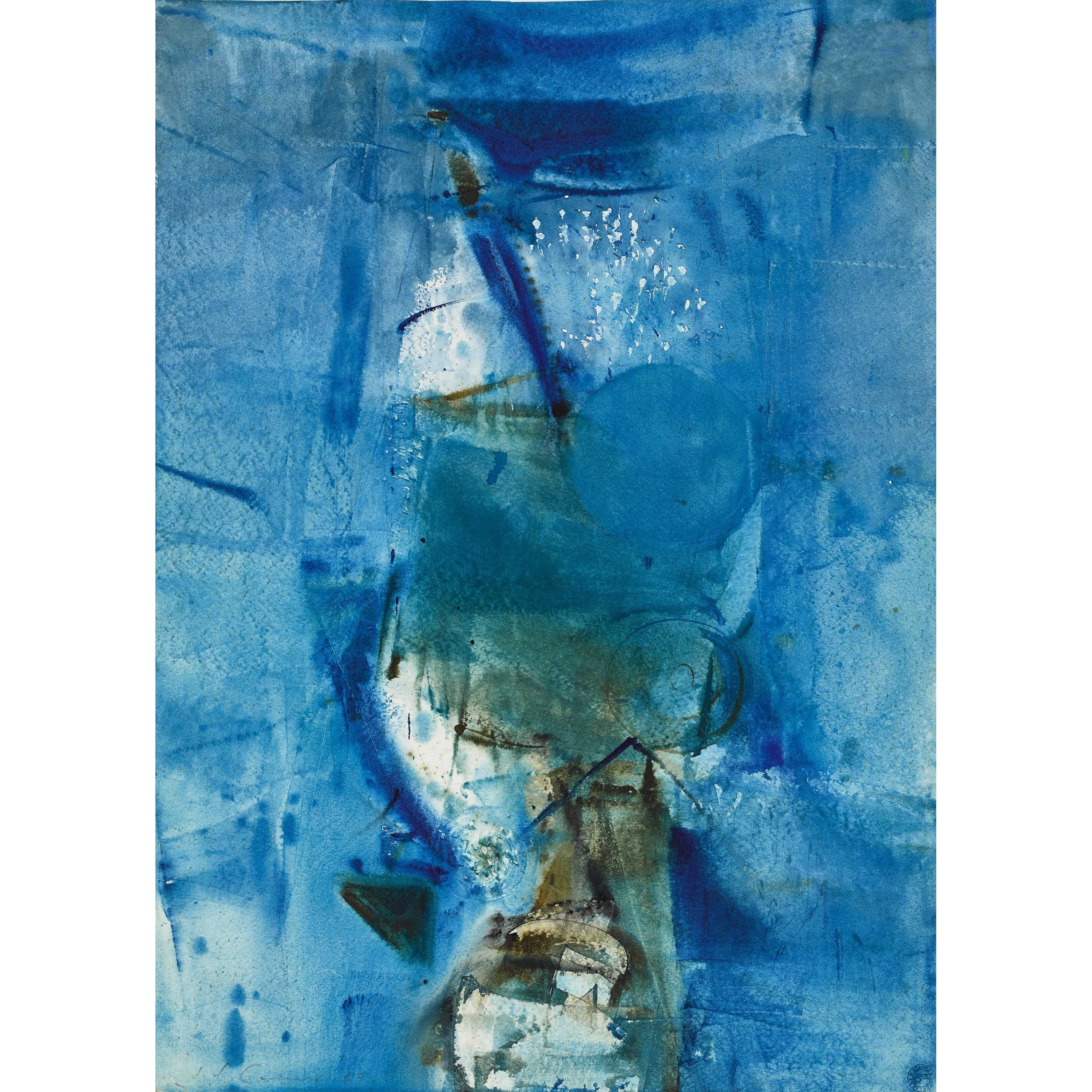
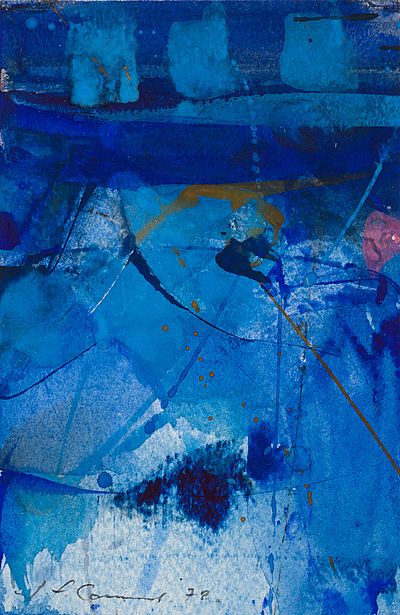
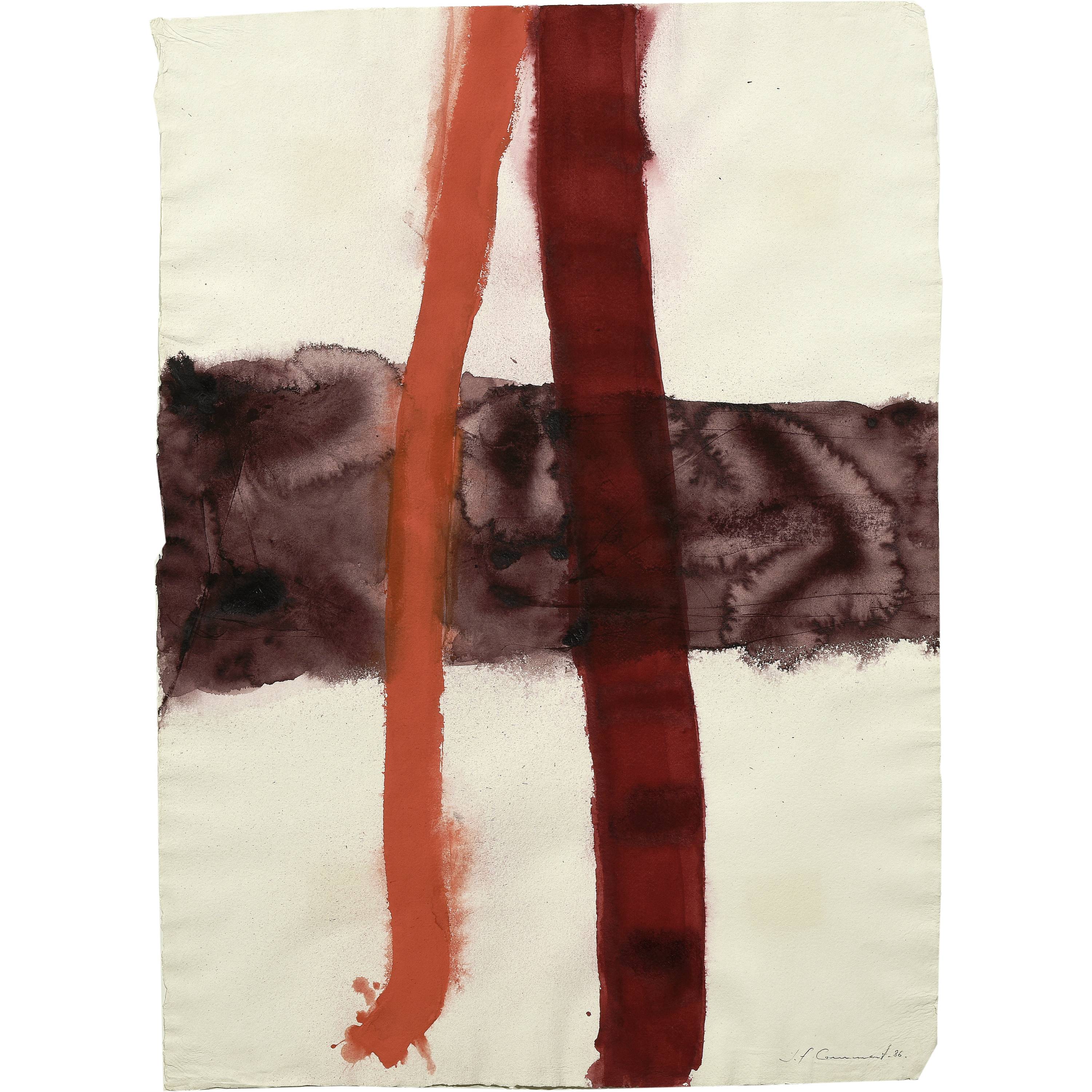
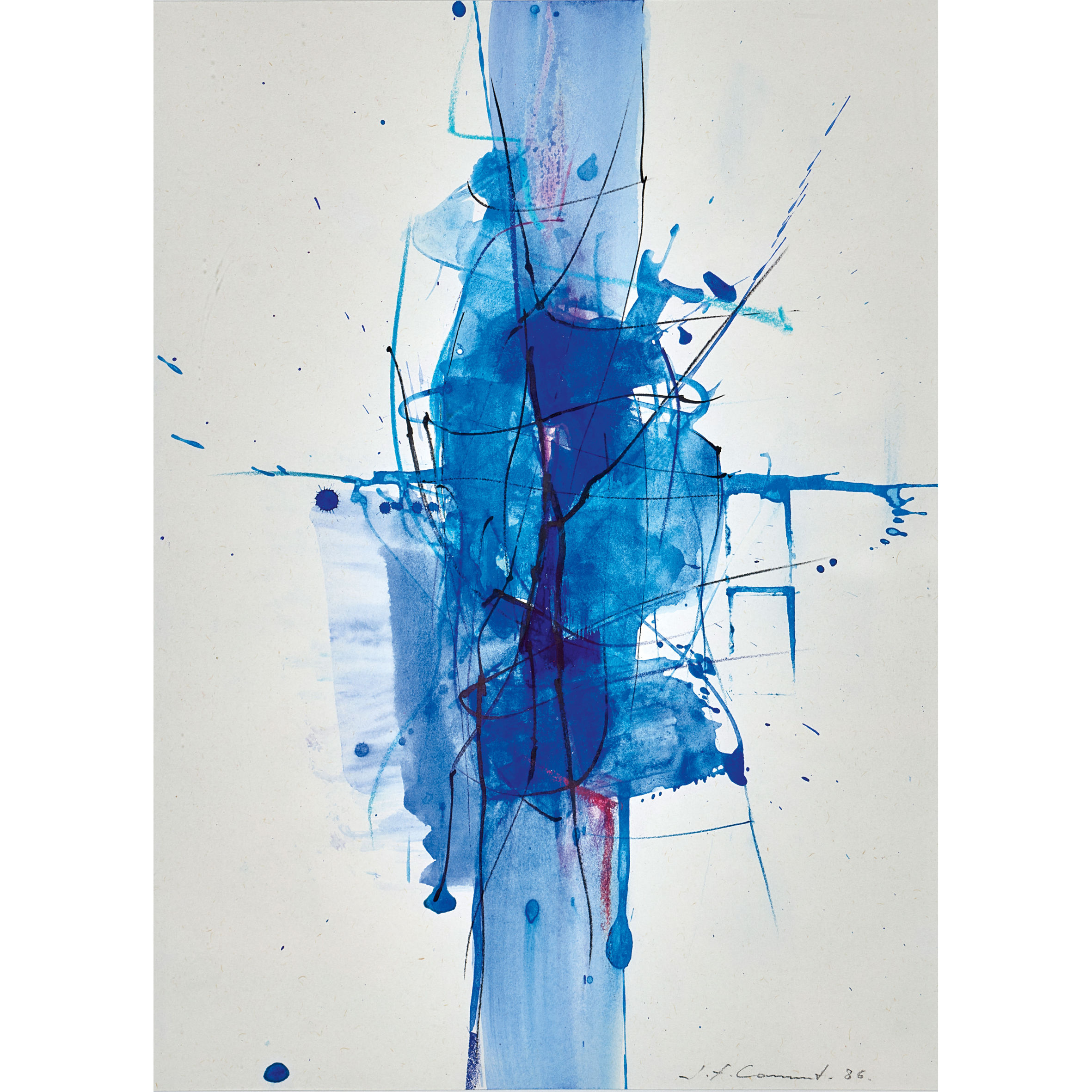
Watercolour remained an essential field of exploration, its discoveries reinvigorating the painting.
His attachment to the Jura also took on a civic dimension. Committed to cantonal independence, he left, among other works, Tumultueuse and Révolte, which entered the Collection jurassienne des beaux-arts through a donation announced in 2020.
Before these works, the eye can follow differences in density and the transitions between tension and calm. Such attention reveals a painting that makes colour an inward experience as much as an opening onto the world.