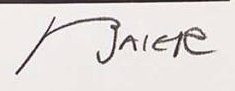
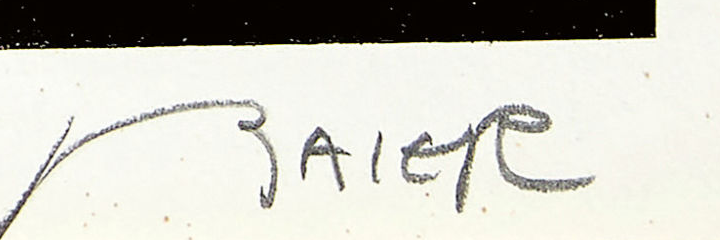
Jean Baier
Born in 1932.
Died in 1999.
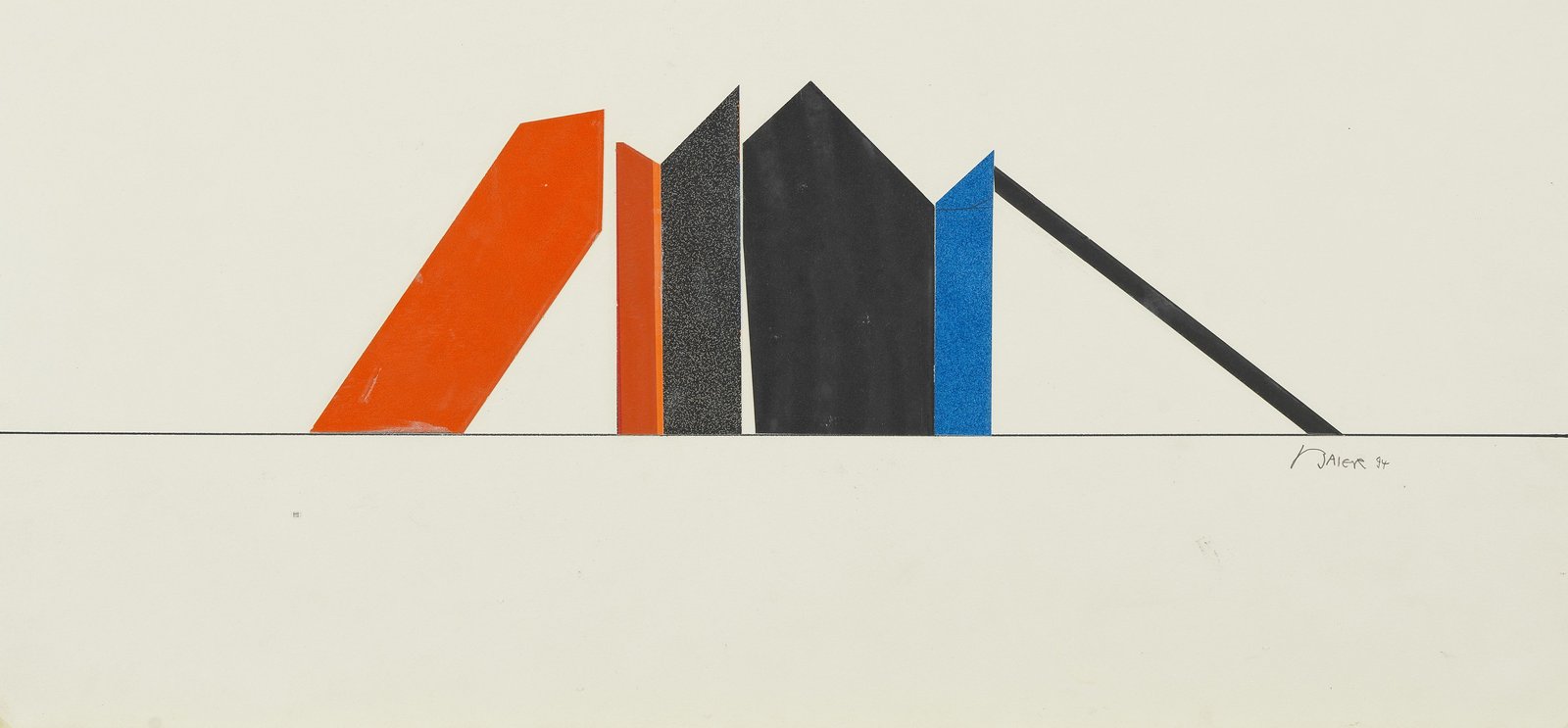
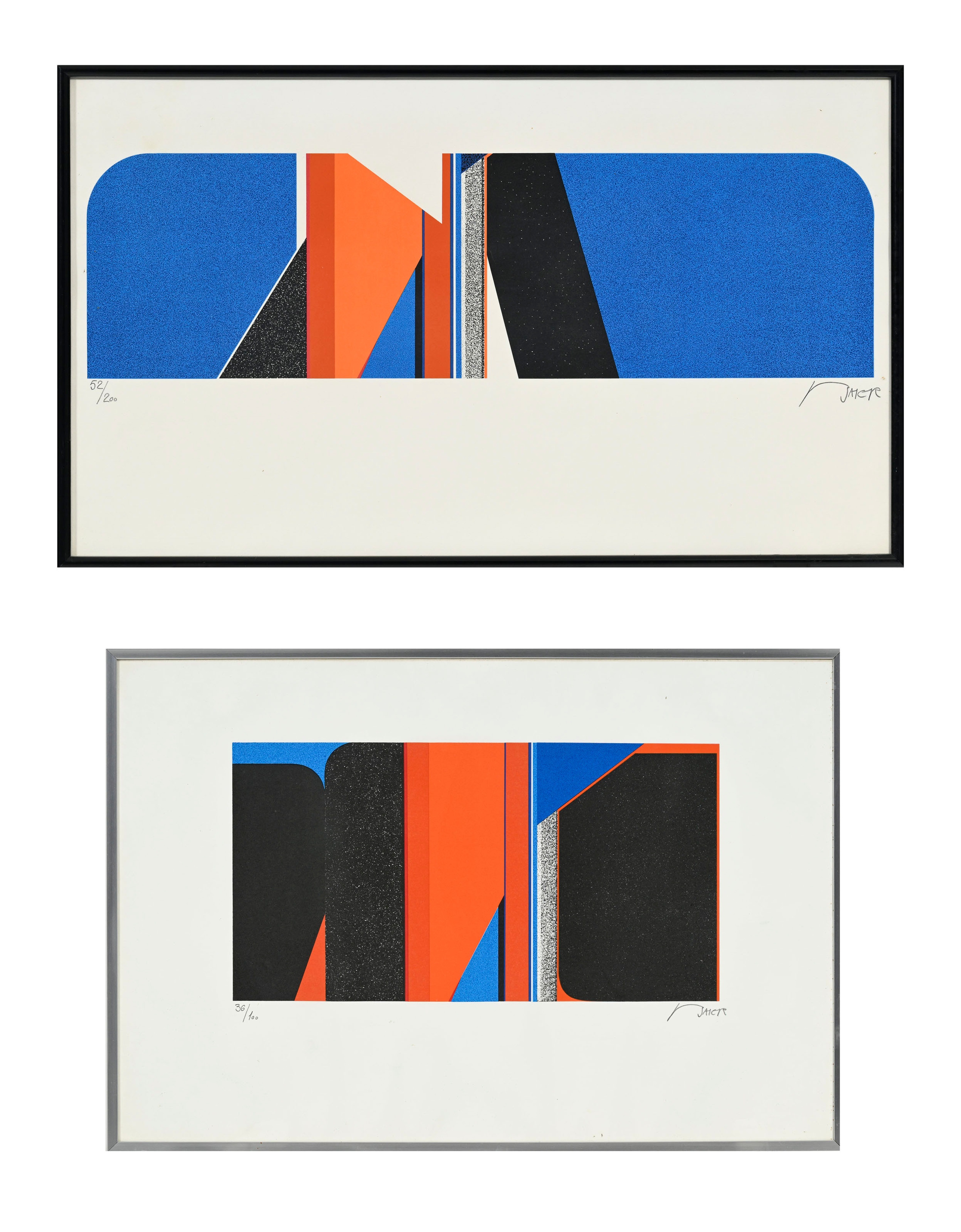
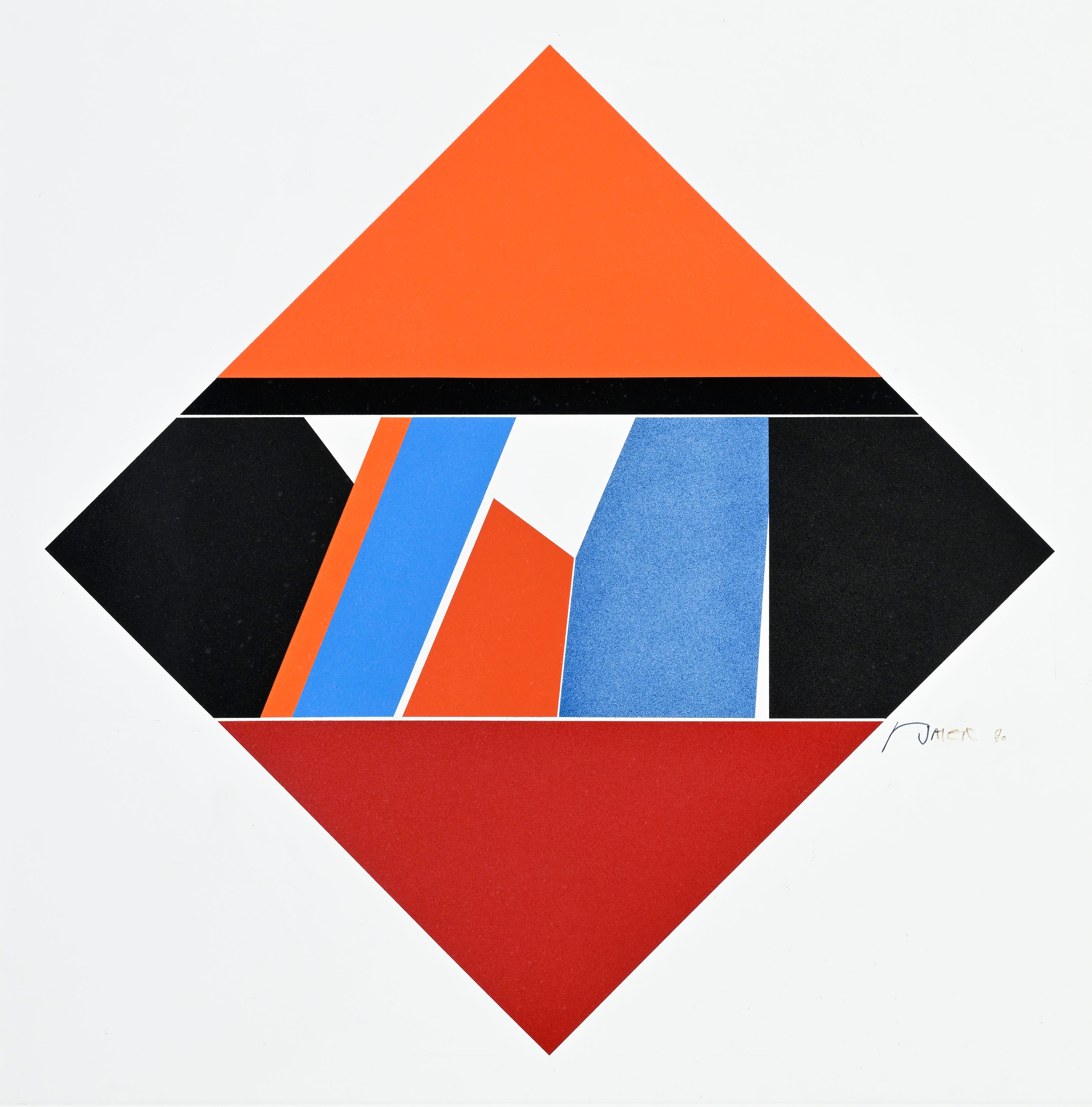
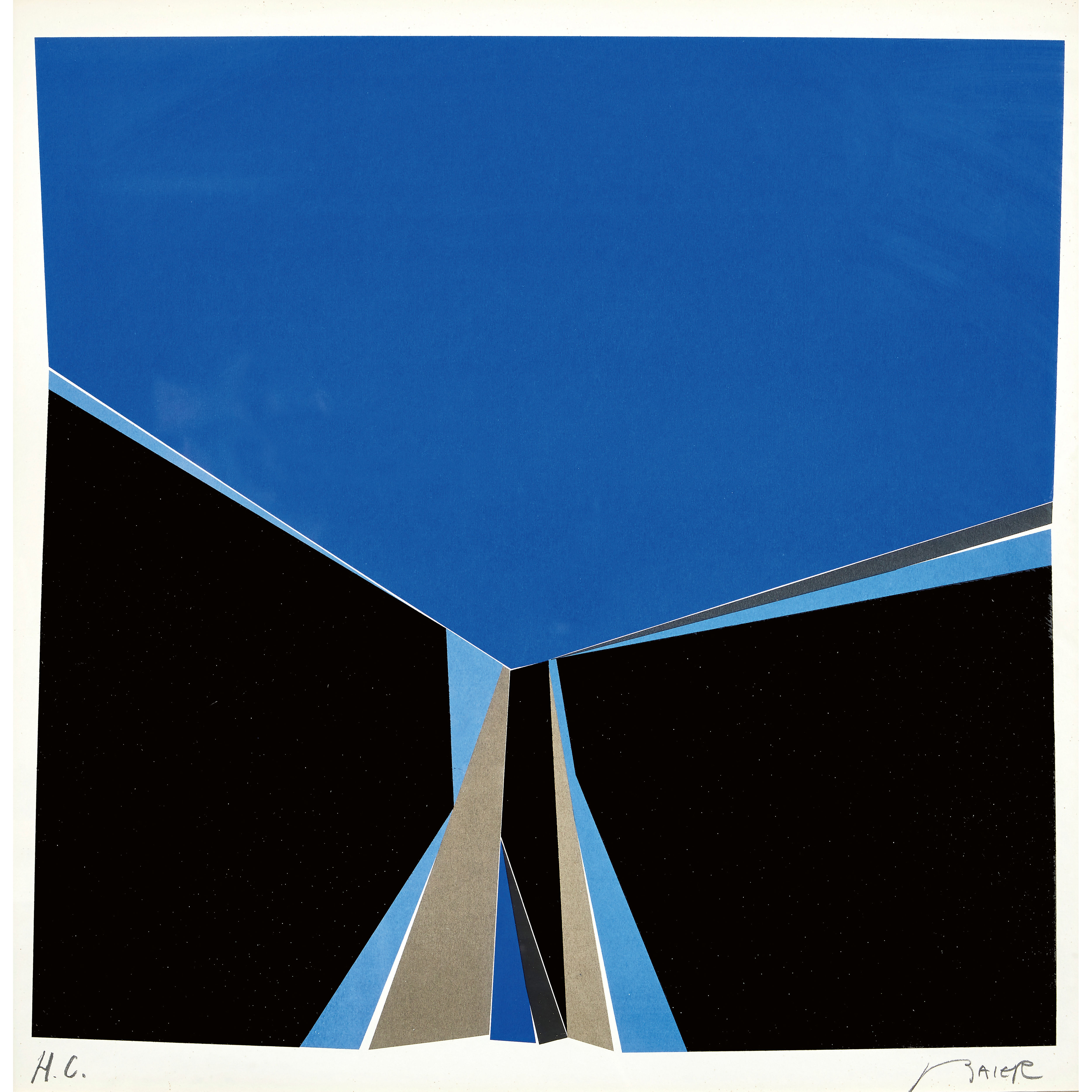
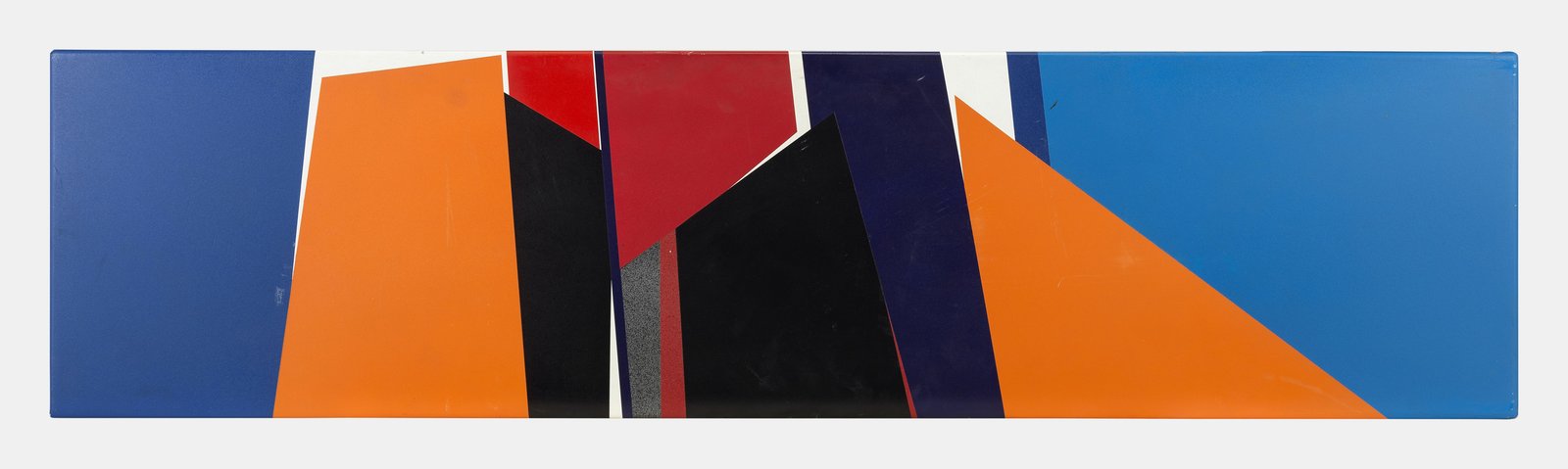
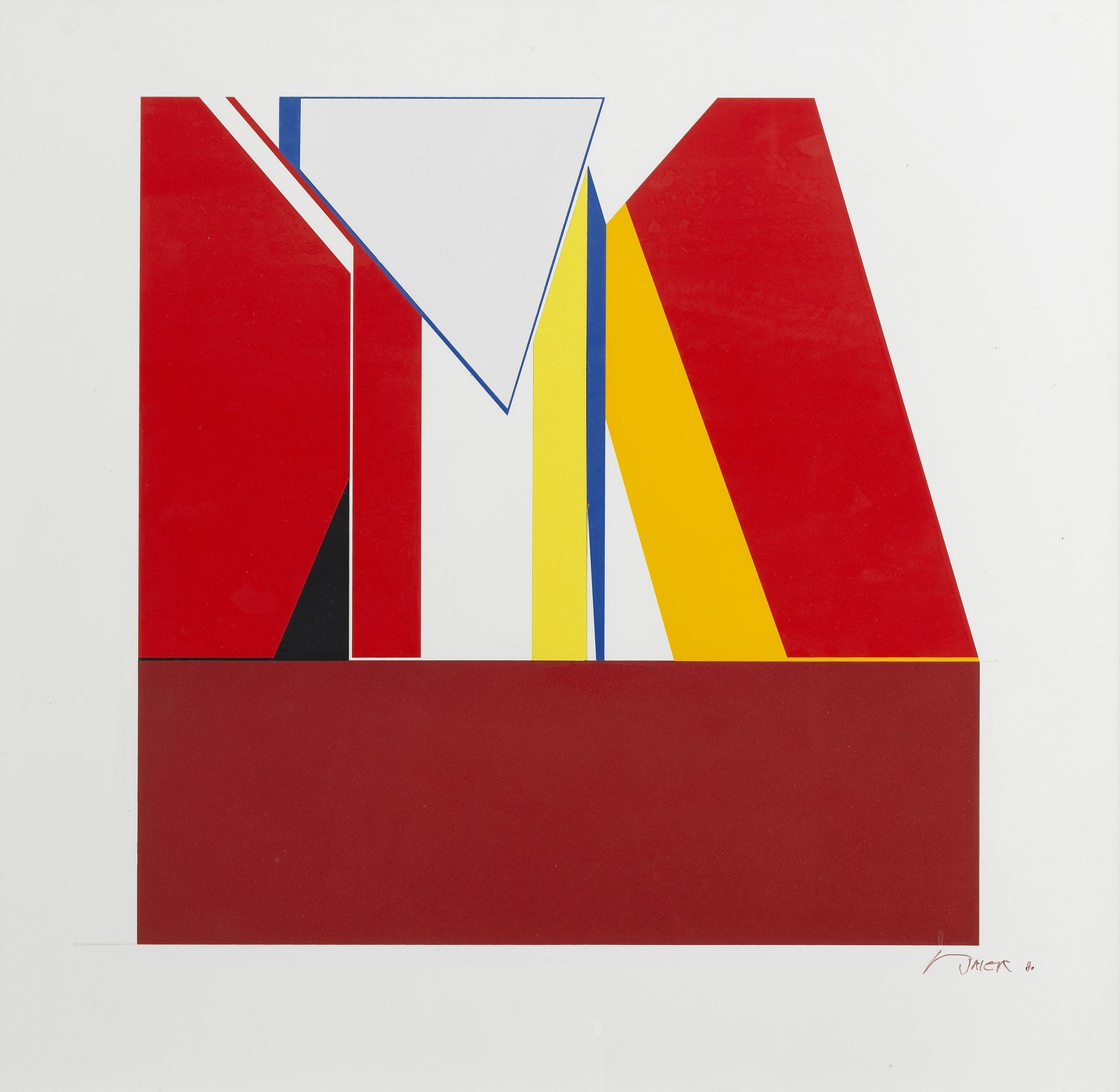
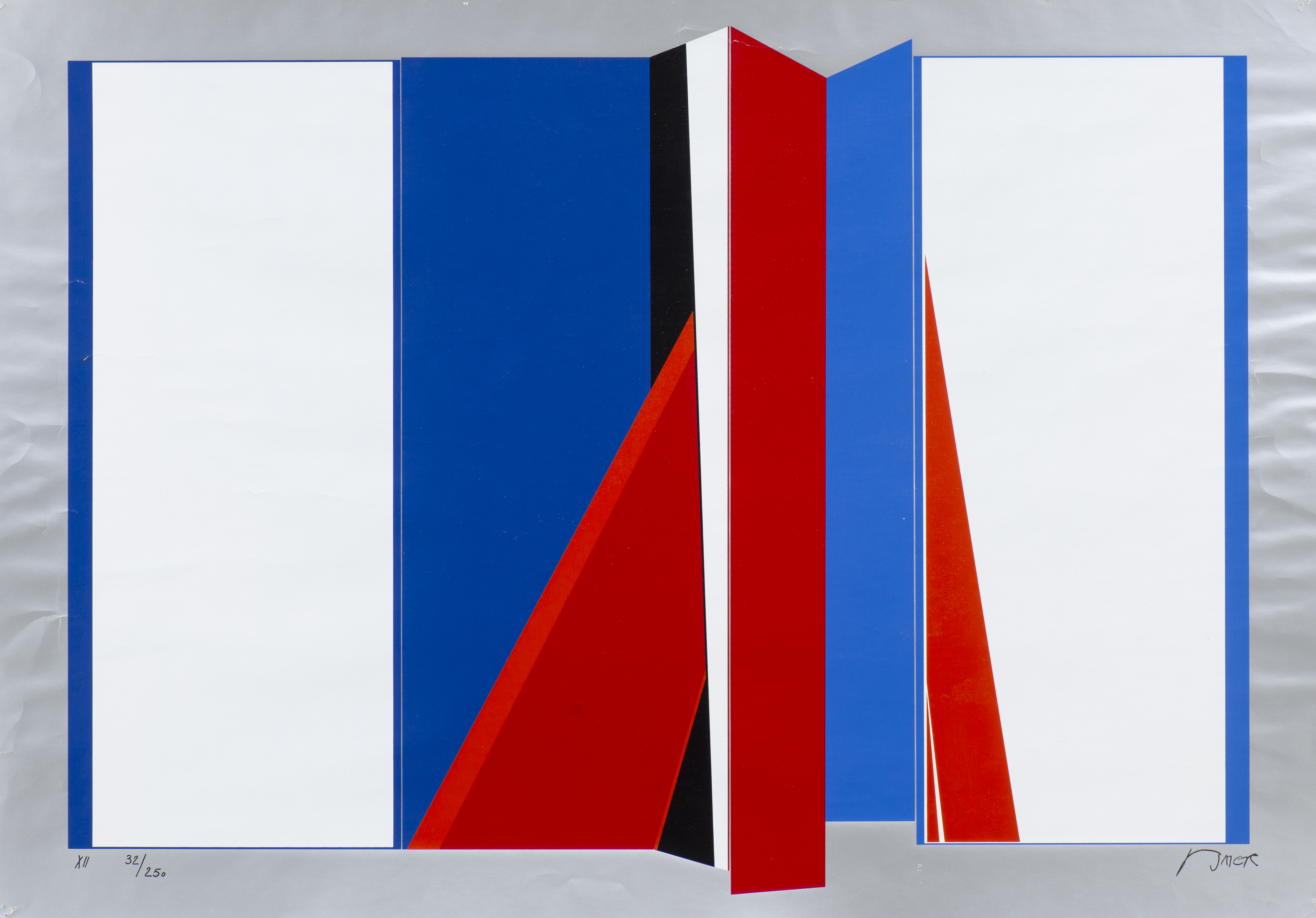
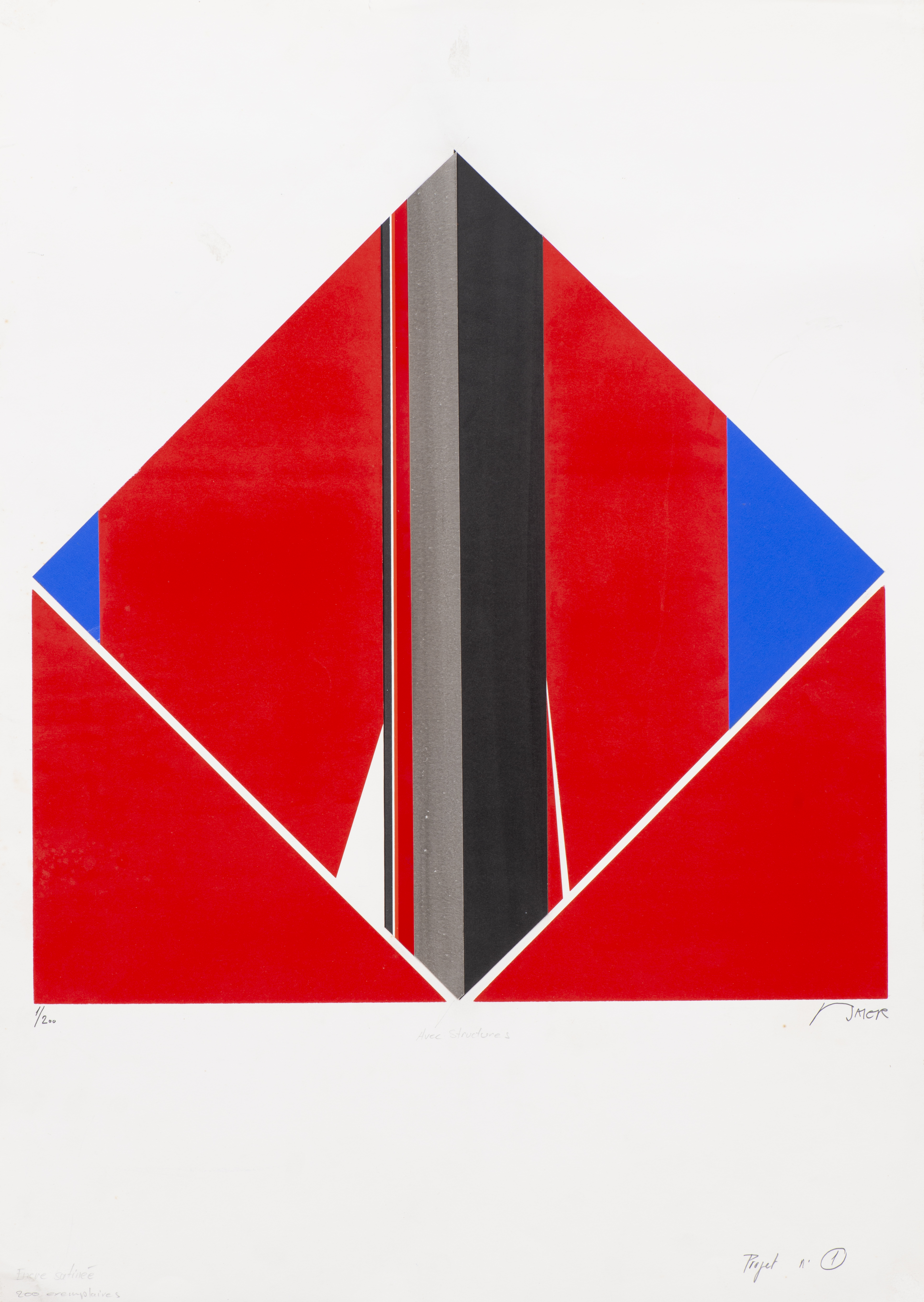
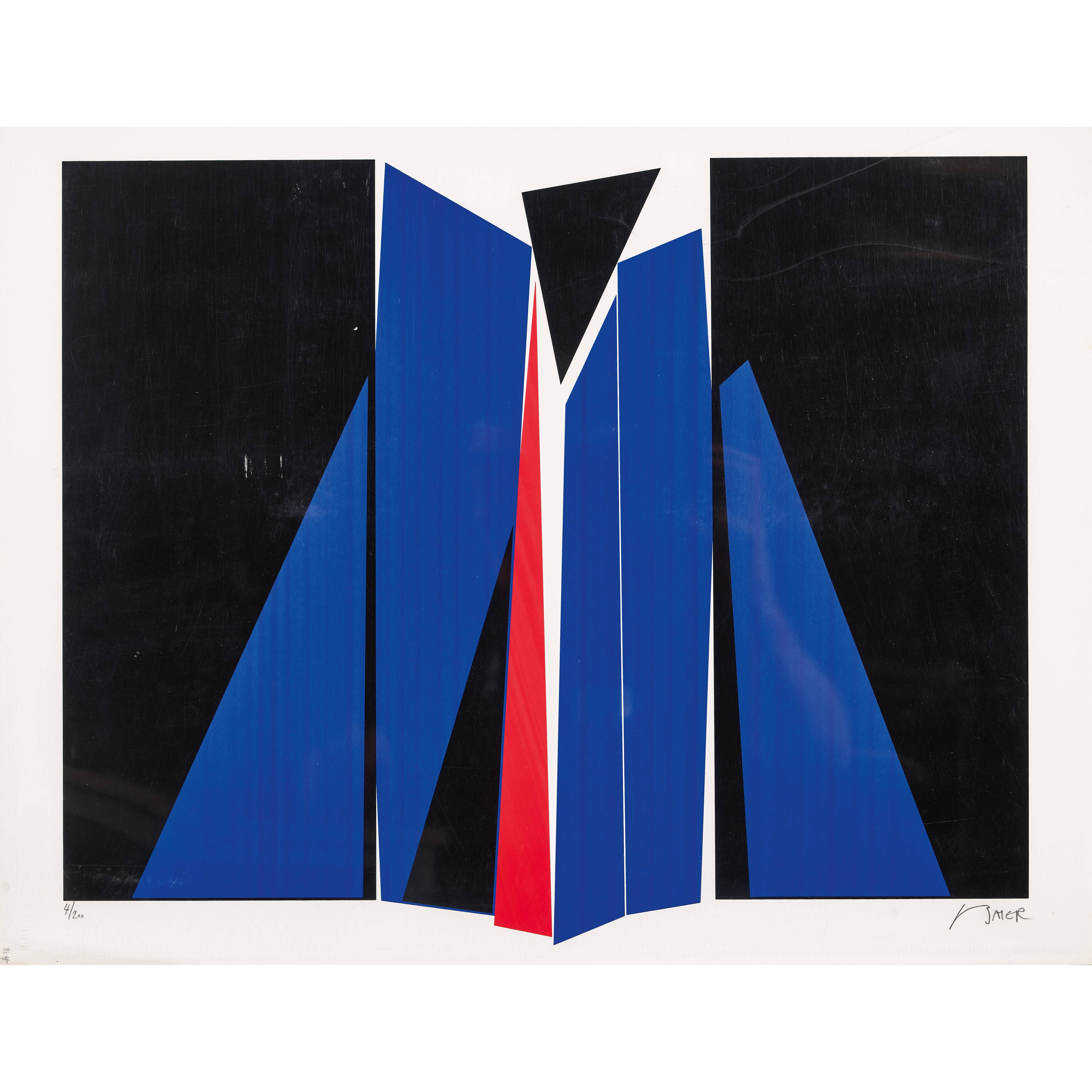
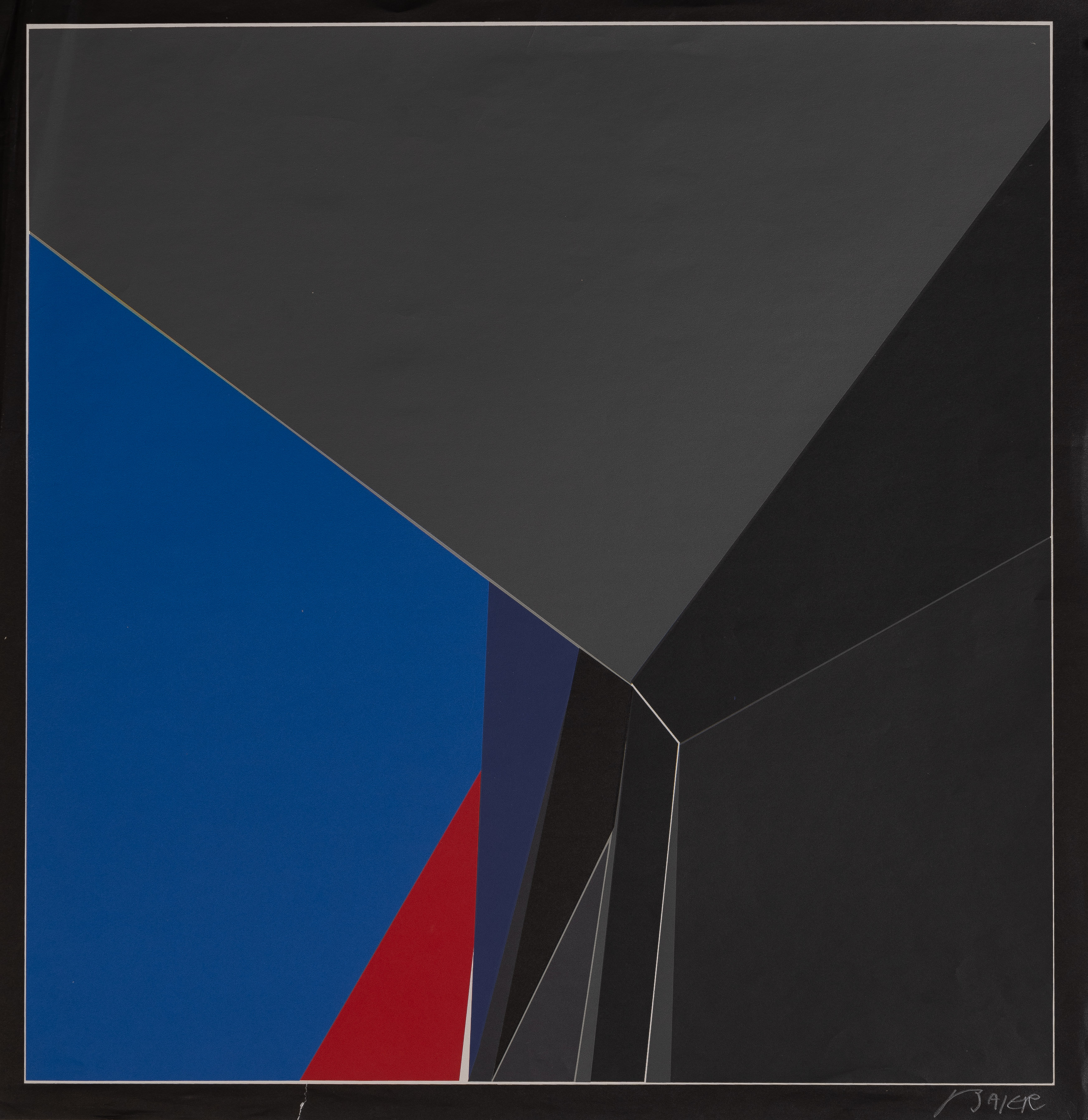
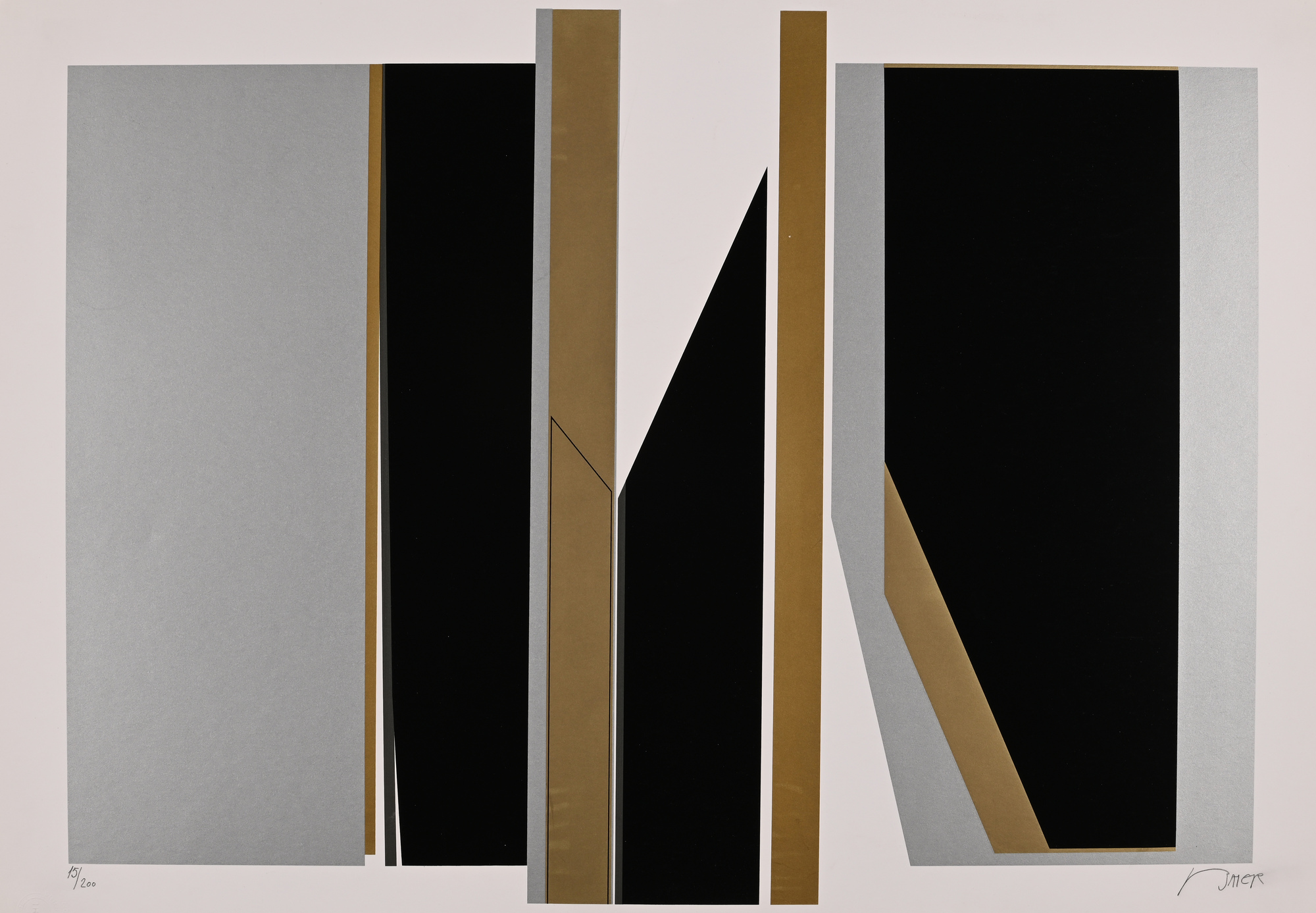
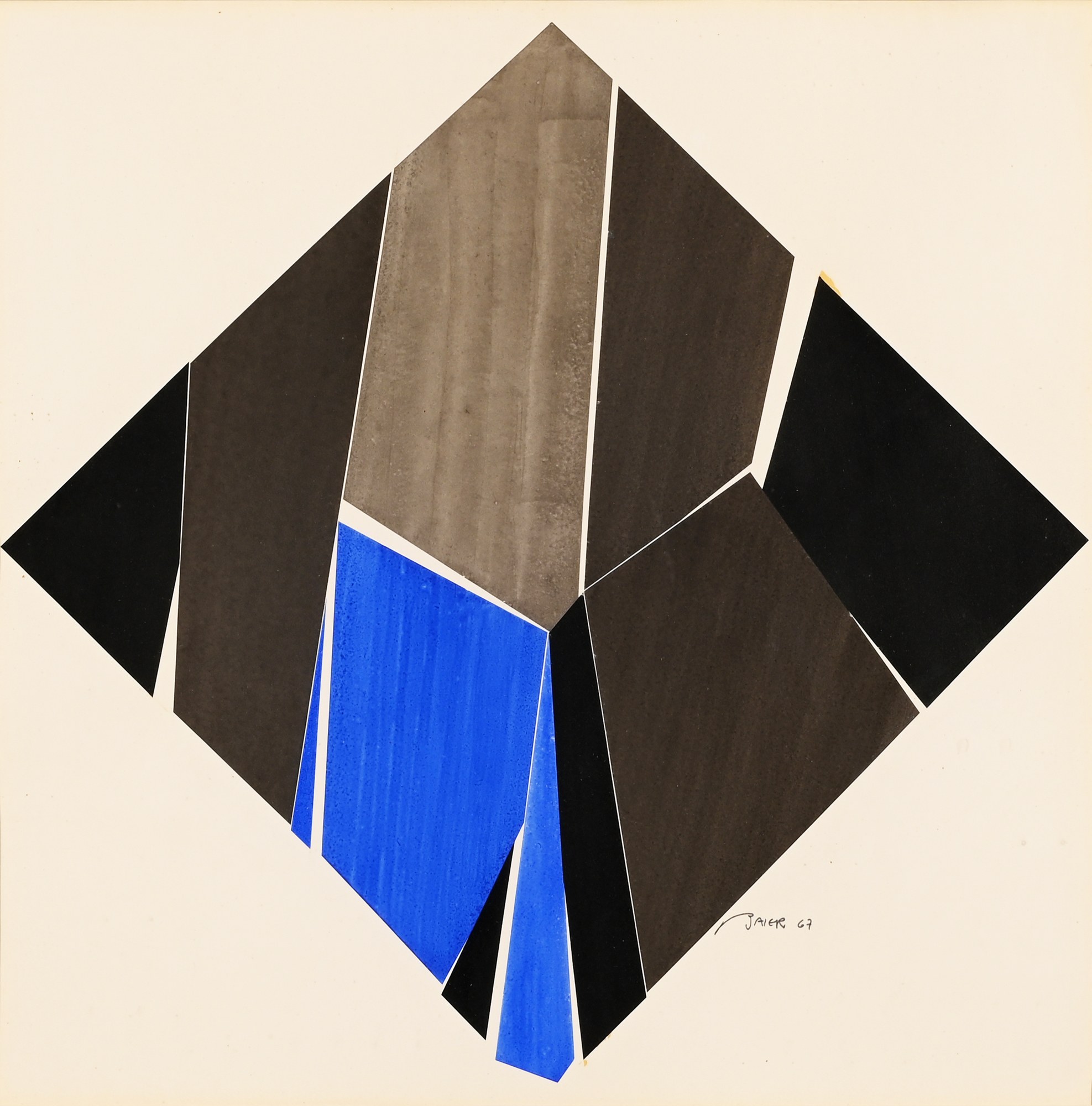
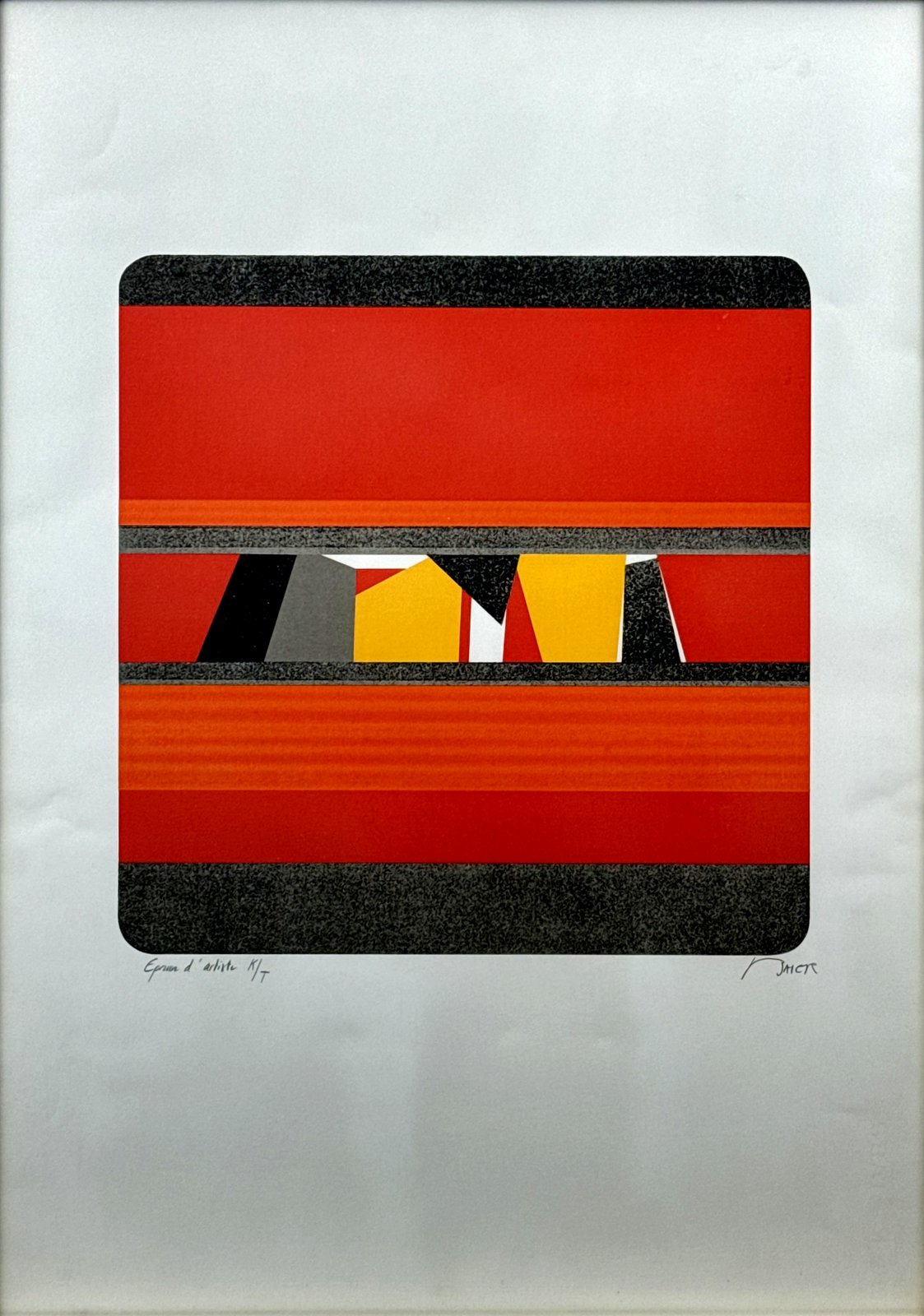
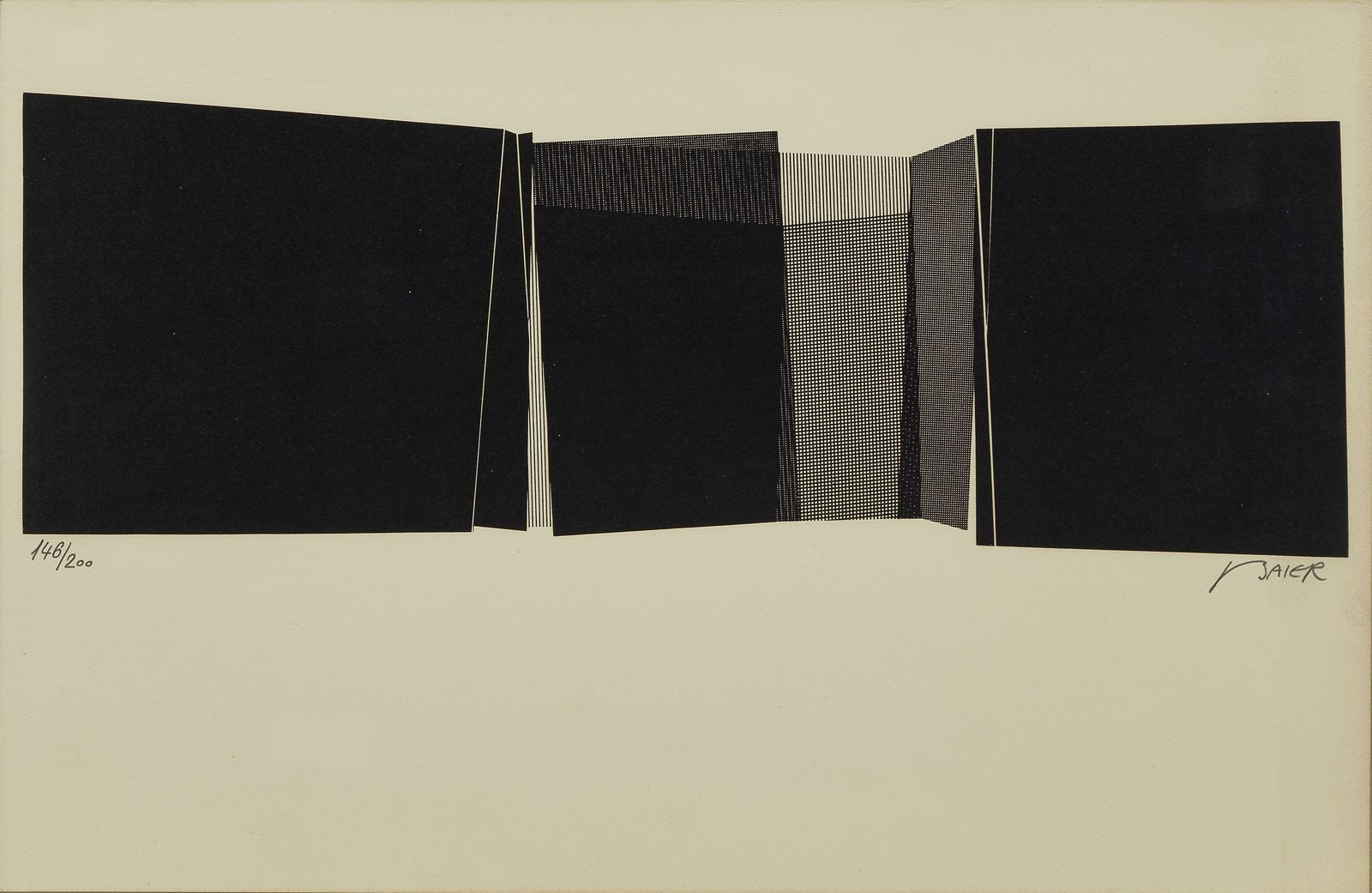
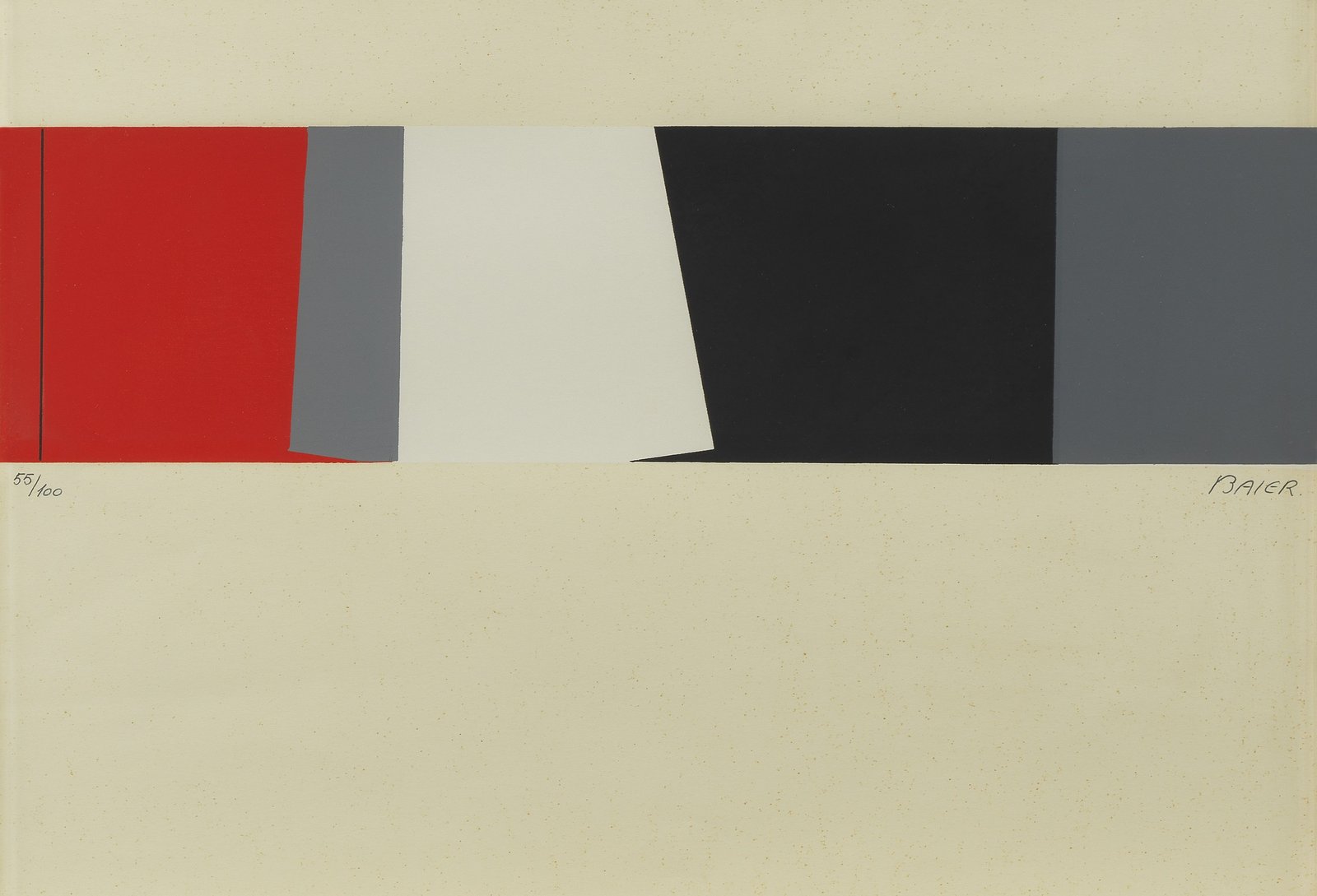
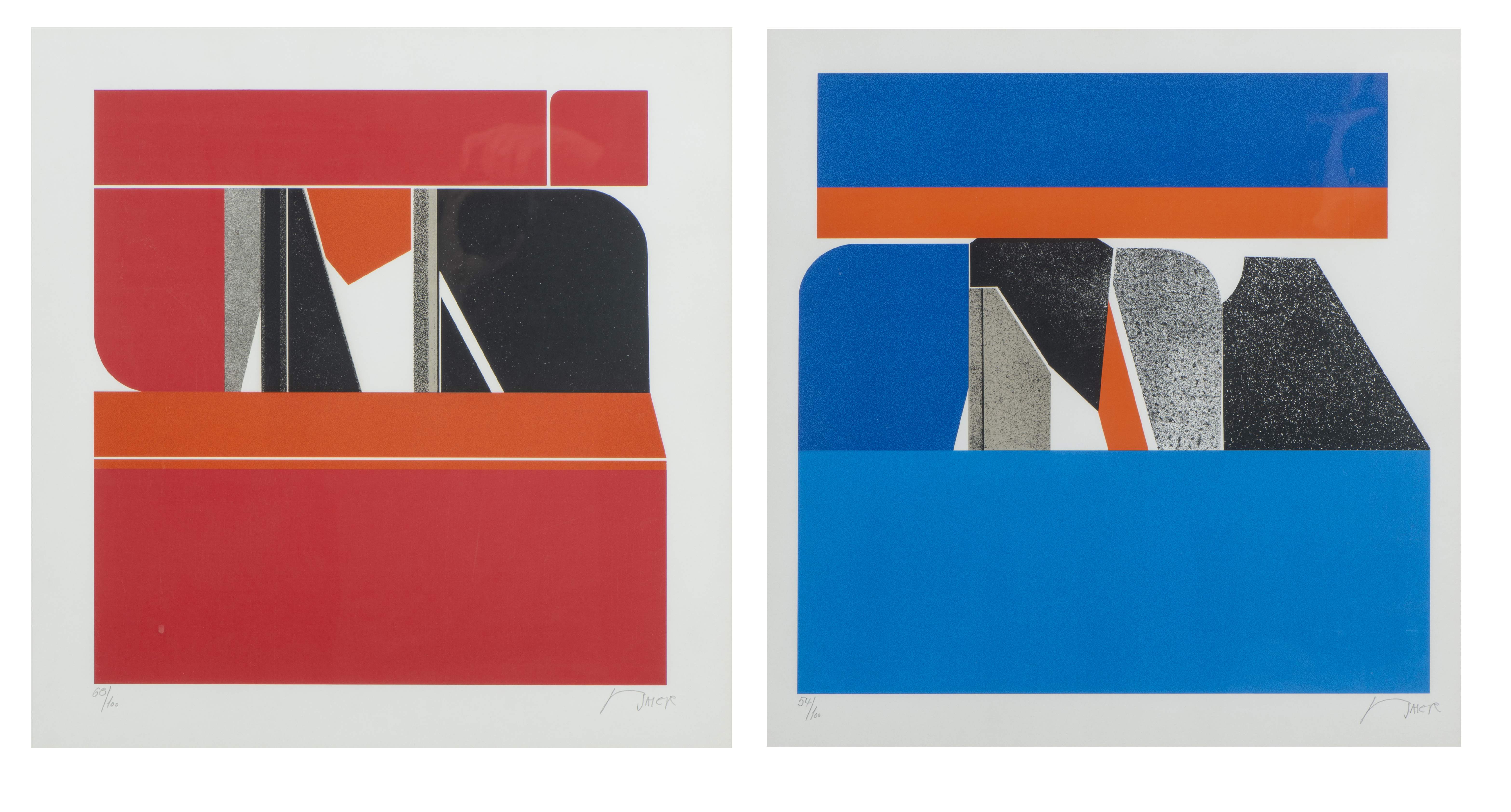
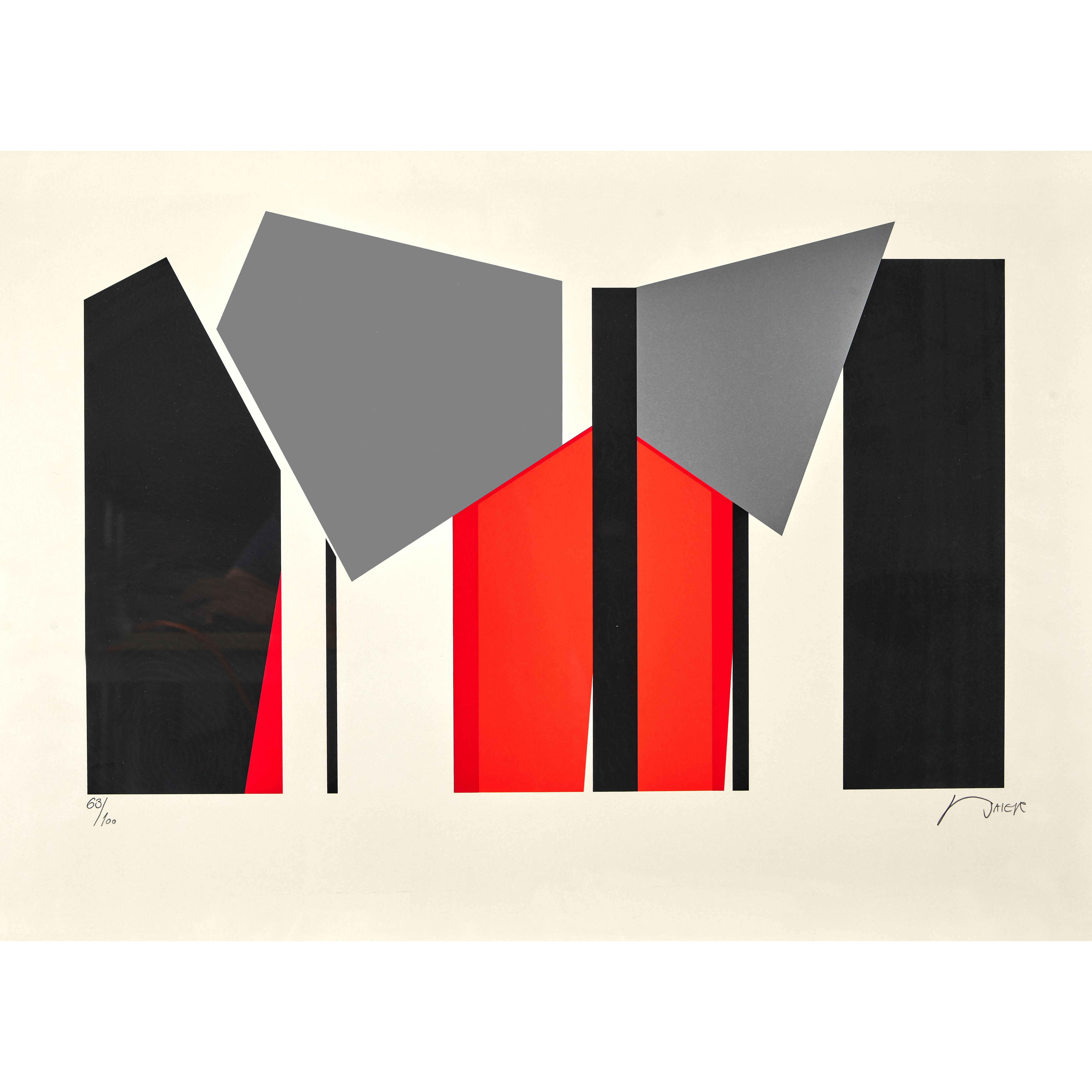
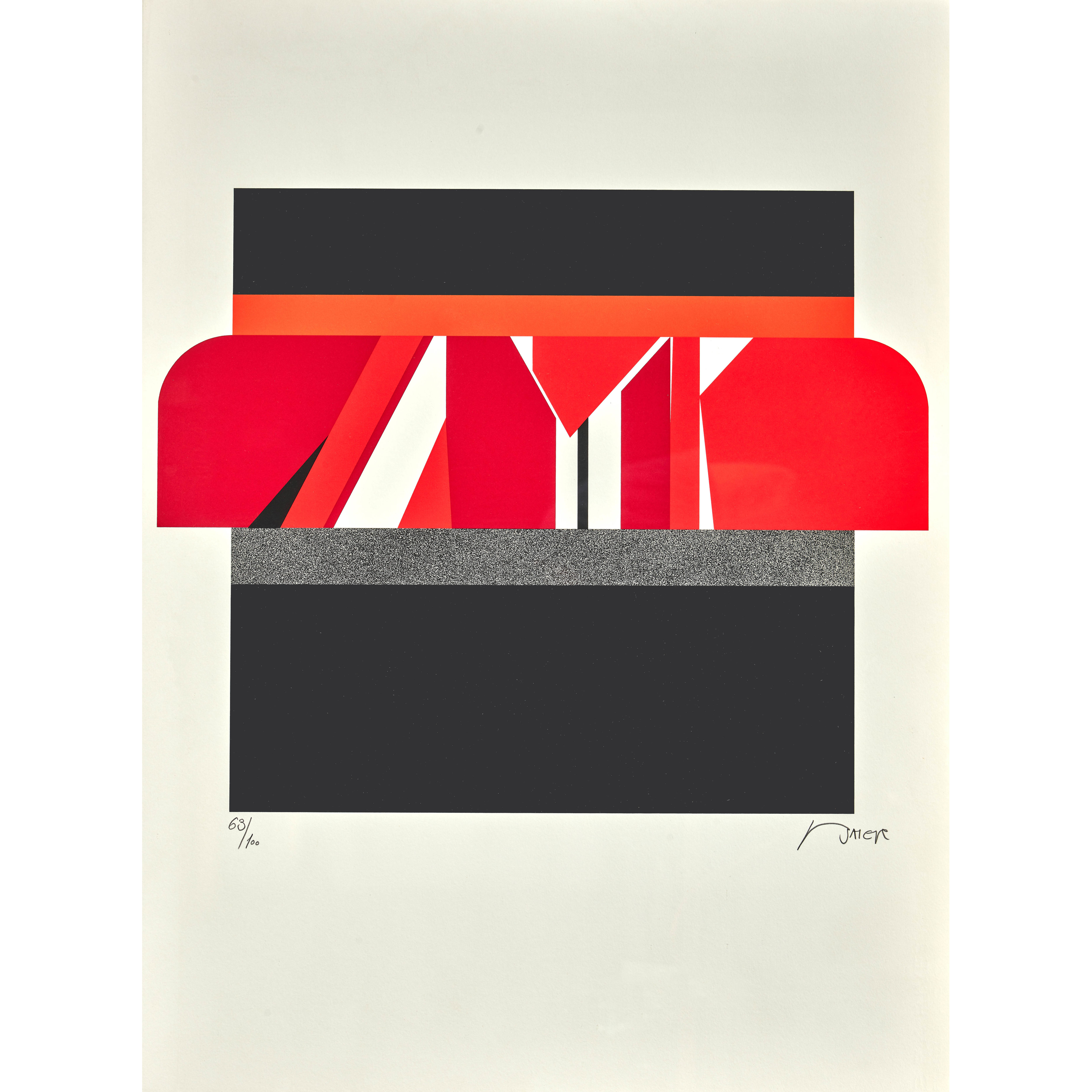
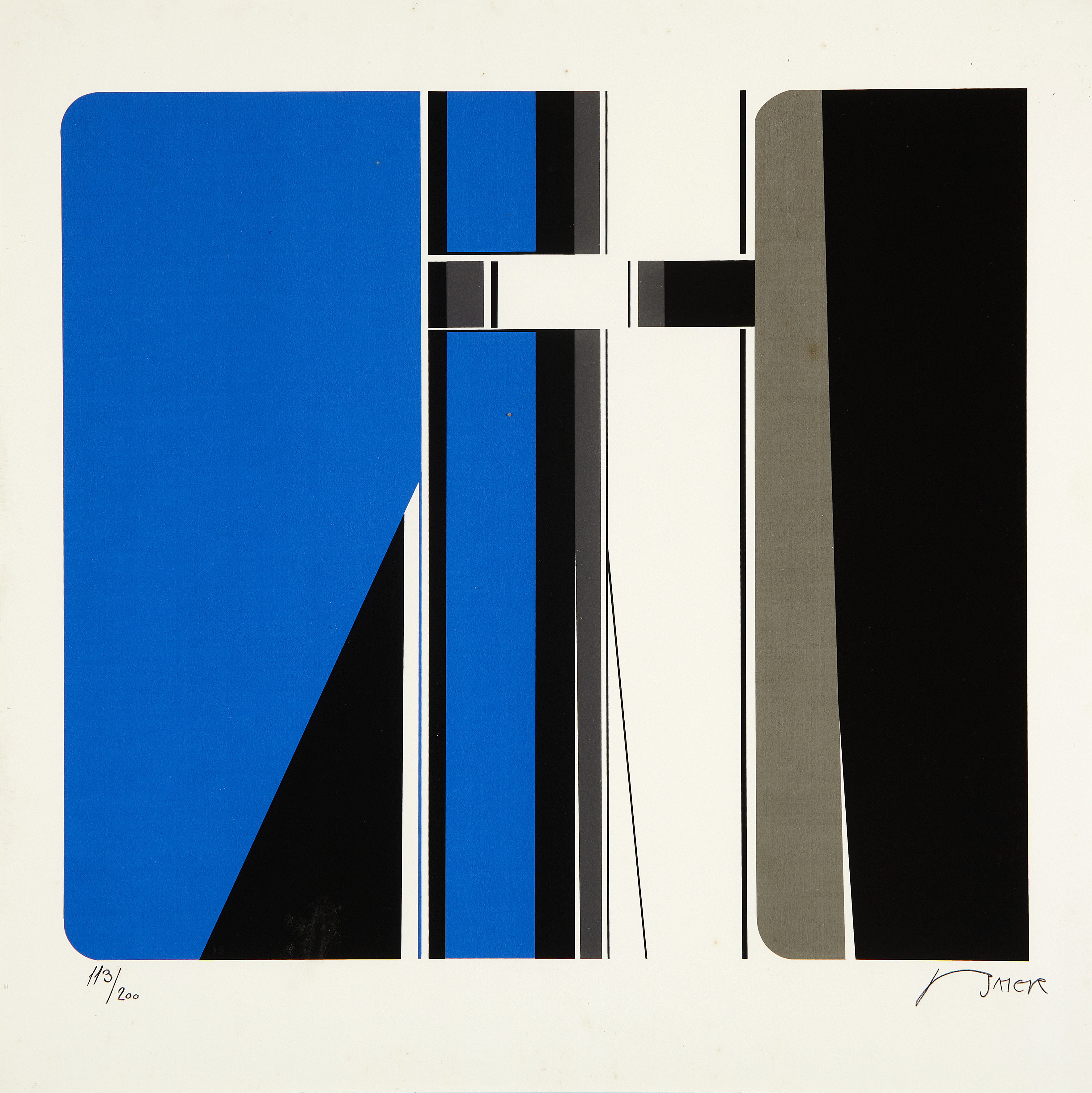
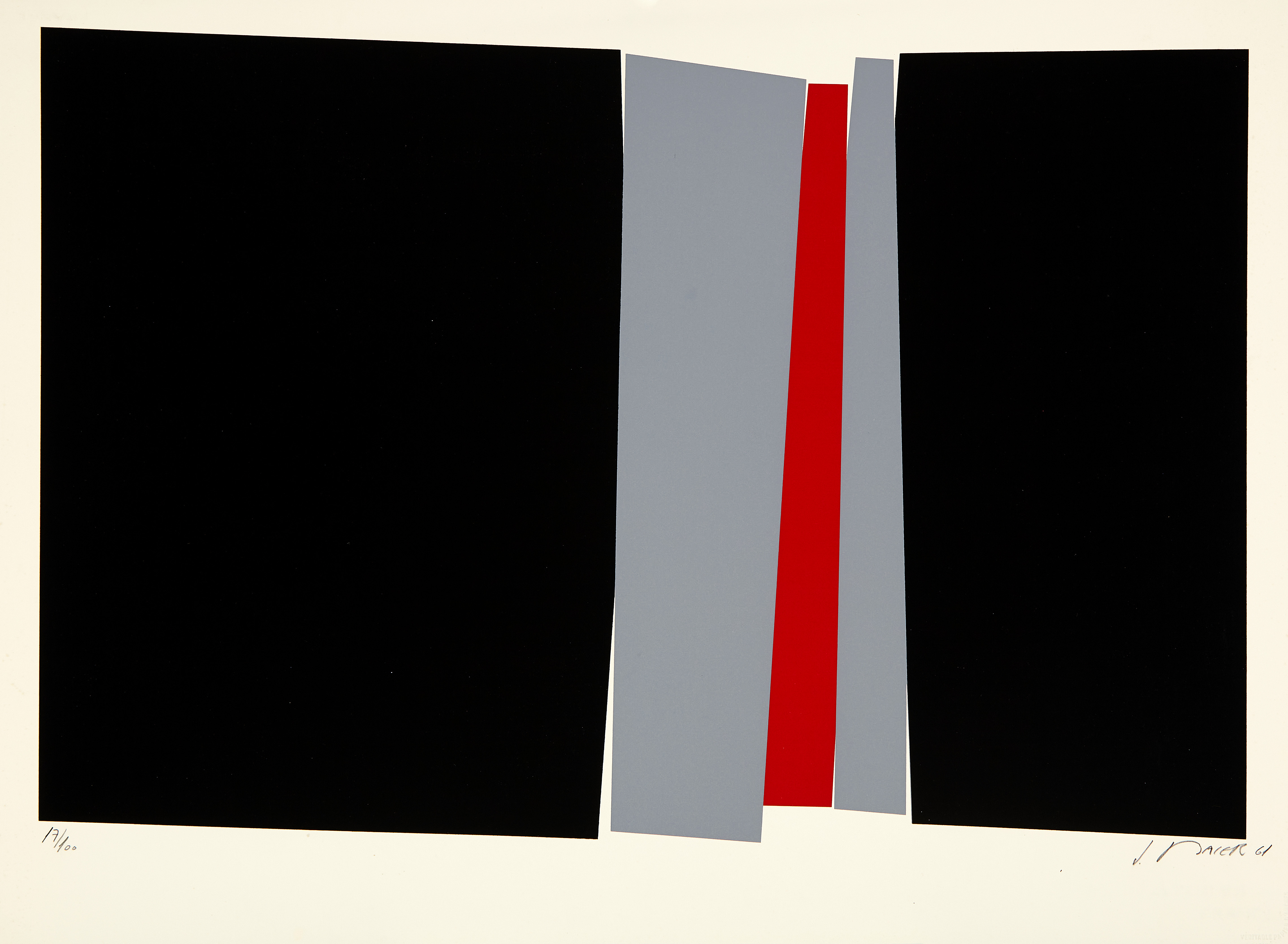
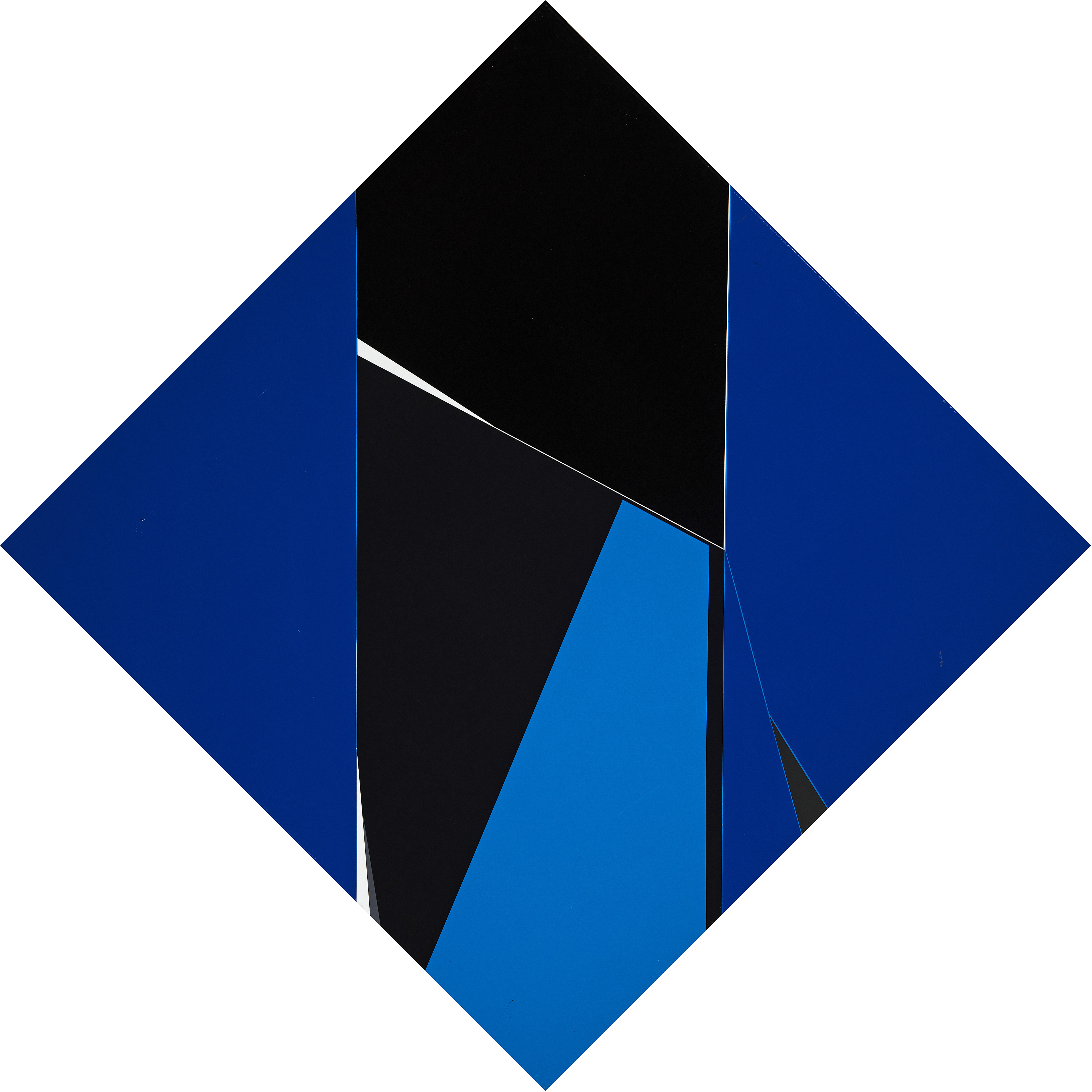
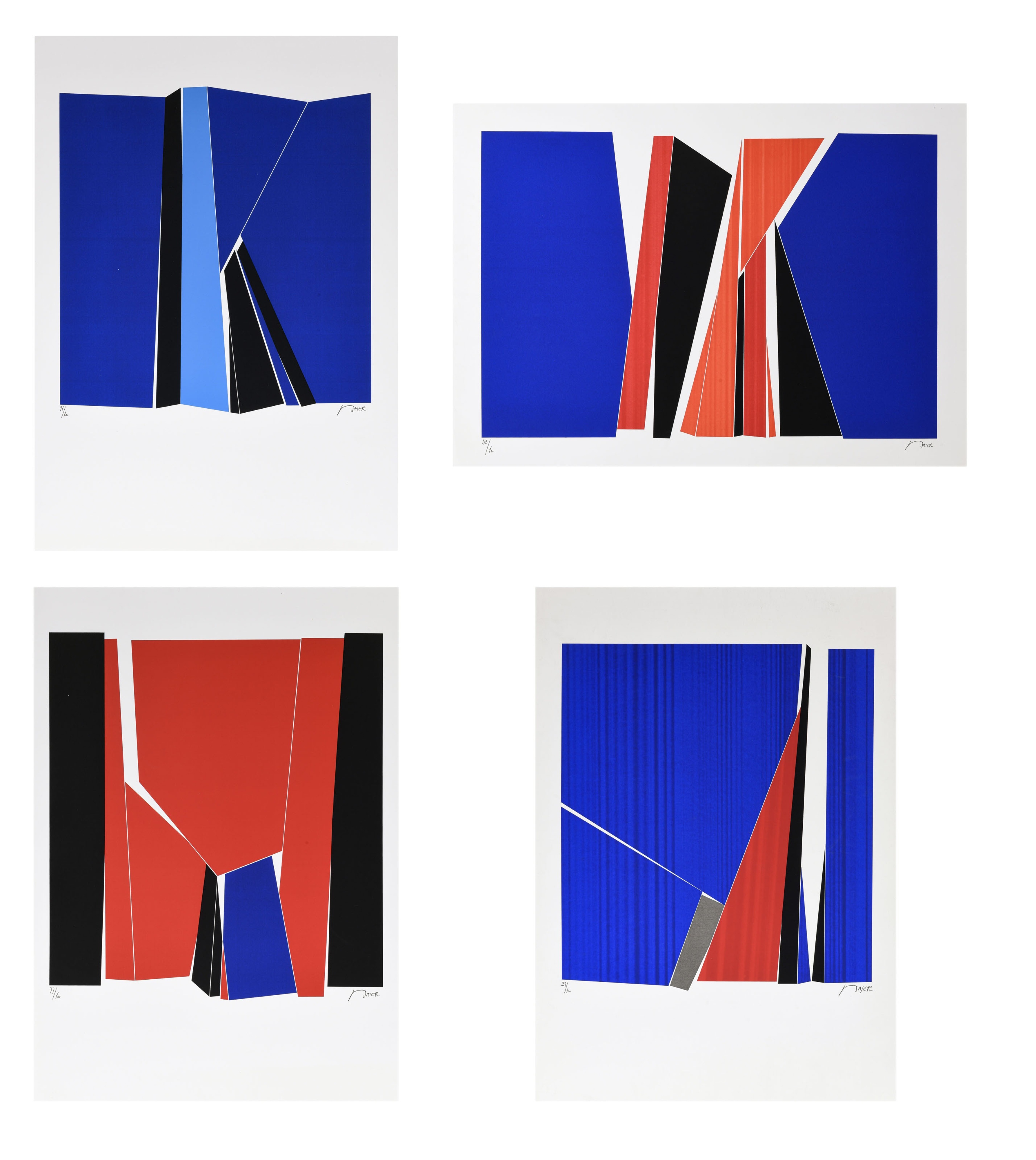
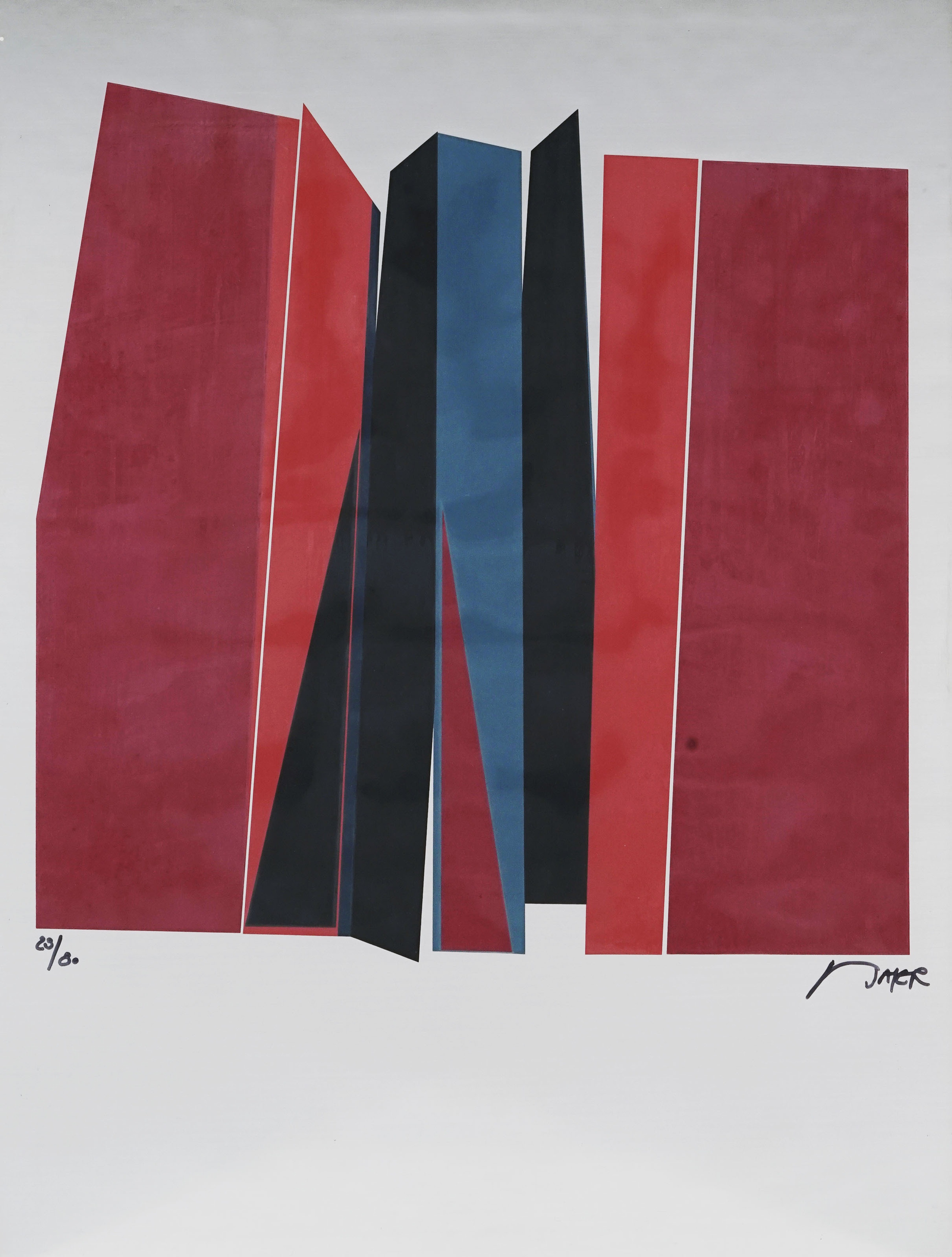
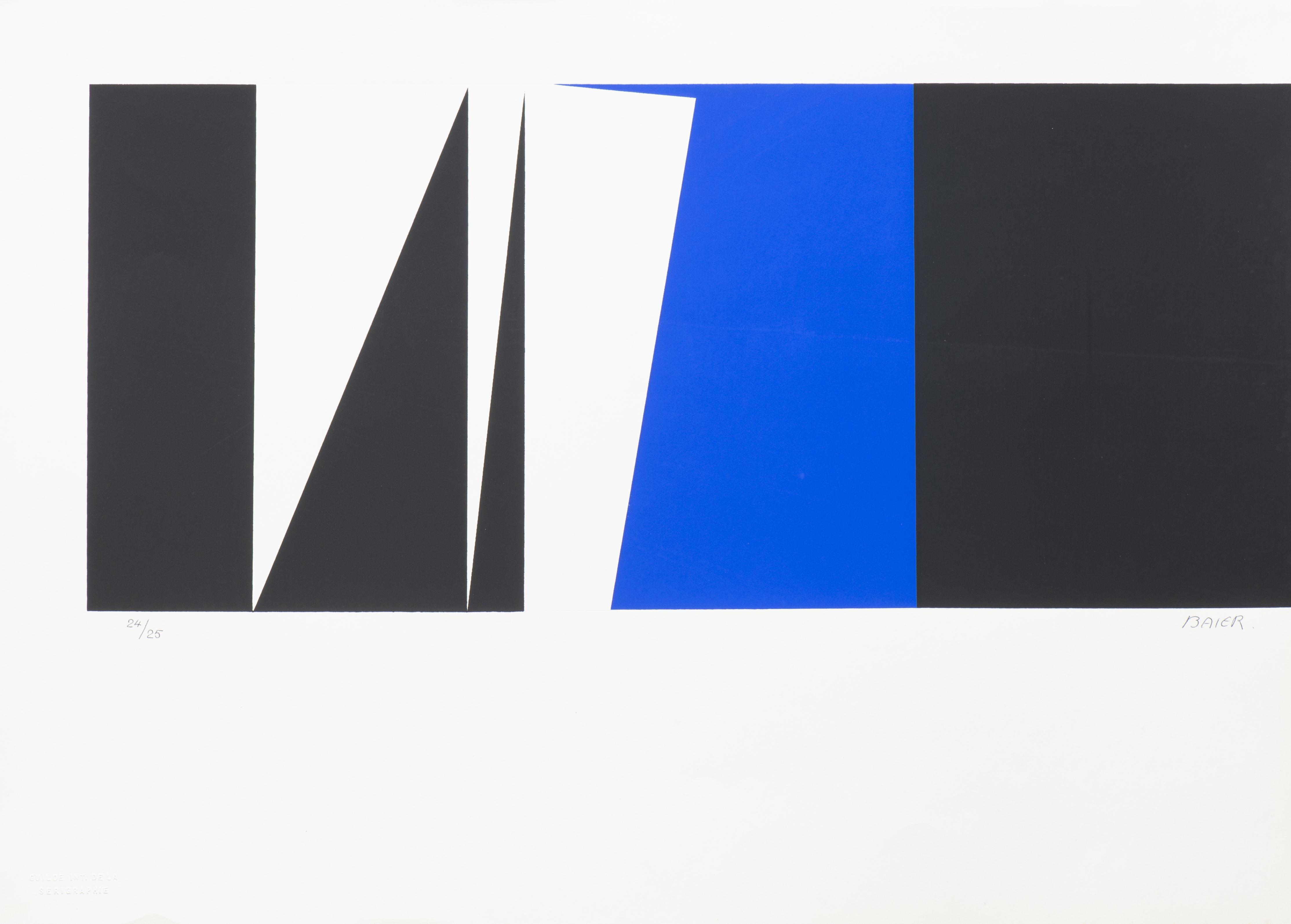
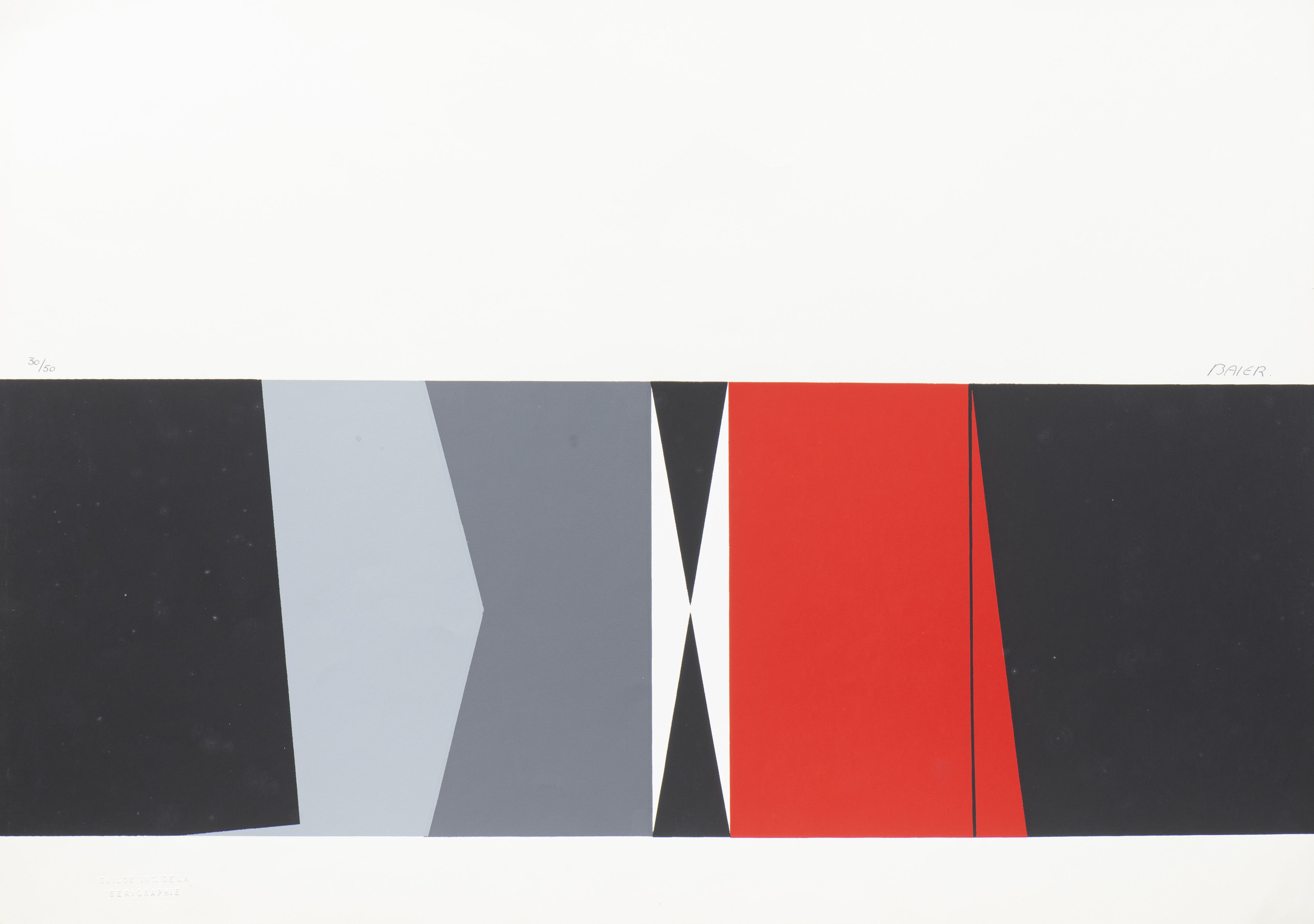
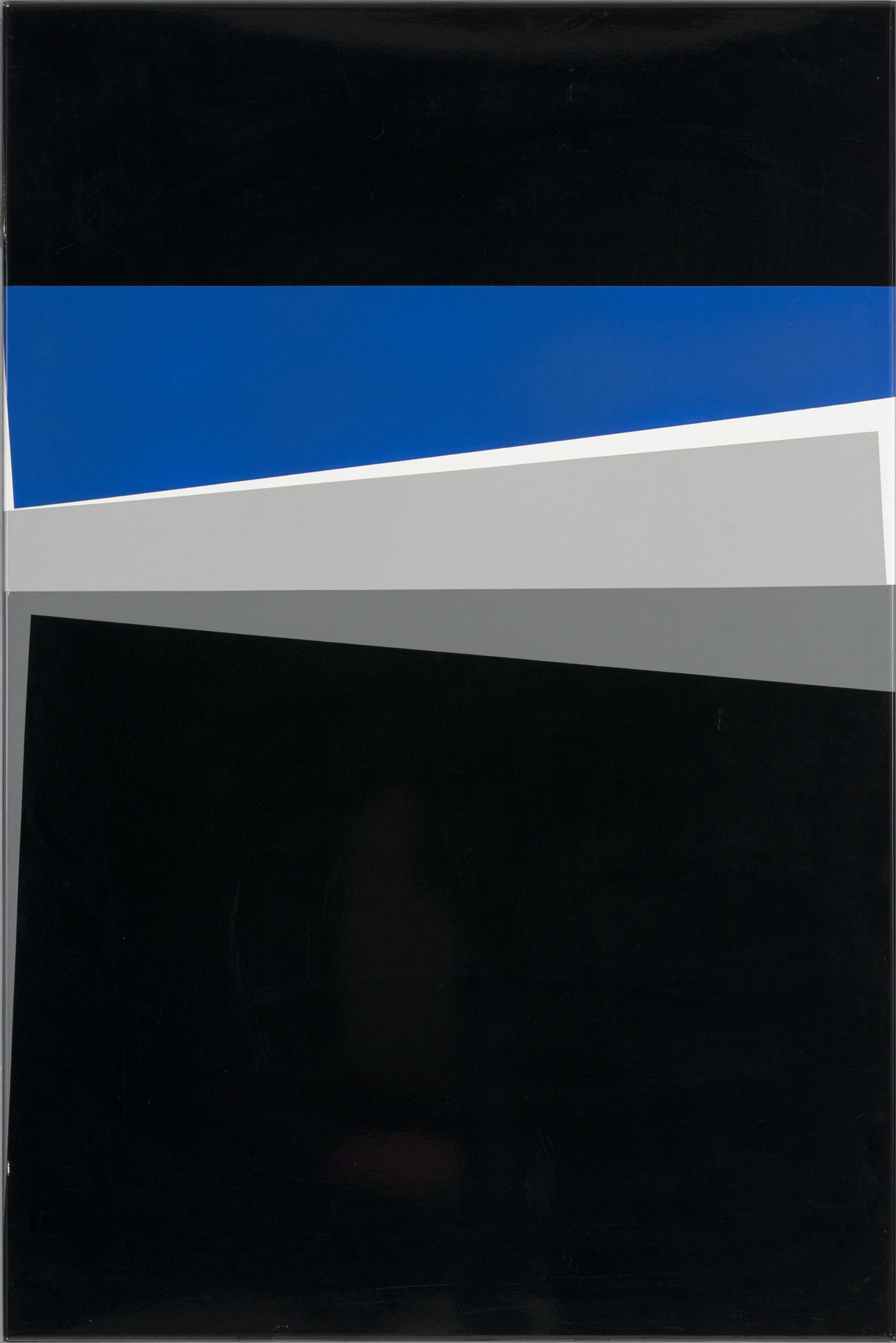
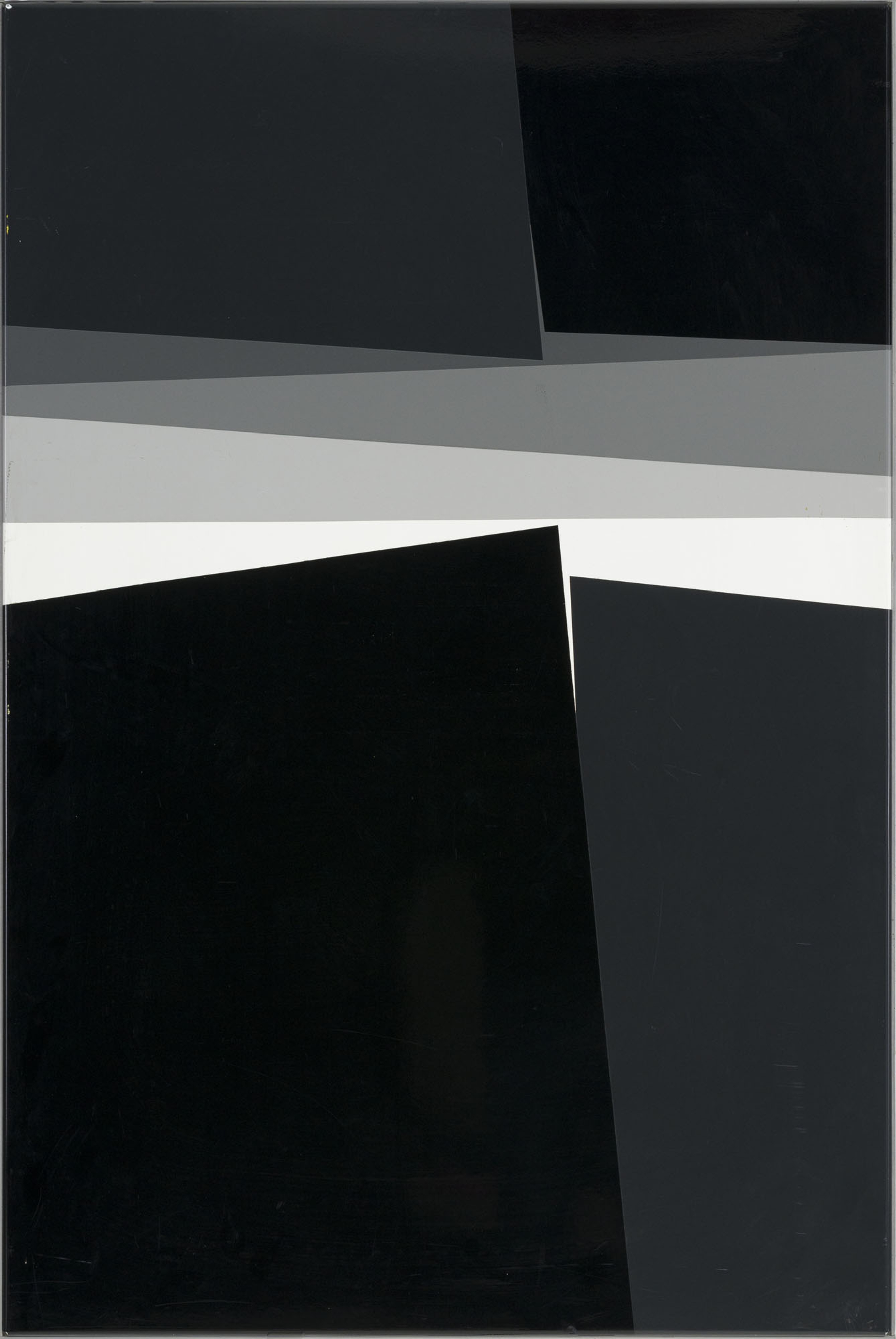
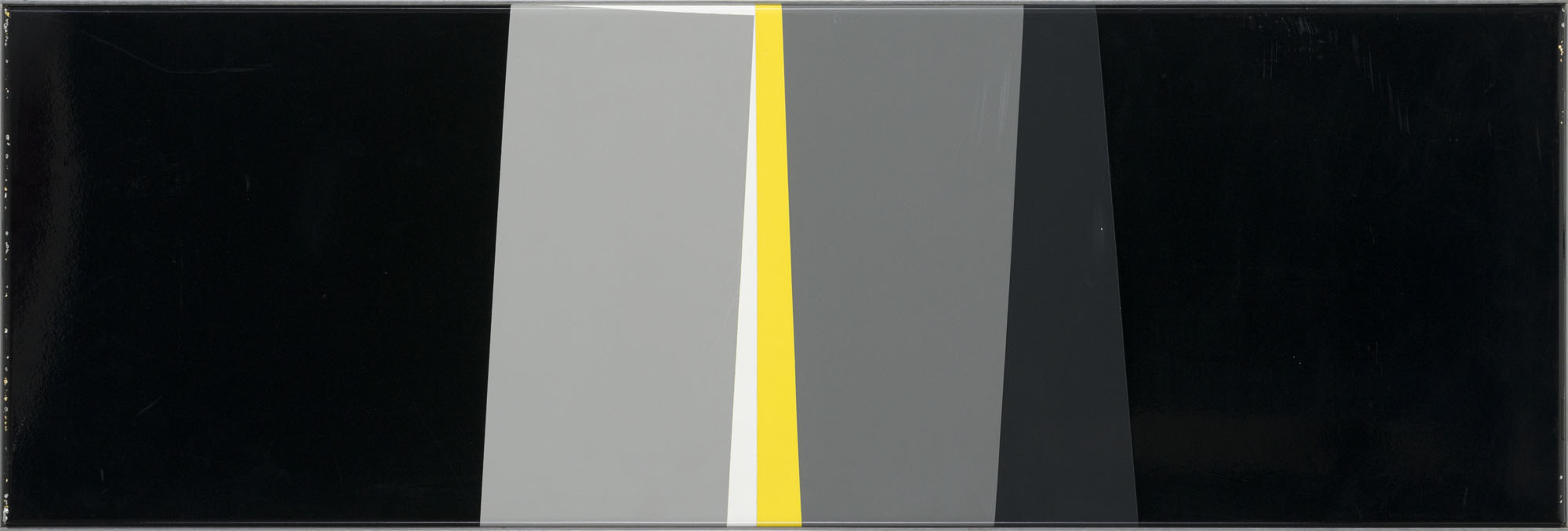
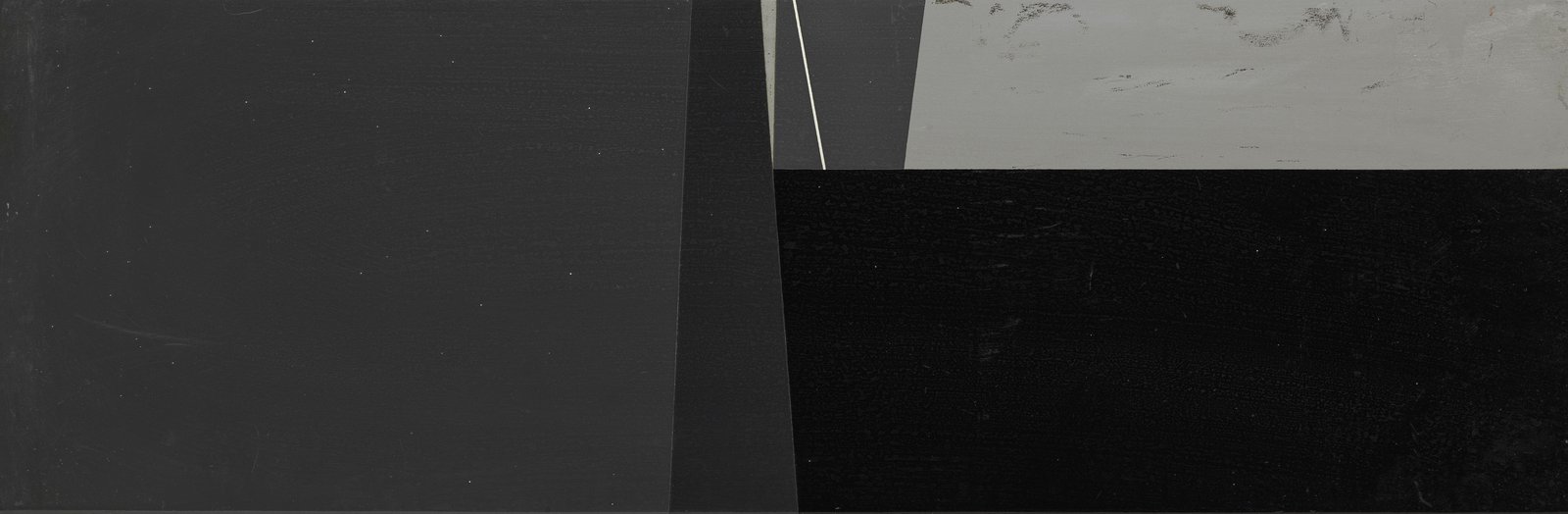
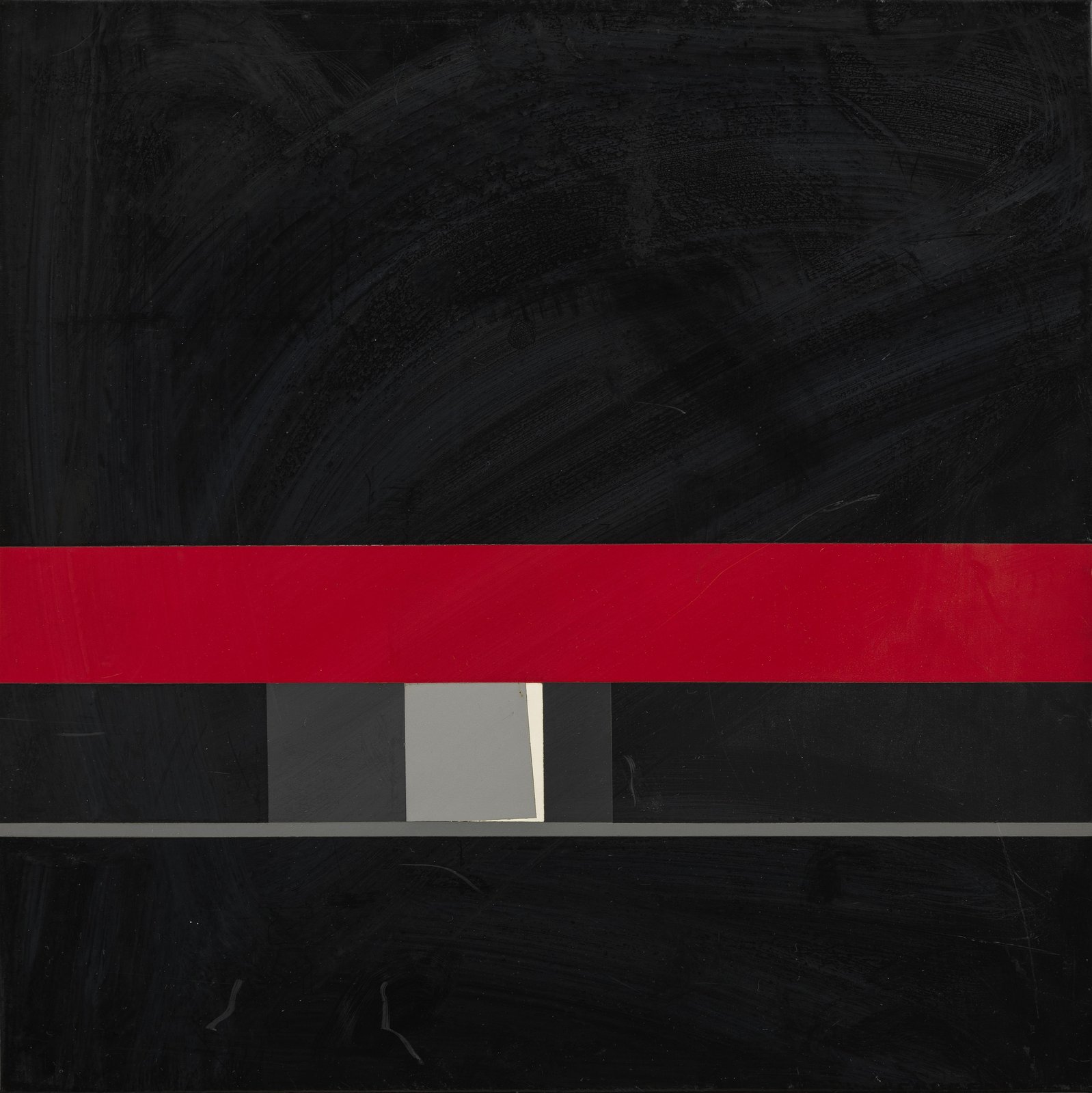
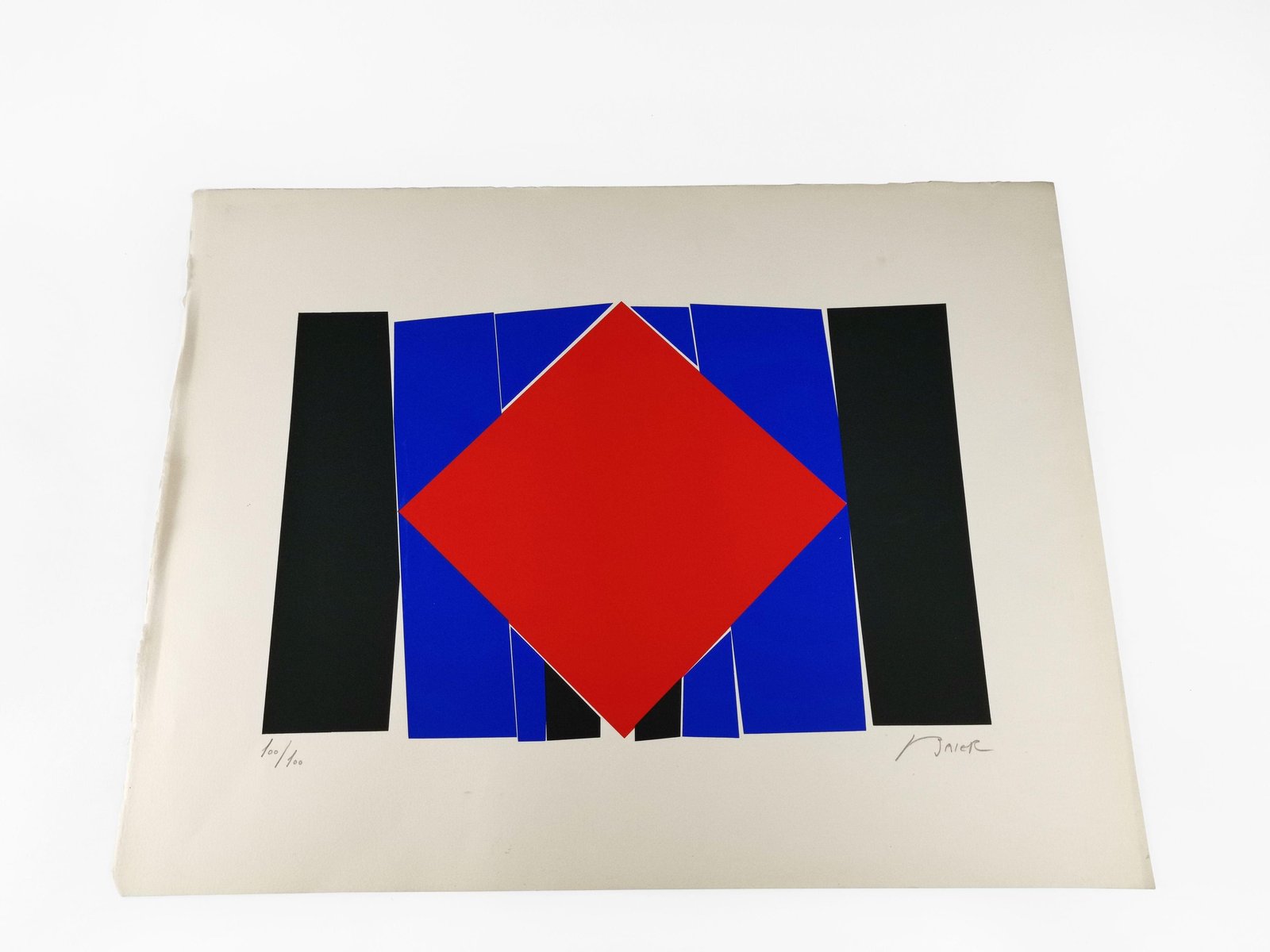
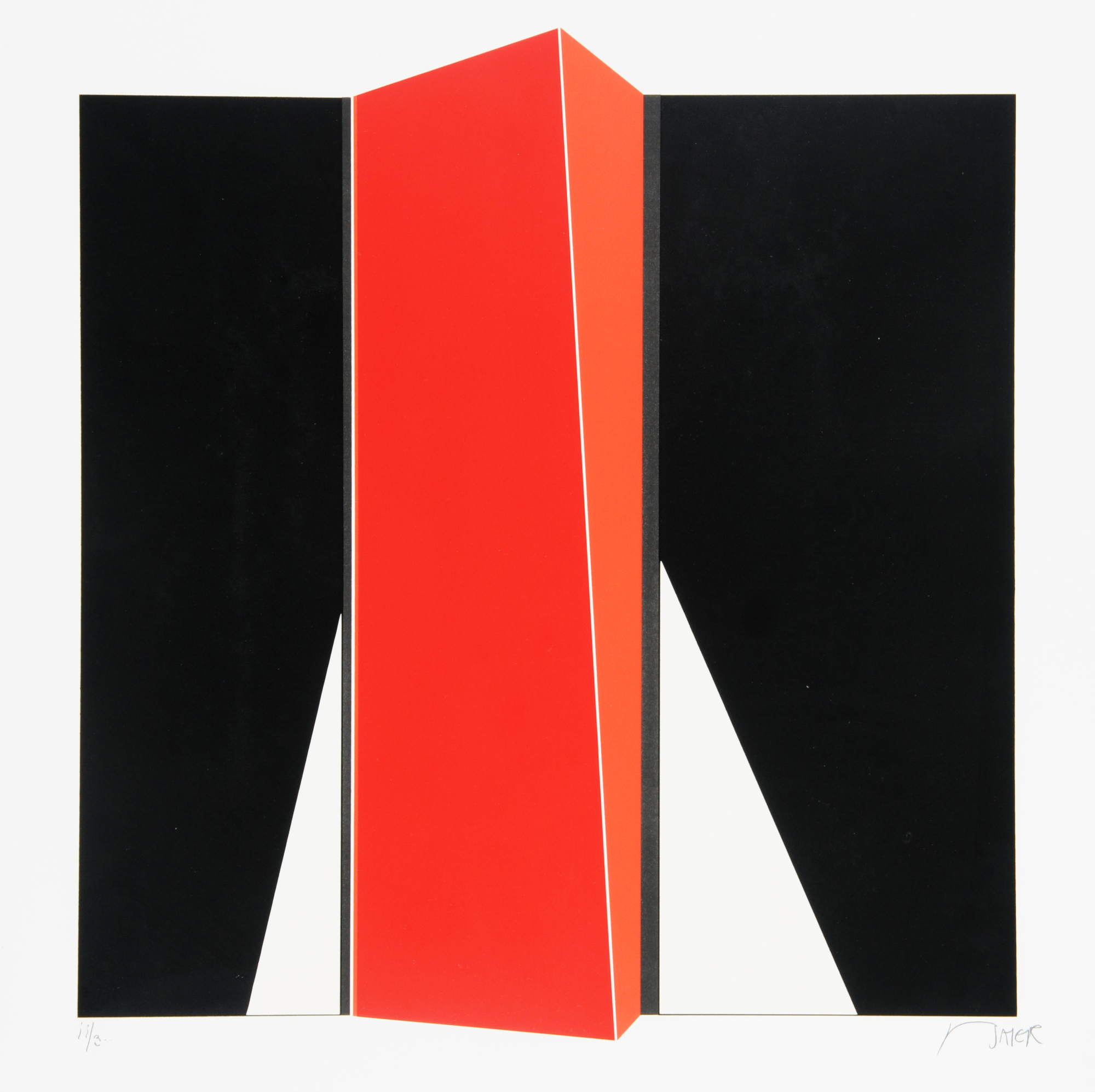
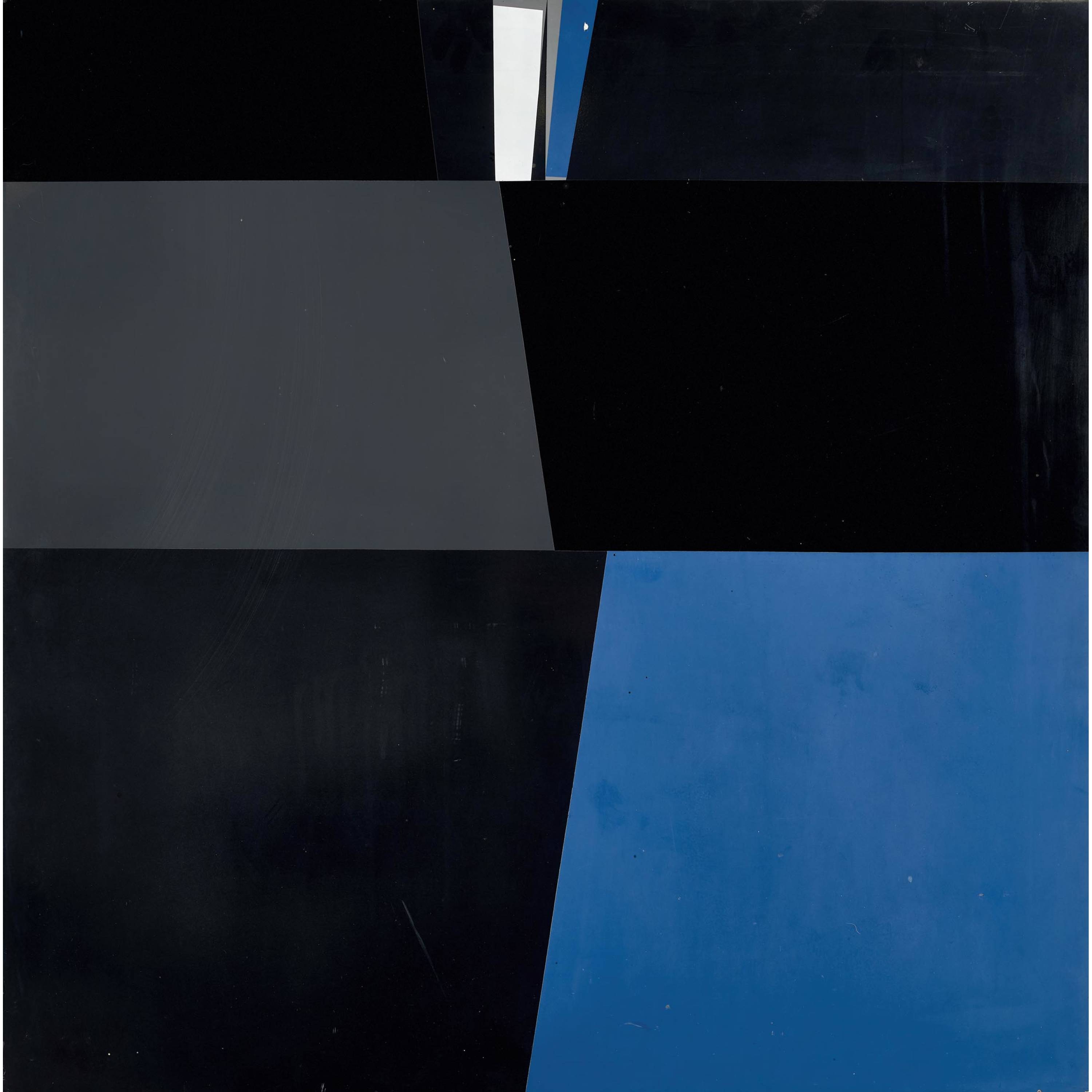
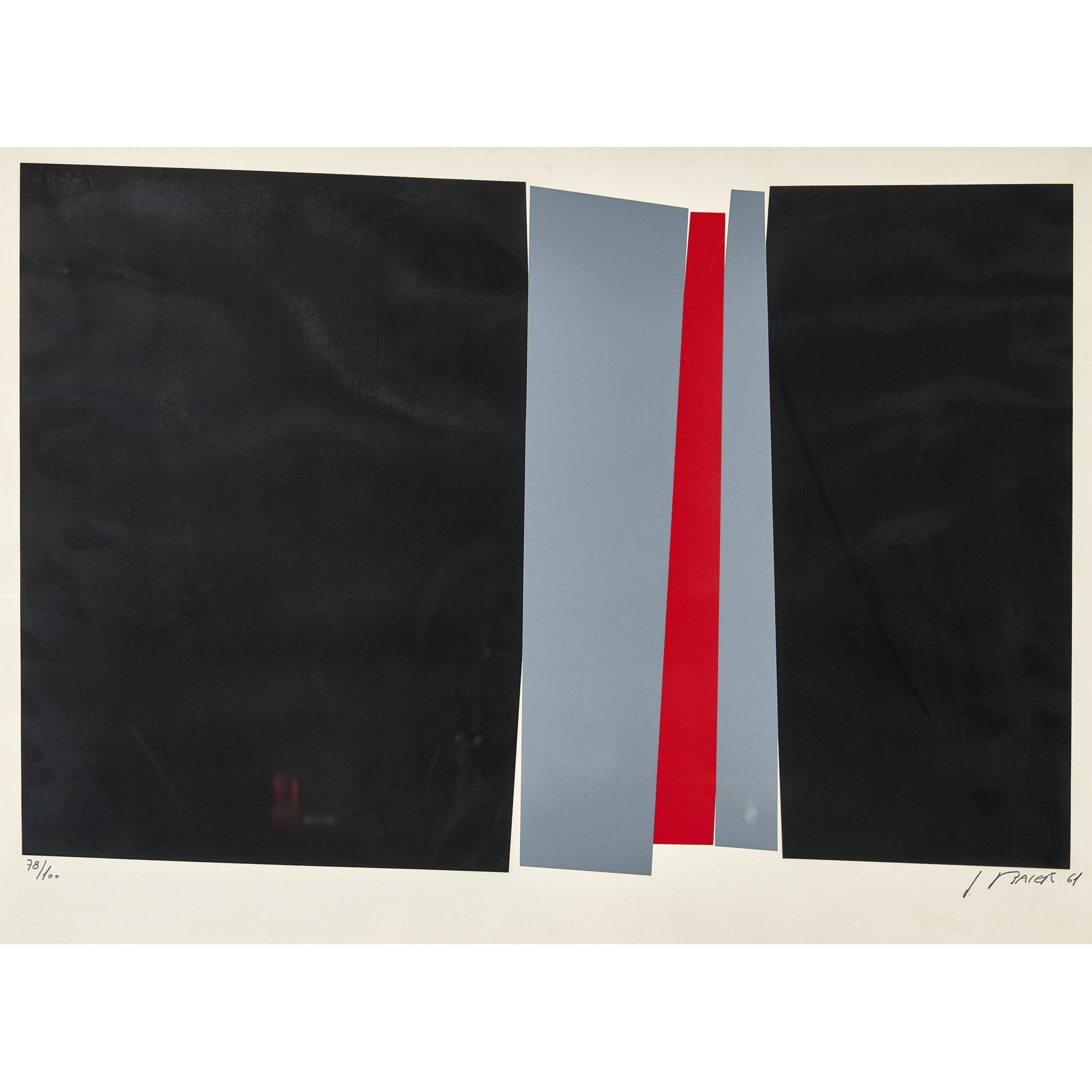
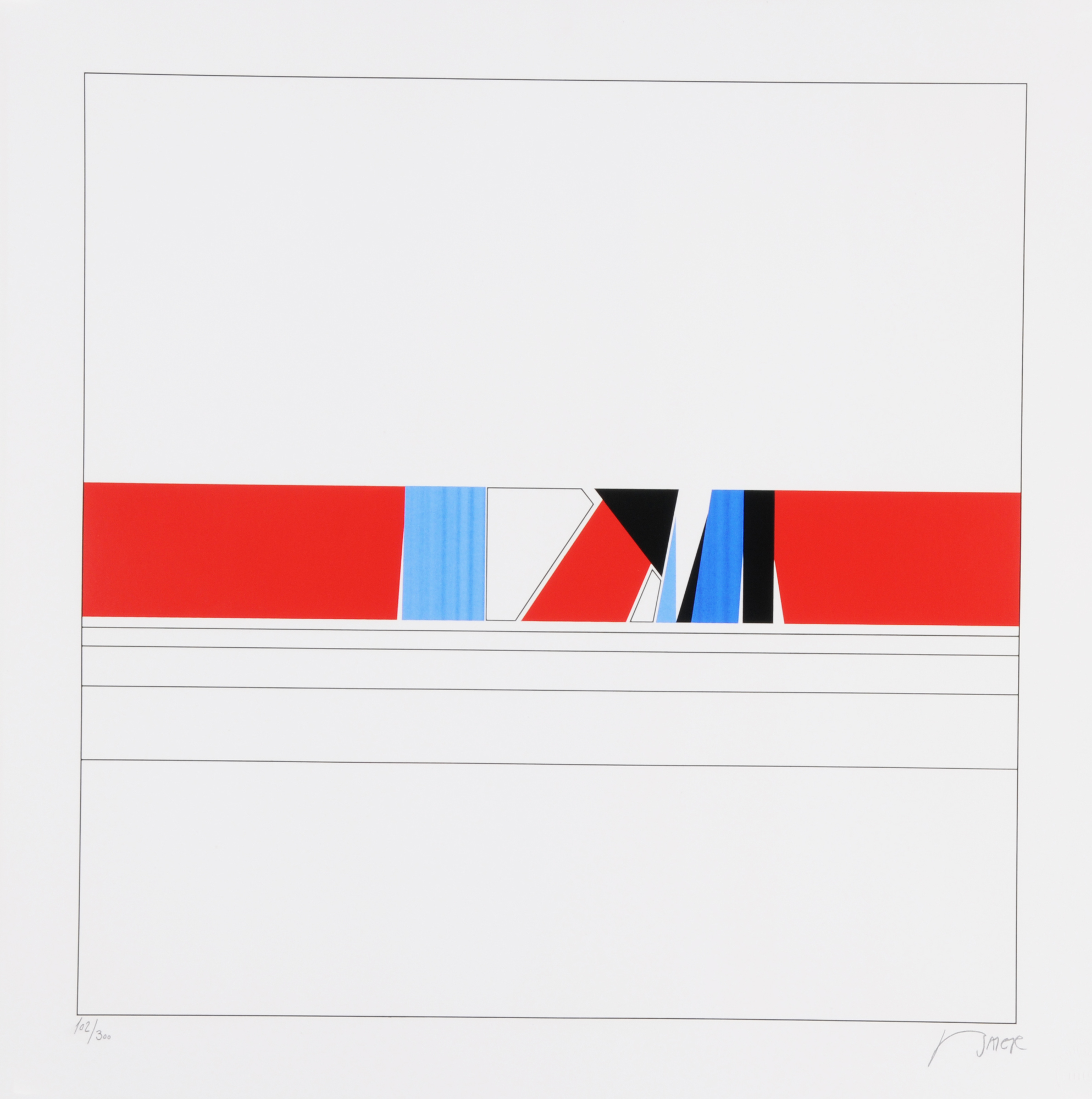
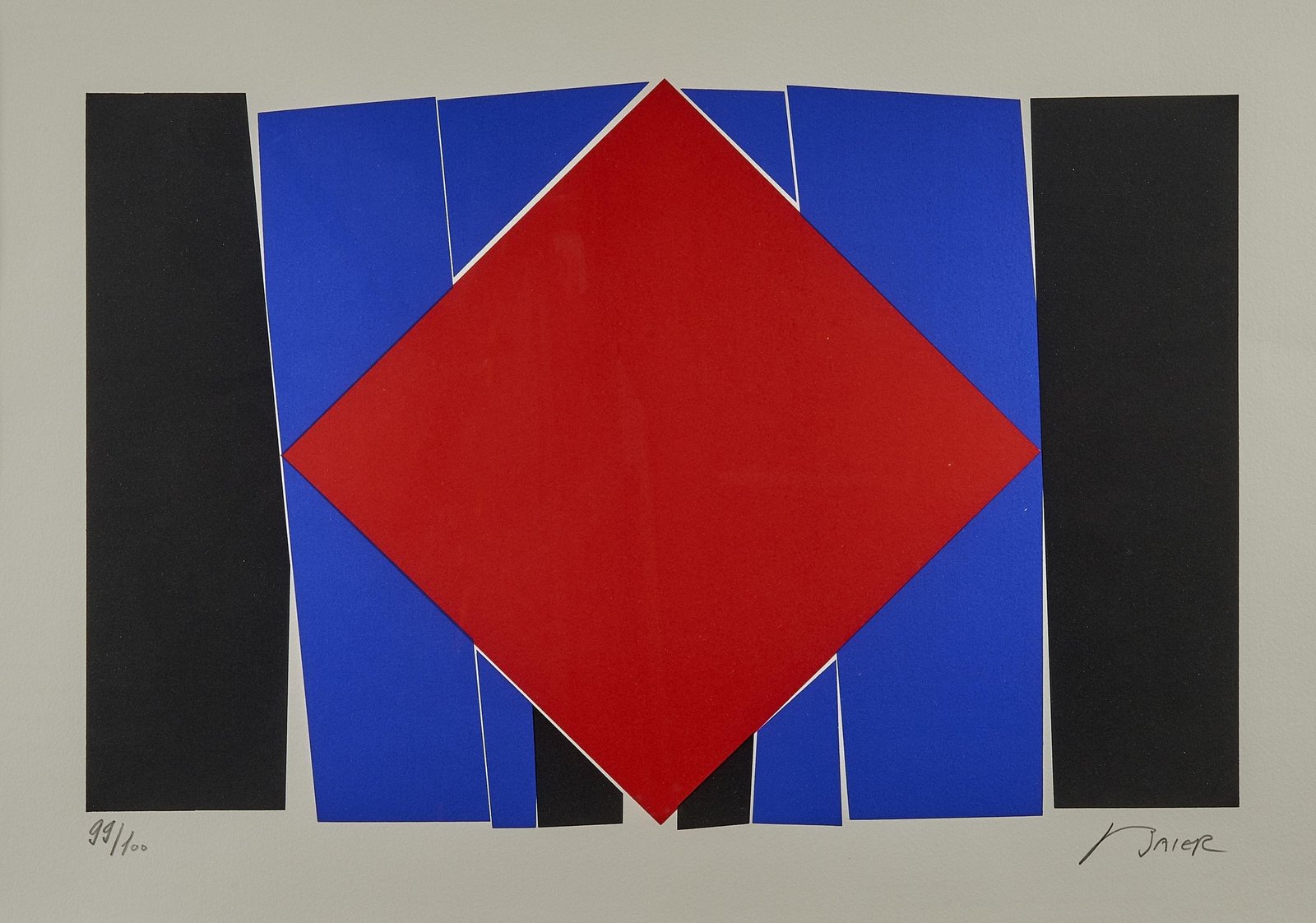
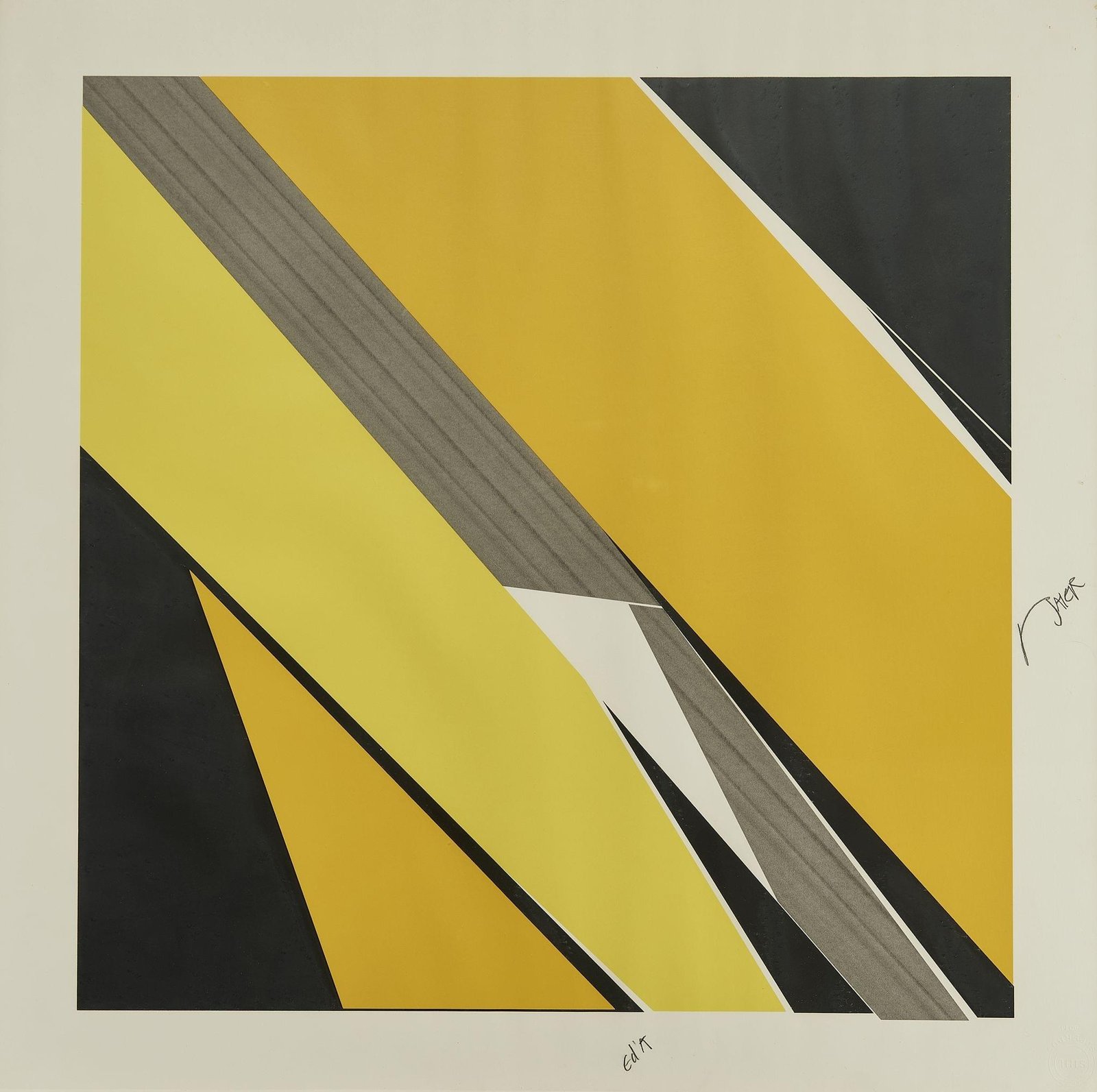
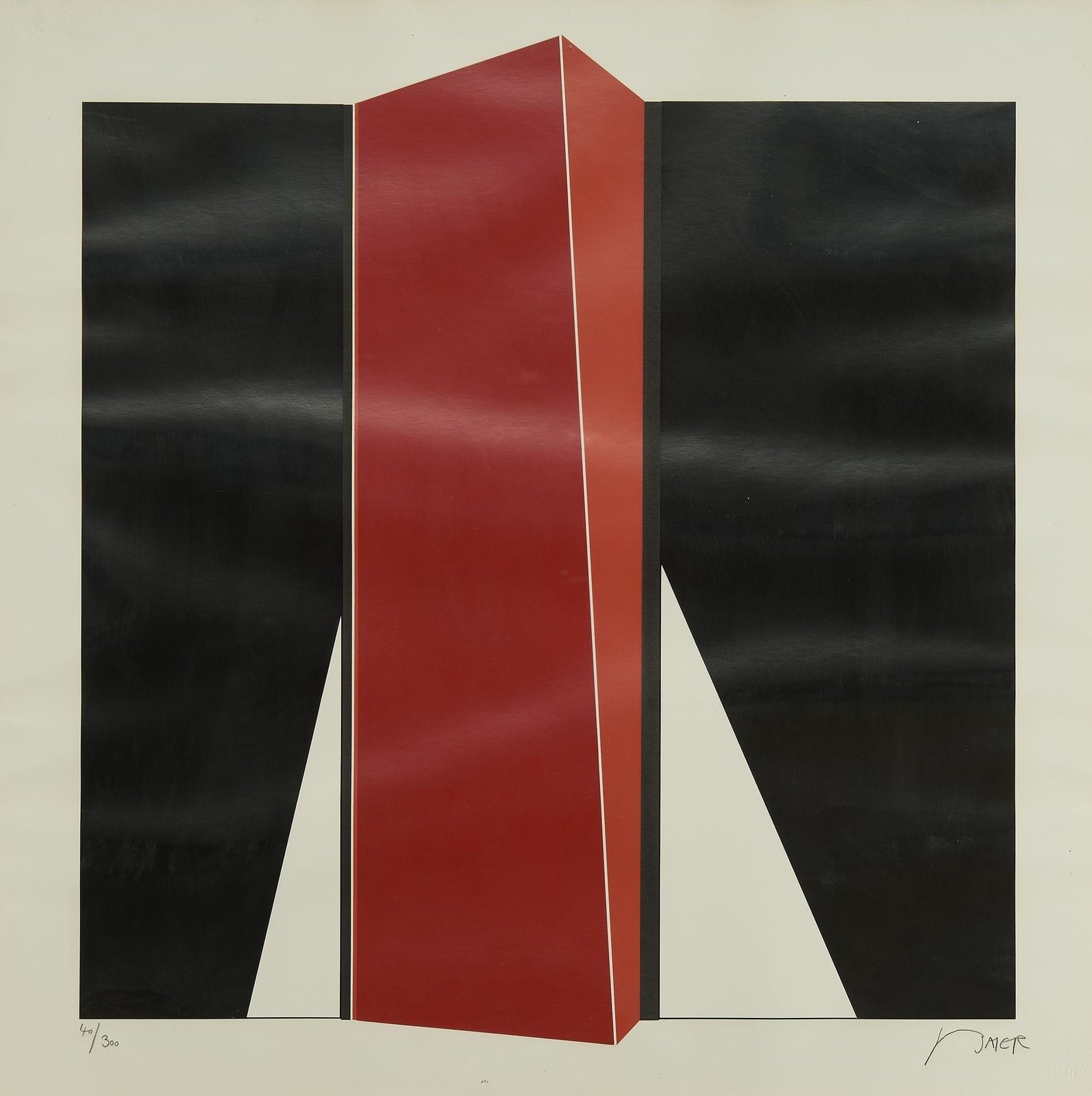
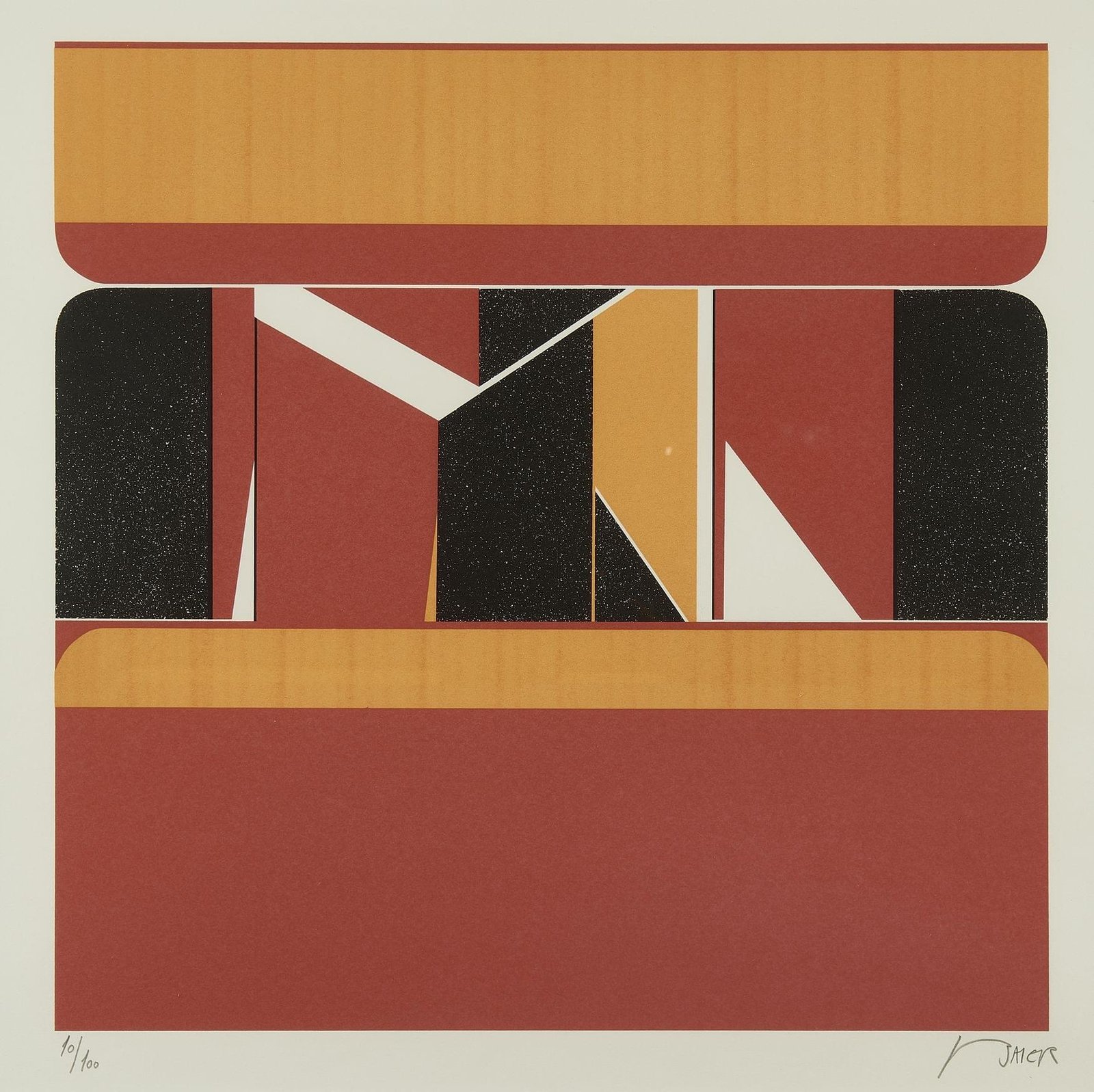
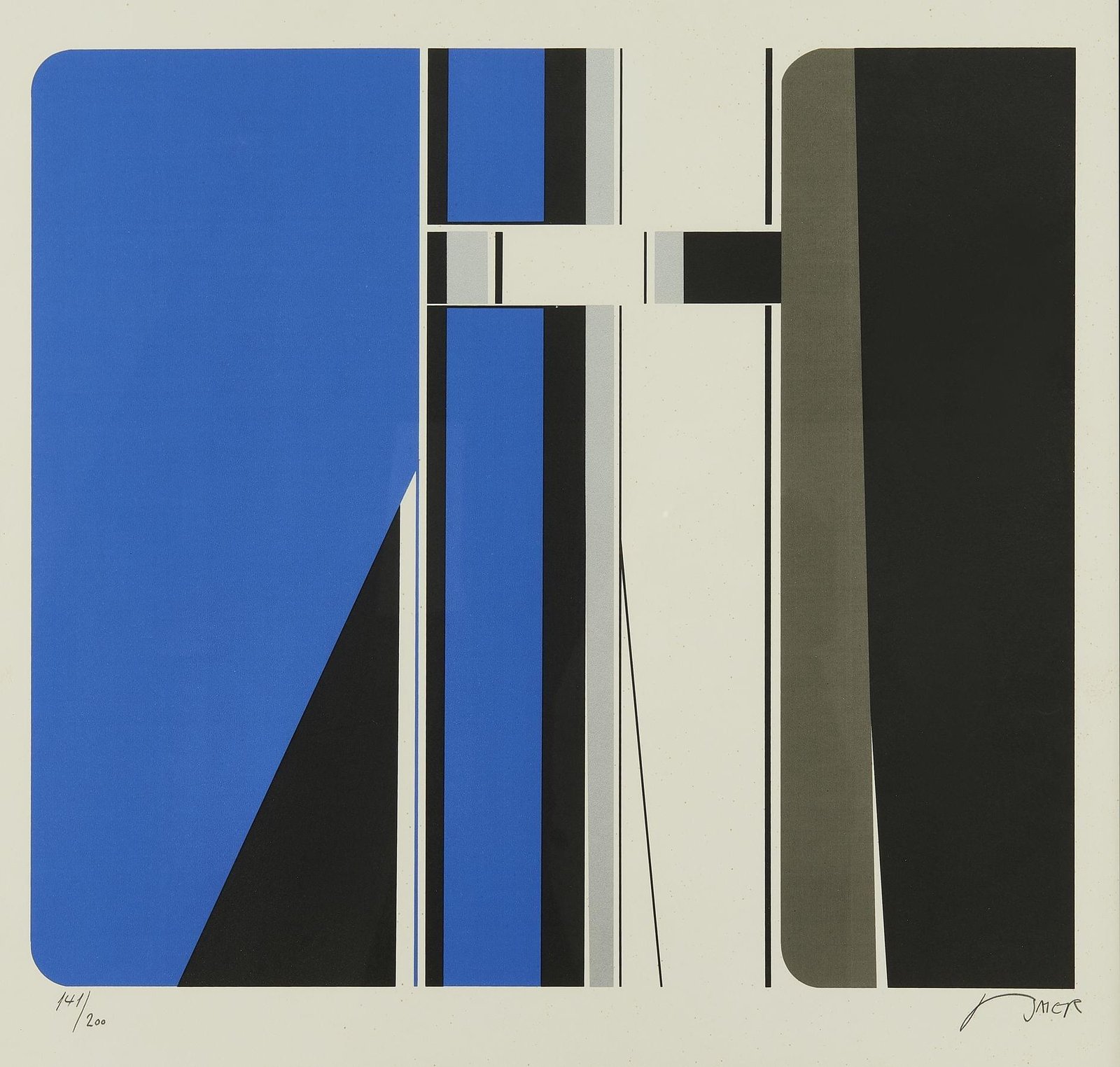
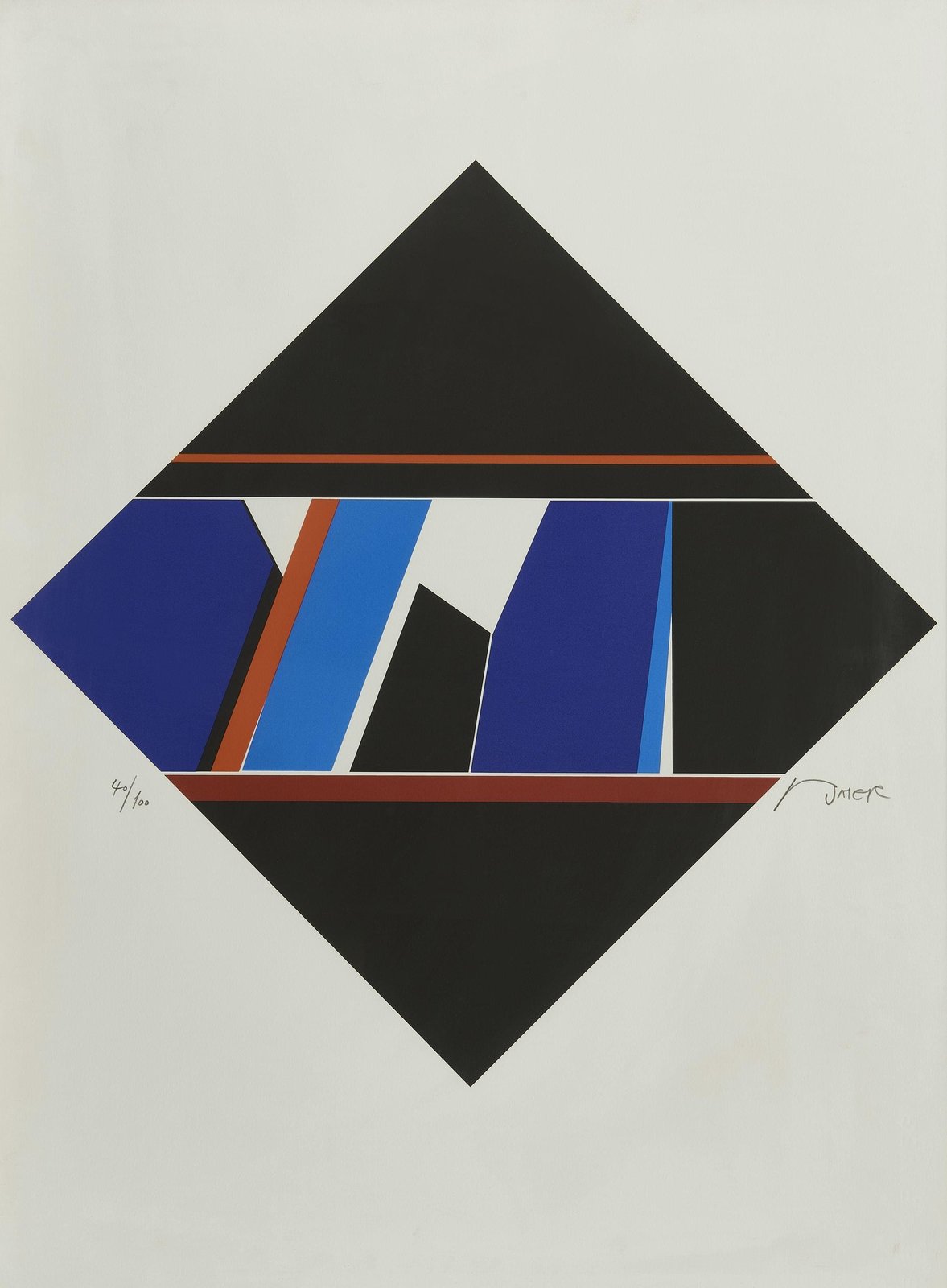
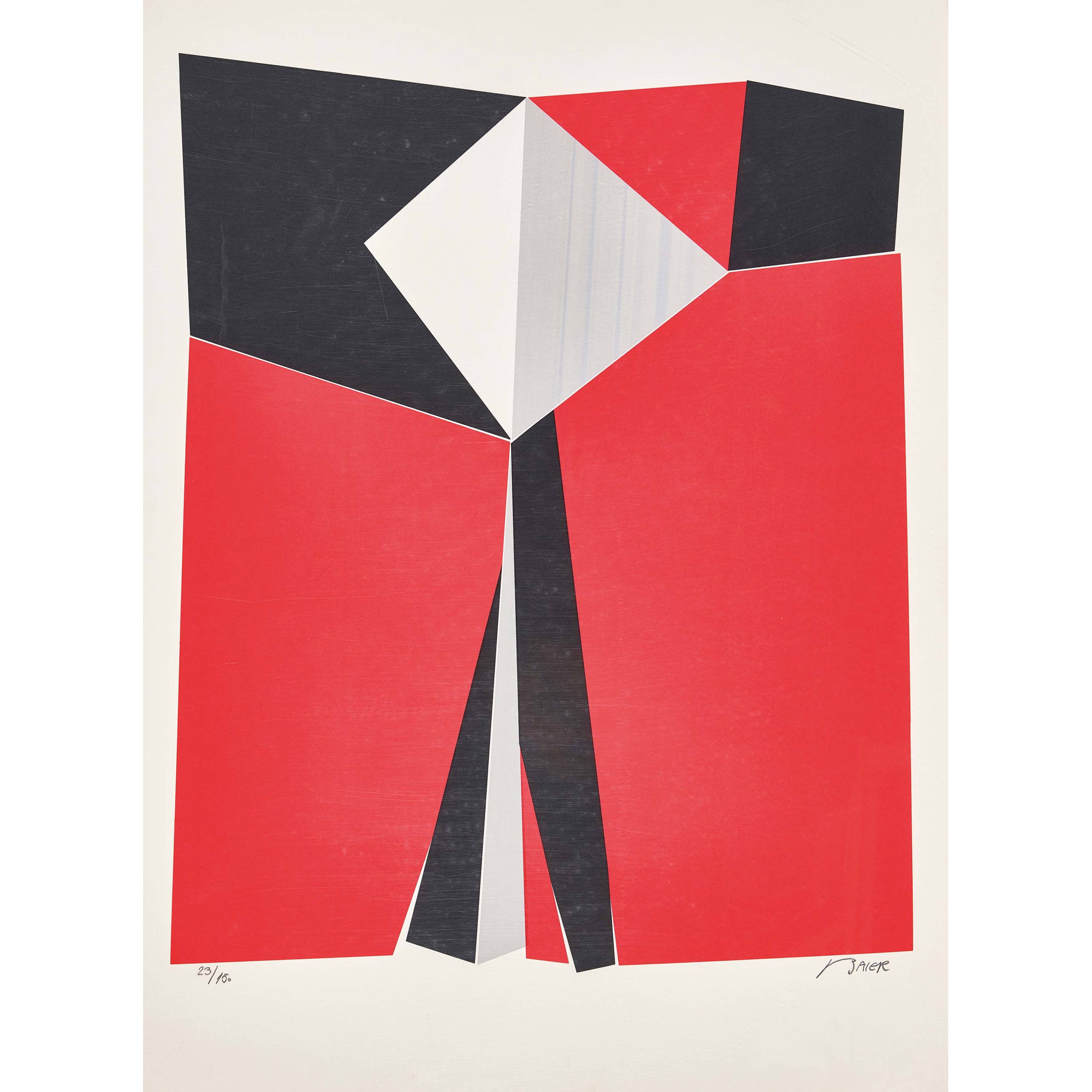
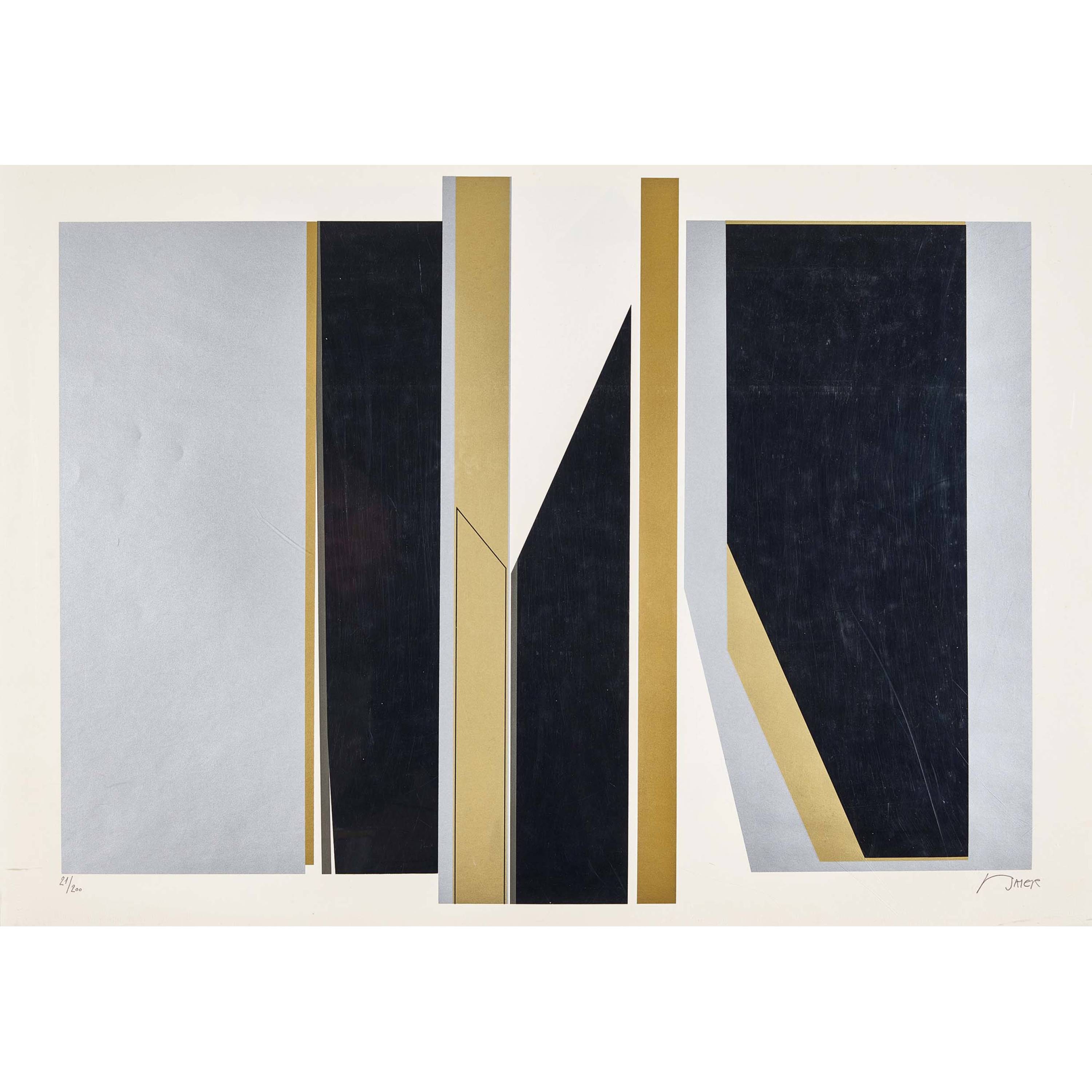
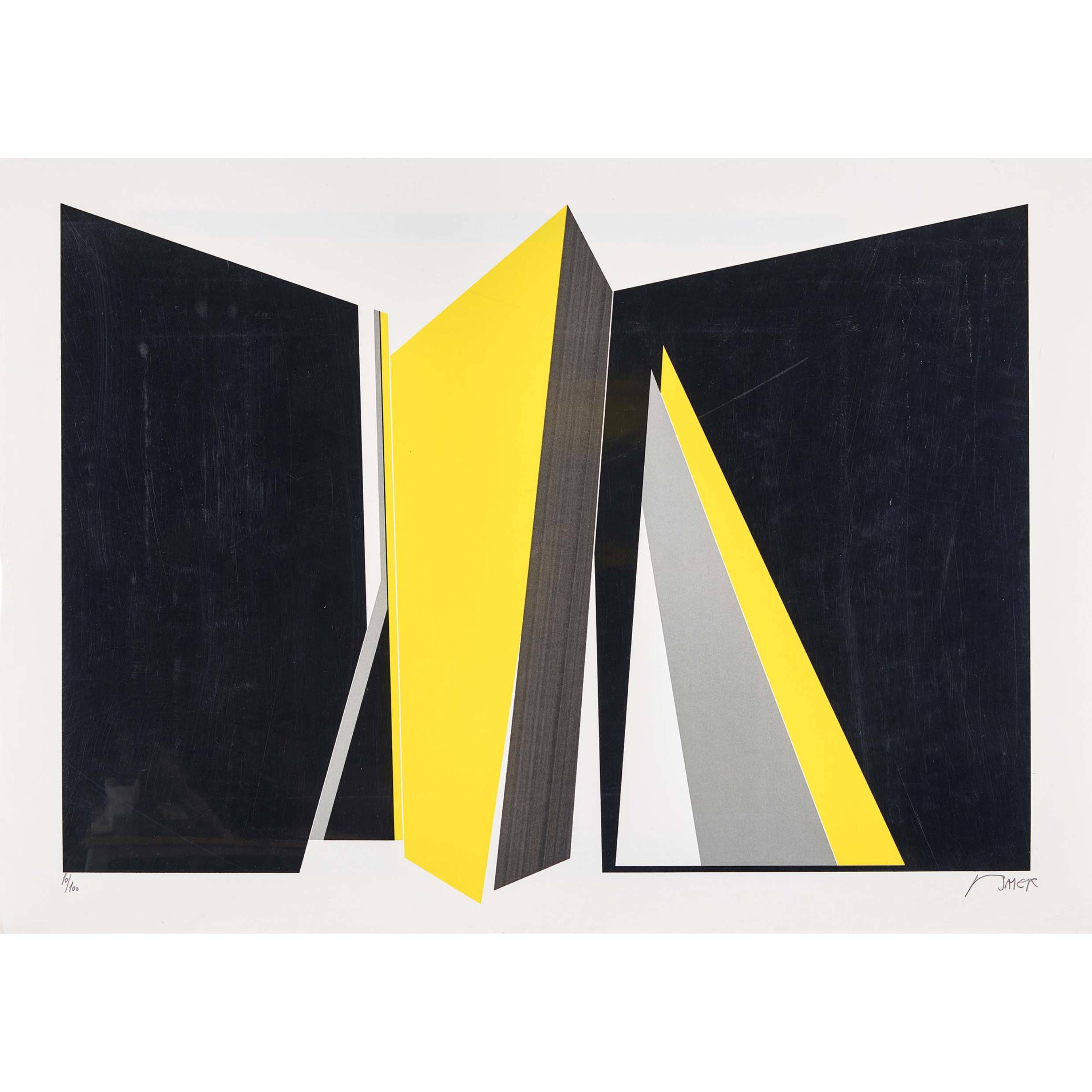
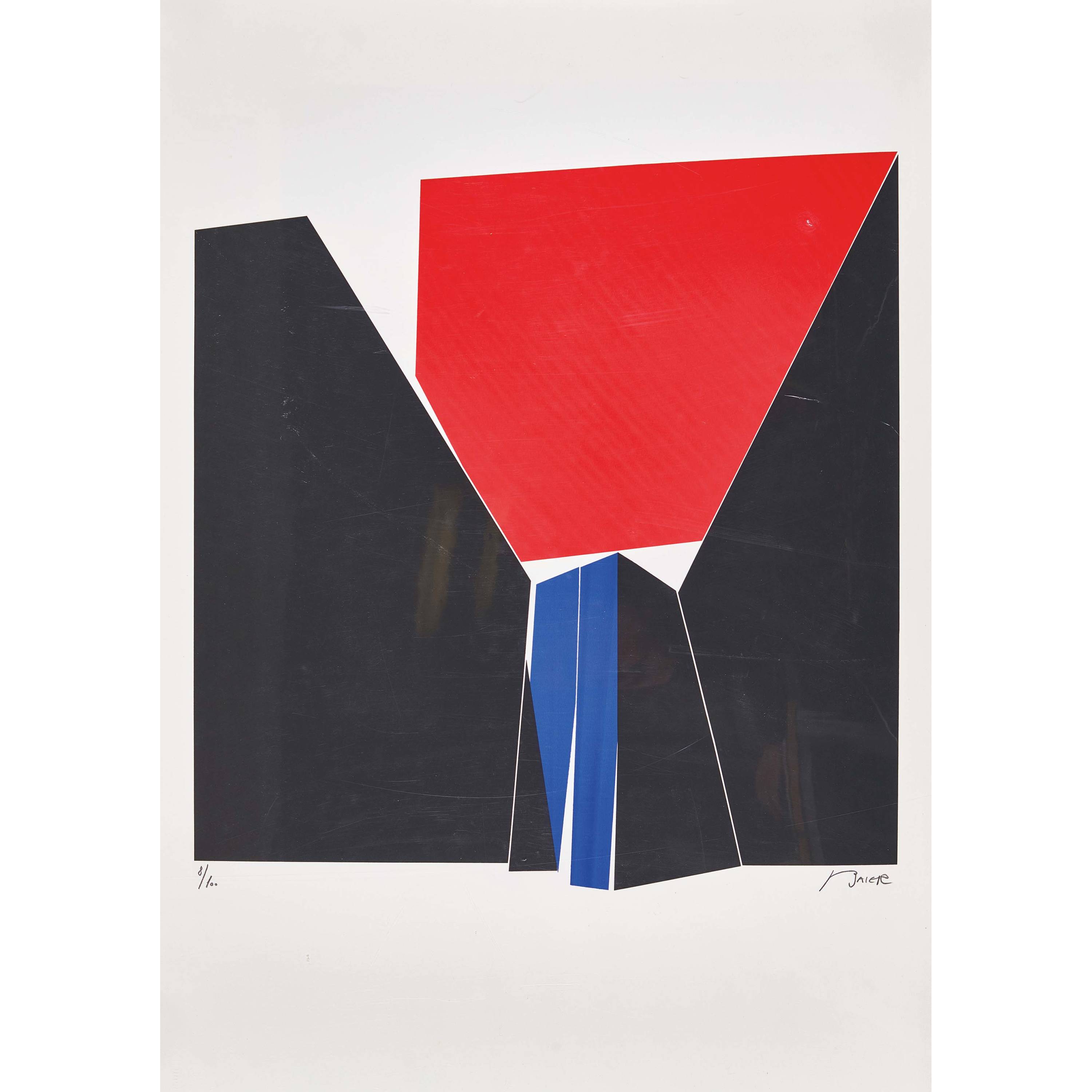
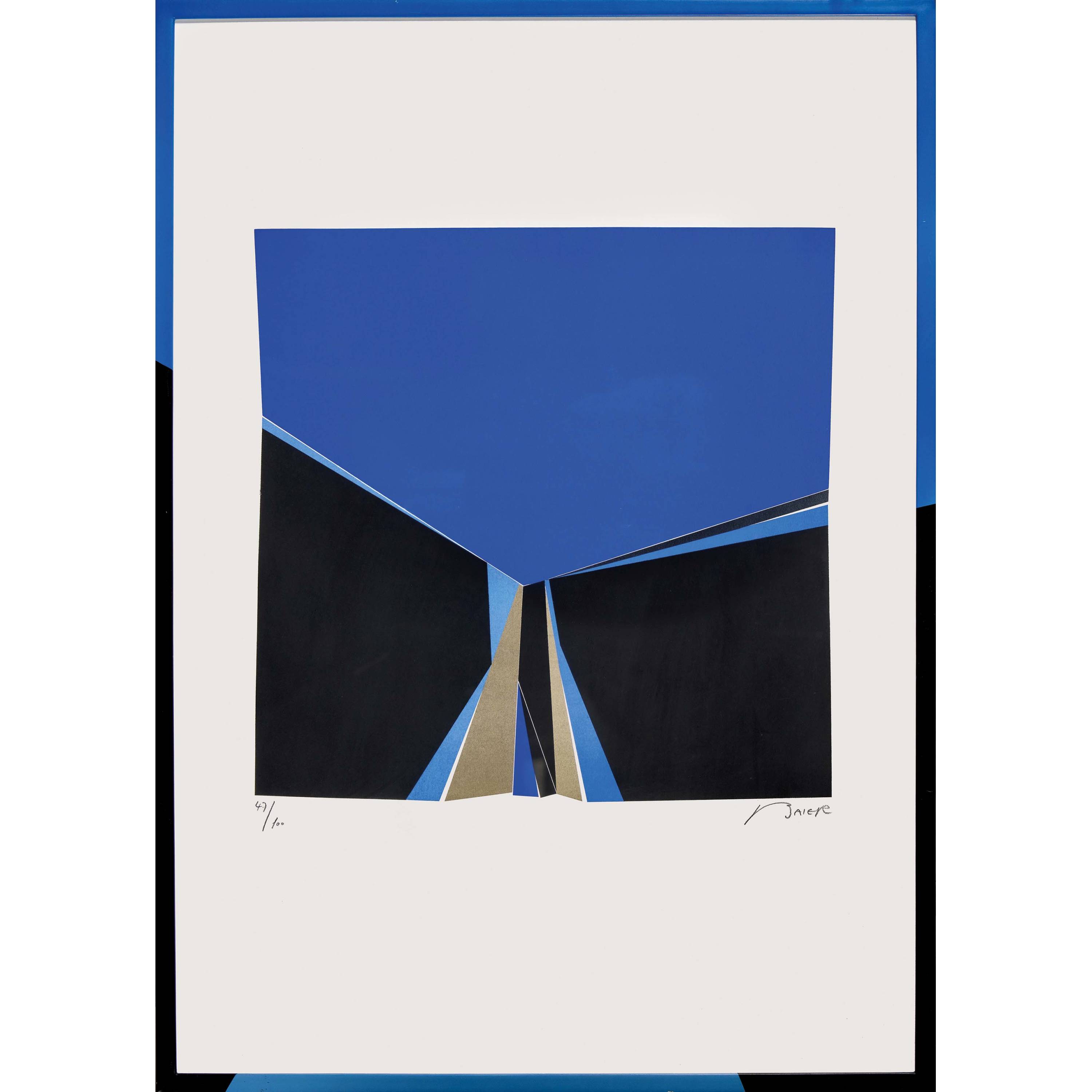
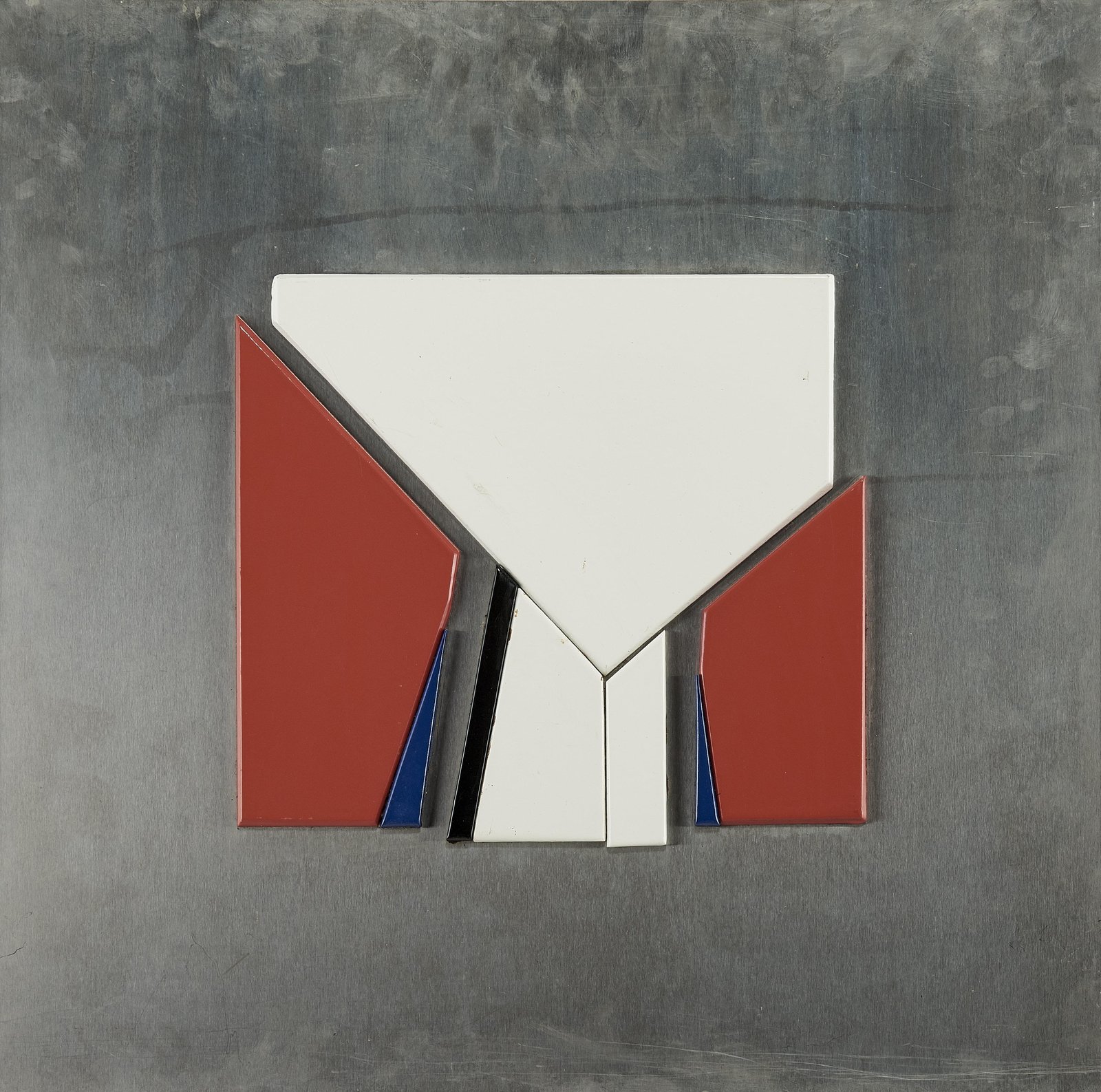
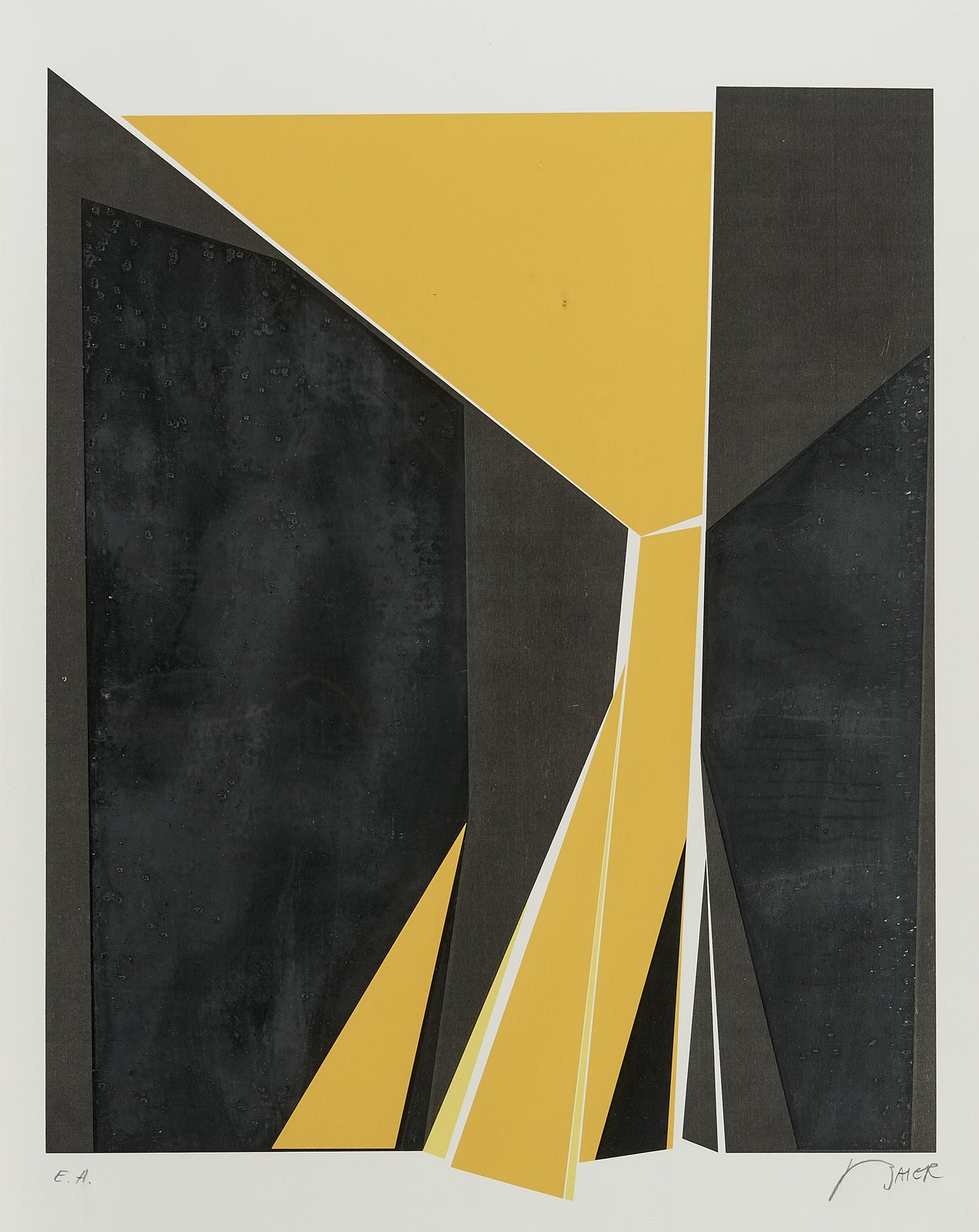
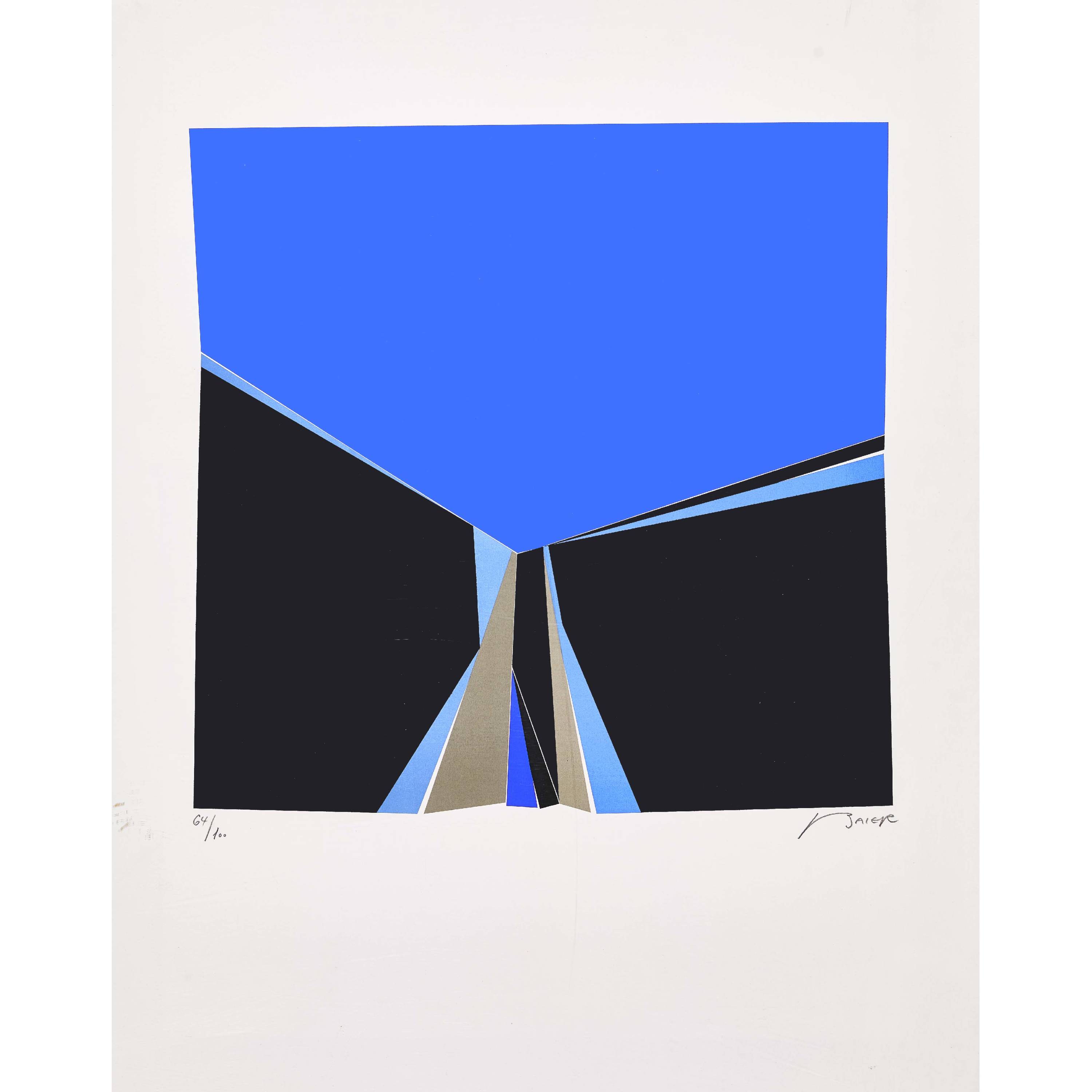
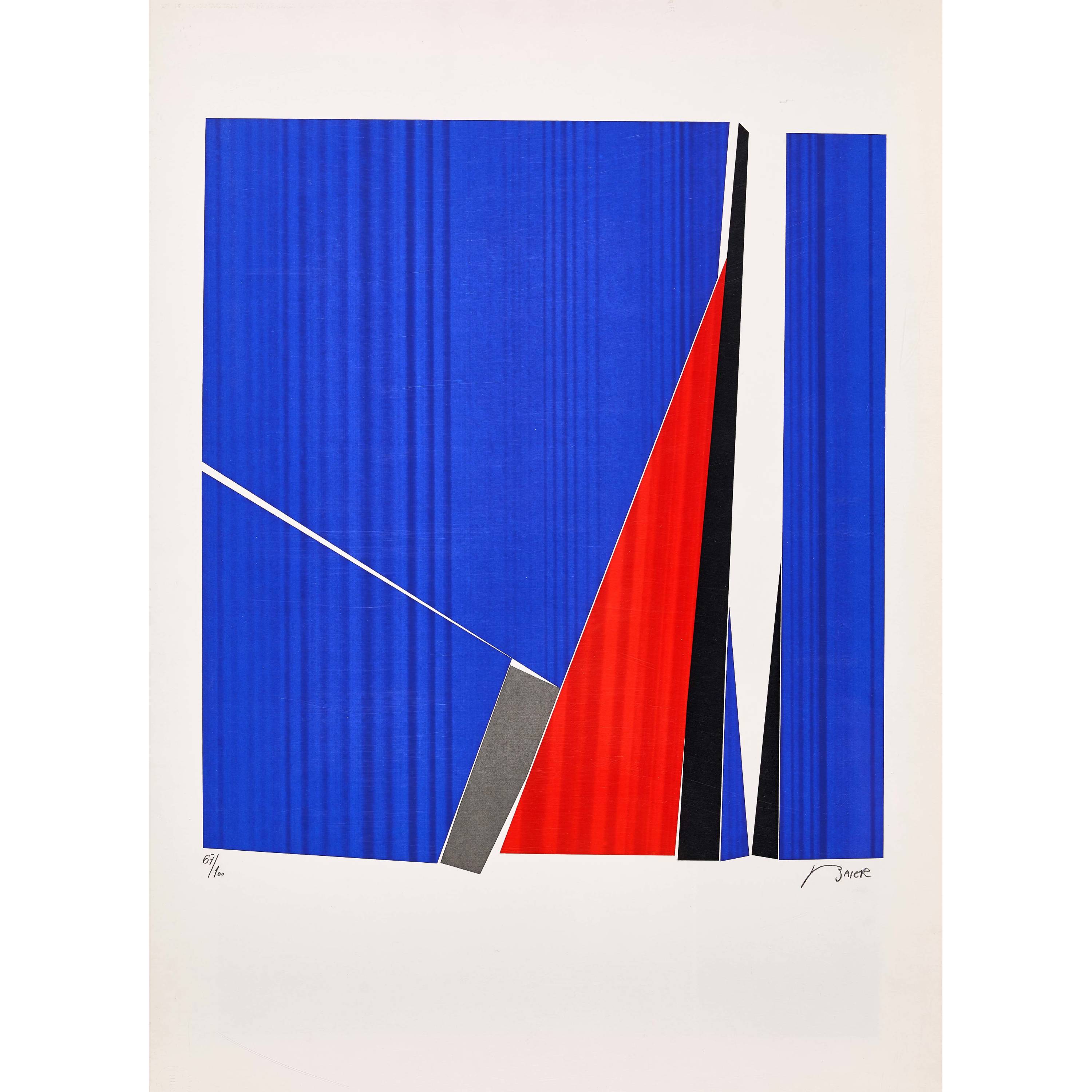
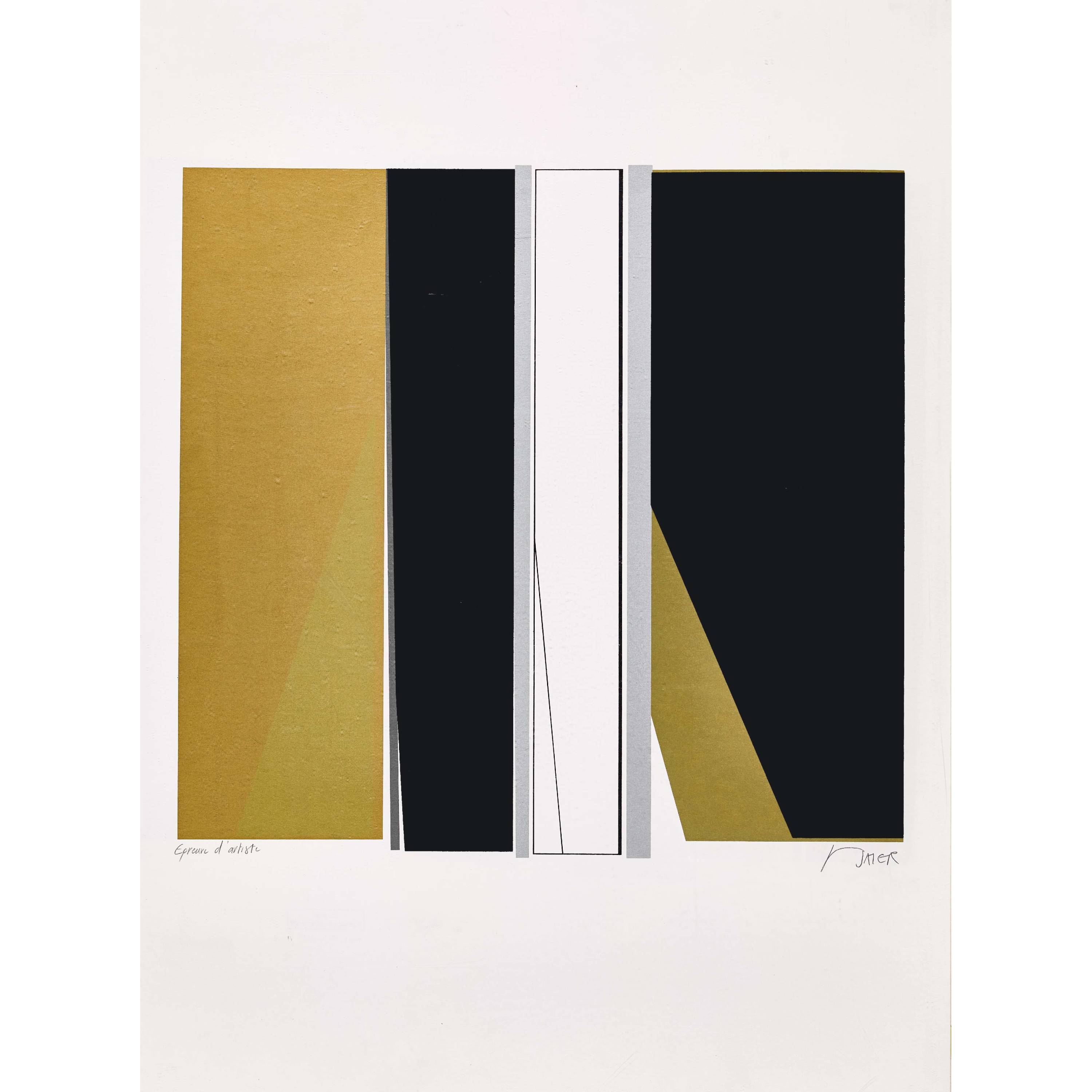
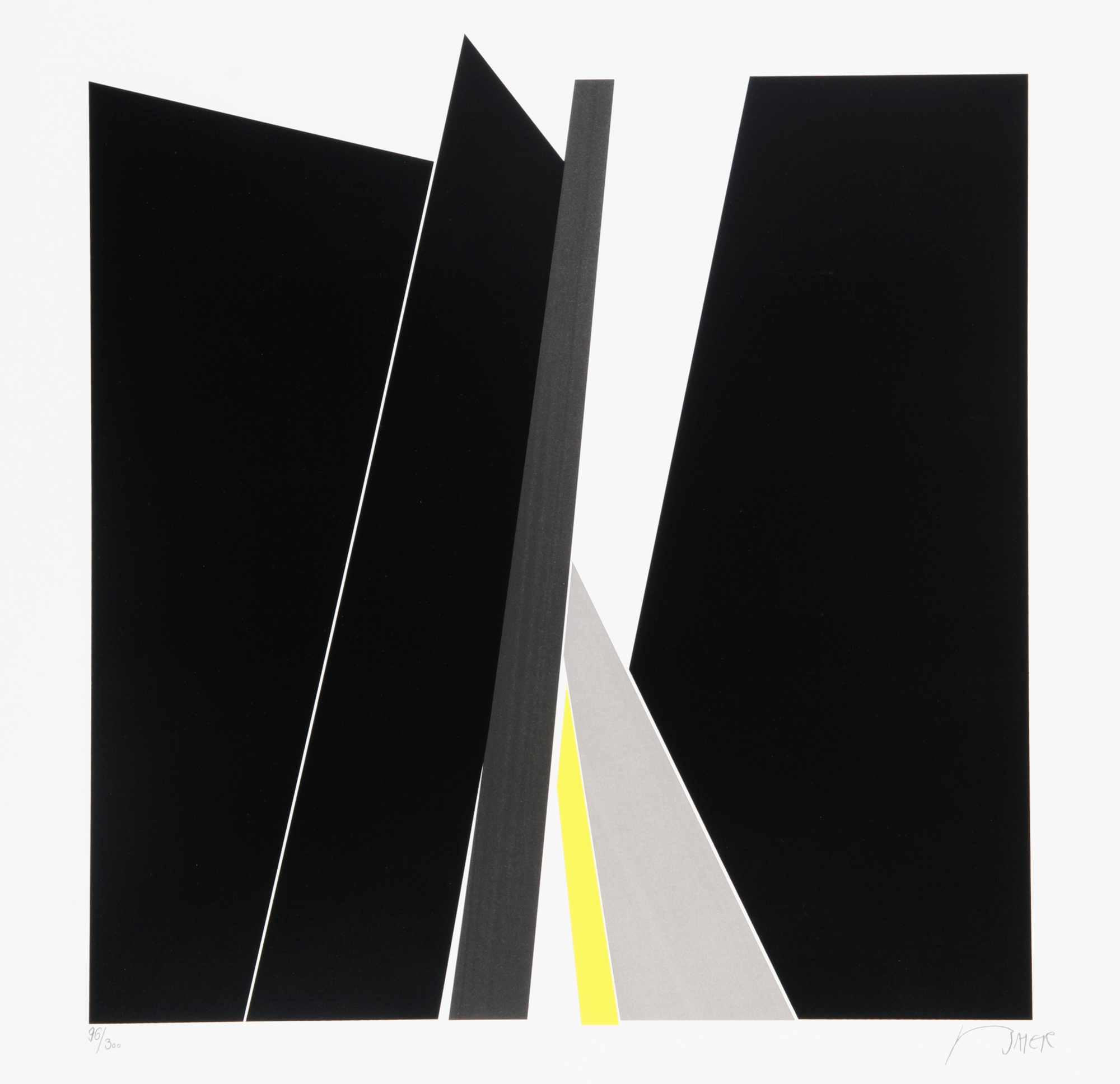
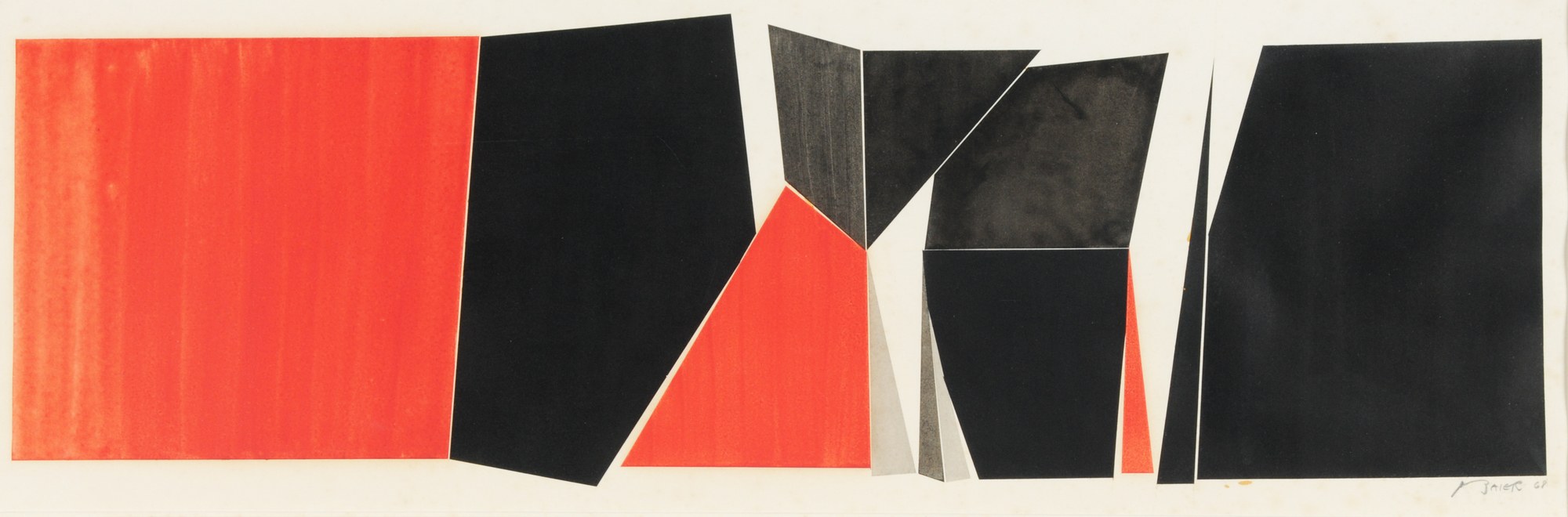
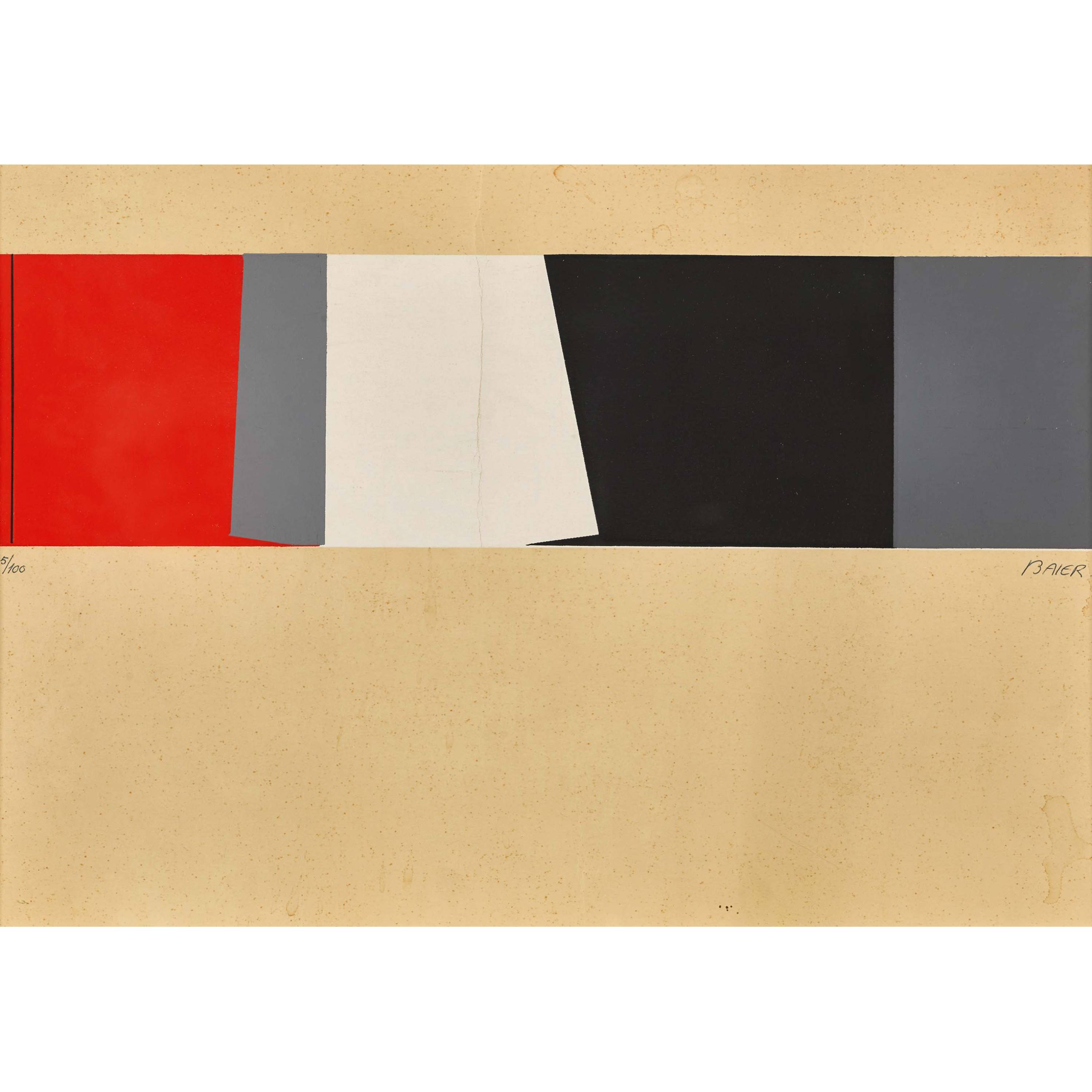
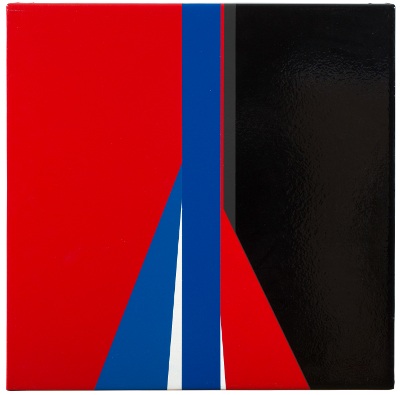
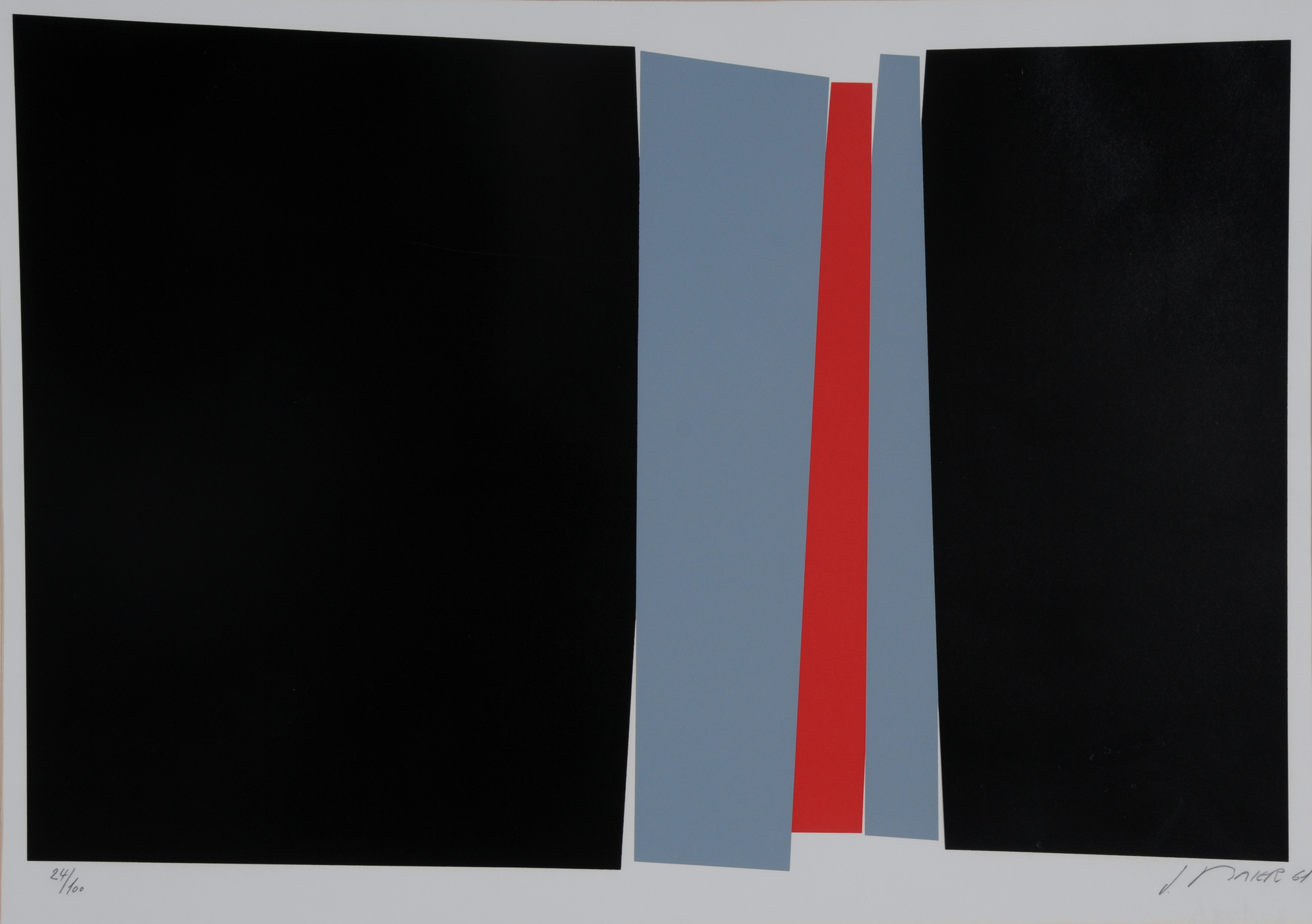
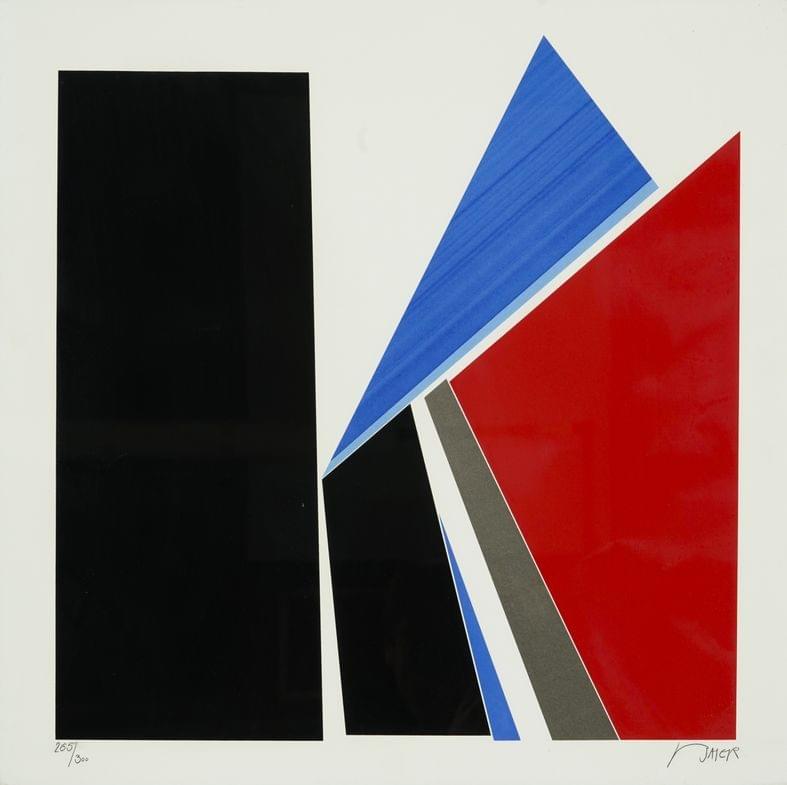
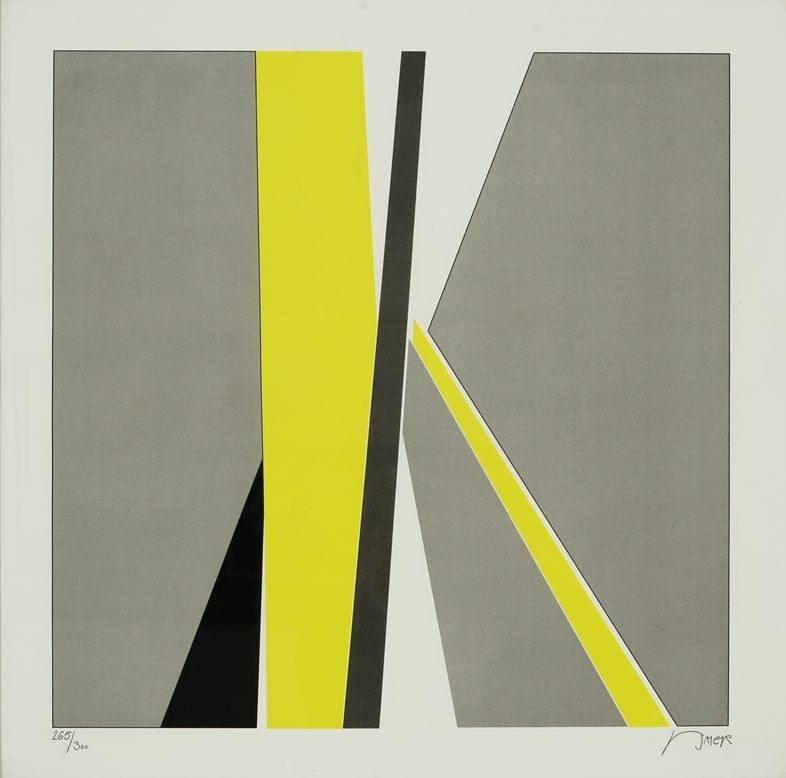
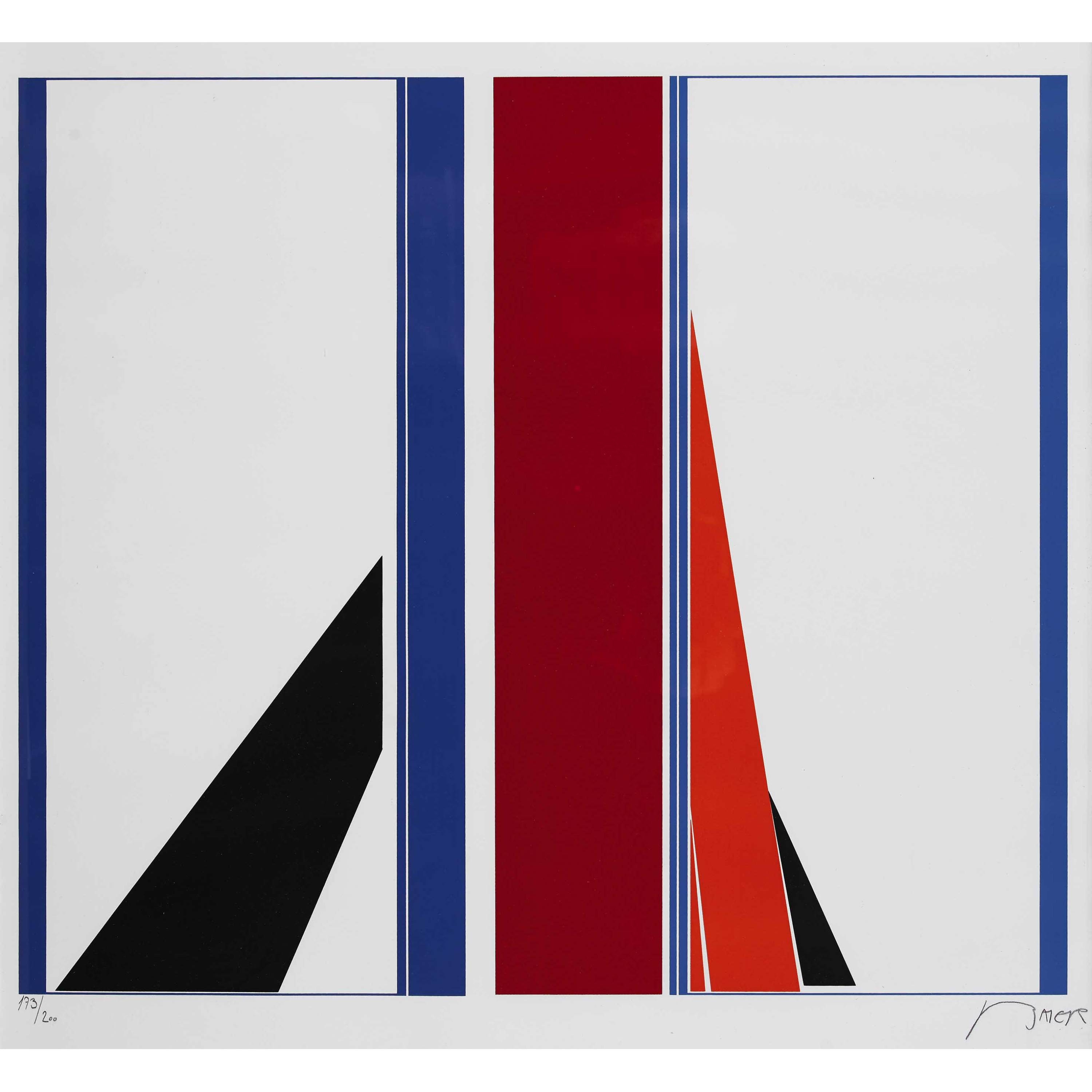
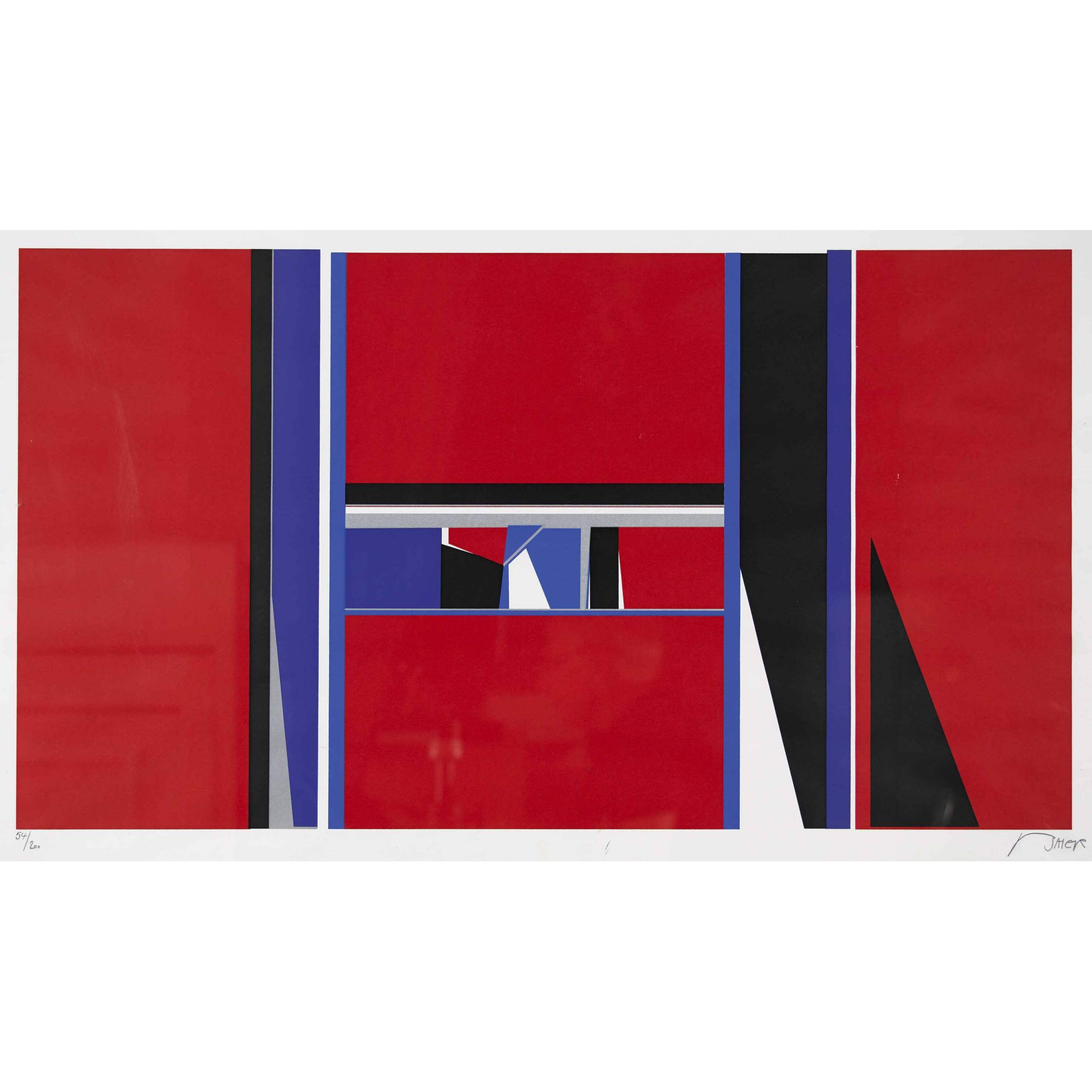
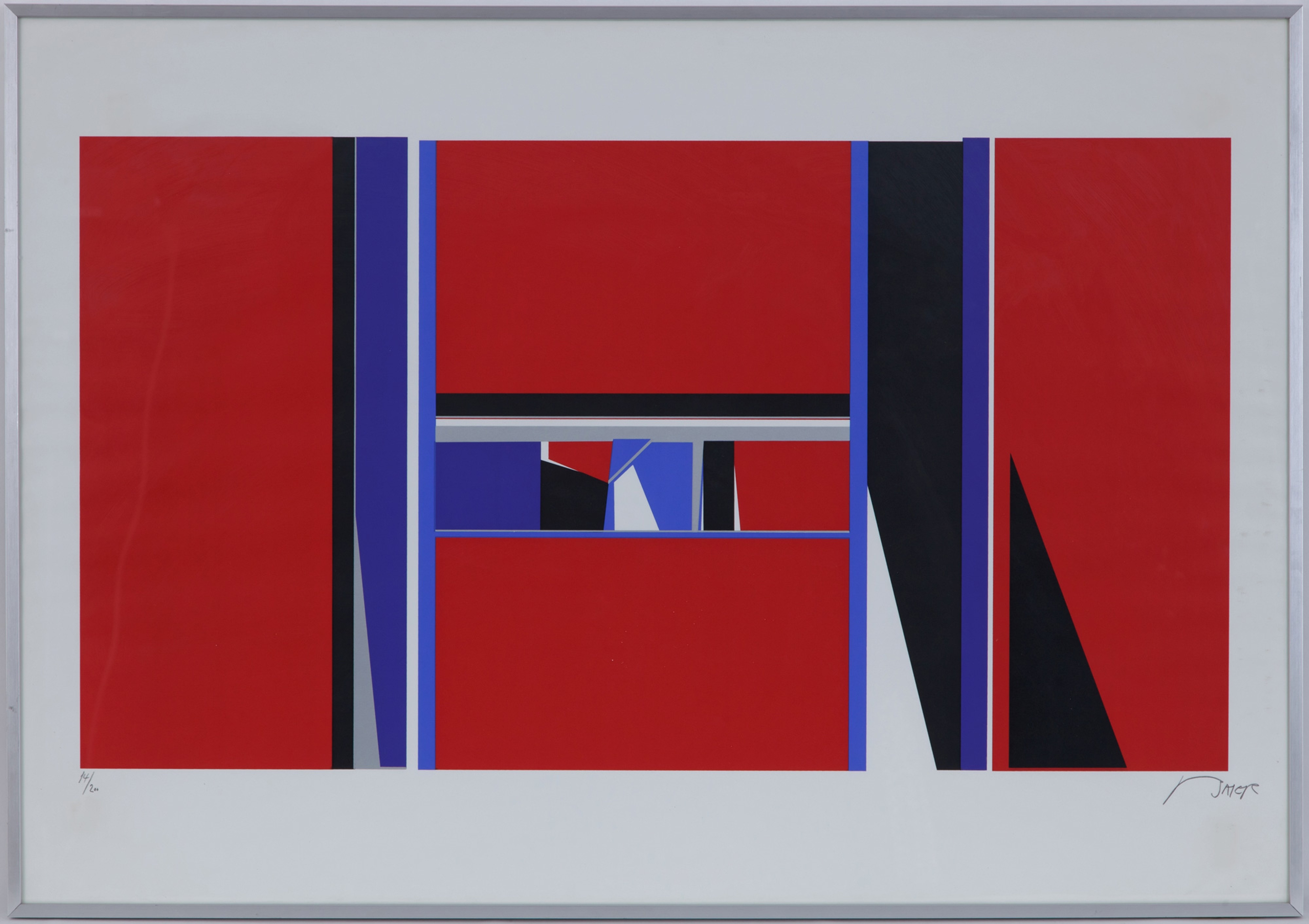
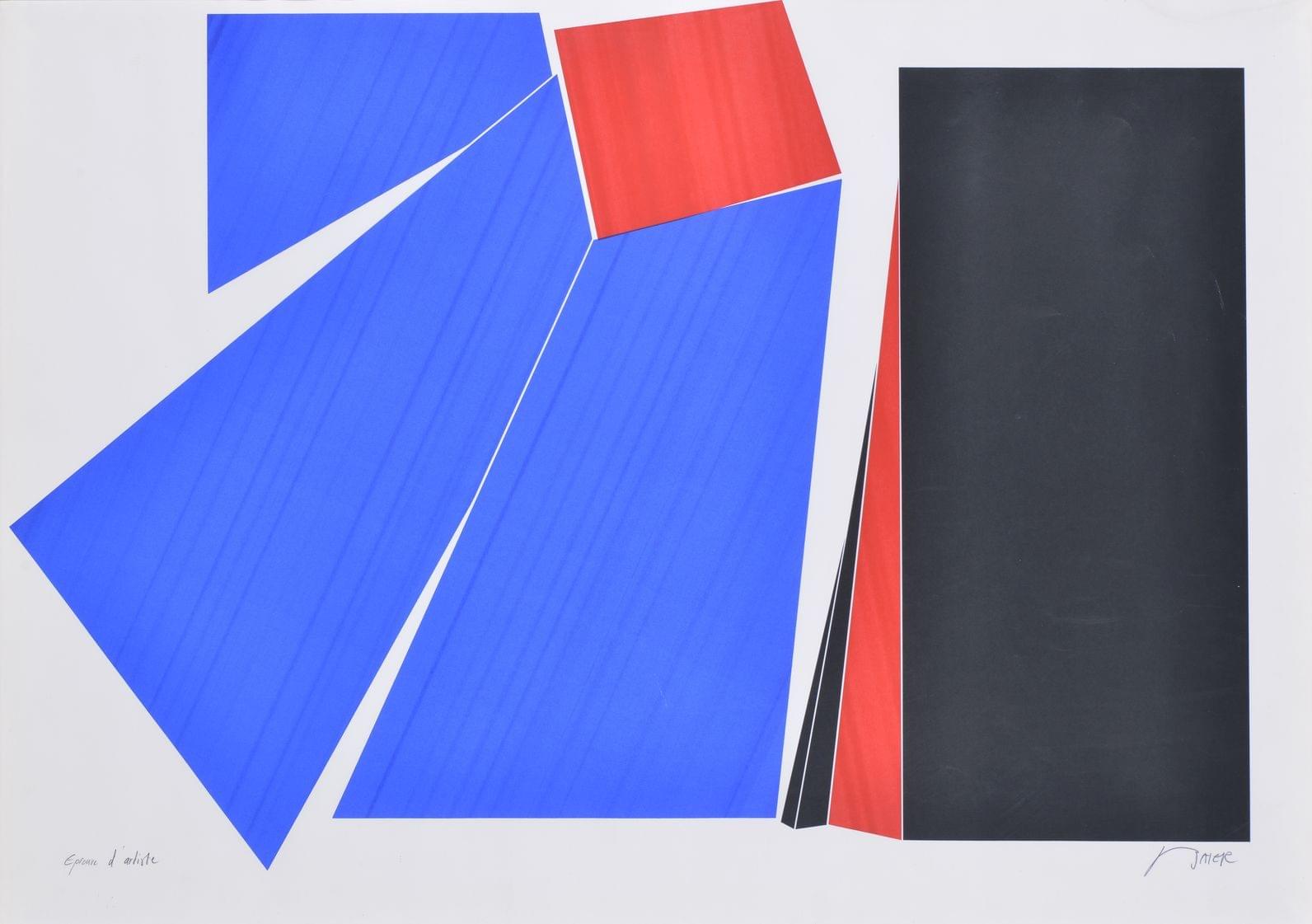
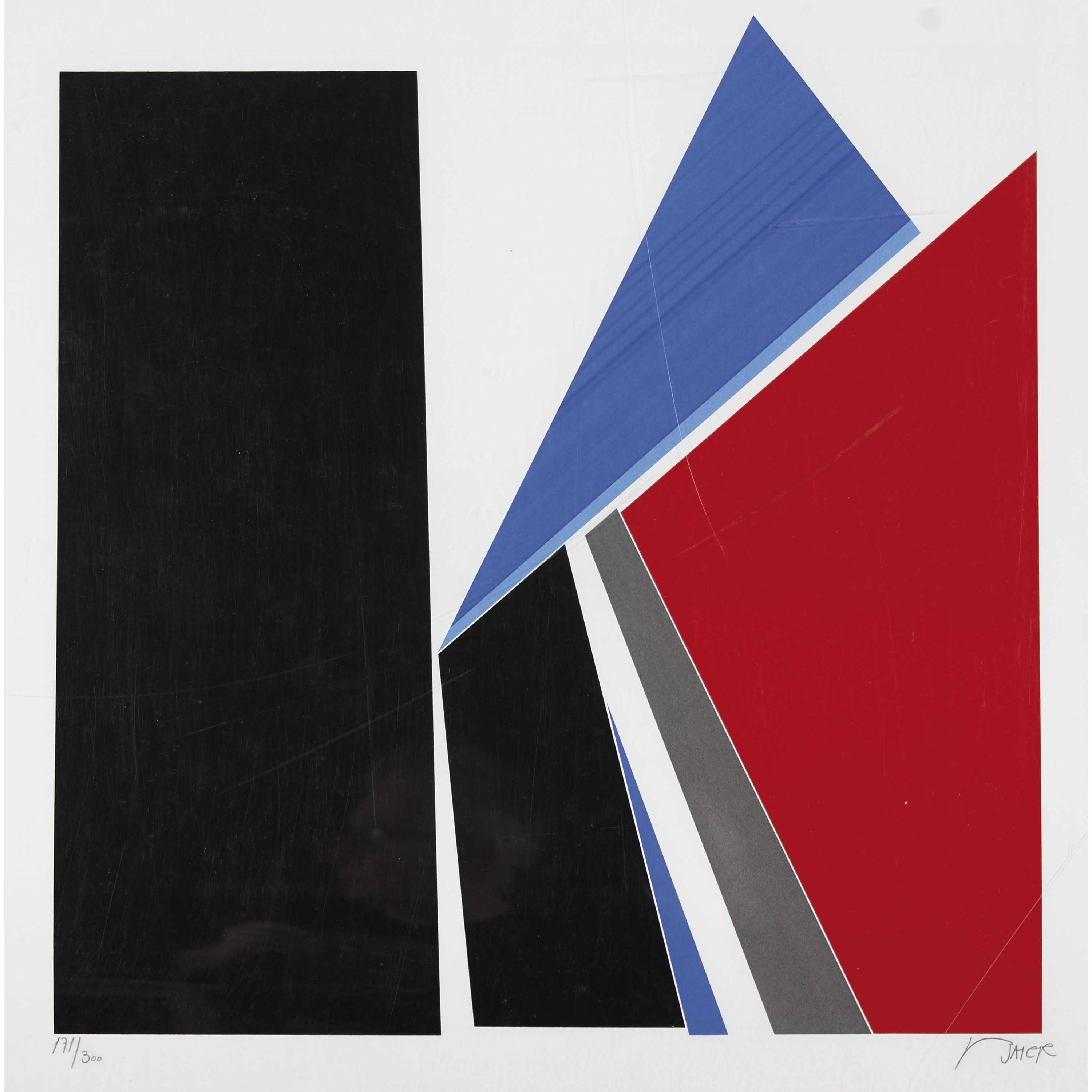
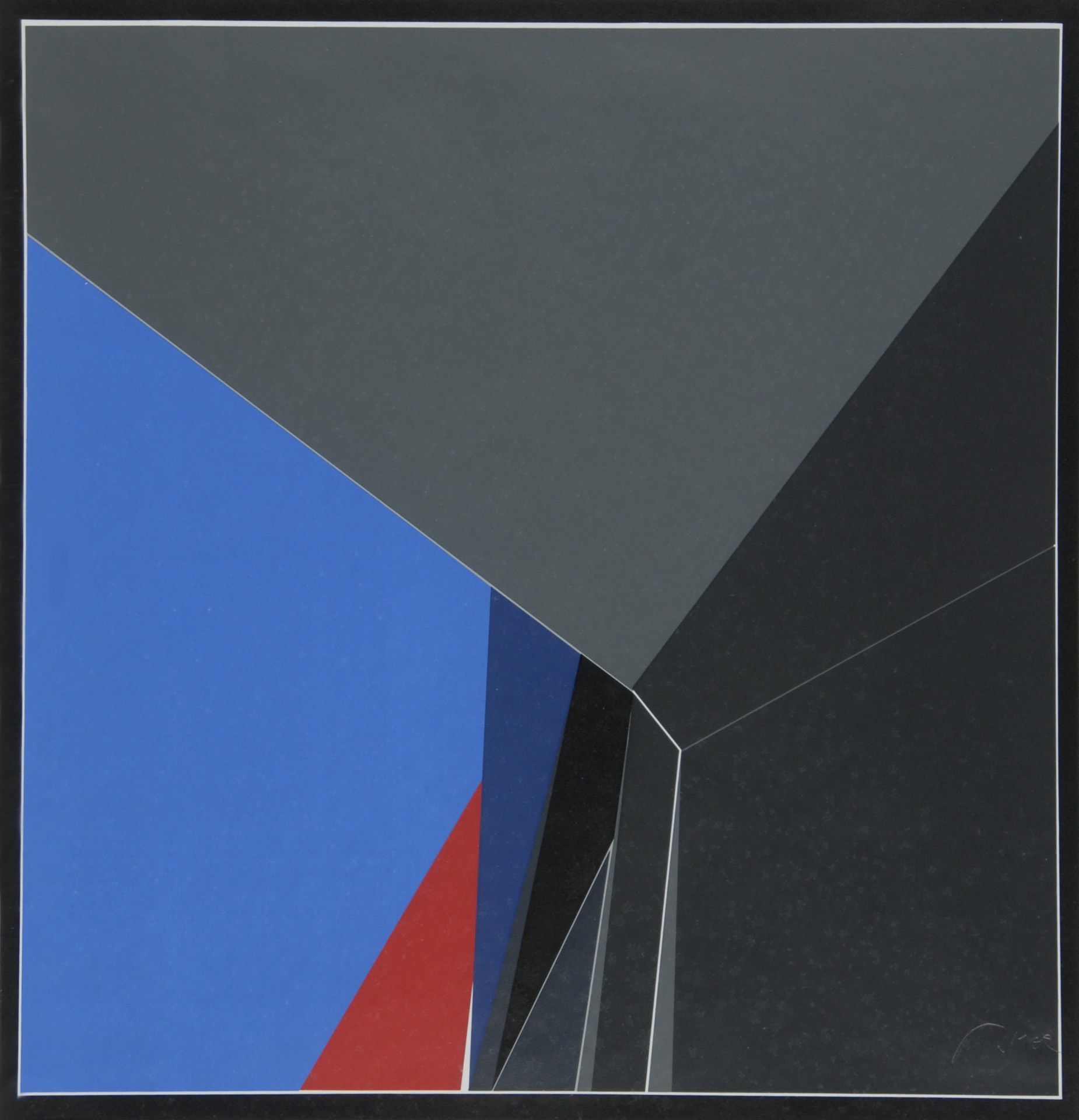
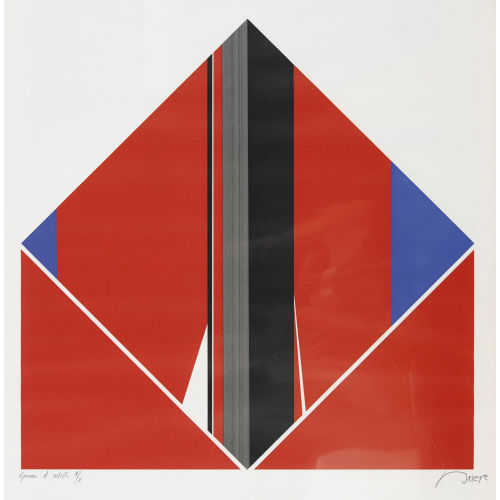
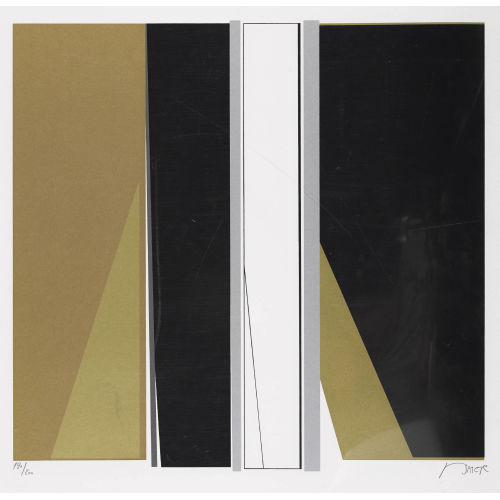
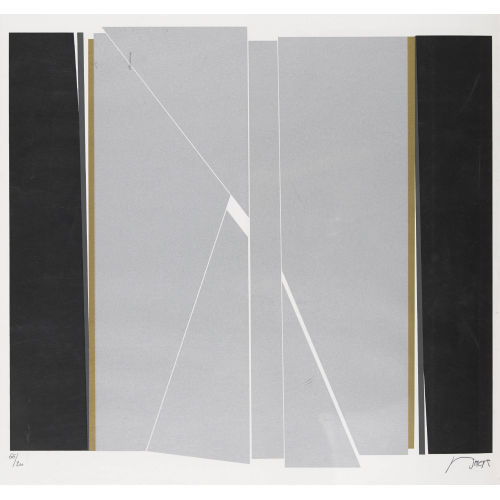
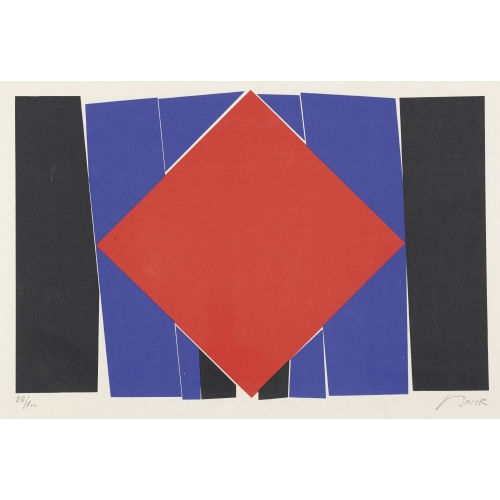
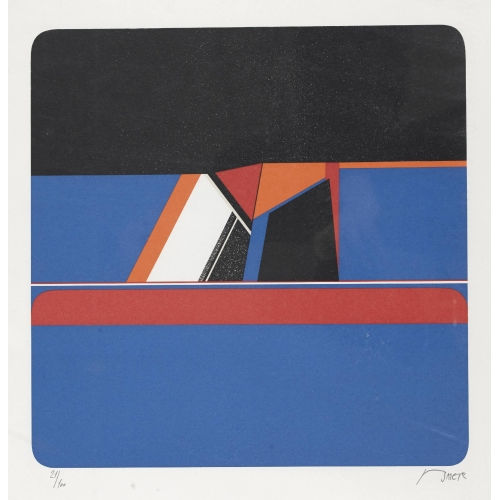
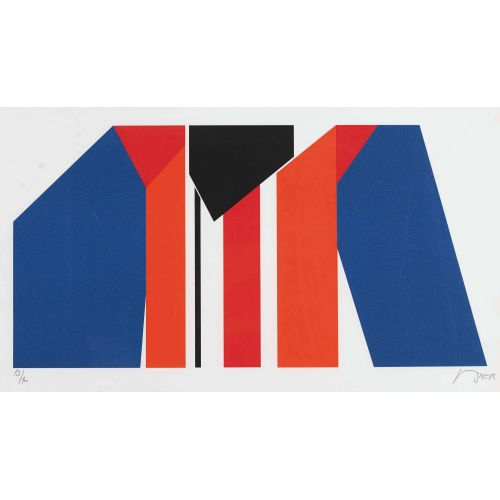
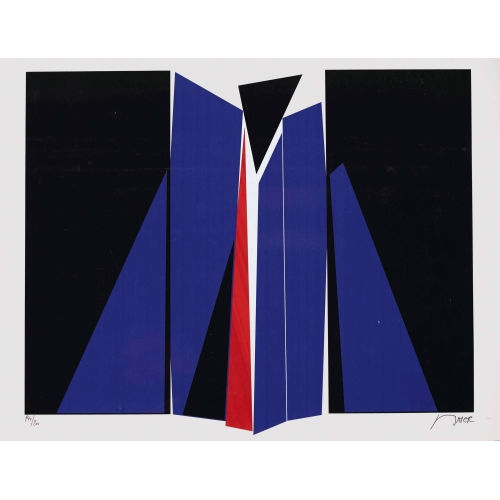
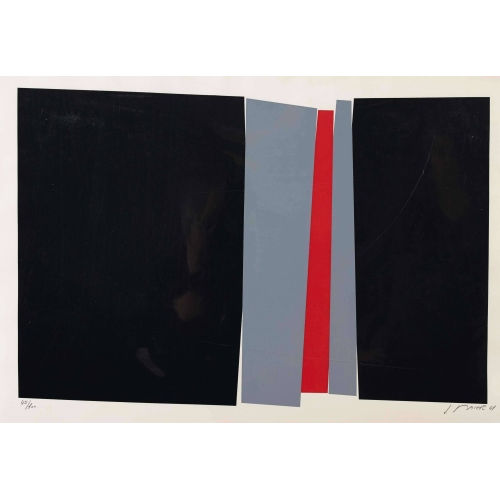
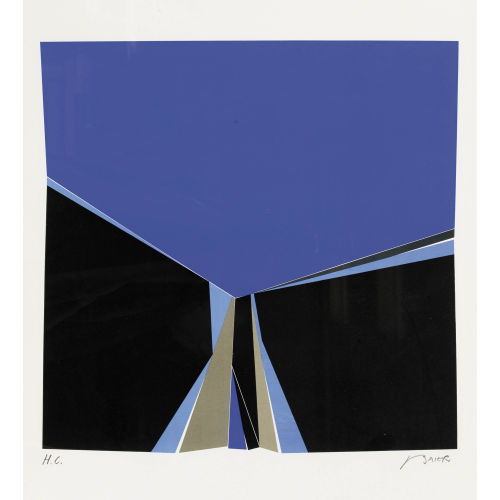
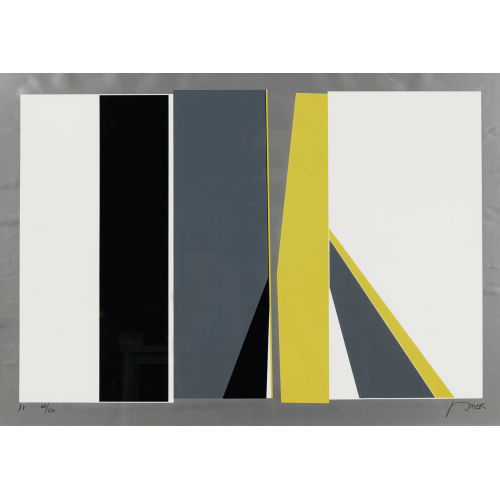
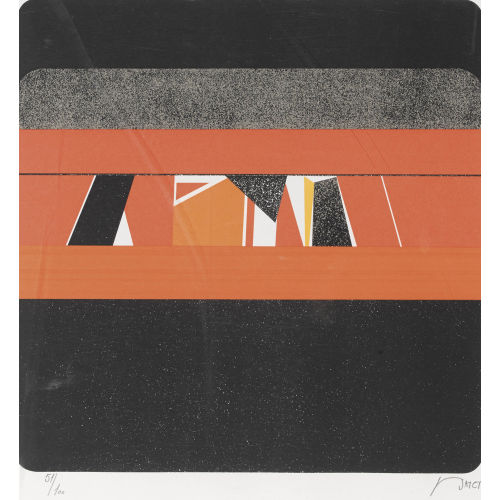
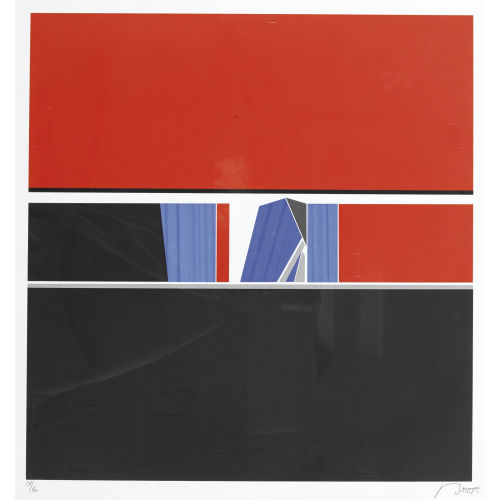
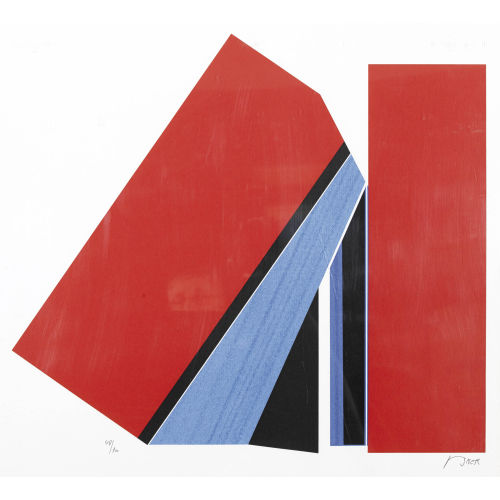
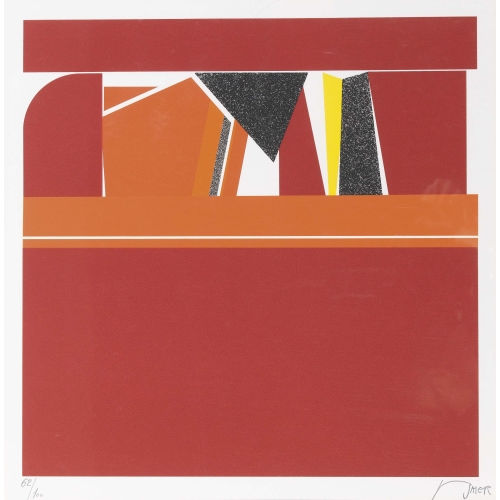
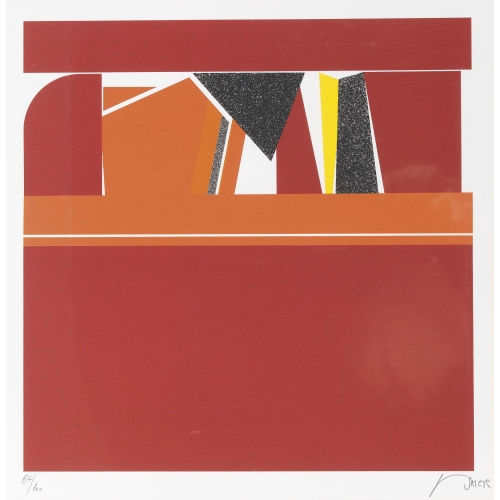
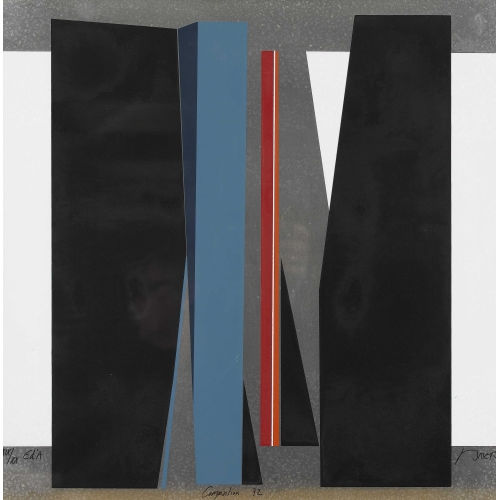
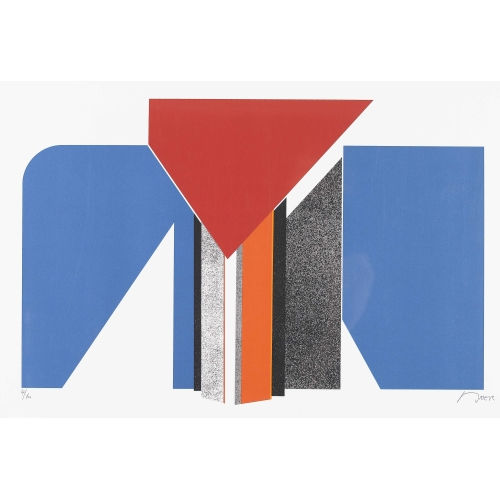
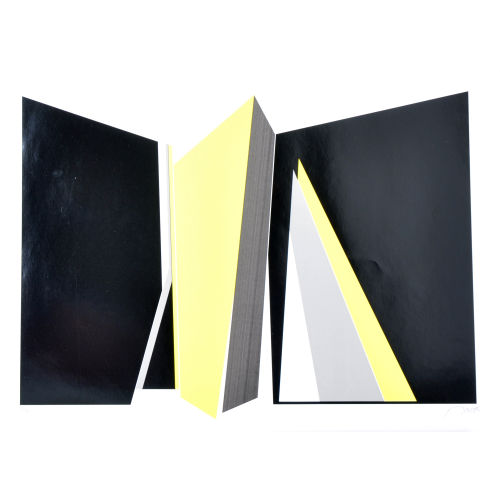
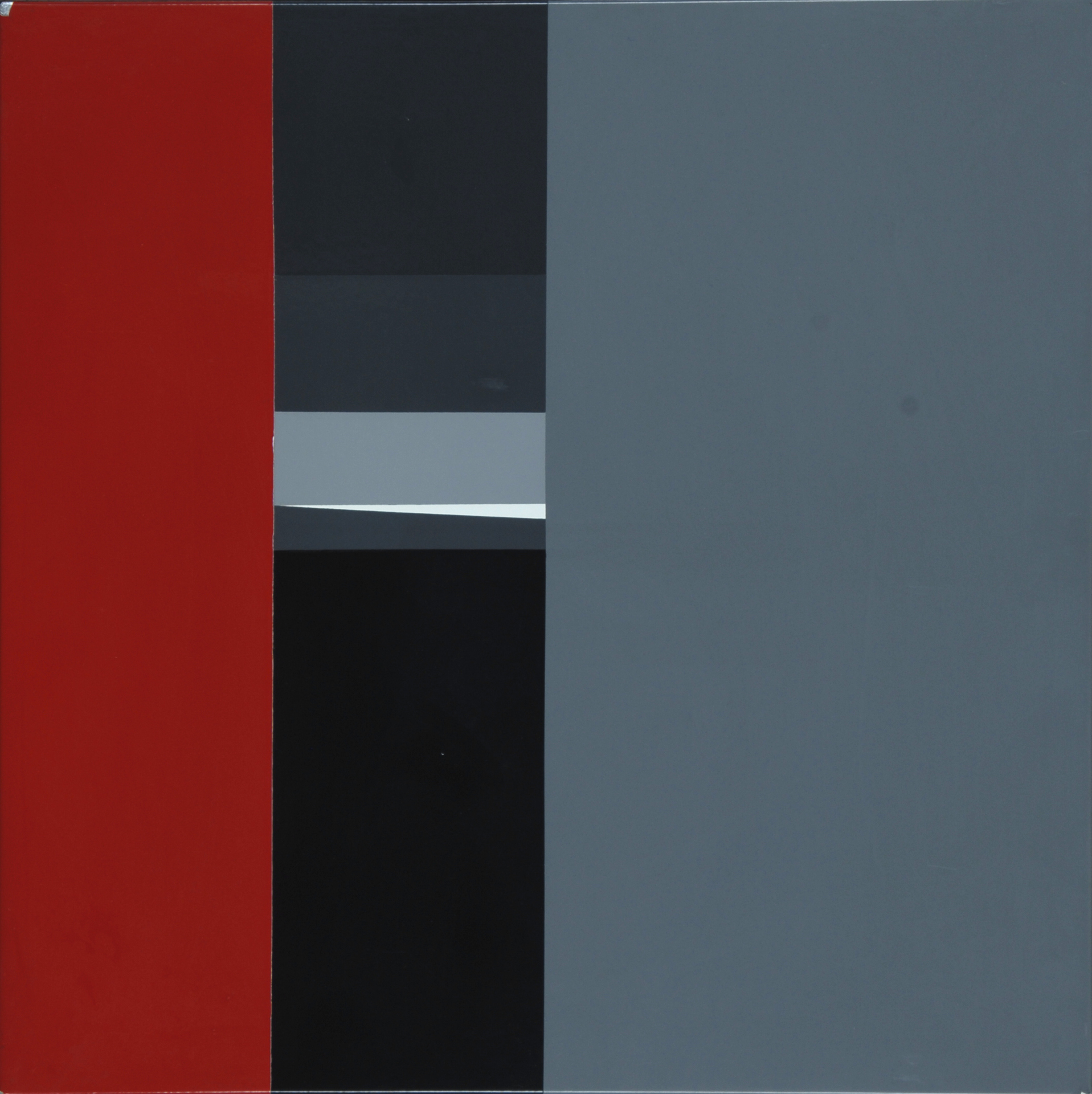
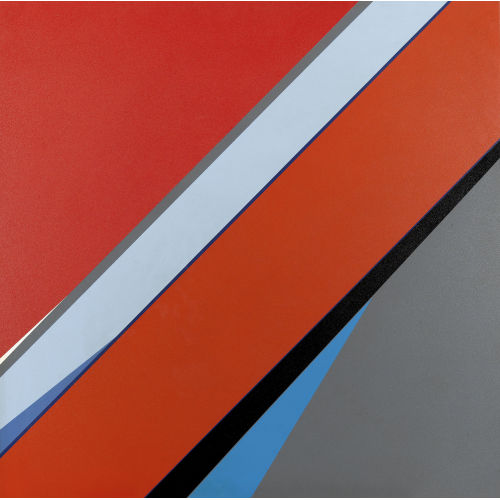
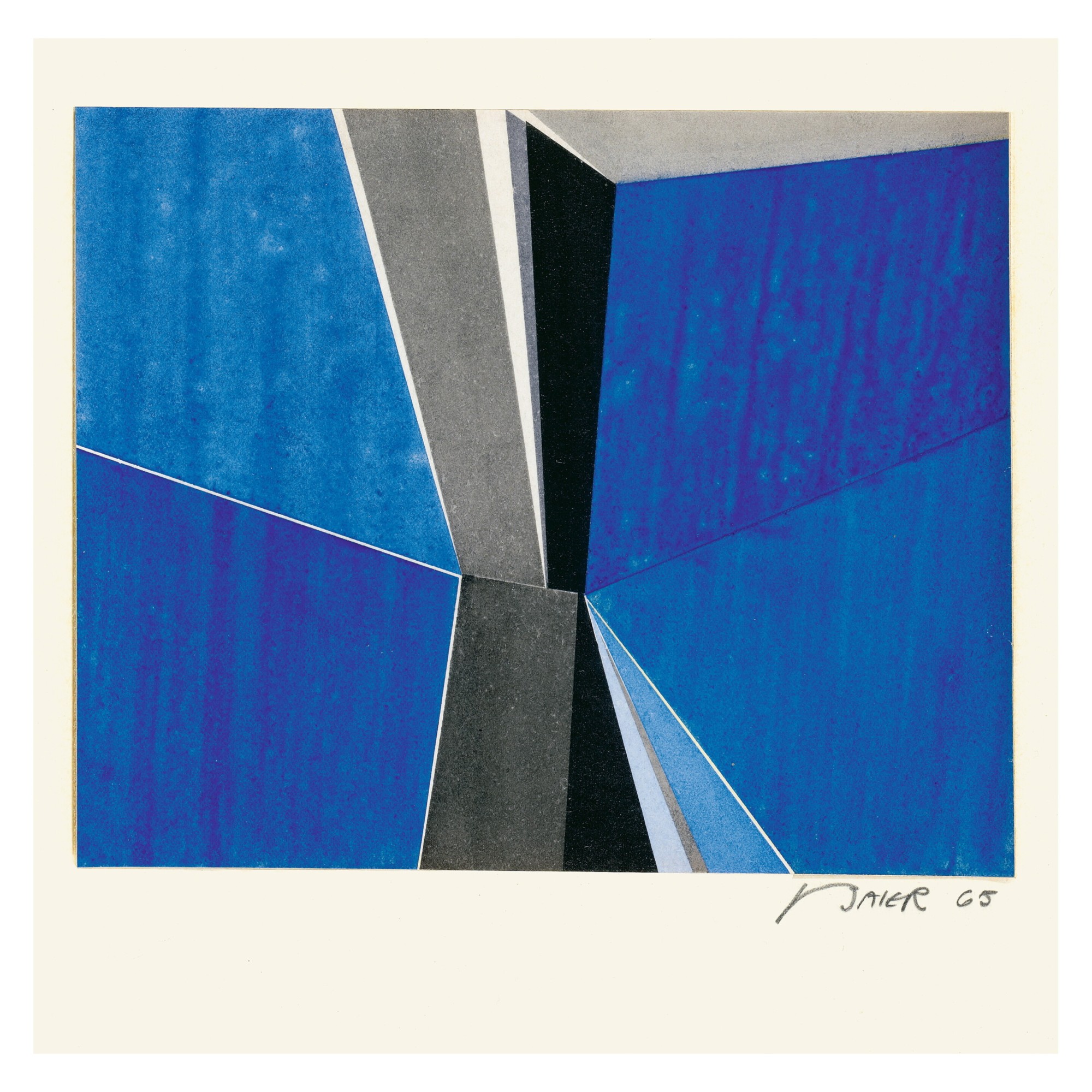
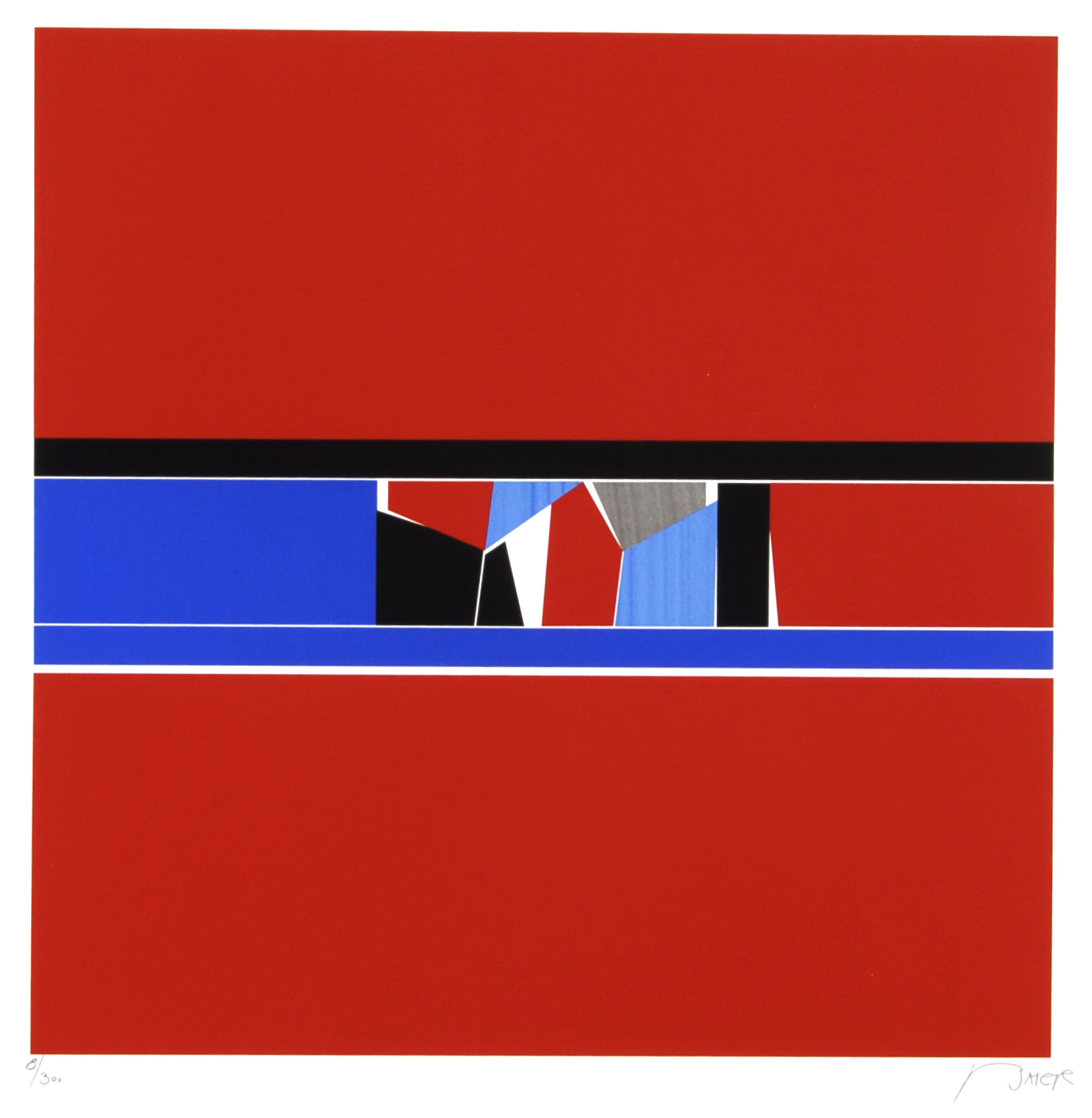
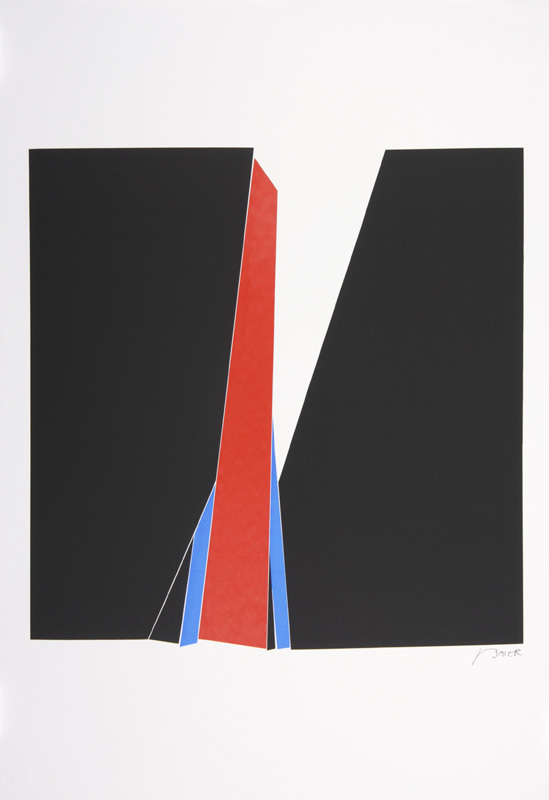
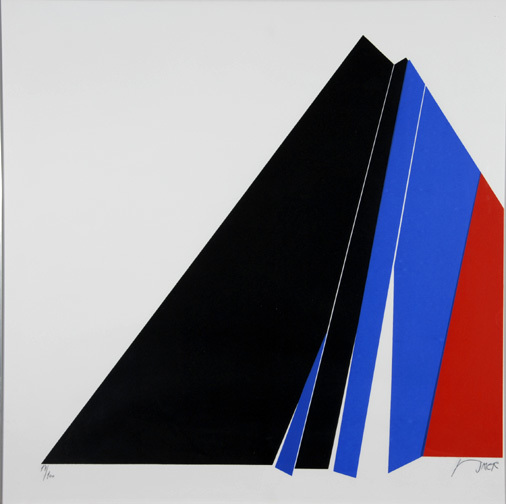
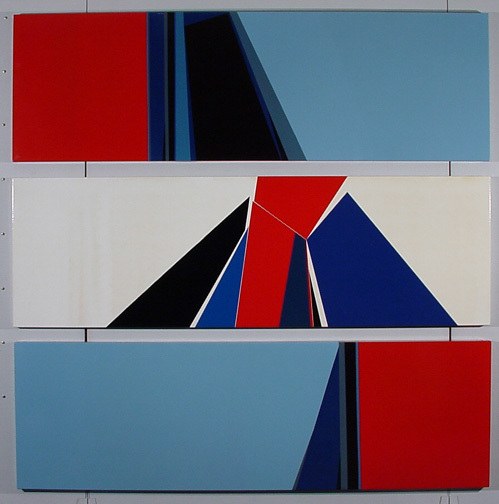
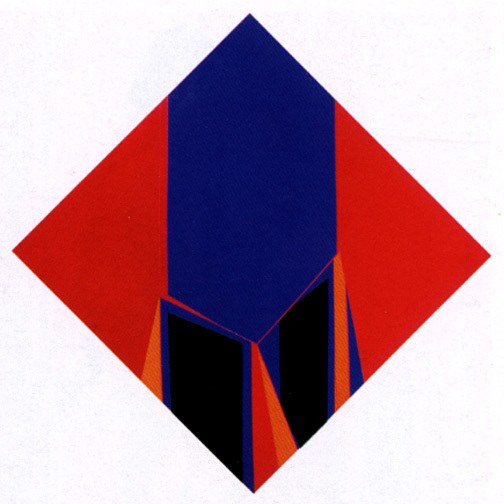
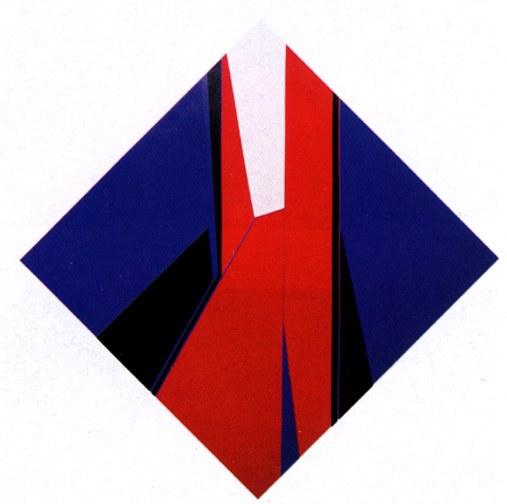
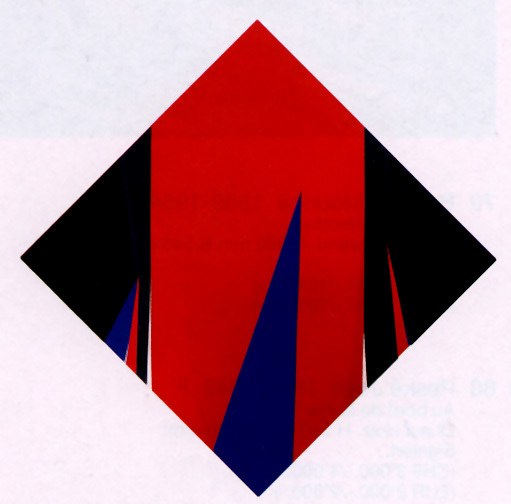
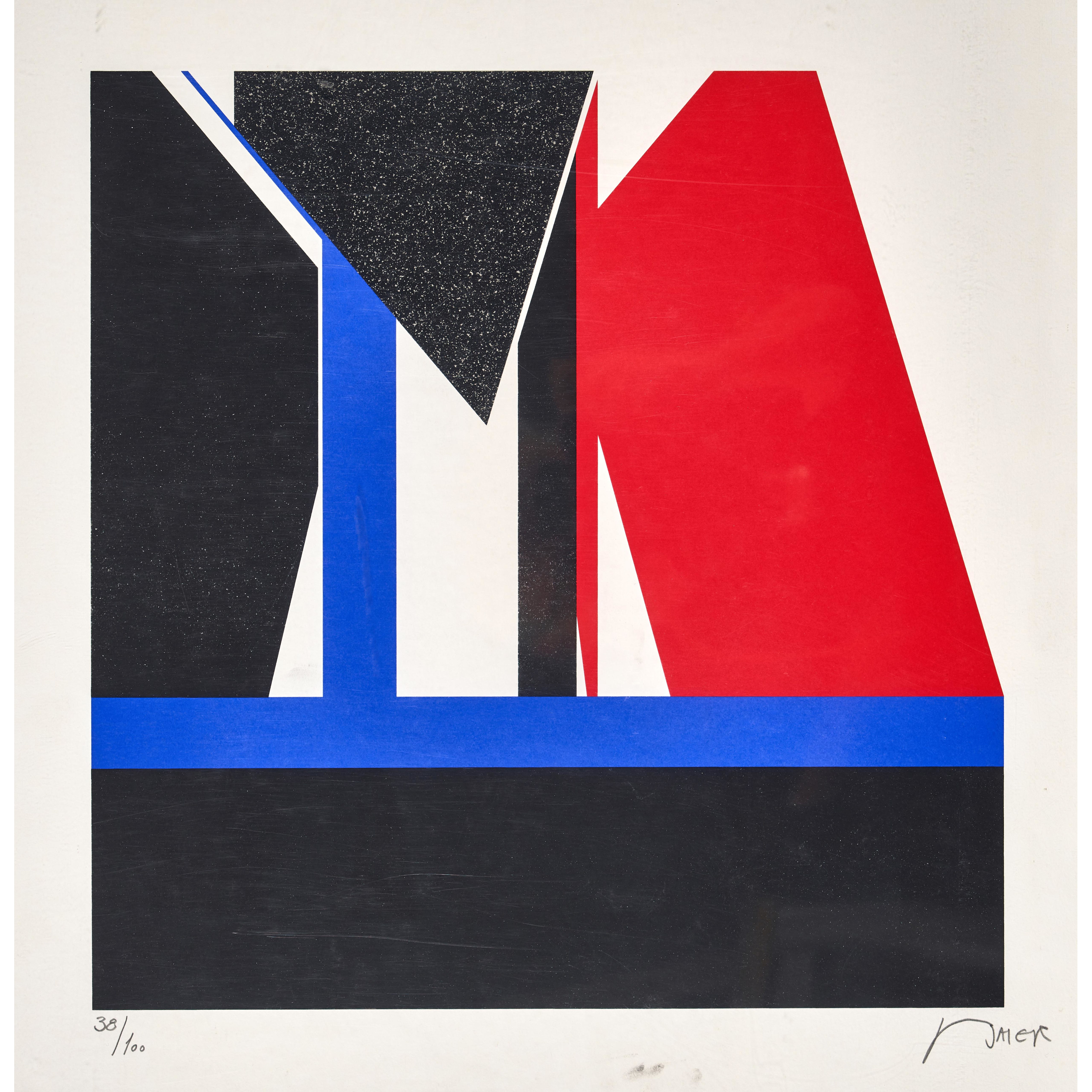
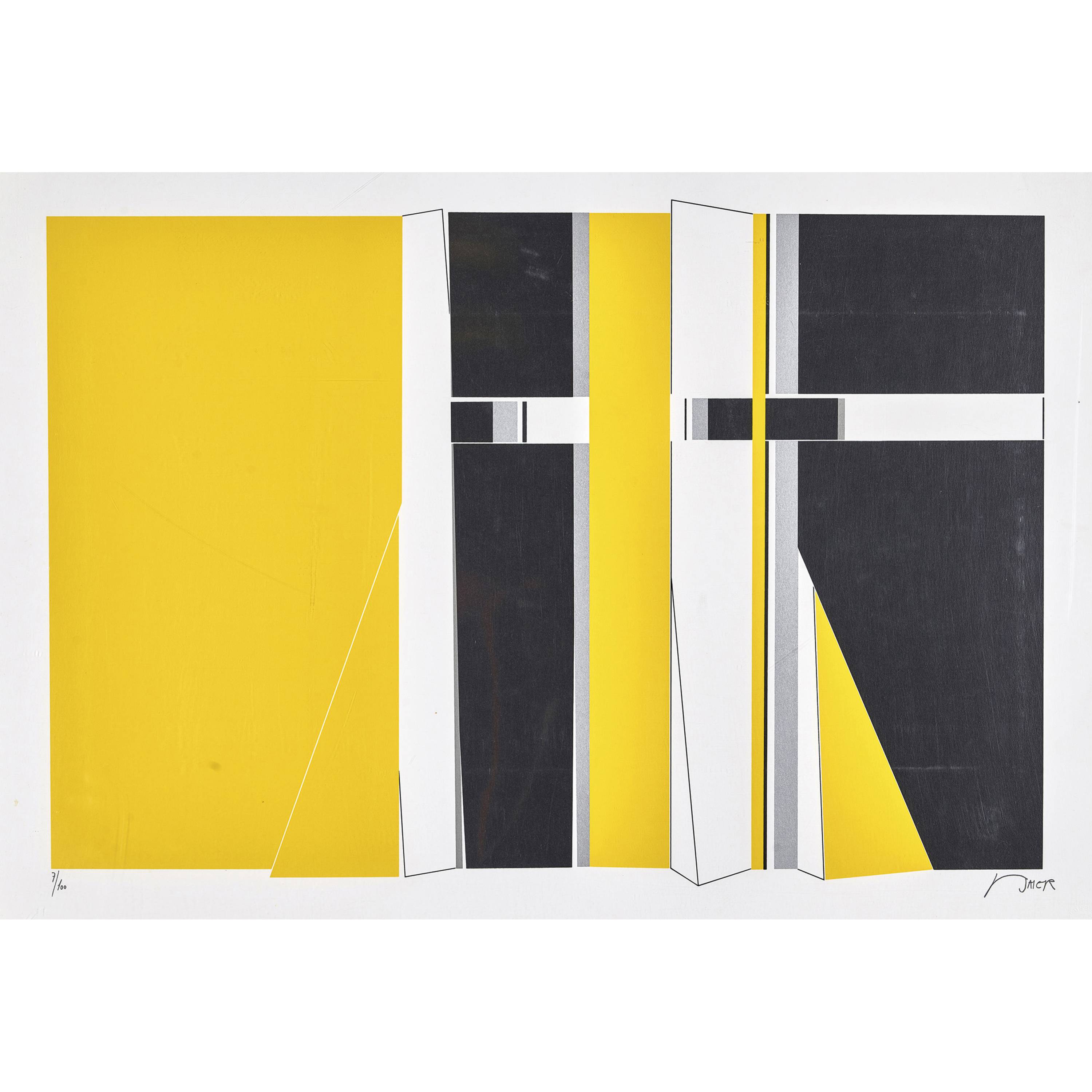
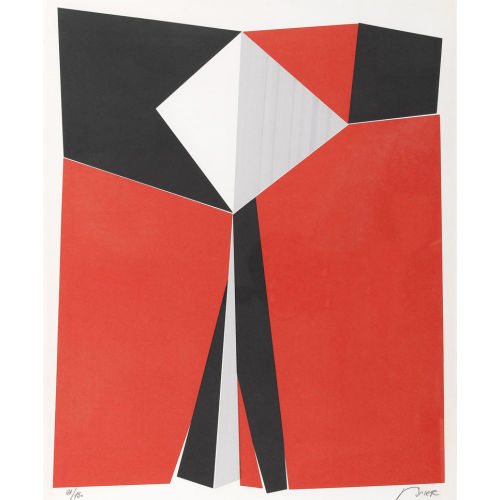
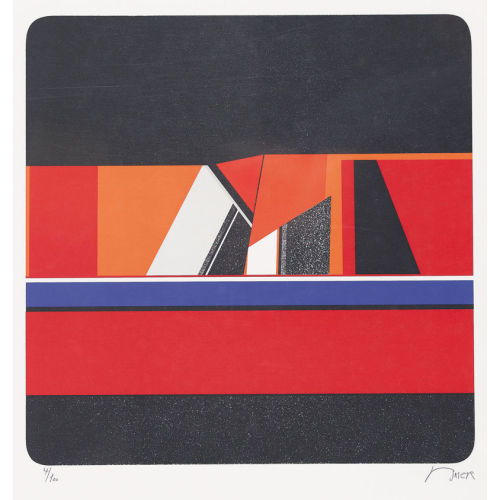
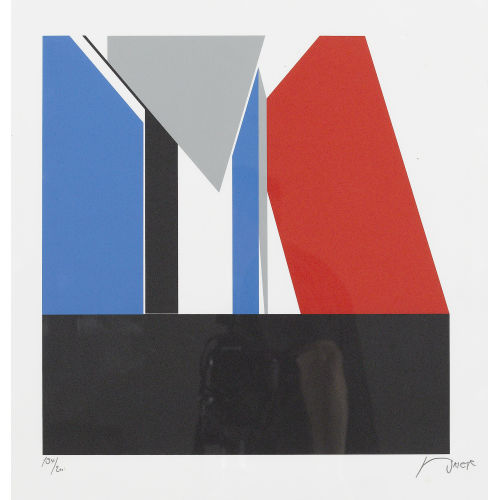
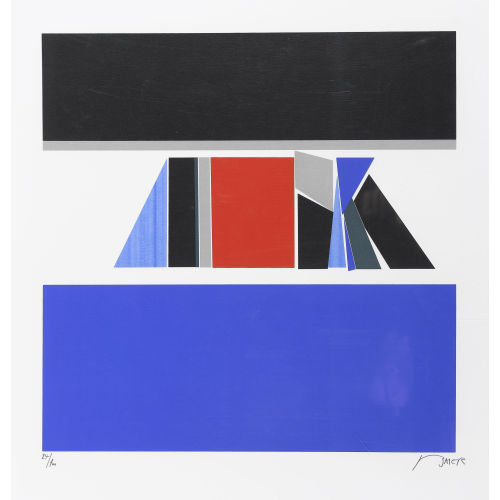
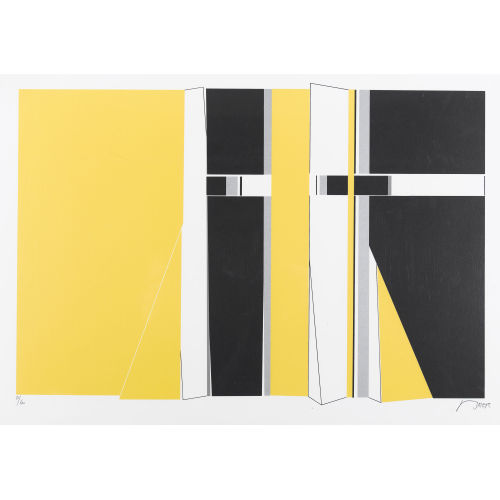
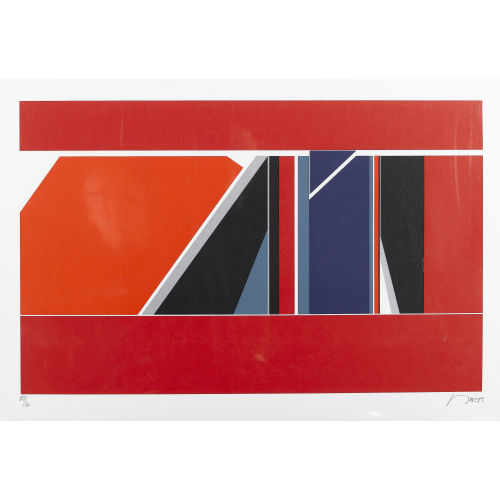
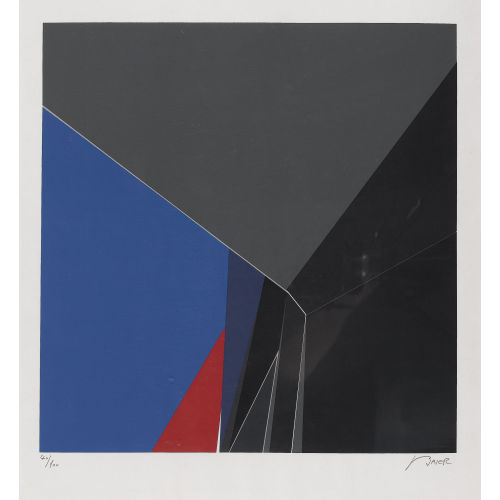
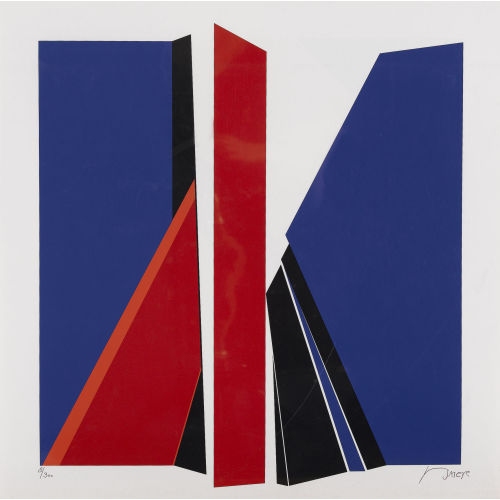
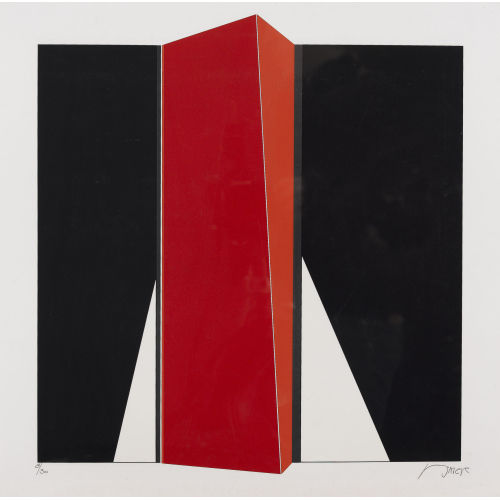
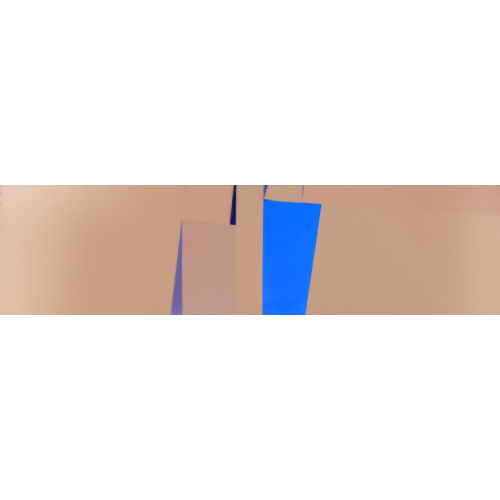
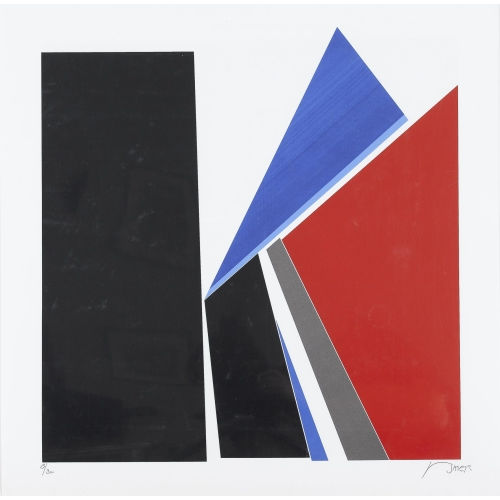
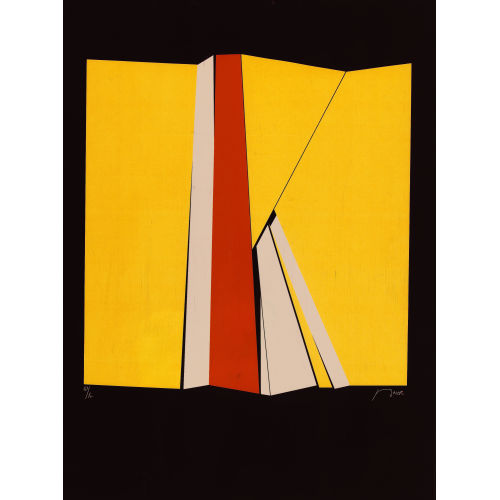
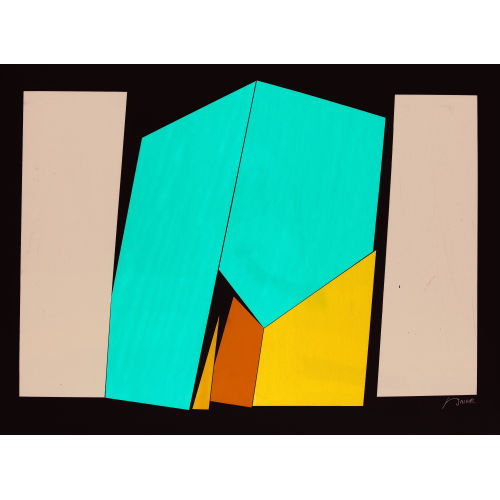
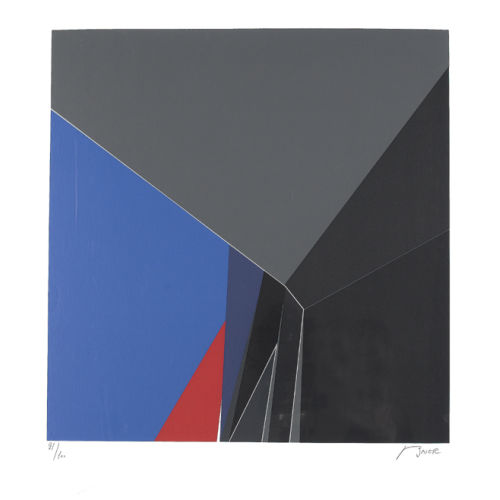
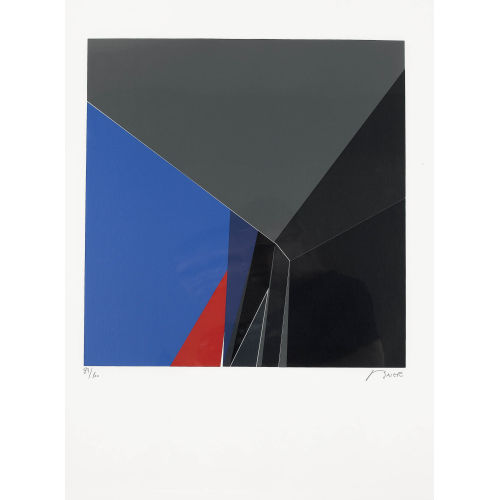
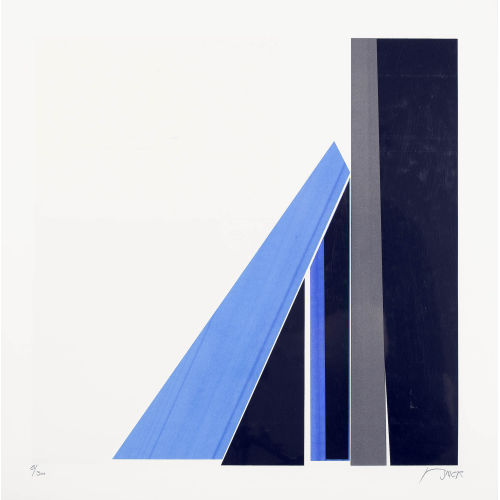
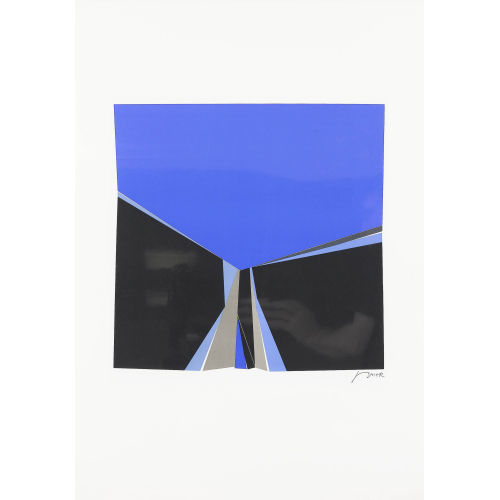
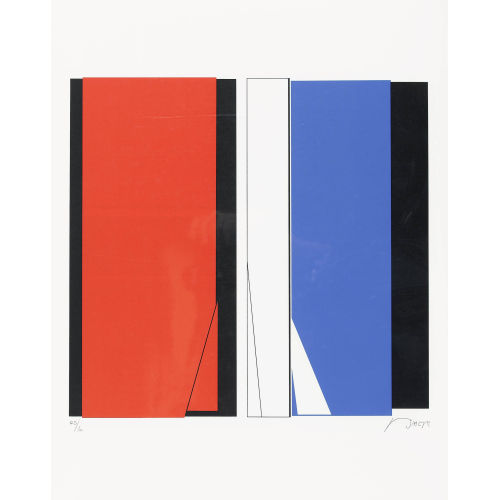
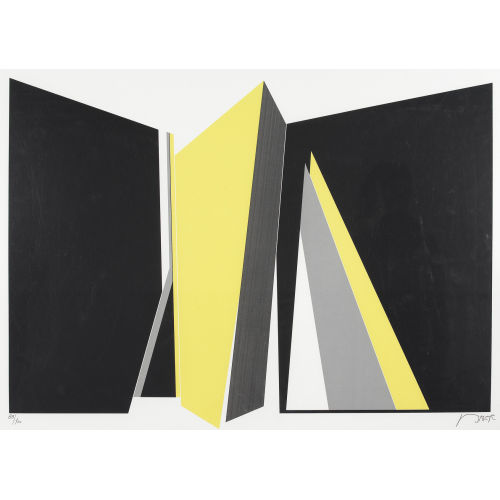
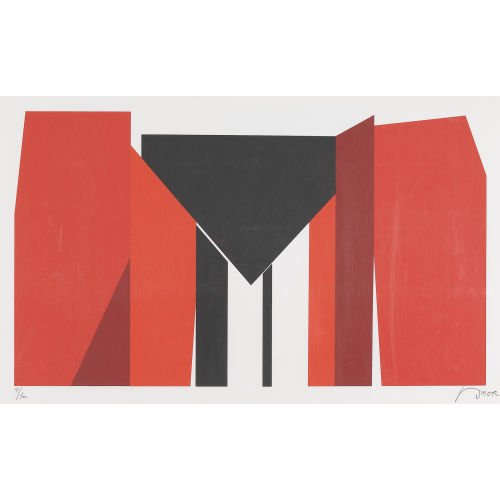
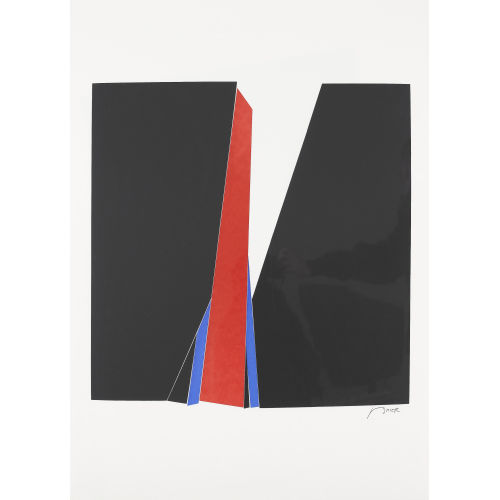
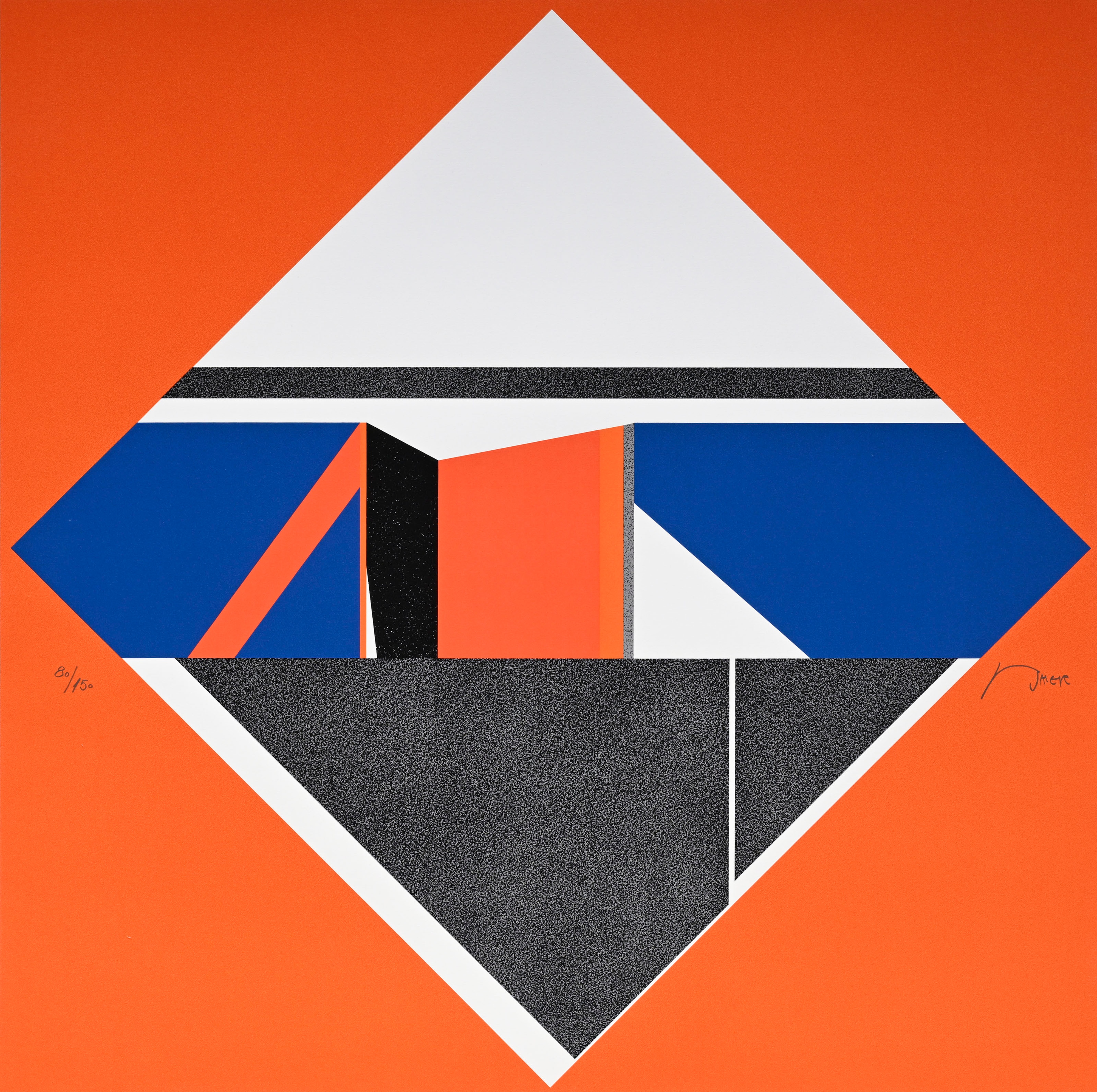
In Jean Baier’s work, geometry takes on the appearance of suspended movement. Clear forms draw close to one another, collide visually and leave narrow passages between them. The composition rests on these forces at play: each element seems necessary to the balance of the whole.
Born in Geneva in 1932 and deceased in that same city in 1999, the artist developed a body of work in which colour meets the precision of construction.
Trained in mechanics, Baier learned to paint as a self-taught artist. In 1951, a lecture by Fernand Léger devoted to architectural polychromy provided a decisive impetus. This connection between colour and space accompanied his career.
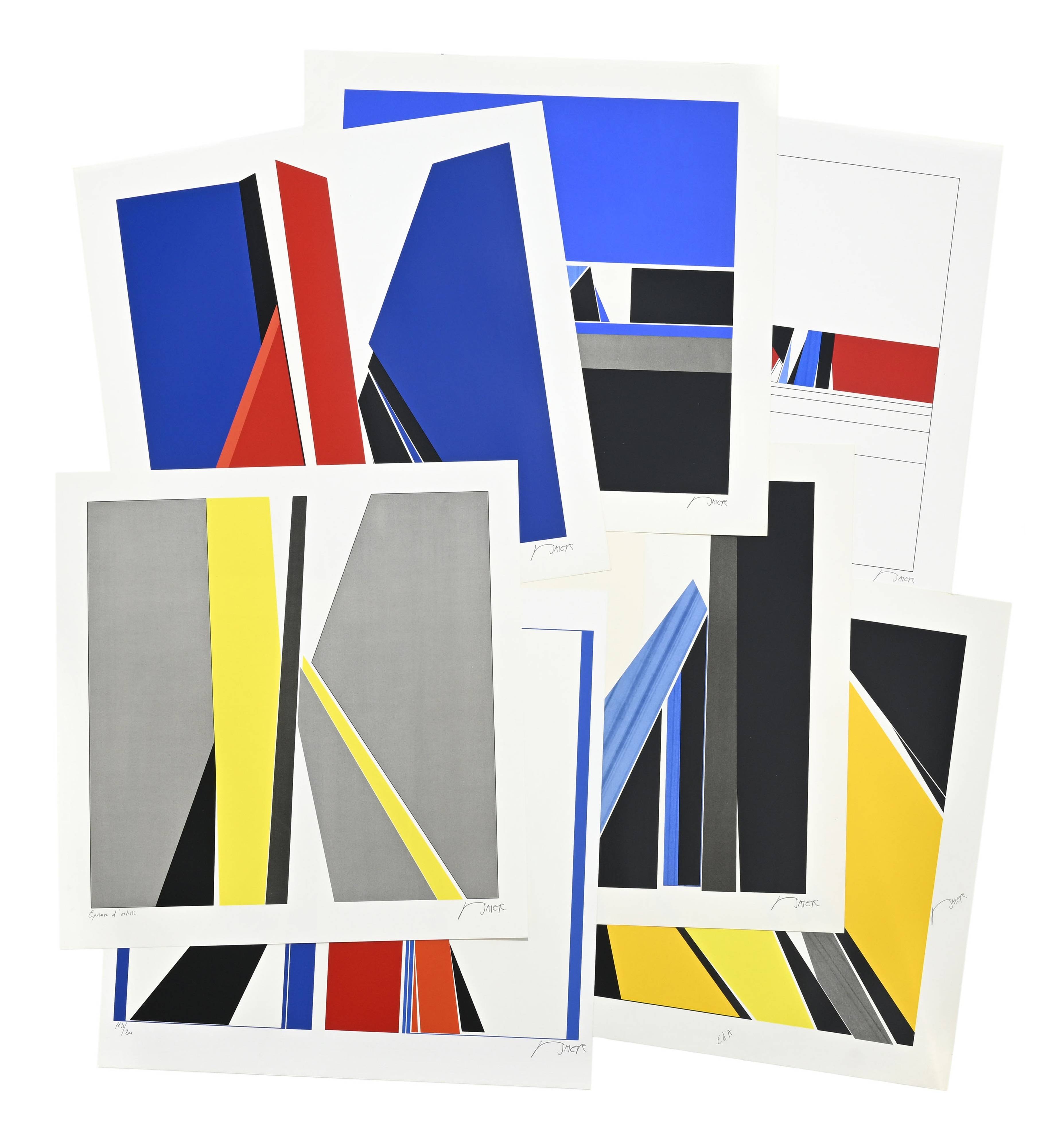
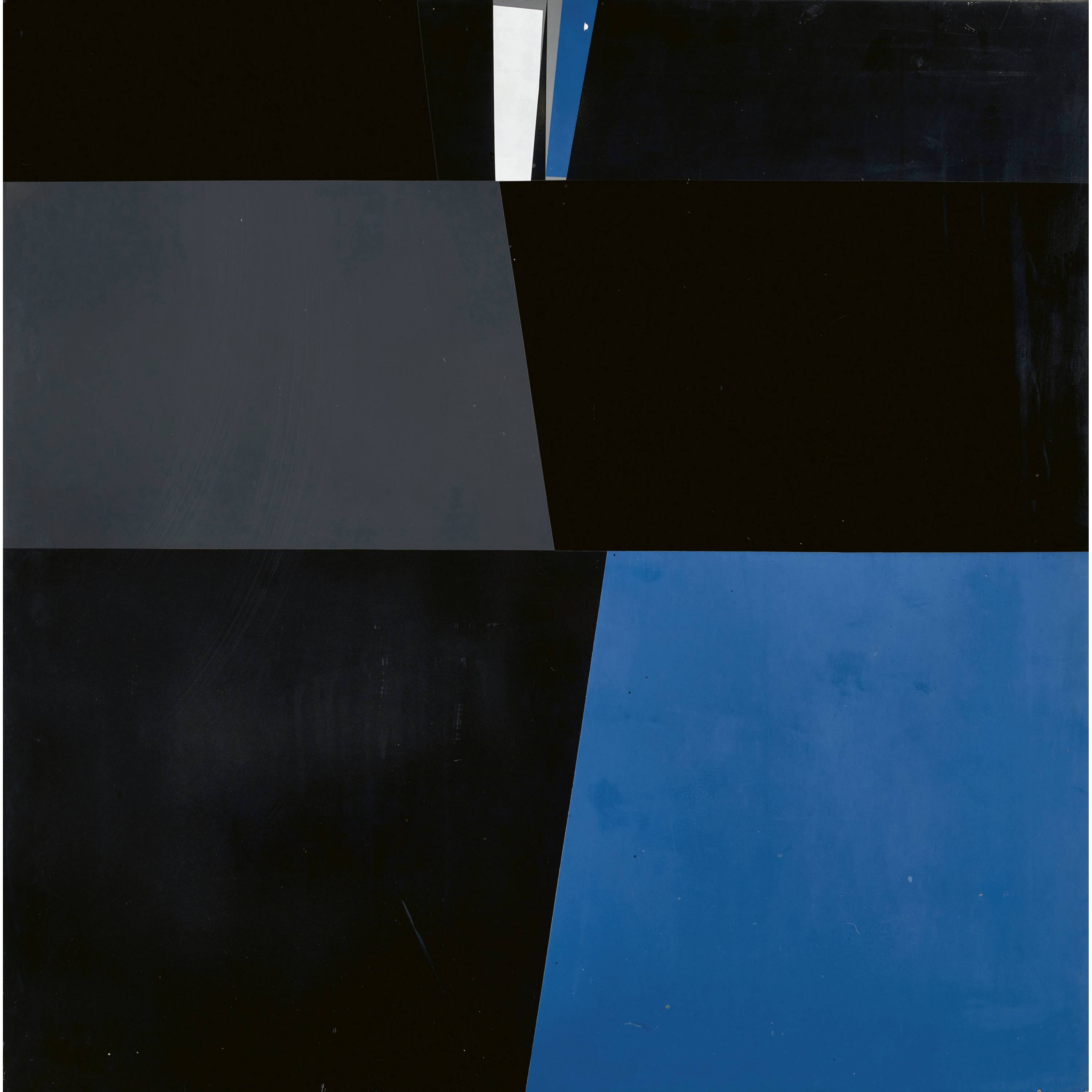
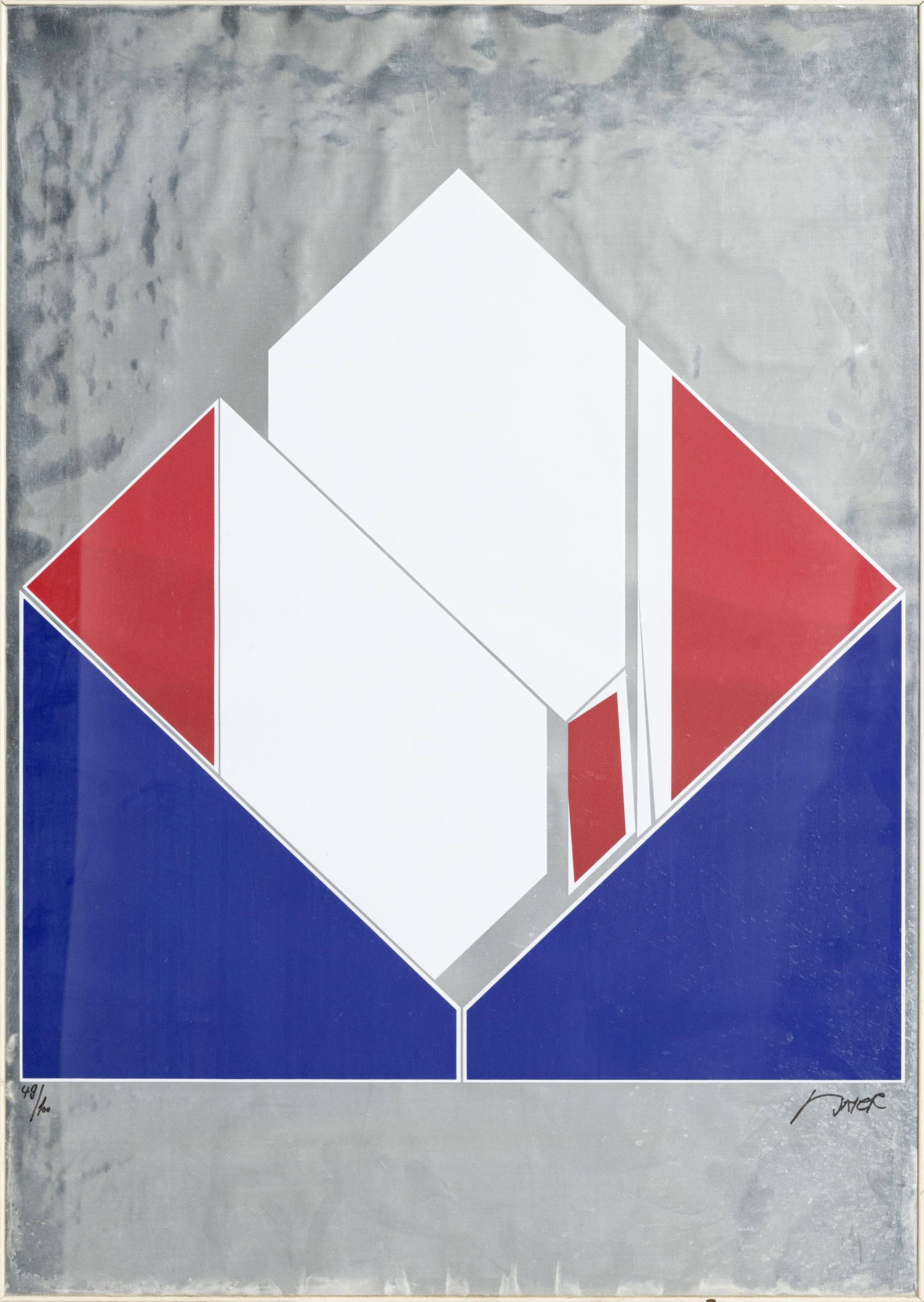
Close to Zurich Concrete Art and attentive to Mondrian’s principles, he favoured flat areas of colour, sharp contours and asymmetrical balances. Diagonals introduce visual mobility into this rigorous order.
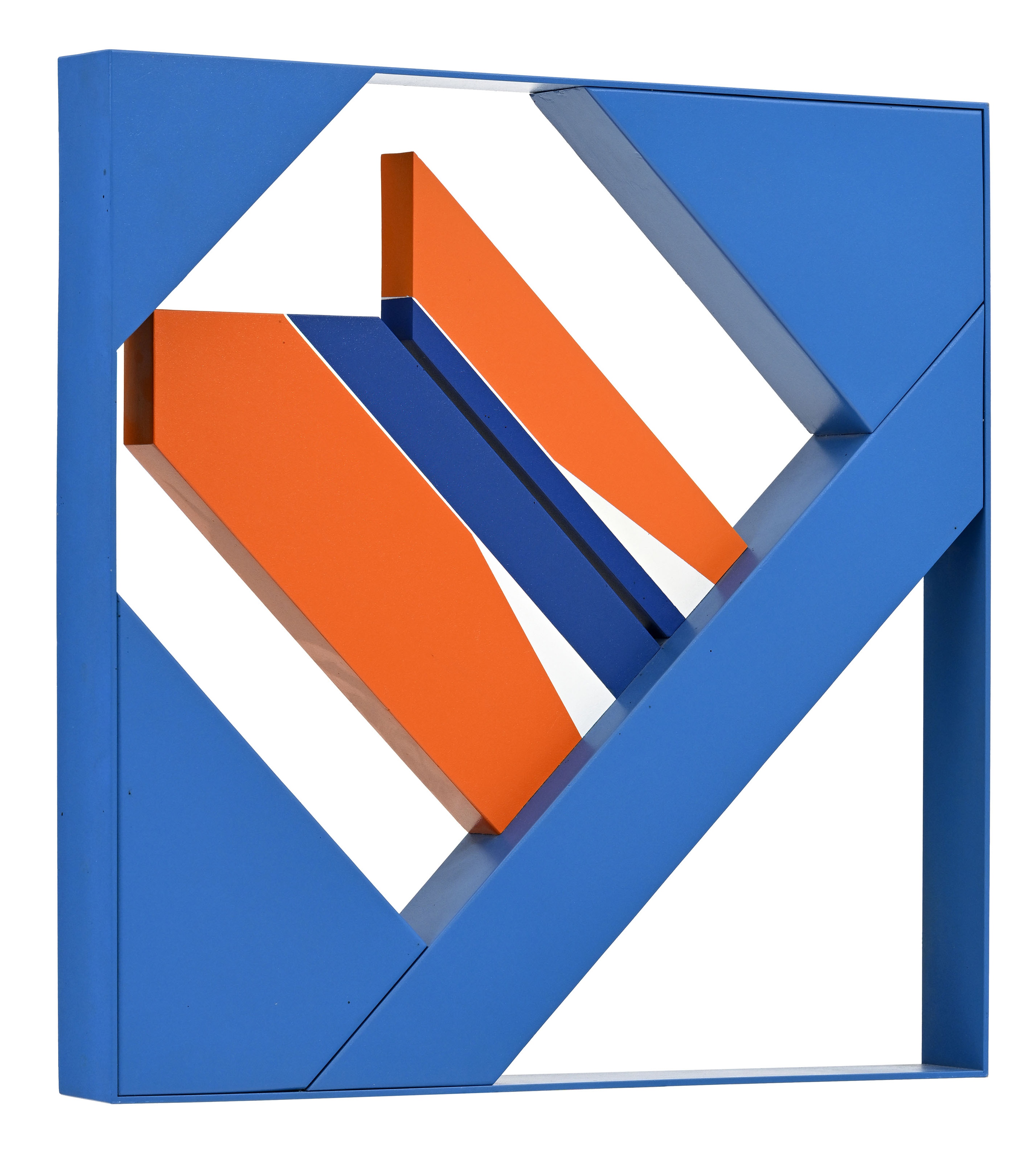
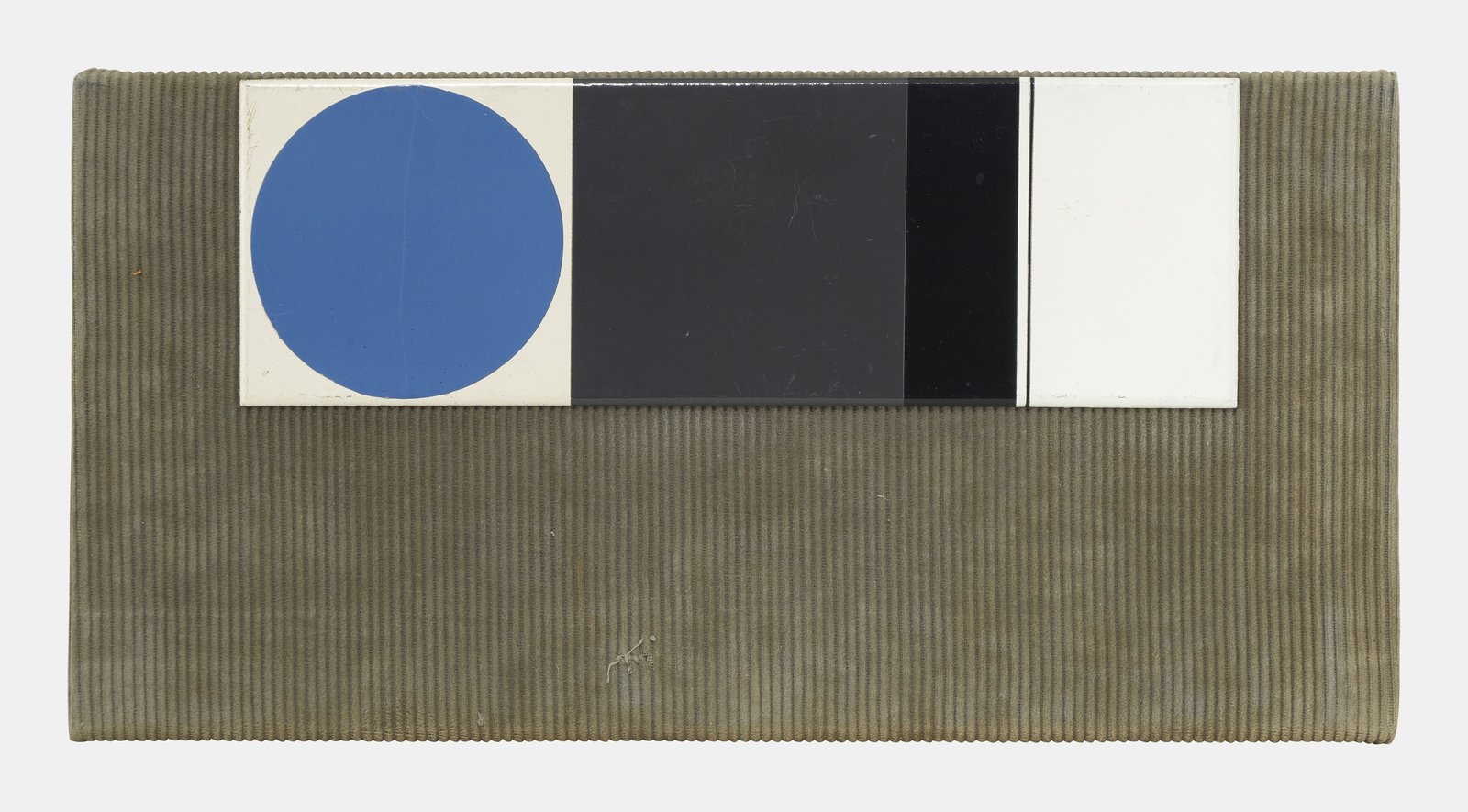
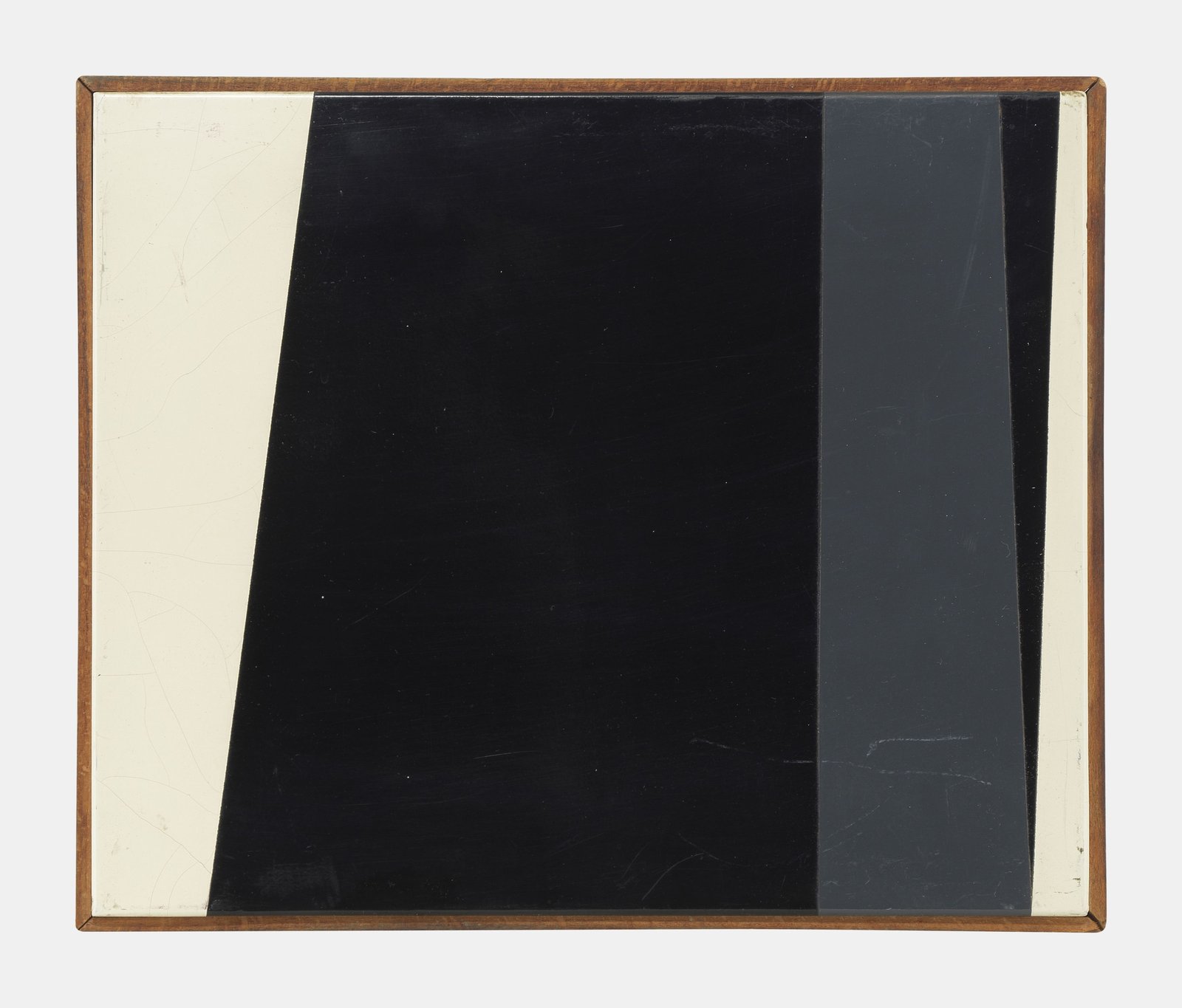
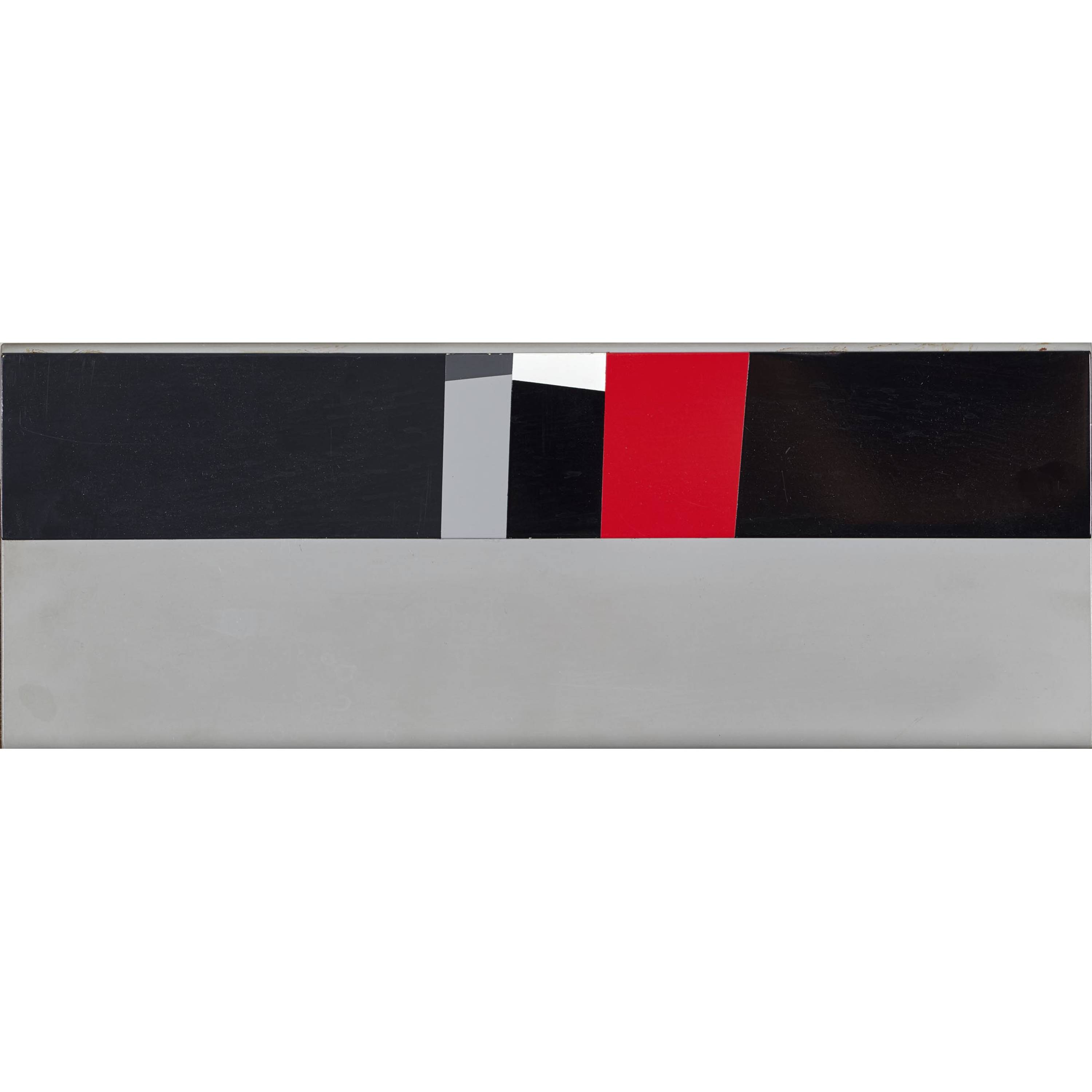
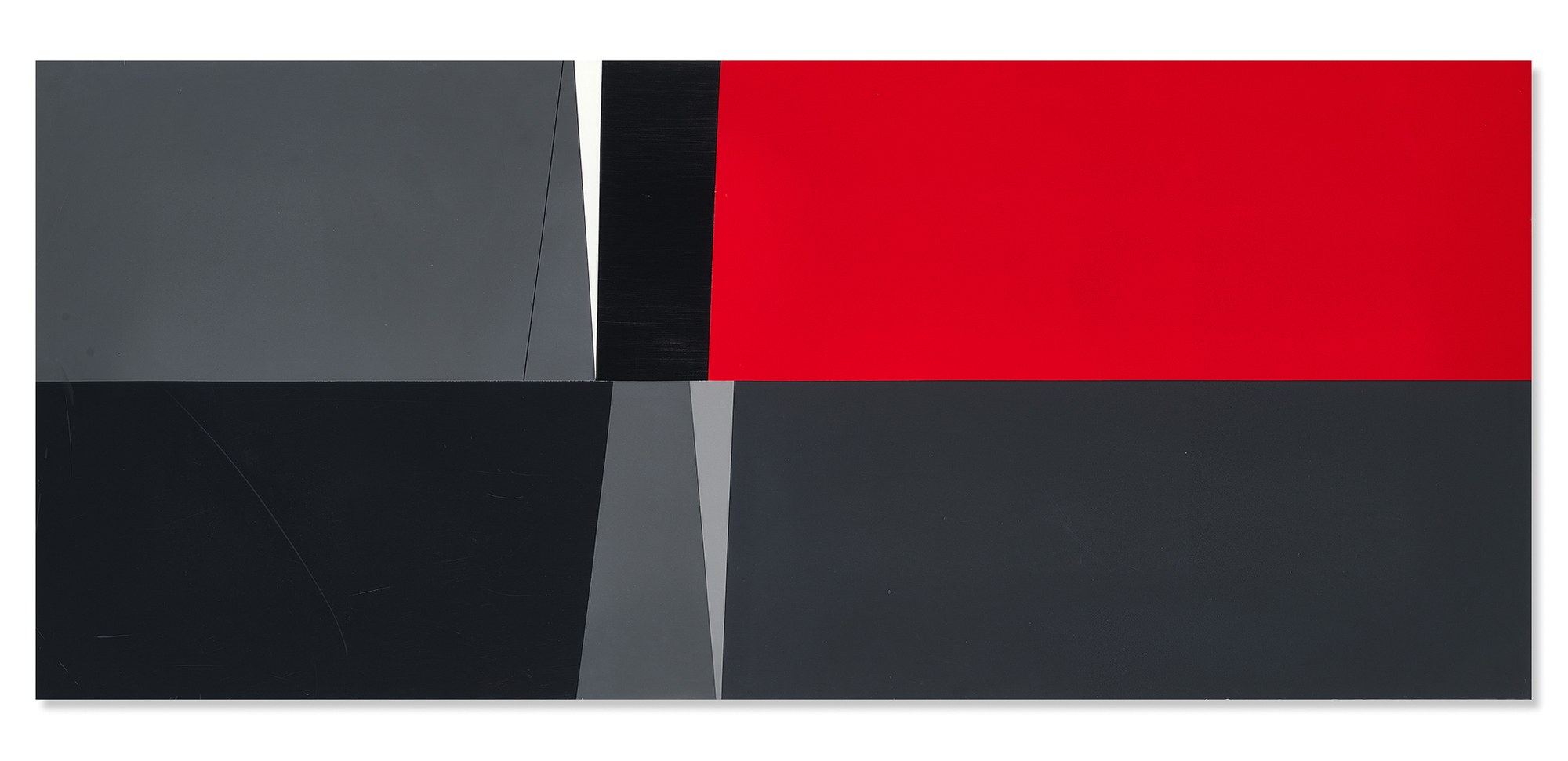
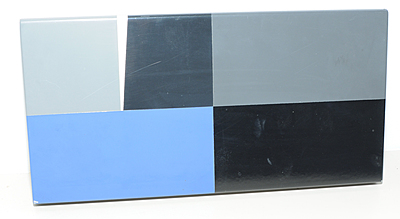
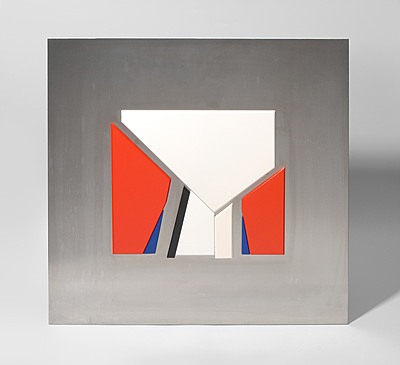
His technical choices form an integral part of this inquiry. Paint applied with a spray gun to industrial supports, particularly aluminium, gives the surface a presence different from that of a canvas worked with a brush. Between painting, object and relief, Baier explores the exchanges between plane and volume.
His vocabulary also finds an extension in the stage designs conceived for the Théâtre de poche de Genève.
Architecture gives this body of work a new scale. The coloured metal reliefs made for the former cafeteria of the University of St. Gallen in 1963, followed by the mural intervention at the Swiss embassy in Brasília in 1983, situate his investigations within places of living and movement.
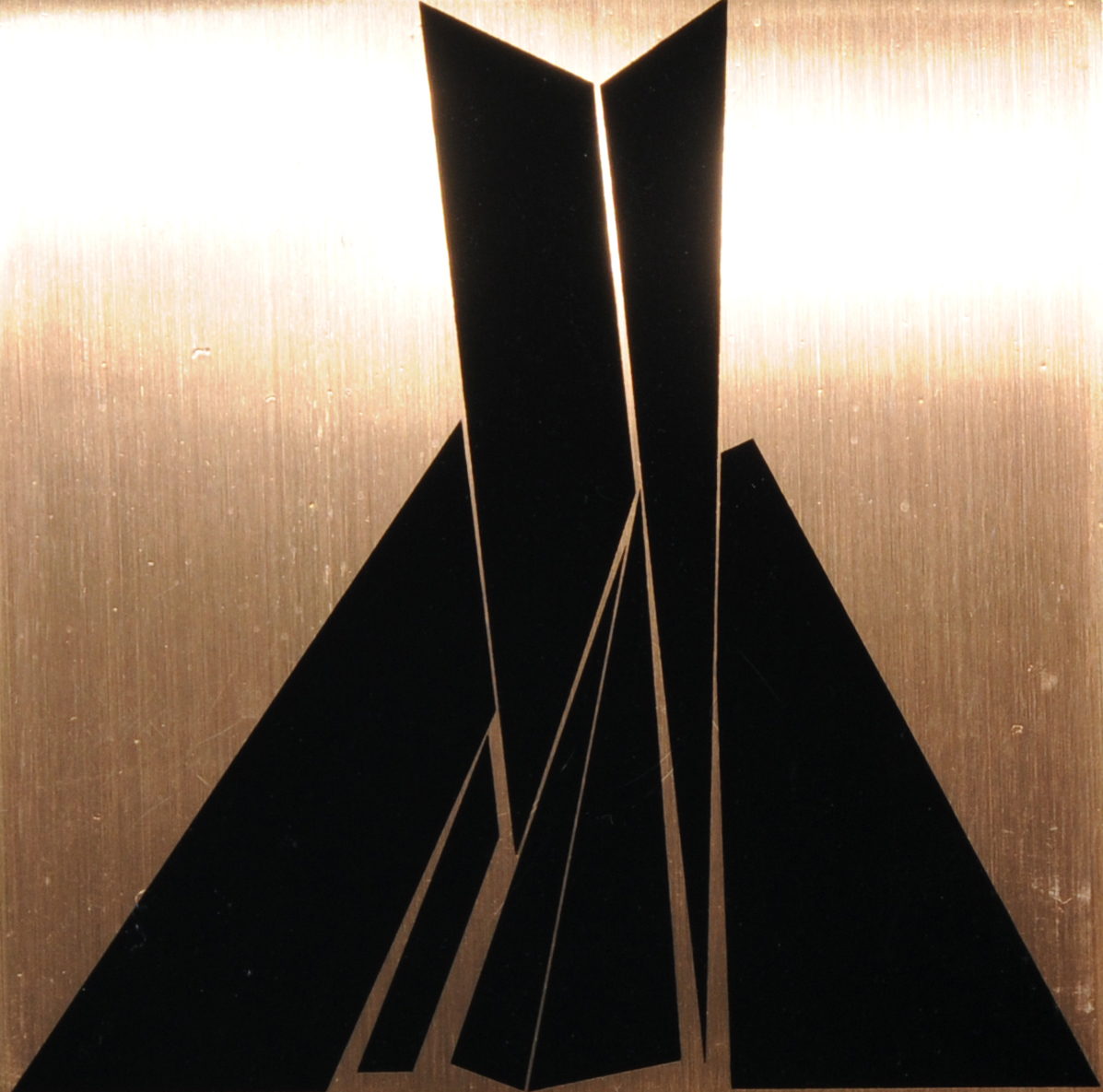
Printmaking reveals another facet of this world. The Hôpitaux universitaires de Genève hold around fifty of his engravings; their 2022 exhibition presented, among other works, ten black-and-white aquatints. To enter Baier’s work, the eye may follow a diagonal, pause at an interval, and then return to the whole: apparent simplicity becomes an active experience of space.