James Vibert
Born in 1872.
Died in 1942.
James Vibert (15 August 1872–2 May 1942) is presented as a Swiss sculptor whose work was associated with Symbolism and who, according to the source consulted, is regarded as «the principal representative» of this movement in Switzerland (f1, f2, f7).
Initially trained as an ironworker at the École des arts industriels de Genève (1885–1887) under the direction of Jules Salmson, he furthered his training with diplomas in modelling and drawing in Lyon, returned to Geneva in 1889, then settled in Paris with his brother in 1892. There he moved within Symbolist circles and worked as a practitioner in Auguste Rodin’s studio between 1894 and 1898 (f3, f4, f5, f6); his family connection with the engraver Pierre-Eugène Vibert is also documented (f11).
After returning to Switzerland in 1903, he pursued a teaching career as a professor at the École des beaux-arts de Genève until 1935—where Pierre Le Faguays was notably among his pupils—and held public responsibilities as a member of the Federal Commission of Fine Arts during two terms (1906–1908 and 1923–1926); the source also mentions his membership of the Grande Loge suisse Alpina (f8, f19, f9, f12).
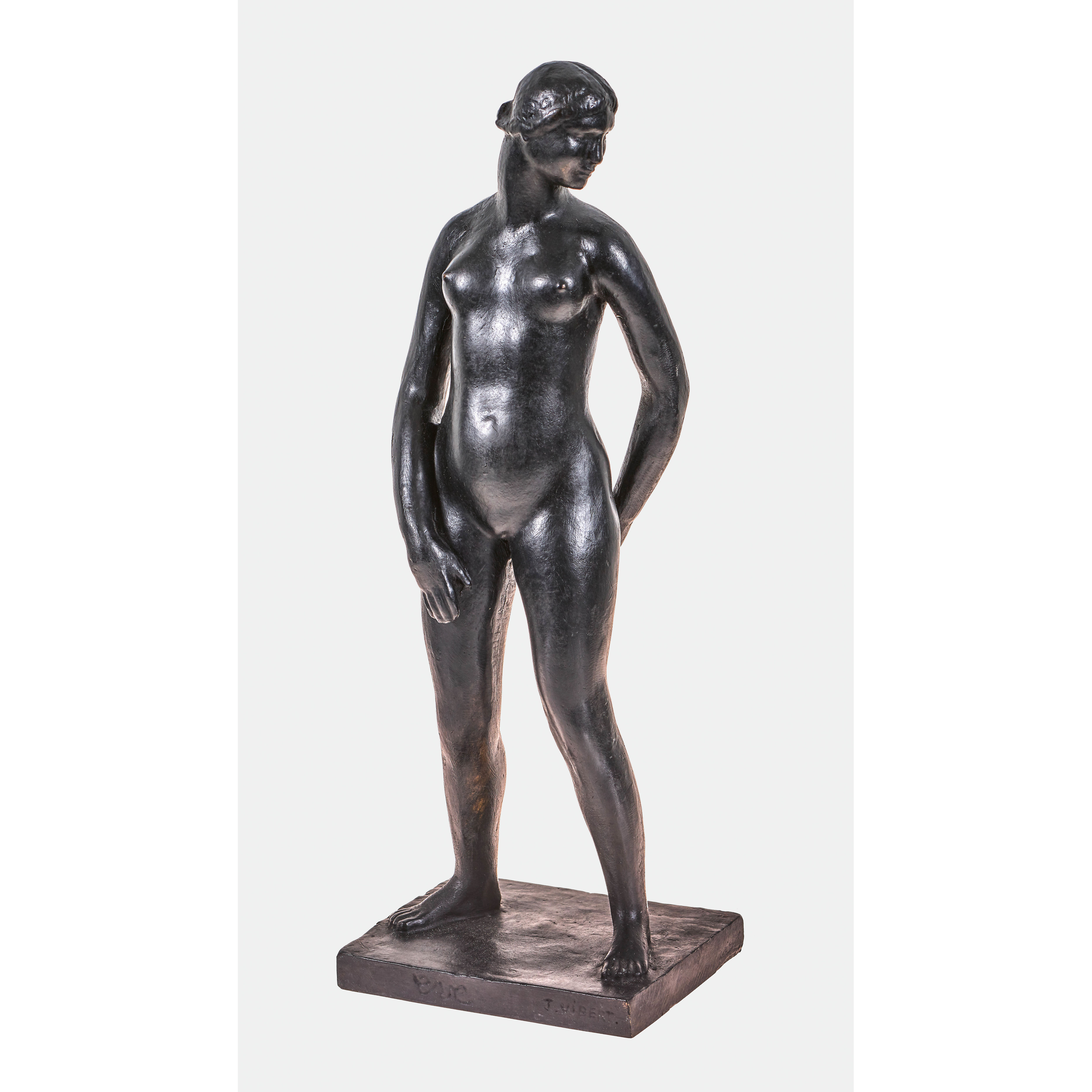
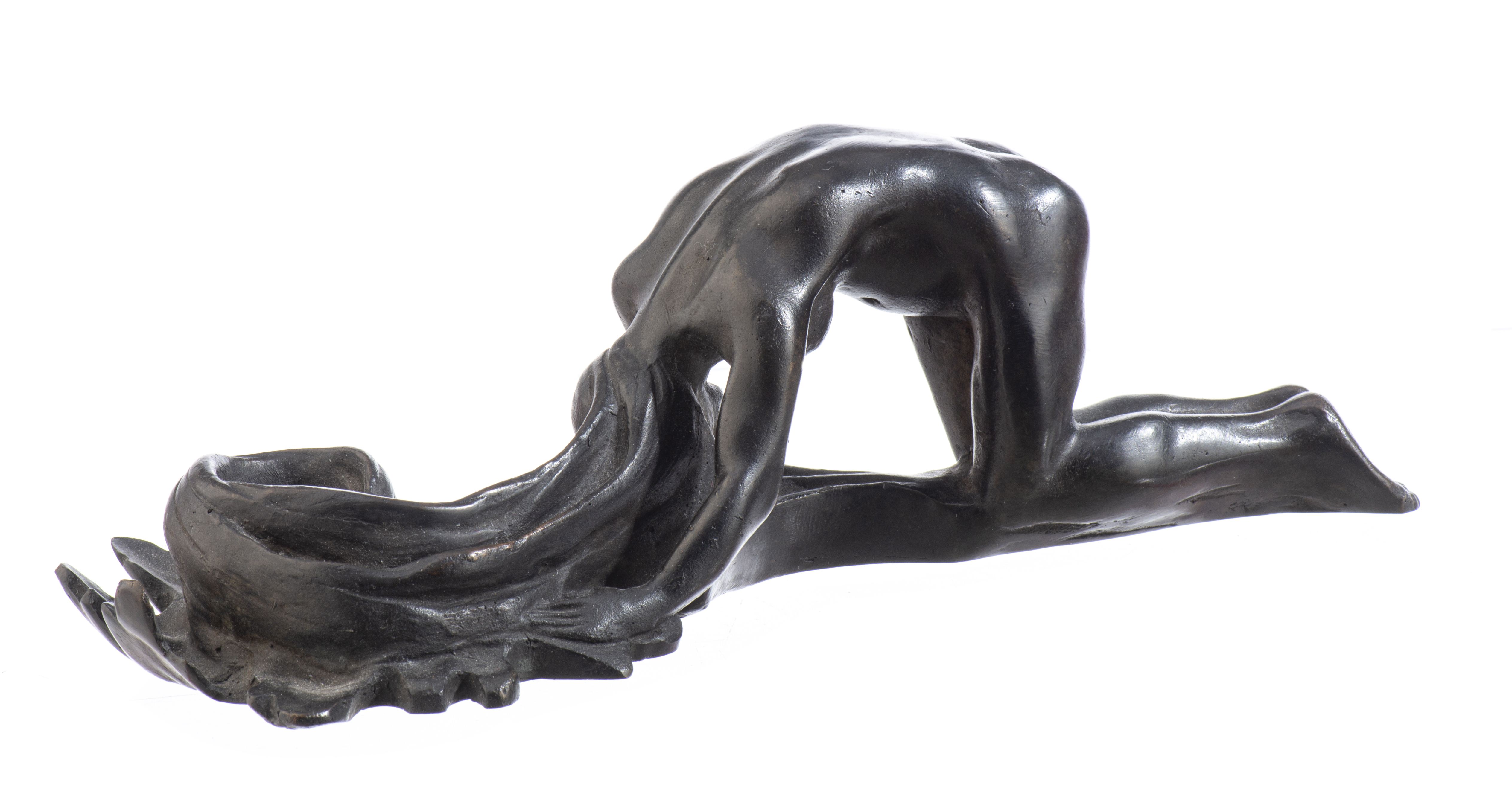
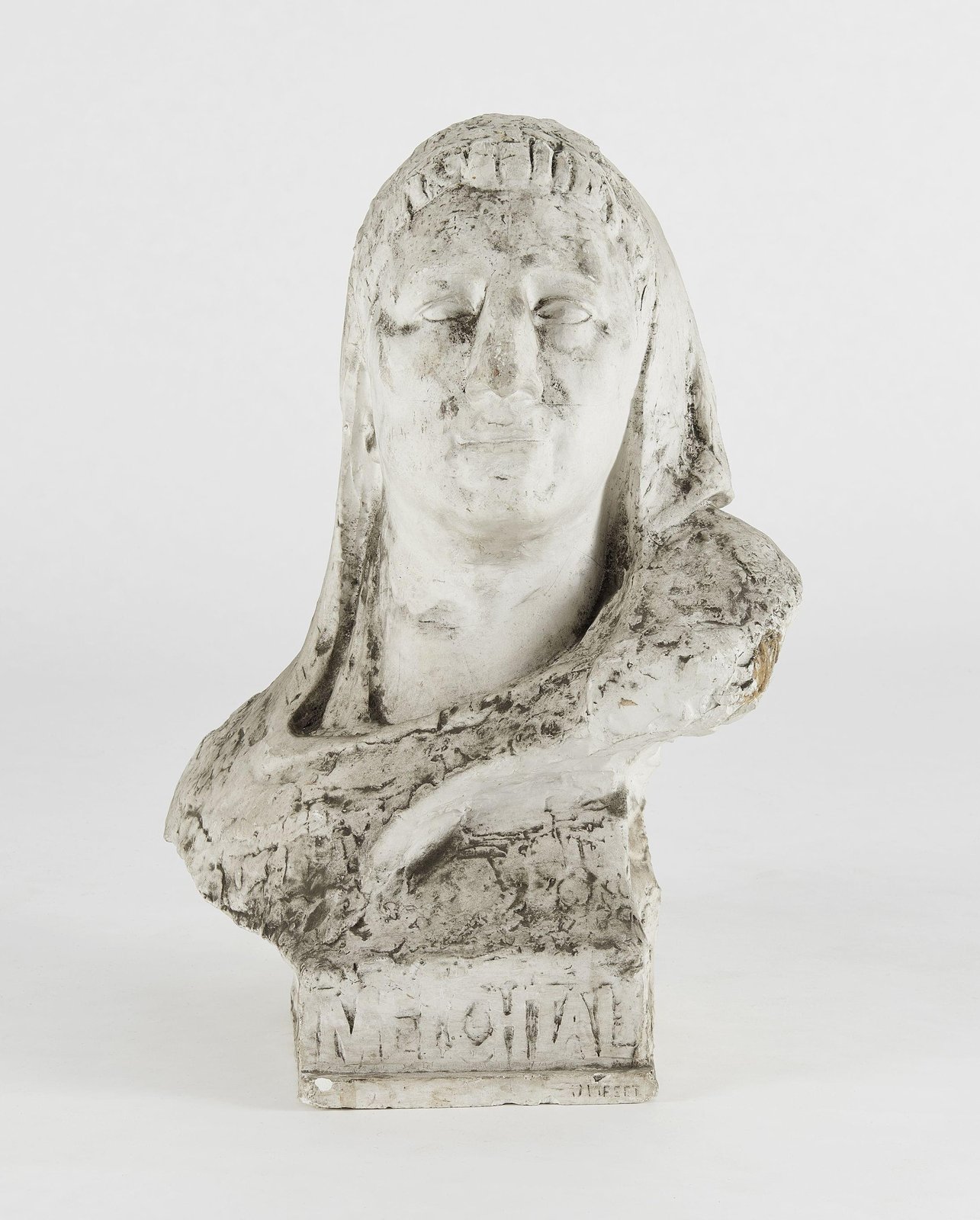
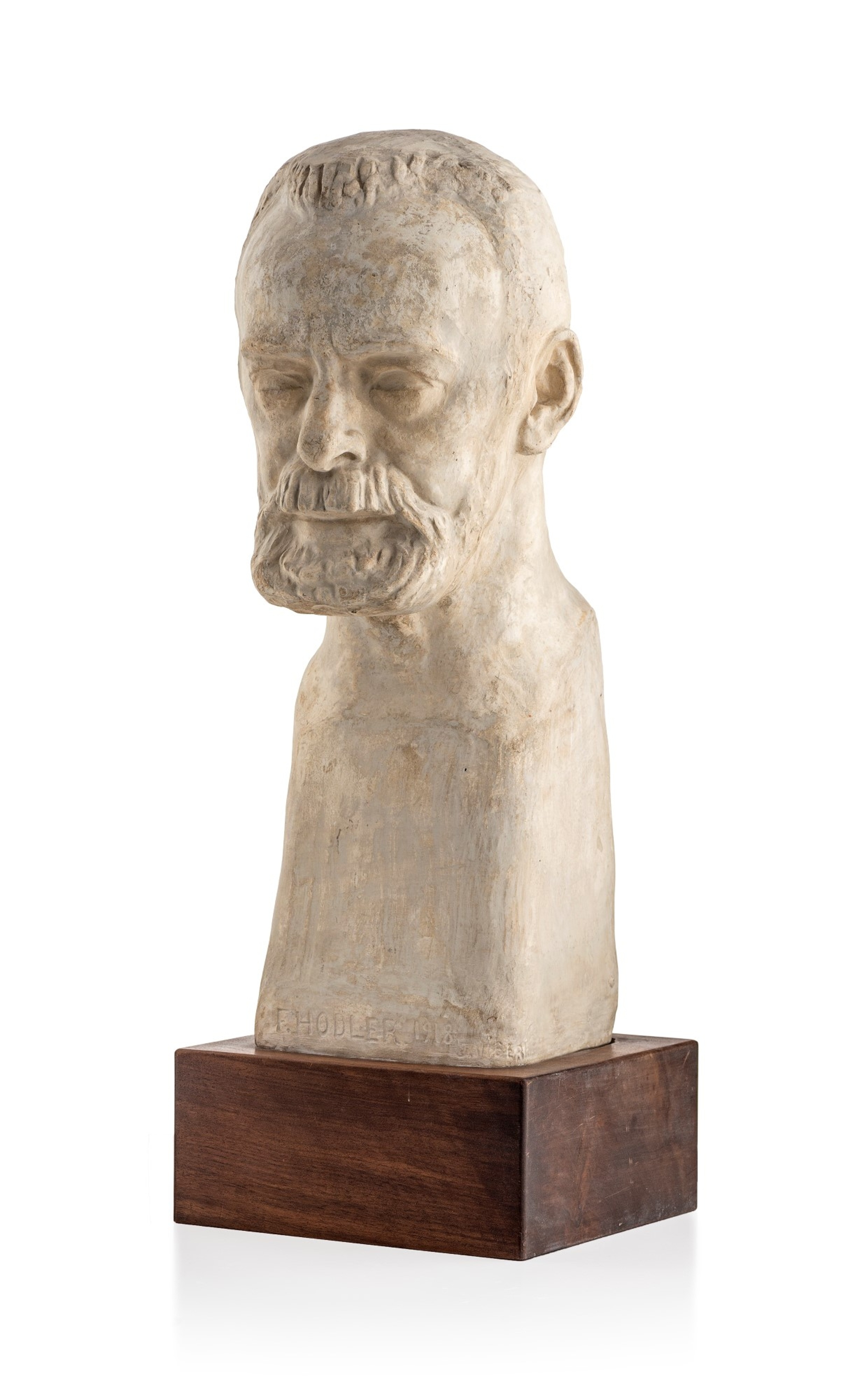
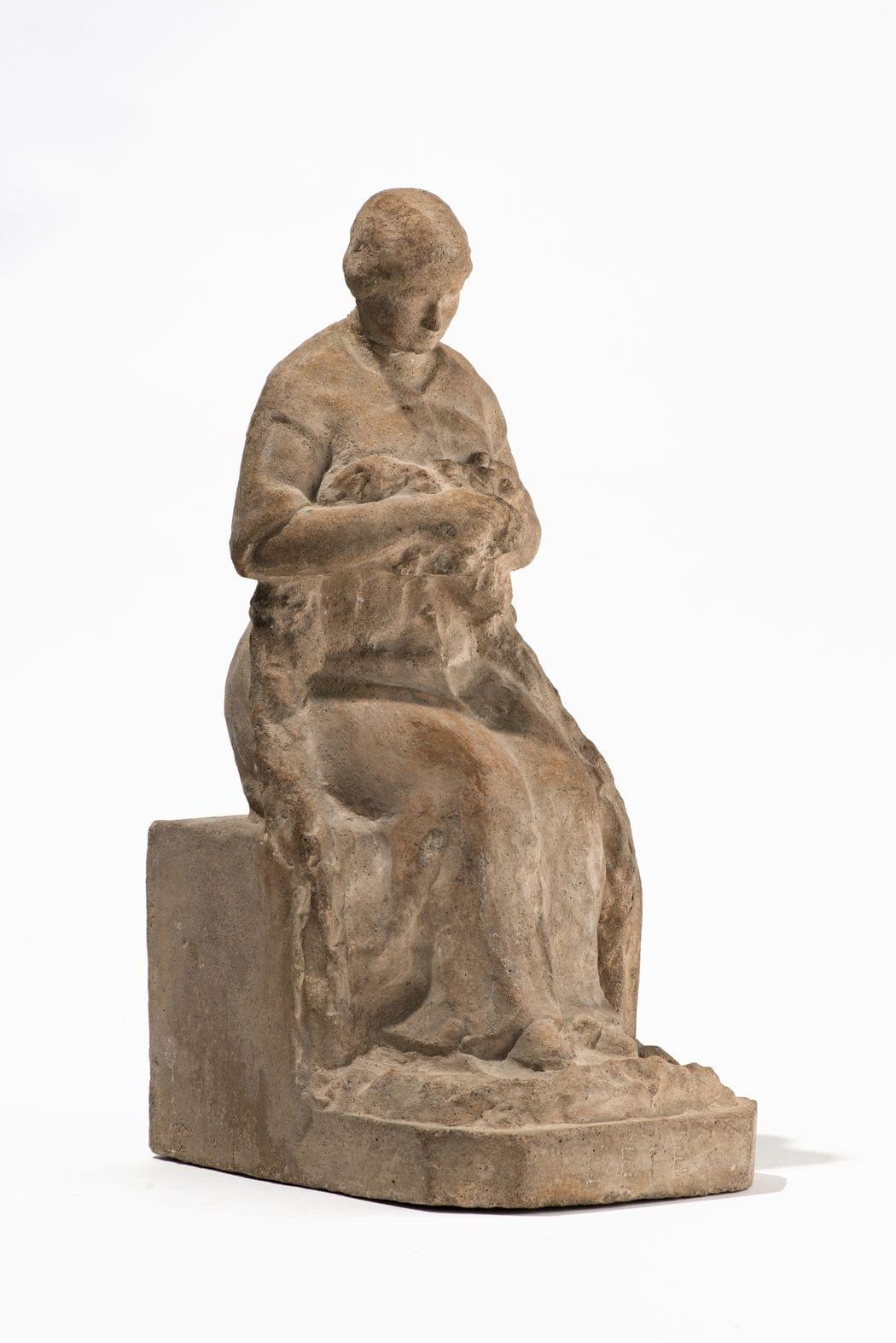
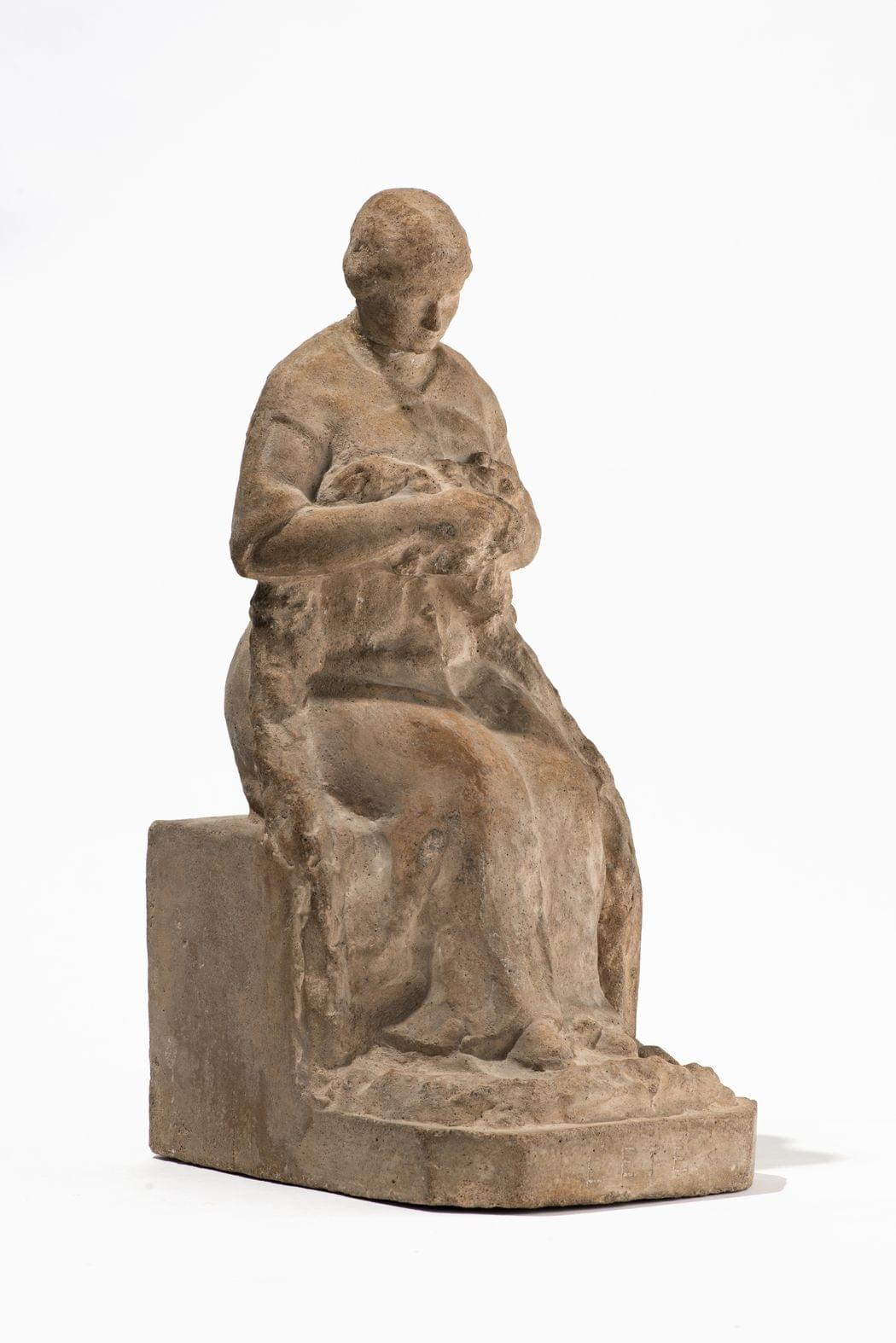
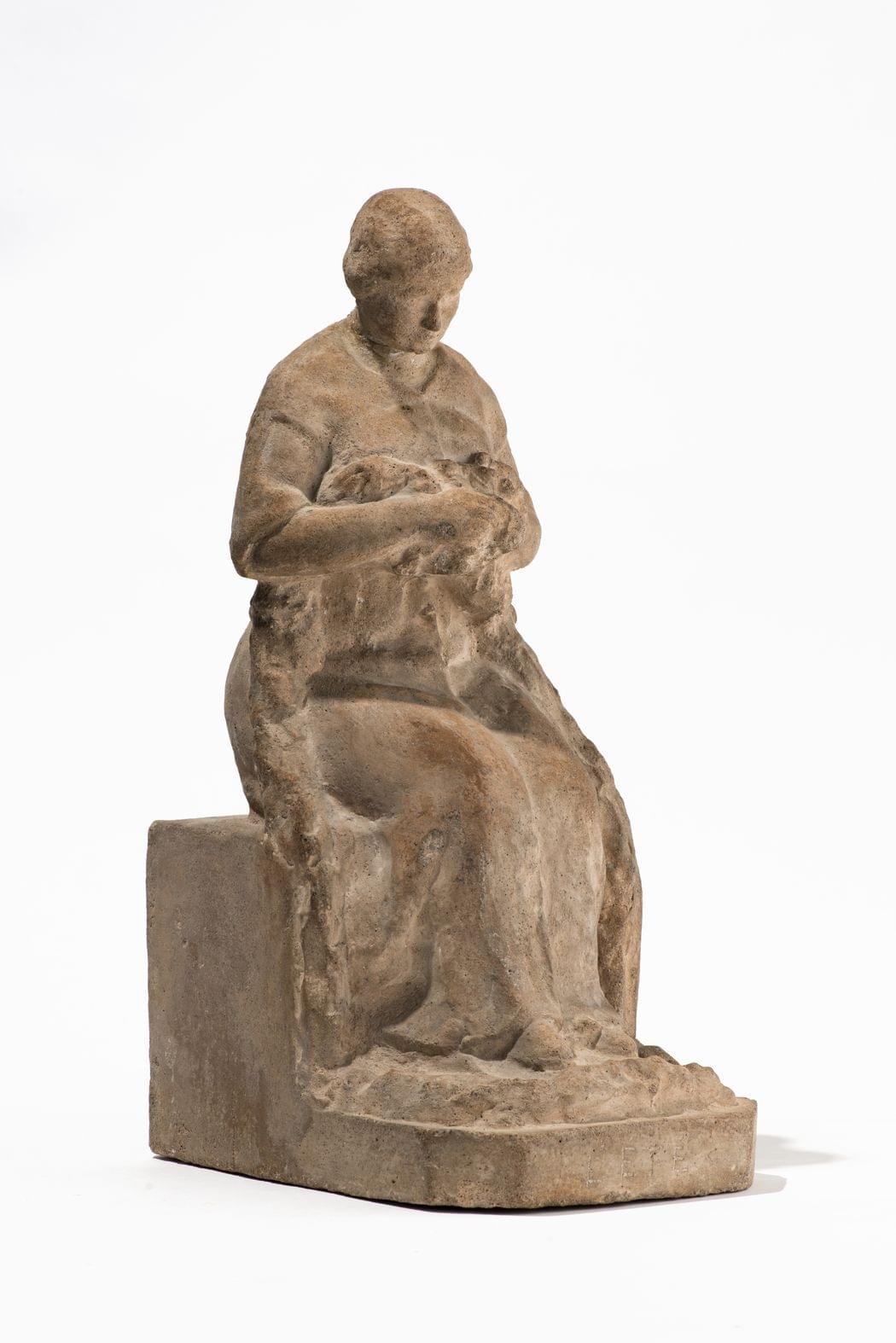
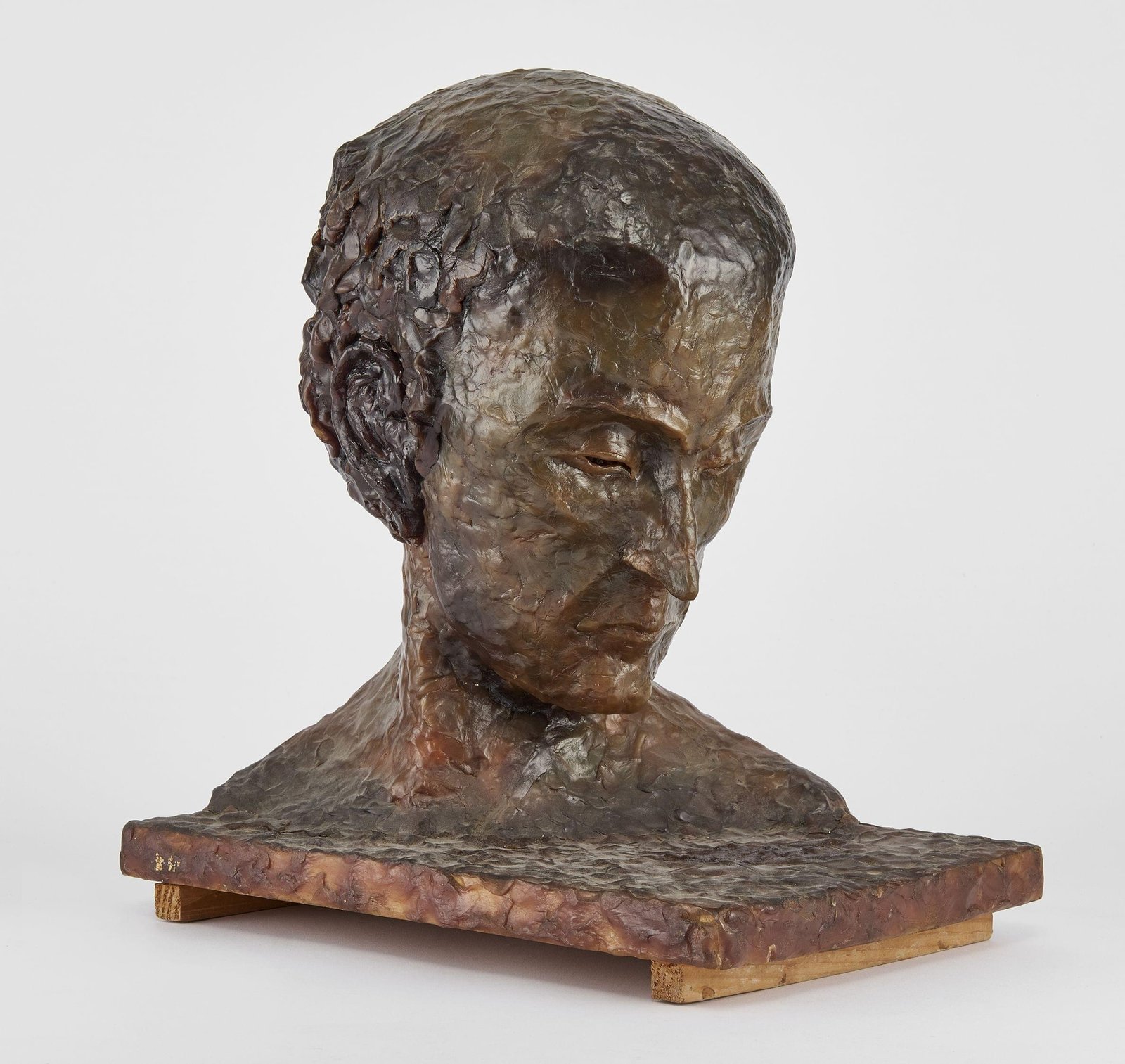
In terms of his work, Vibert is known above all for his practice of the bust—he is credited with sculpted portraits of Genevan personalities, a bust of the poet Paul Verlaine, and a bust self-portrait—and in 1914 he received a monumental commission for the Federal Palace in Bern, entitled Le Serment des trois Suisses; moreover, Ferdinand Hodler produced two portraits of Vibert in 1907 and 1915 (f14, f10, f13).
Contemporary and posthumous documentation includes several monographs and entries, notably titles by Charles Baudouin (1943), Jean de Fontanes (1942), and Emilie Schaub-Koch (1942), while visual examples of his busts are referenced by the Centre d’iconographie of the Bibliothèque de Genève (f15, f16, f17, f18).