Irène Zurkinden
Born in 1909.
Died in 1987.
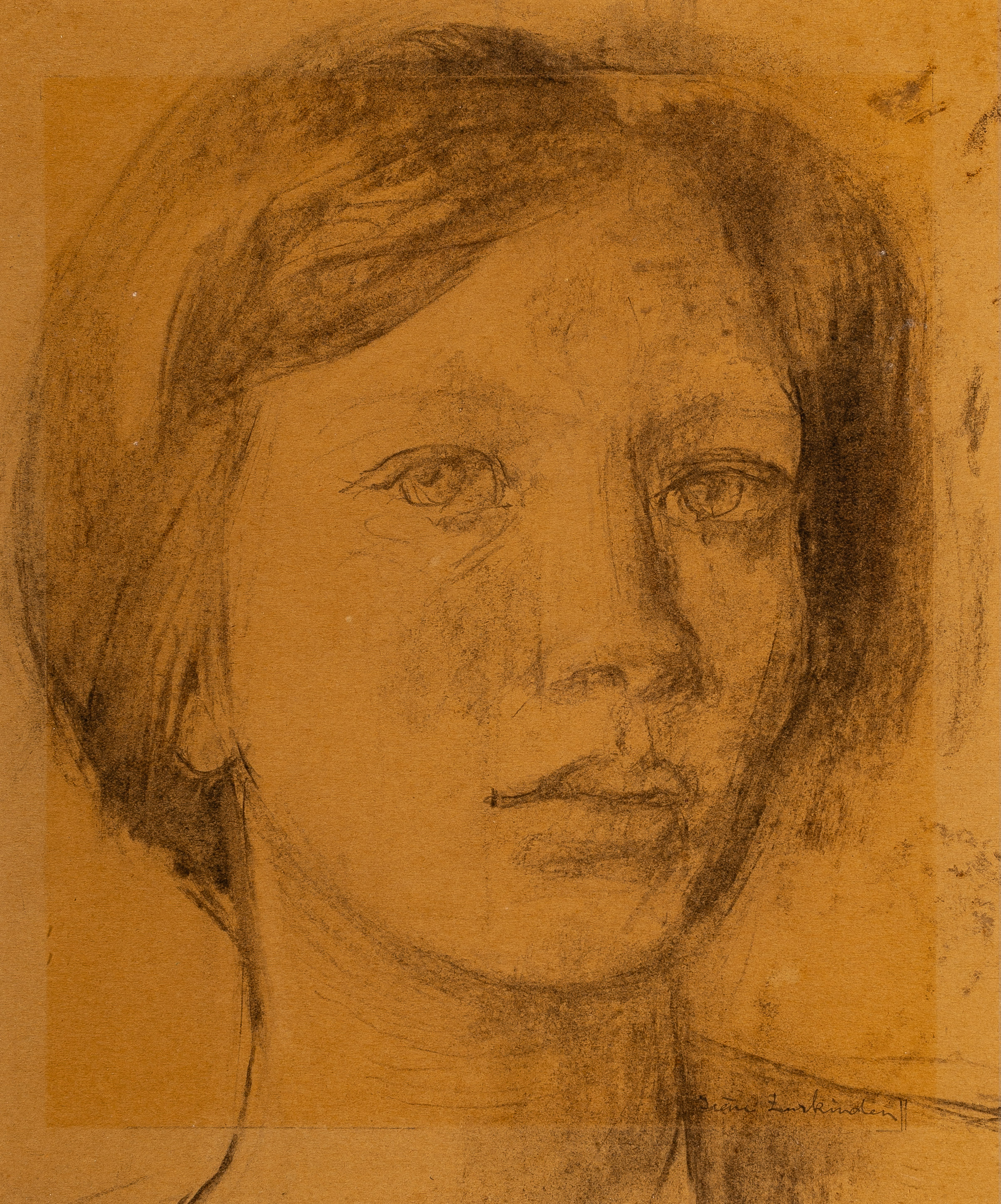
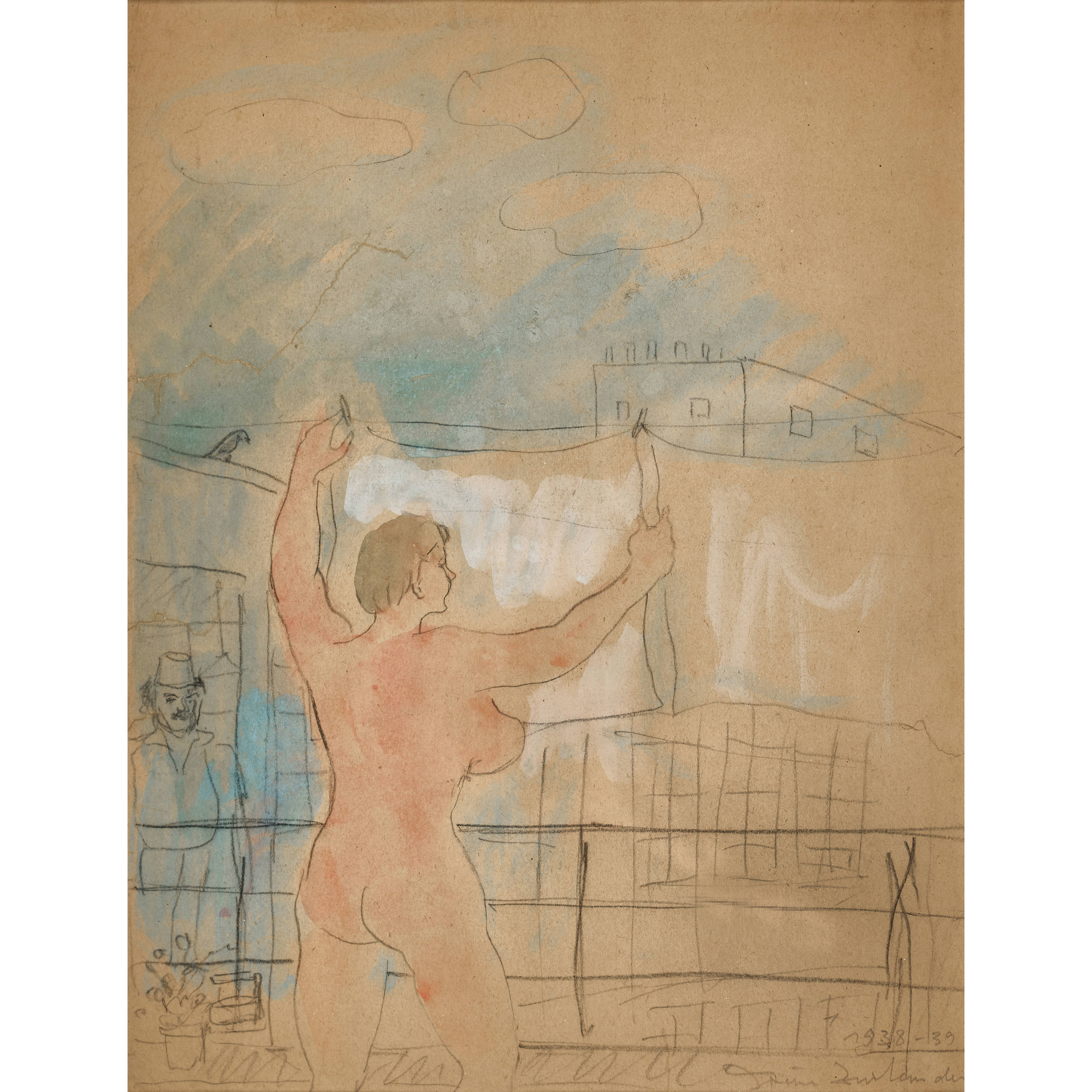
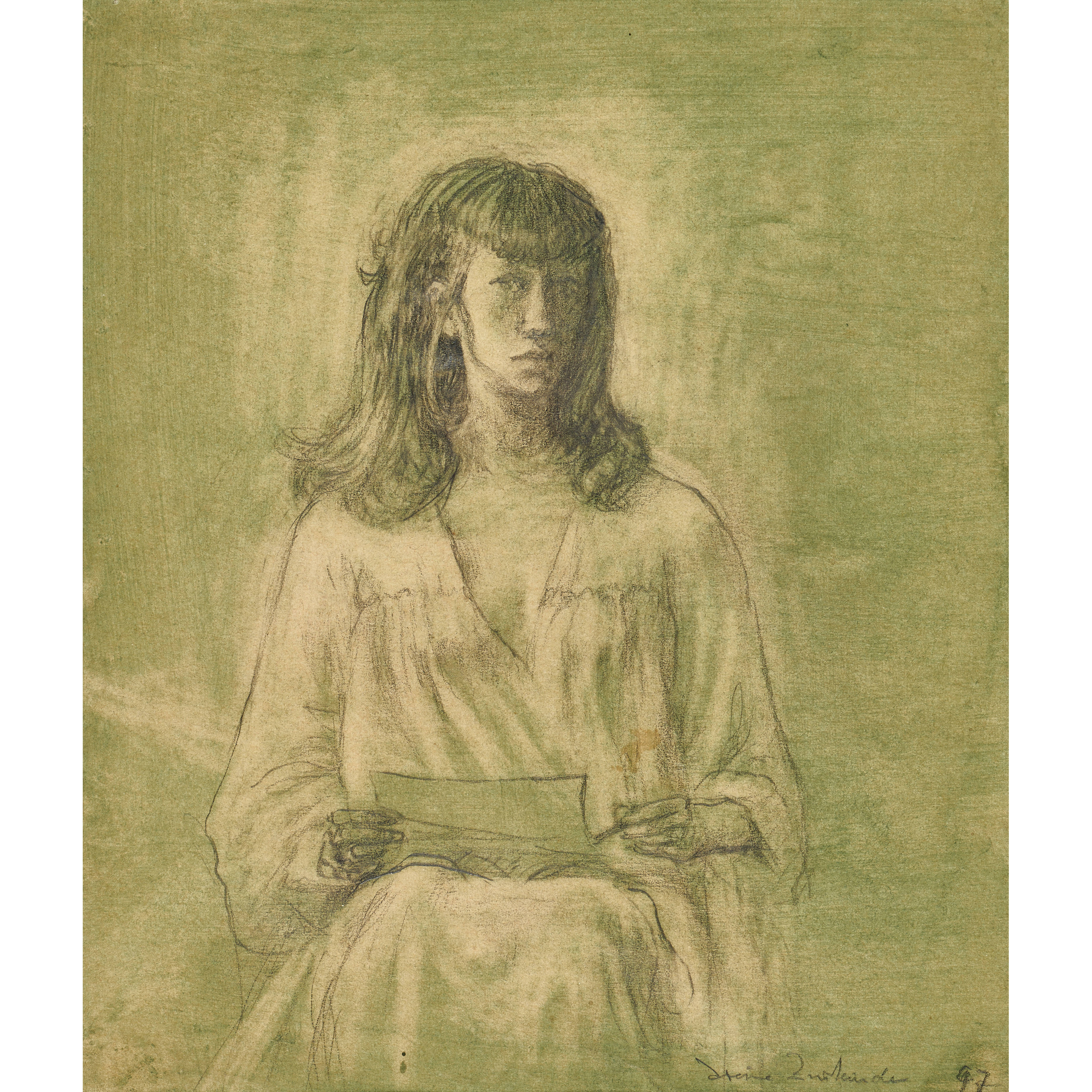
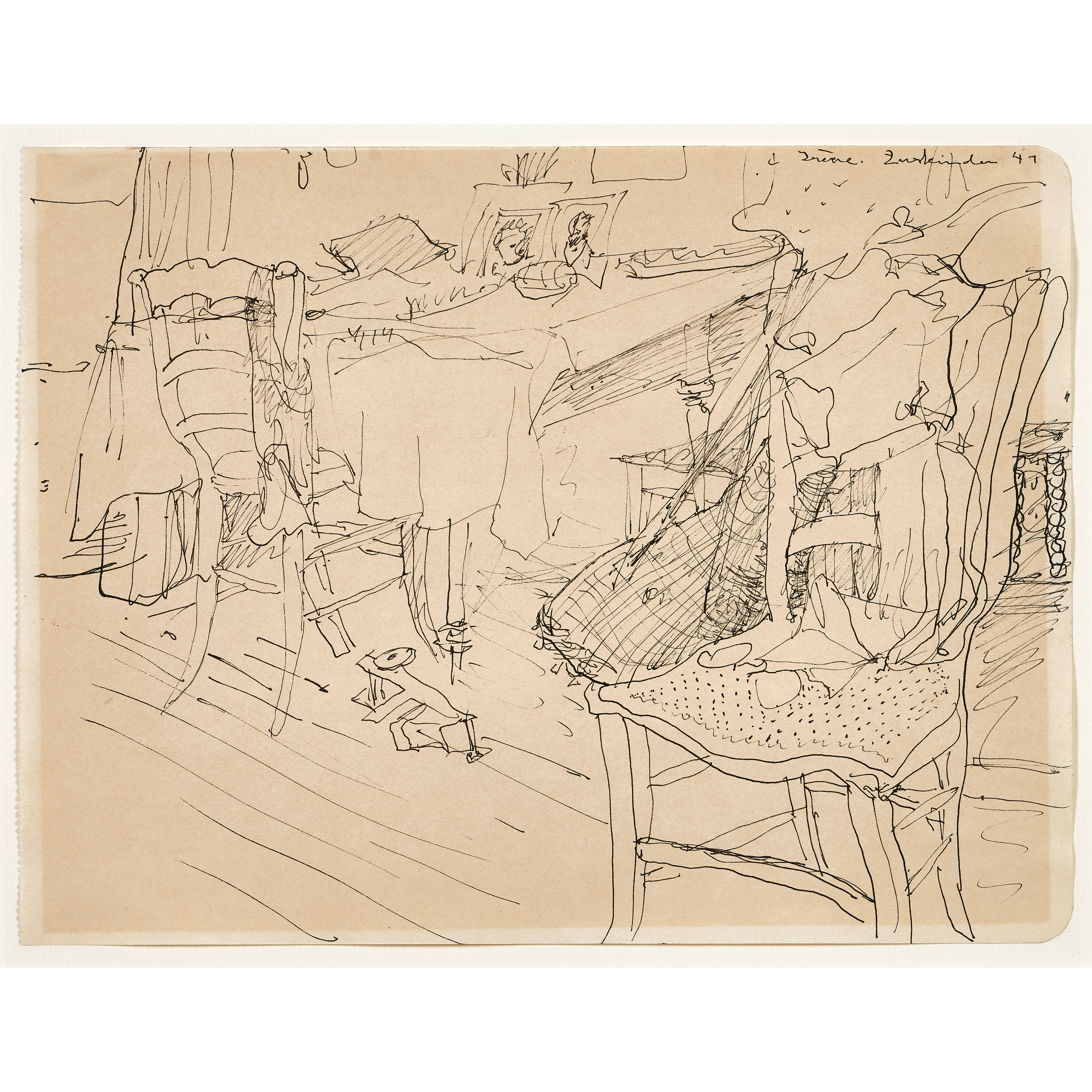
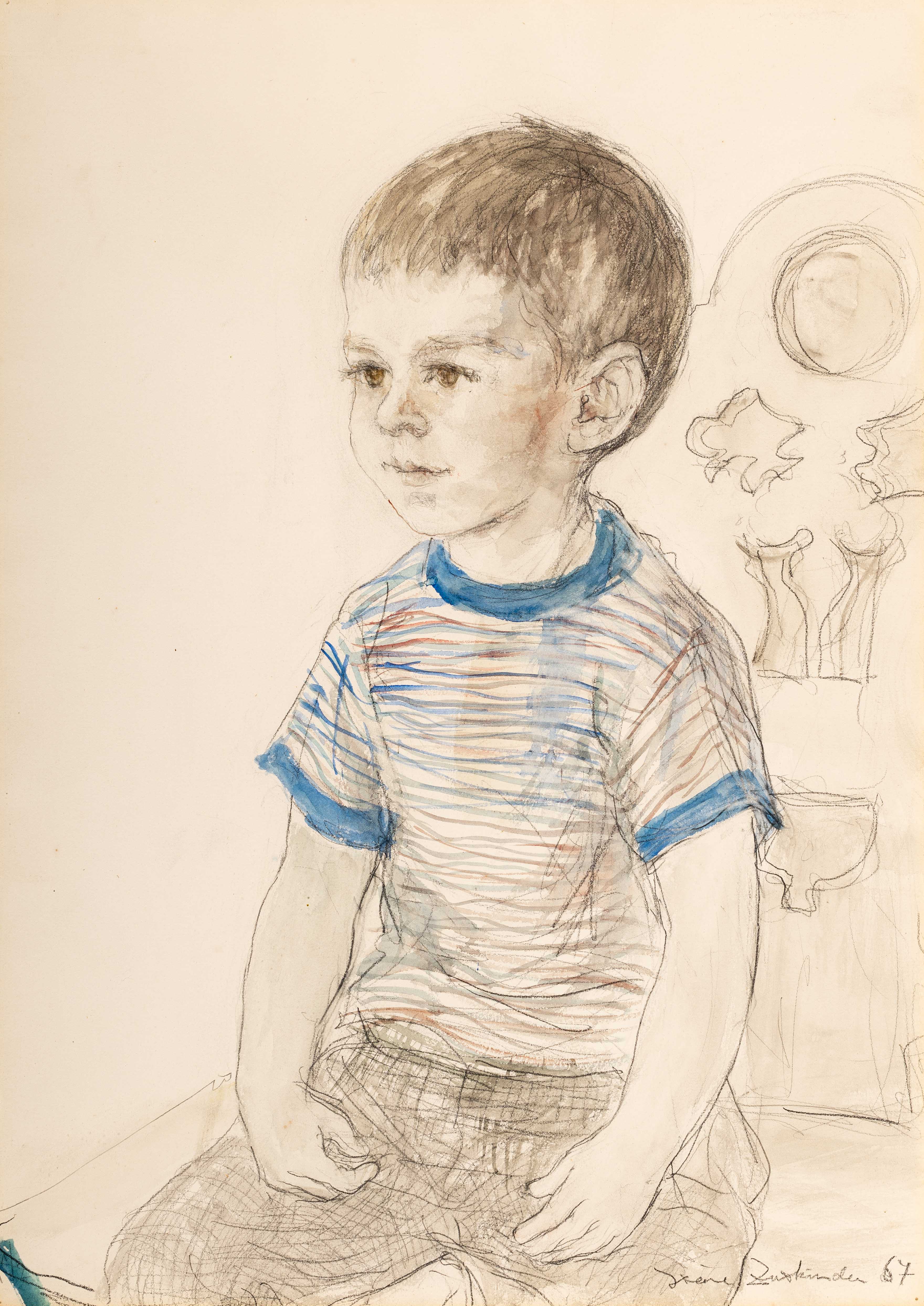
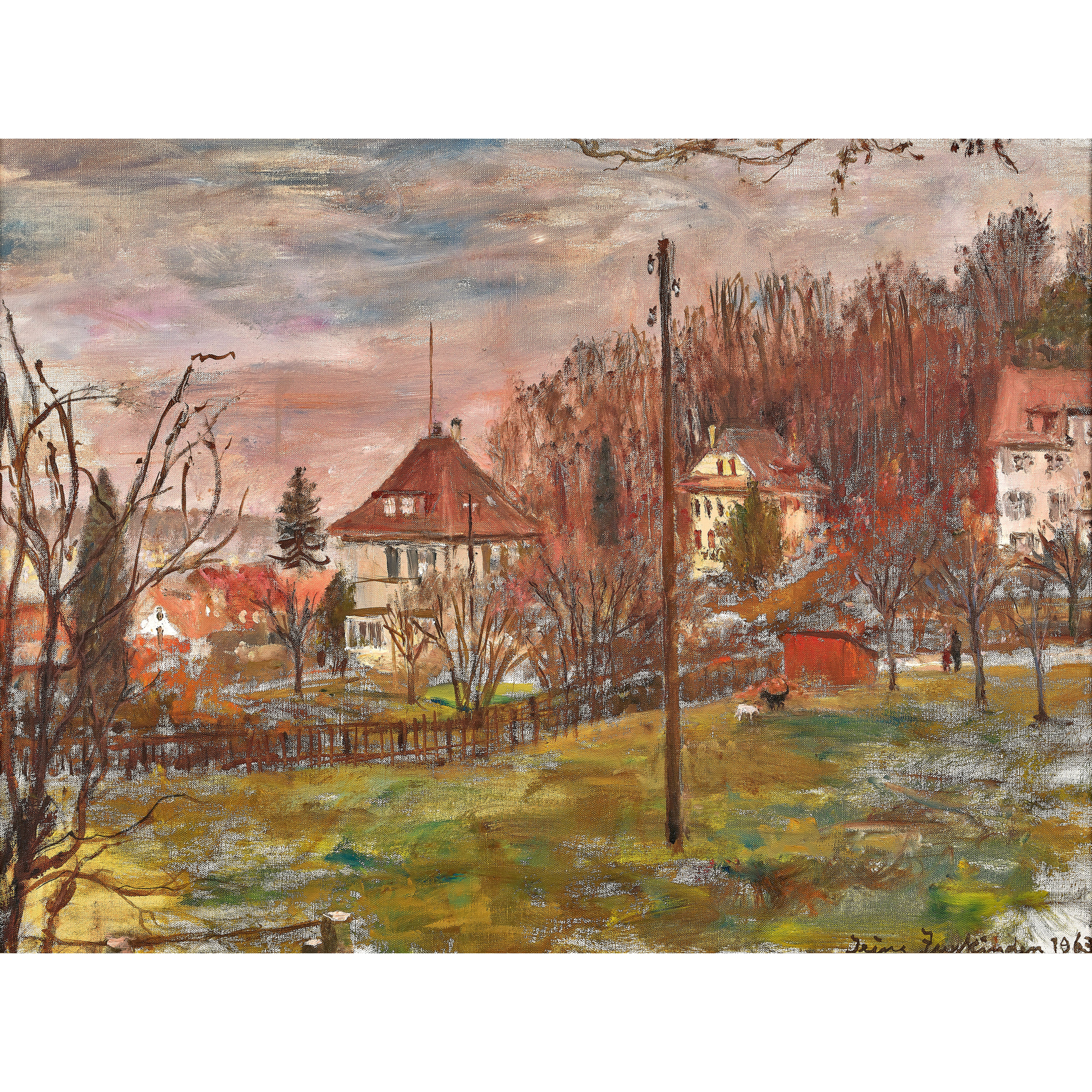
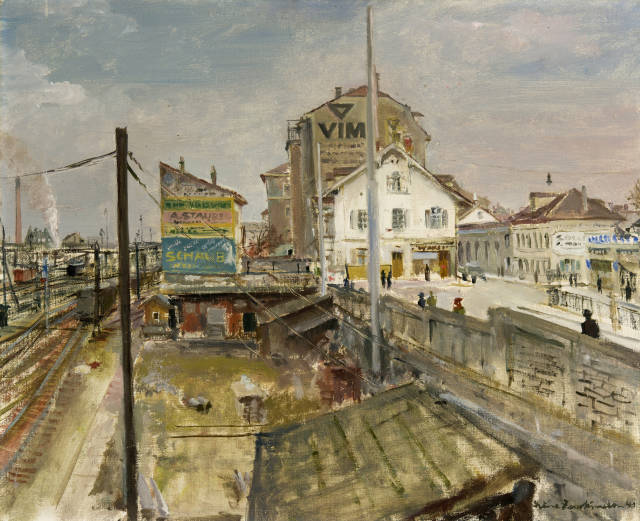
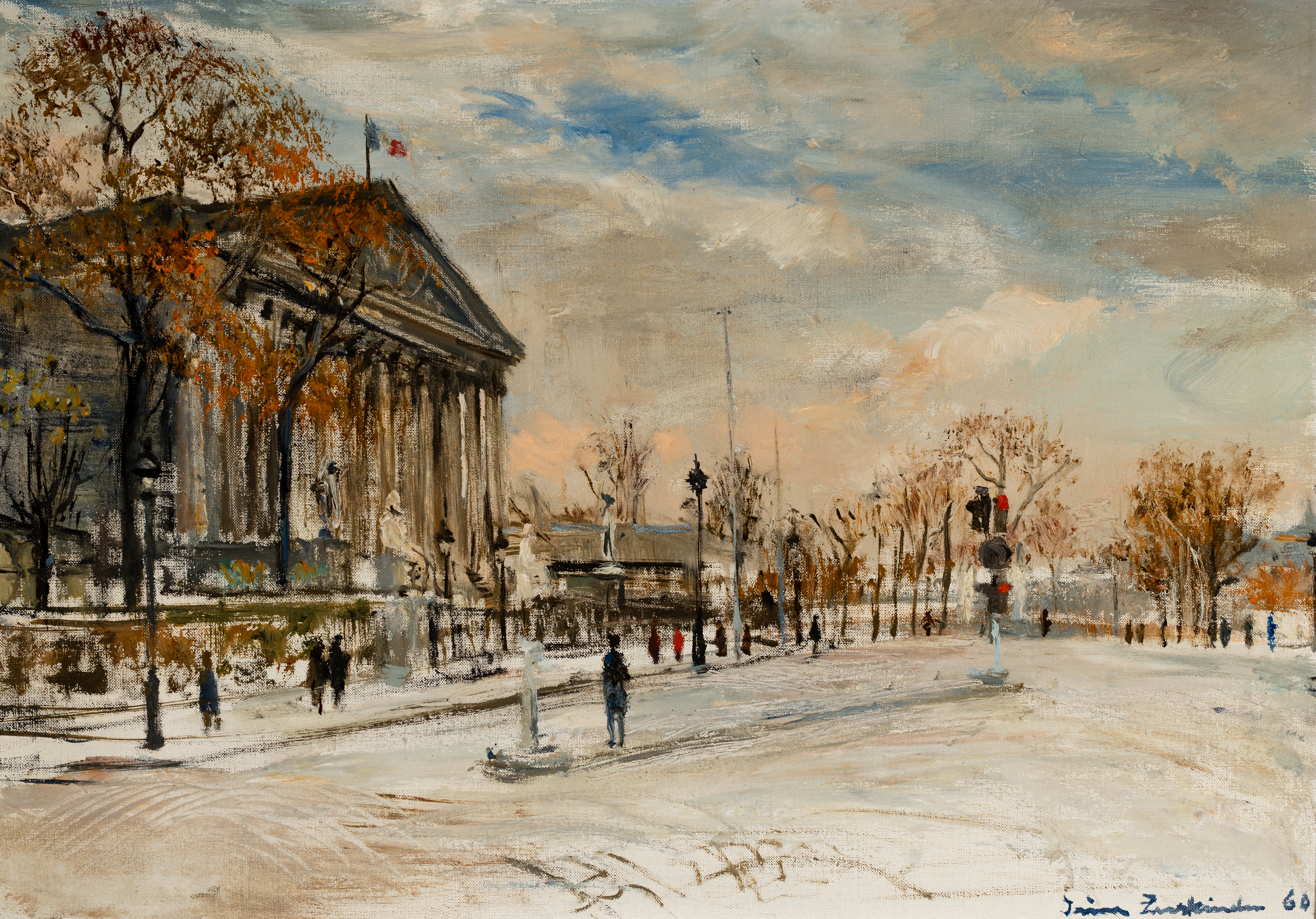
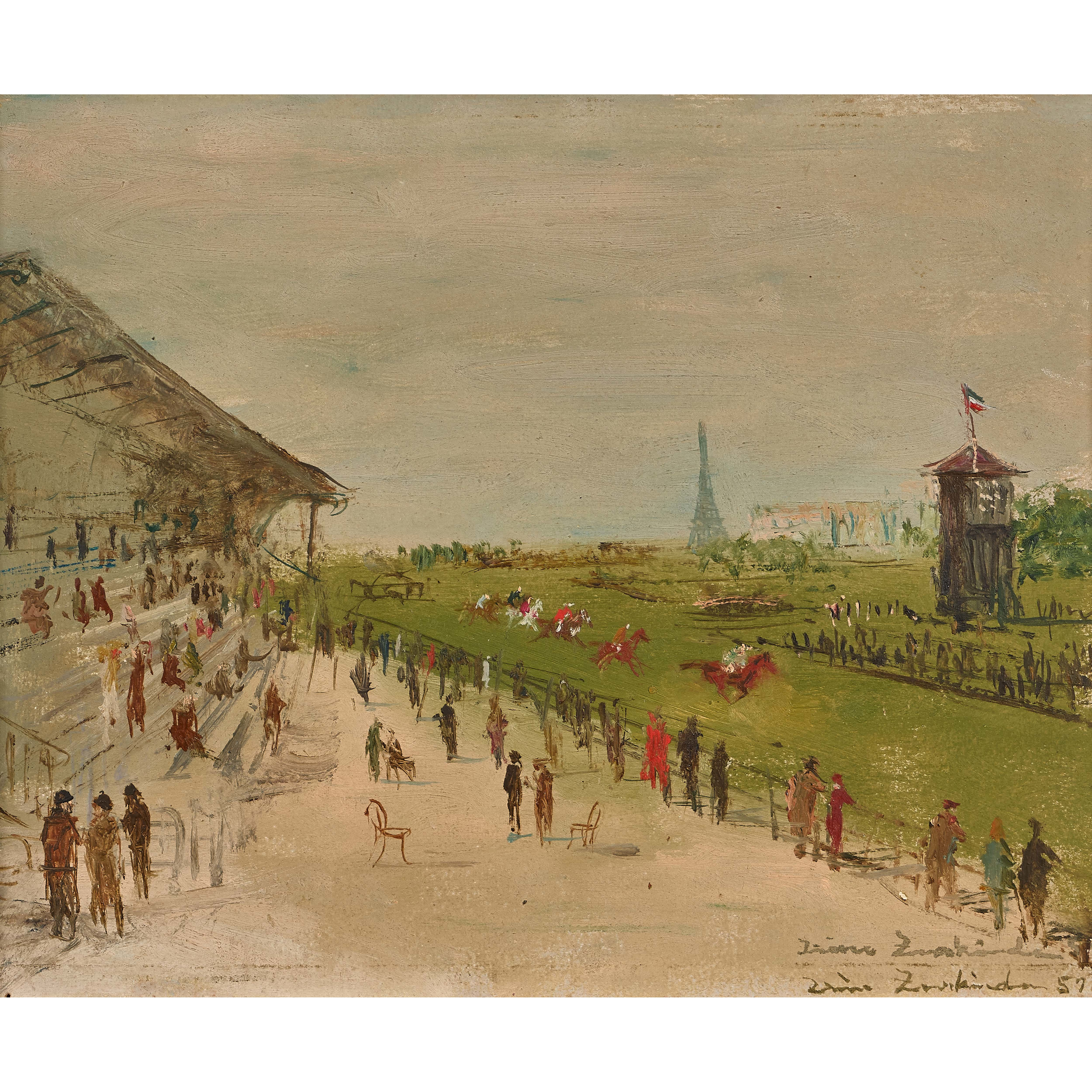
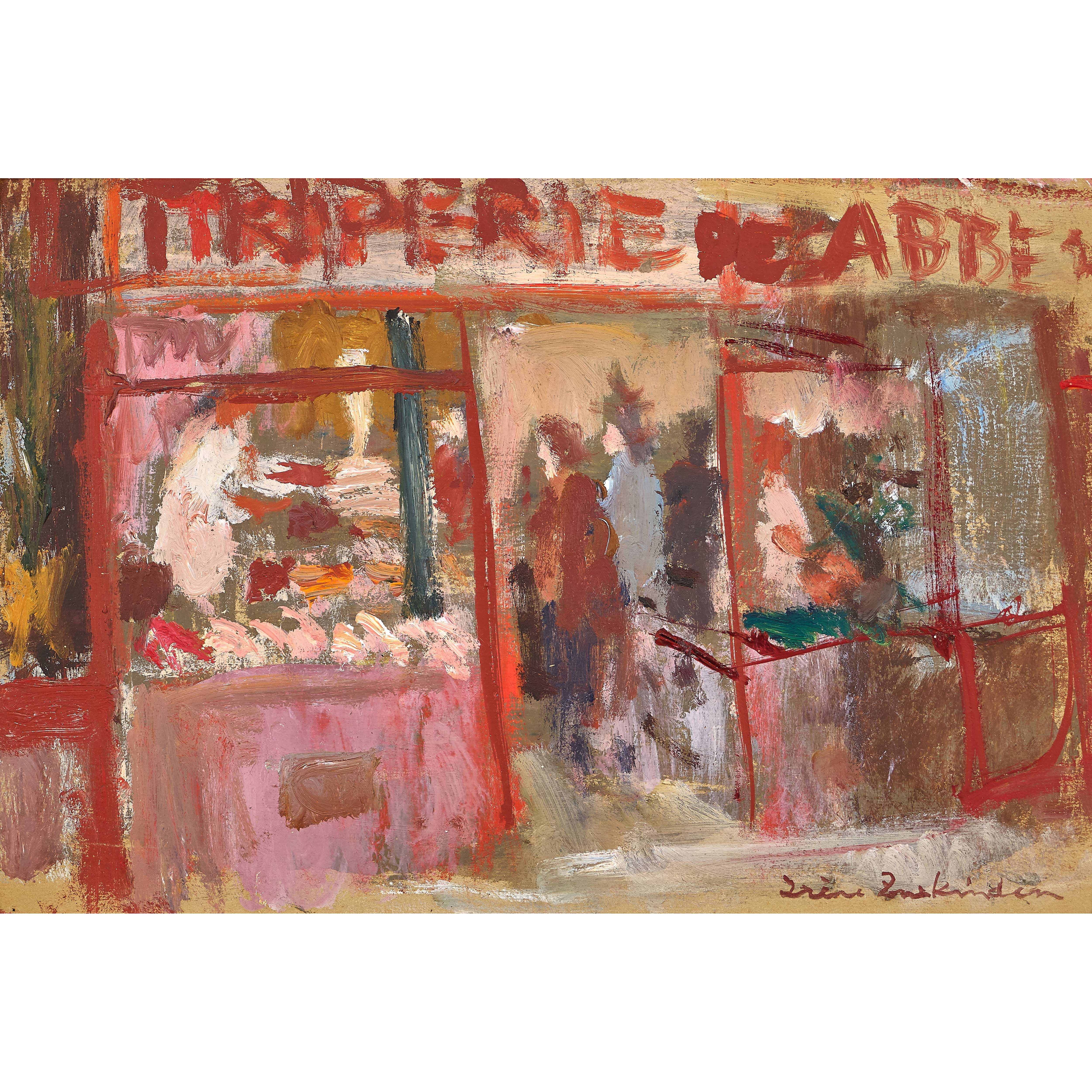
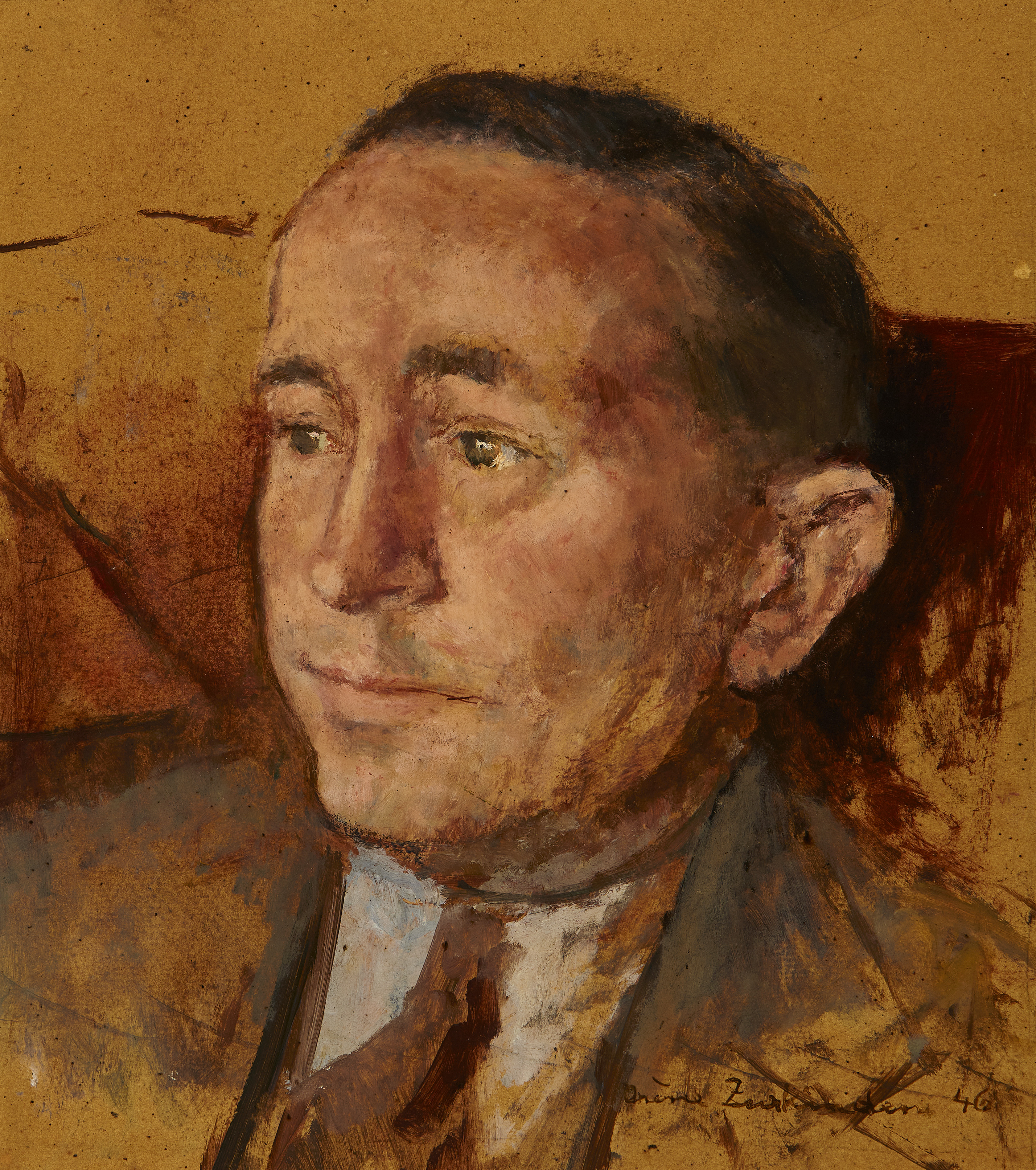
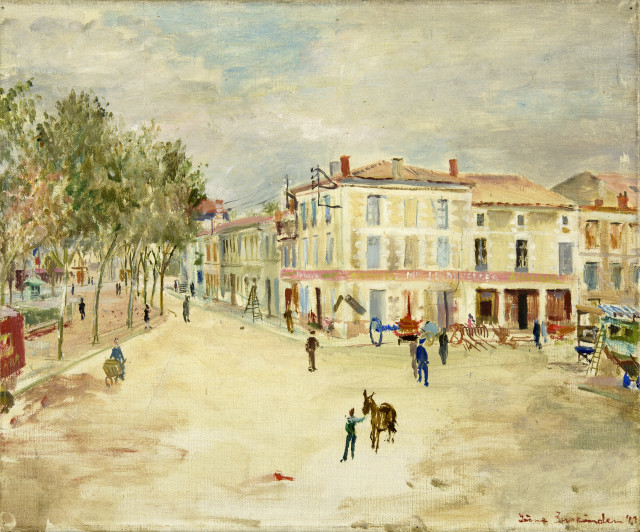
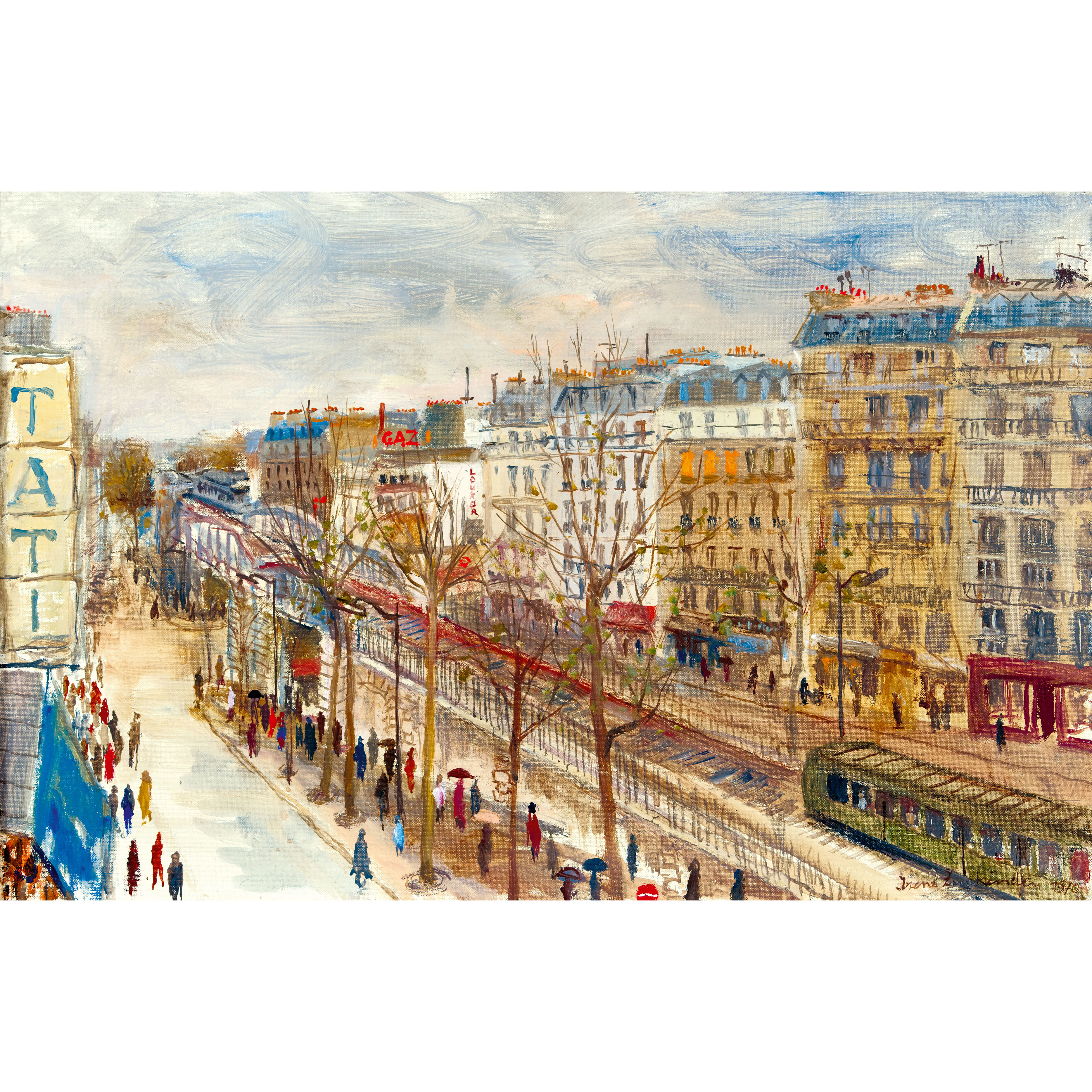
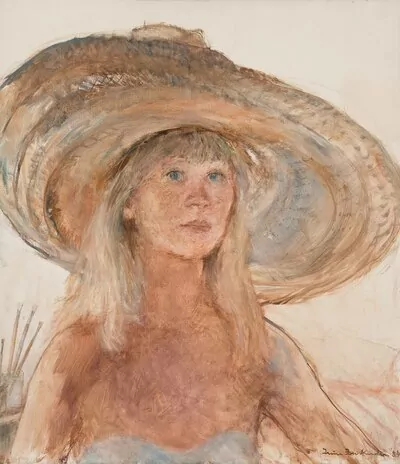
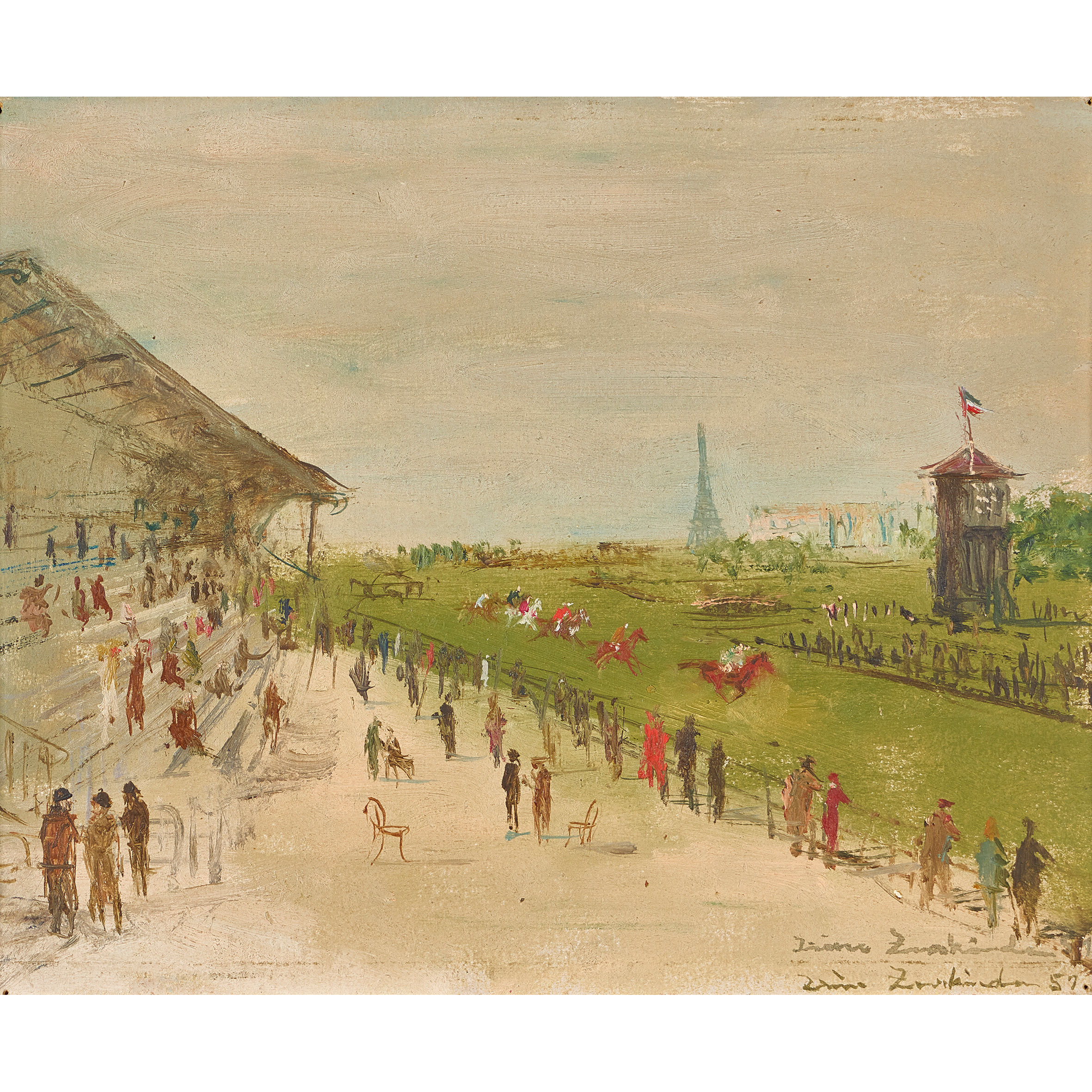
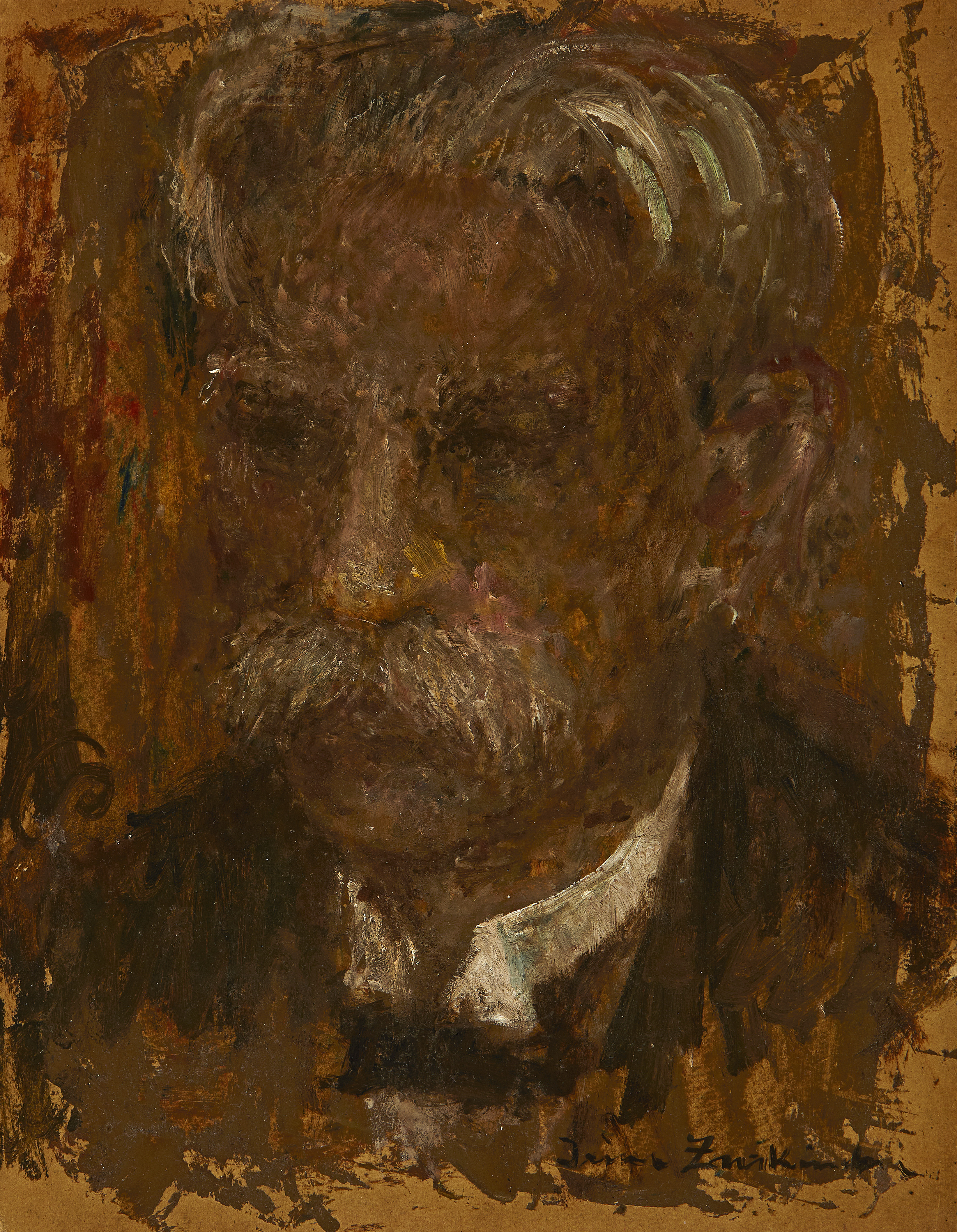
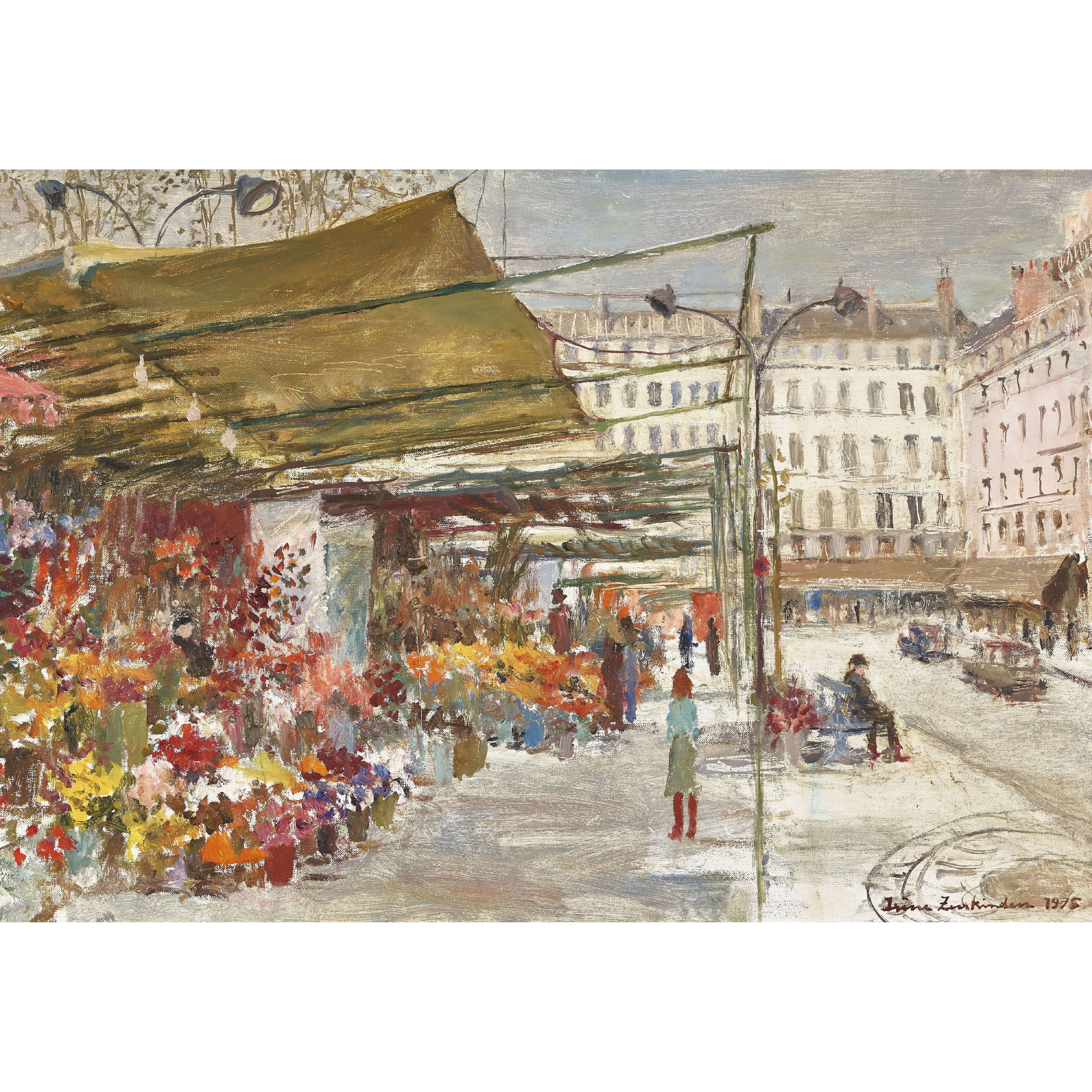
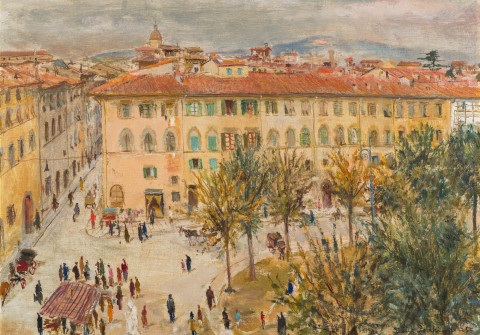
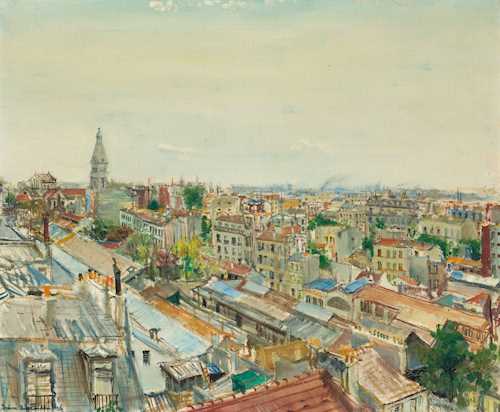
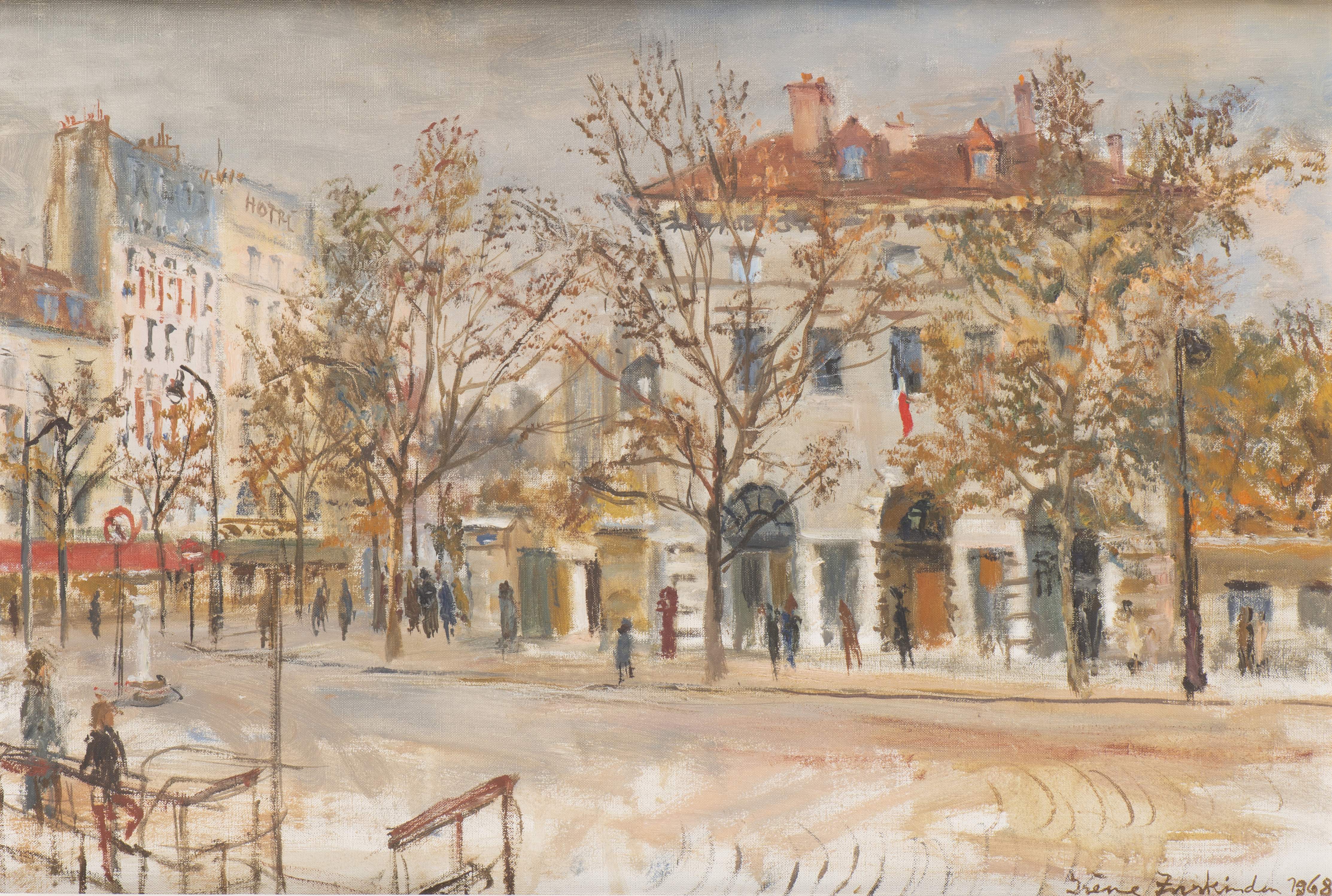
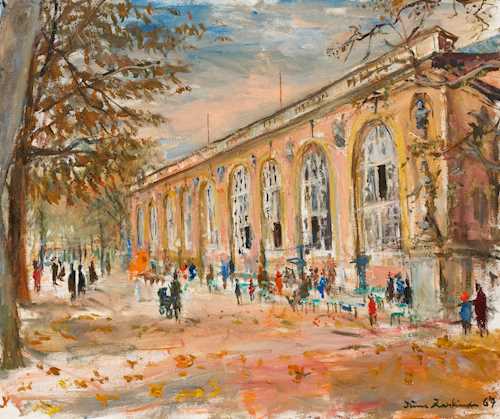
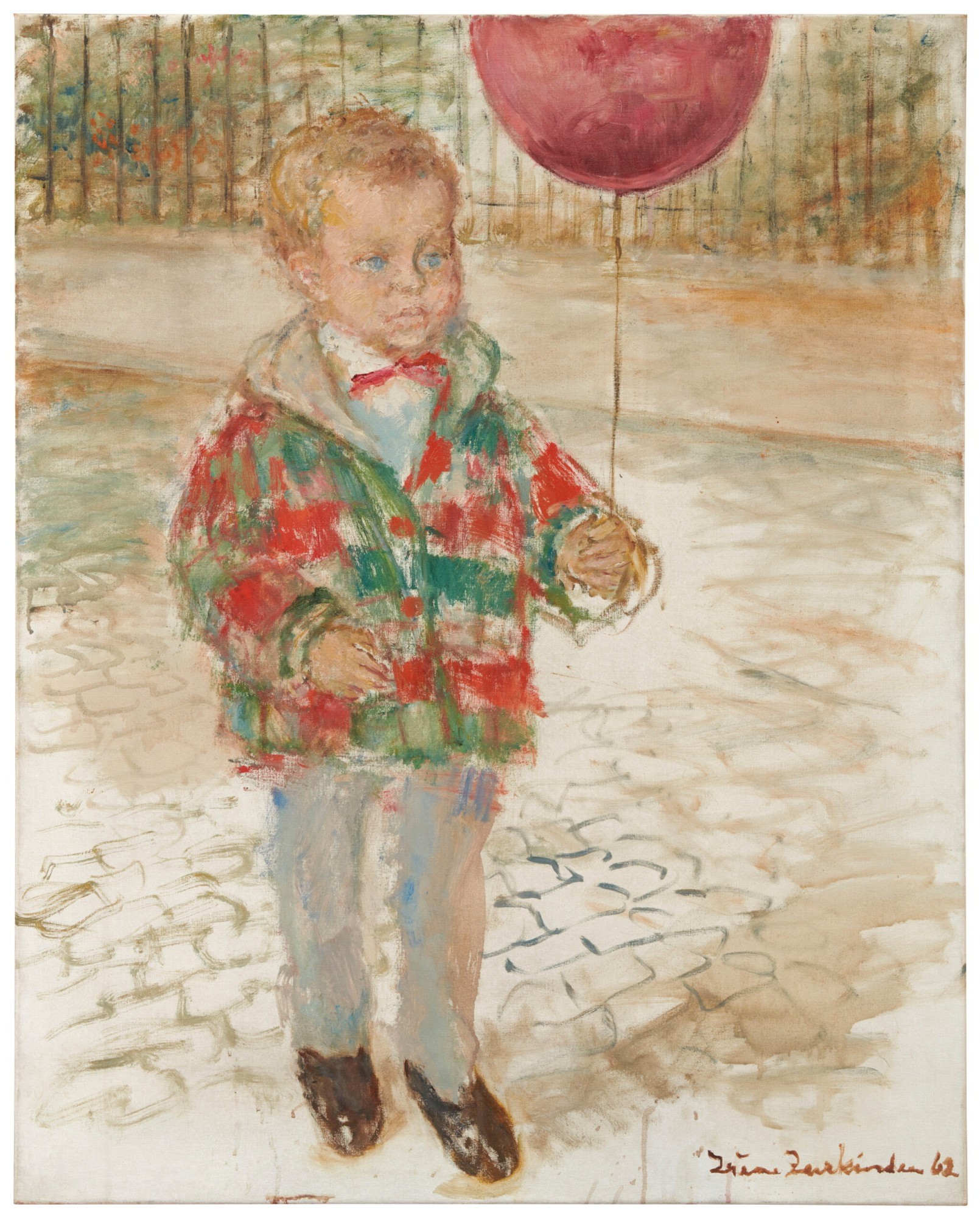
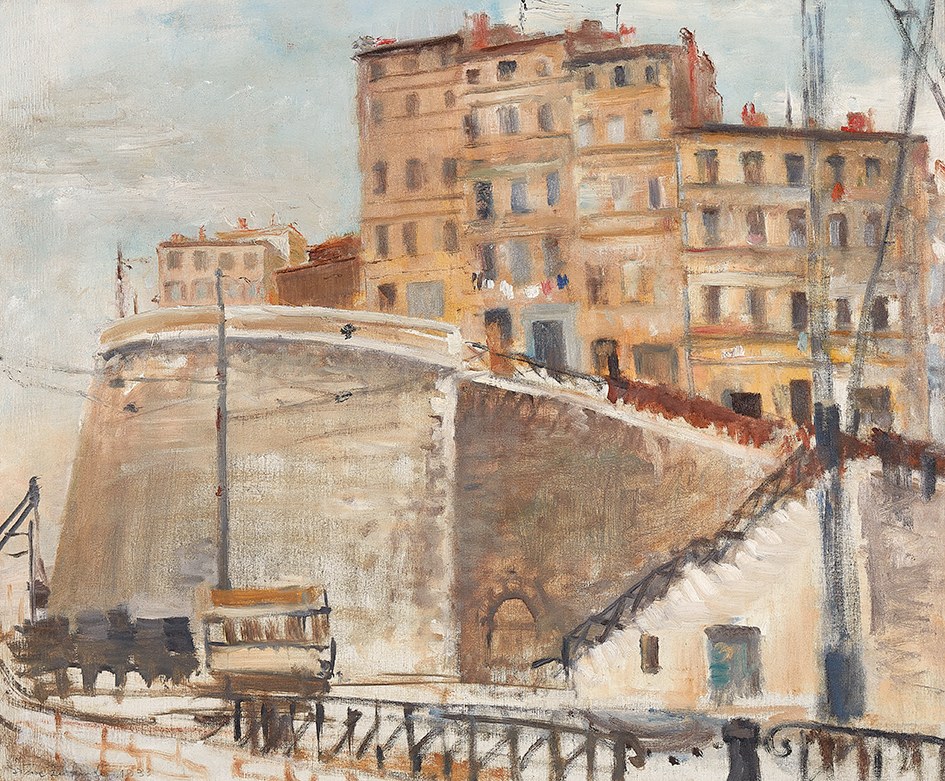
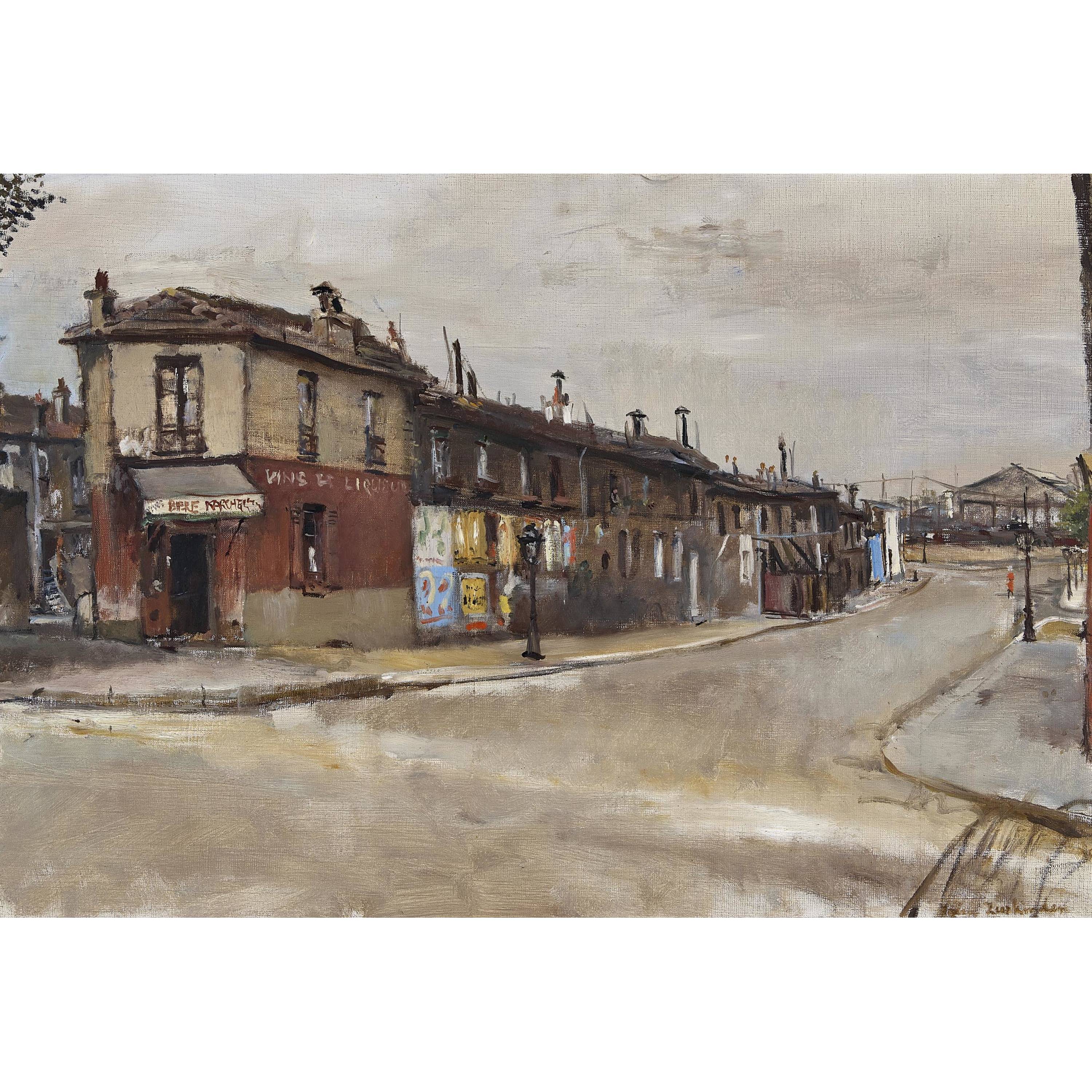
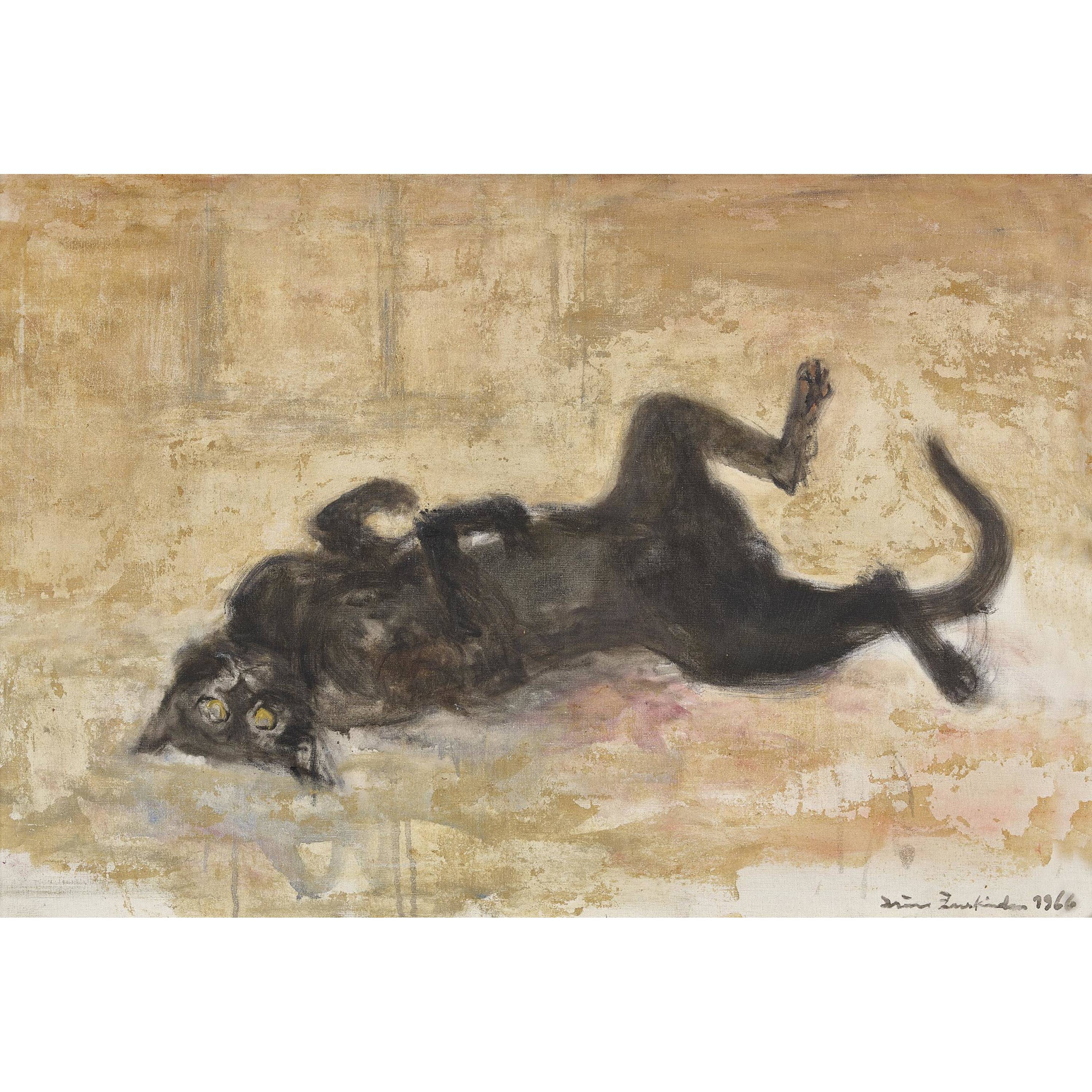
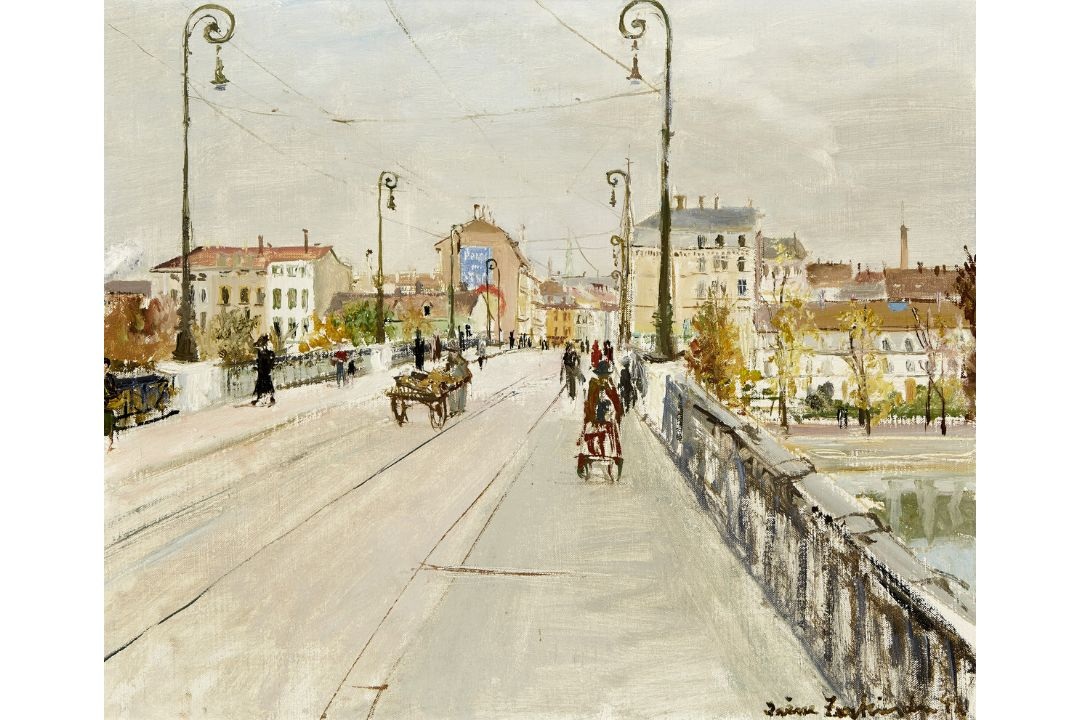
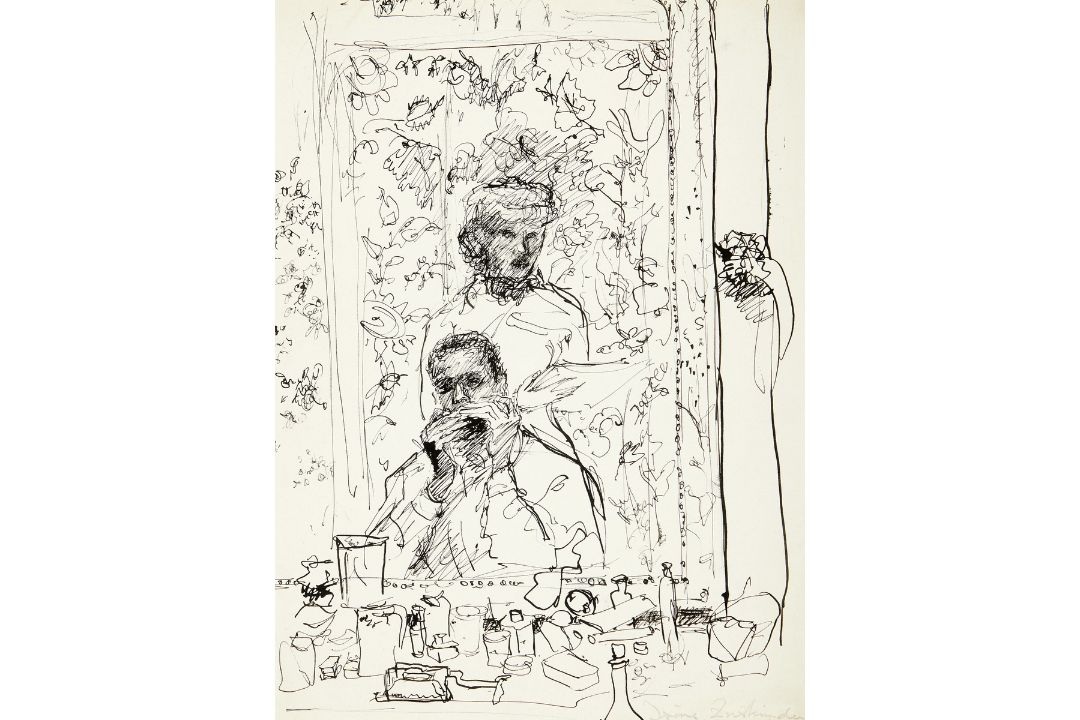
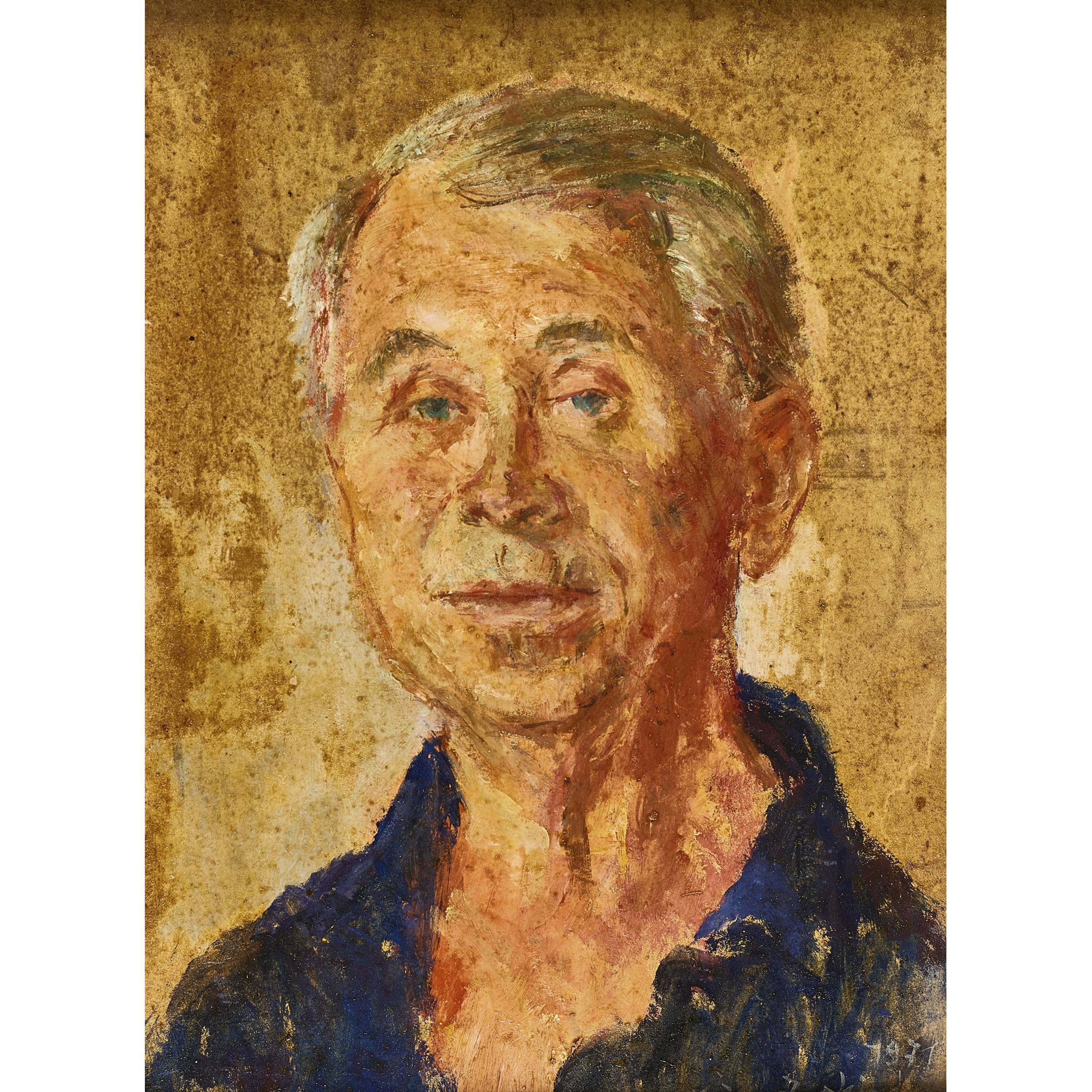
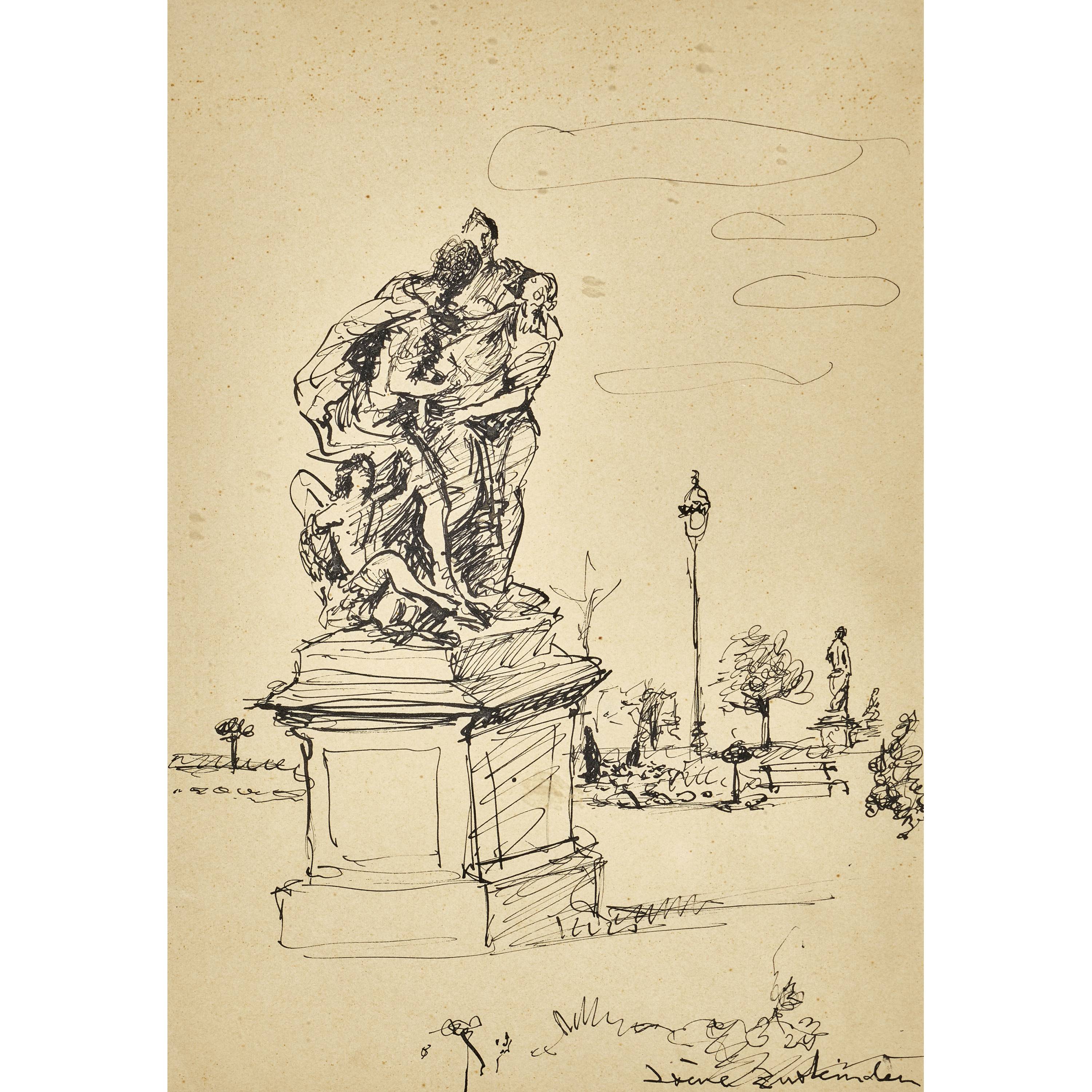
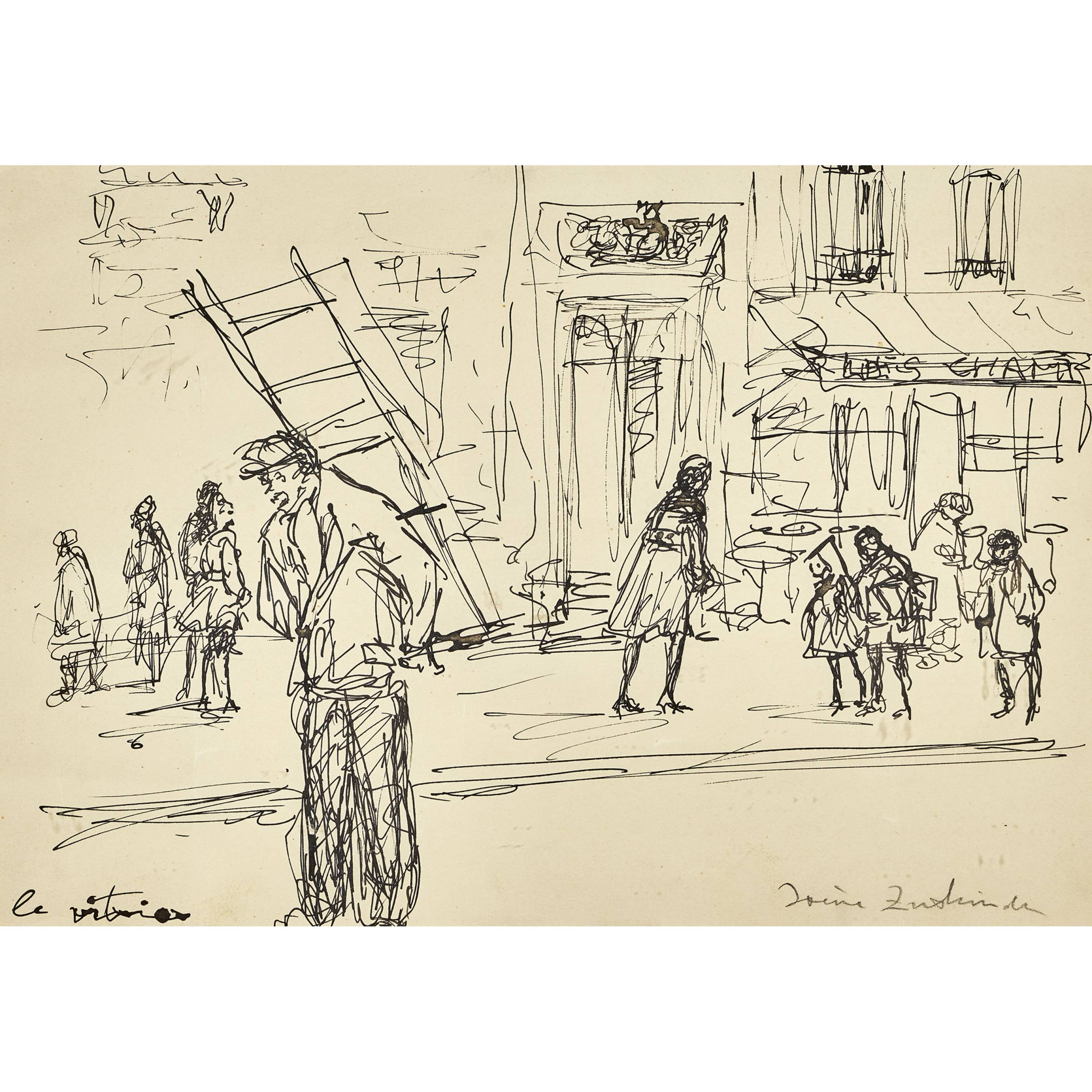
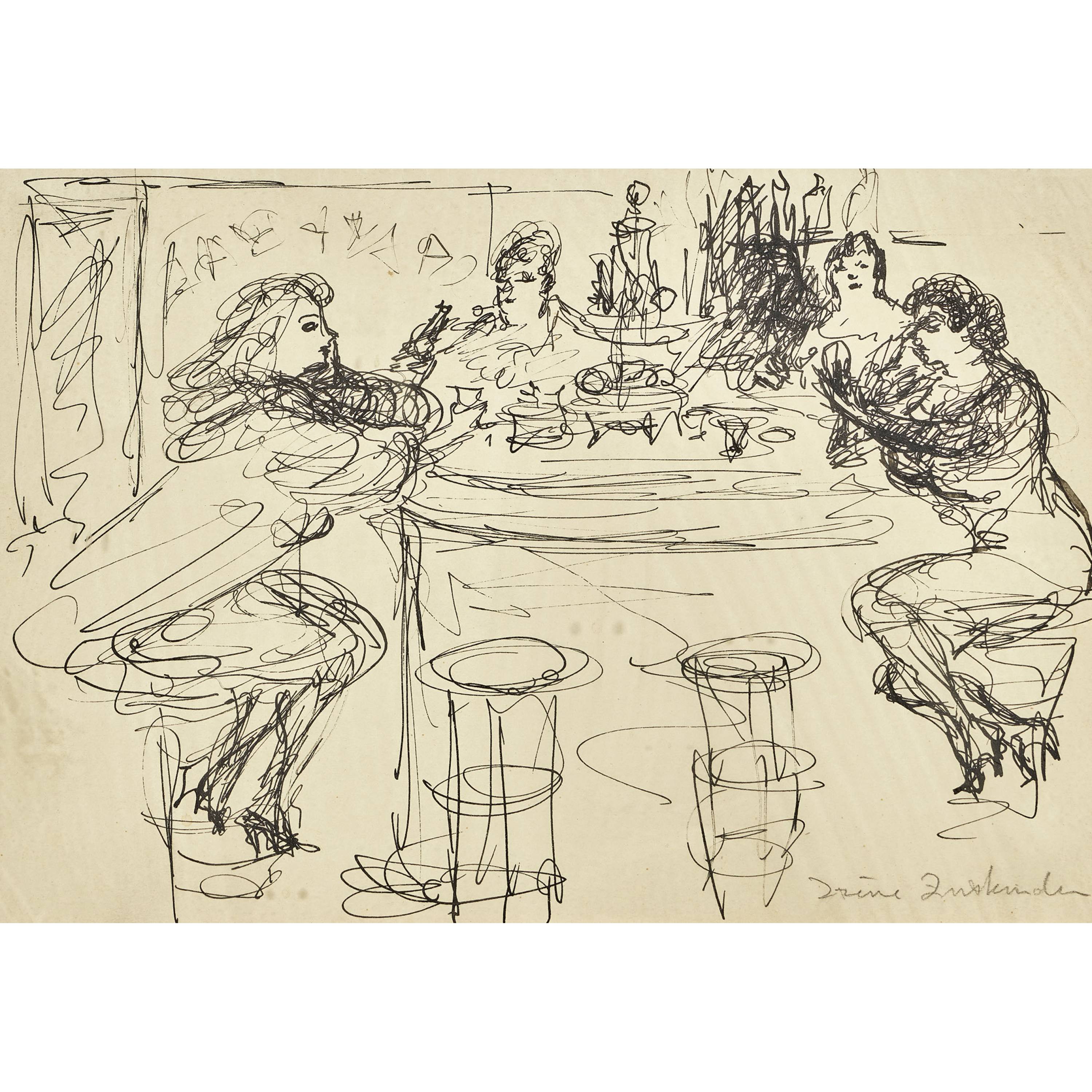
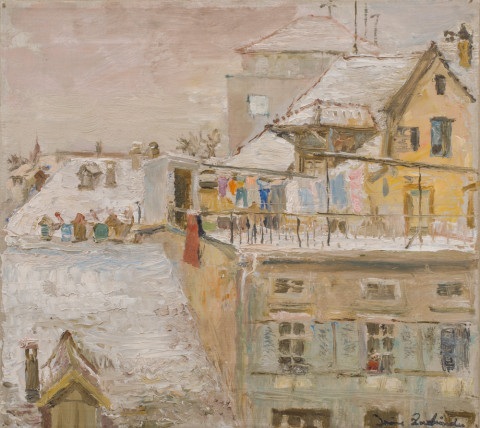
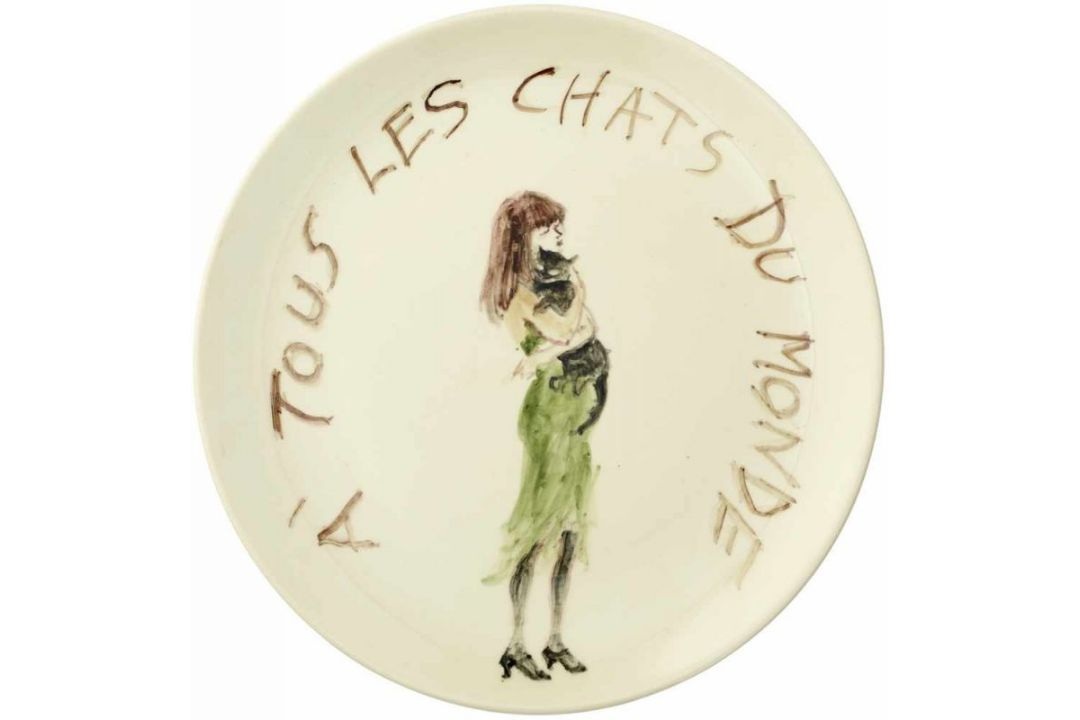
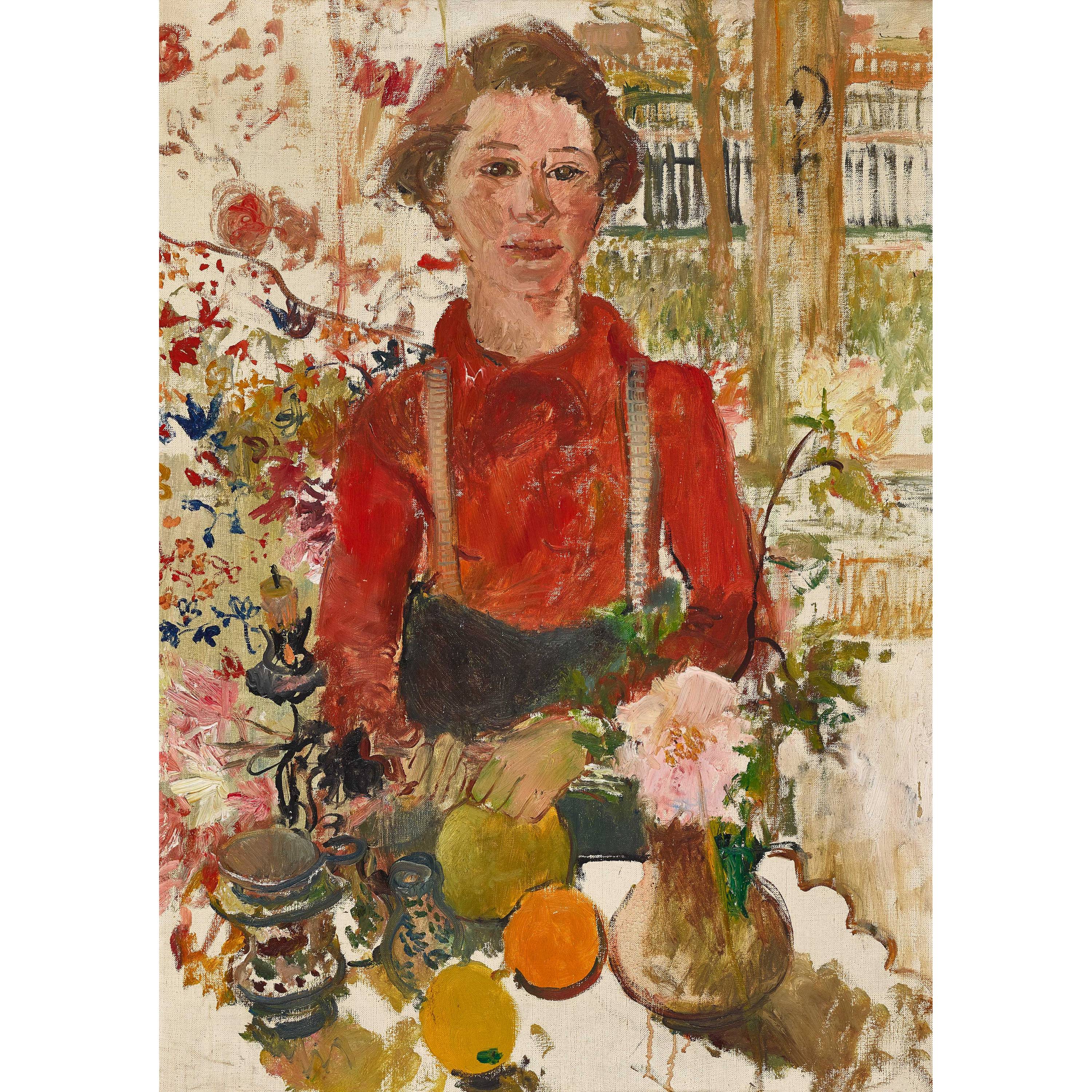
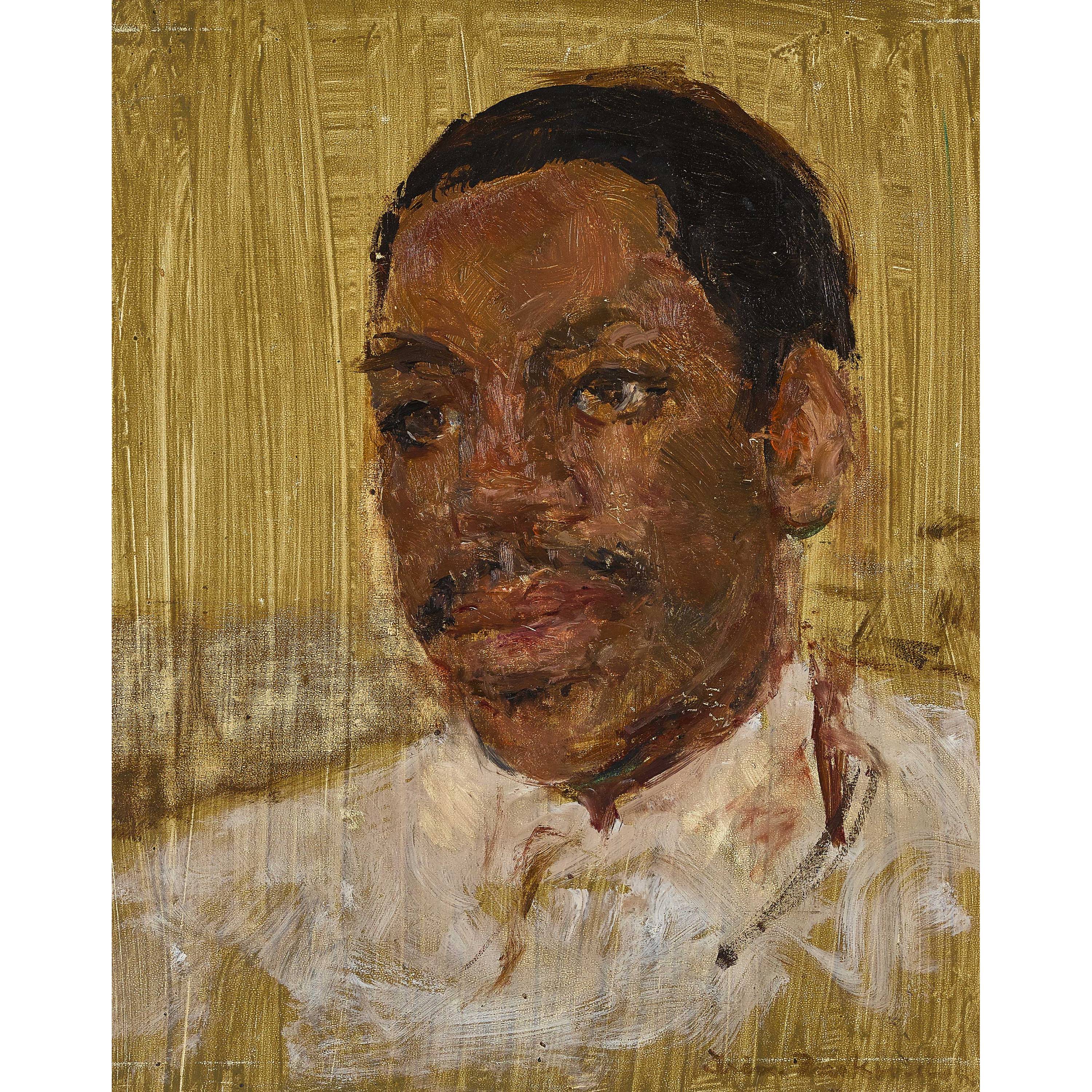
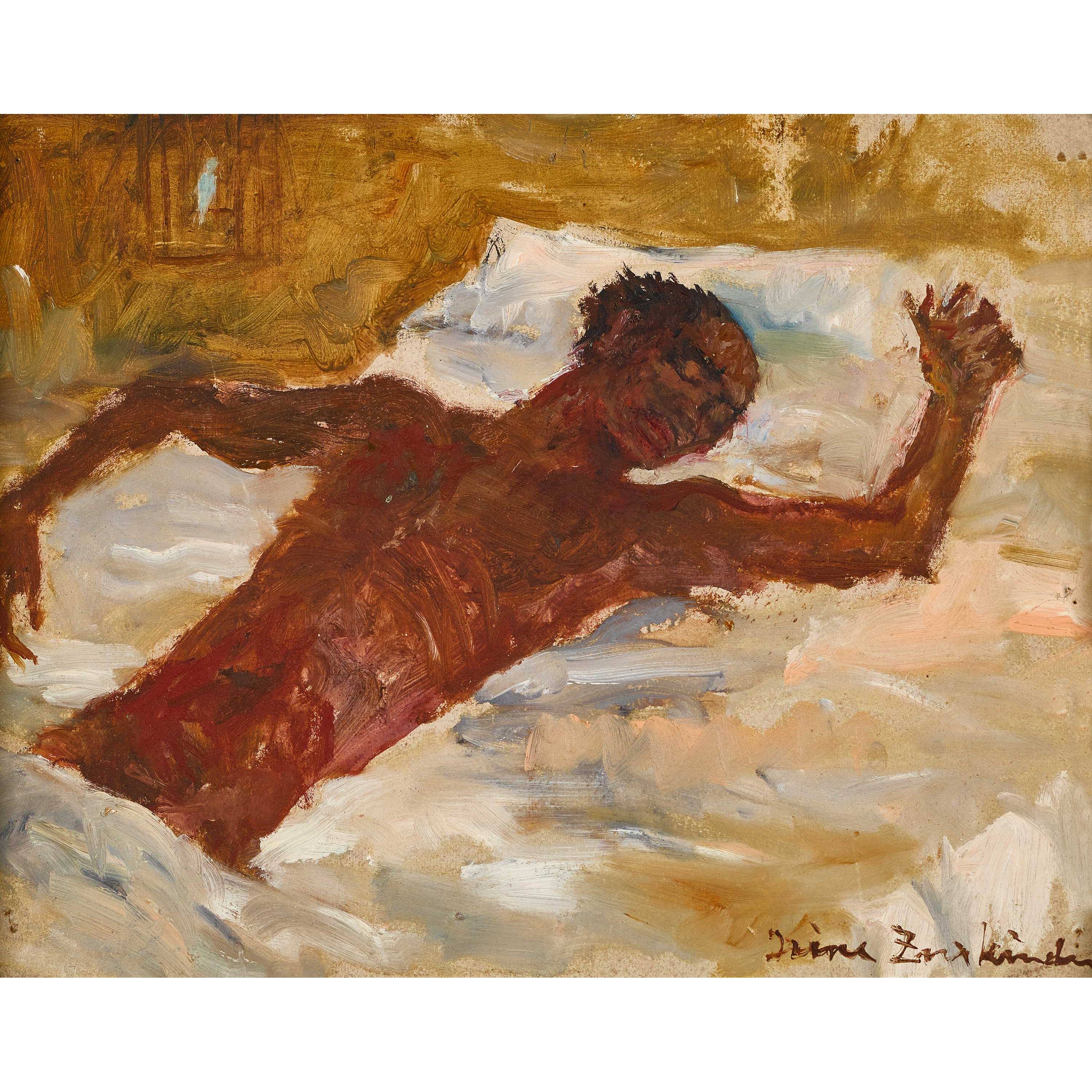
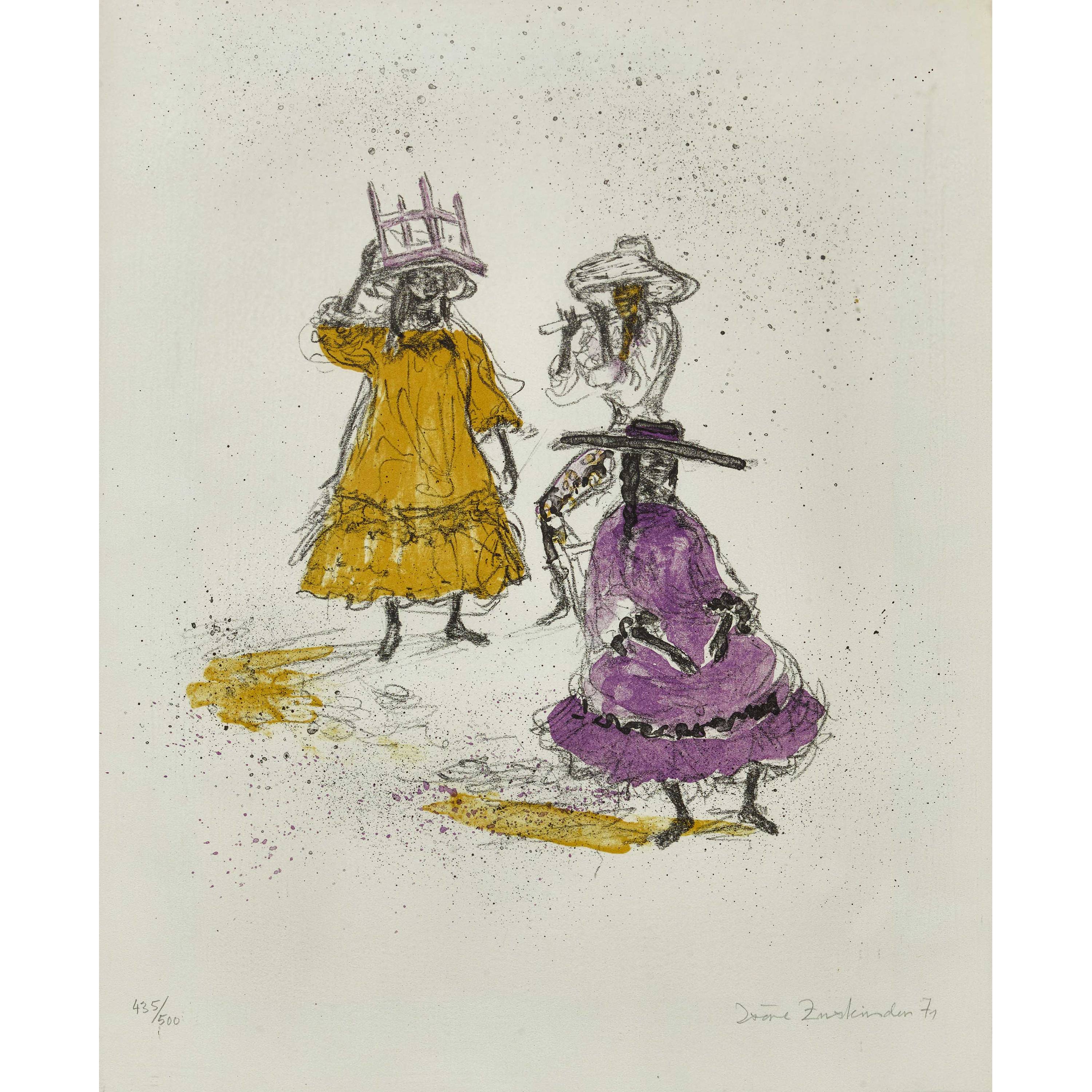
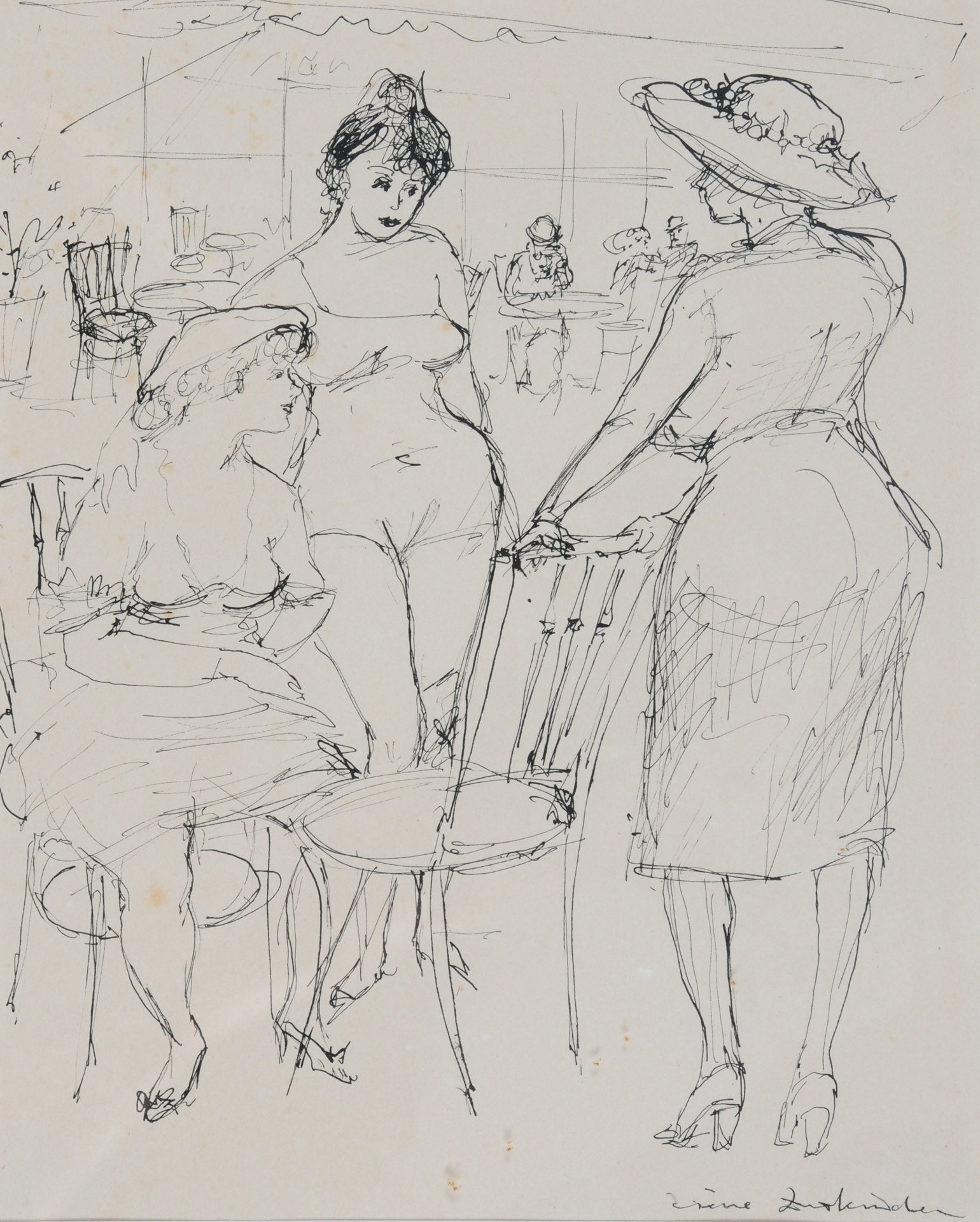
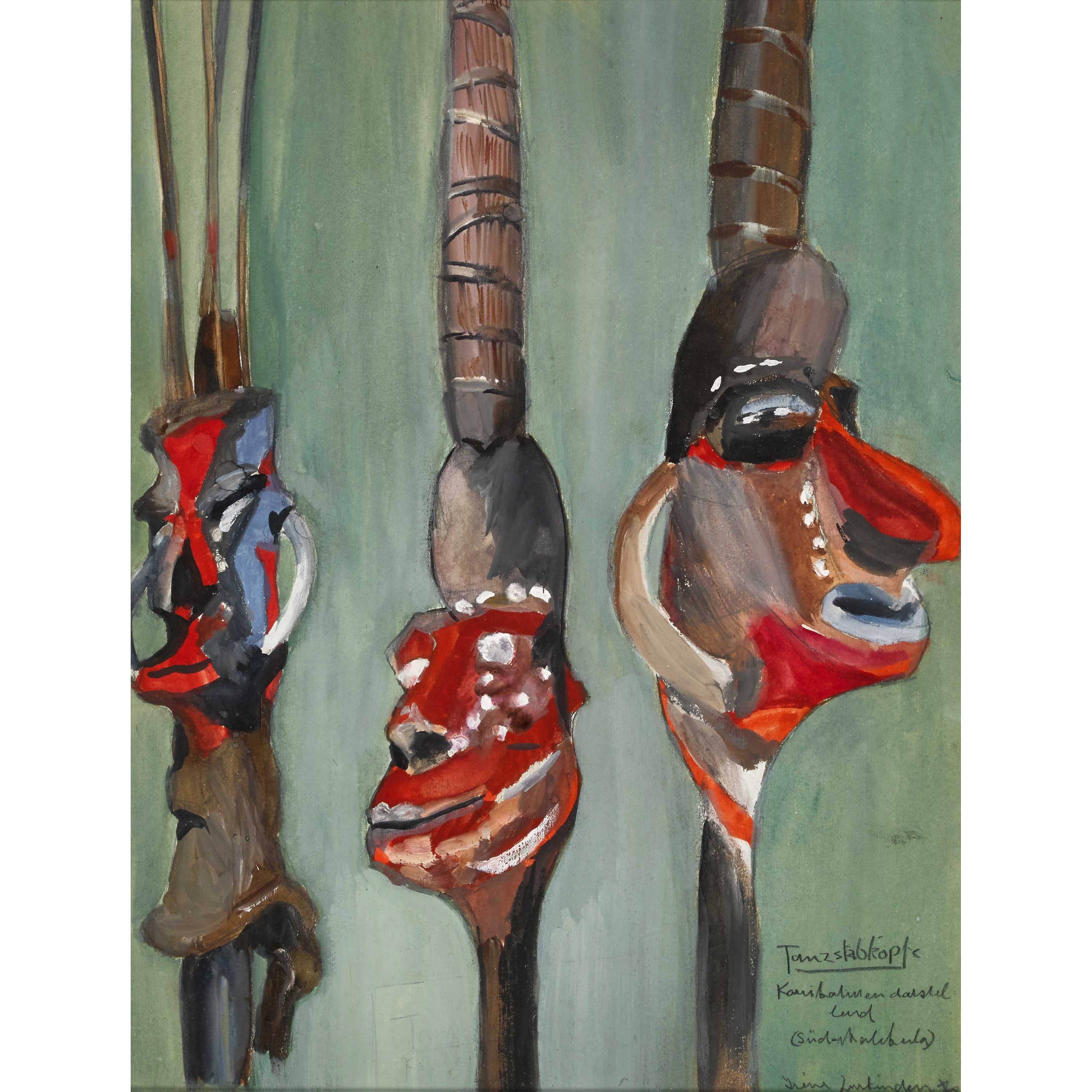
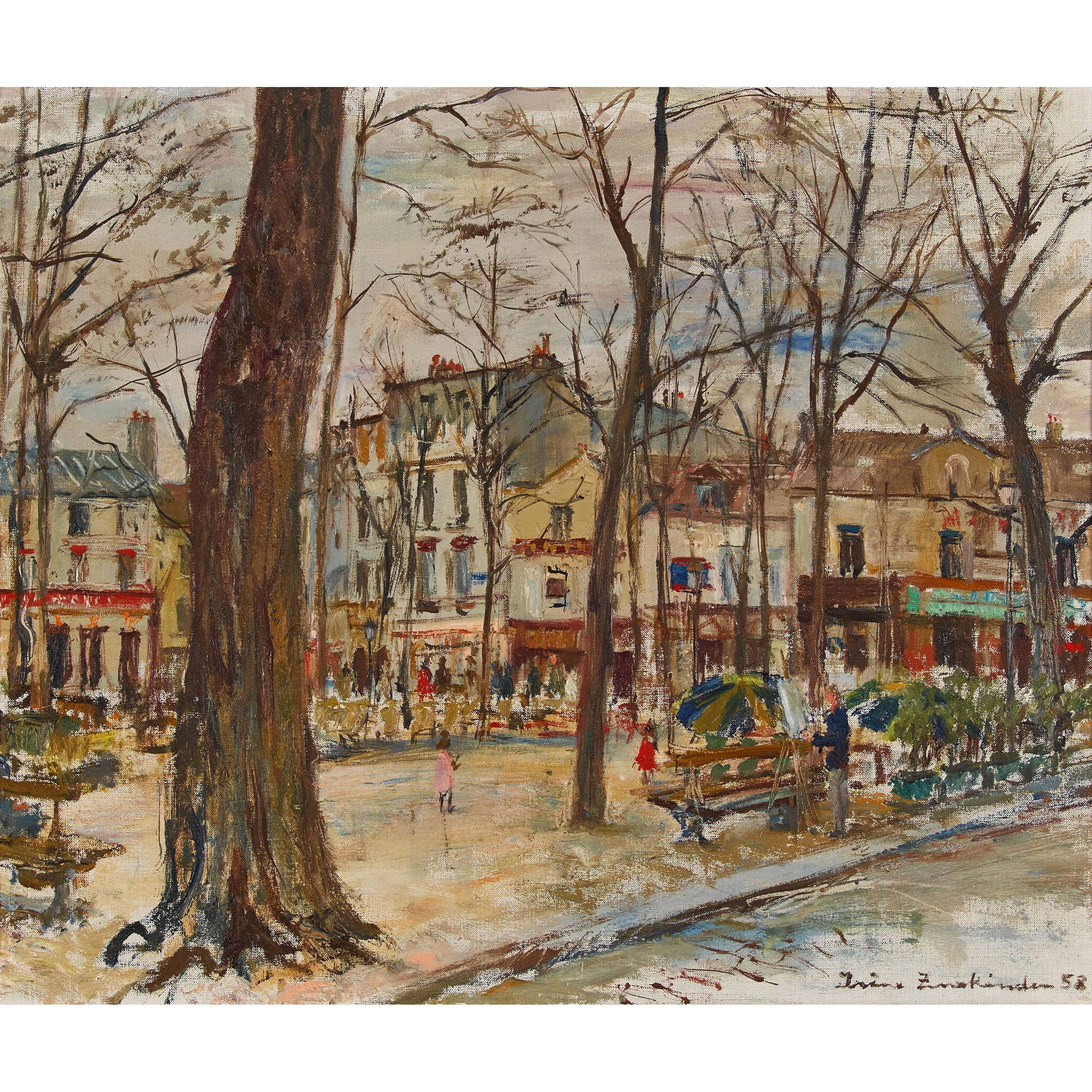
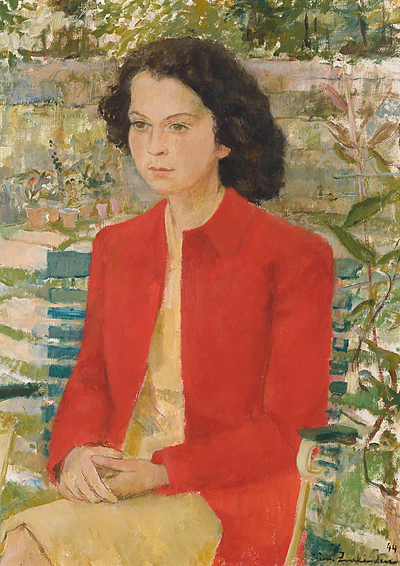
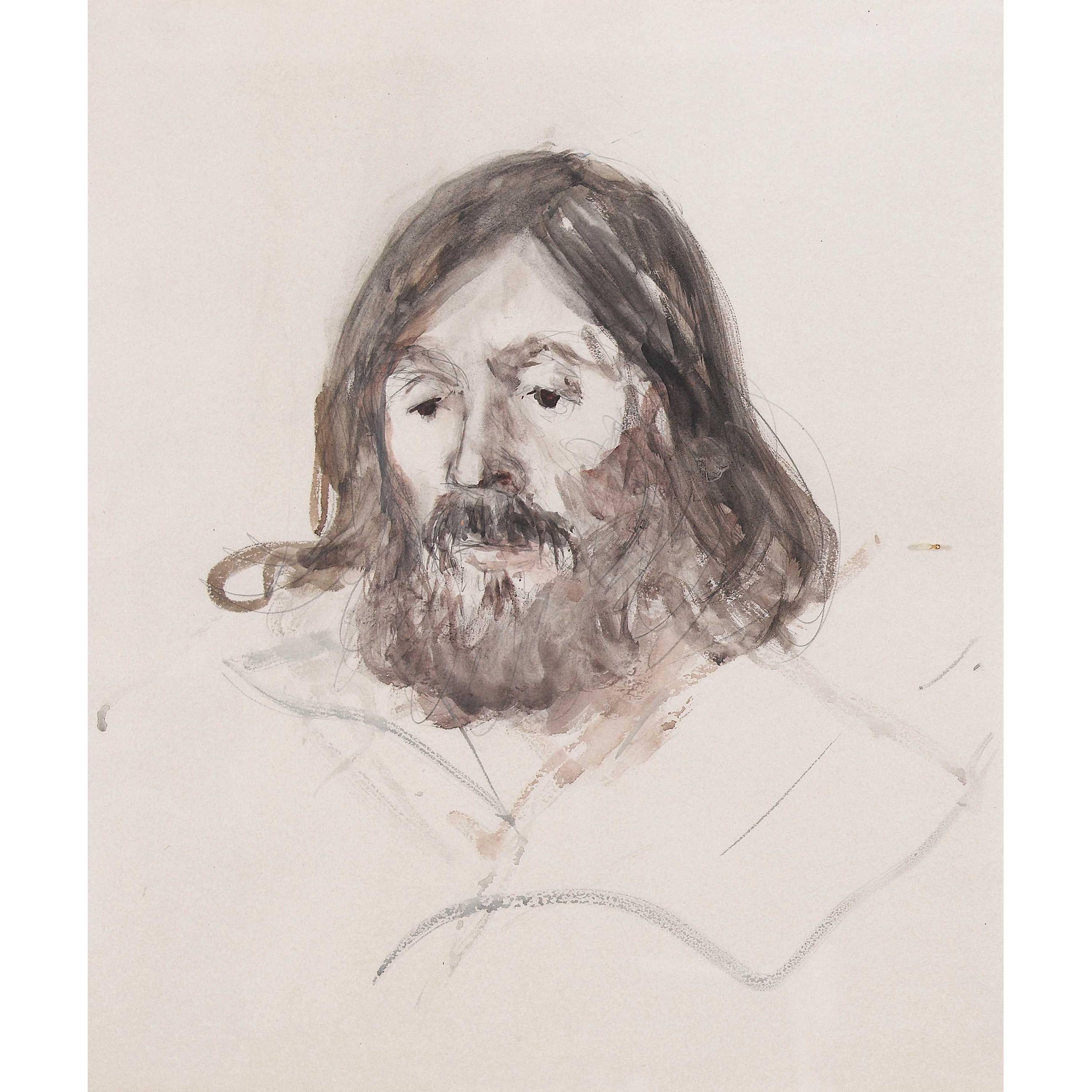
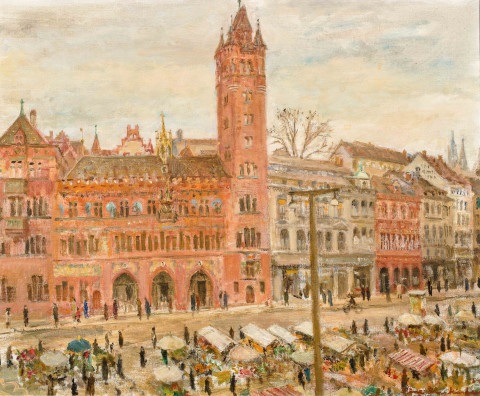
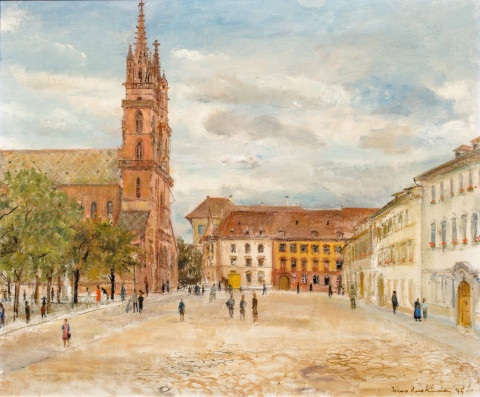
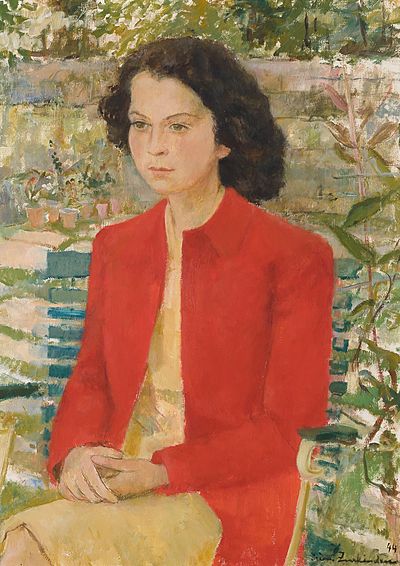
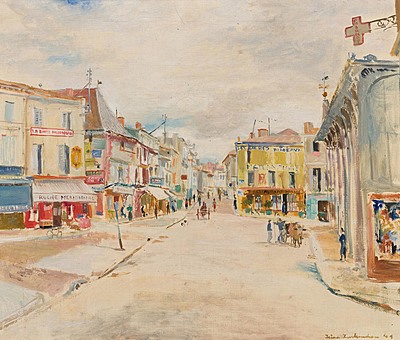
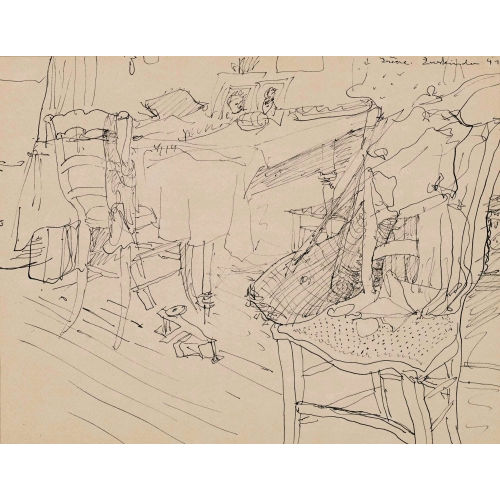
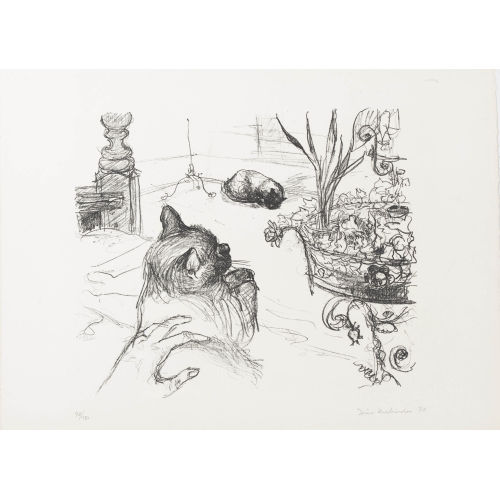
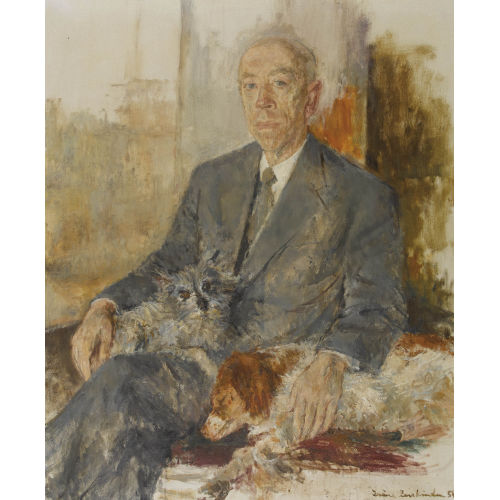
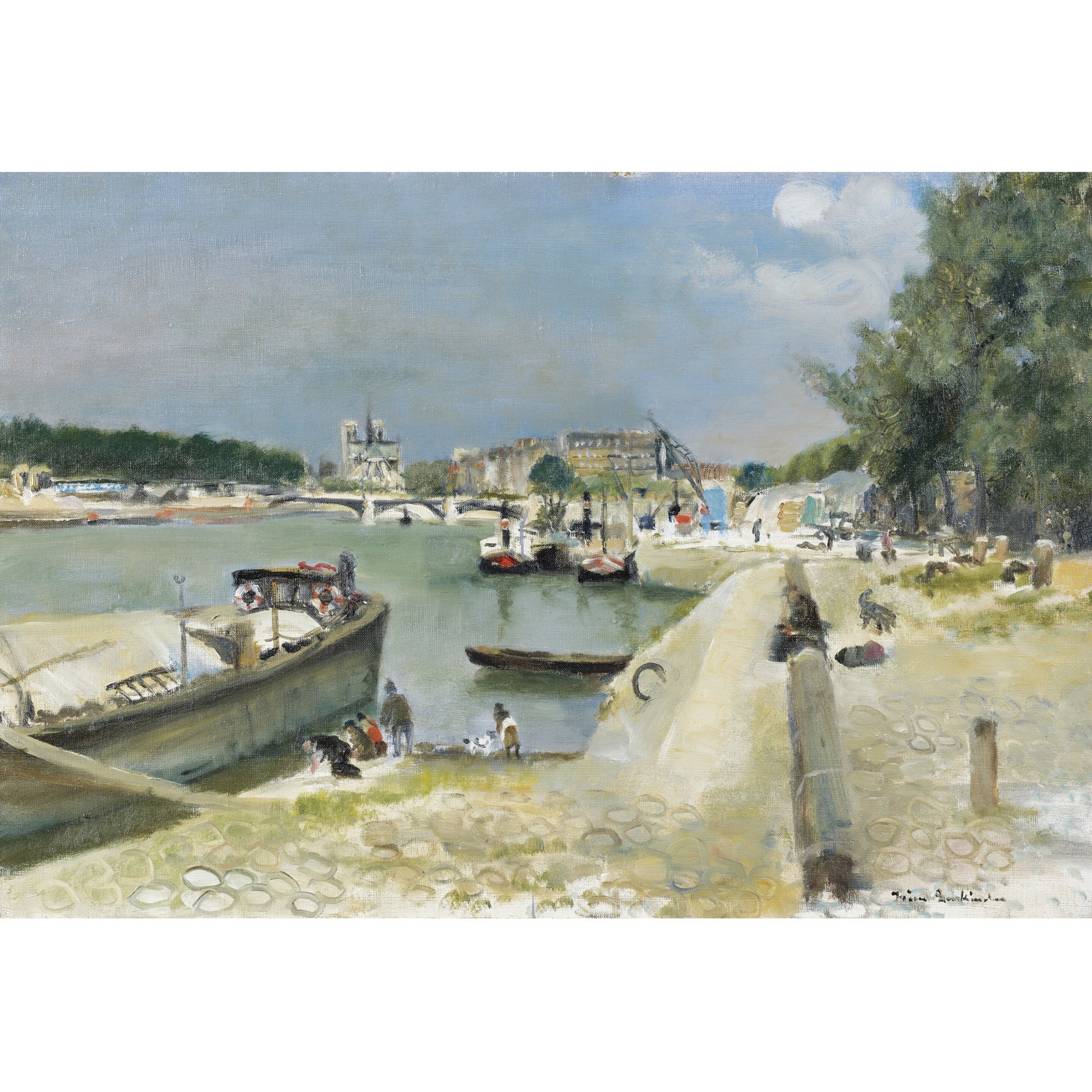
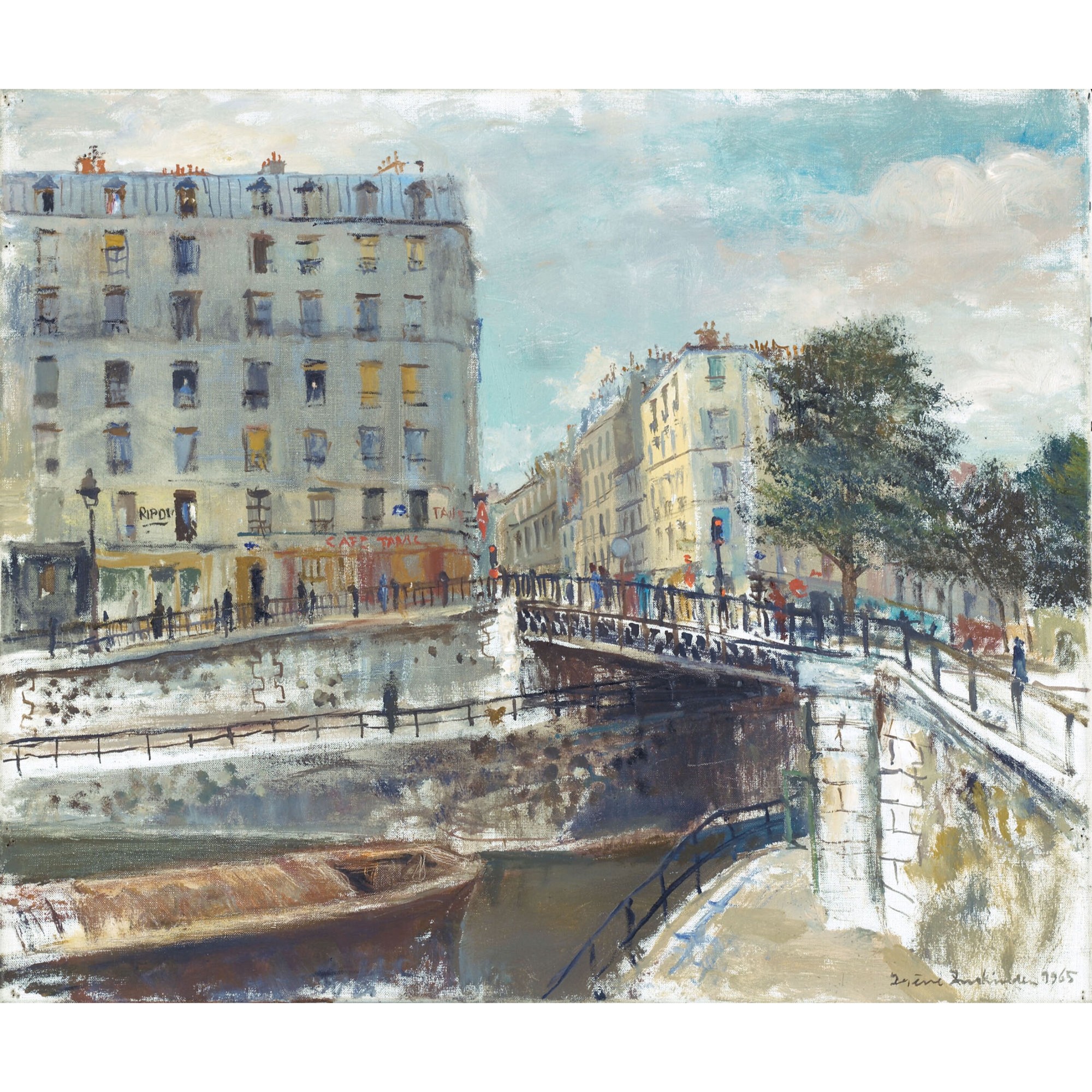
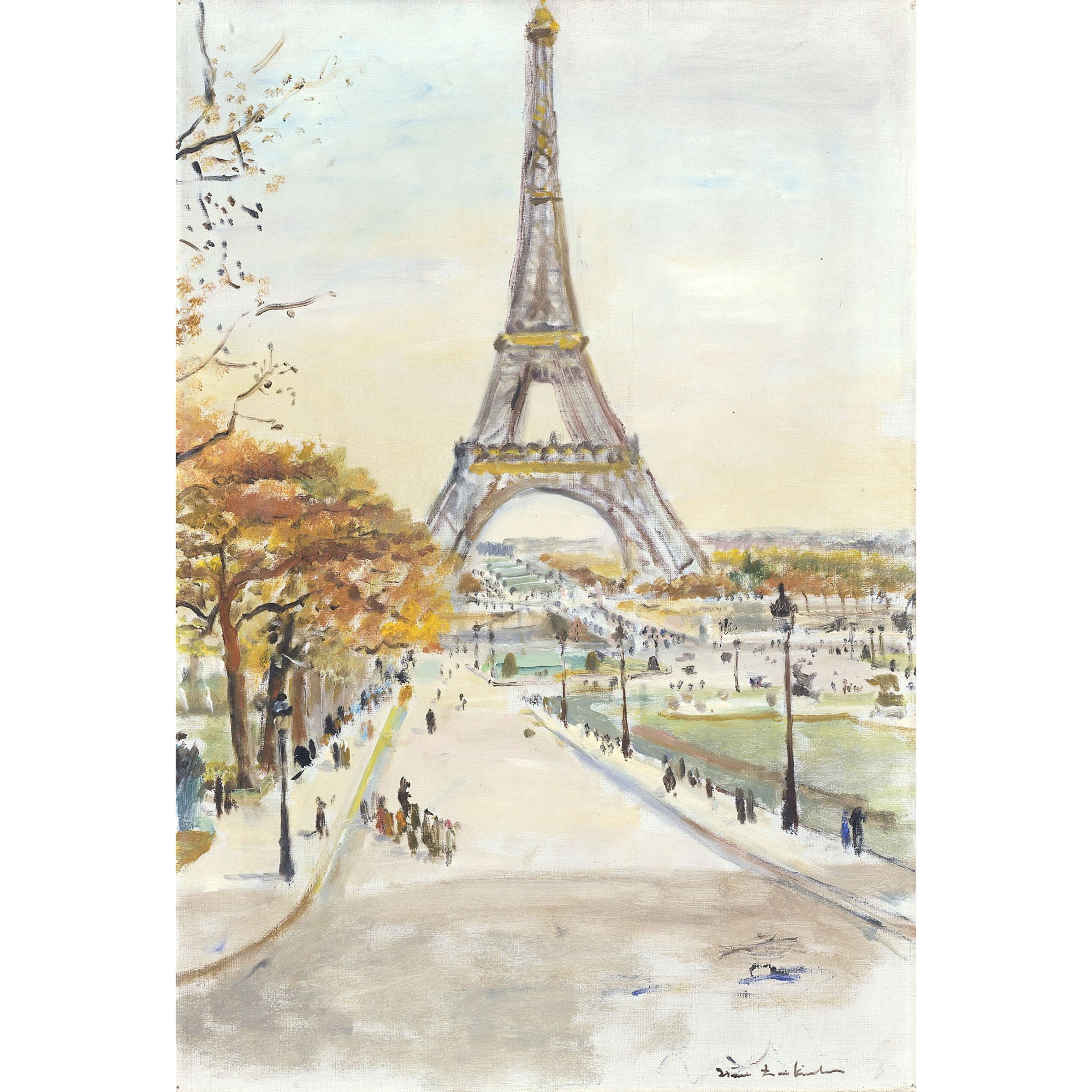
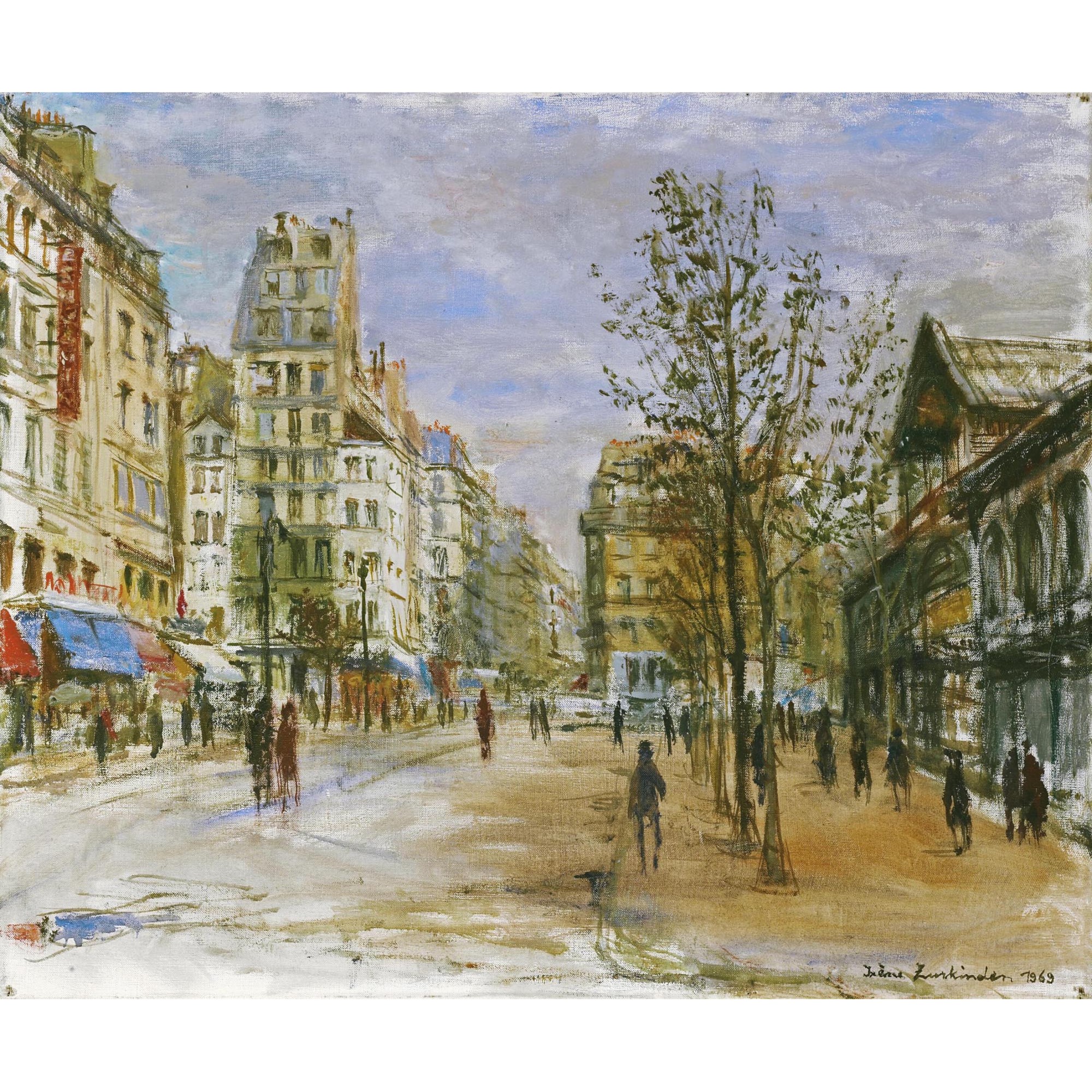
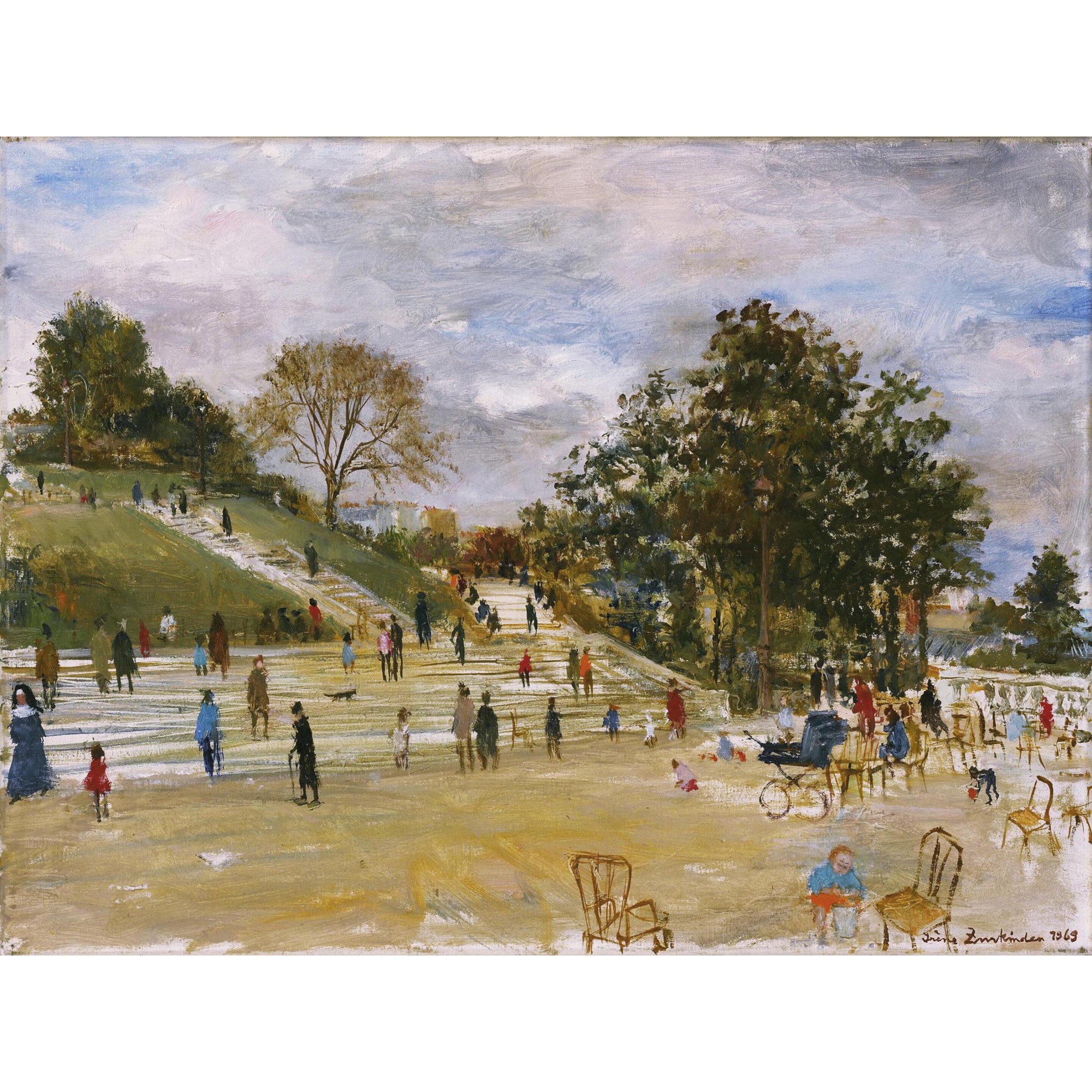
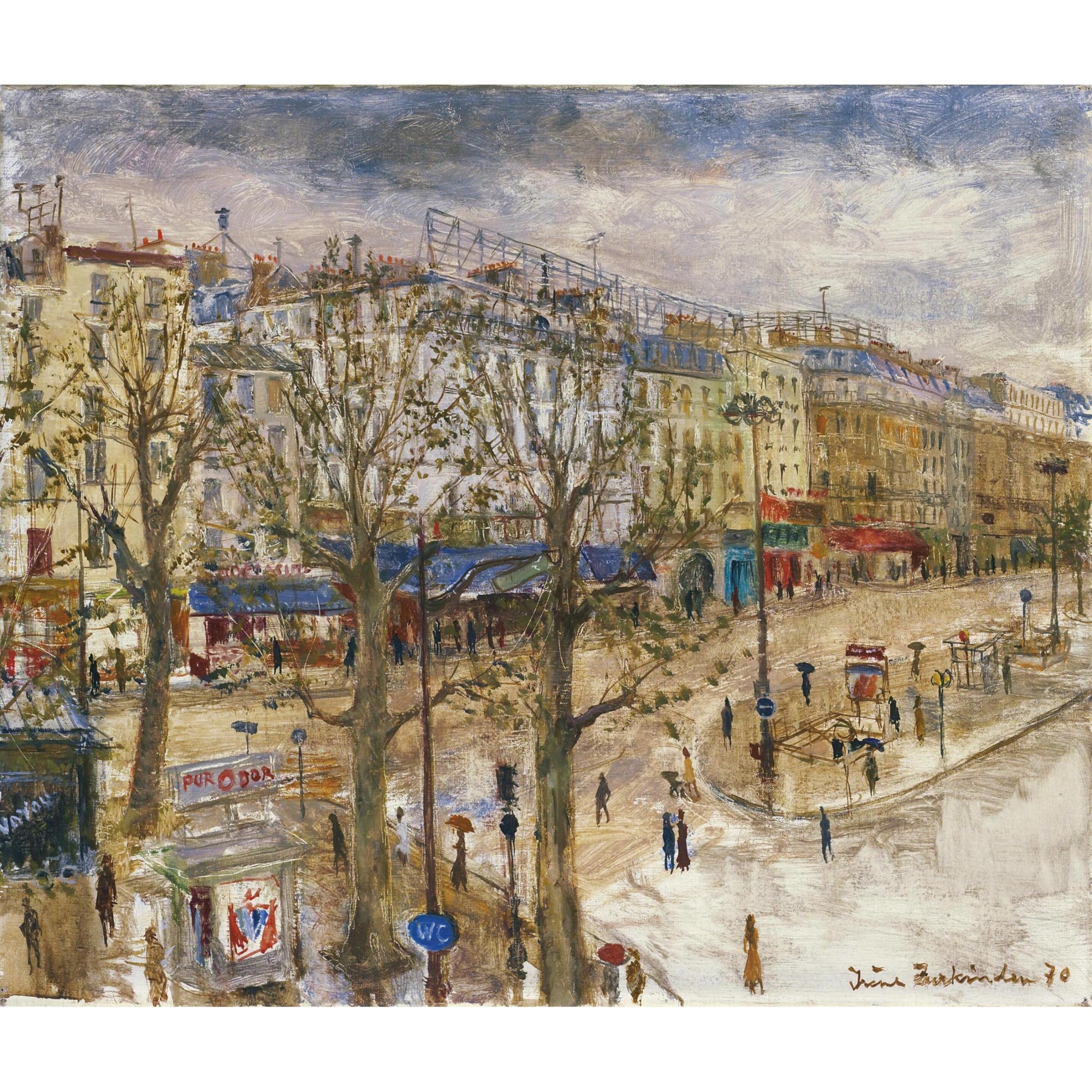
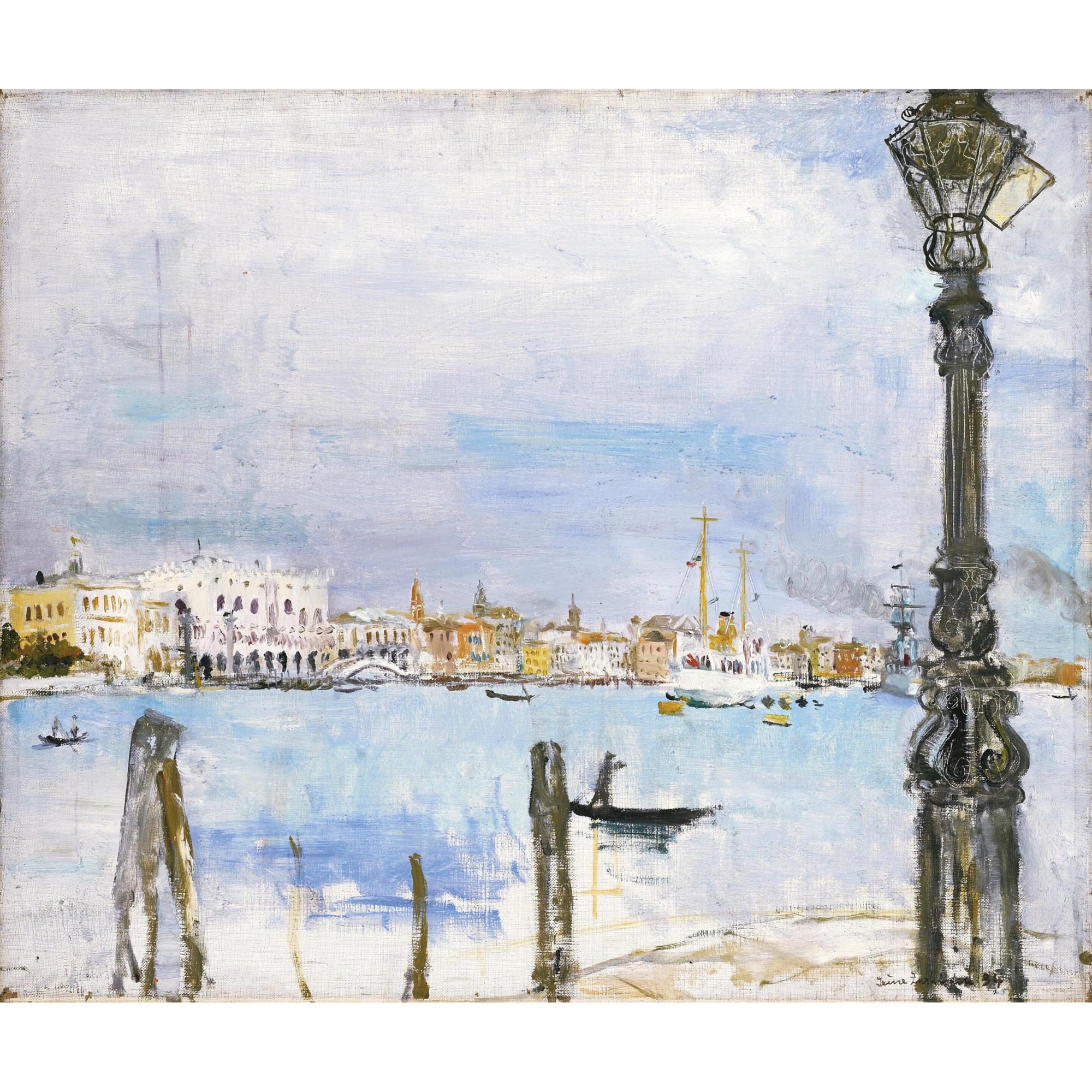
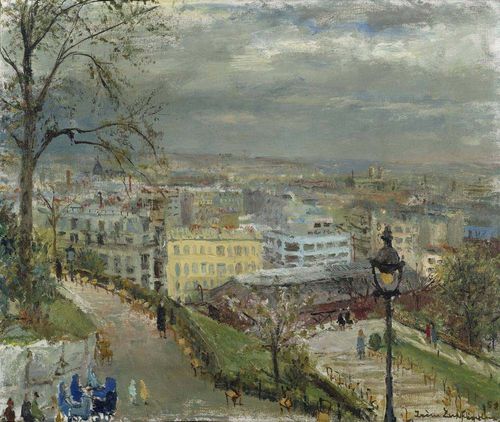
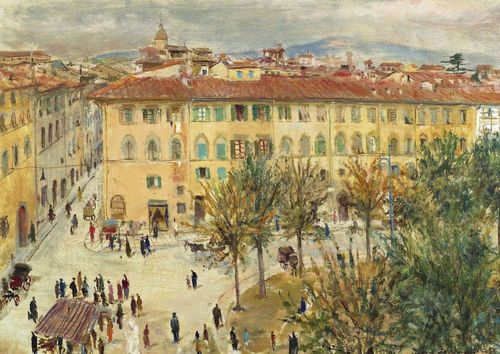
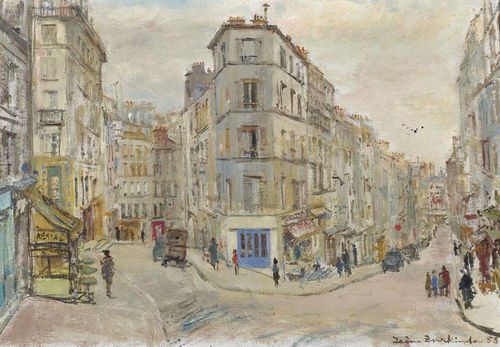
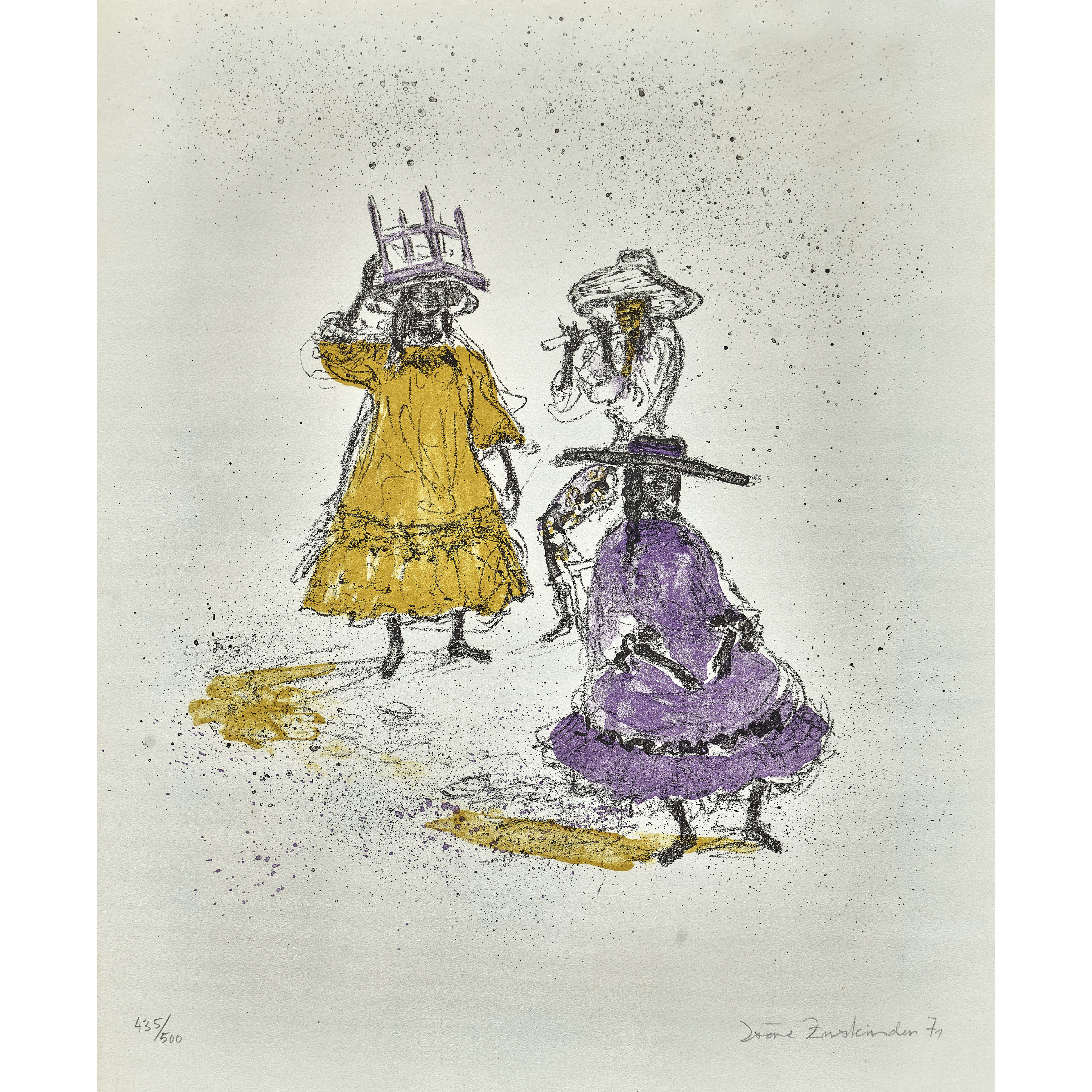
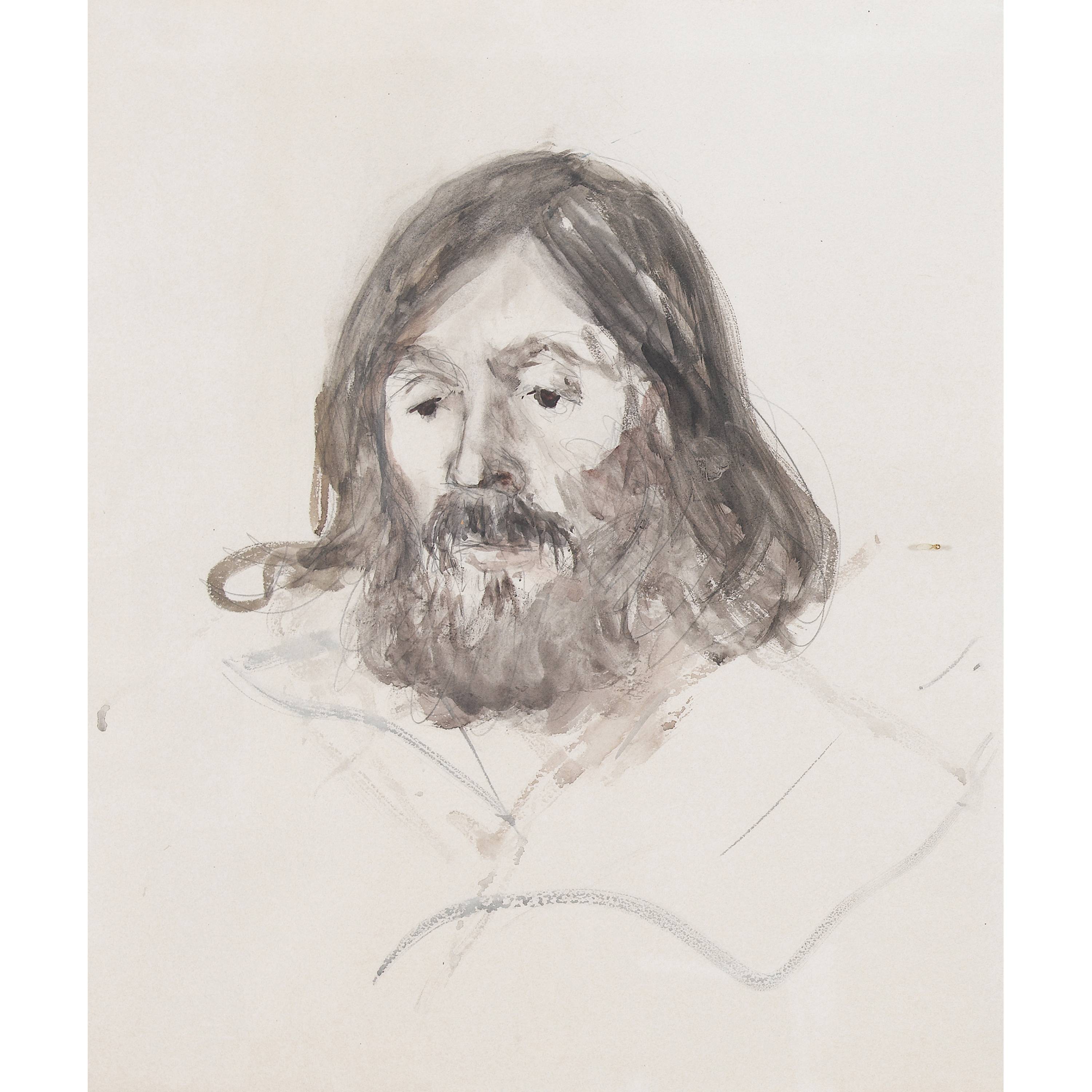
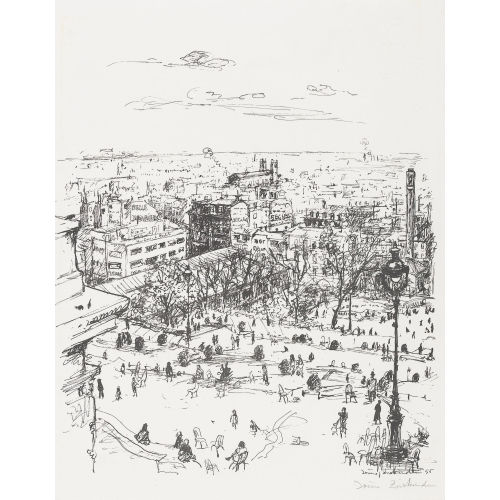
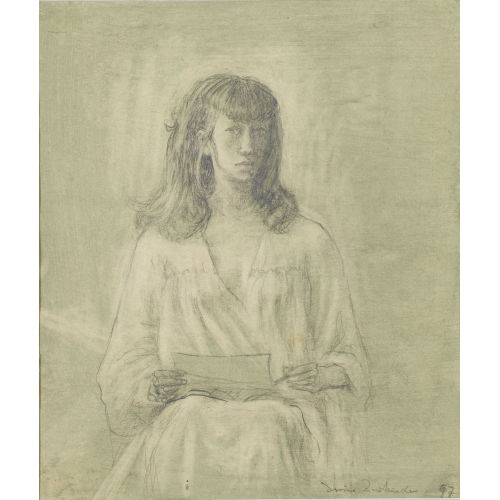
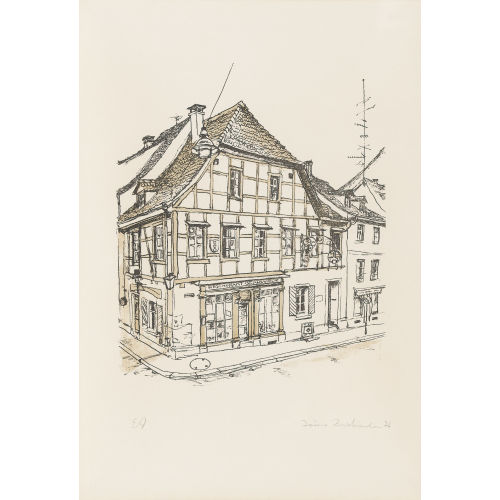
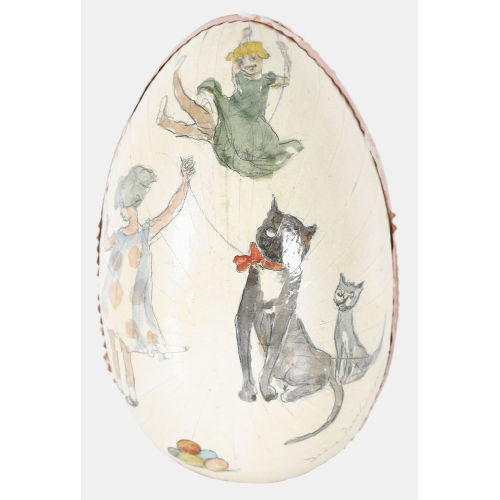
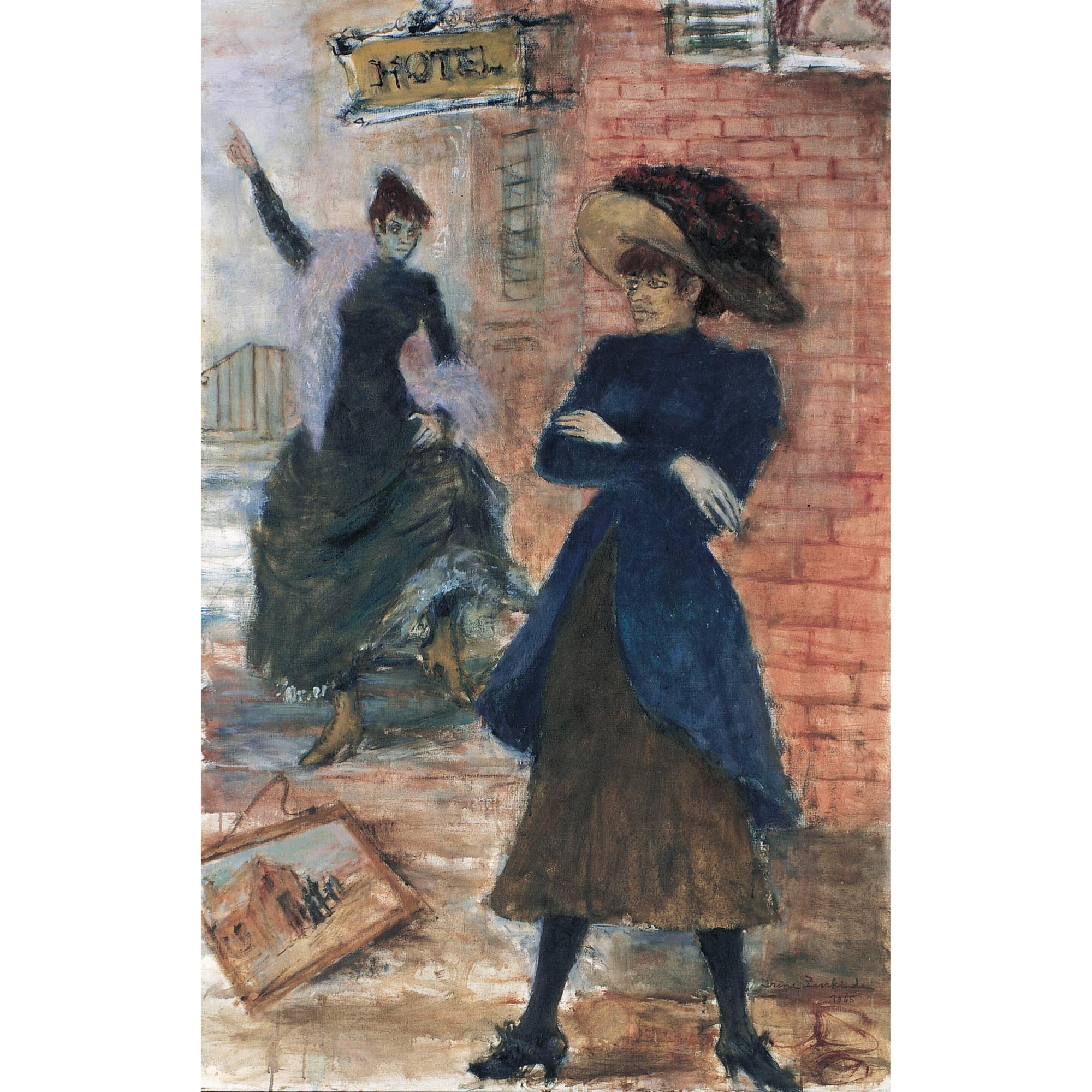
Trained in fashion drawing, she received a scholarship that took her to the French capital in 1929. There she was reunited with her childhood friend Meret Oppenheim and moved within Surrealist circles, while preserving the freedom of her own vision. Painting and drawing enabled her to capture those close to her, scenes of urban life and interiors; everyday observation could open onto an unexpected strangeness.
«Meret à l’orange» (1932–1935), an oil on canvas acquired by the Kunstmuseum Basel, condenses this attentiveness to the person portrayed. The portrait makes the artist friend into a singular presence, with her clothing, pose and the orange held in her hand all contributing to the staging. The familiar object becomes a point of intensity, without the image relinquishing the intimacy of a lived relationship.
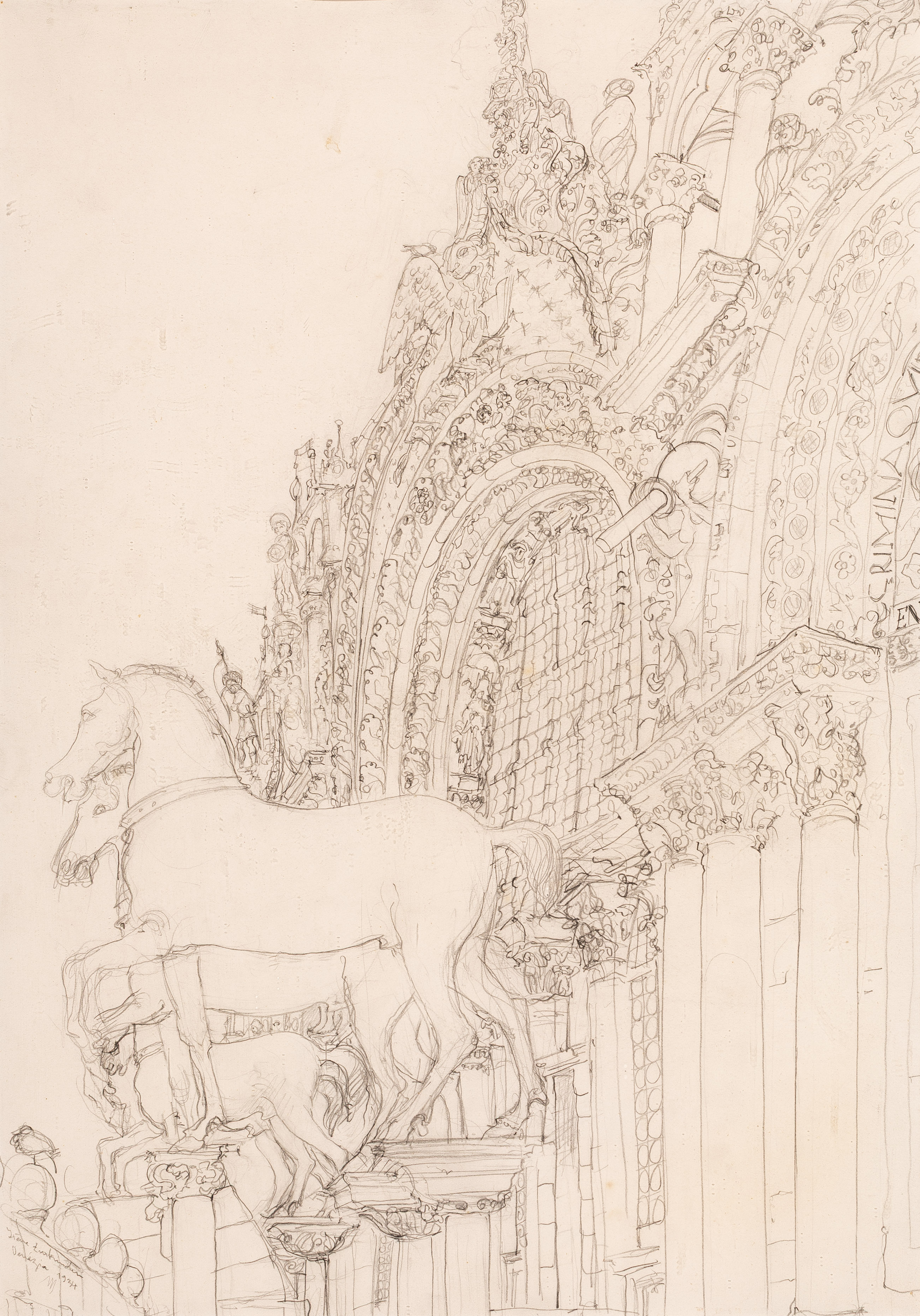
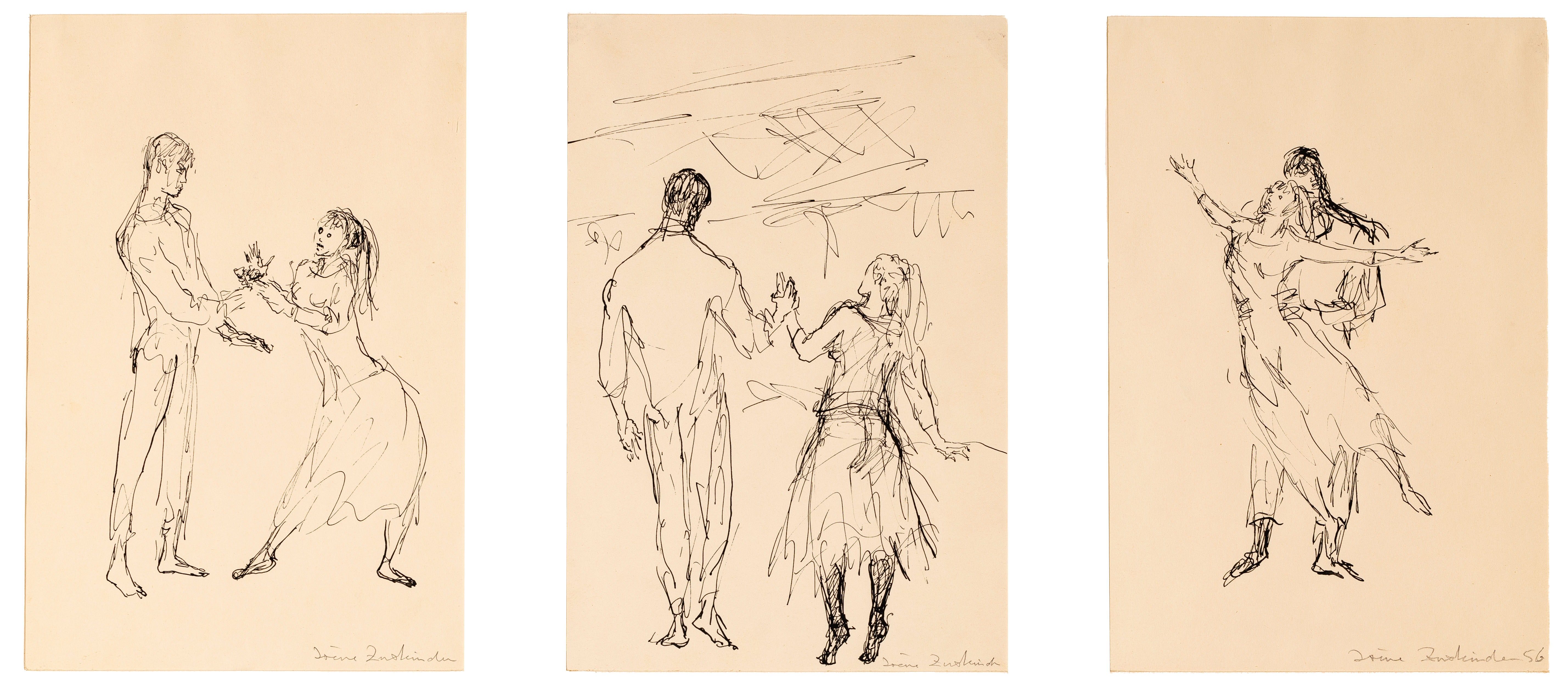
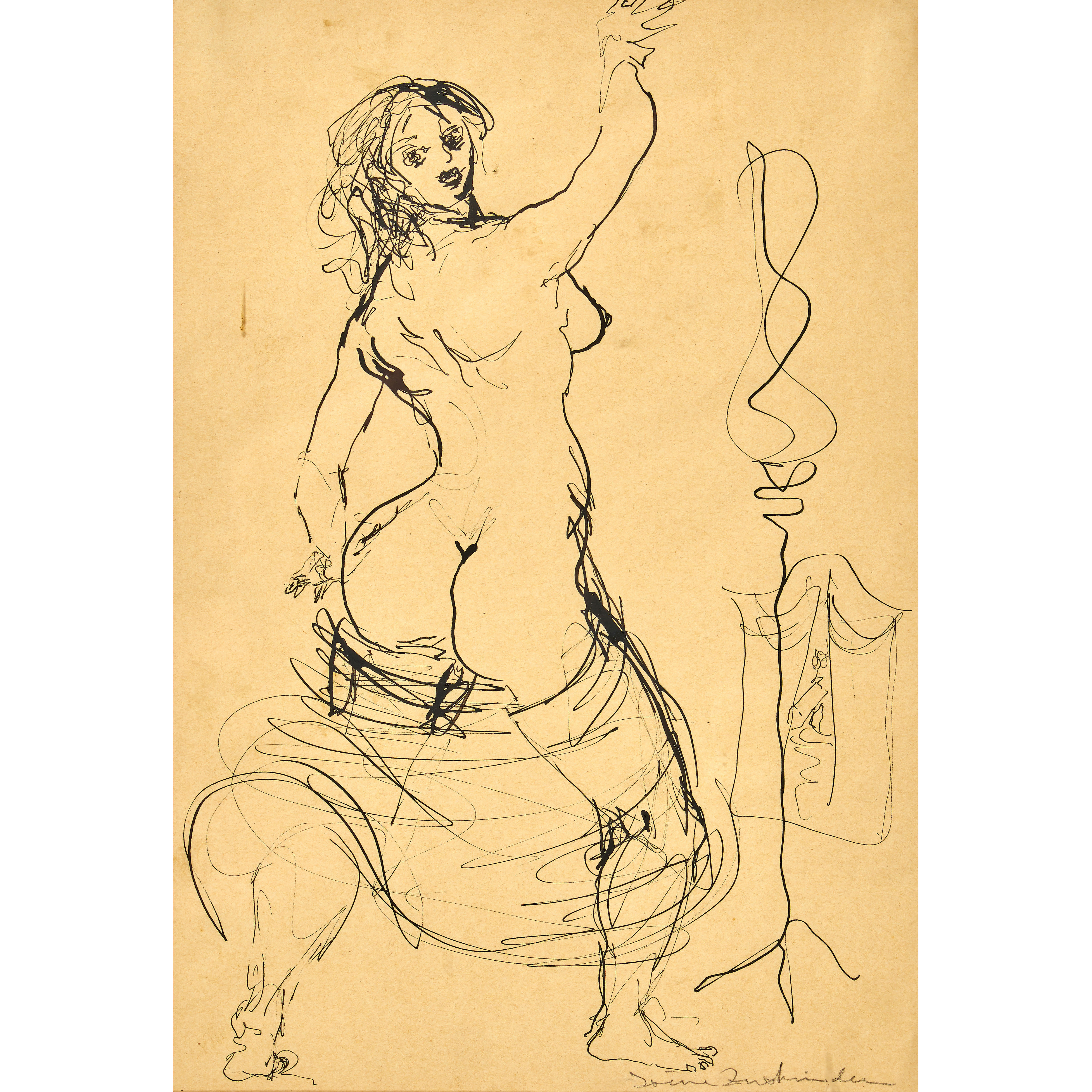
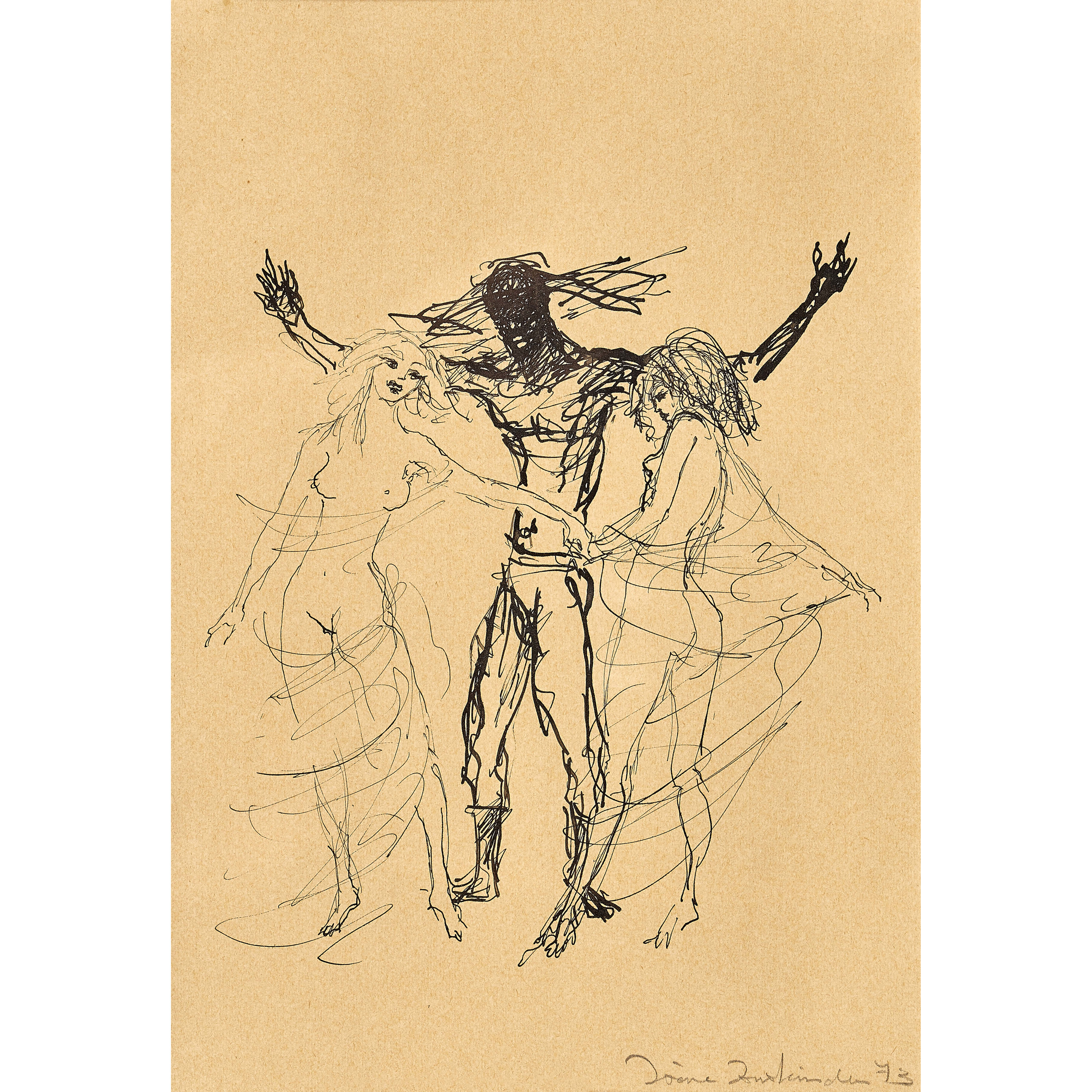
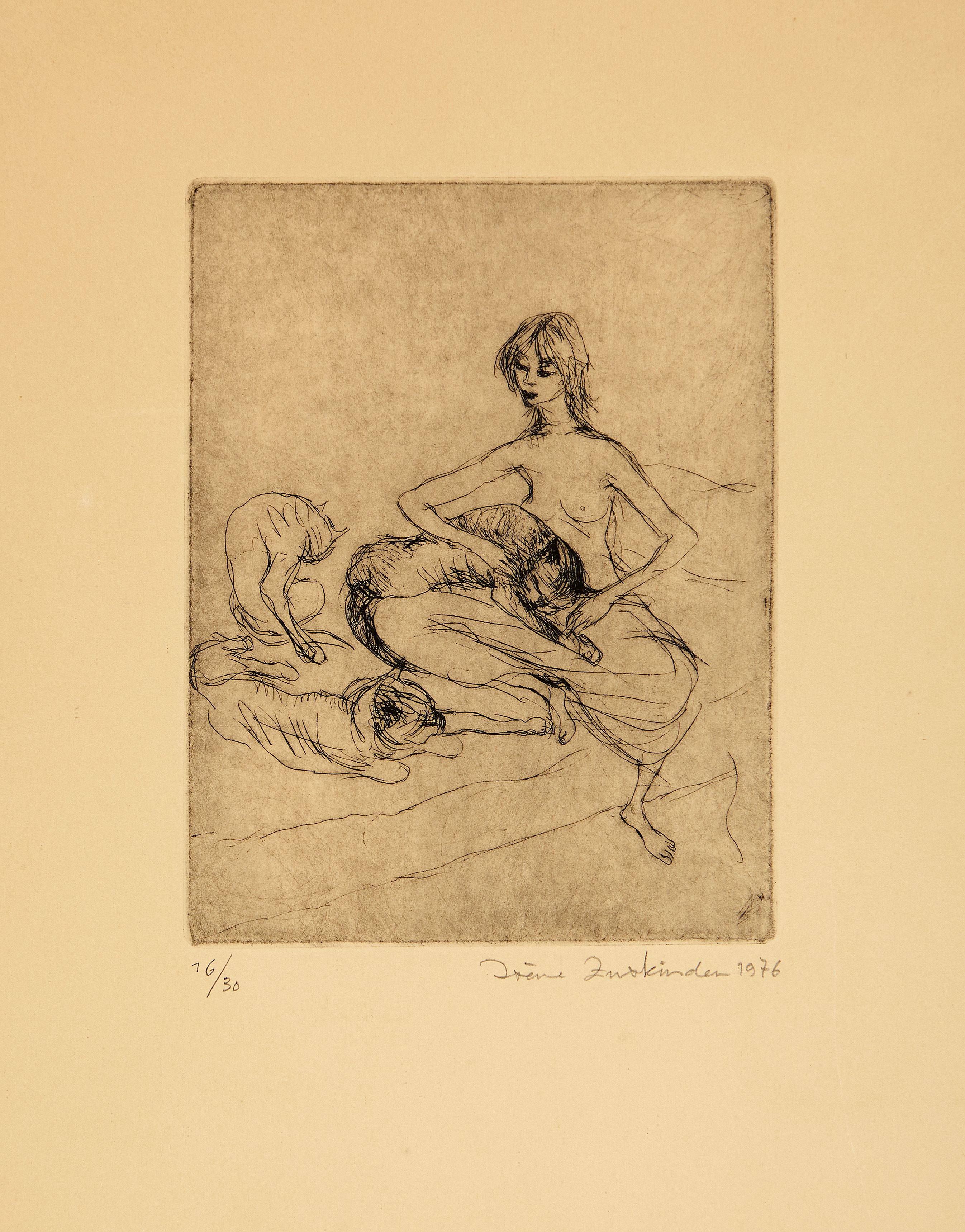
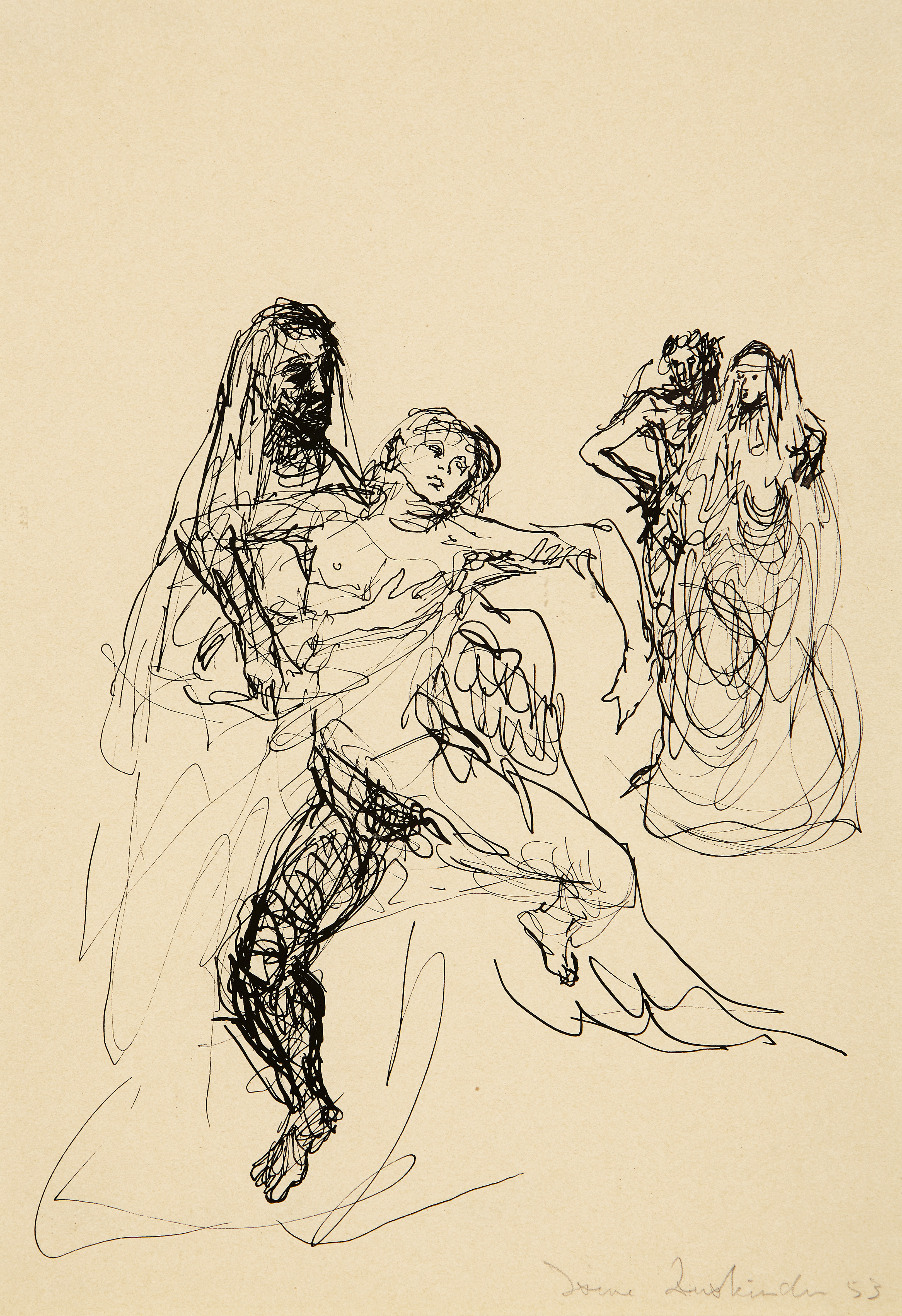
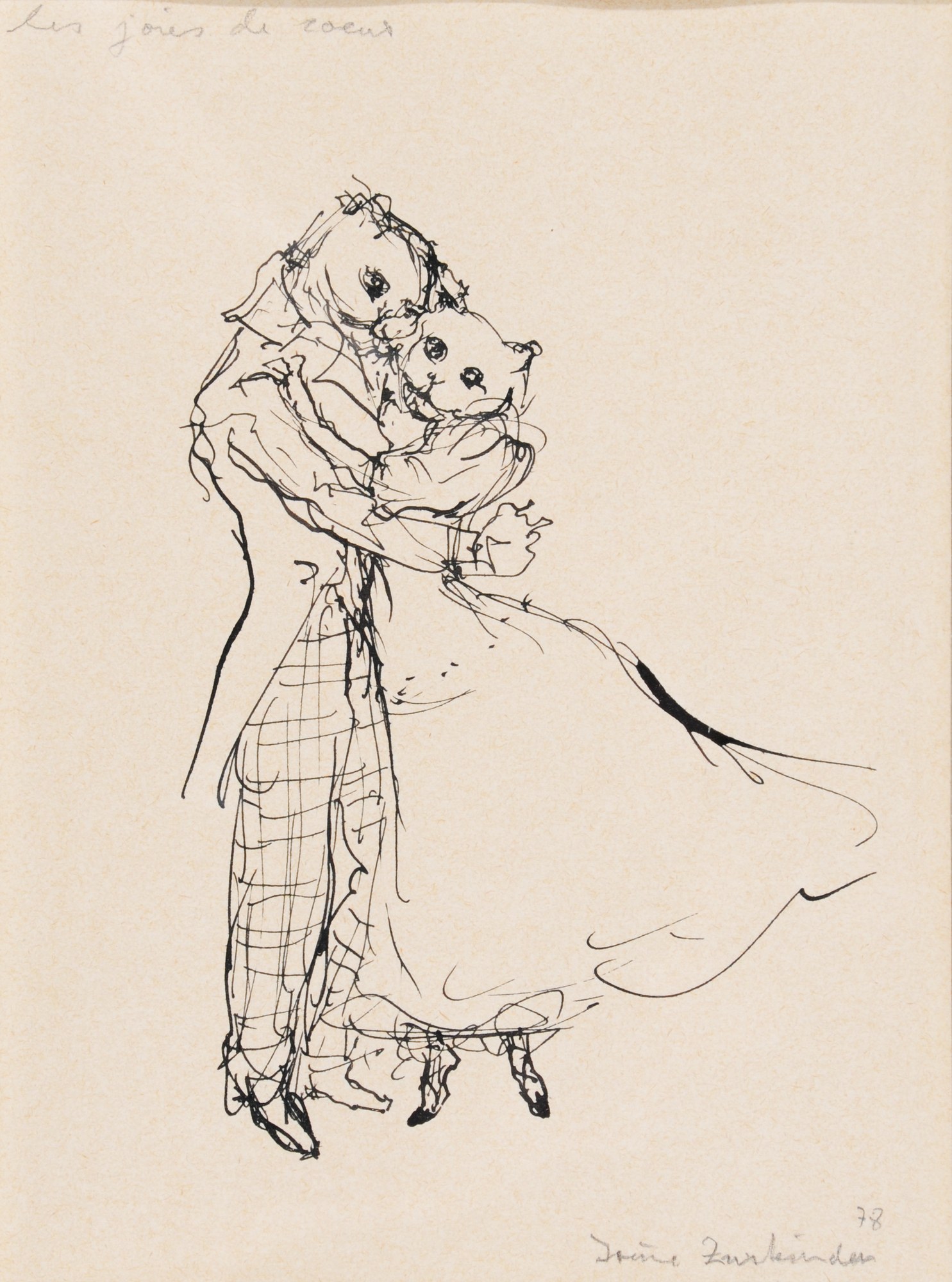
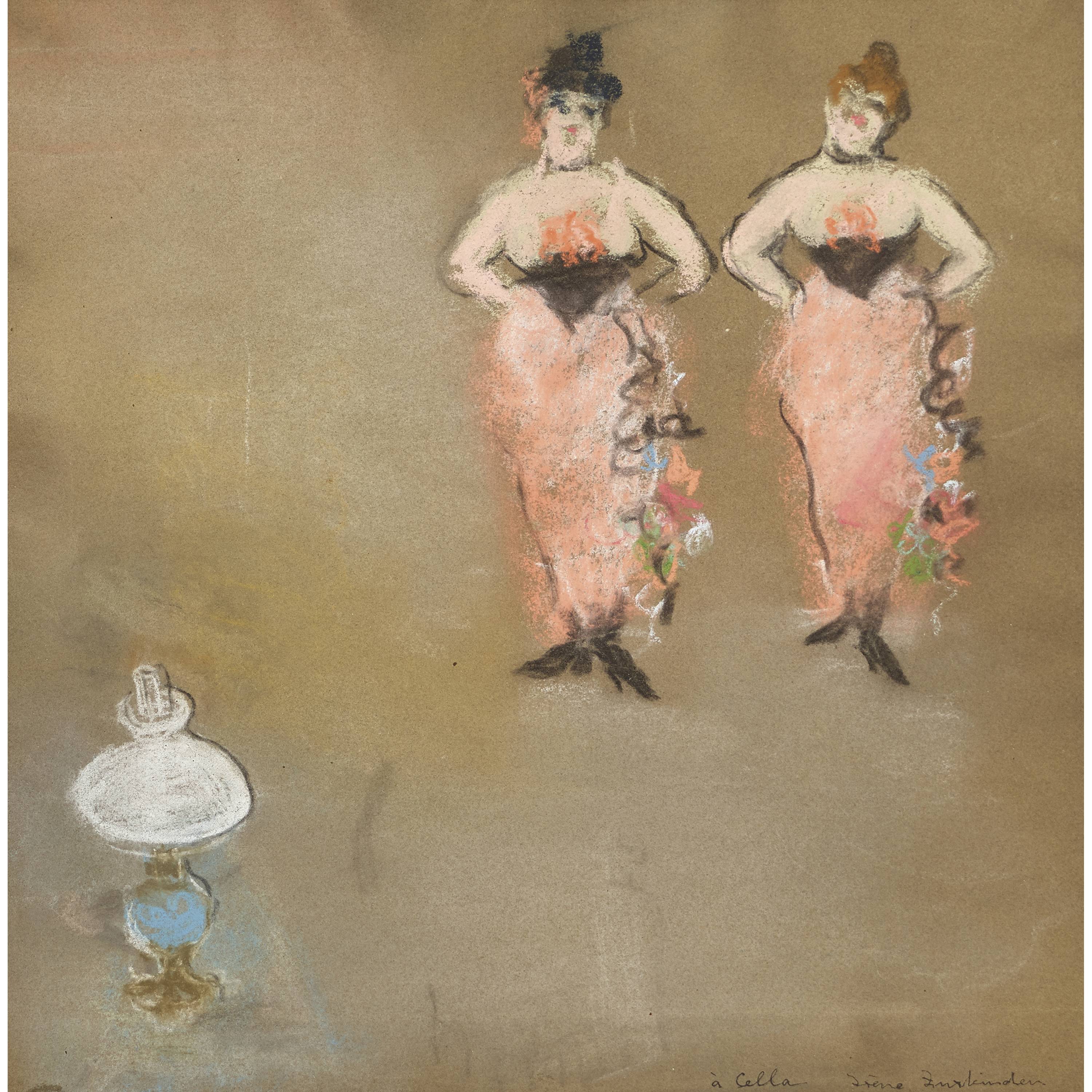
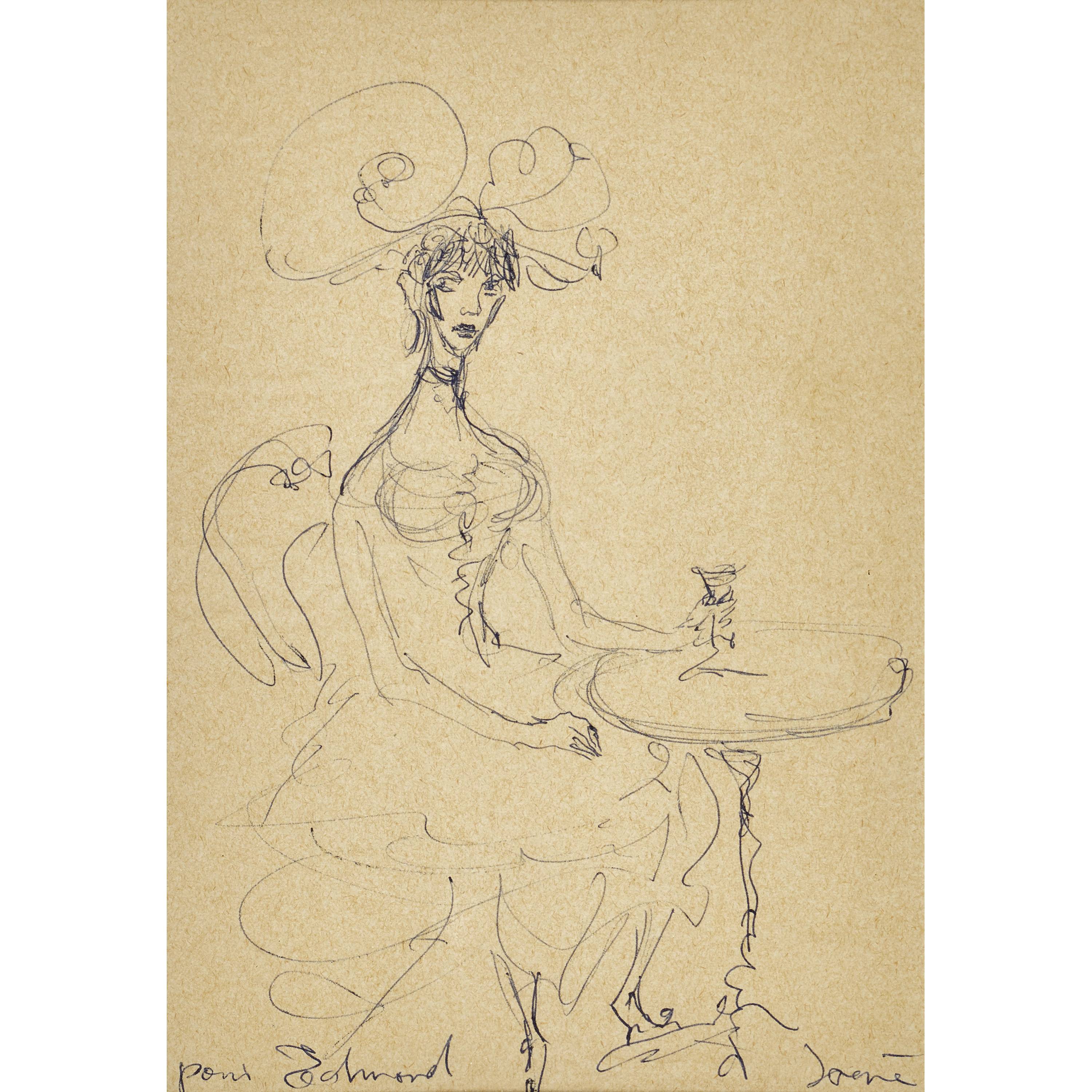
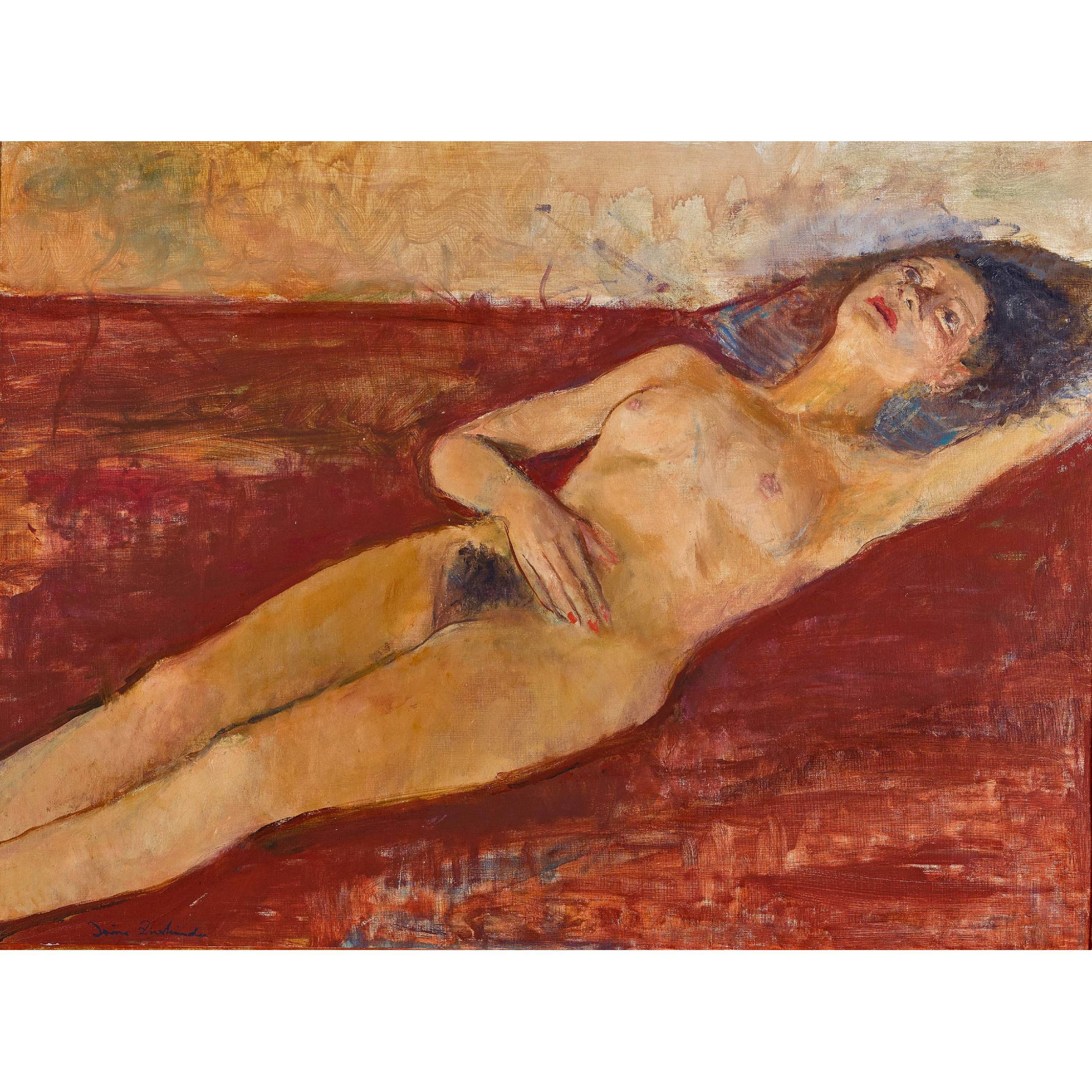
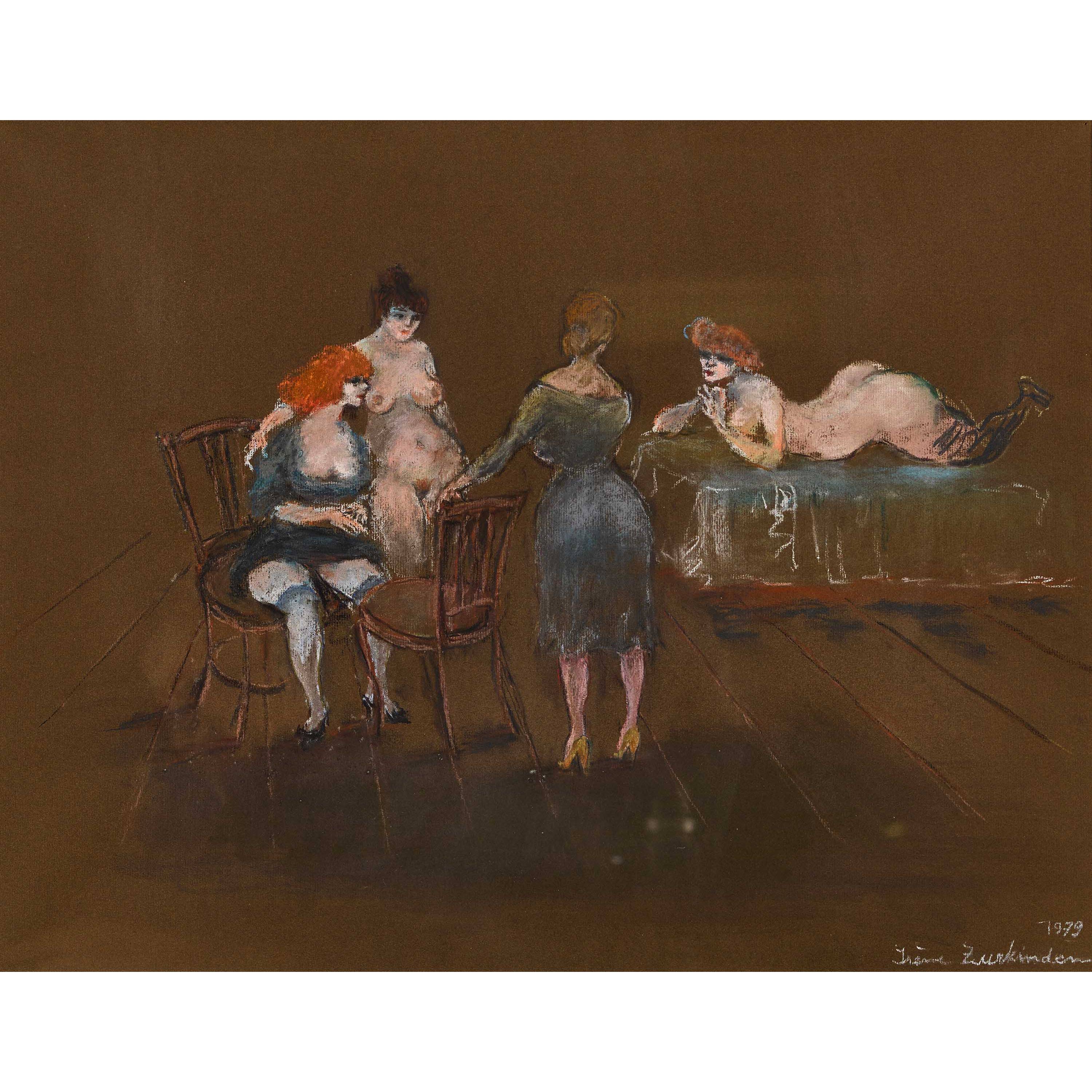
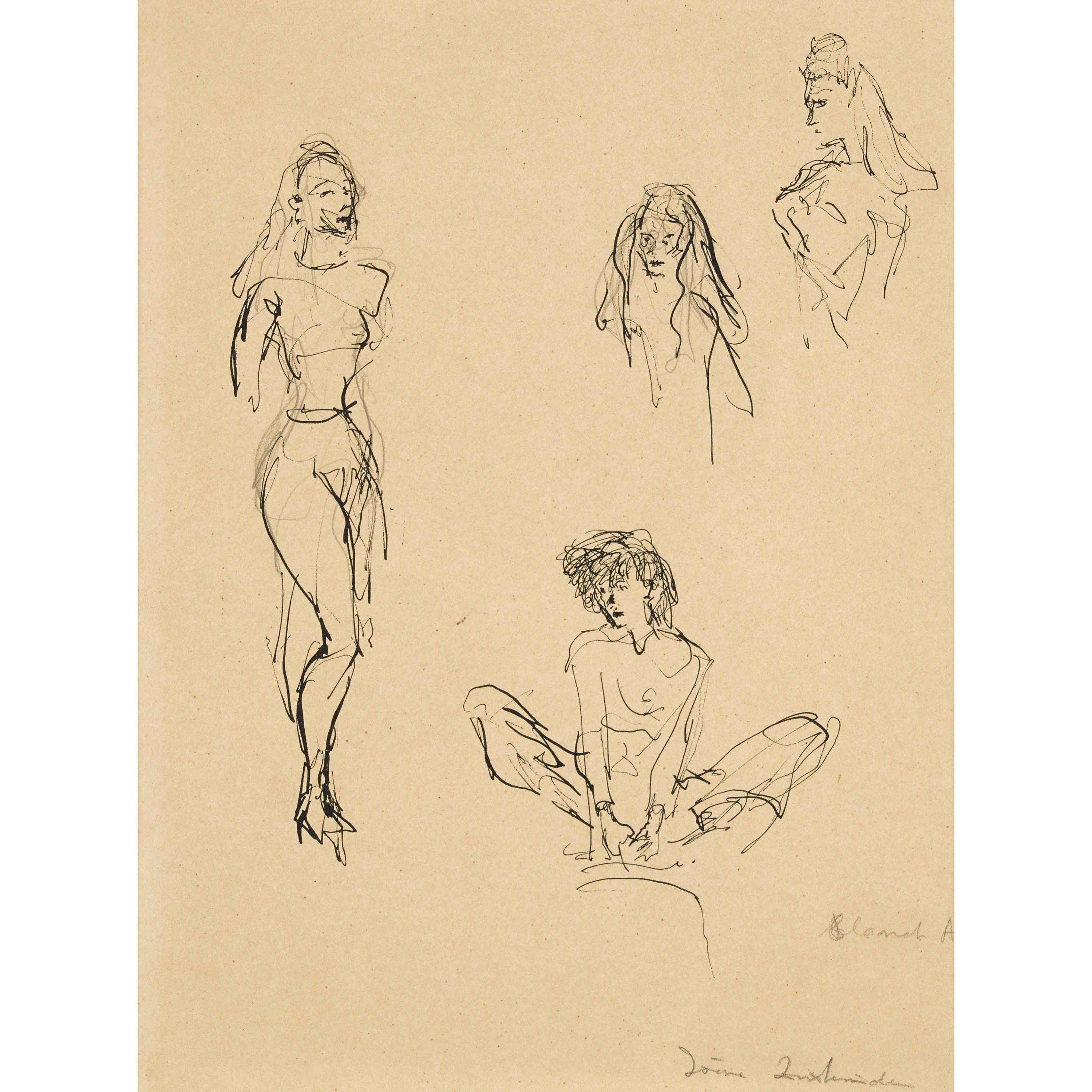
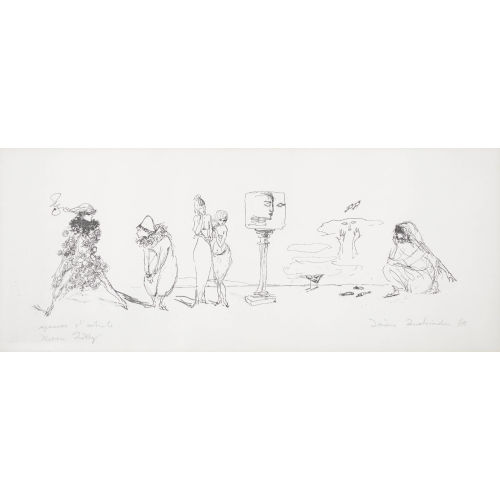
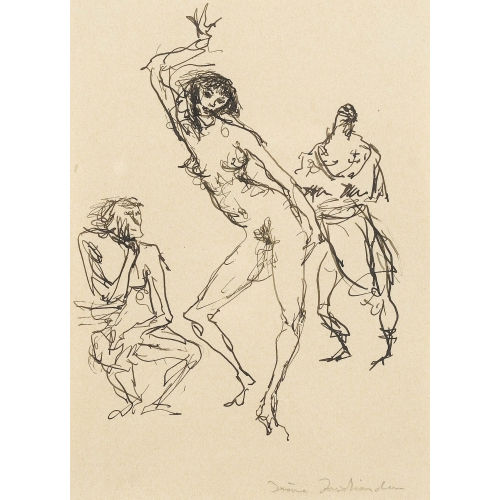
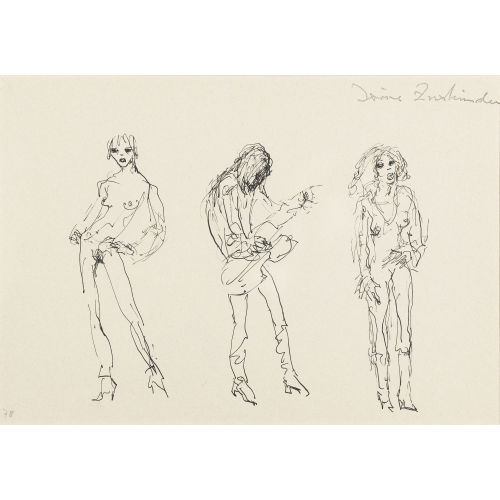
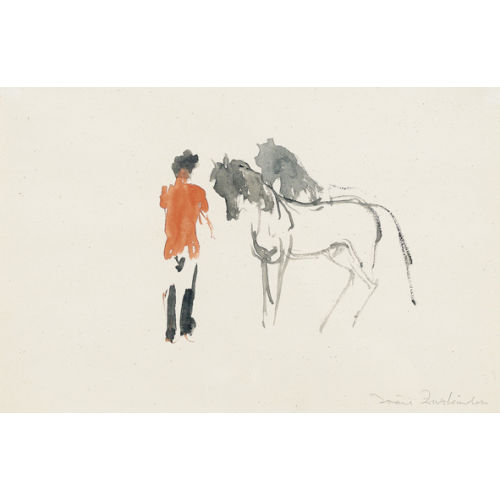
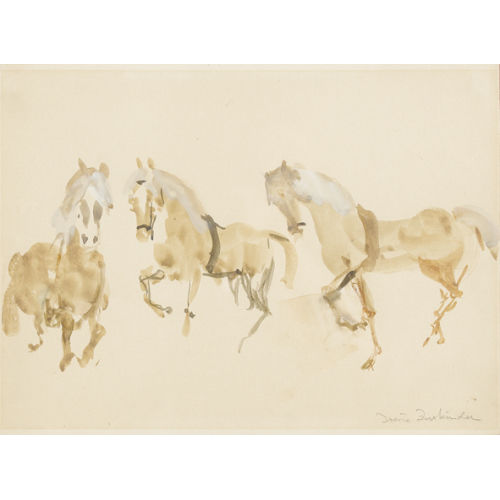
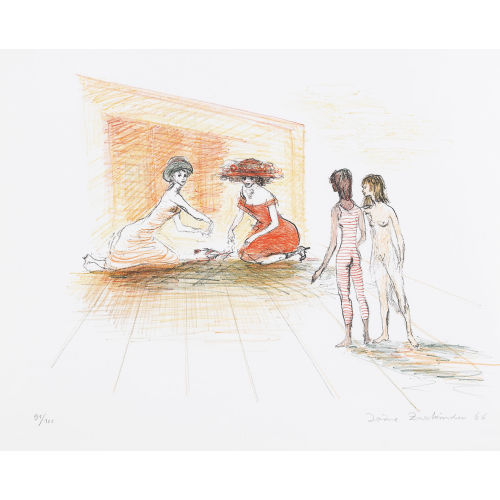
Other paintings composed like enigmas, and drawings with incisive lines, explore more intimate, at times erotic situations. Zurkinden thus remained close to Surrealism without allowing herself to be defined exclusively by the movement.
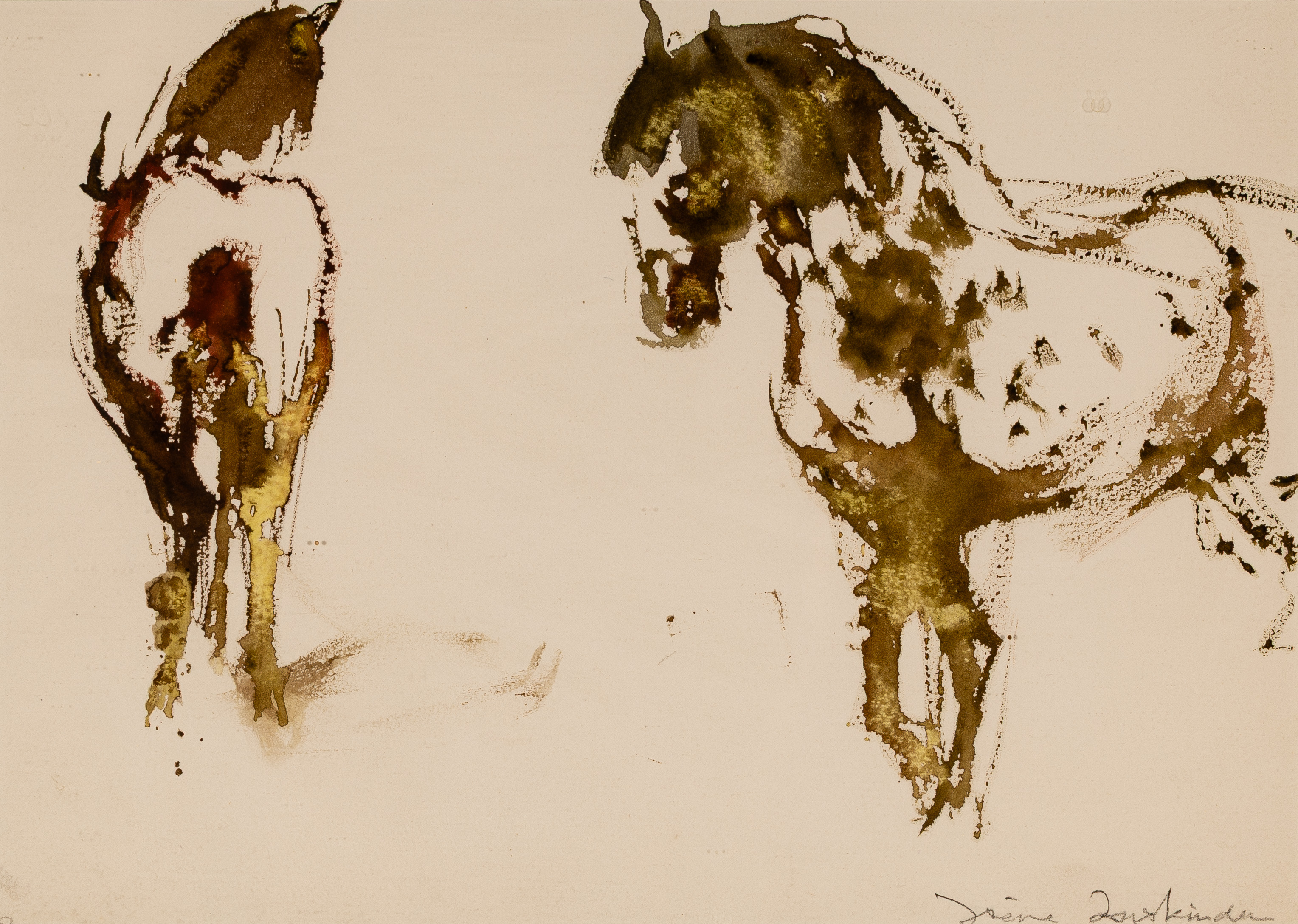
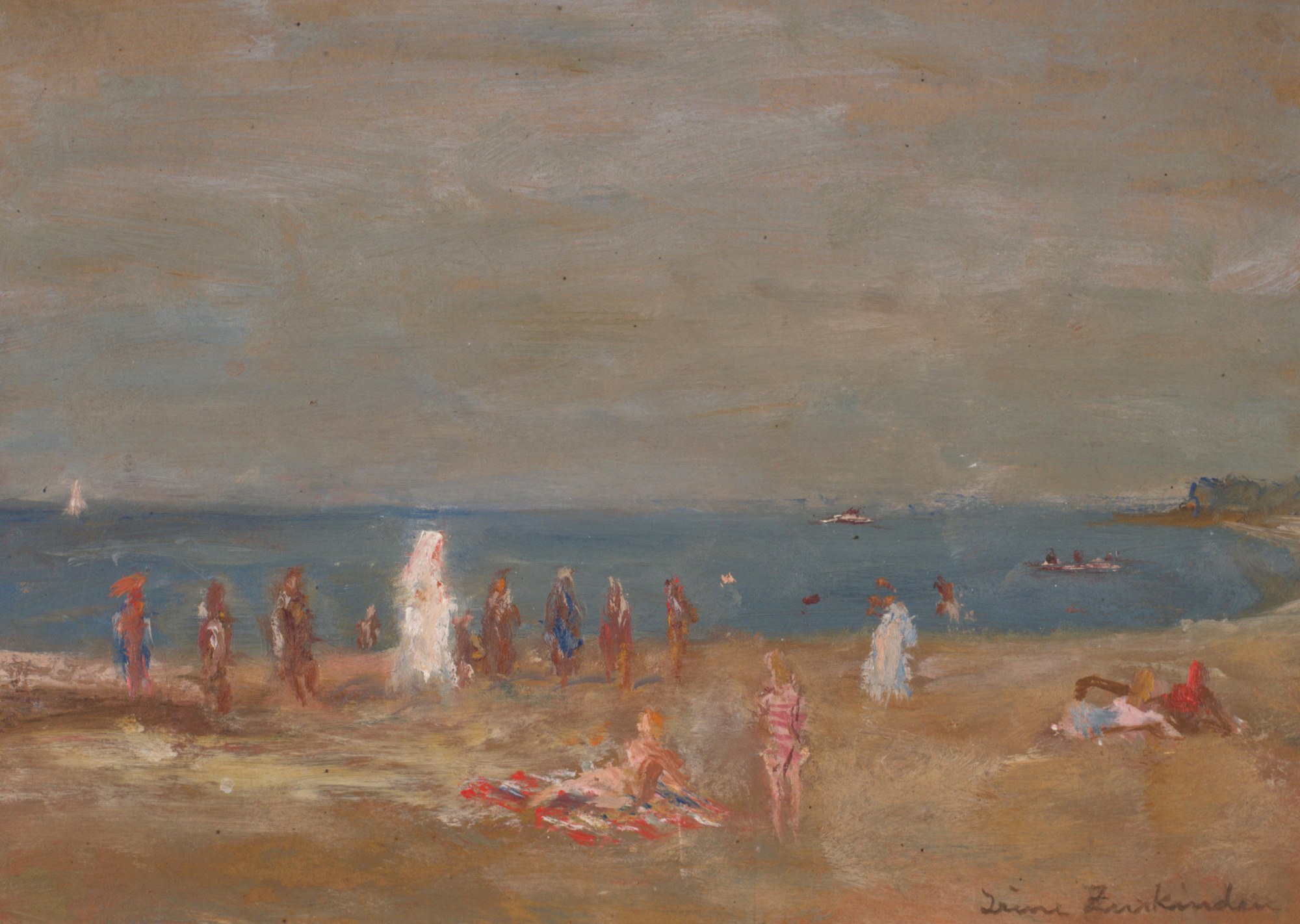
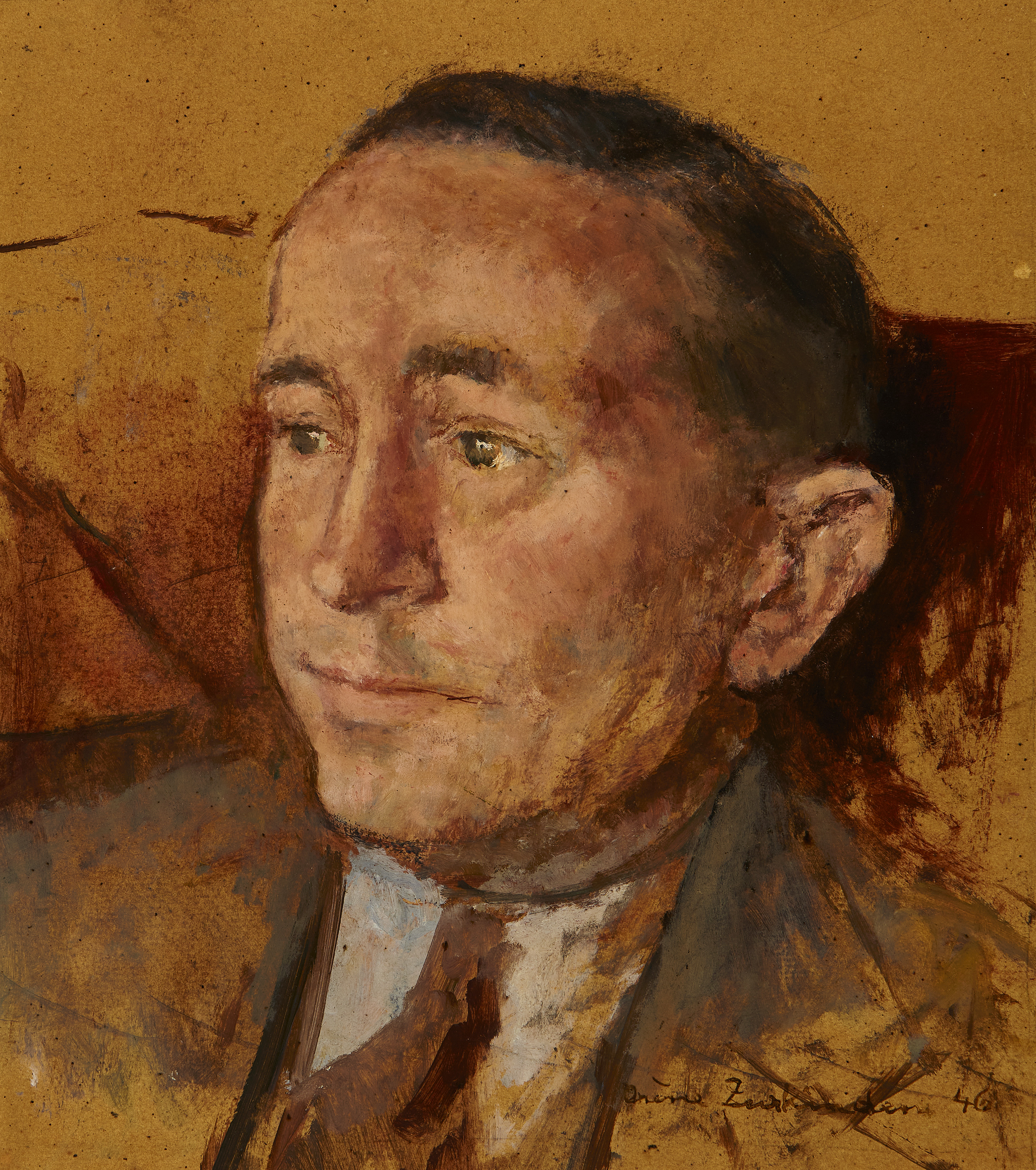
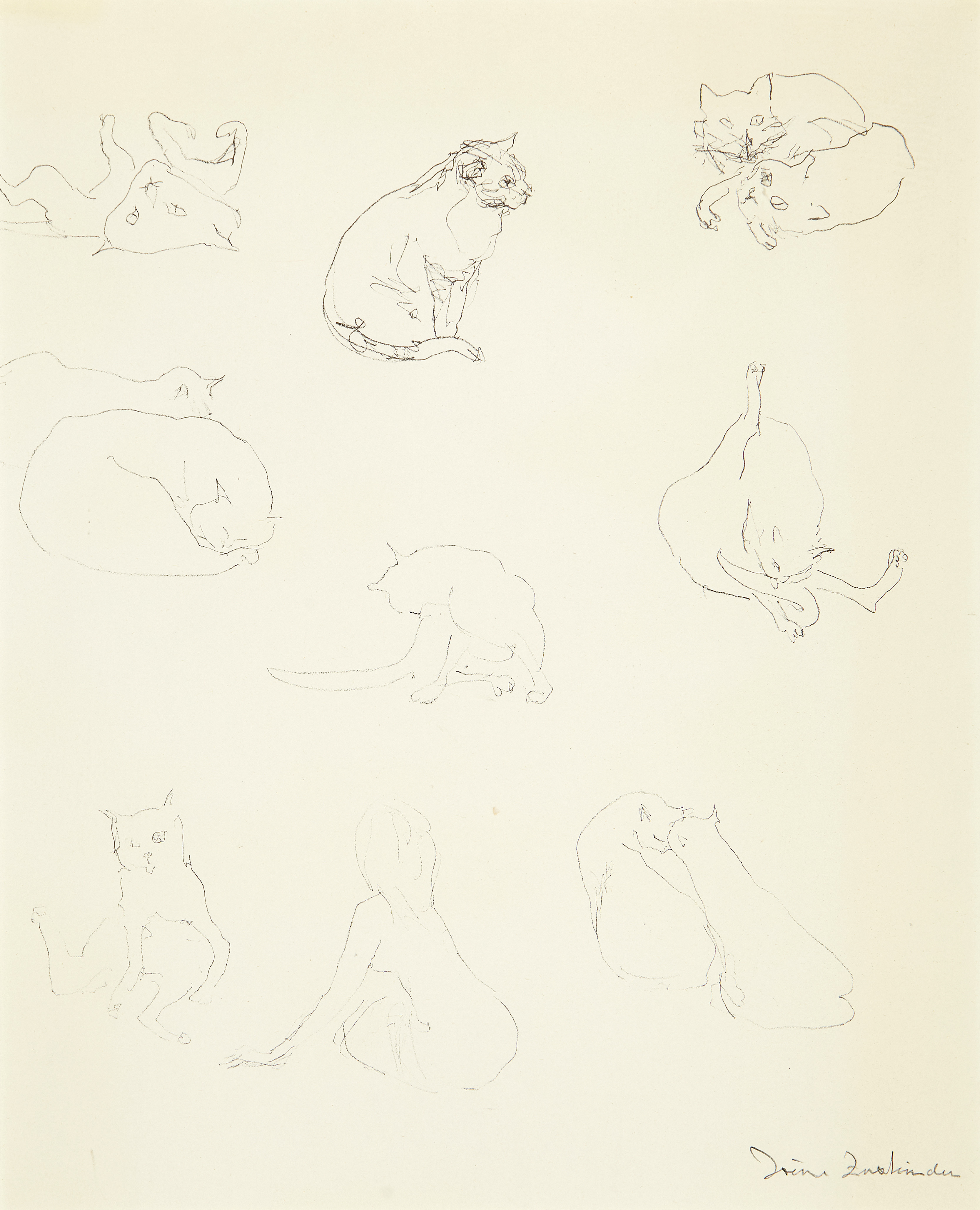
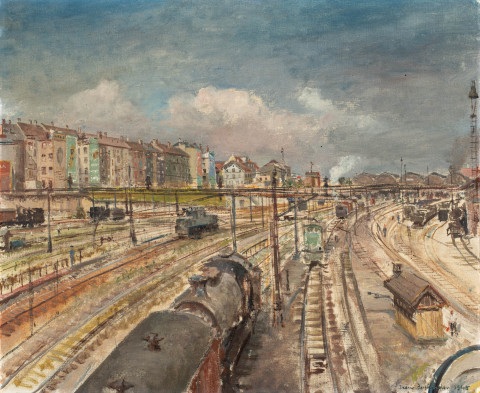
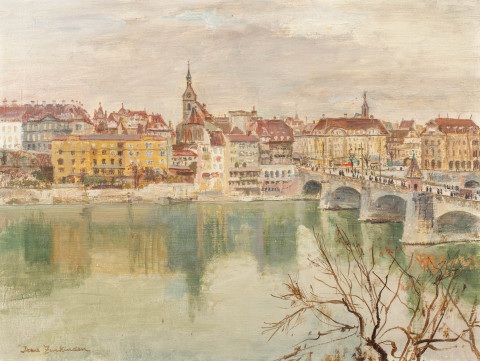
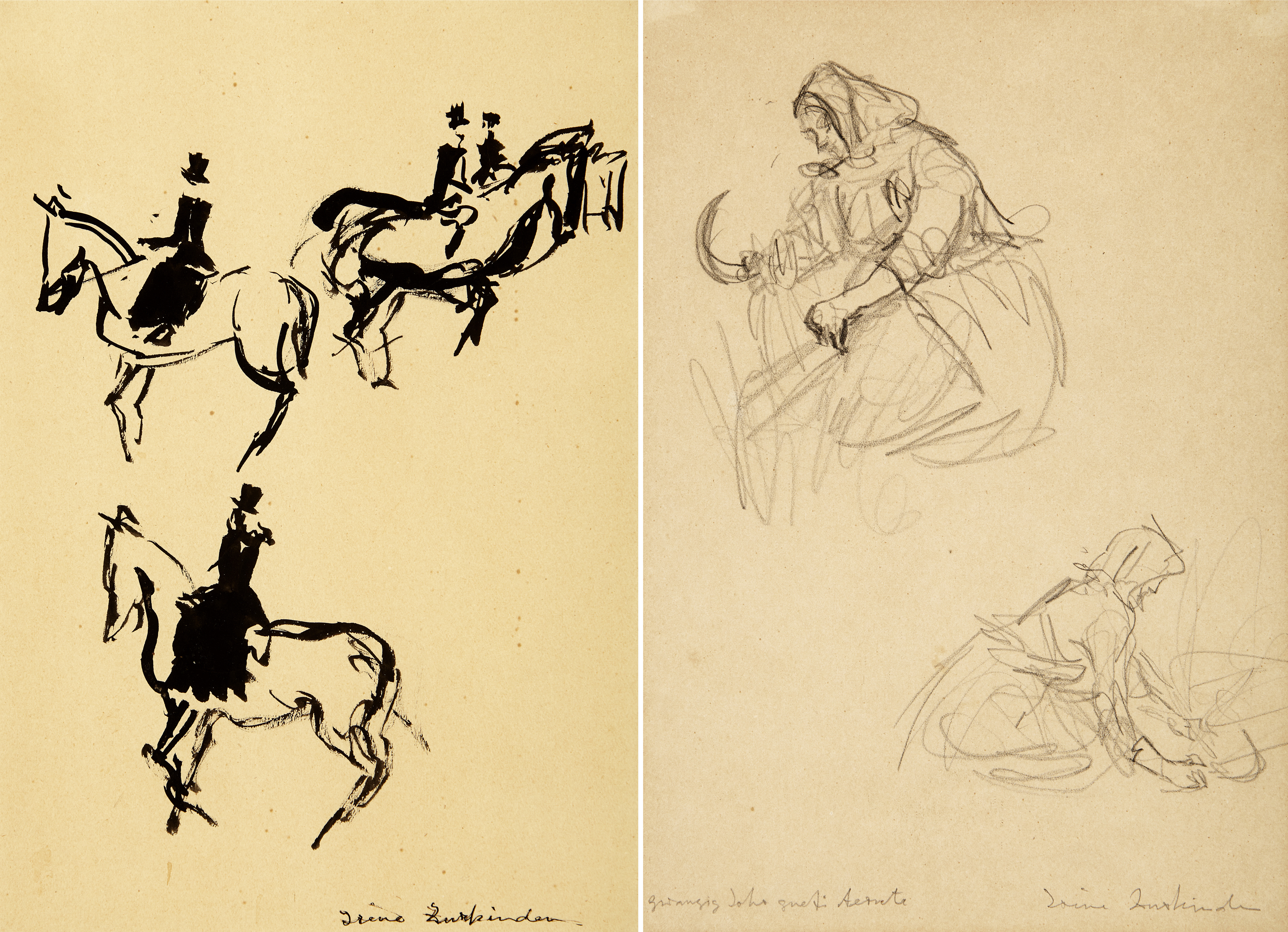
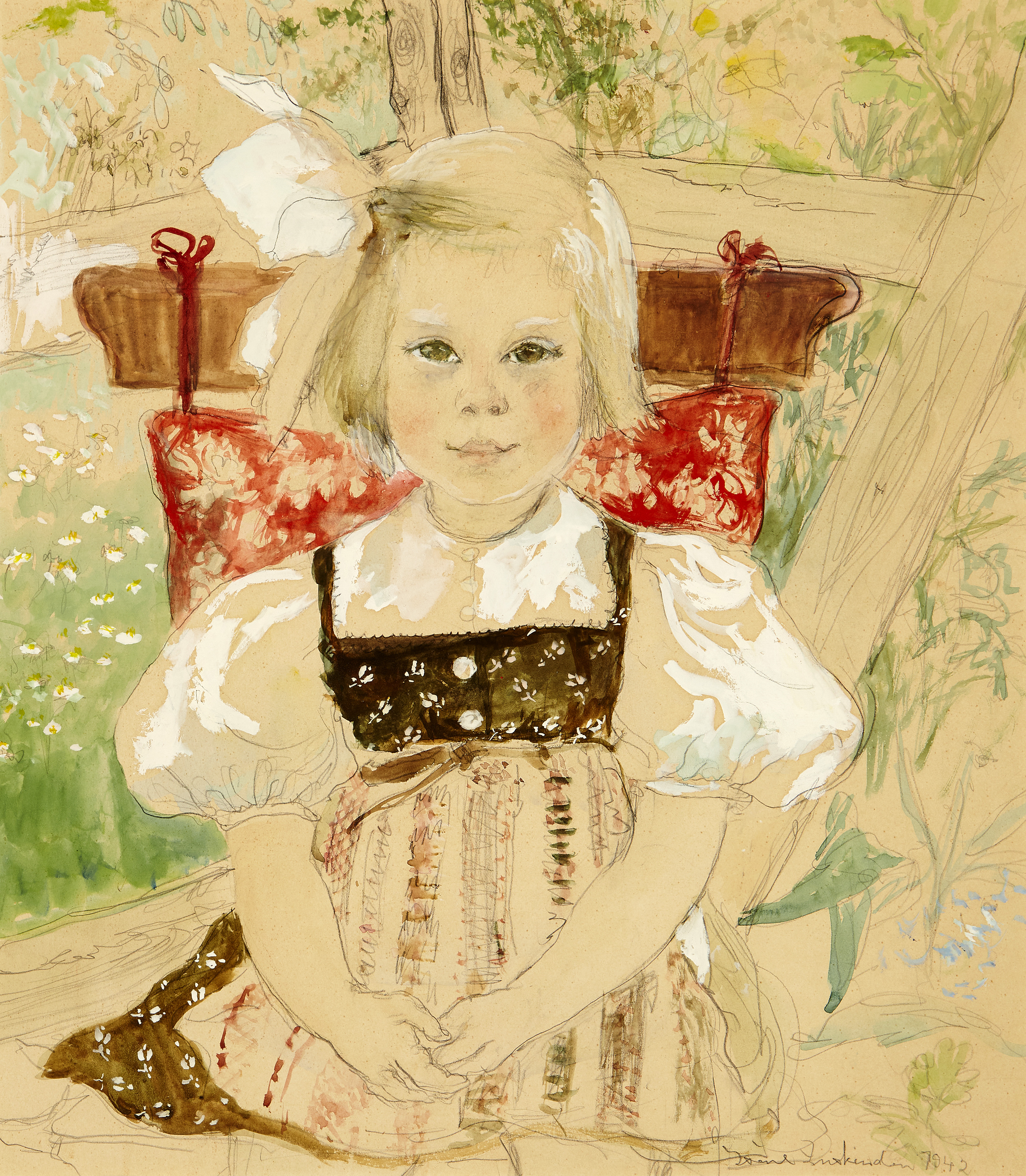
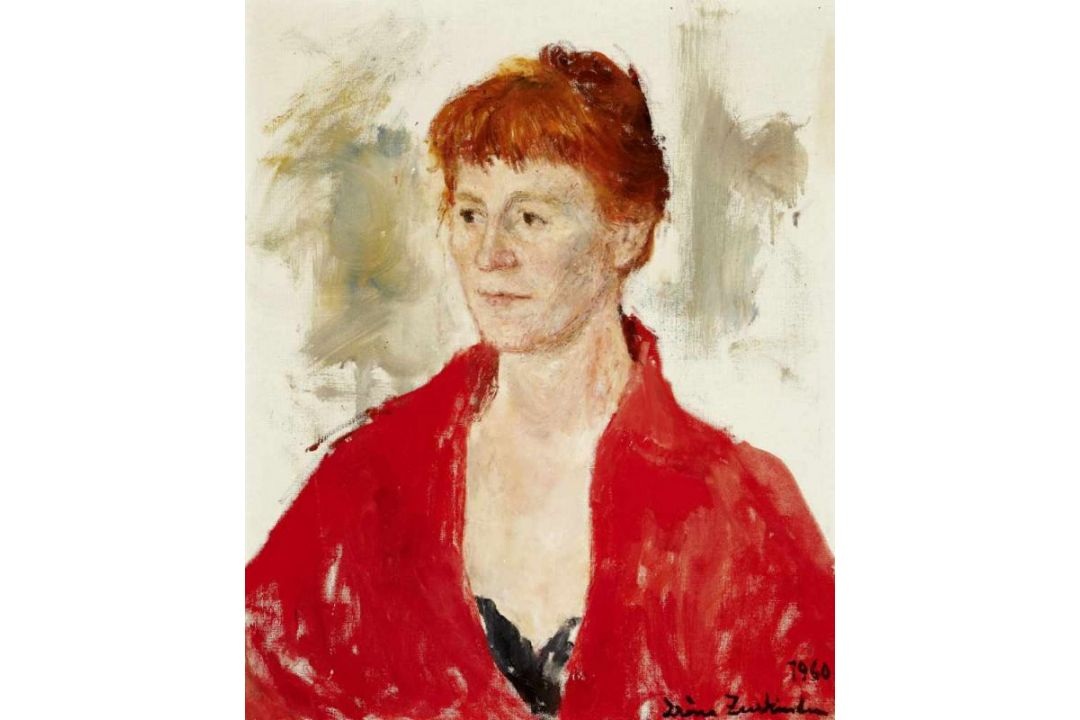
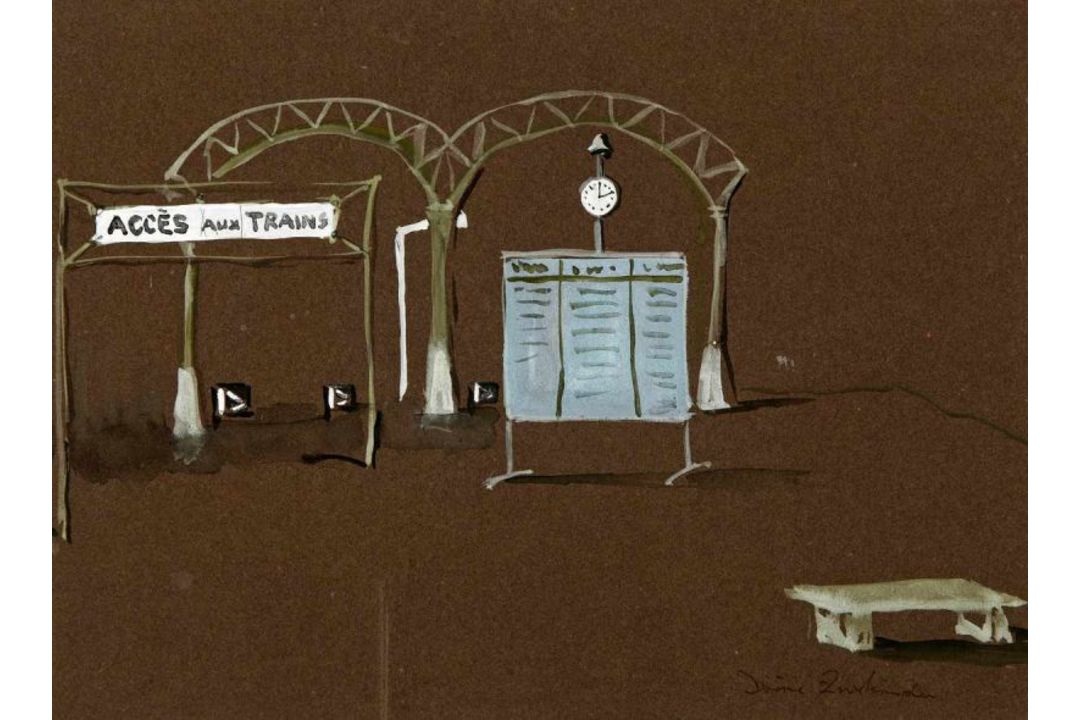
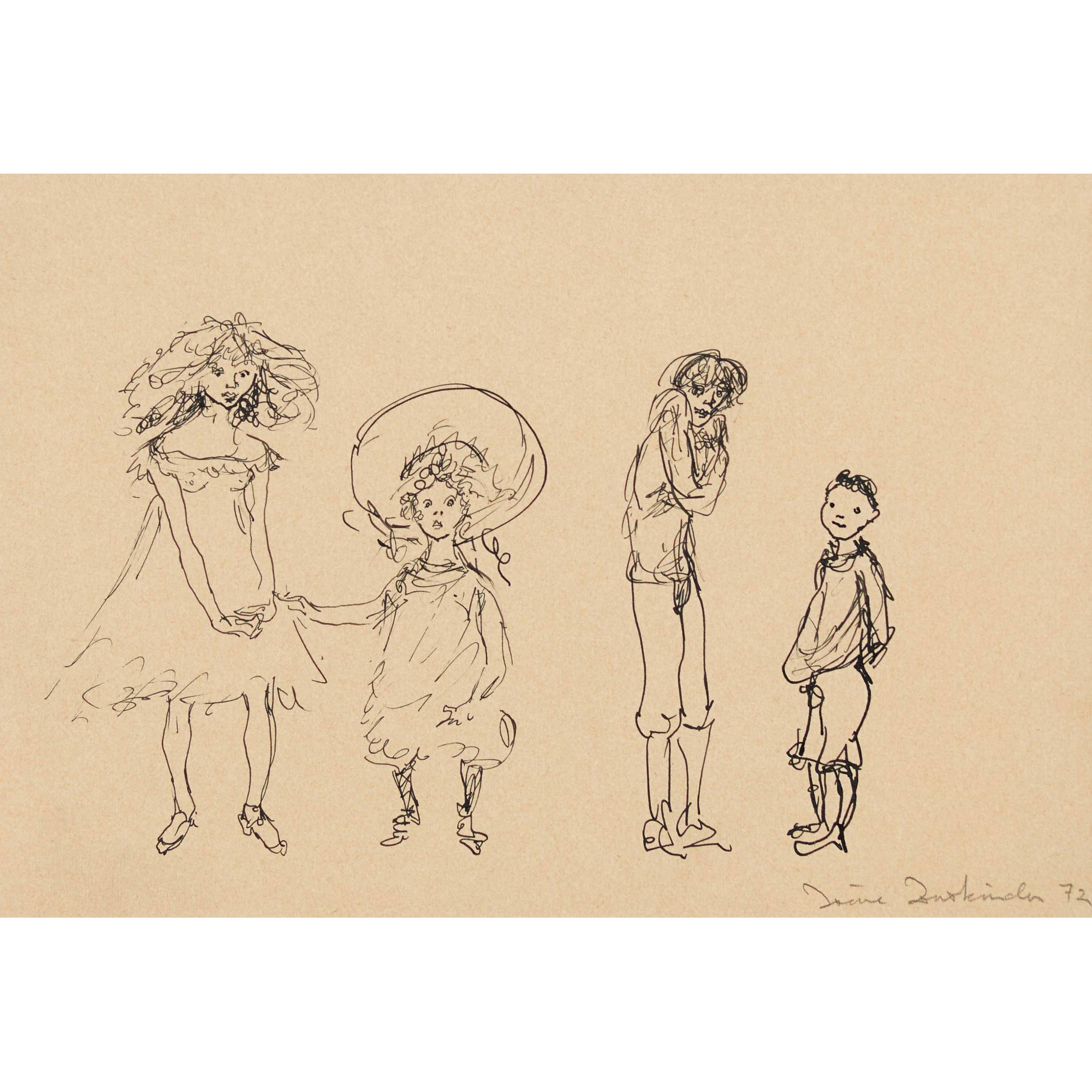
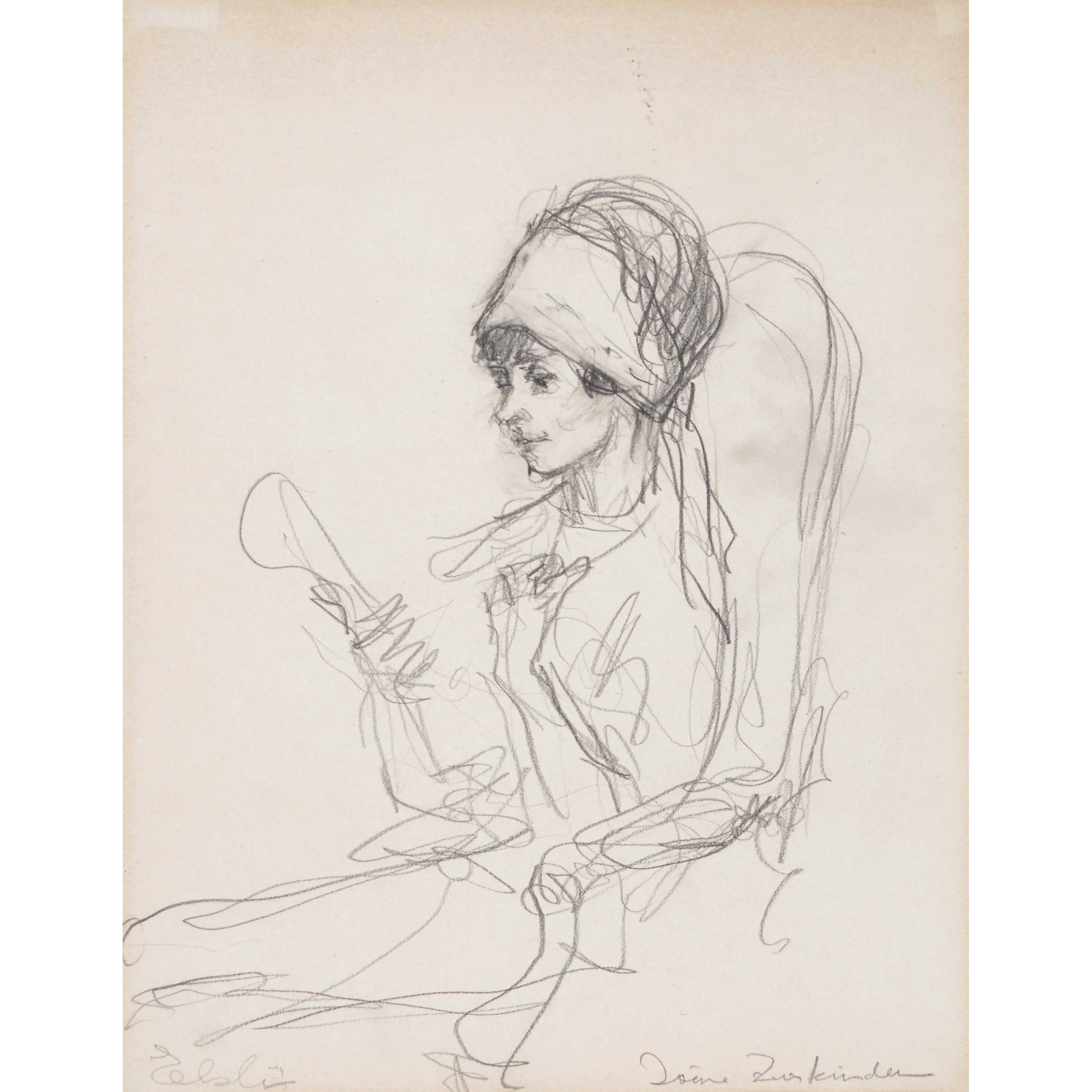
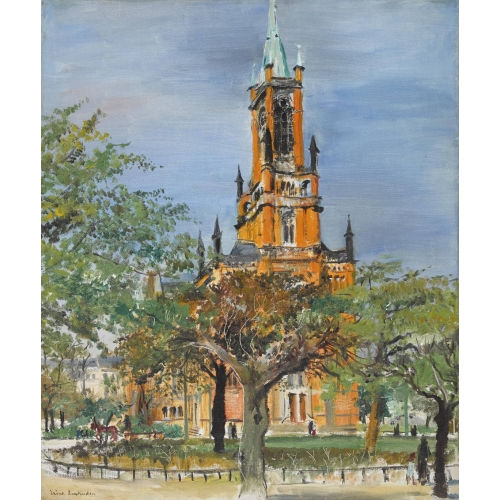
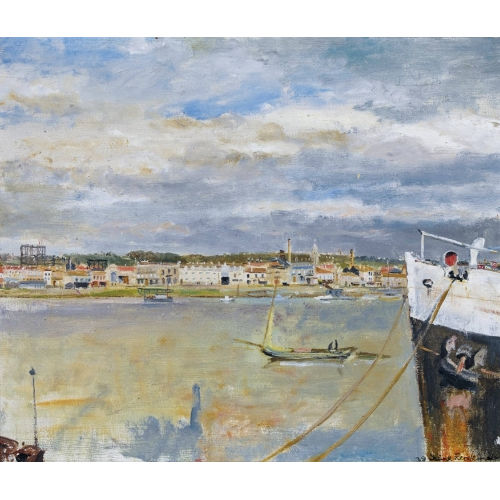
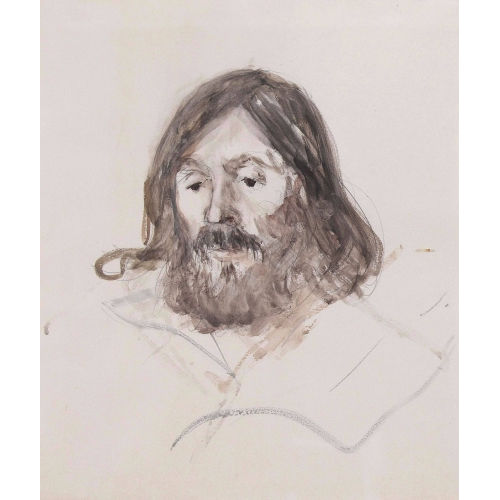
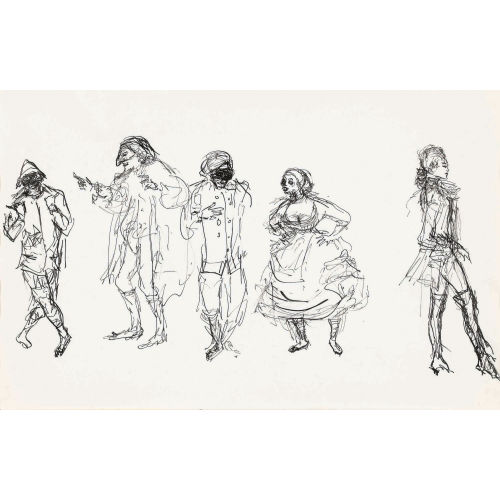
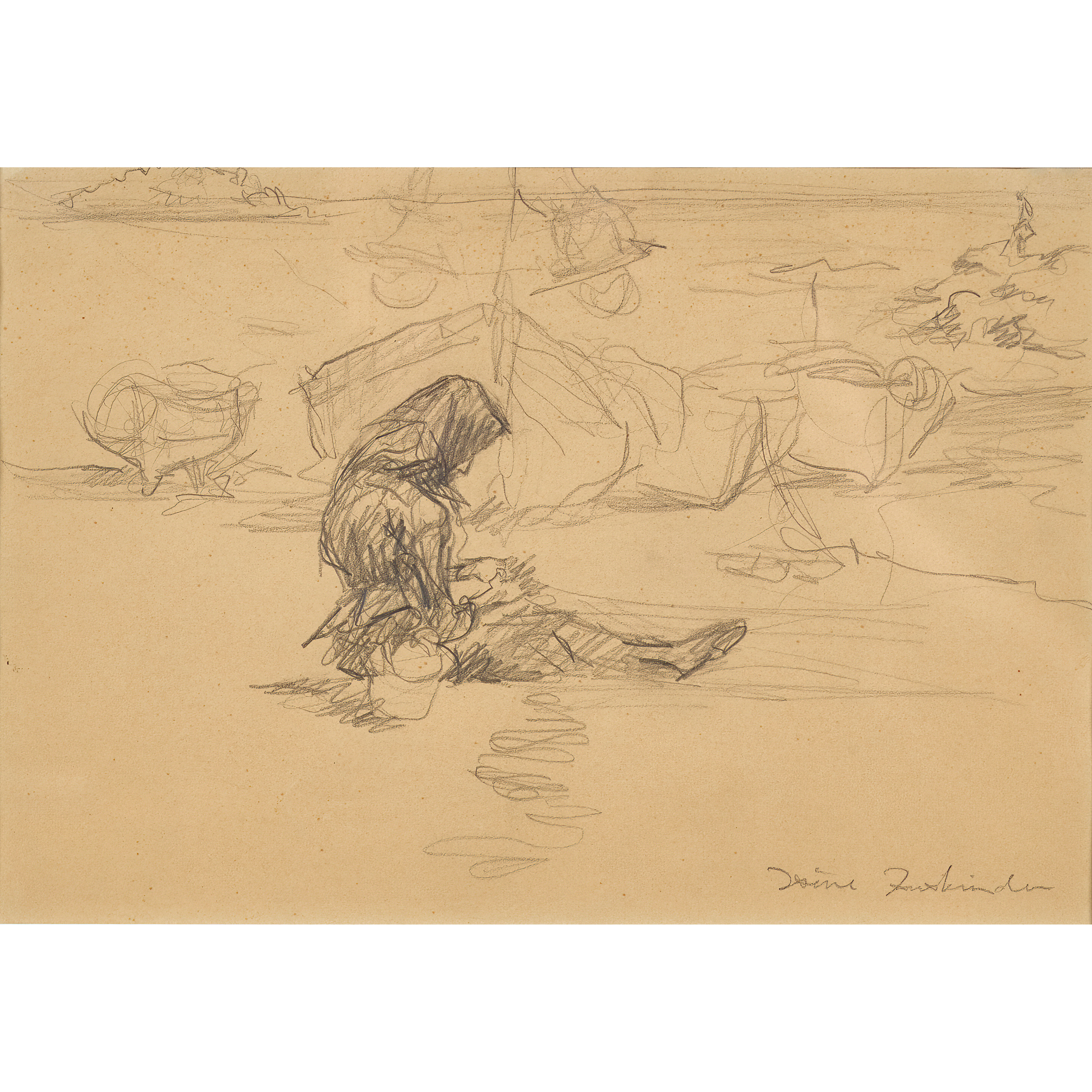
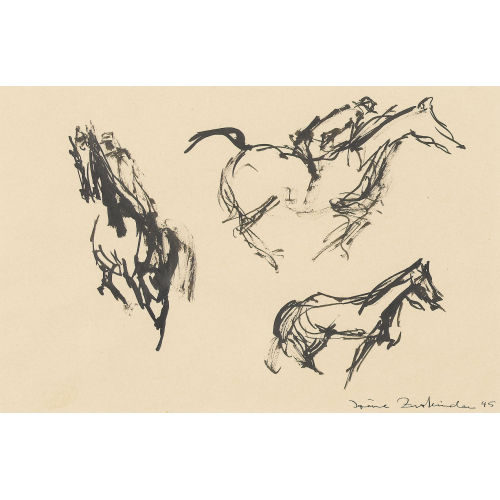
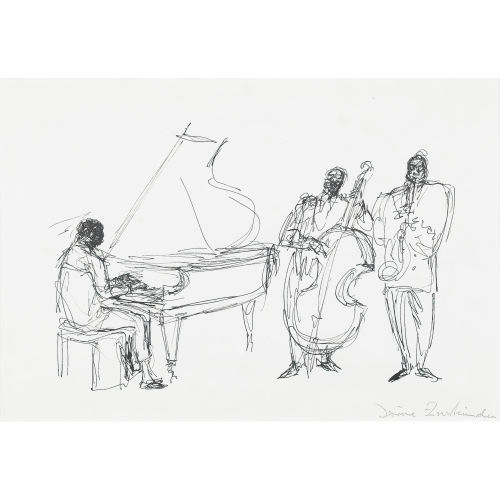
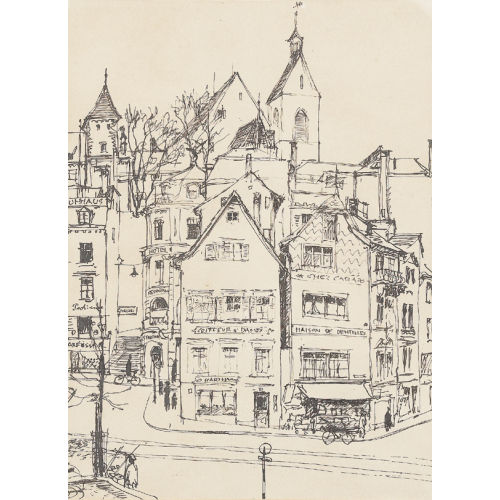
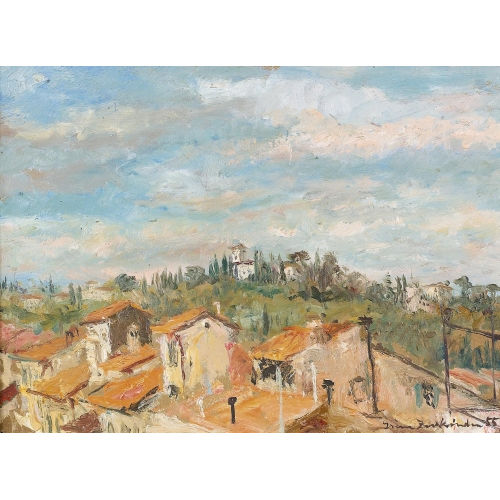
Returning to Basel during the Second World War, she joined Groupe 33, which also included Oppenheim. She continued to produce portraits and landscapes without abandoning her sketchbooks: according to the Kulturstiftung Basel H. Geiger, more than a hundred accompanied her work over the course of six decades.
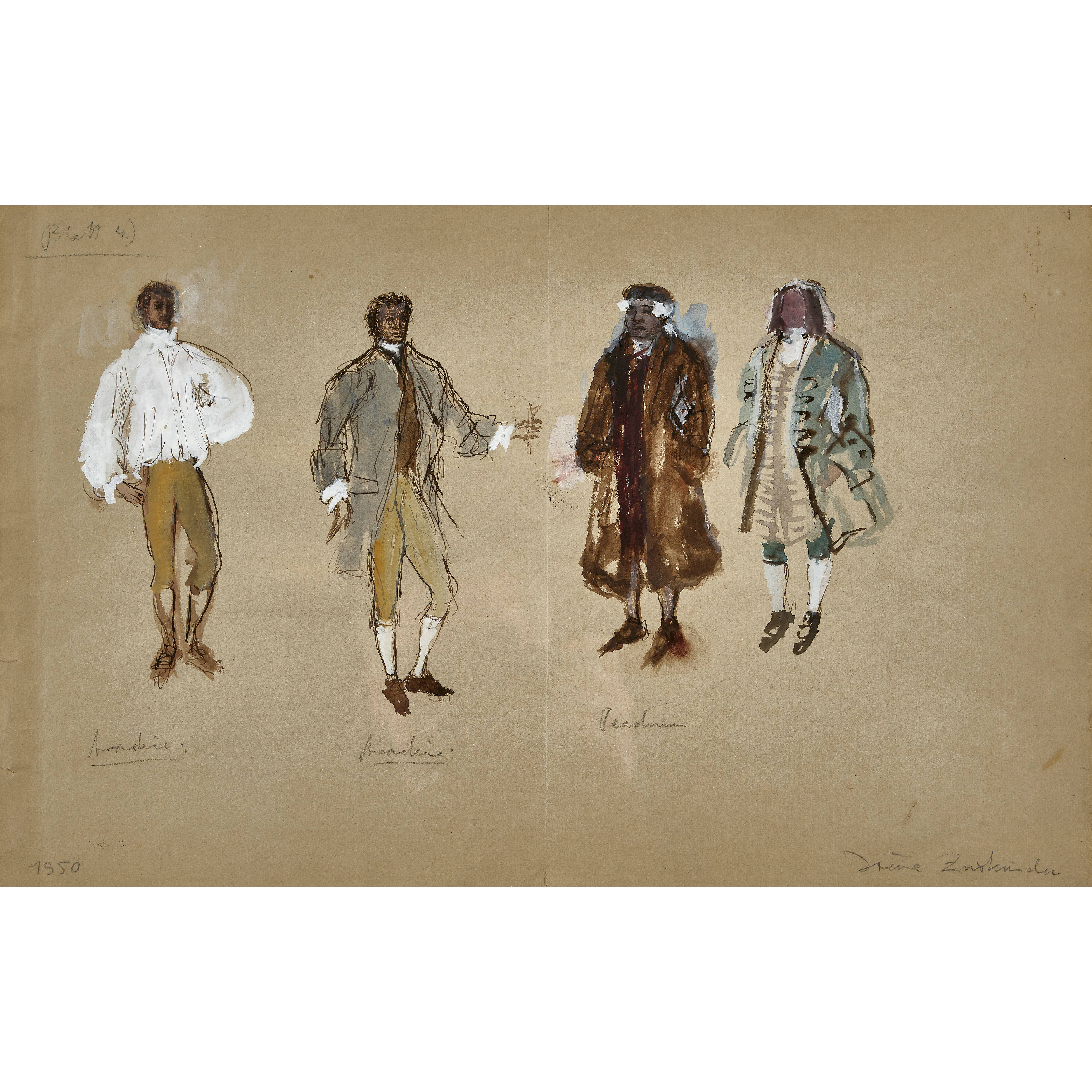
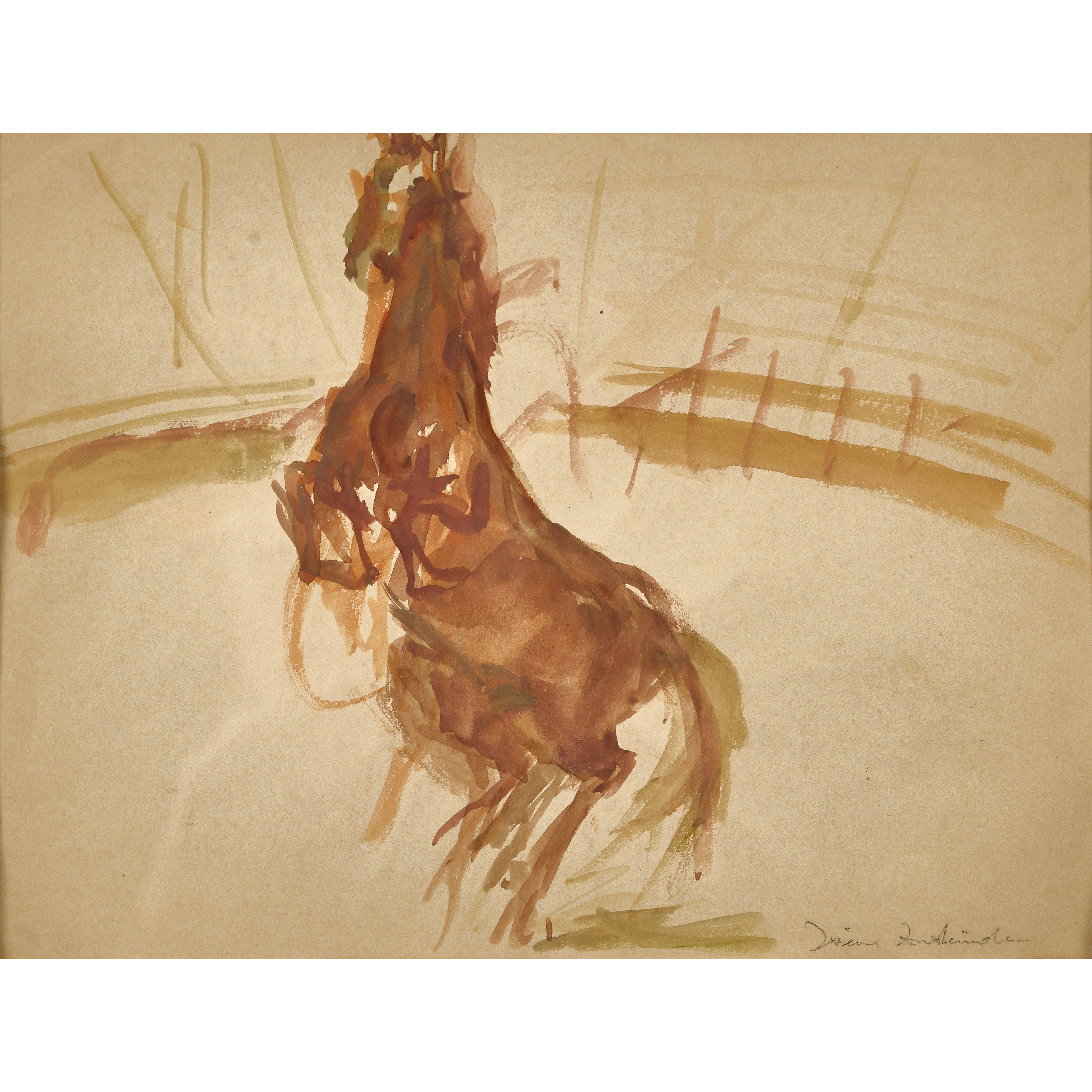
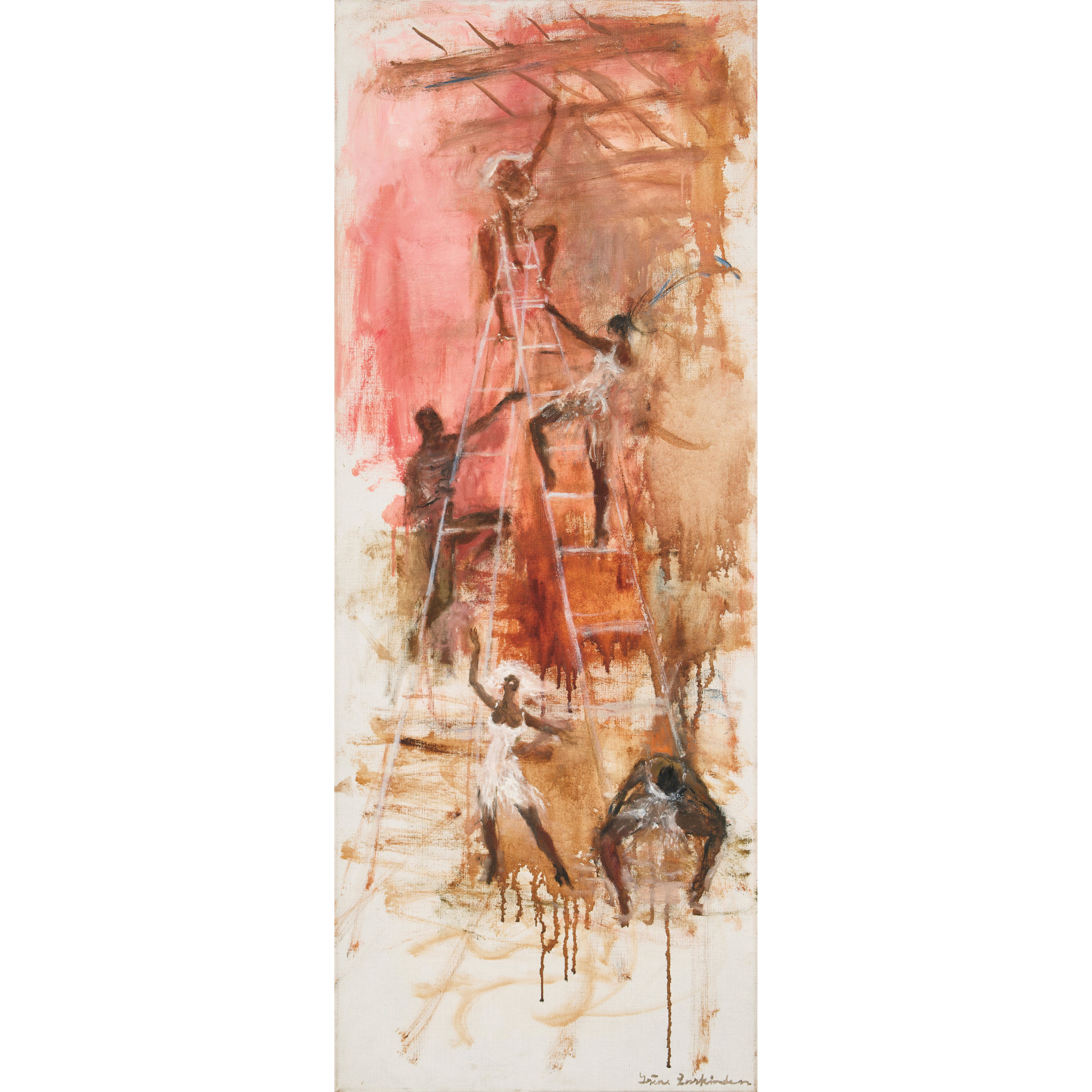
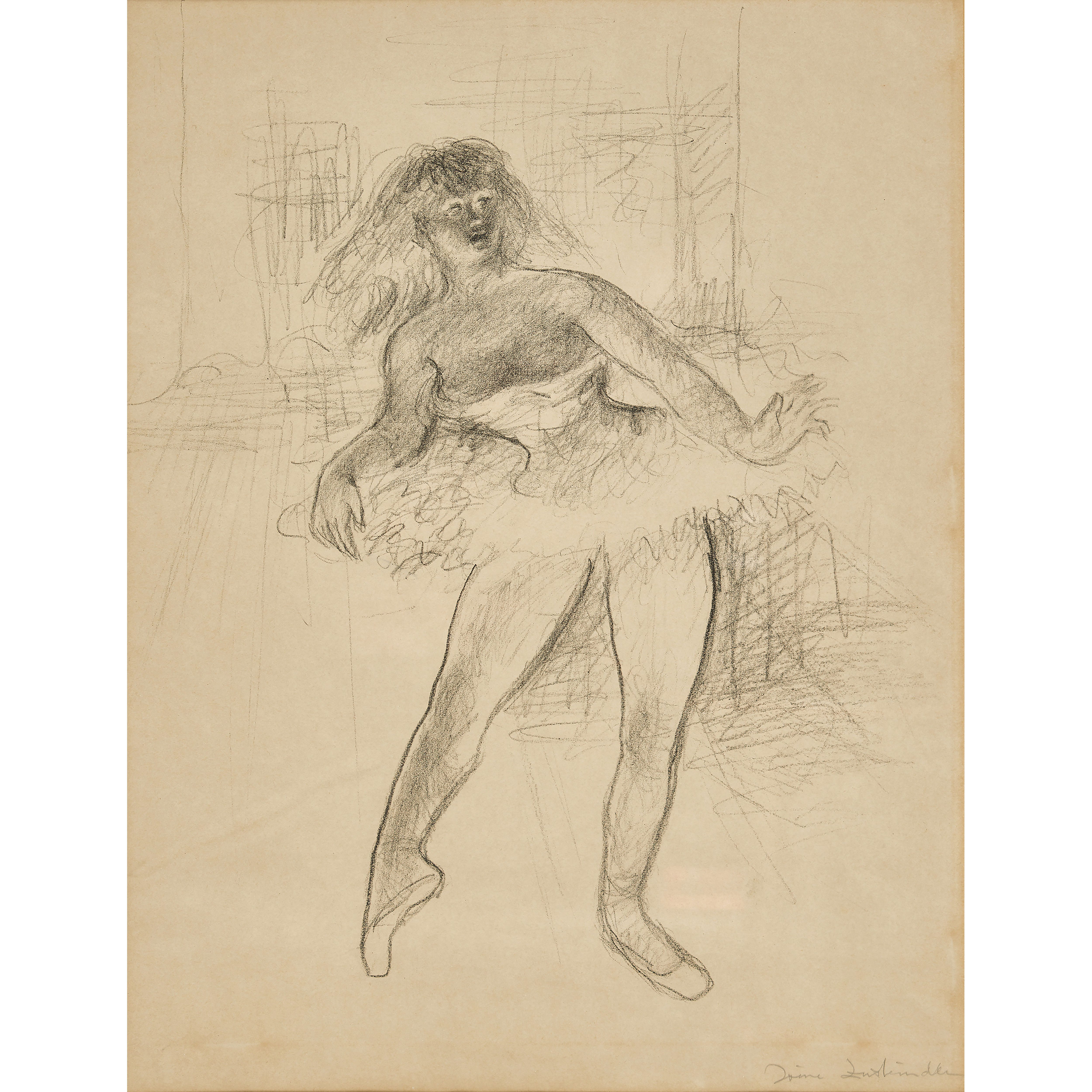
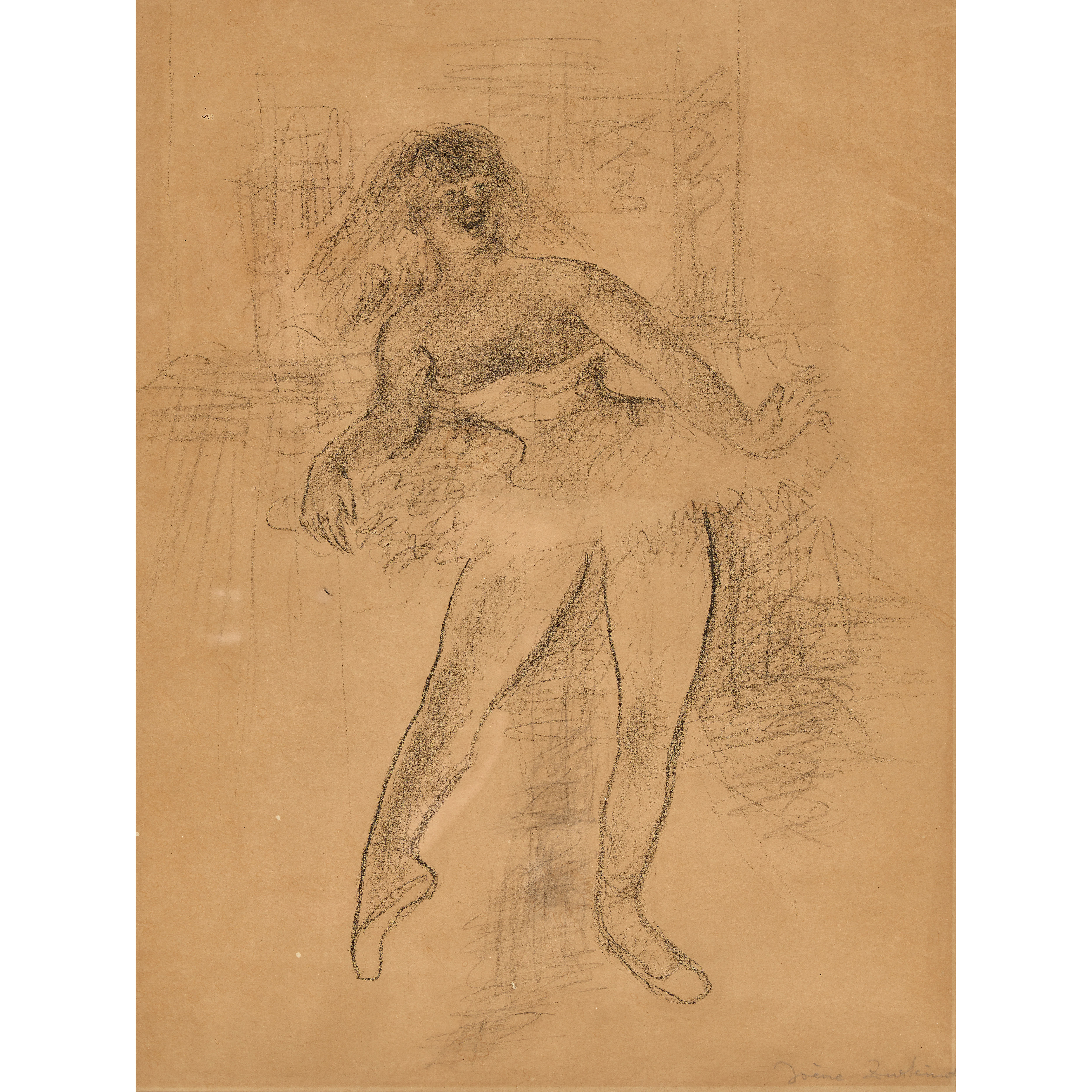
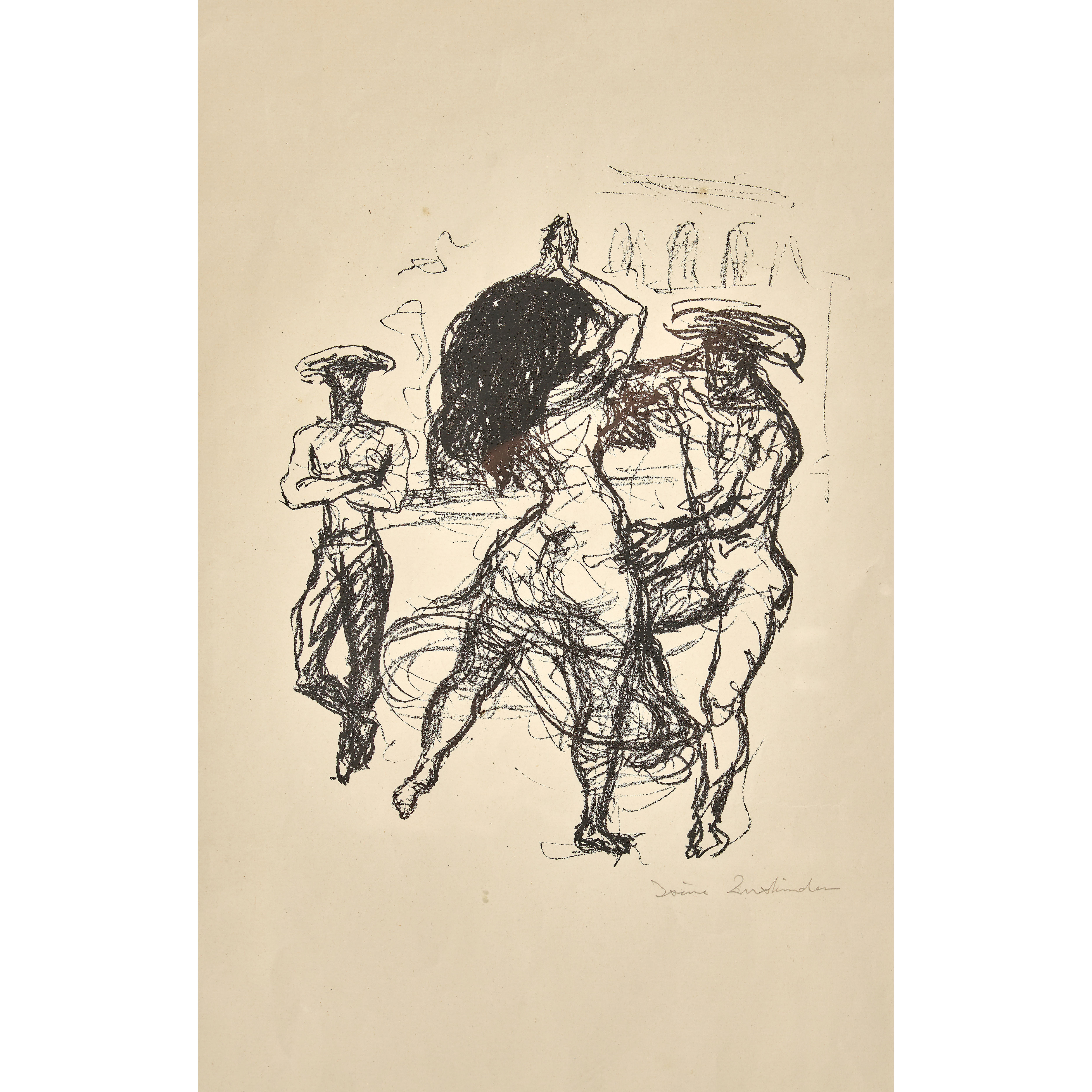
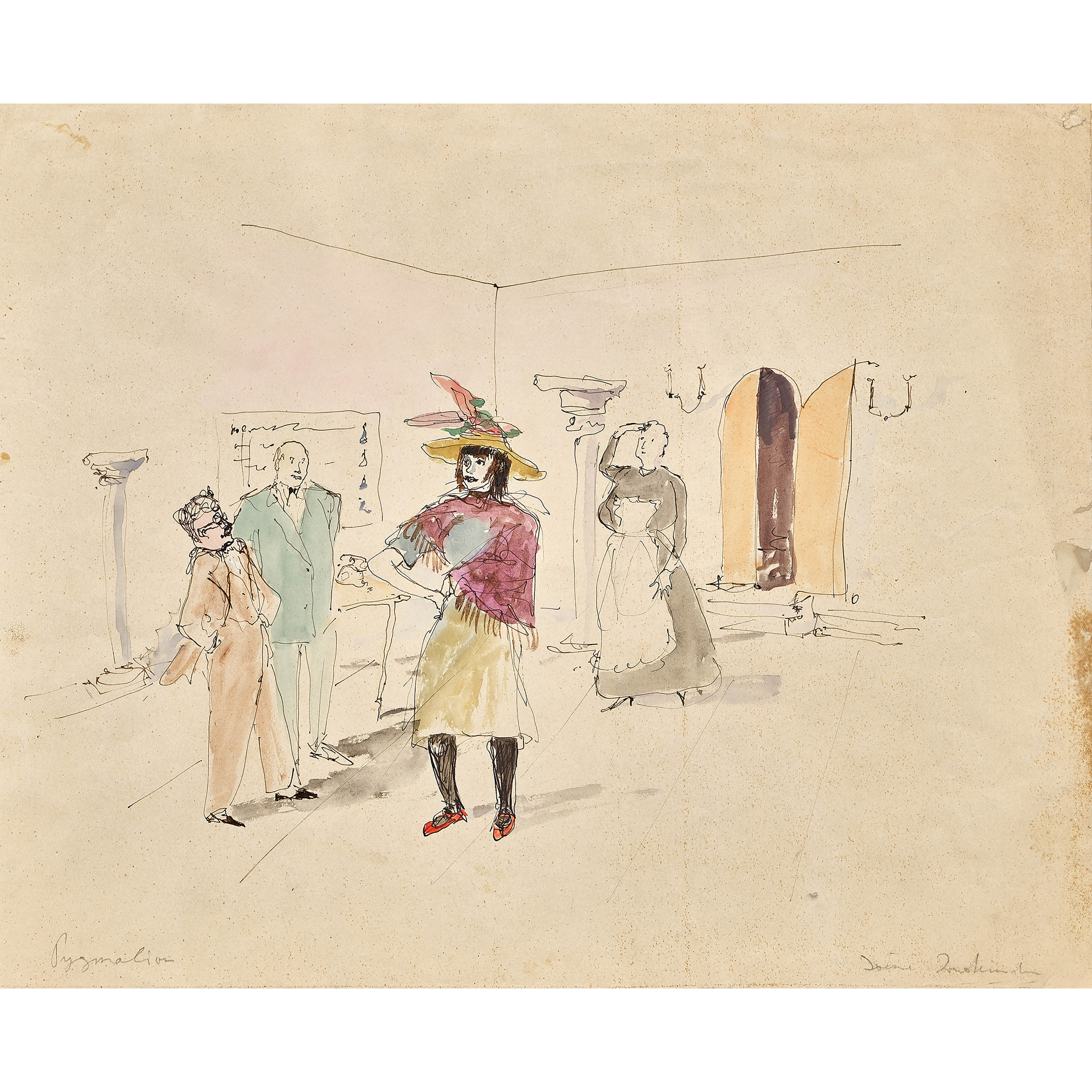
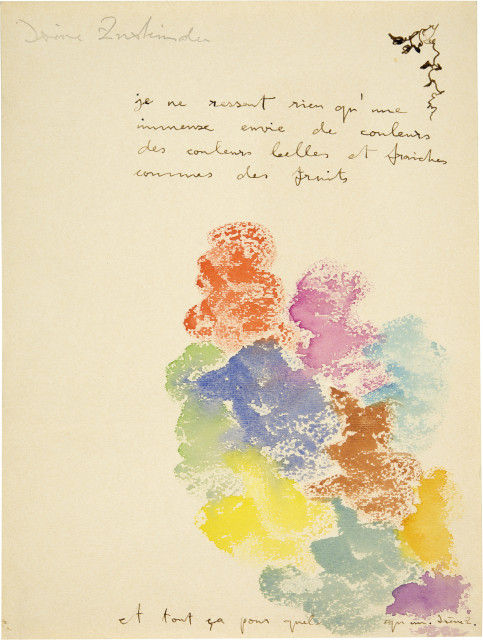
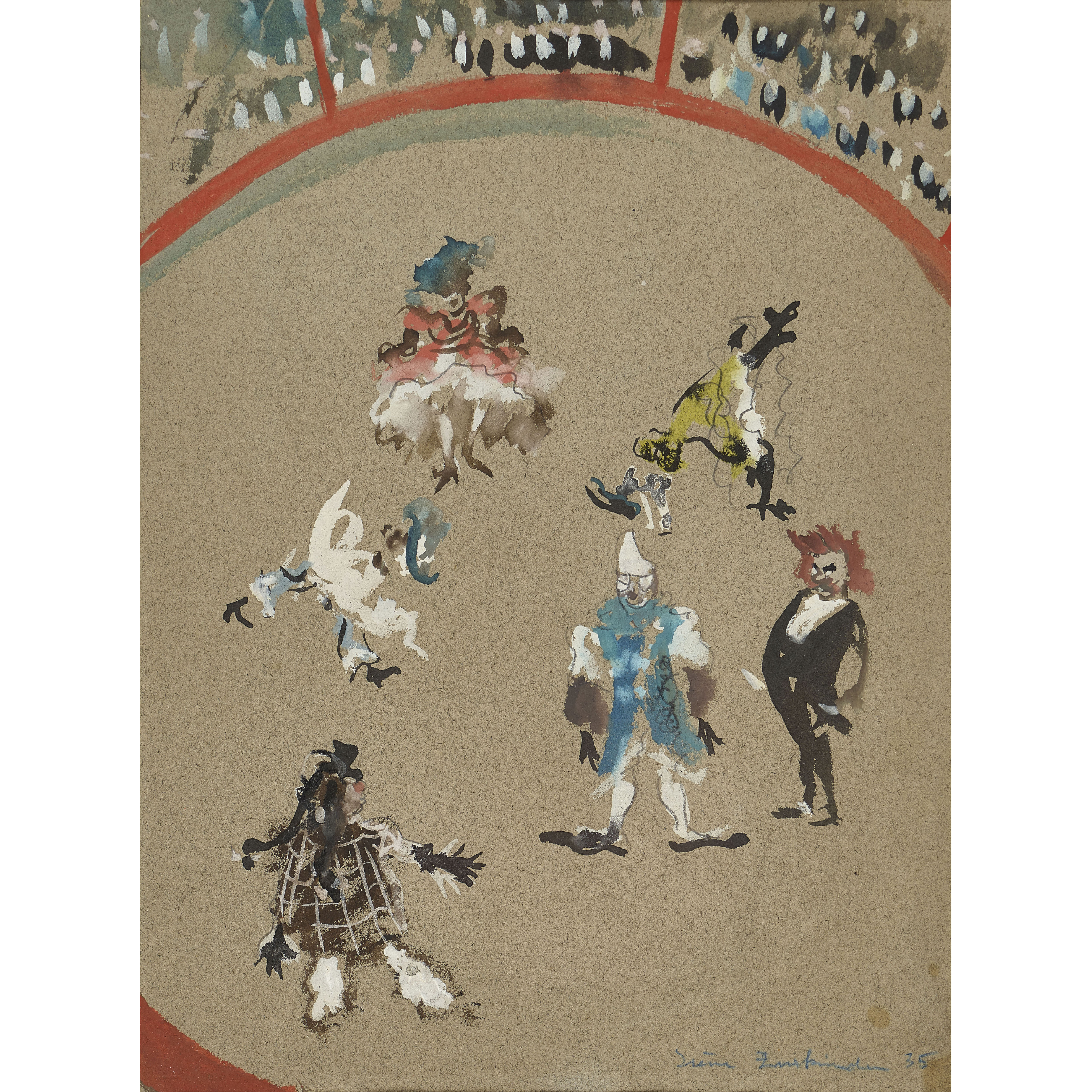
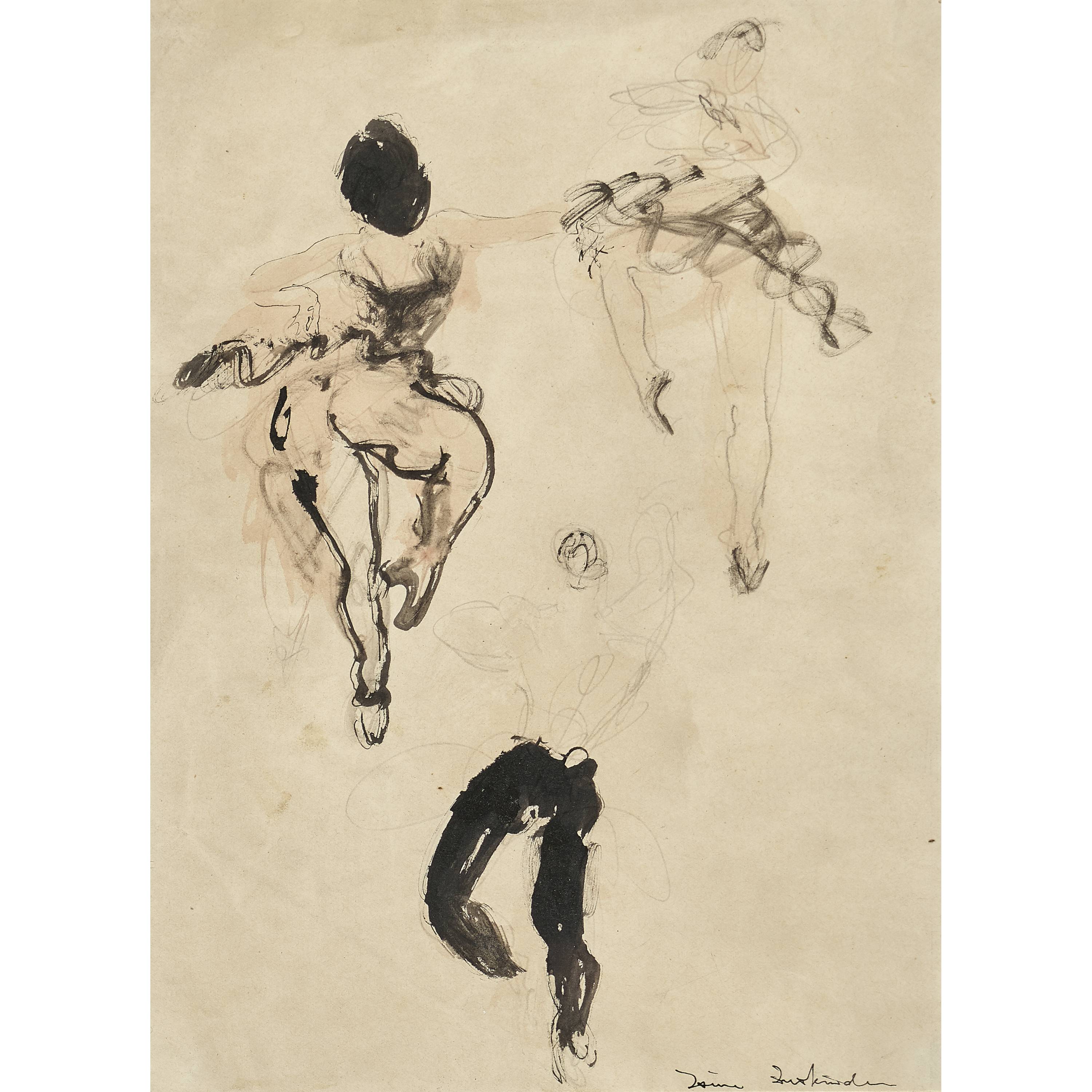
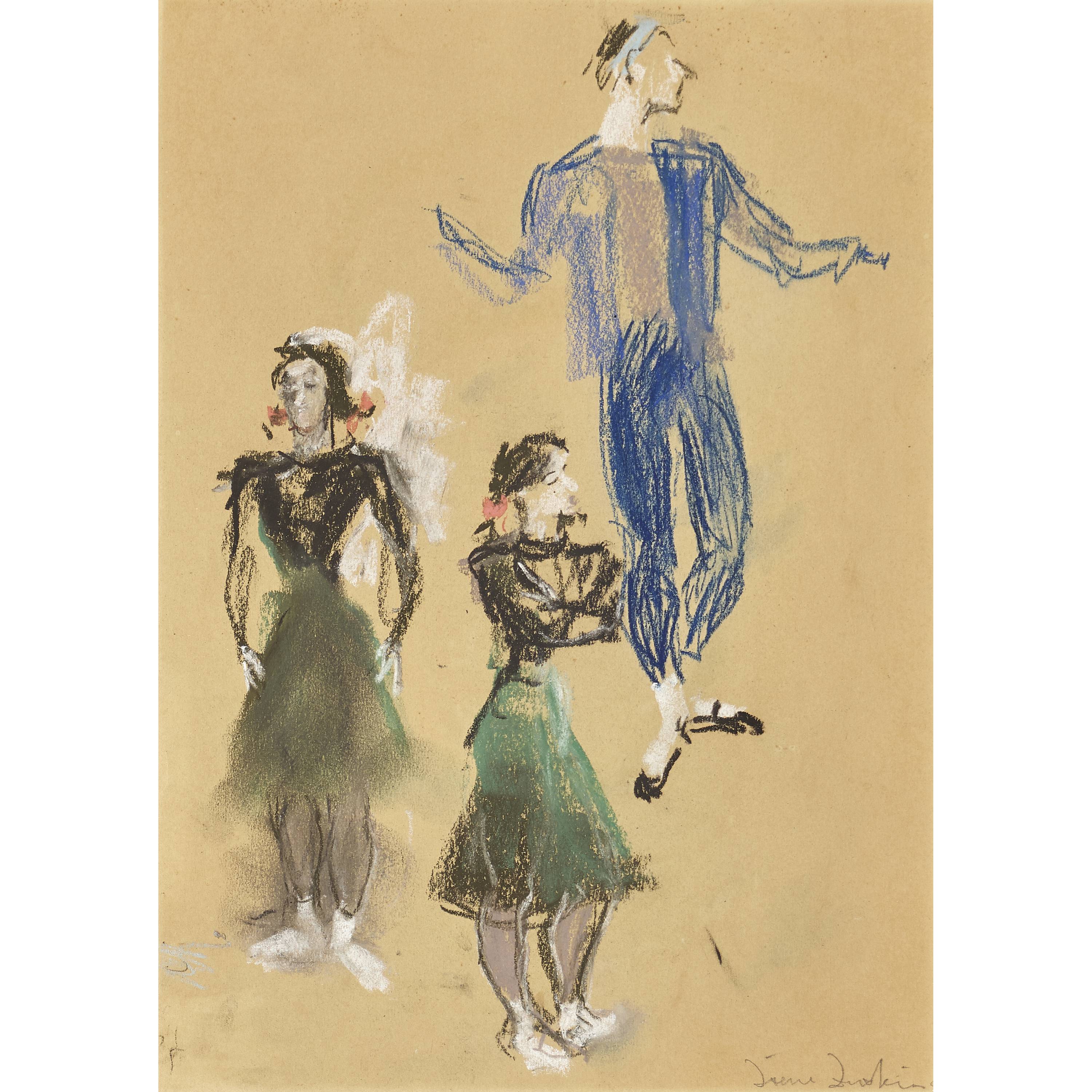
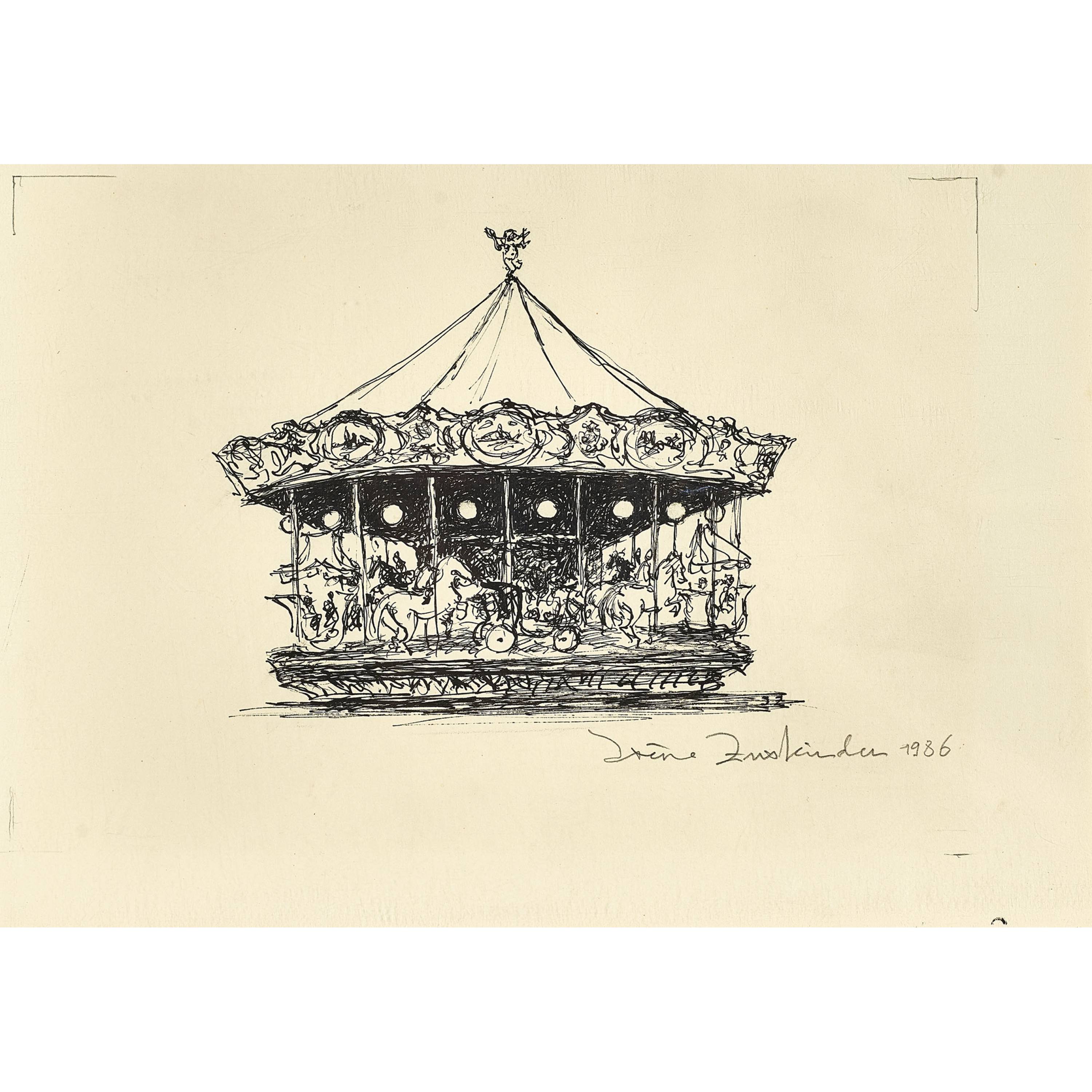
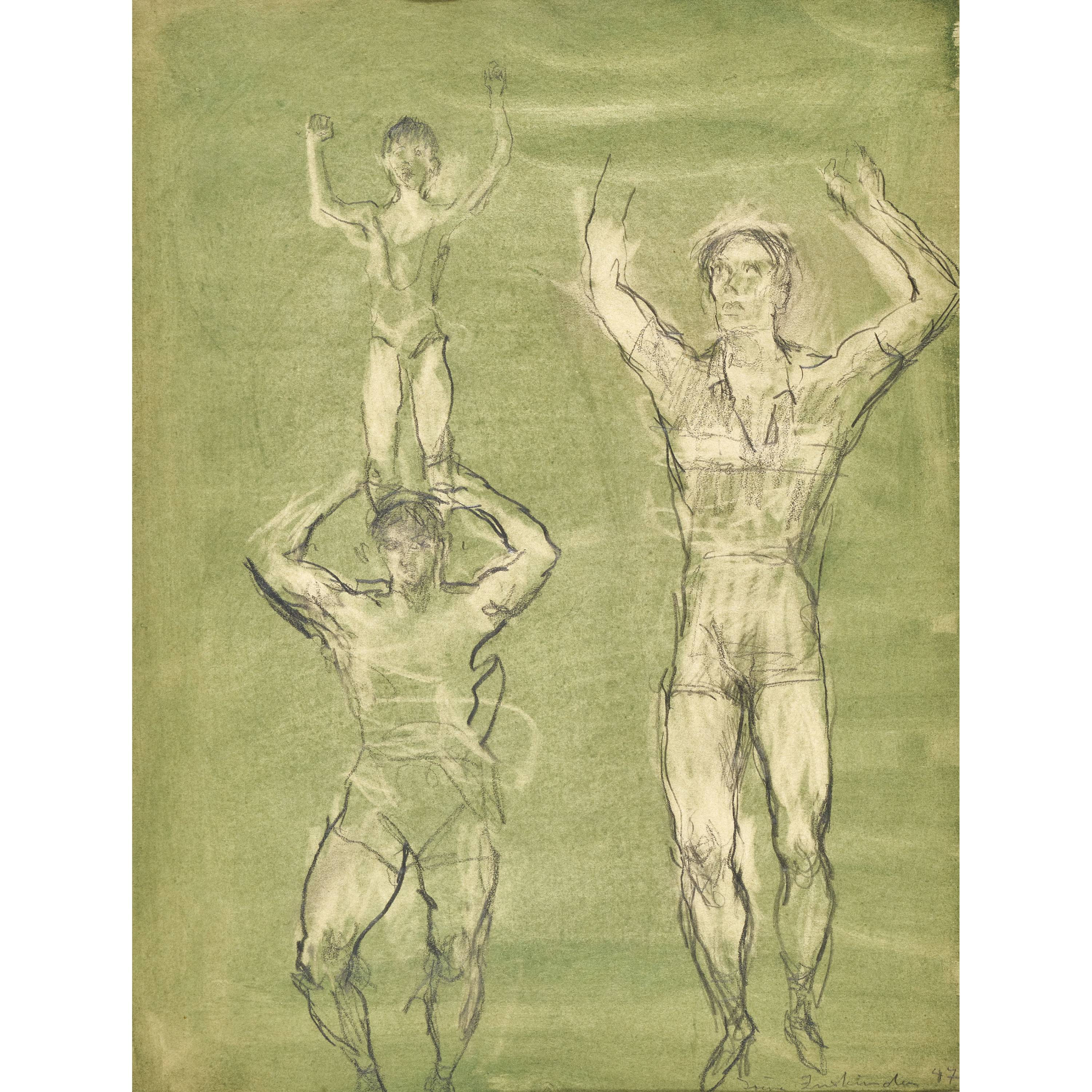
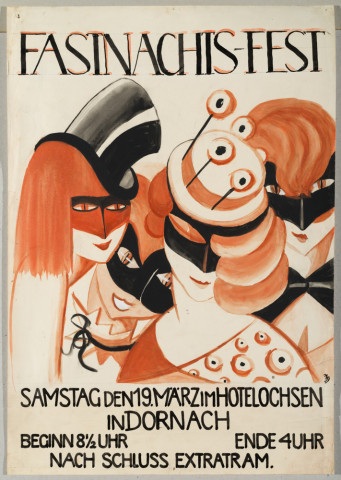
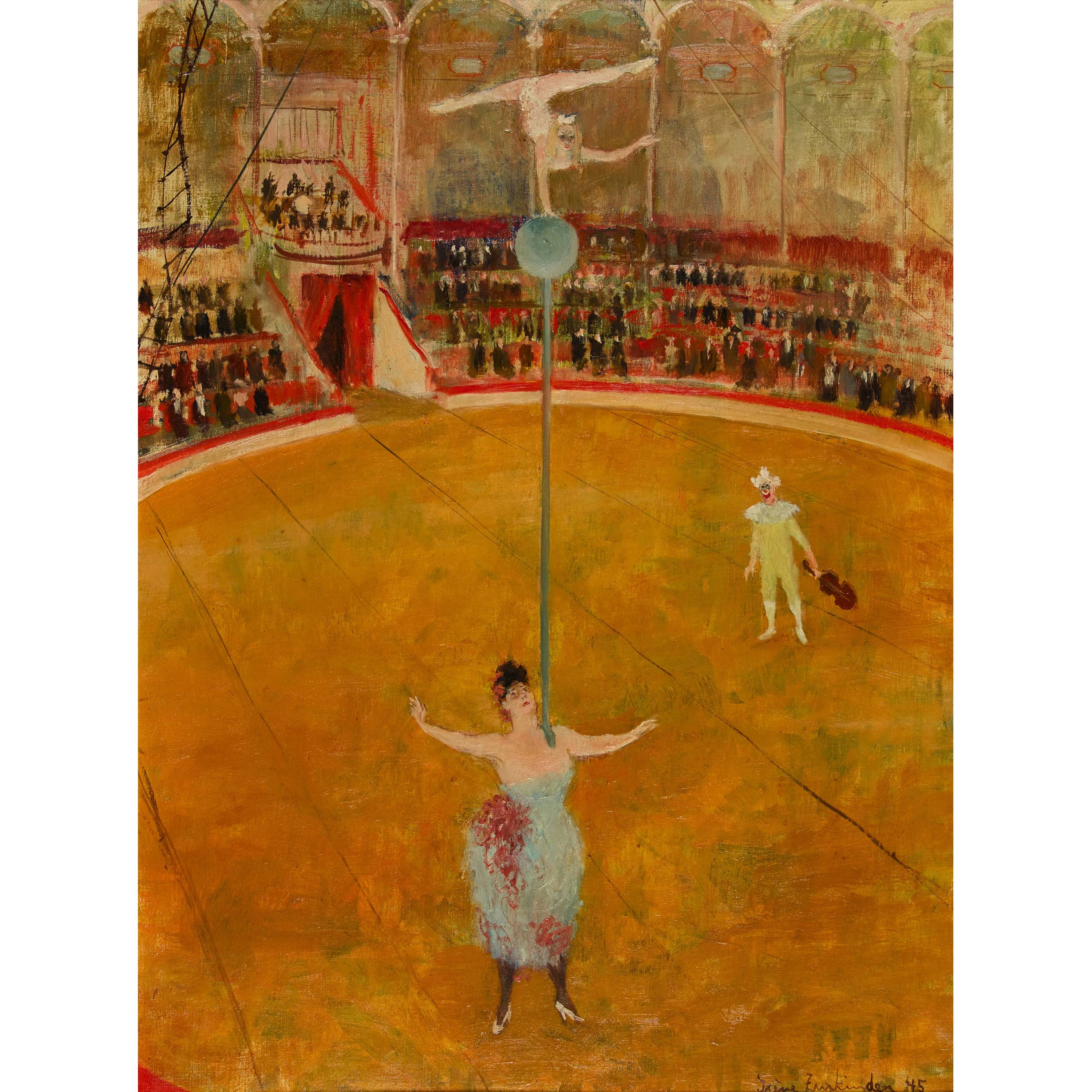
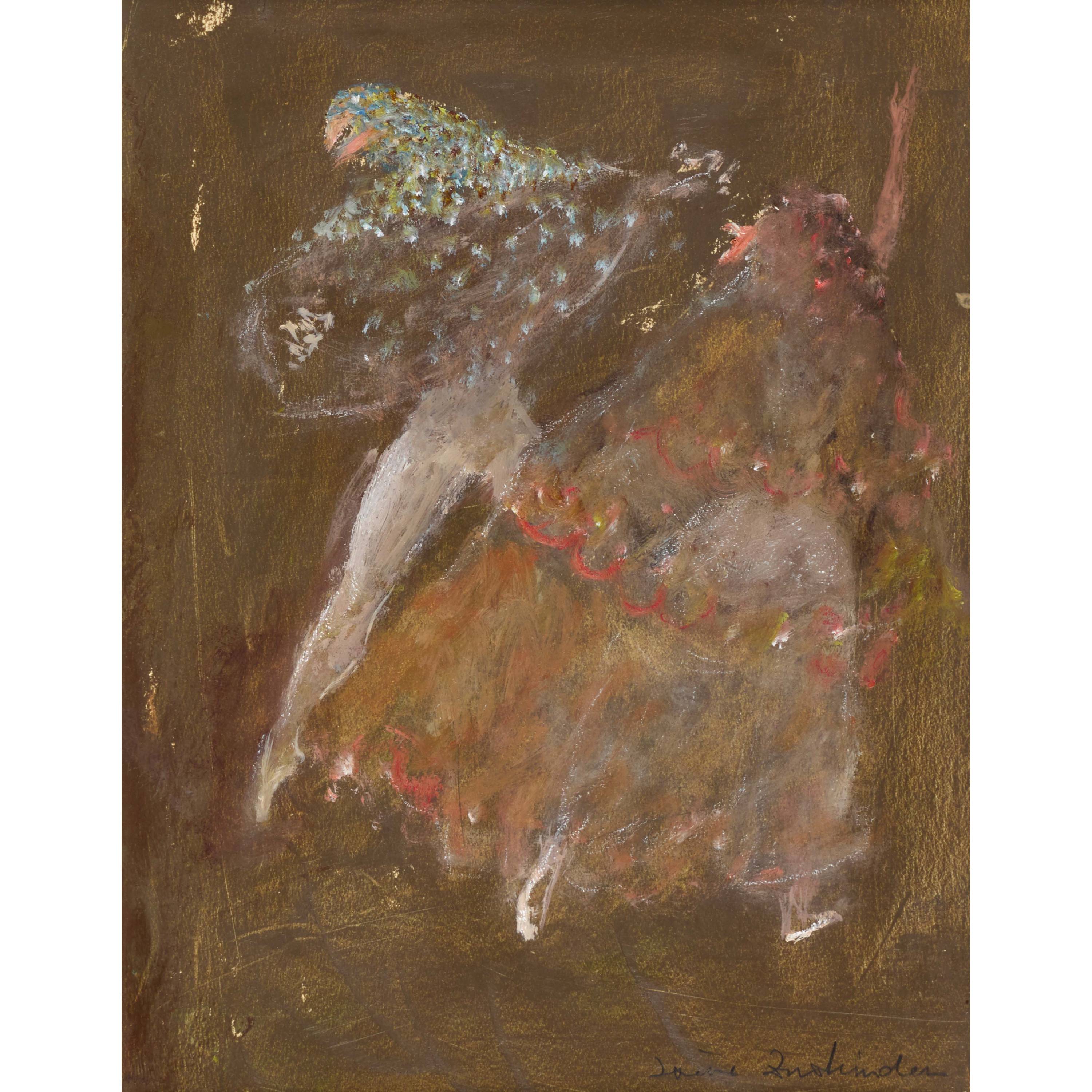
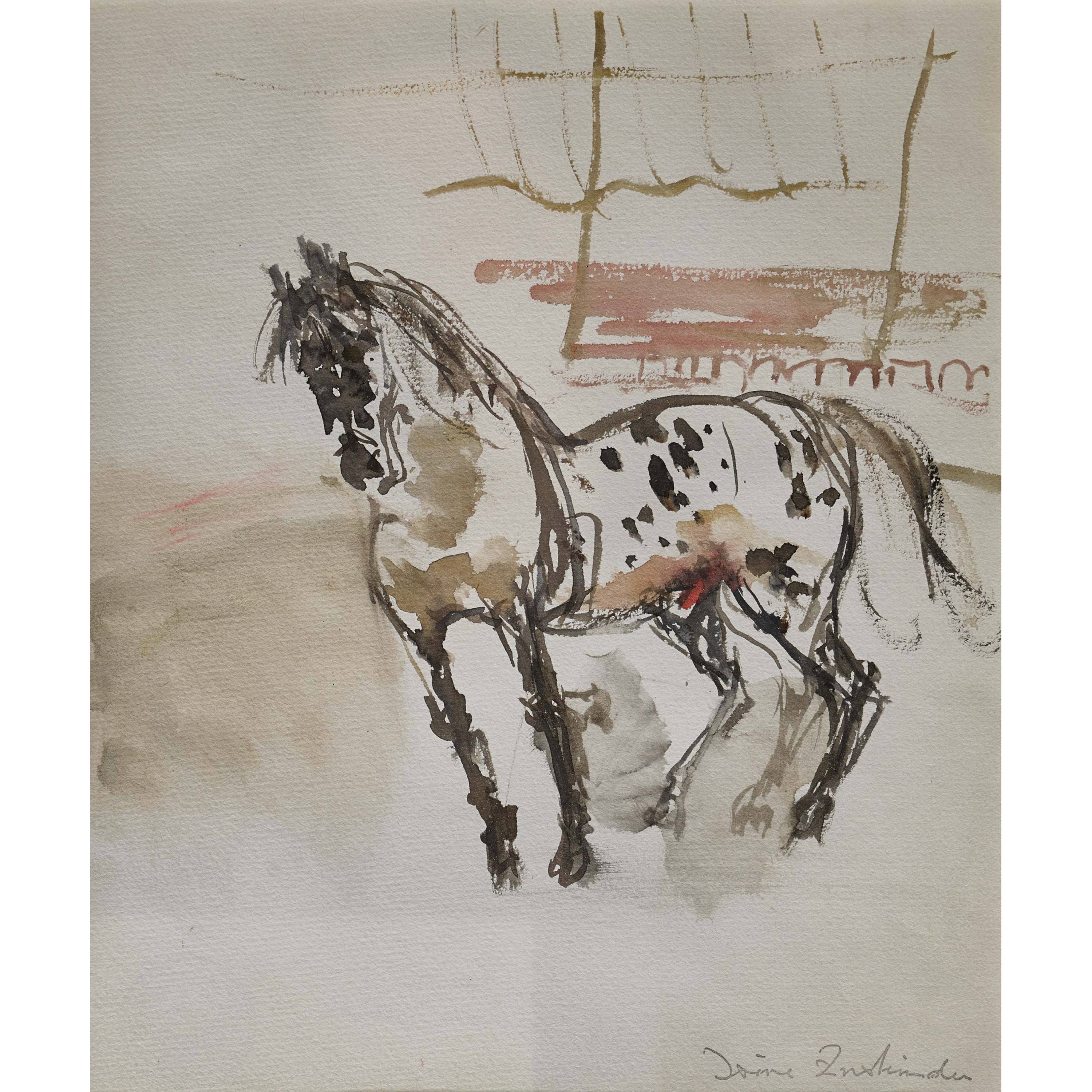
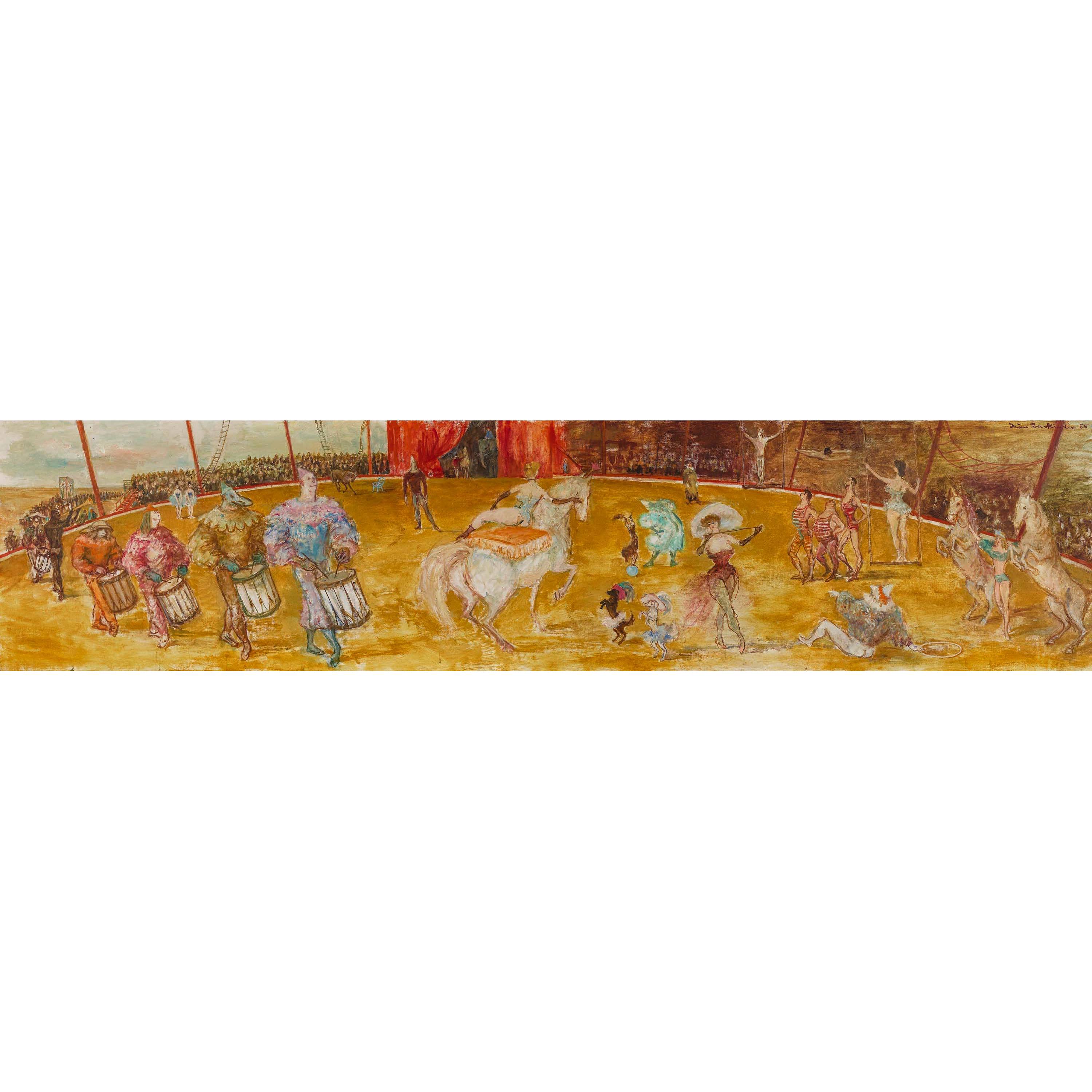
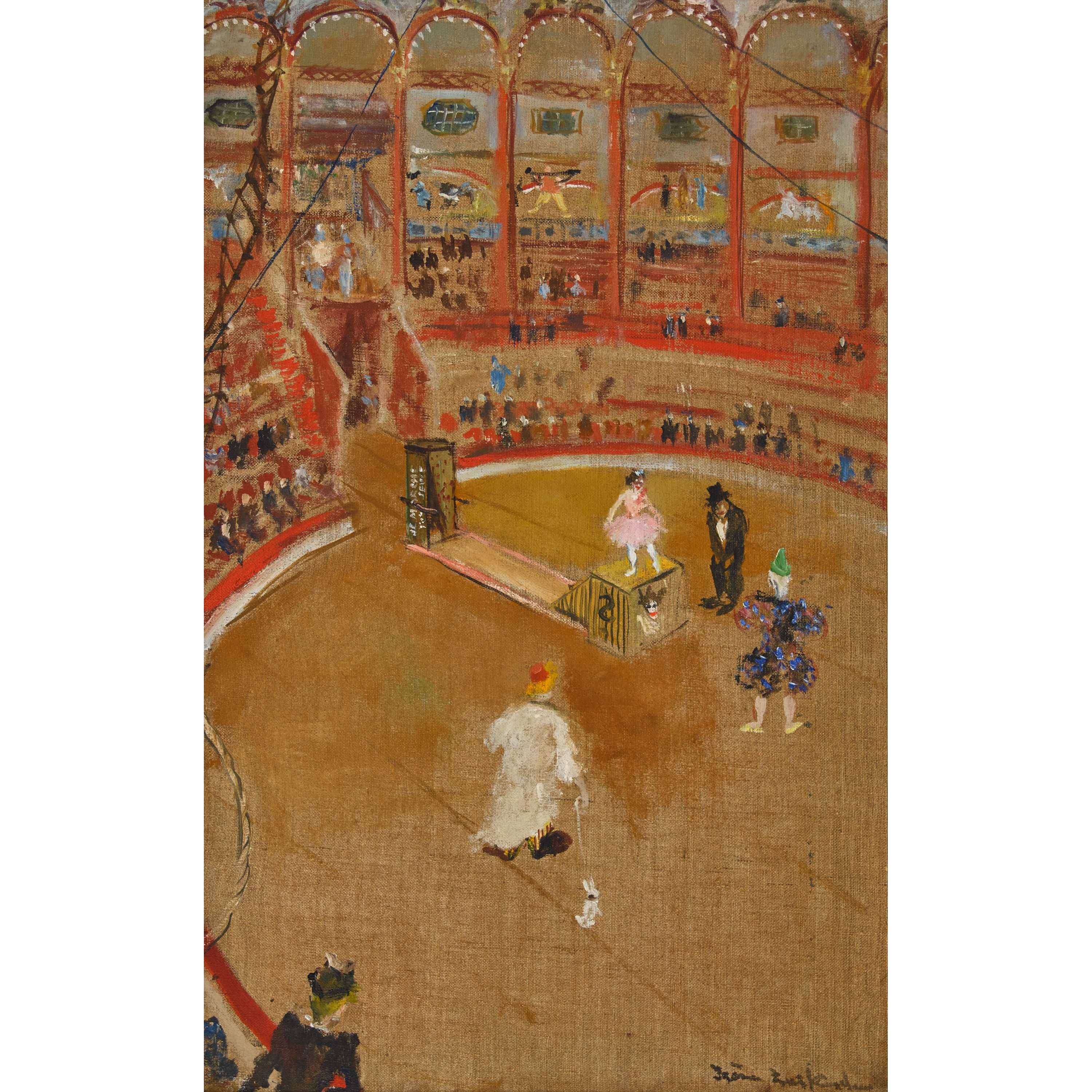
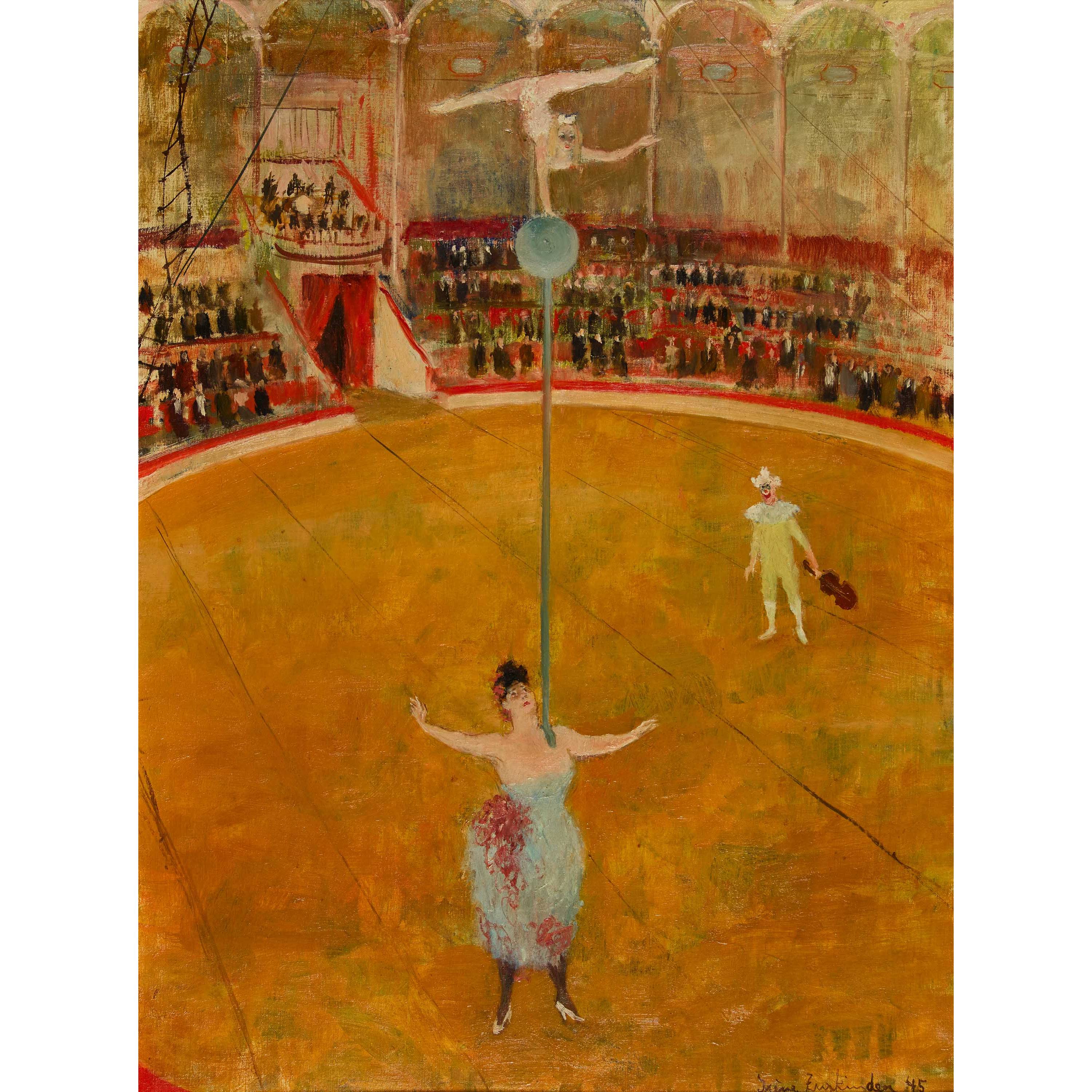
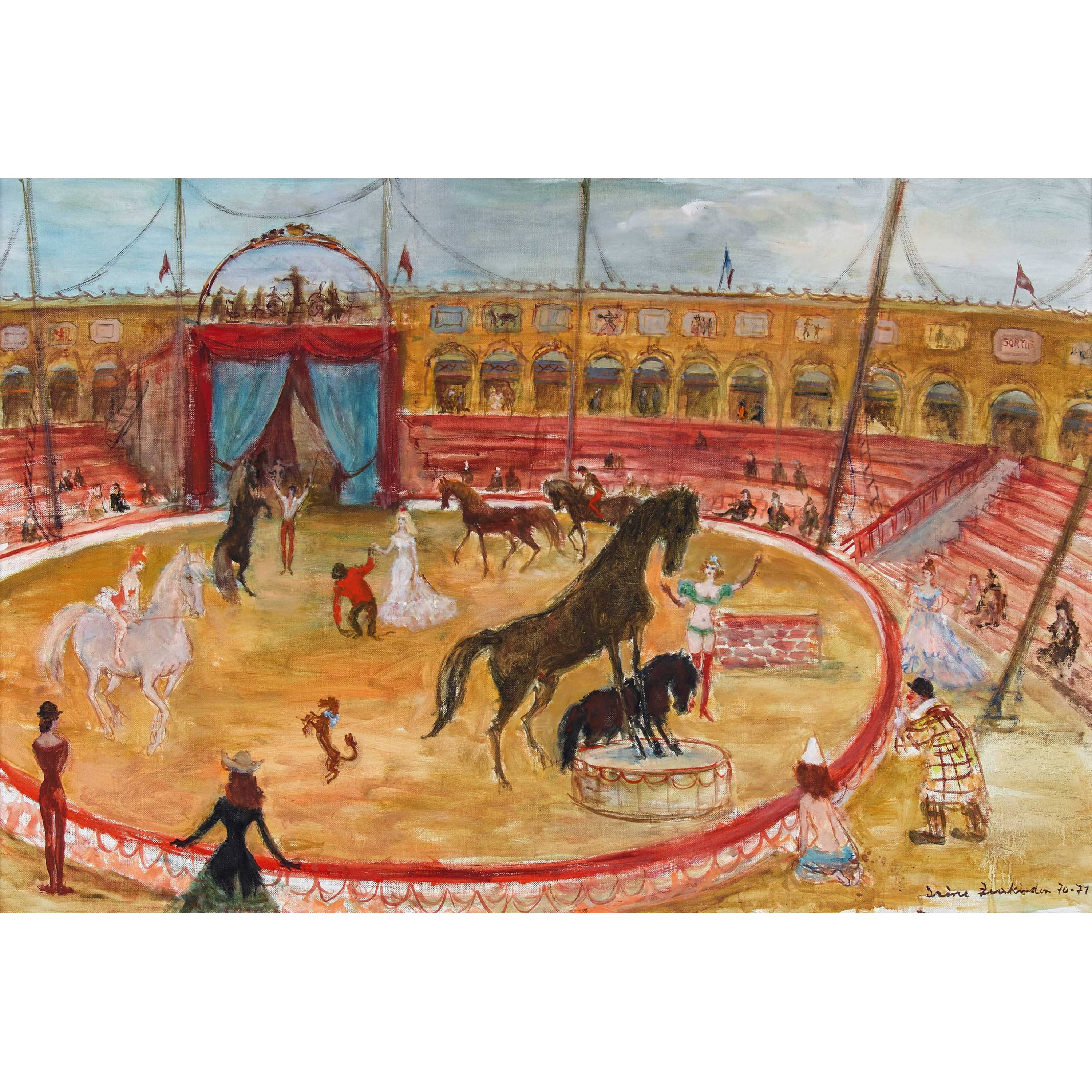
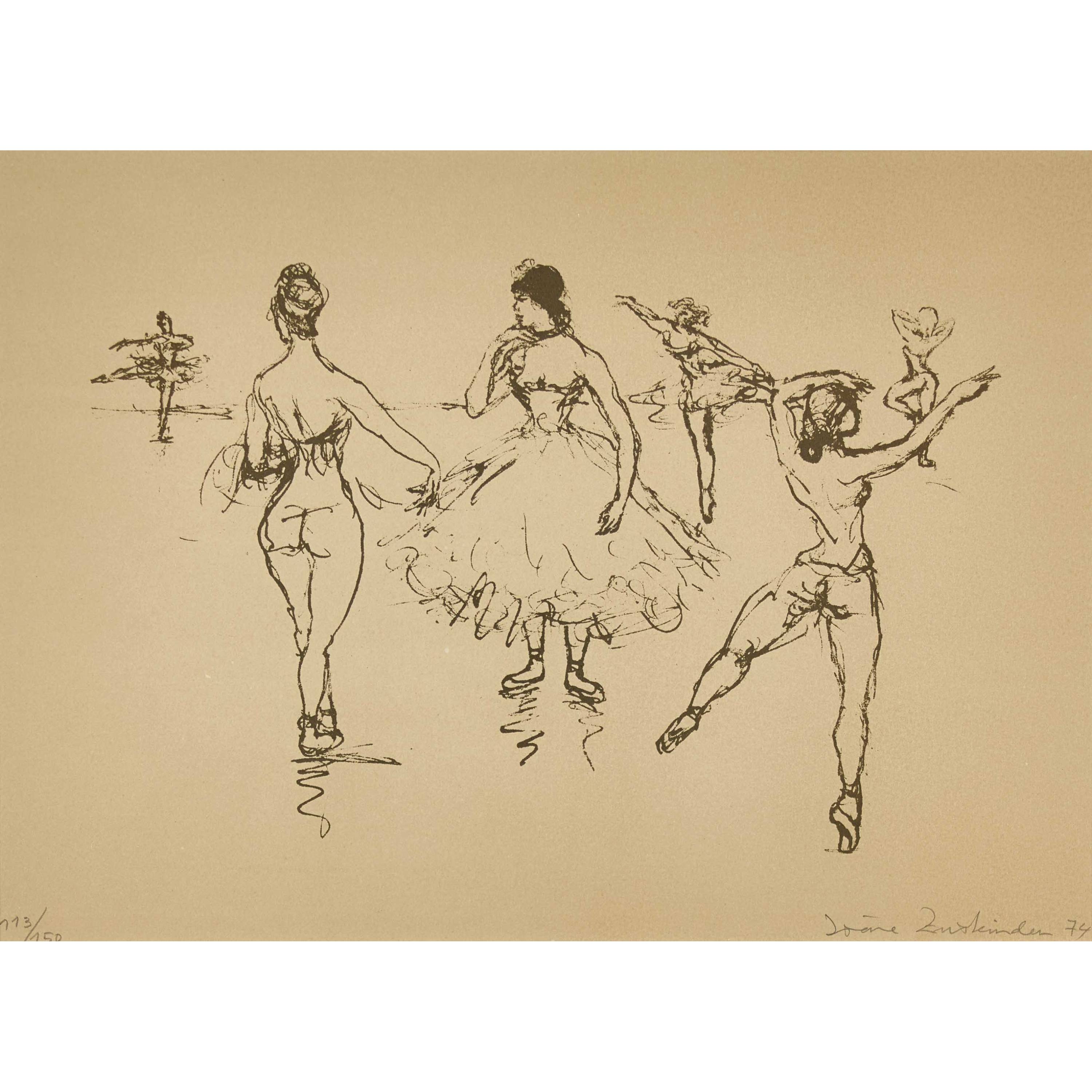
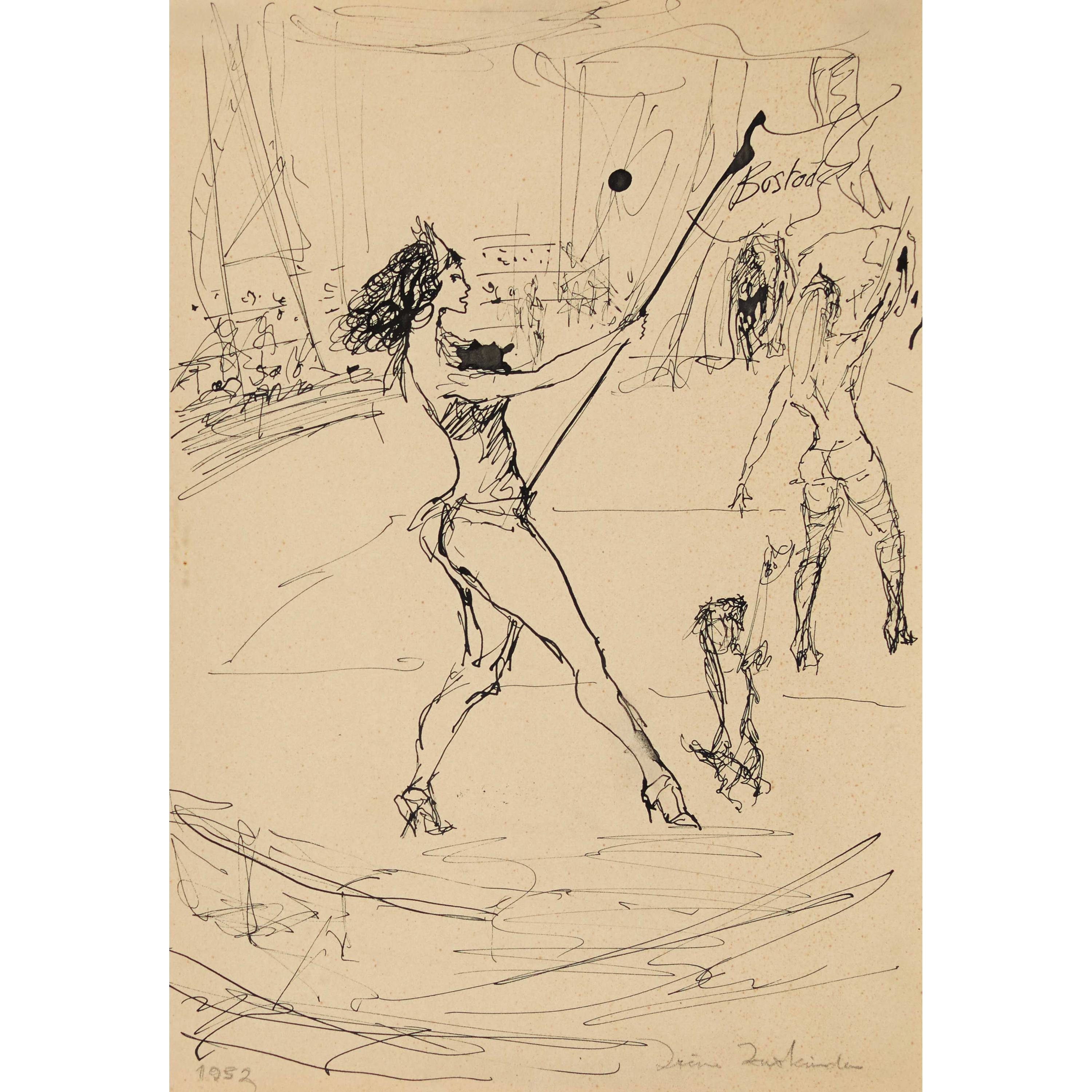
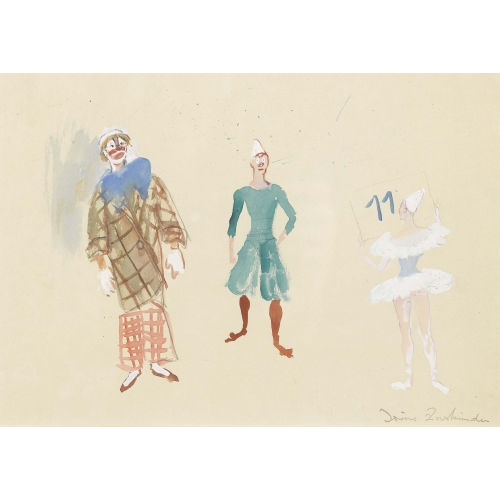
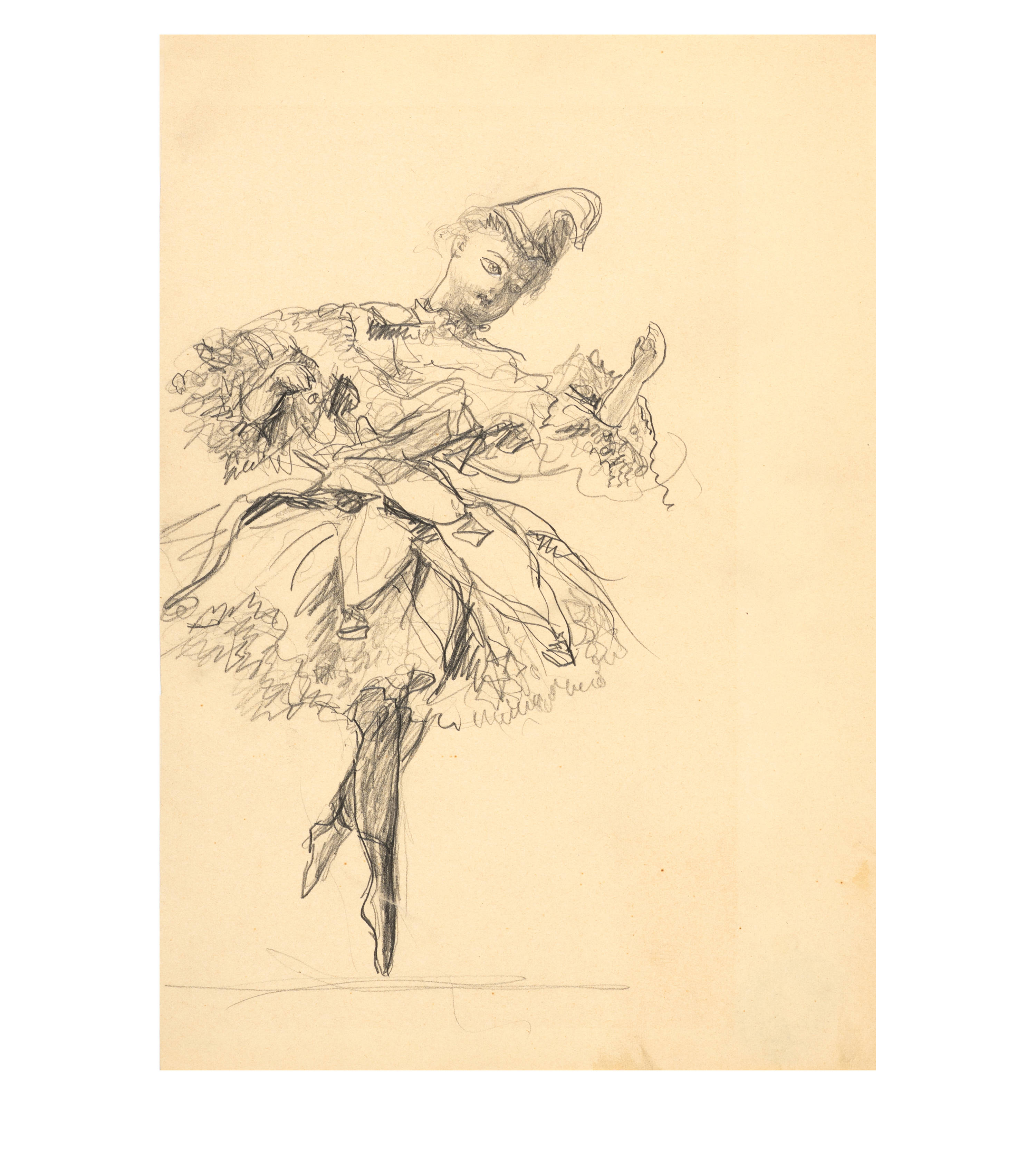
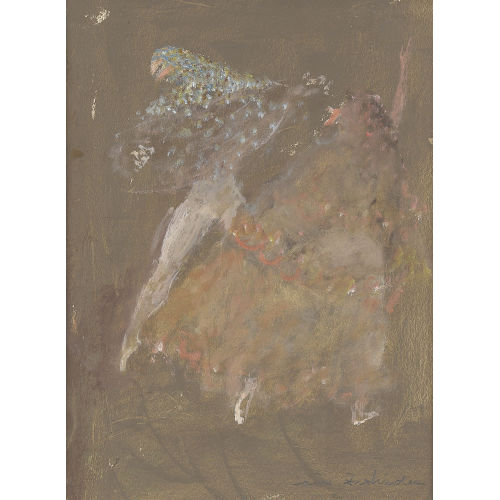
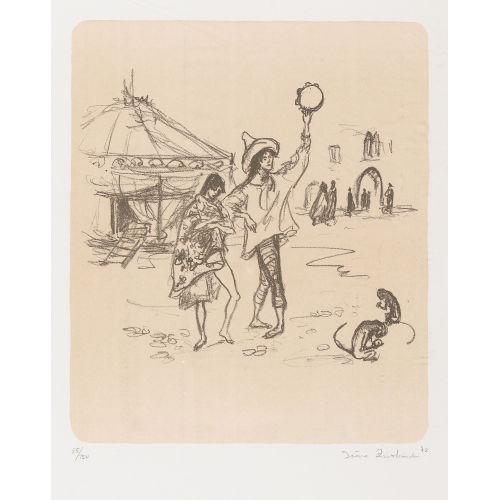
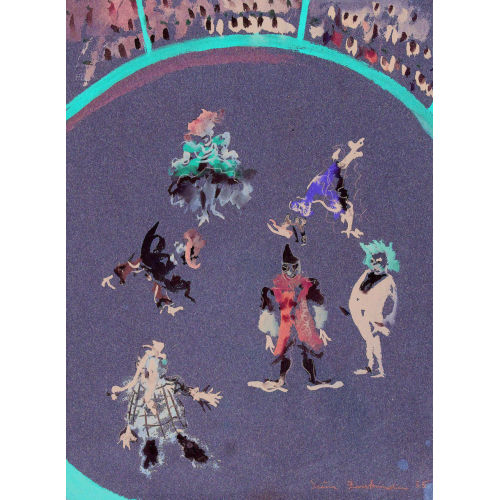
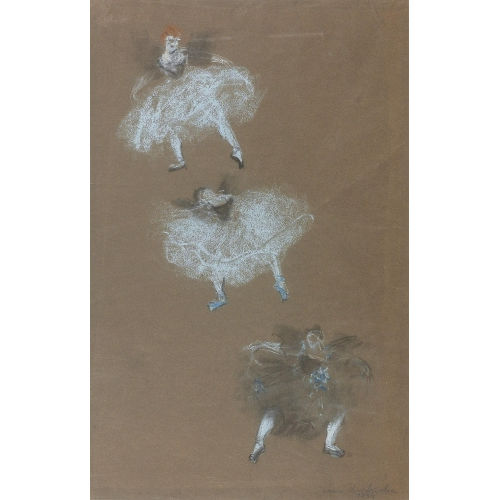
The worlds of the circus, ballet and the Basel Carnival also nourished her images. A retrospective at the Kunstmuseum Basel in 1985, followed by new exhibitions in Geneva and Basel, made it possible to reassess the scope of this body of work, in which the mobility of the line responds to the invention of vision.