Ignaz Epper
Born in 1892.
Died in 1969.
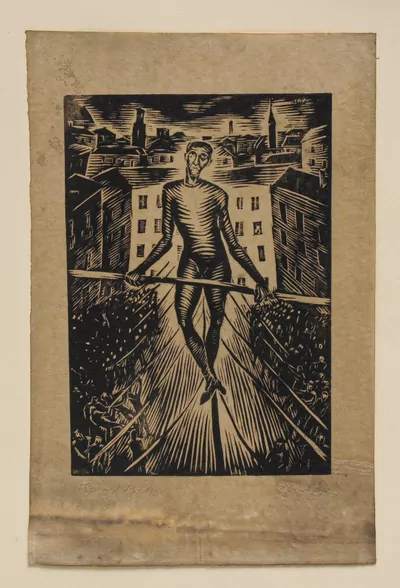
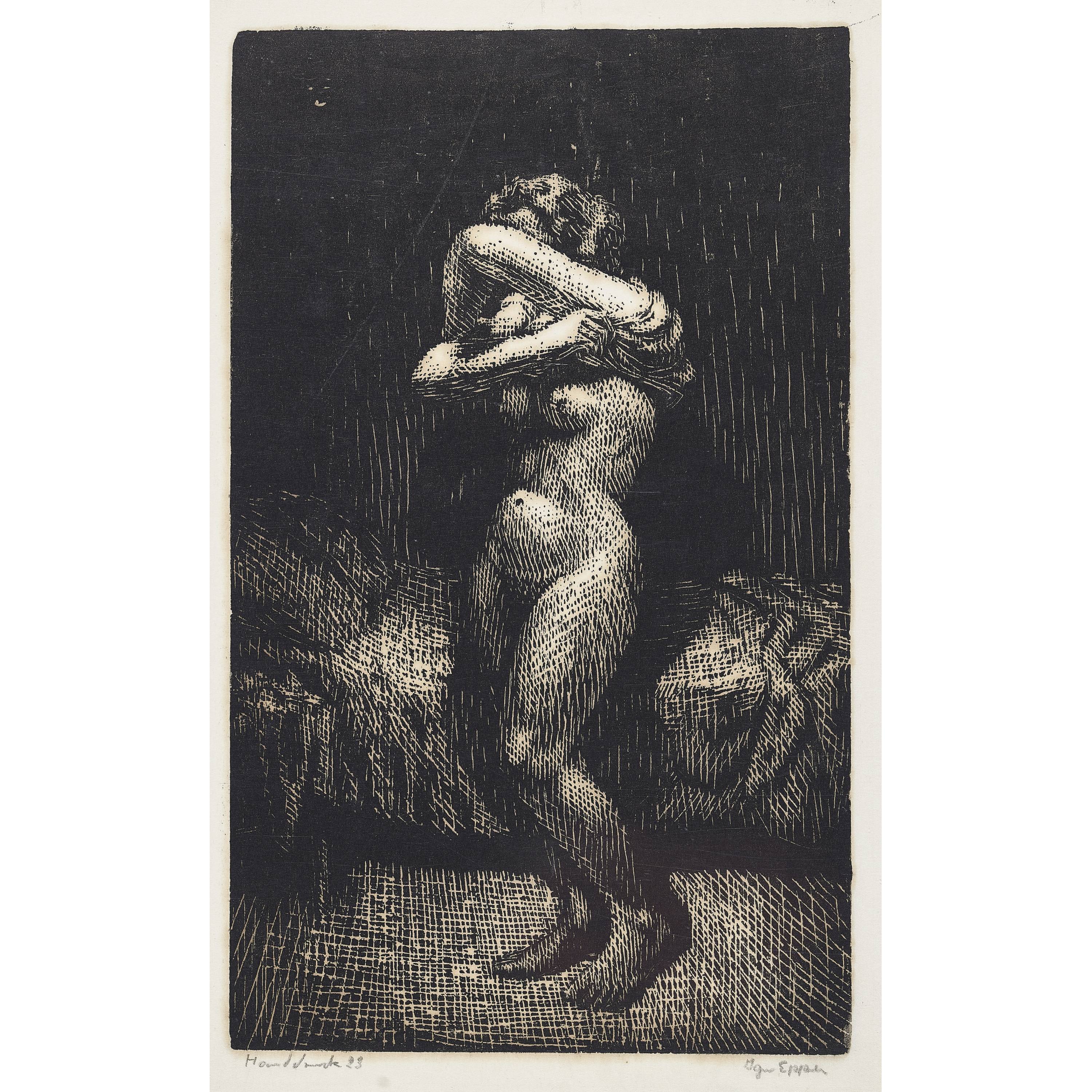
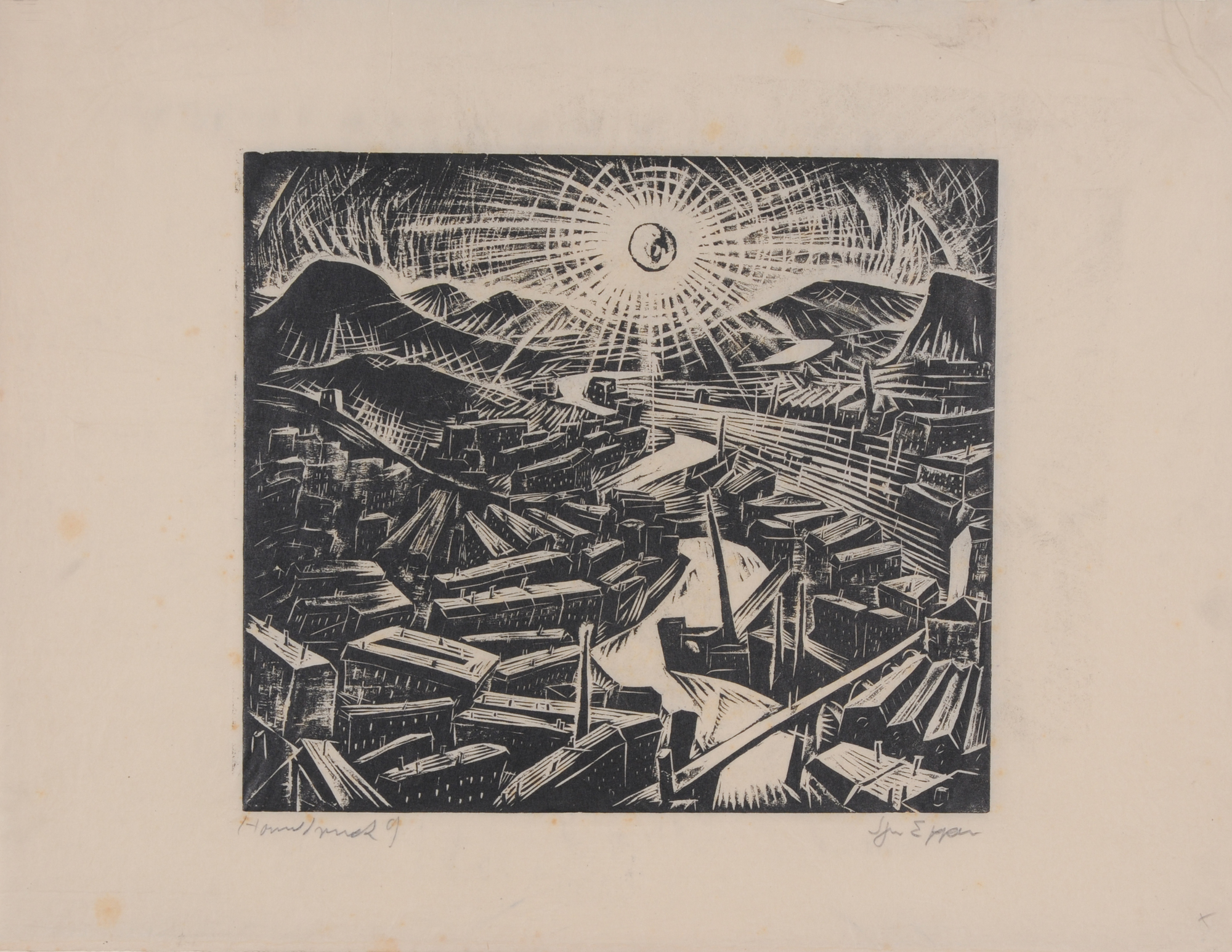
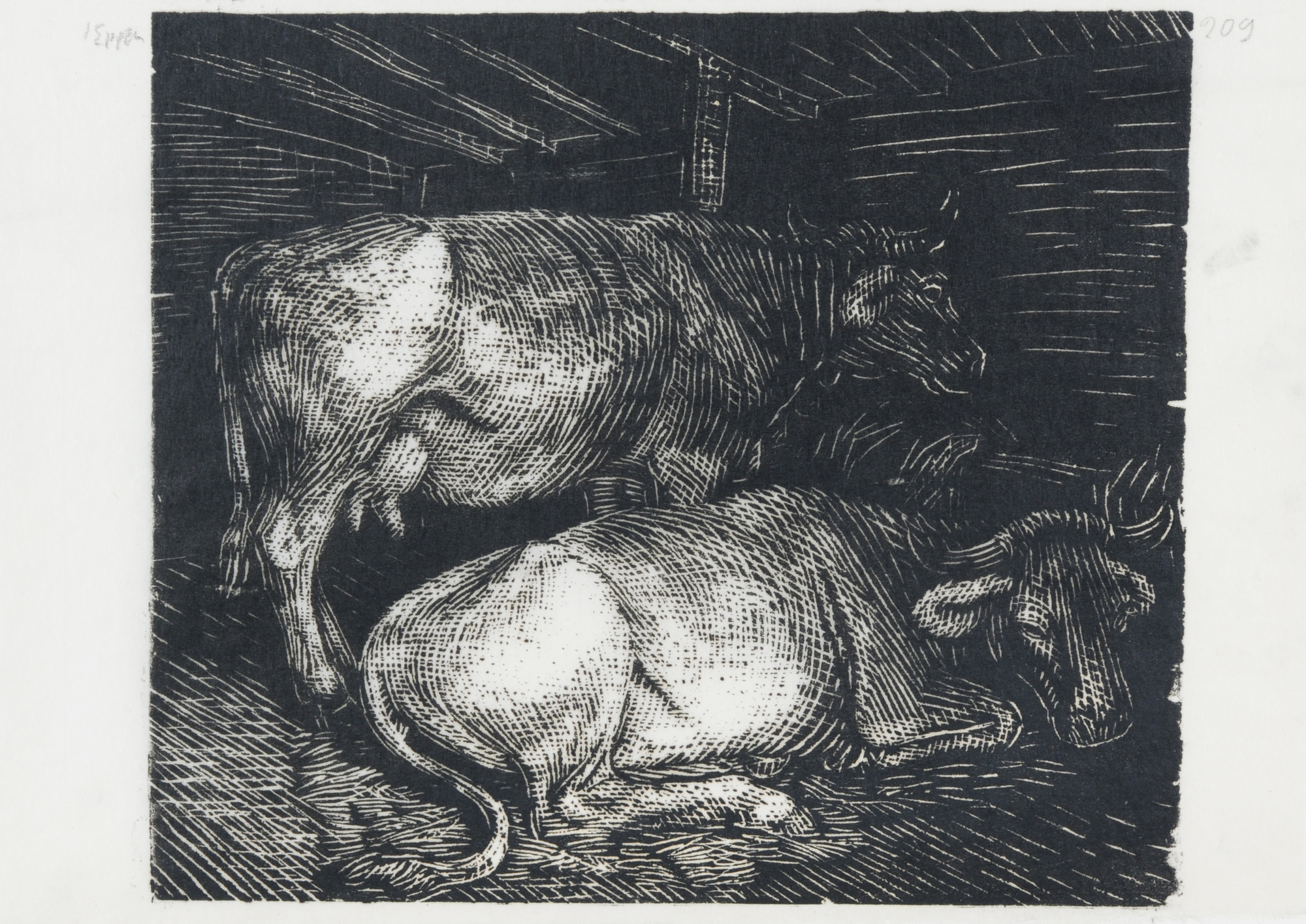
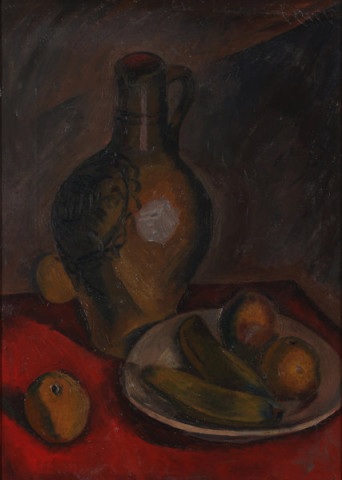
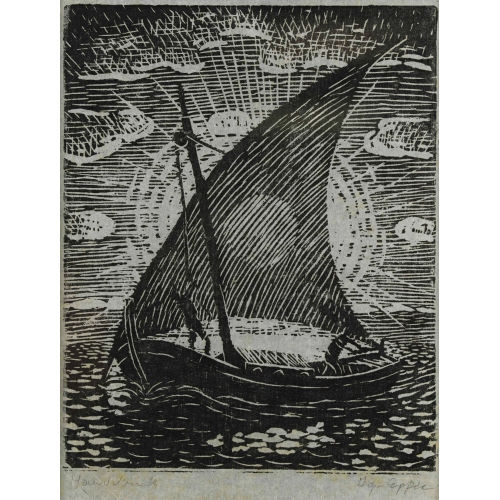
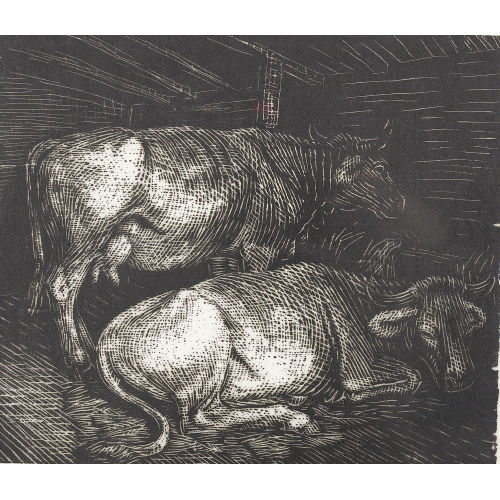
Born in St. Gallen on 6 July 1892, Ignaz Epper trained in embroidery design from 1908 to 1912, then worked as a draftsman for a St. Gallen company in Berlin. In 1913, he received a Federal Fine Arts scholarship and began an apprenticeship as a lithographer in Zurich. There he developed his practice of wood engraving and lithography alongside painting.
After his years in Zurich and numerous journeys, he settled in Ascona in 1932, where he died in 1969.
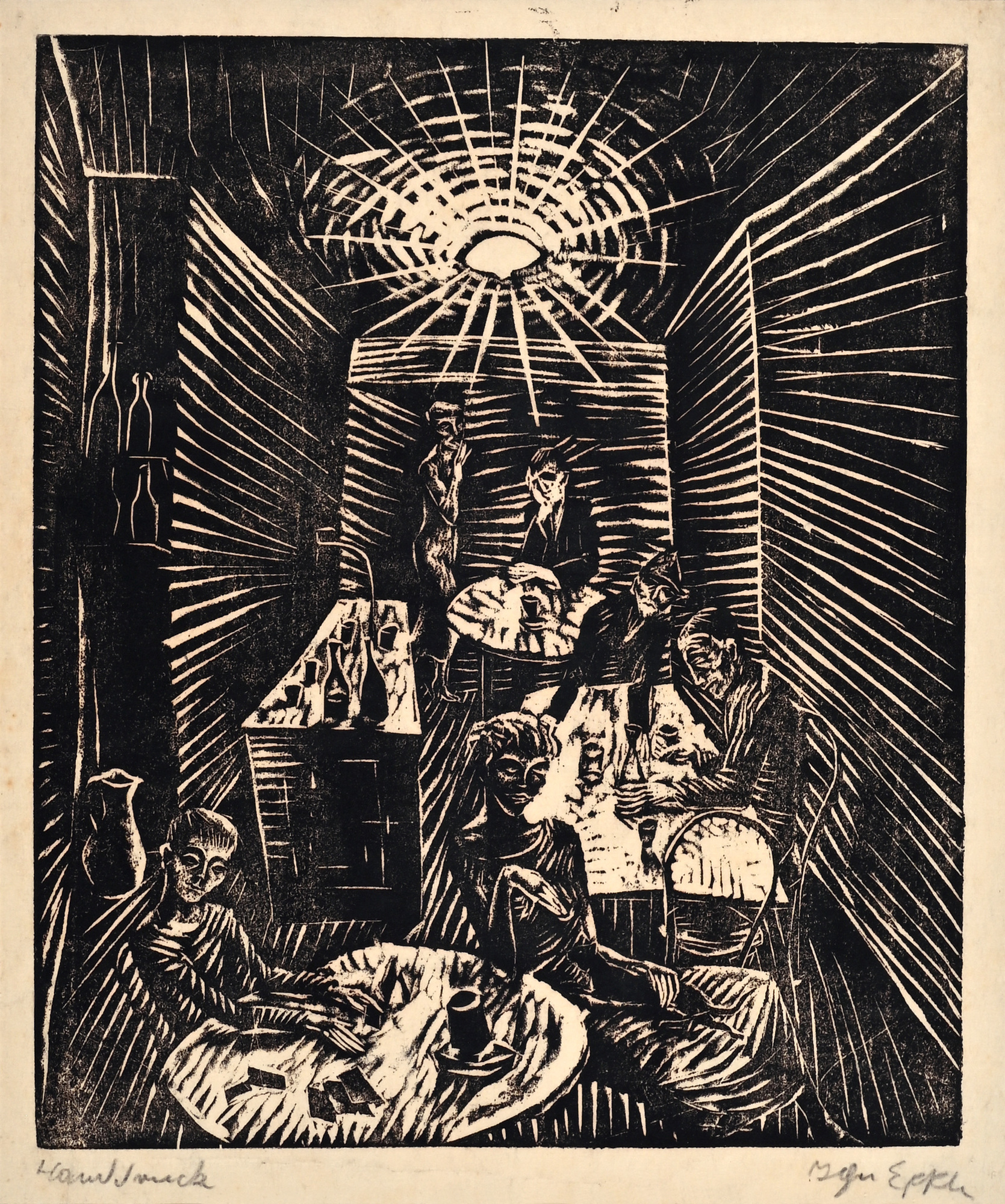
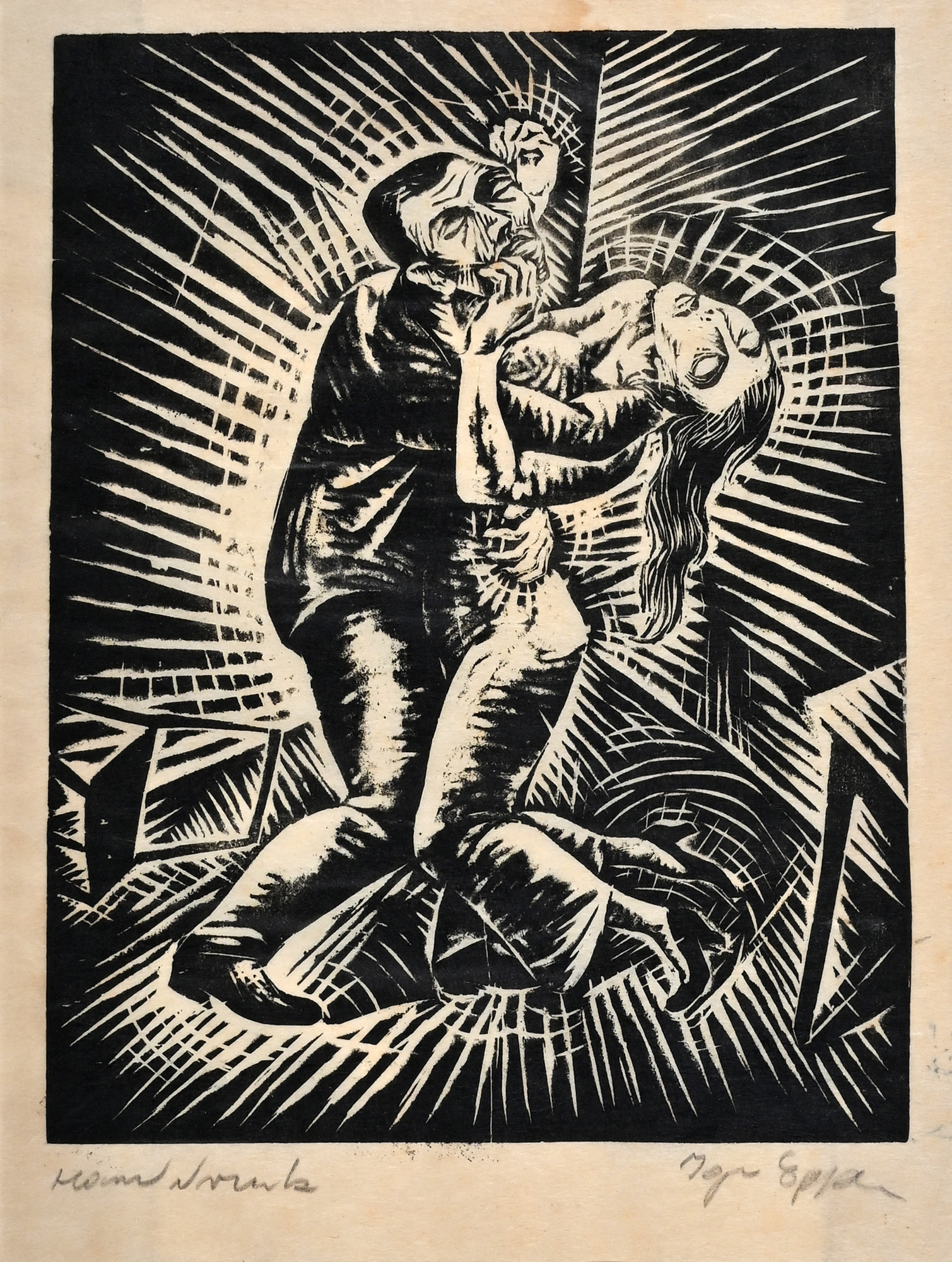
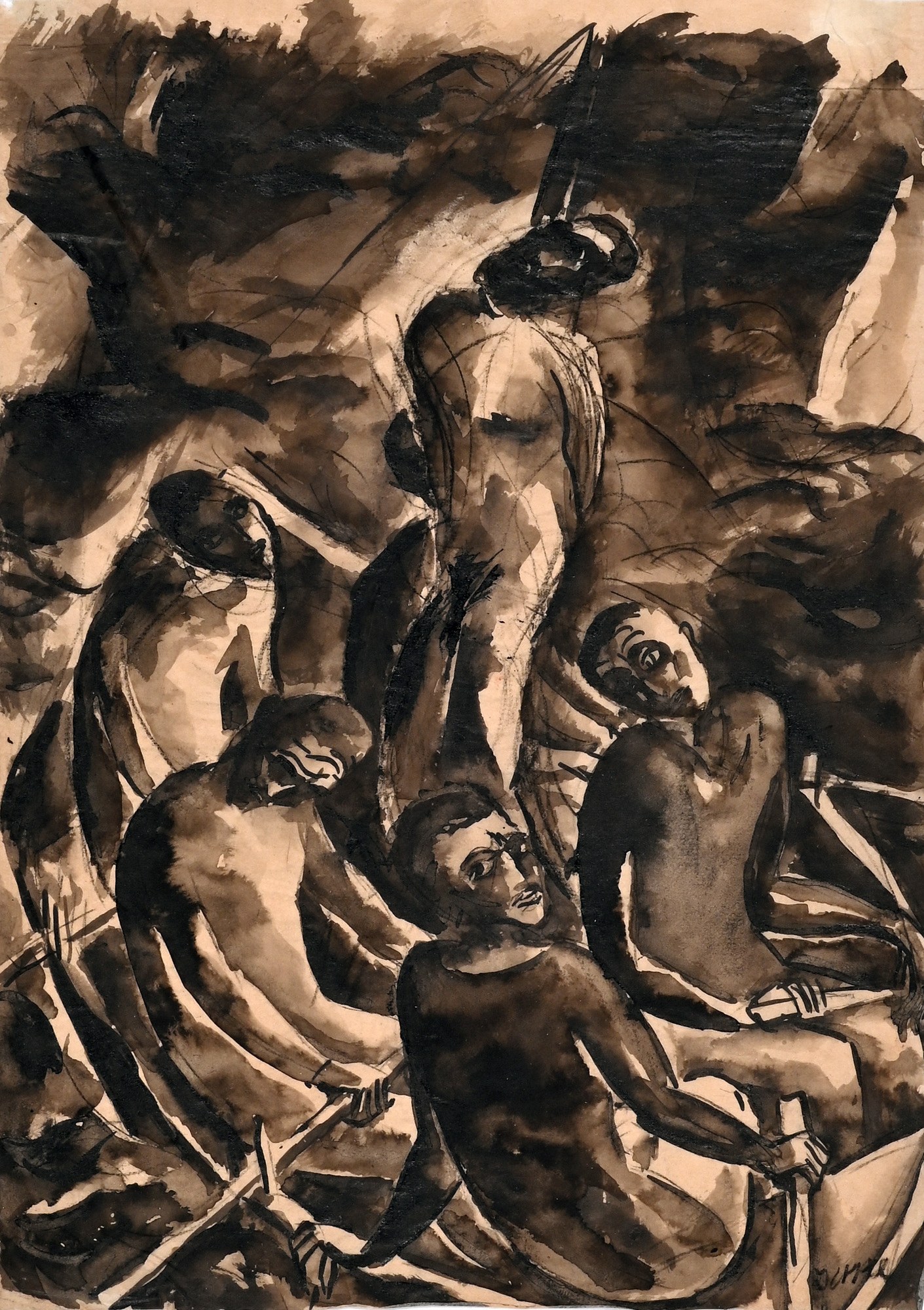
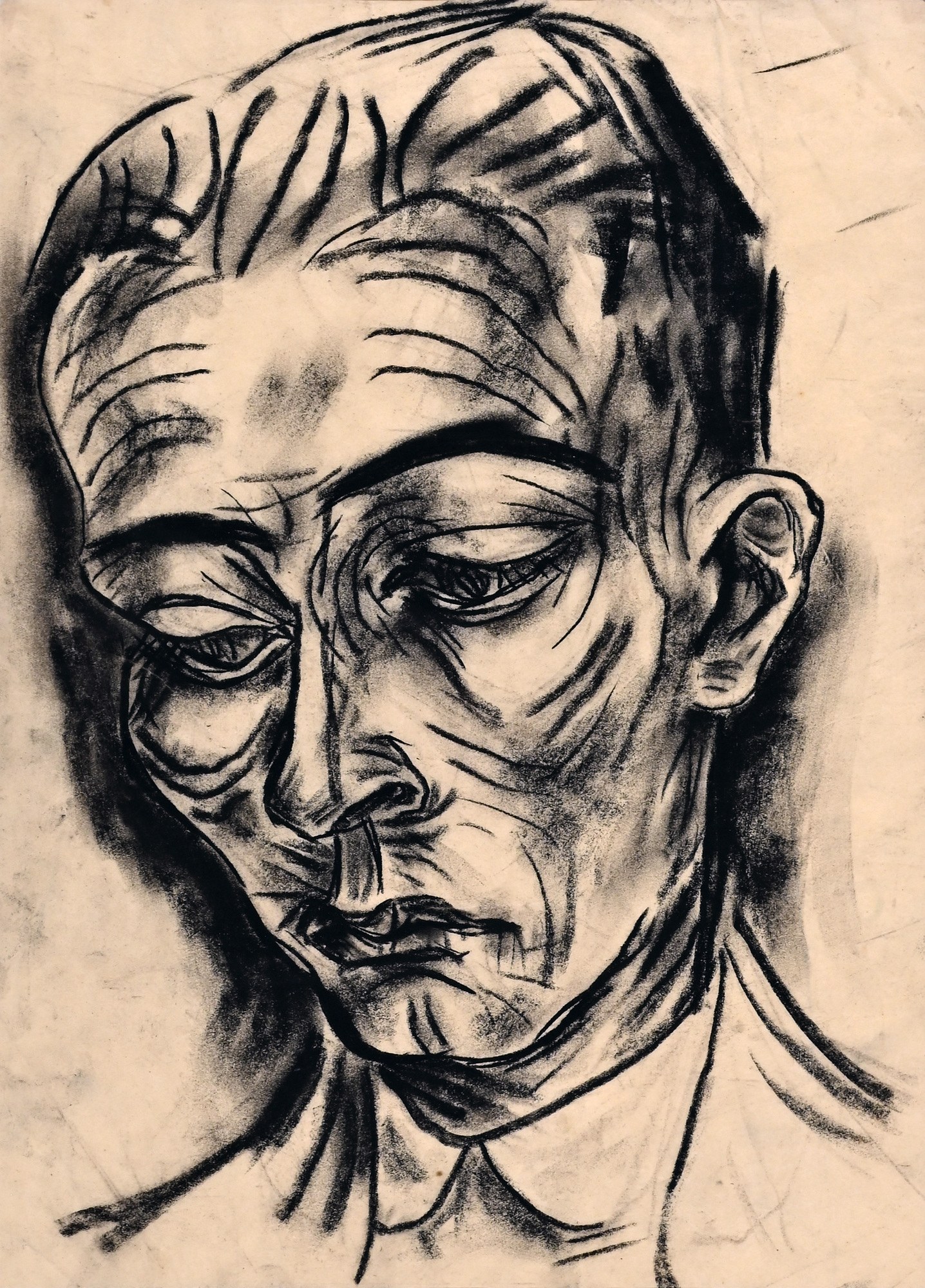
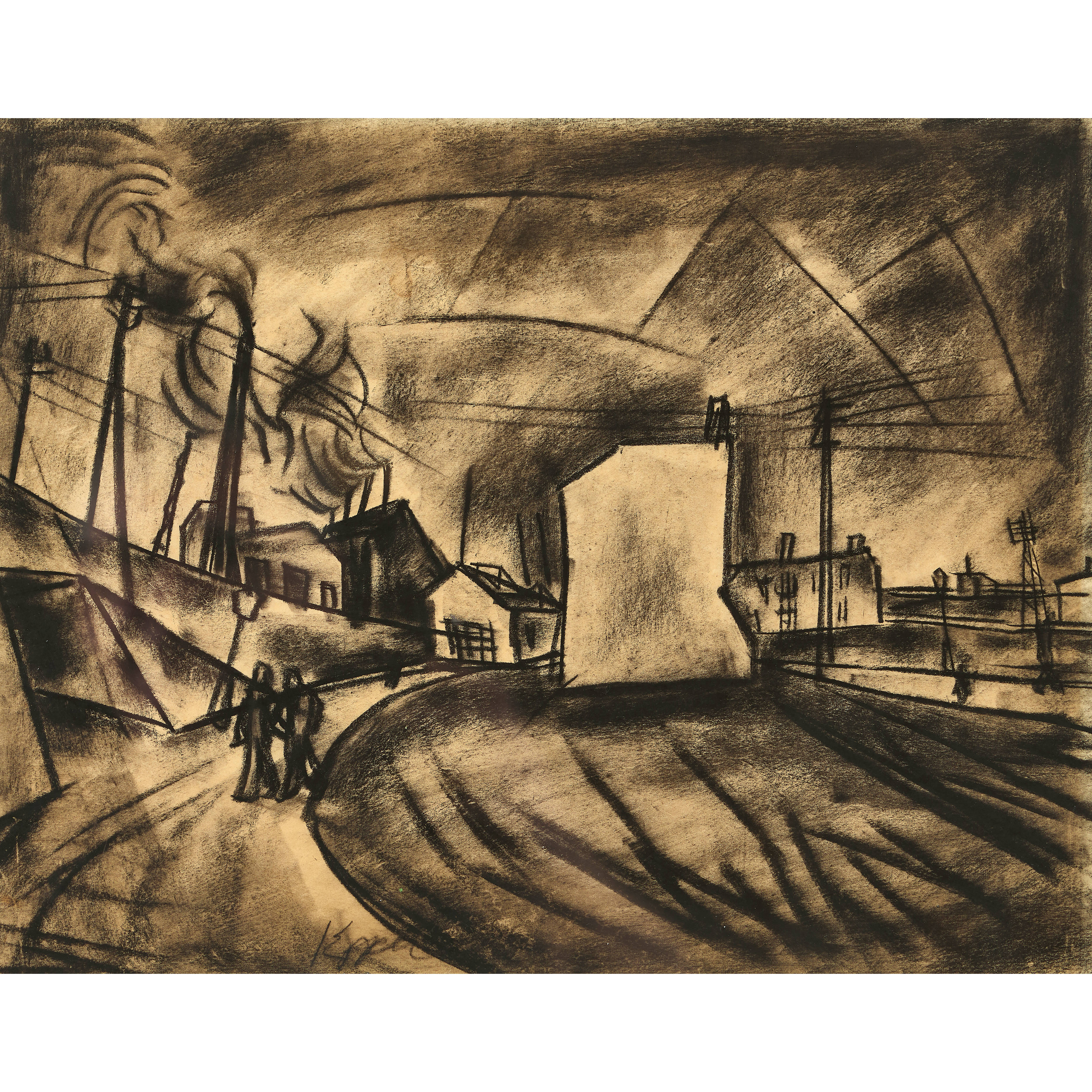
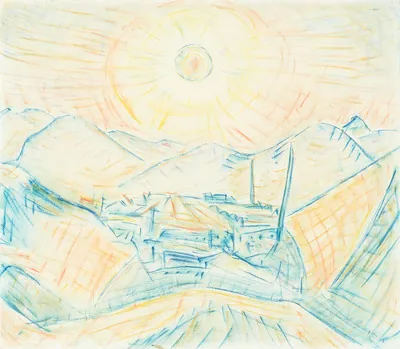
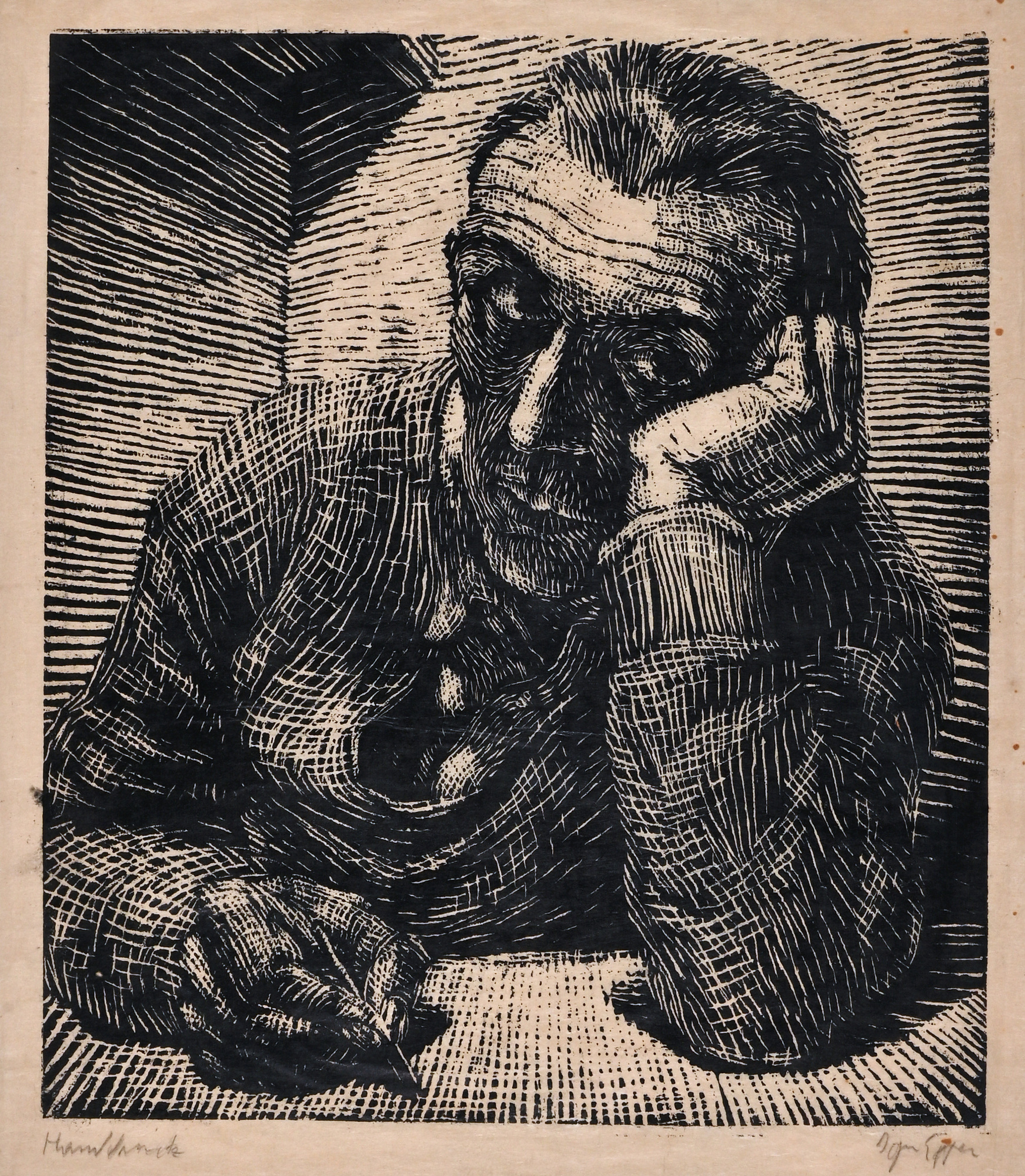
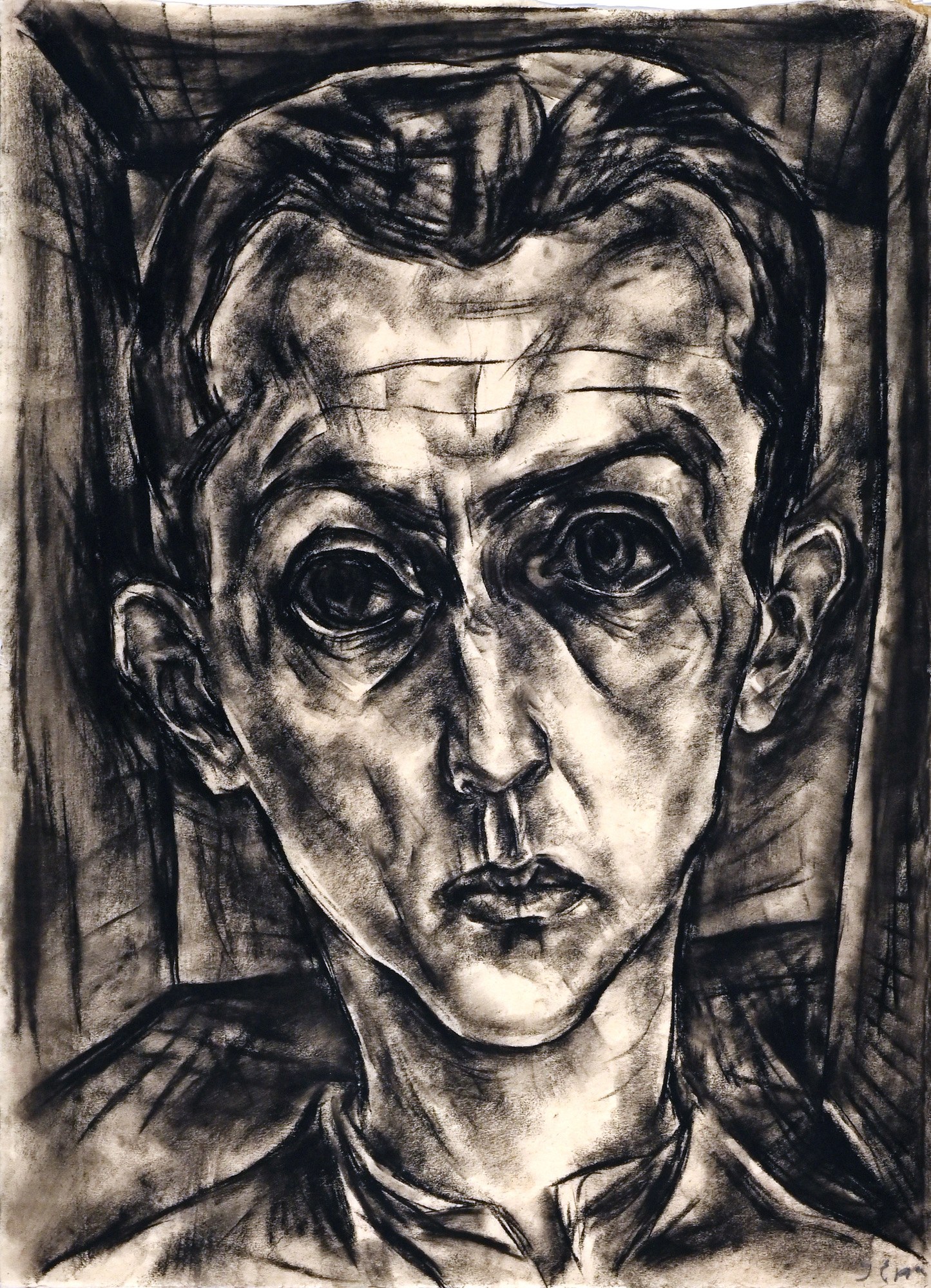
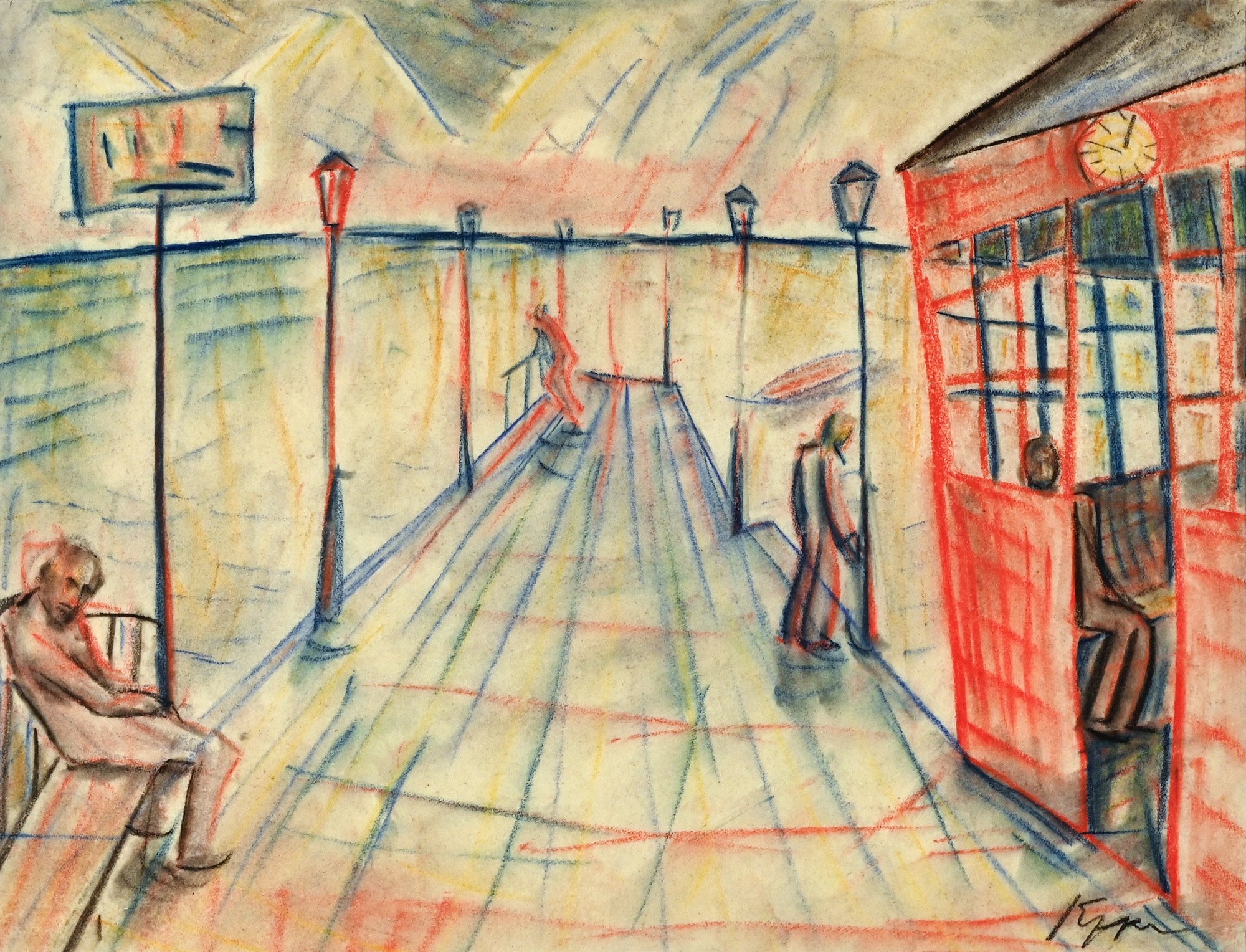
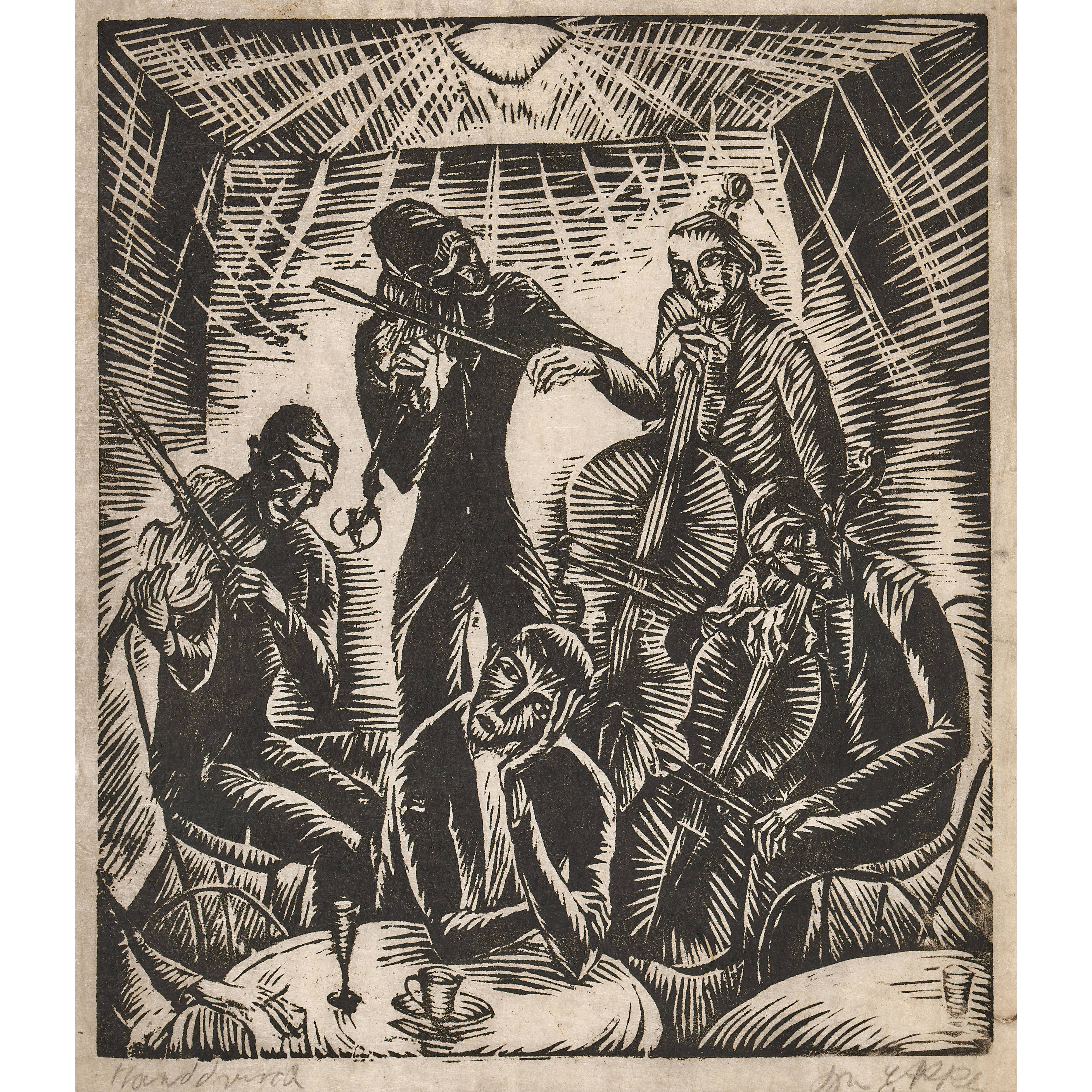
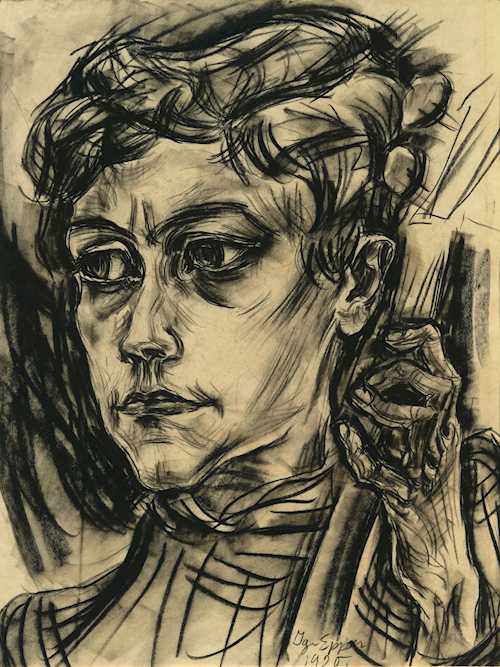
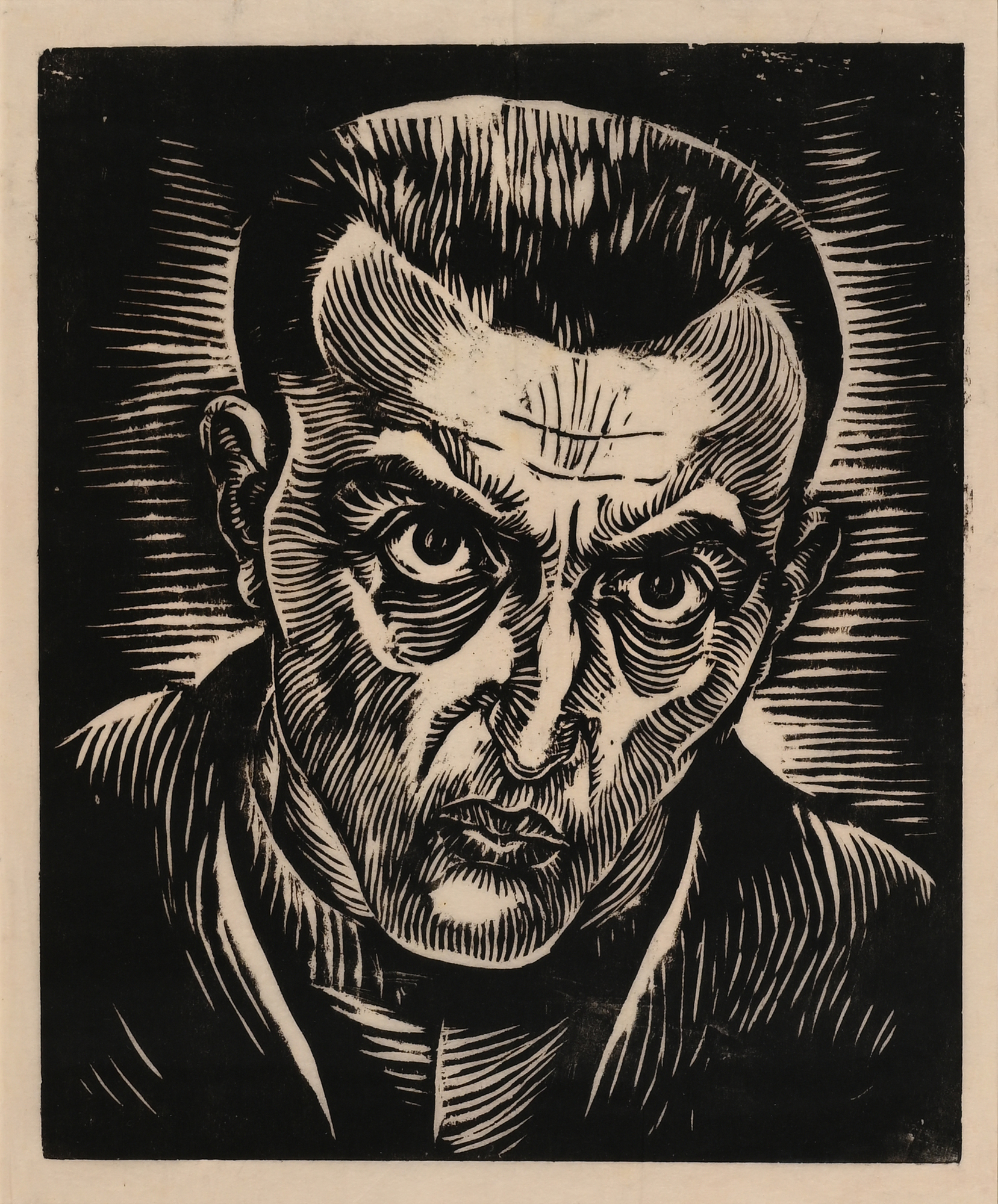
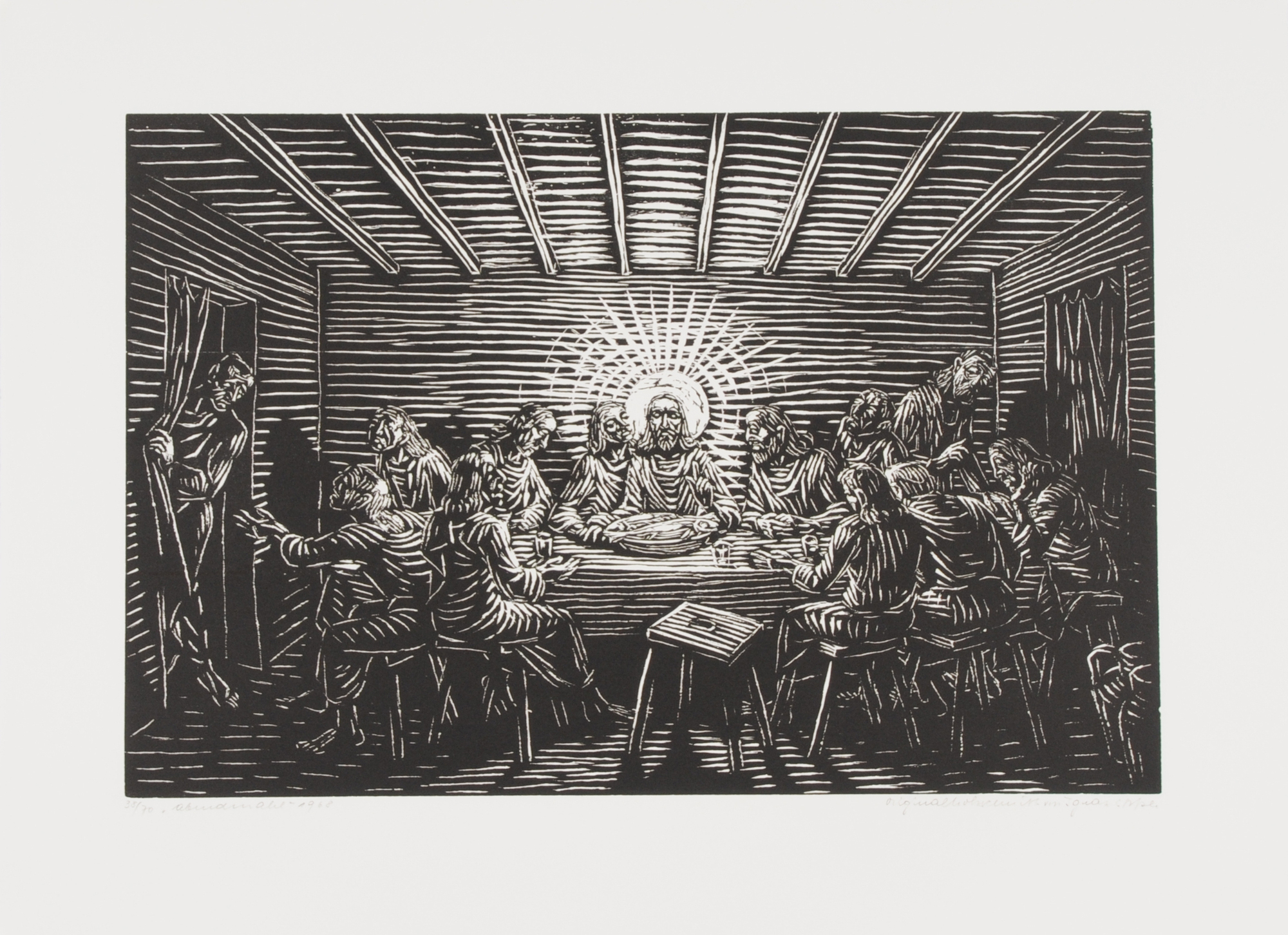
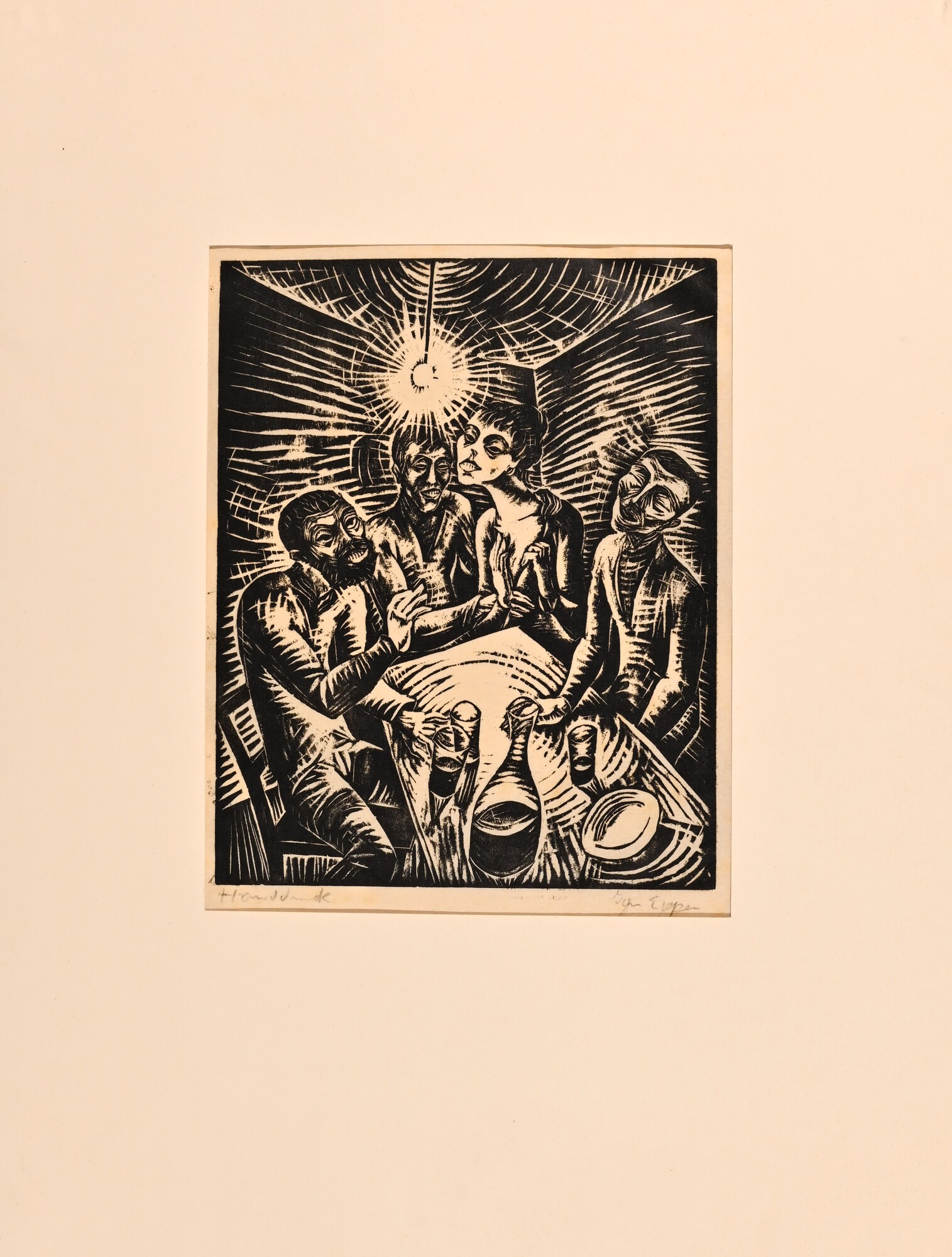
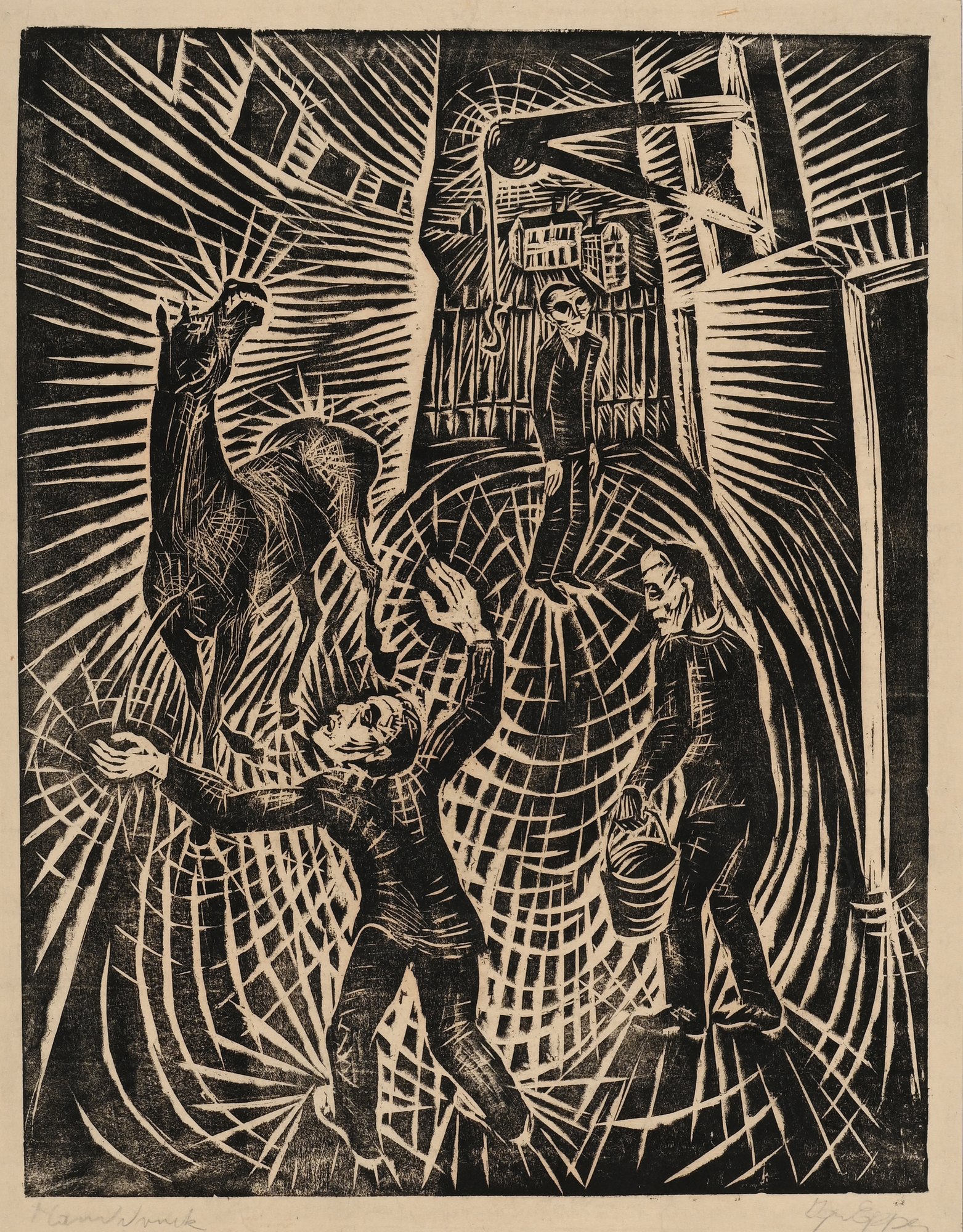
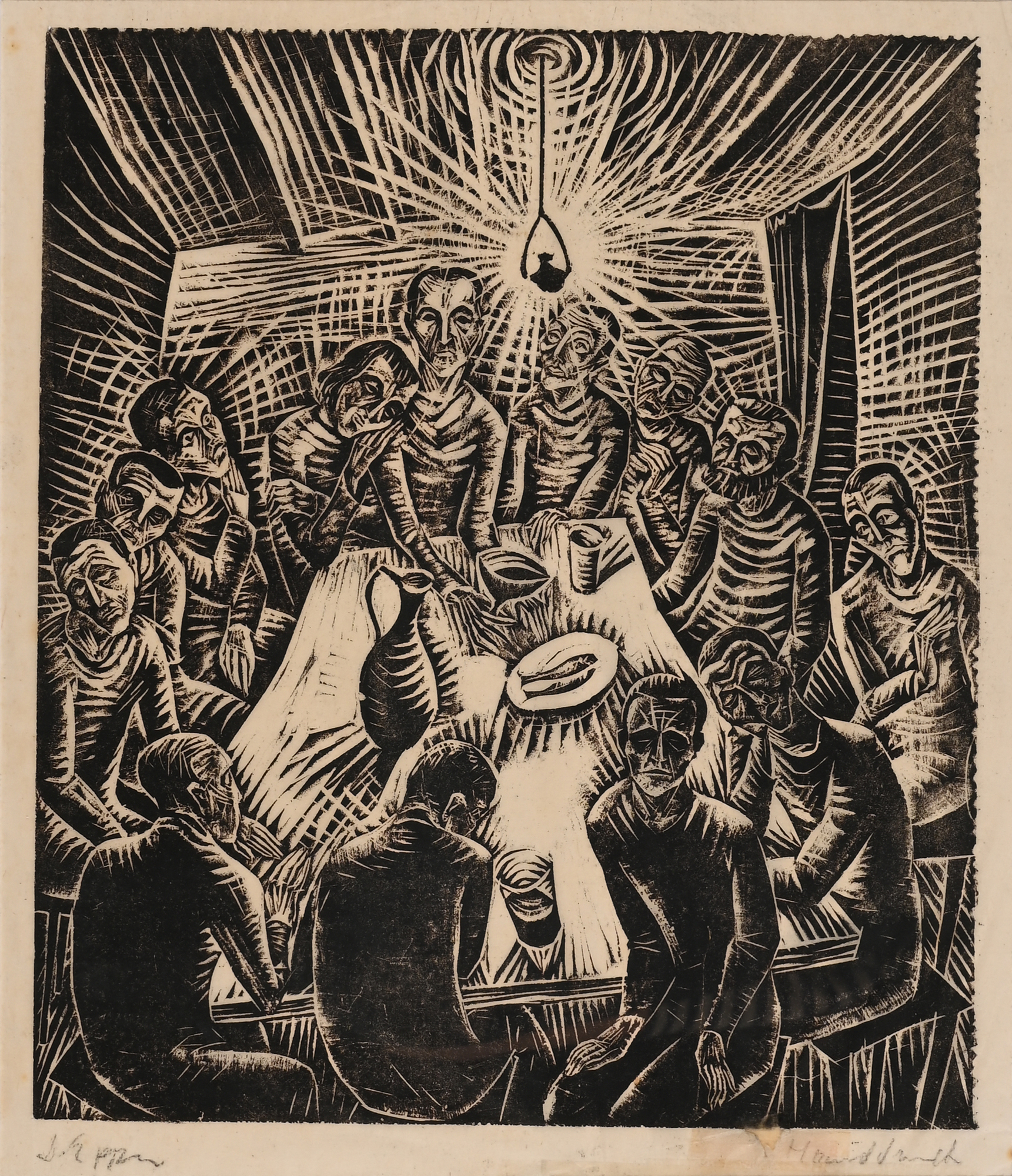
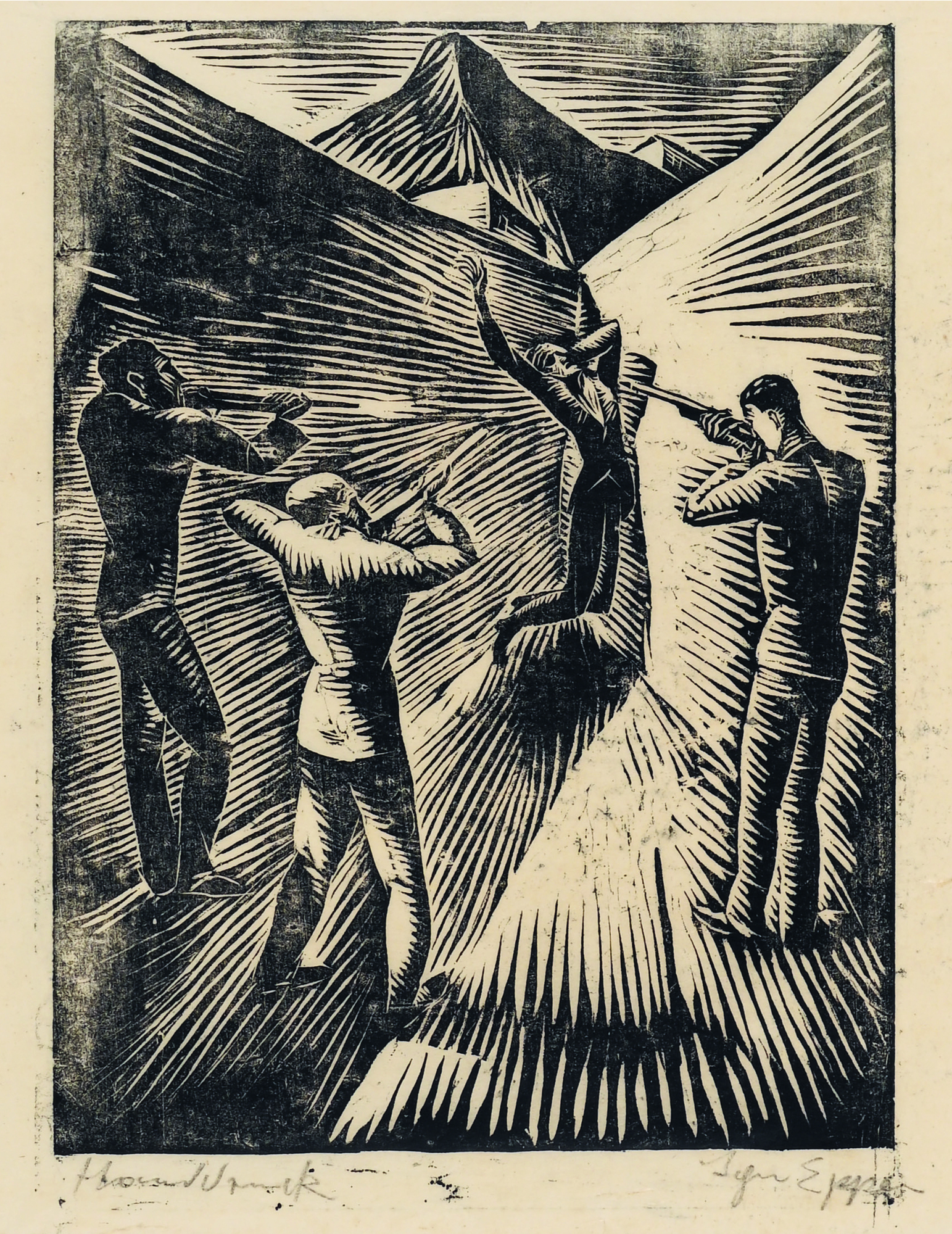
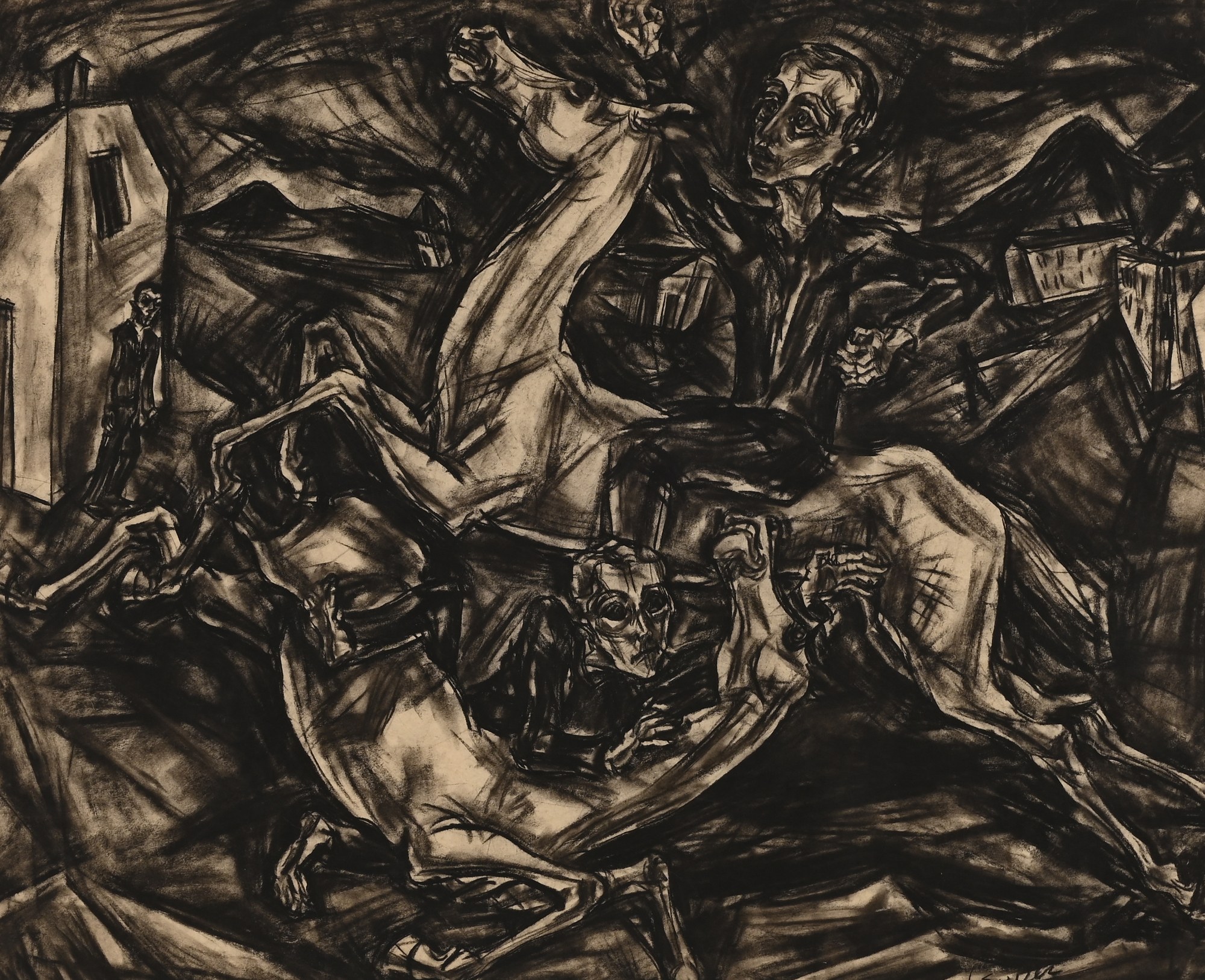
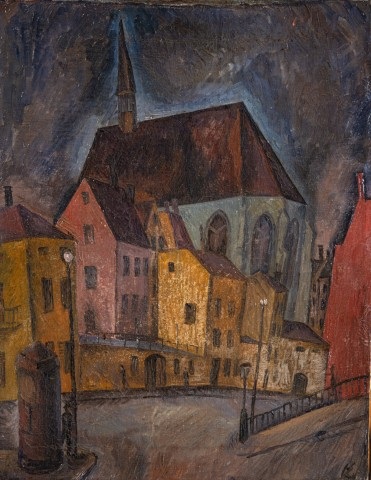
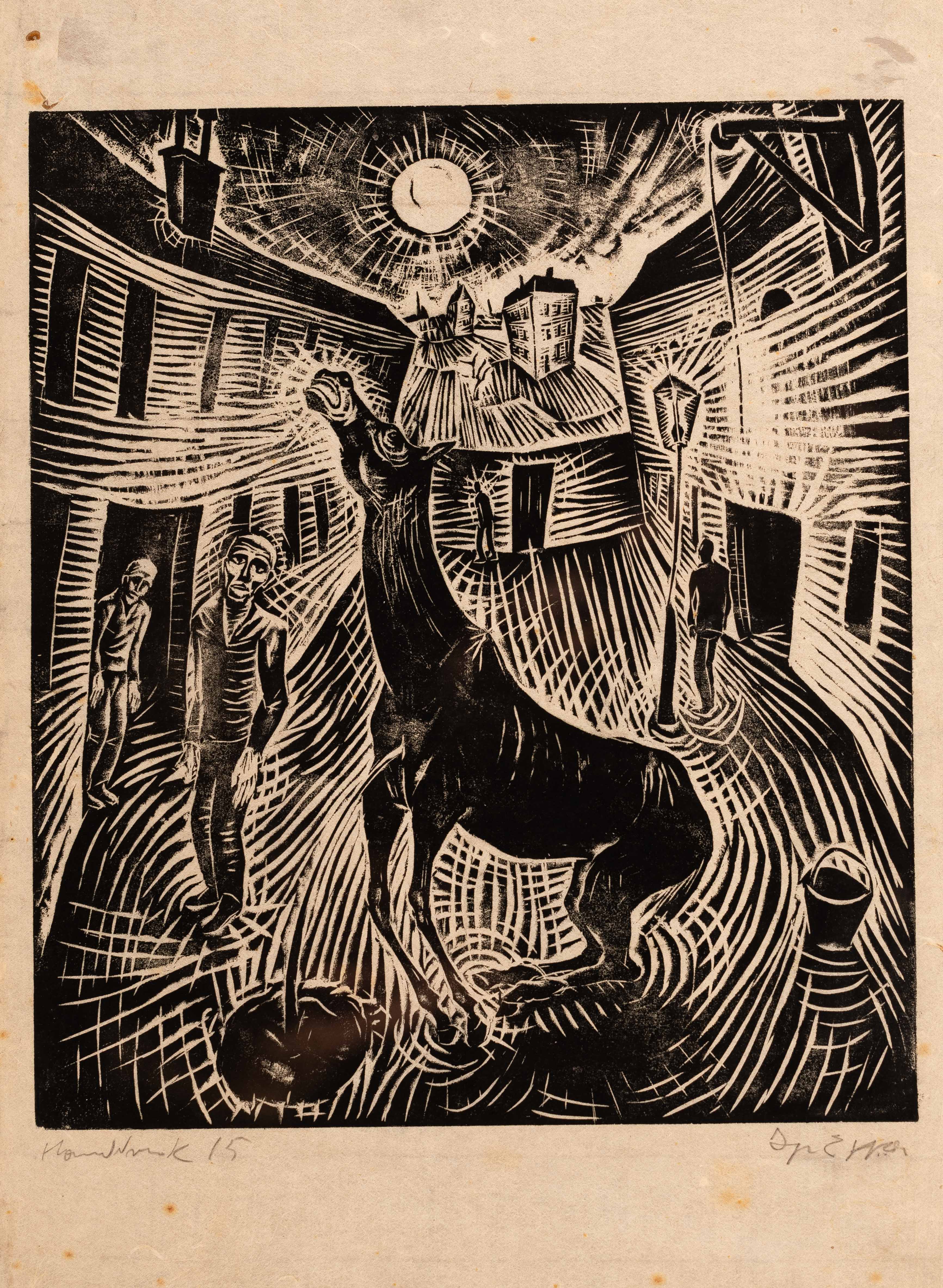
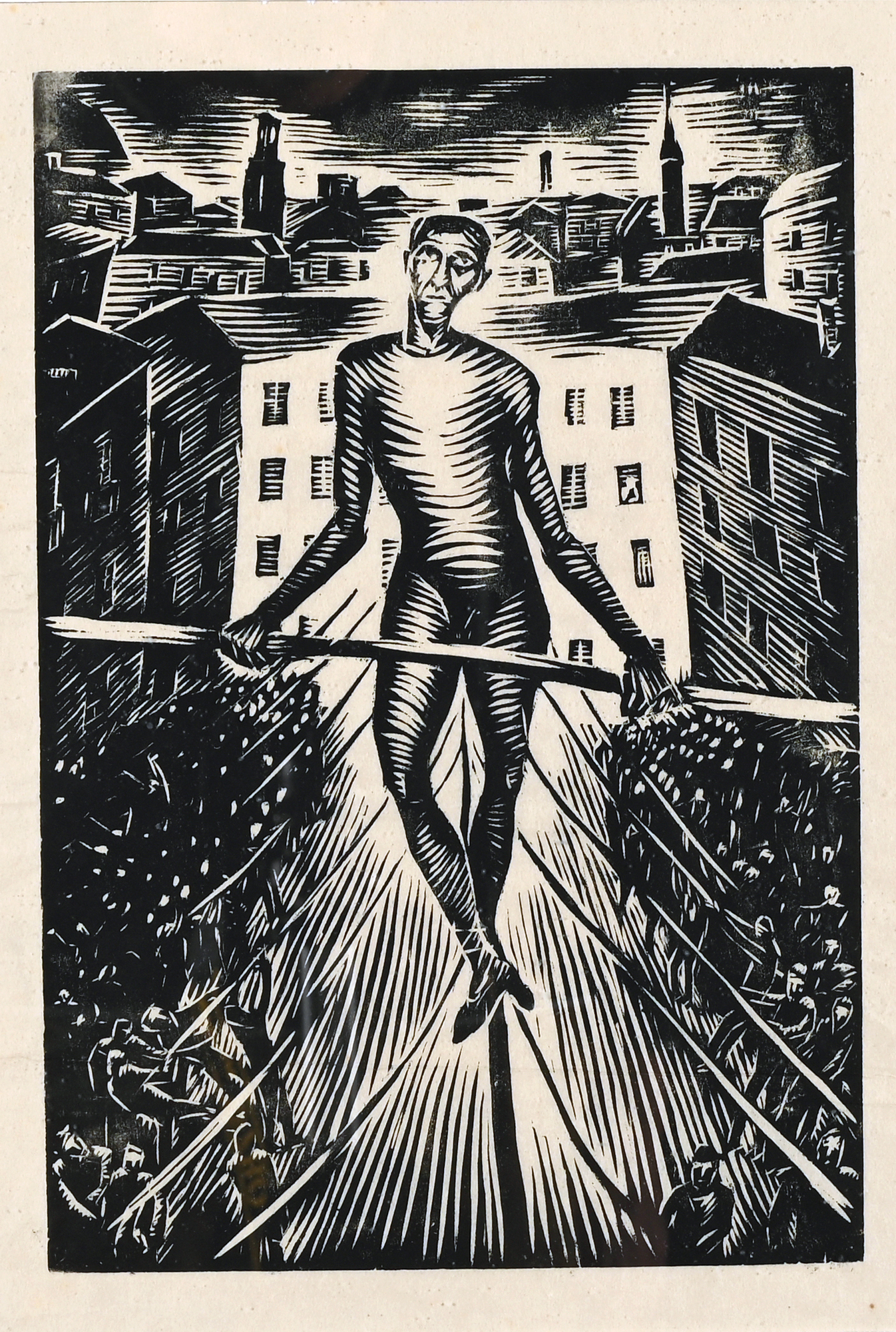
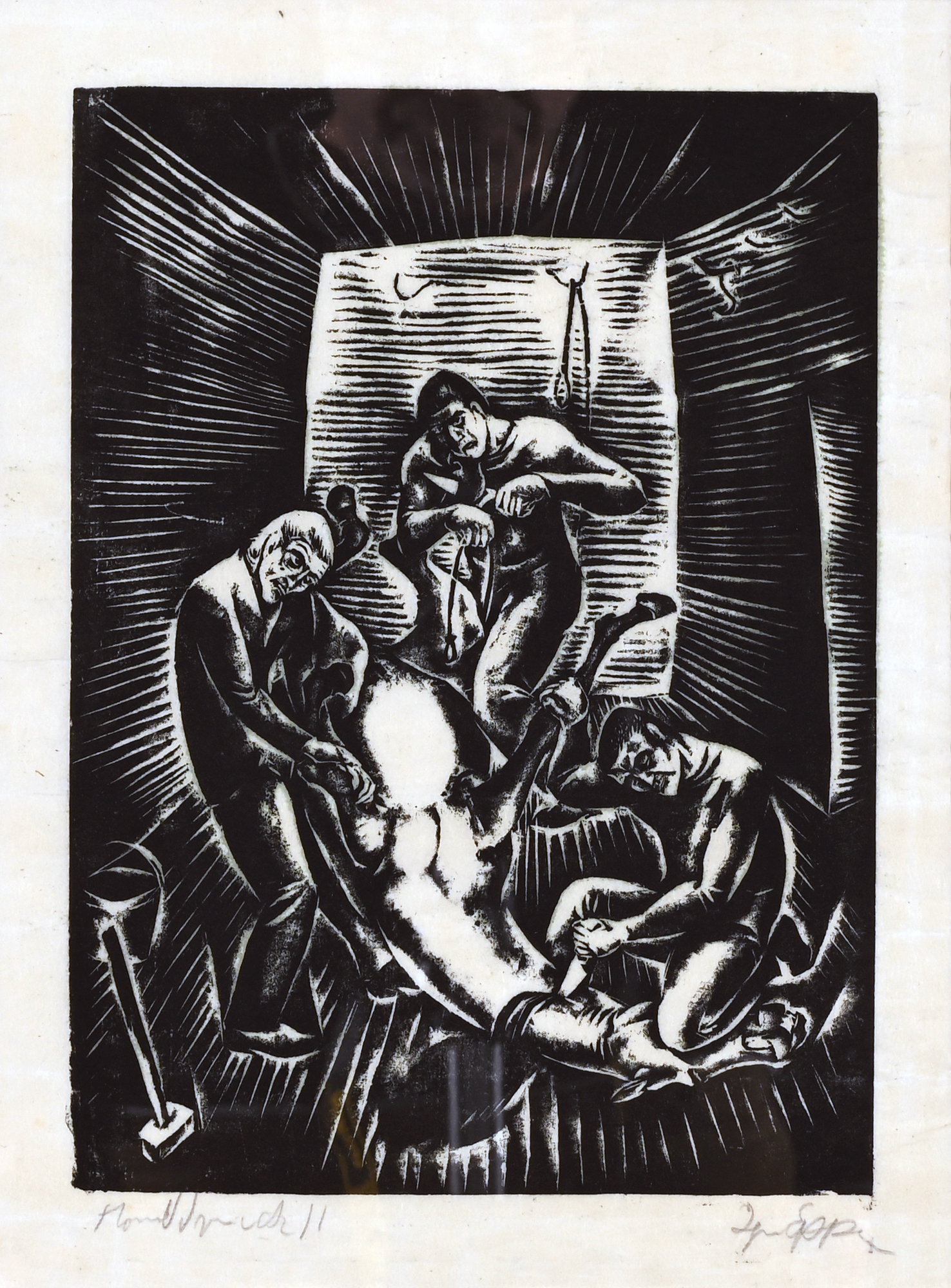
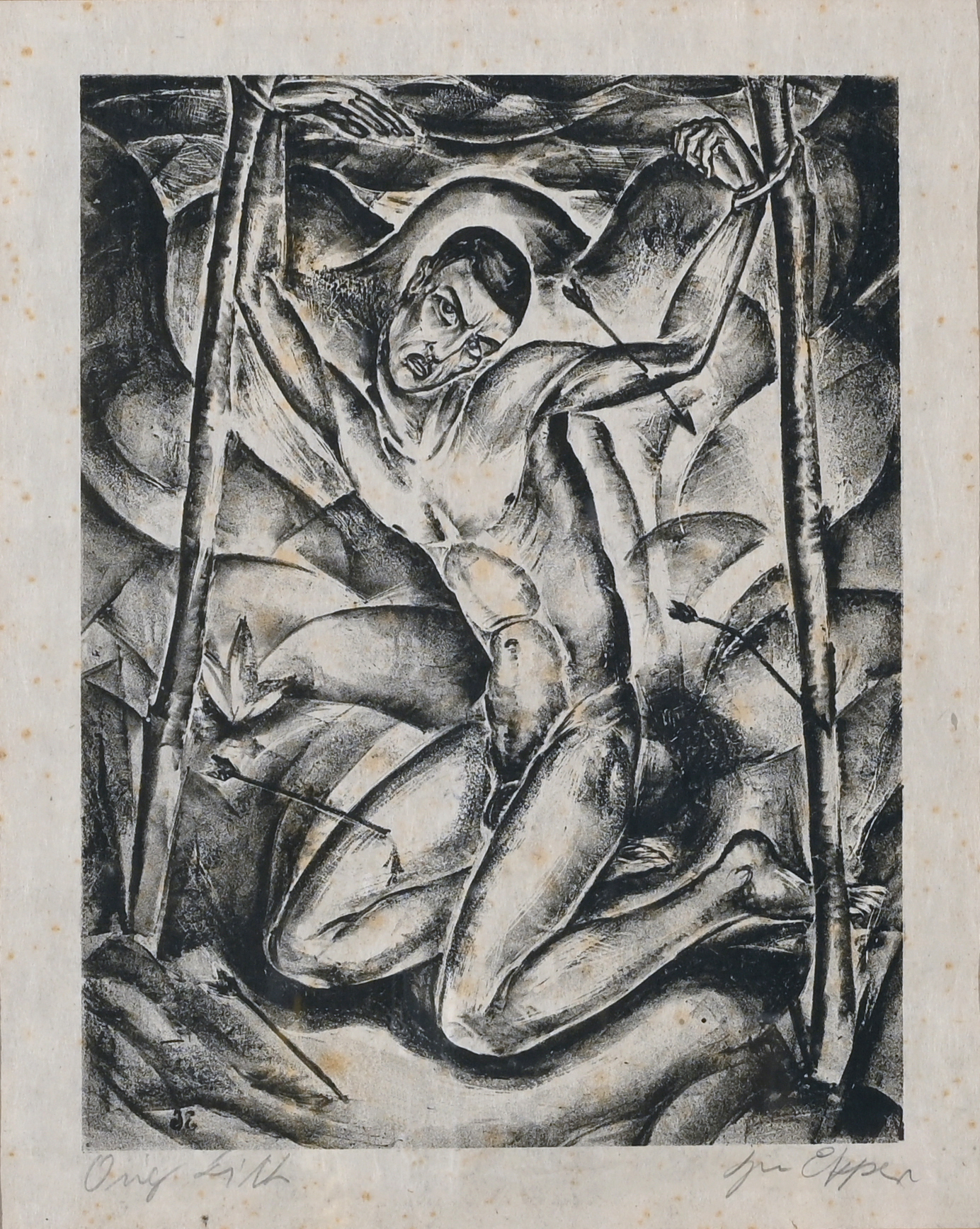
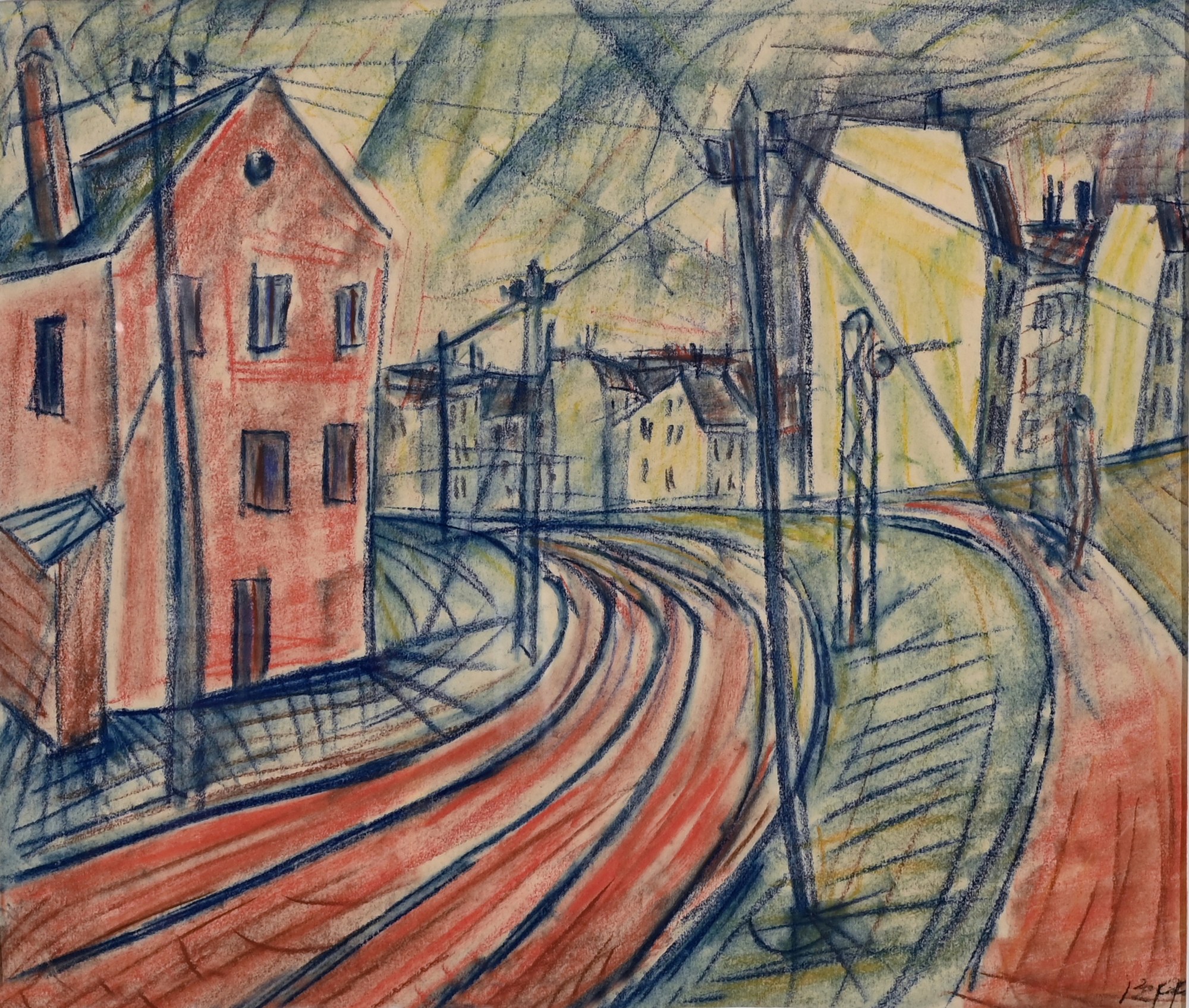
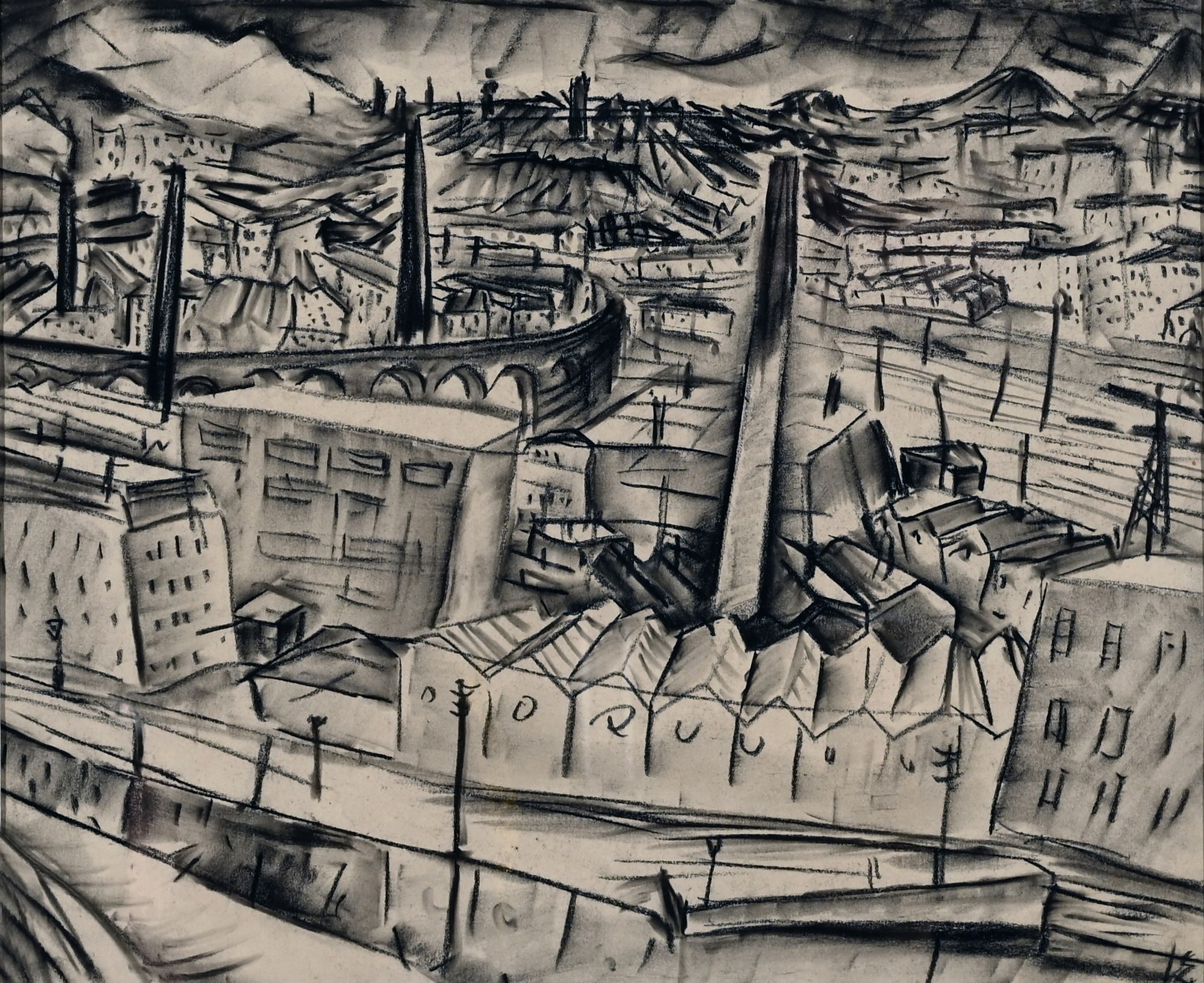
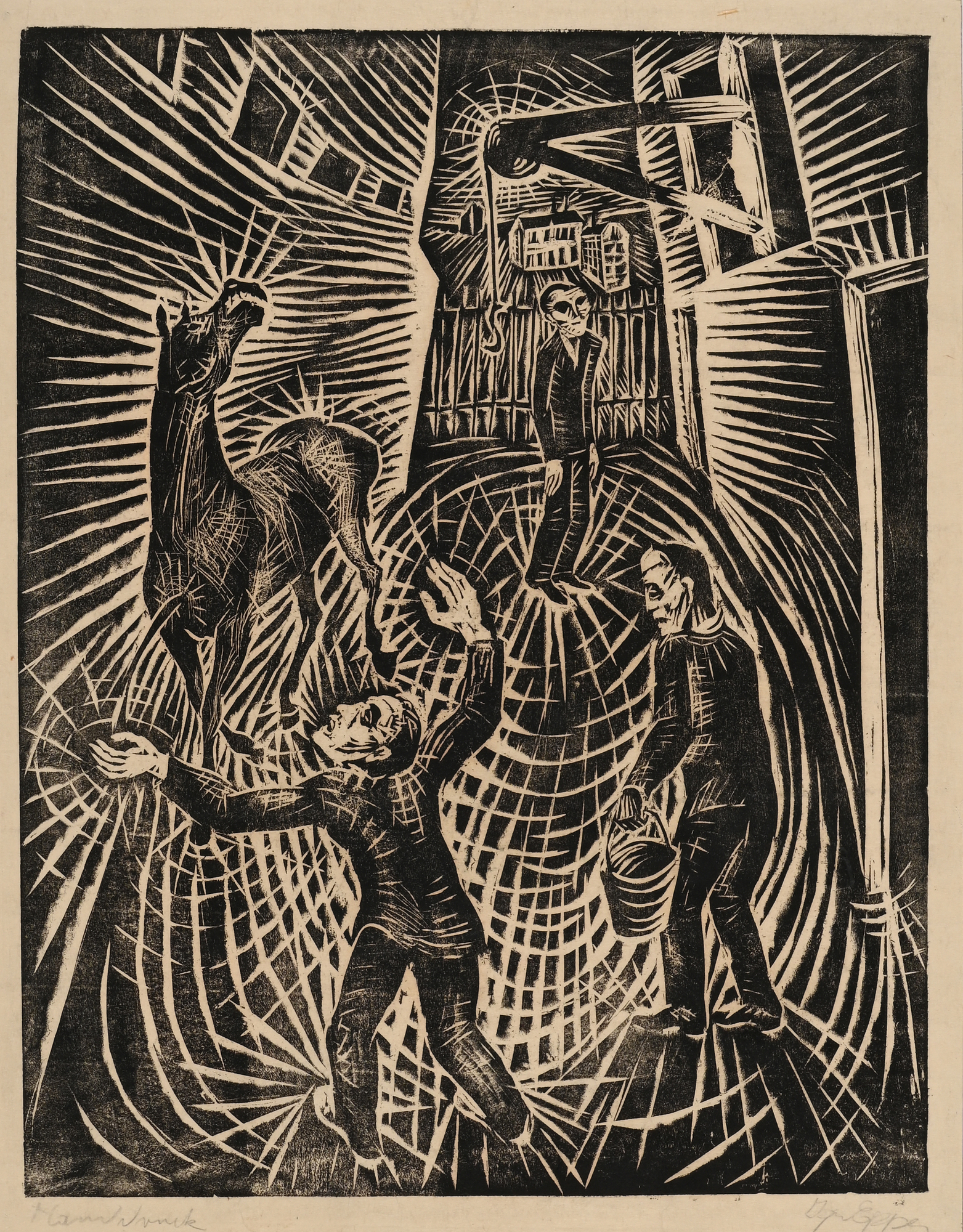
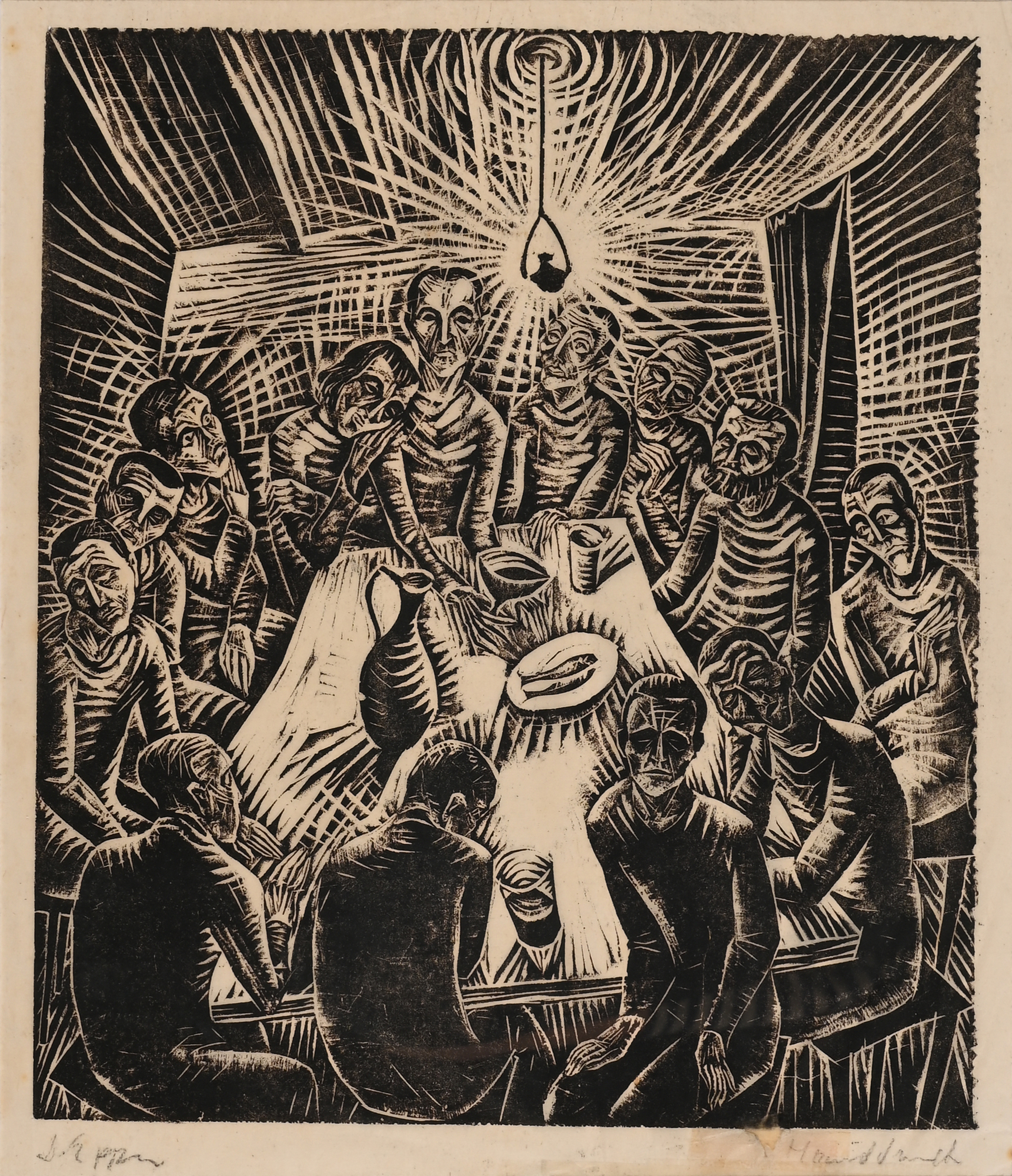
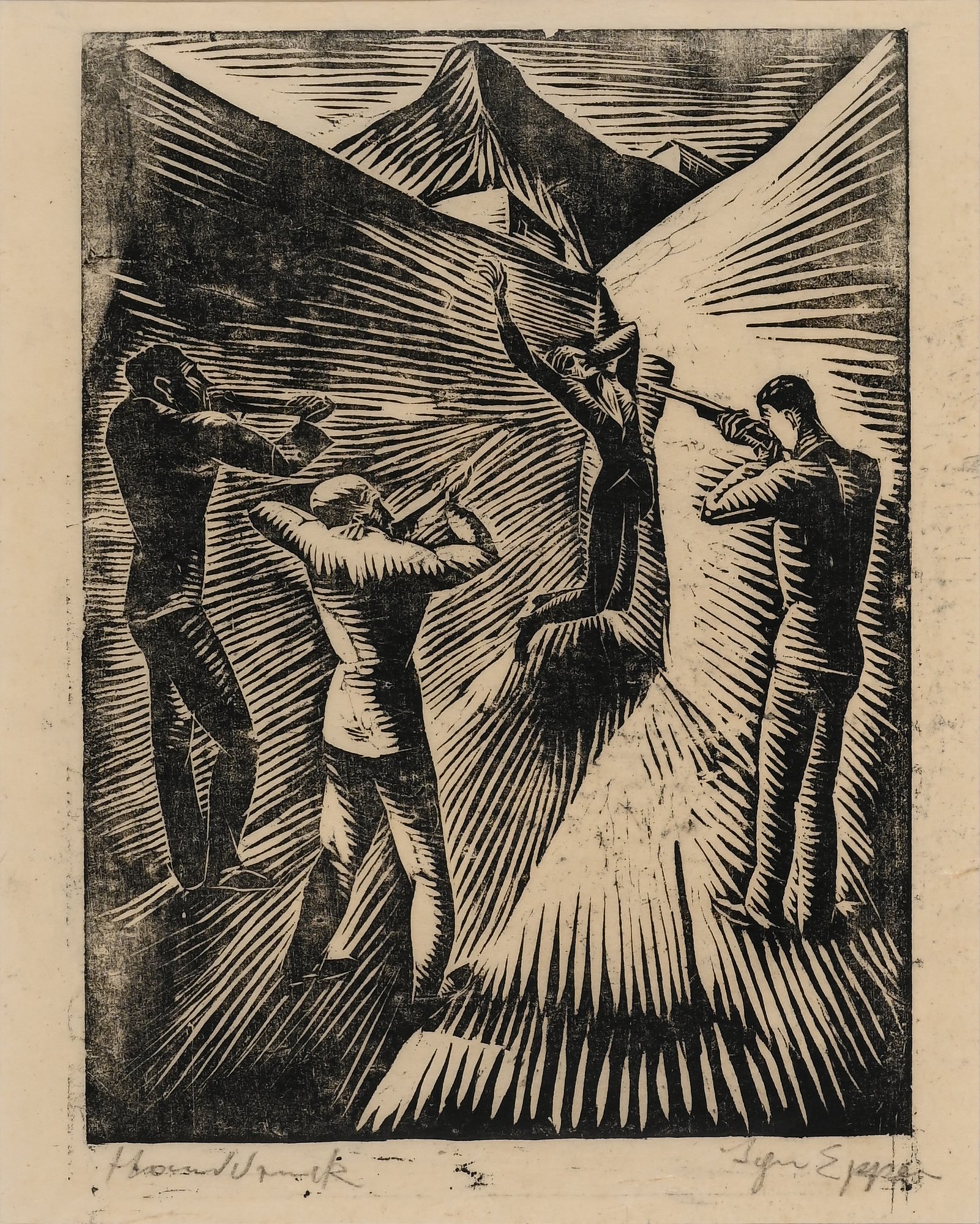
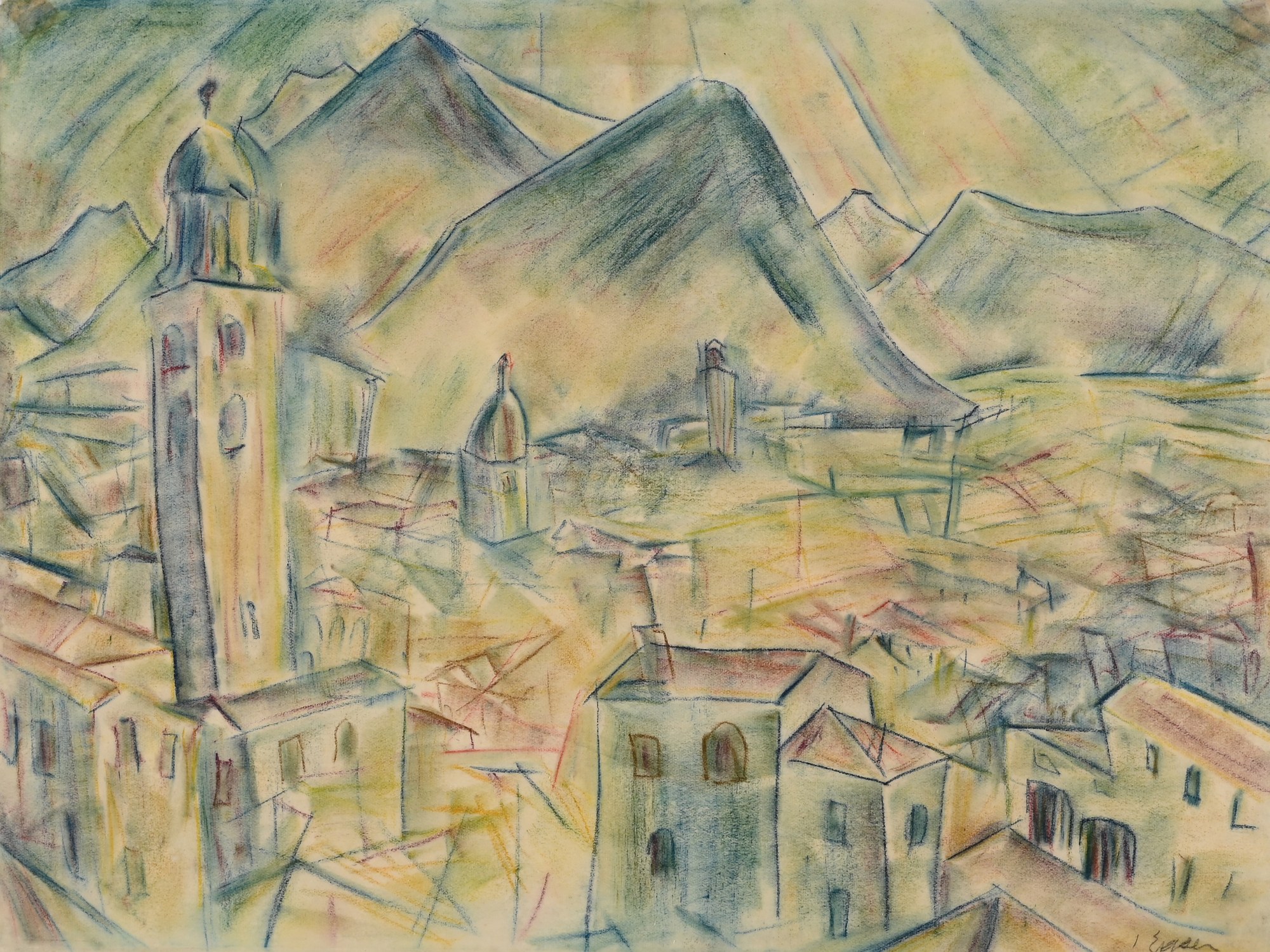
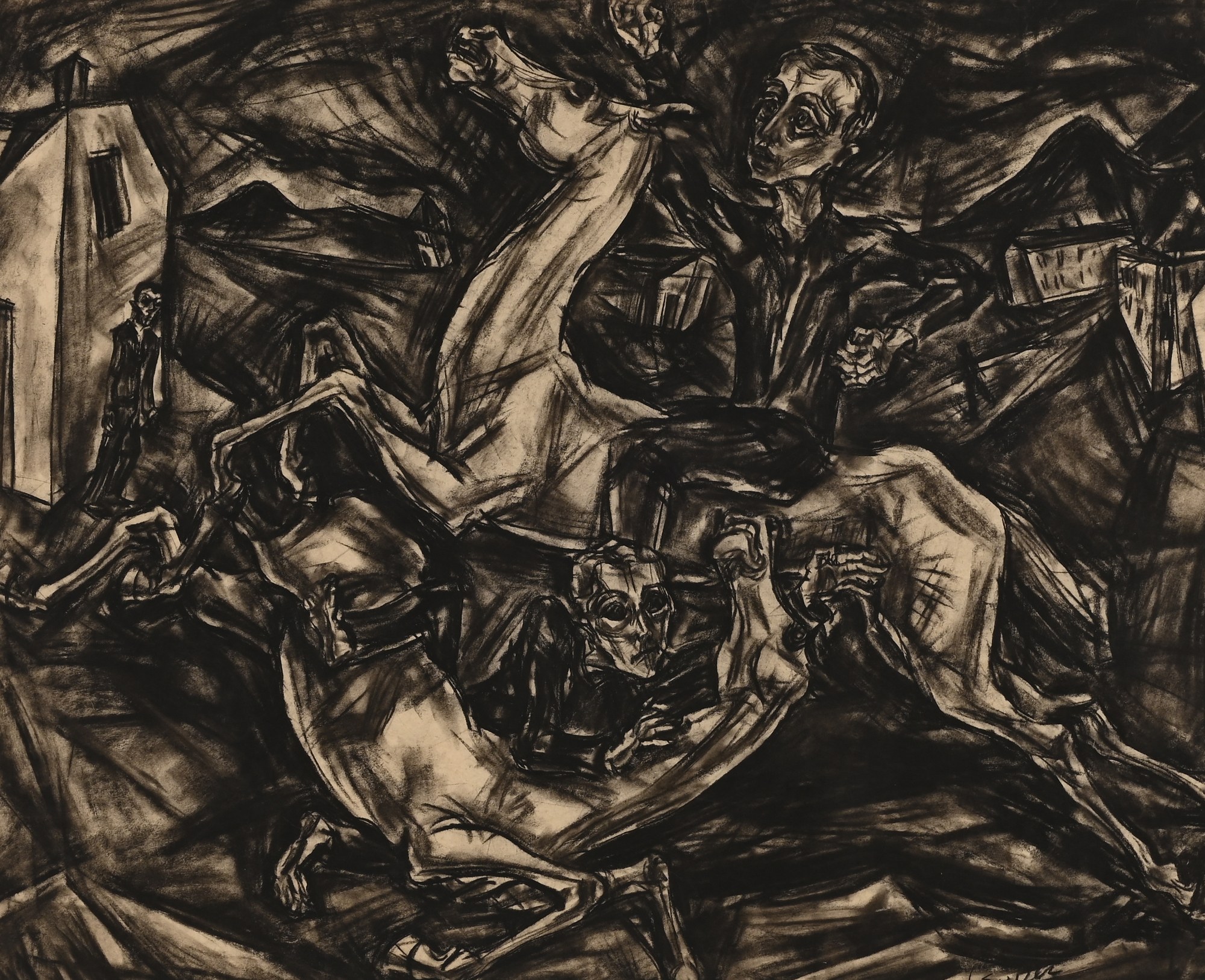
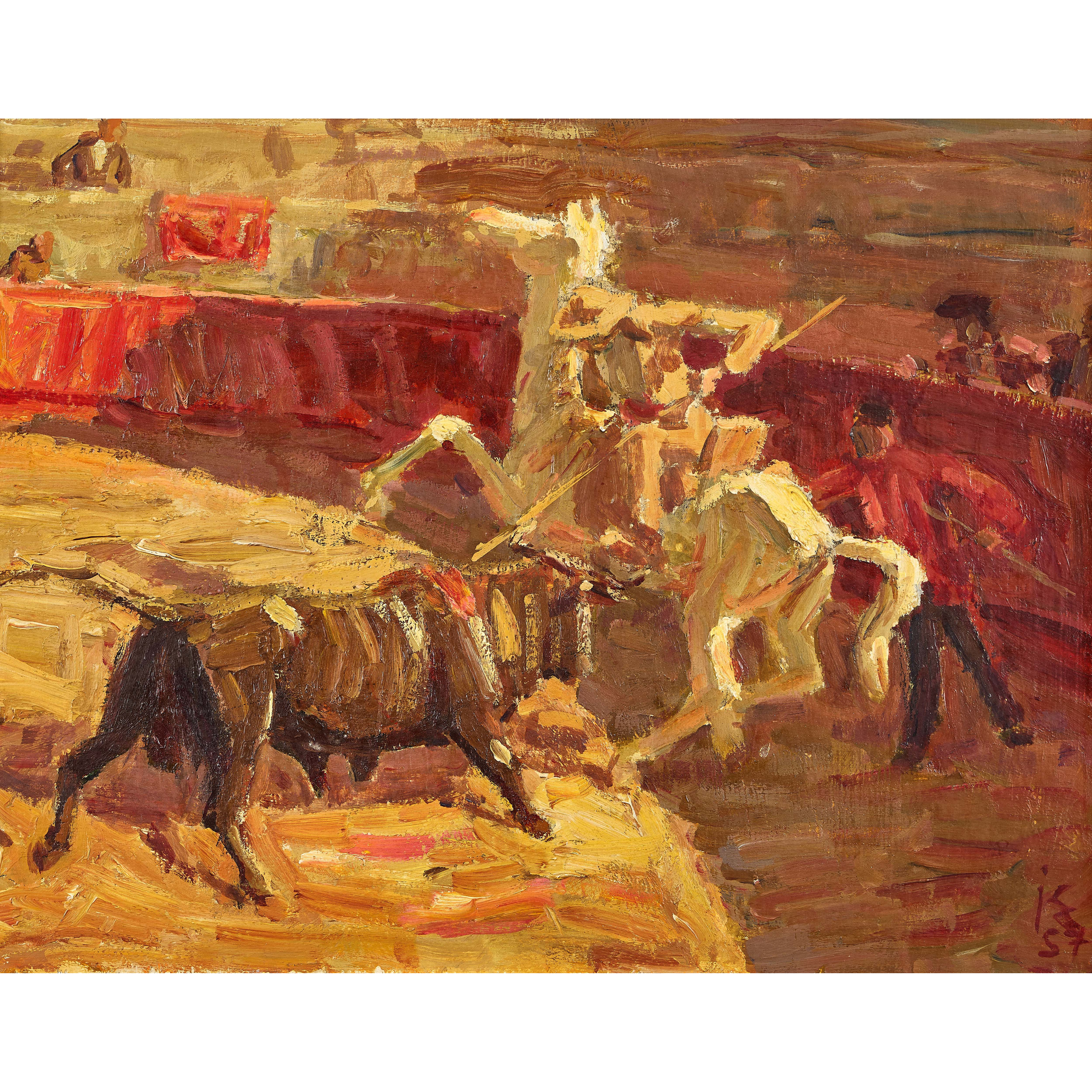
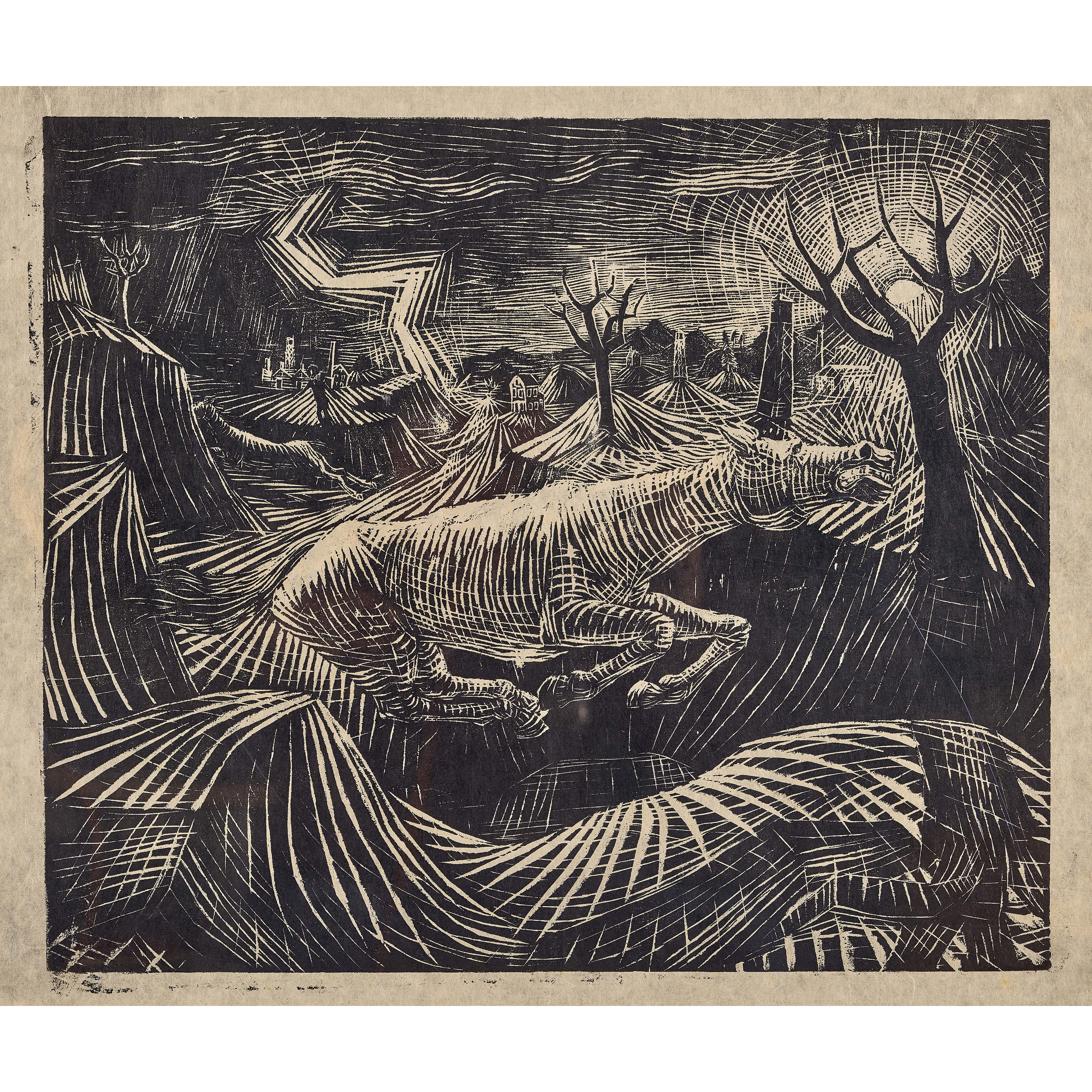
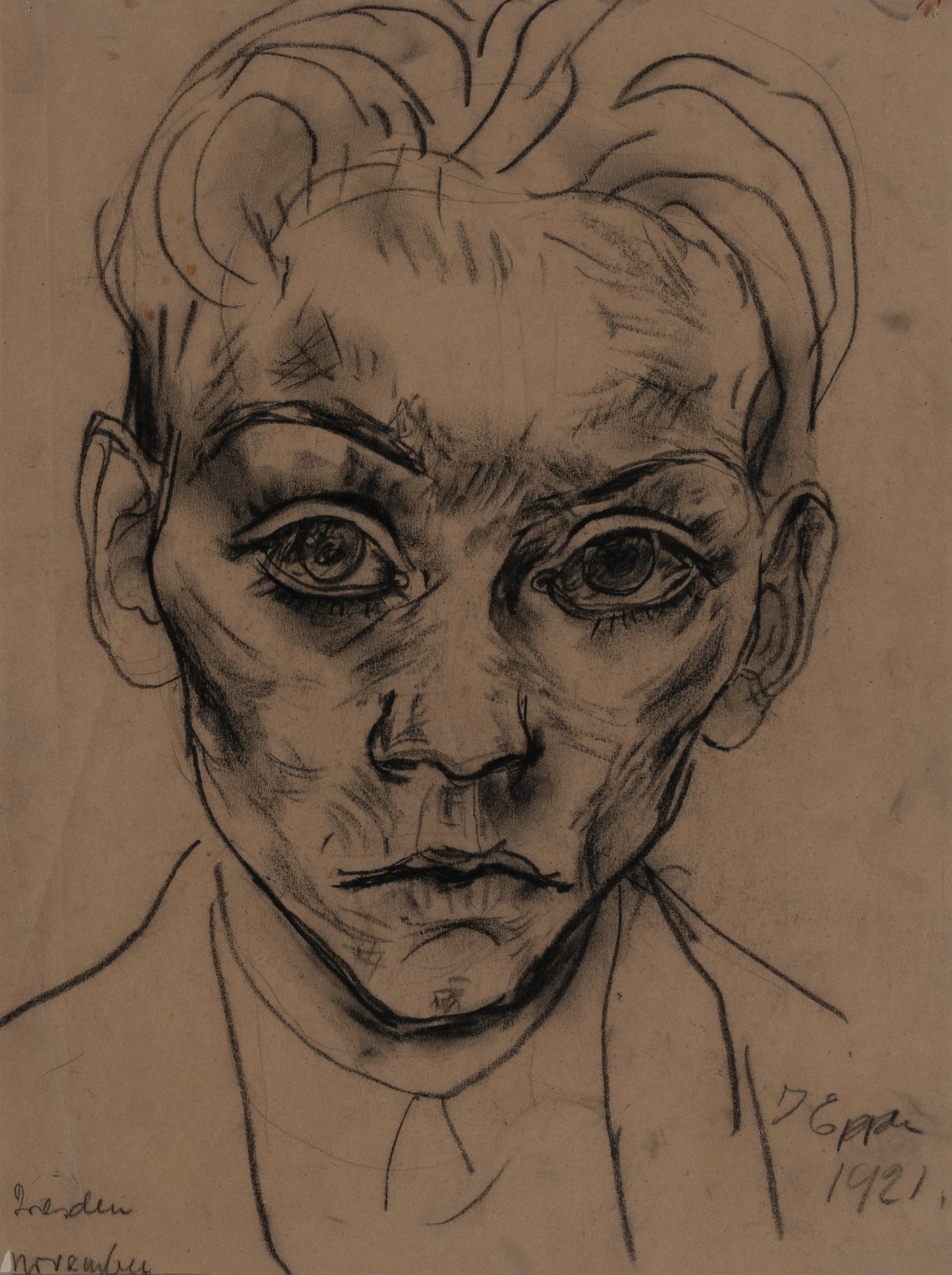
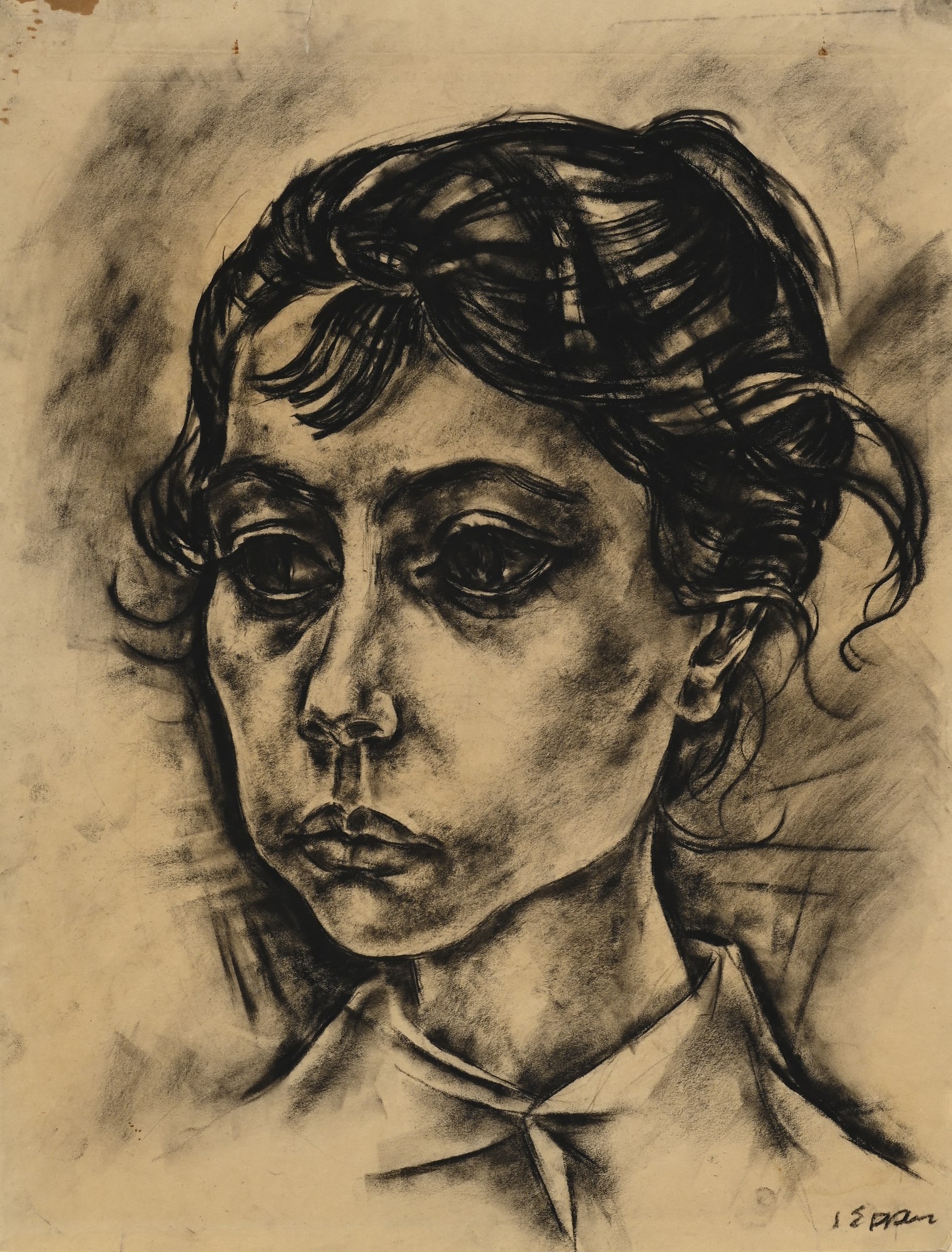
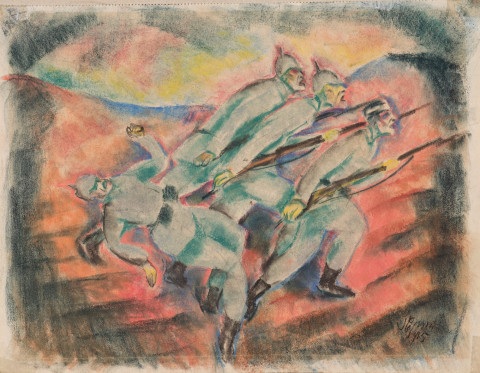
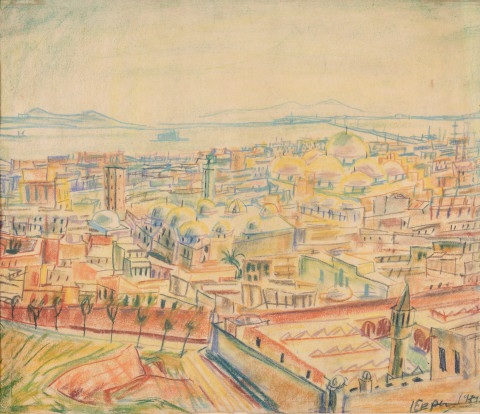
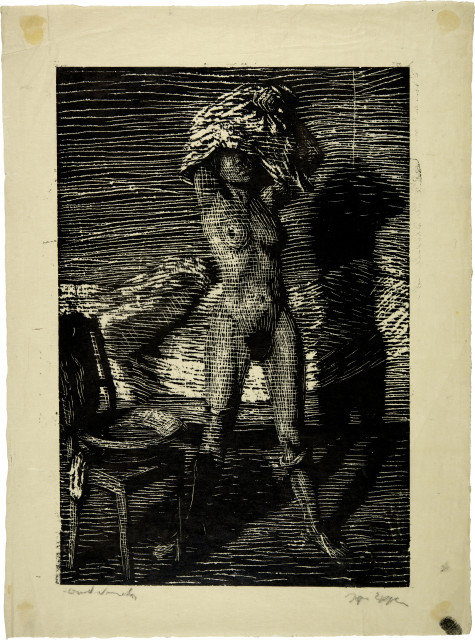
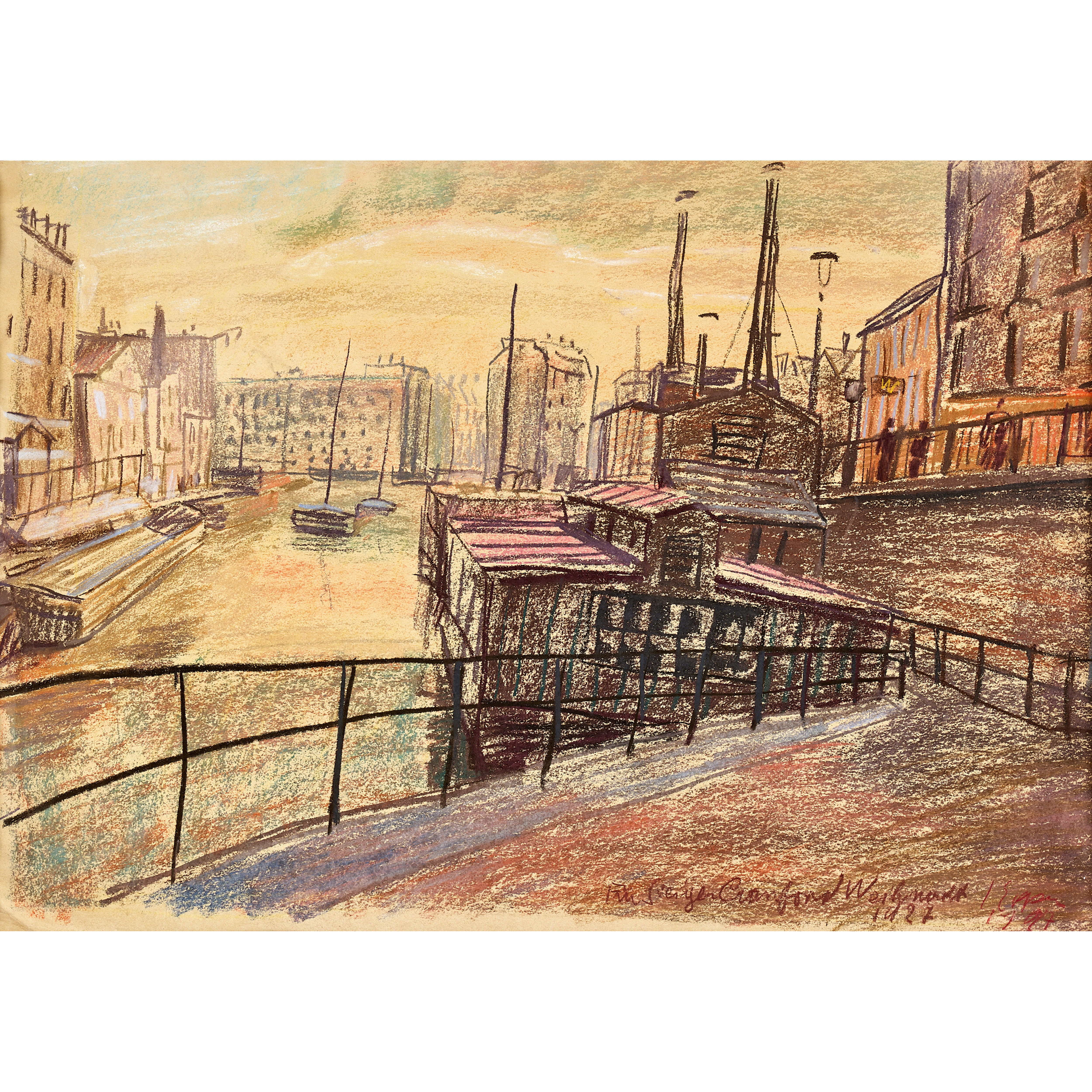
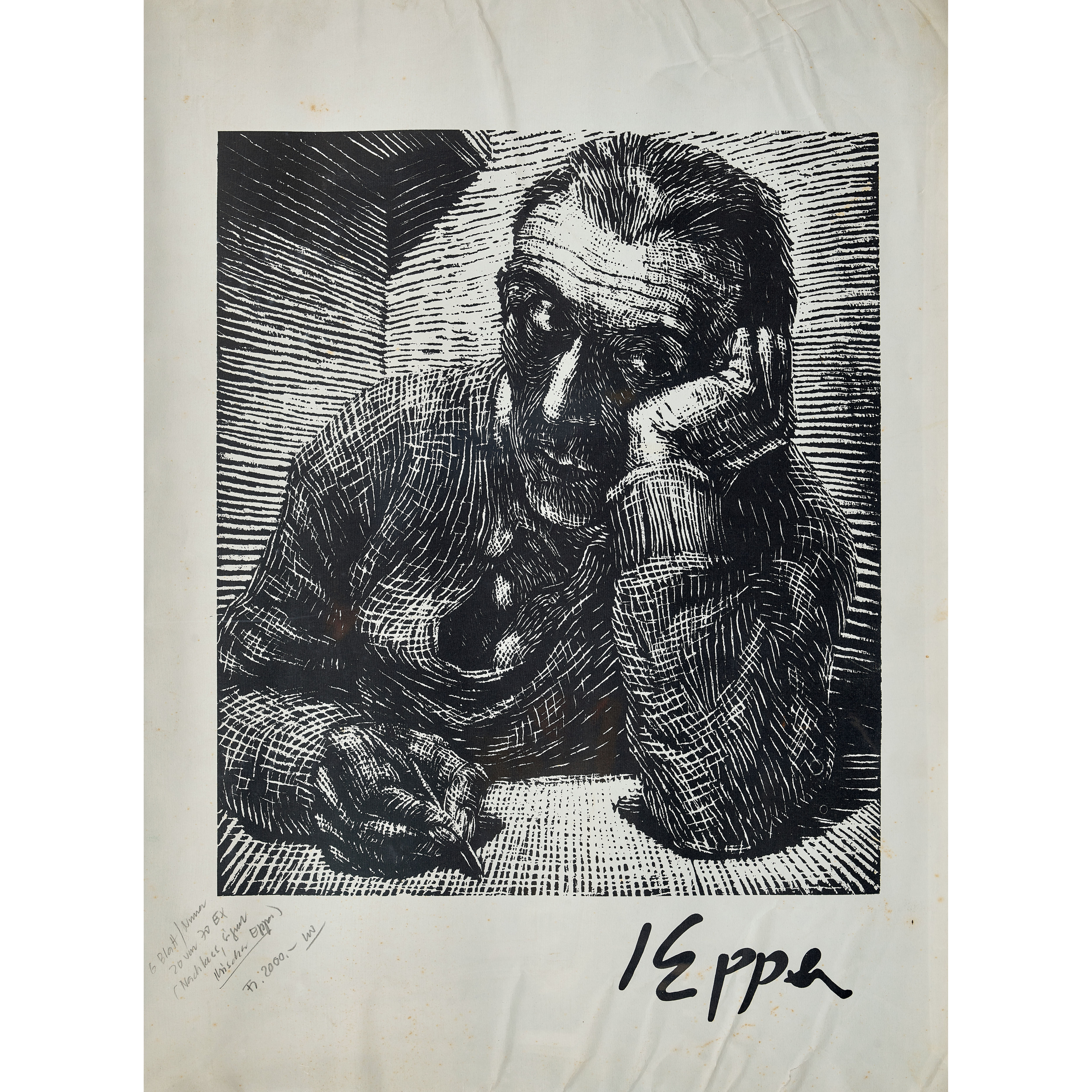
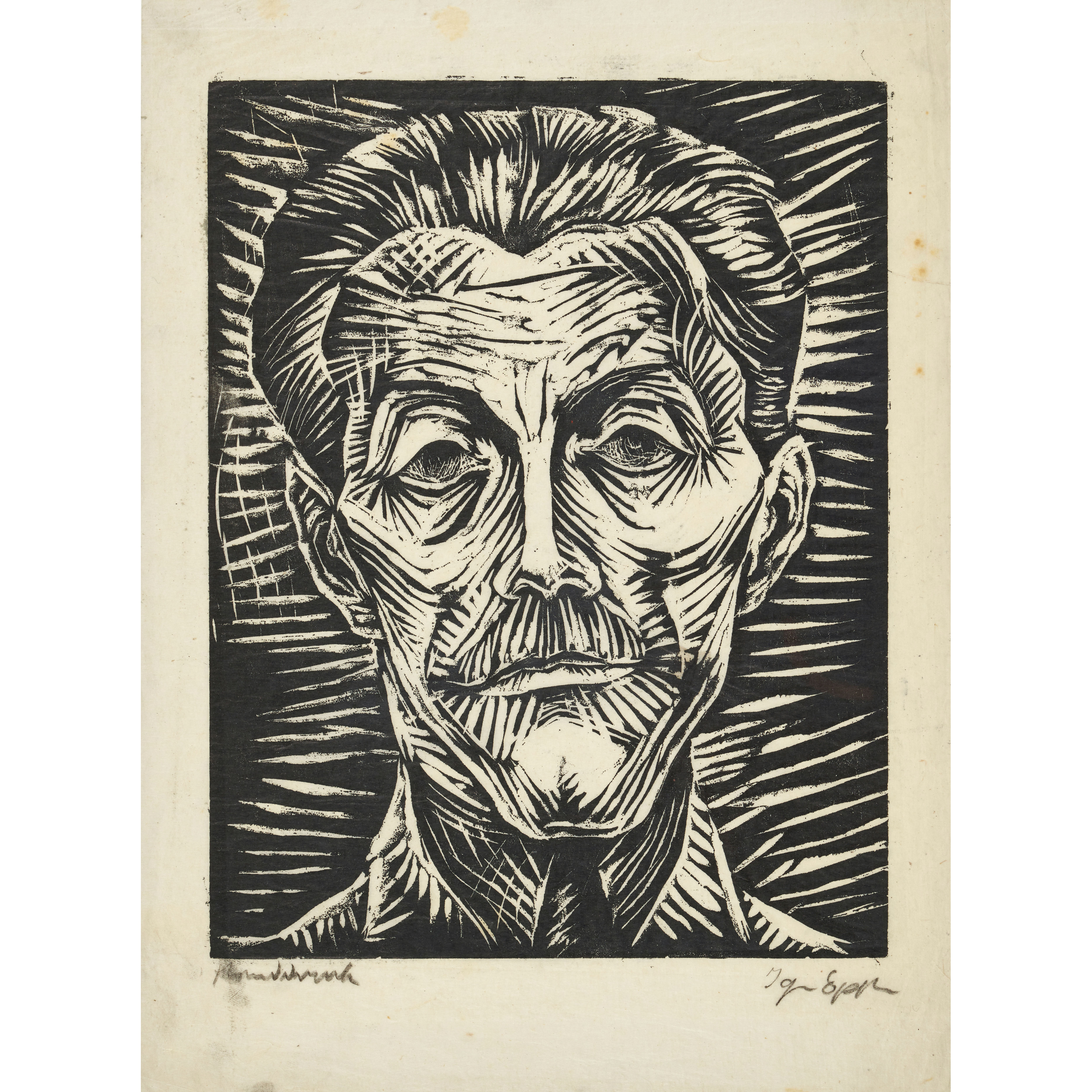
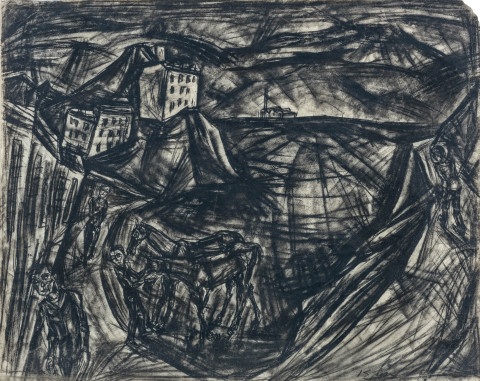
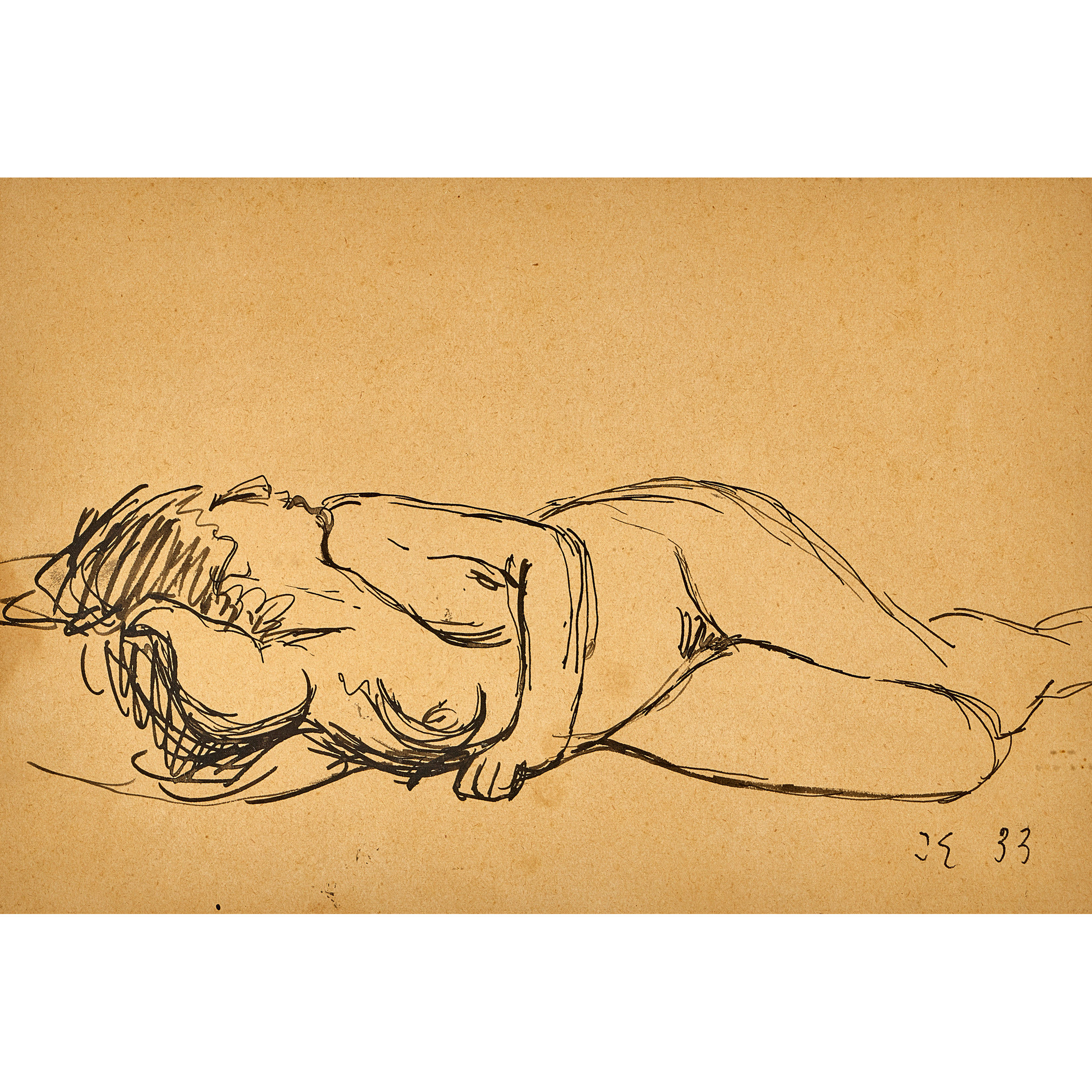
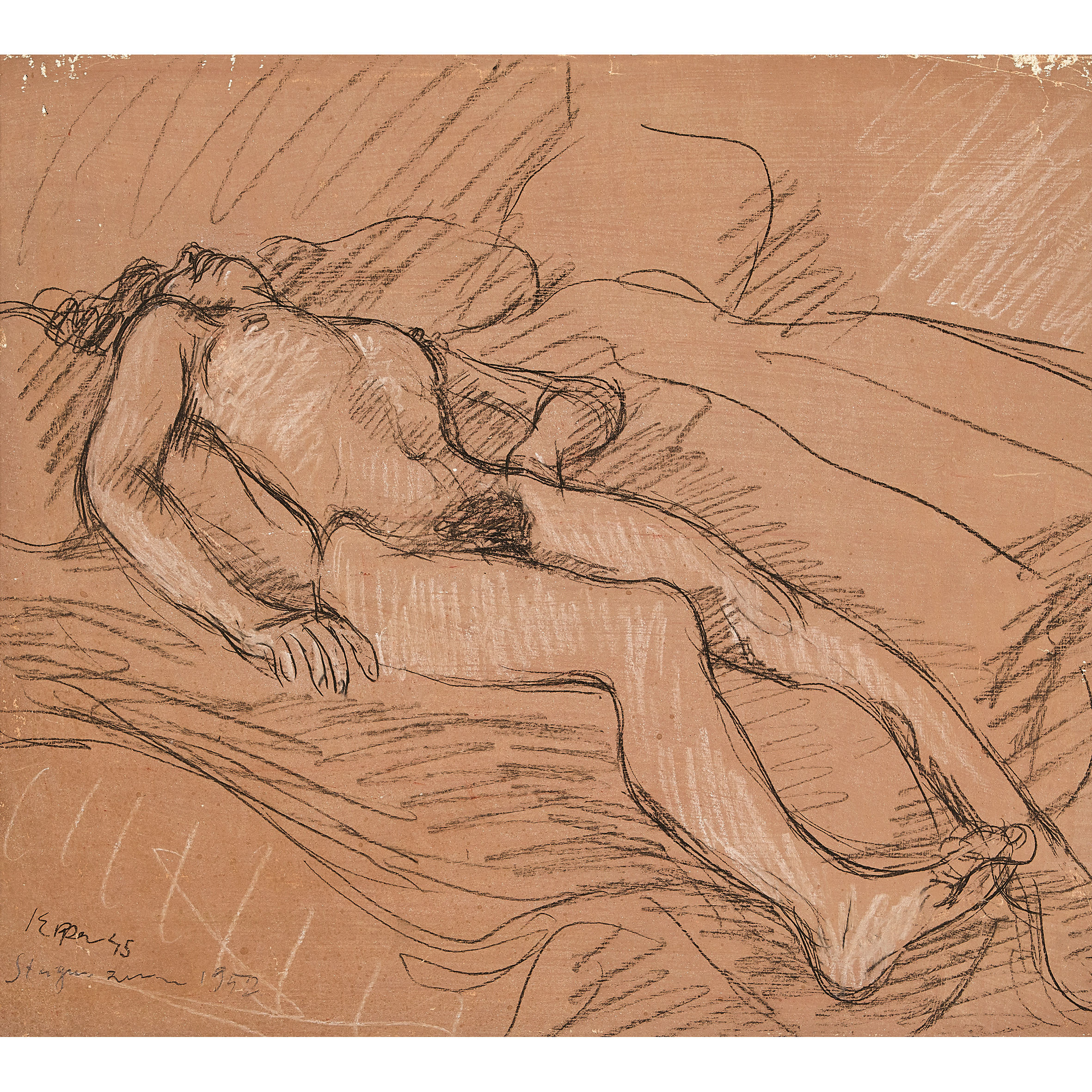
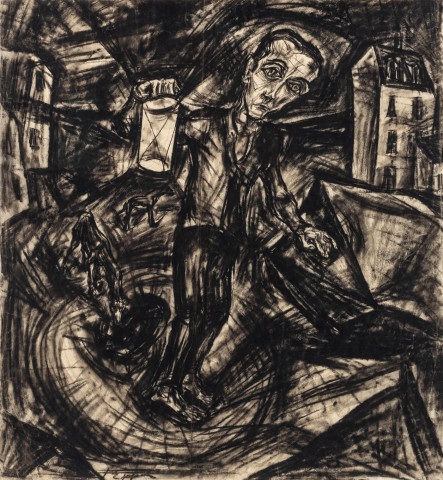
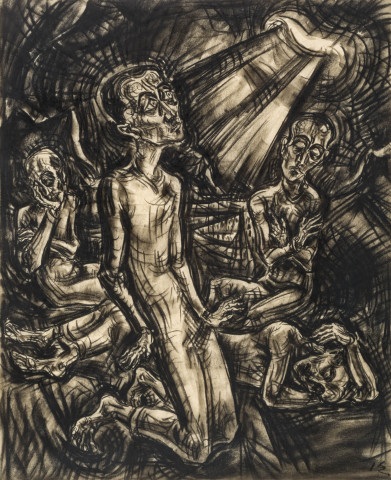
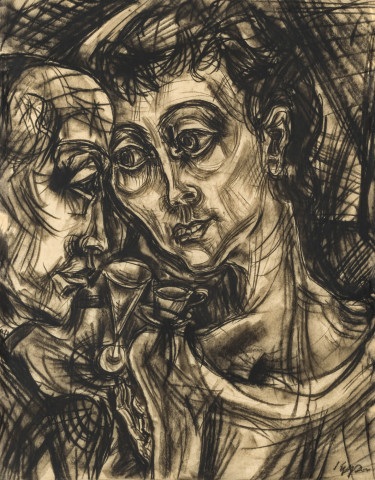
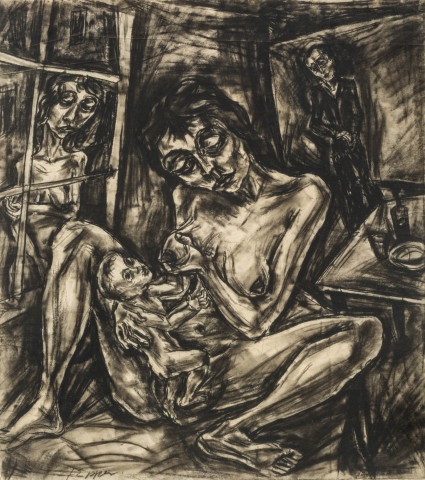
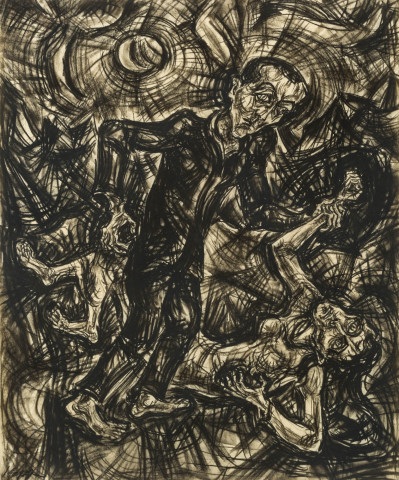
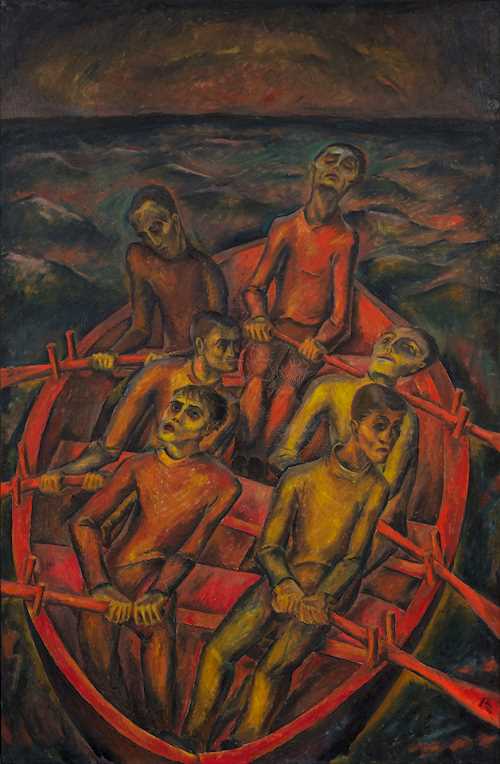
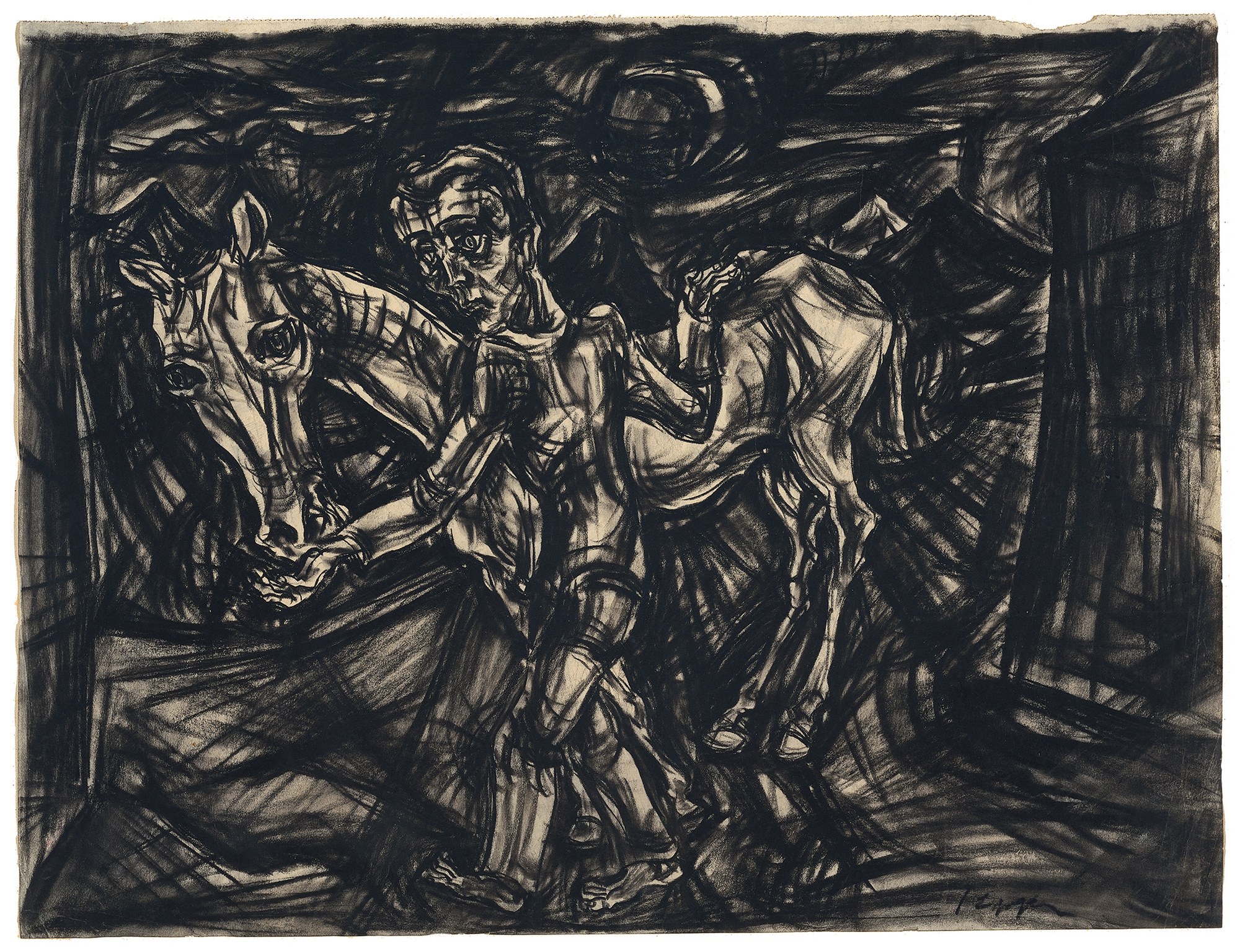
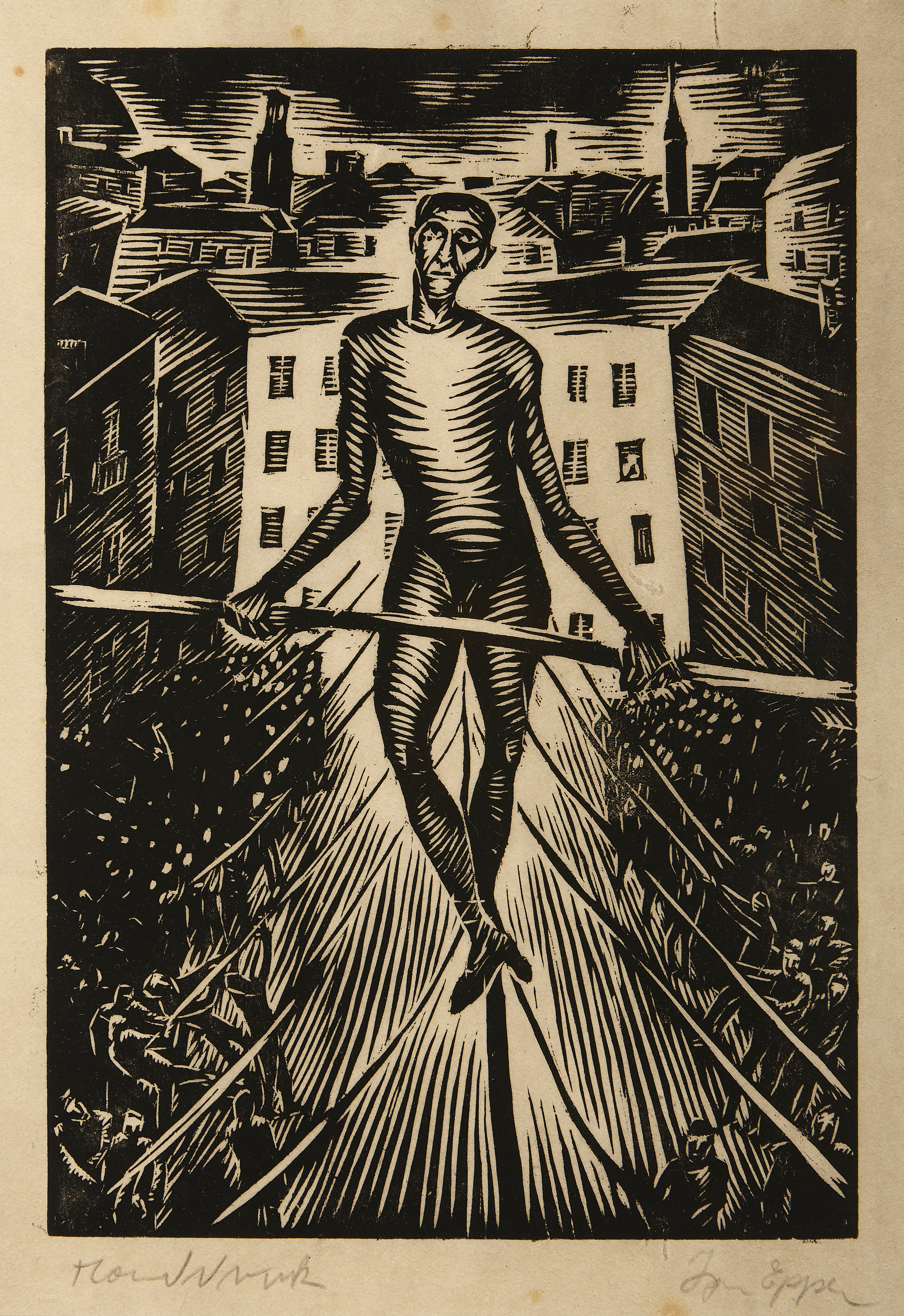
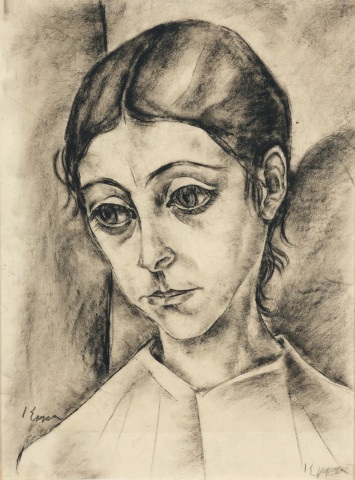
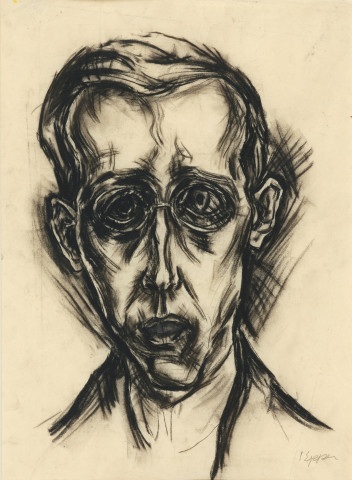
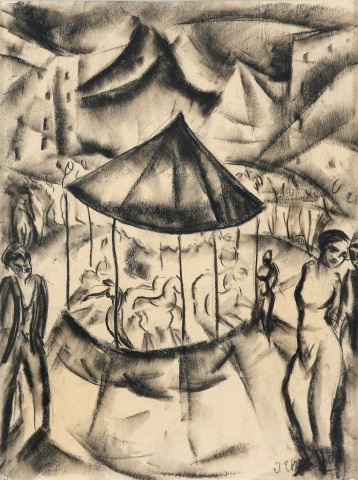
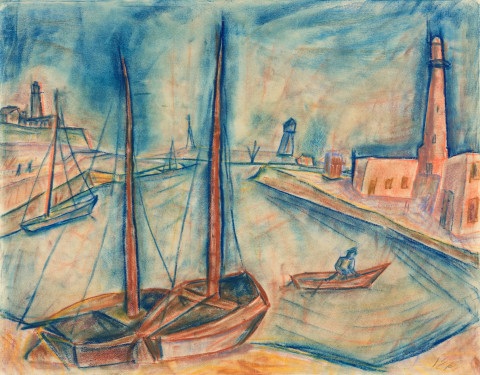
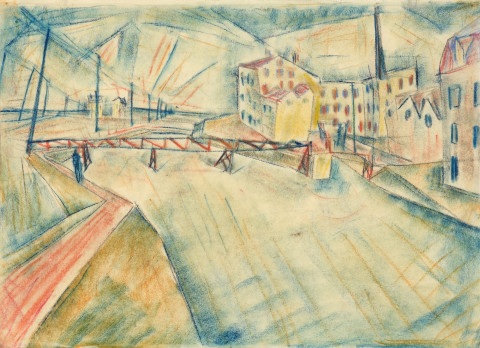
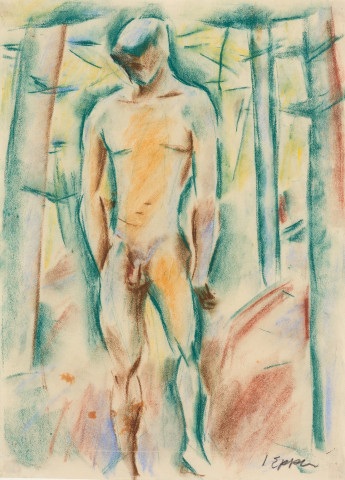
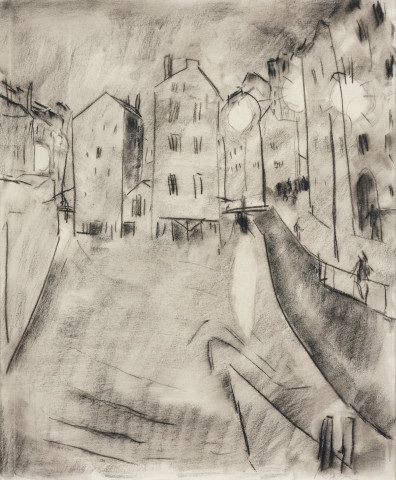
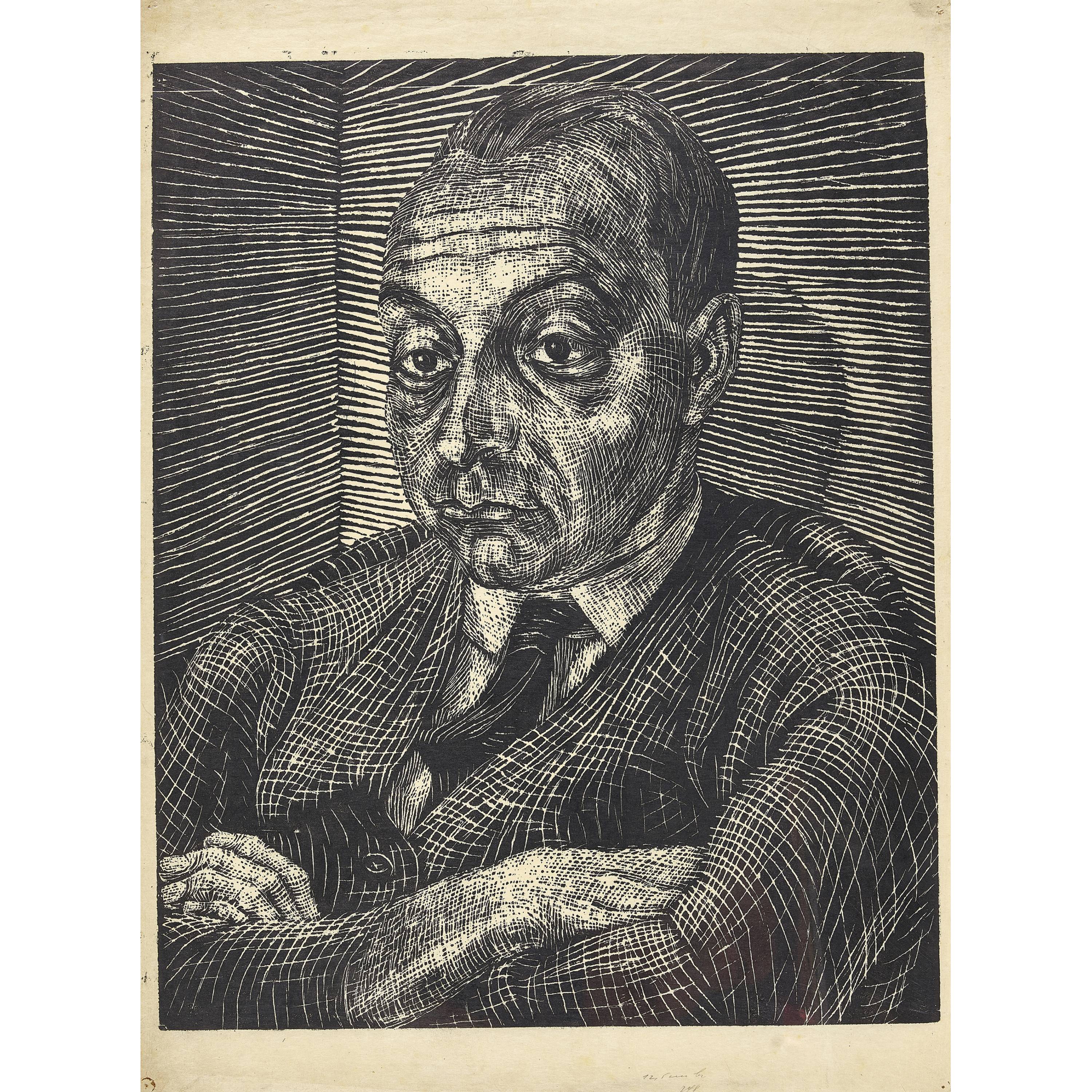
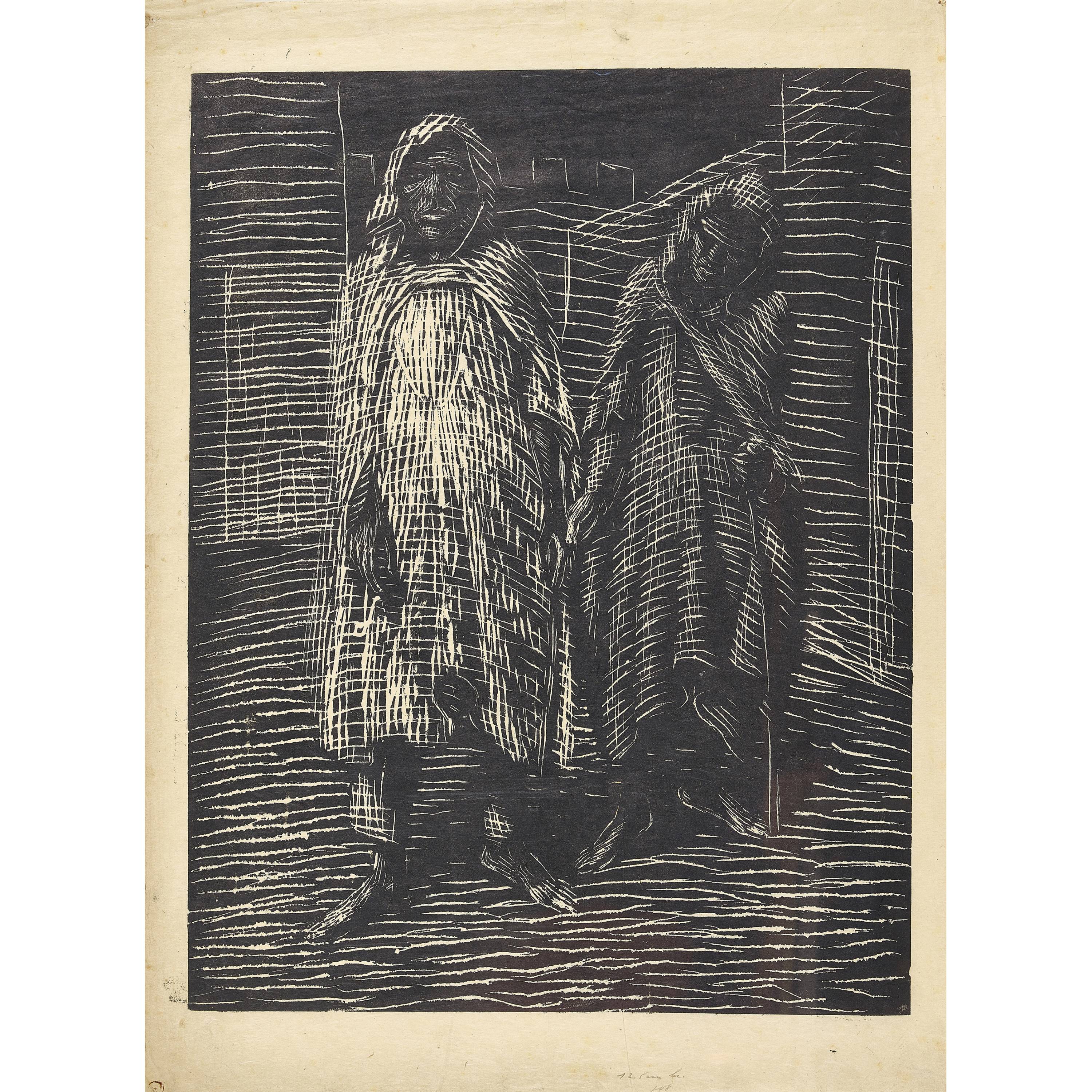
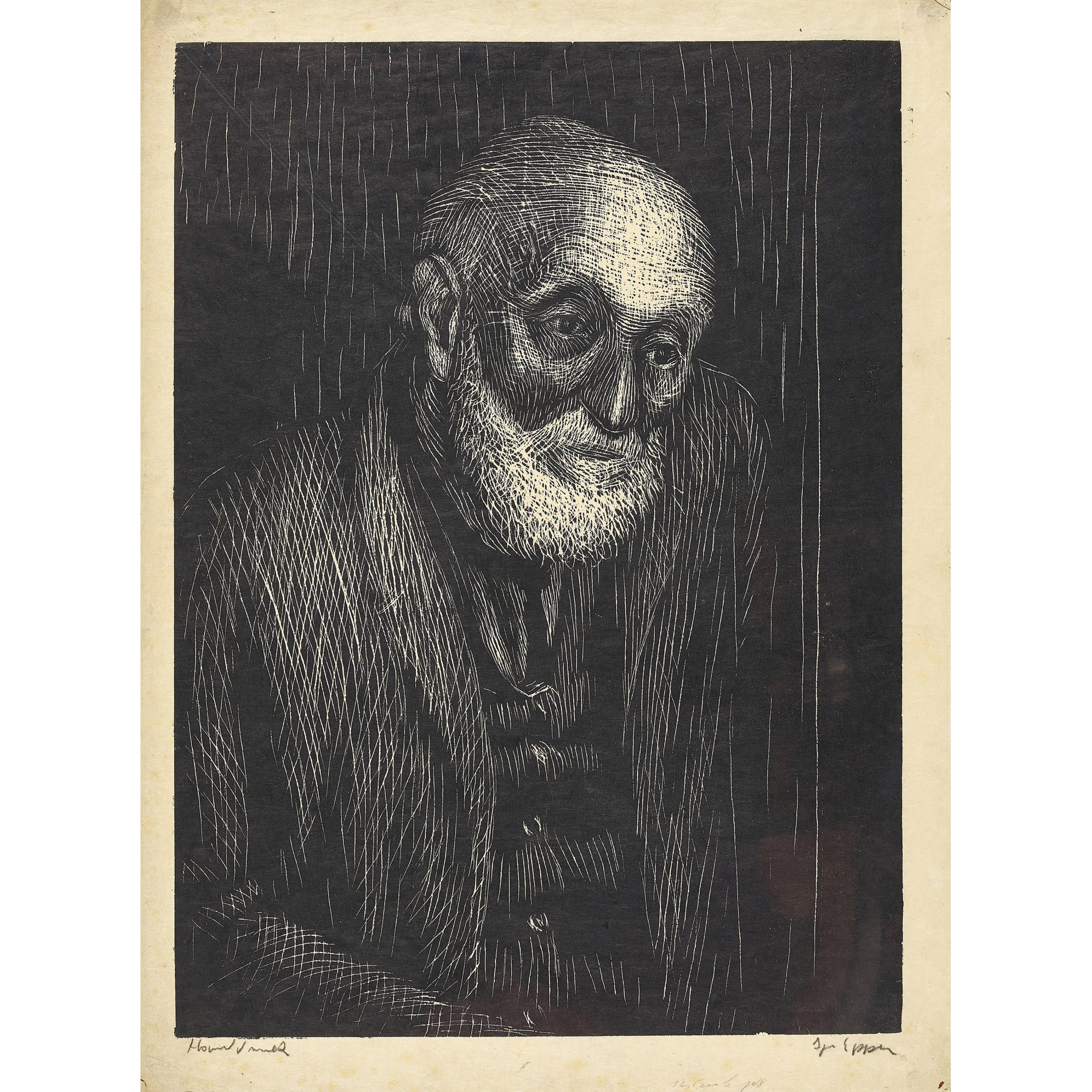
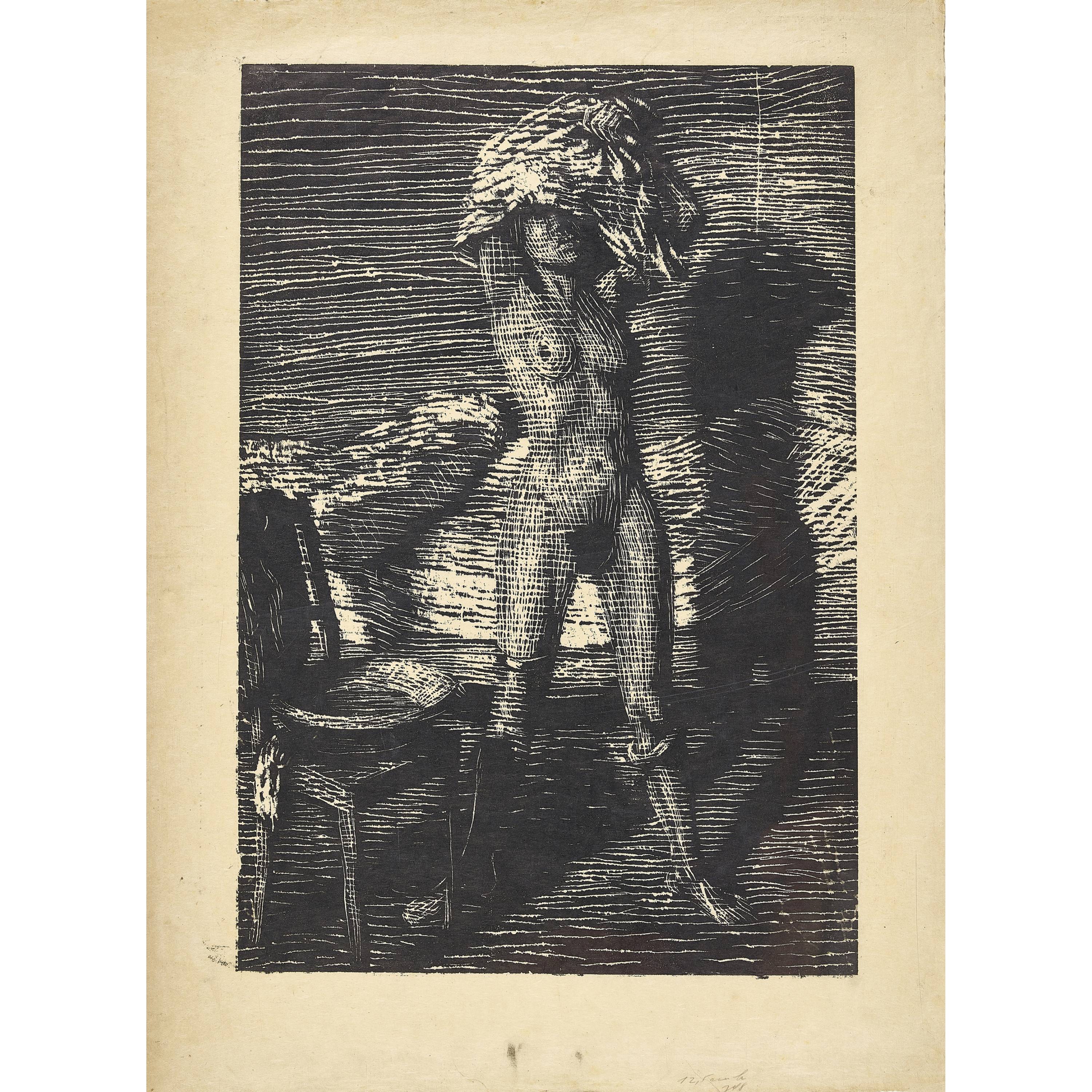
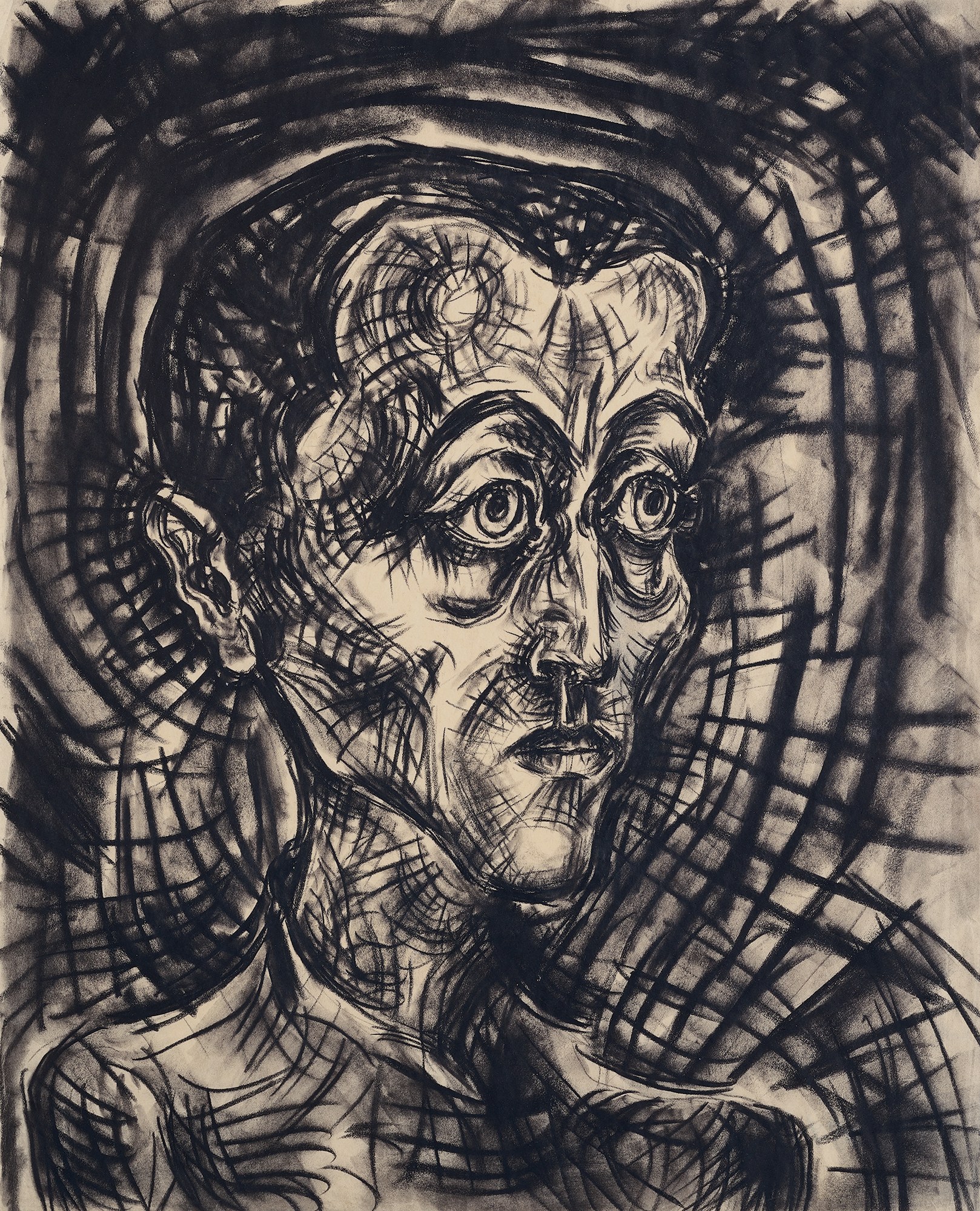
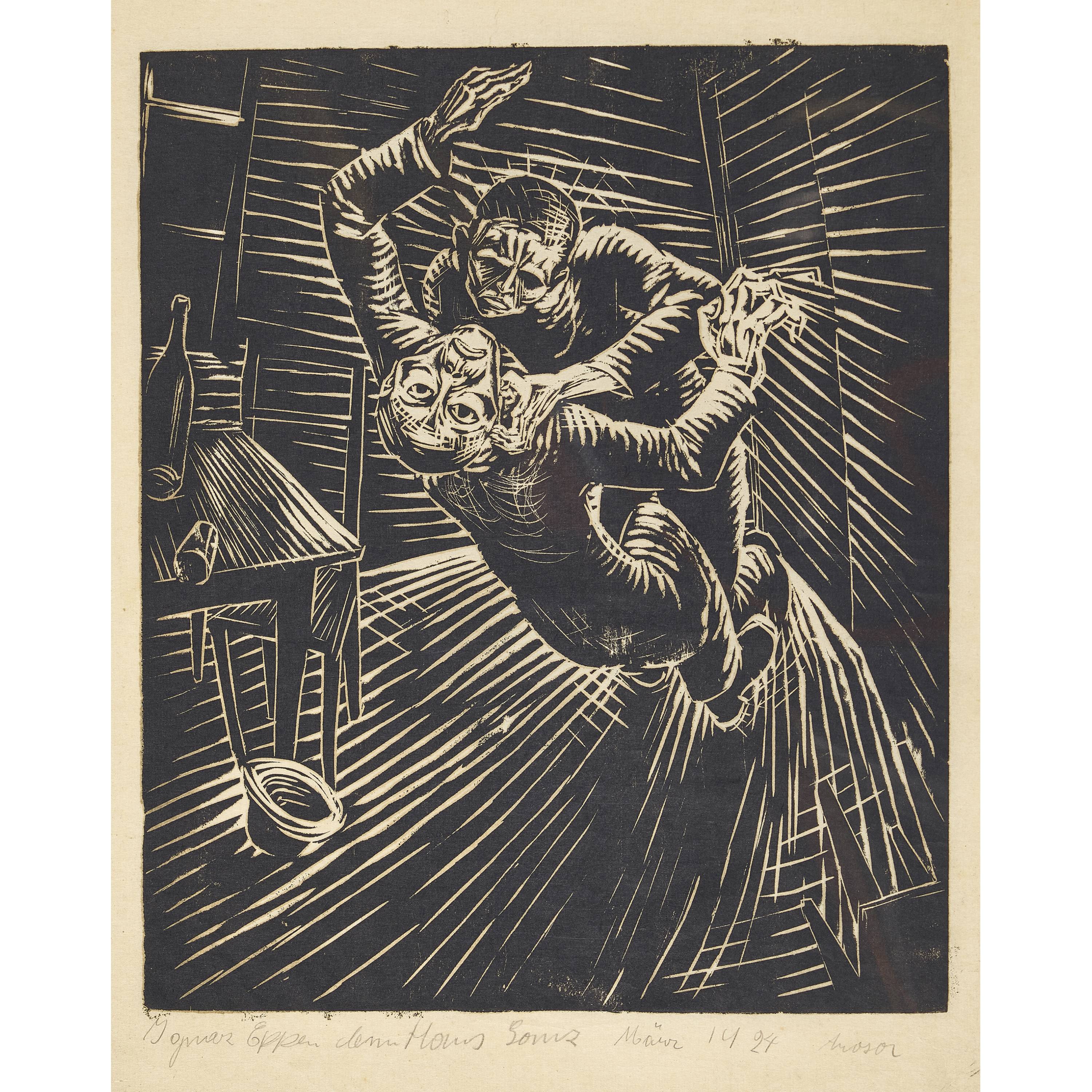
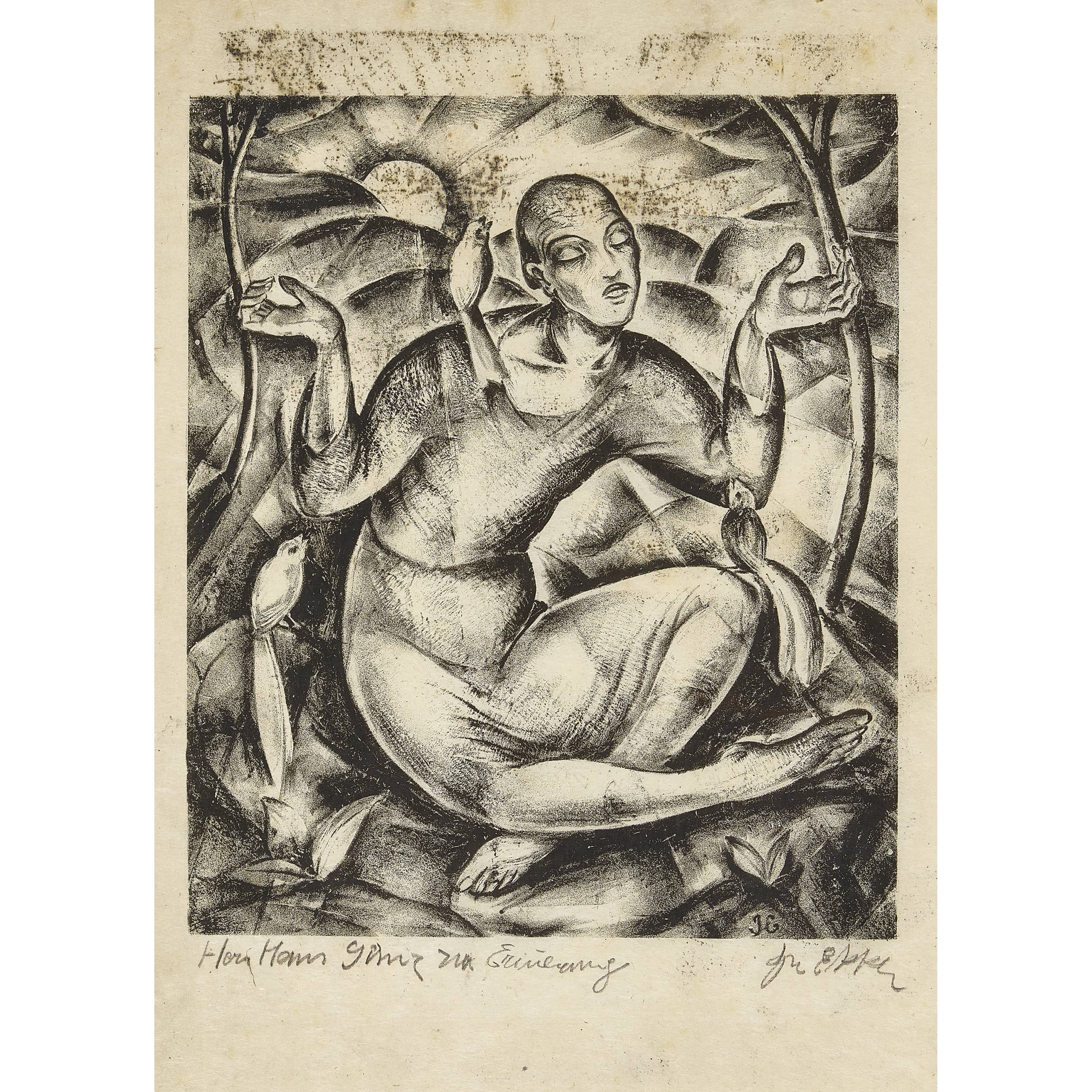
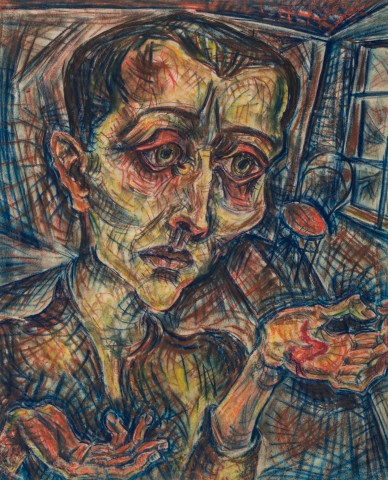
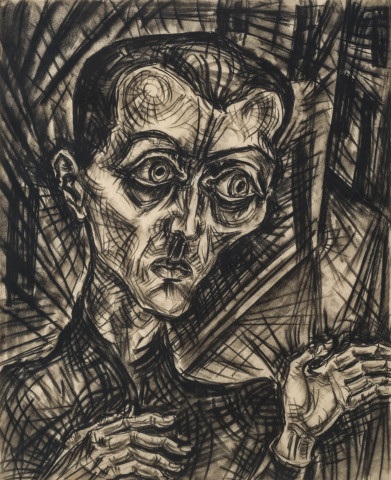
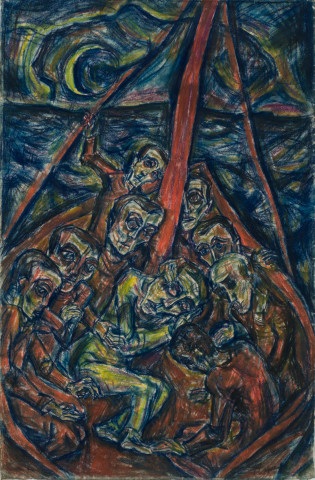
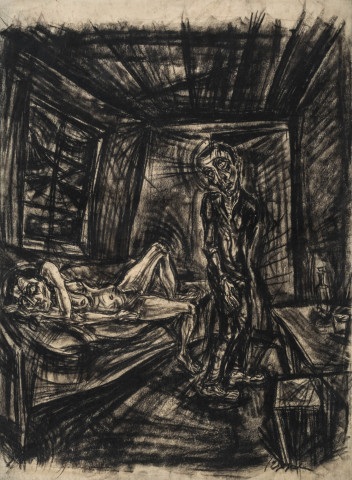
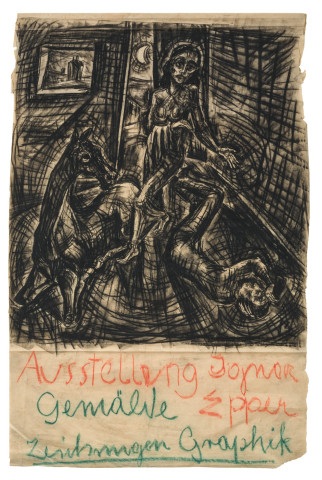
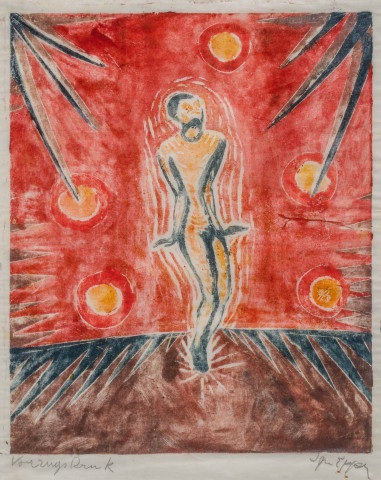
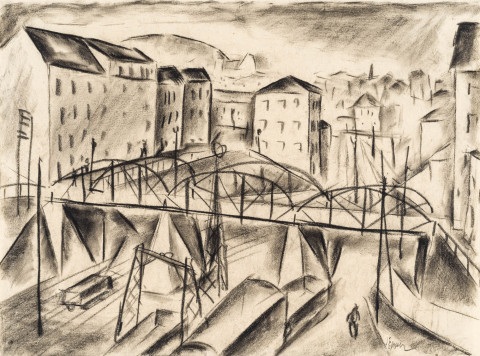
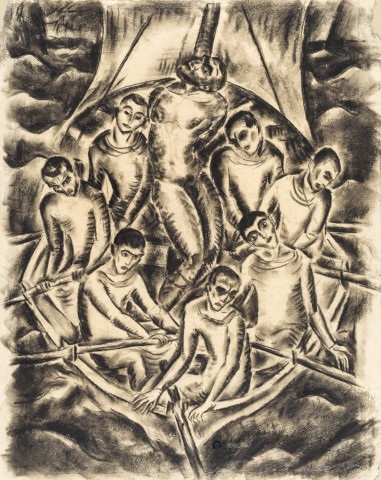
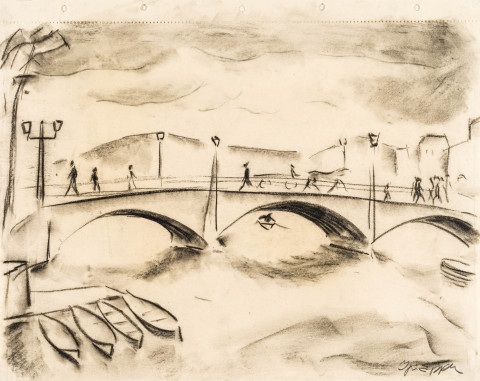
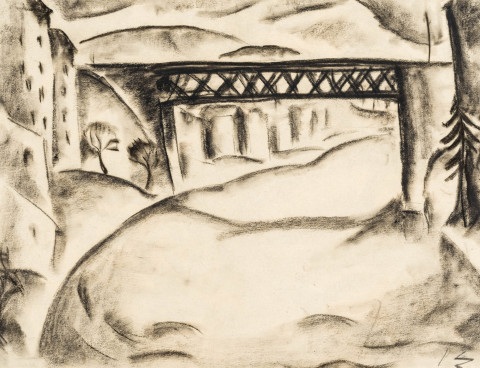
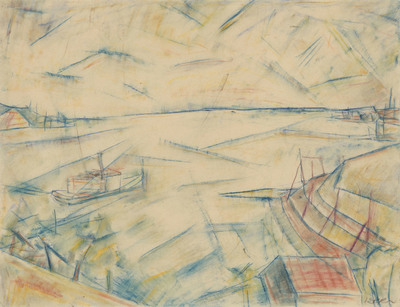
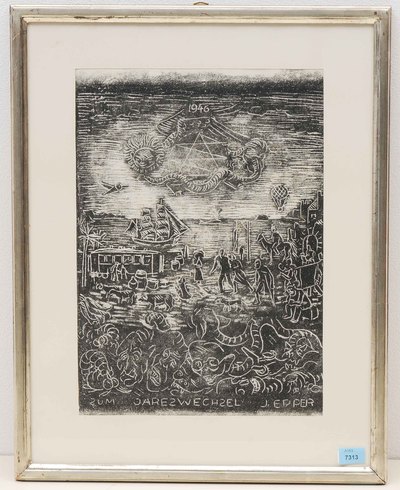
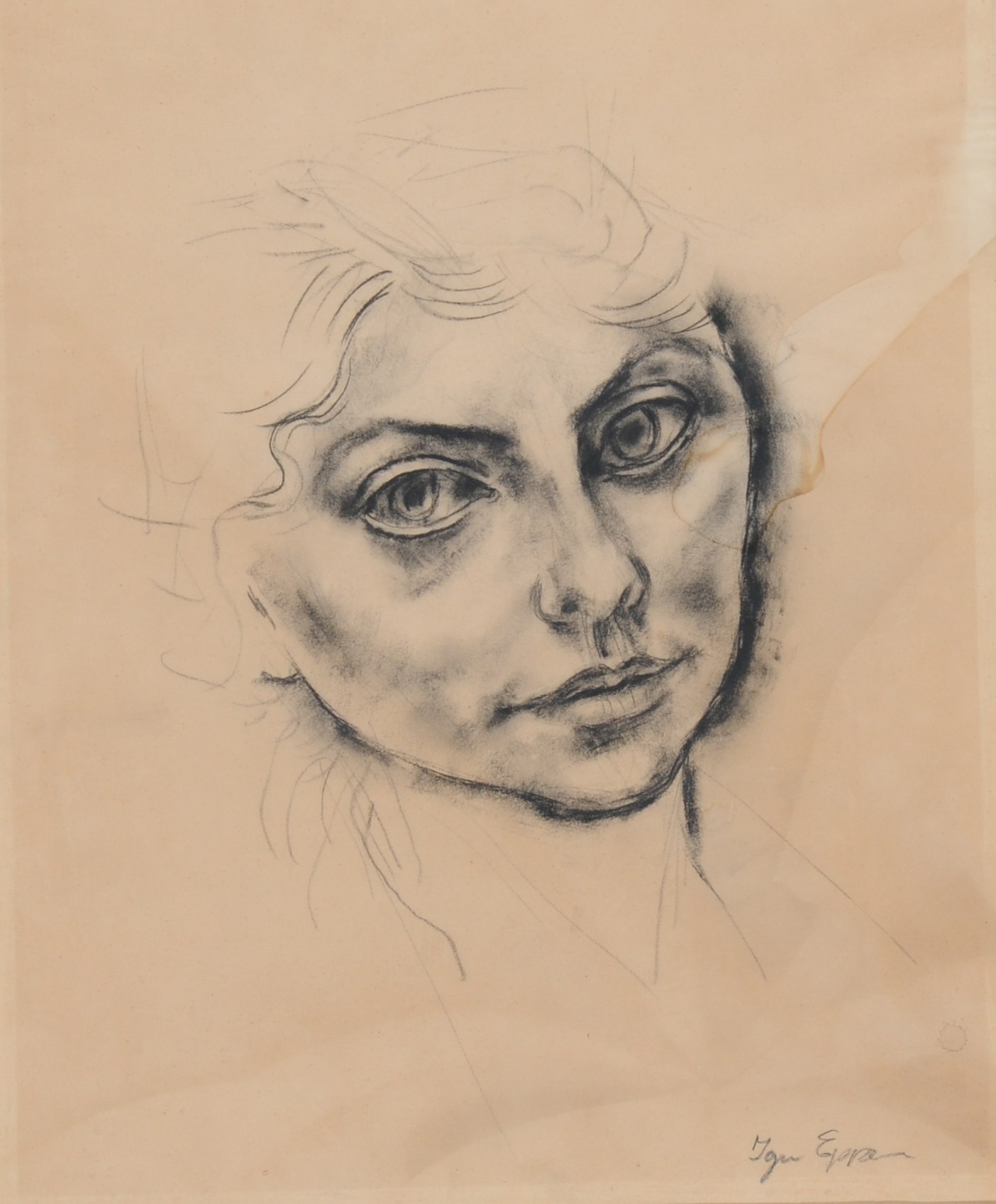
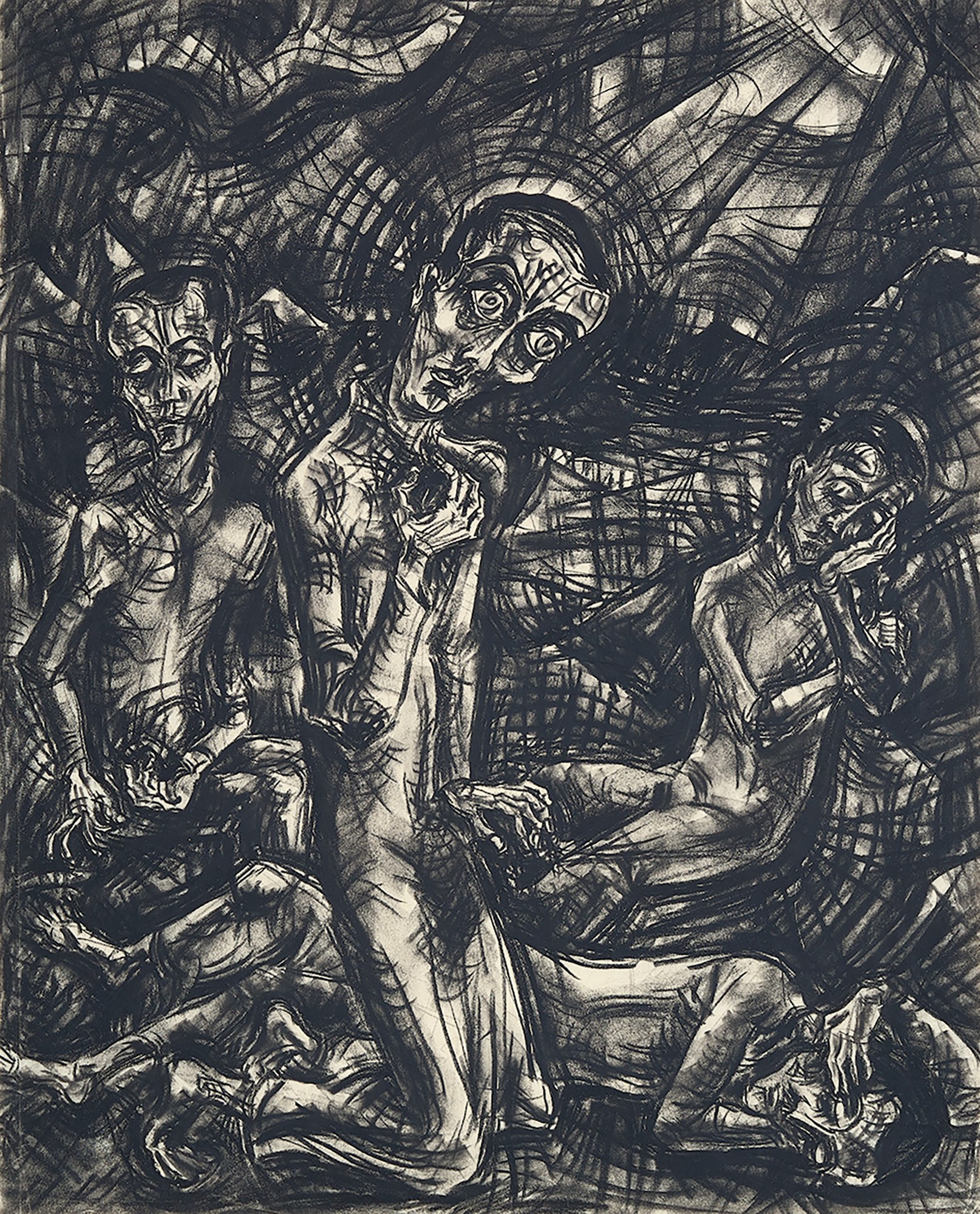
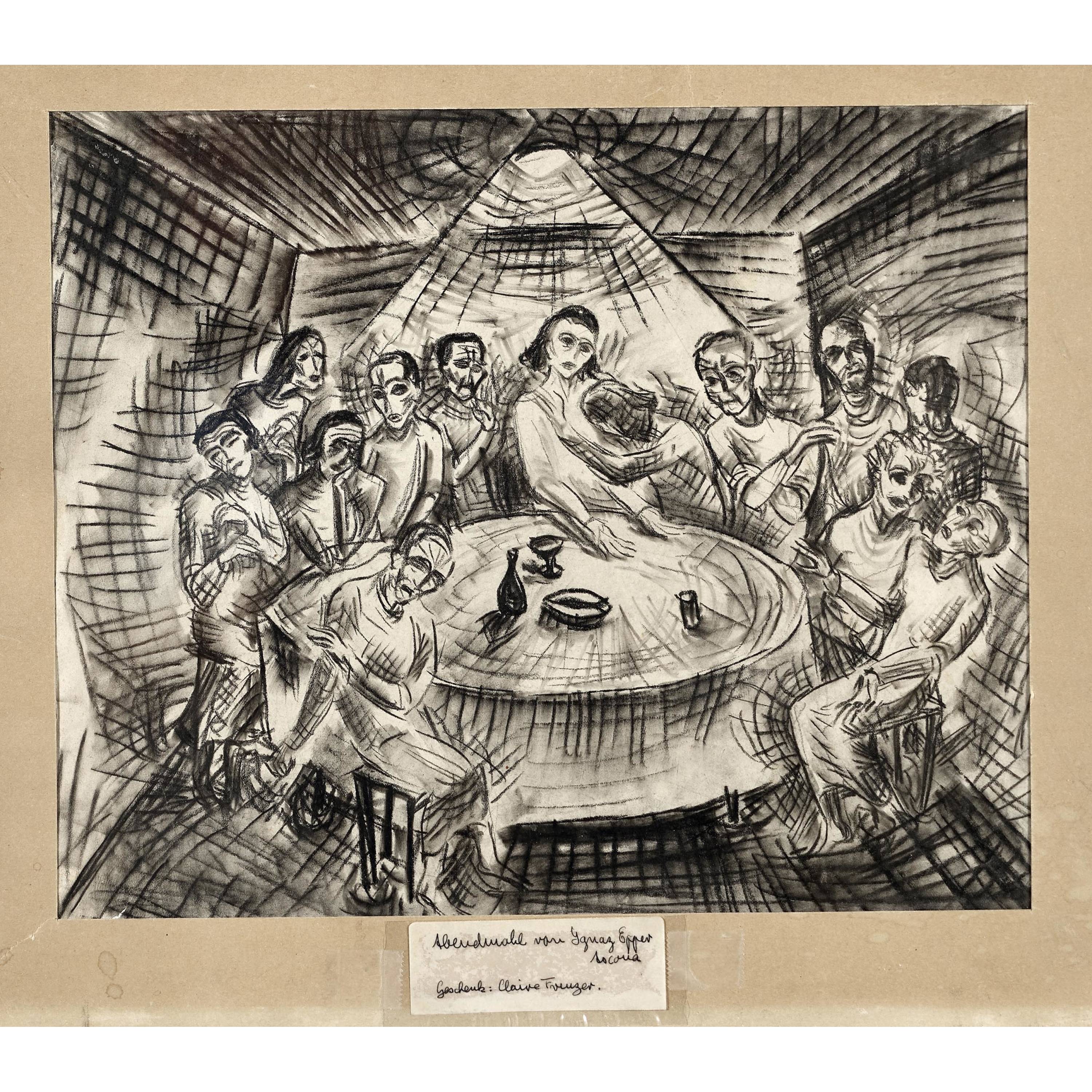
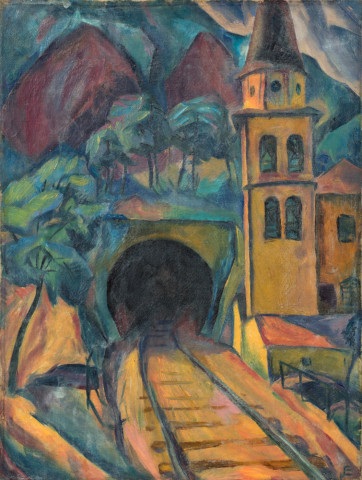
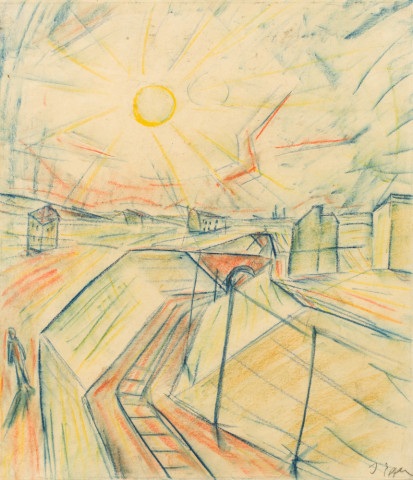
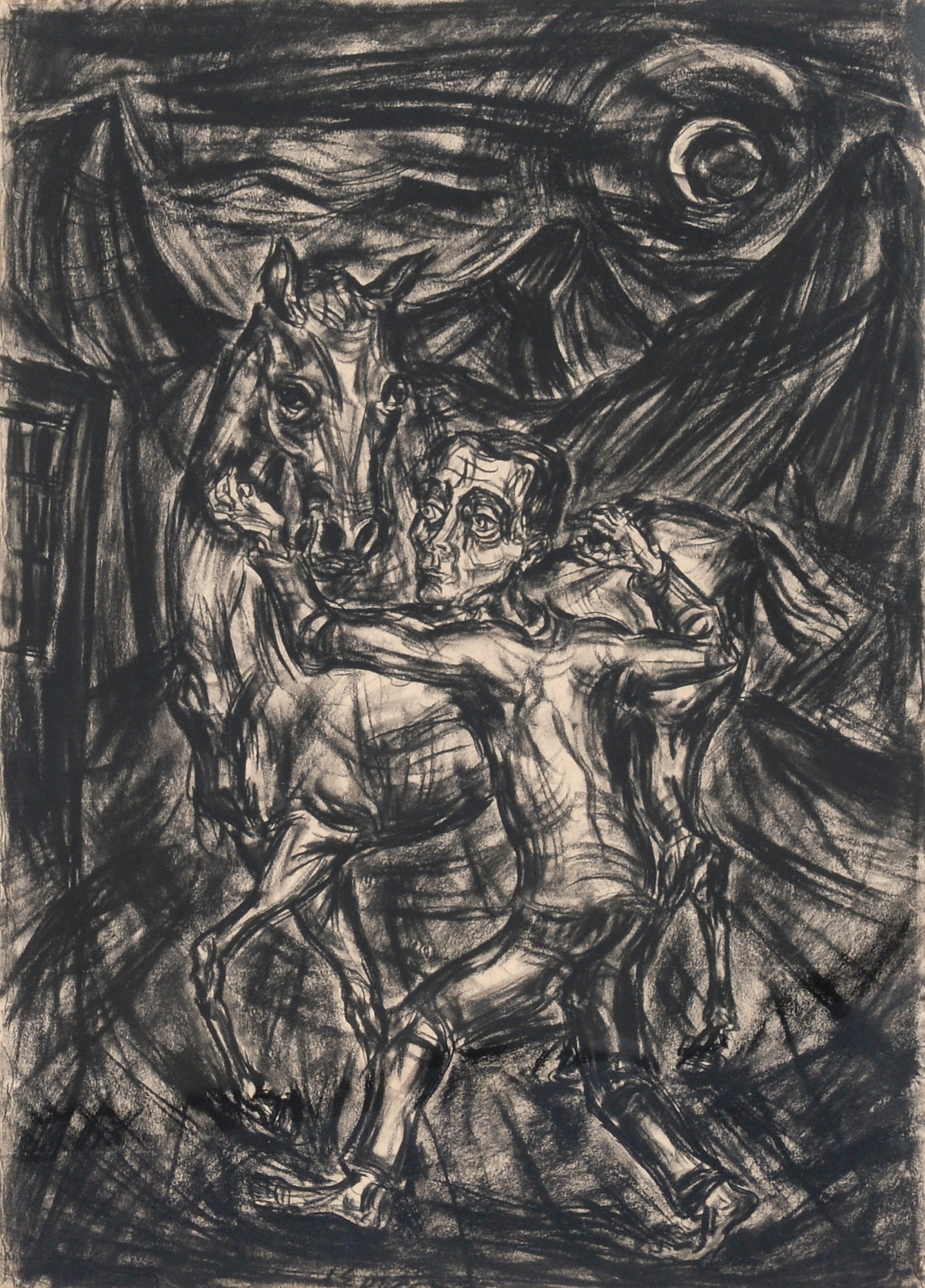
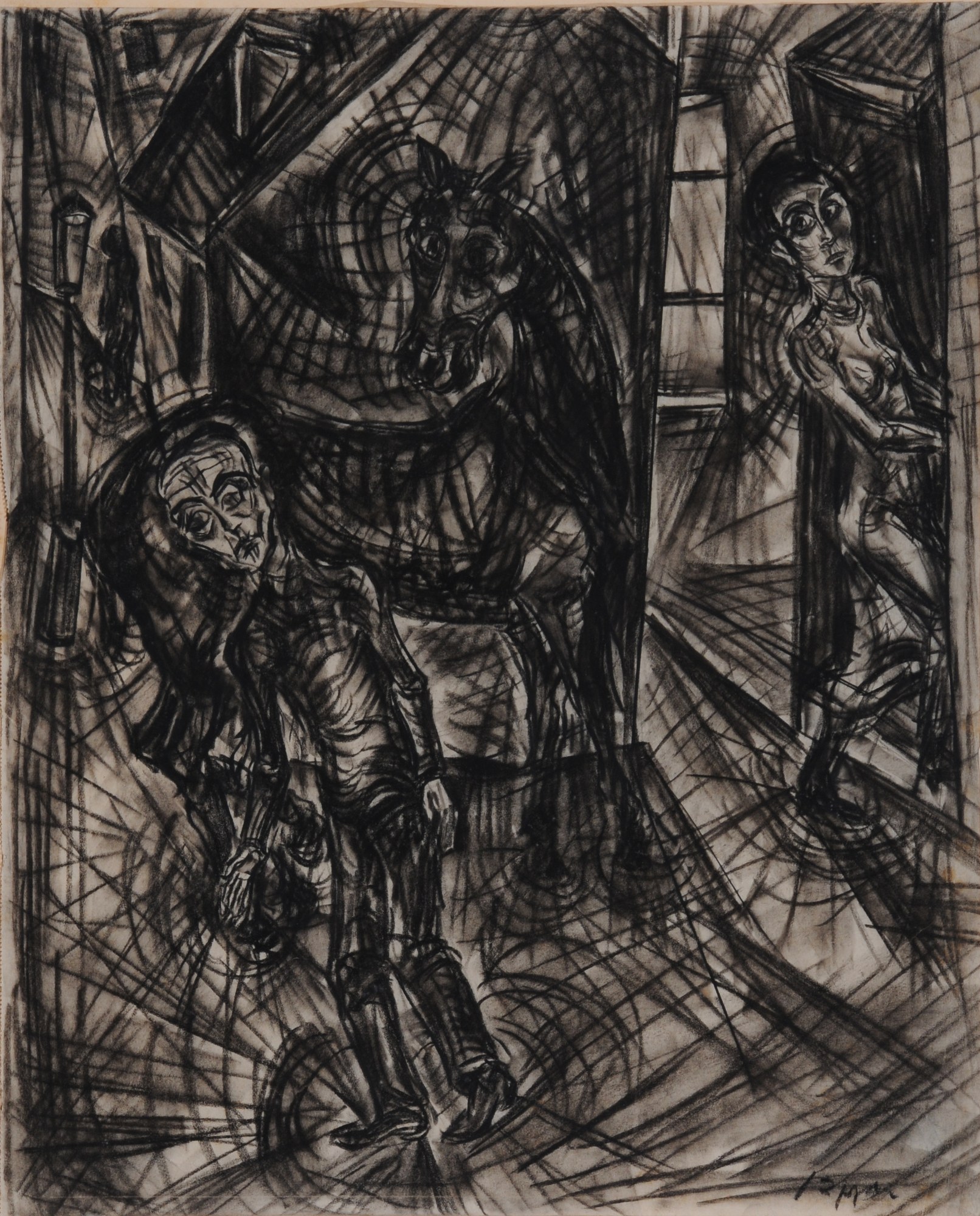
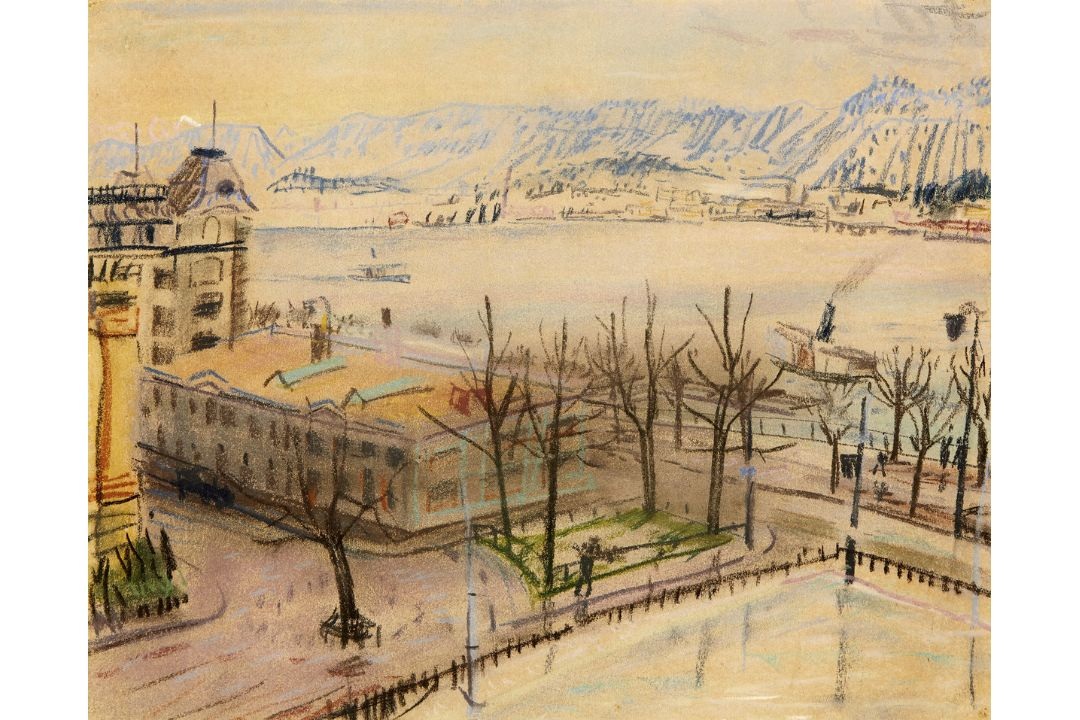
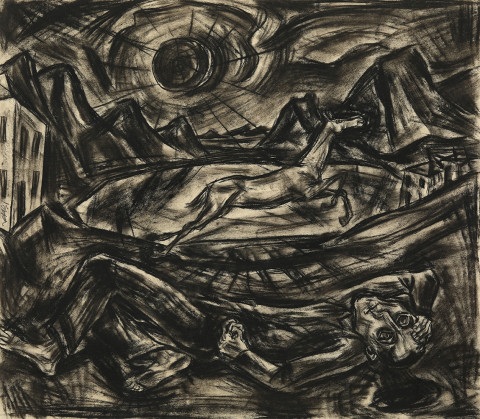
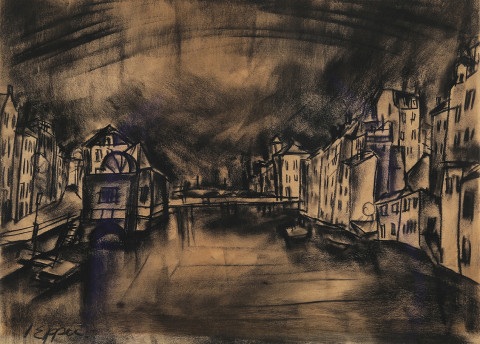
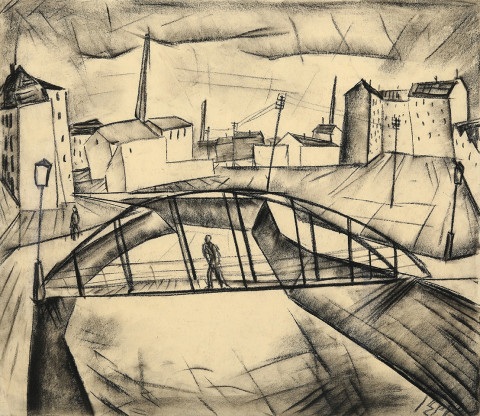
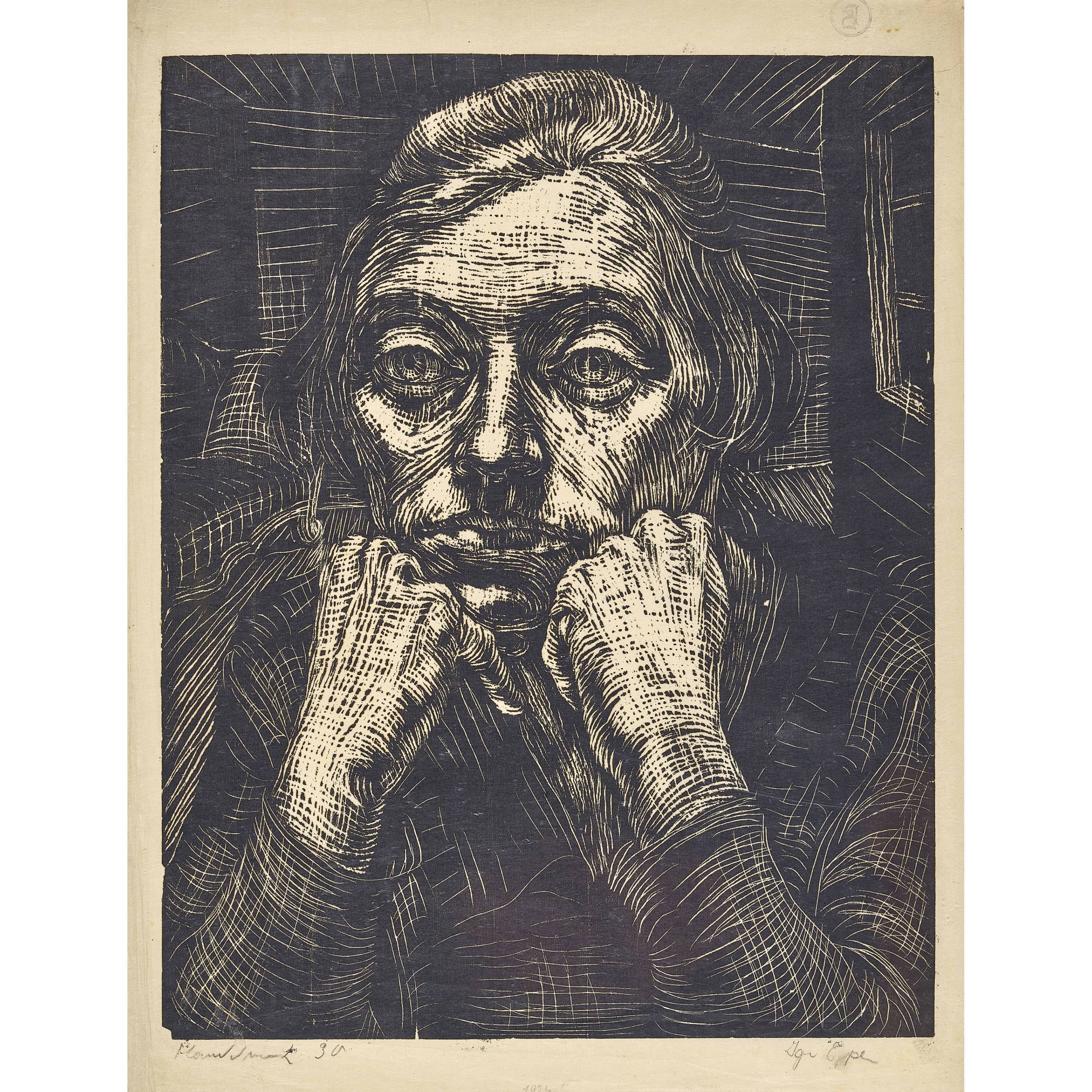
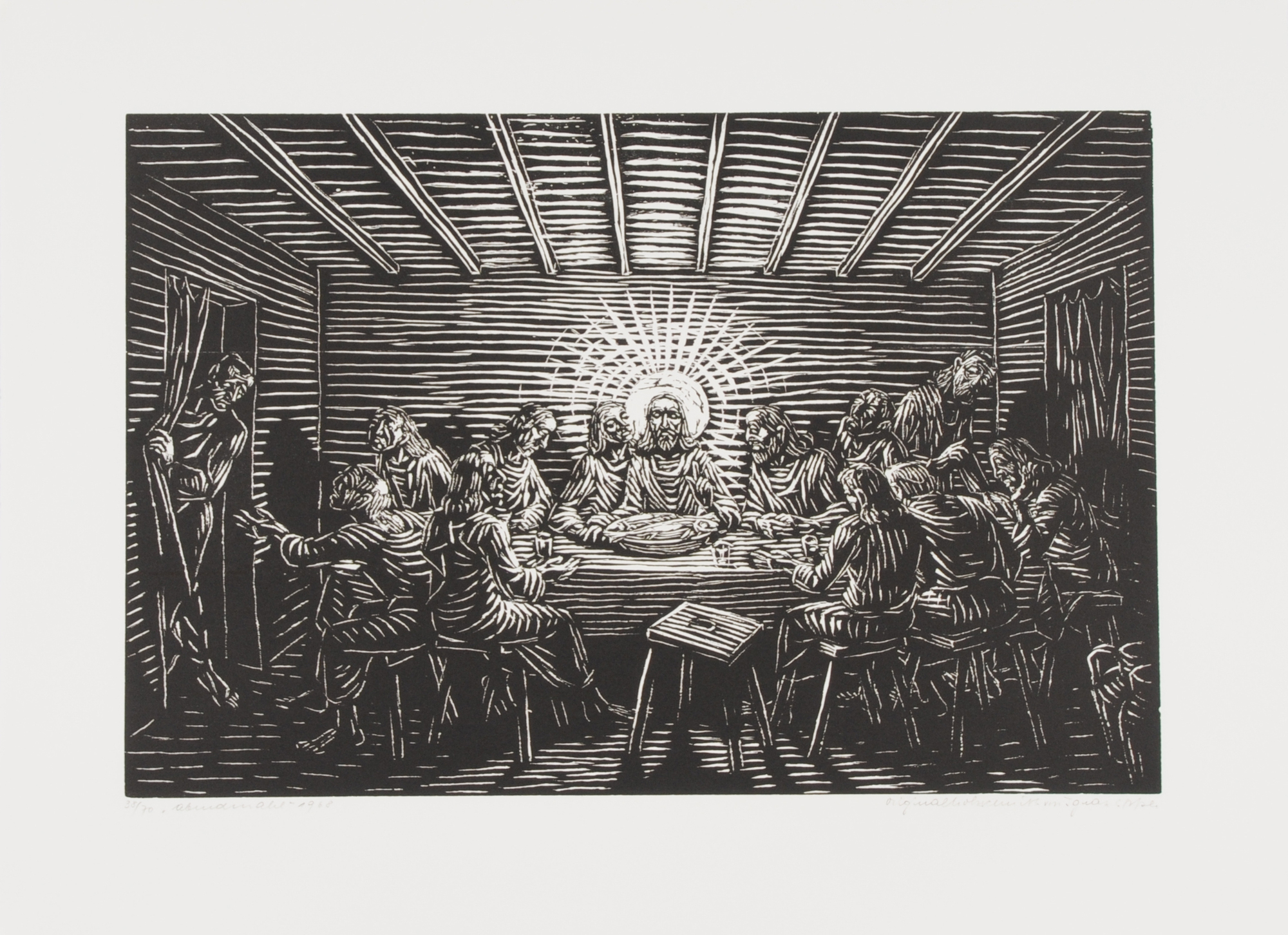
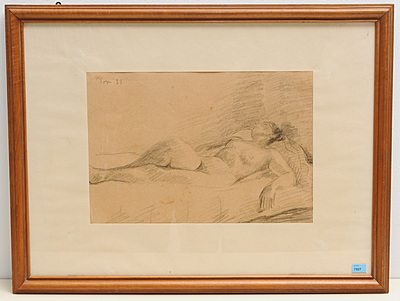
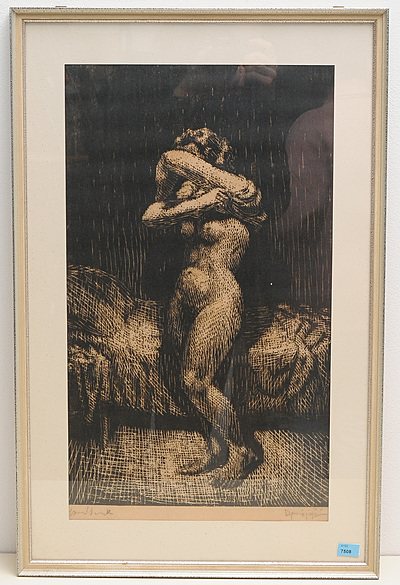
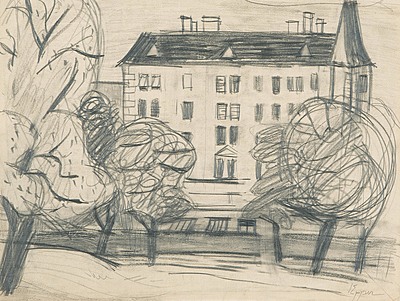
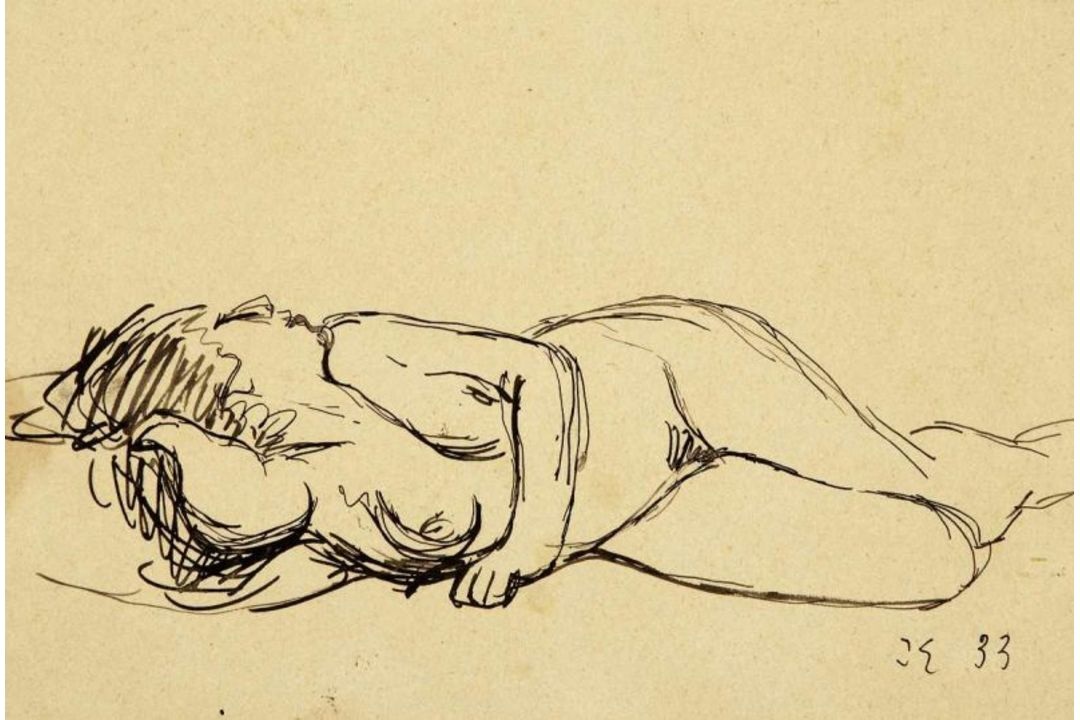
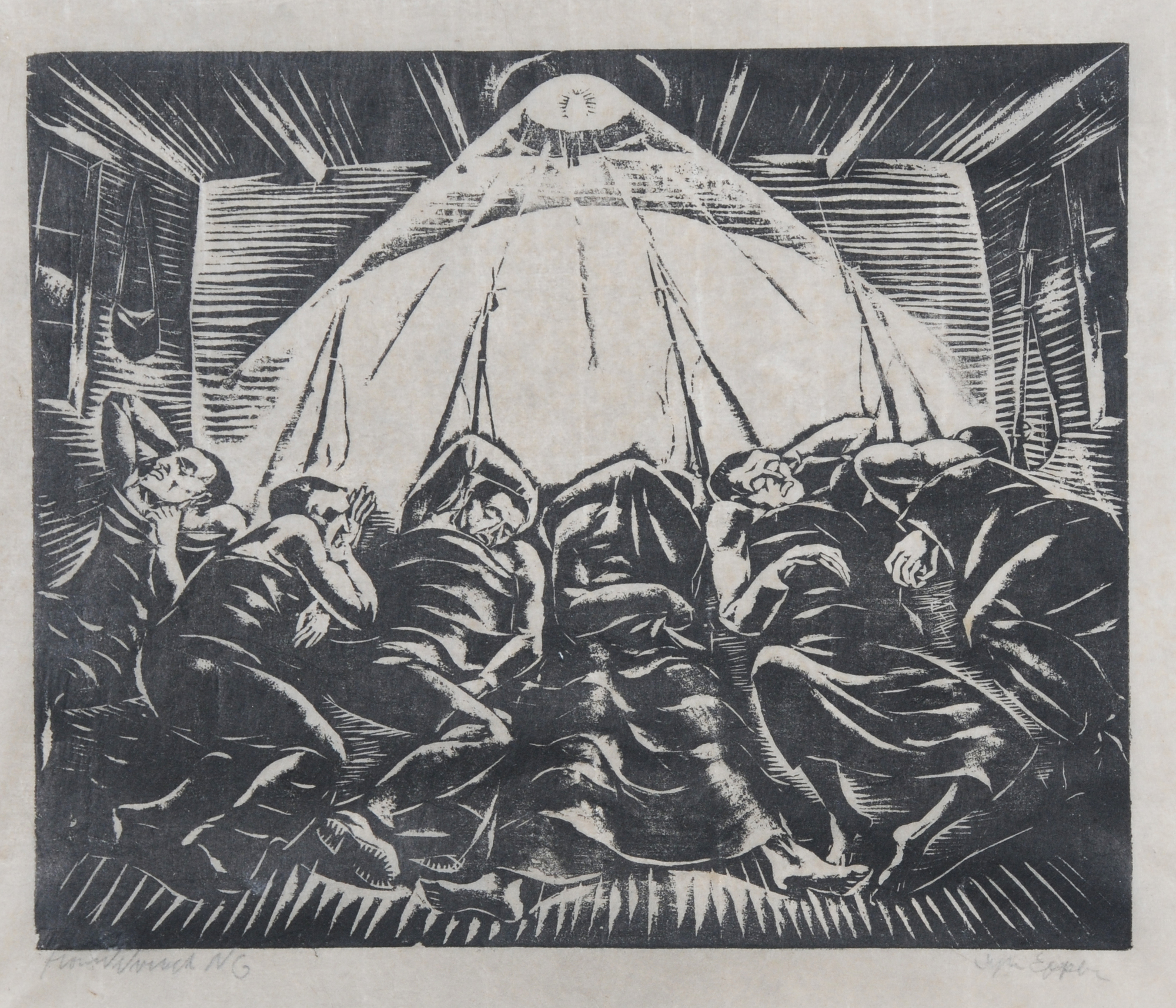
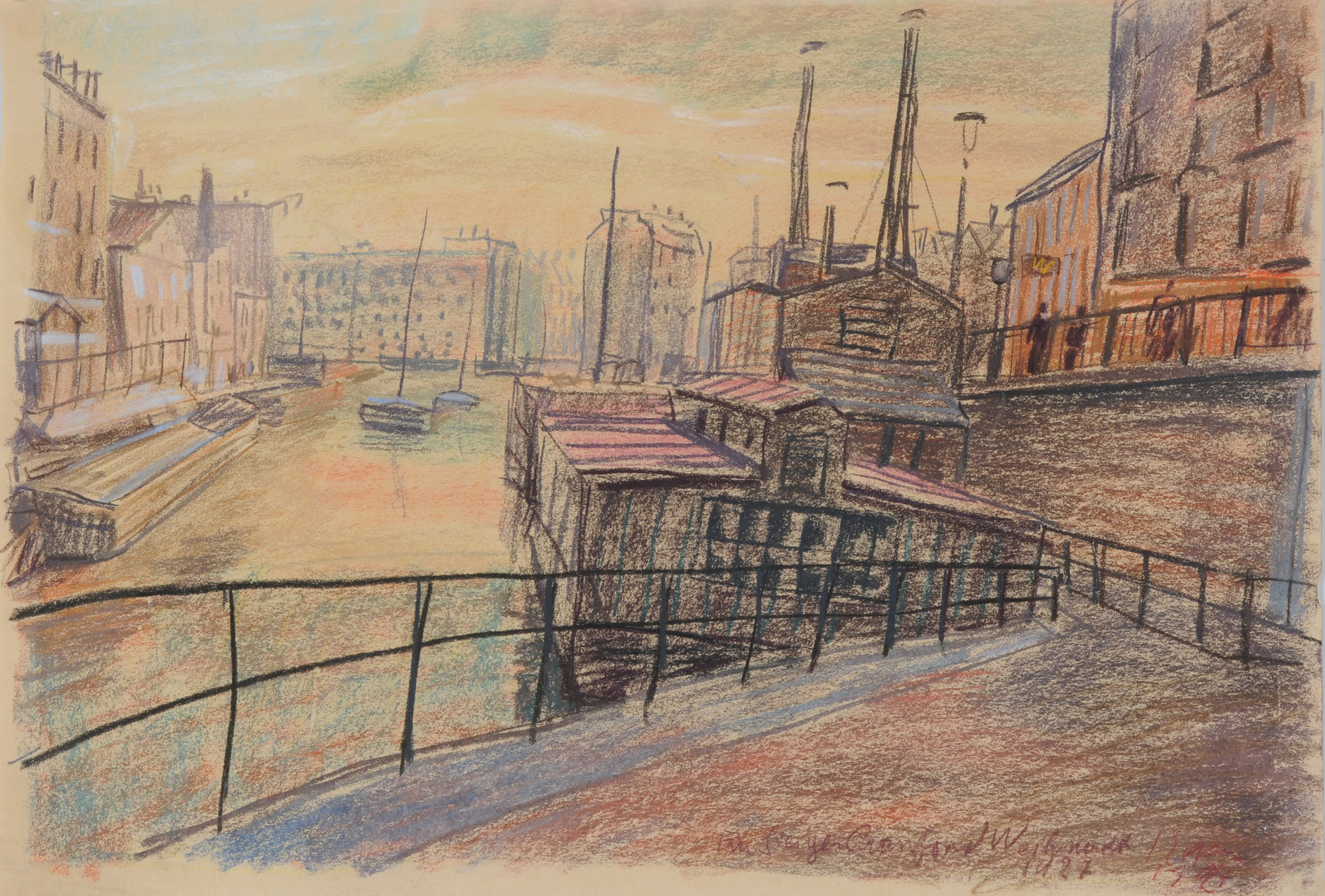
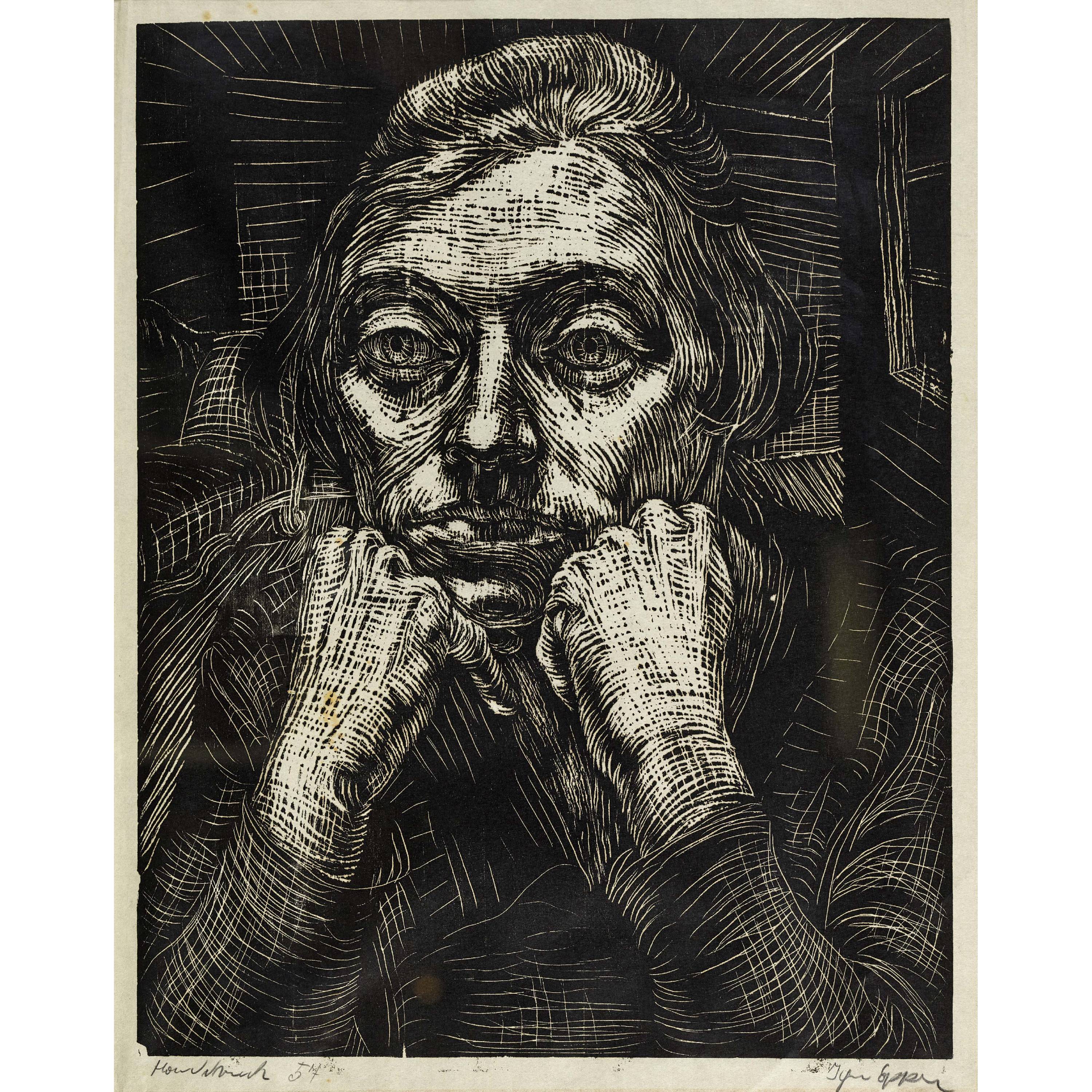
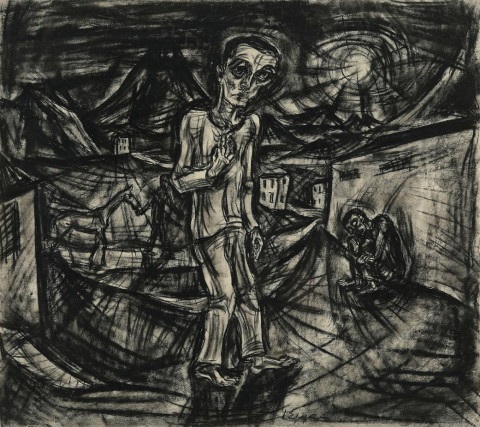
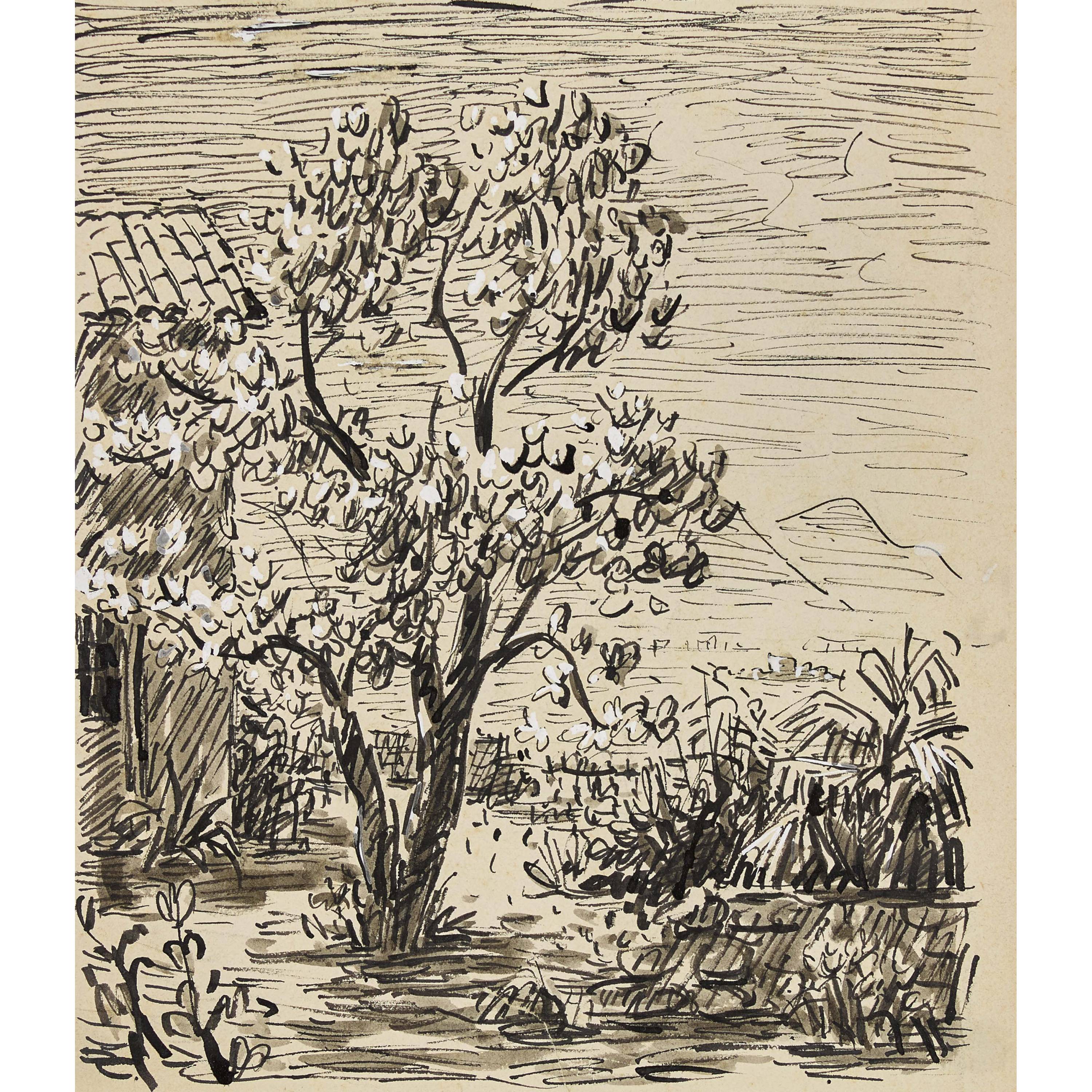
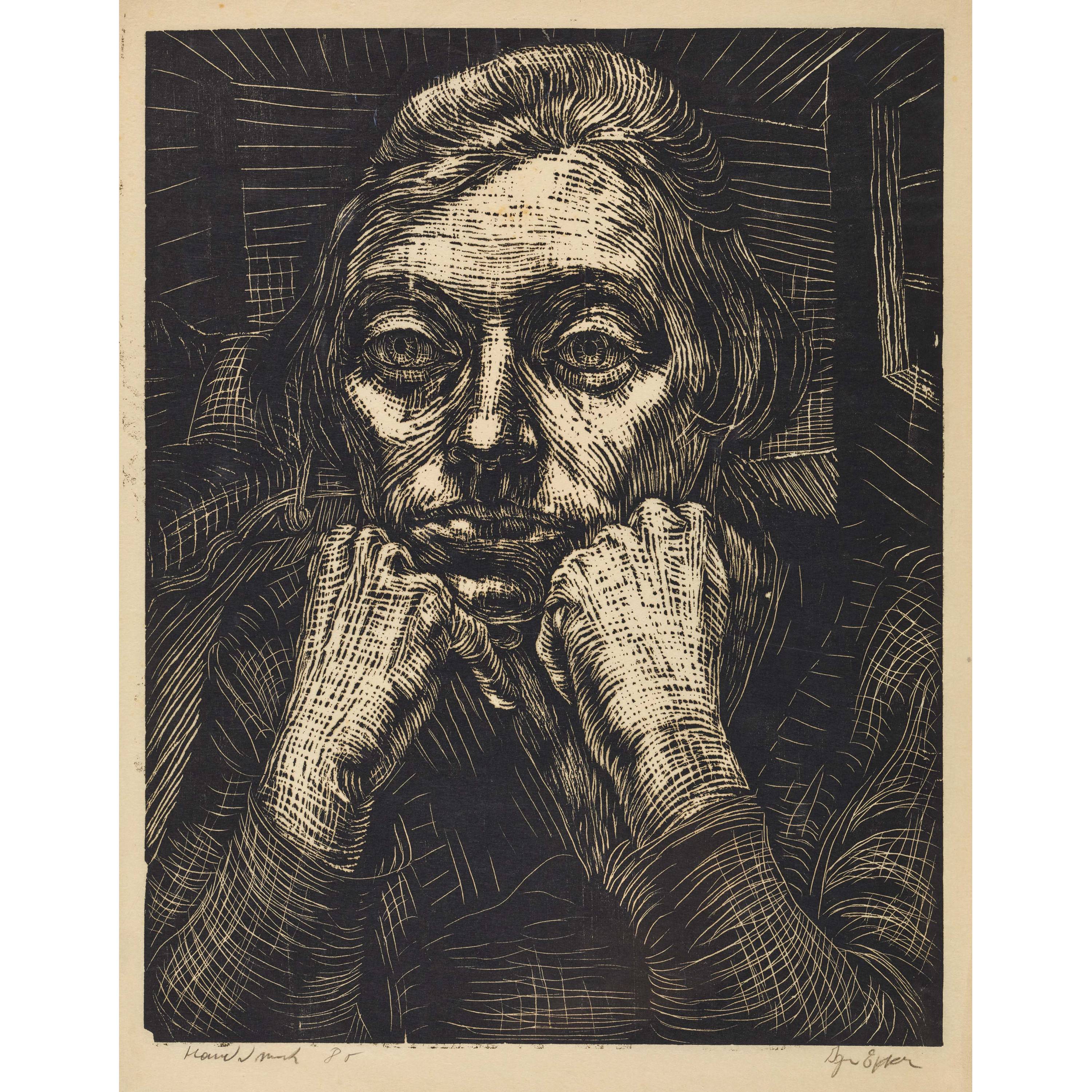
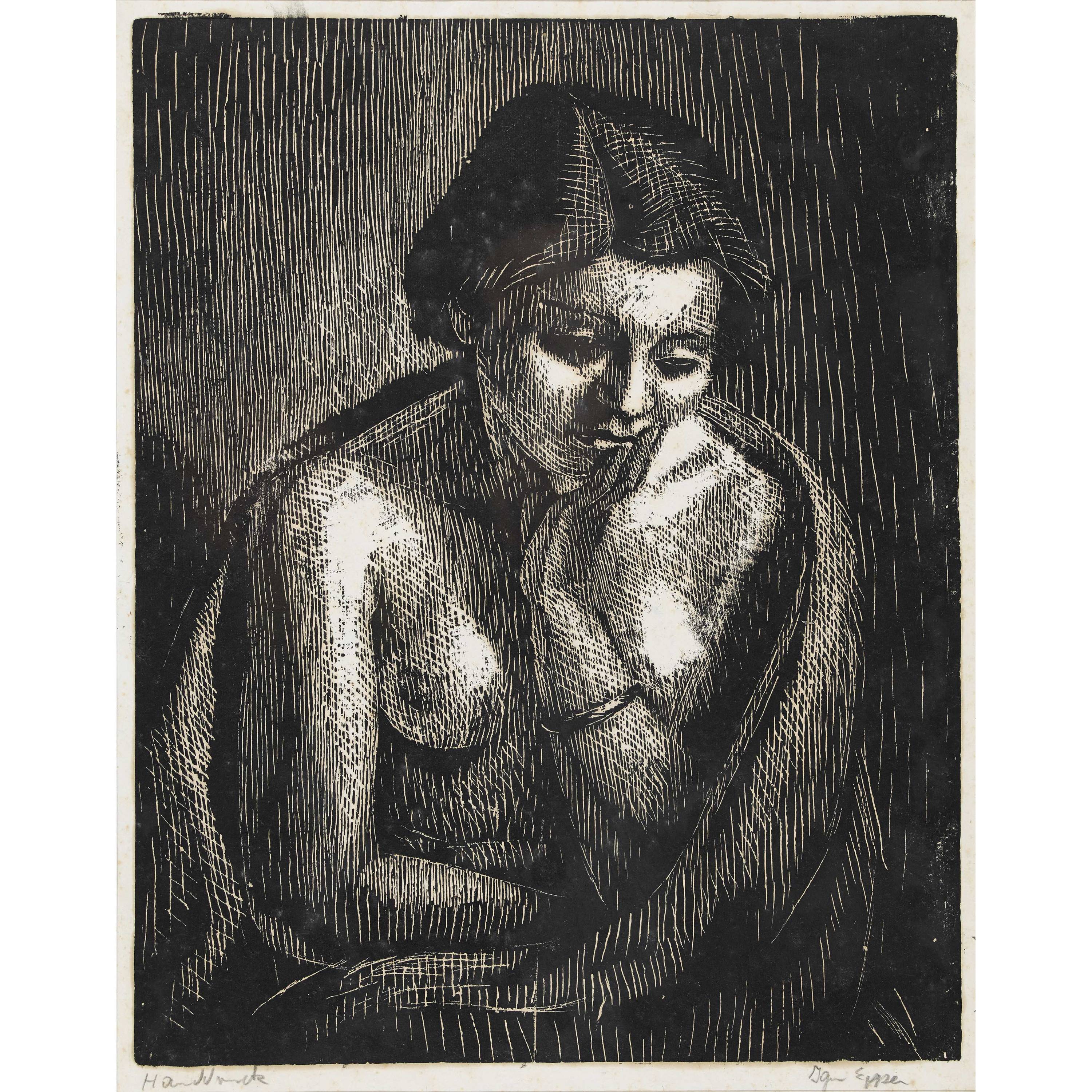
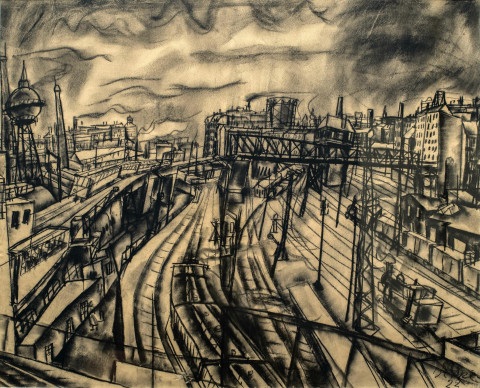
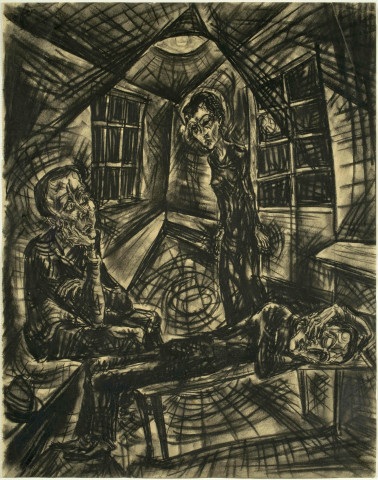
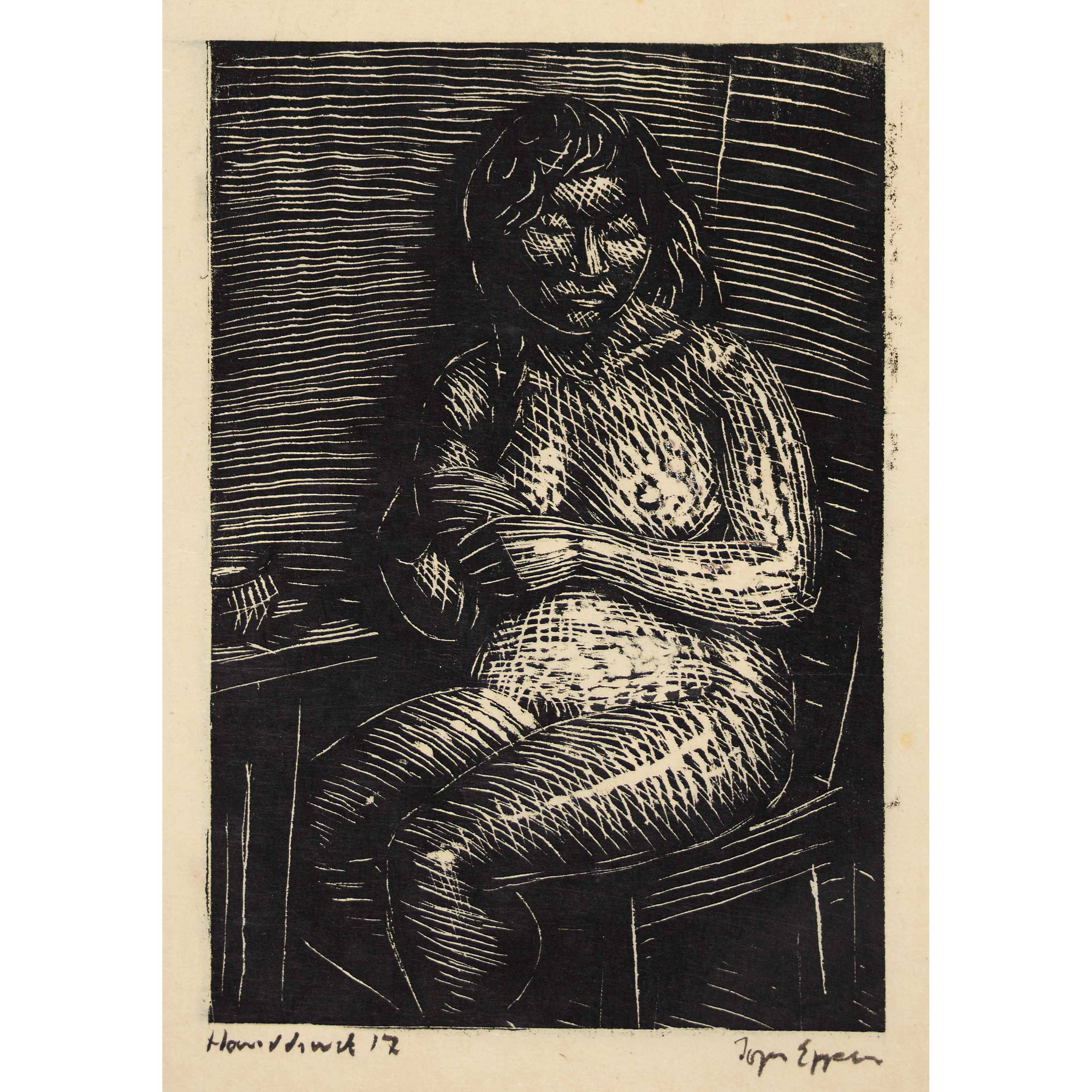
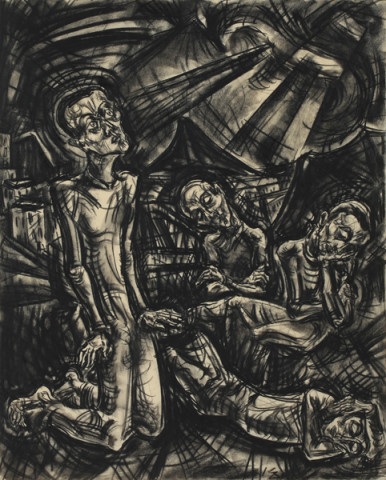
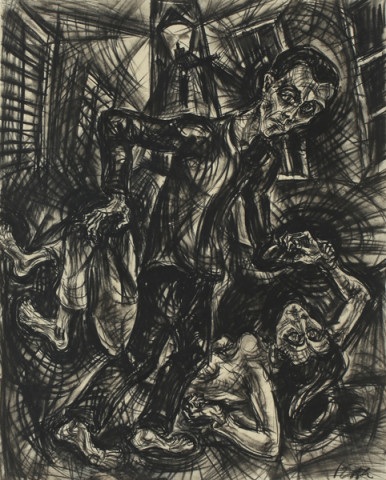
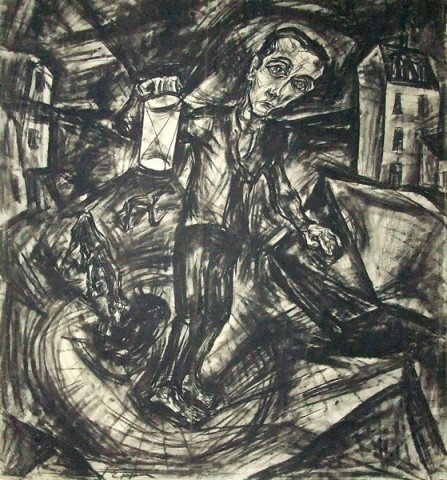
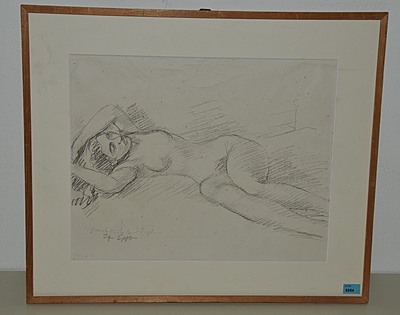
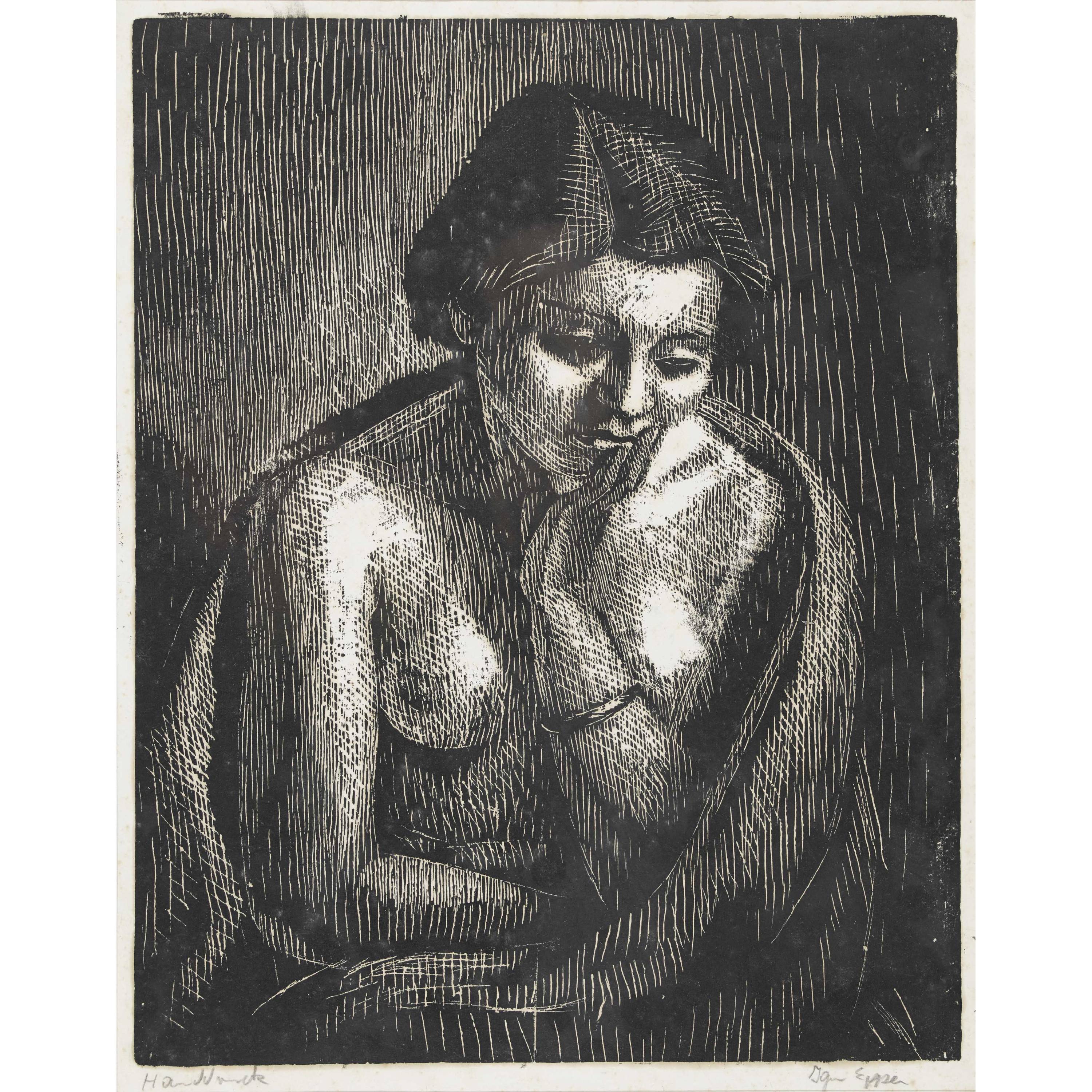
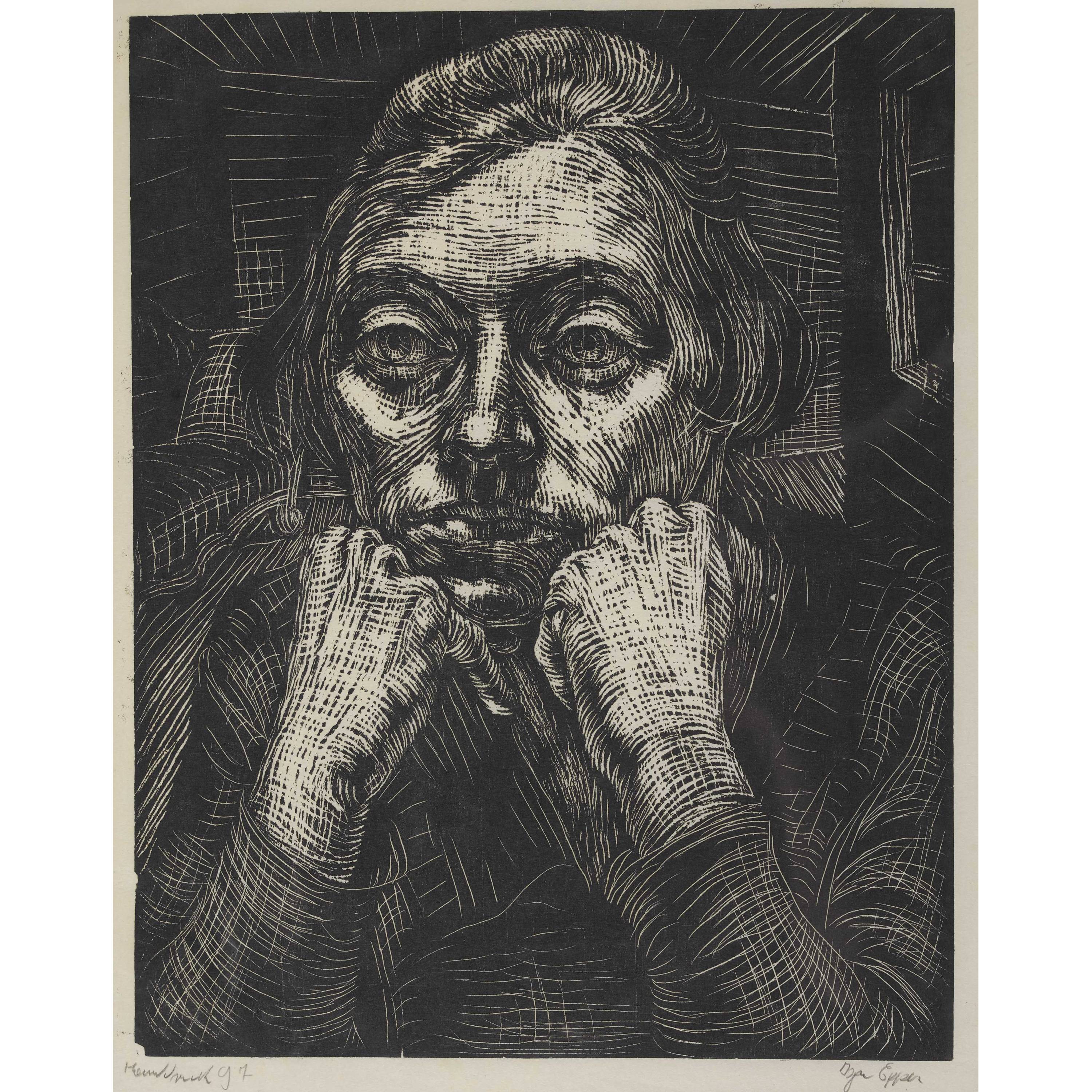
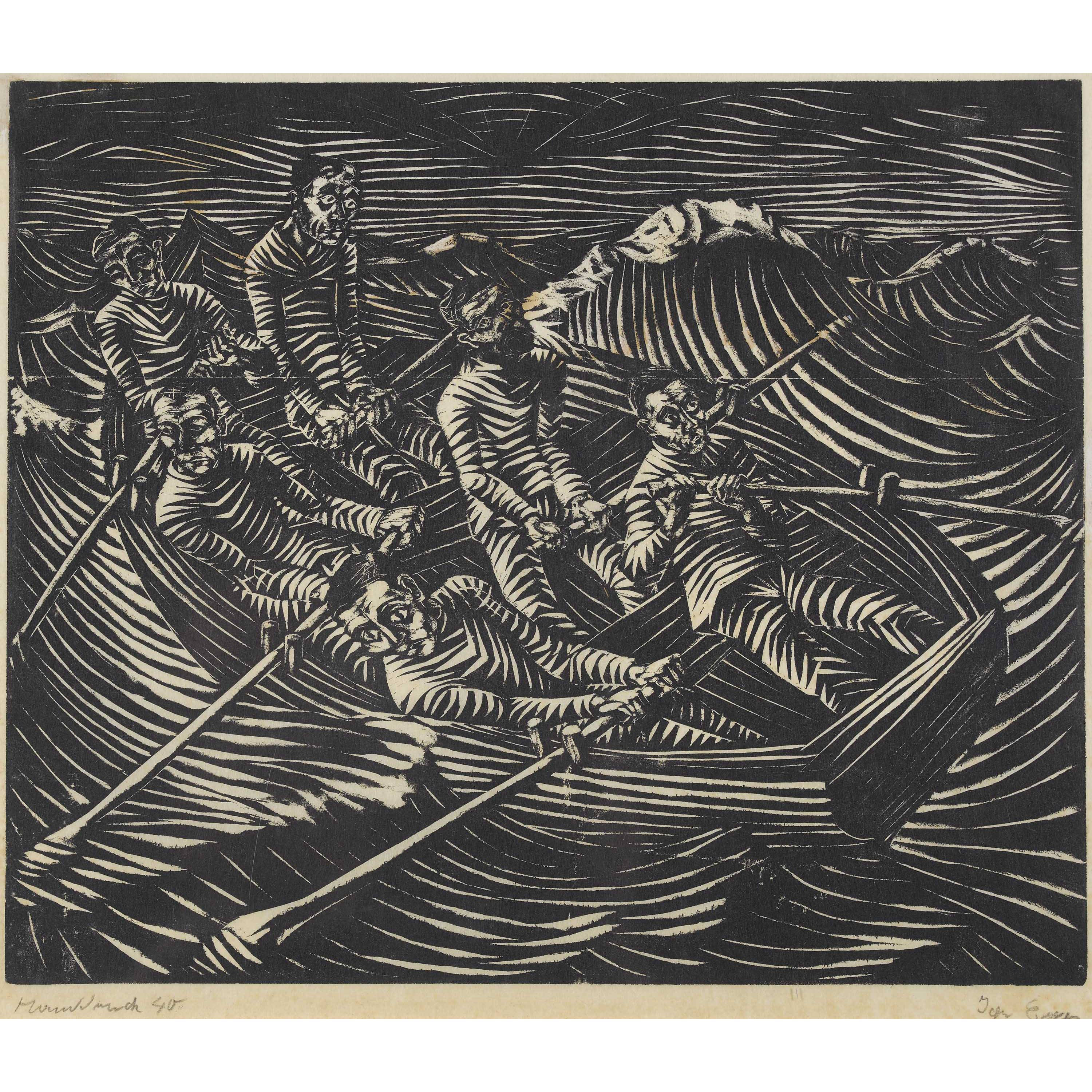
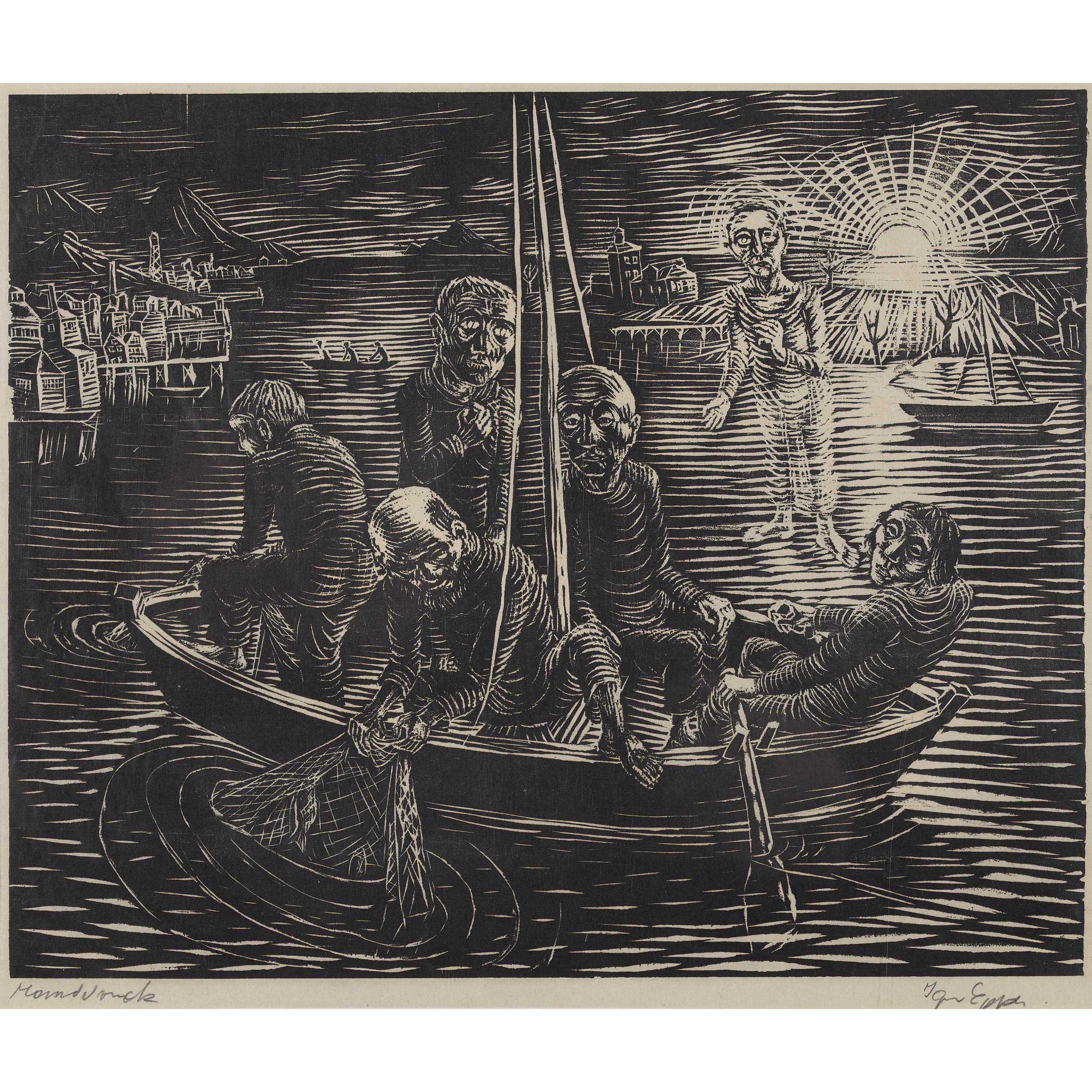
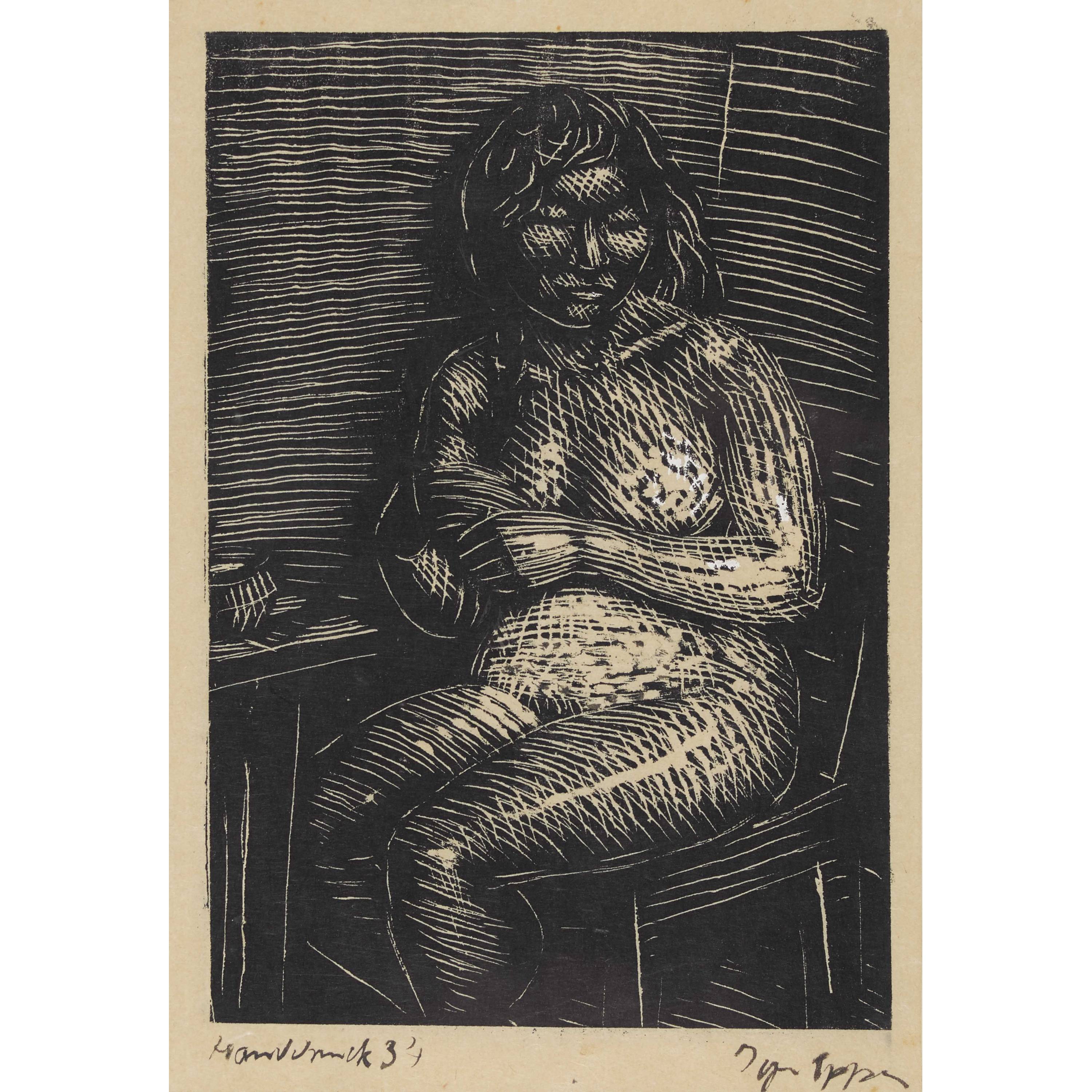
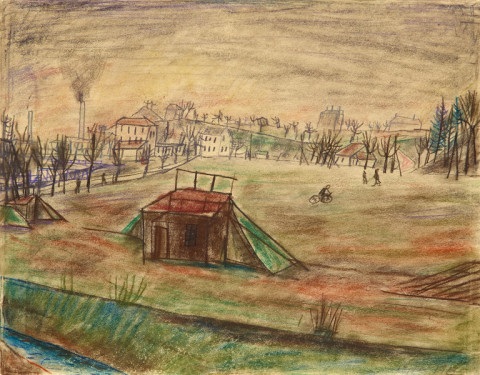
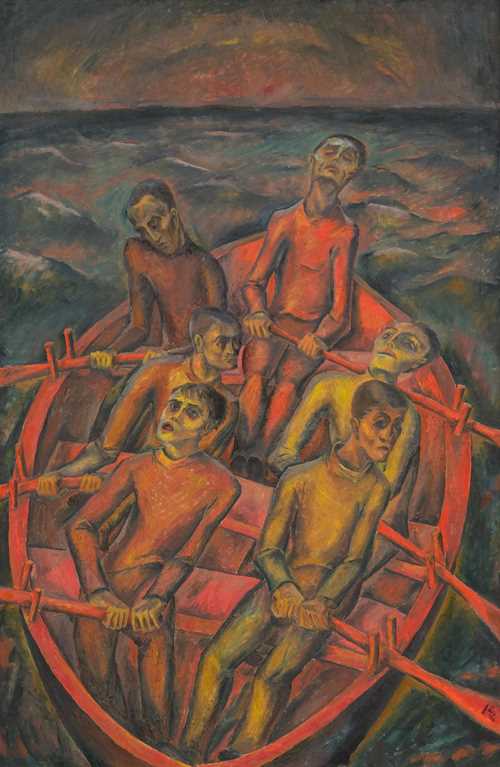
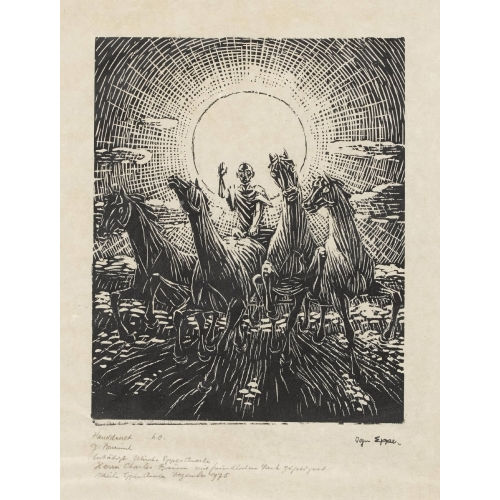
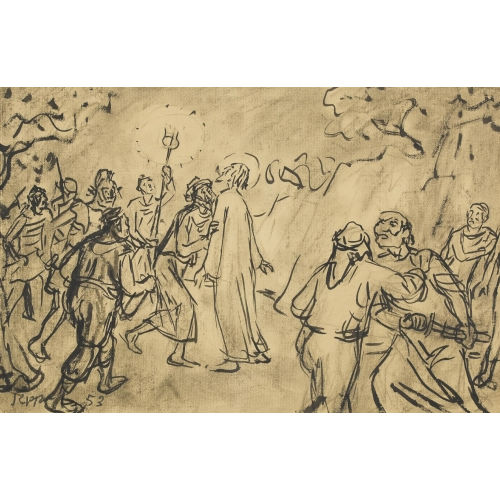
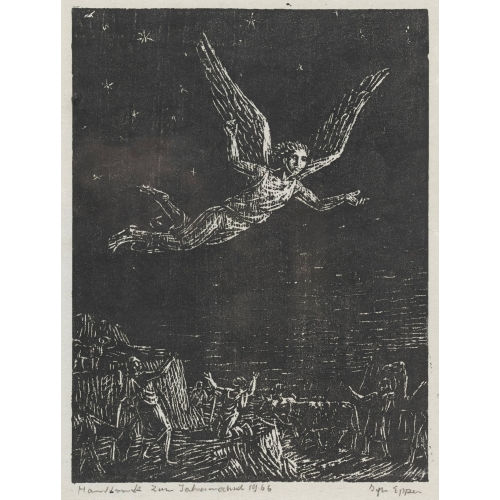
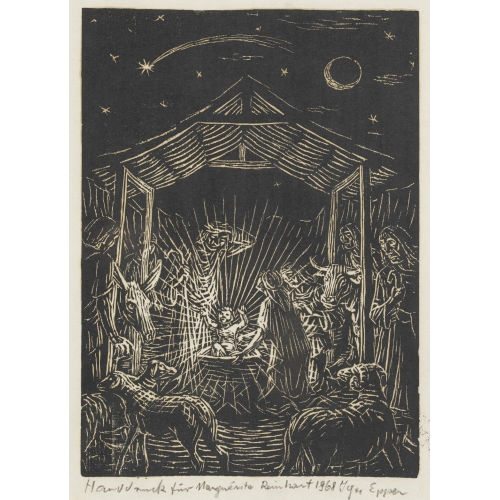
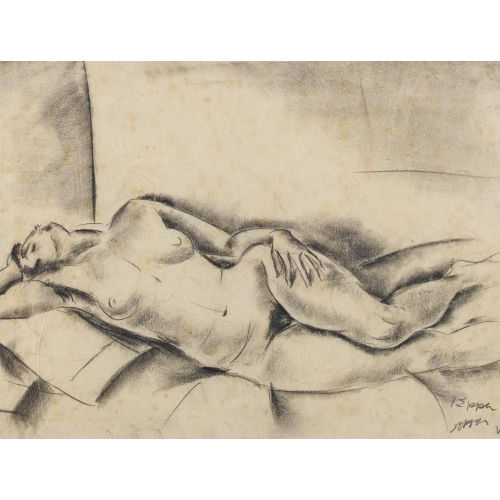
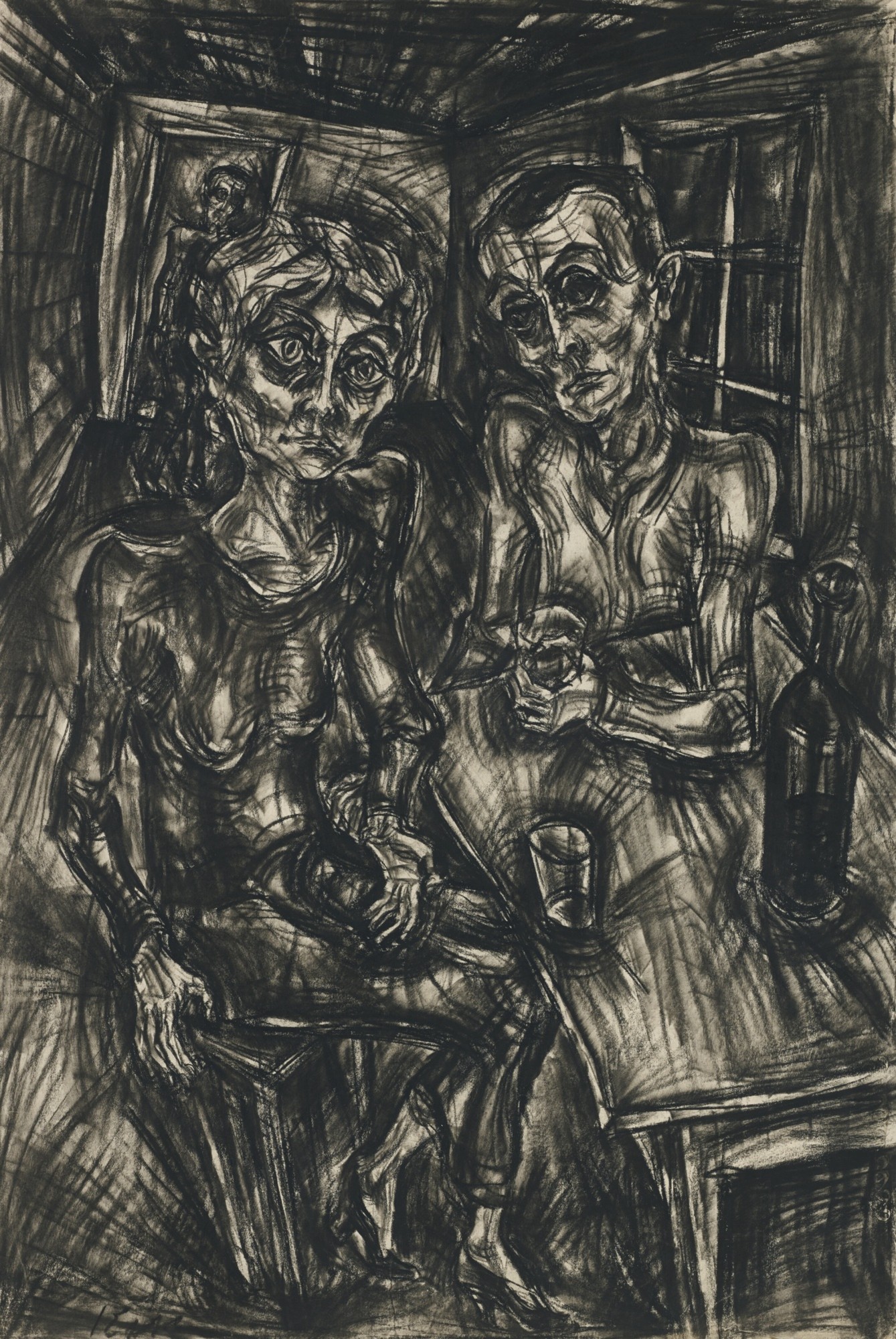
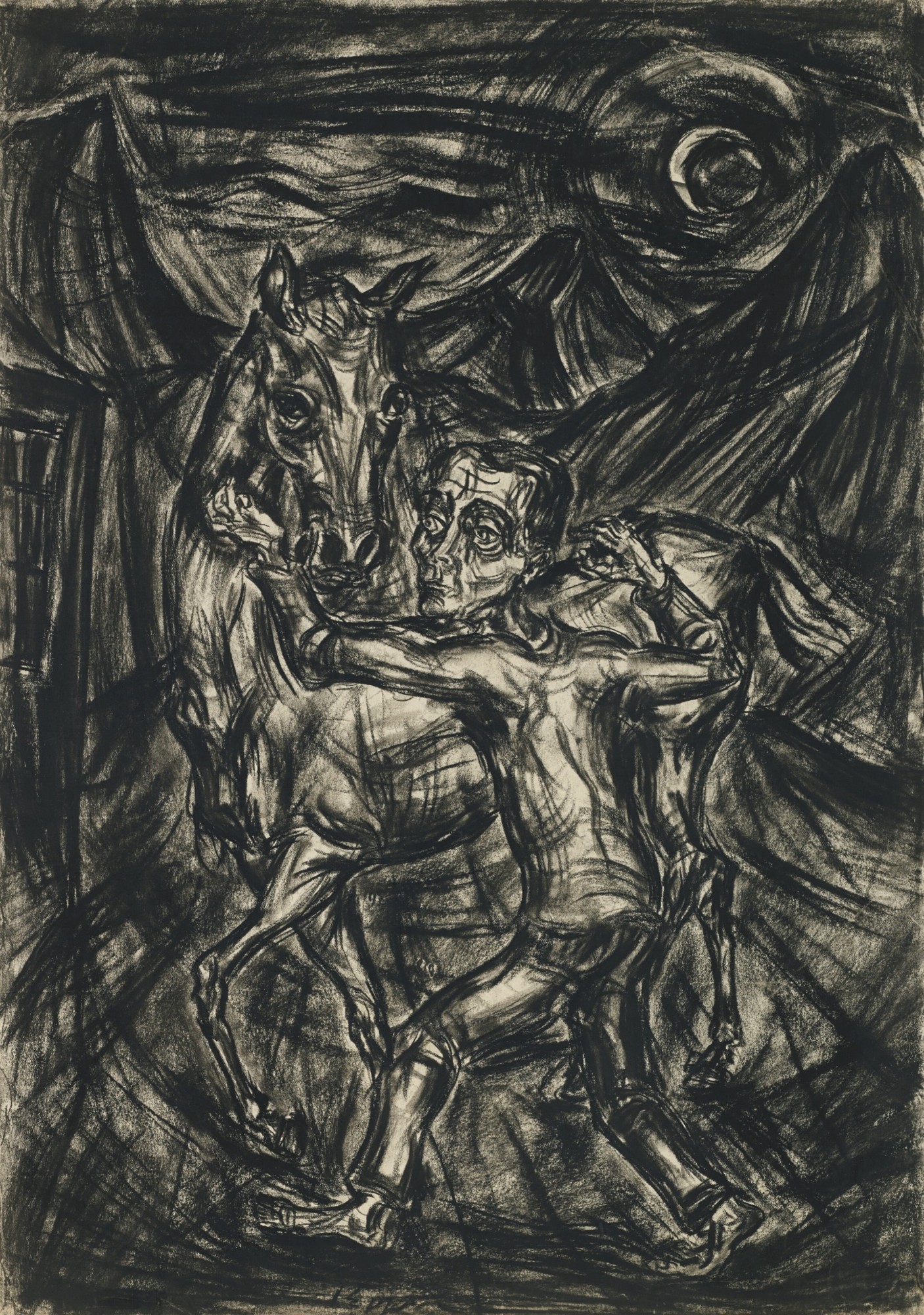
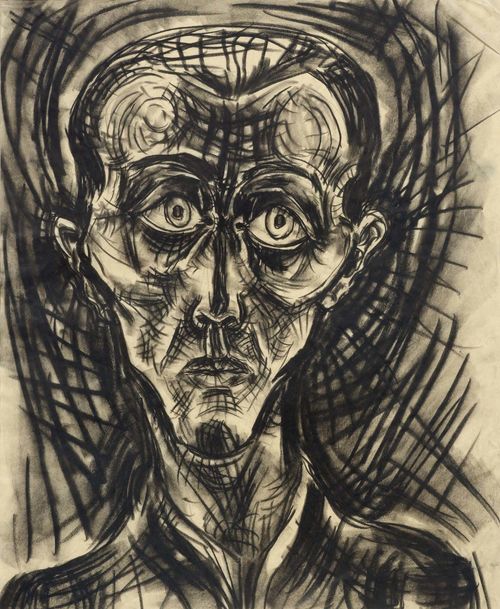
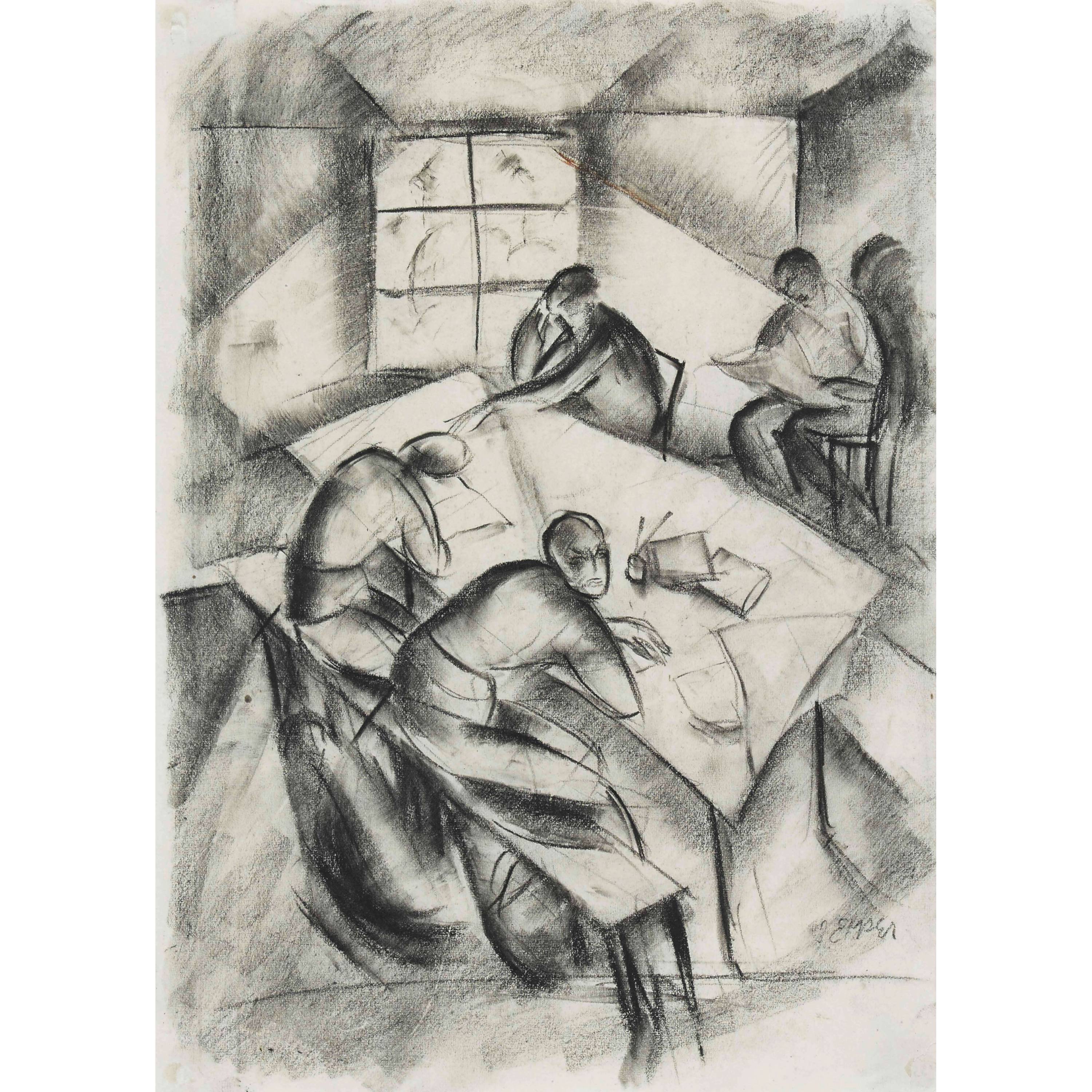
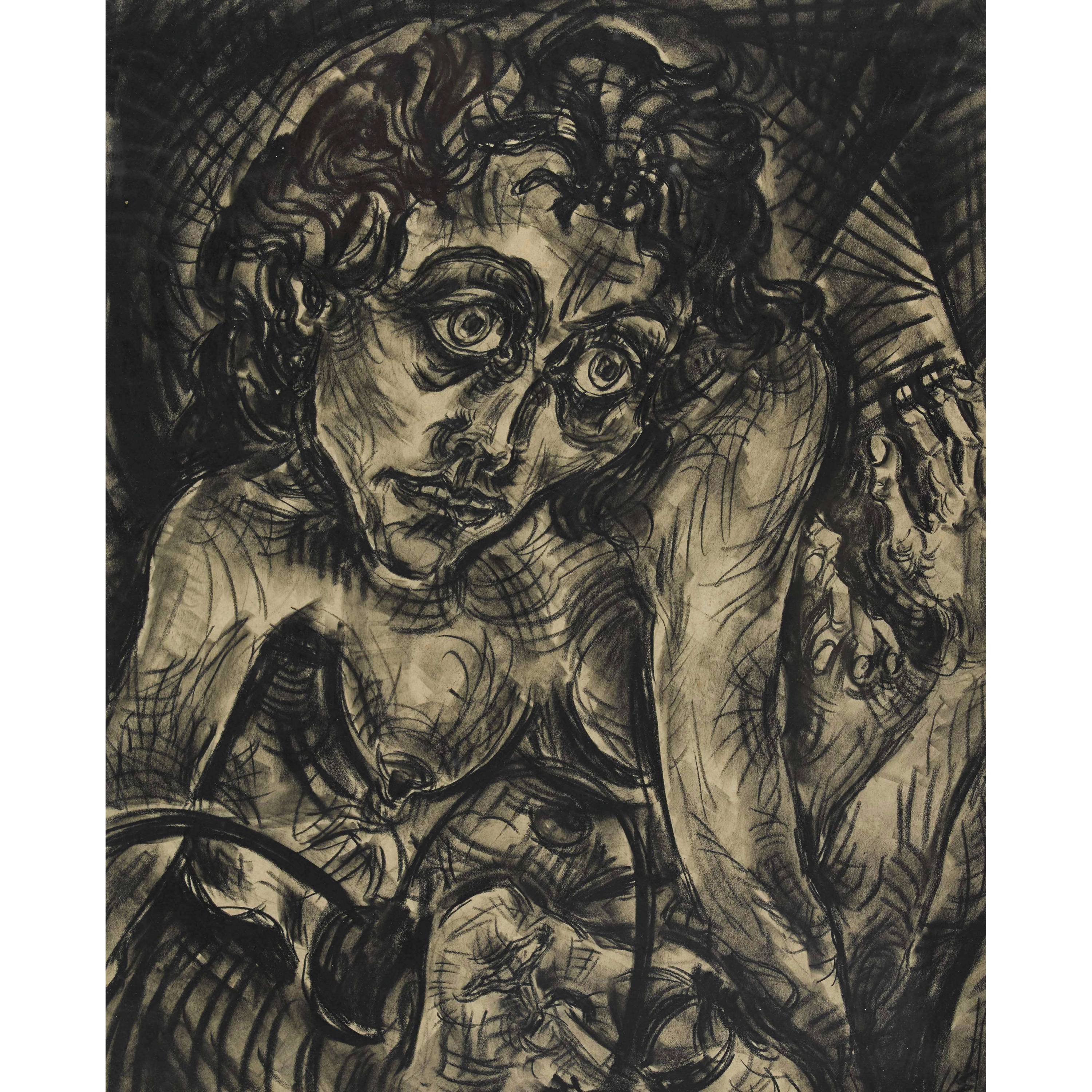
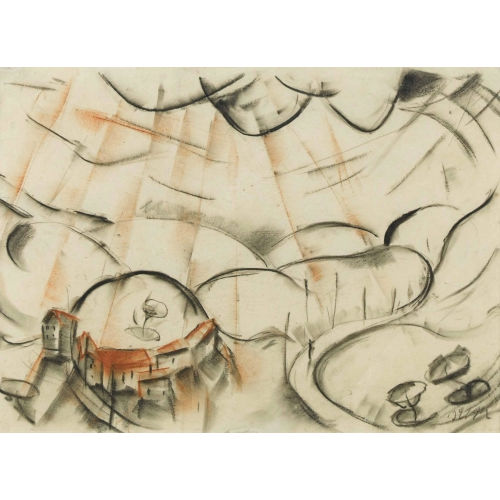
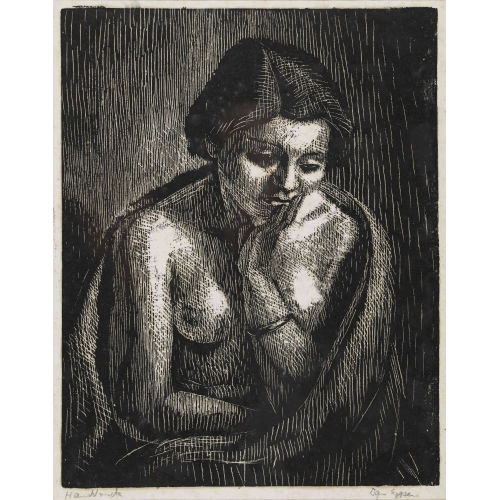
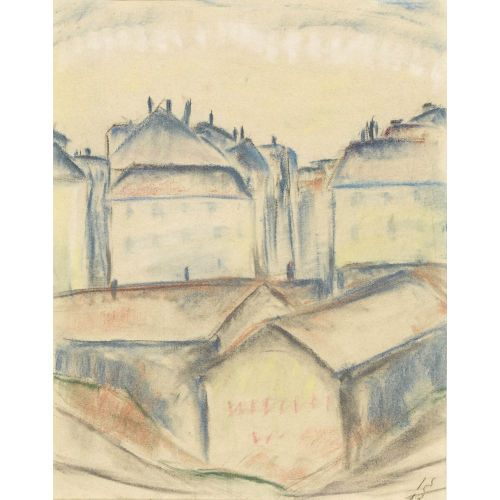
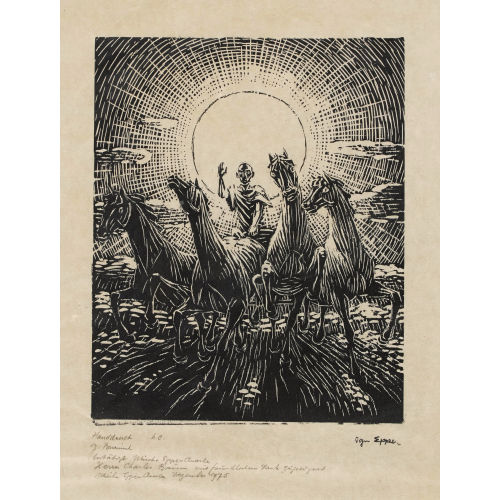
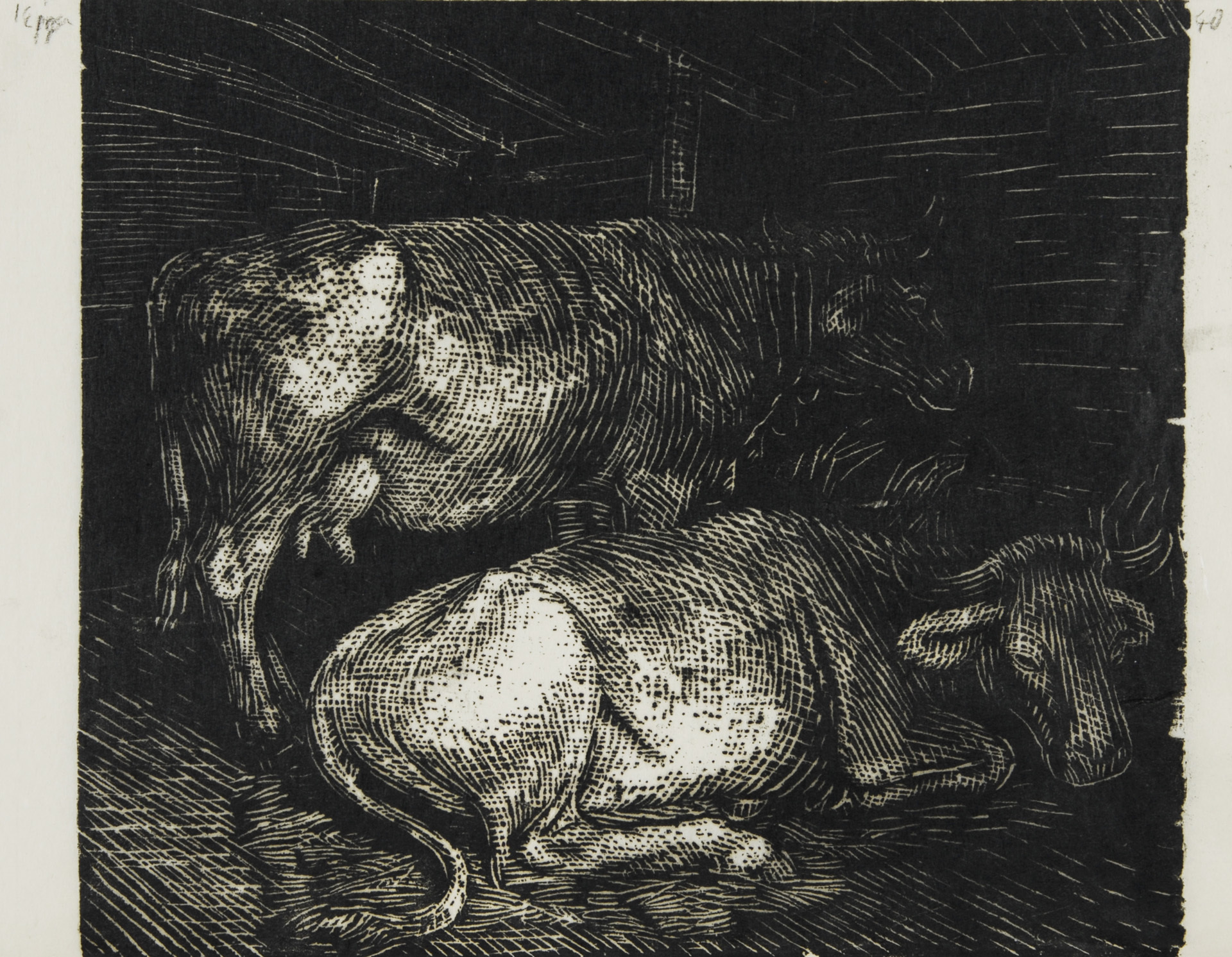
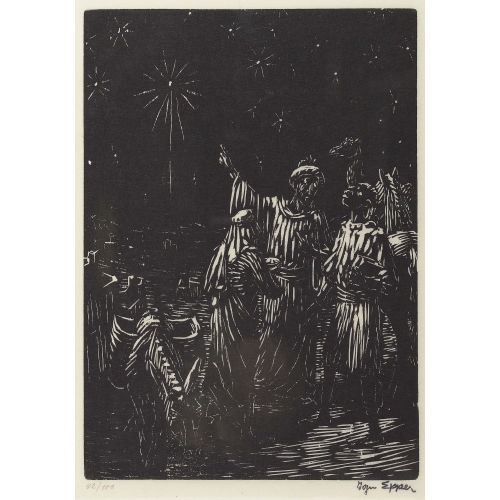
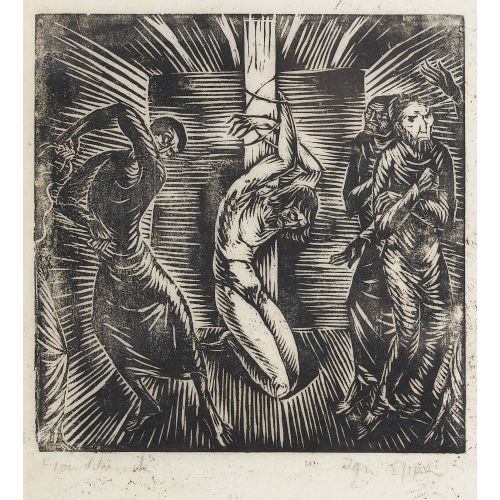
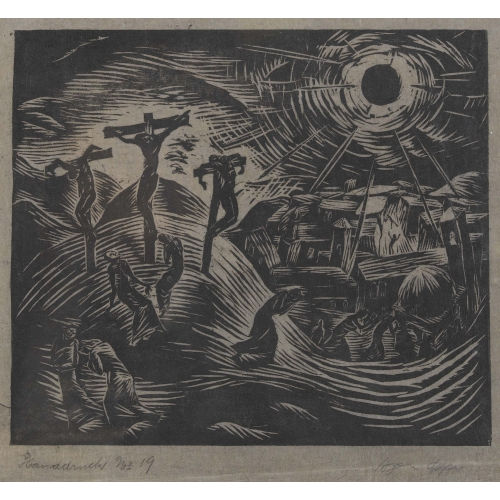
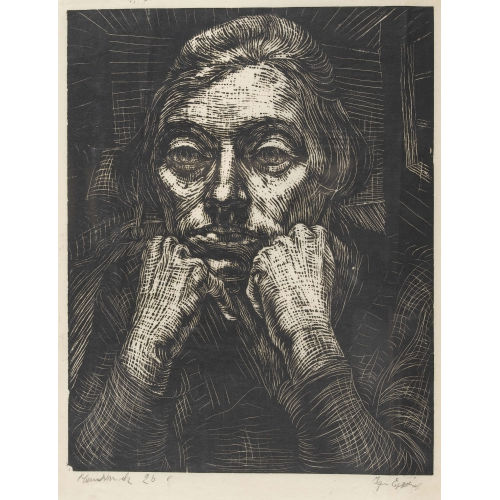
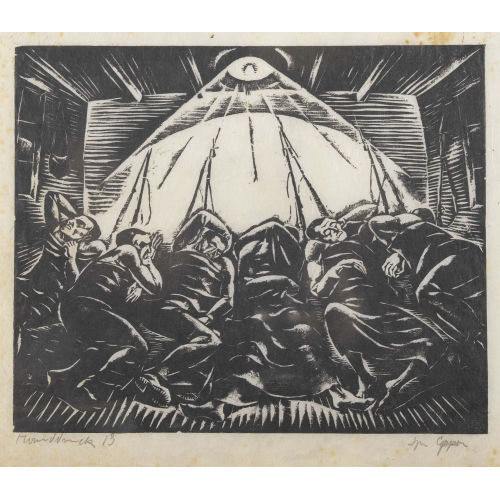
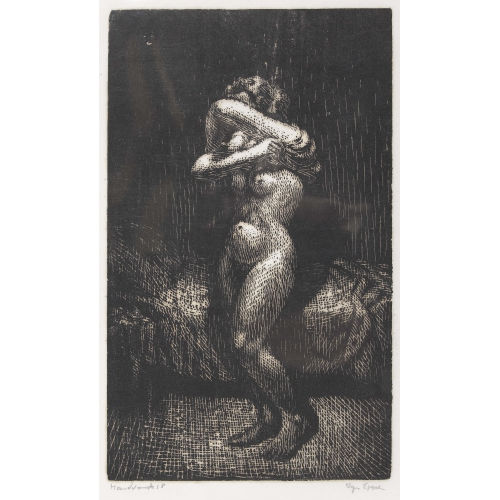
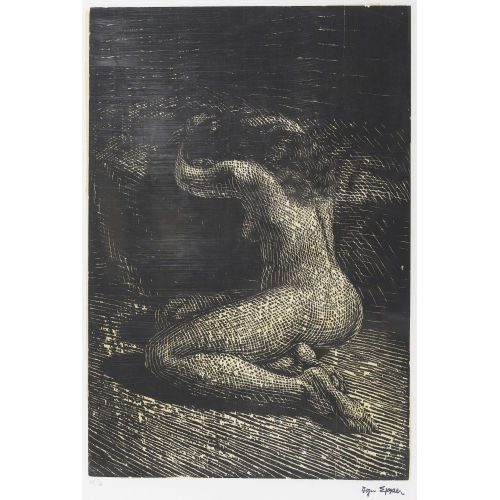
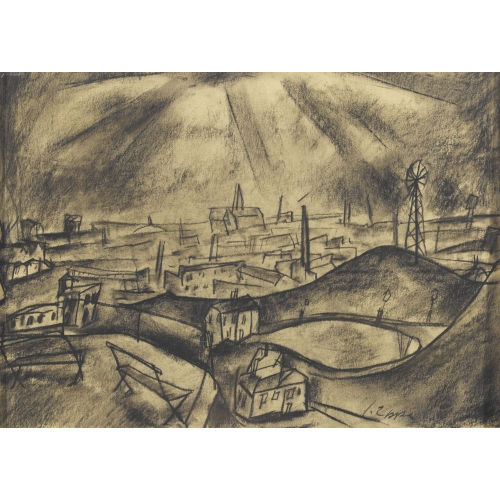
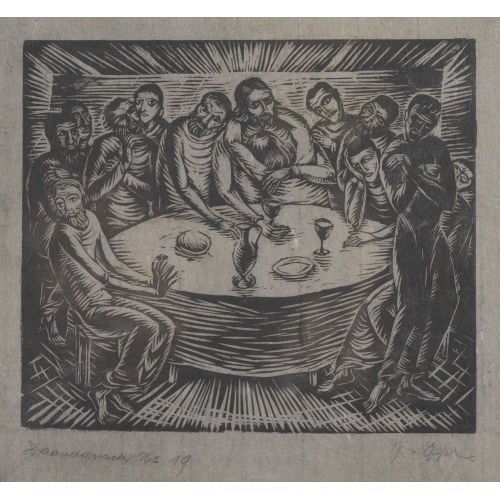
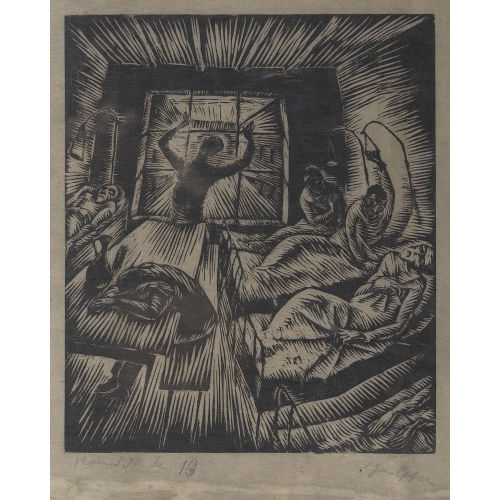
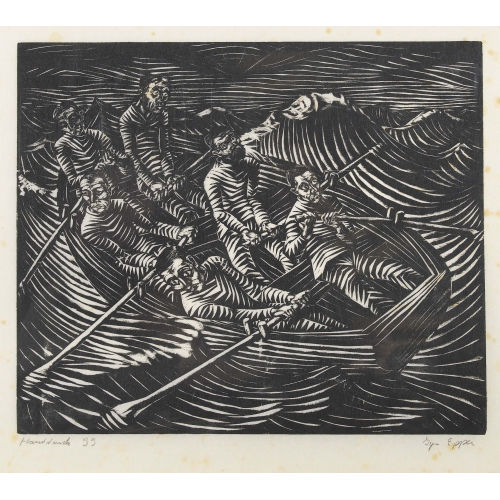
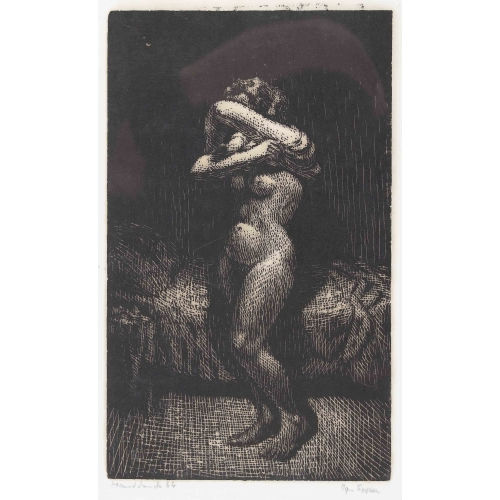
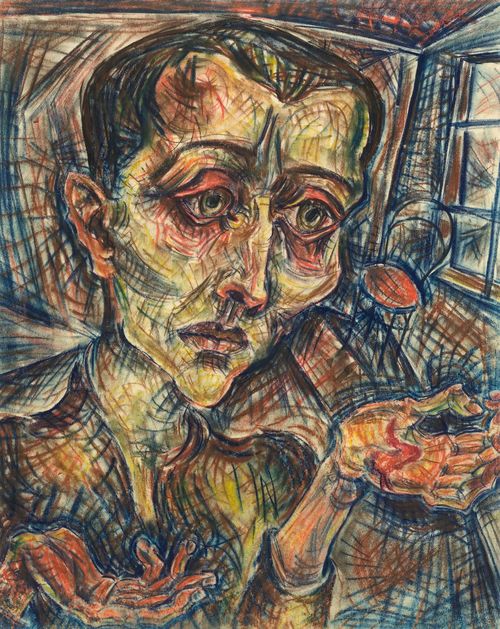
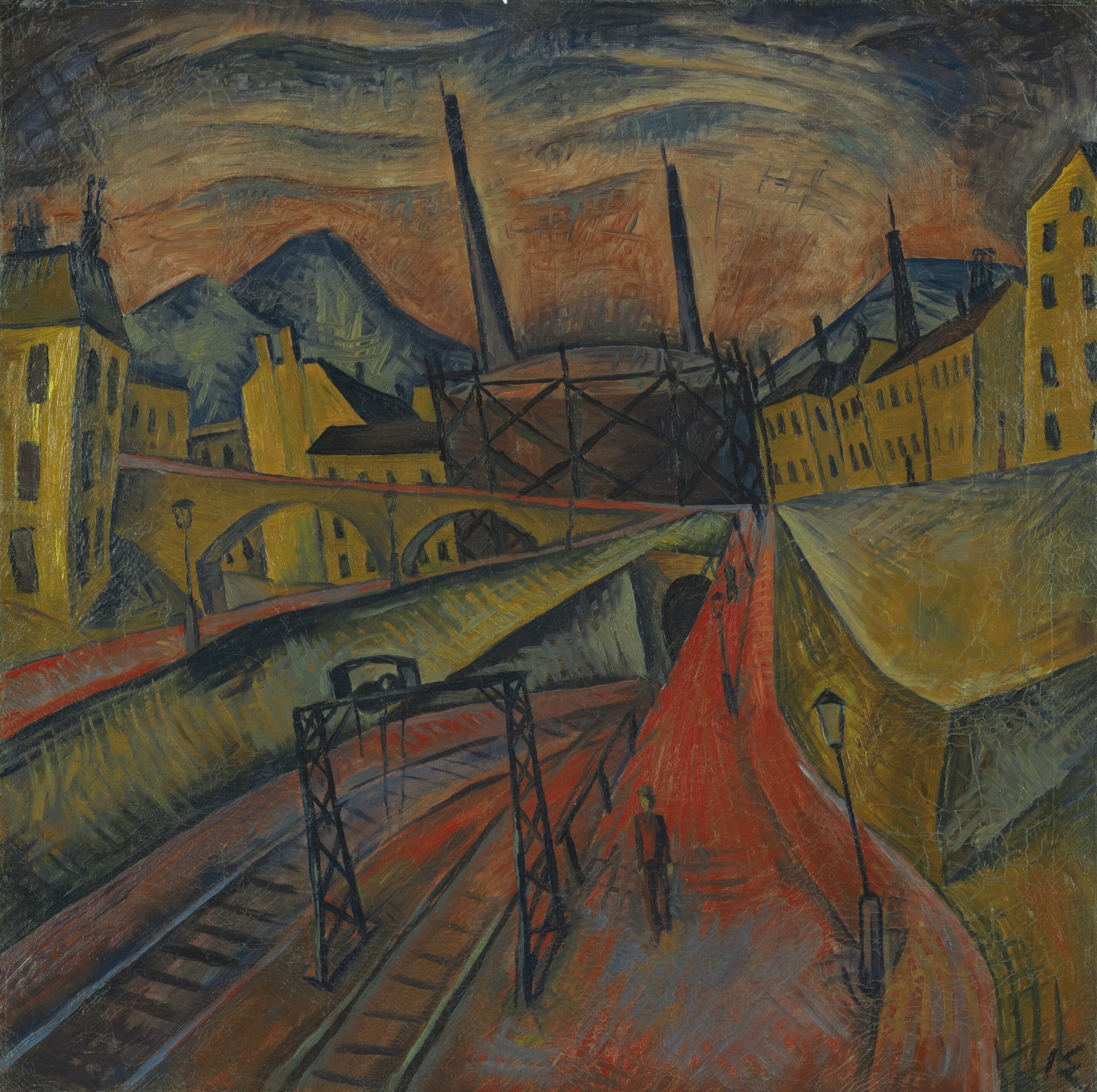
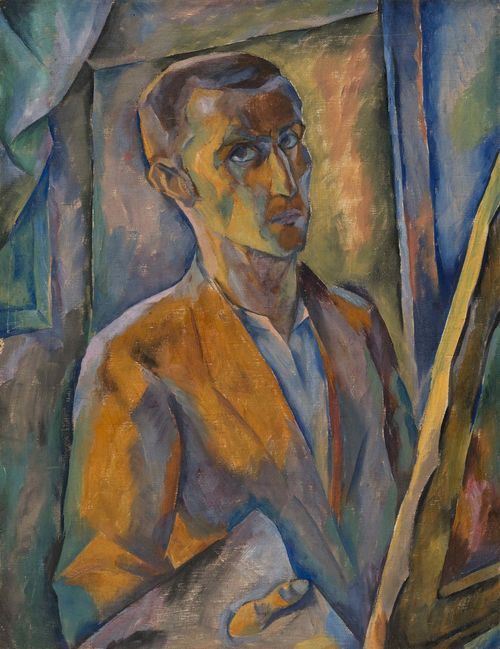
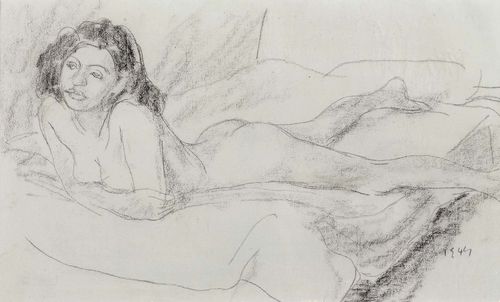
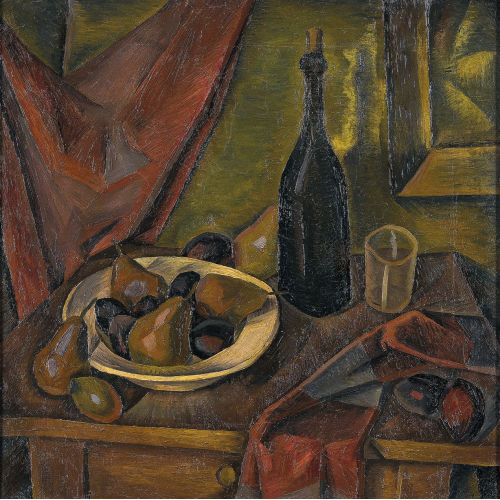
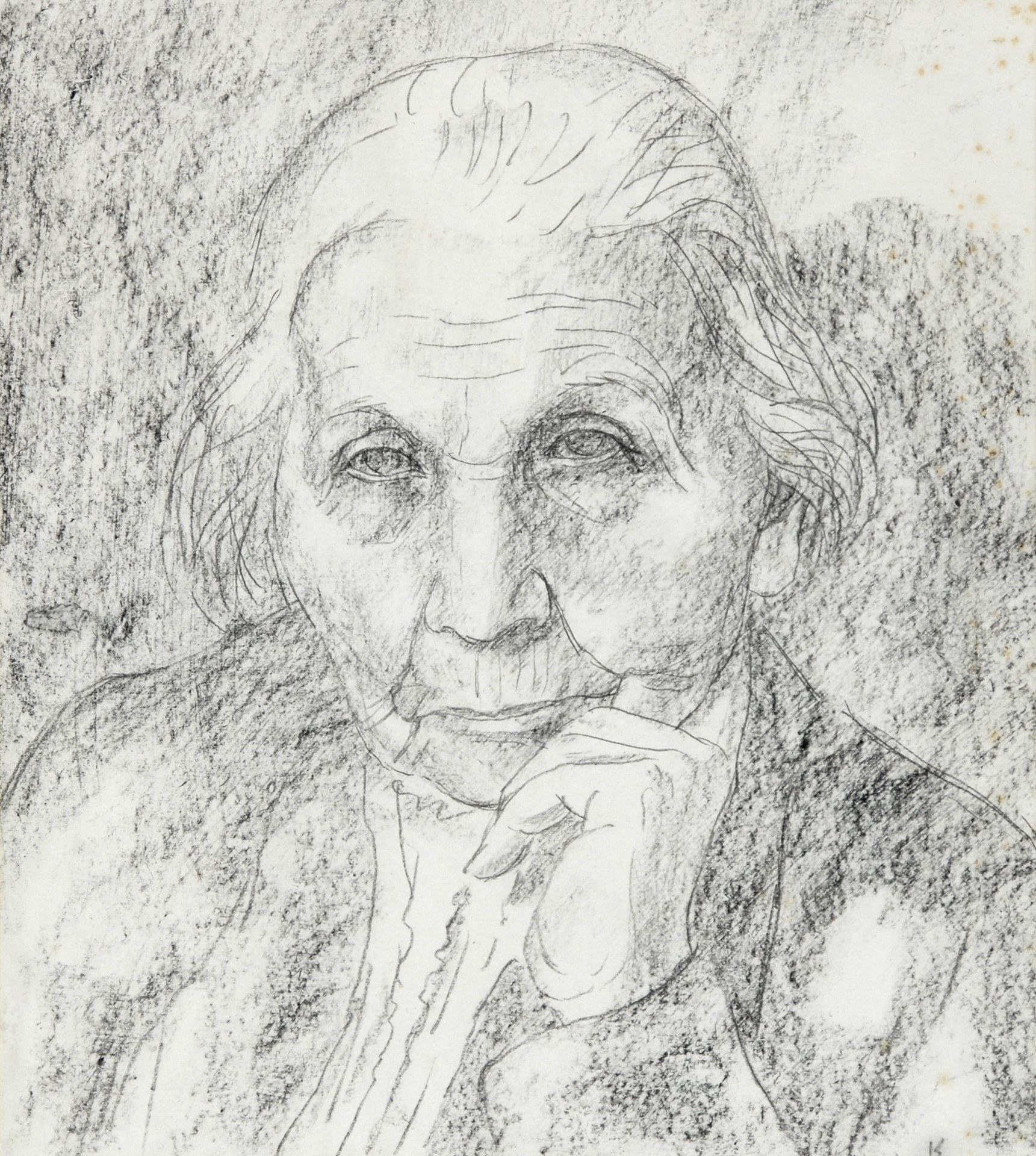
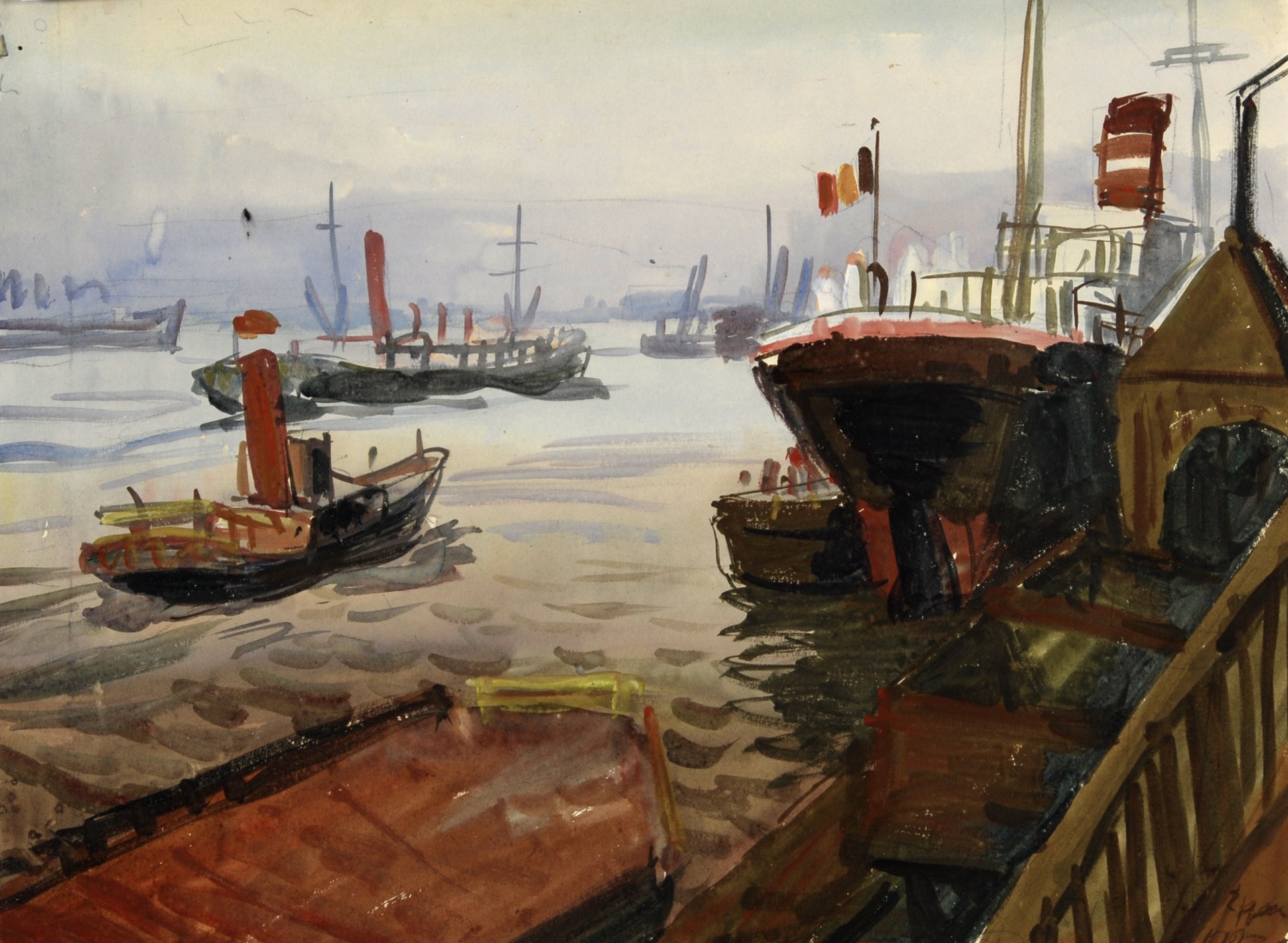
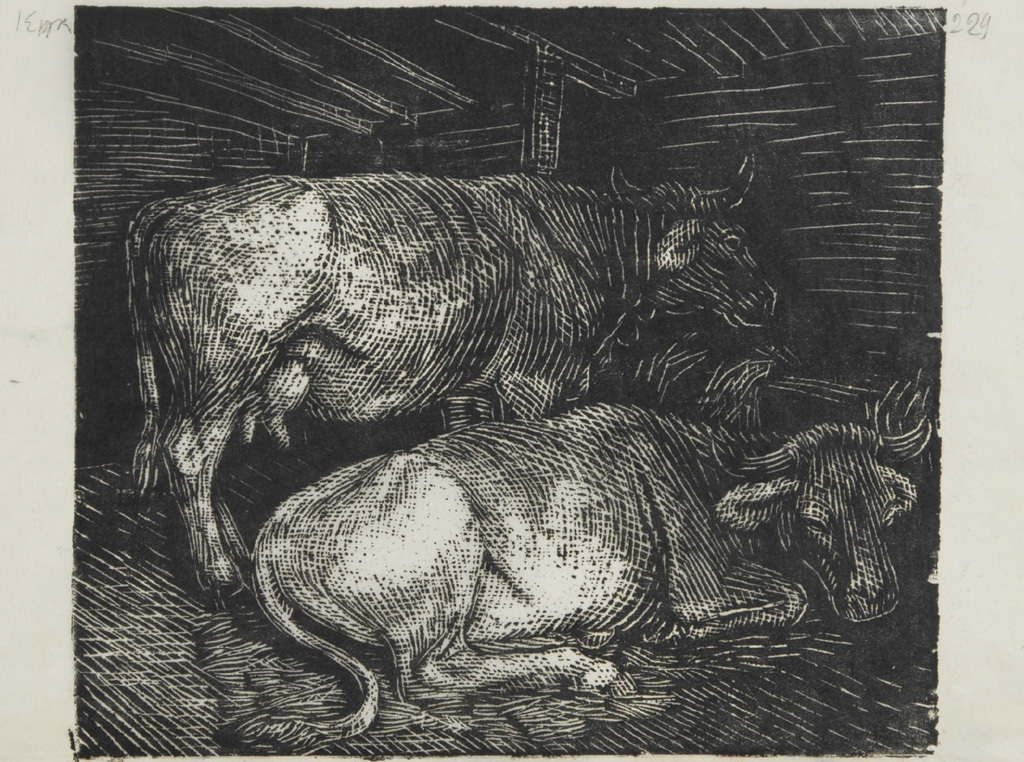
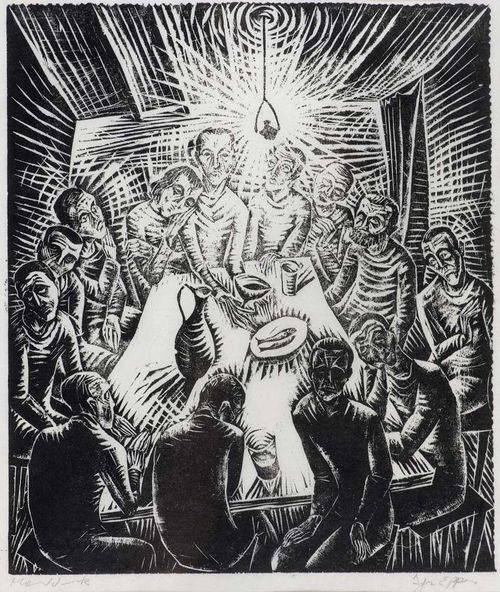
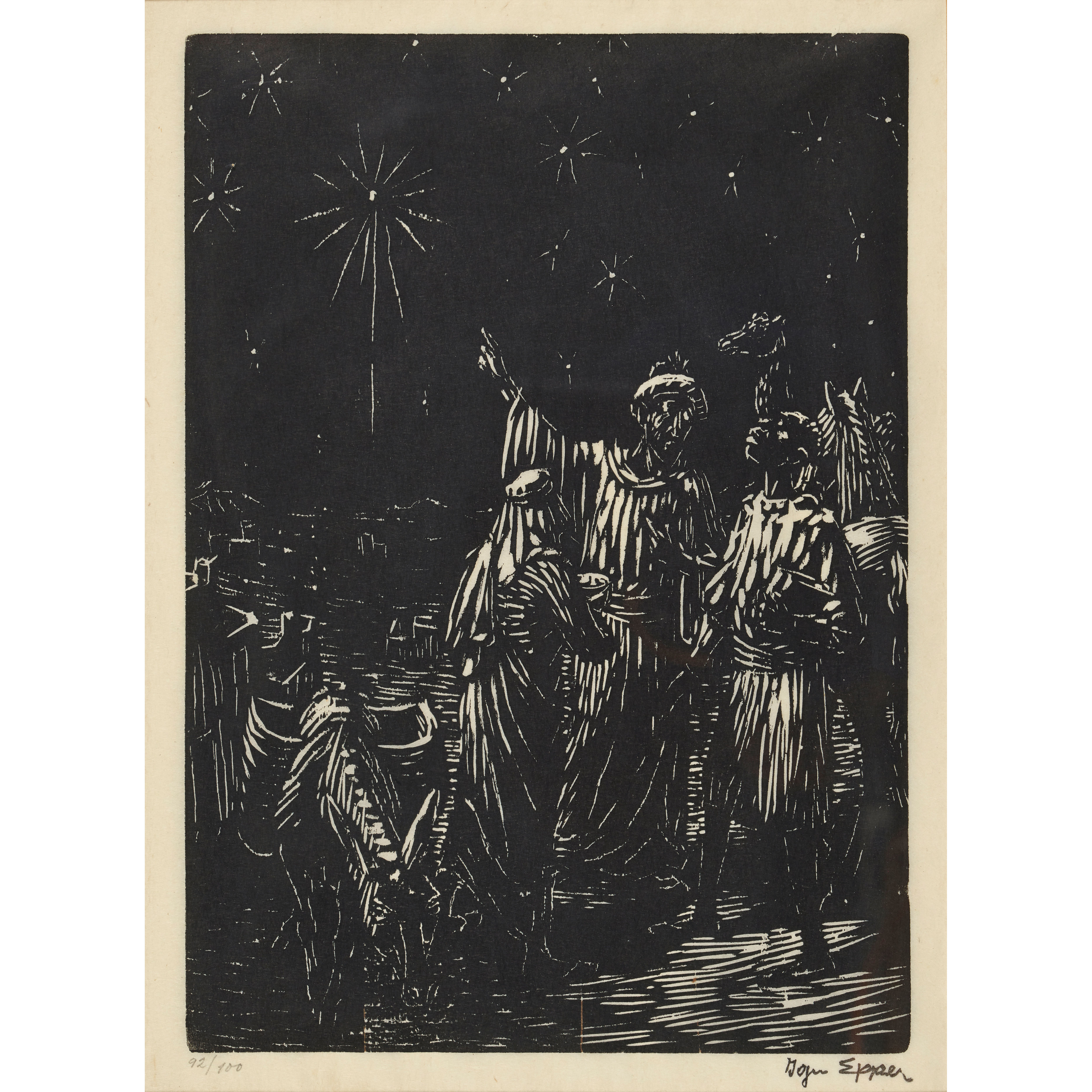
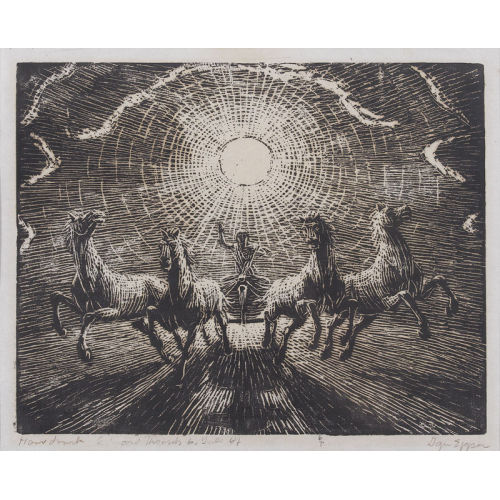
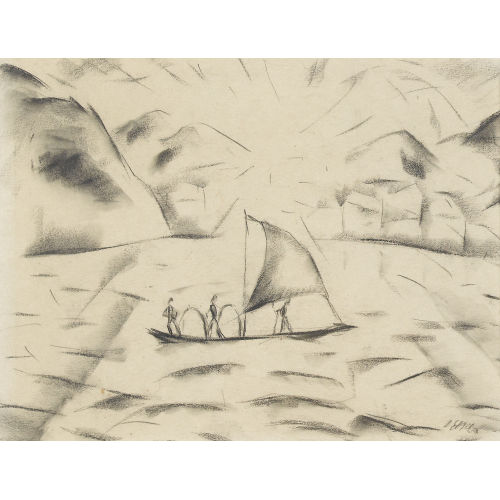
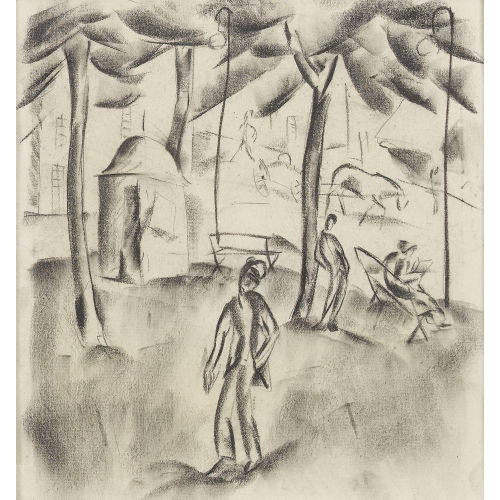
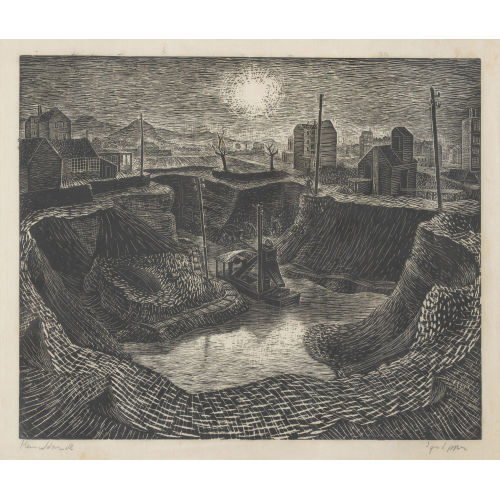
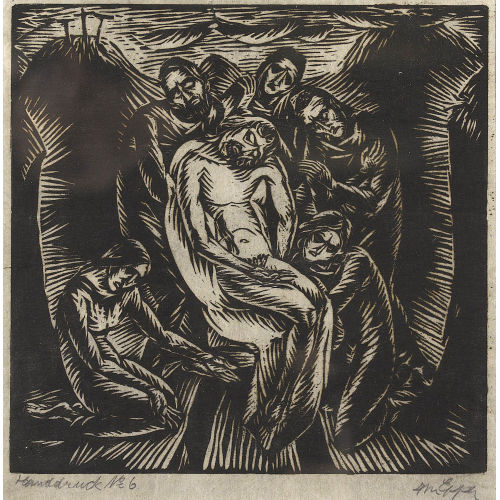
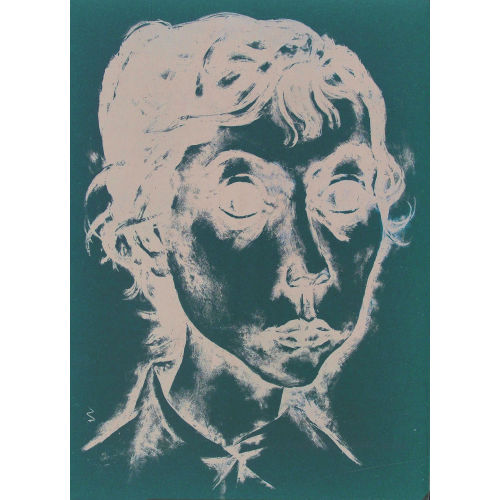
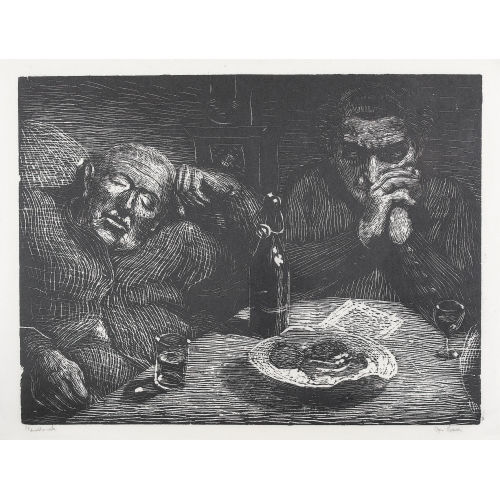
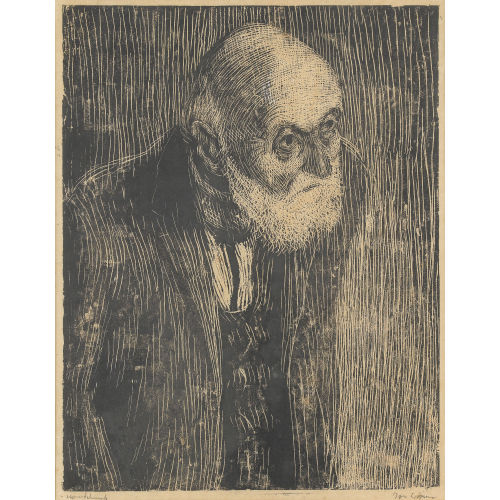
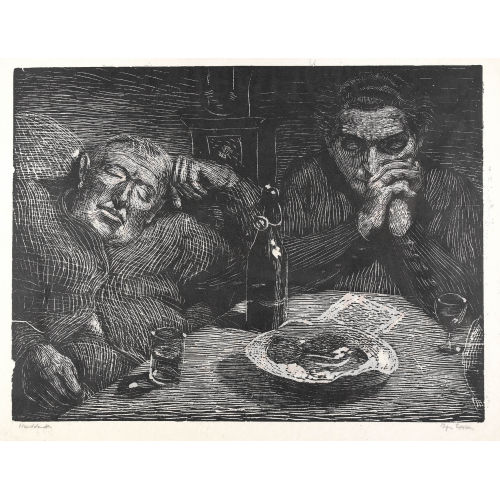
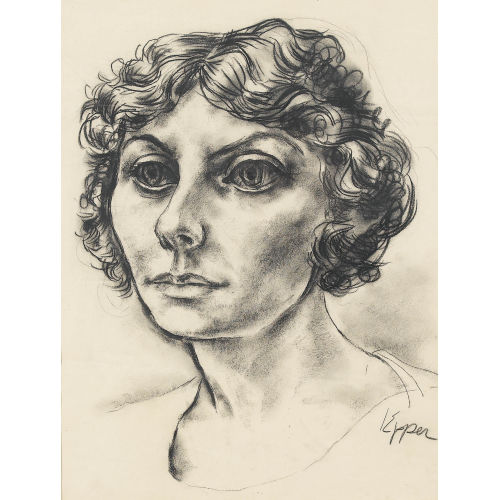
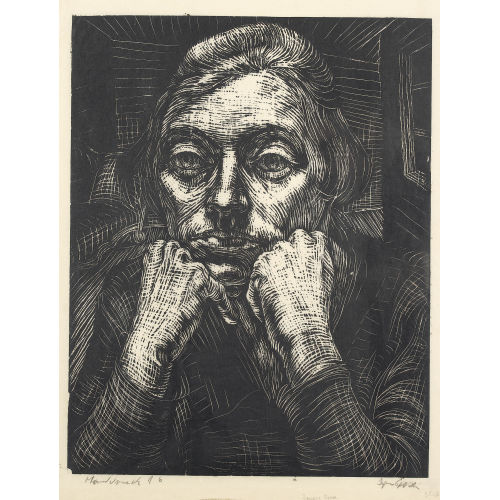
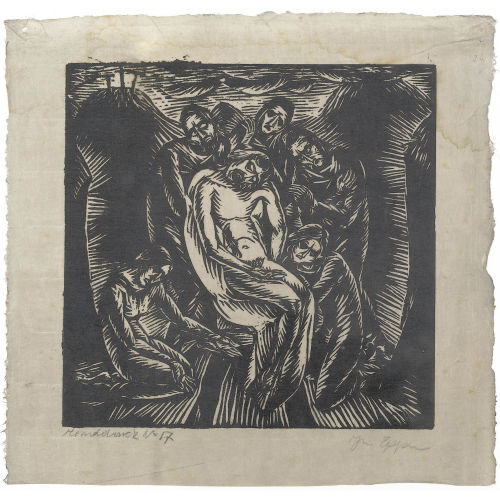
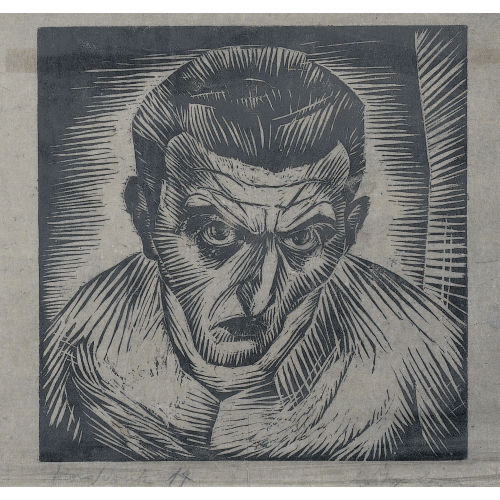
Associated with Swiss Expressionism, Epper is best known for his prints of the 1910s and 1920s. Wood engravings, drawings in black or coloured chalk, and paintings address religious themes, the modern city, and the industrial landscape. The human figure remains at the heart of his work: bodies and faces convey suffering, violence, and inner tension.
The Passion cycles are among the motifs in which this vision finds particularly powerful expression.
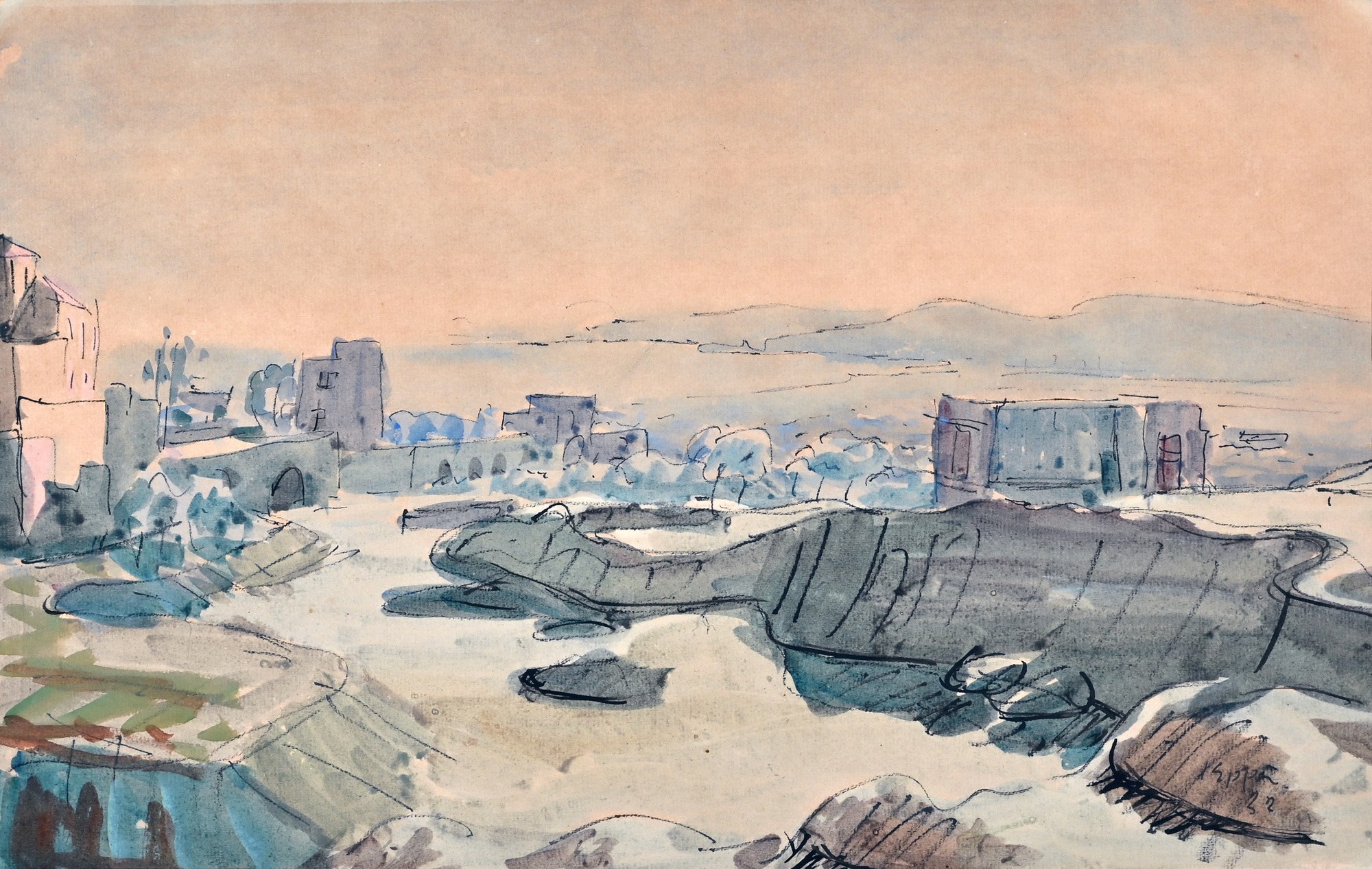
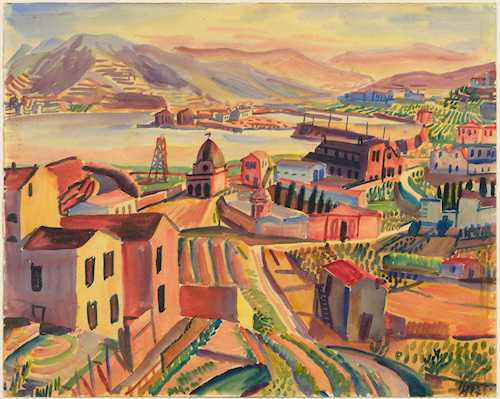
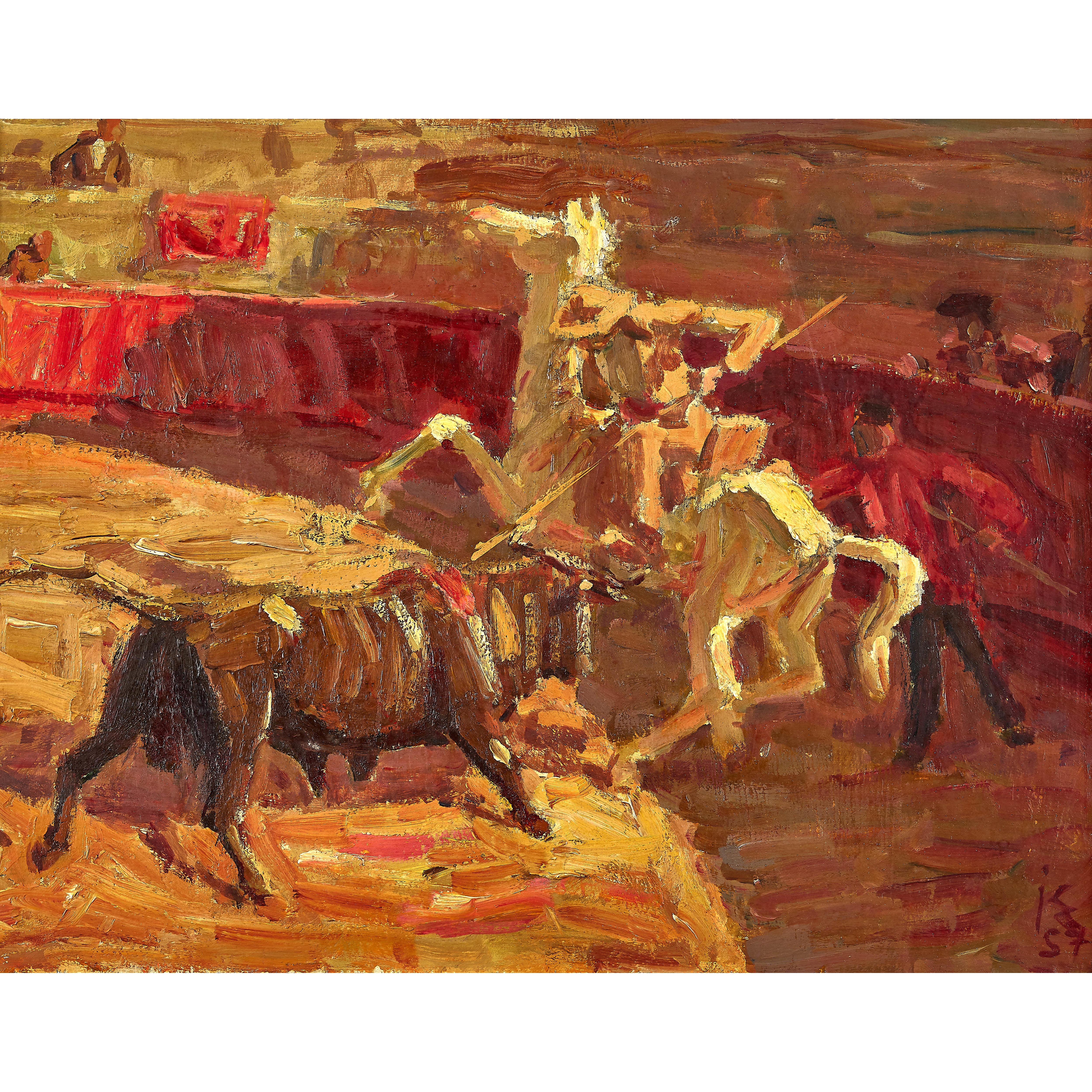
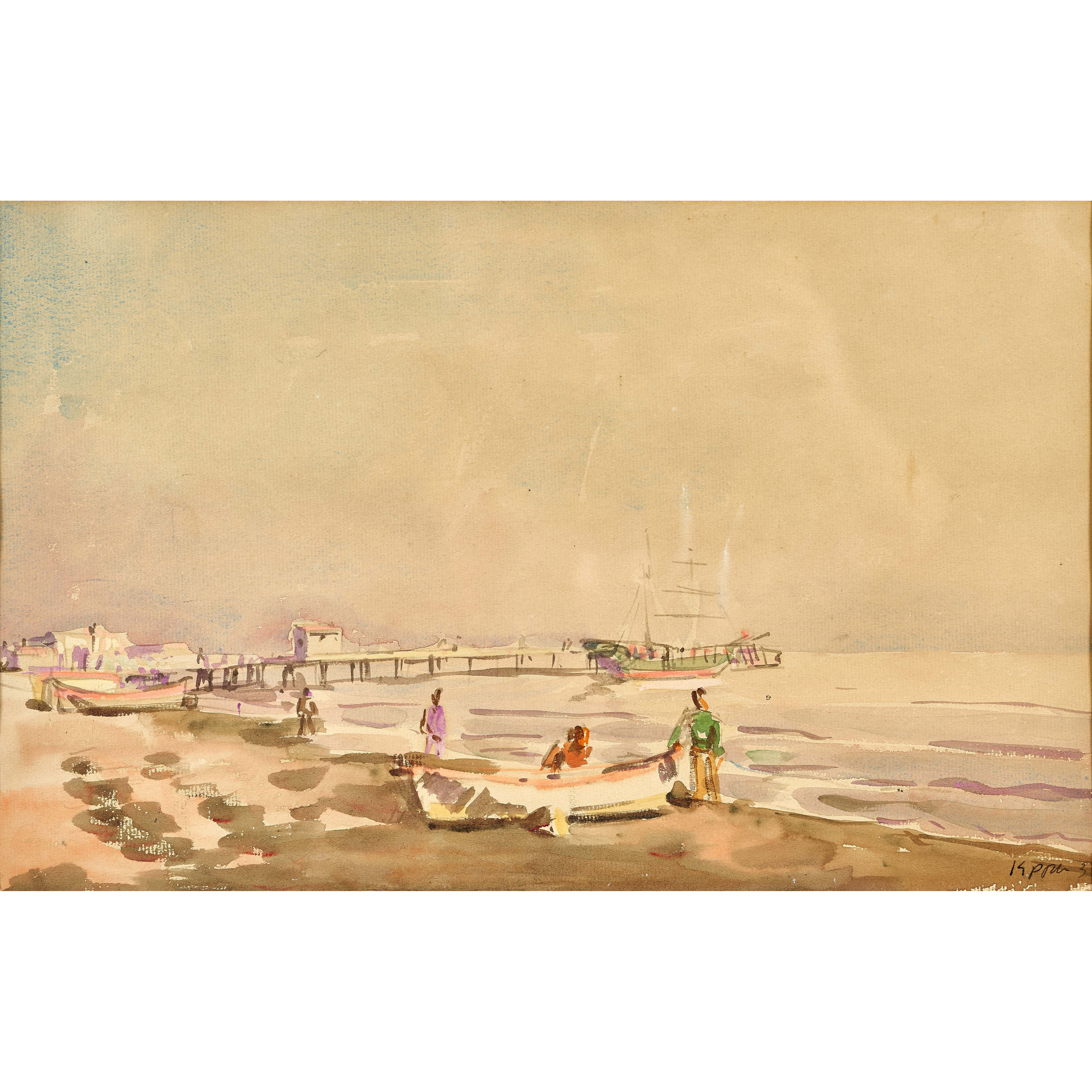
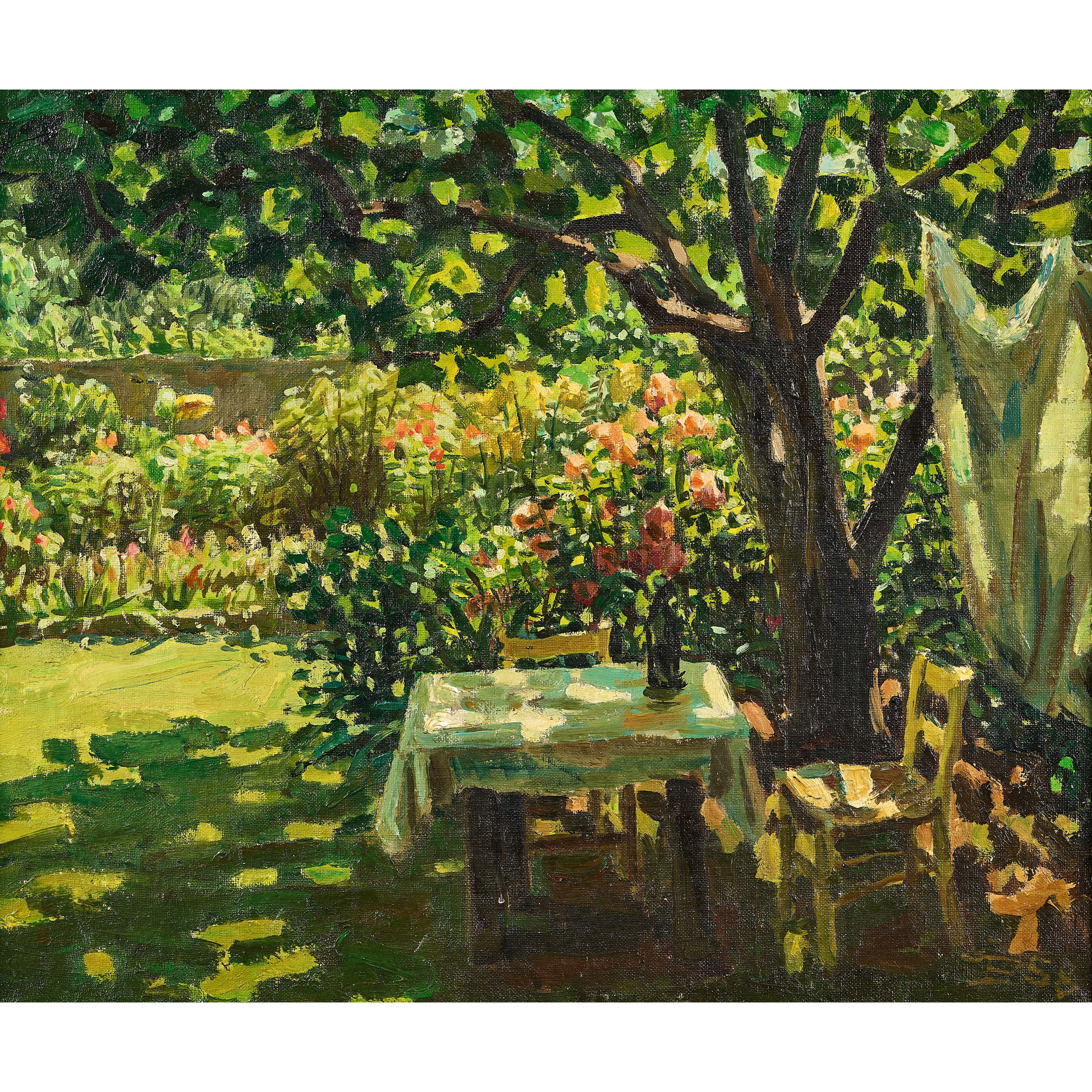
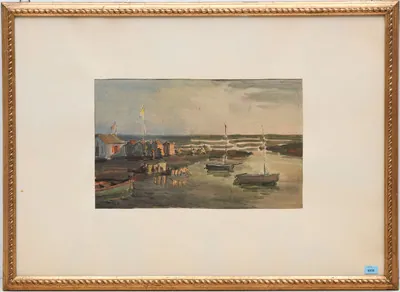
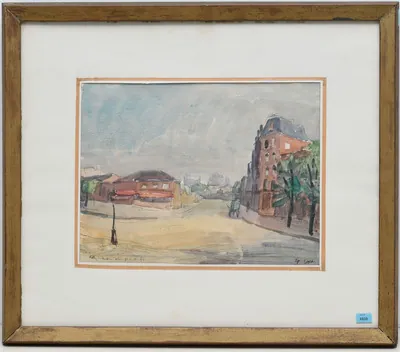
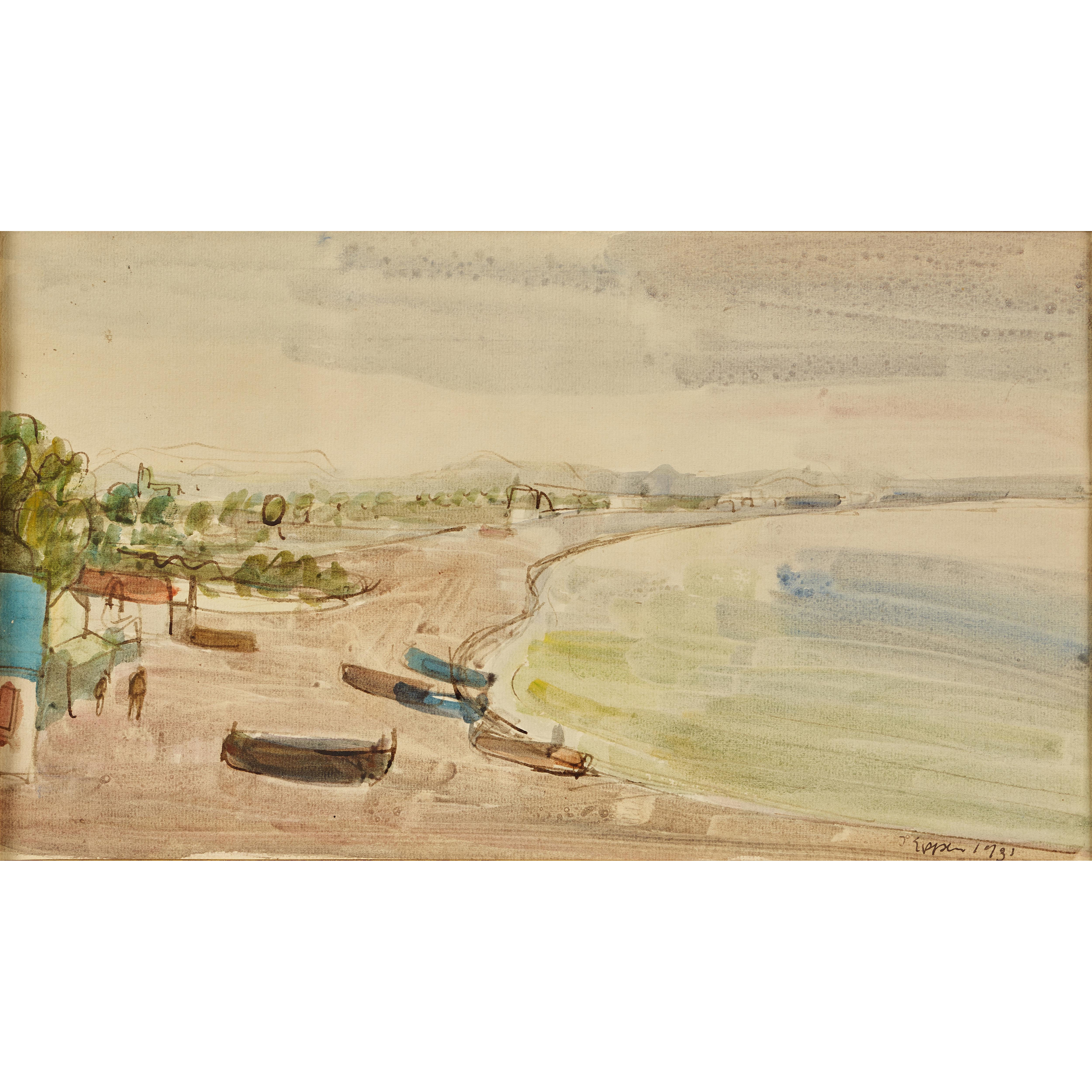
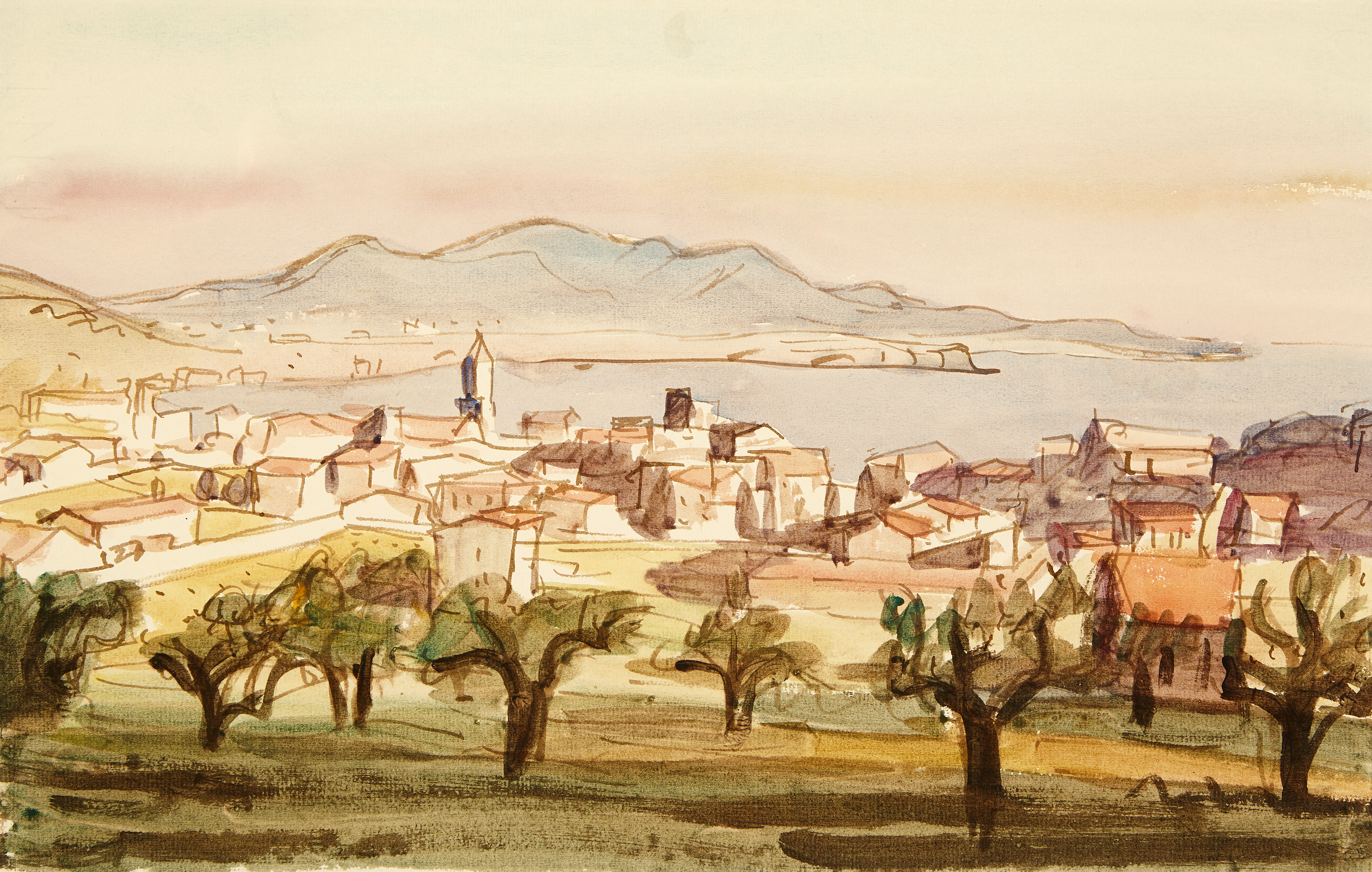
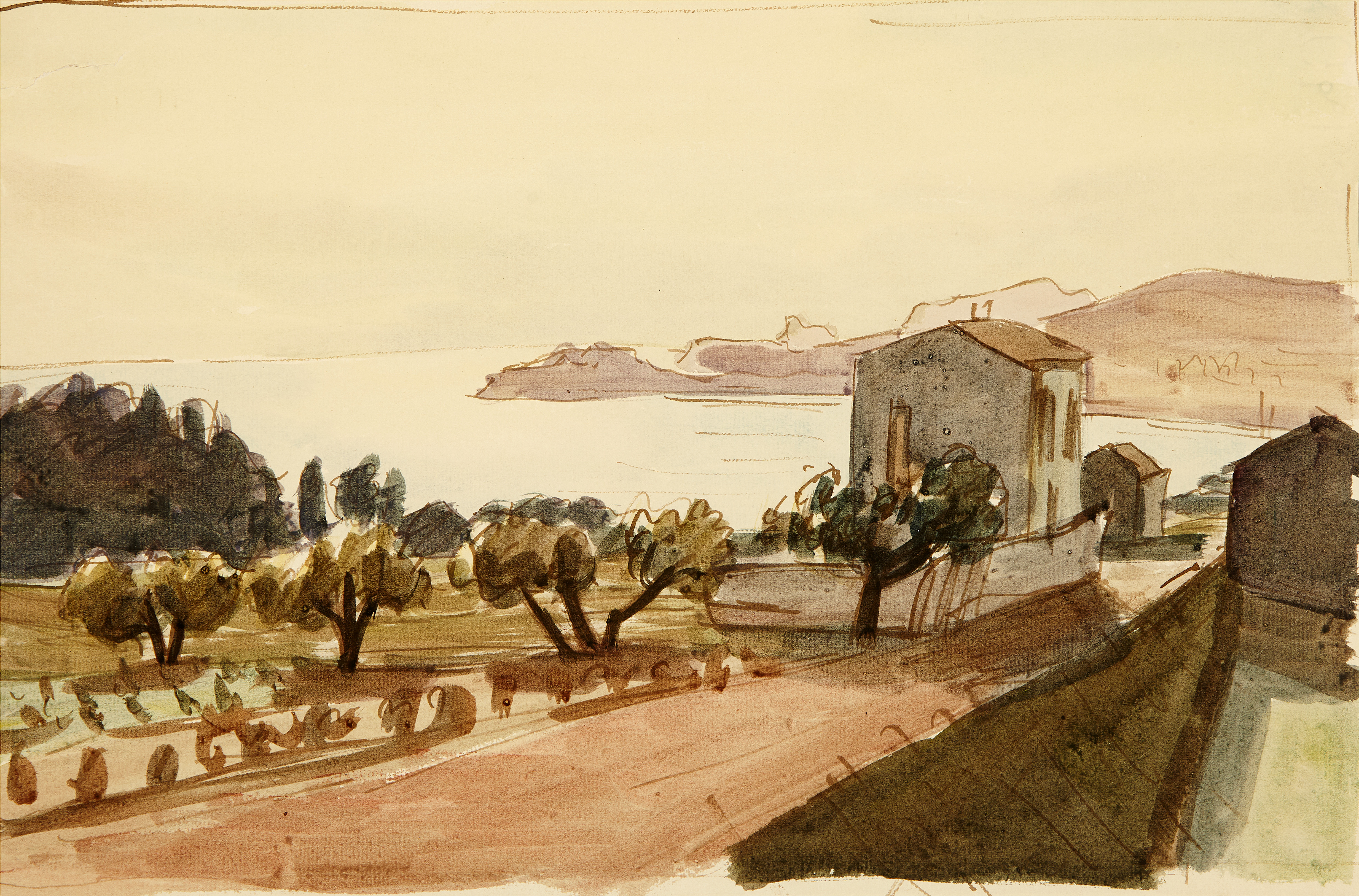
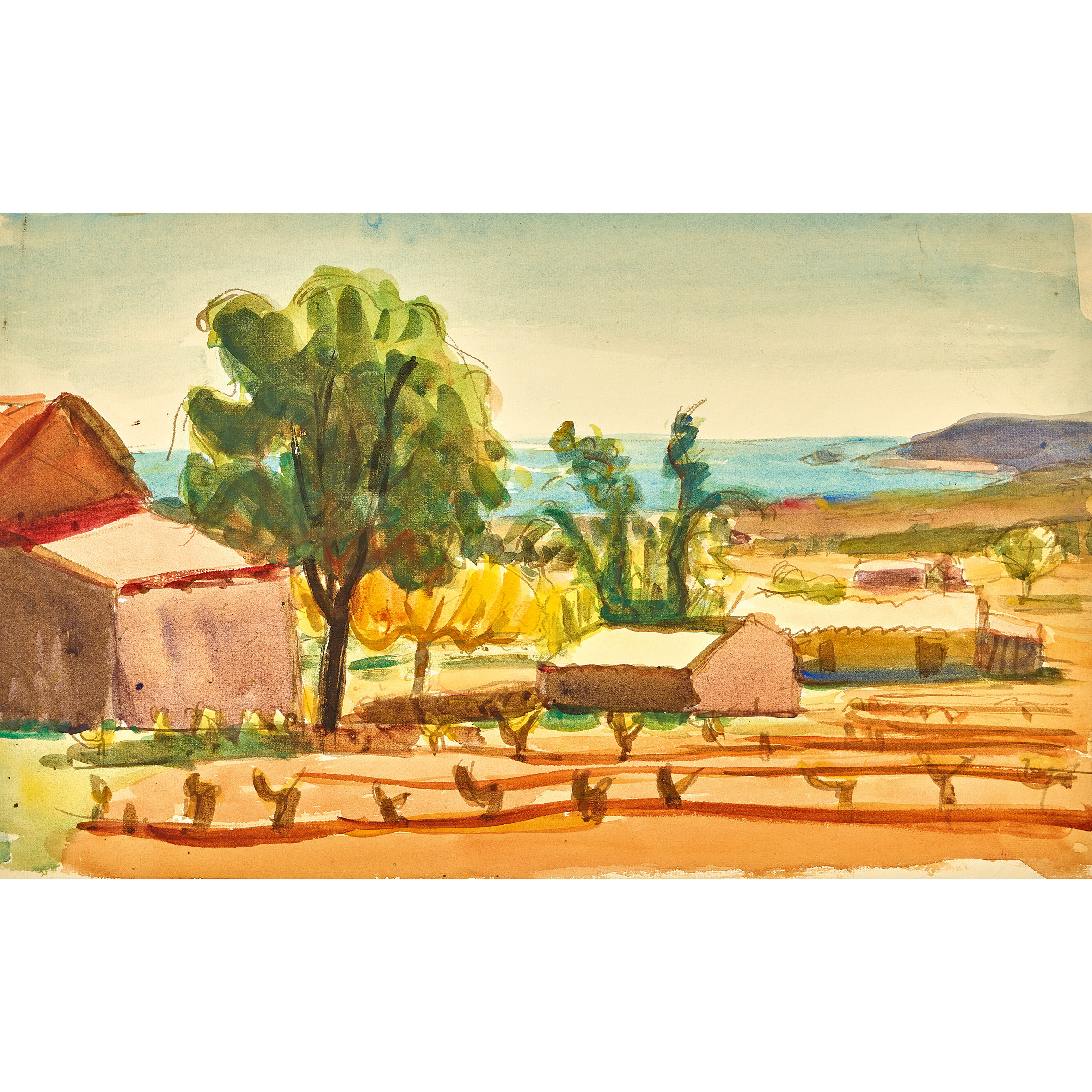
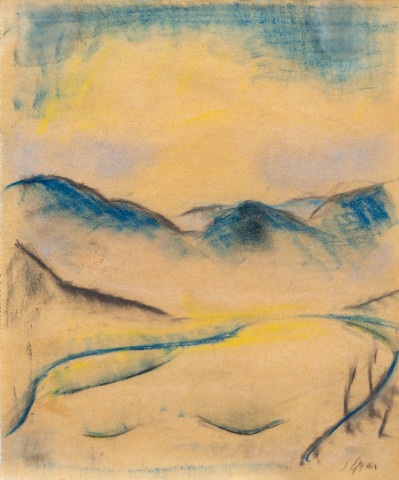
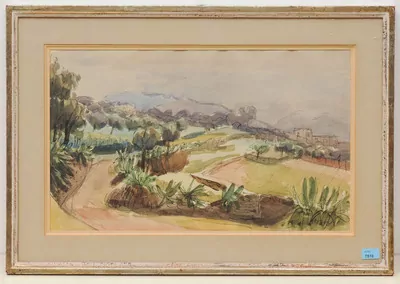
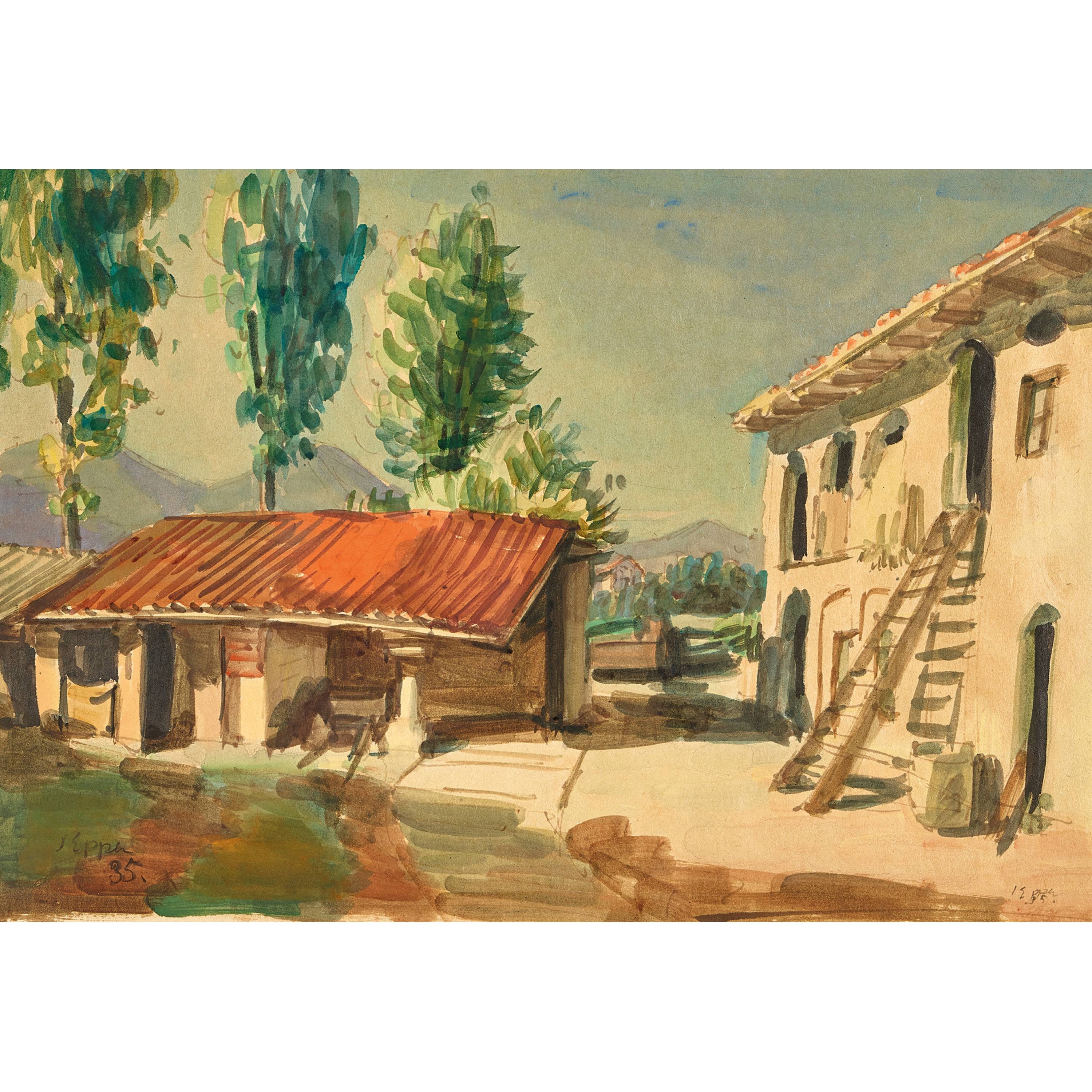
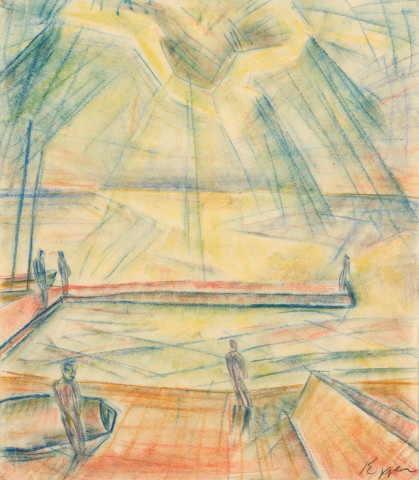
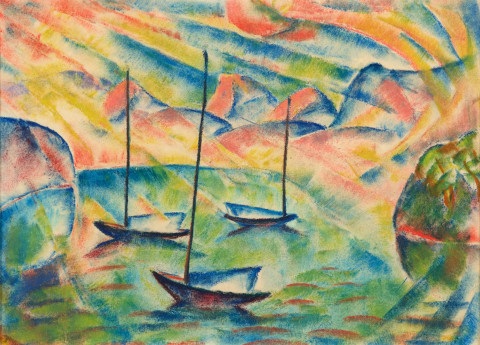
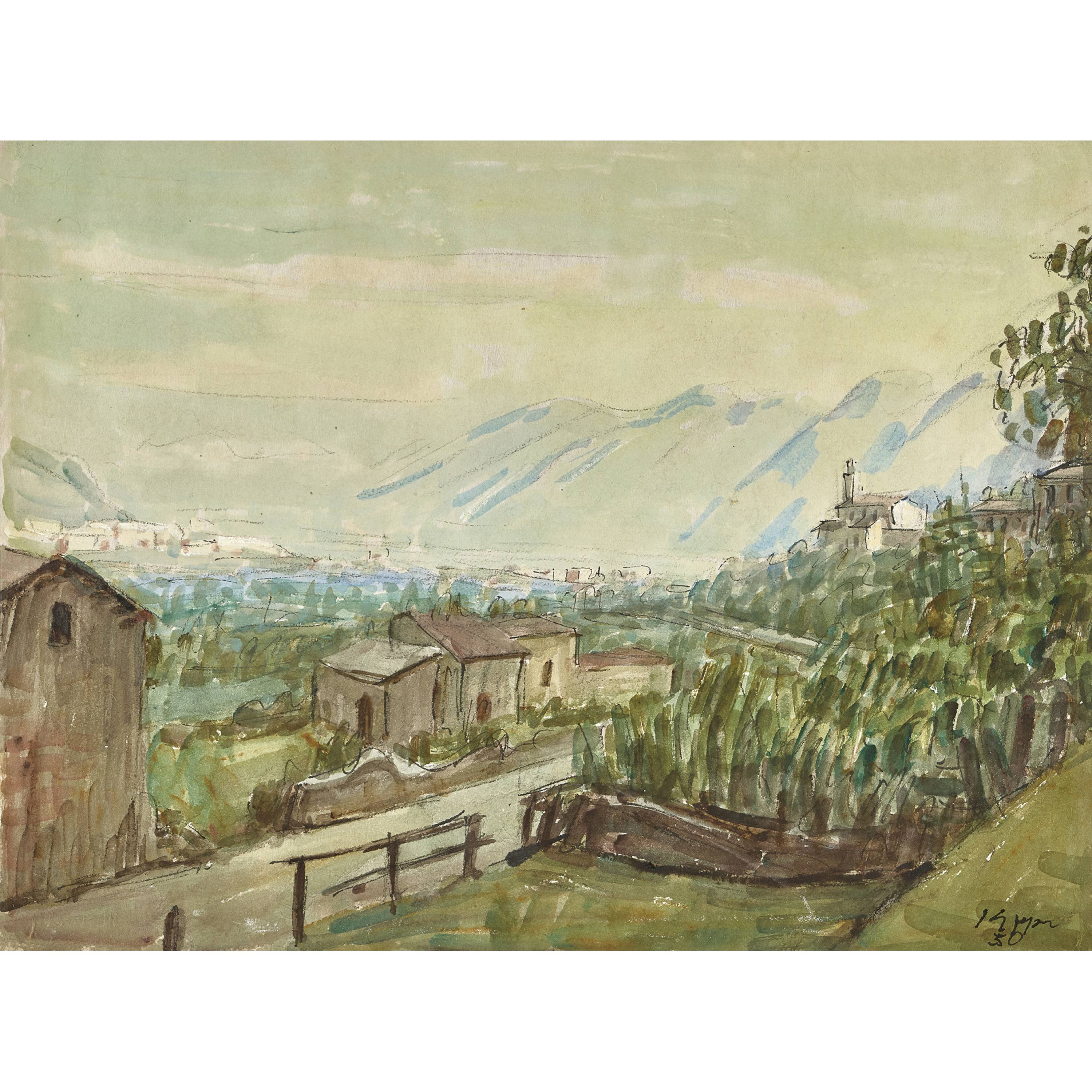
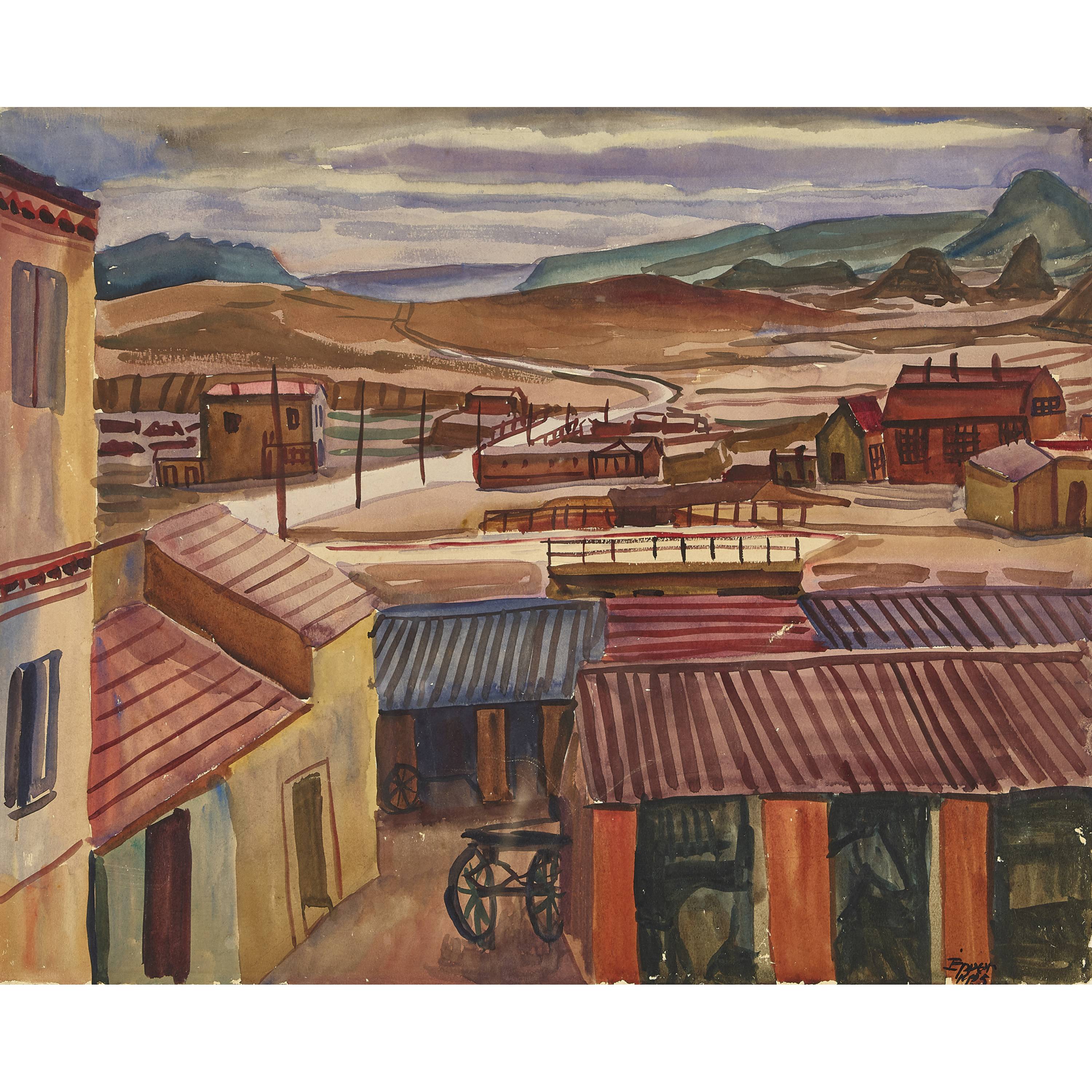
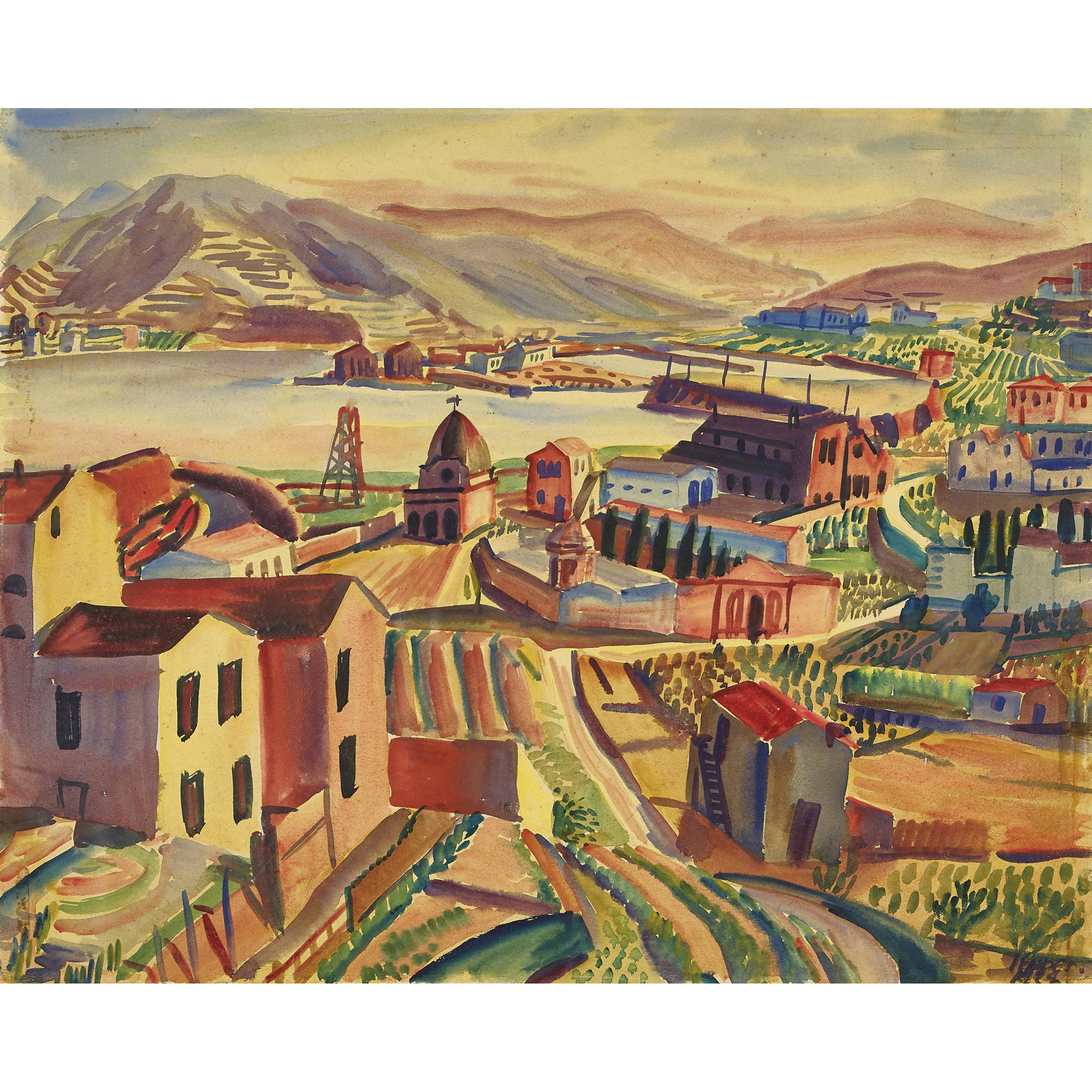
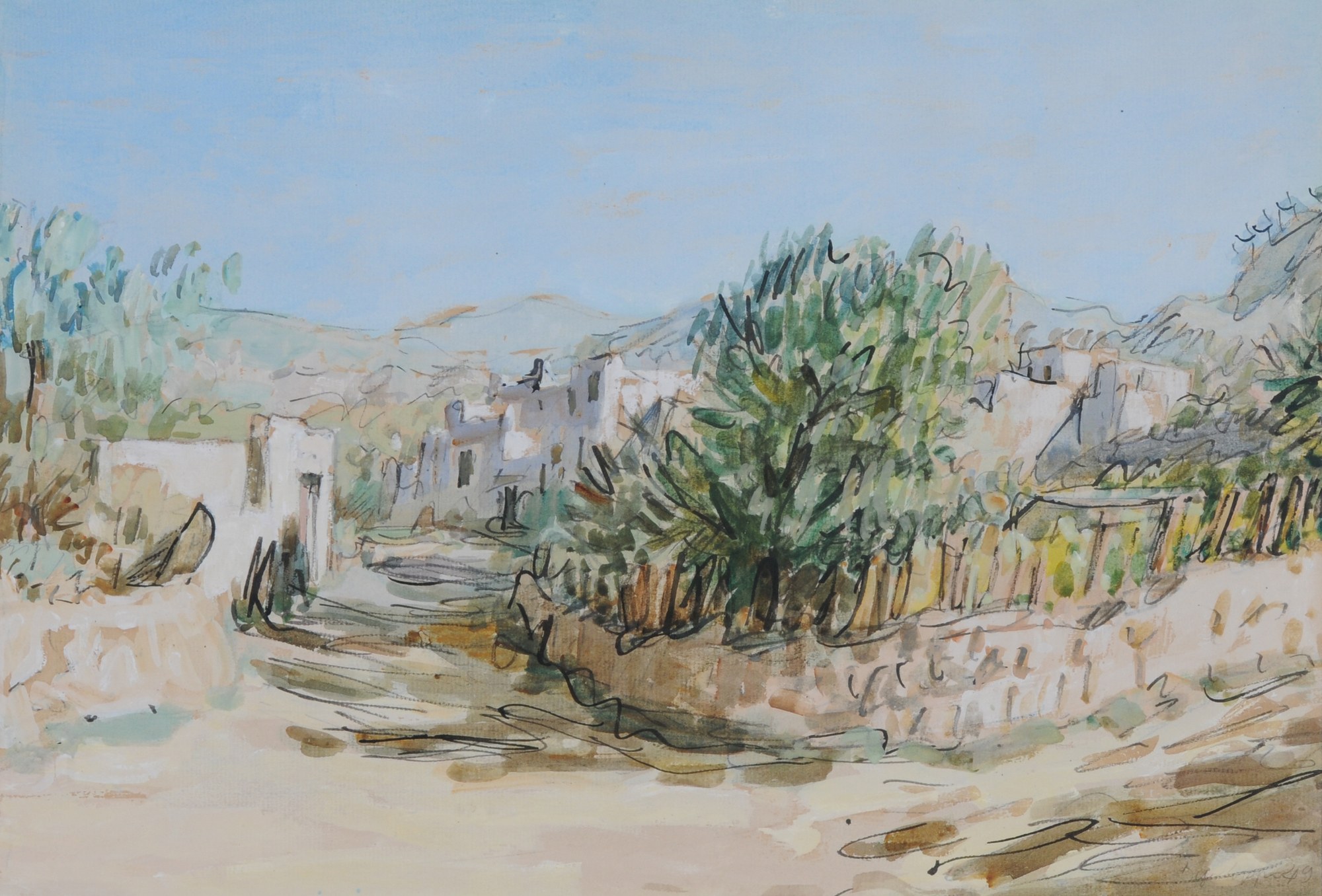
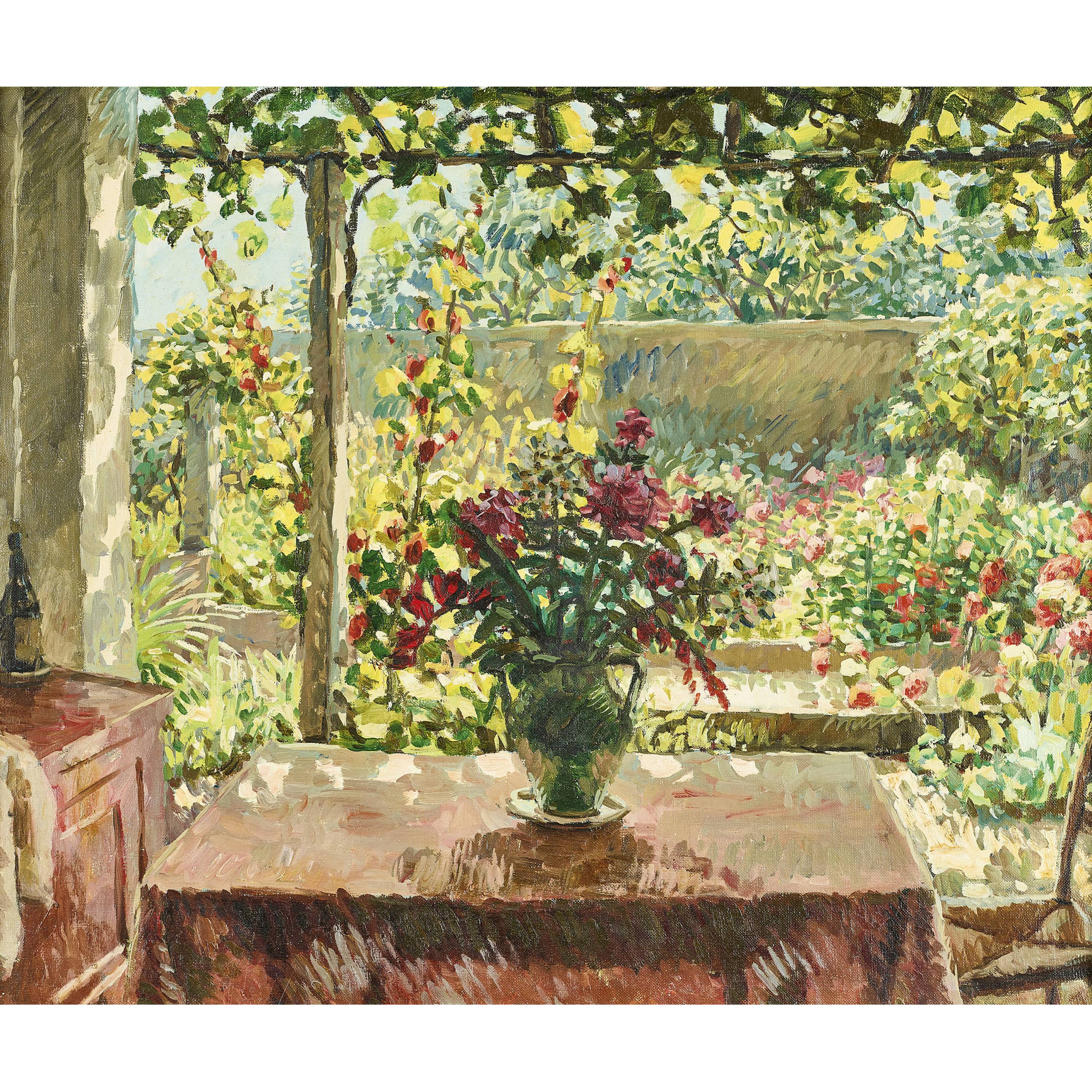
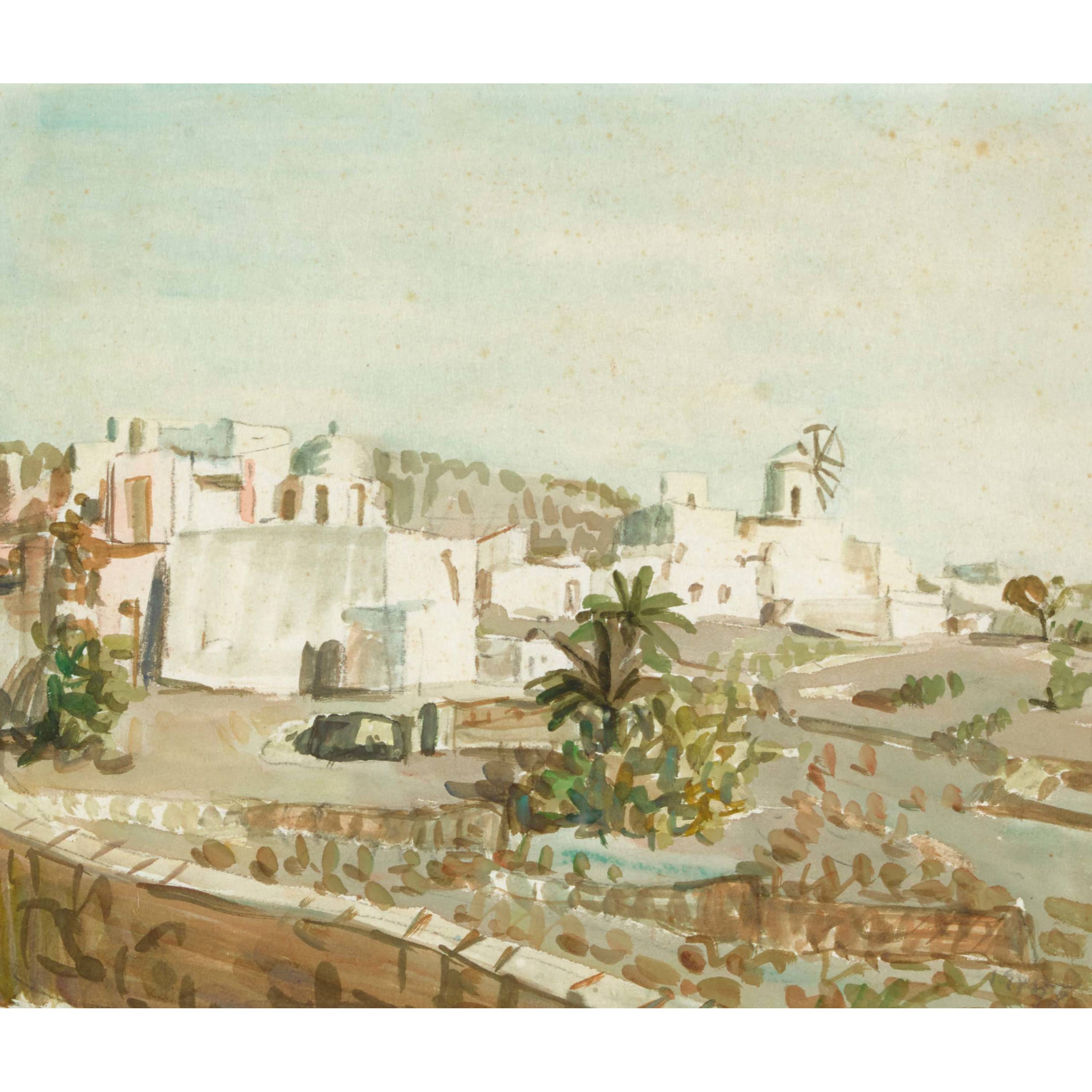
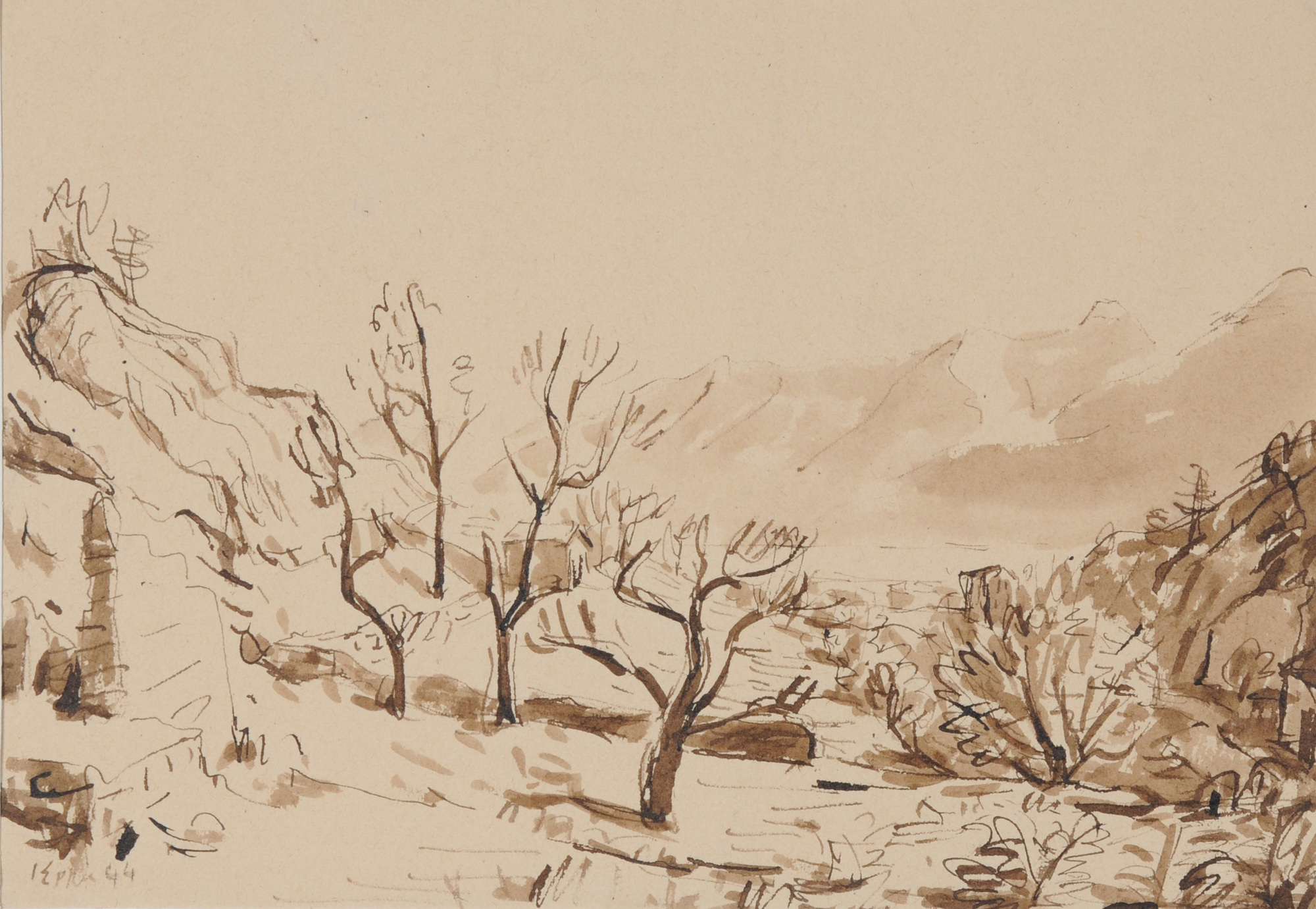
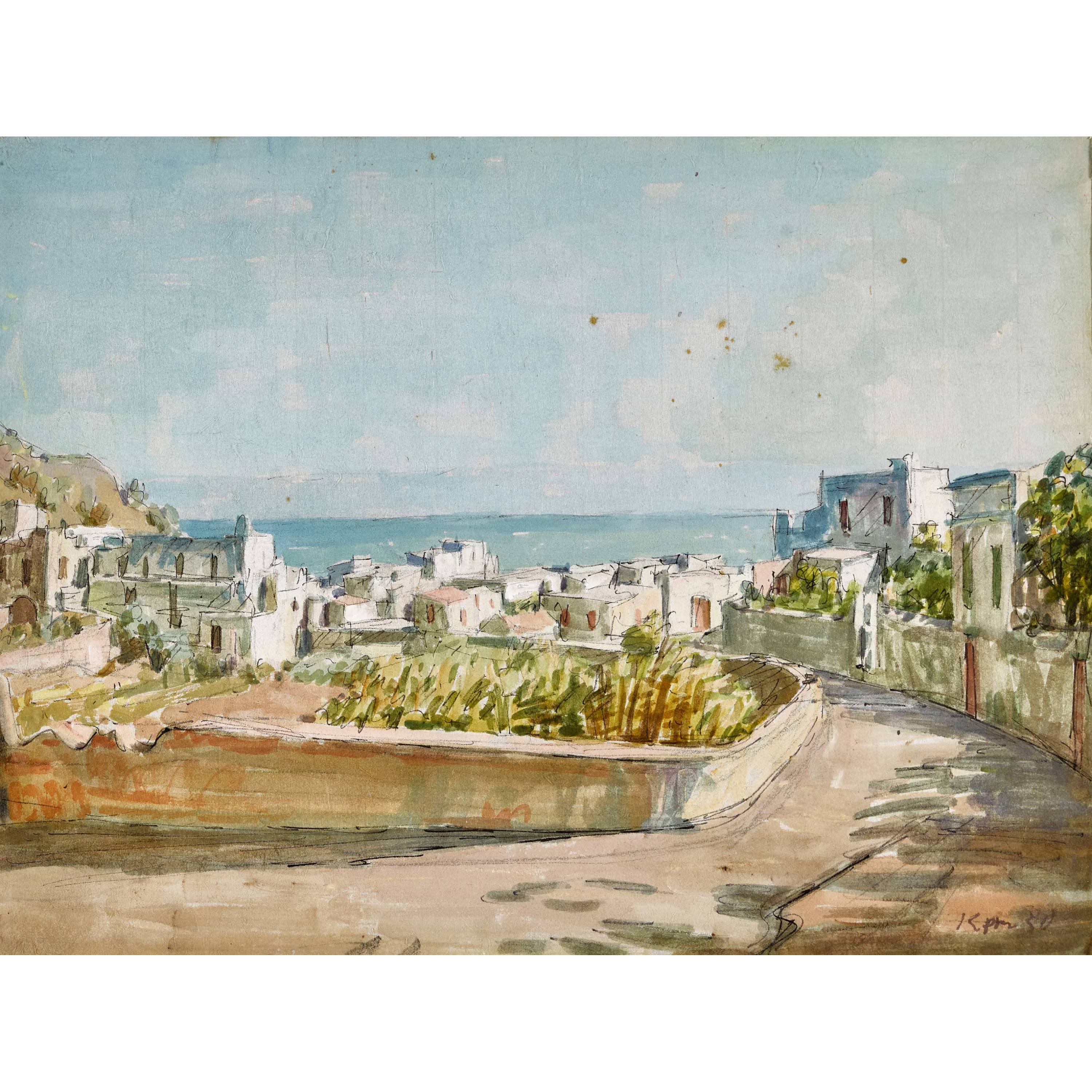
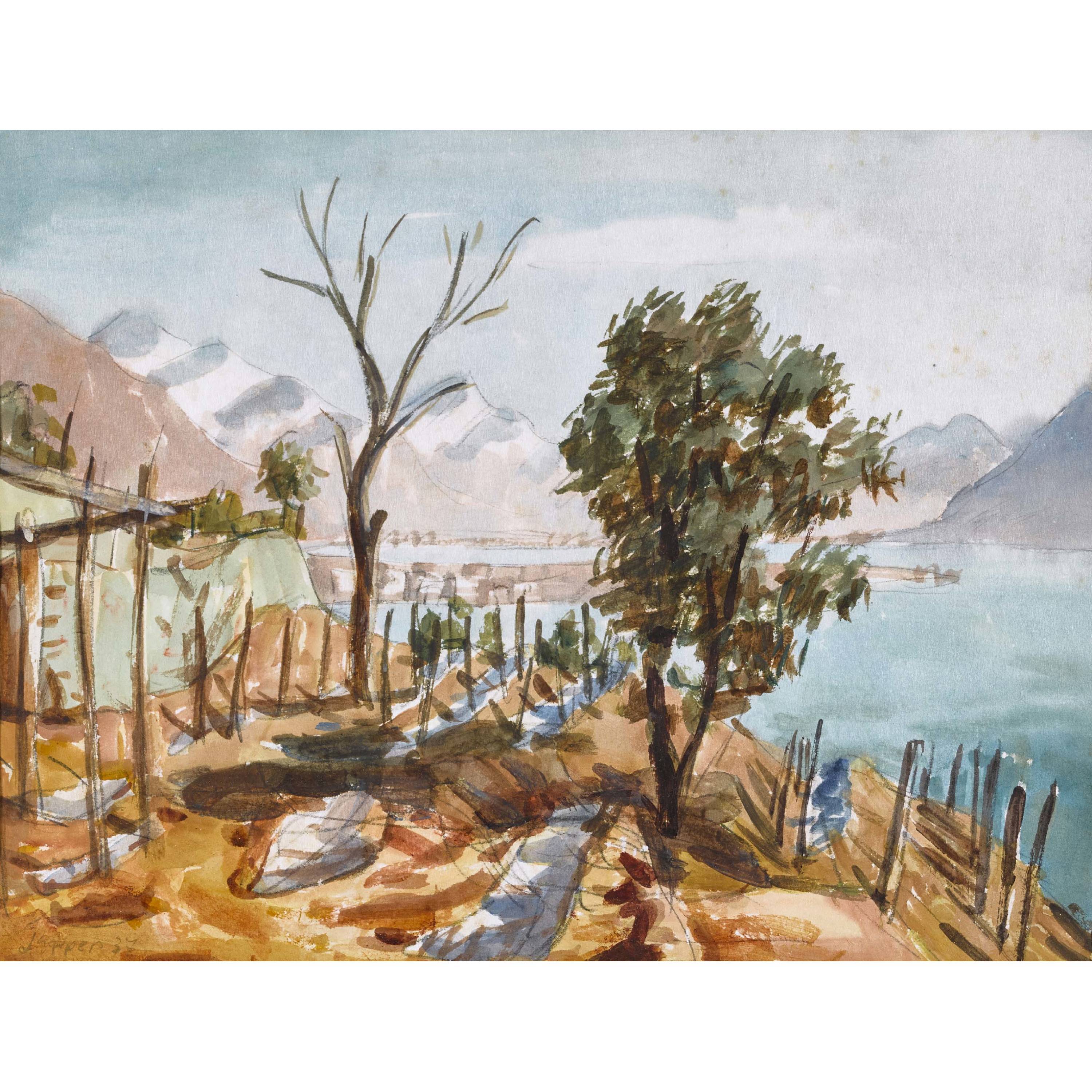
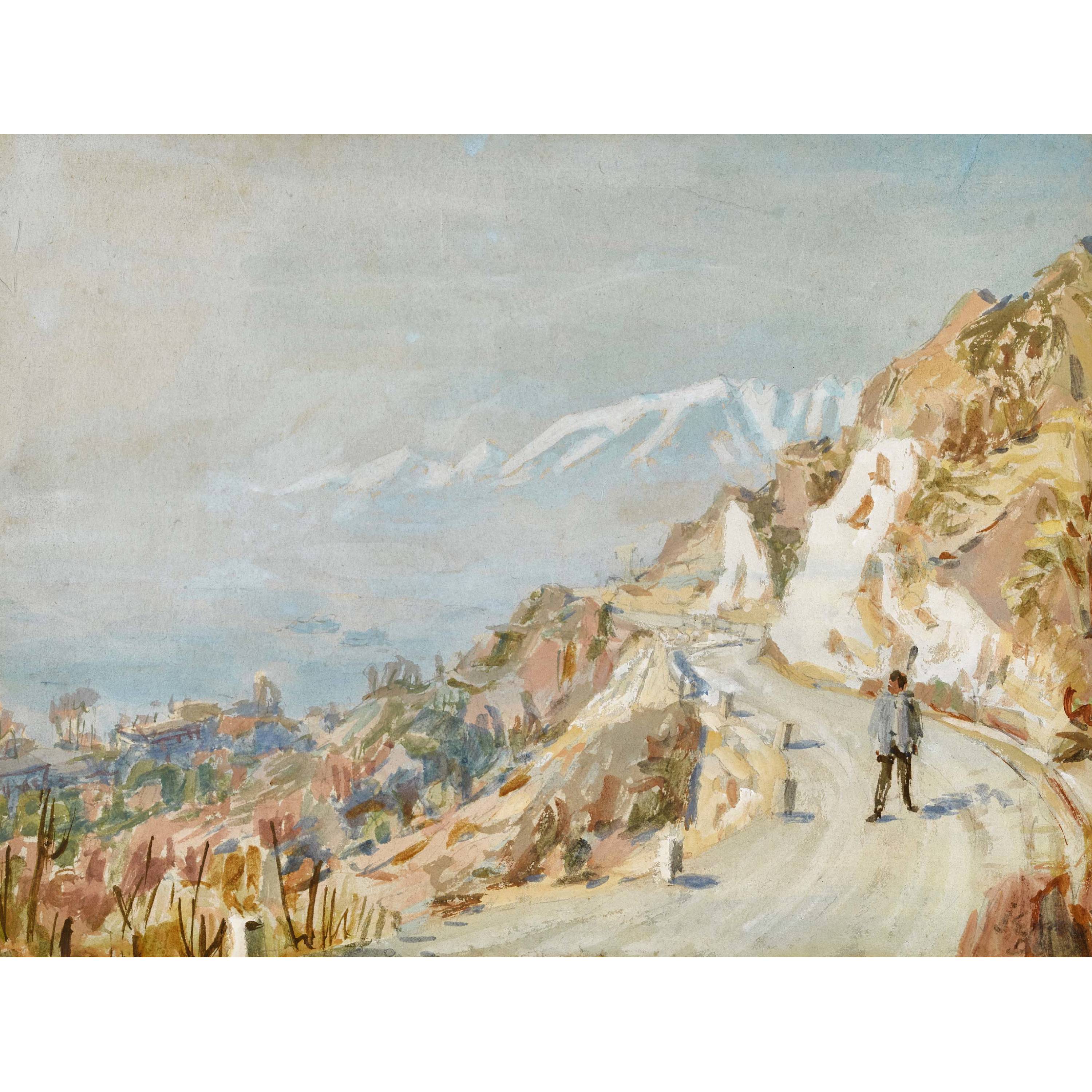
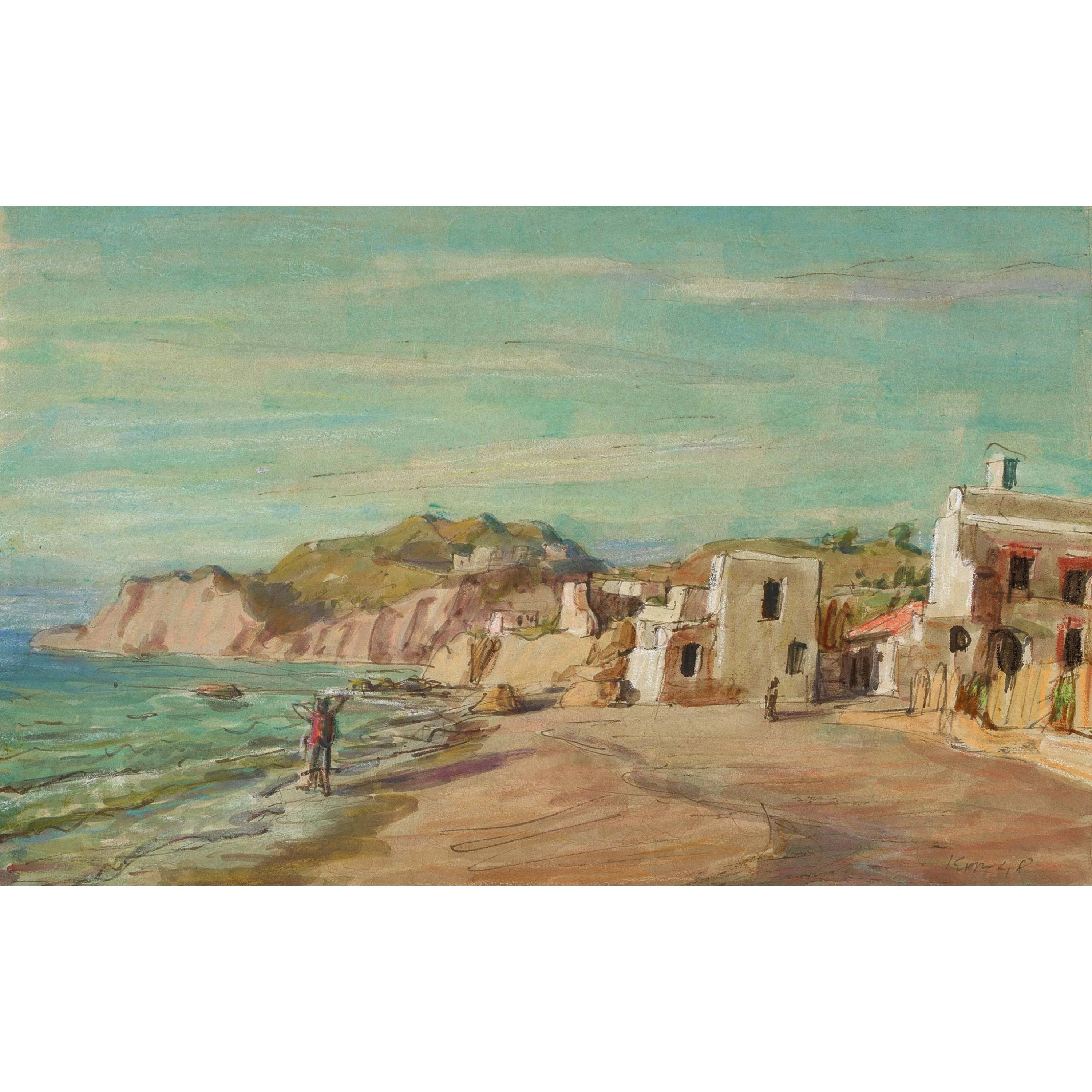
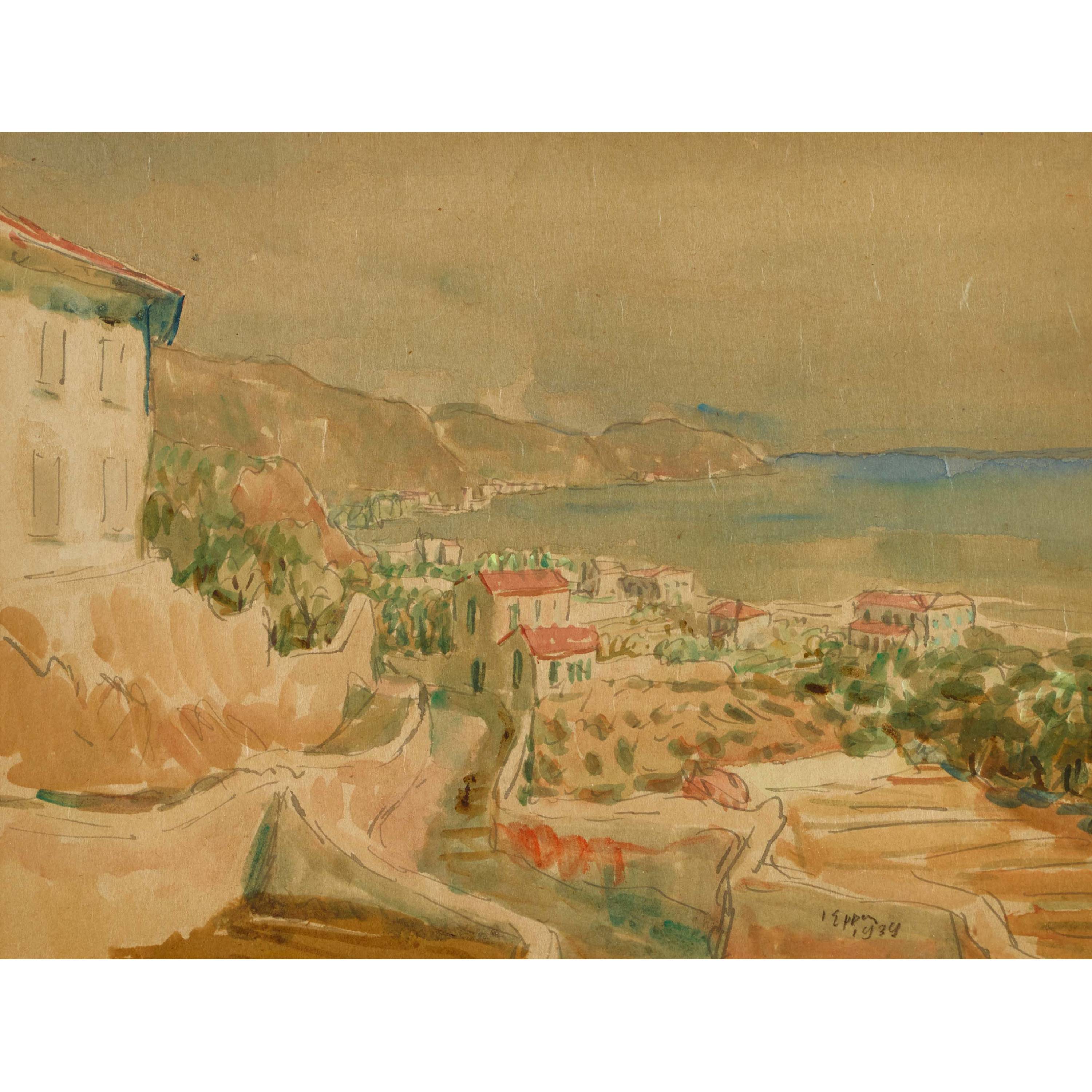
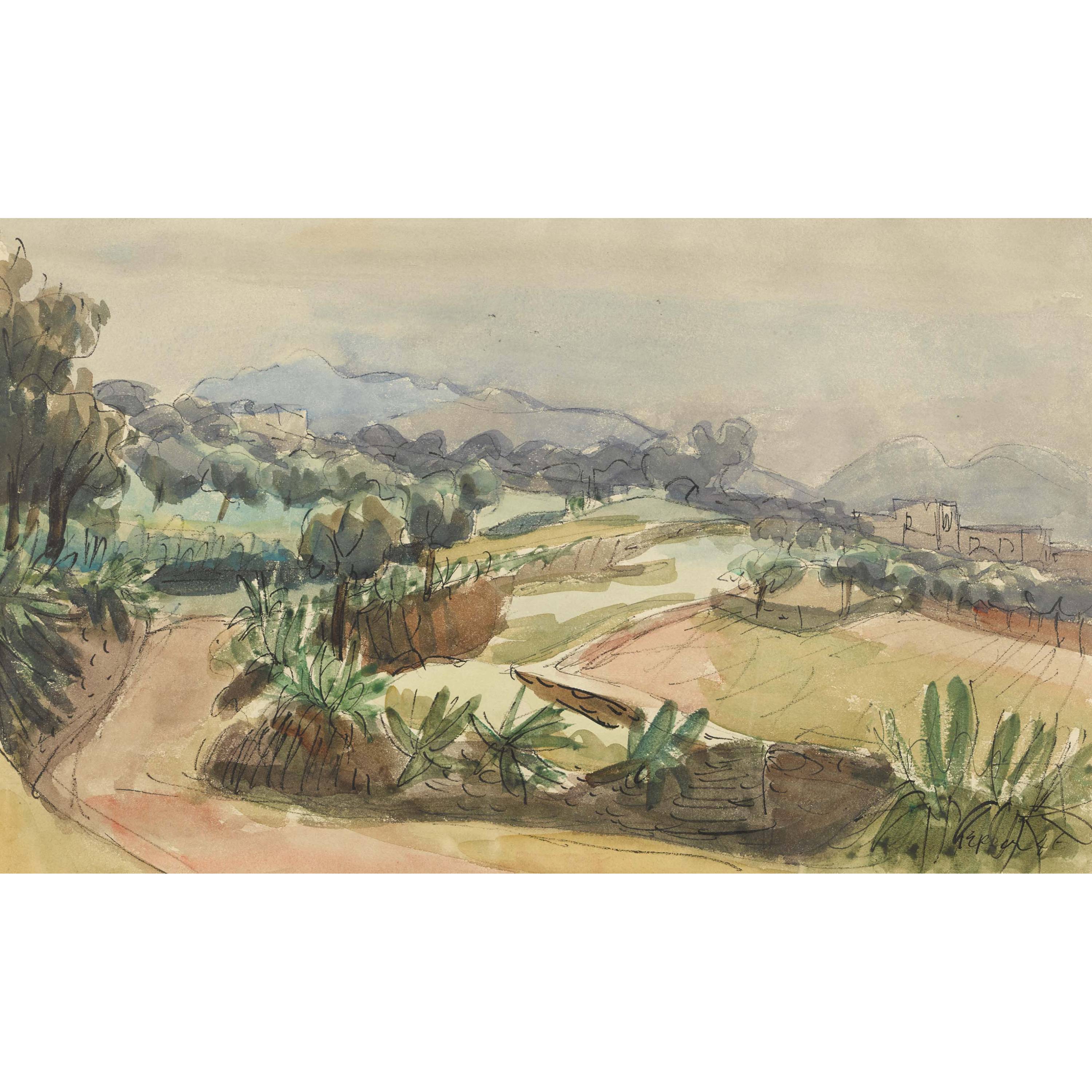
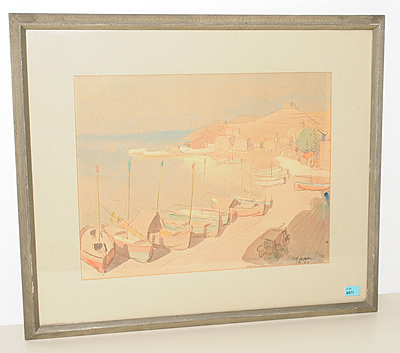
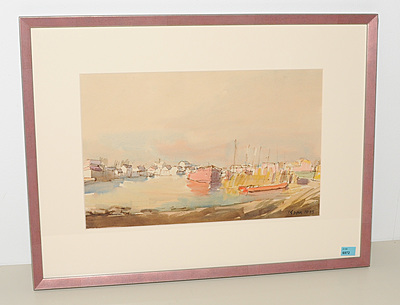
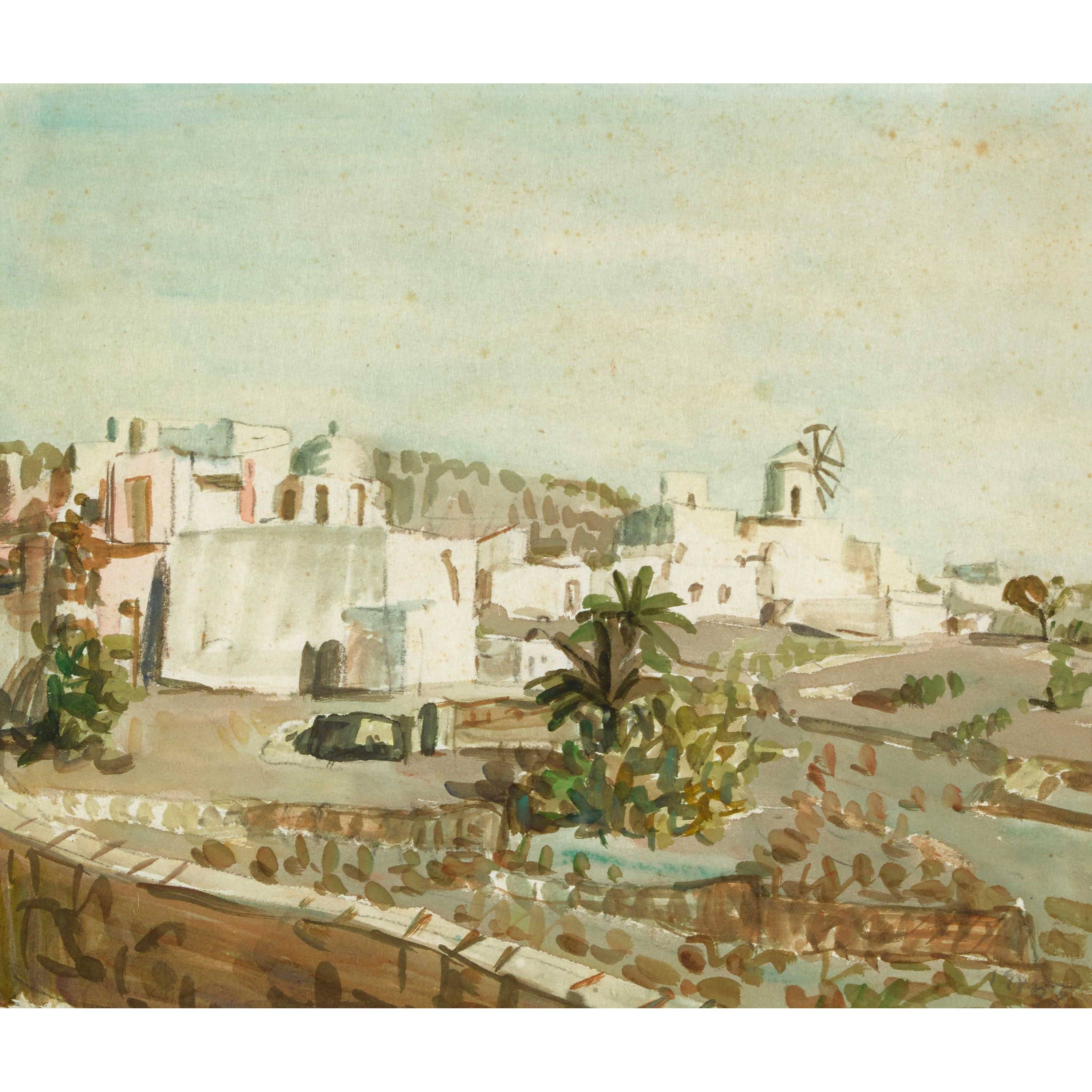
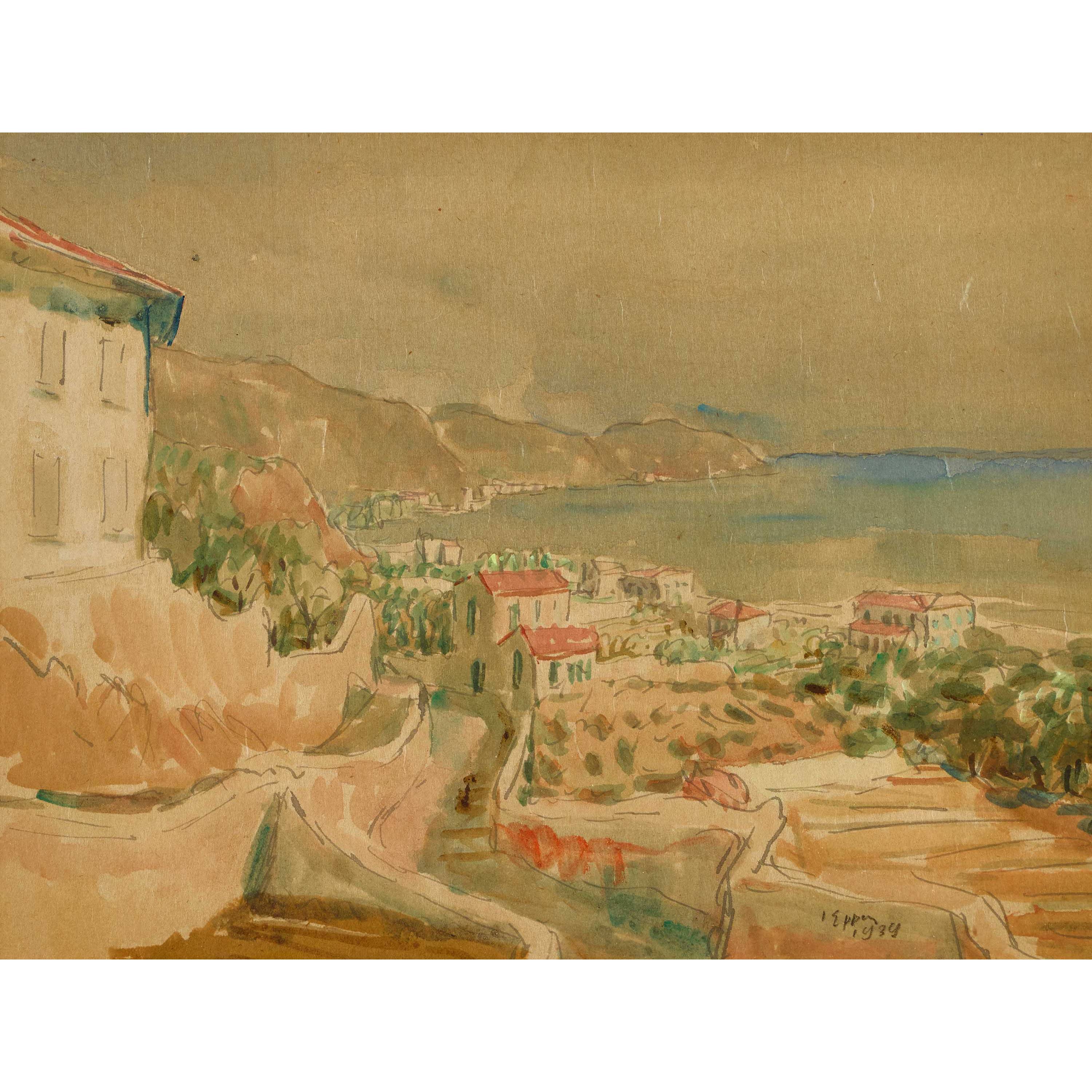
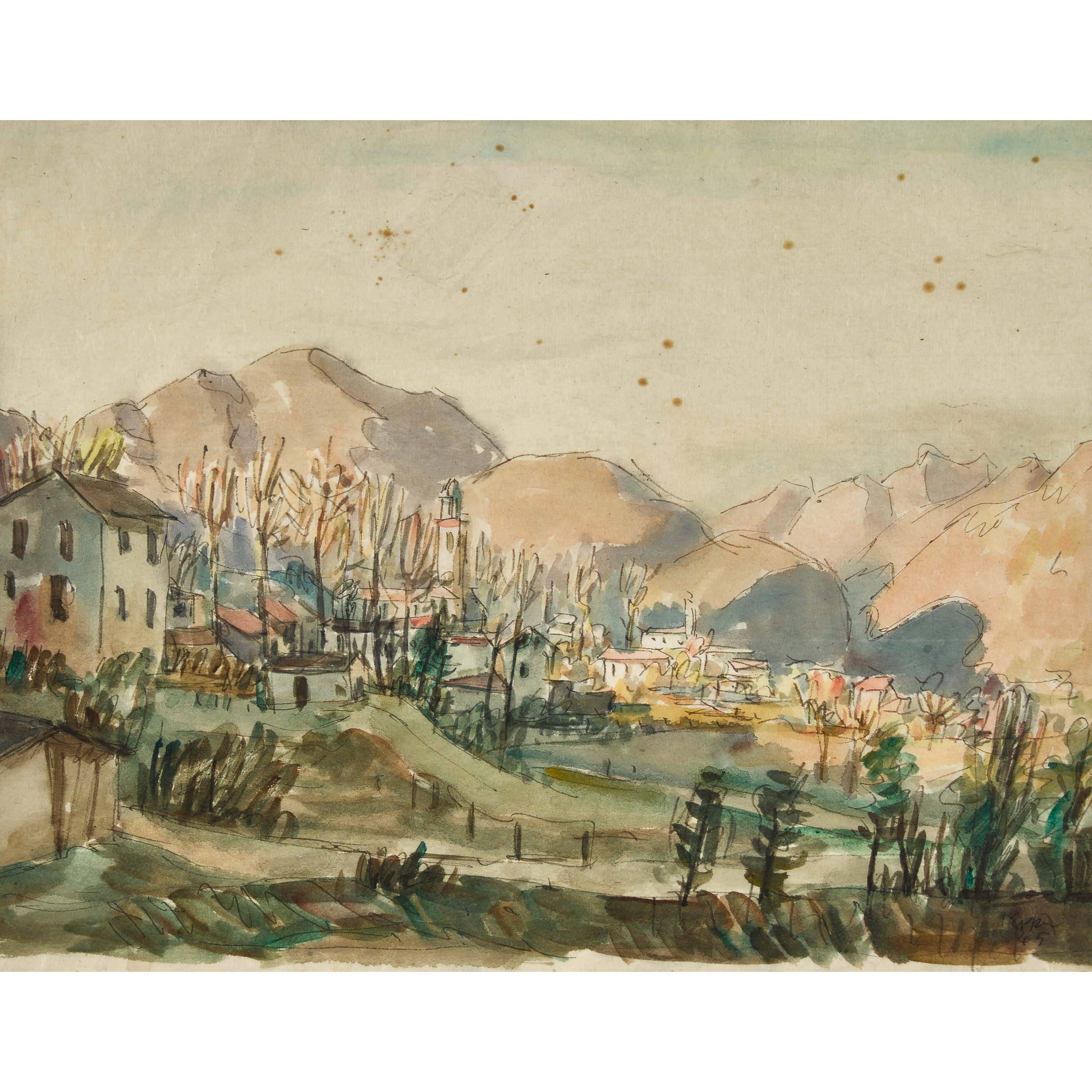
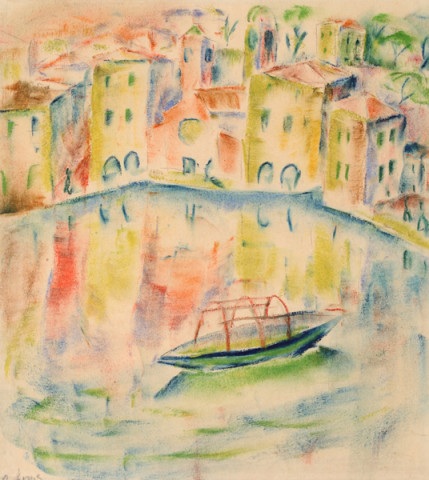
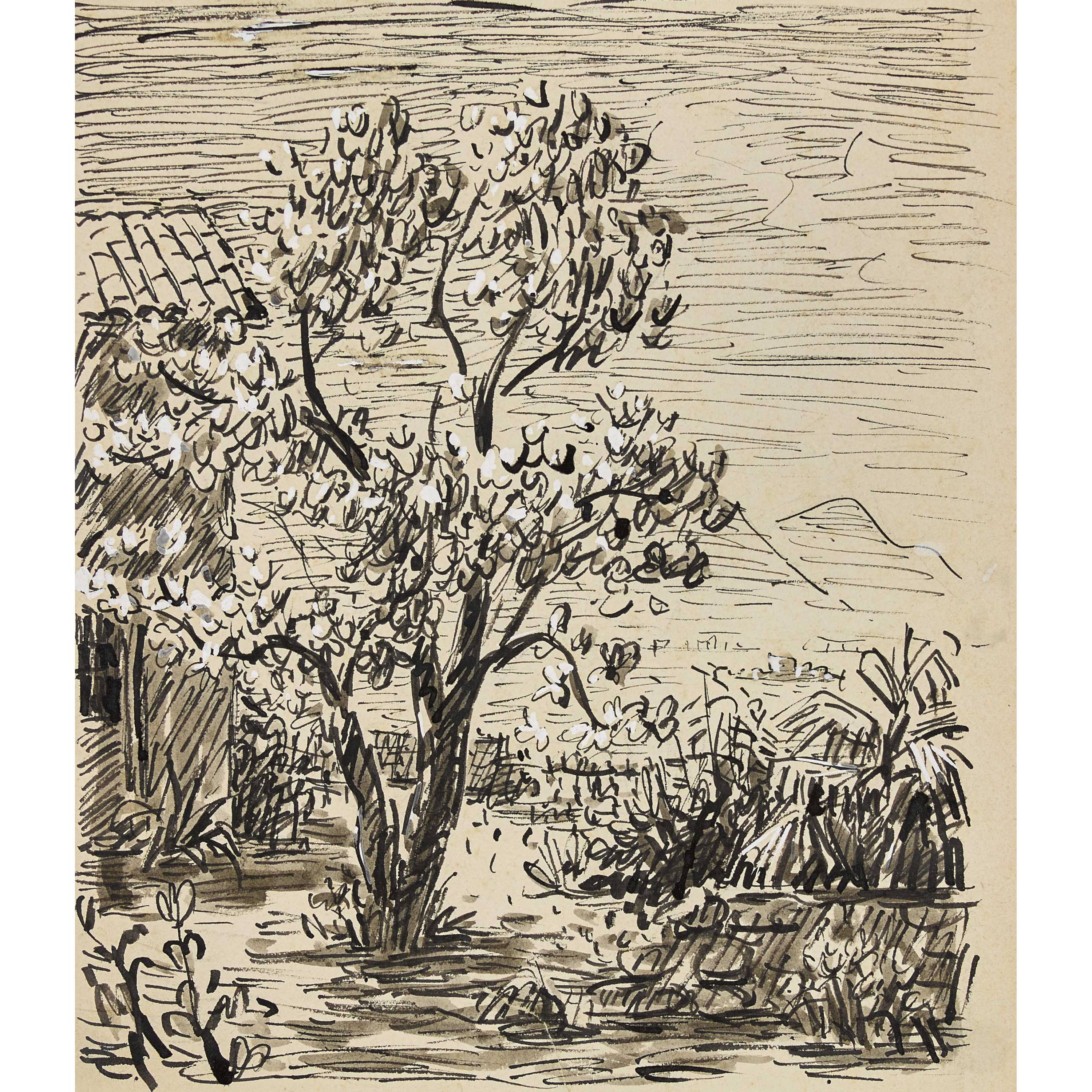
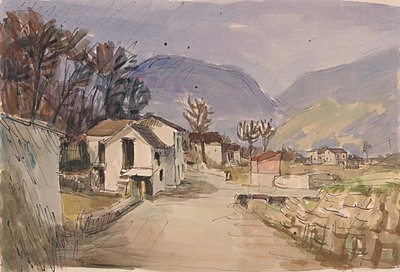
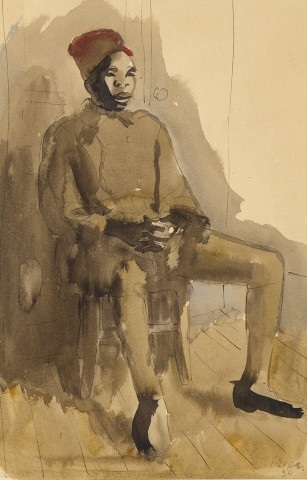
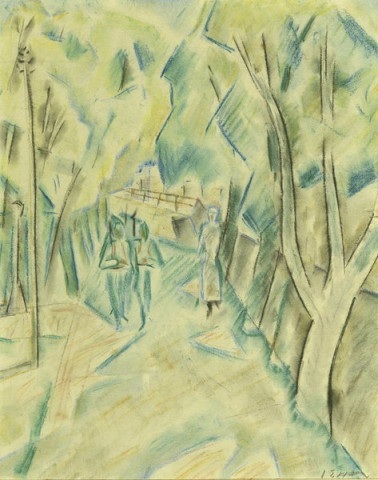
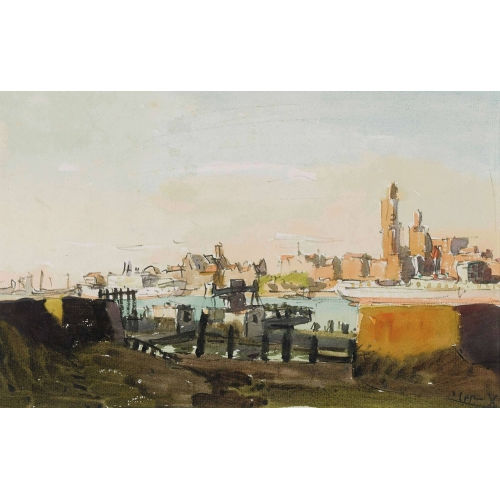
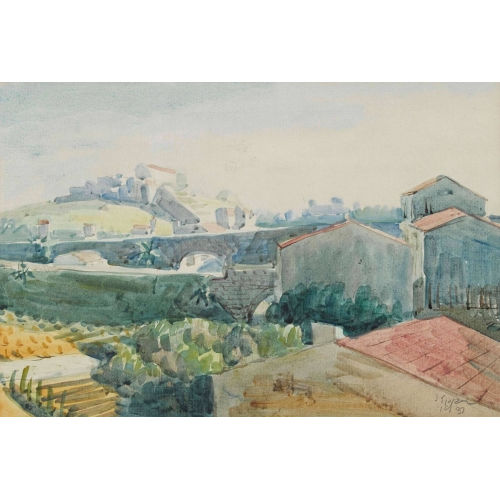
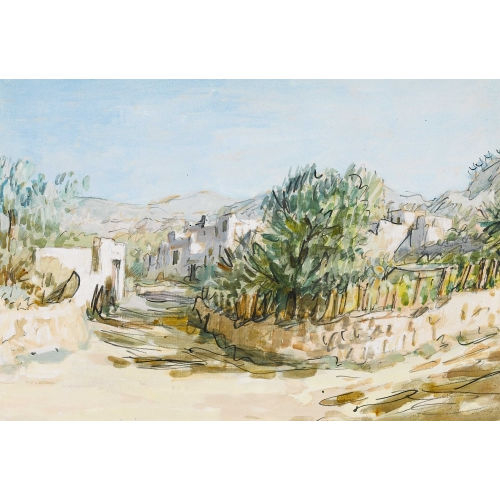
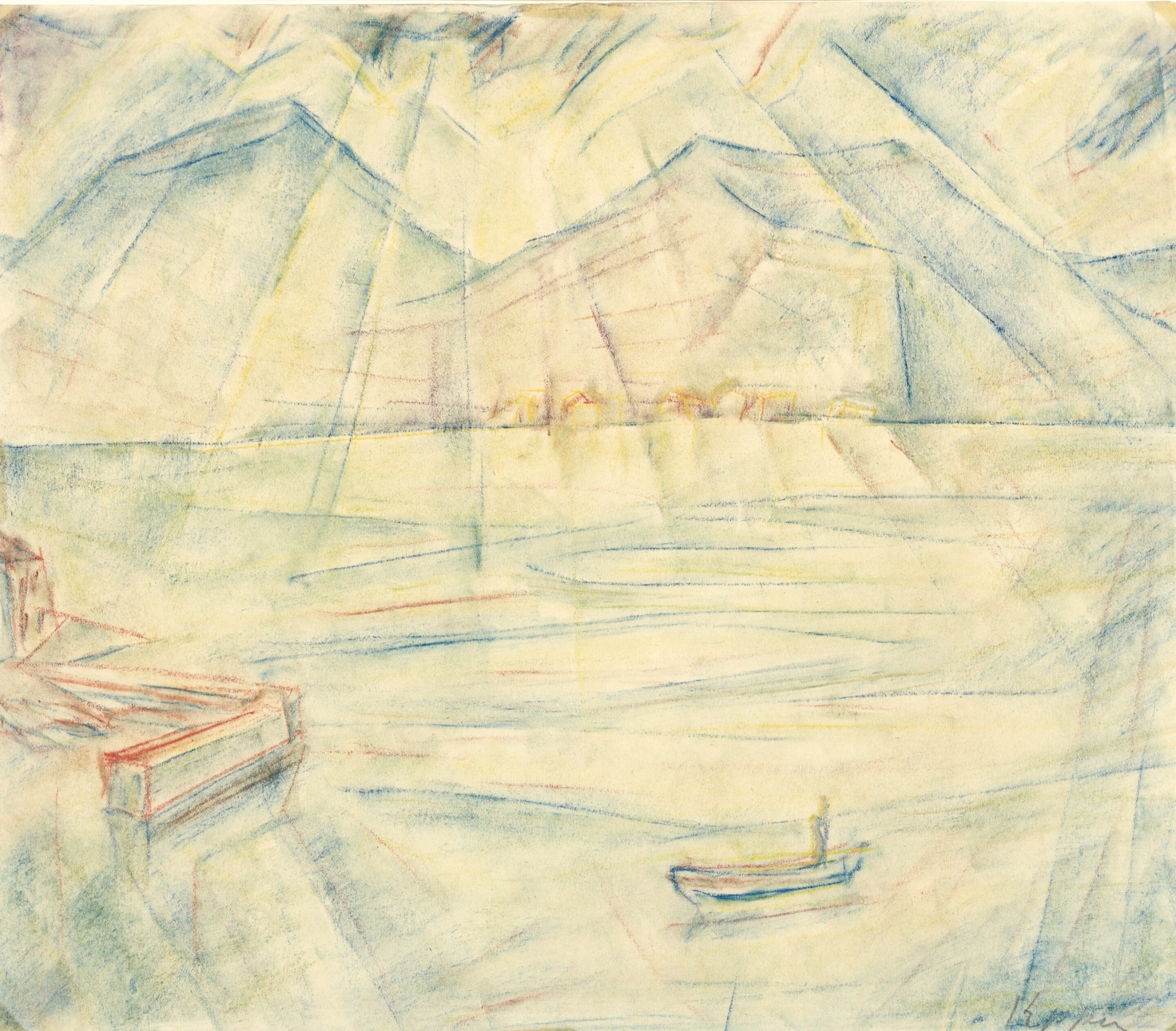
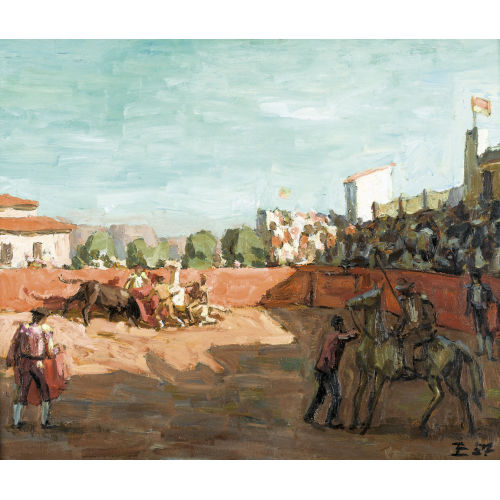
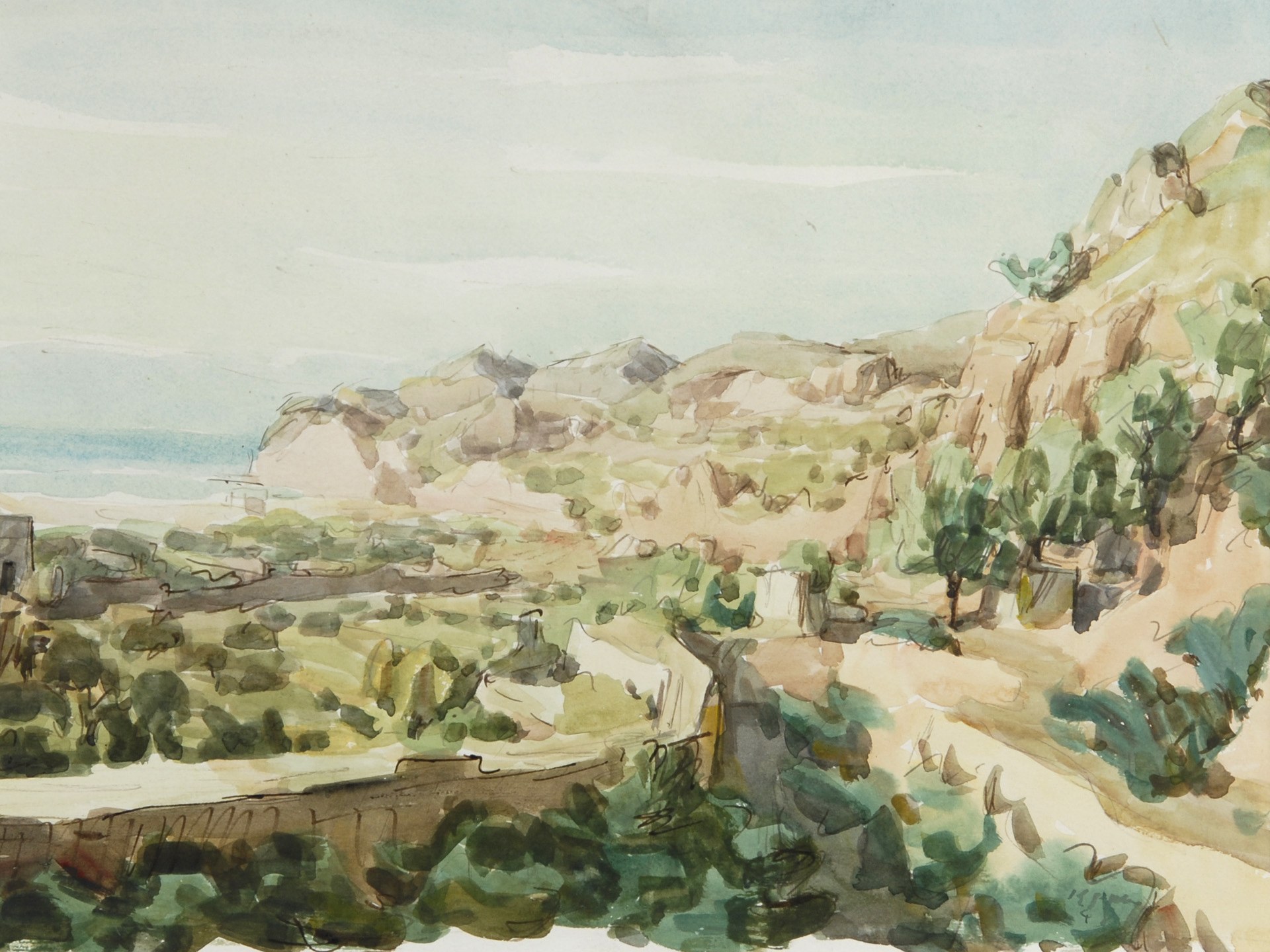
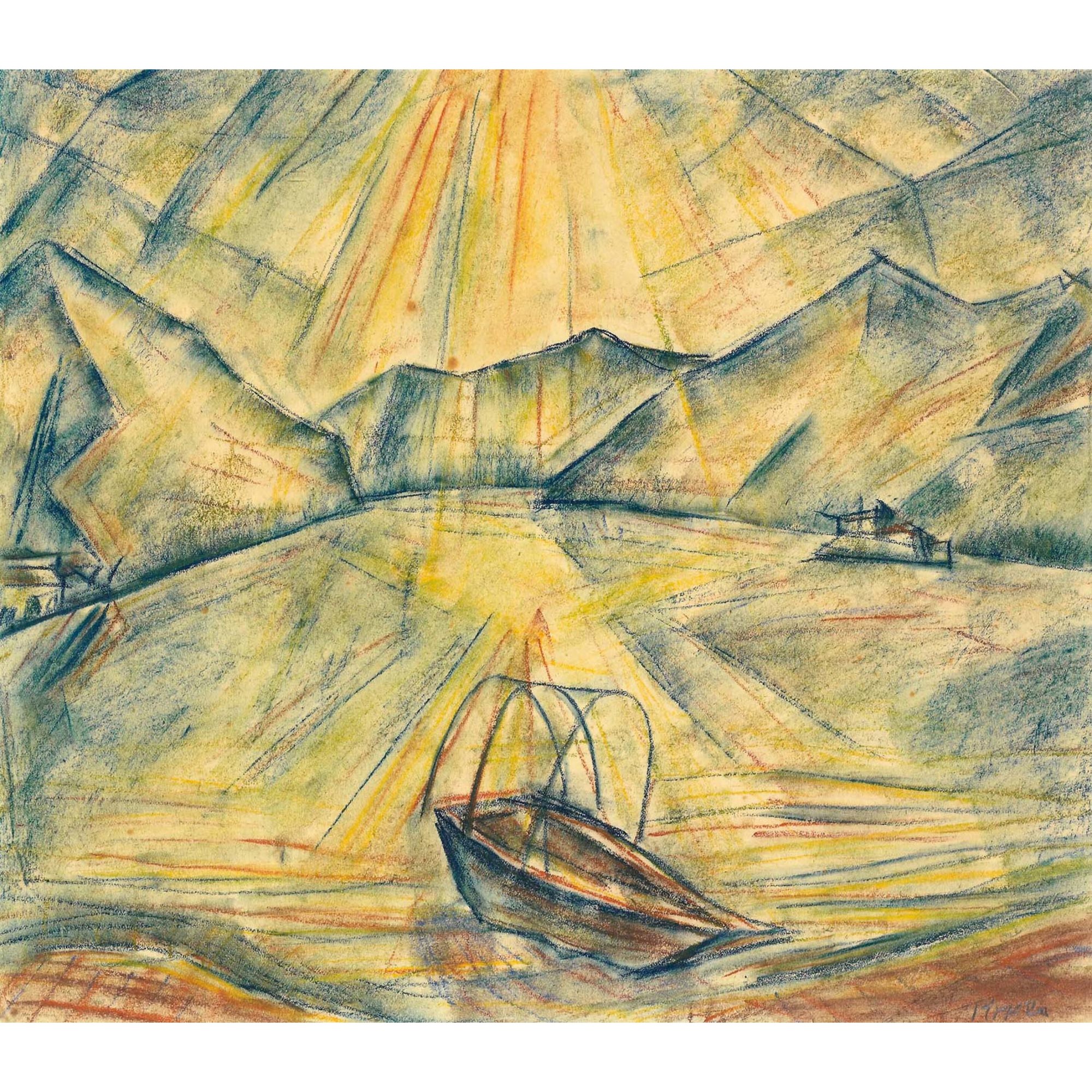
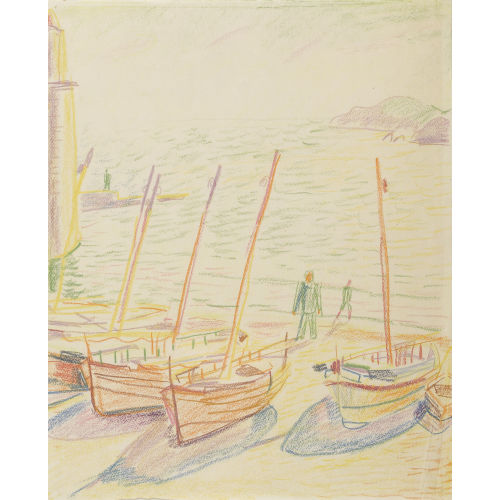
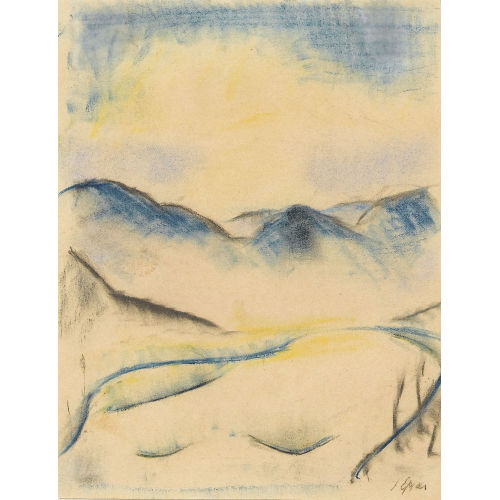
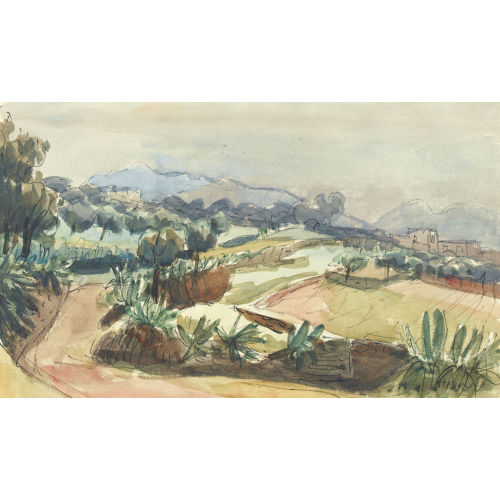
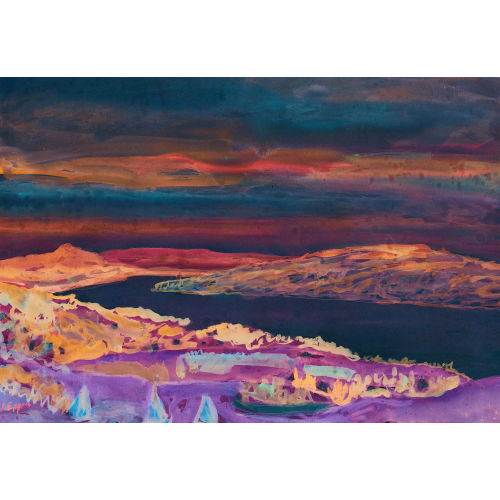
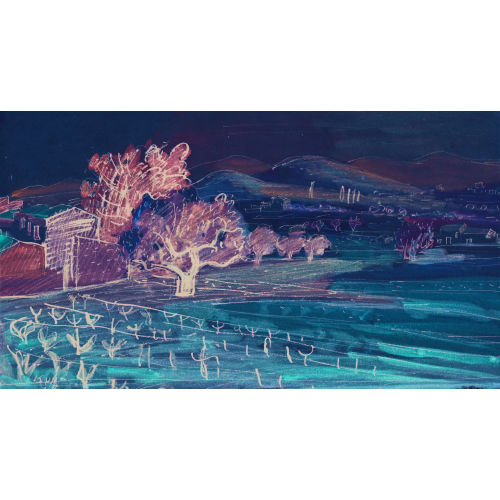
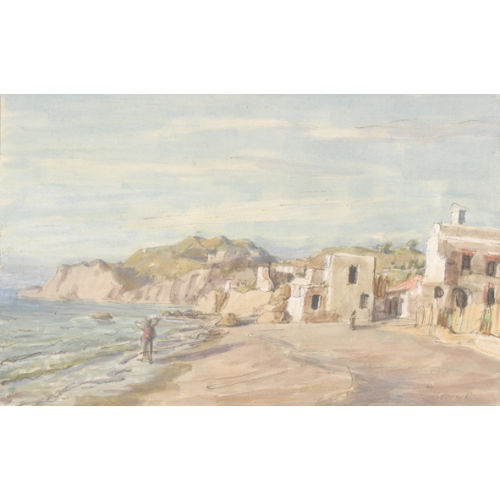
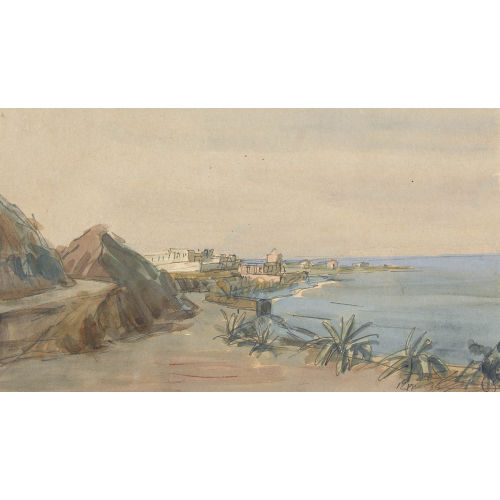
His work evolved after he moved to Ticino. From the 1930s onwards, more luminous landscapes and scenes of Ascona and its surroundings, executed notably in oil and watercolour, also followed the tormented compositions. The Fondazione Epper describes these watercolours as one of the most serene periods of his œuvre, in which attention to places and nature responds to his pessimistic vision of human experience.
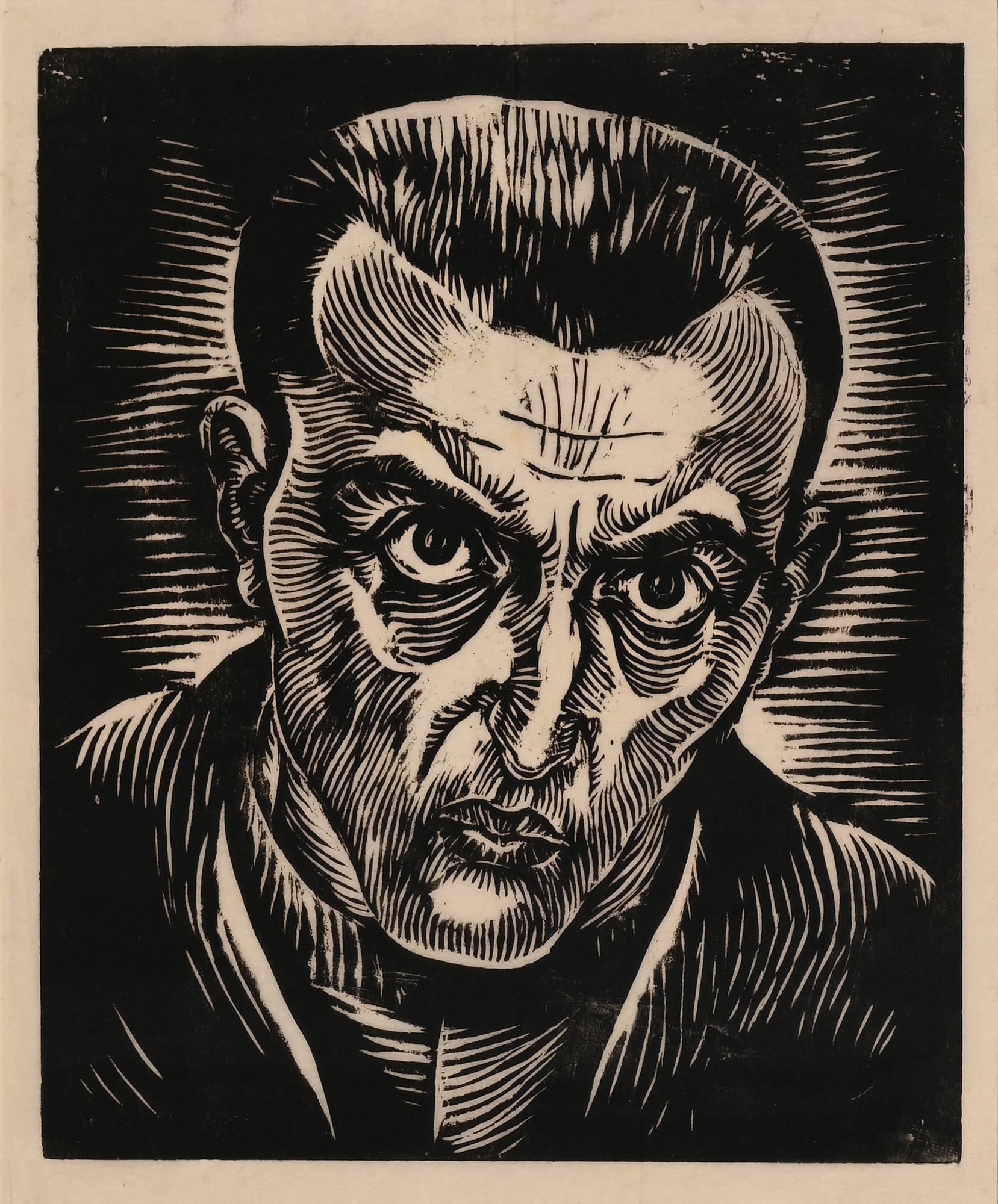
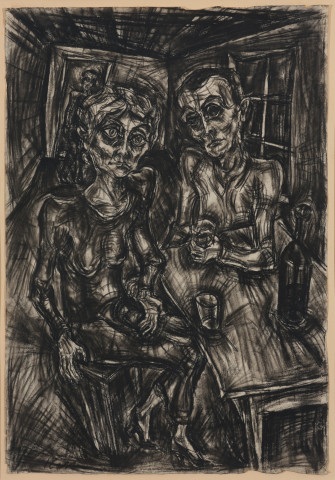
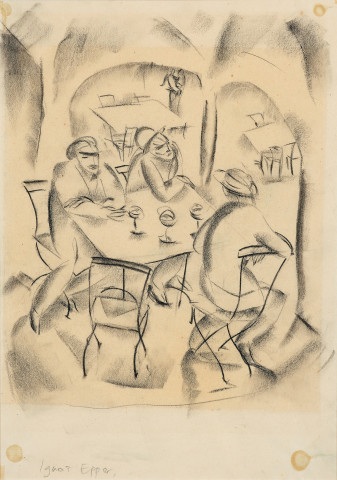
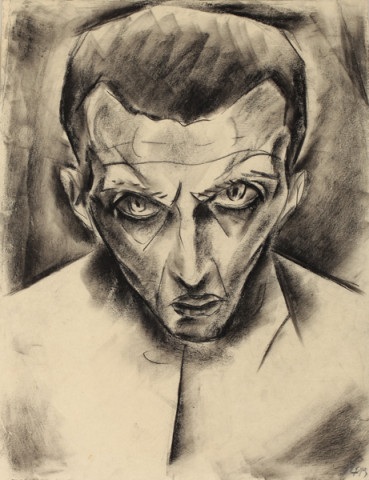
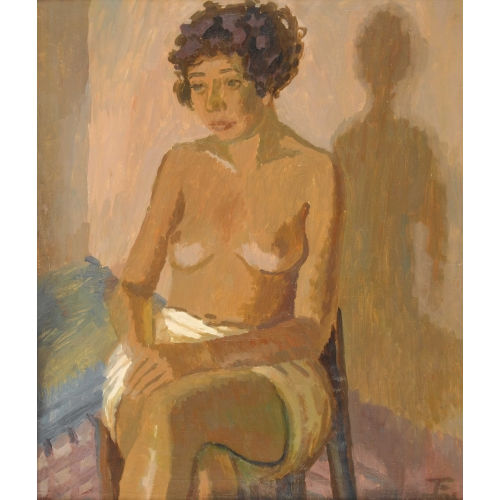
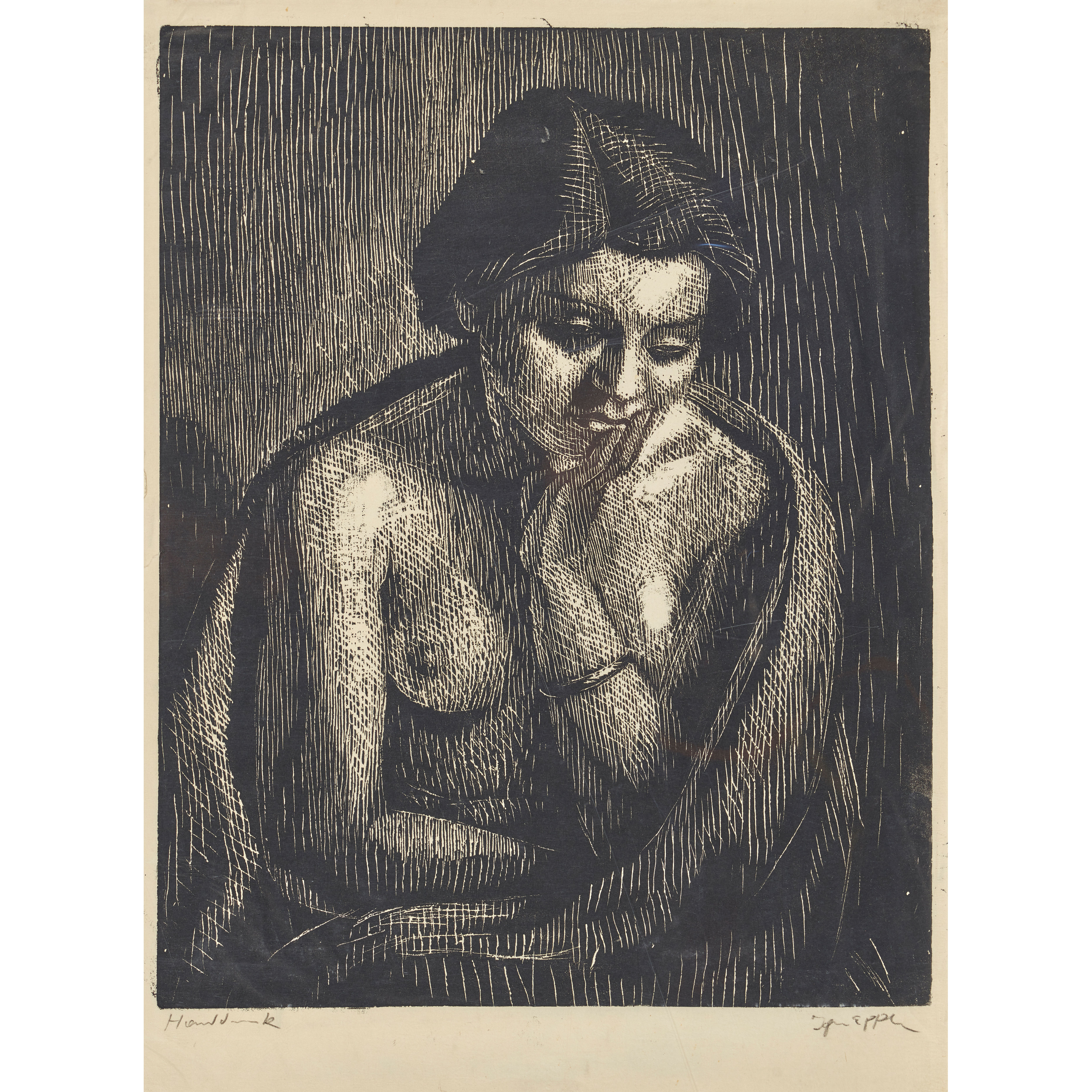
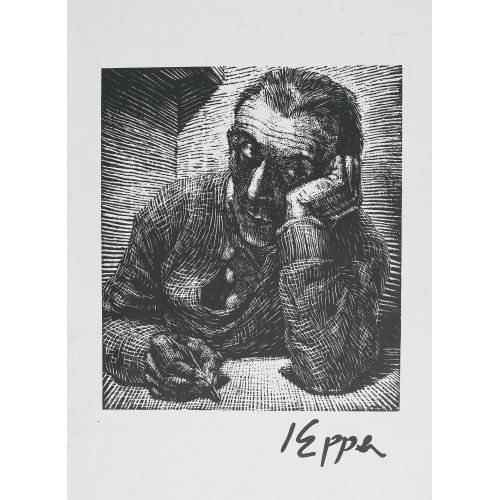
This evolution did not replace Epper’s enduring interest in human relationships: portraits, self-portraits, and interior scenes continued to explore social connections and the gaze.
In 1919, he married the artist Mischa Quarles van Ufford. Together, in 1937, they founded the puppet theatre of the artists of Ascona. The foundation that preserves and makes their works accessible was established in 1978.
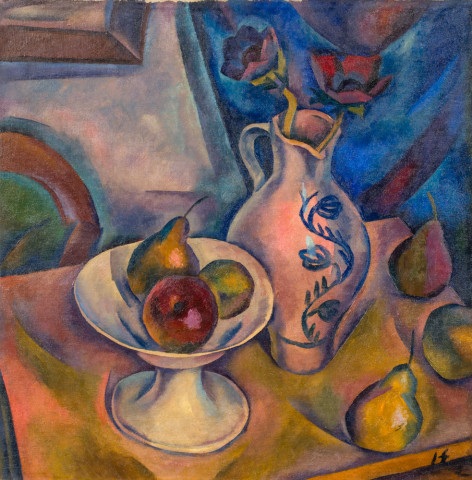
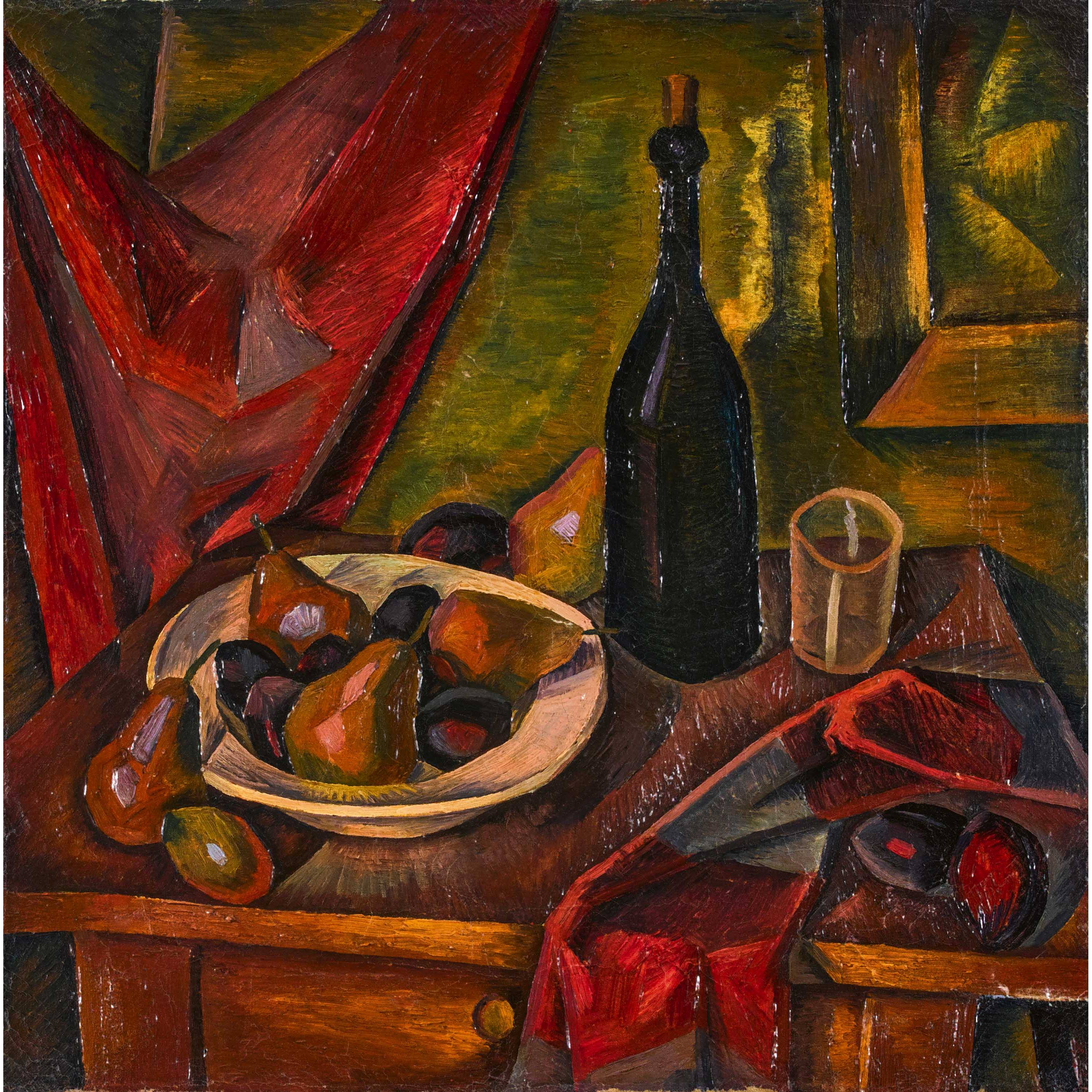
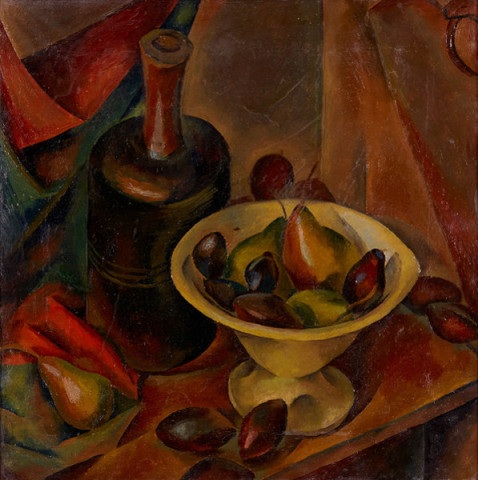
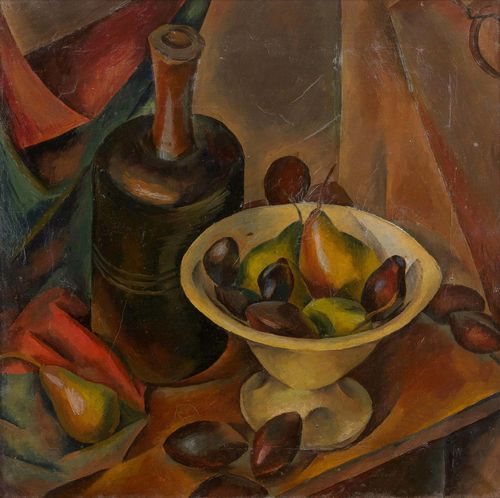
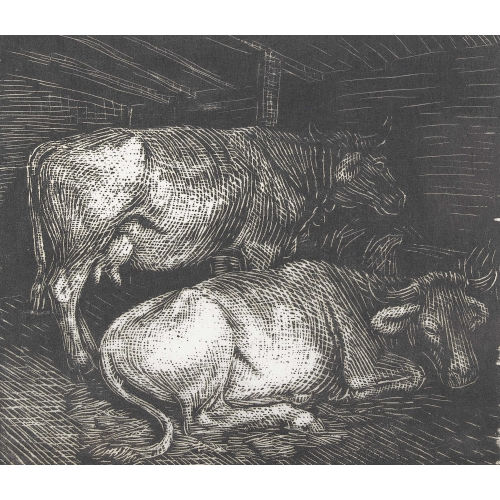
The Fondazione Epper collection thus documents a diverse practice, ranging from printmaking and drawing to painting, watercolour, and sculpture.