Hermann Hesse
Born in 1877.
Died in 1962.
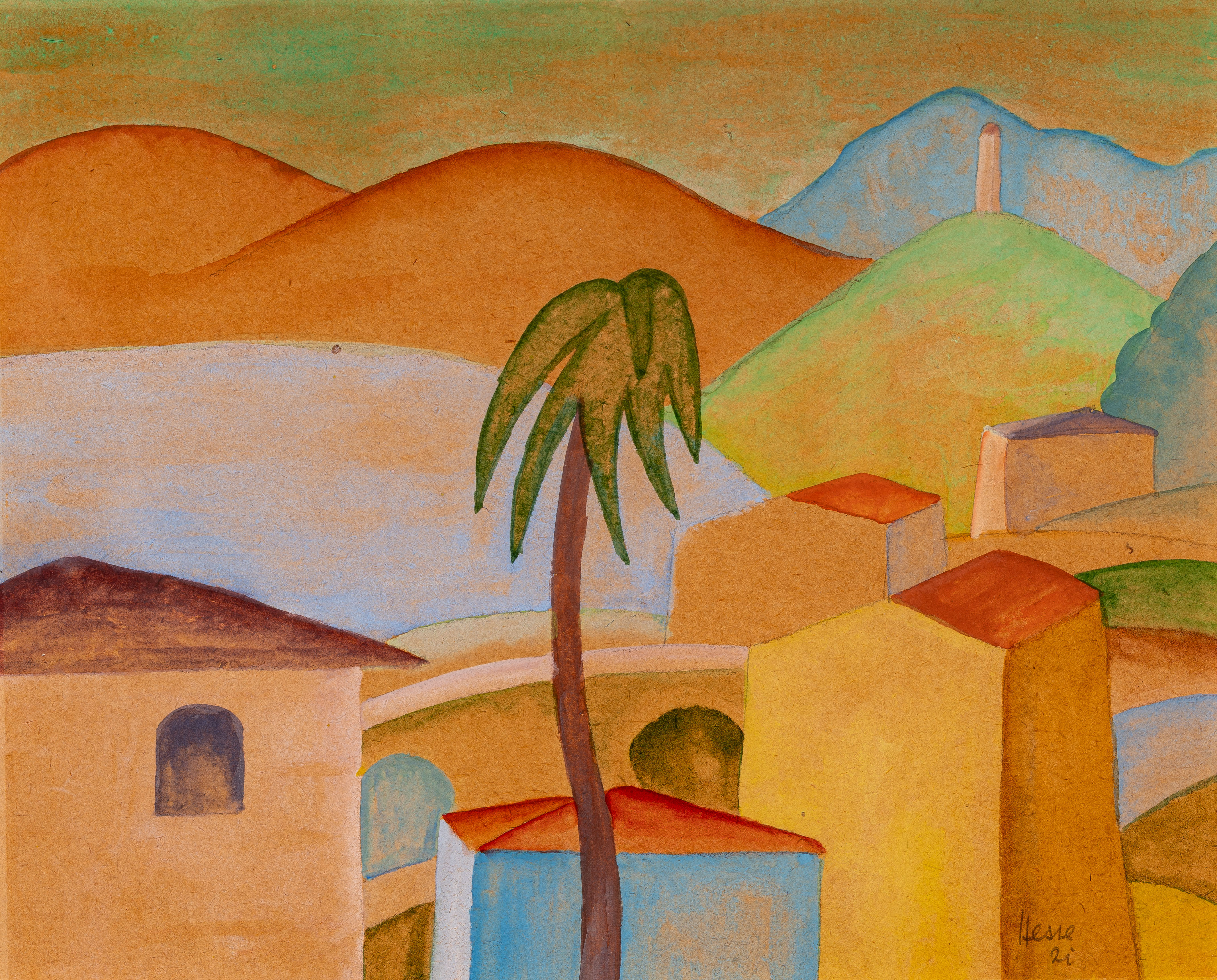
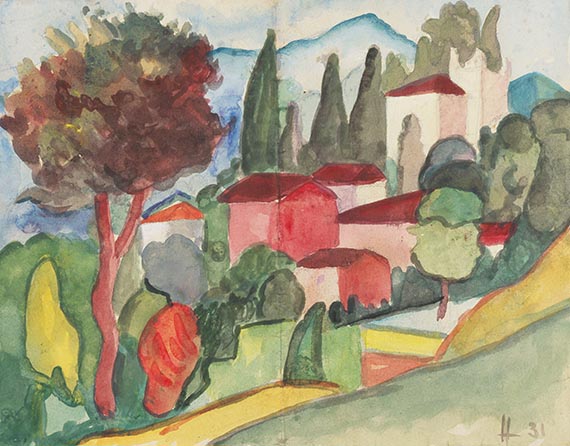
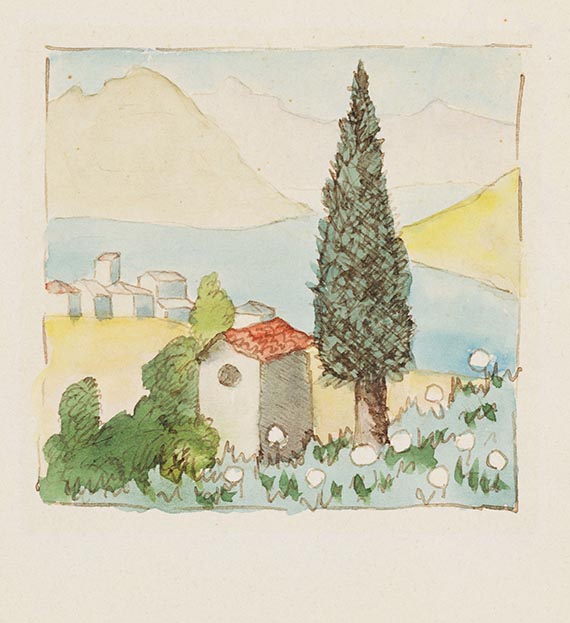
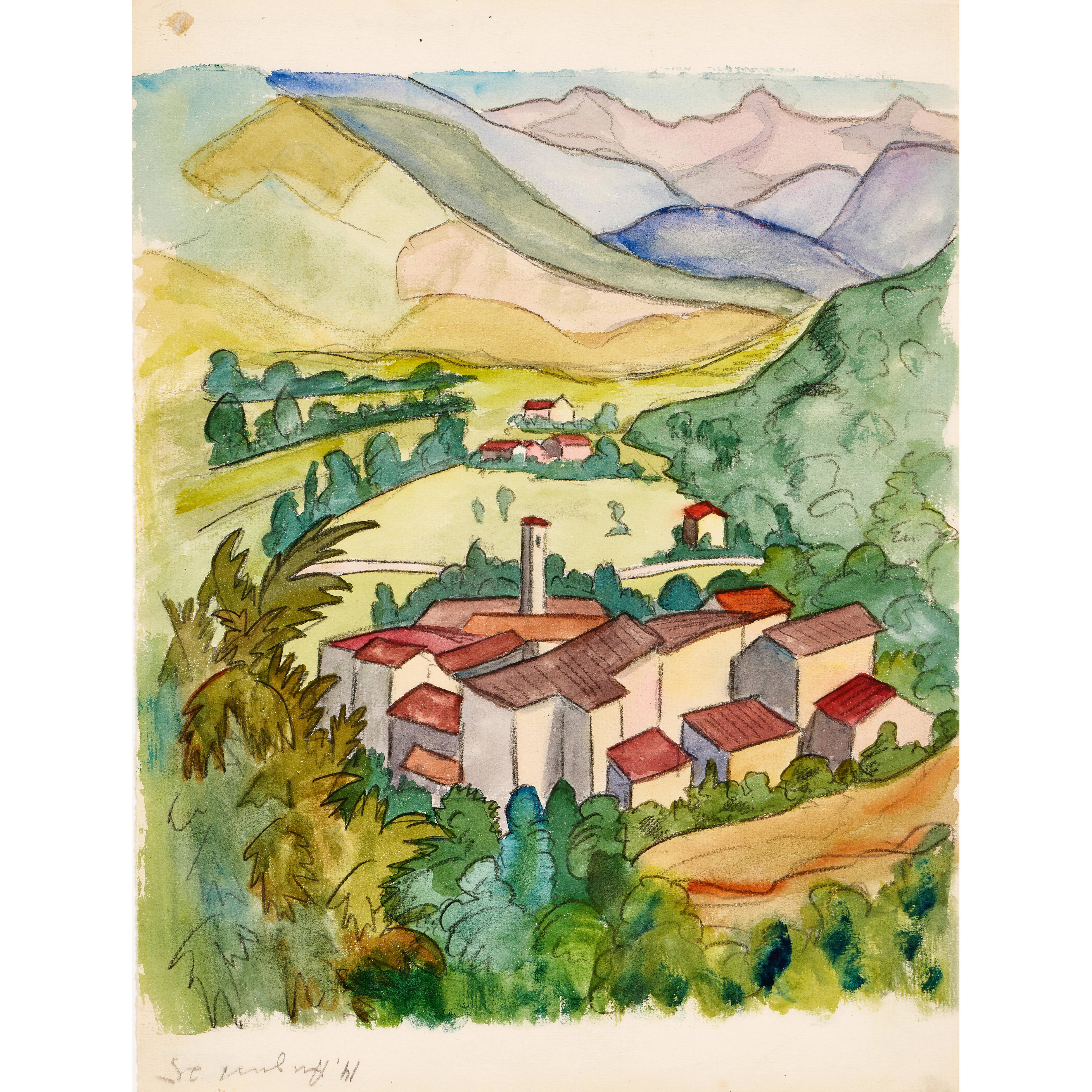
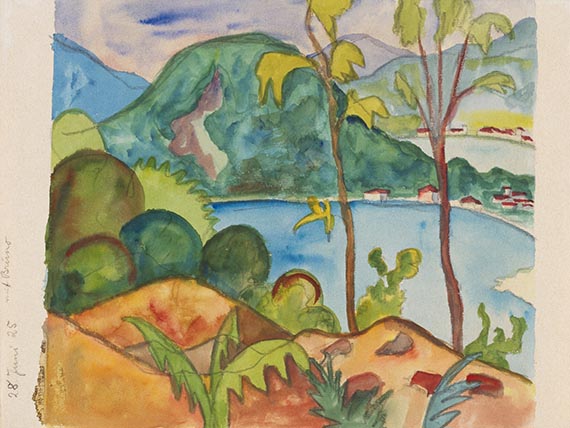
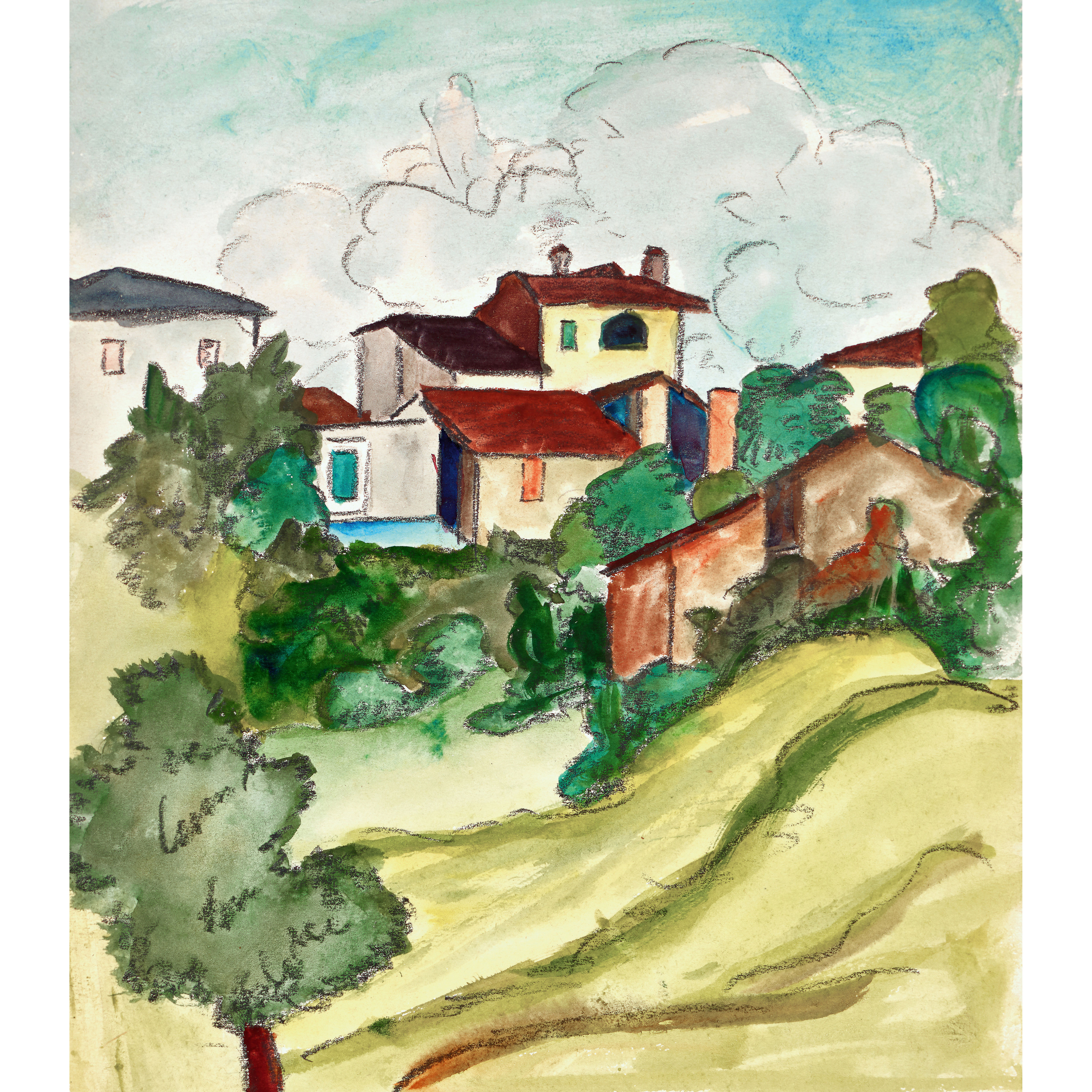
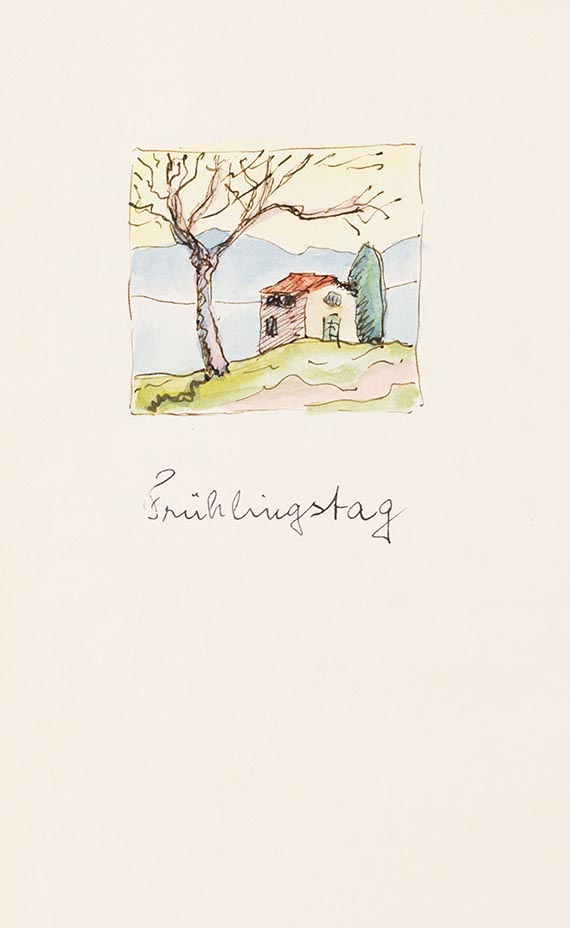
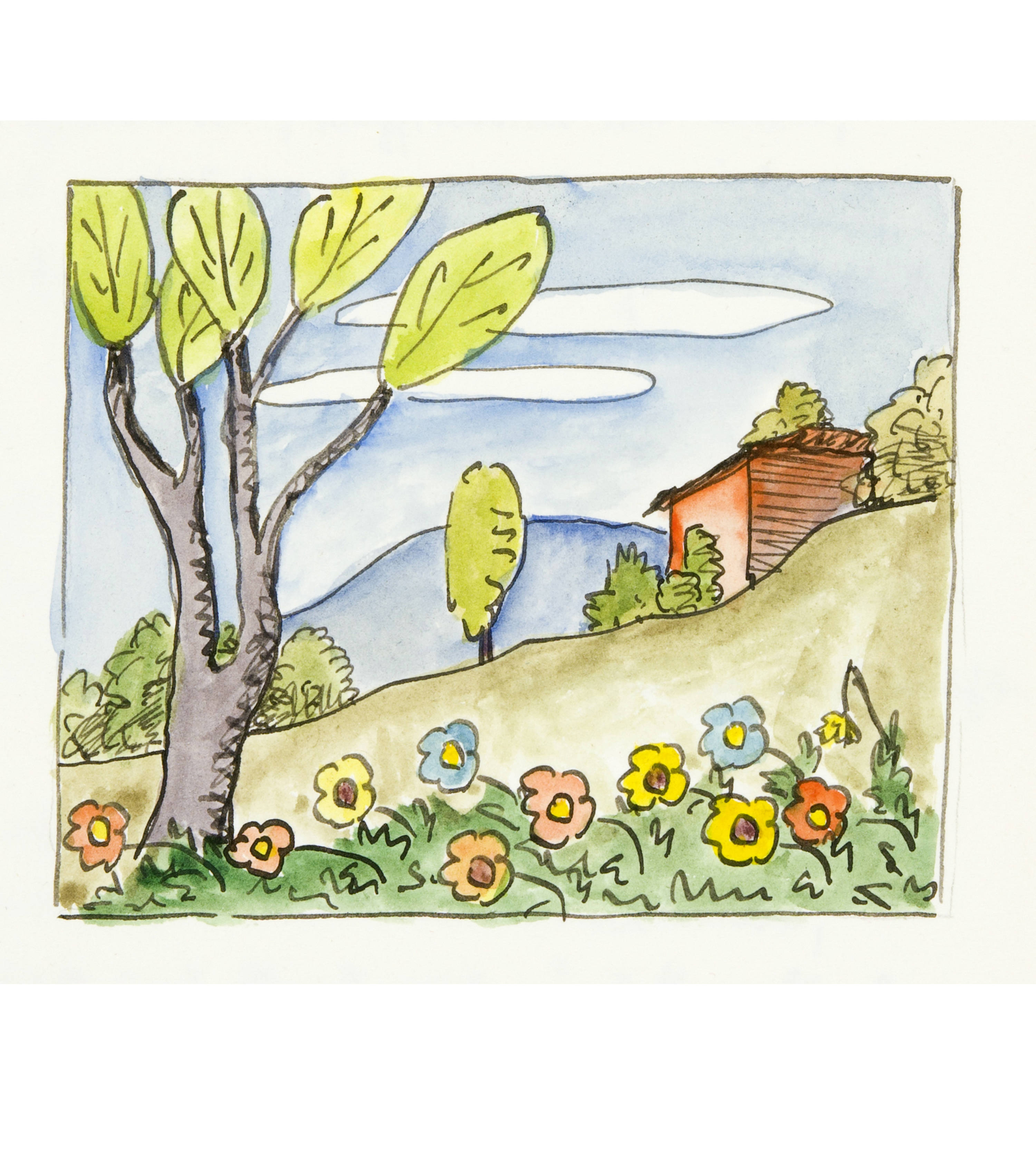
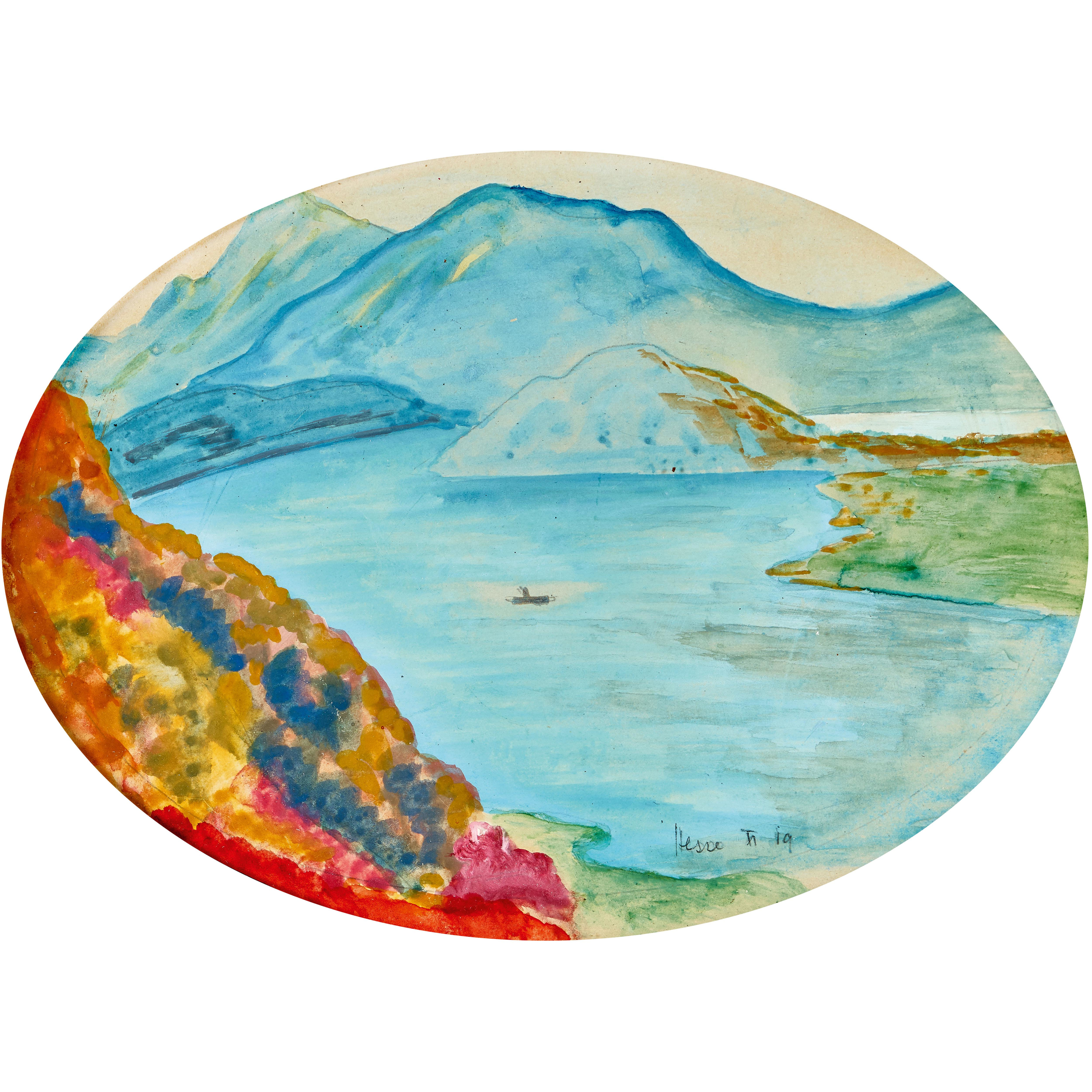
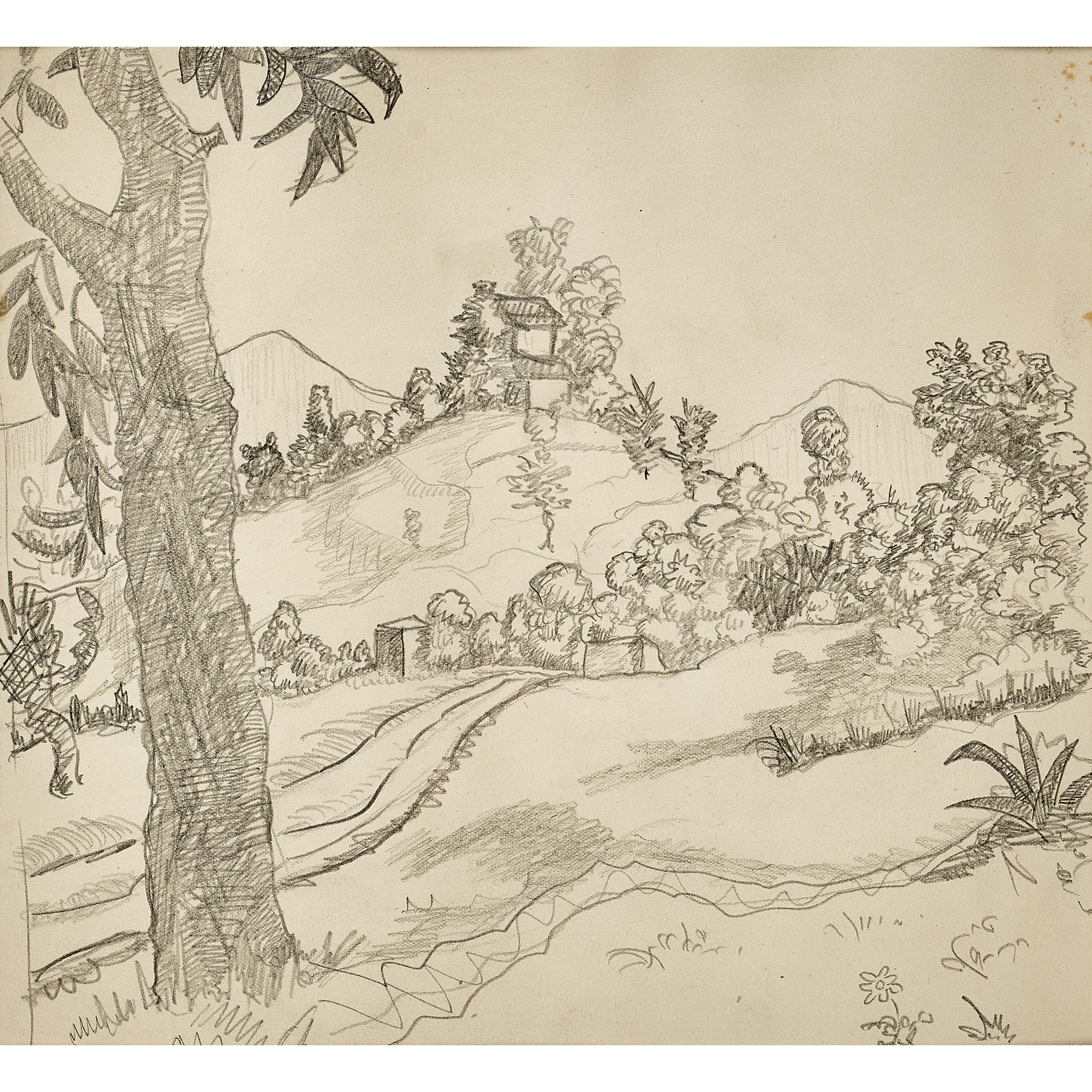
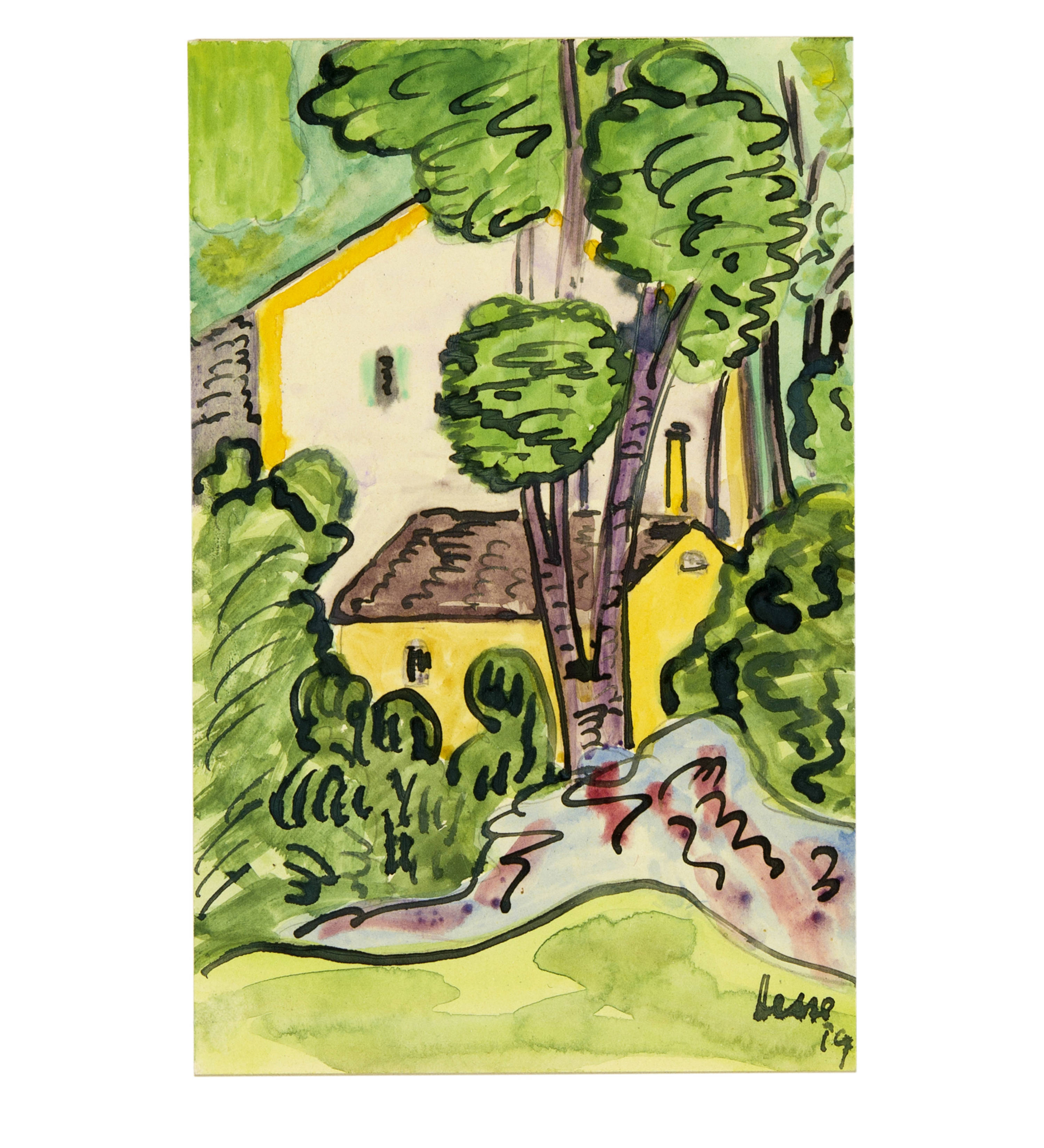
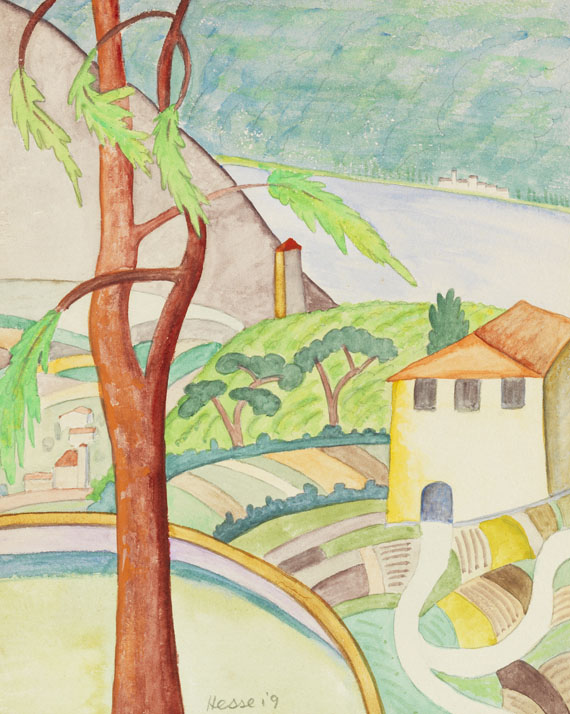
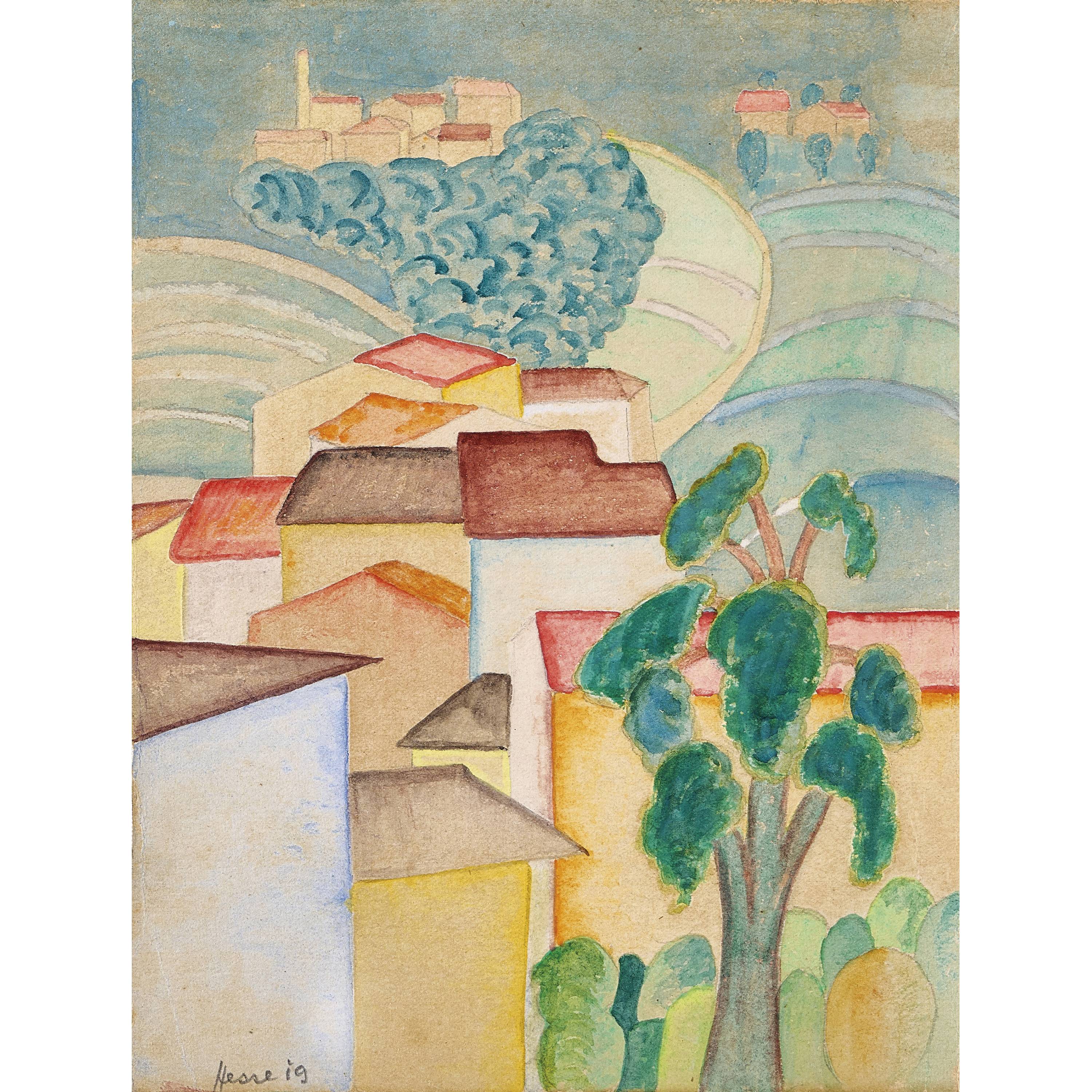
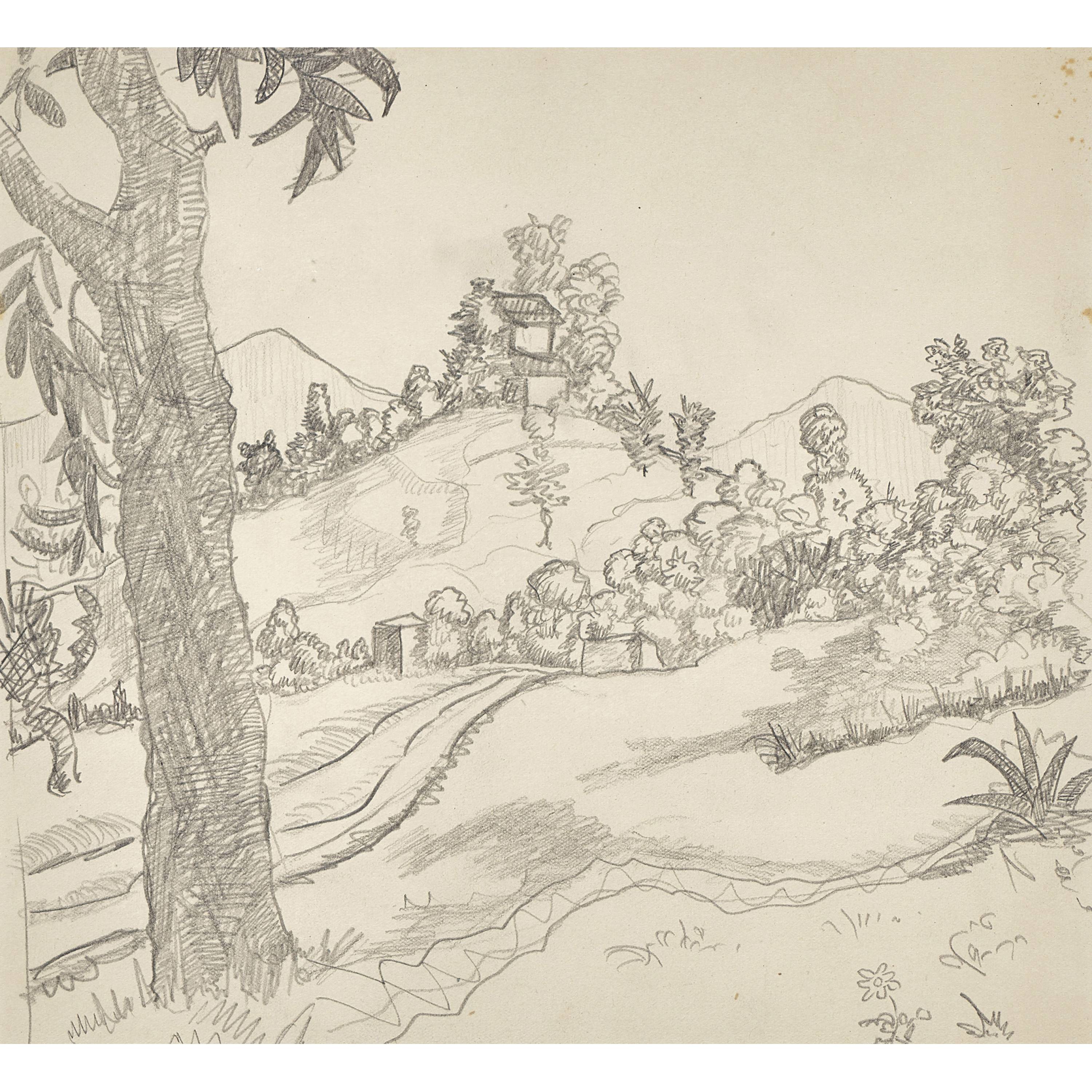
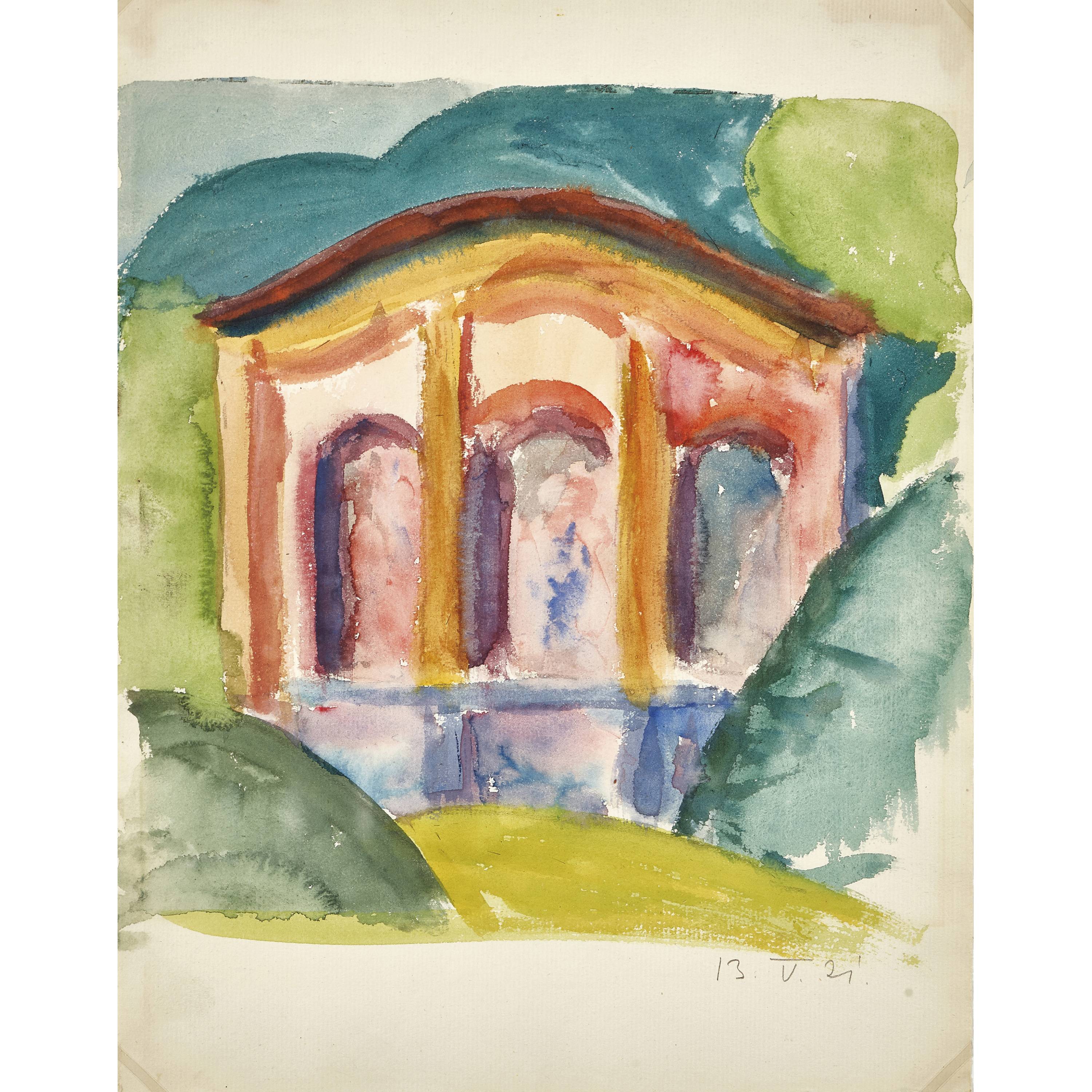
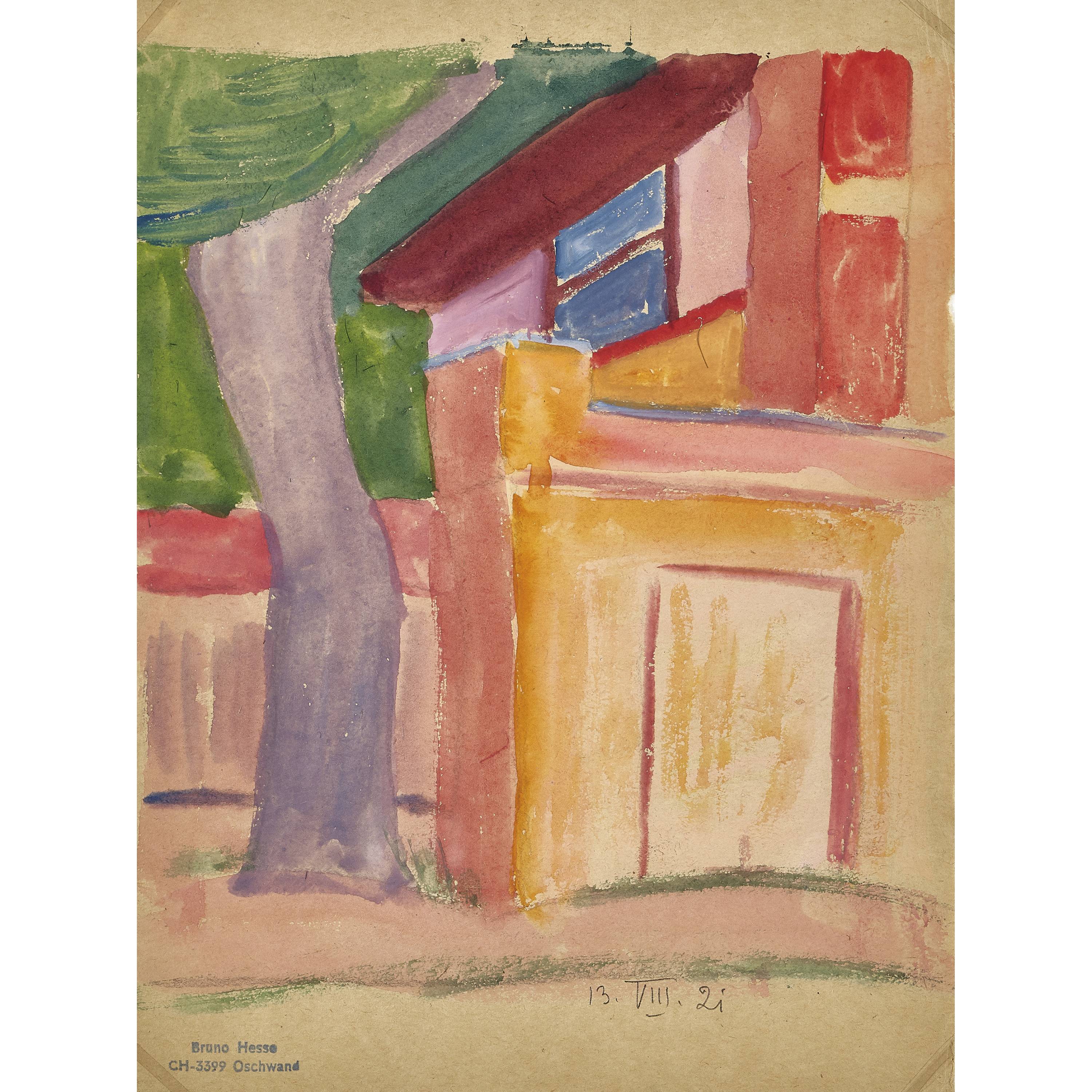
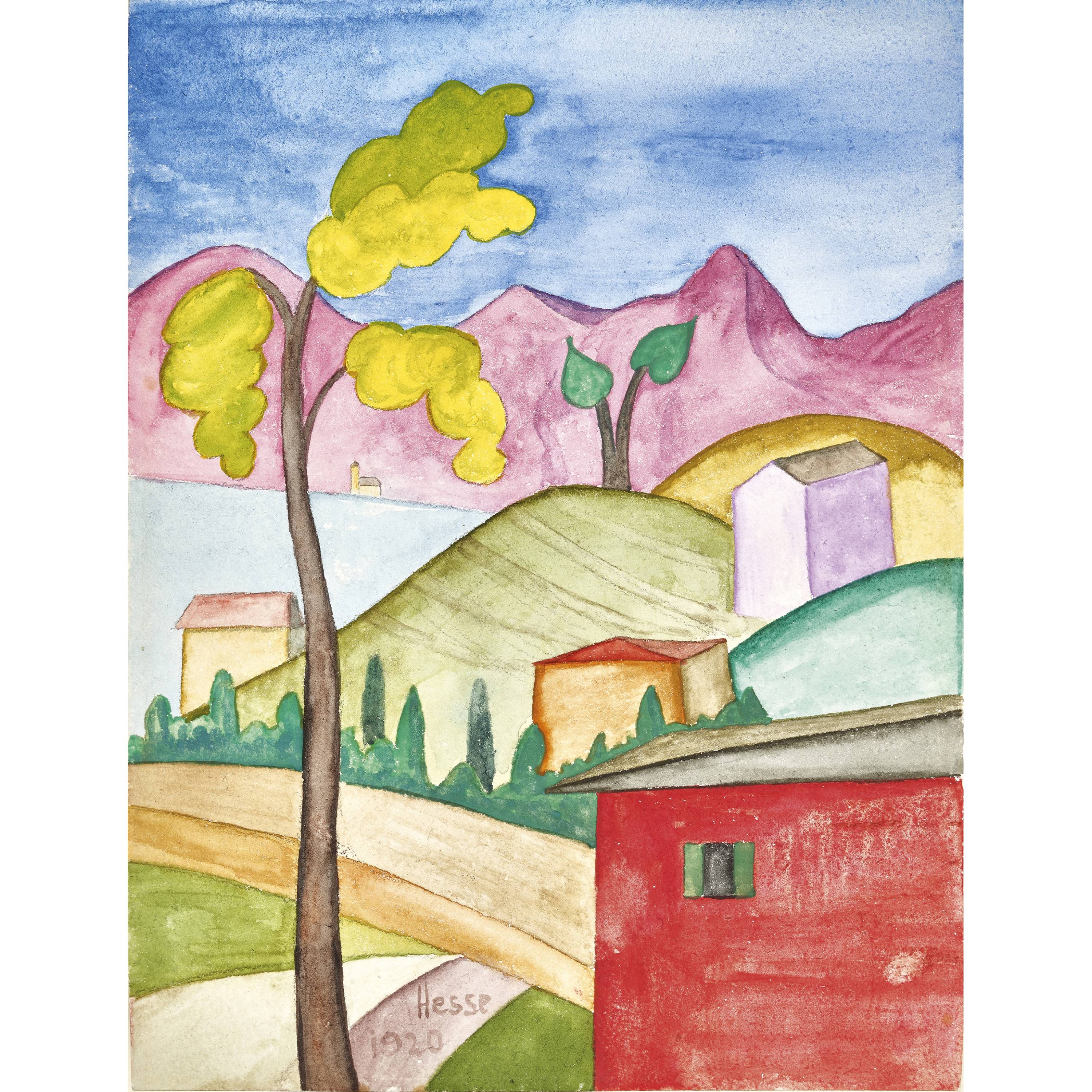
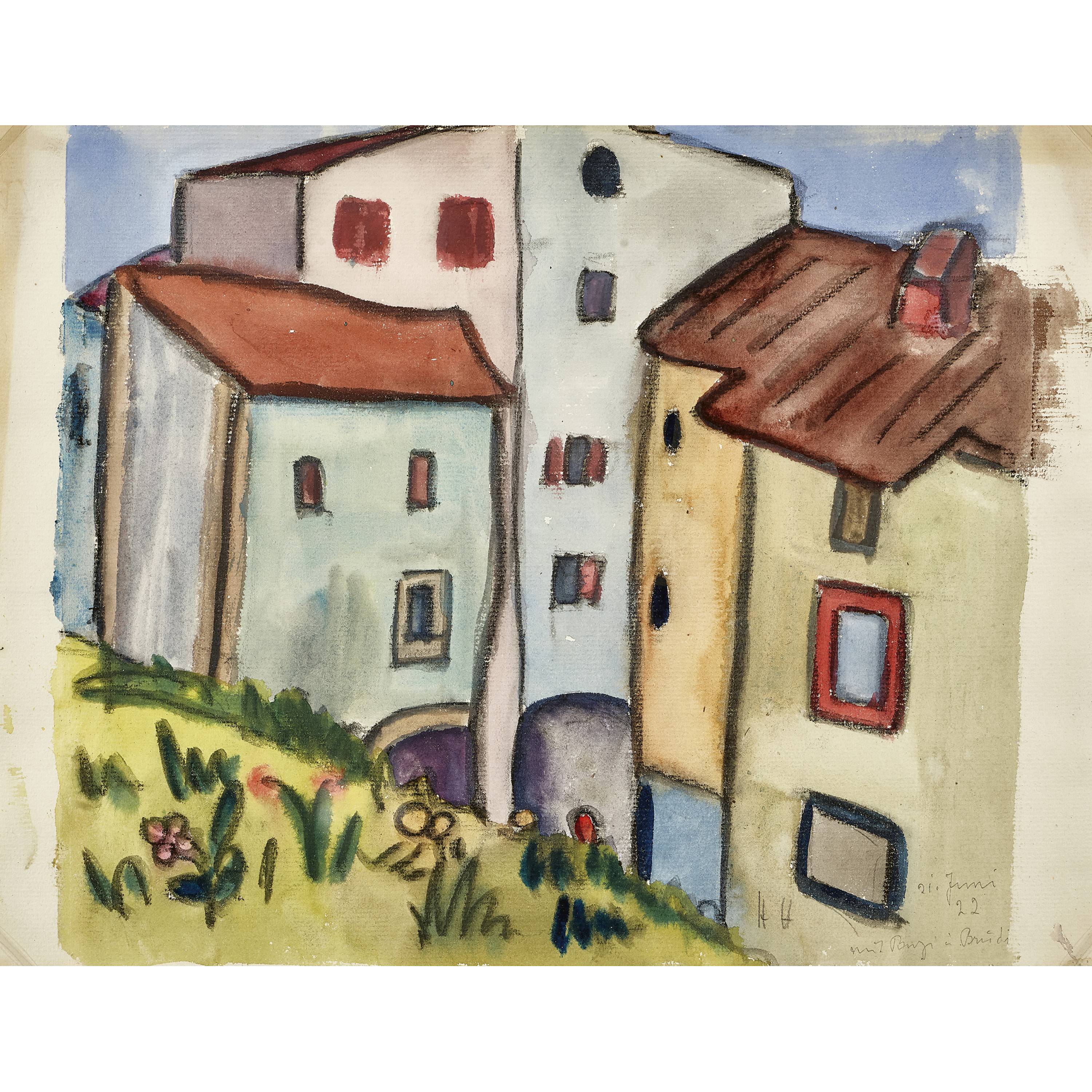
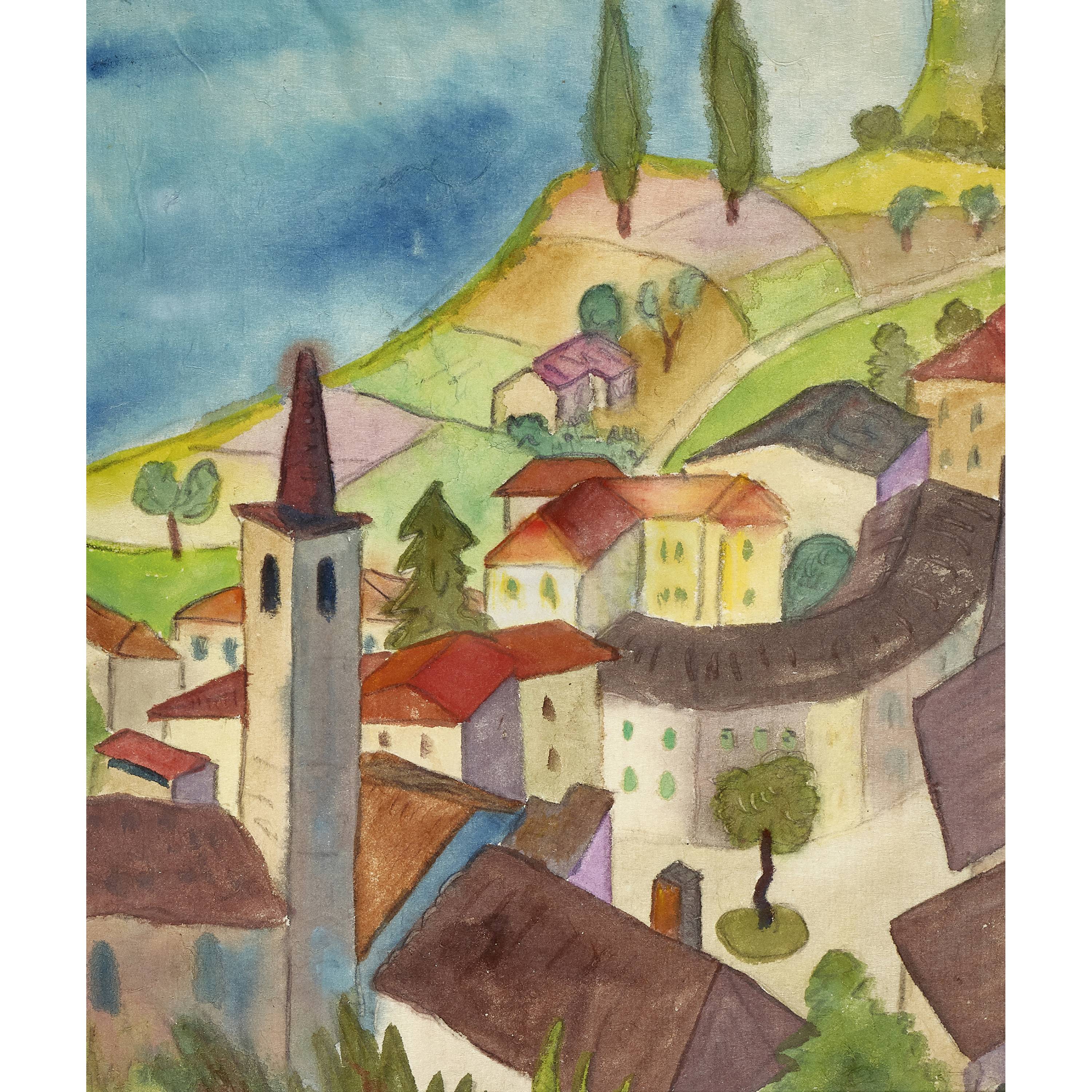
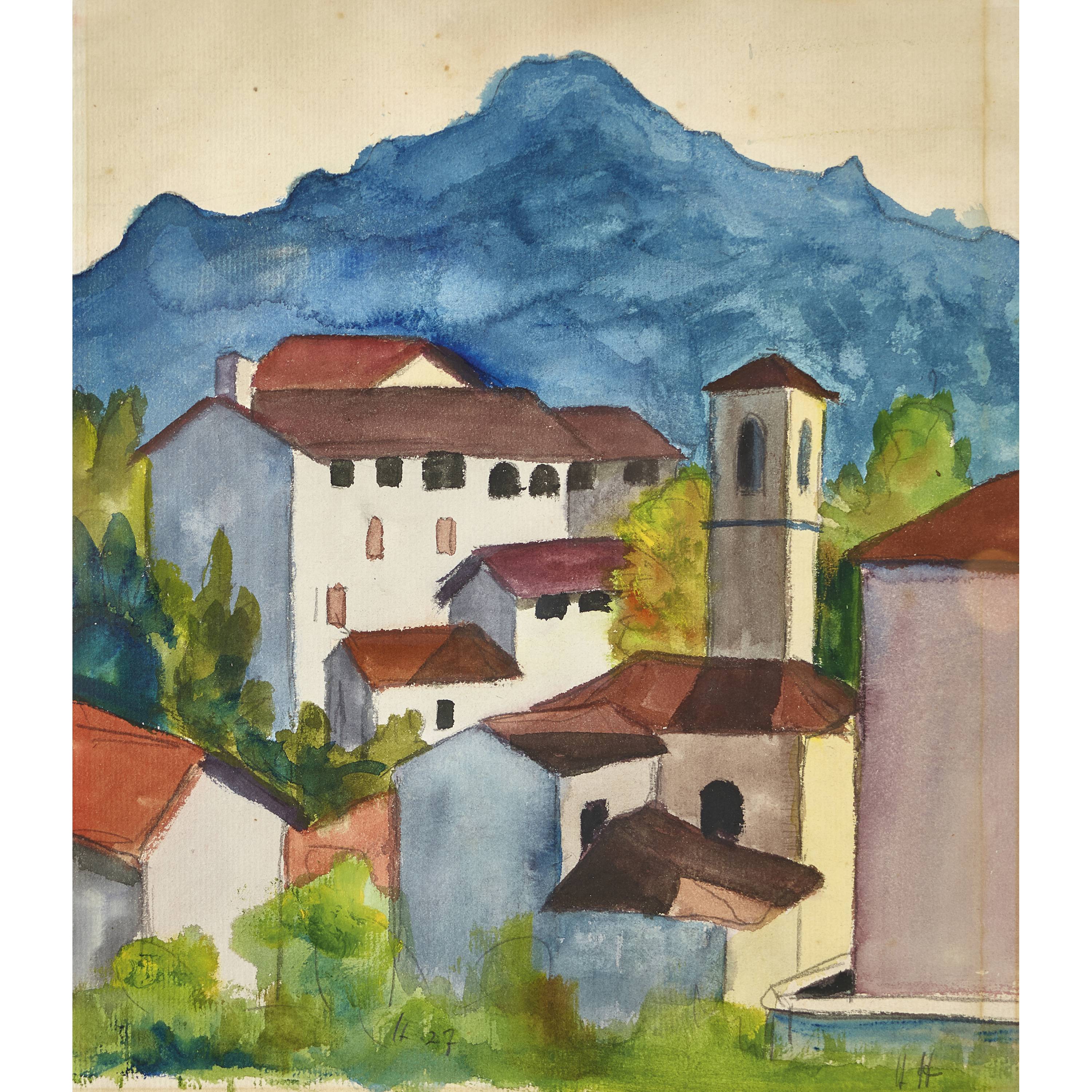
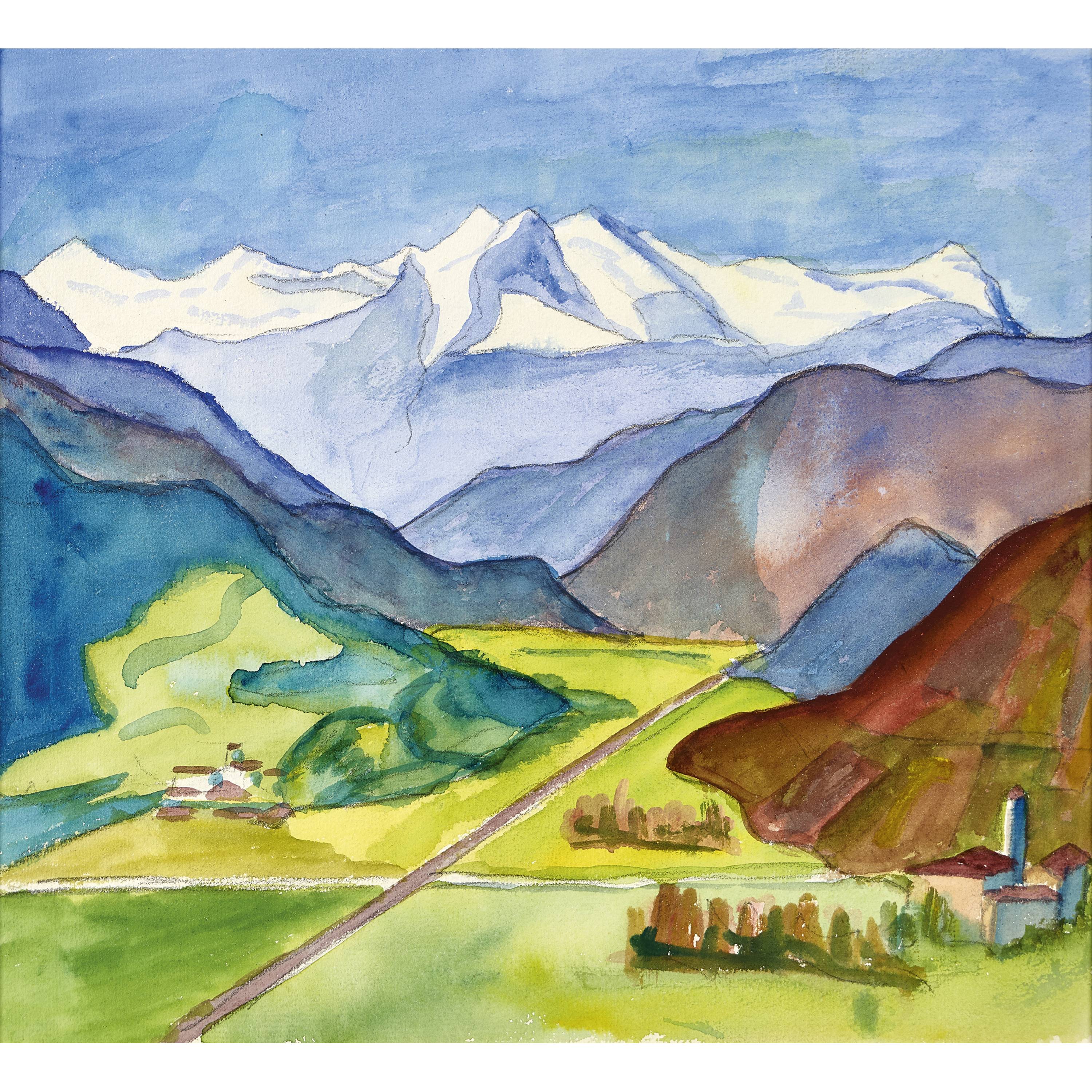
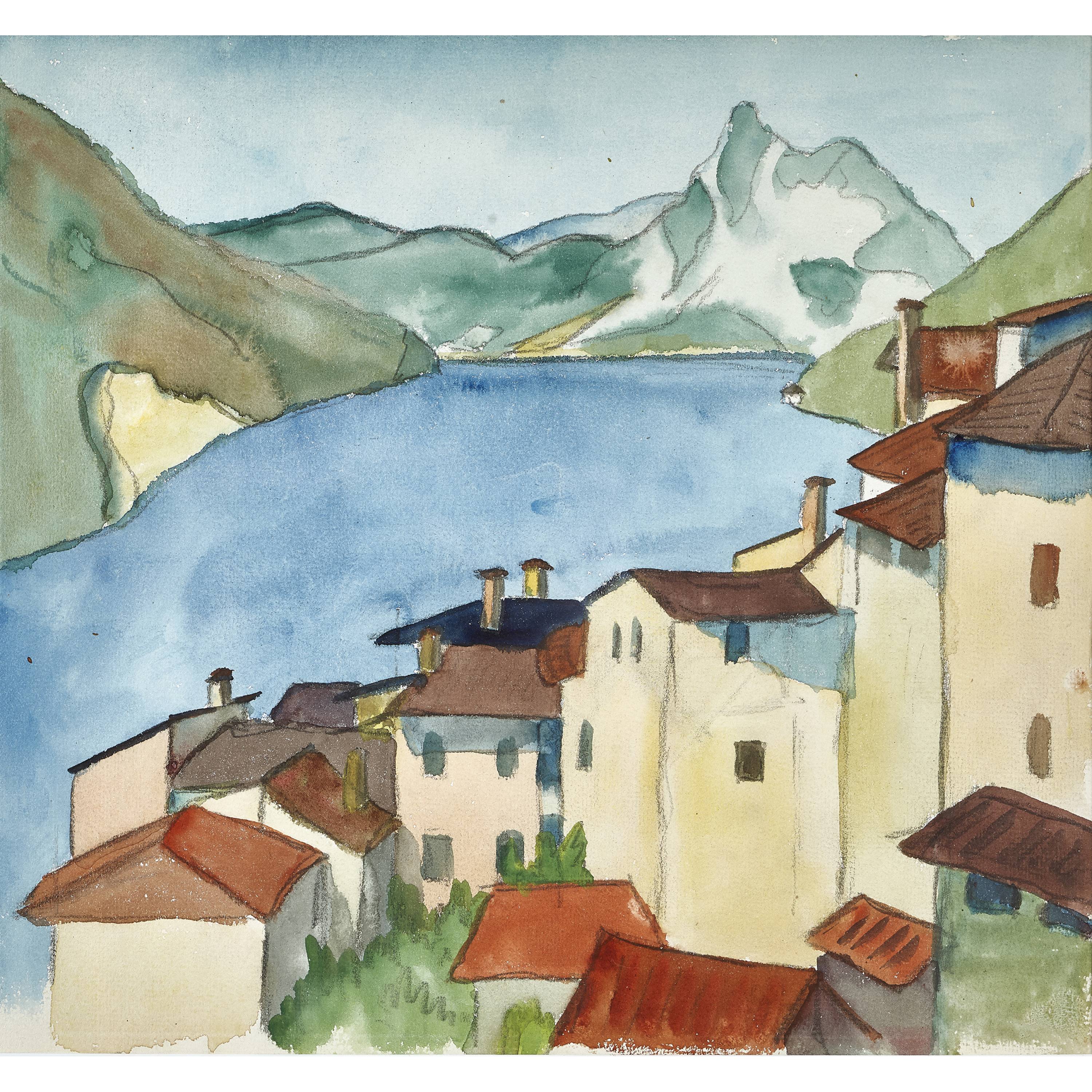
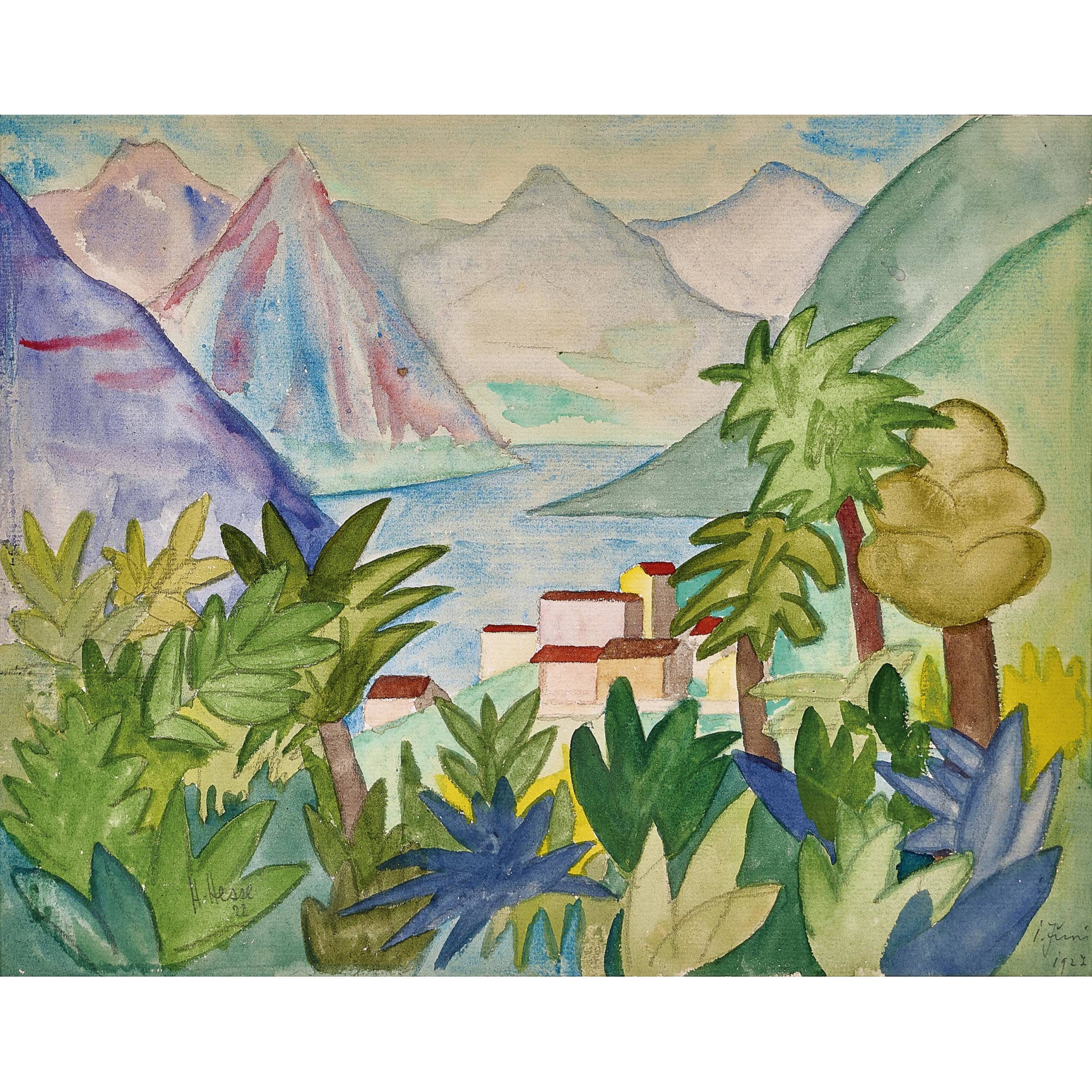
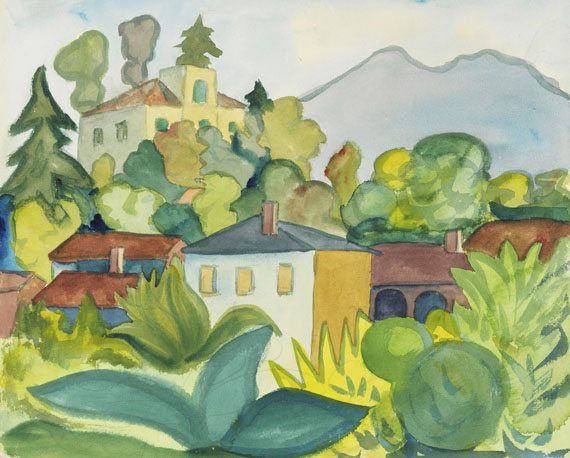
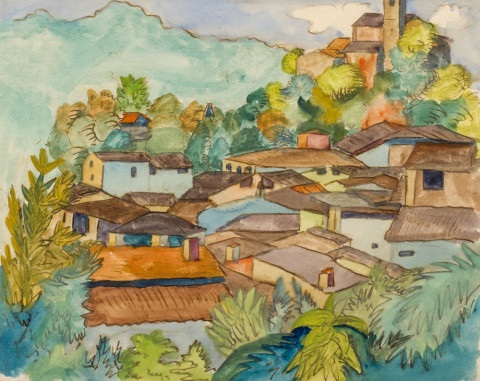
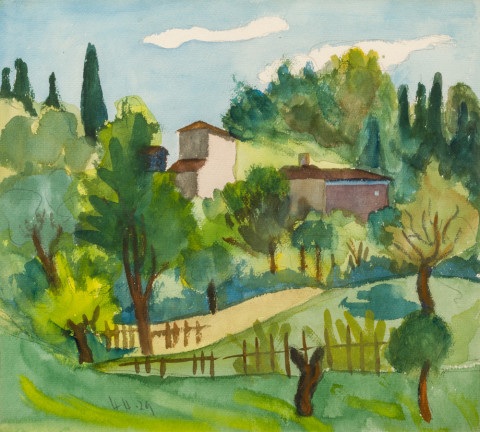
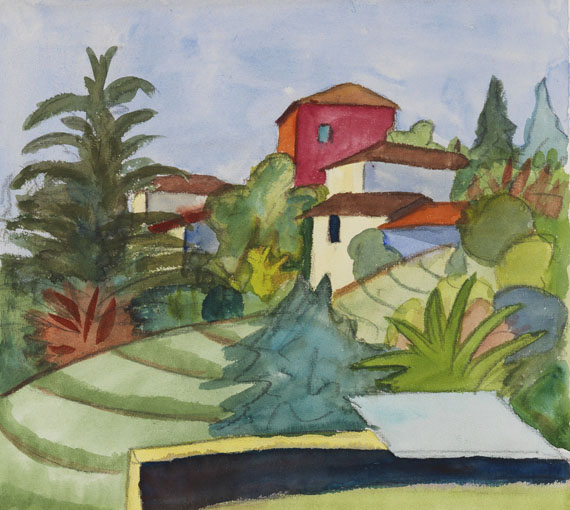
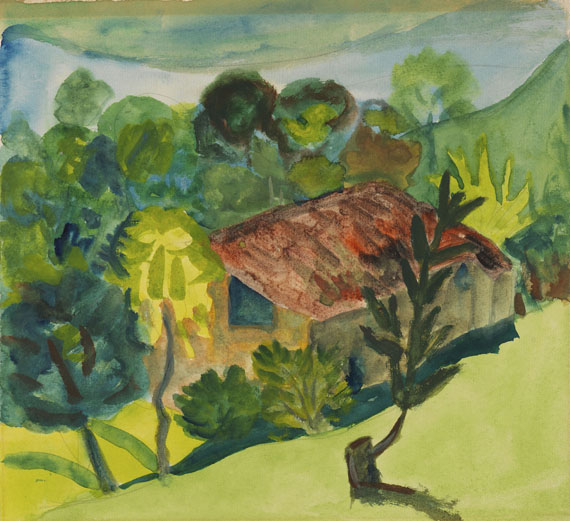
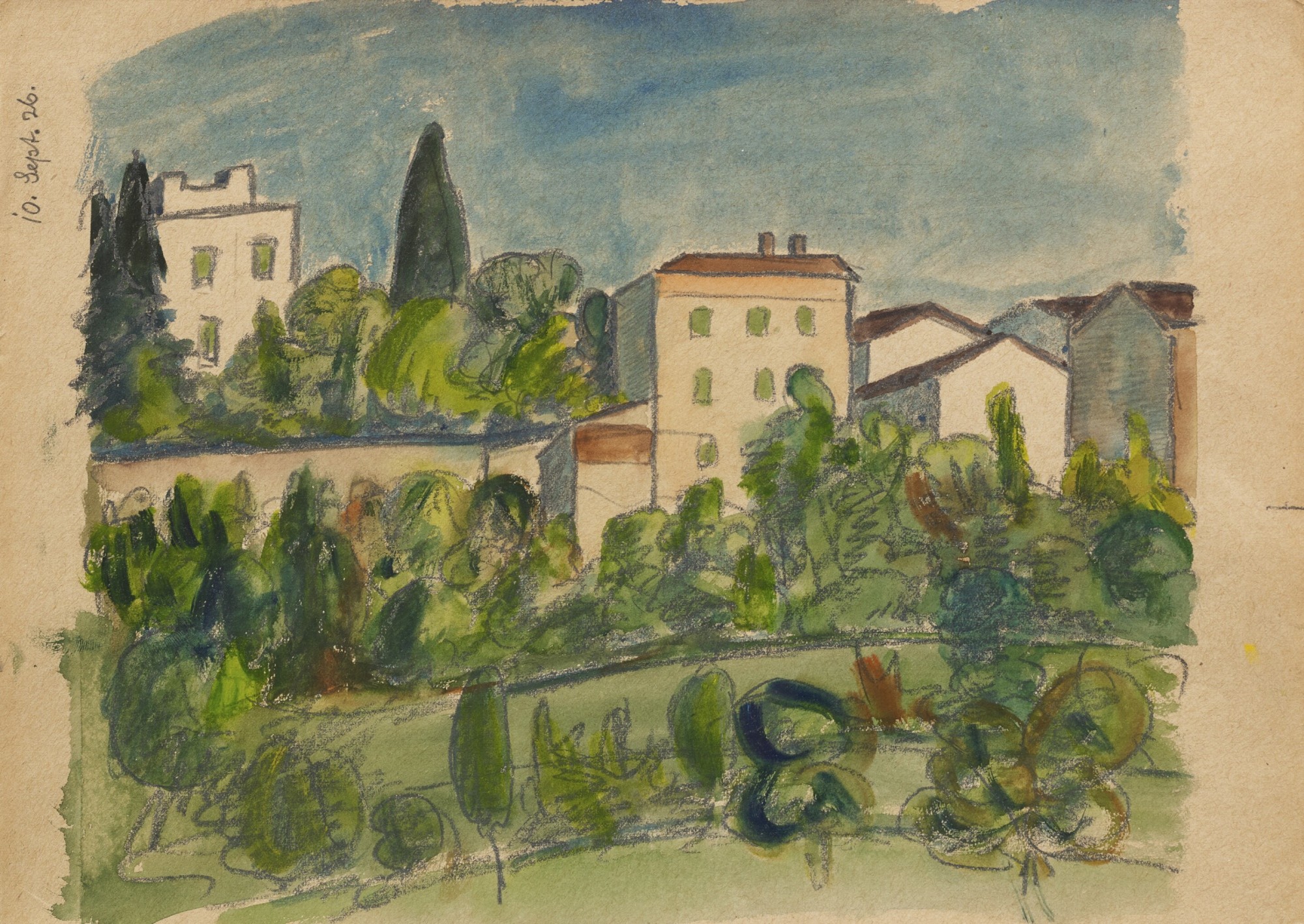
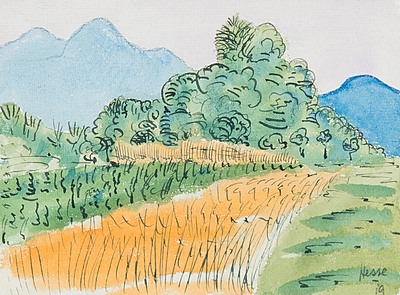
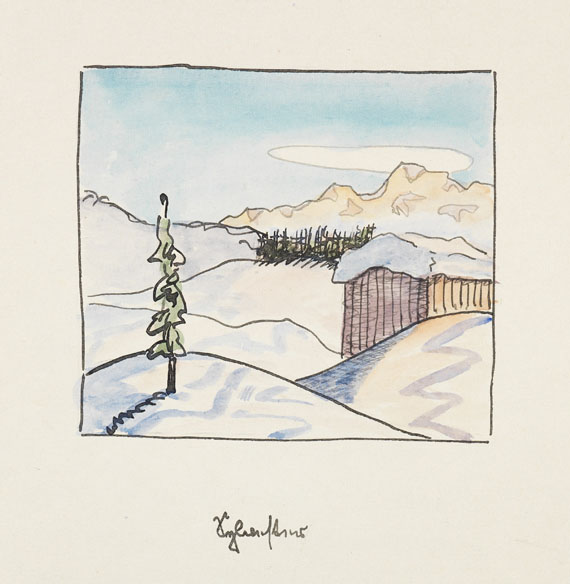
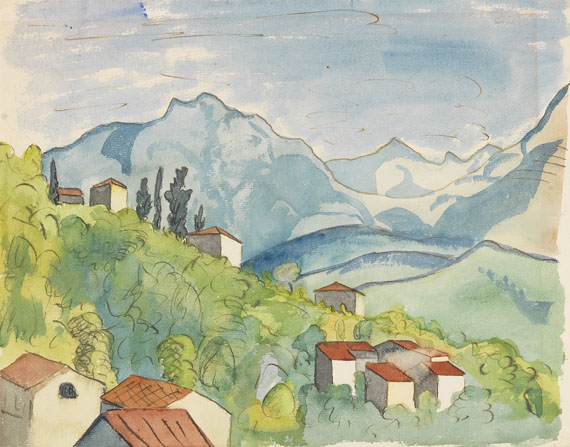
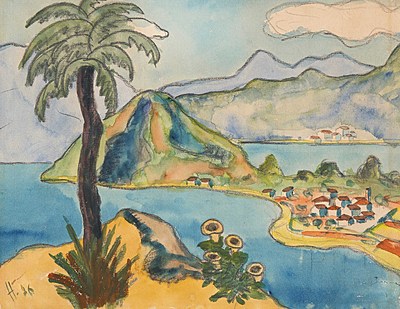
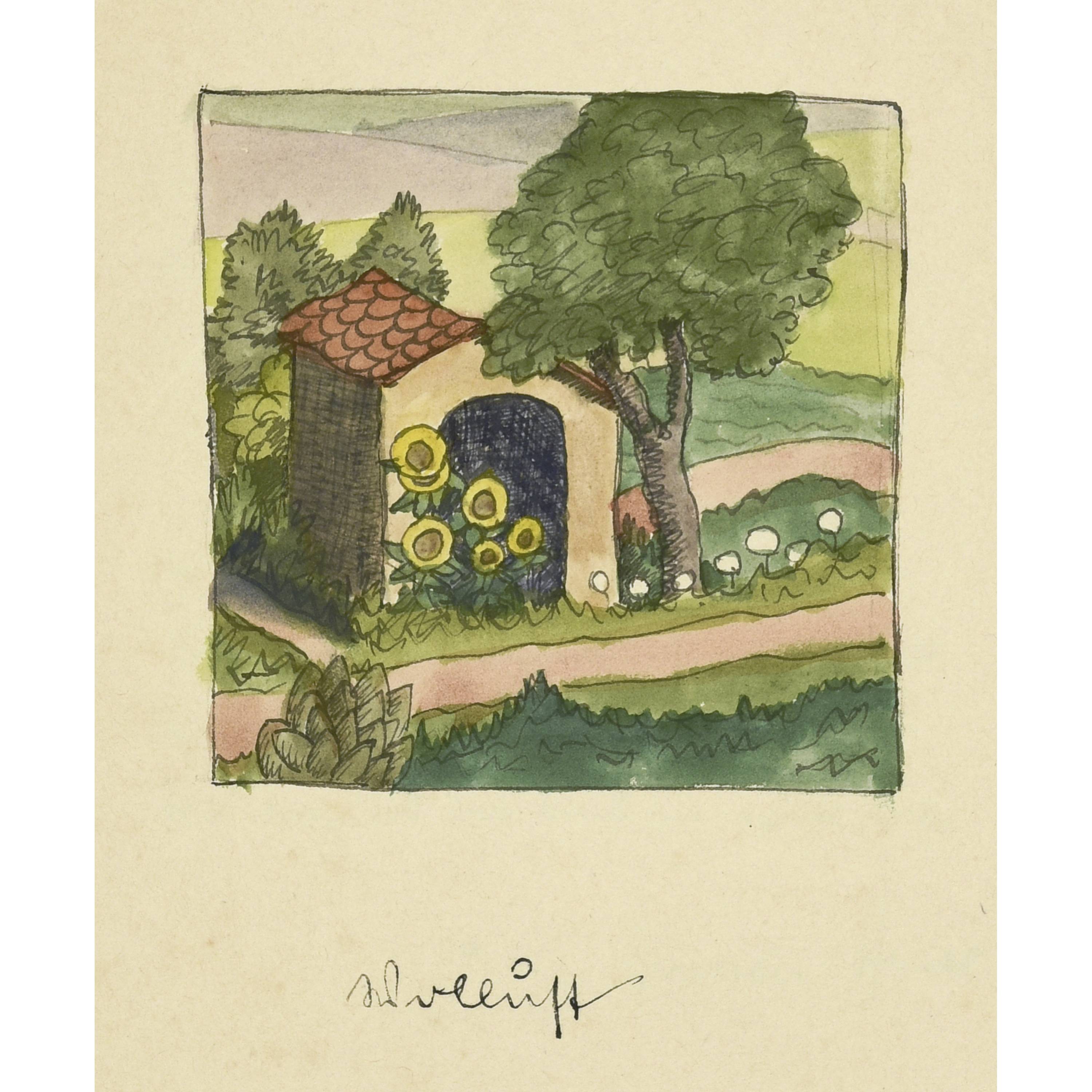
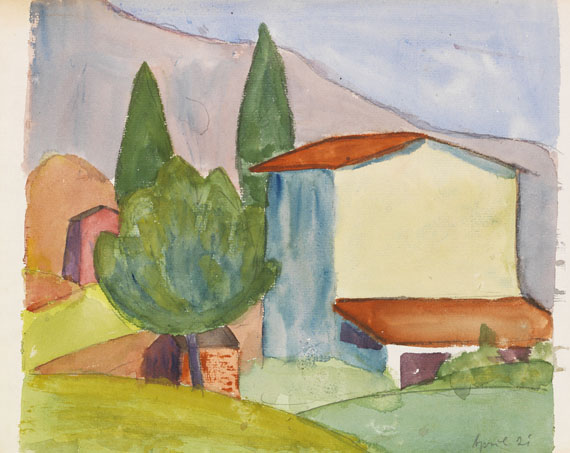
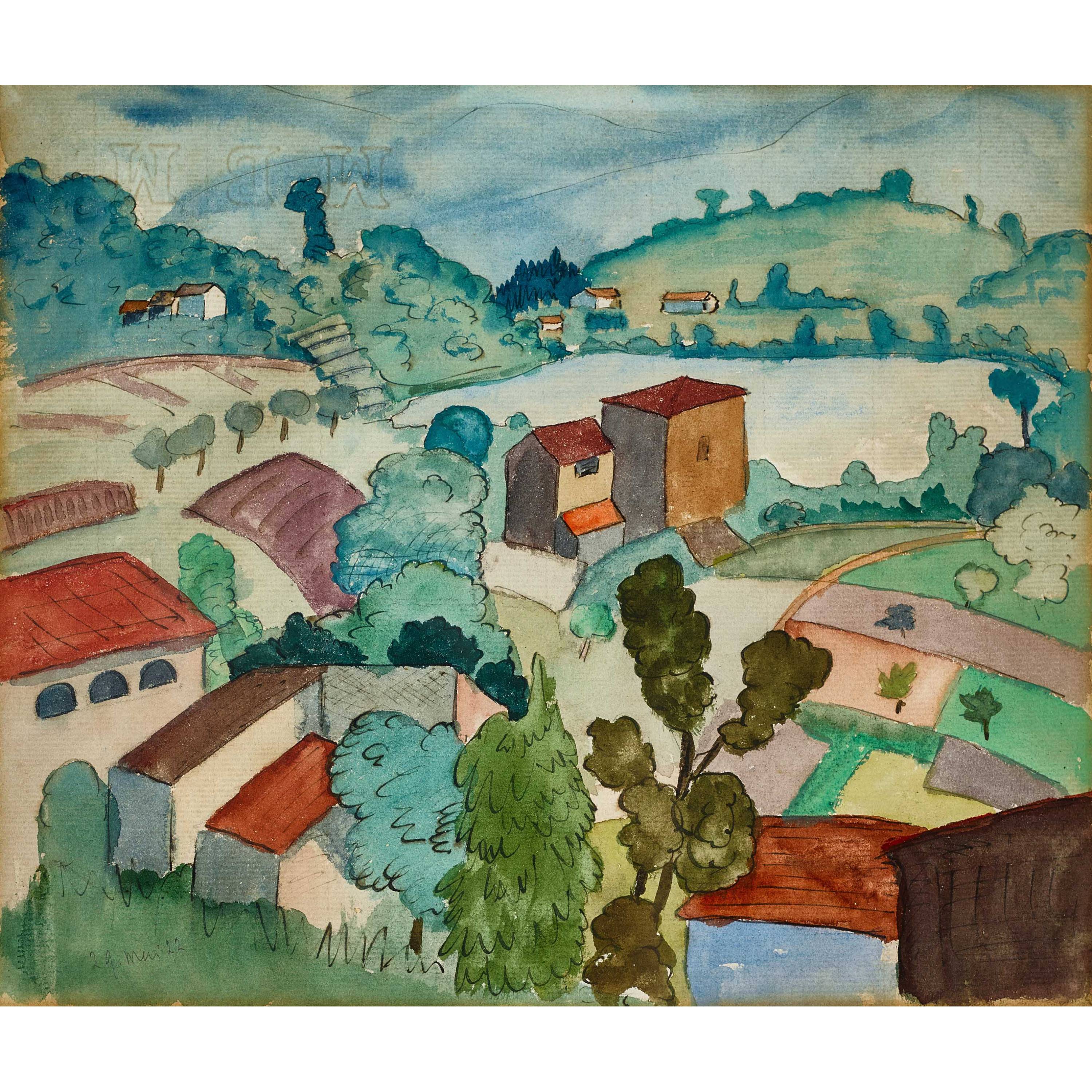
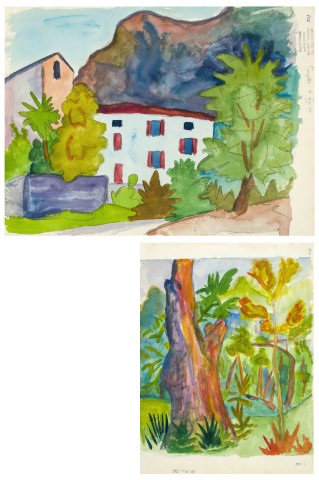
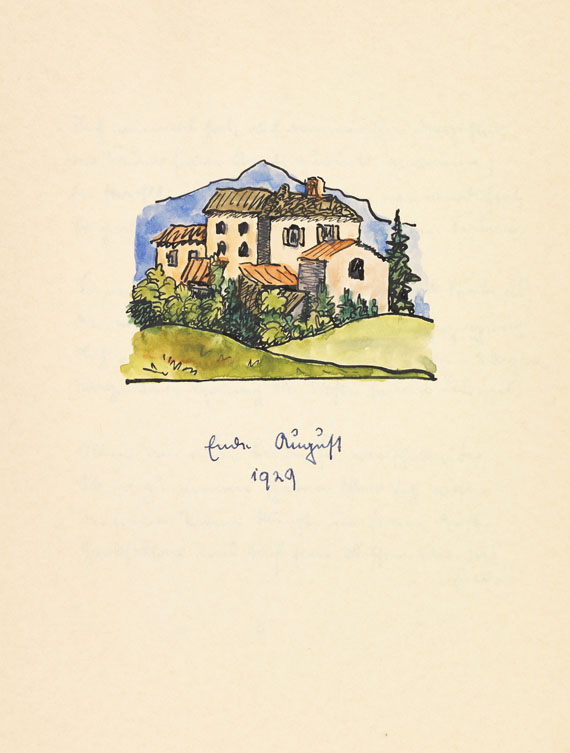
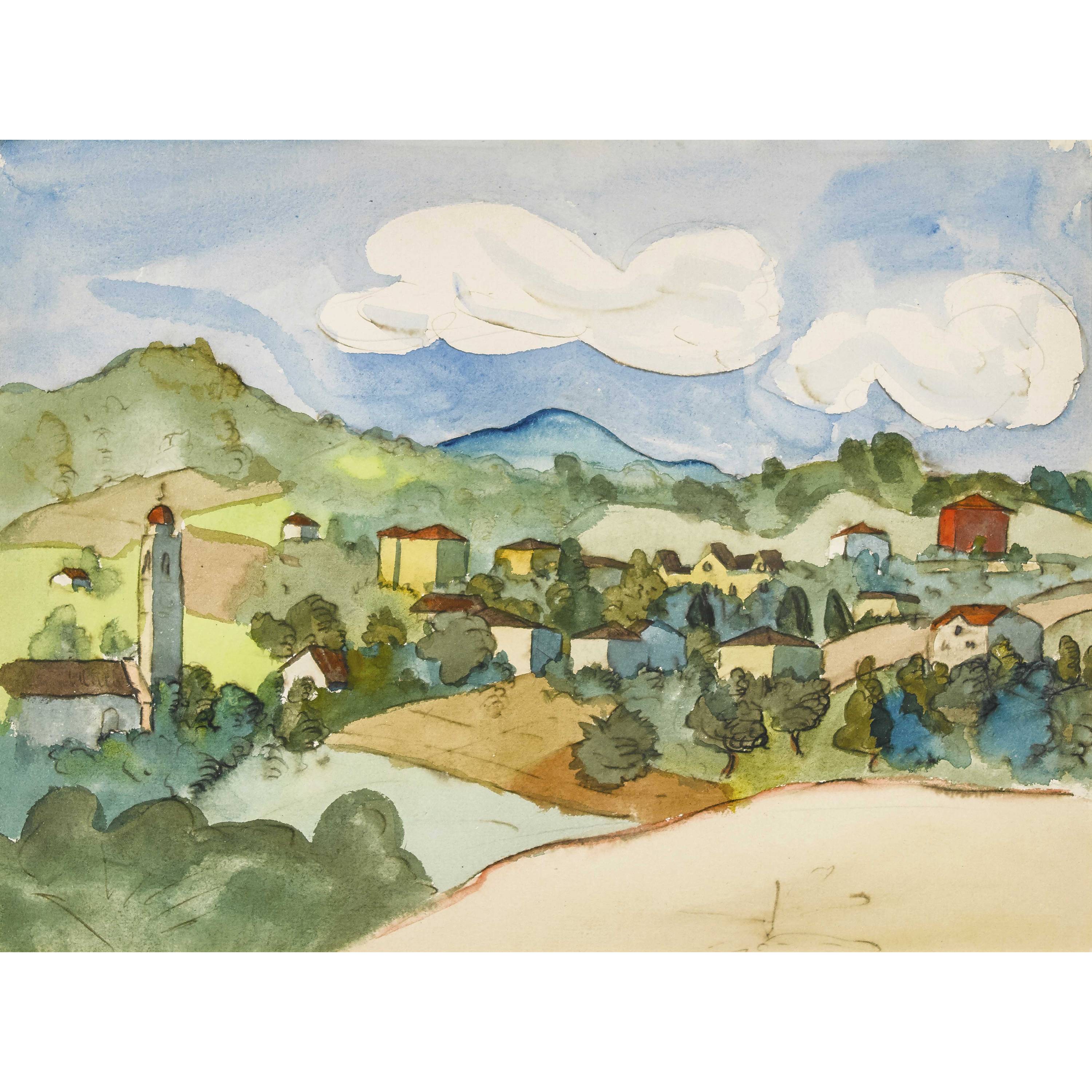
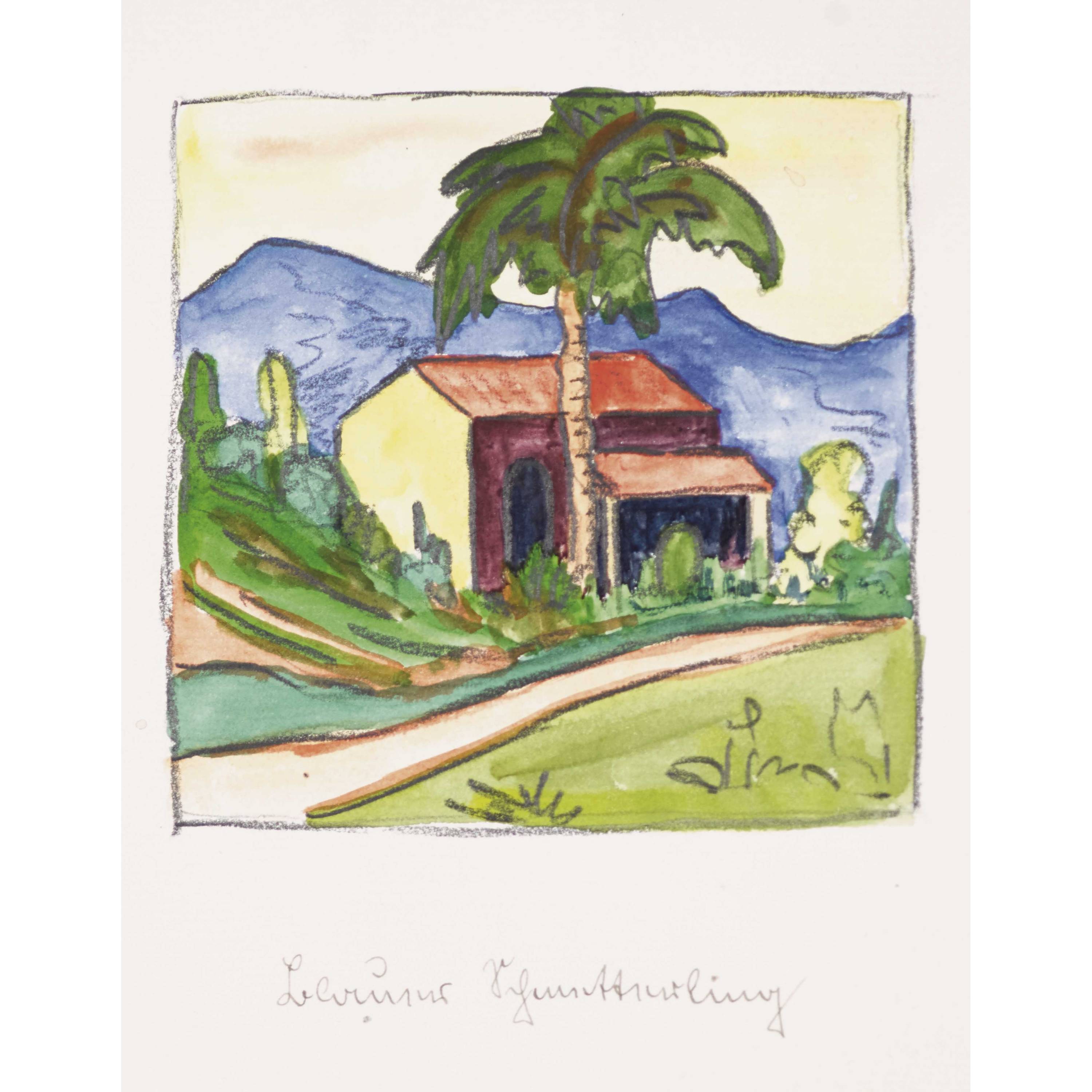
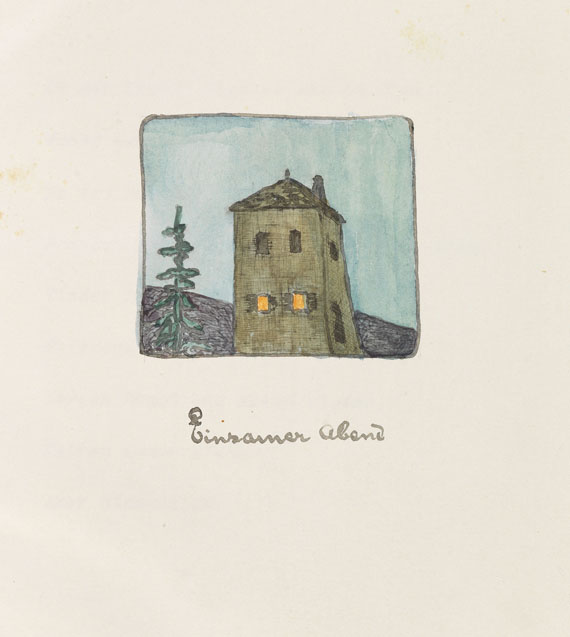
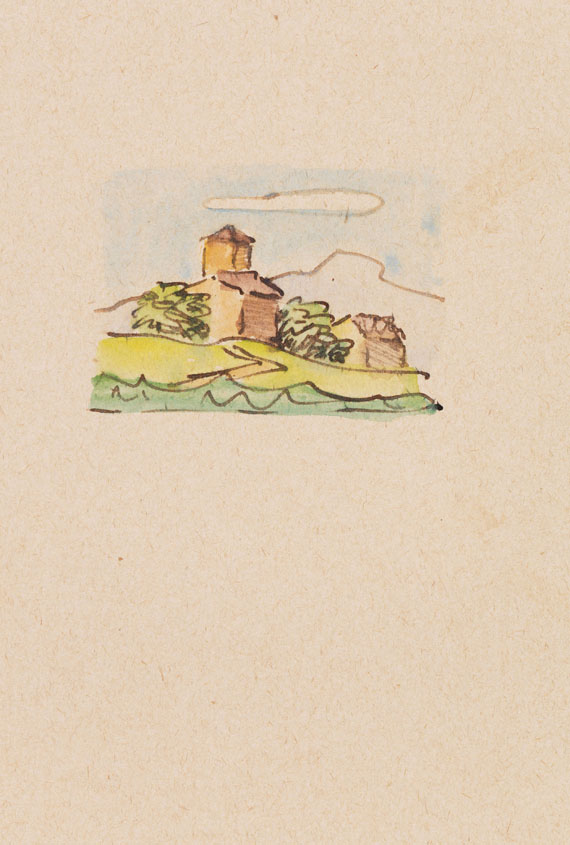
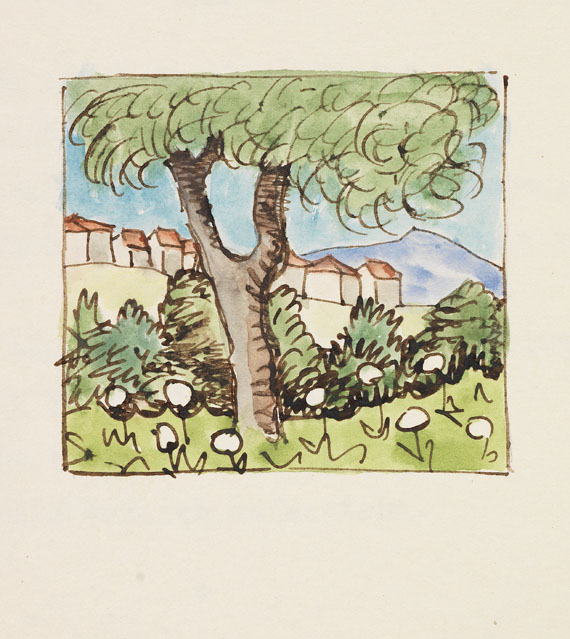
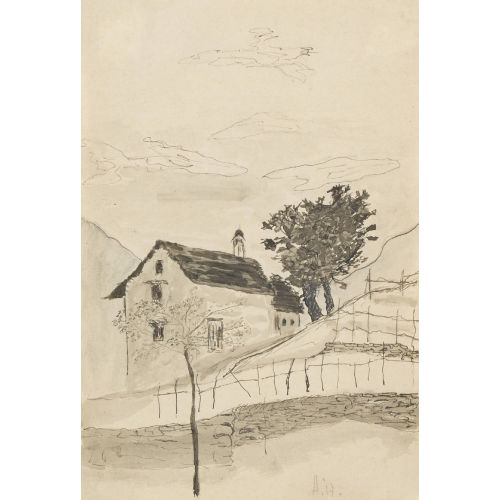
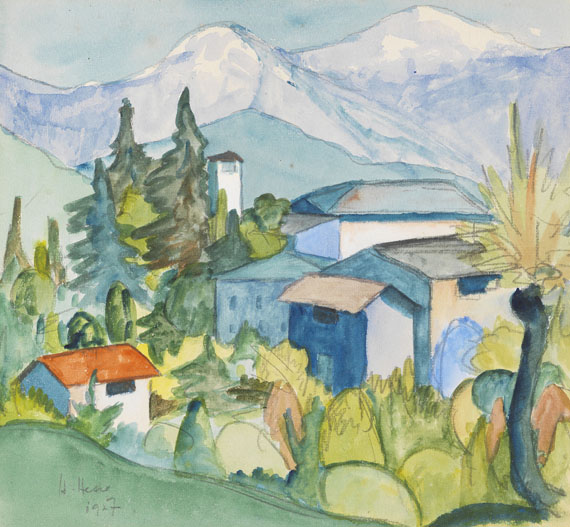
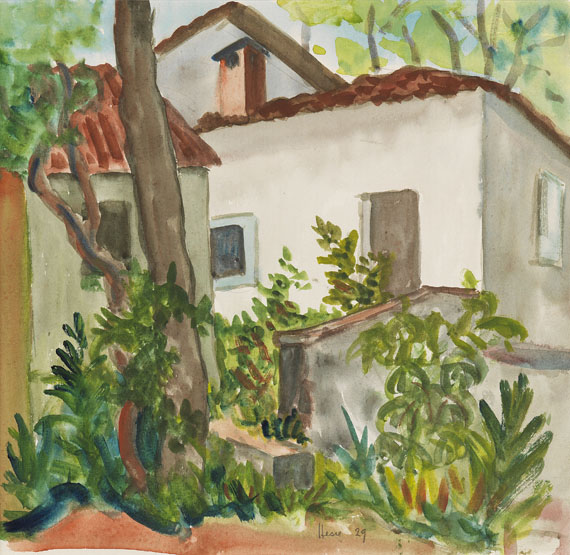
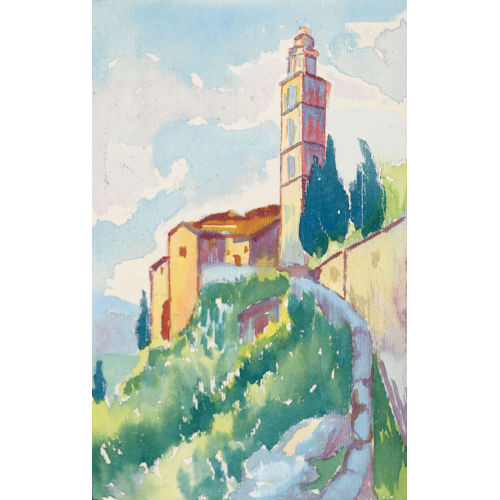
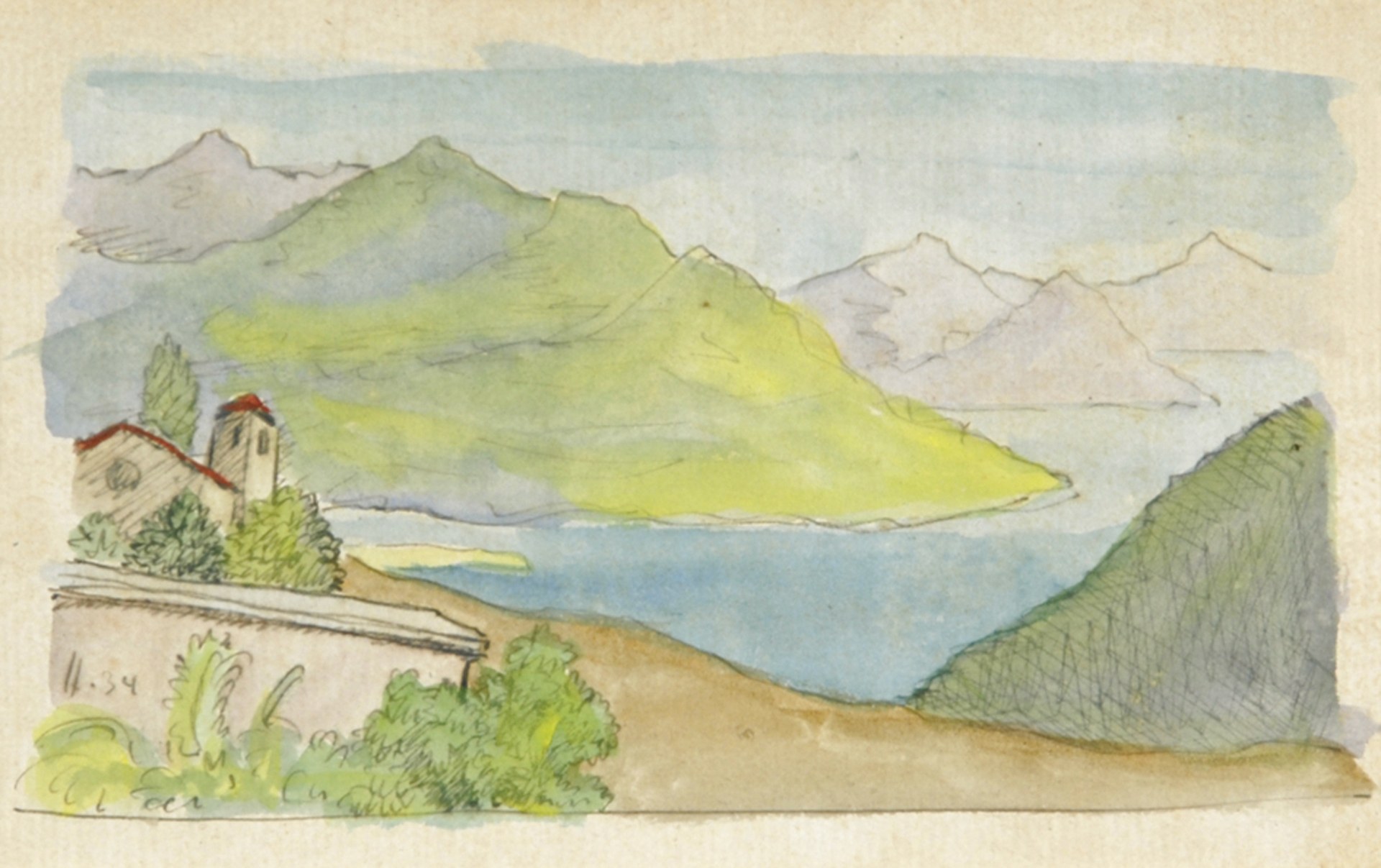
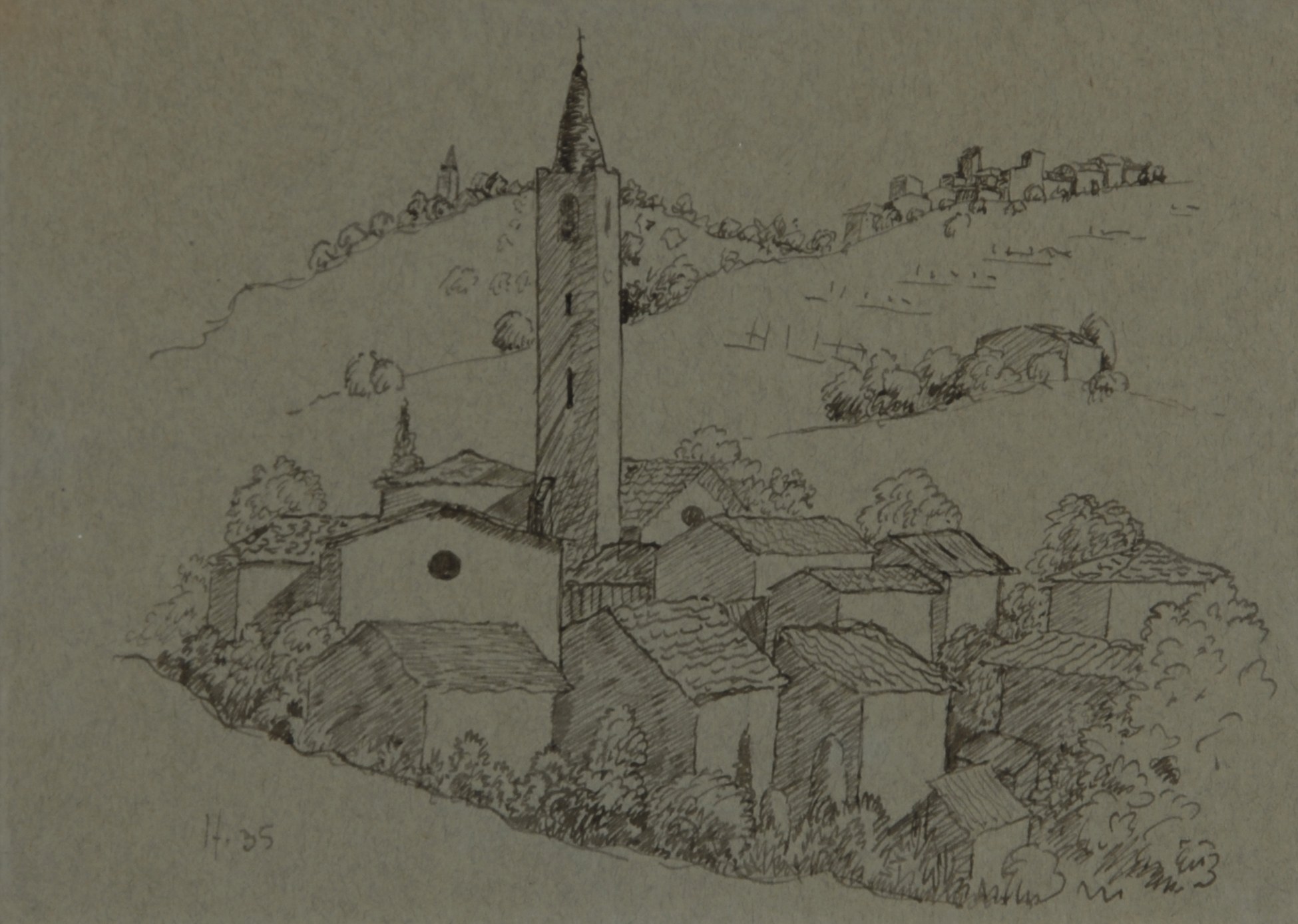
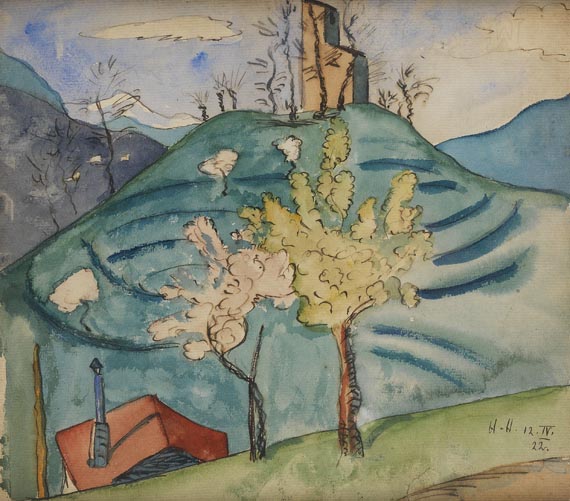
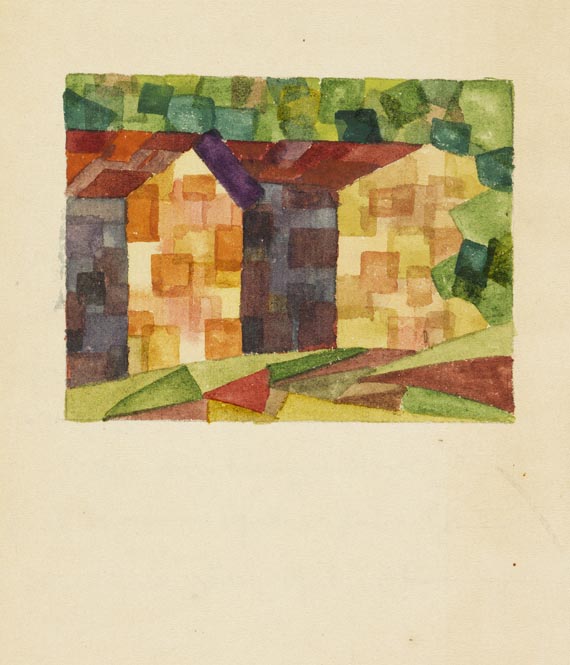
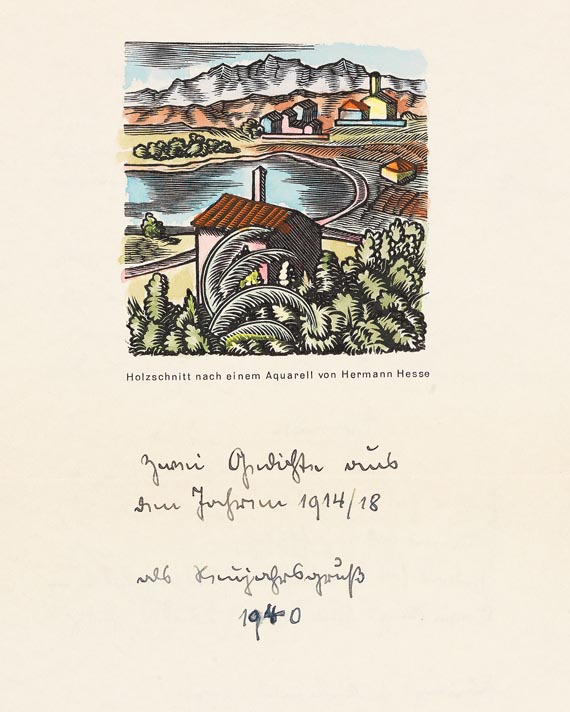
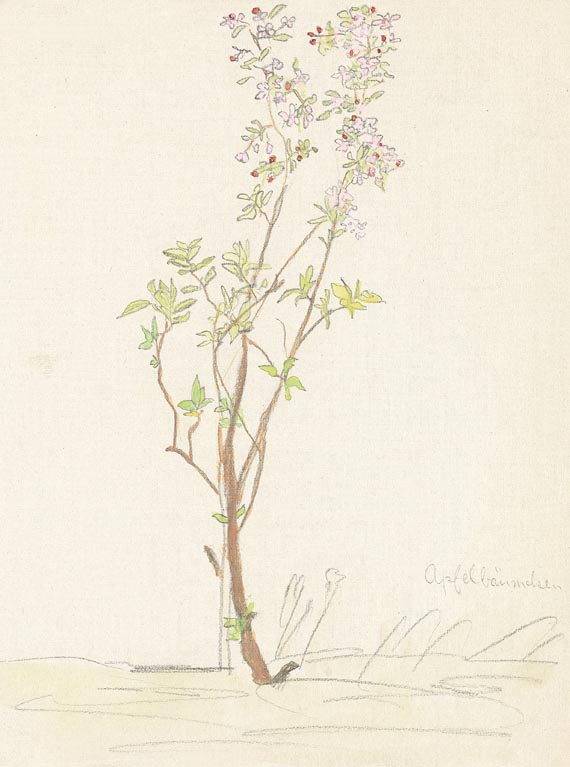
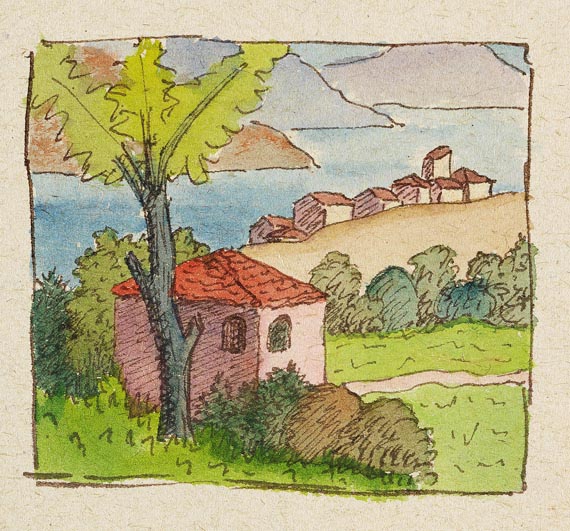
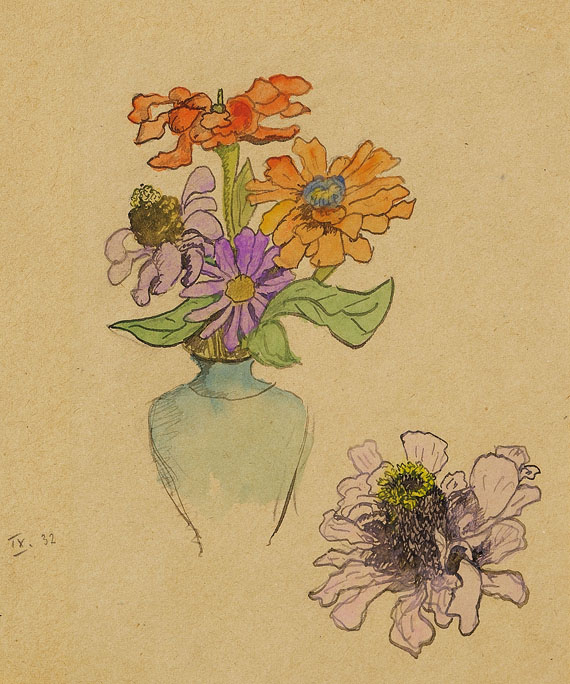
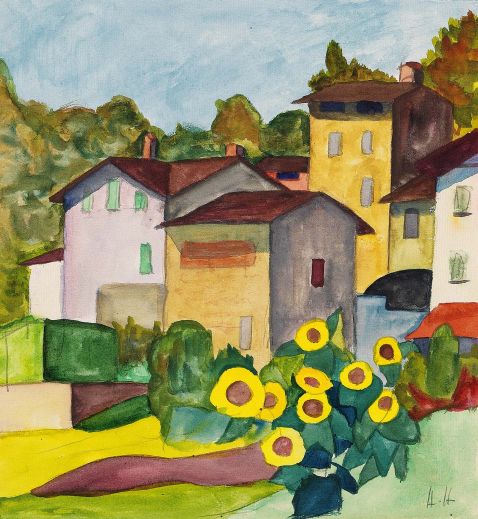
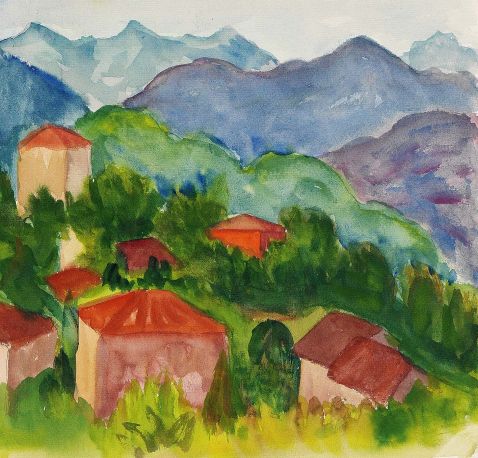
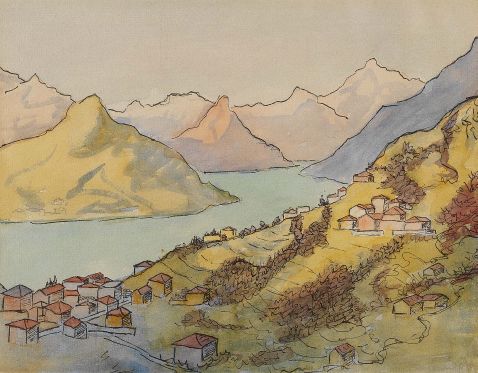
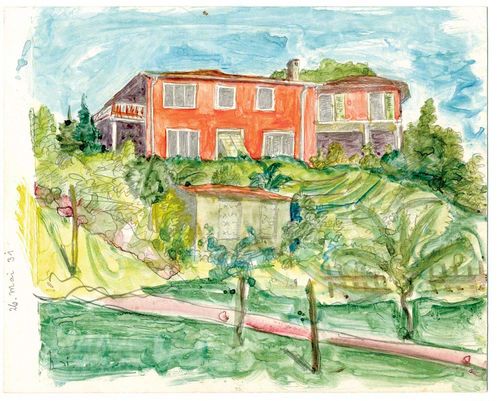
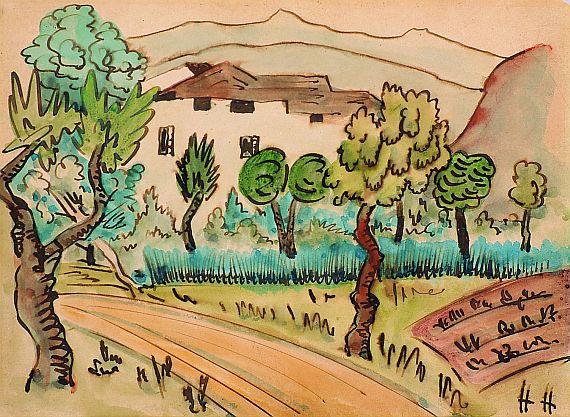
Hermann Hesse (1877–1962) is known as a writer, but watercolour occupies an enduring place in his creative life. He began painting in 1916, during a period of personal crisis, initially experimenting with several techniques. His early subjects included still lifes, self-portraits and landscapes of the Engadin, the Locarno region and Bern.
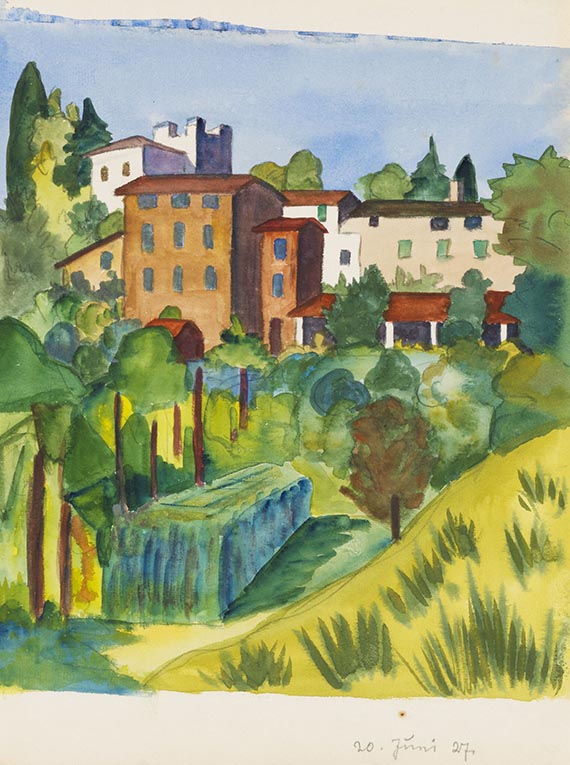
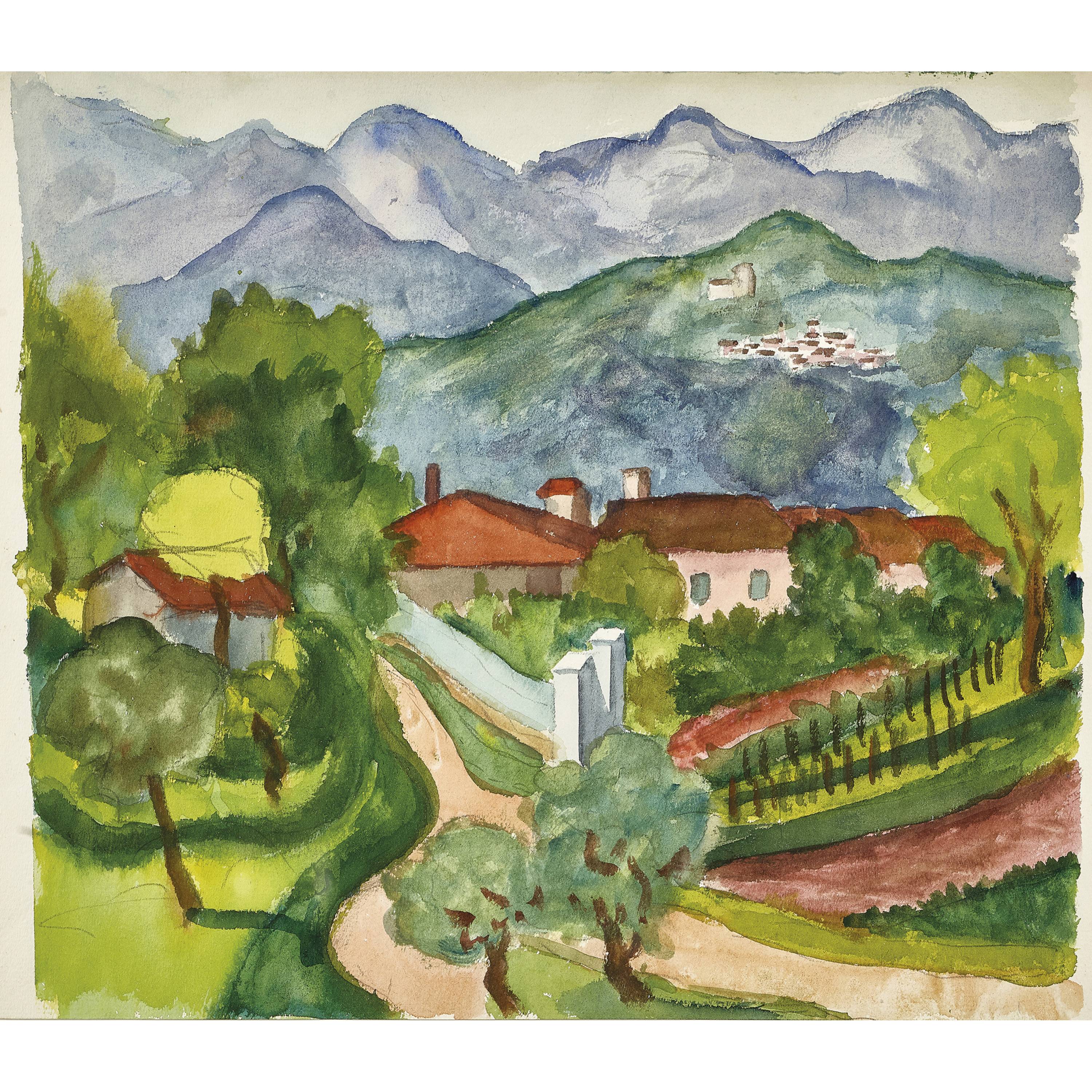
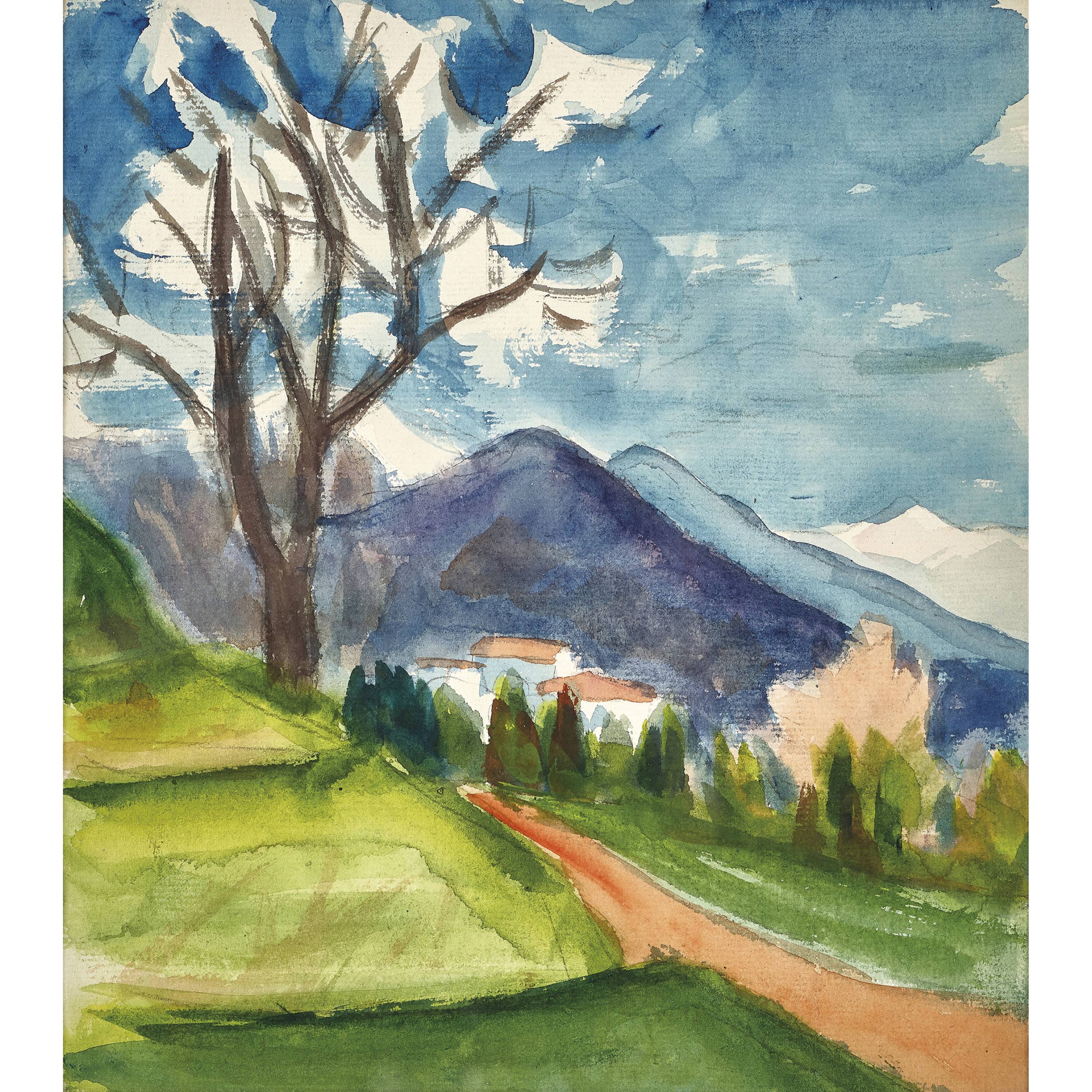
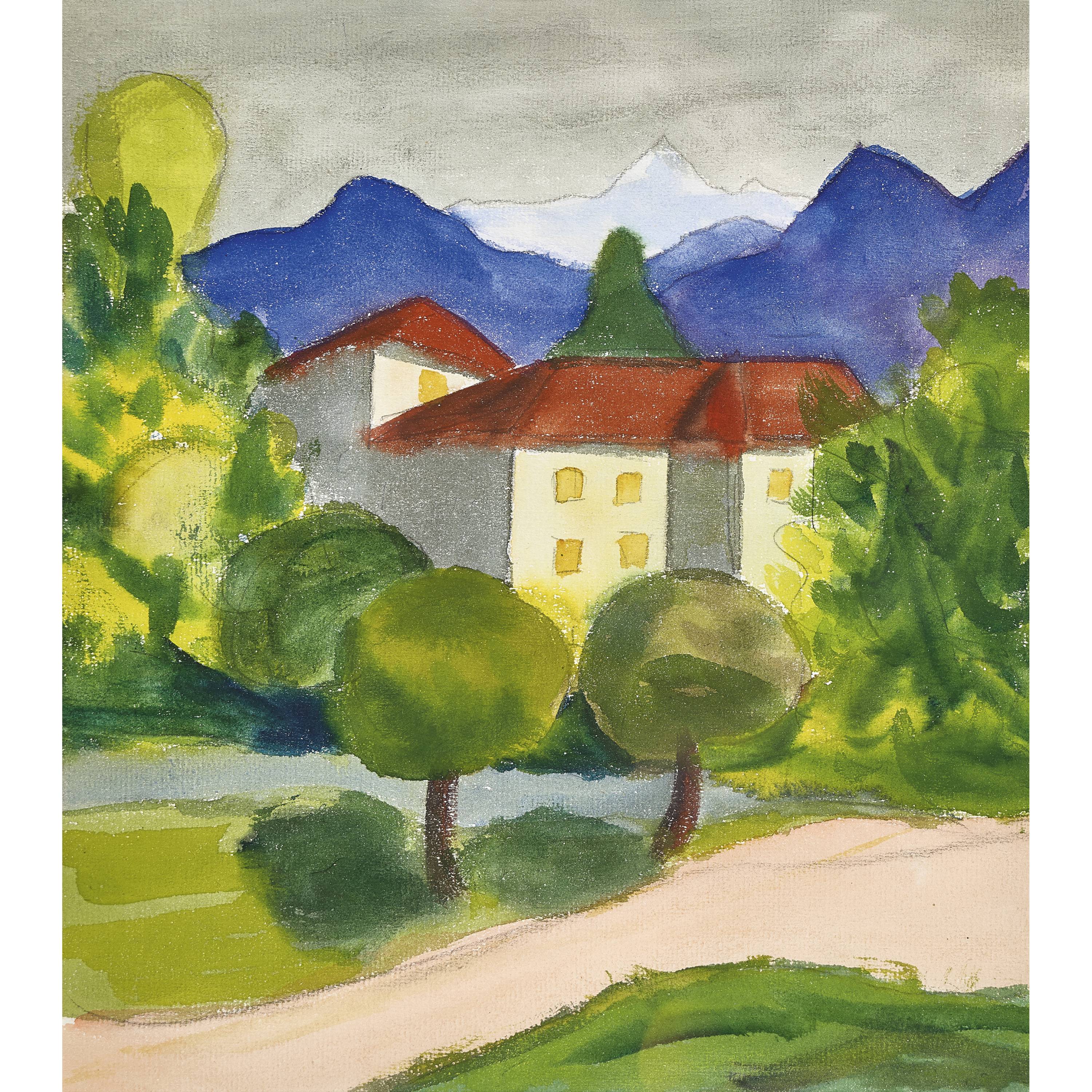
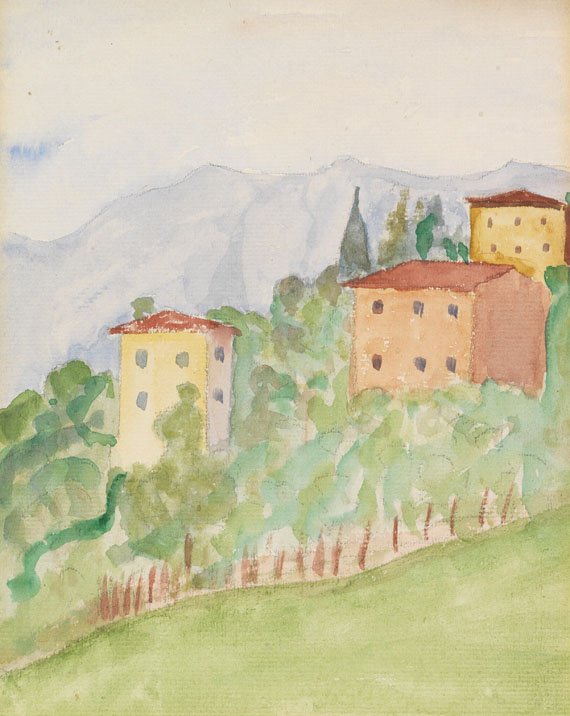
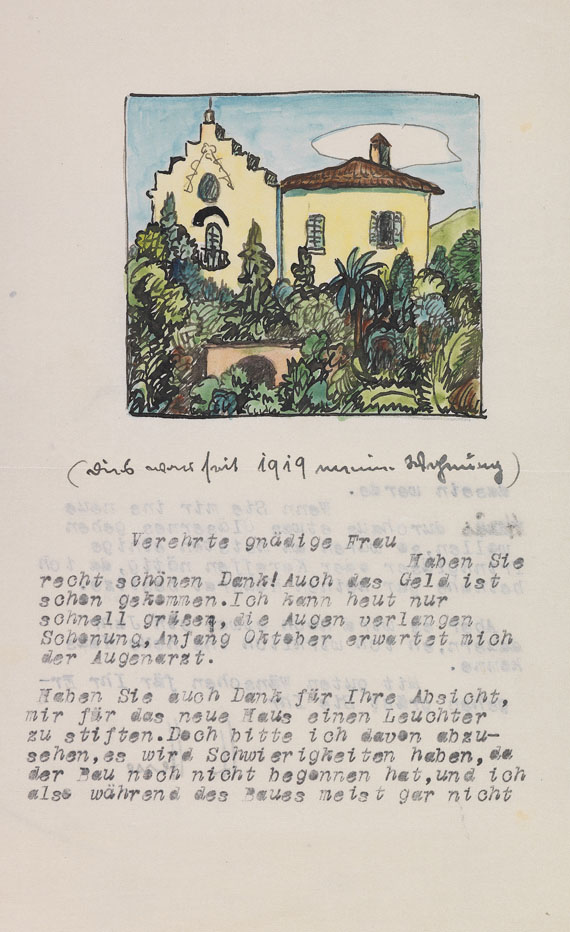
After settling in Ticino in 1919, colour and watercolour came to occupy the centre of his visual work.
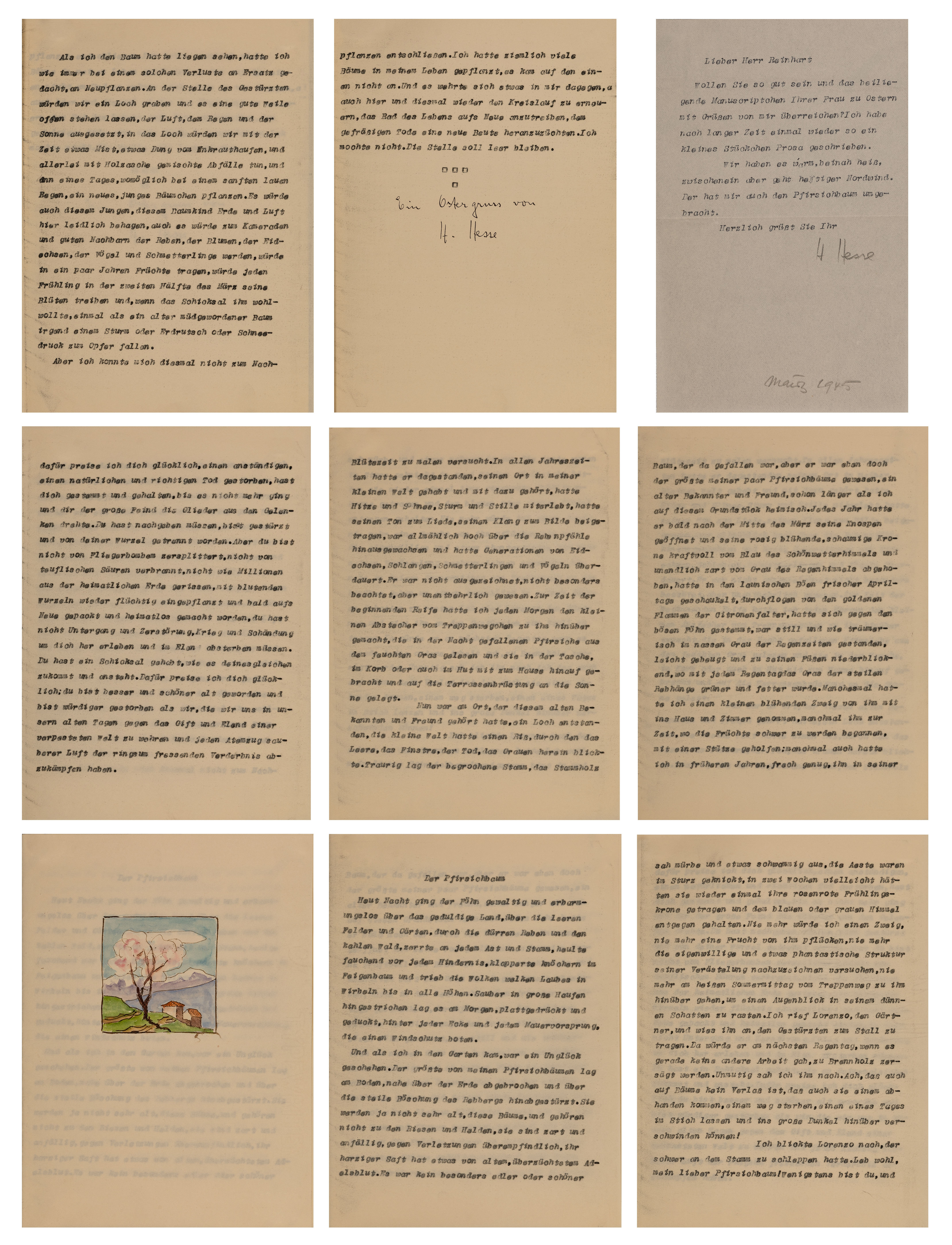
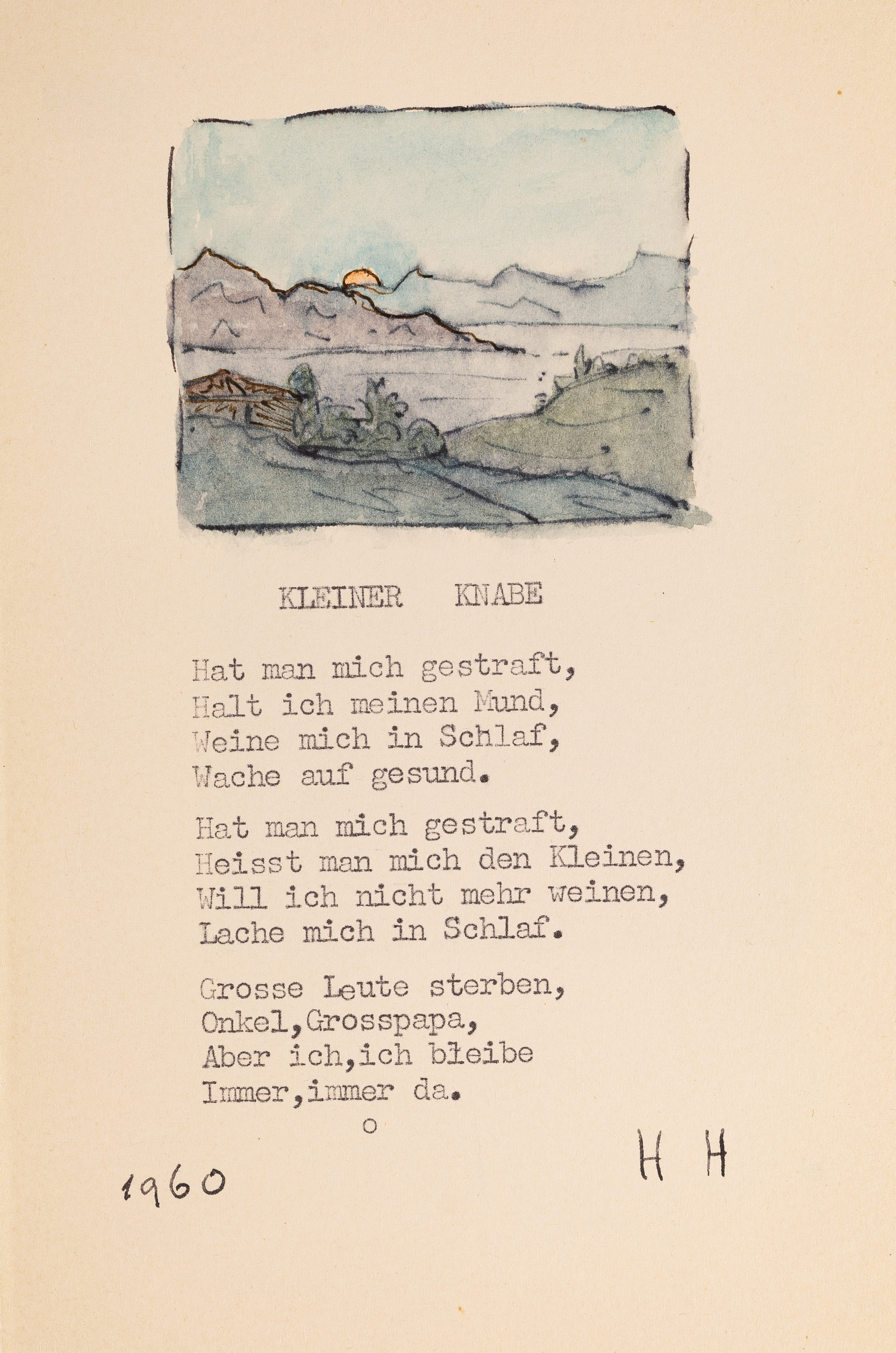
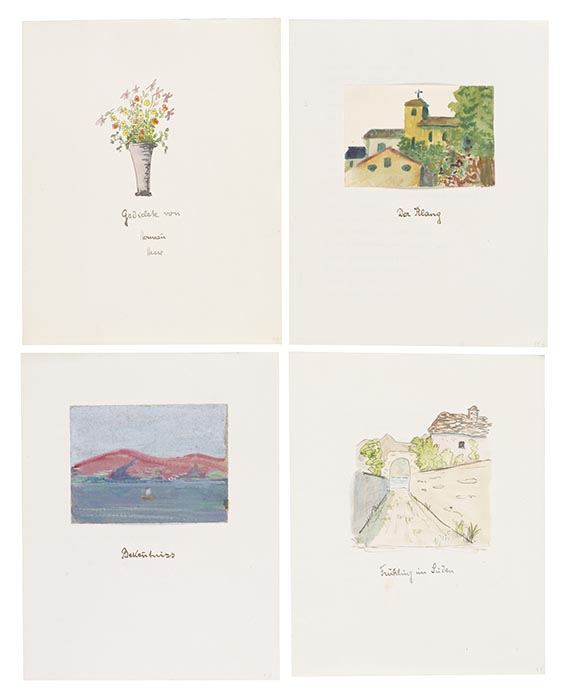
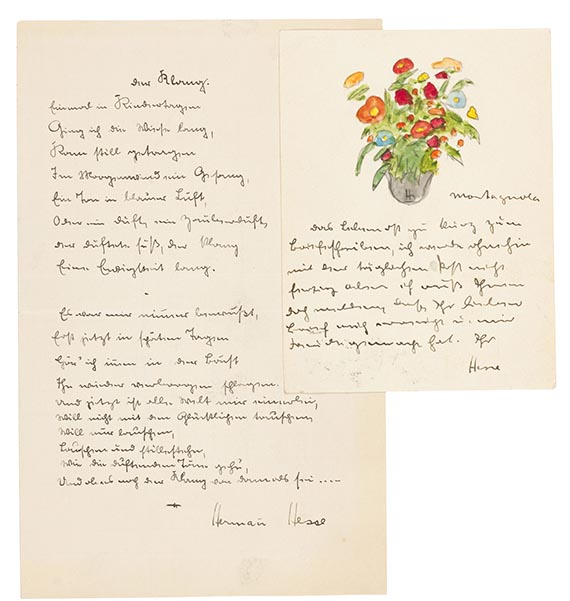
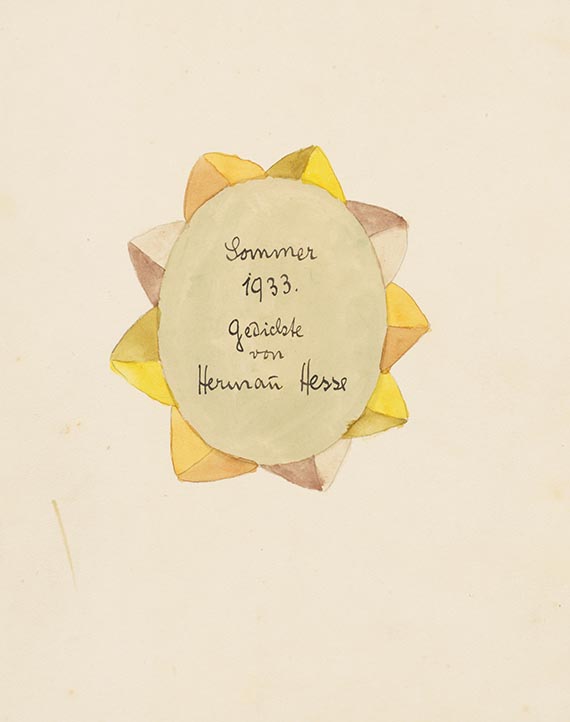
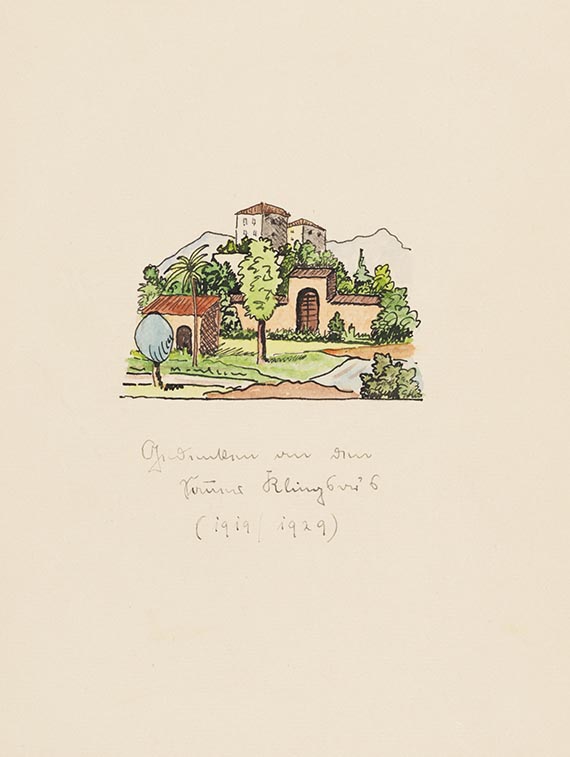
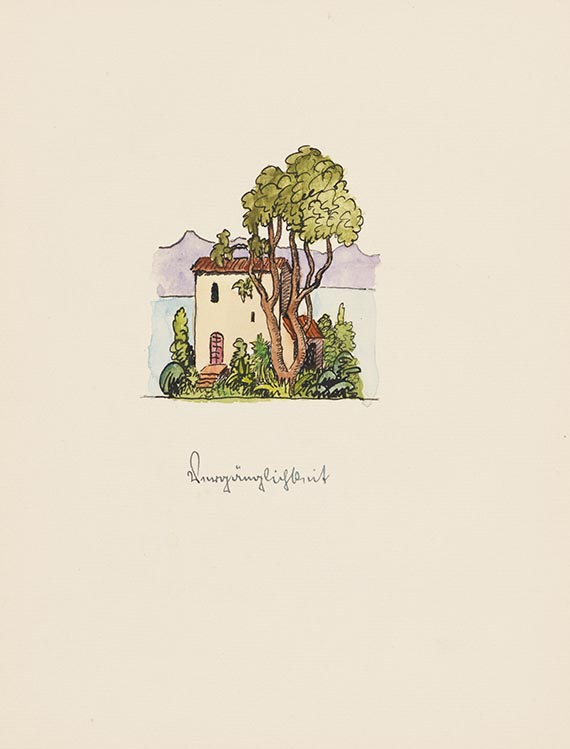
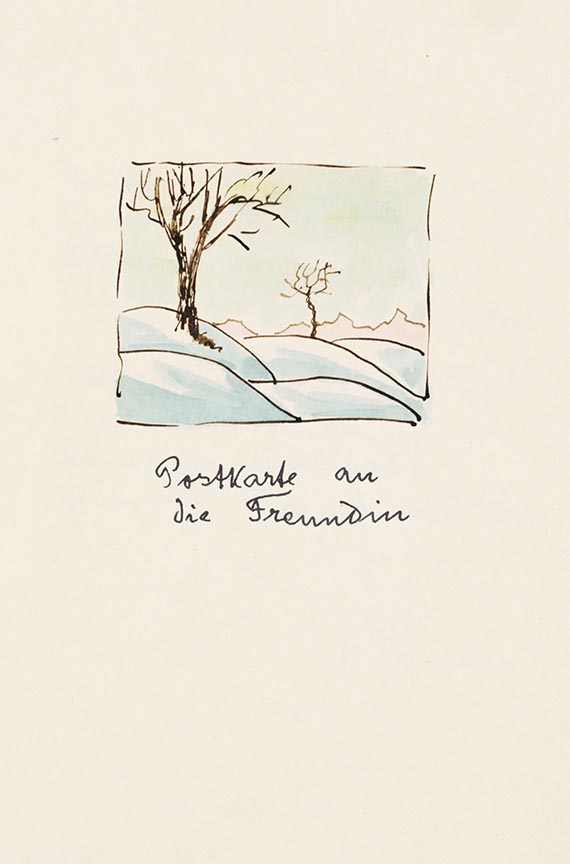
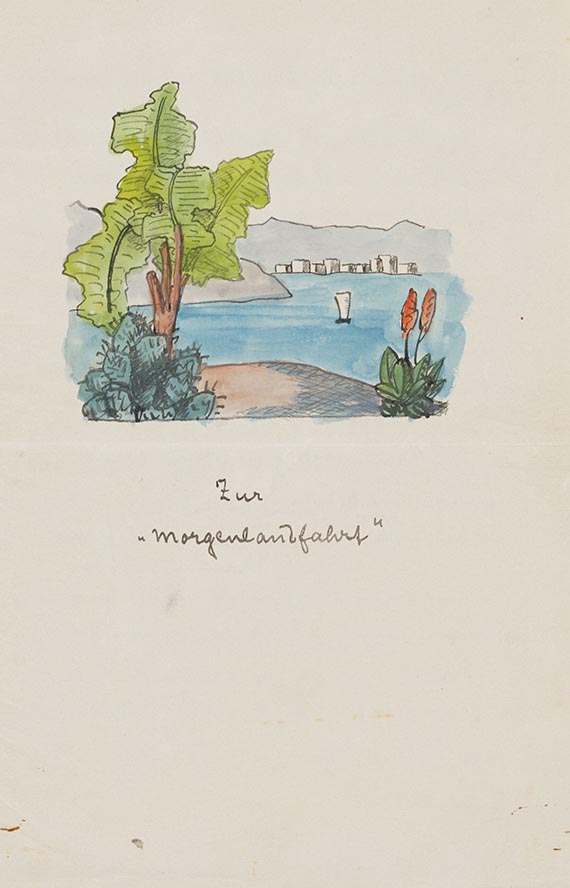
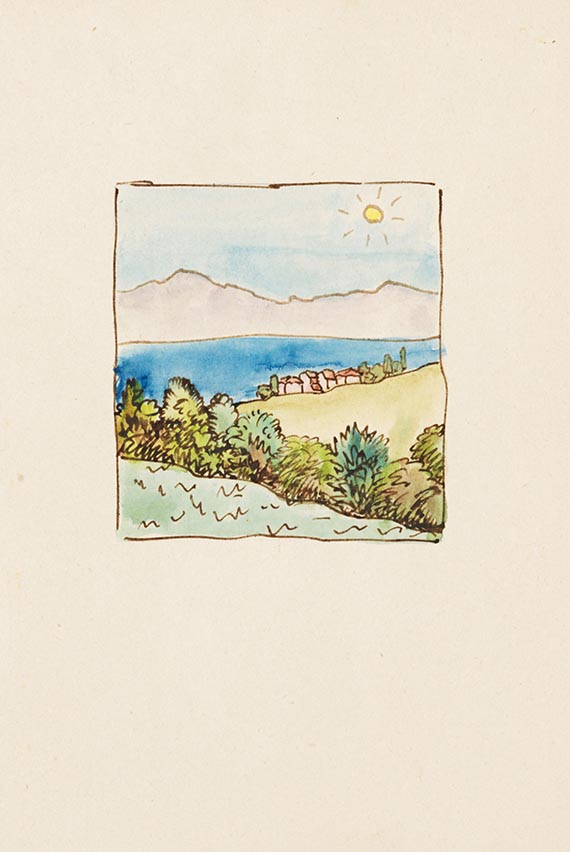
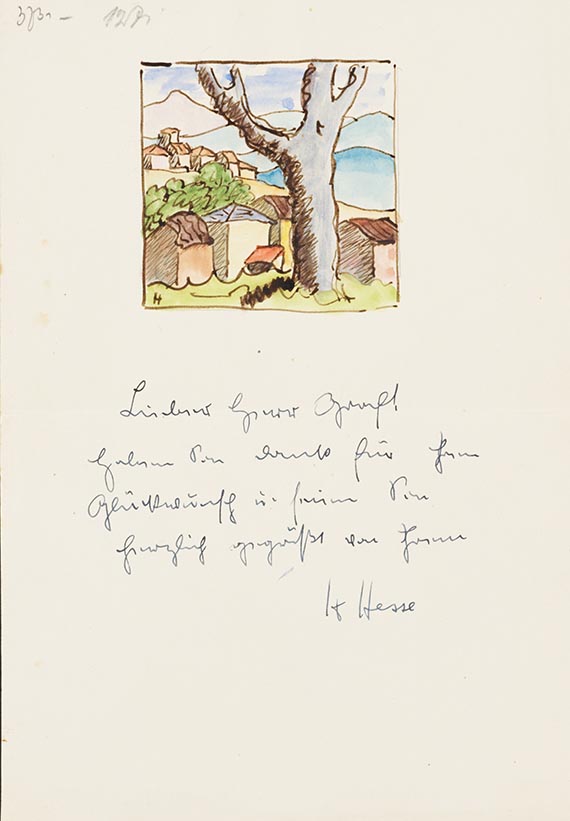
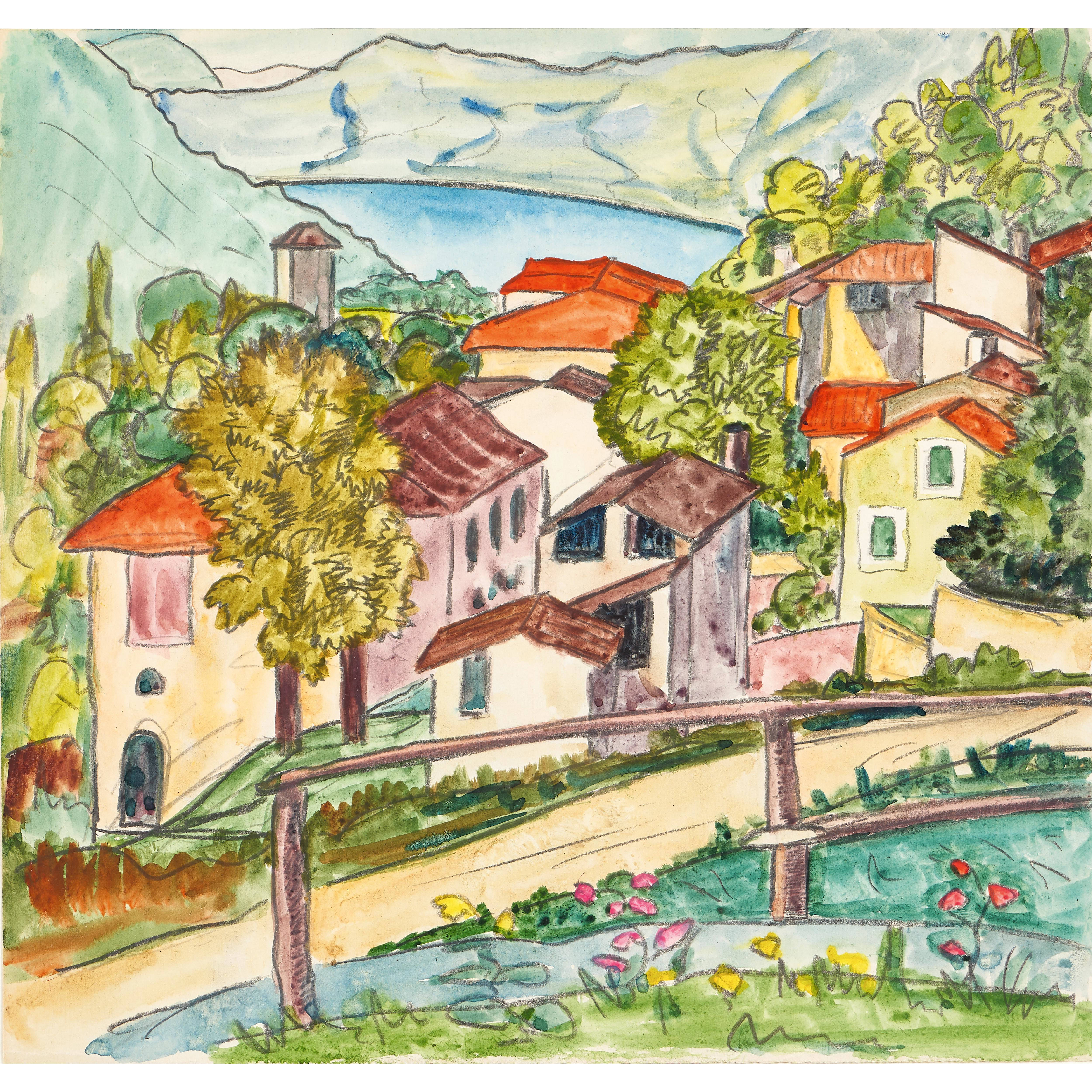
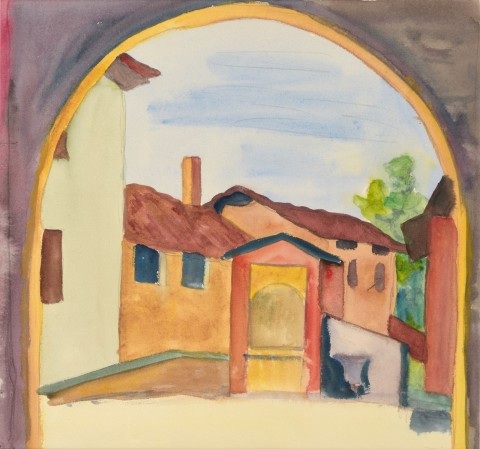
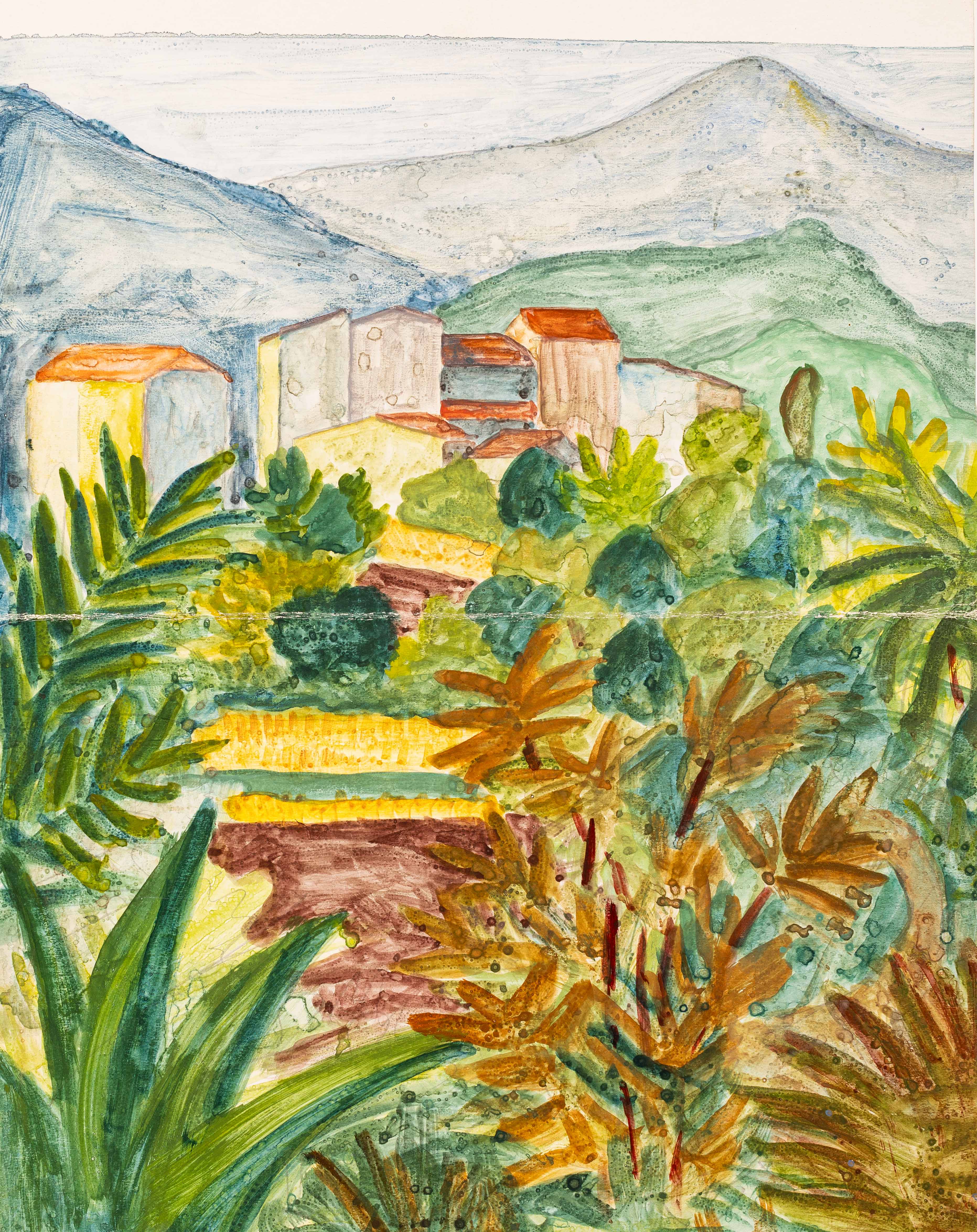
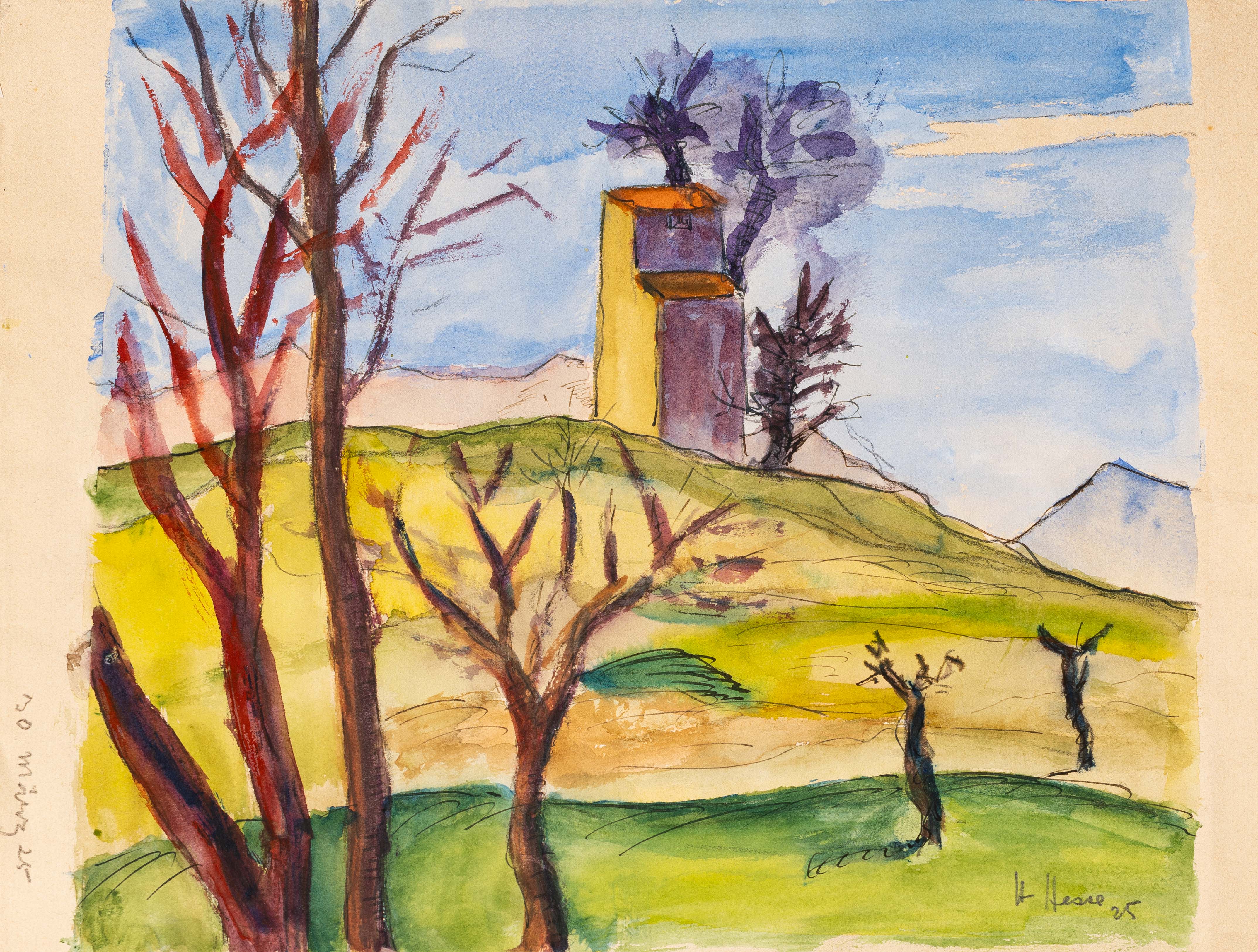
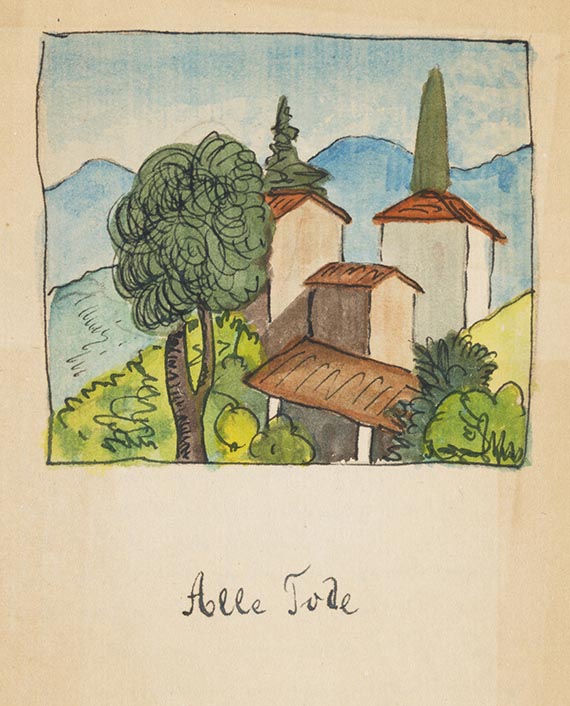
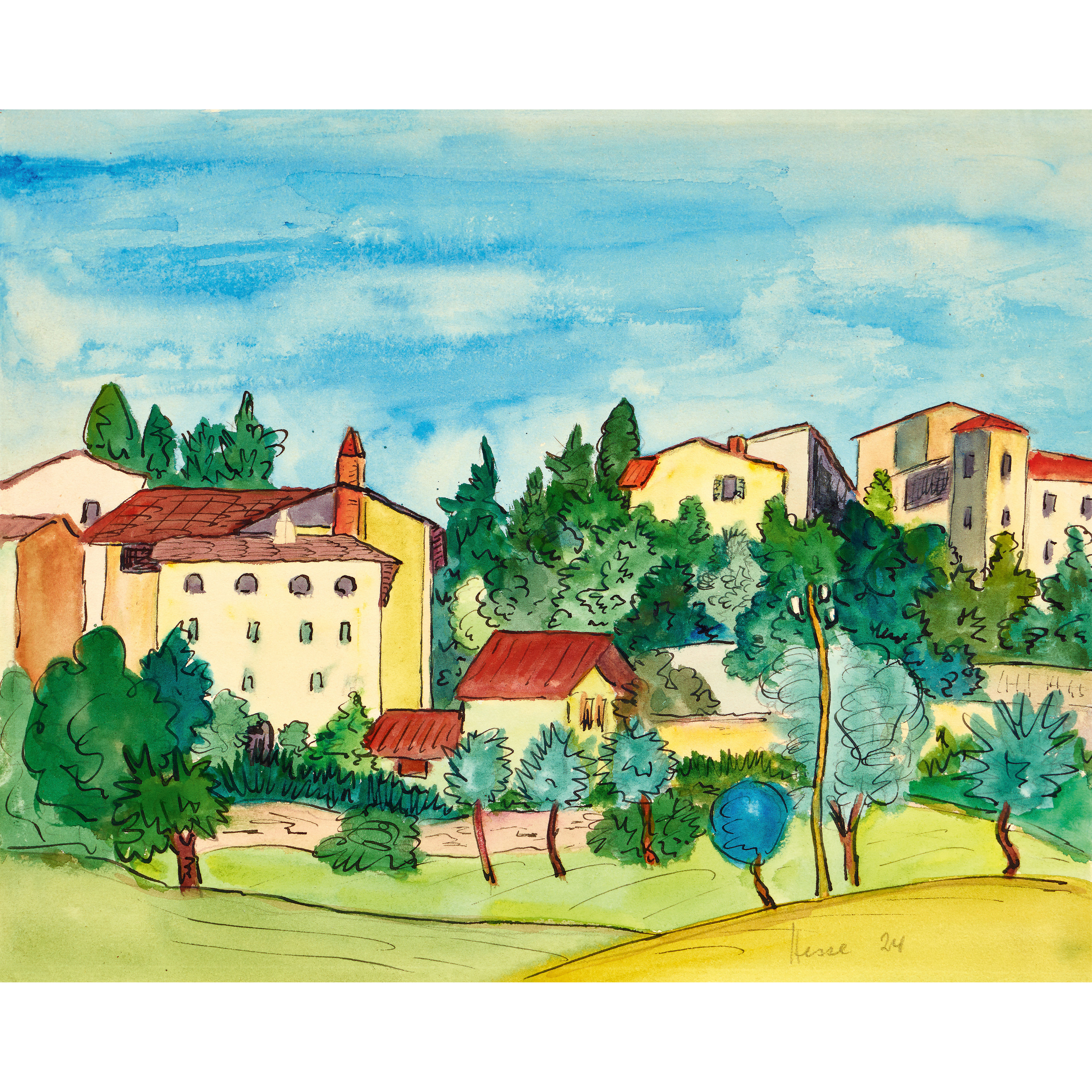
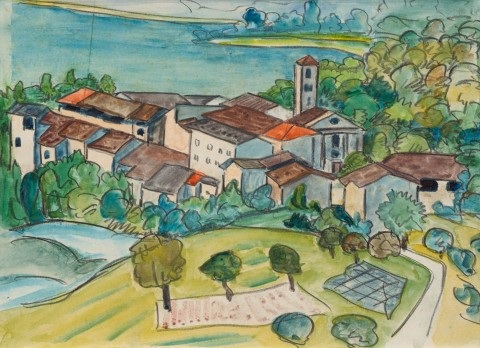
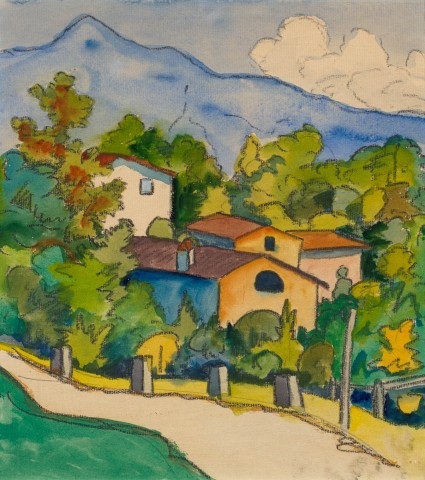
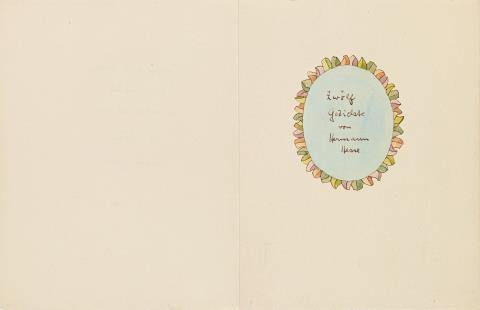
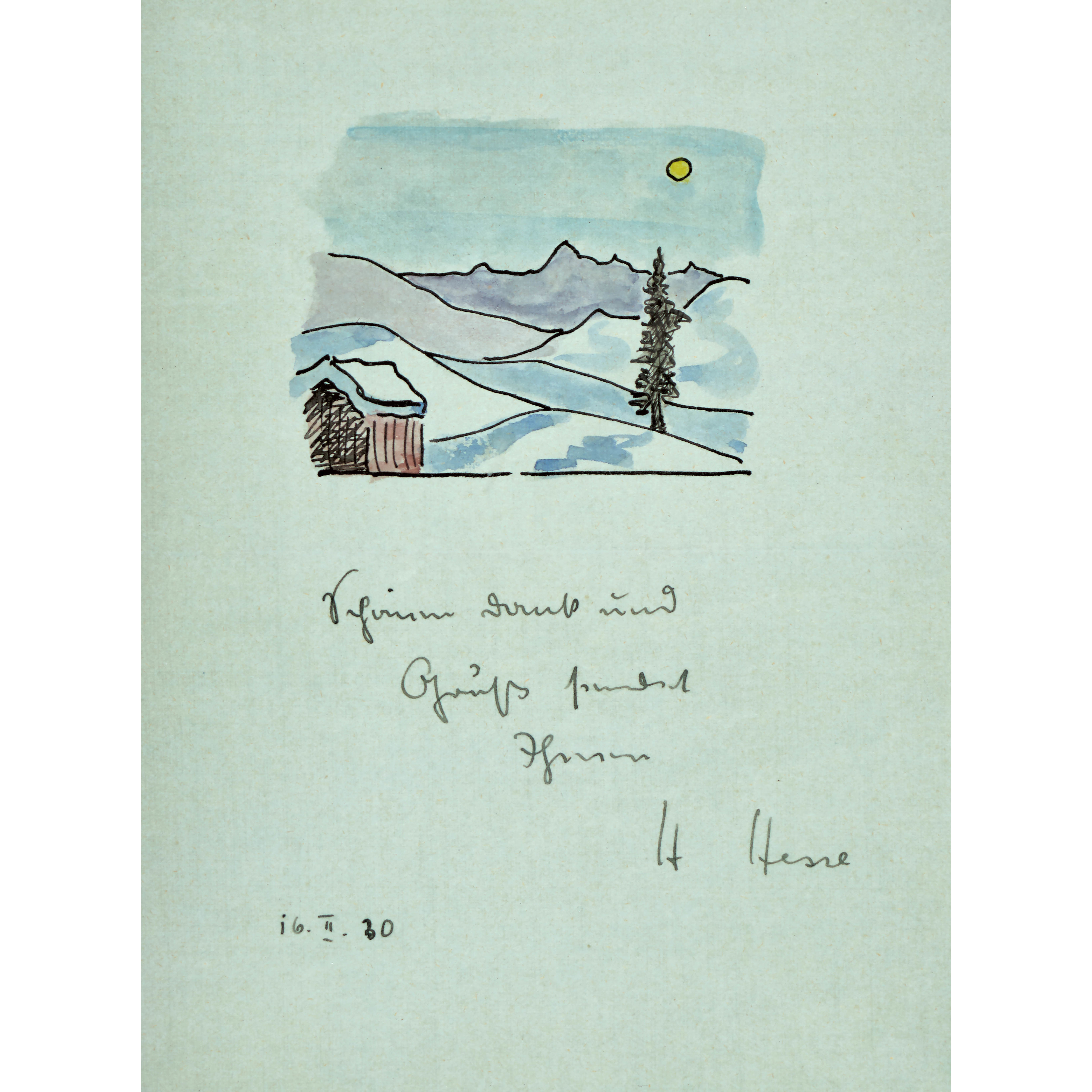
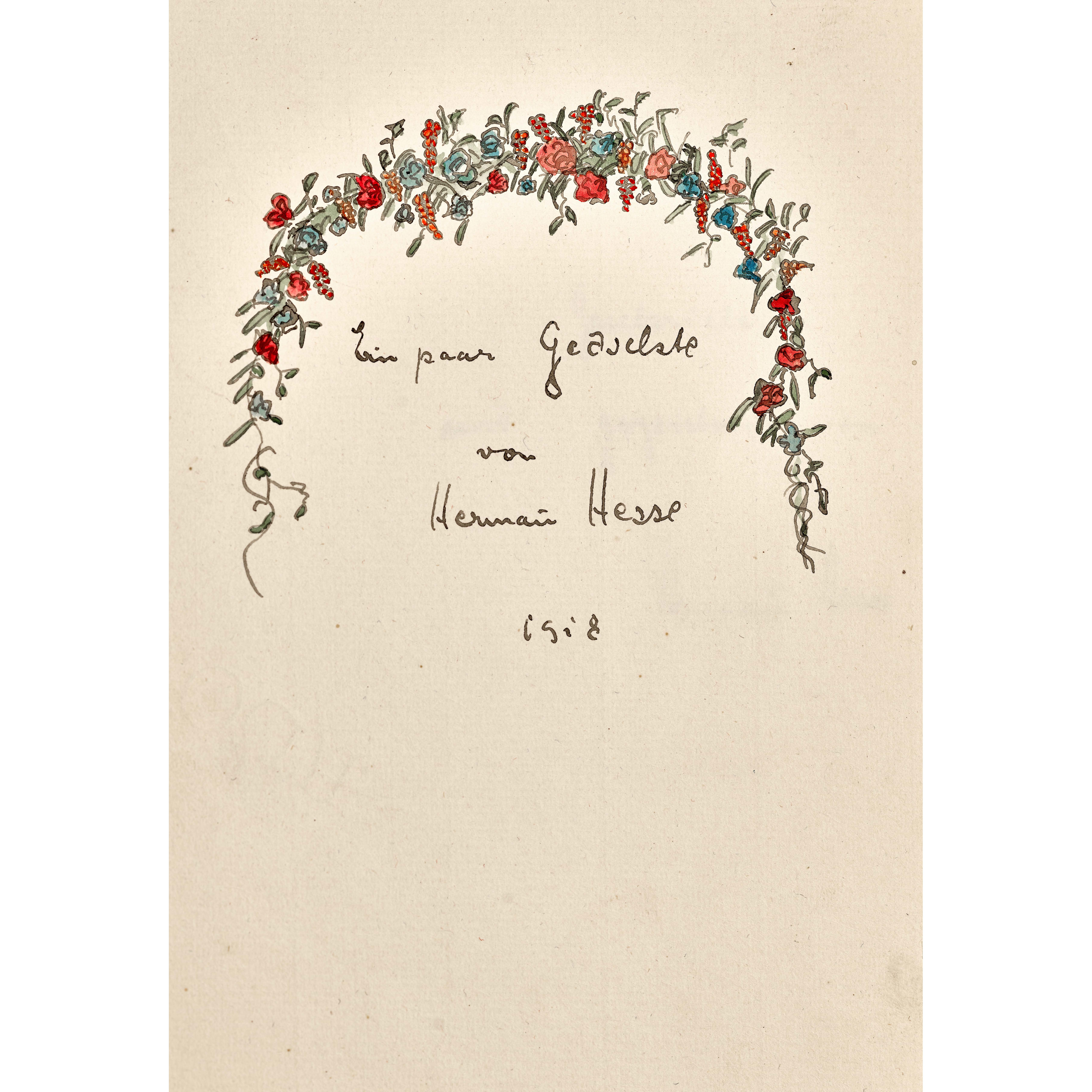
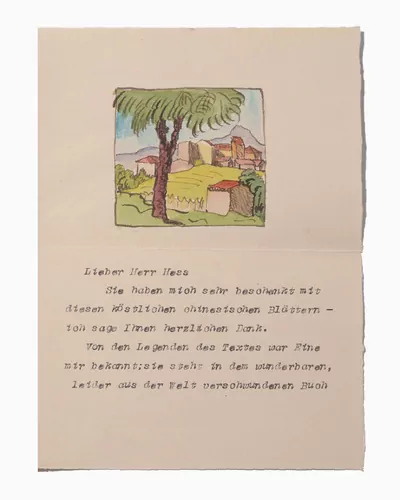
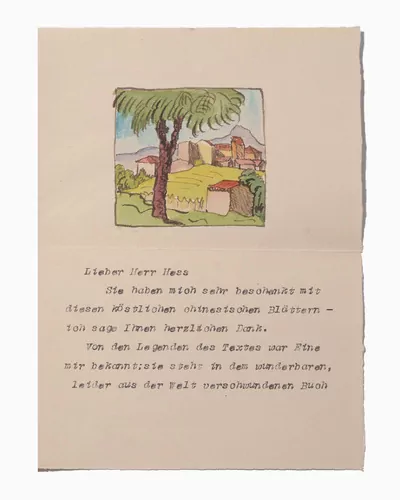
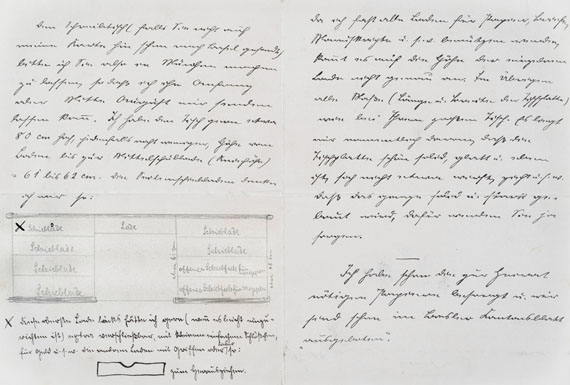
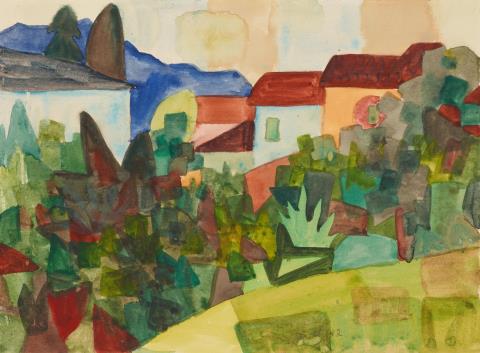
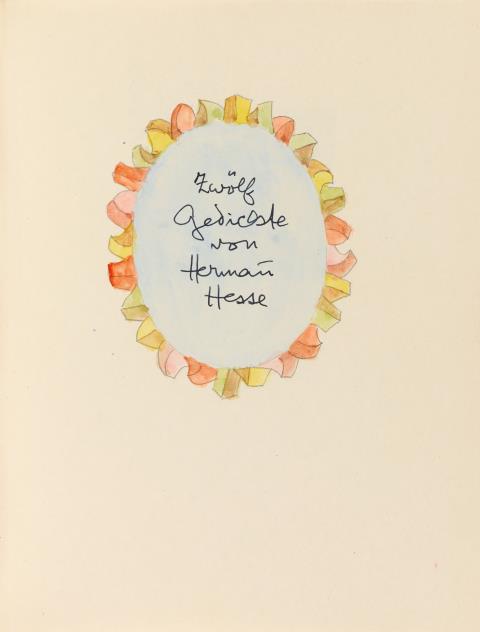
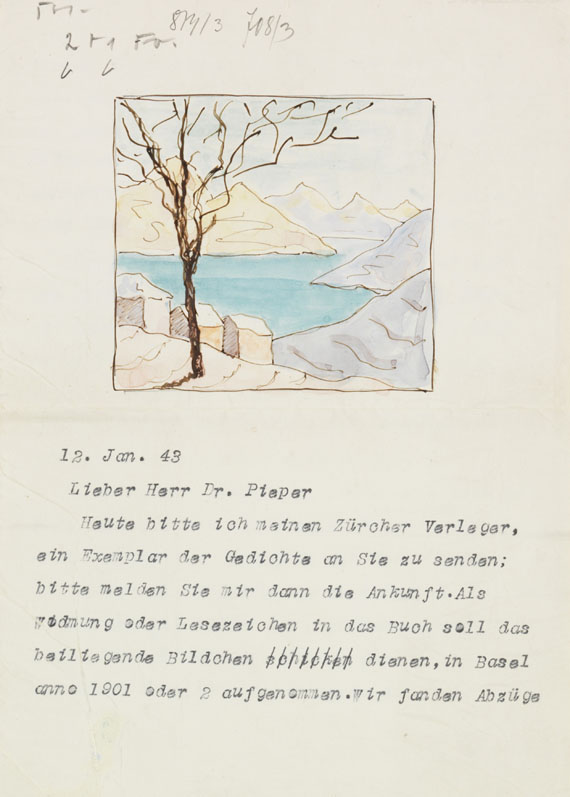
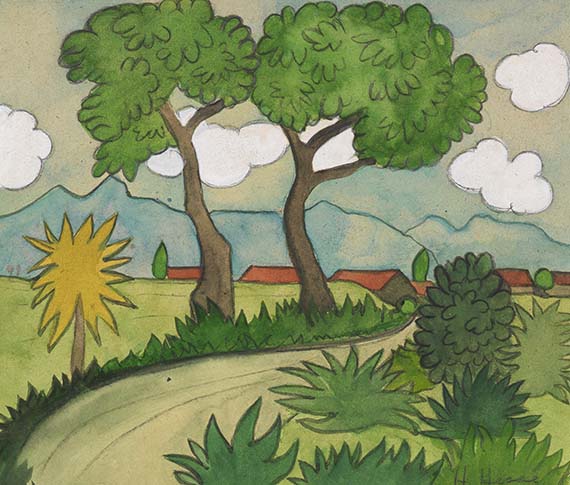
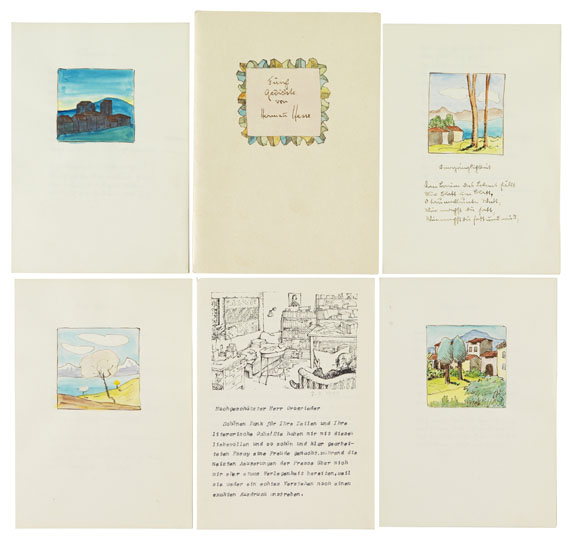
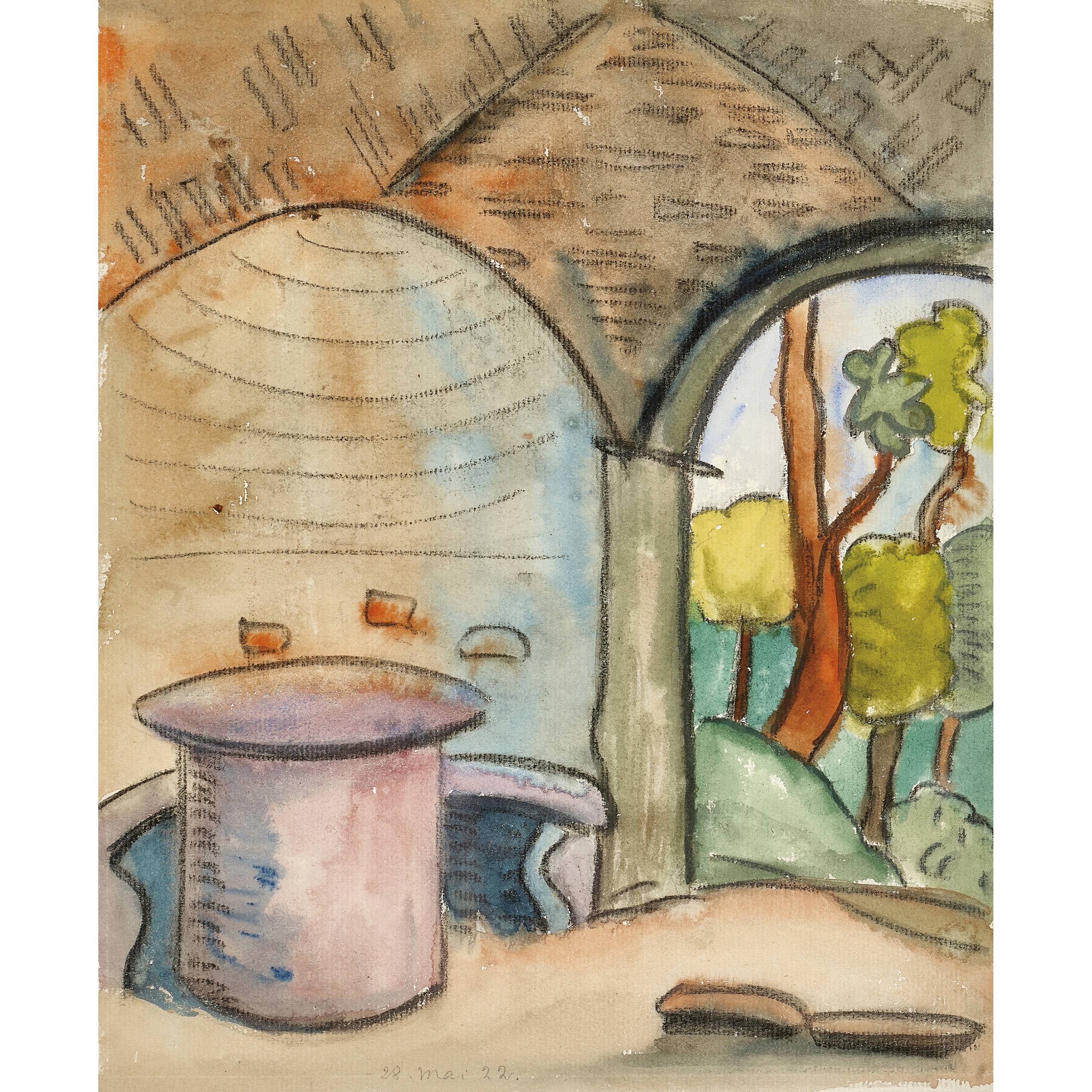
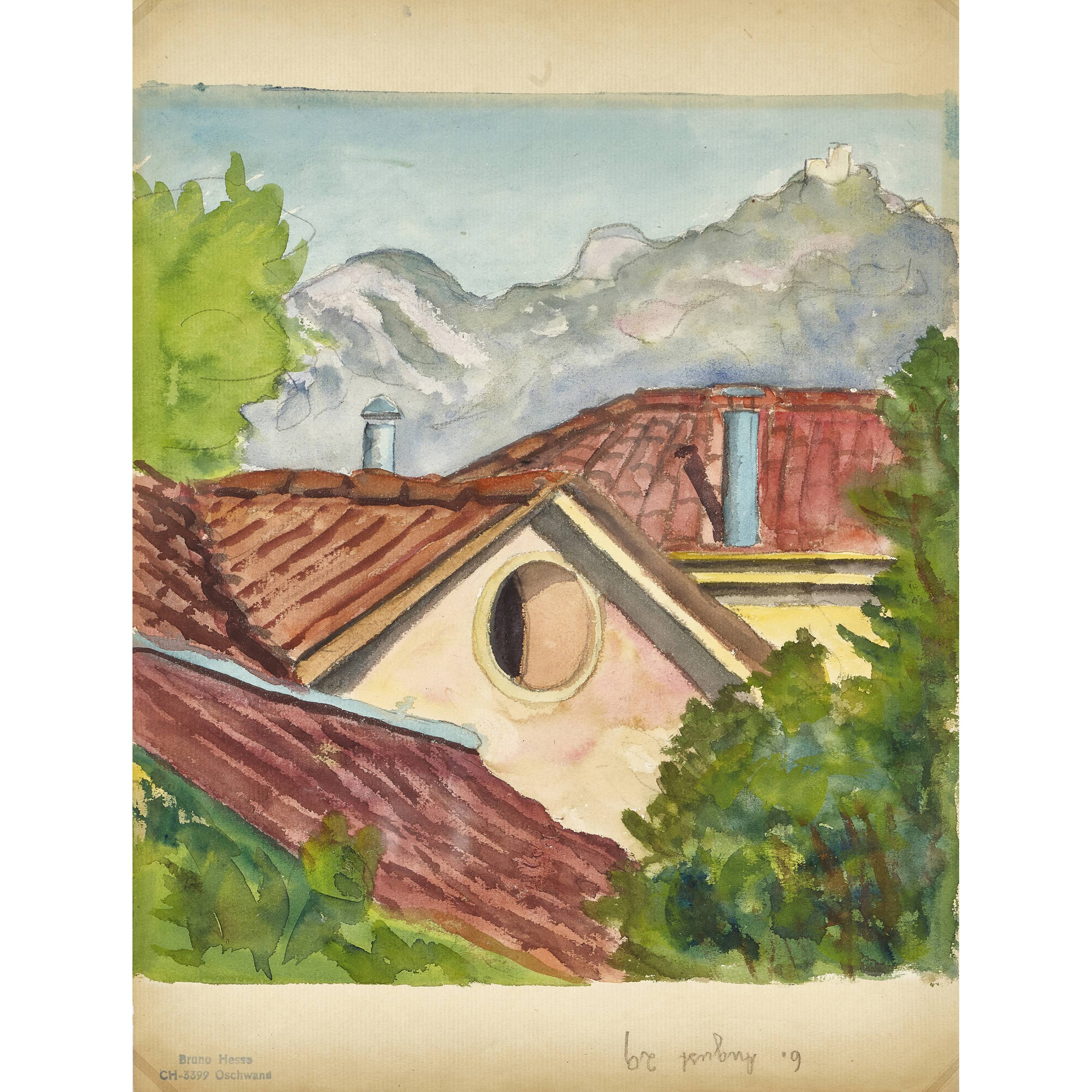
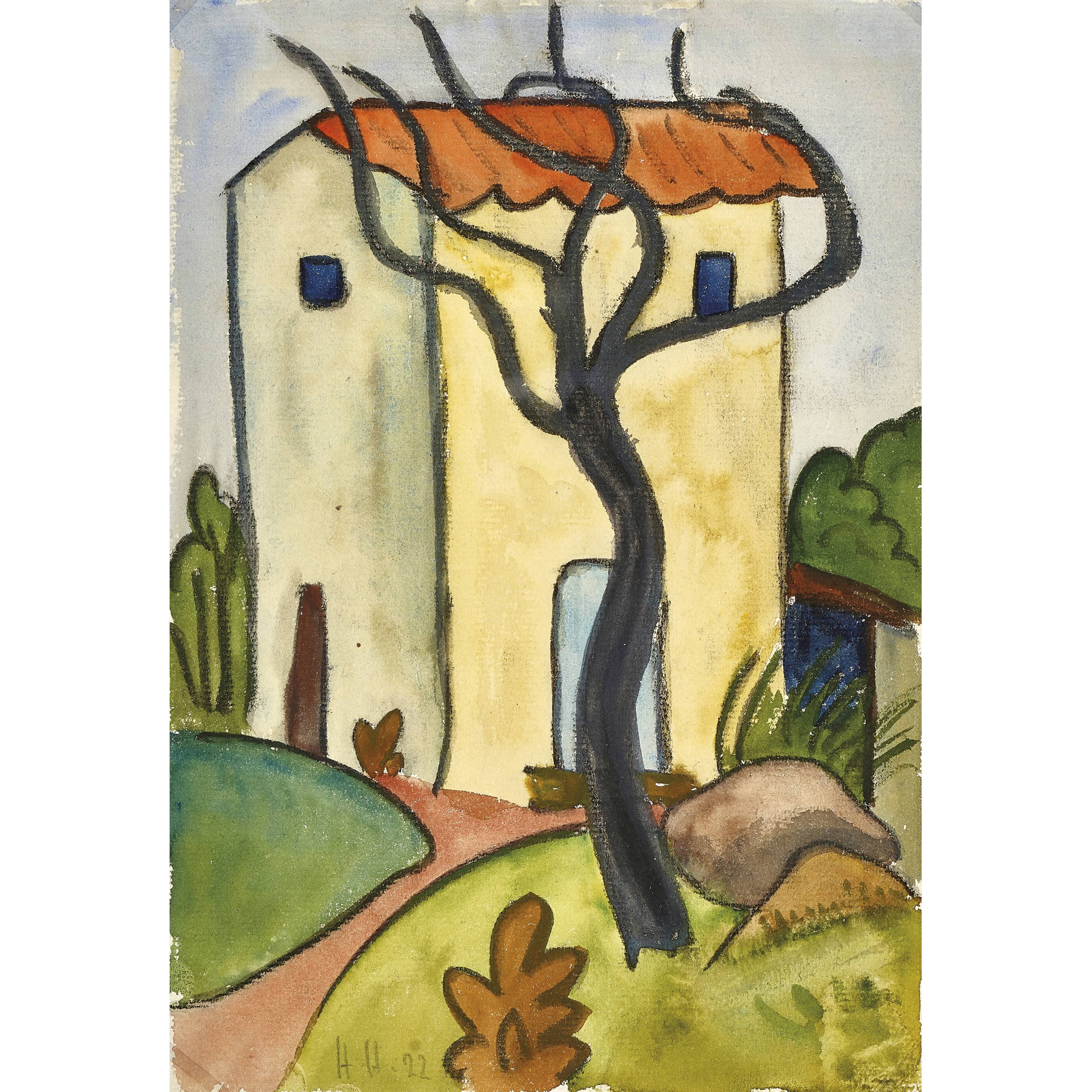
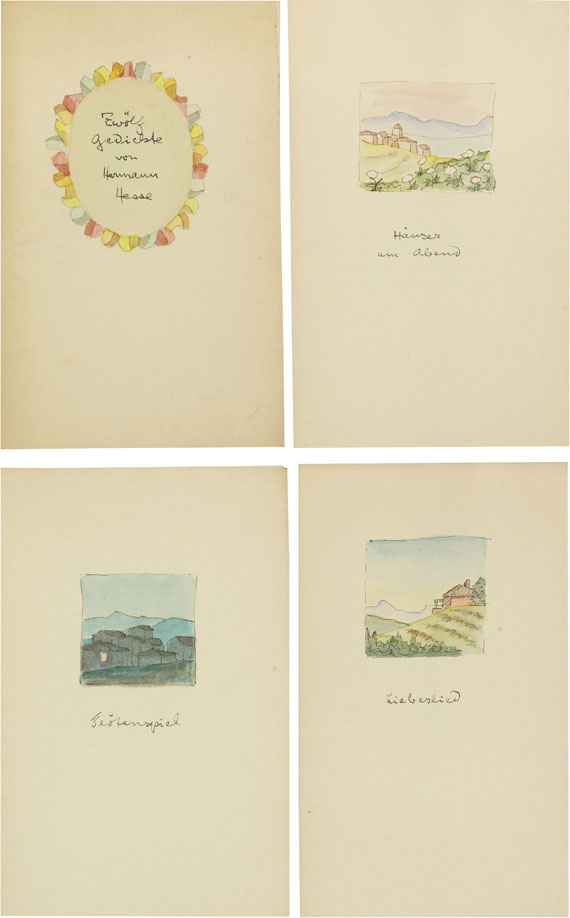
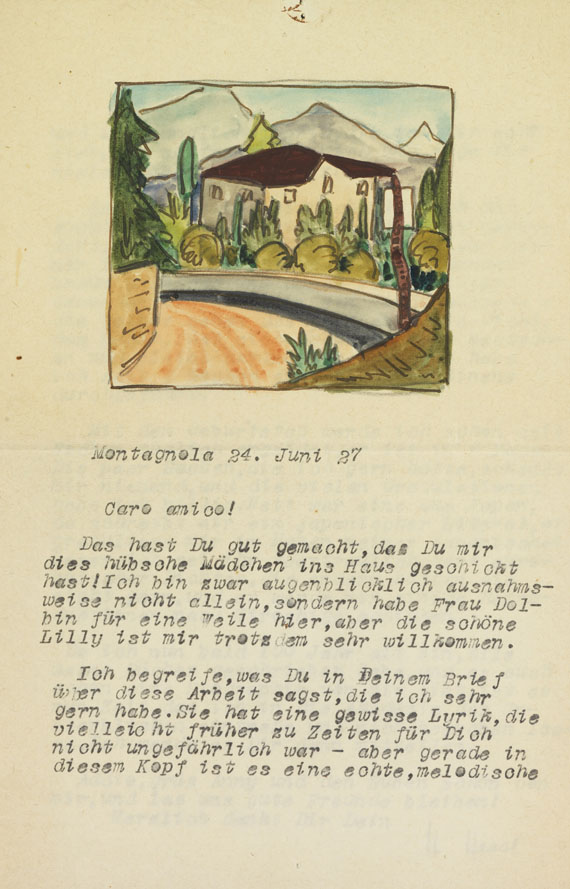
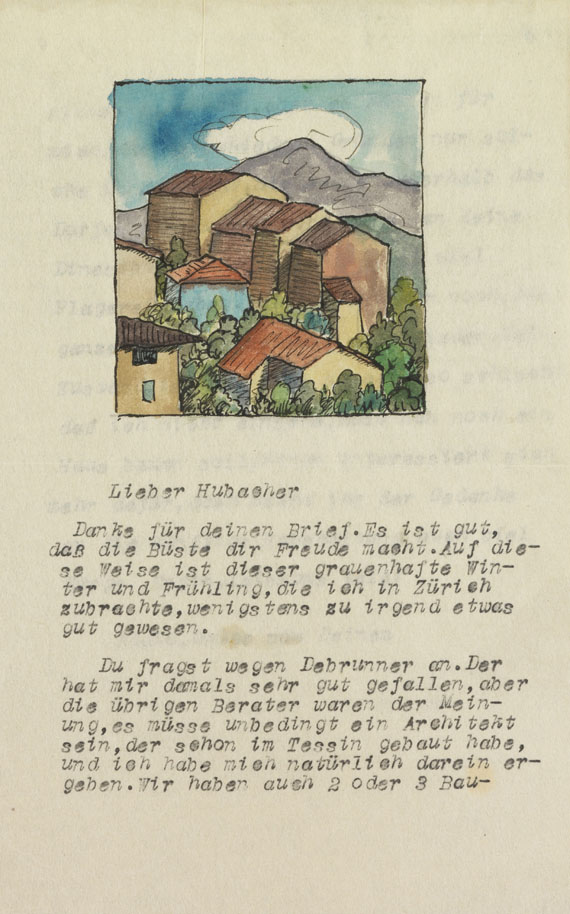
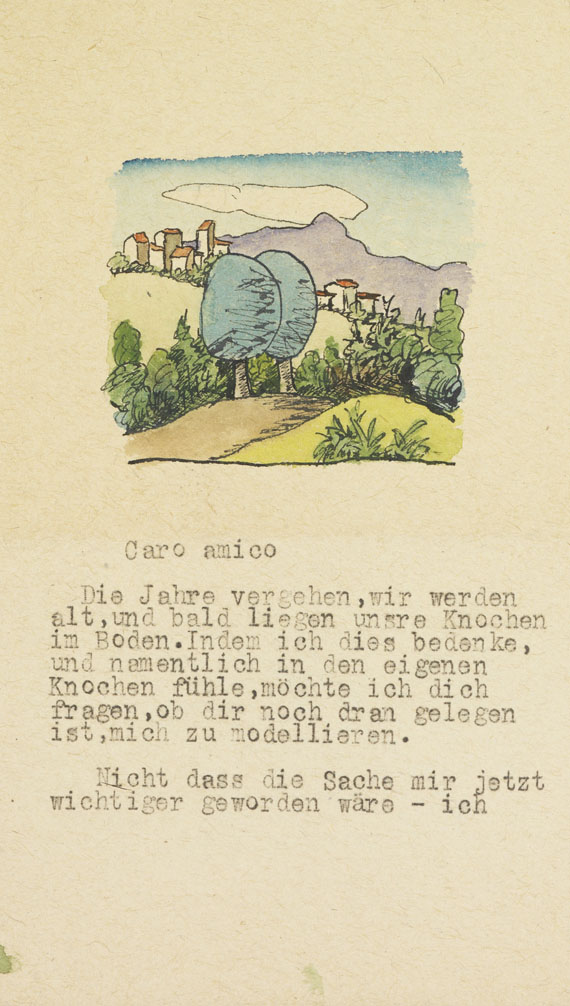
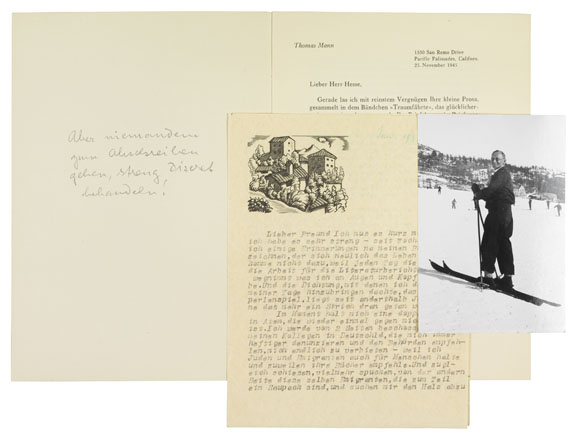
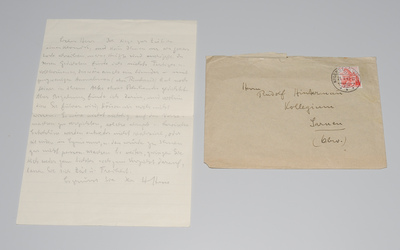
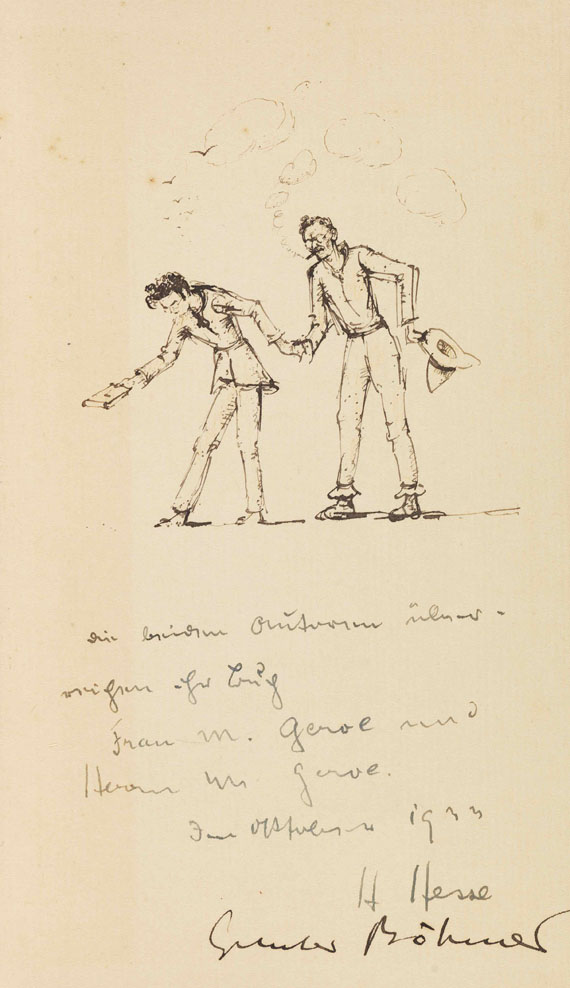
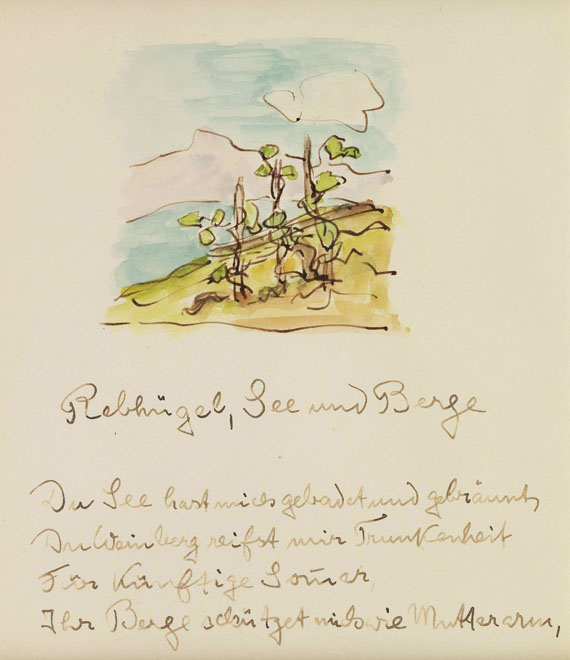
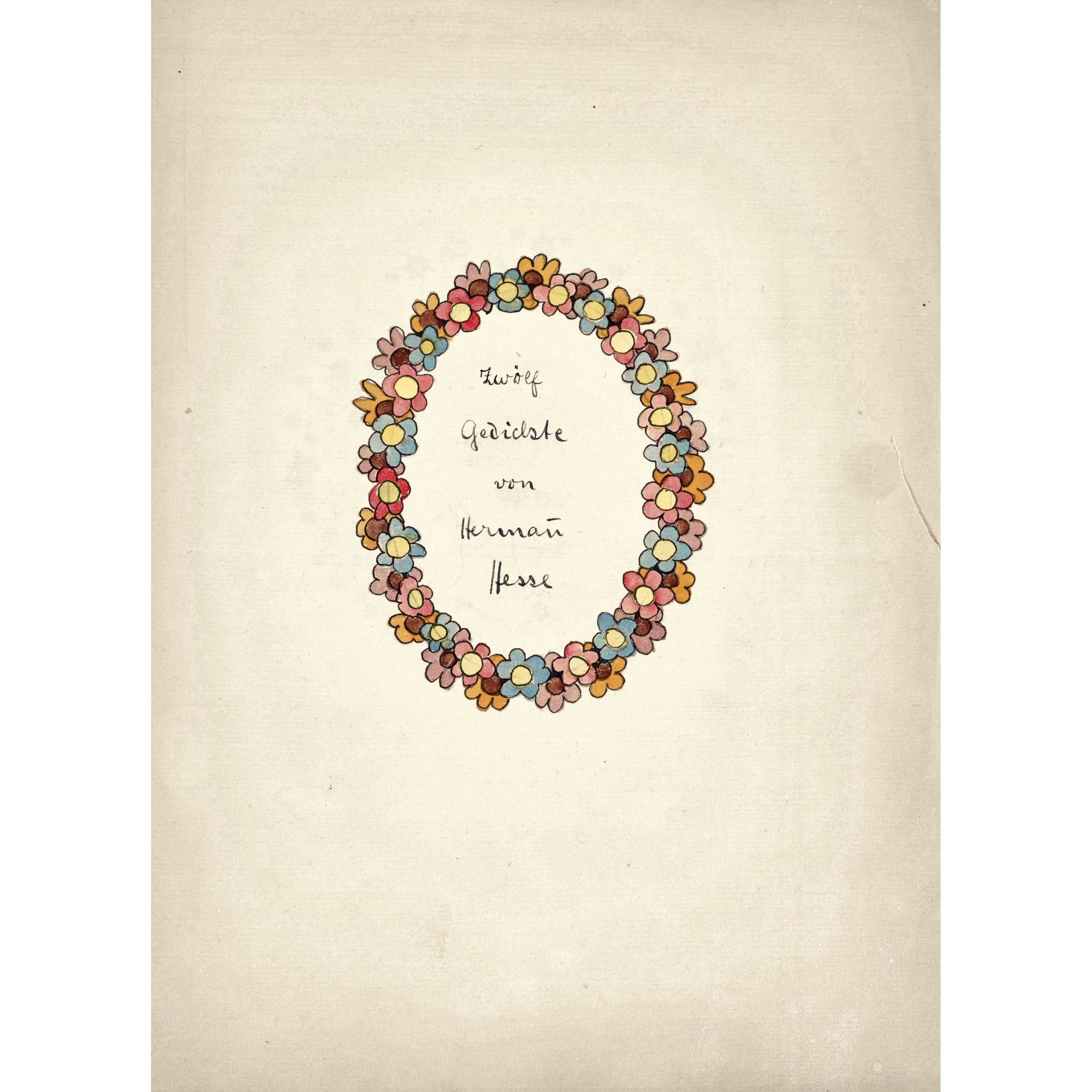
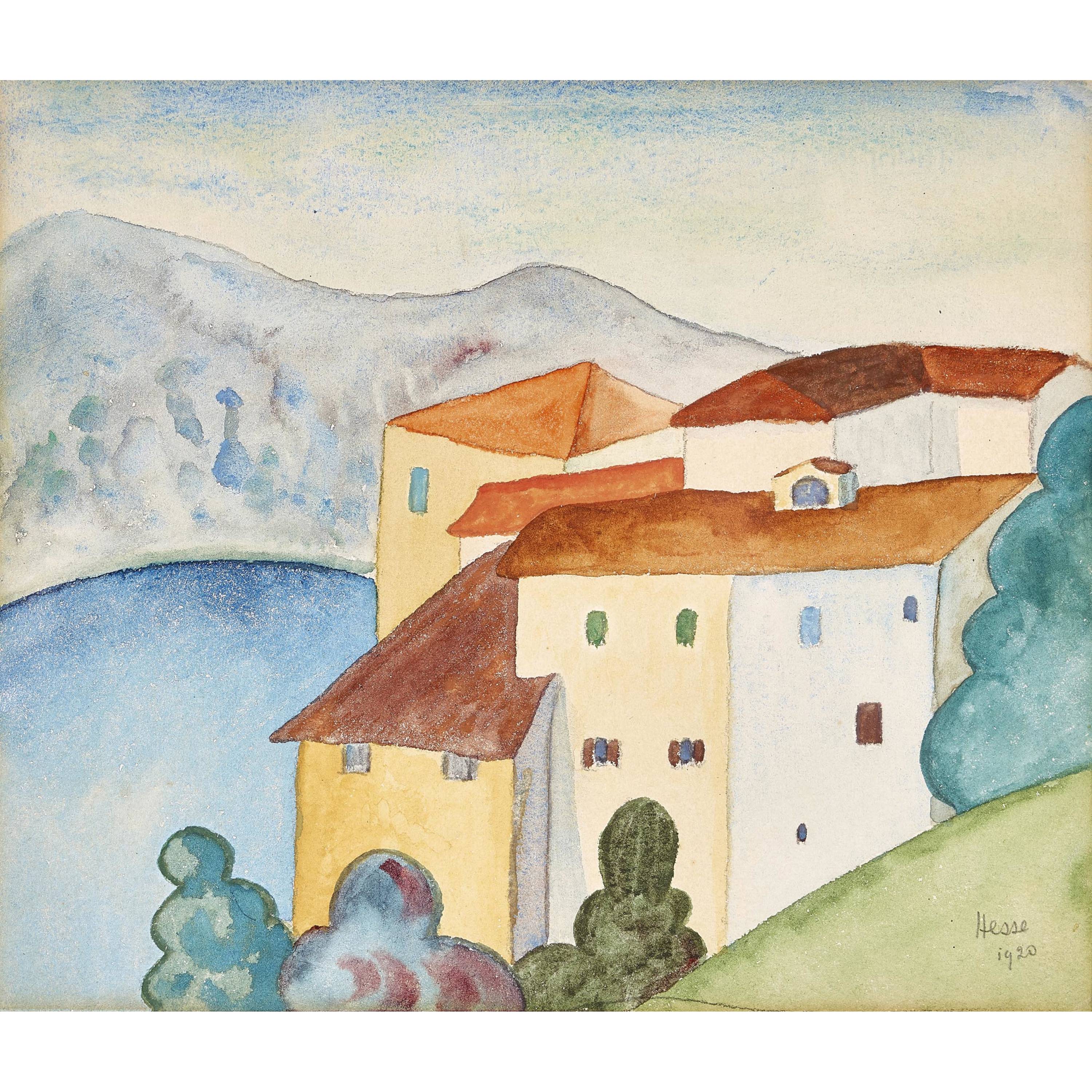
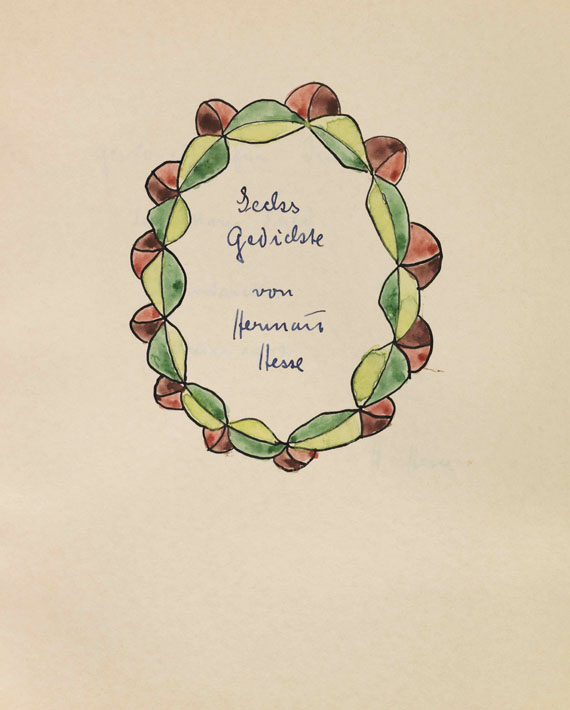
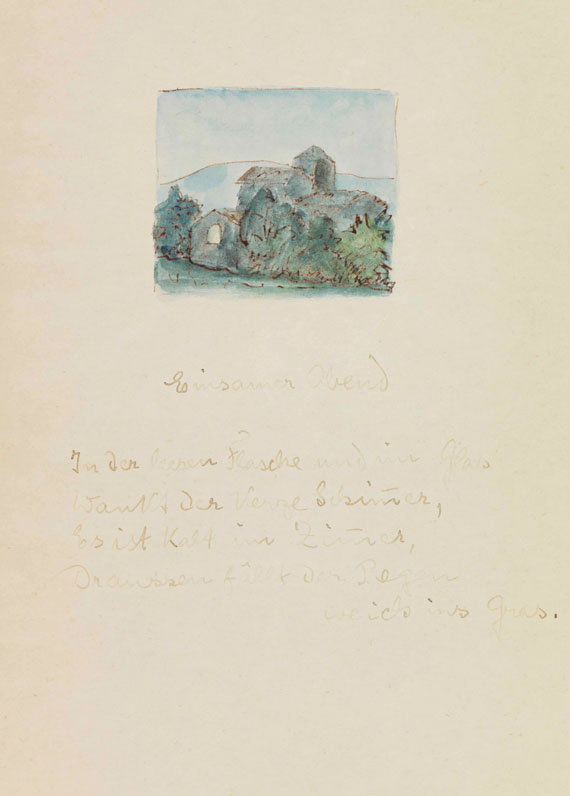
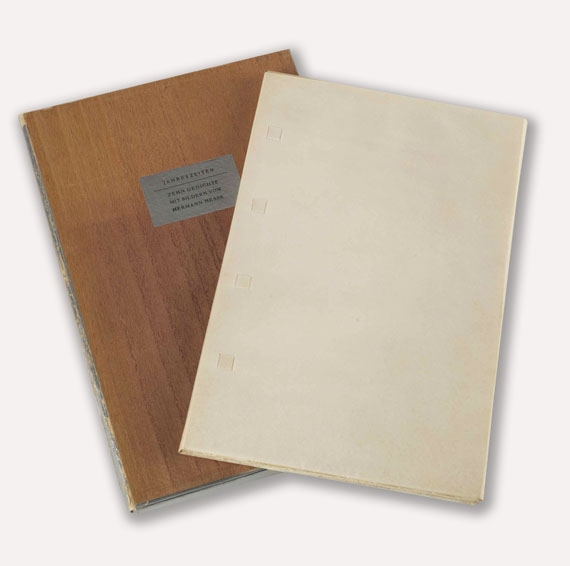
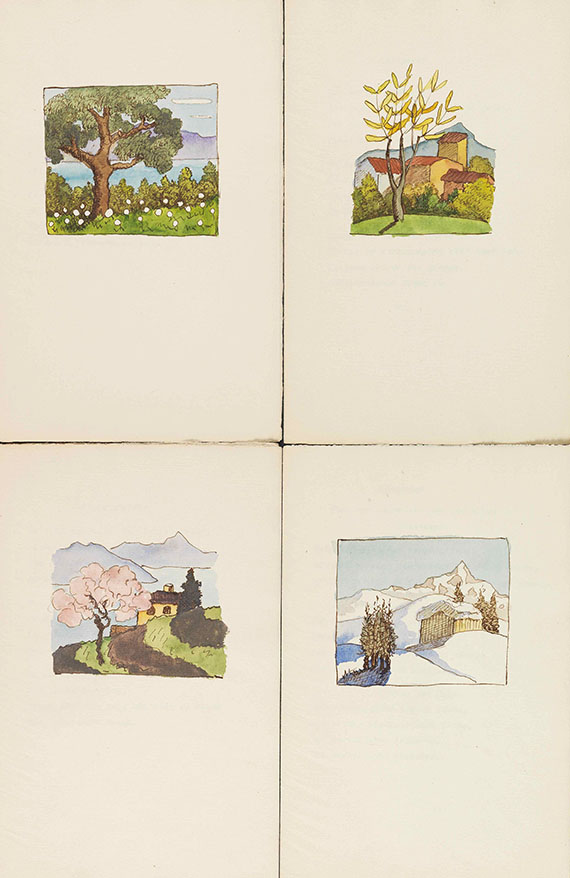
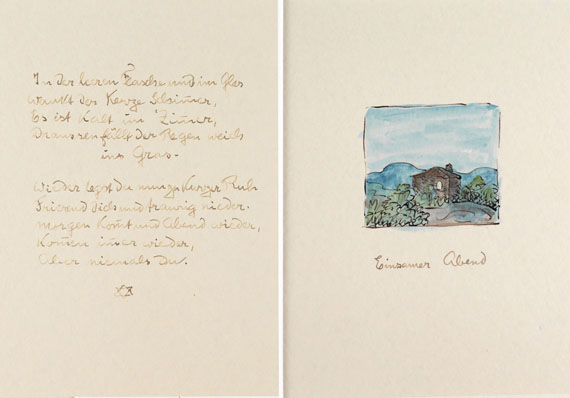
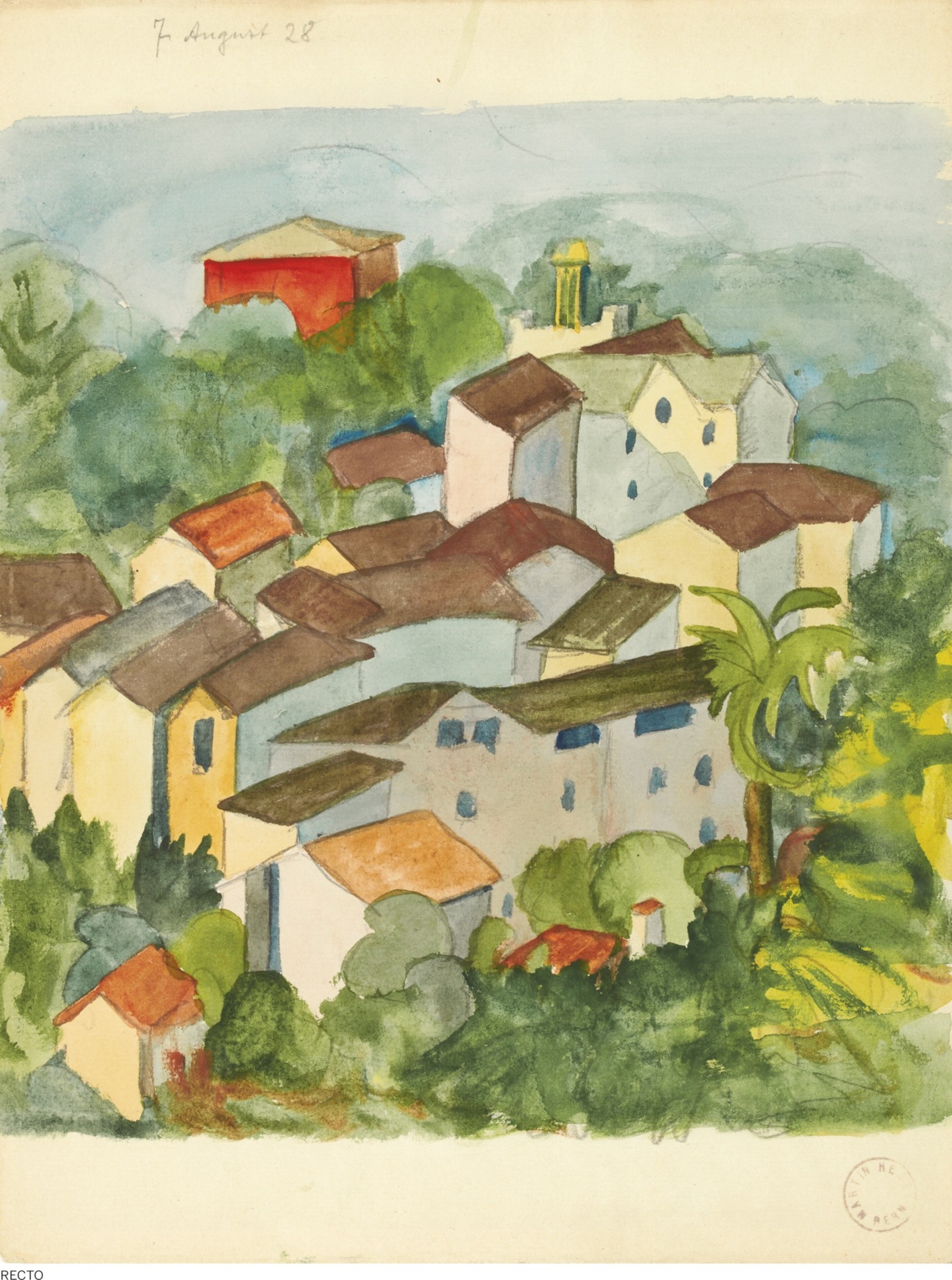
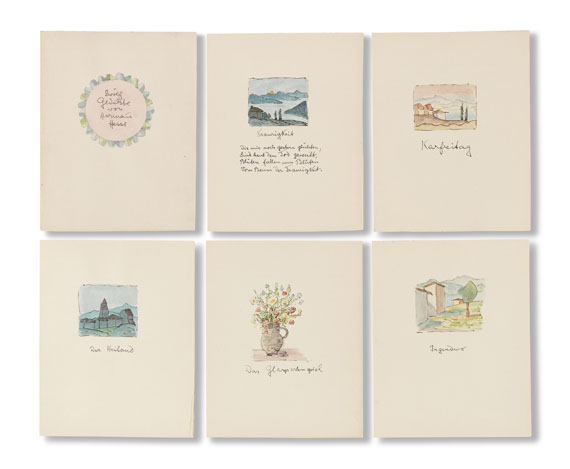
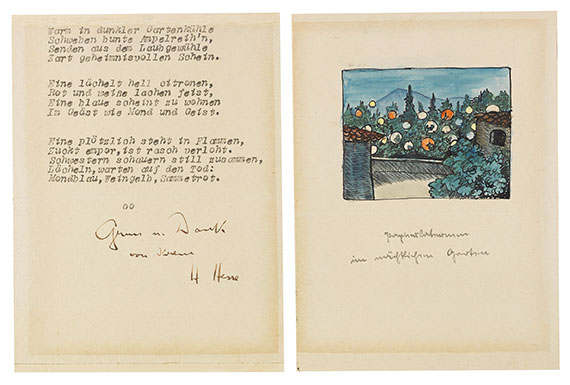
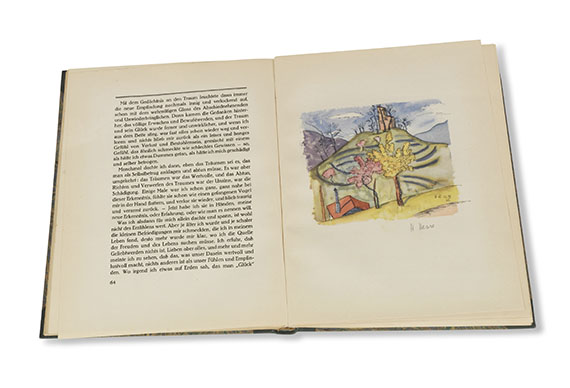
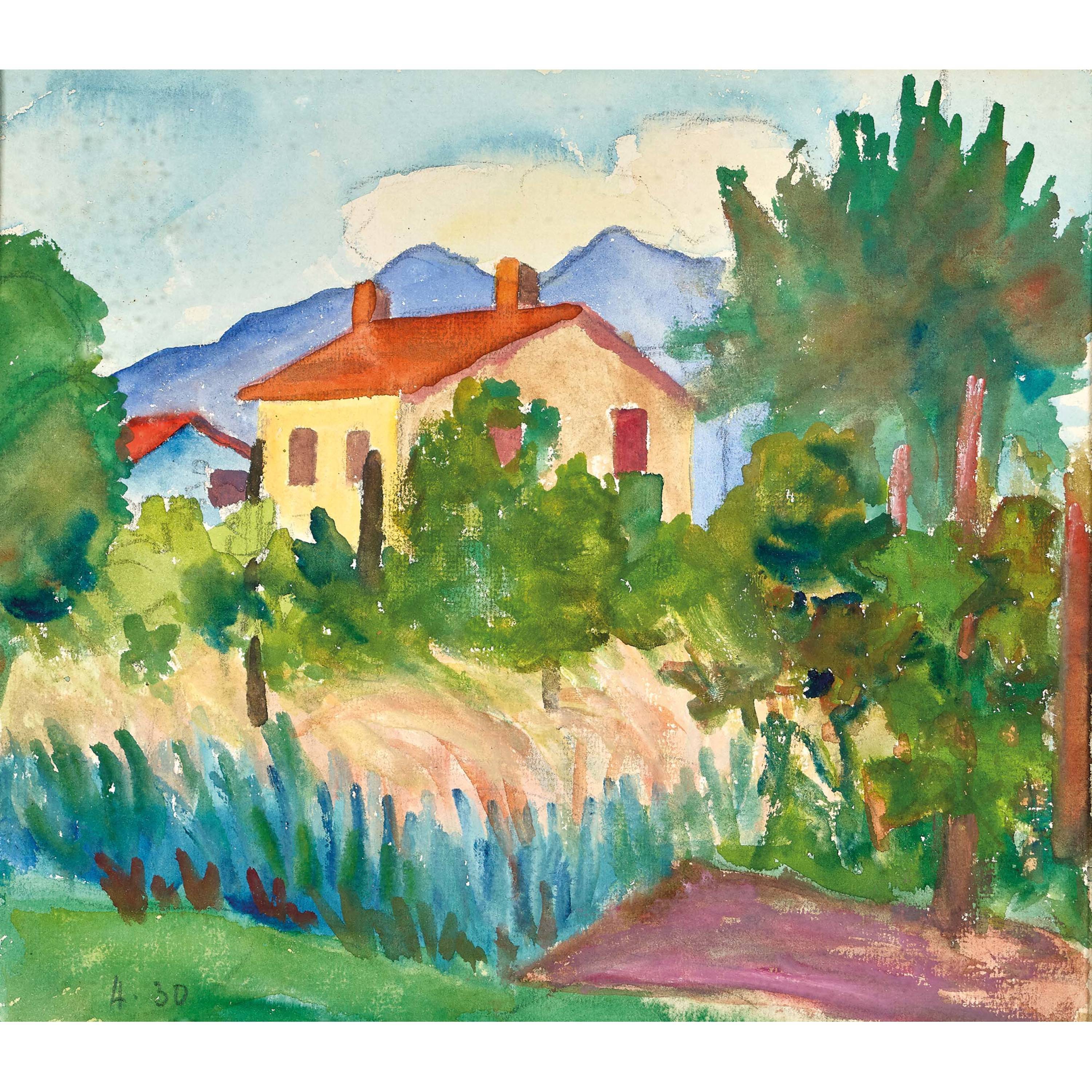
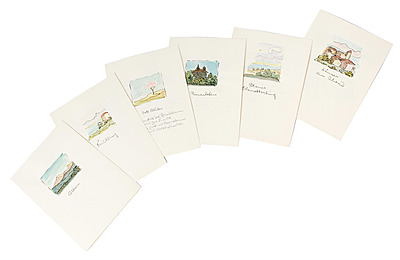
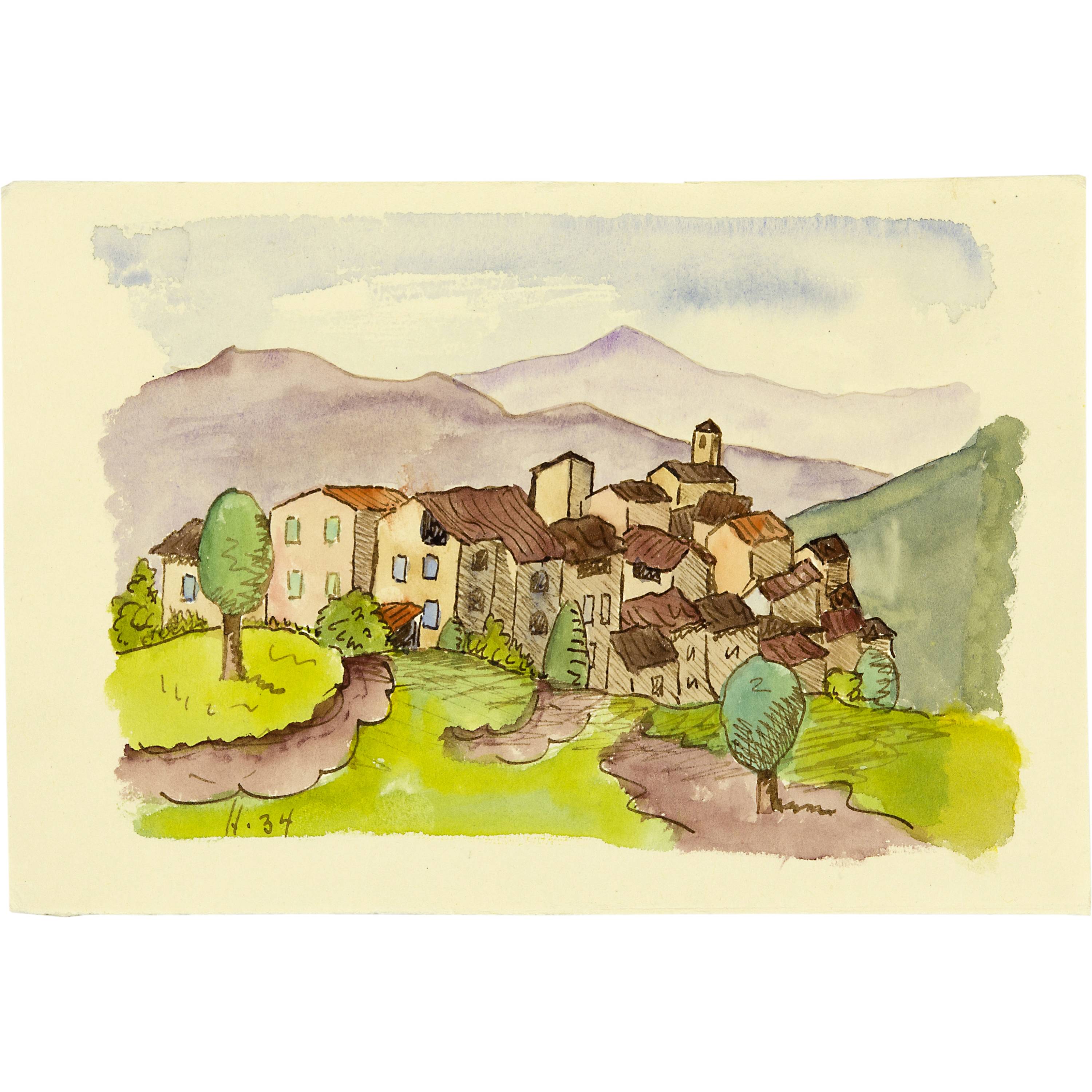
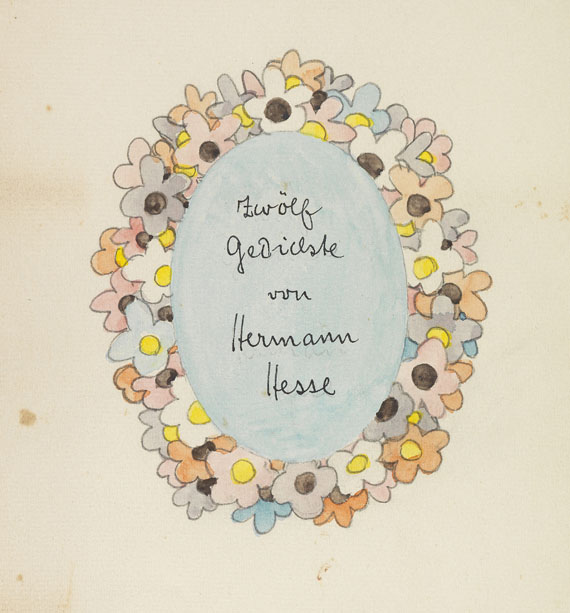
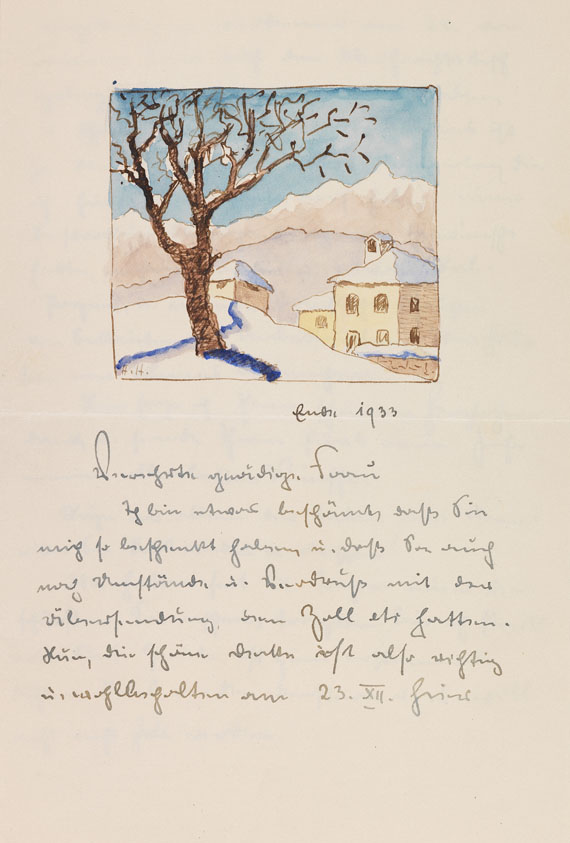
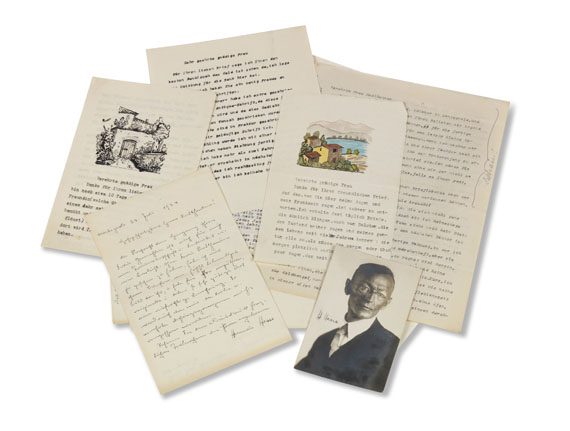
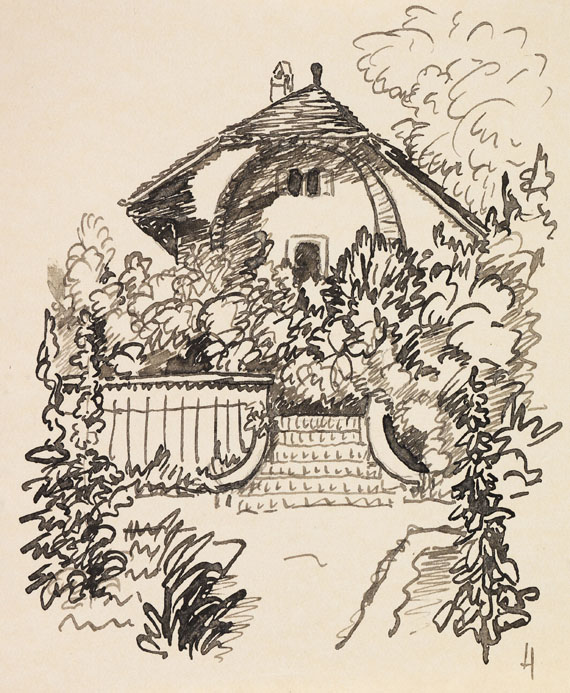
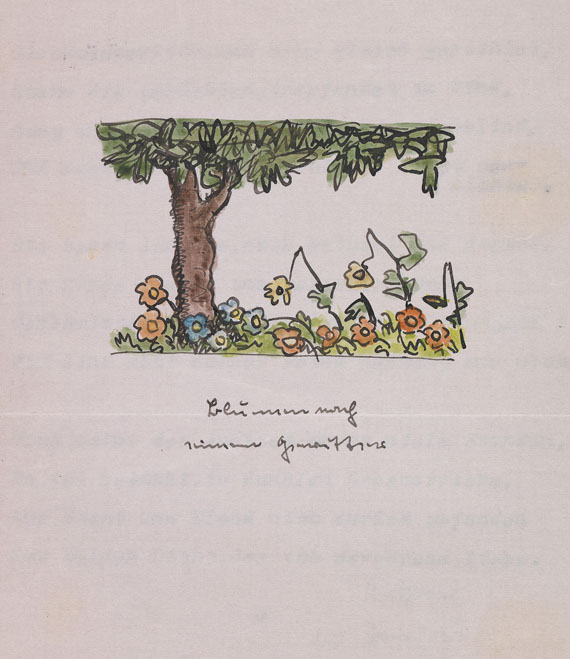
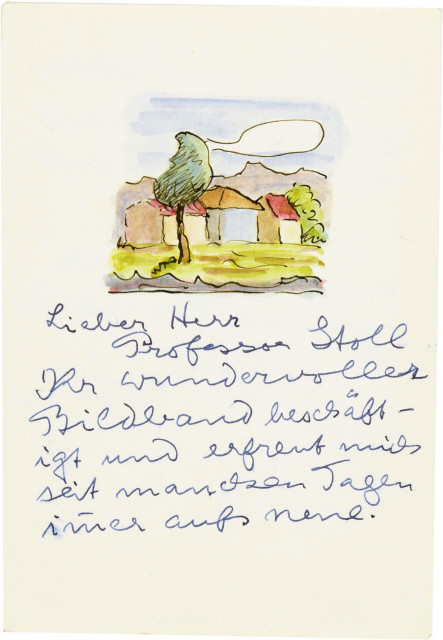
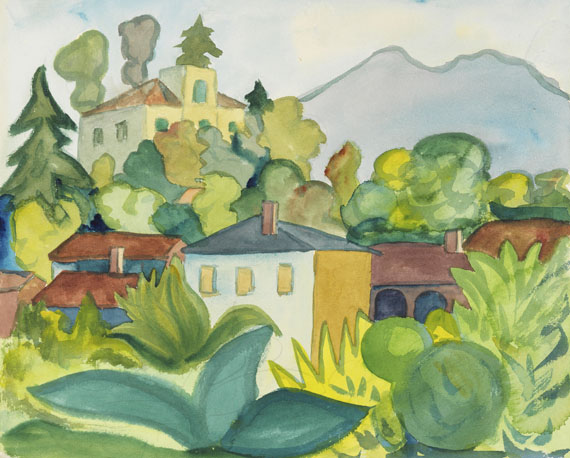
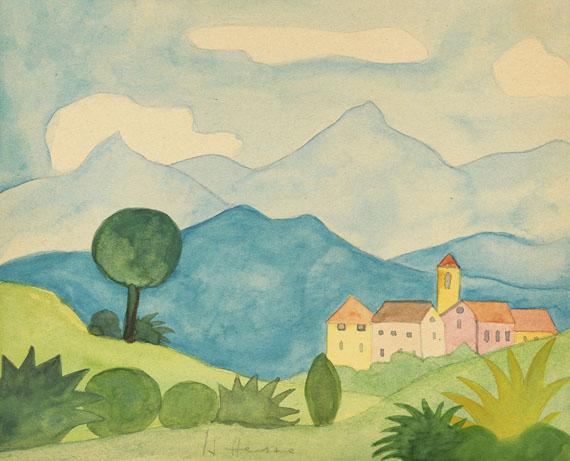
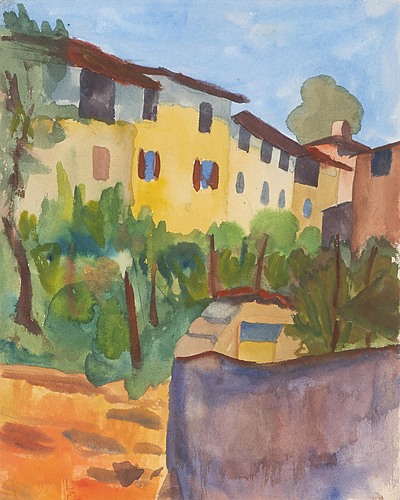
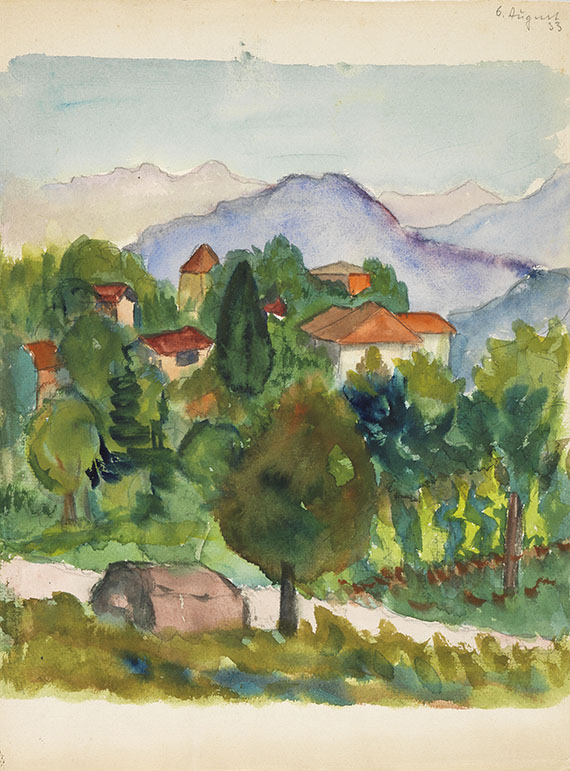
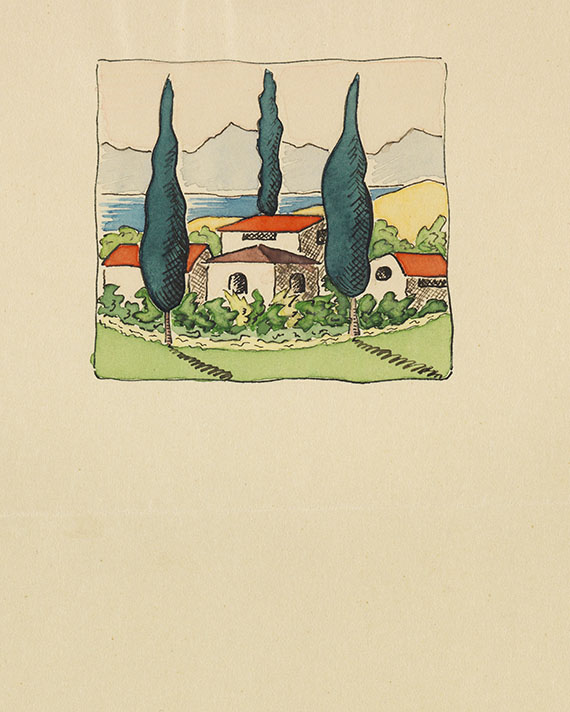
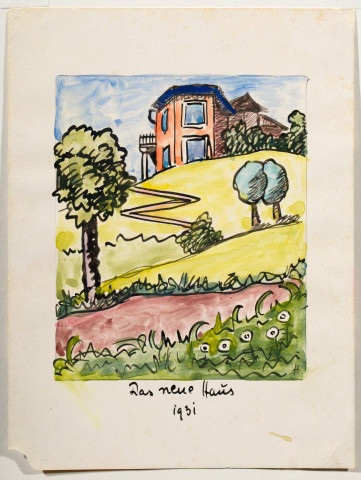
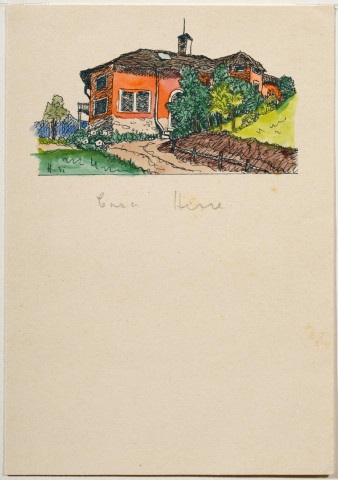
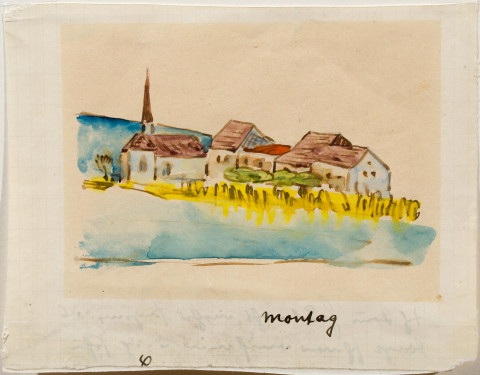
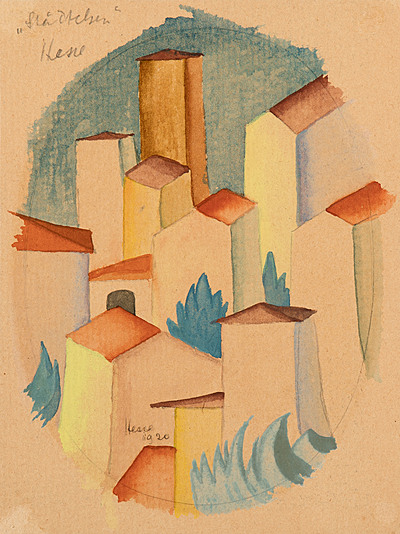
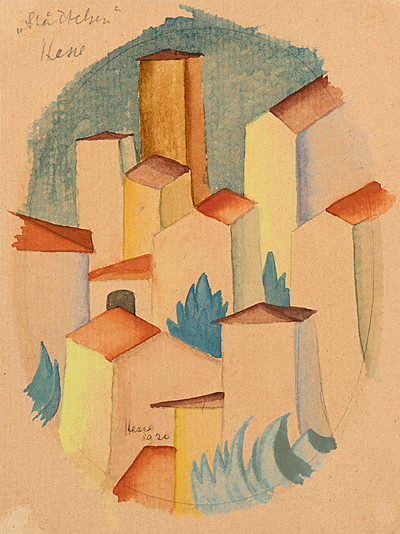
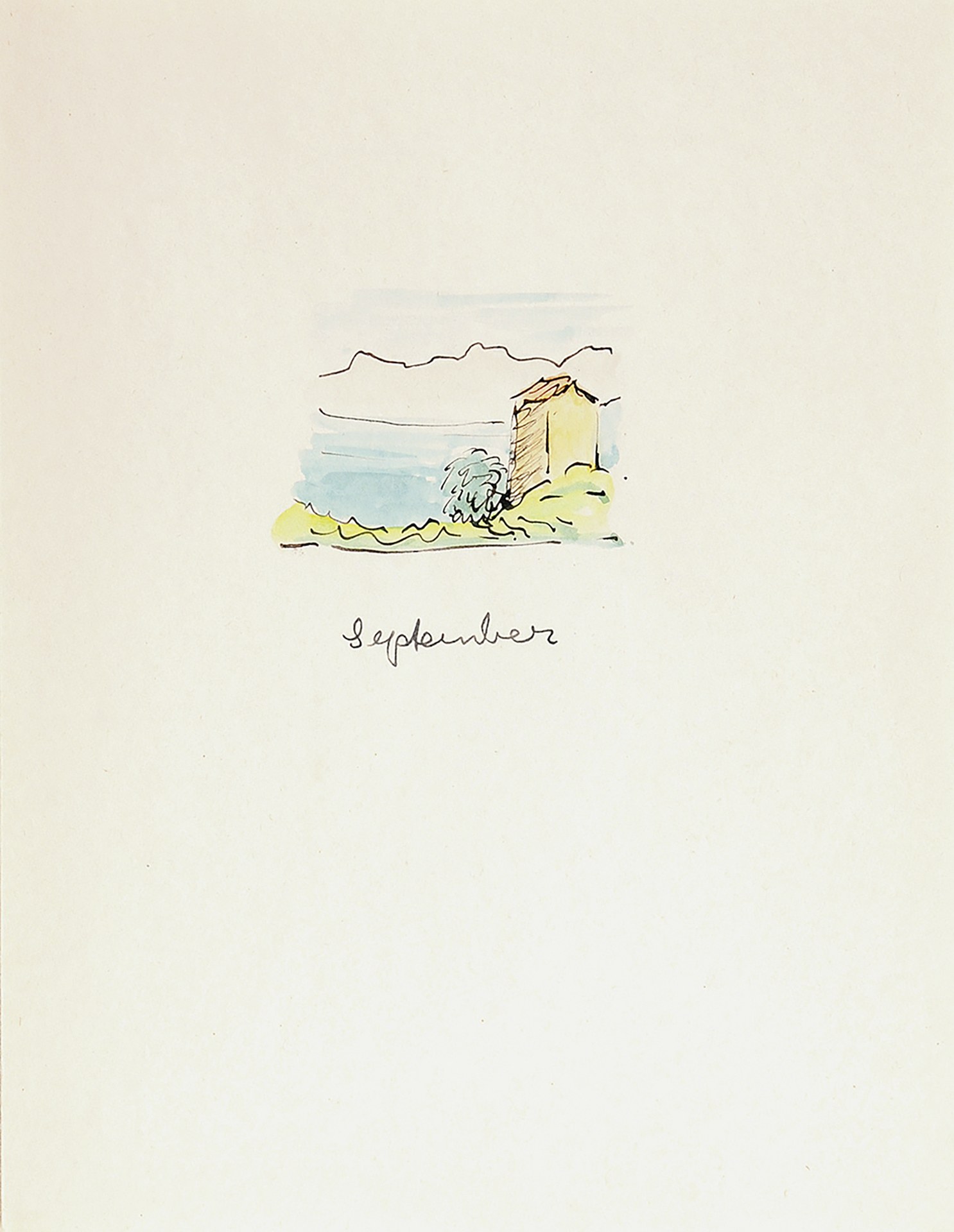
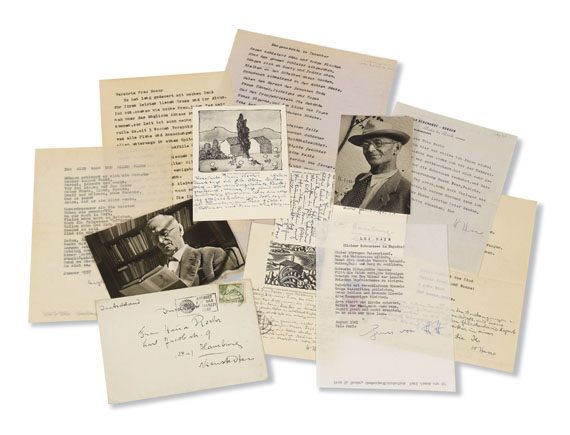
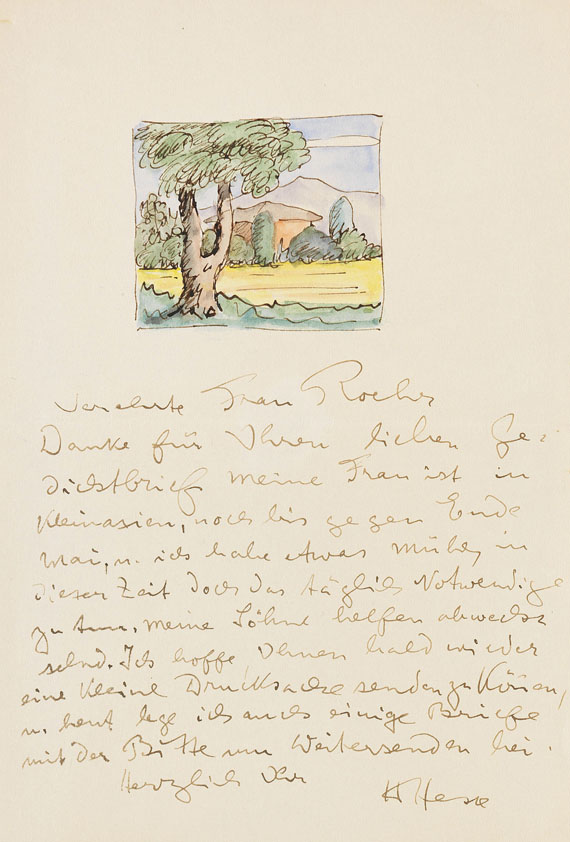
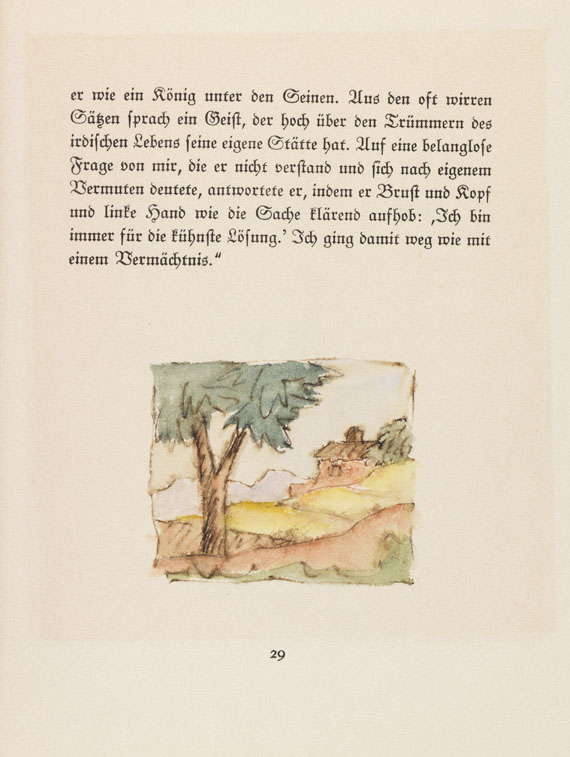
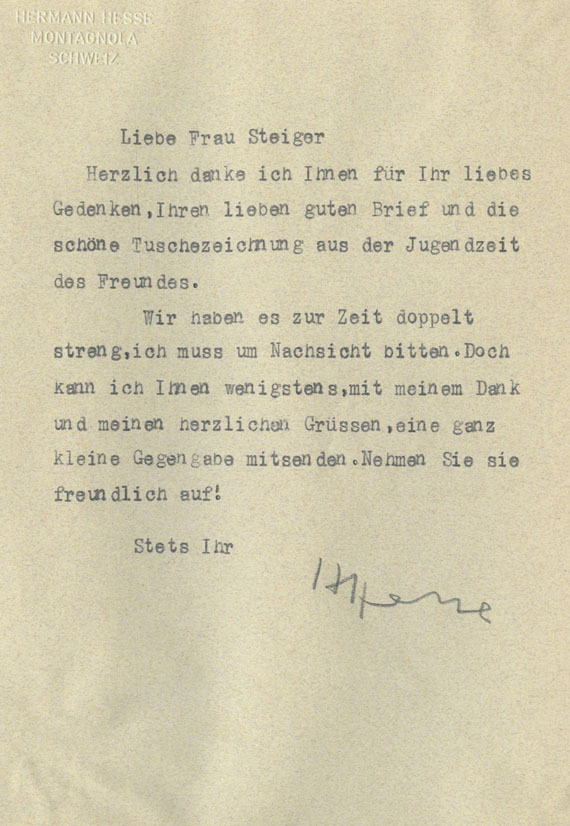
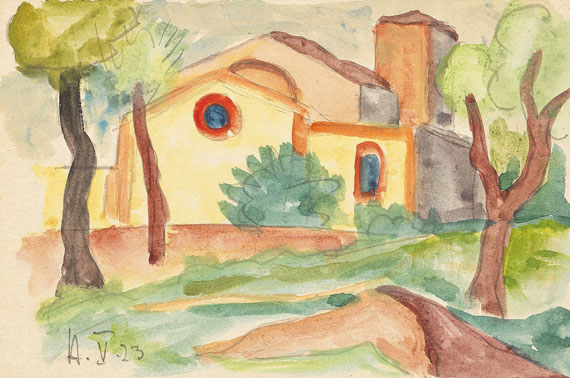
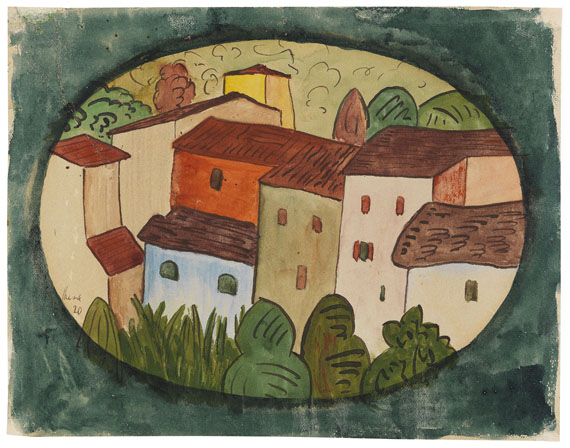
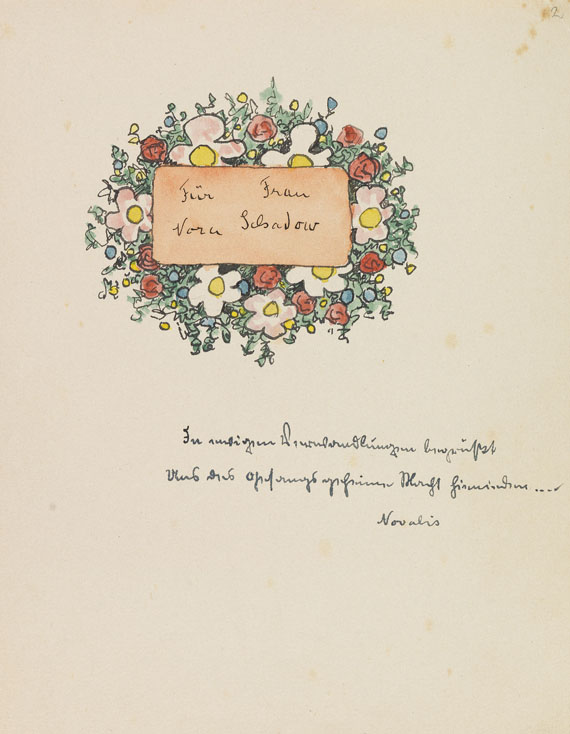
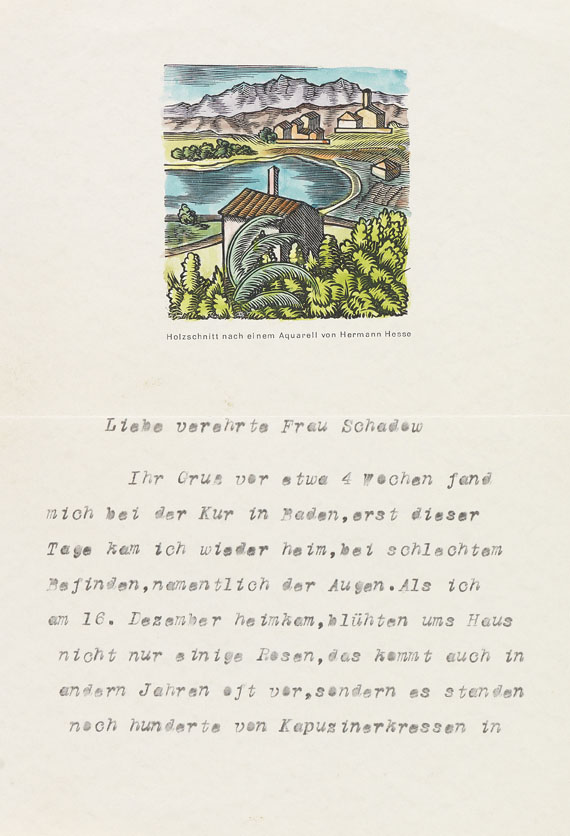
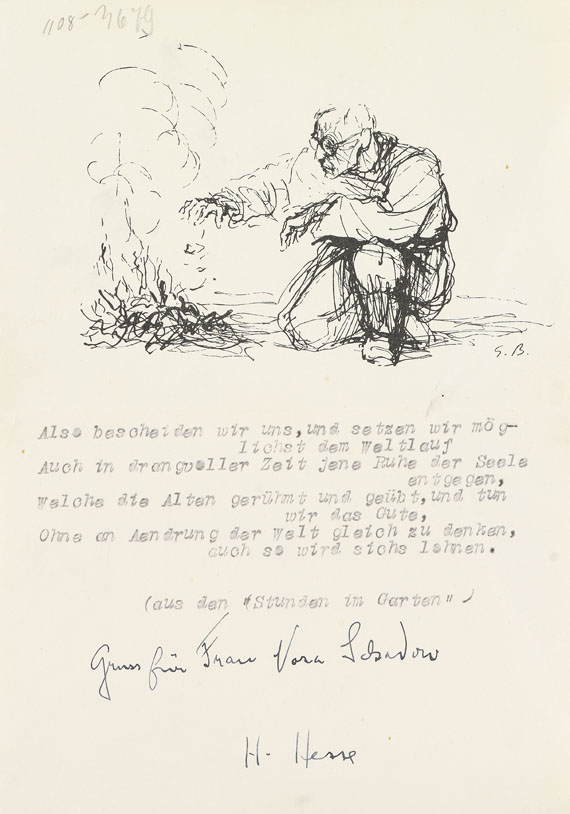
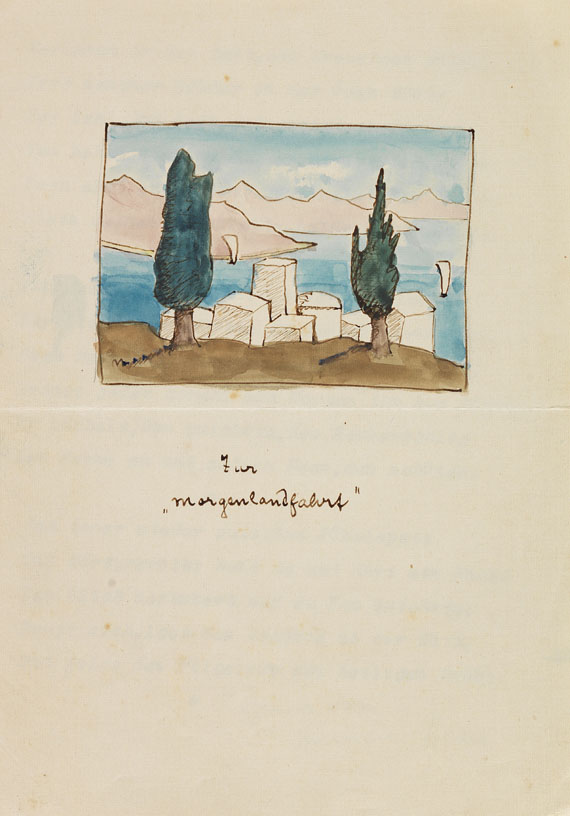
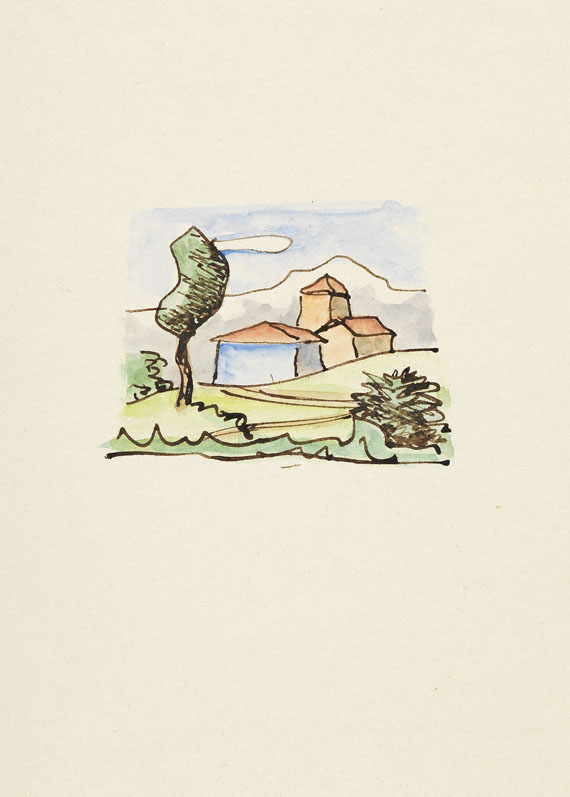
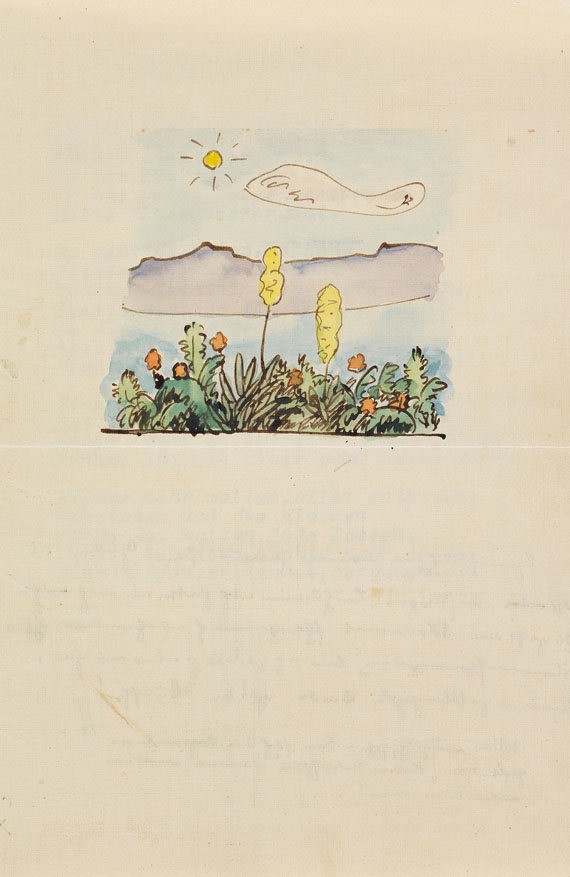
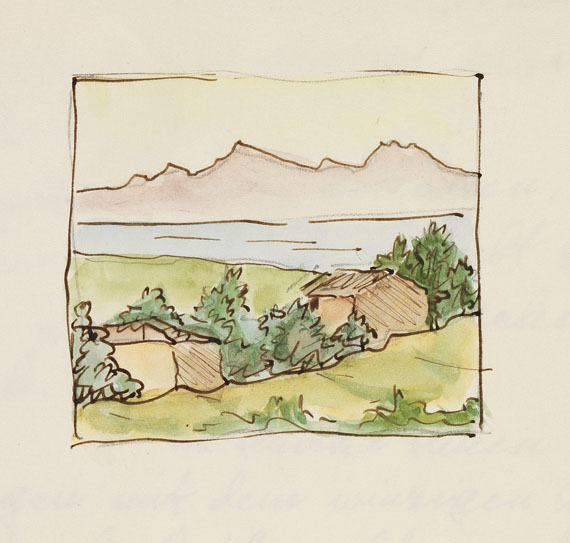
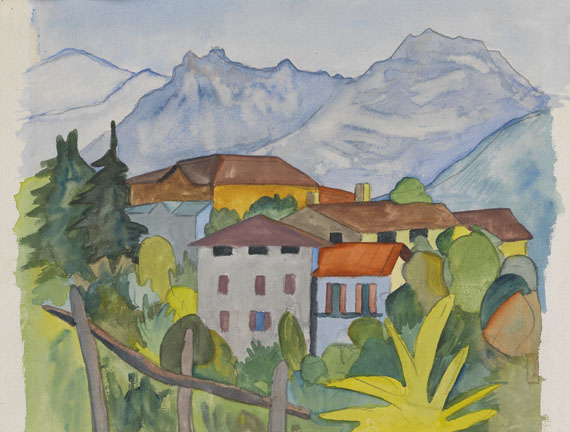
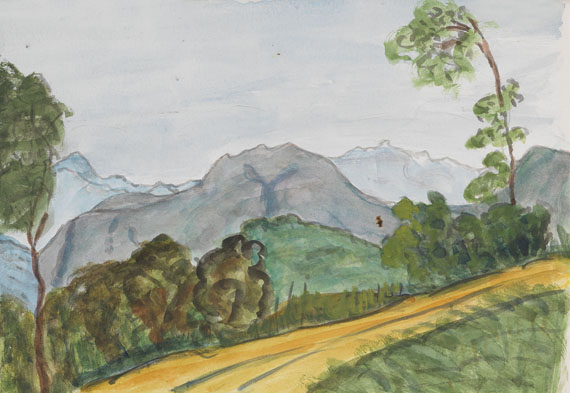
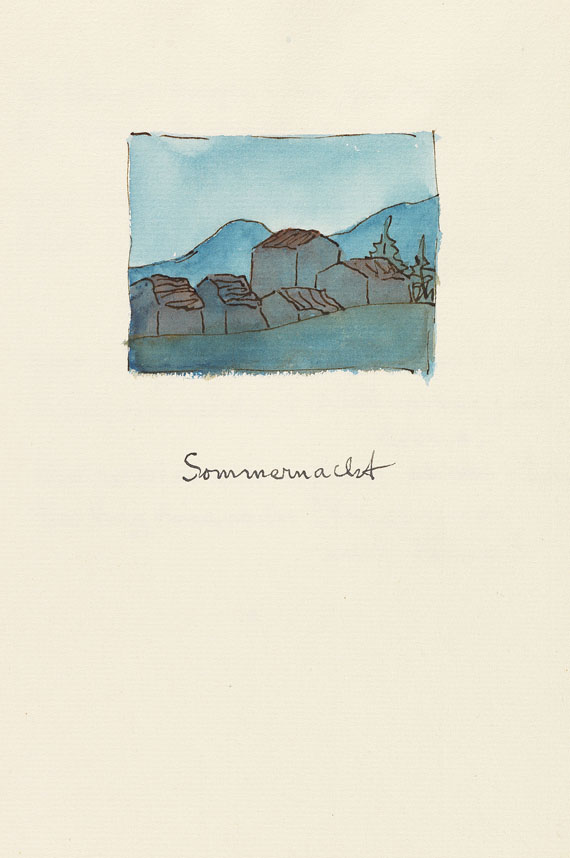
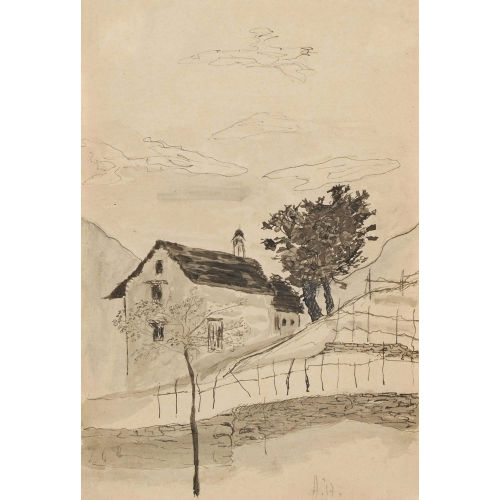
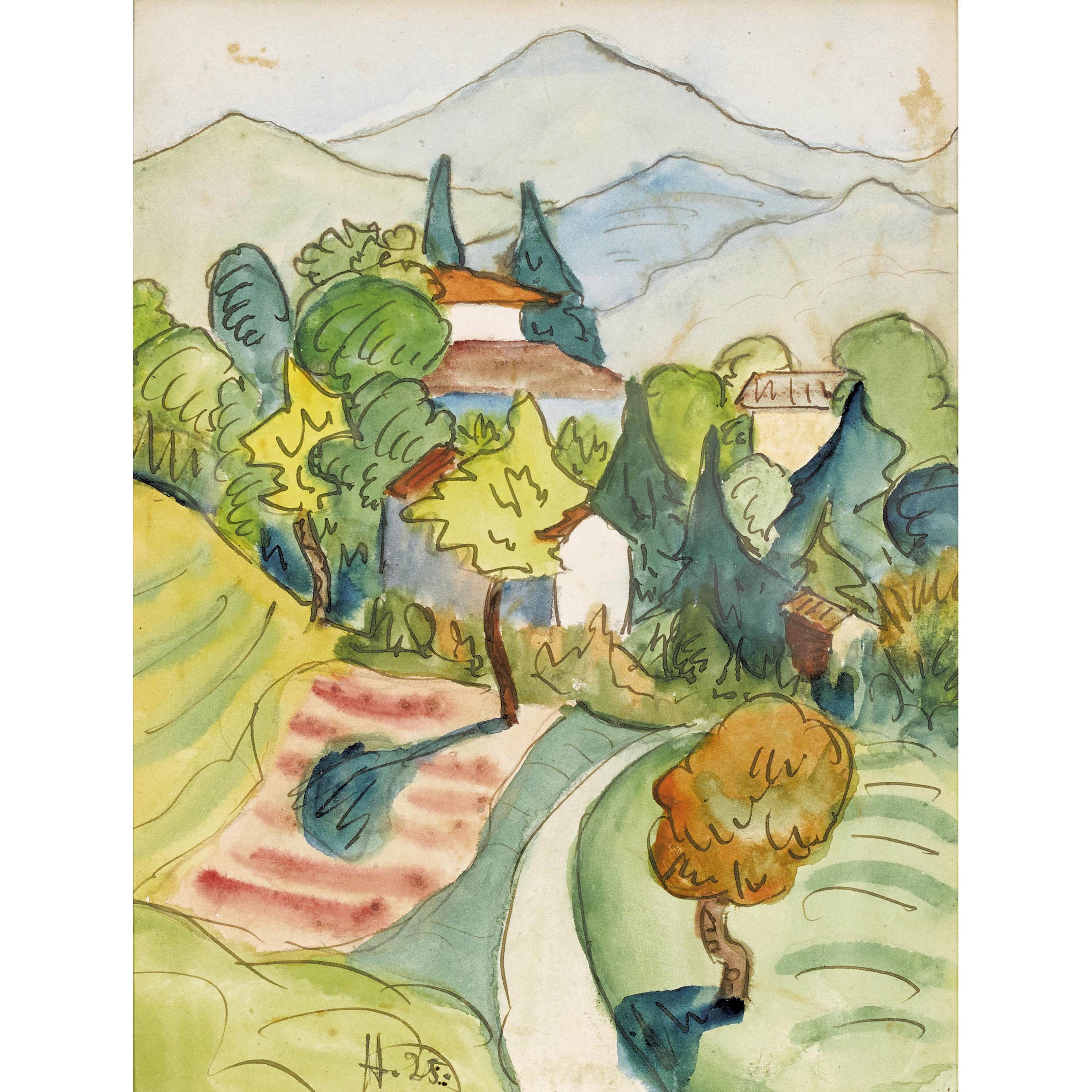
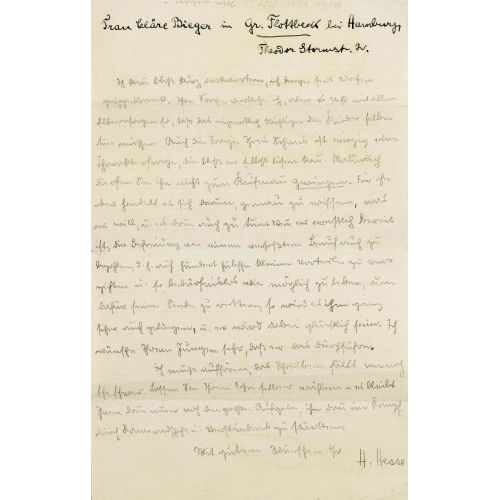
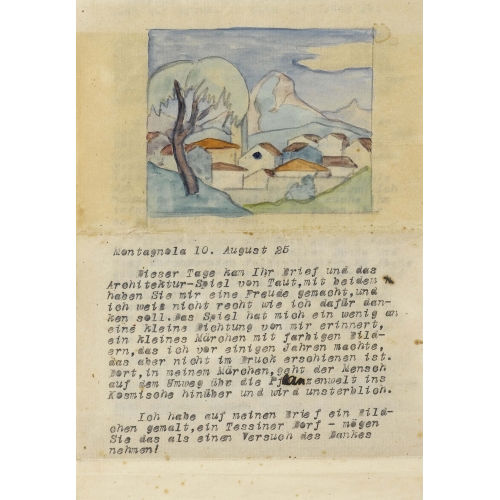
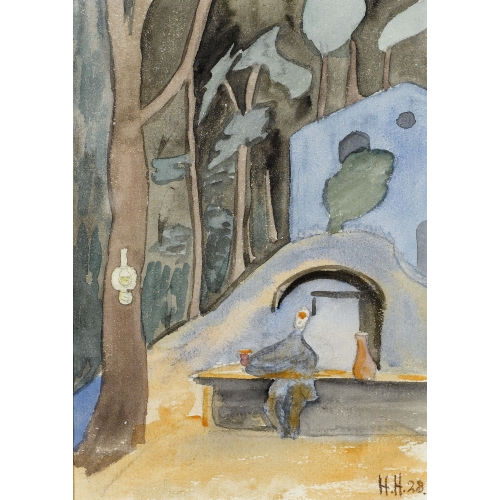
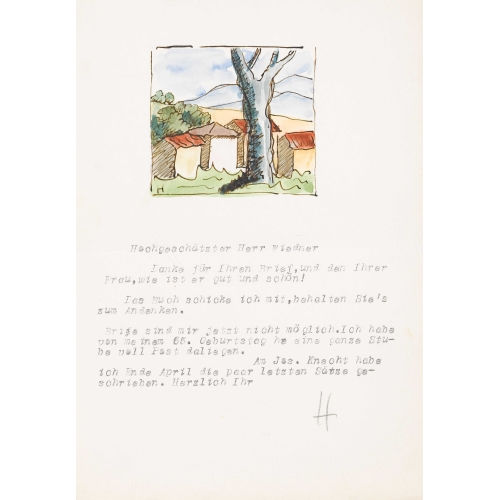
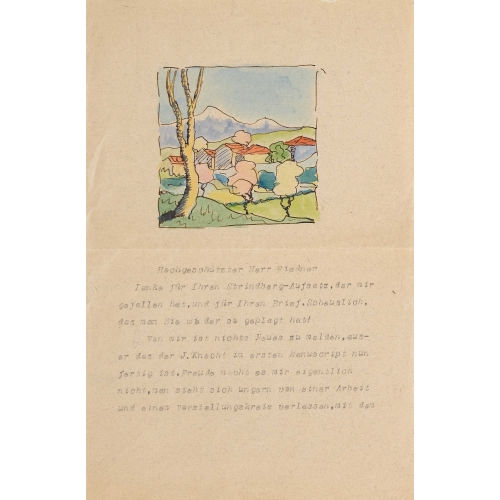
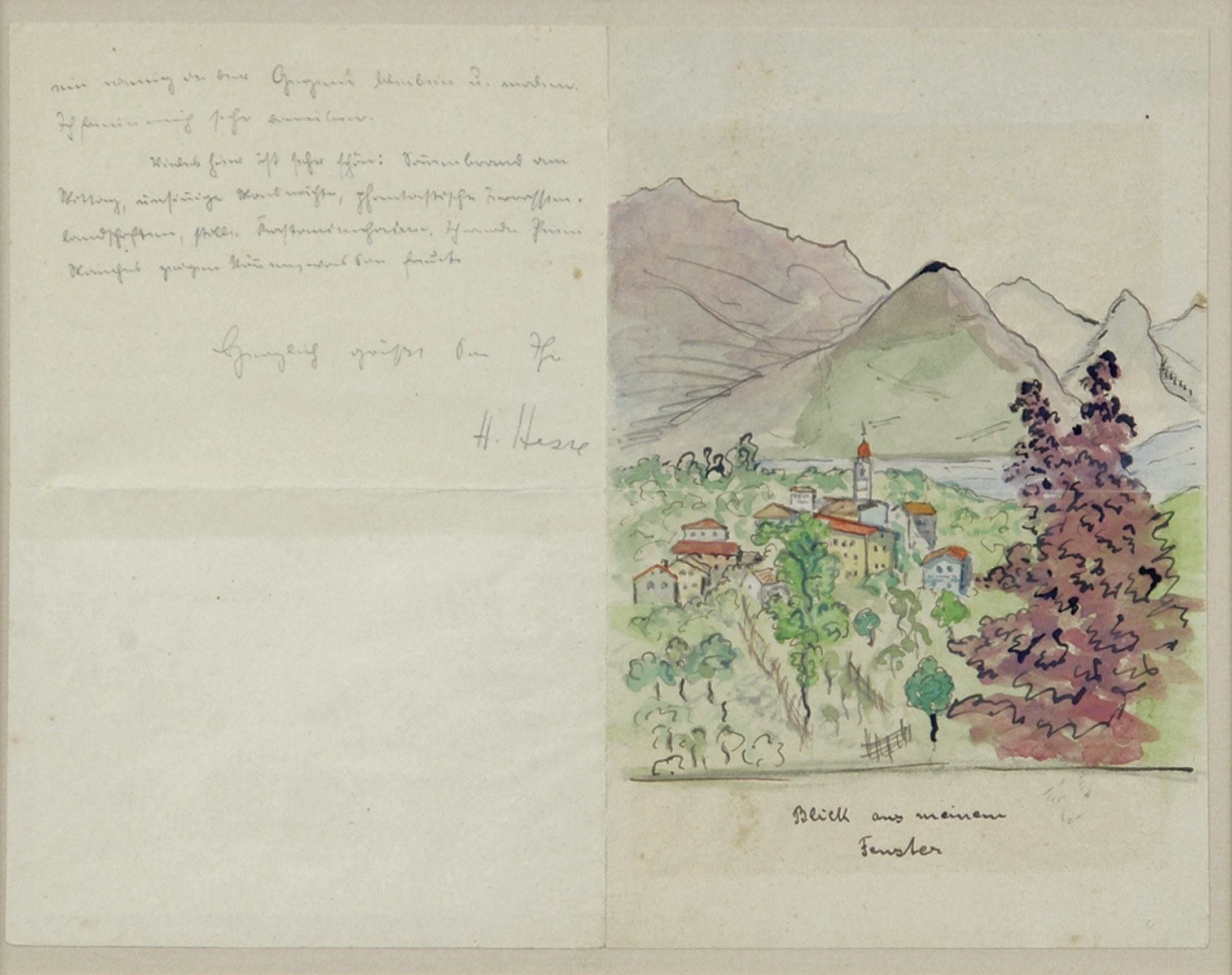
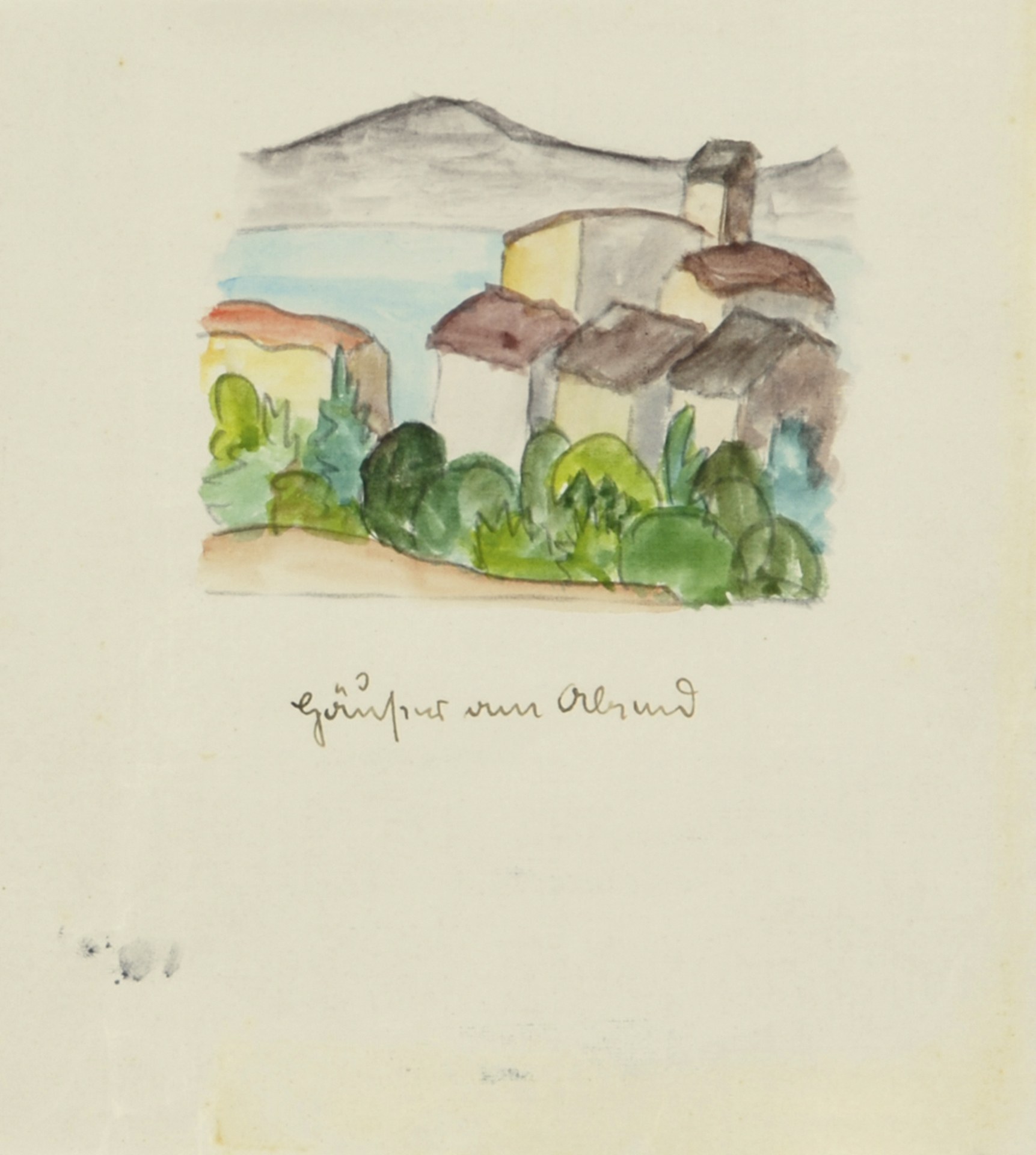
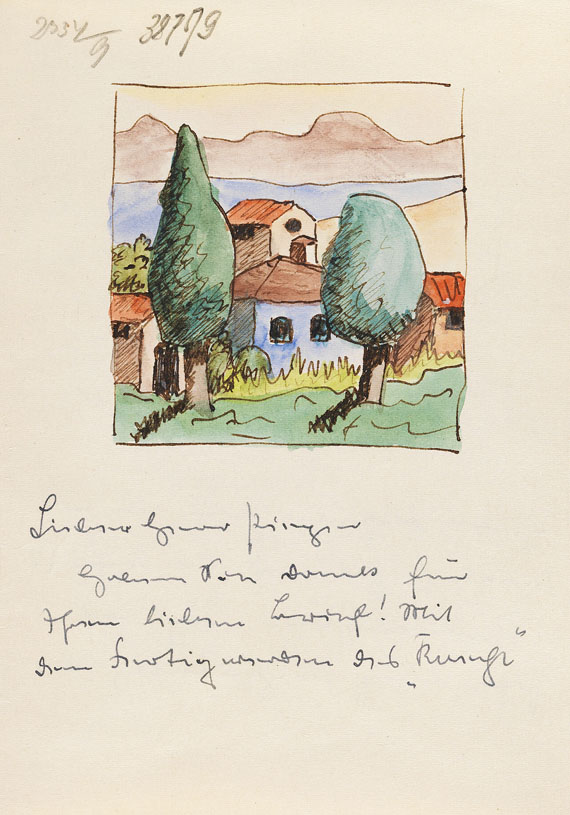
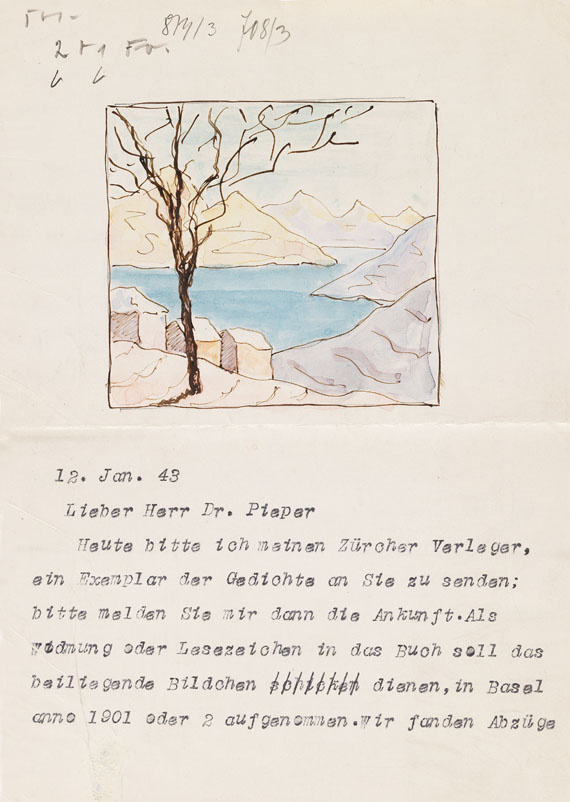
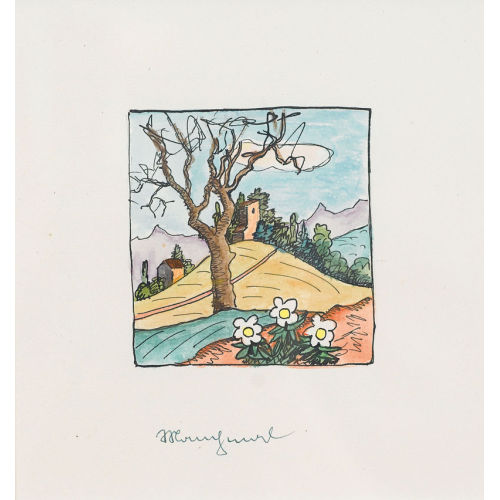
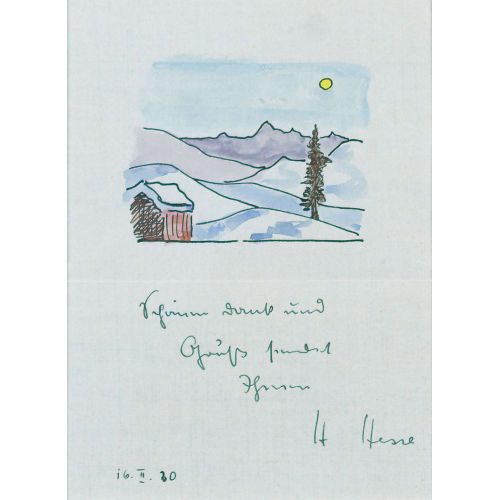
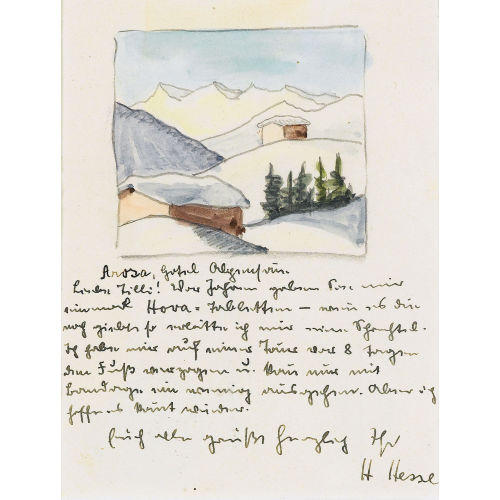
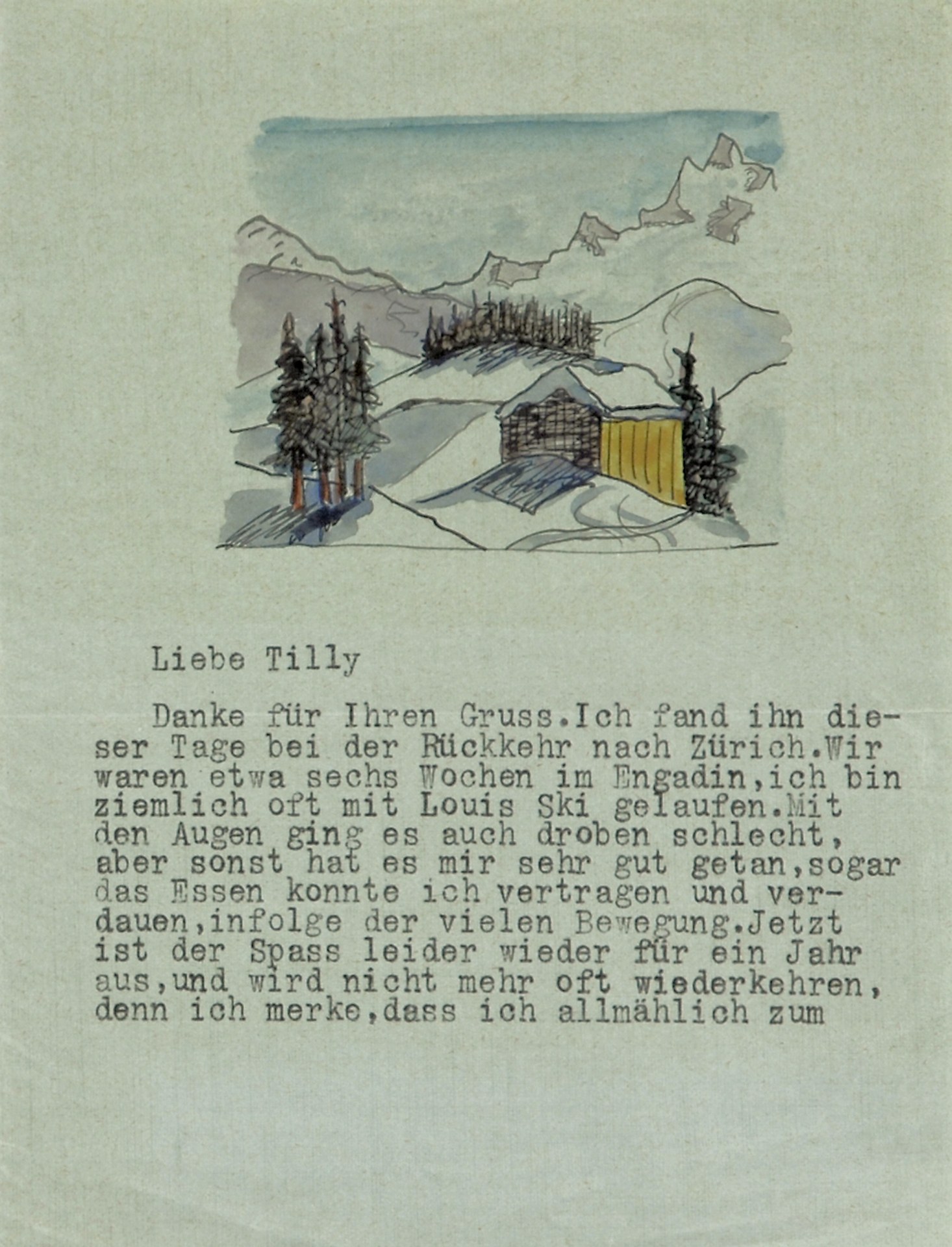
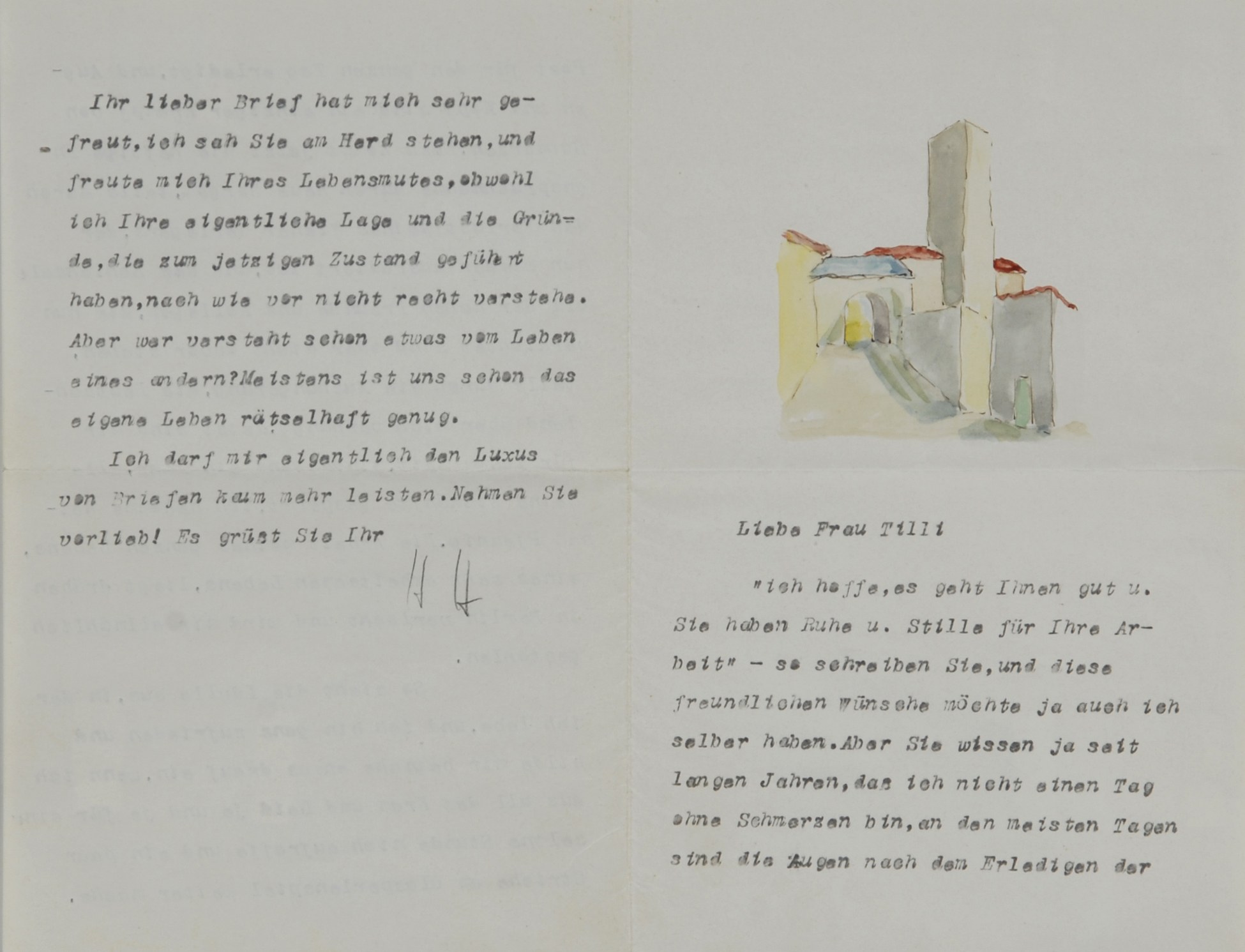
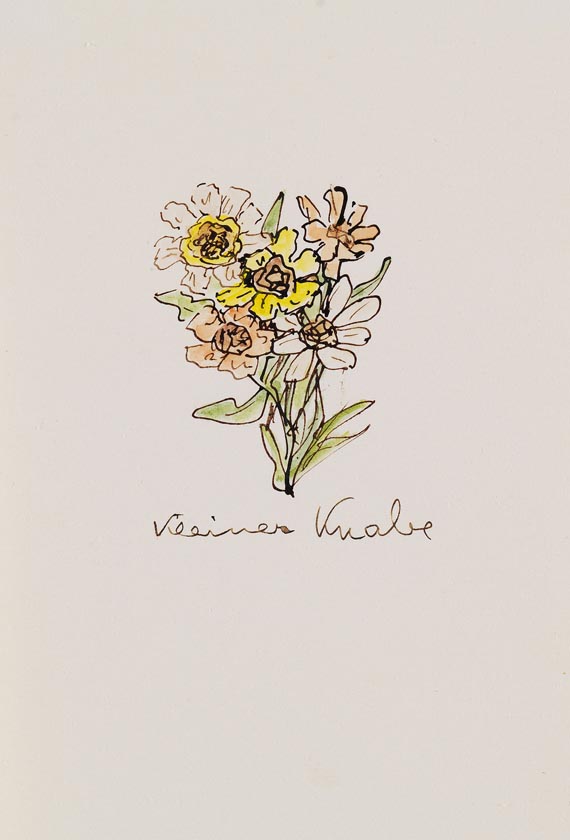
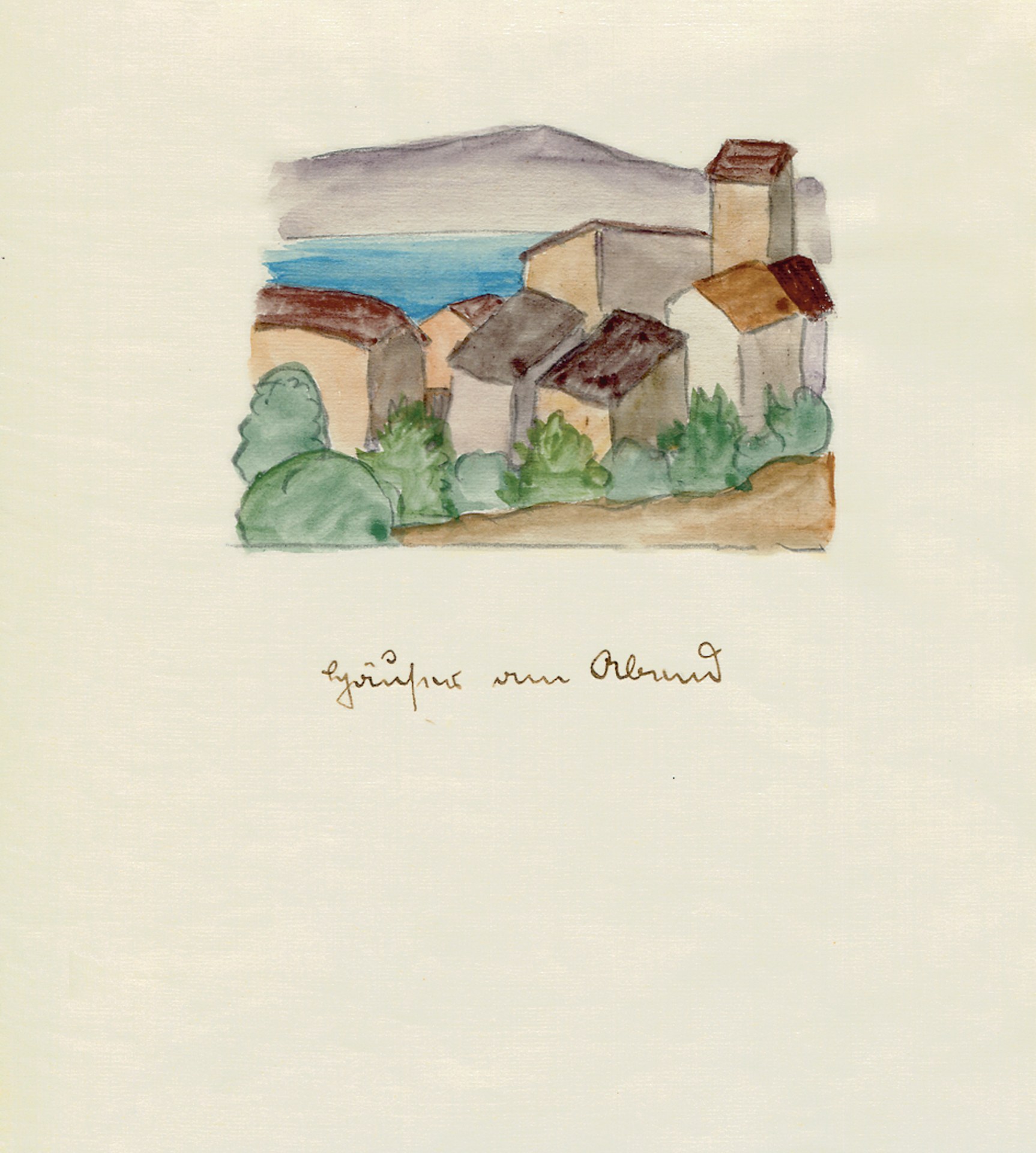
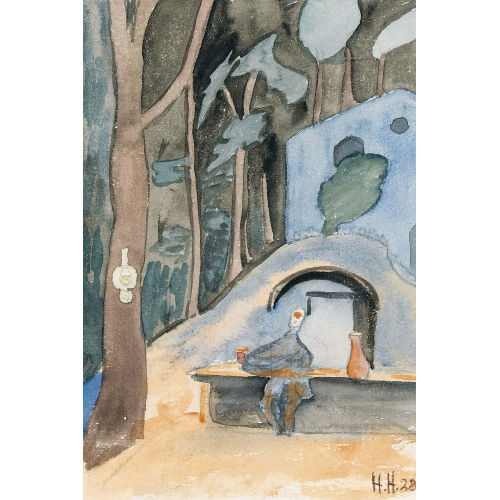
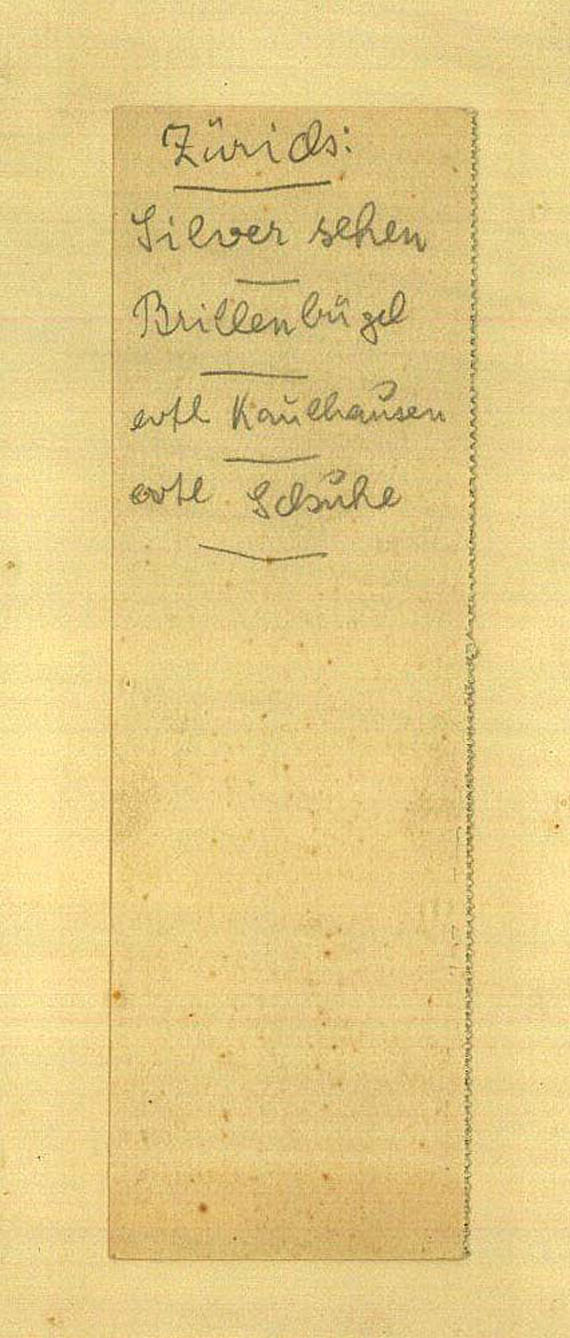
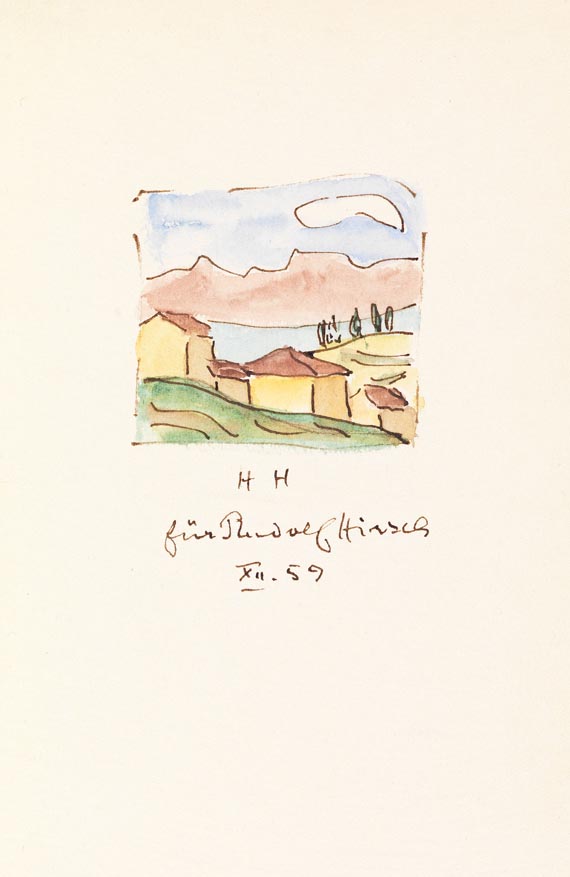
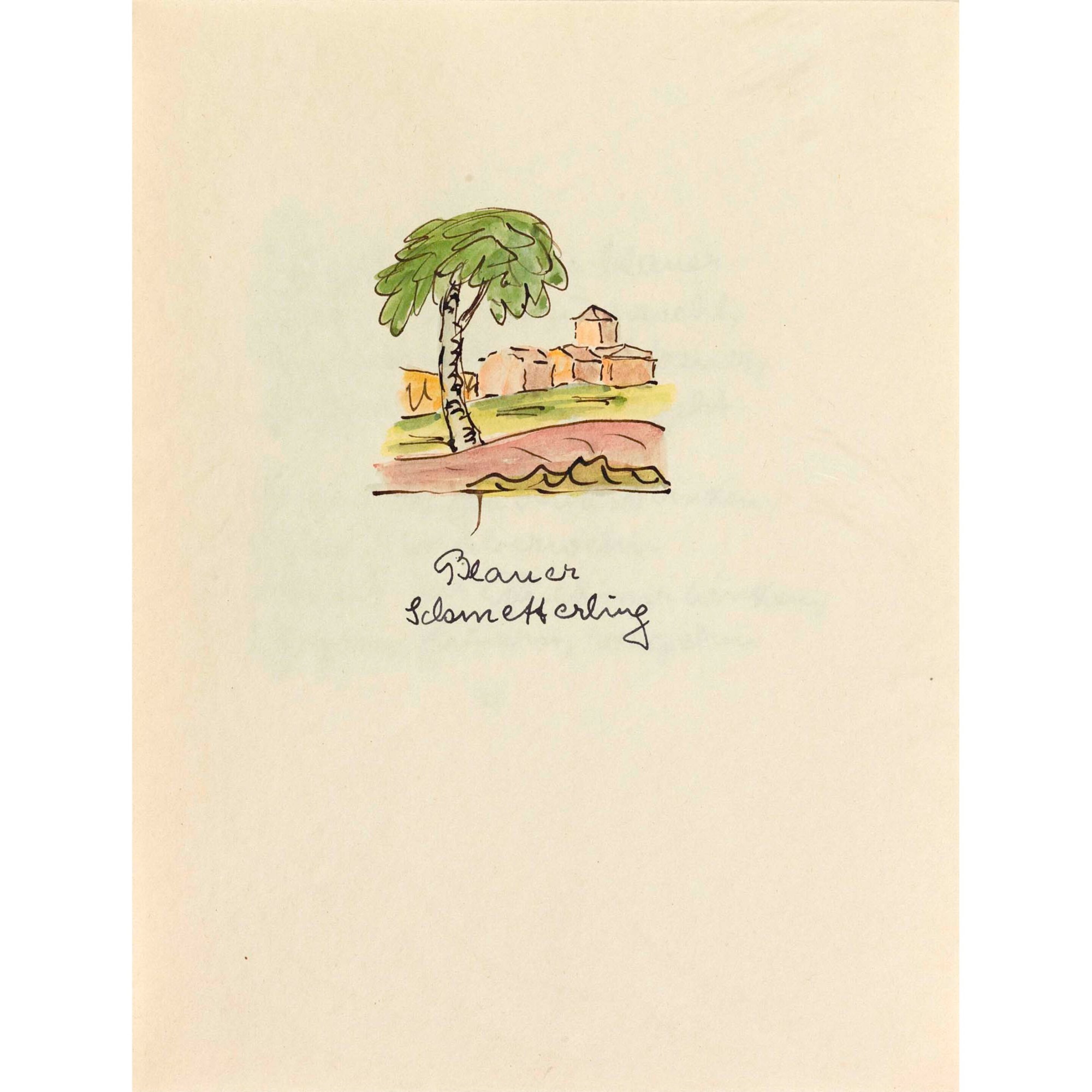
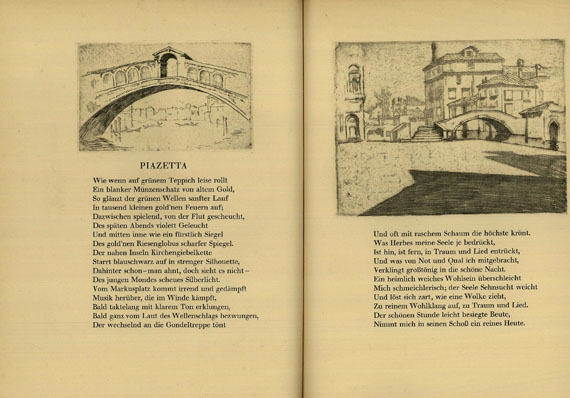
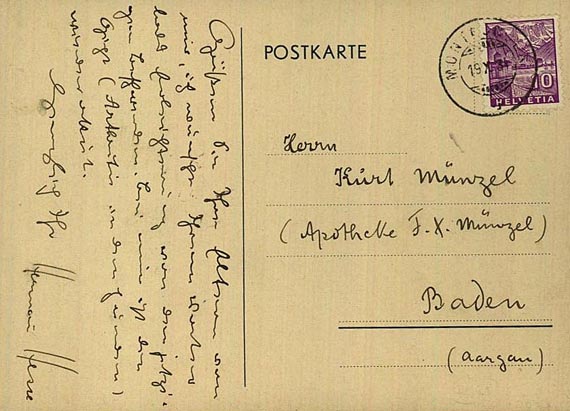
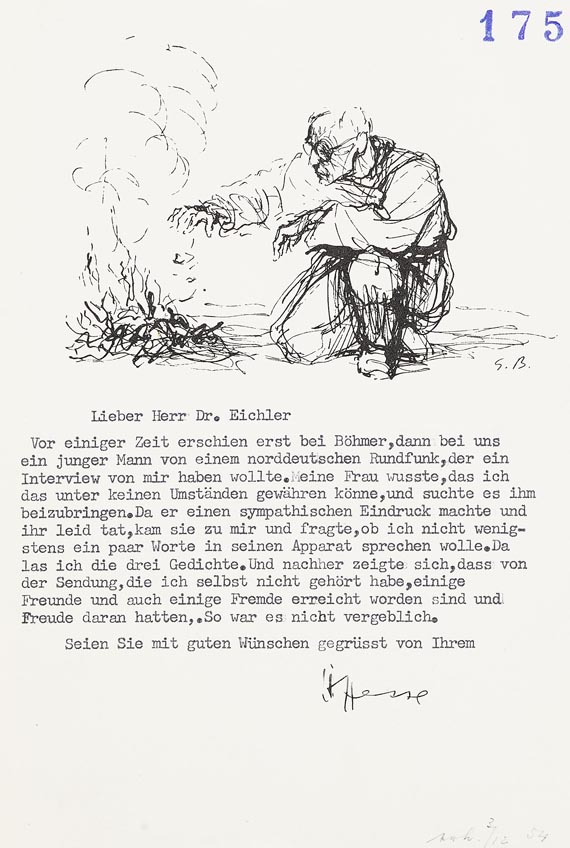
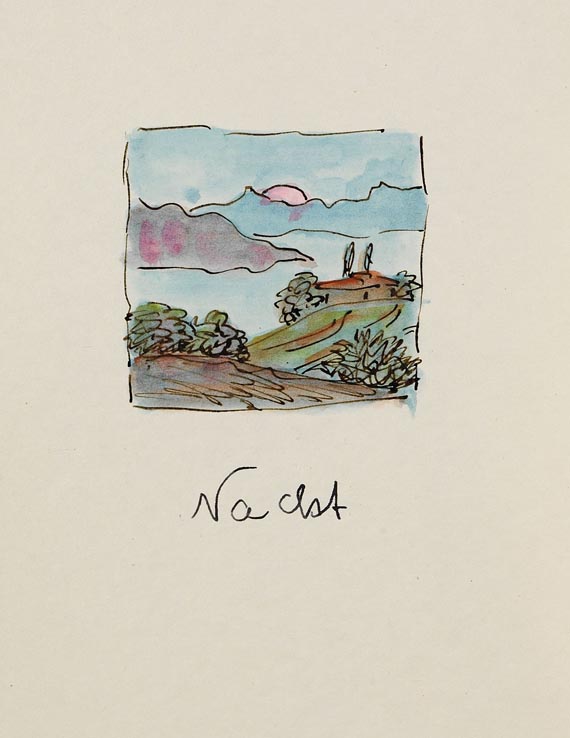
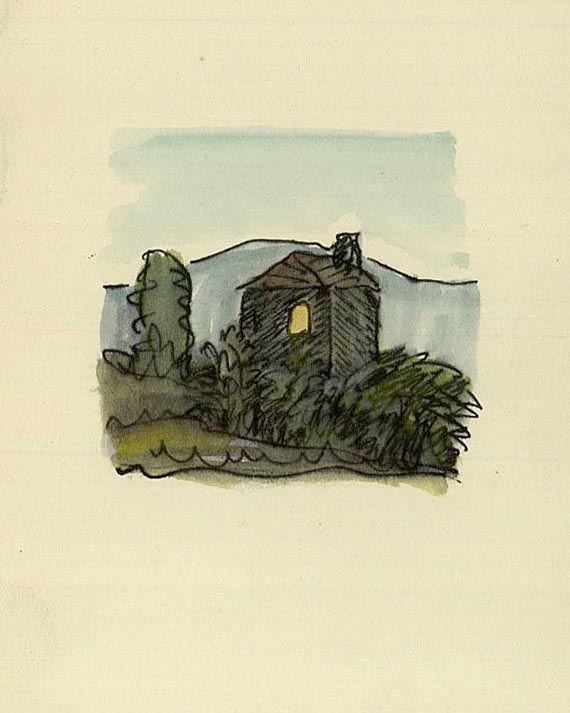
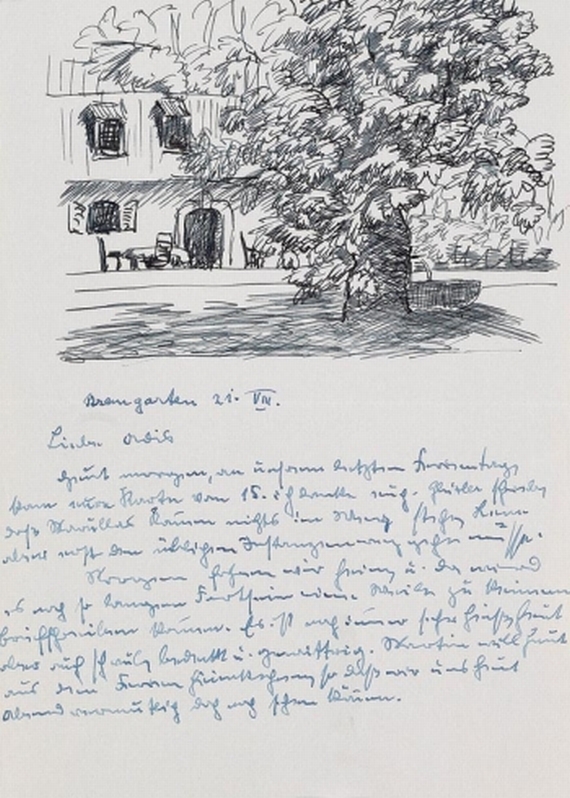
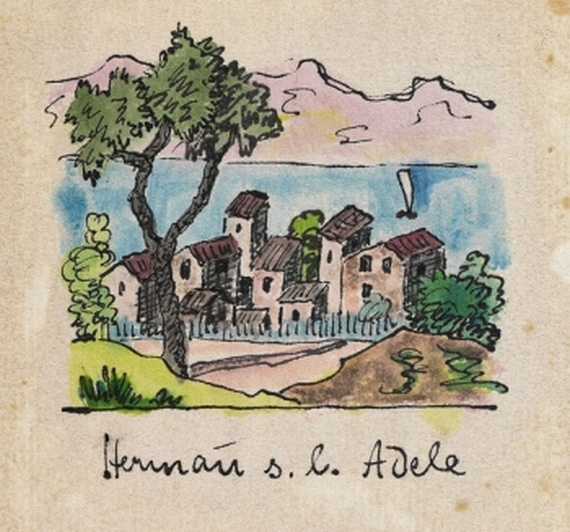
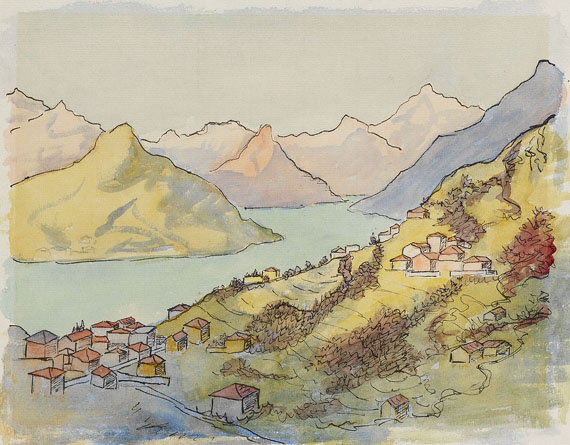
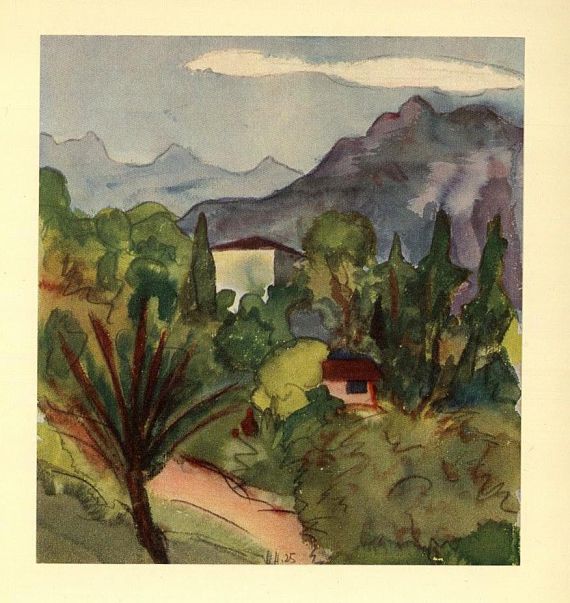
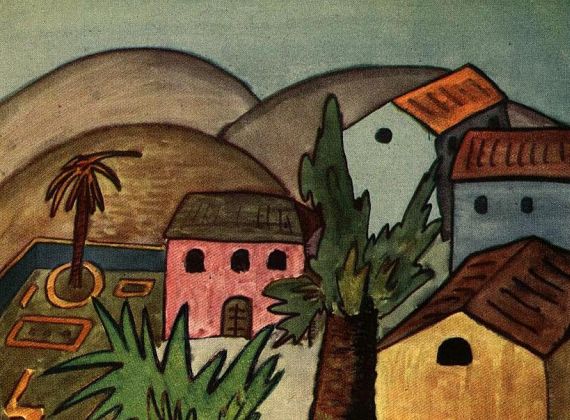
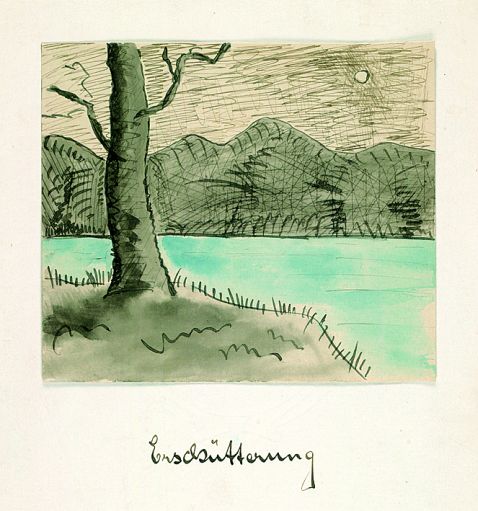
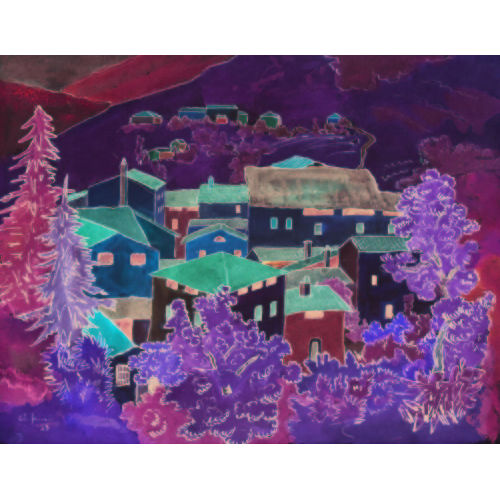
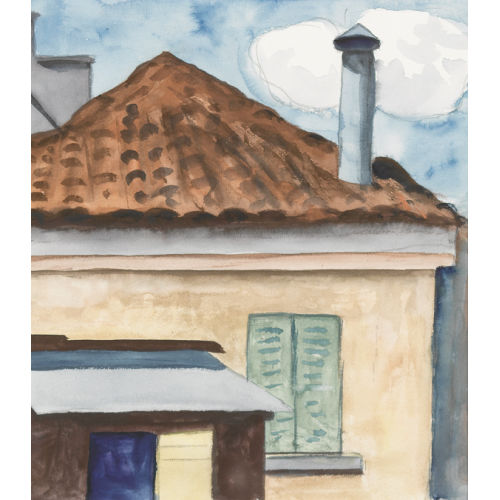
In Montagnola, where he first lived at Casa Camuzzi, walks sustained a regular practice. Villages, vineyards, chapels, “grotti” and cellars carved into the rock compose a Ticino observed at walking height. These small images did not remain separate from his writings: Hesse added colour to manuscript poems, letters to his children and friends, sketches for “Wanderung” and several illustrated versions of “Piktors Verwandlungen”.
Watercolour thus became a way of sharing a place or a thought, as well as an autonomous form of work. Approximately three thousand watercolours are attributed to his Ticino years, mainly between 1919 and the end of the 1930s.
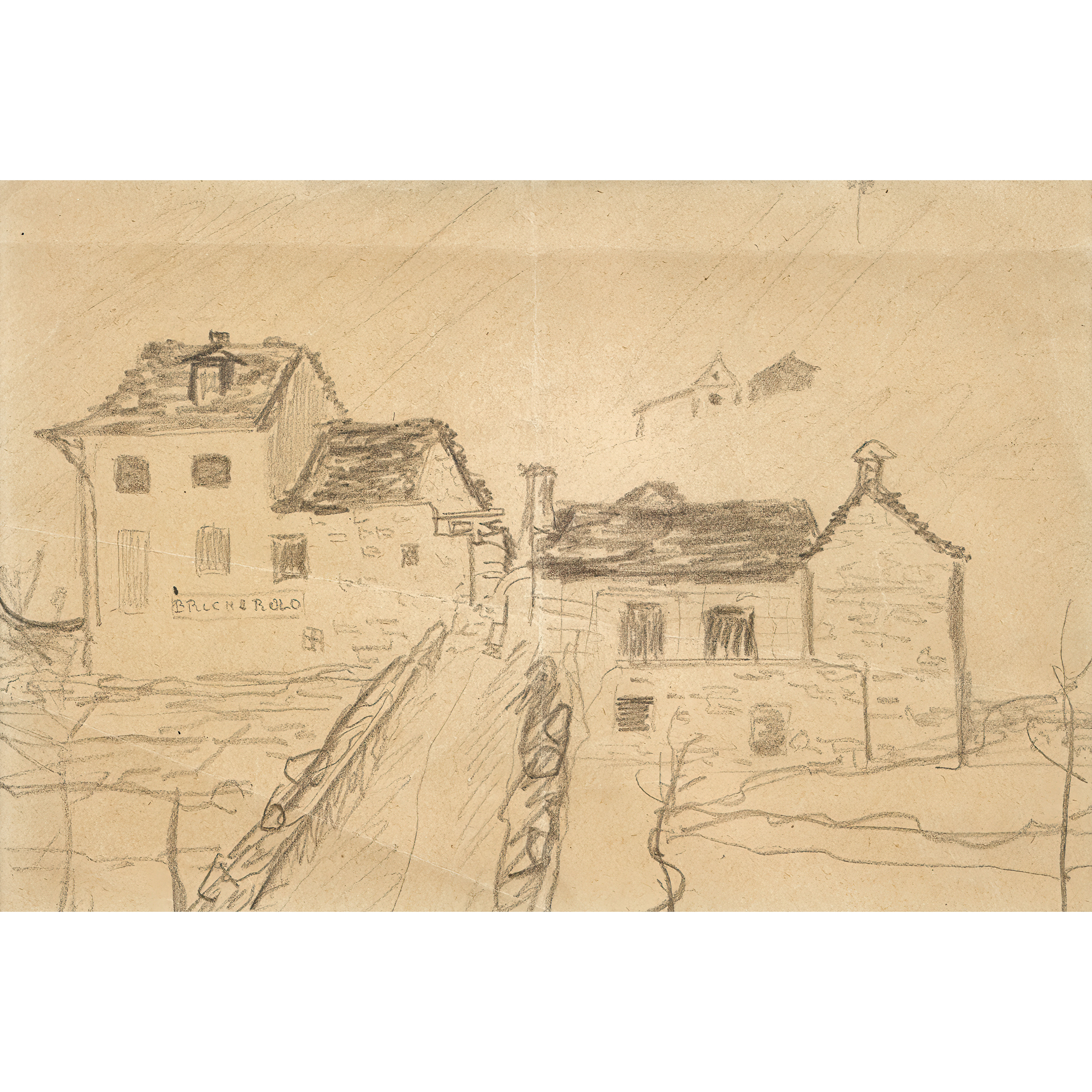
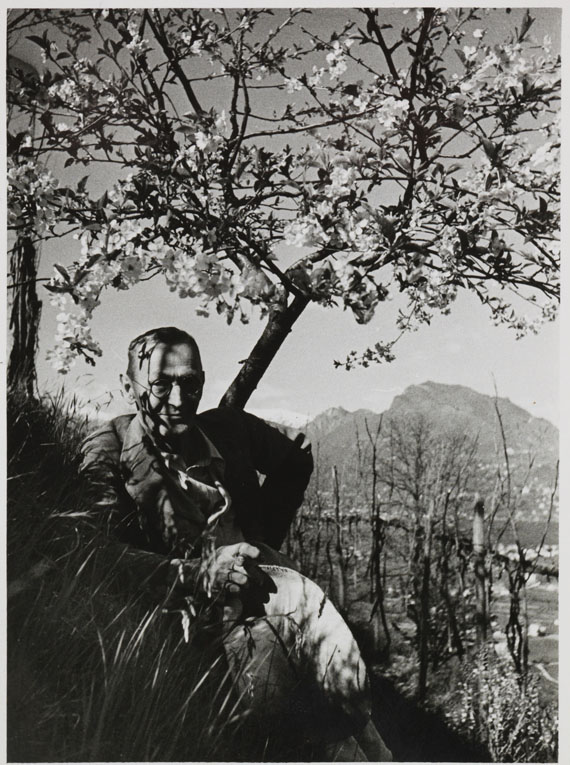
The Museo Hermann Hesse in Montagnola presents watercolours alongside the books, photographs and objects of the writer-painter in the Torre Camuzzi, near his former home. The art collections of the Swiss Confederation also catalogue works by his hand, including “Tessiner Dorf” and a drawing entitled “Ein tessiner Dorf”. These holdings recall that Hesse’s painting goes beyond illustrating his literary fame: his coloured landscapes constitute an ongoing observation of Ticino, its built forms and its rural culture.