Henri Fehr
Born in 1890.
Died in 1974.
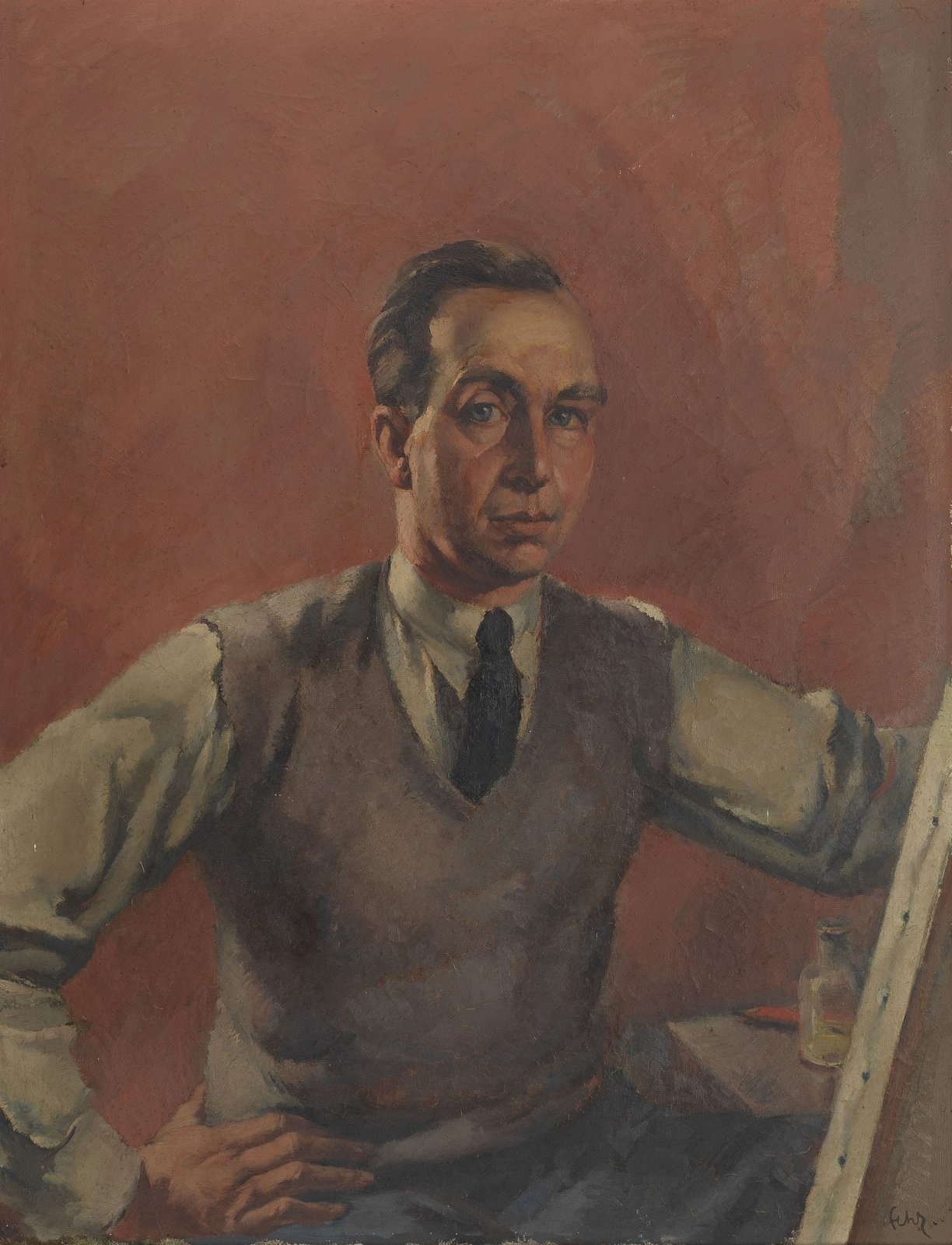
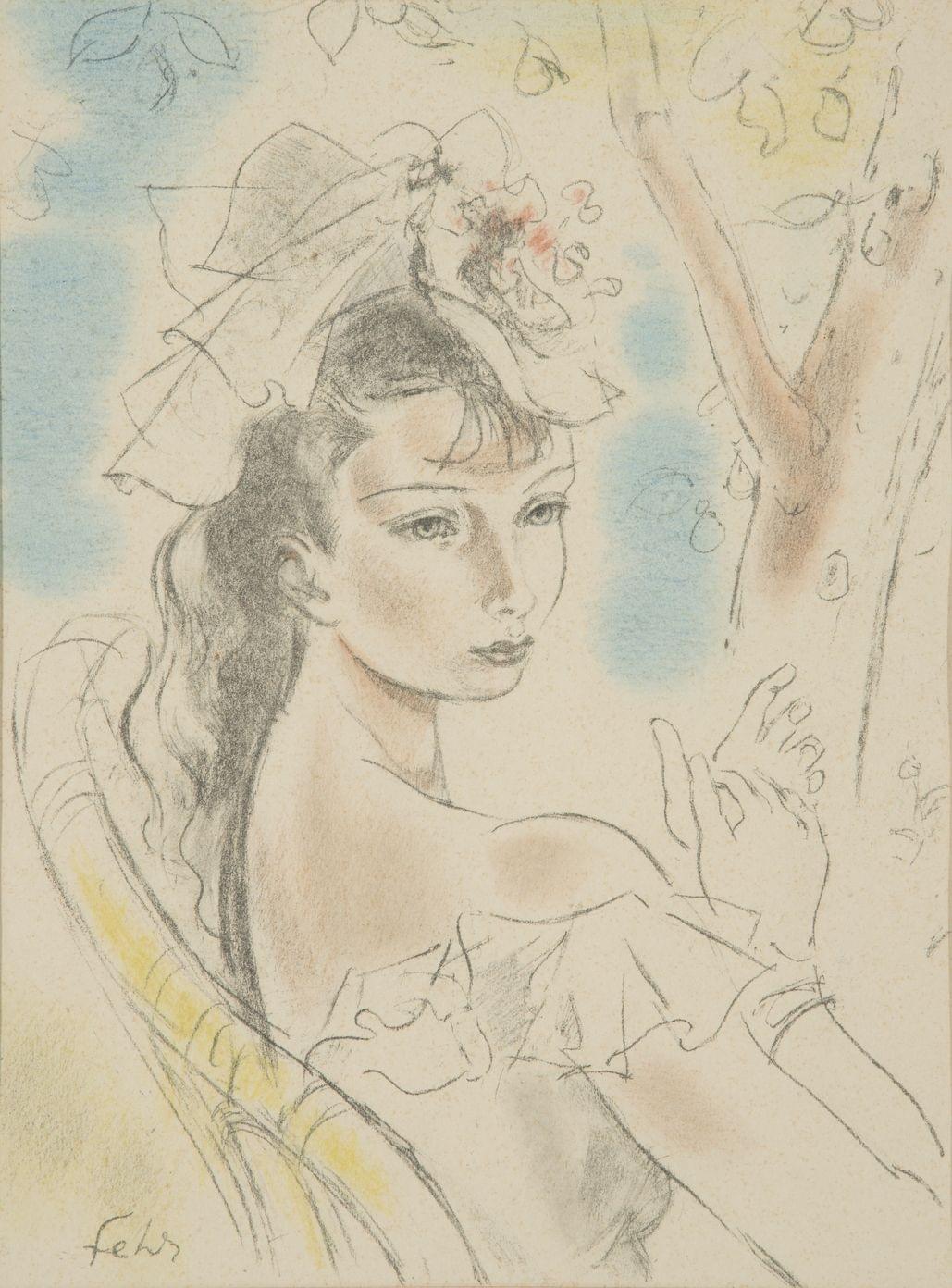
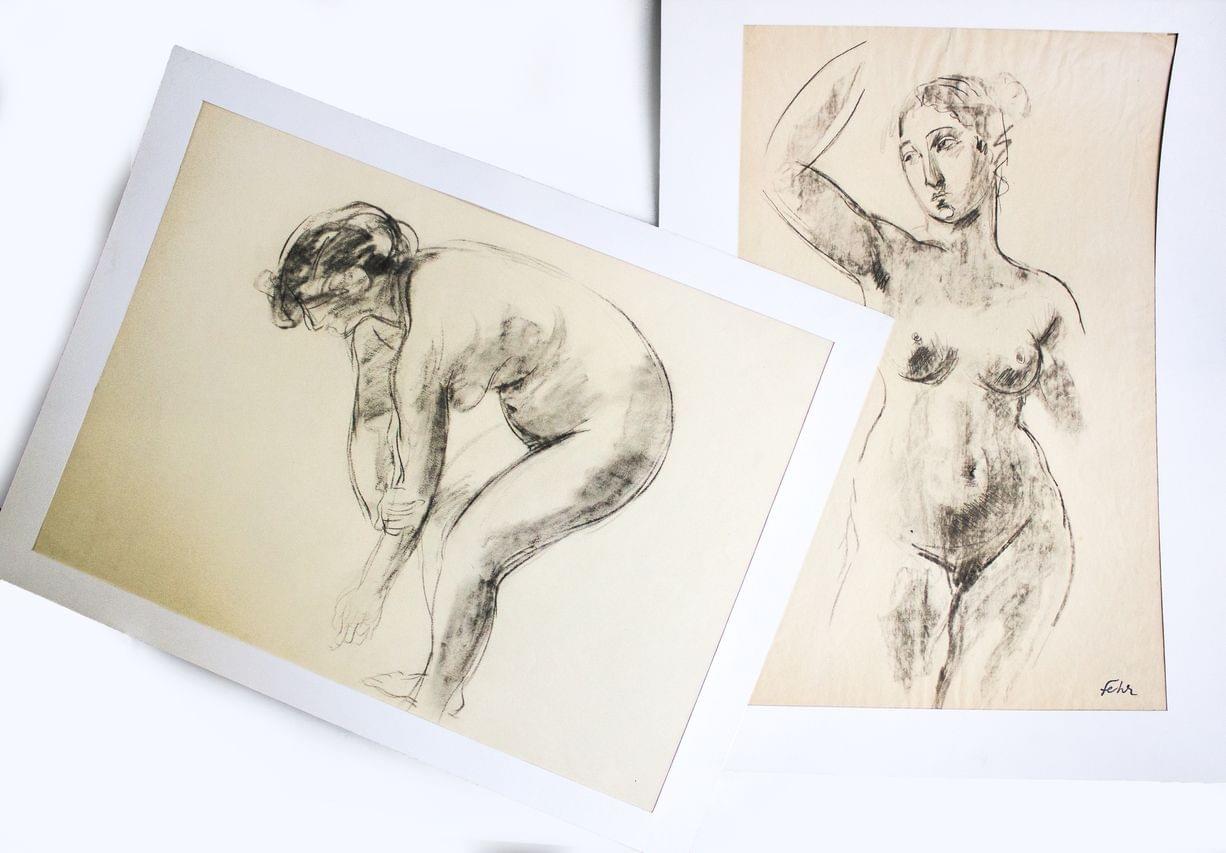
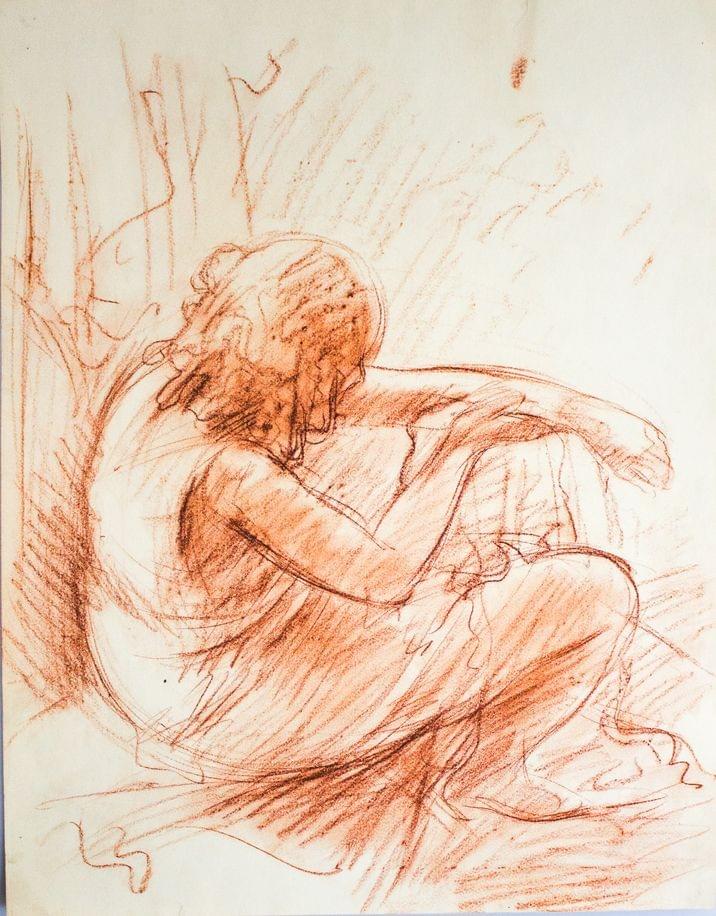
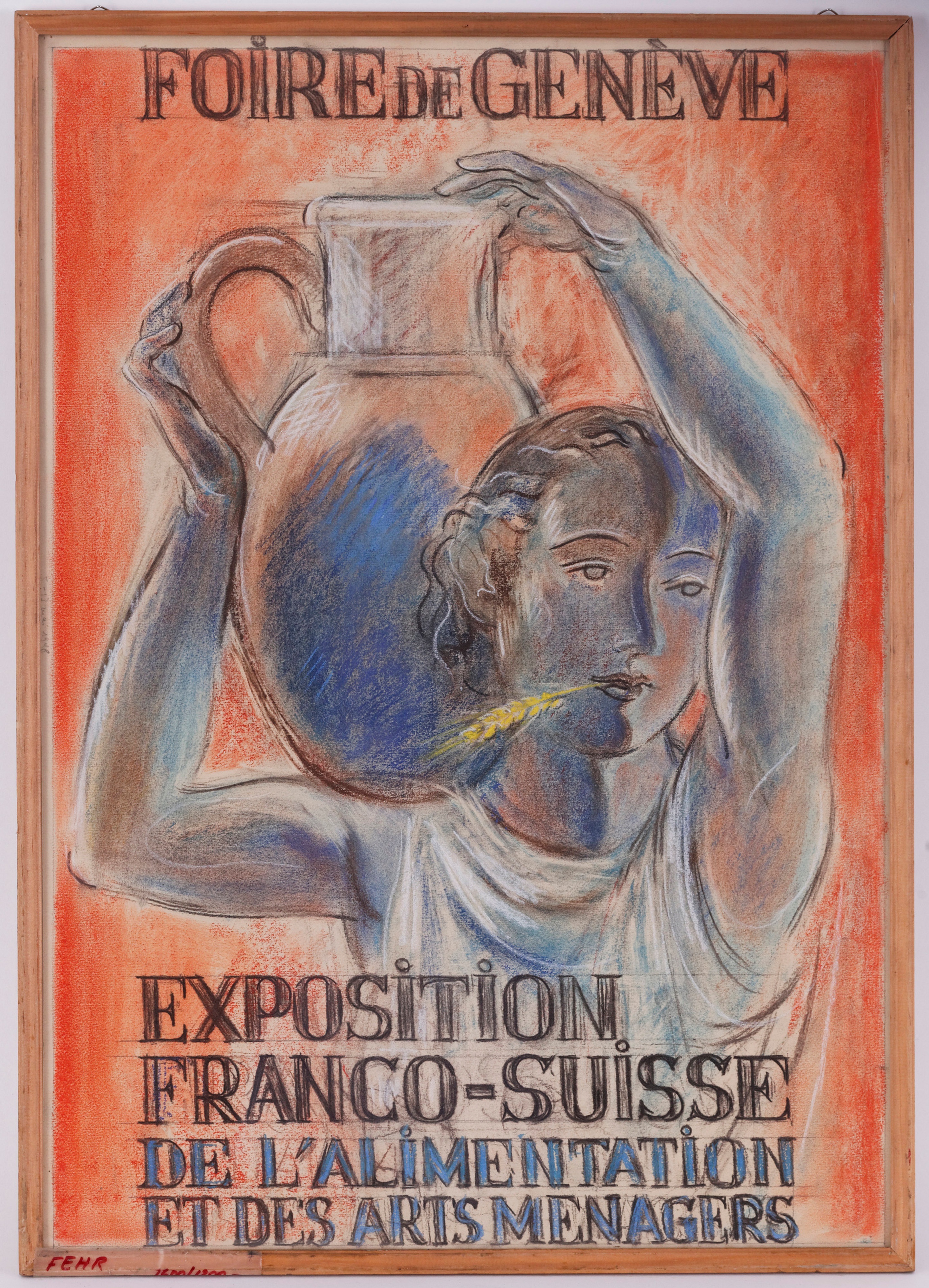
A monumental face, letters that participate in the image, a composition that is immediately legible: Henri Fehr’s posters reveal an artist for whom drawing can also become a public language. A Swiss painter and graphic artist active in Geneva’s artistic milieu, Fehr lived from 1890 to 1974. His career invites us to bring together two forms of creation often considered separately: easel painting and the printed poster.
After a two-year apprenticeship in engineering, he studied at the École des Beaux-Arts and the École des arts industriels in Geneva, and then at the Académie Julian in Paris. The Louwman Museum highlights the influence of Art Deco and Cubism in his graphic work, particularly in connection with the poster for the XIe Salon international de l’automobile, moto et cycle de Genève, produced in 1934.
This lithograph provides a particularly illuminating point of entry. The figure, of which only half the face is visible, acquires an almost sculptural presence. The text takes its place within the arrangement of the lines, while the cool tones heighten the impression of rigour.
The image thus associates the human figure with a celebration of mechanics and modernity. A copy is held by the Bibliothèque de Genève, which devoted a feature to it in the municipal magazine.
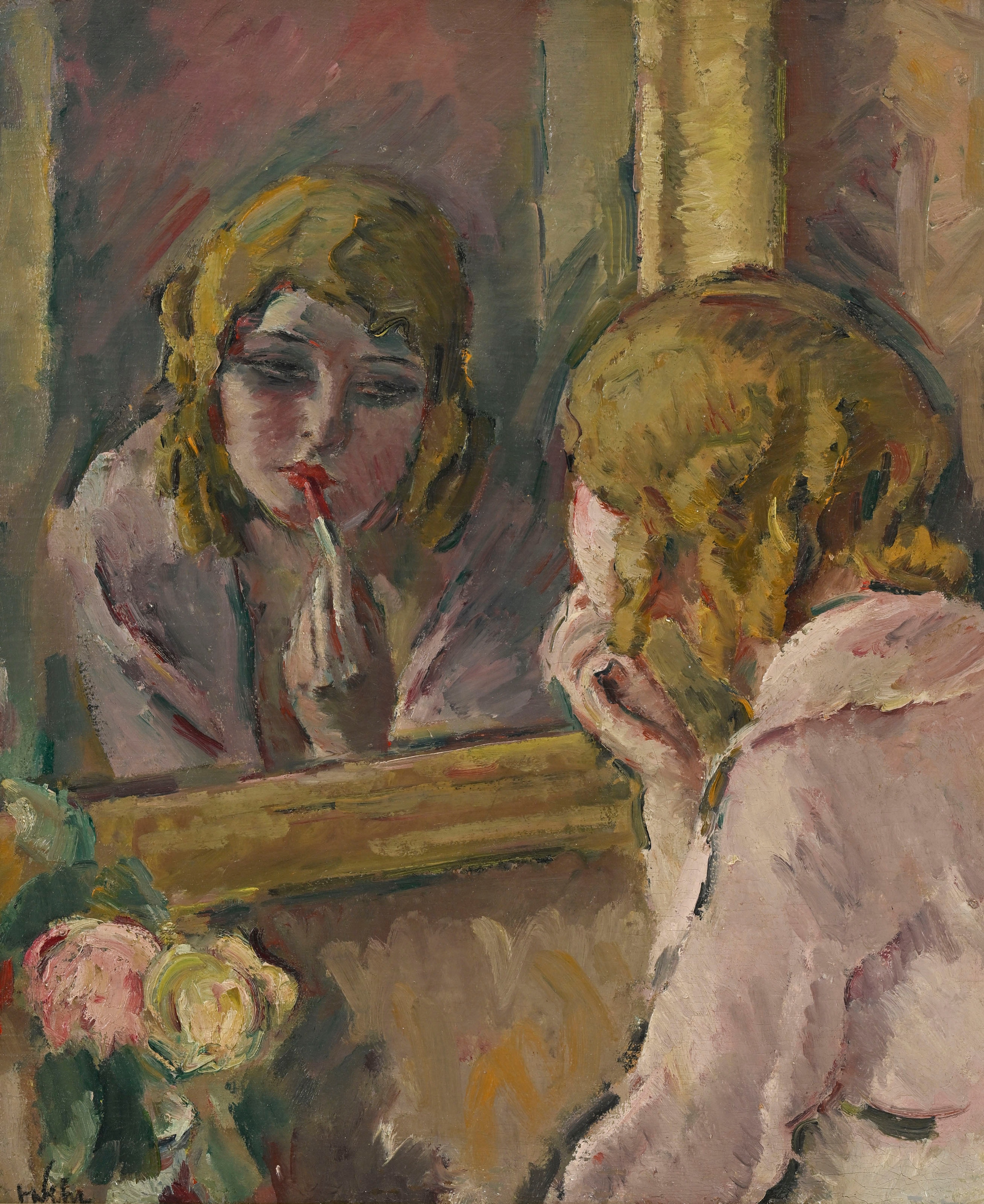
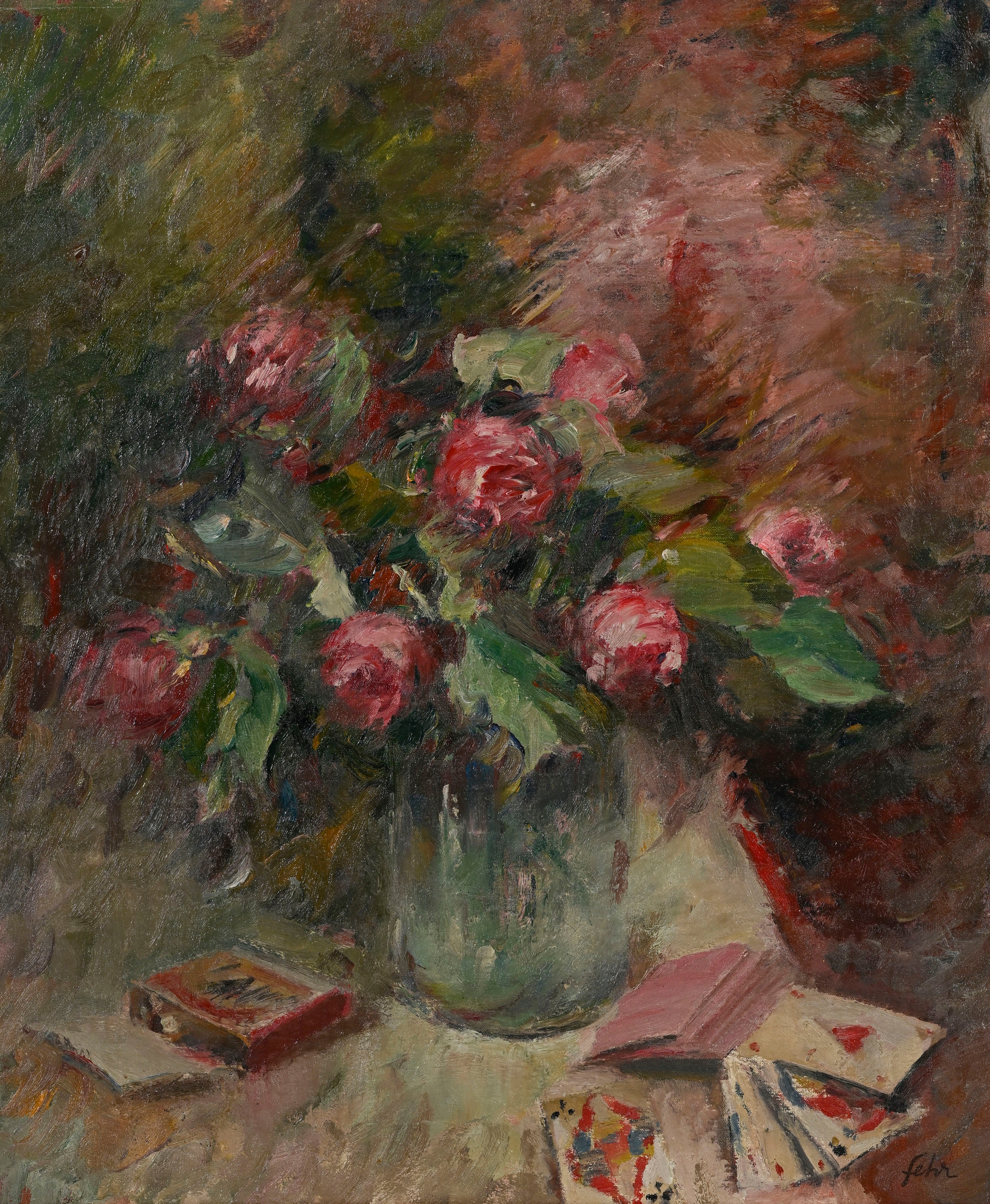
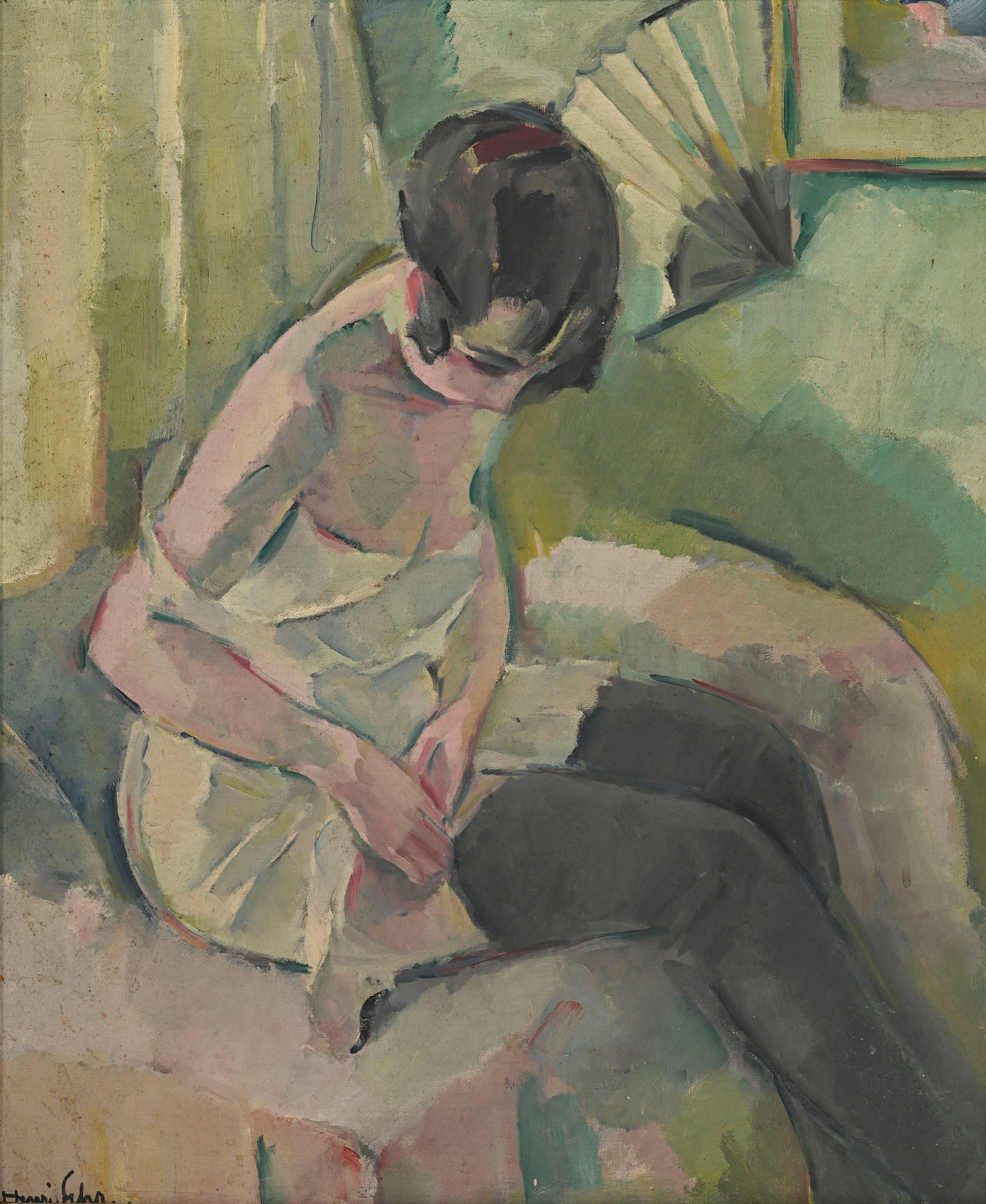
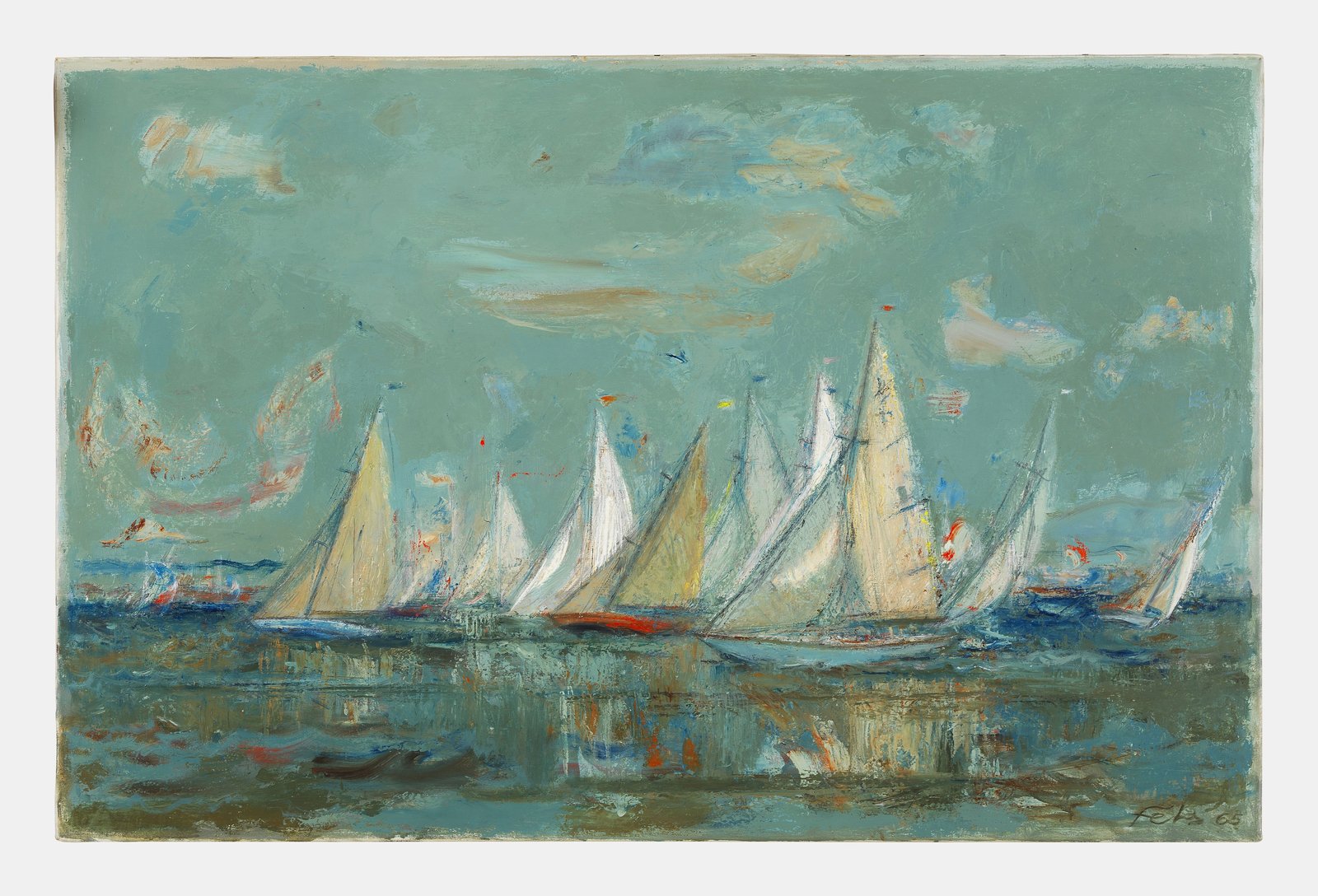
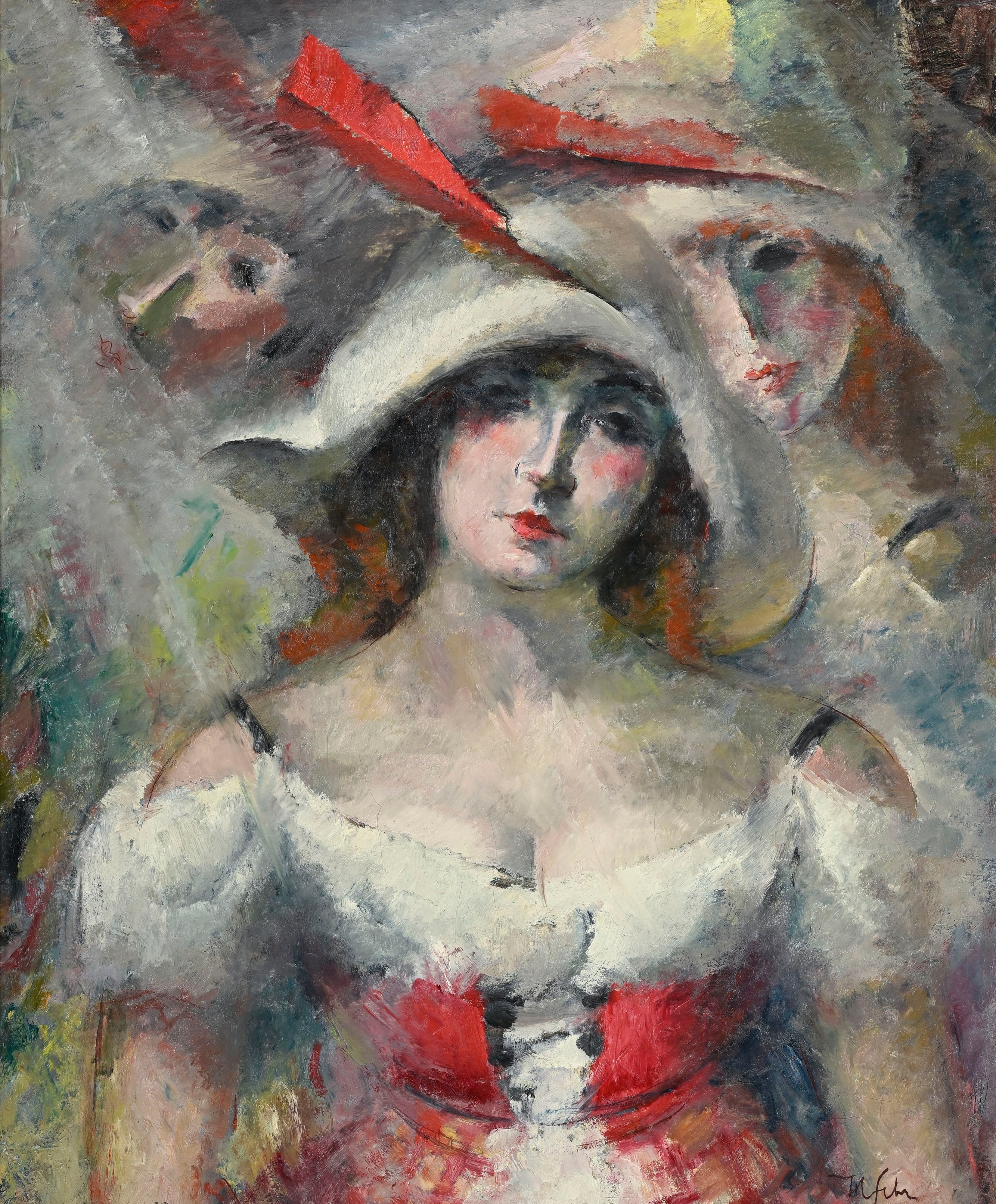
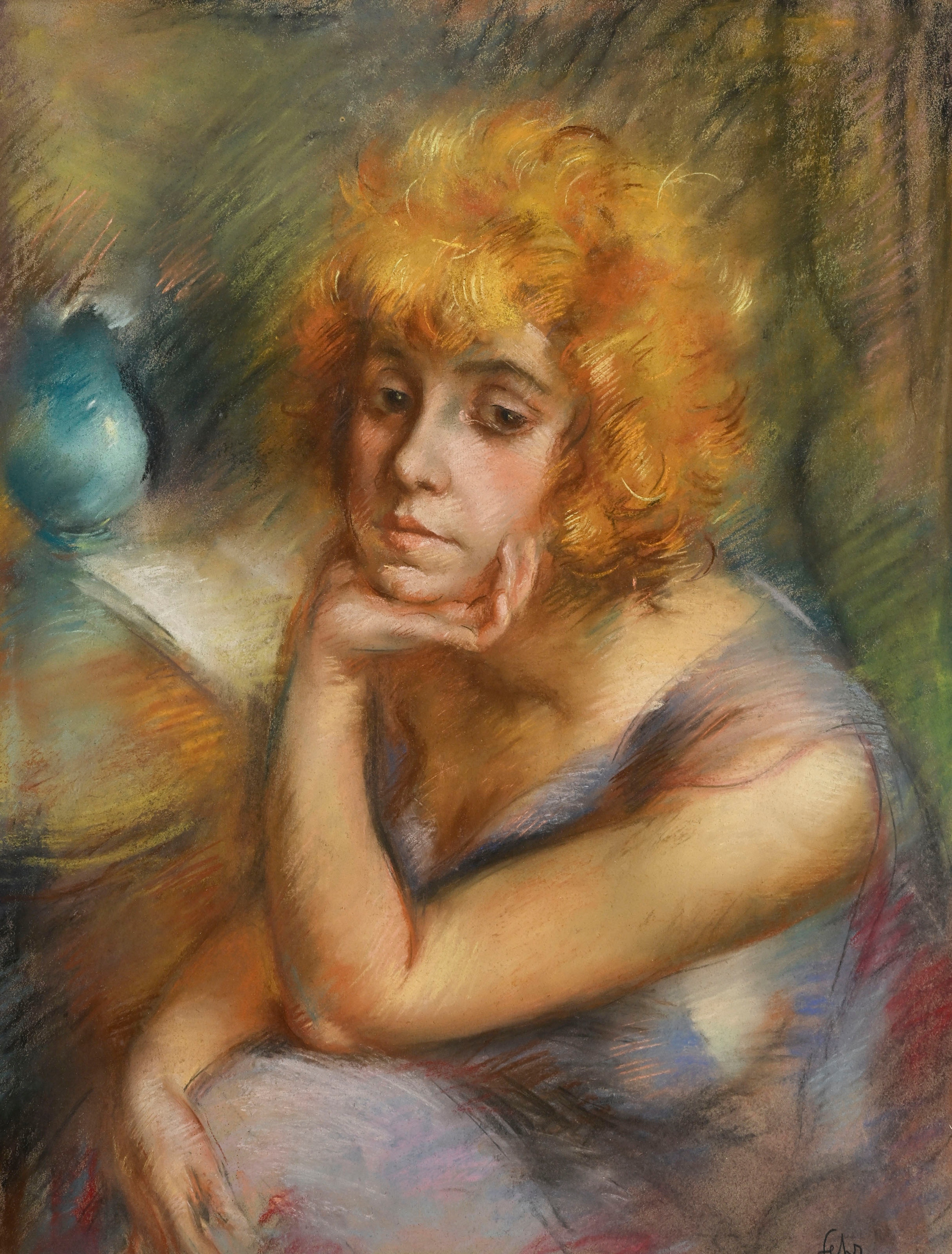
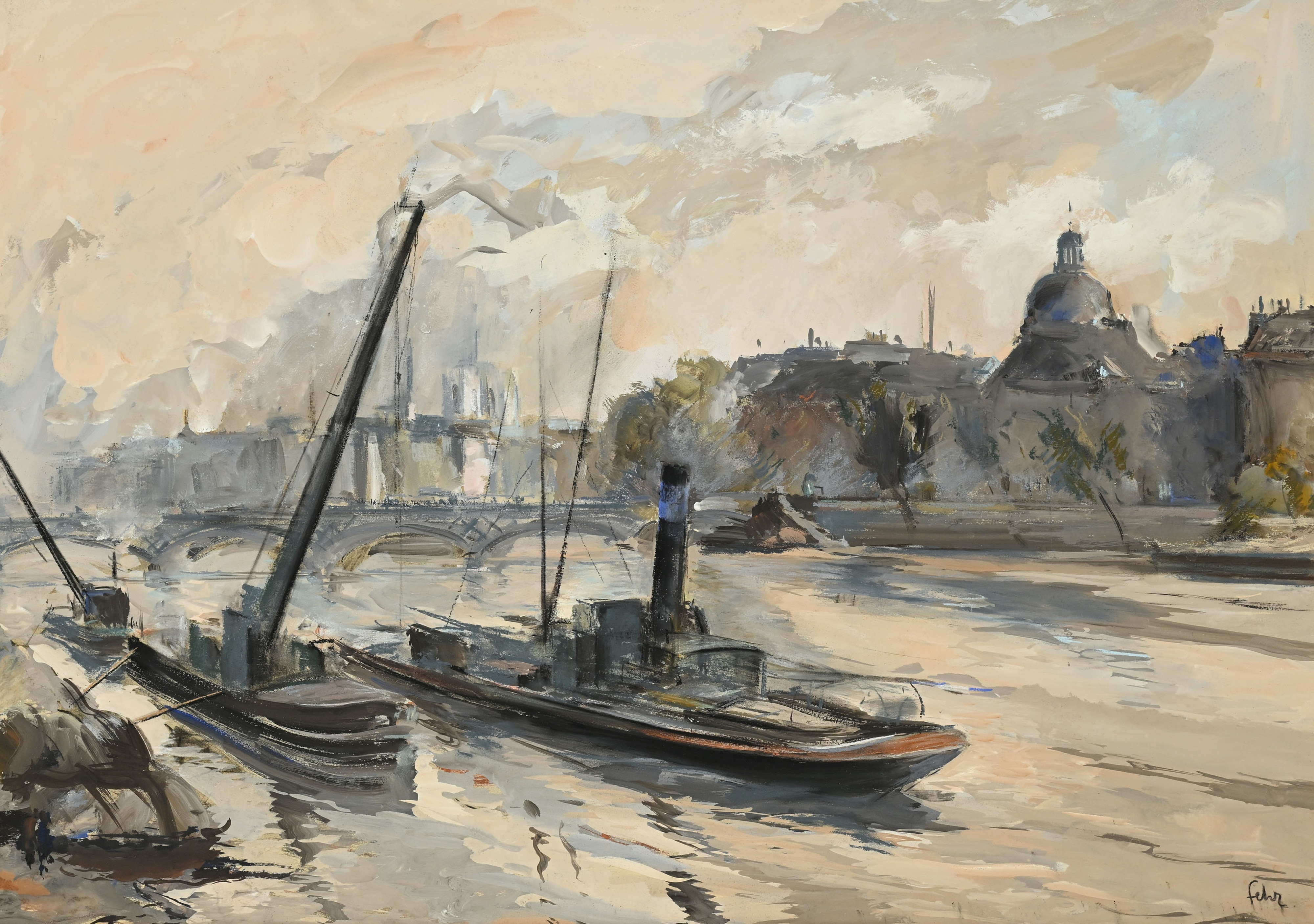
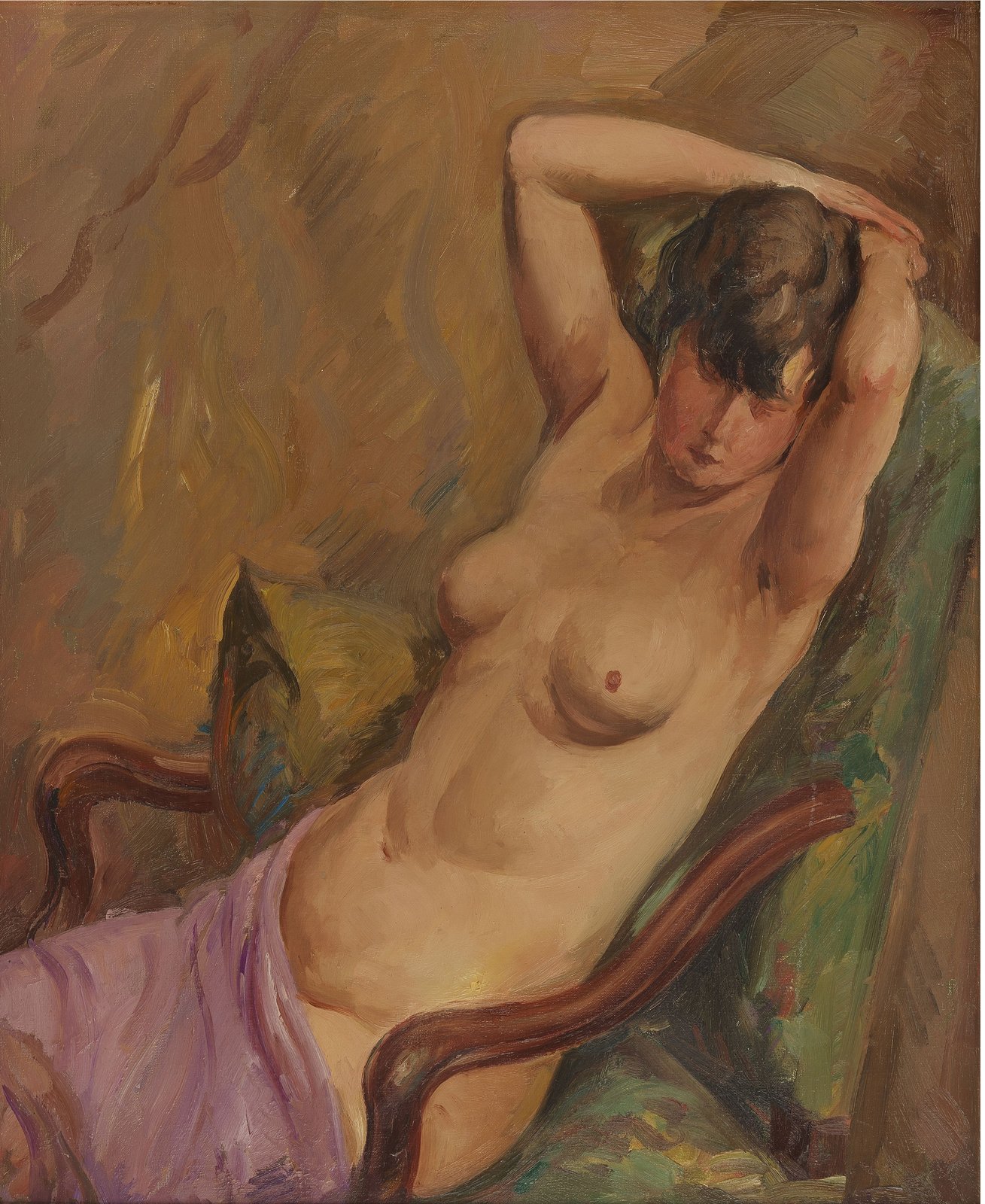
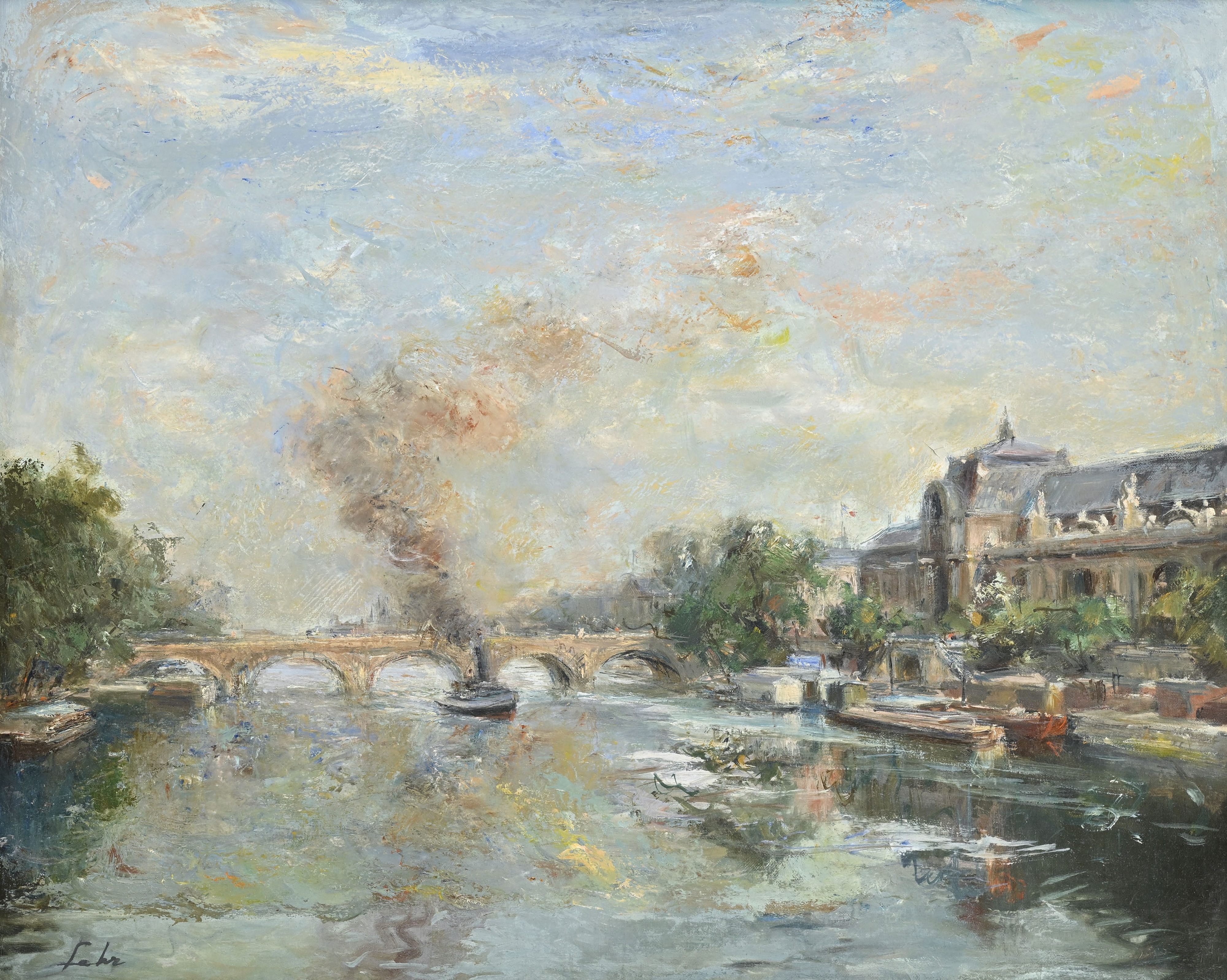
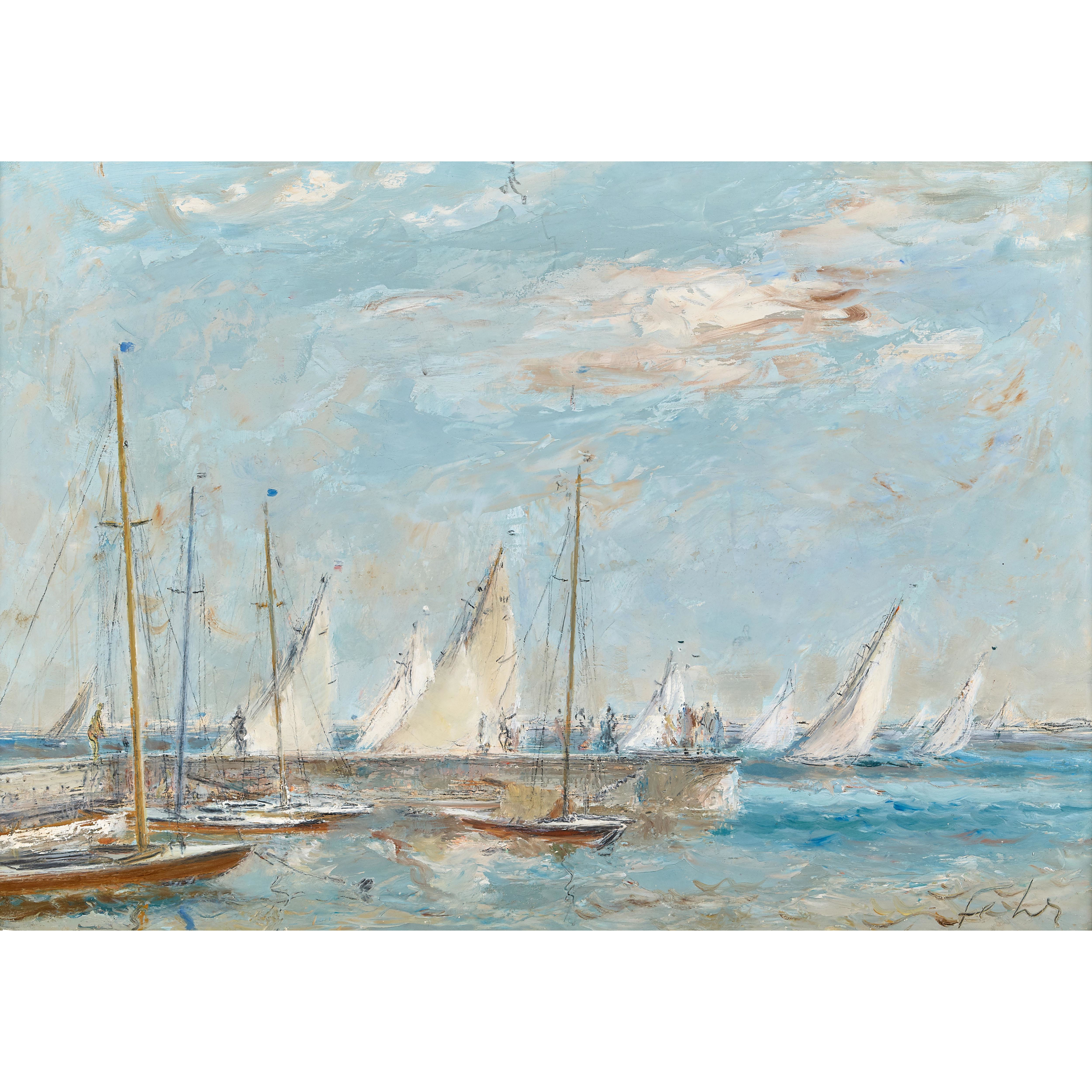
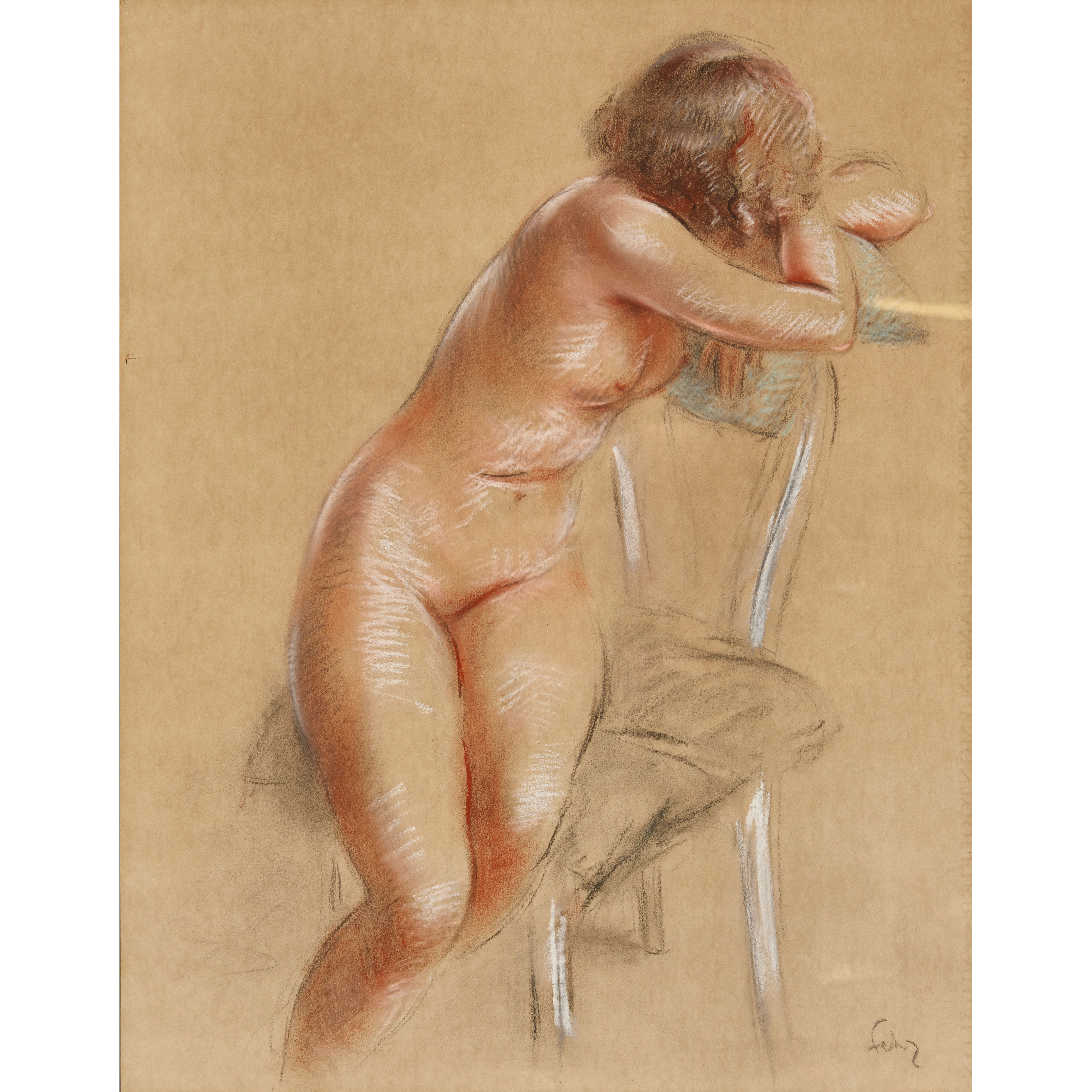
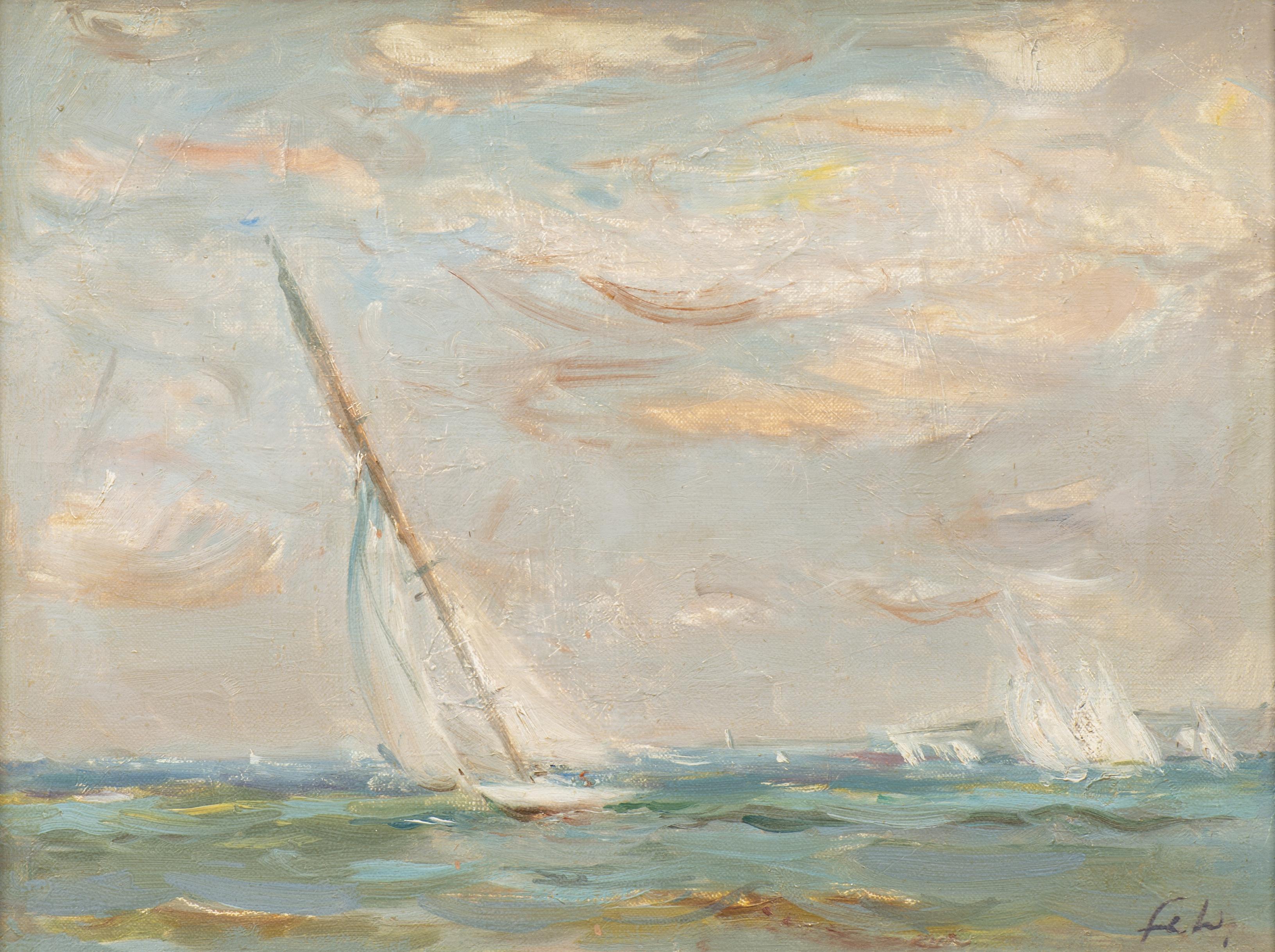
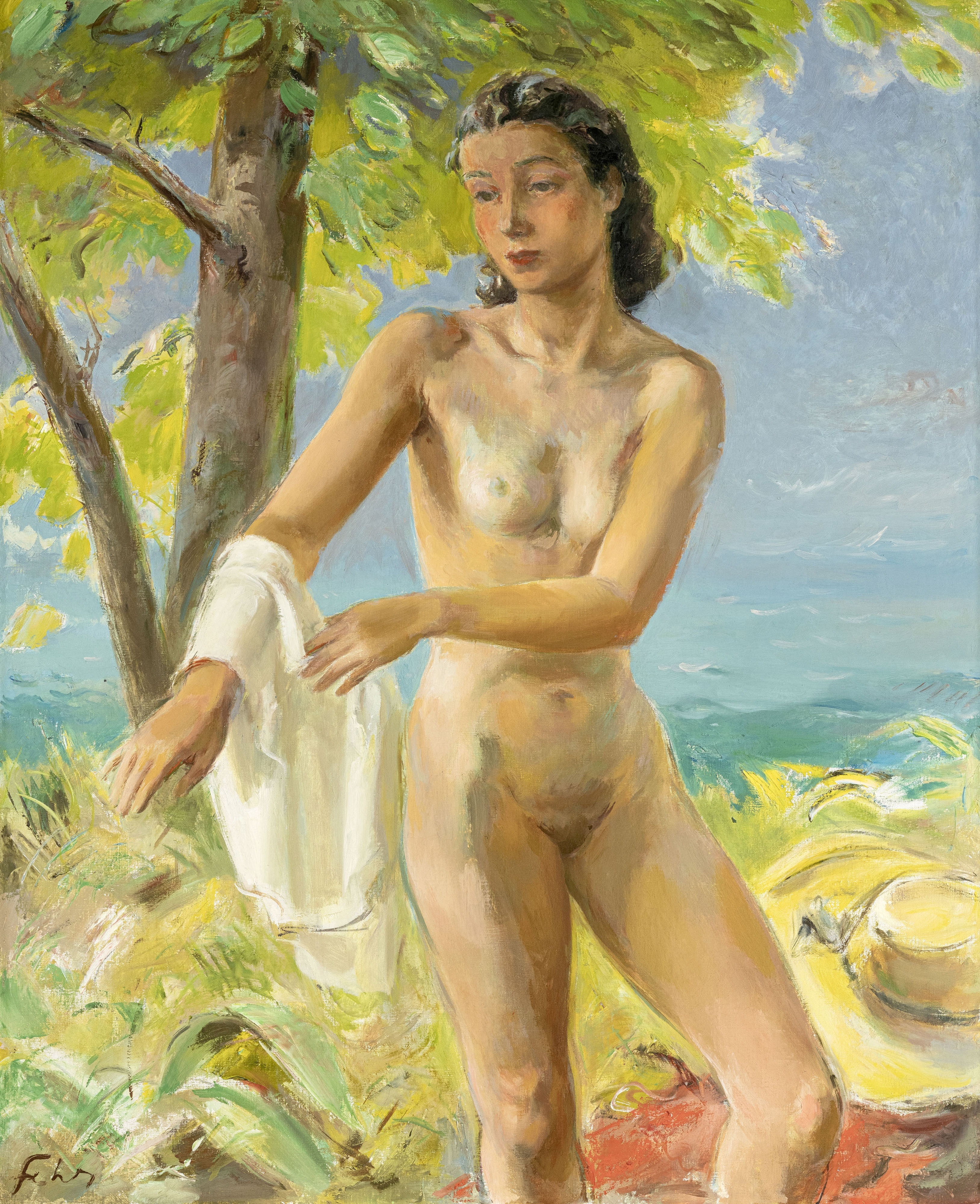
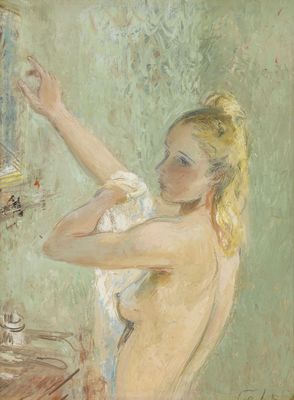
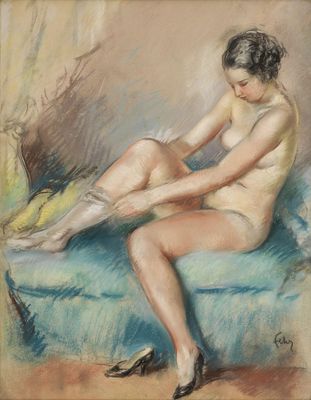
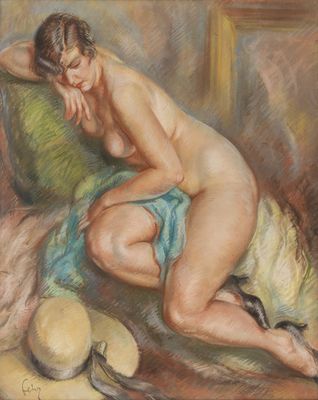
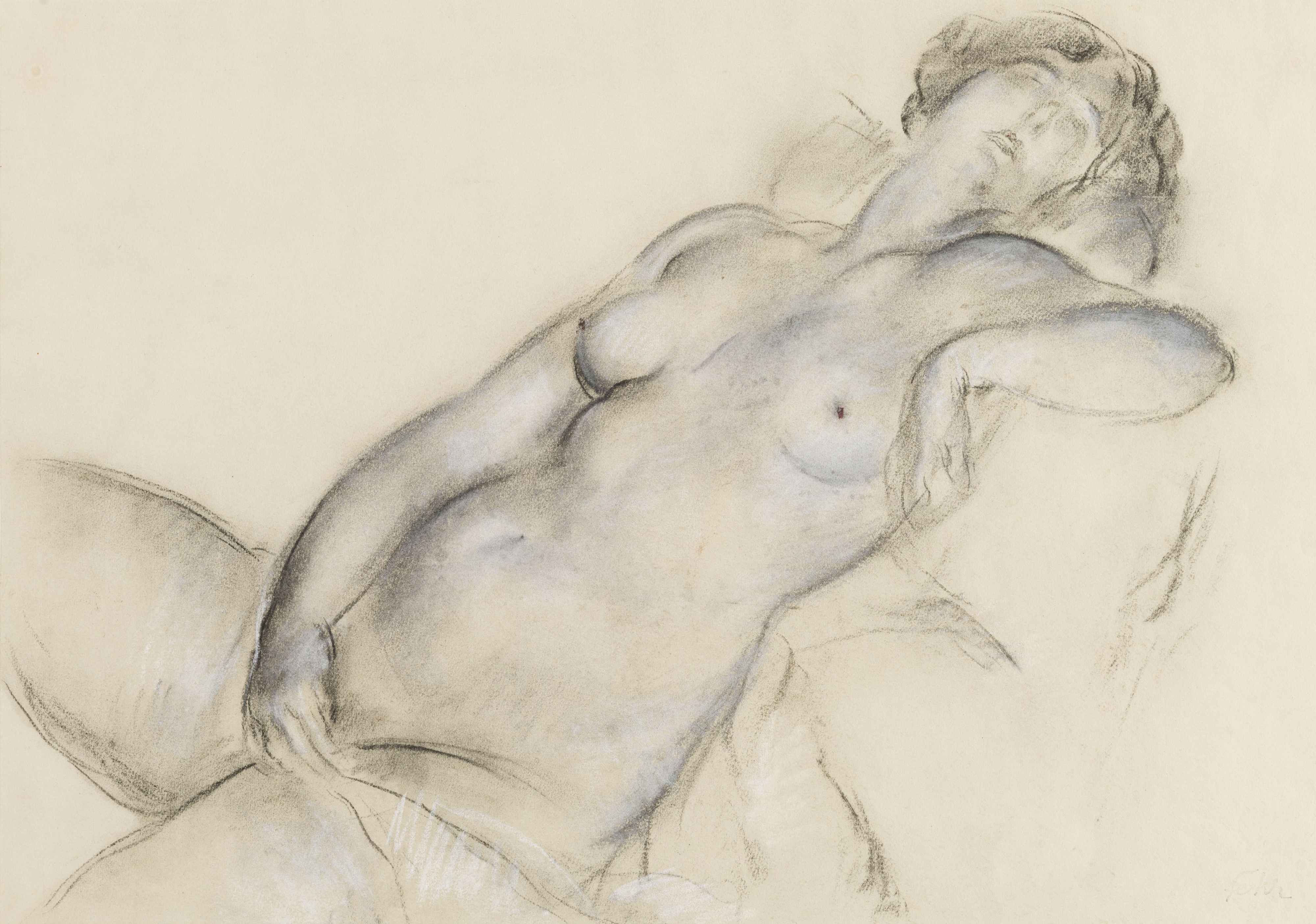
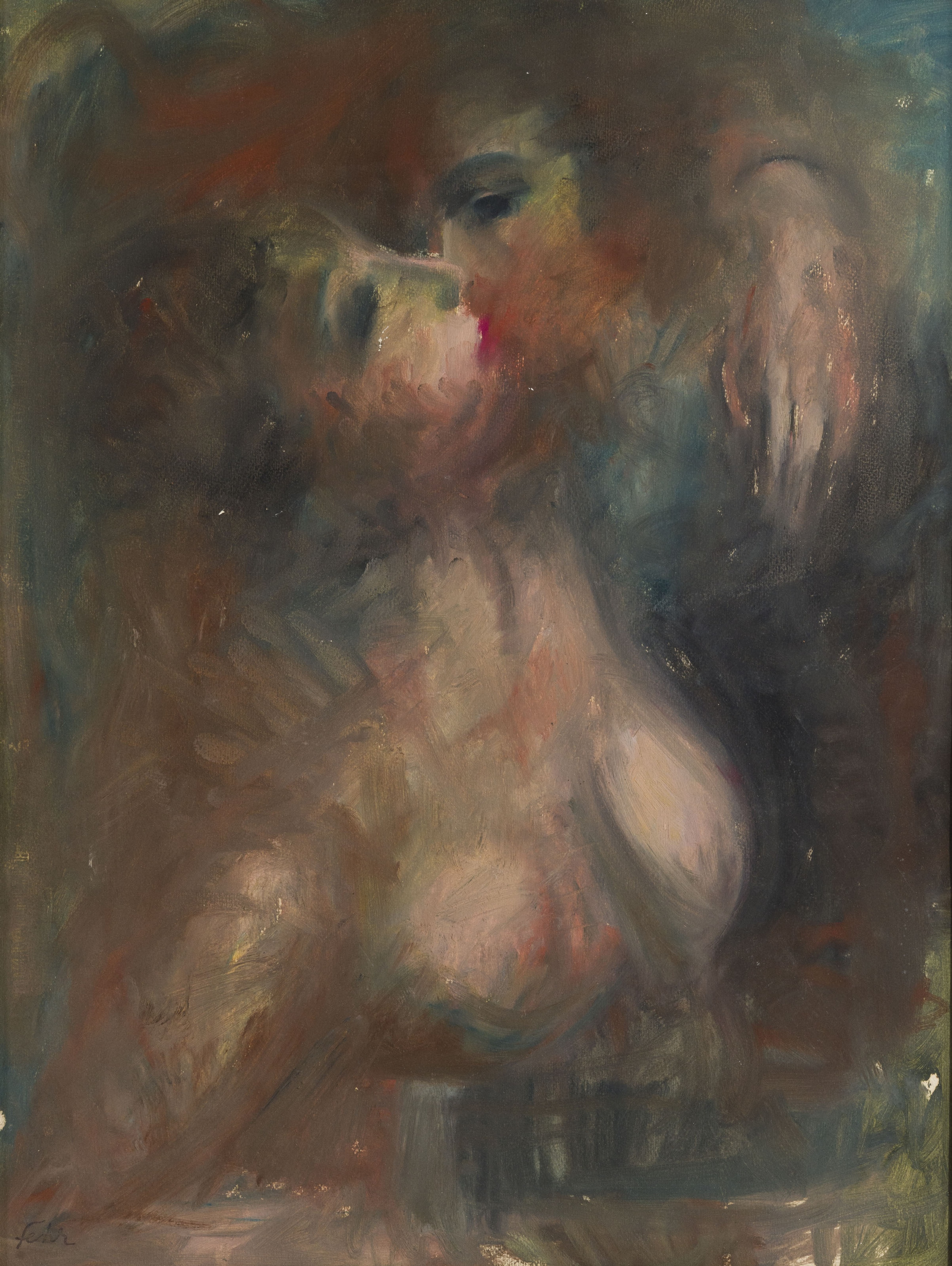
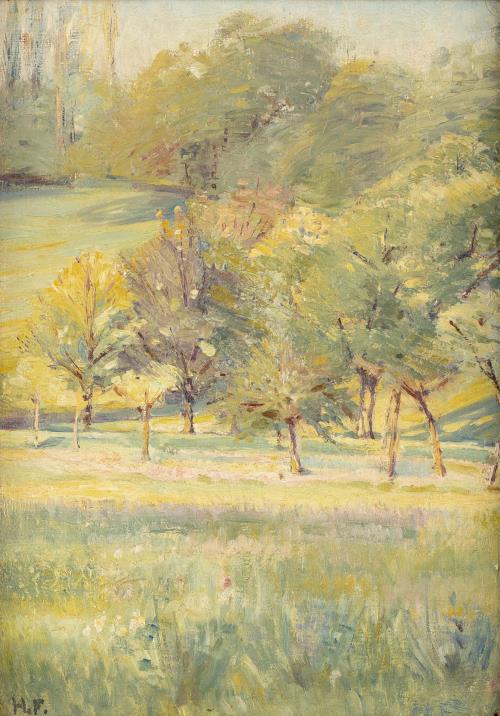
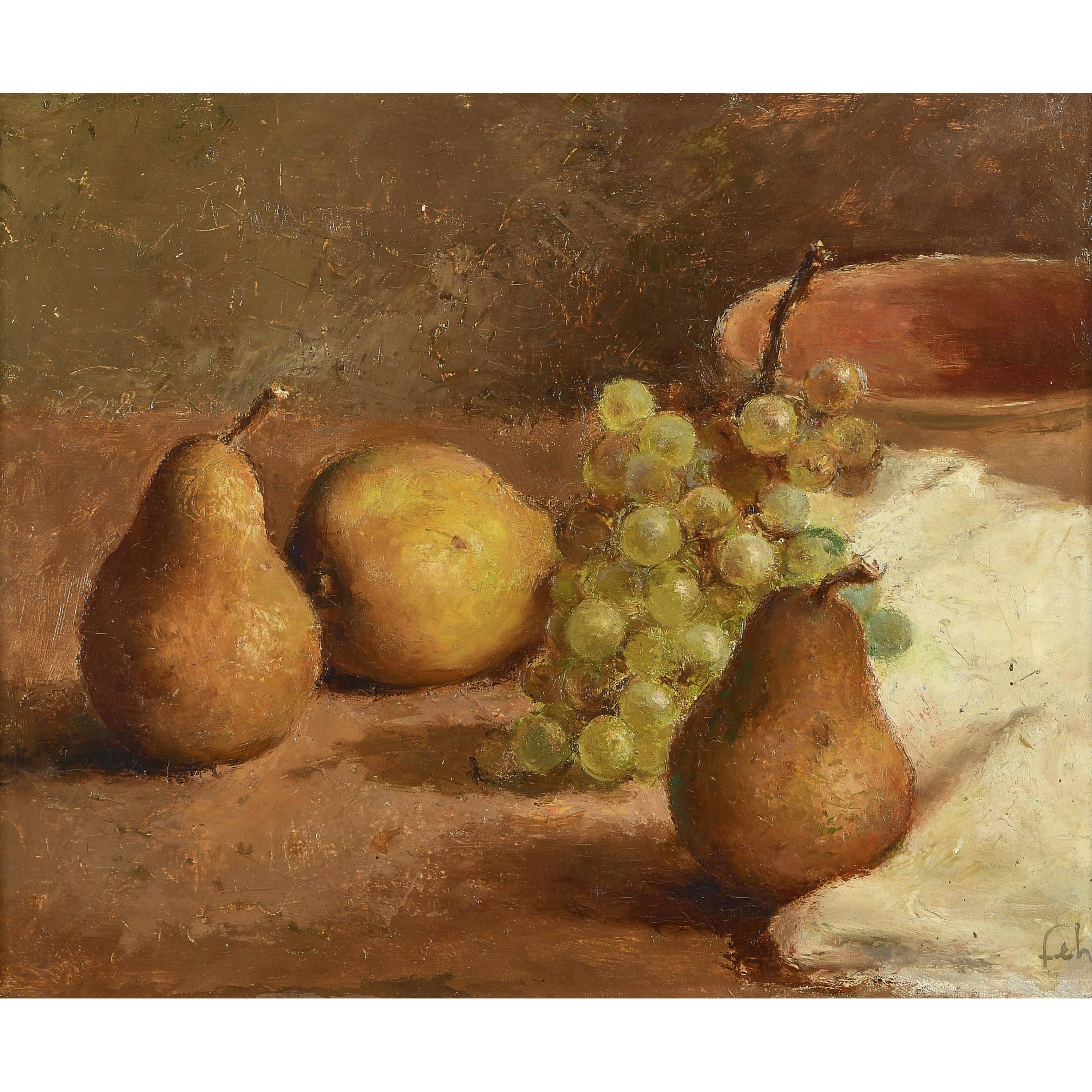
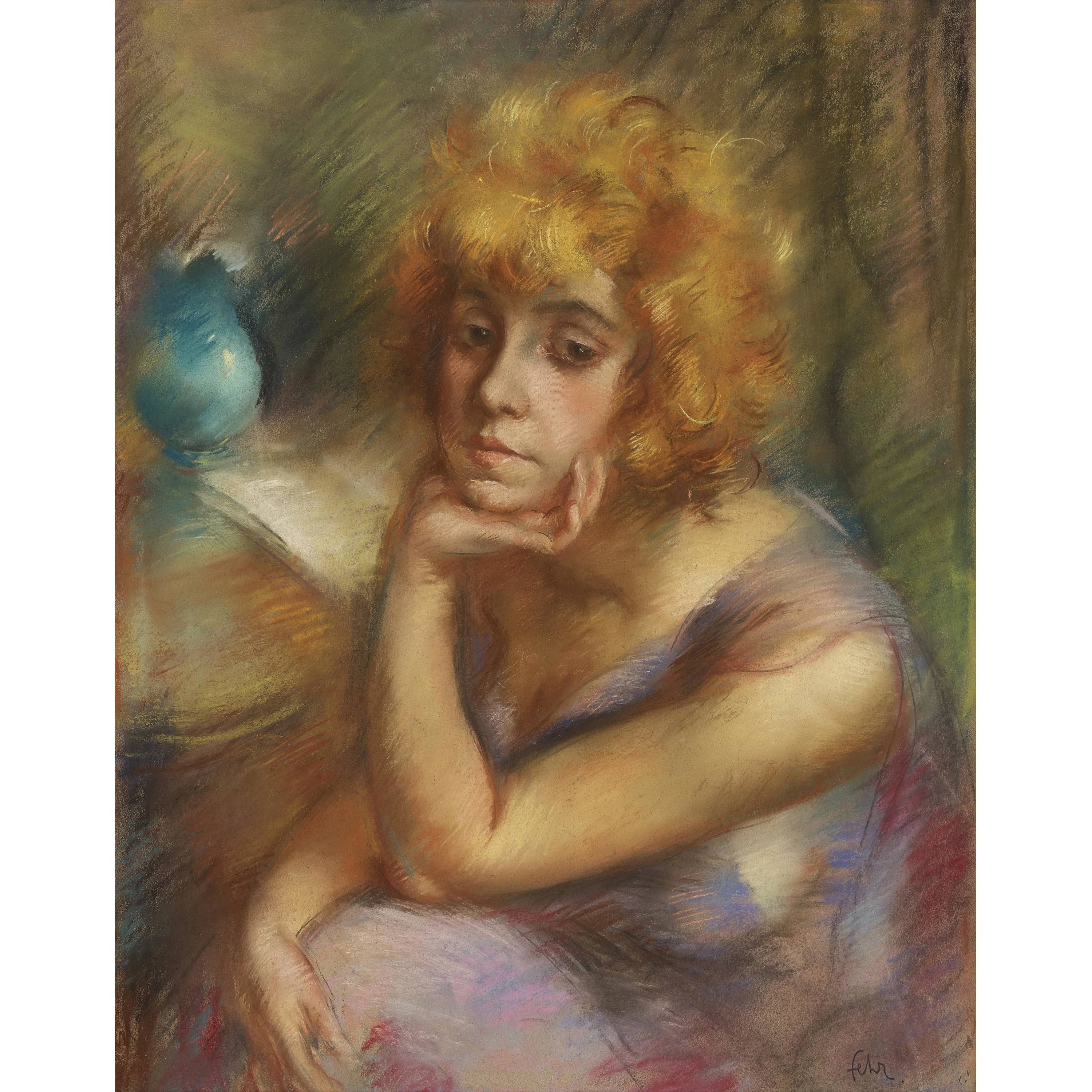
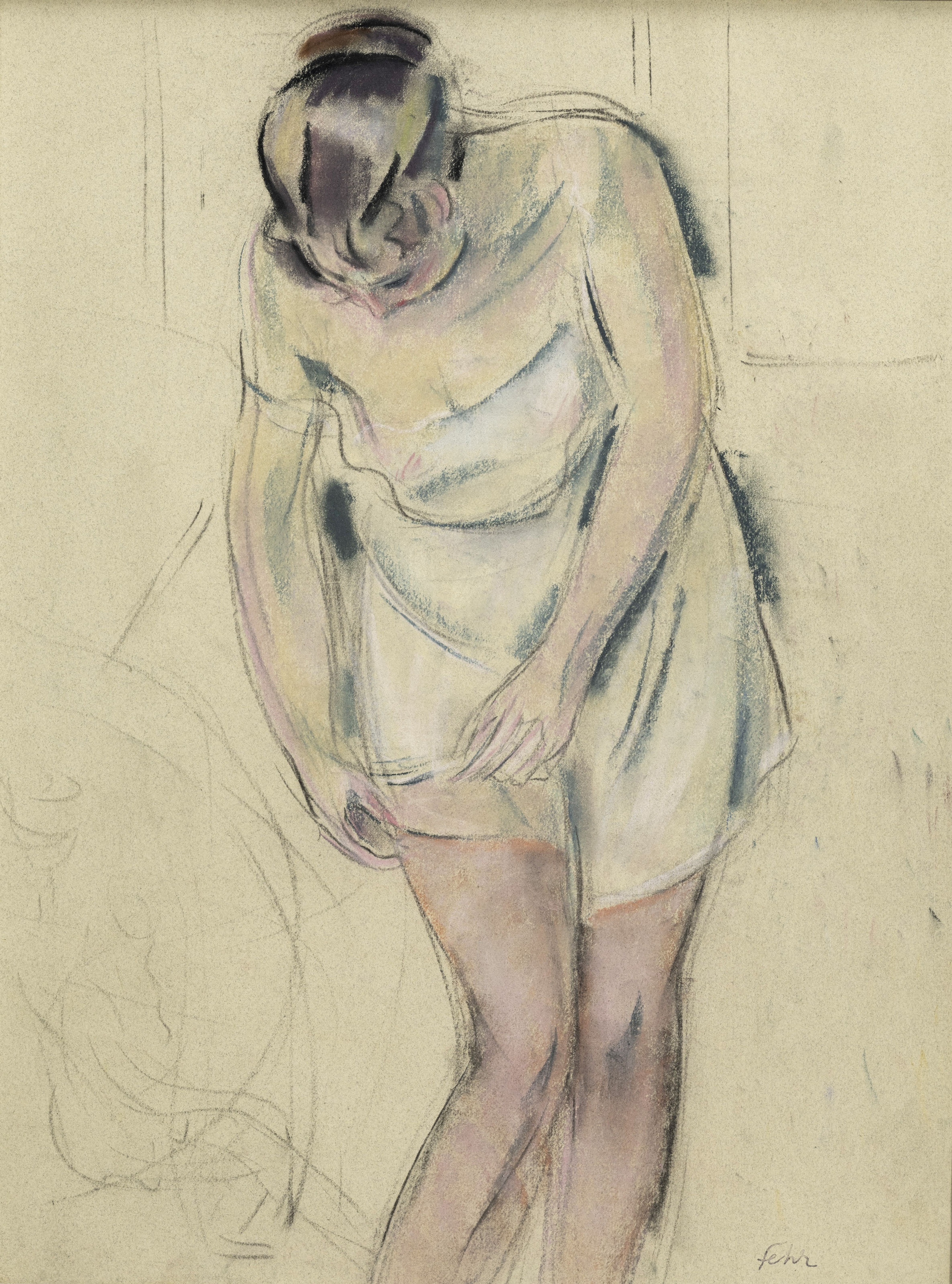
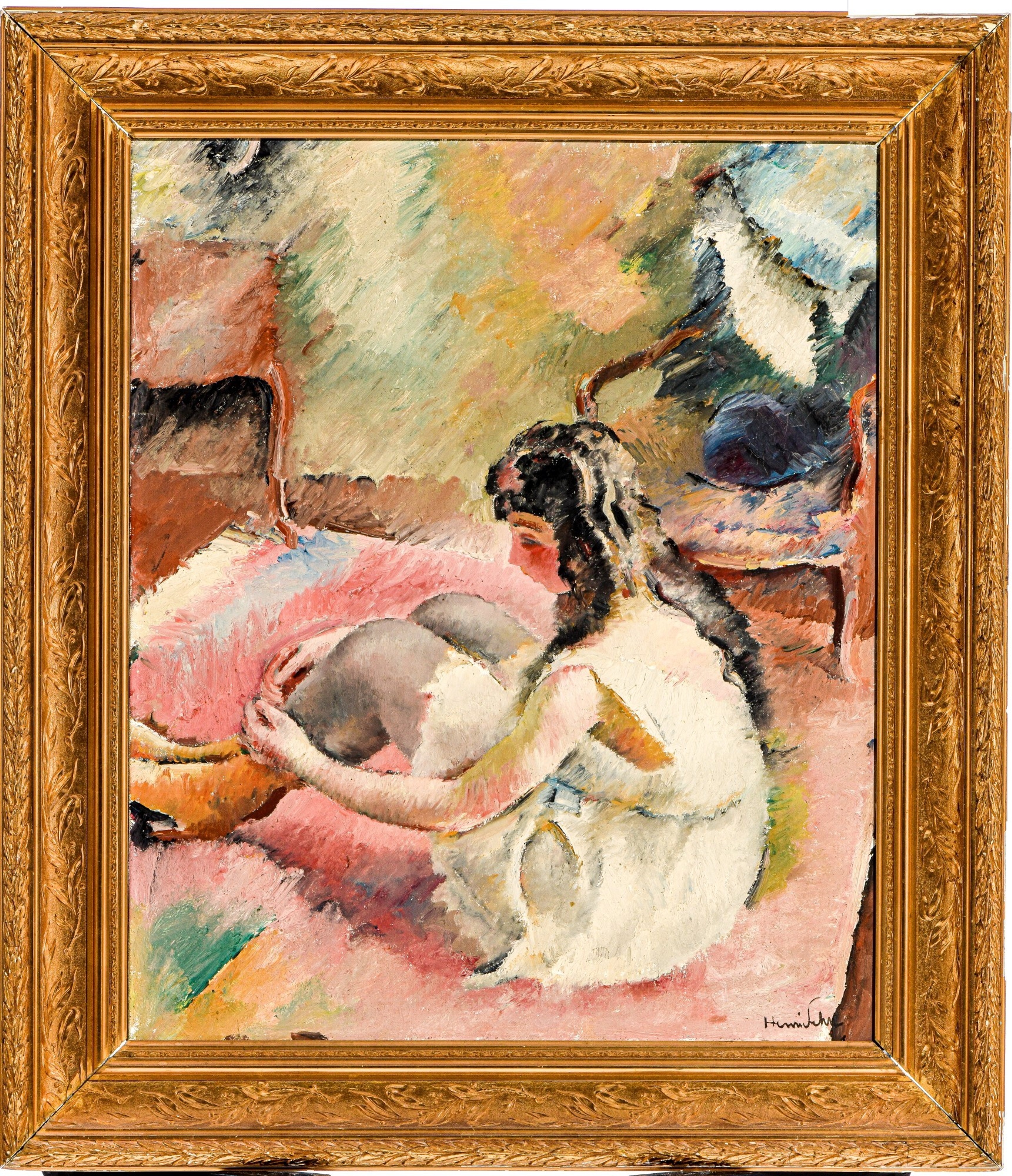
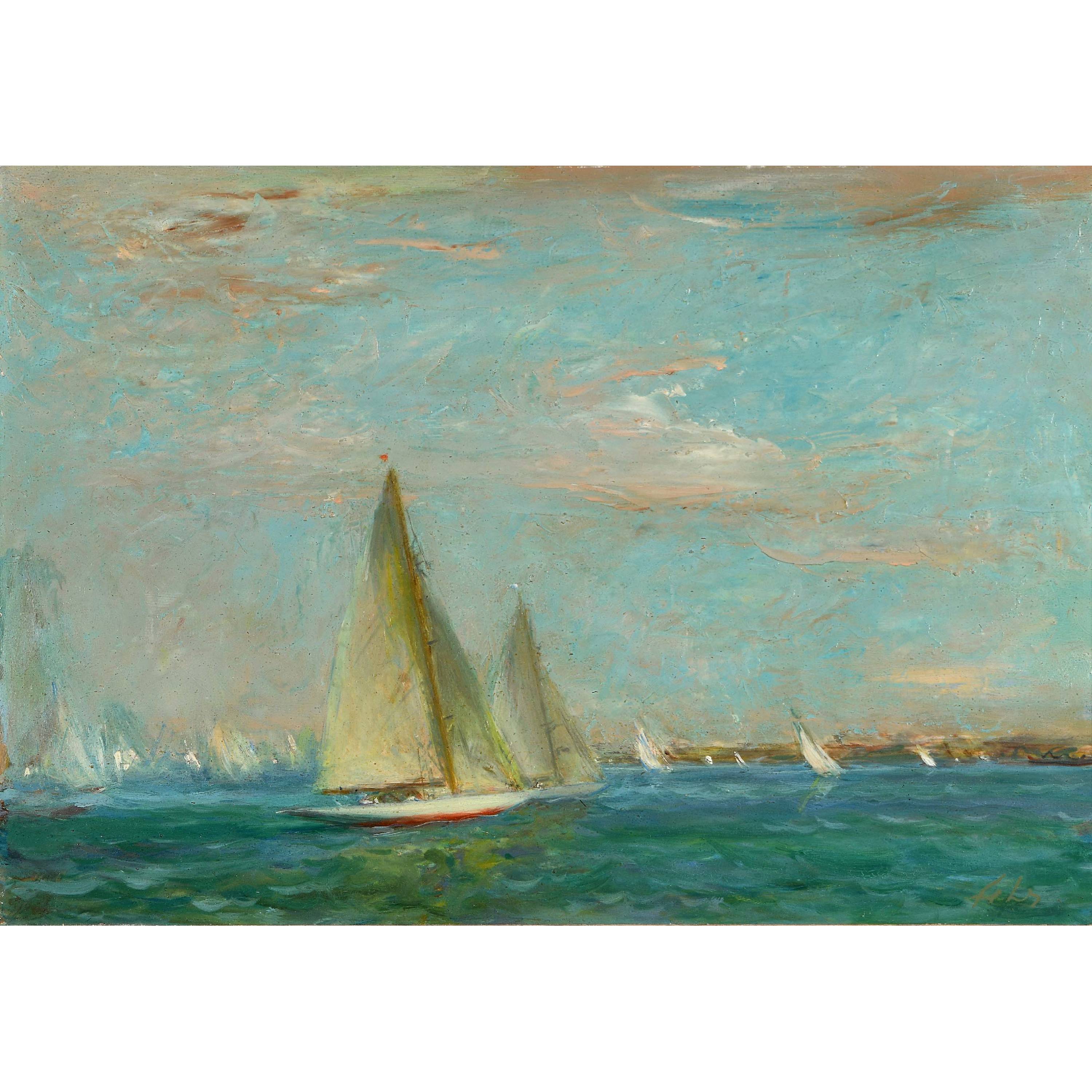
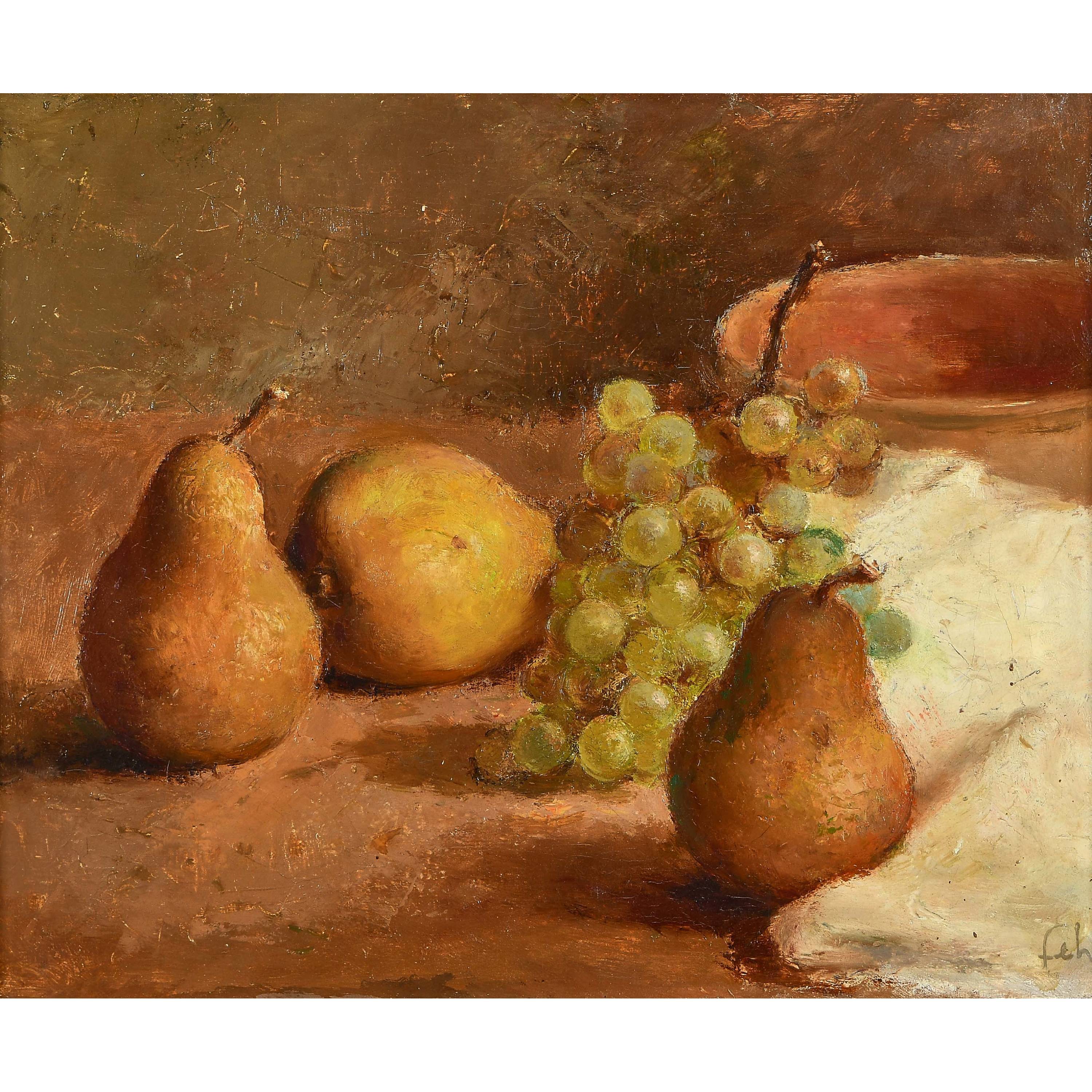
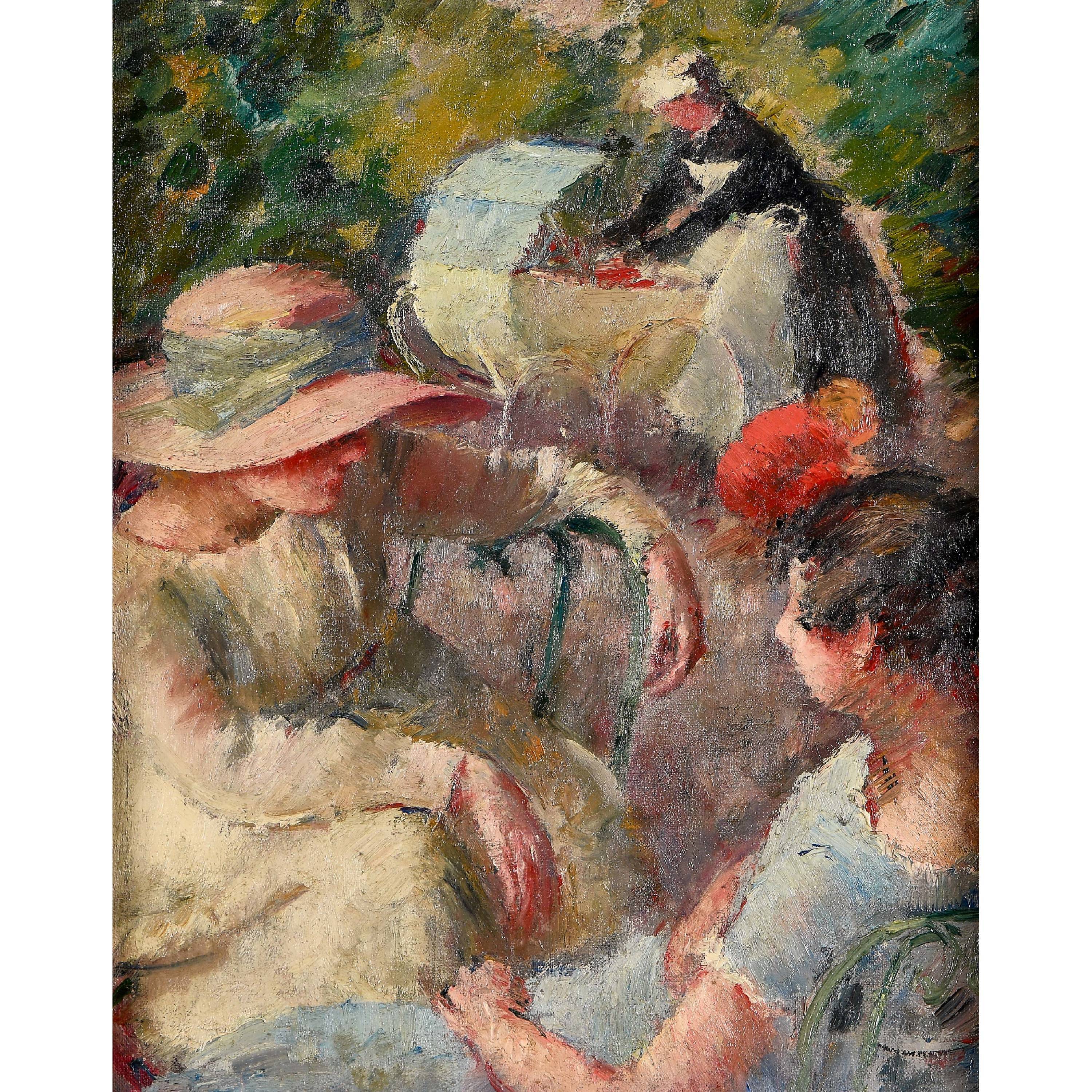
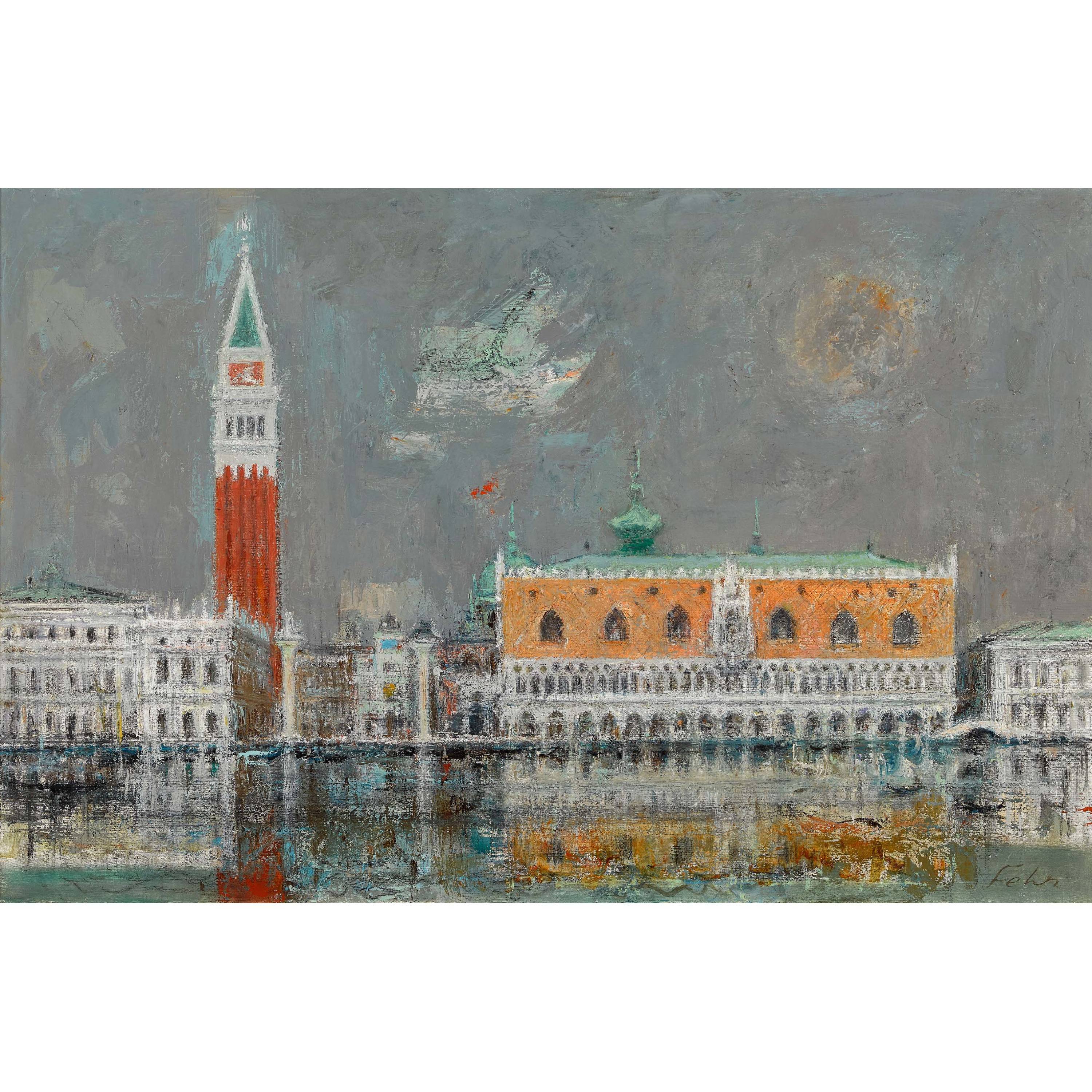
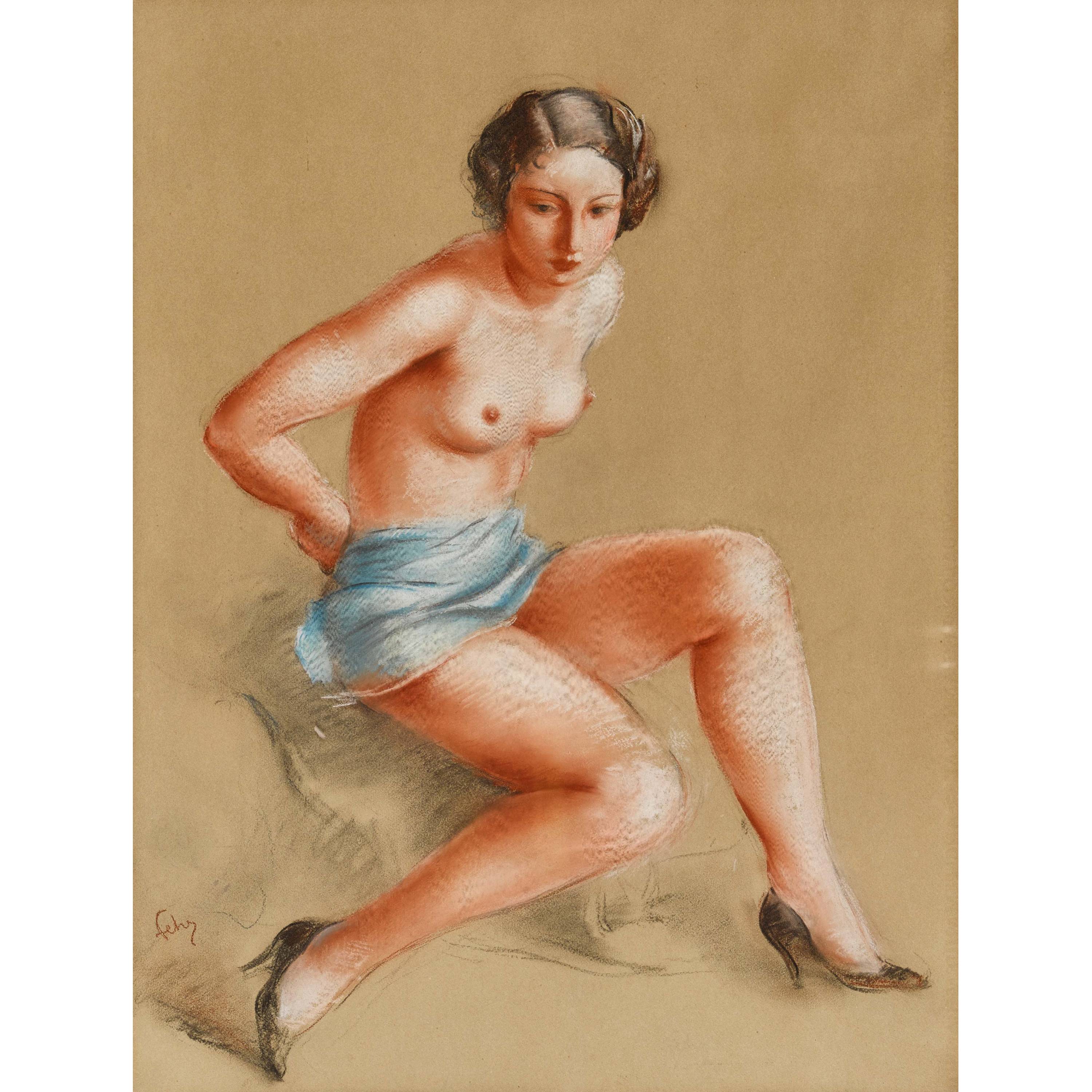
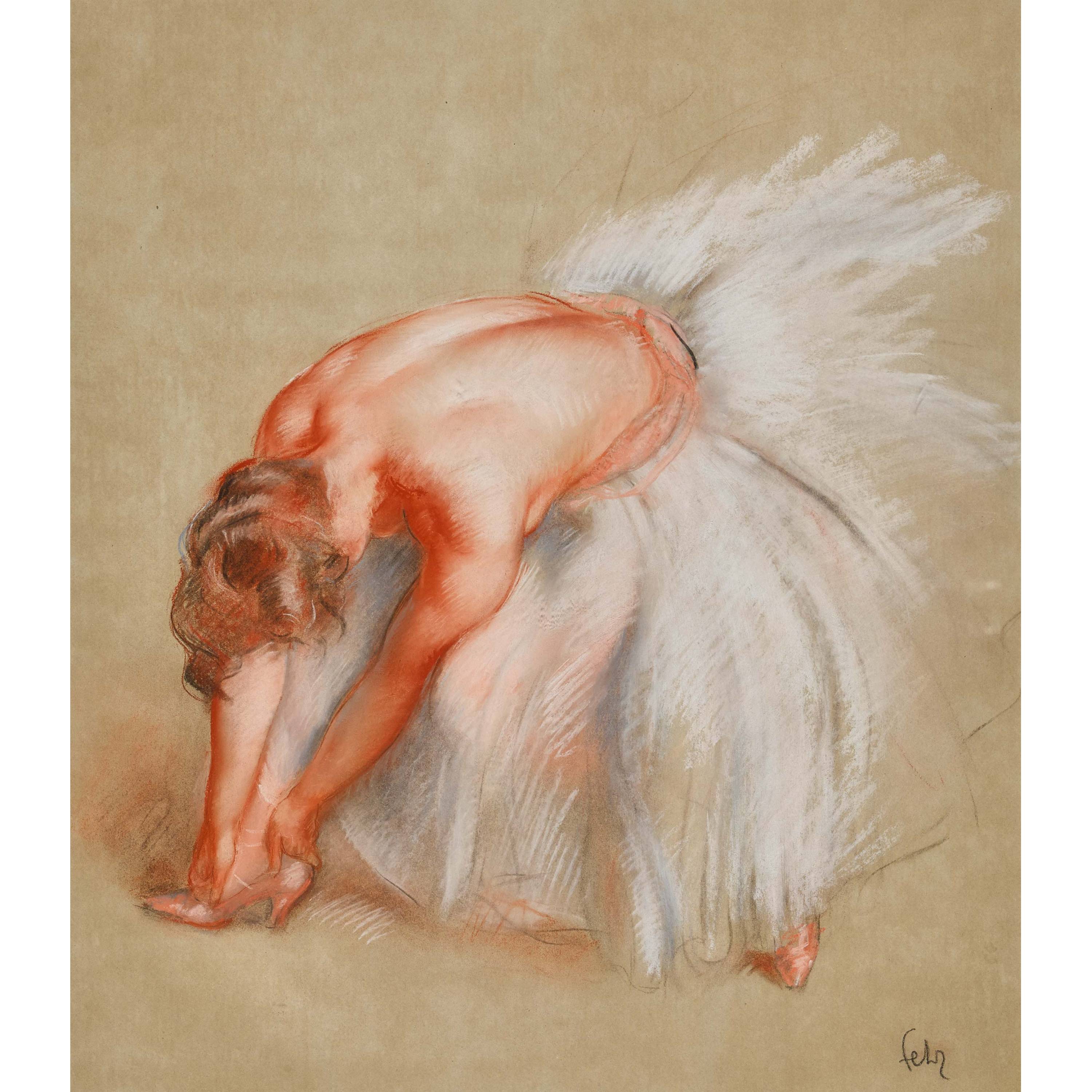
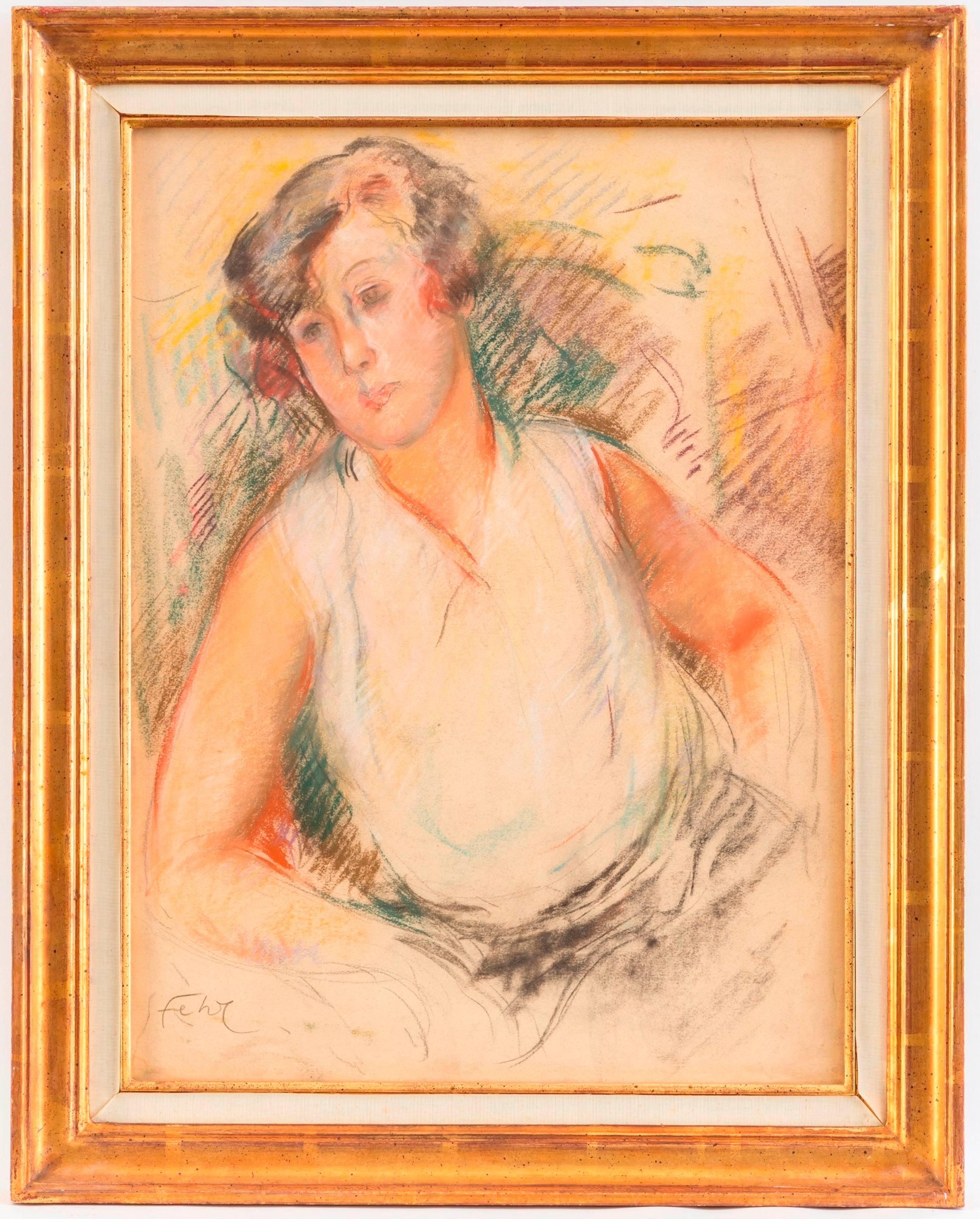
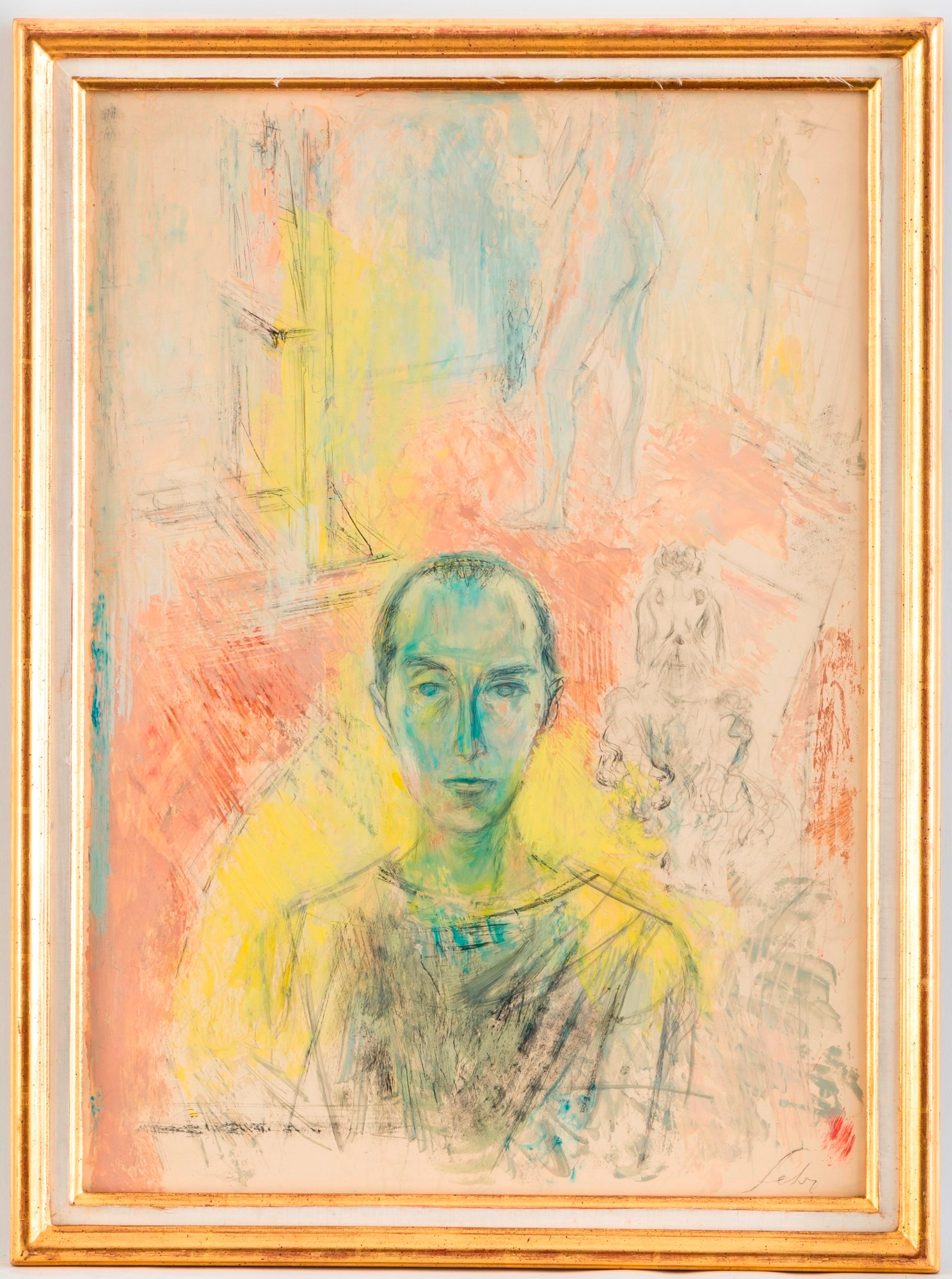
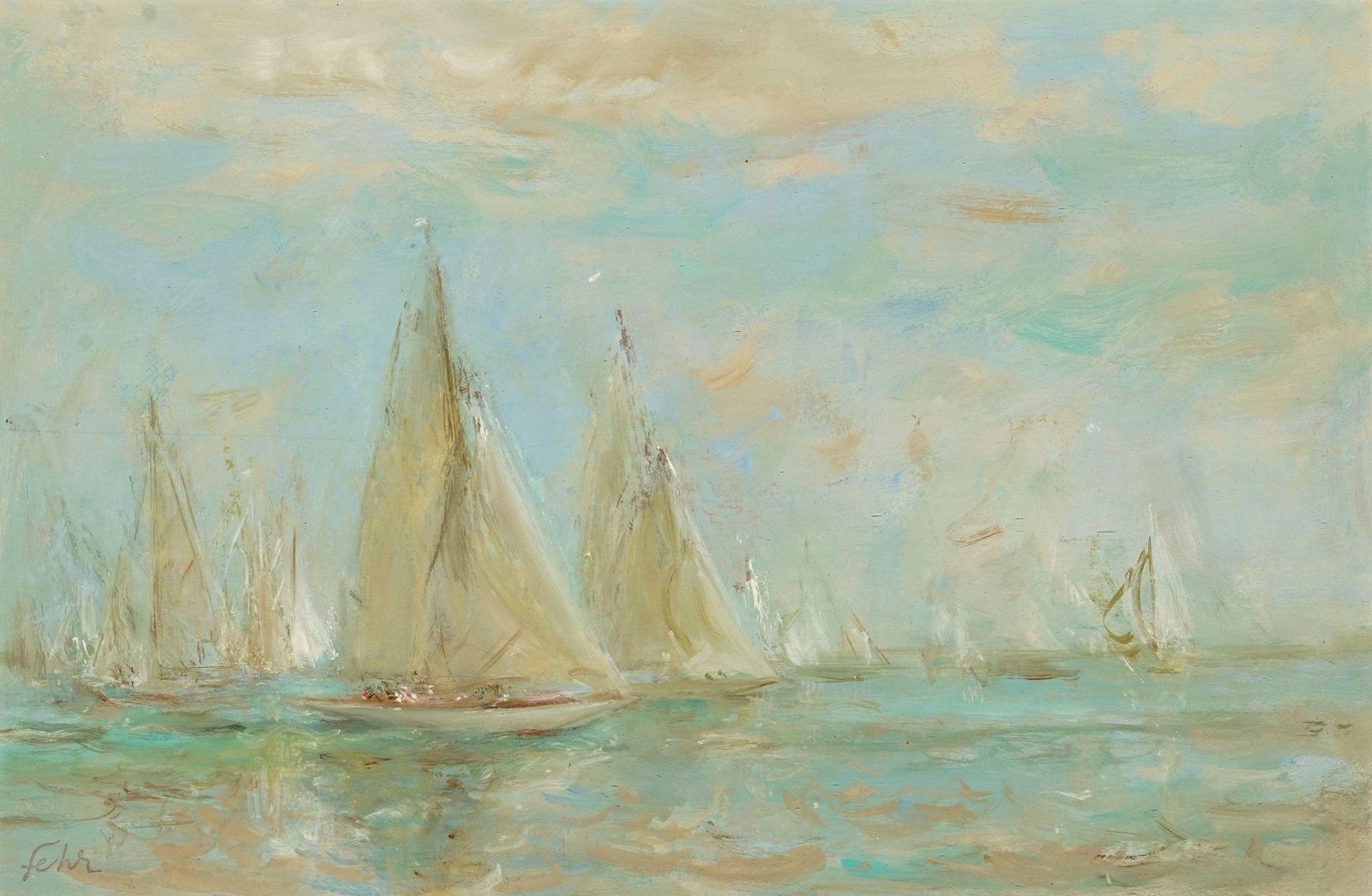
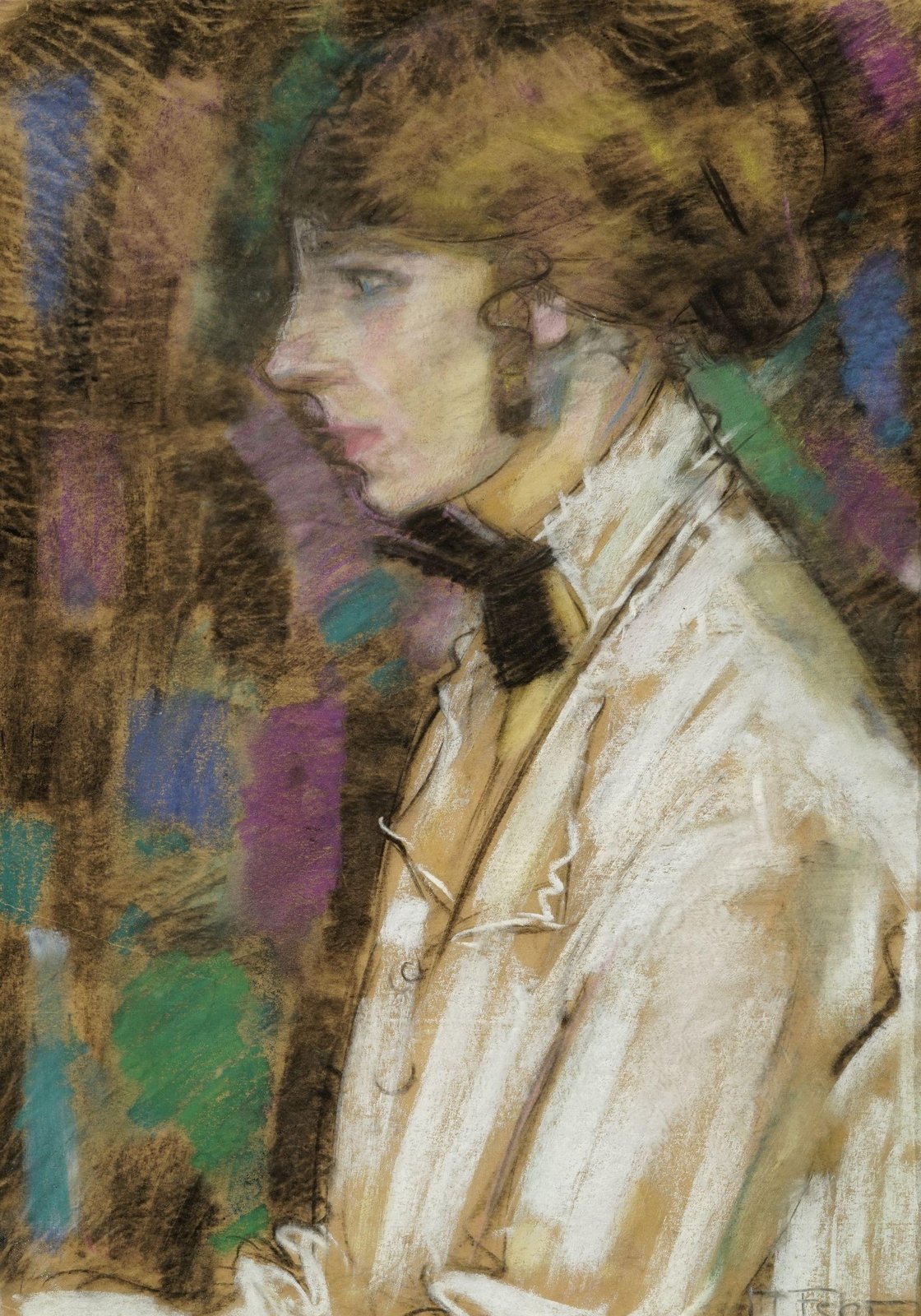
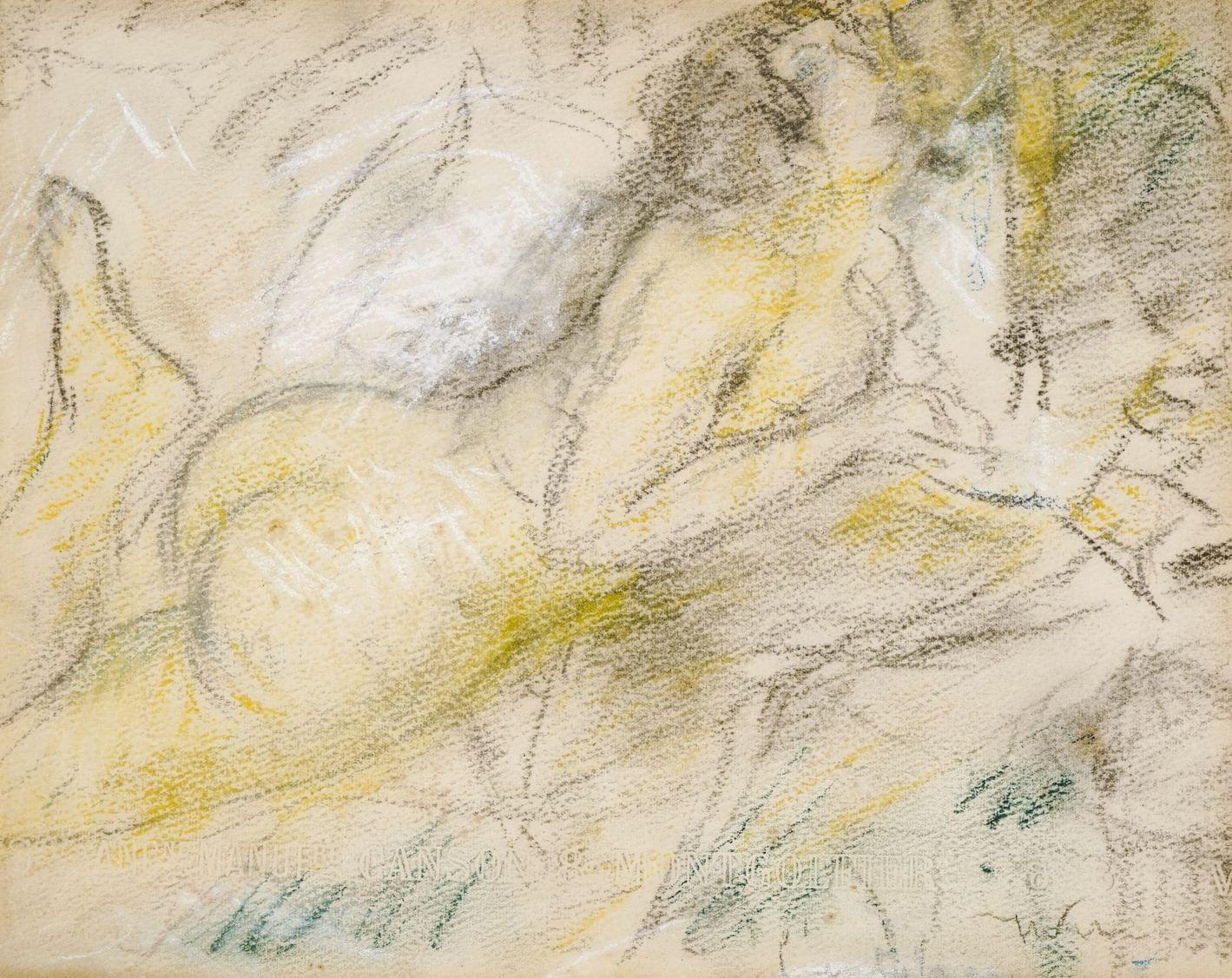
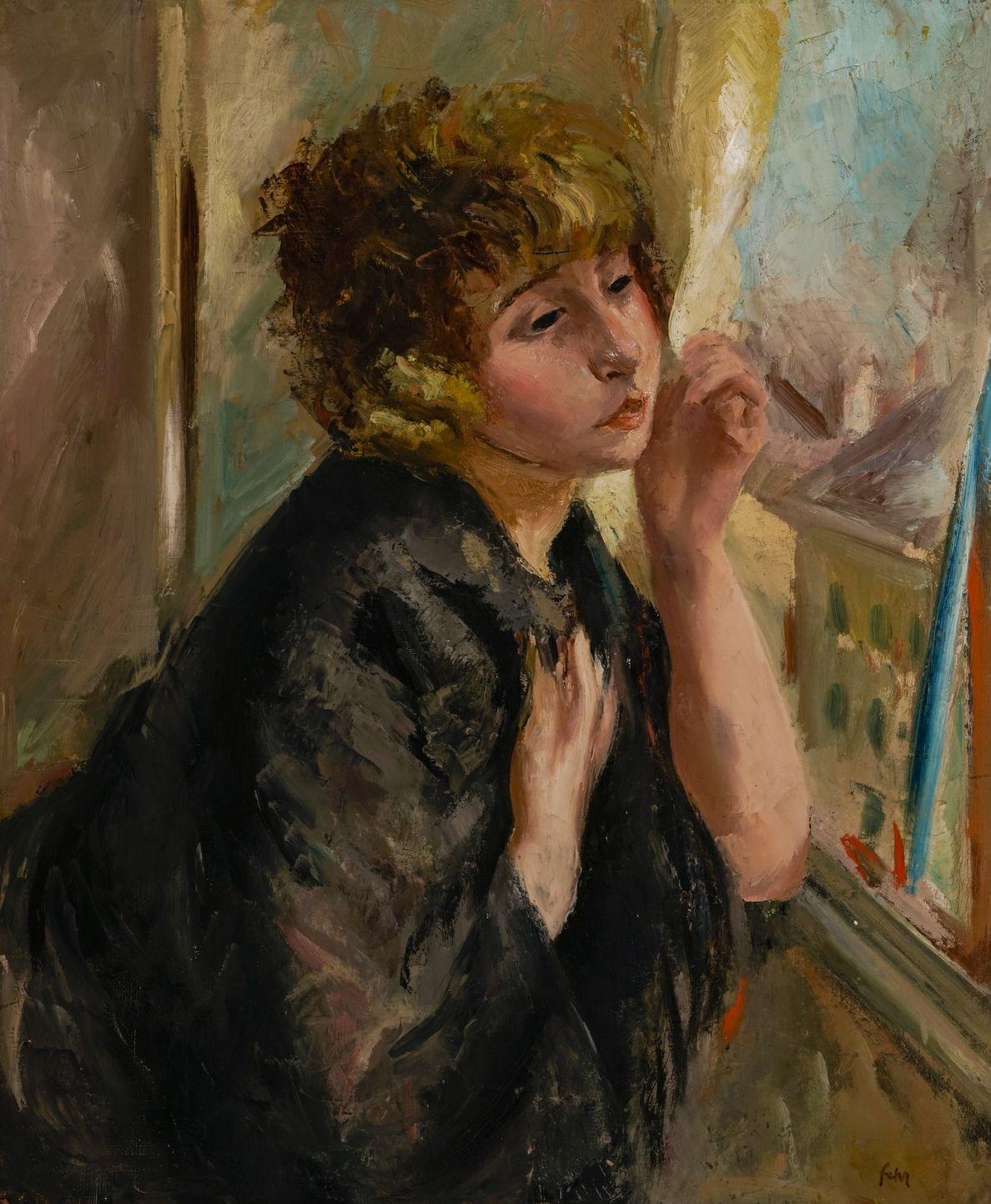
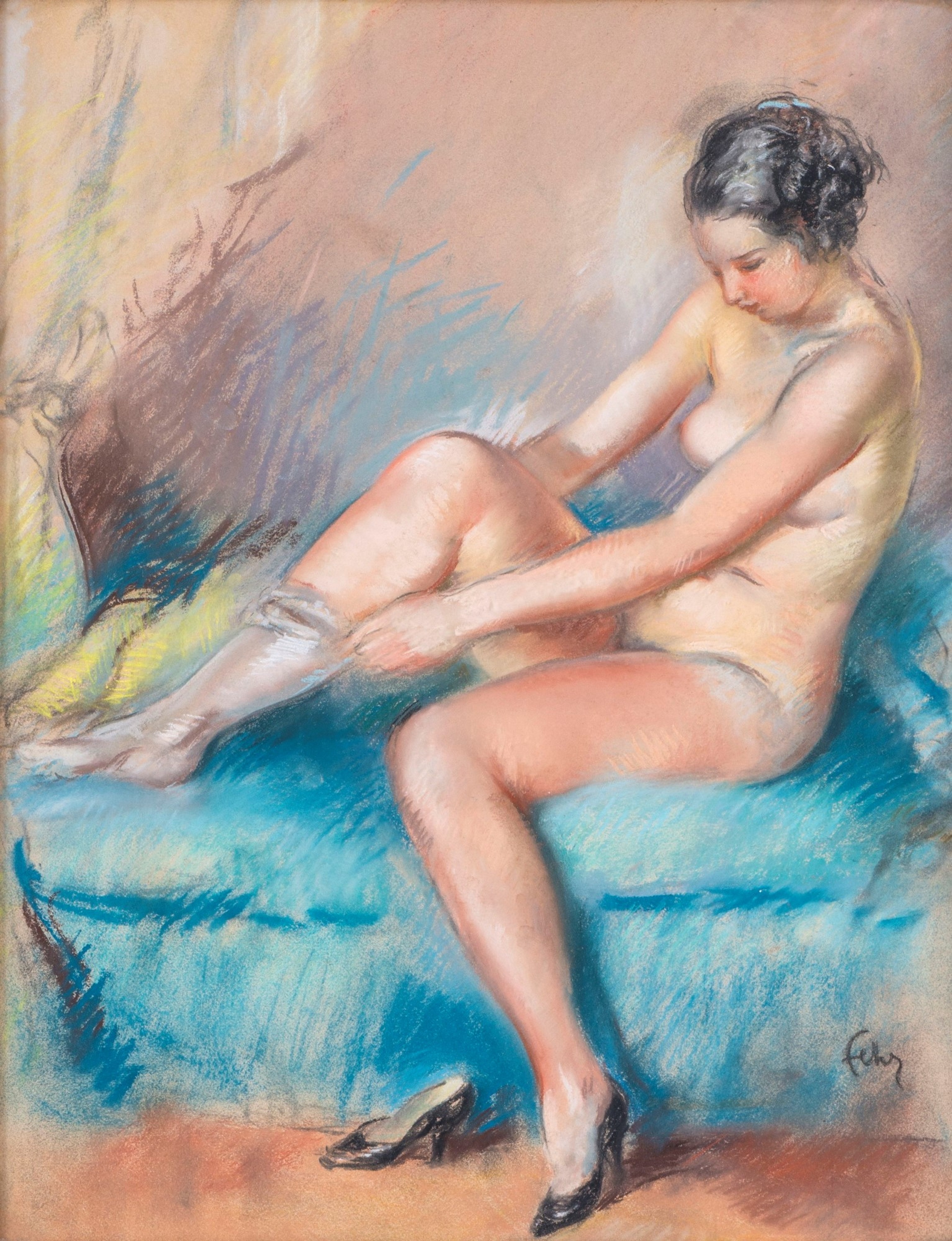
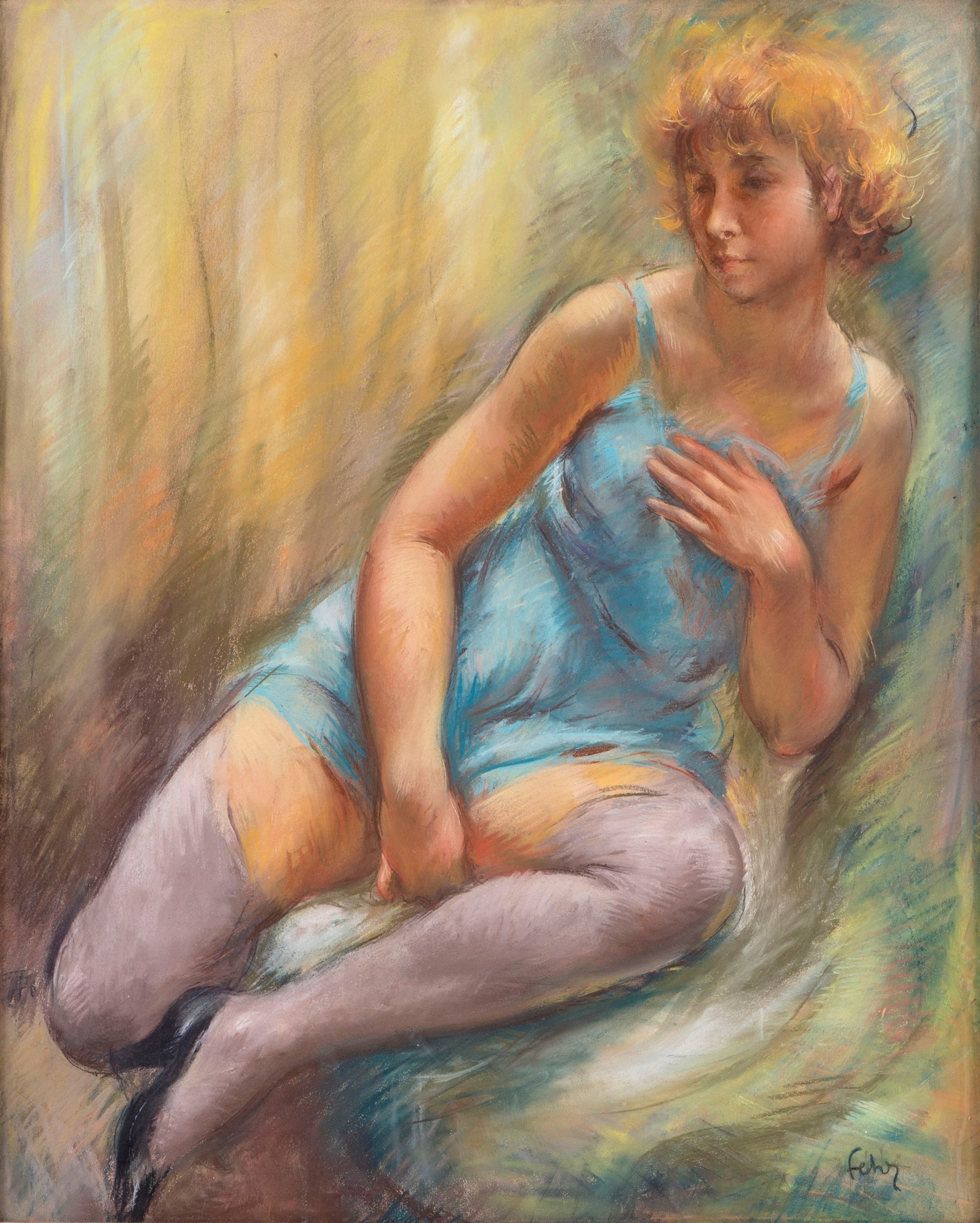
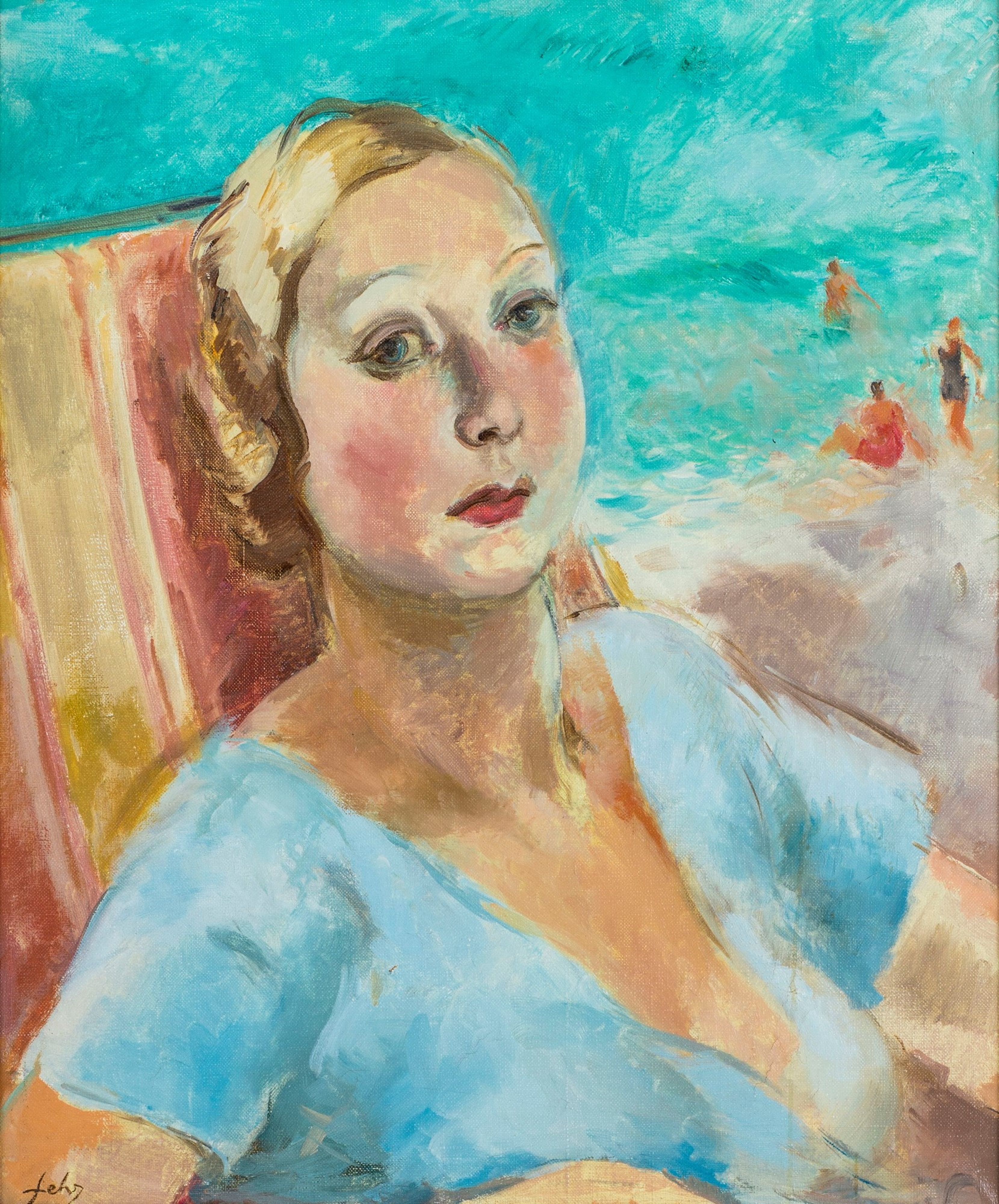
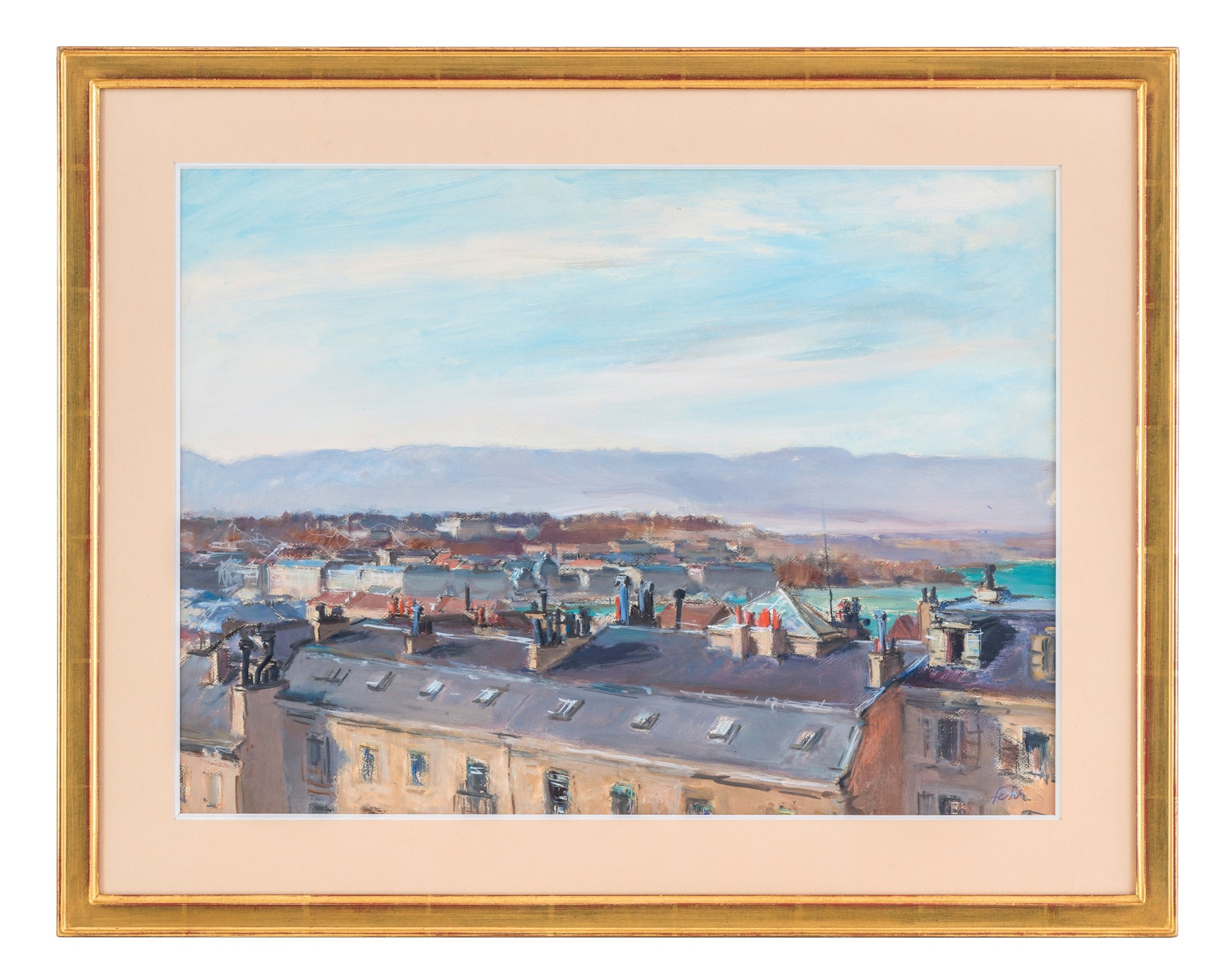
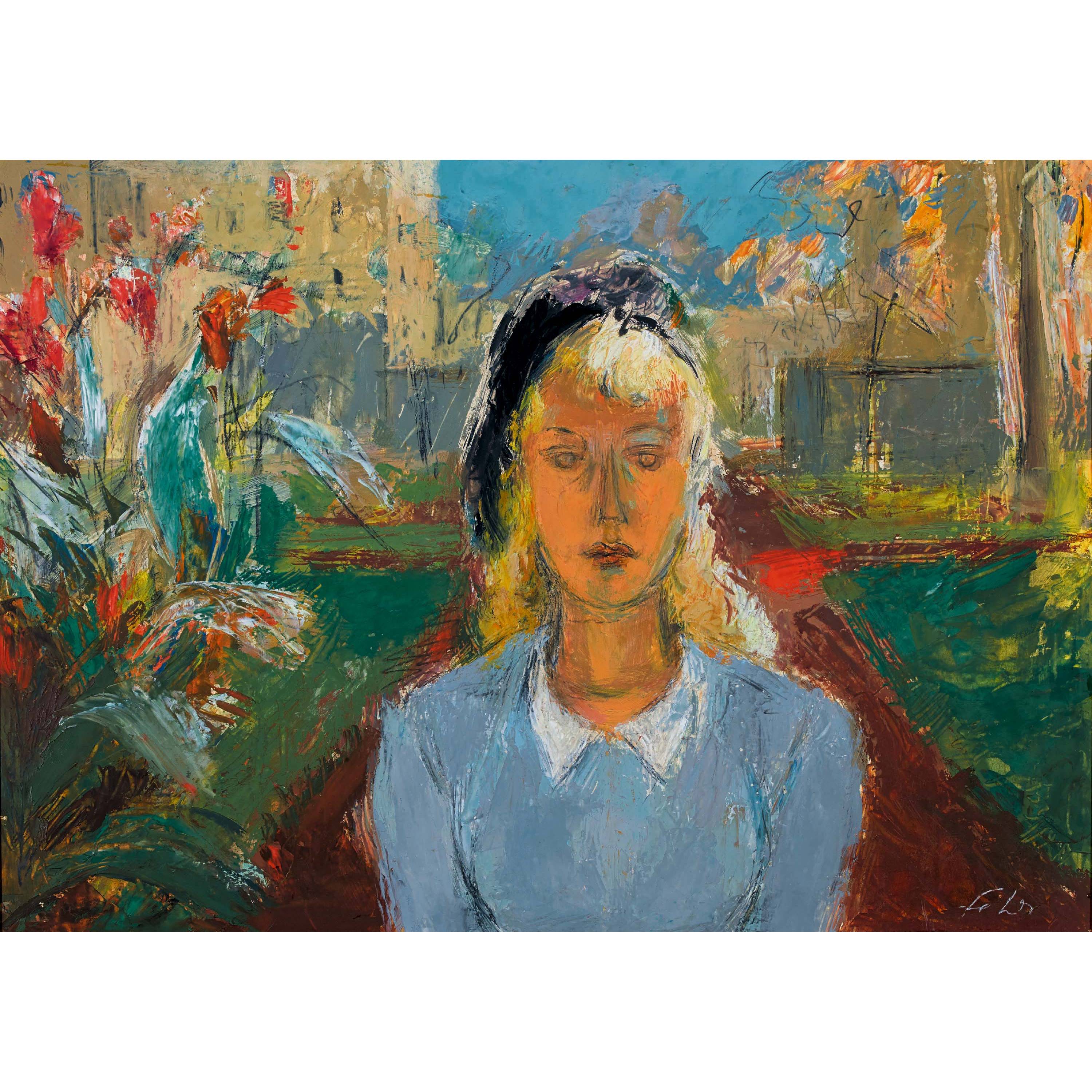
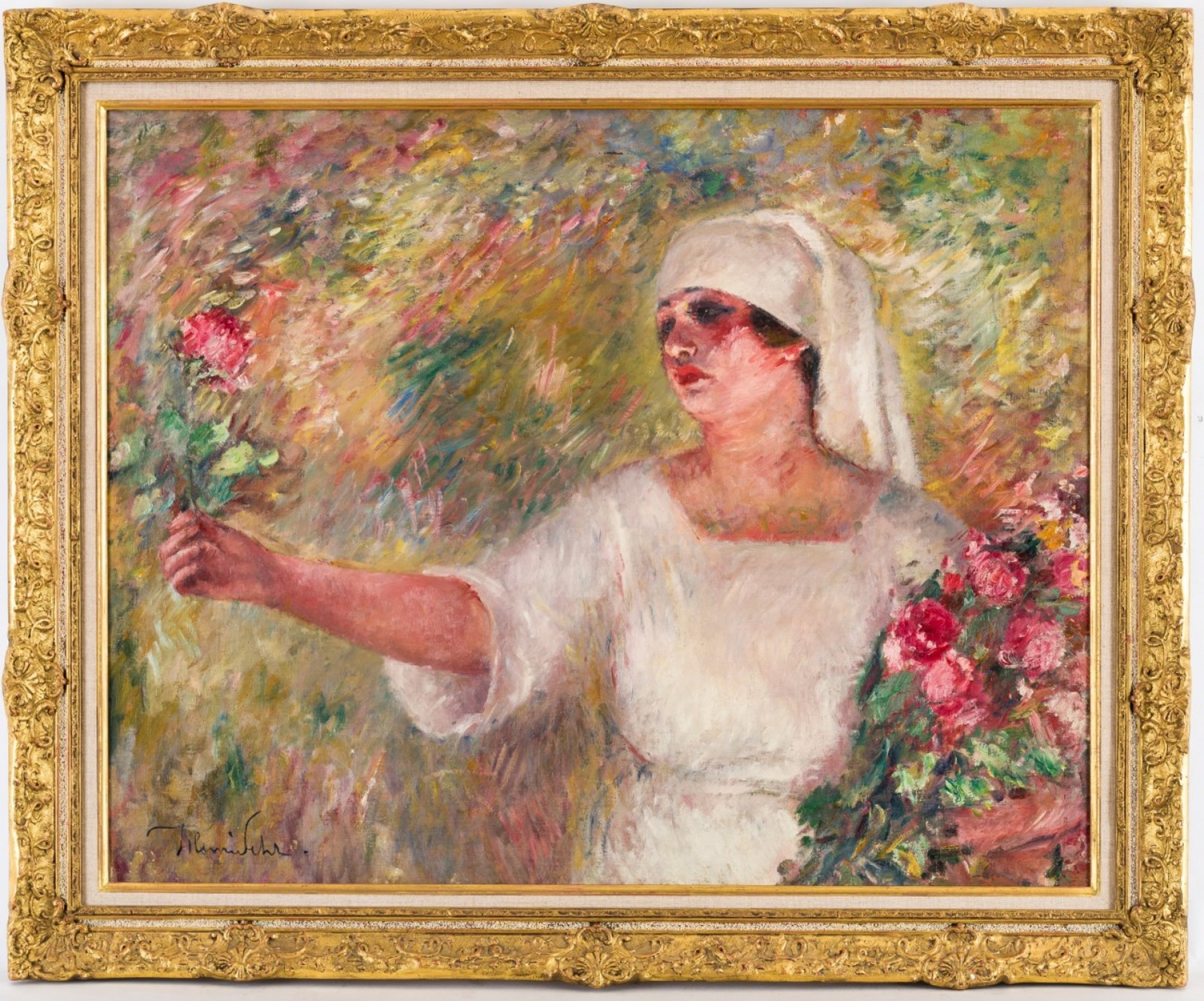
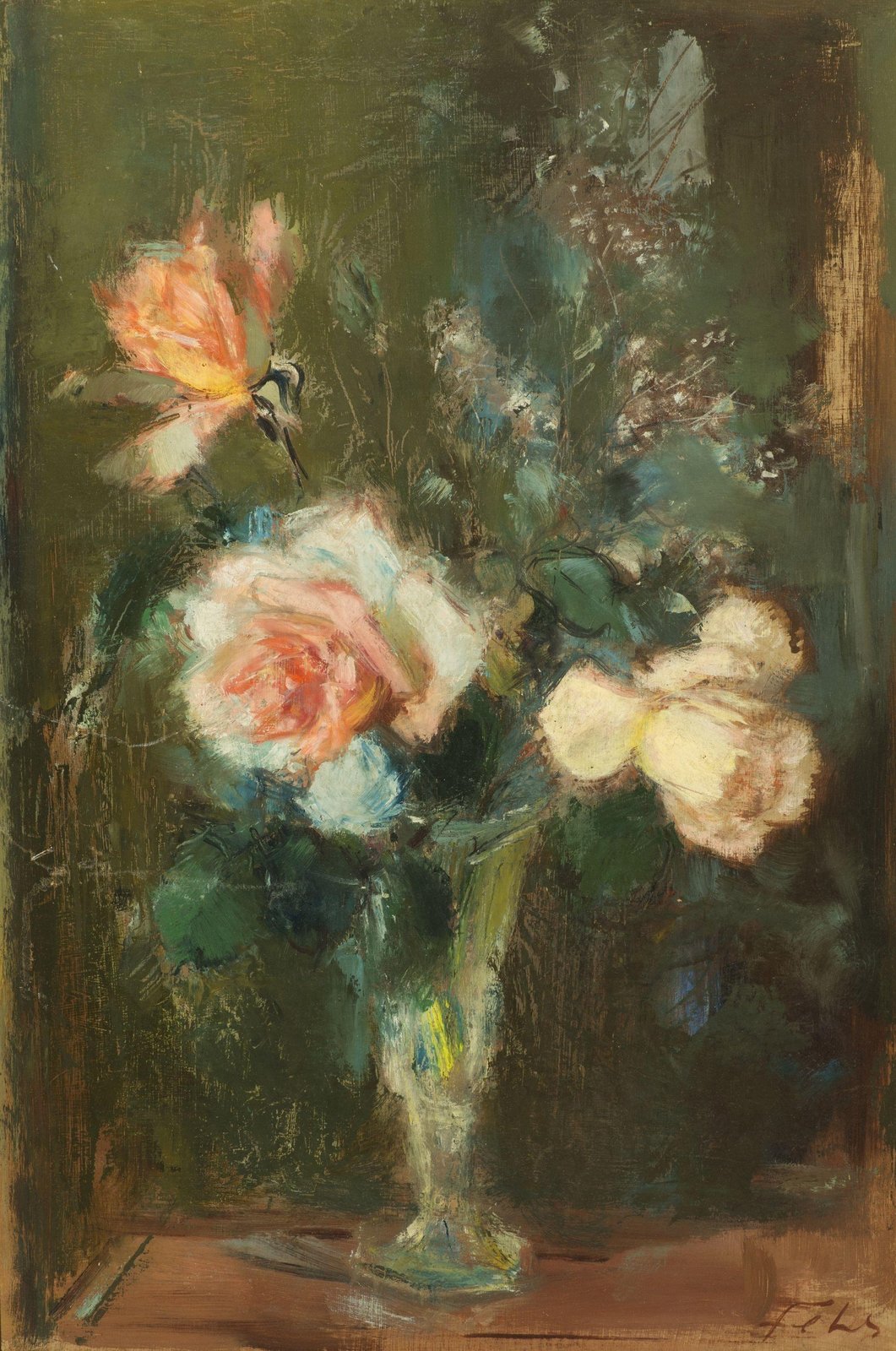
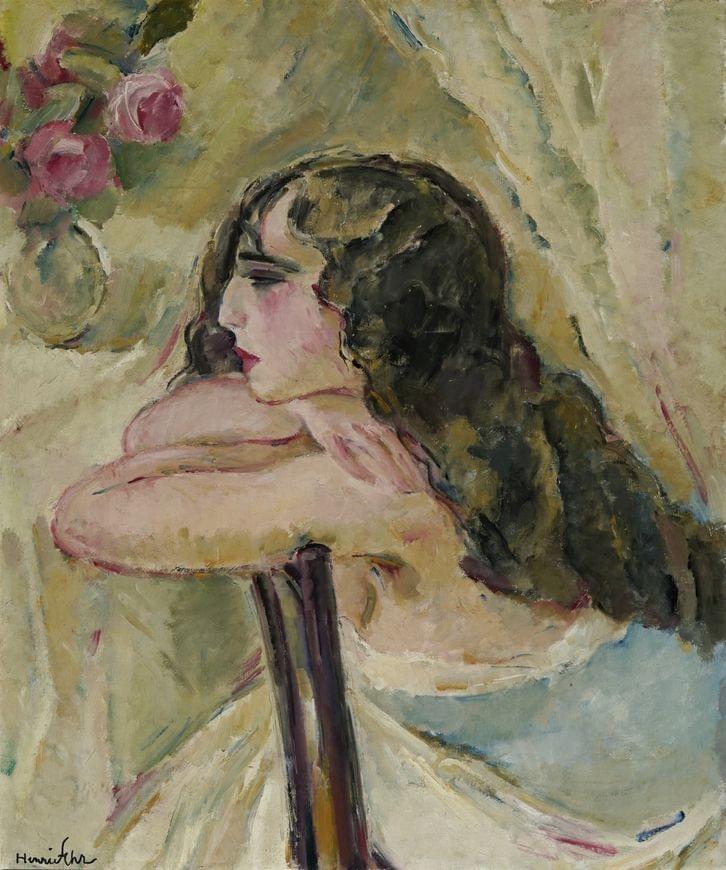
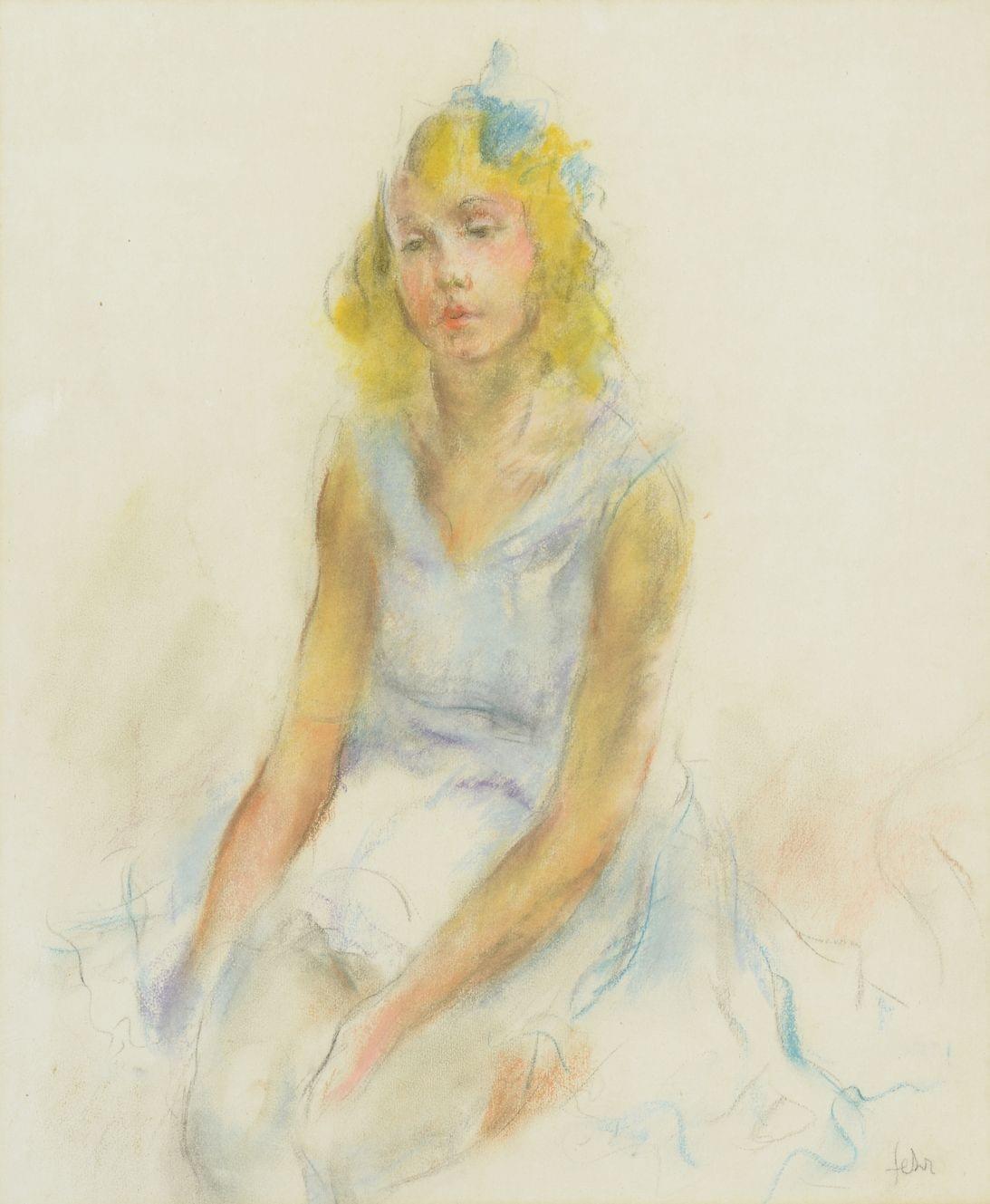
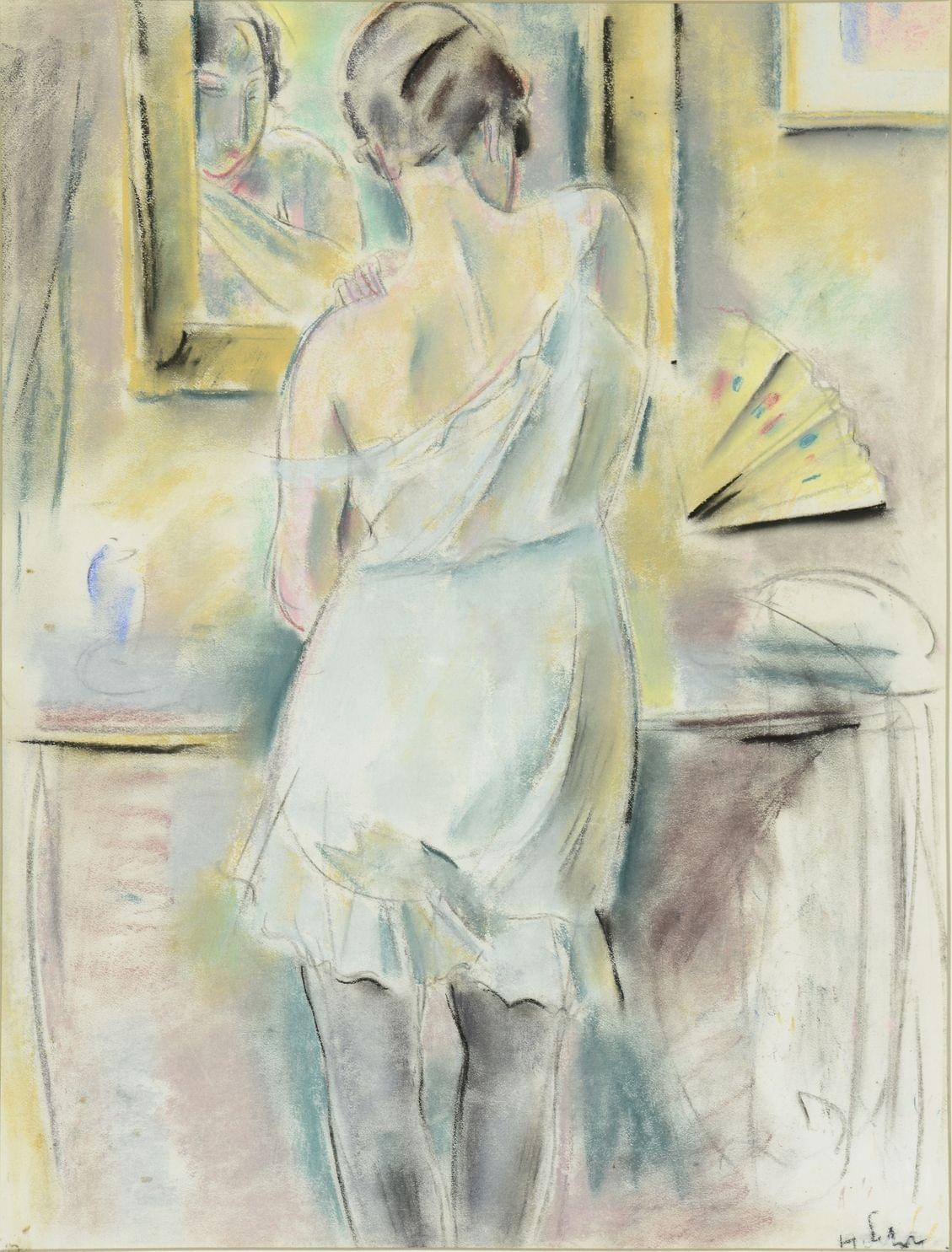
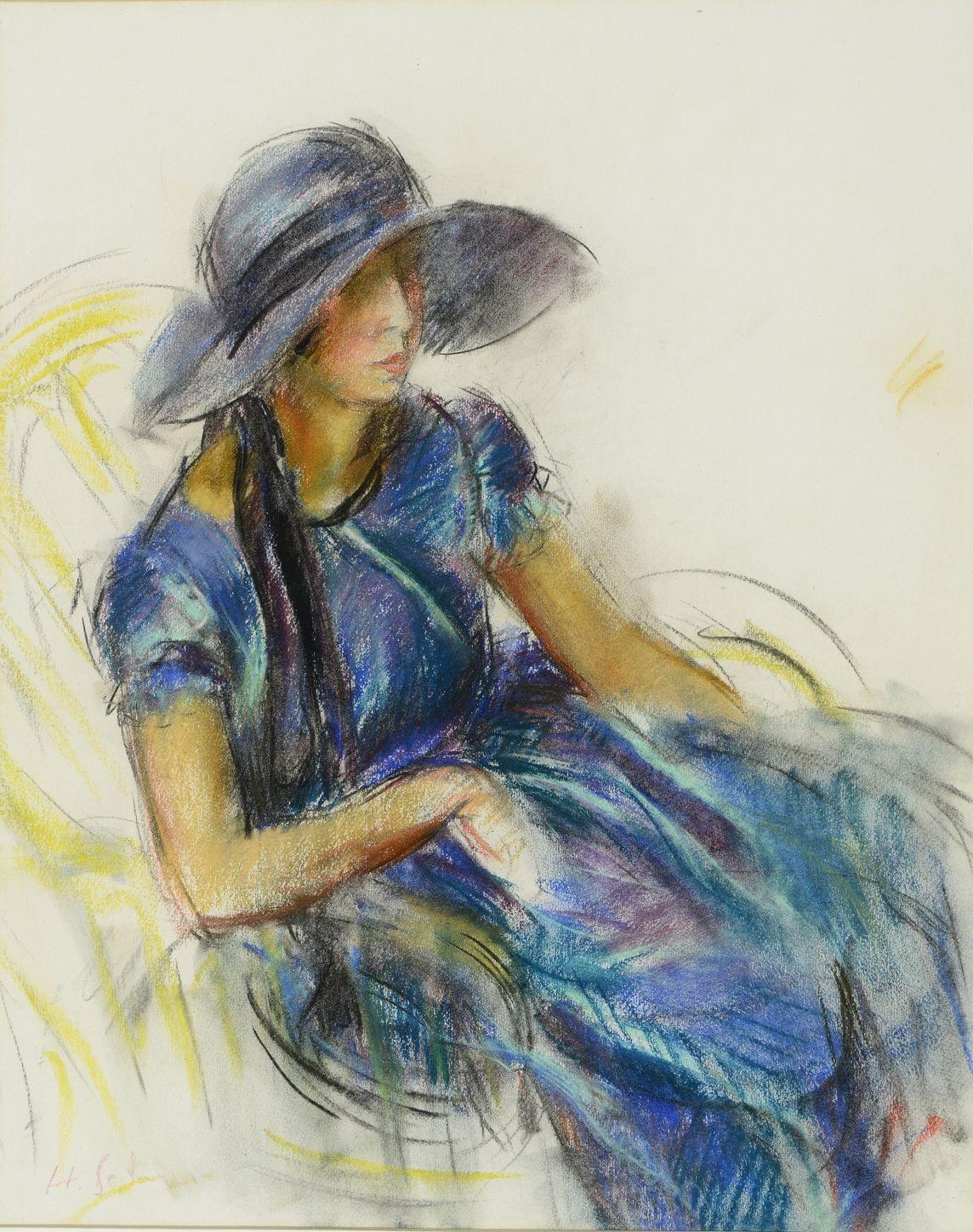
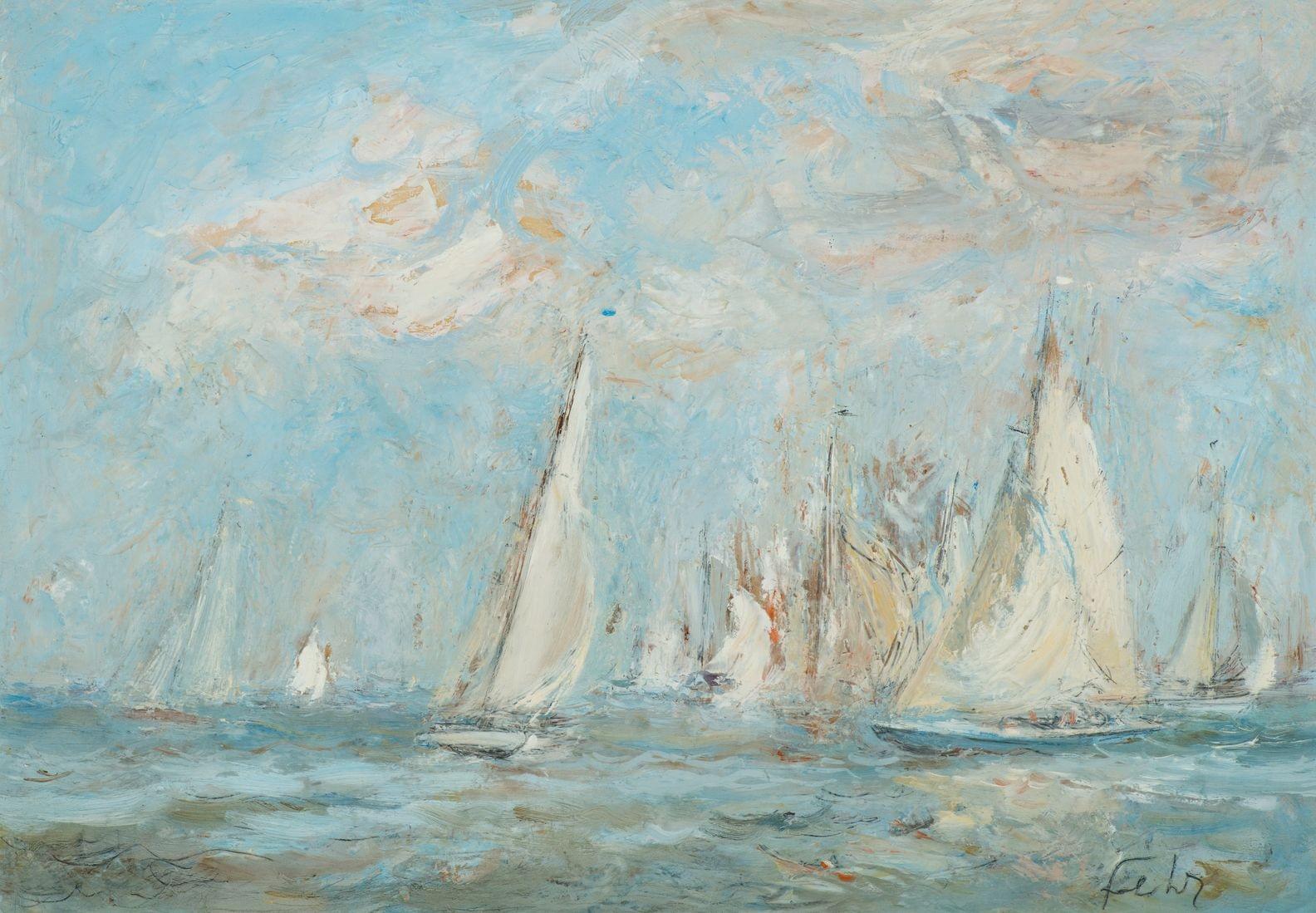
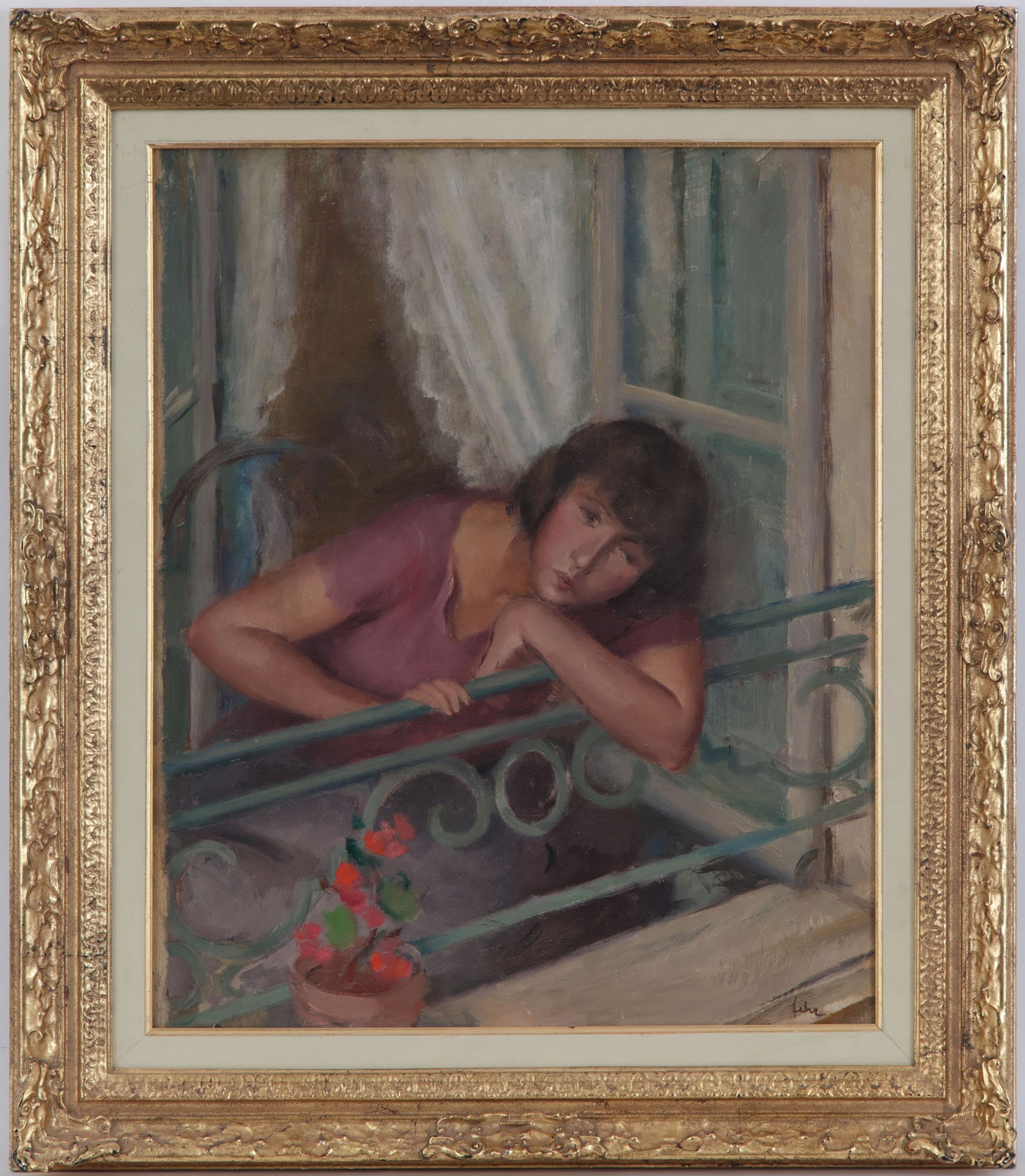
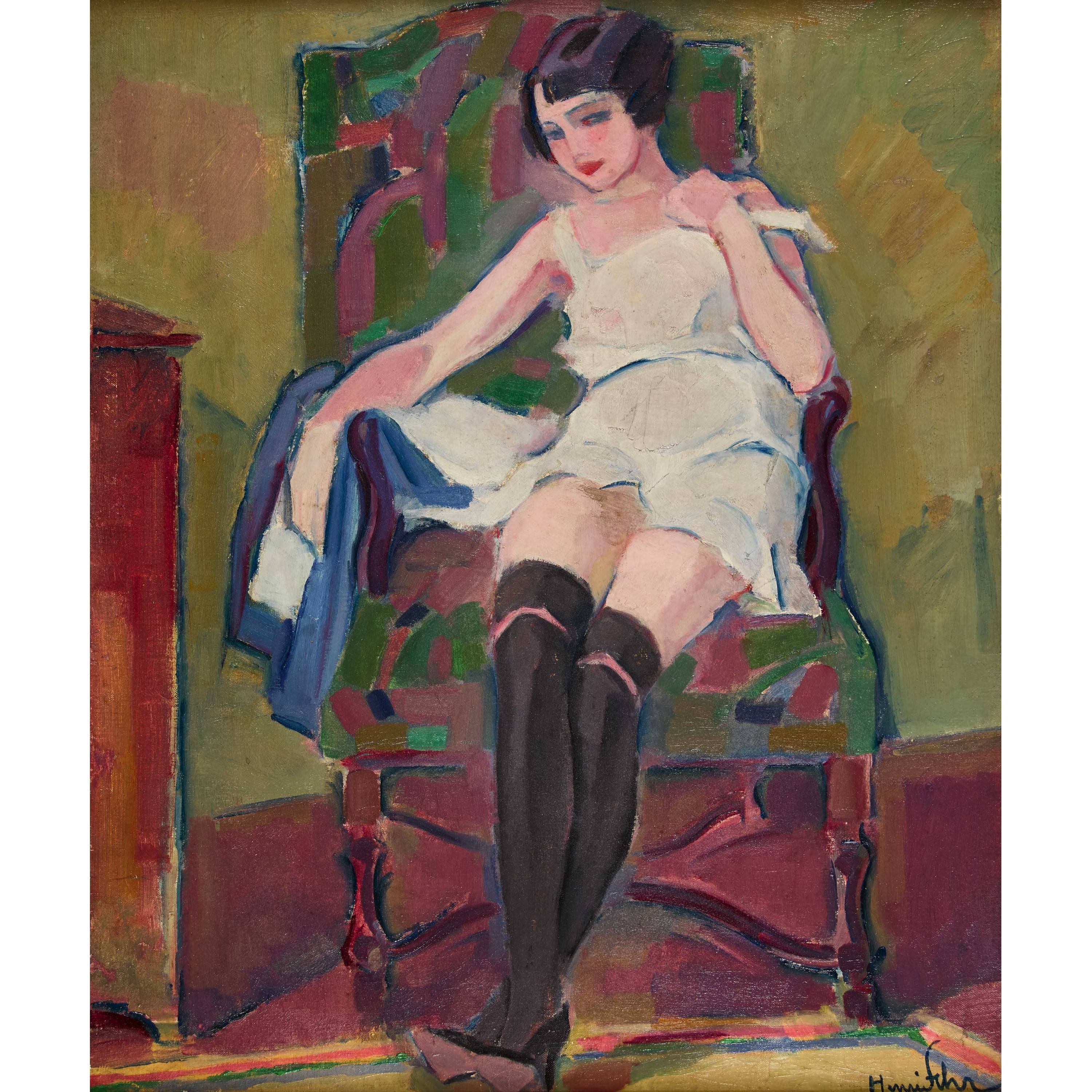
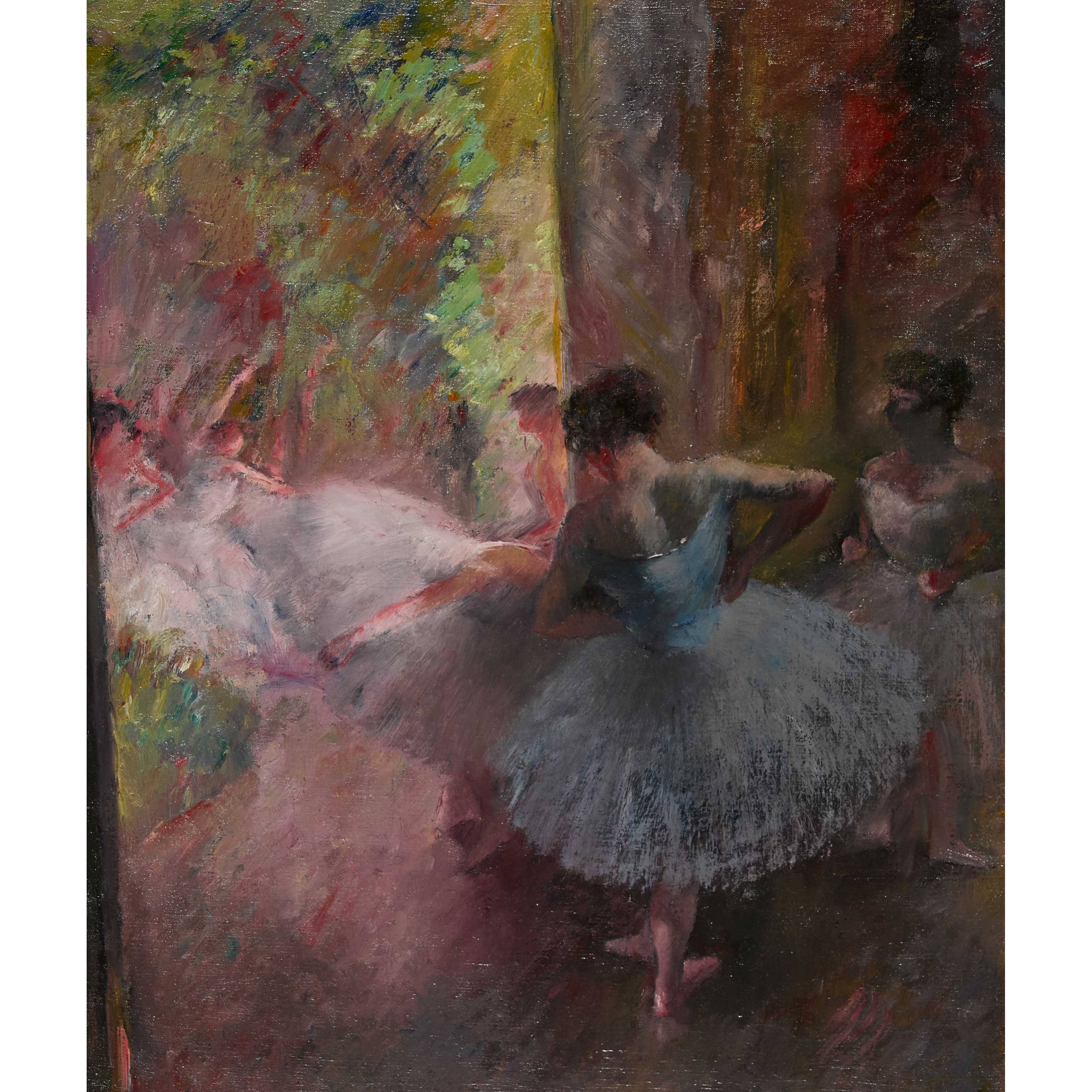
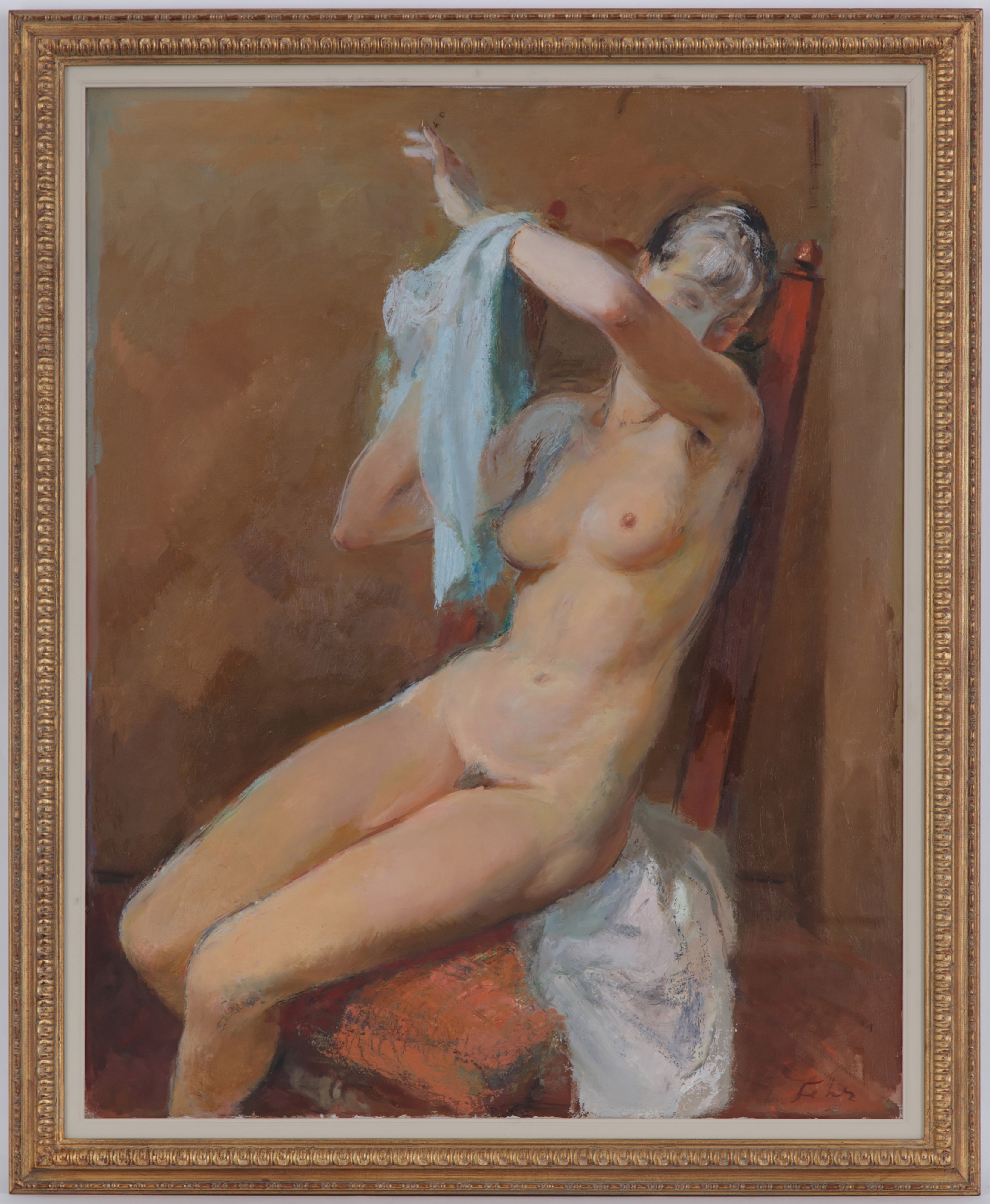
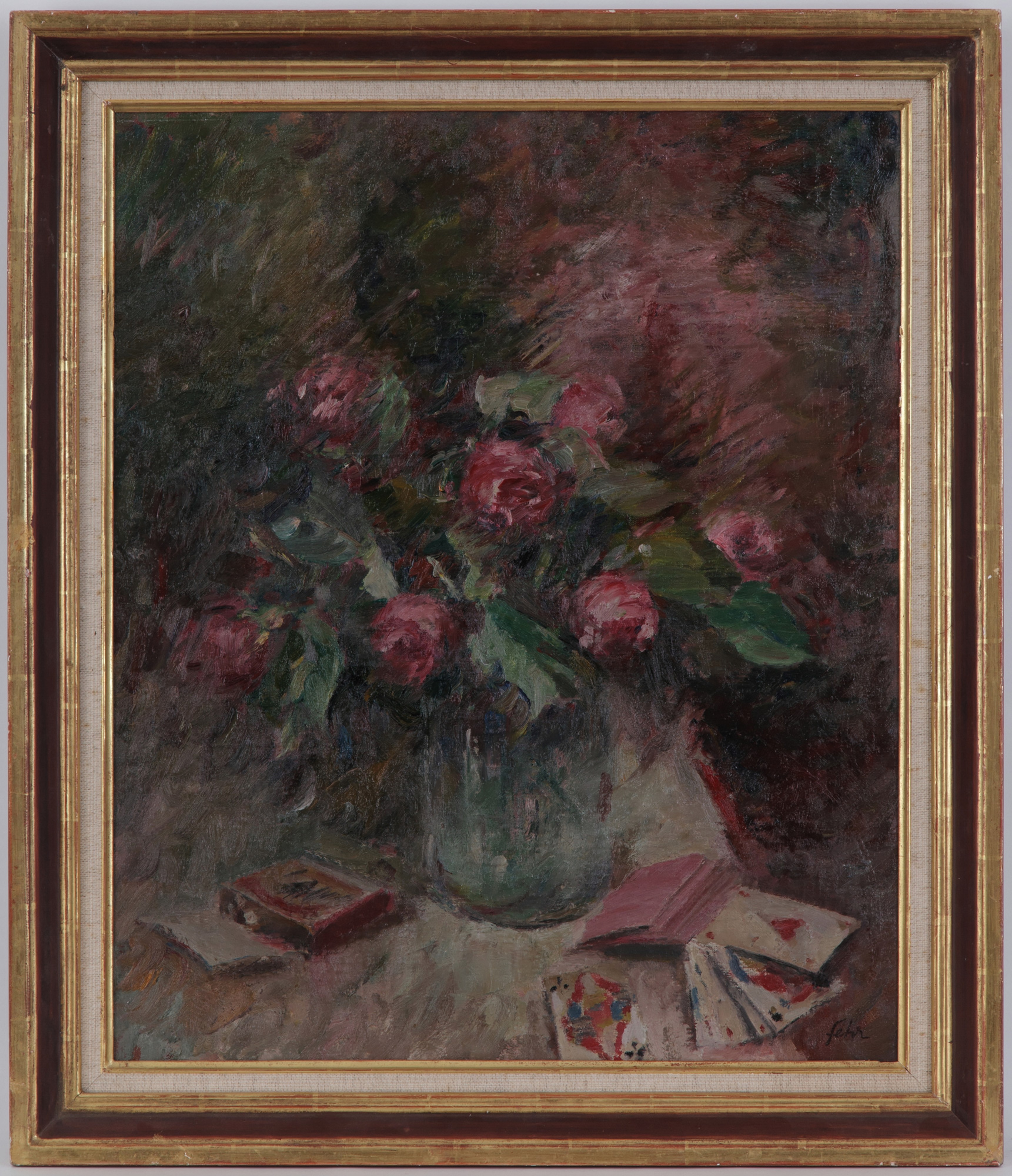
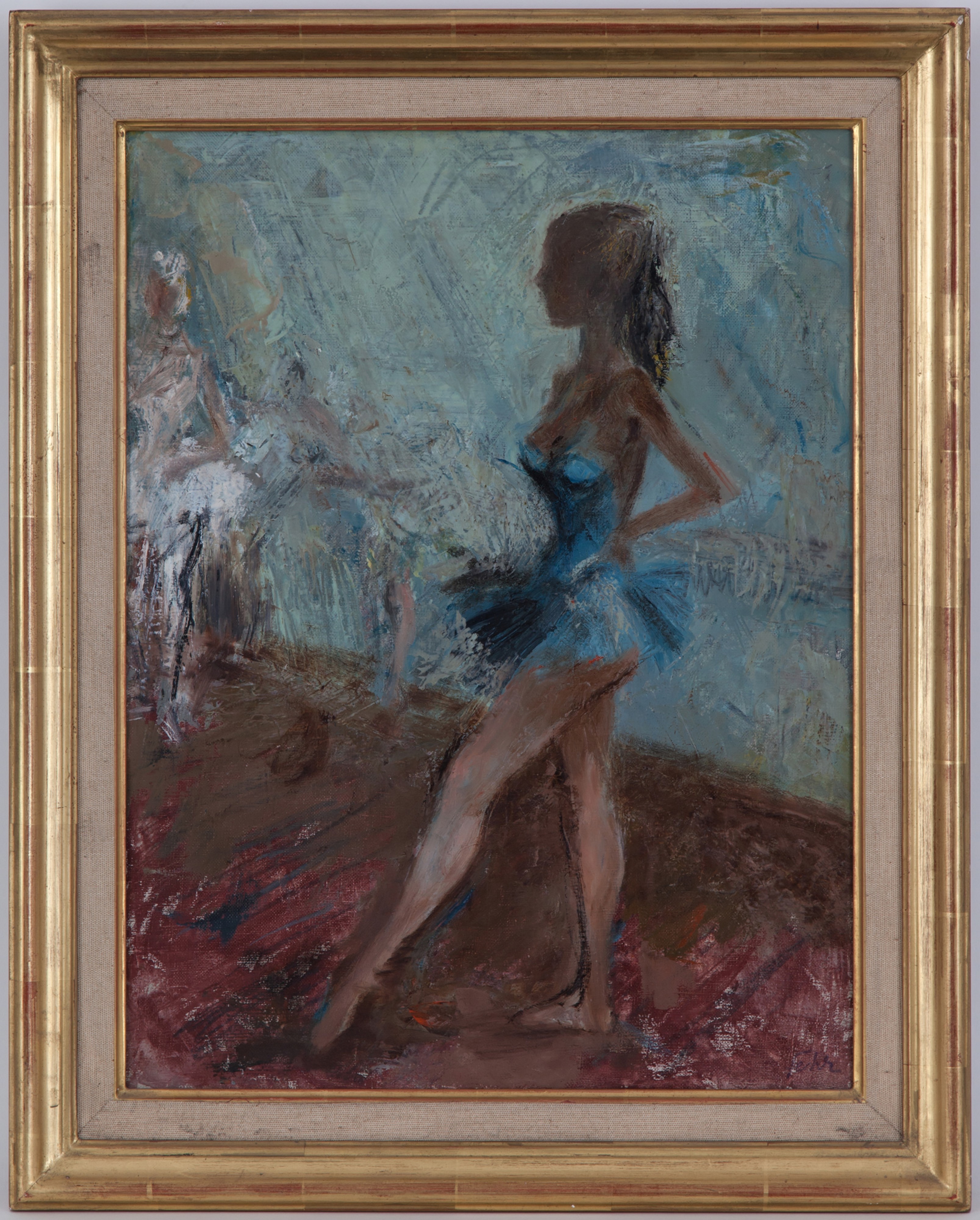
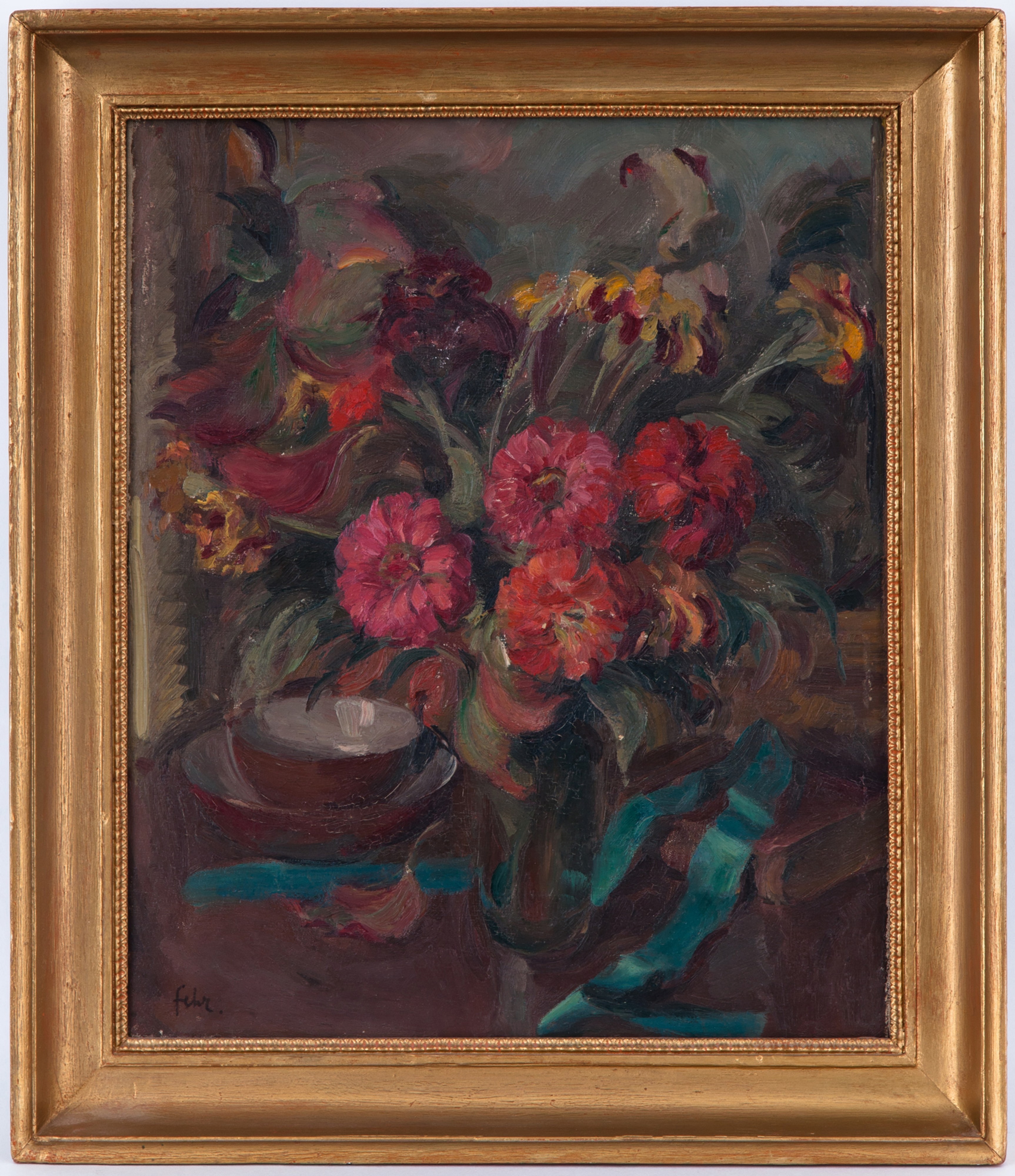
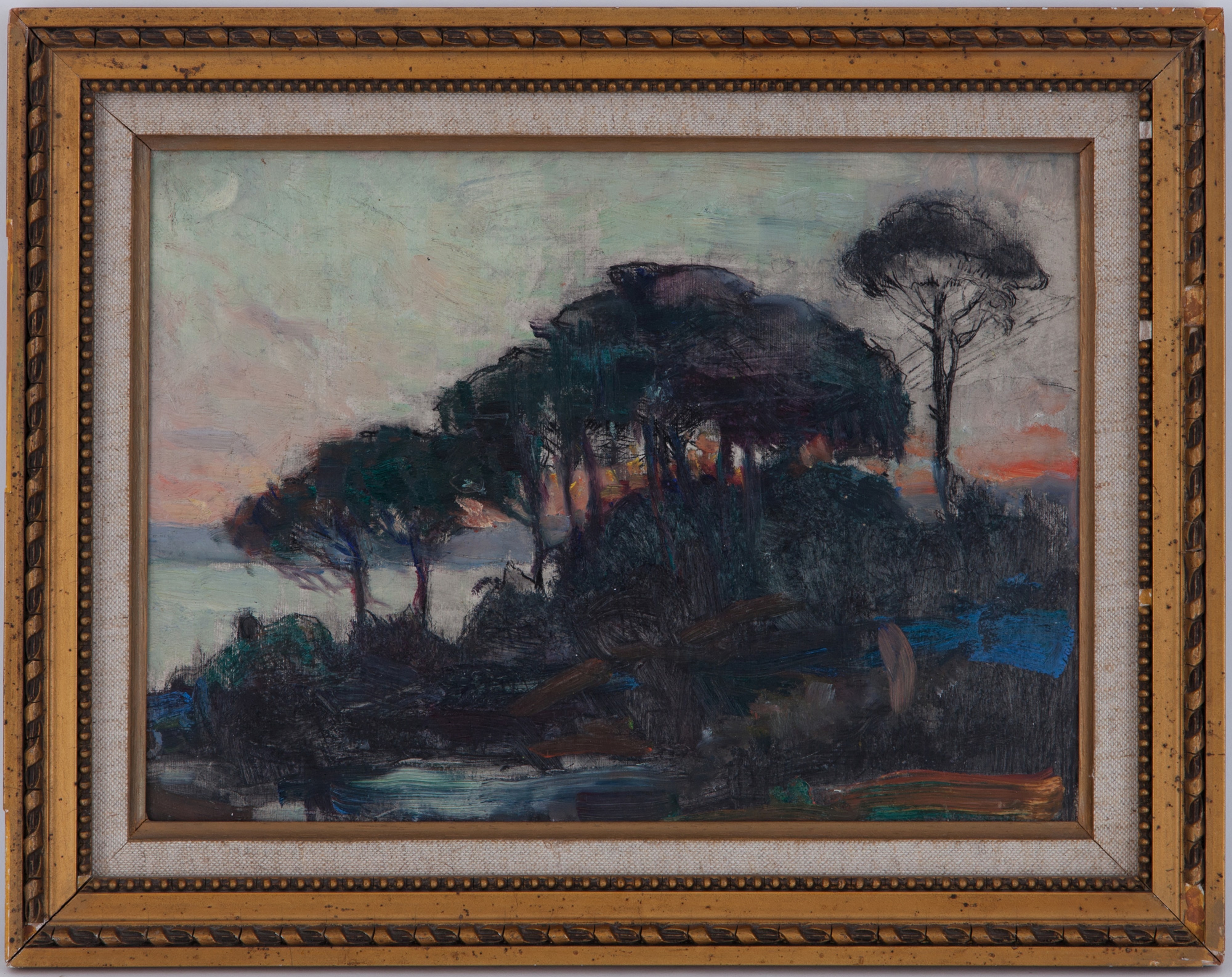
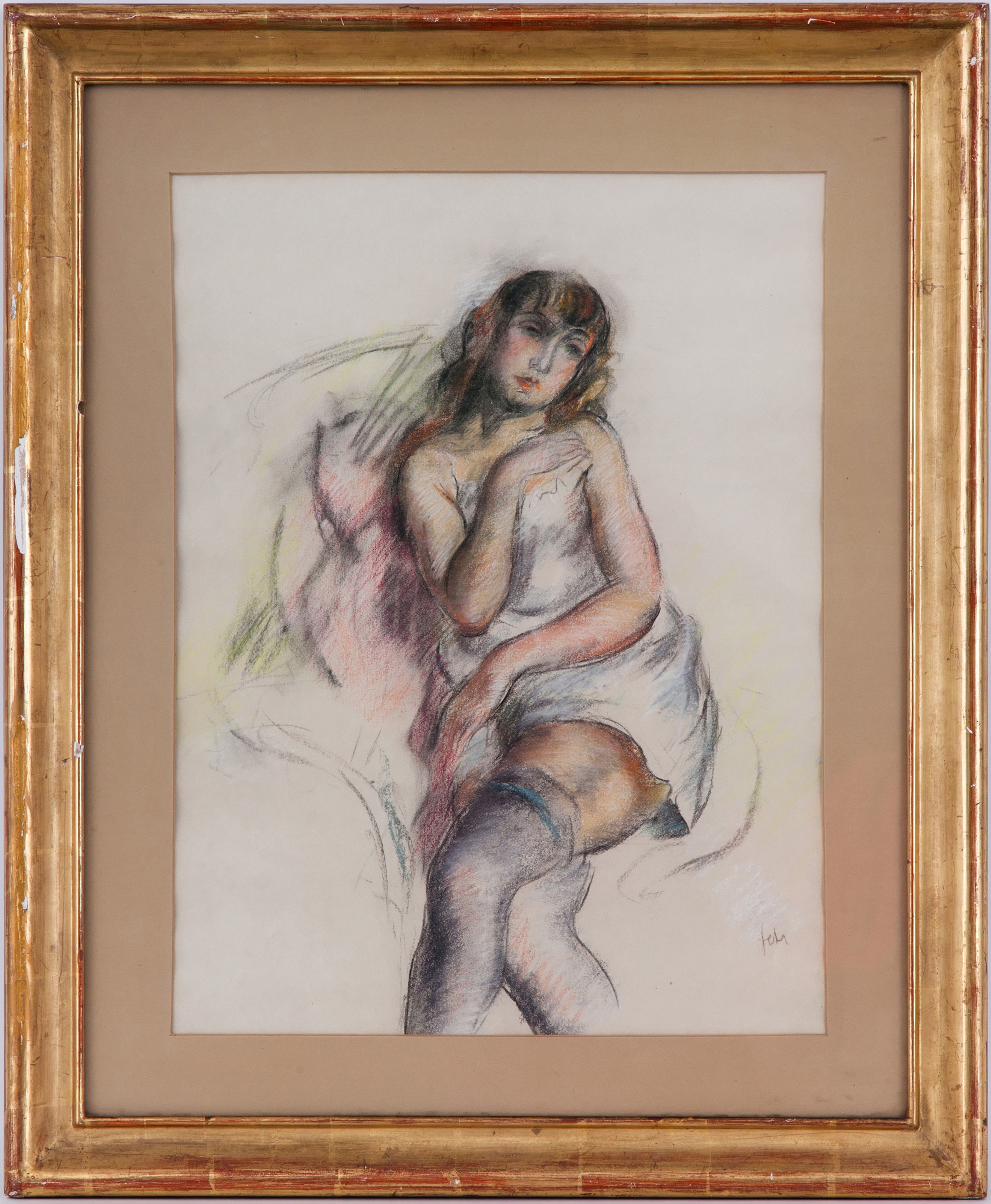
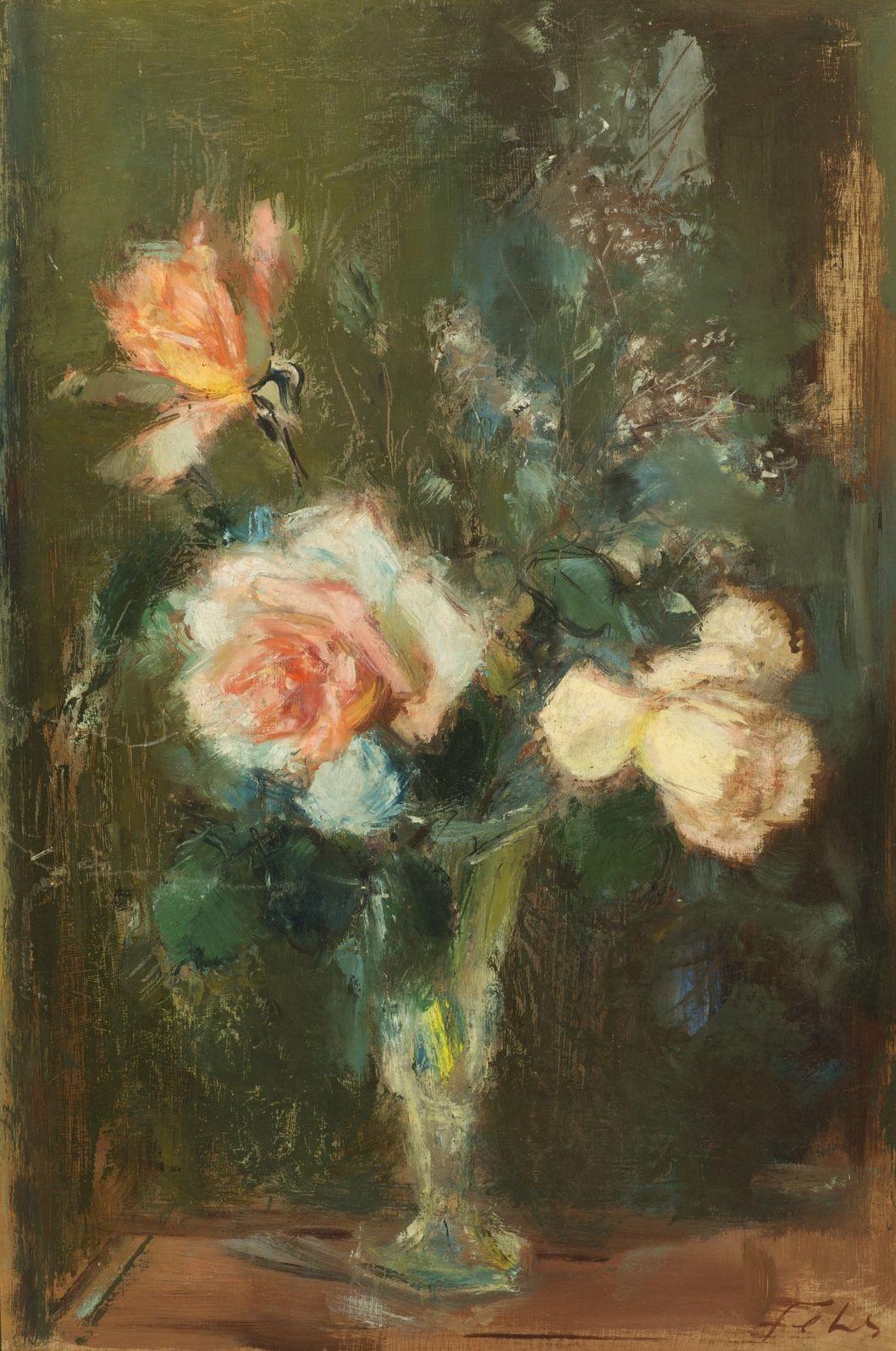
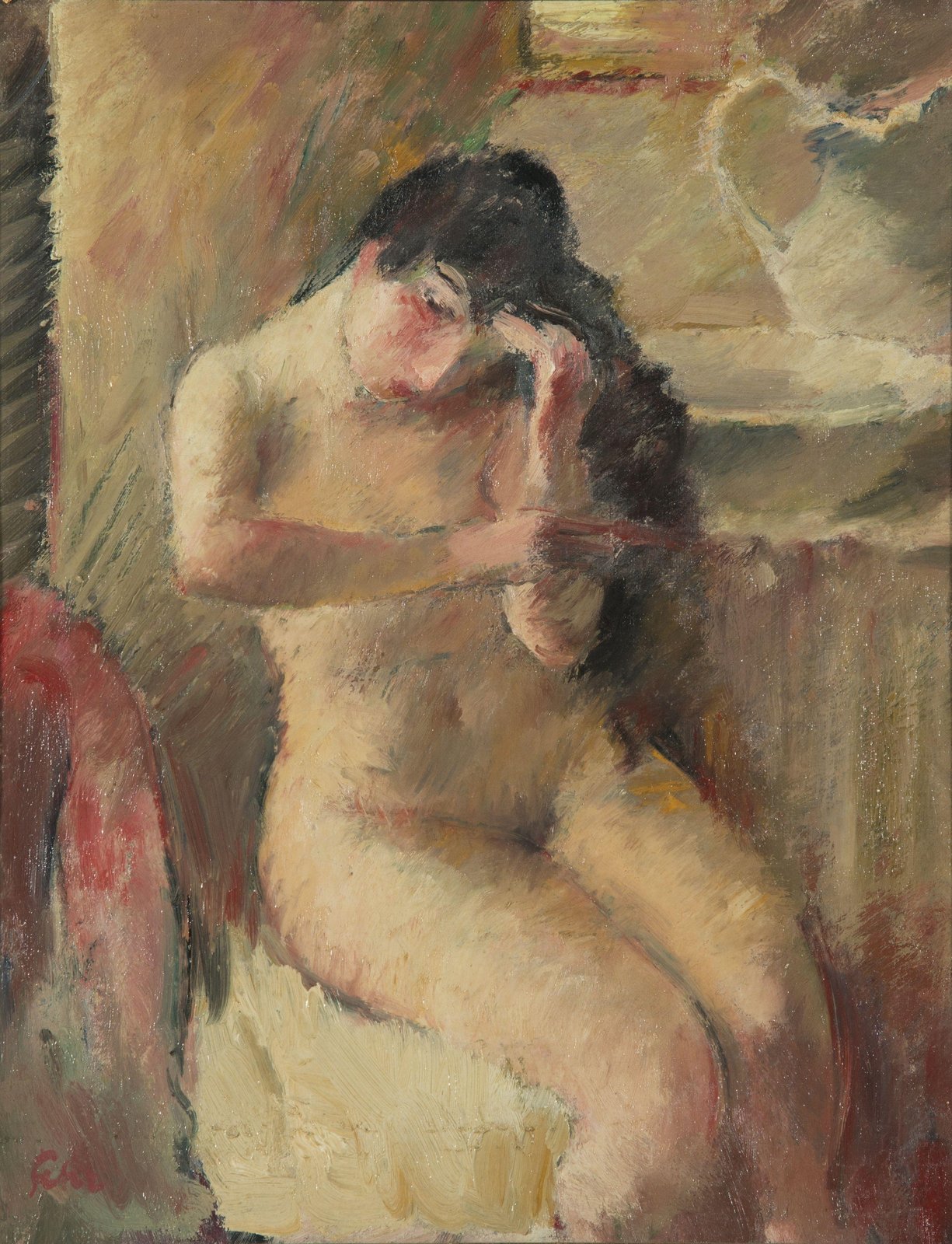
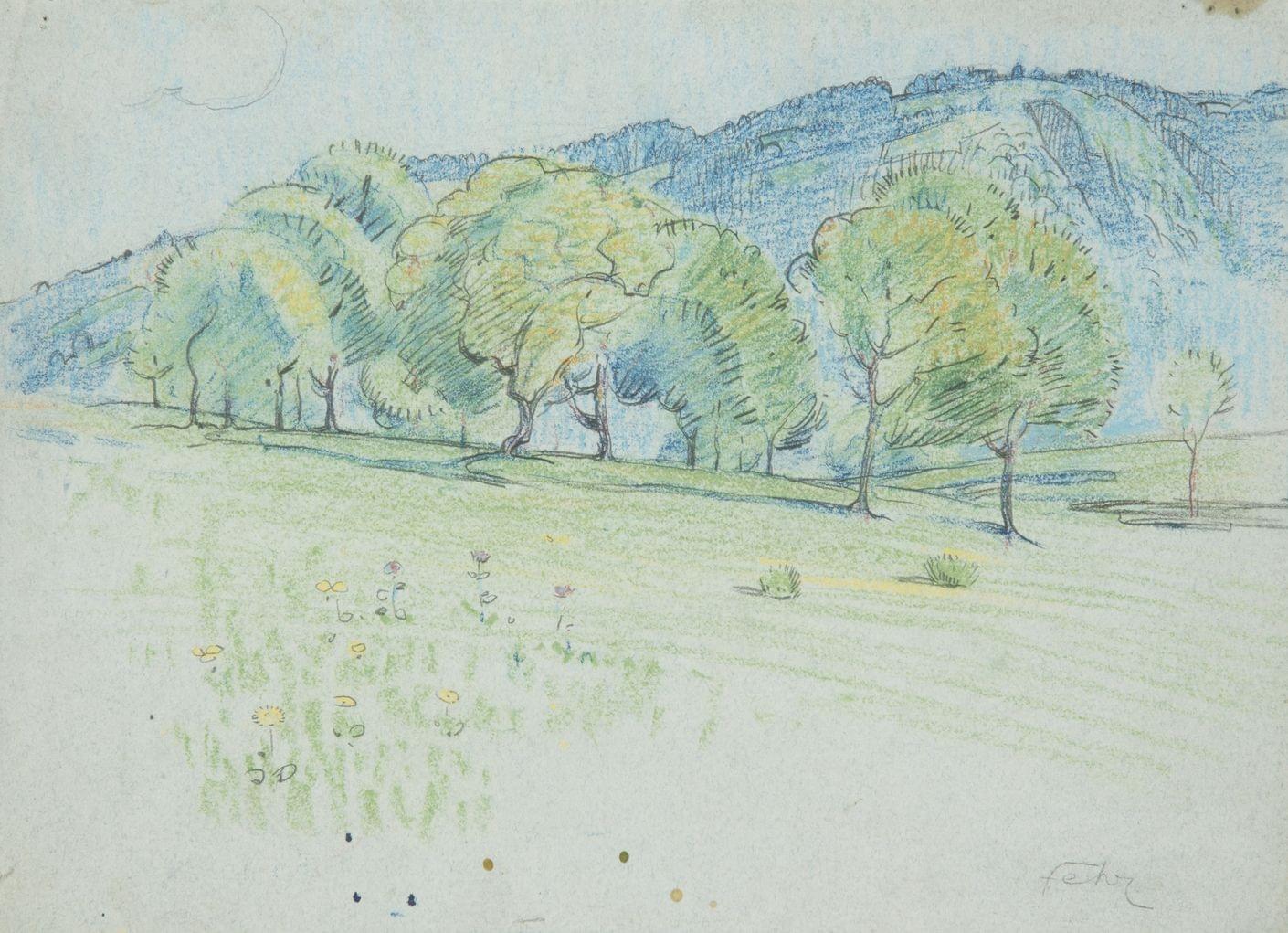
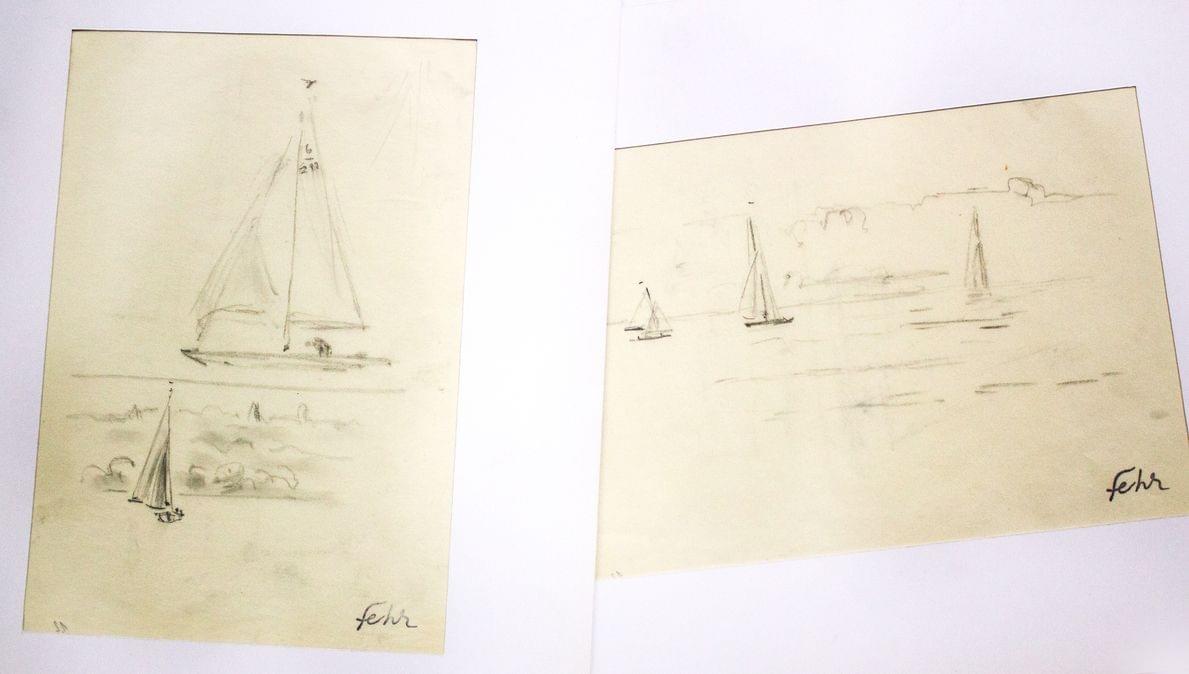
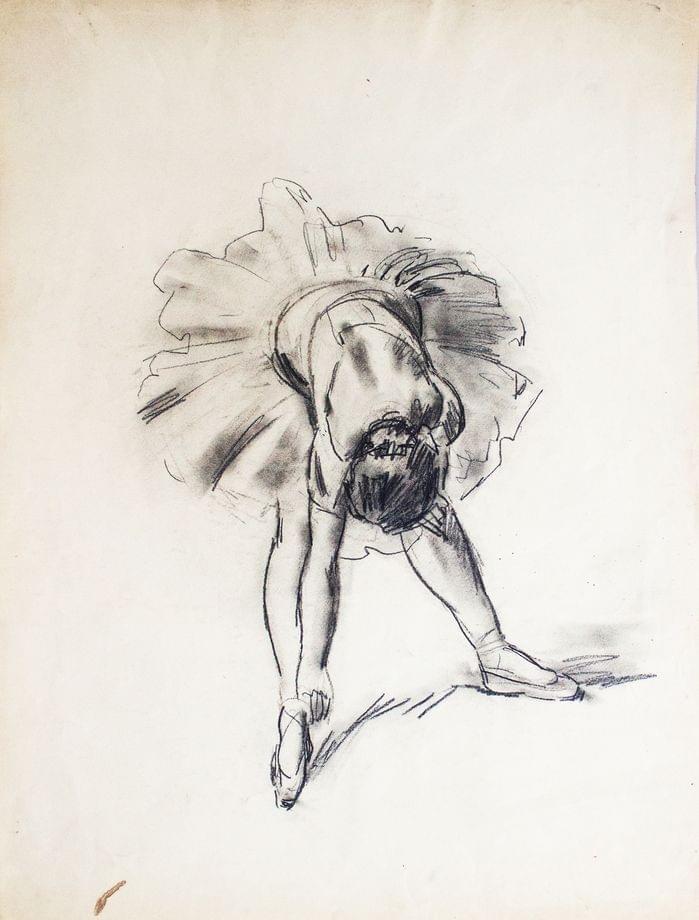
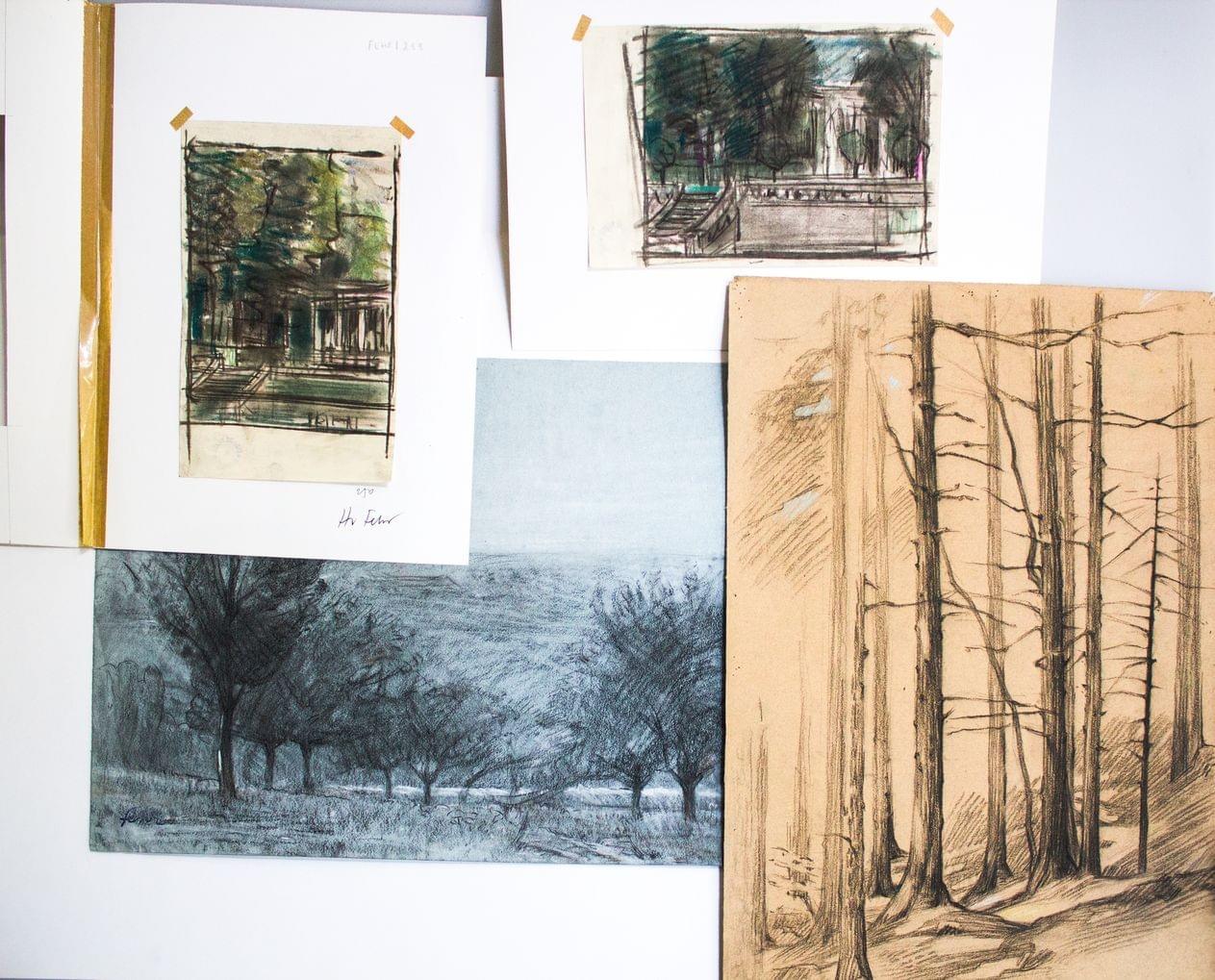
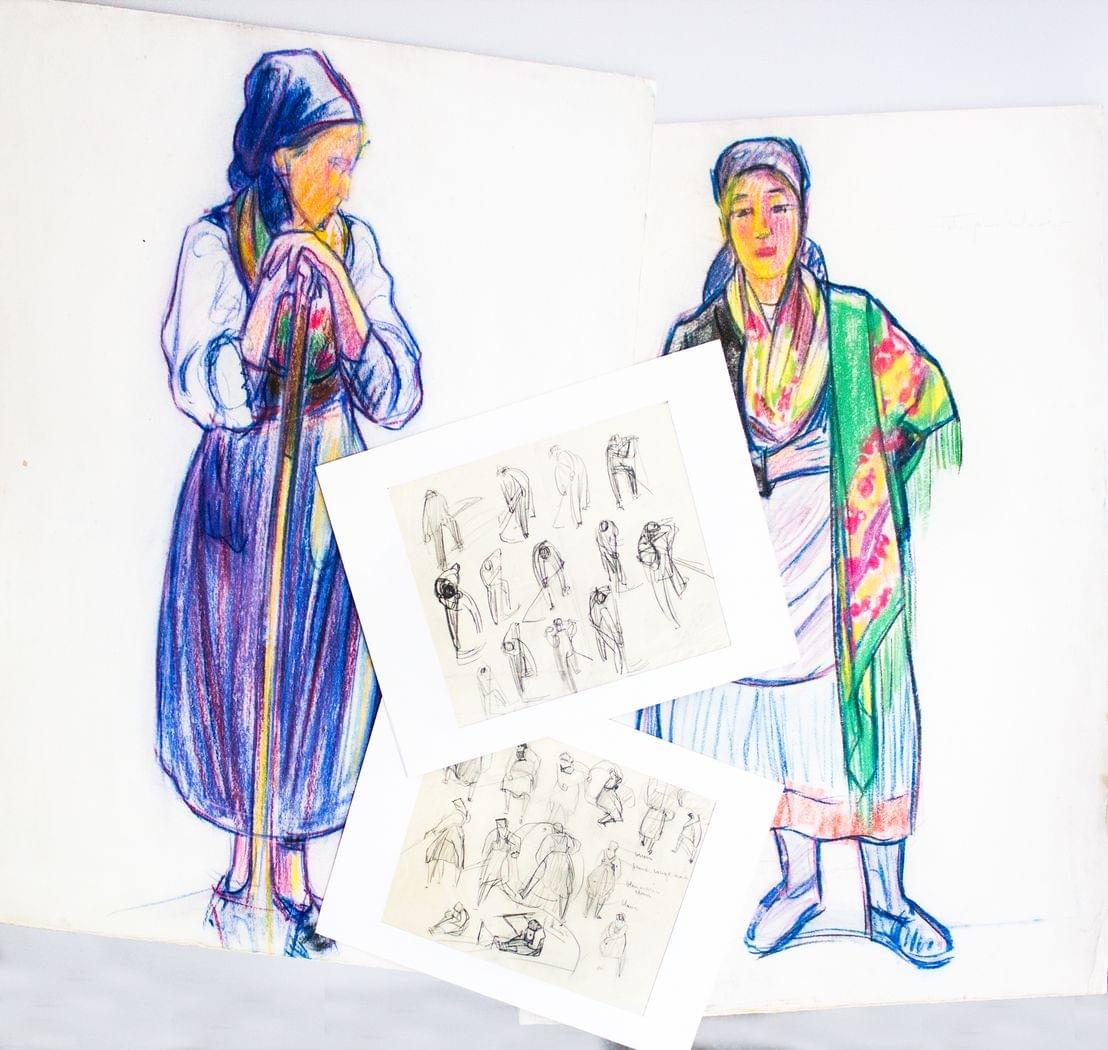
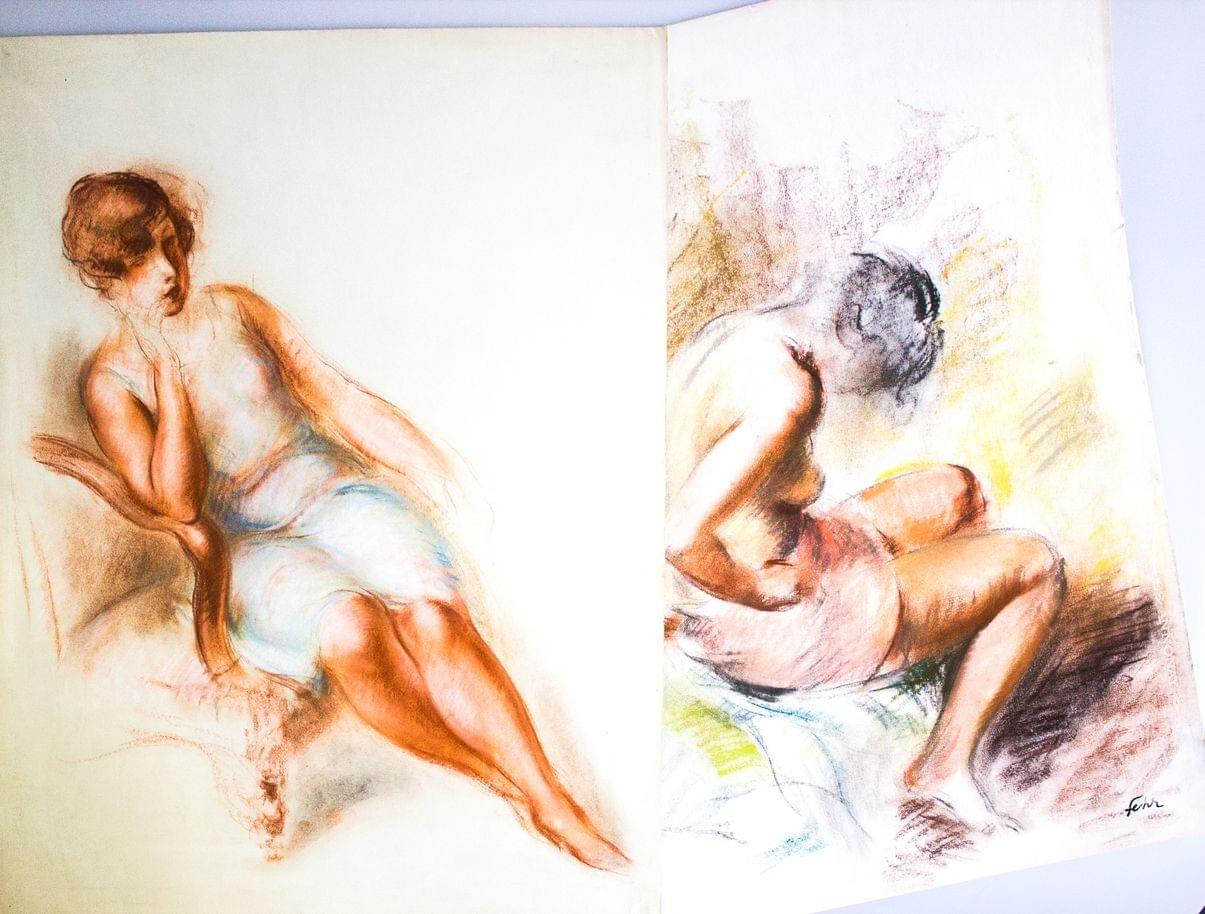
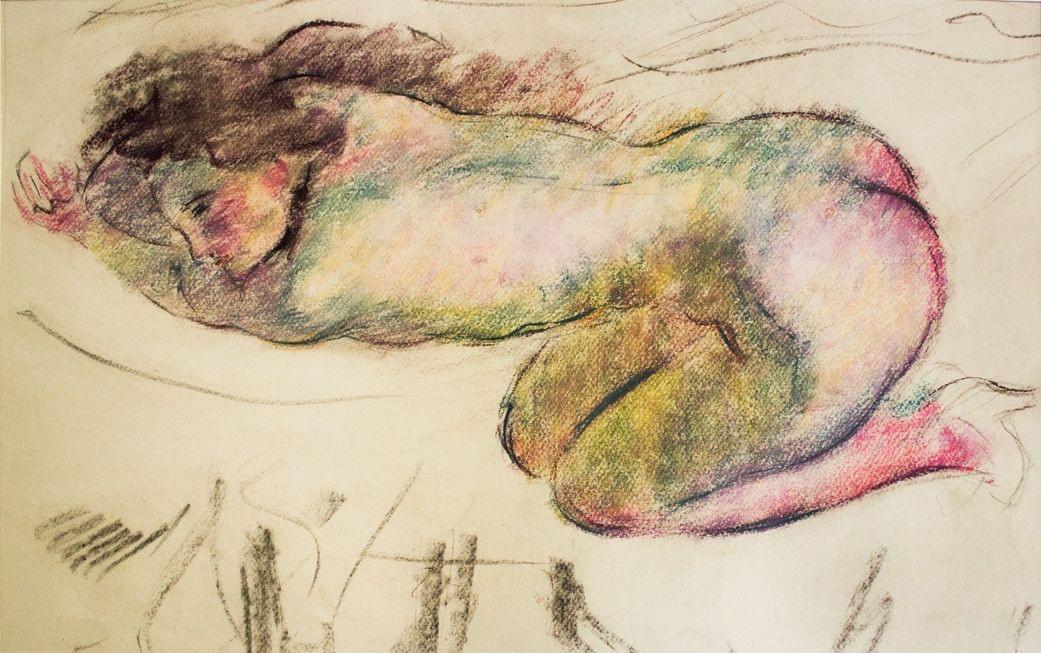
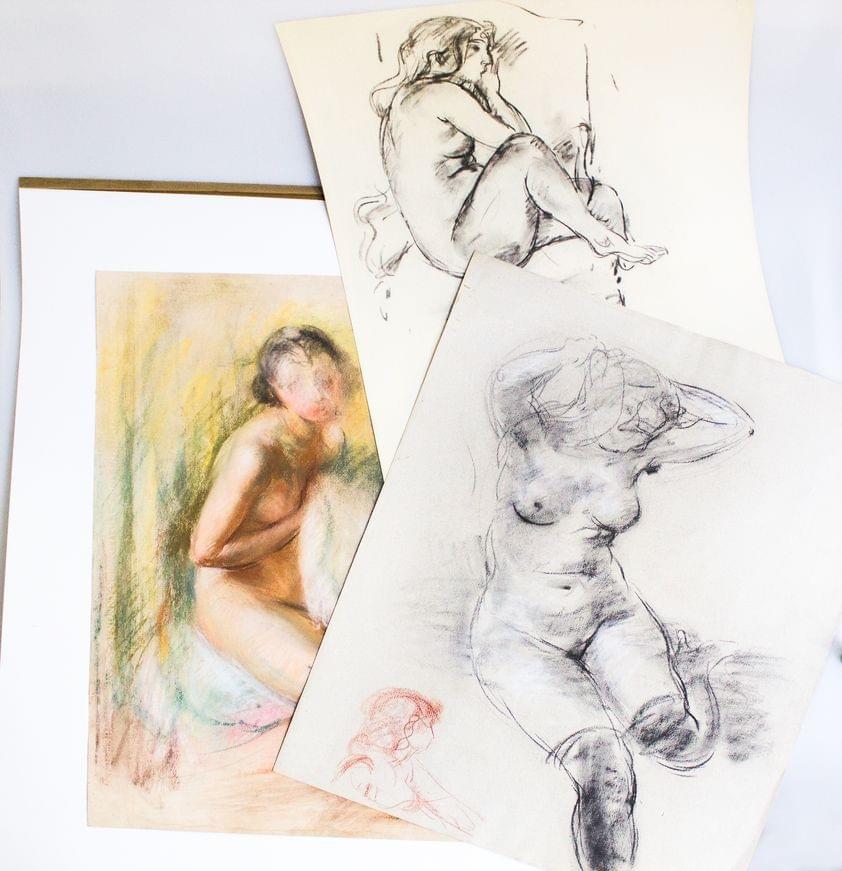
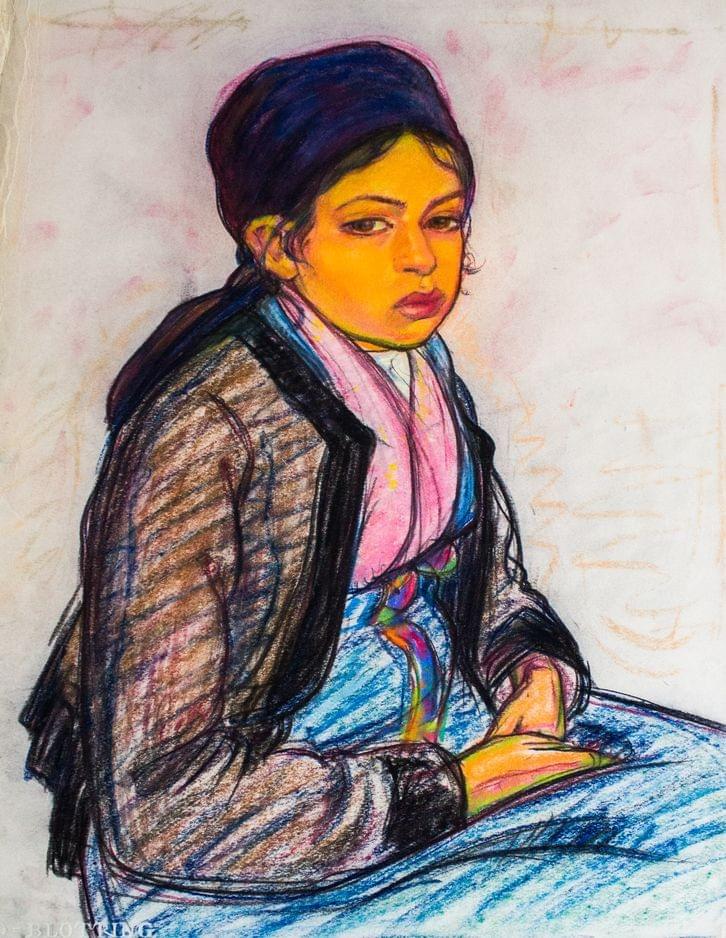
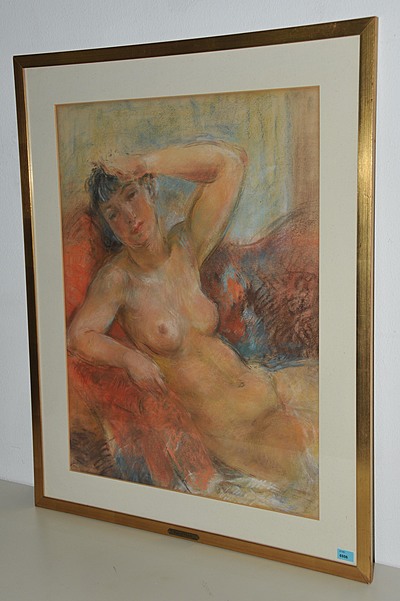
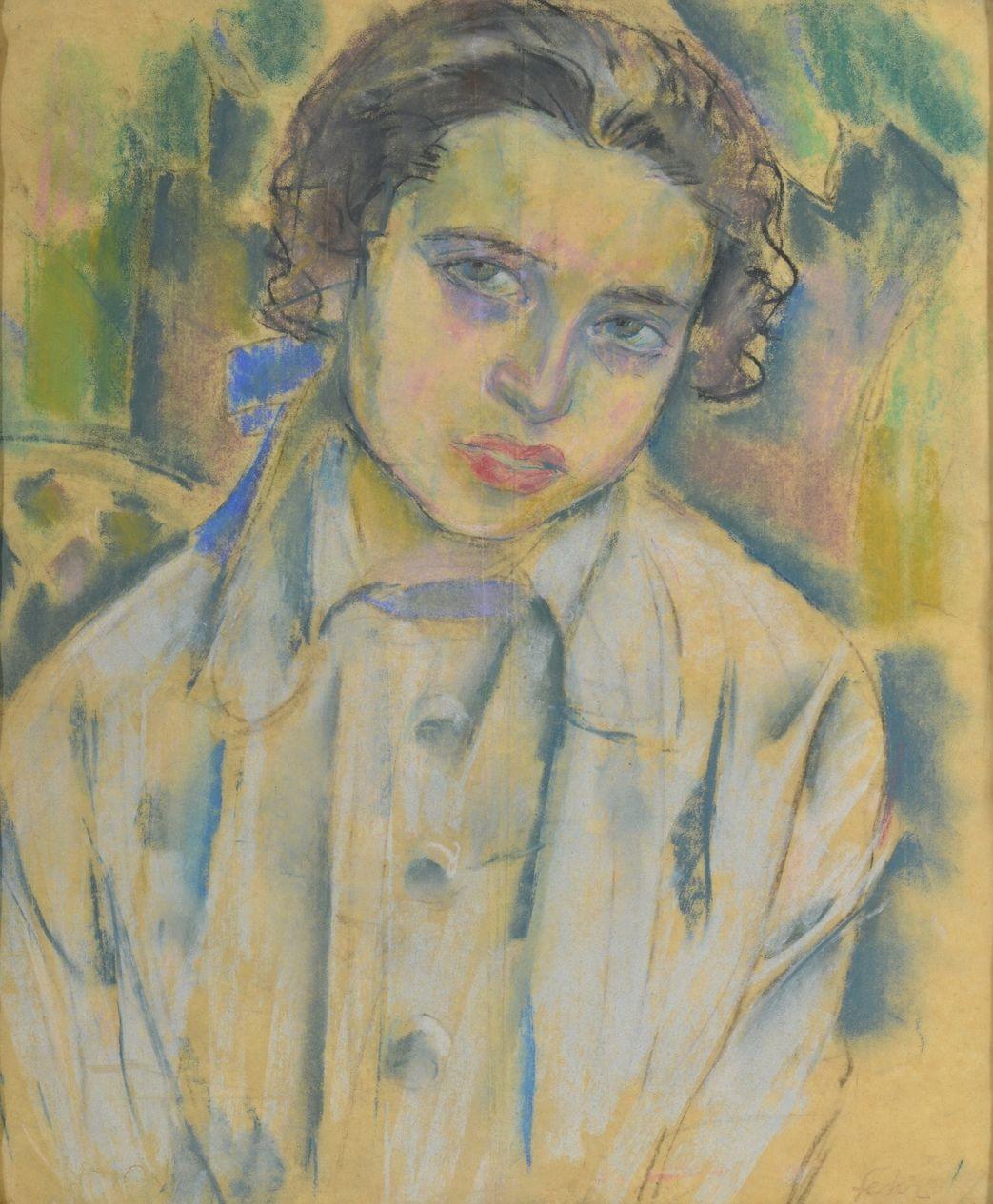
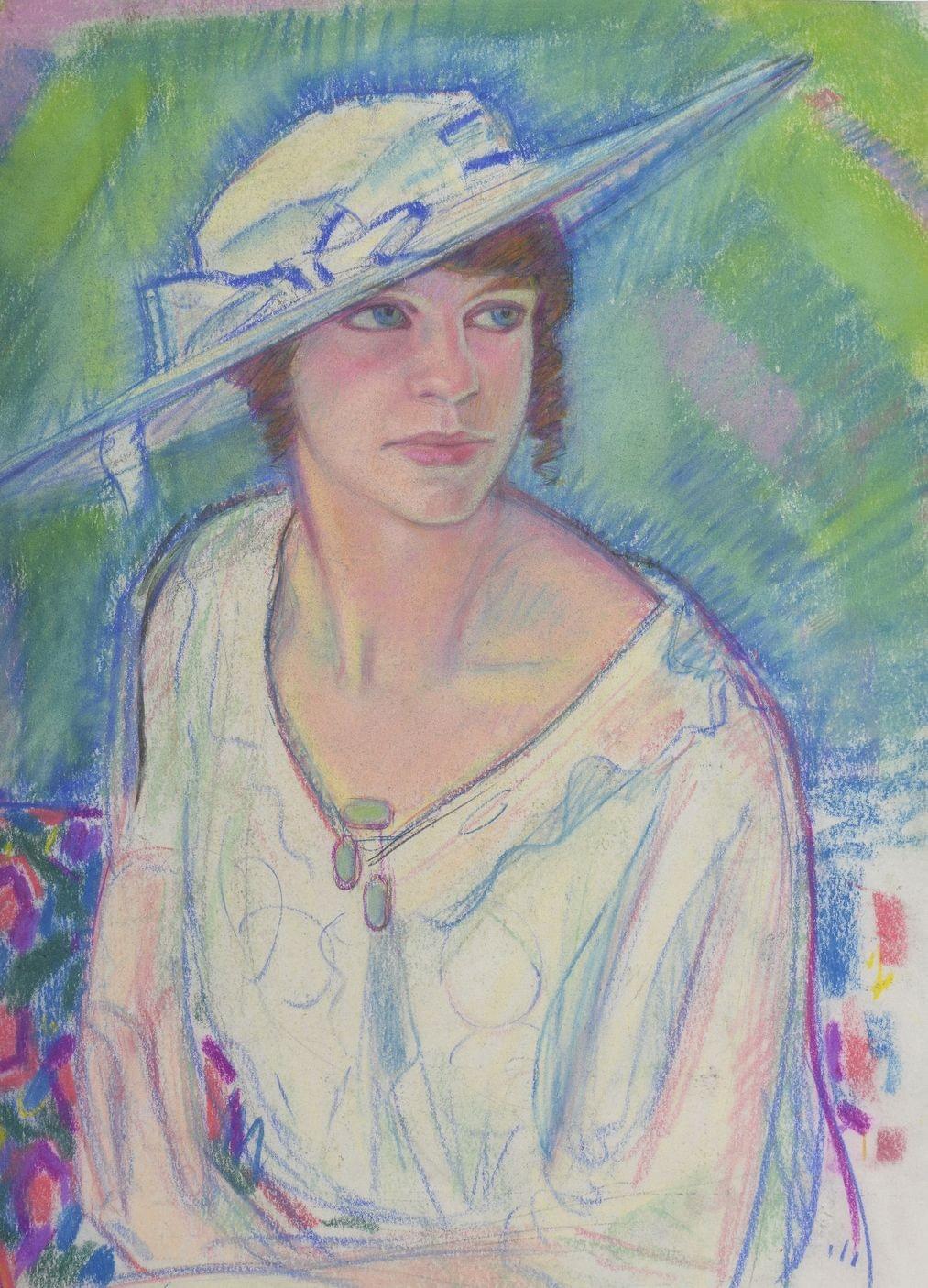
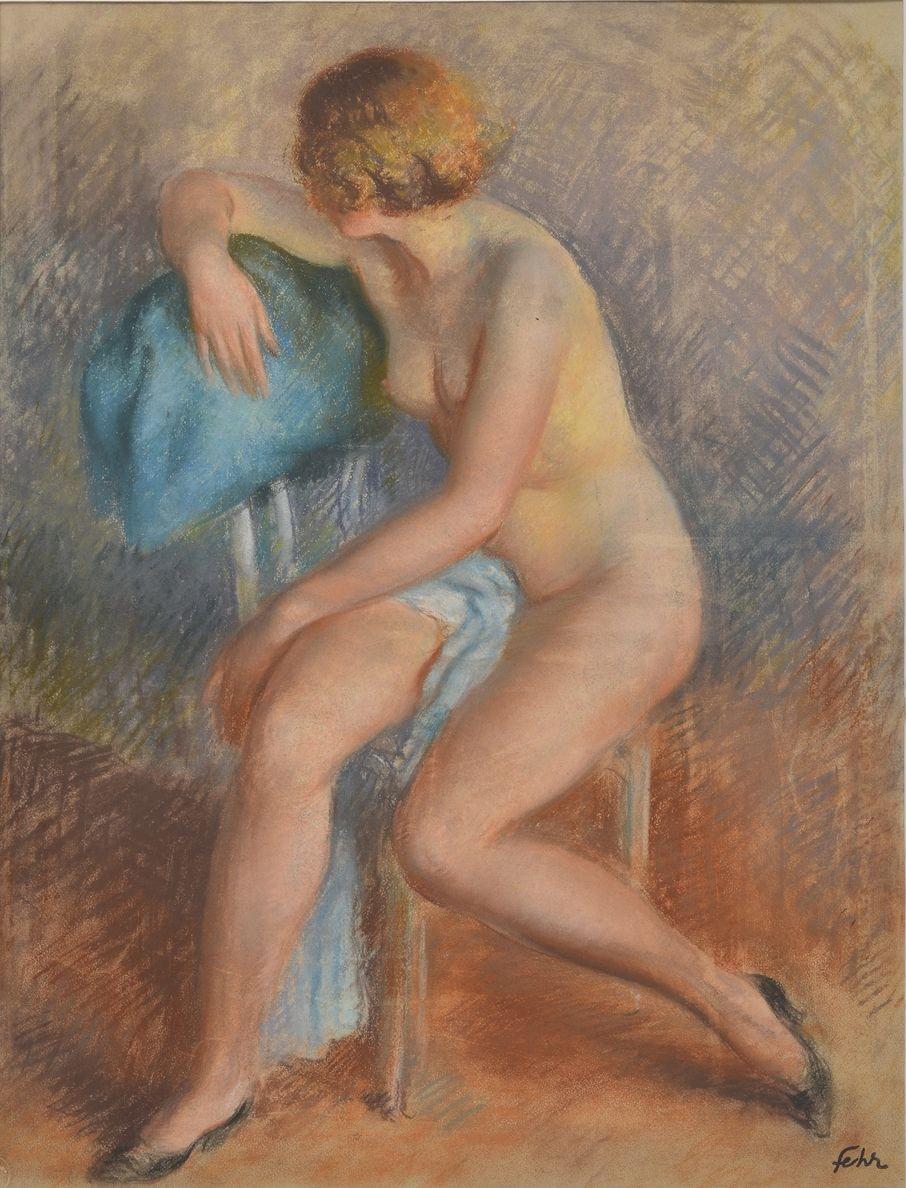
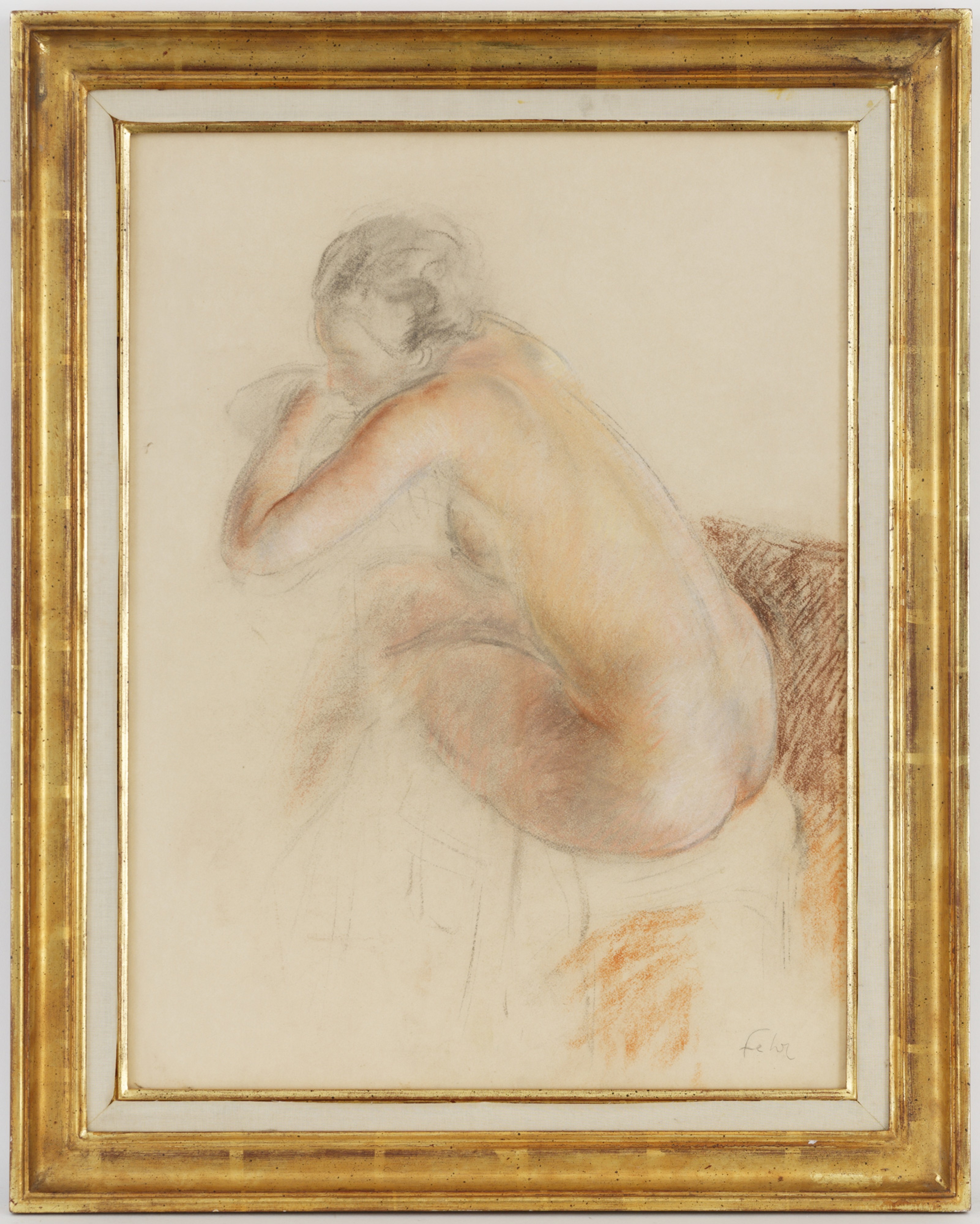
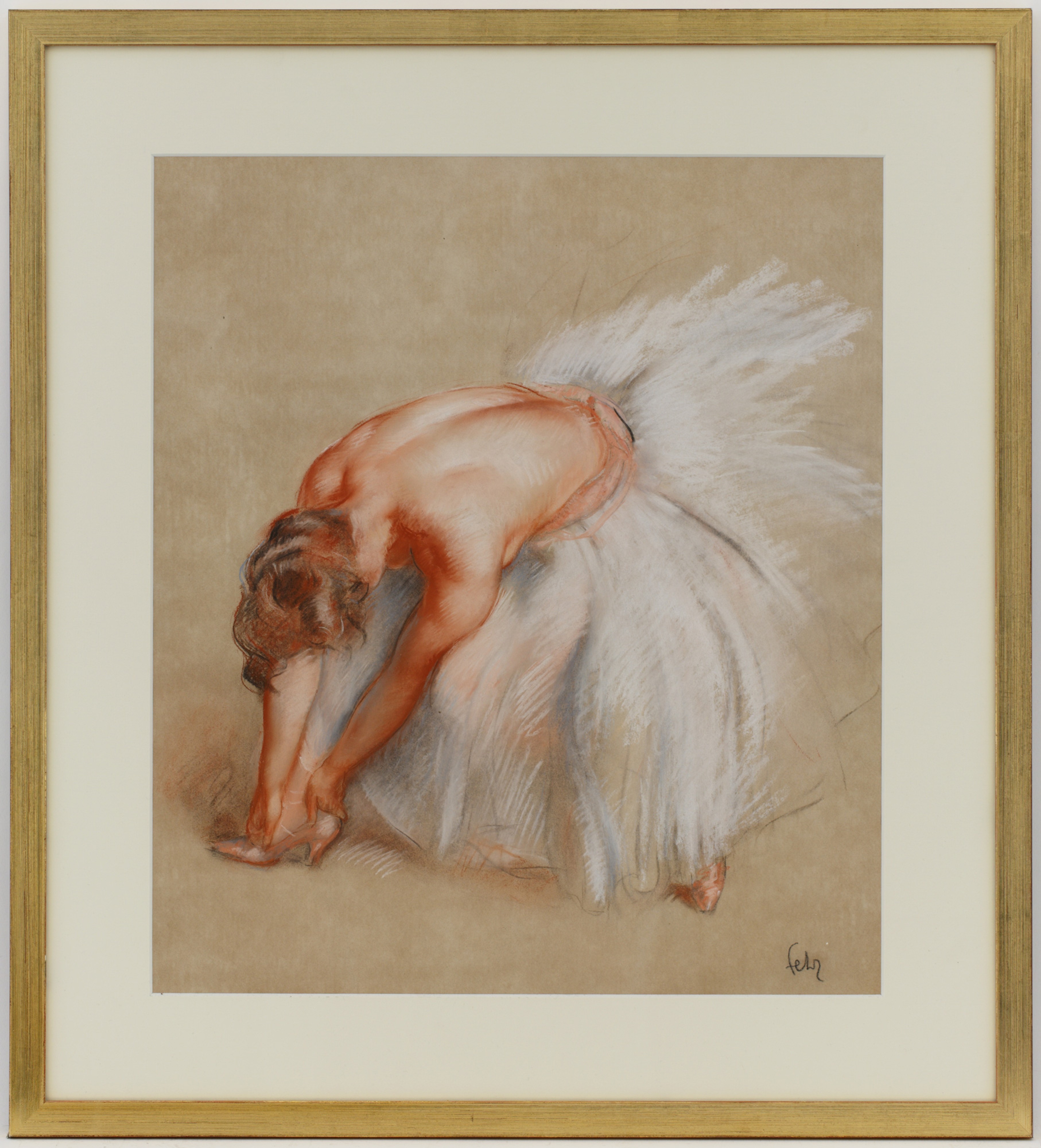
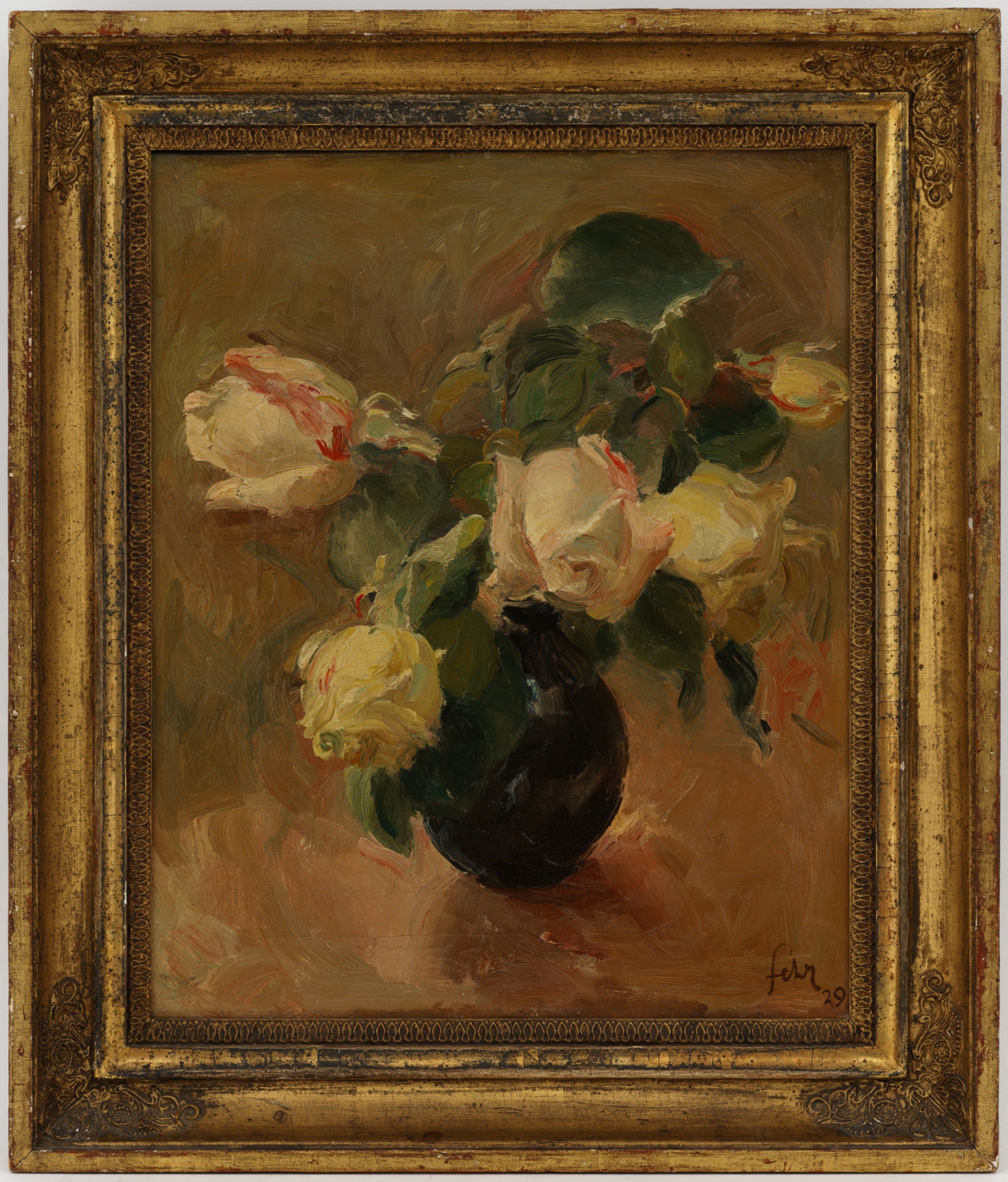
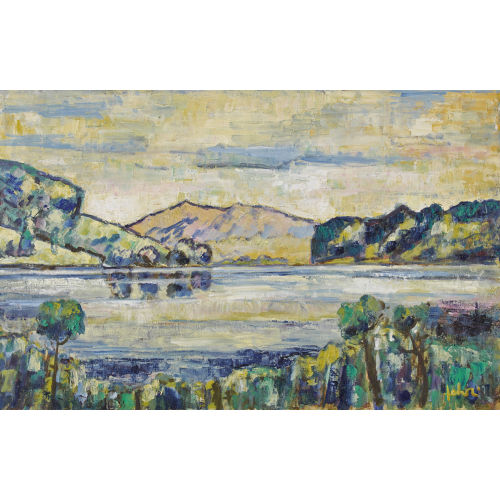
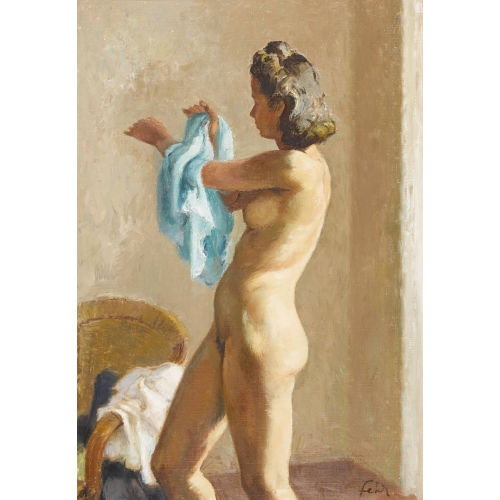
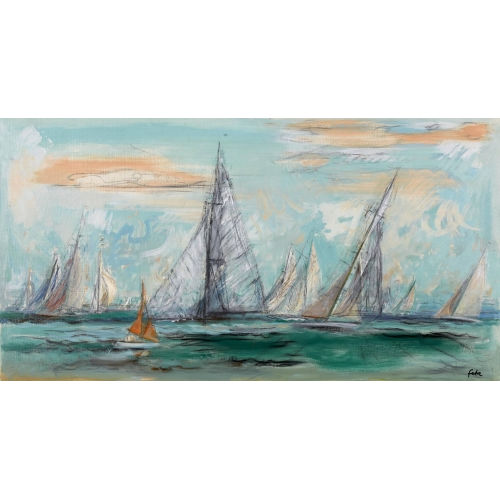
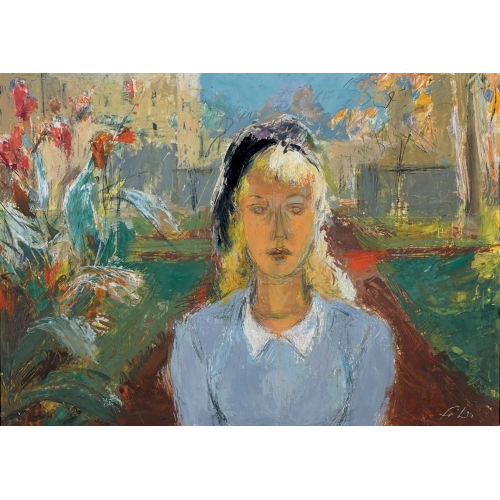
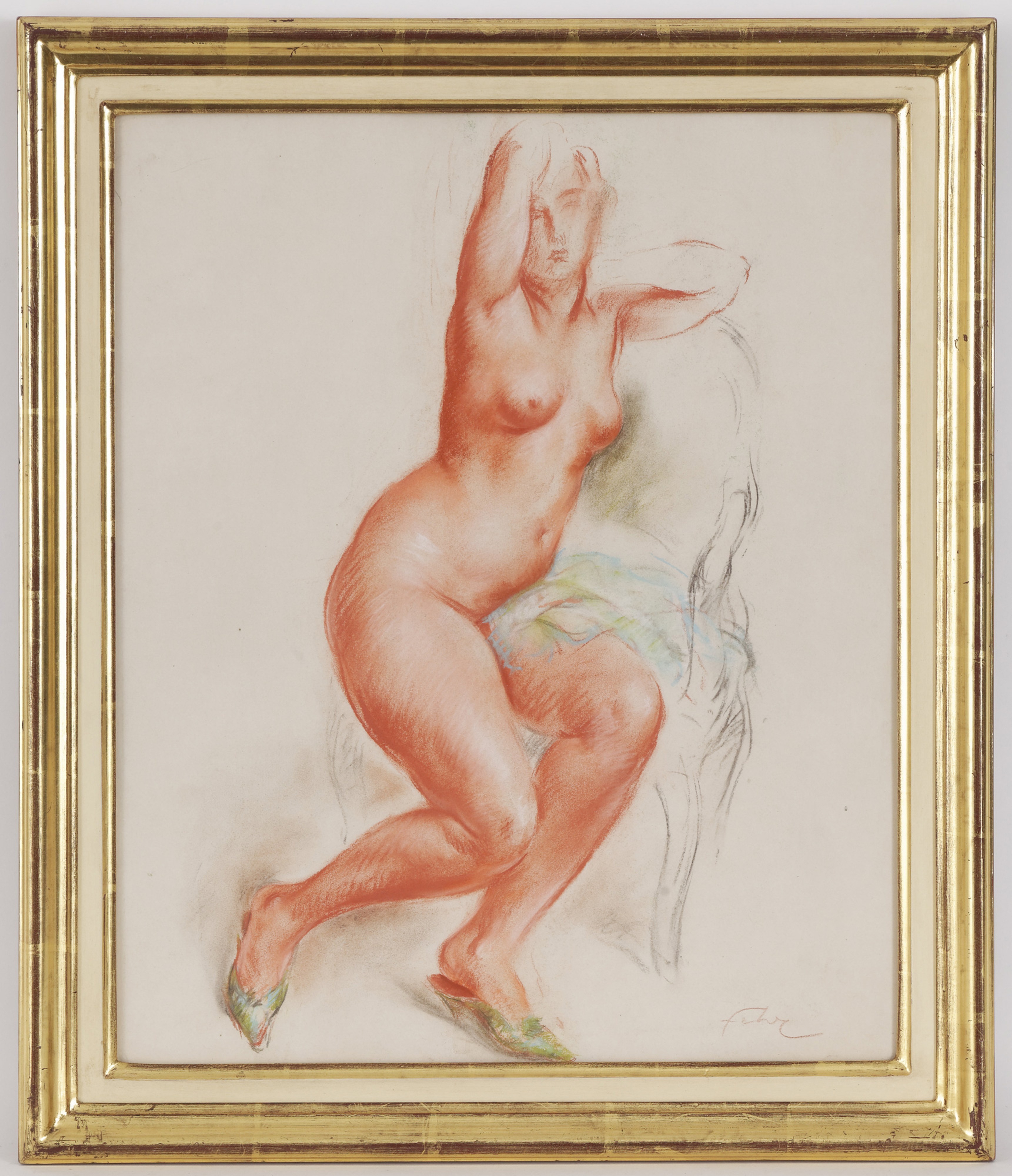
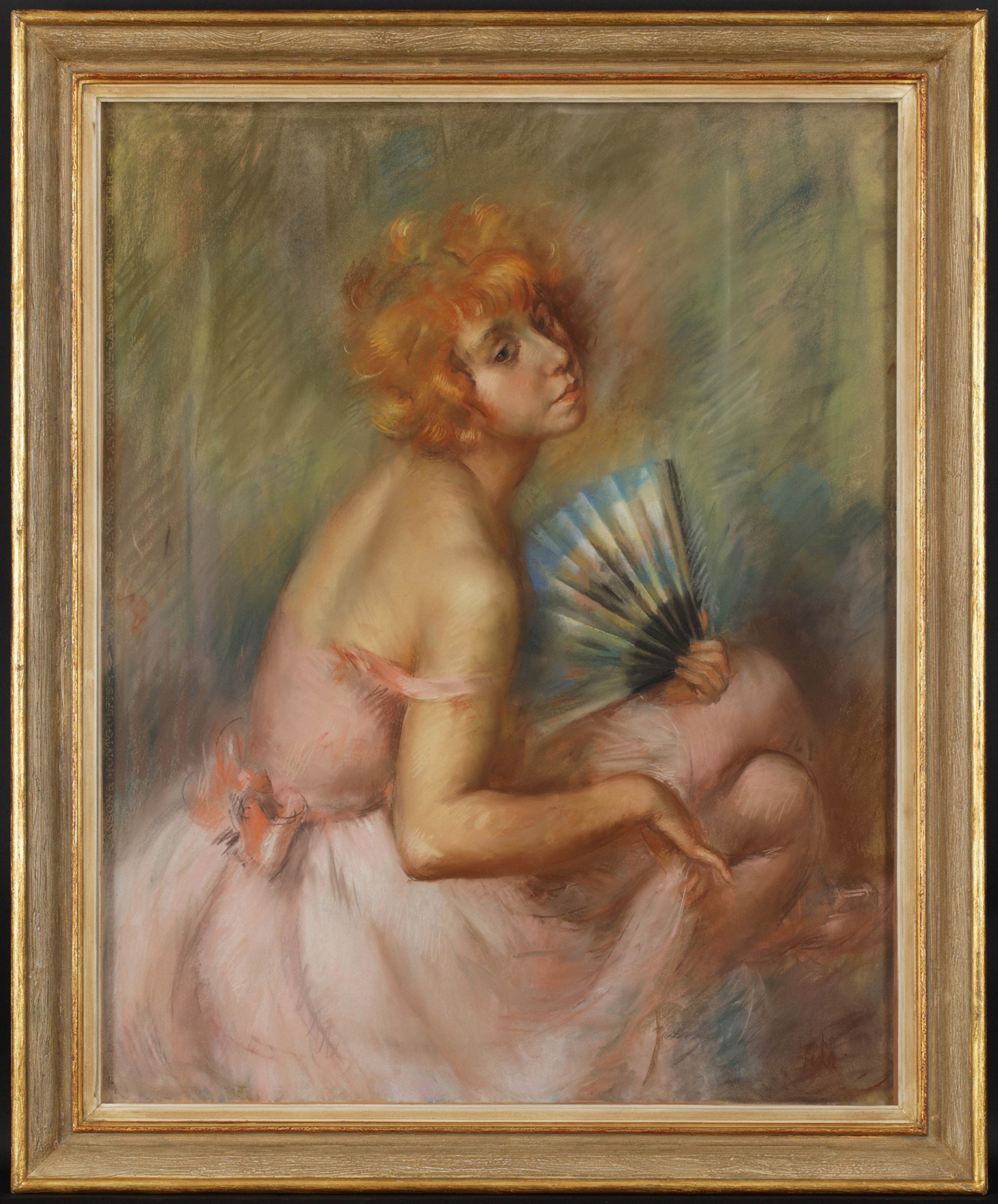
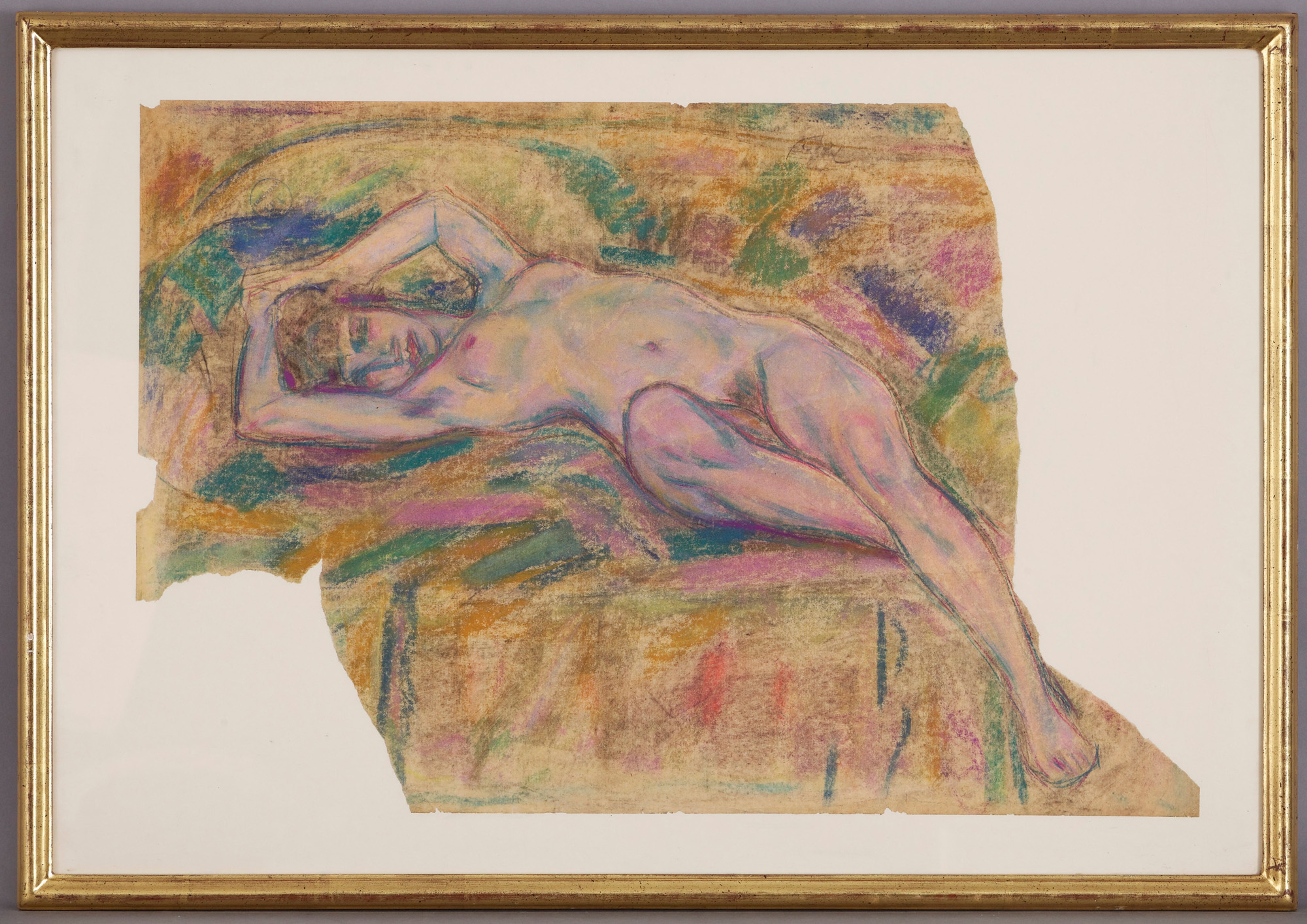
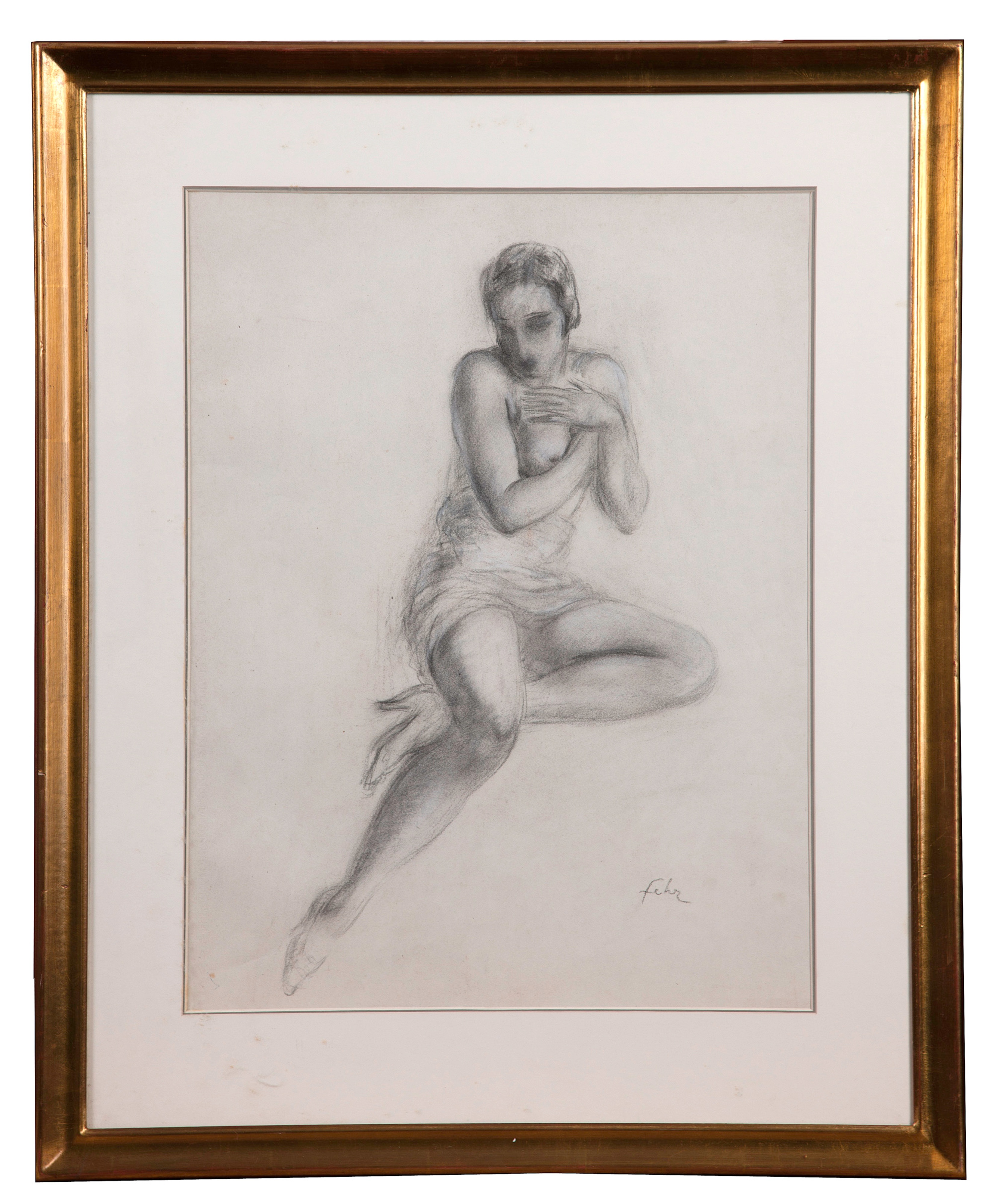
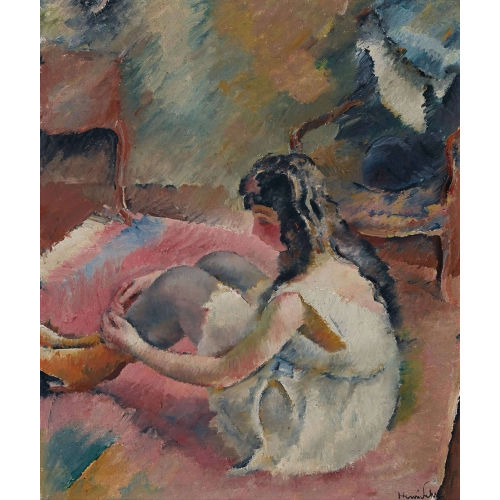
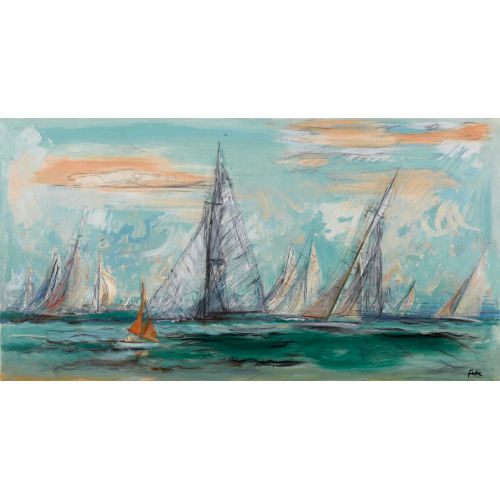
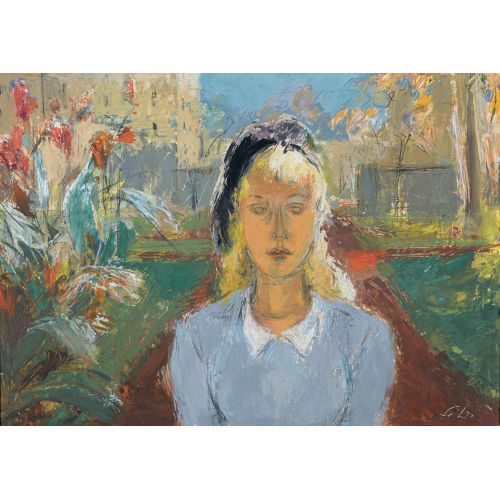
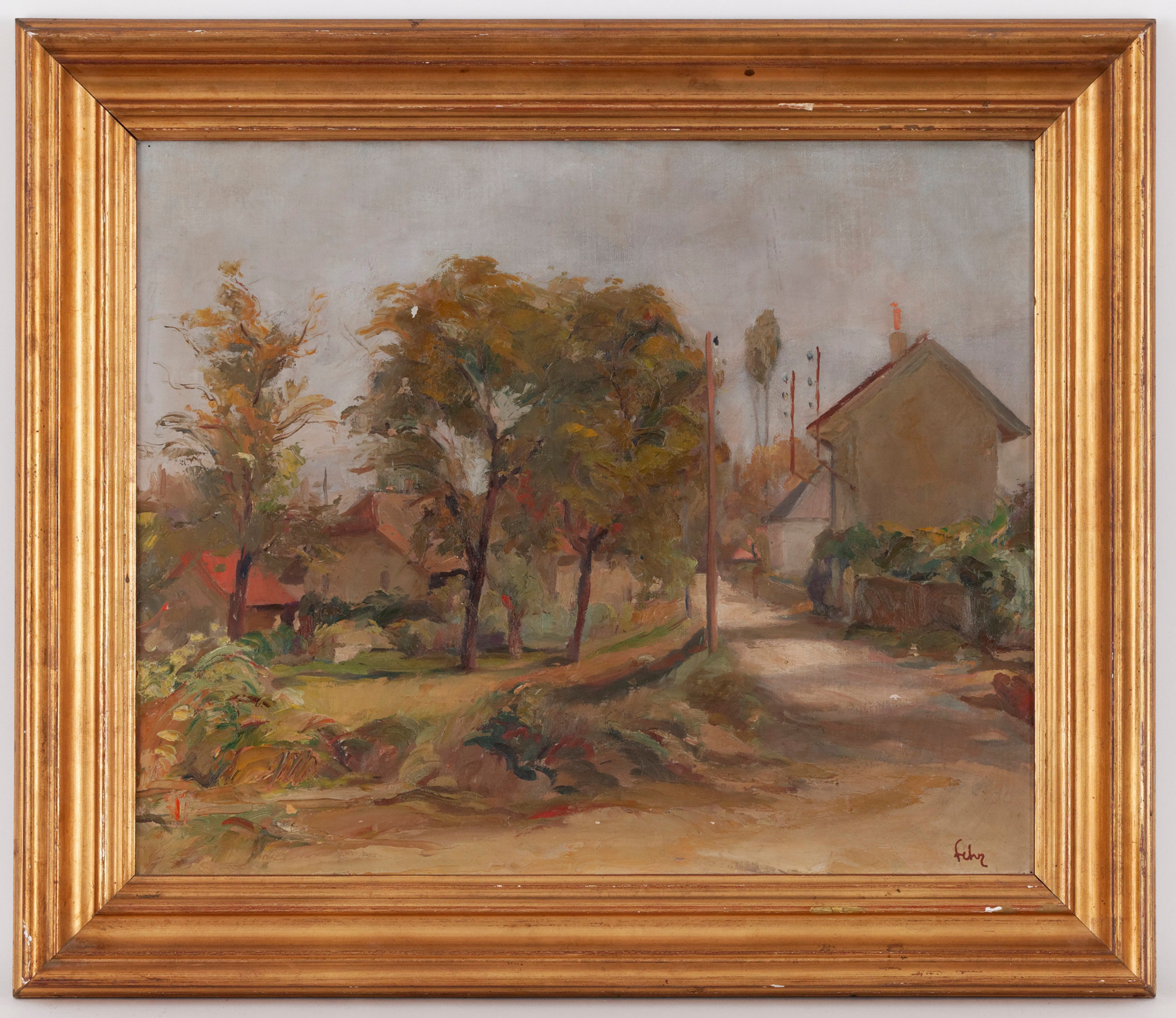
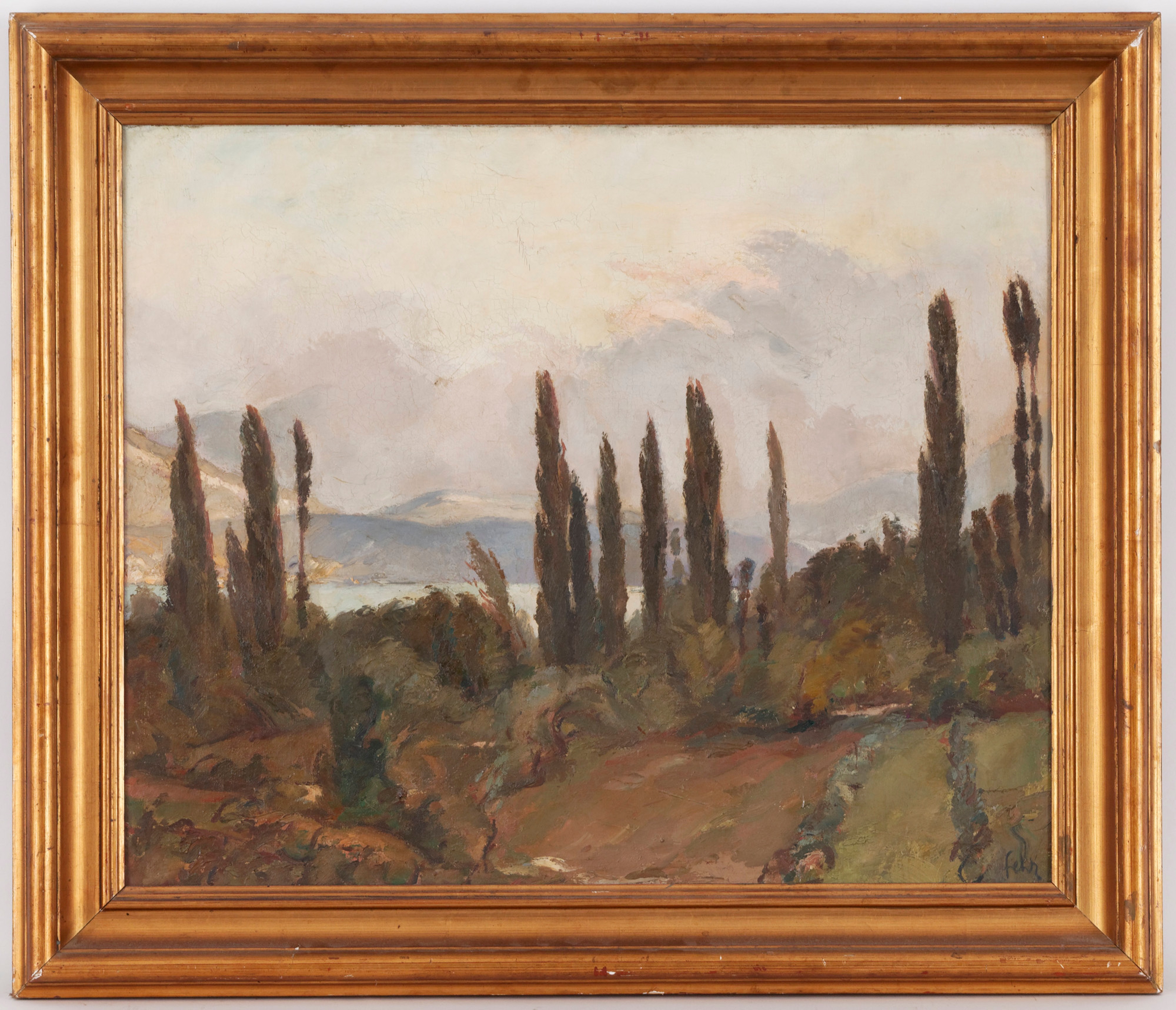
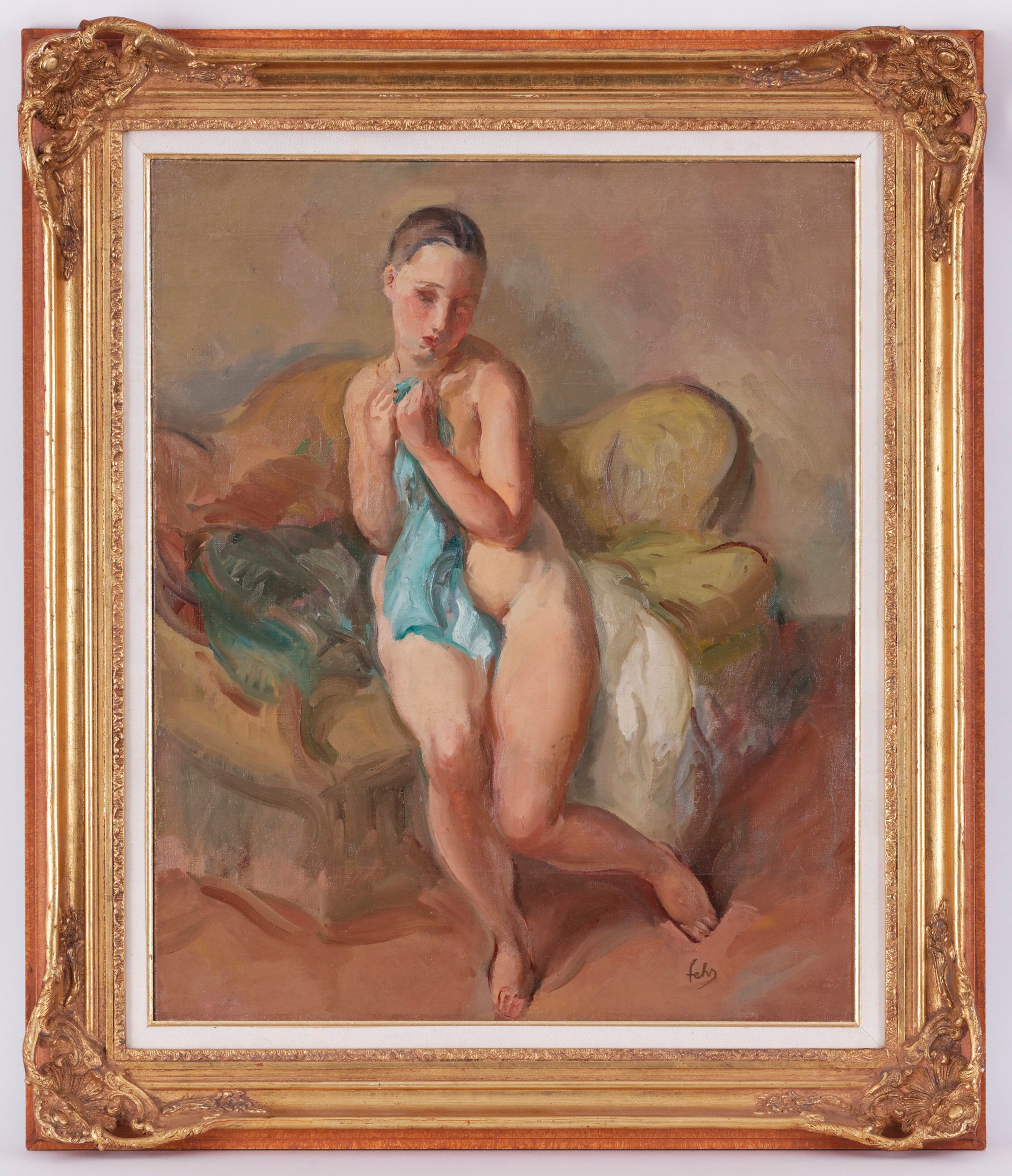
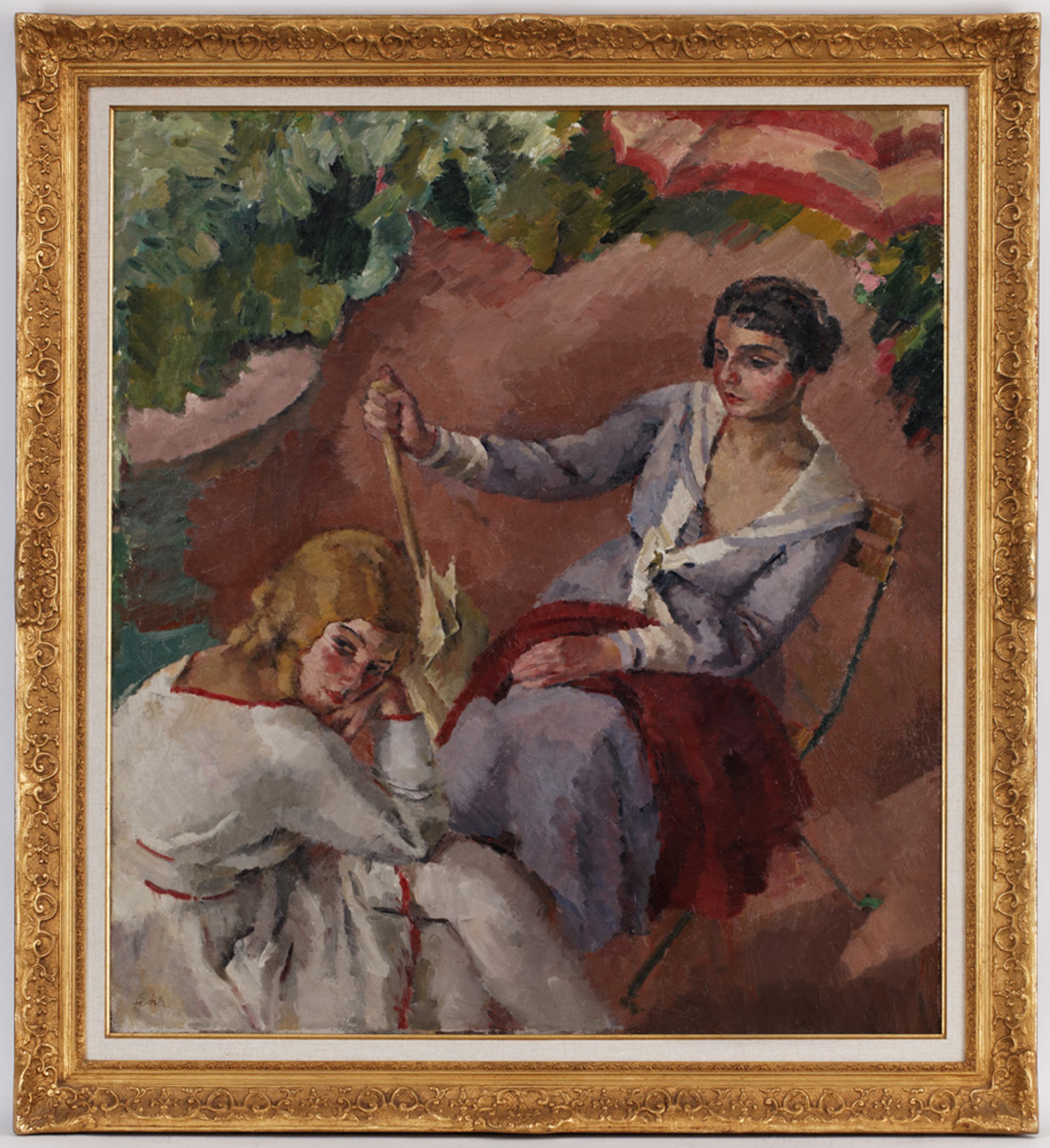
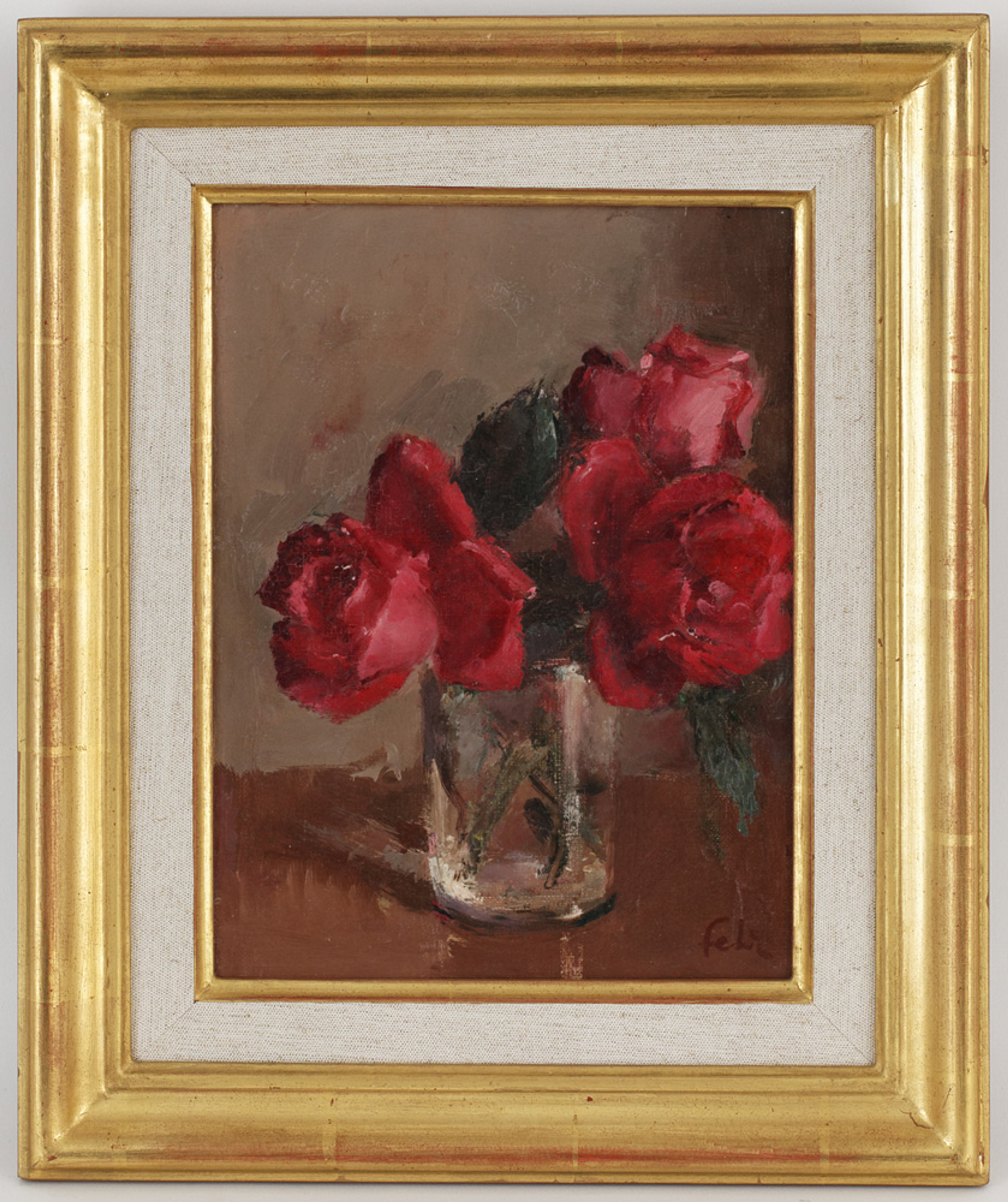
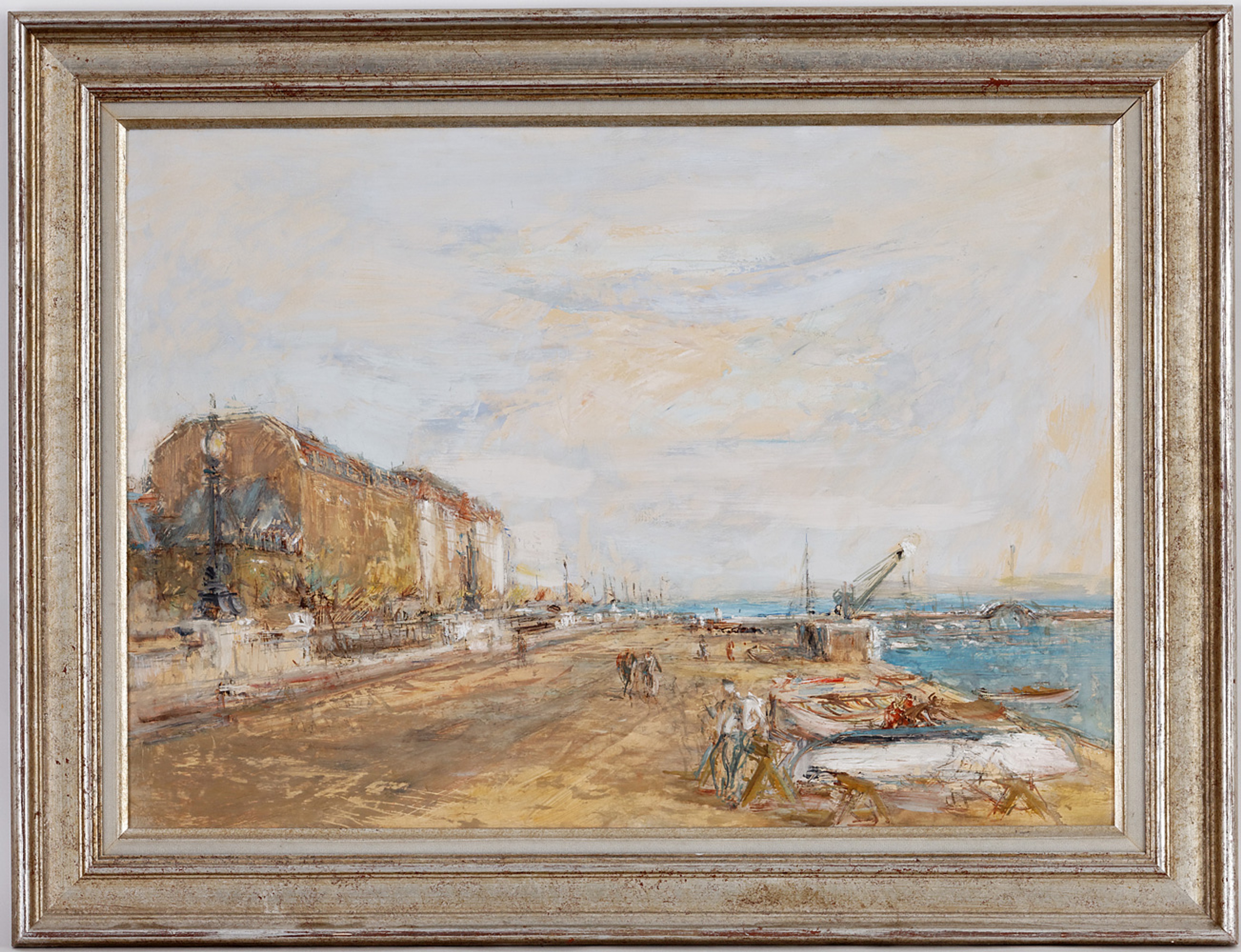
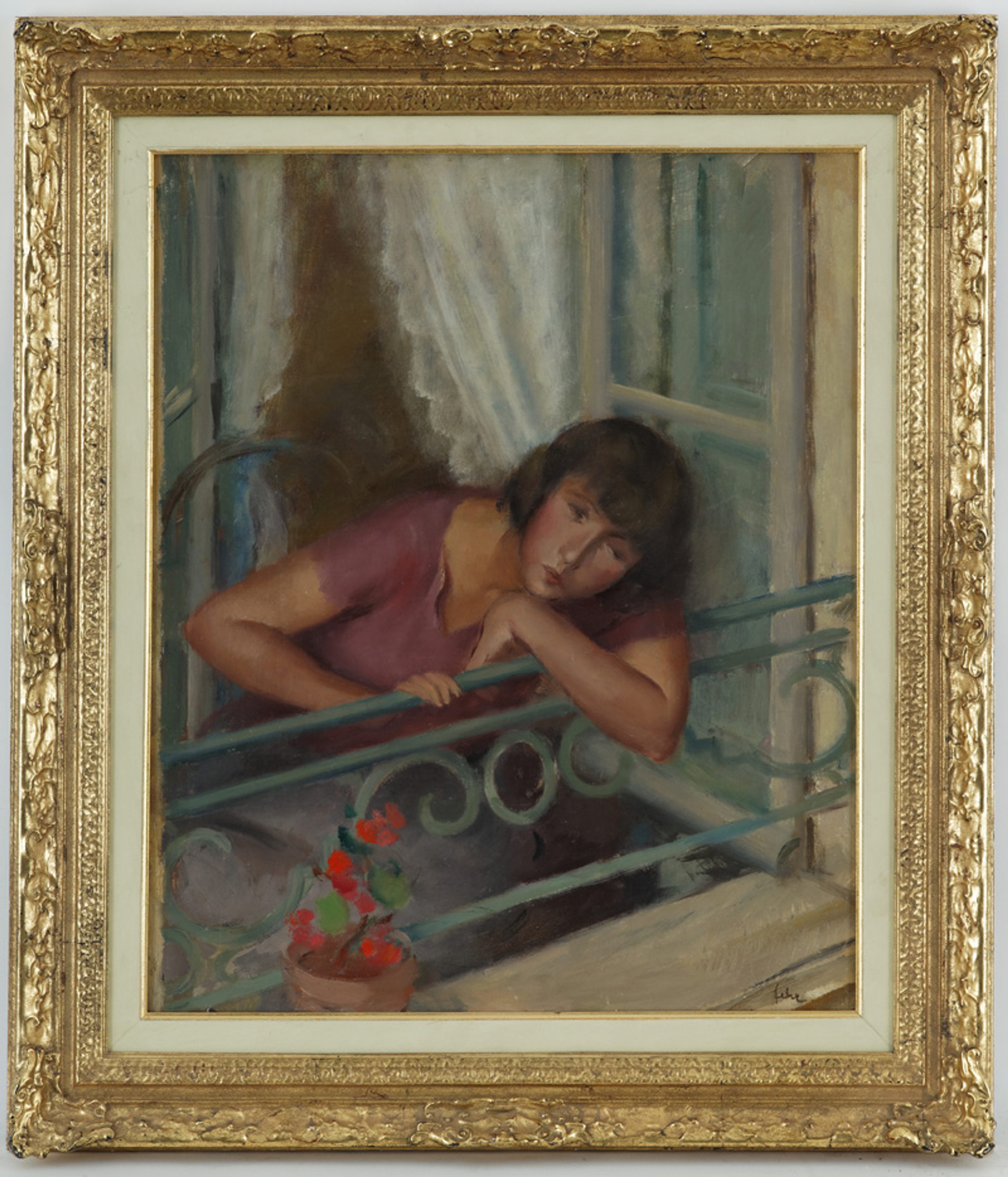
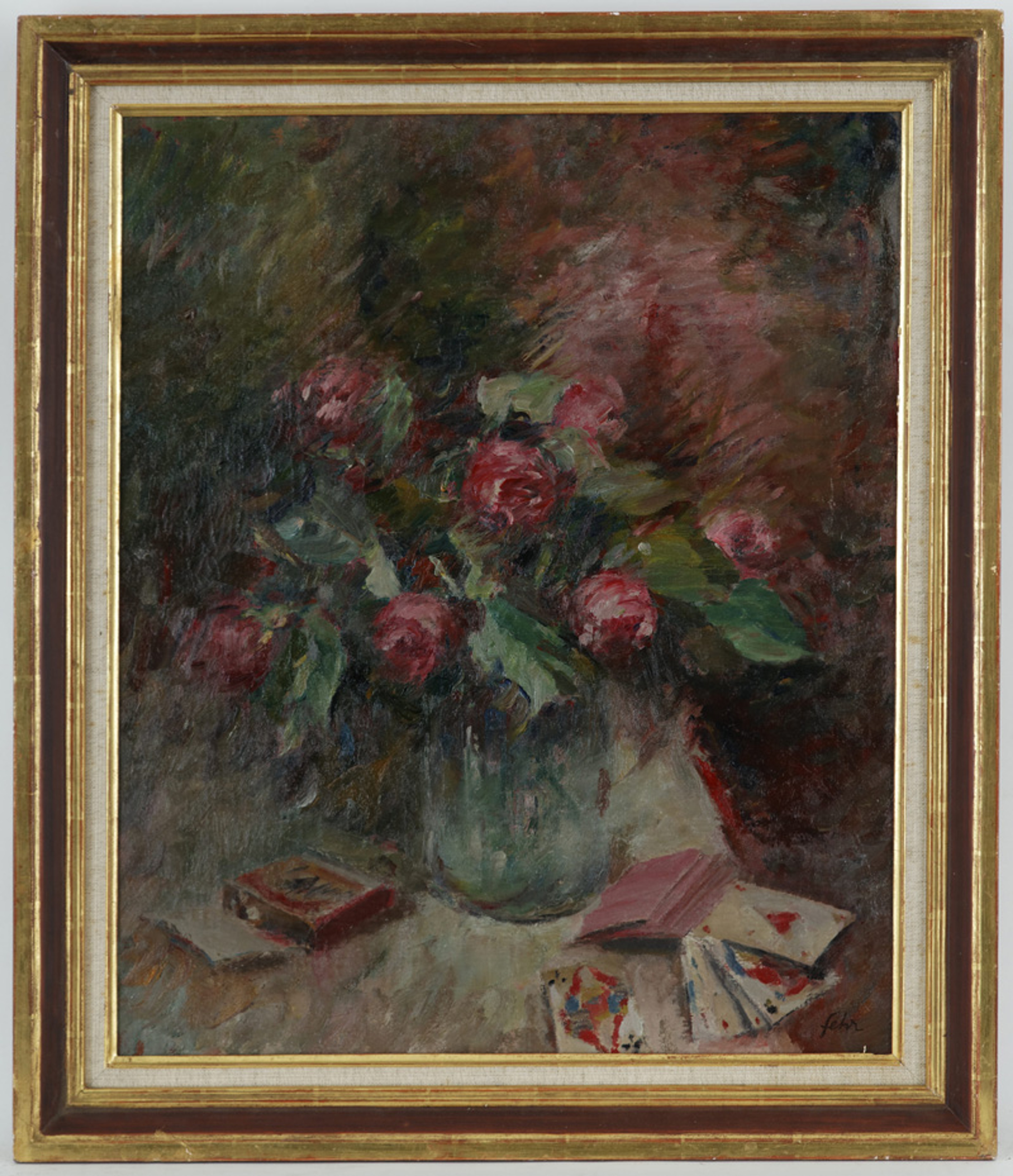
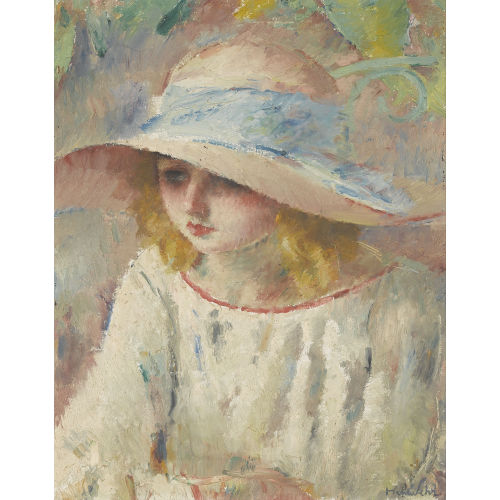
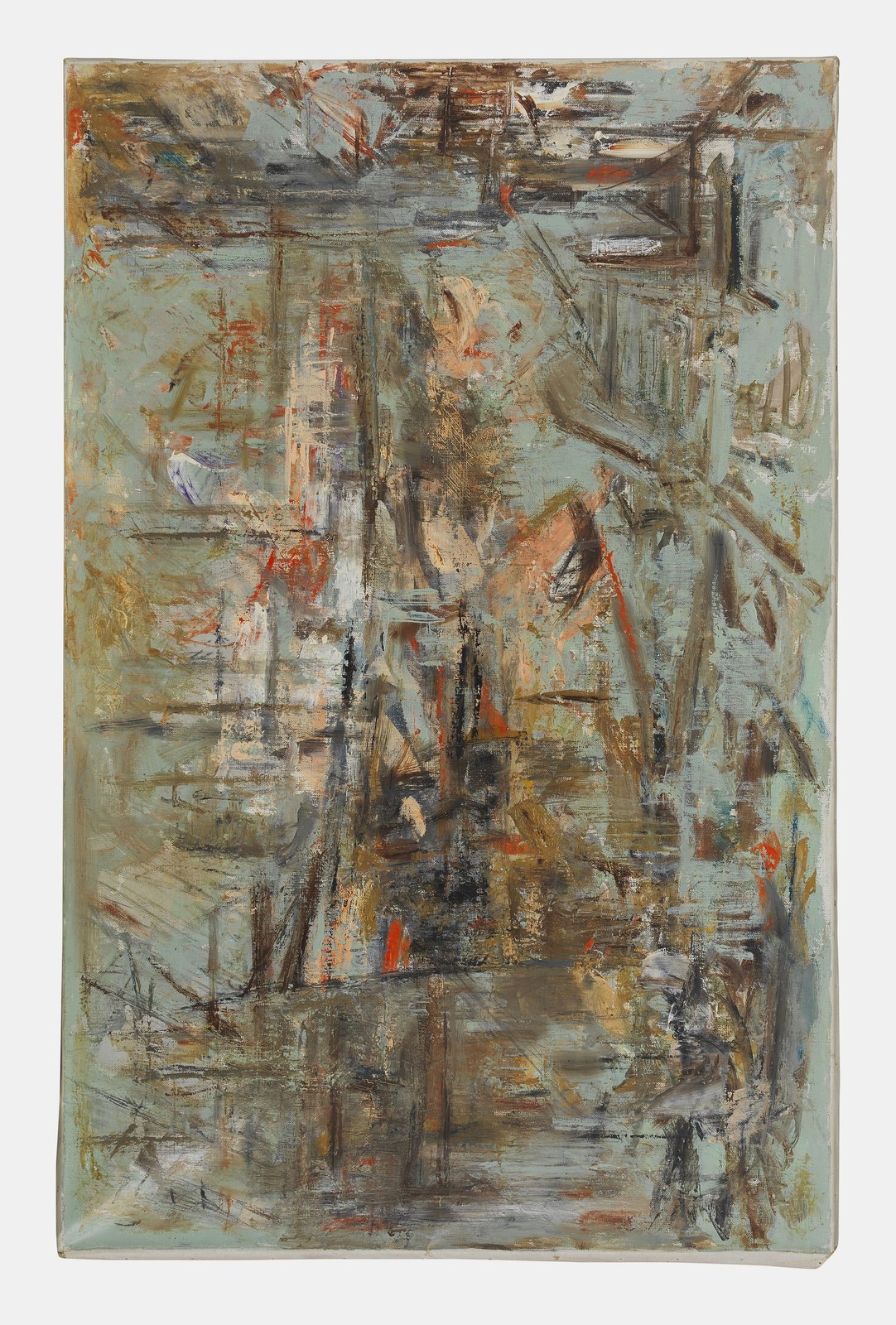
Painting also occupies an important place in his work. The inventory of the Swiss Confederation’s art collections lists La Seine à Paris, dated 1923, Port d’Yvoire, from before 1933, and Rendez-vous, from 1954. These chronological markers lend depth to an oeuvre that includes landscapes in particular.
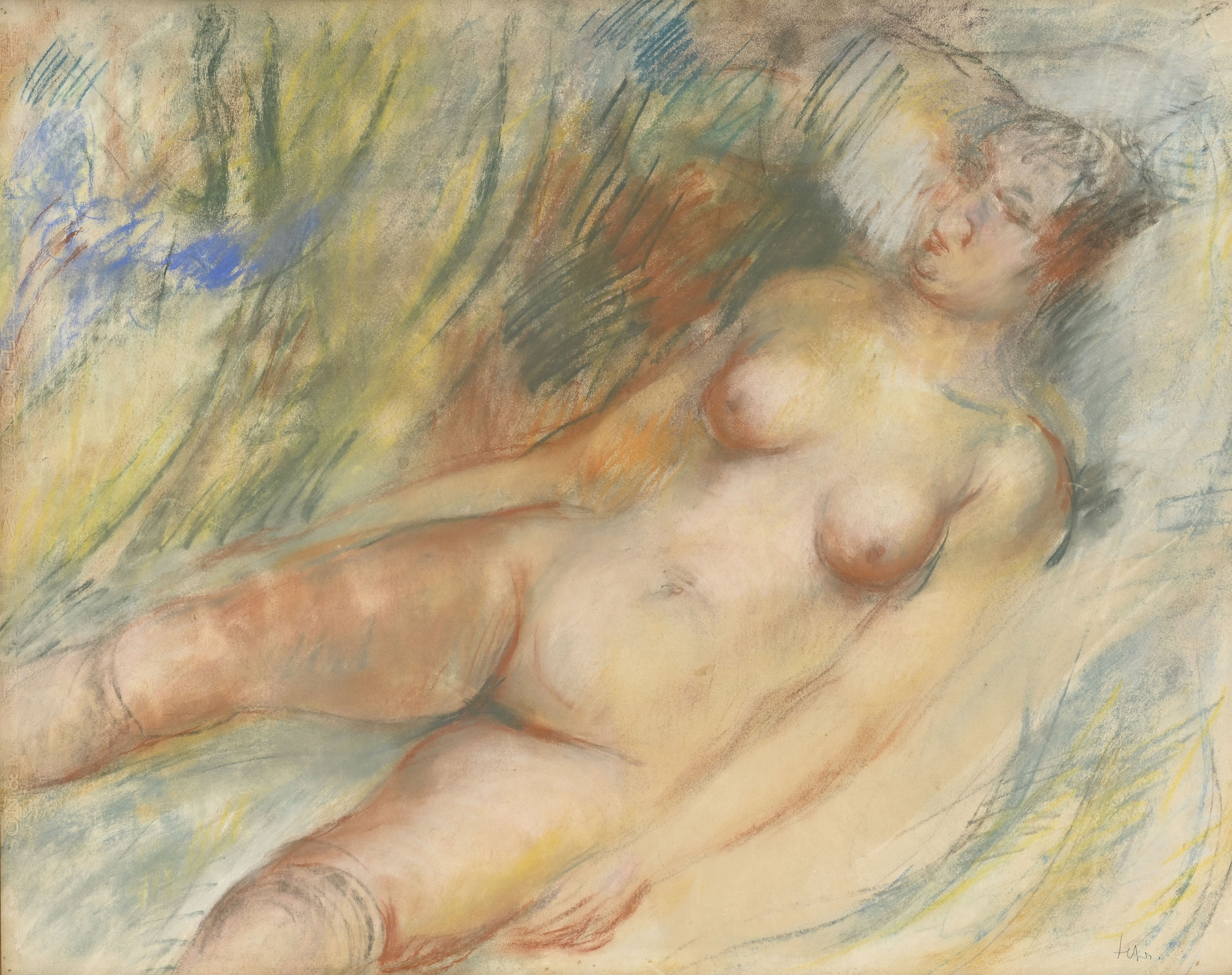
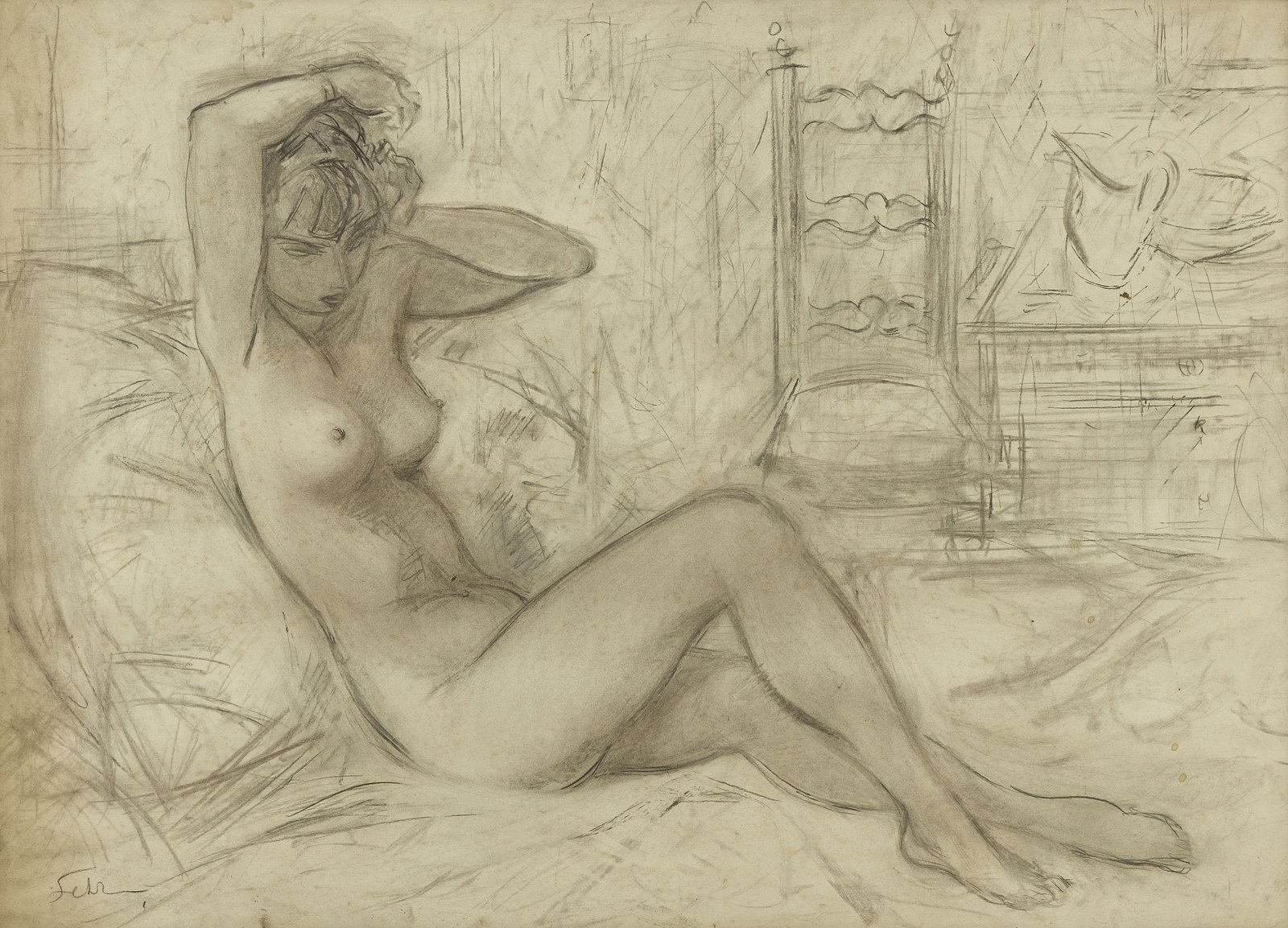
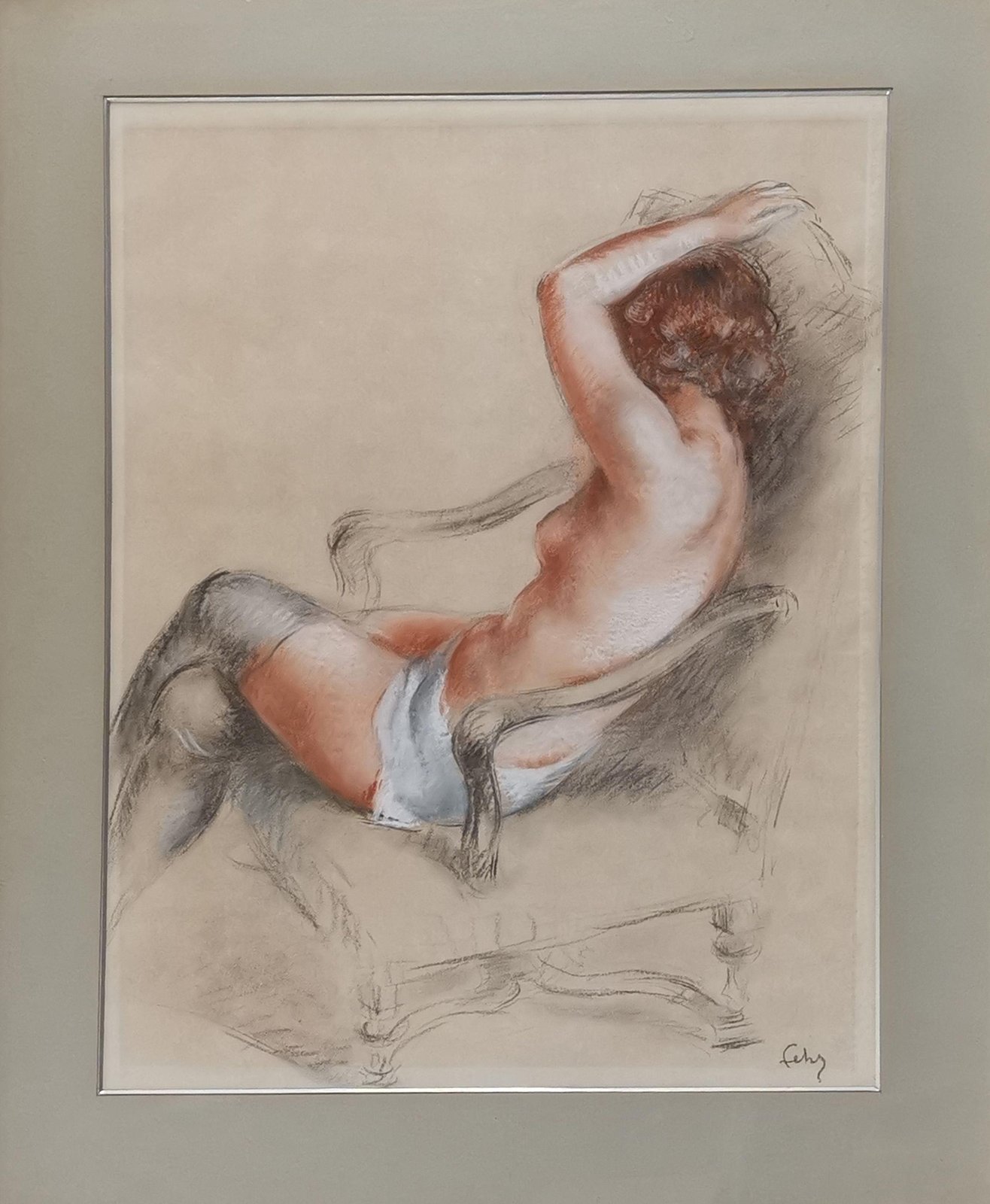
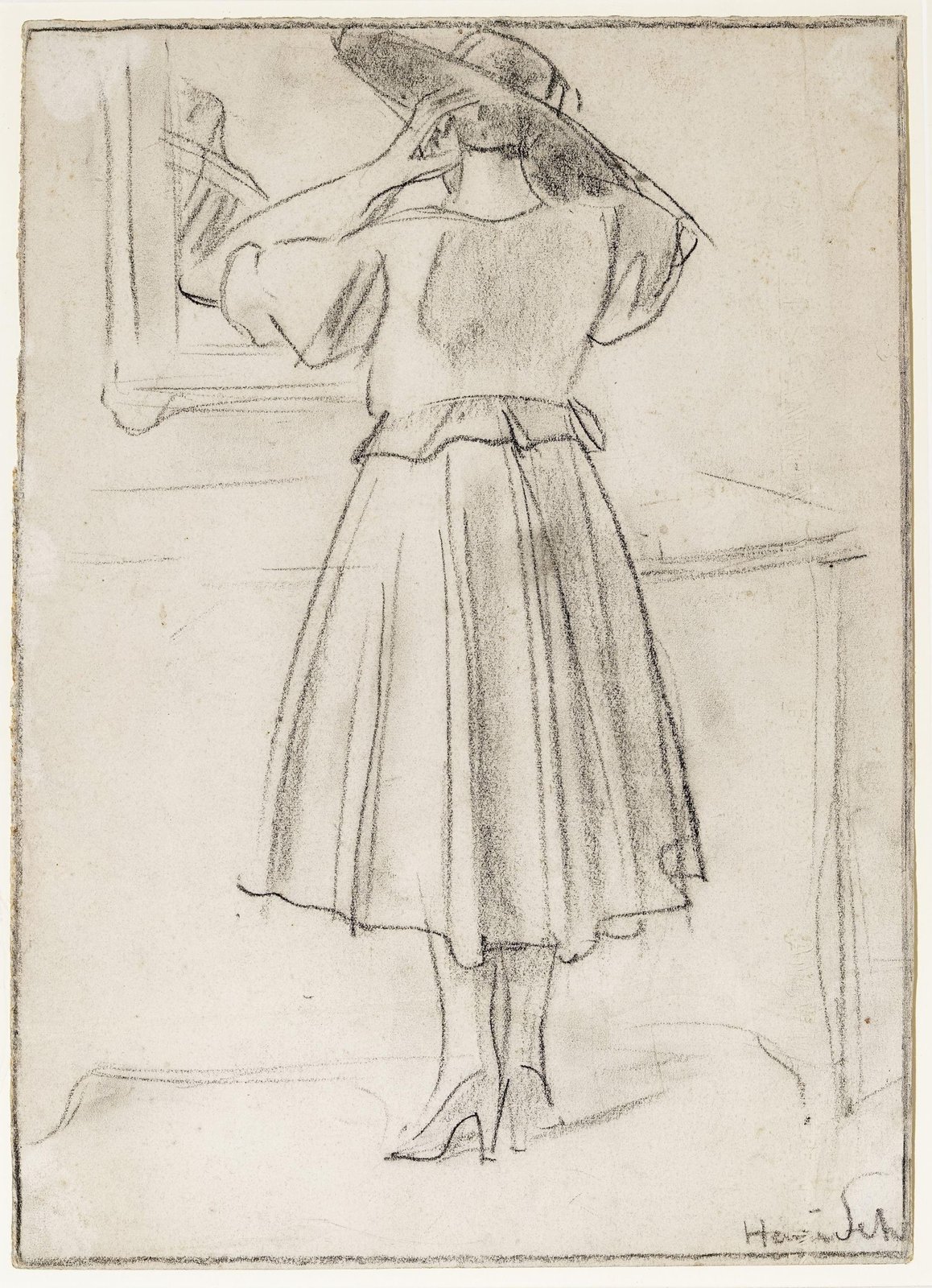
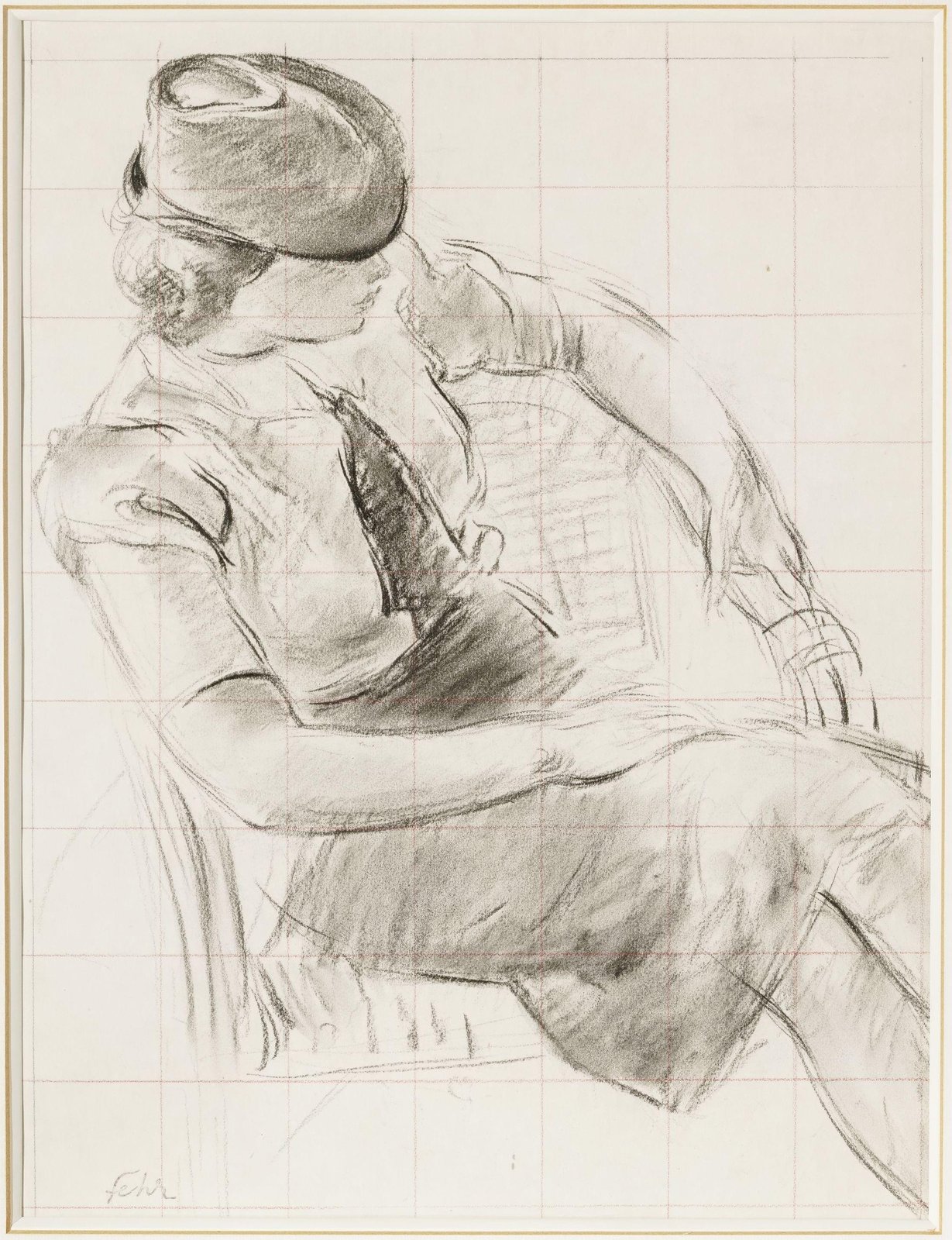
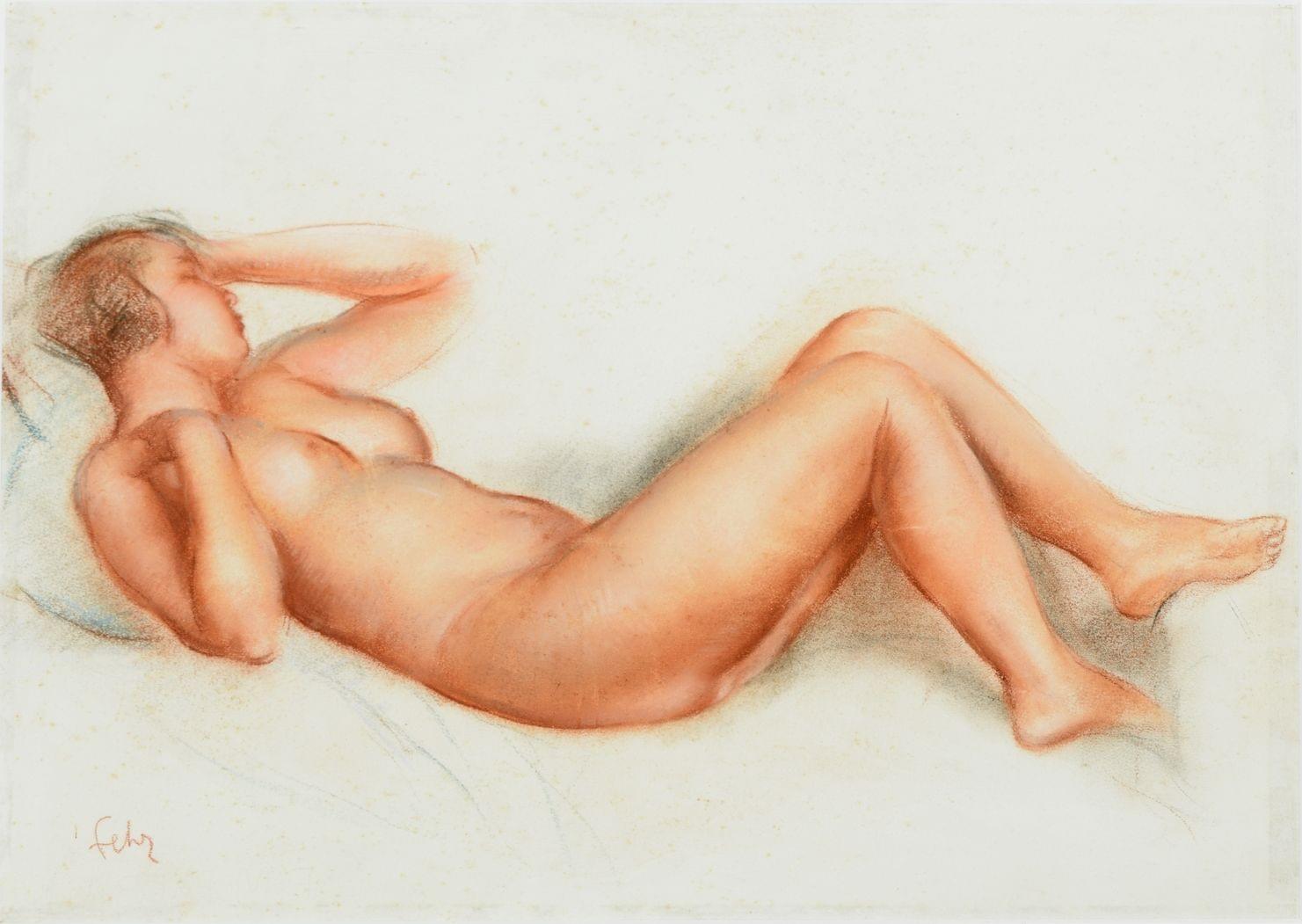
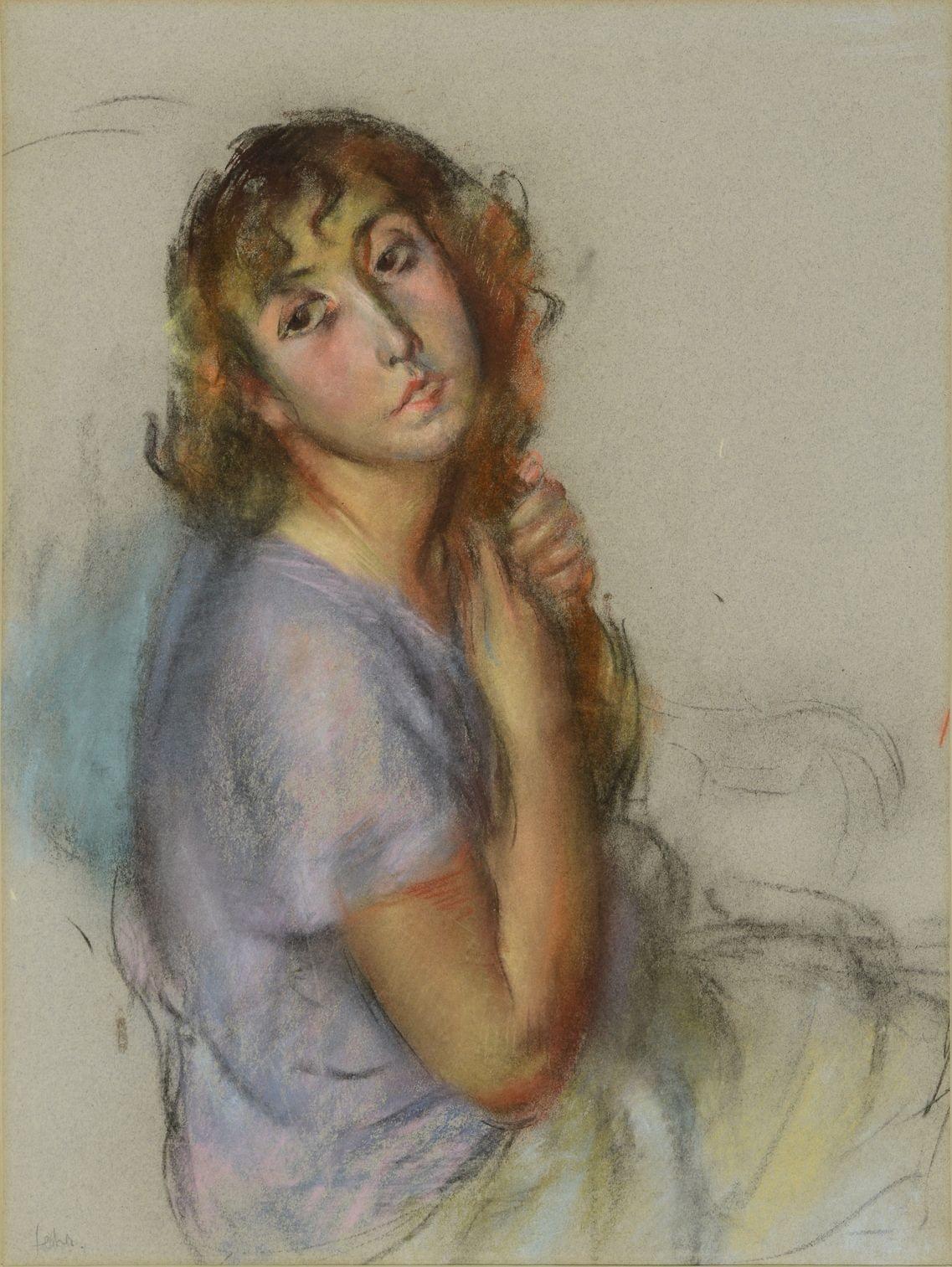
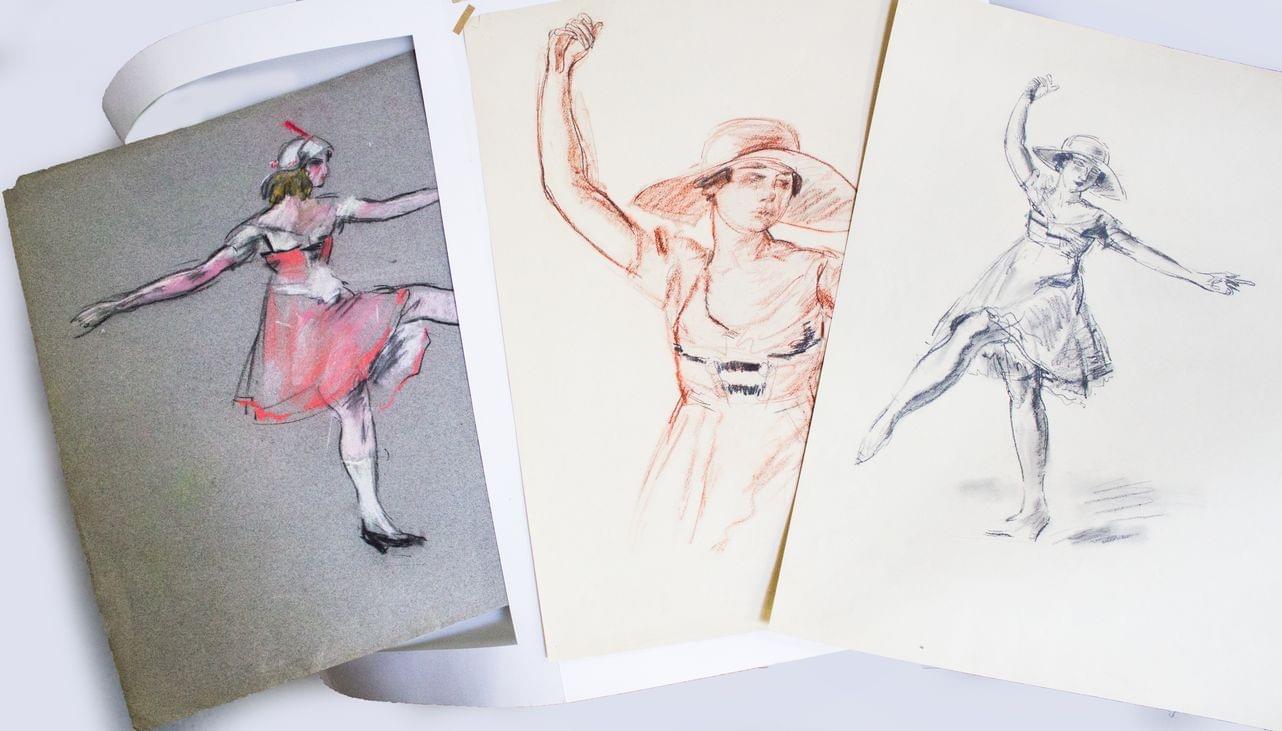
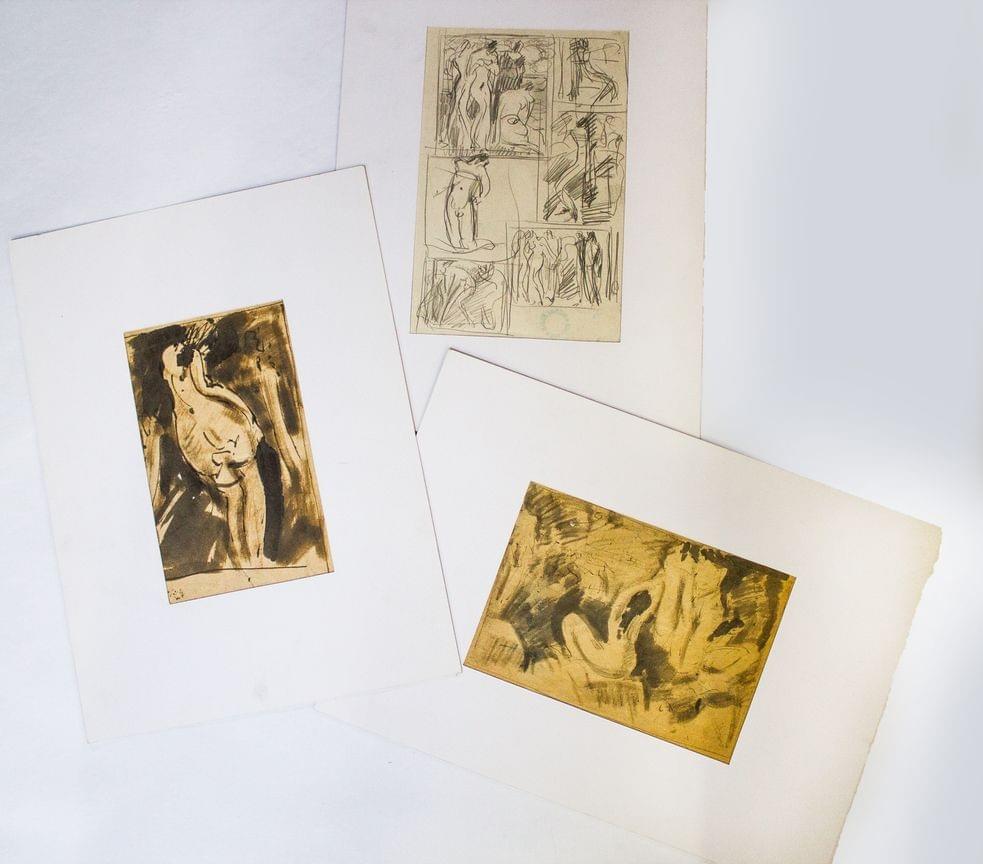
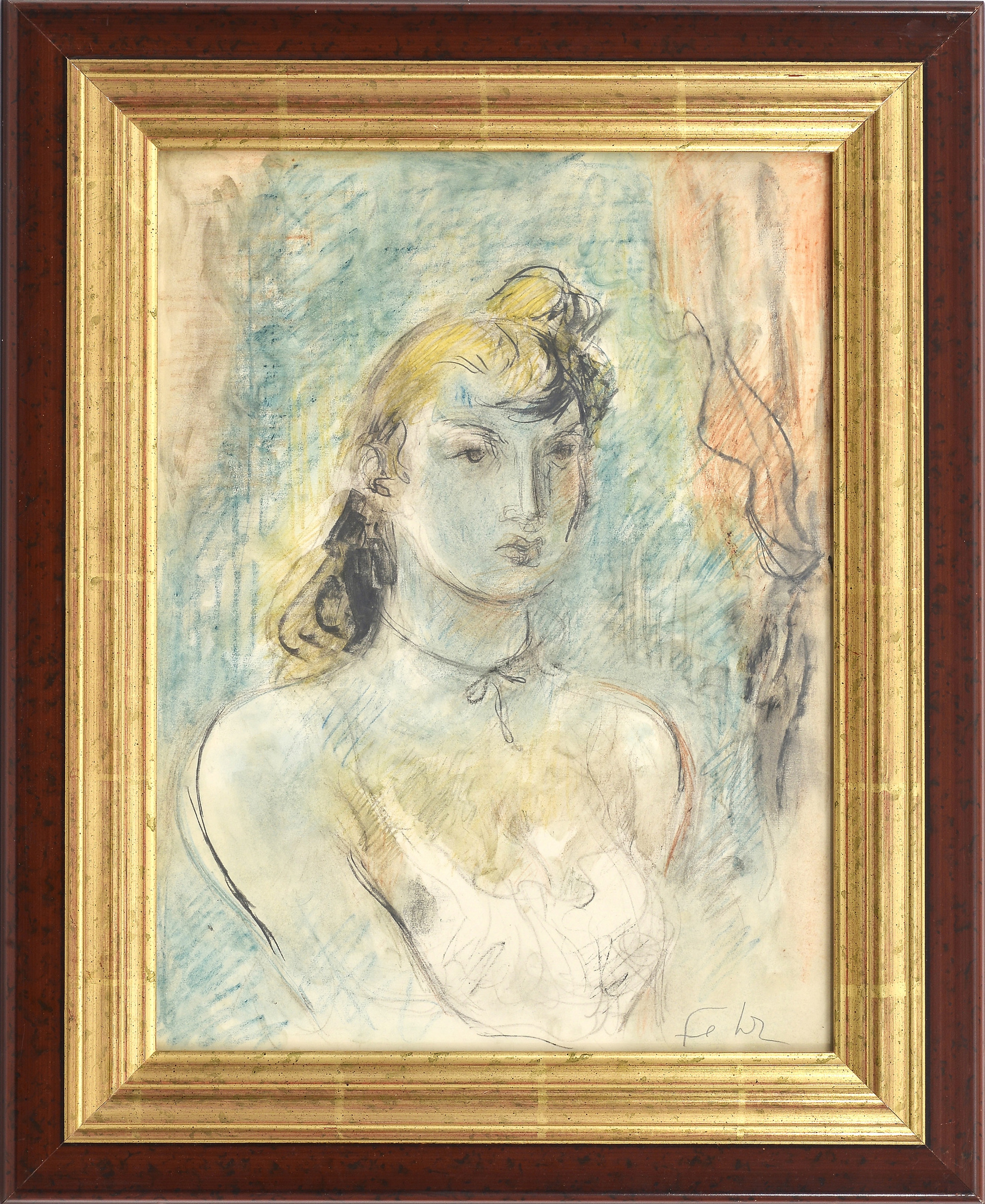
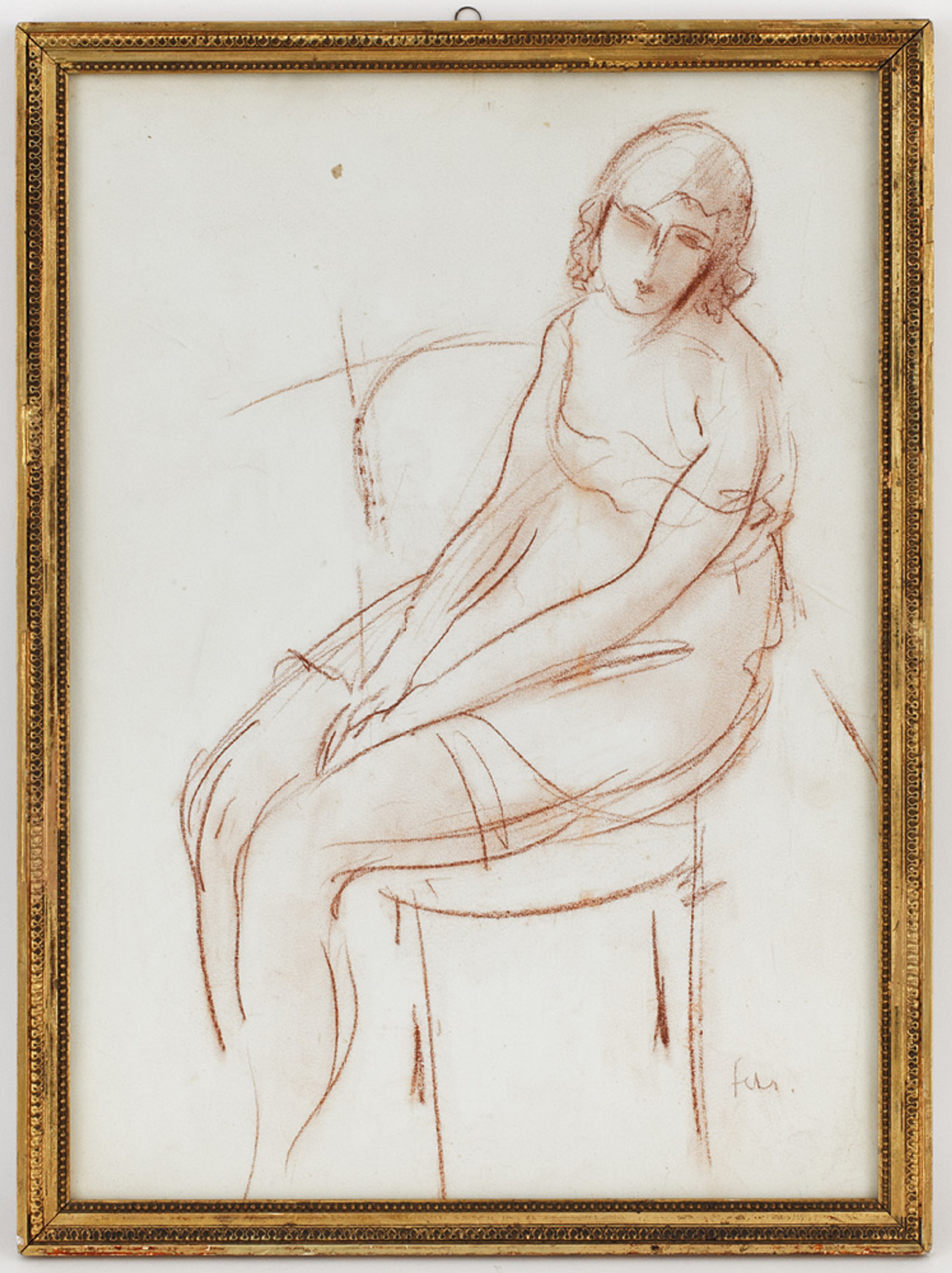
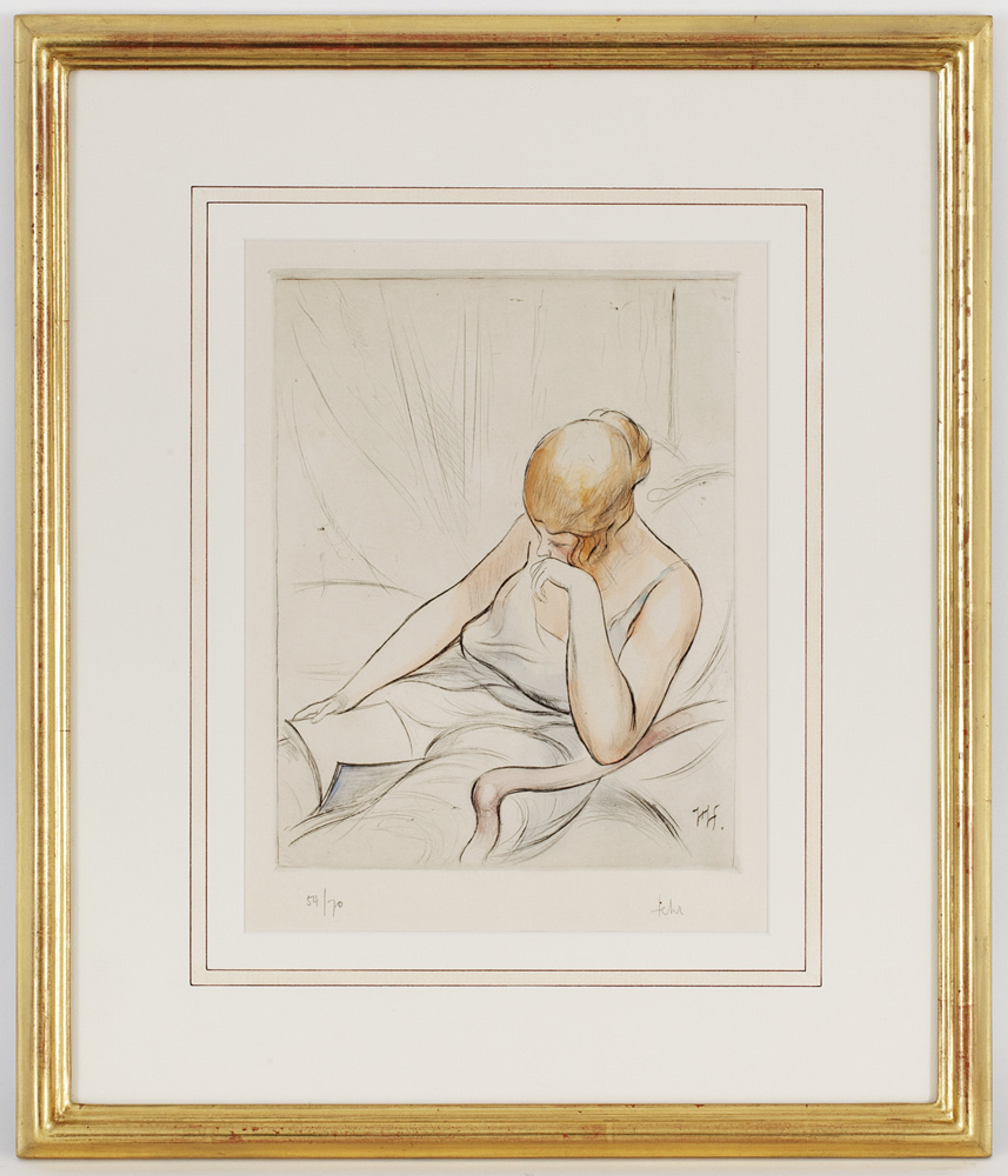
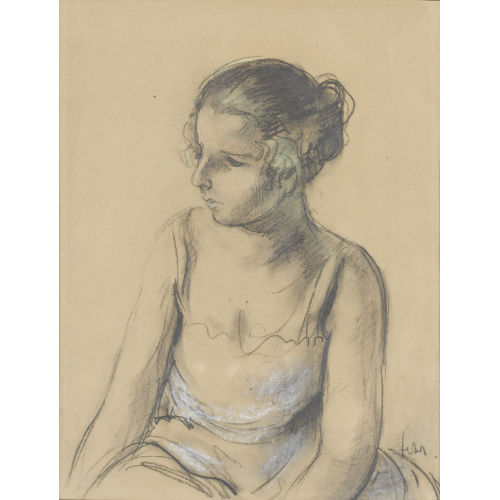
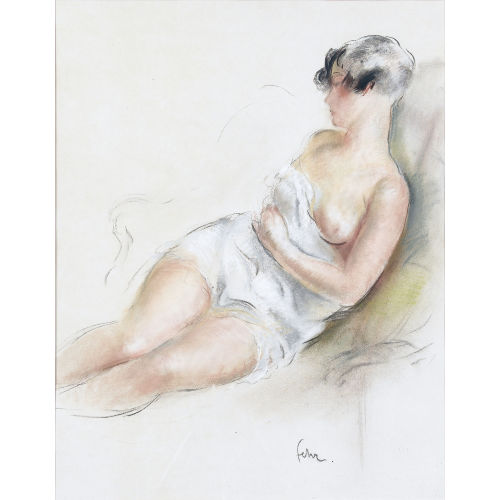
To discover Fehr, one can compare what each medium demands: the poster must capture the eye, while the painting allows for sustained attention. Observing the framing and the placement of forms offers a first thread for exploring this dual practice.