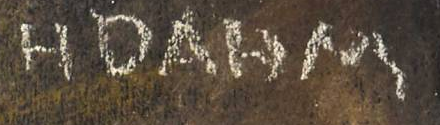
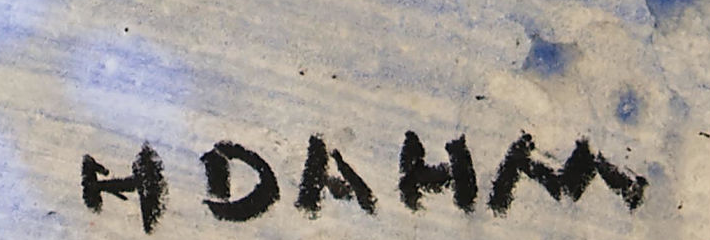
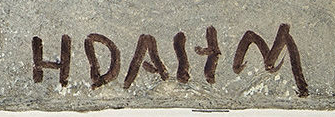
Helen Dahm
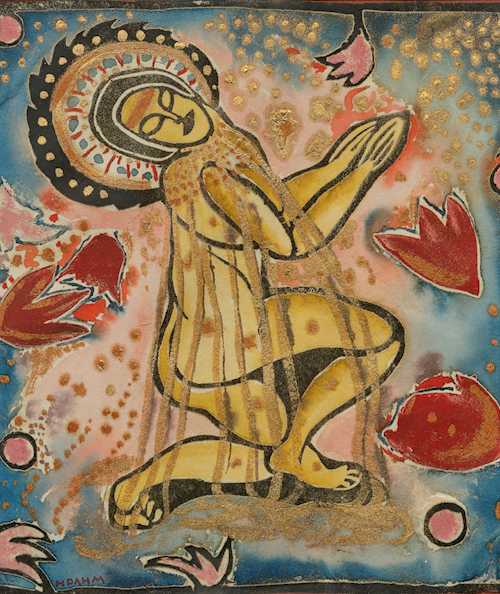
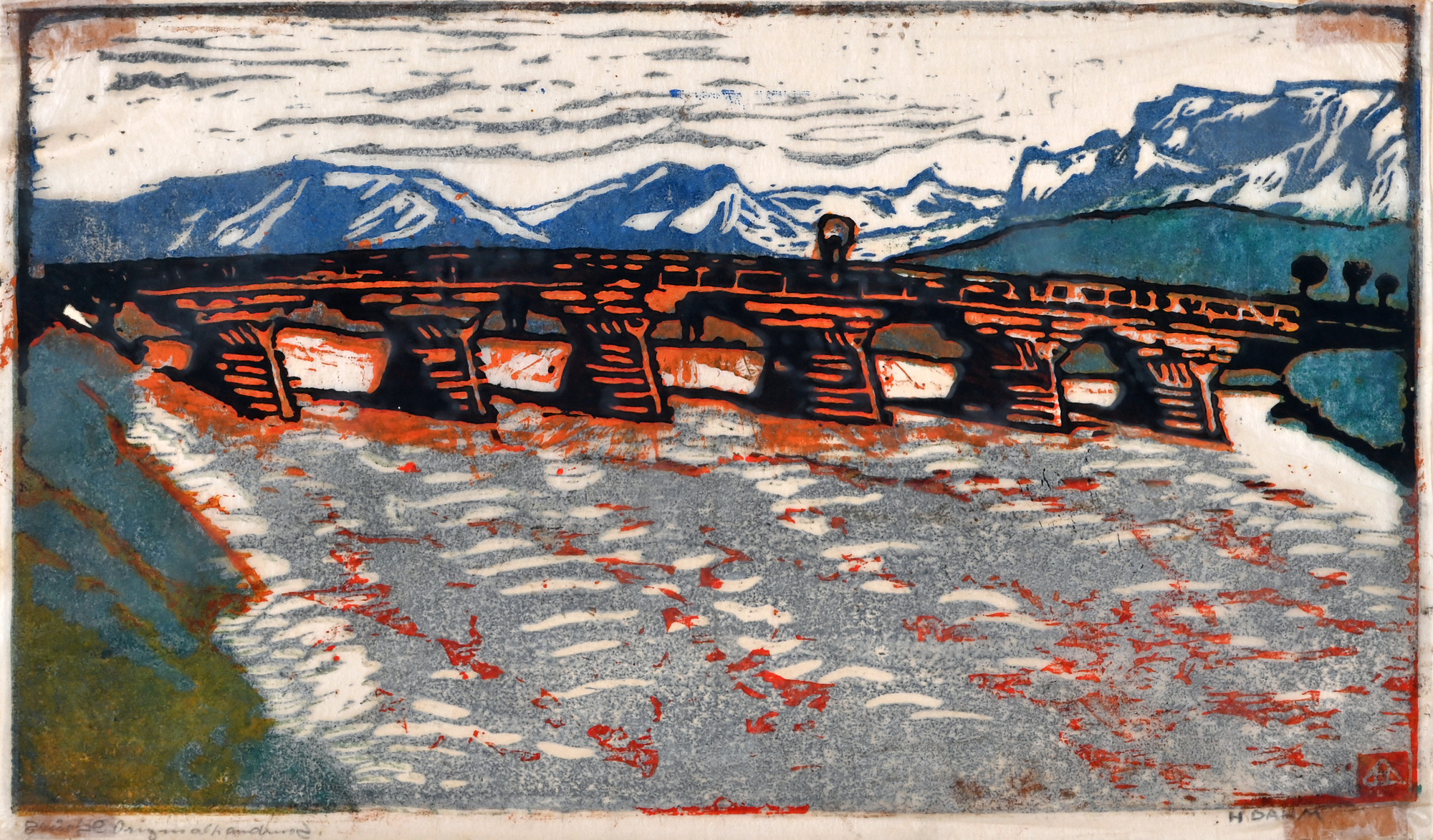
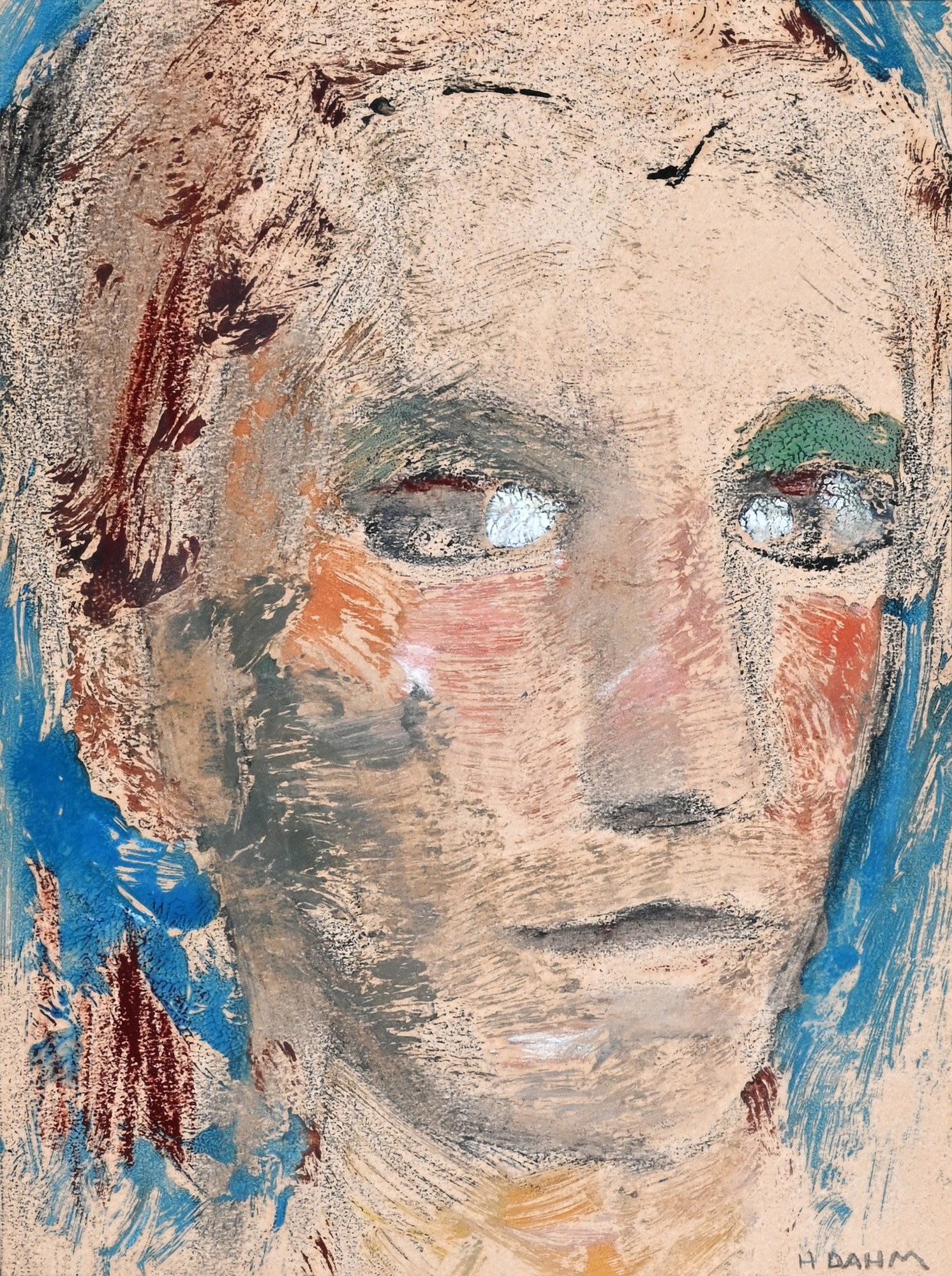
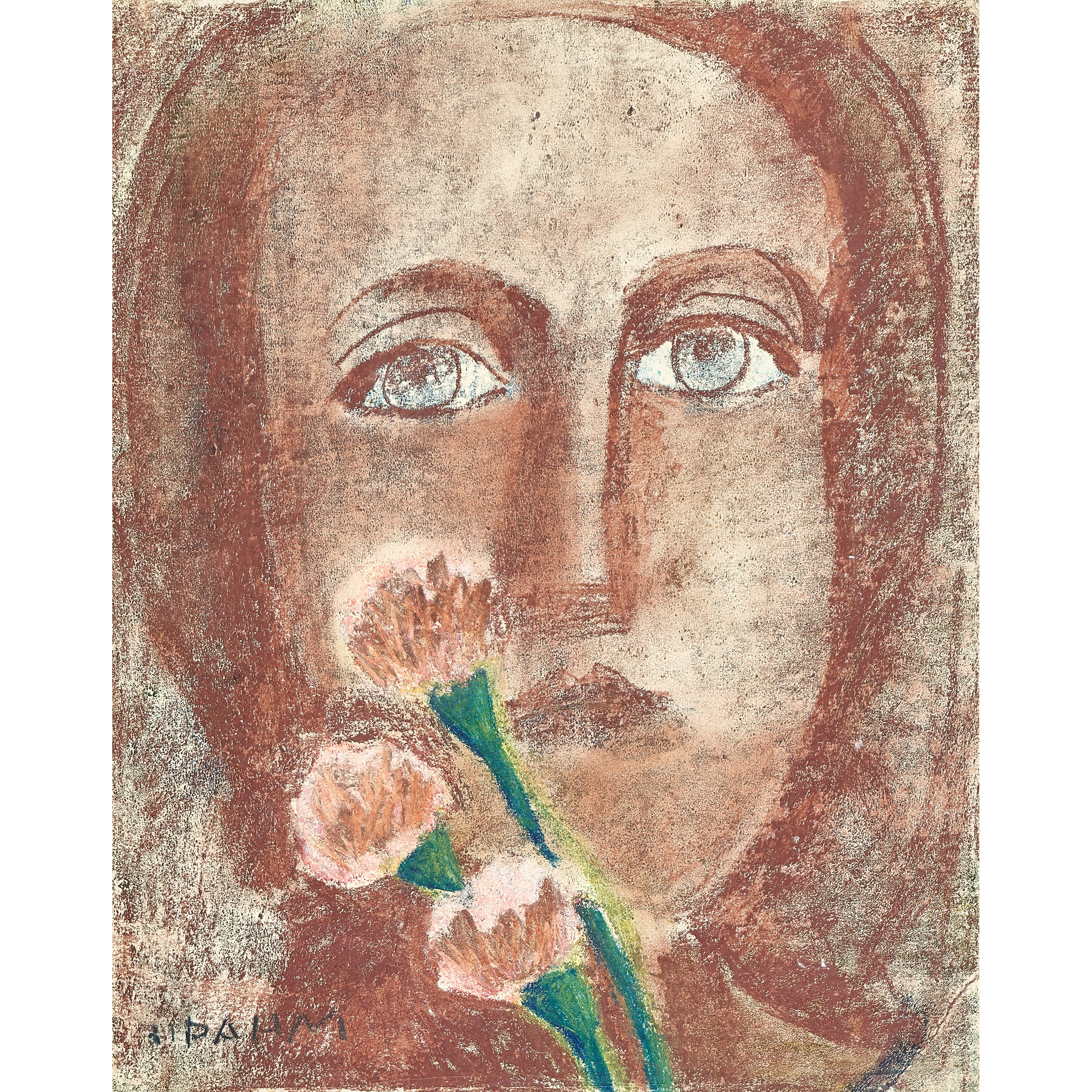
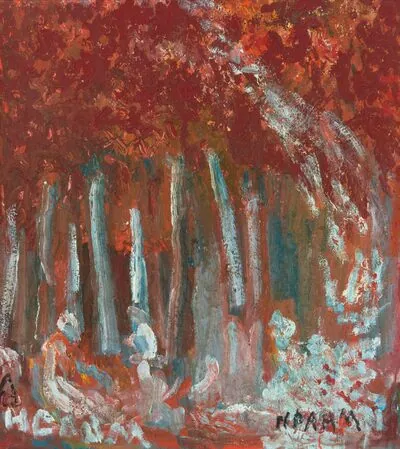
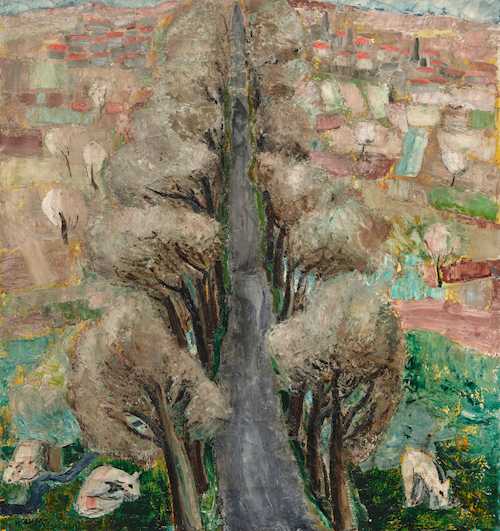
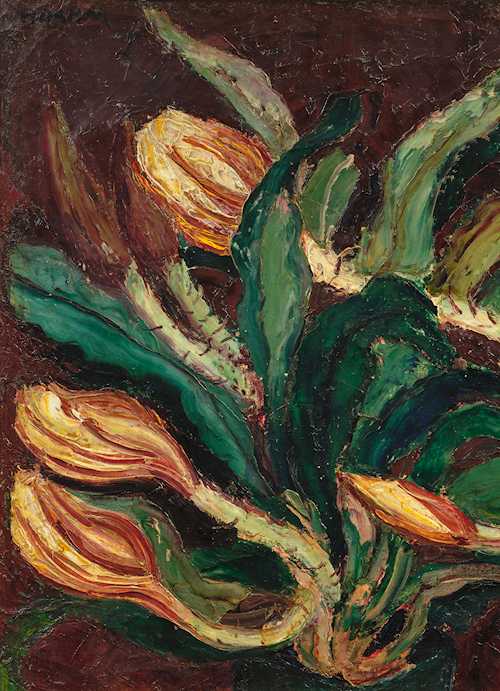
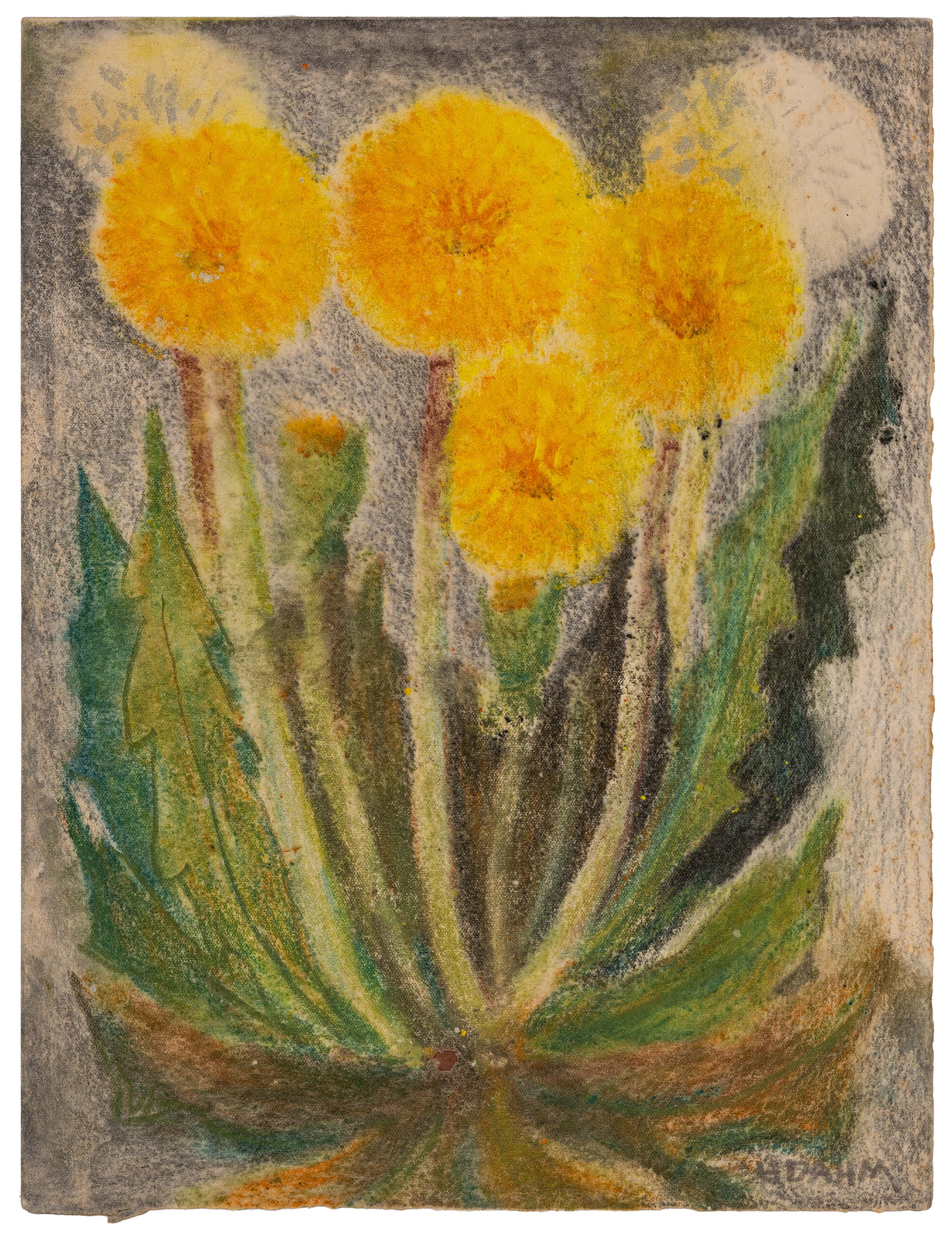
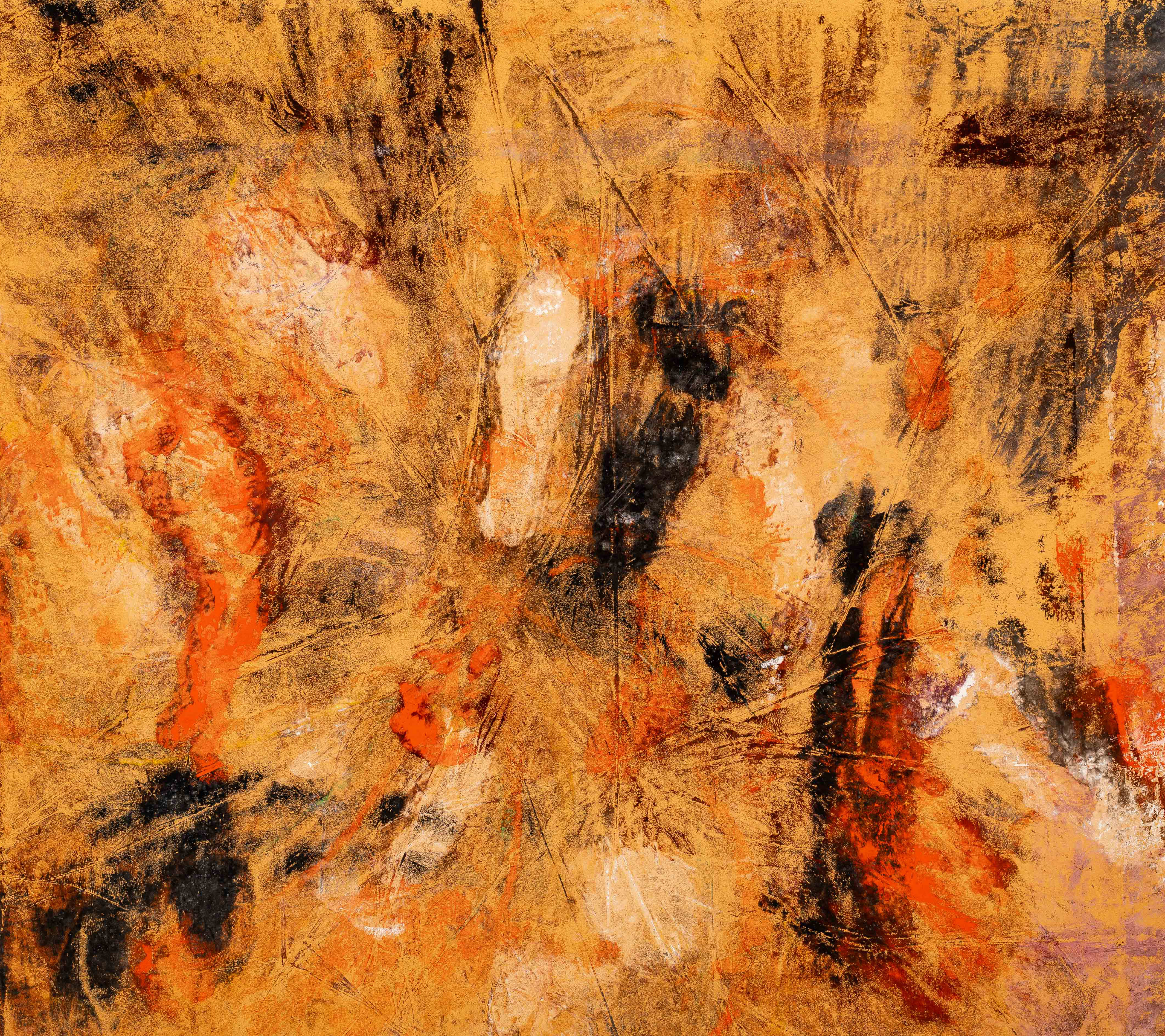
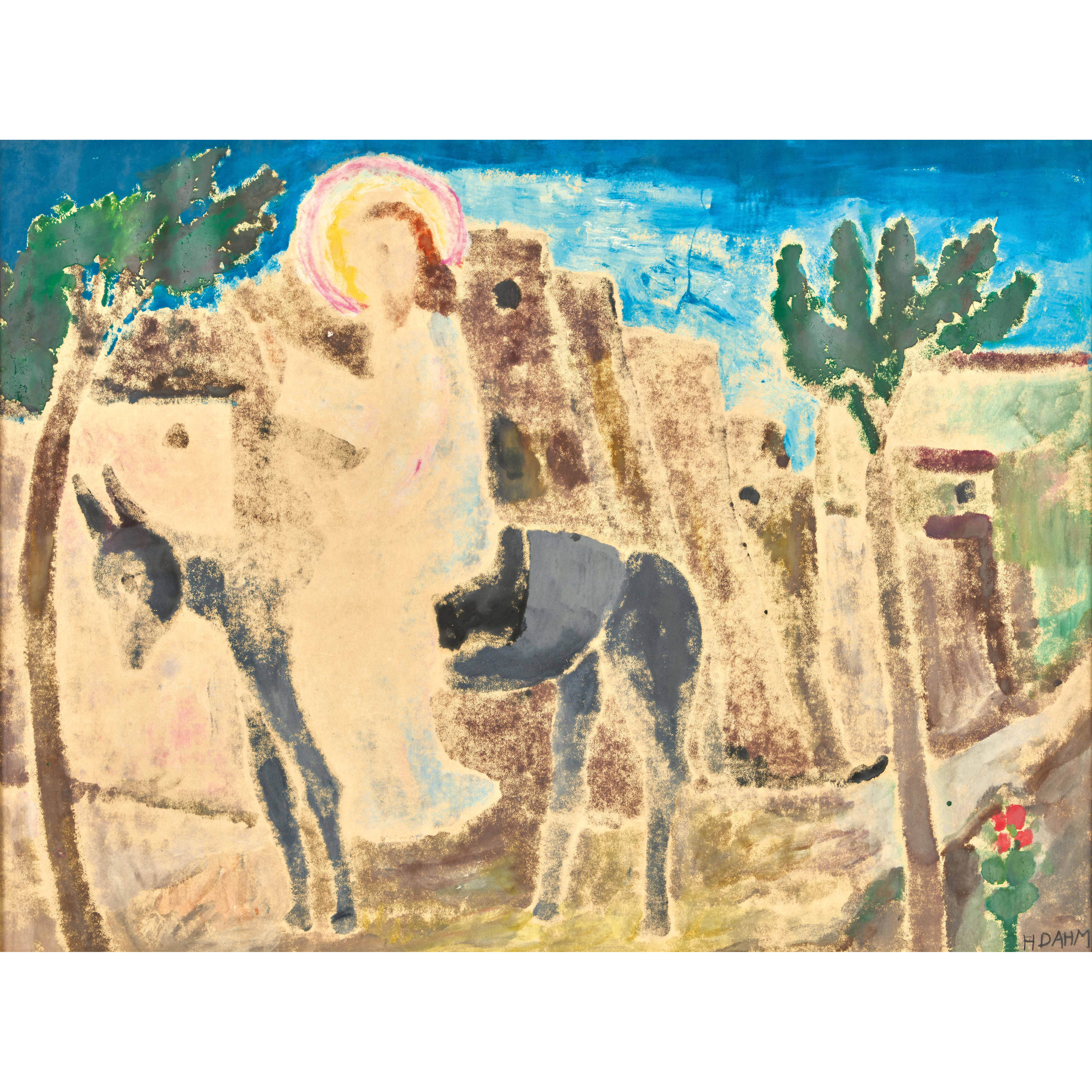
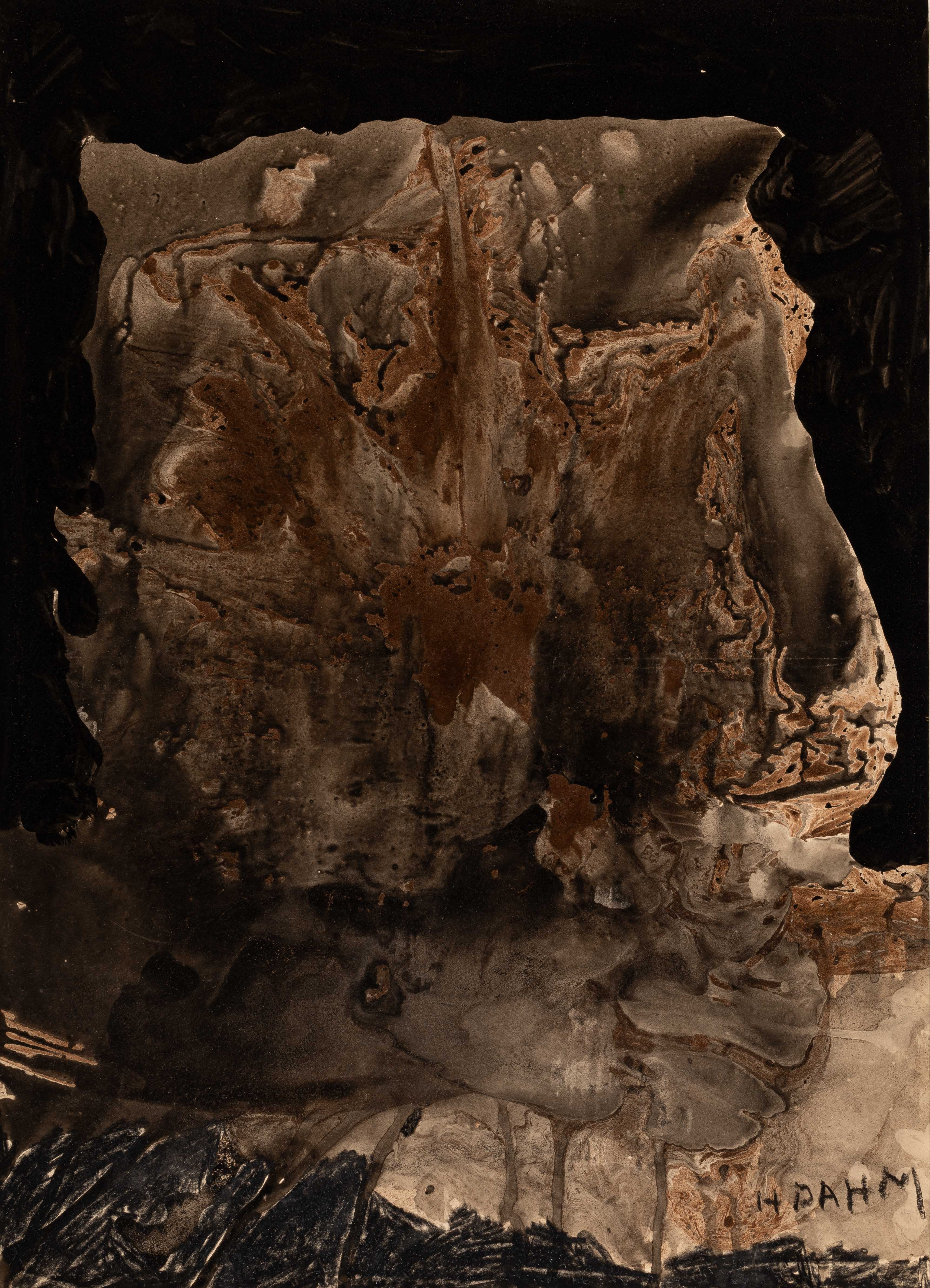
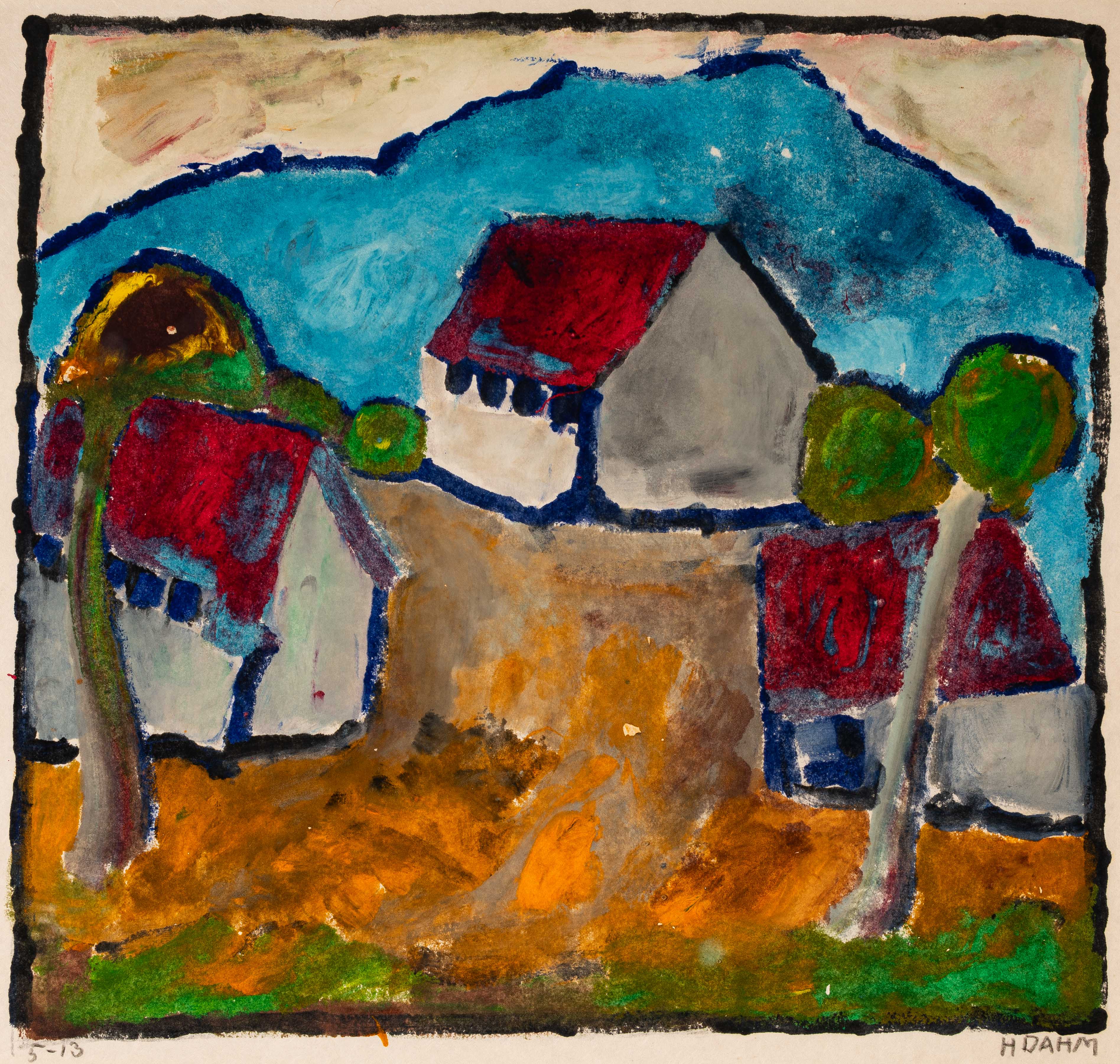
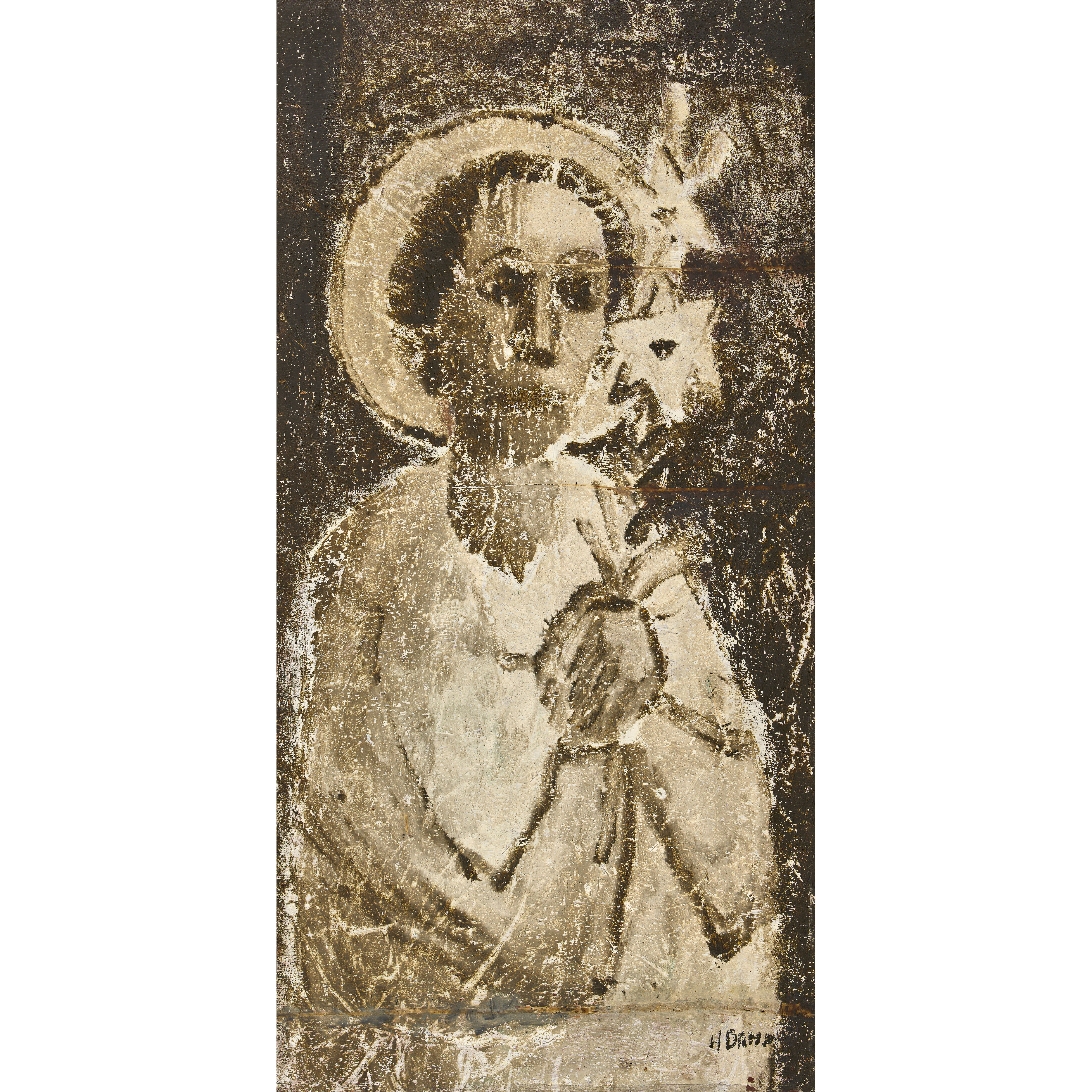
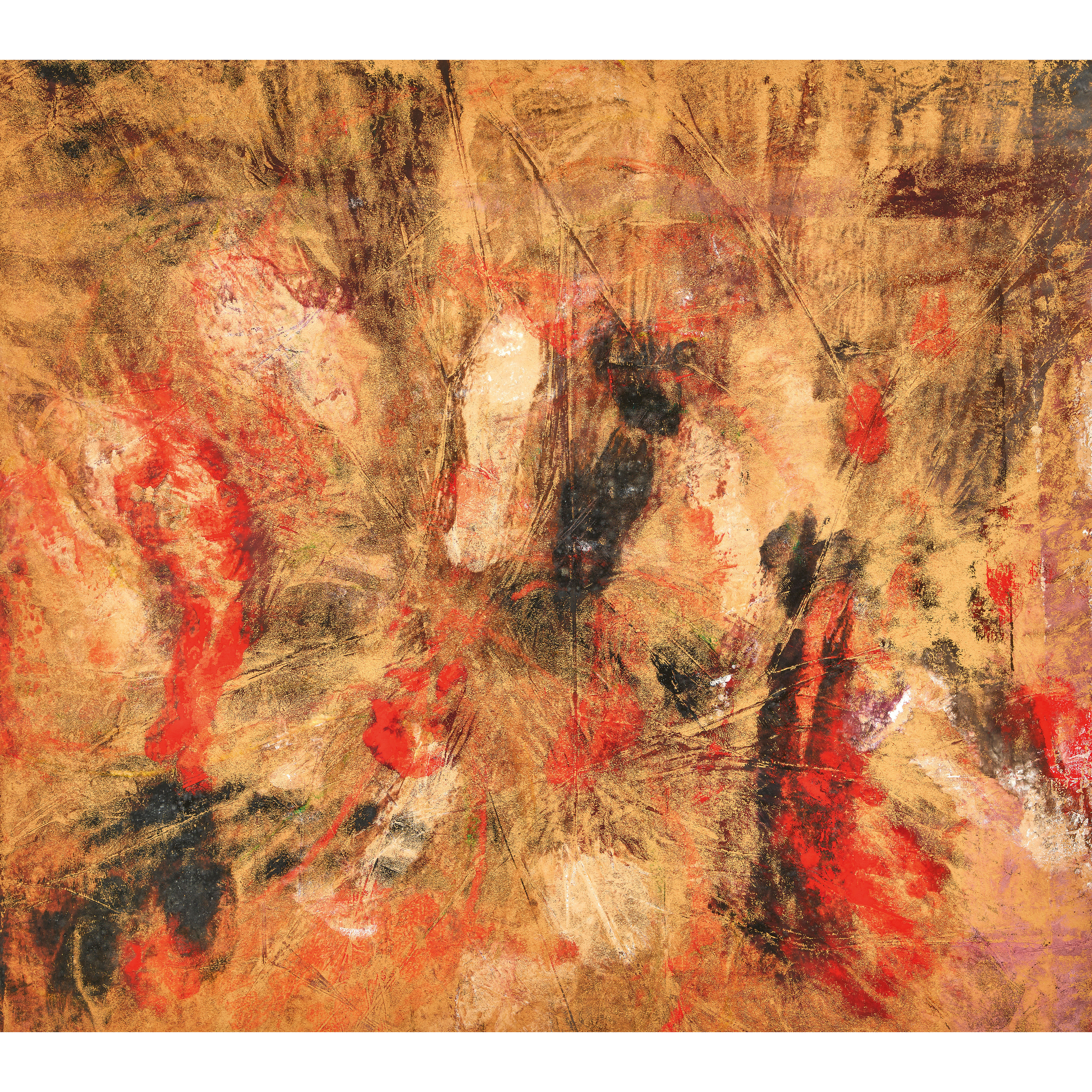
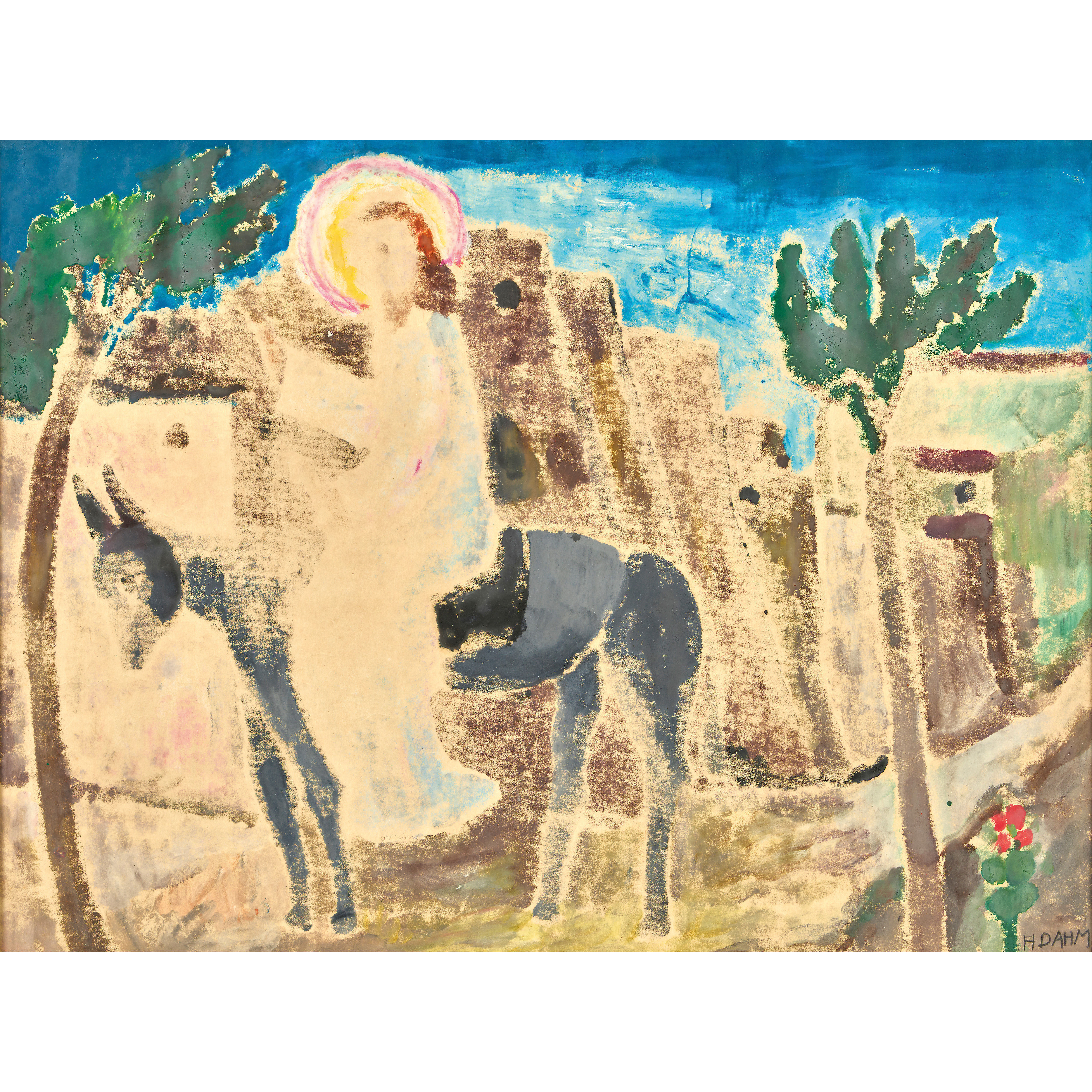
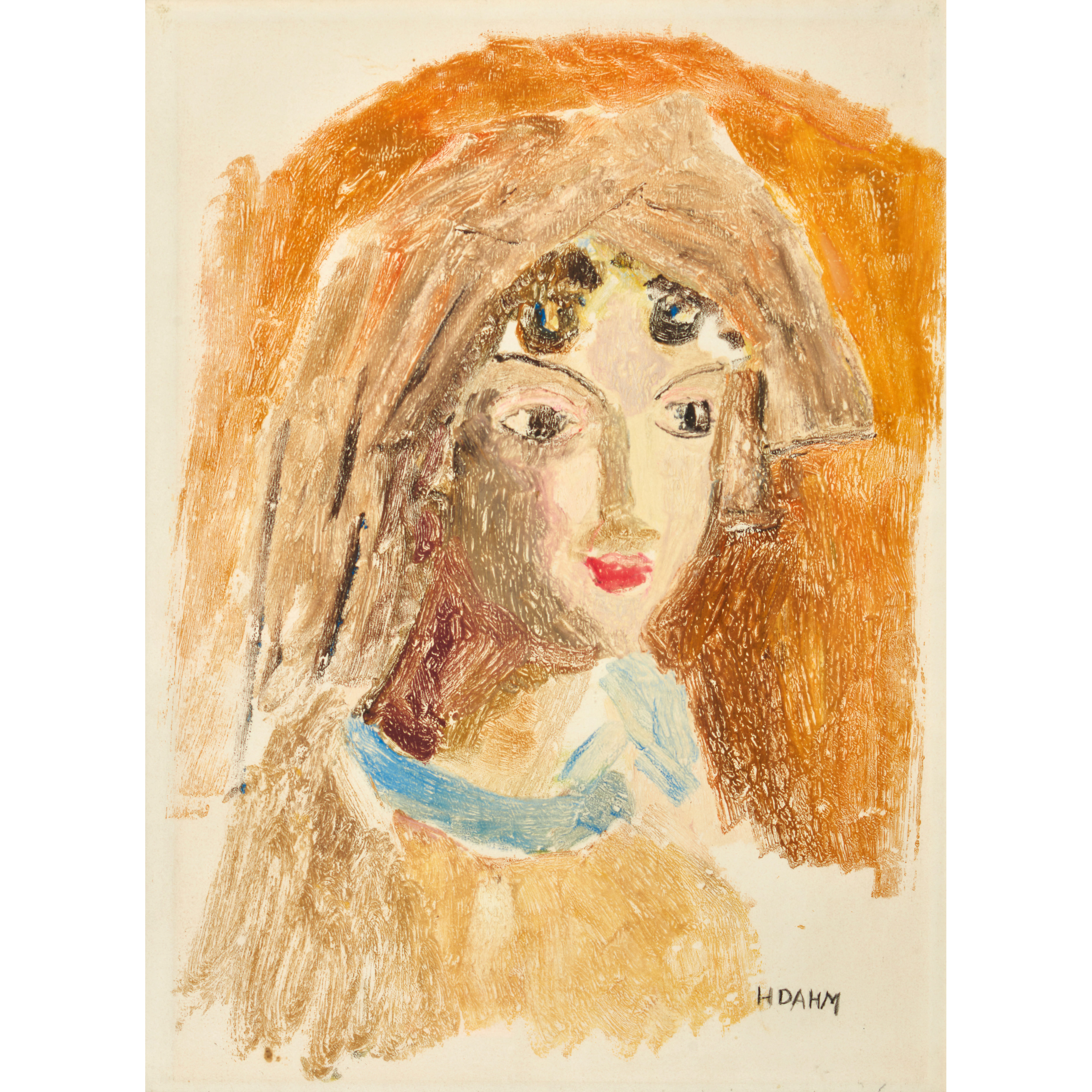
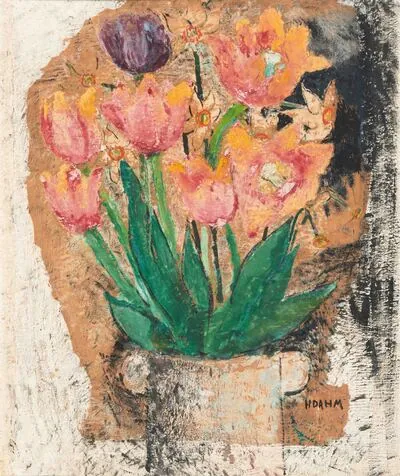
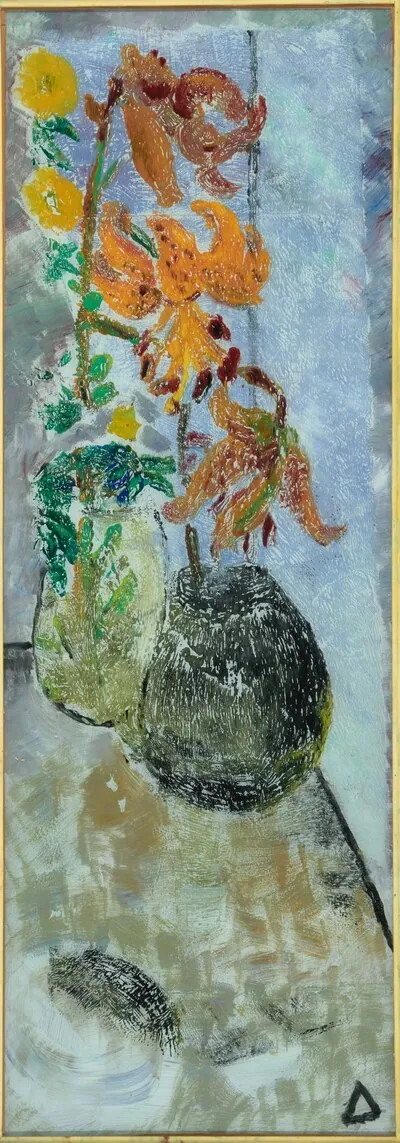
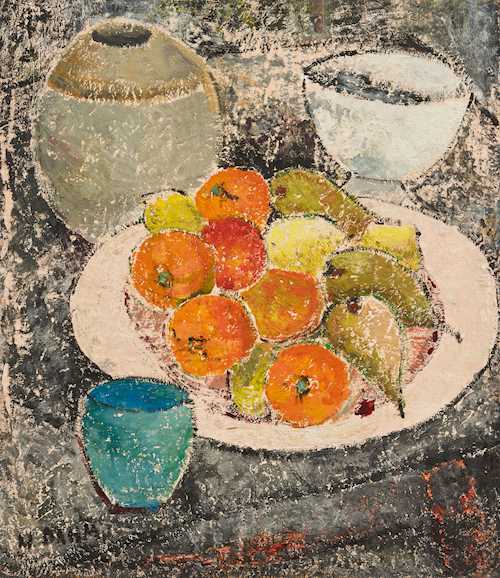
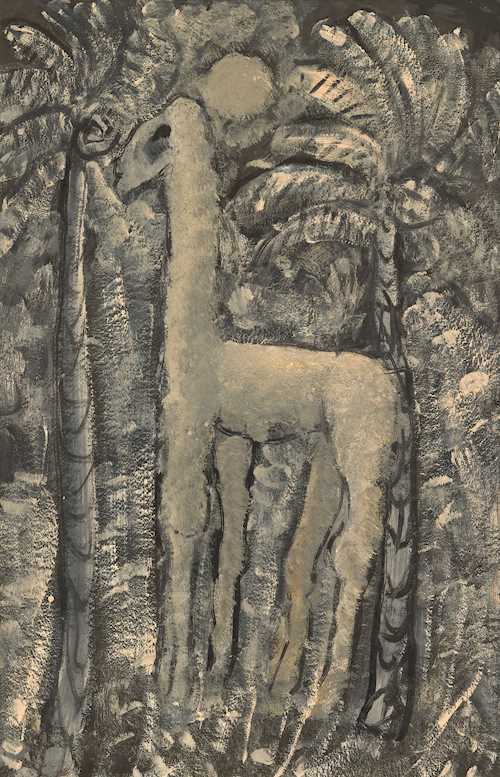
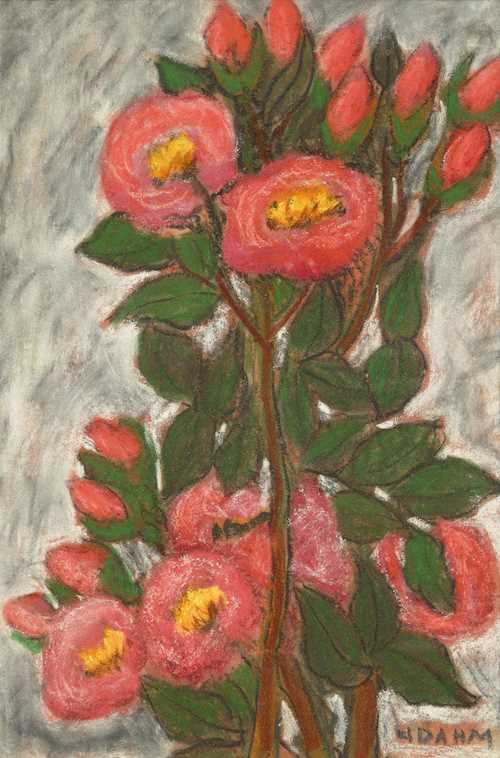
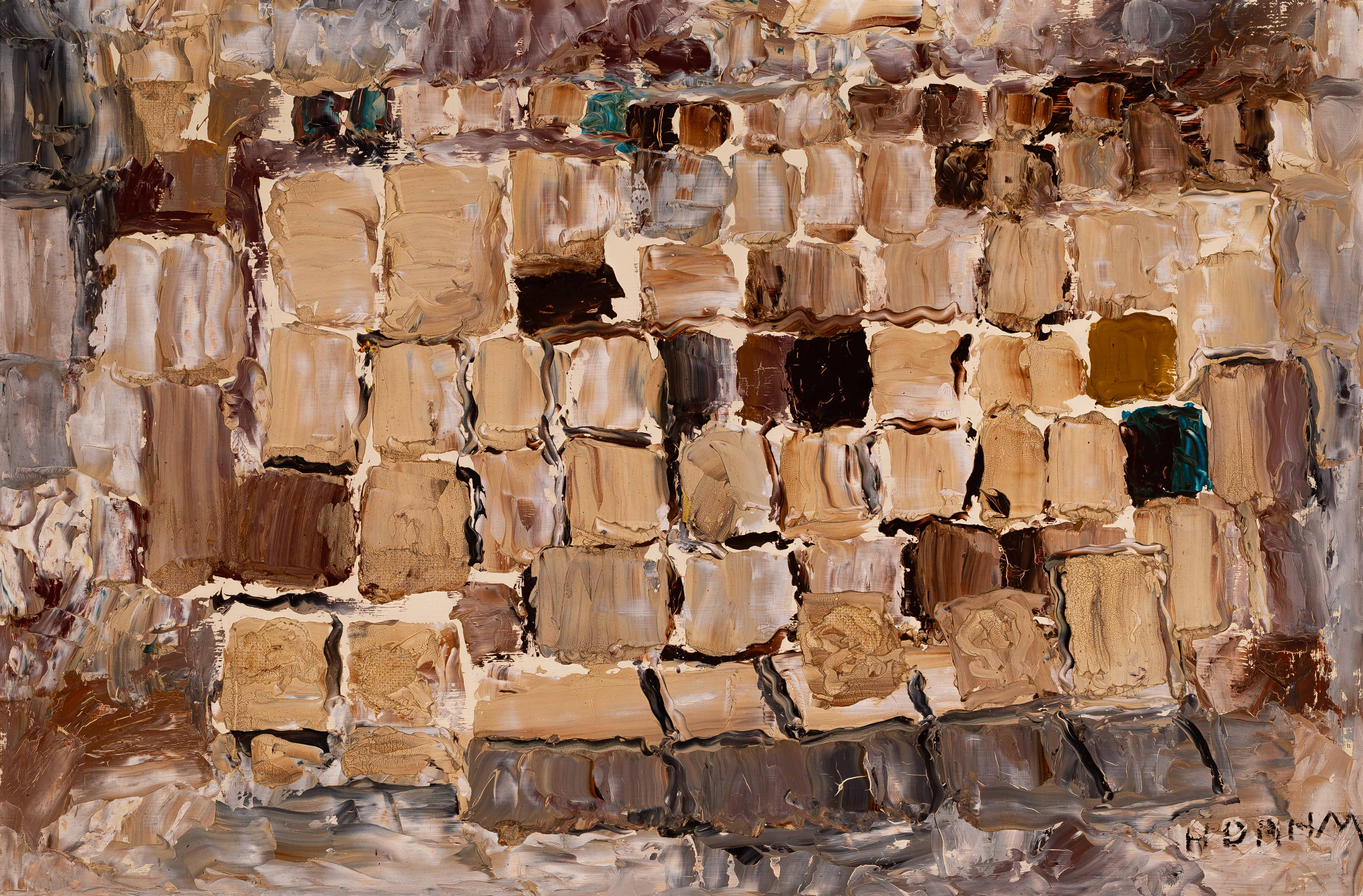
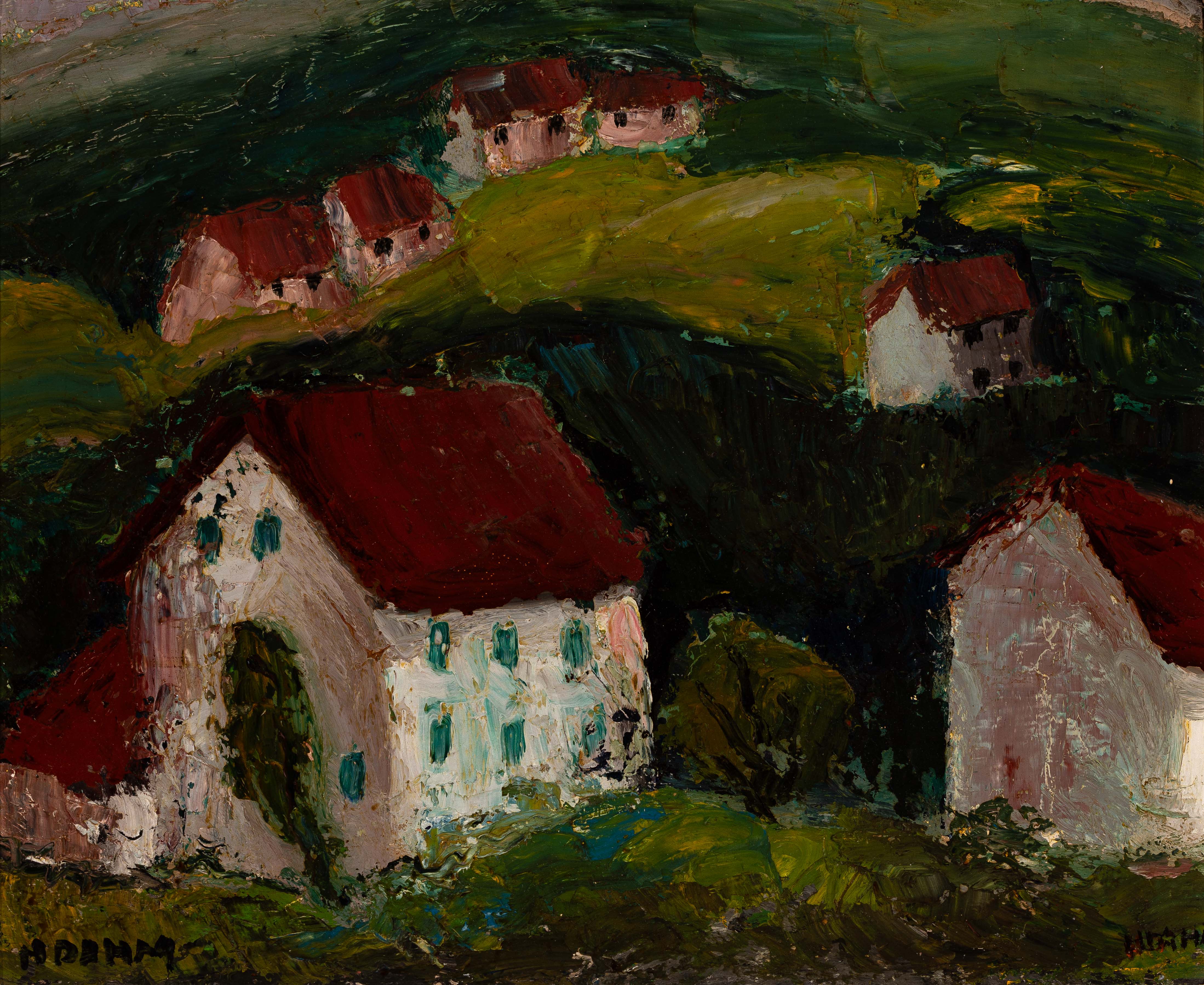
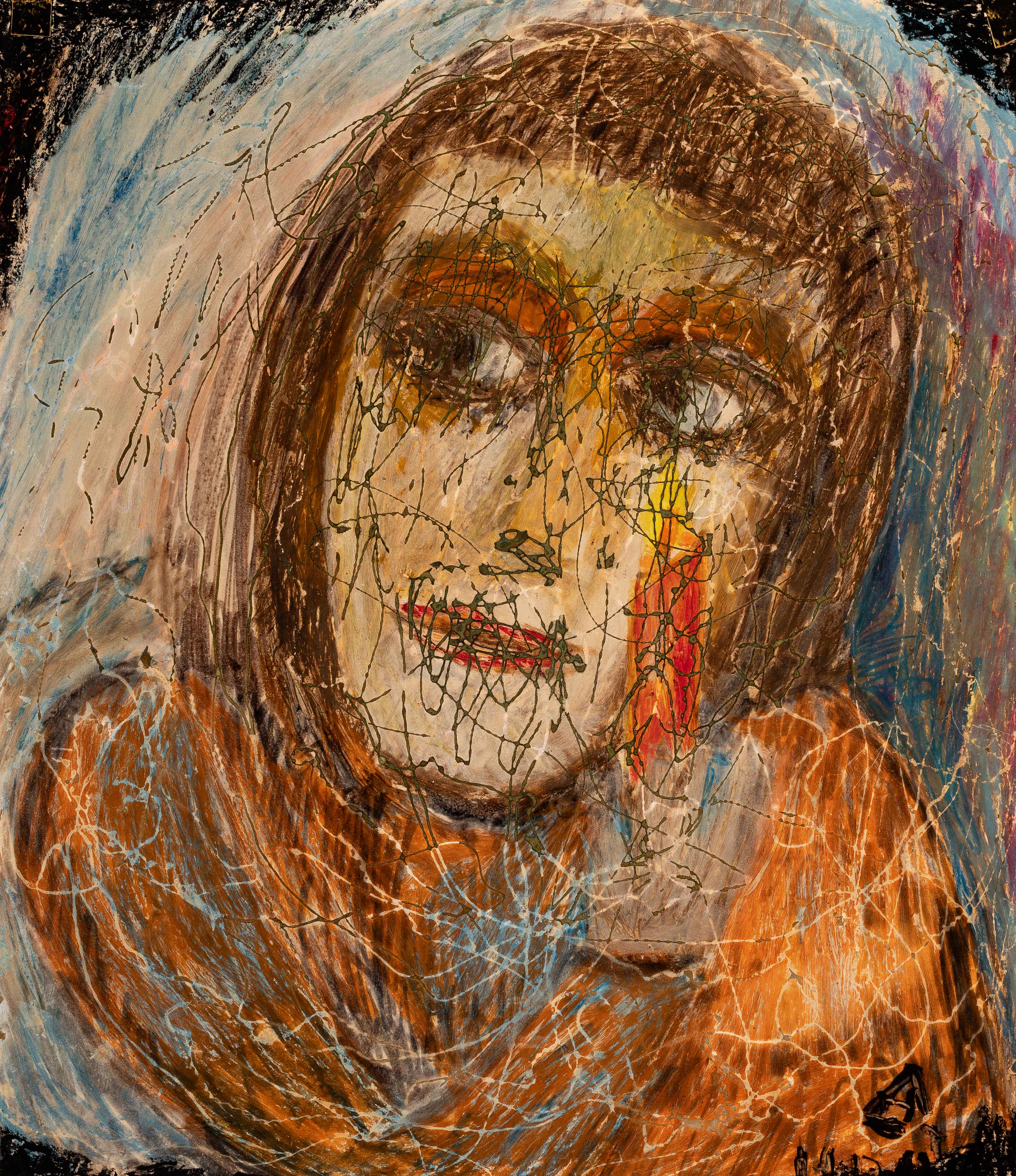
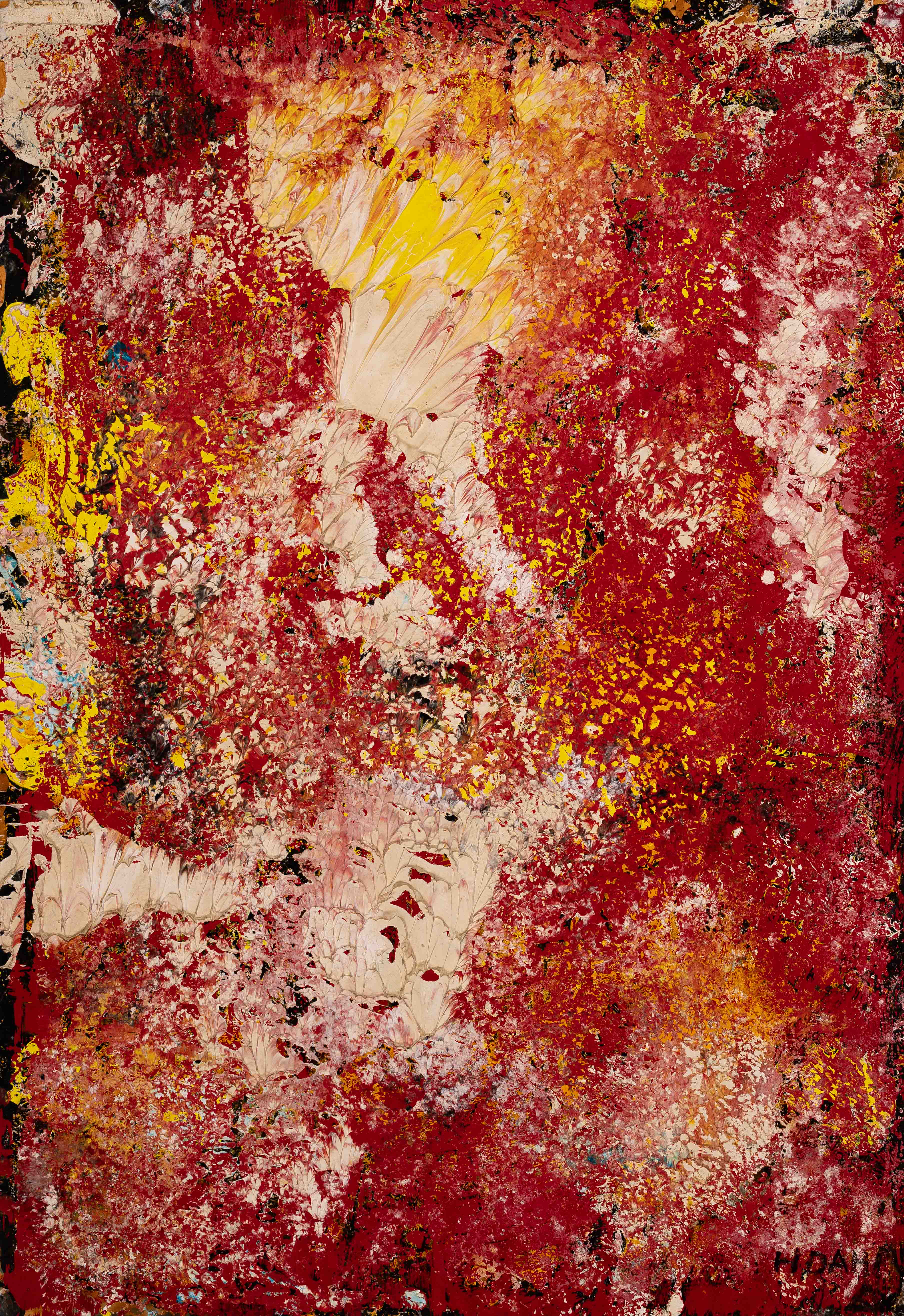
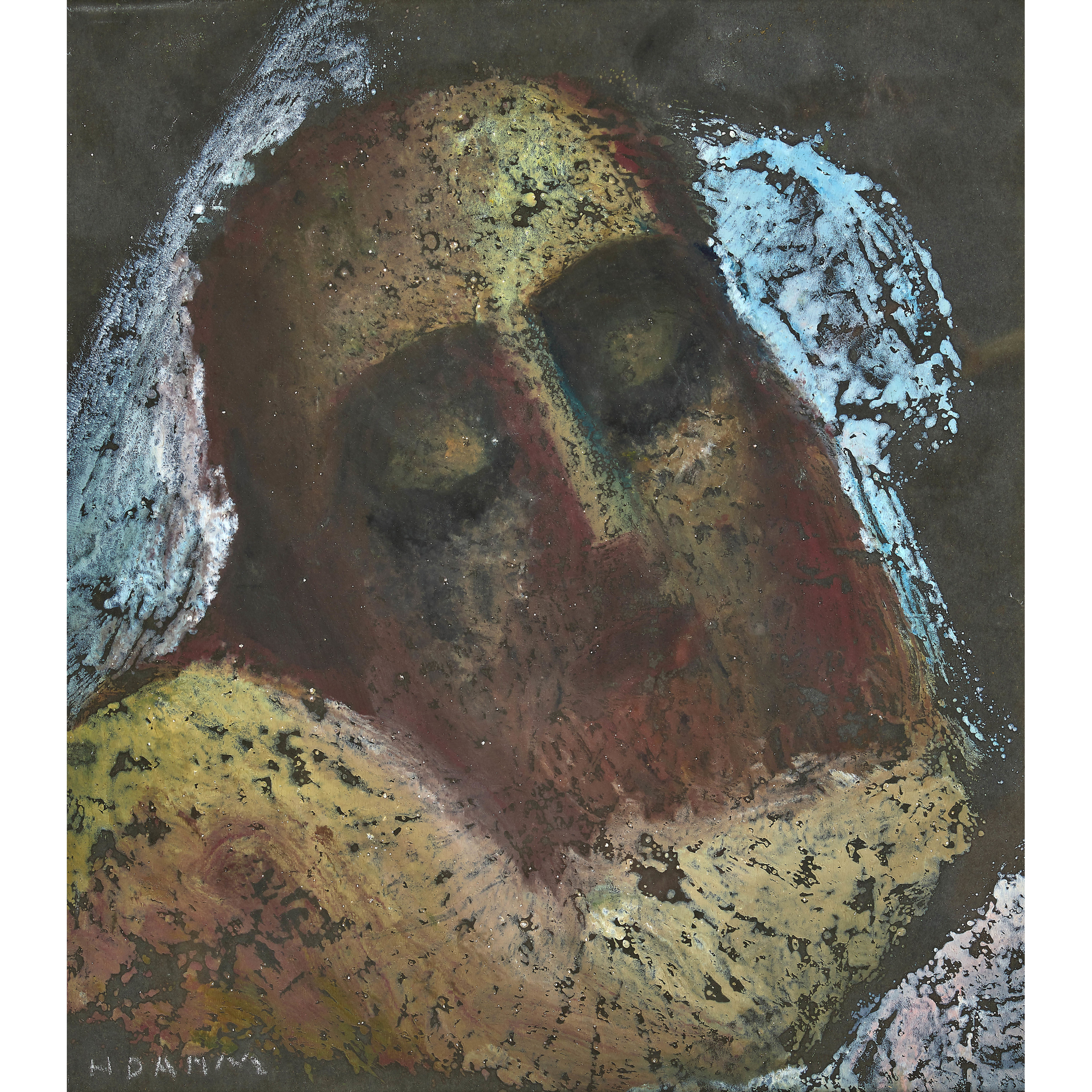
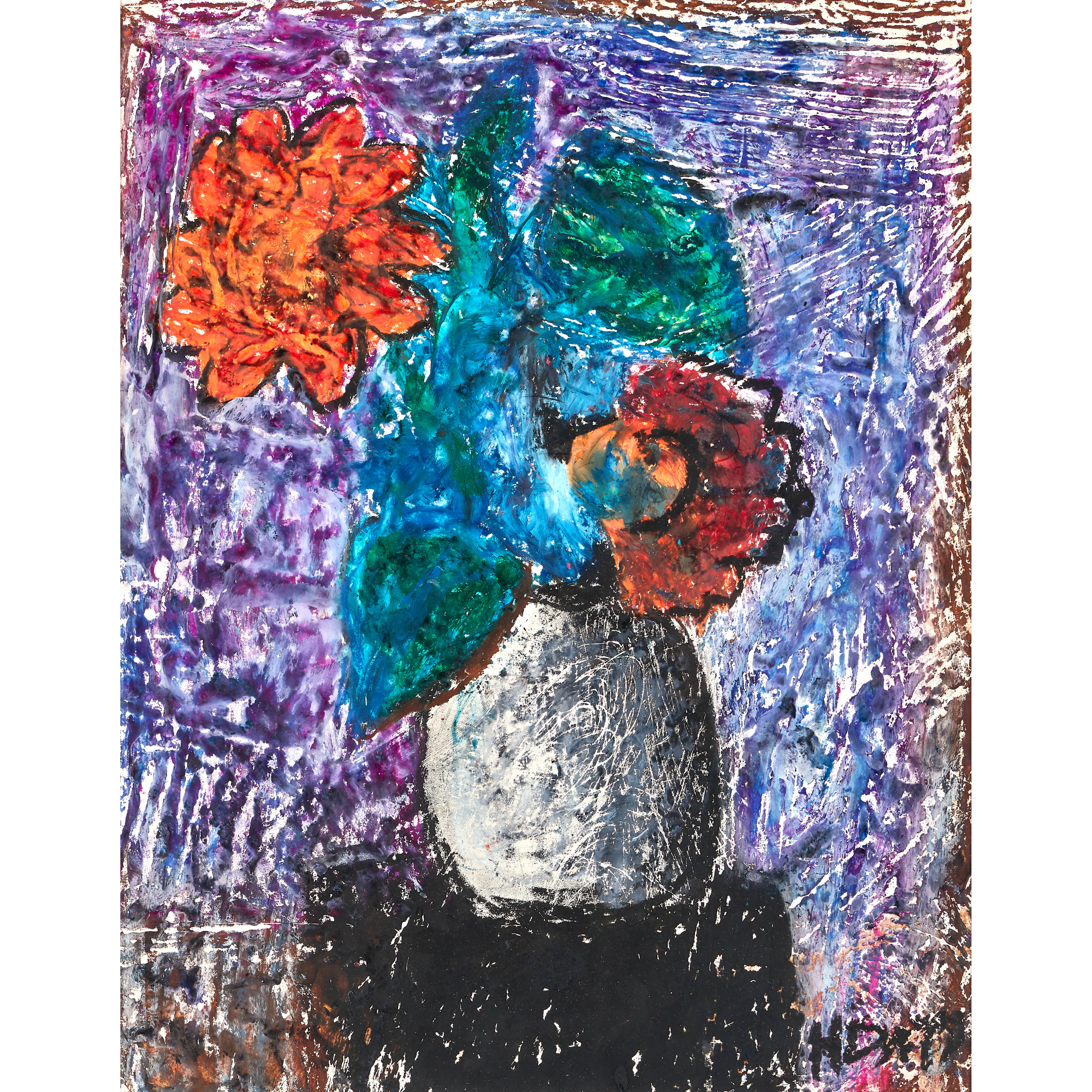
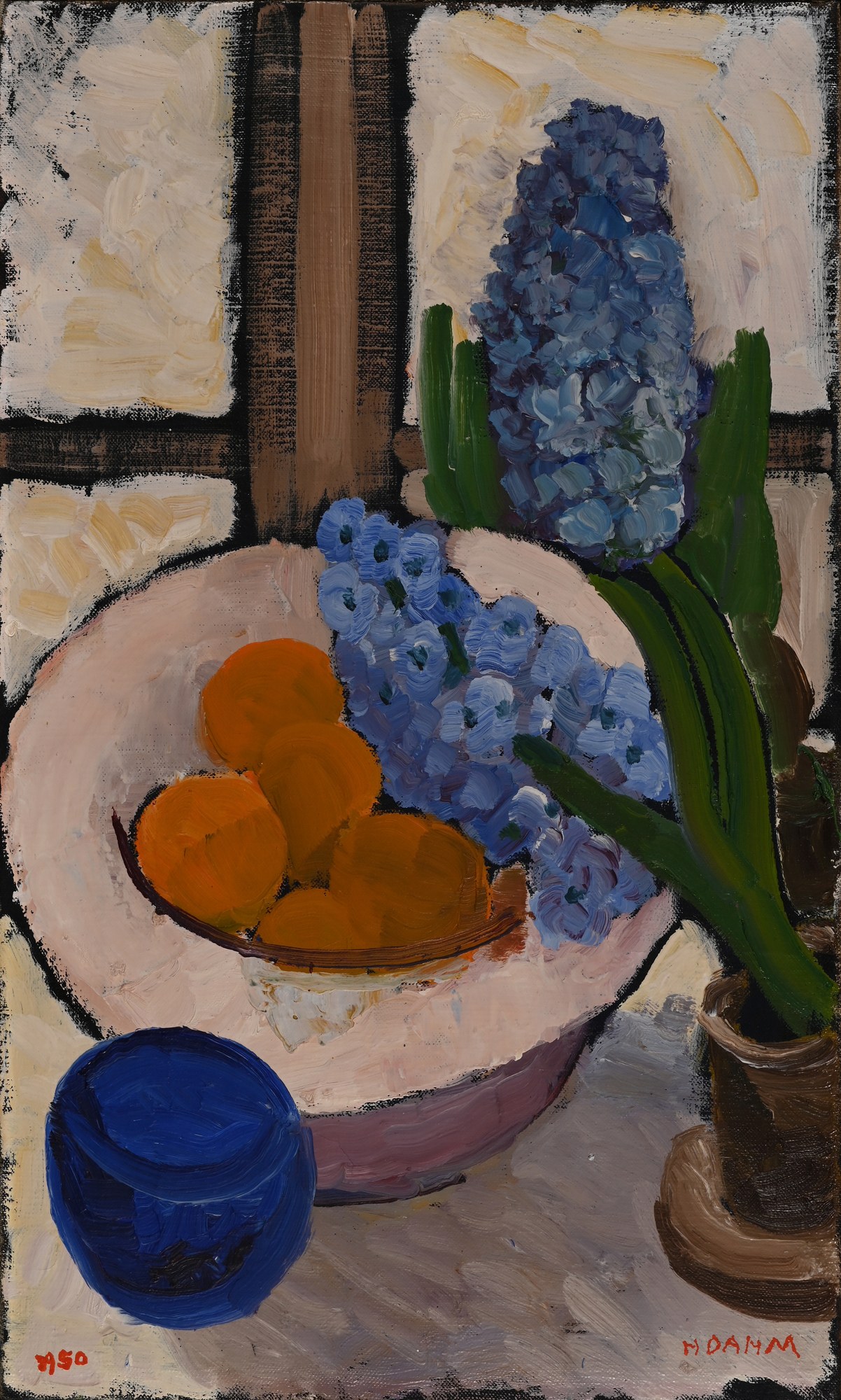
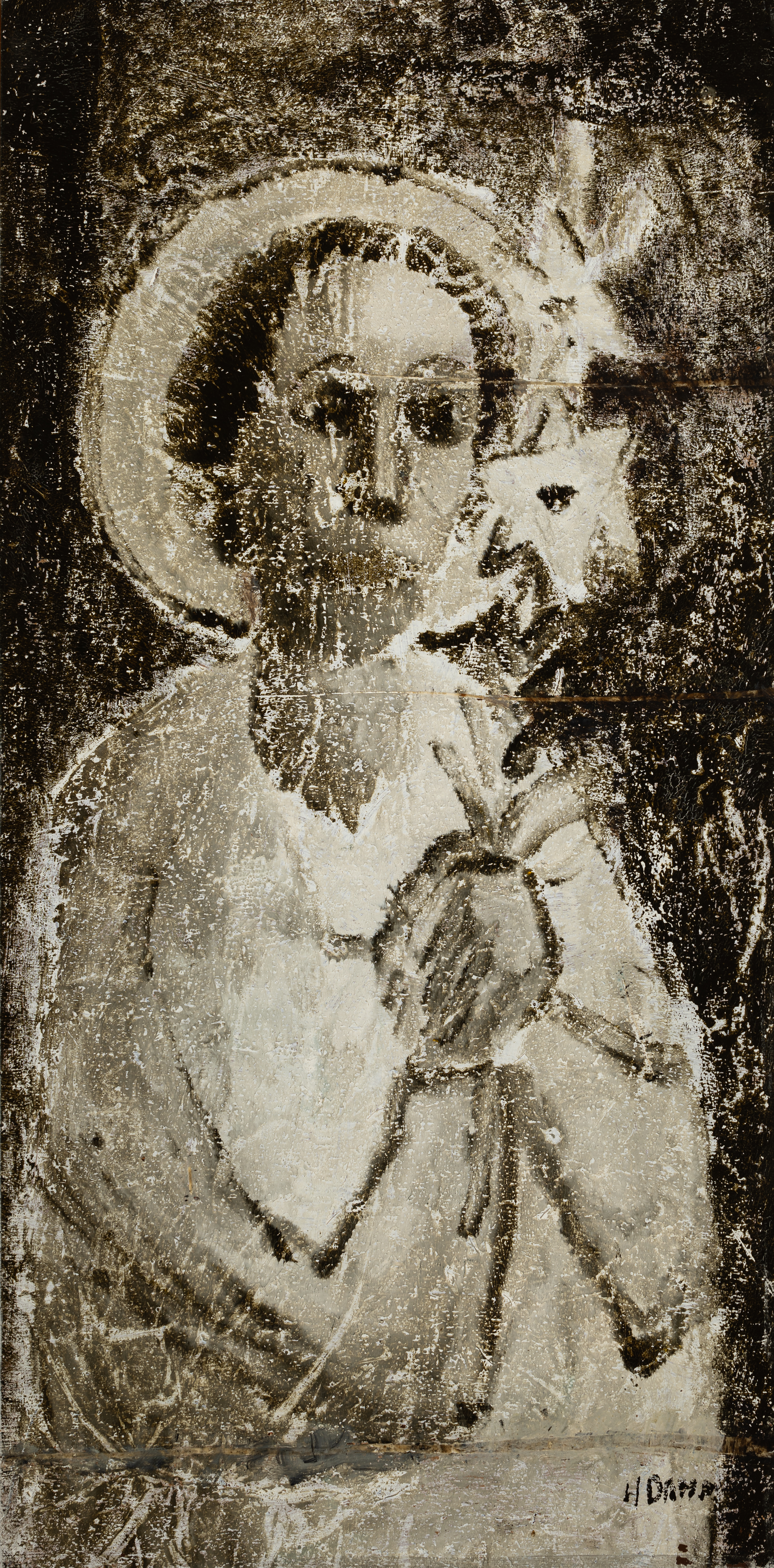
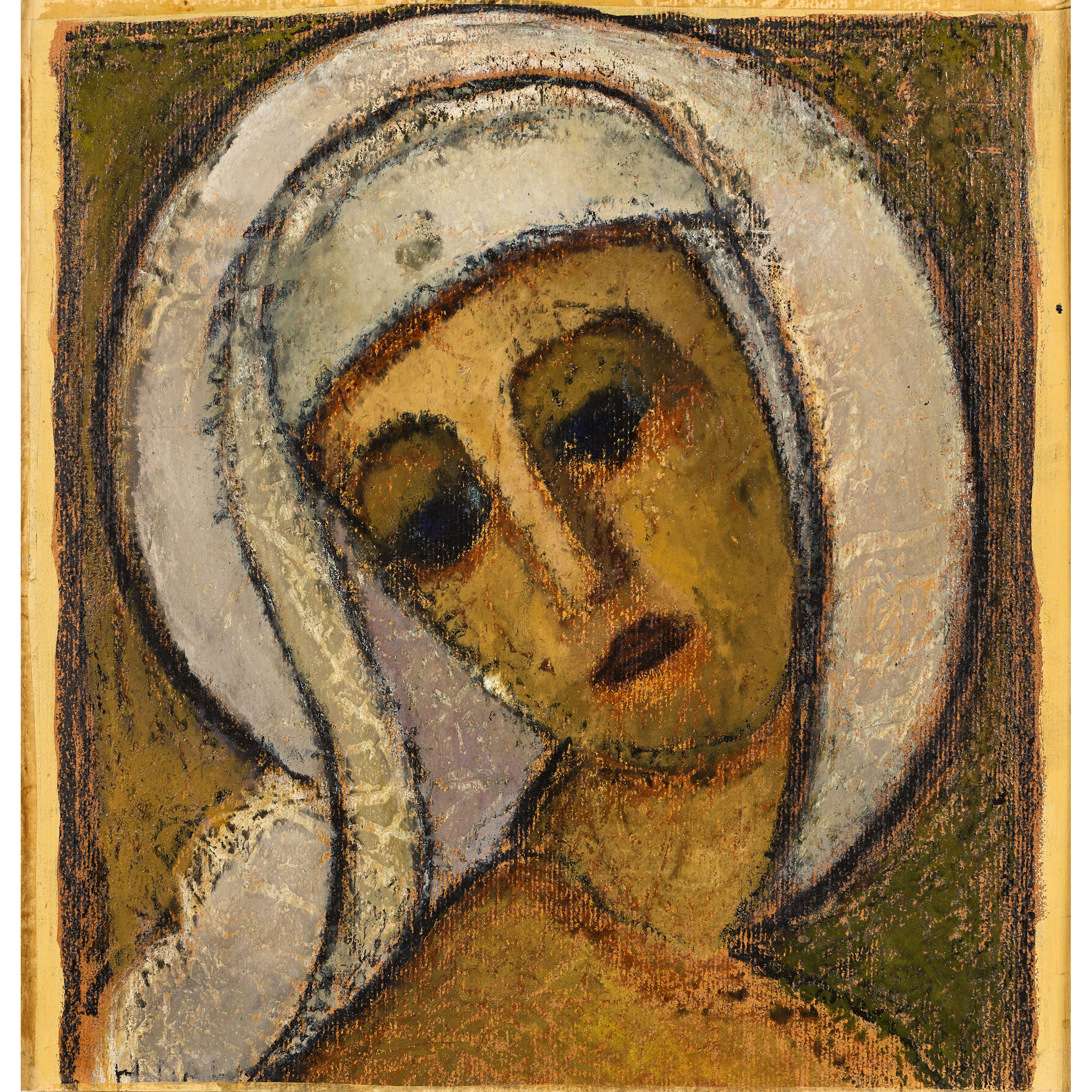
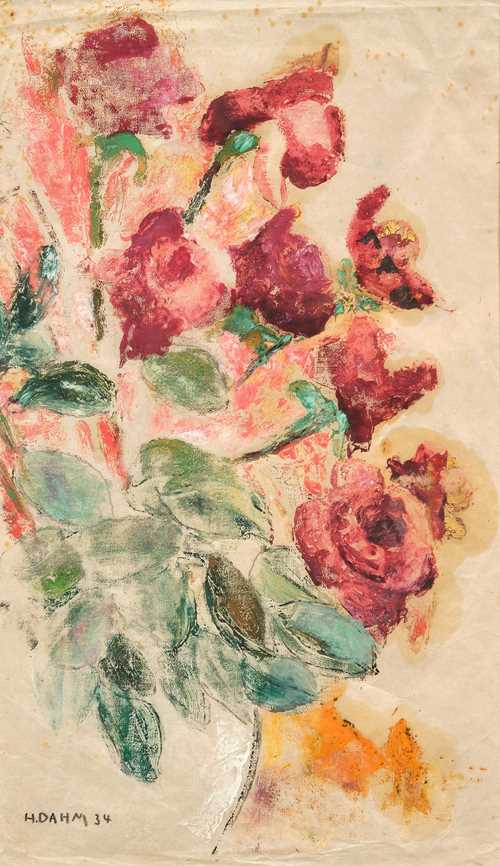
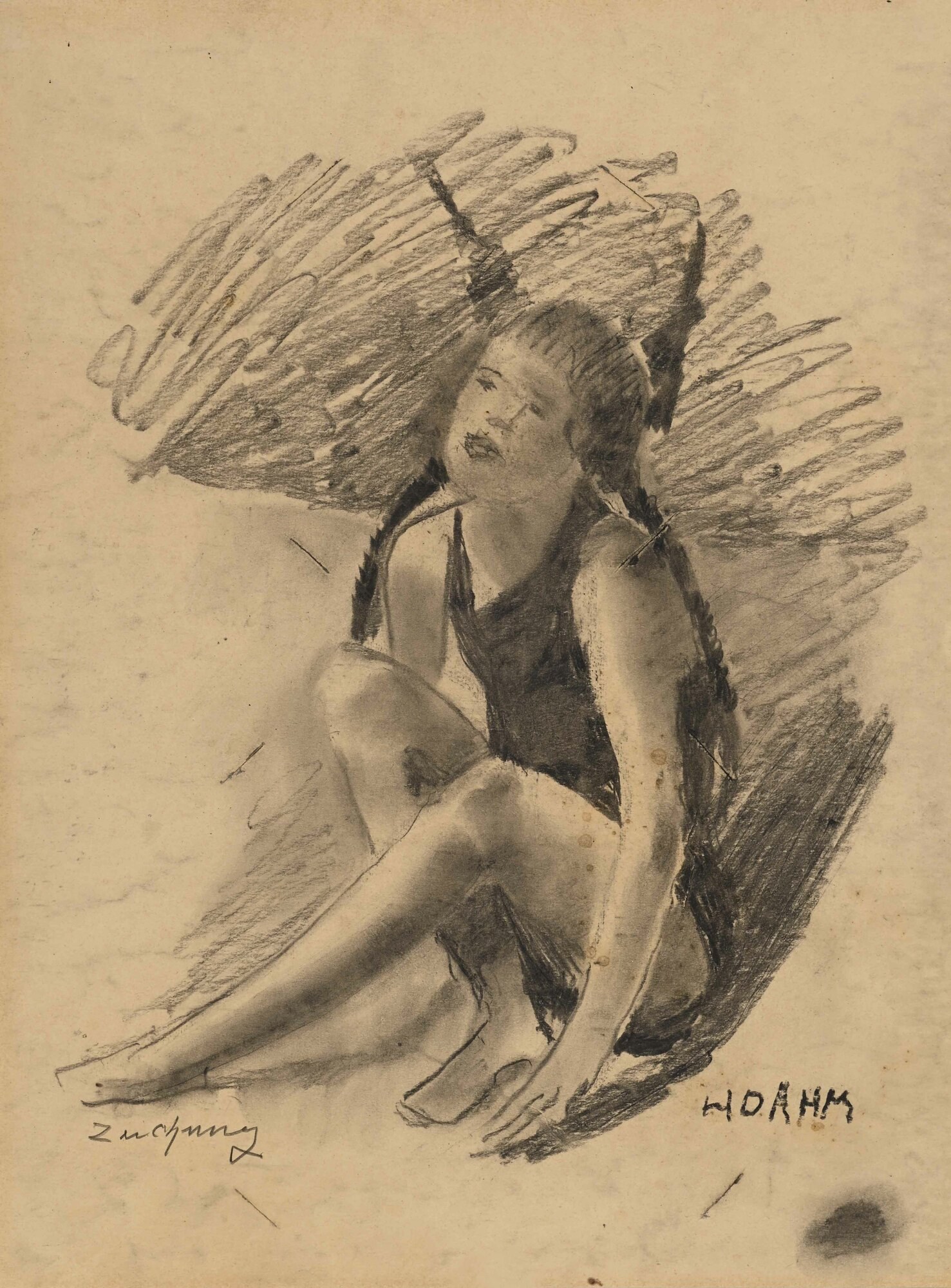
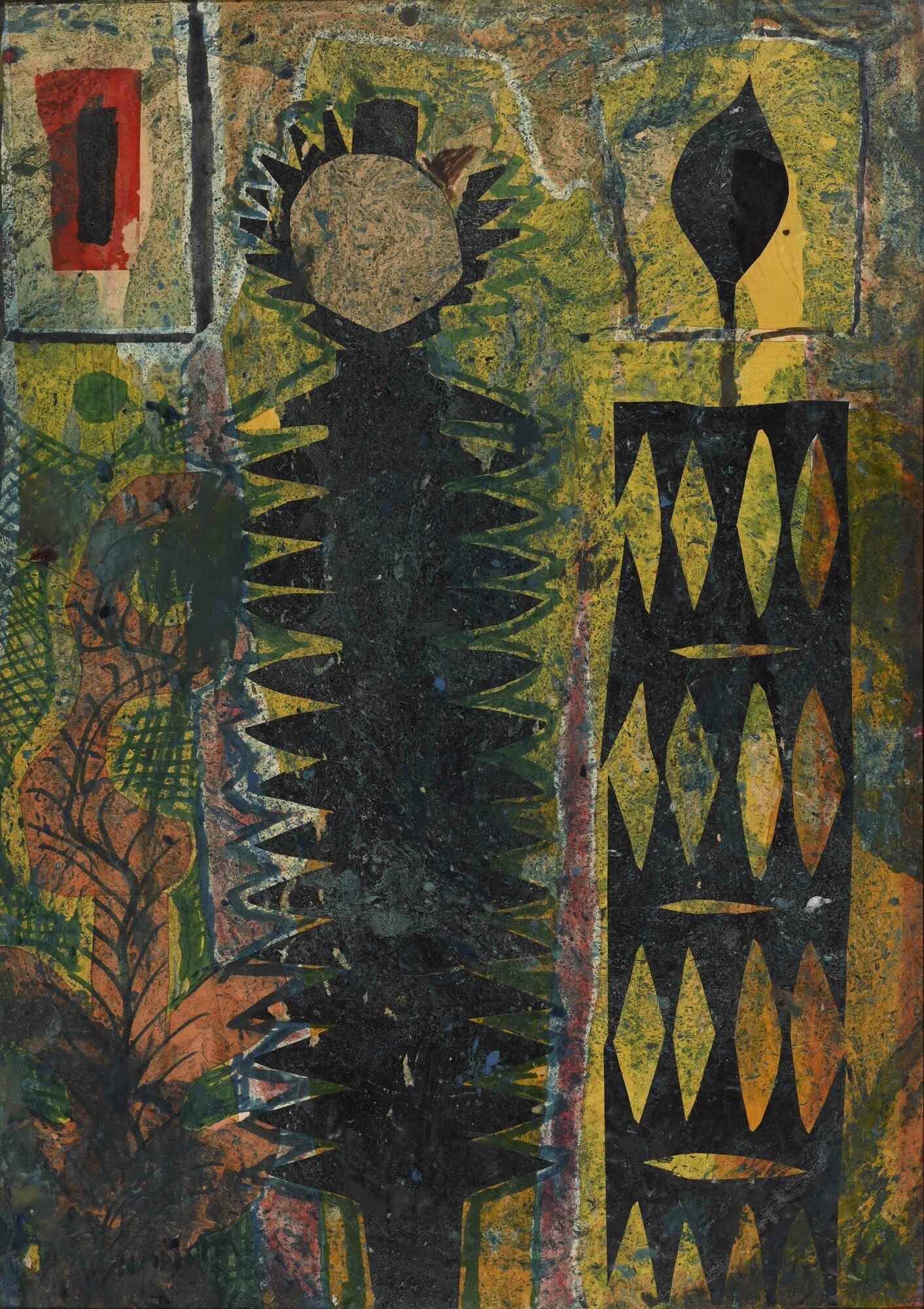
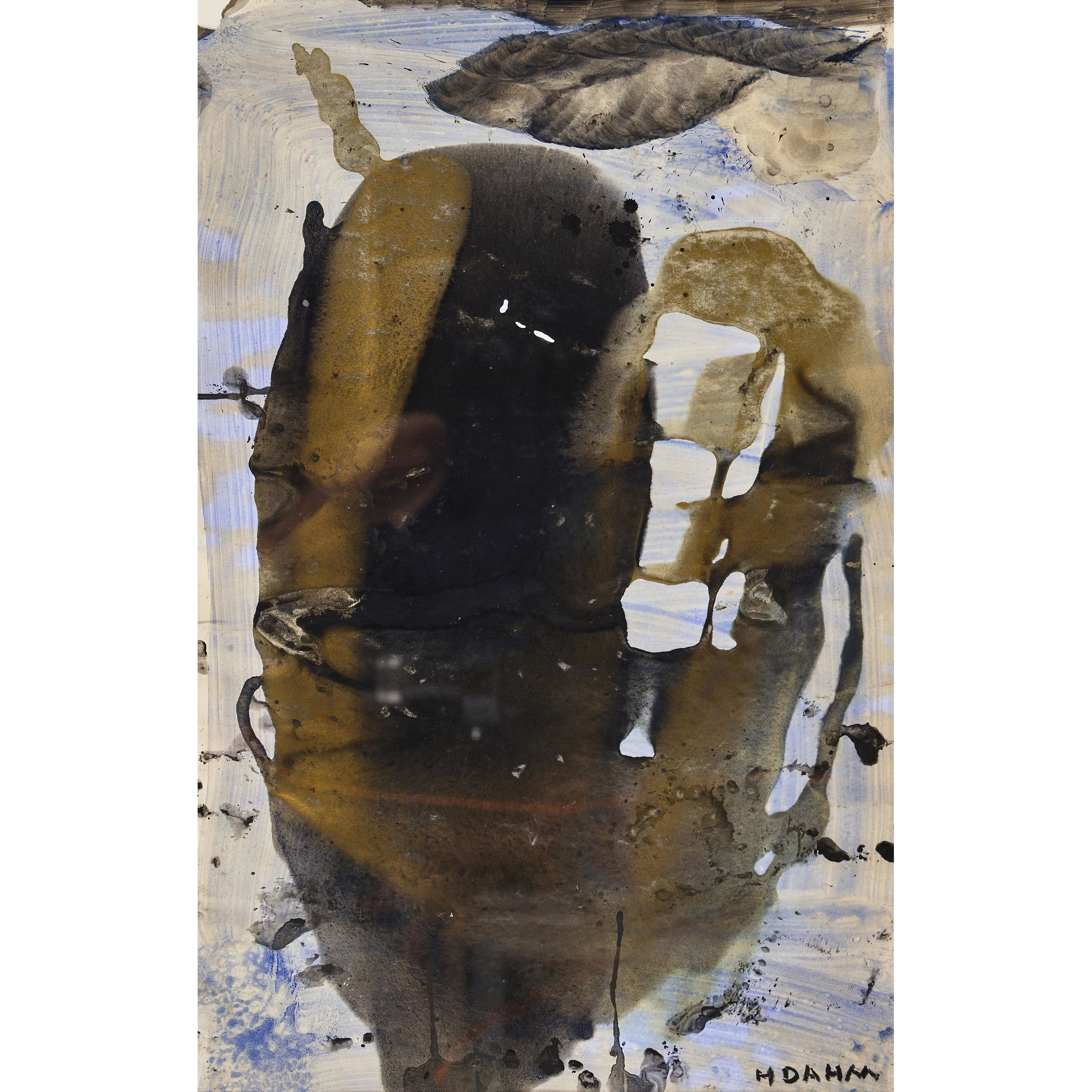
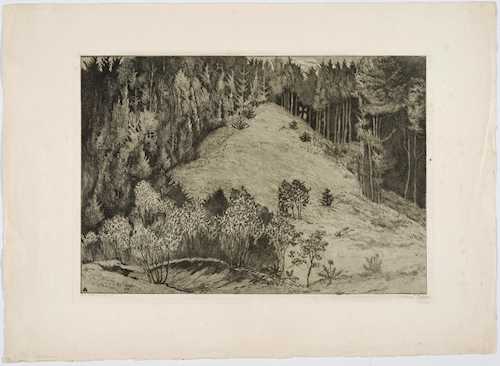
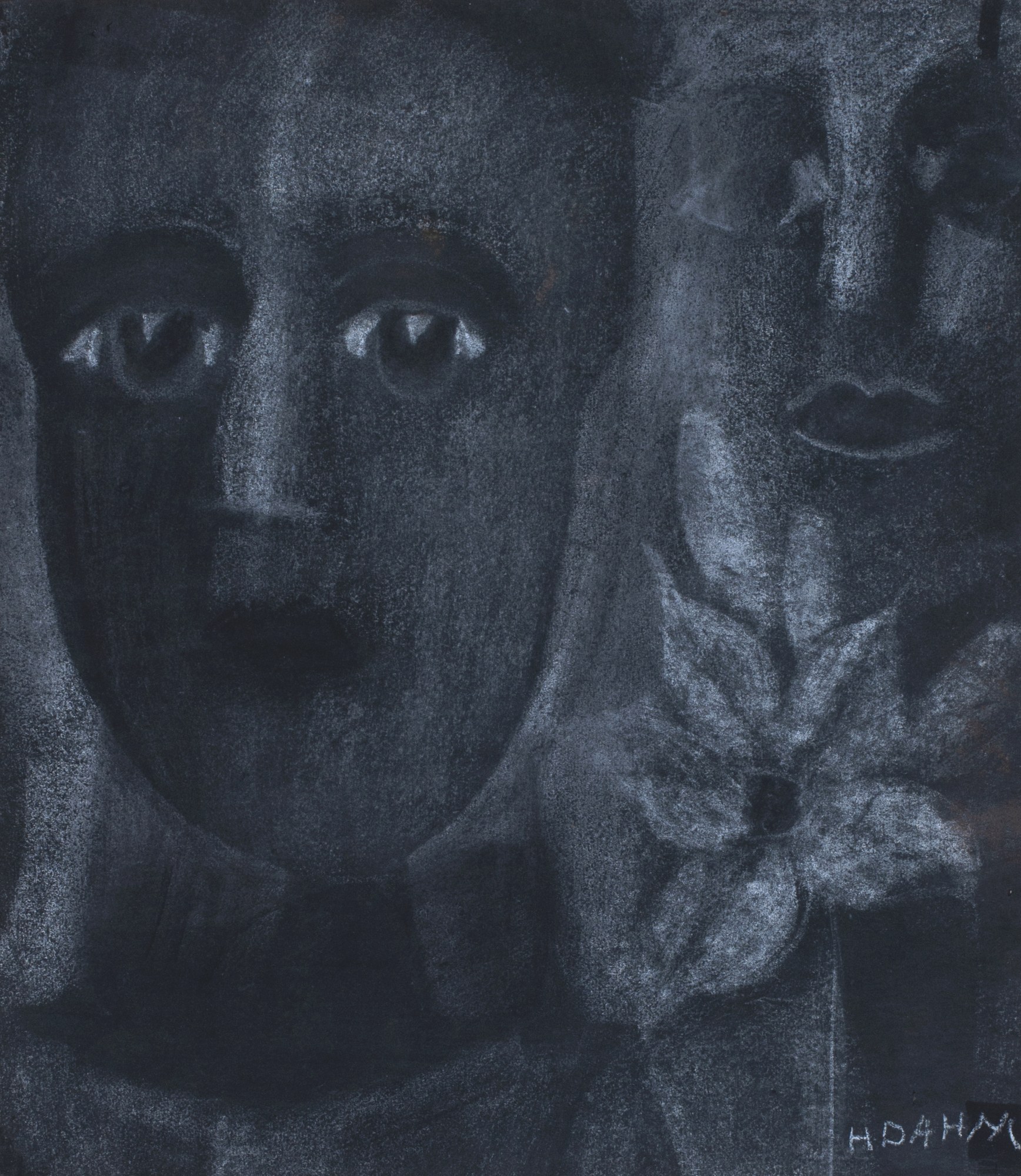
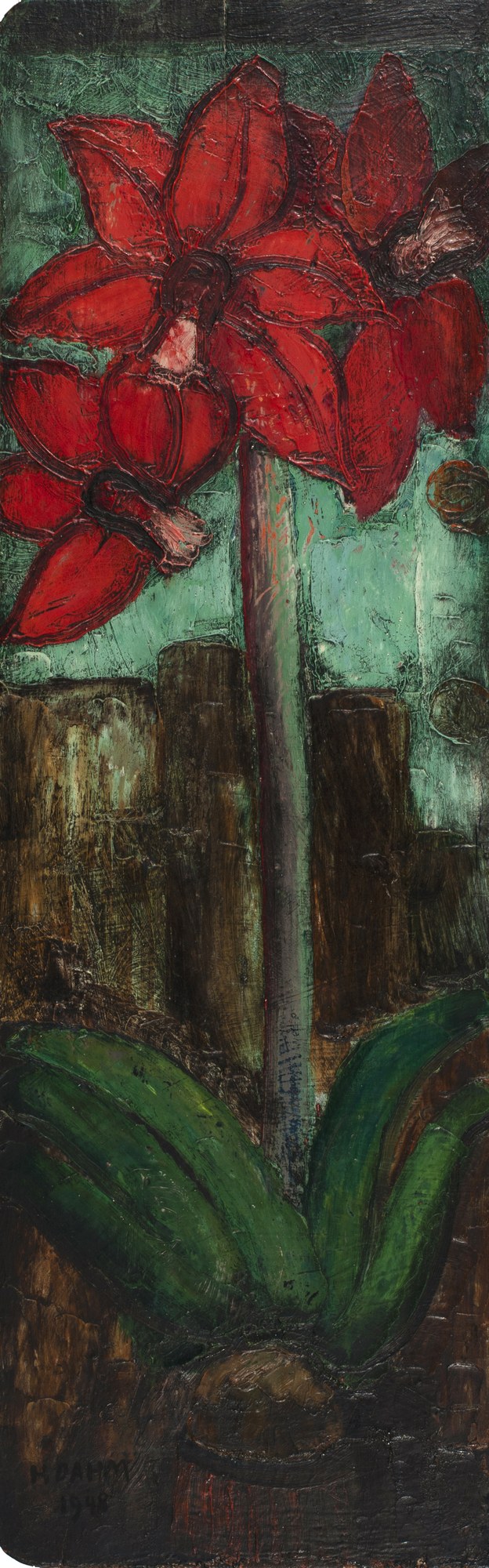
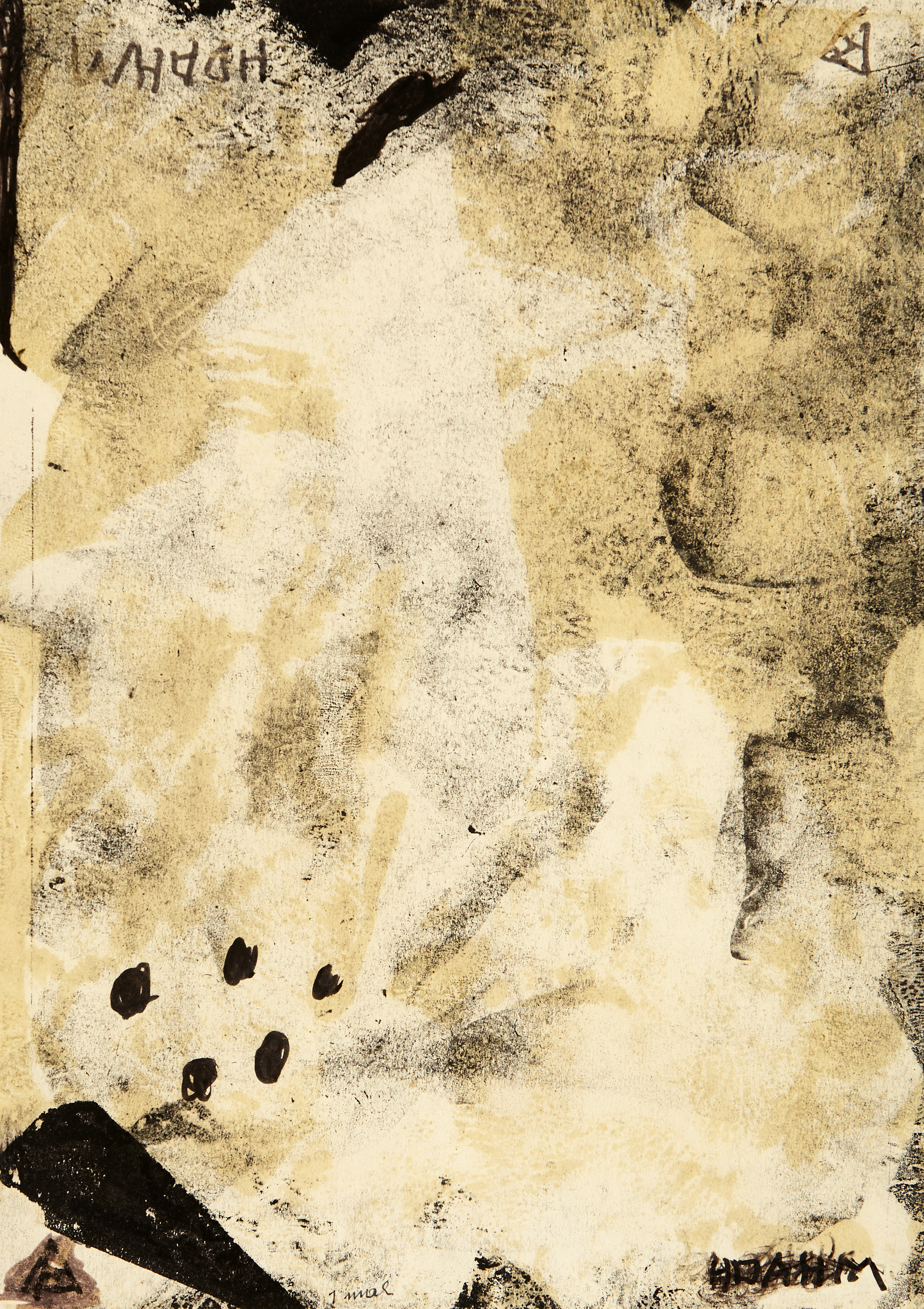
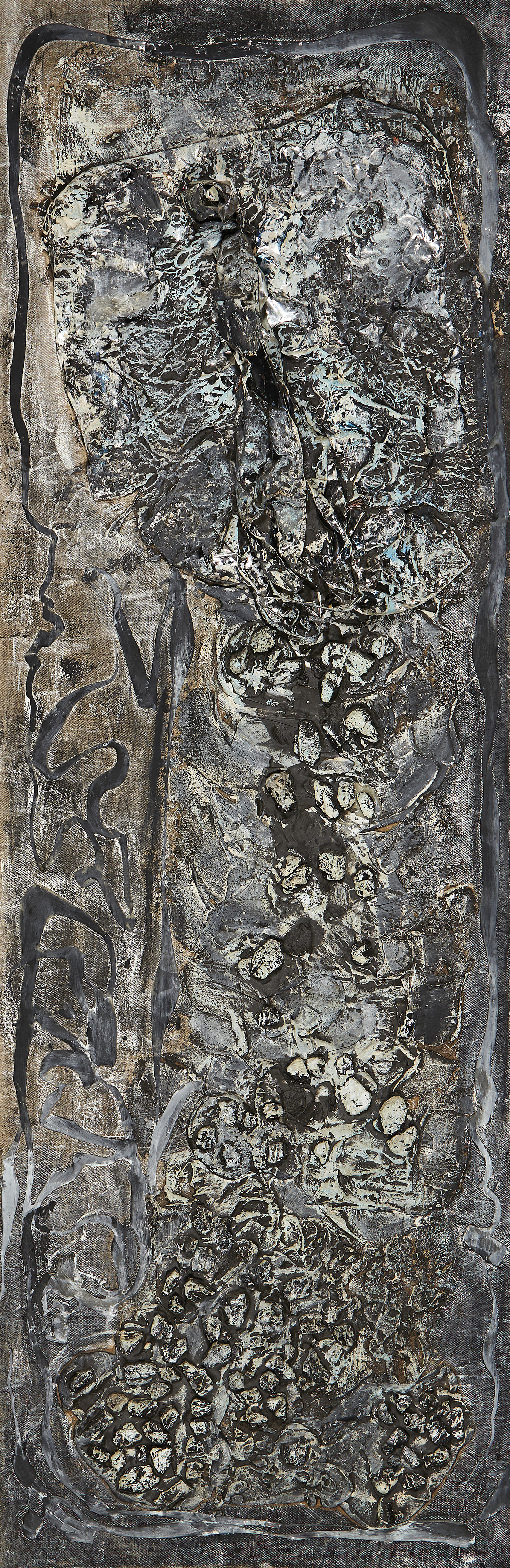
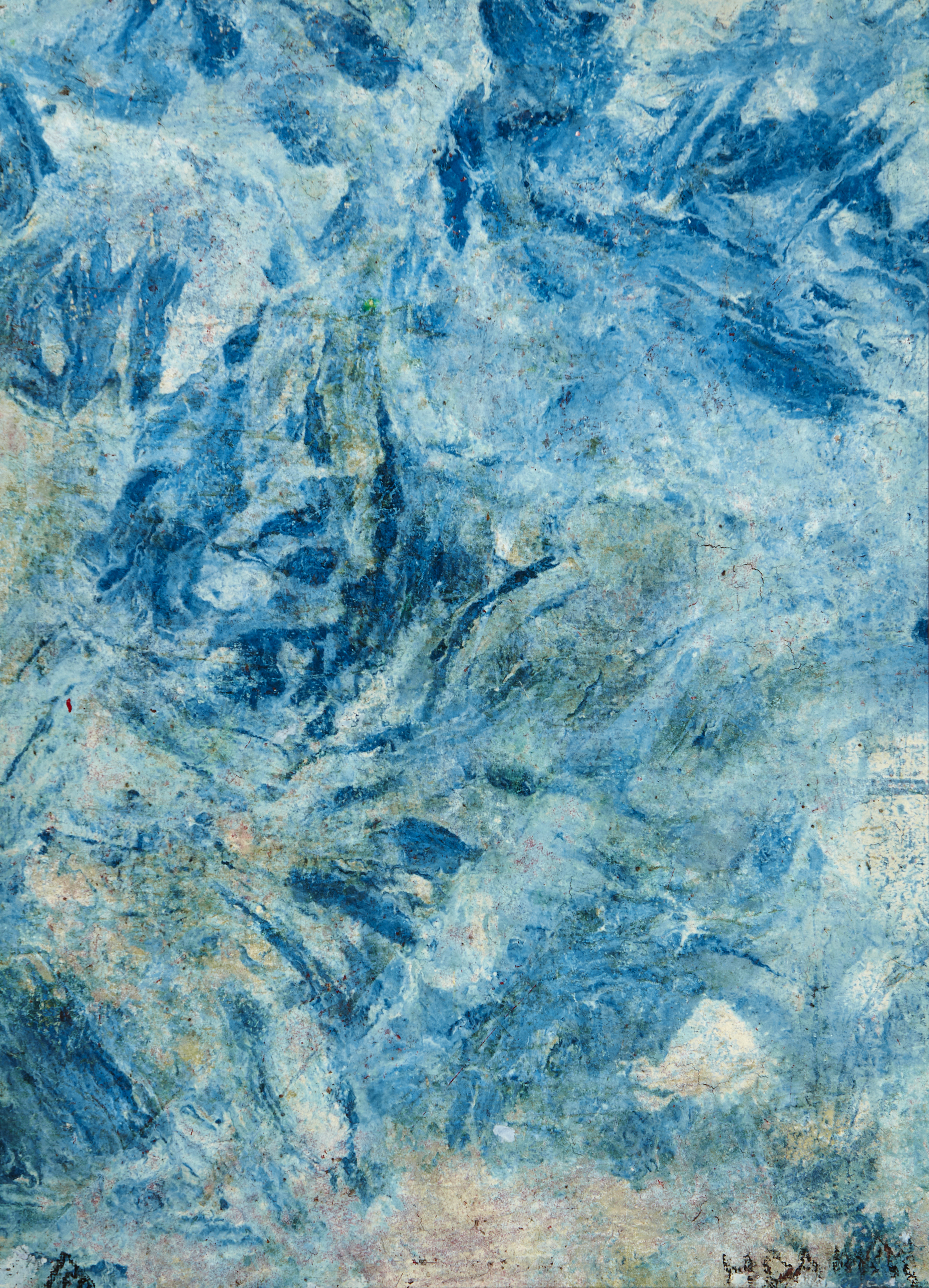
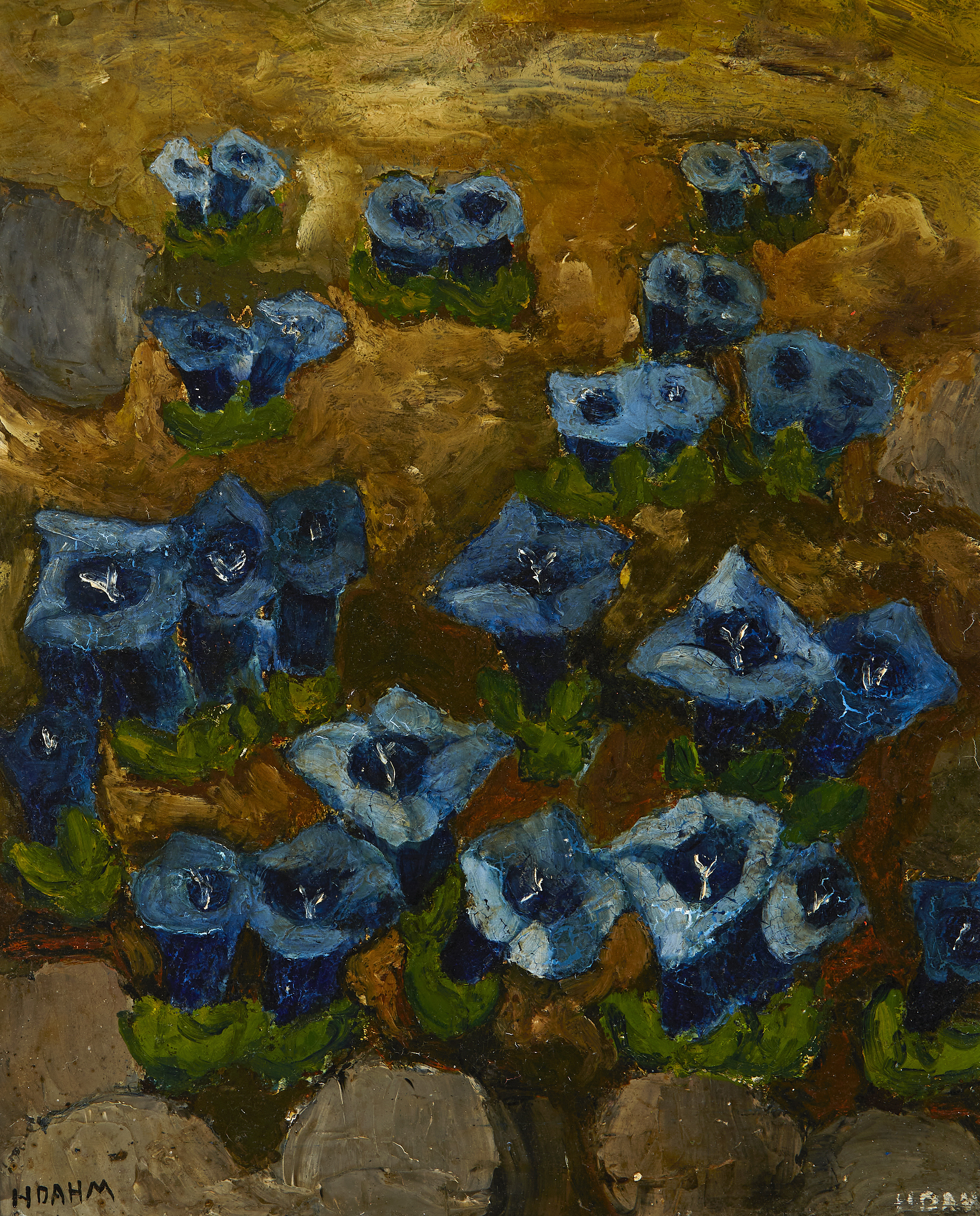
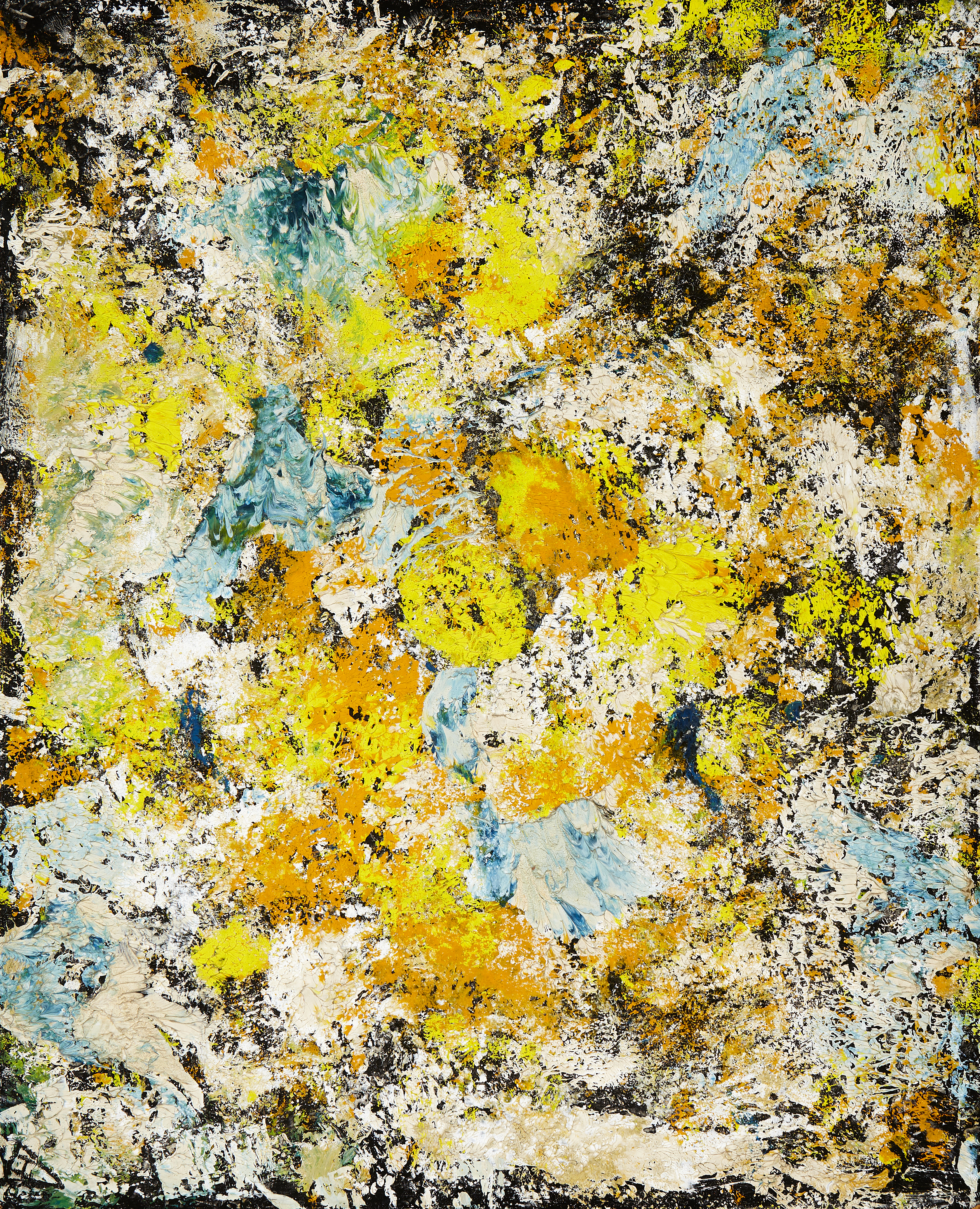
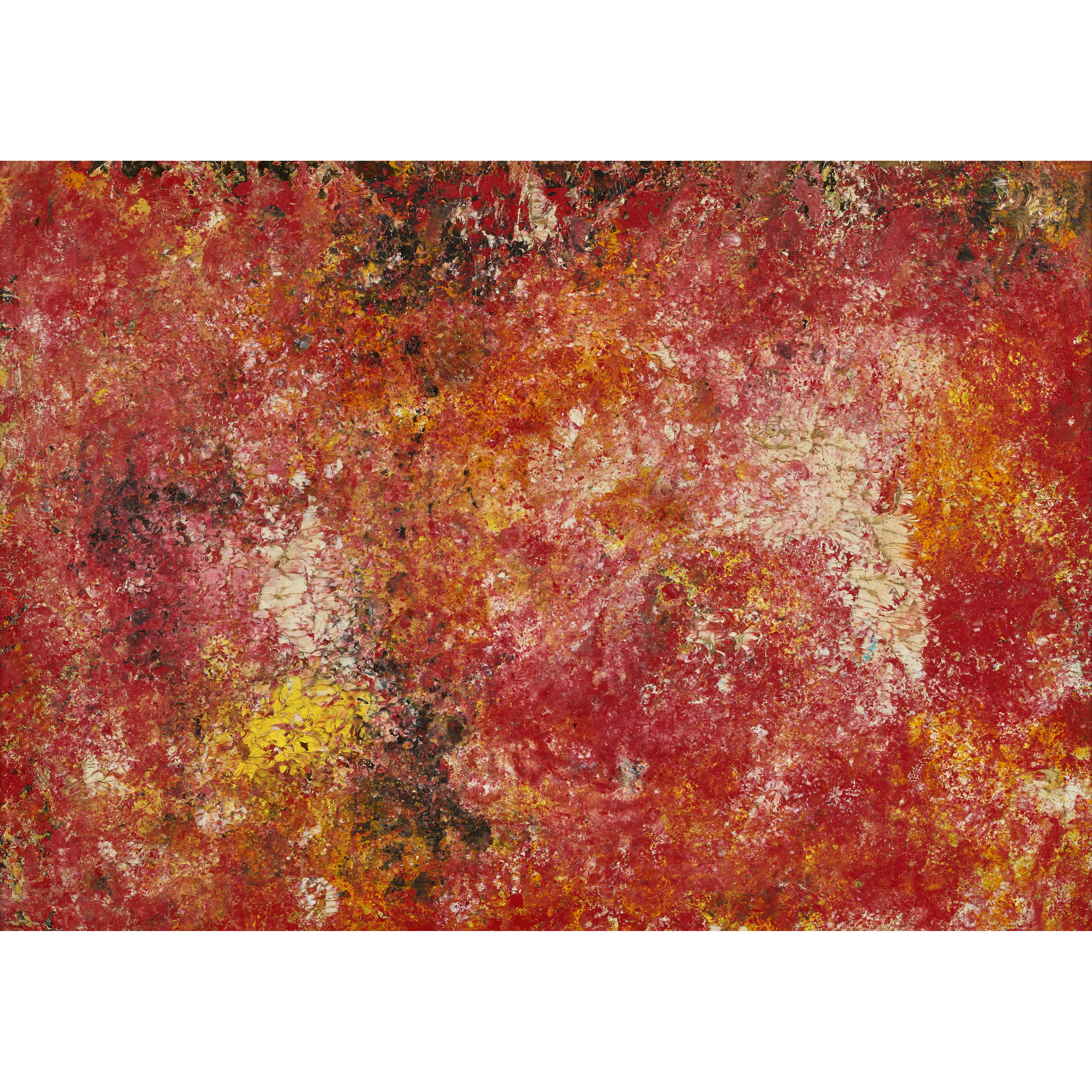
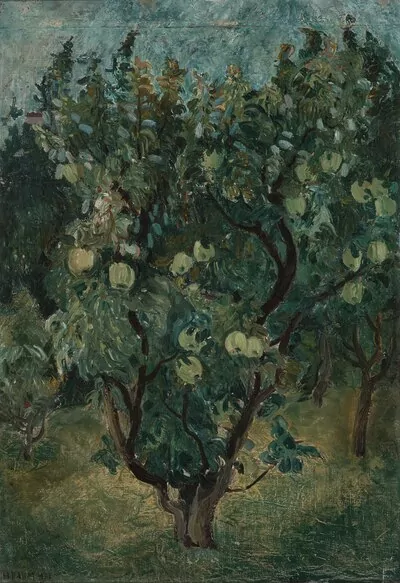
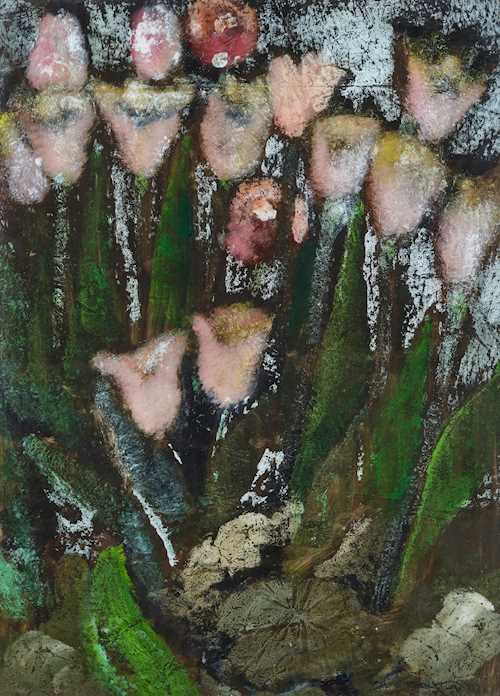
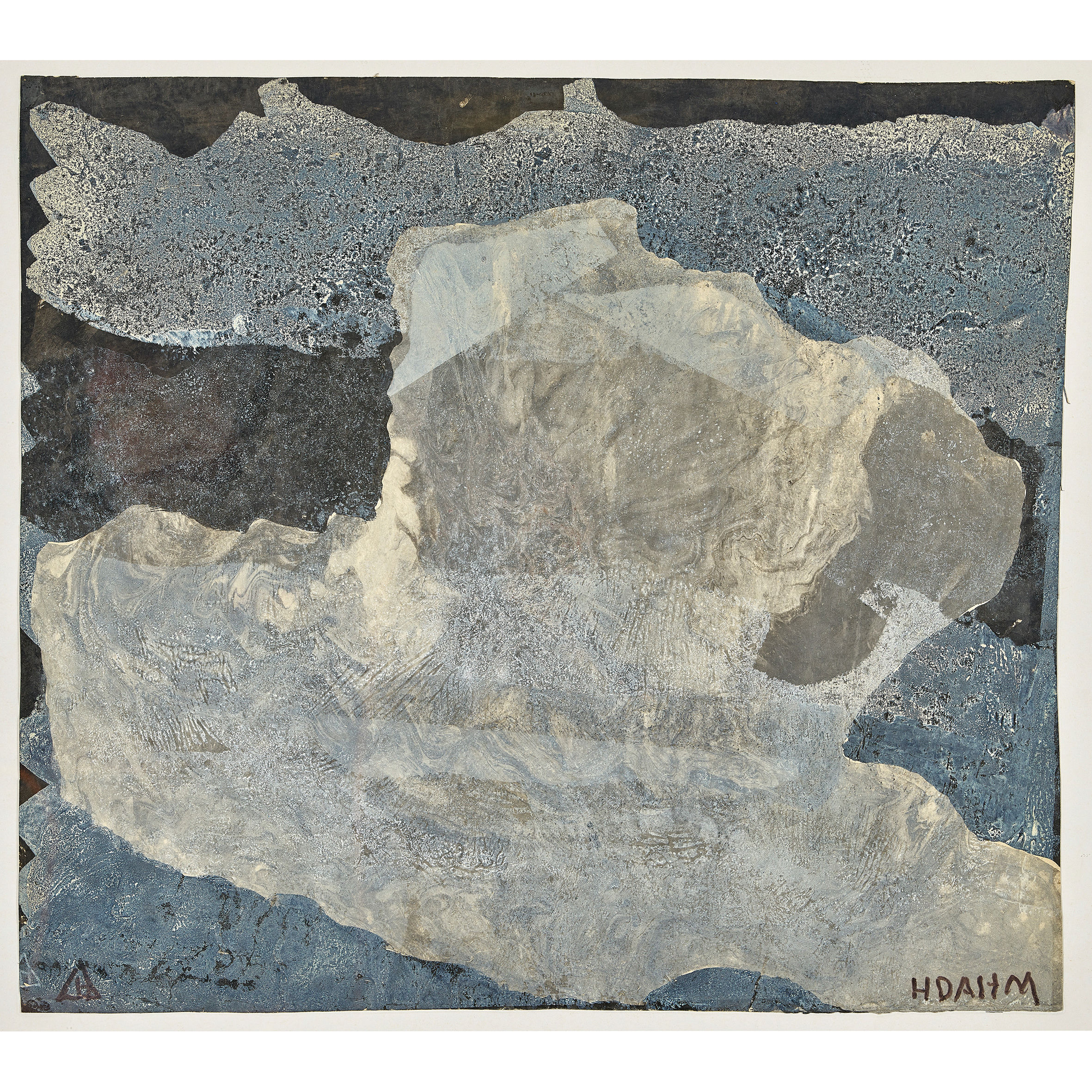
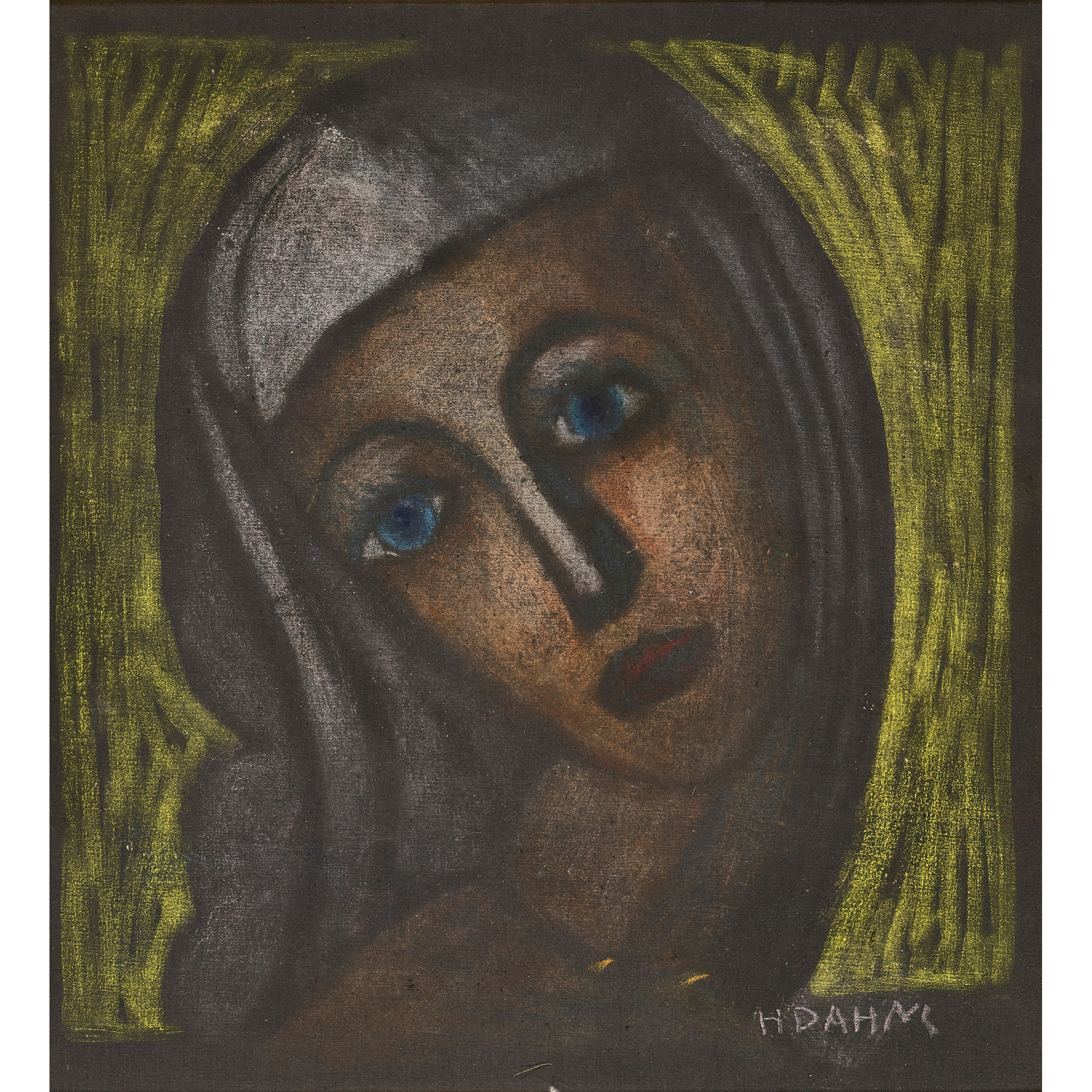
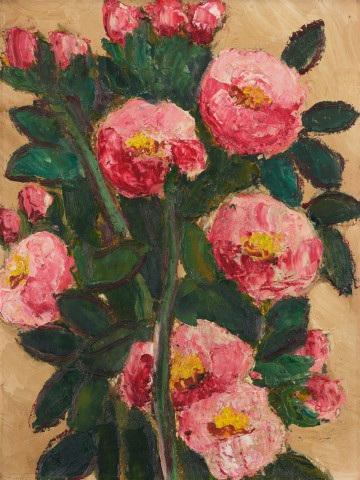
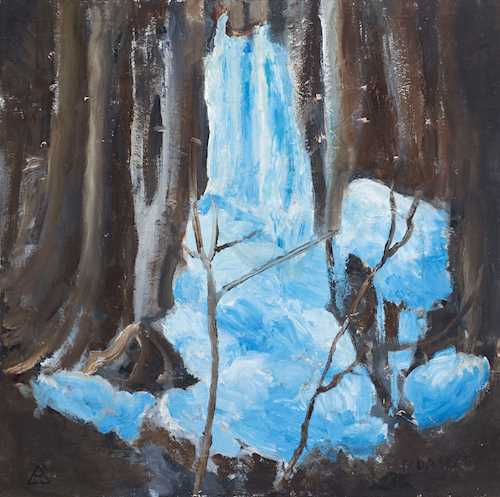
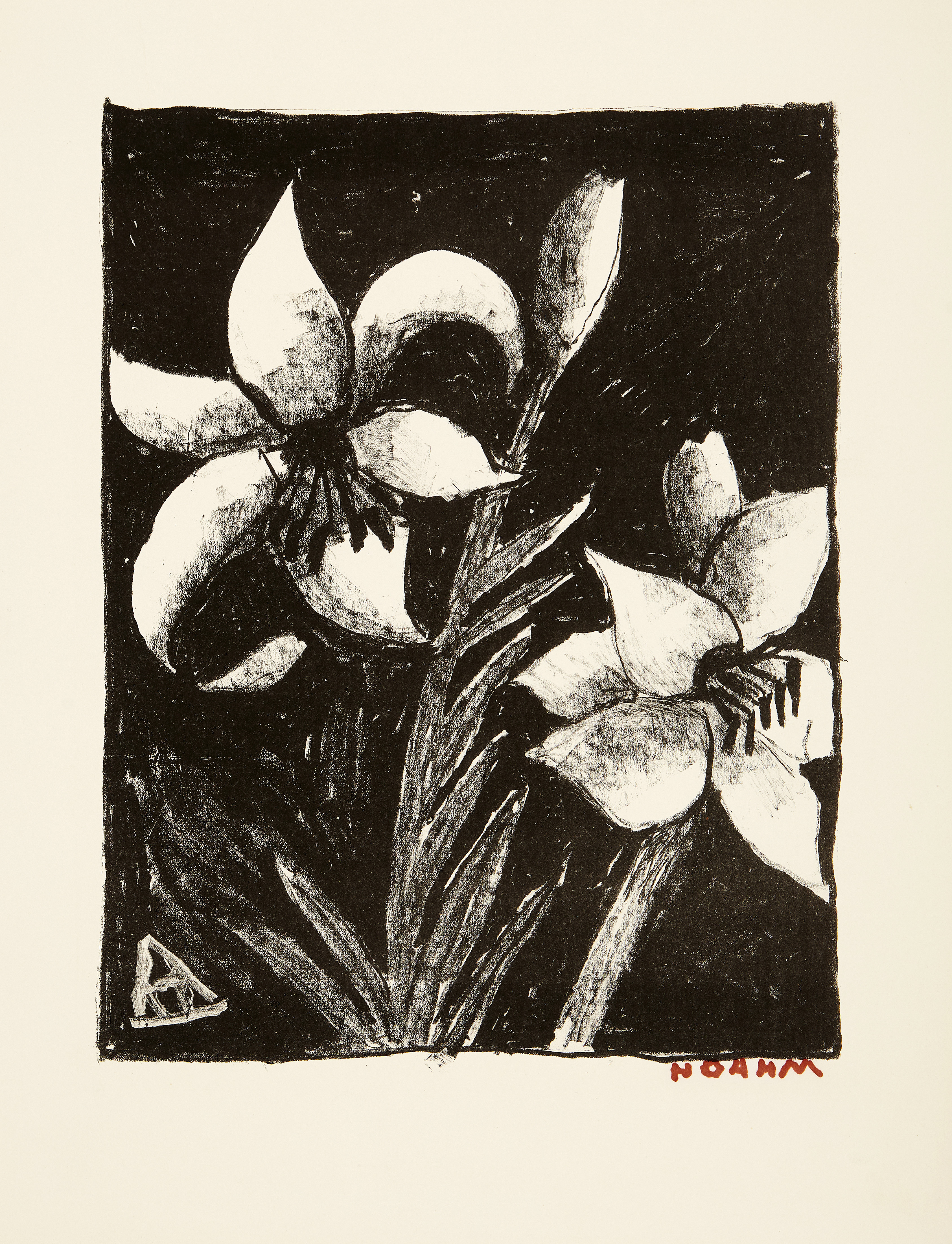
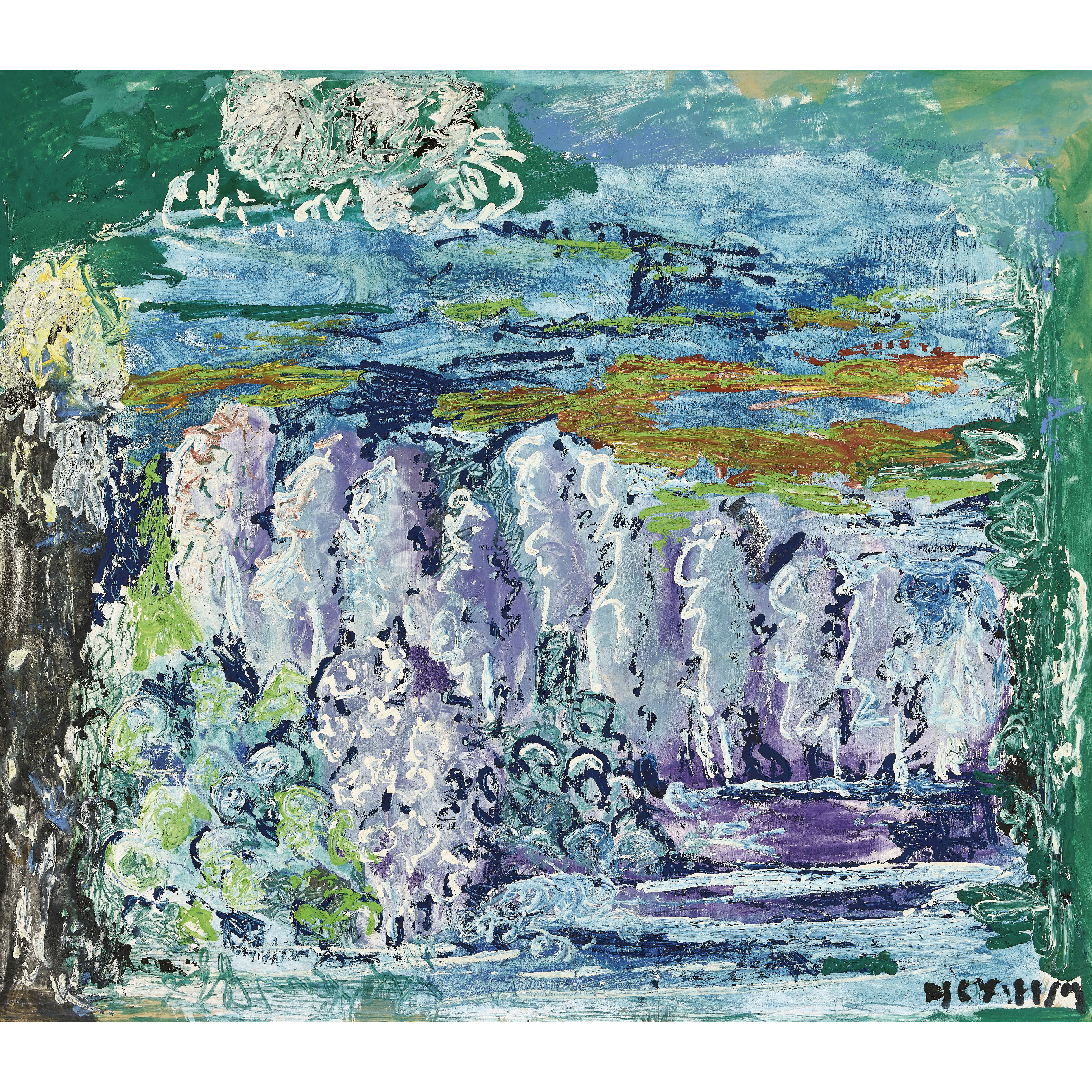
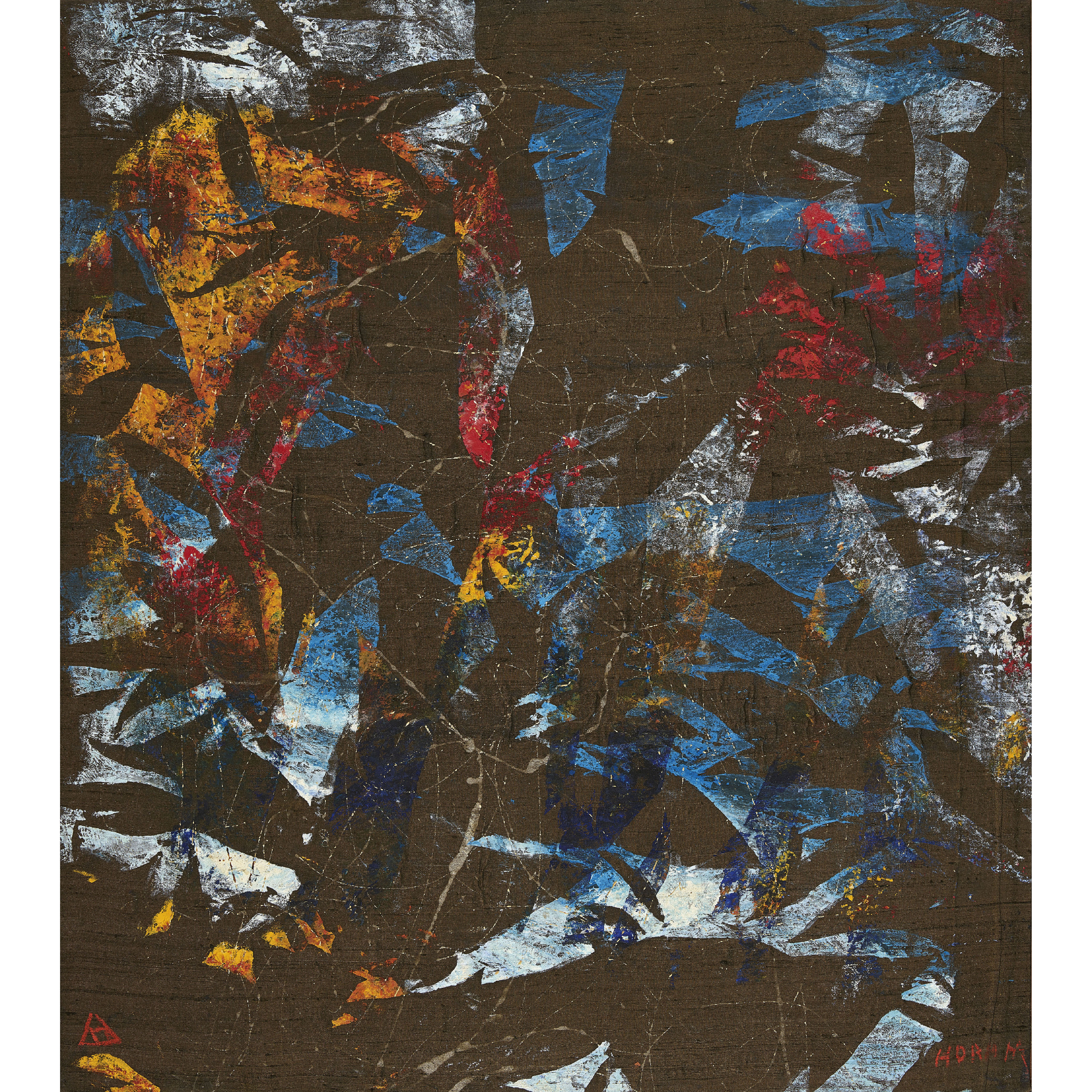
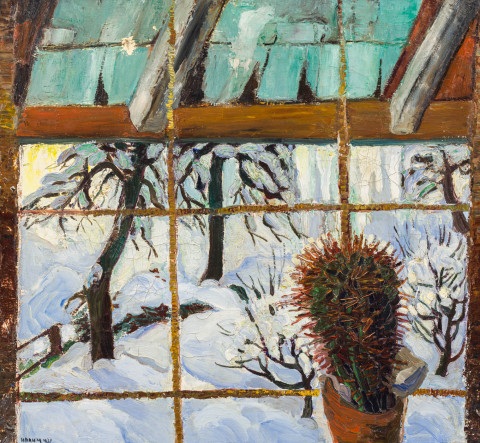
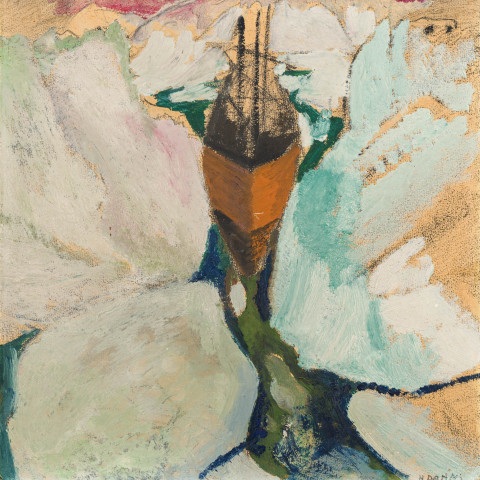
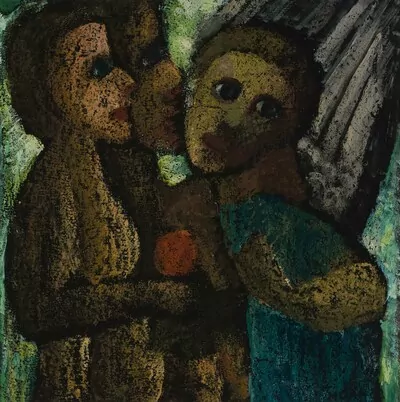
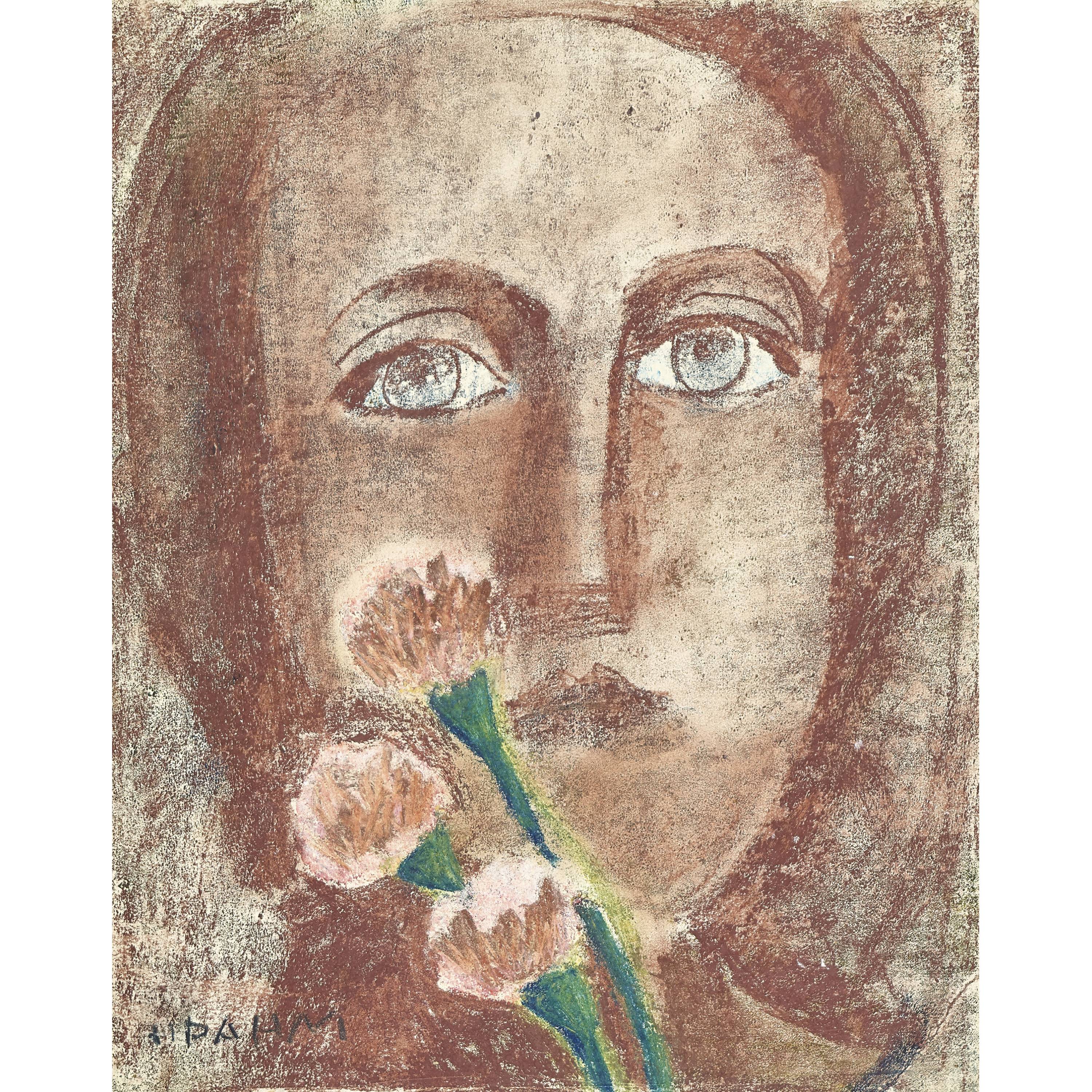
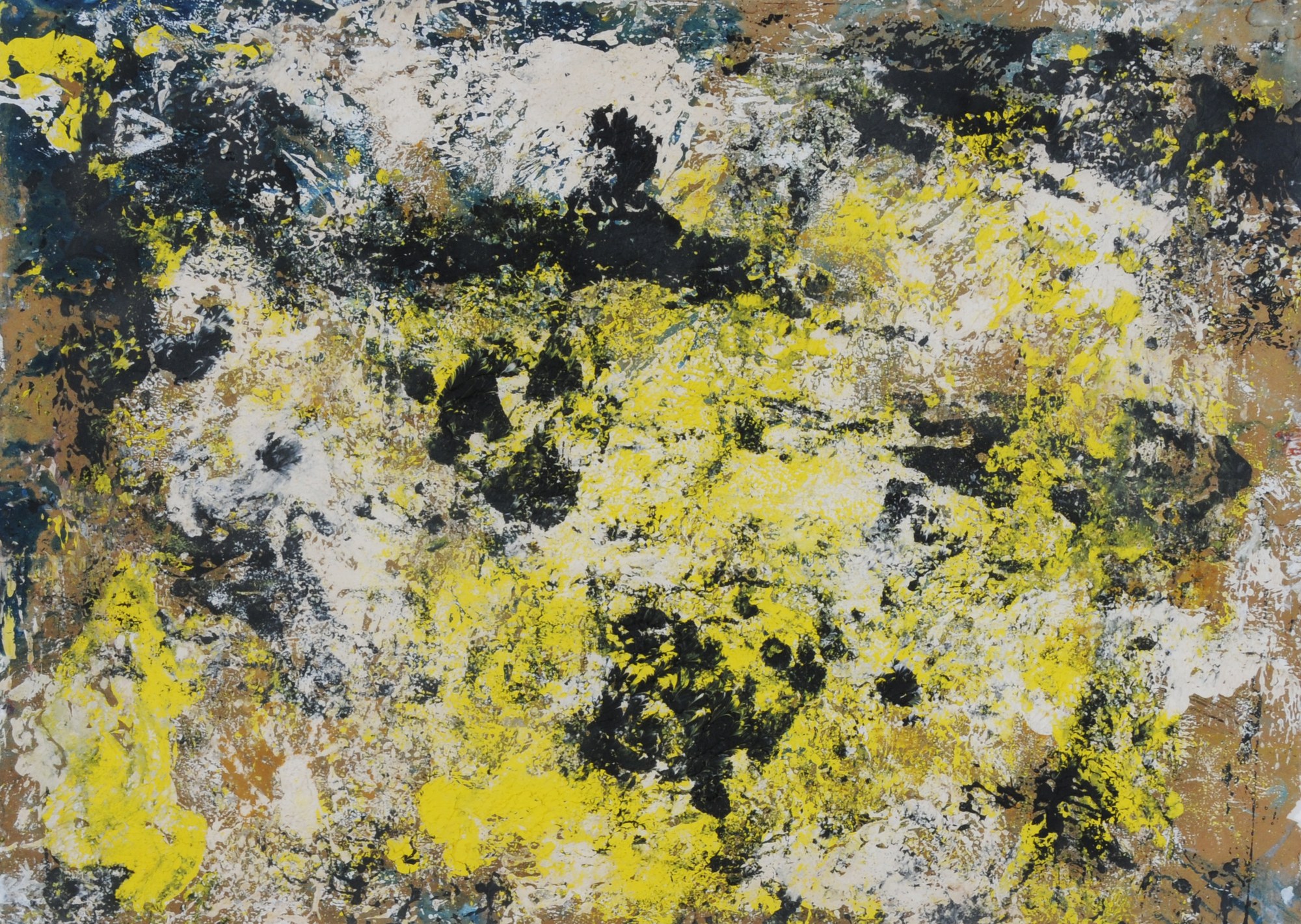
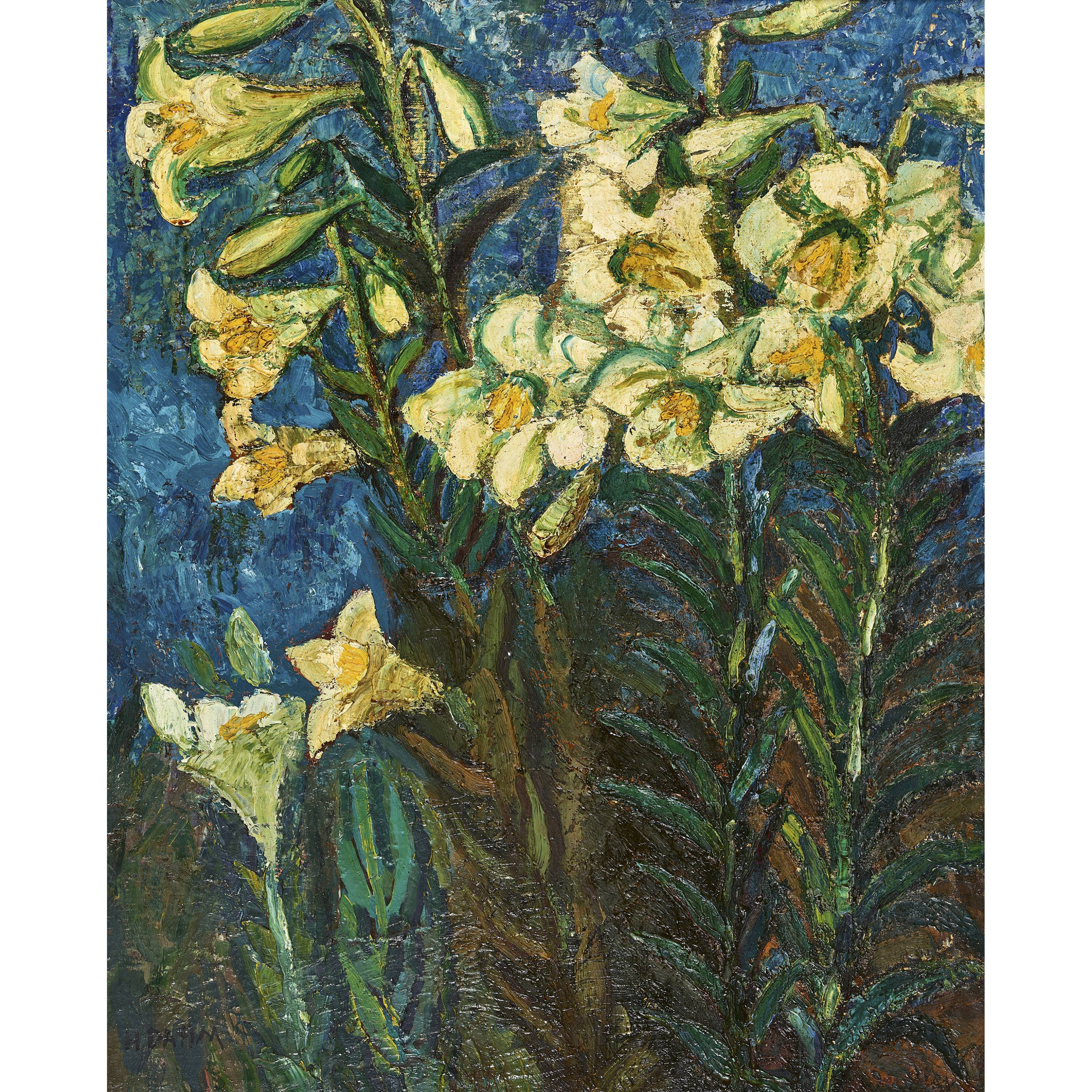
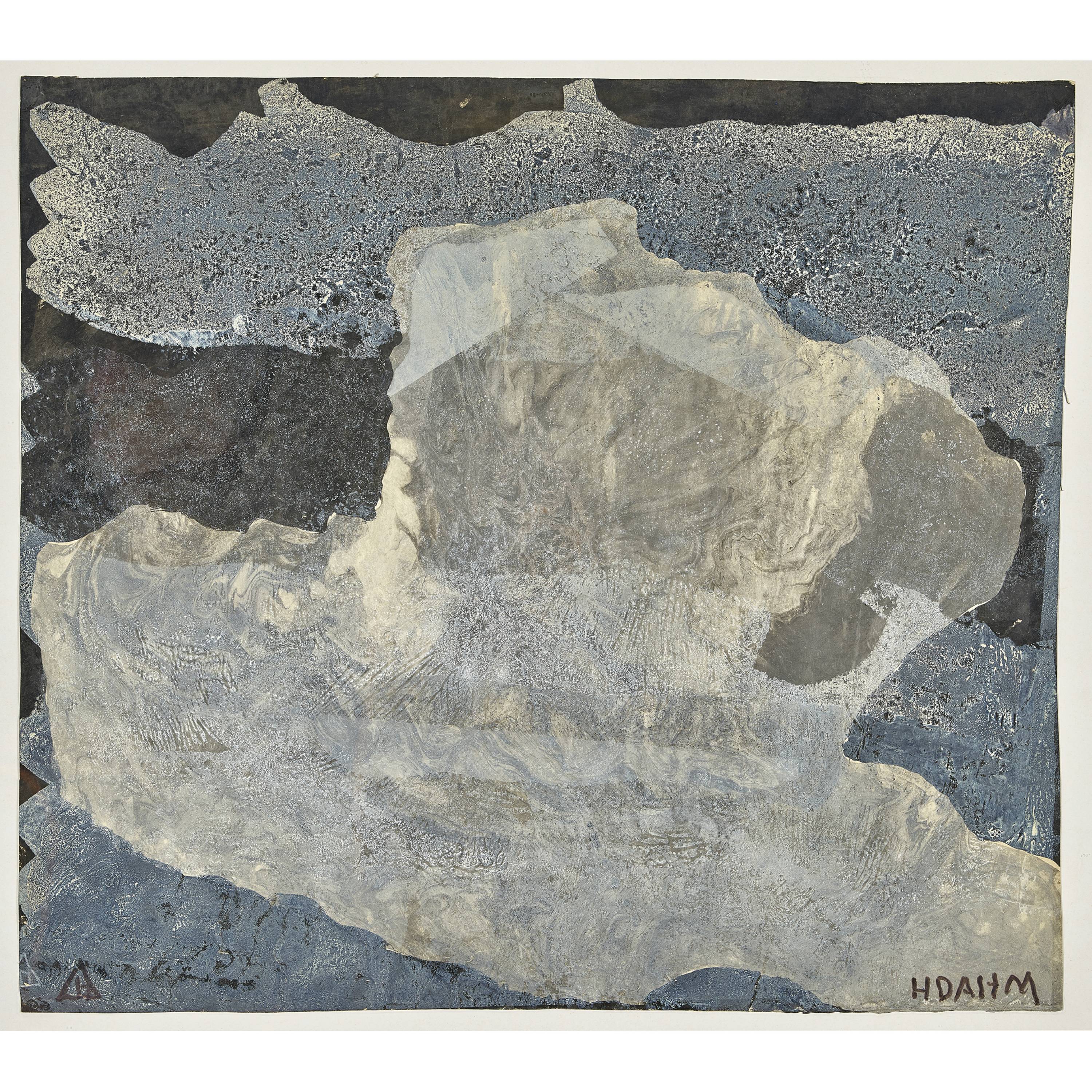
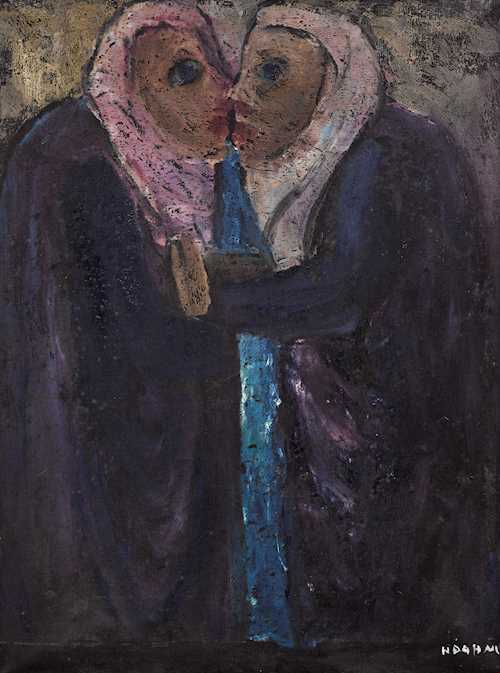
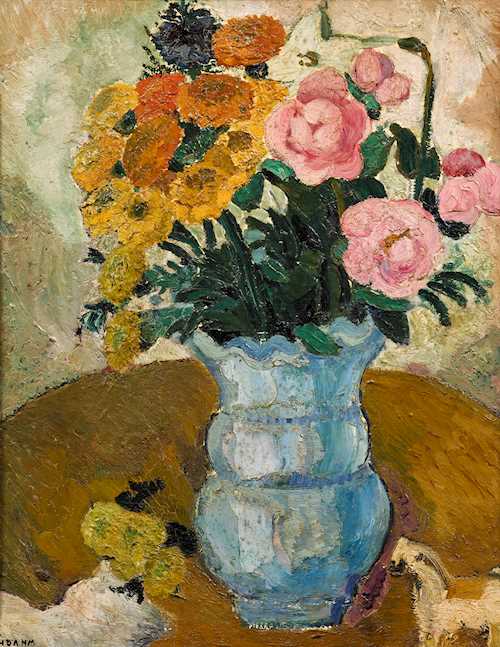
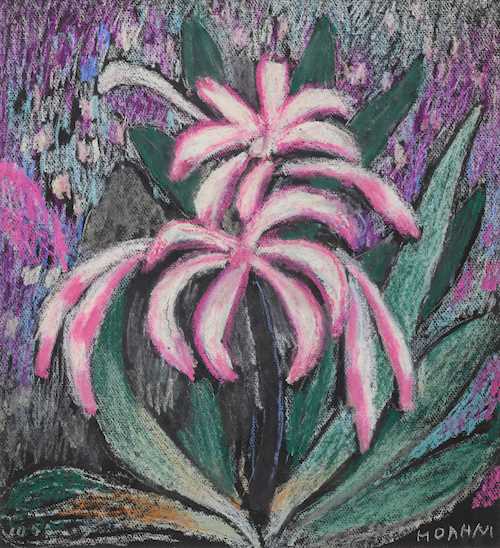
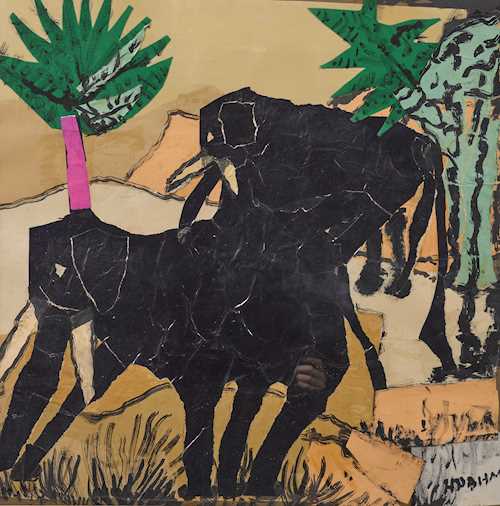
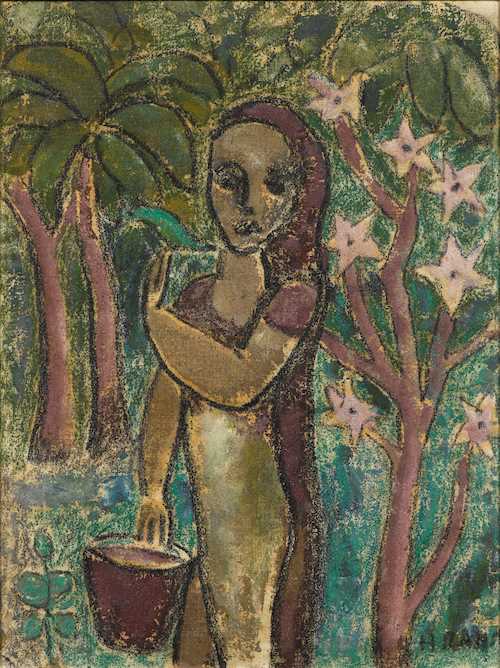
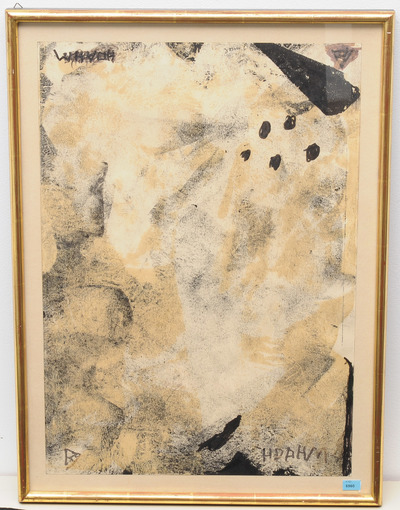
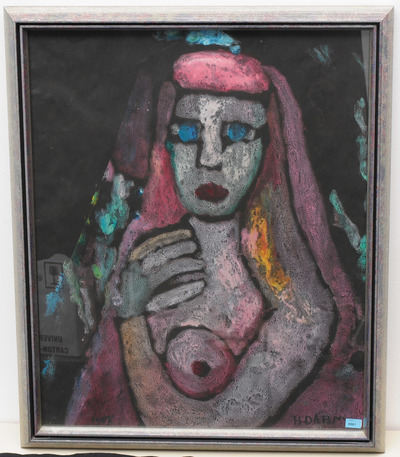
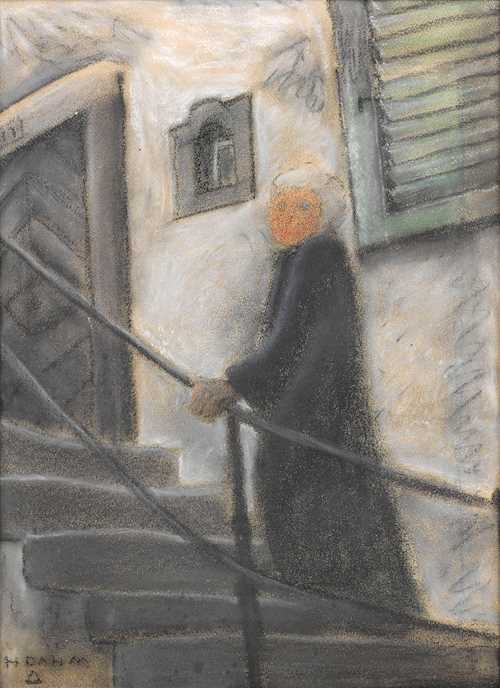
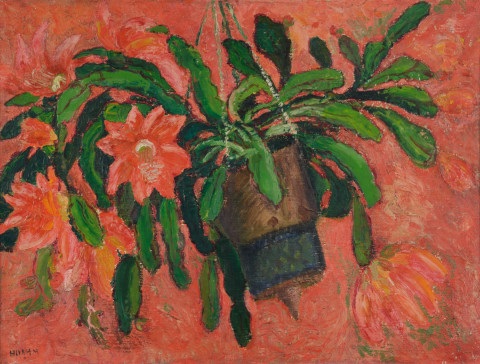
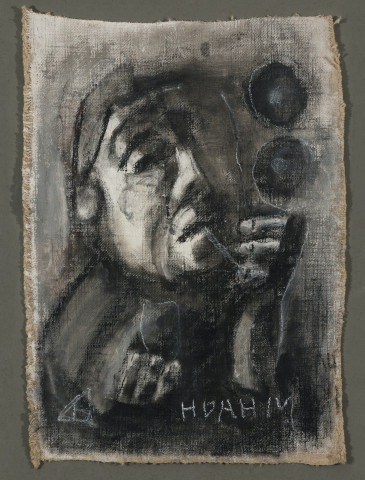
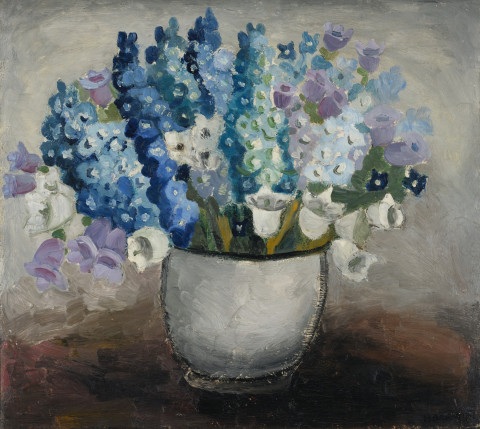
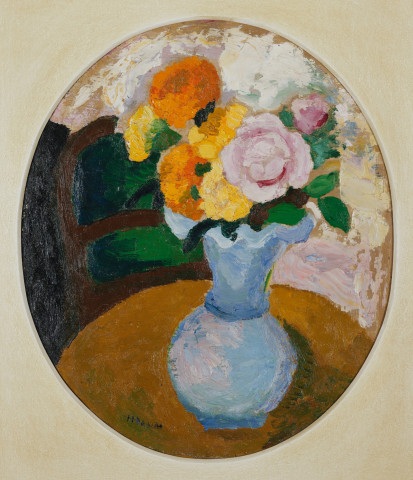
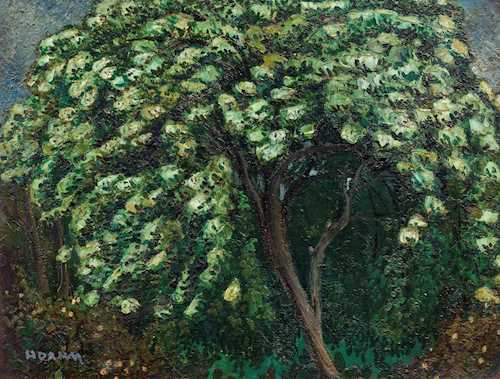
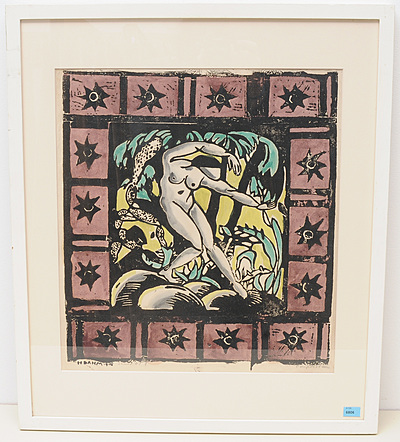
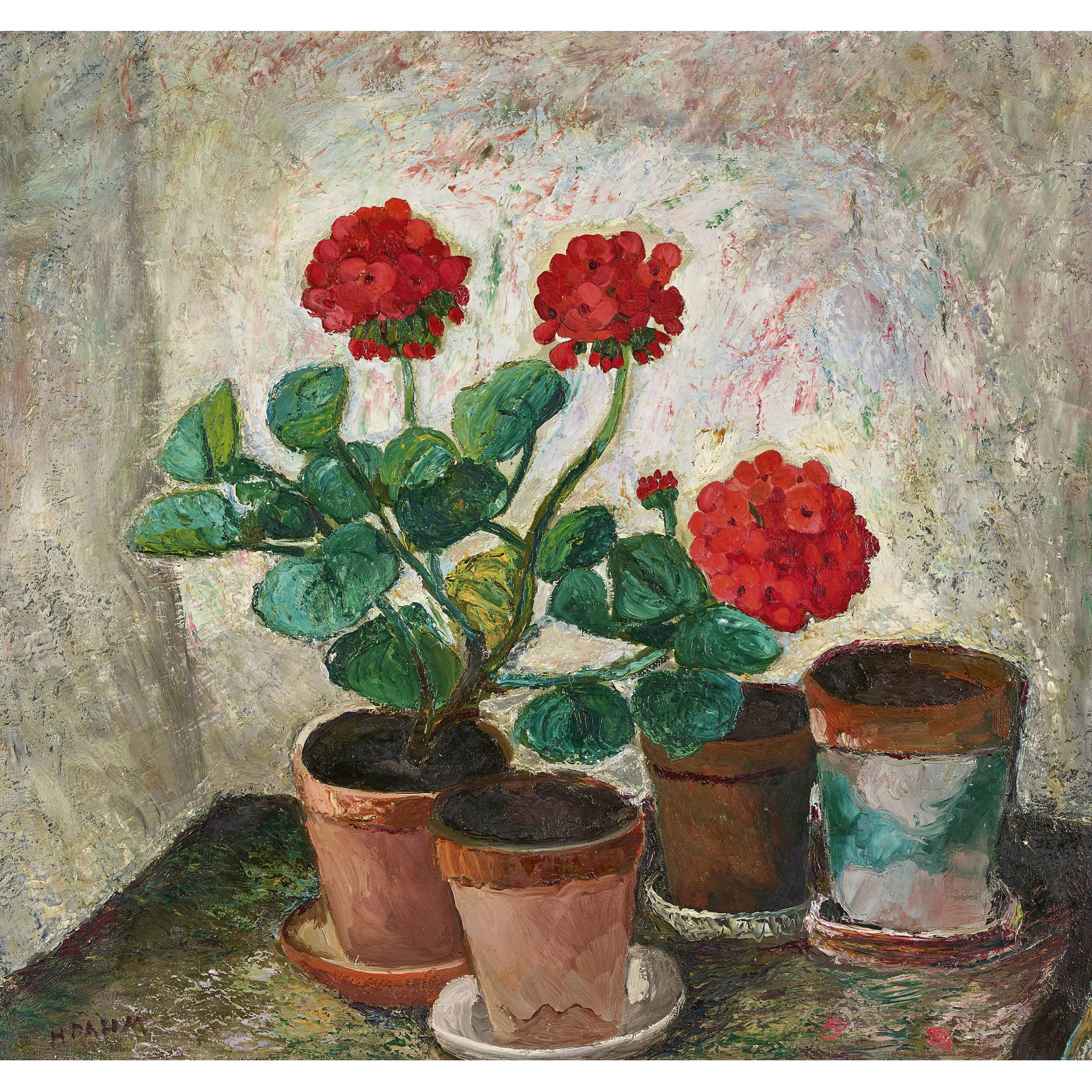
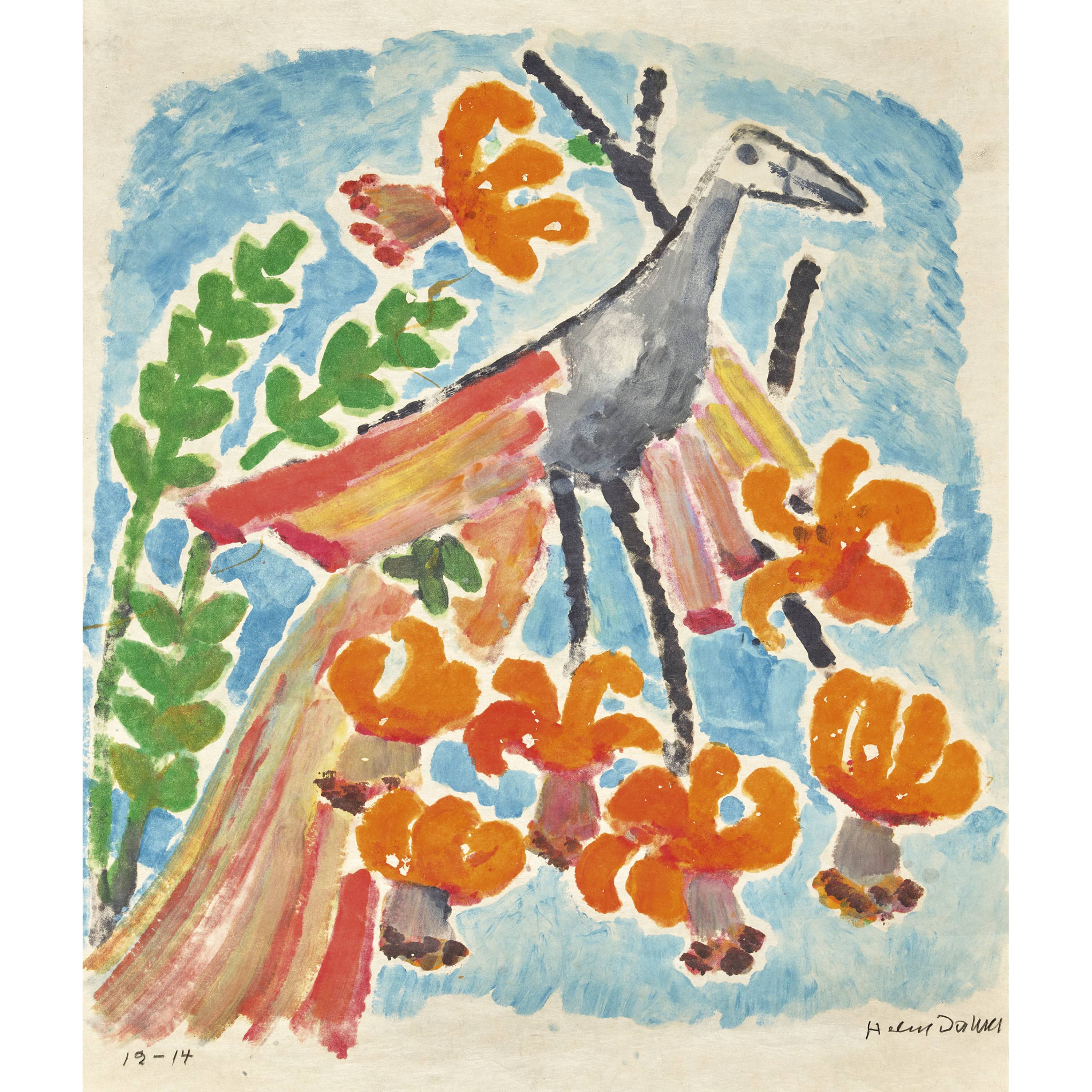
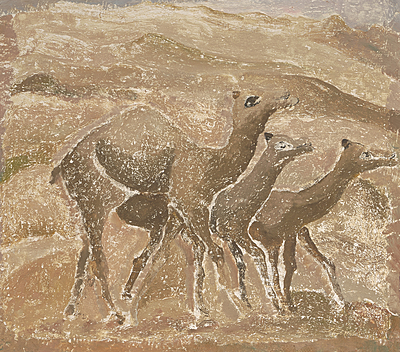
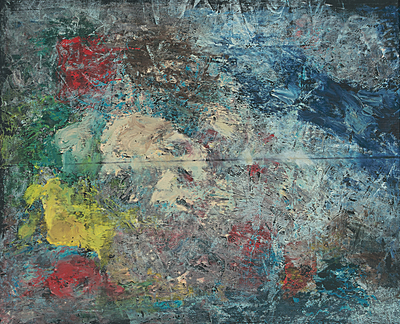
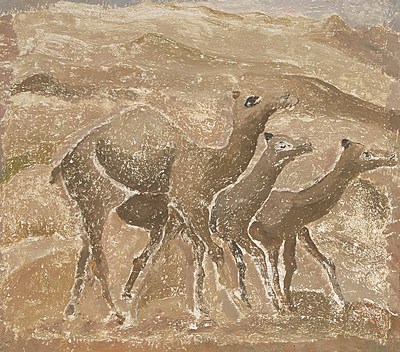
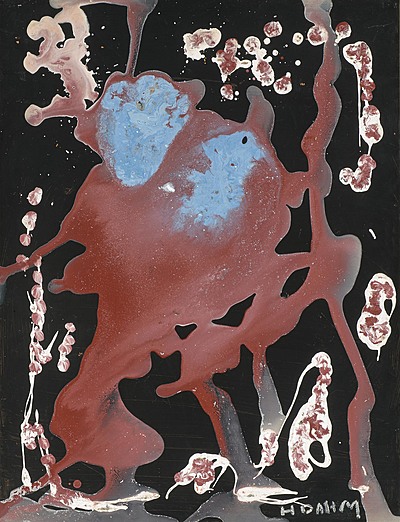
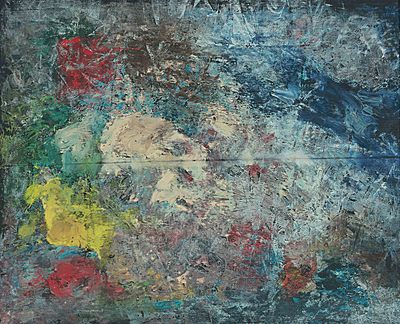
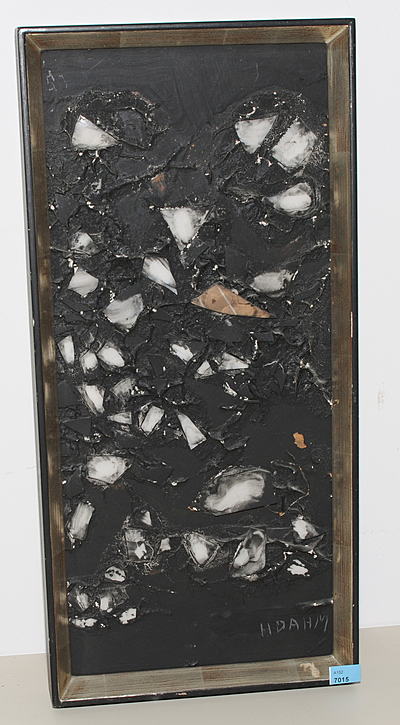
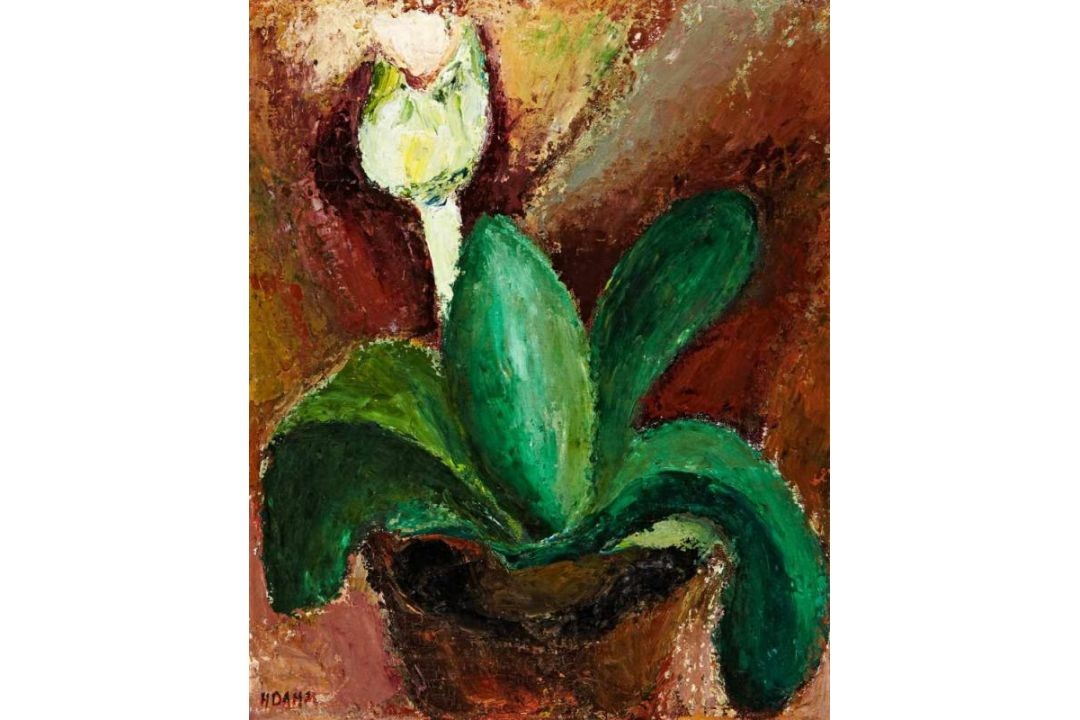
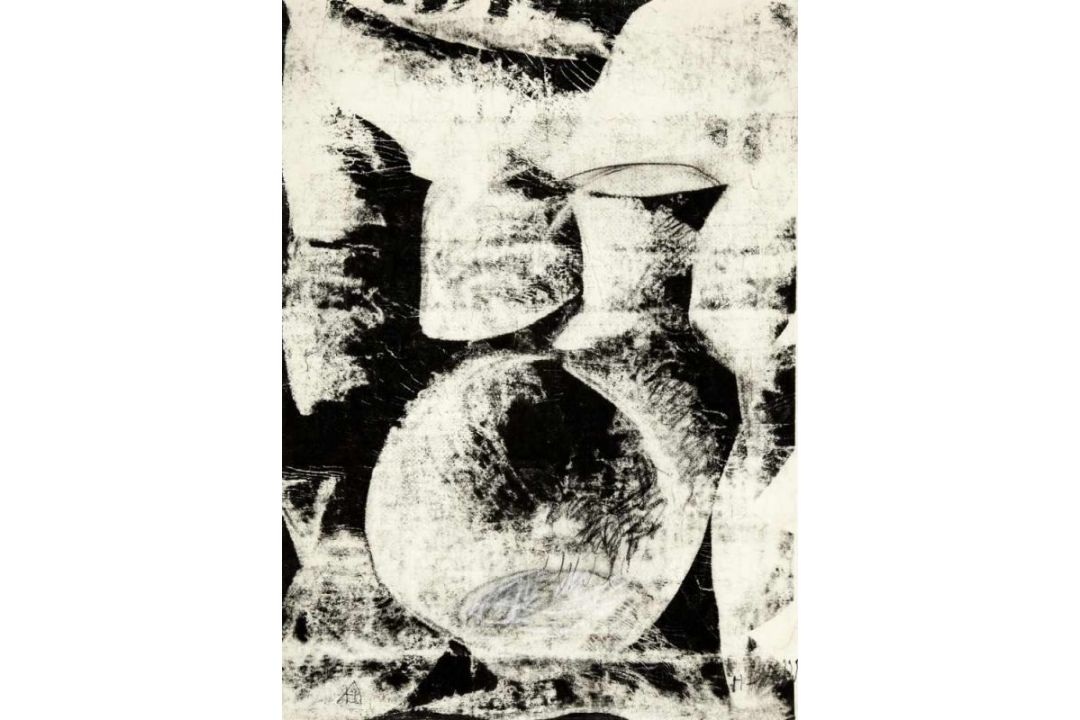
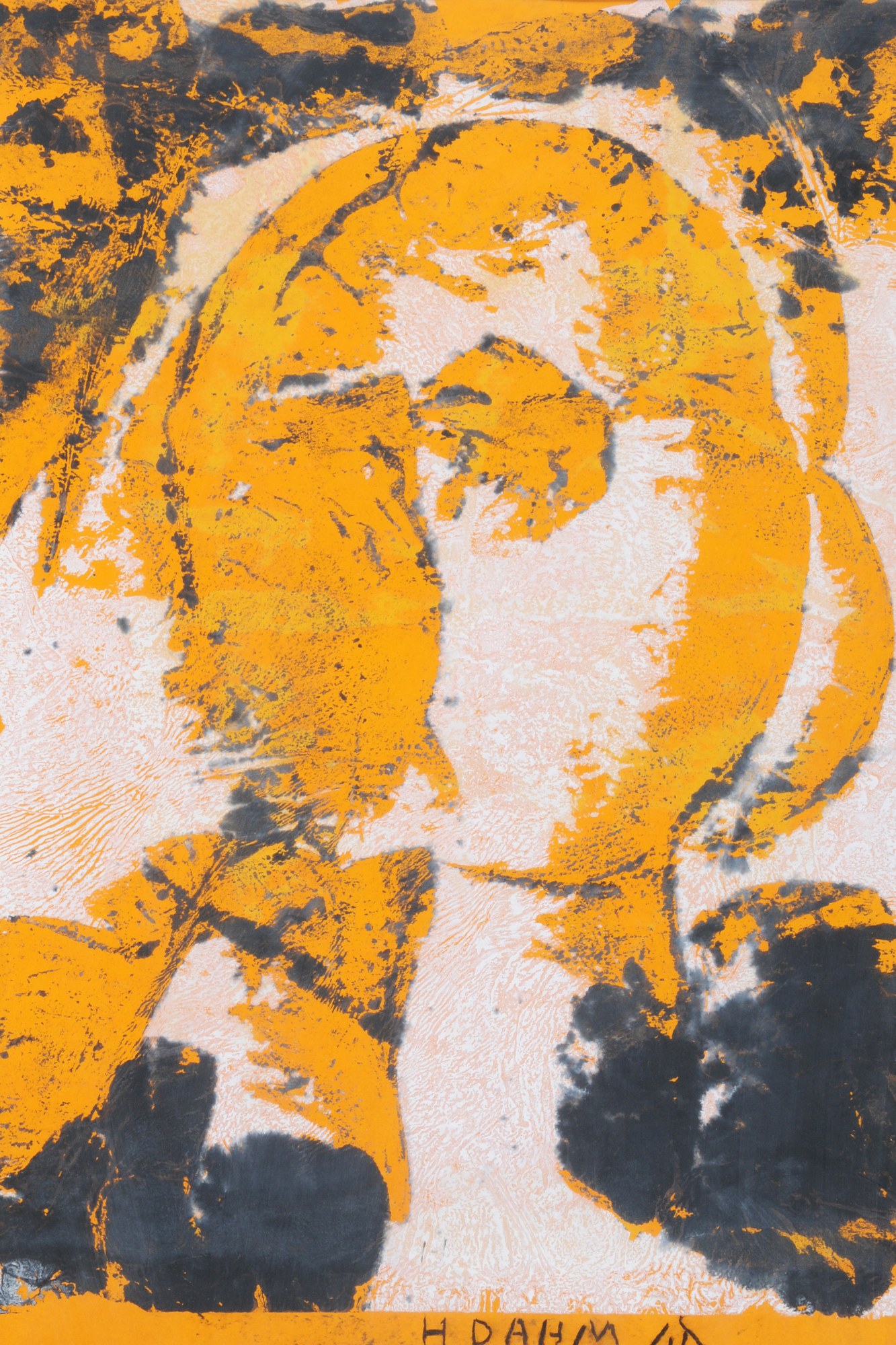
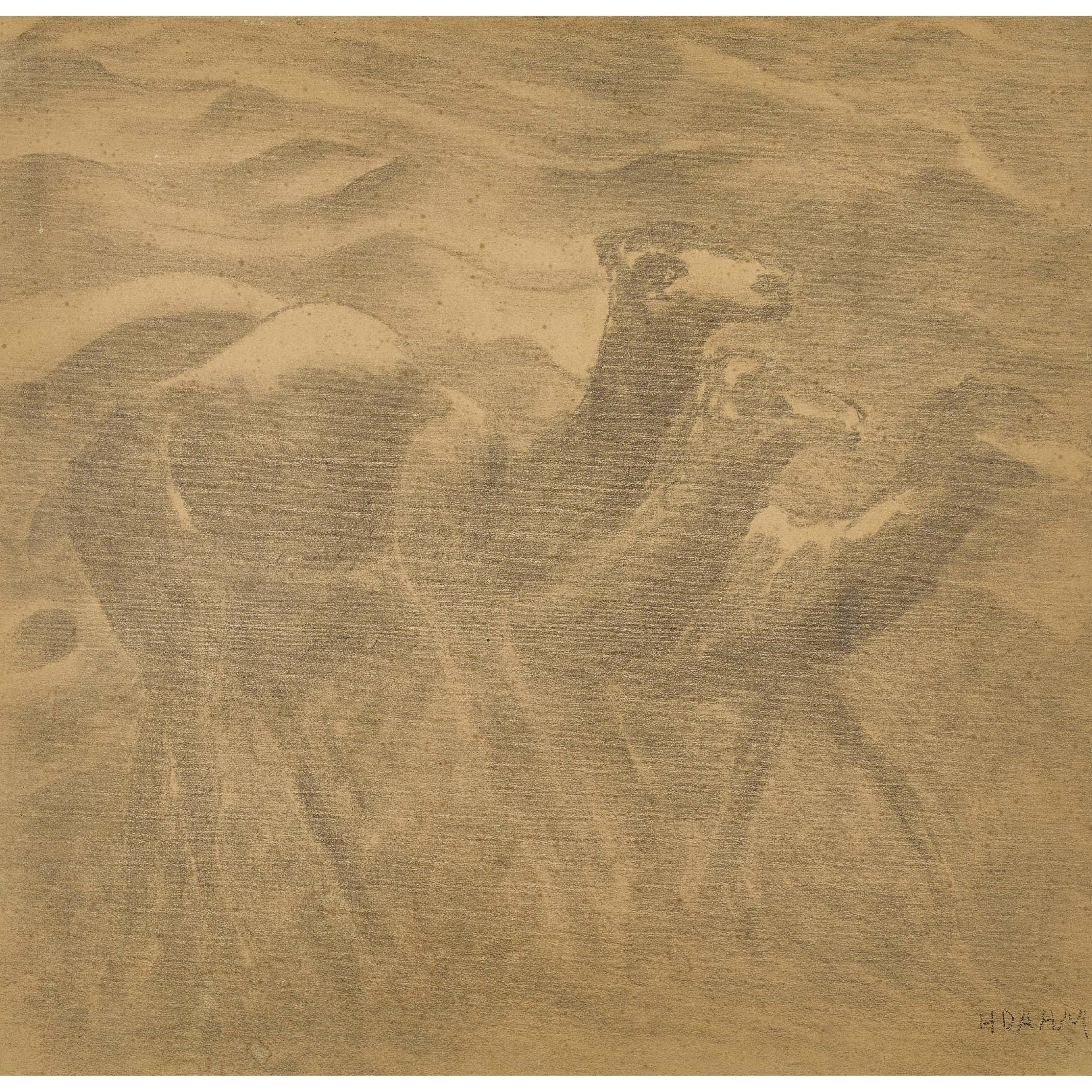
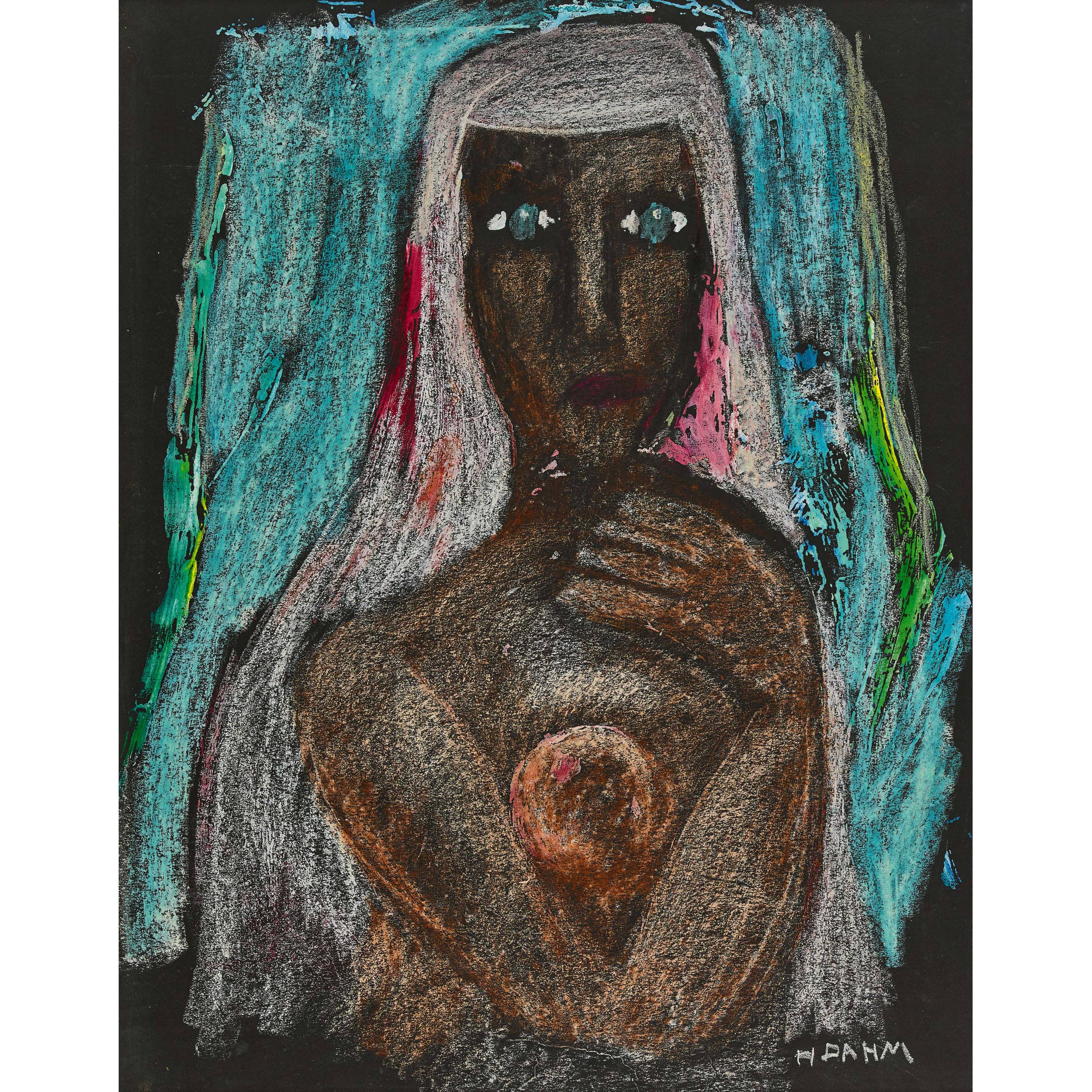
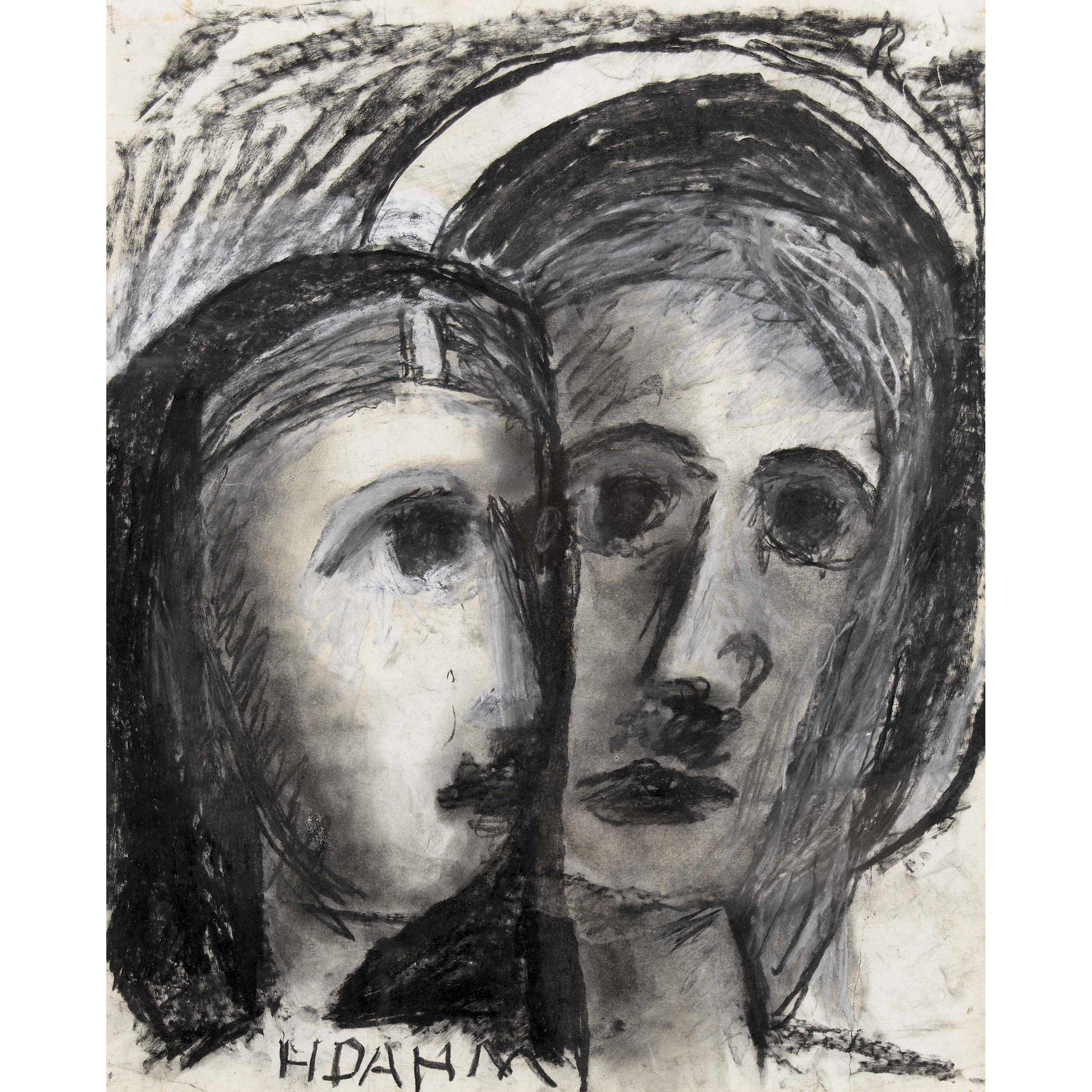
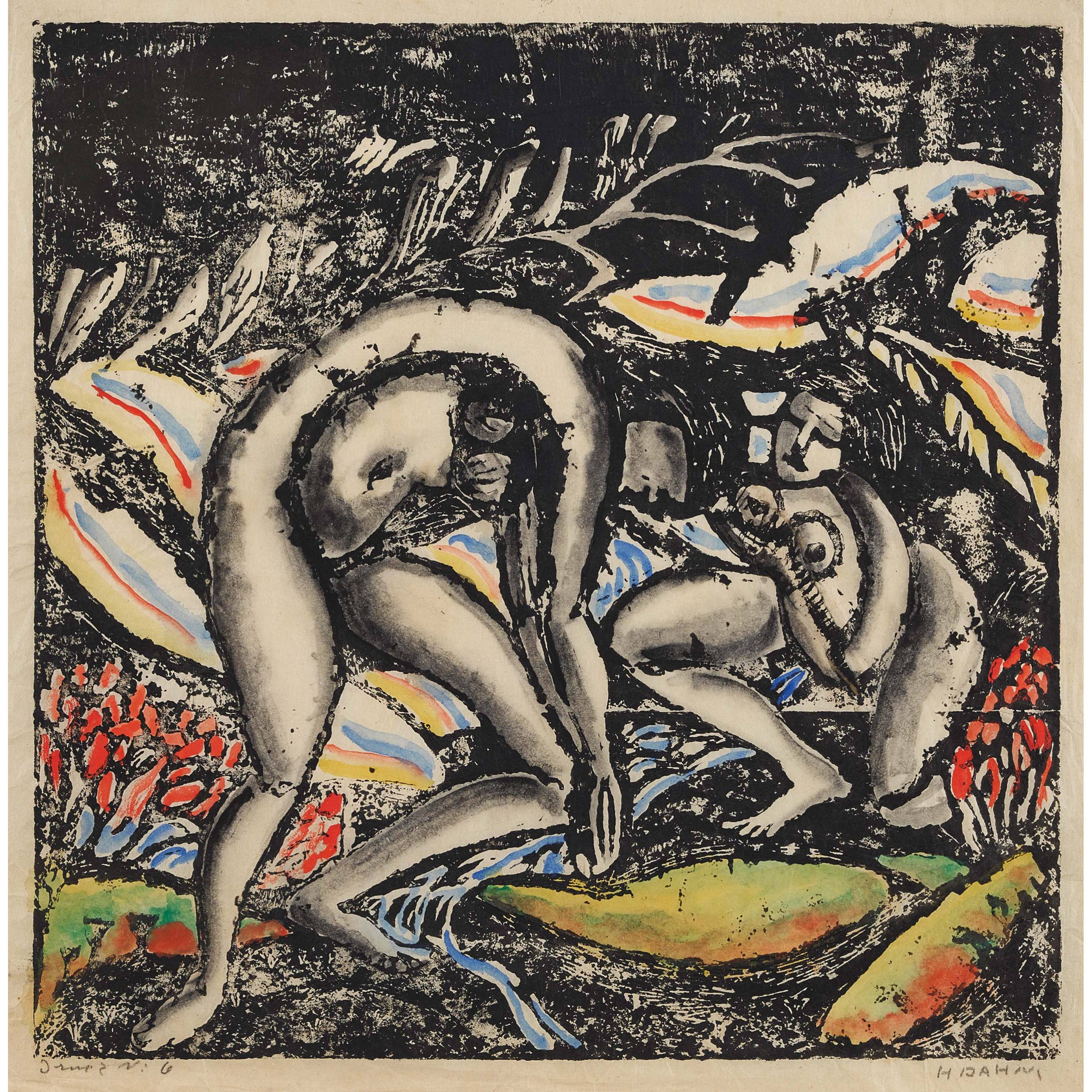
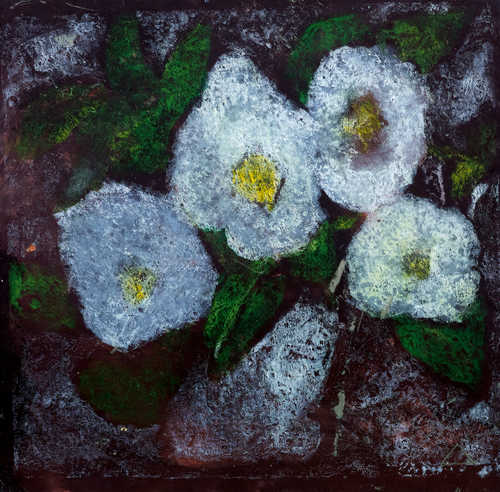
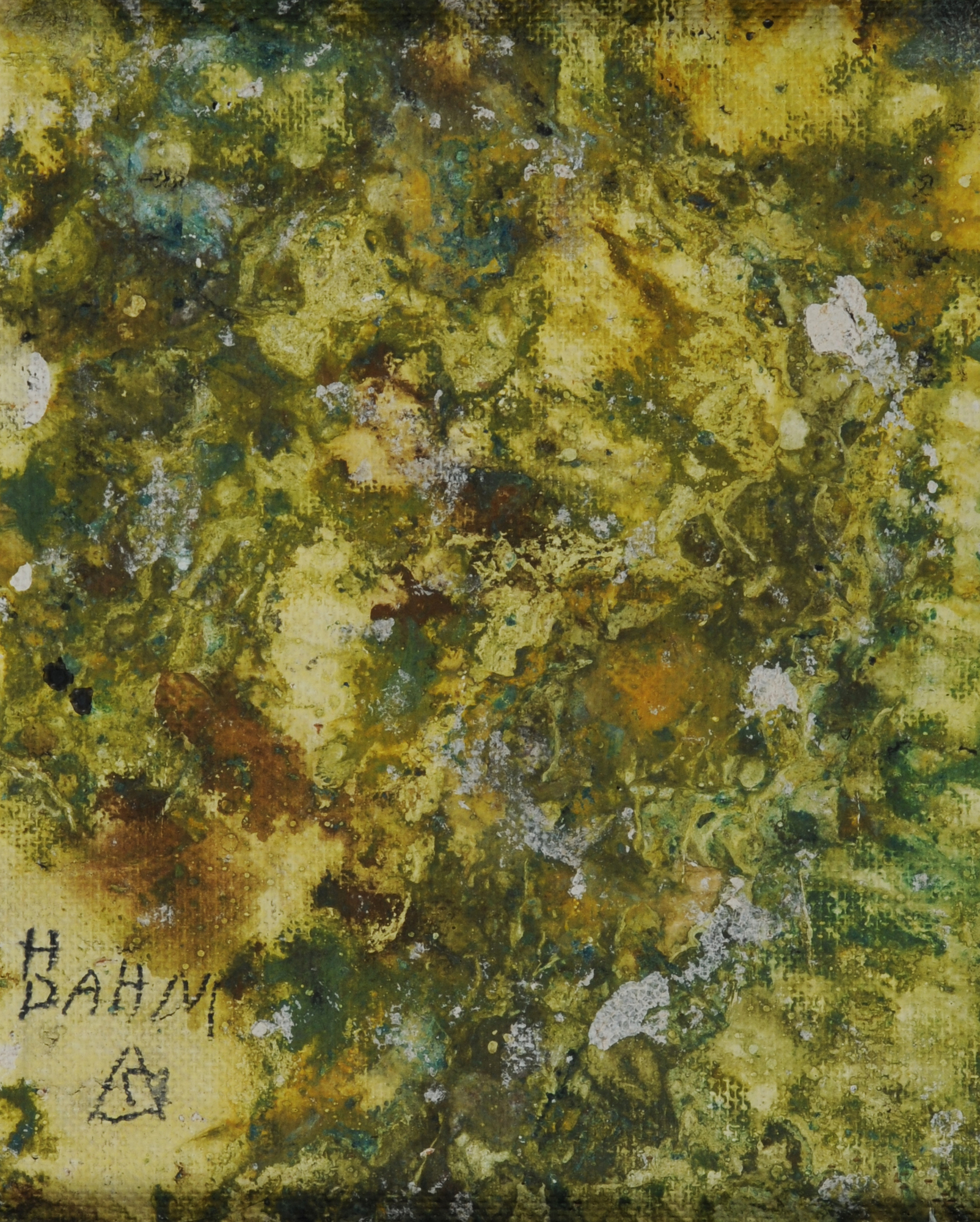
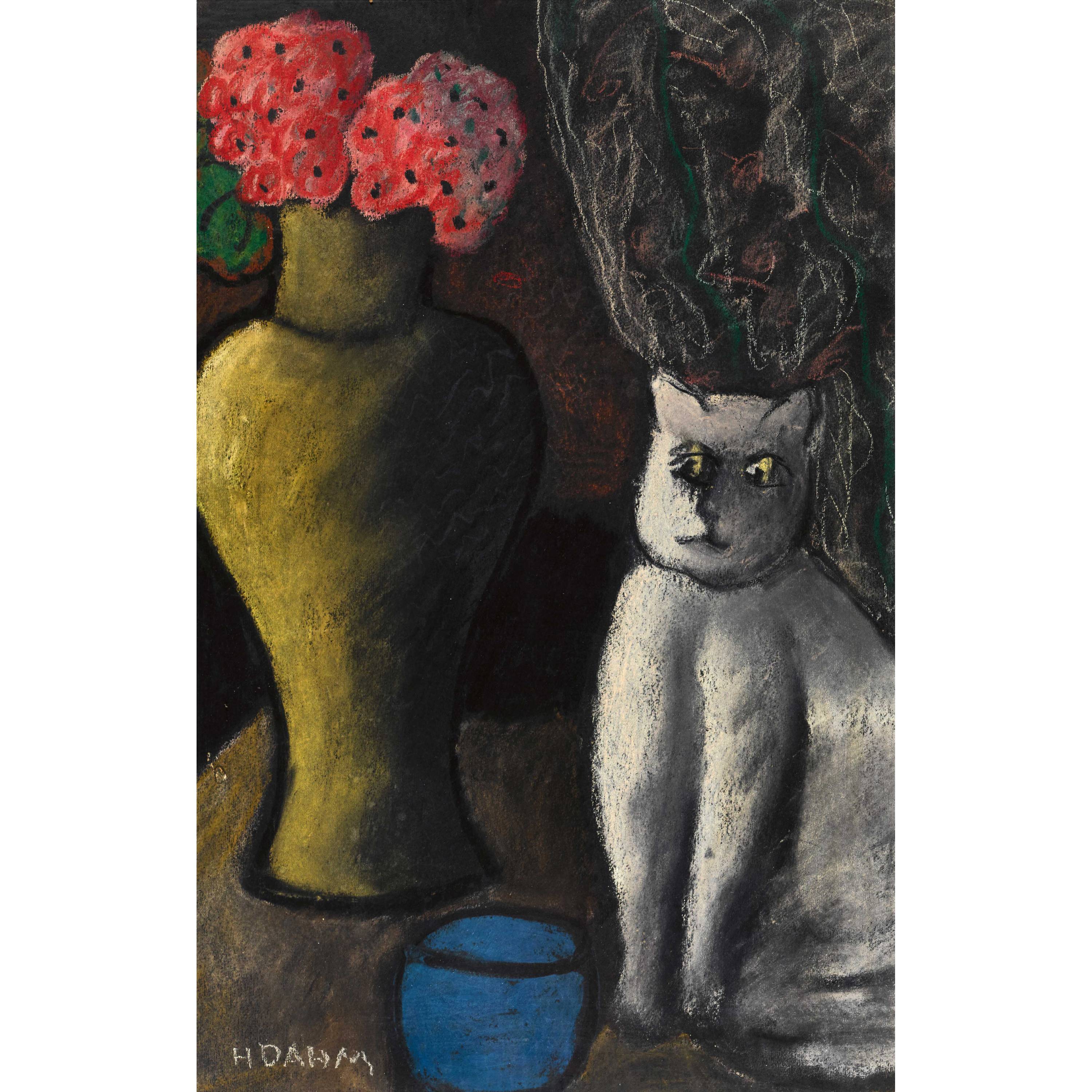
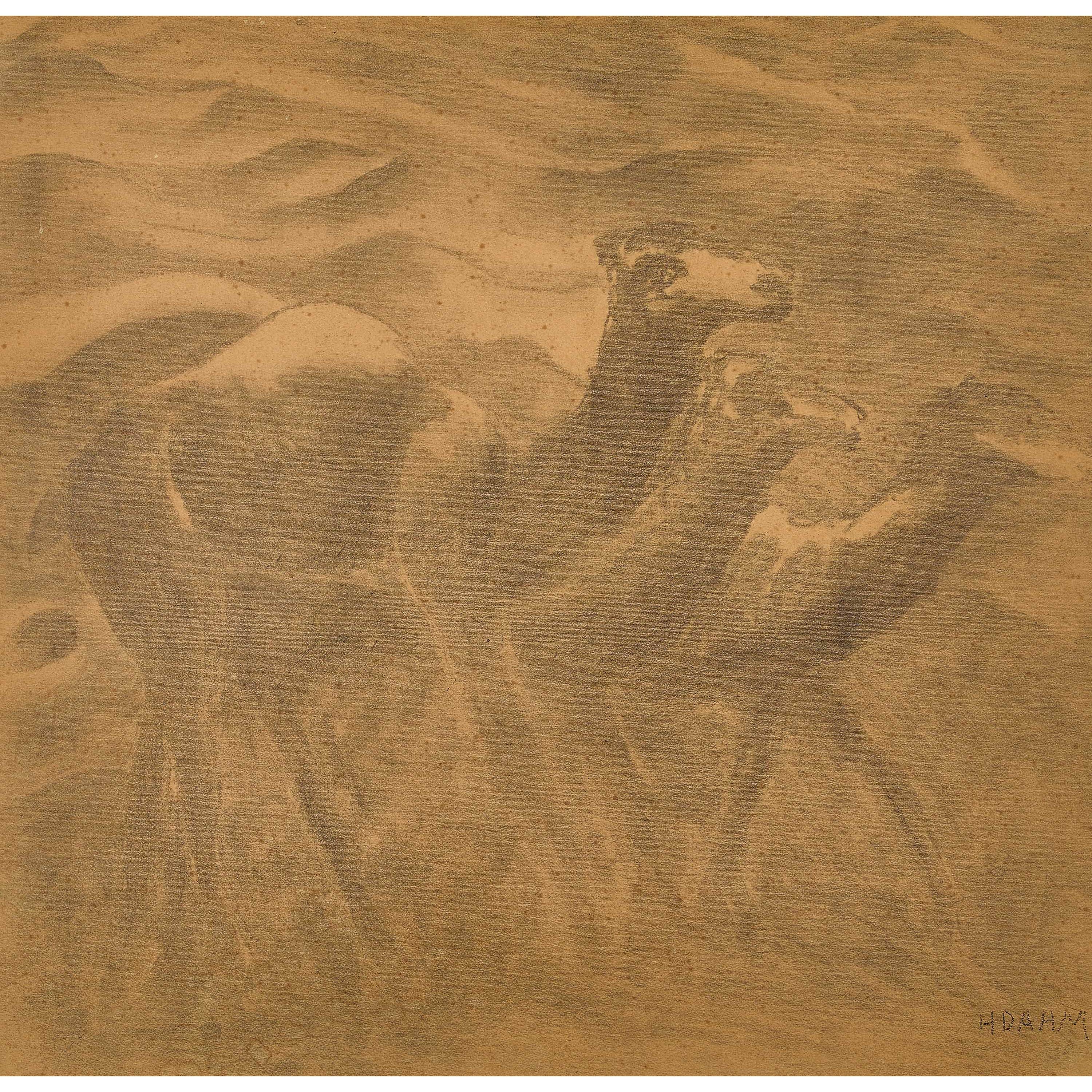
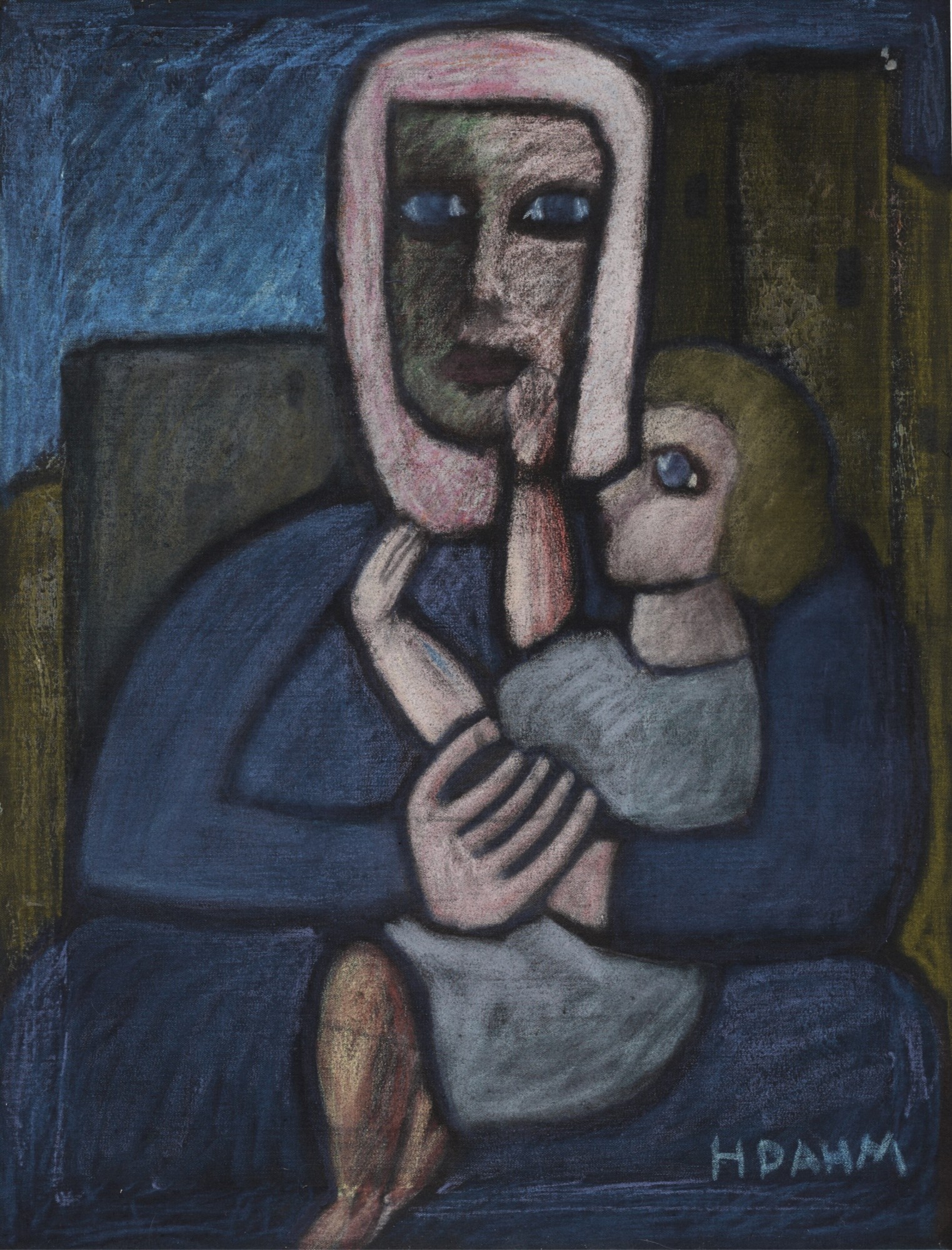
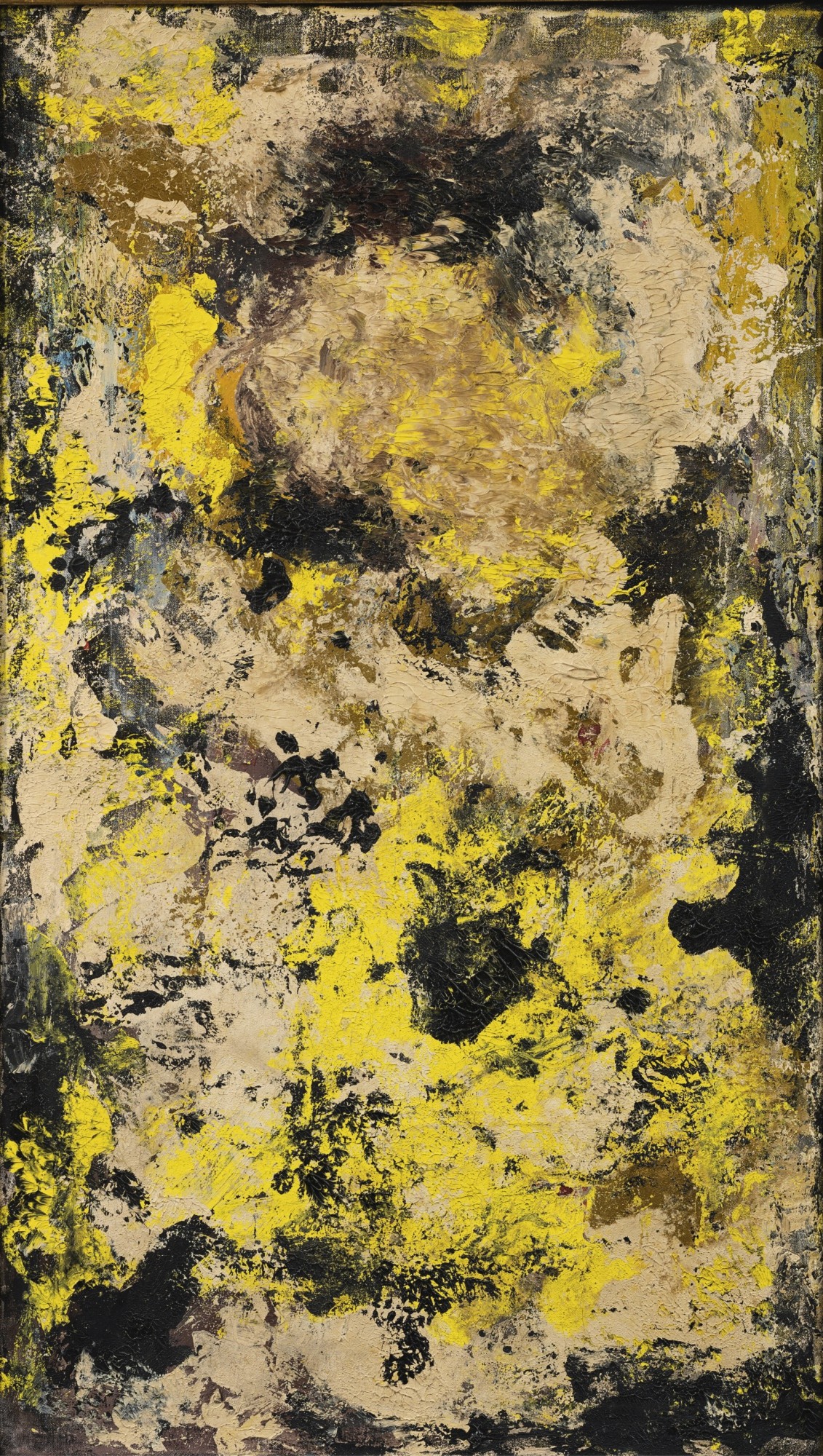
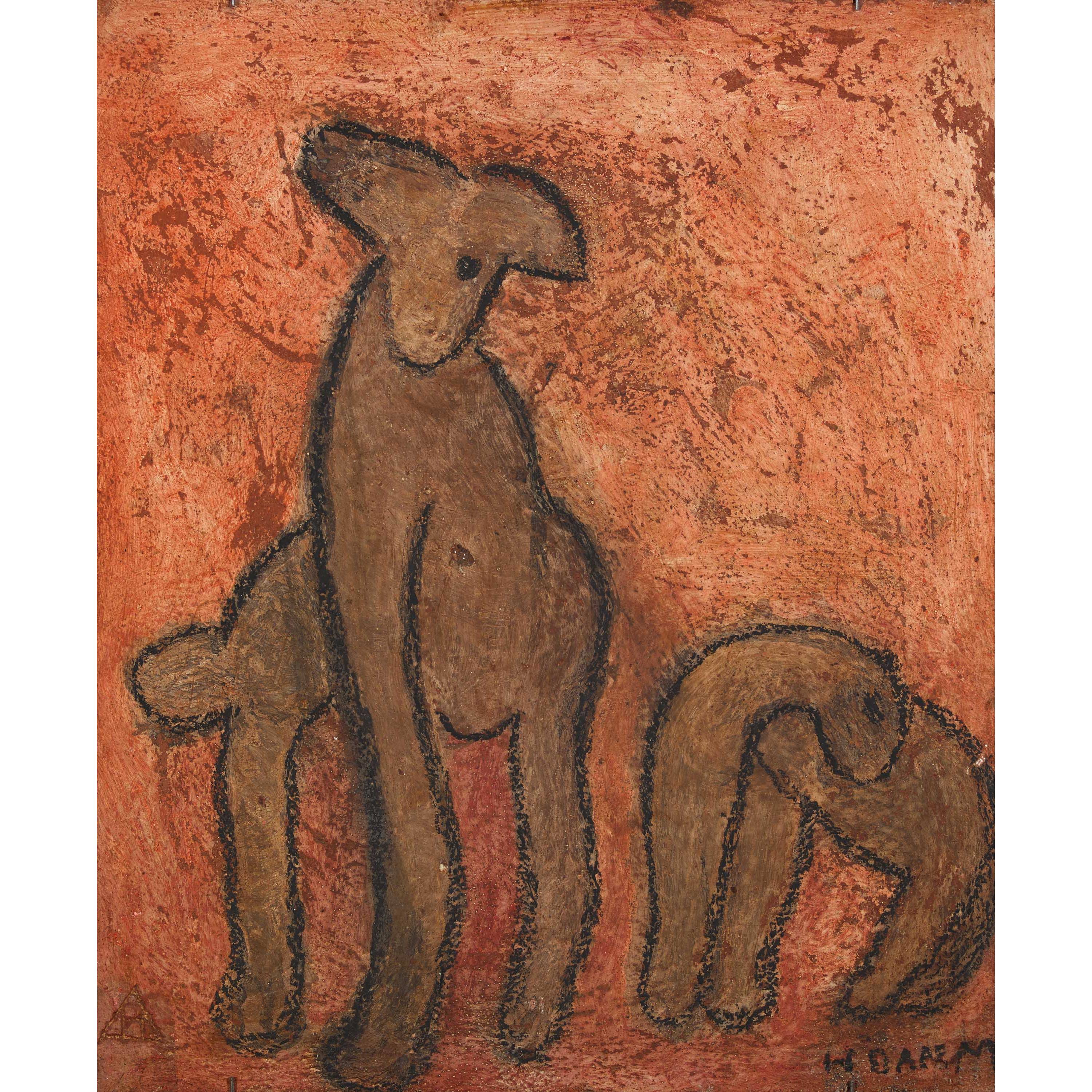
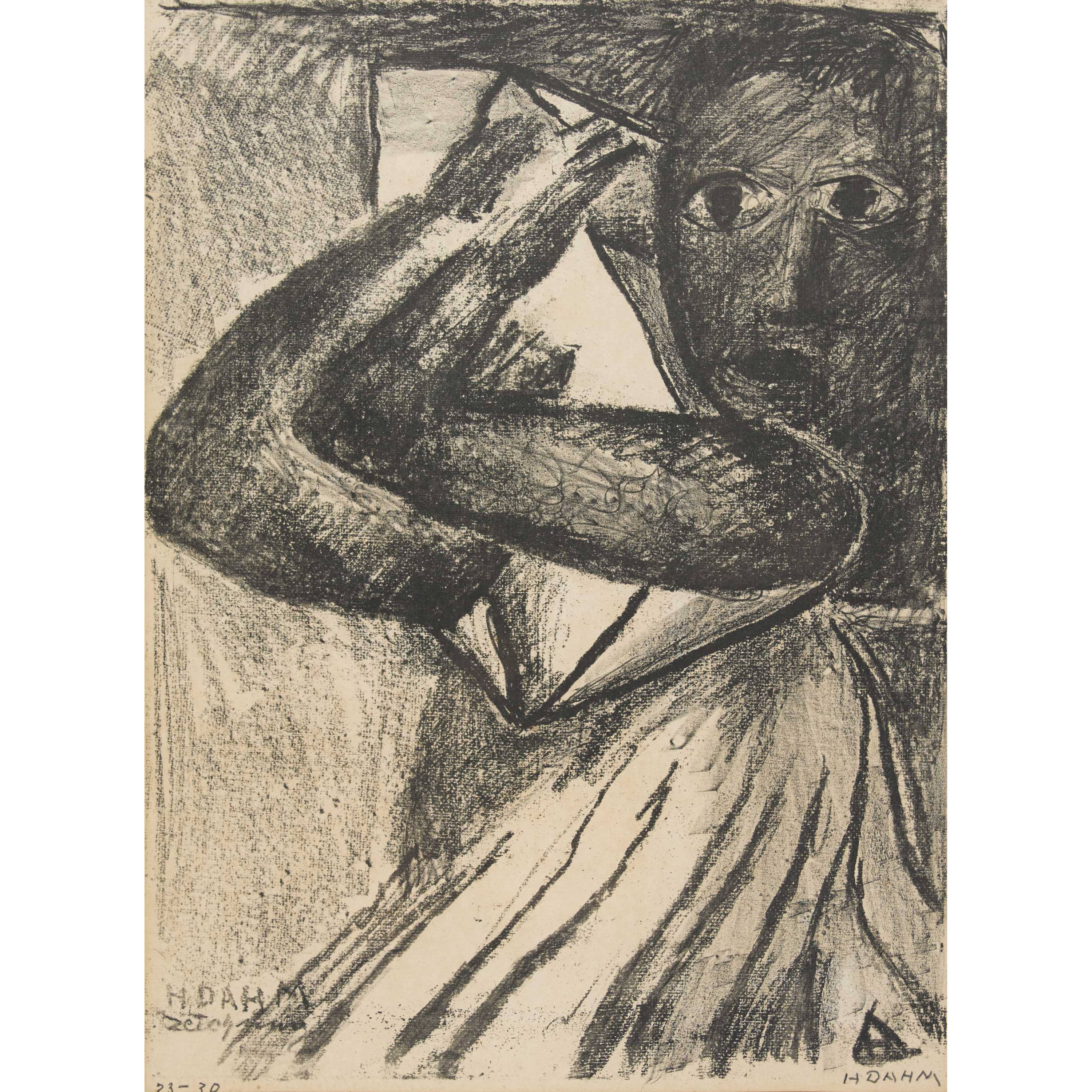
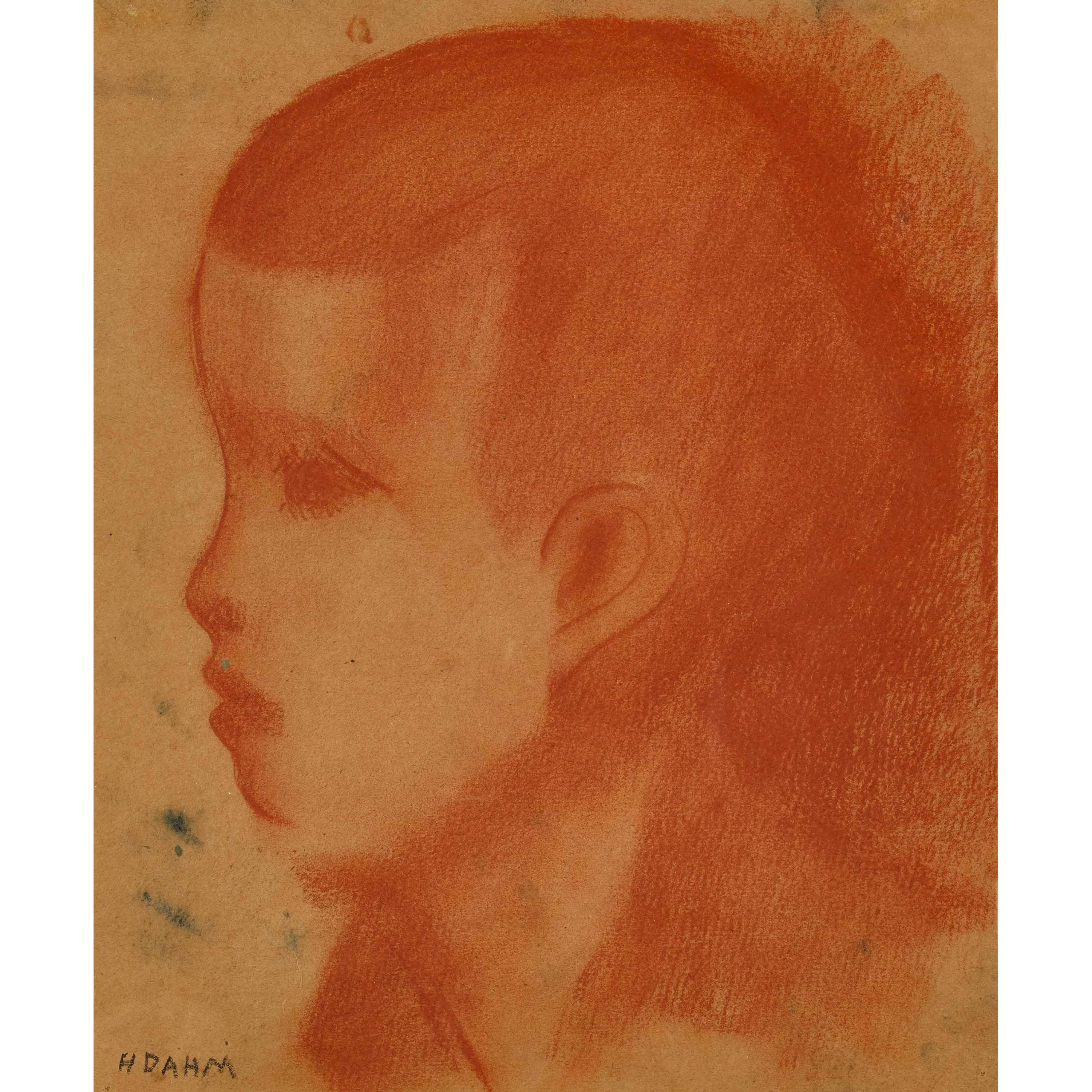
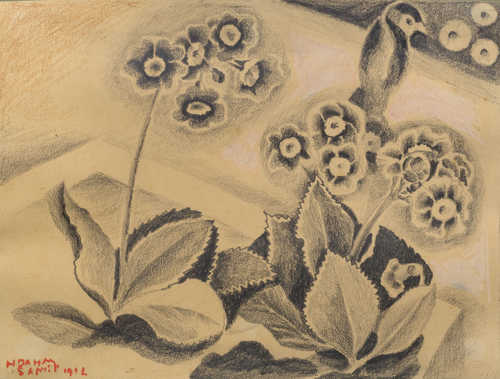
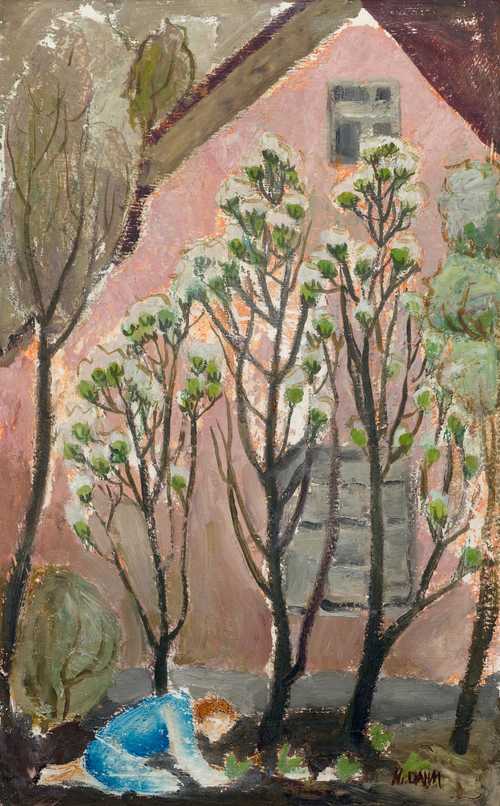
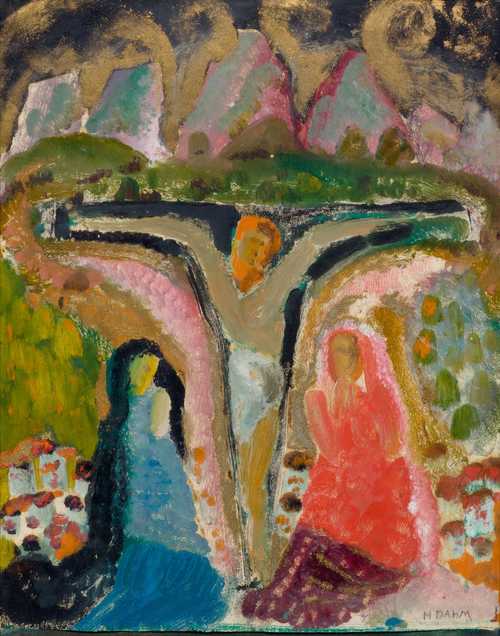
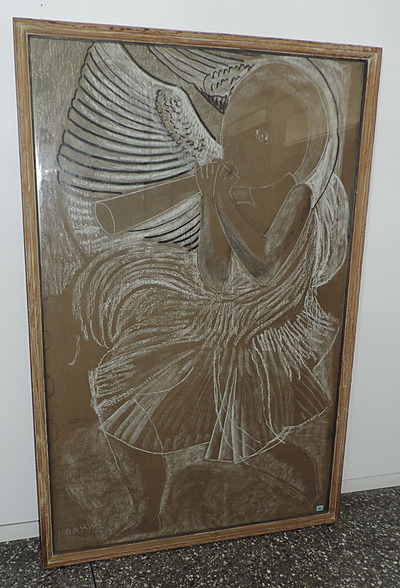
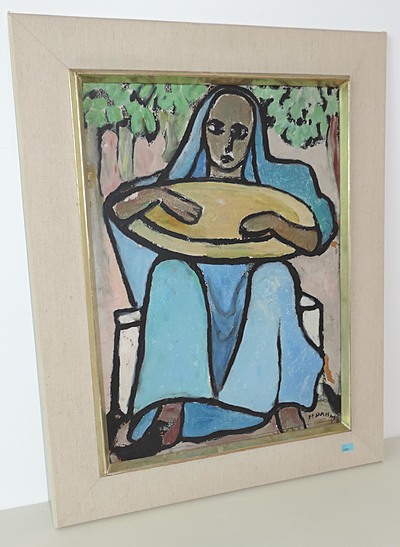
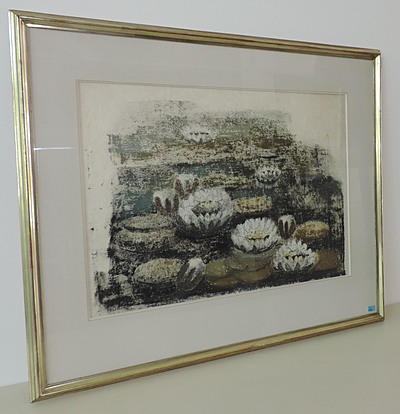
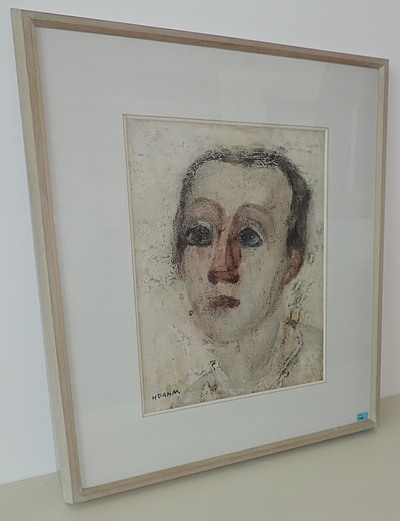
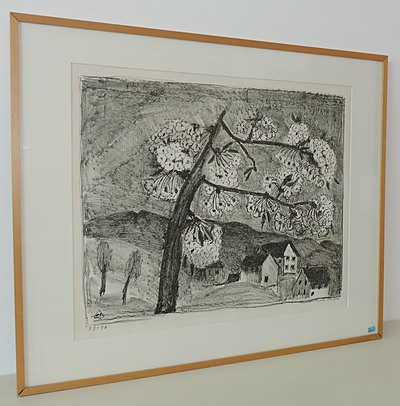
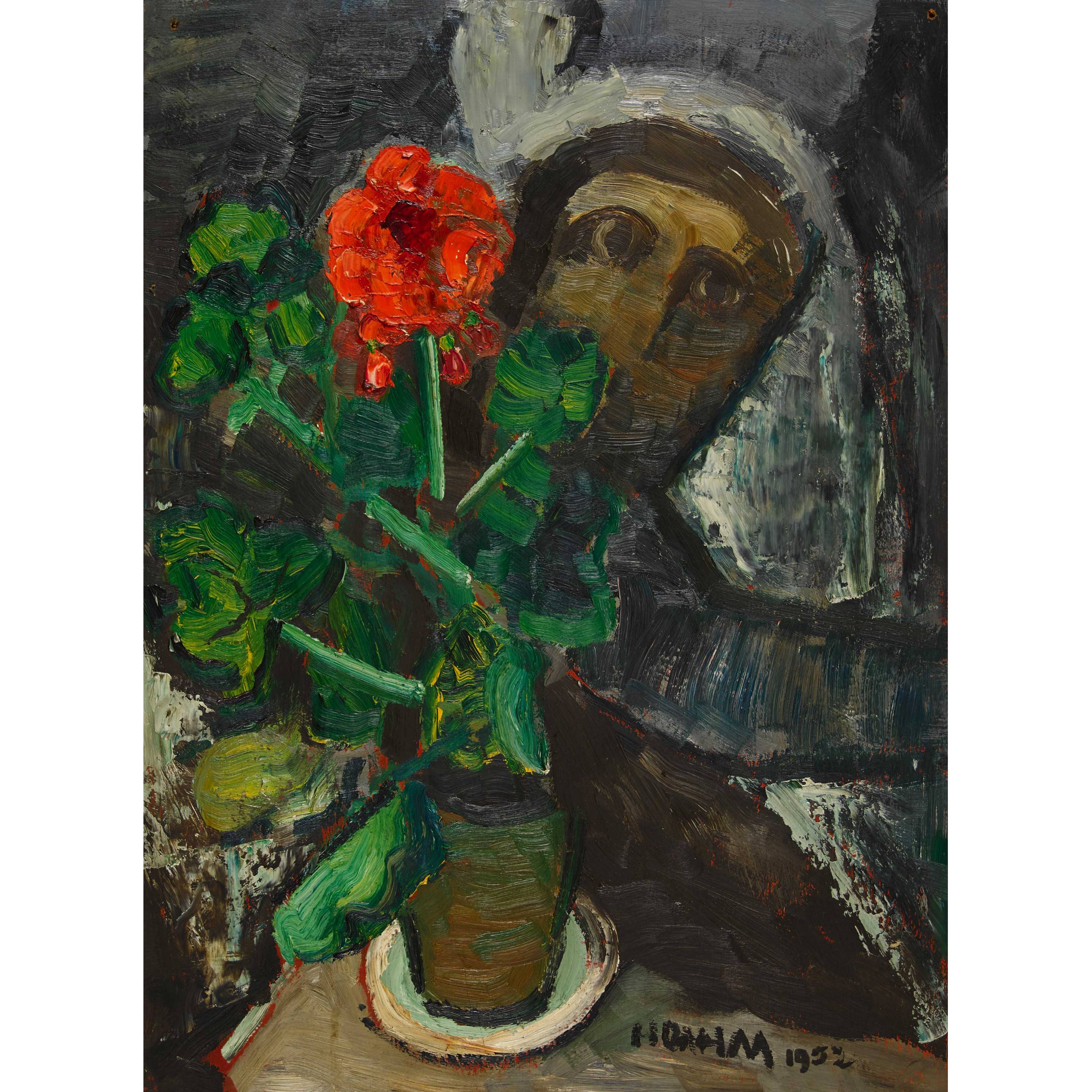
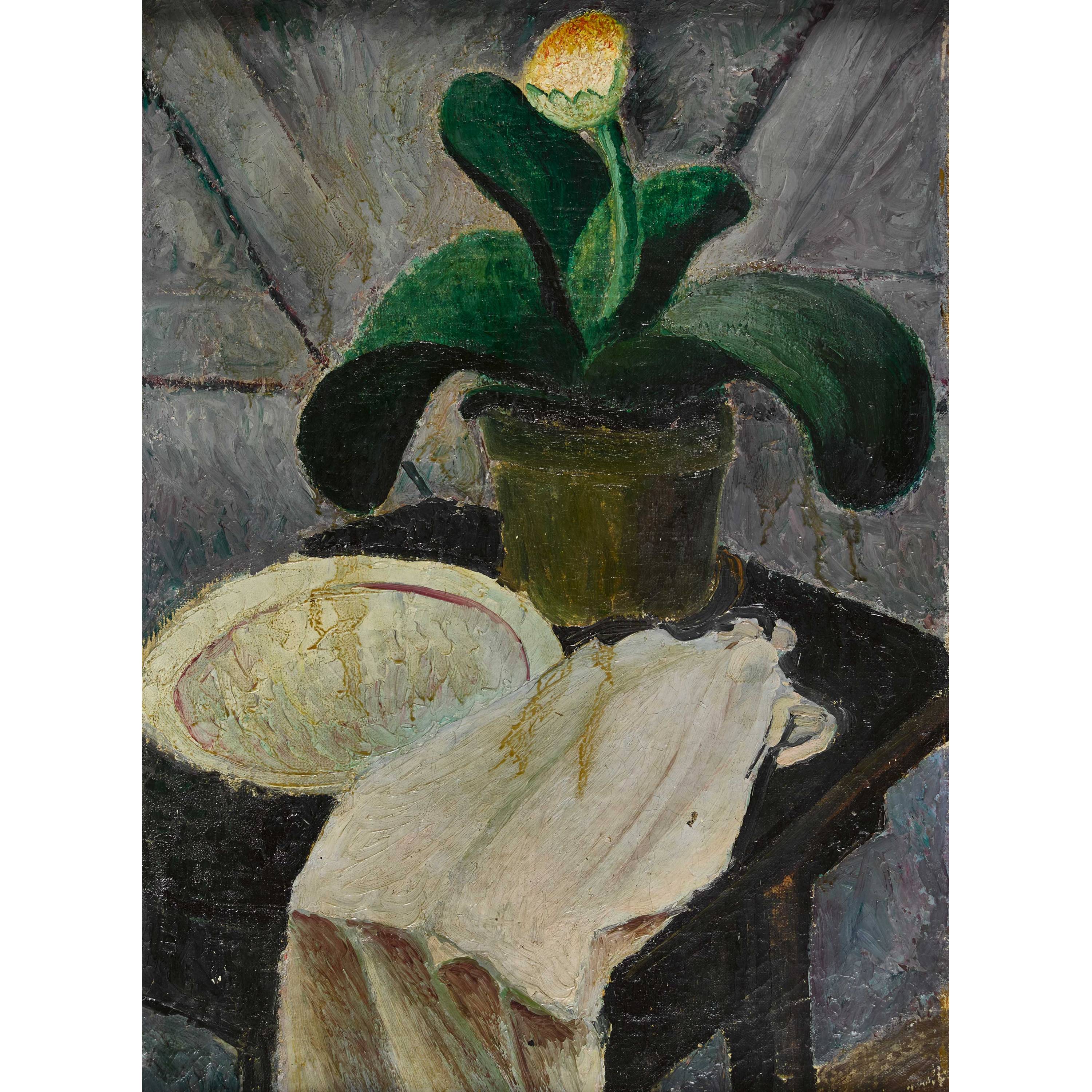
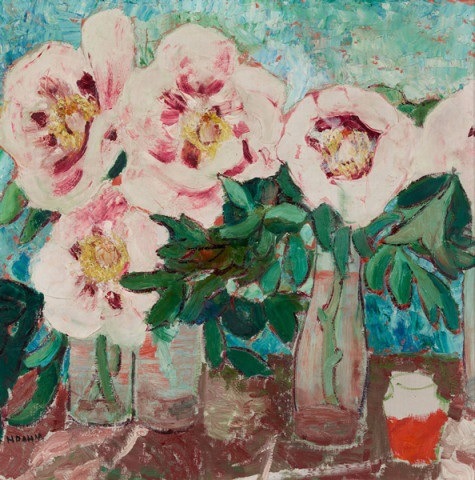
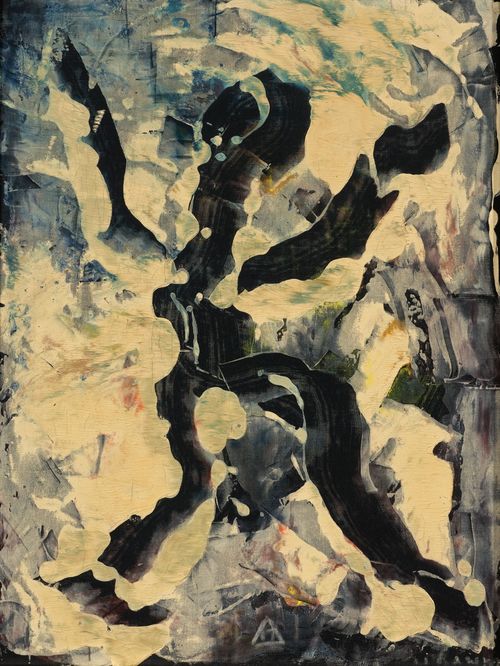
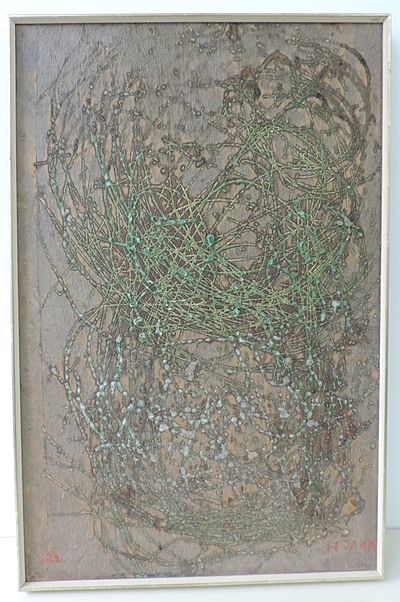
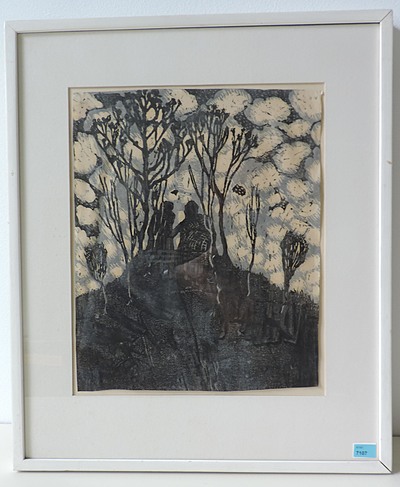
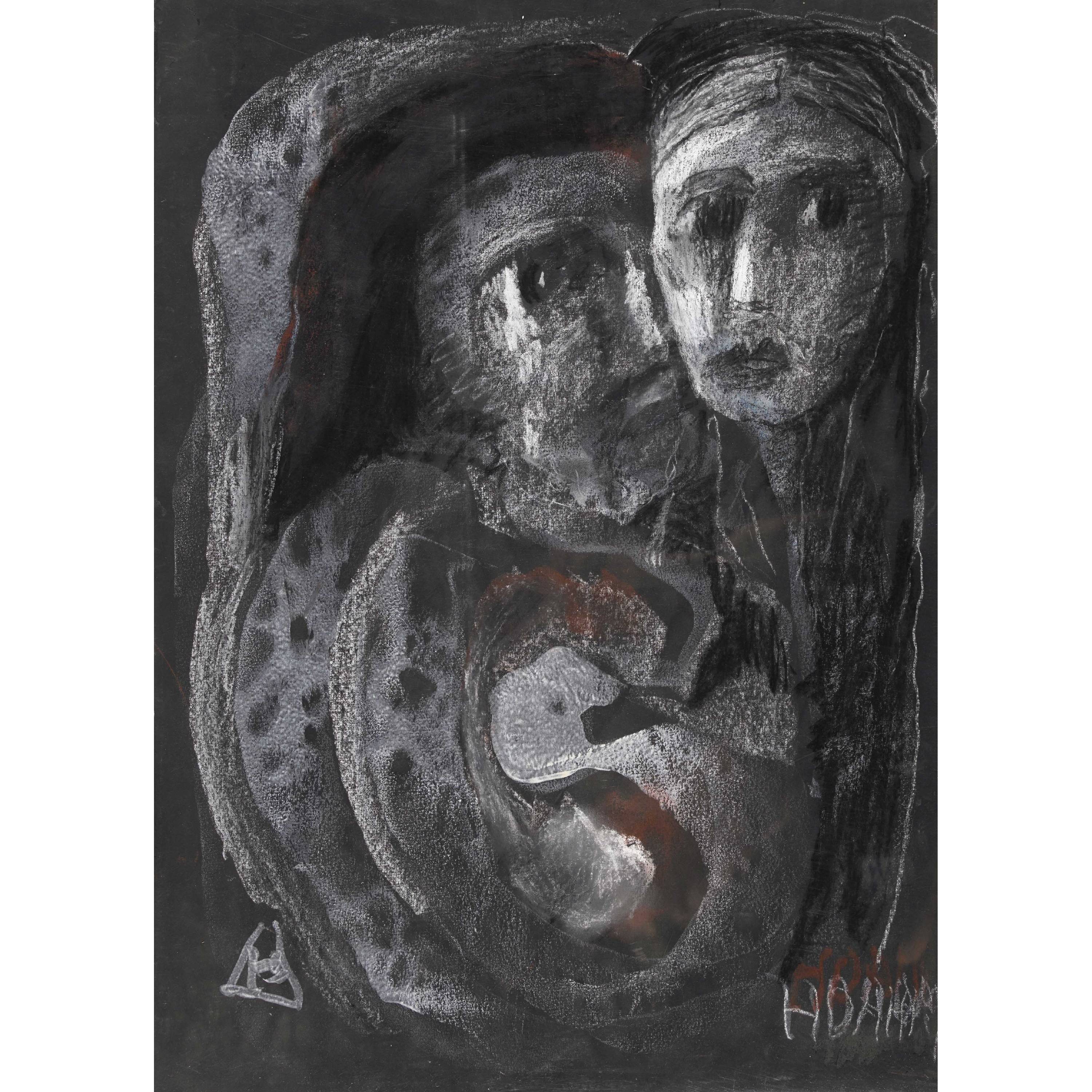
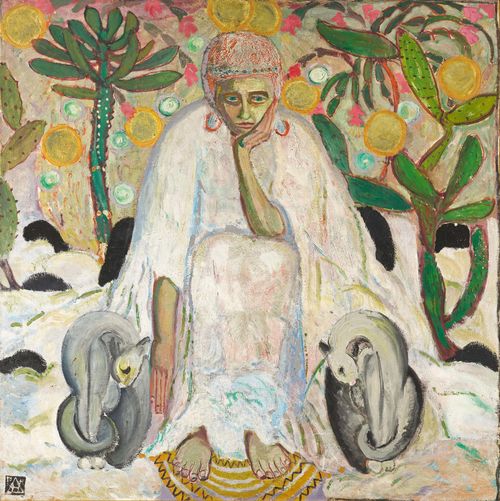
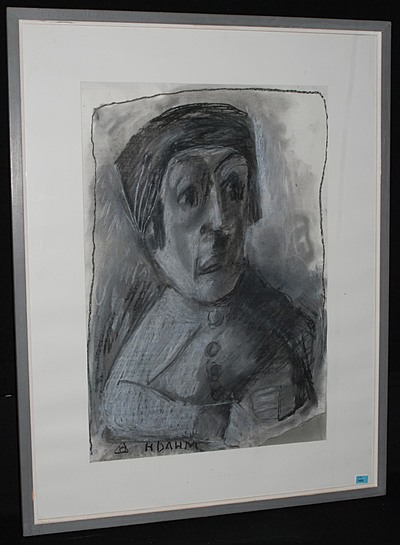
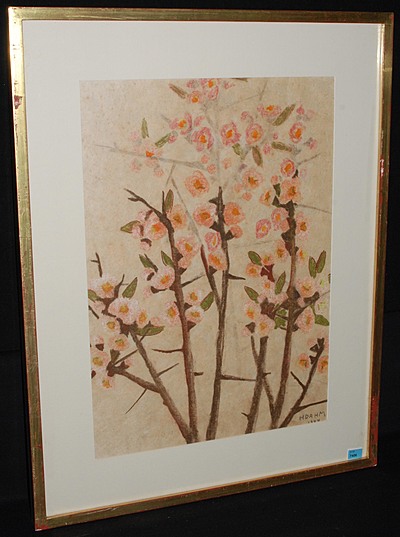
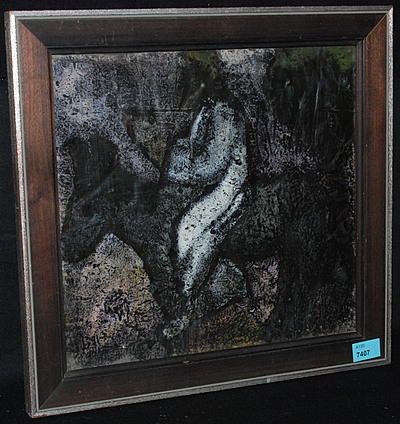
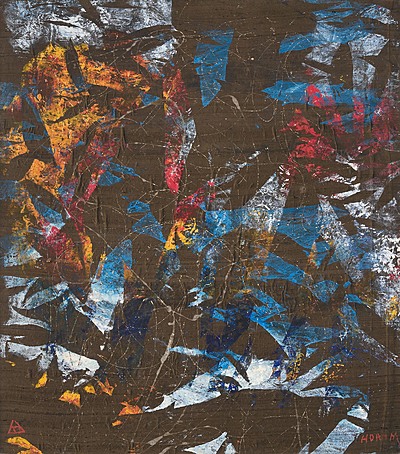
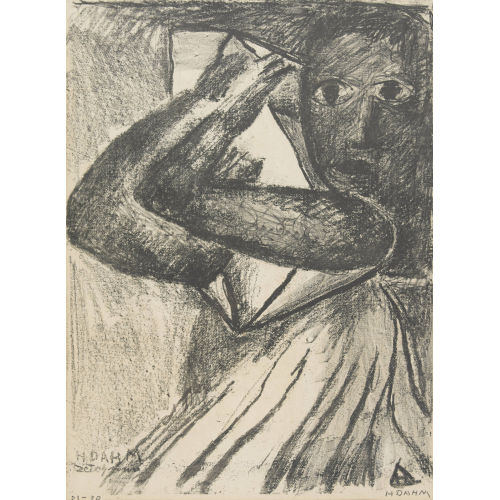
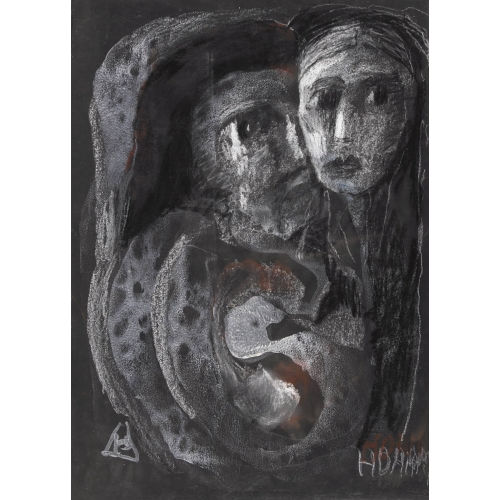
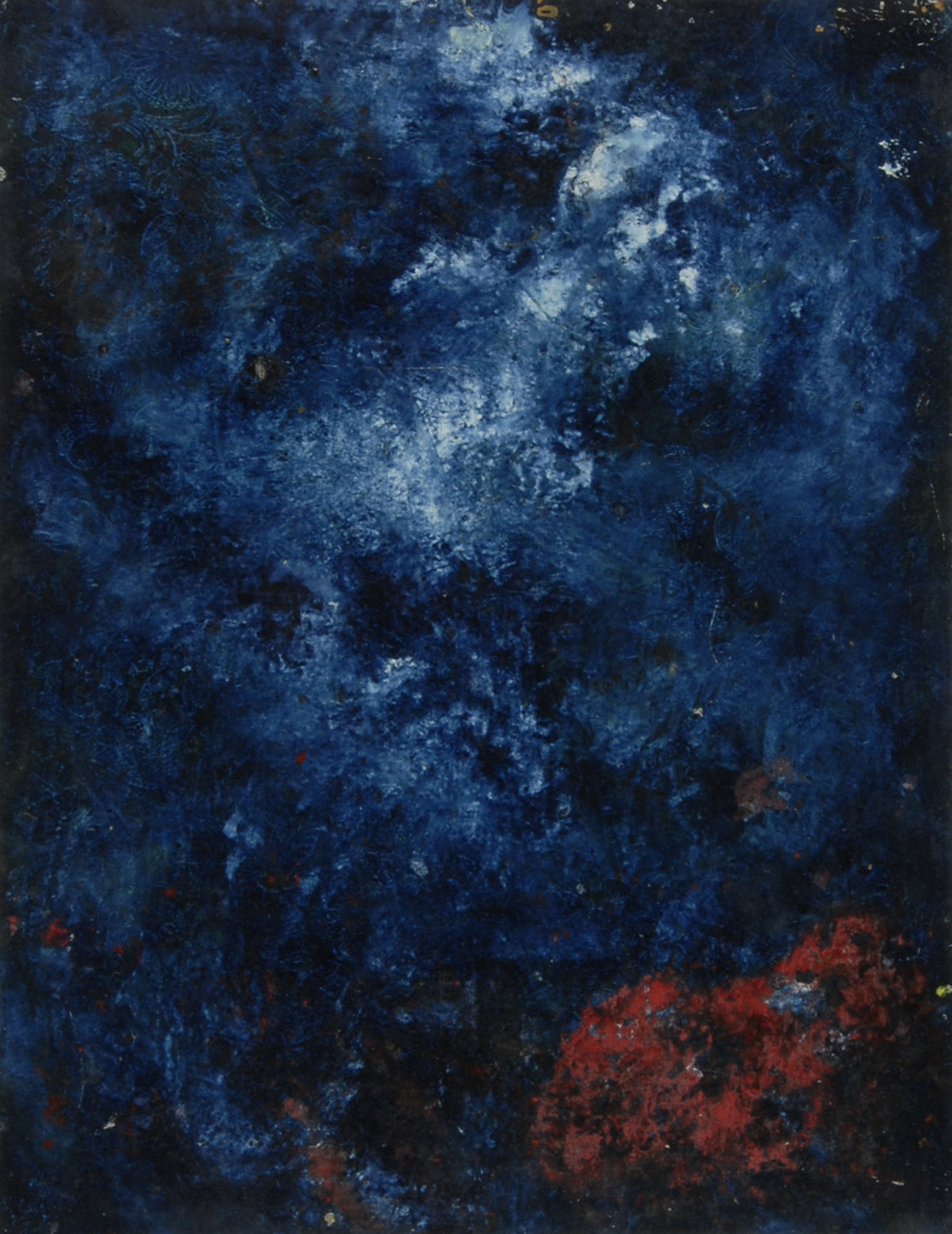
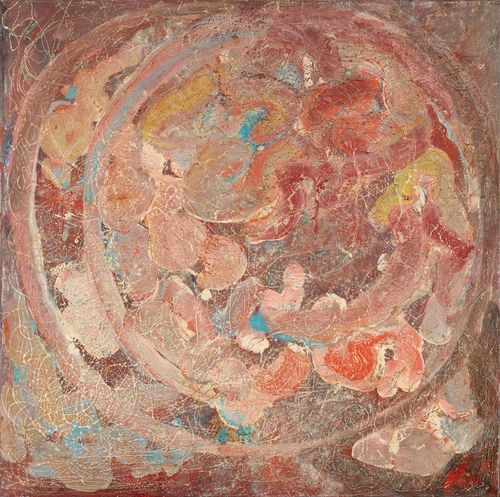
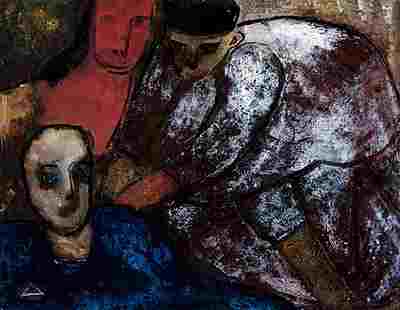
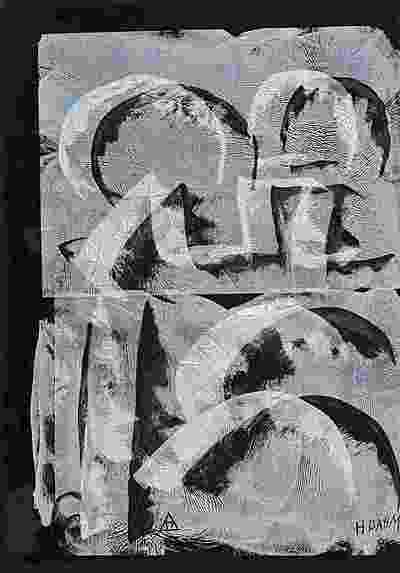
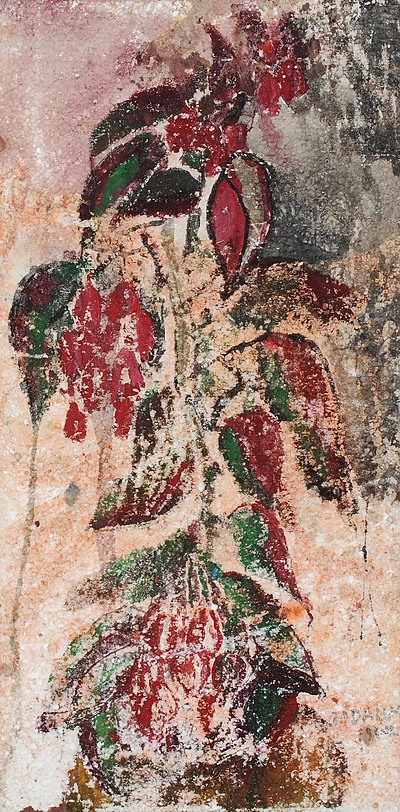
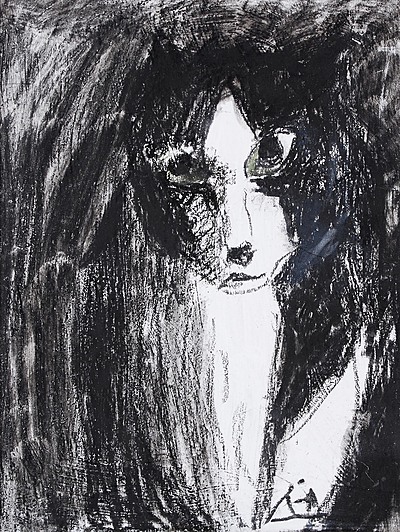
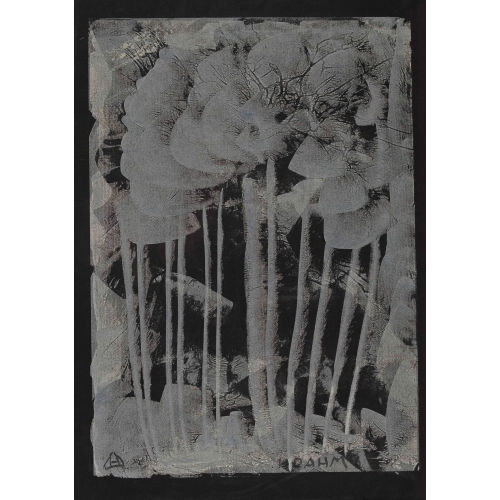
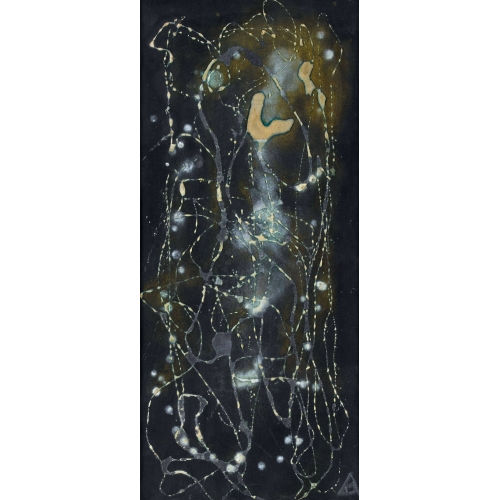
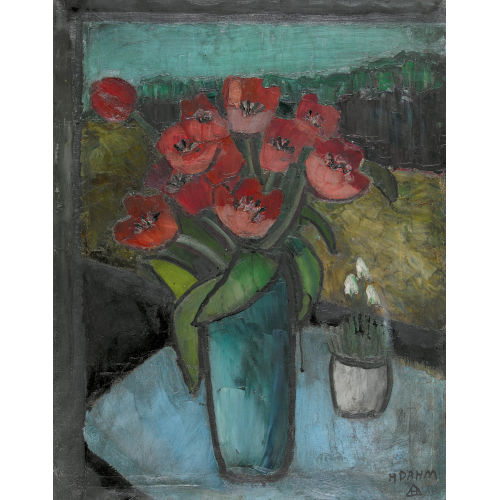
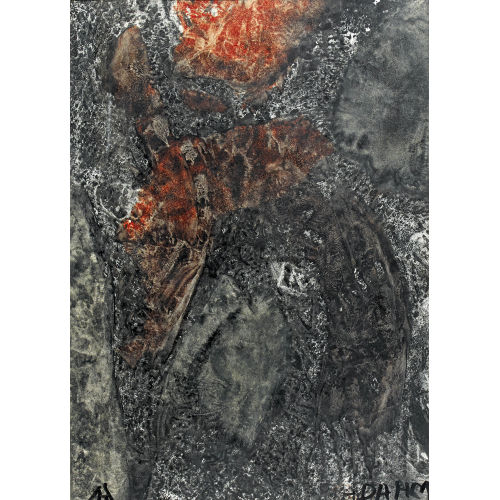
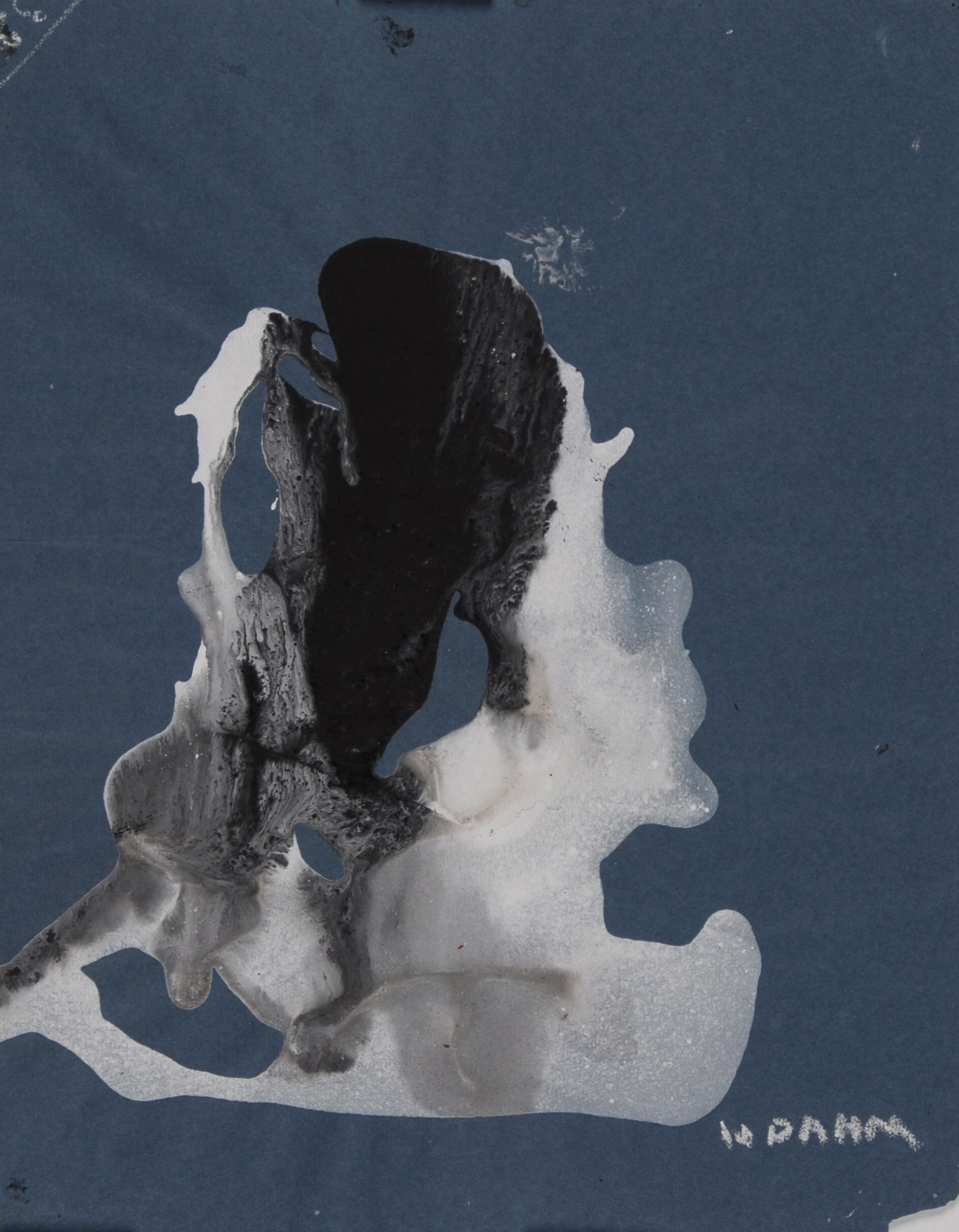
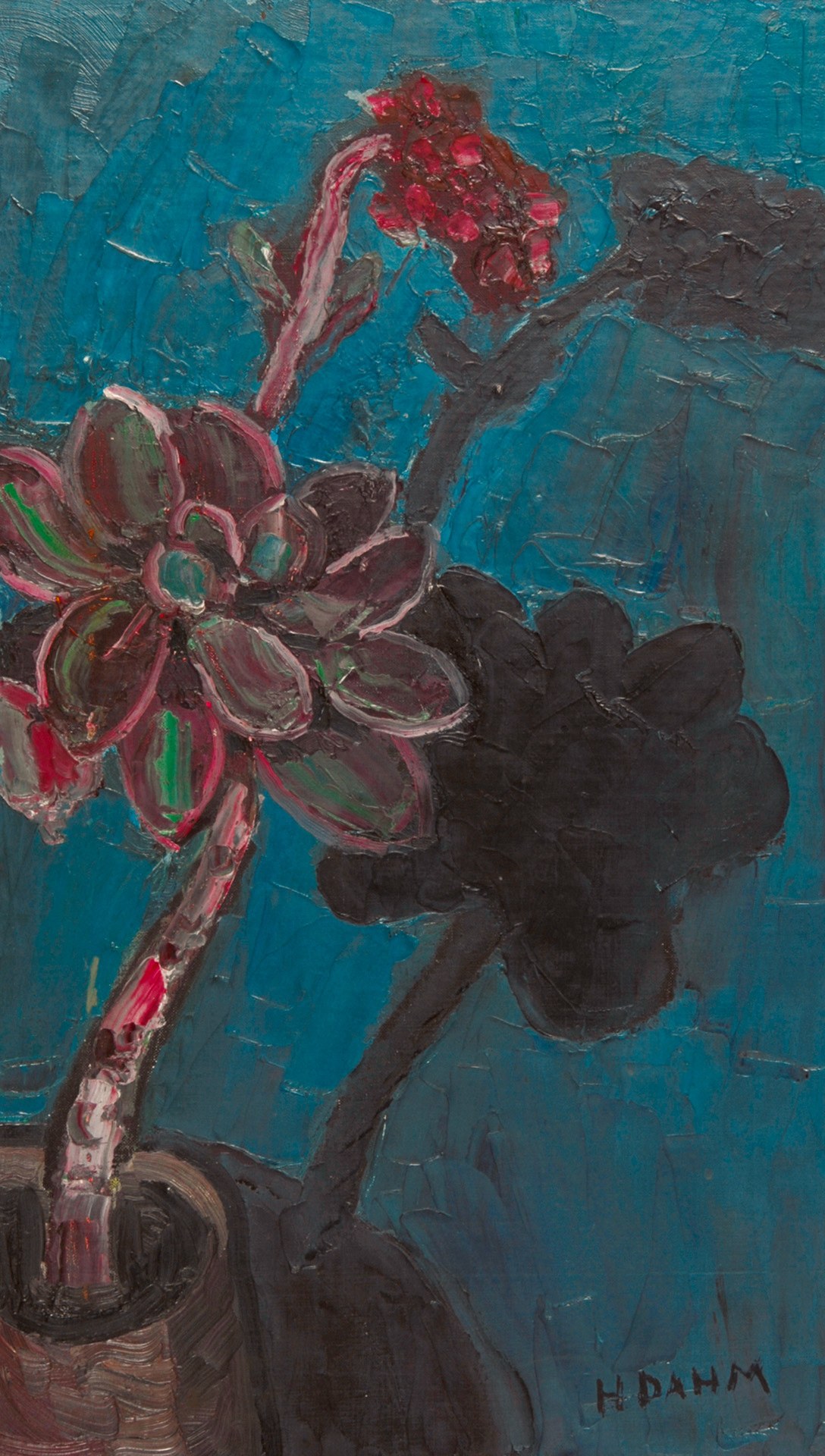
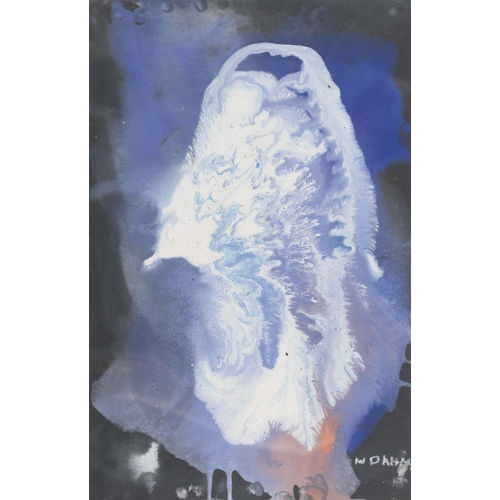
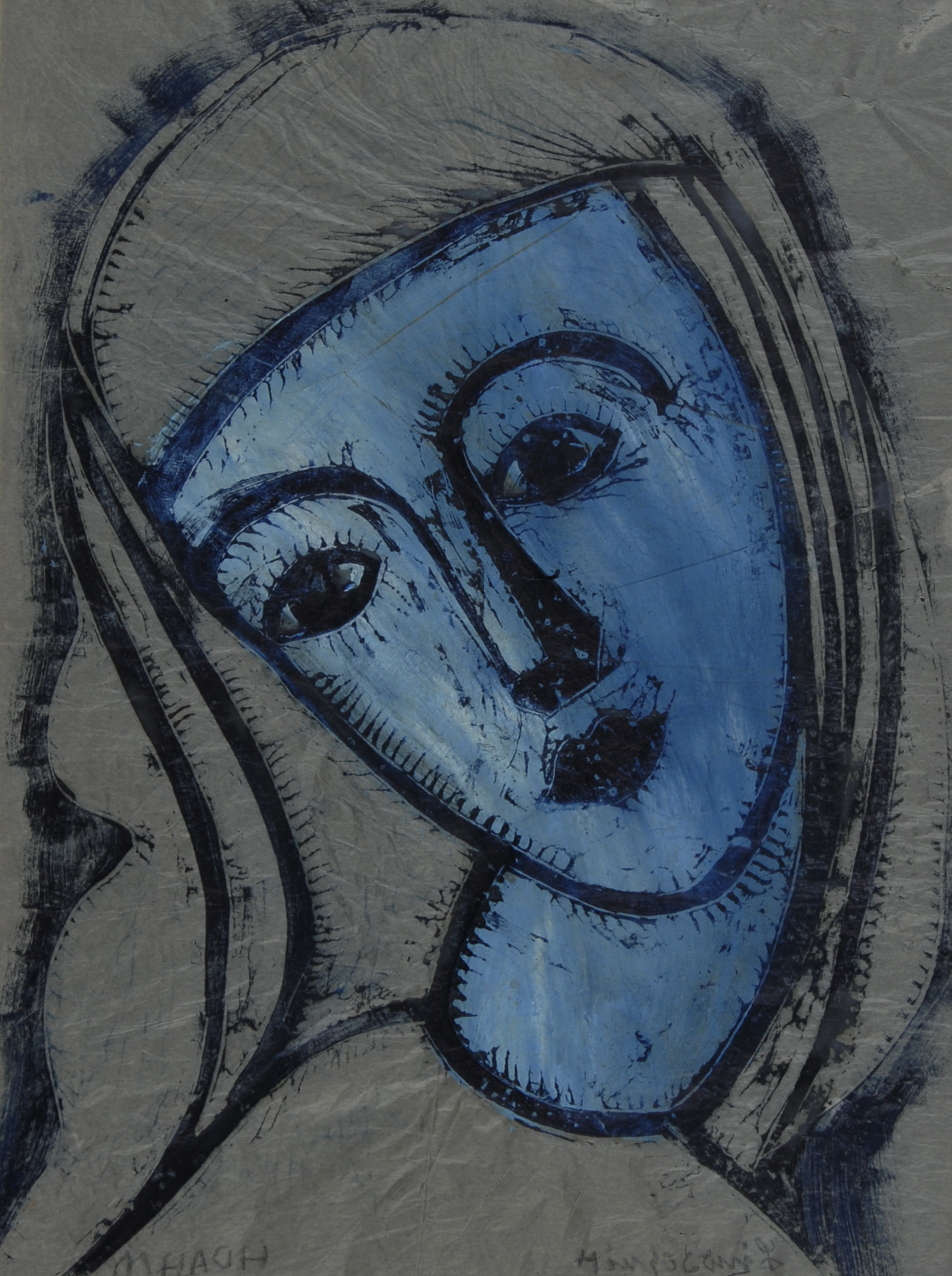
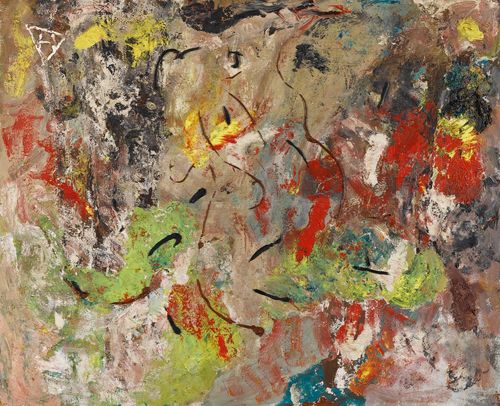
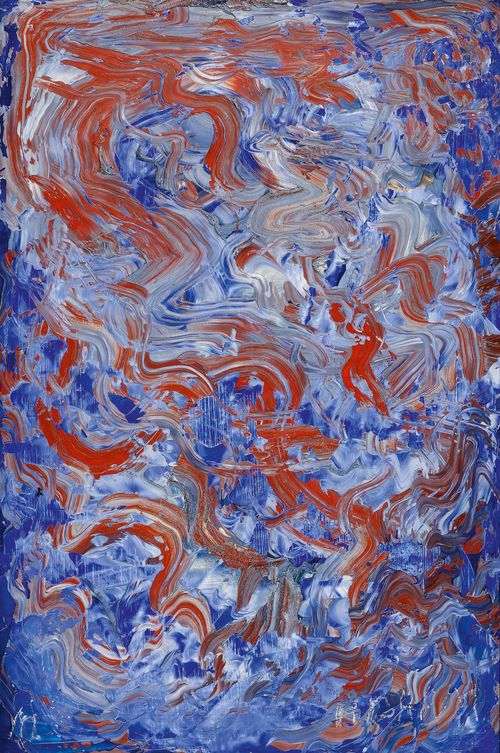
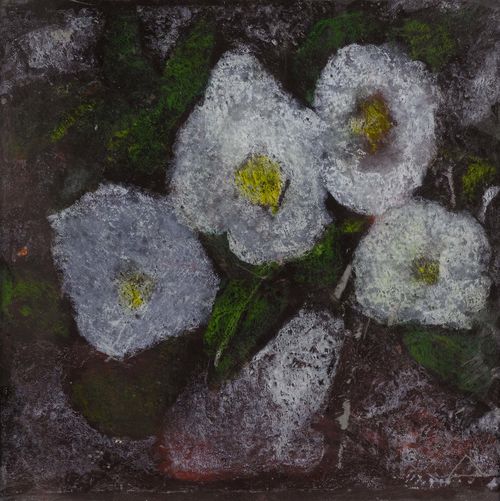
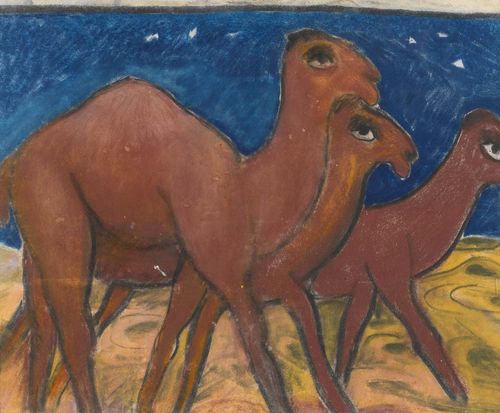
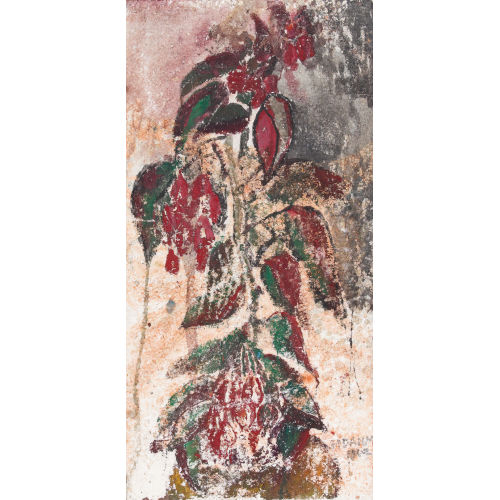
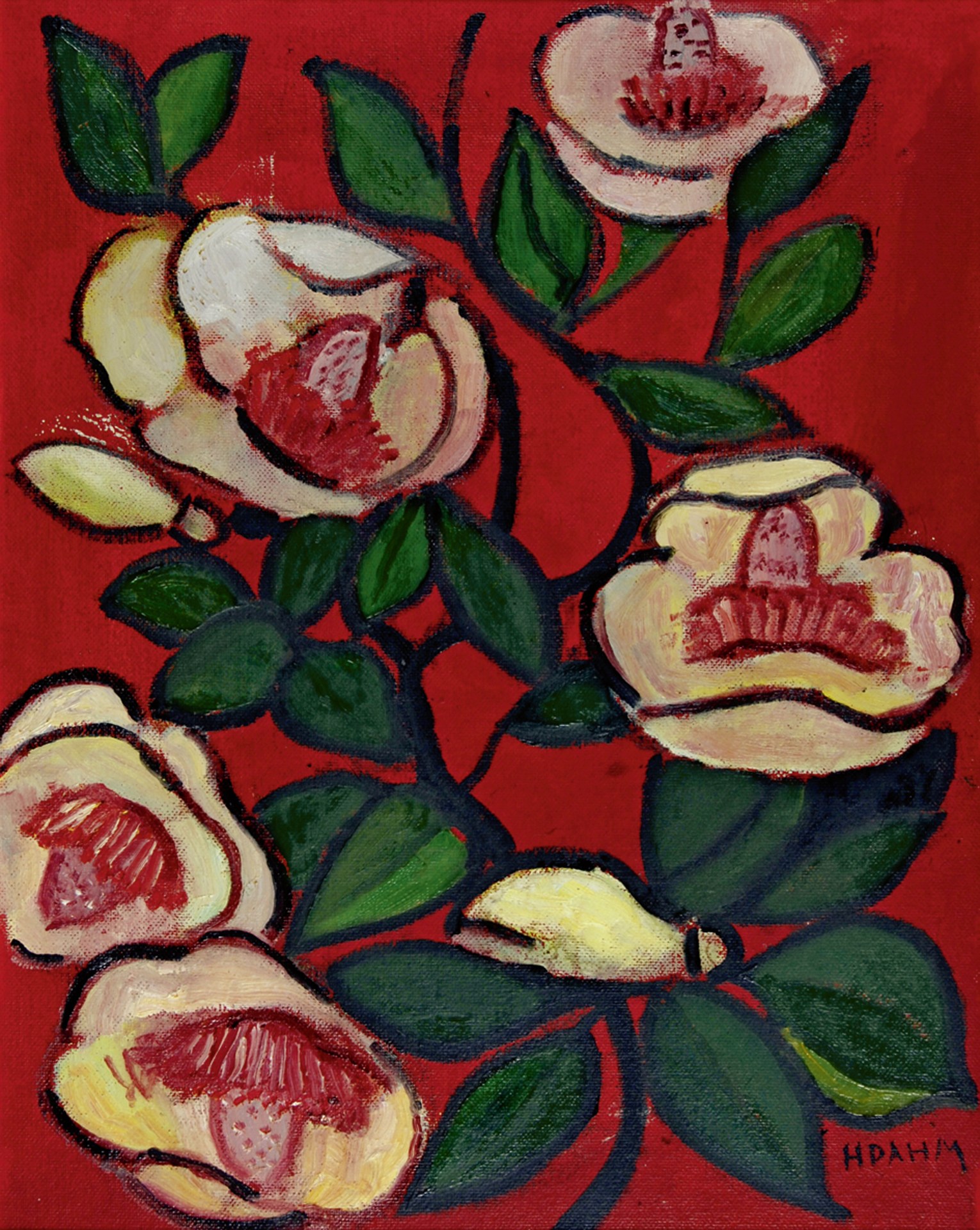
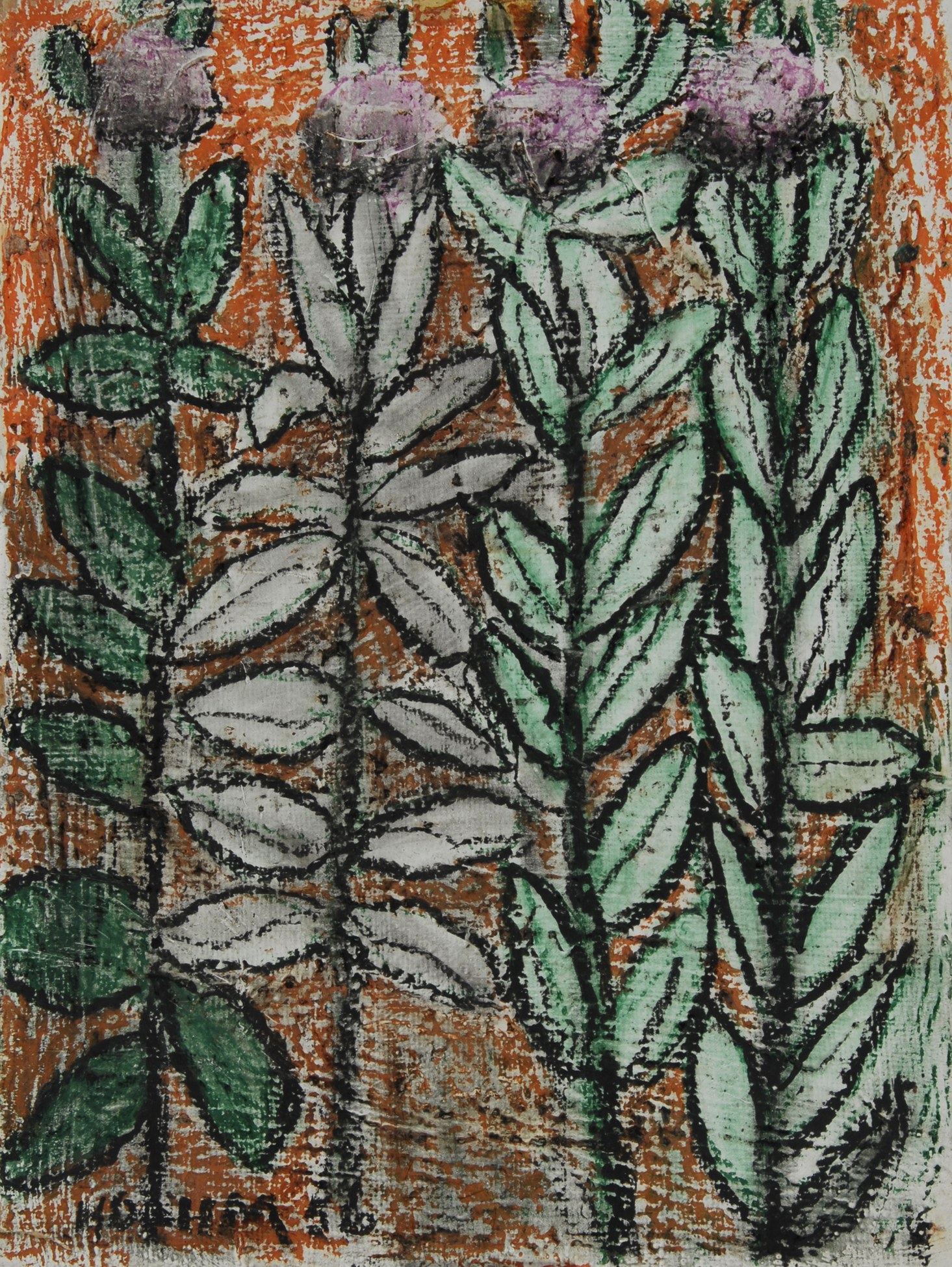
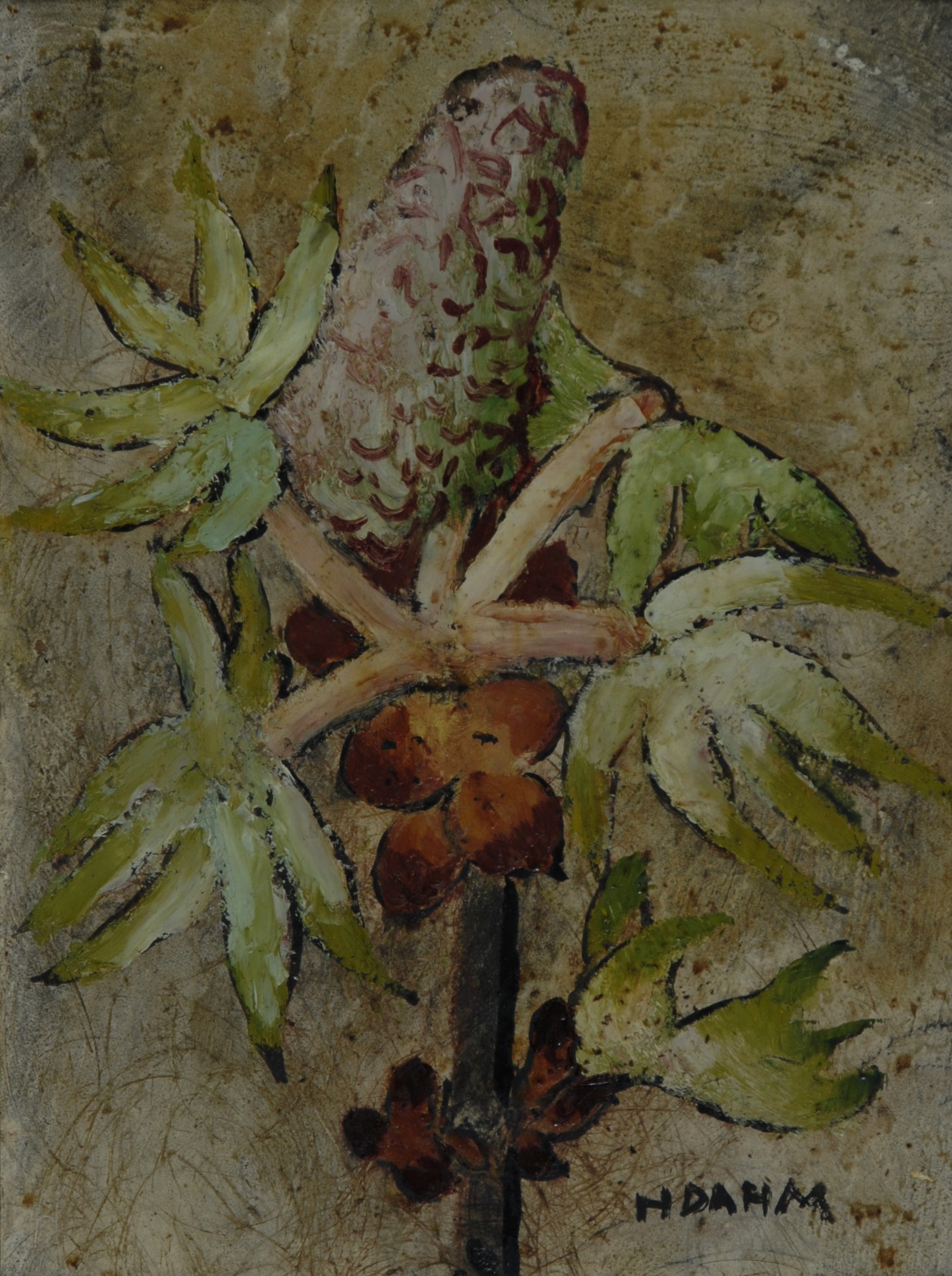
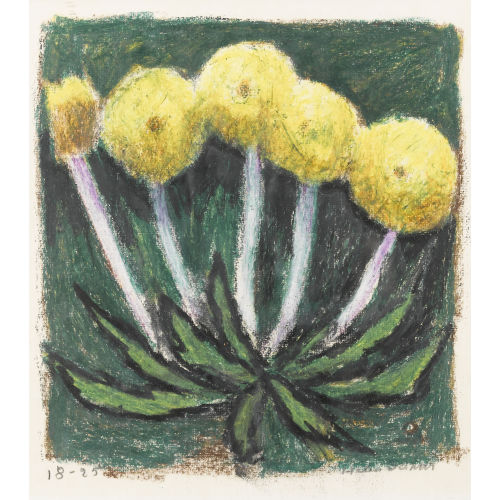
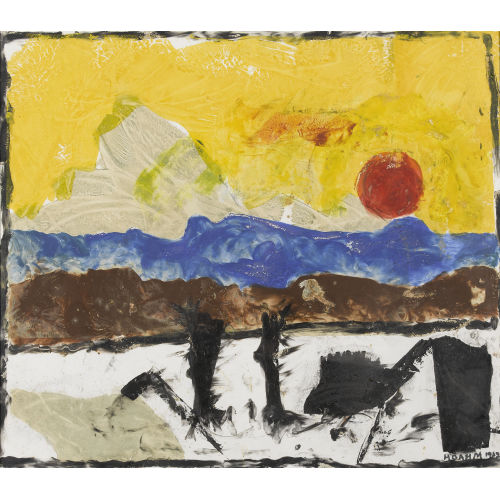
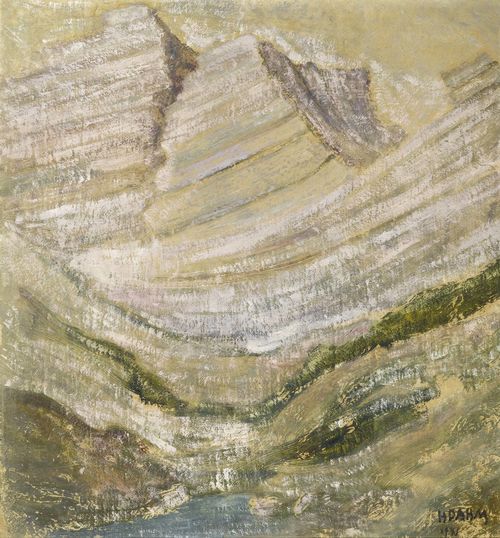
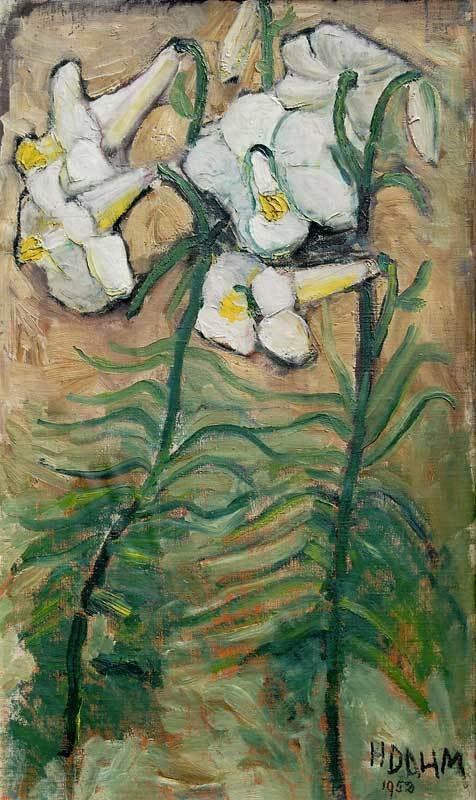
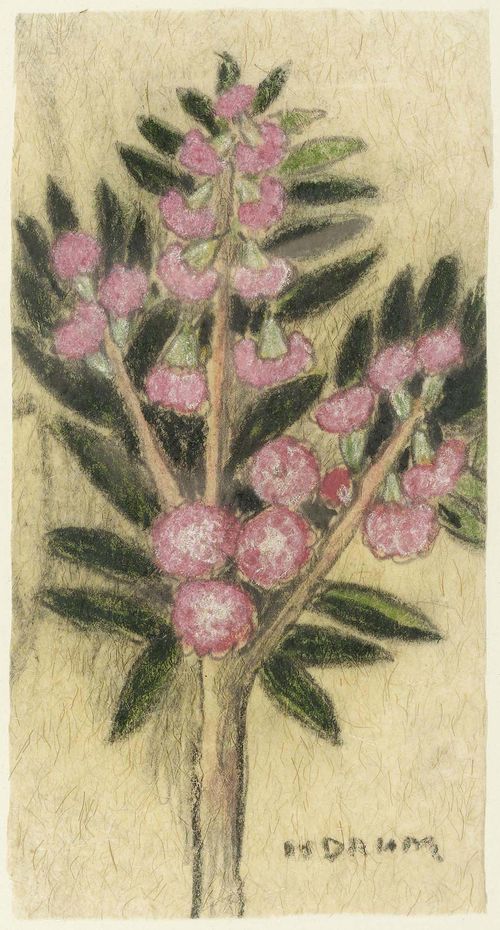
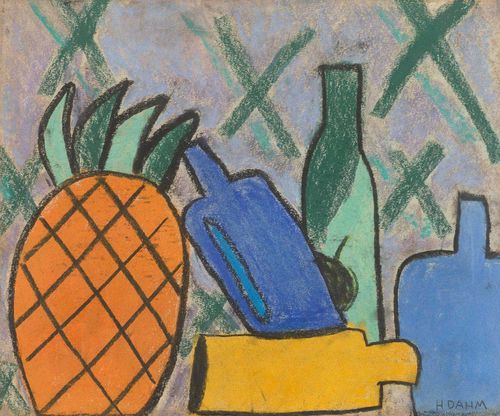
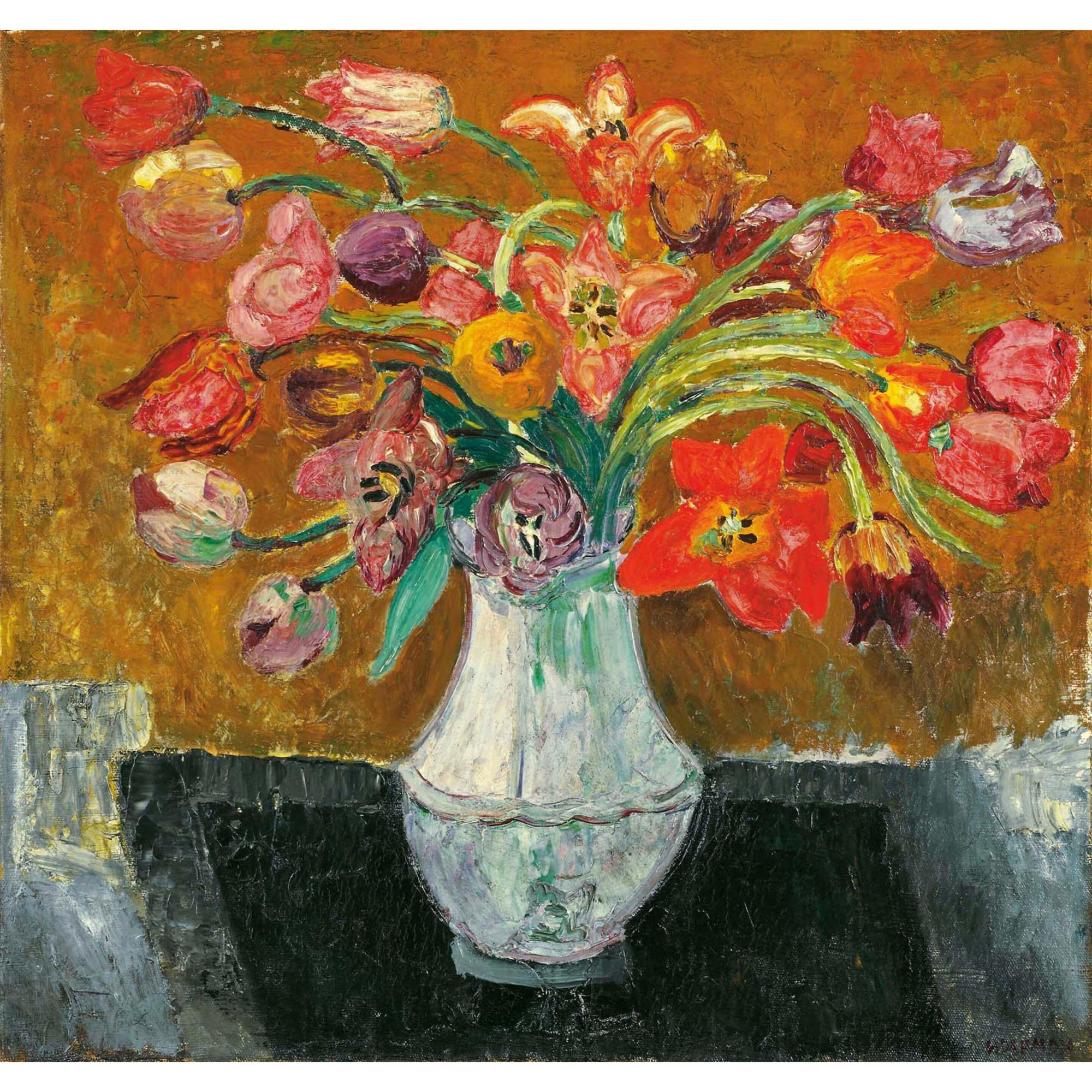
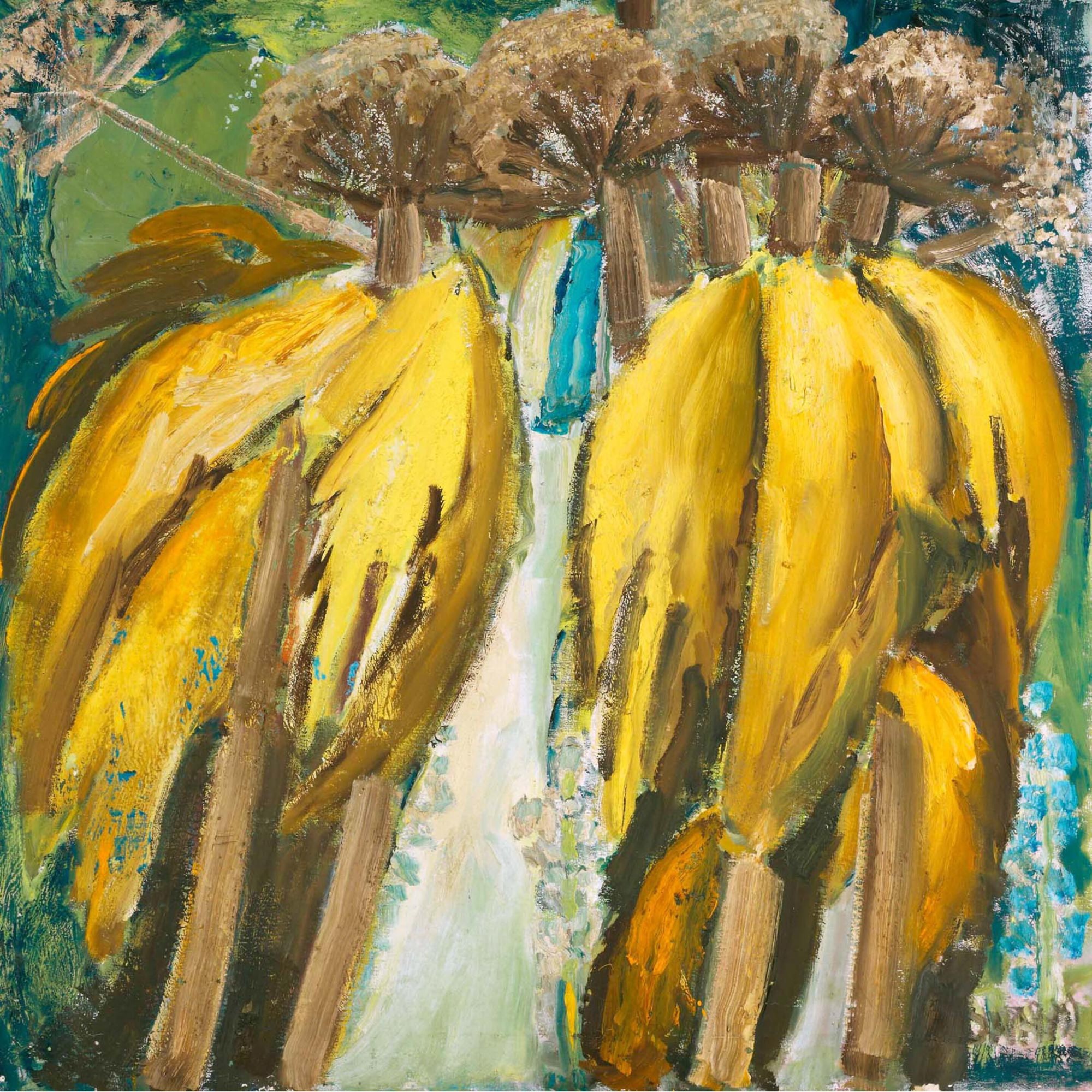
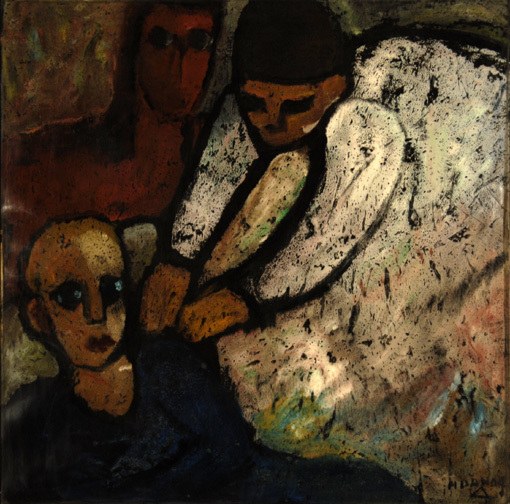
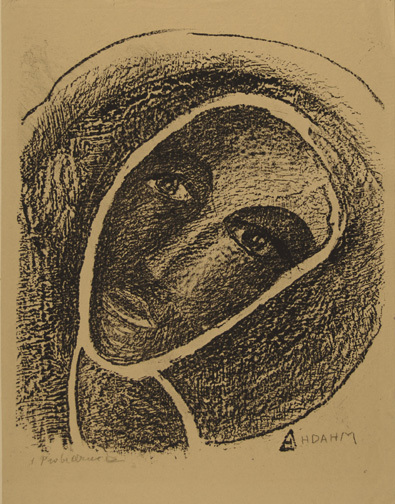
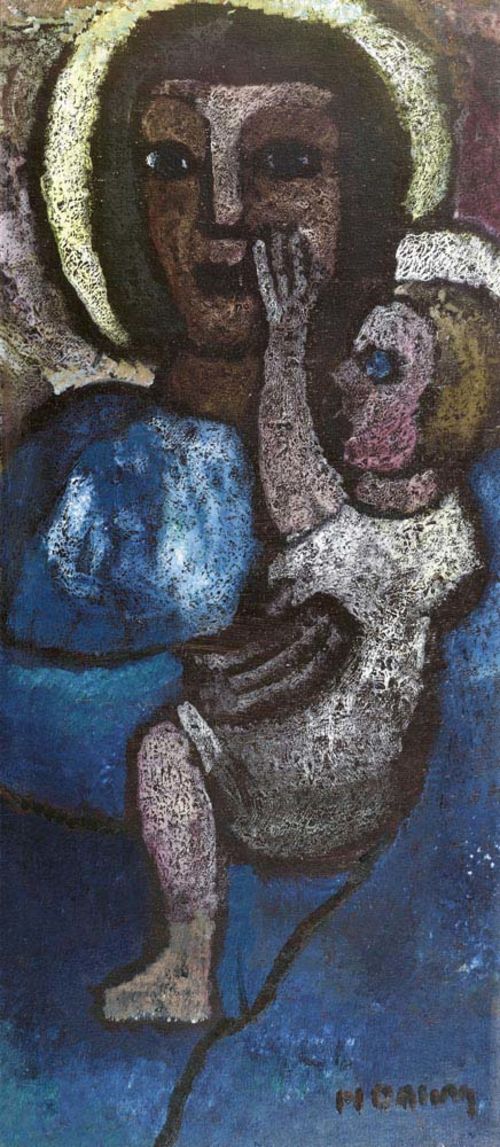
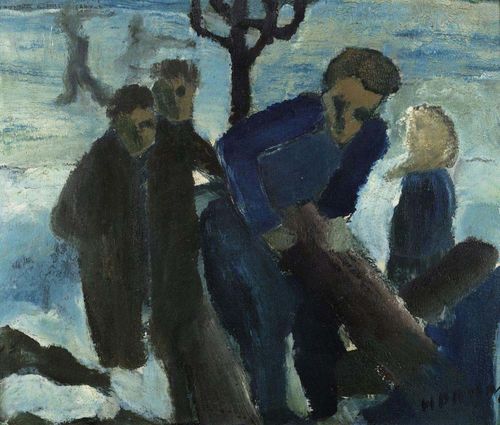
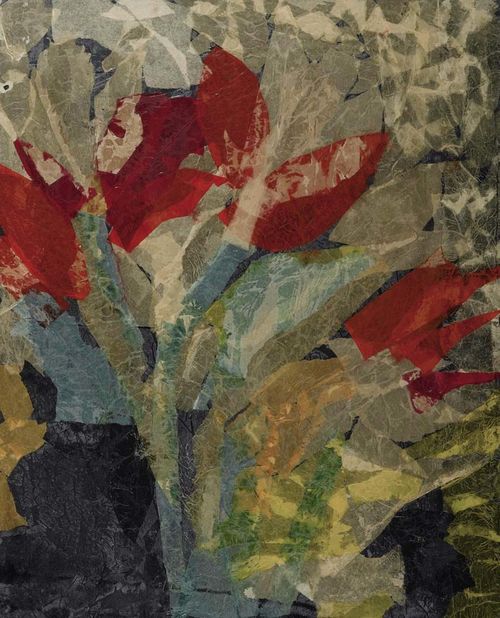
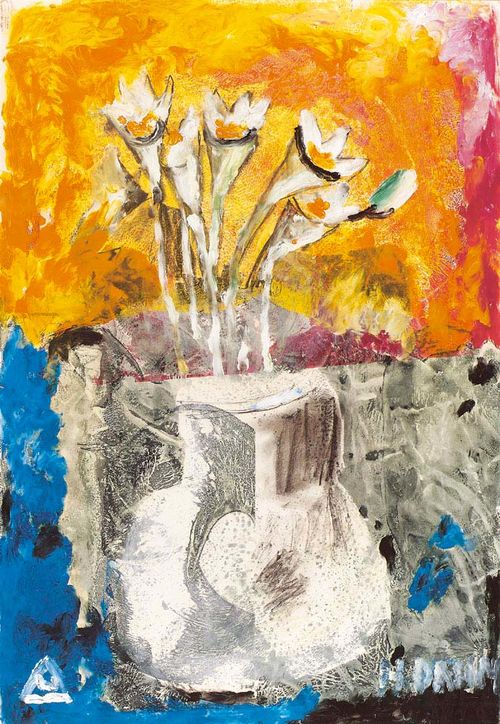
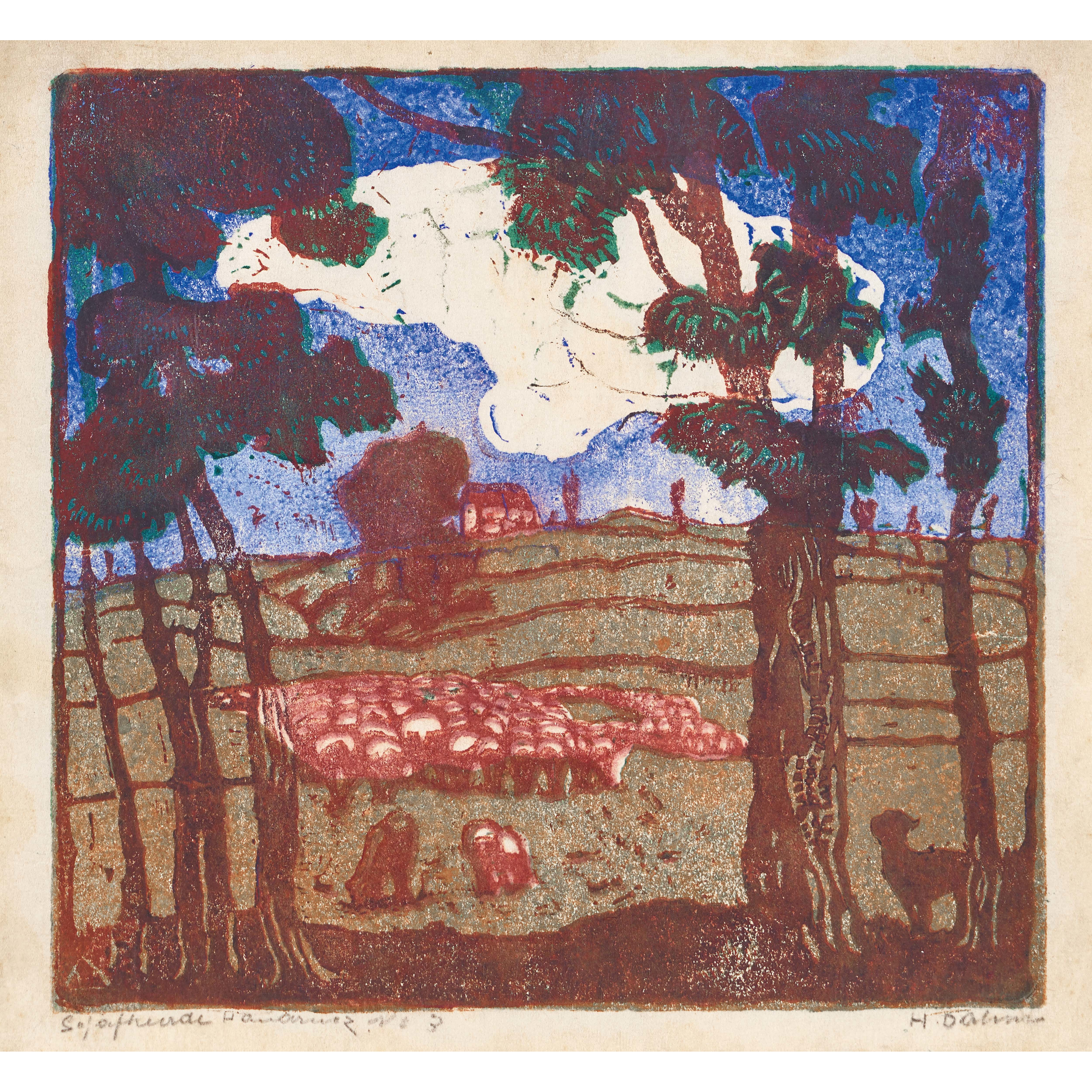
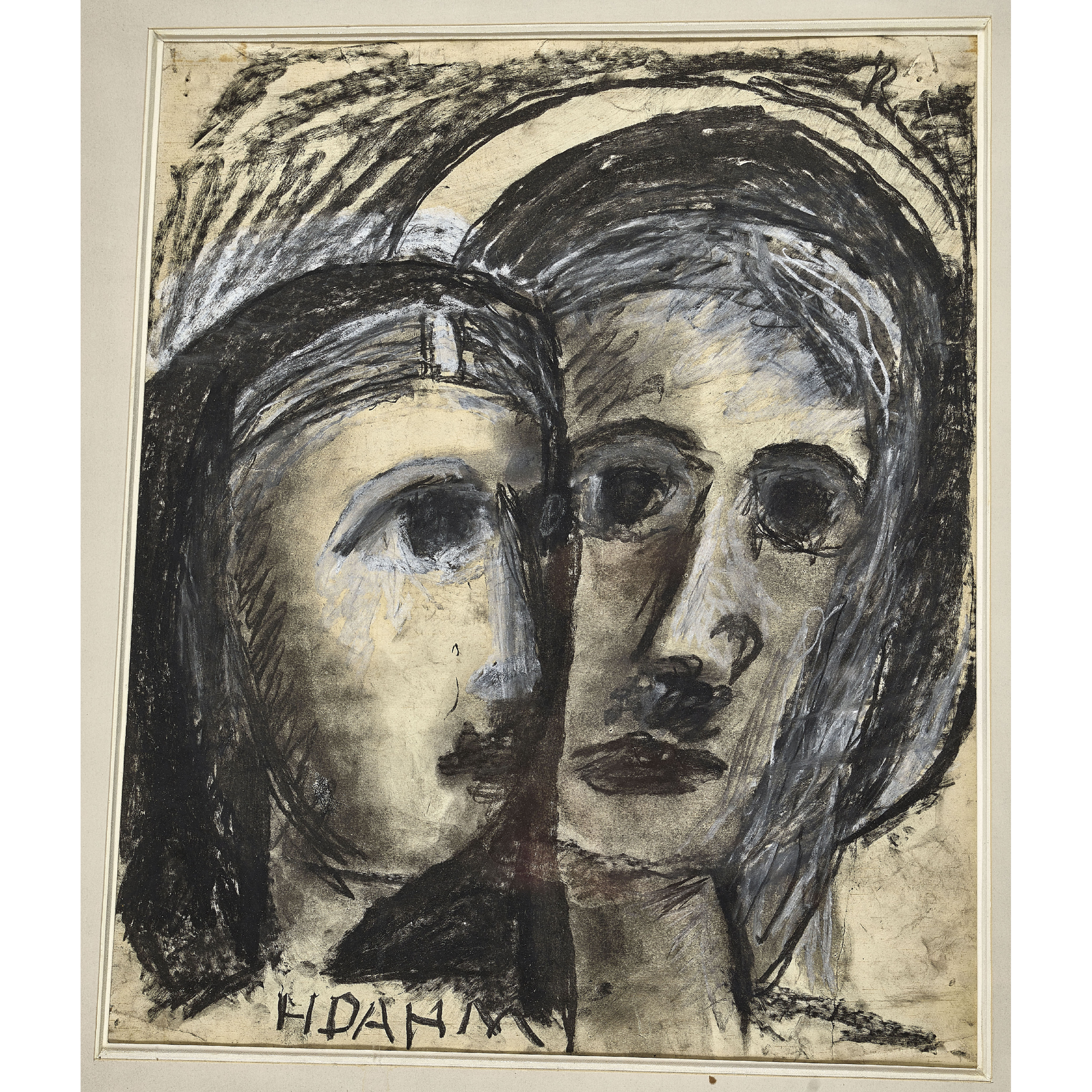
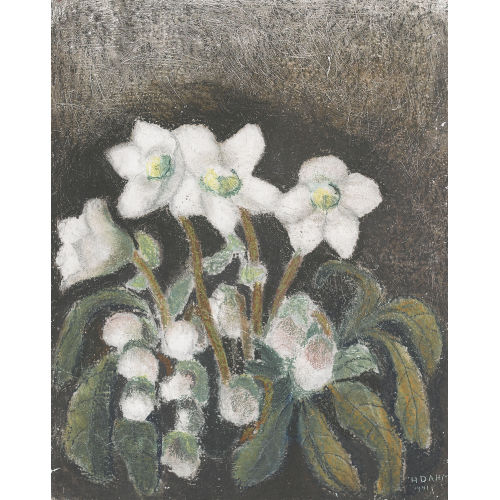
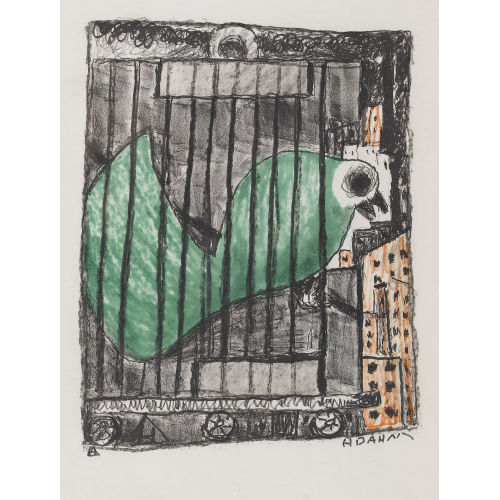
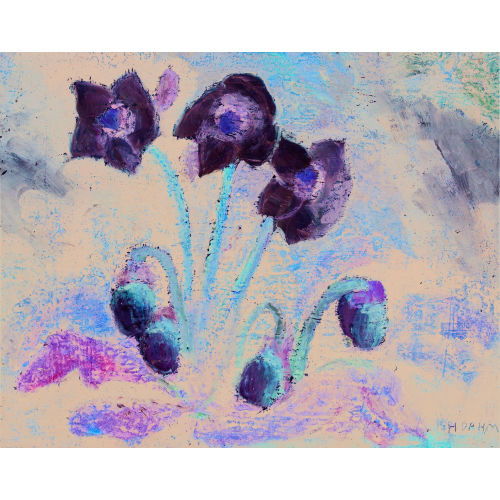
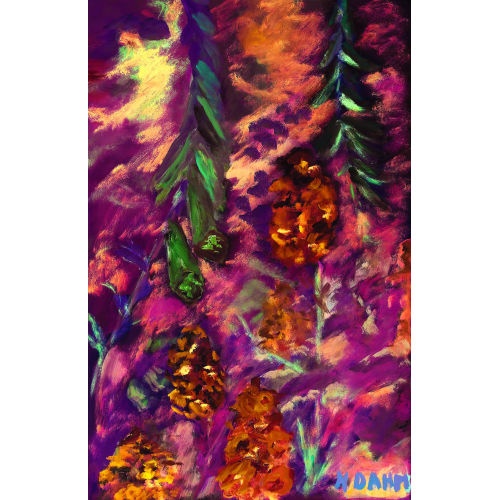
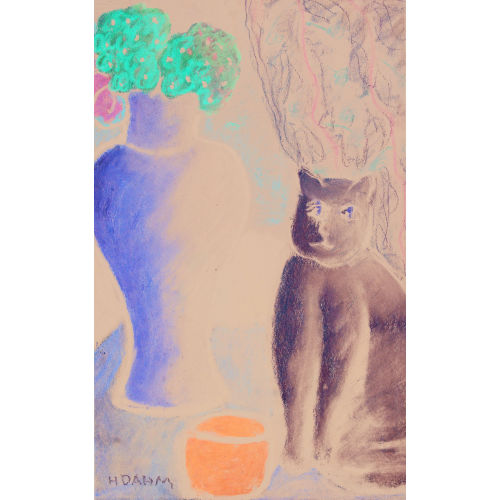
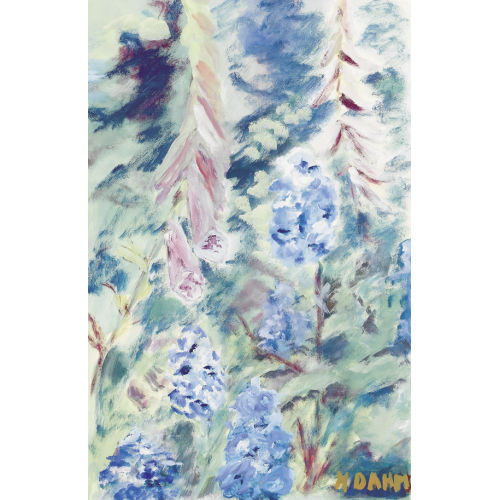
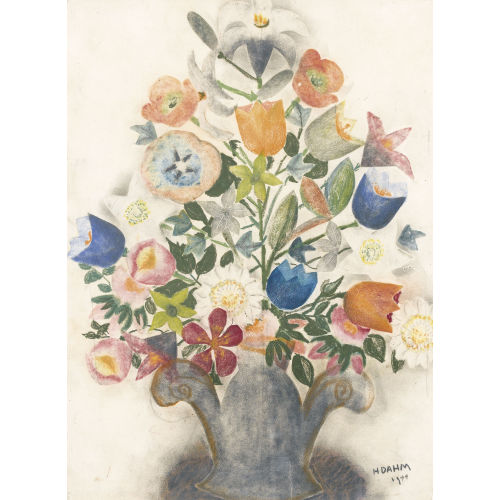
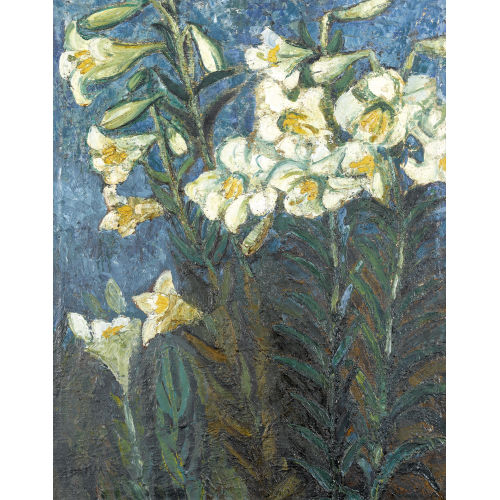
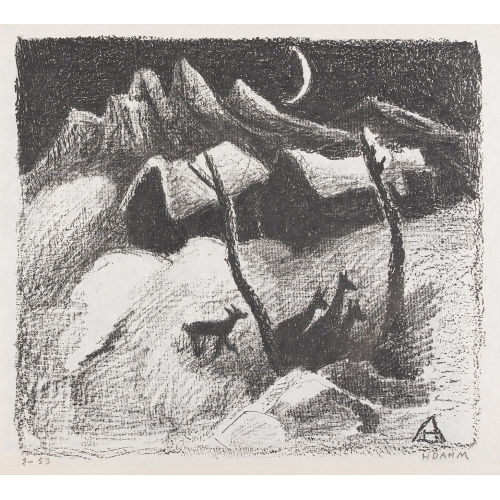
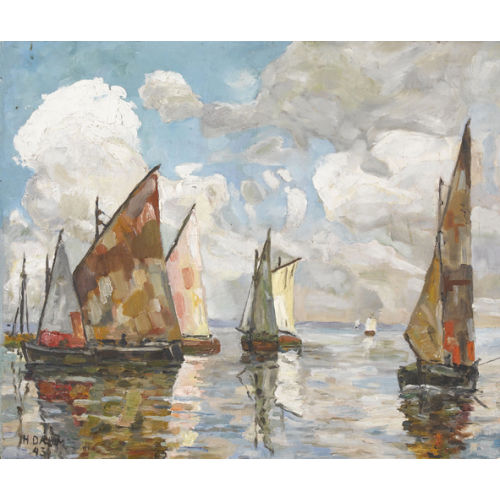
Her work, classified in reference notices under the label of Expressionism, combines abstract compositions and mystical-religious themes while repeatedly incorporating motifs of nature and landscape.
Born into a middle-class family, she moved to Zurich in 1897 following the bankruptcy of her father’s business; there, her mother took charge of a boarding house for students. Thanks to a scholarship, she attended Julius Exter’s classes at the Academy of Fine Arts in Munich between 1906 and 1913. In Munich, she associated with several leading artists connected with the Der Blaue Reiter group, an association that the documentation identifies as a notable influence on her practice.
In 1919, she settled in Oetwil am See with Else Strantz; according to the source, their separation in 1932 was followed by a severe existential crisis.
In 1938, Dahm joined a group of women at Meher Baba’s ashram in India, where, during this period, murals associated with Meher Baba’s tomb are attributed to her. A serious illness compelled her to return to Switzerland approximately a year later; she resettled in Oetwil am See.
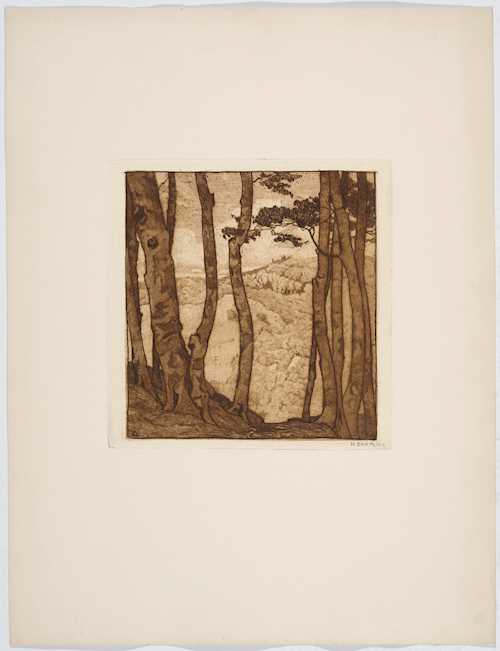
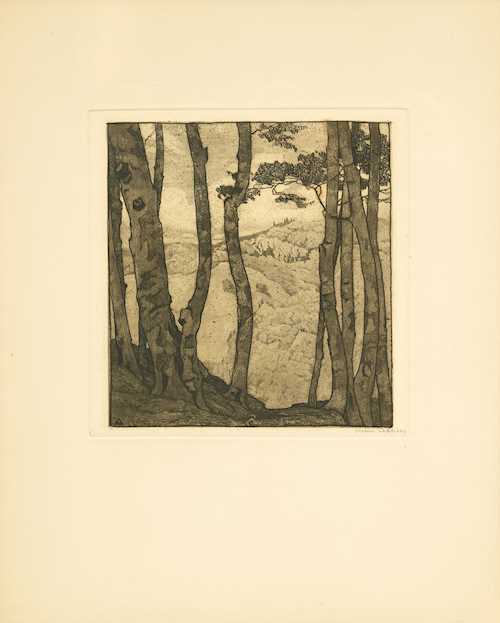
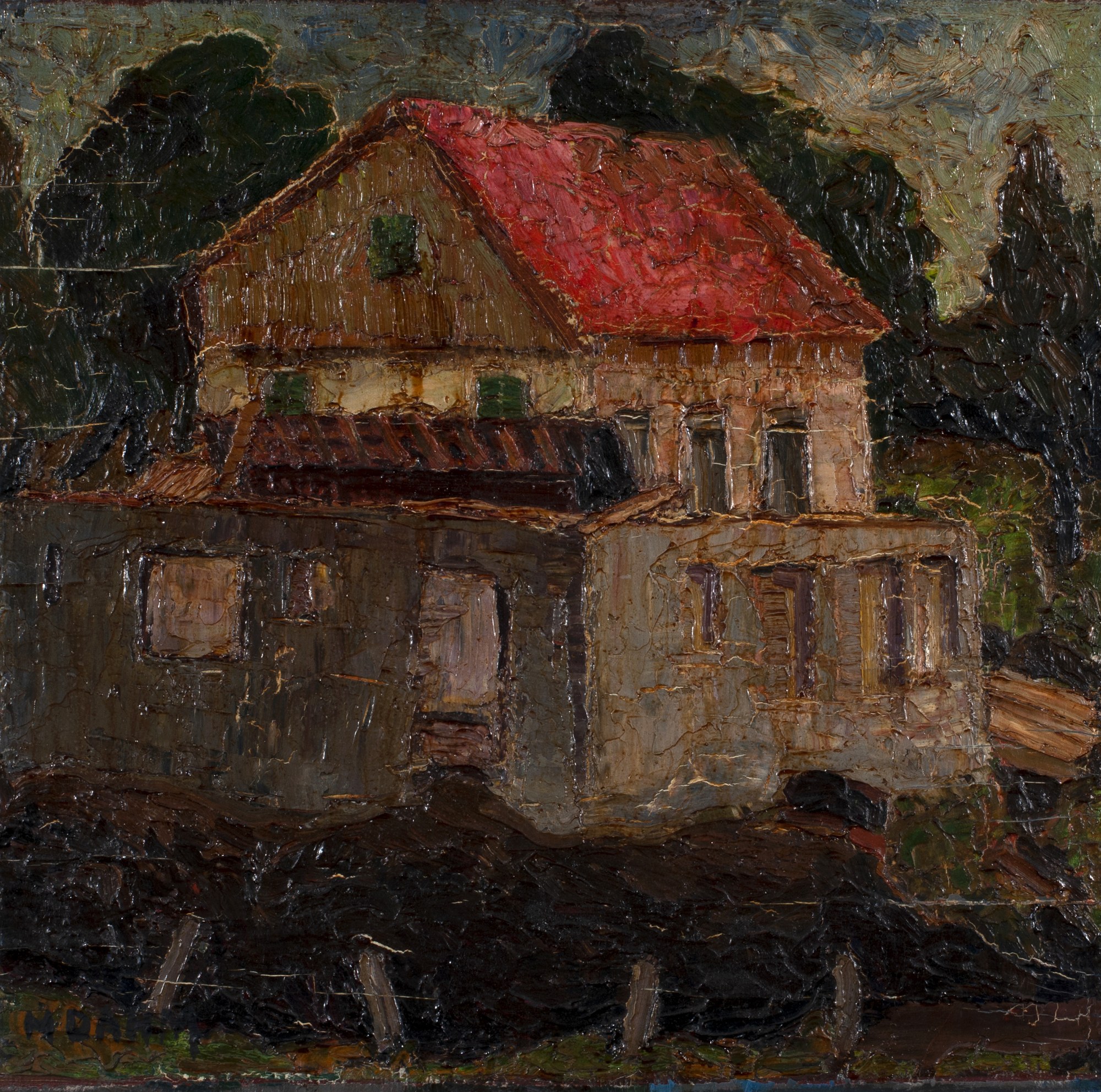
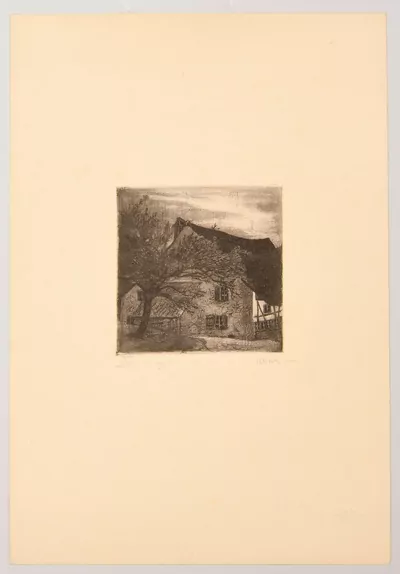
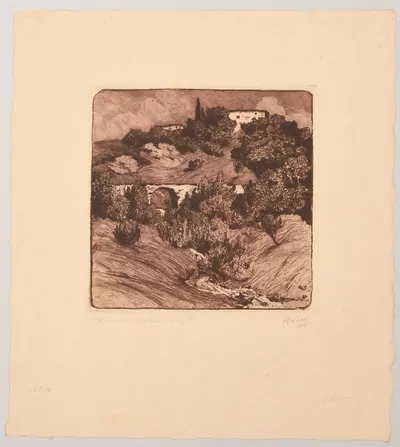
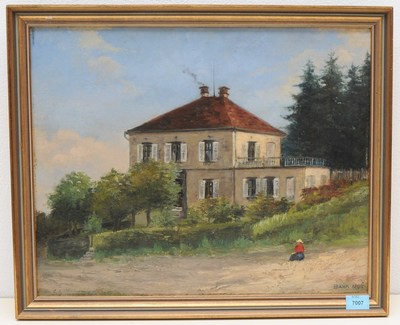
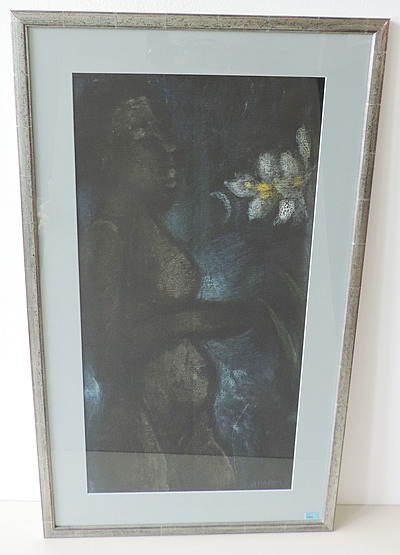
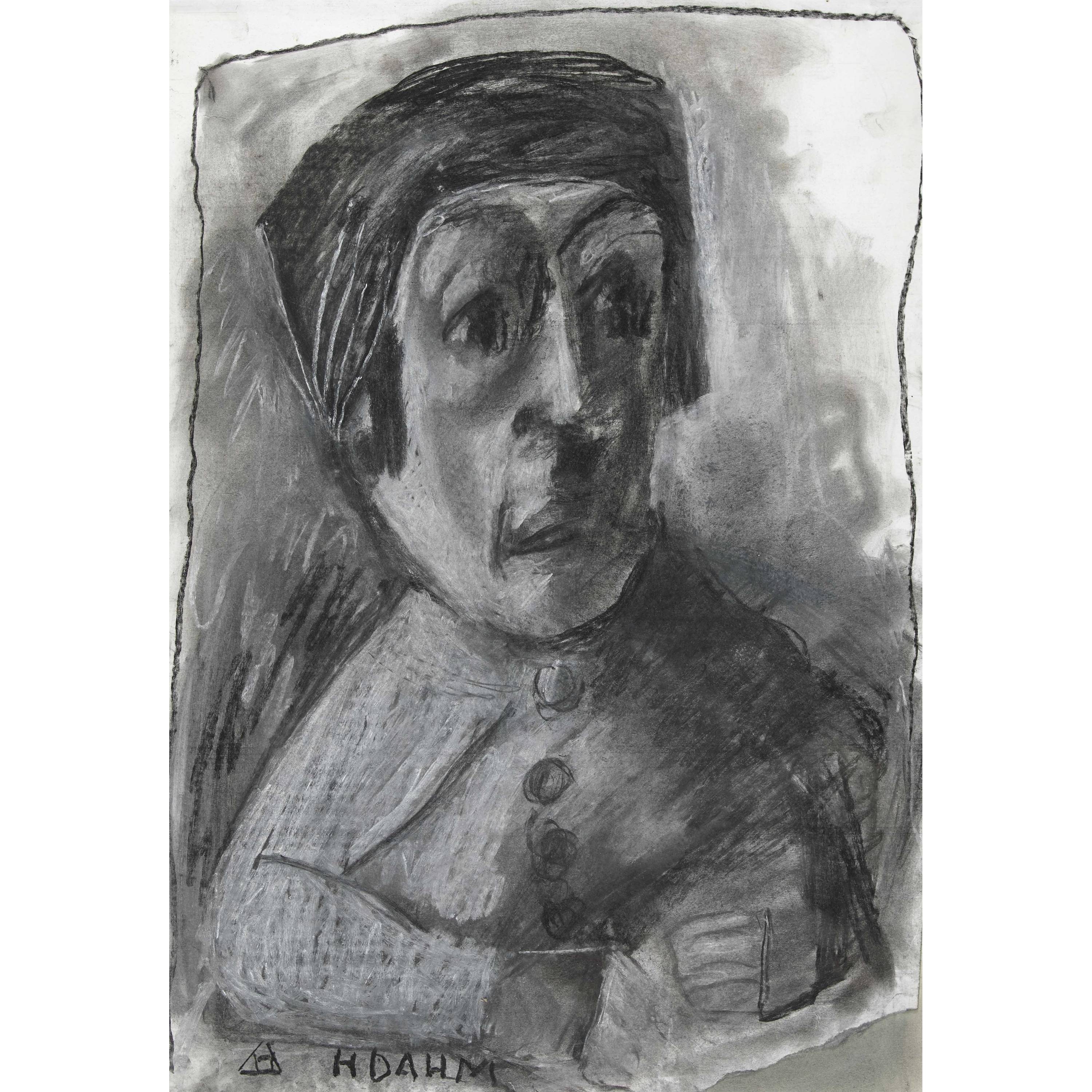
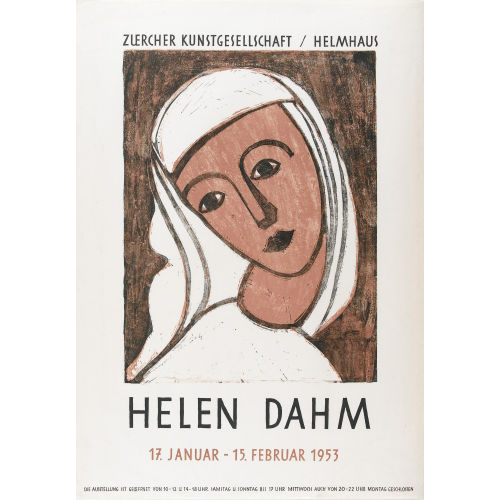
Her work encompasses several techniques: painting, decoration, bookplate engraving, and engraving for goldsmithing. The visibility of her work was enhanced by a retrospective at Zurich’s Helmhaus in 1953, followed in 1954 by the award of the City of Zurich’s fine arts prize, for which she is noted as the first female recipient. Her name also appears in online lists of Swiss painters.