Hans Potthof
Born in 1911.
Died in 2003.
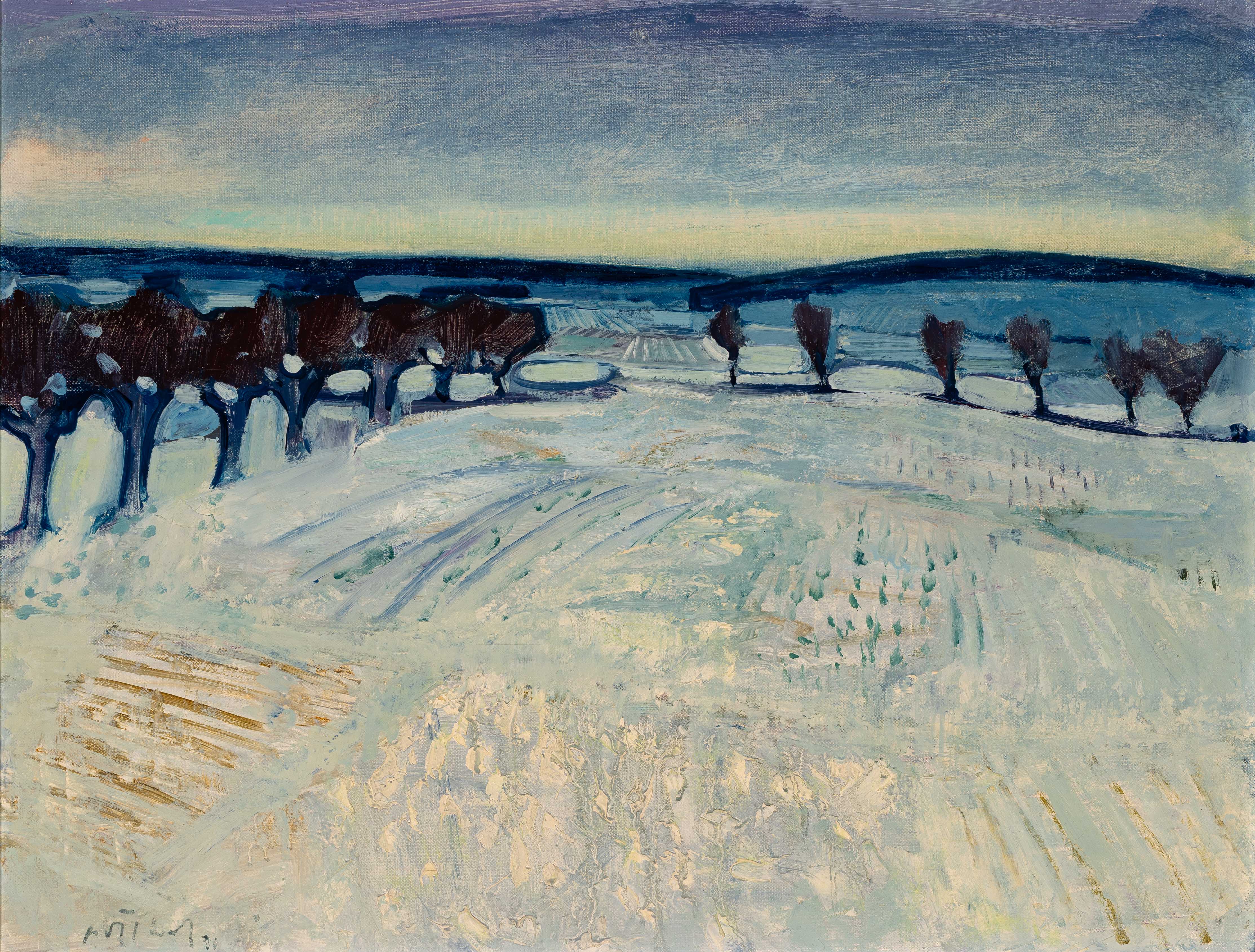
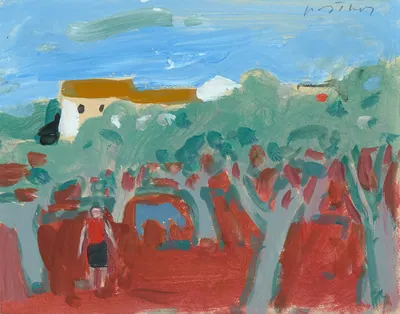
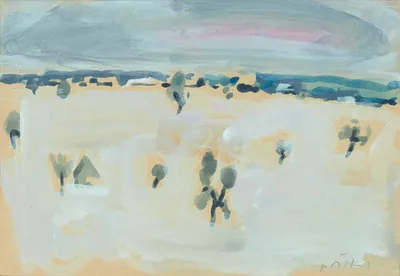
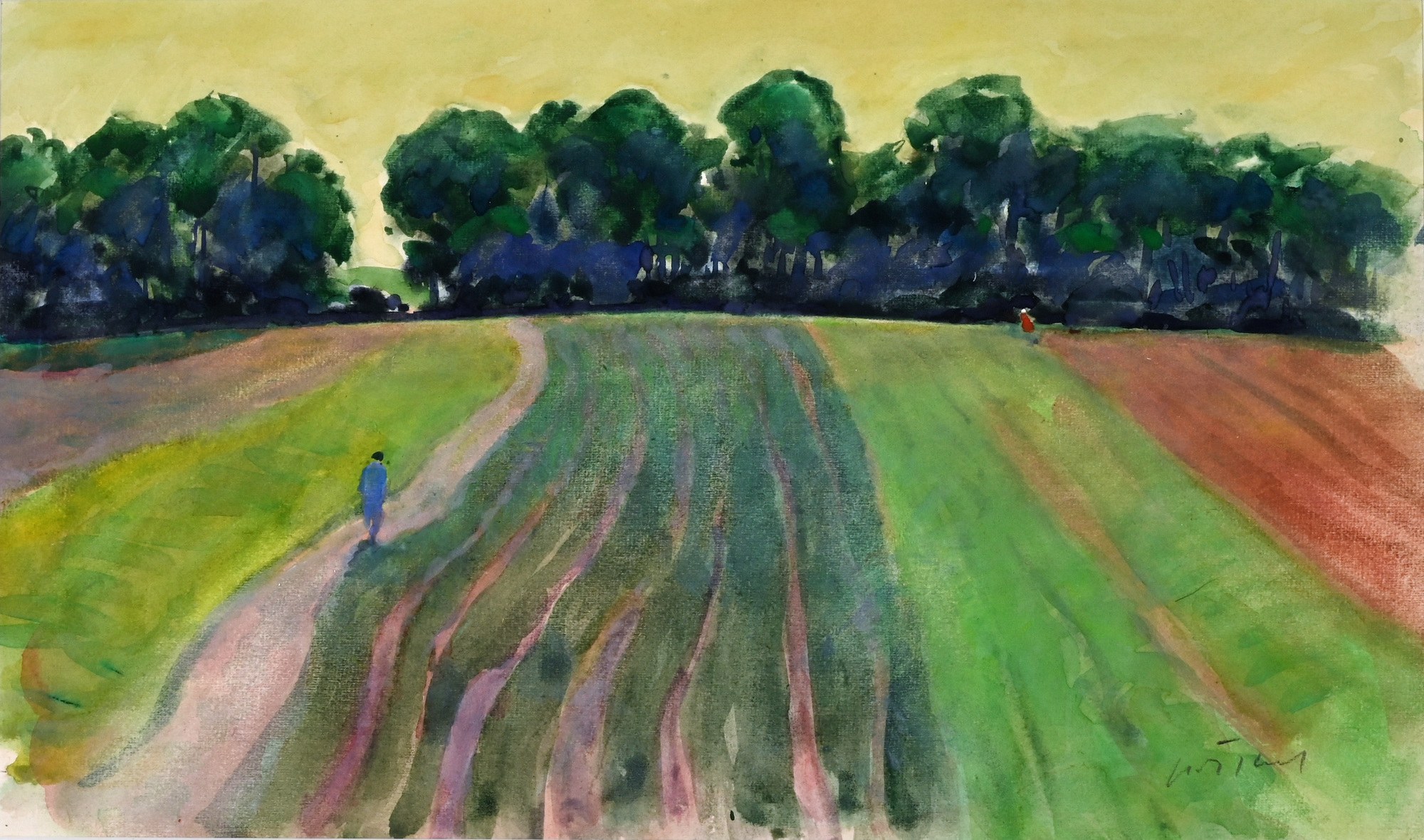
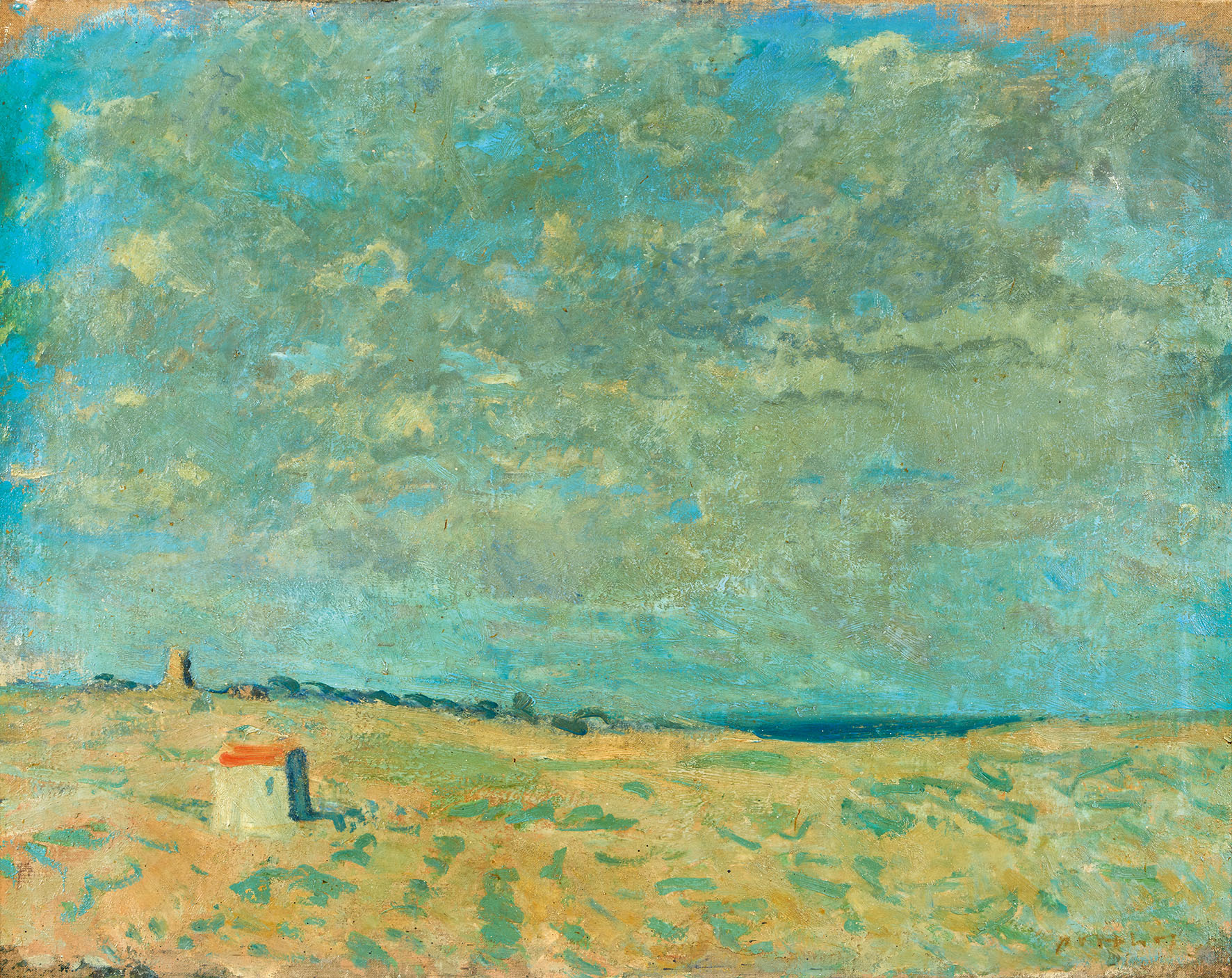
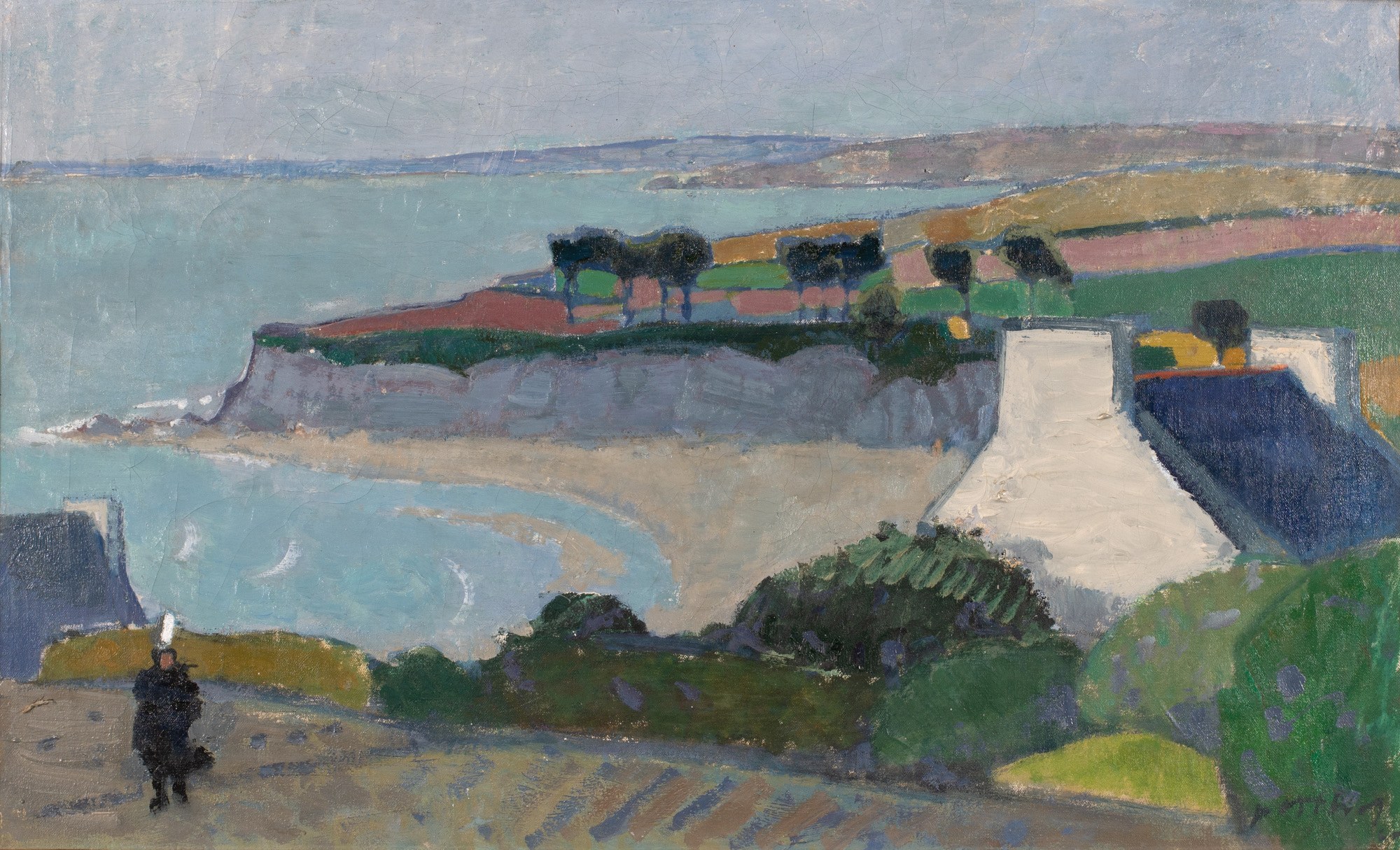
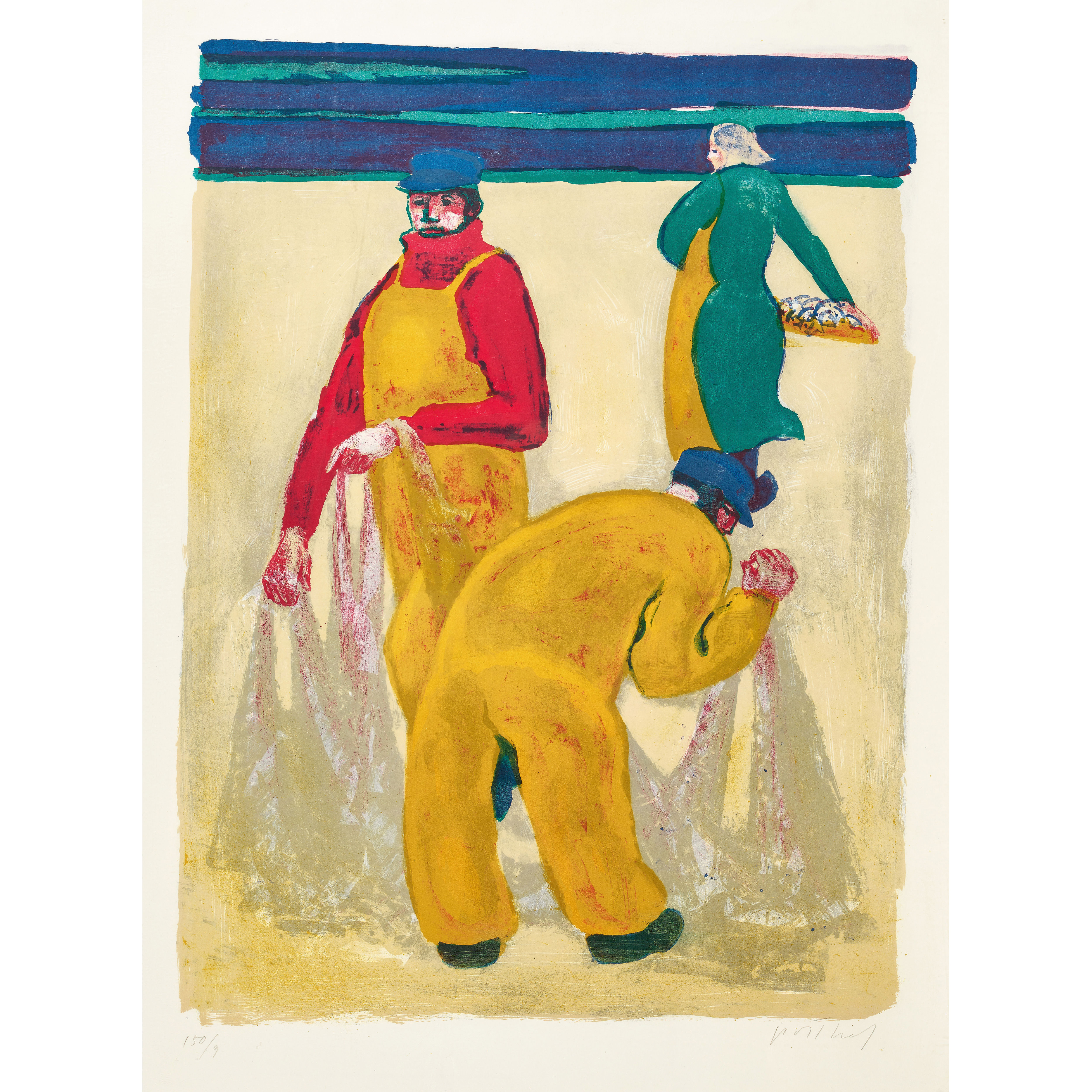
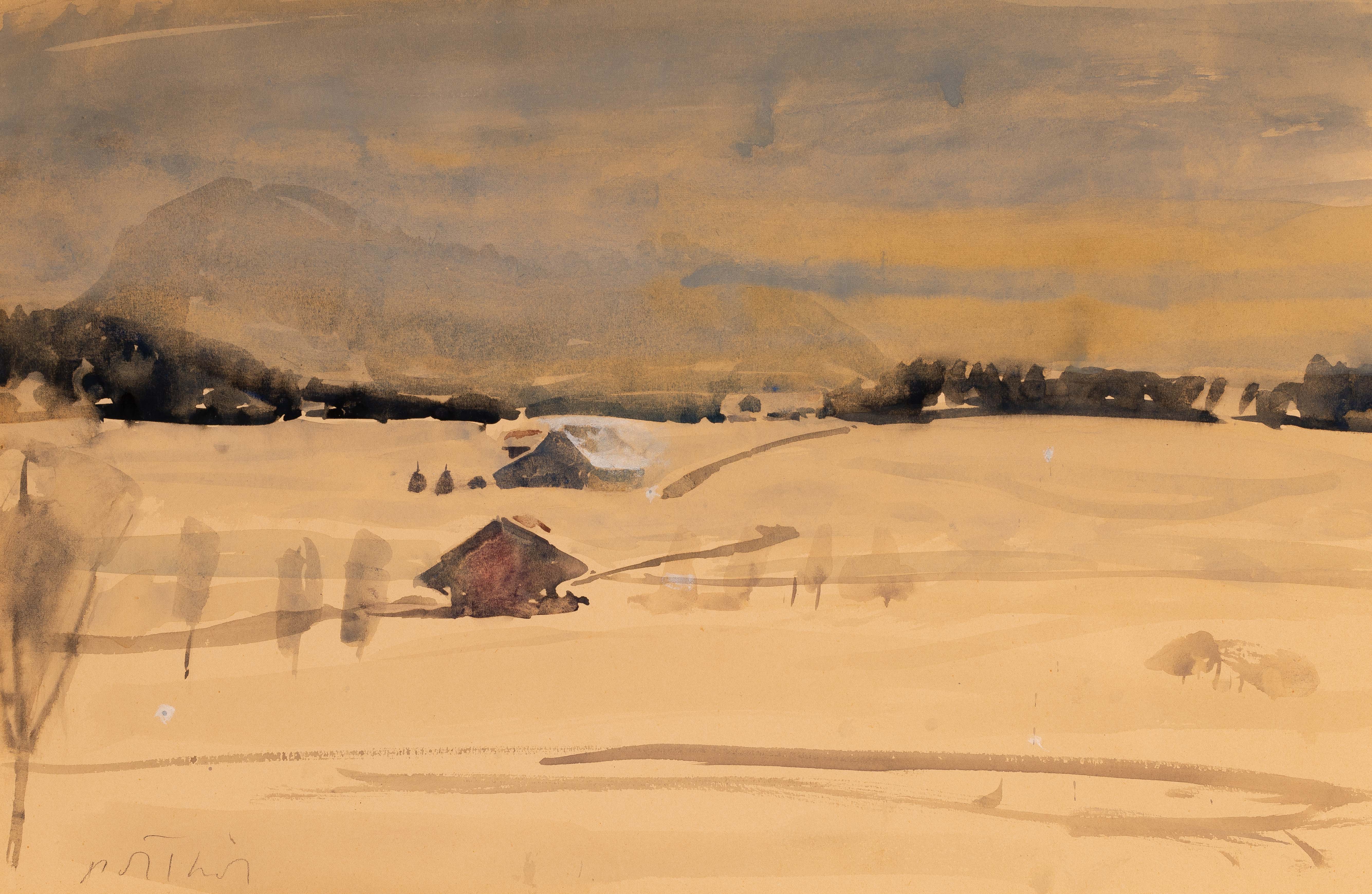
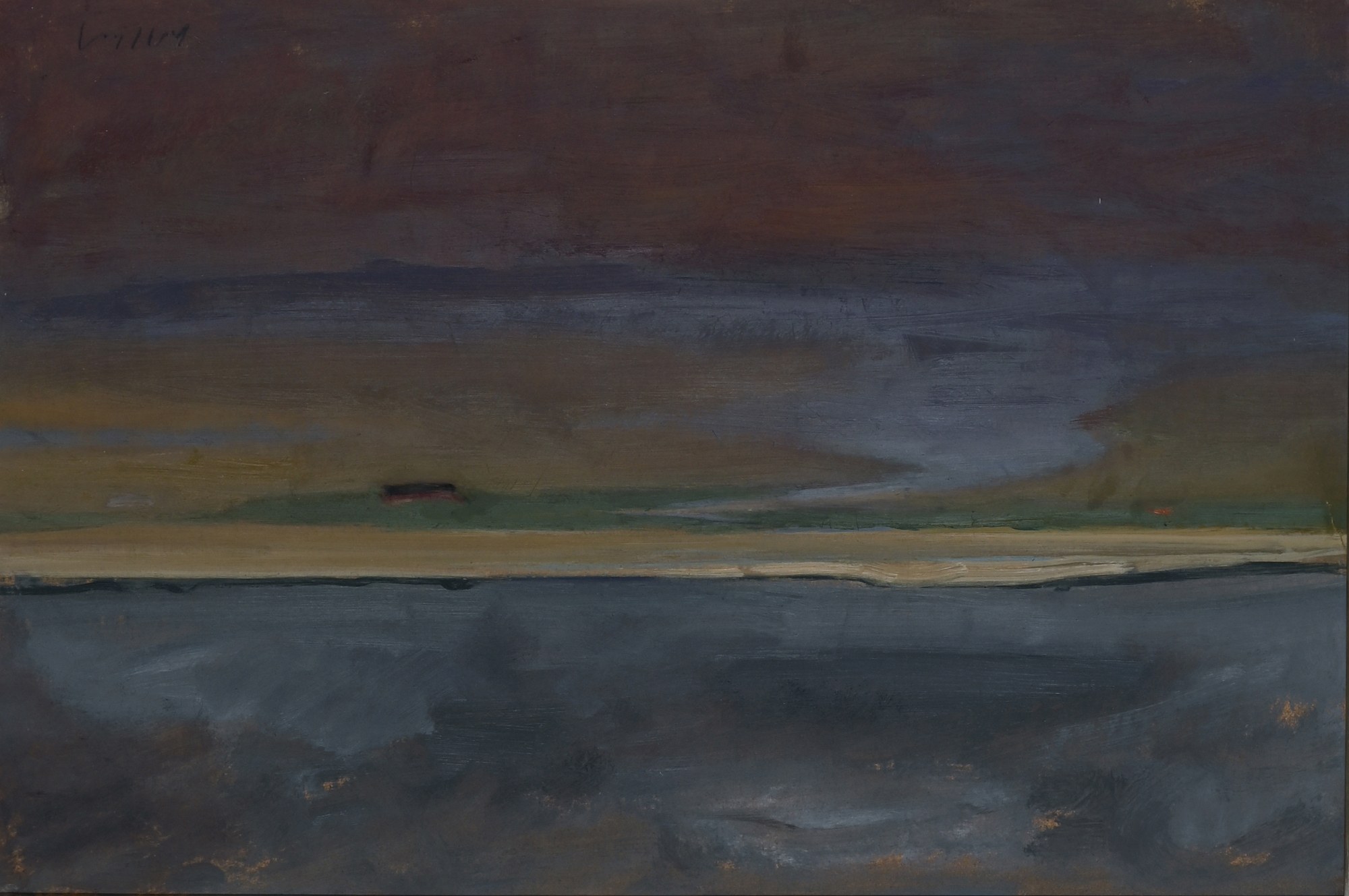
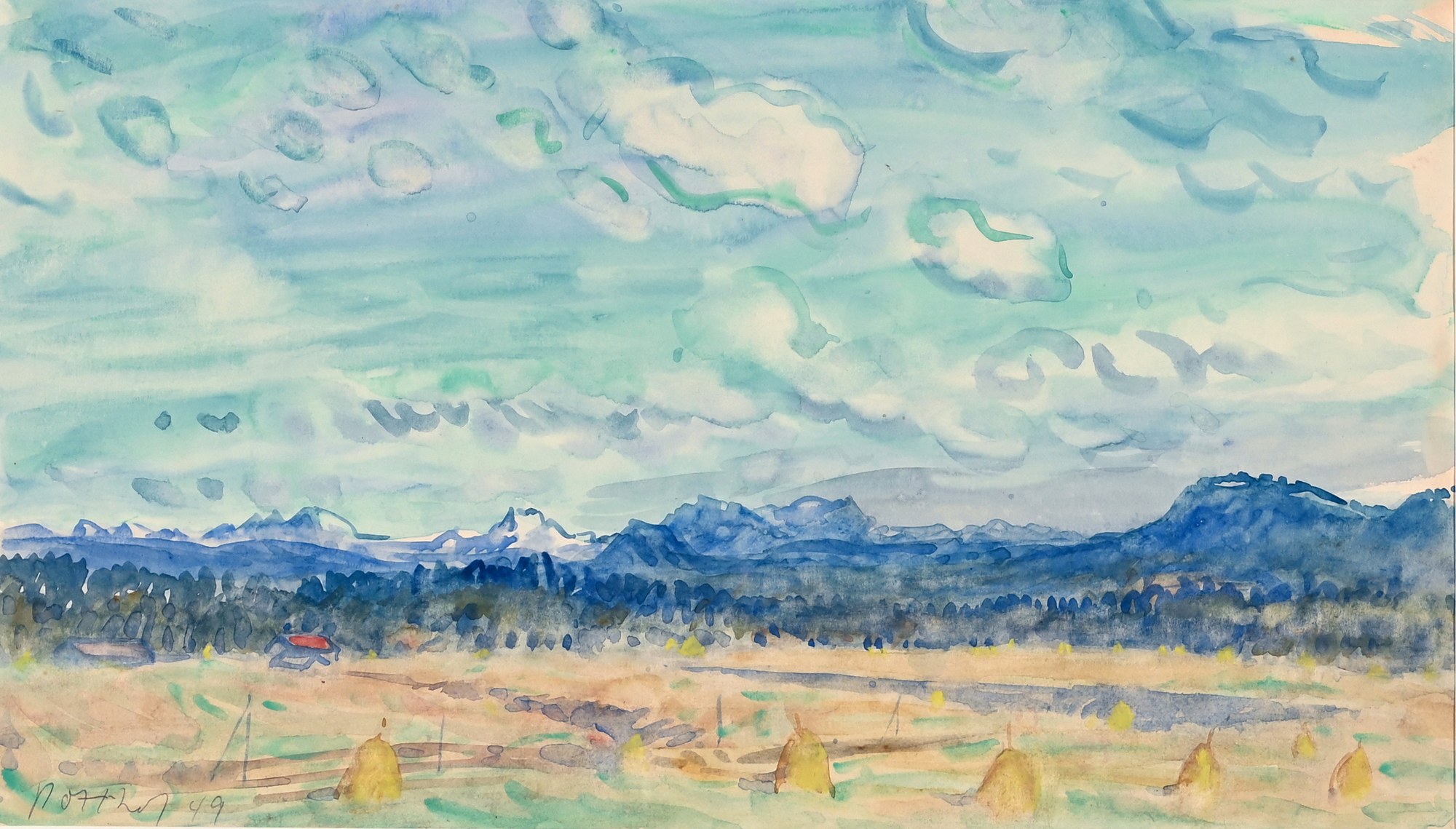
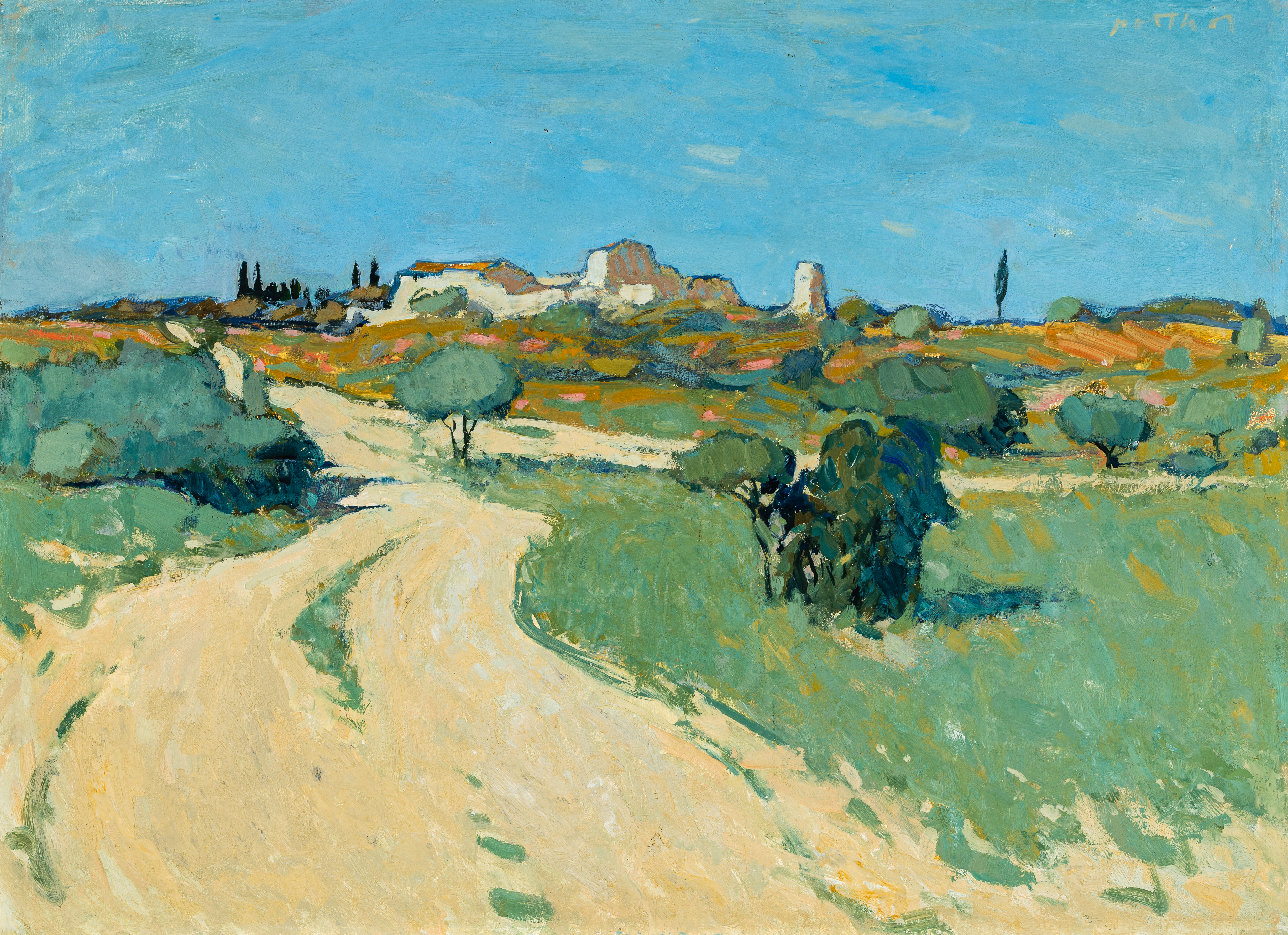
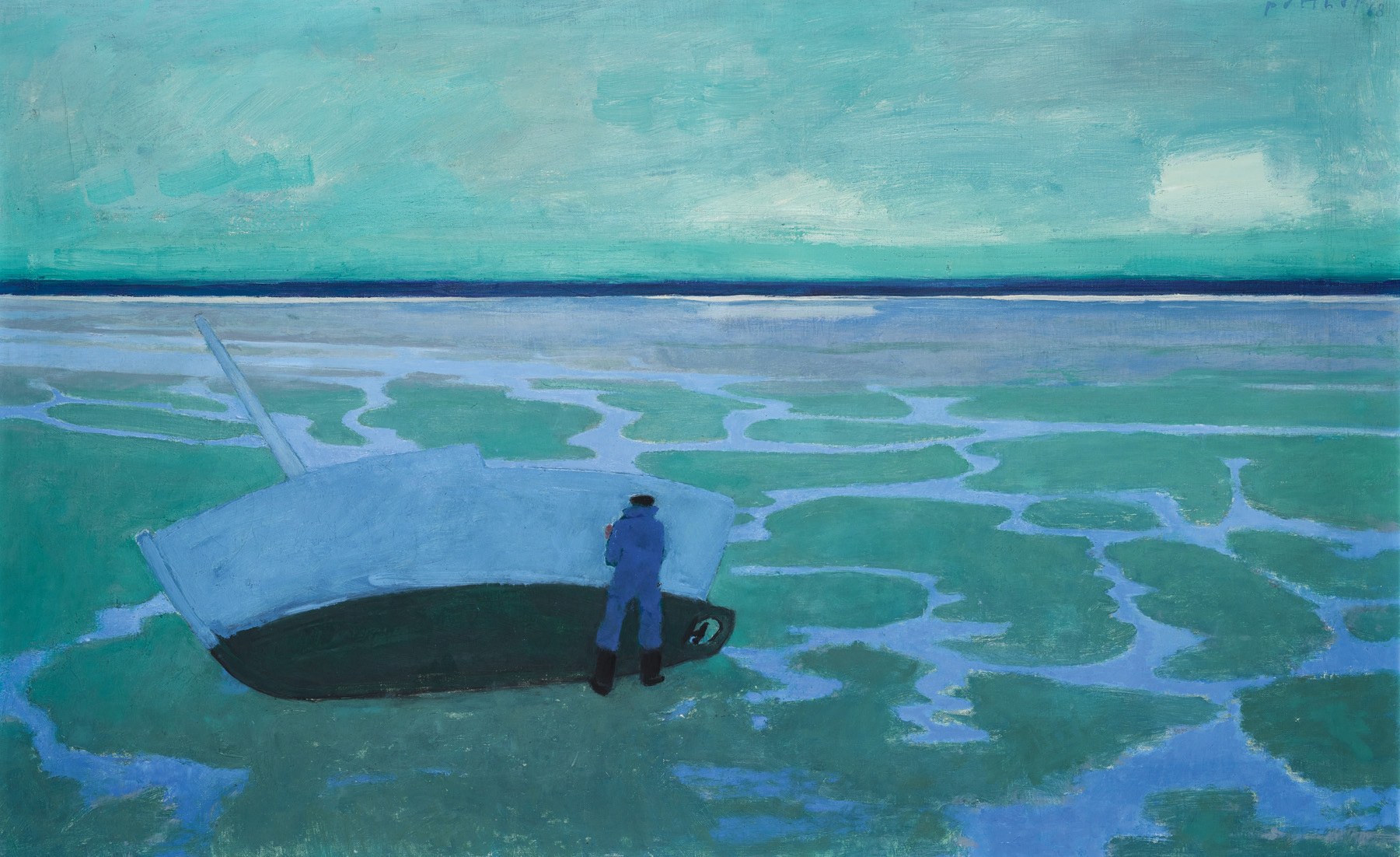
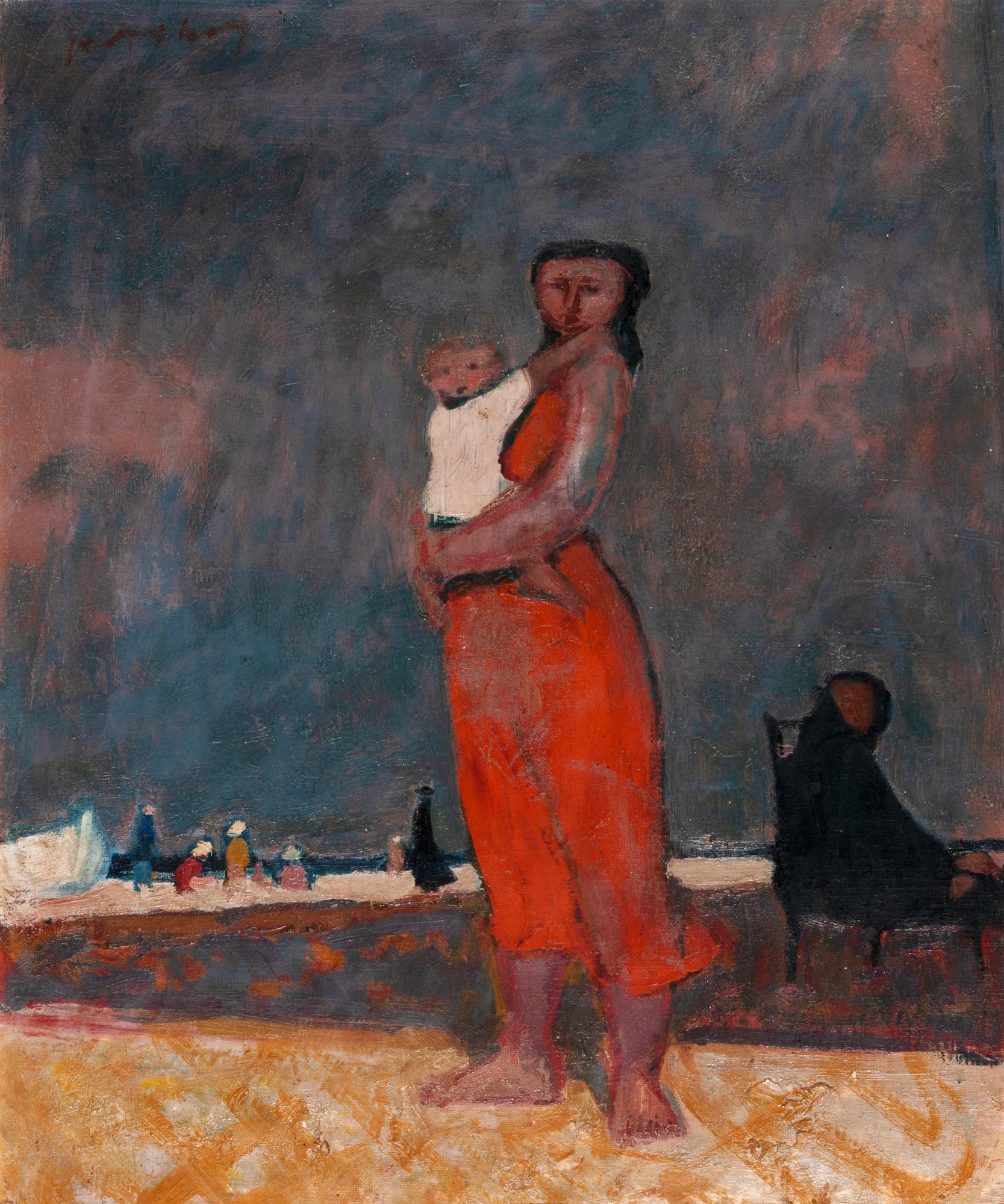
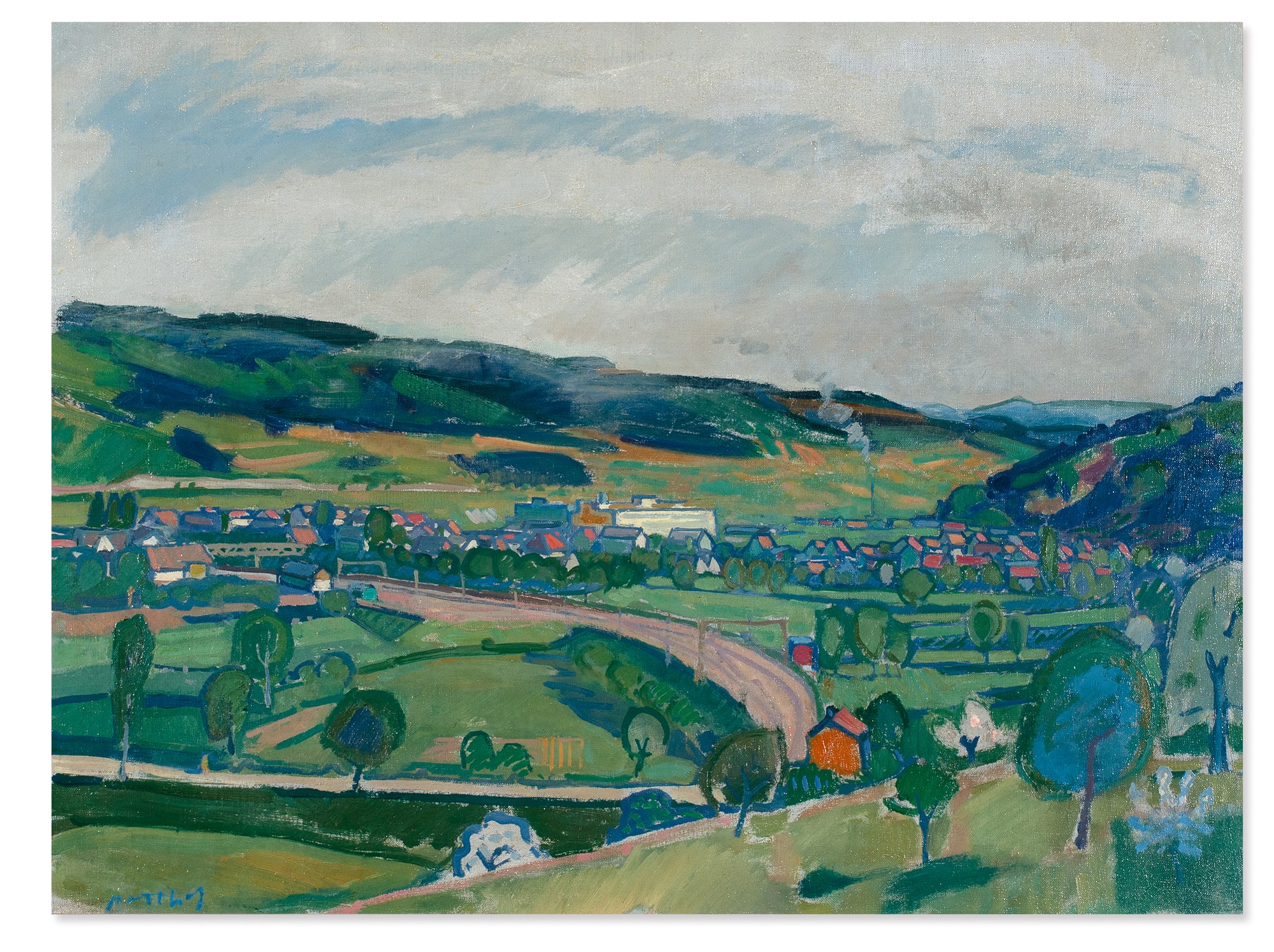
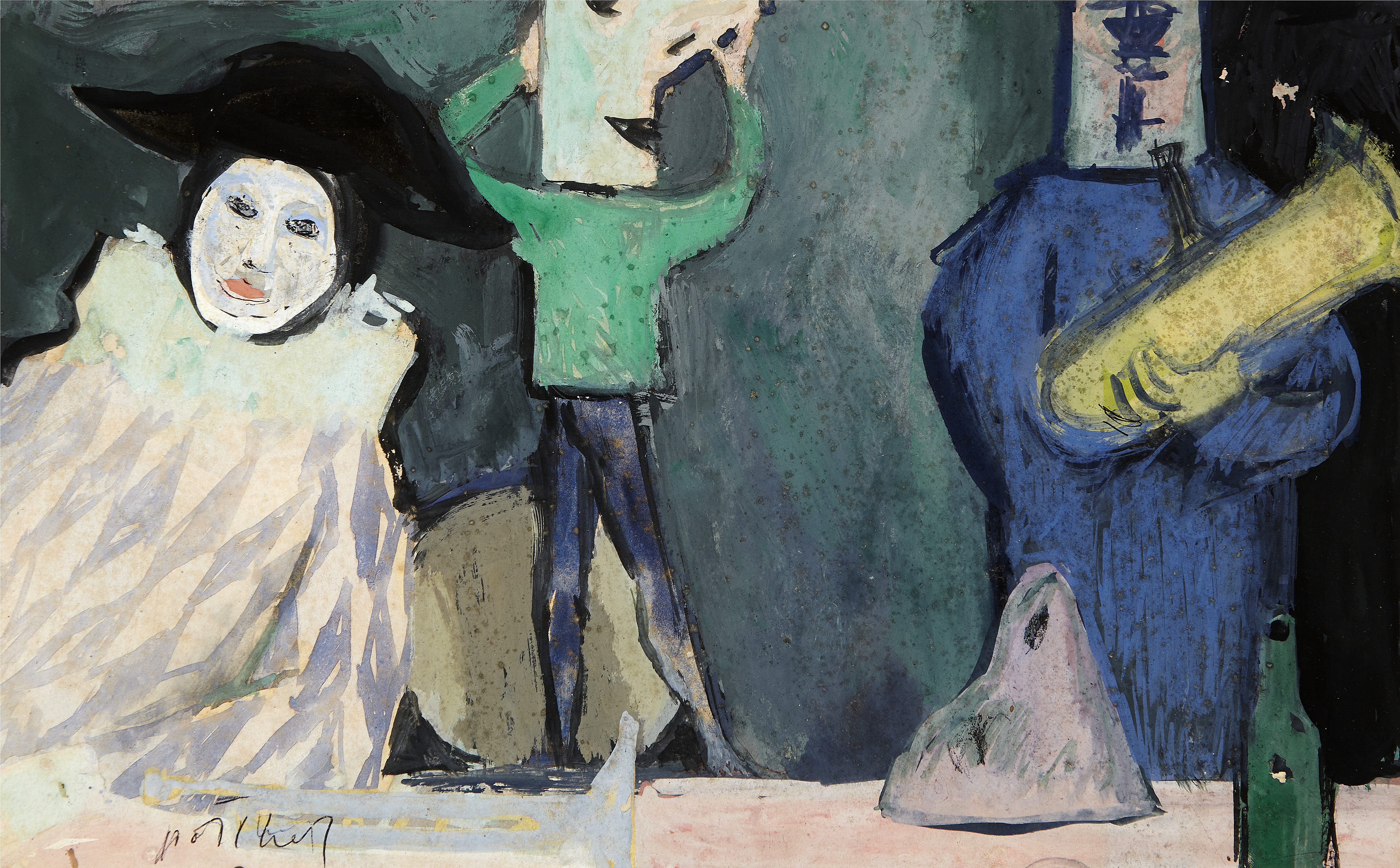
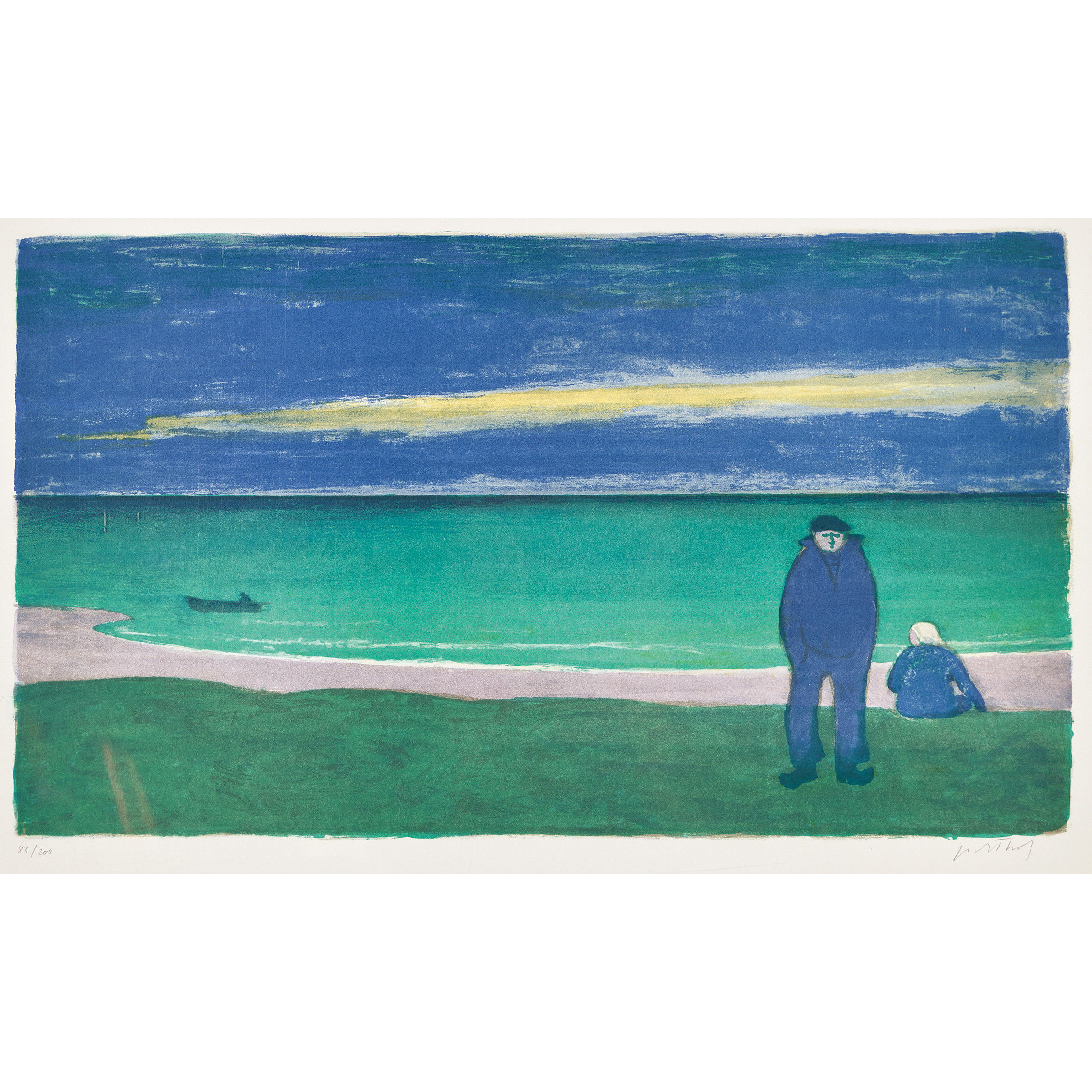
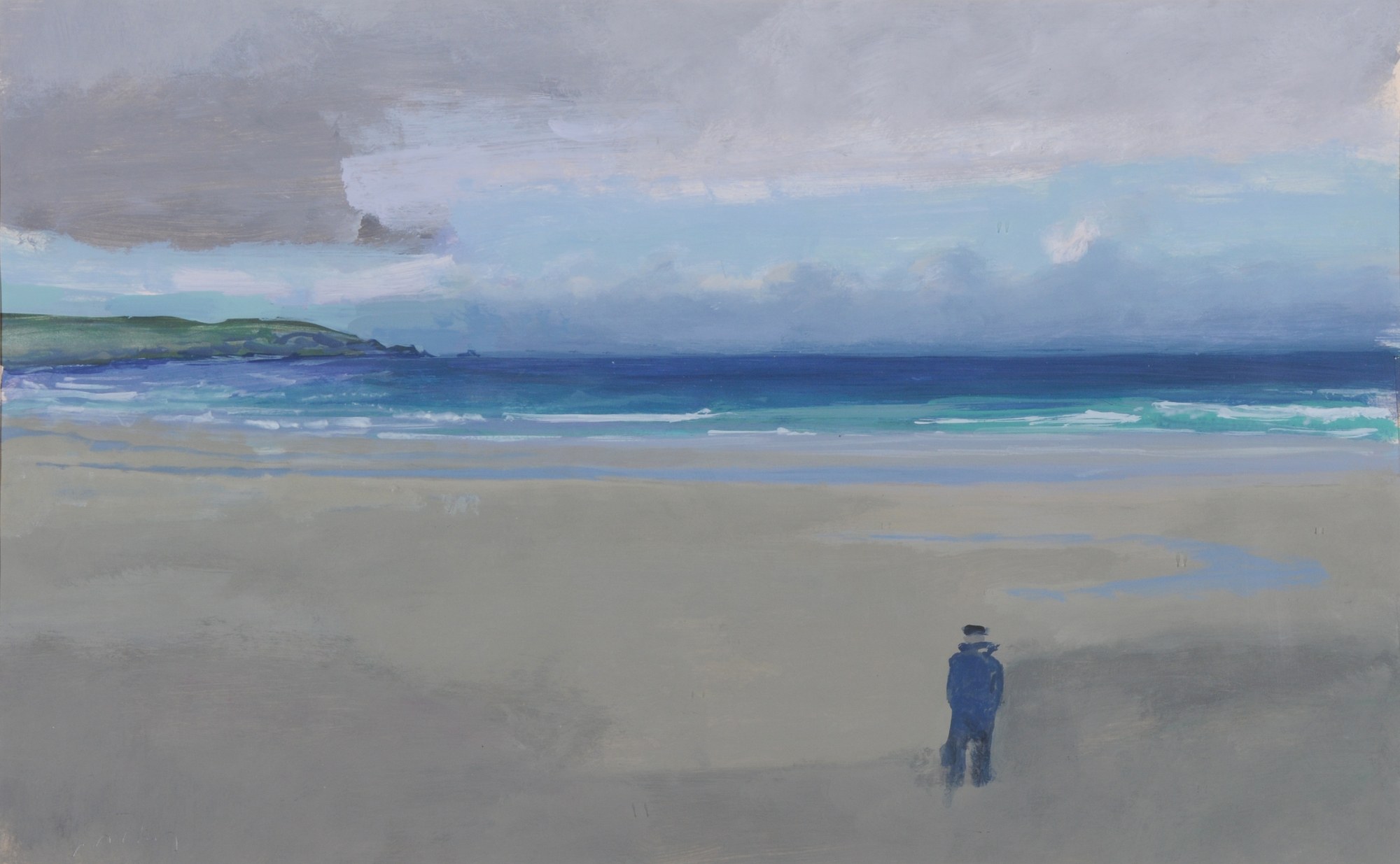
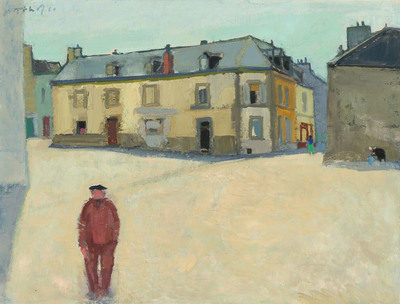
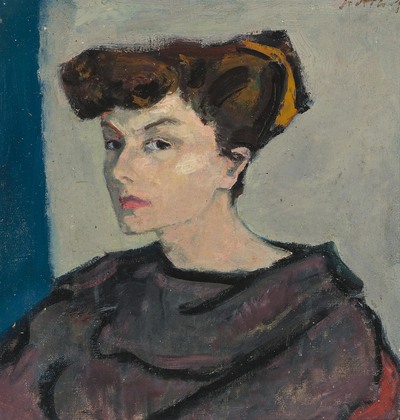
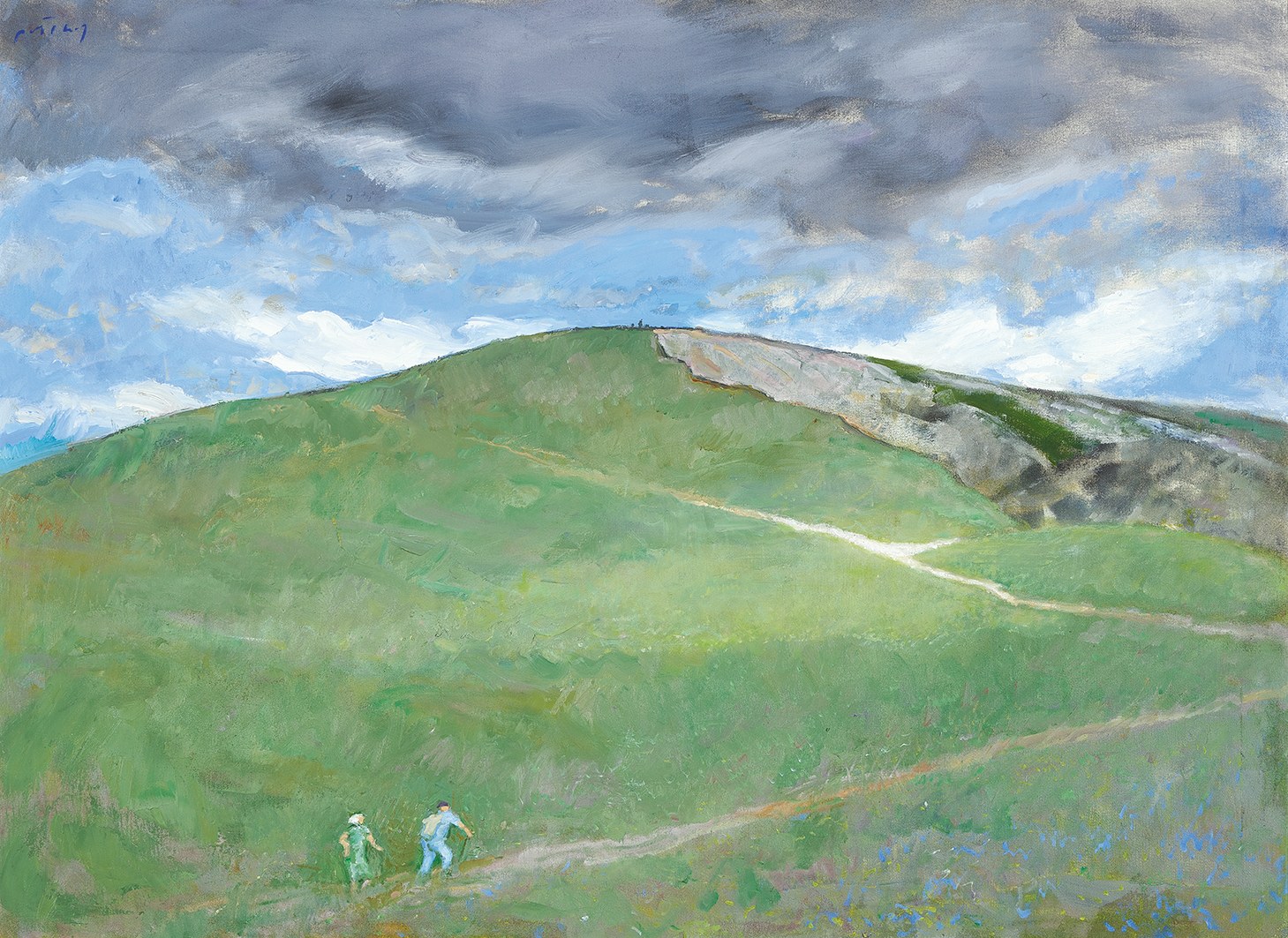
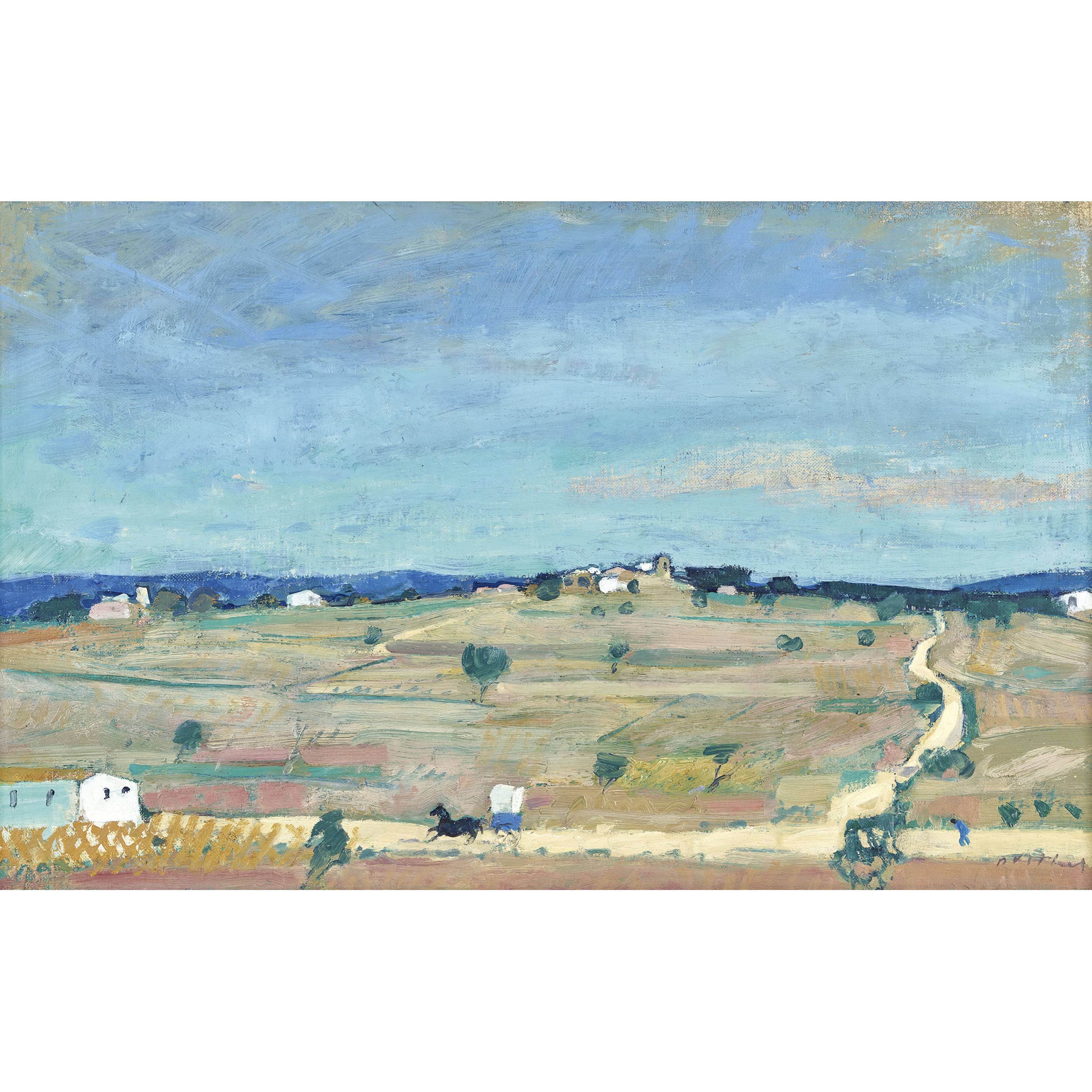
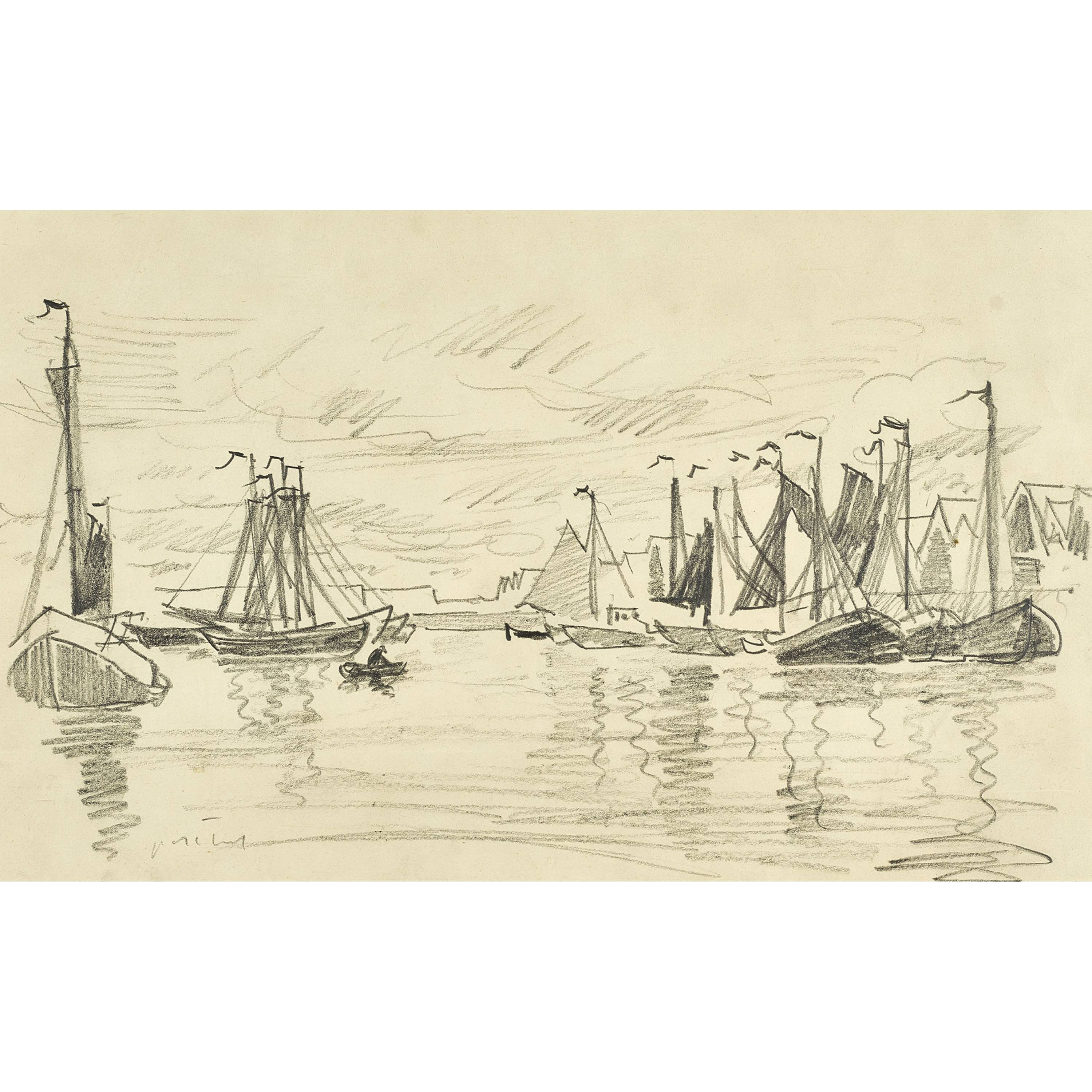
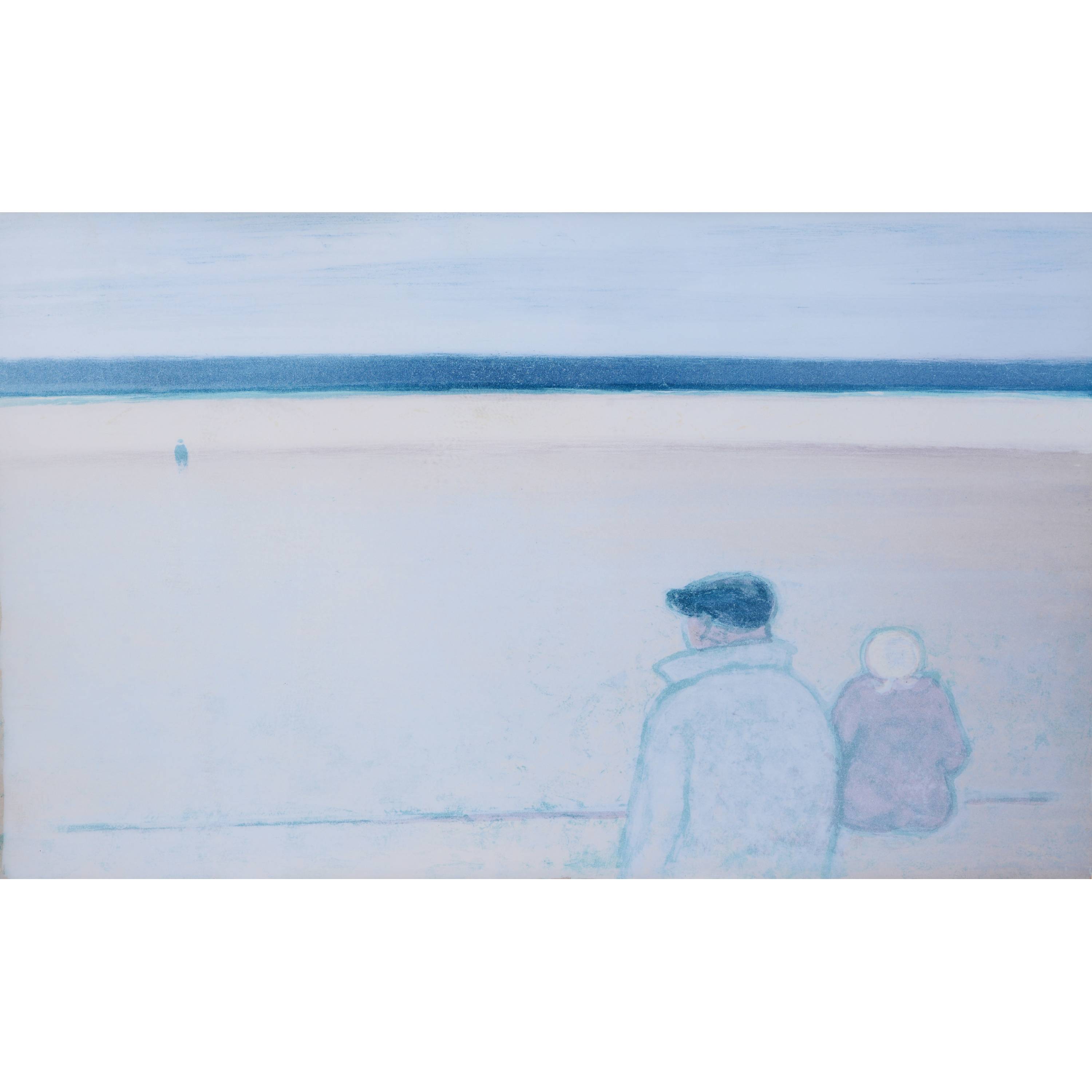
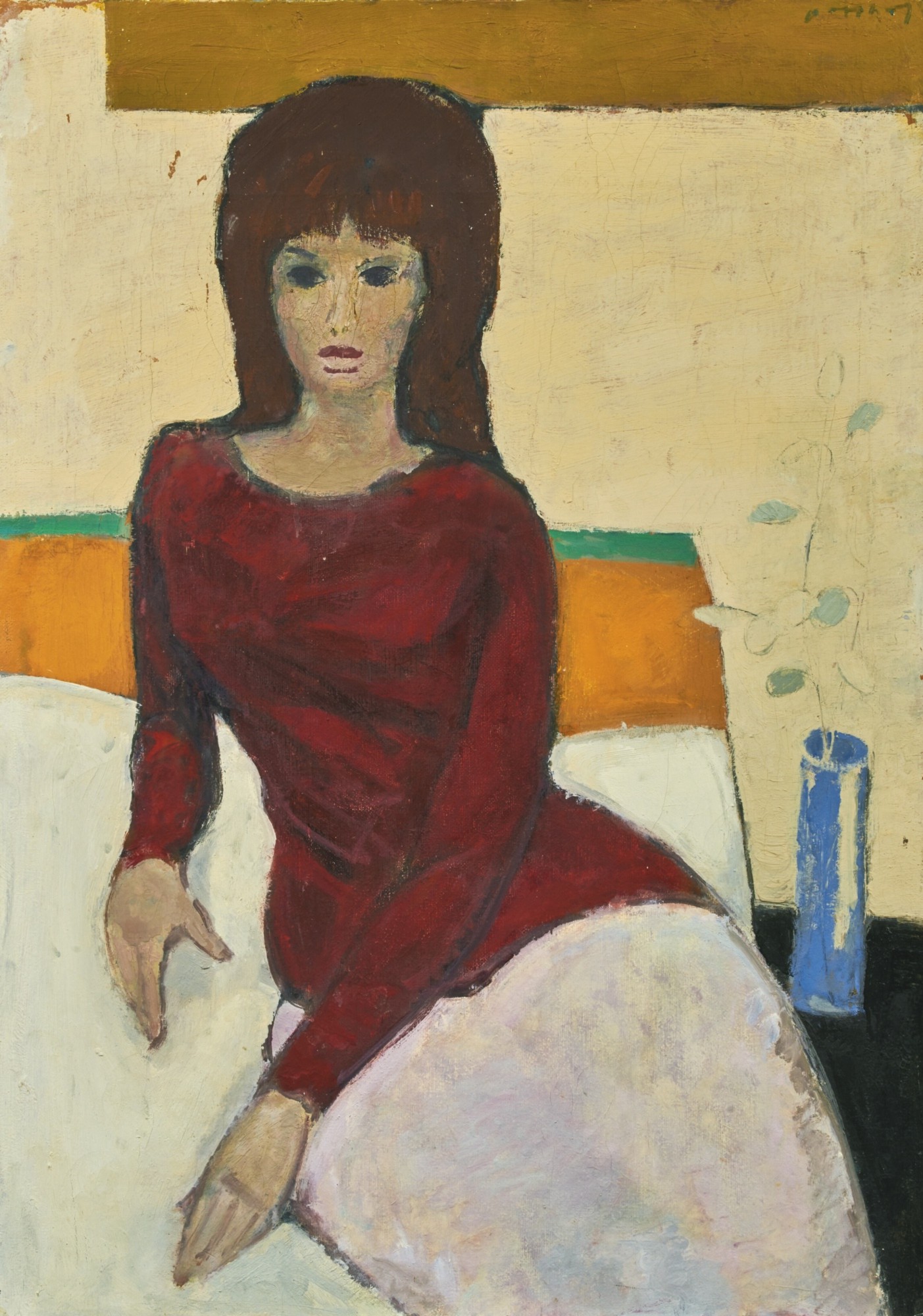
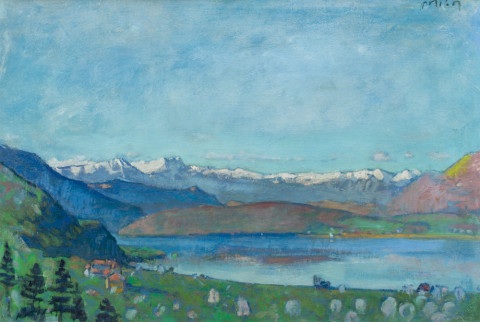
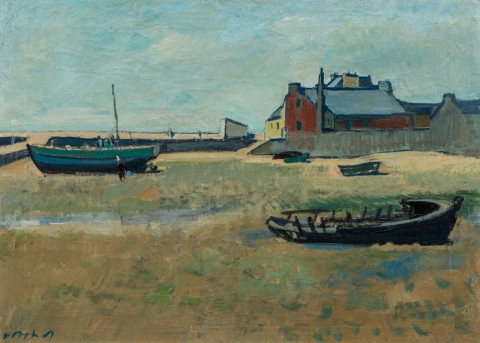
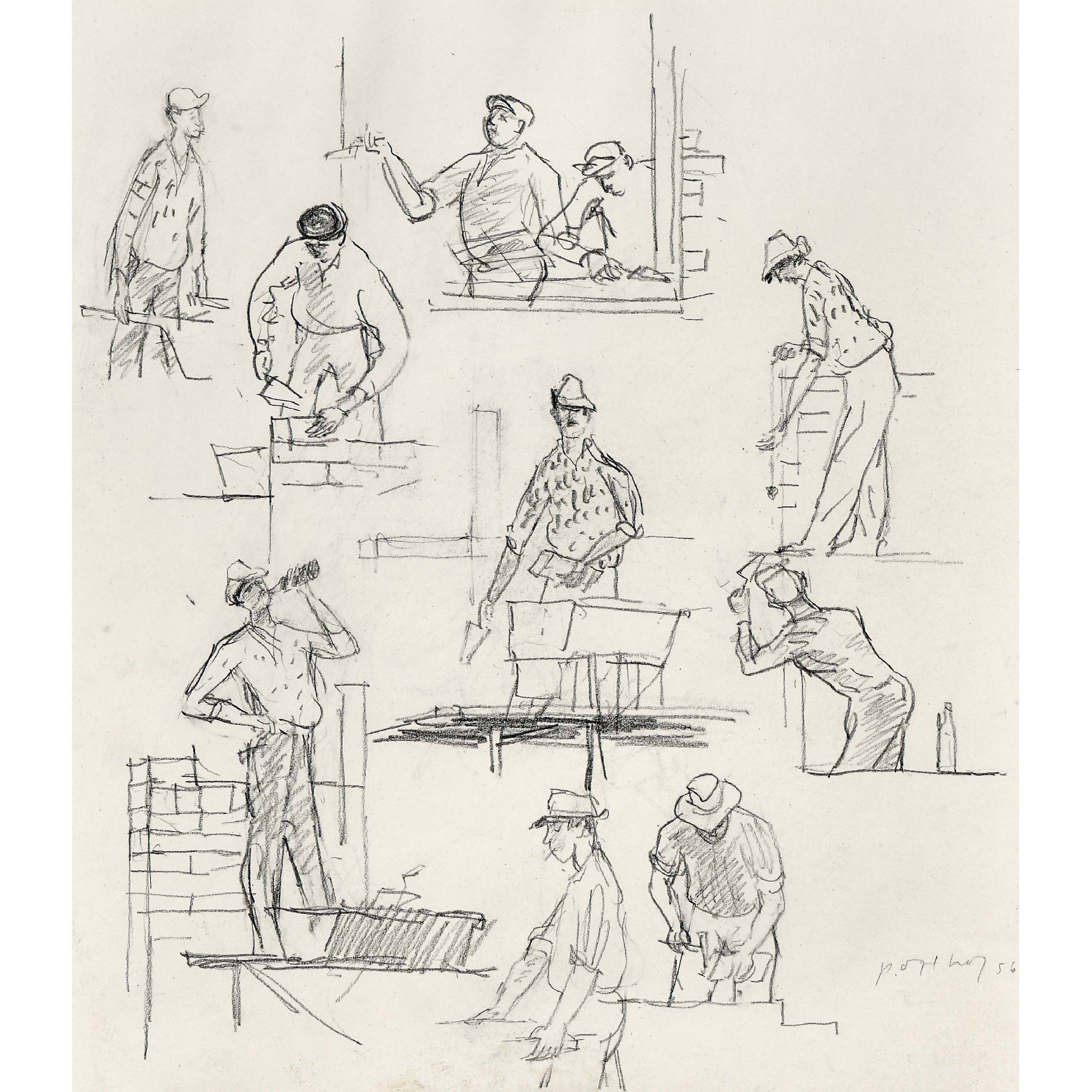
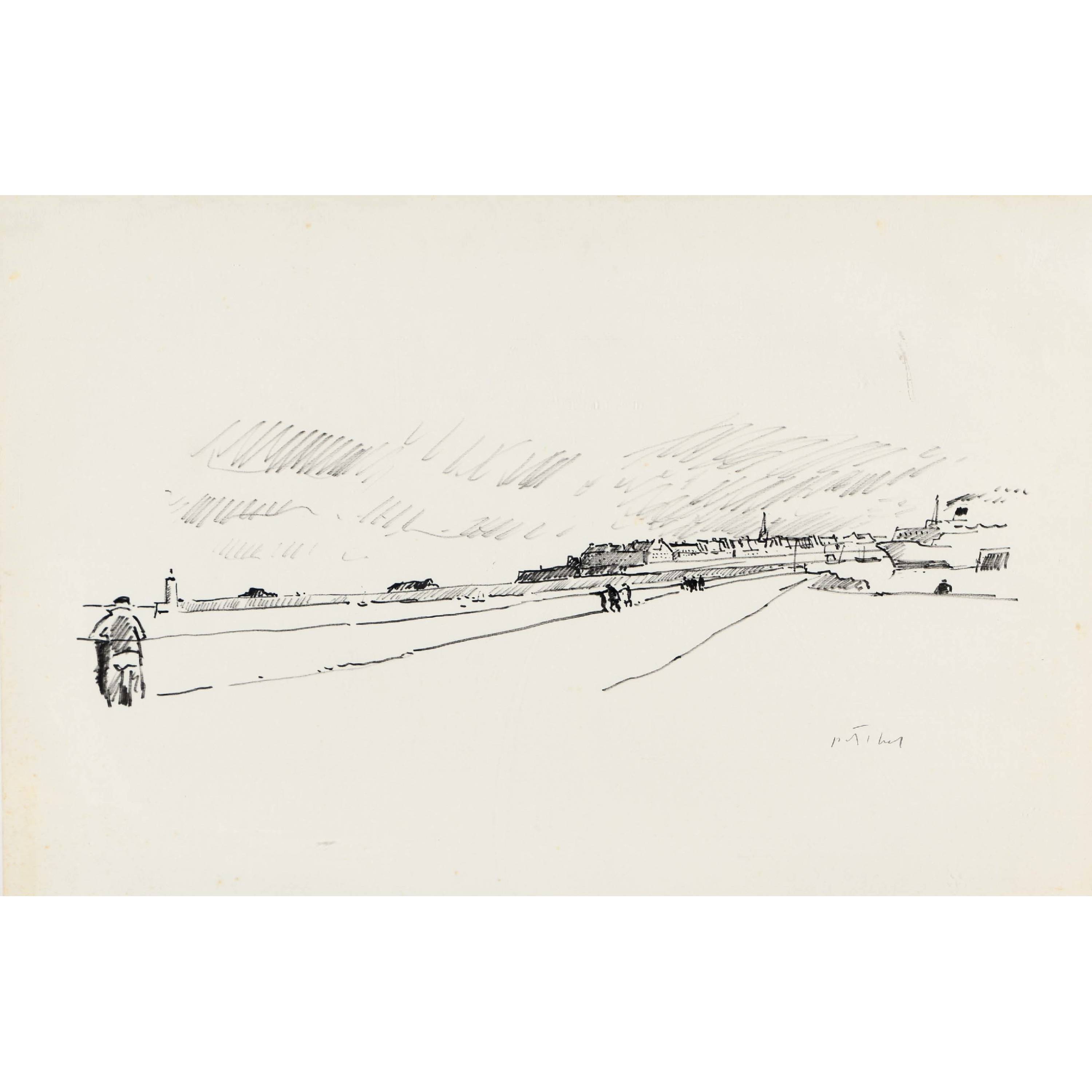
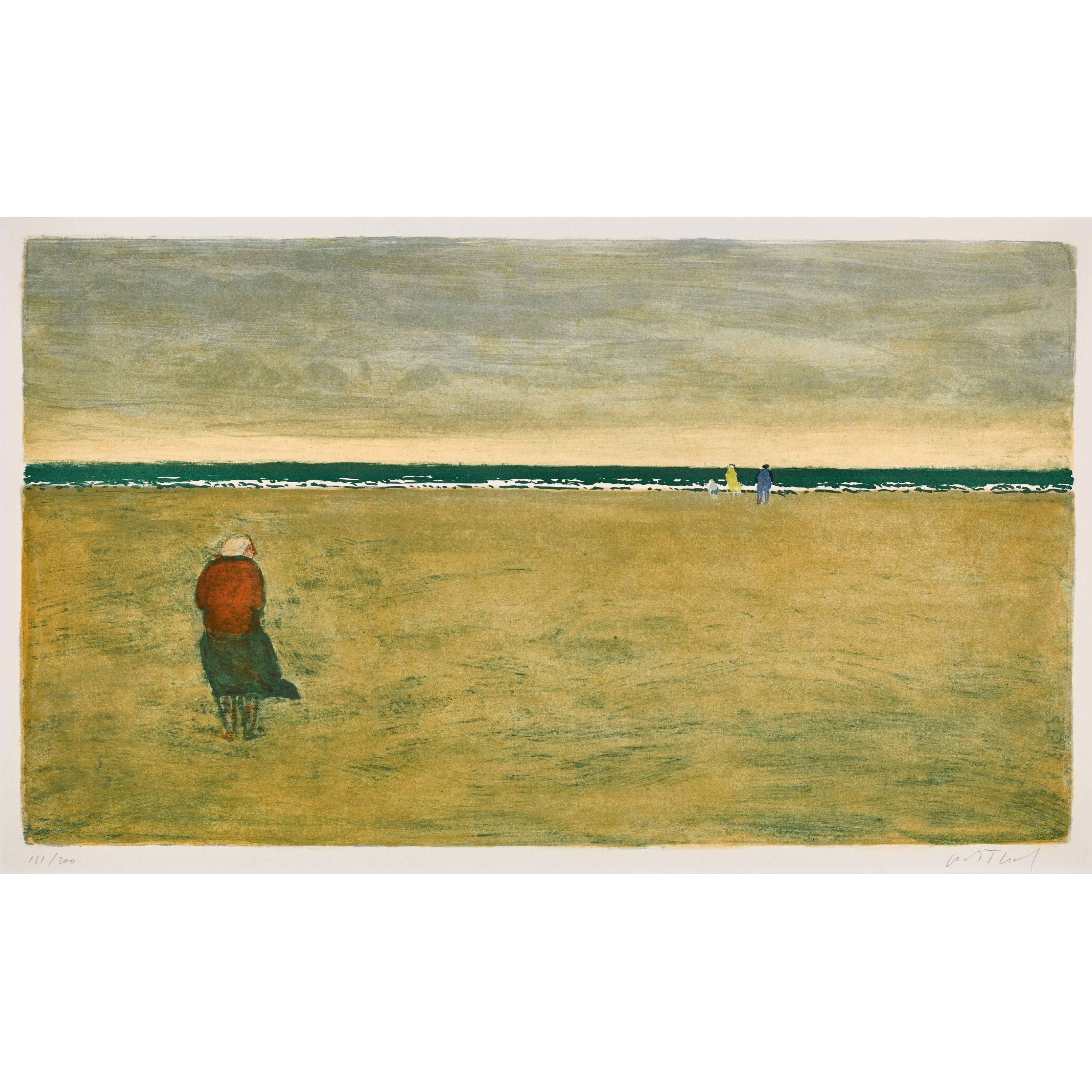
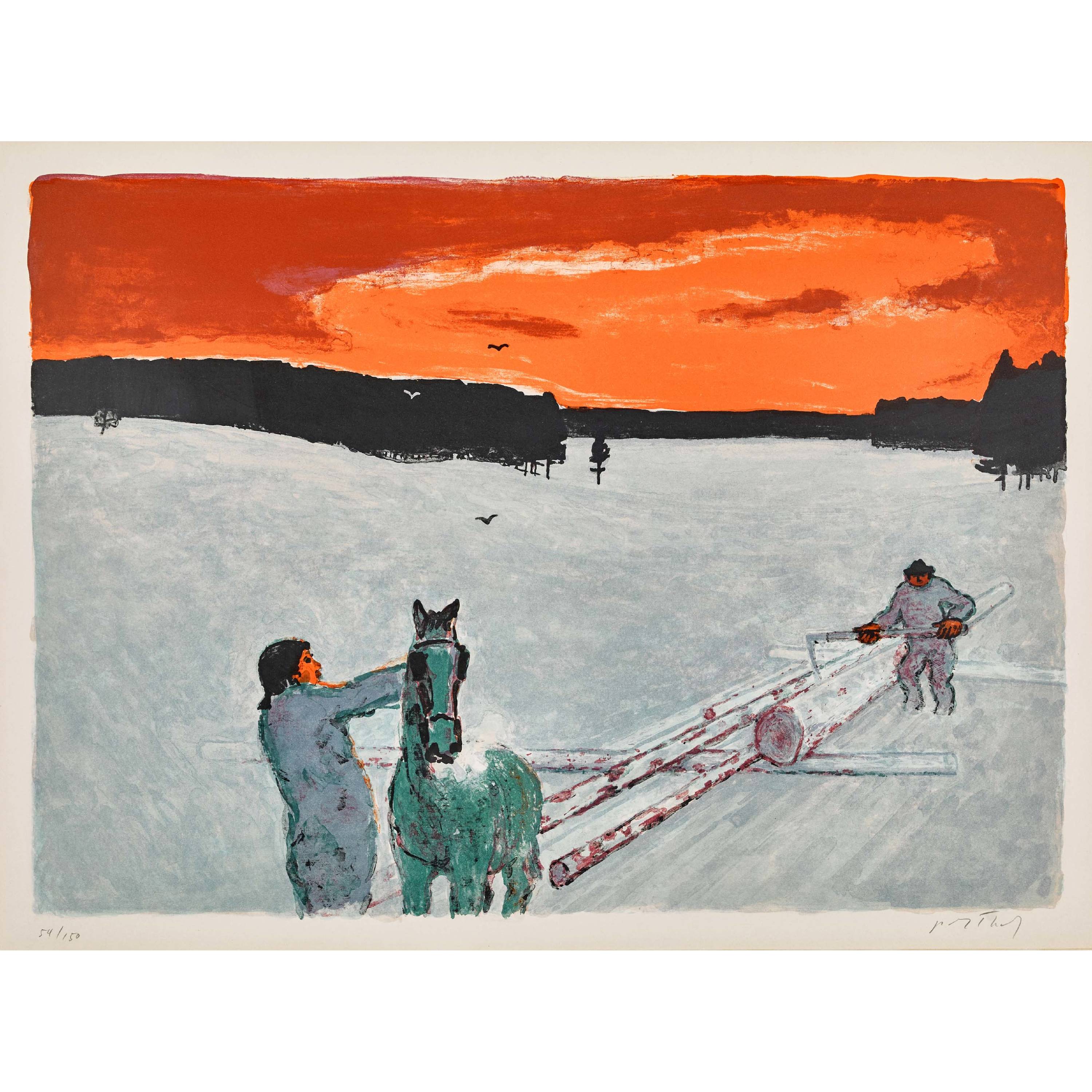
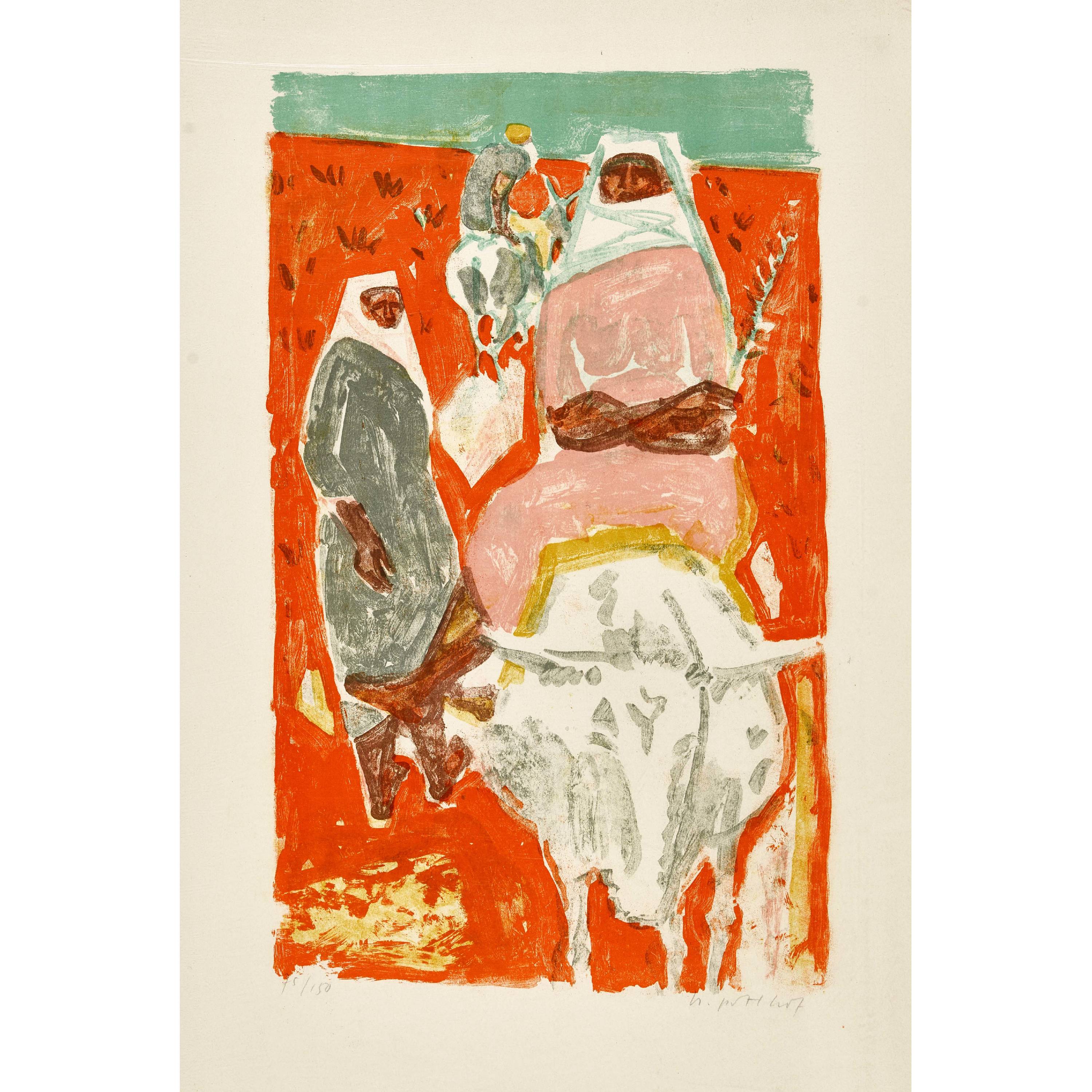
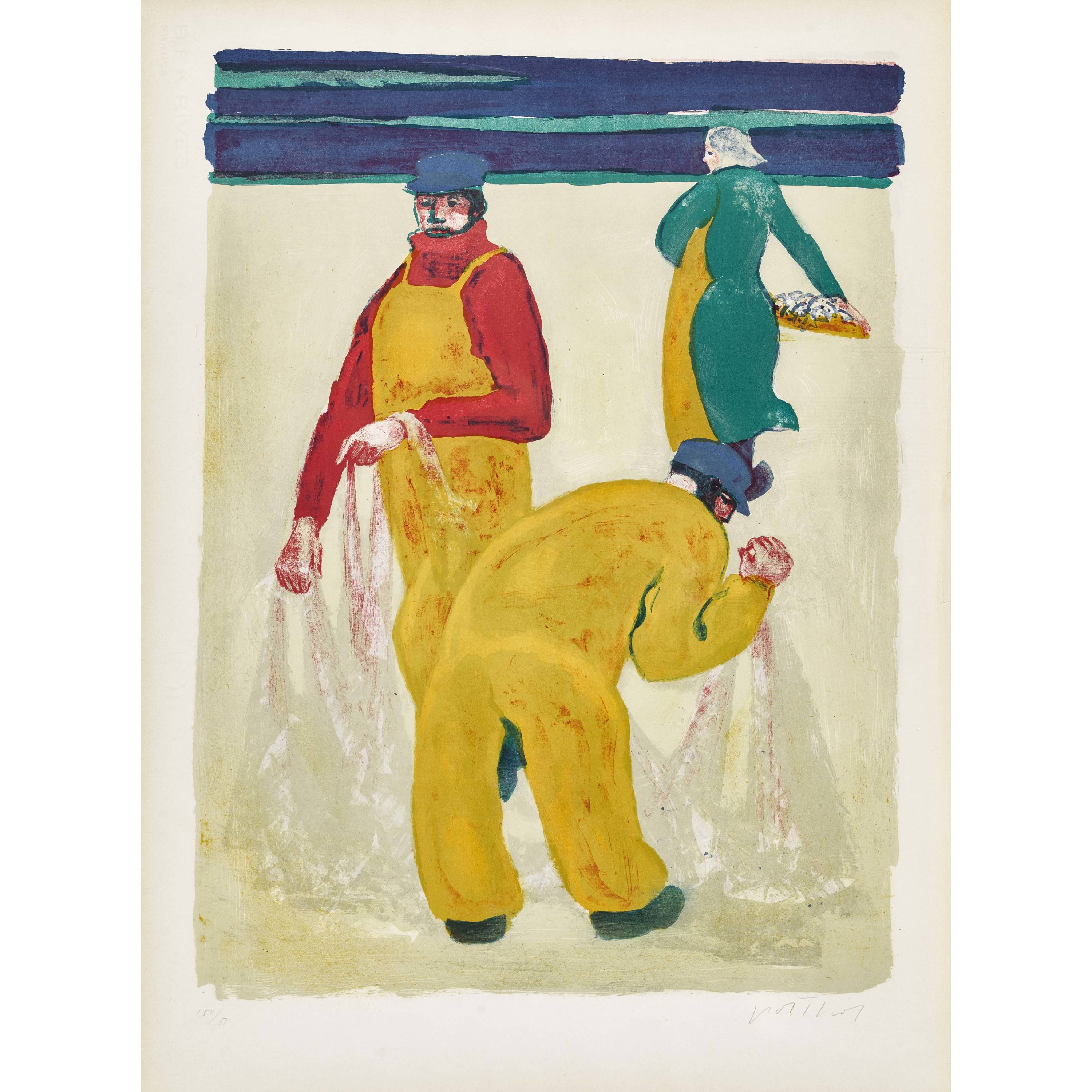
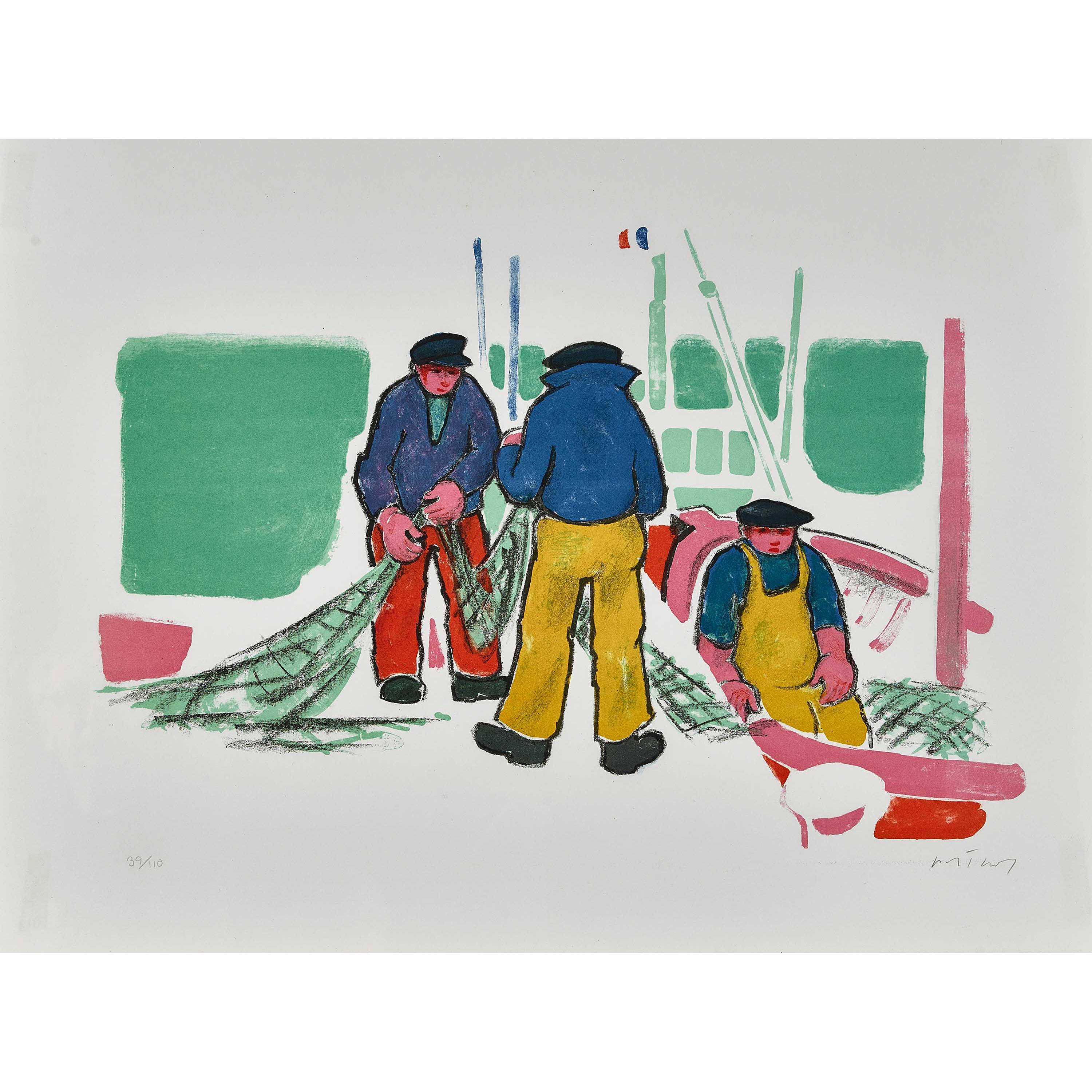
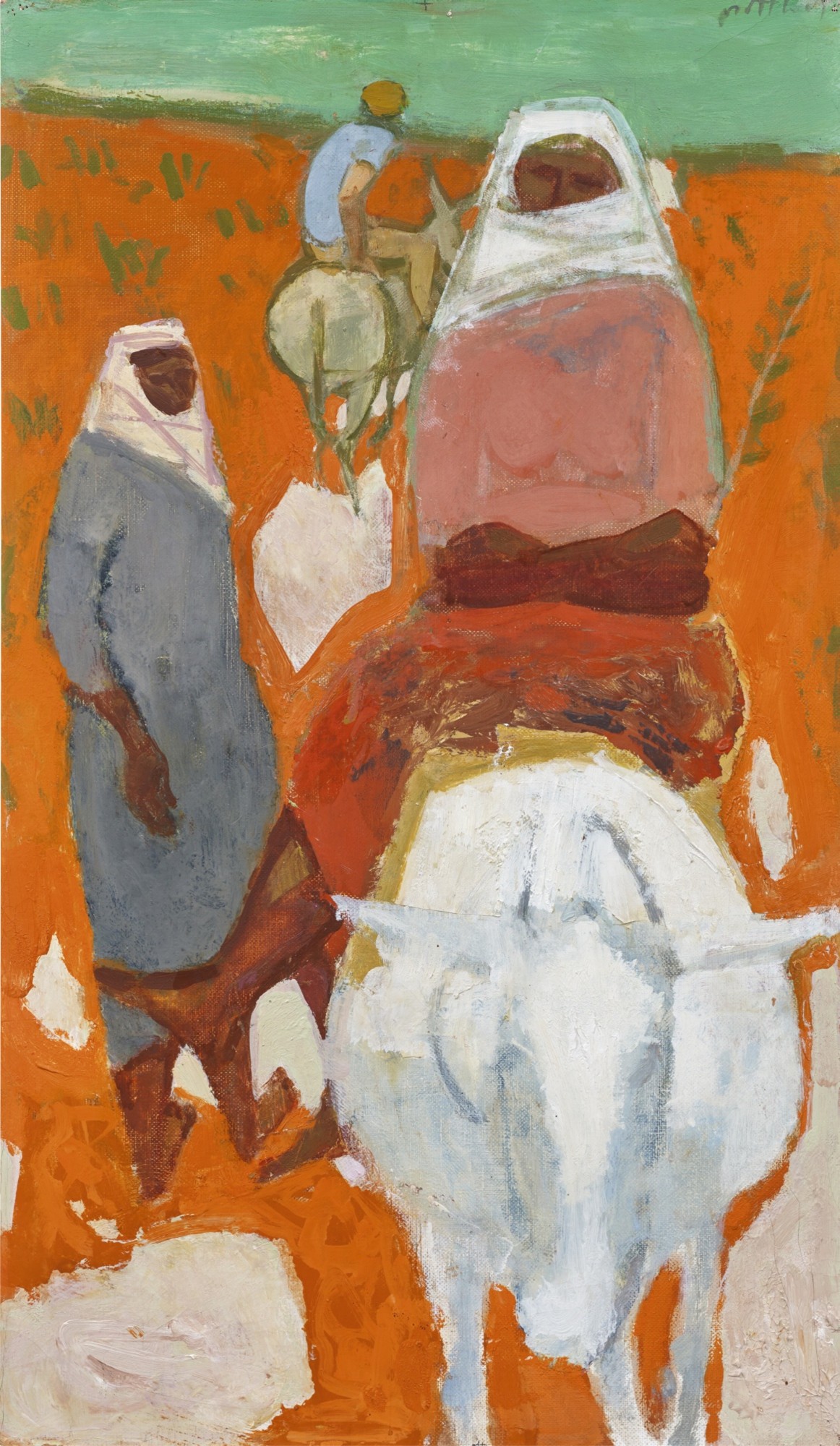
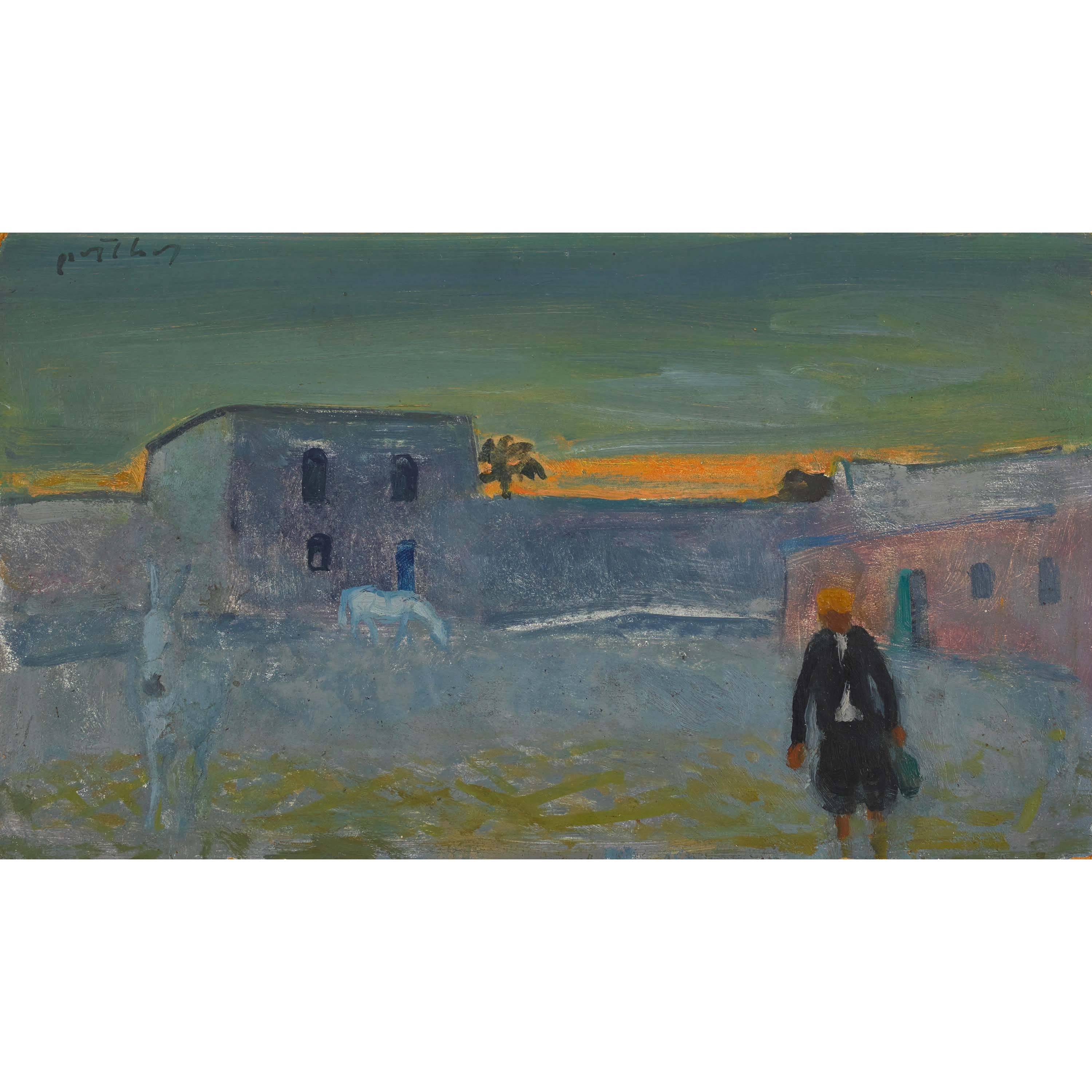
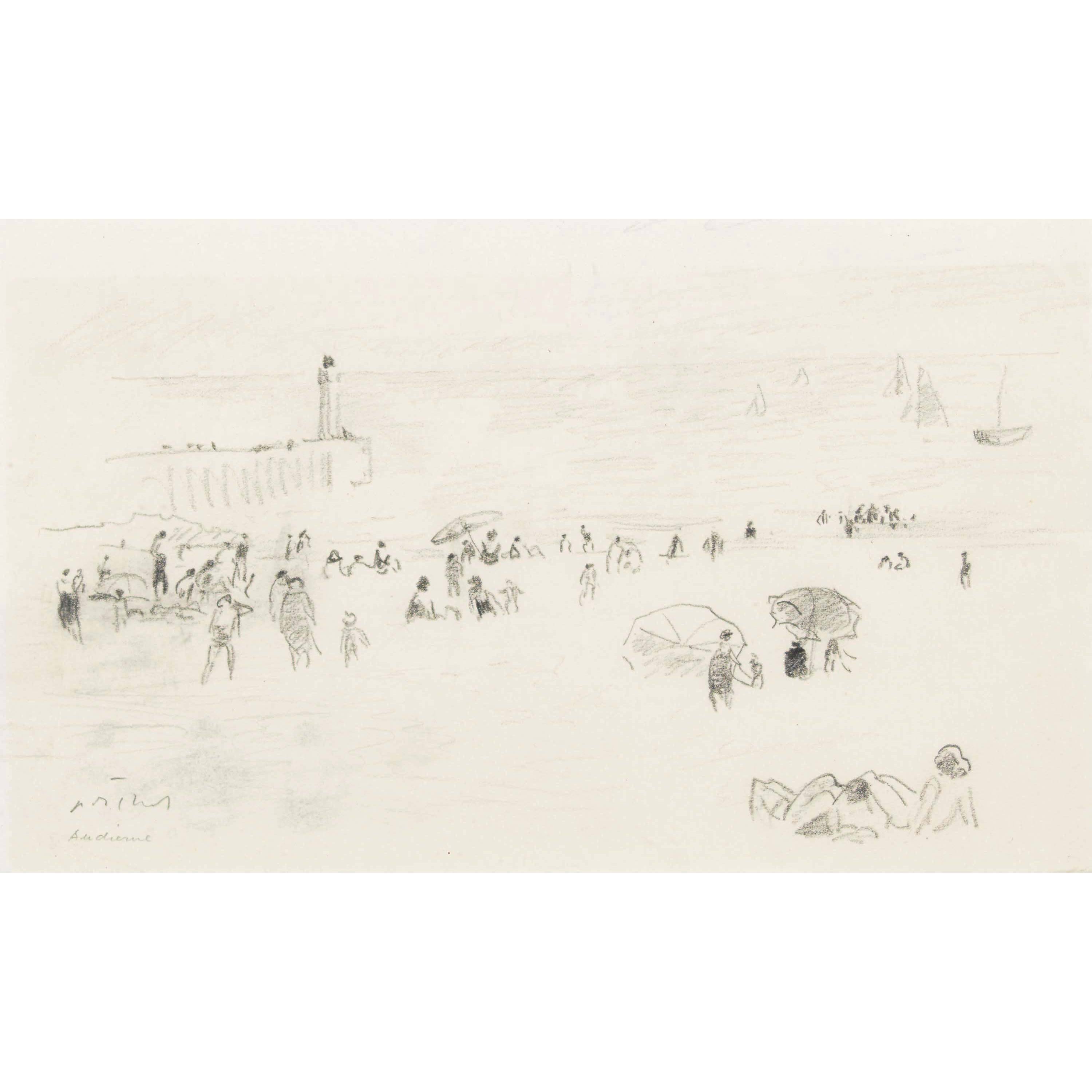
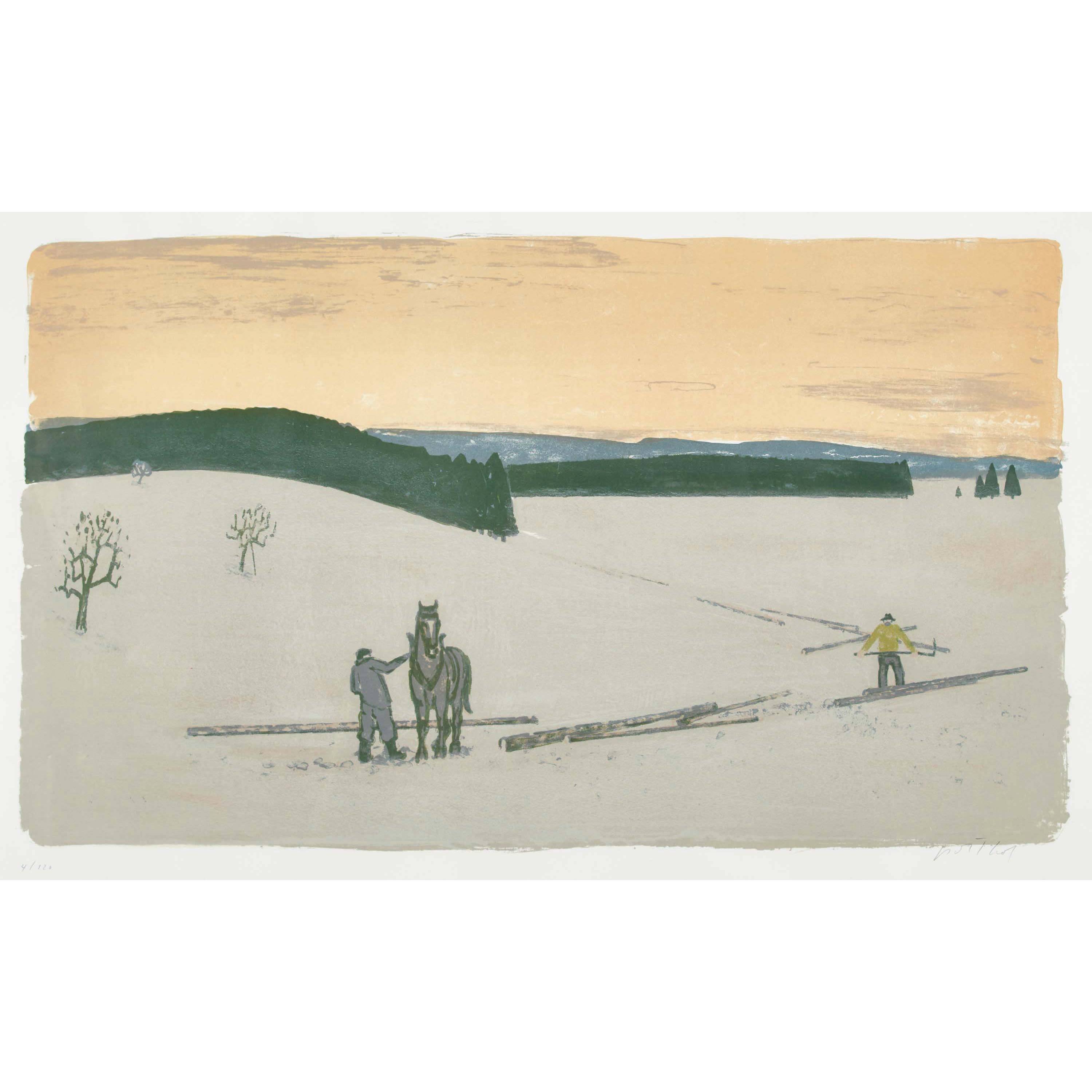
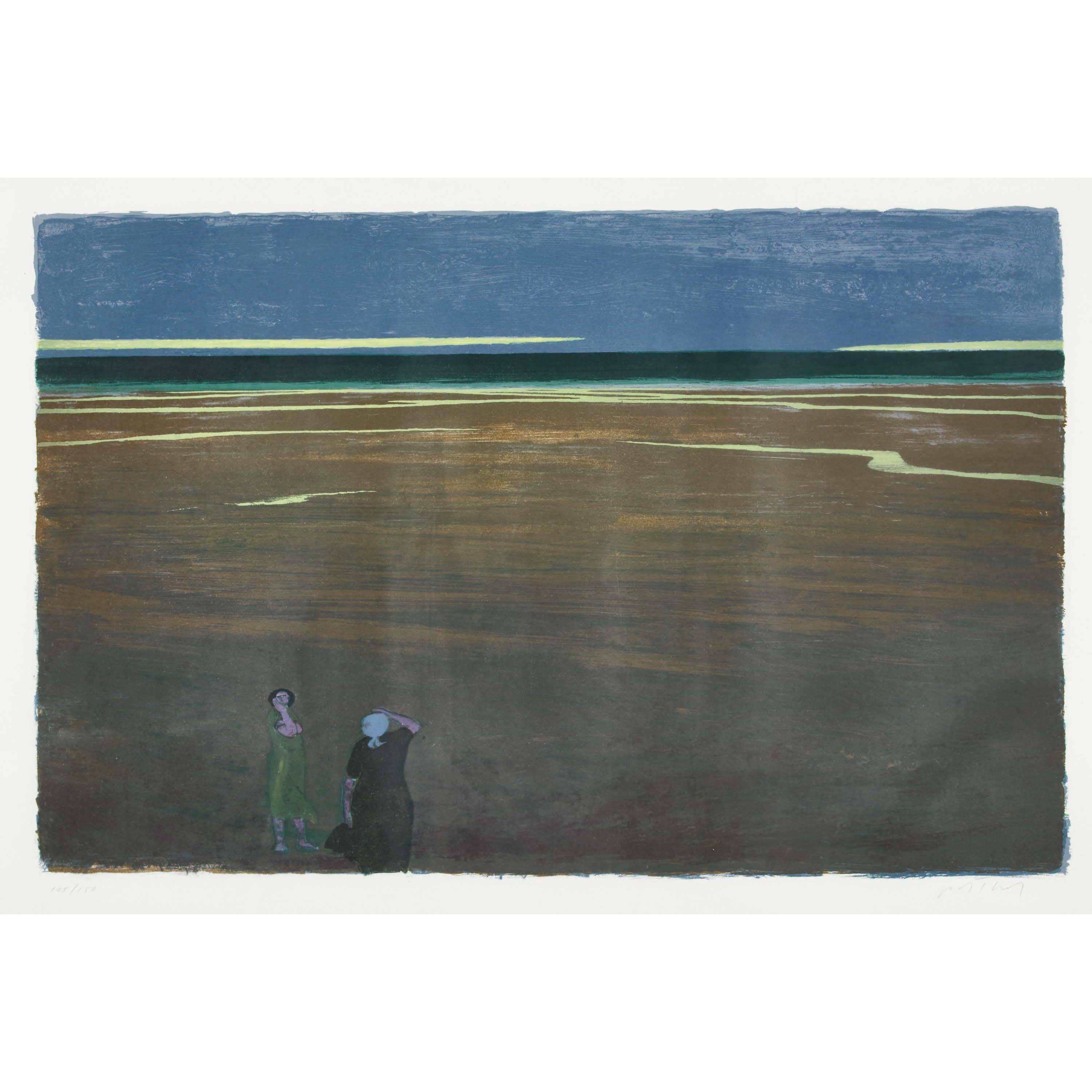
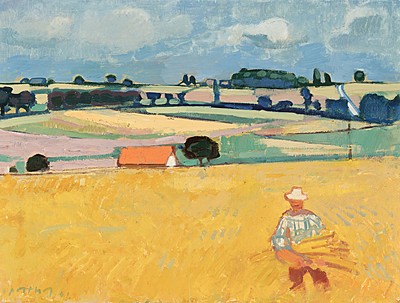
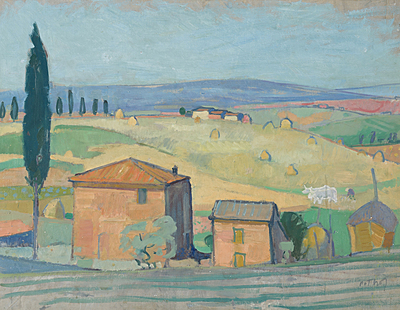
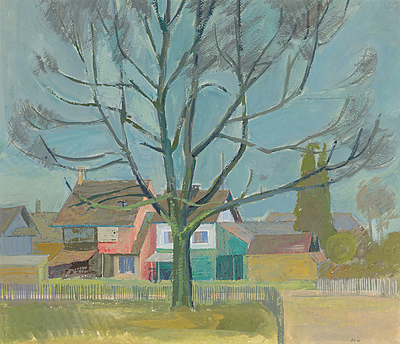
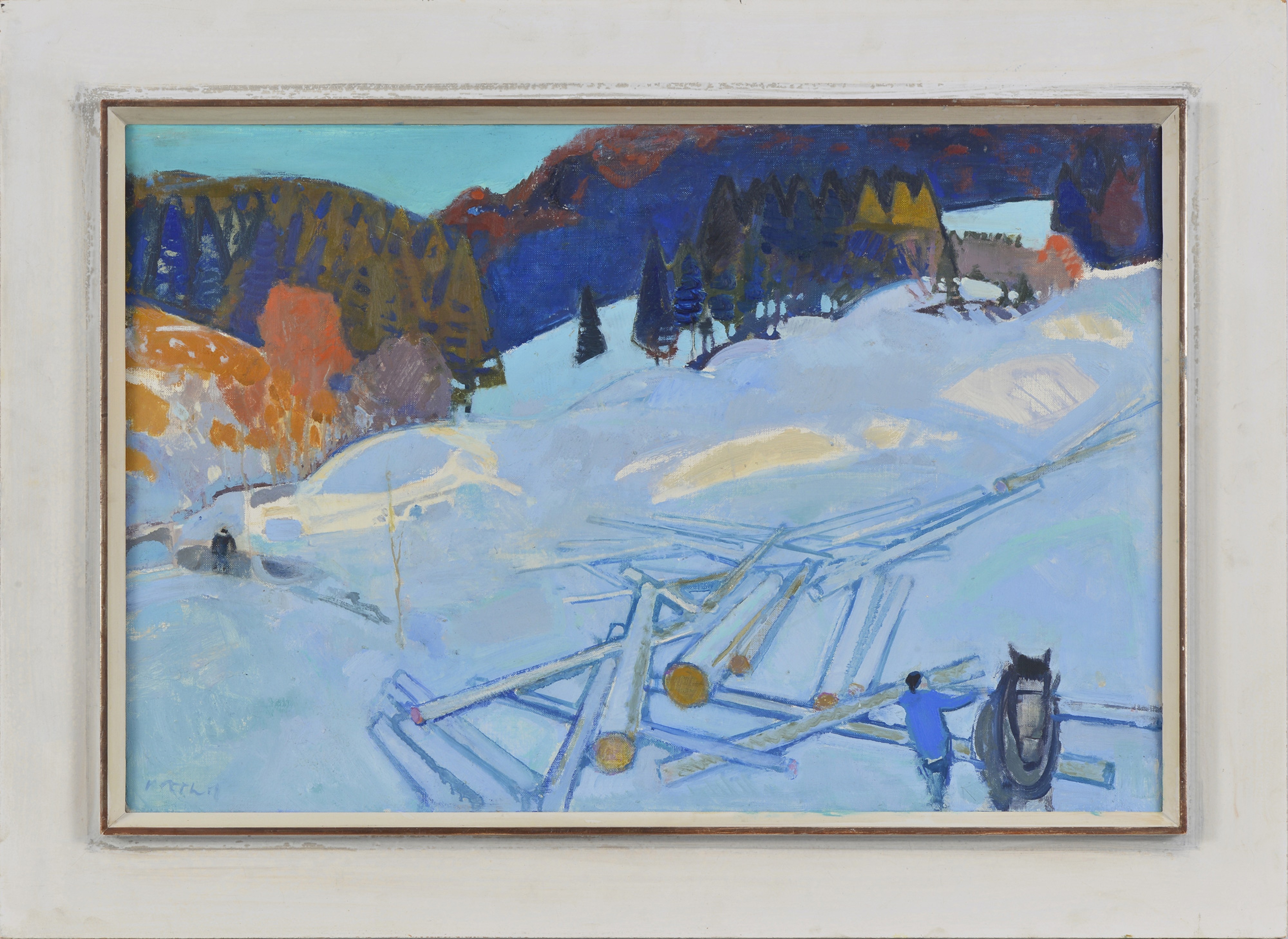
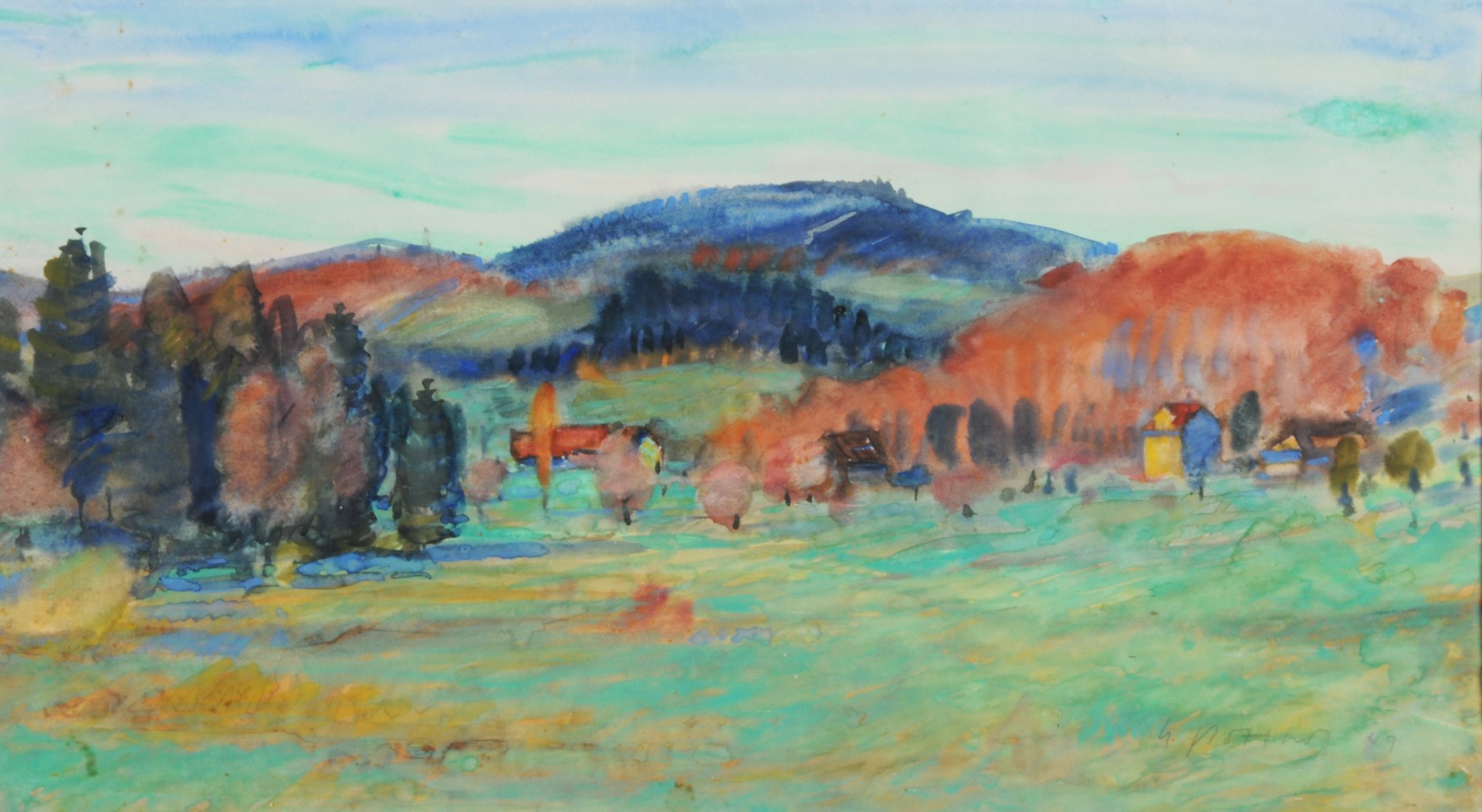
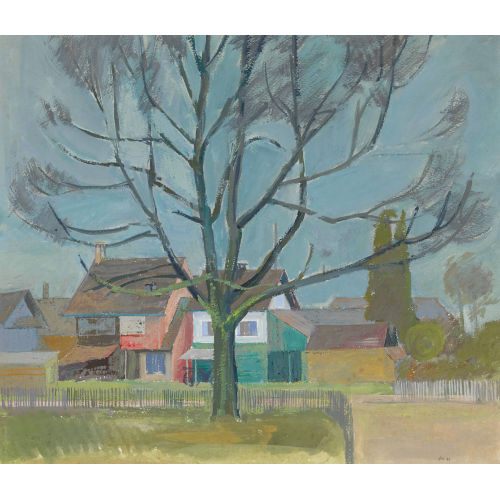
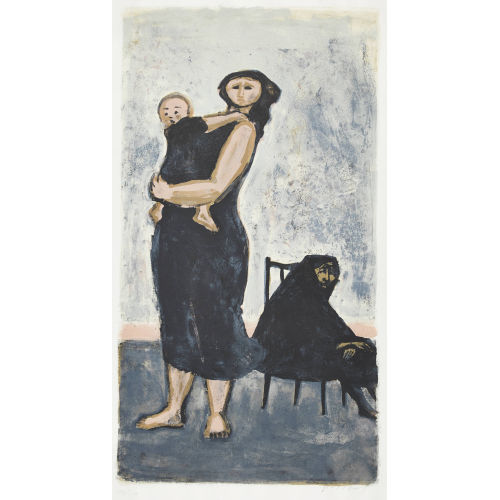
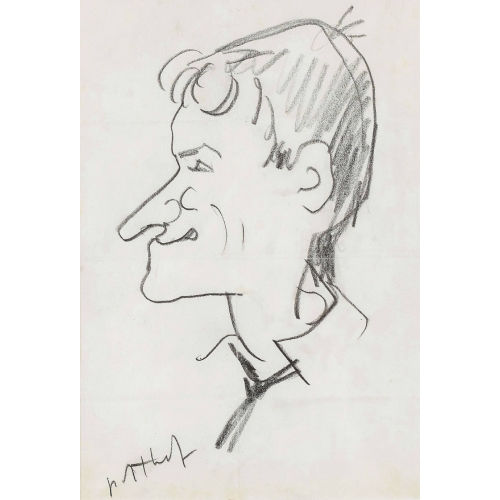
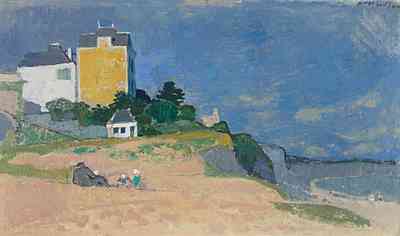
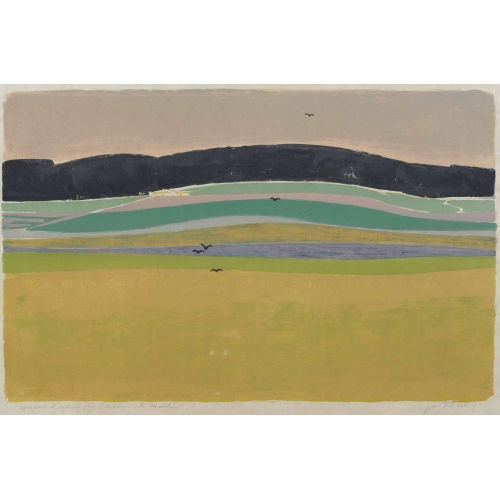
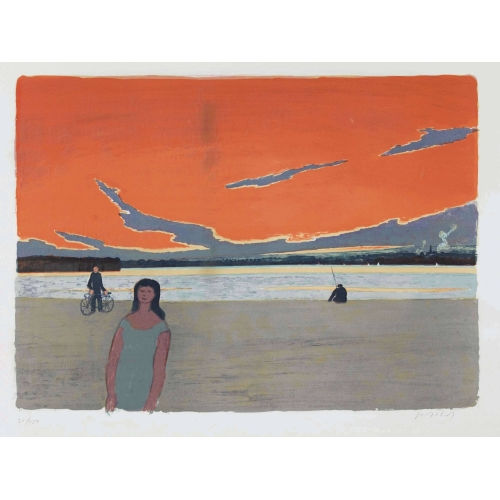
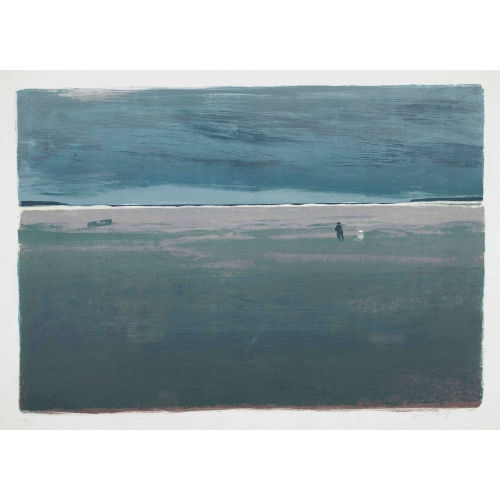
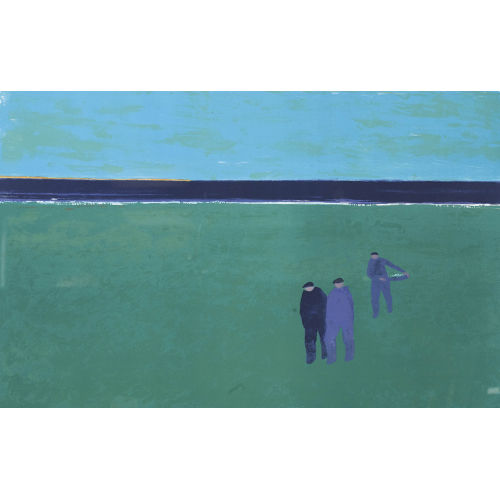
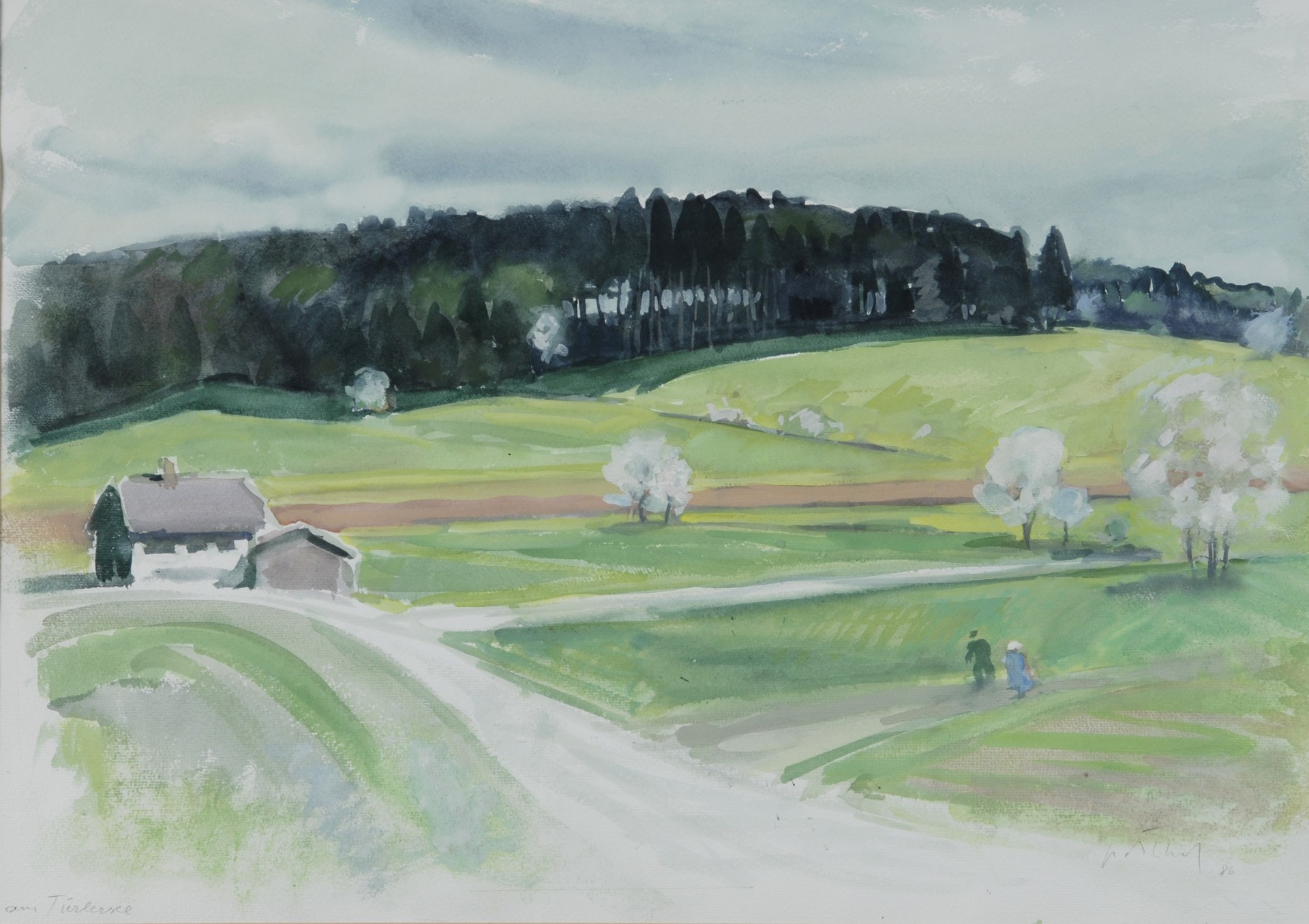
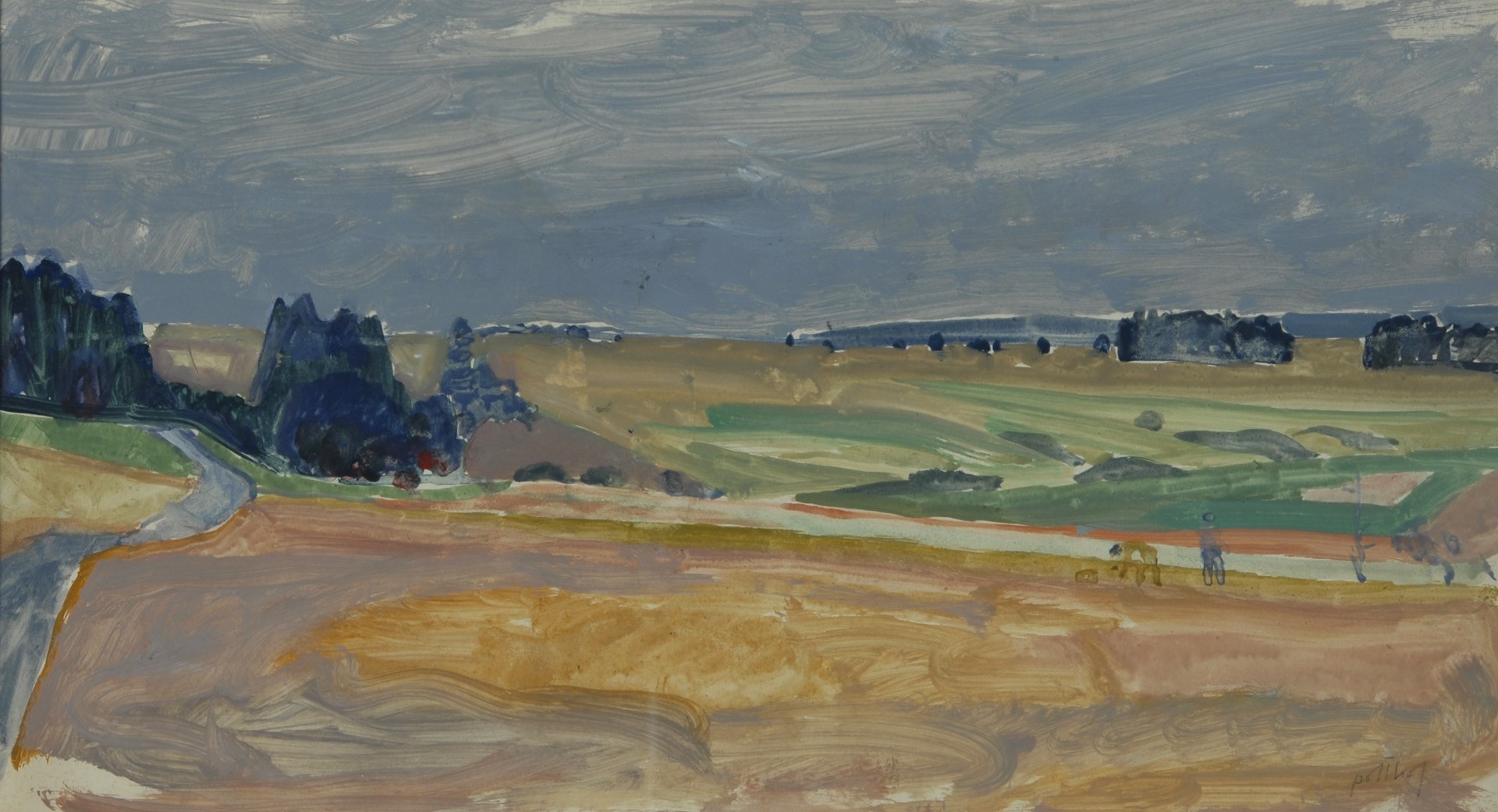
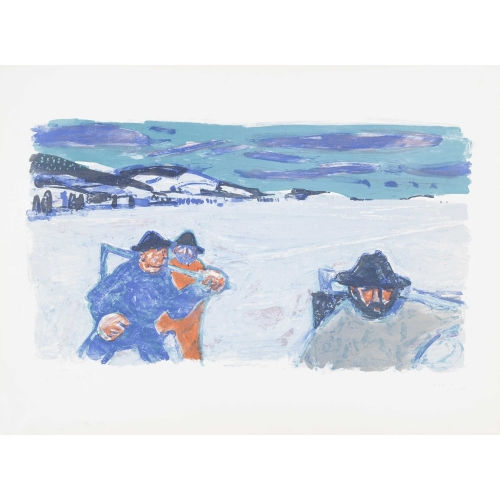
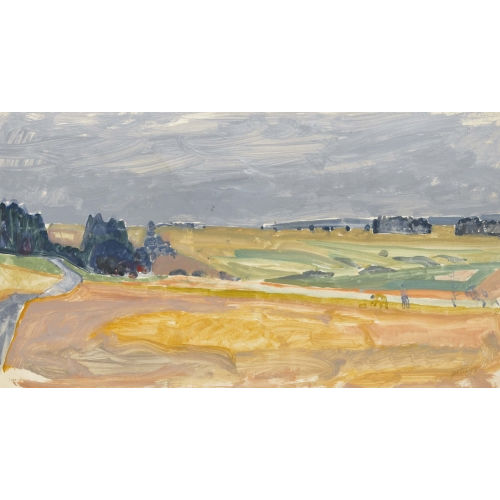
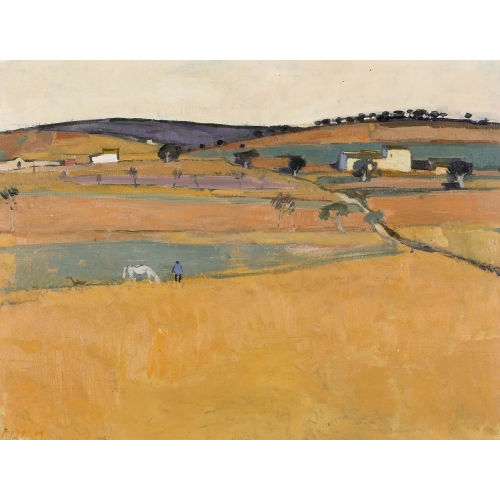
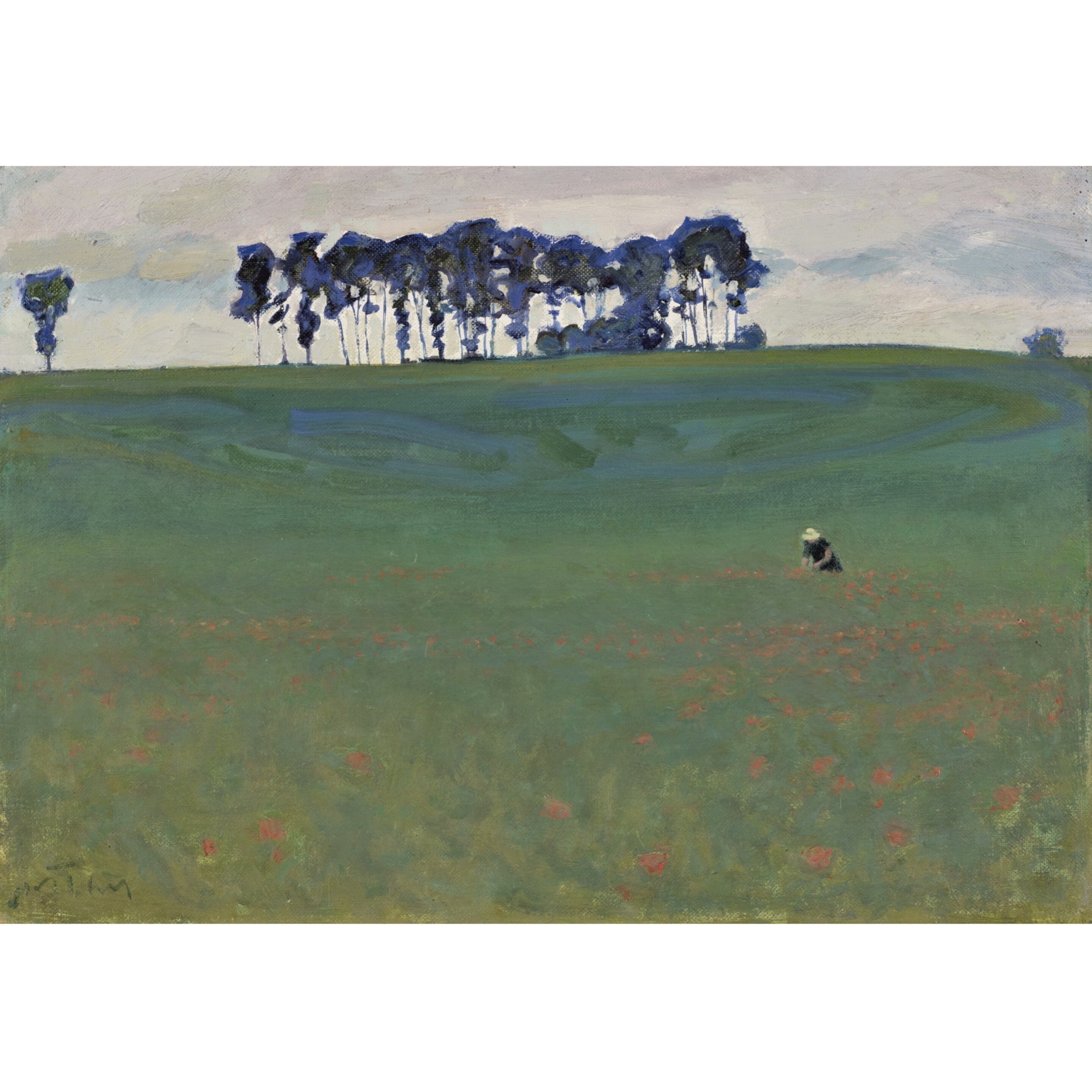
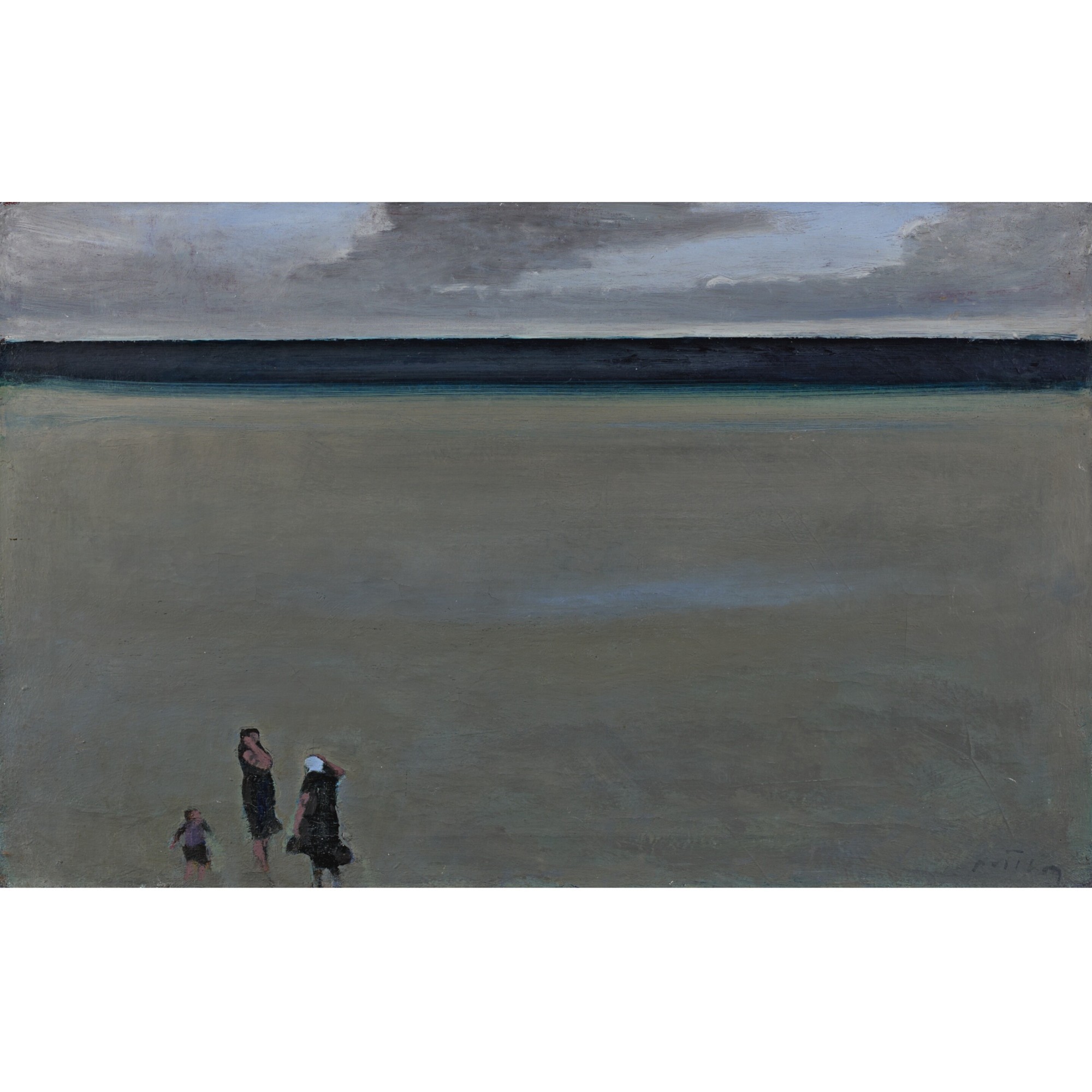
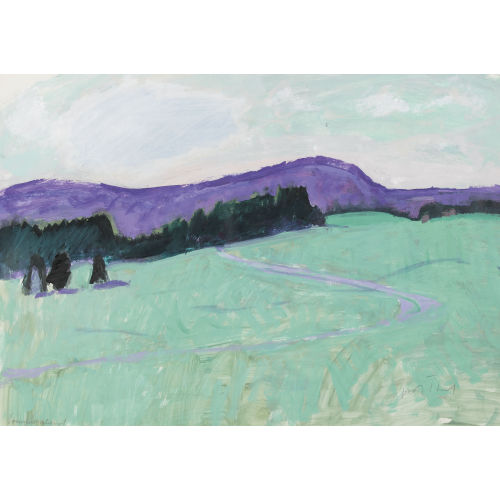
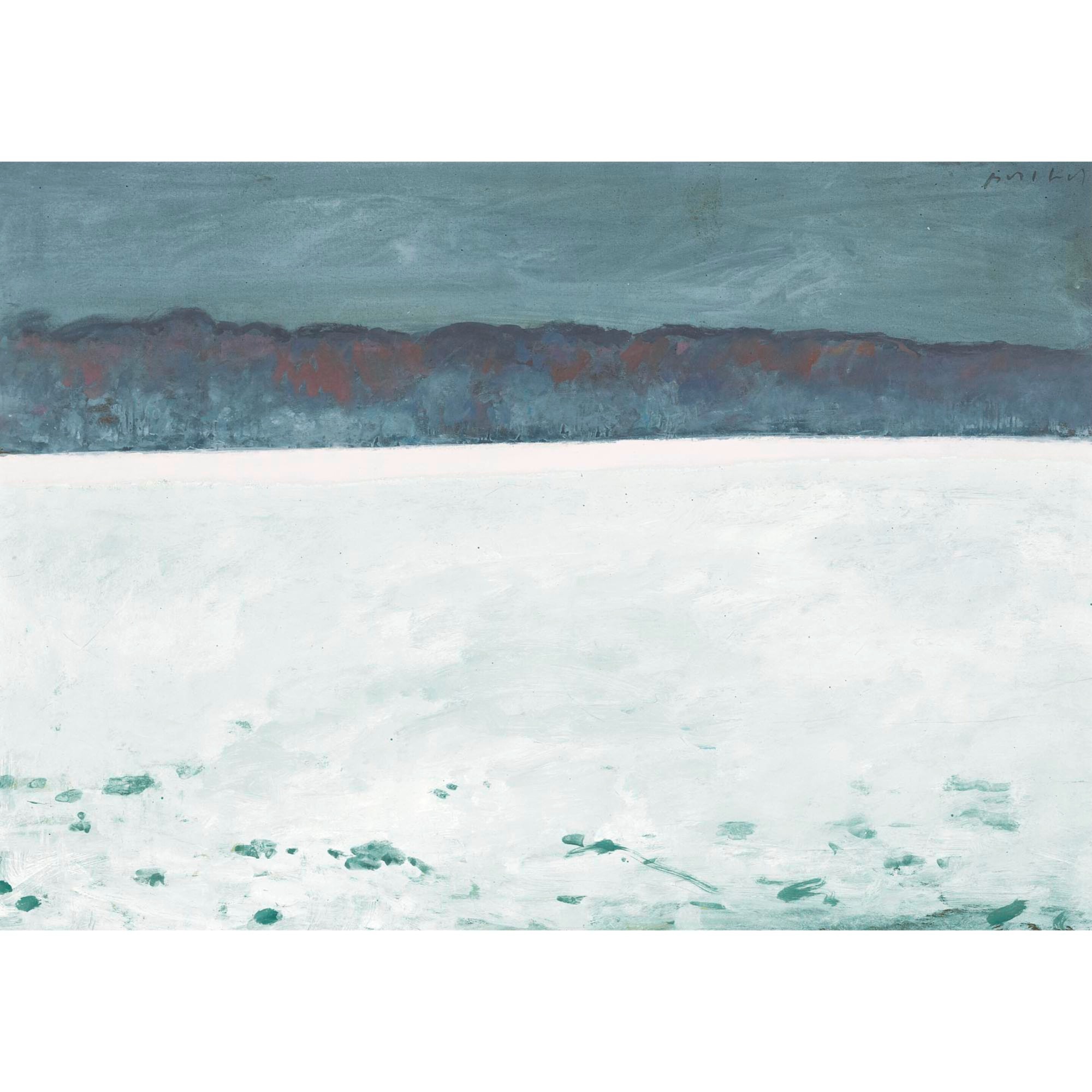
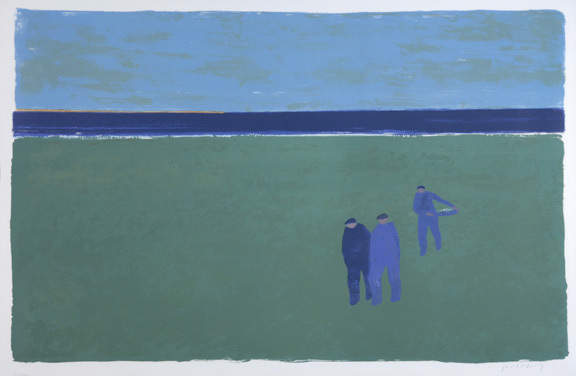
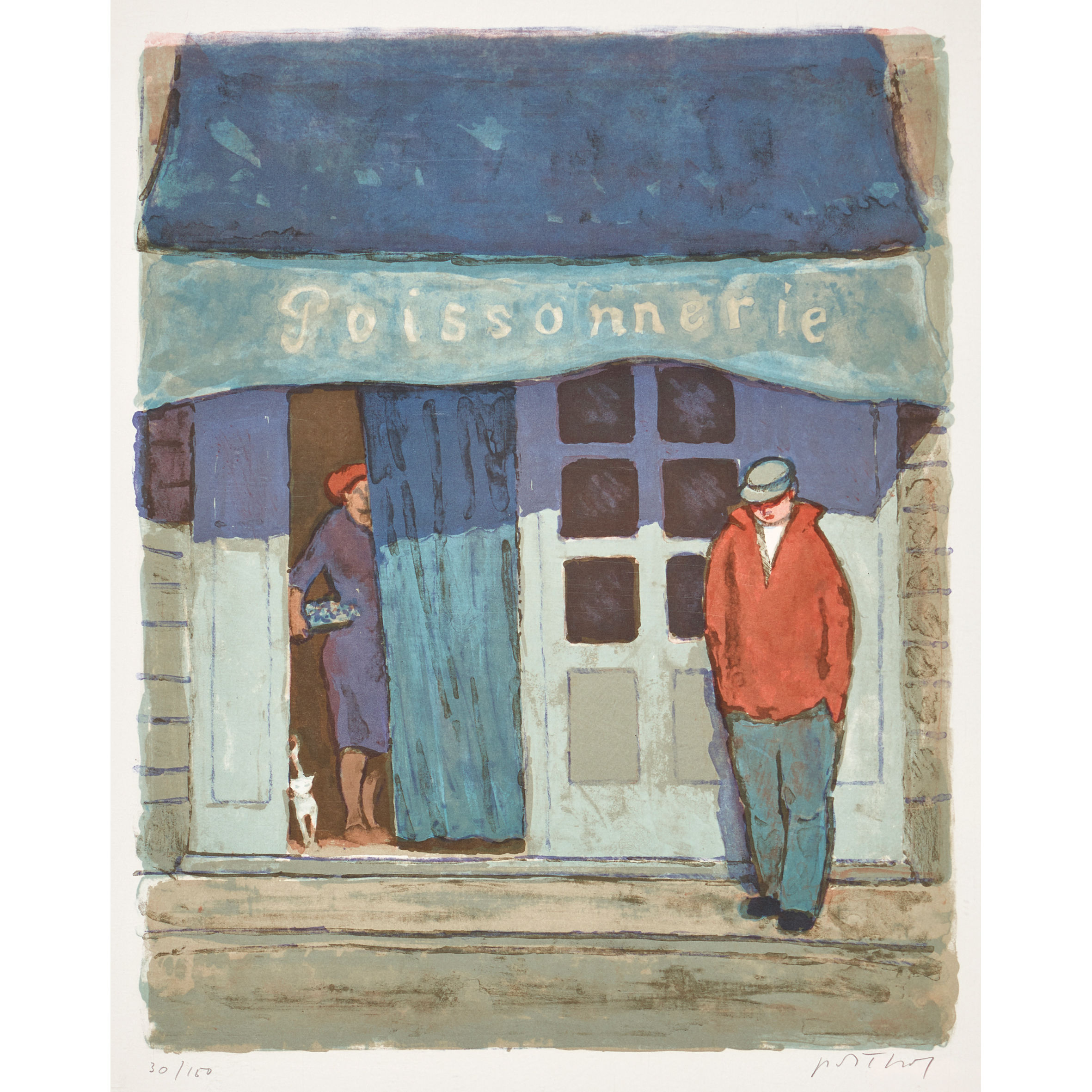
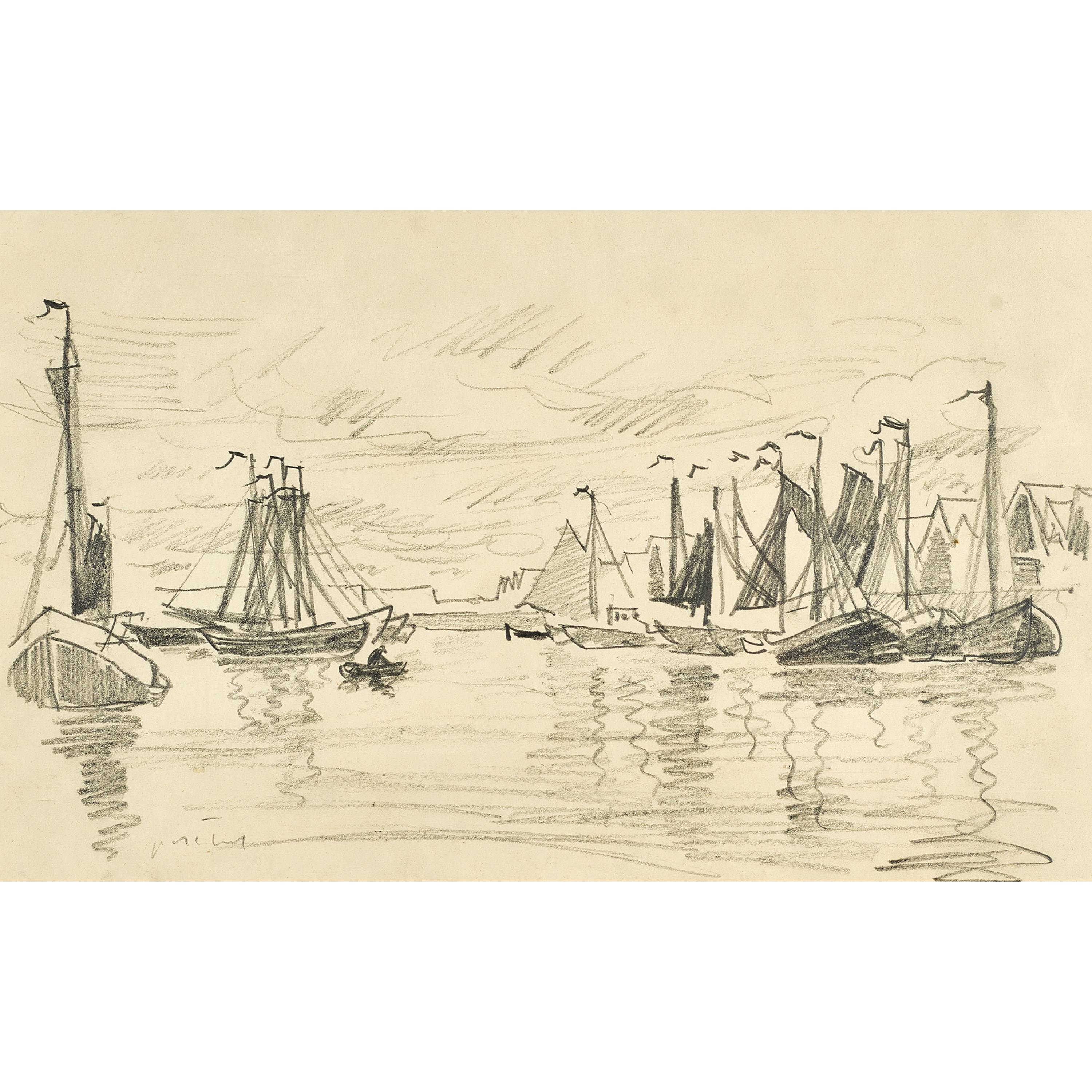
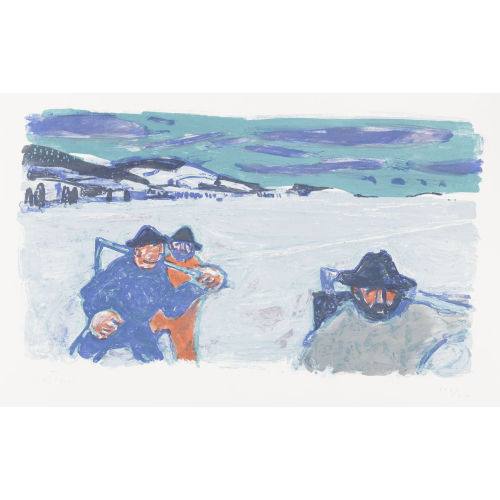
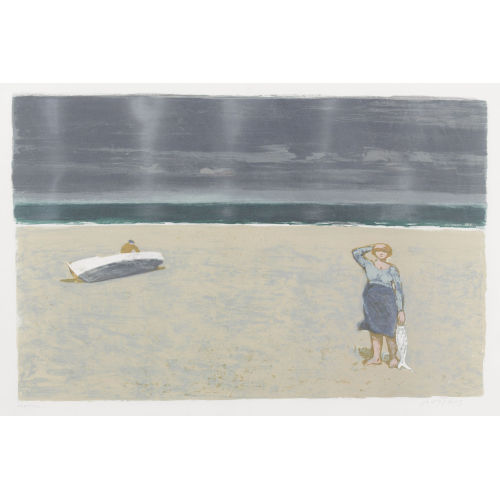
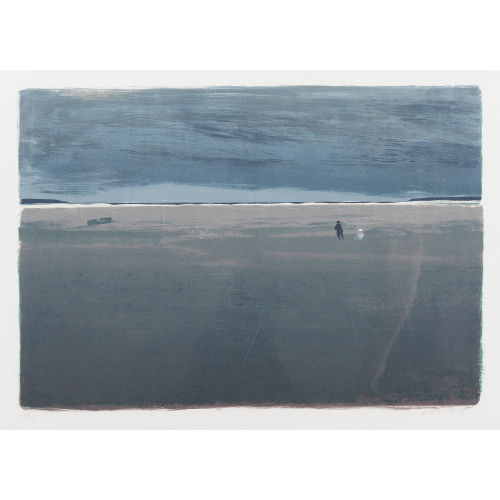
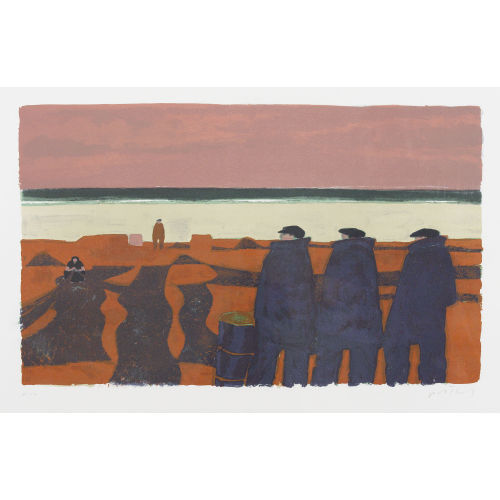
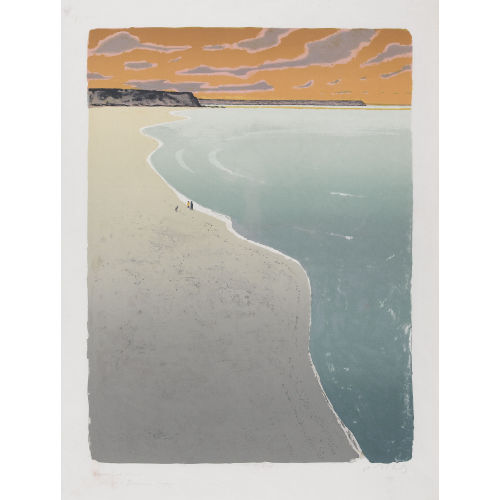
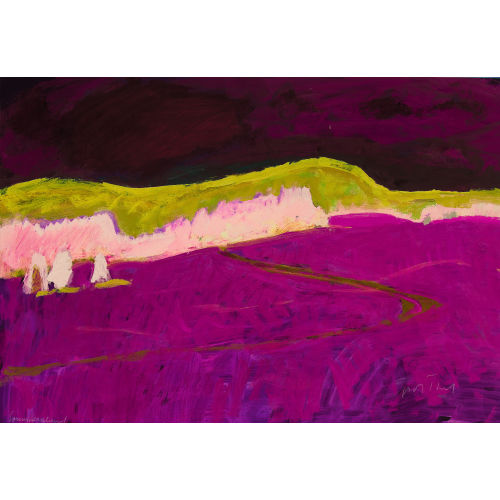
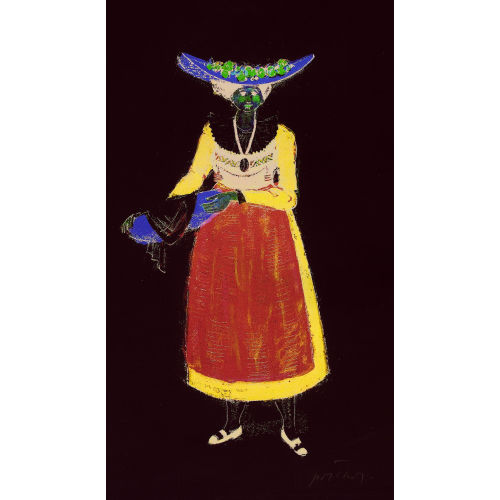
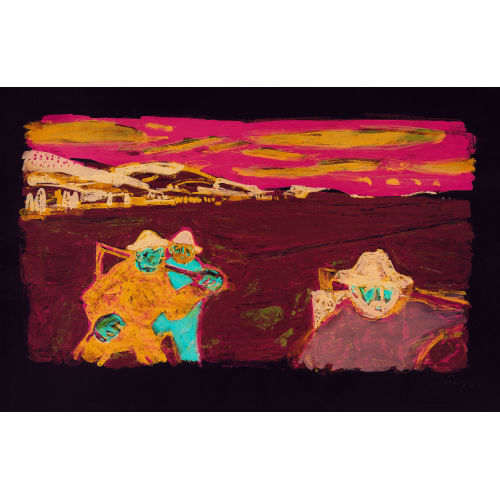
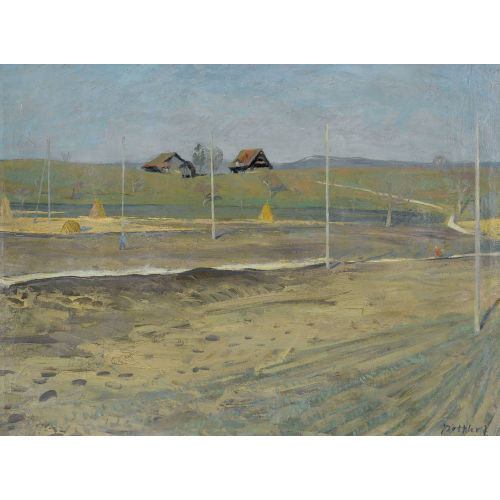
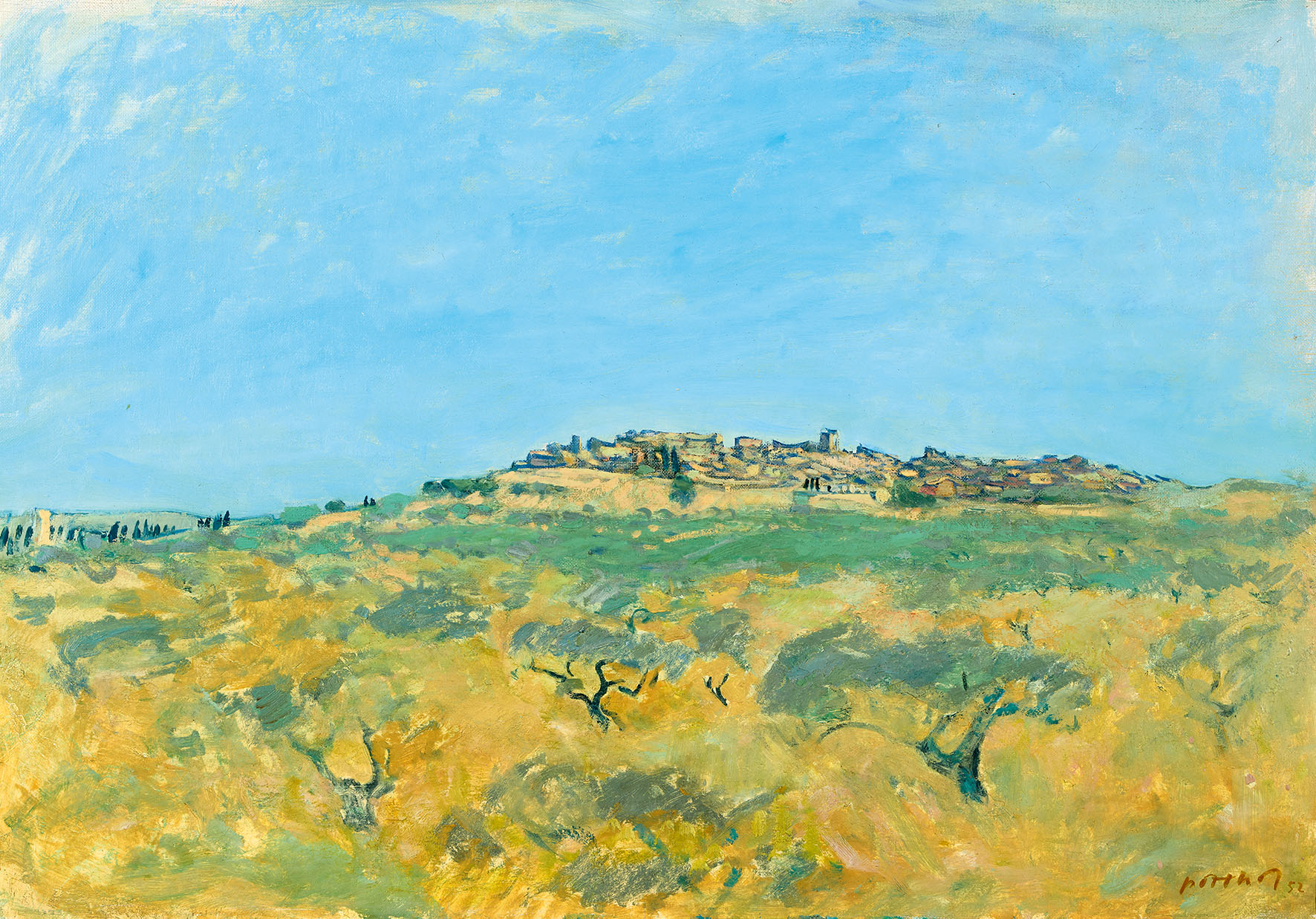
Hans Potthof (1911–2003) developed an oeuvre in which an attachment to the landscape is accompanied by a genuine curiosity about the possibilities of the image. As a painter, draughtsman and photographer, he helped shape the artistic representation of the Zug region while also exploring visual languages informed by European modernity.
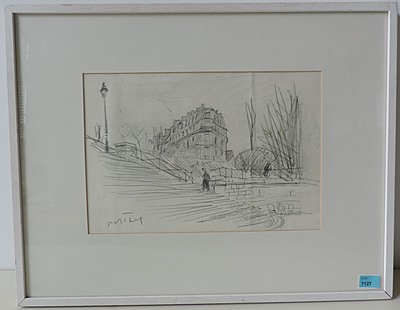
His career began in building technology and commercial graphic design. After graduating from the Technikum in Winterthur in 1933, he worked in an architectural office and then ran the Stepo advertising studio with Karl Steichele. A stay in Paris in 1938–1939 led him towards oil painting.
In 1940, he took part in founding the Freie Zuger Künstler. His friendship with Fritz Wotruba, then a refugee in Zug, encouraged him in his vocation and gave him access to the circle of the collector Oskar Reinhart.
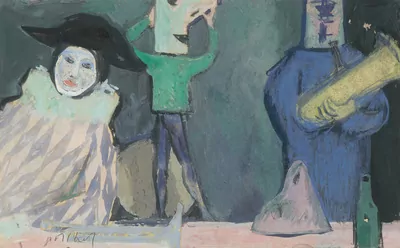
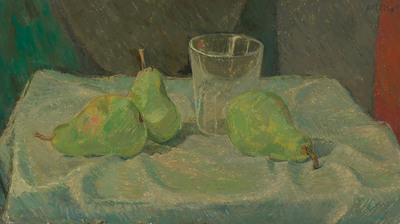
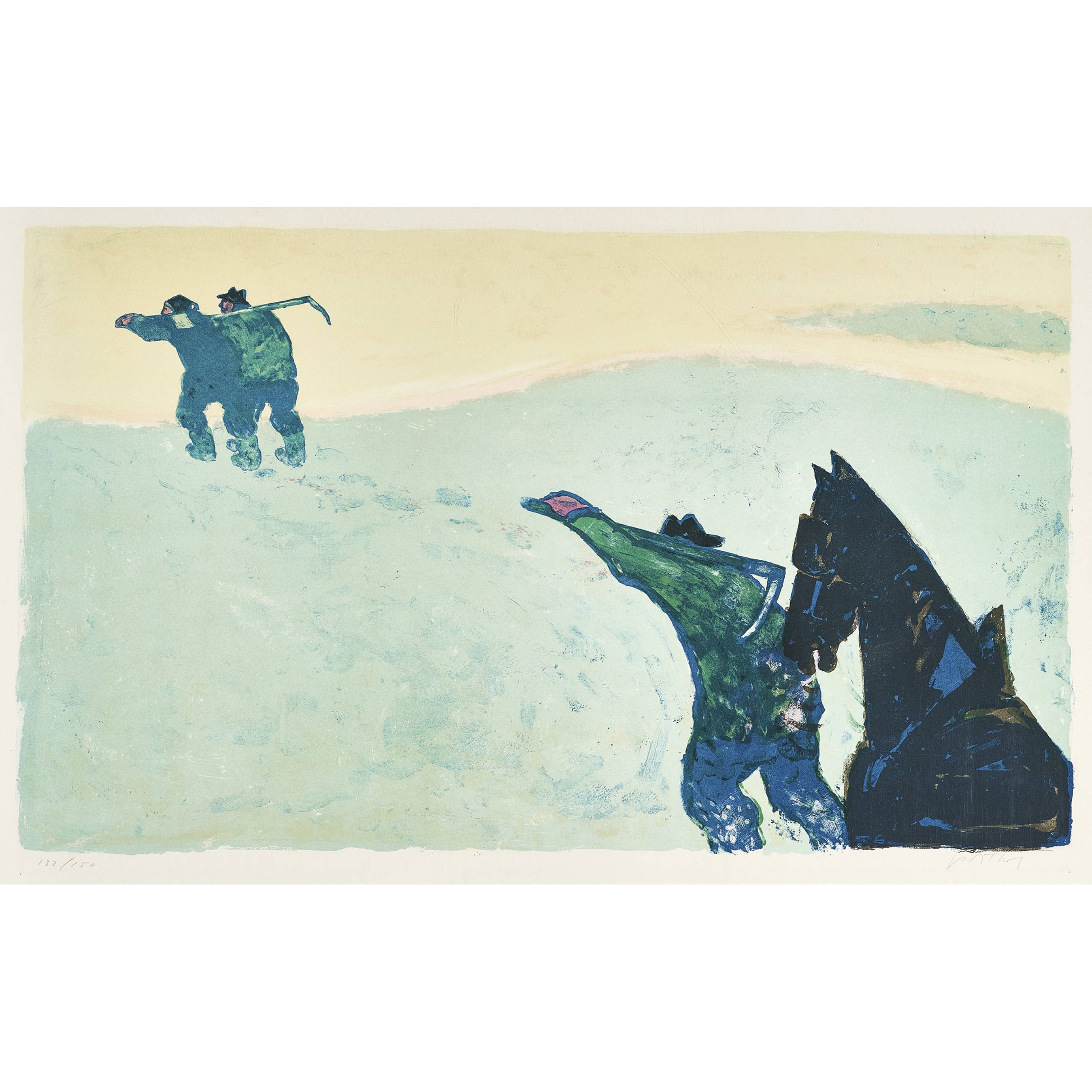
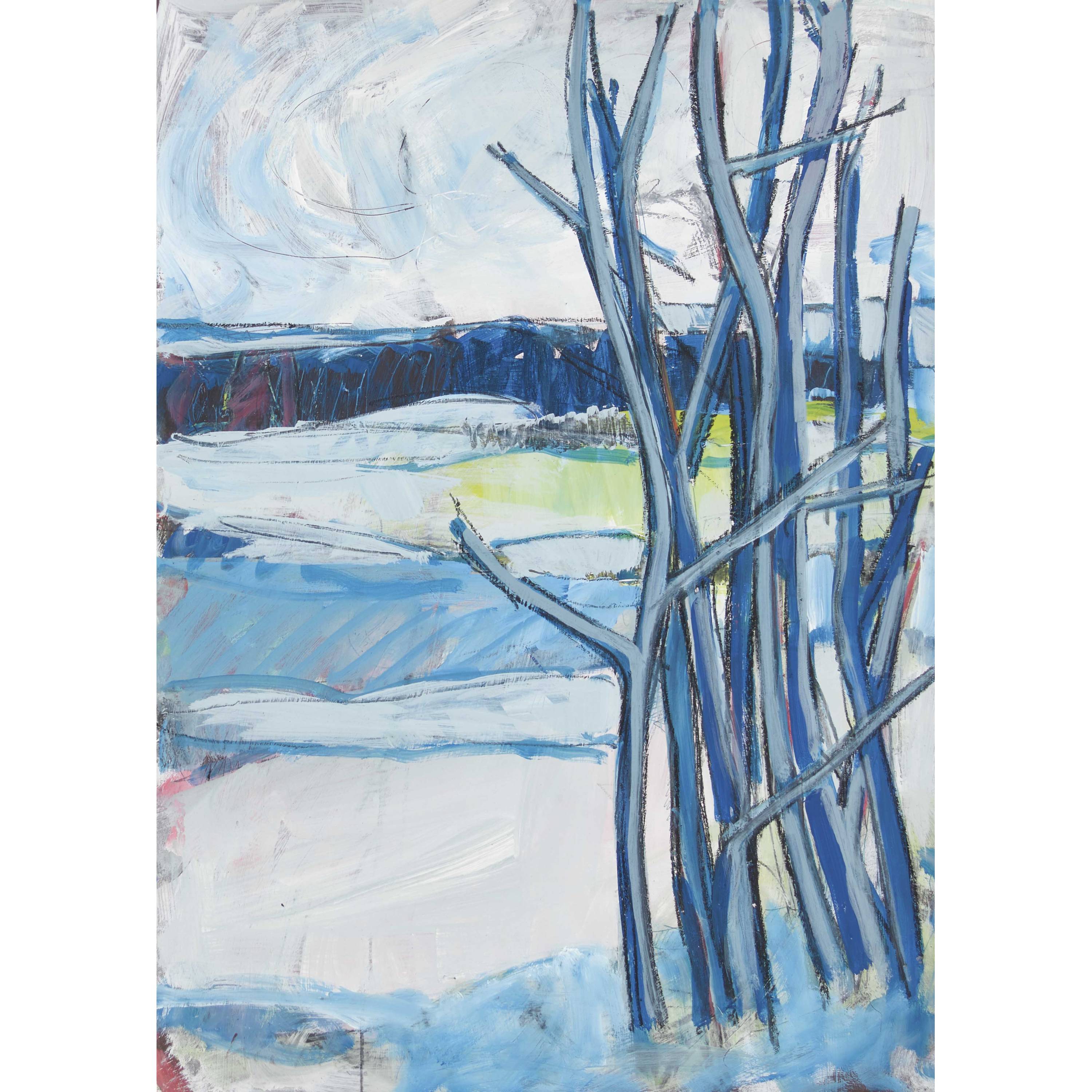
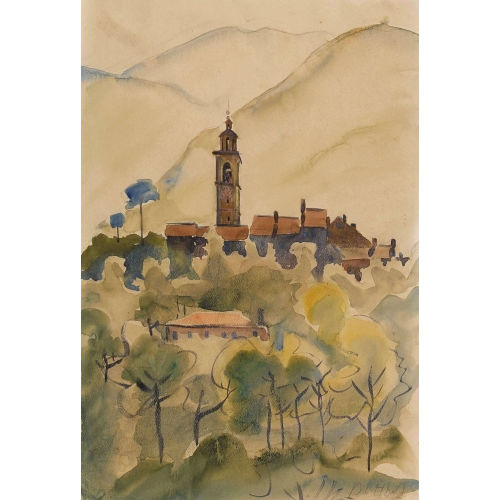
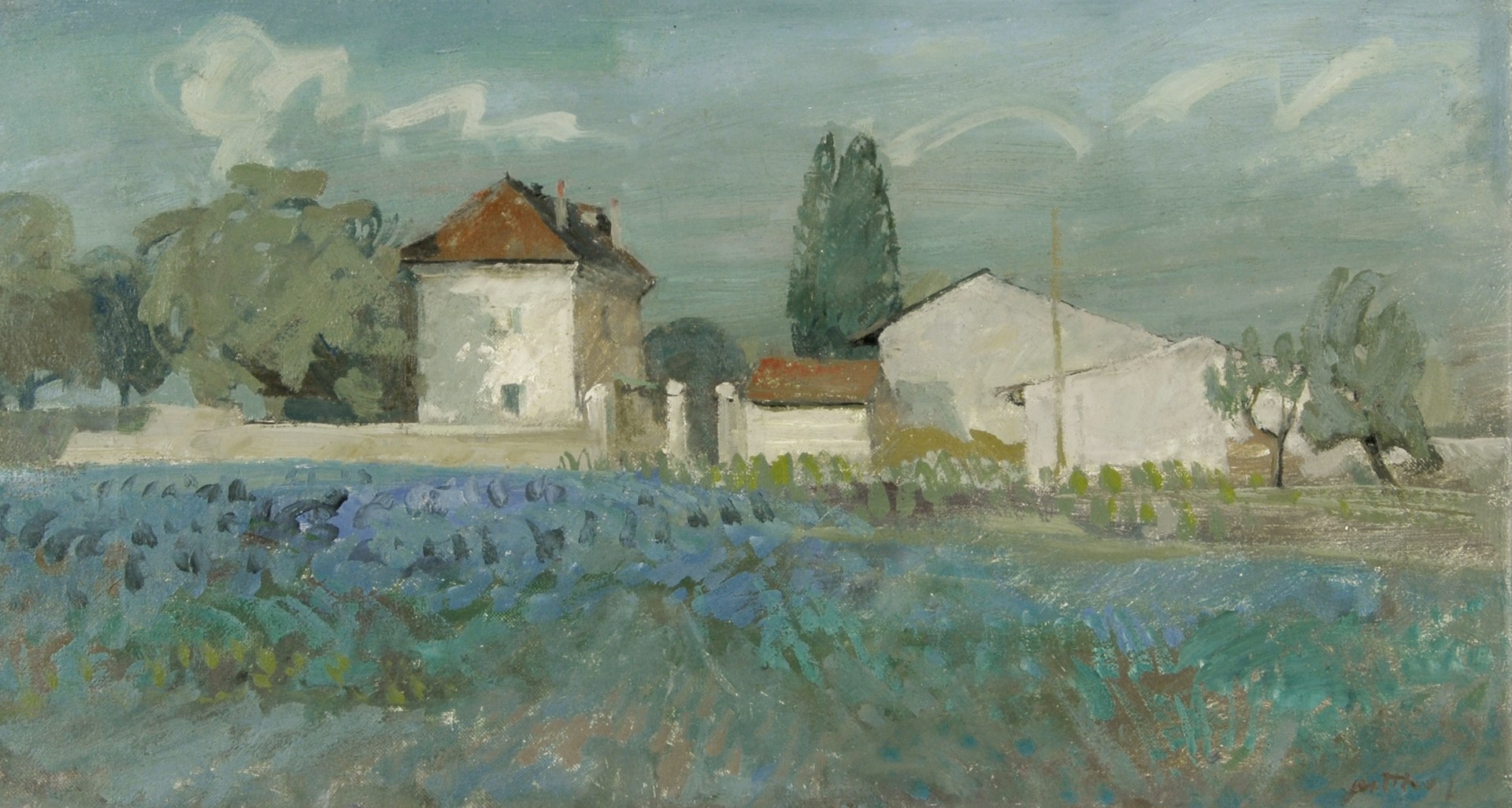
ZugArt’s research sheds light on the richness of his early years: drawings and watercolours were followed by paintings whose formal invention intersected with post-expressionism, Surrealism and the New Objectivity. From the mid-1930s onwards, Potthof also practised photography. Long little exhibited, this body of work reveals his interest in New Vision and broadens the reading of his work beyond the paintings that have since become familiar.
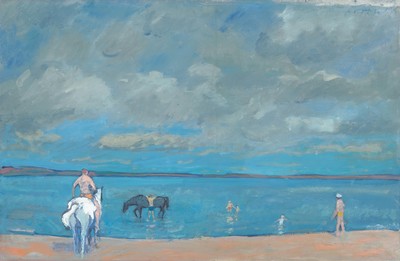
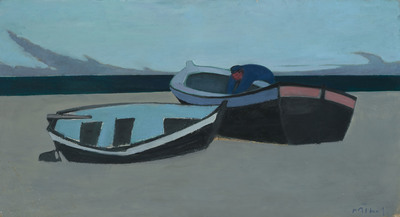
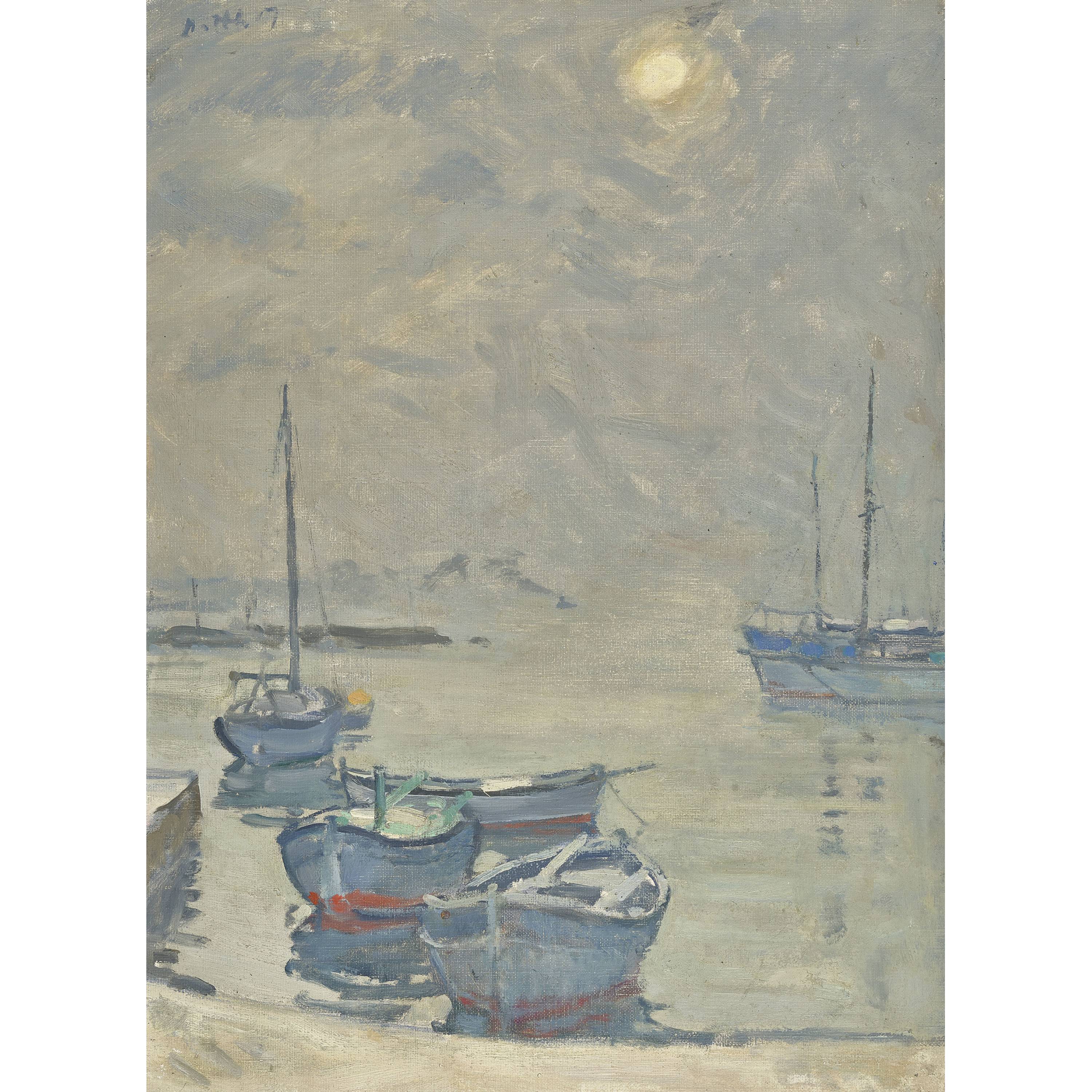
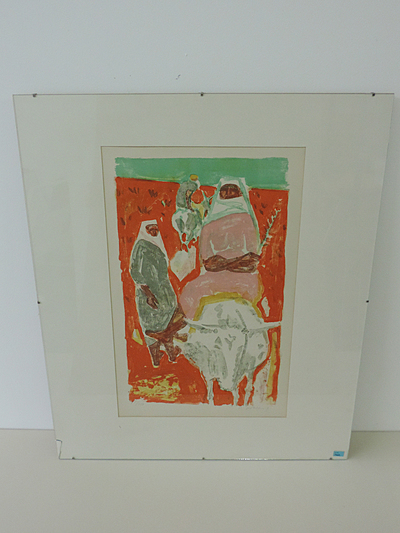
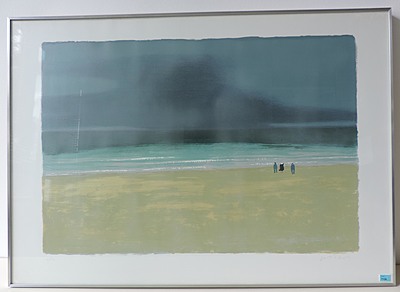
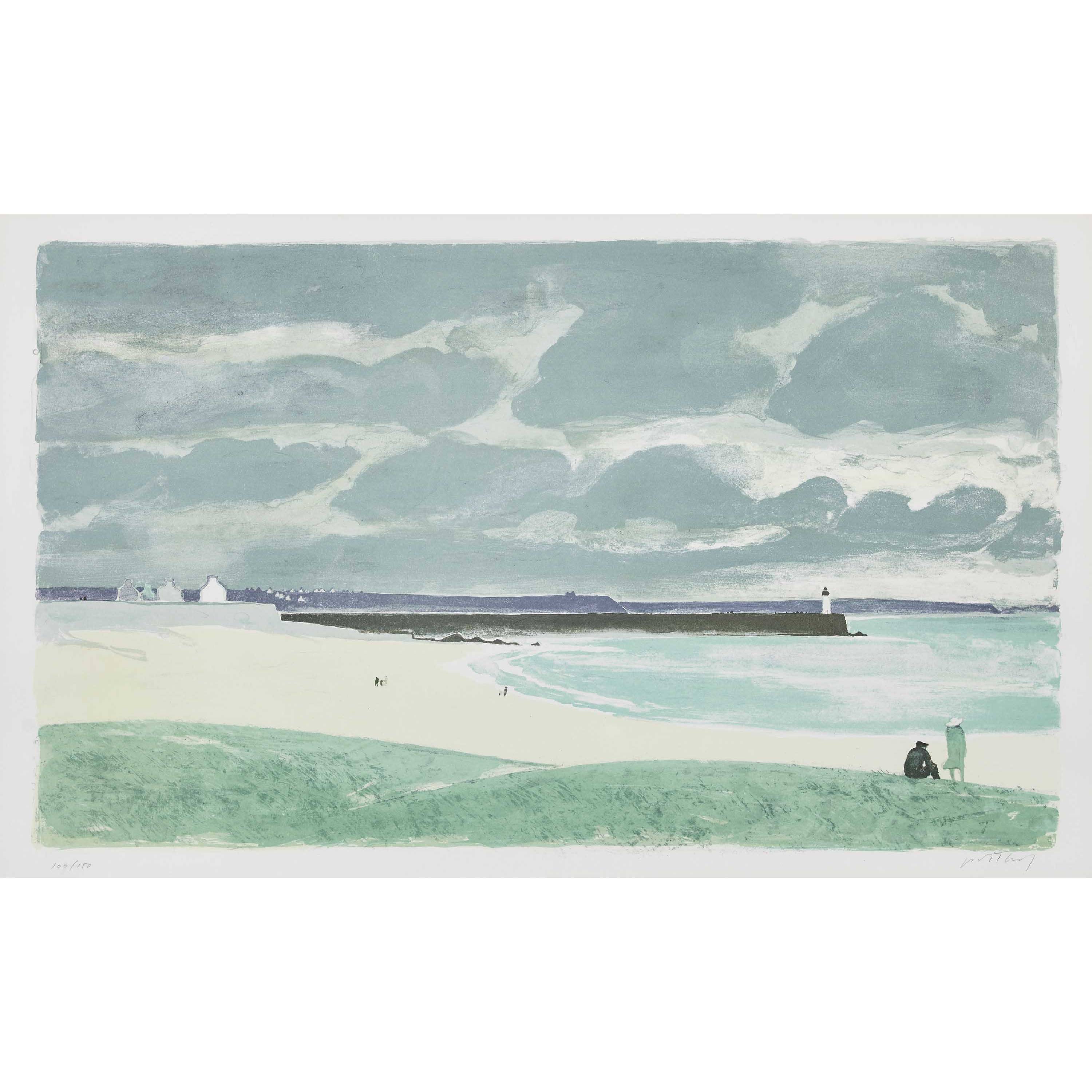
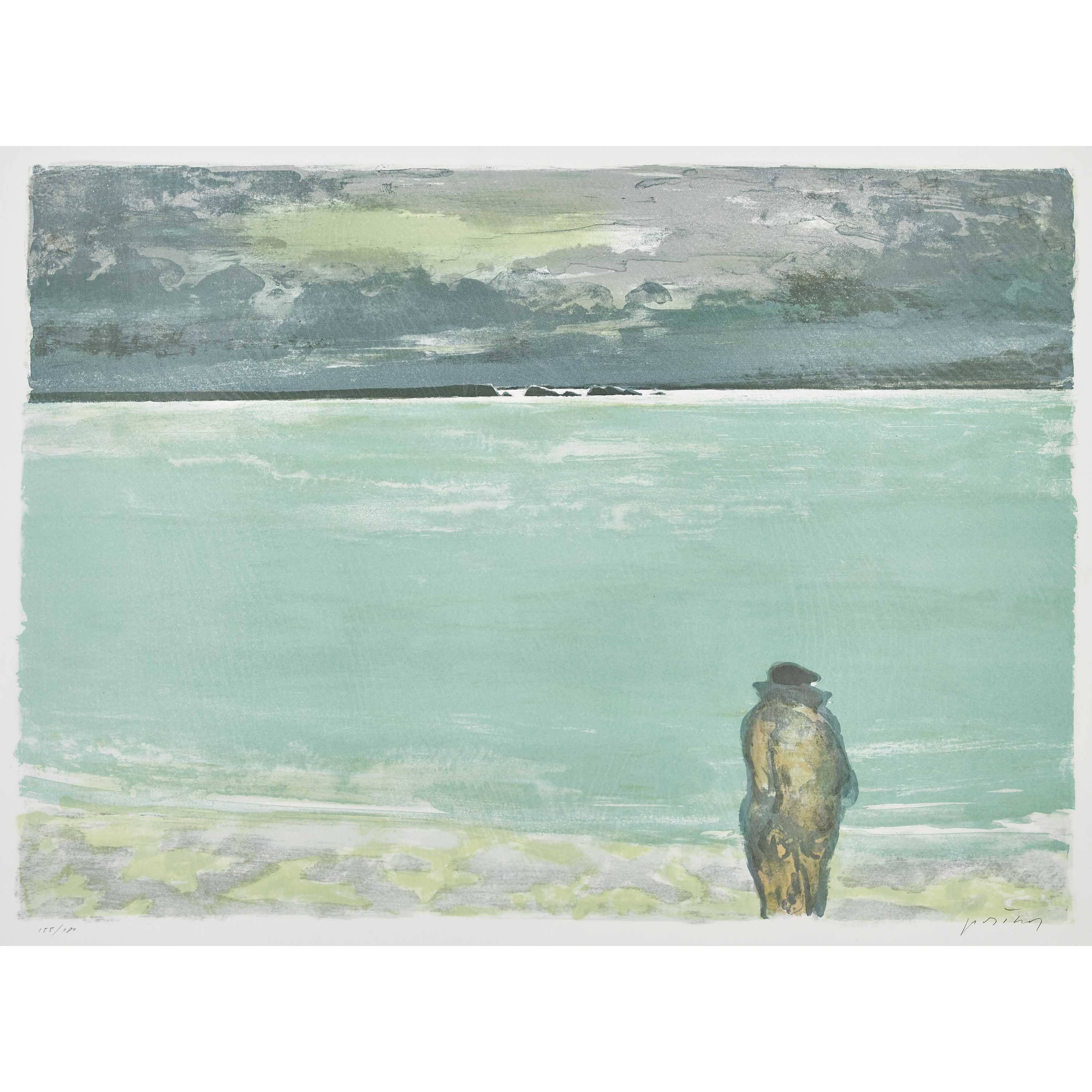
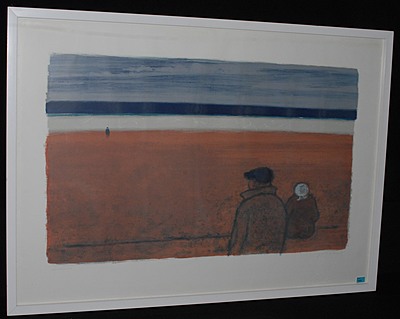
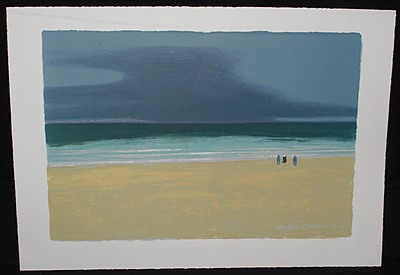
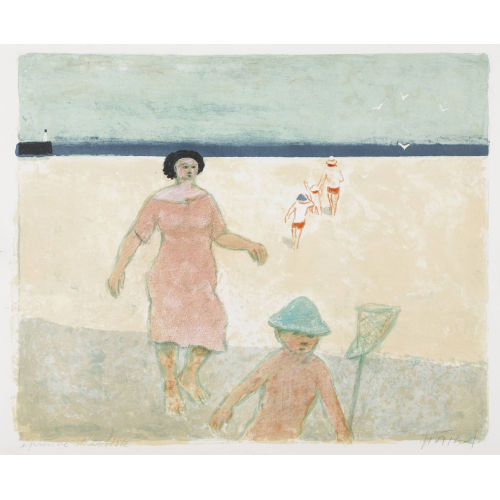
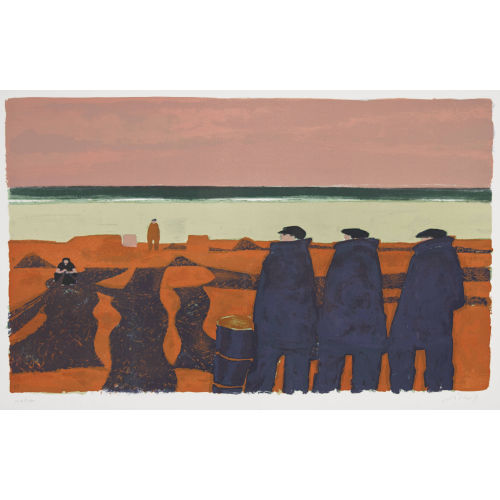
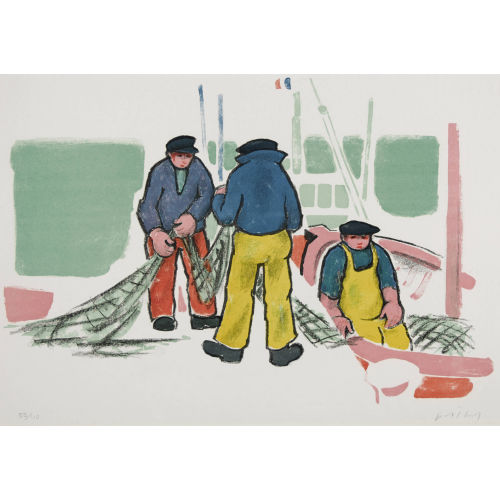
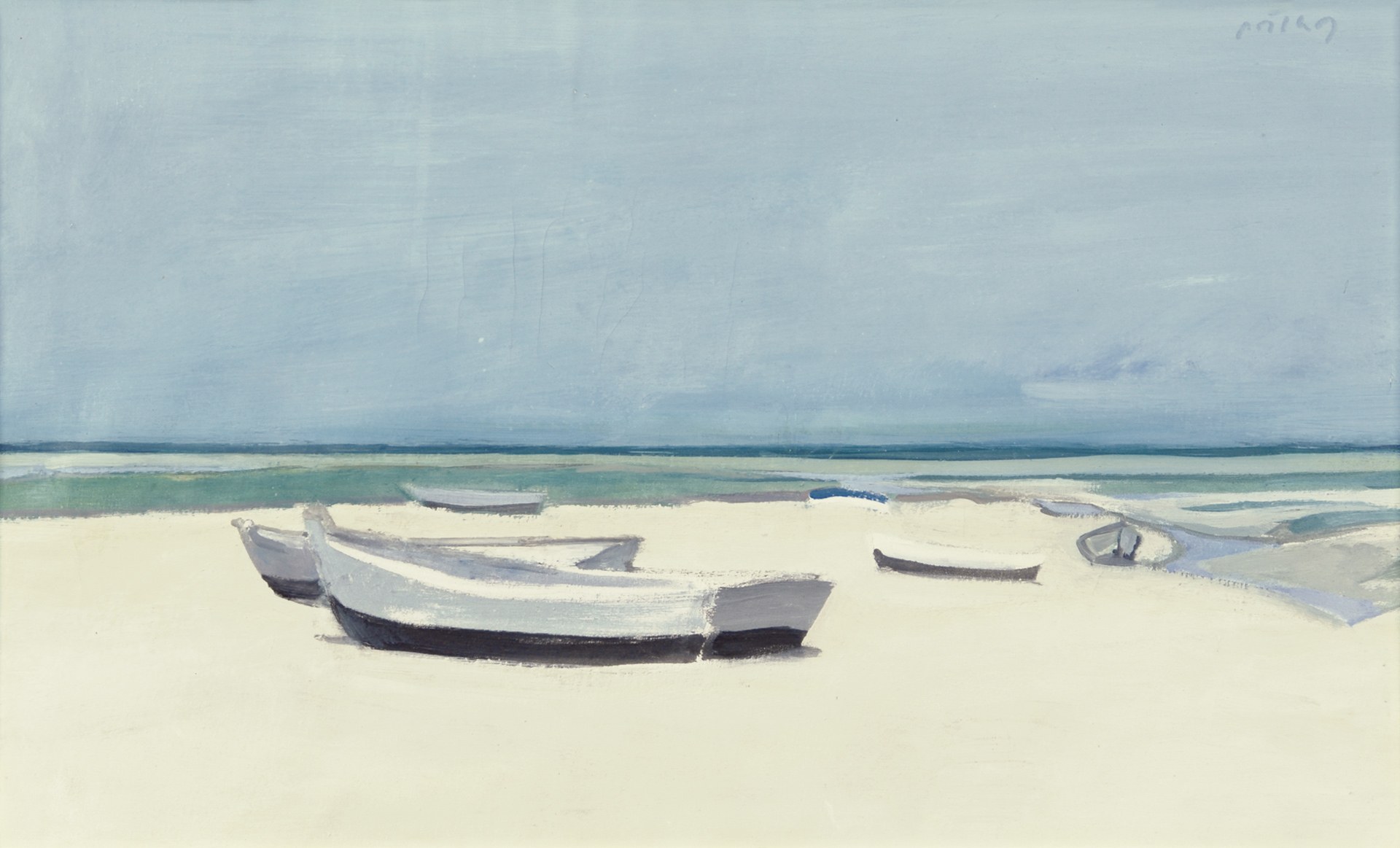
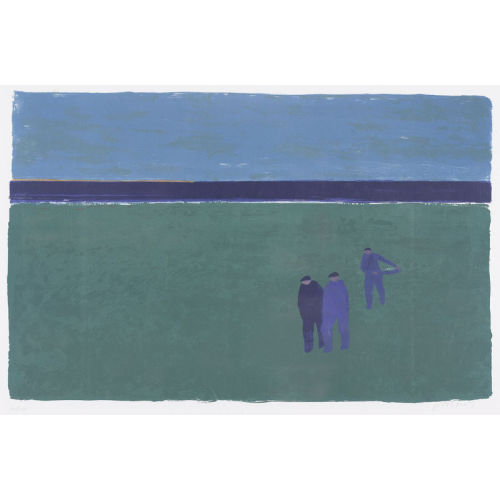
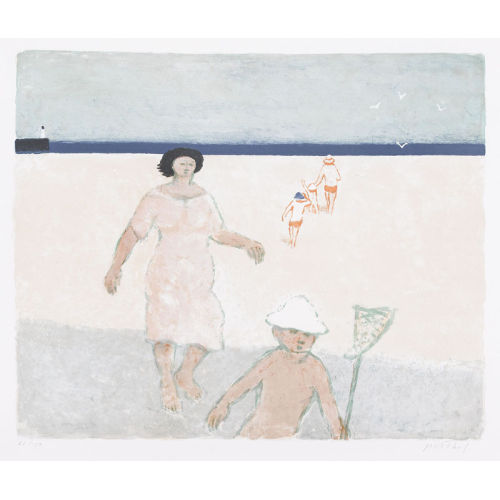
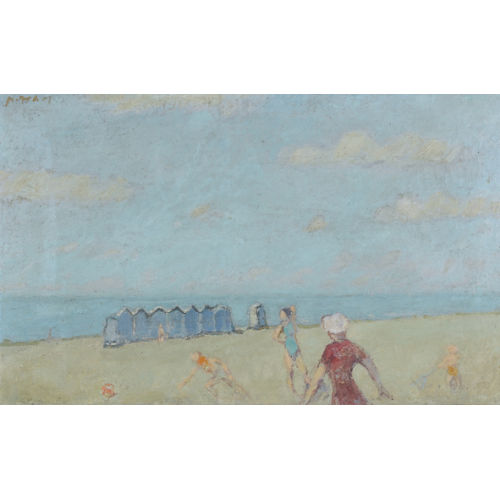
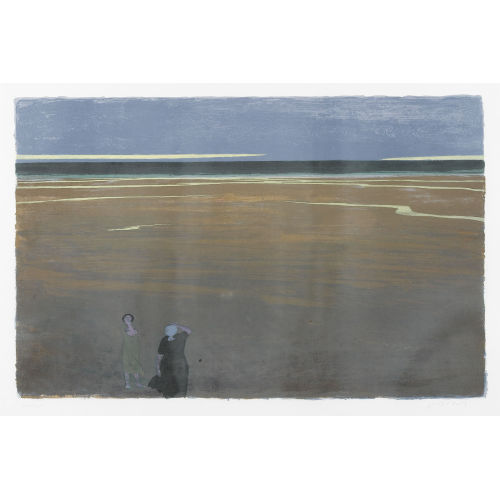
Lakes and the sea occupy an important place in his artistic universe. His travels in France and the Mediterranean countries nourished a production of paintings, watercolours and drawings. His art also encountered public life through mural works, particularly in Zug.
The presentation devoted to him at Kunsthaus Zug in 2011 underscored the extent to which he transformed his region into an artistic motif and contributed to its collective imaginary.
Discovering Potthof thus invites us to bring together two experiences of looking: recognising a territory in his images and following the experiments of an artist seeking to understand how drawing, painting and photography can renew our perception.