Georges de Traz
Born in 1881.
Died in 1980.
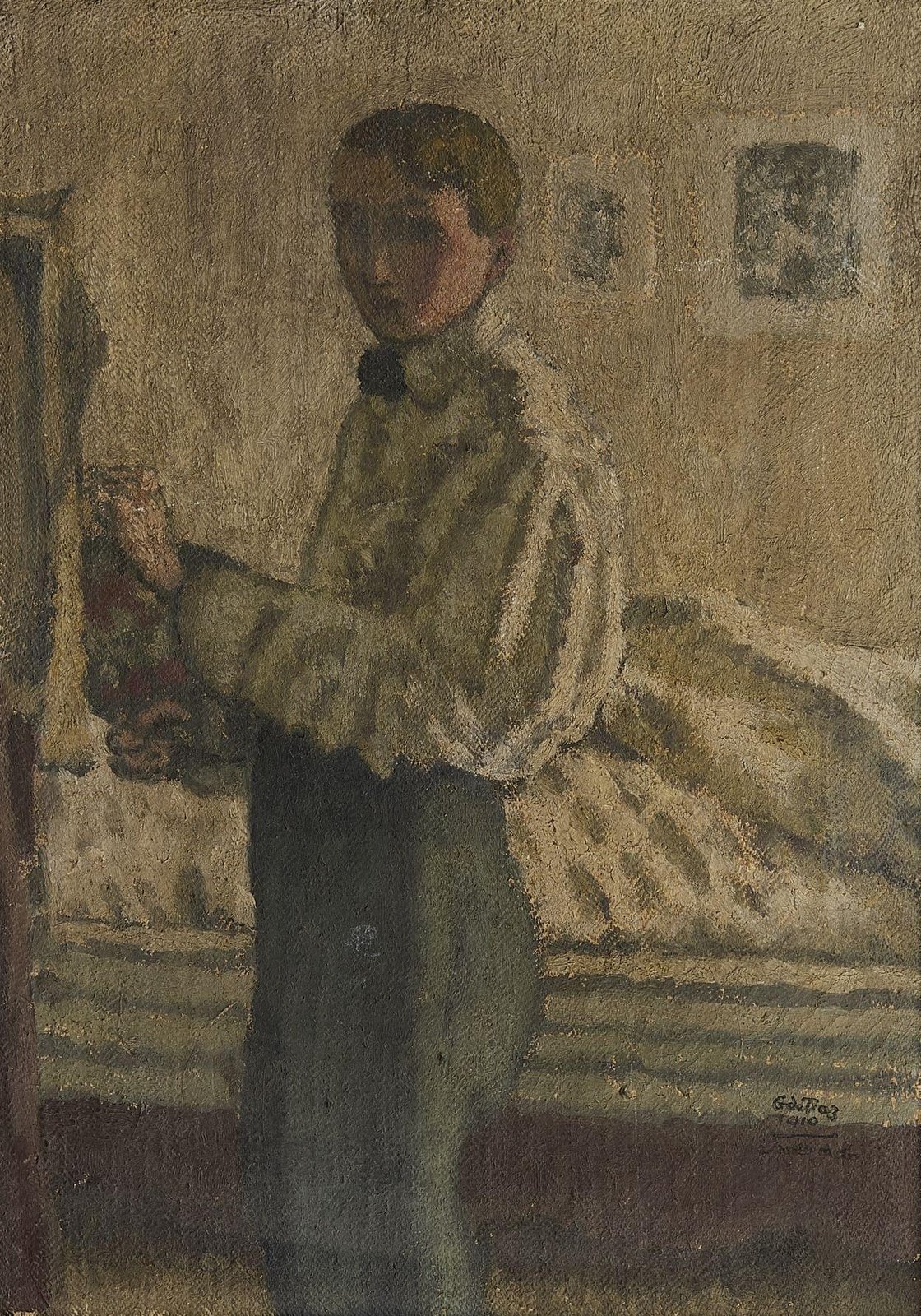
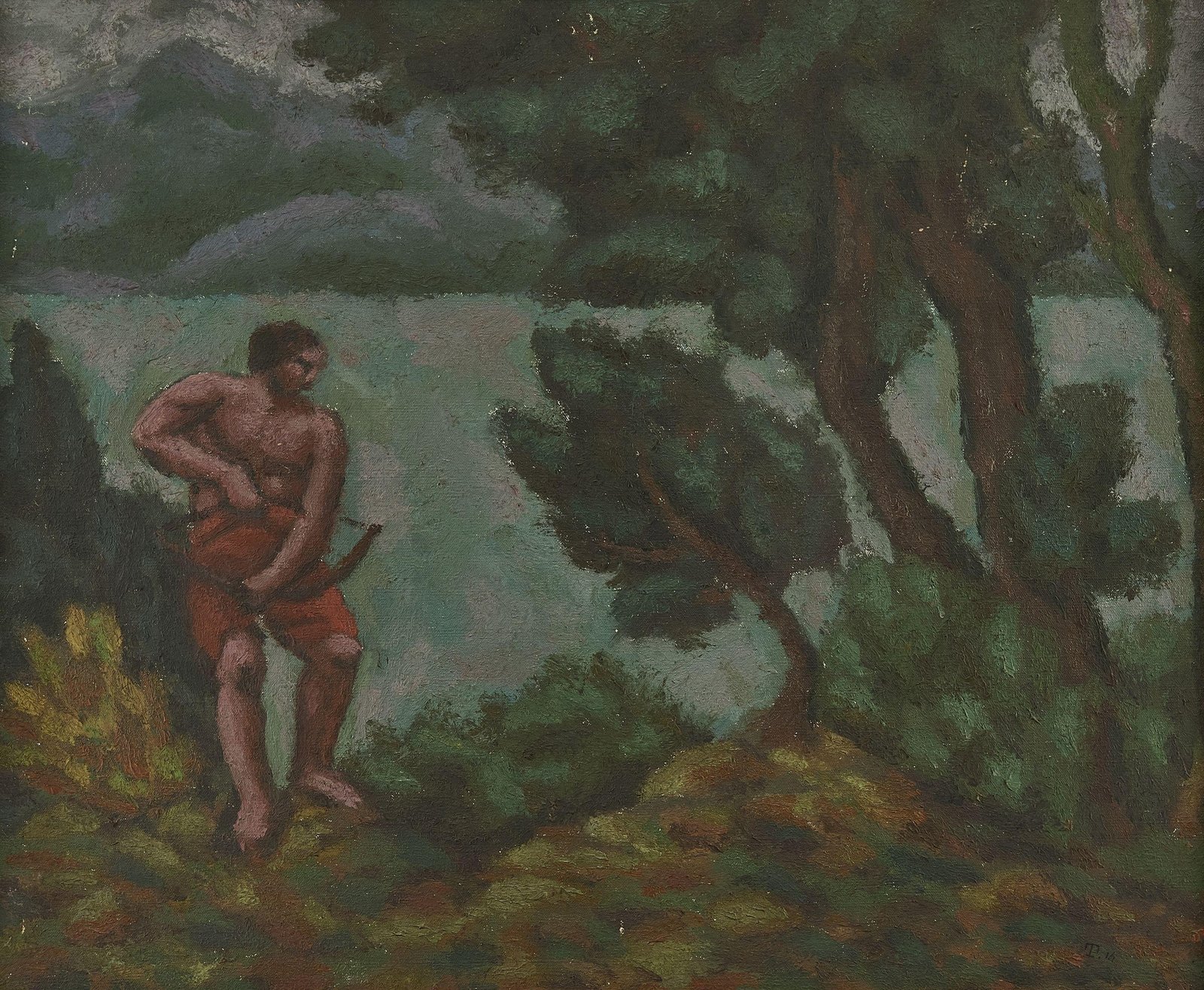
Georges‑Albert‑Edouard de Traz appears in the sources as a figure of many pursuits—writer, painter, screenwriter, essayist, teacher, and translator. He published and worked under at least two pseudonyms, Peter Coram and François Fosca. His initial training is described as largely self-taught, supplemented by time spent in various Parisian studios and stays in Italy.
He took part in numerous exhibitions in Switzerland and abroad during the period 1910–1921. From 1906 to 1920, he lived in the house known as « Île Calvin » in Pregny, a detail that situates an important part of his establishment in Switzerland.
Under the name François Fosca, he published several novels—L'Amour forcé (1923), Monsieur Quatorze (1923), La Berlue (1925), Les Dames de Boisbrulon (1926), and Derechef (1927). He also wrote an essay devoted to the detective novel, Histoire et technique du roman policier, published in 1937. A polyglot, he notably translated Salvador de Madariaga’s Le déclin de l'empire espagnol d'Amérique from English and Spanish.
His work on Daumier earned him the Académie française’s Prix Charles‑Blanc in 1934.
Beyond writing and translation, his recorded activities include screenwriting, essay writing, painting, and the teaching of art. He taught art history at the School of Architecture and the School of Fine Arts in Geneva between 1944 and 1953. His sources further refer to a youth marked by numerous journeys with his father to Italy, England, Belgium, and North Africa (Algeria and Tunisia).