Fernand Dubuis
Born in 1908.
Died in 1991.
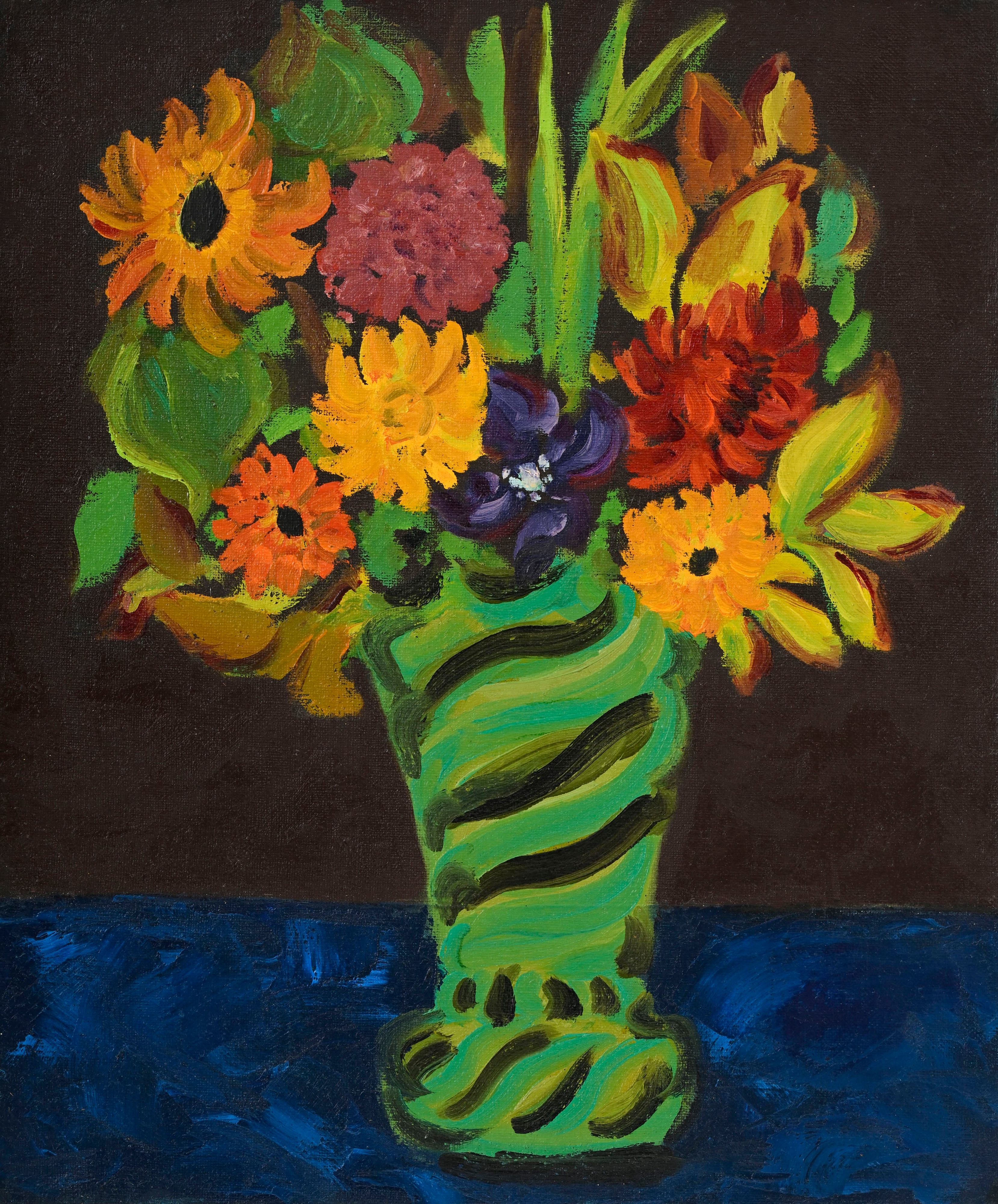
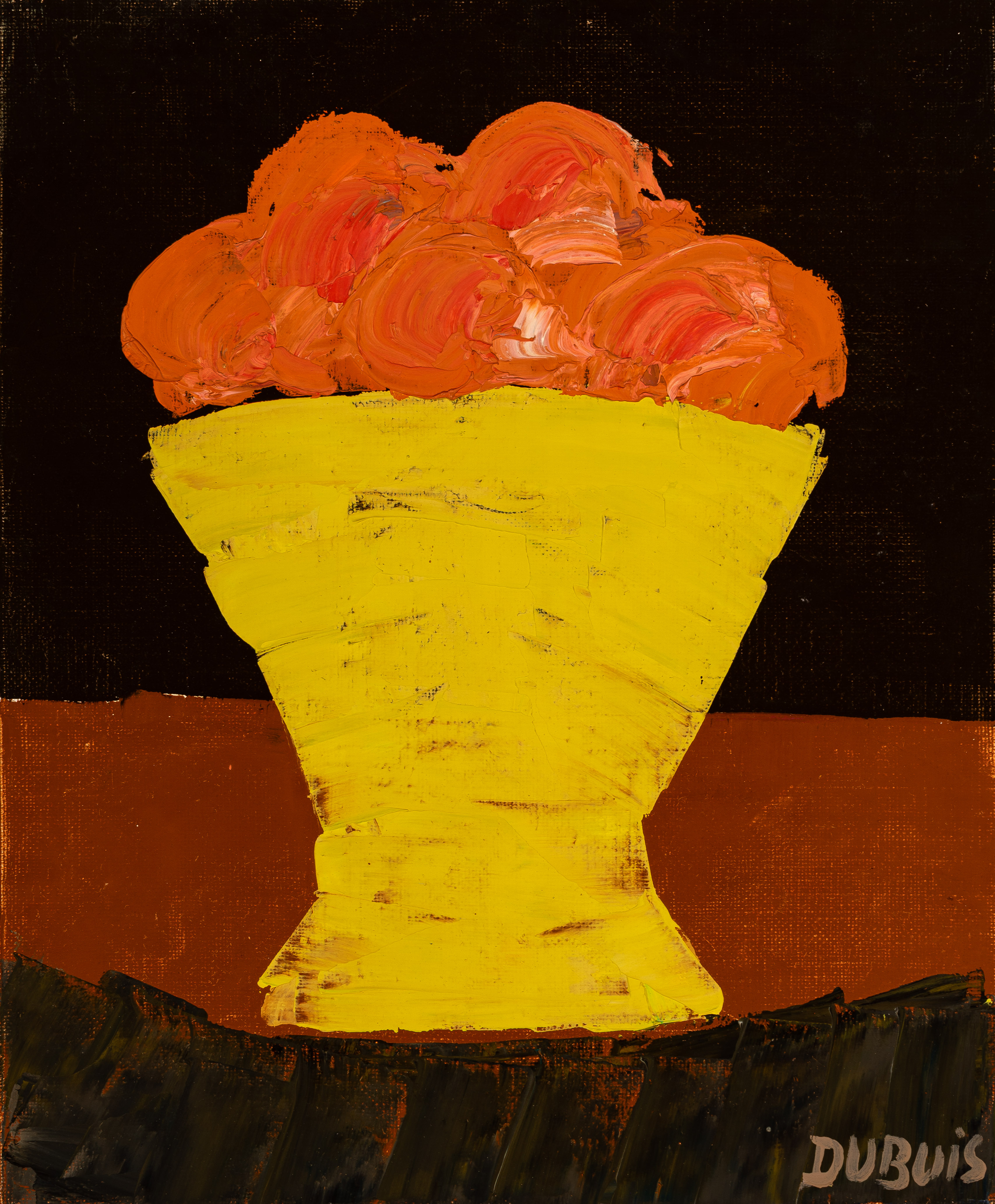
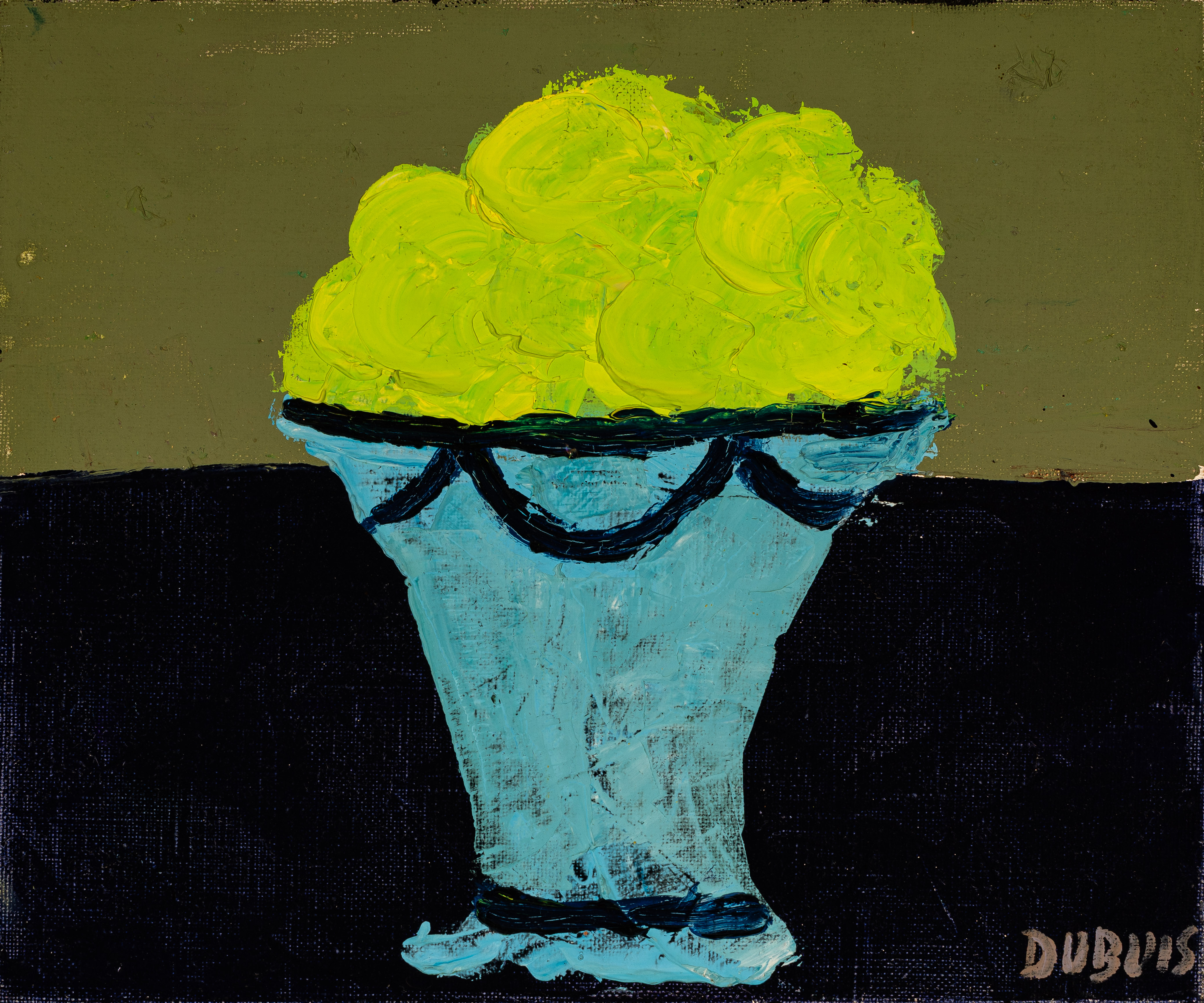
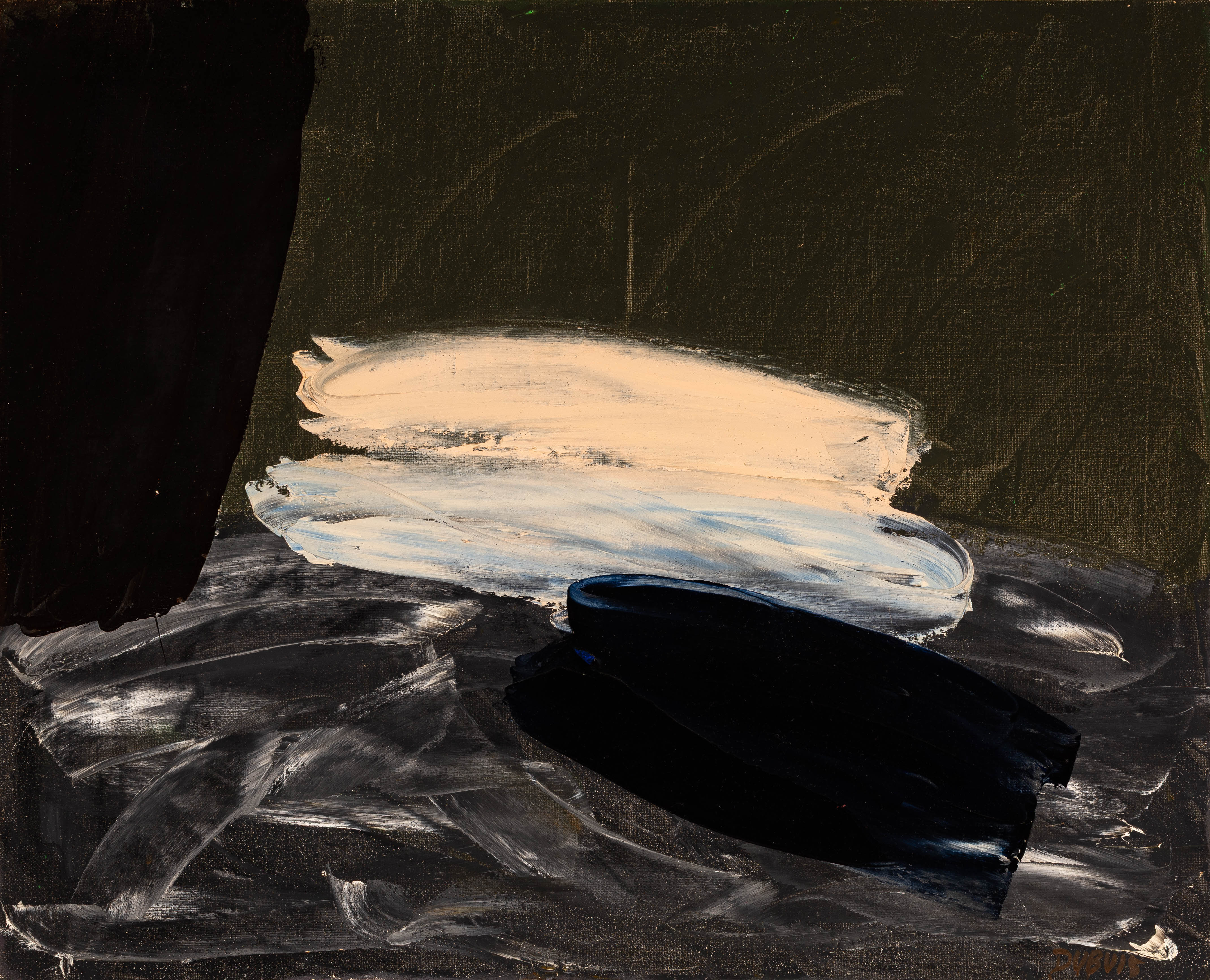
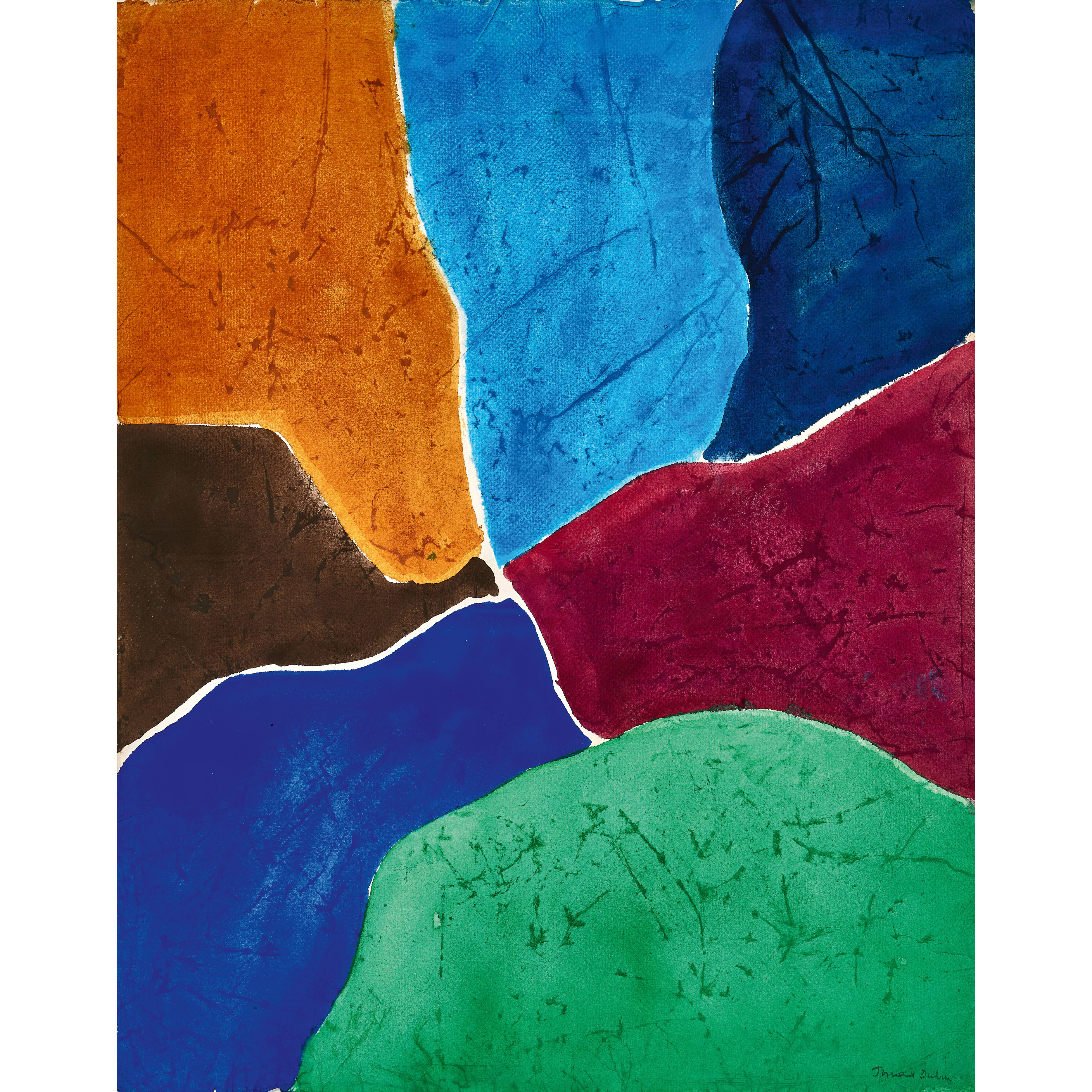
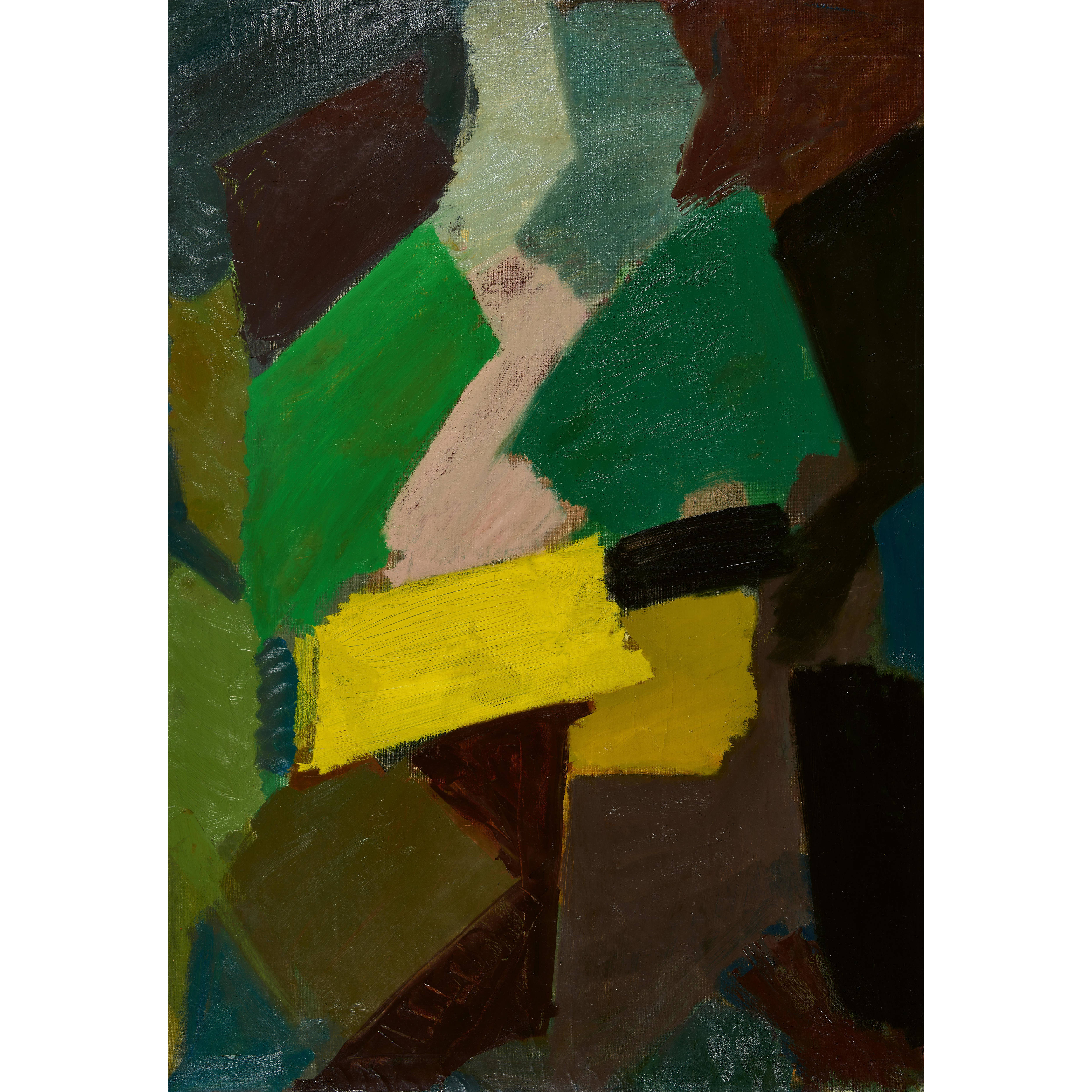
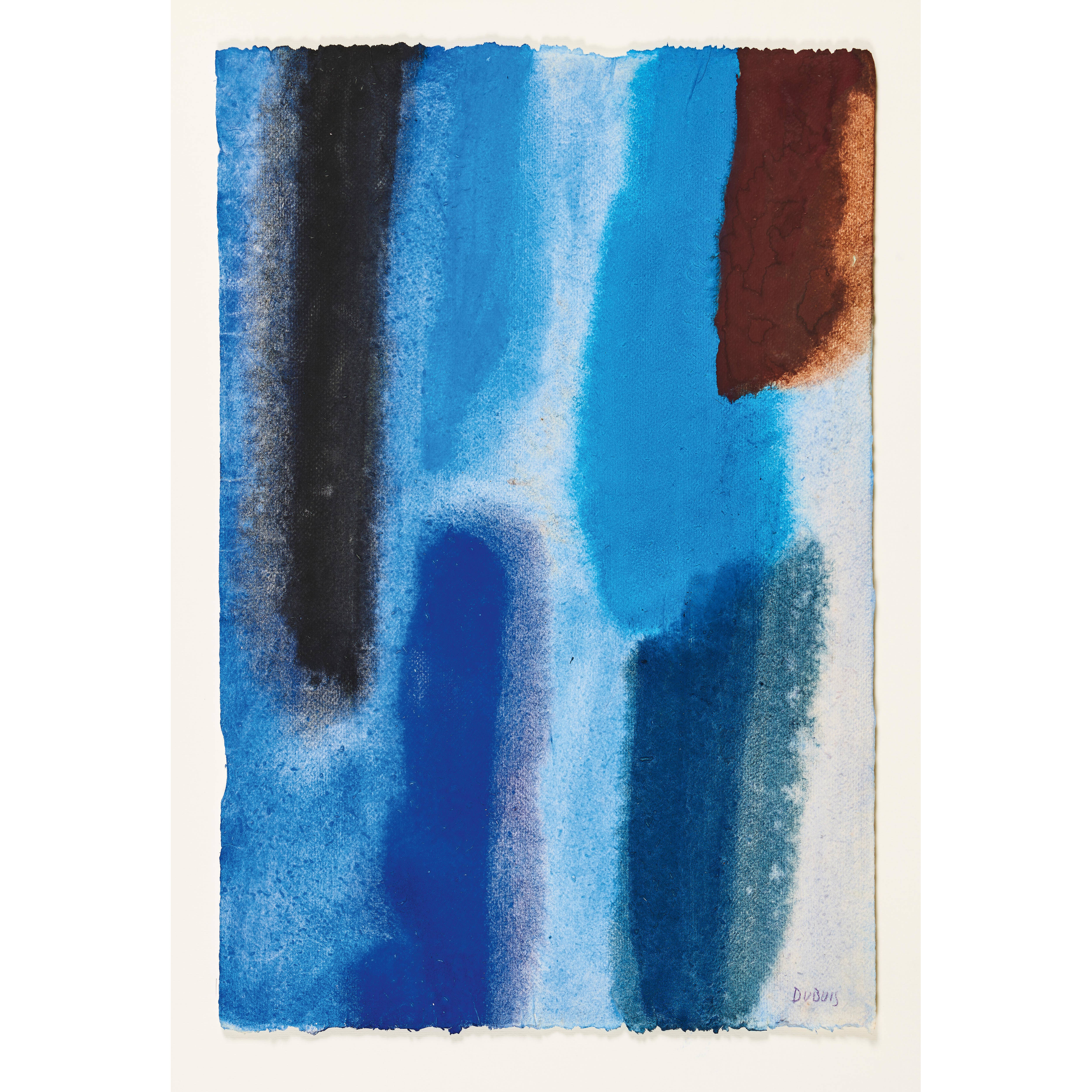
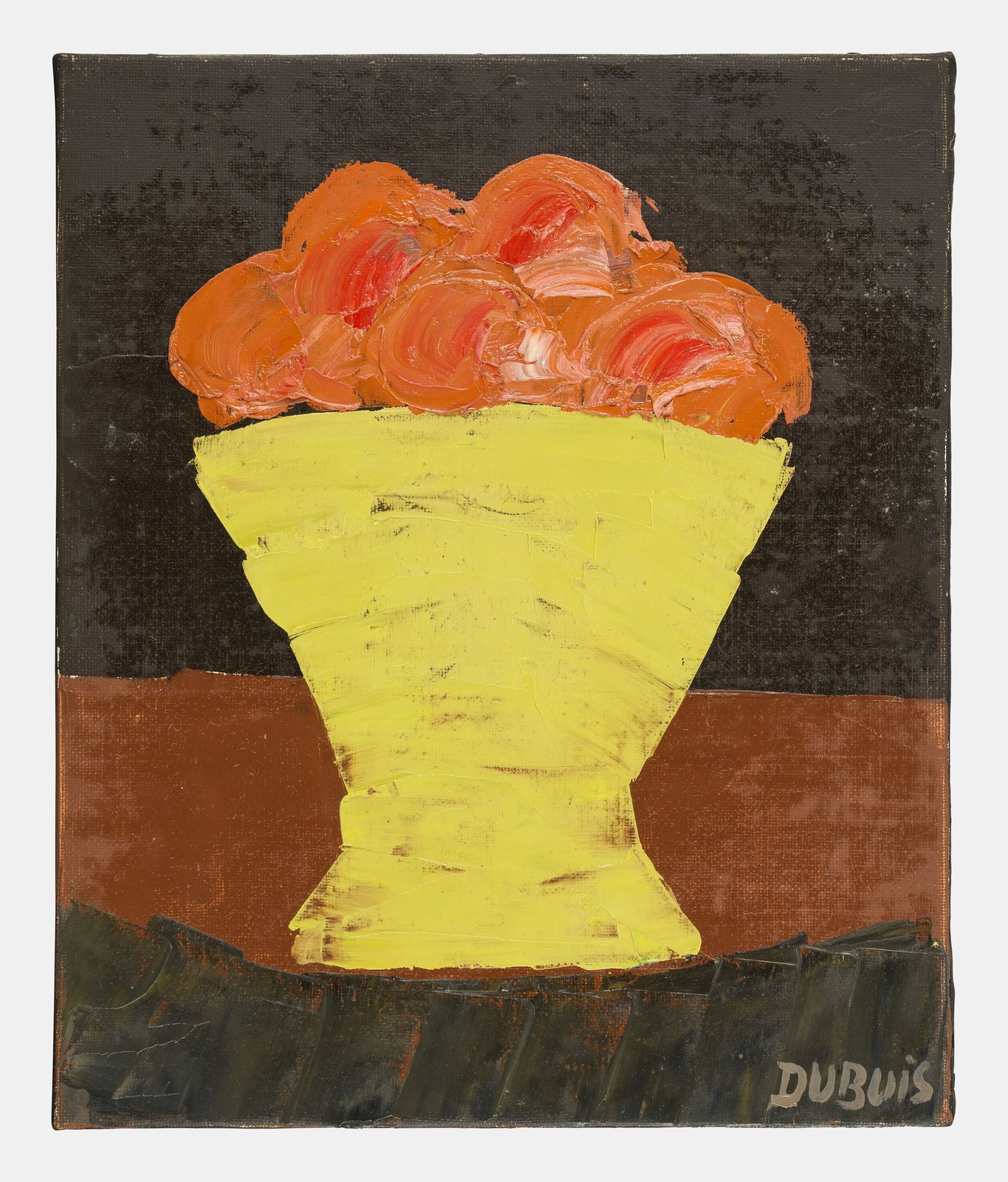
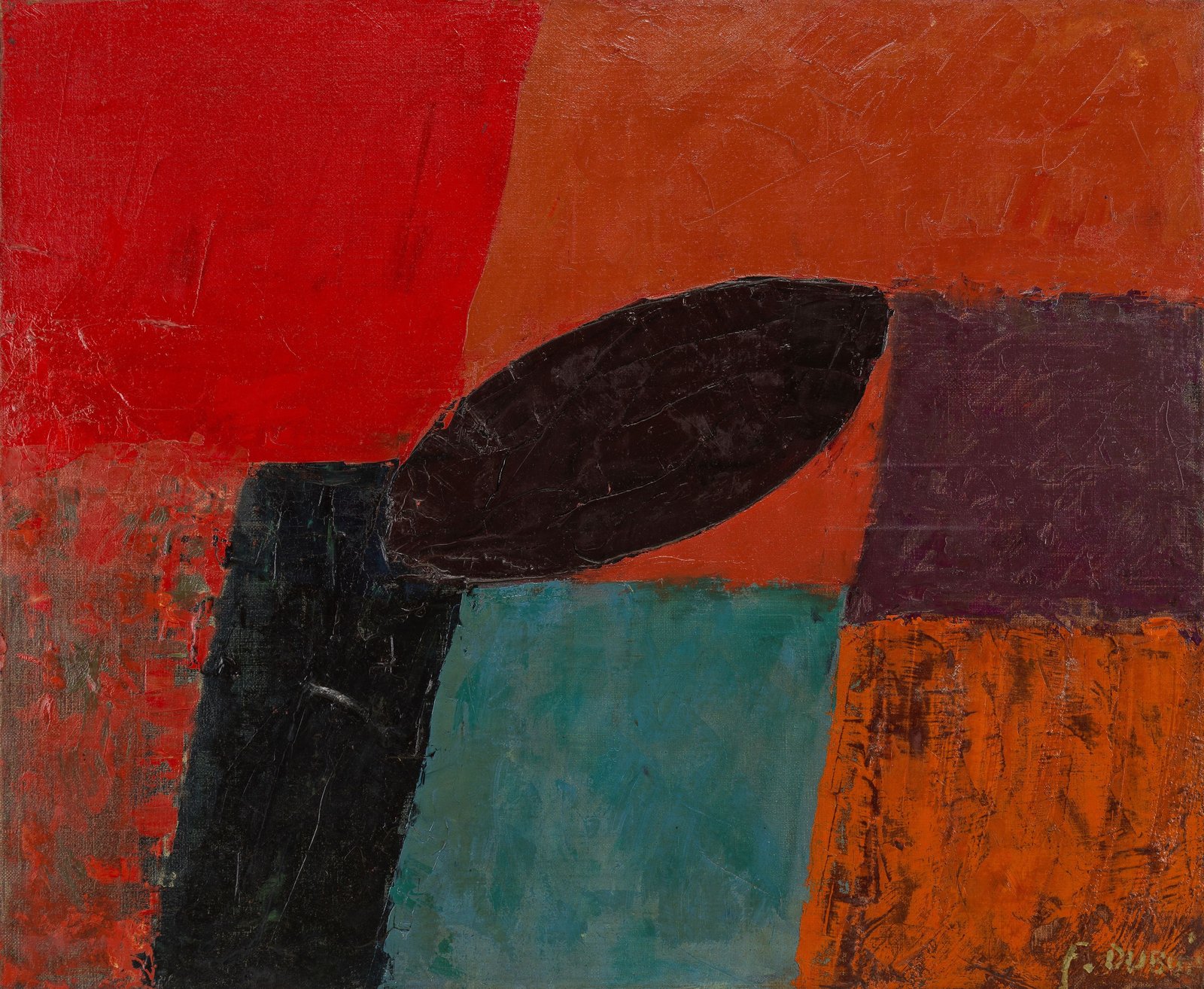
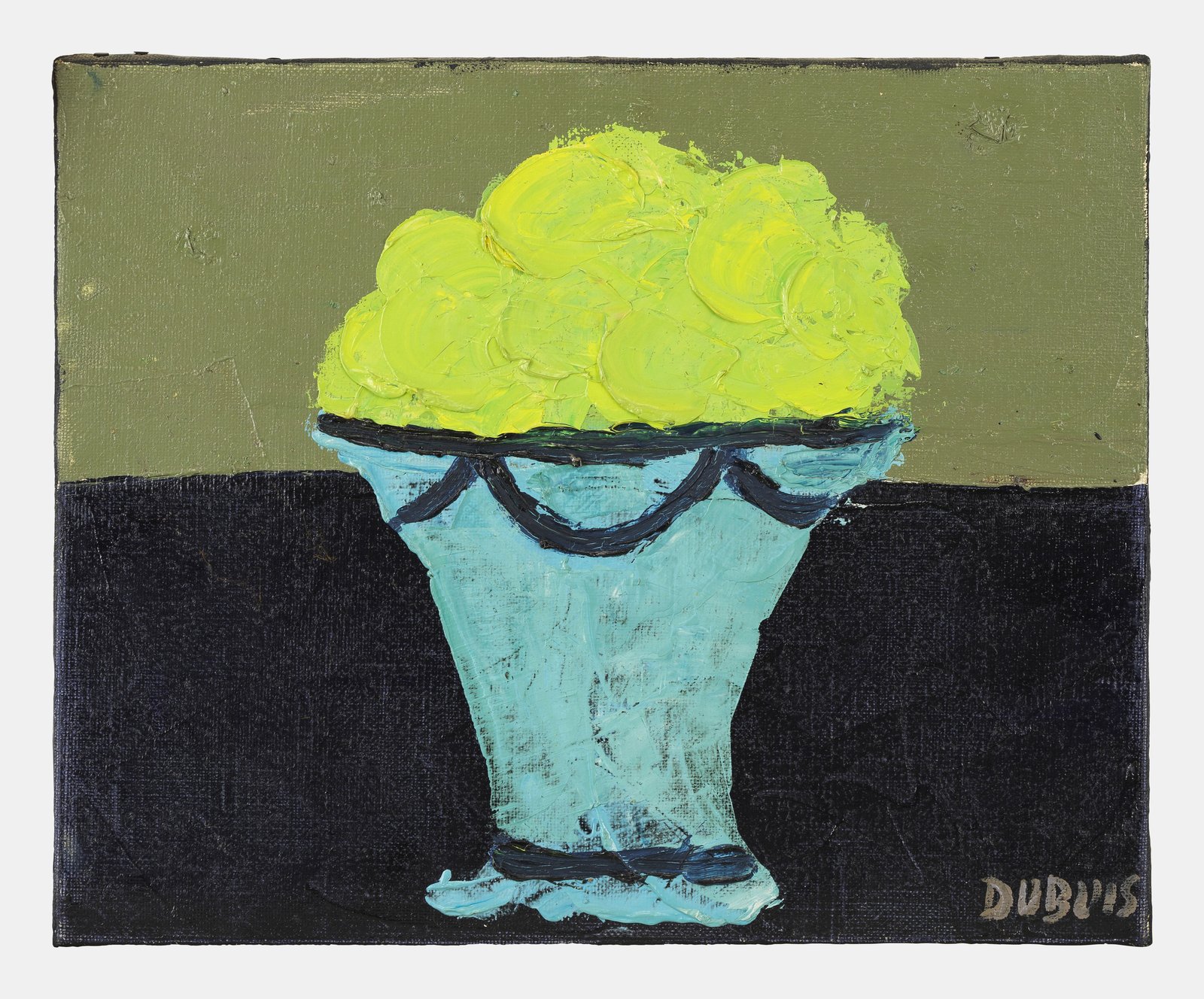
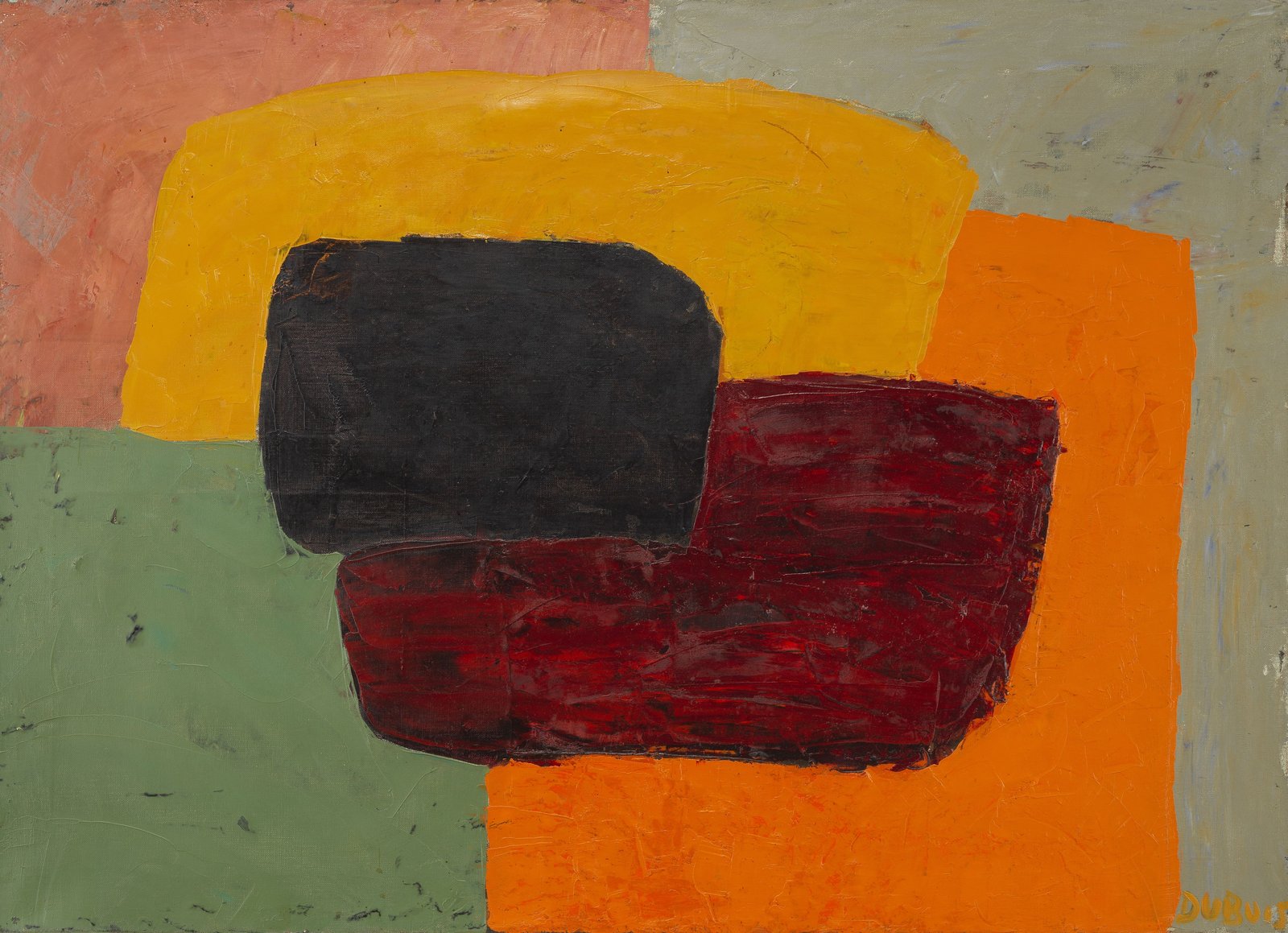
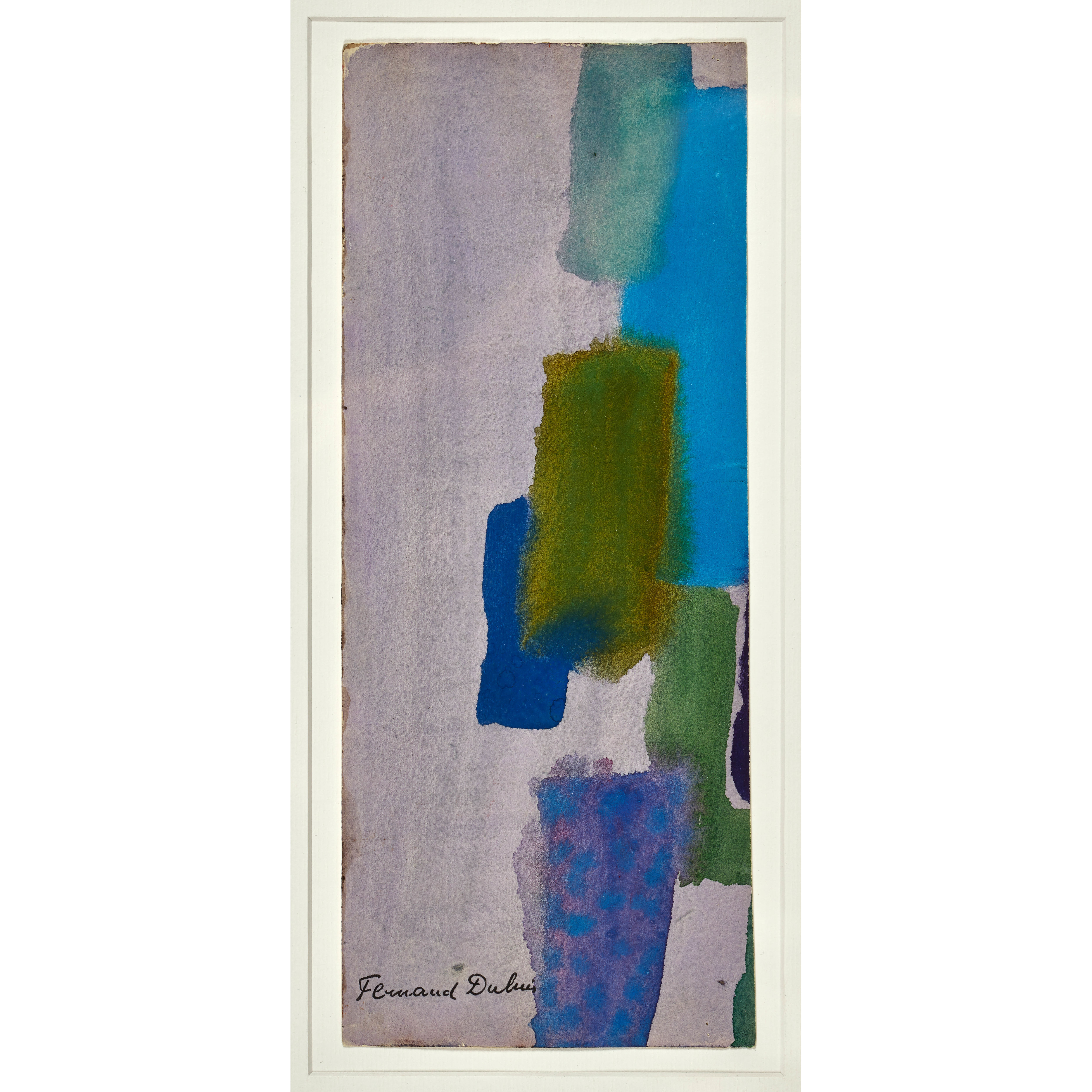
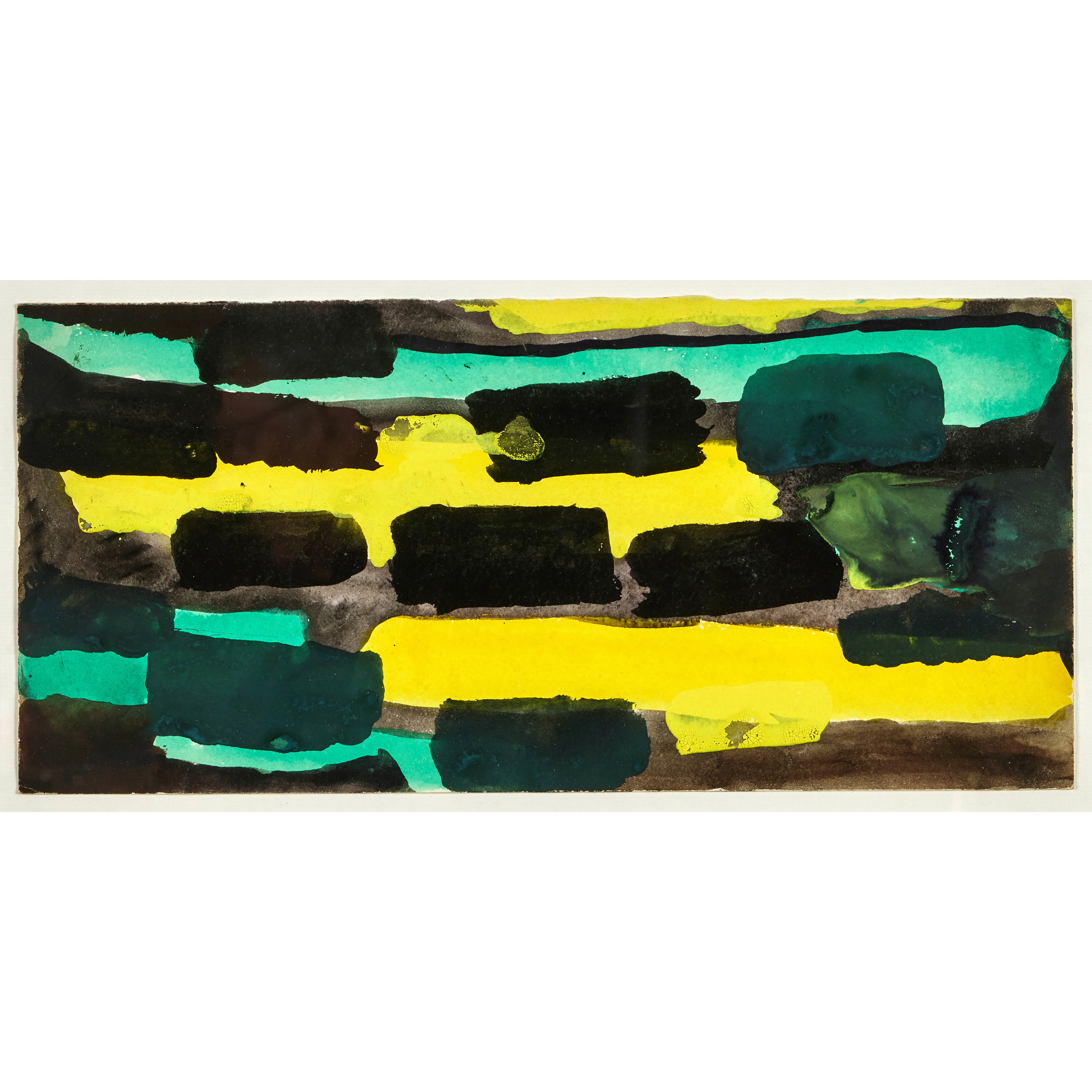
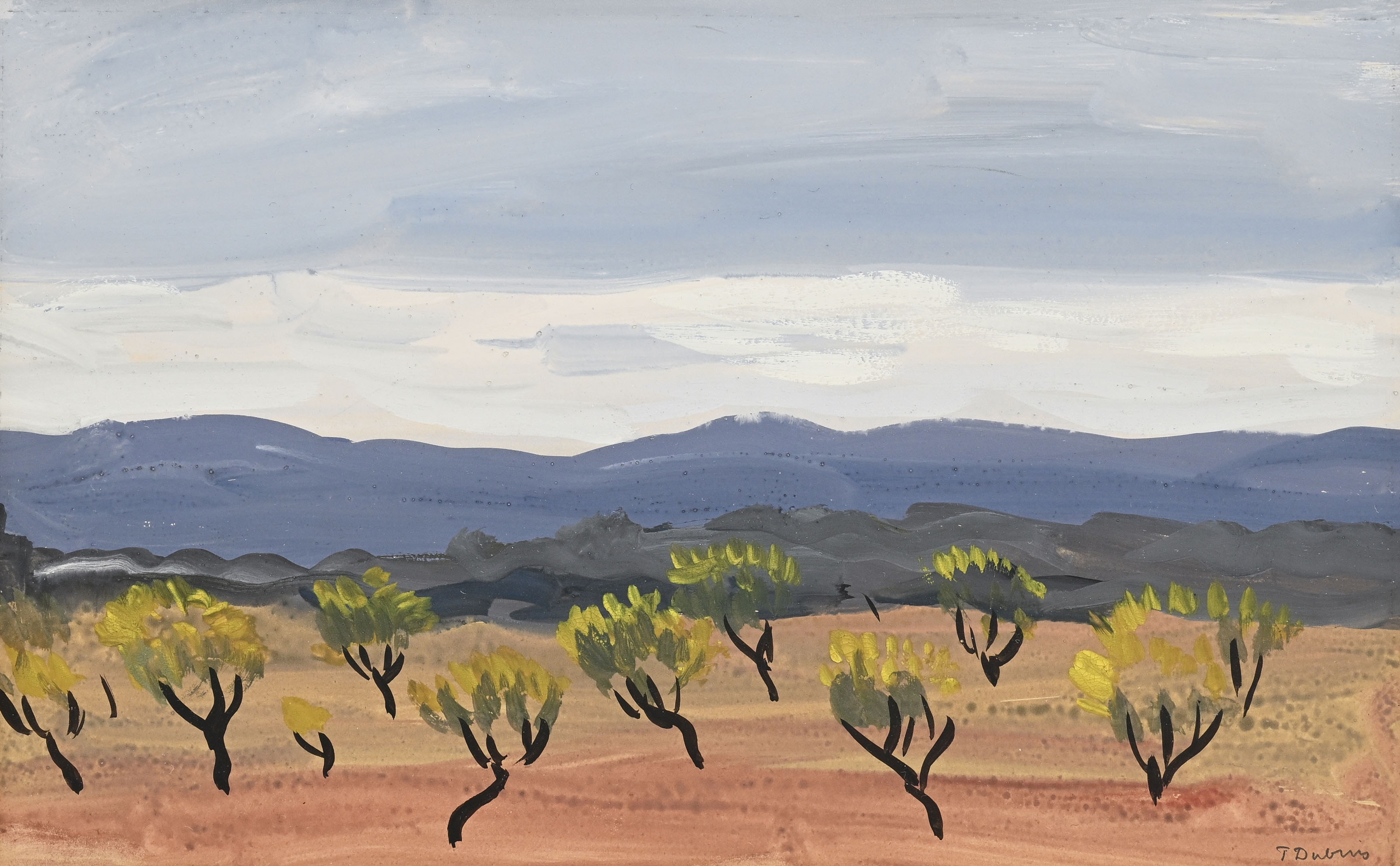
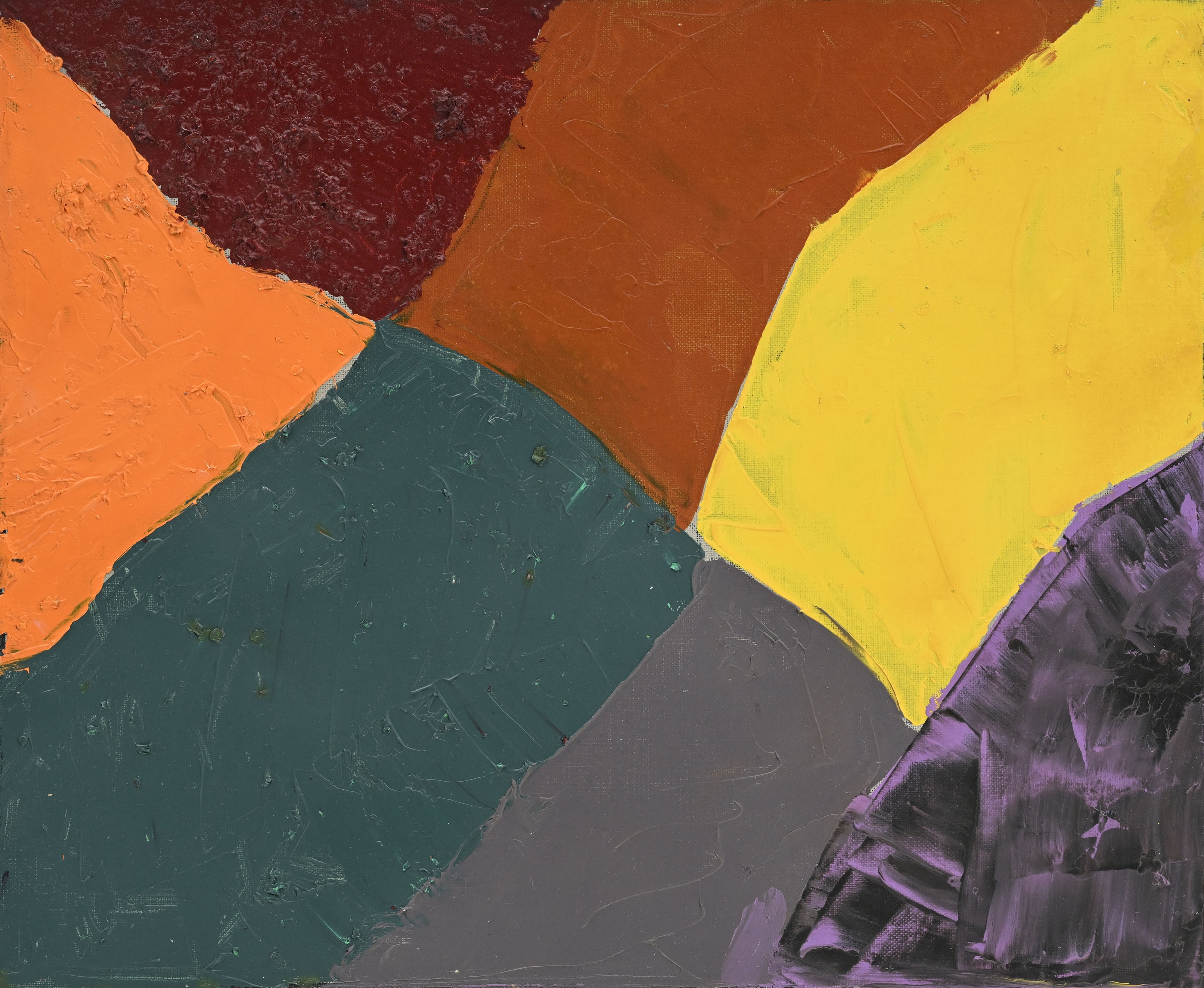
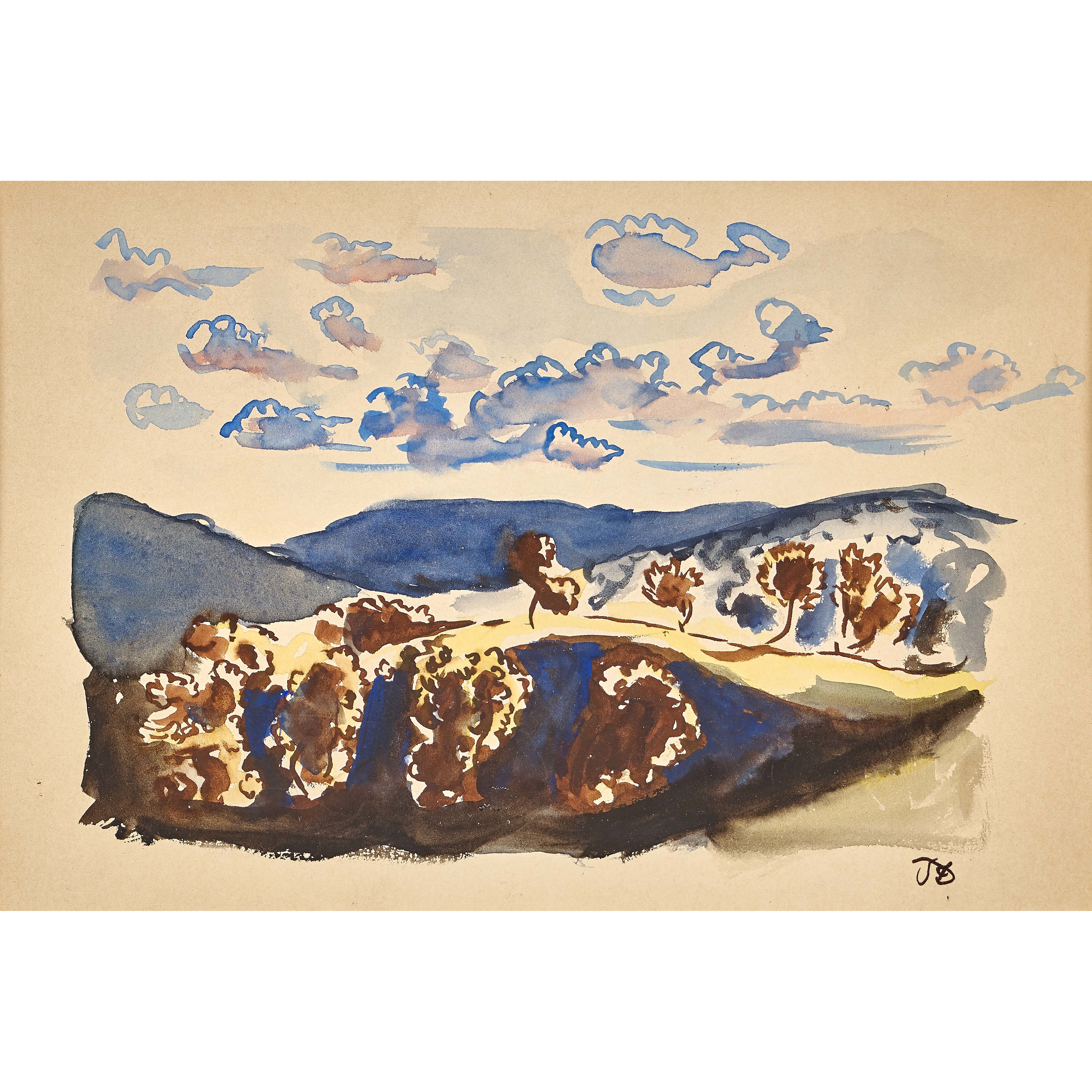
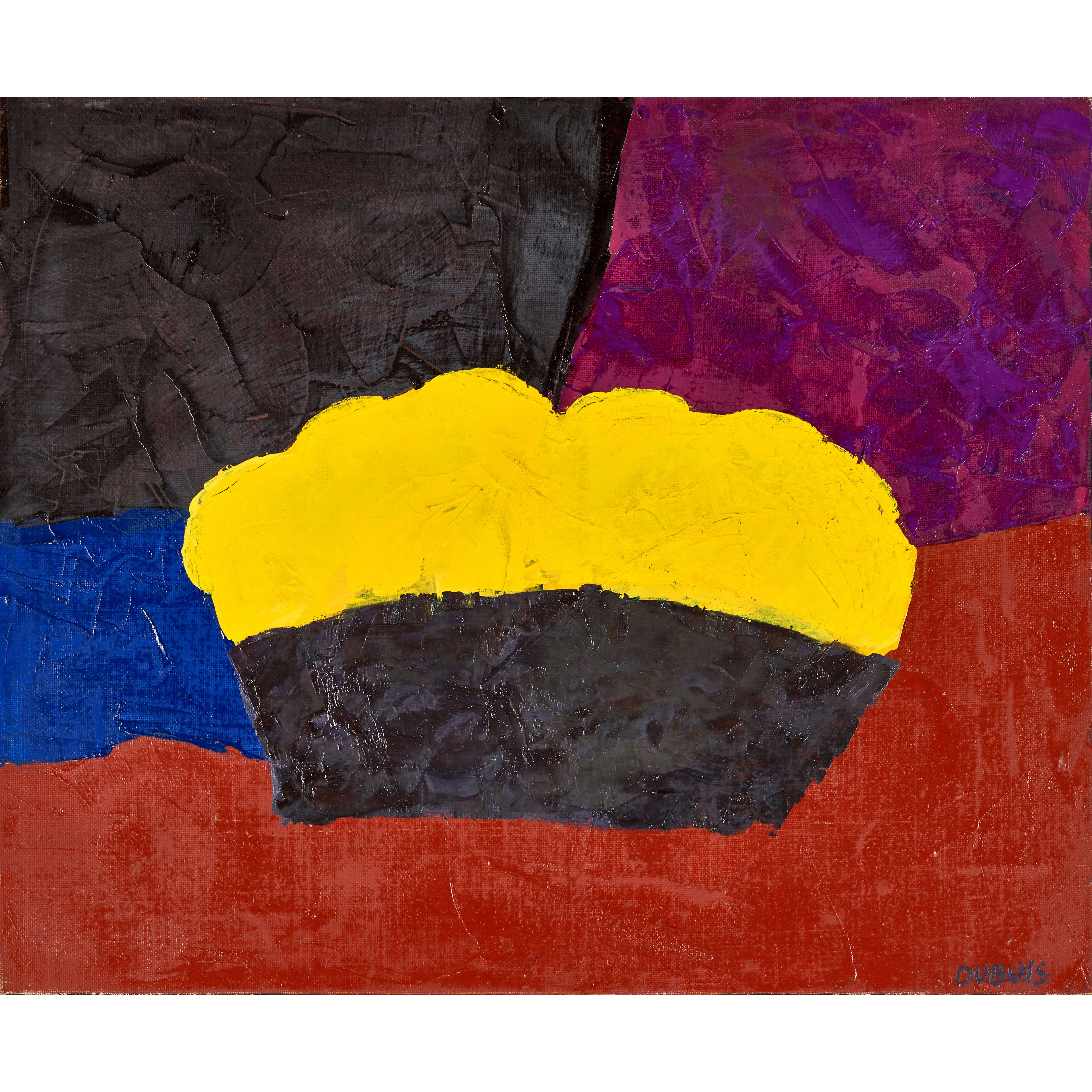
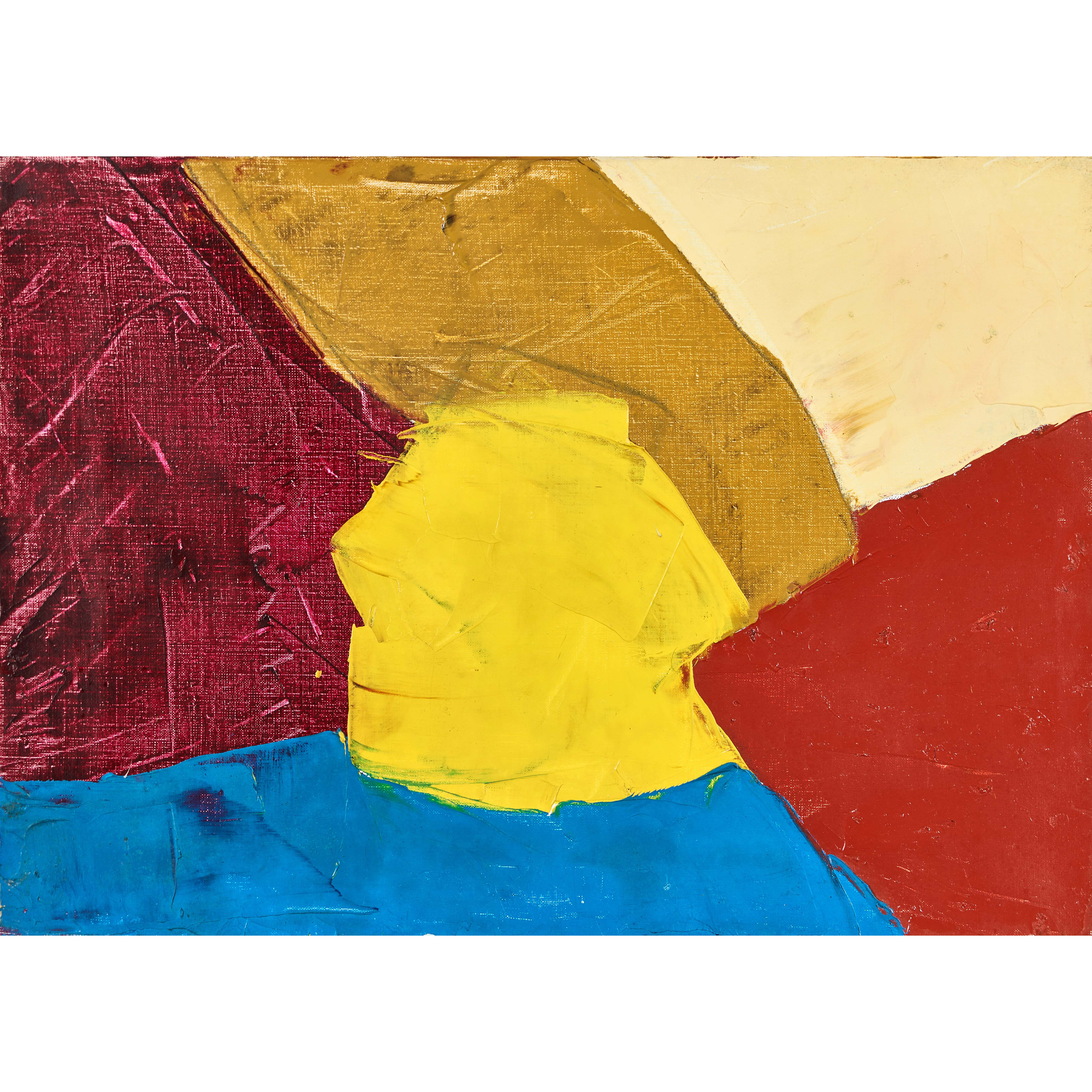
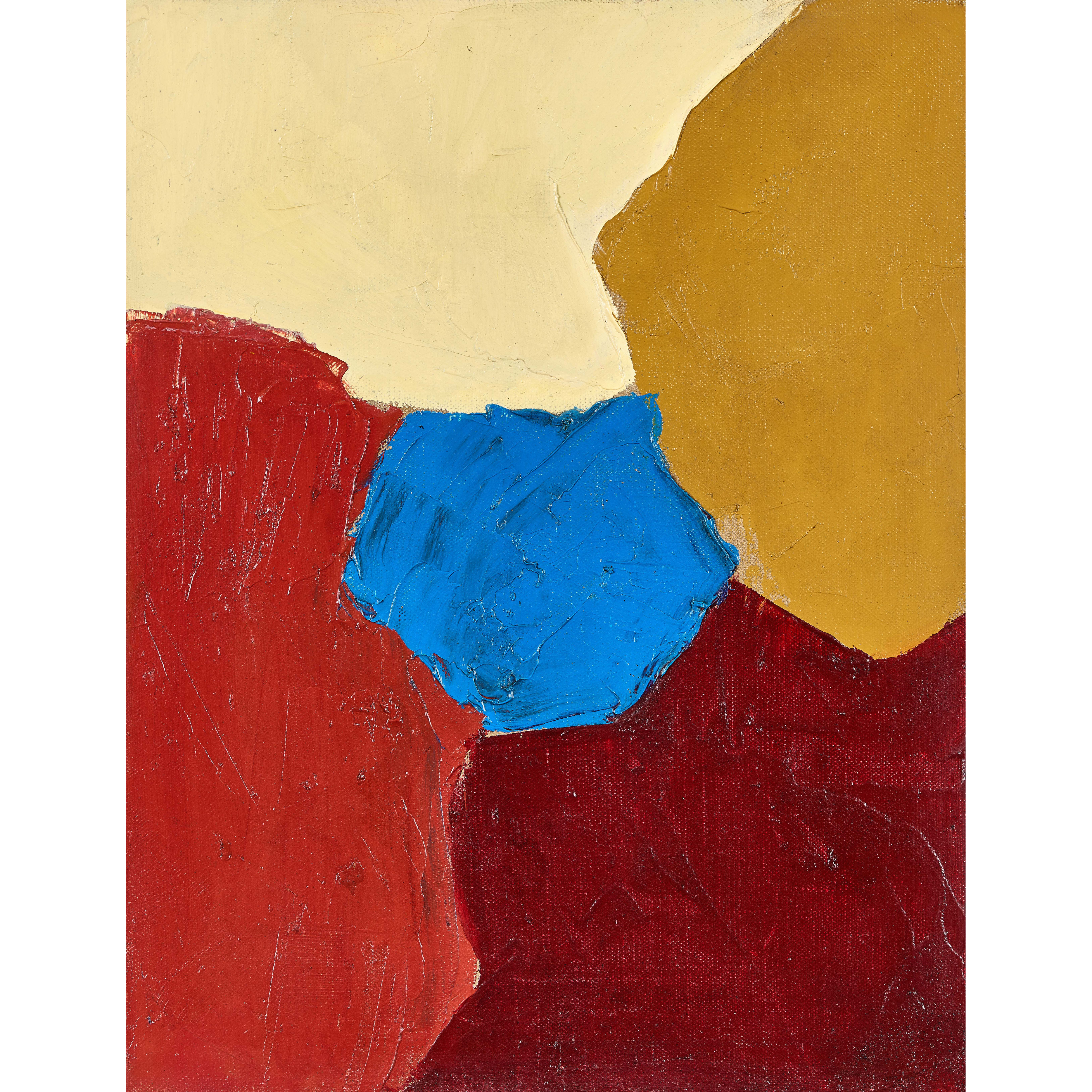
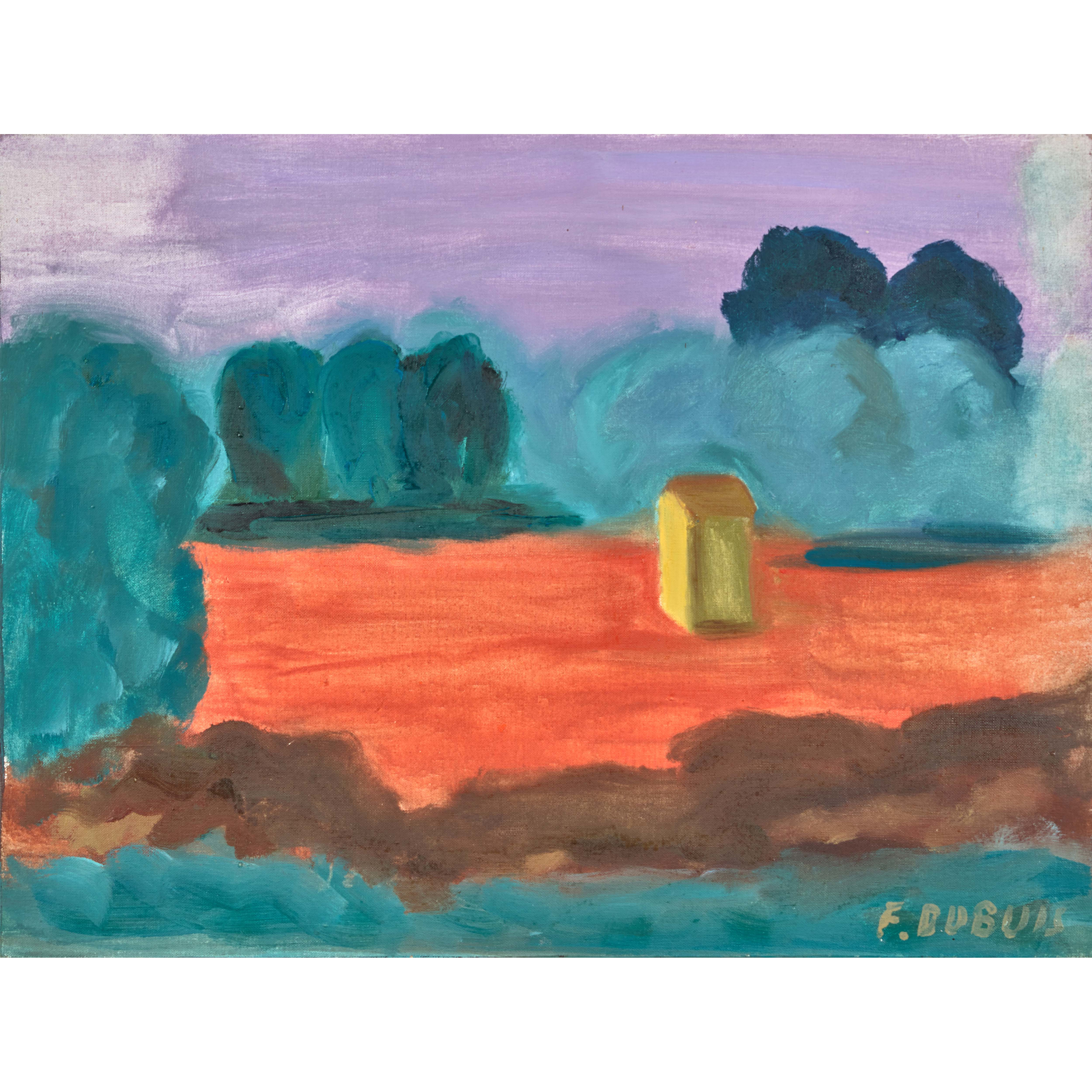
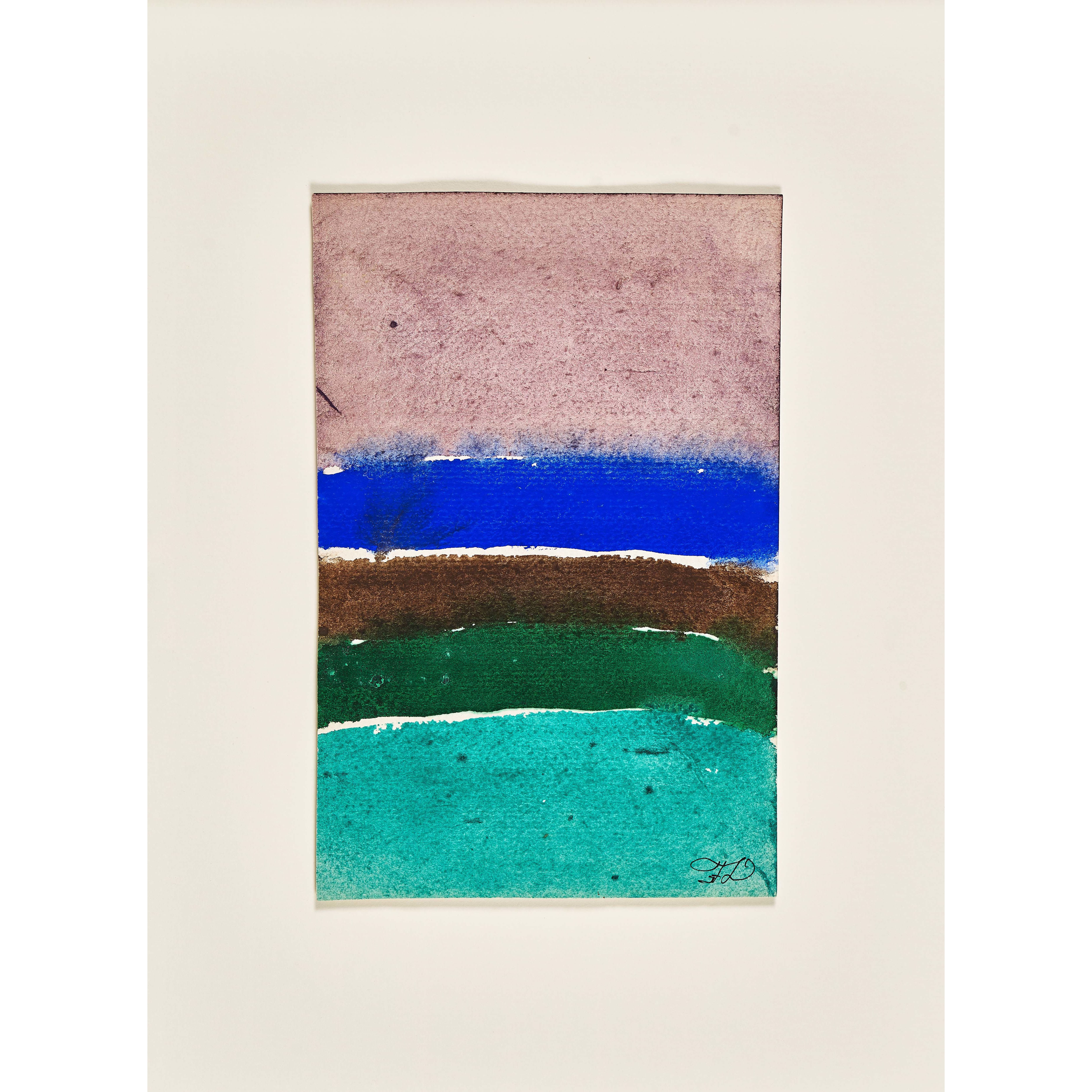
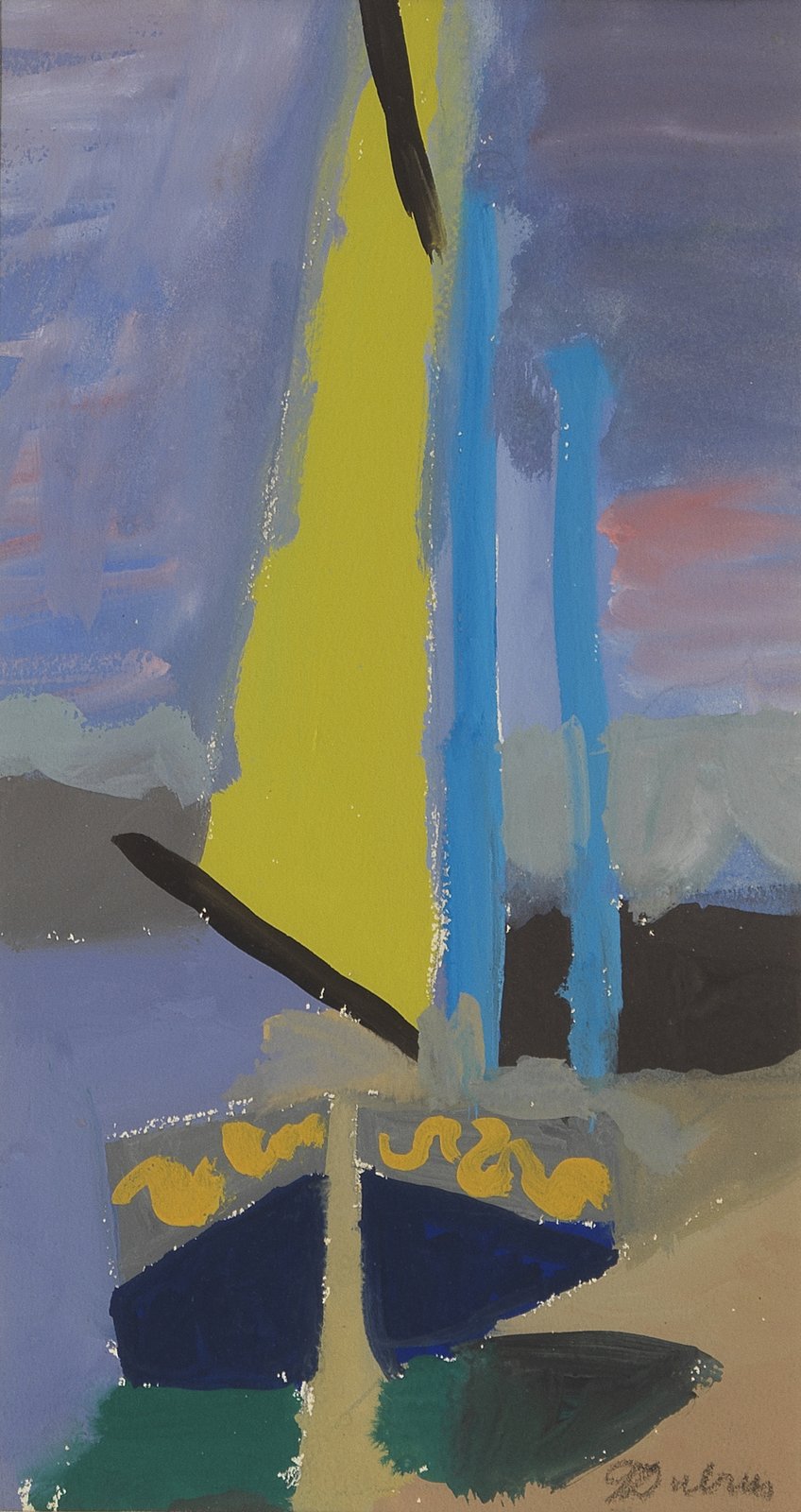
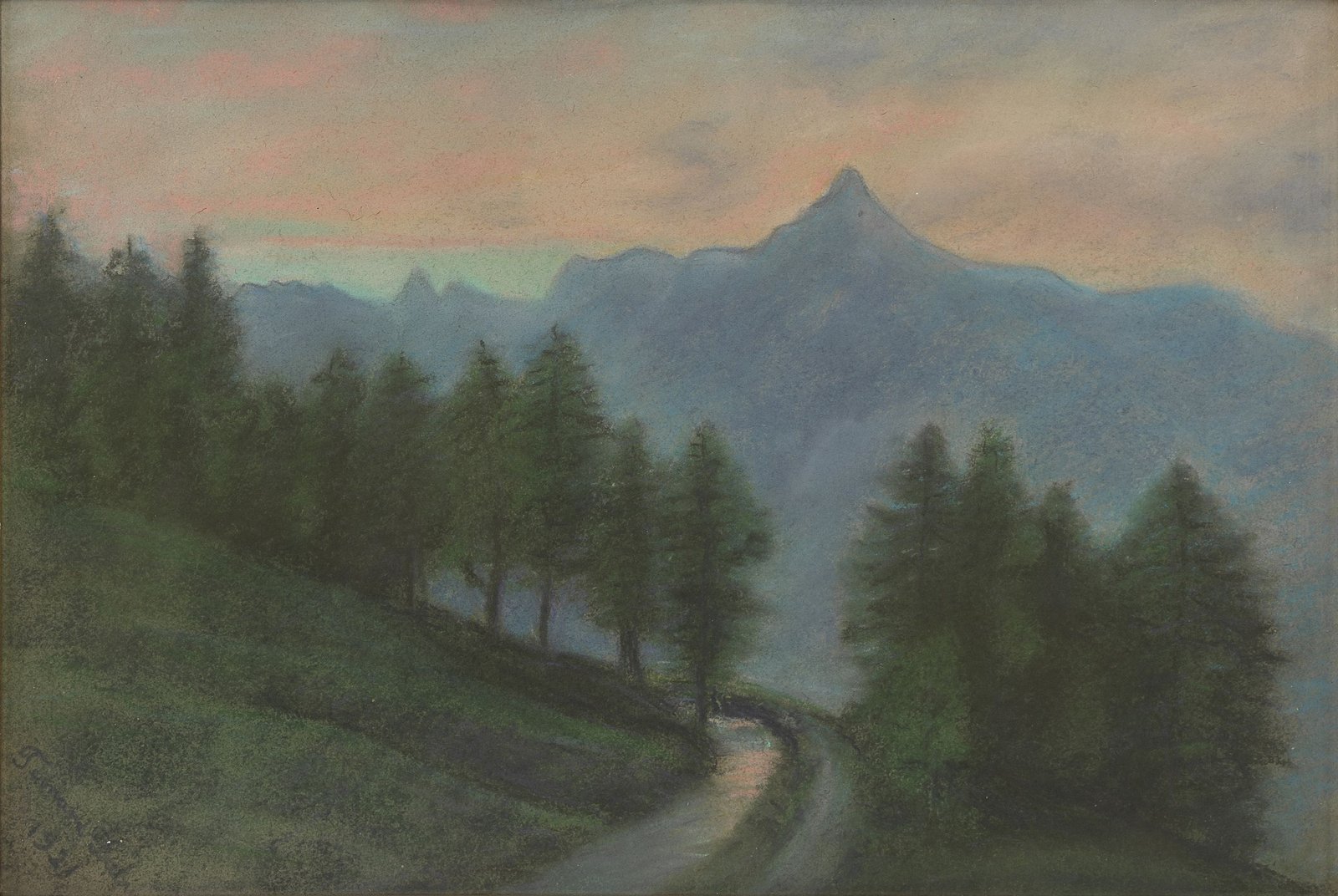
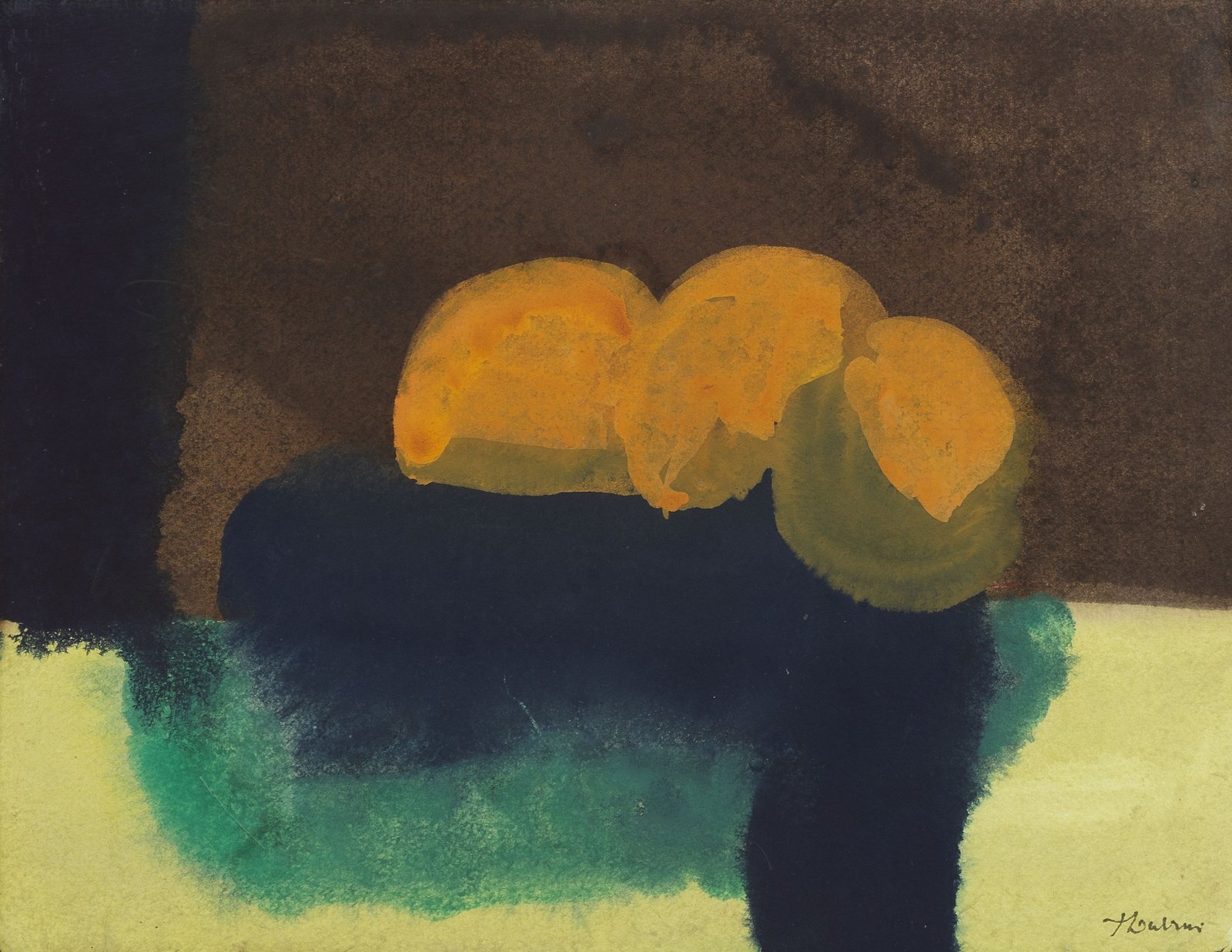
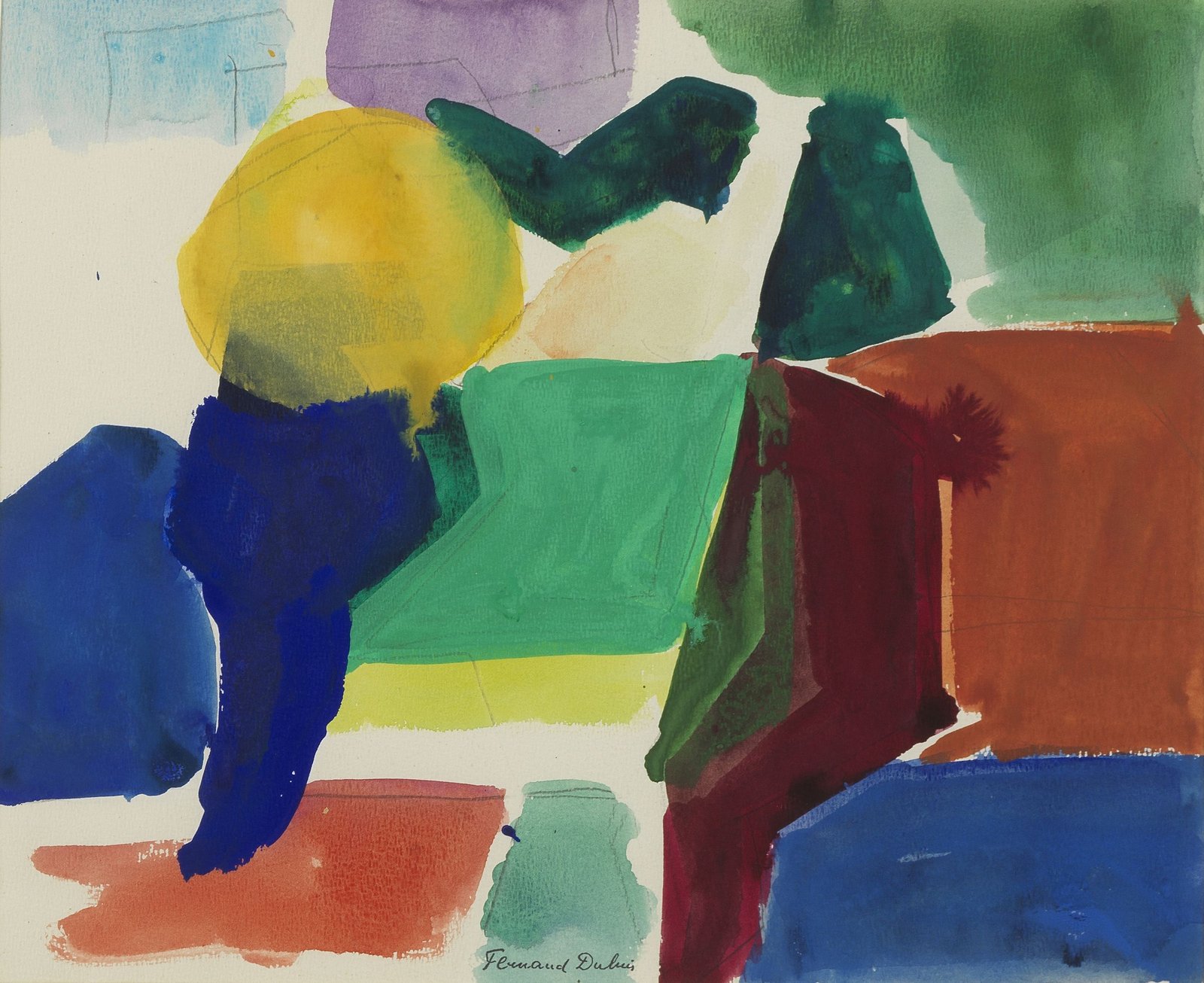
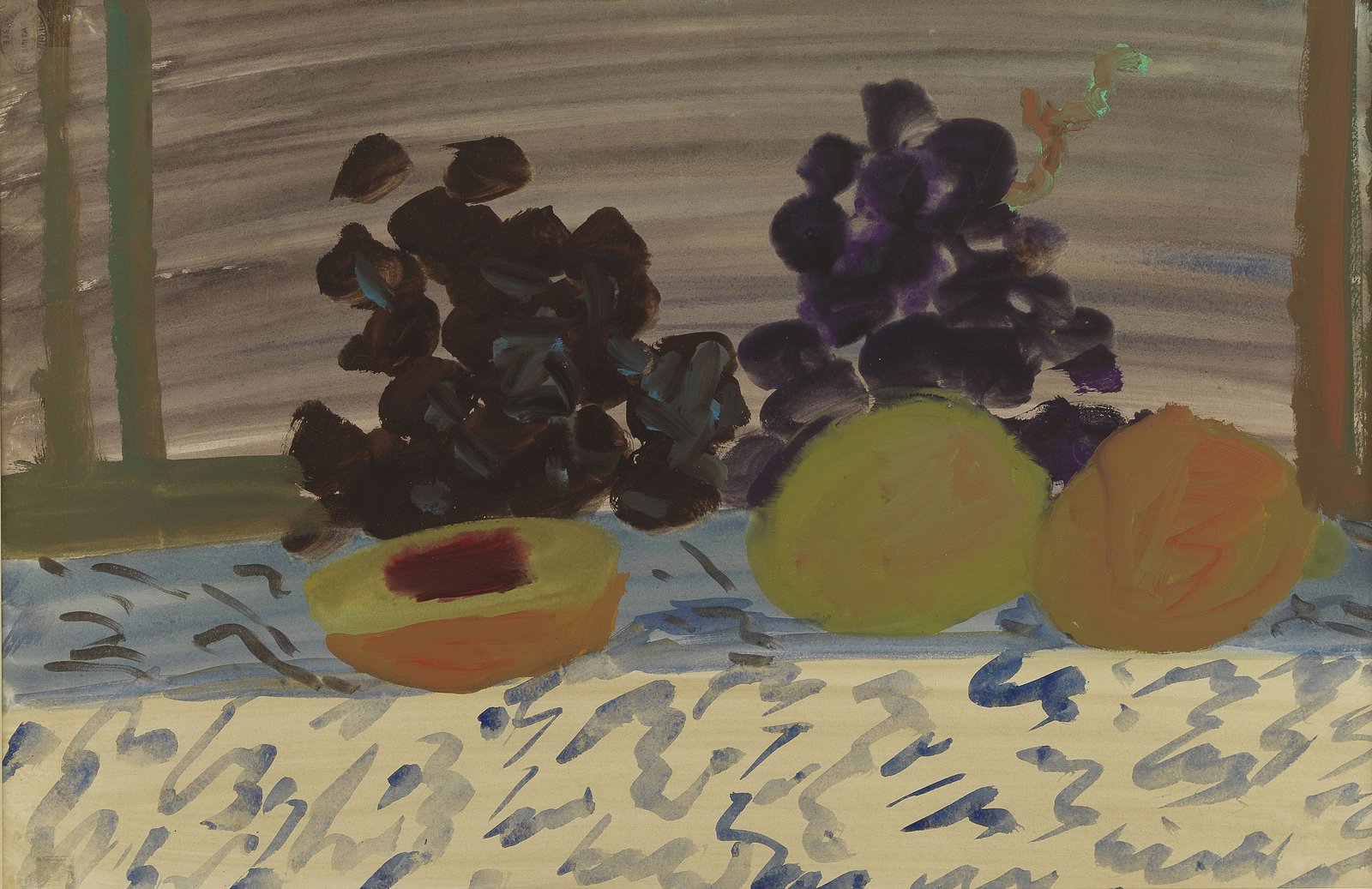
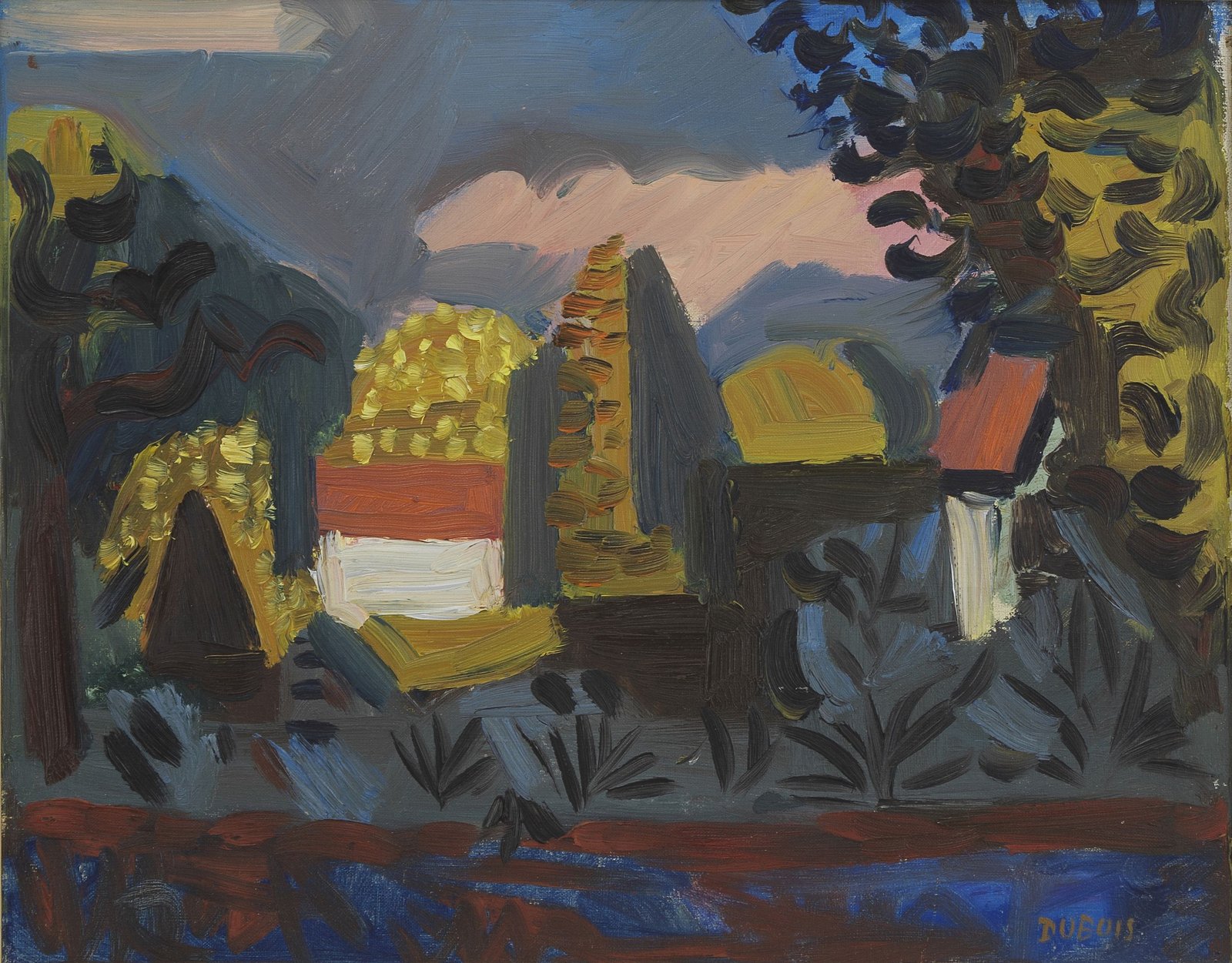
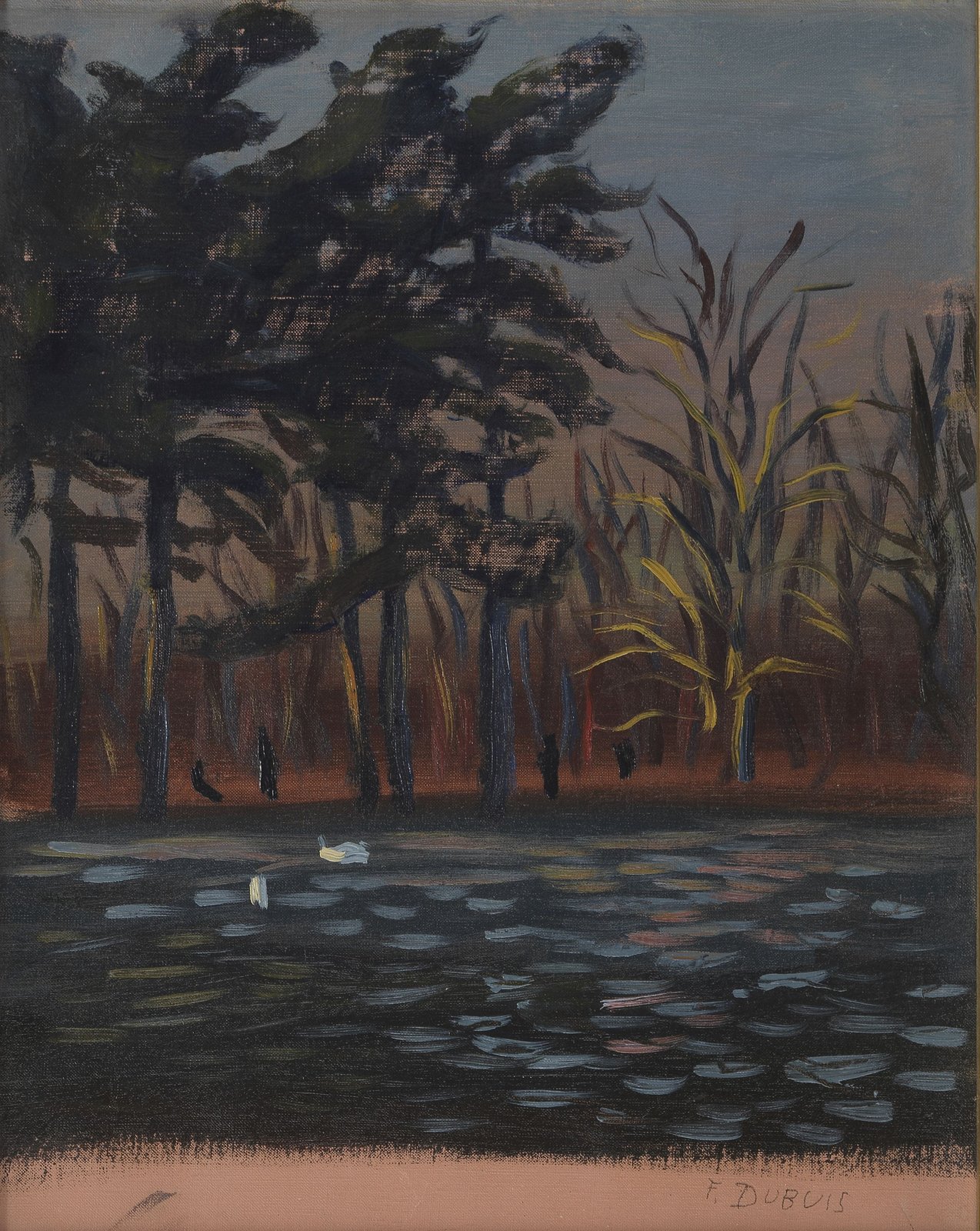
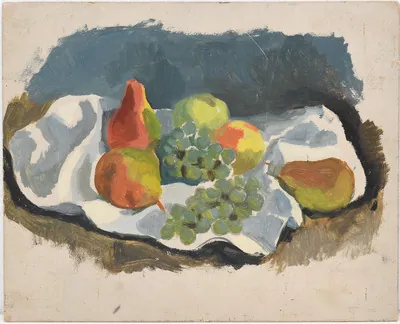
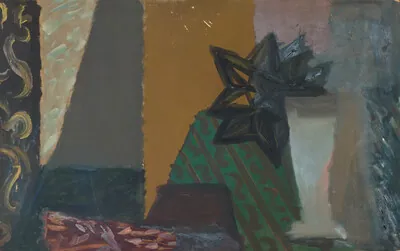
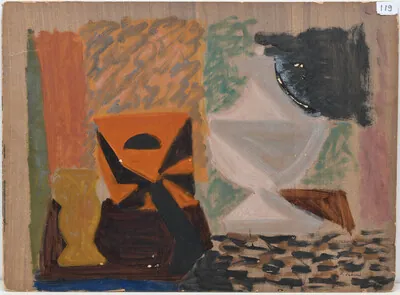
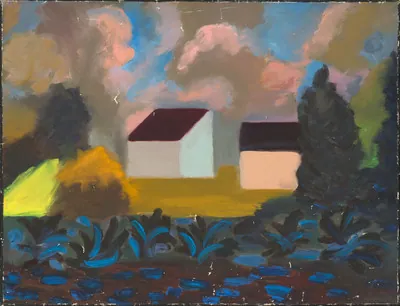
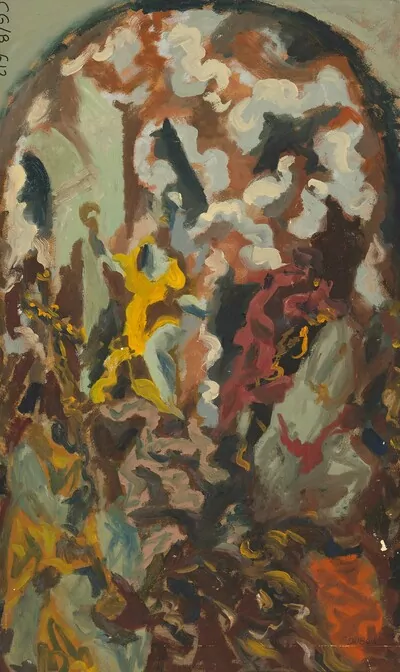
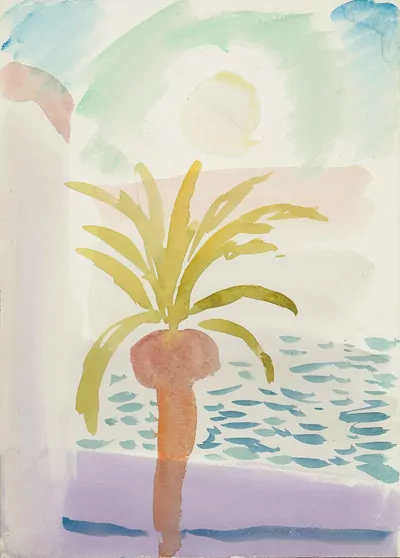
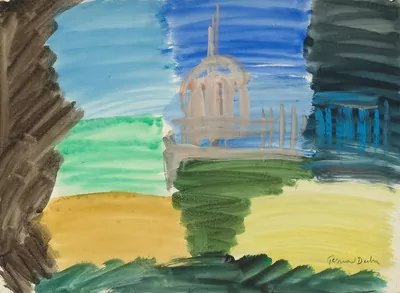
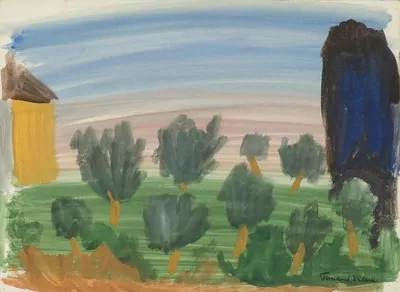
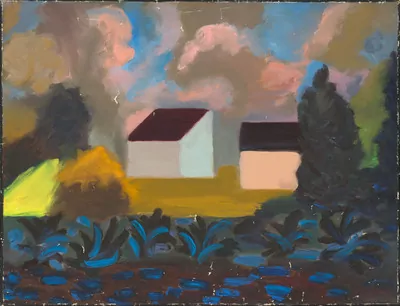
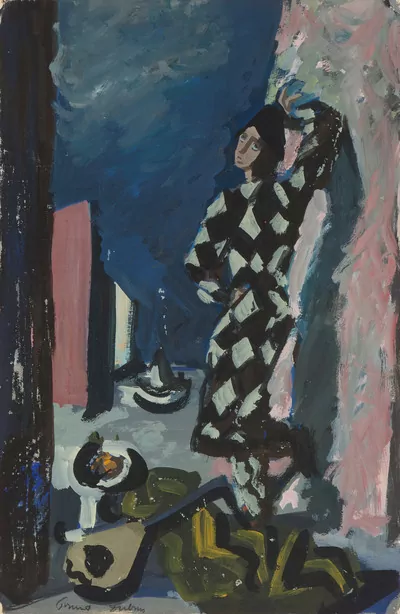
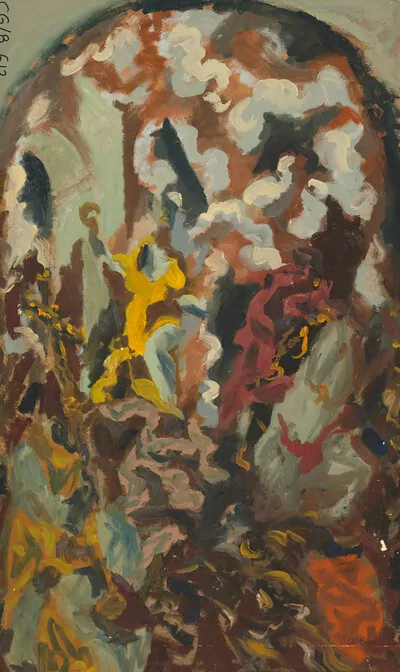
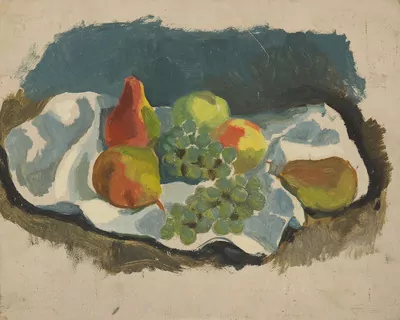
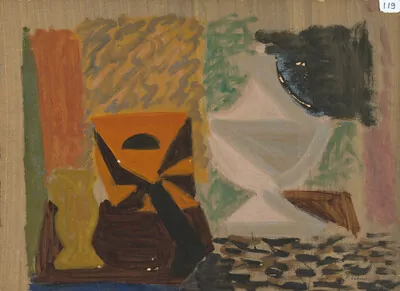
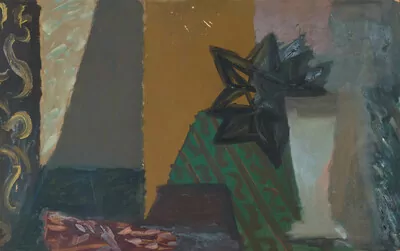
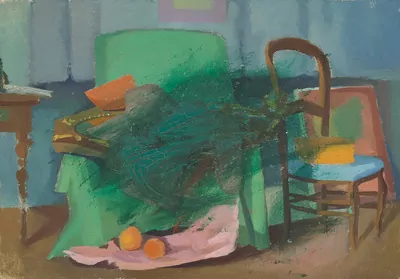
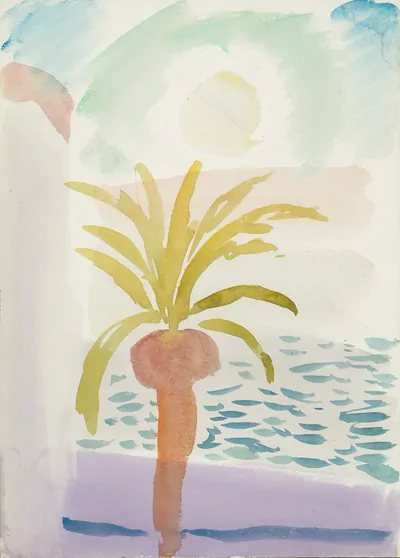
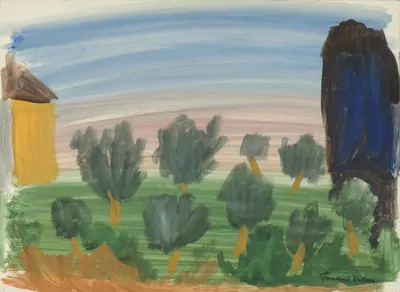
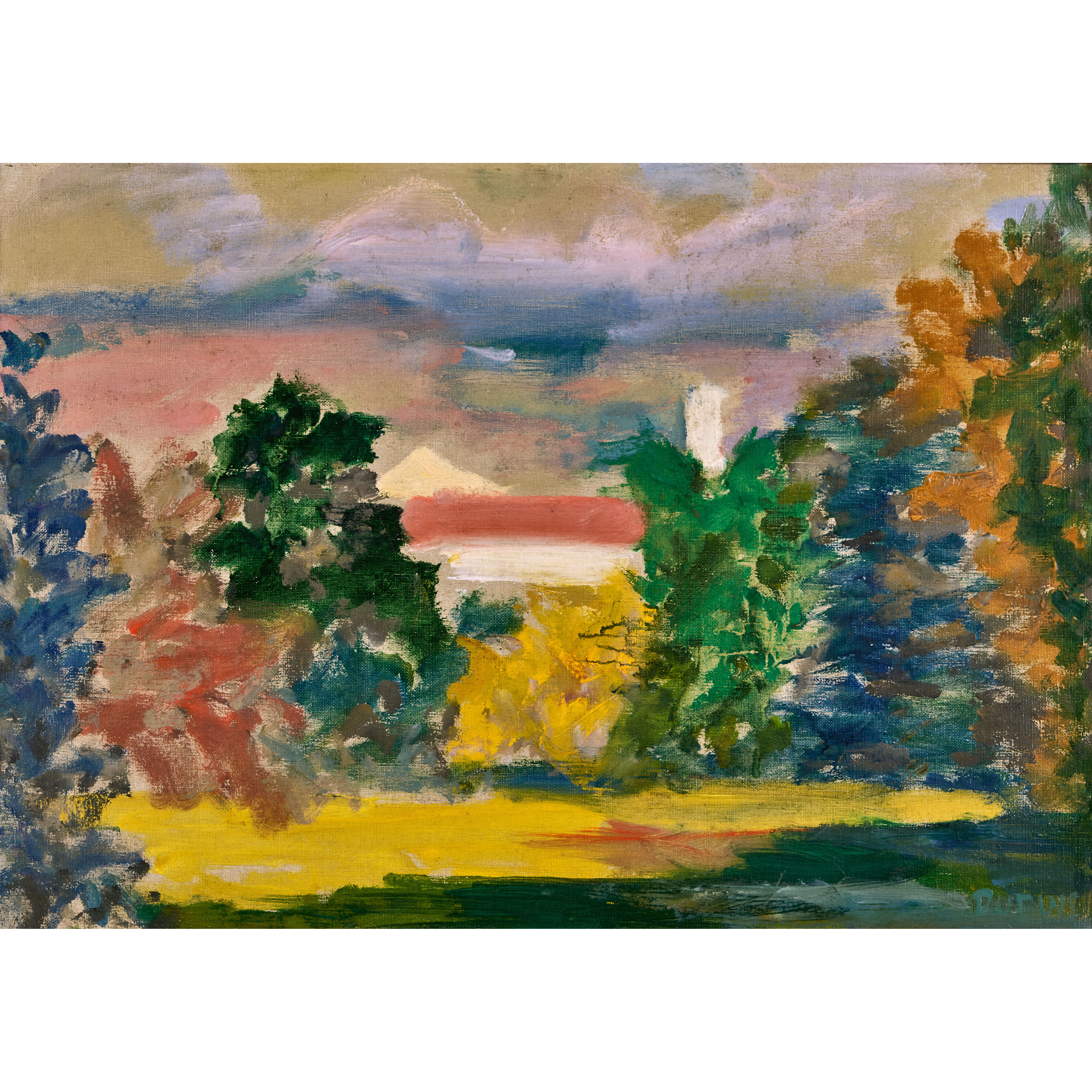
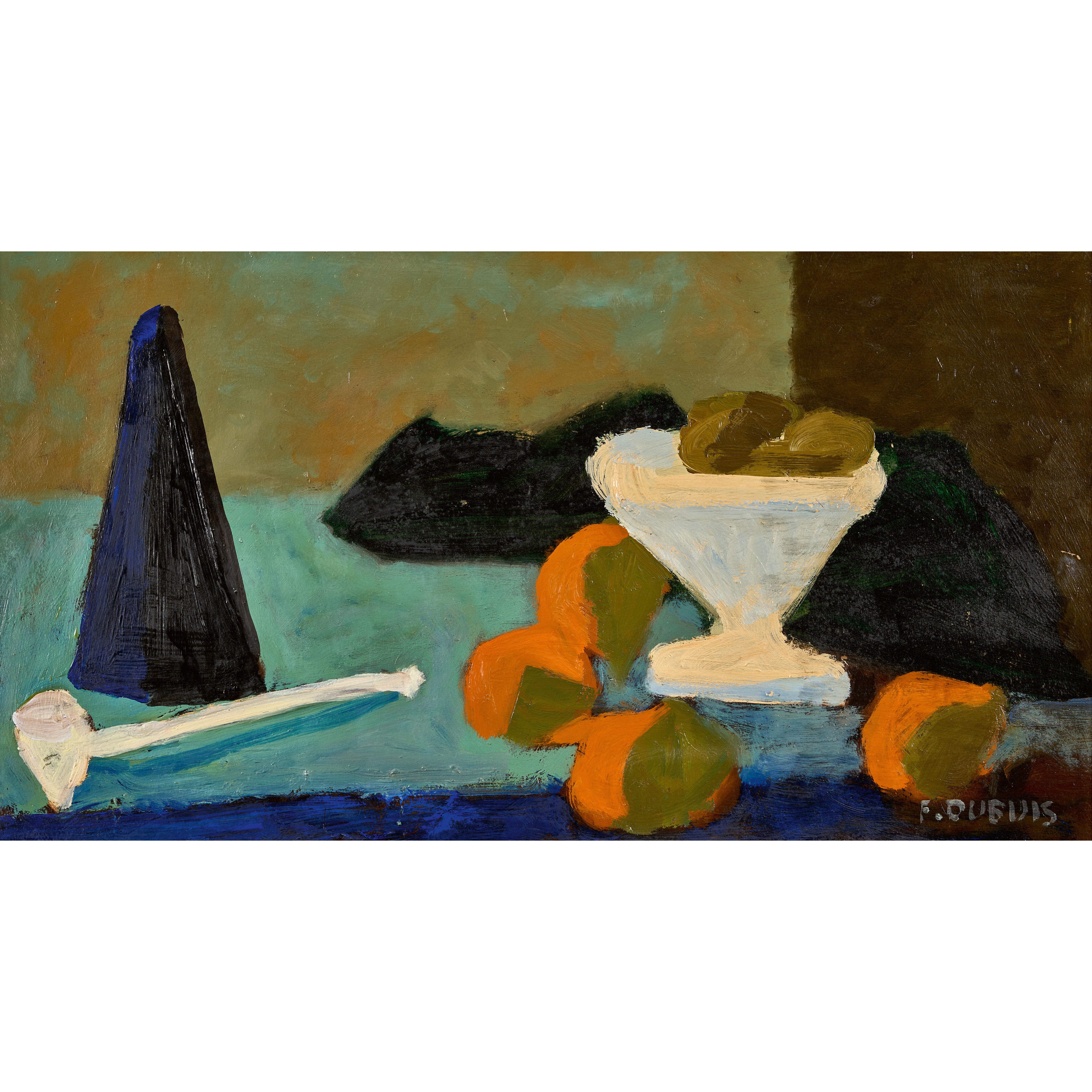
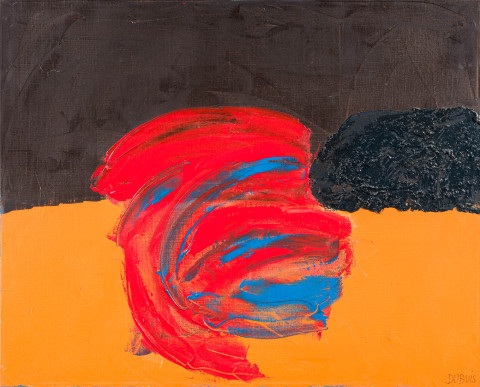
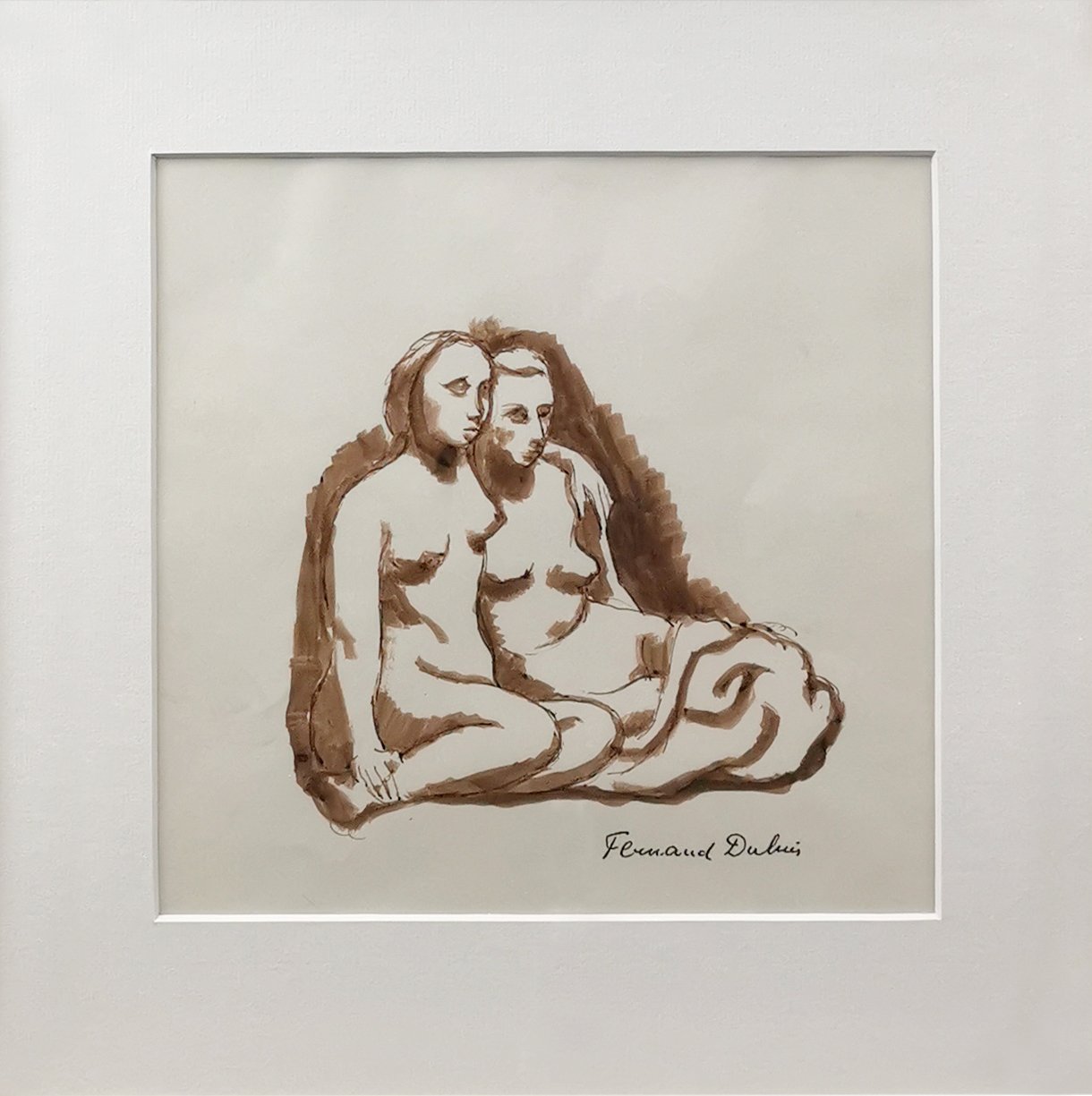
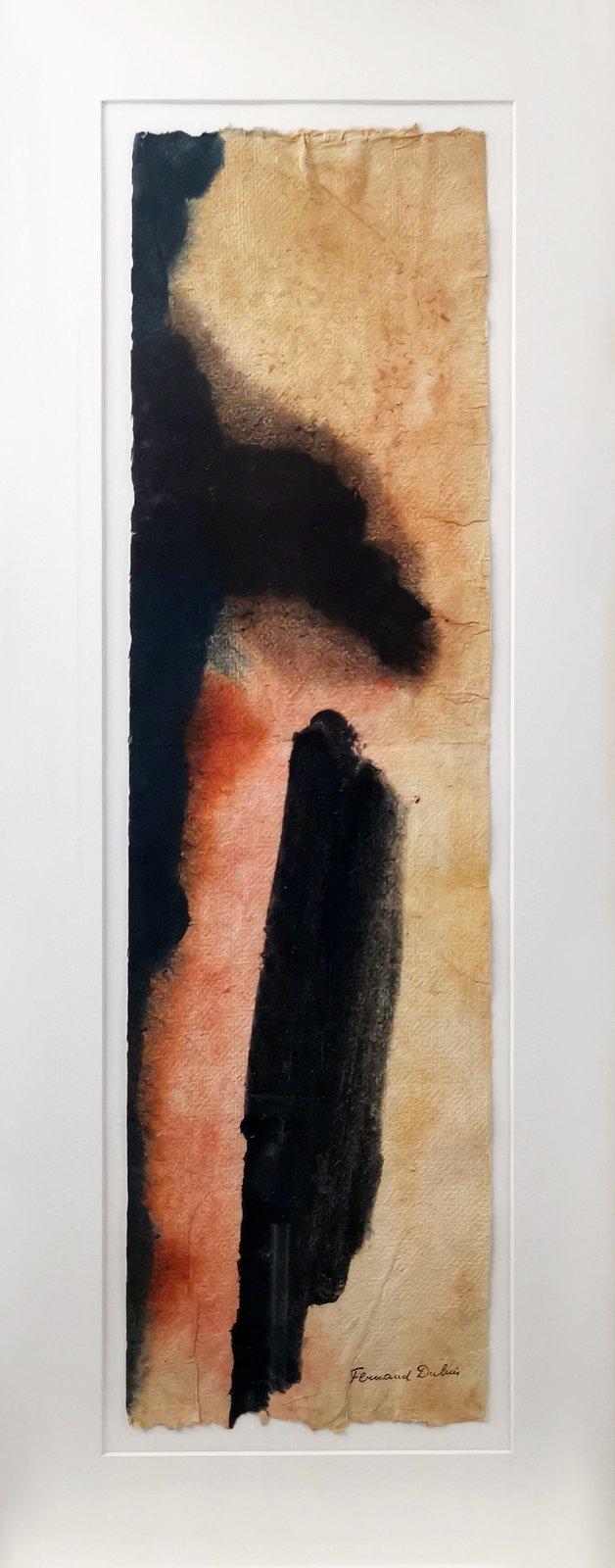
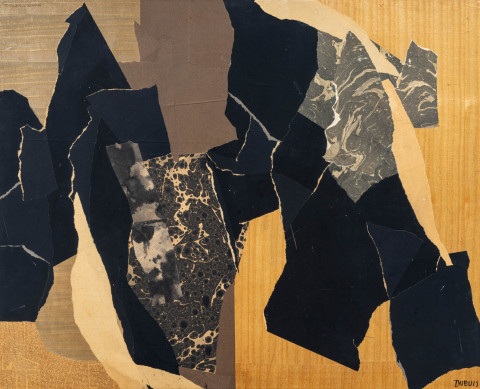
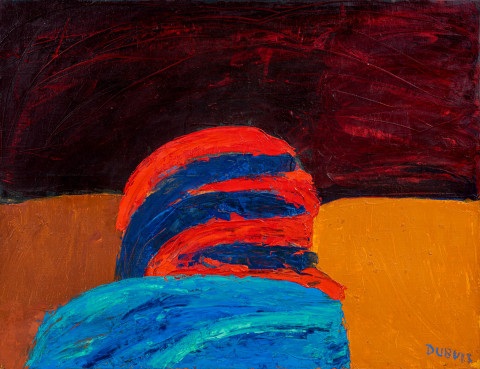
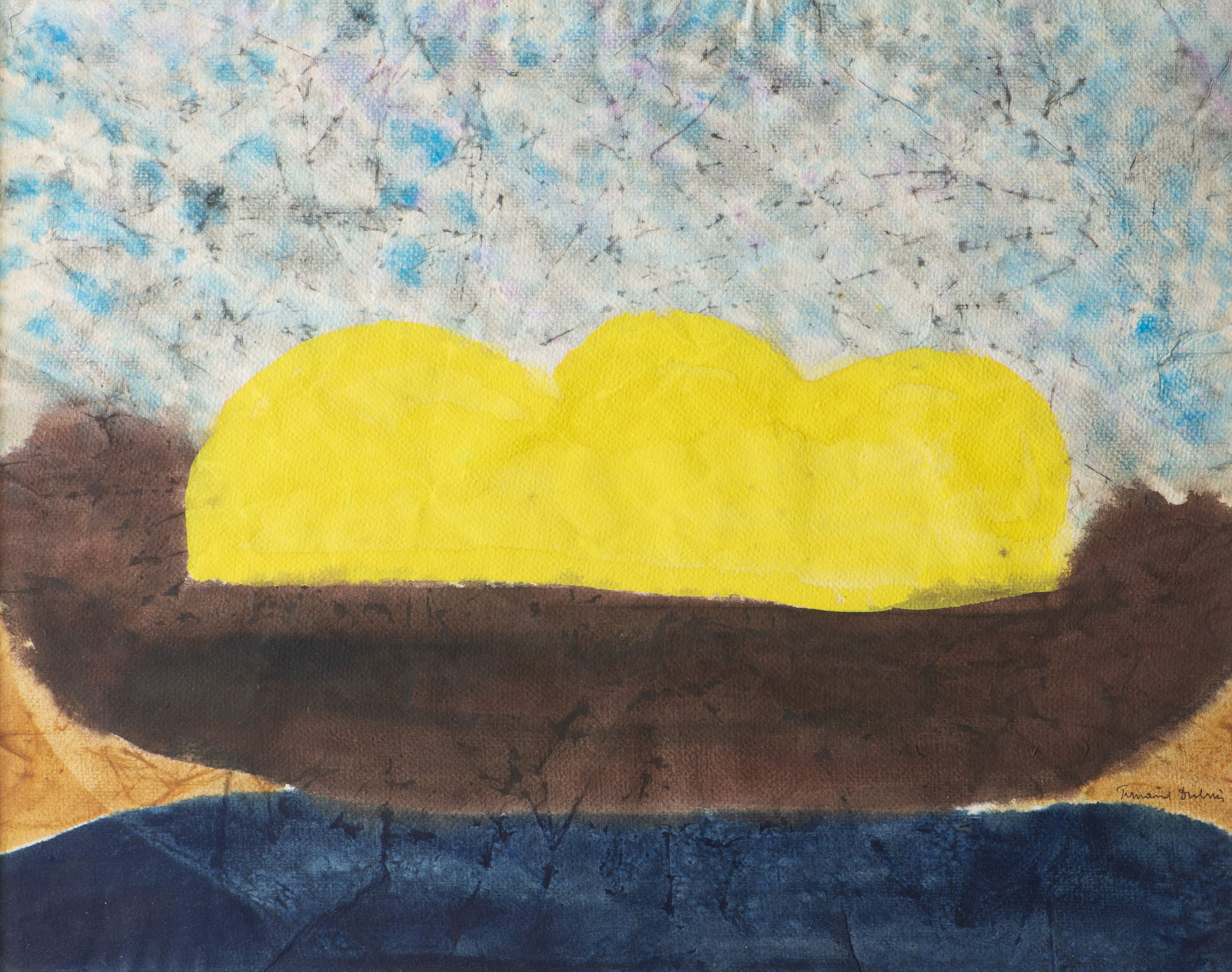
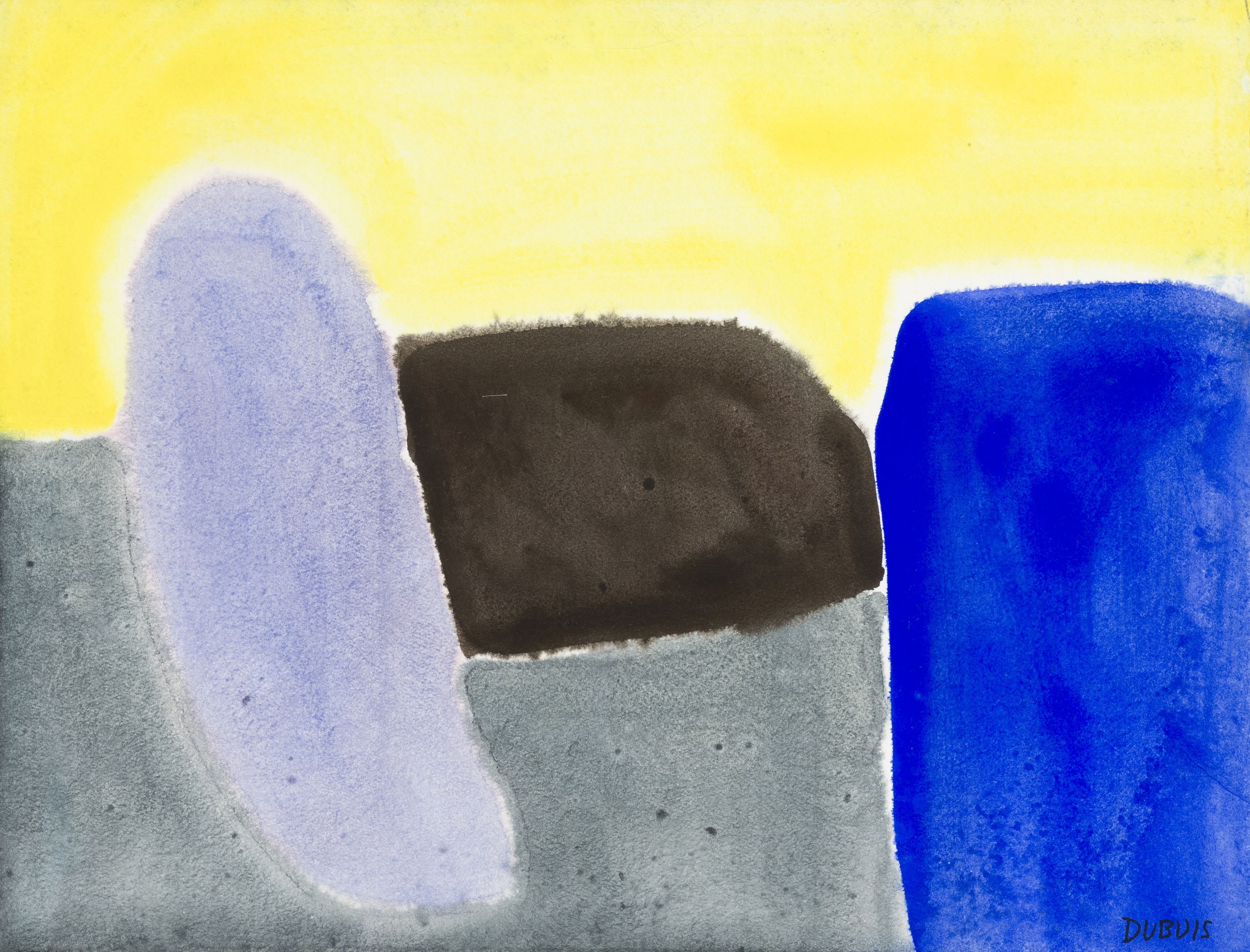
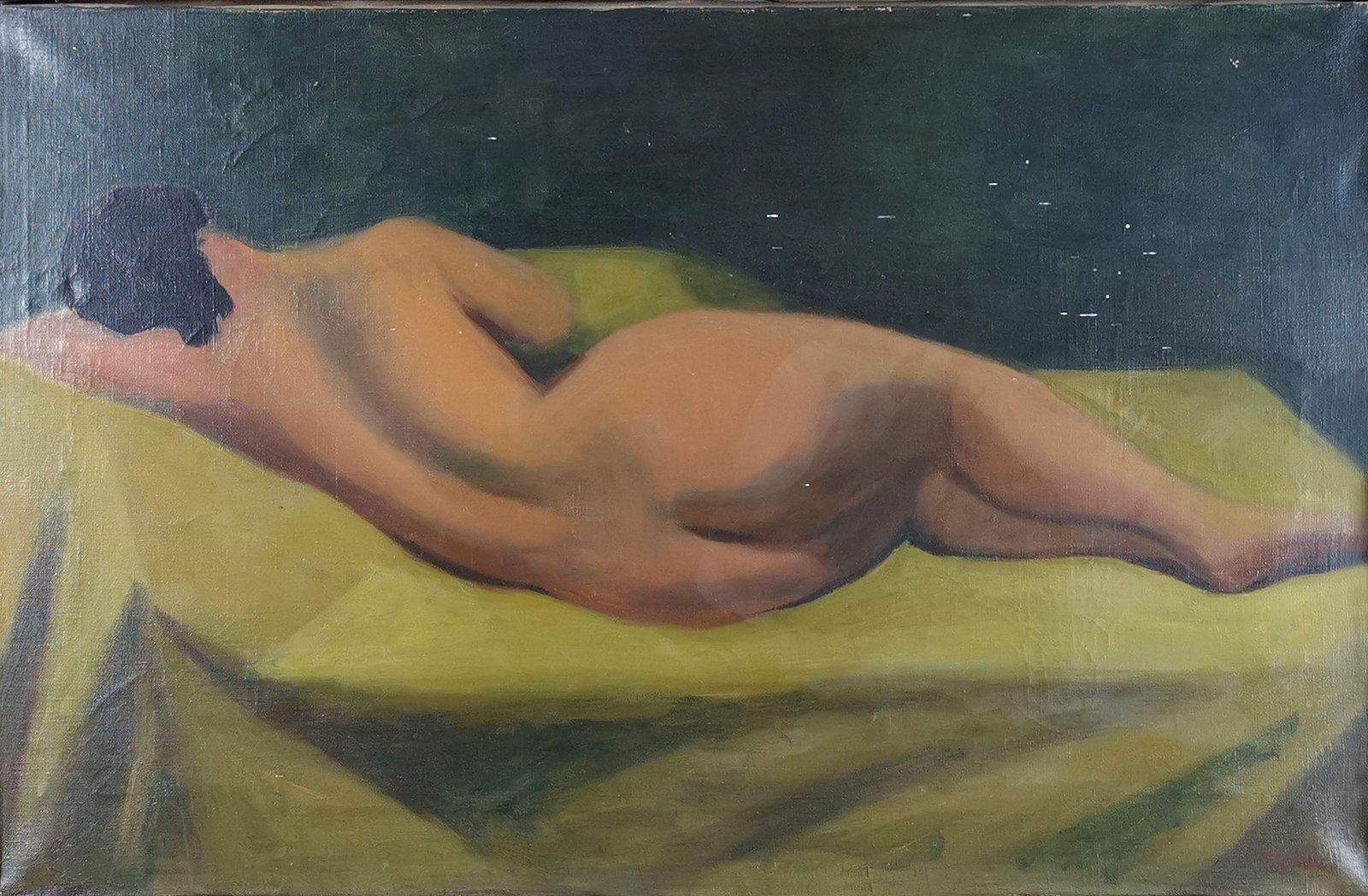
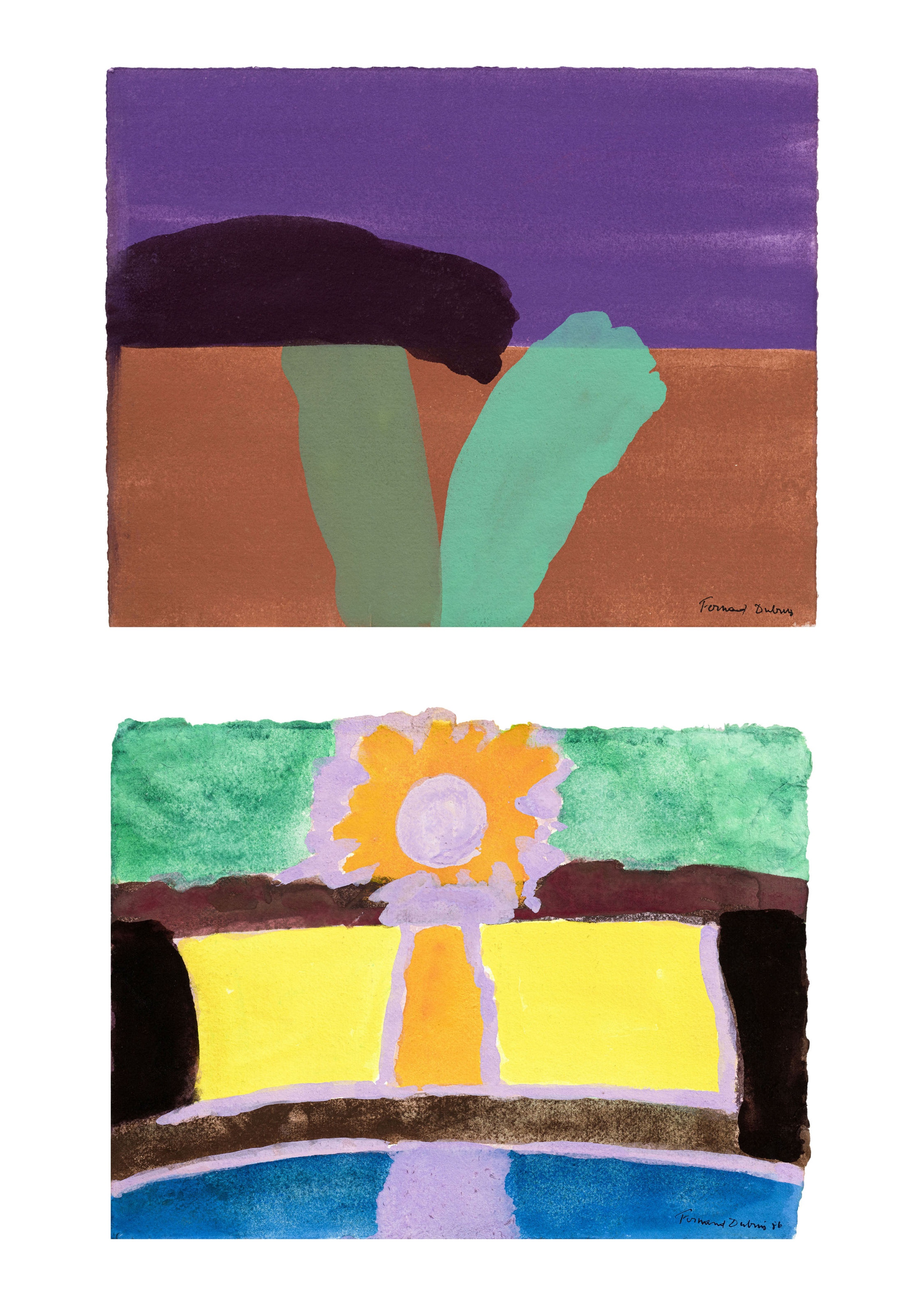
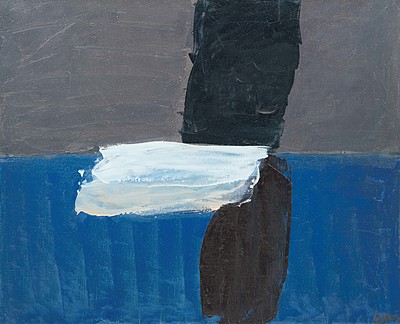
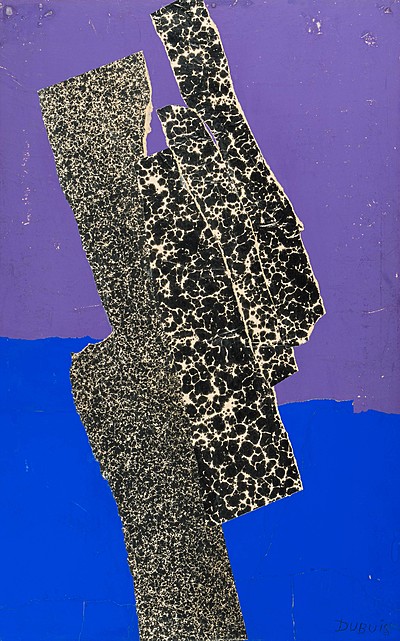
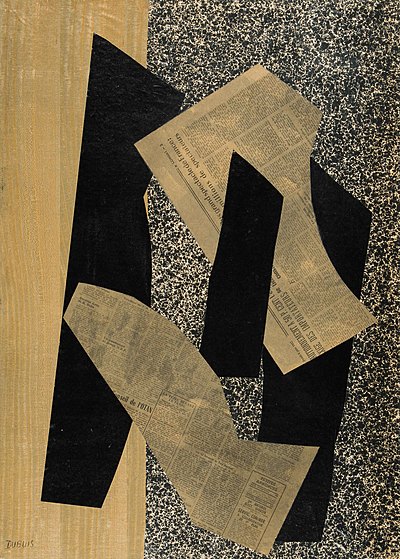
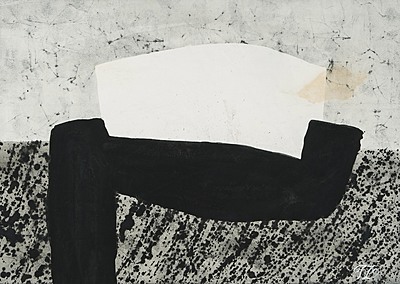
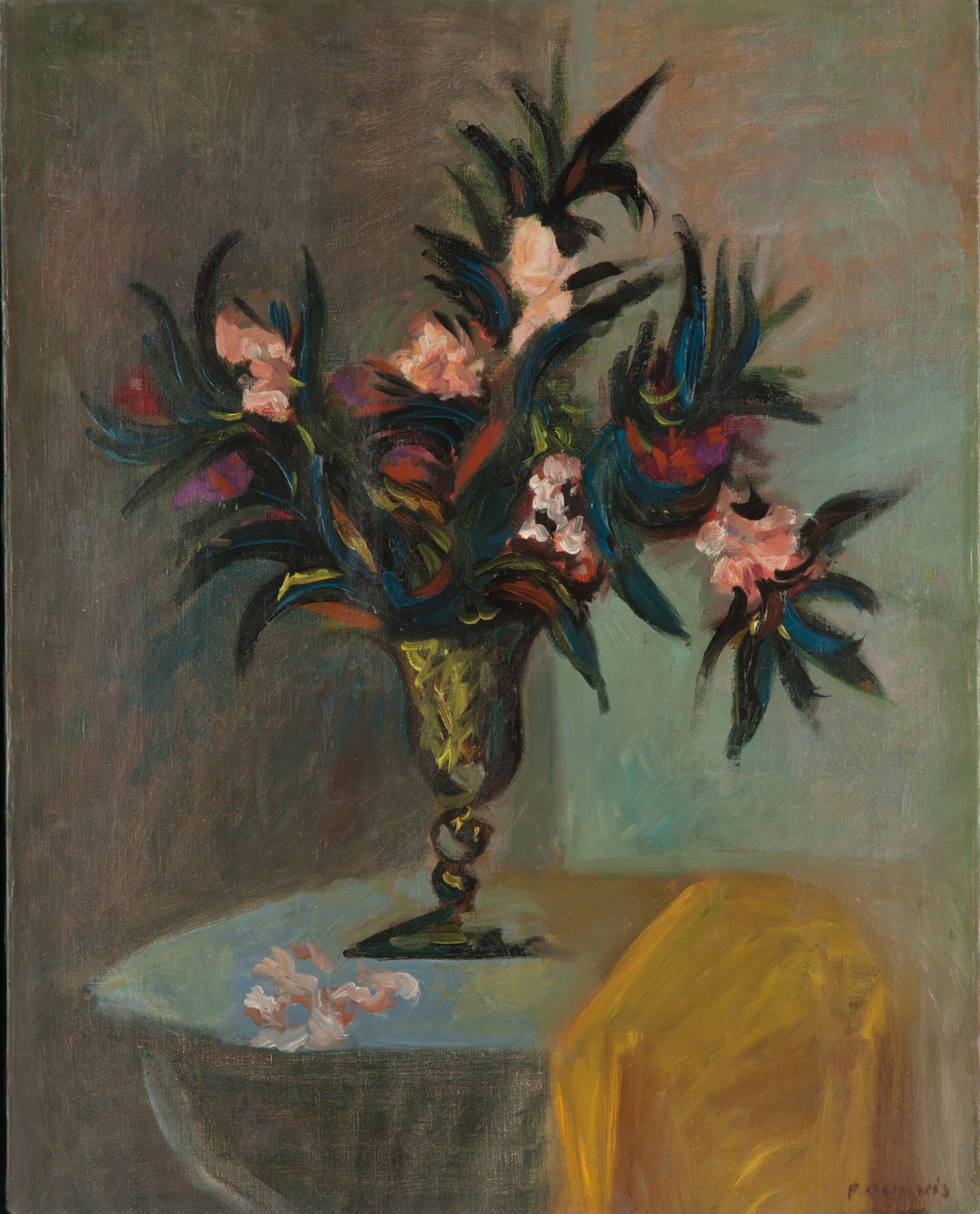
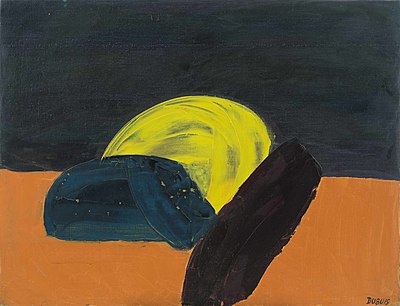
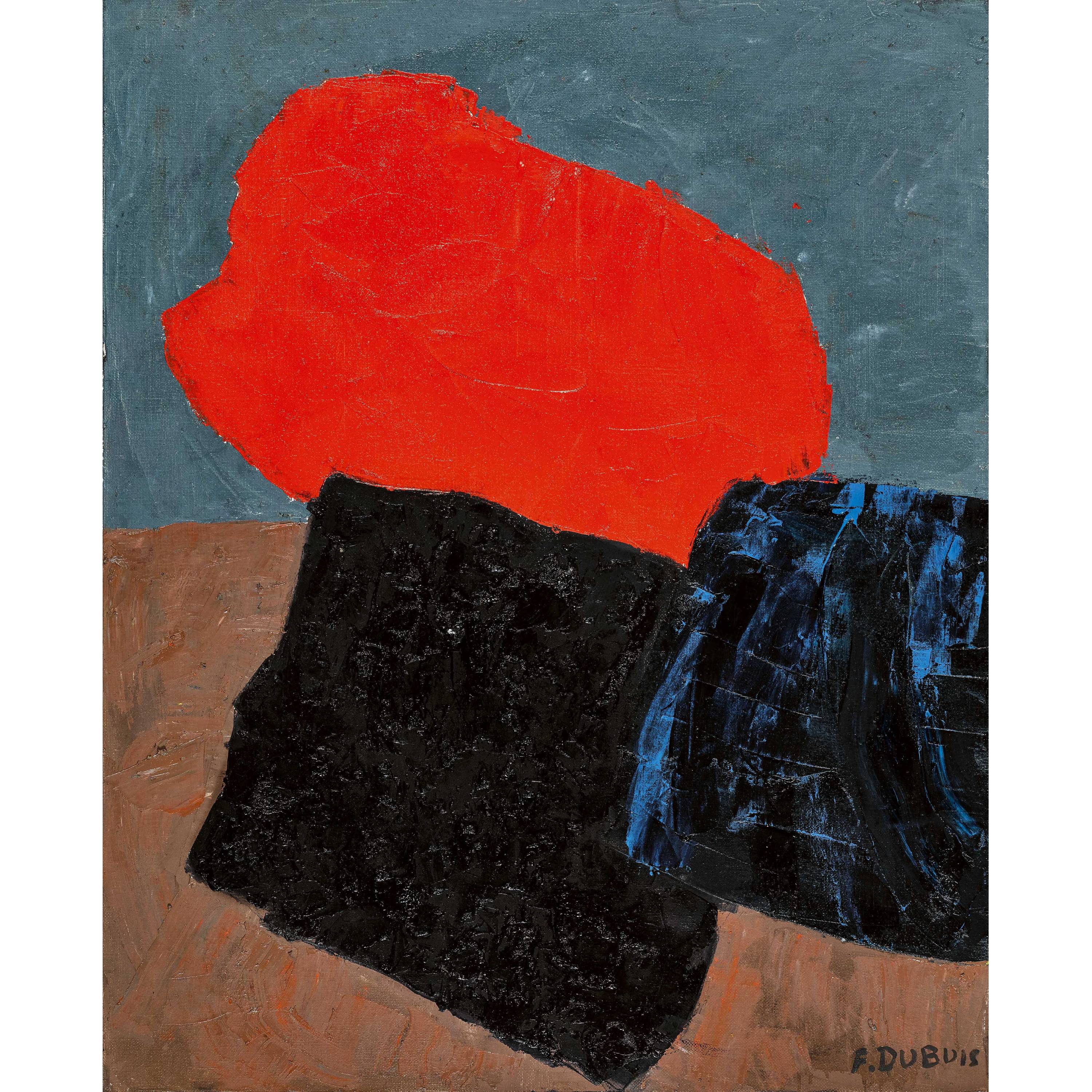
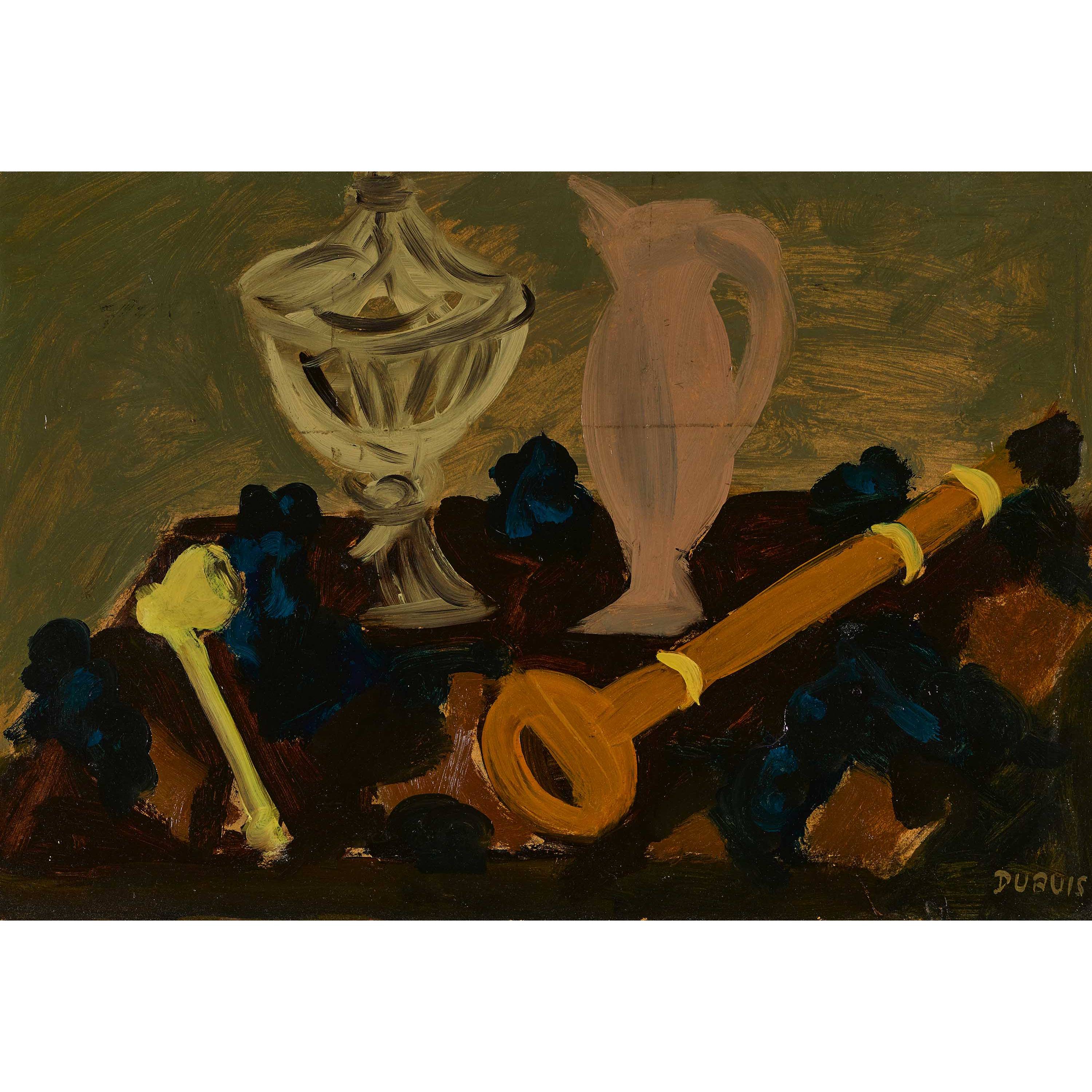
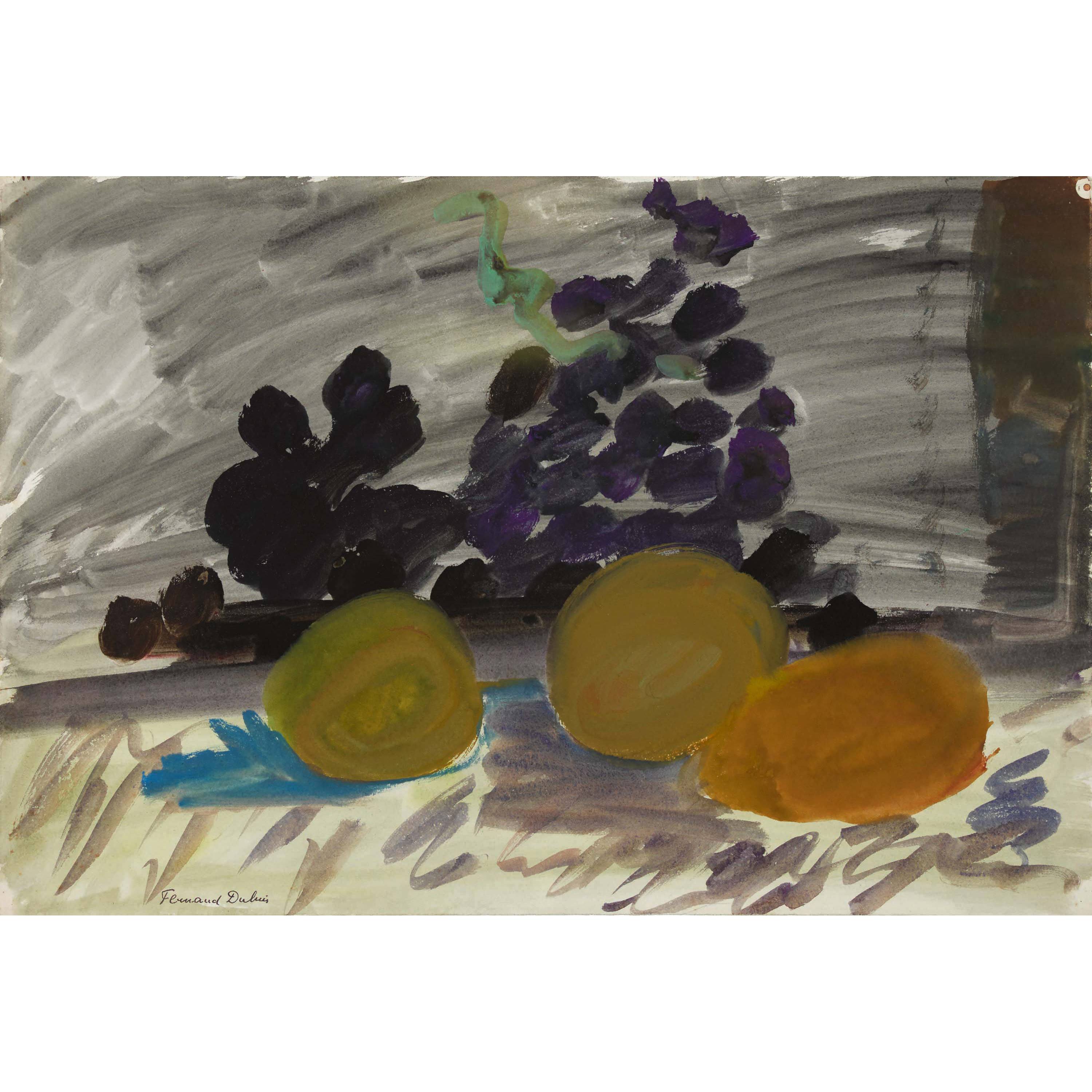
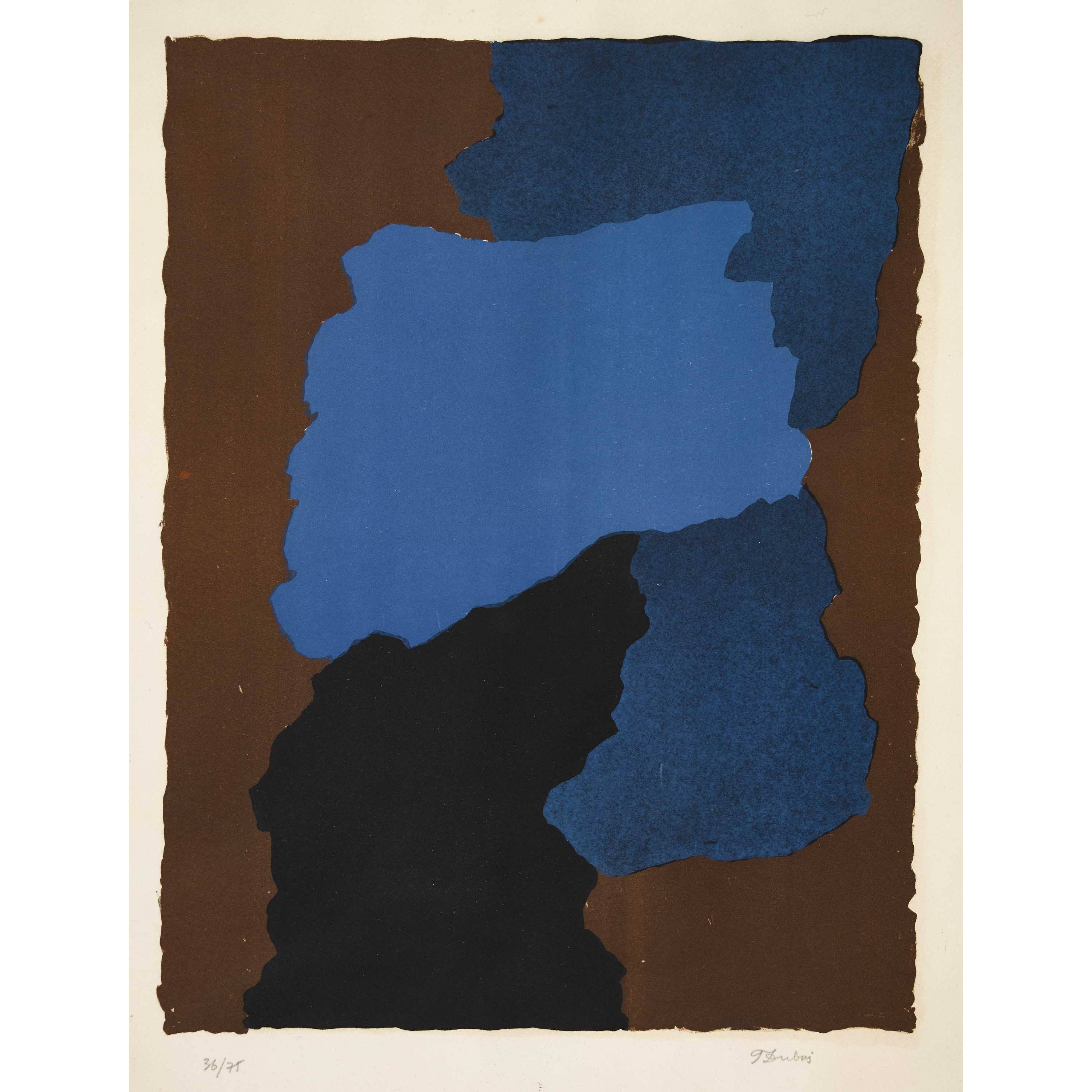
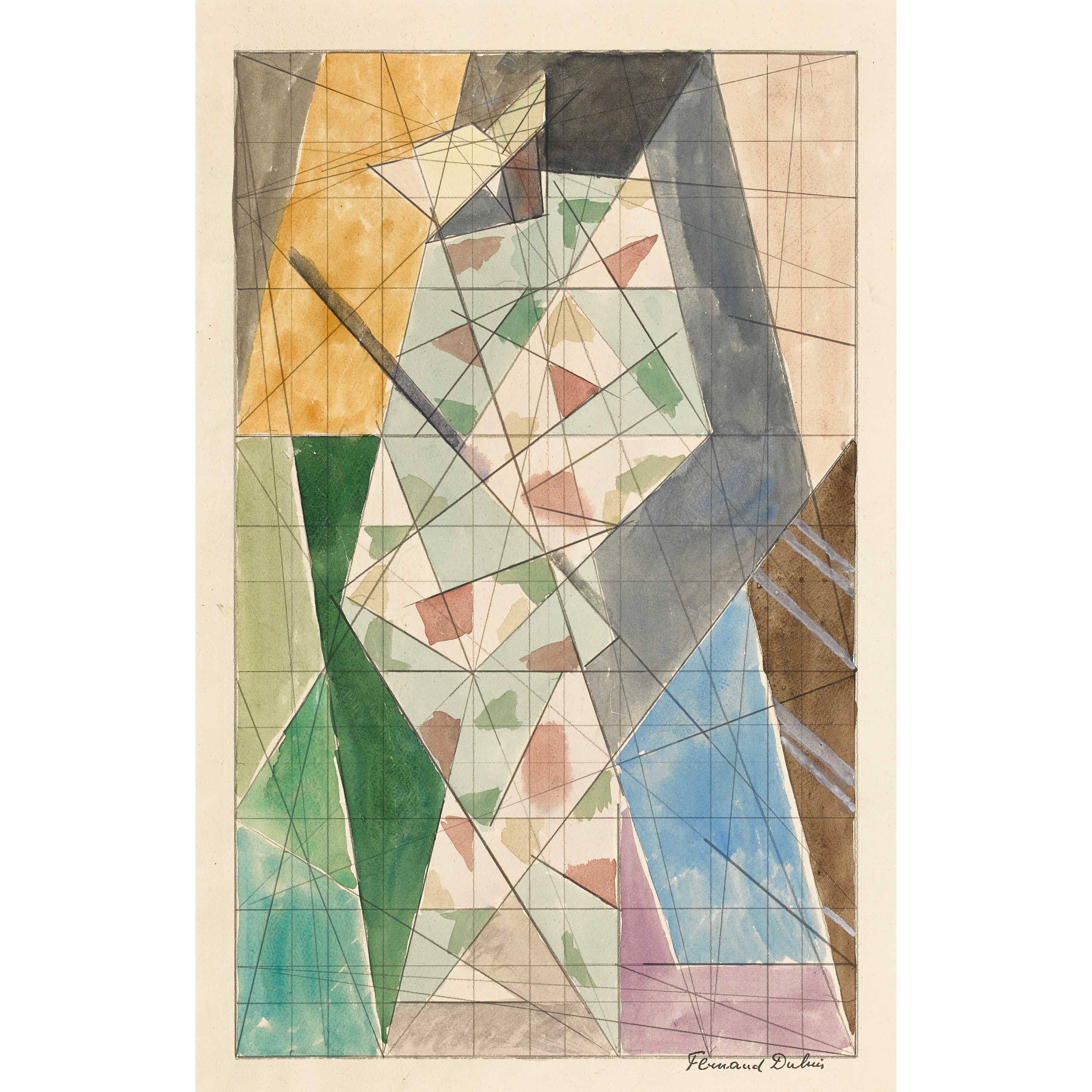
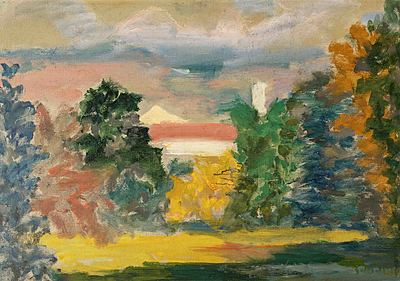
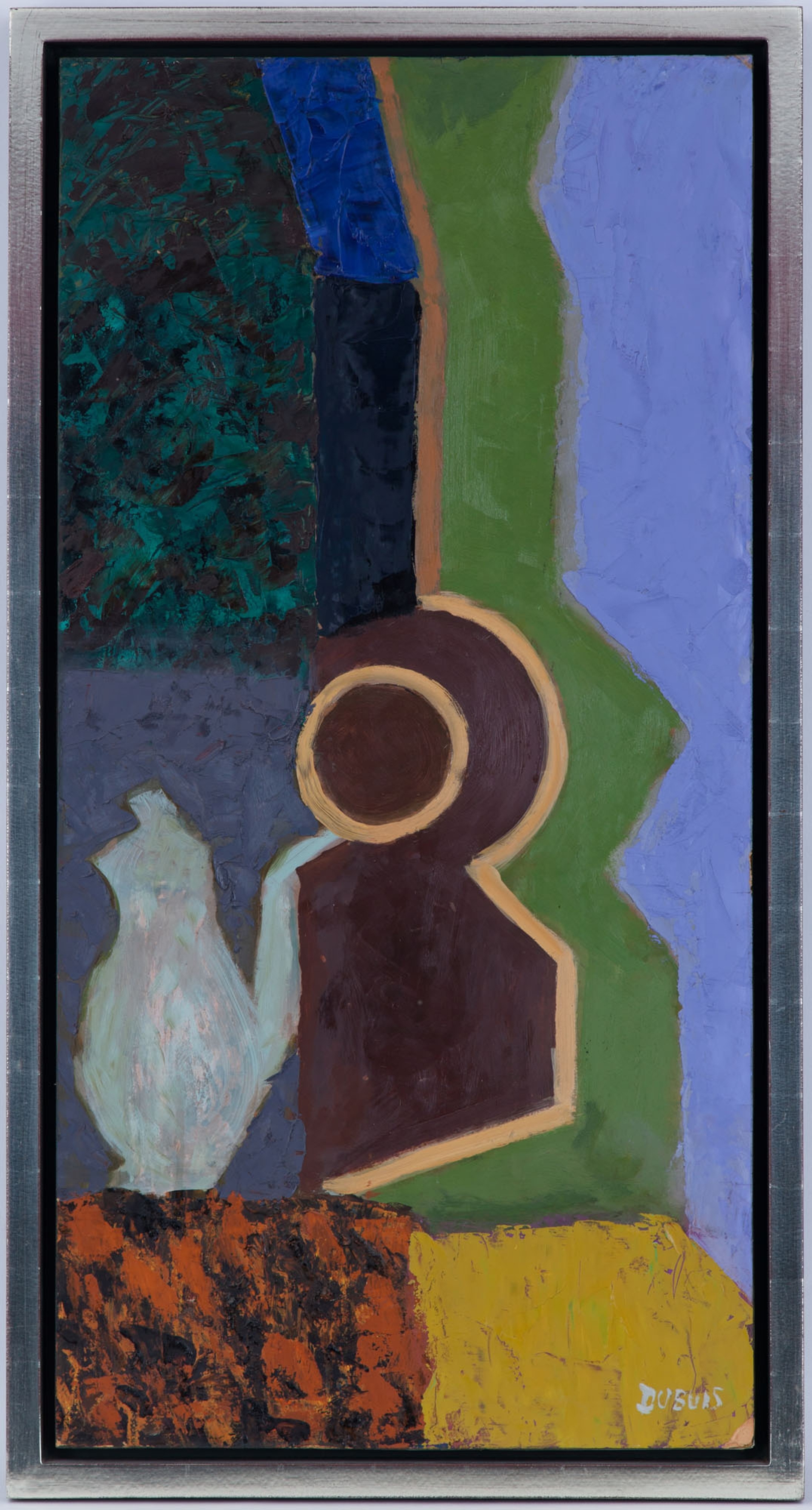
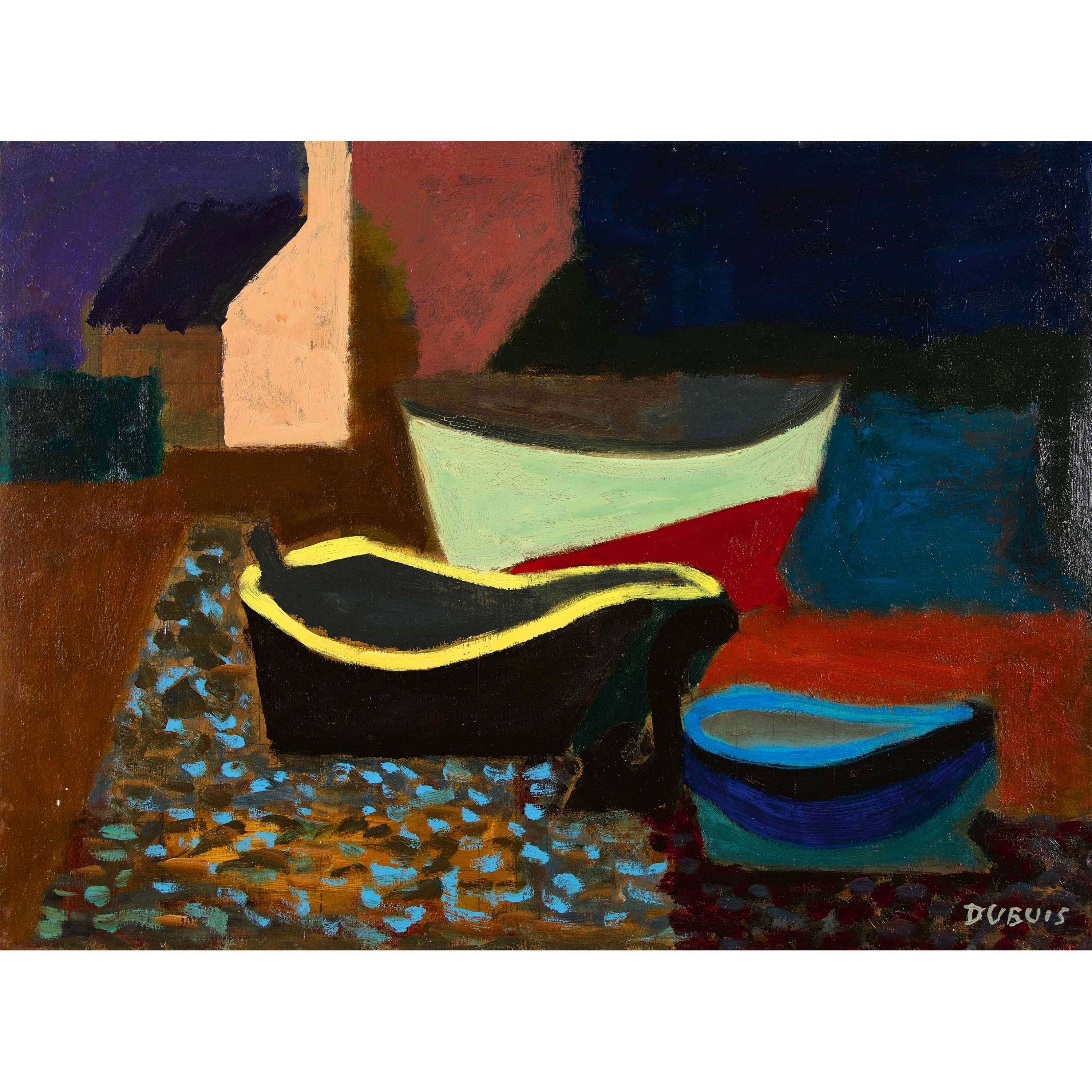
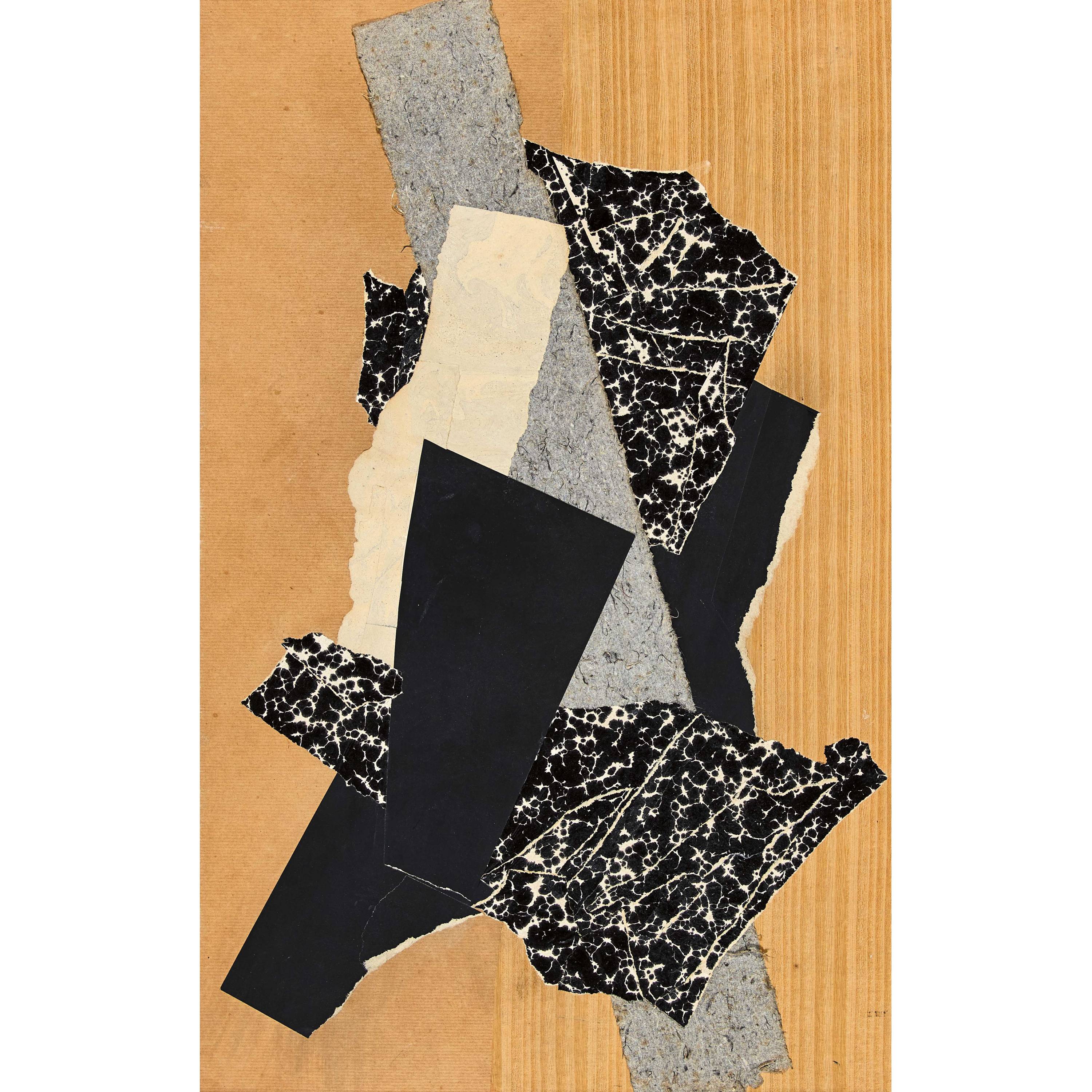
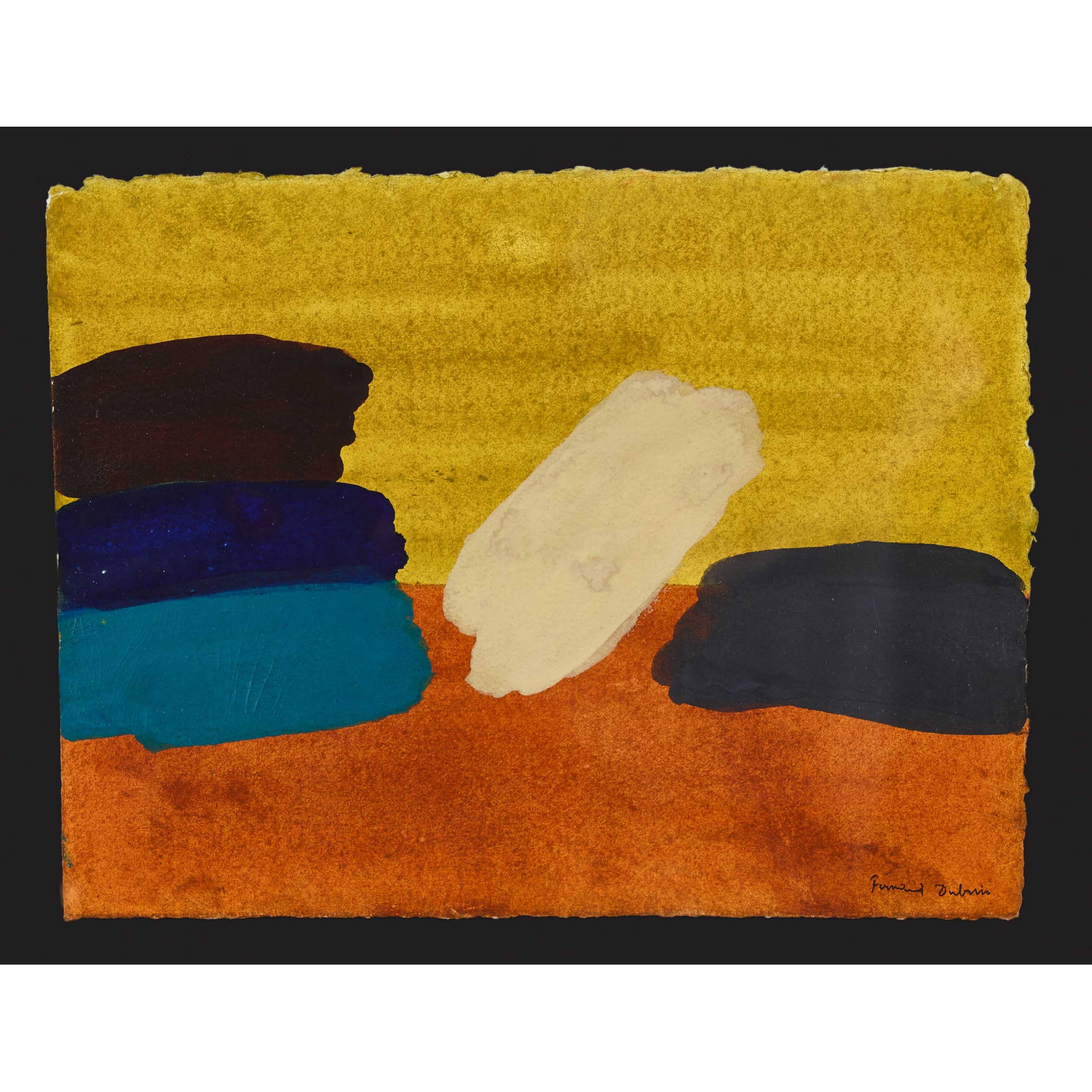
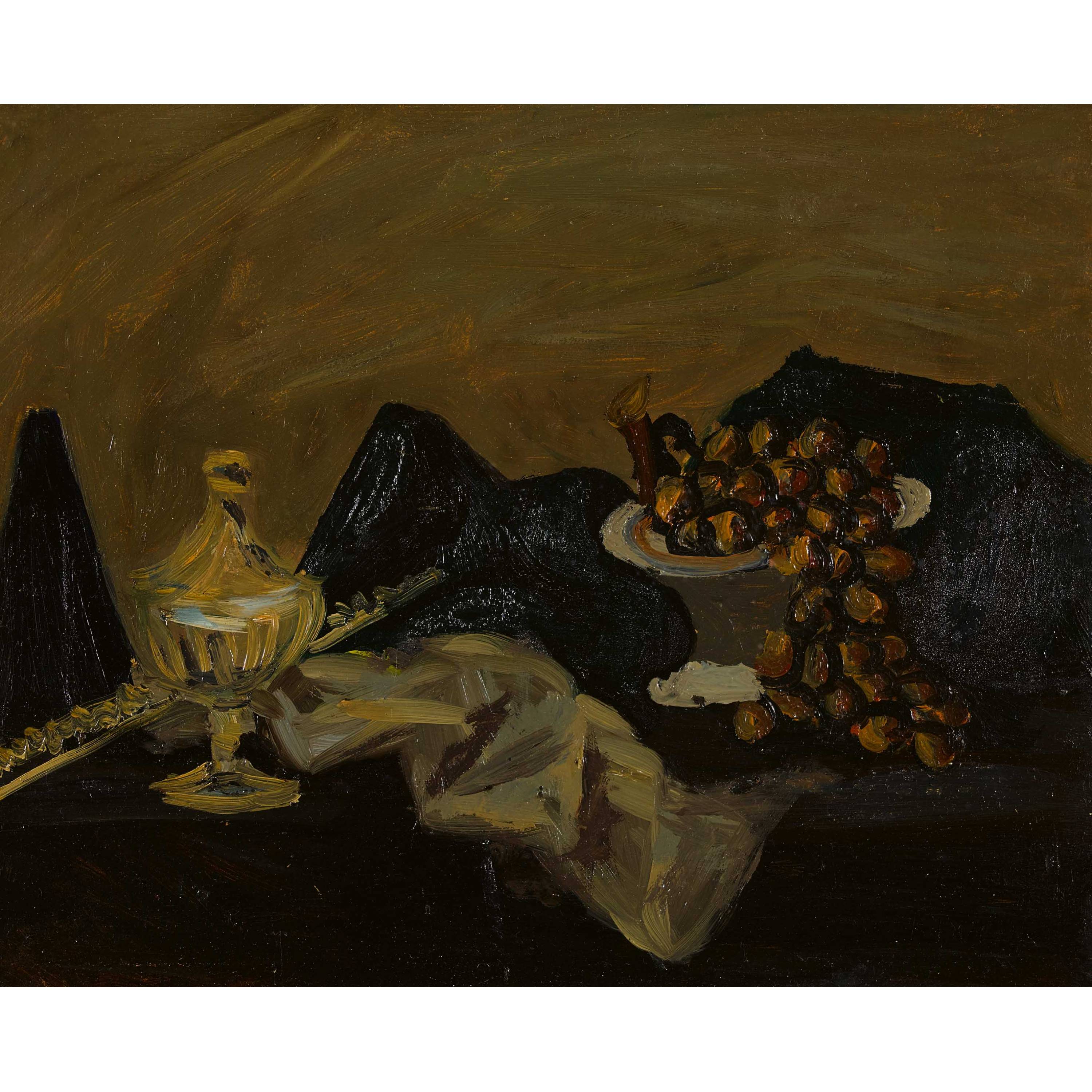
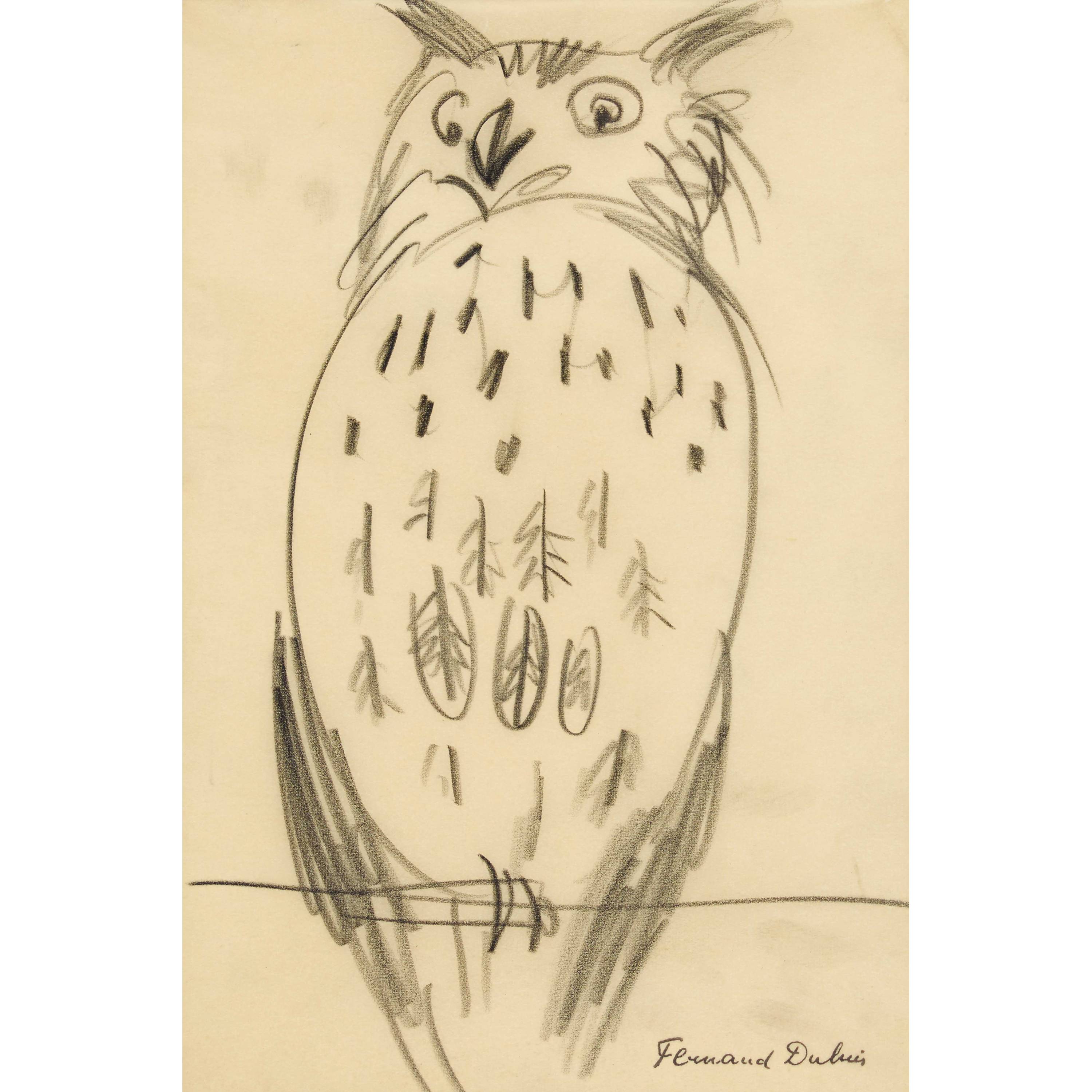
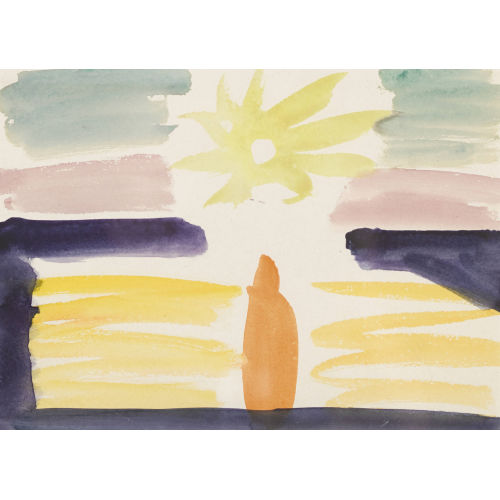
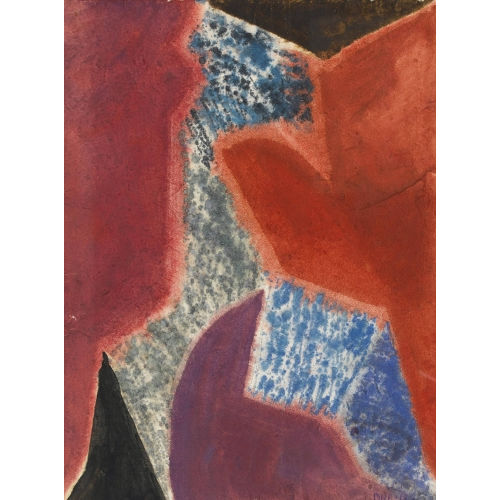
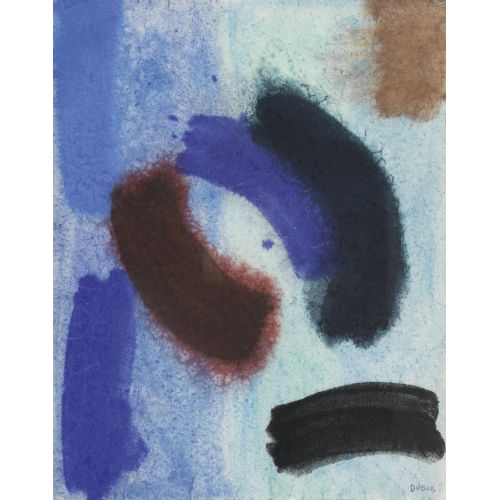
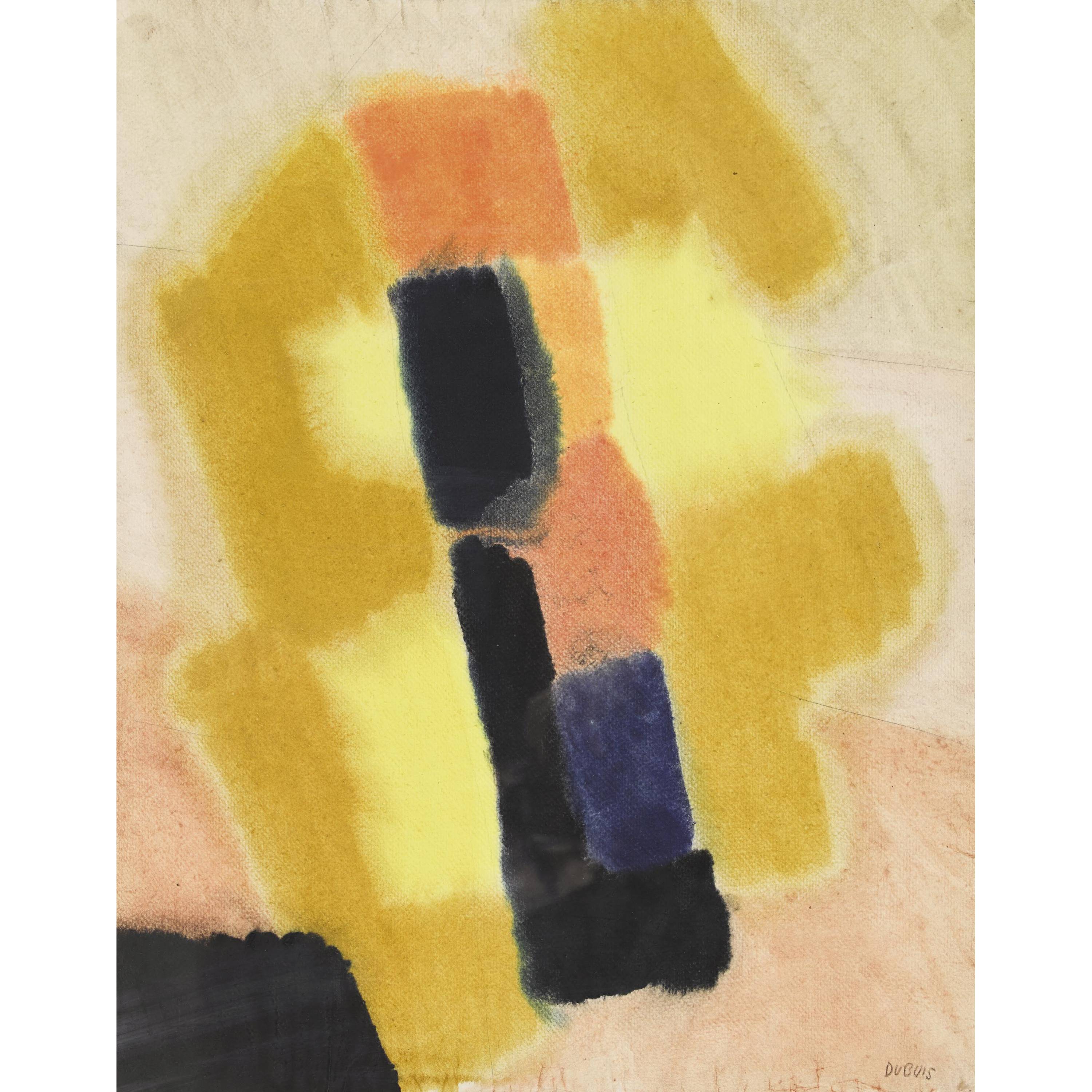
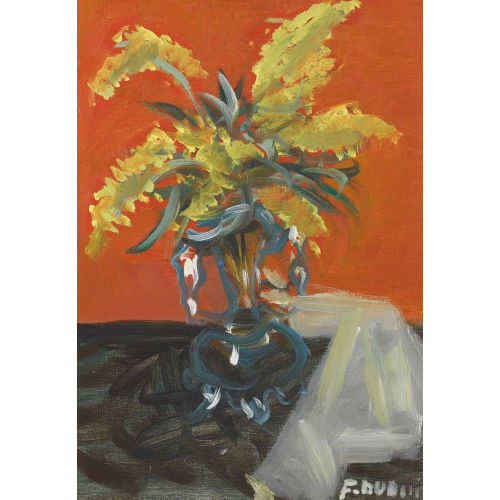
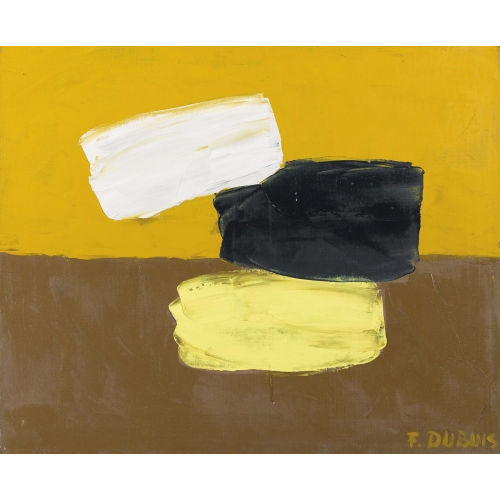
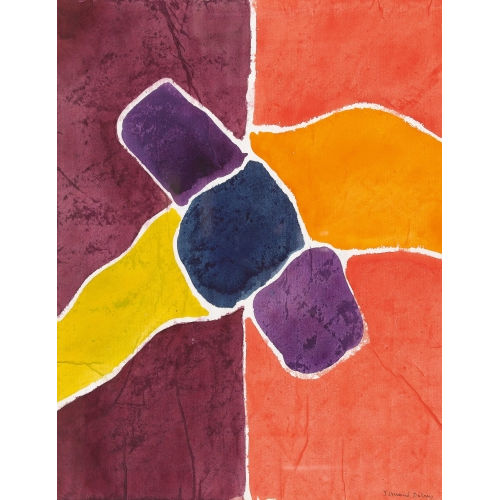
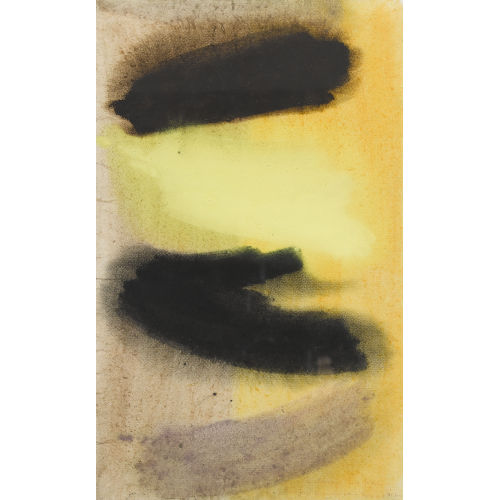
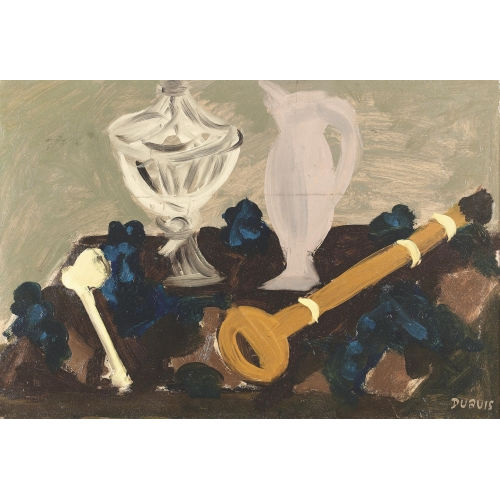
In Fernand Dubuis’s work, colour gradually acquires a life independent of the subject. Born in Sion in 1908 and deceased in Normandy in 1991, this Valais painter, draughtsman and engraver developed his work through contact with the Parisian art scene. His career allows us to follow a patient transformation from figuration towards abstraction.
After a brief period at the École de dessin de Lausanne, he settled in Paris at the end of 1930. He attended several independent academies, including Colarossi, Ranson and the Grande Chaumière, and then worked in Maurice Denis’s studio in 1934. Stays in Italy complemented his training.
Encounters with artists such as Raoul Dufy and Gino Severini nourished his thinking about the relationships between structure, rhythm and colour.
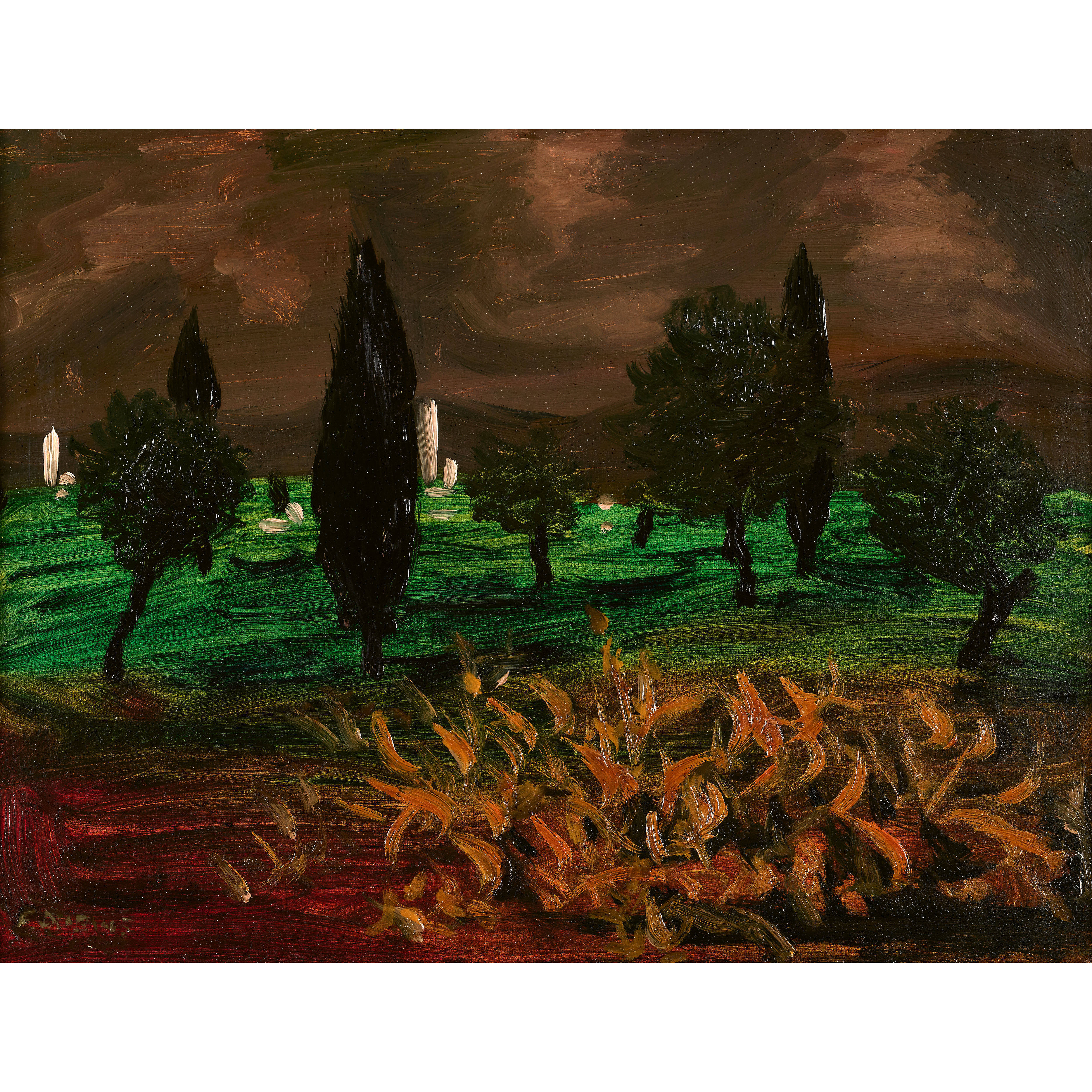
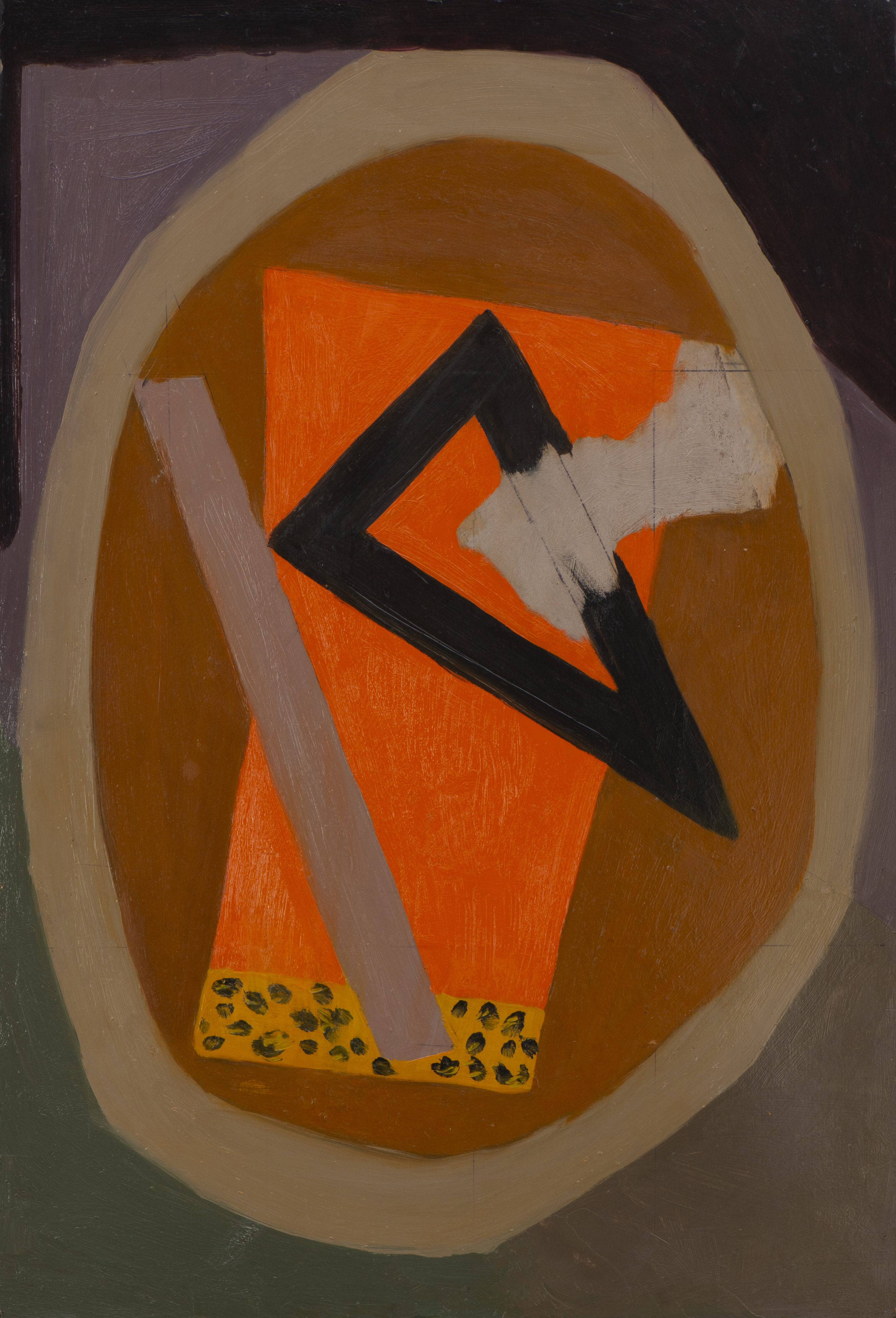
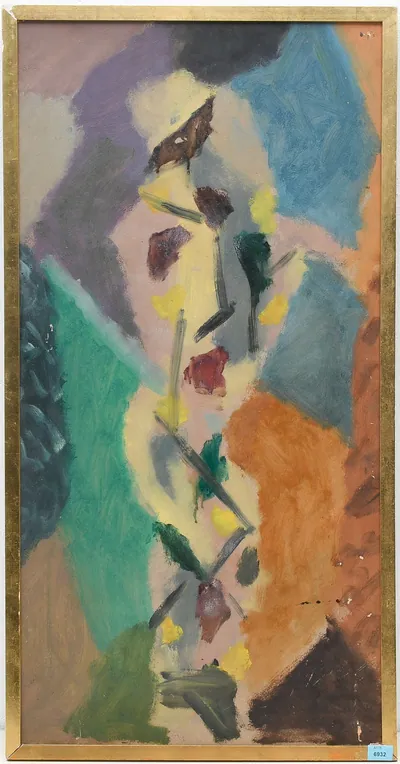
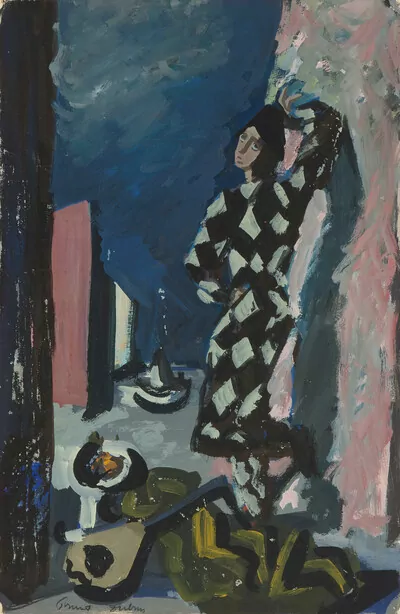
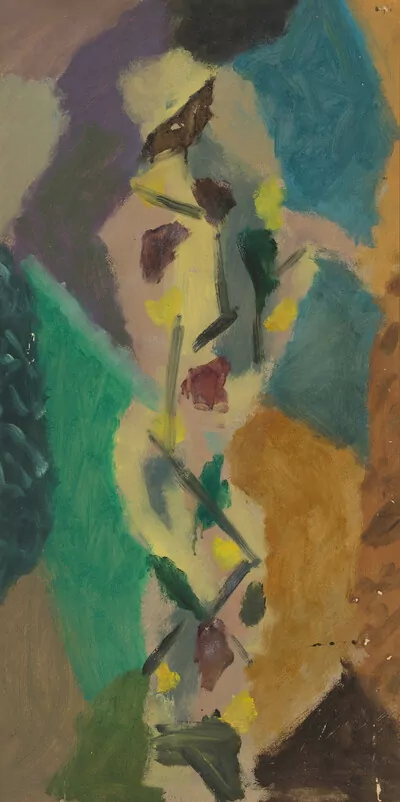
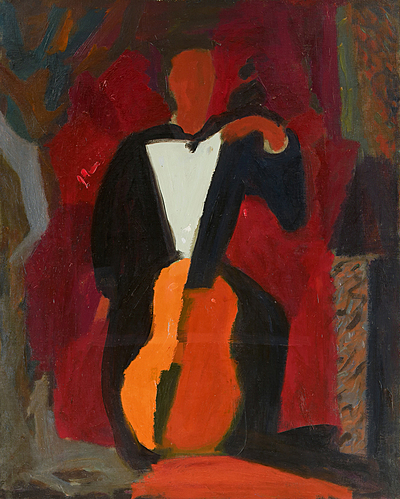
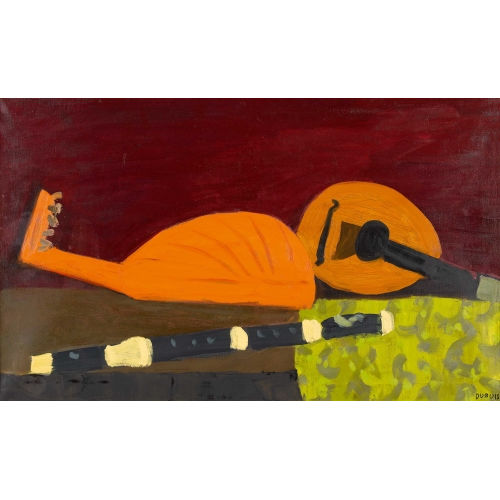
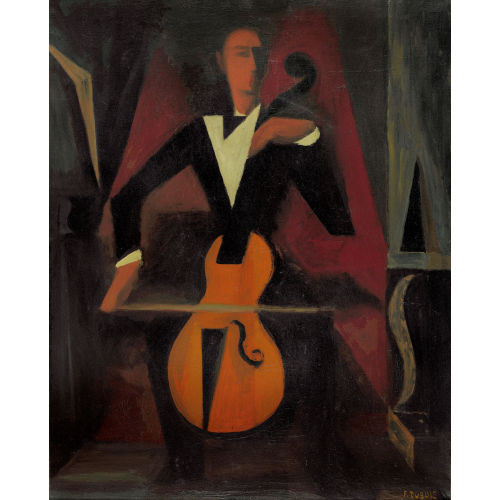
Le Violoncelliste, painted around 1947 and held at the Musée d’art du Valais, bears witness to one stage in this exploration. The musician remains identifiable, but the angular planes and curved lines organise the composition with a new freedom. The reds and oranges, punctuated by black and white, contribute to its animation.
Dubuis’s passion for music finds an echo here in the relationships between the forms.
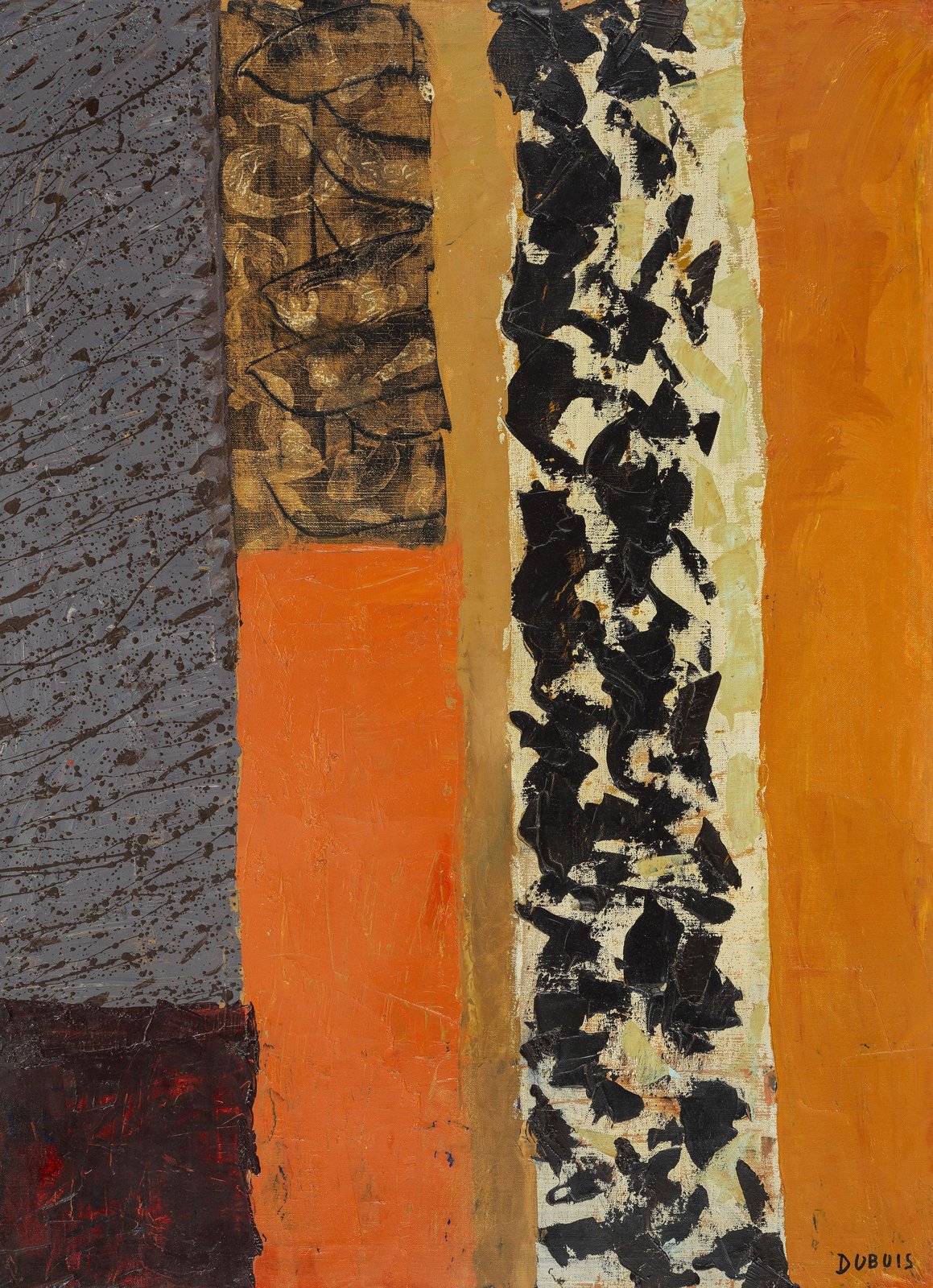
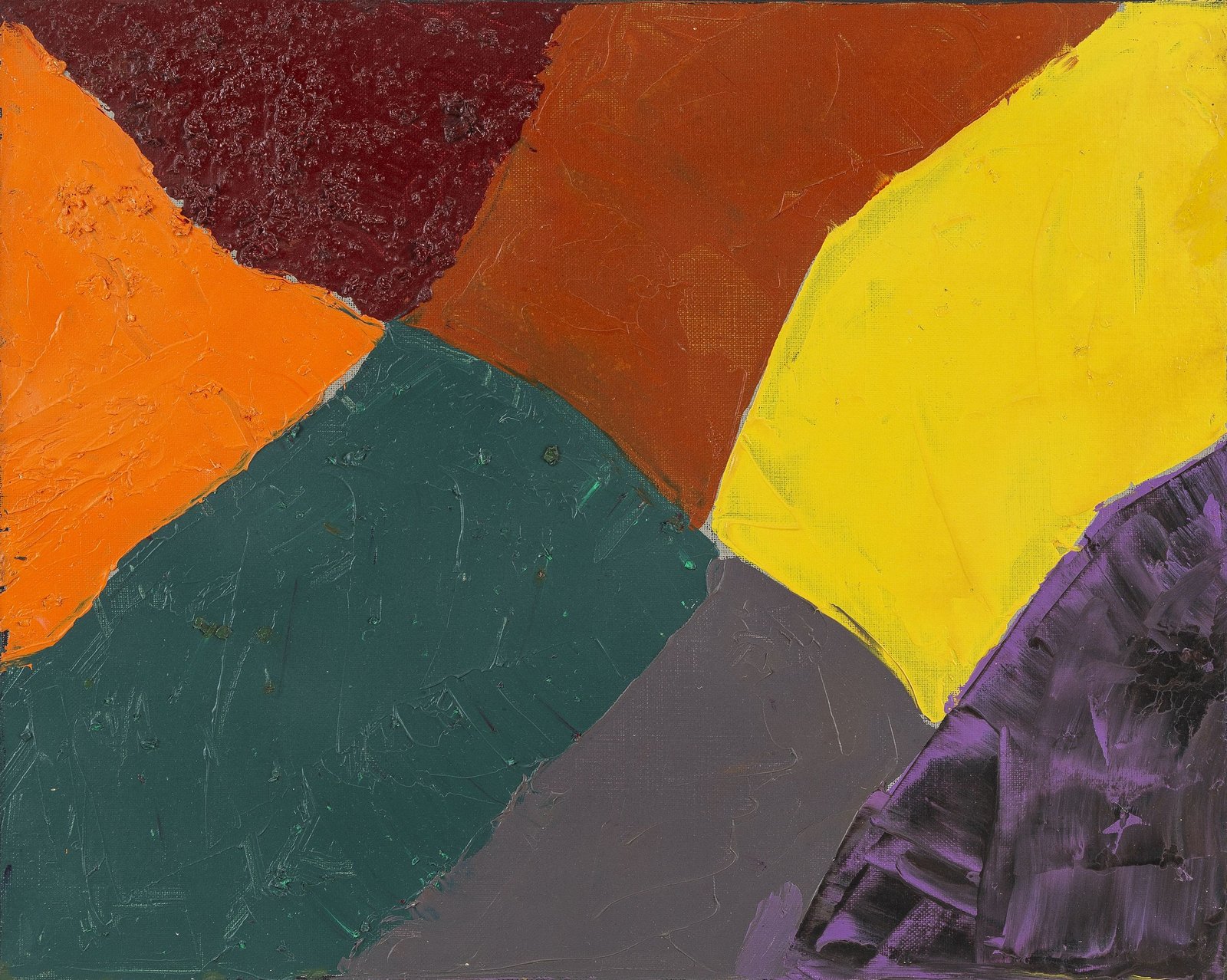
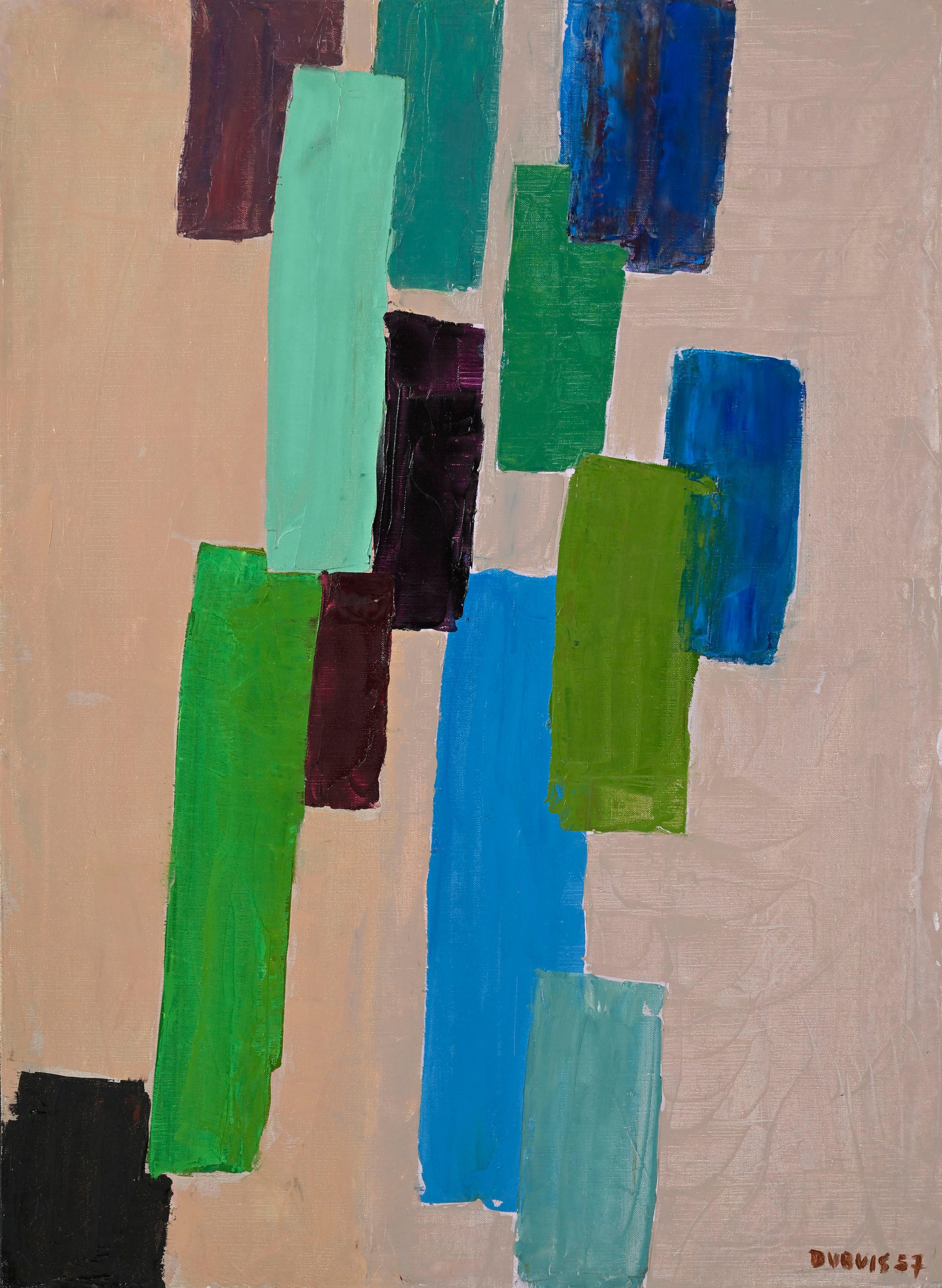
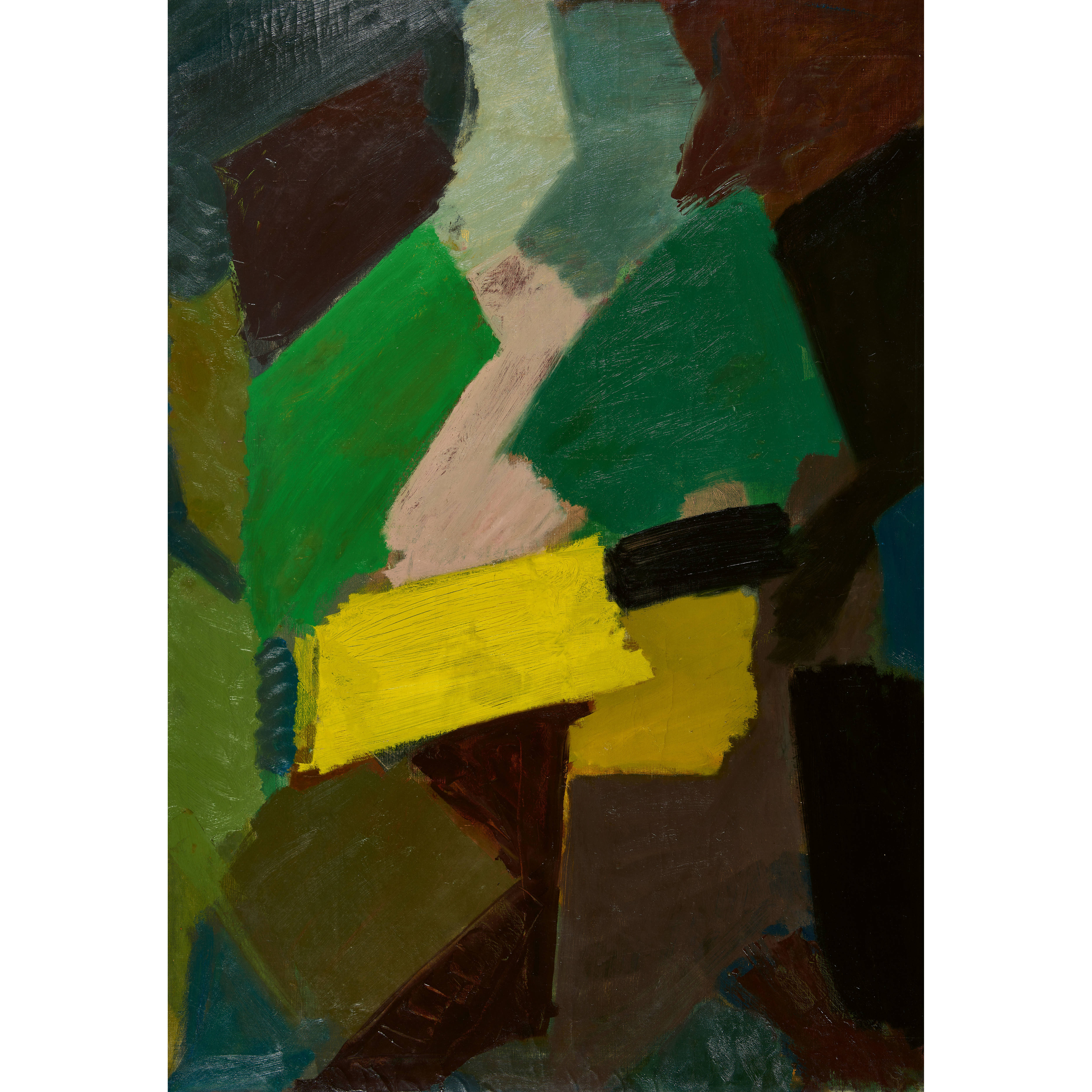
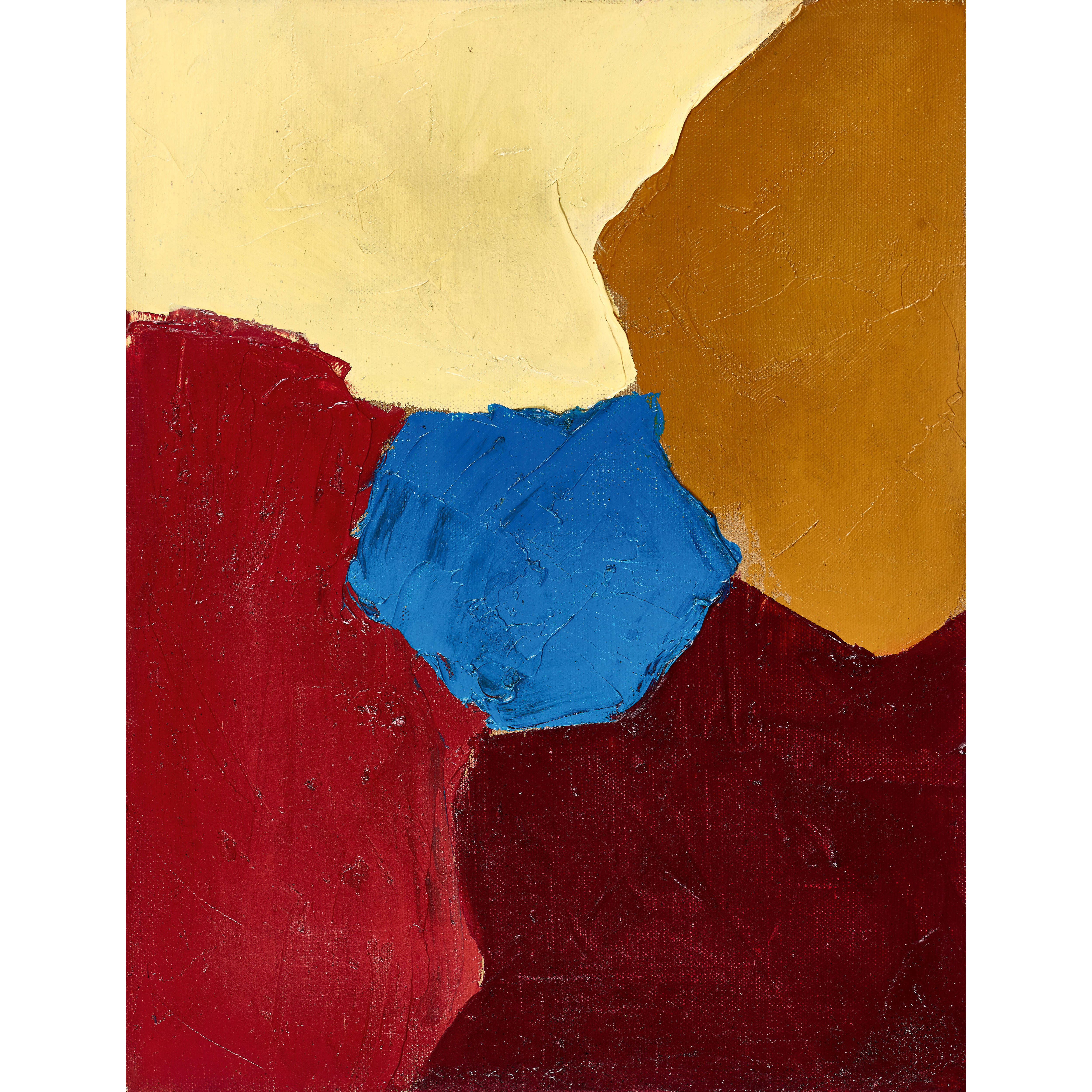
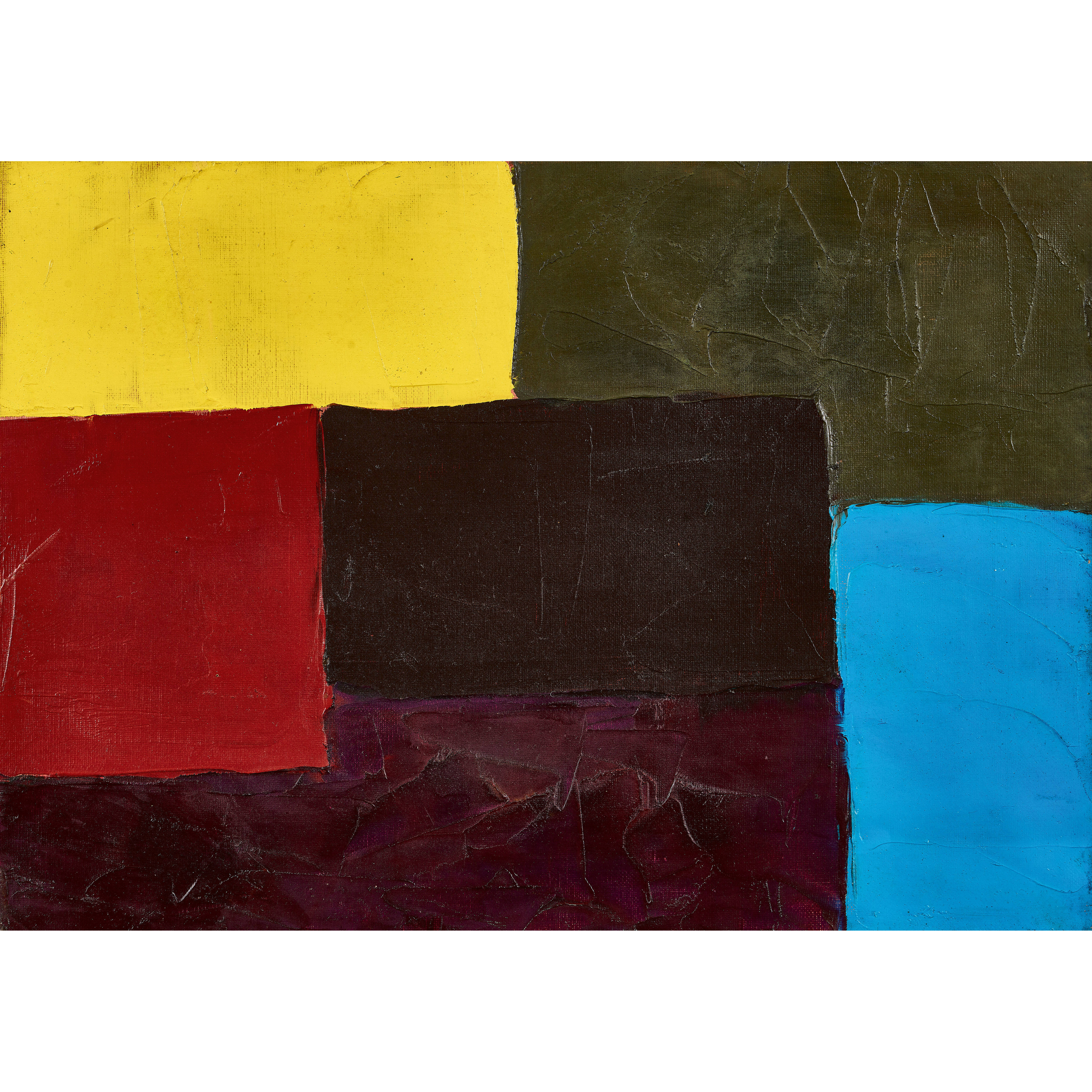
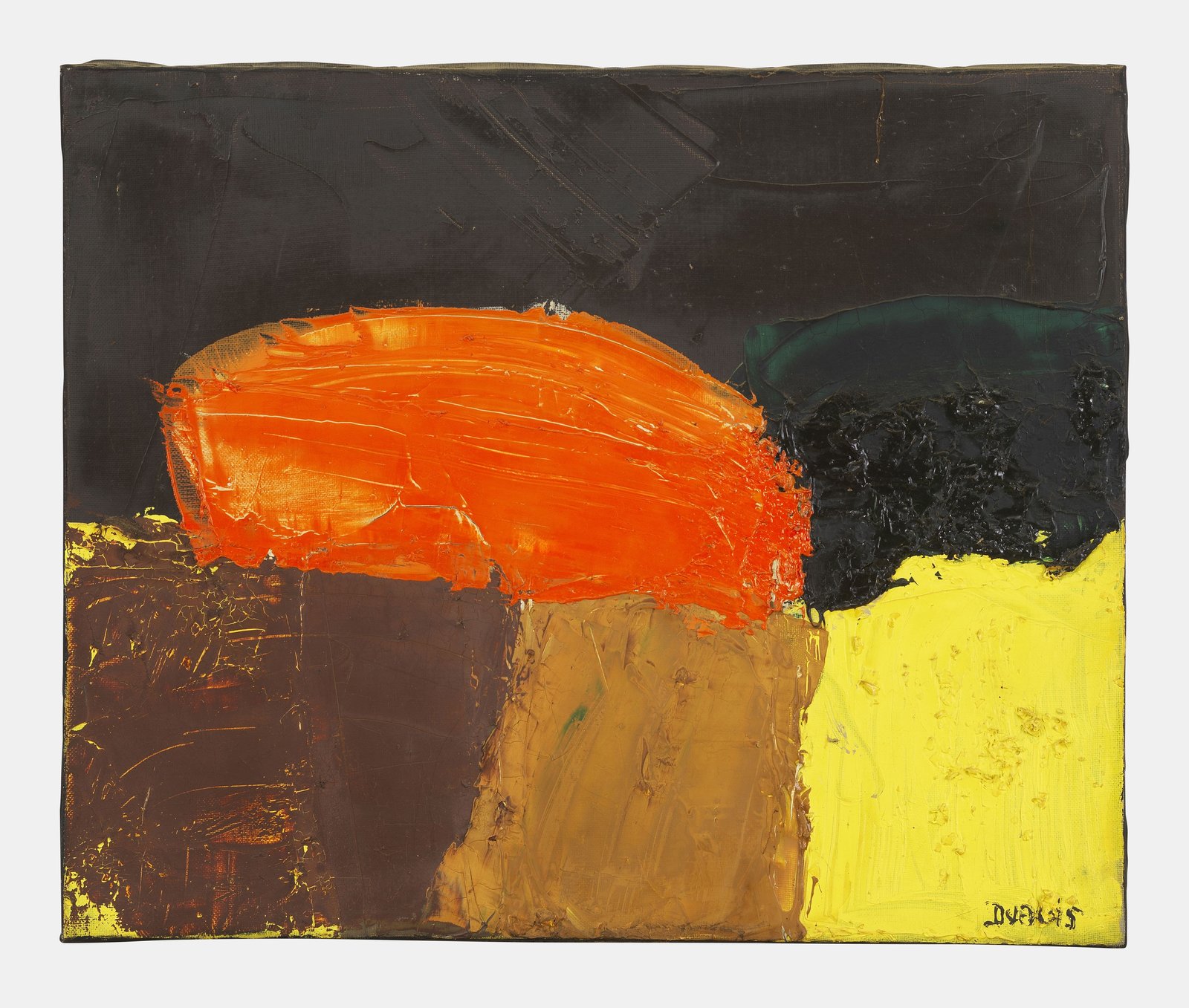
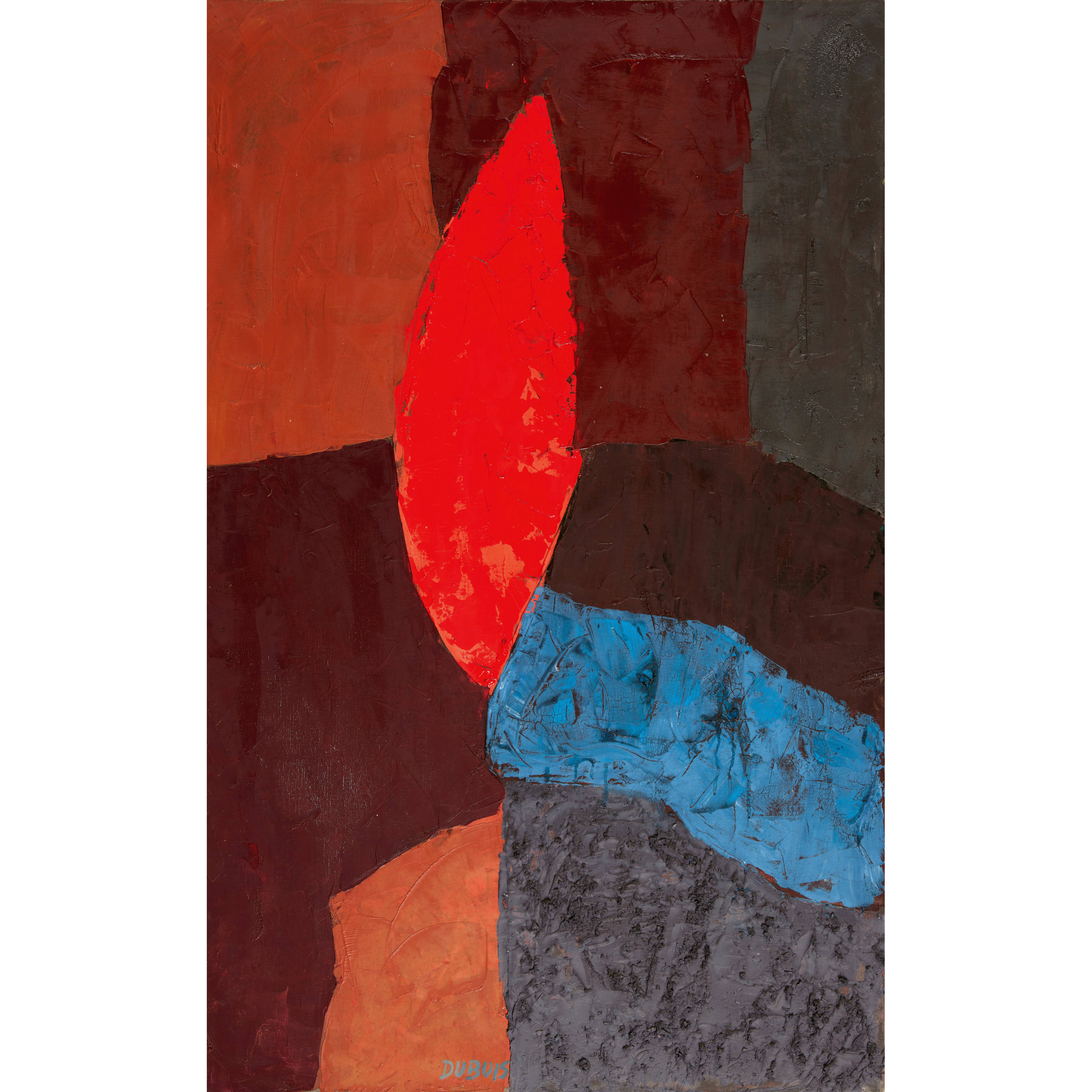
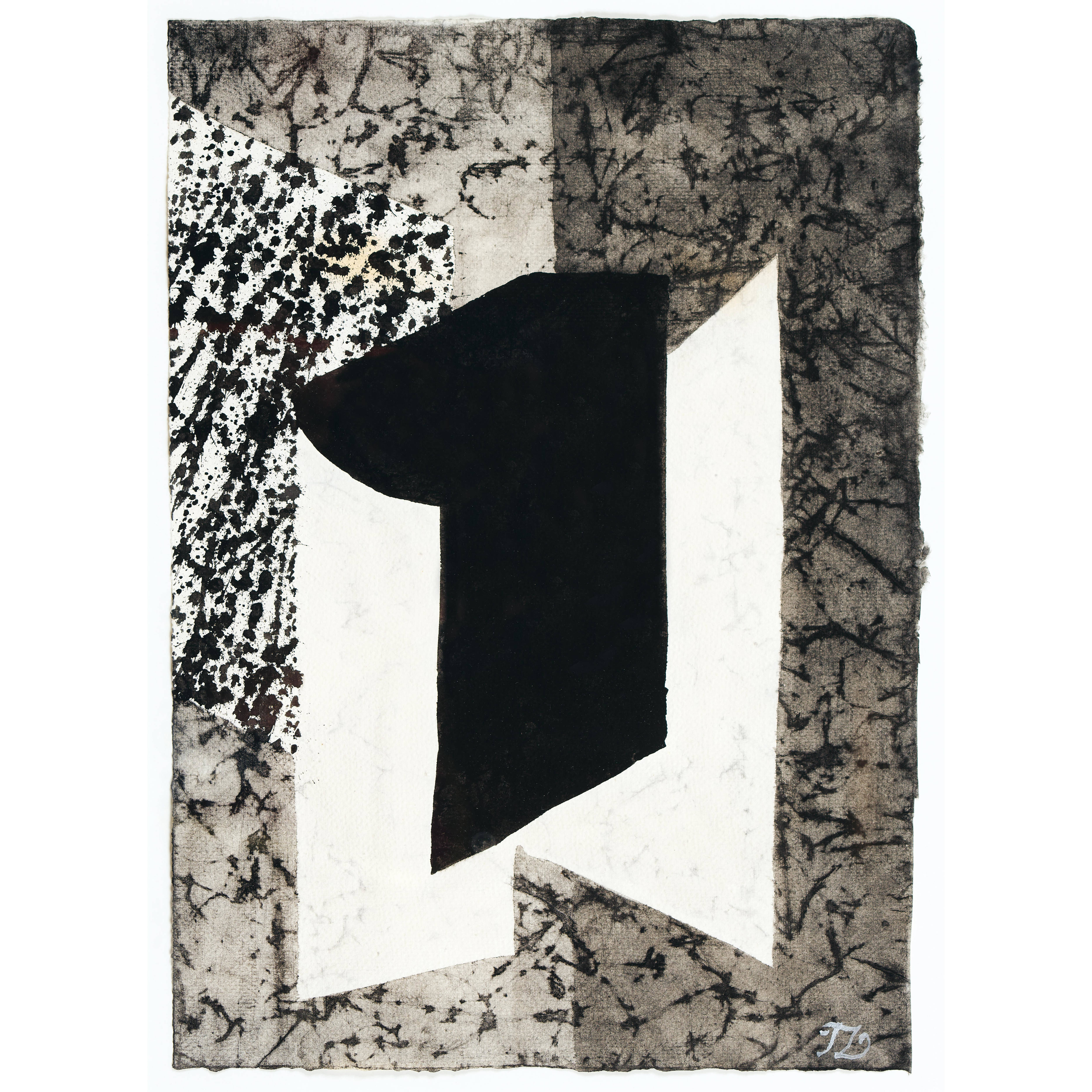
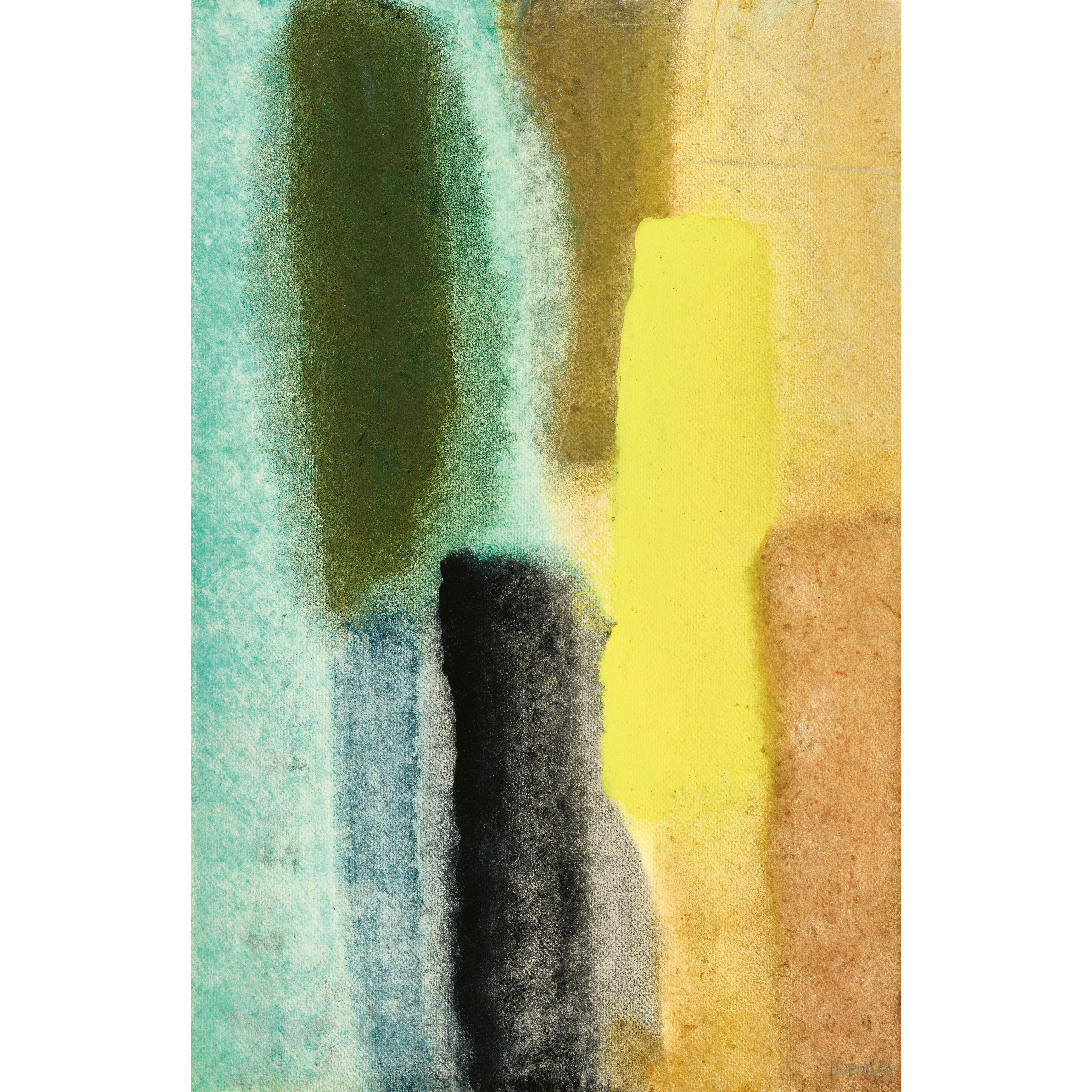
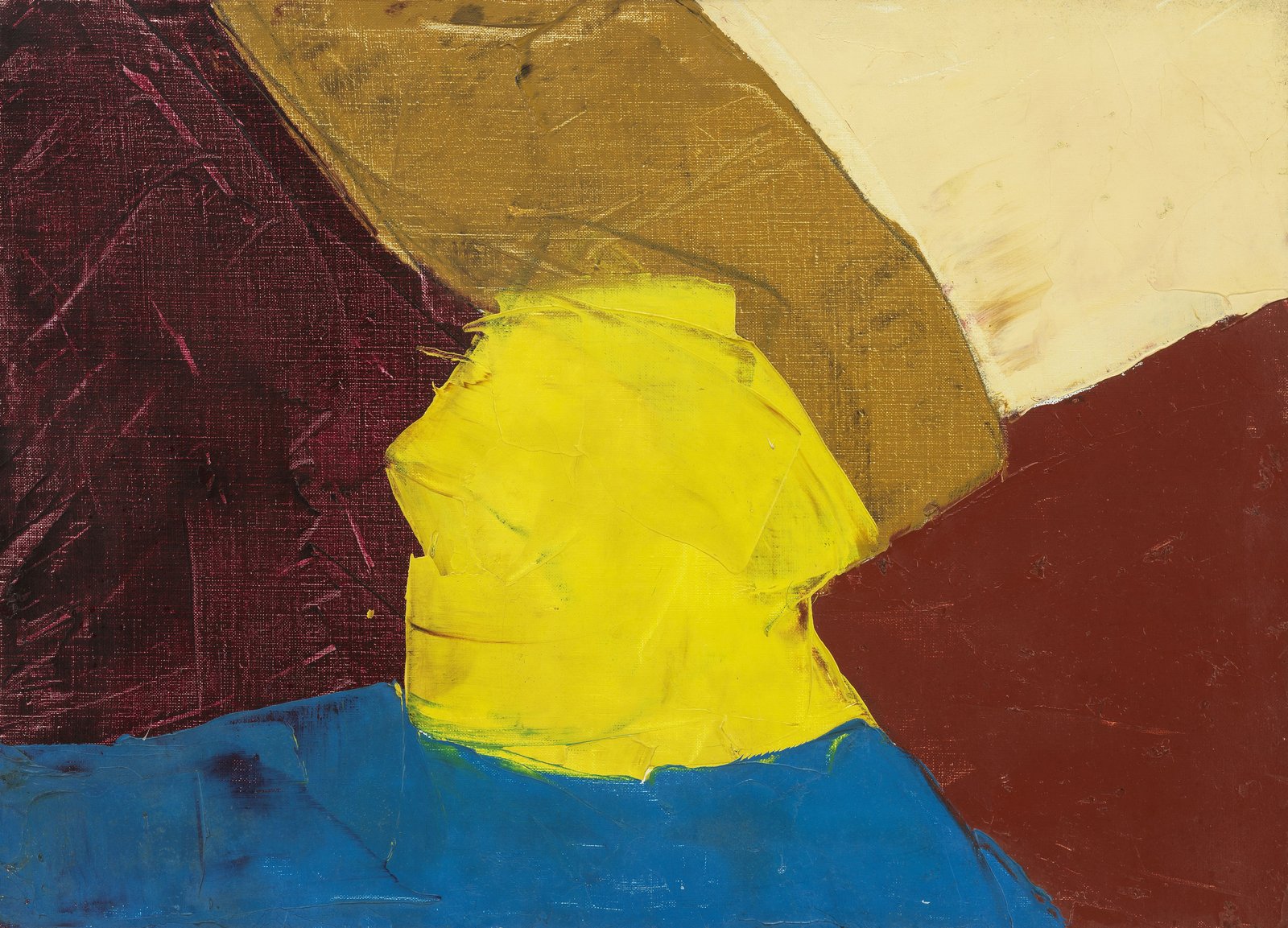
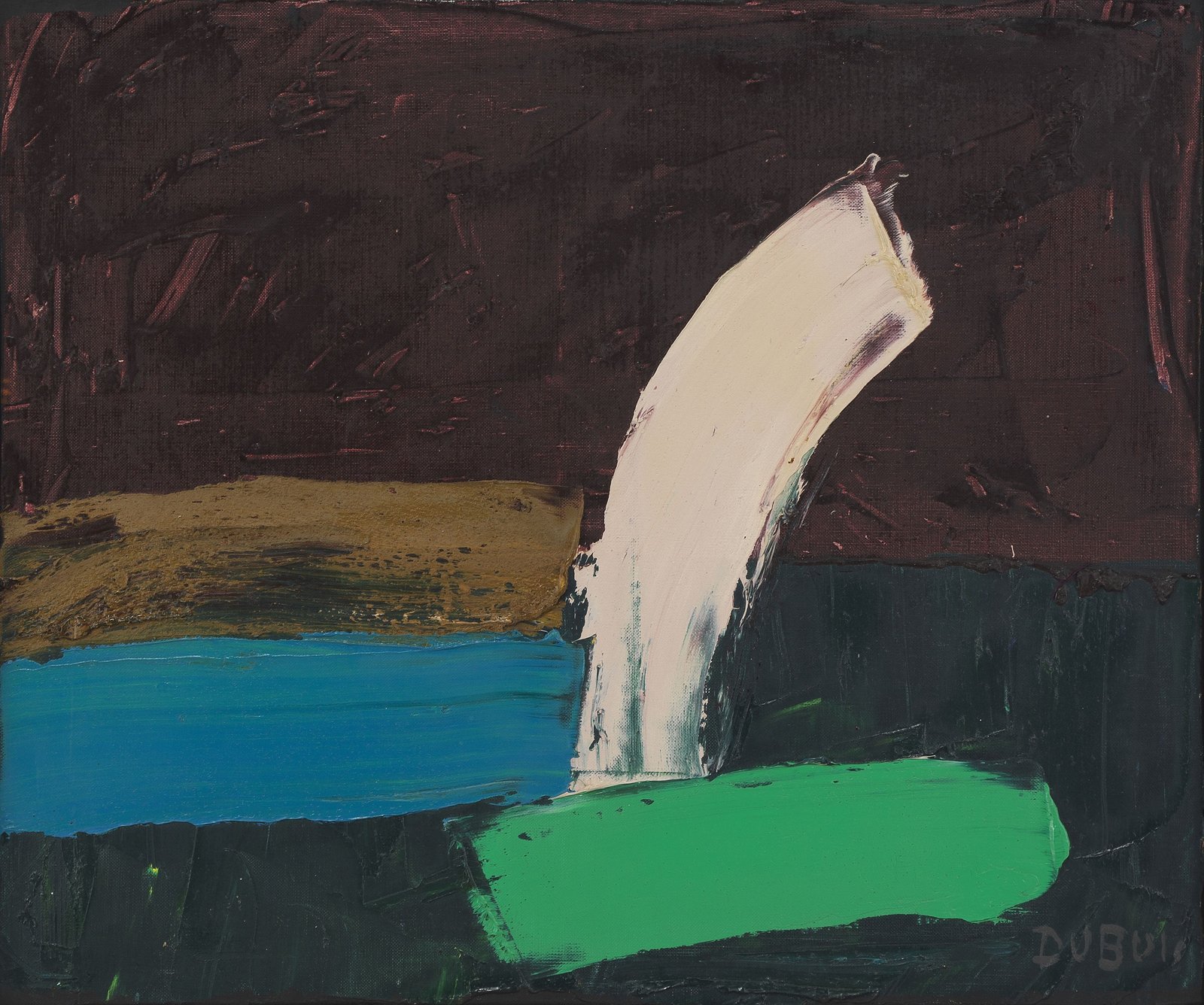
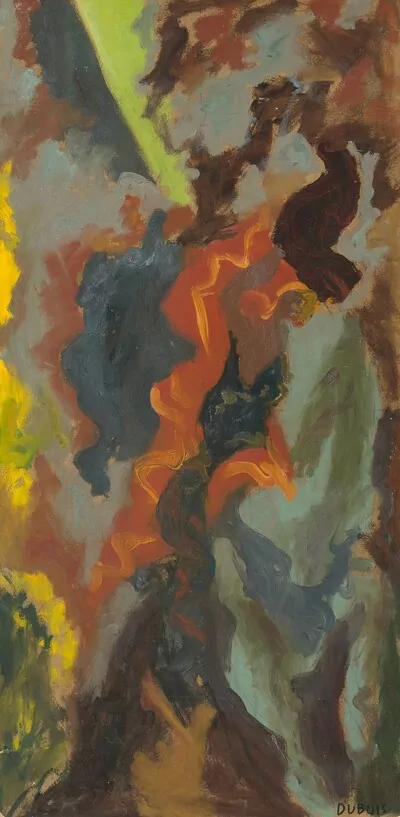
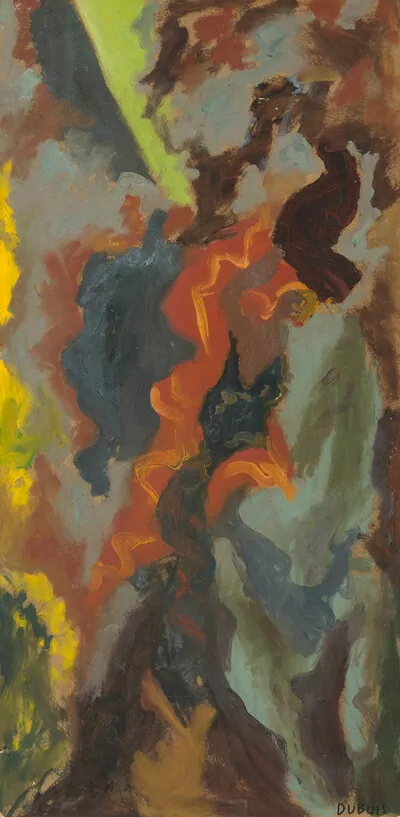
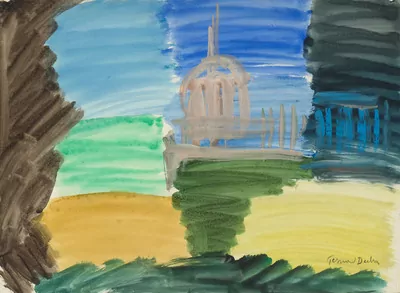
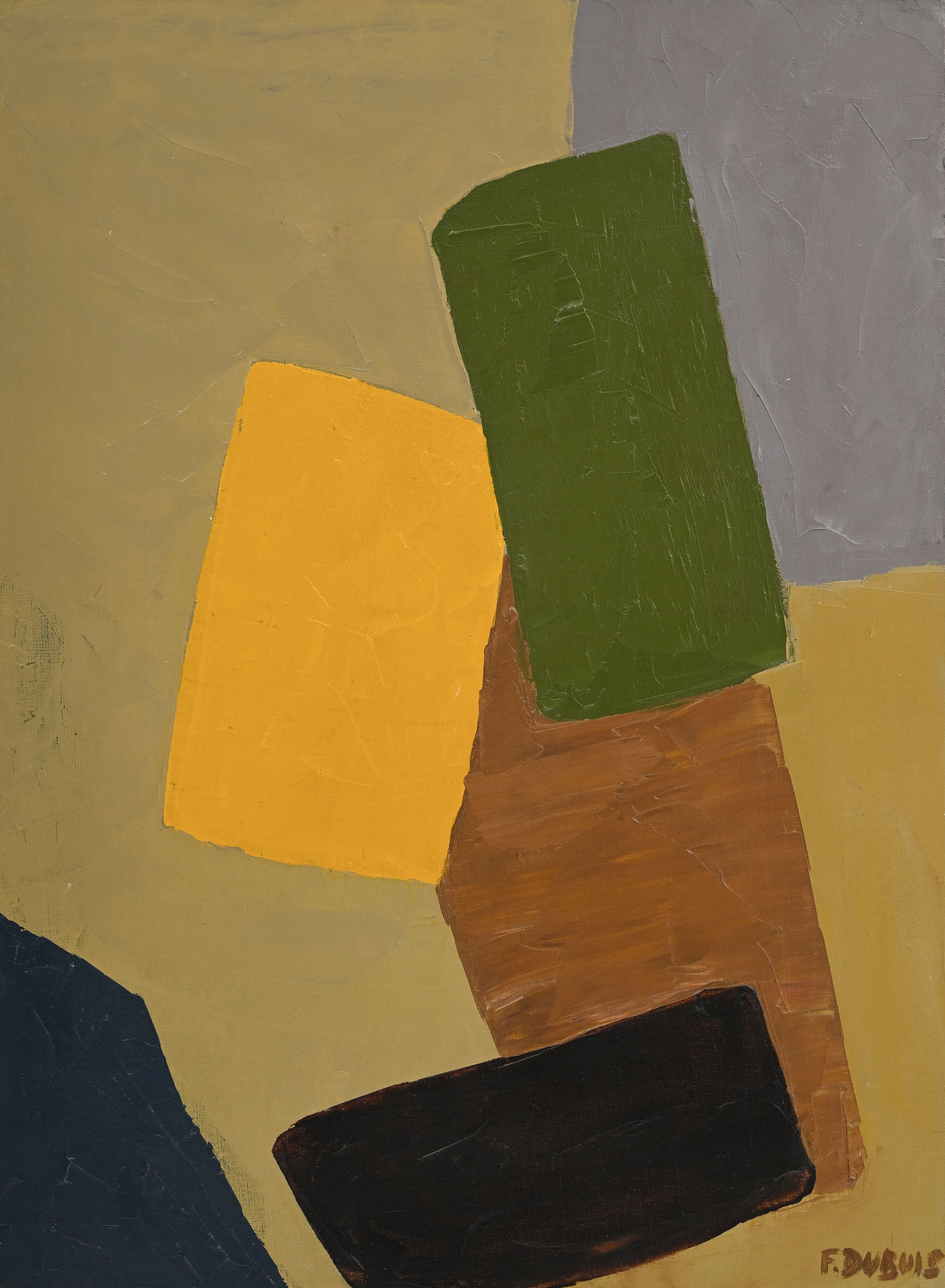
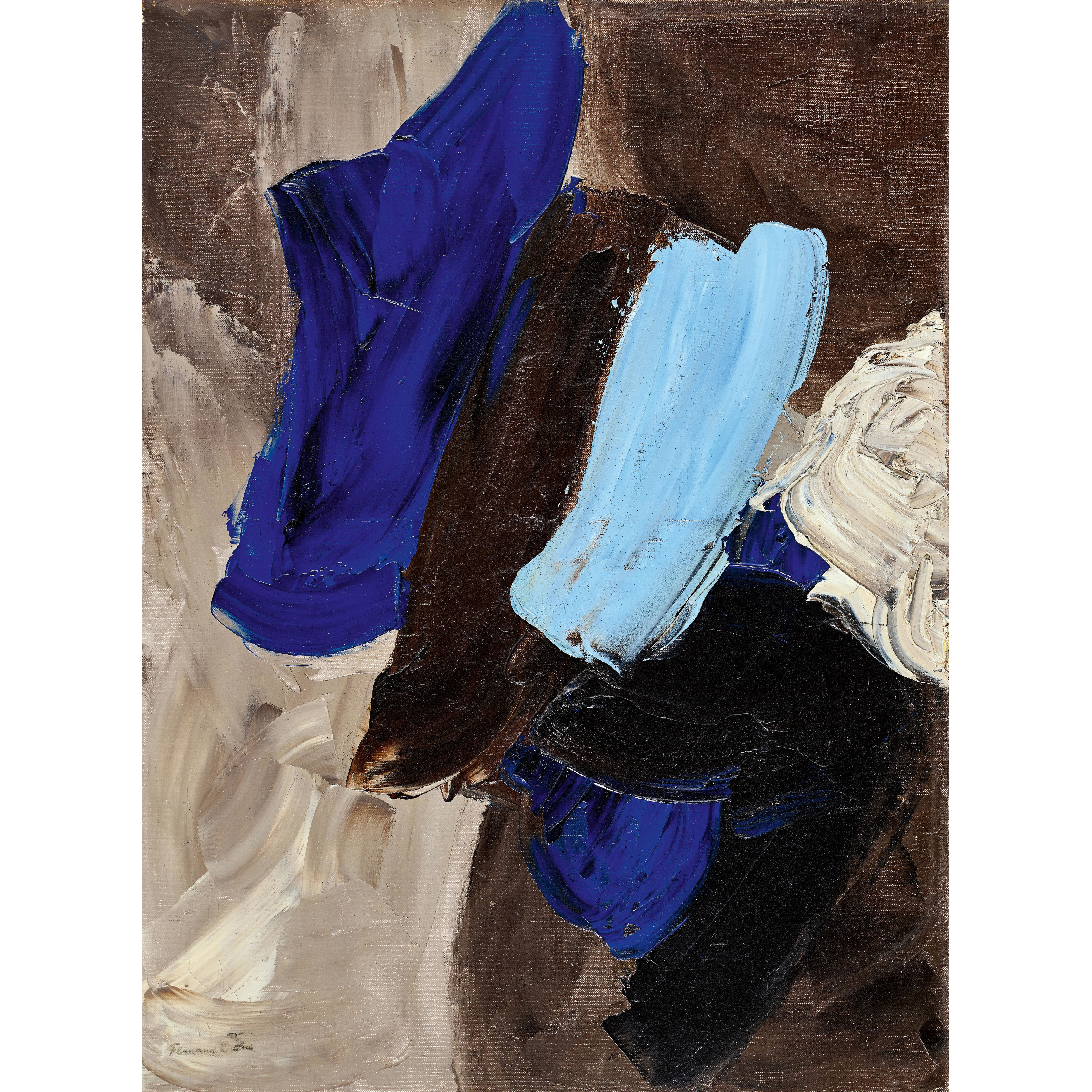
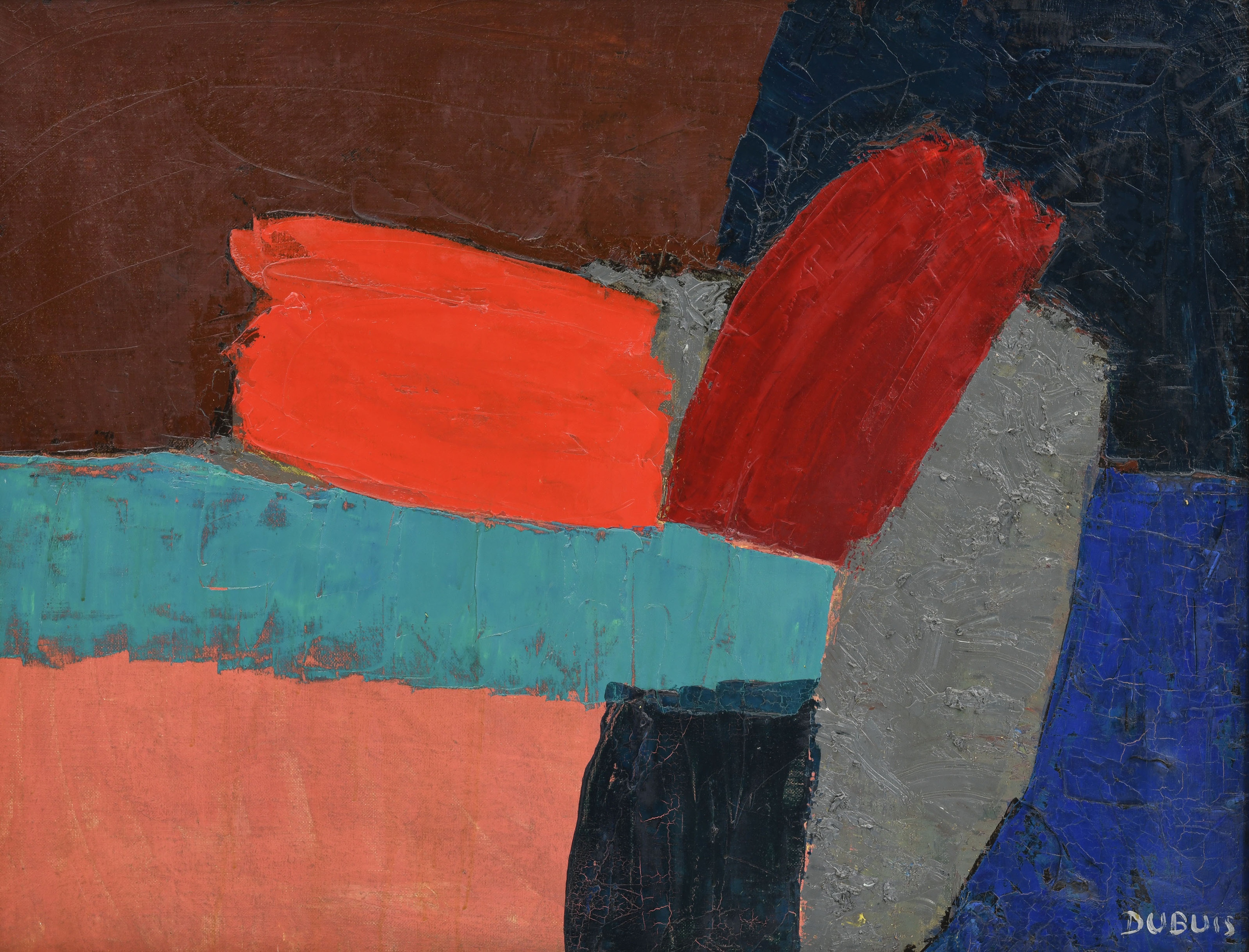
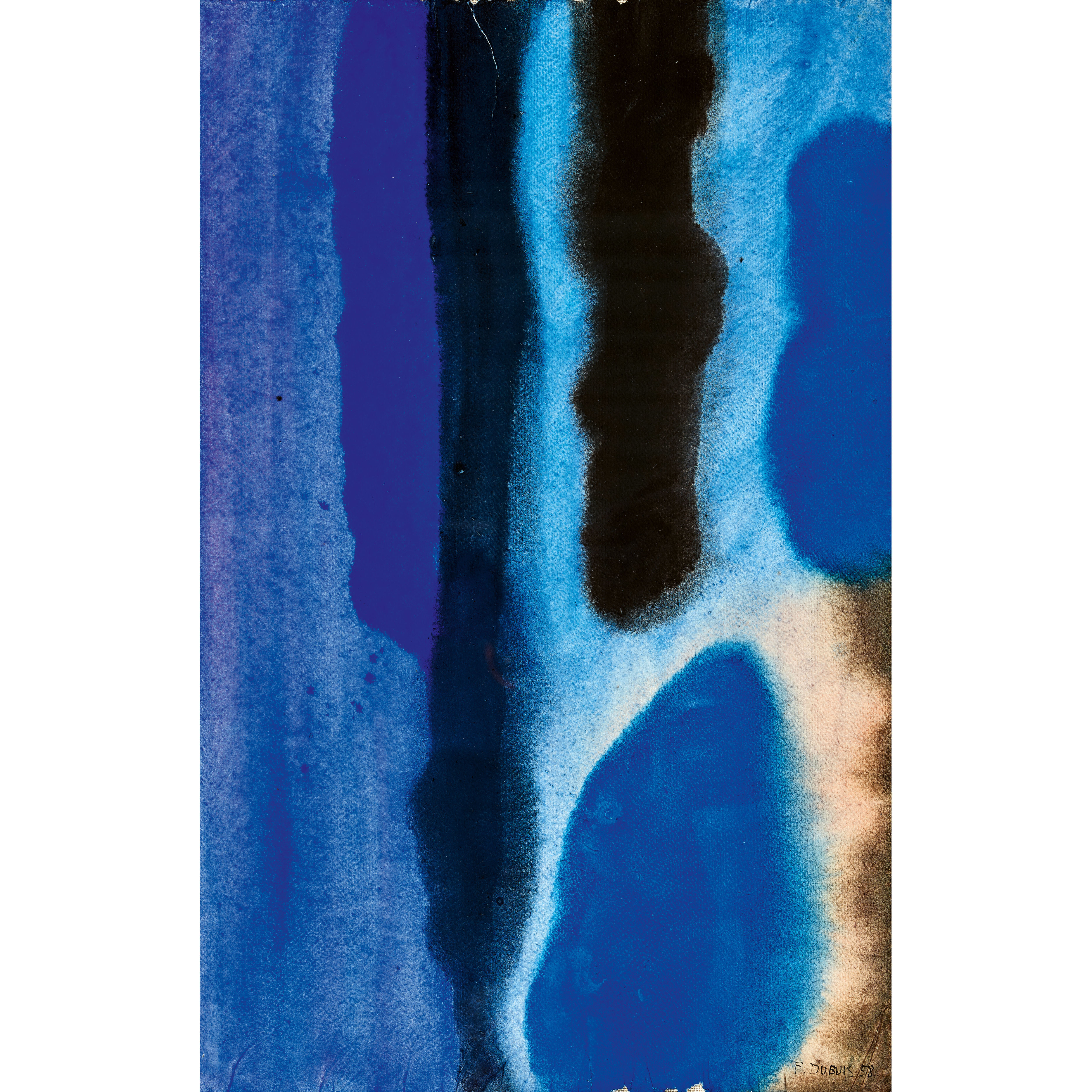
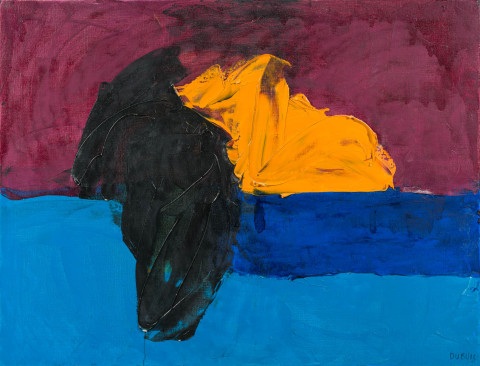
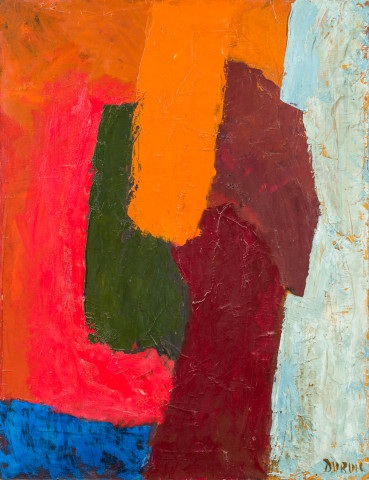
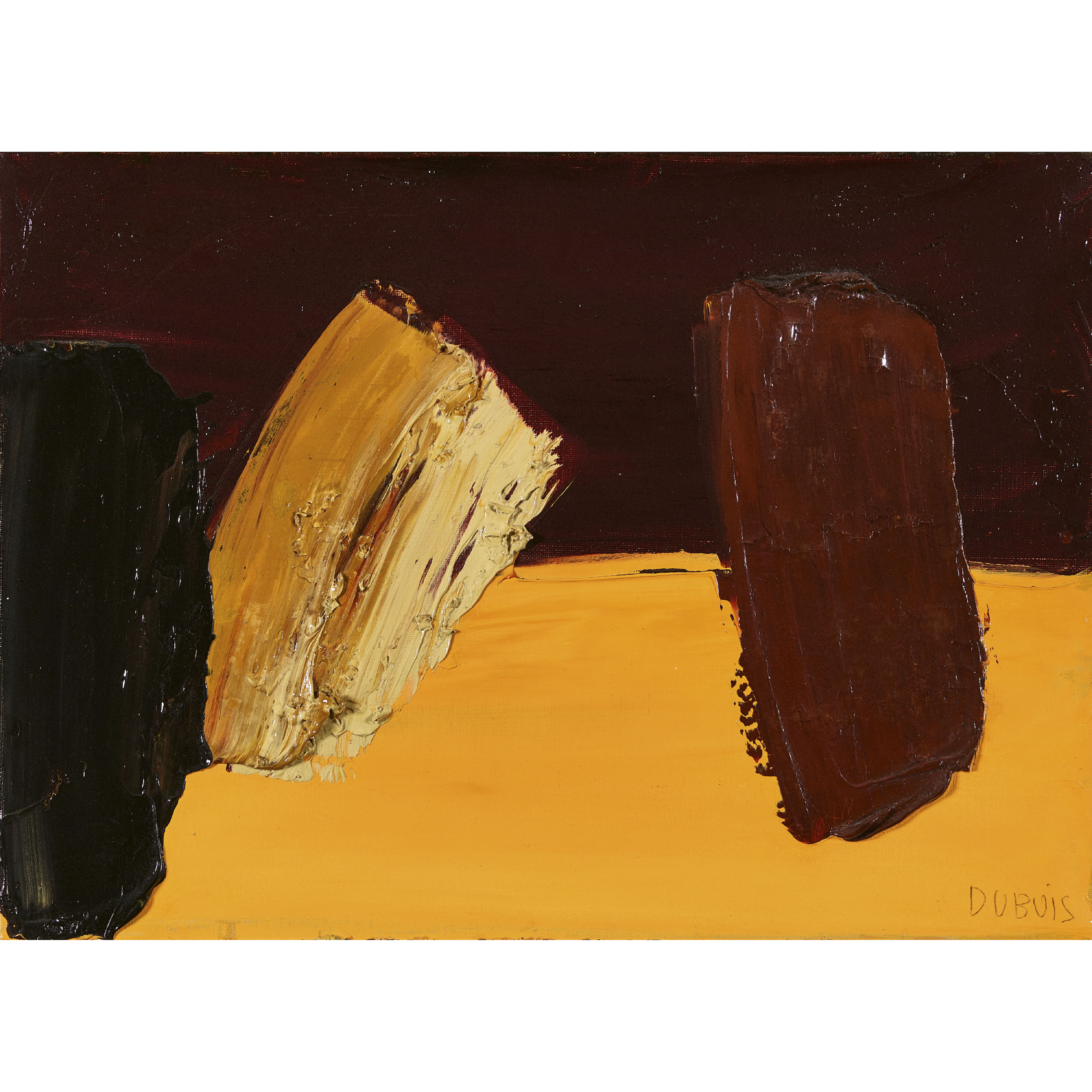
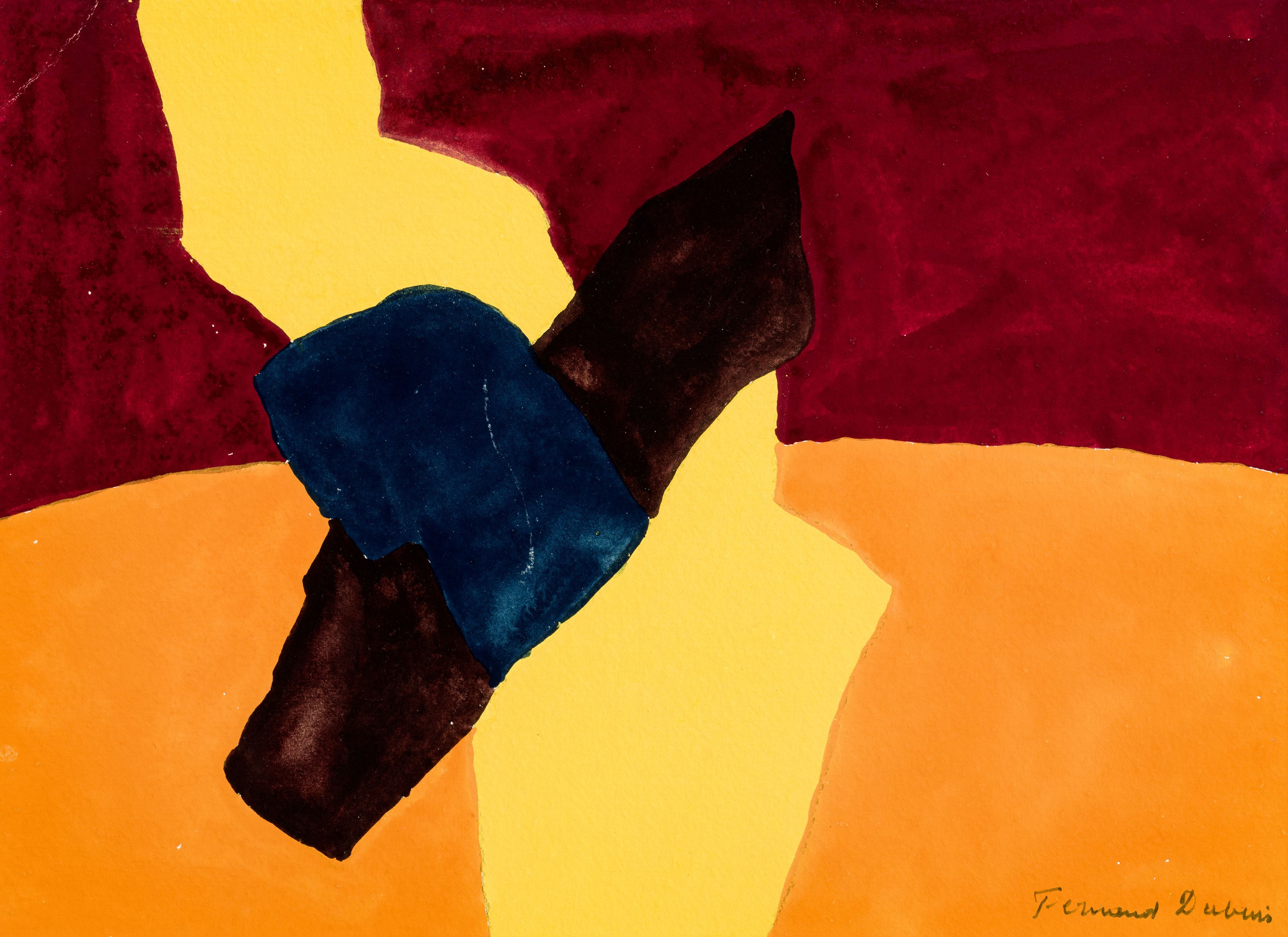
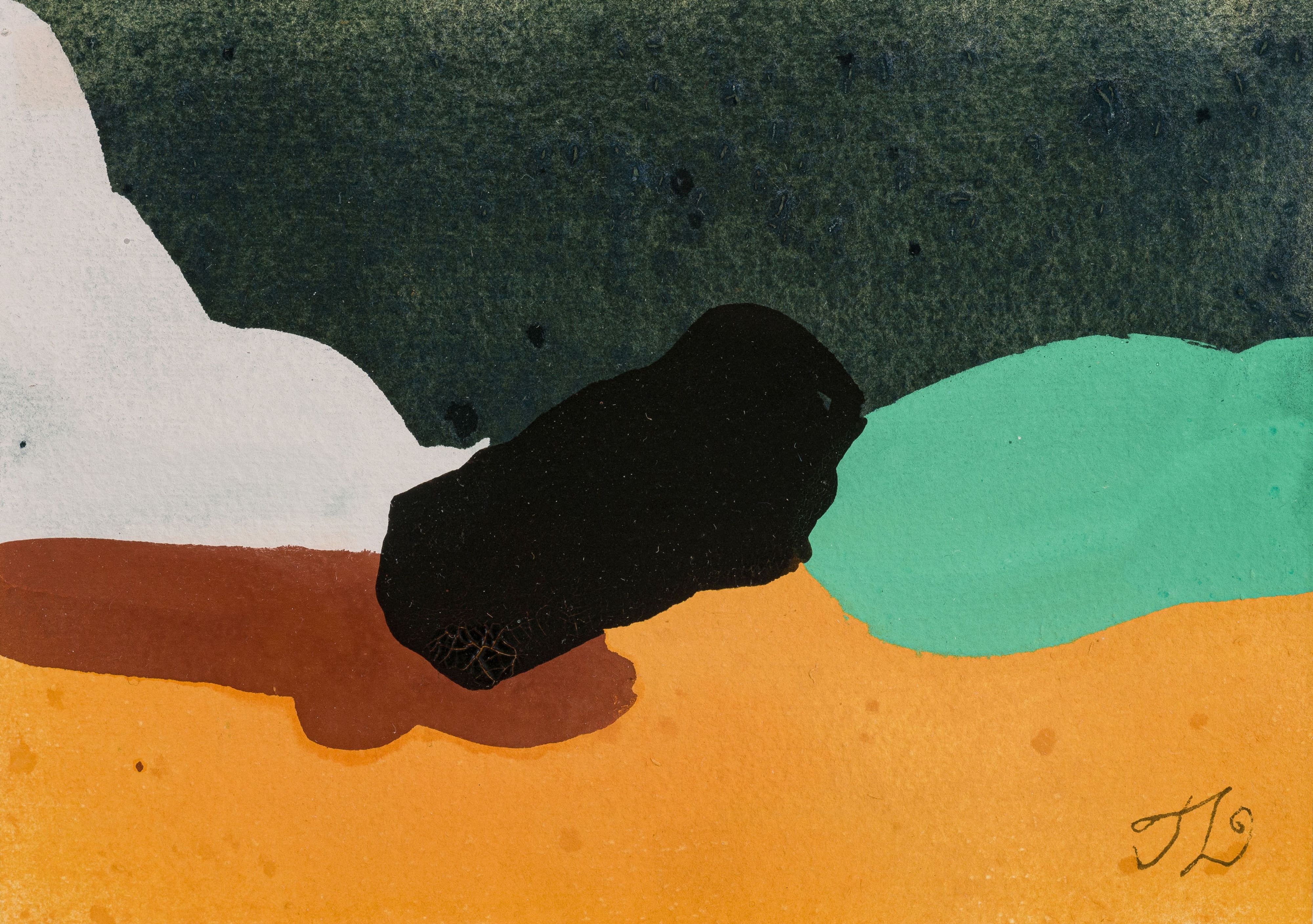
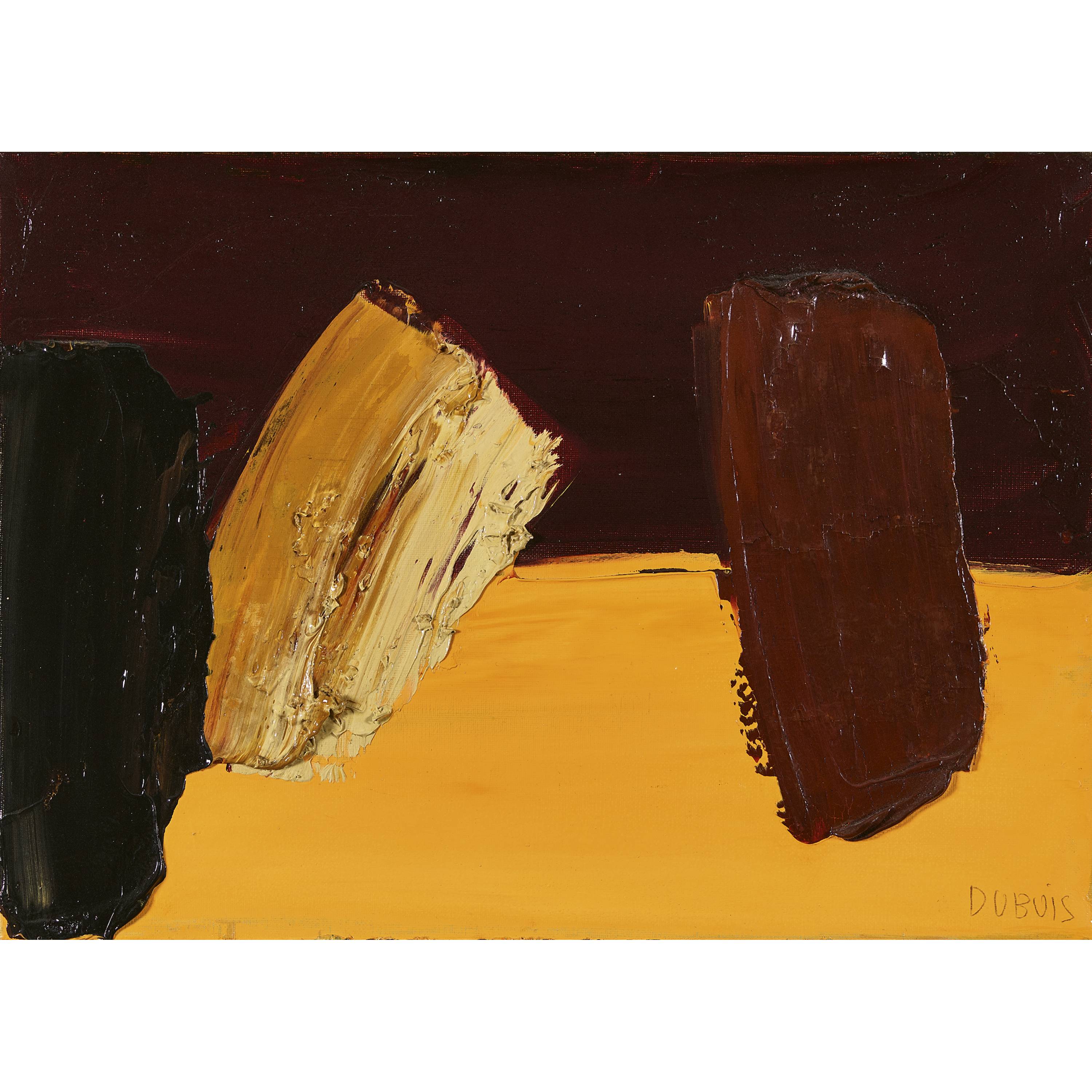
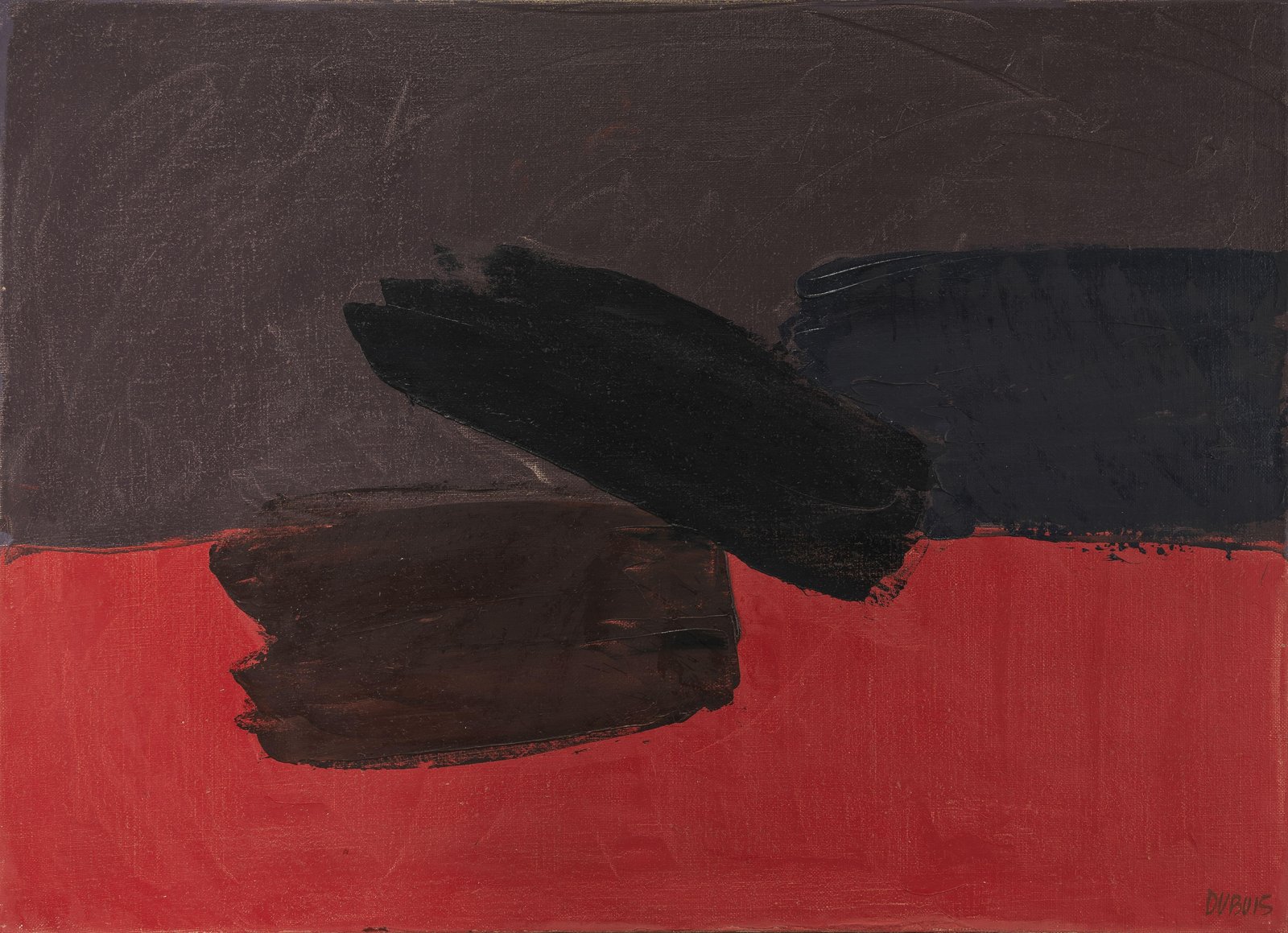
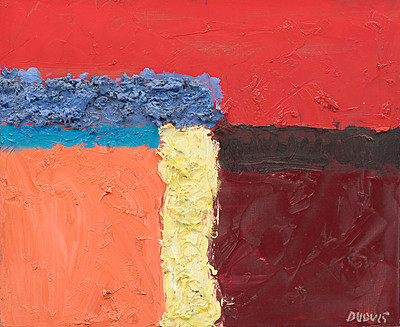
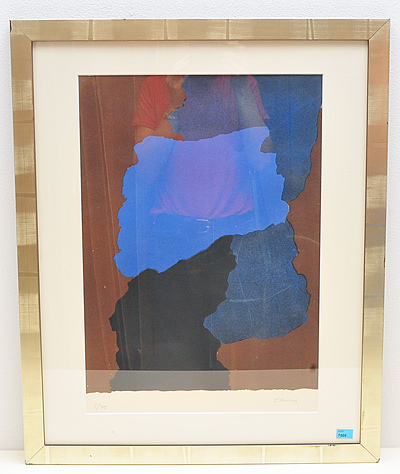
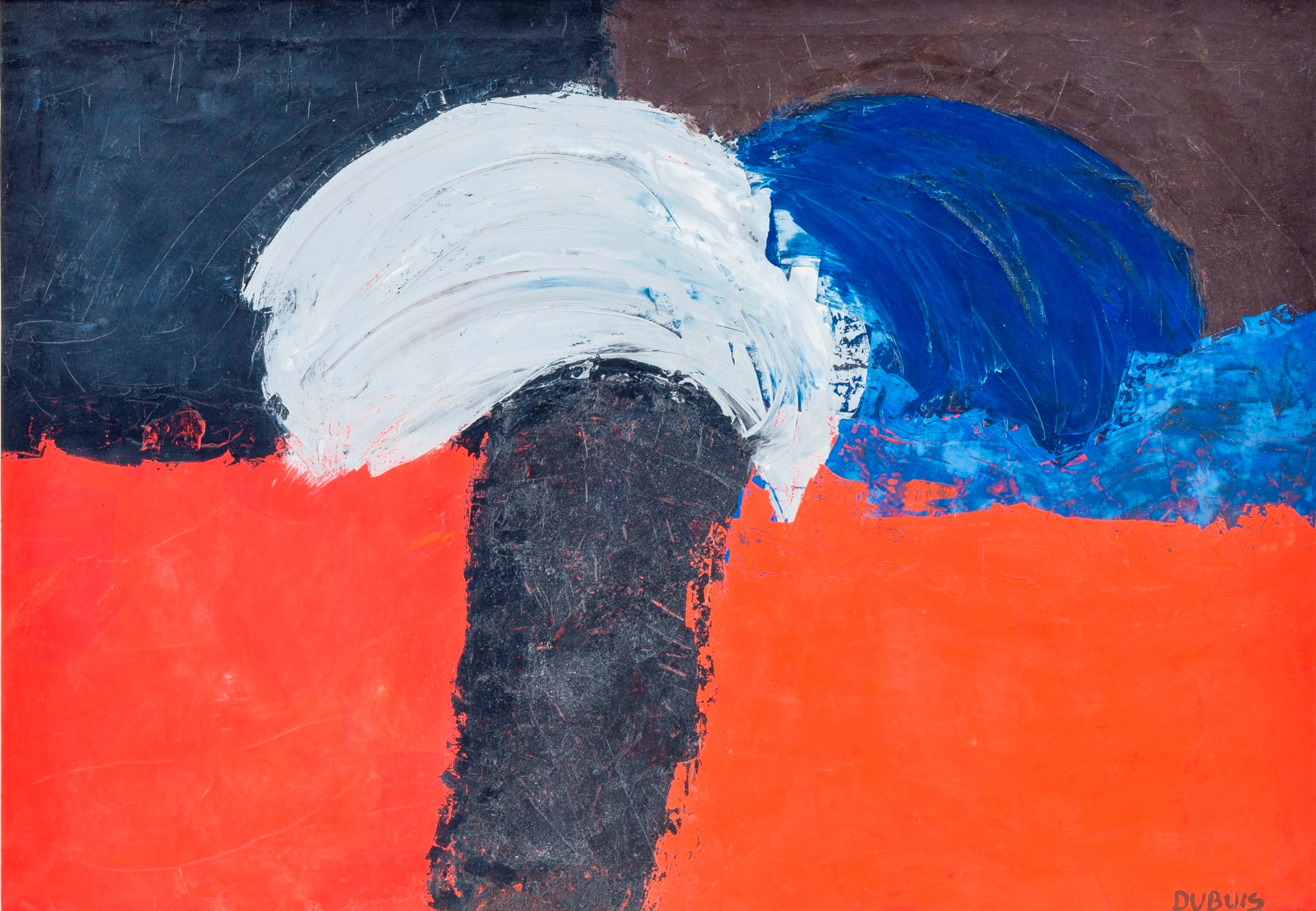
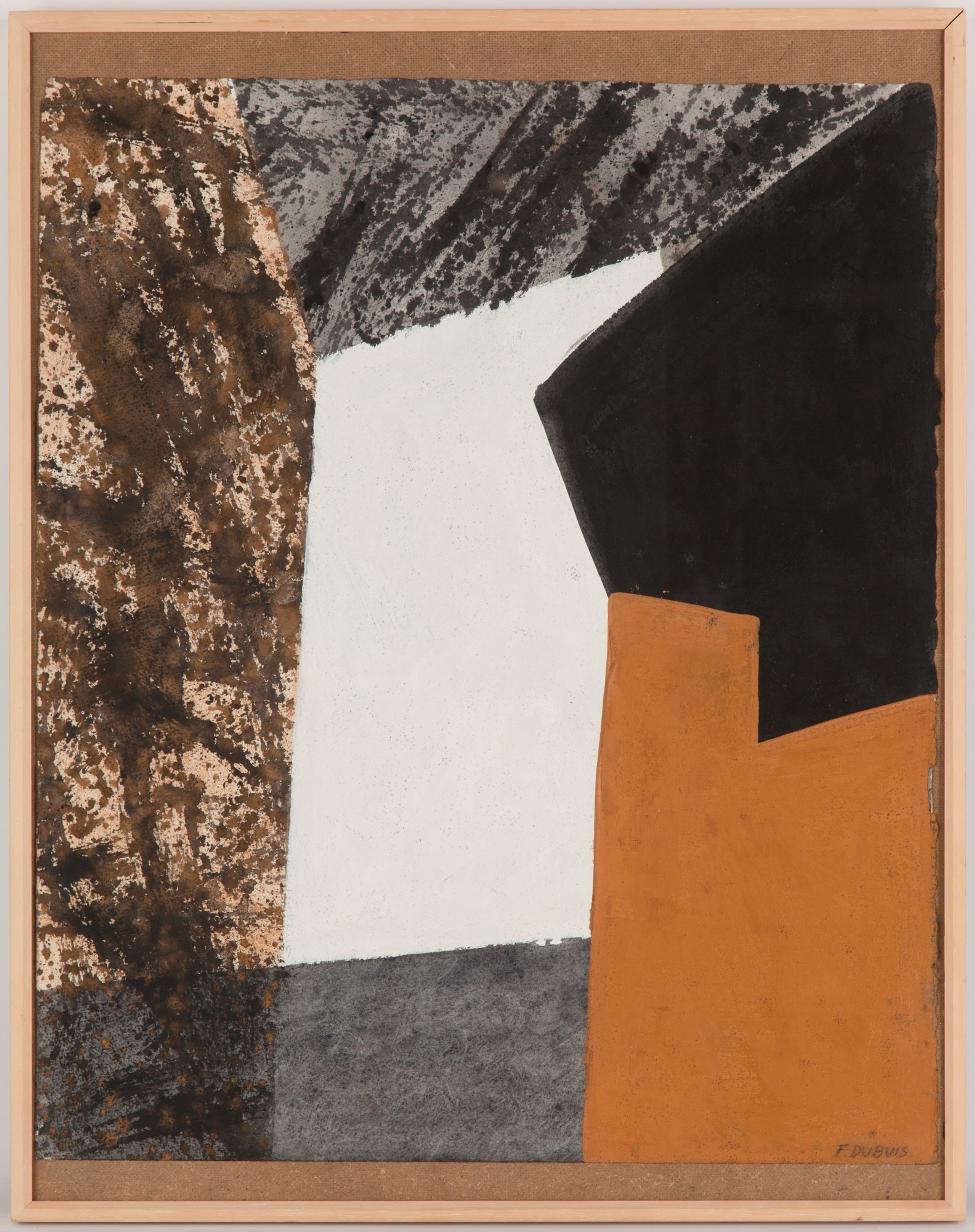
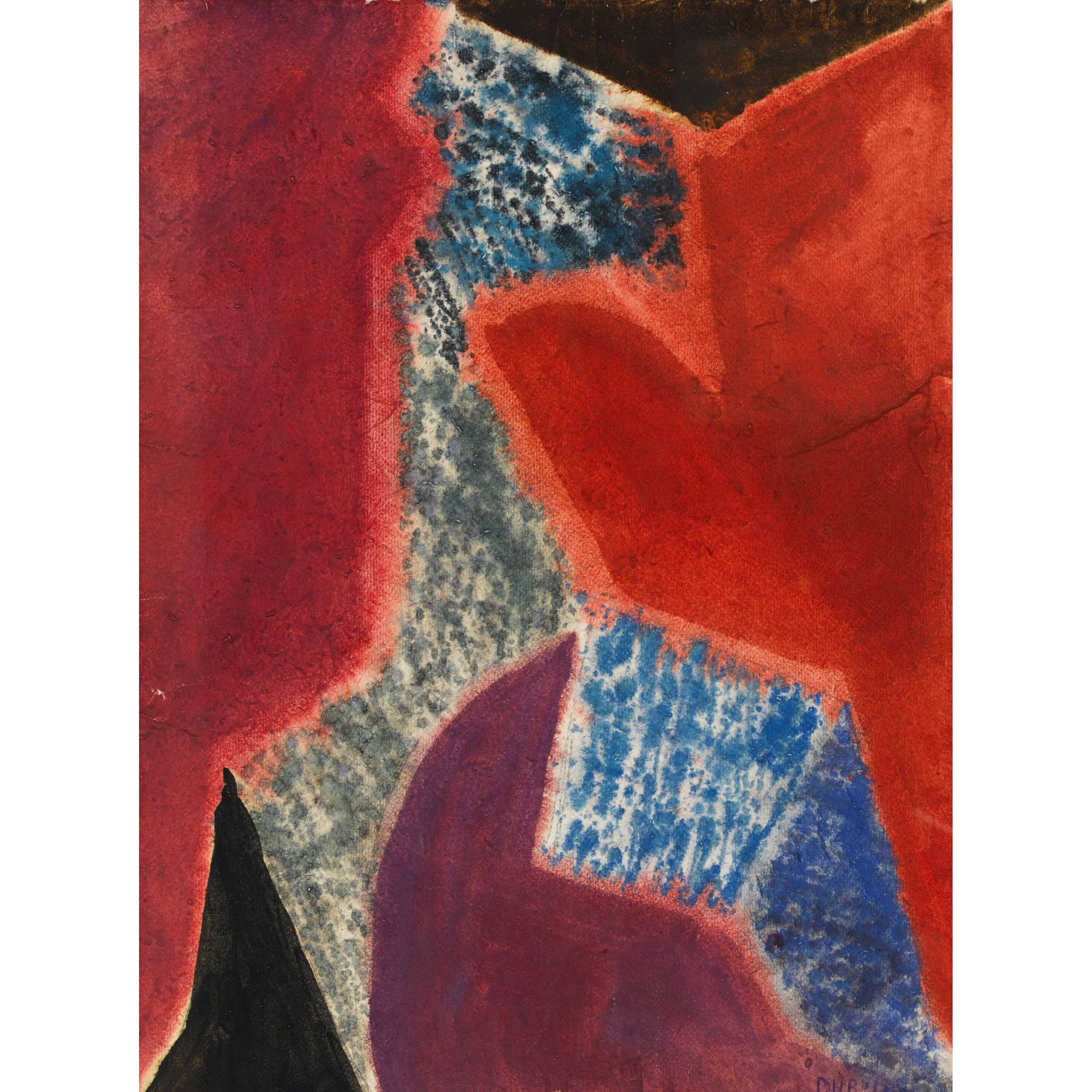
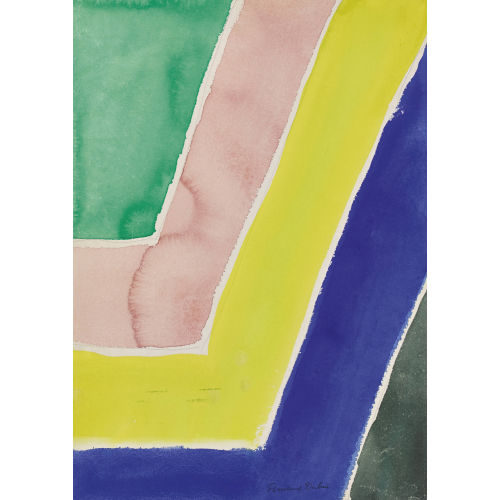
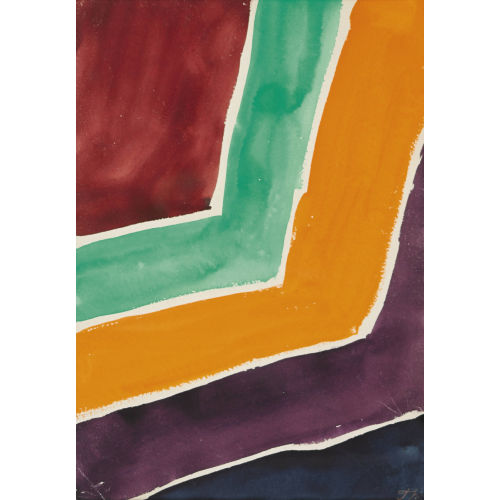
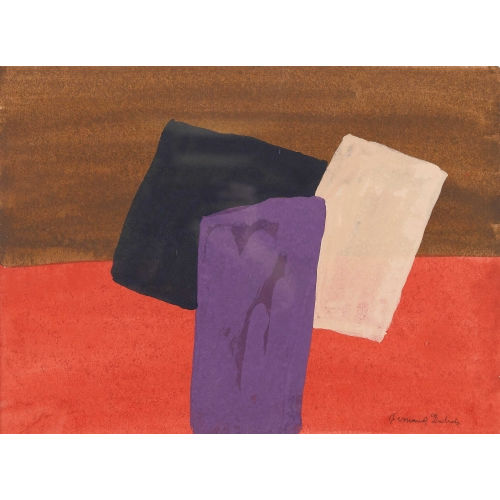
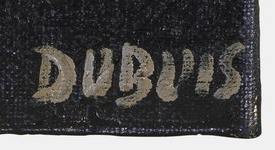
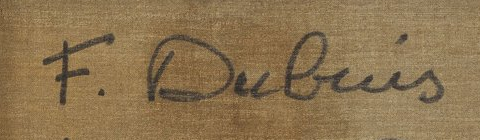
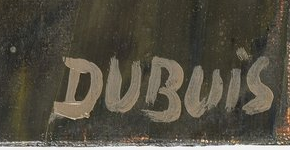
From the 1950s onwards, references to the visible world receded in favour of abstract painting. Composition verticale rouge et brun, in the collection of the Banque cantonale du Valais, offers a revealing example: the artist signed it at both ends, allowing the top and bottom to be reversed. Balance is now sought in the coloured bands and their relationships.
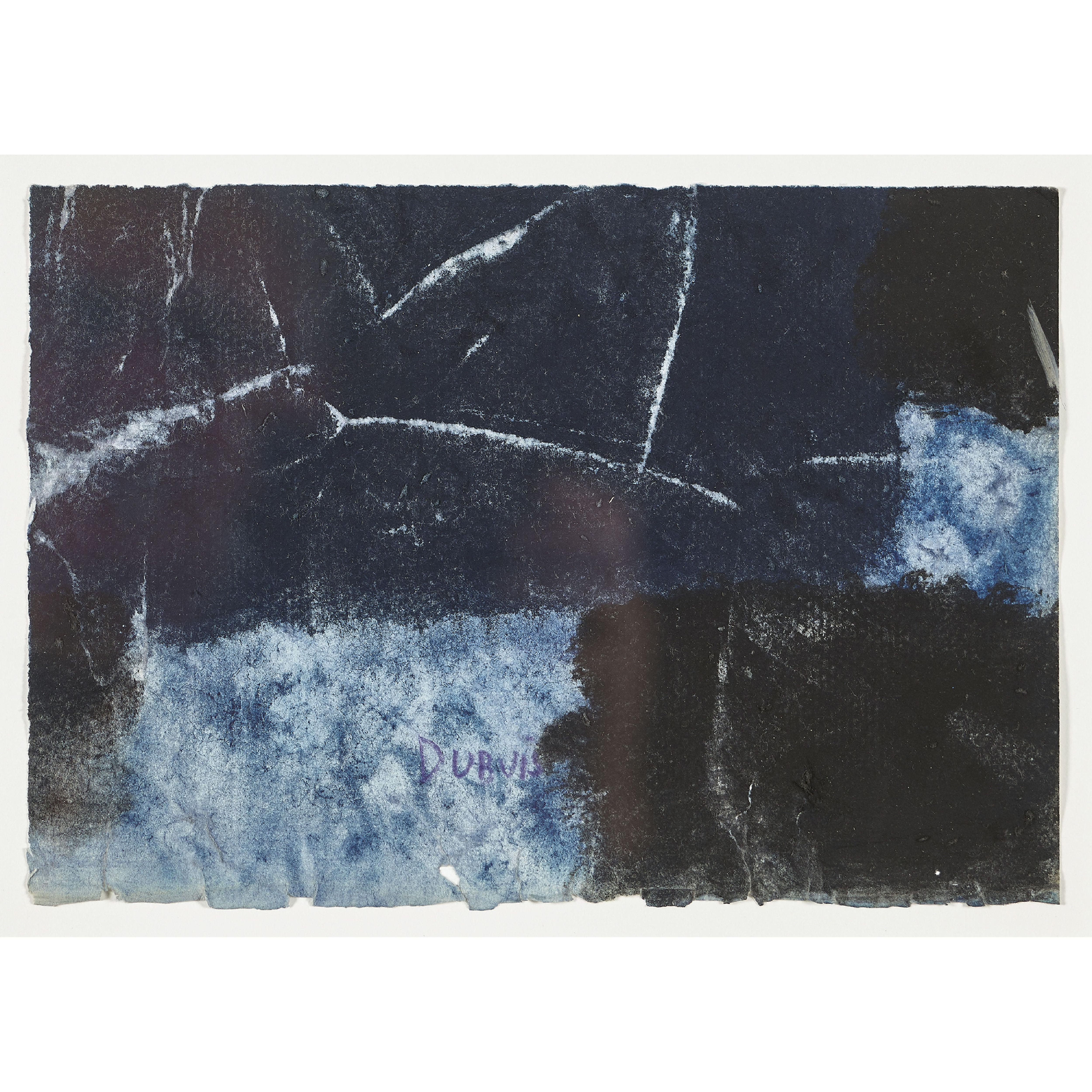
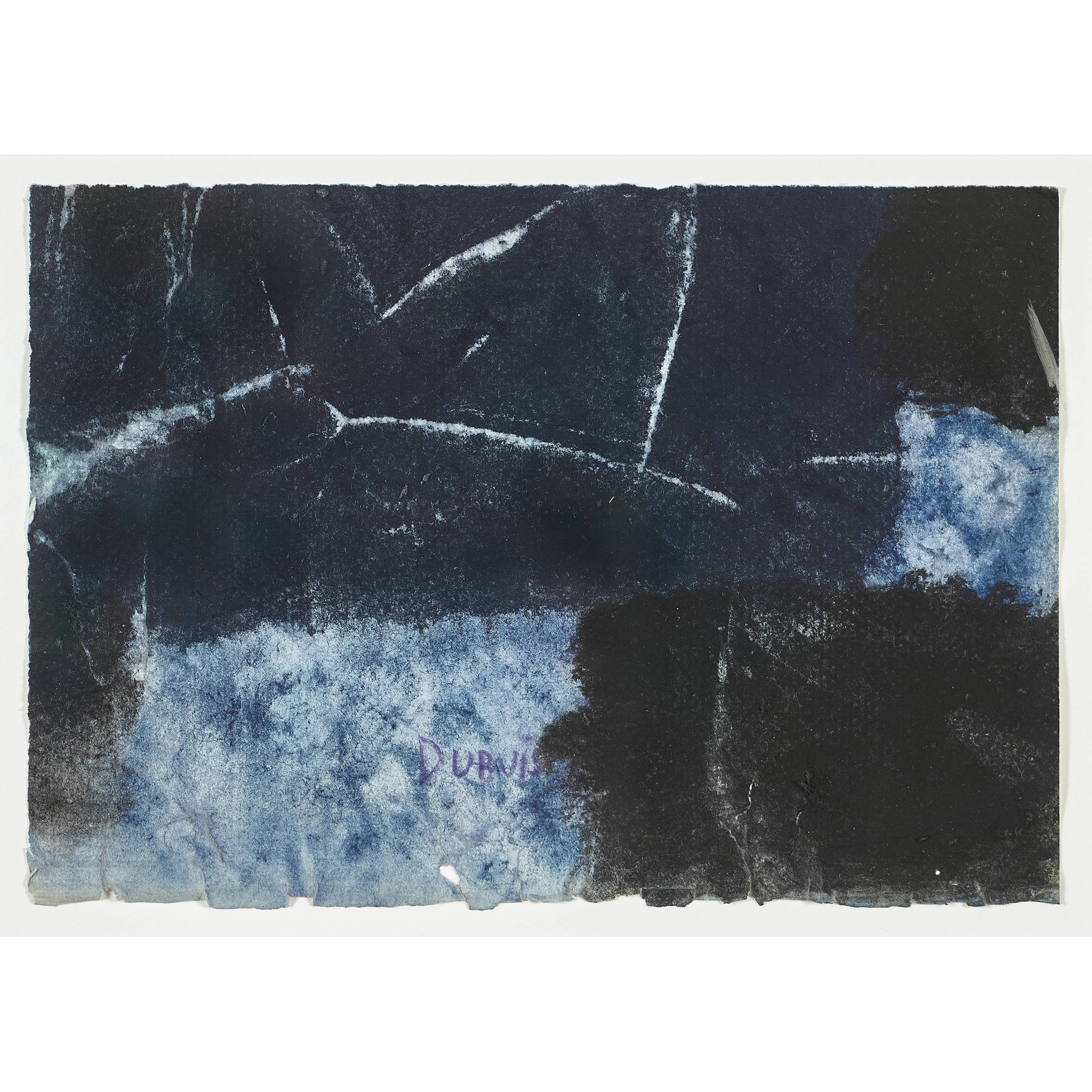
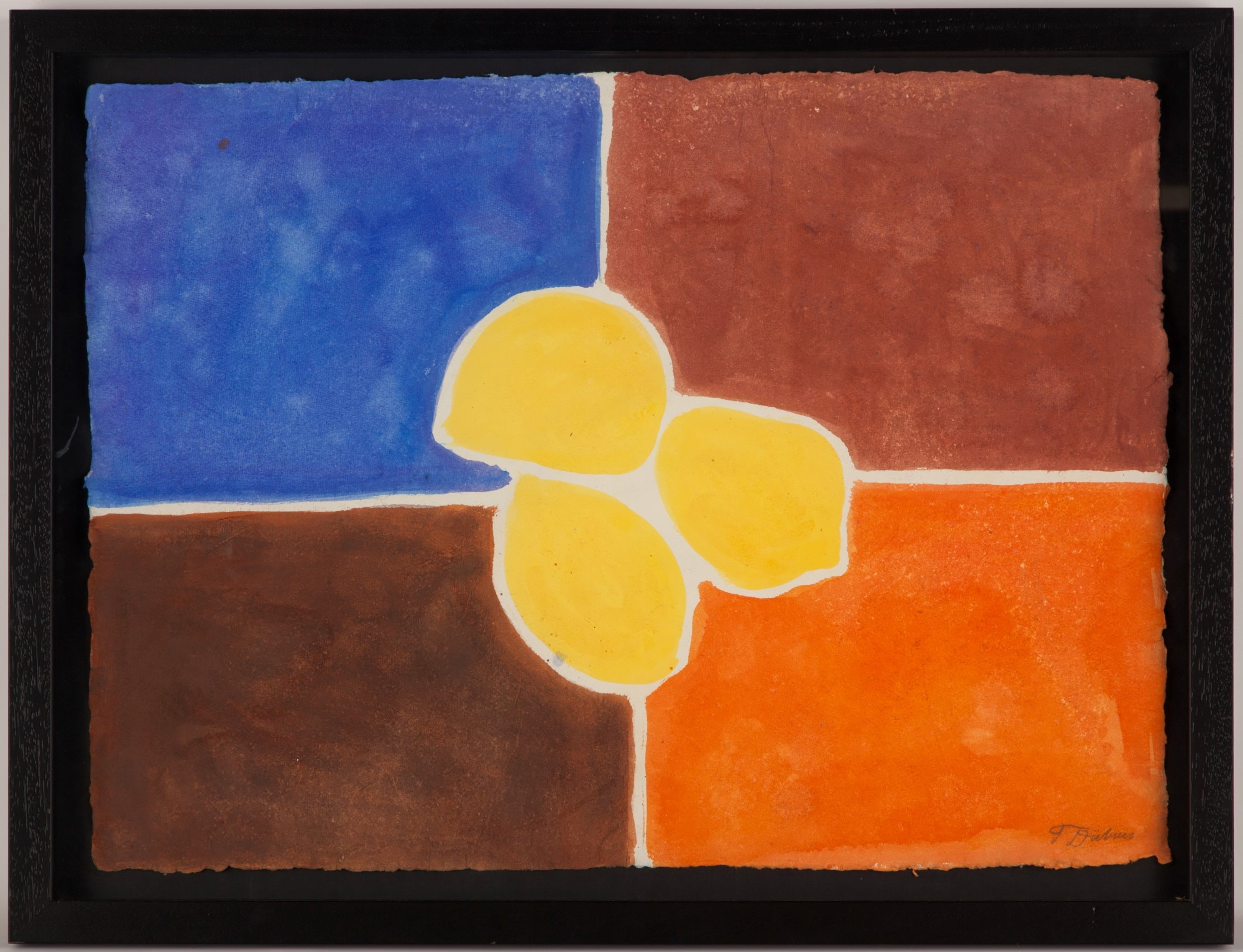
Dubuis regularly stayed in Gordes before settling at the Château du Tertre in Normandy. His work invites us to observe the passage between a recognisable subject and an autonomous organisation of colour. Following a contour, then observing how it dissolves into or extends across a surface, offers a way into this painting, in which structure retains a sensuous dimension.