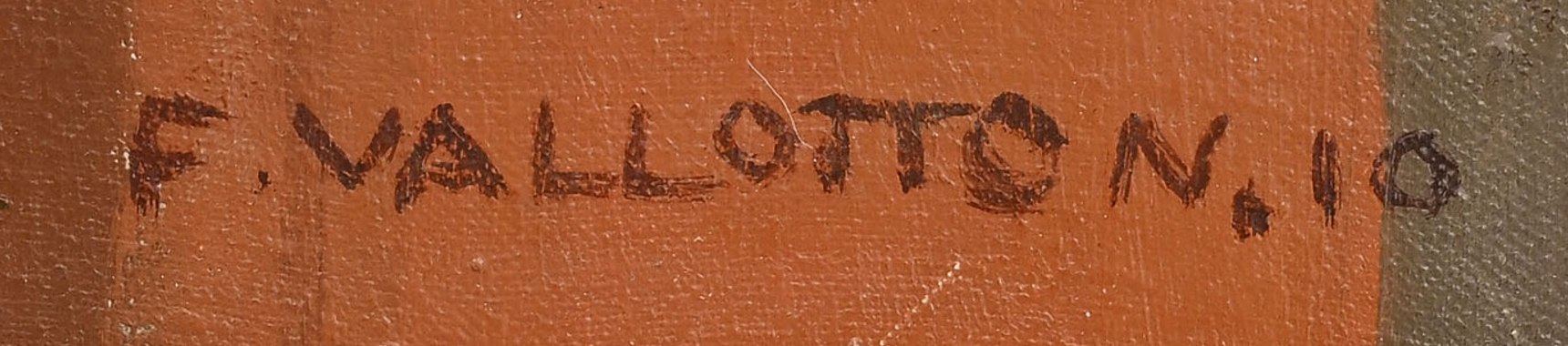
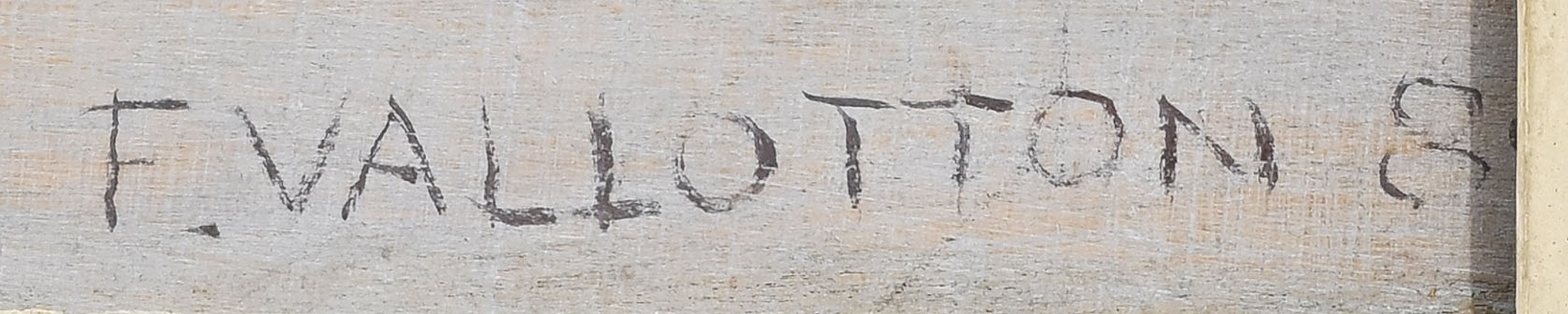
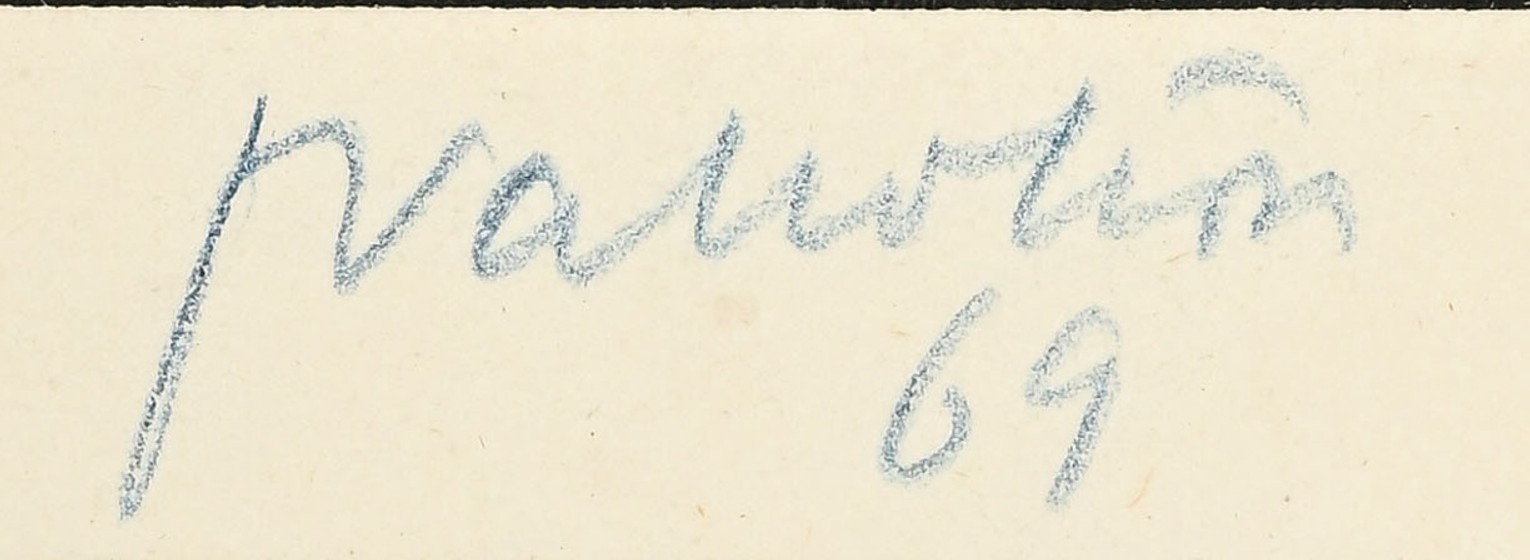
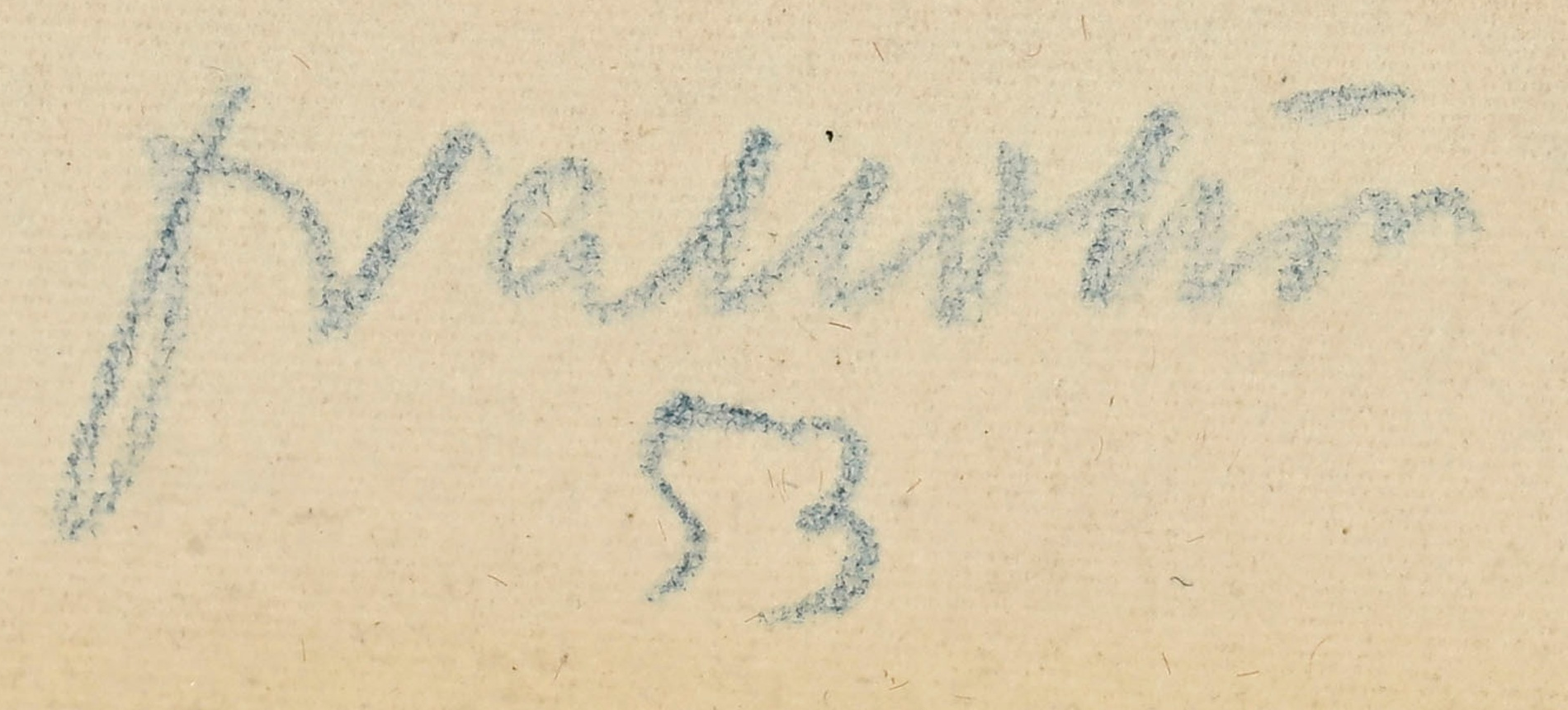
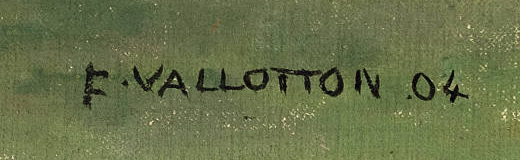
Félix Vallotton
Born in 1865.
Died in 1925.
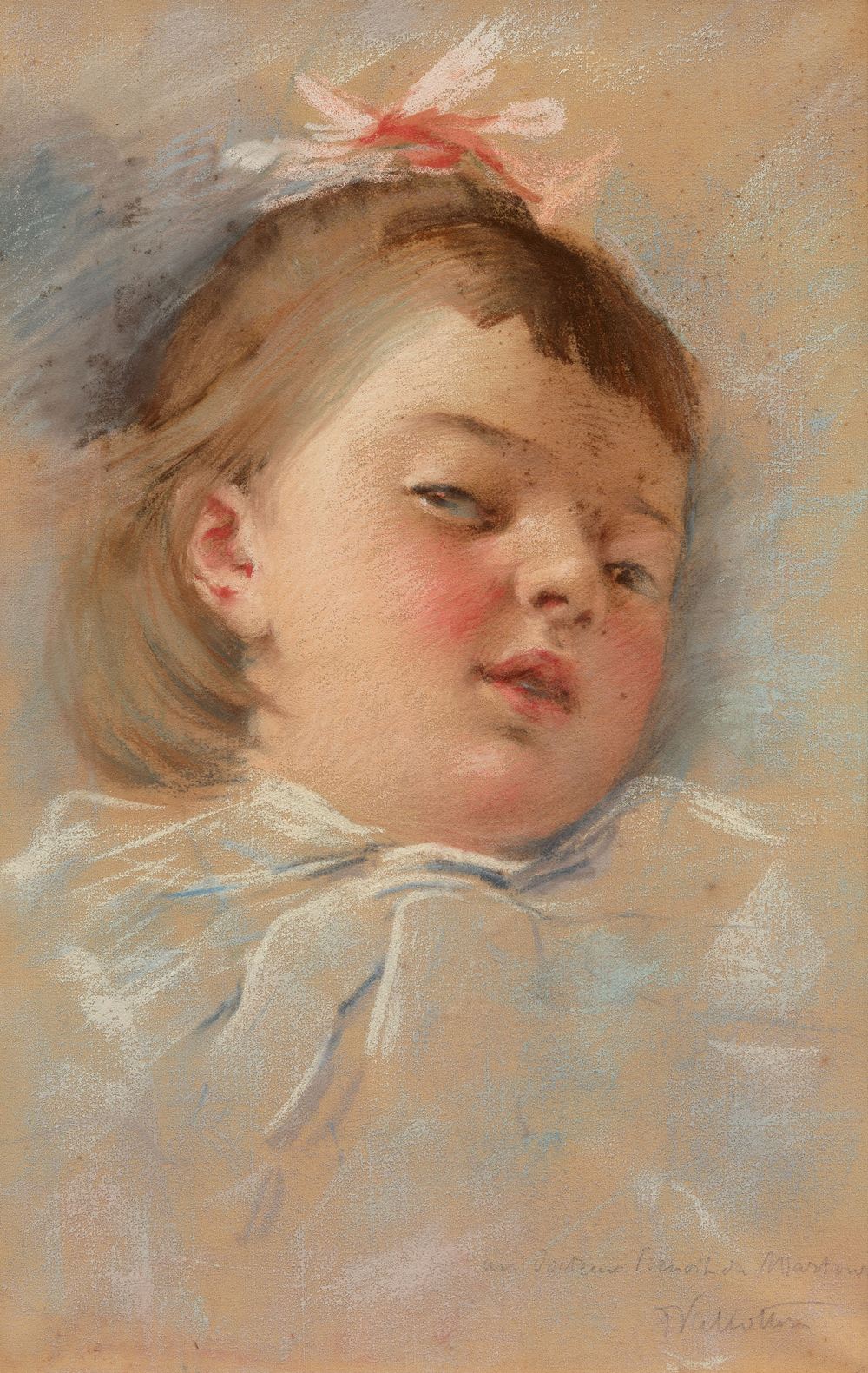
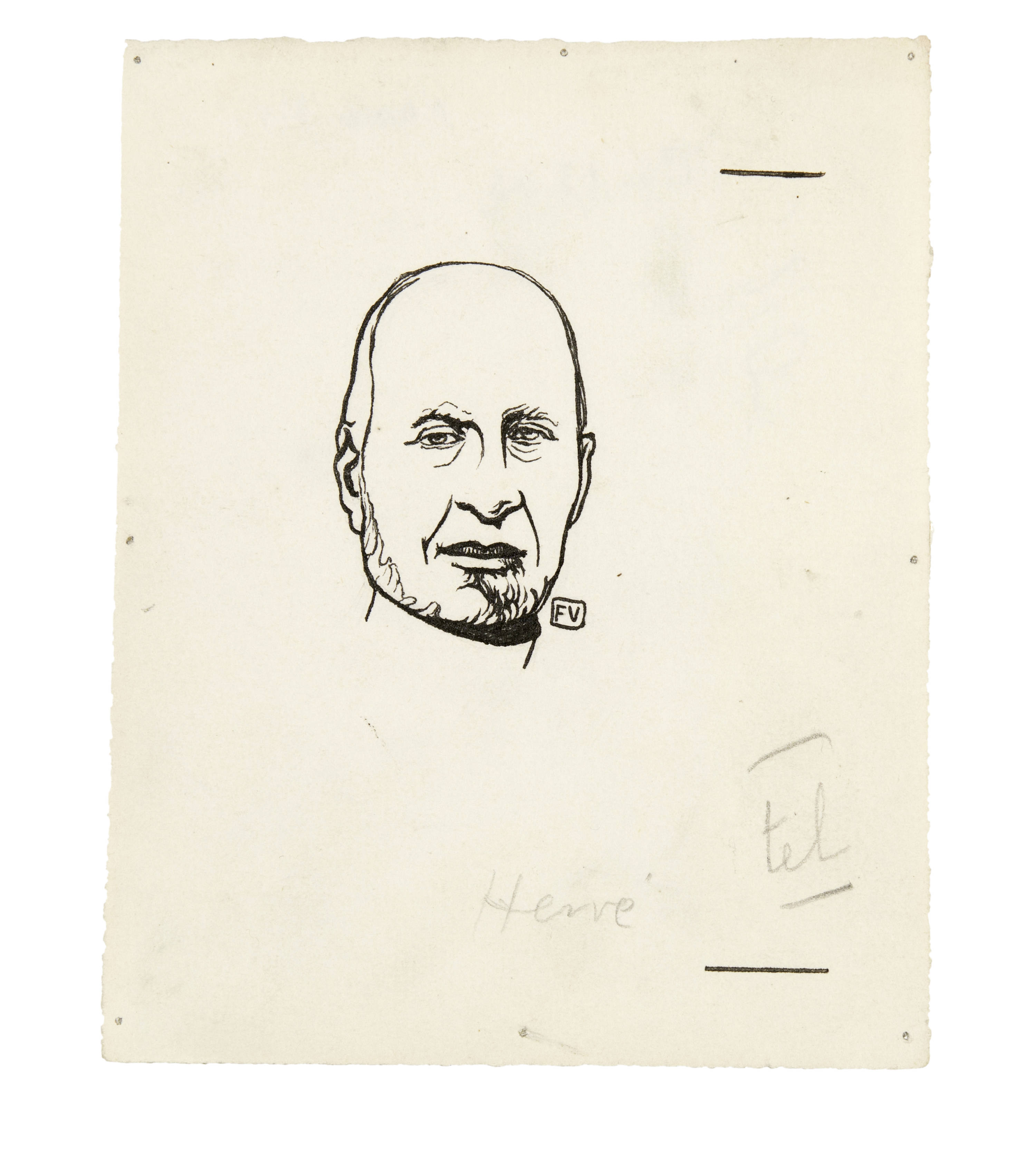
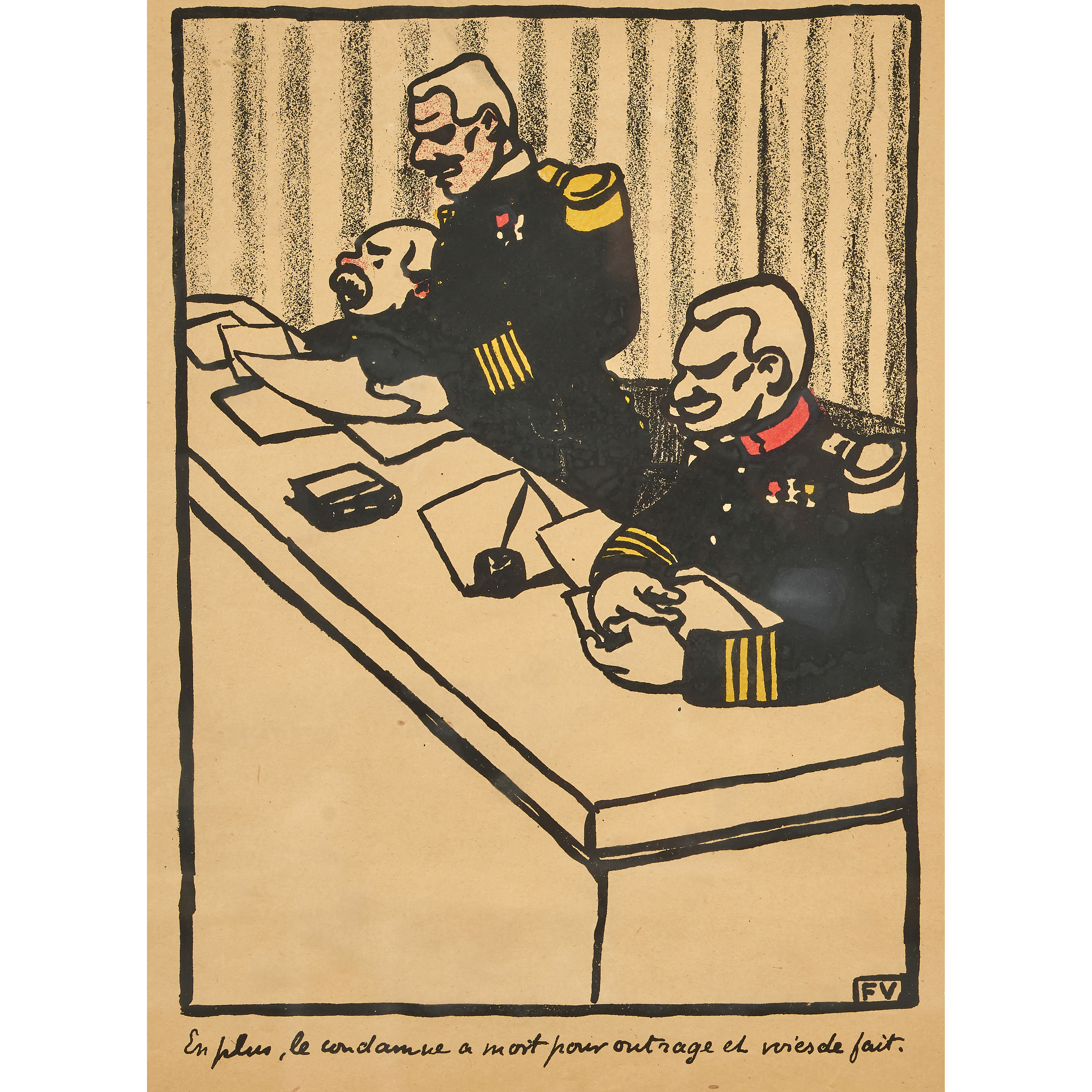
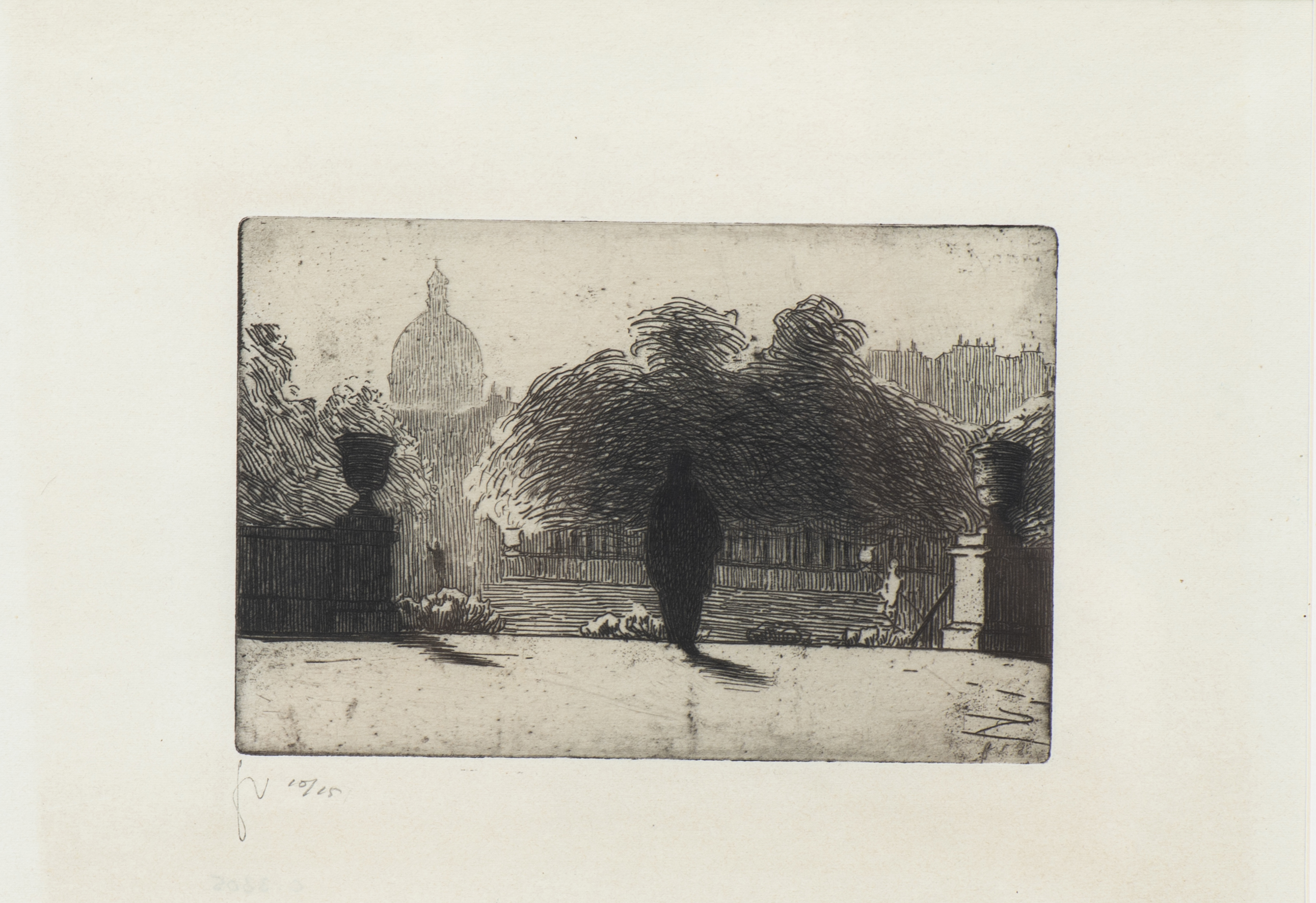
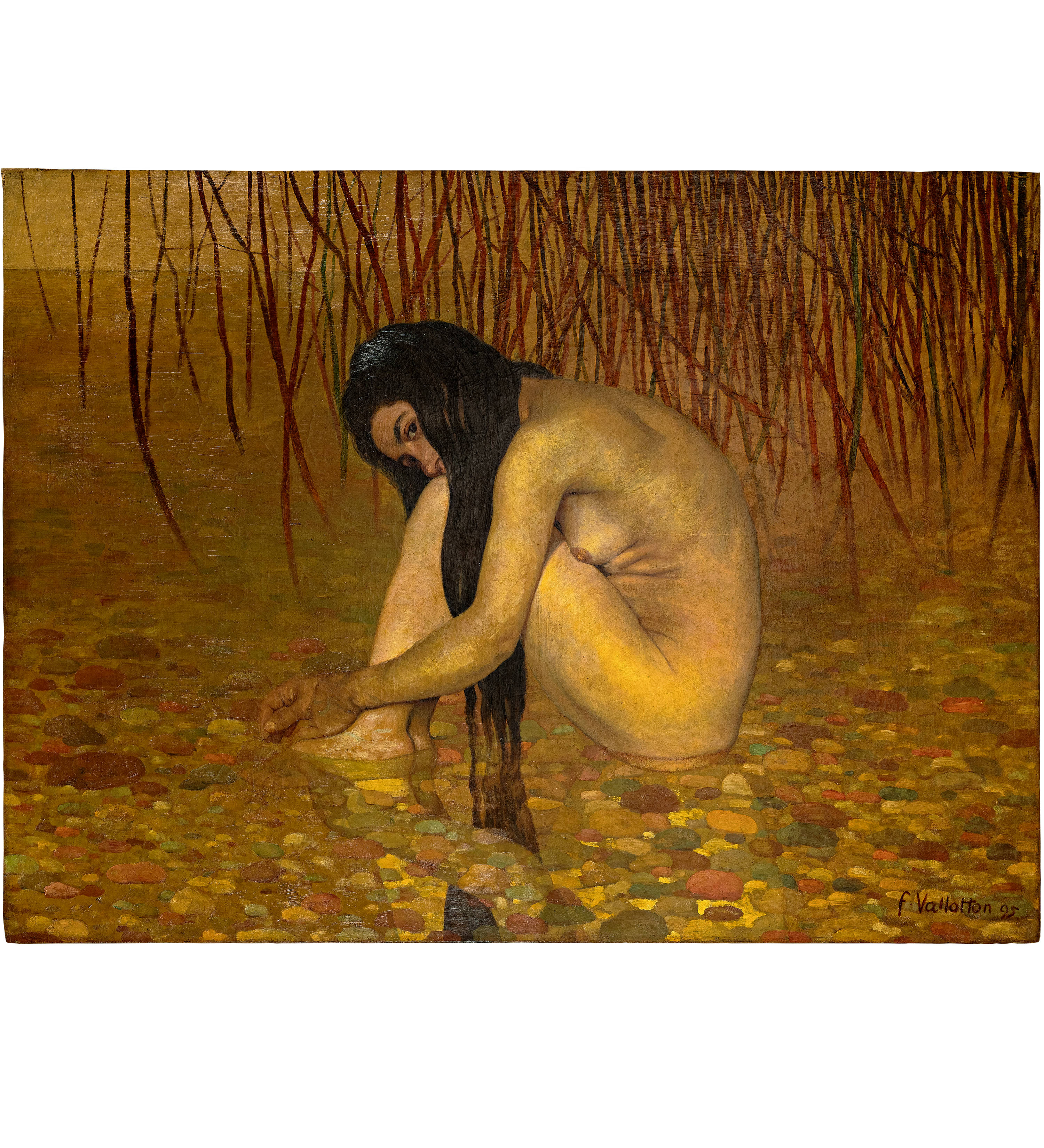
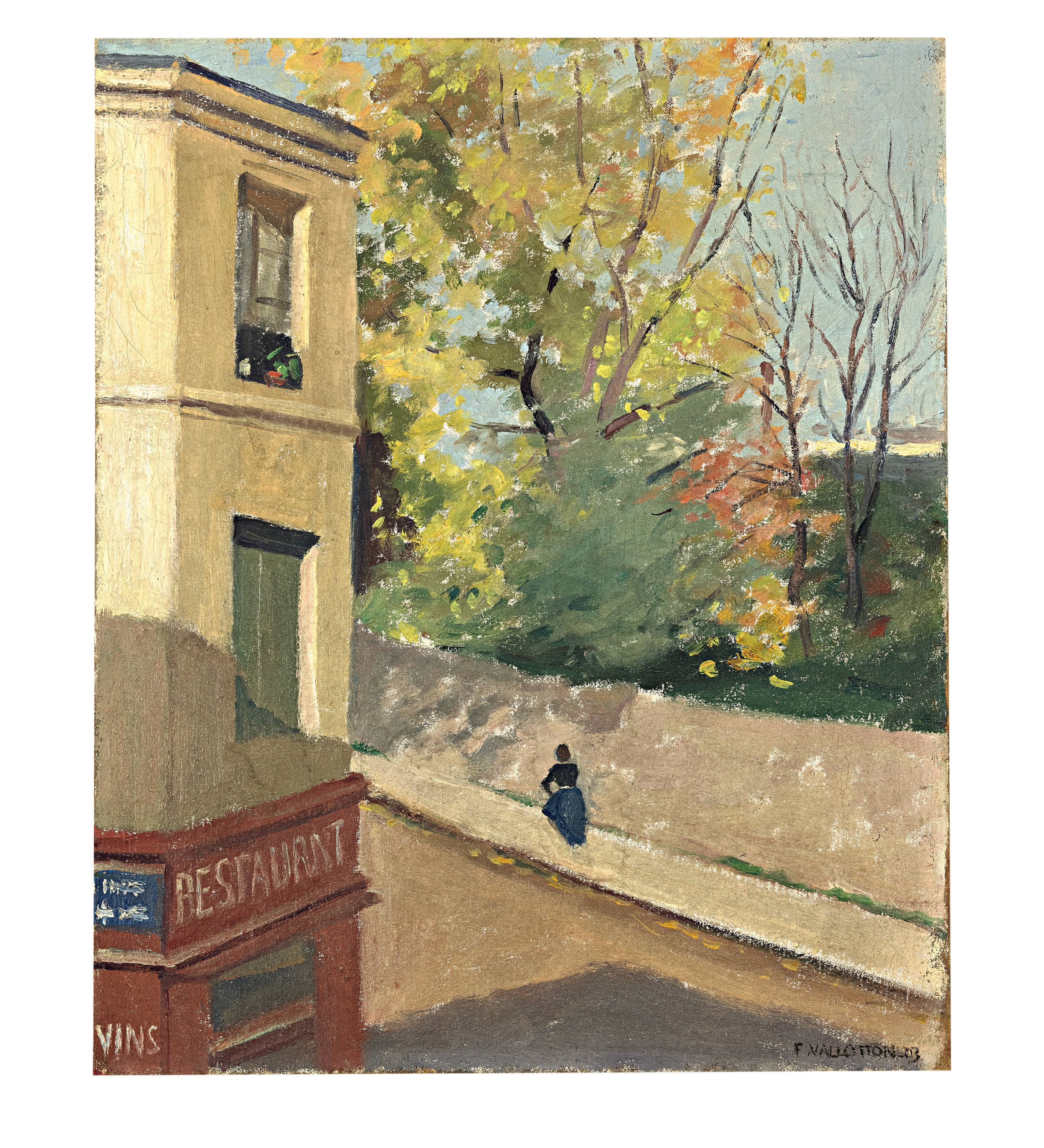
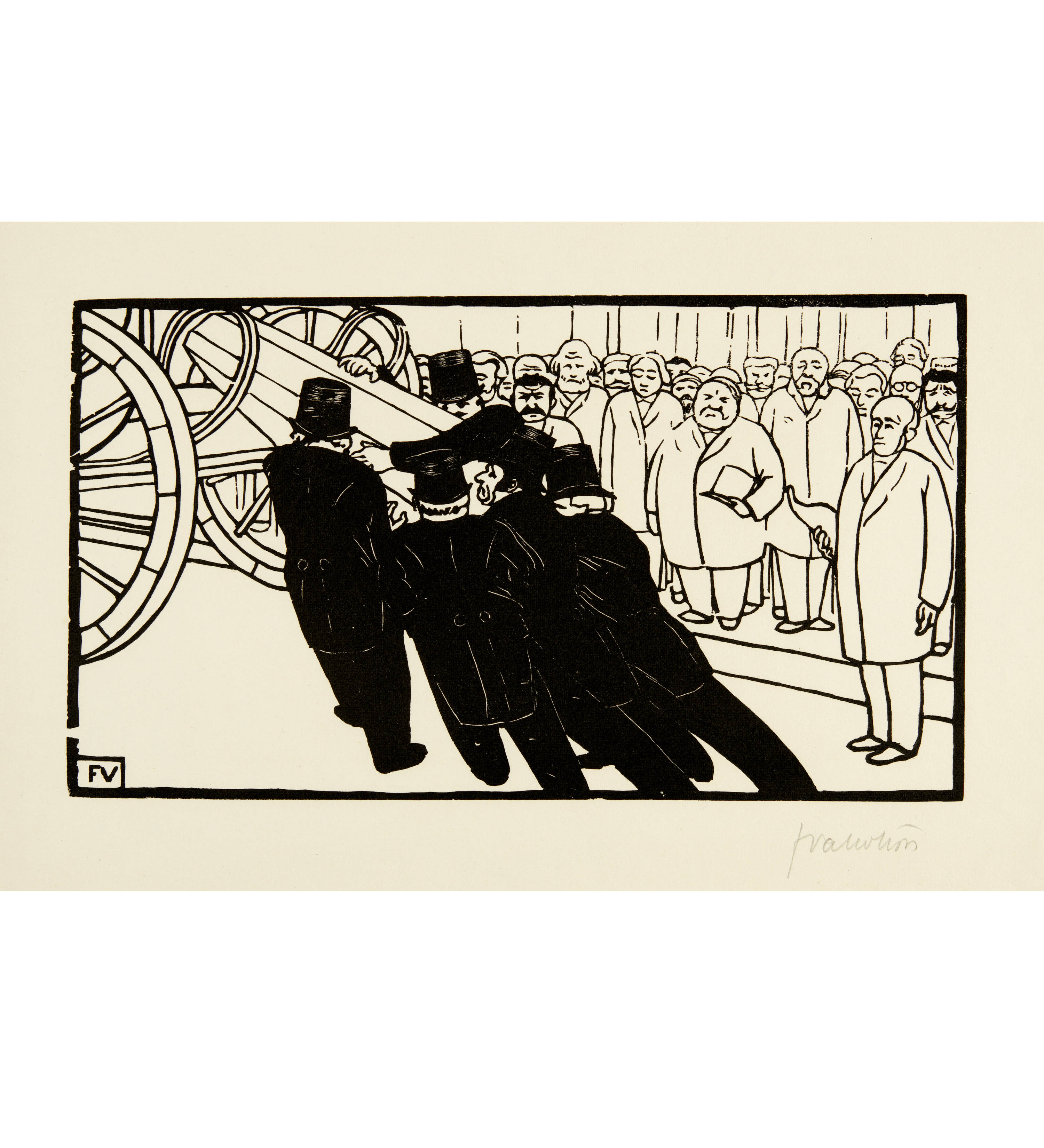
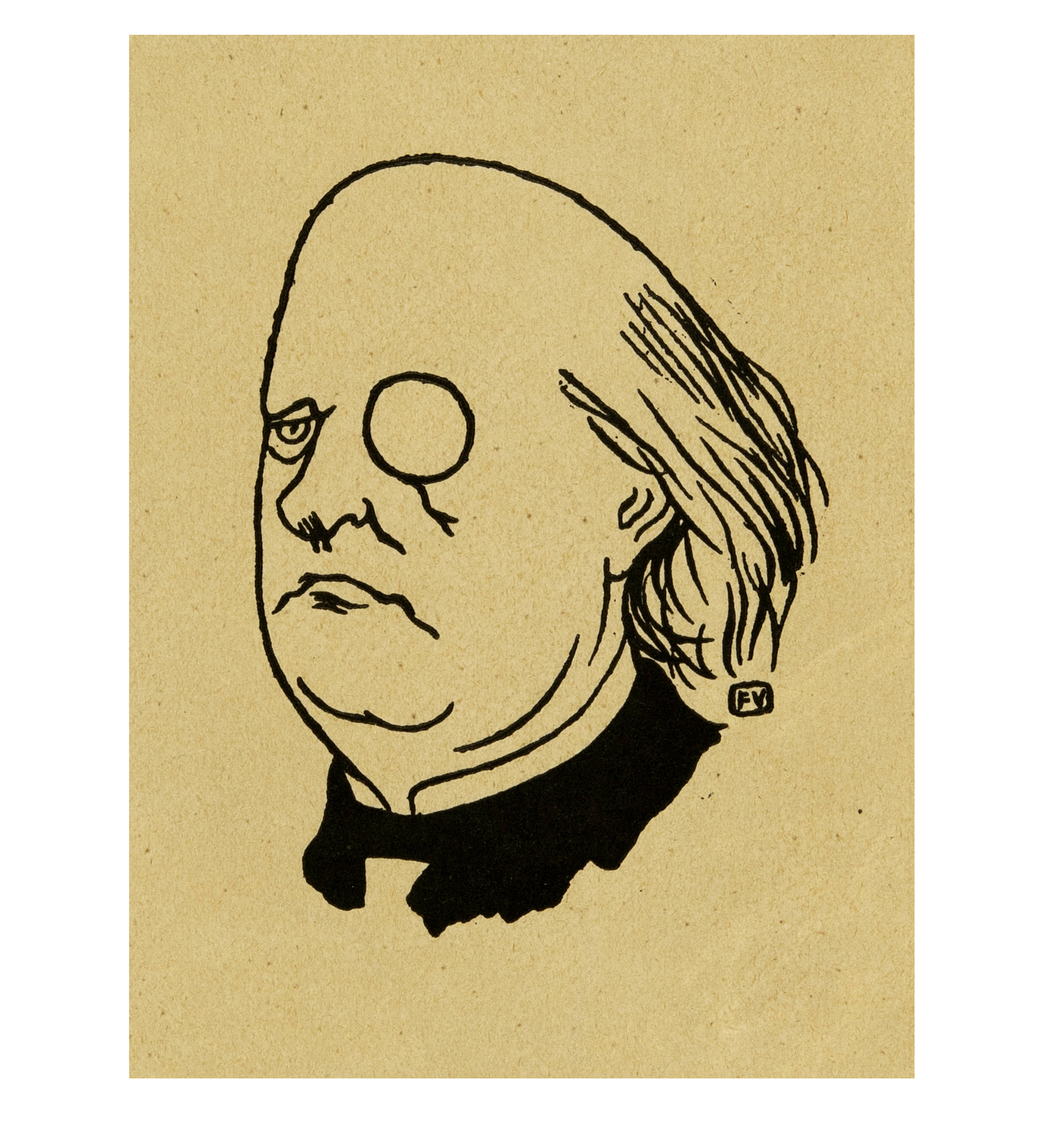
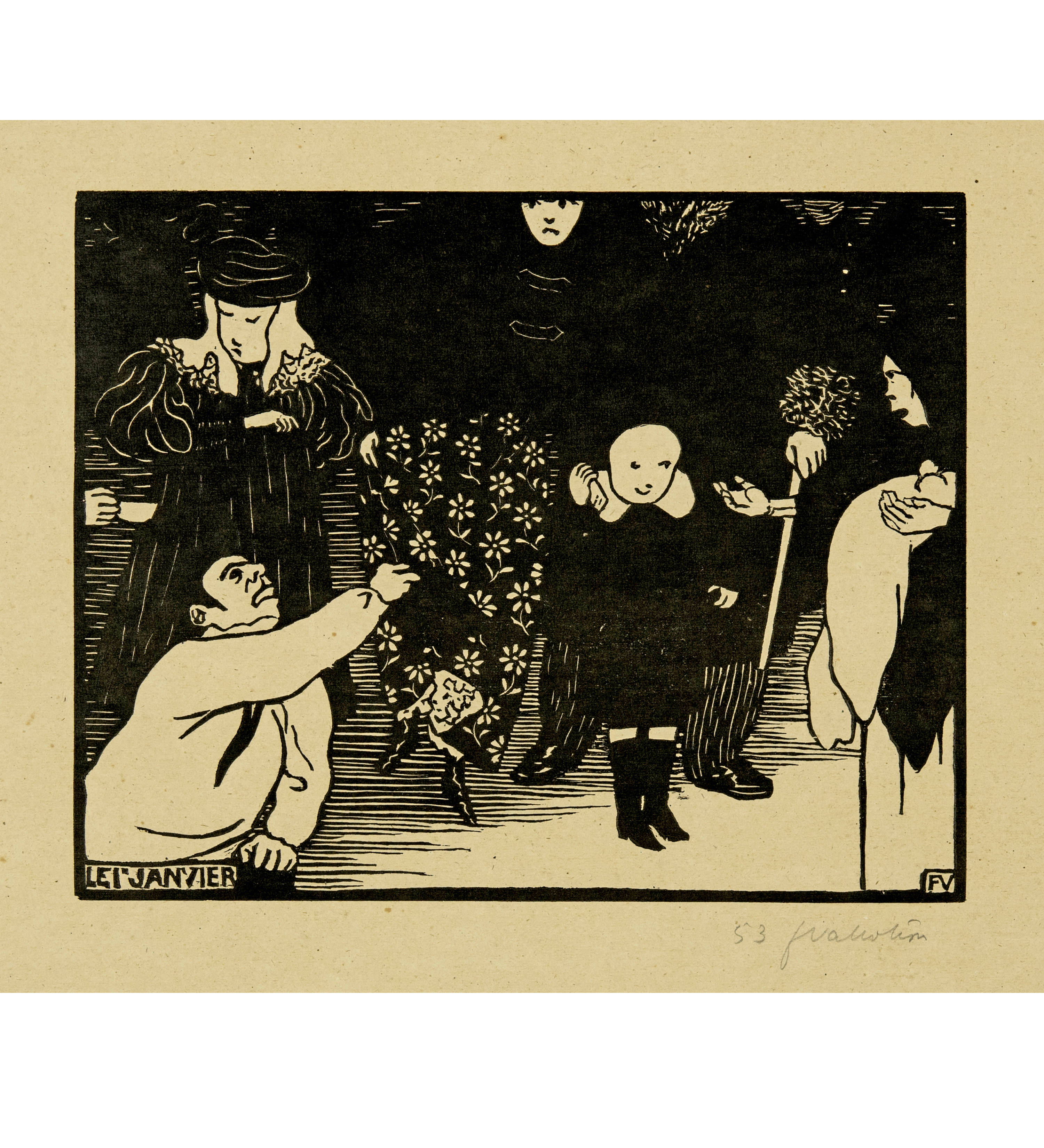
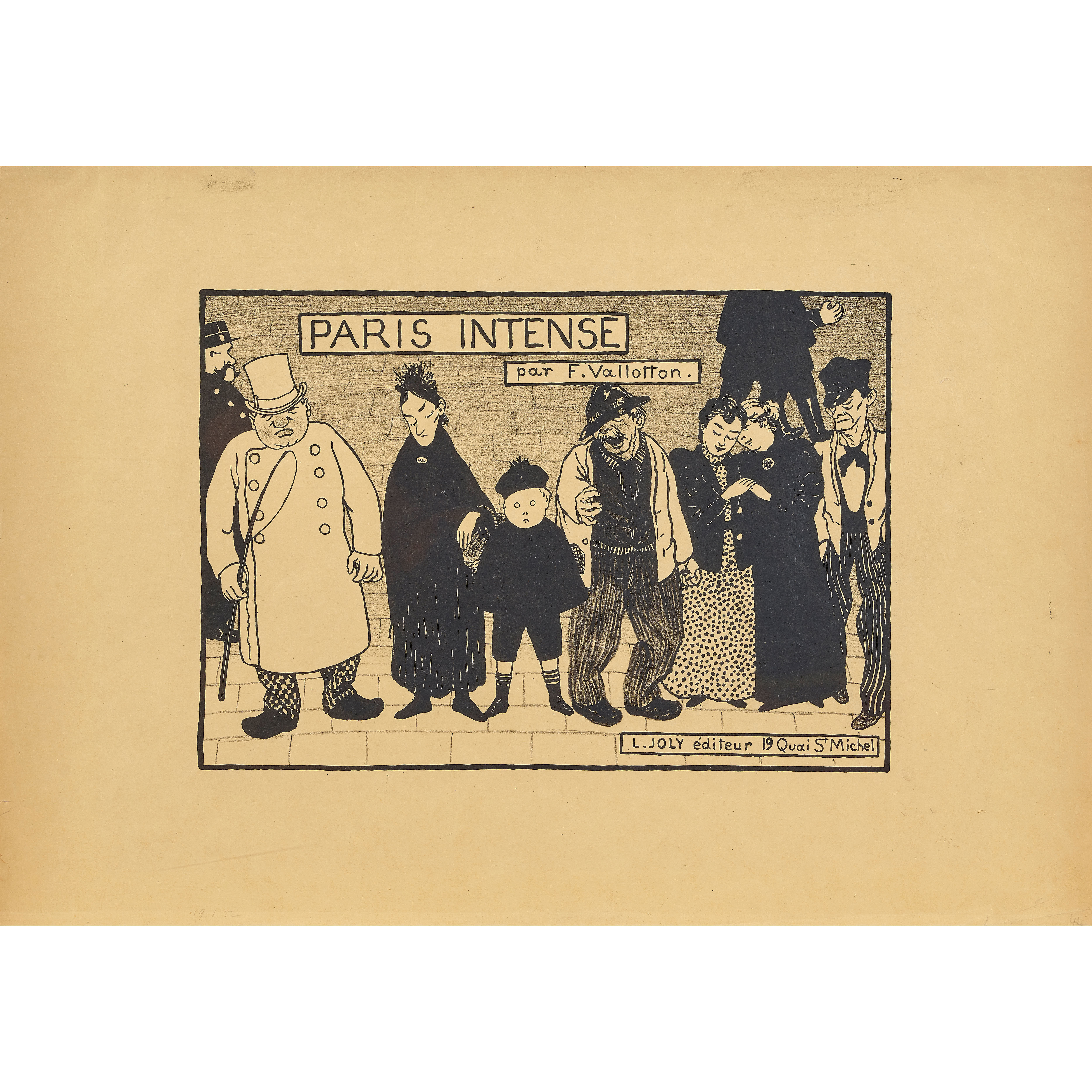
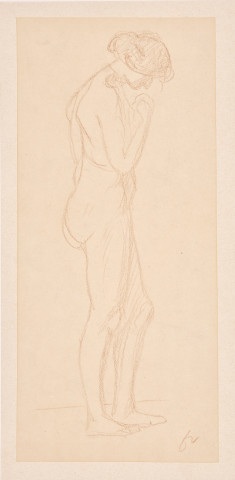
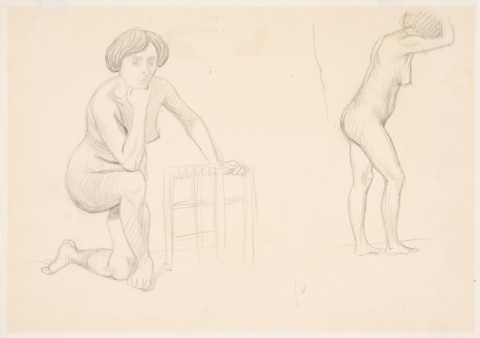
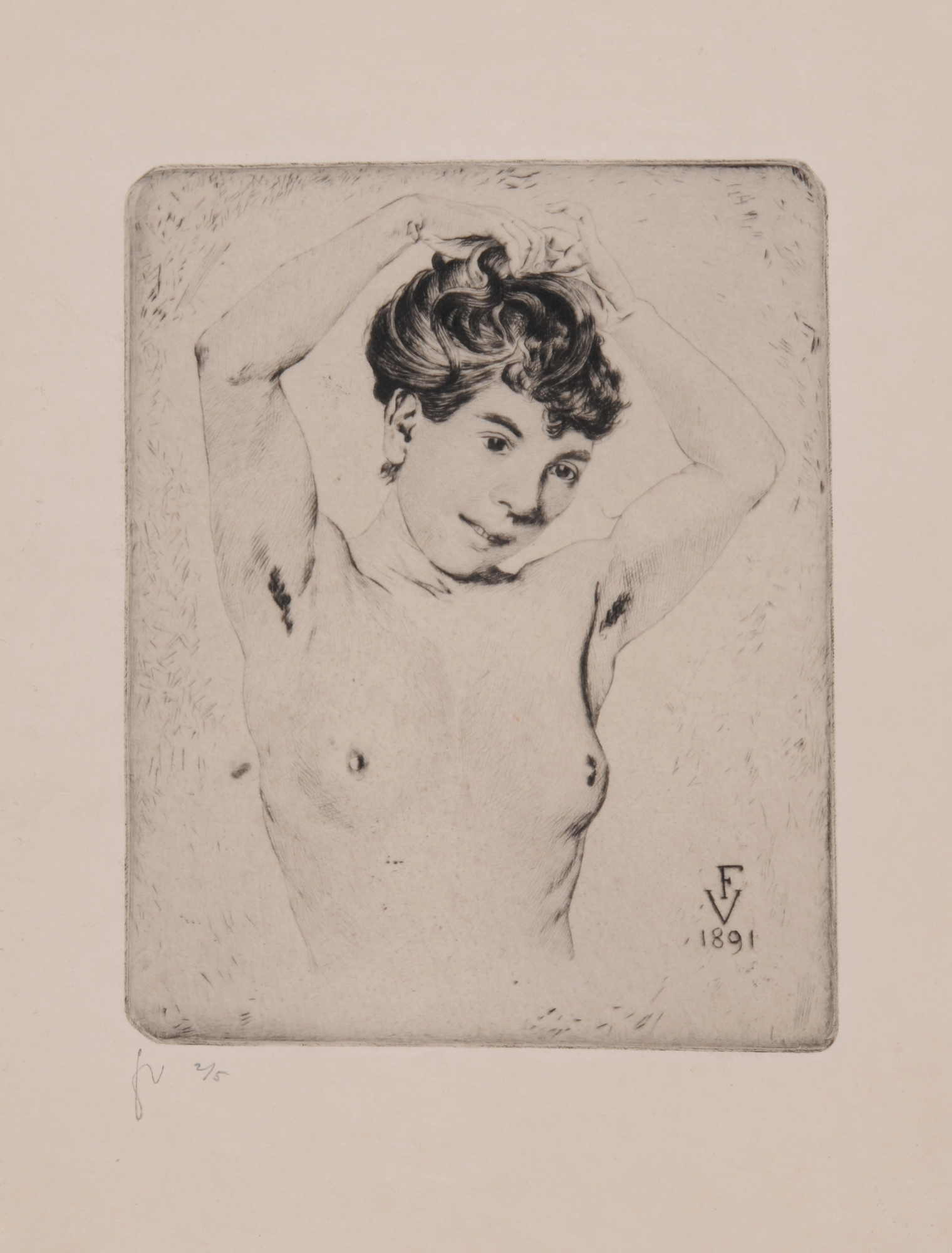
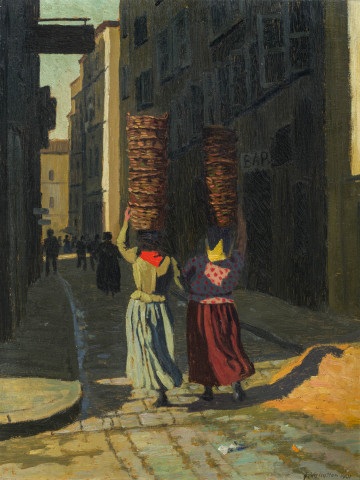
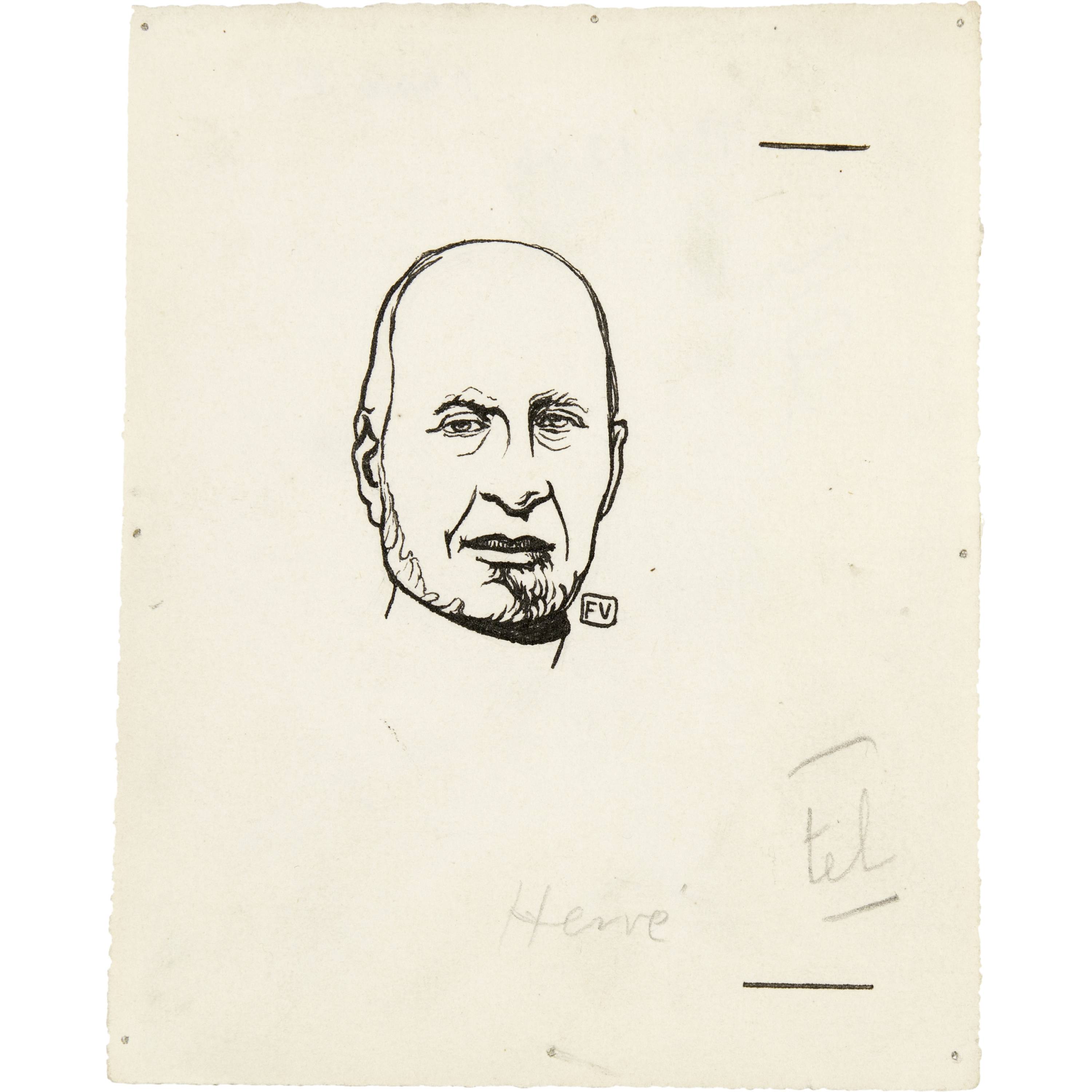
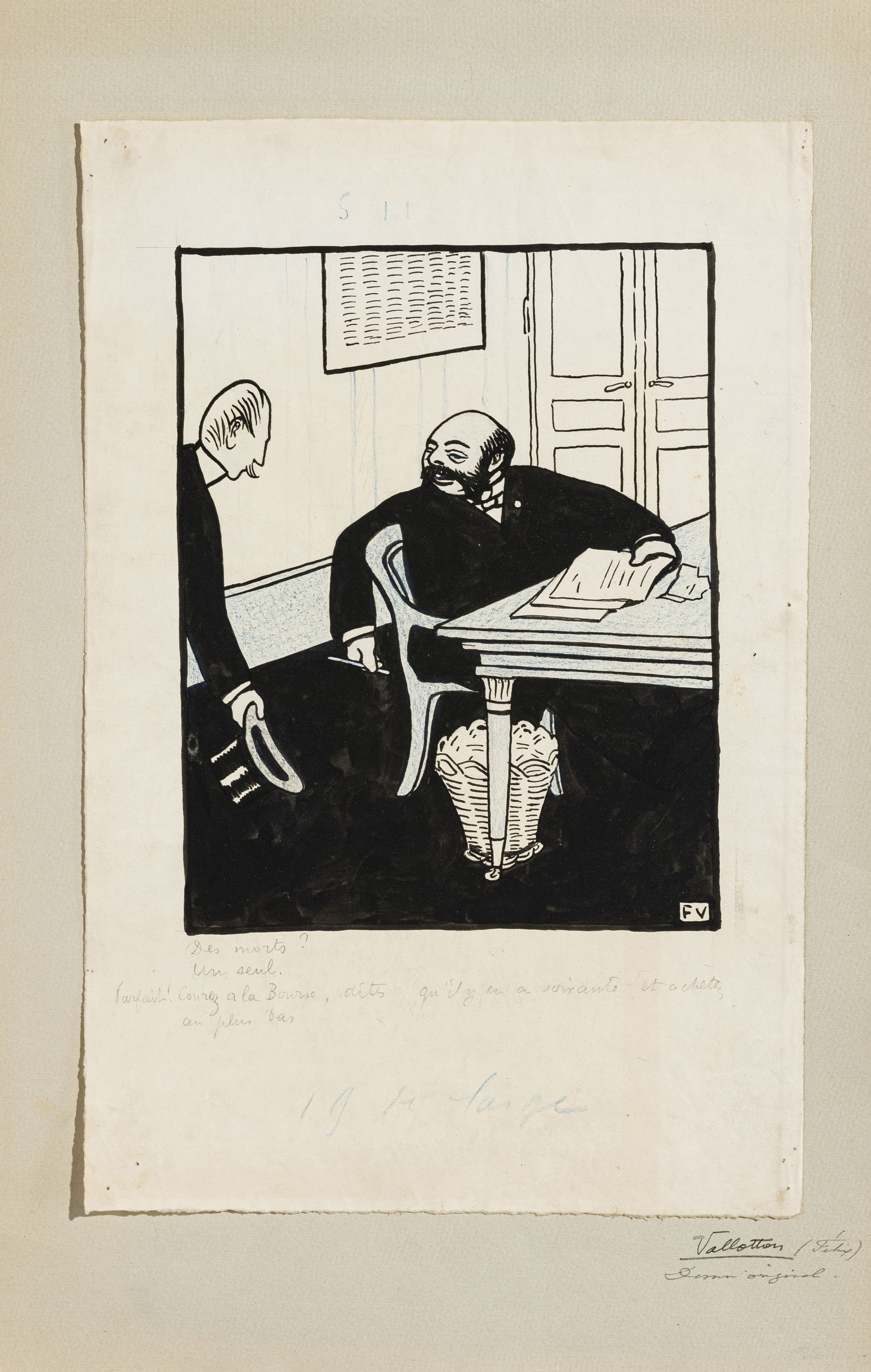
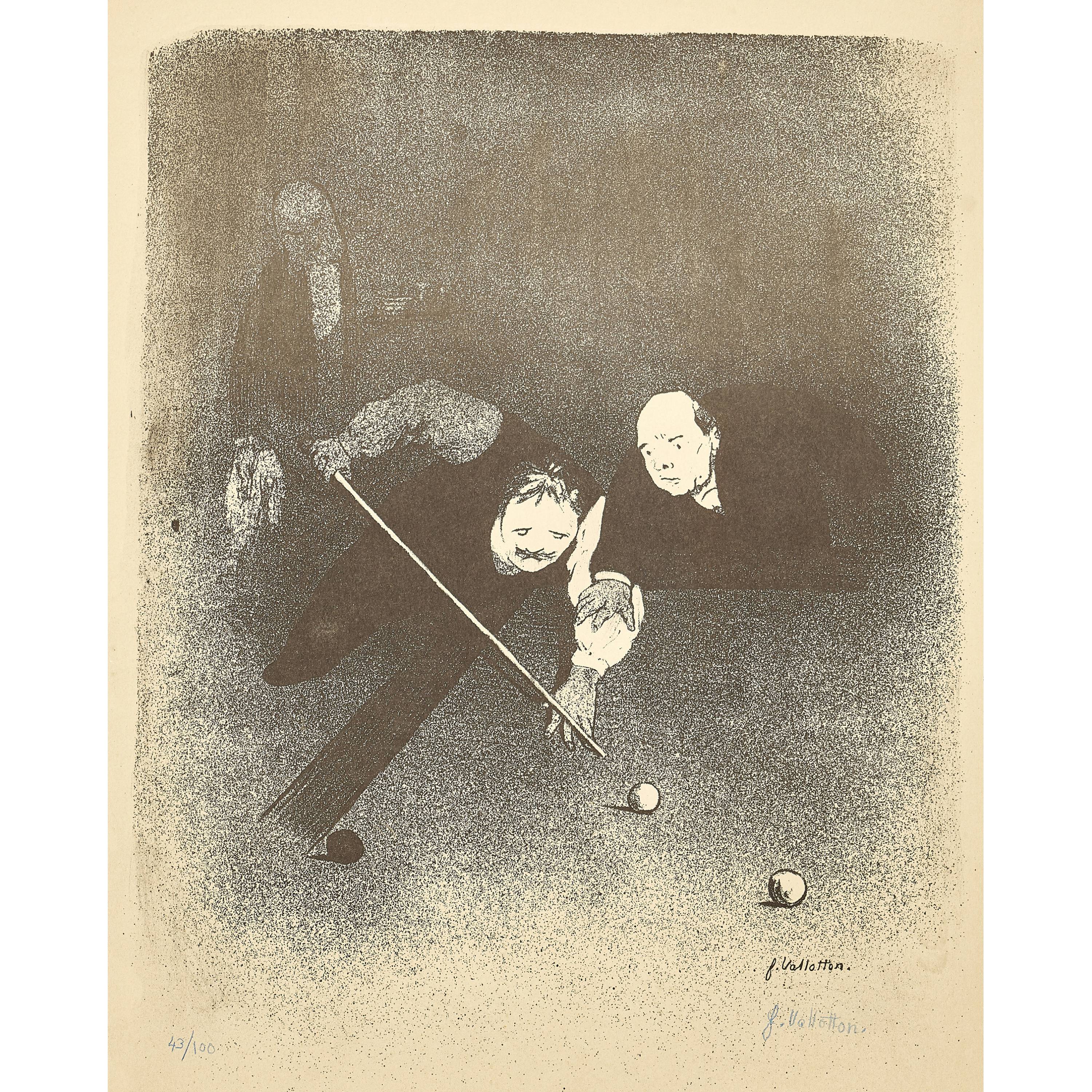
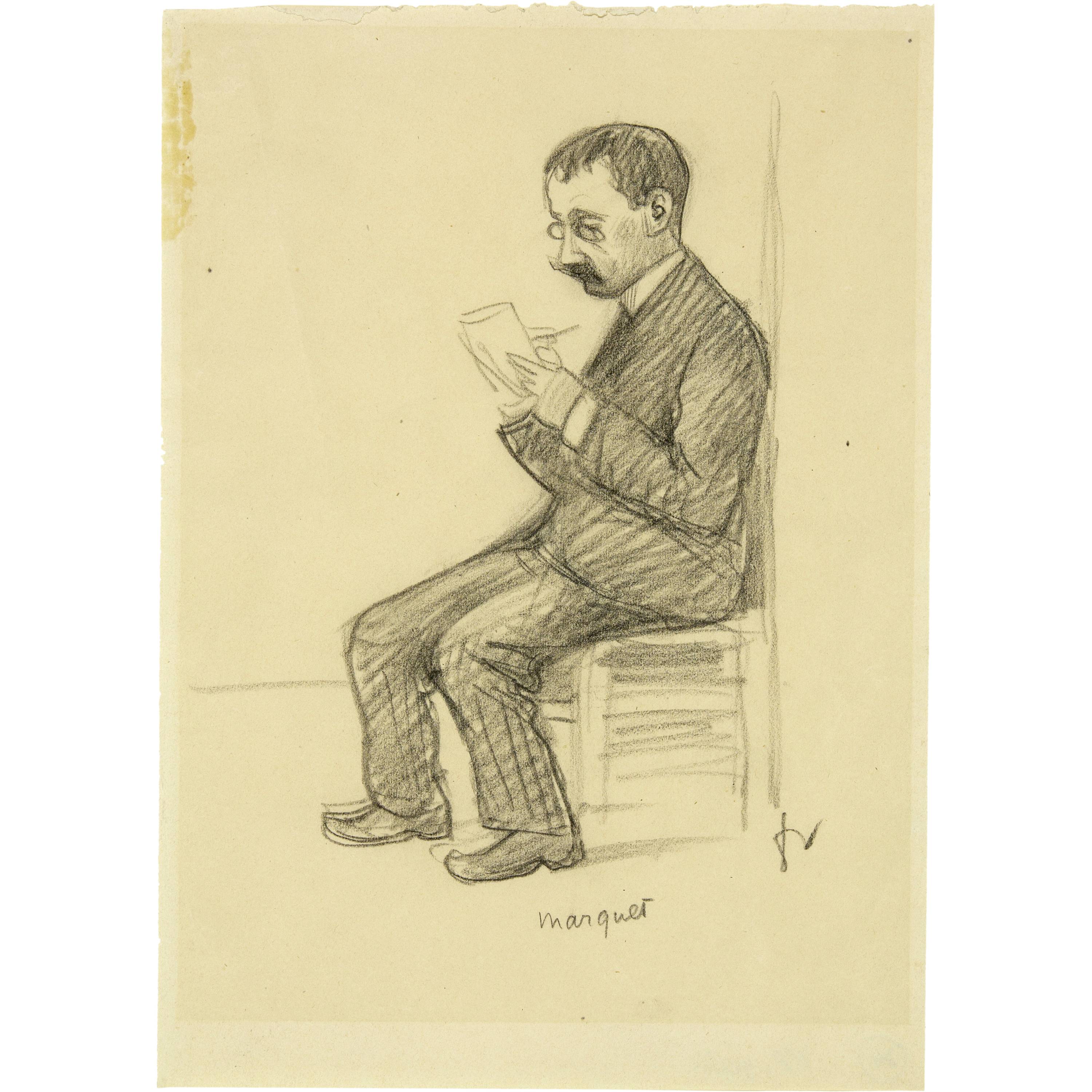
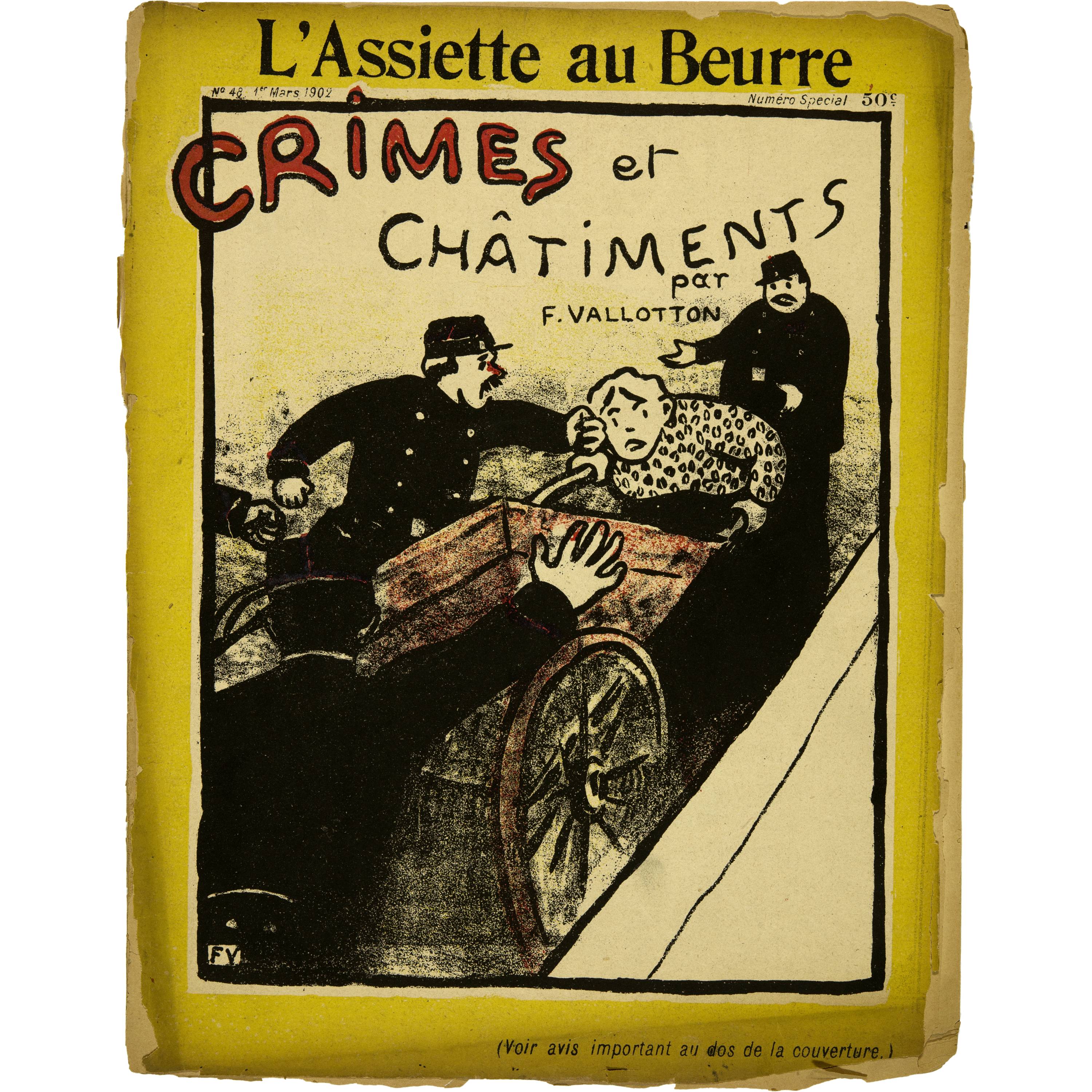
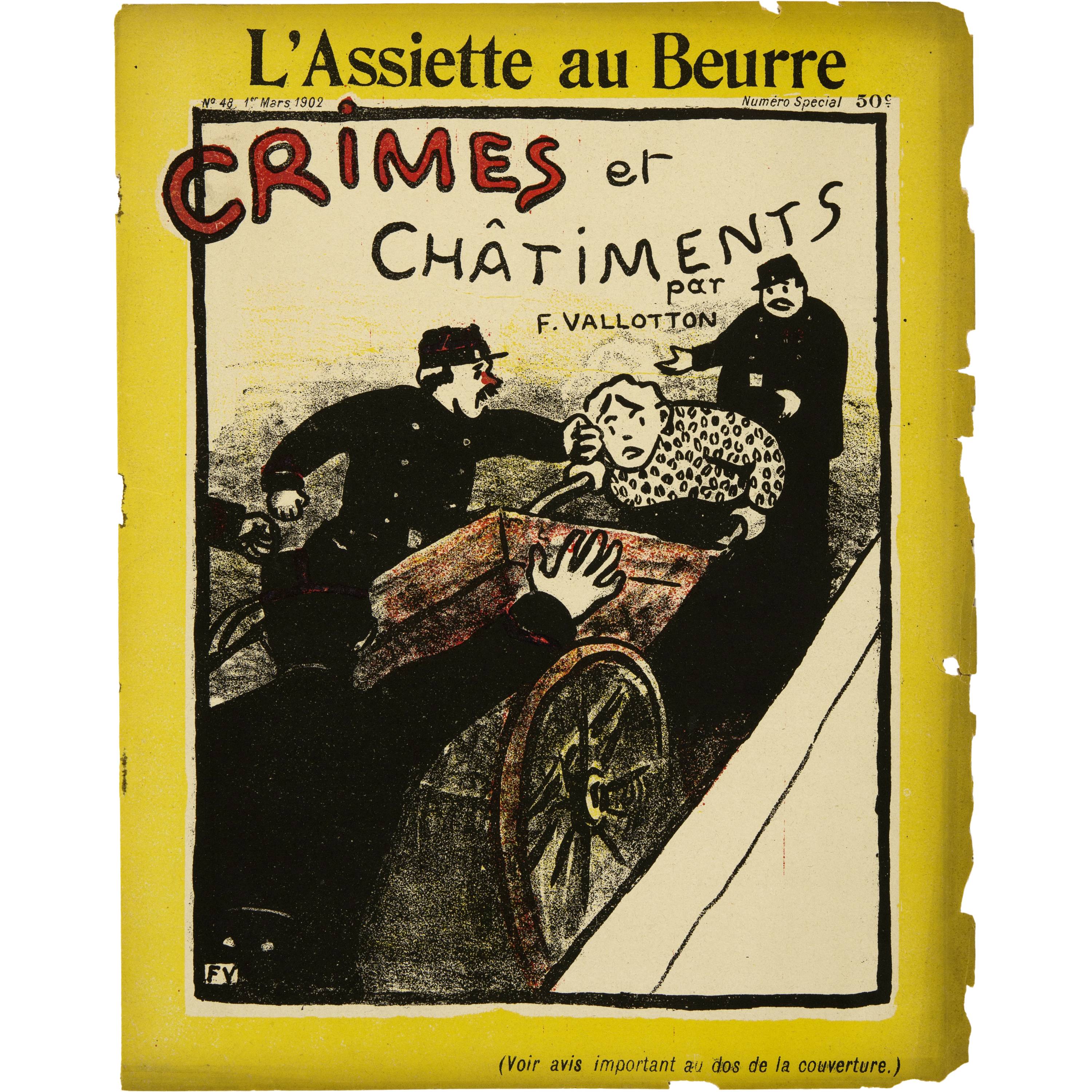
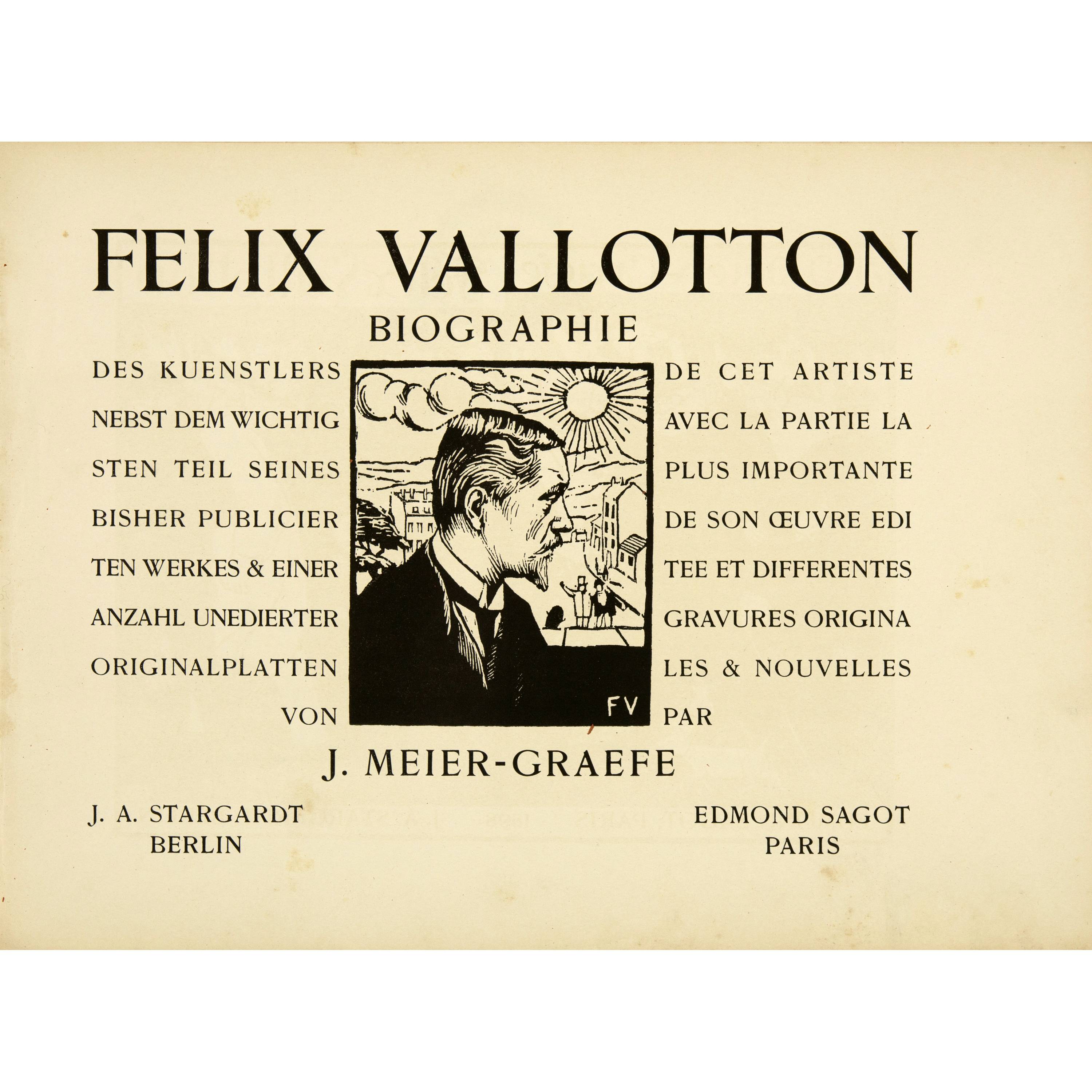
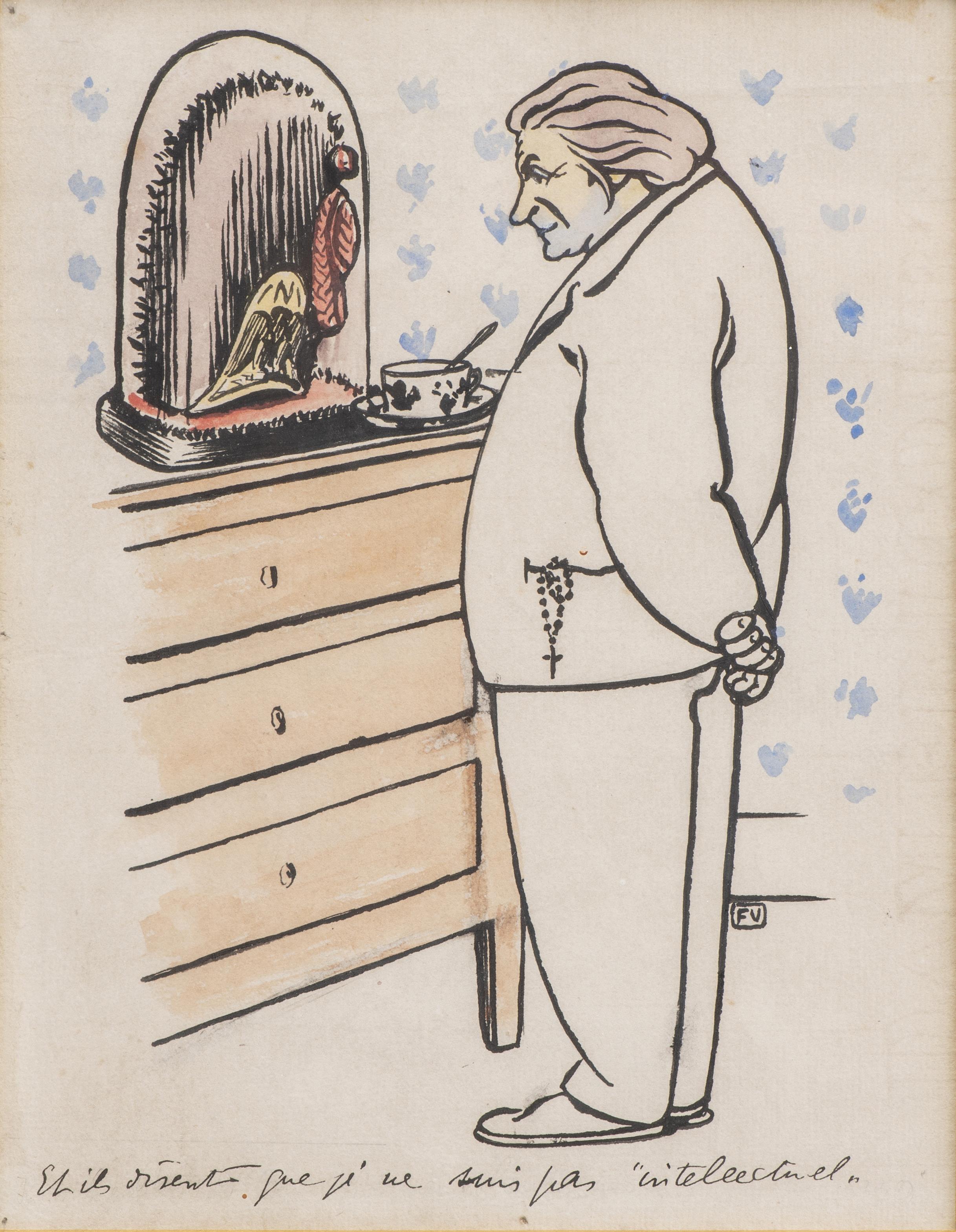
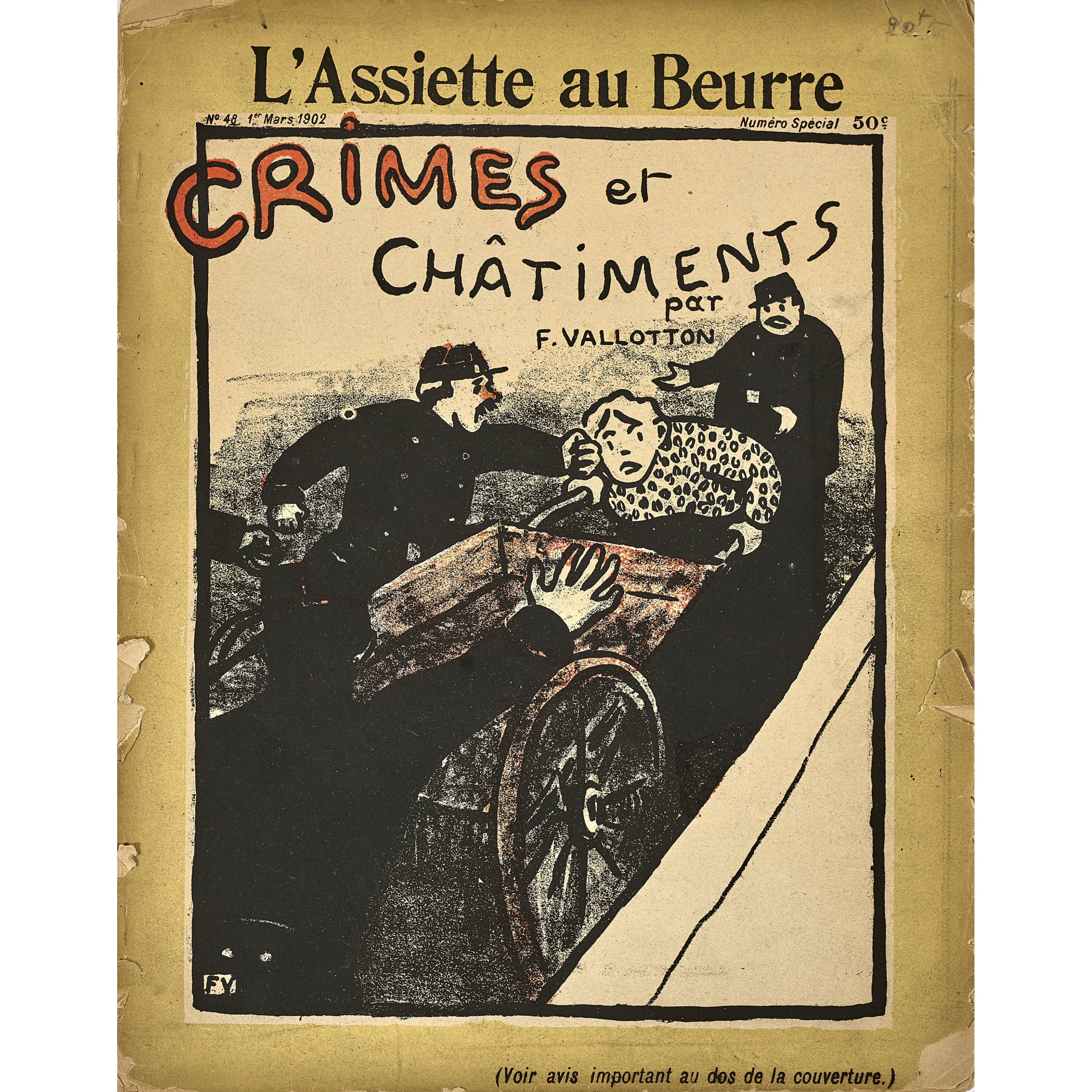
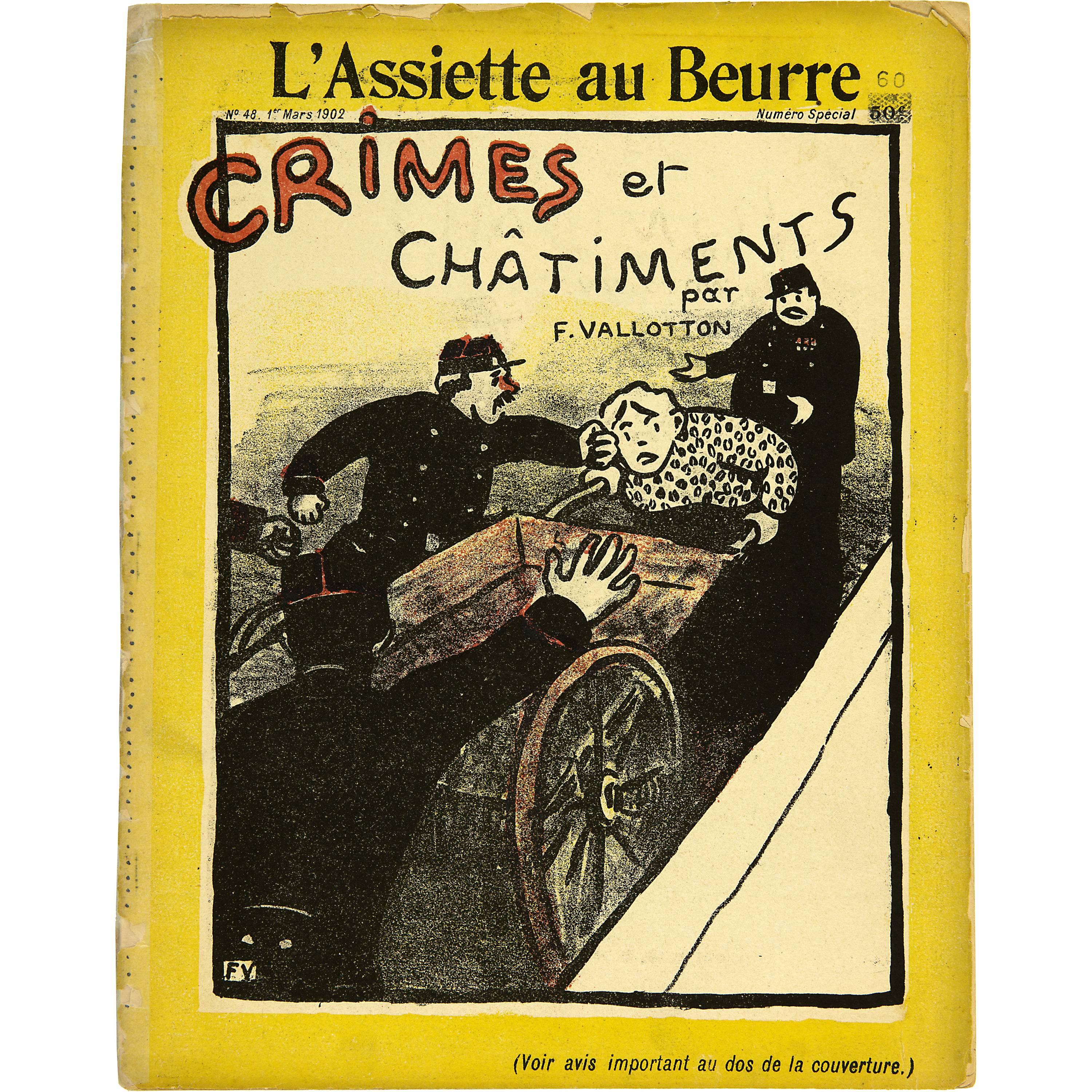
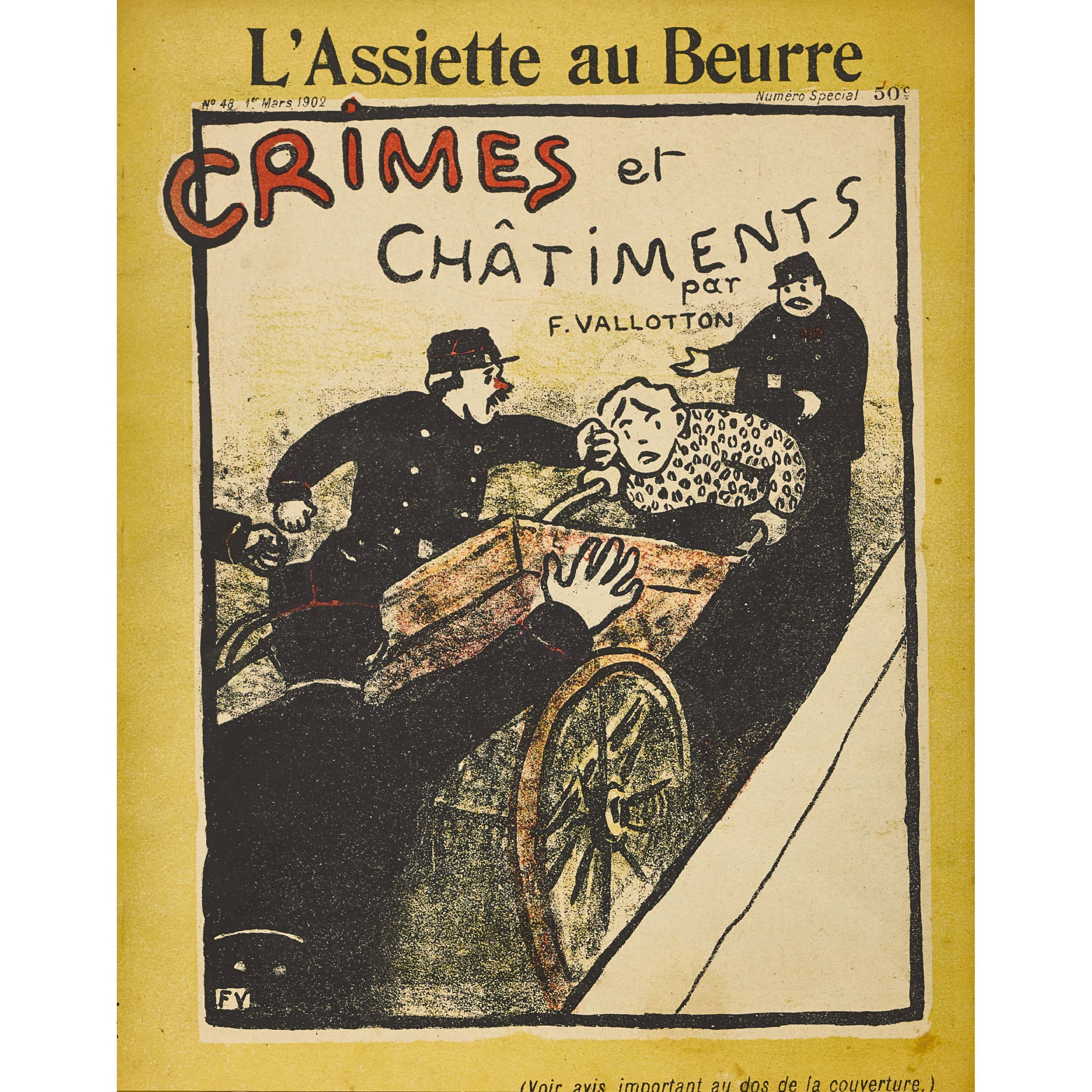
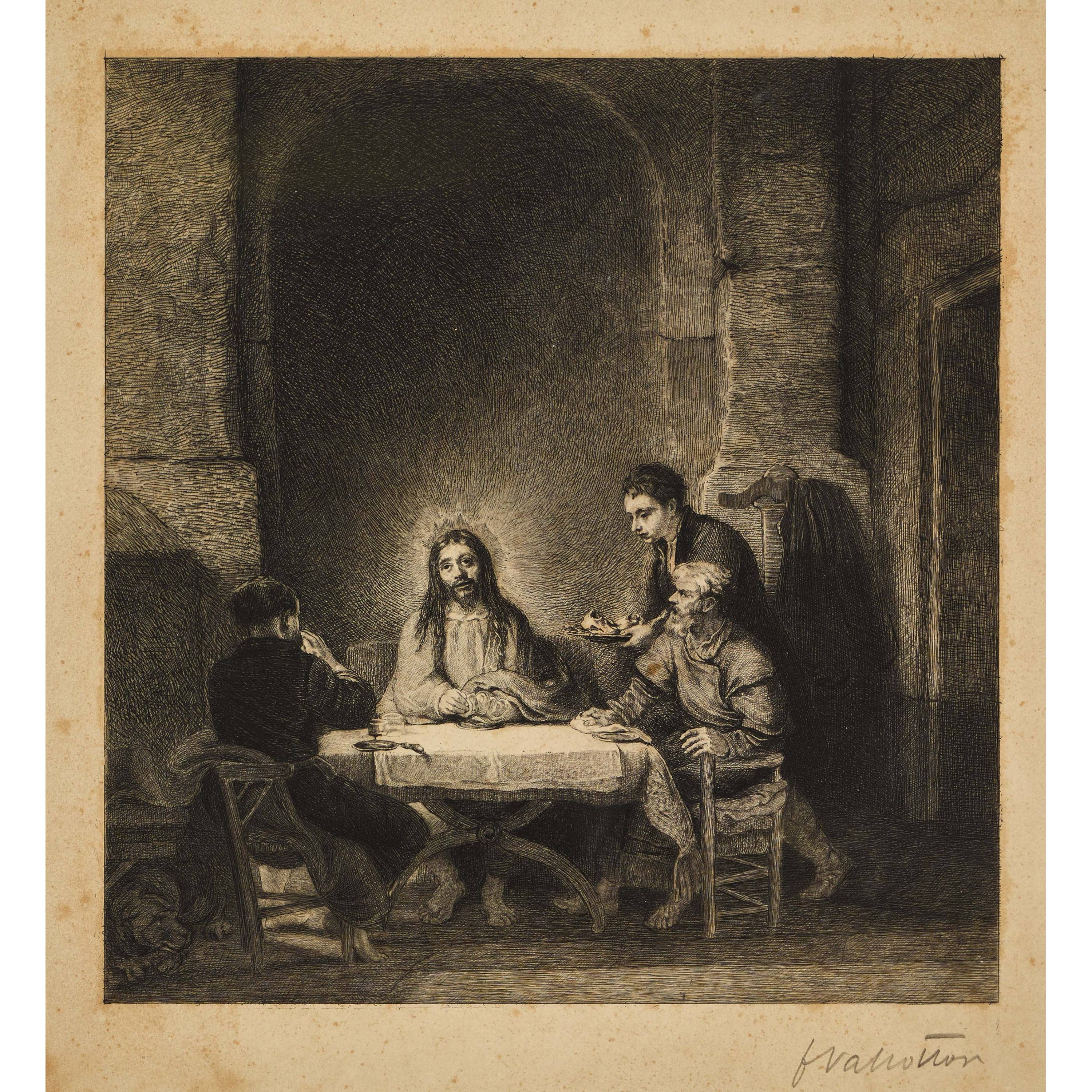
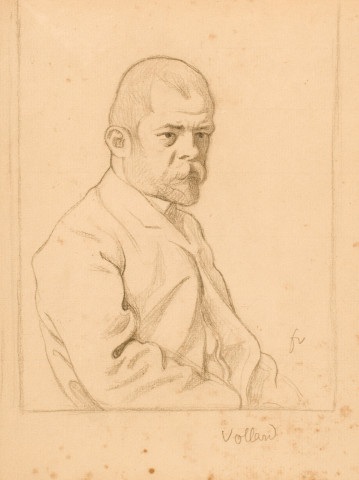
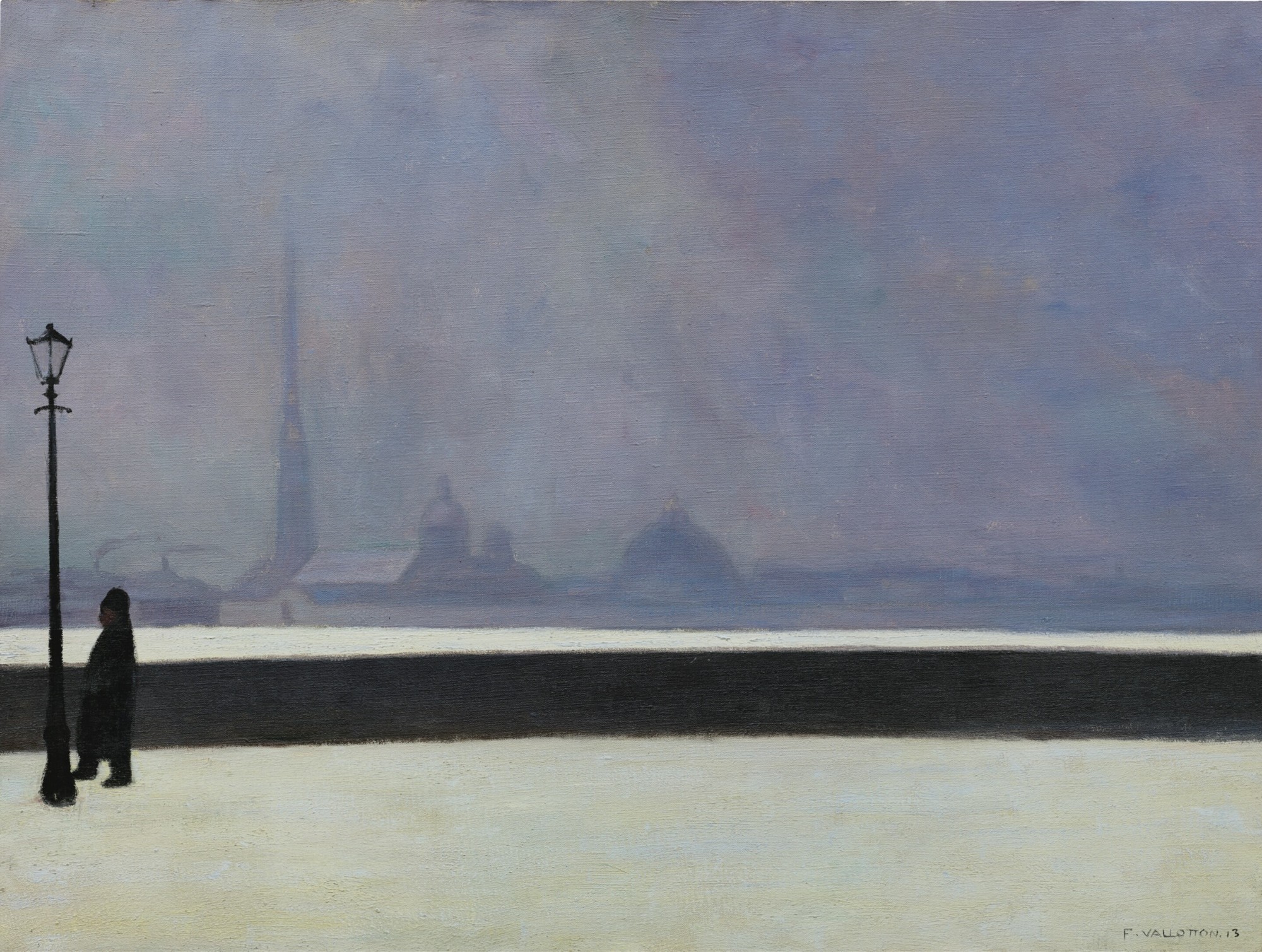
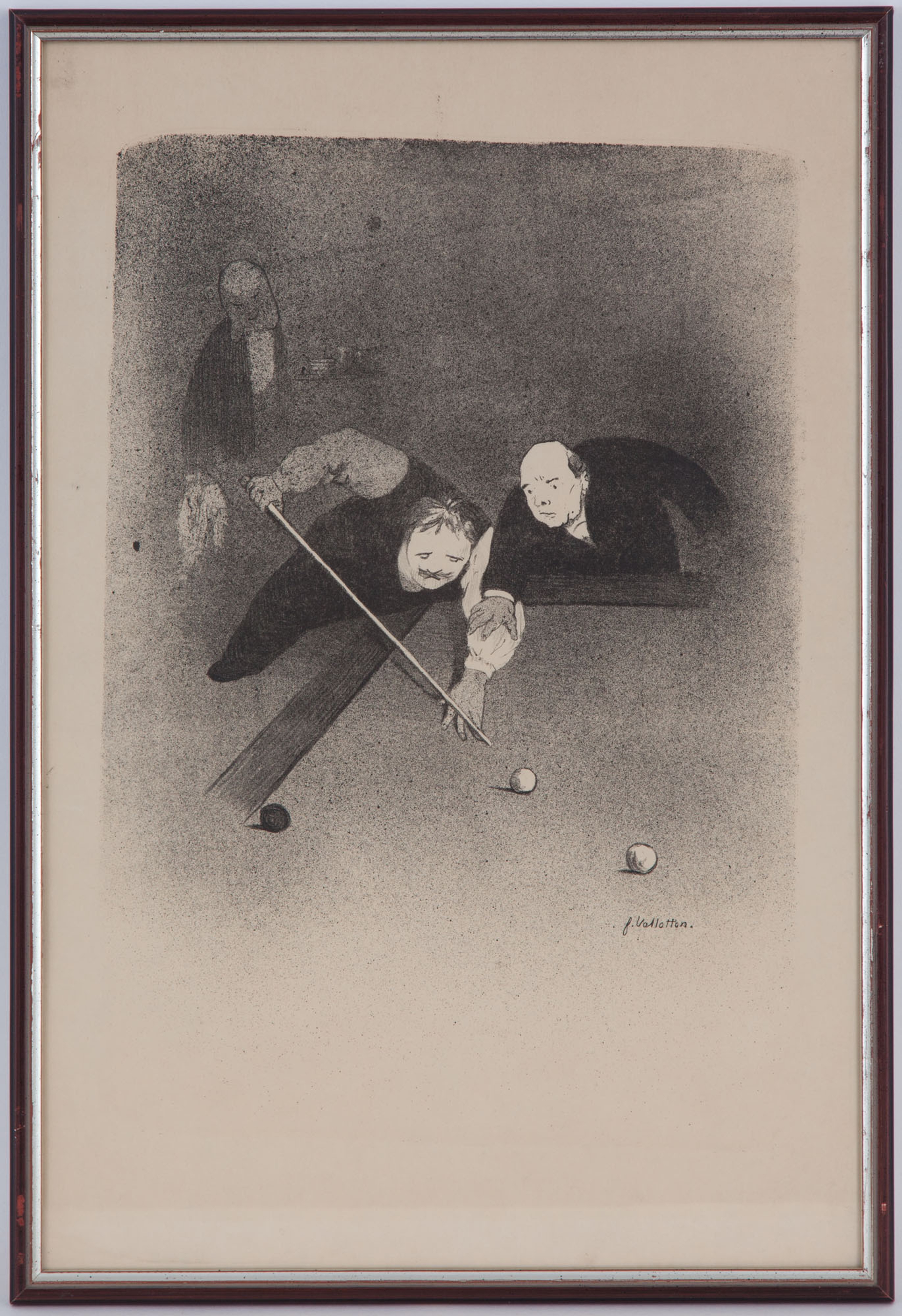
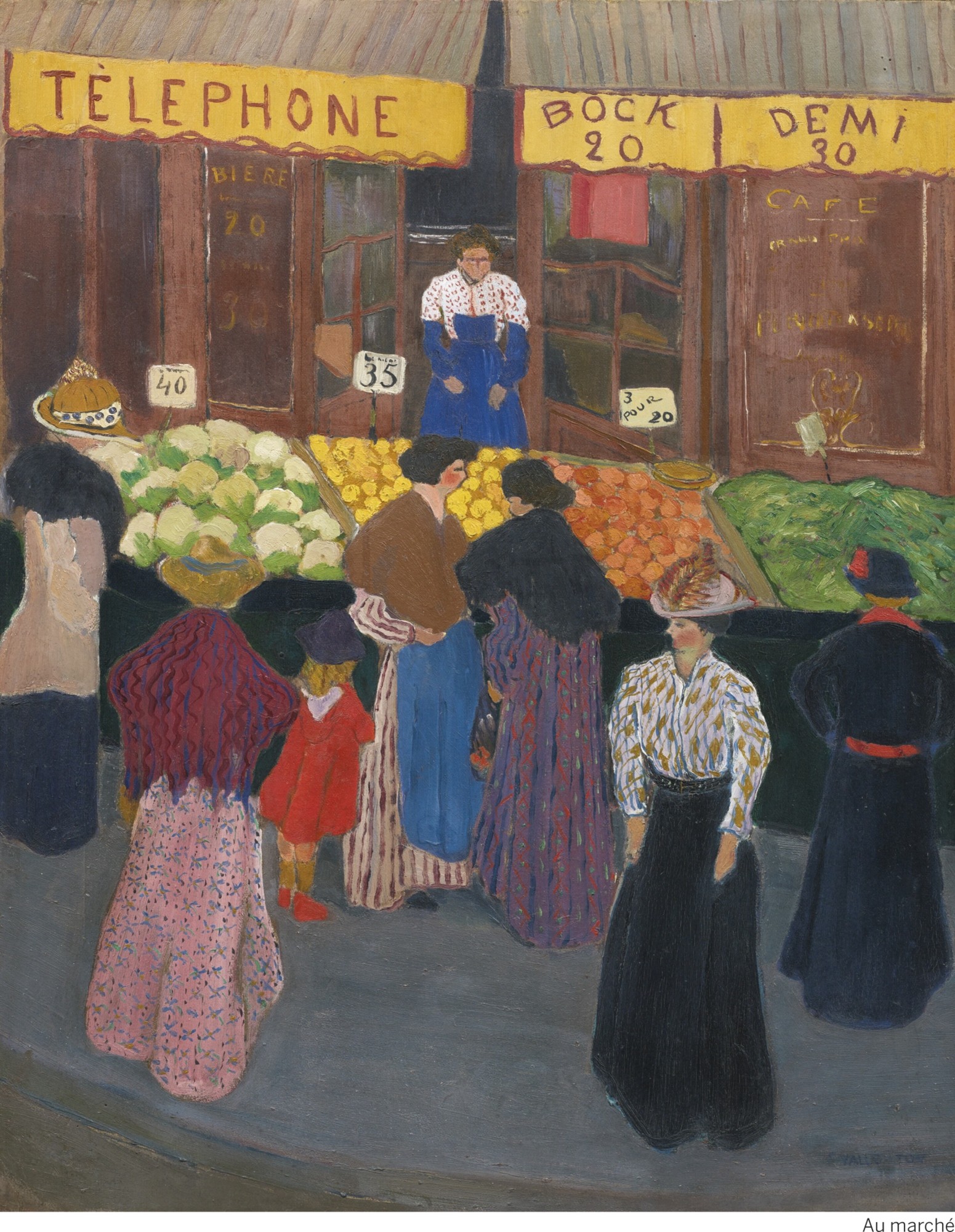
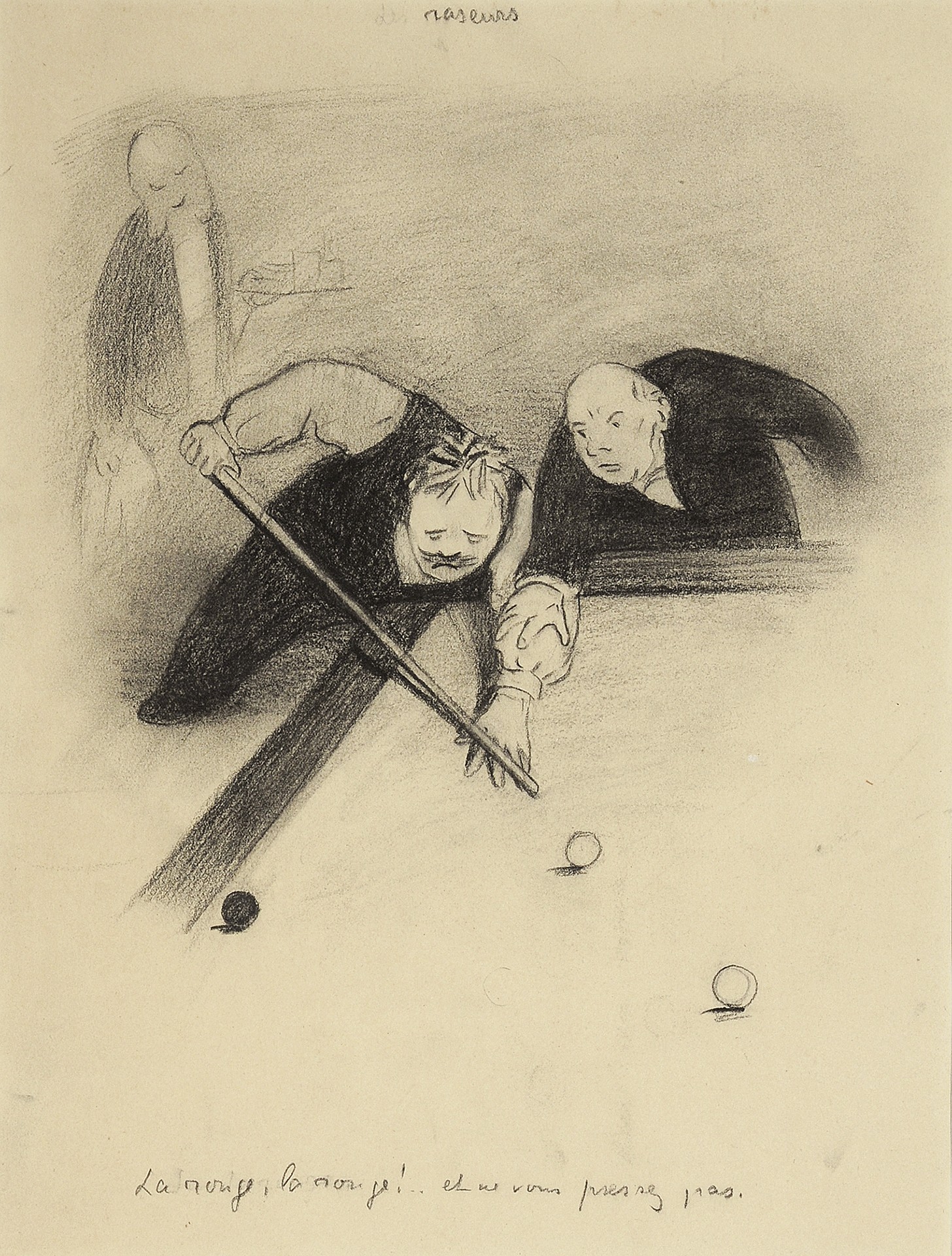
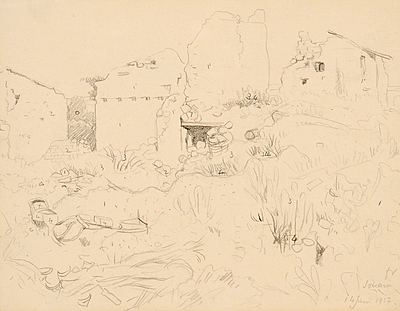
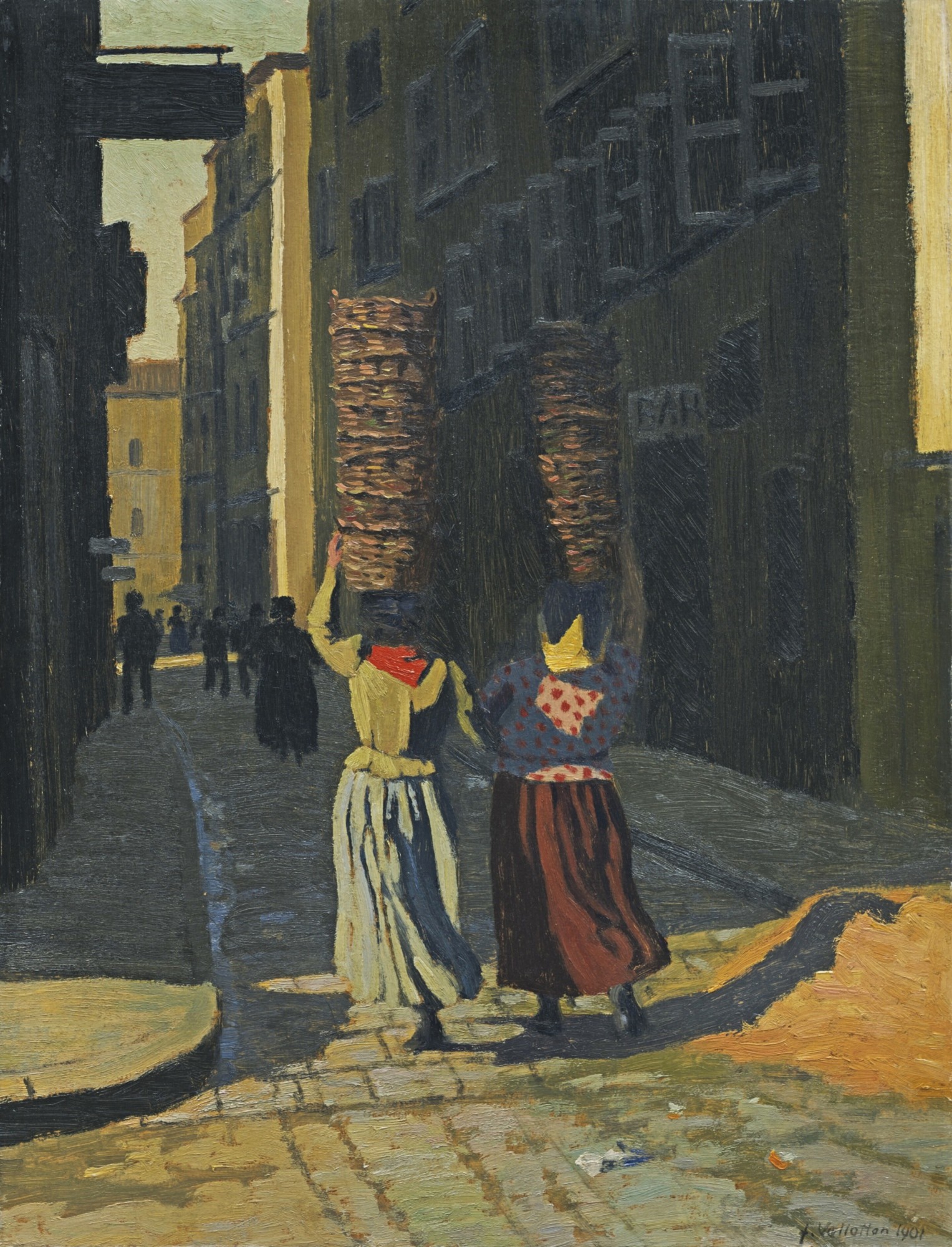
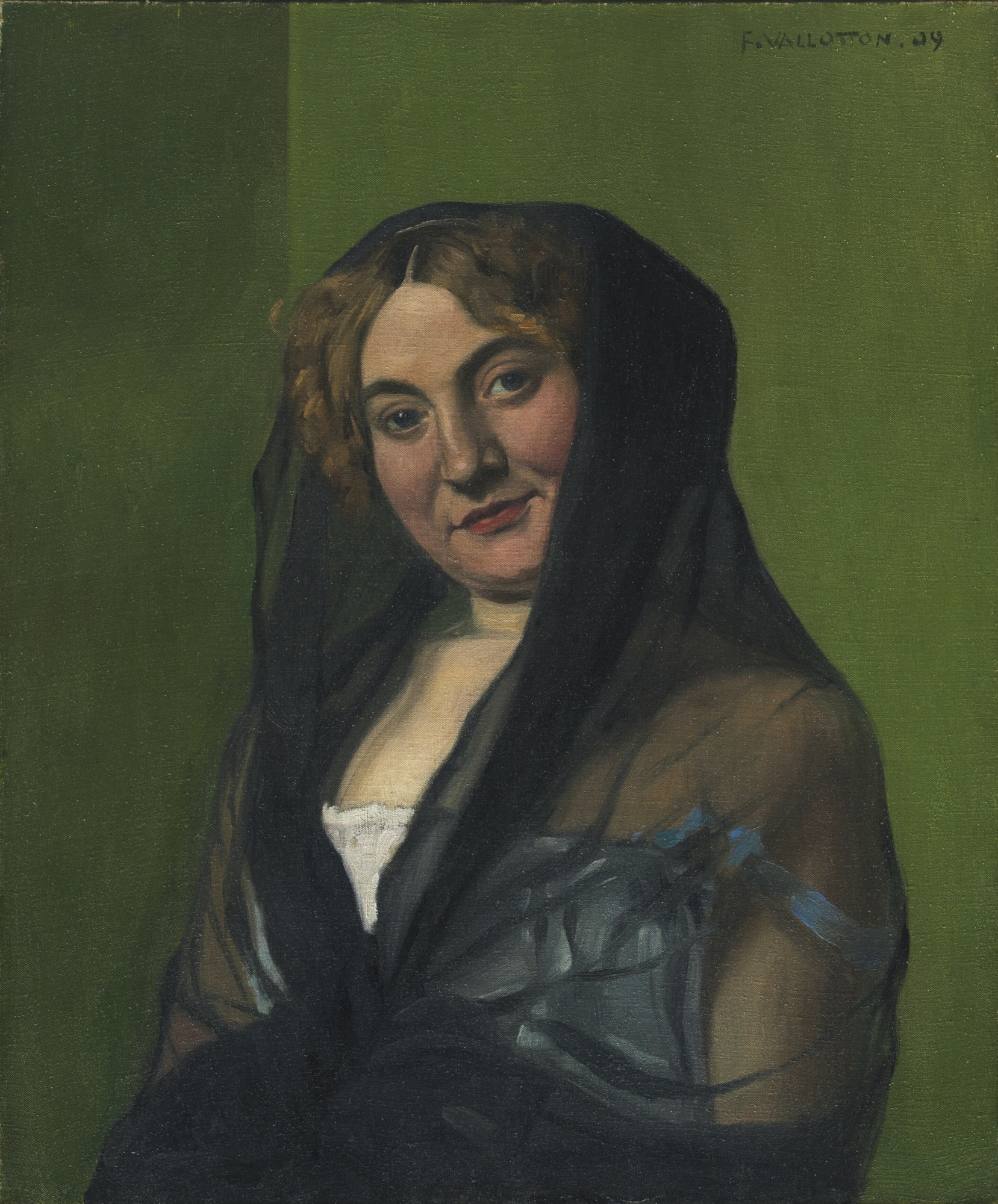
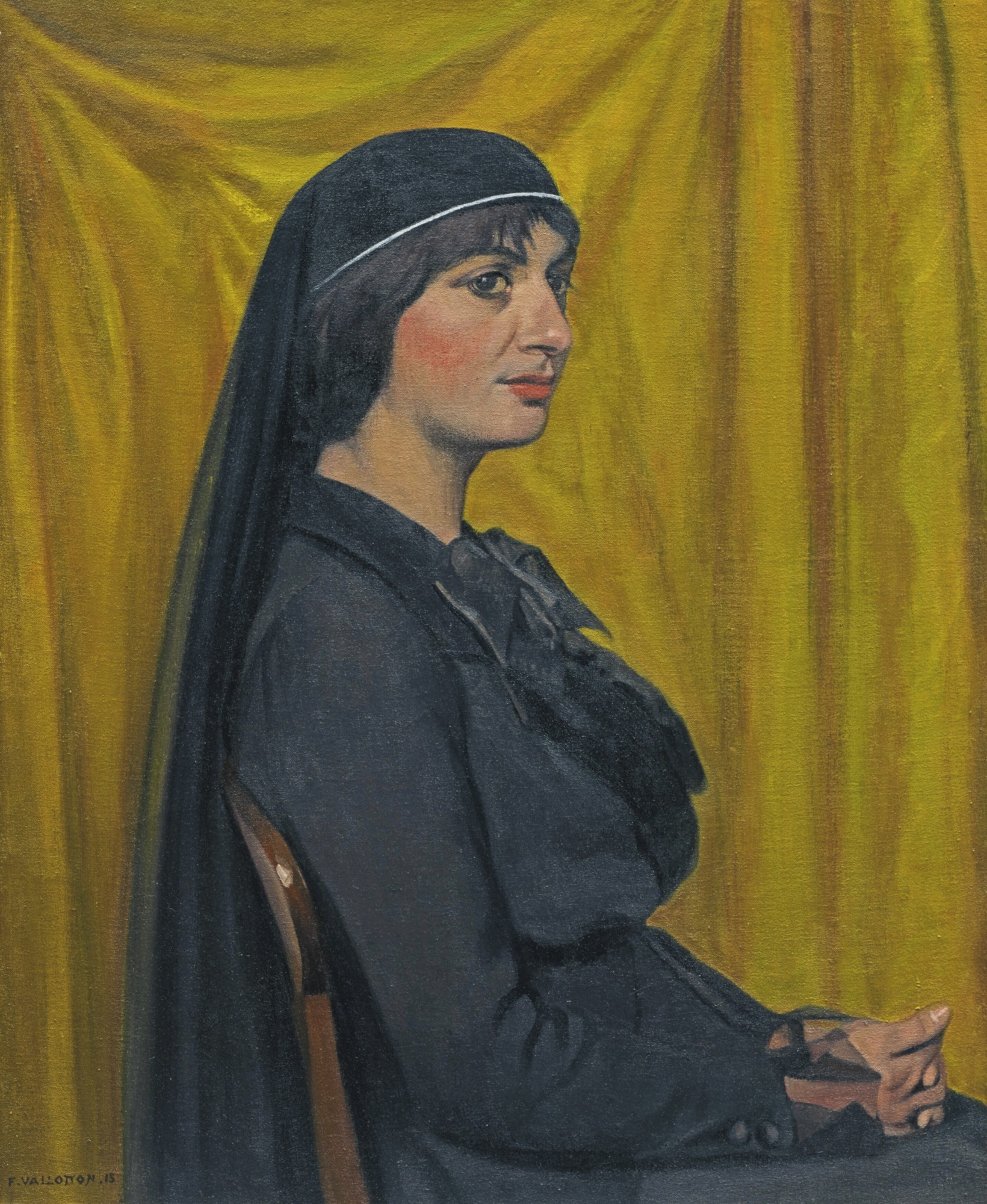
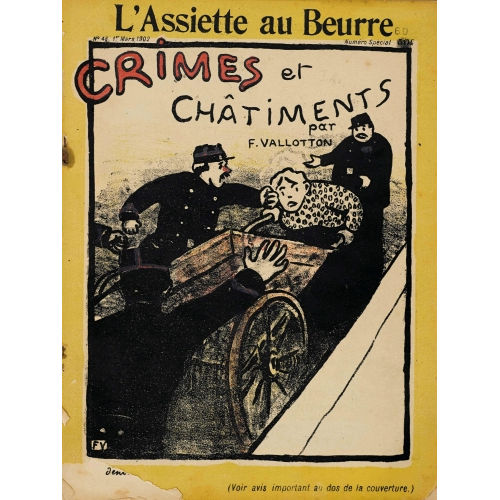
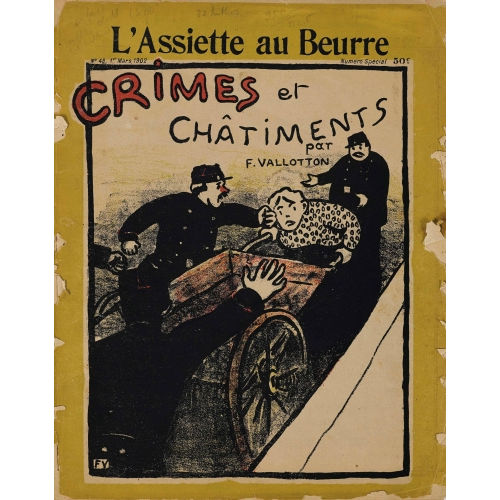
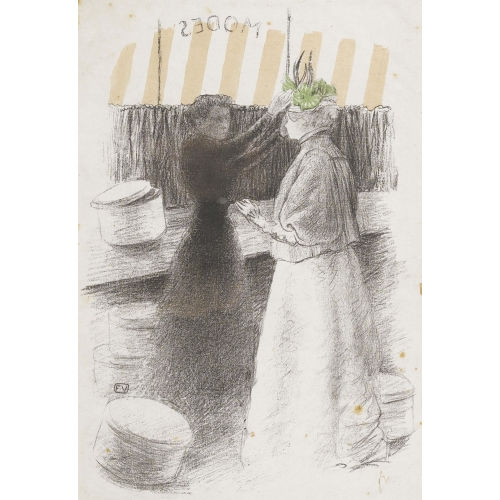
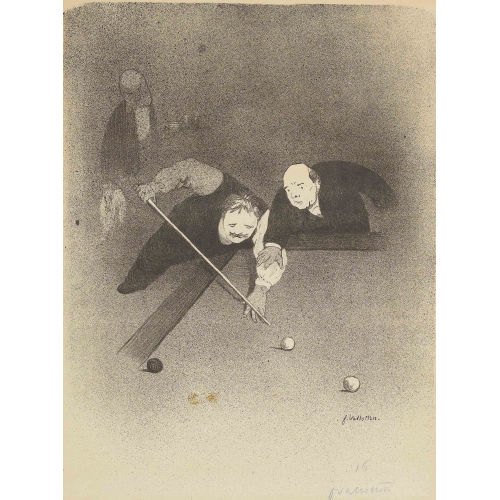
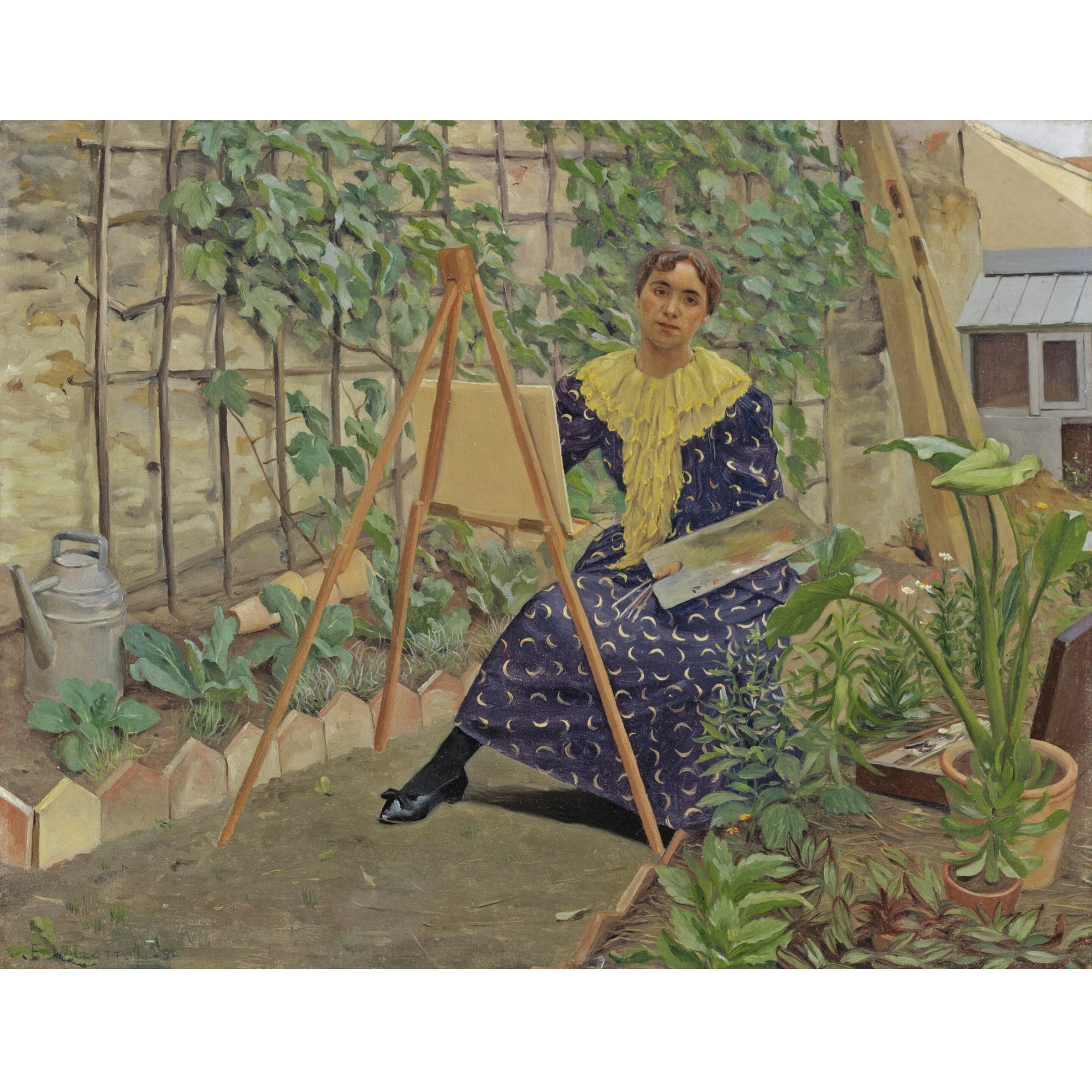
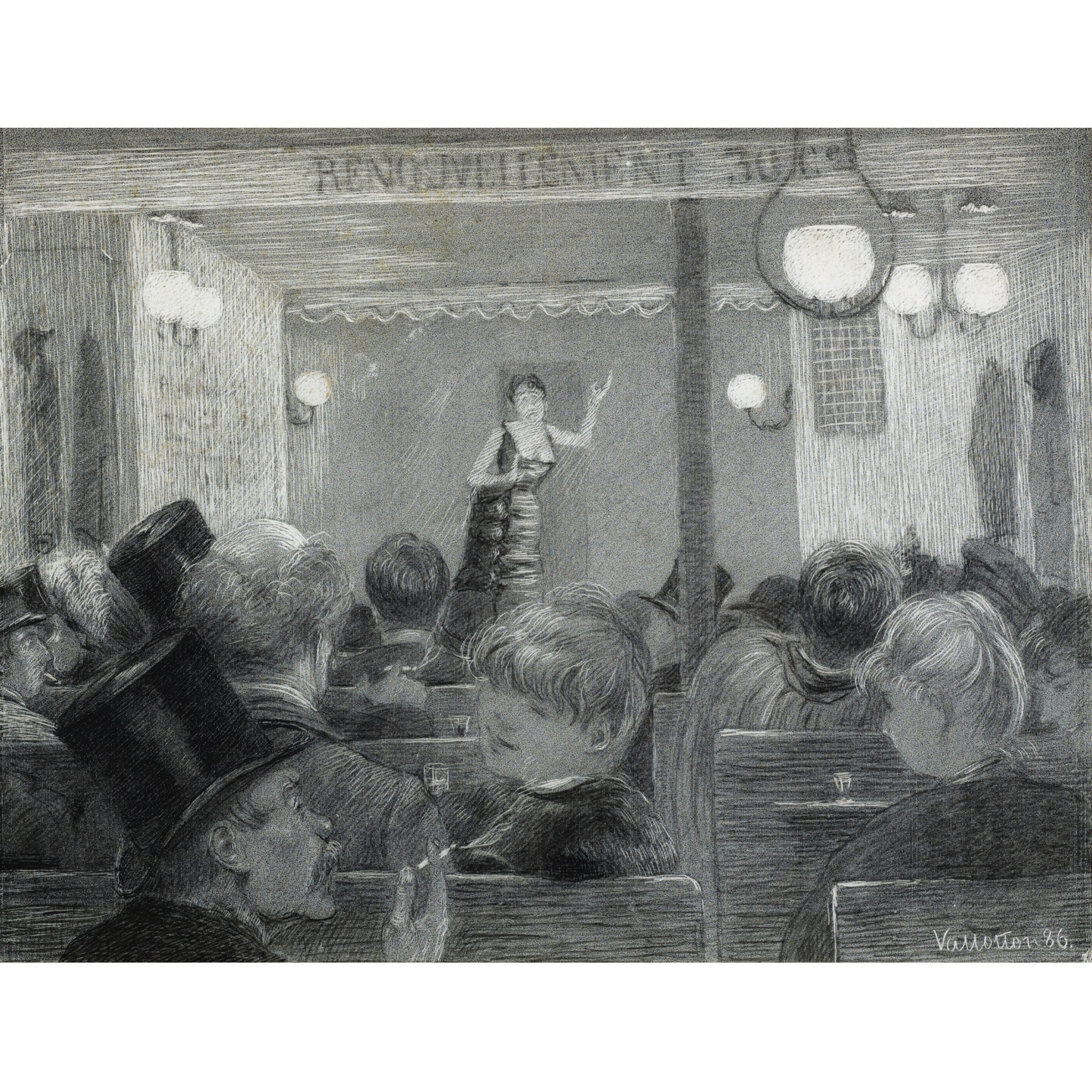
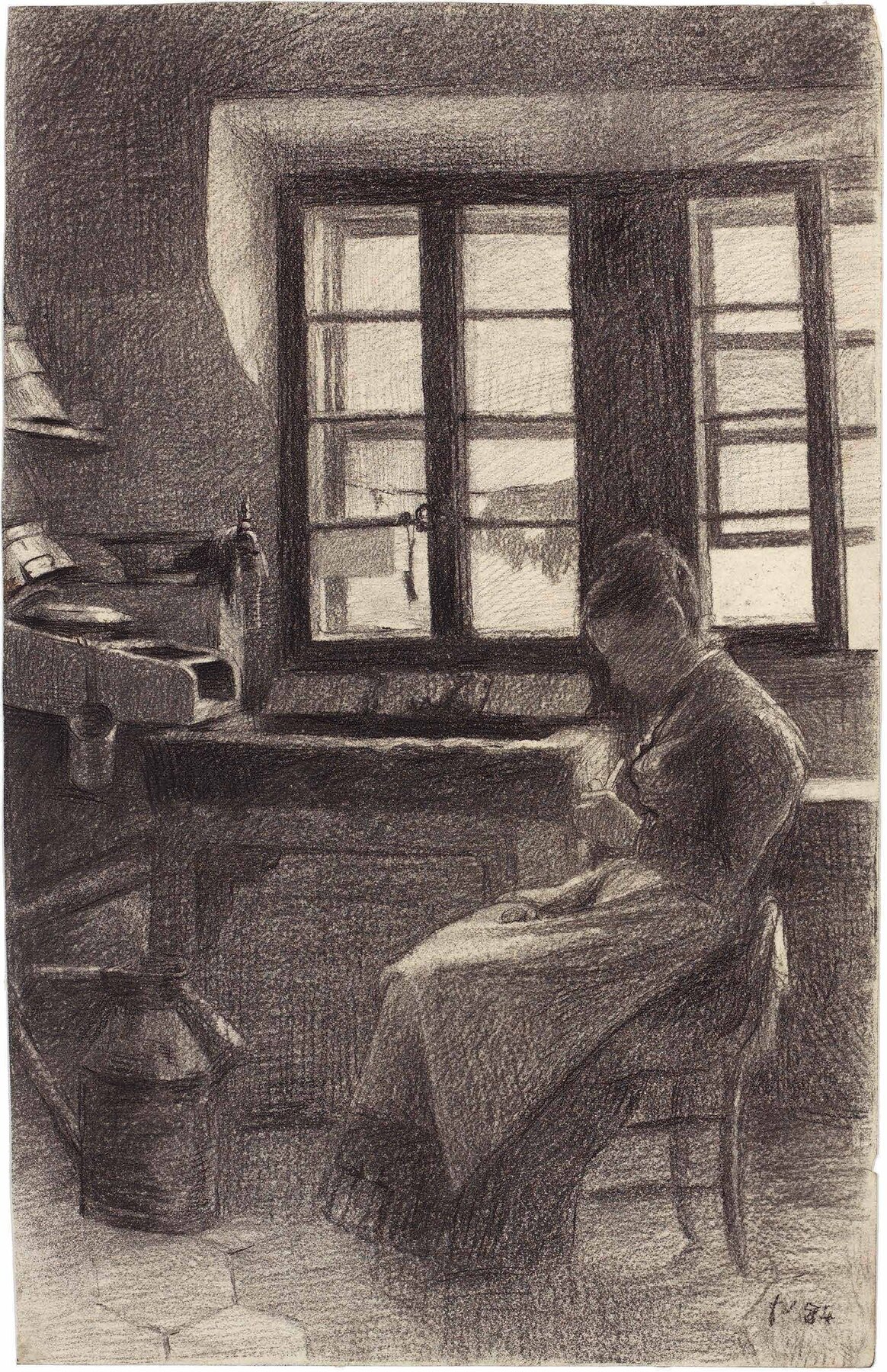
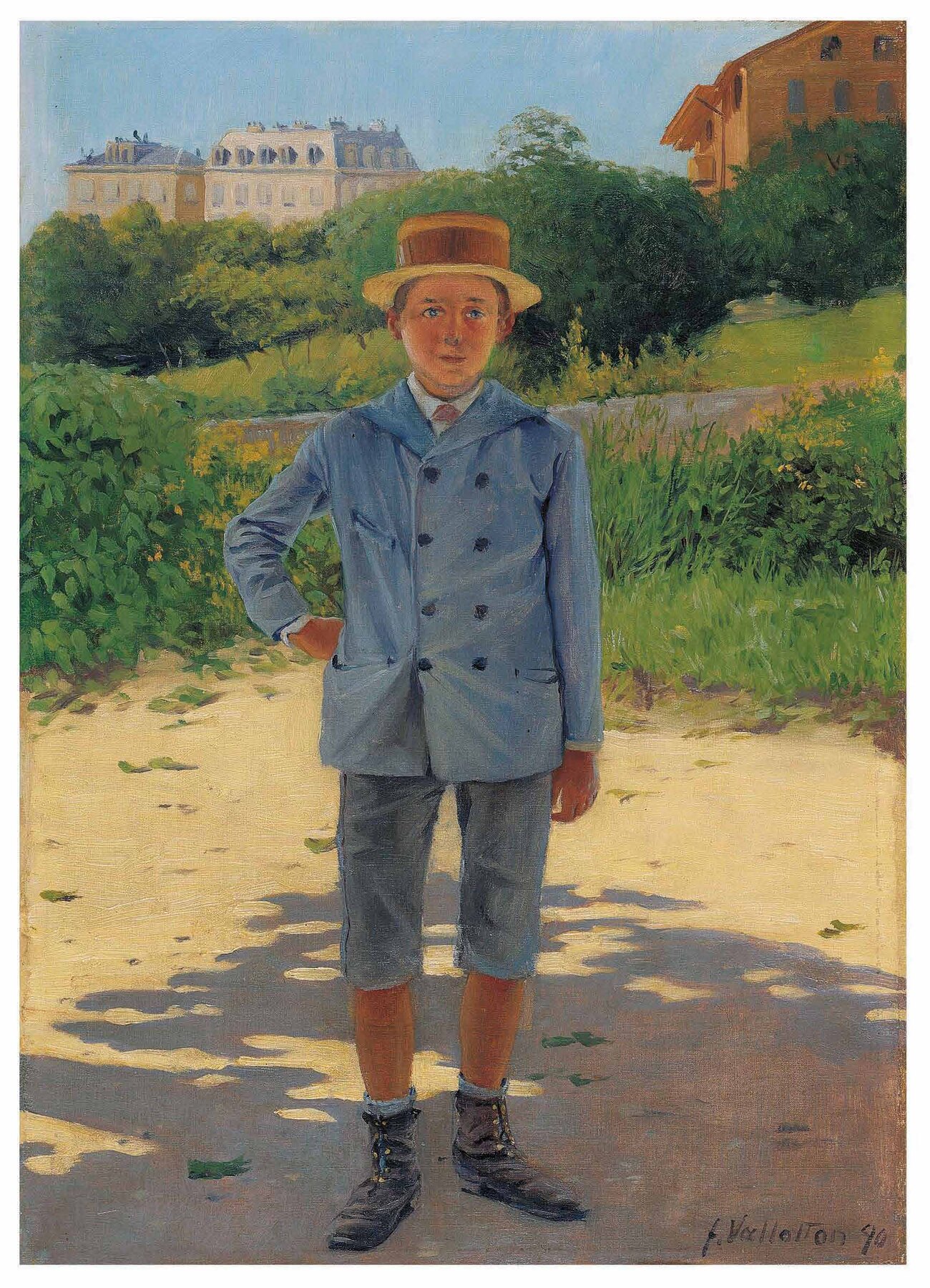
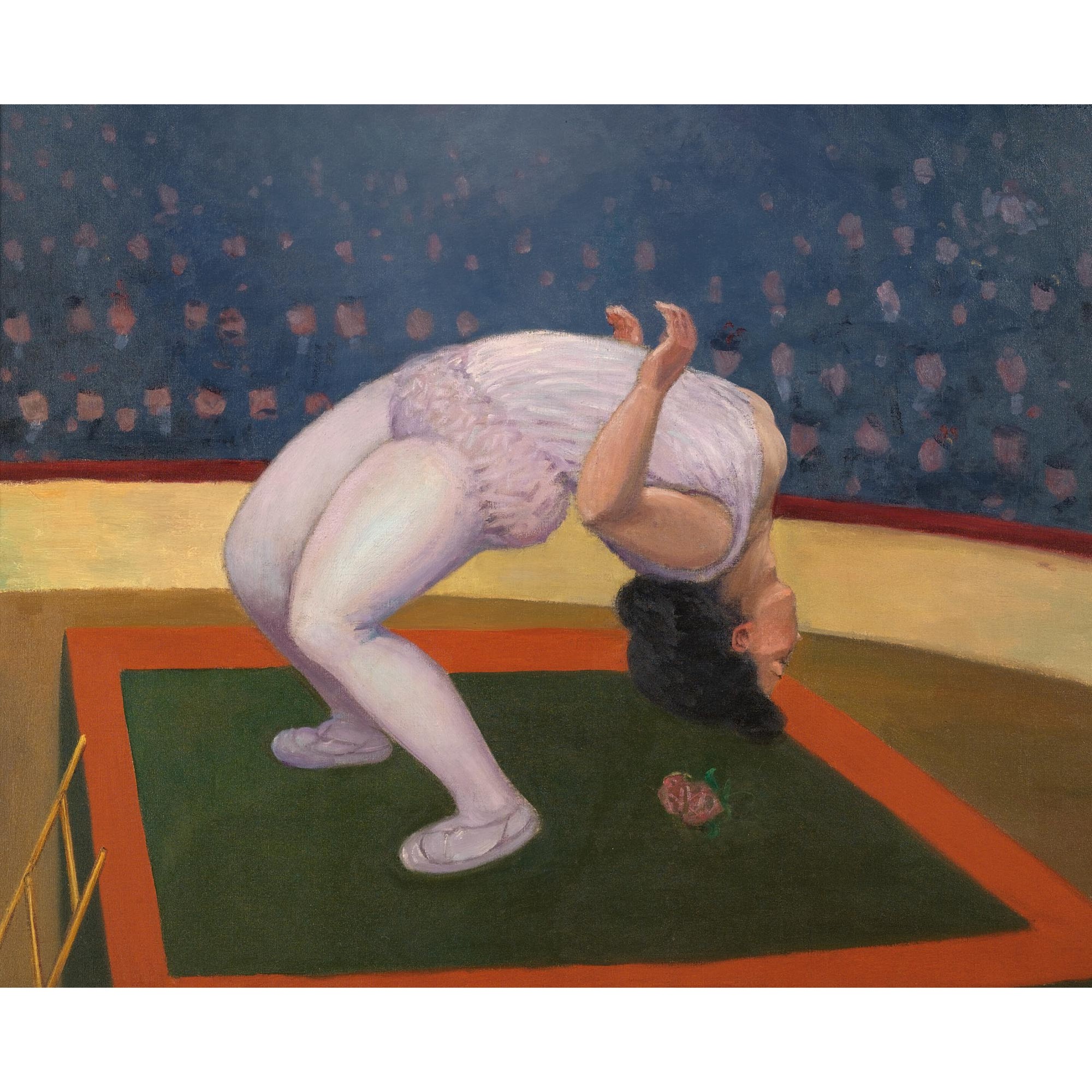
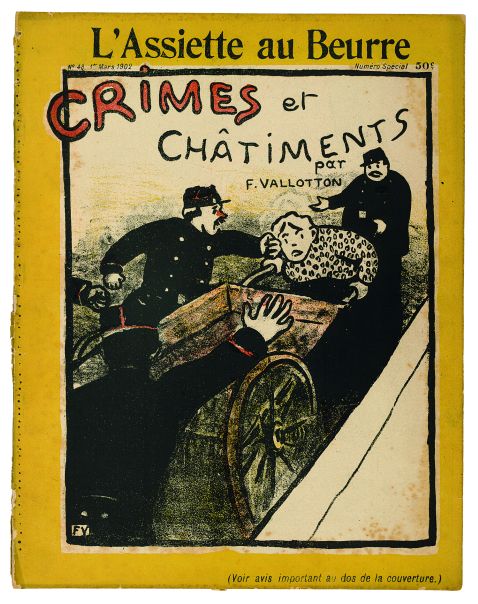
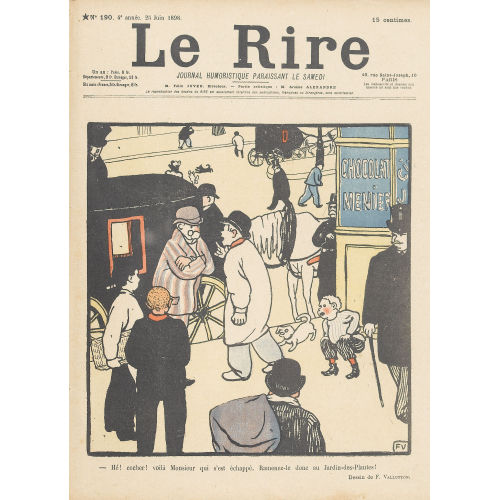
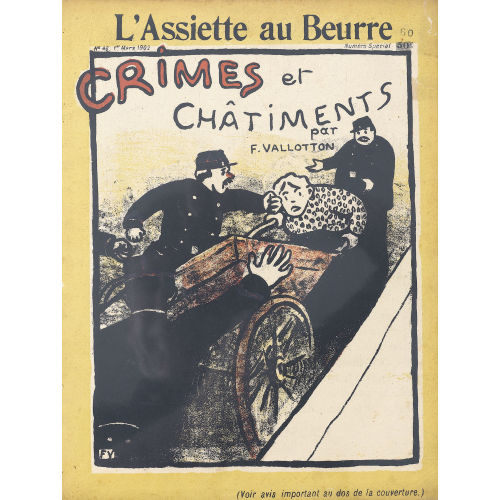
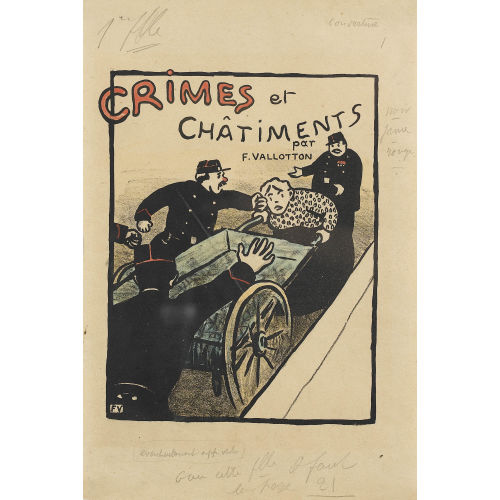
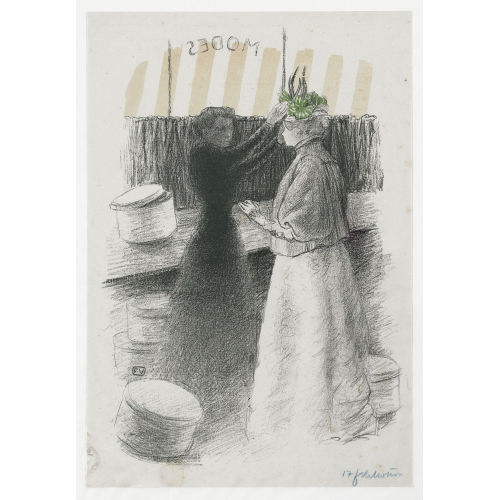
In Félix Vallotton’s work, a familiar scene can become an enigma. An unusual framing, an isolated silhouette or a contrast of colours is enough to unsettle the apparent tranquillity of everyday life. A painter and printmaker, he was also an illustrator, art critic, playwright and novelist.
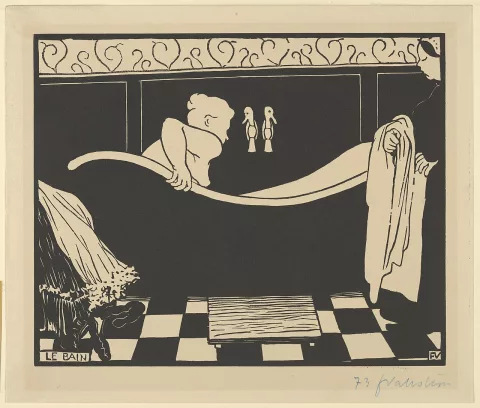
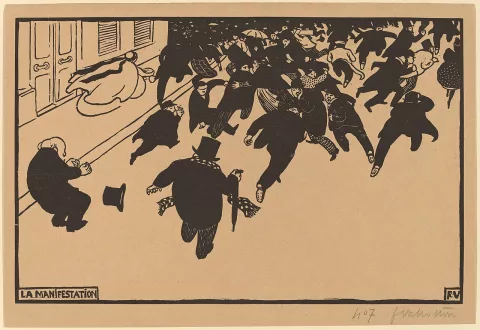
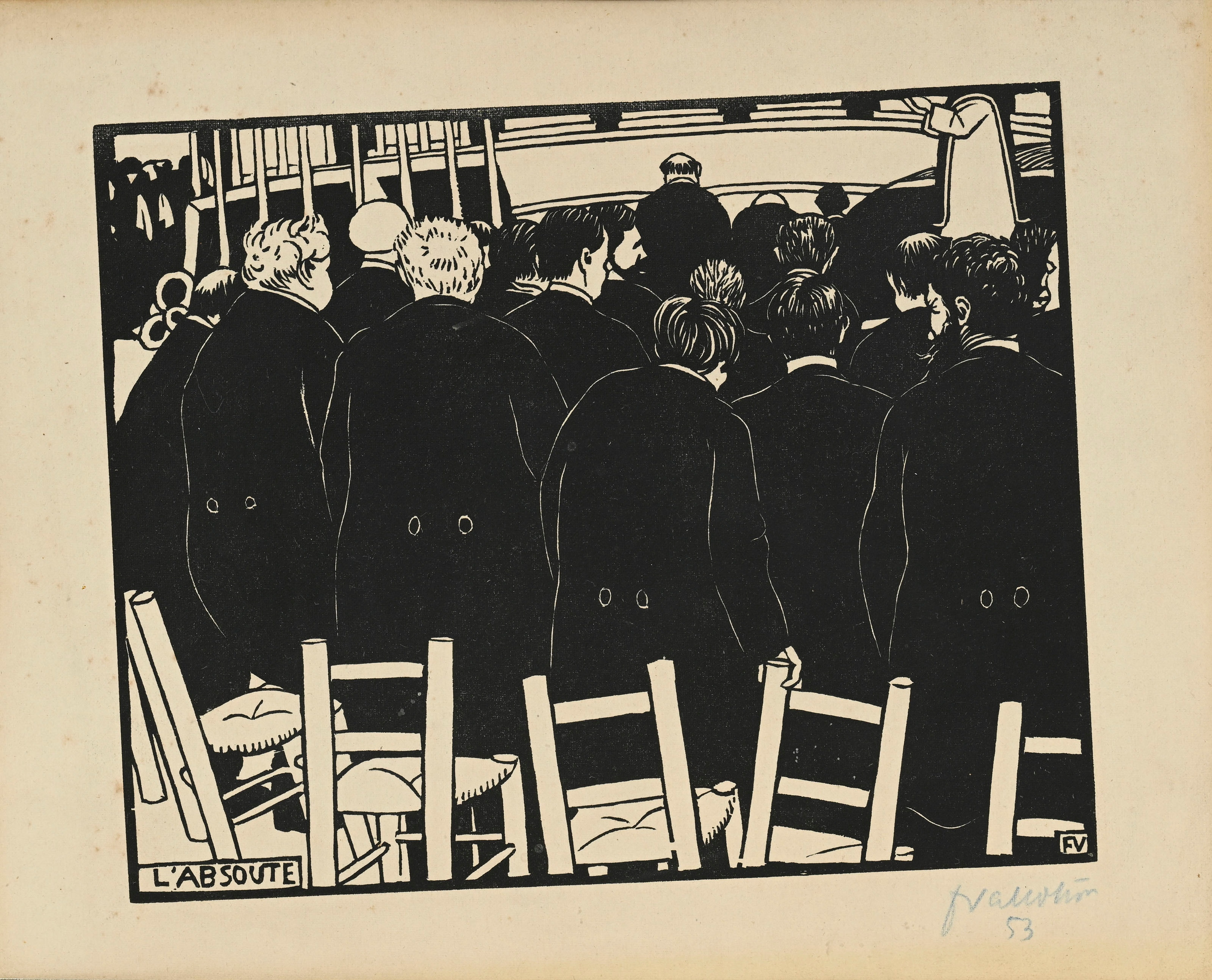
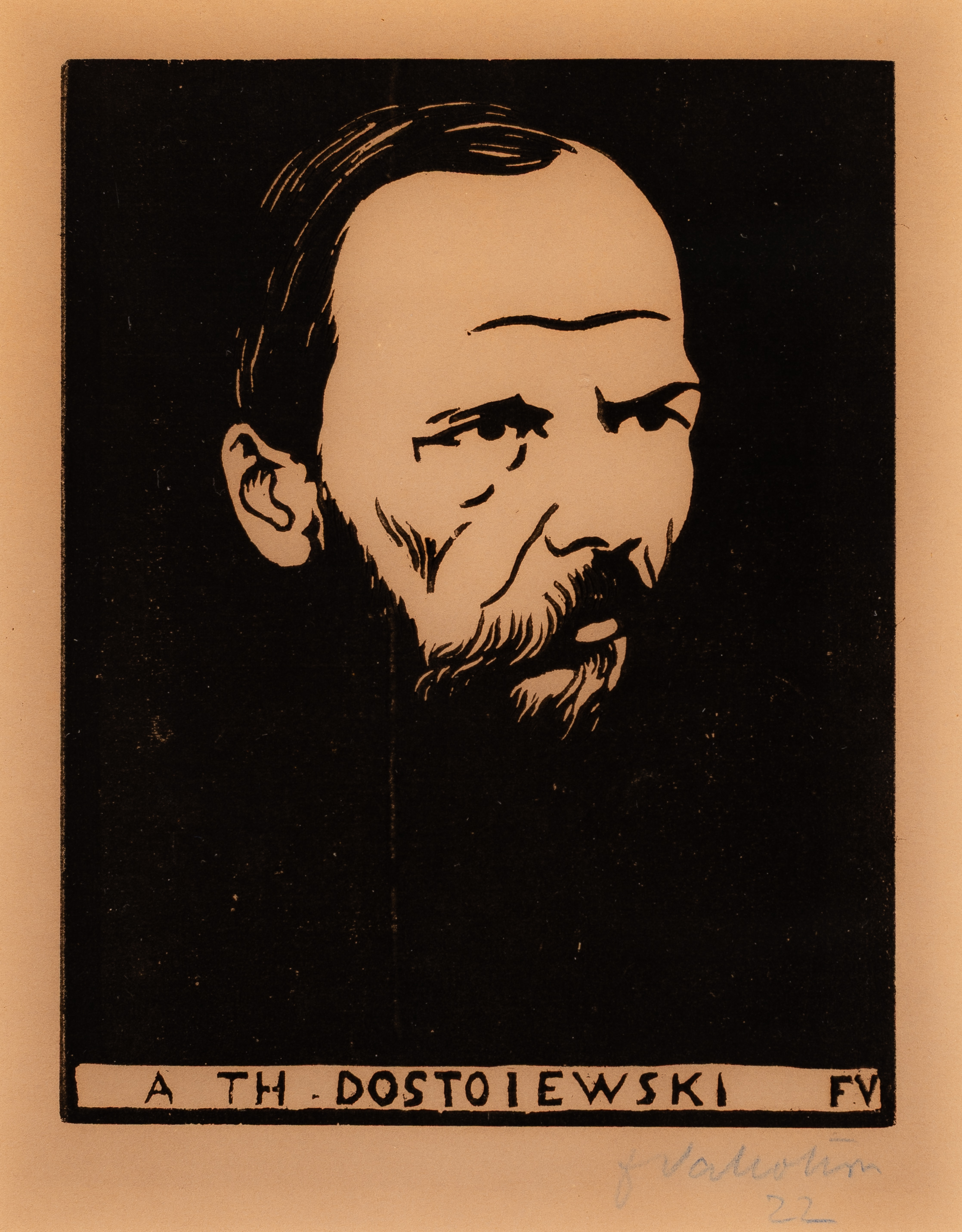
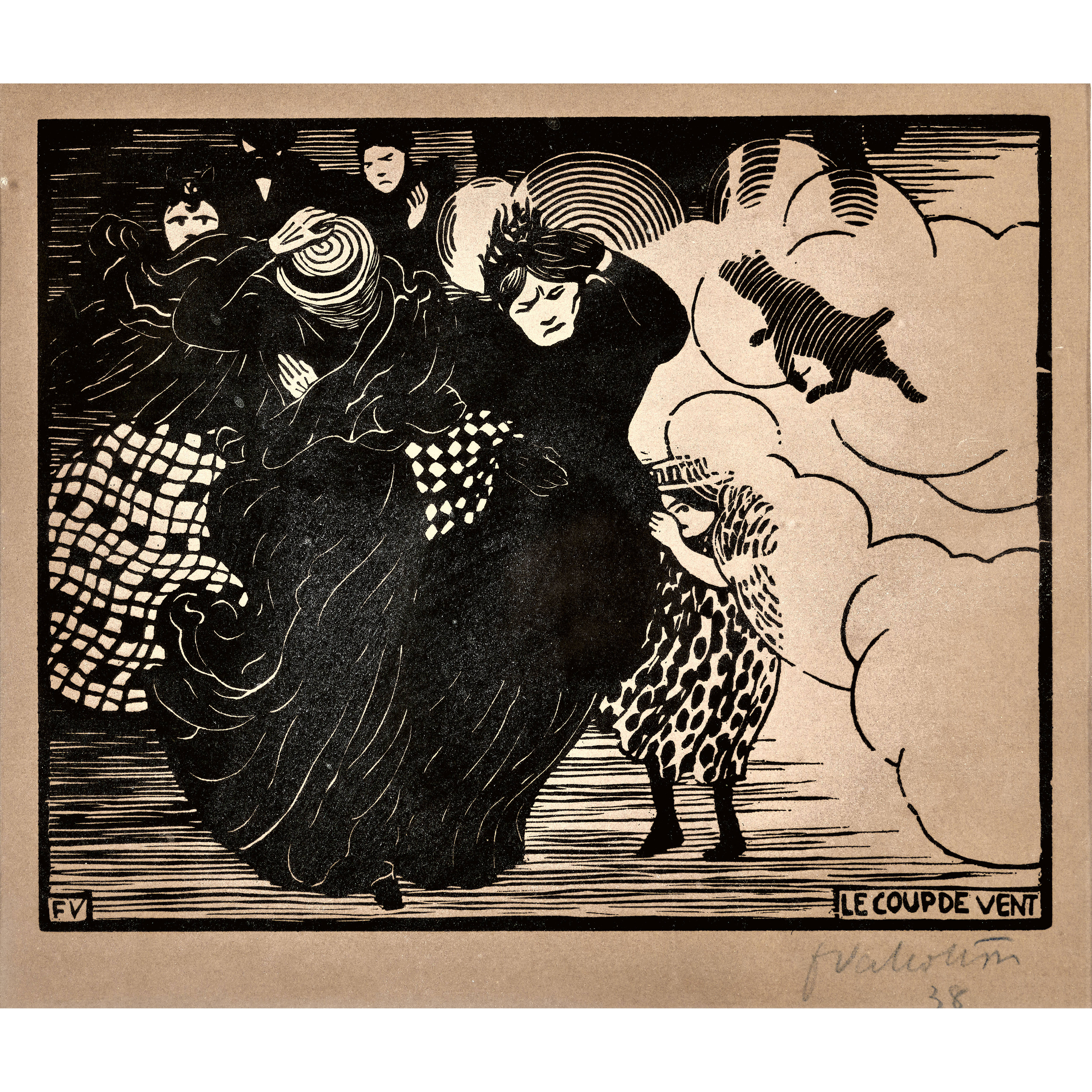
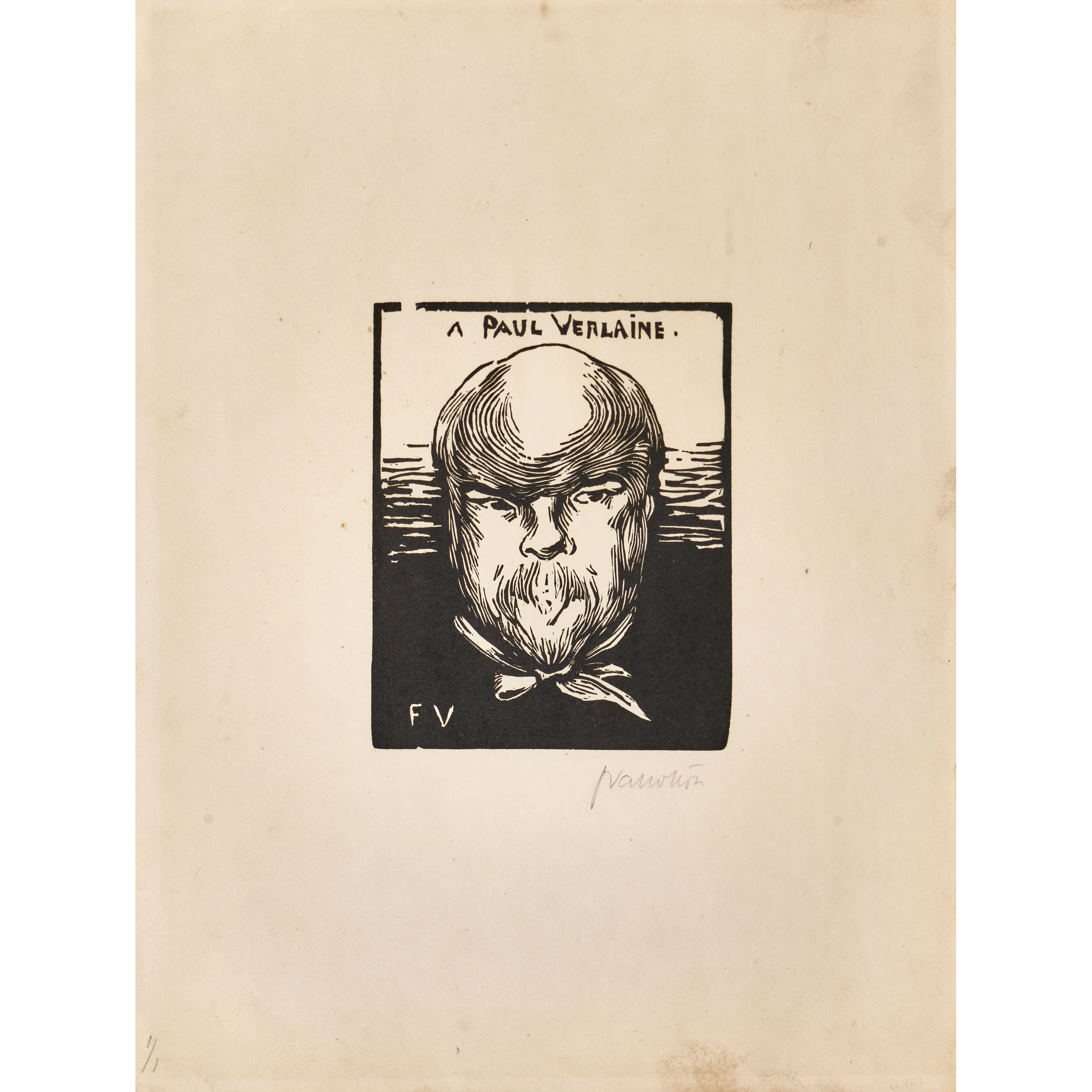
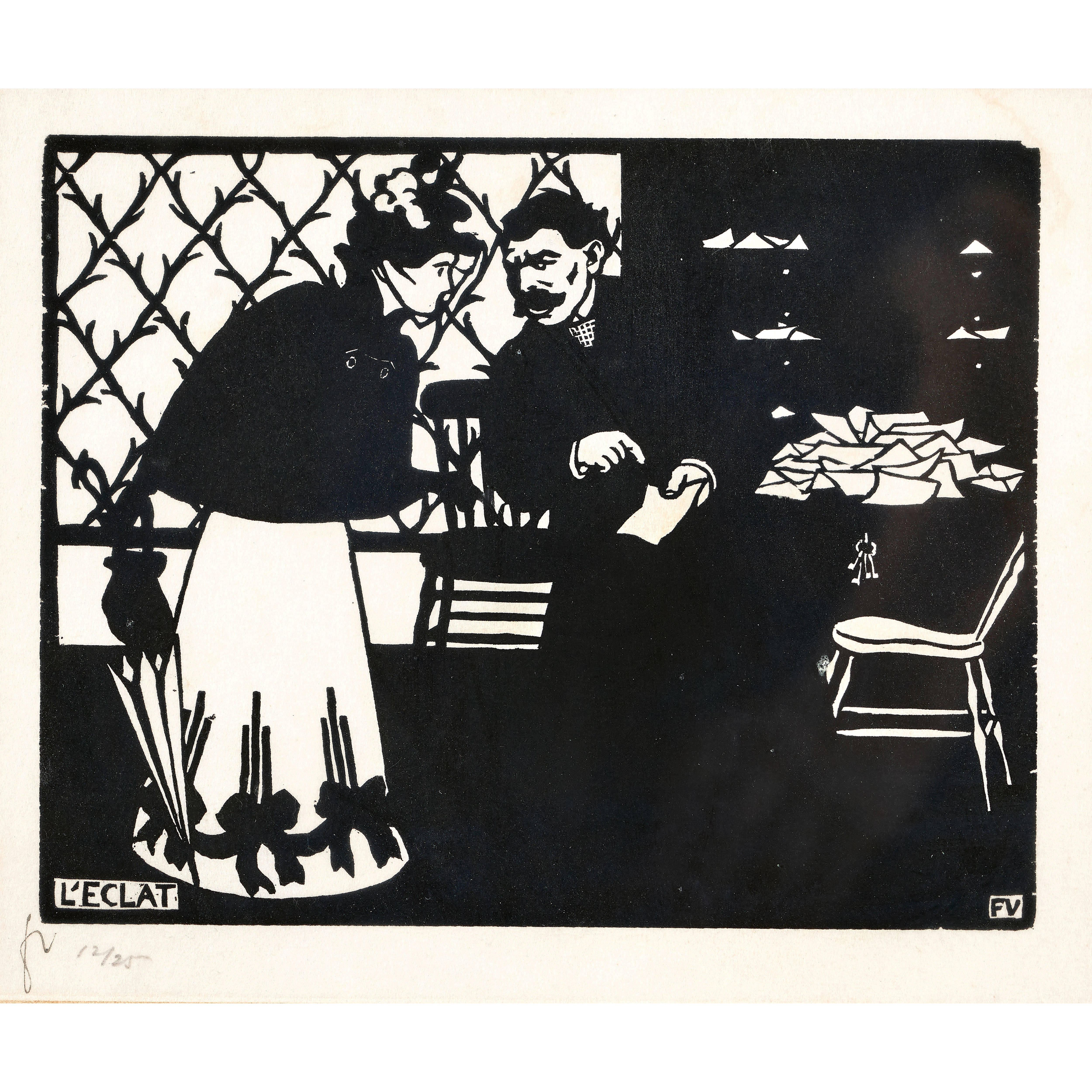
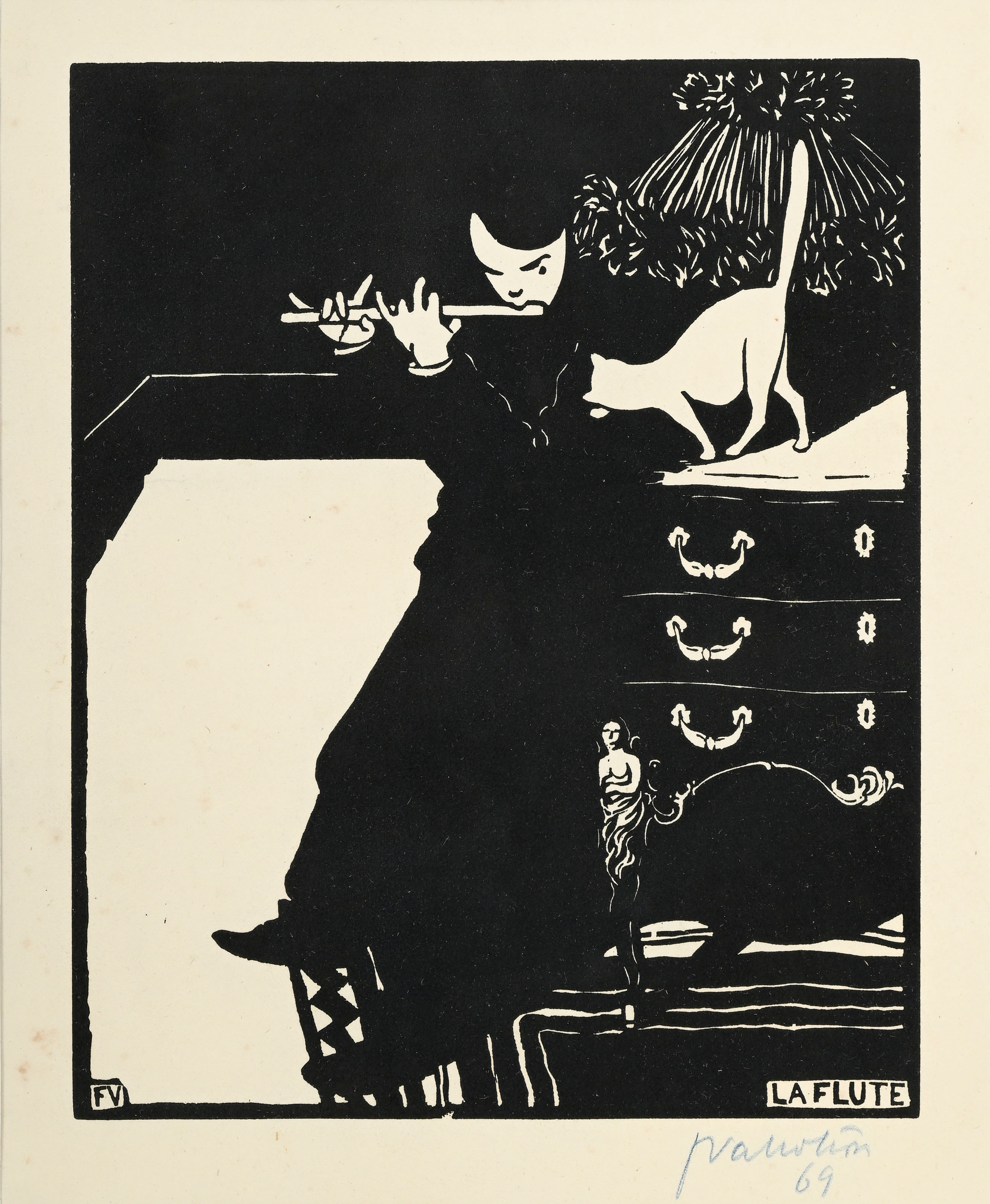
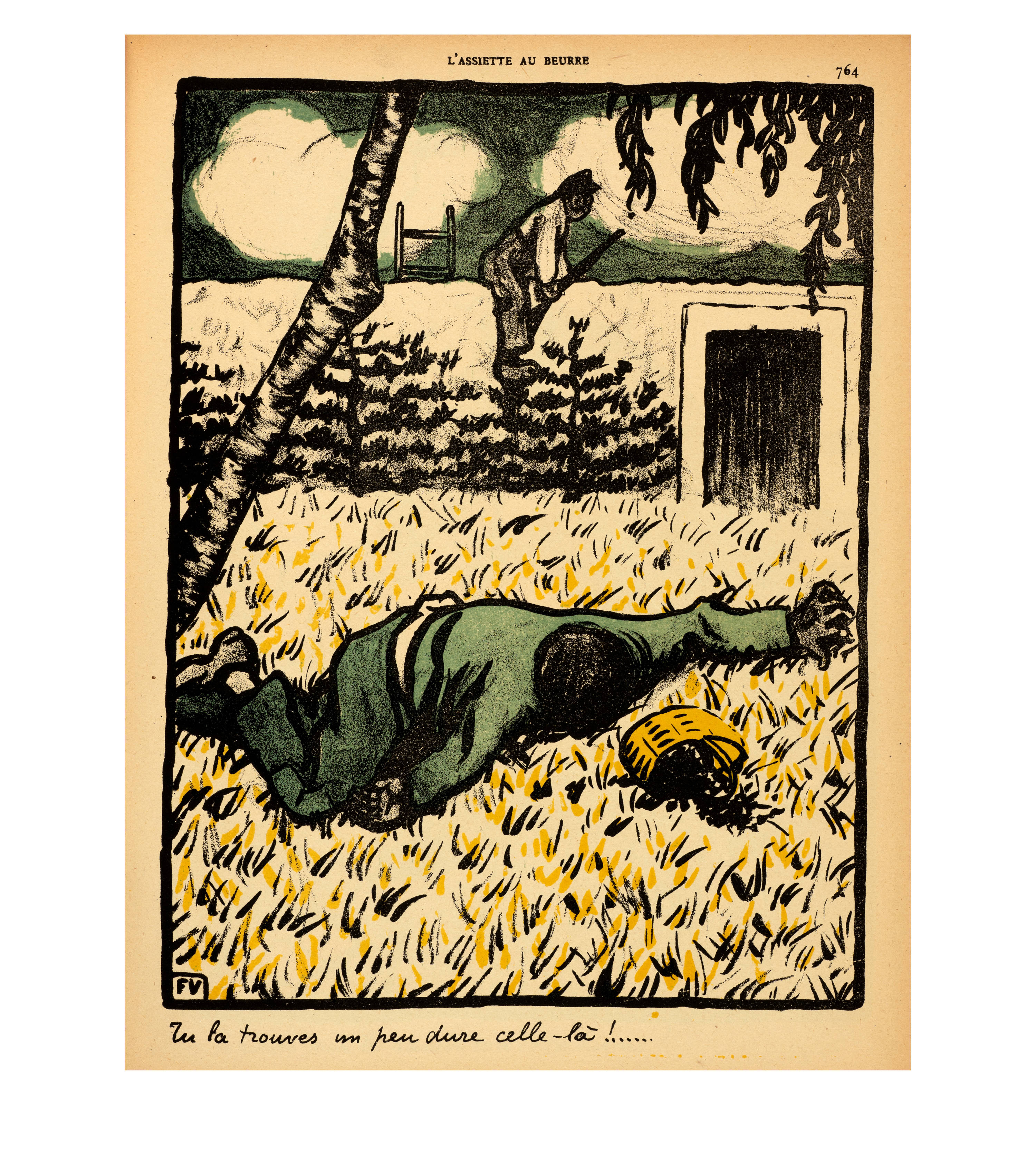
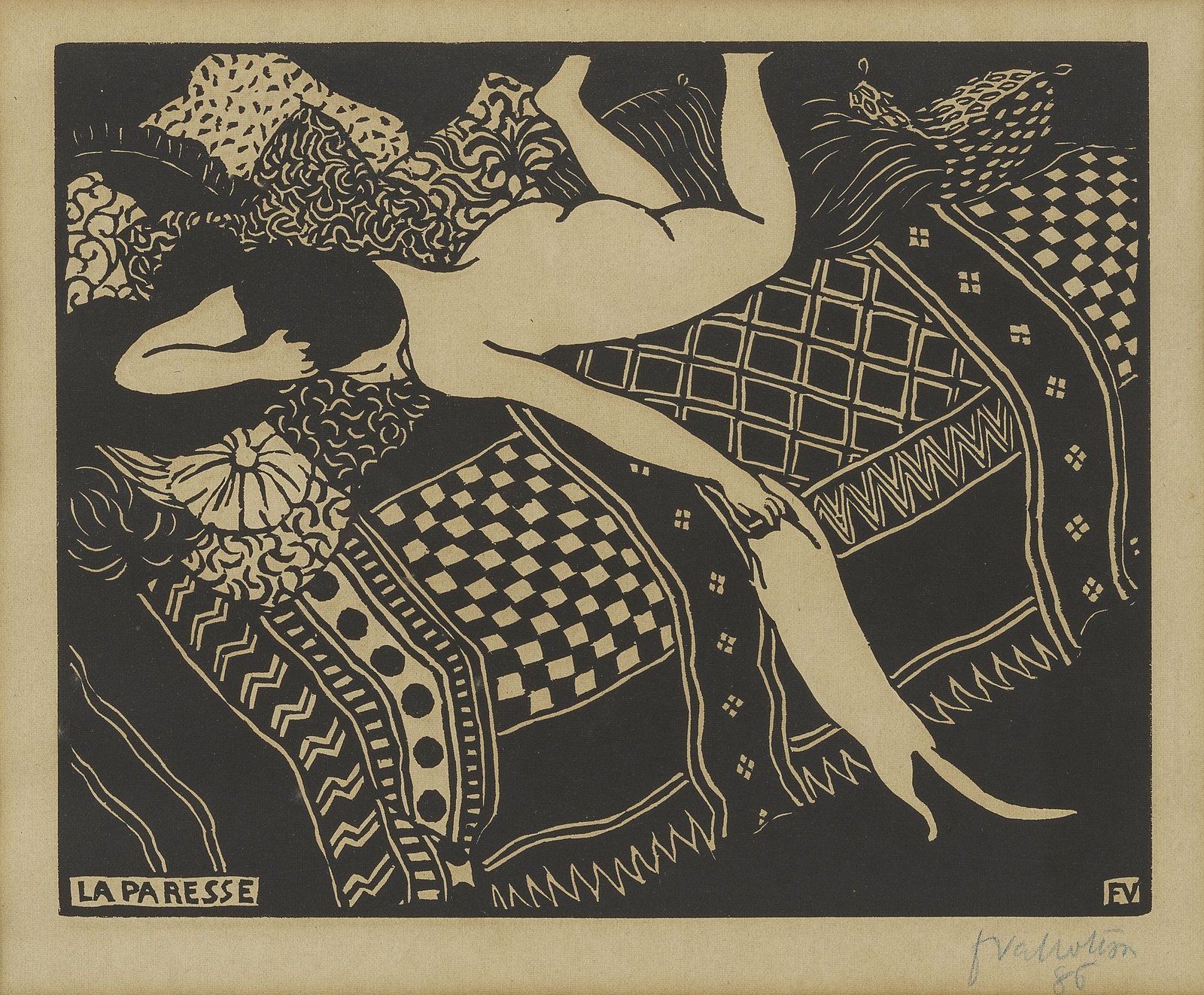
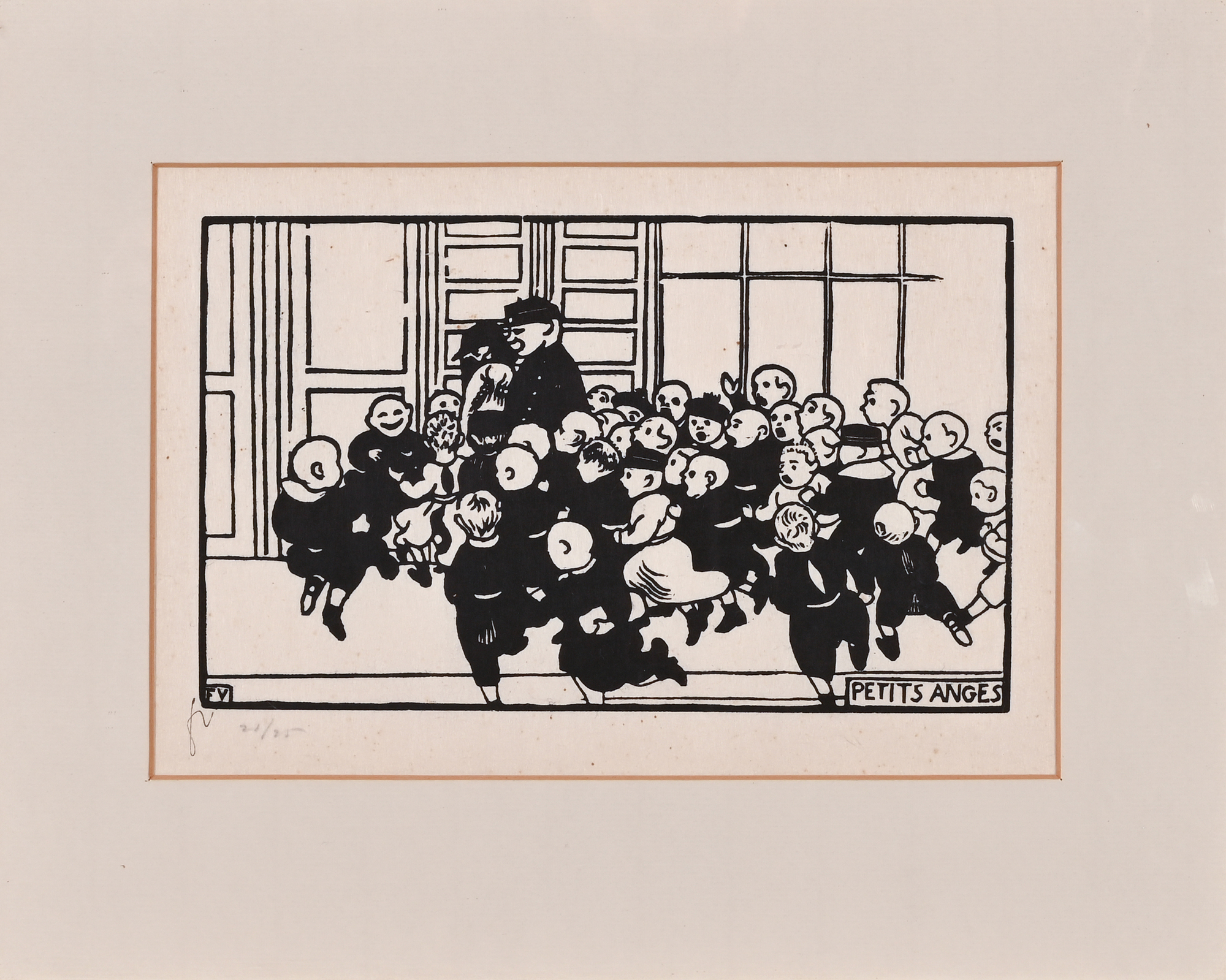
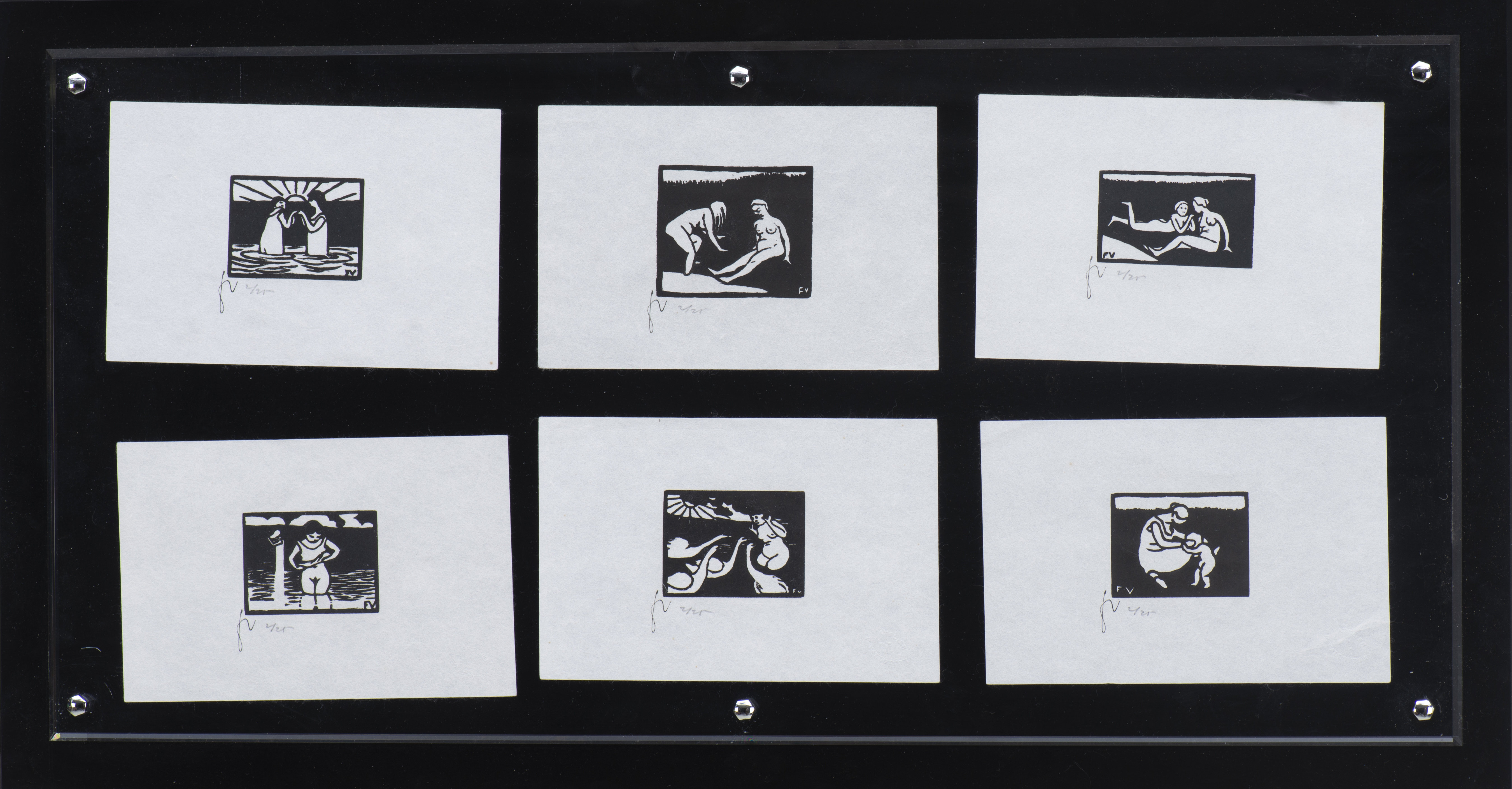
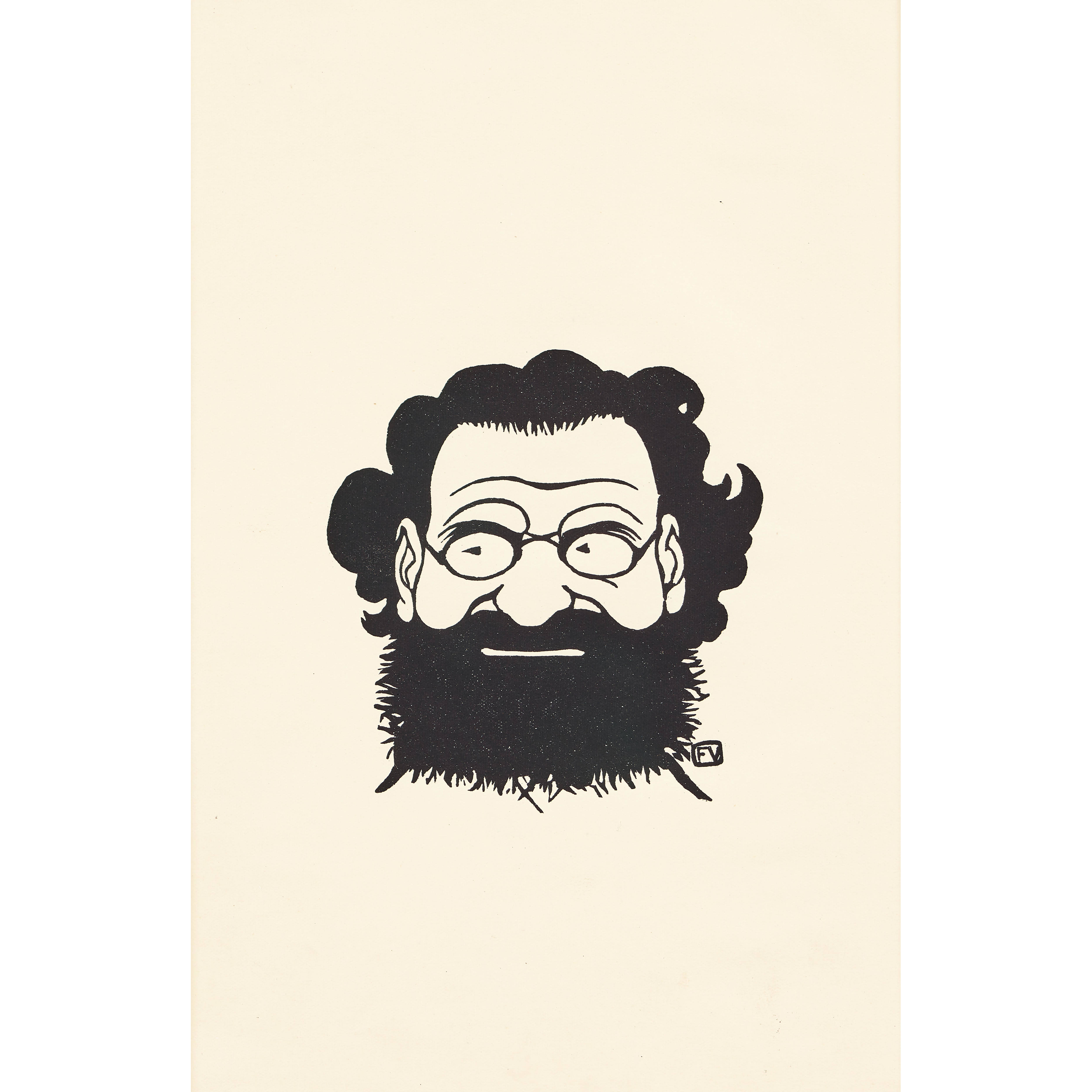
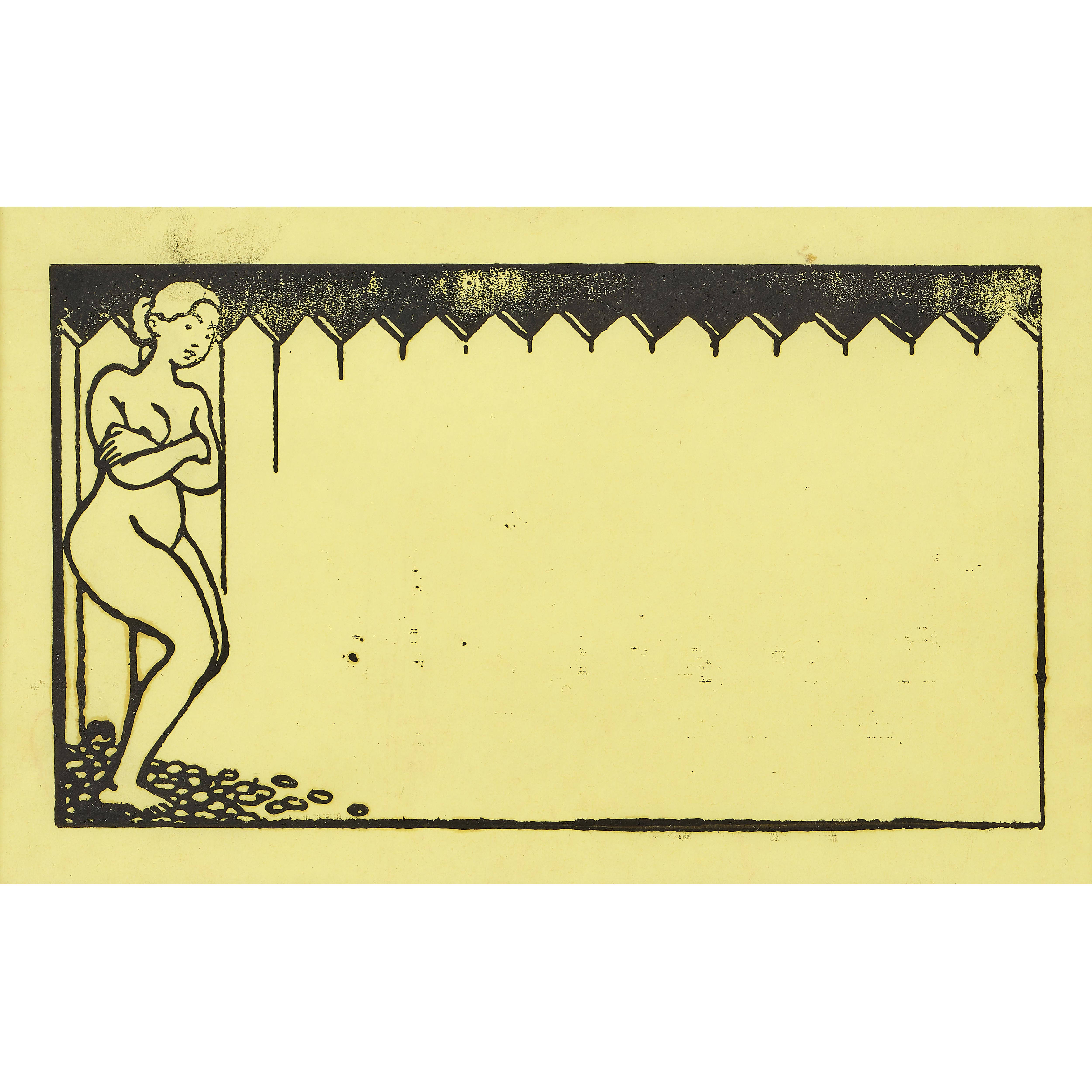
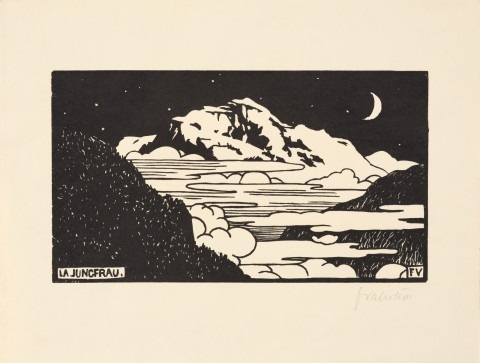
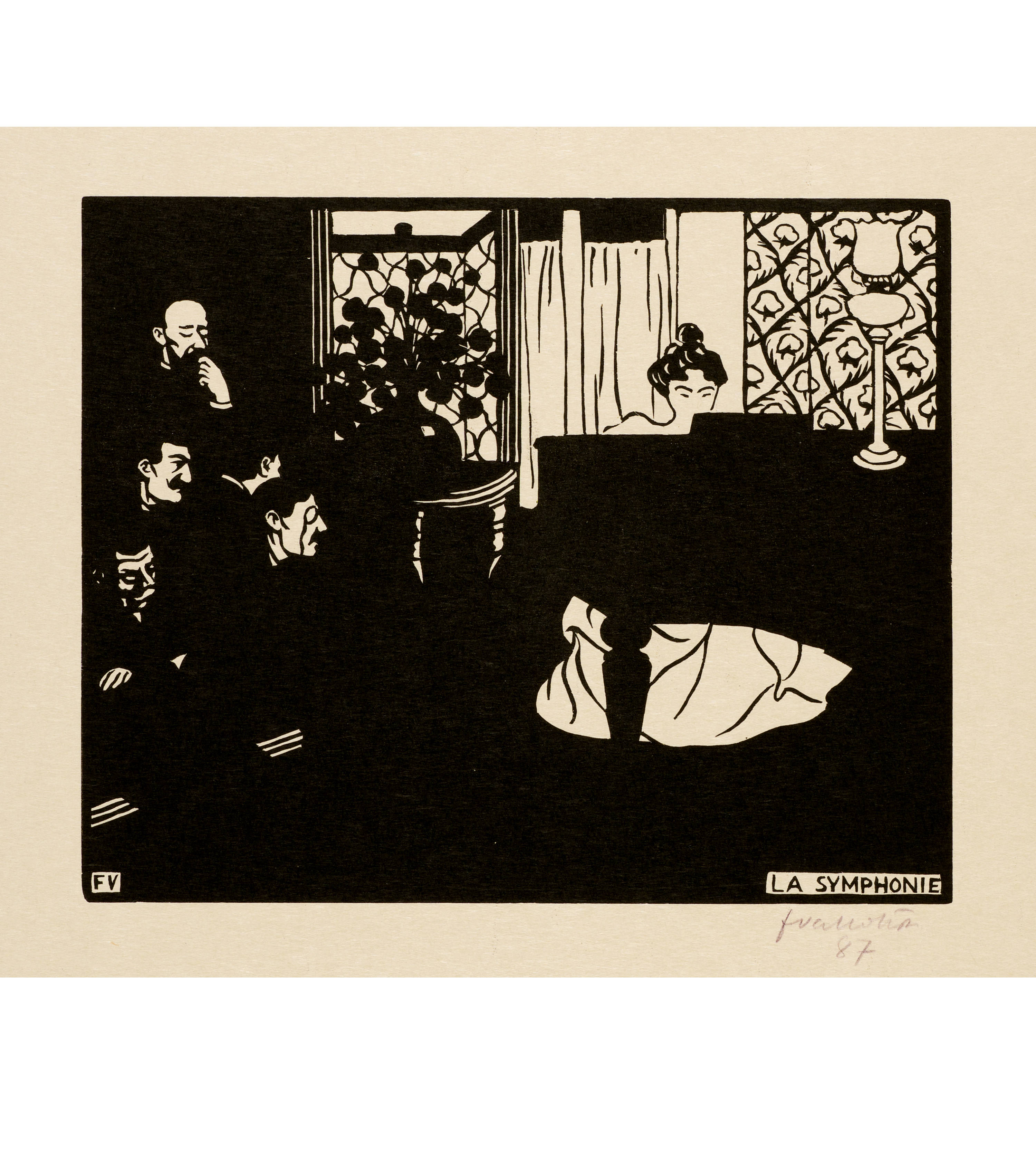
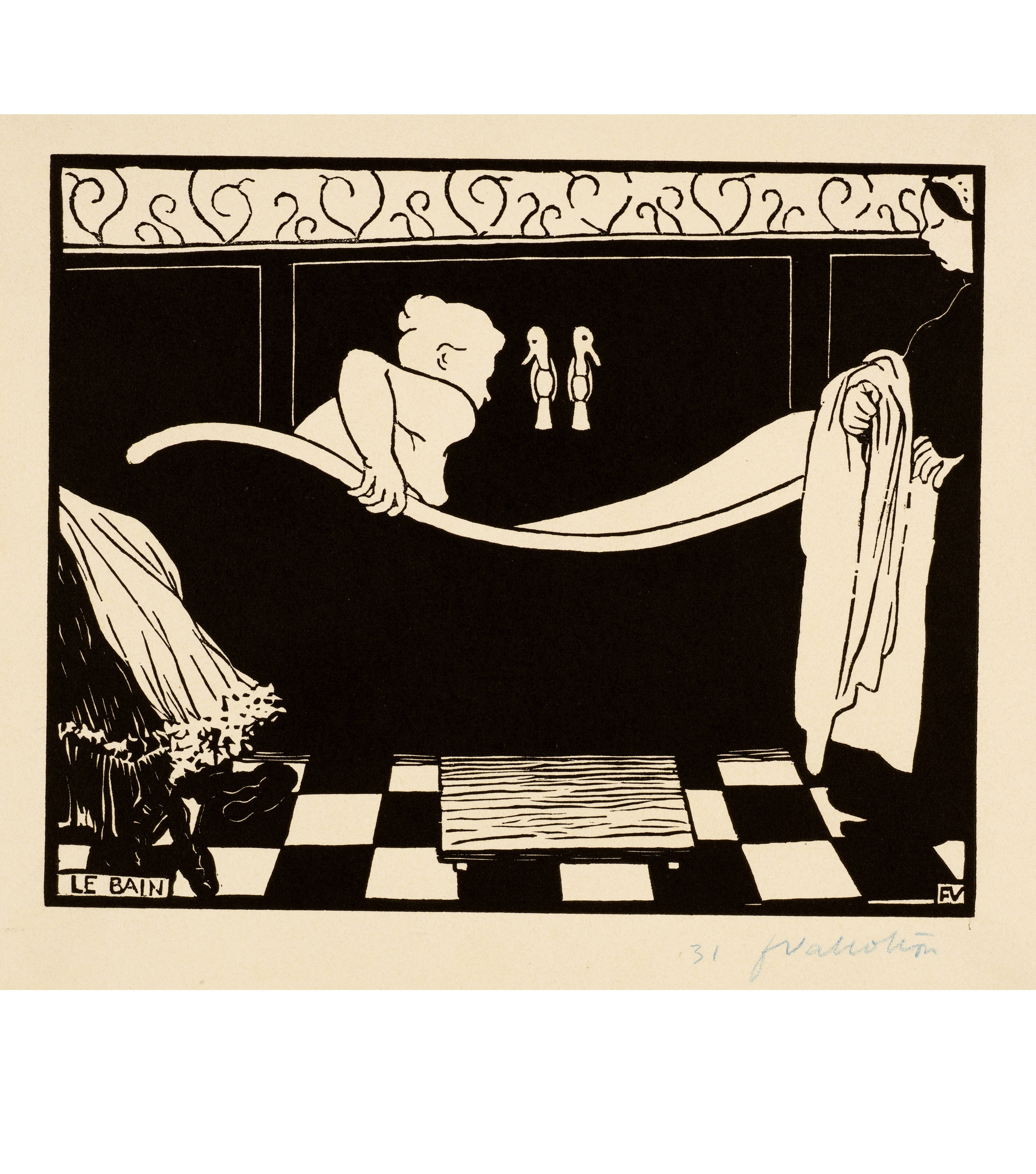
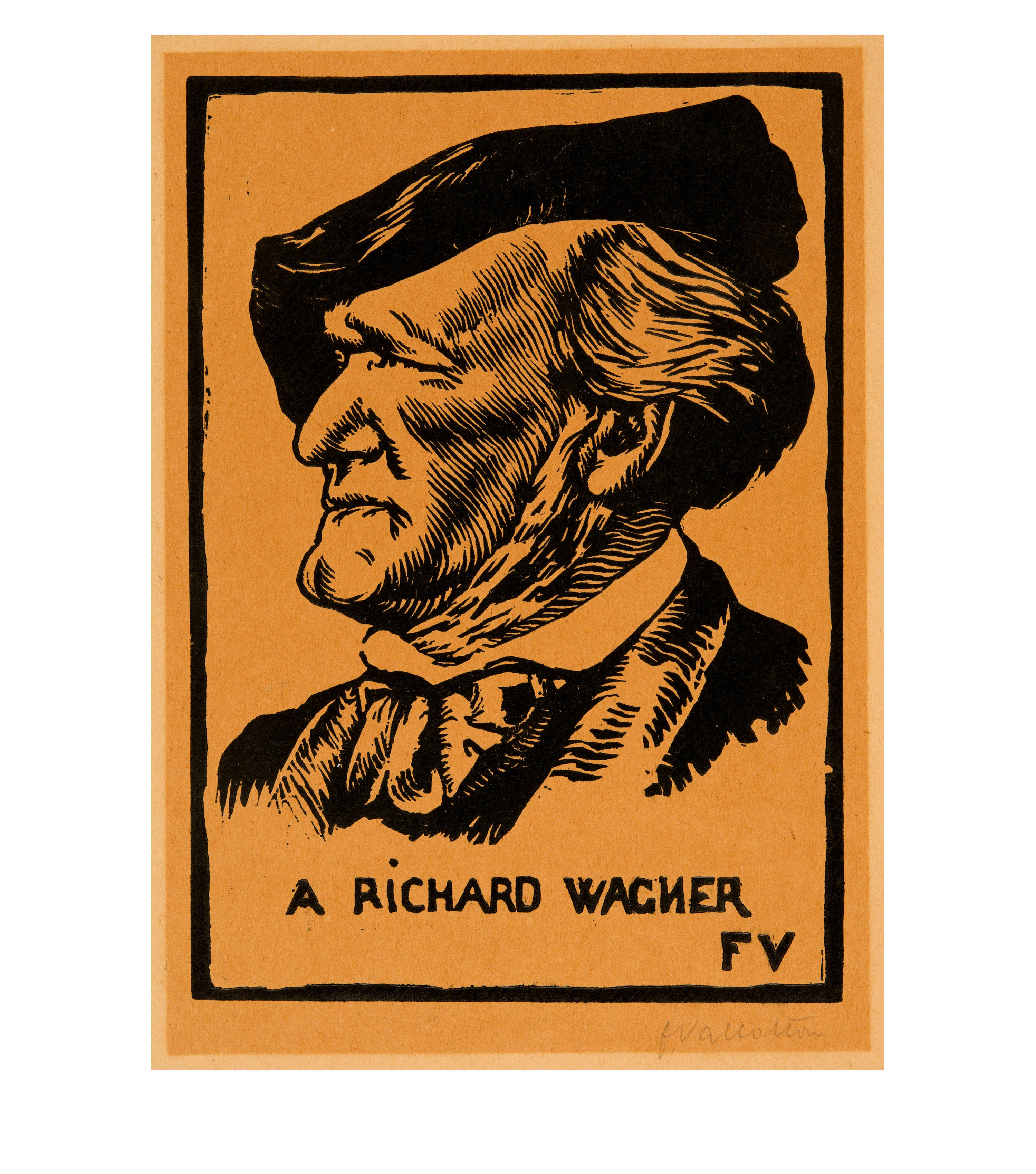
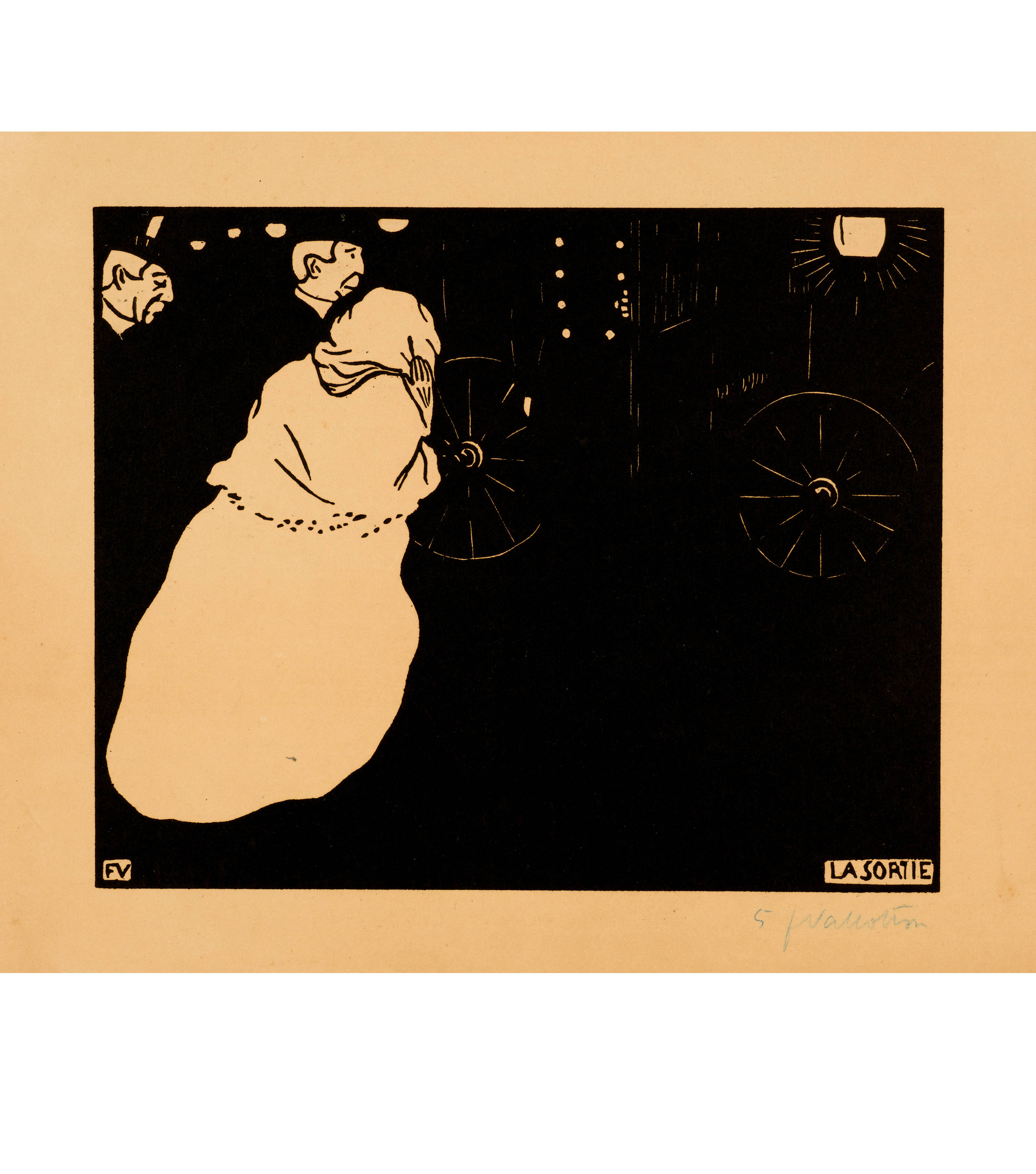
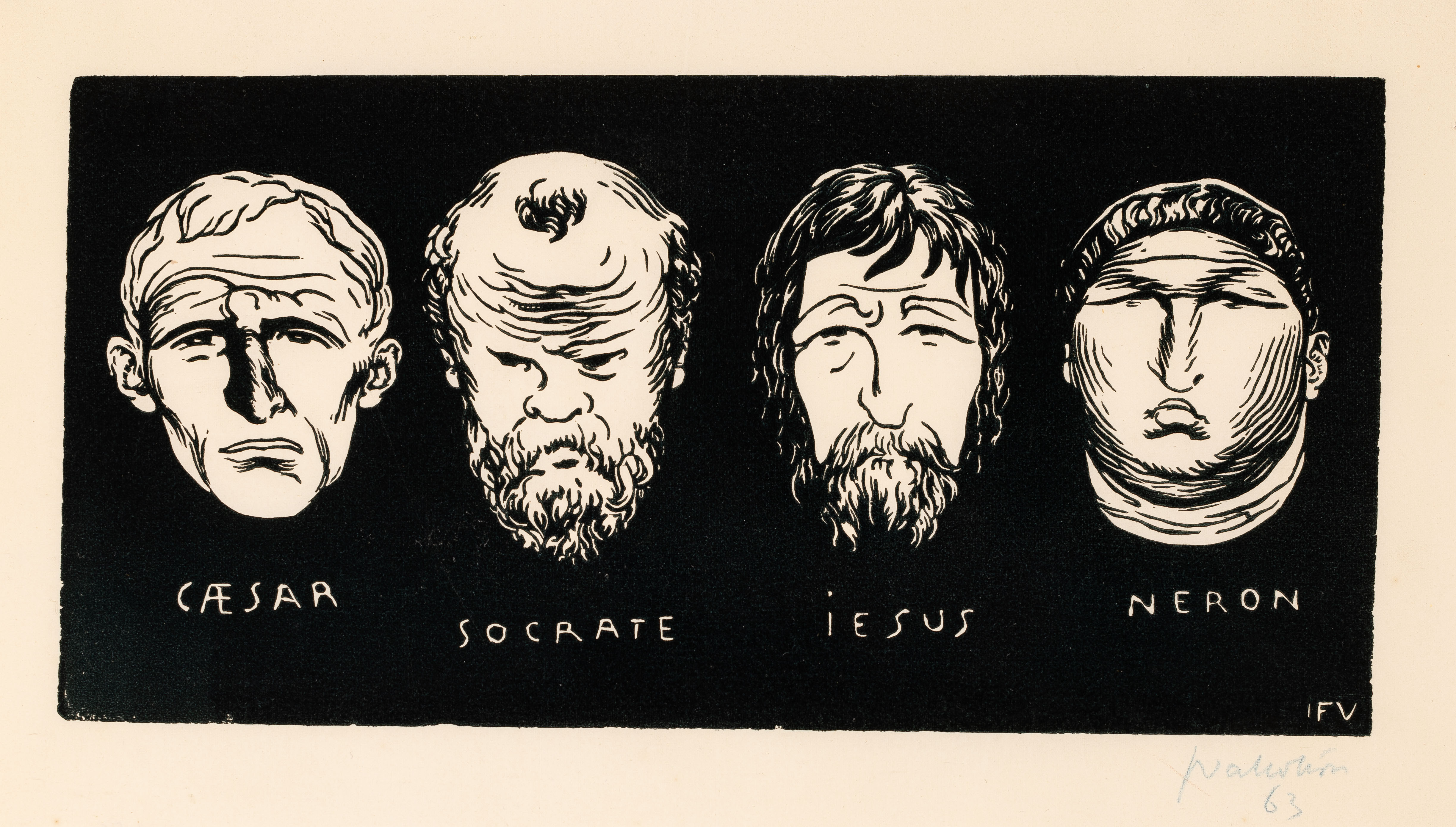
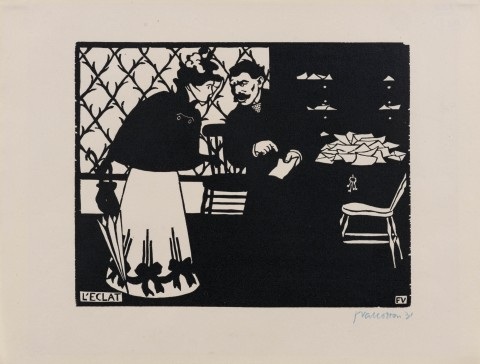
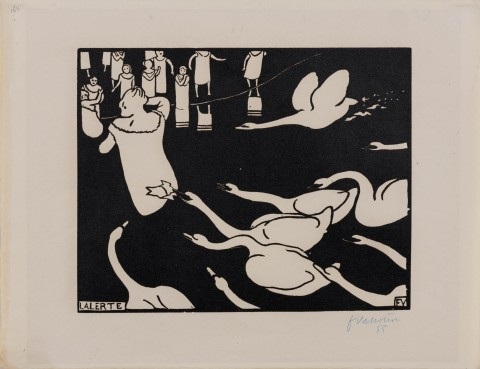
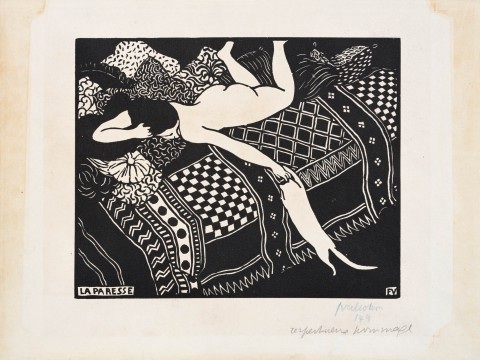
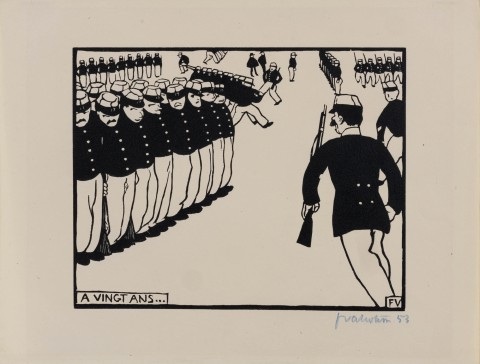
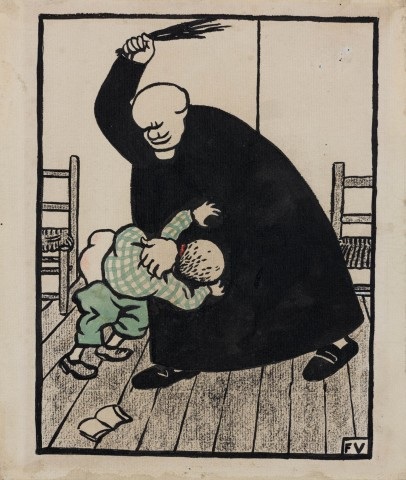
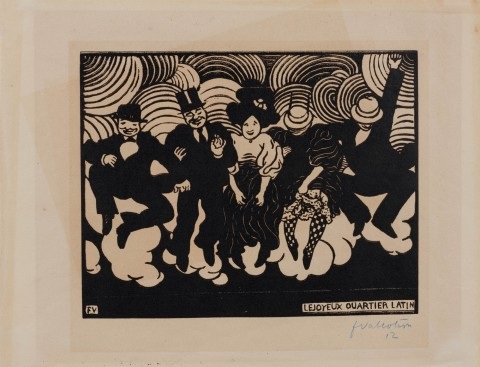
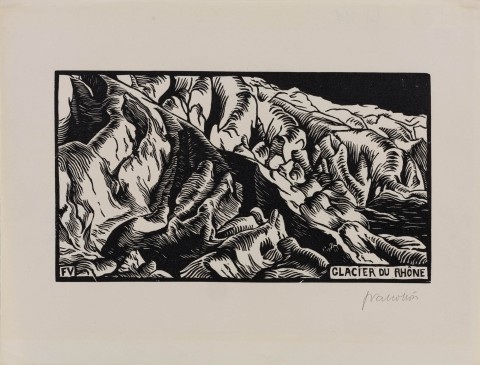
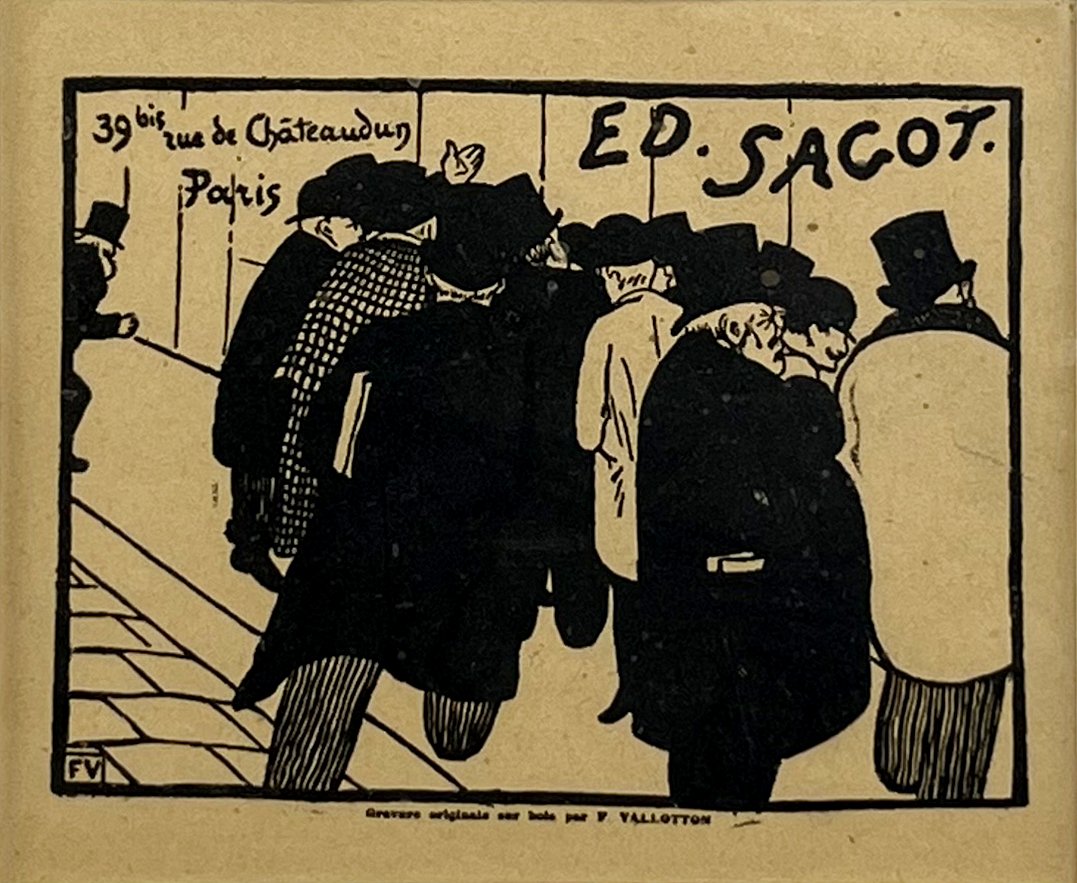
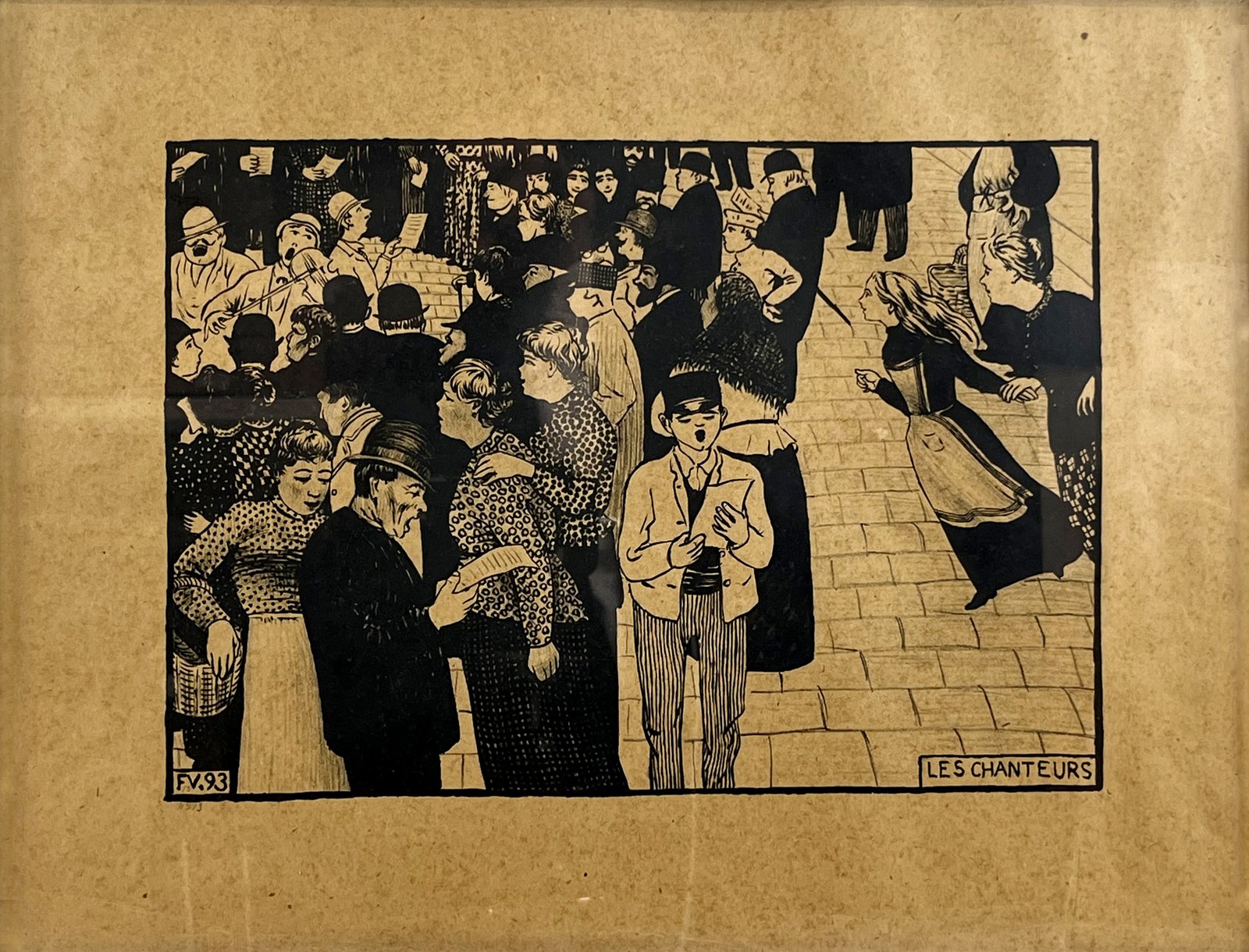
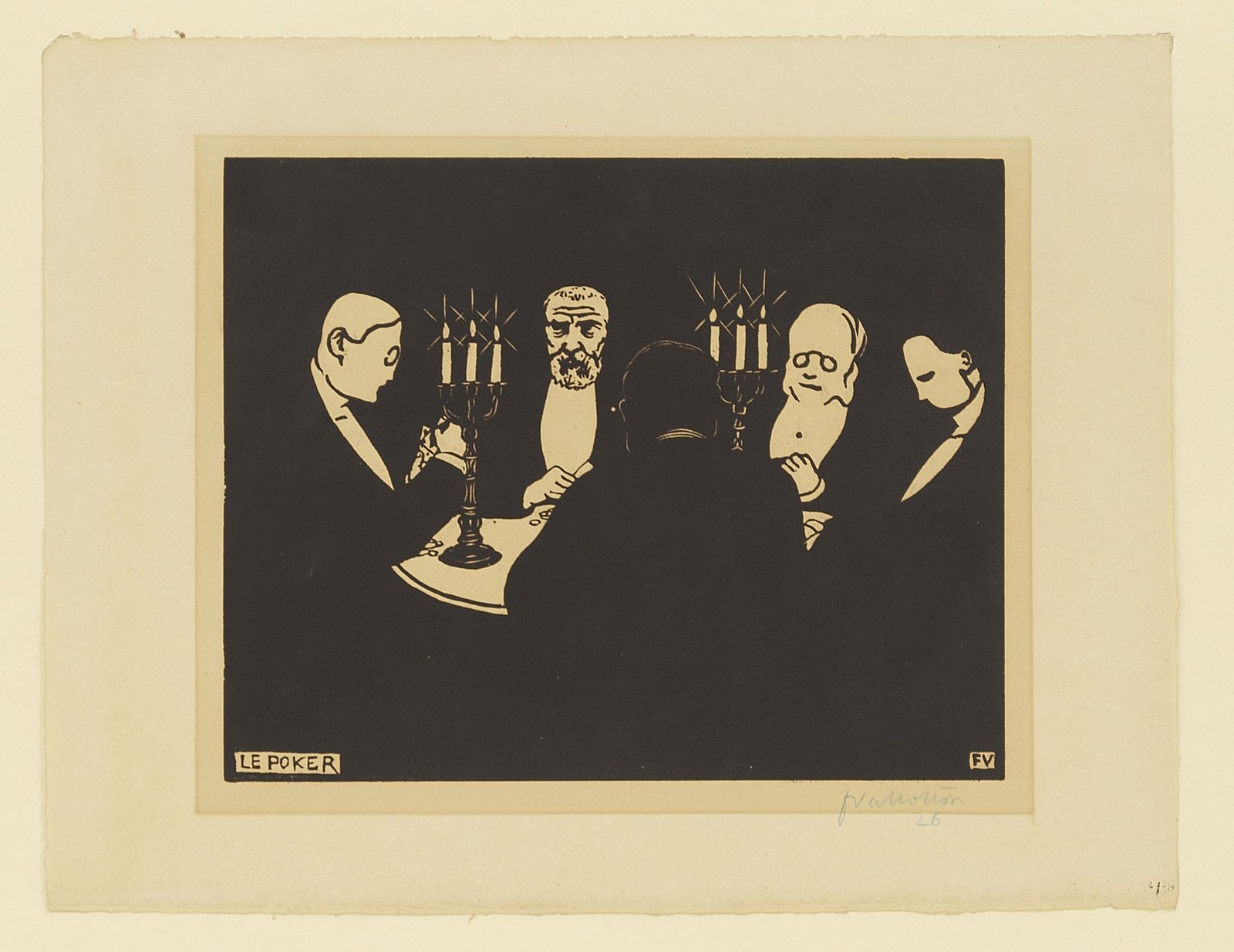
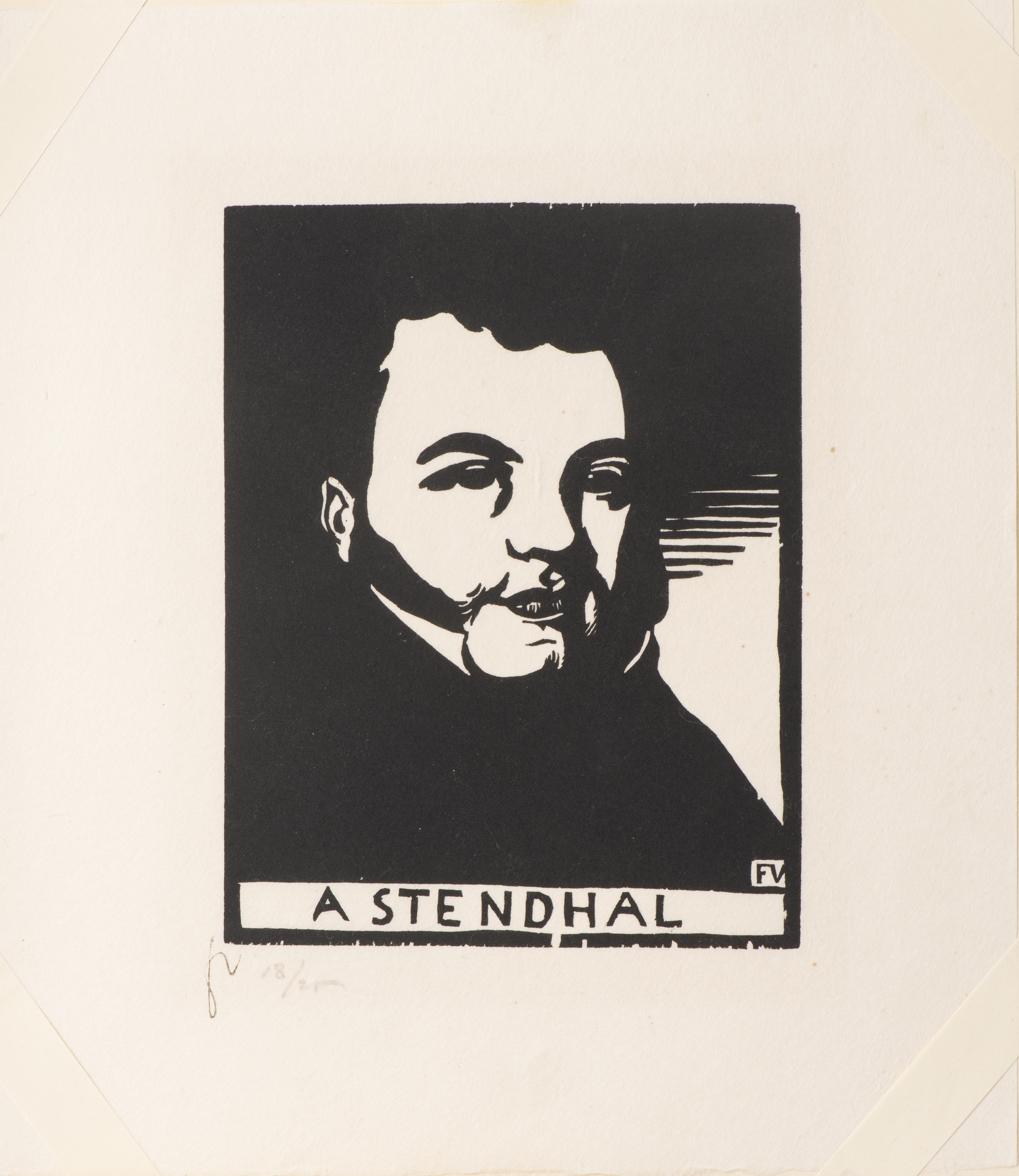
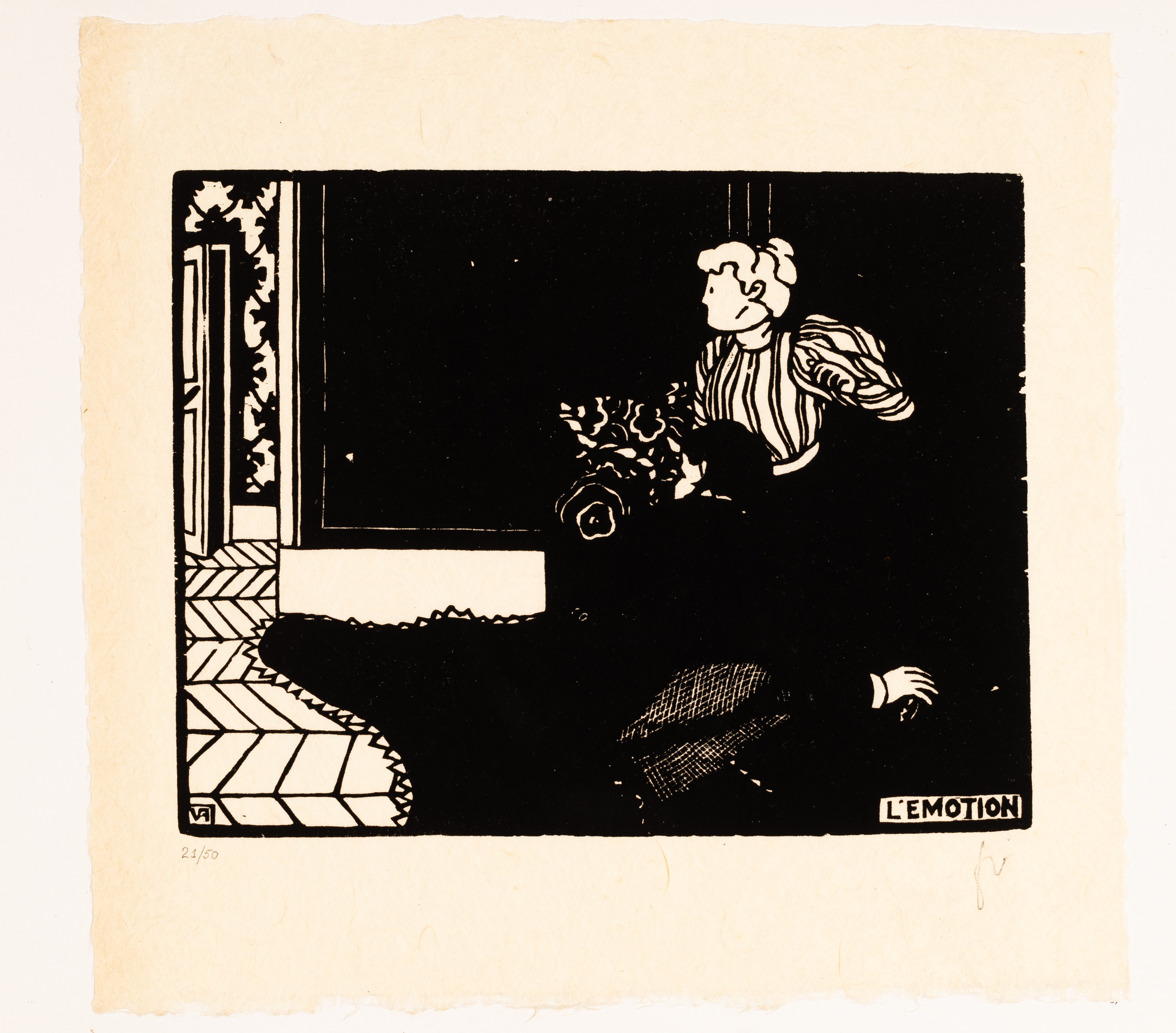
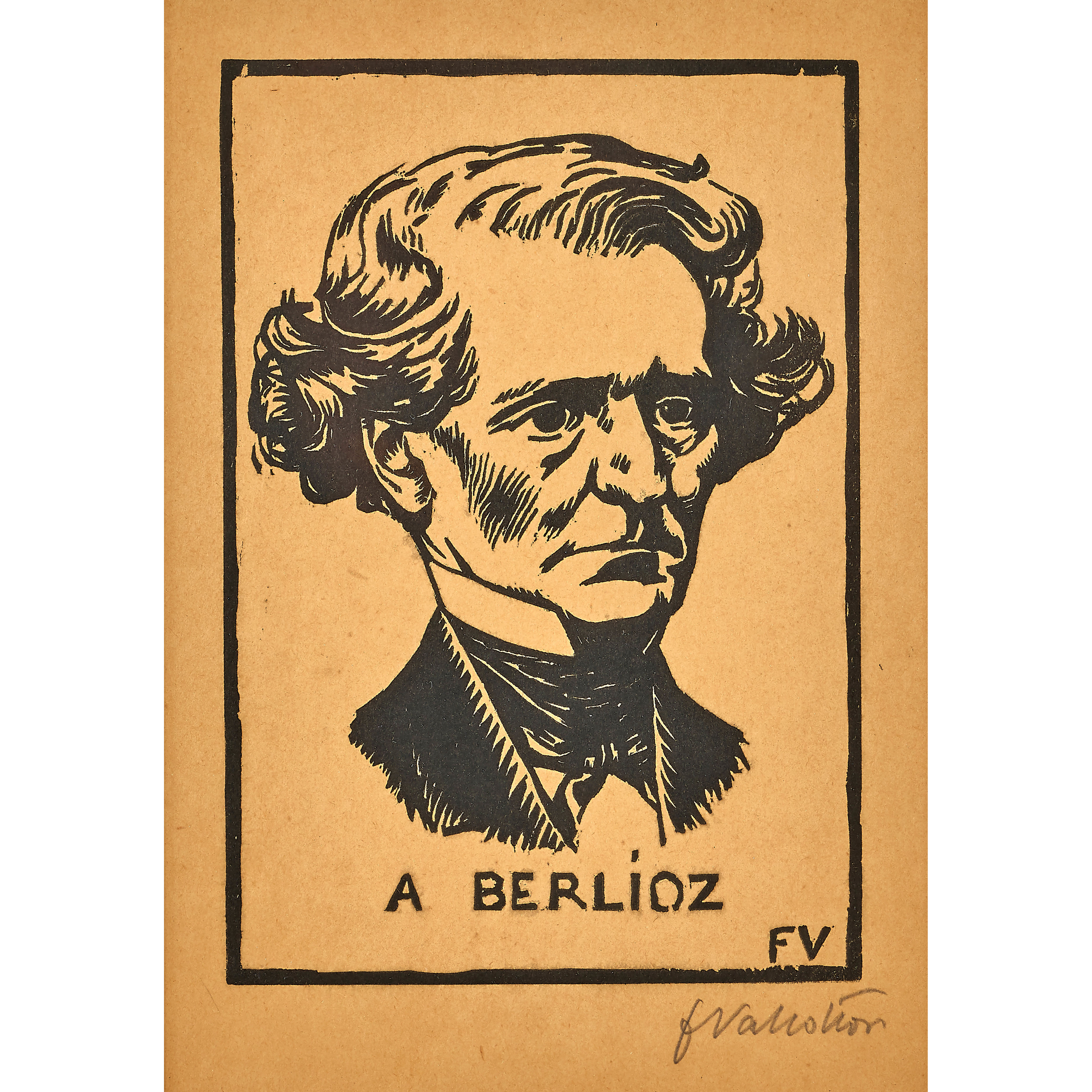
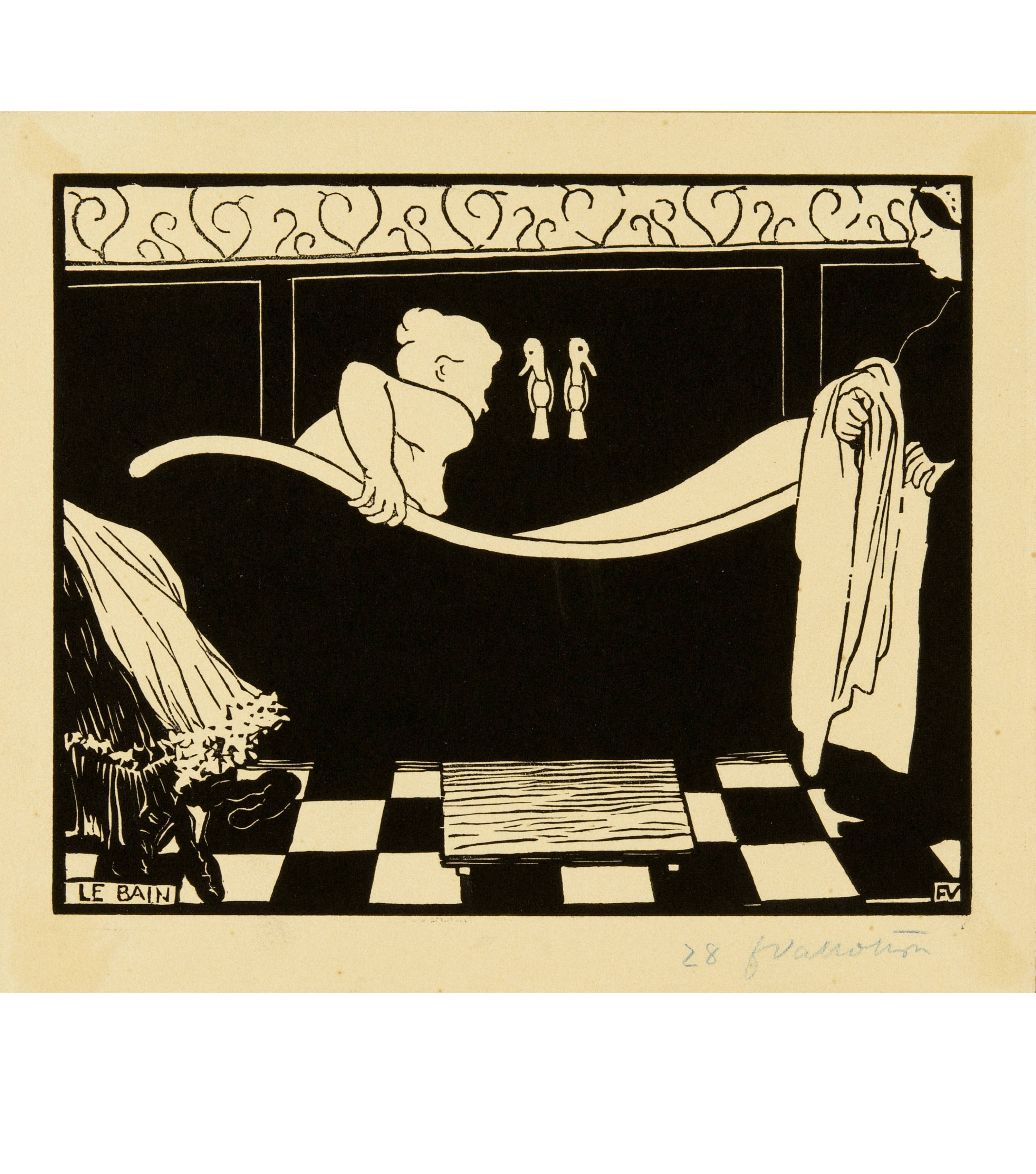
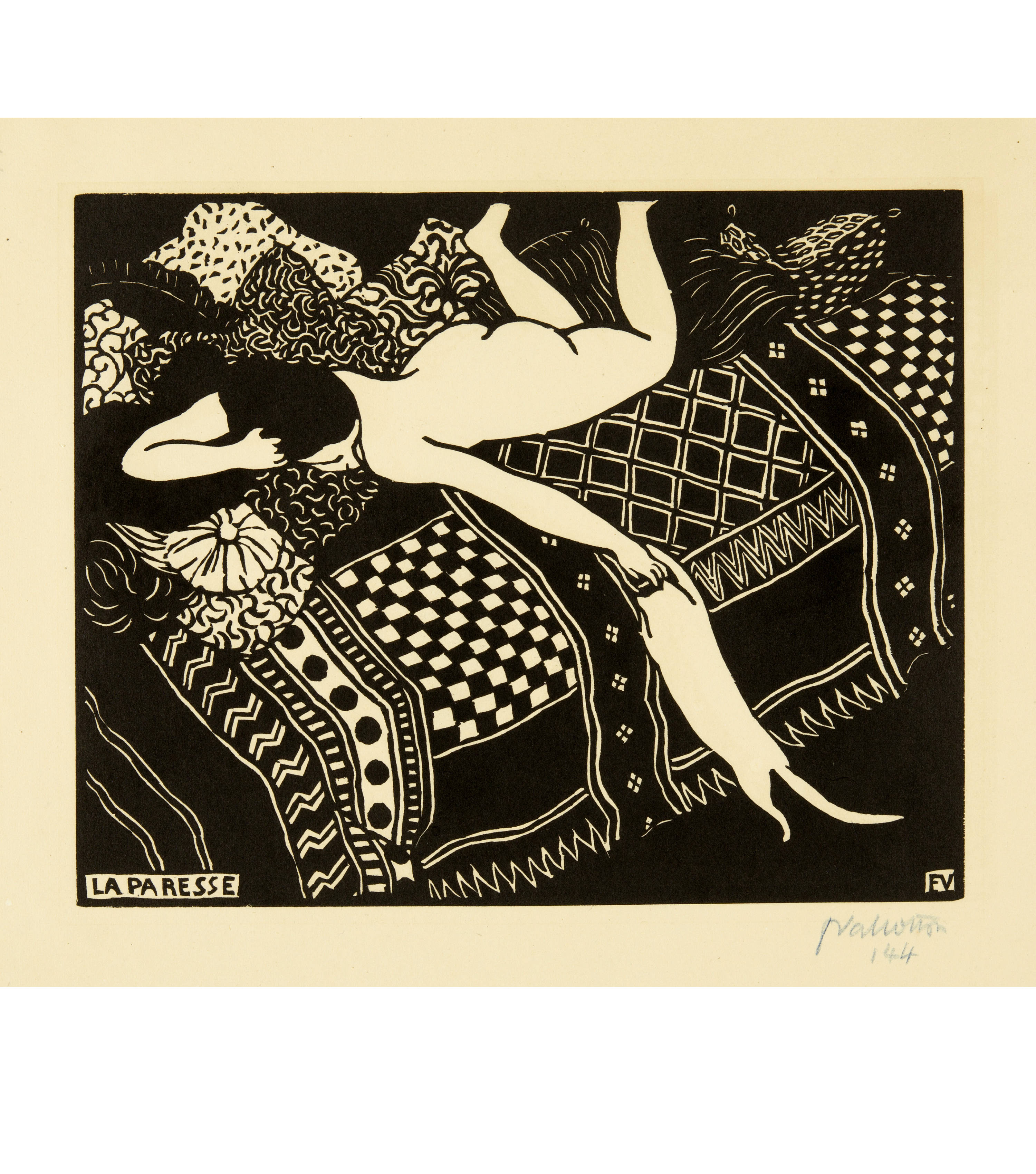
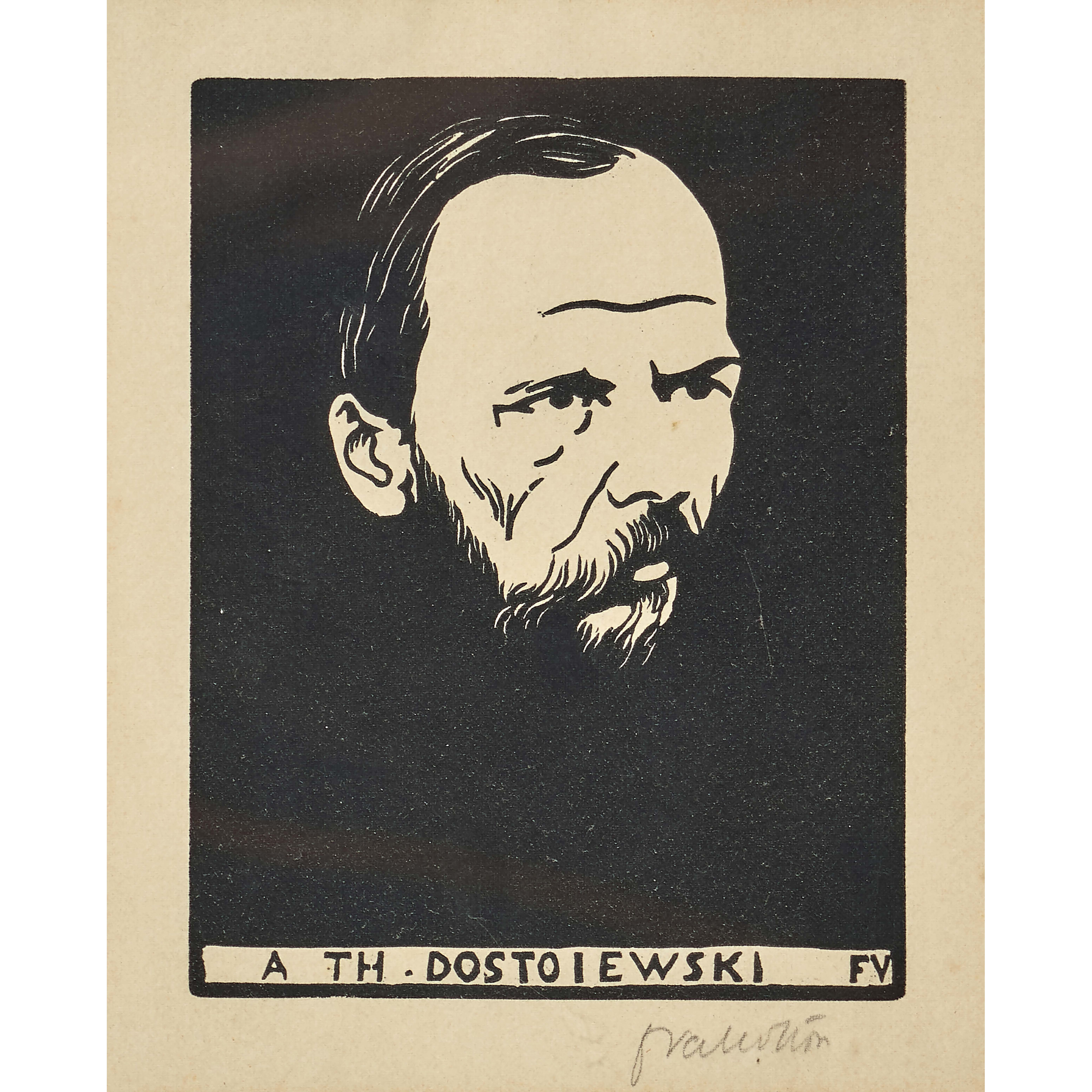
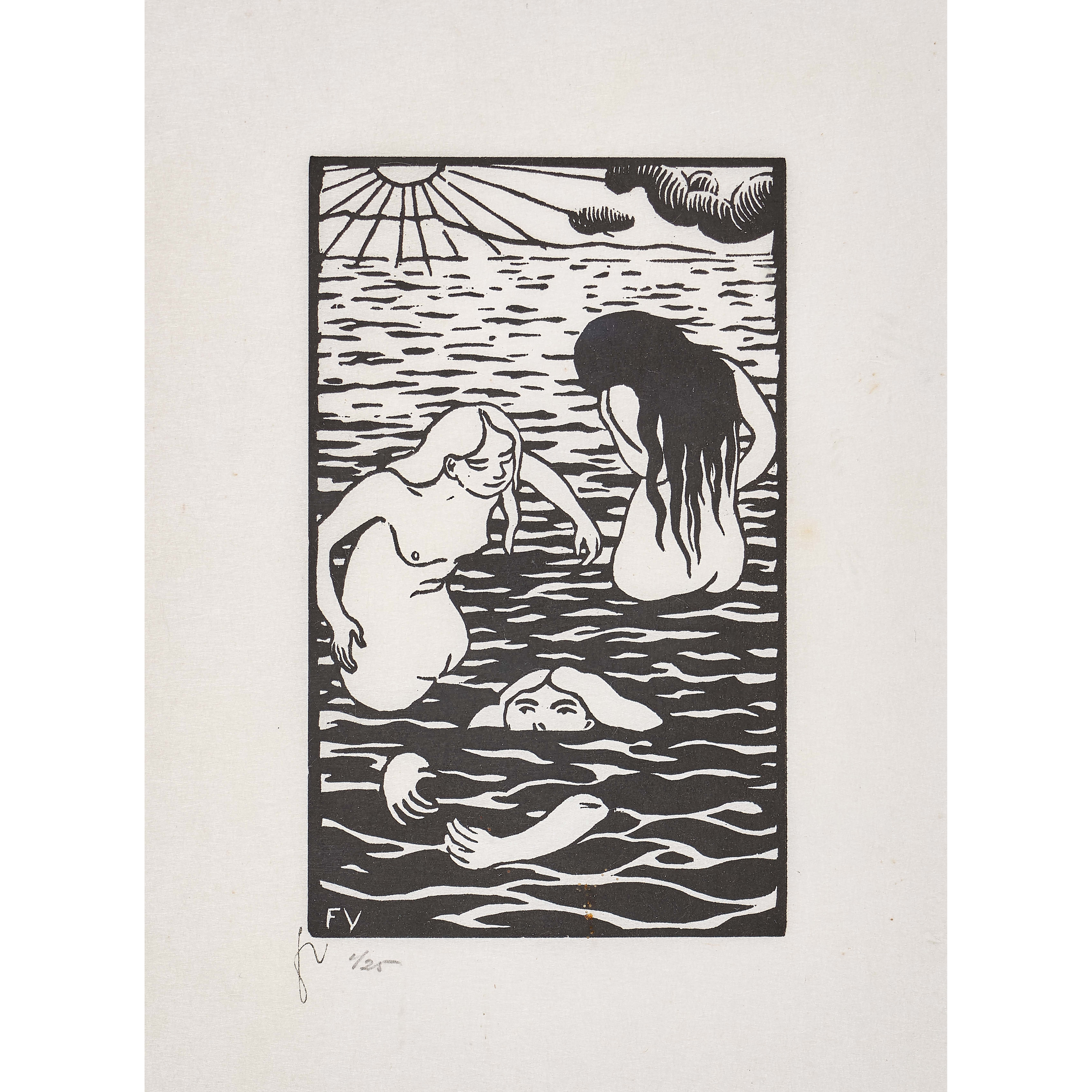
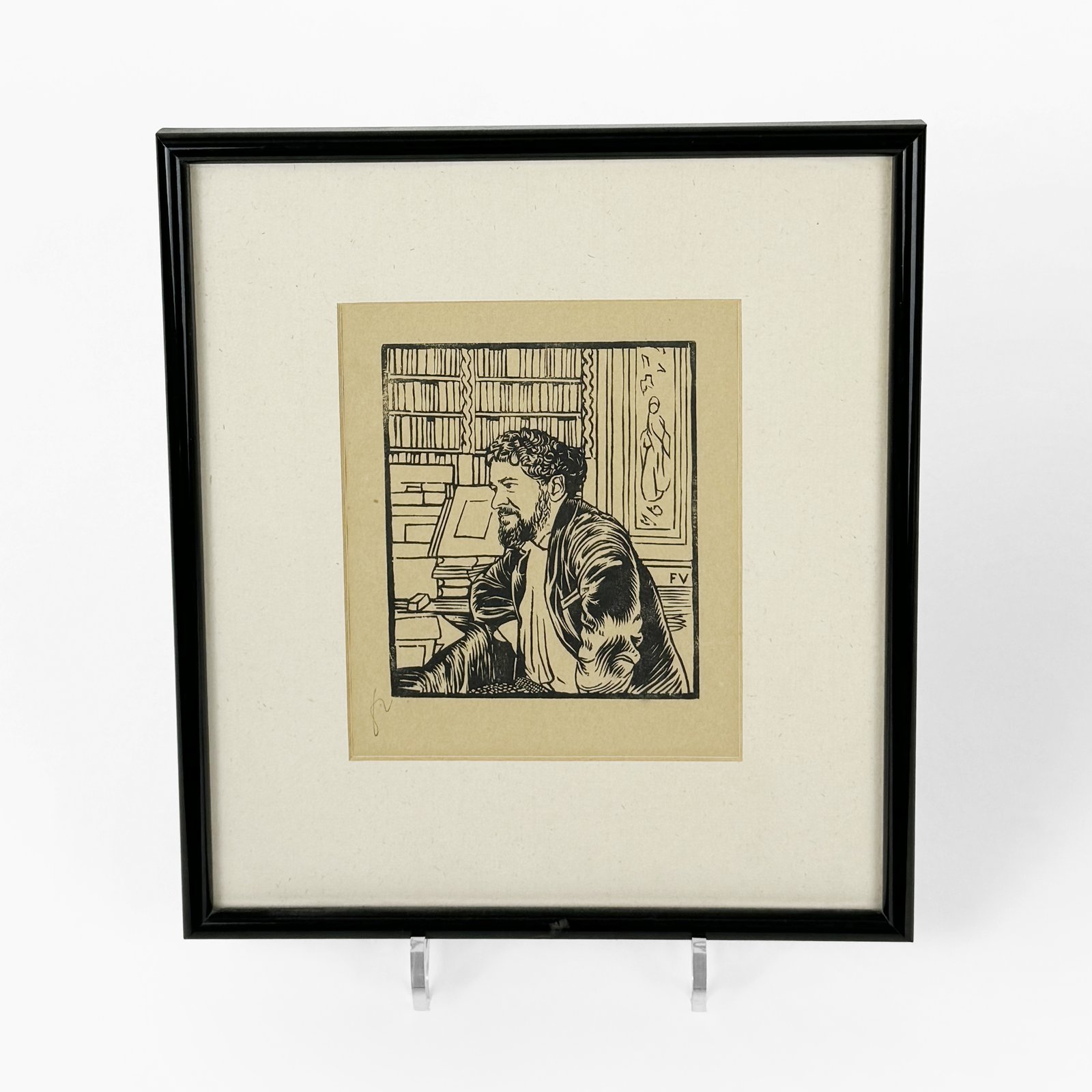
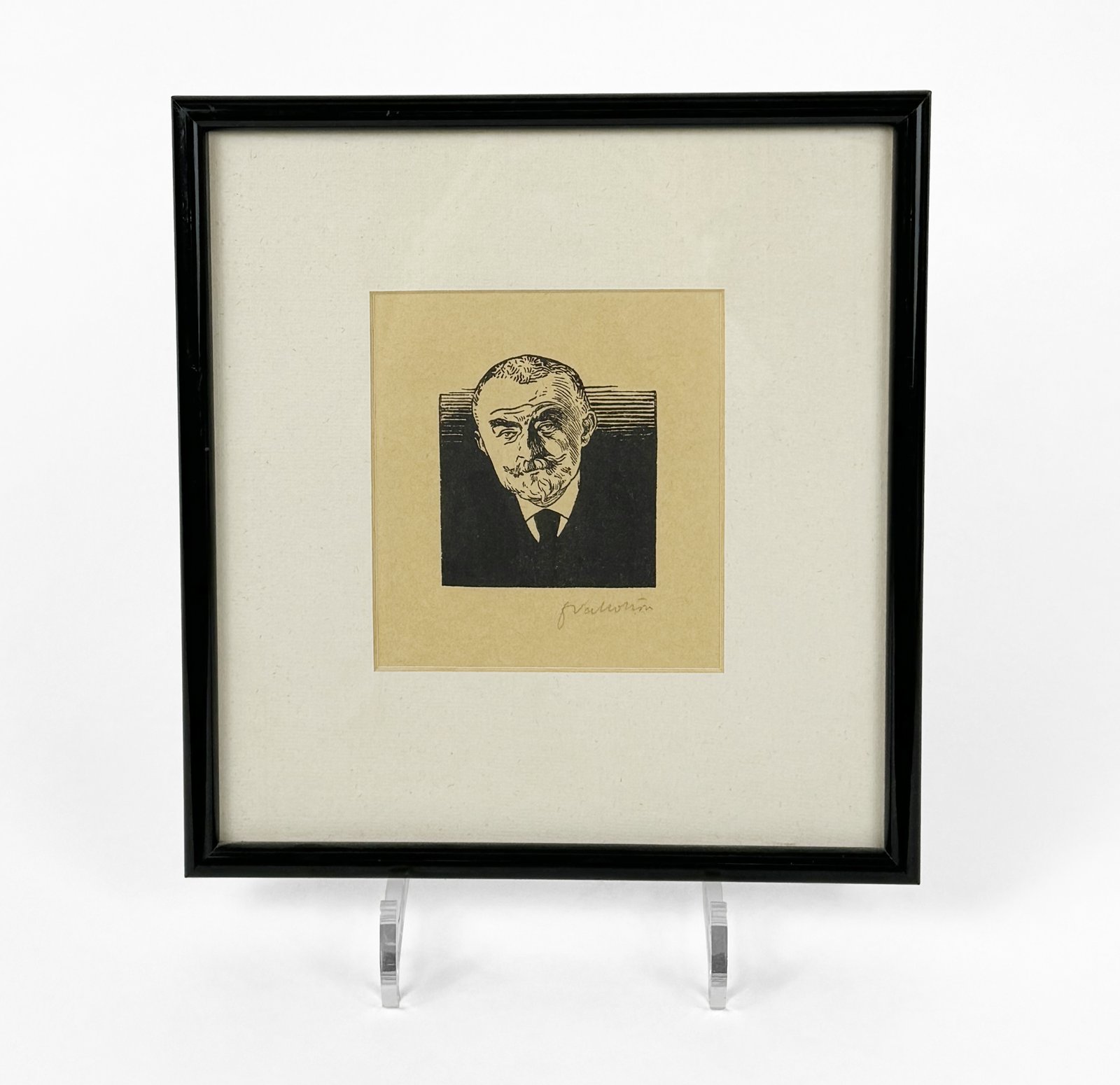
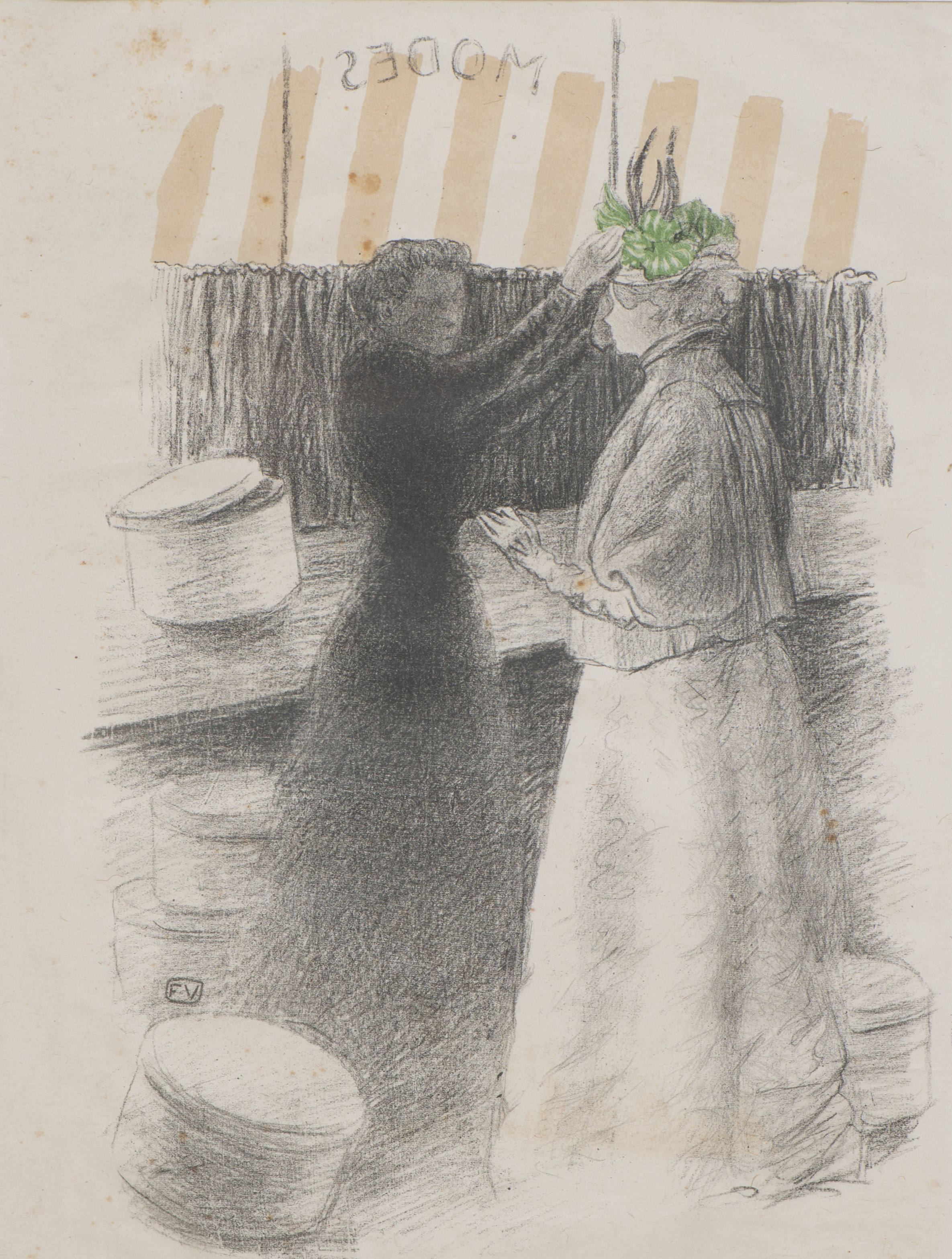
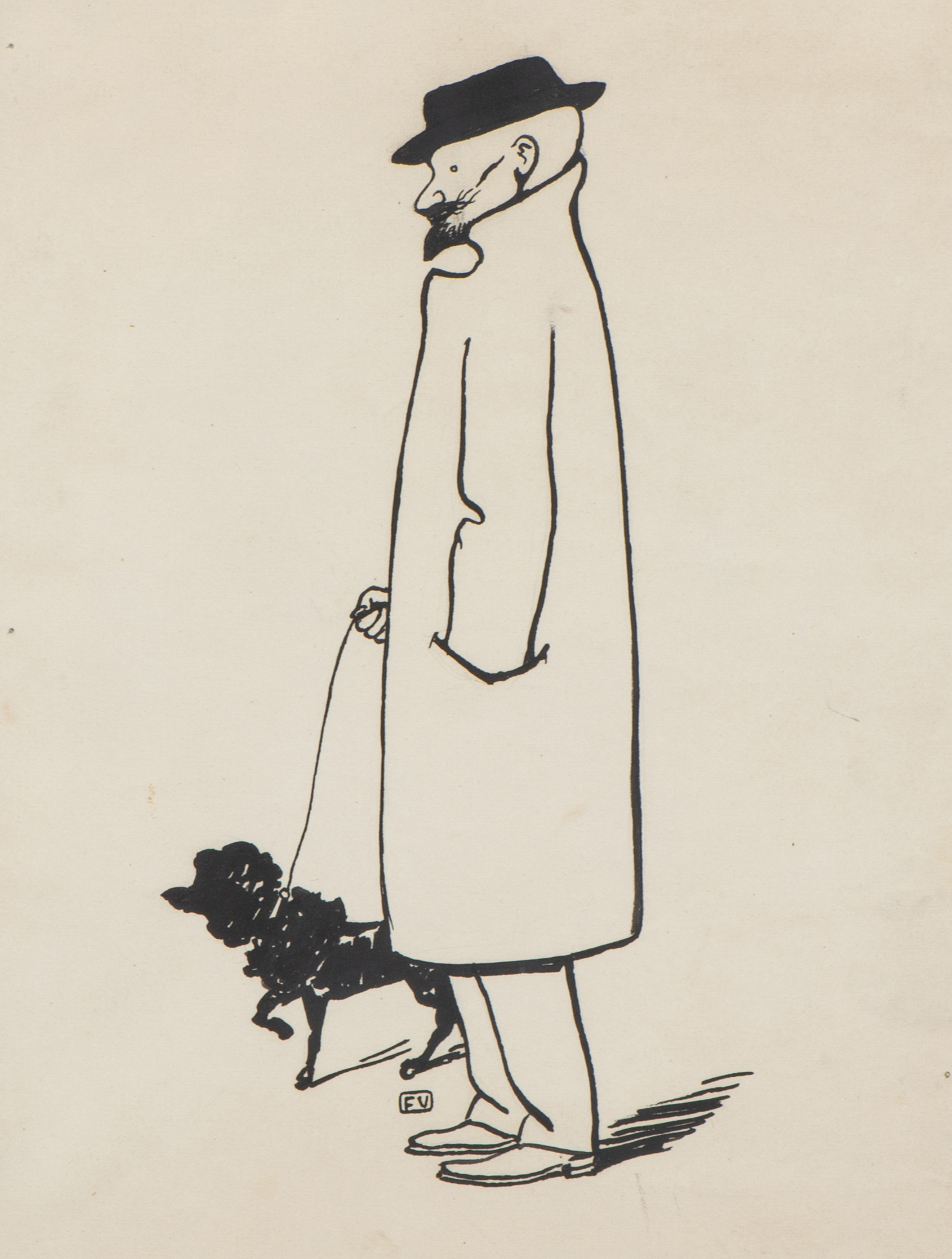
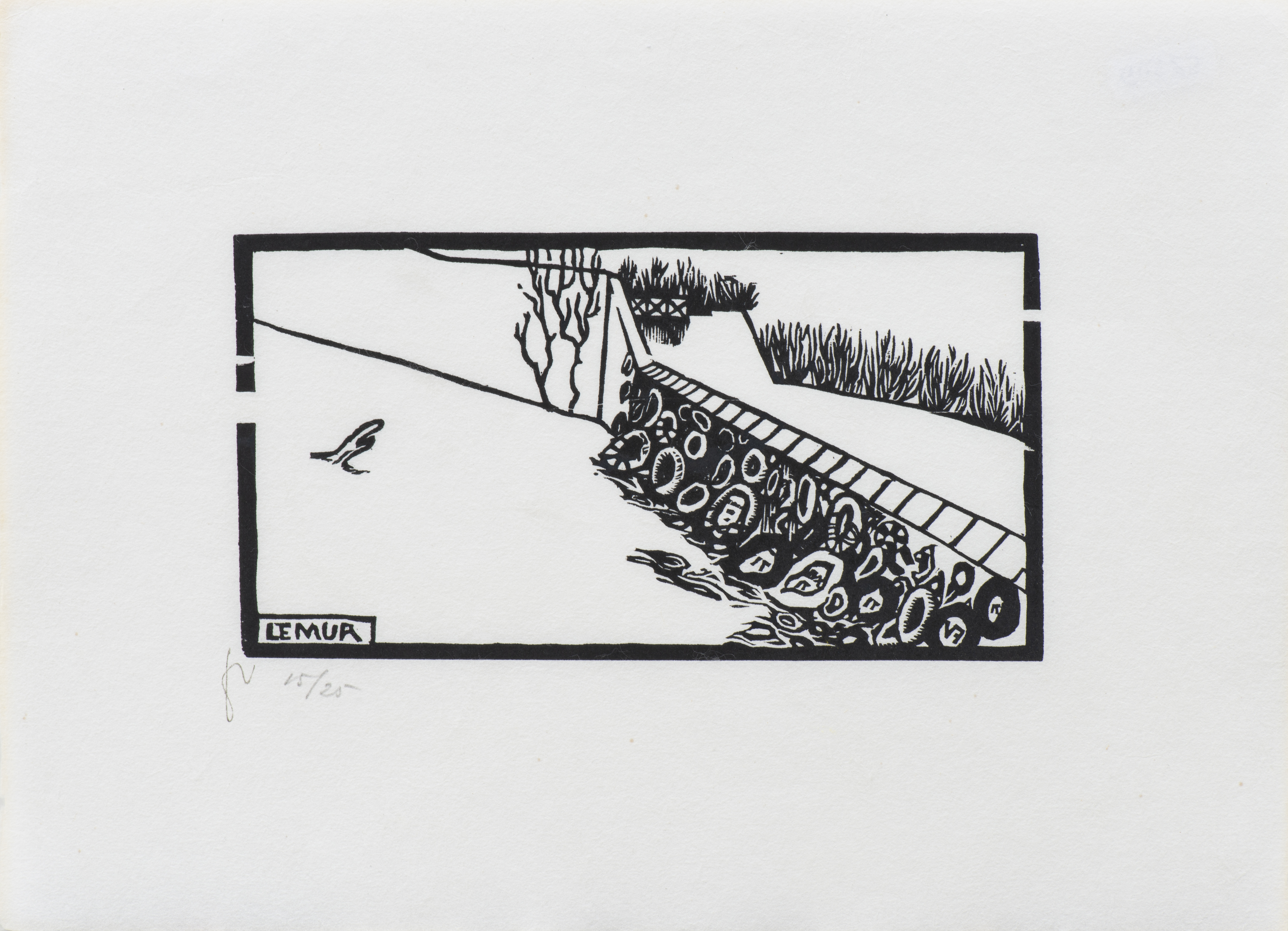
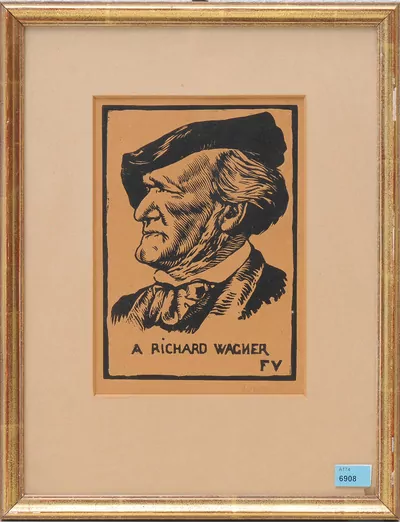
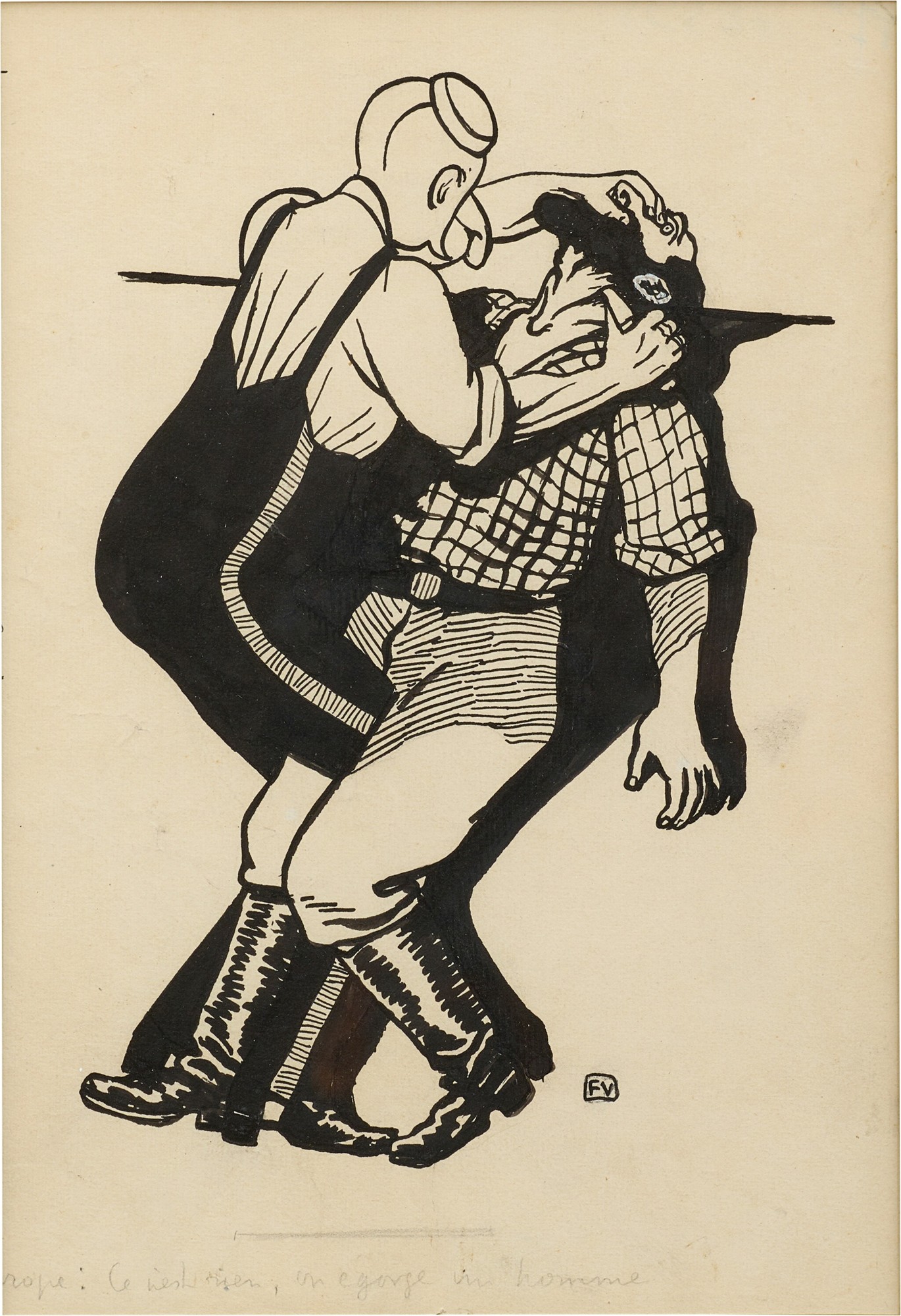
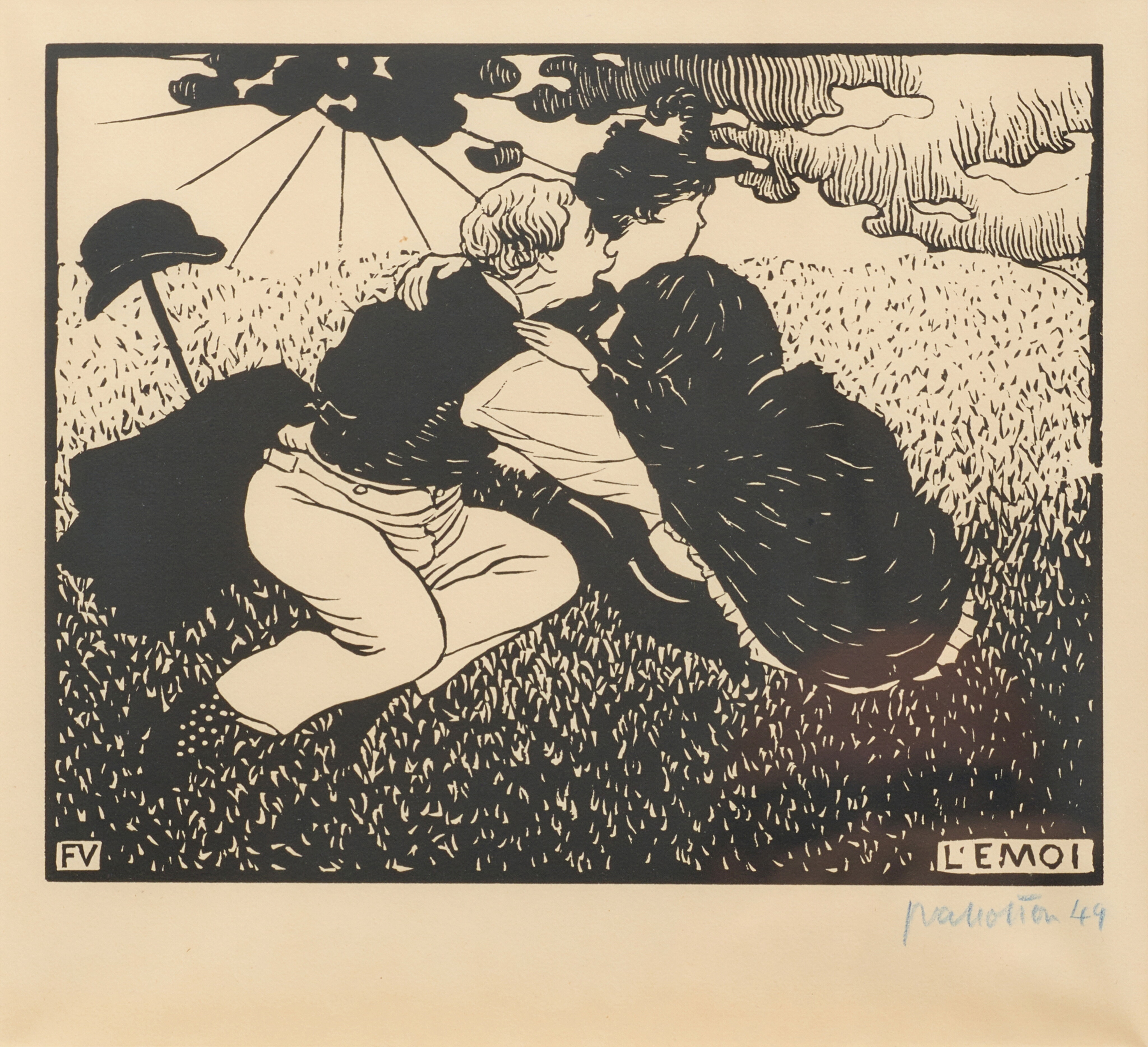
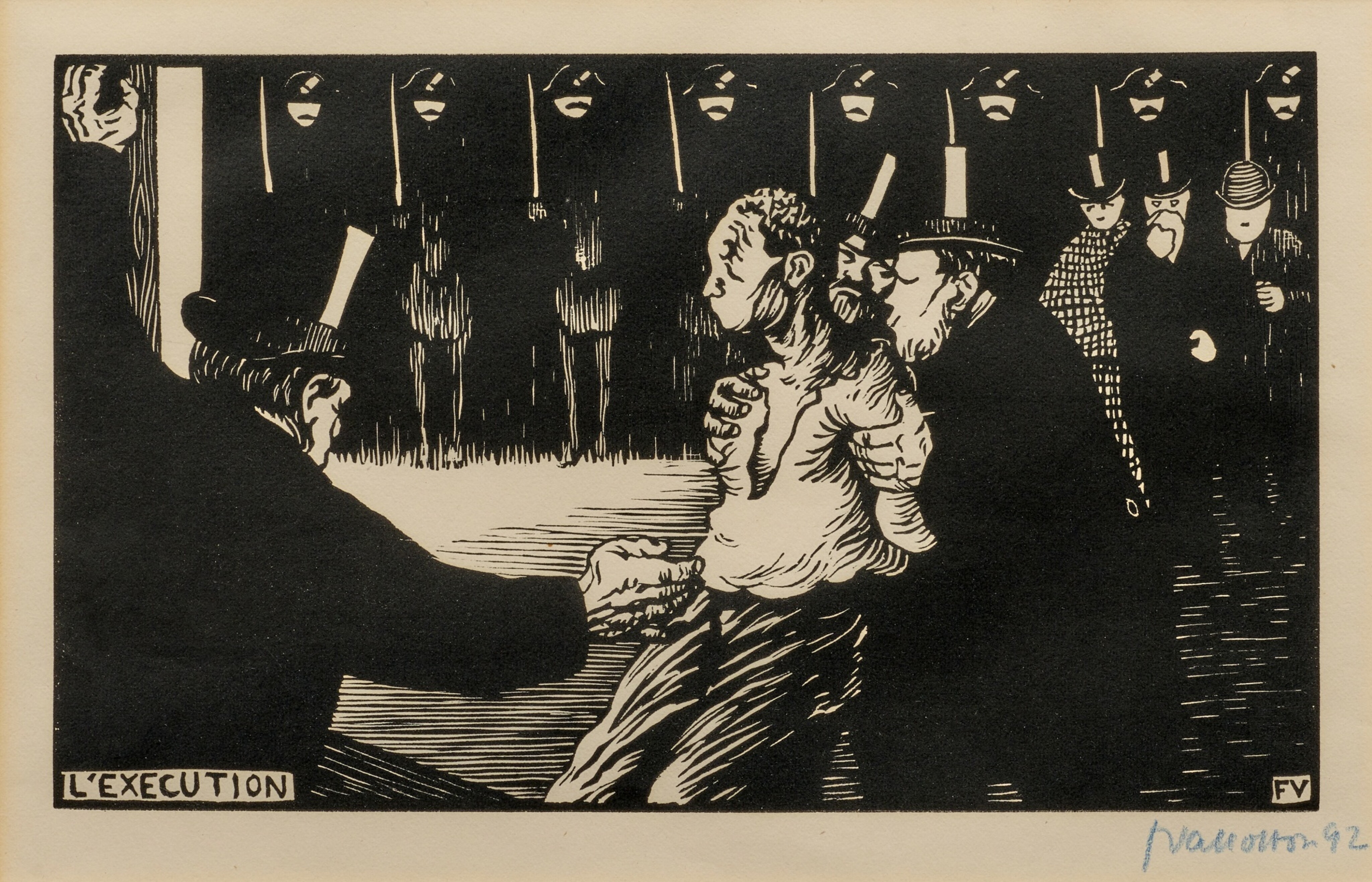
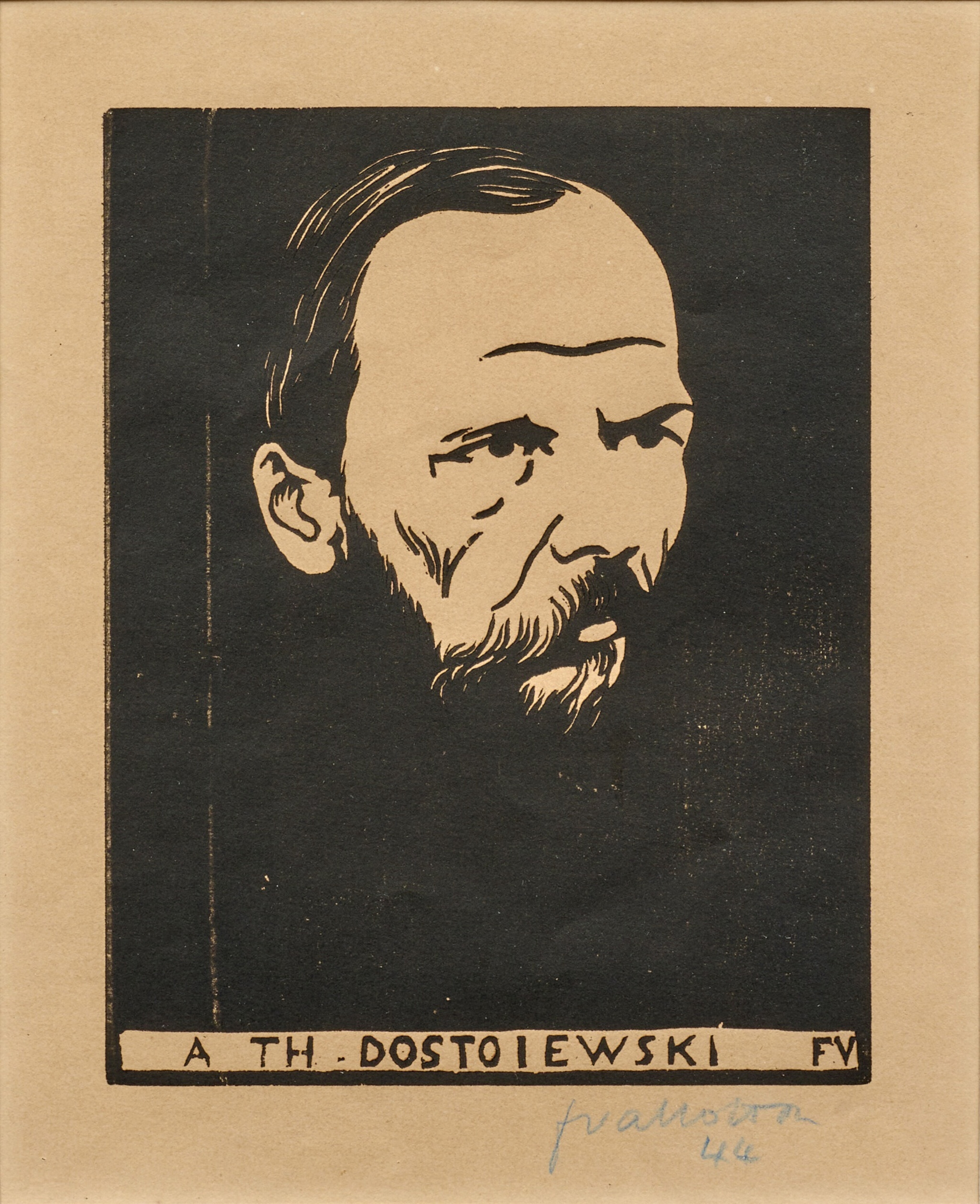
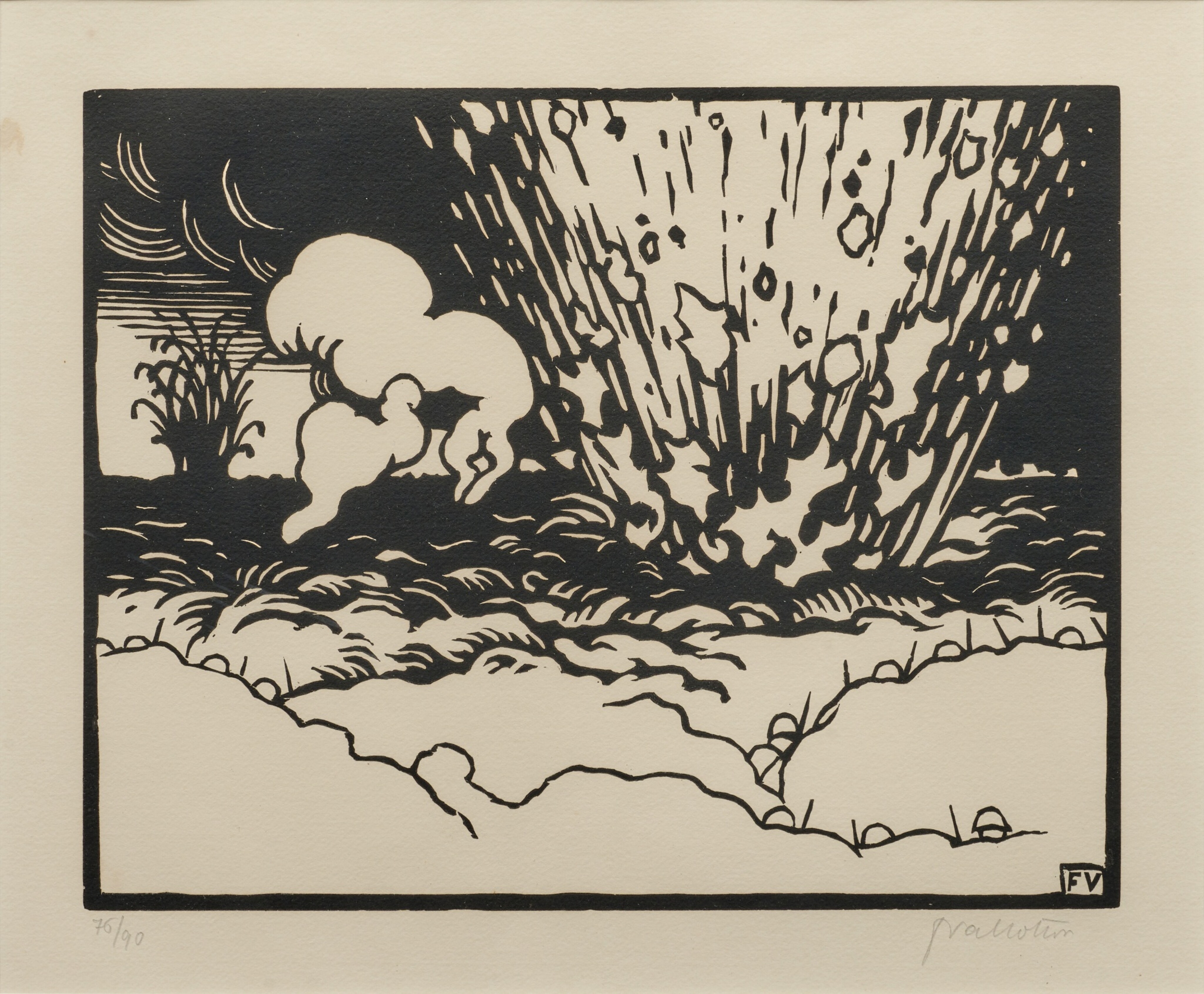
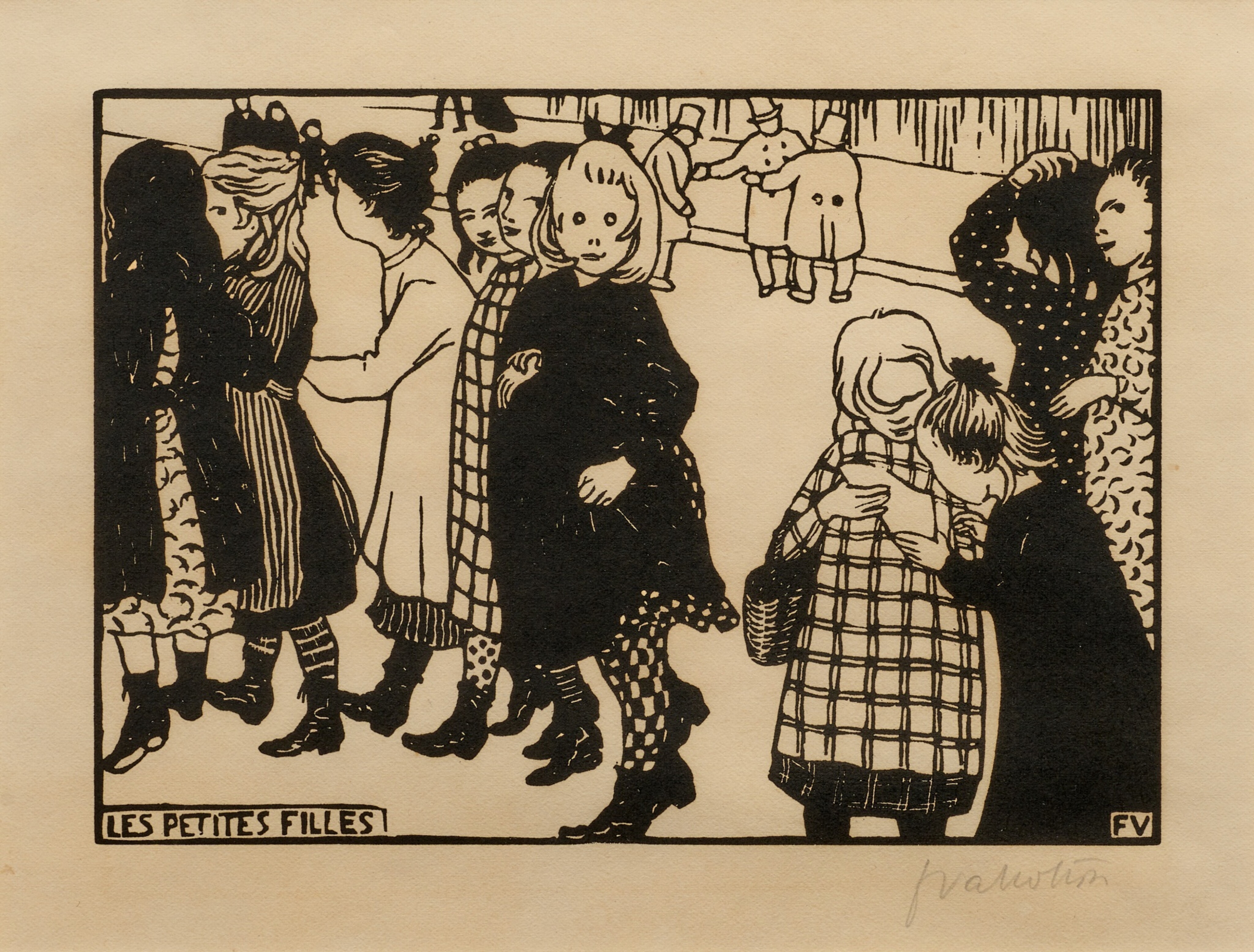
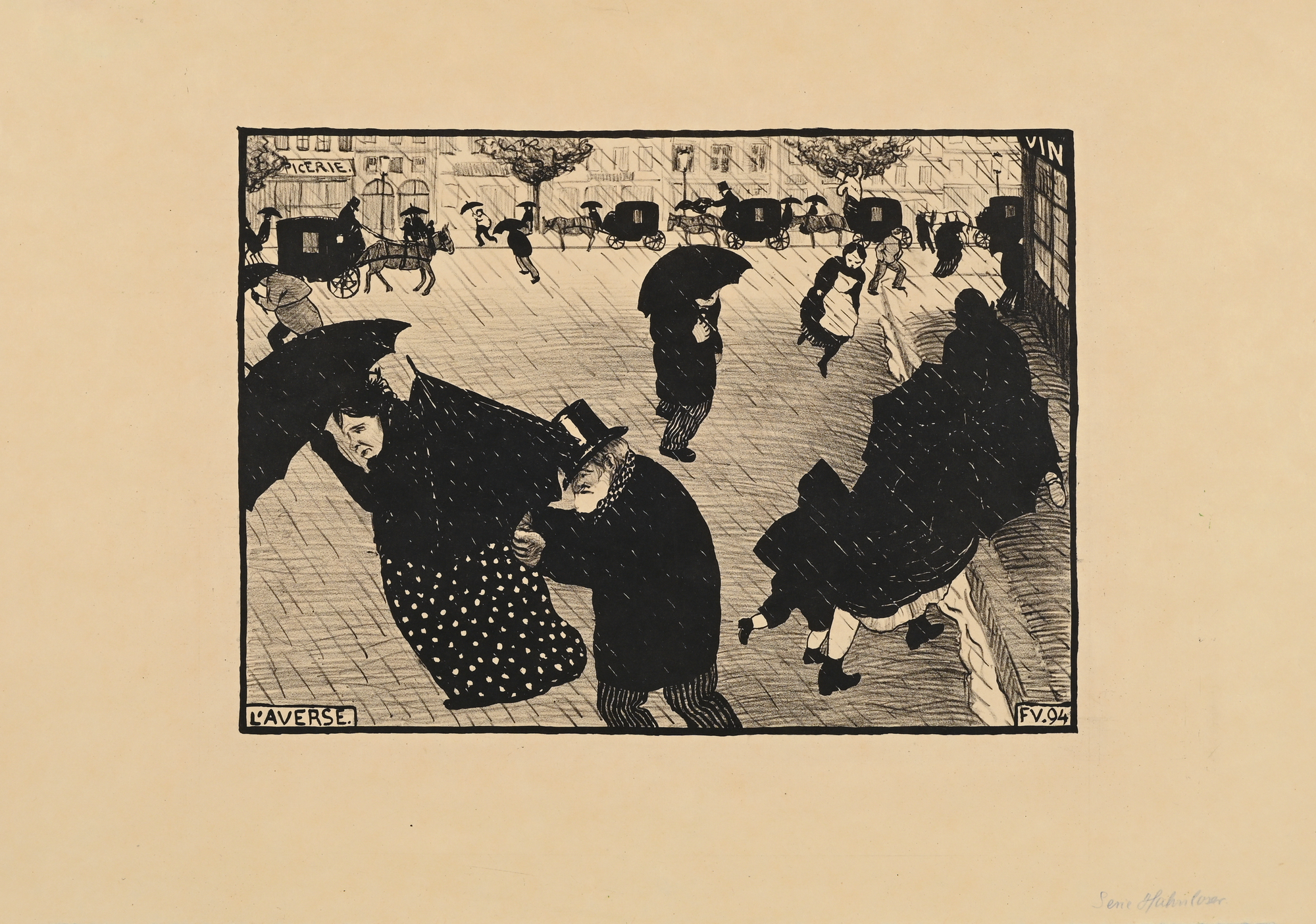
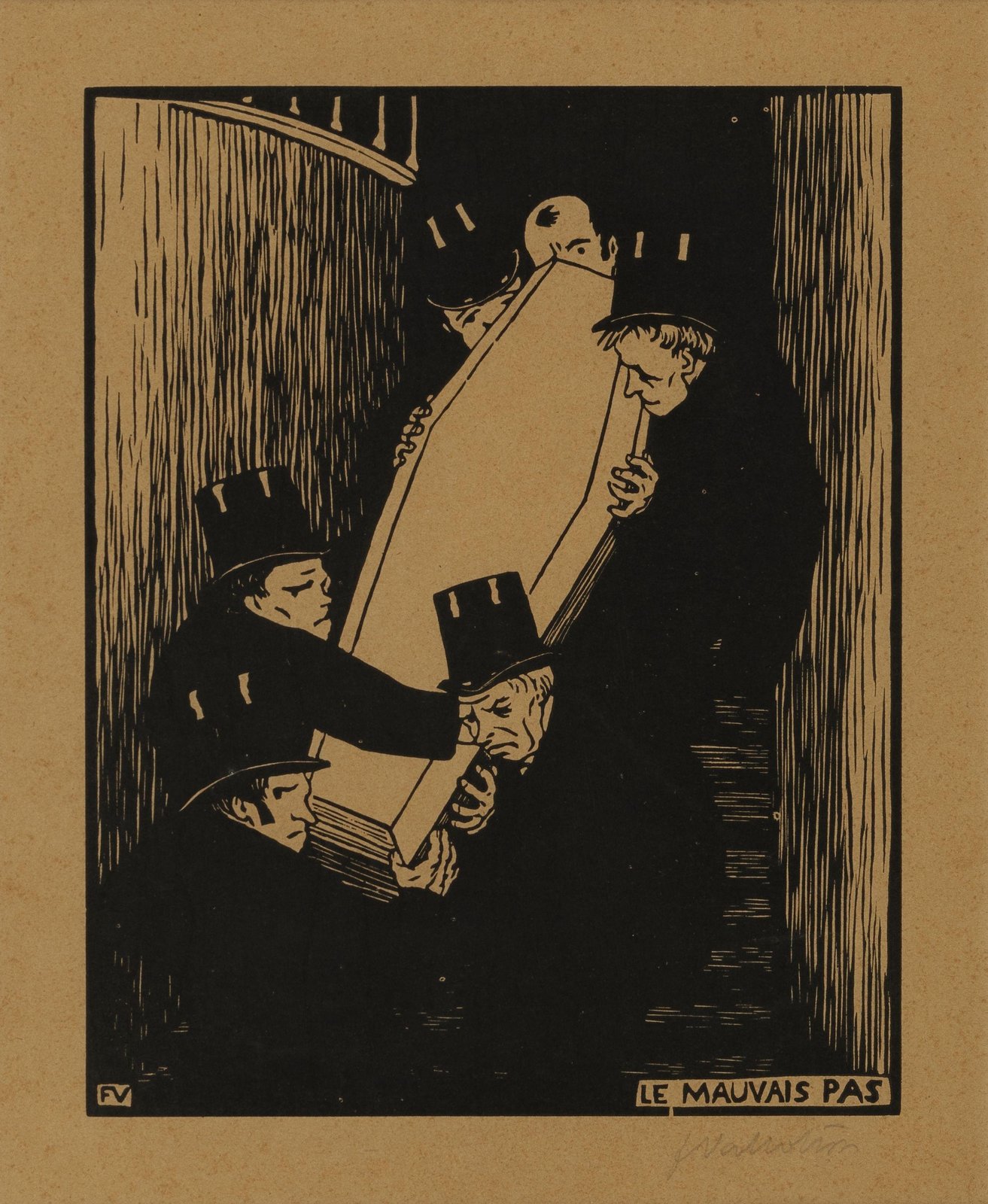
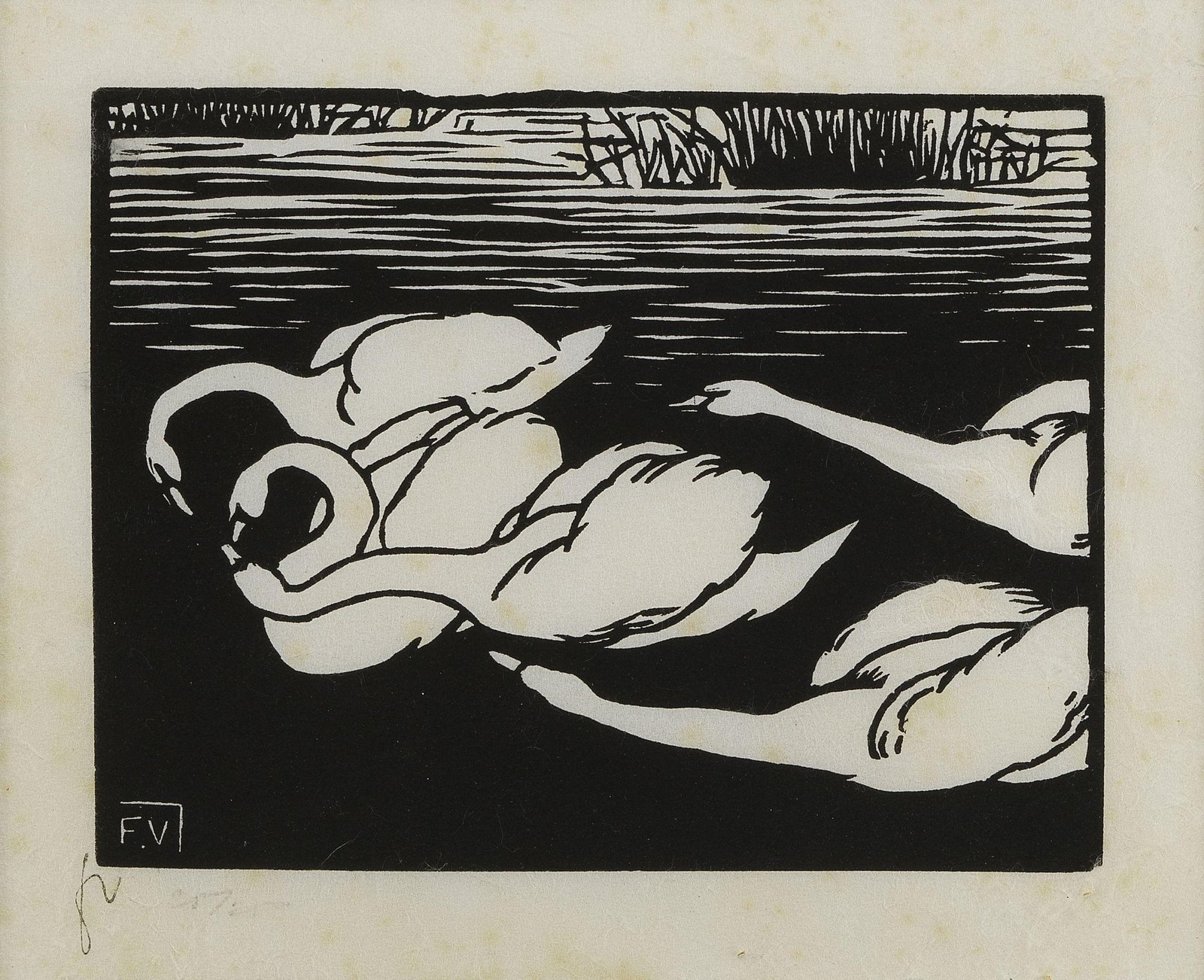
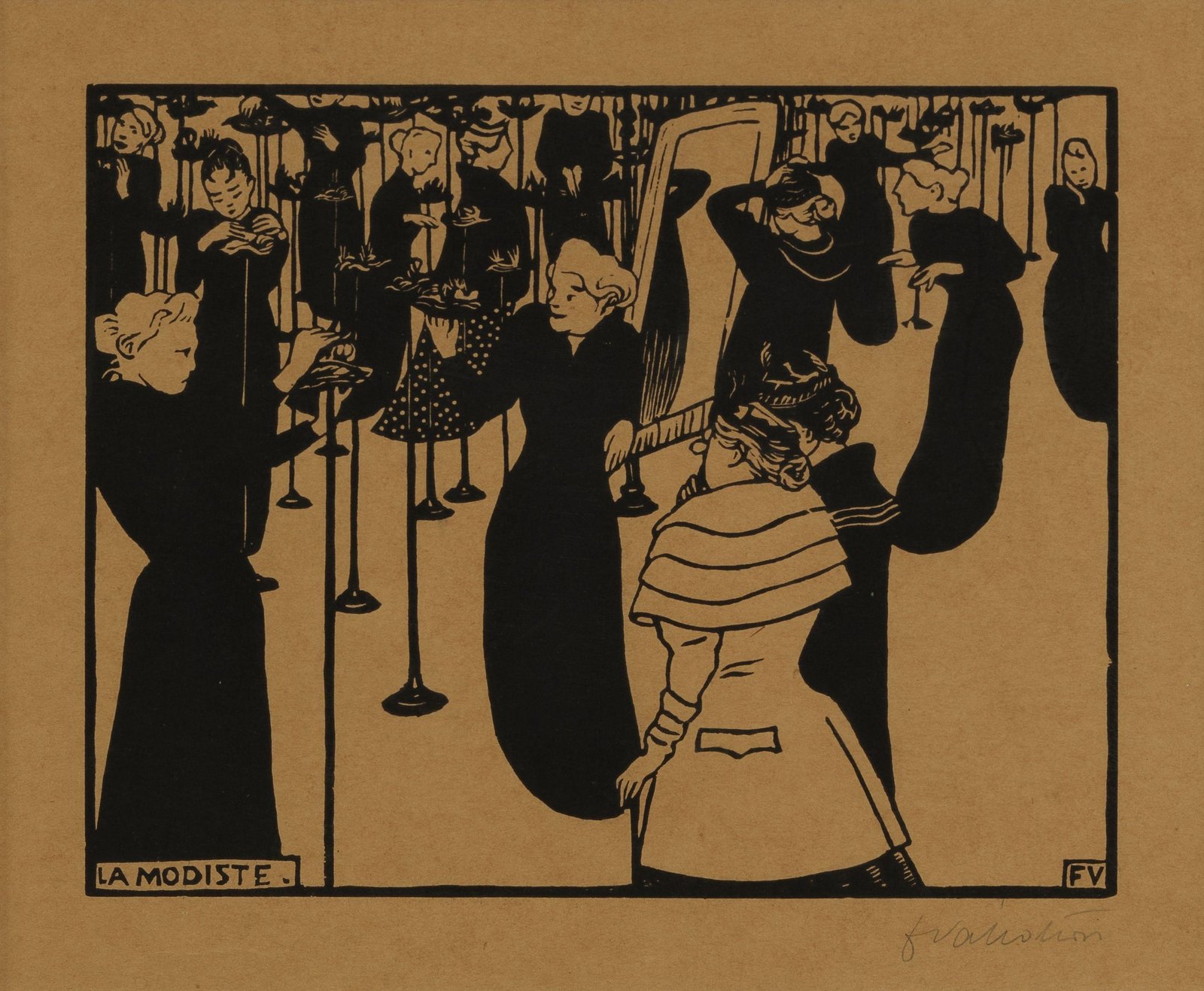
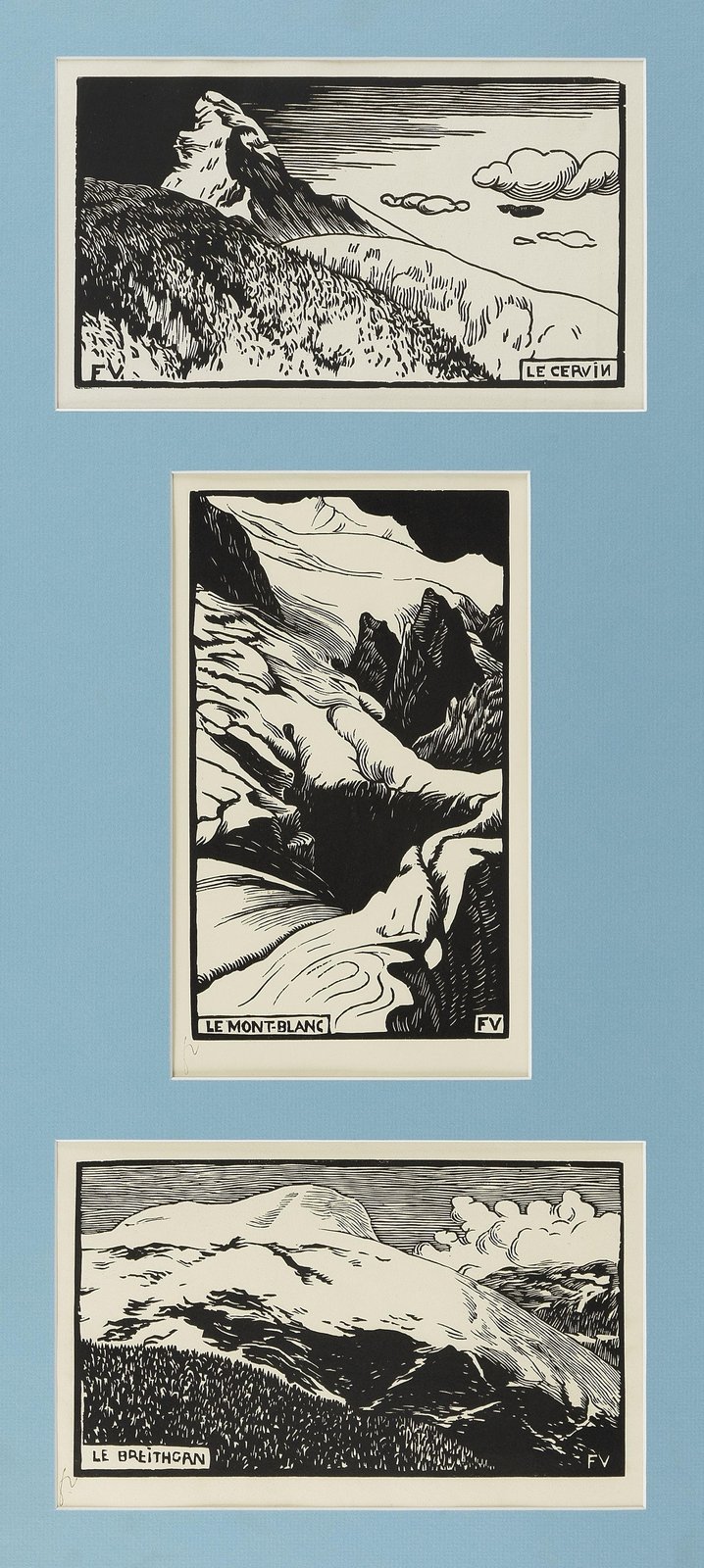
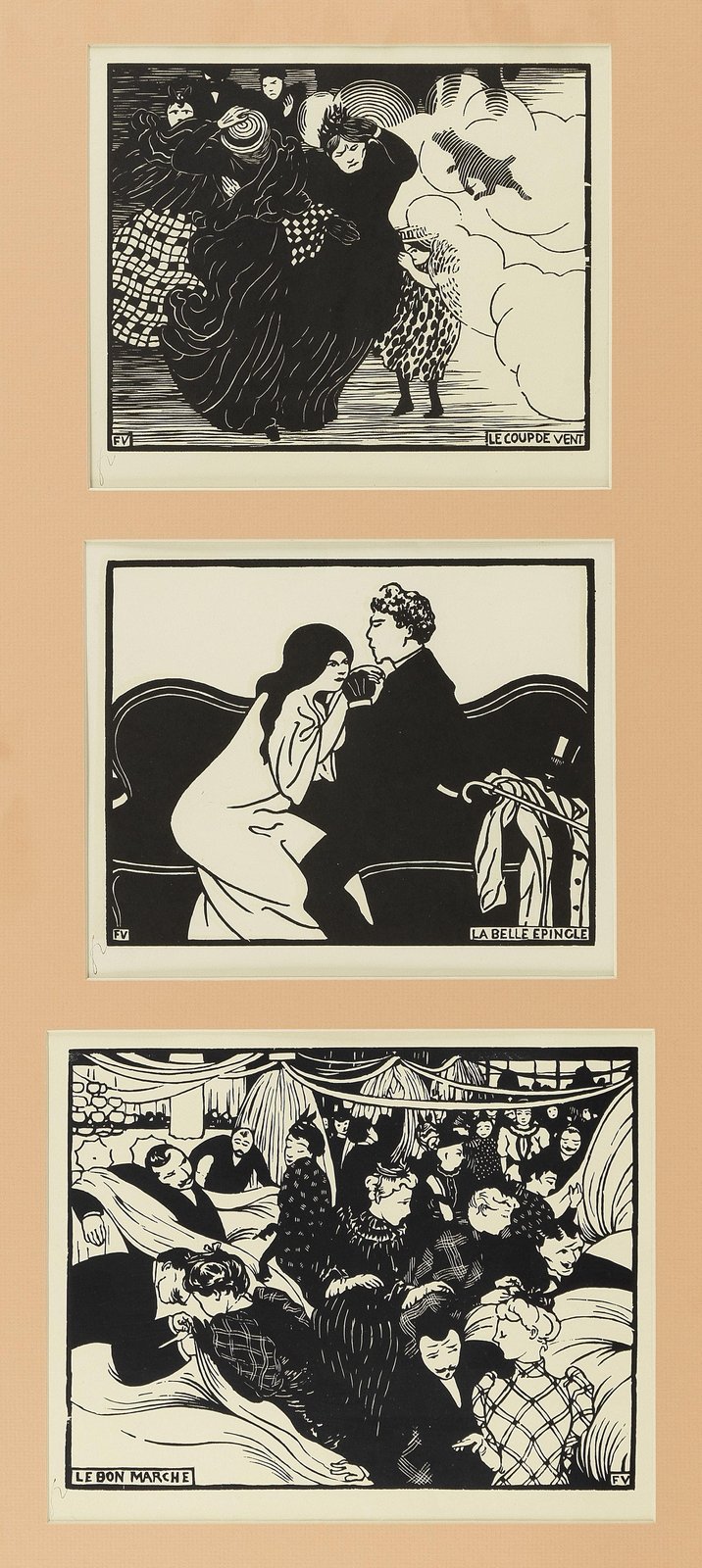
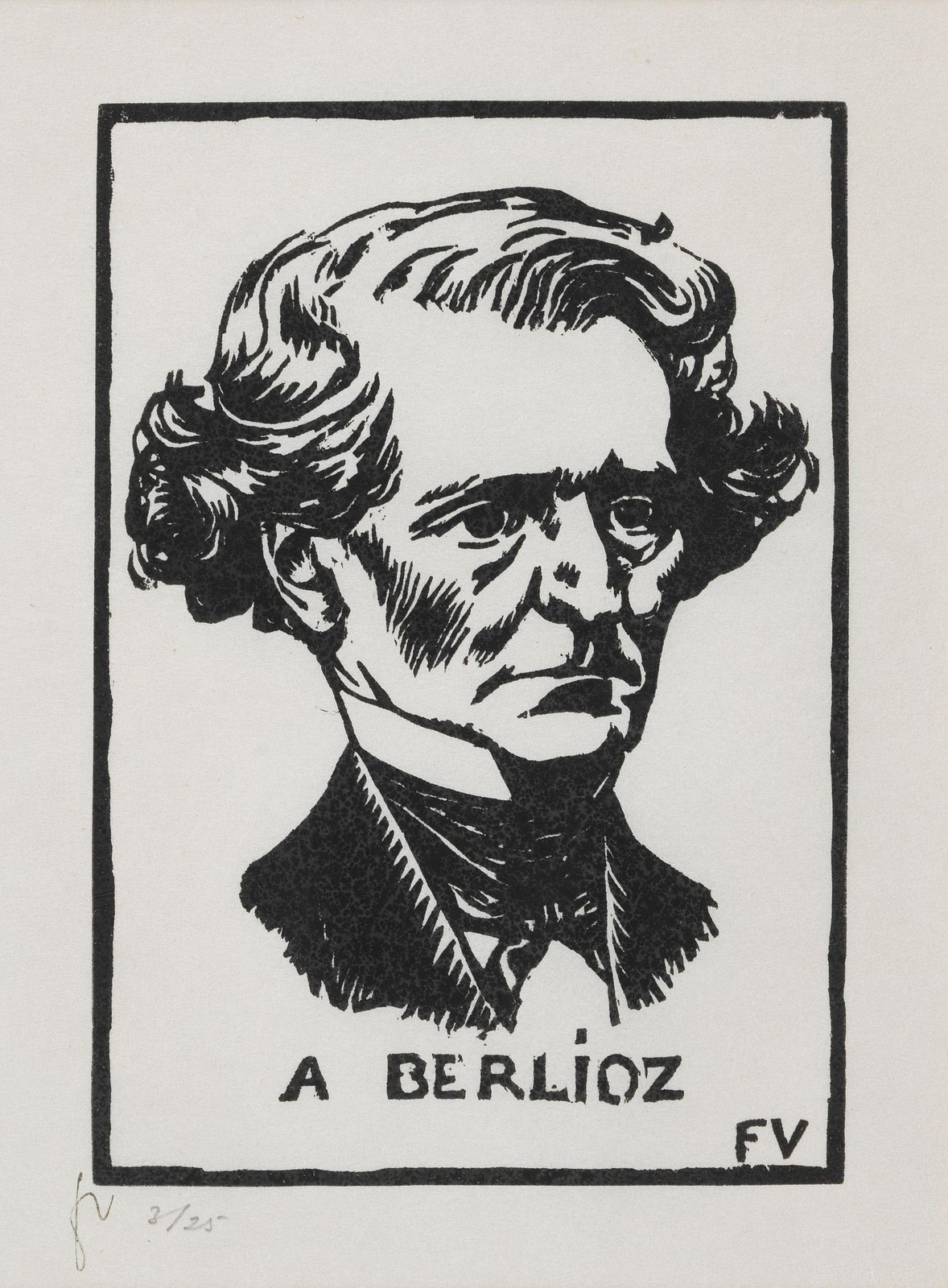
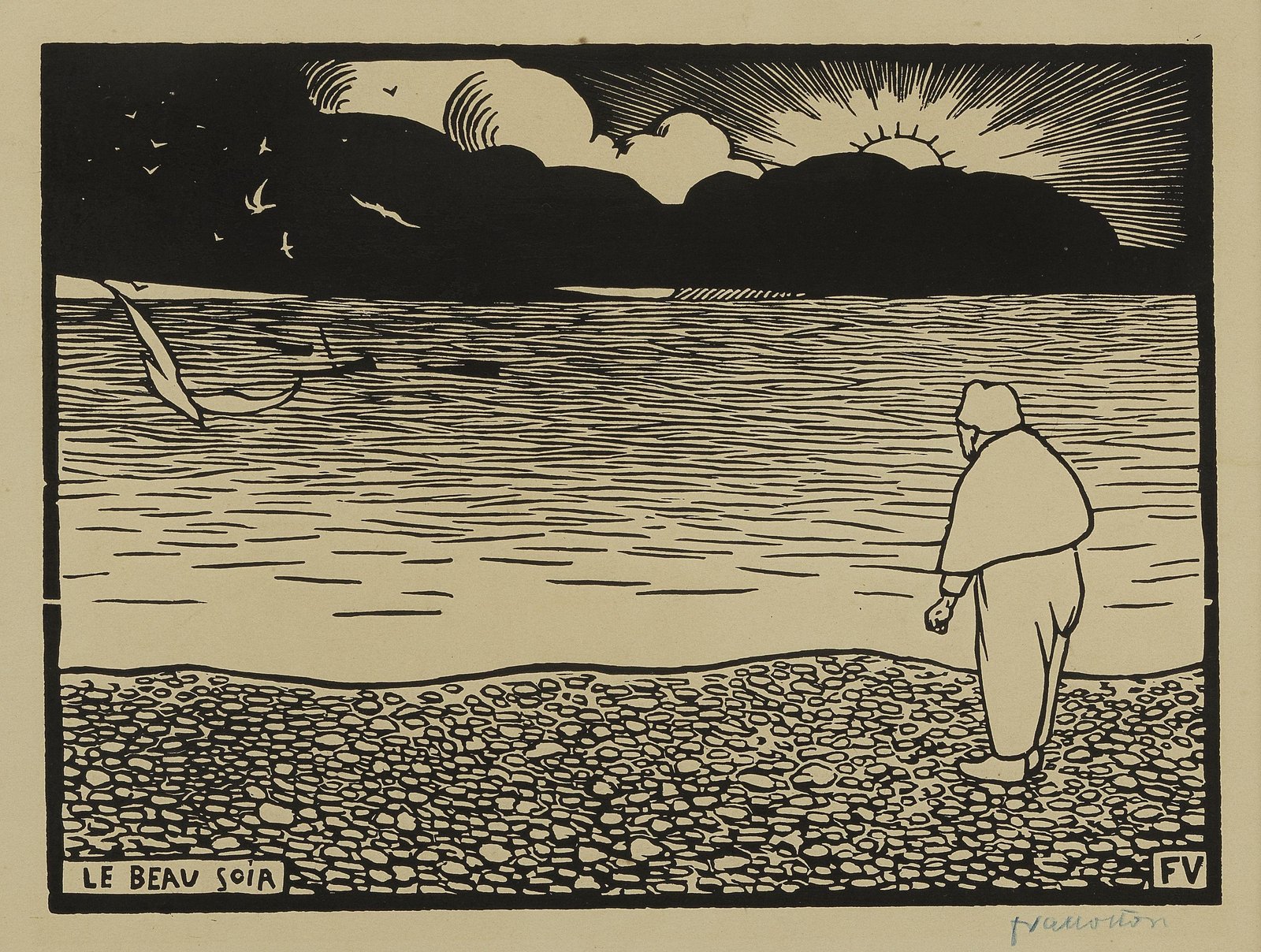
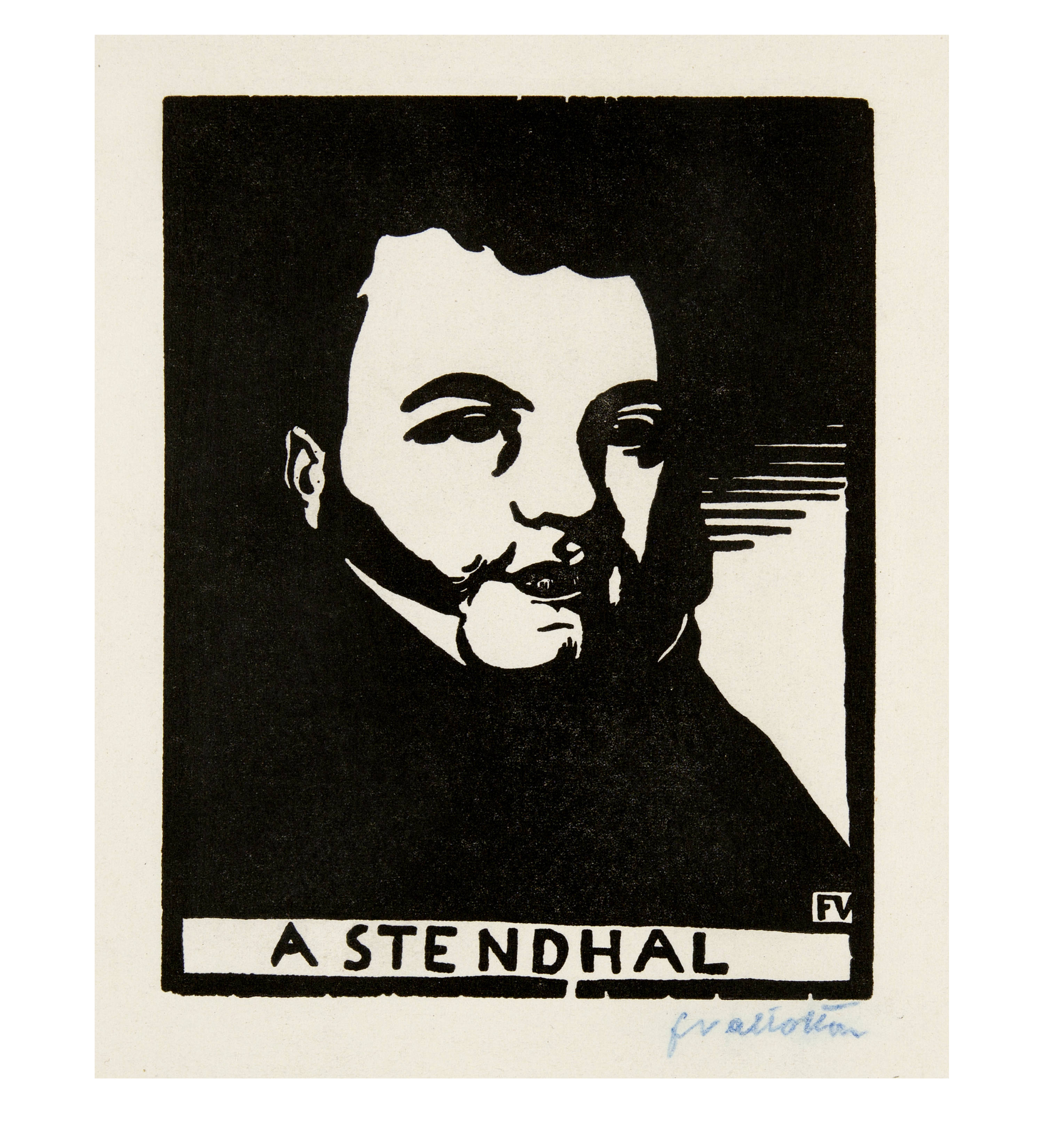
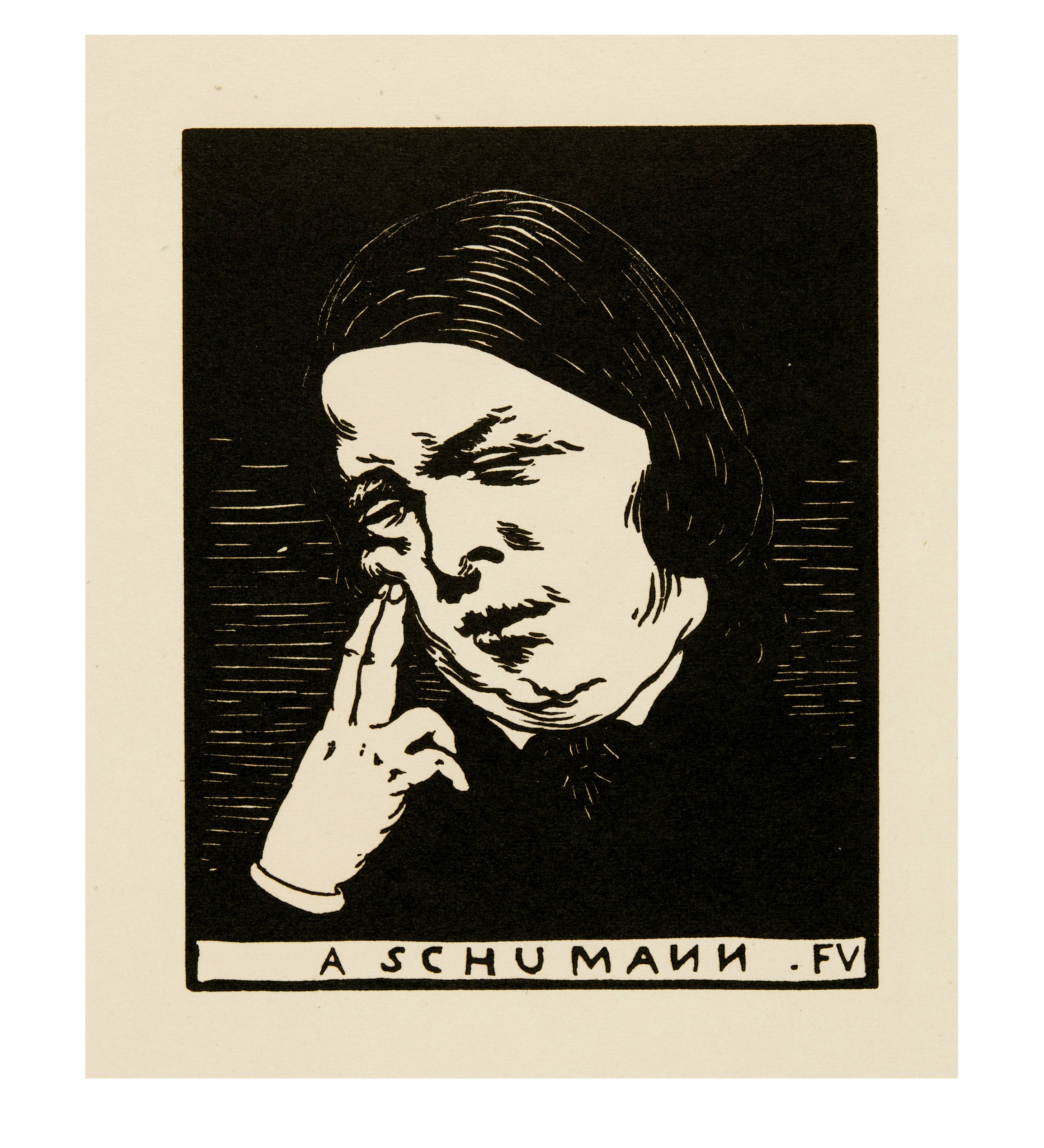
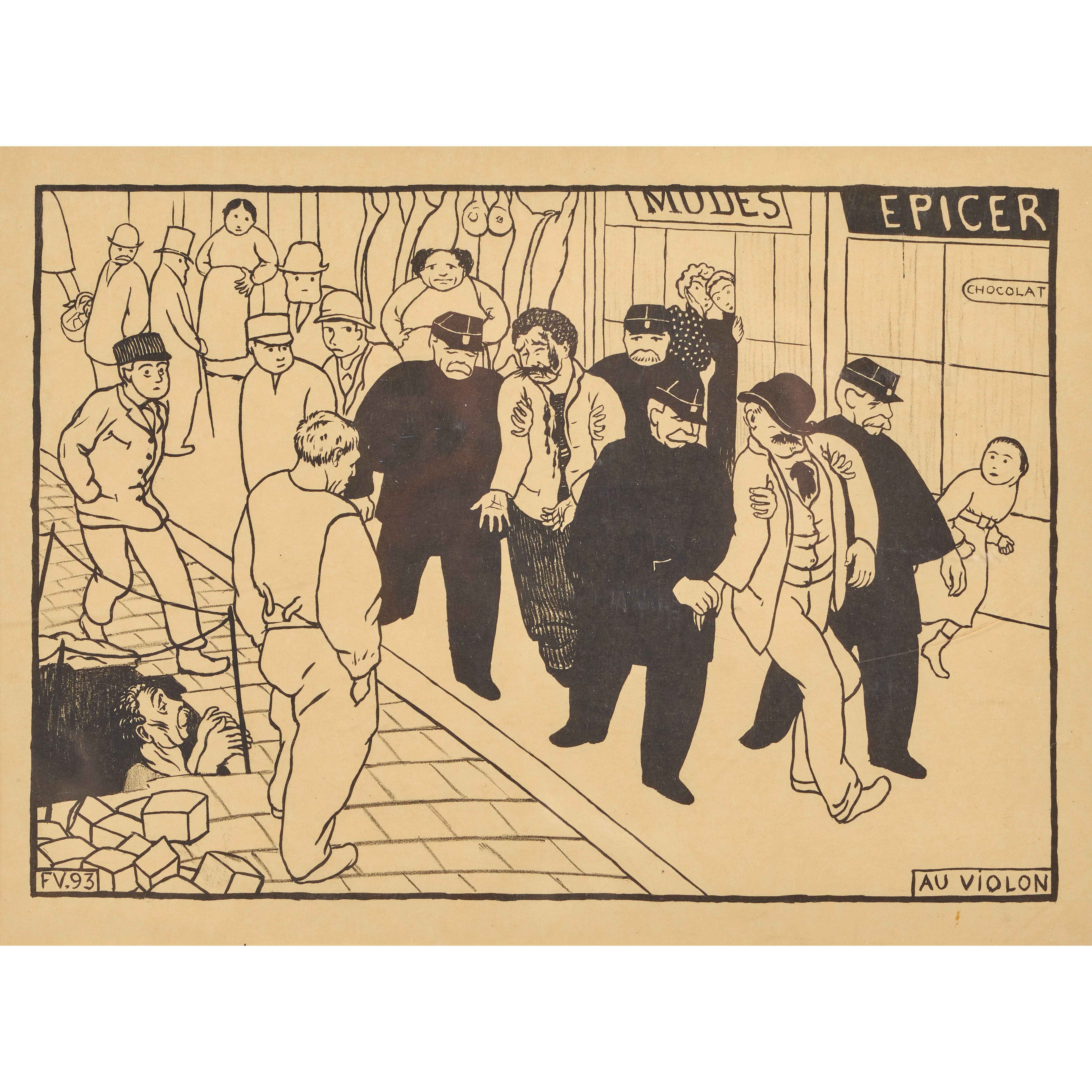
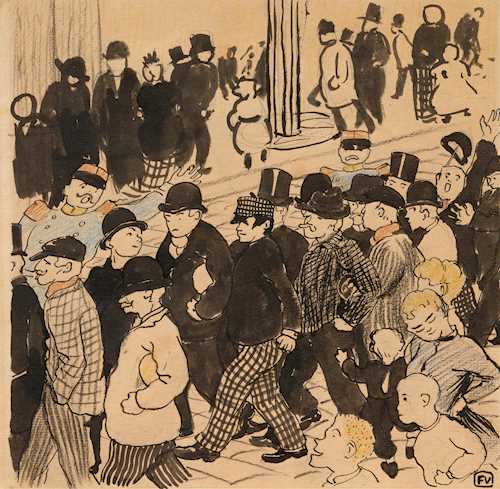
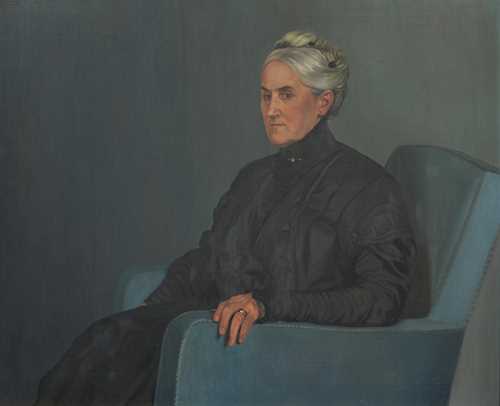
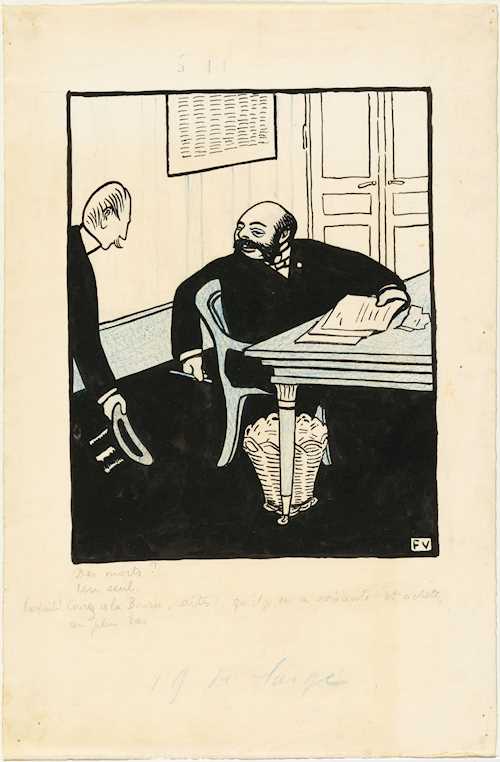
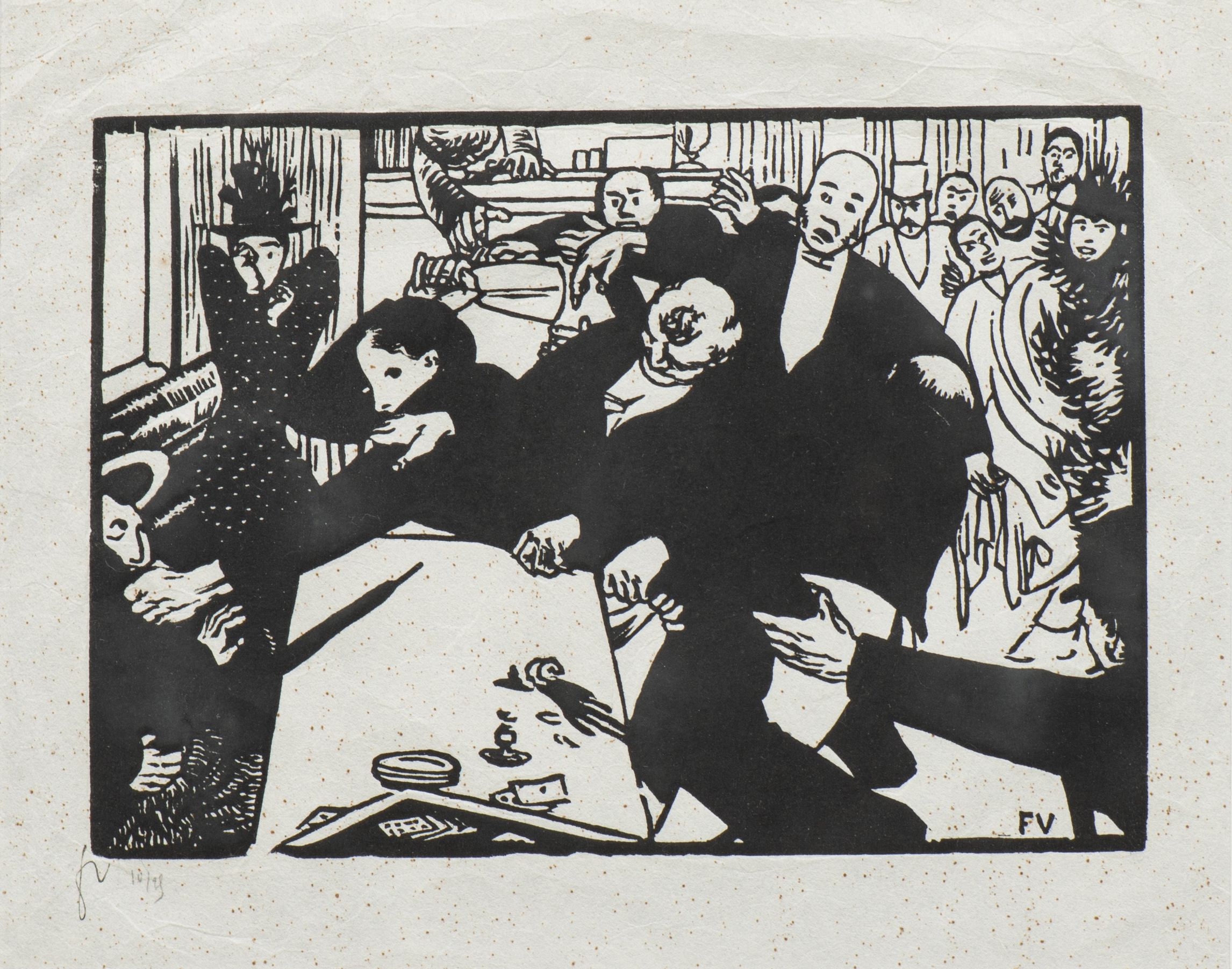
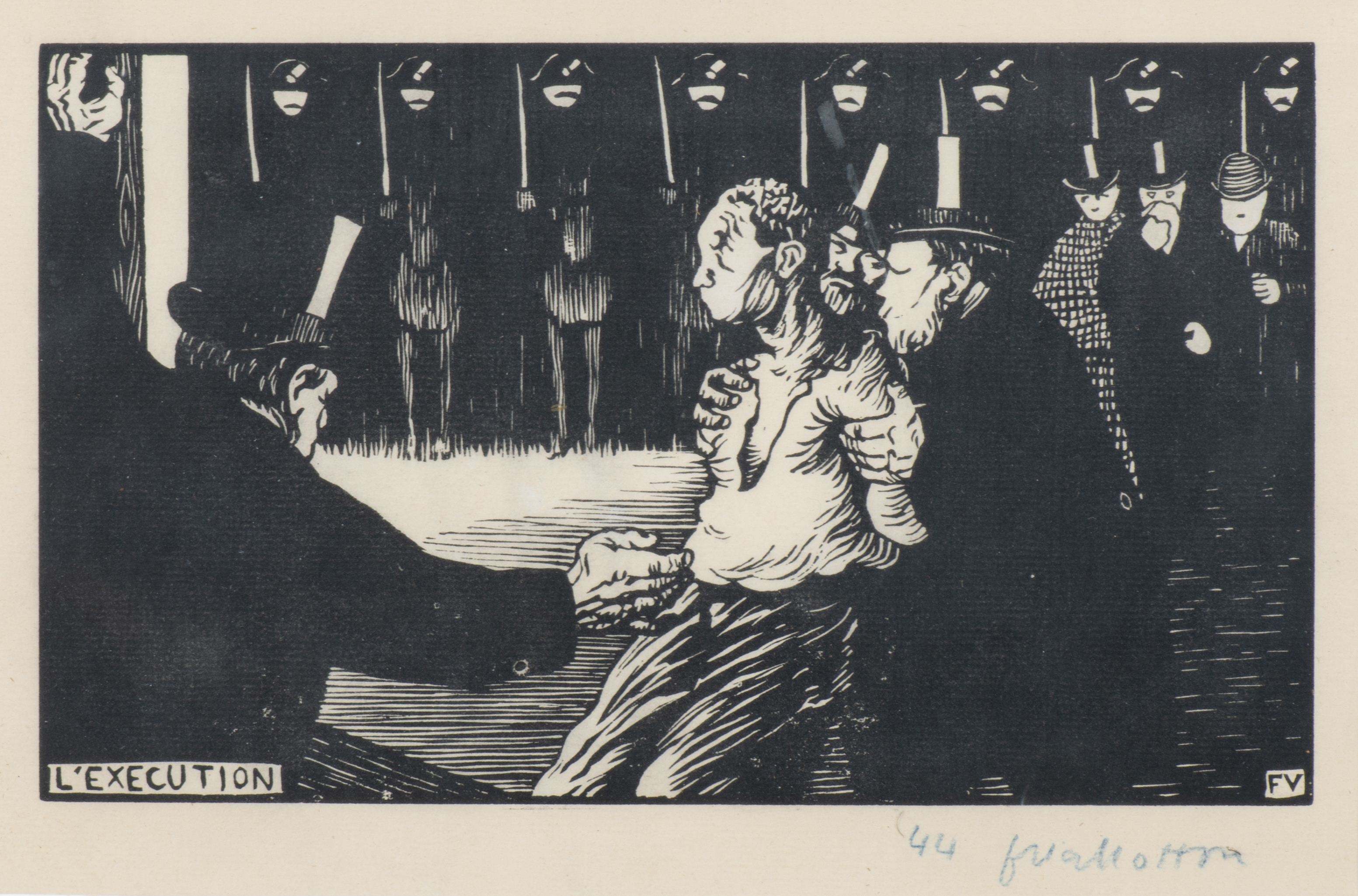
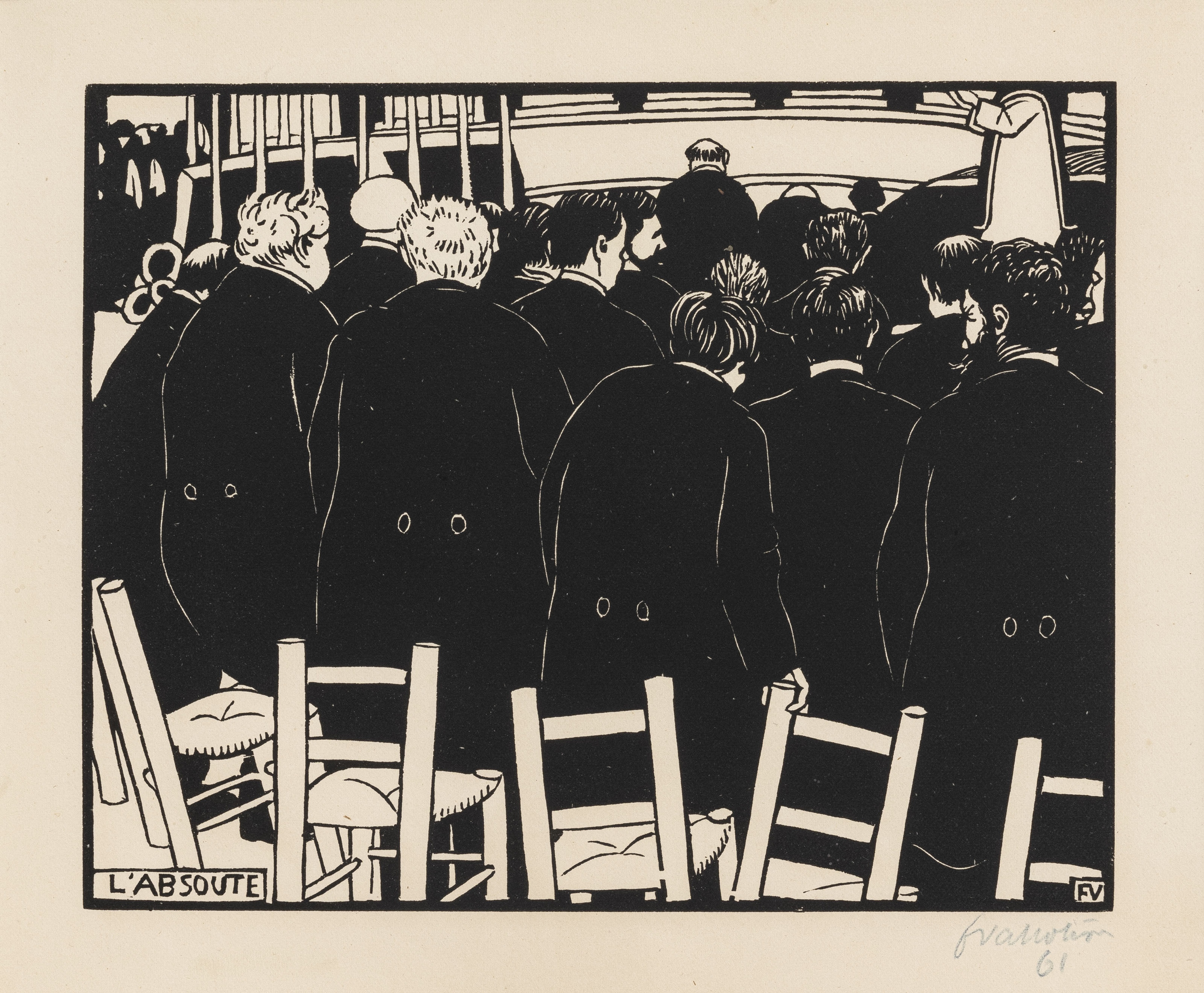
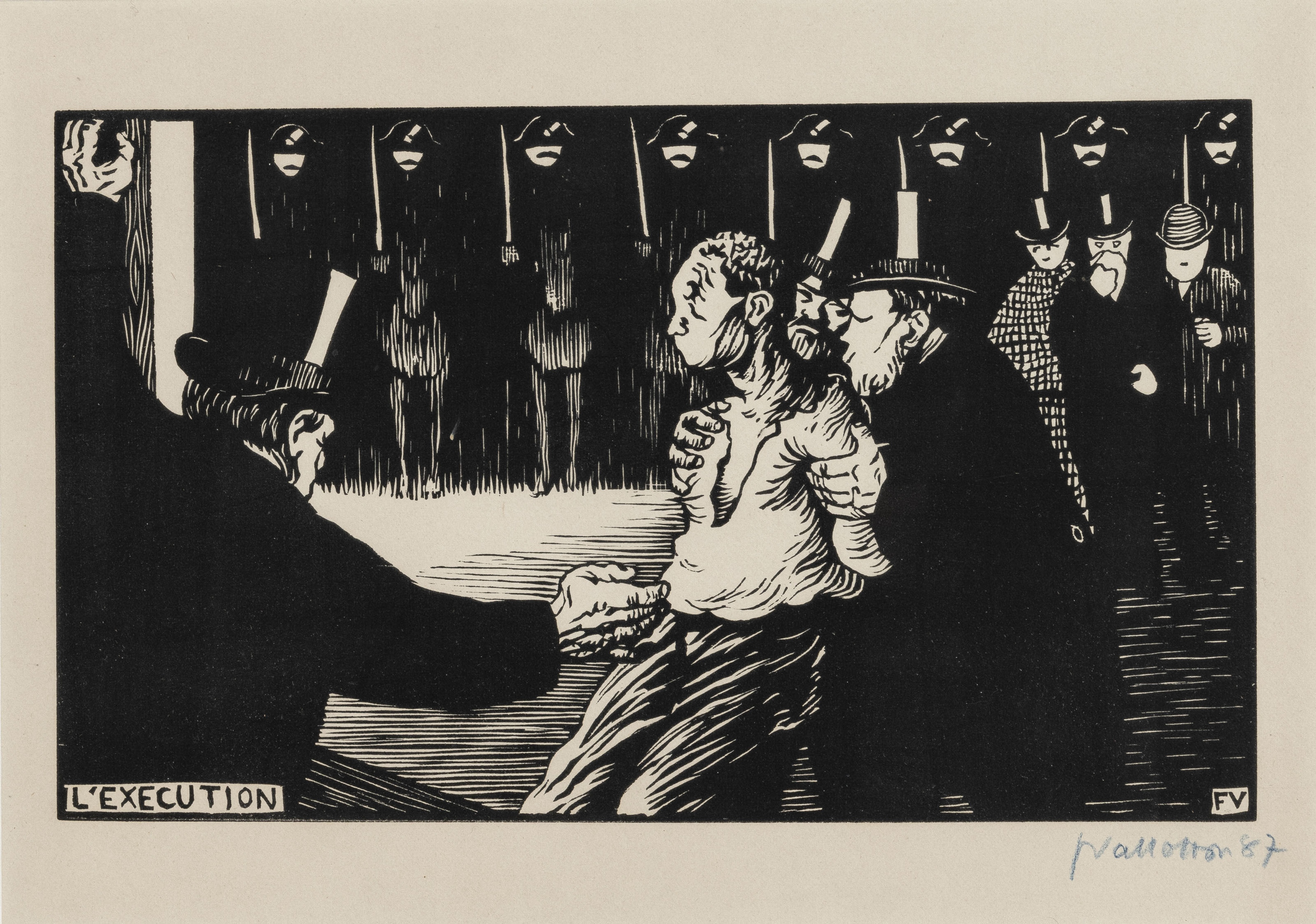
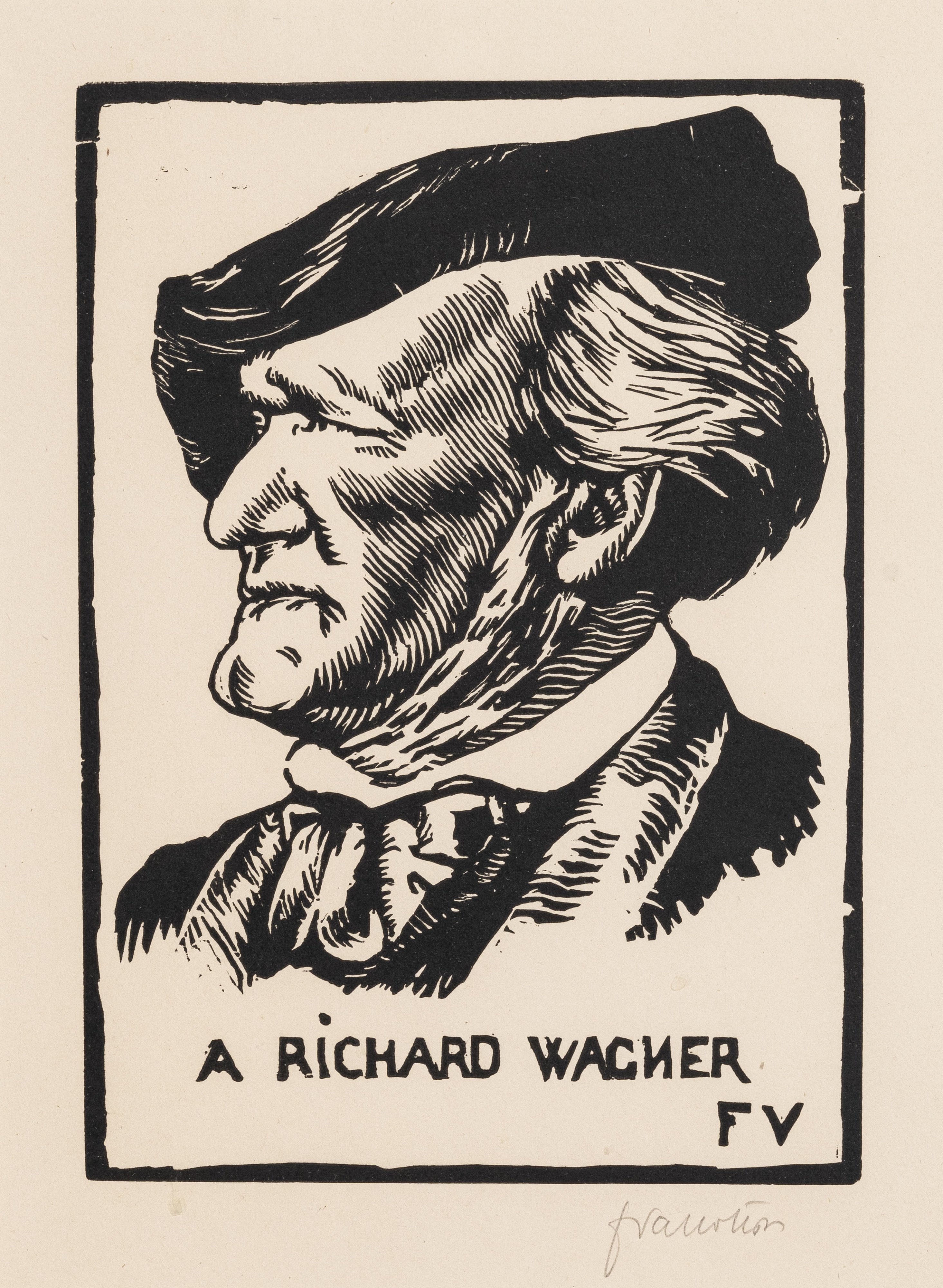
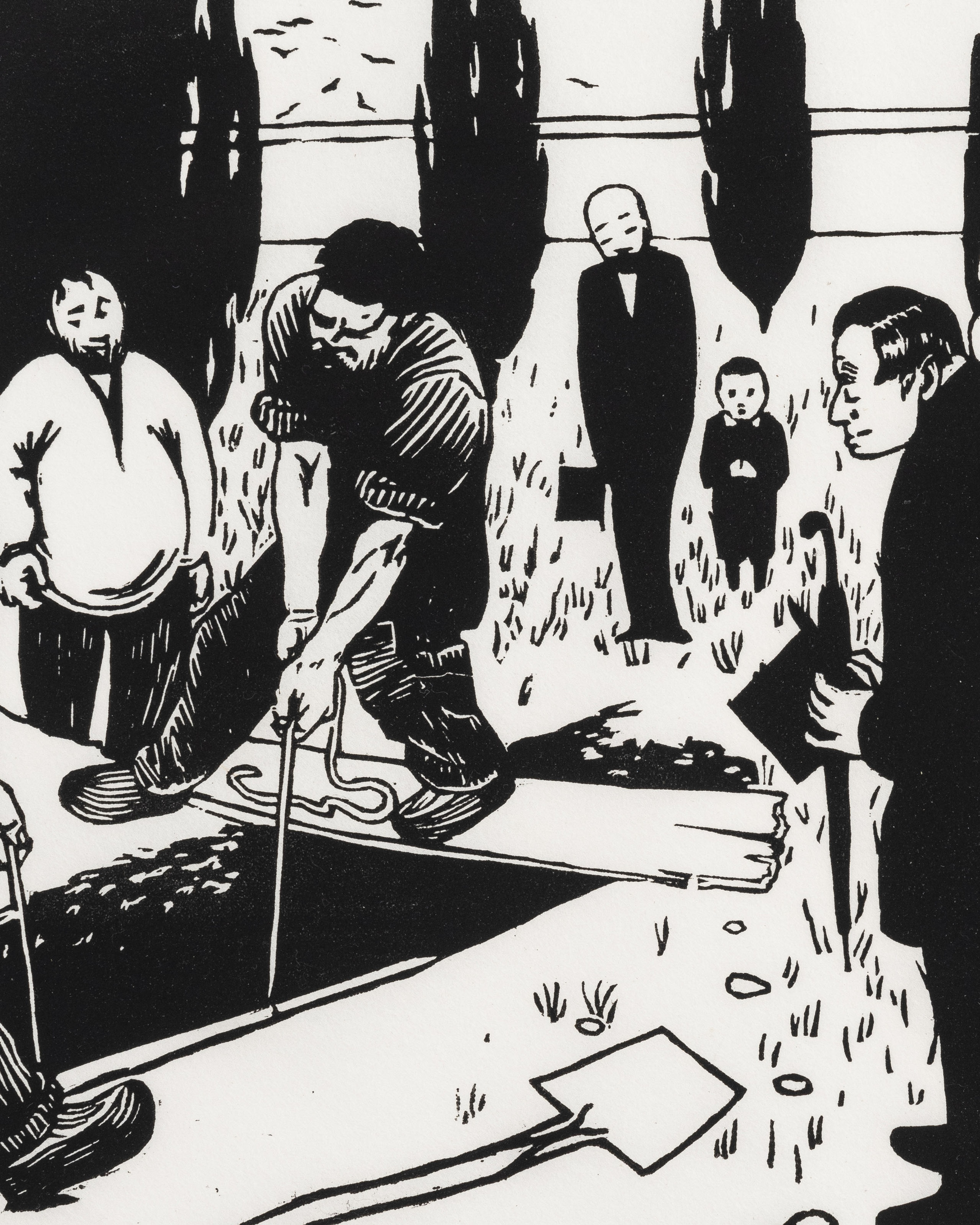
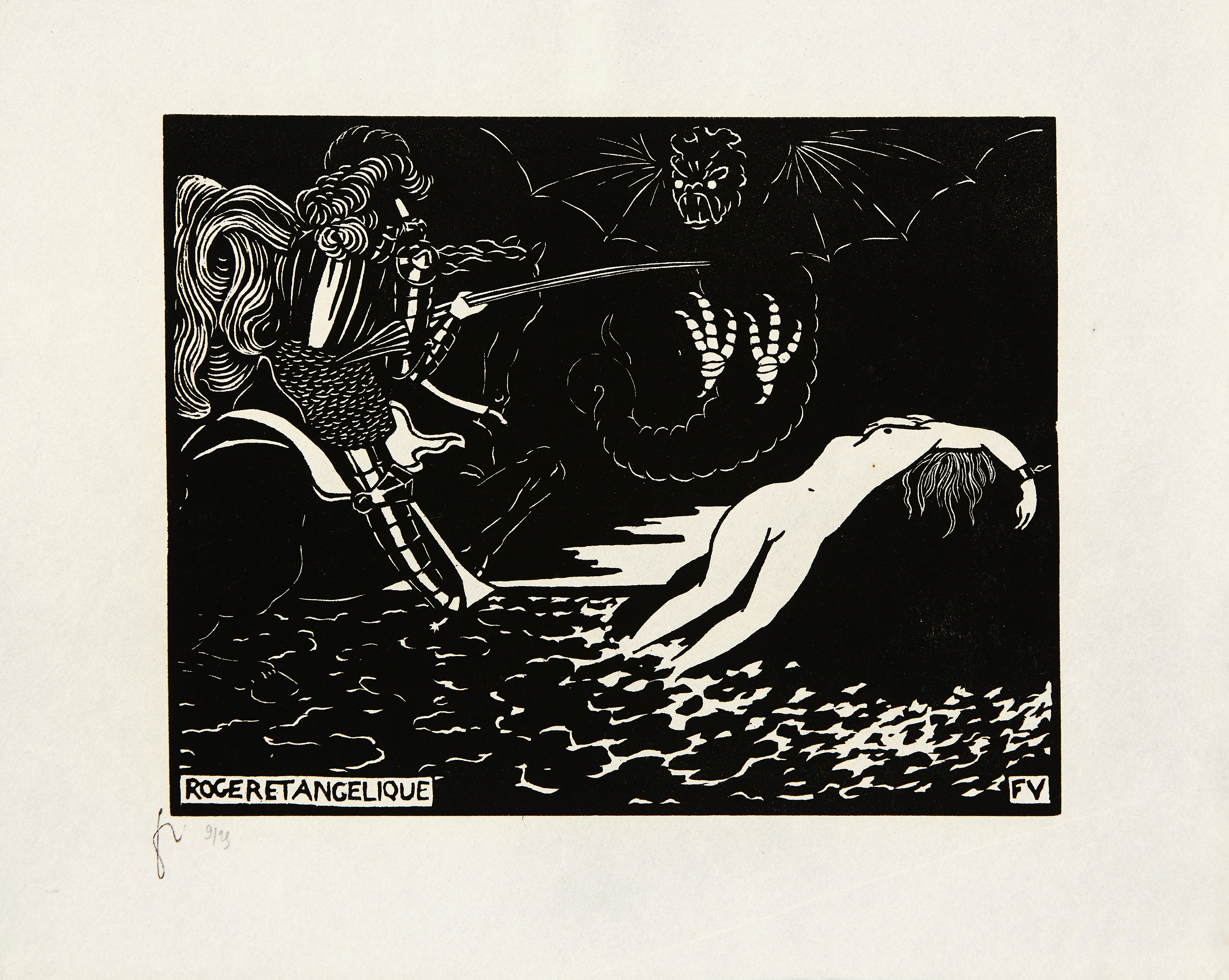
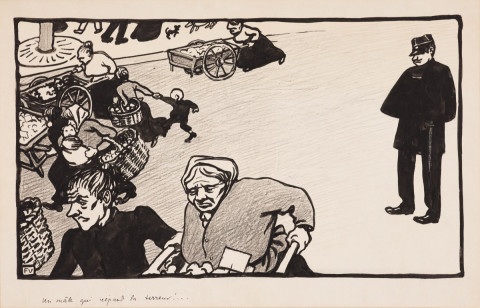
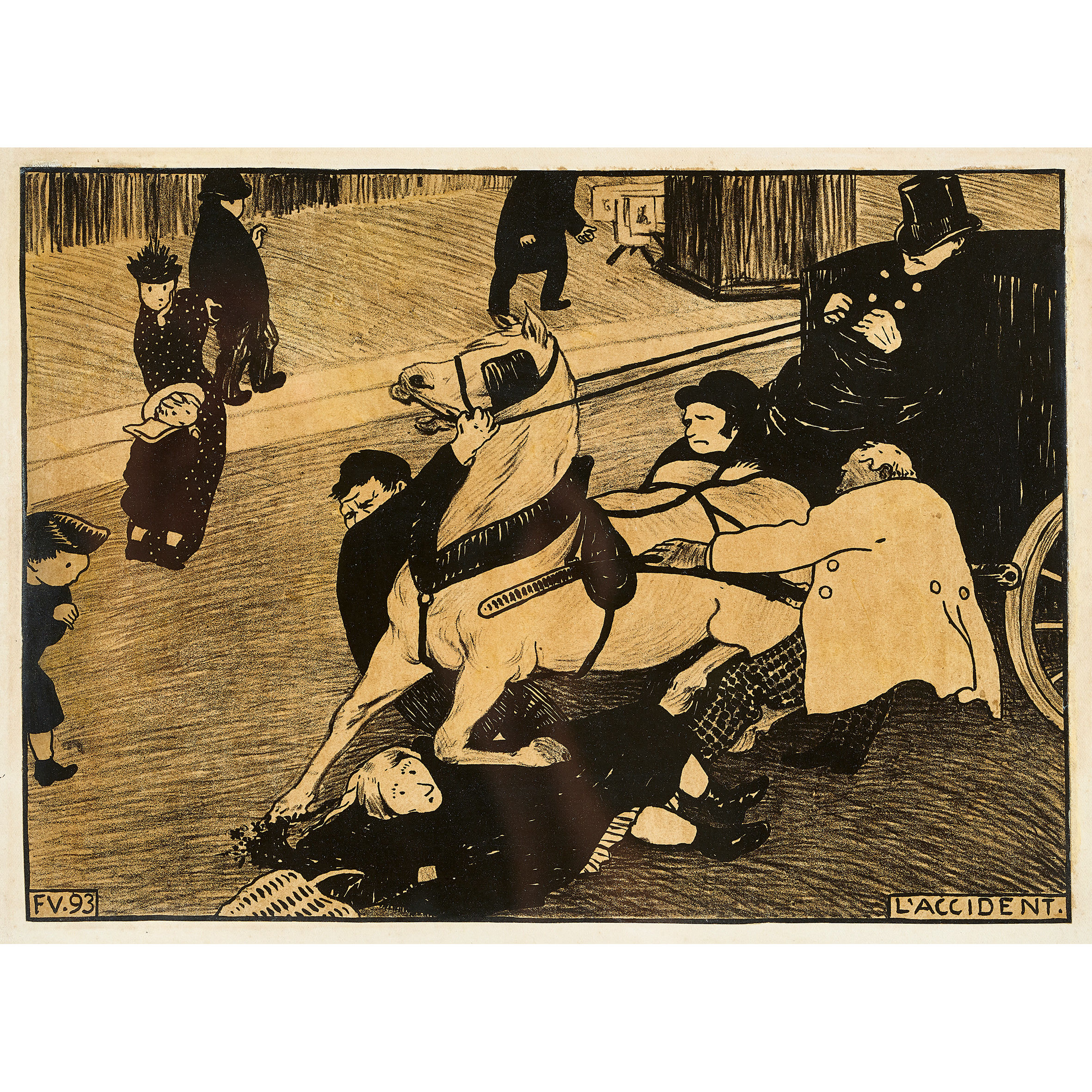
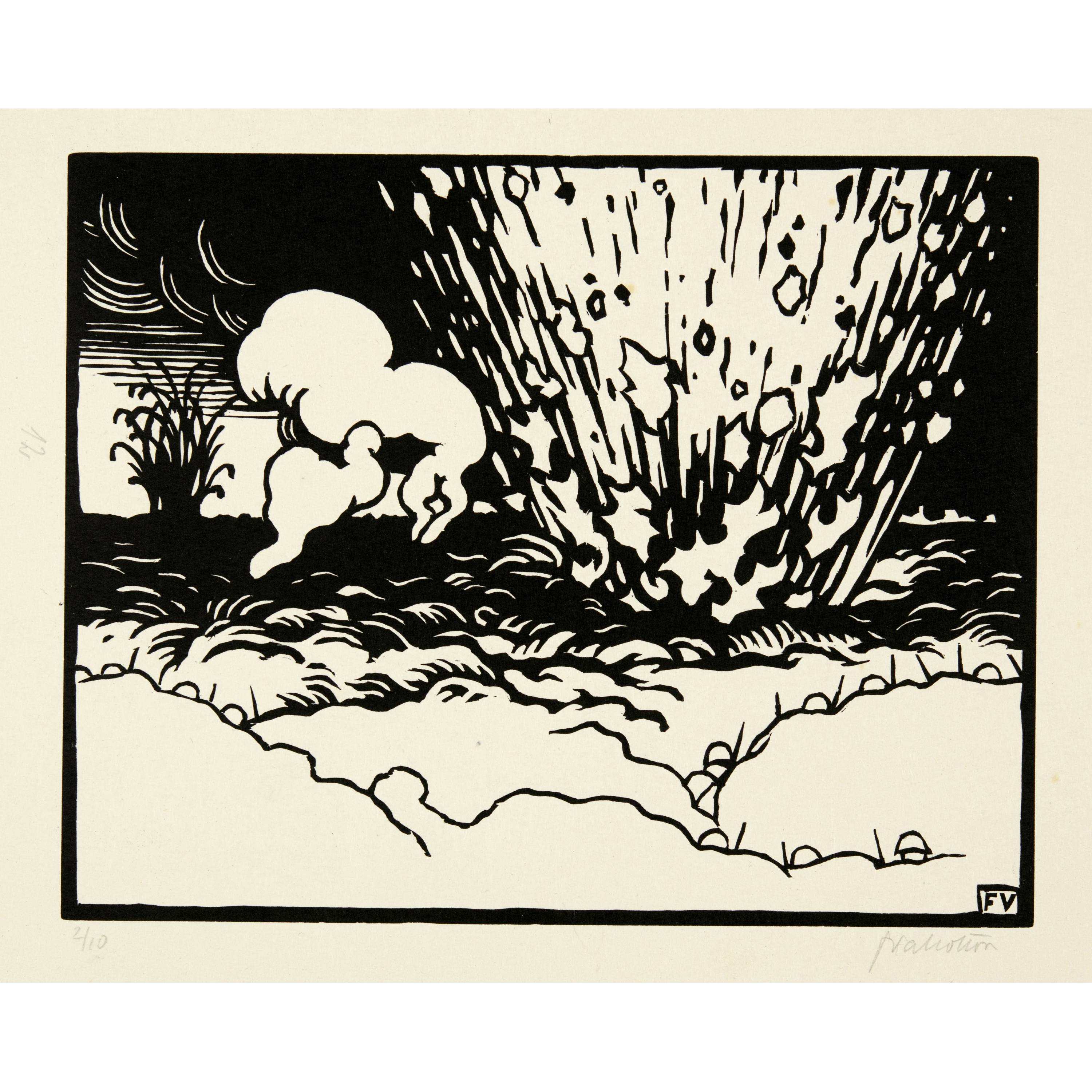
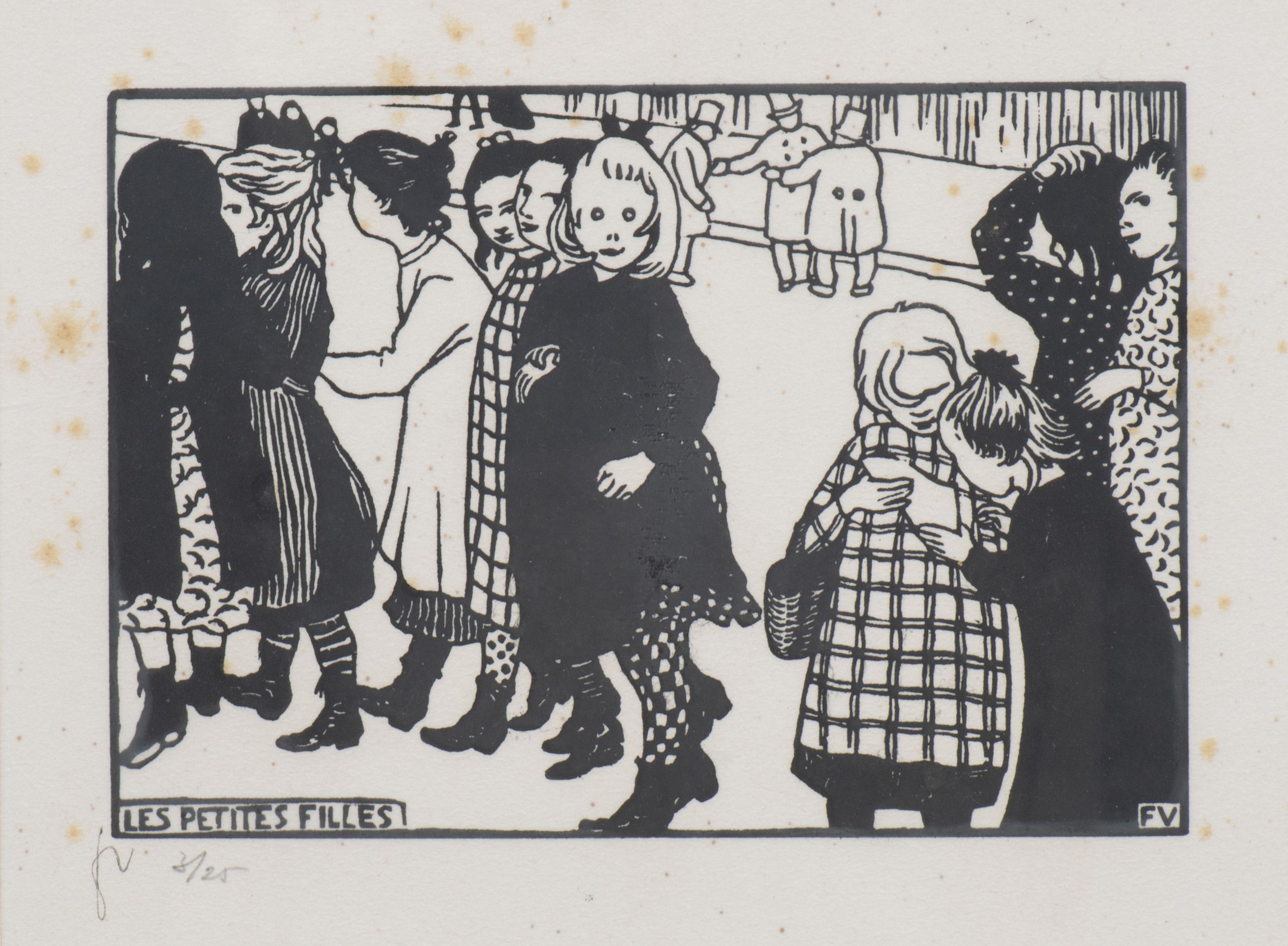
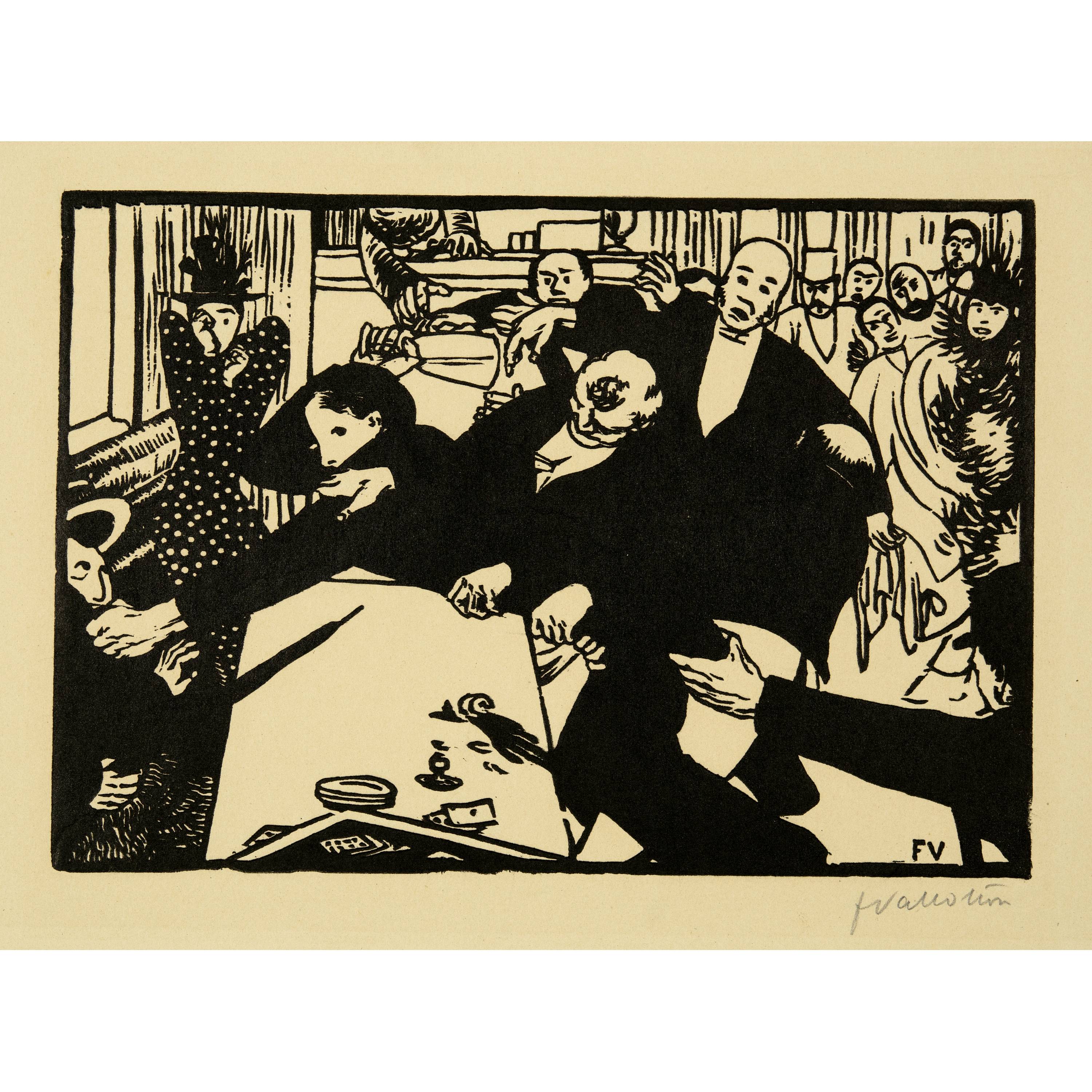
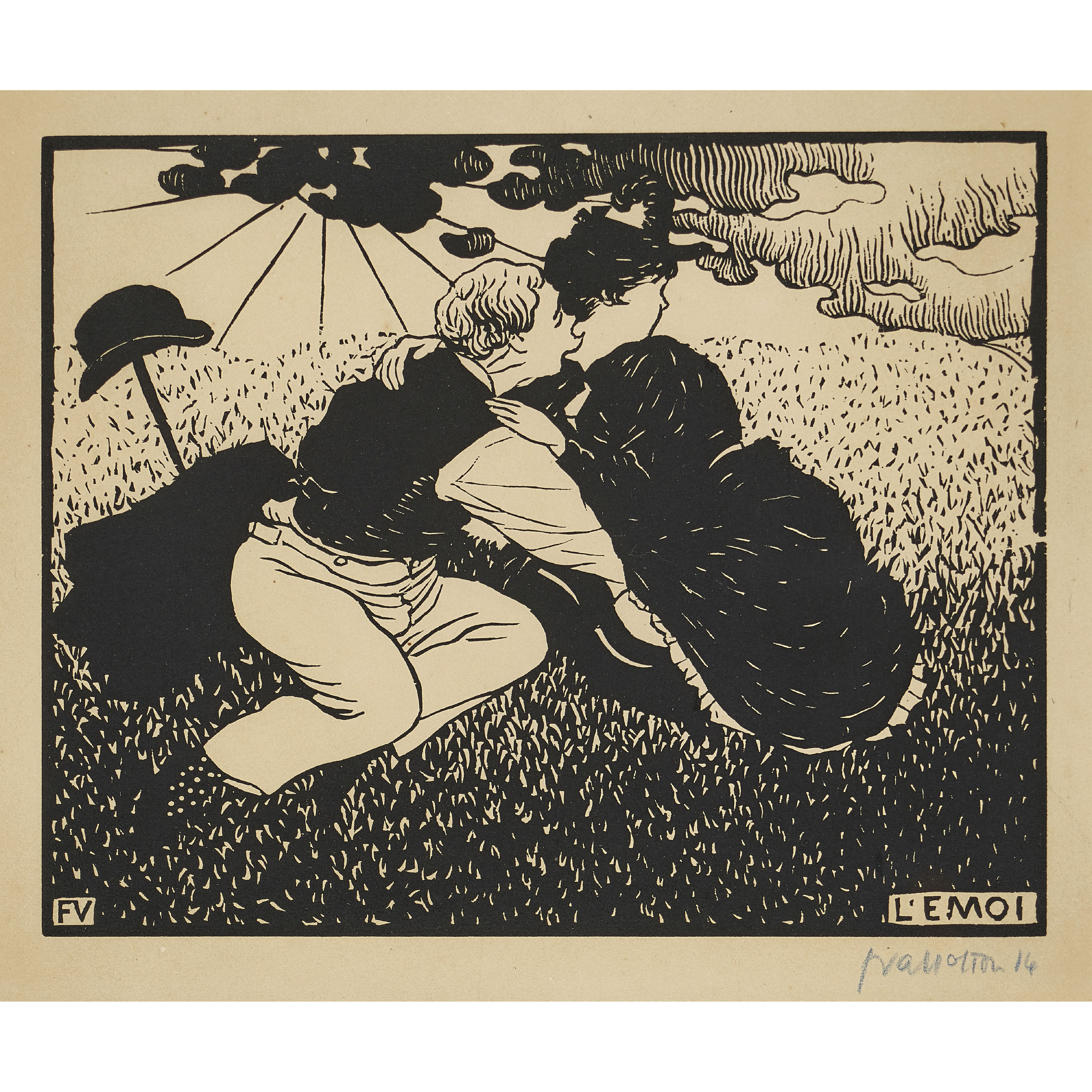
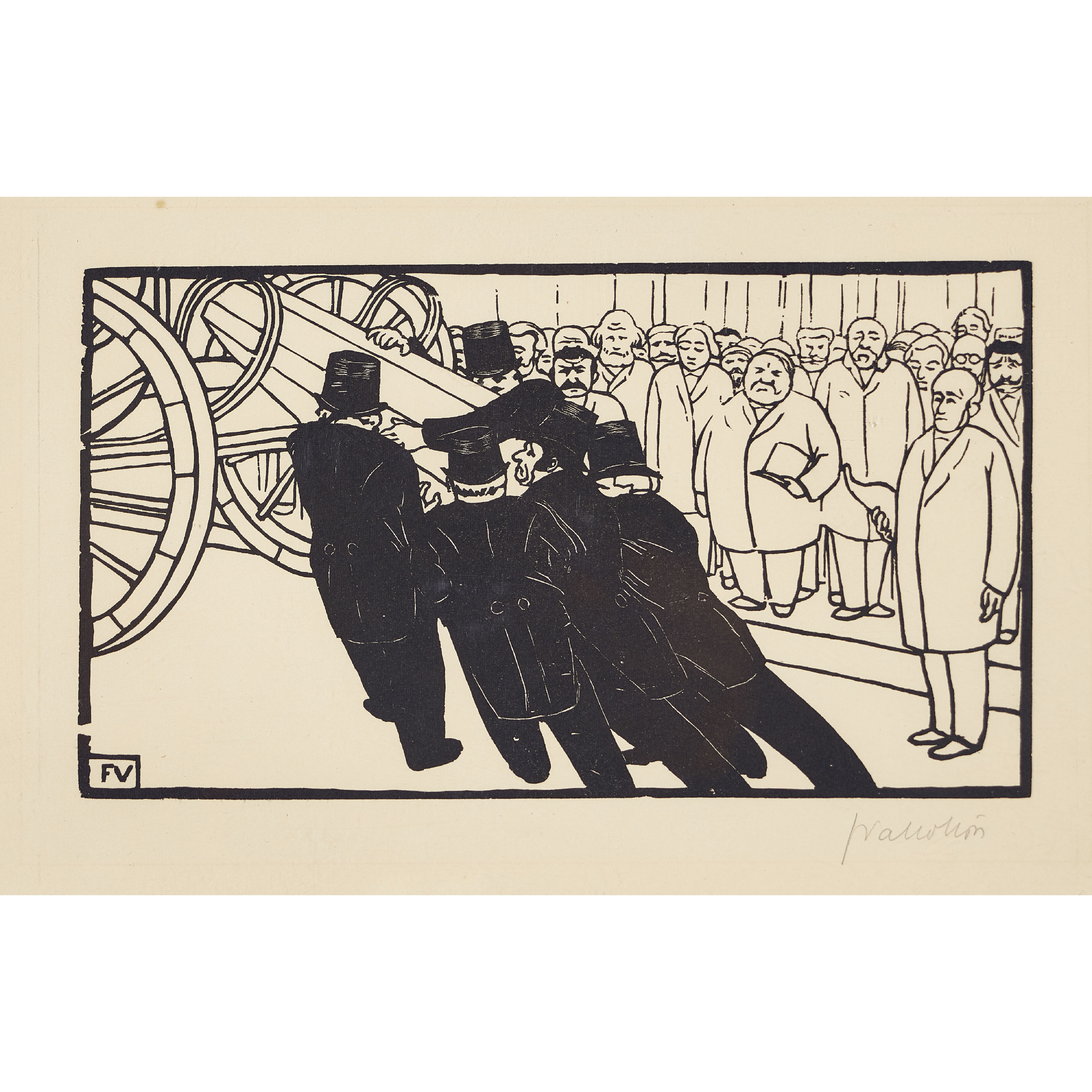
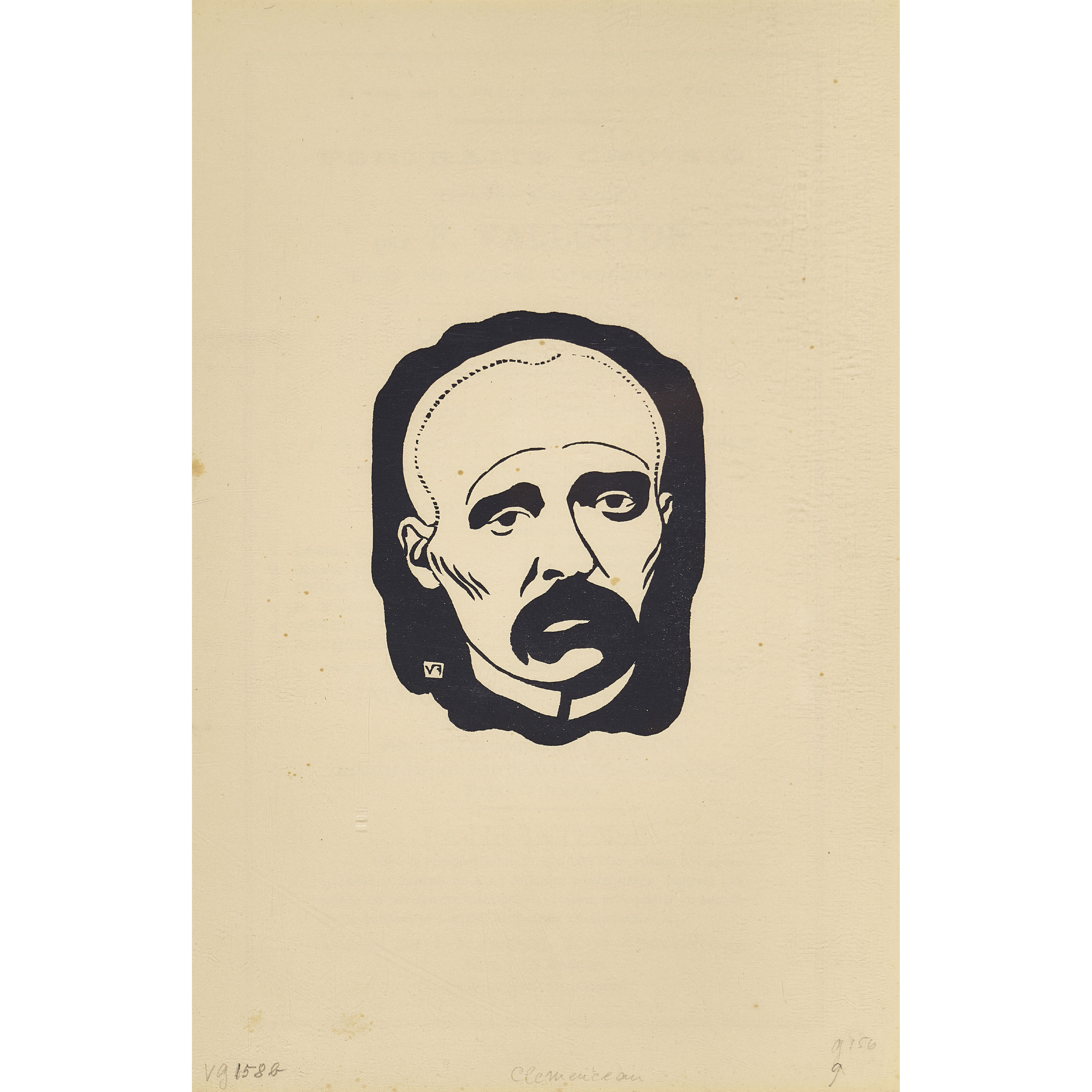
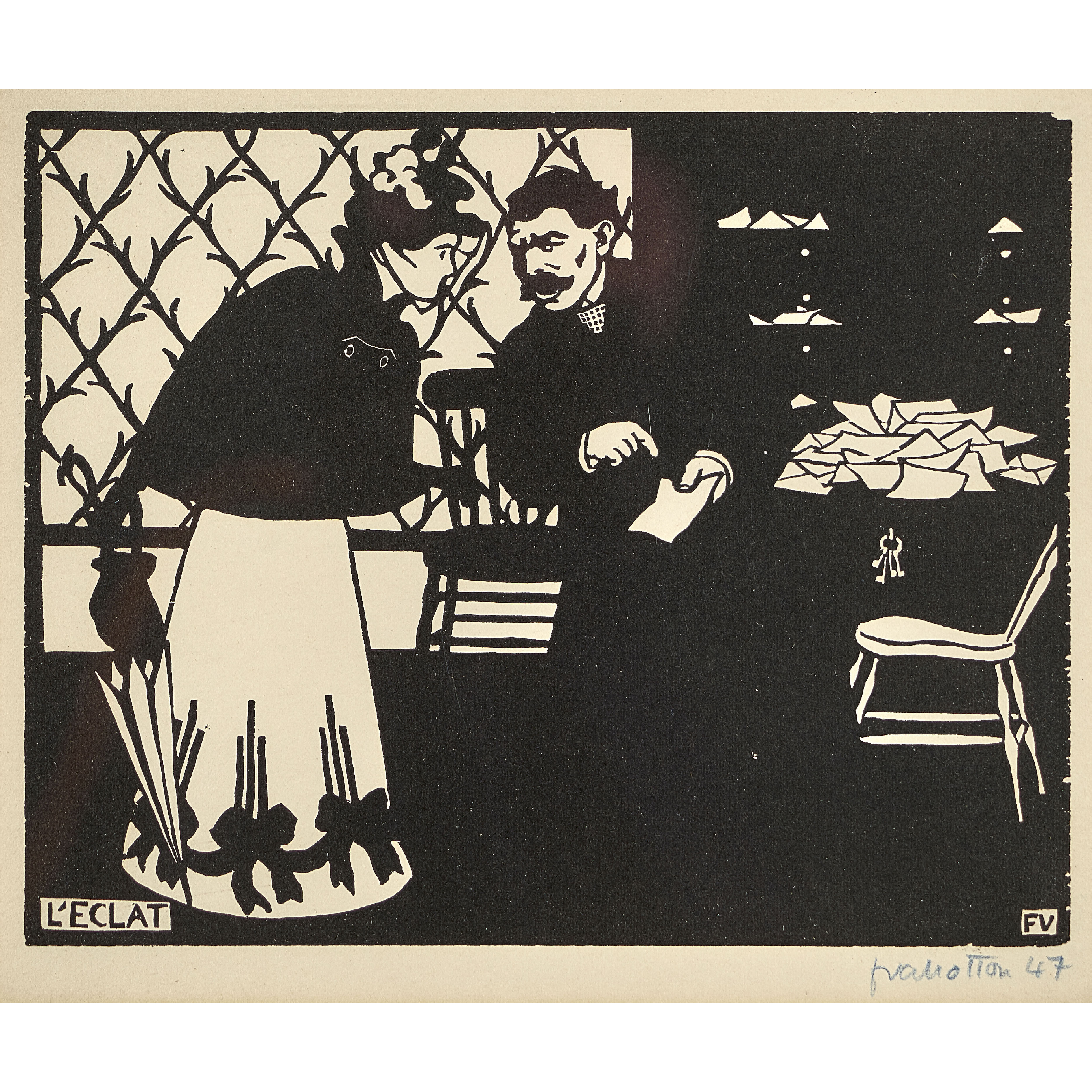
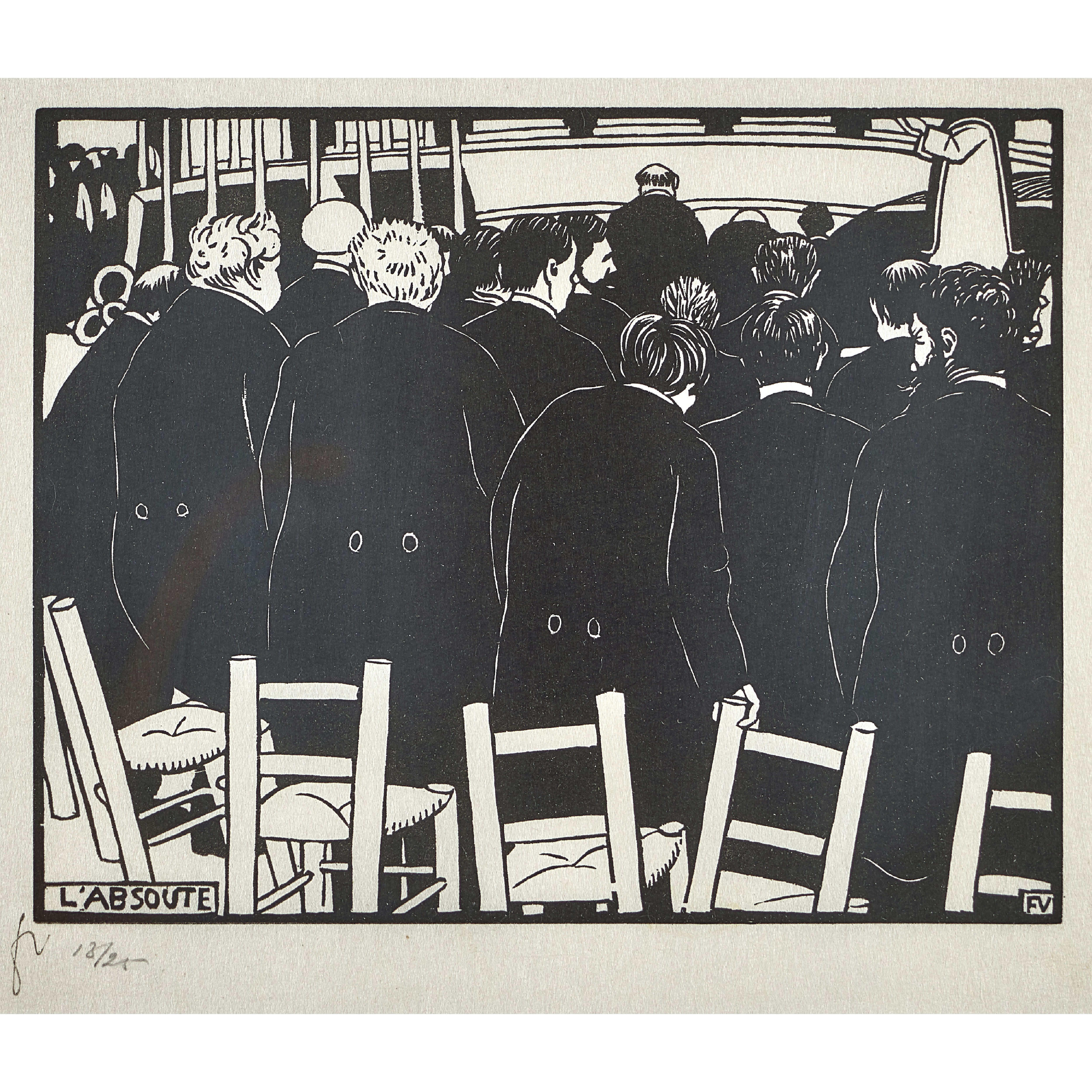
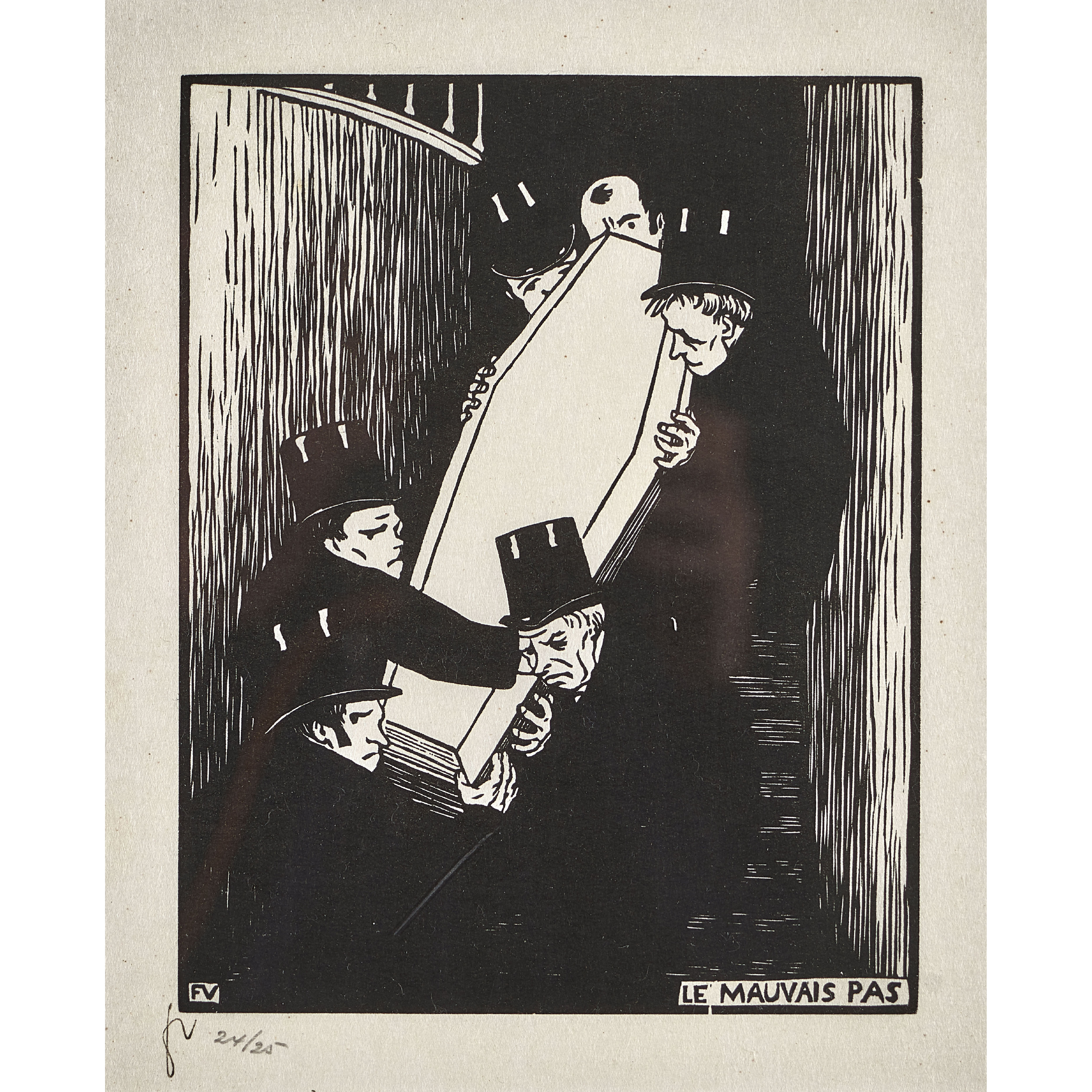
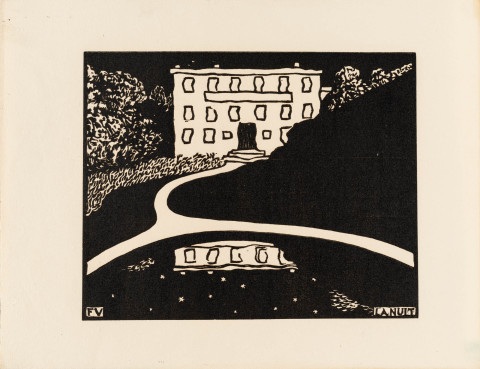
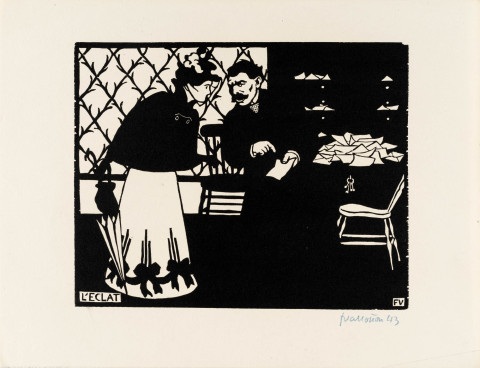
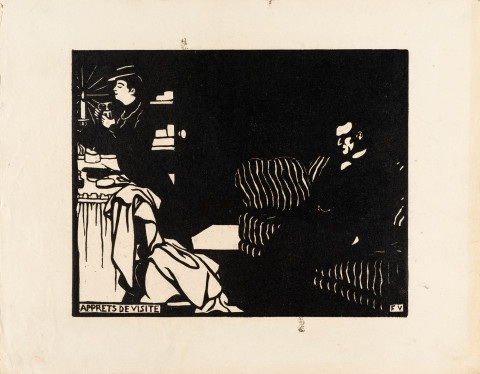
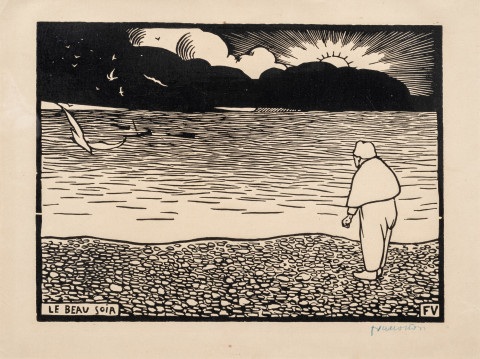
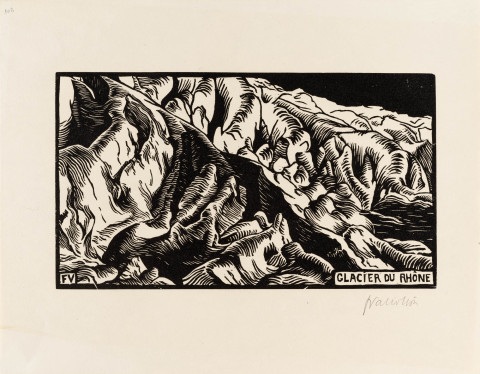
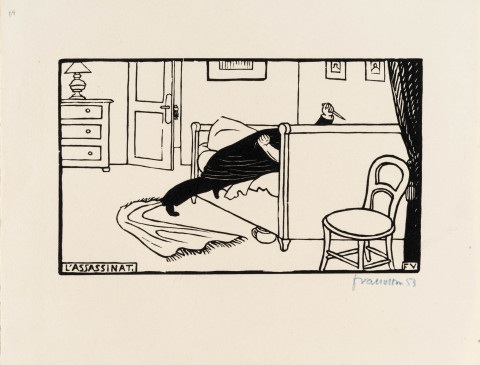
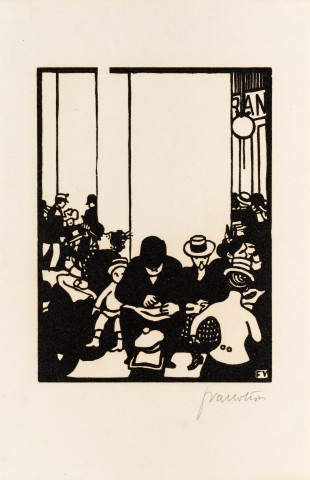
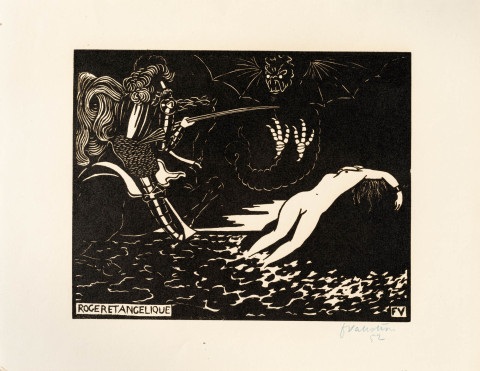
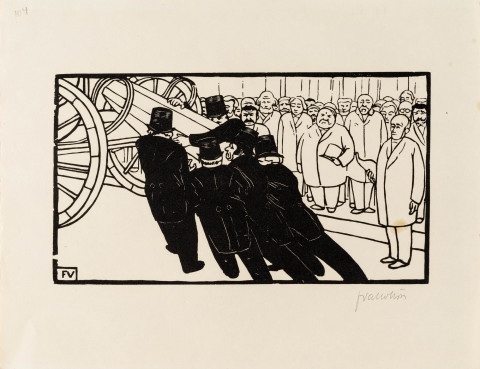
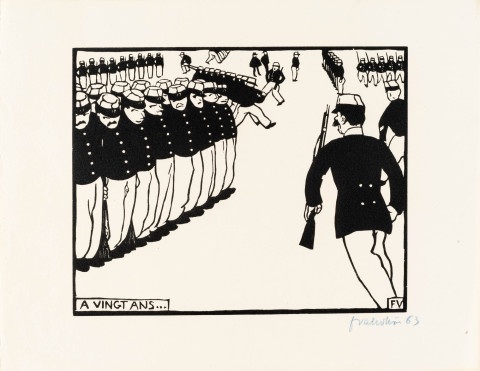
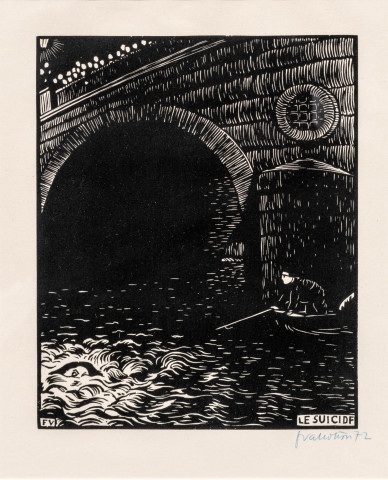
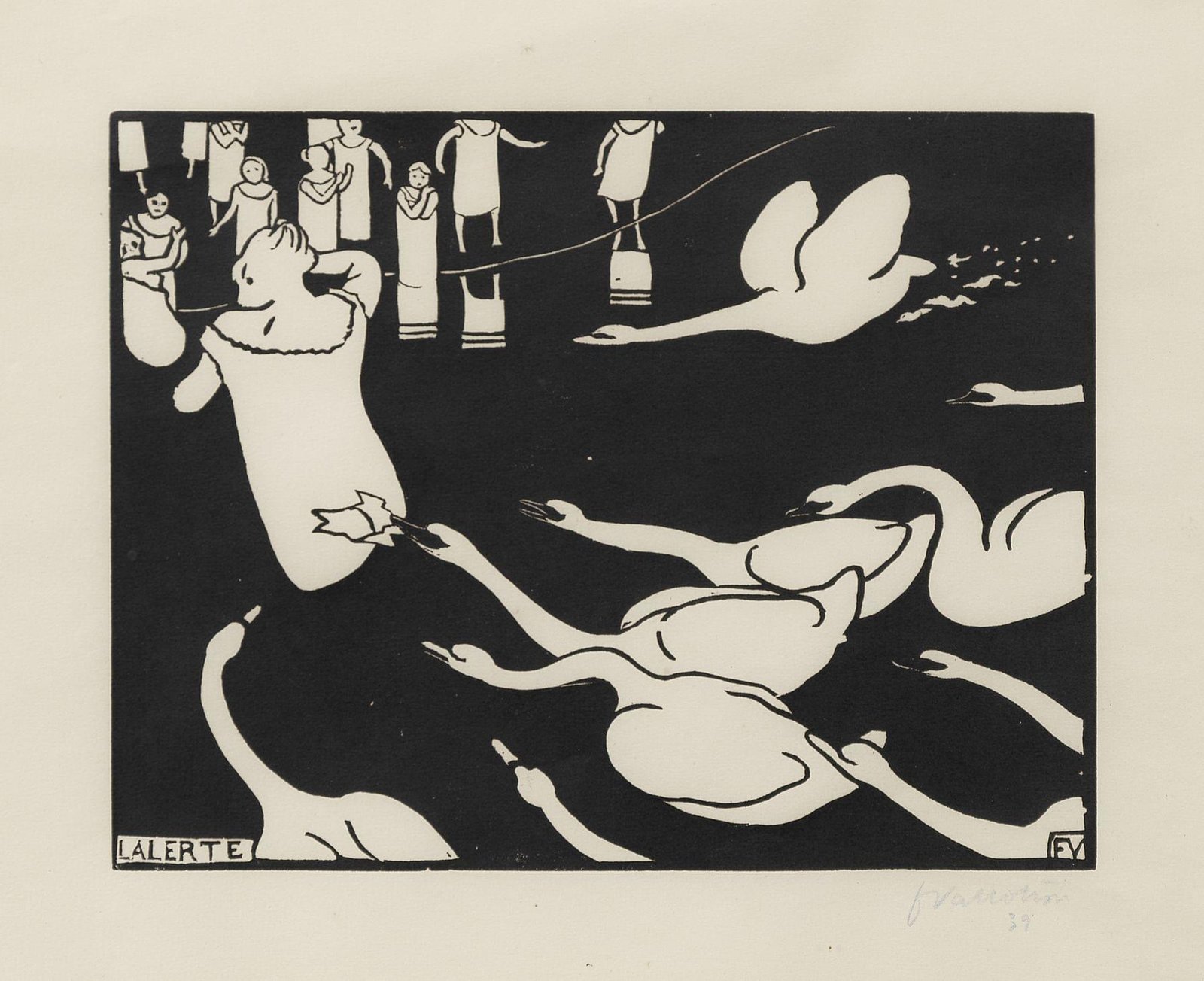
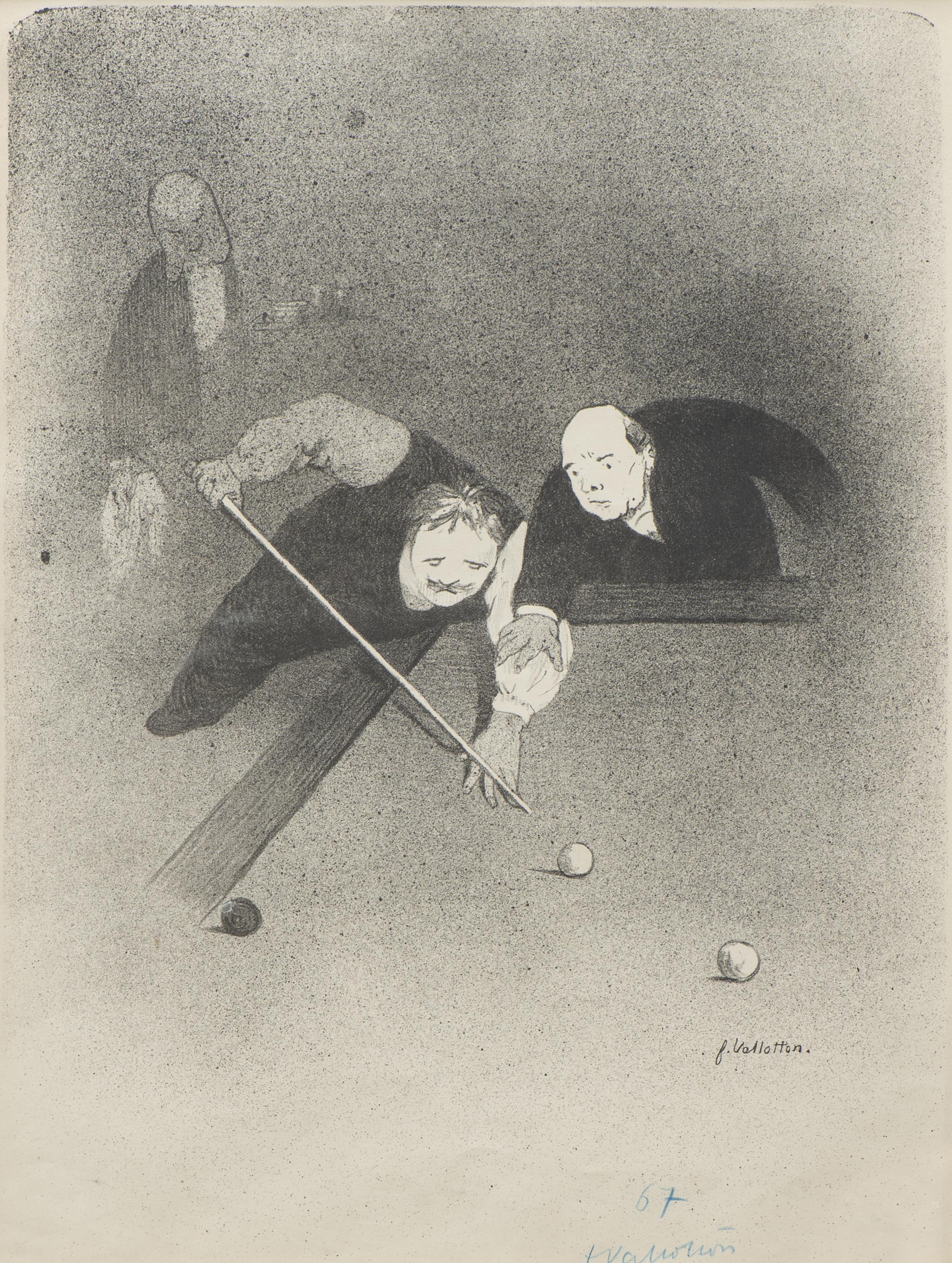
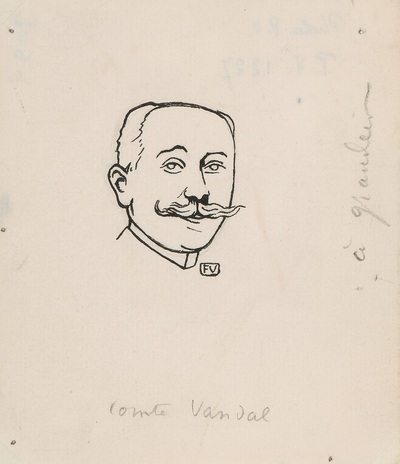
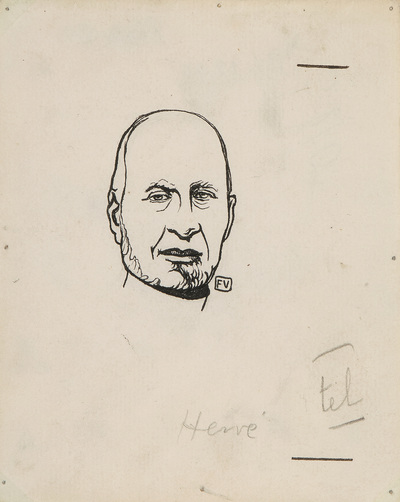
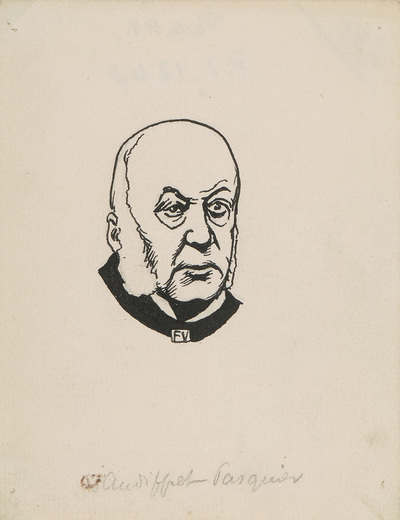
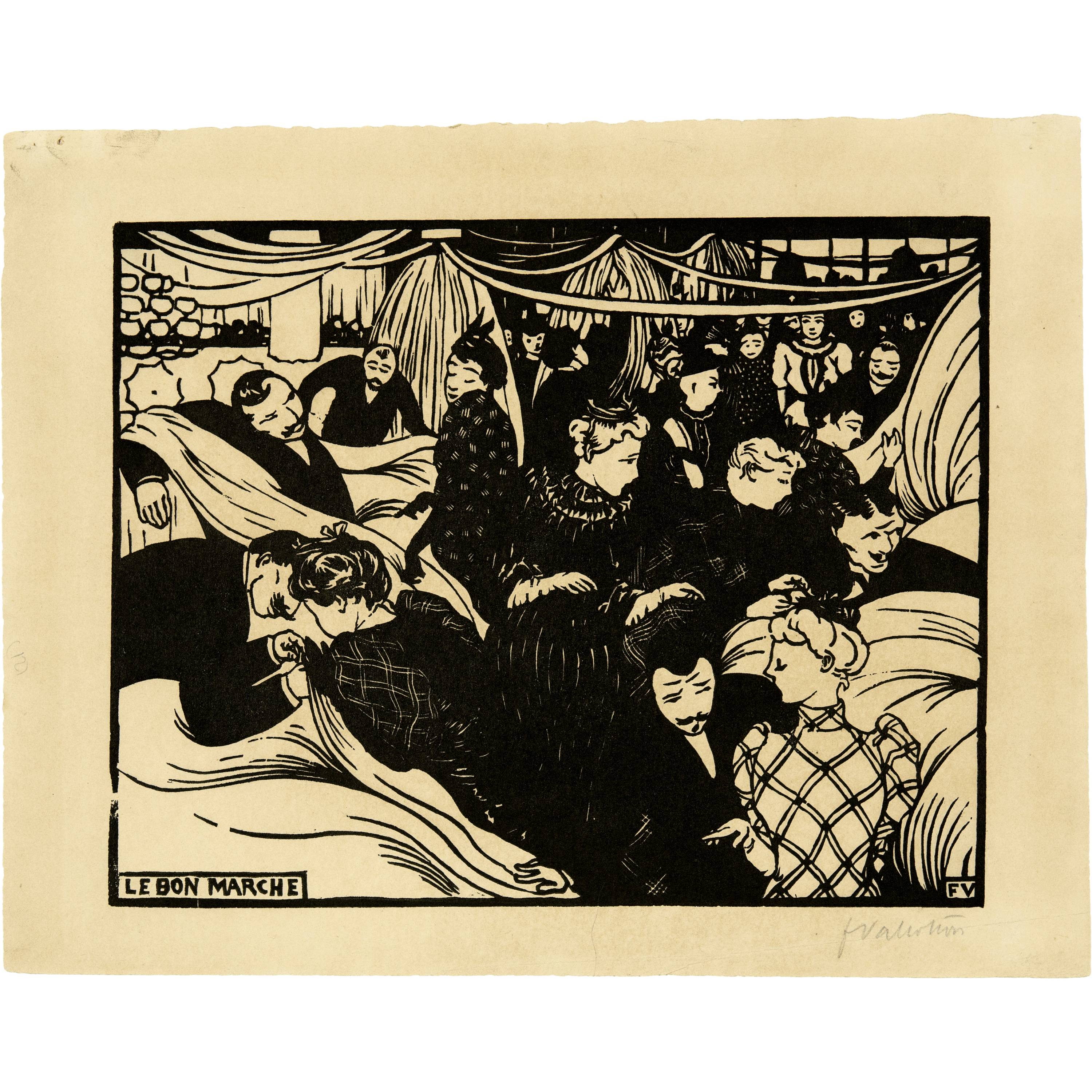
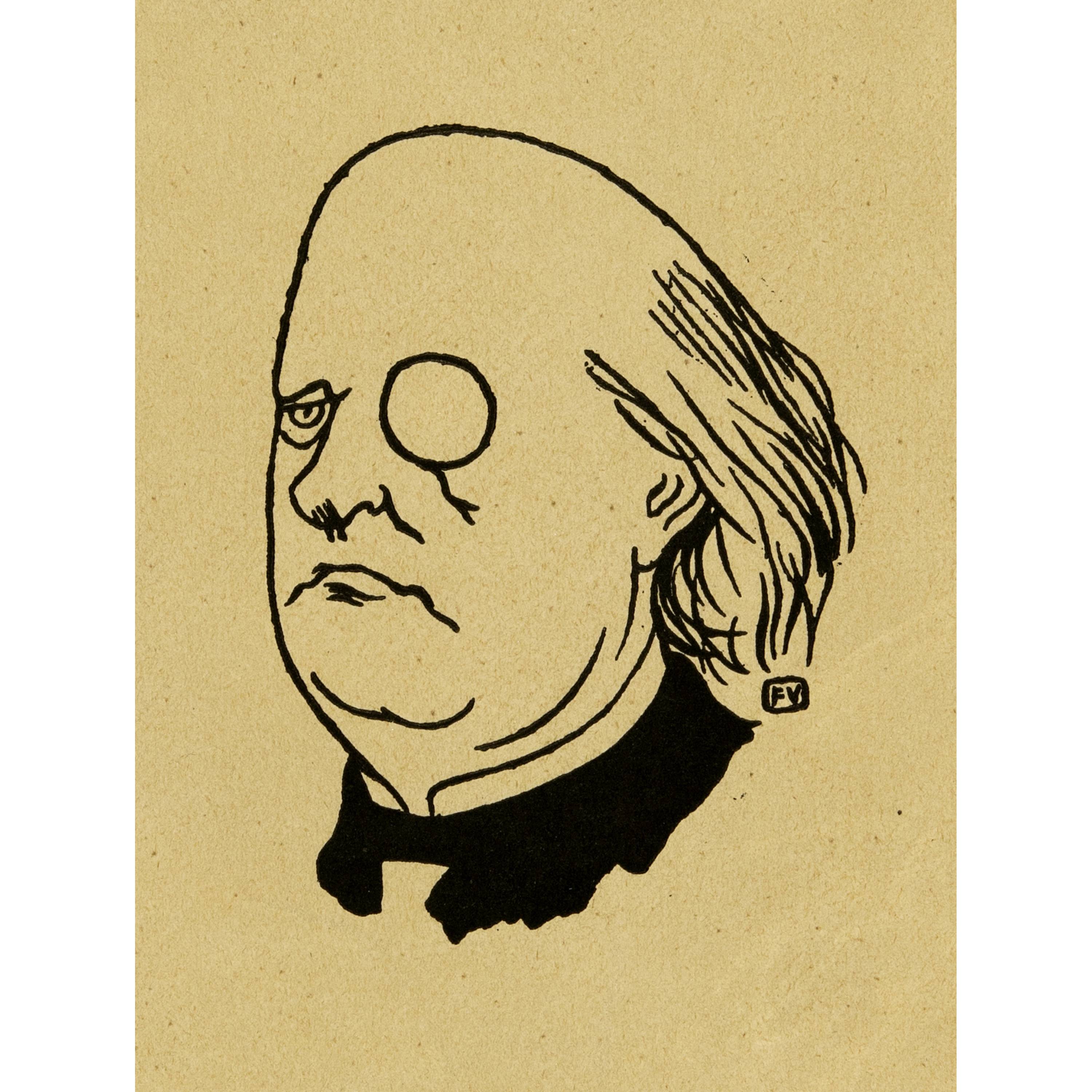
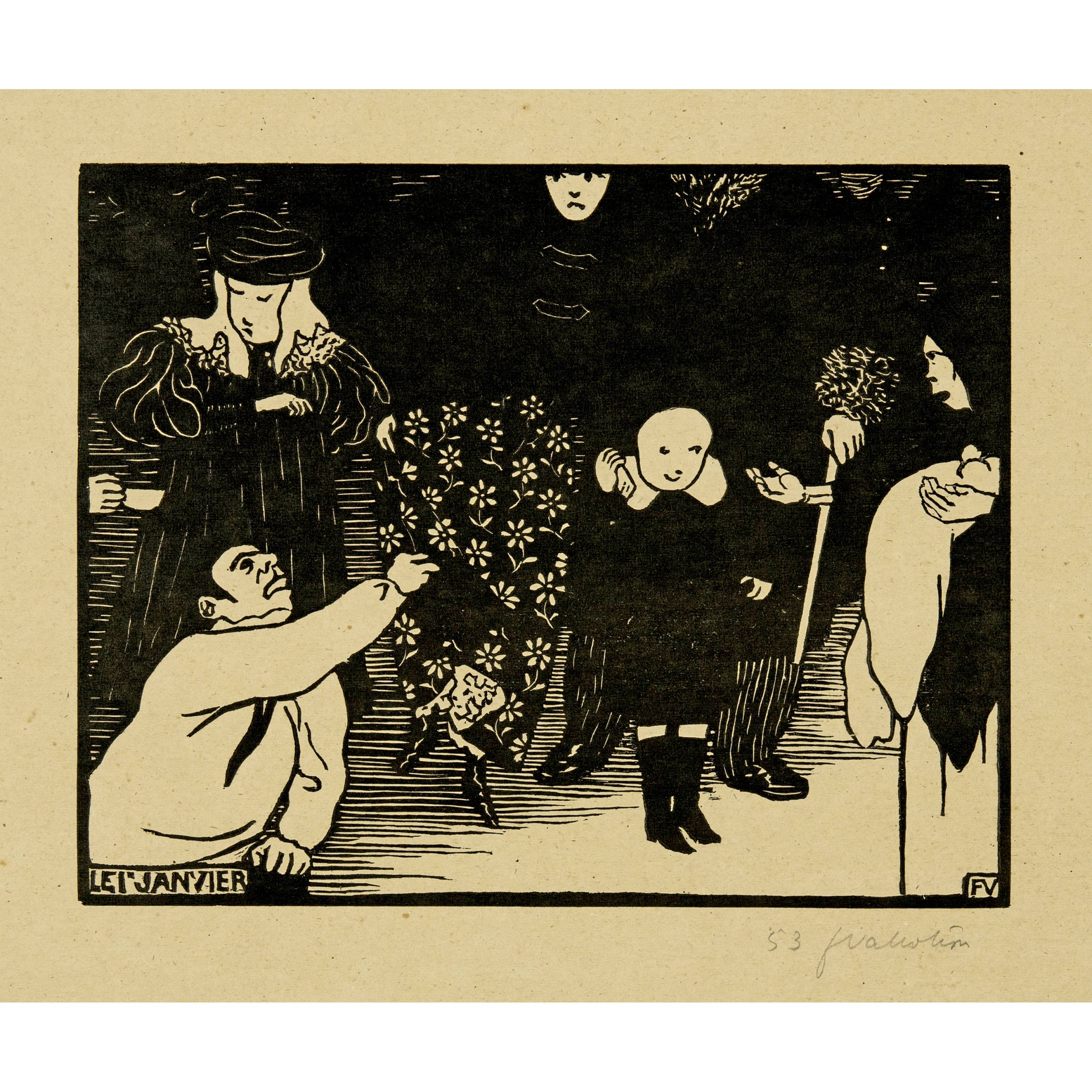
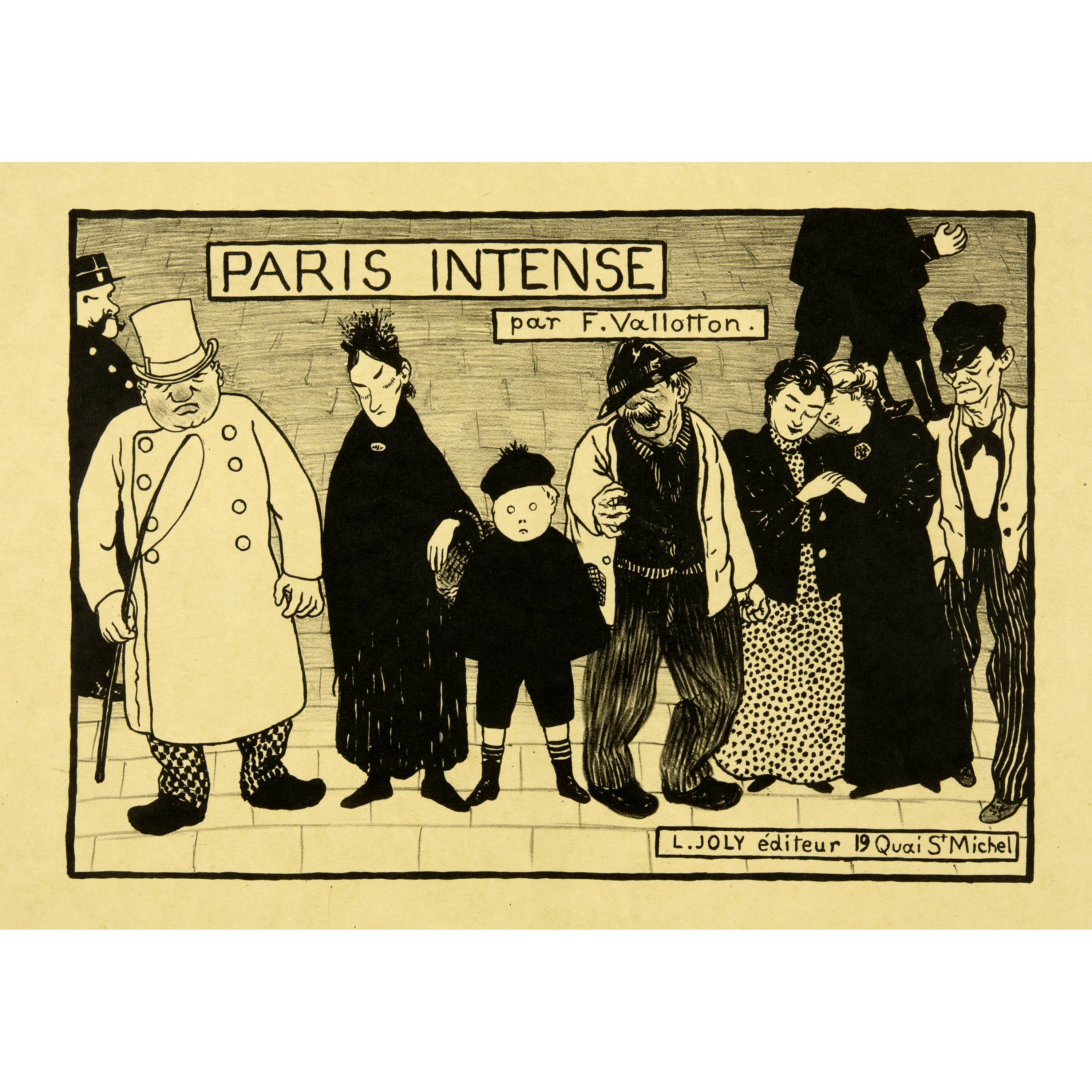
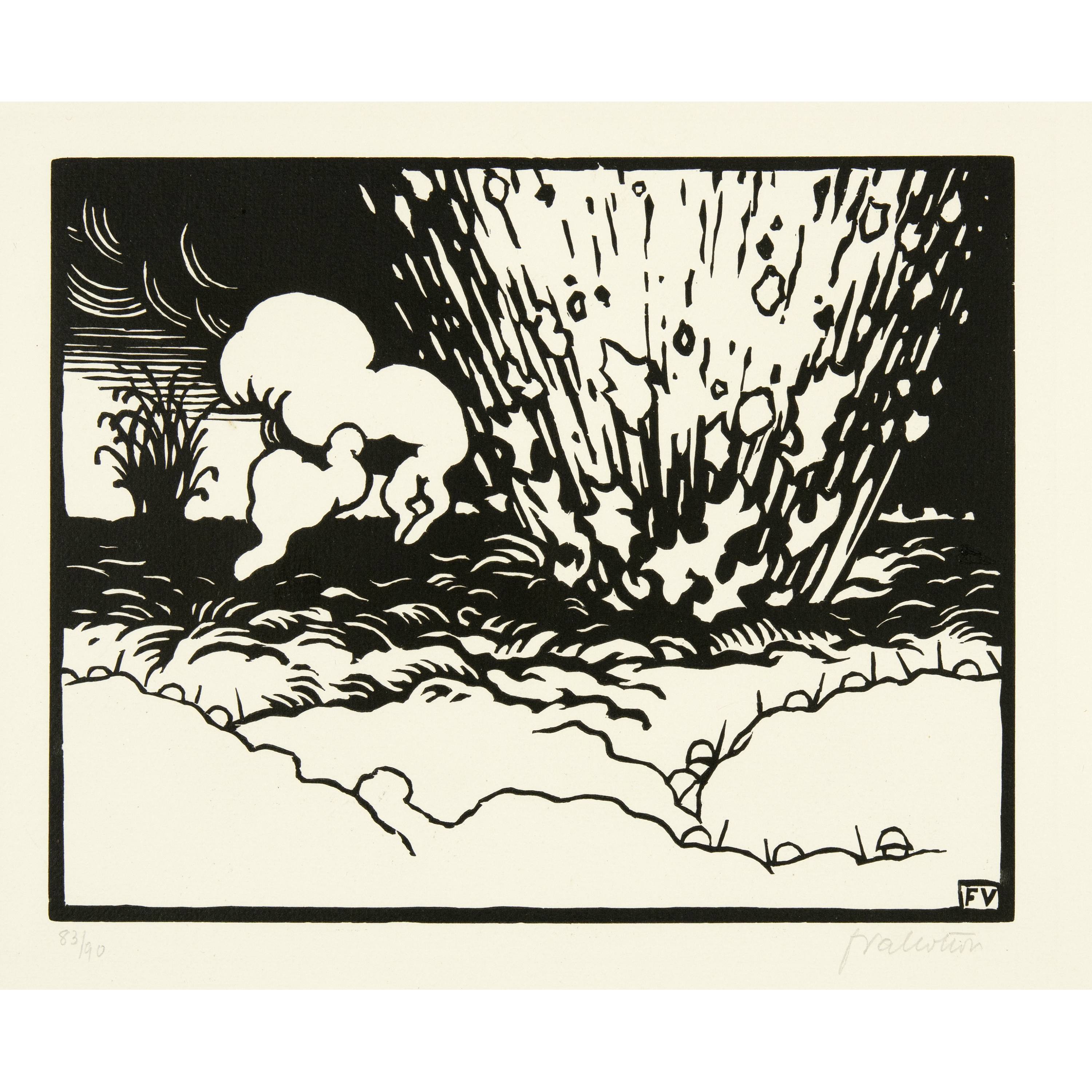
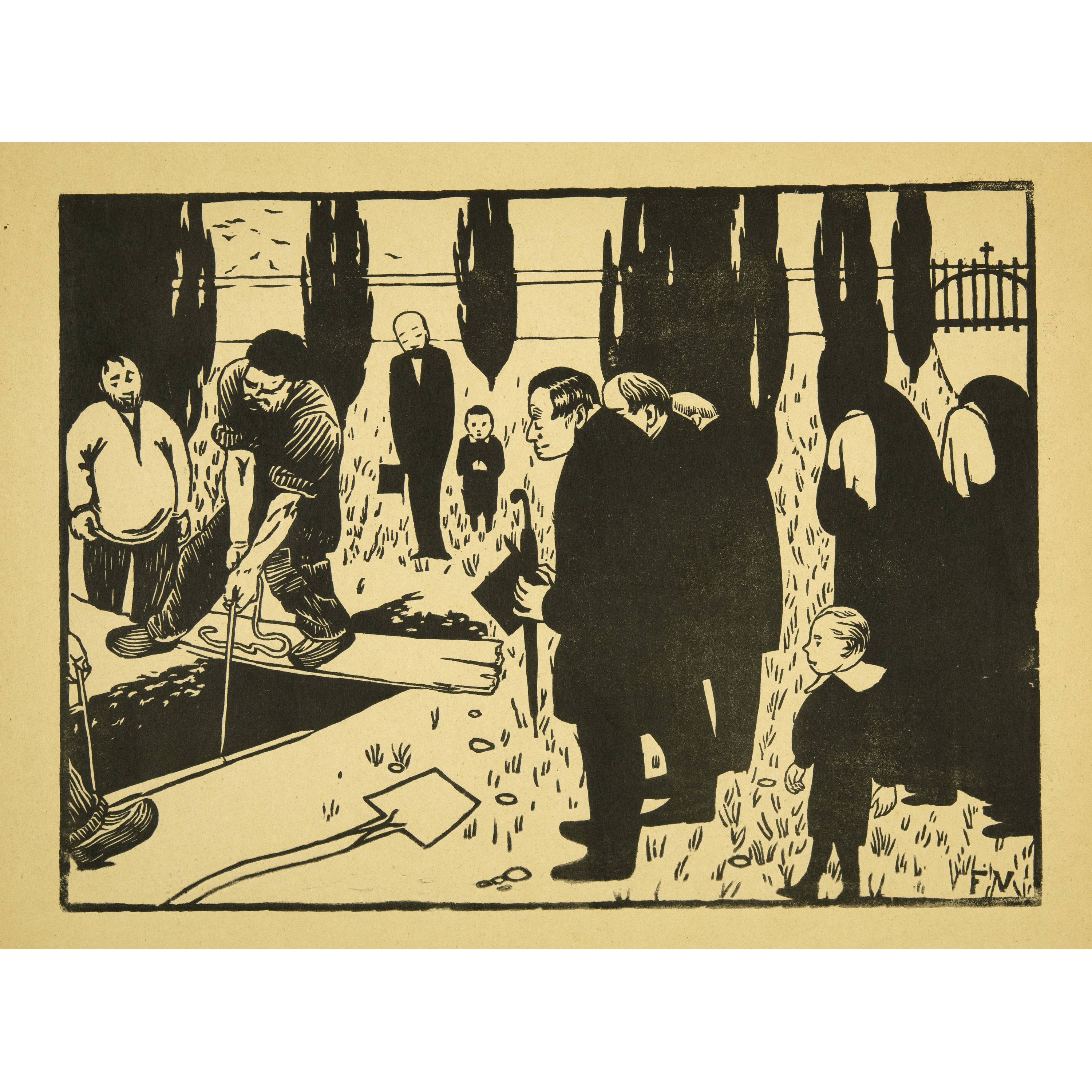
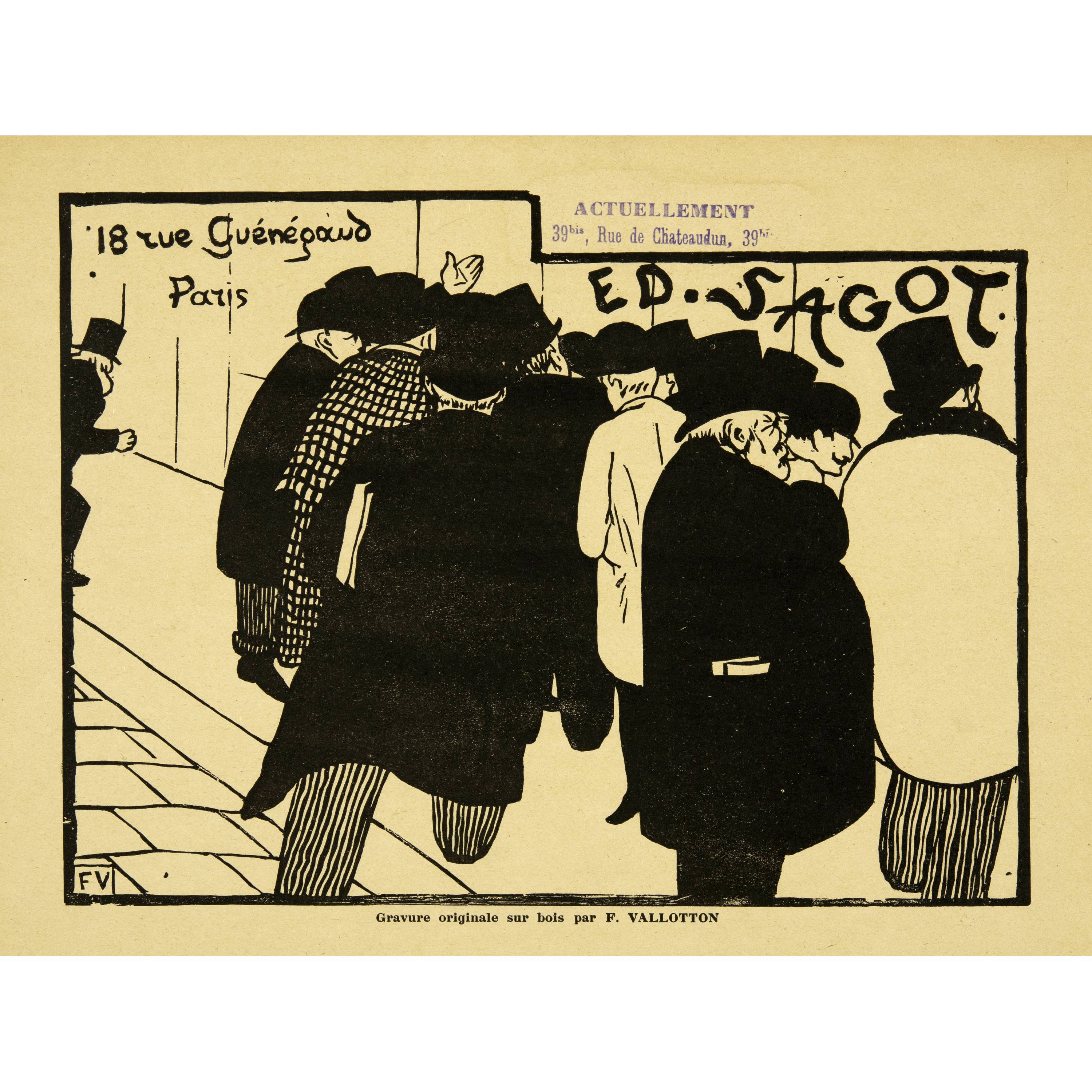
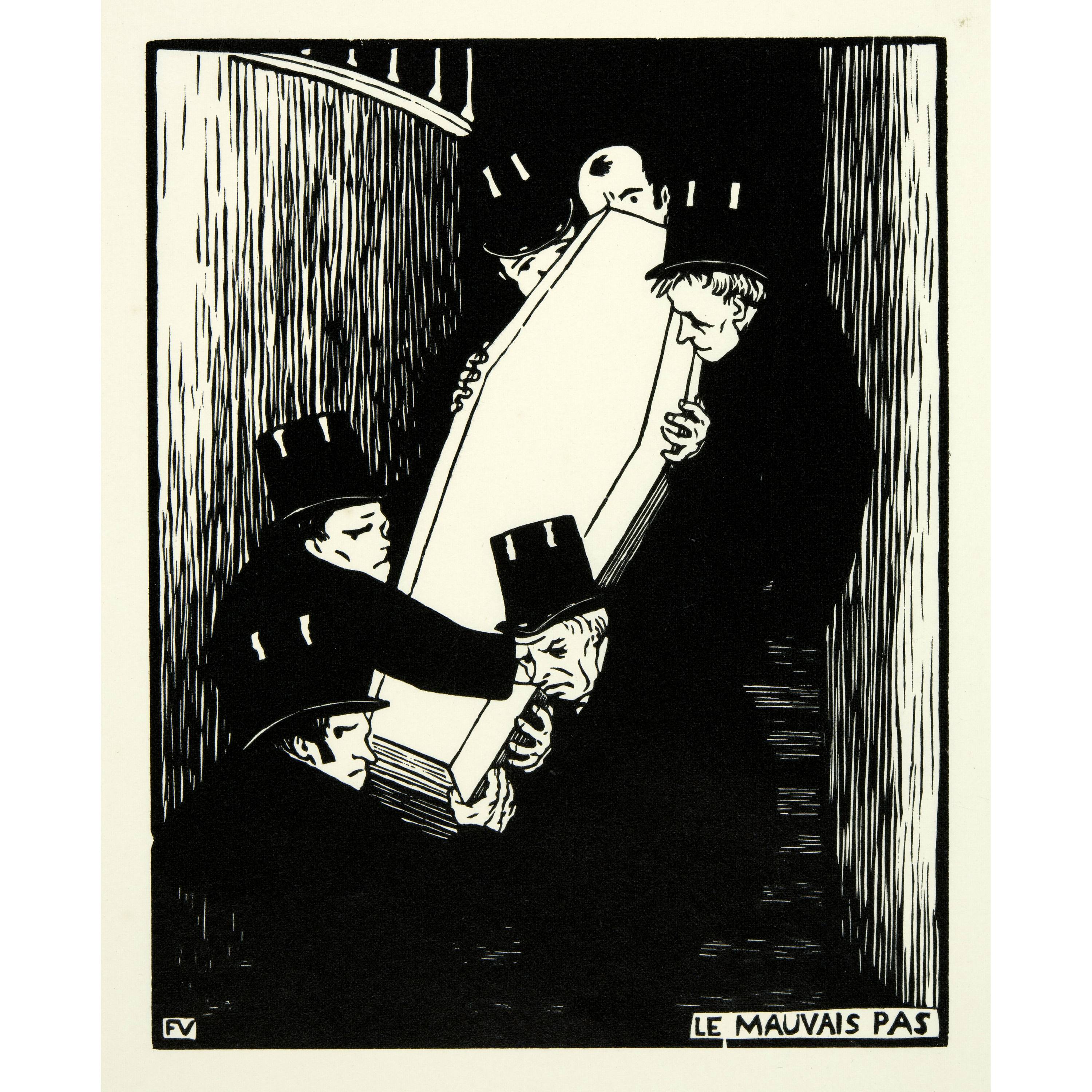
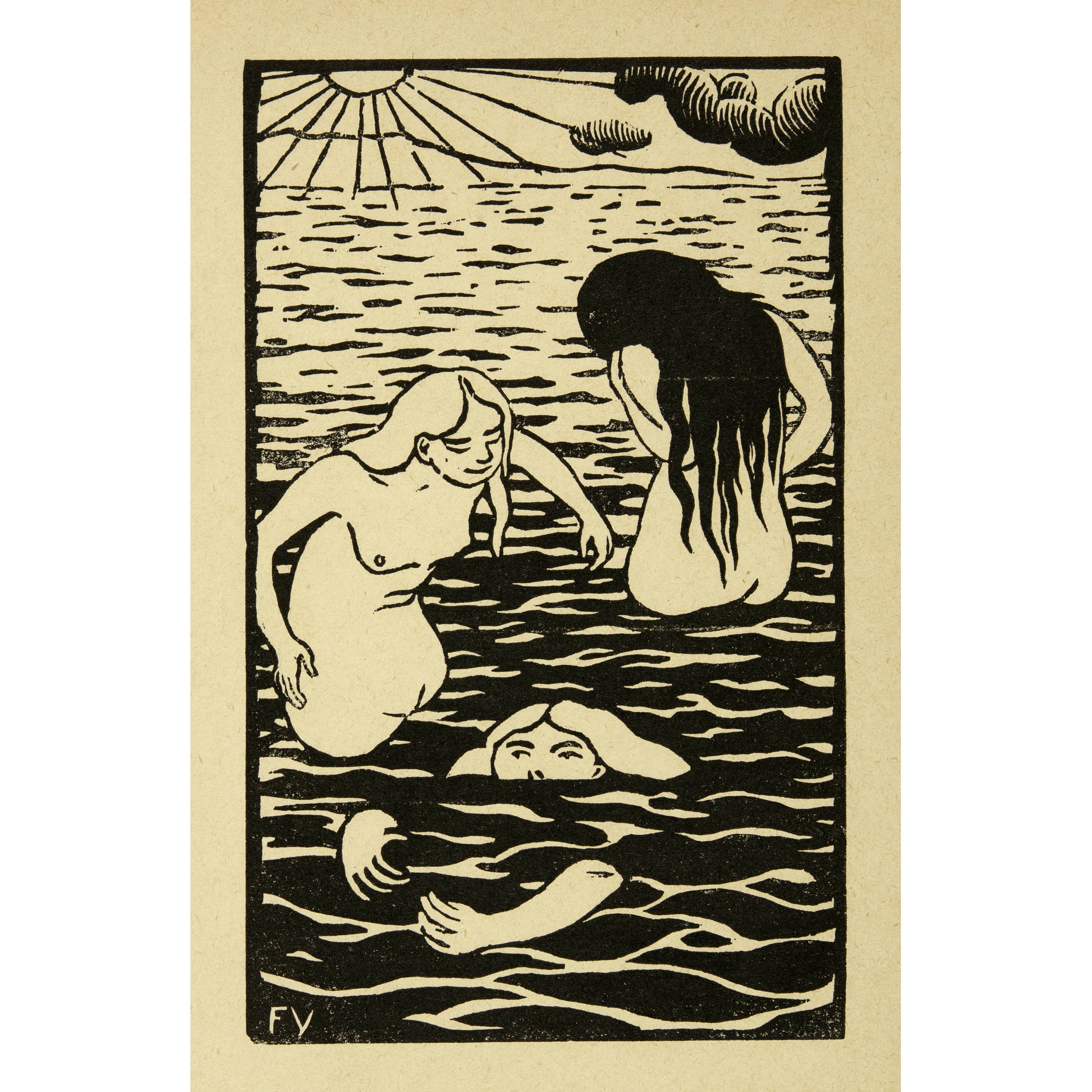
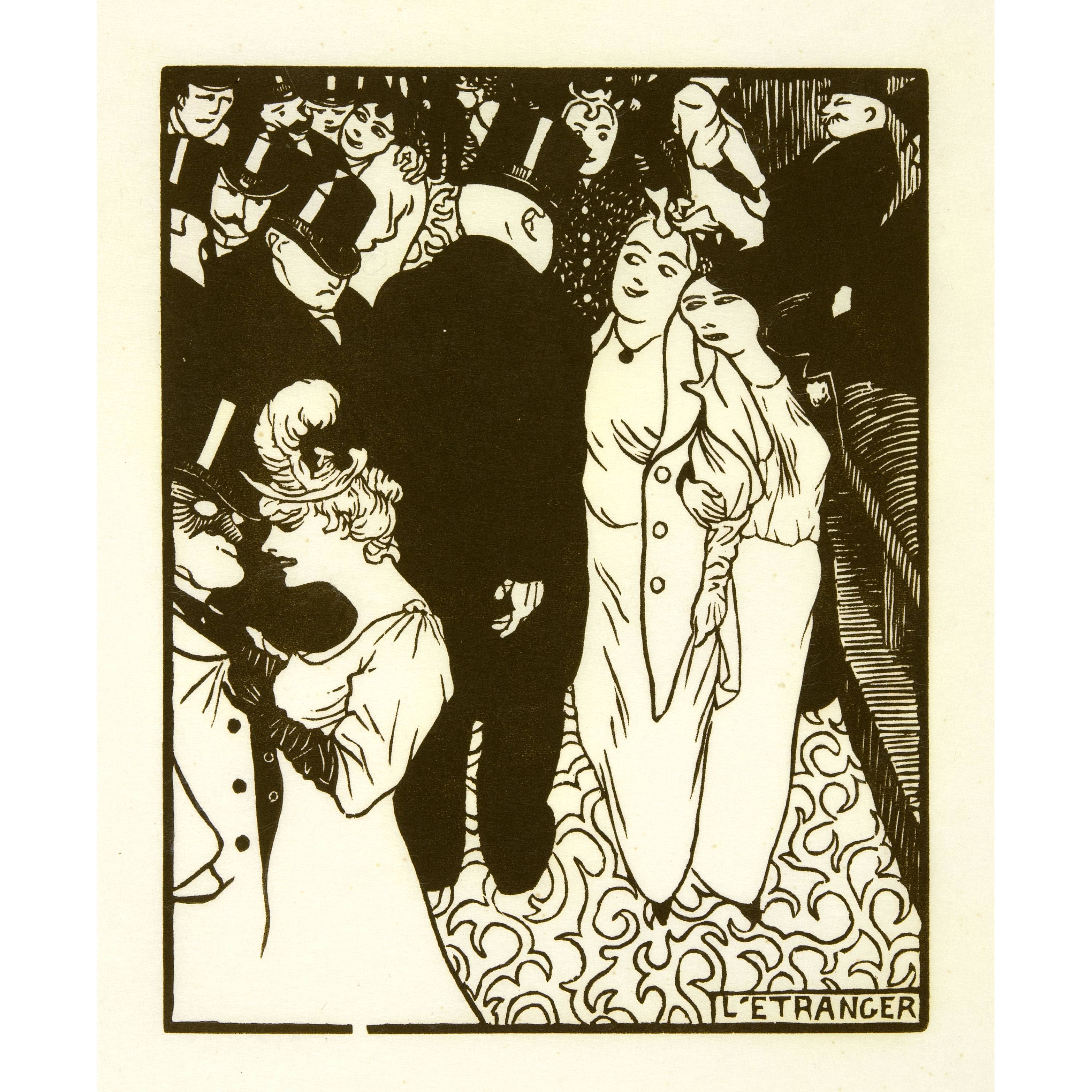
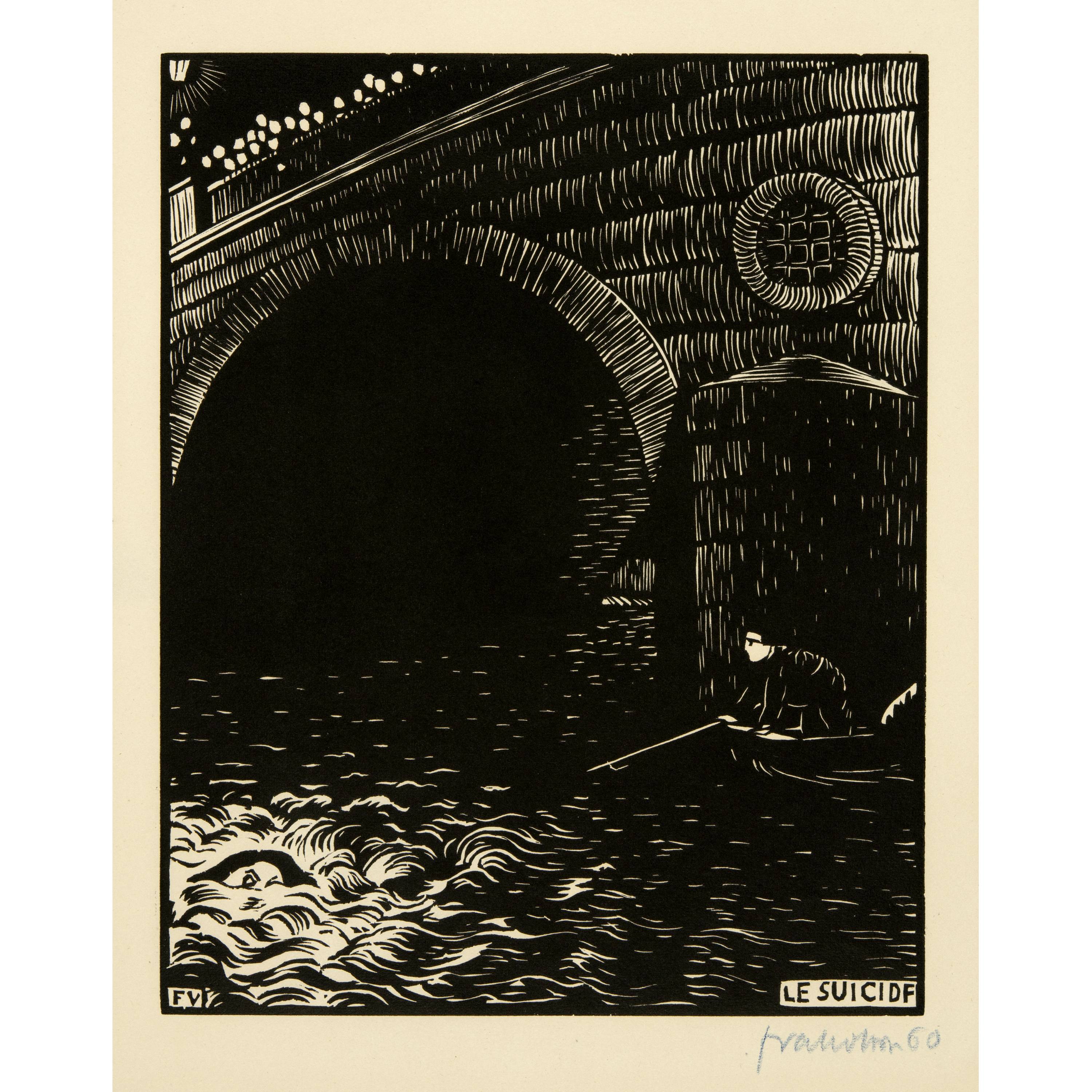
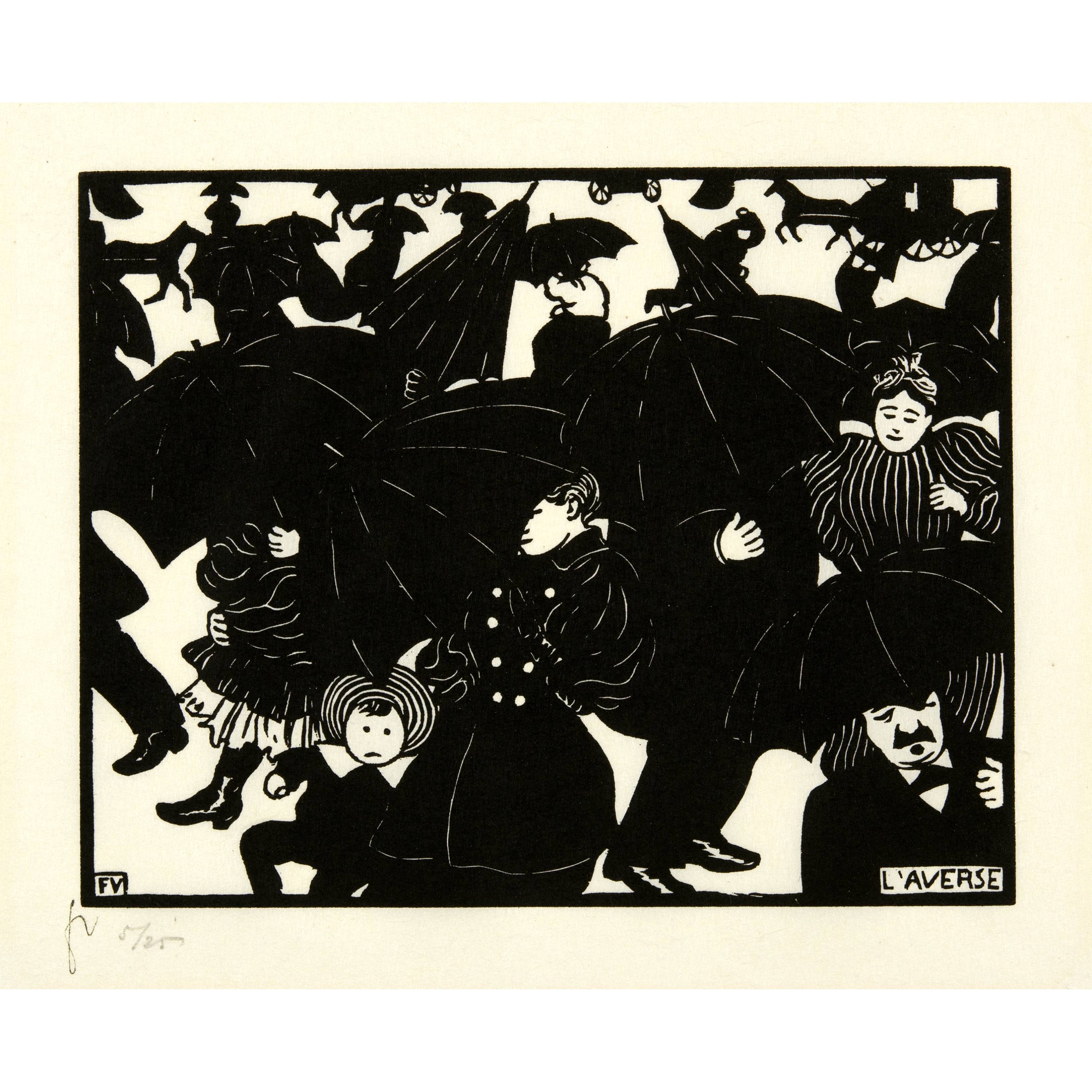
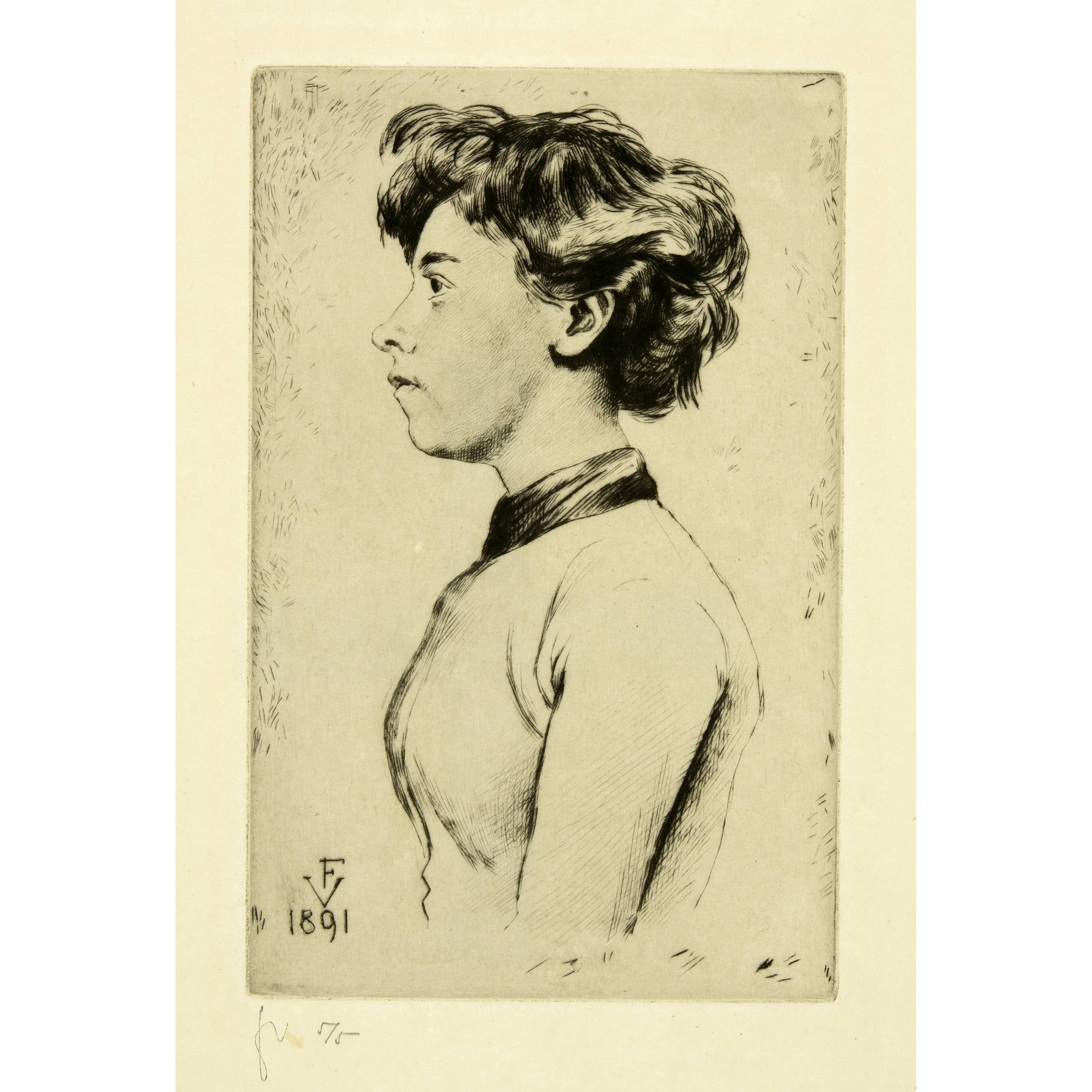
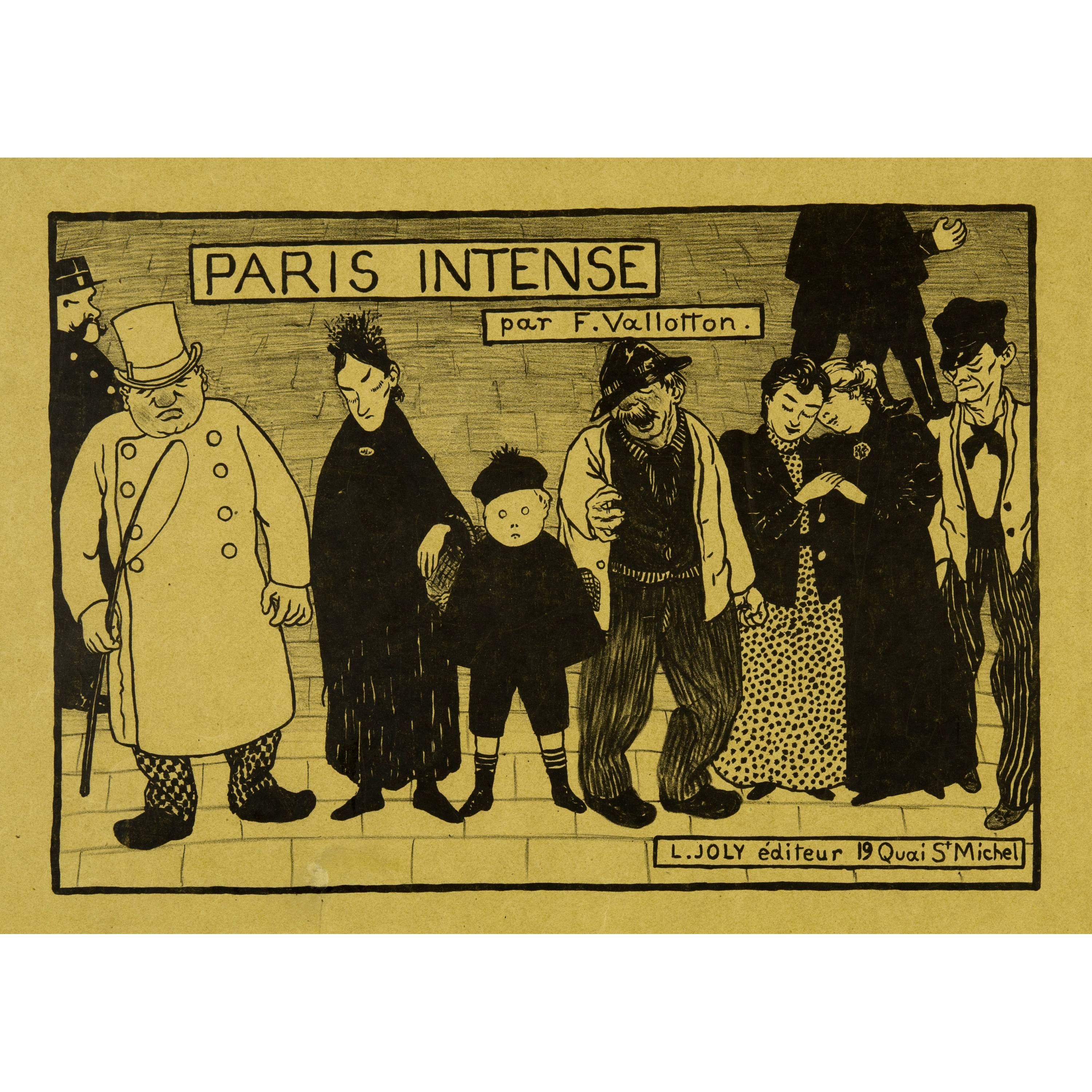
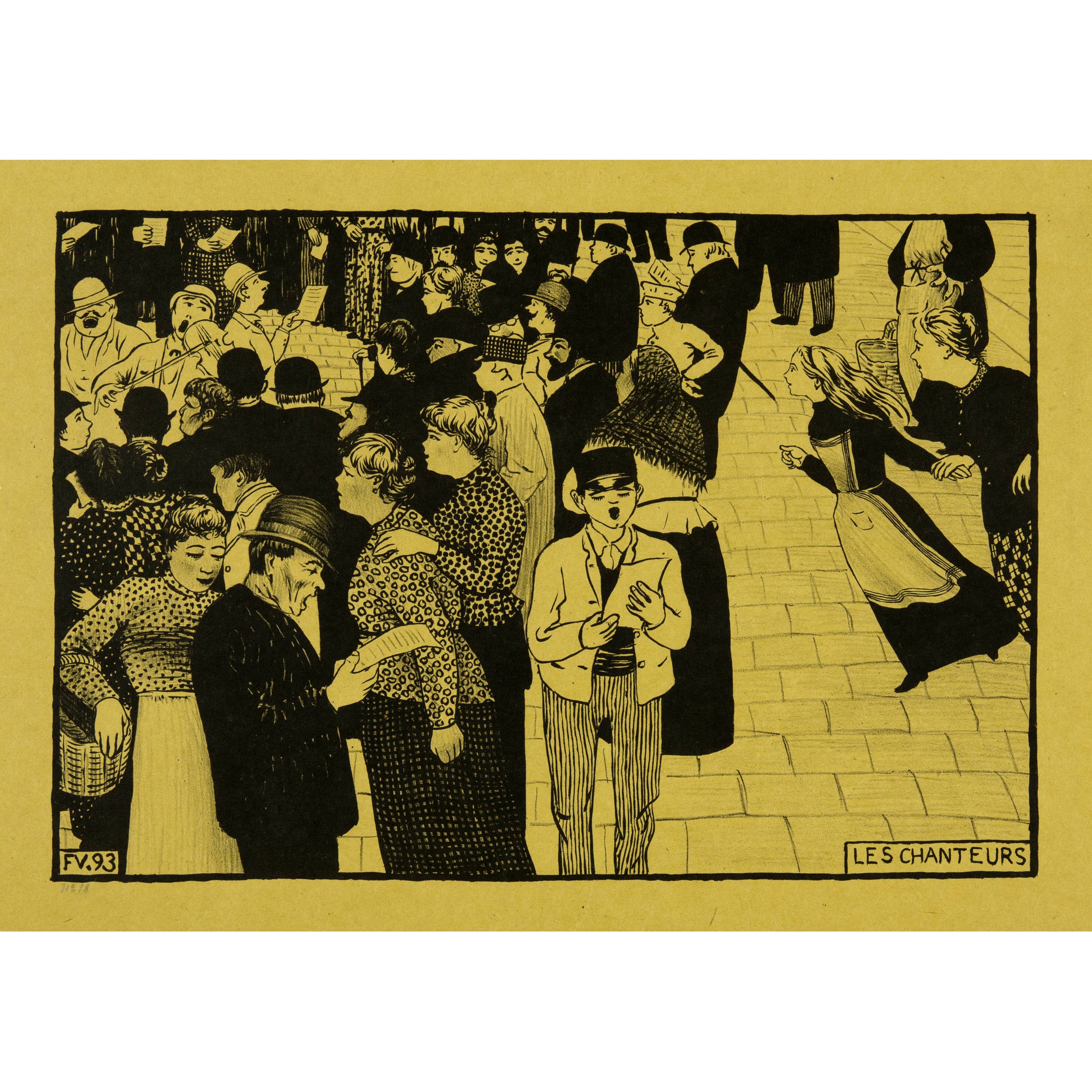
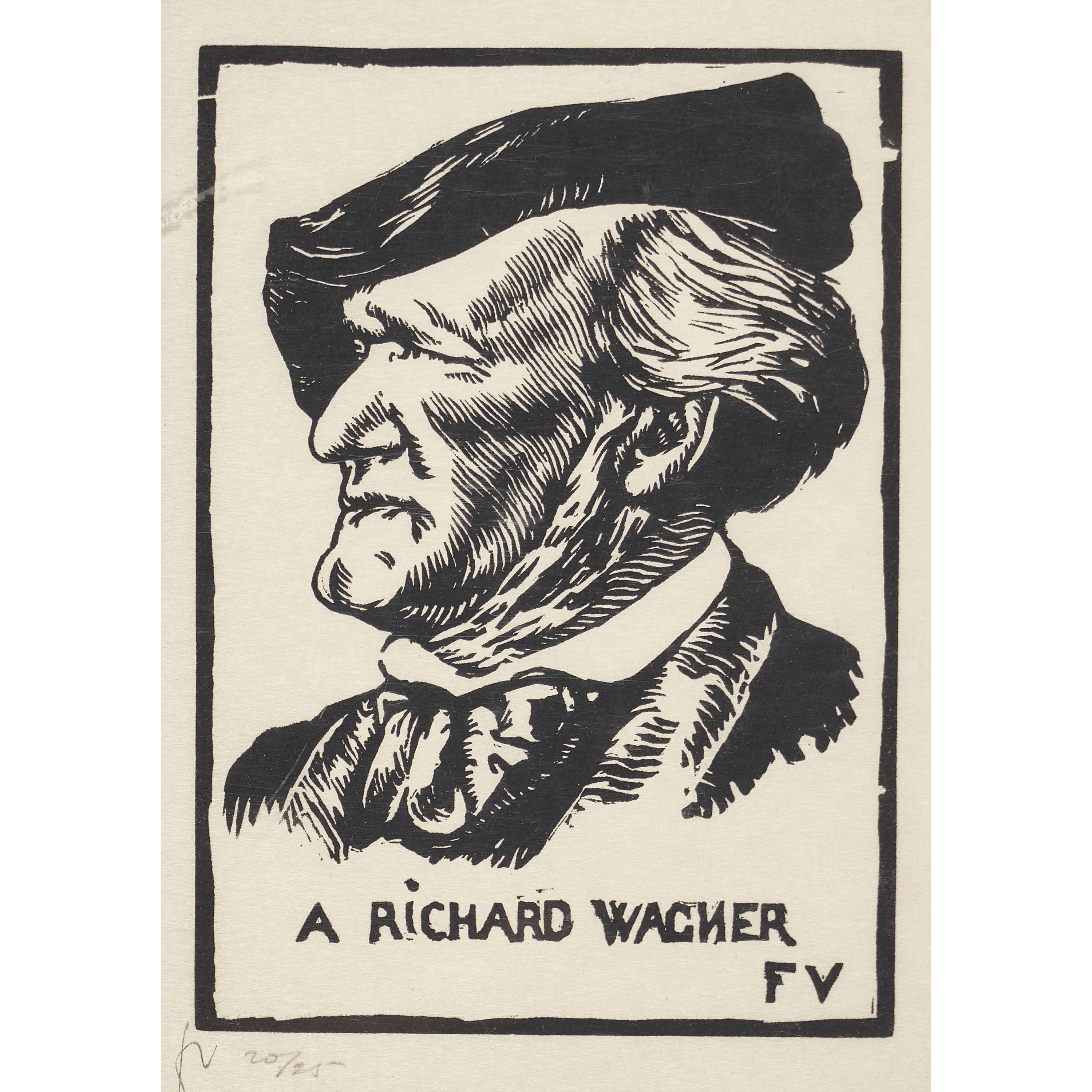
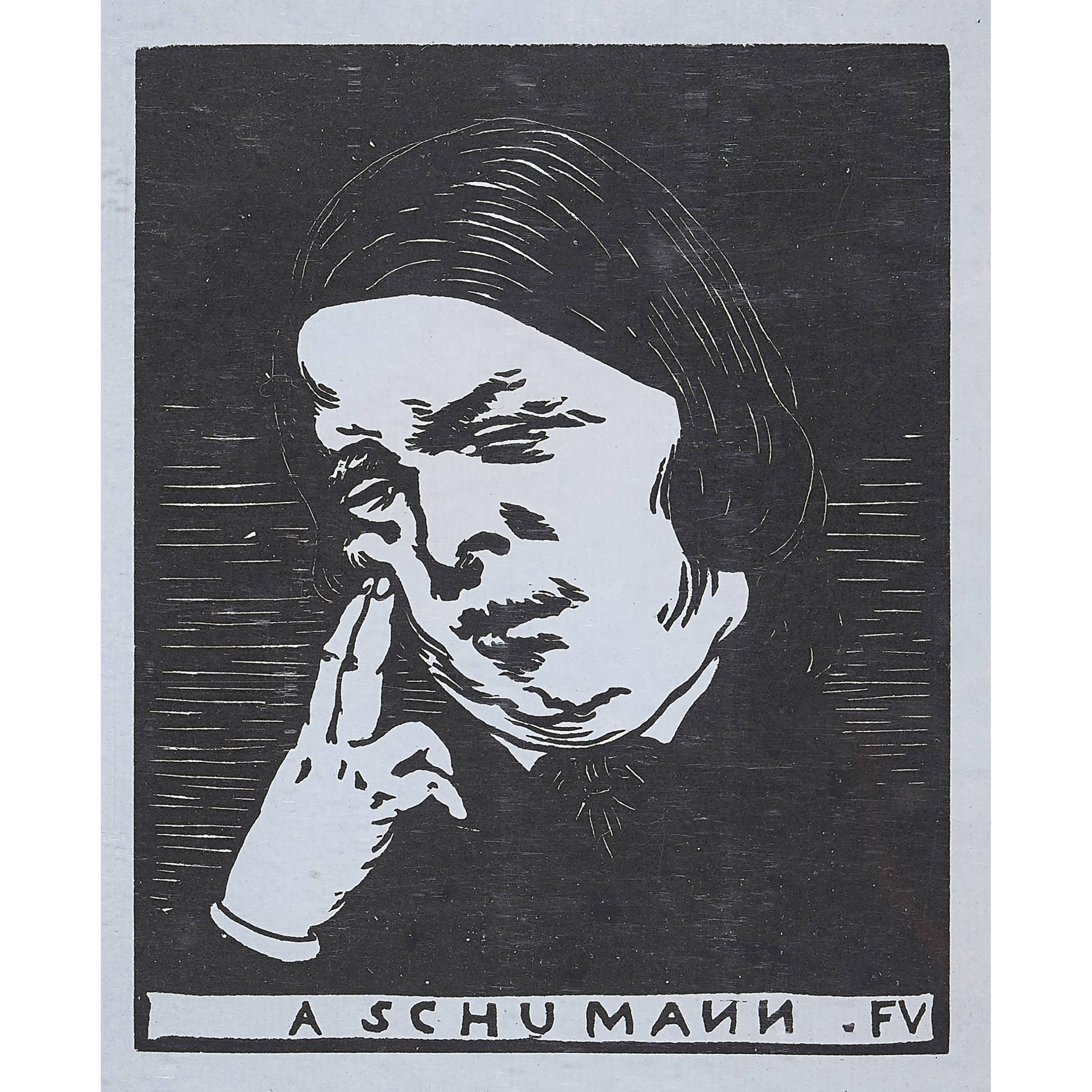
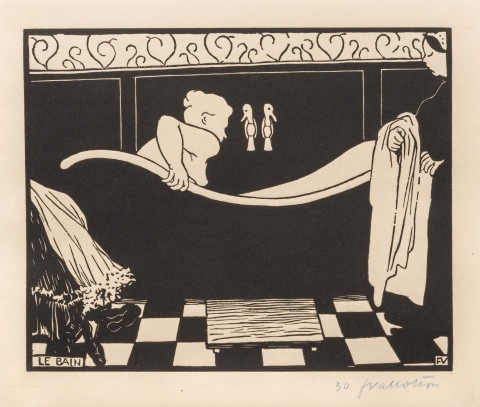
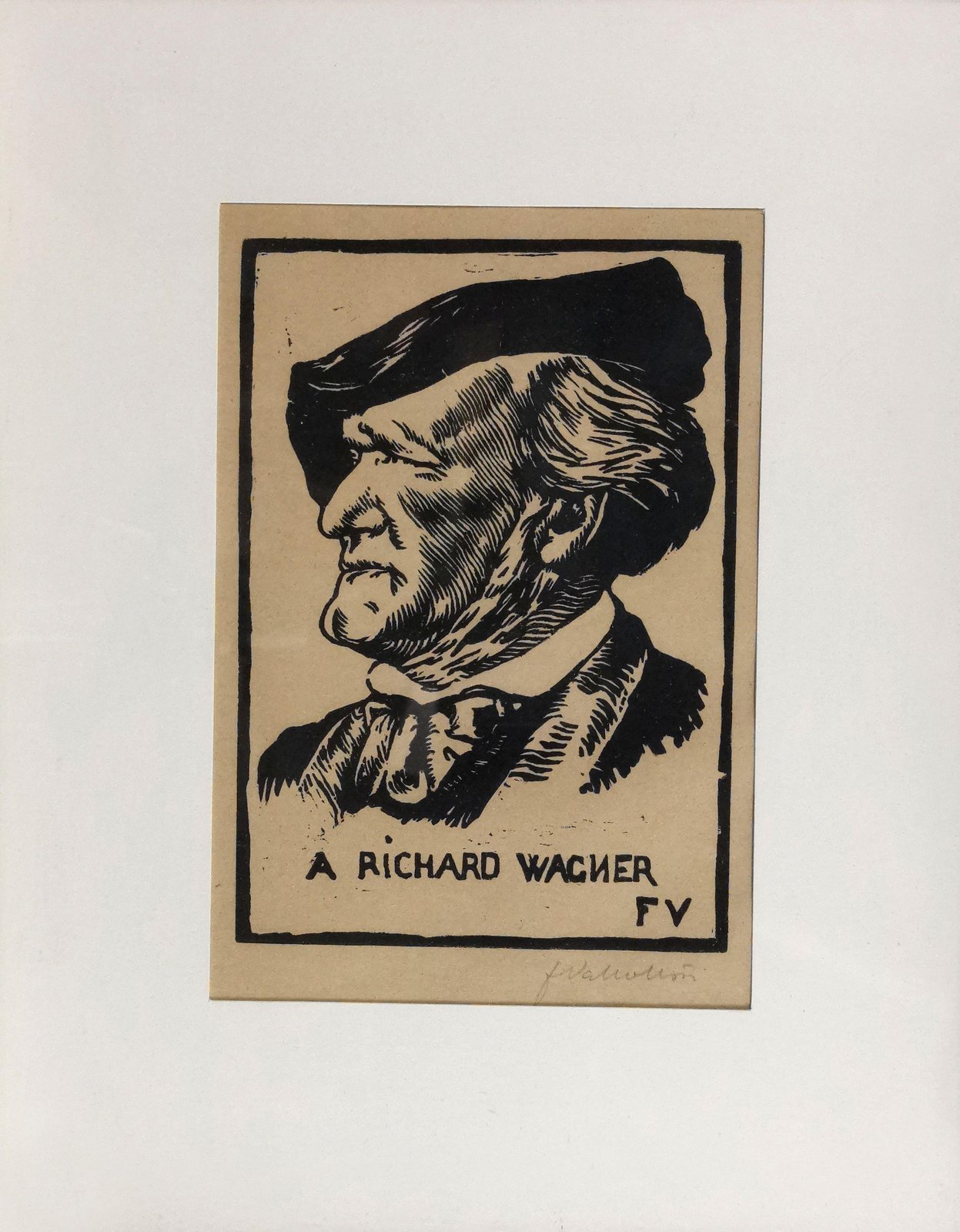
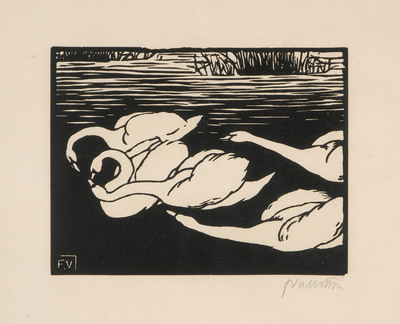
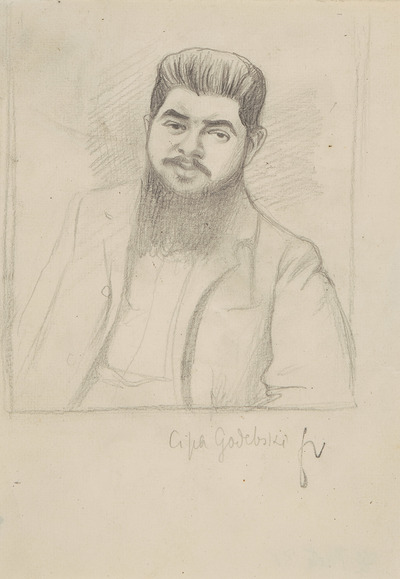
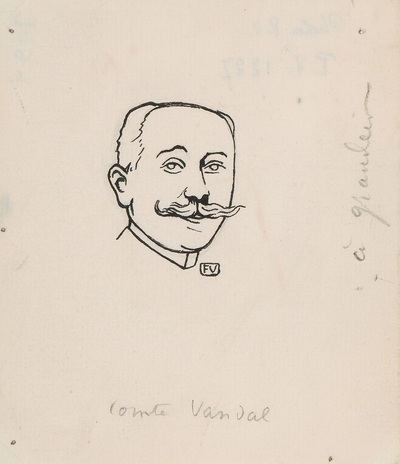
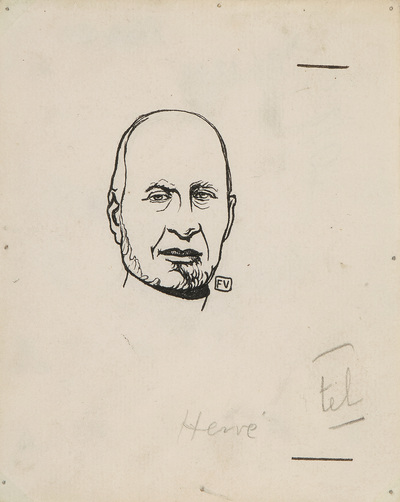
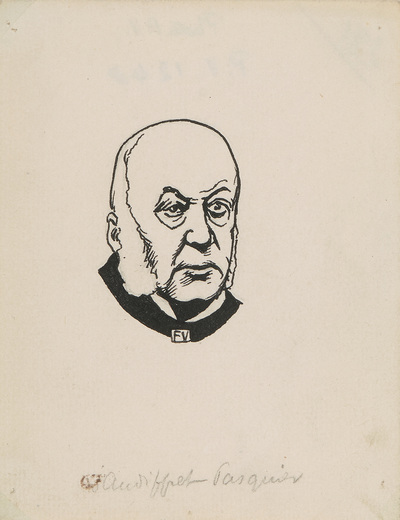
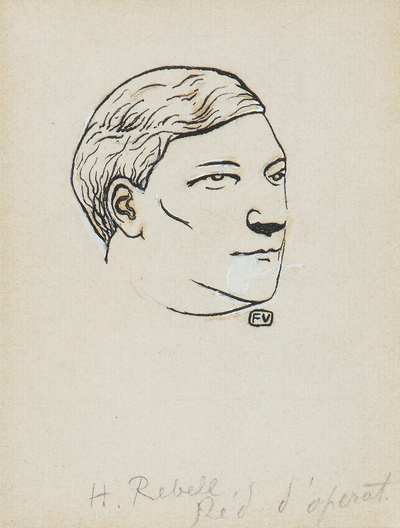
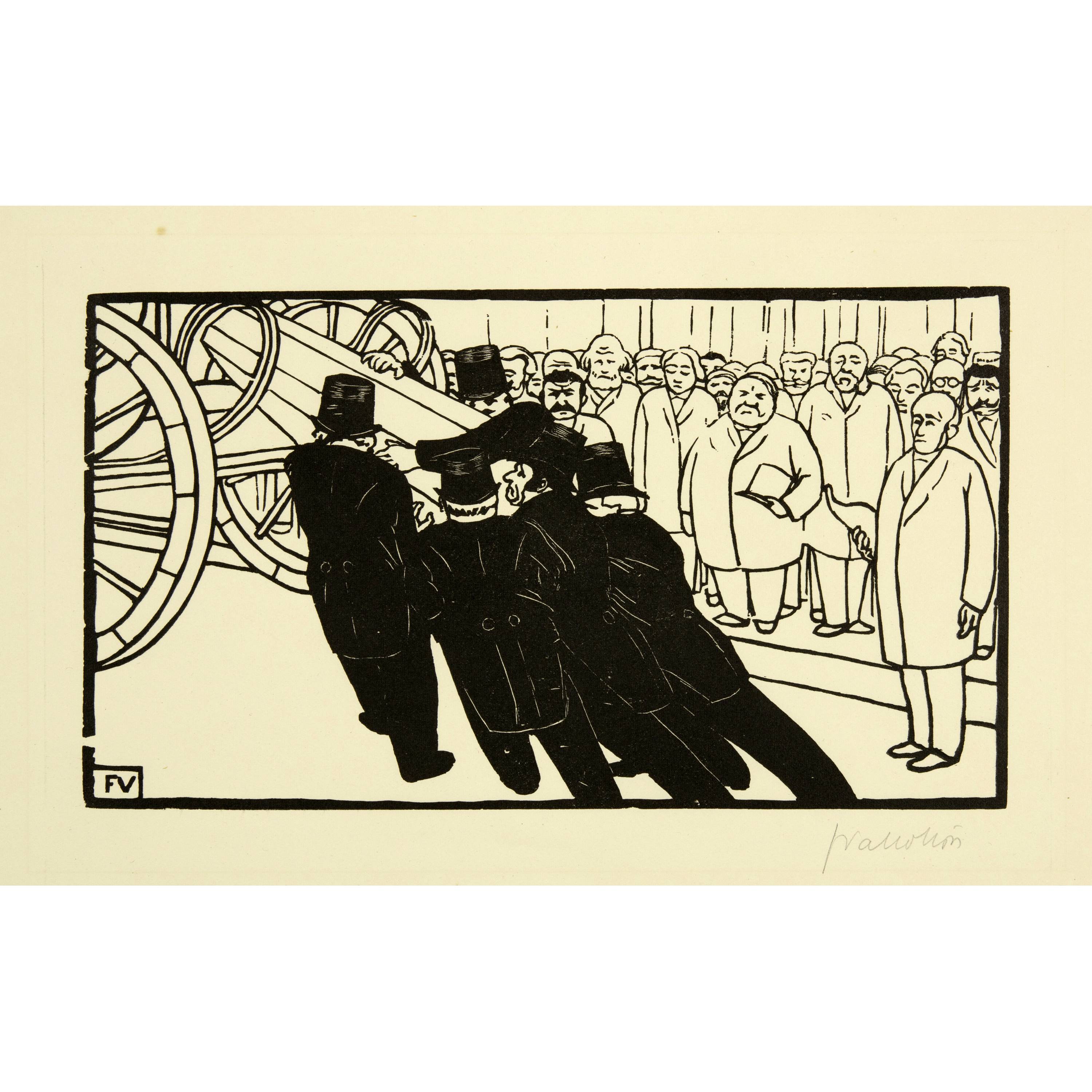
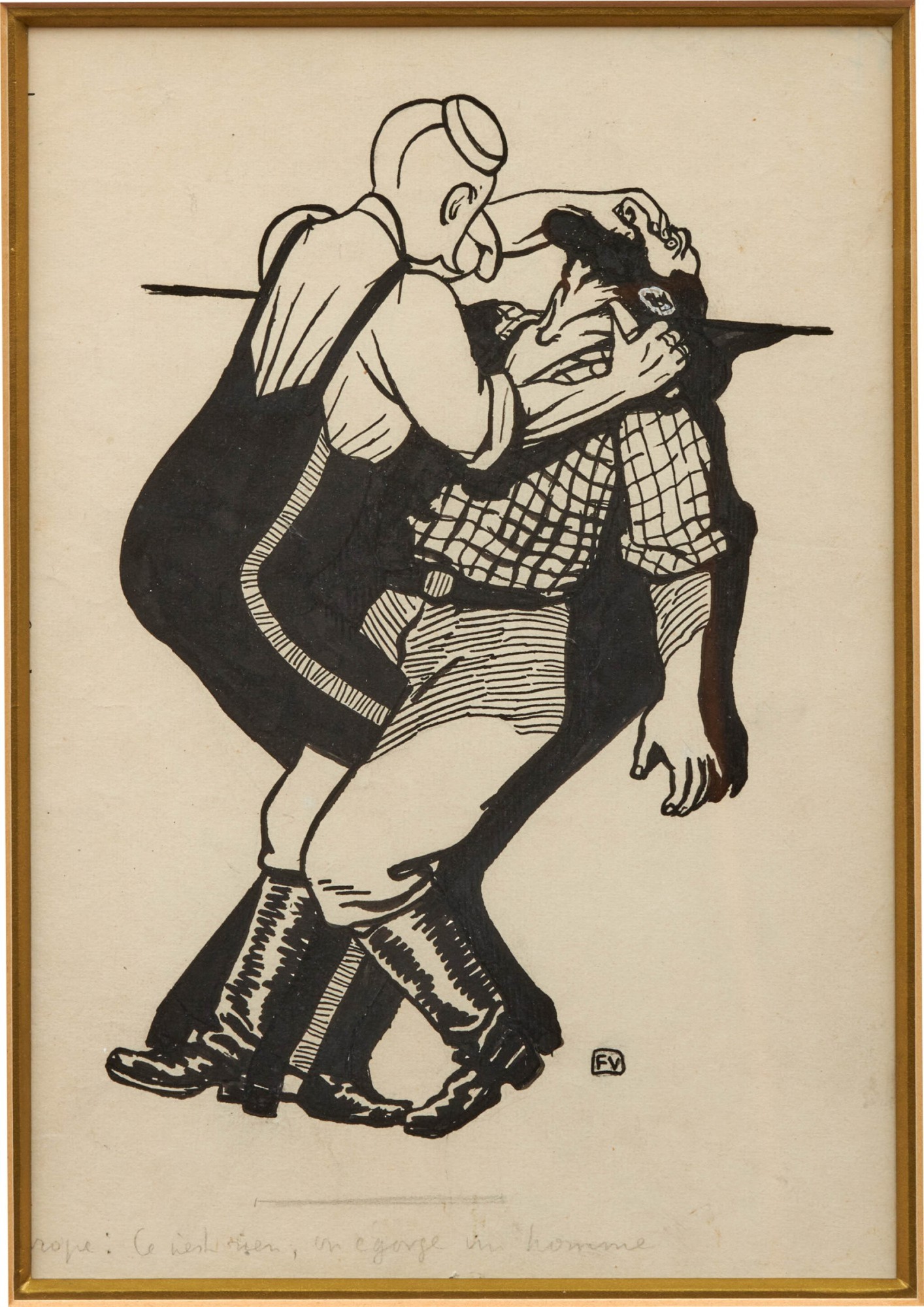
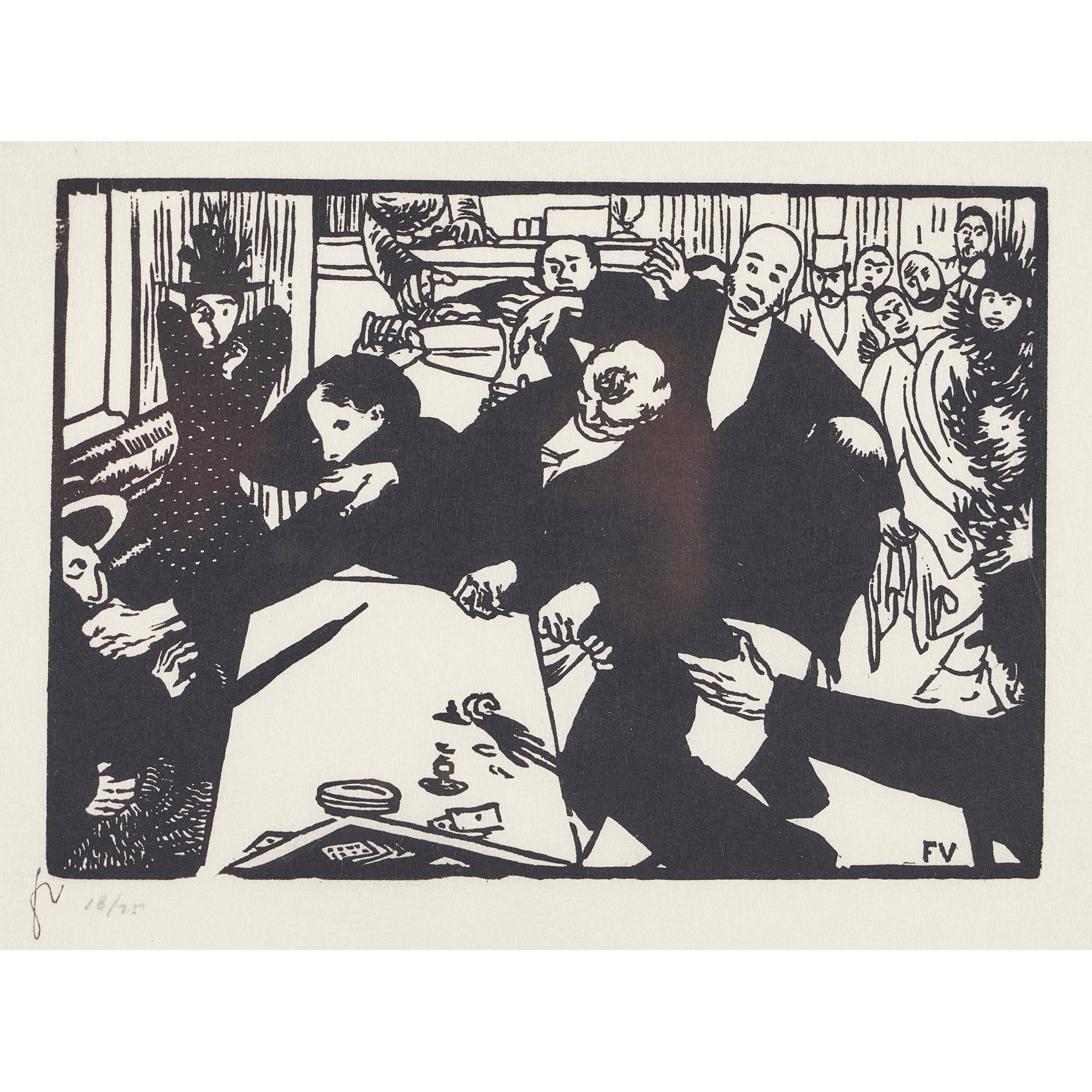
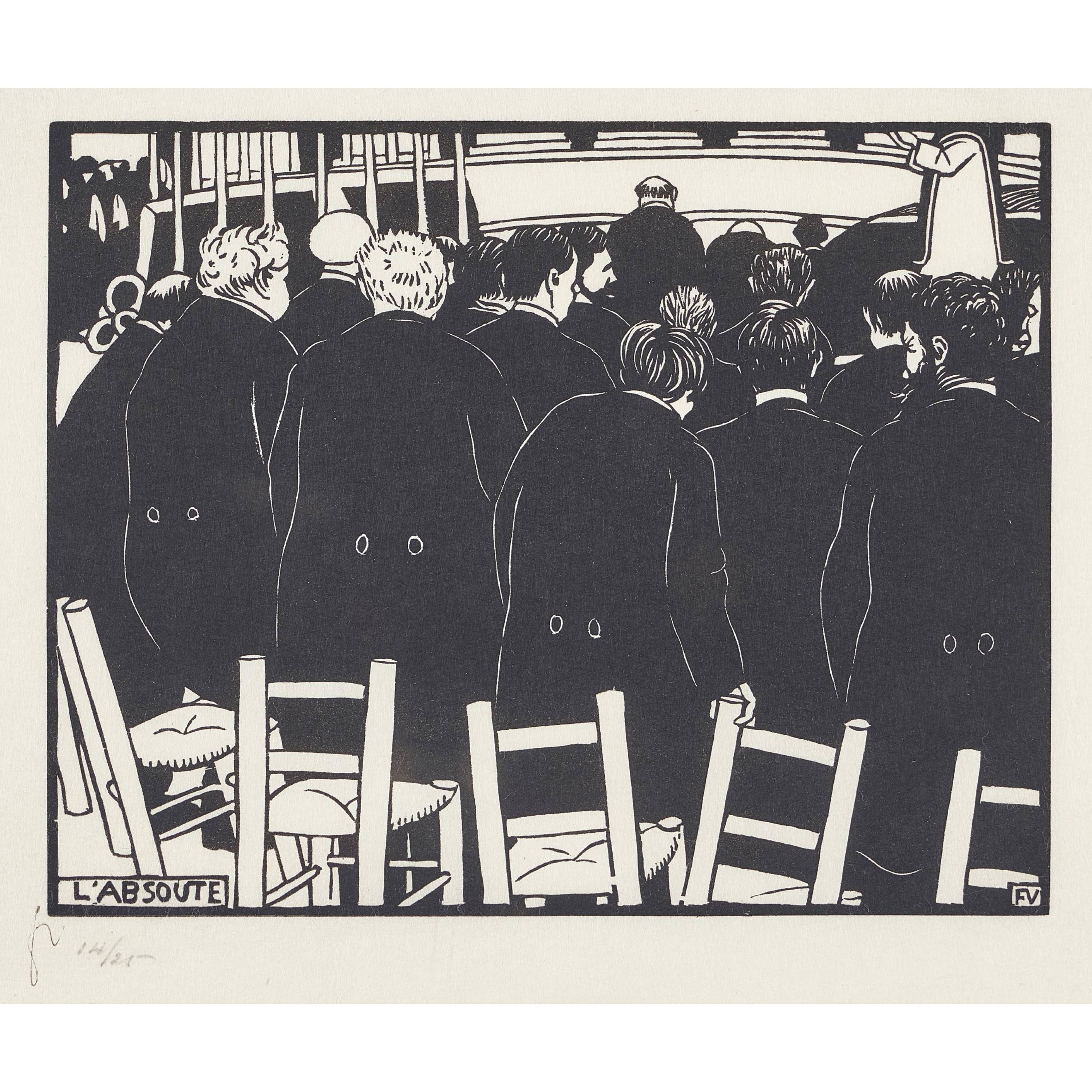
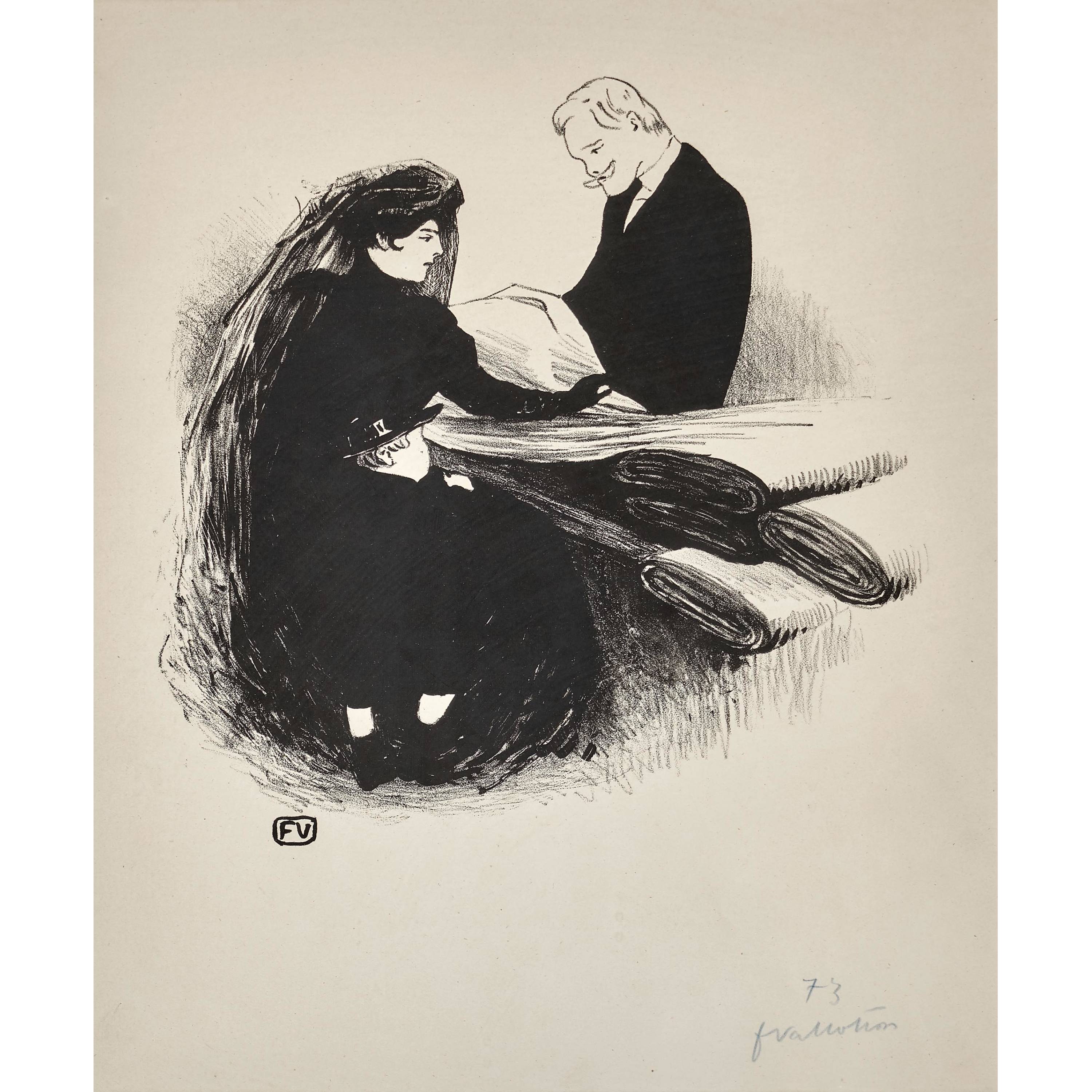
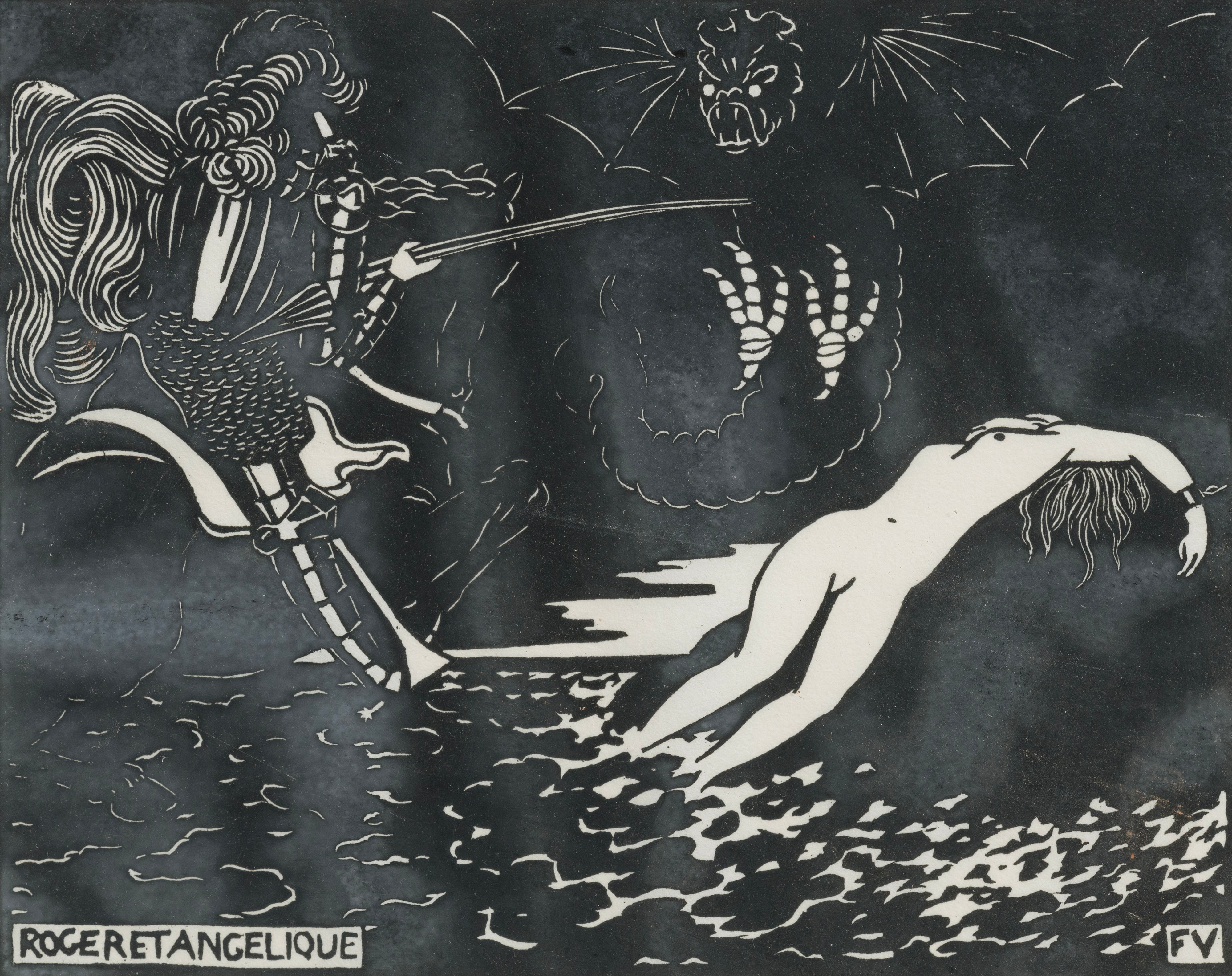
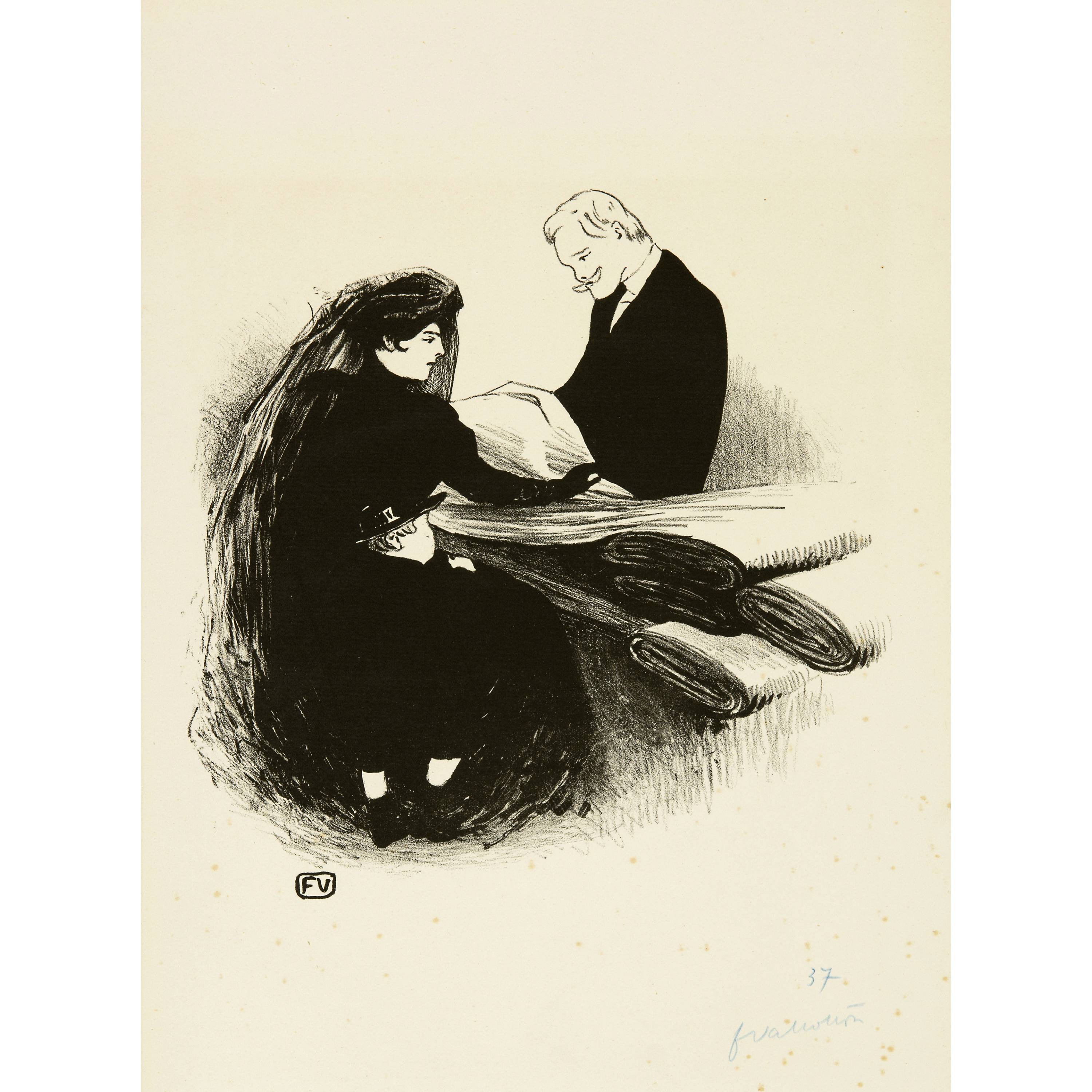
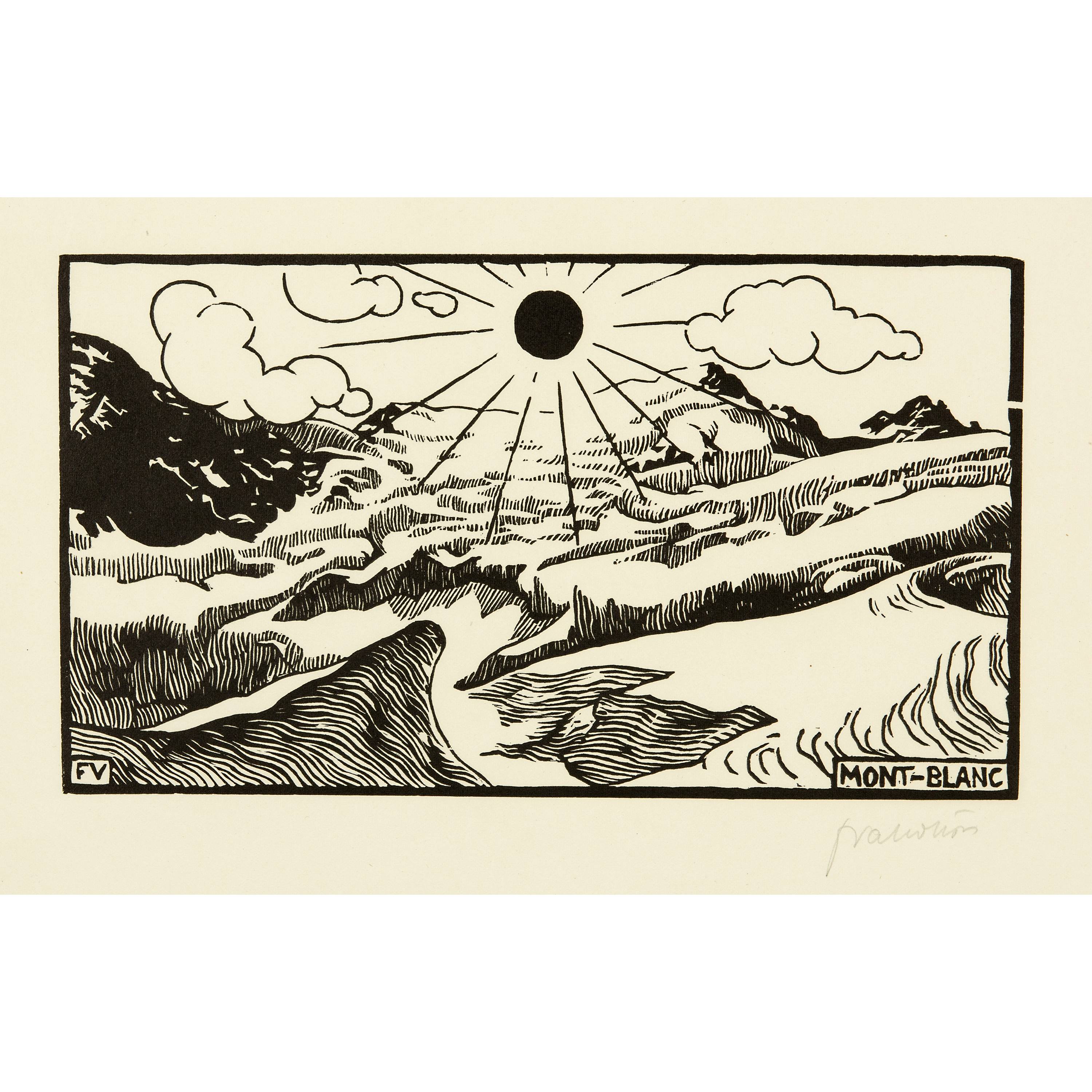
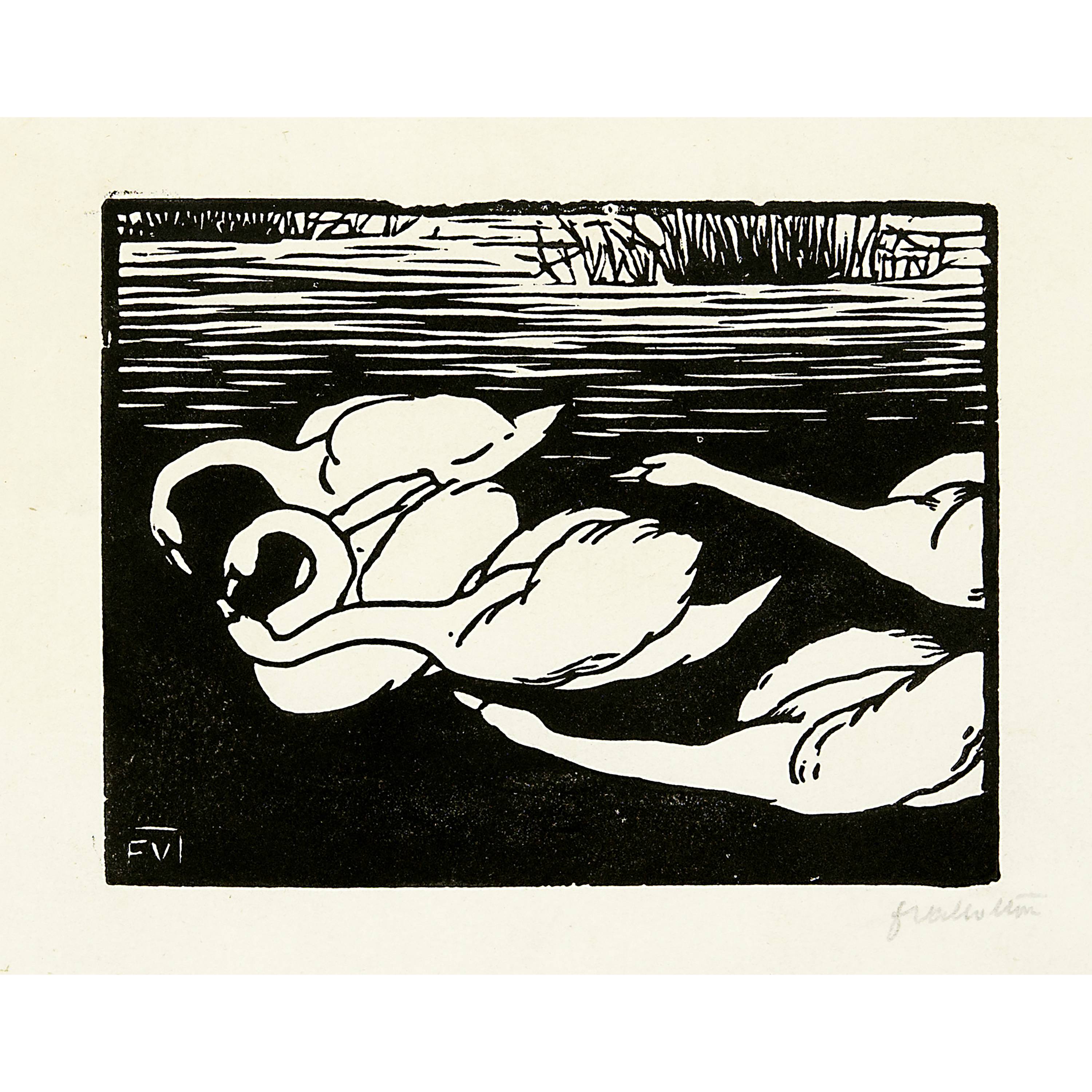
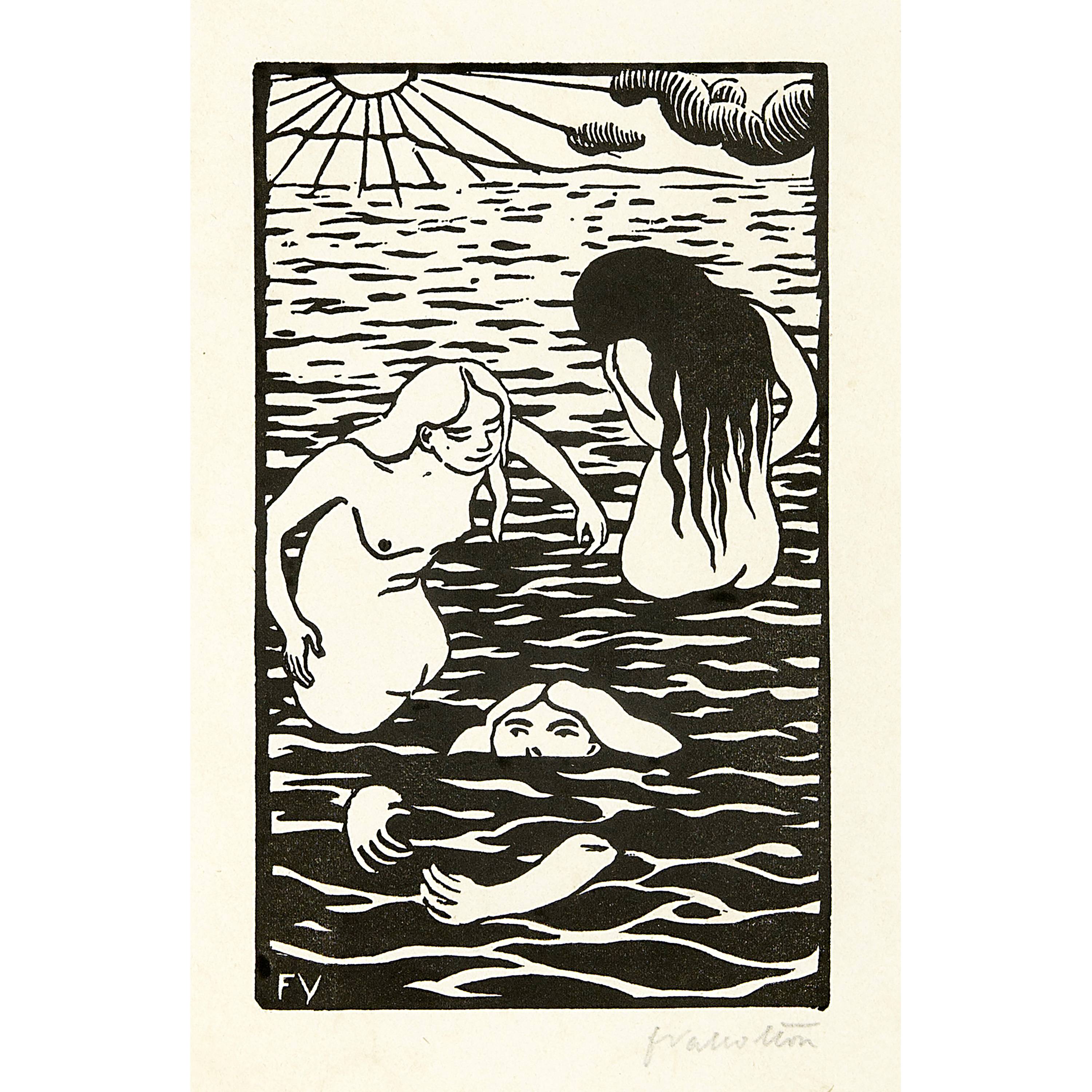
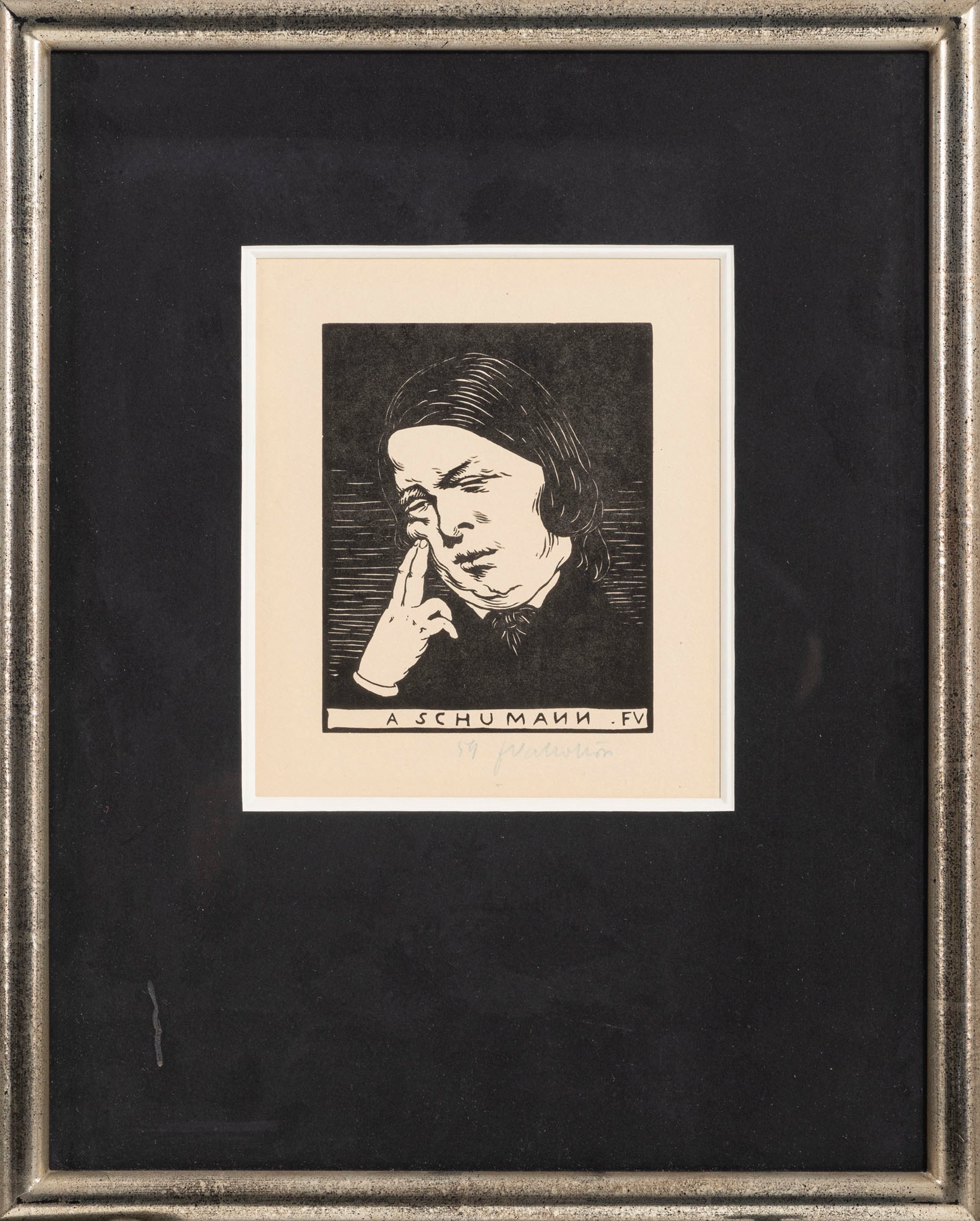
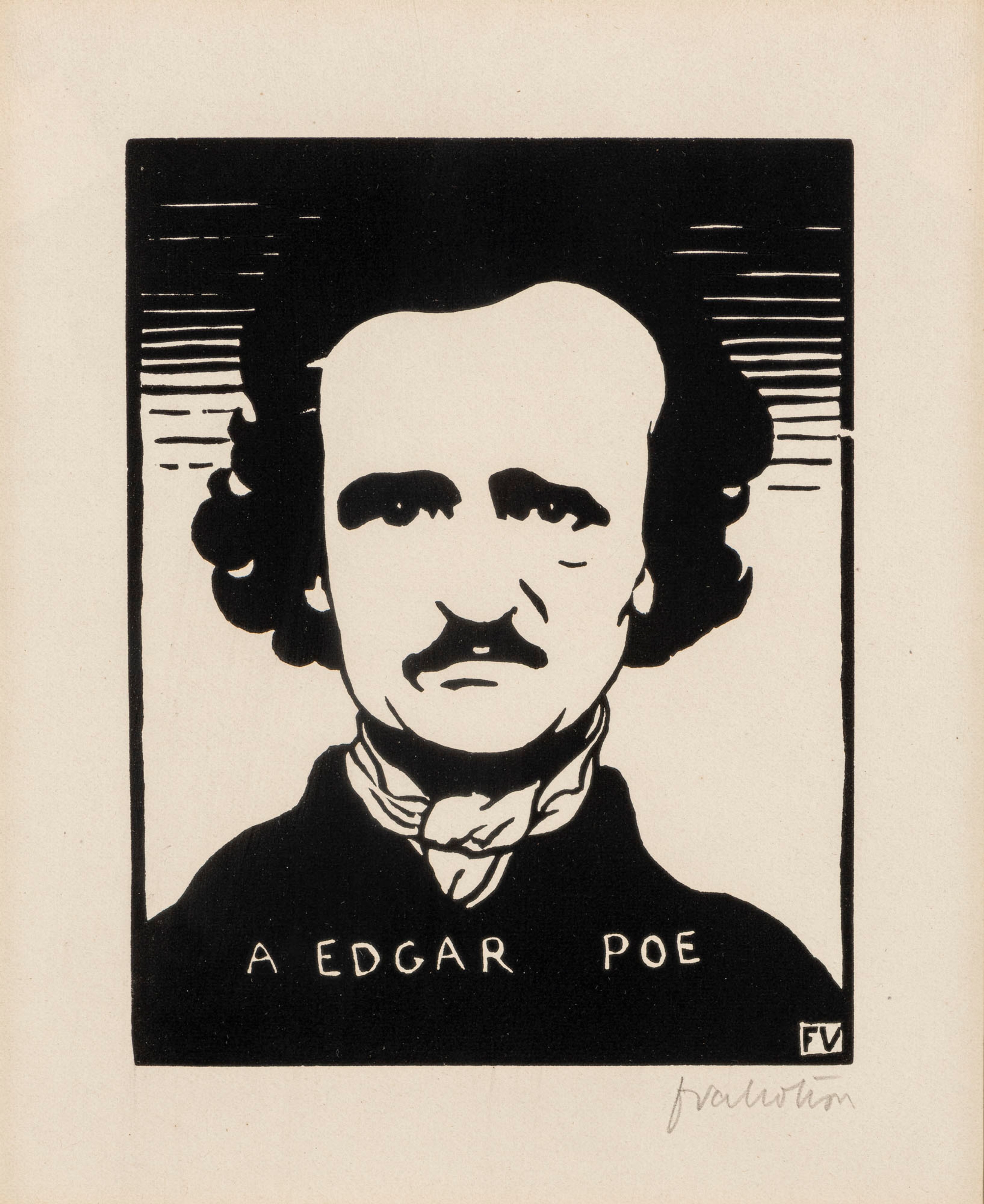
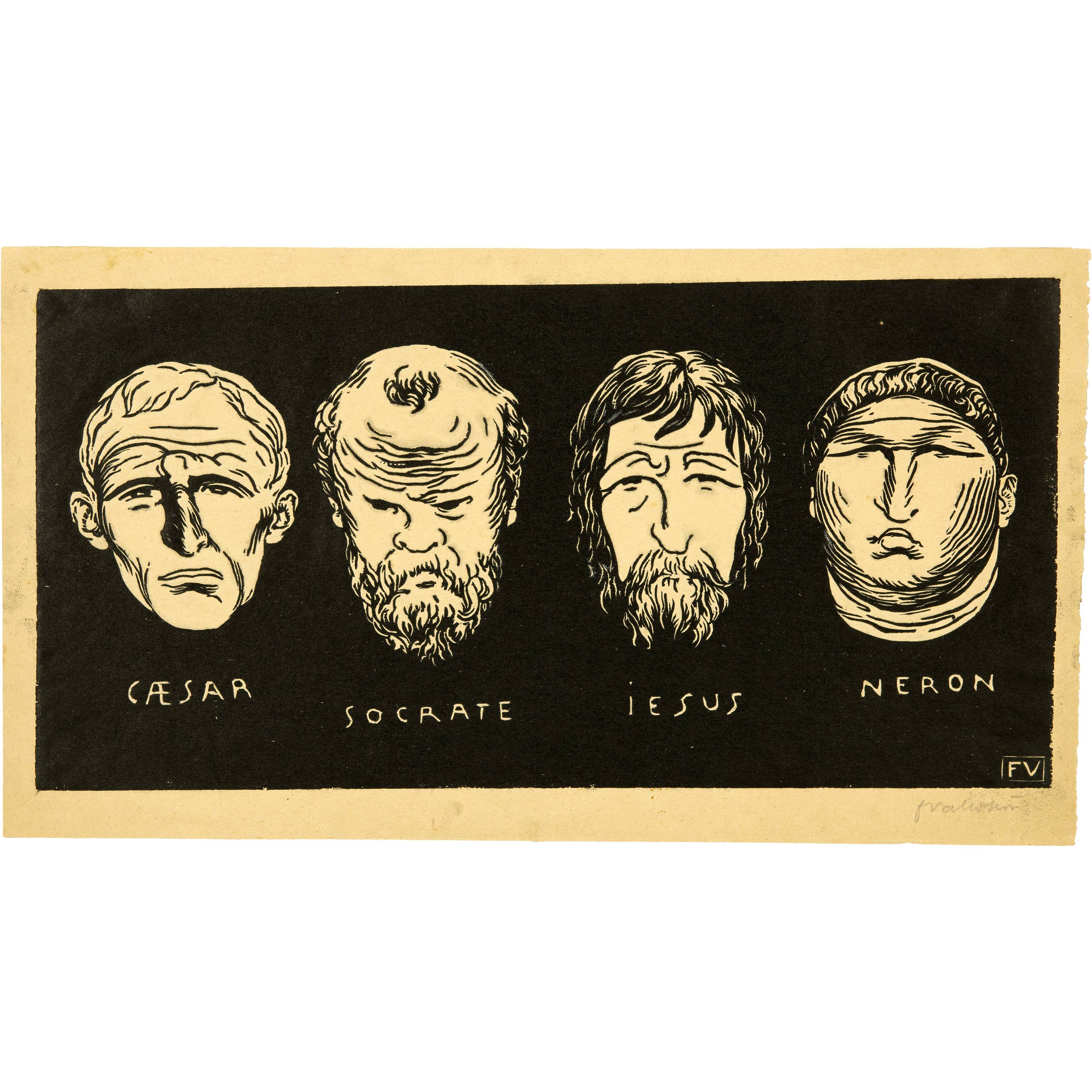
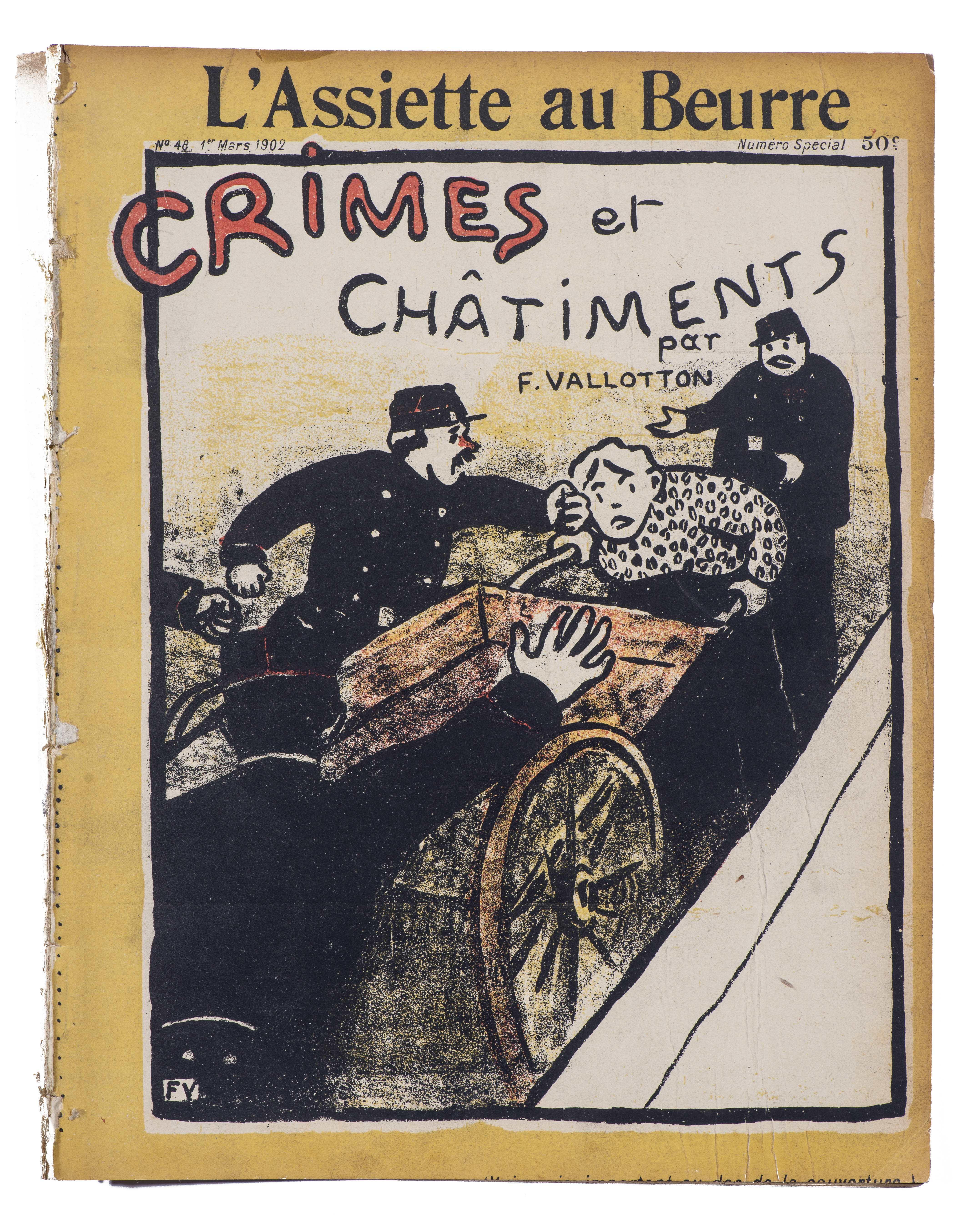
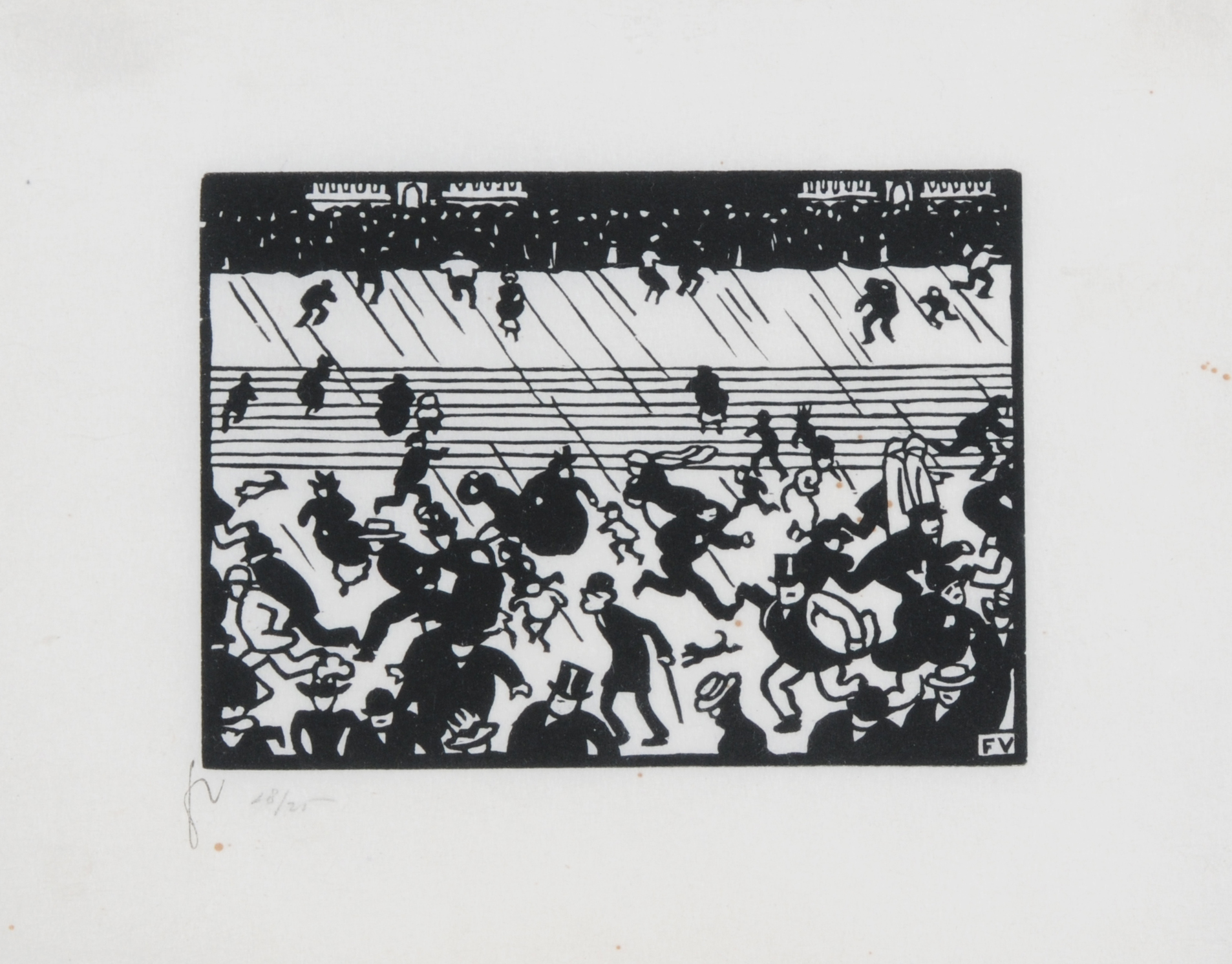
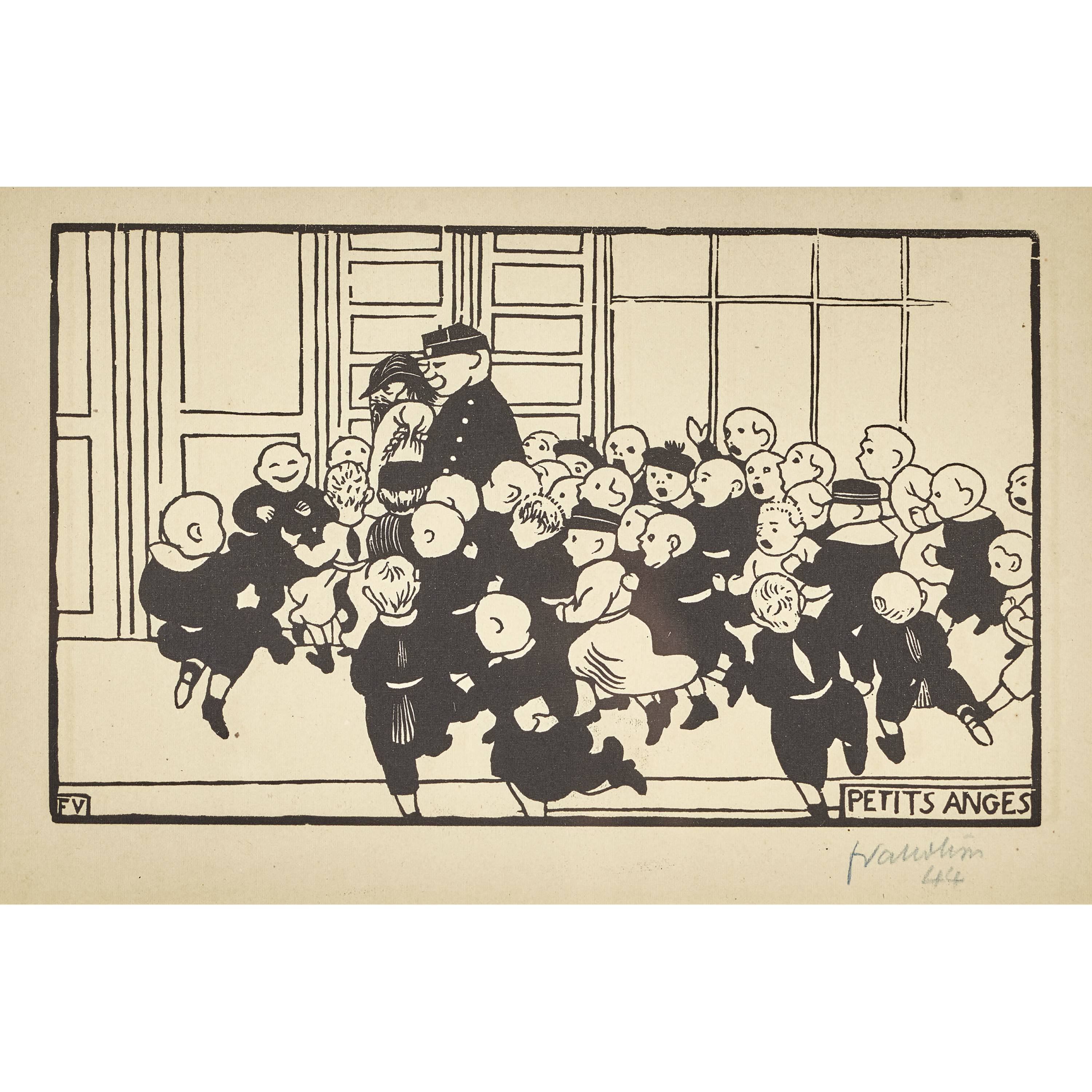
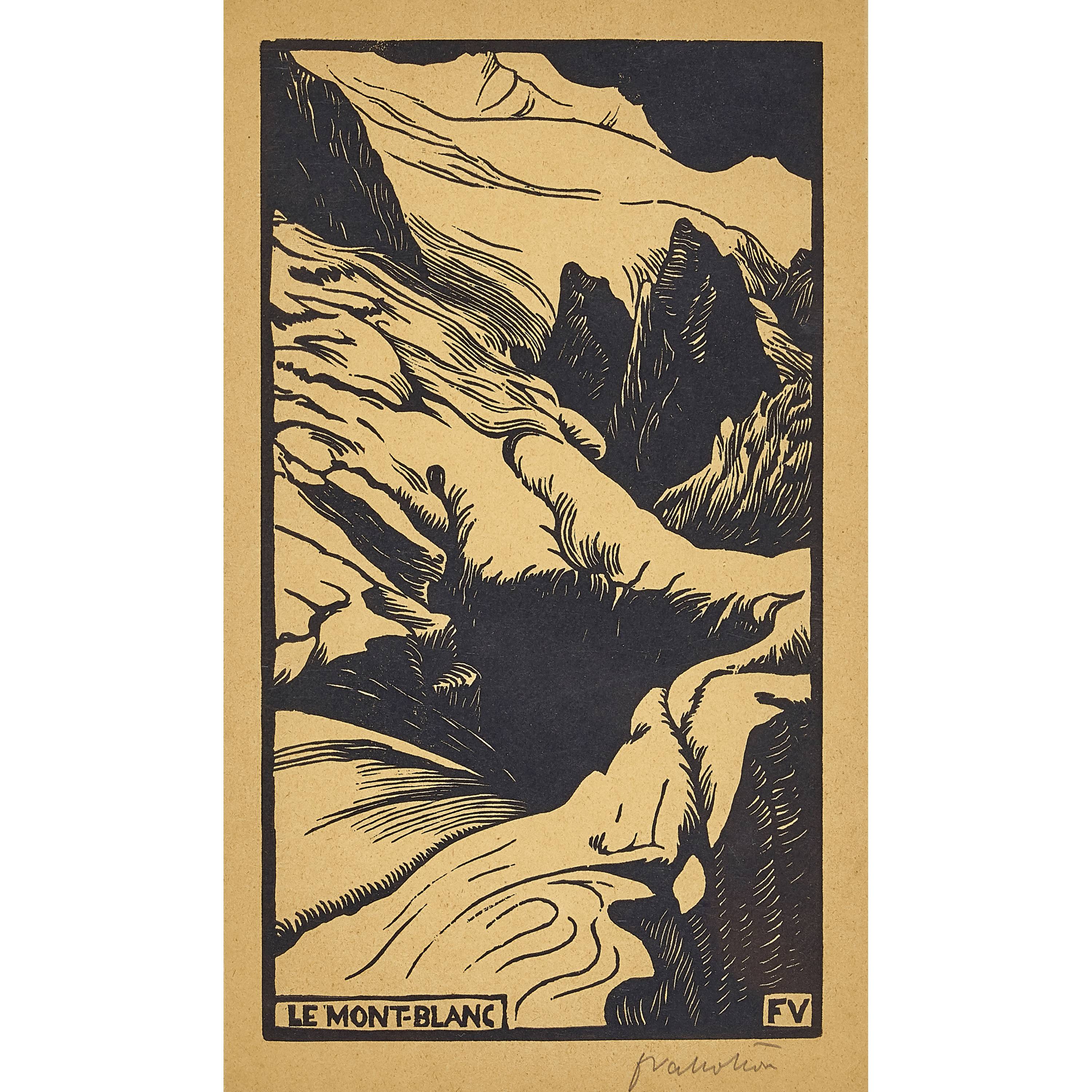
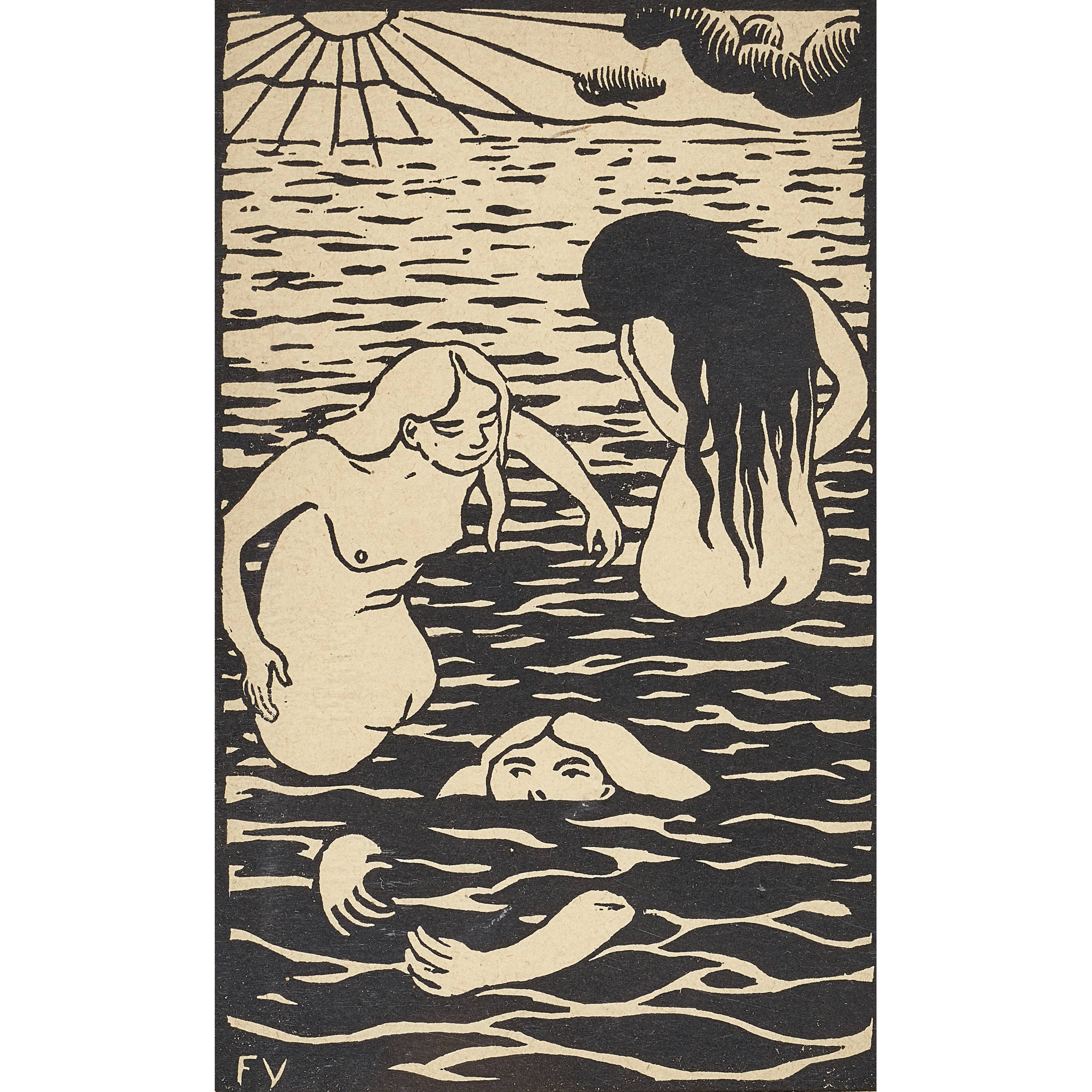
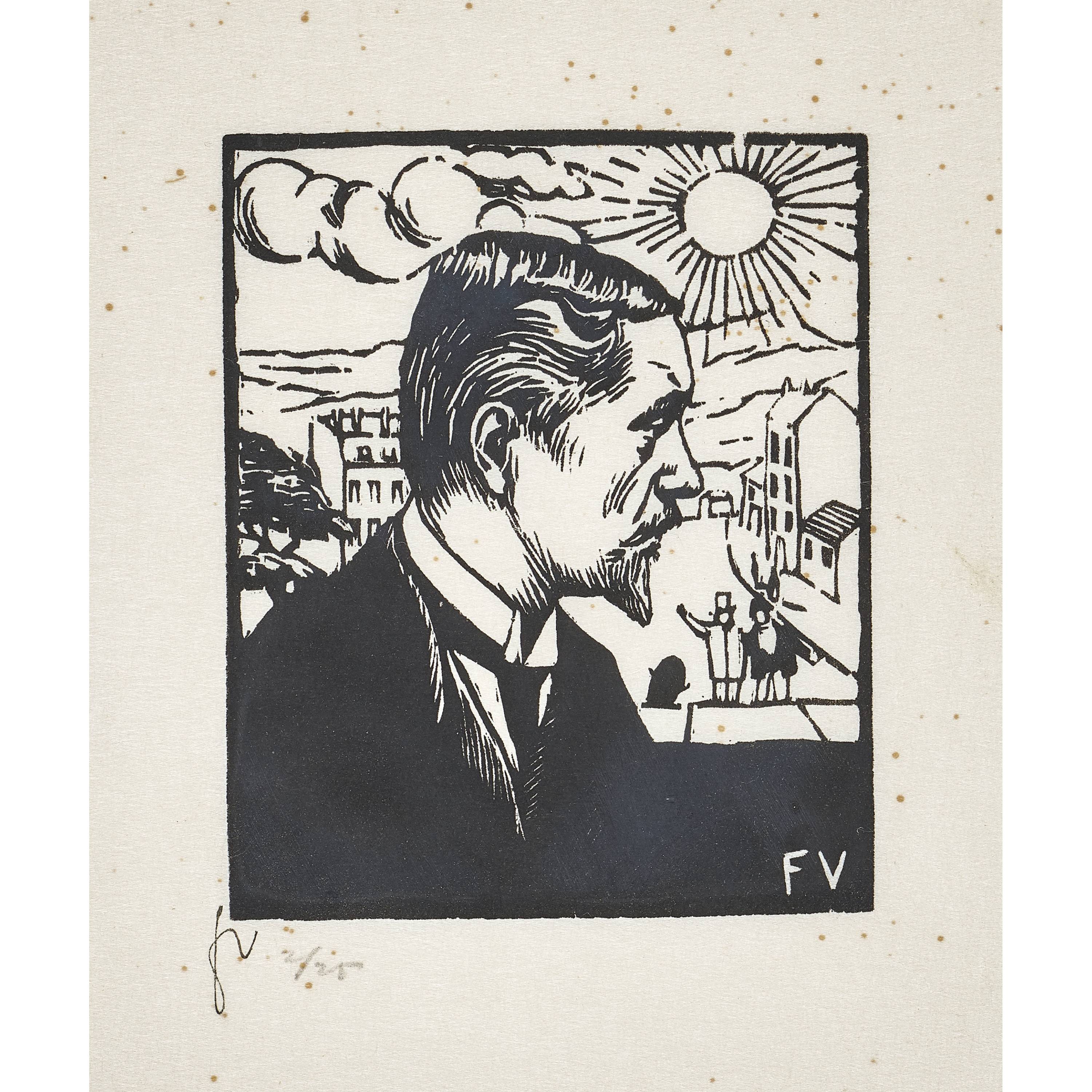
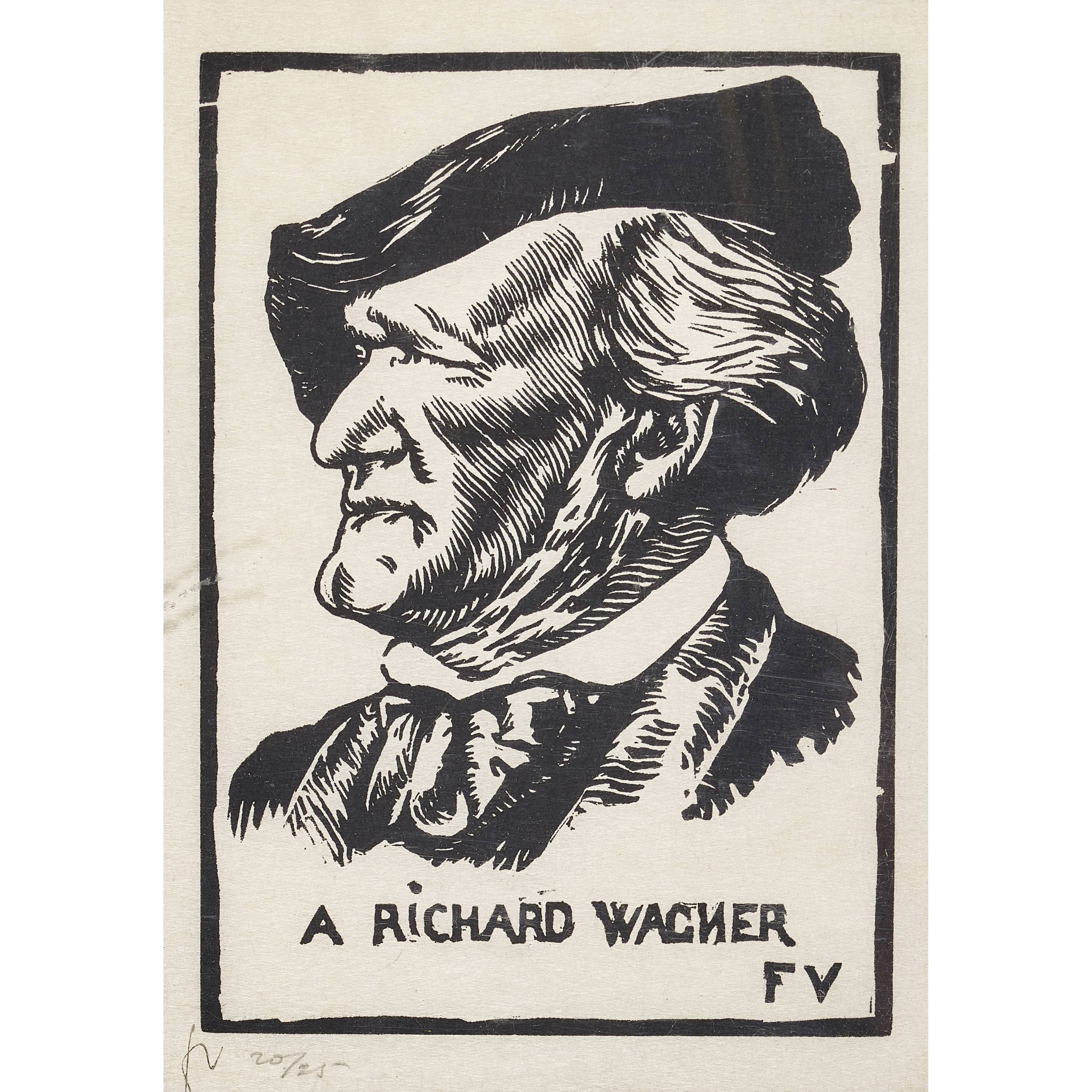
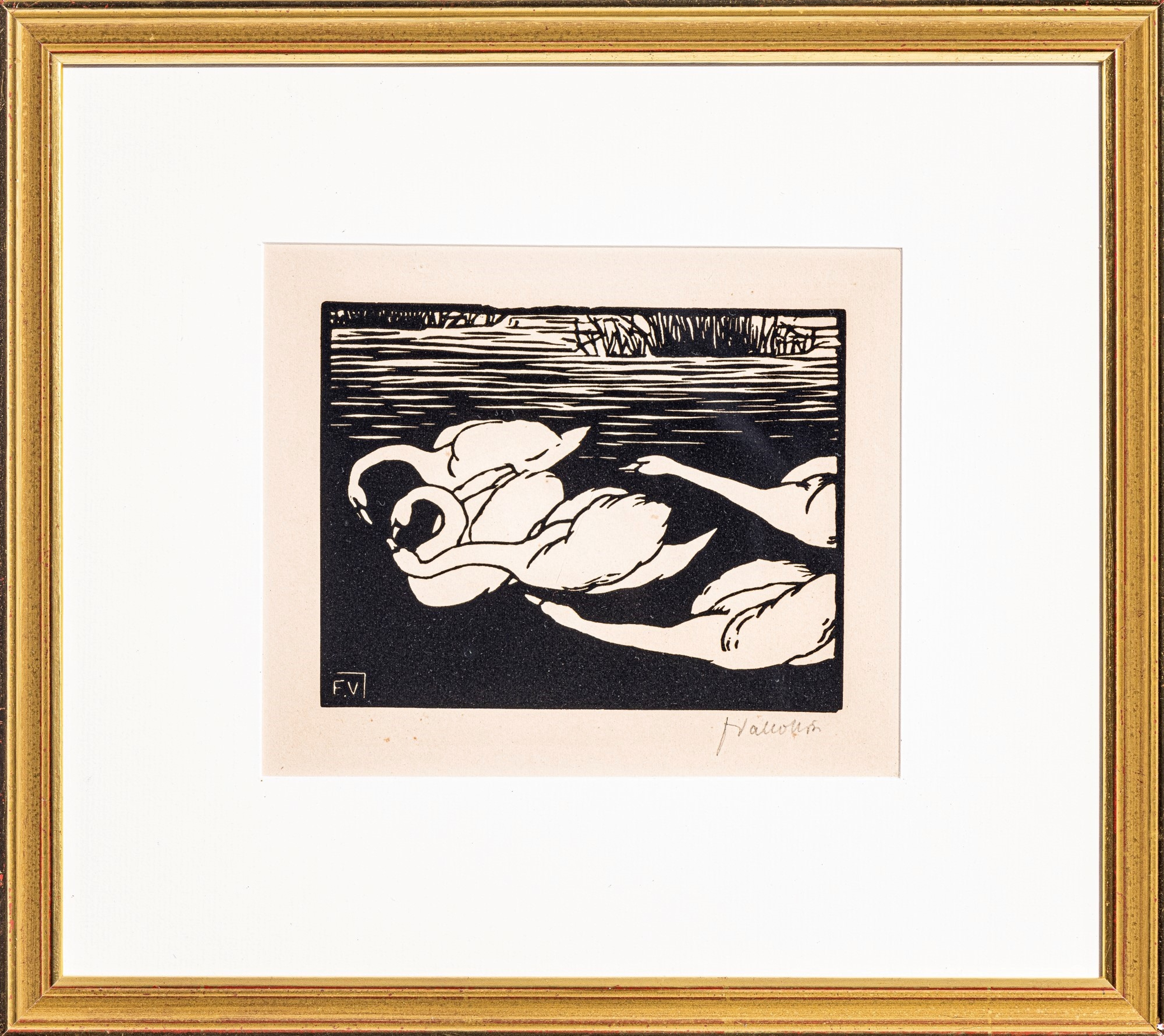
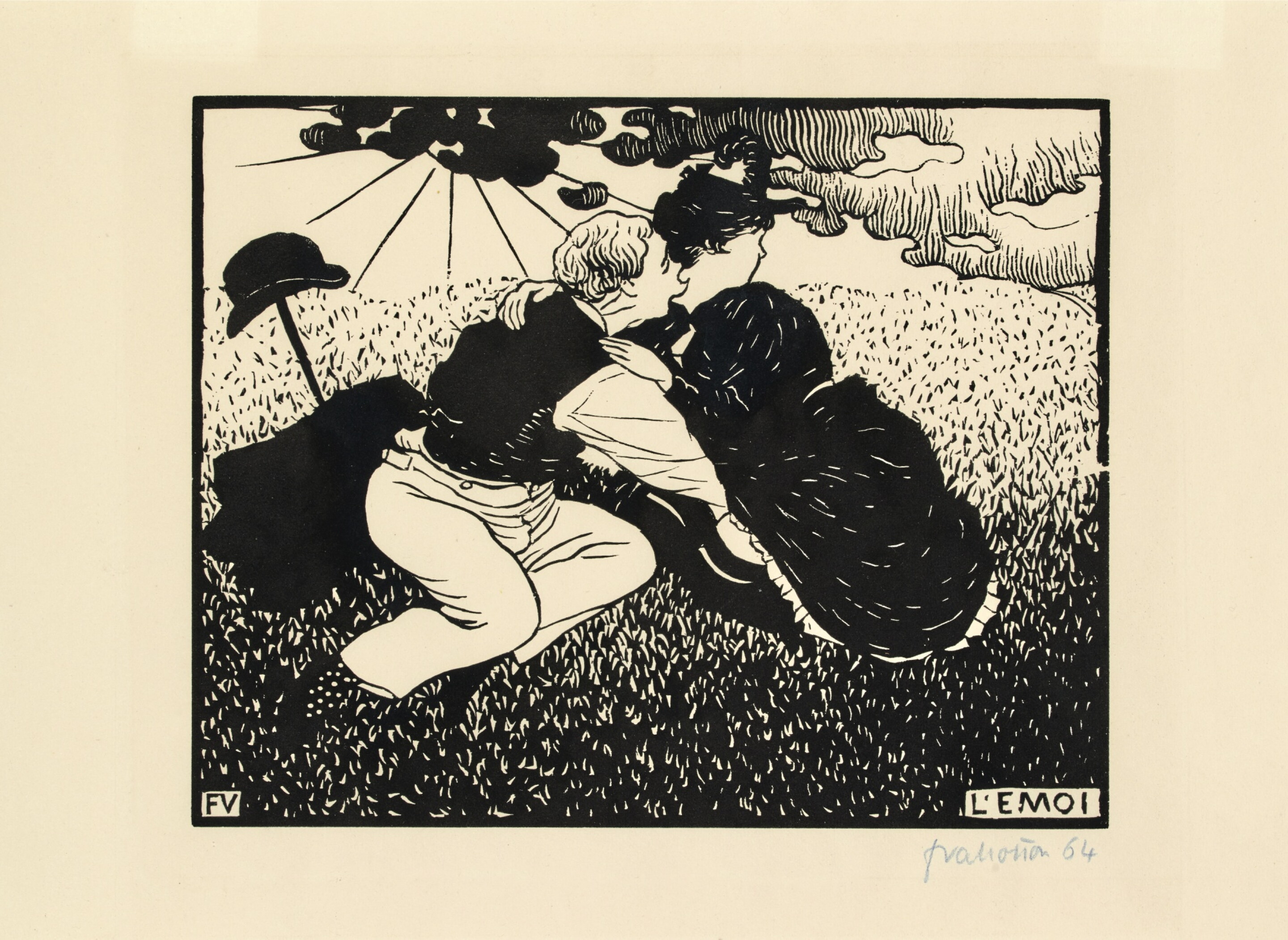
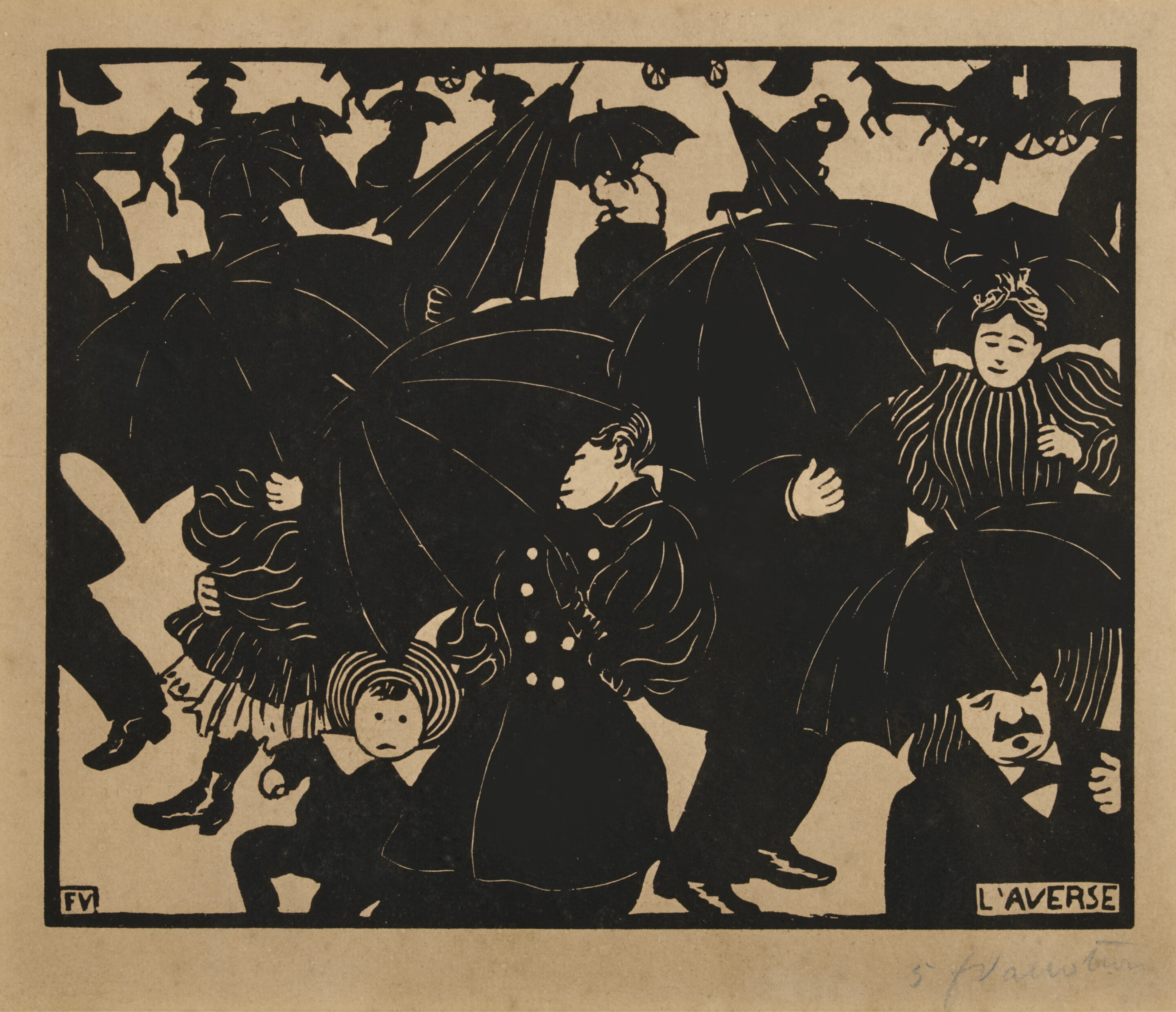
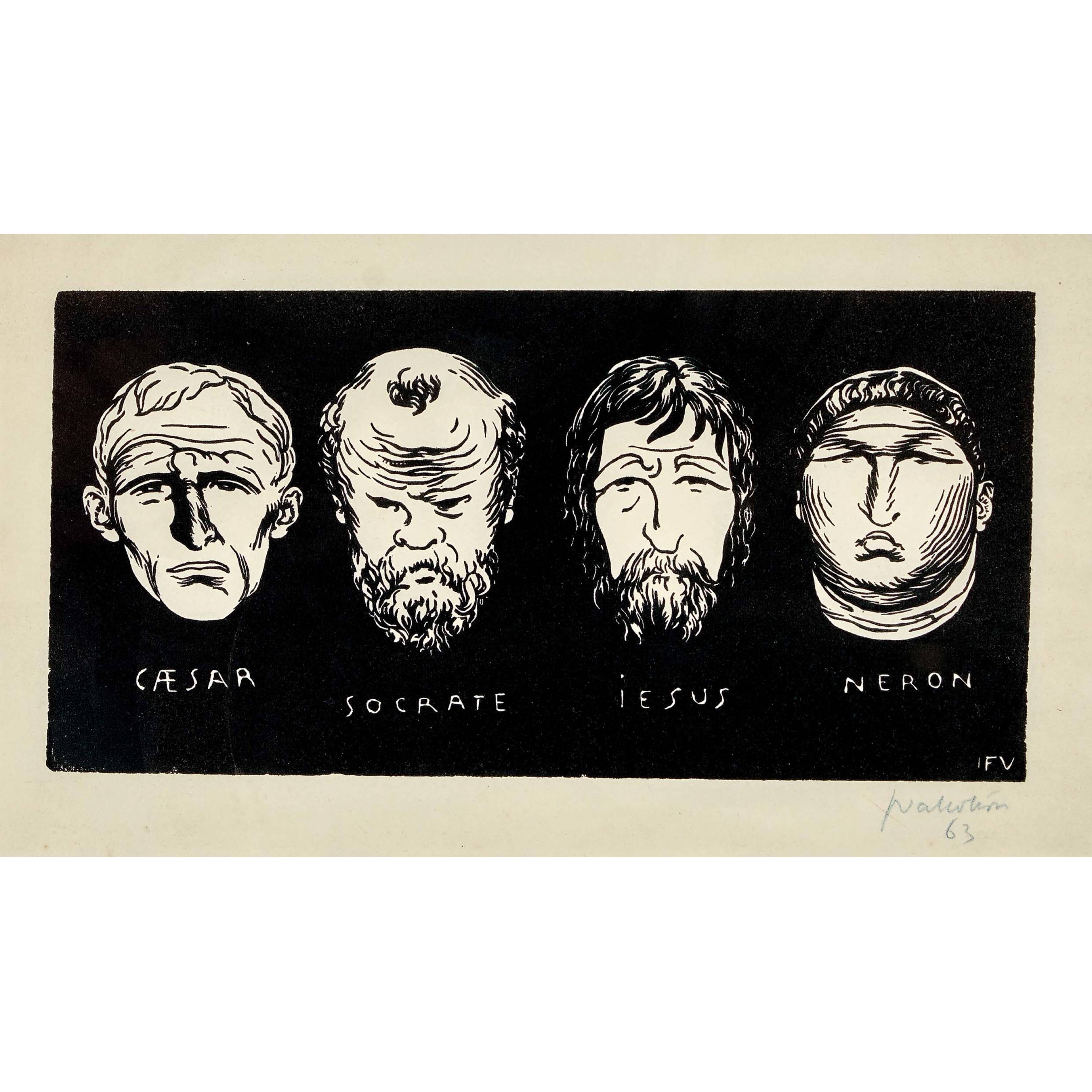
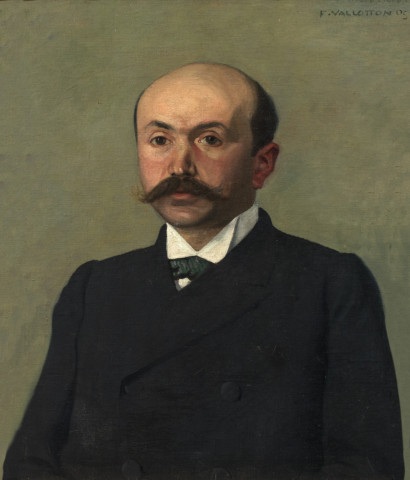
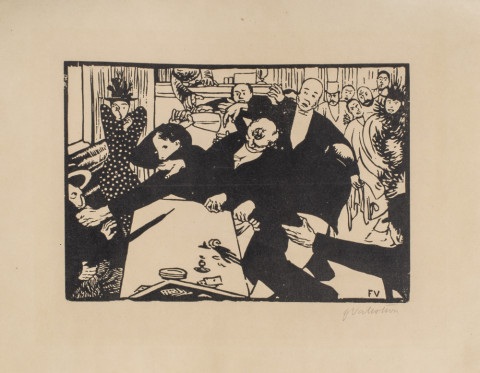
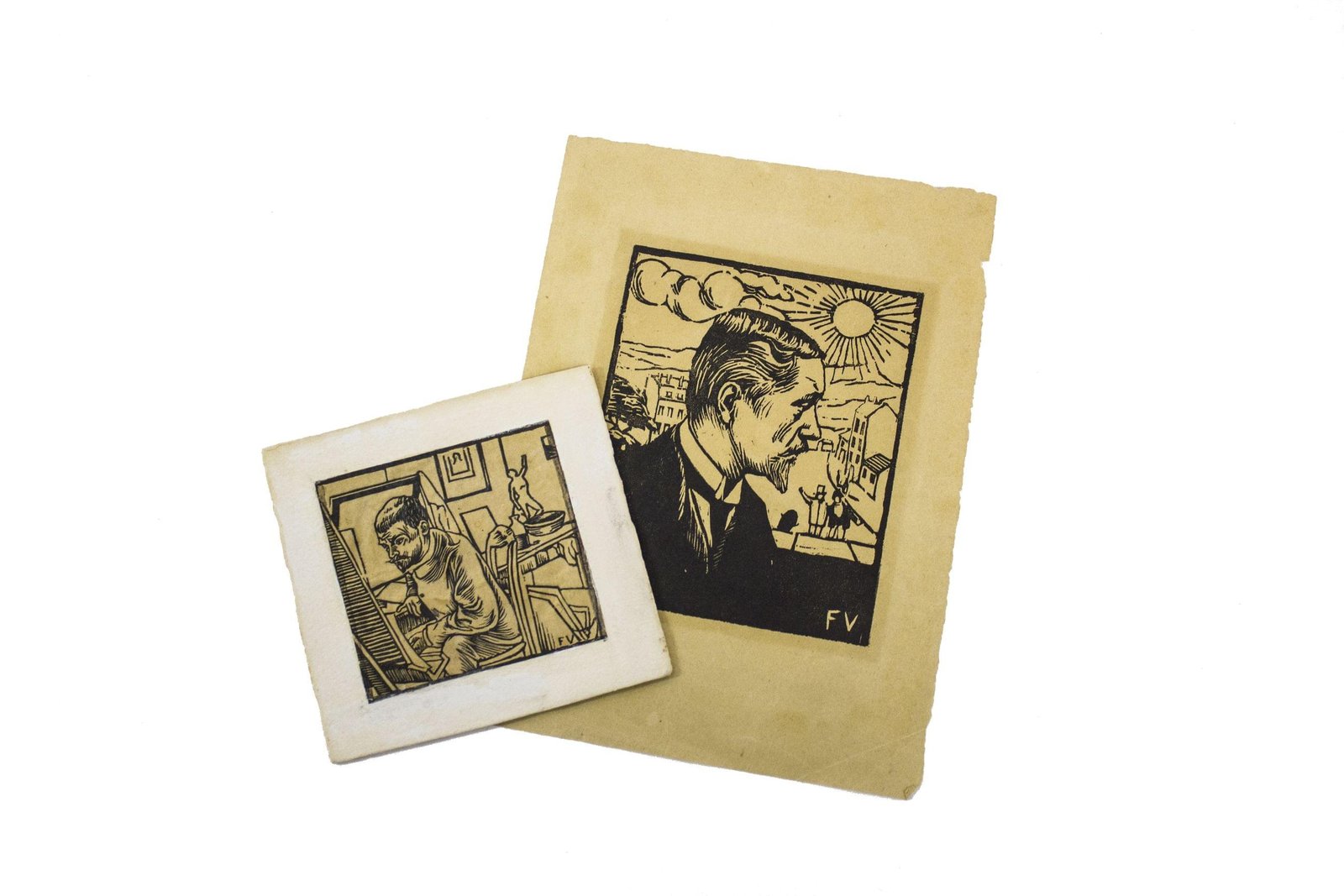
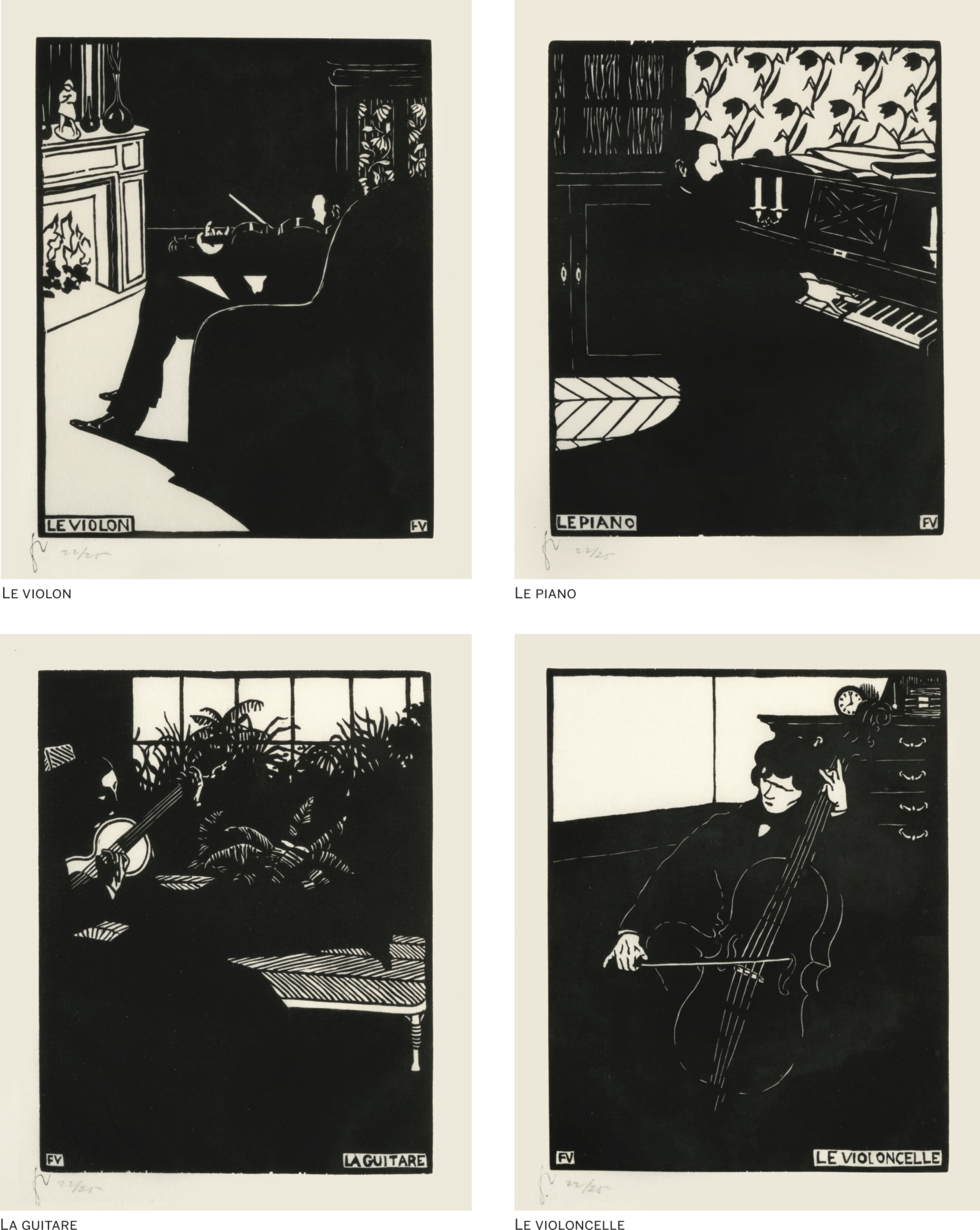
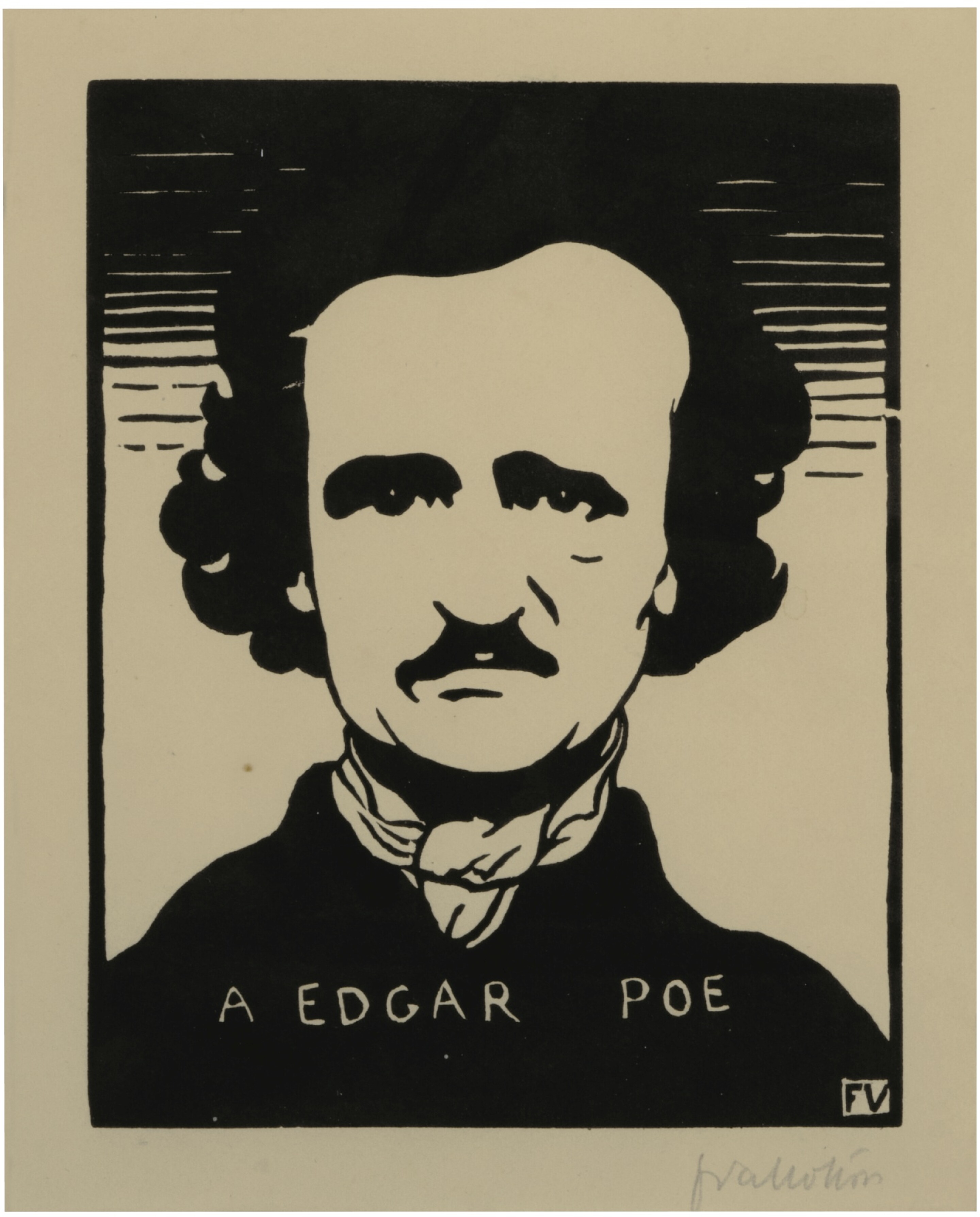
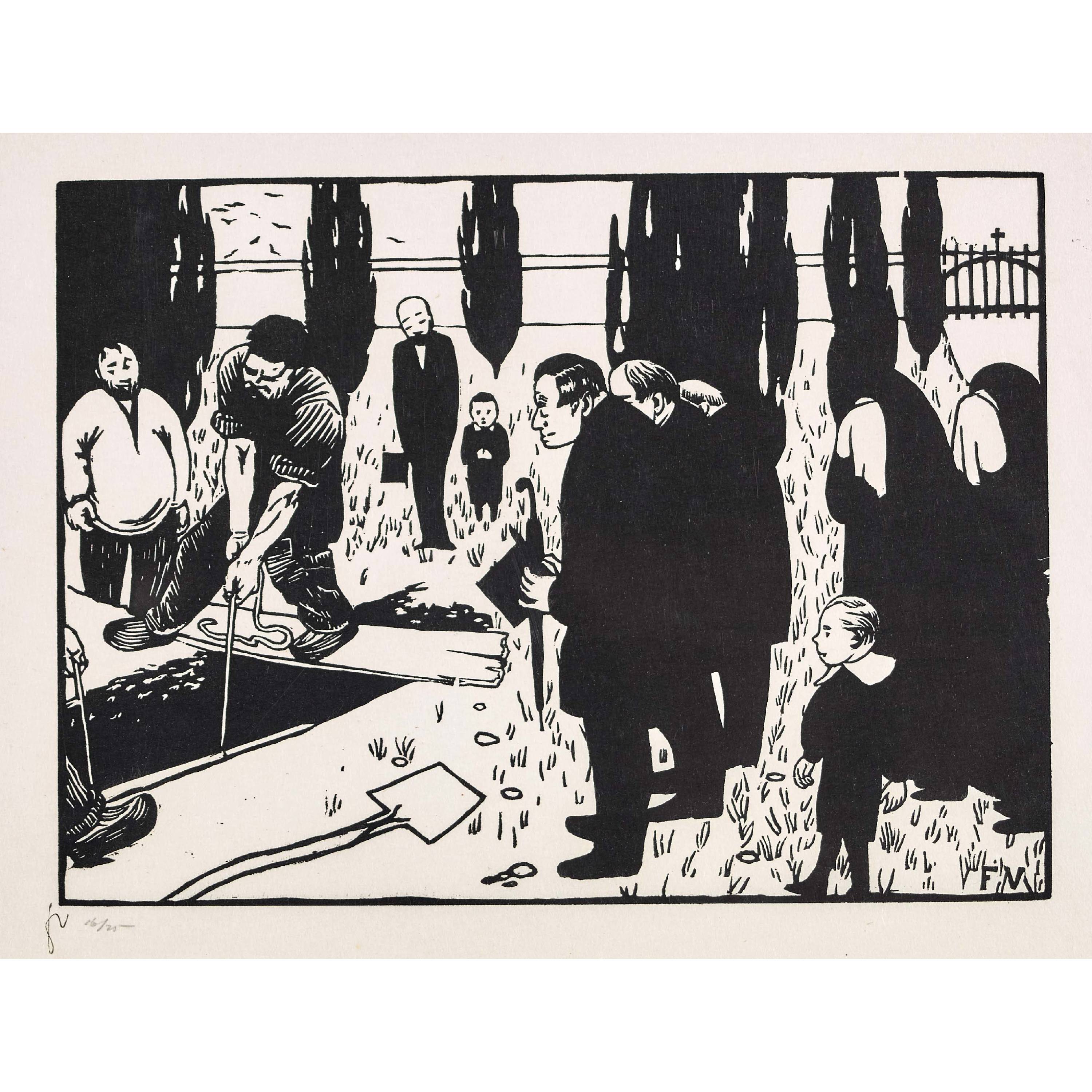
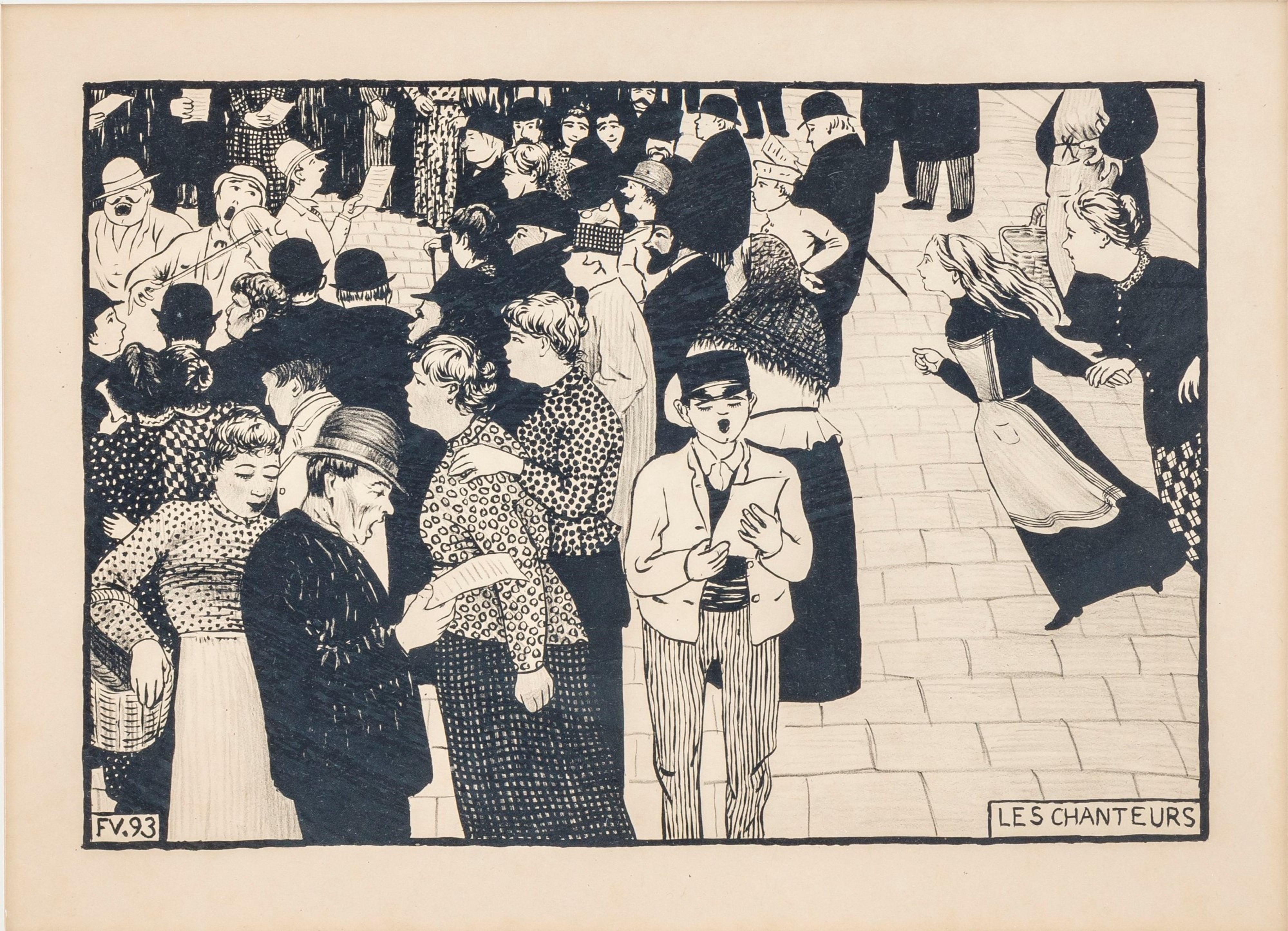
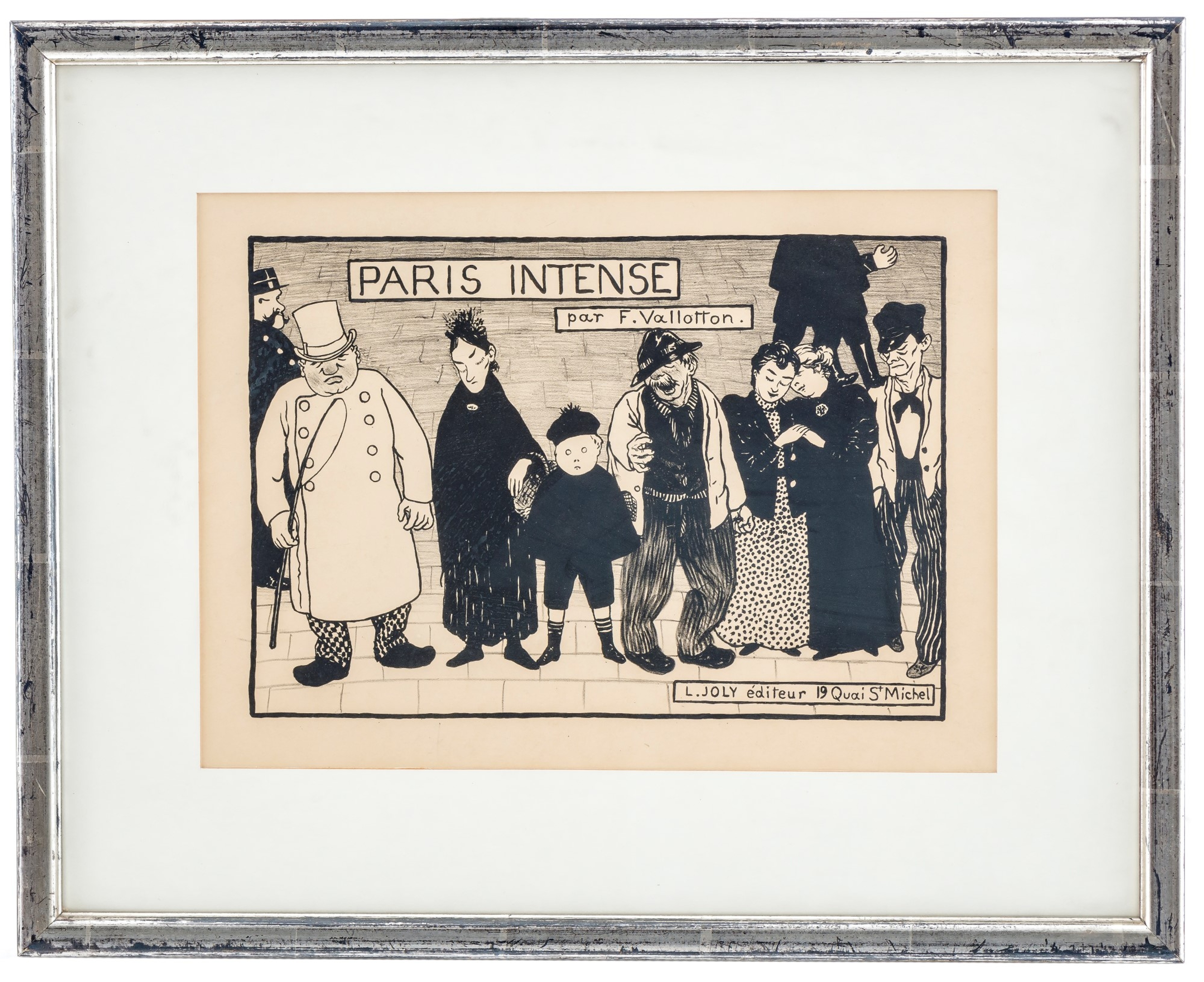
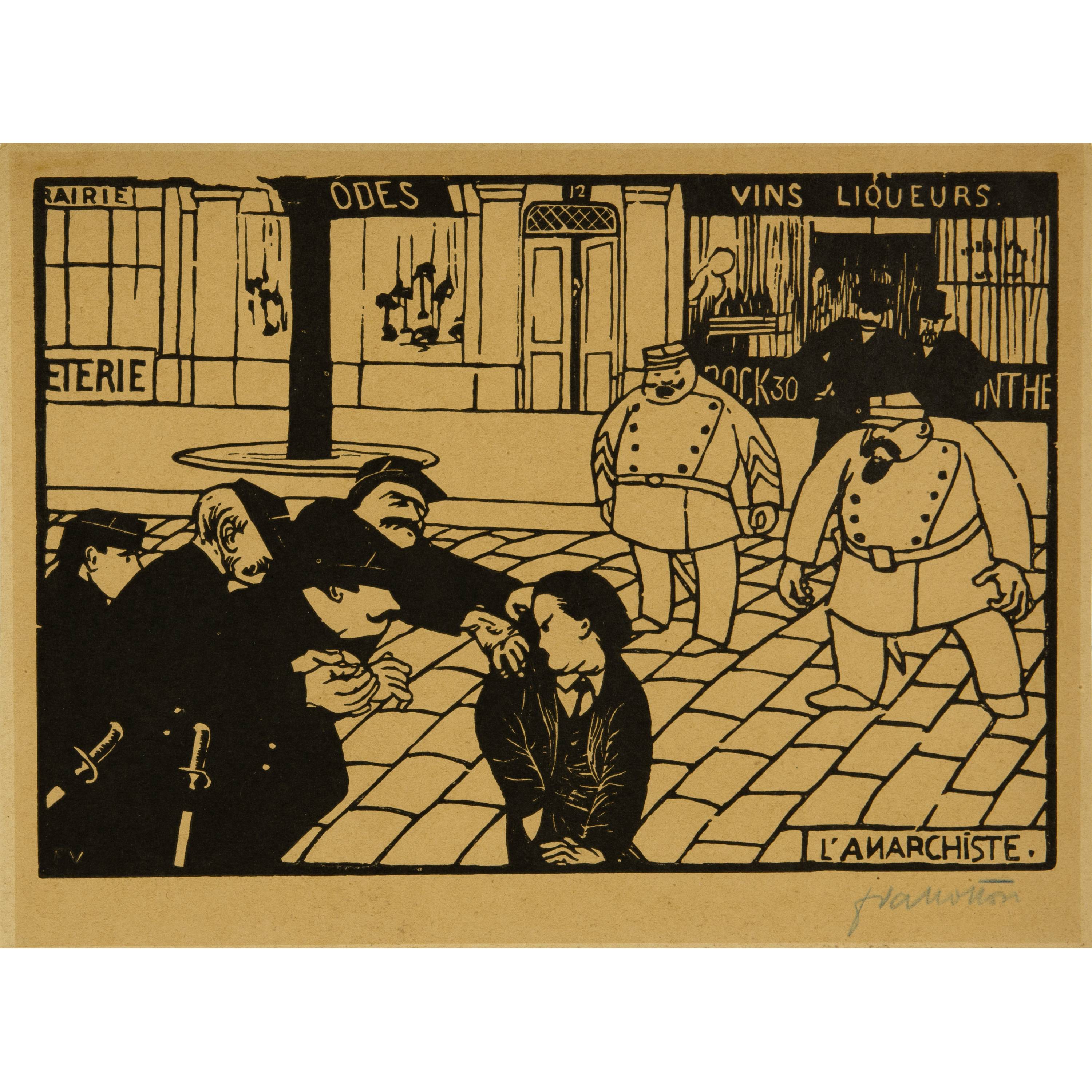
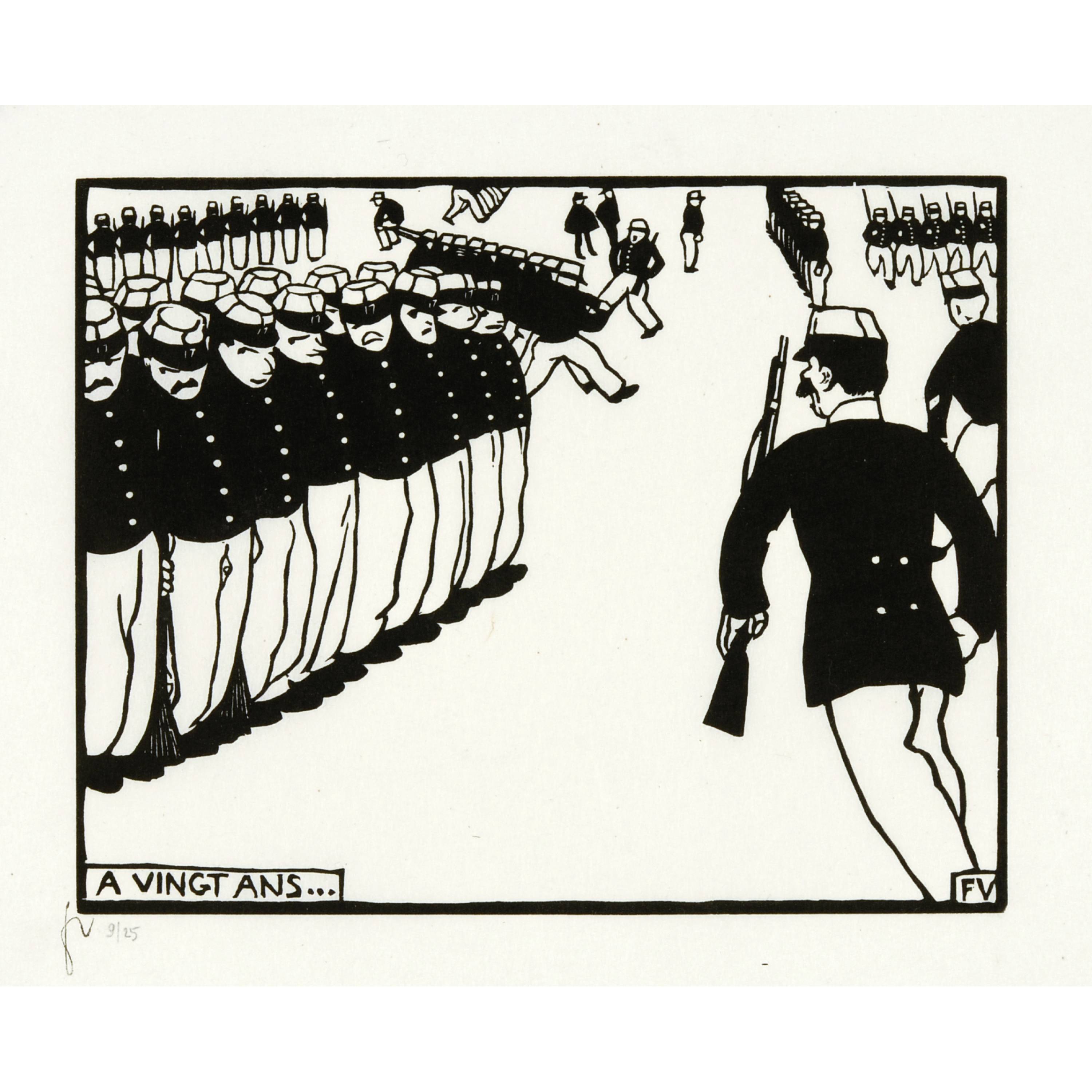
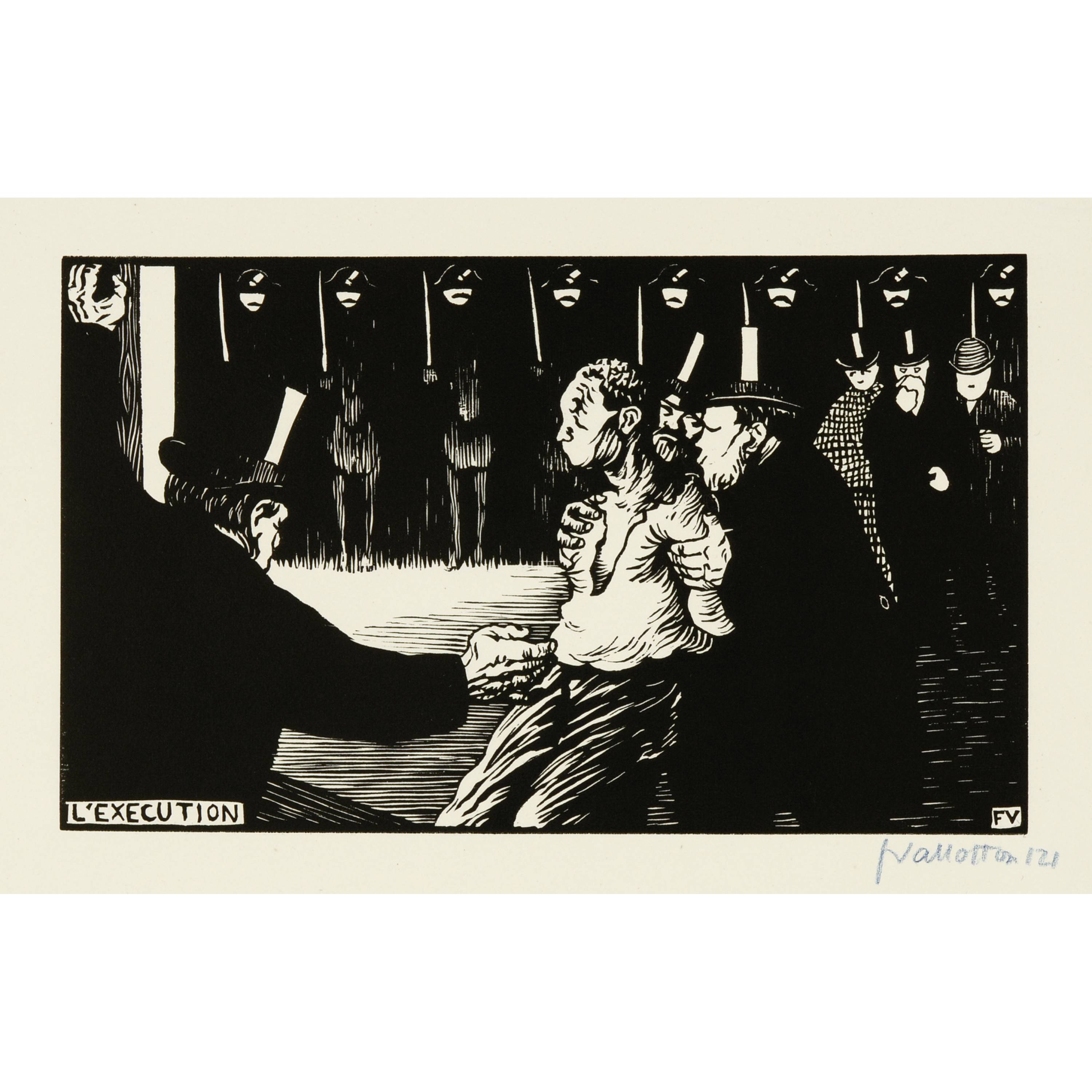
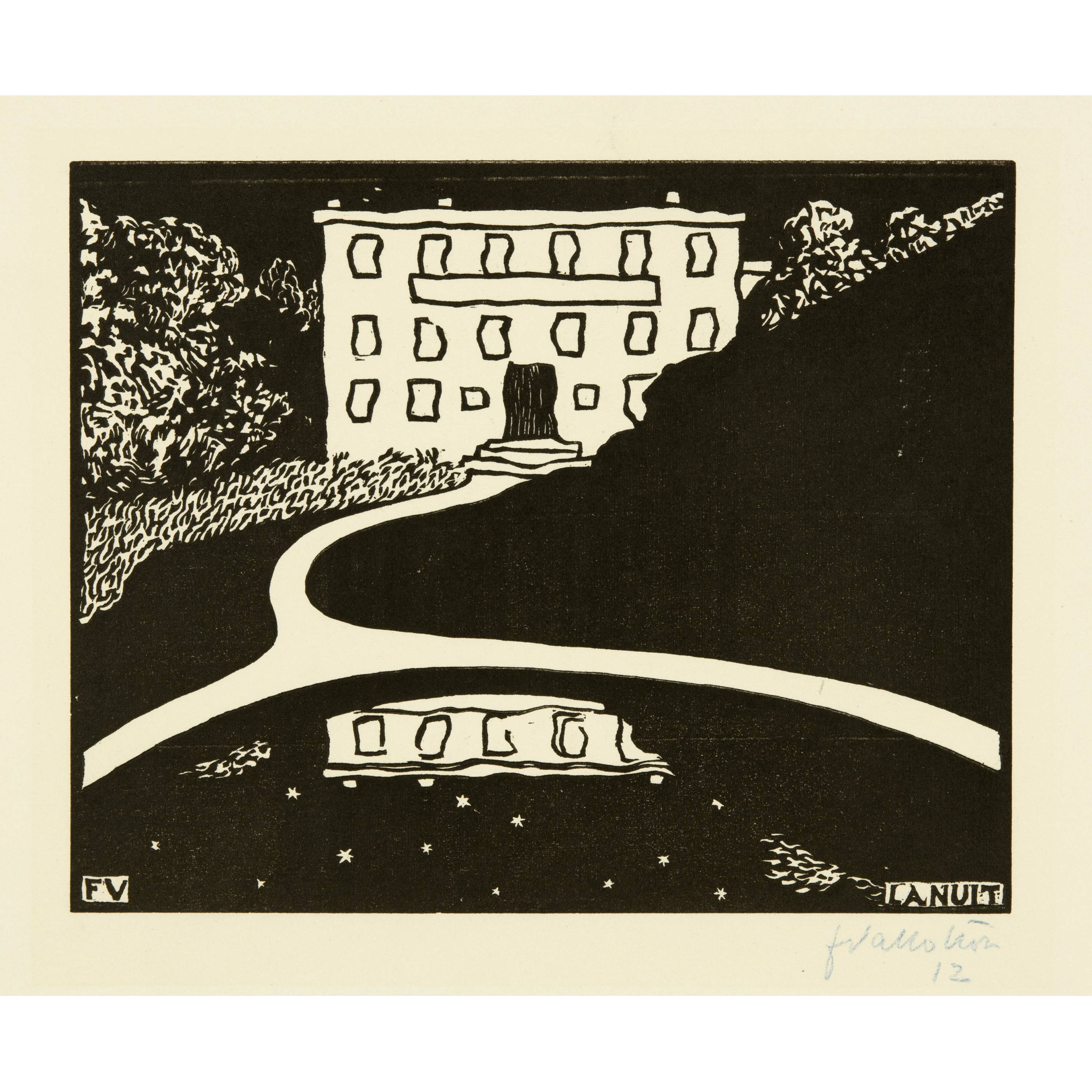
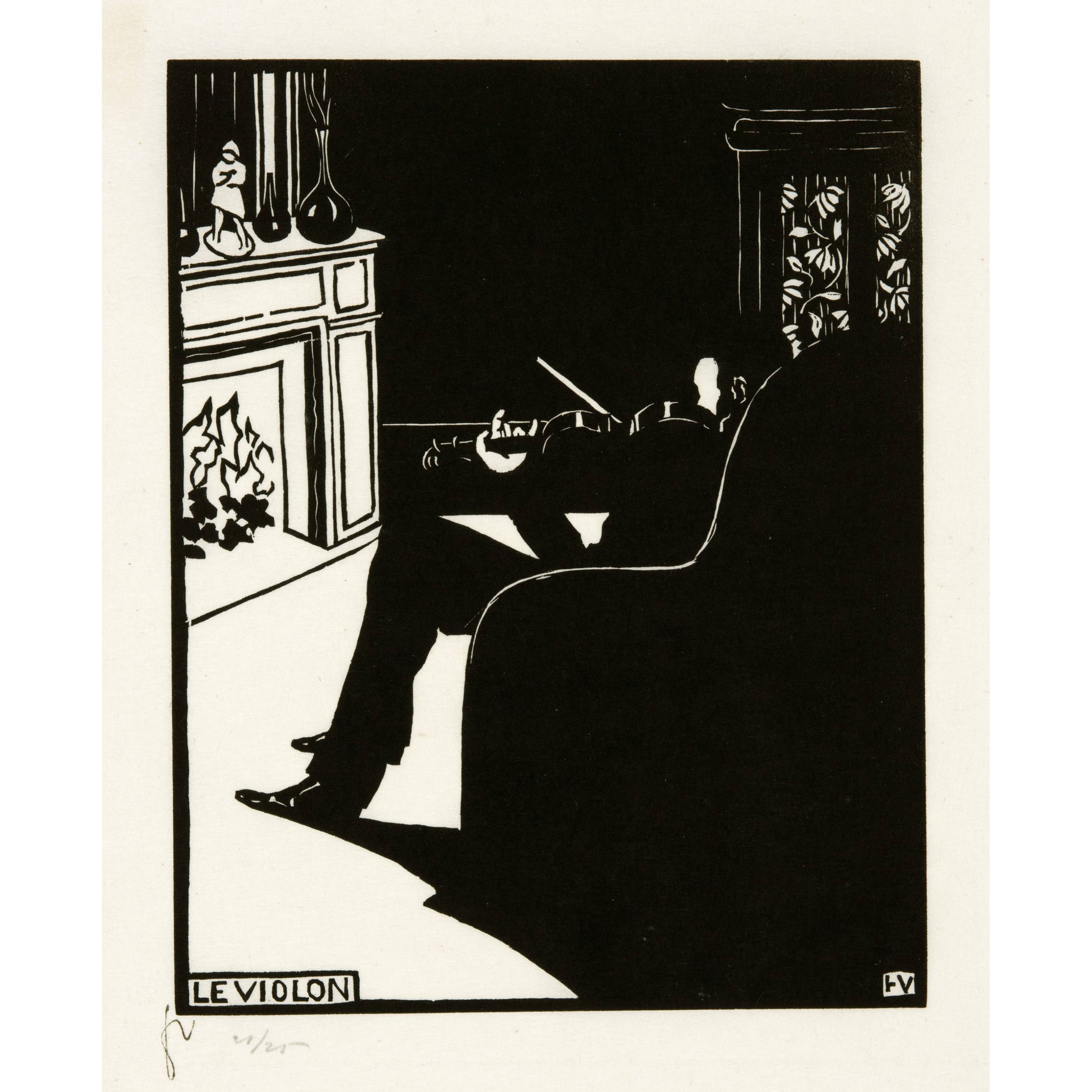
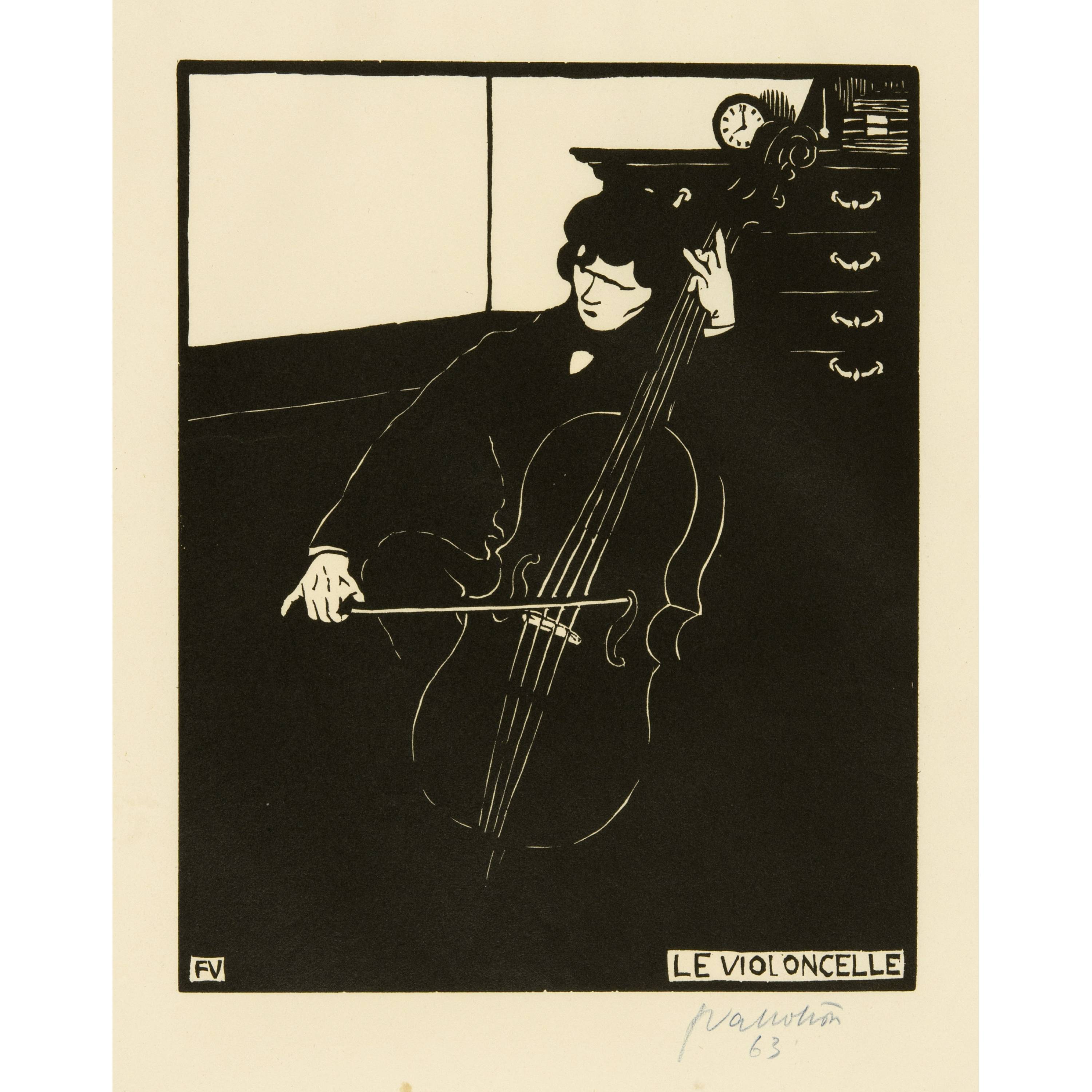
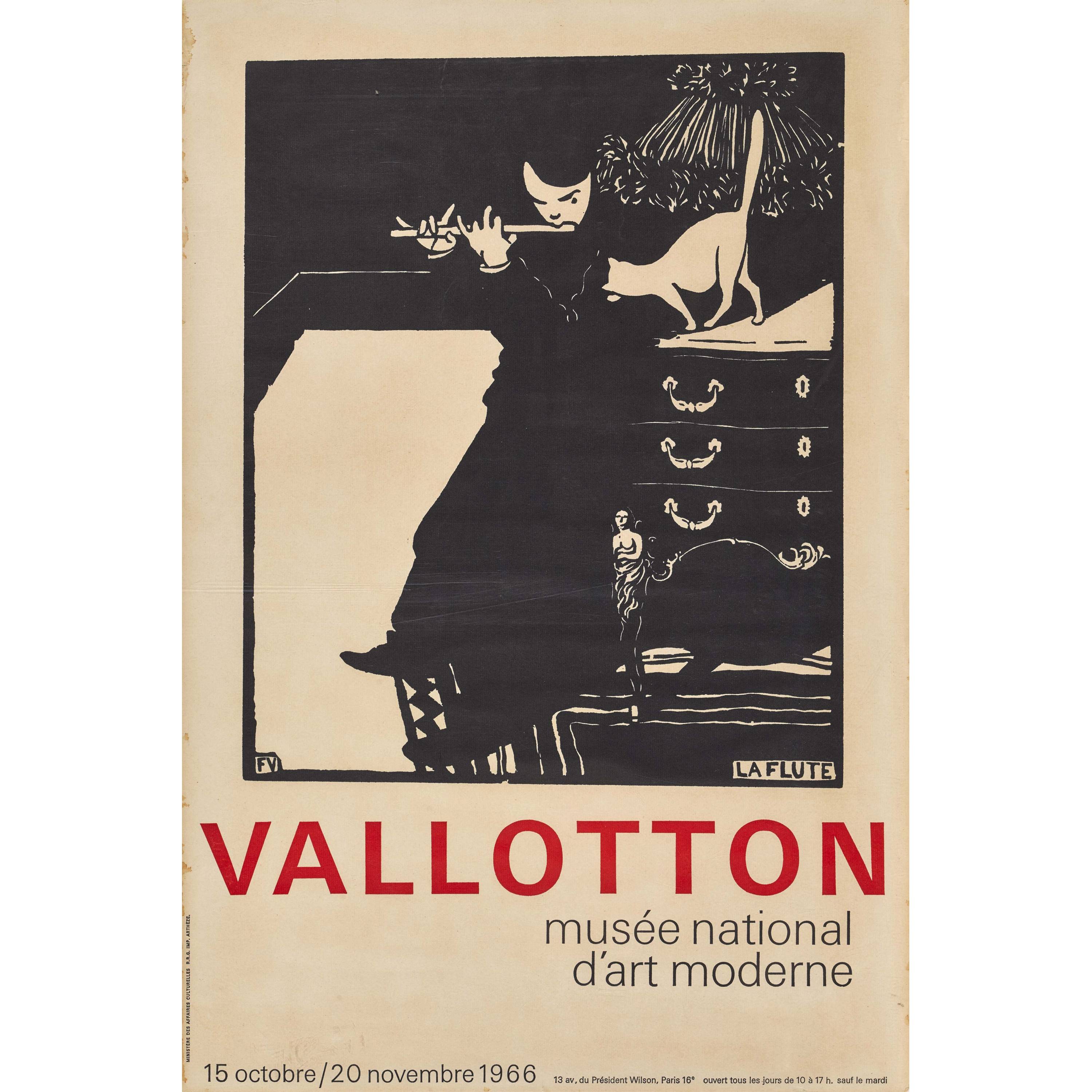
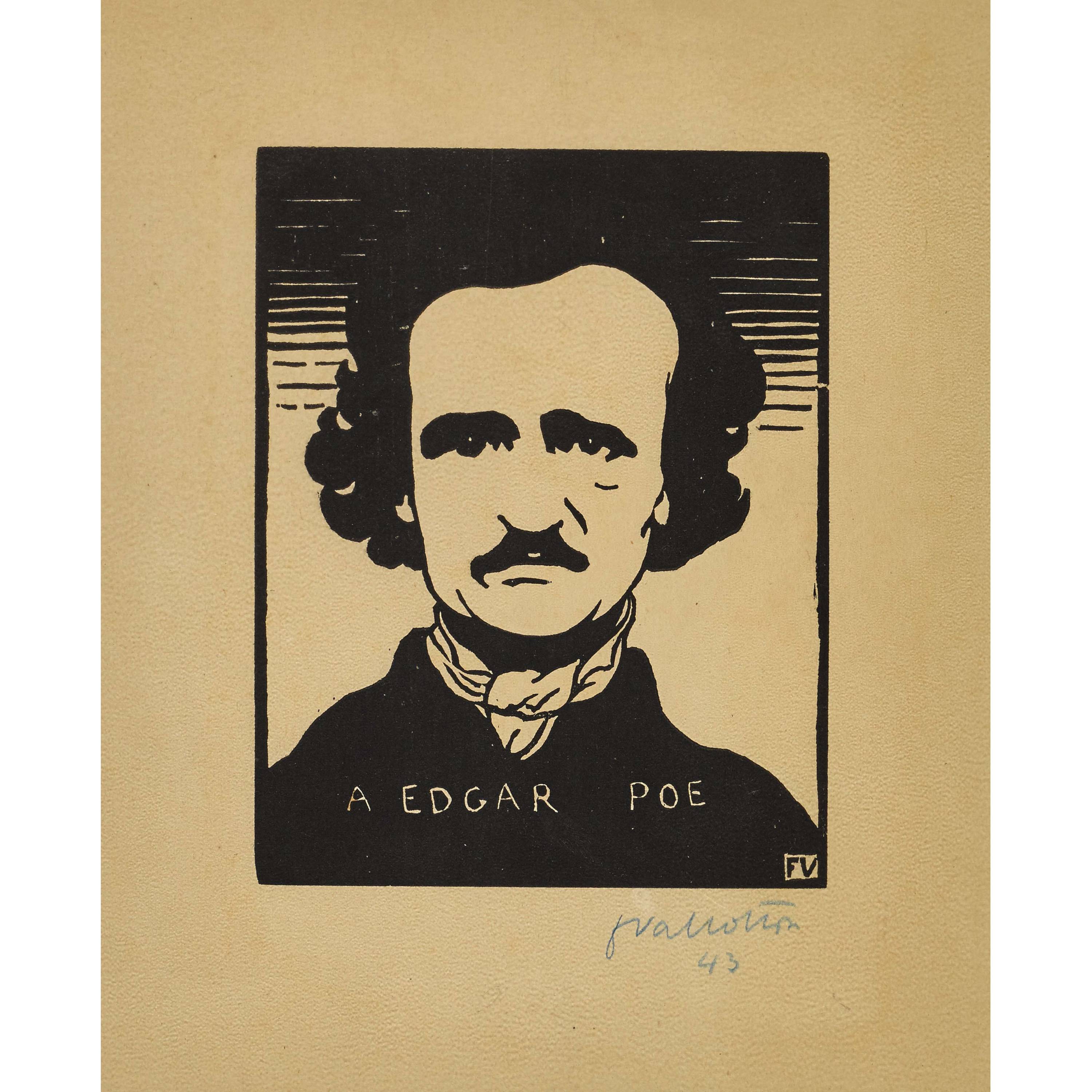
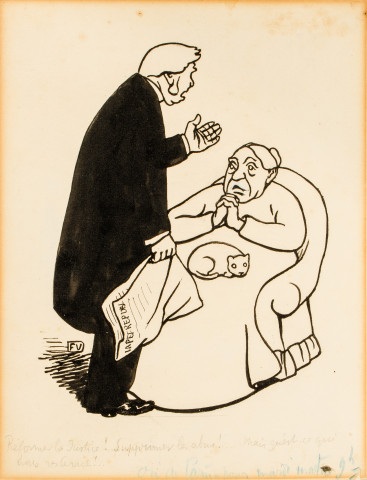
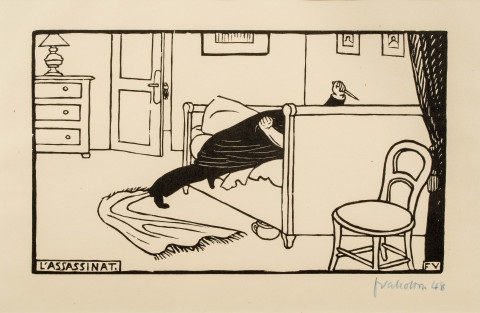
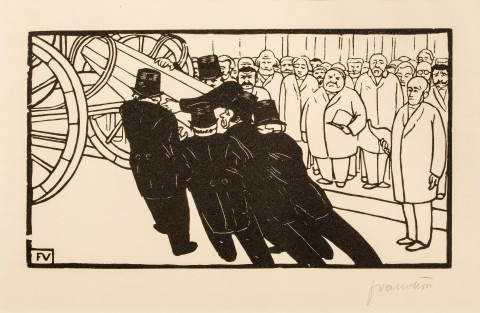
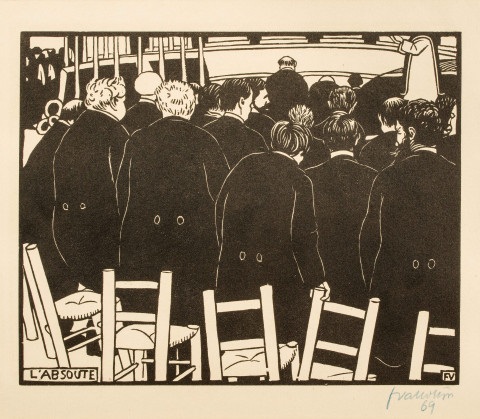
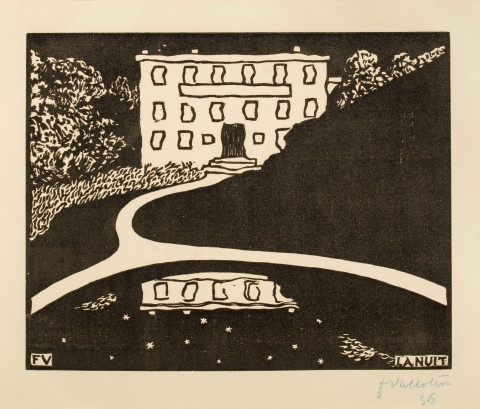
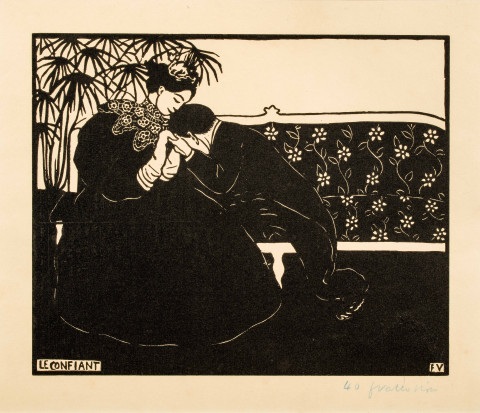
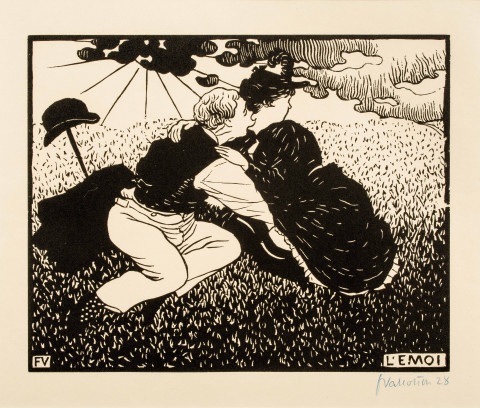
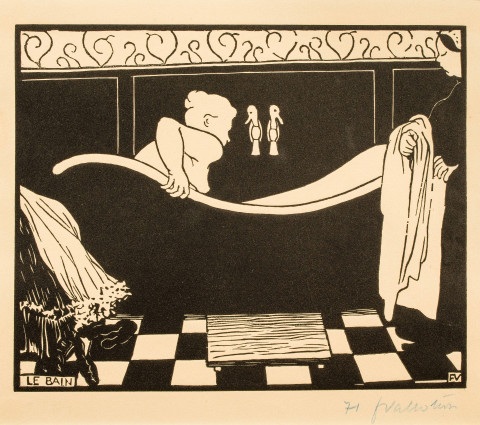
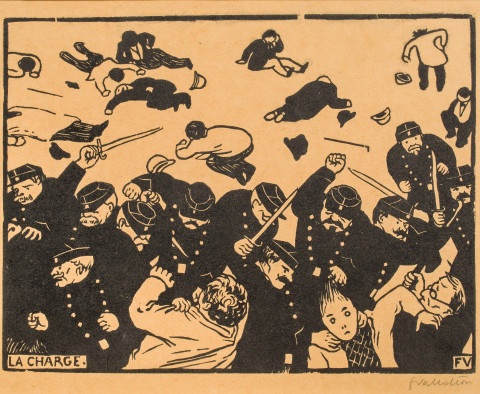
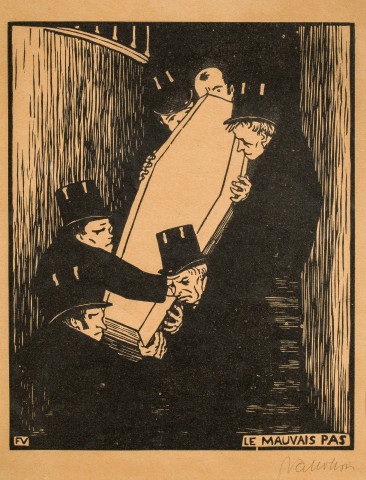
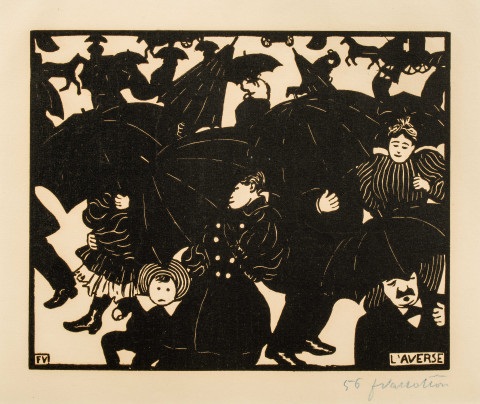
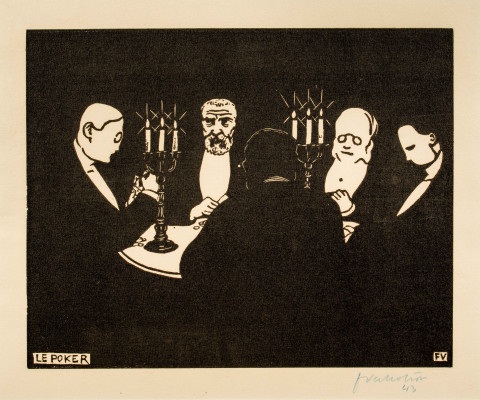
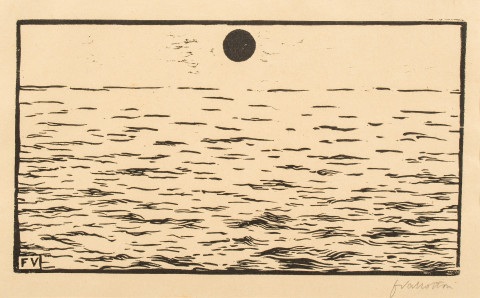
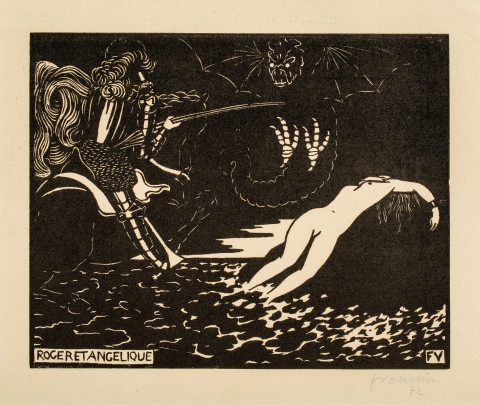
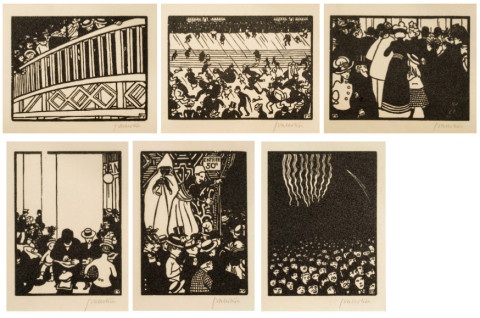
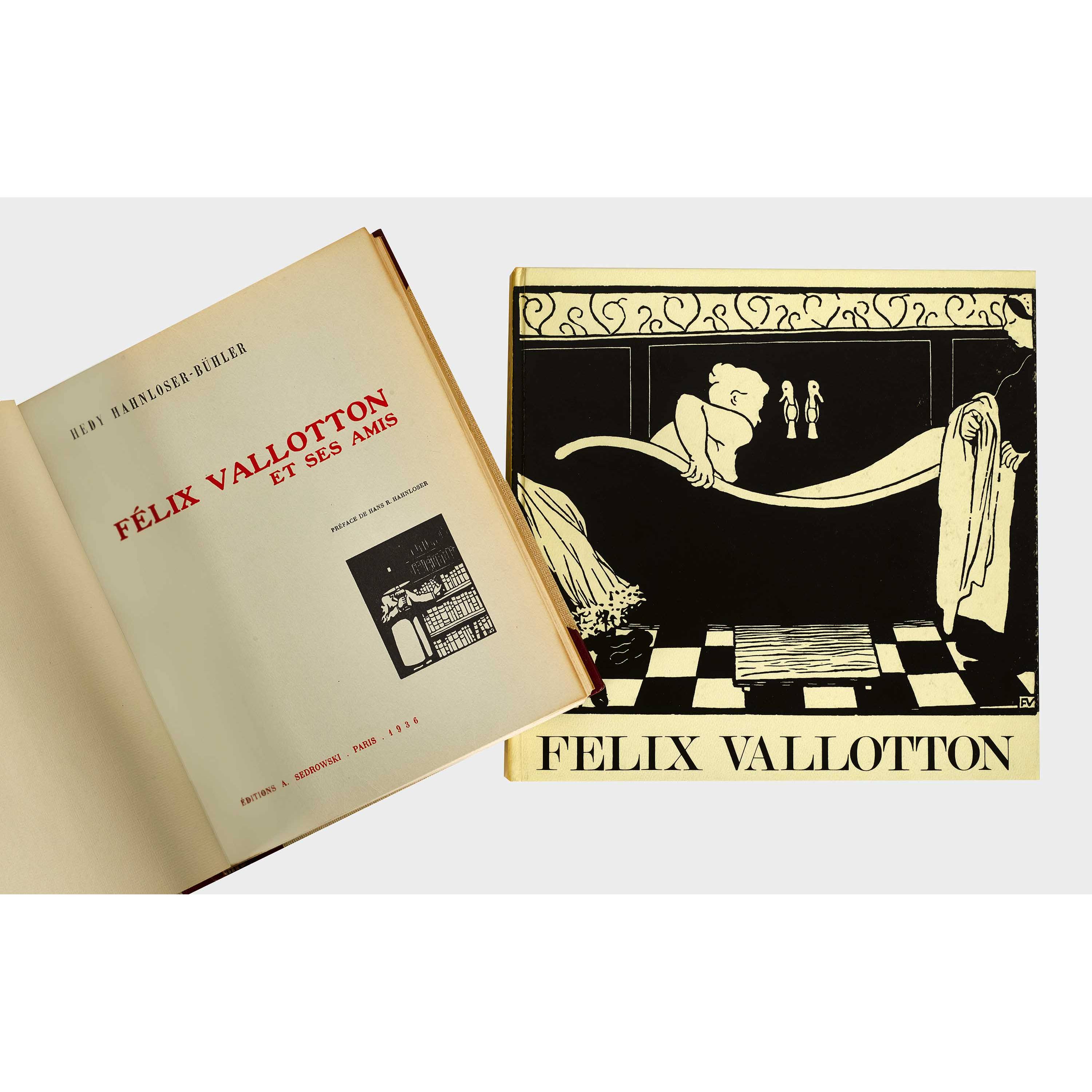
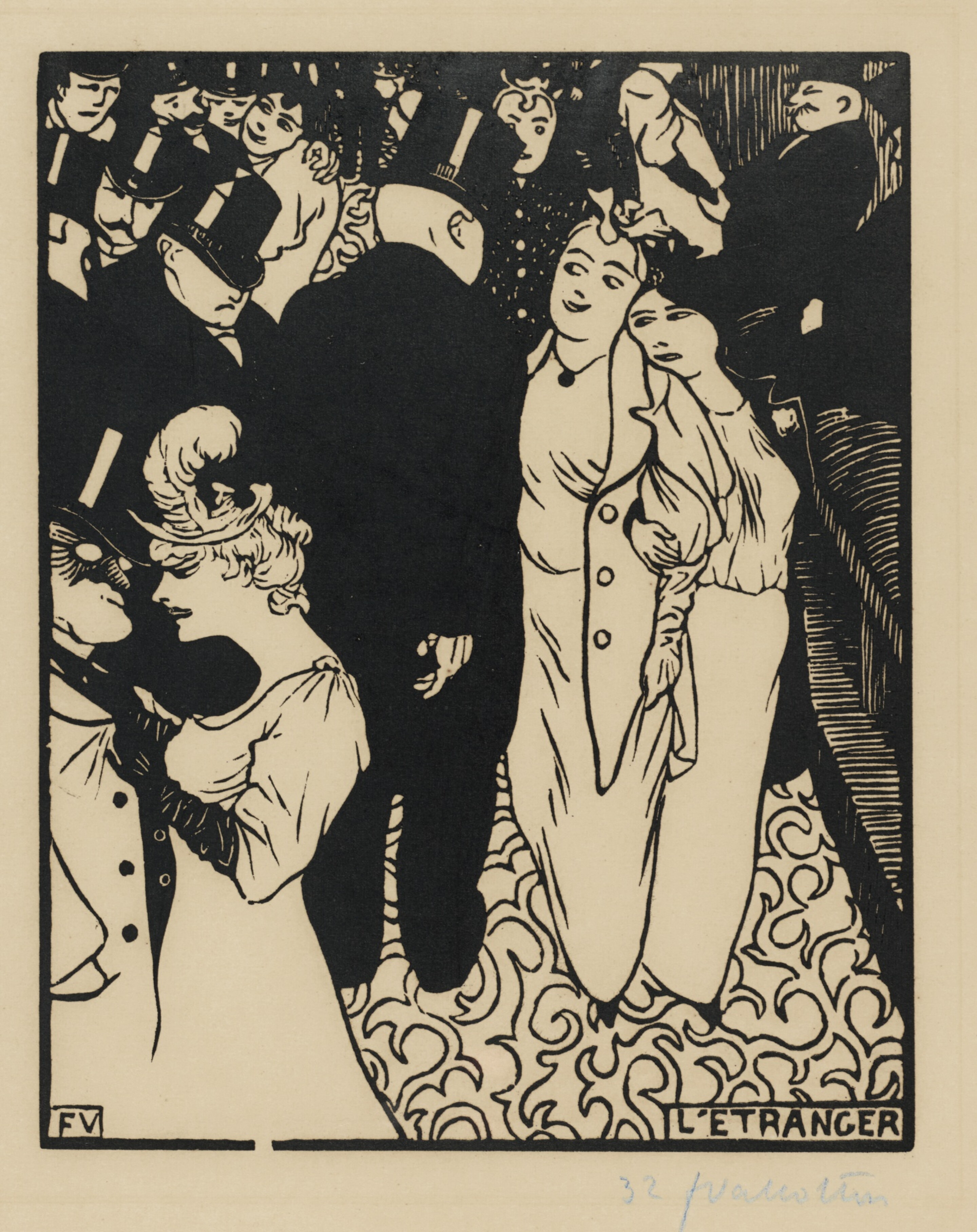
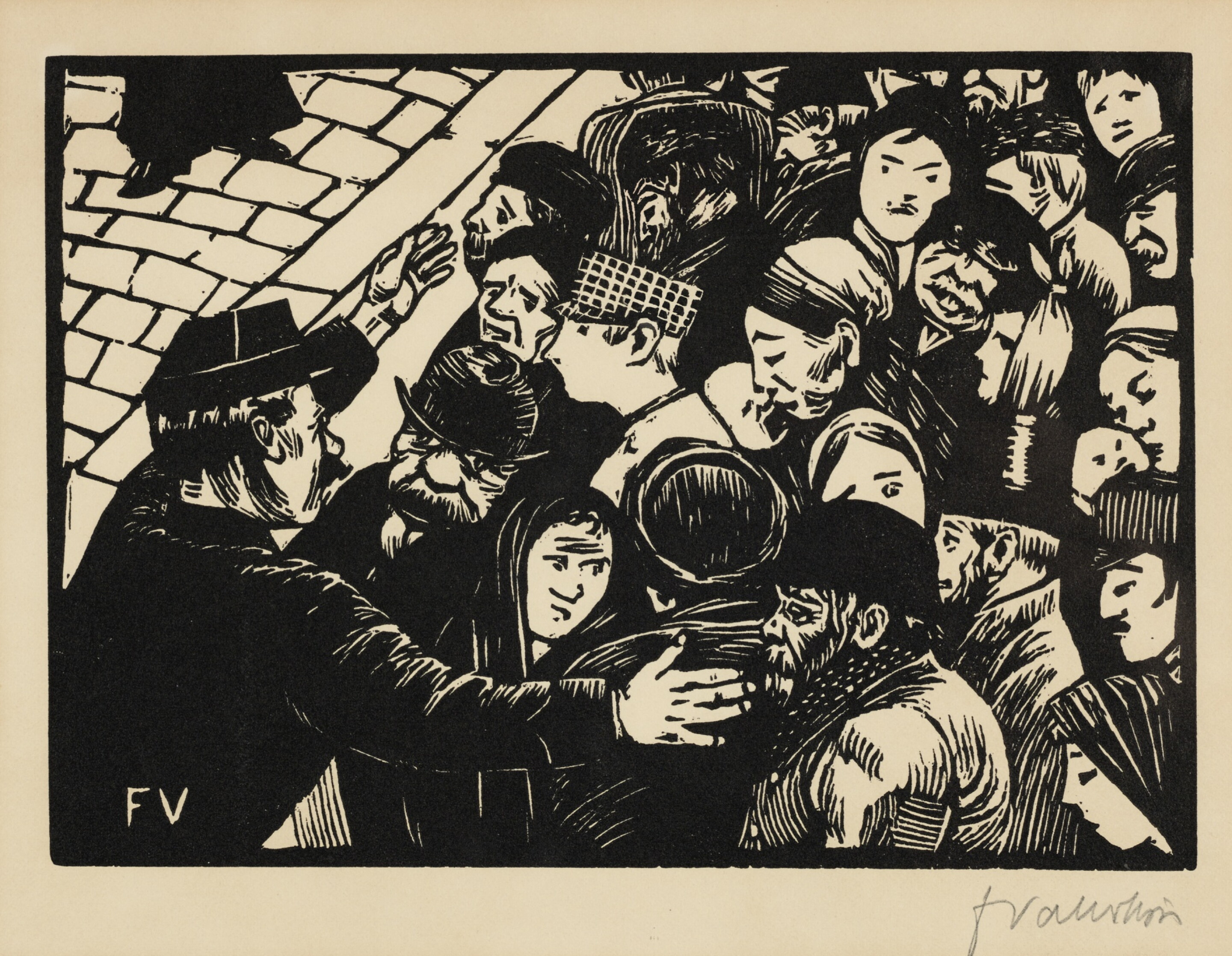
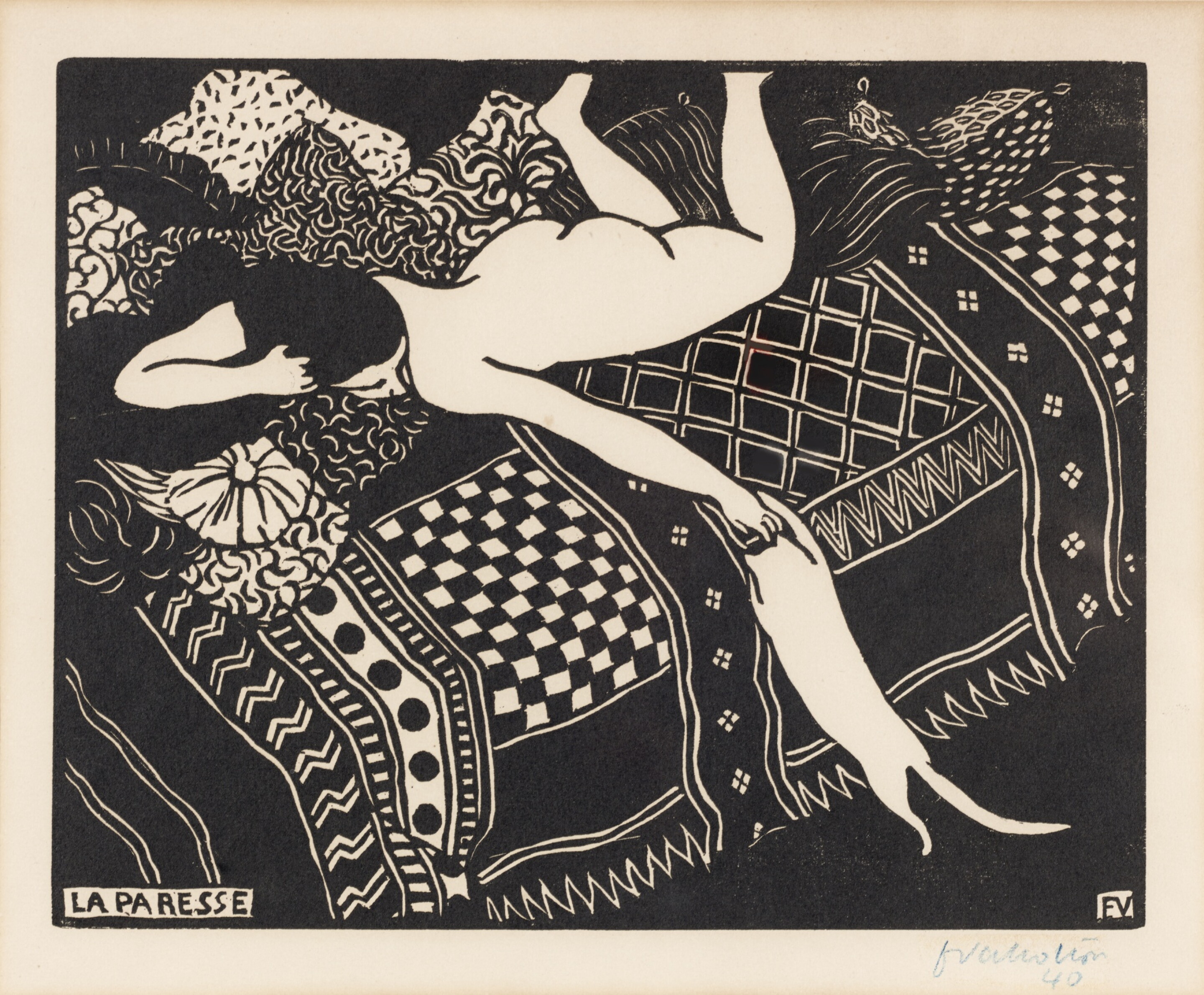
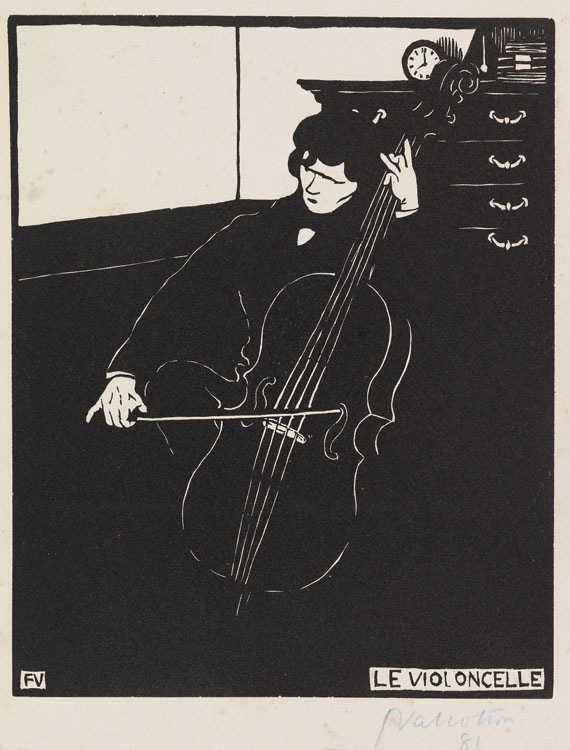
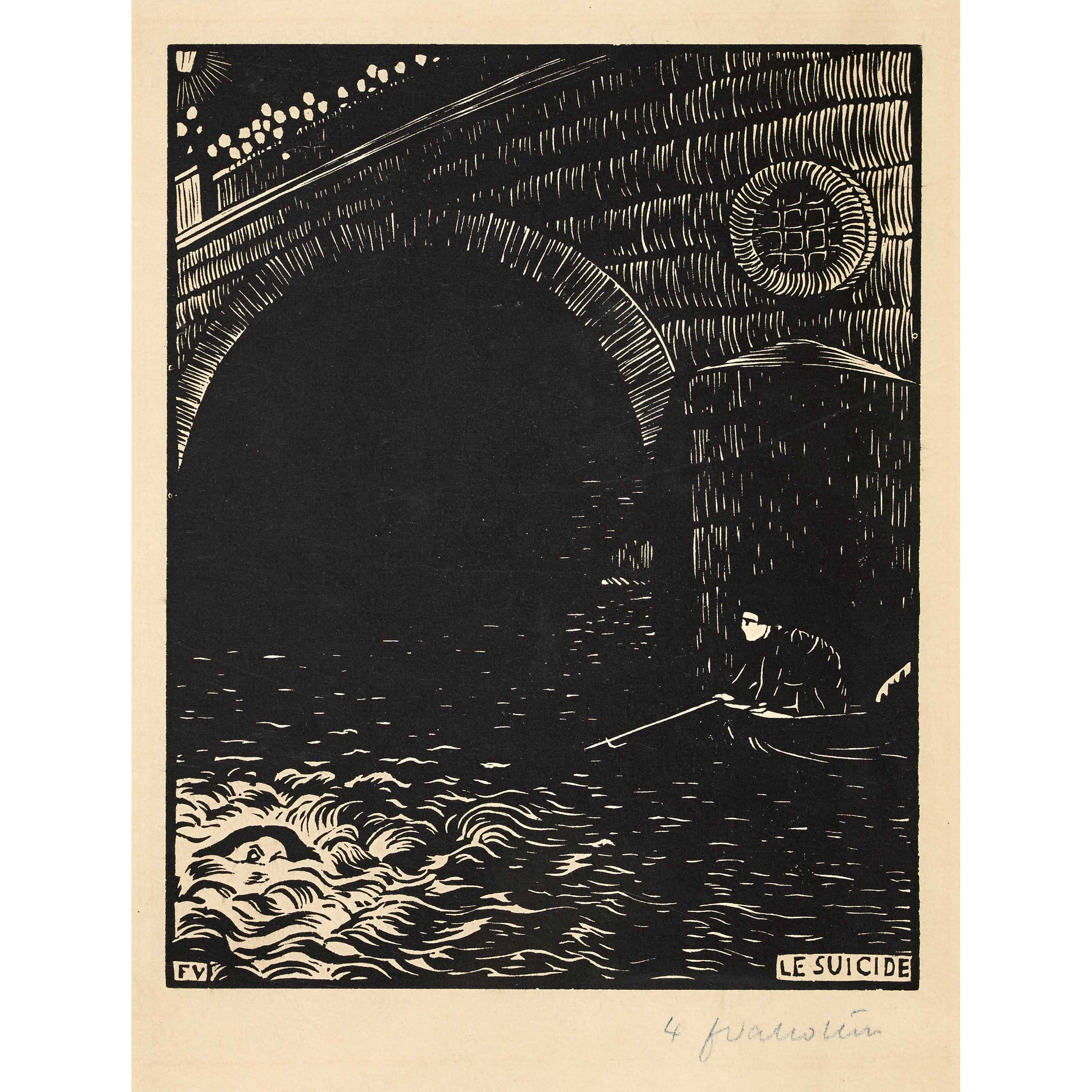
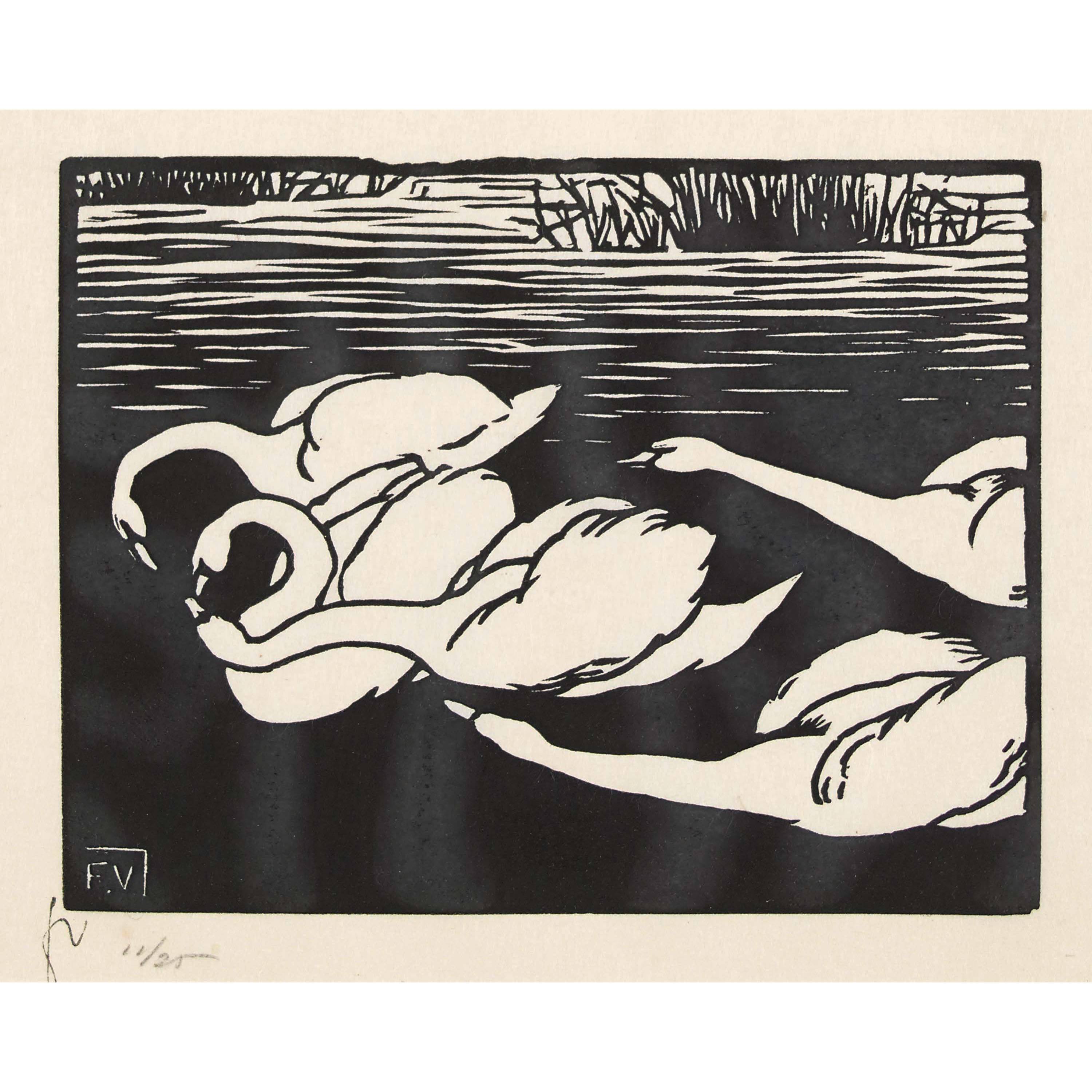
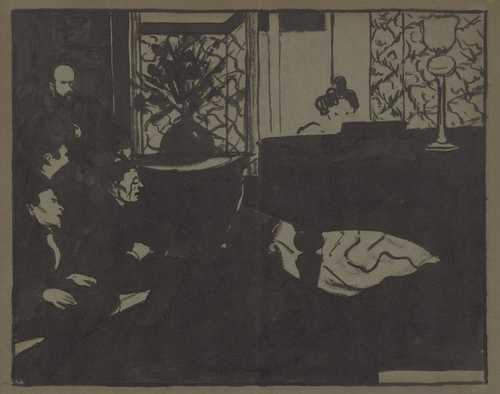
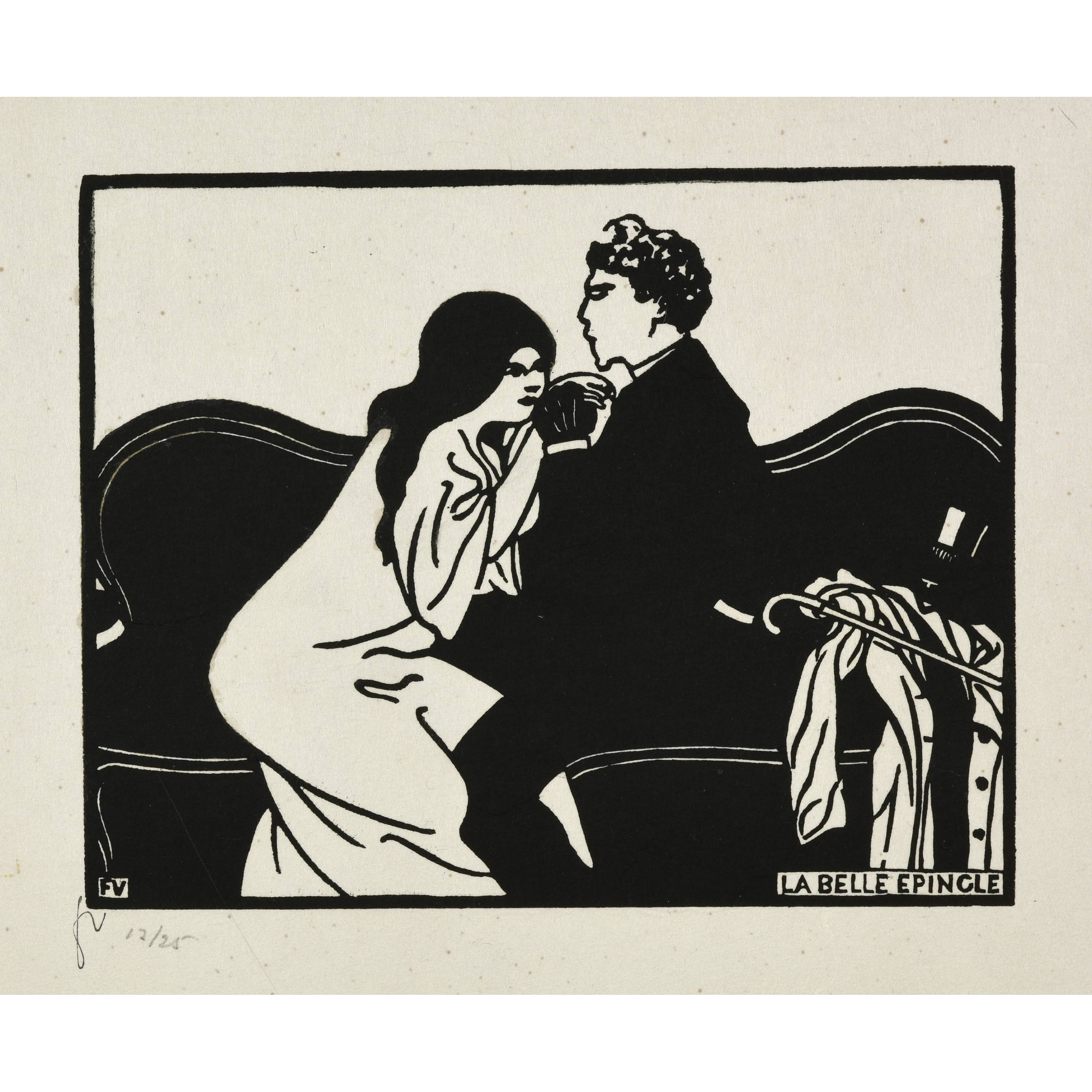
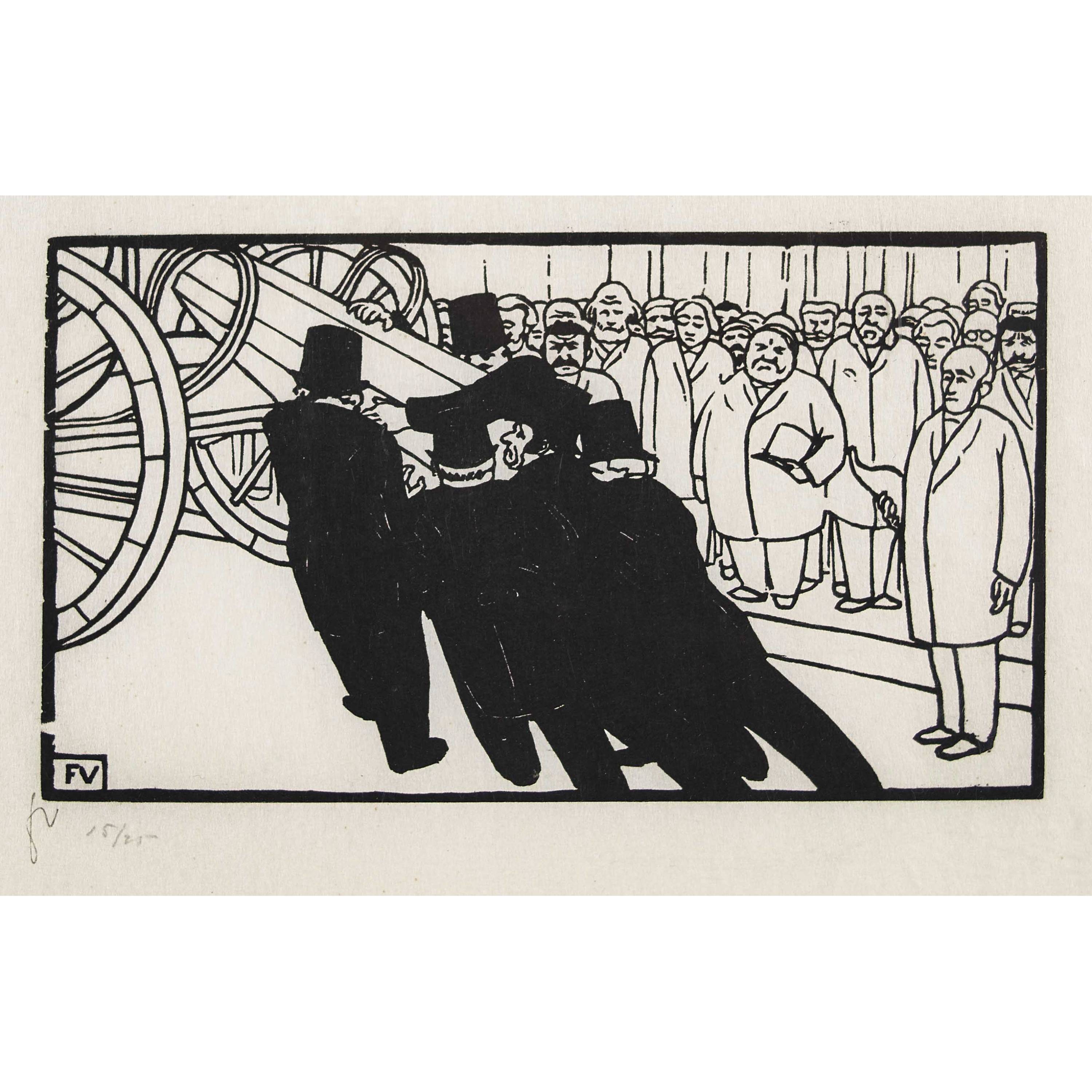
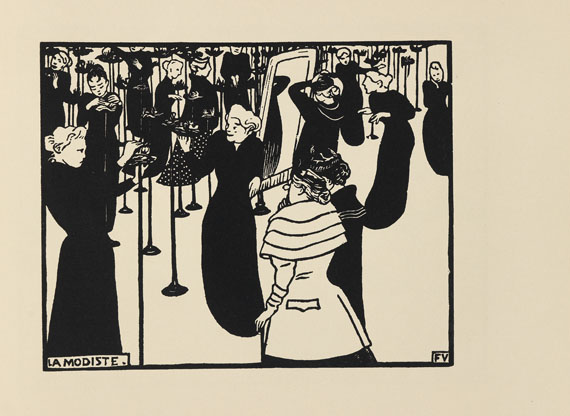
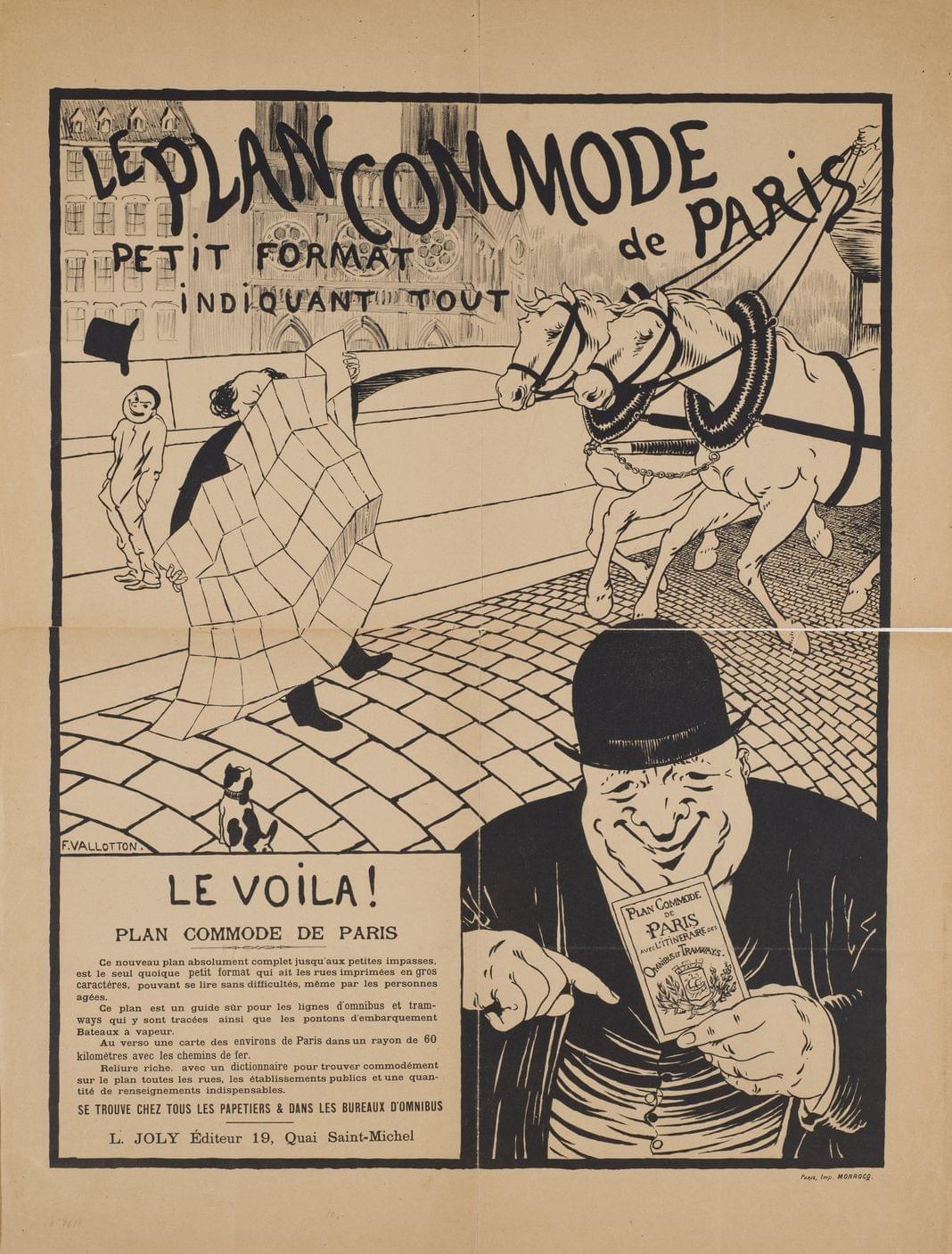
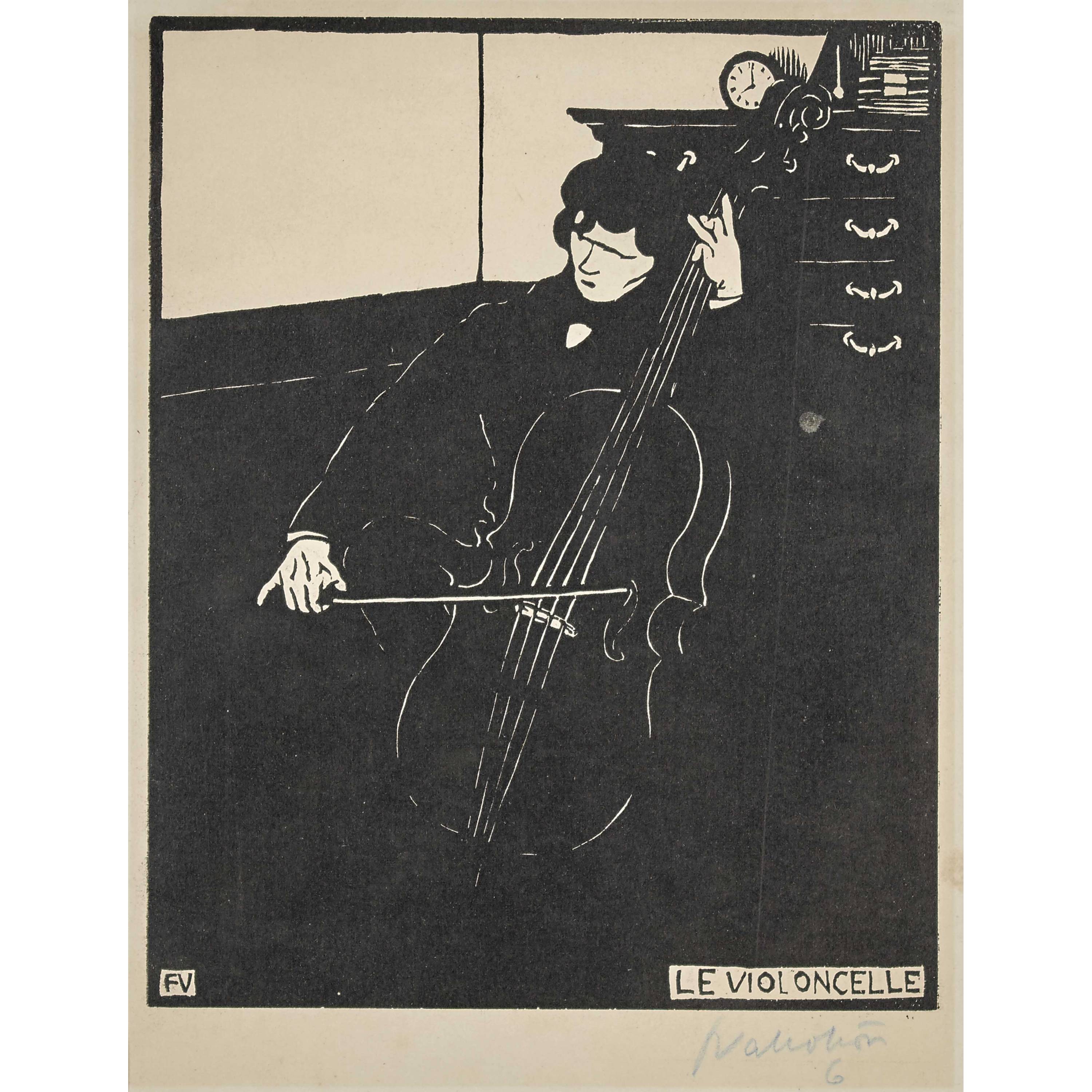
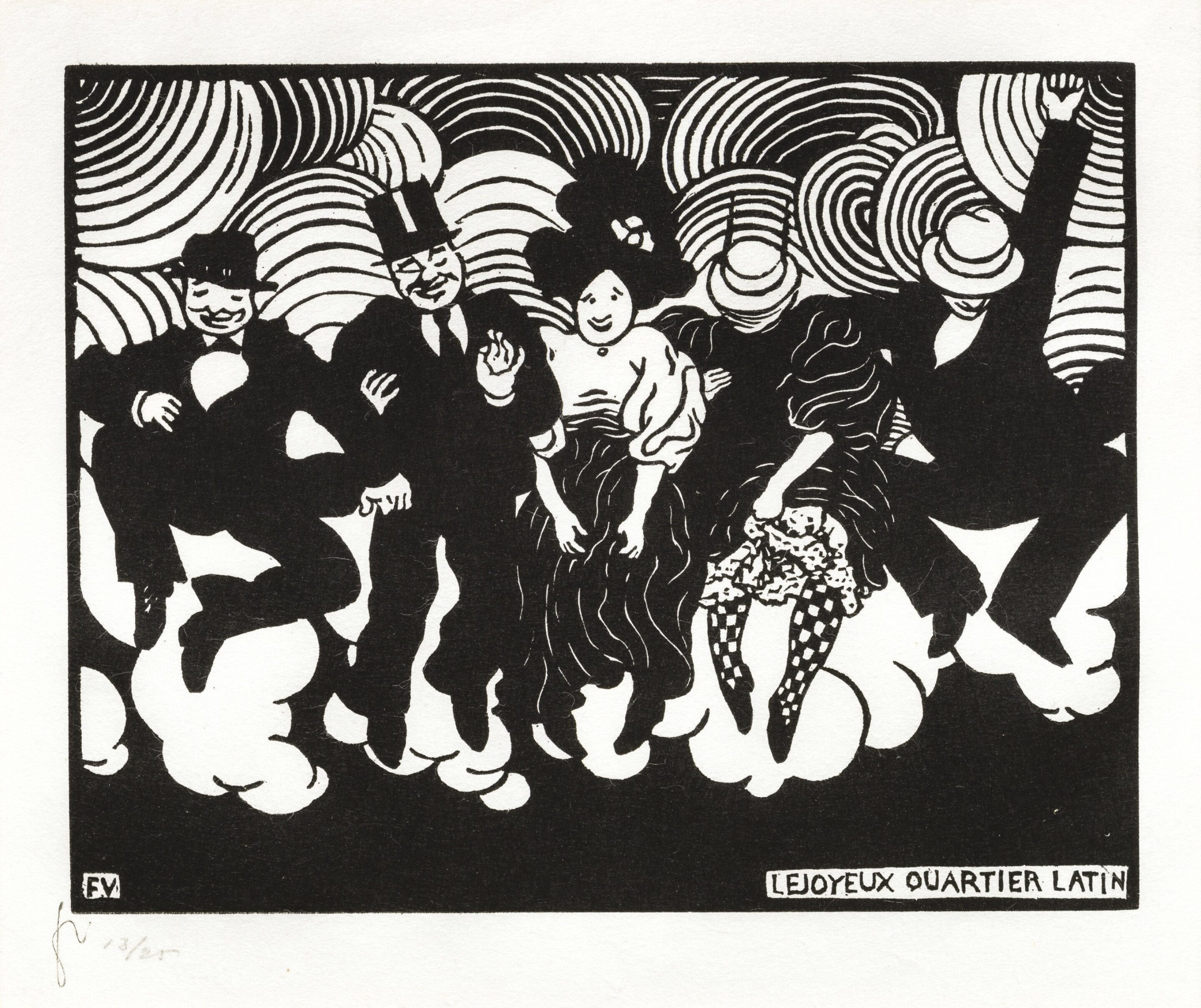
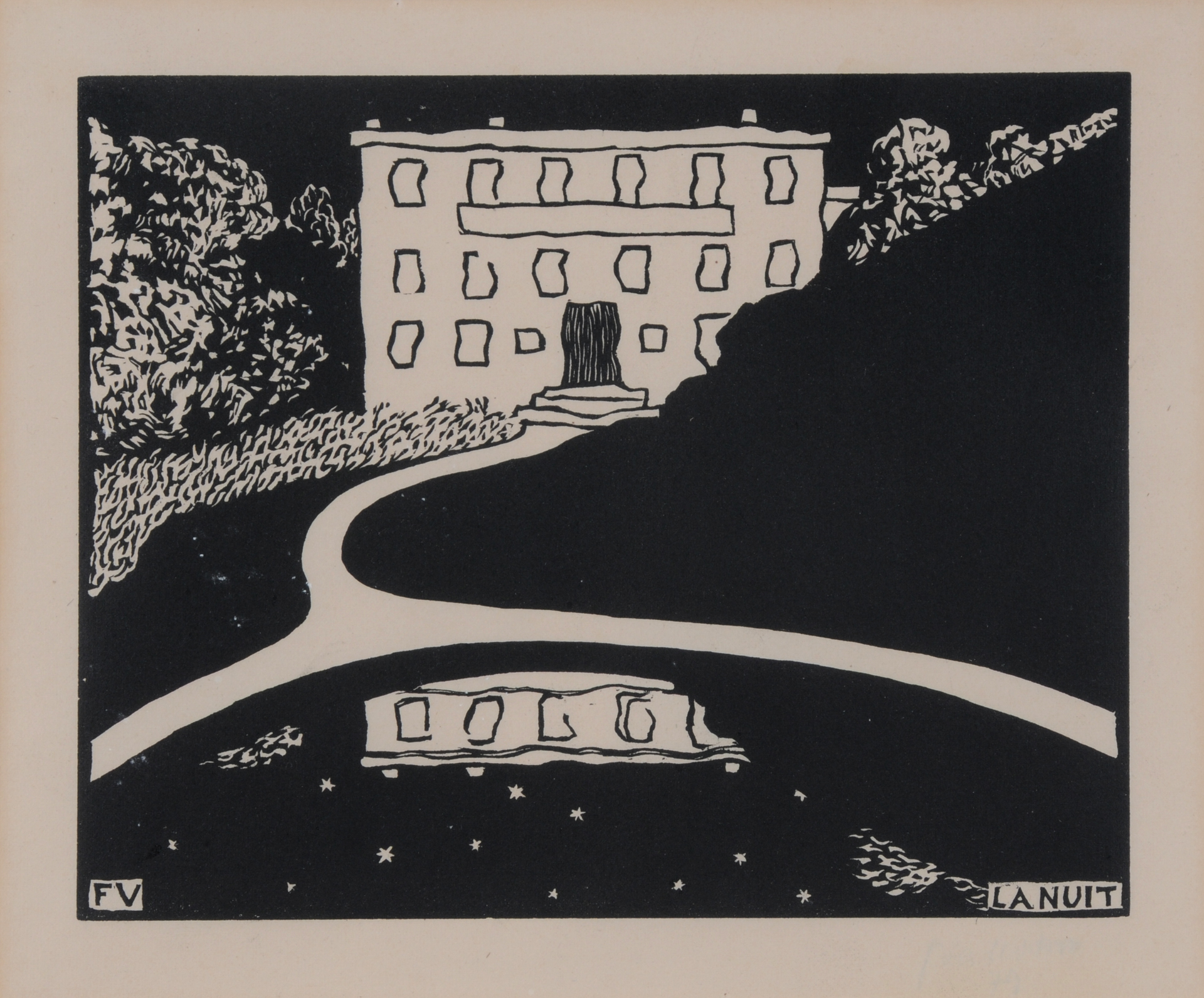
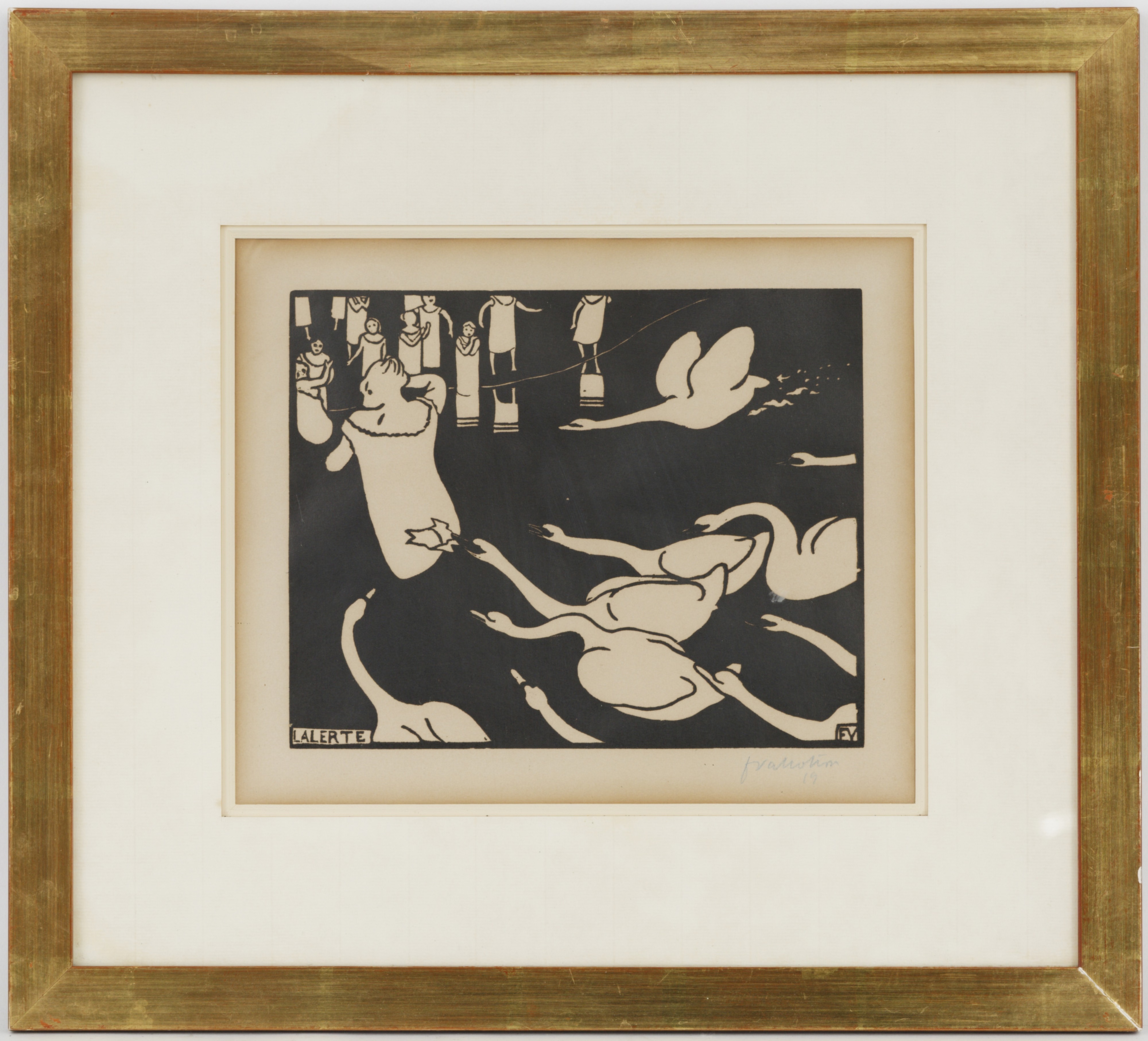
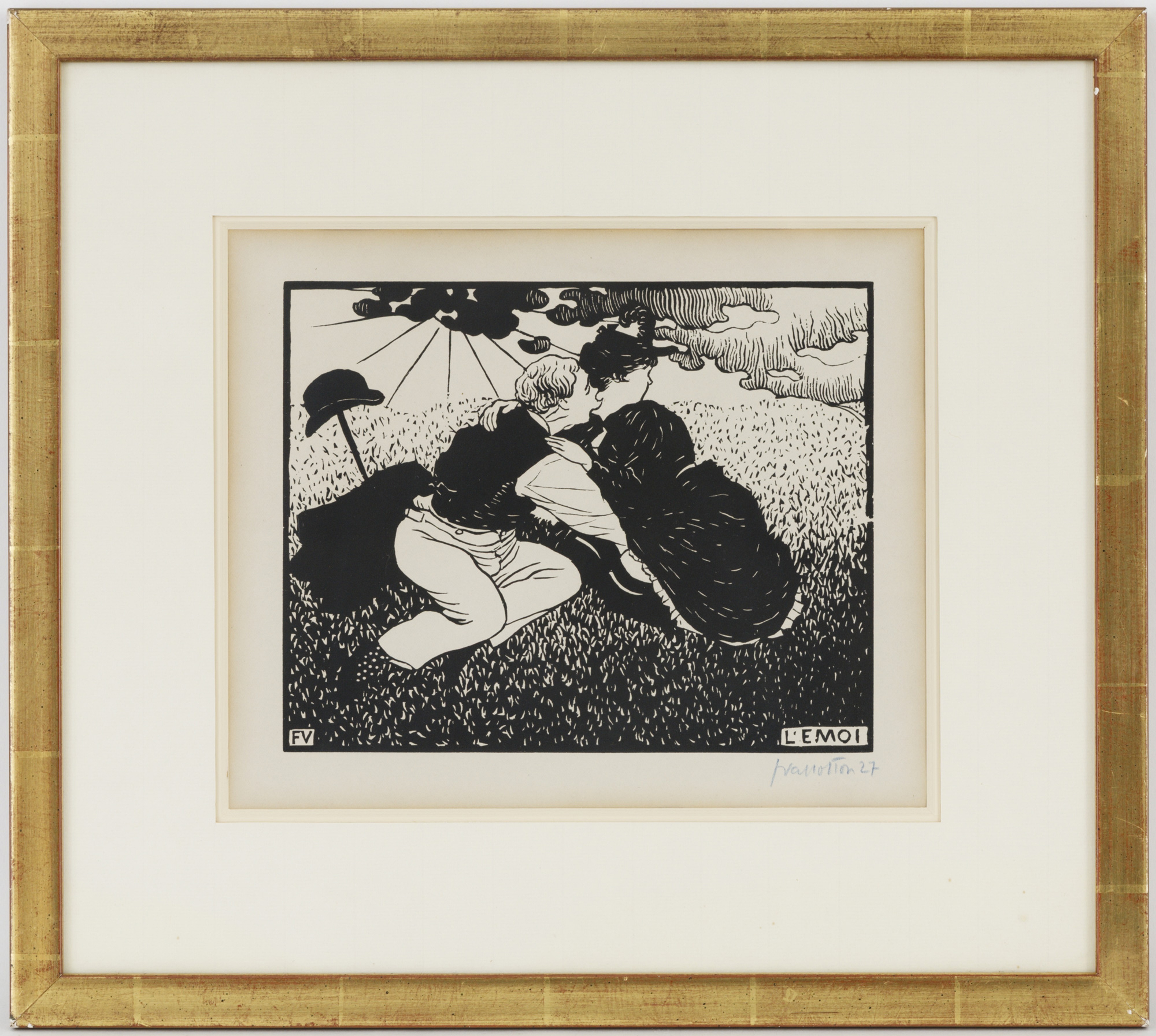
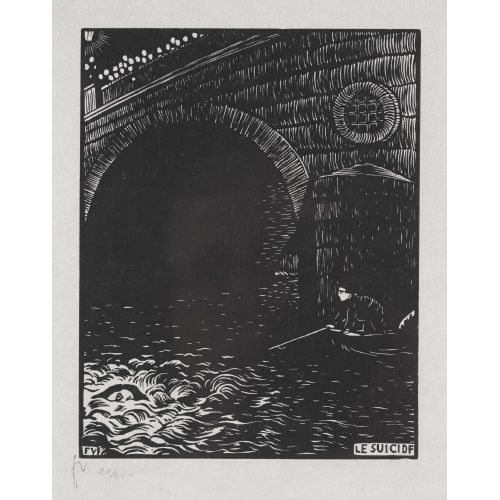
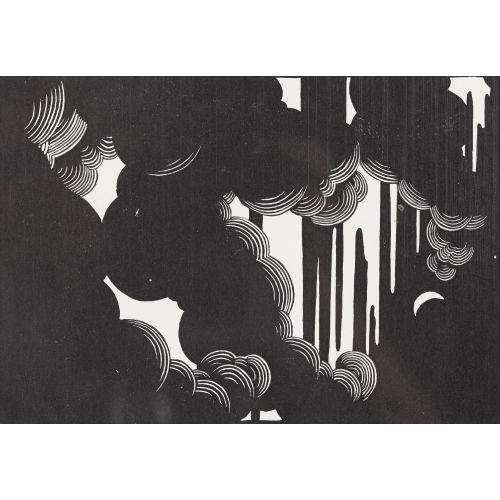
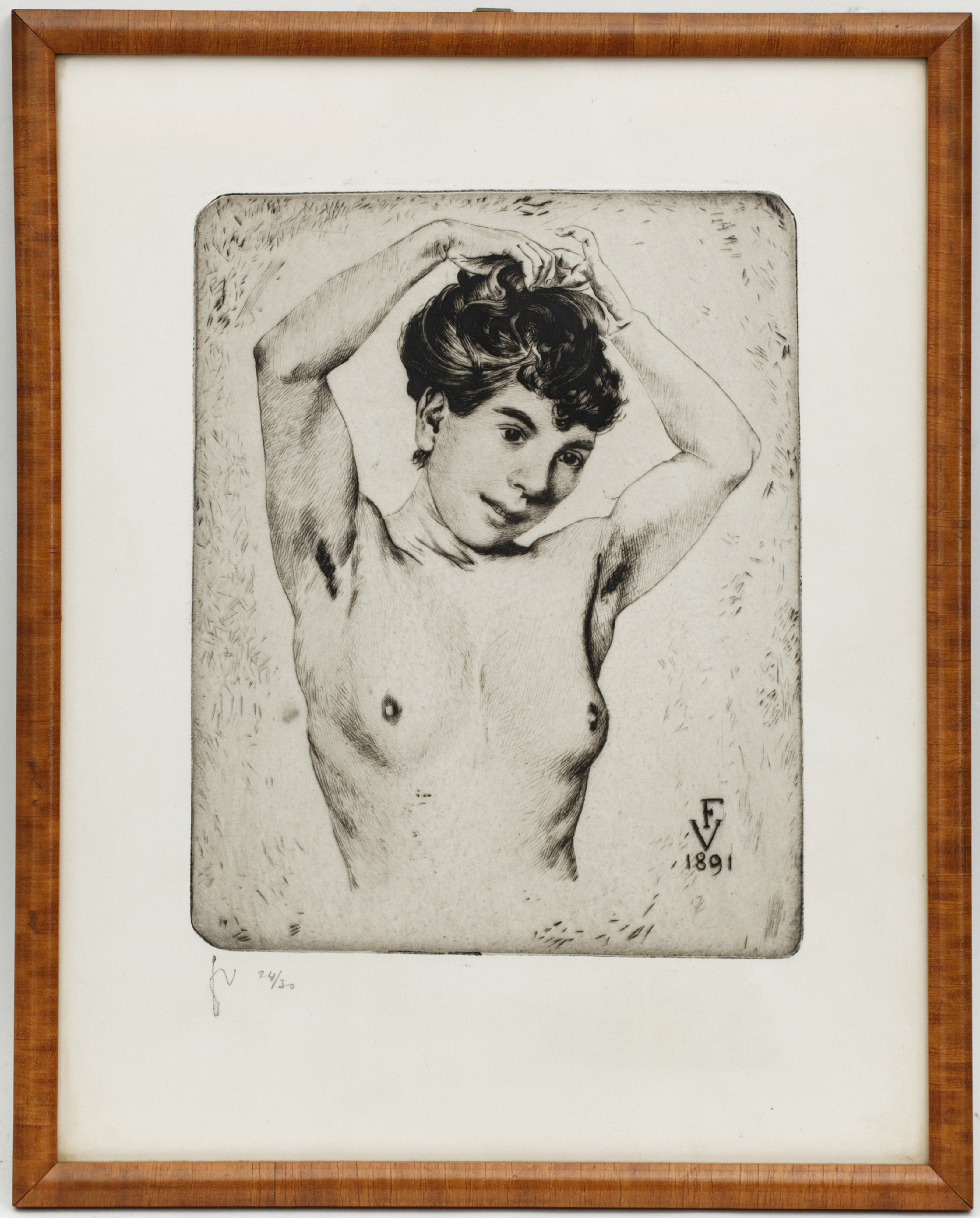
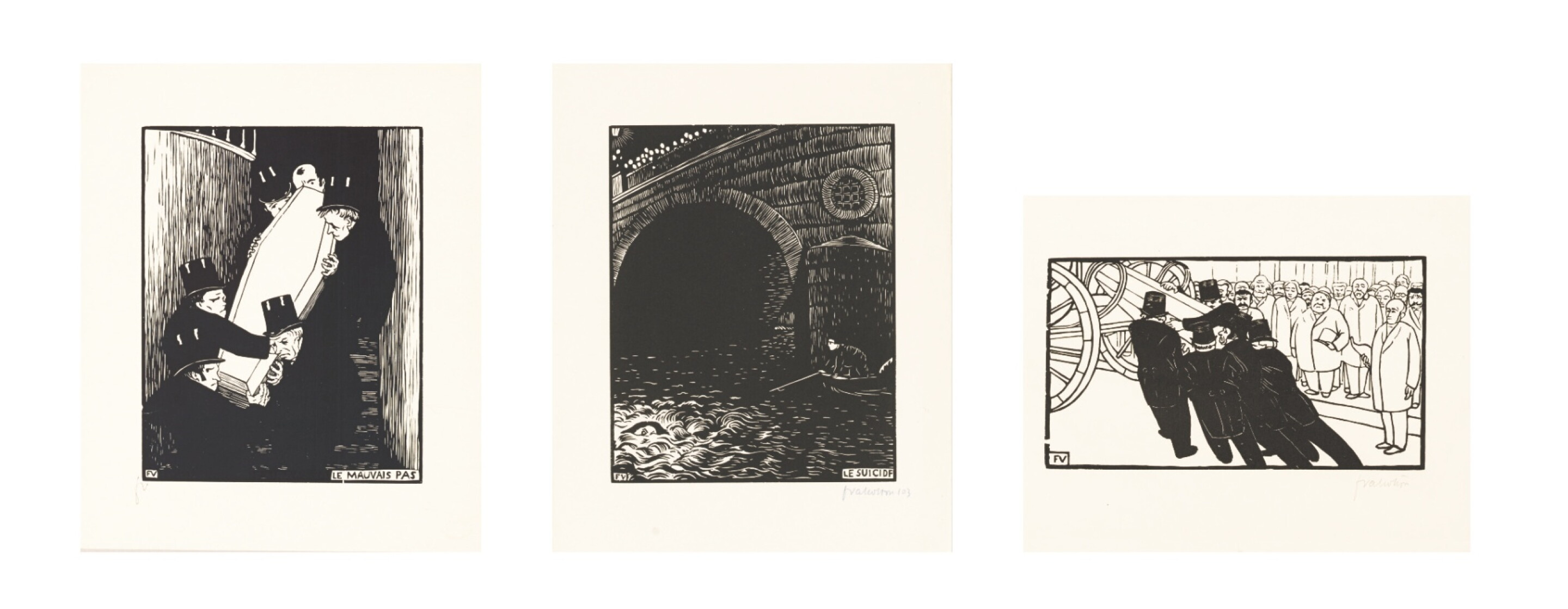
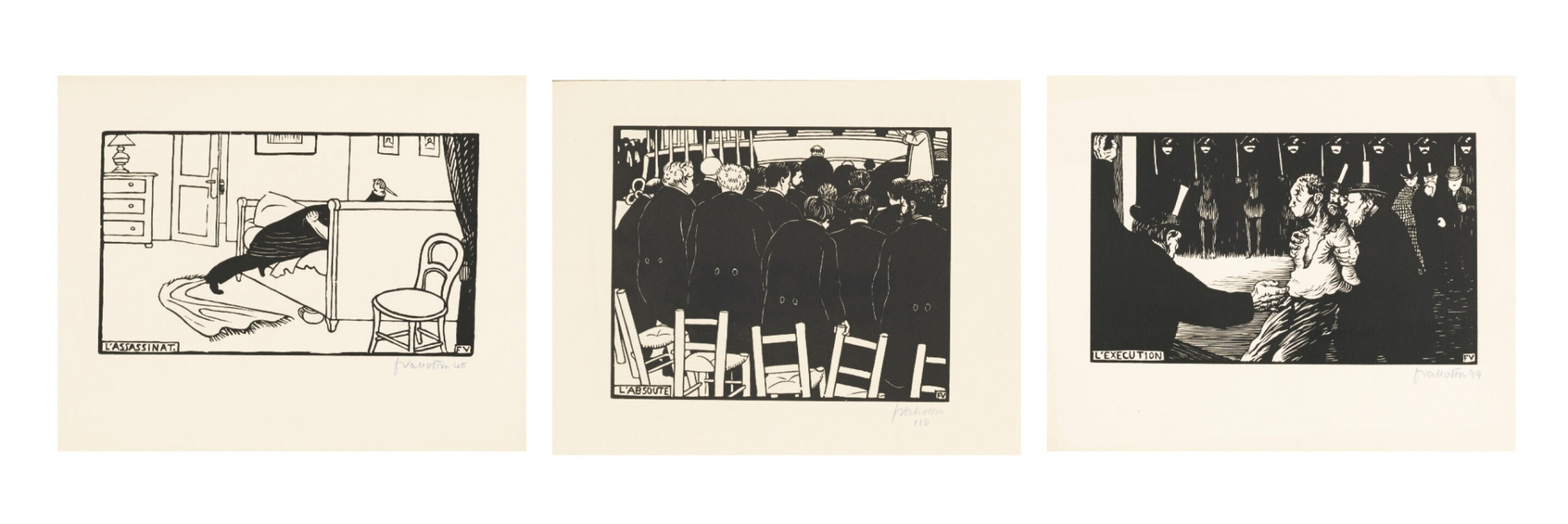
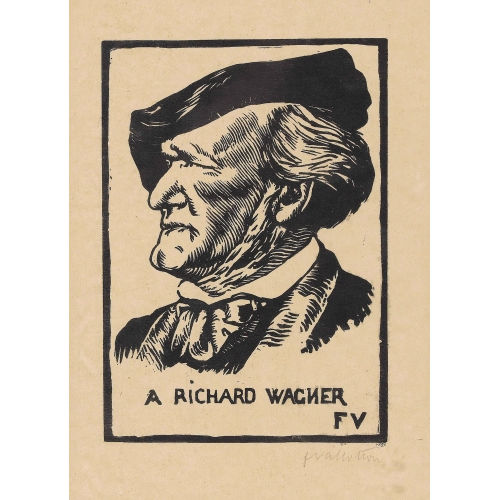
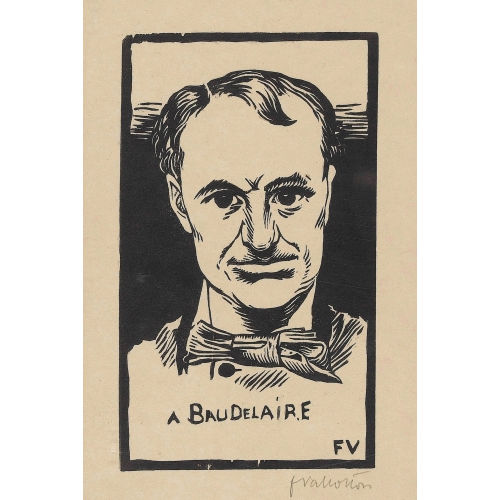
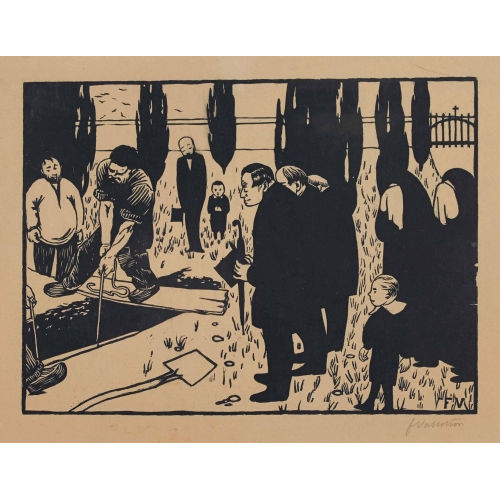
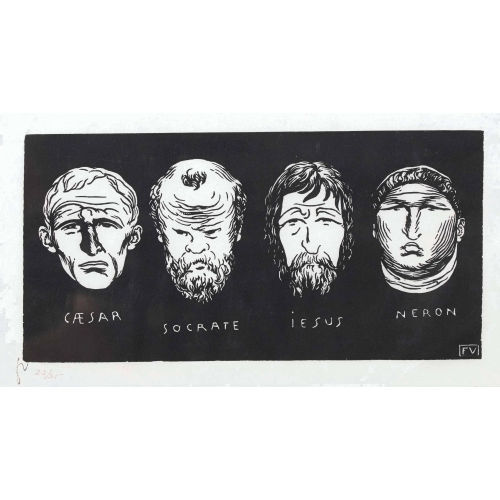
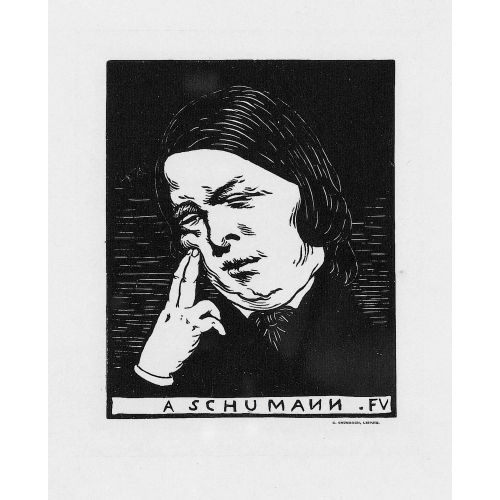
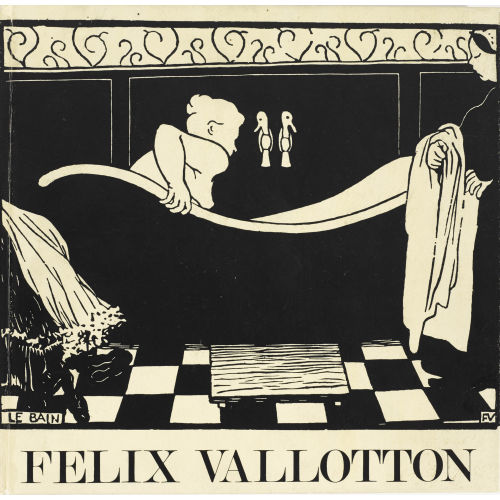
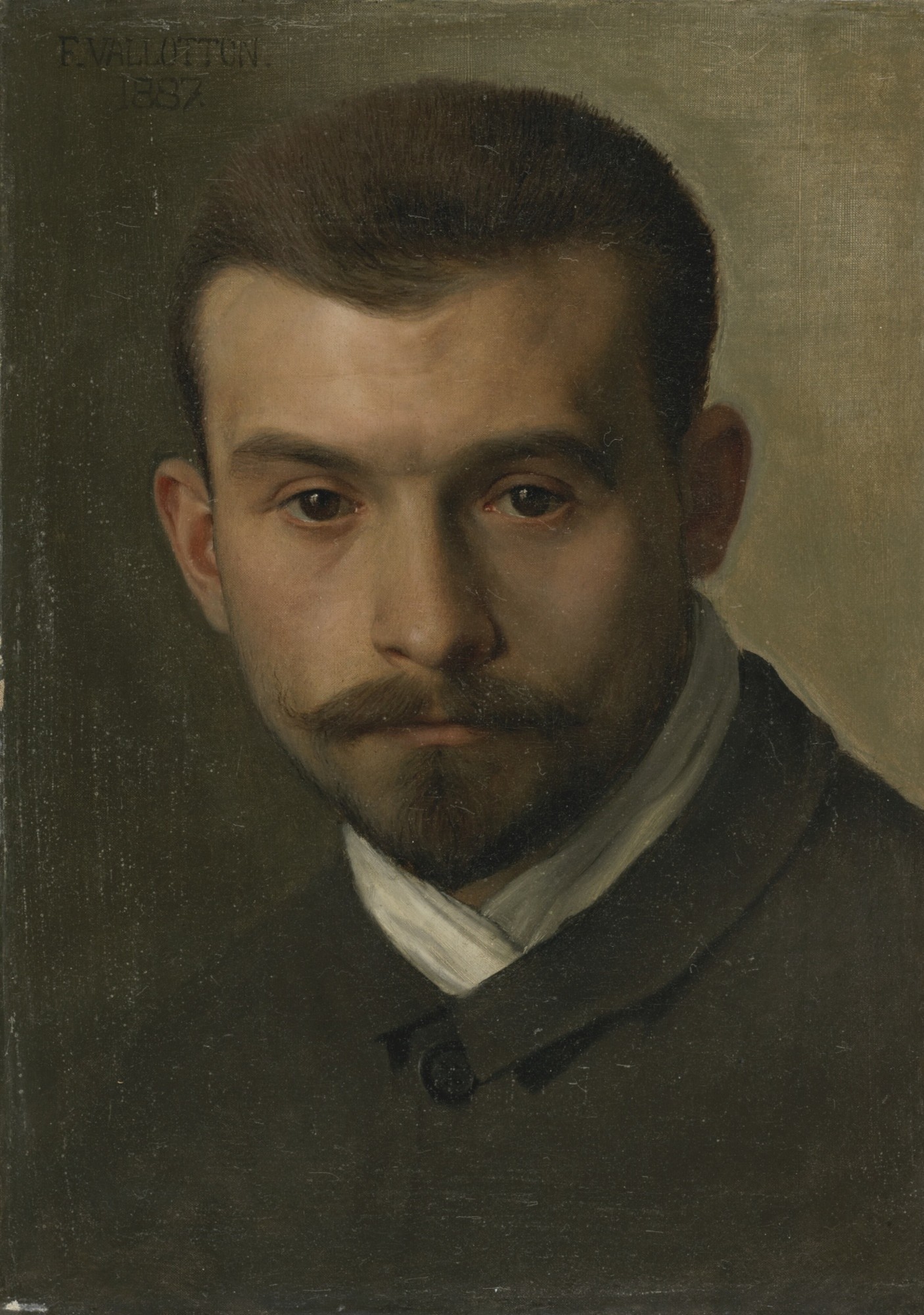
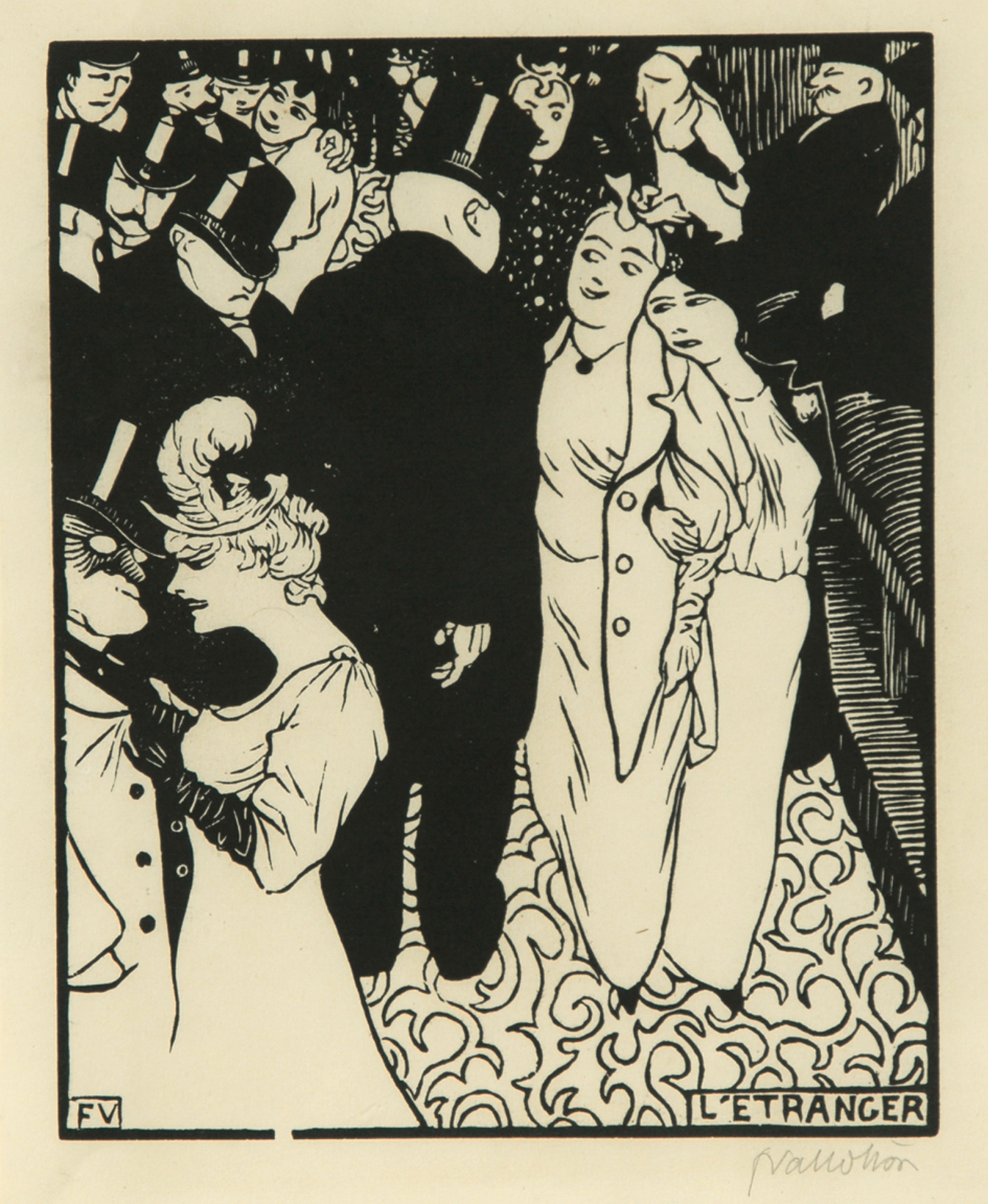
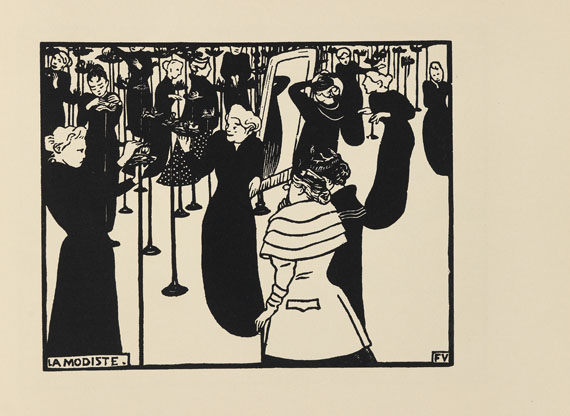
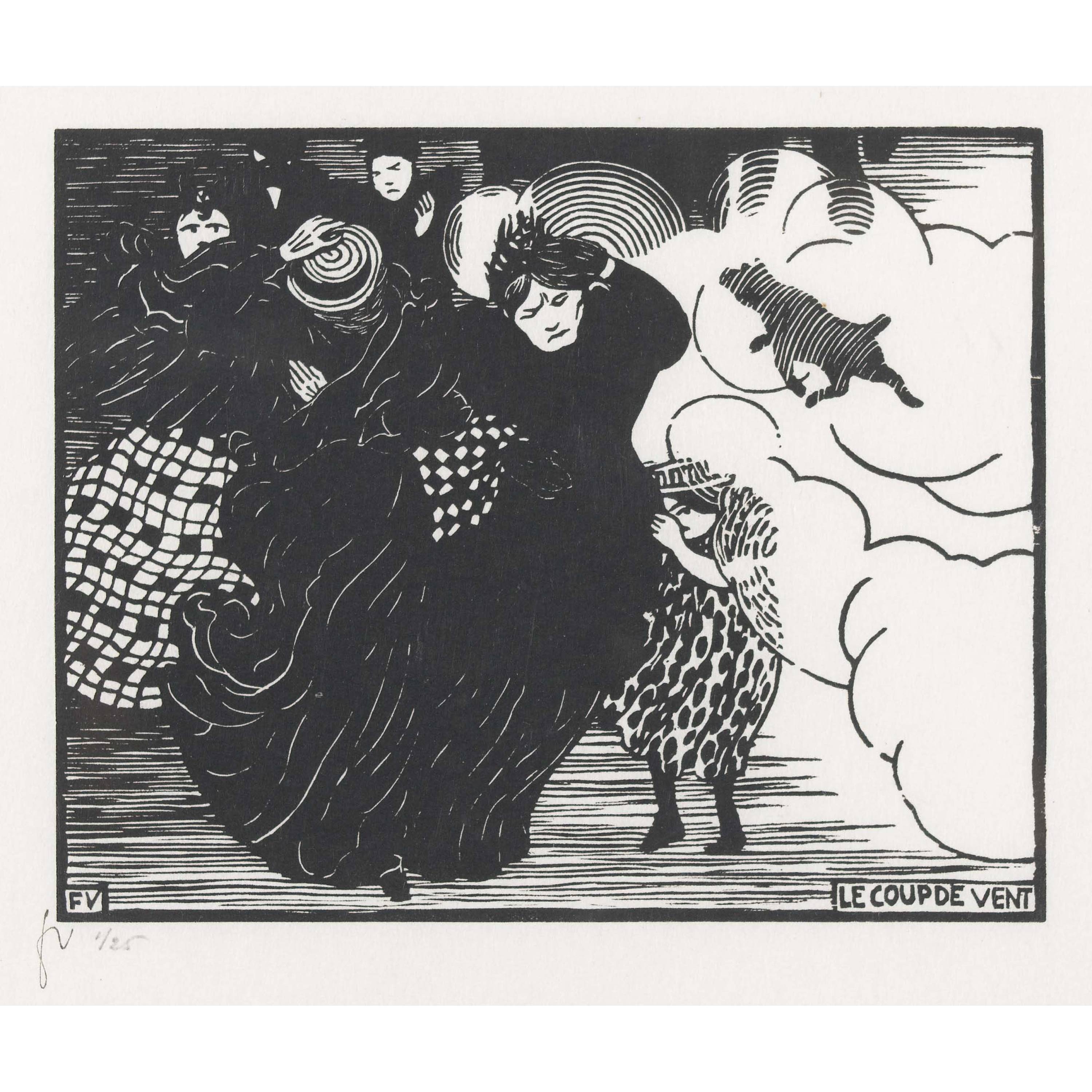
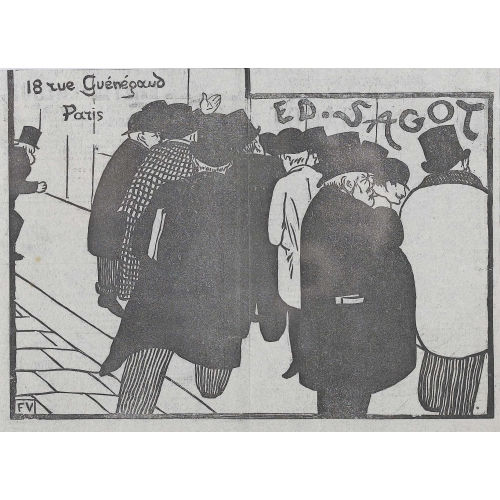
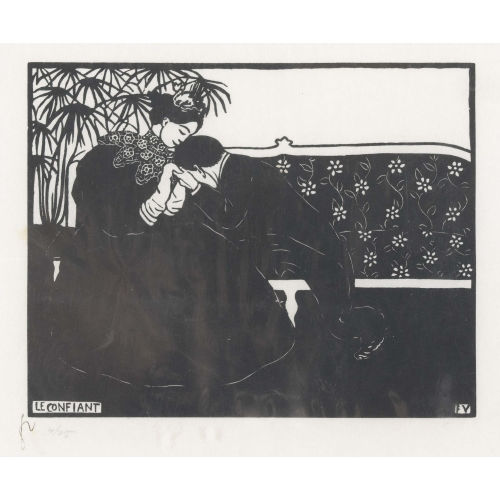
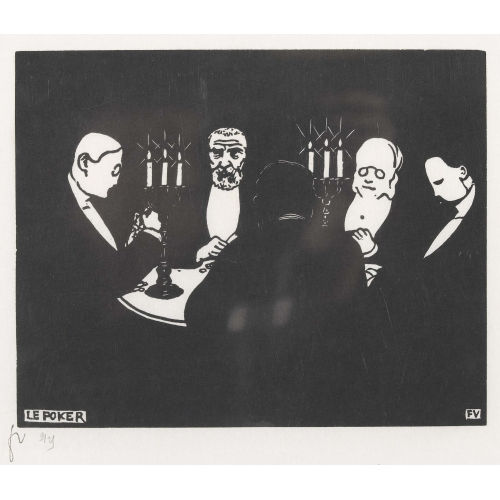
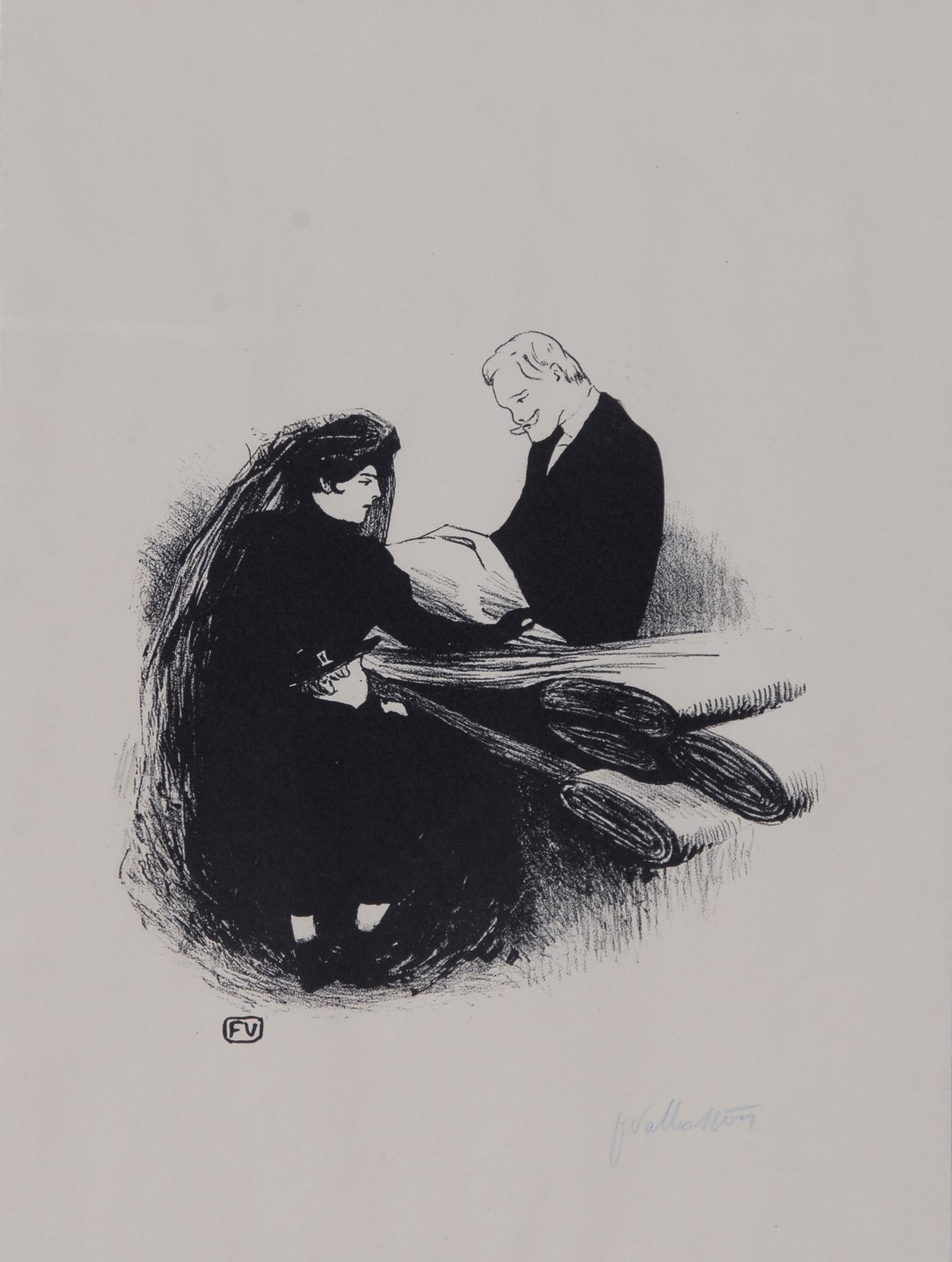
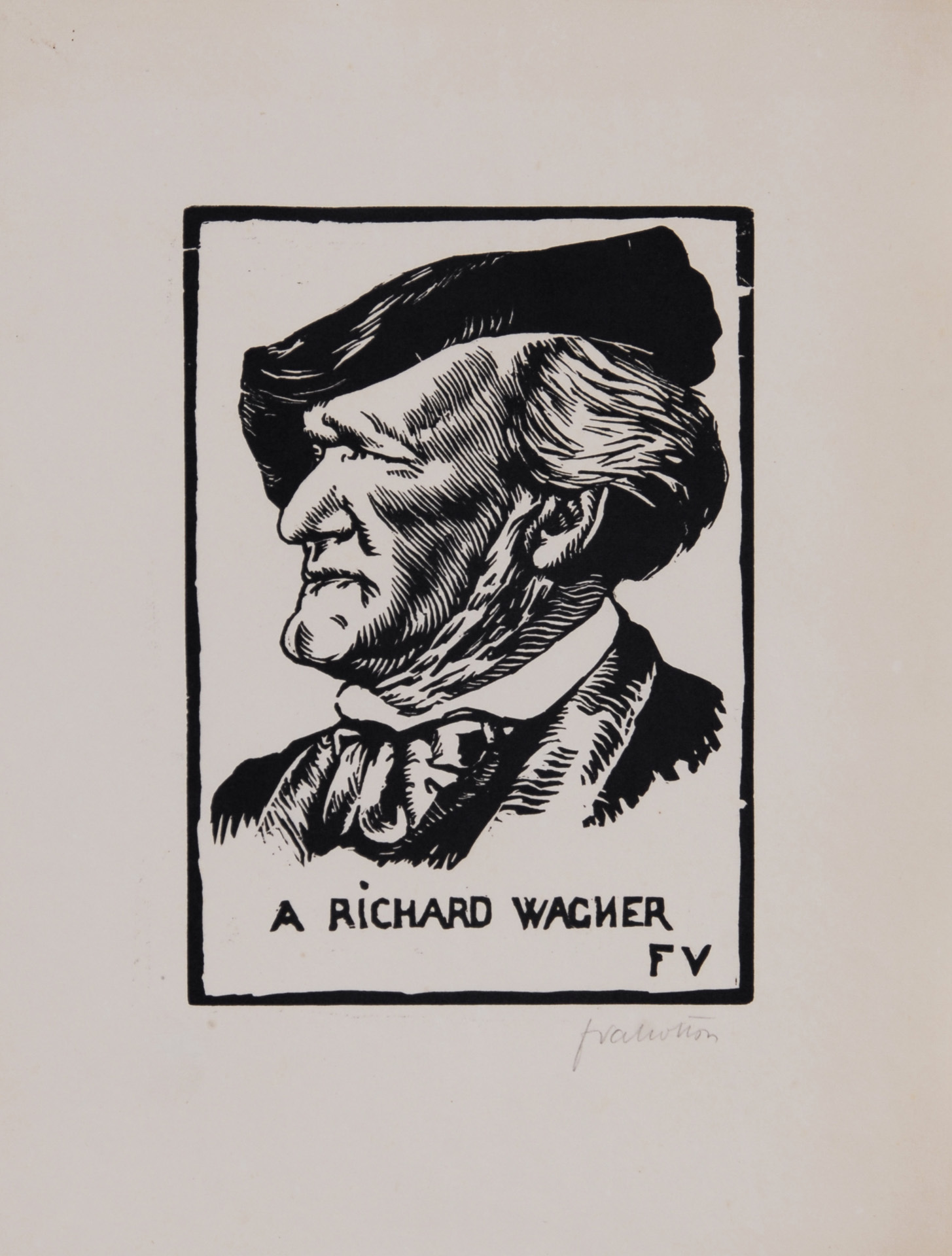
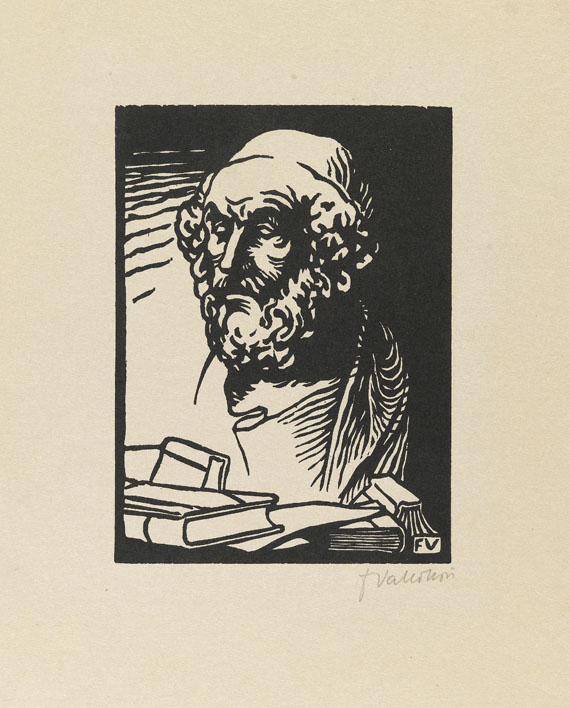
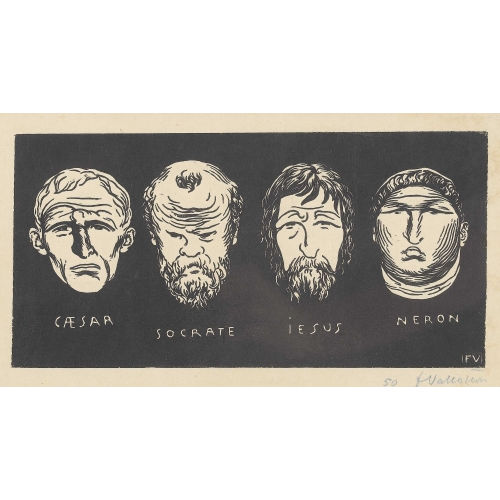
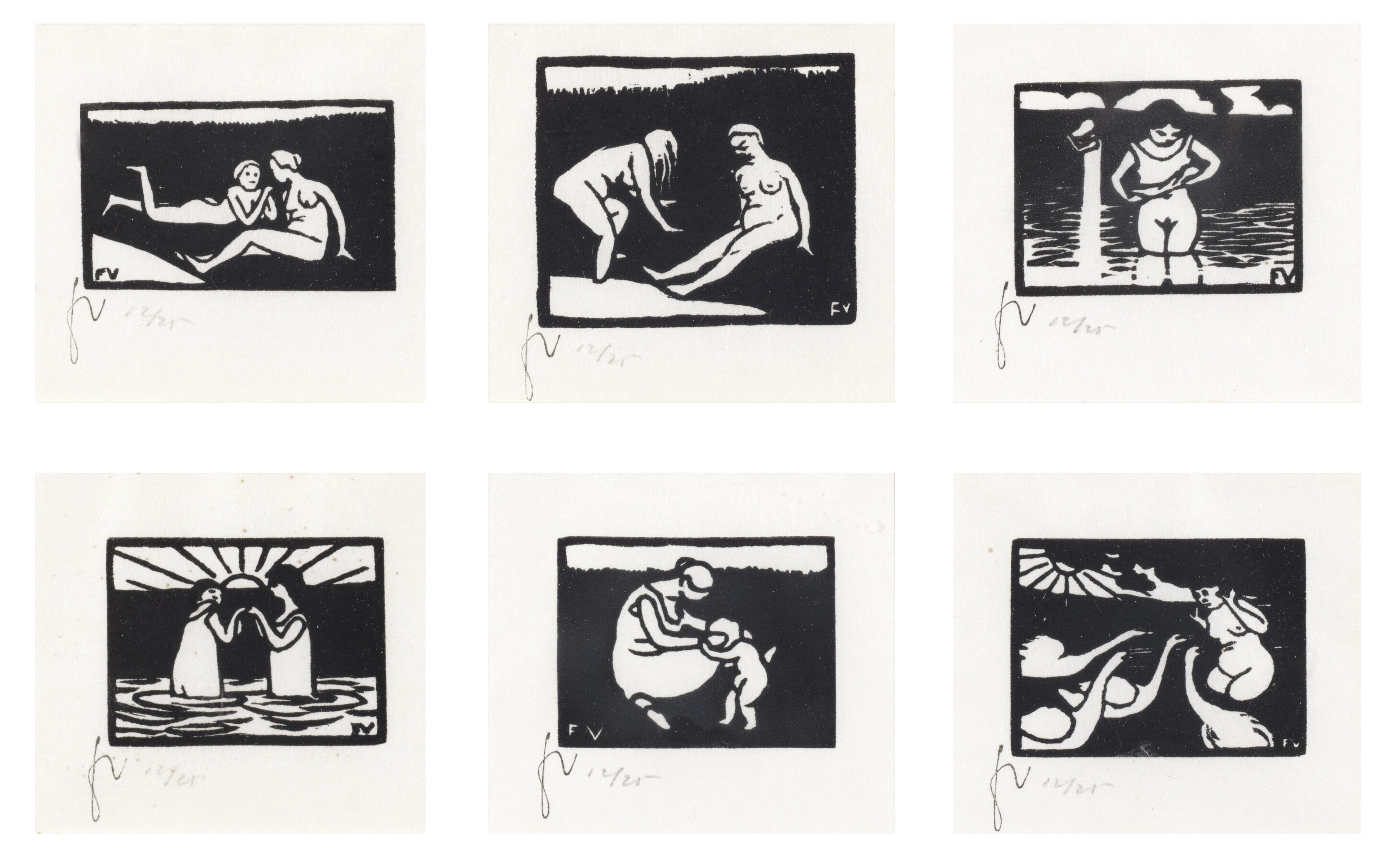
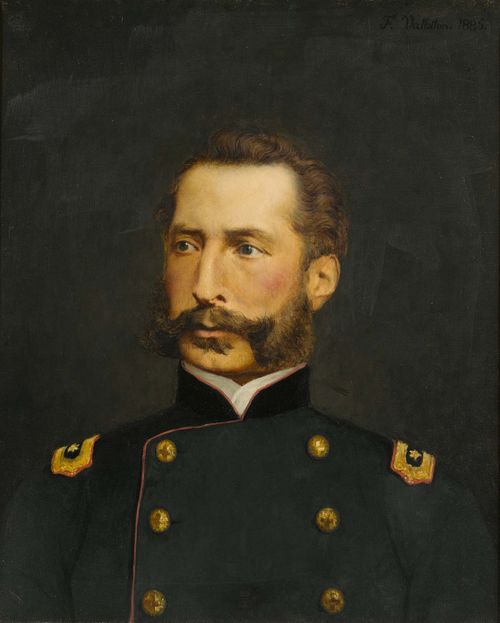
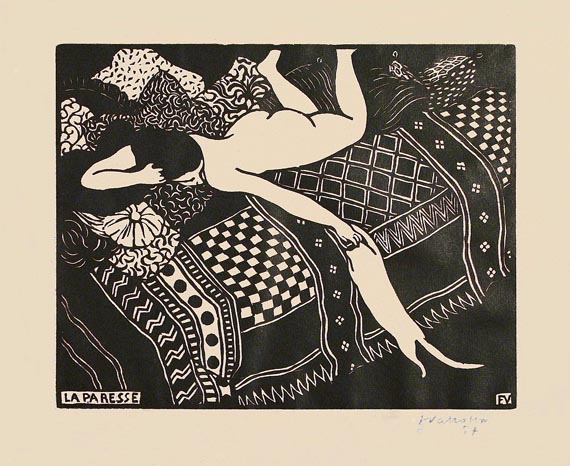
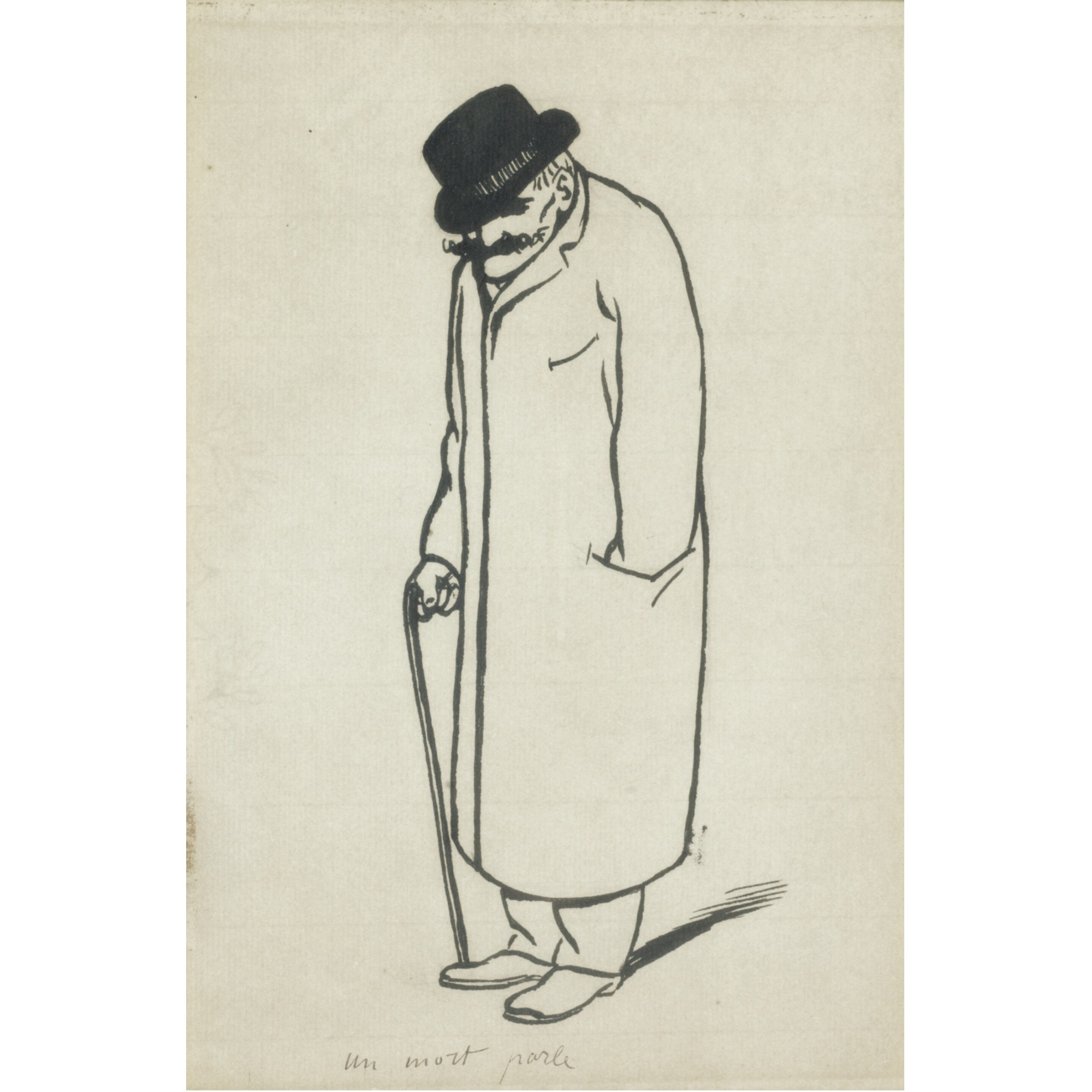
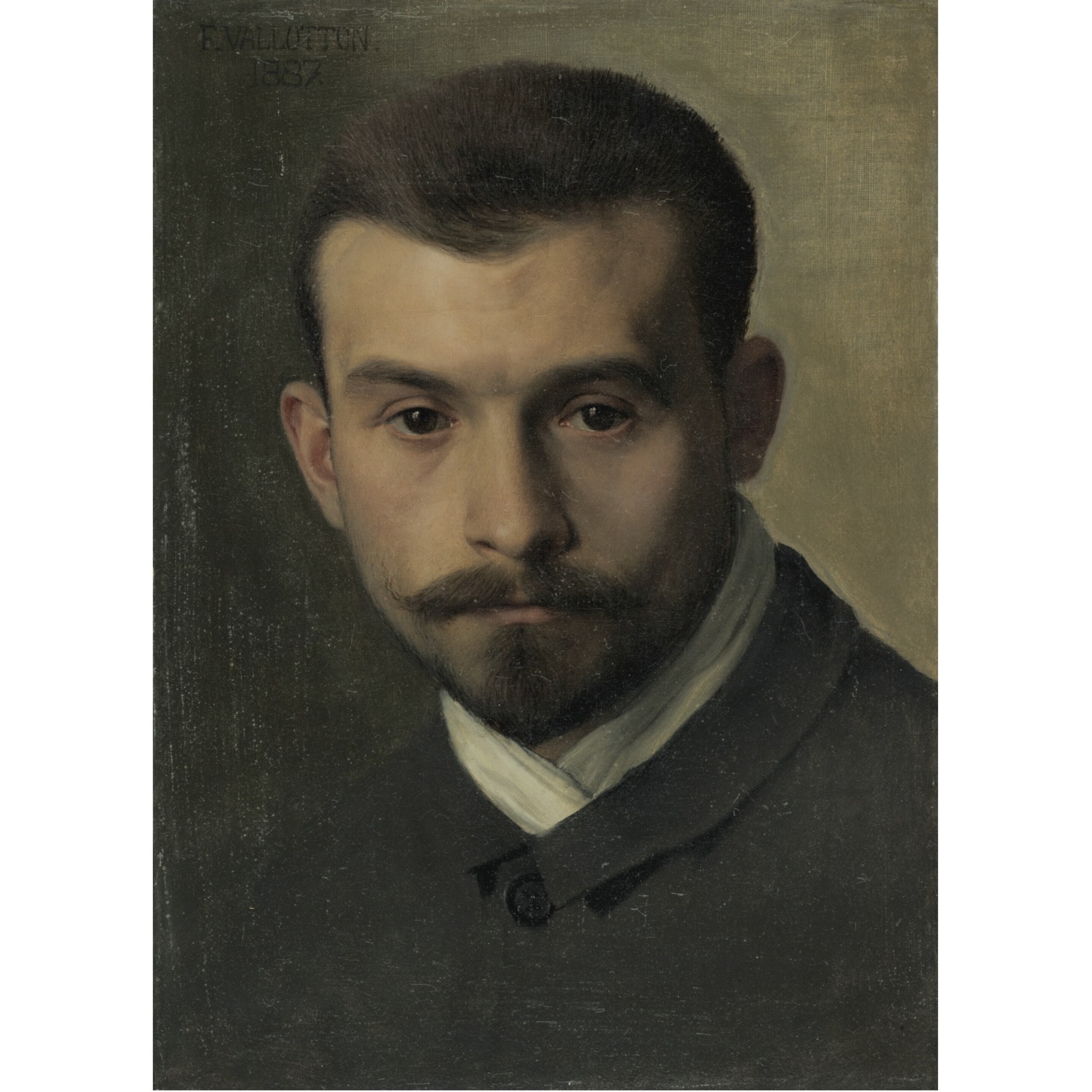
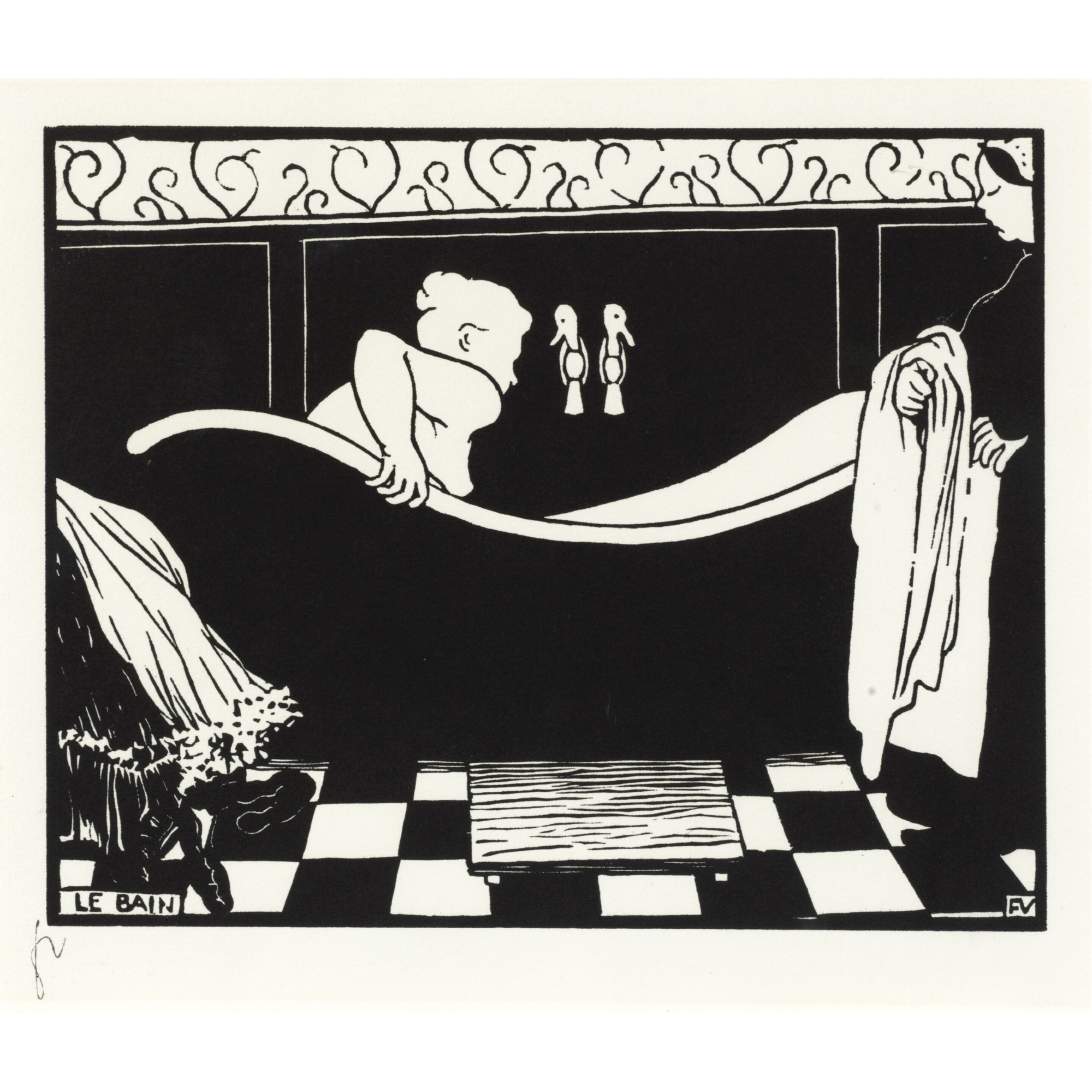
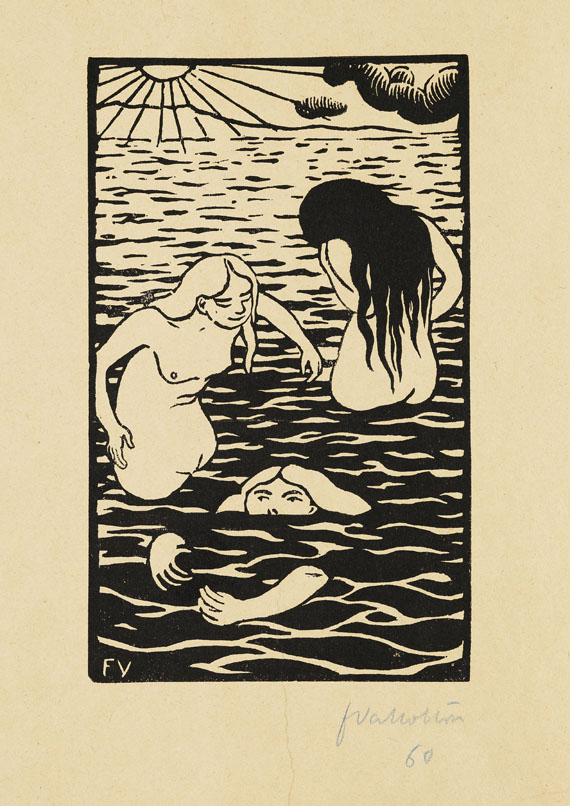
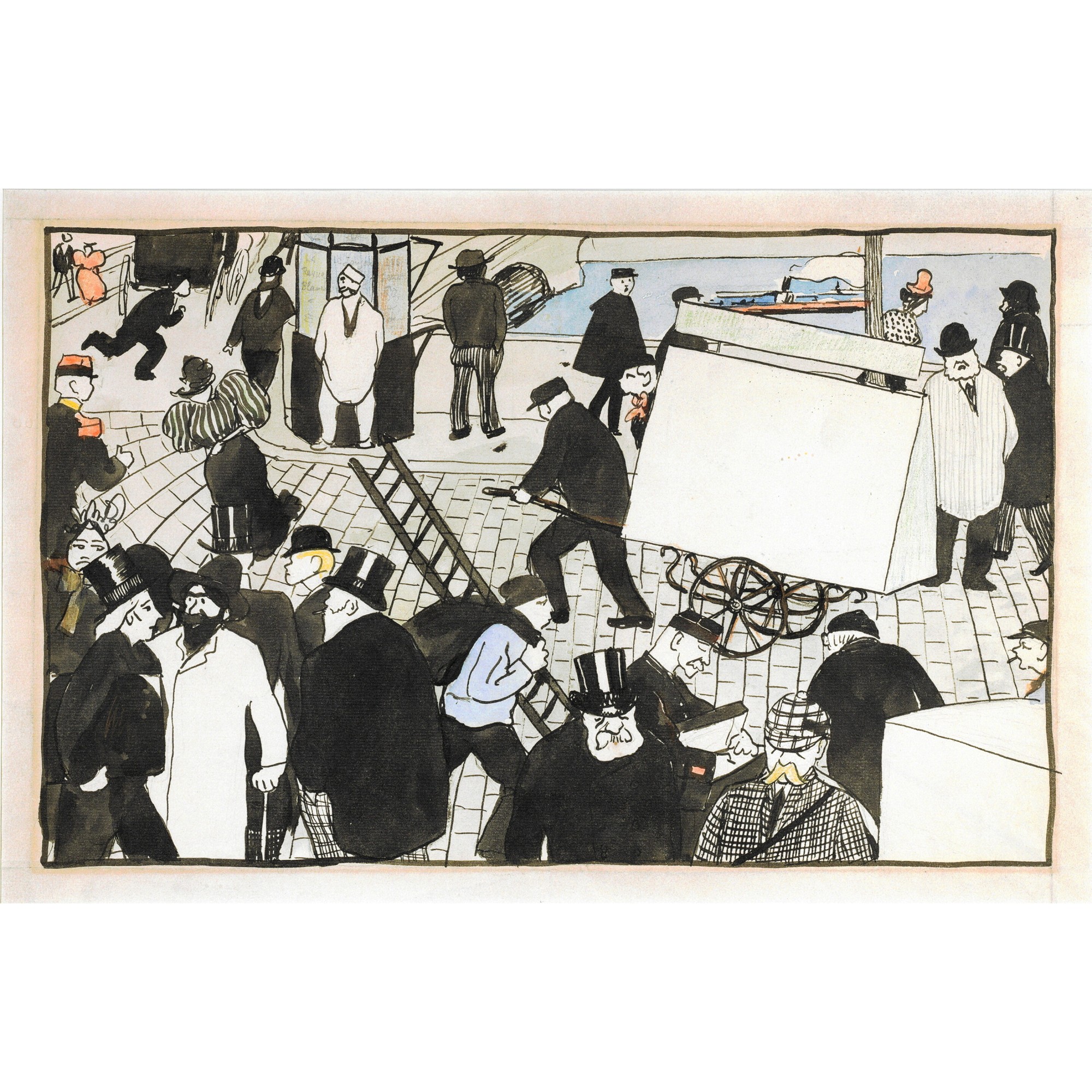
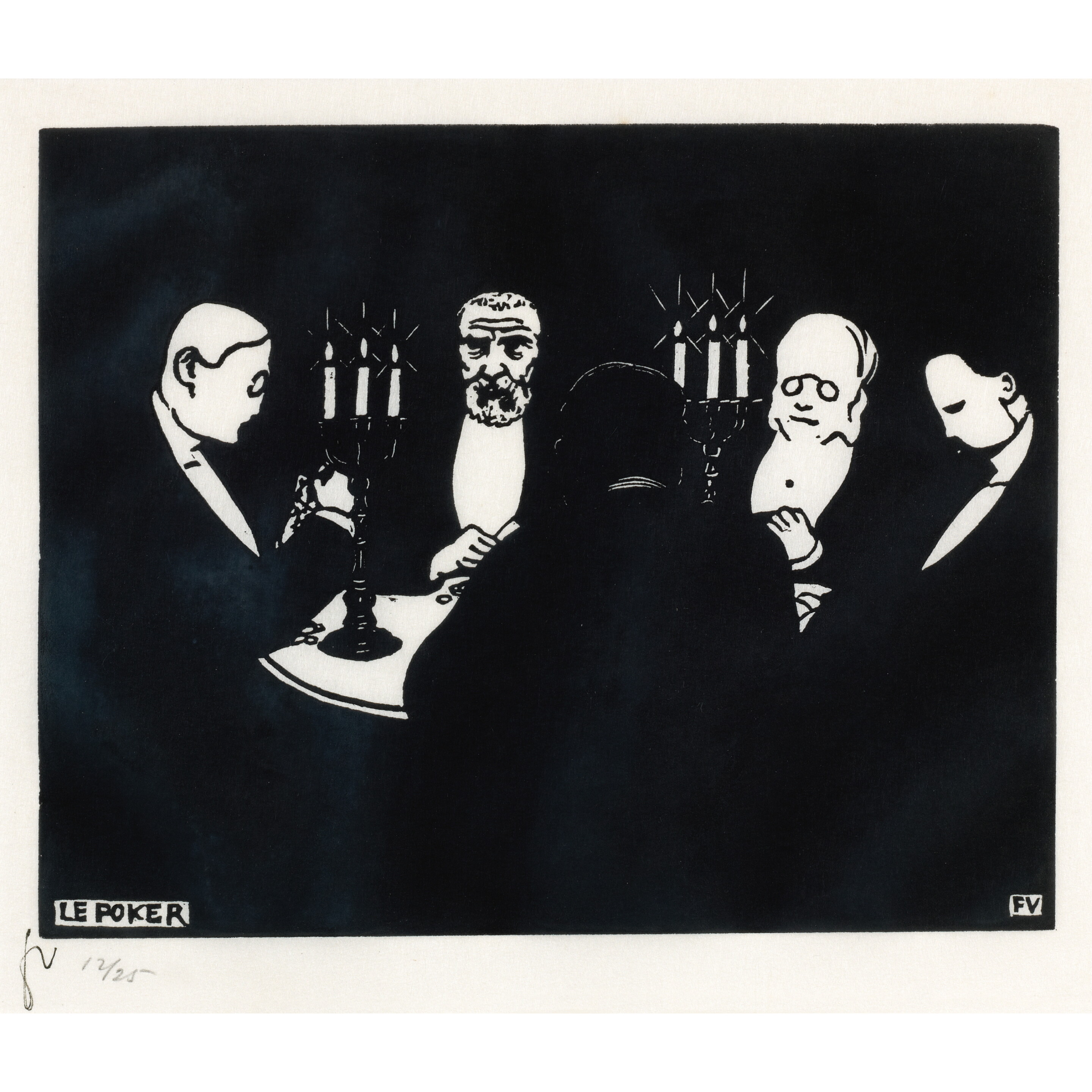
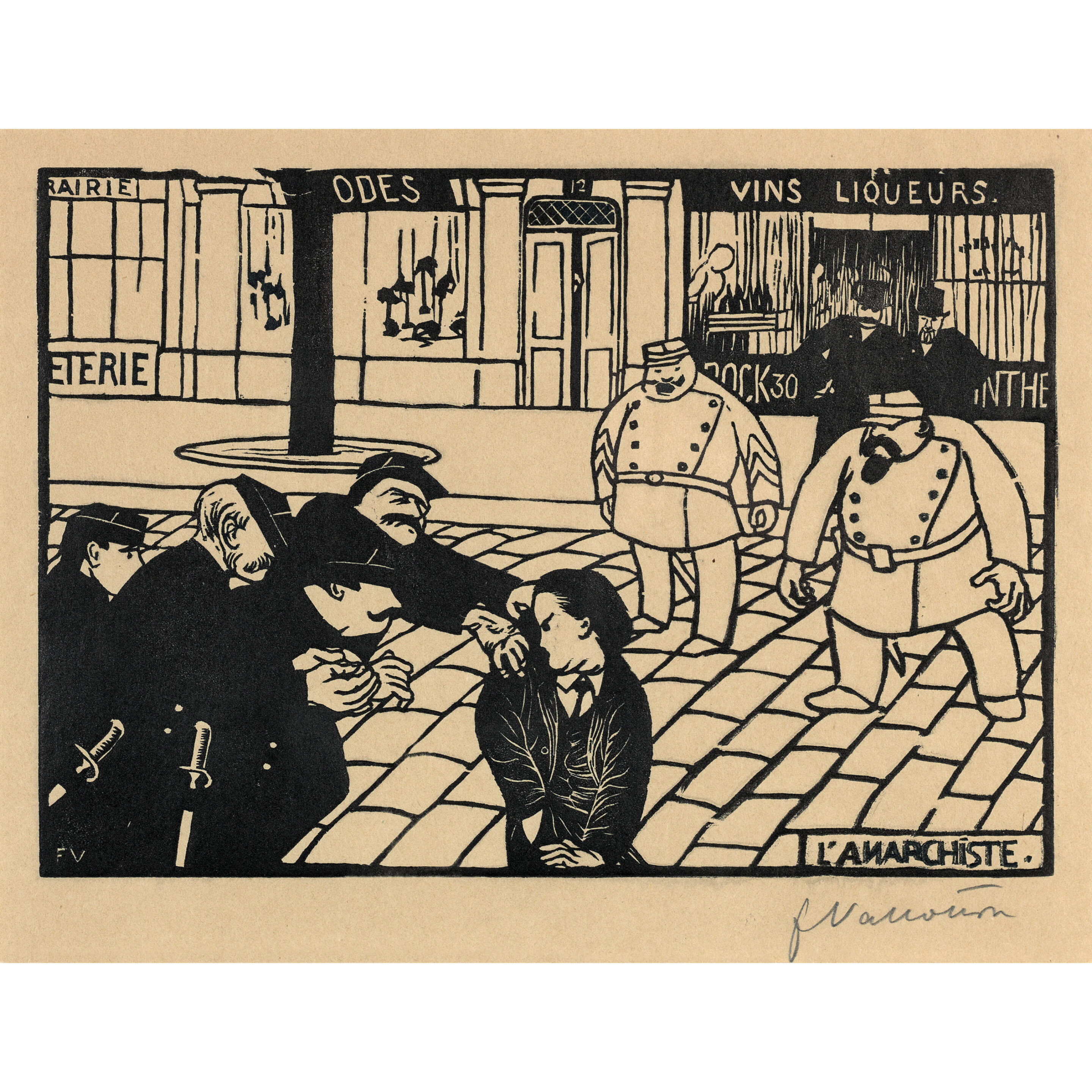
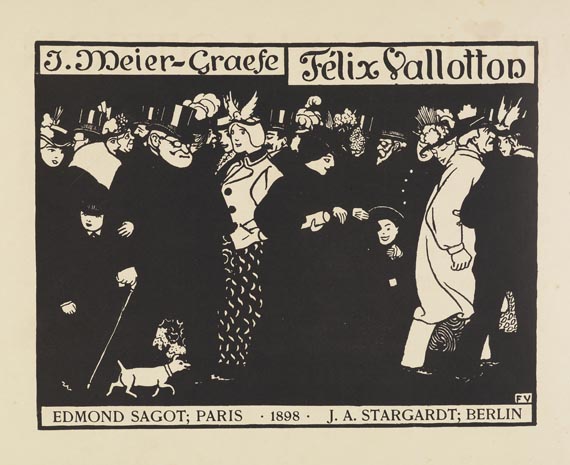
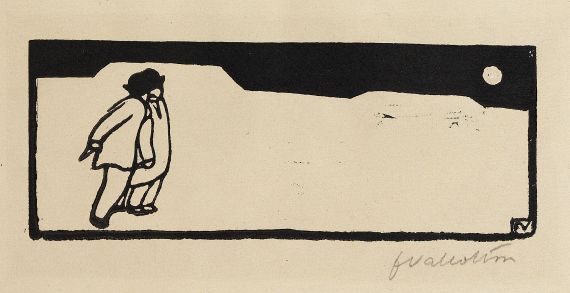
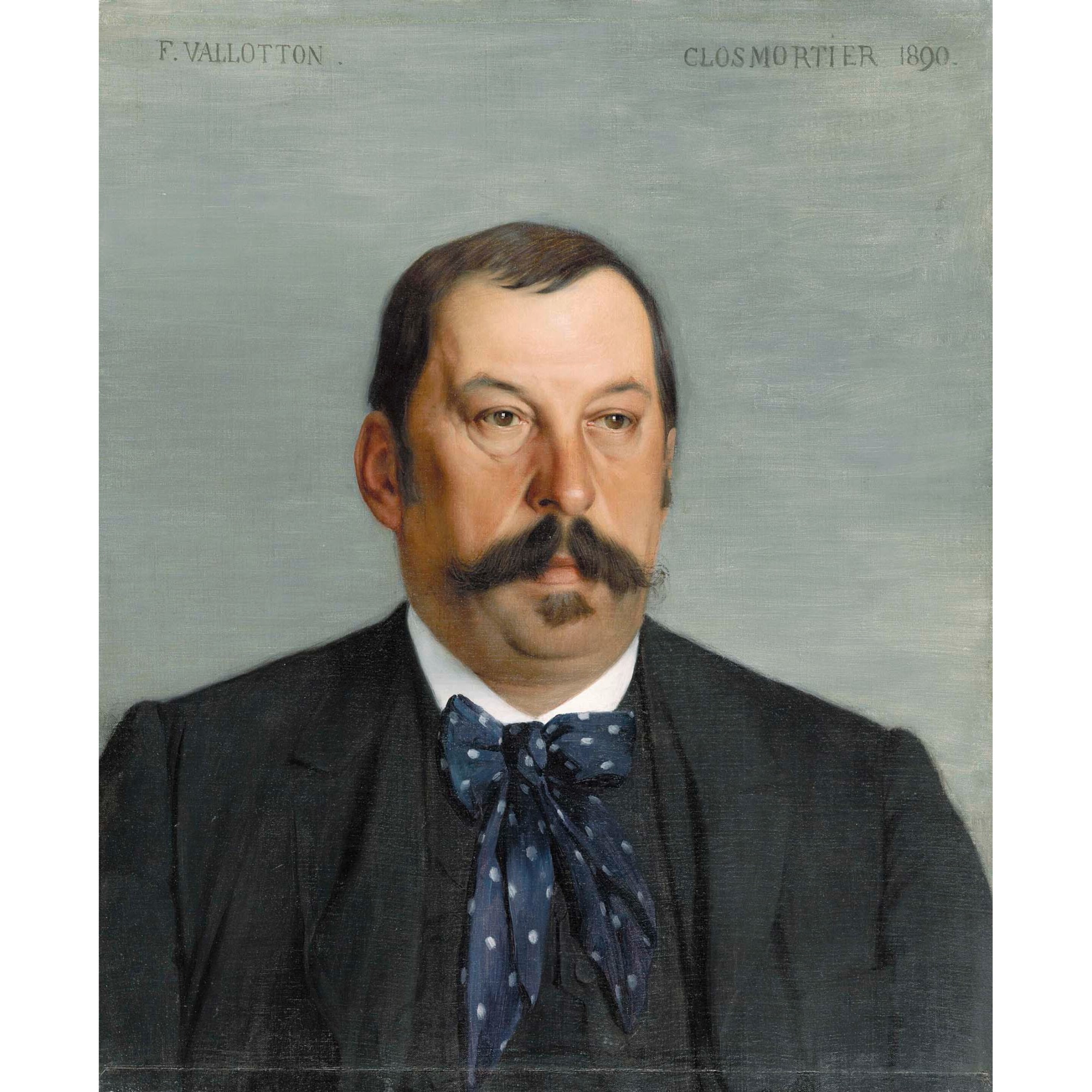
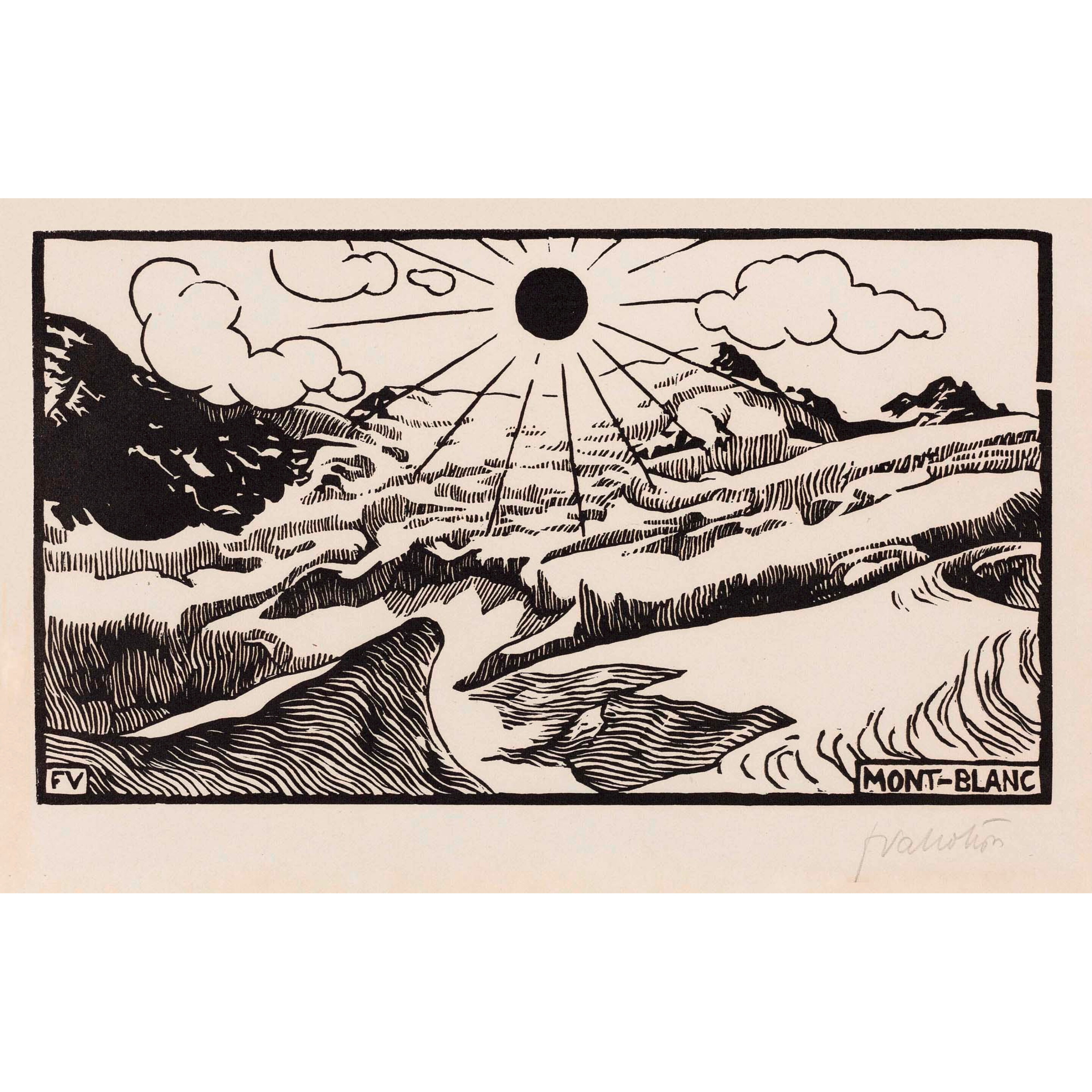
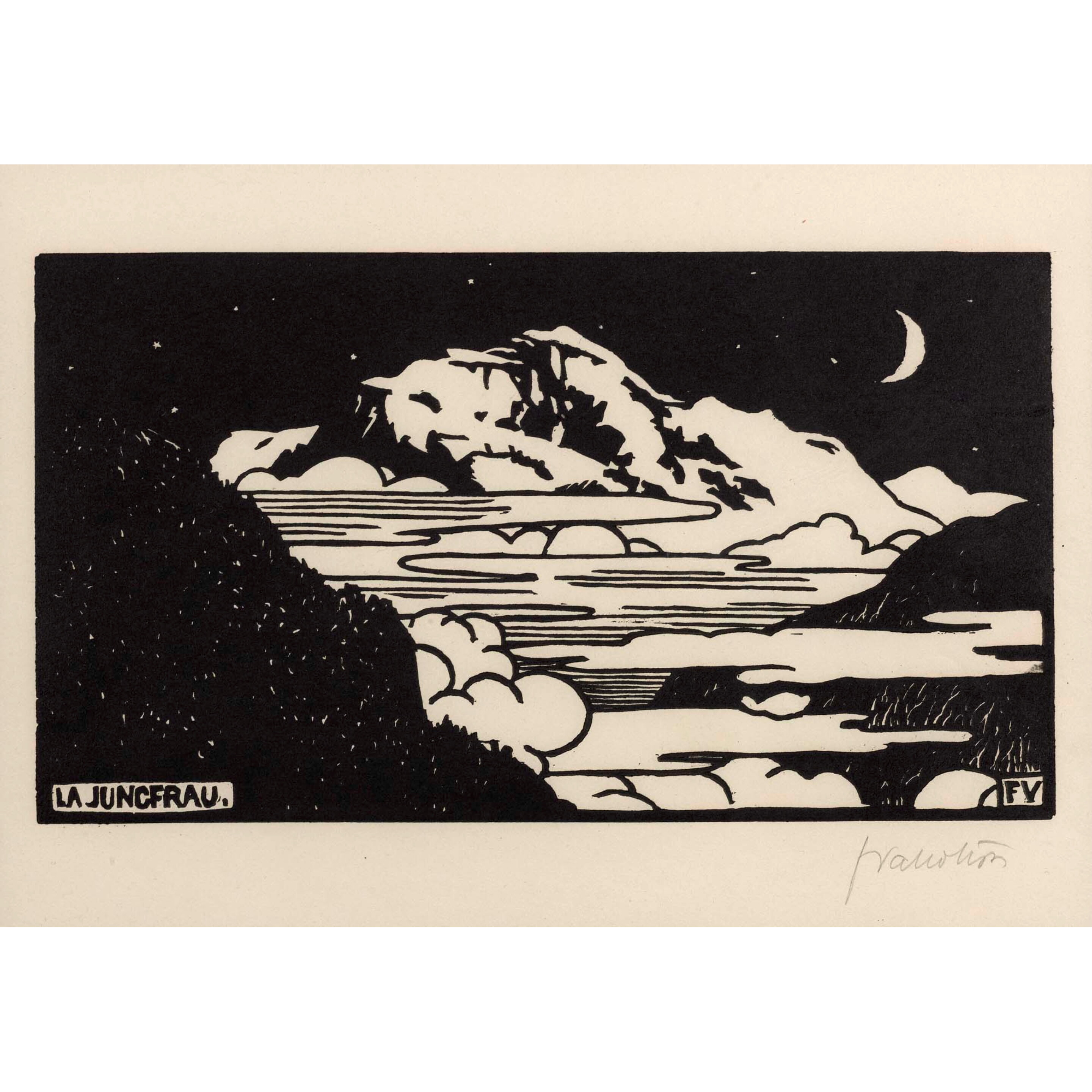
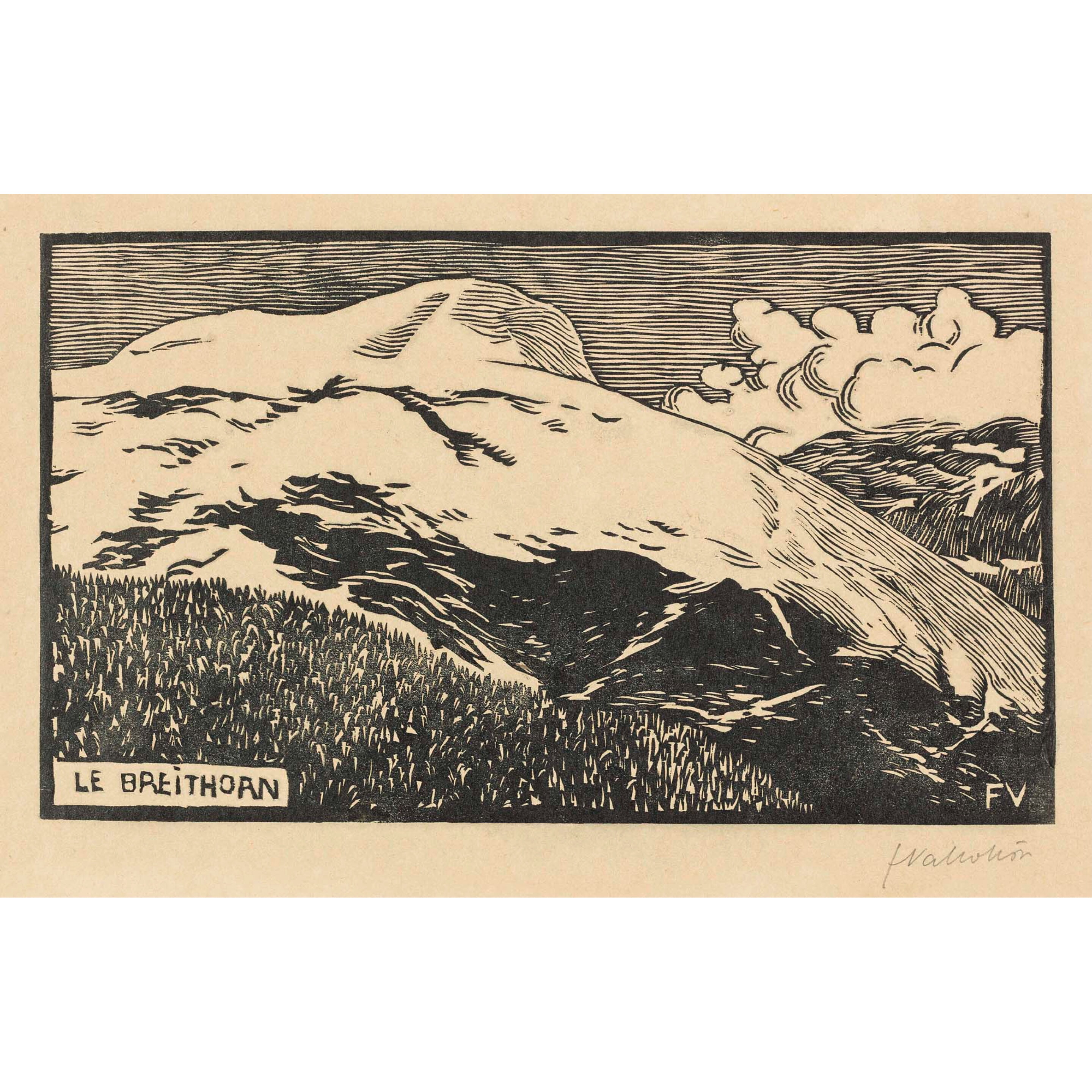
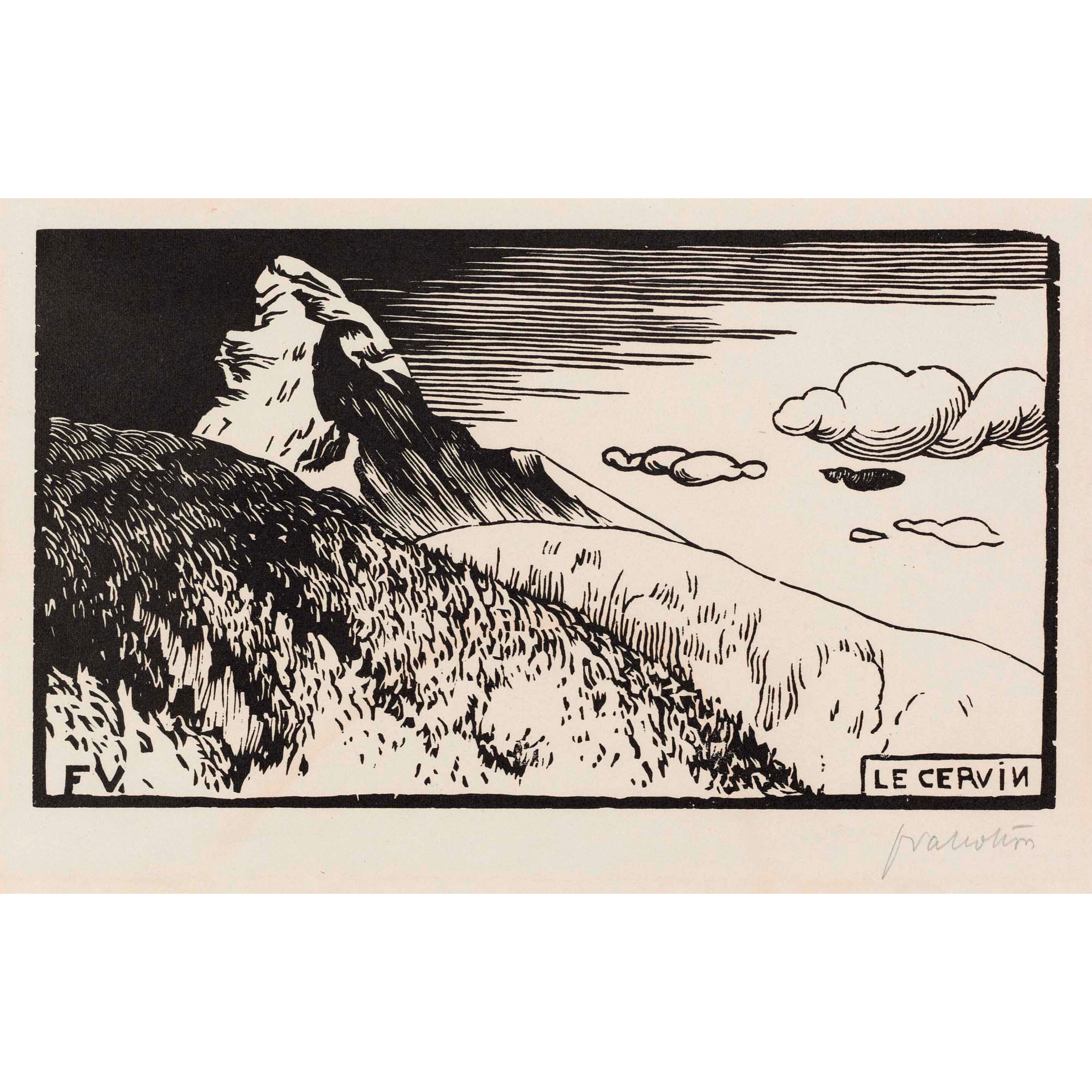
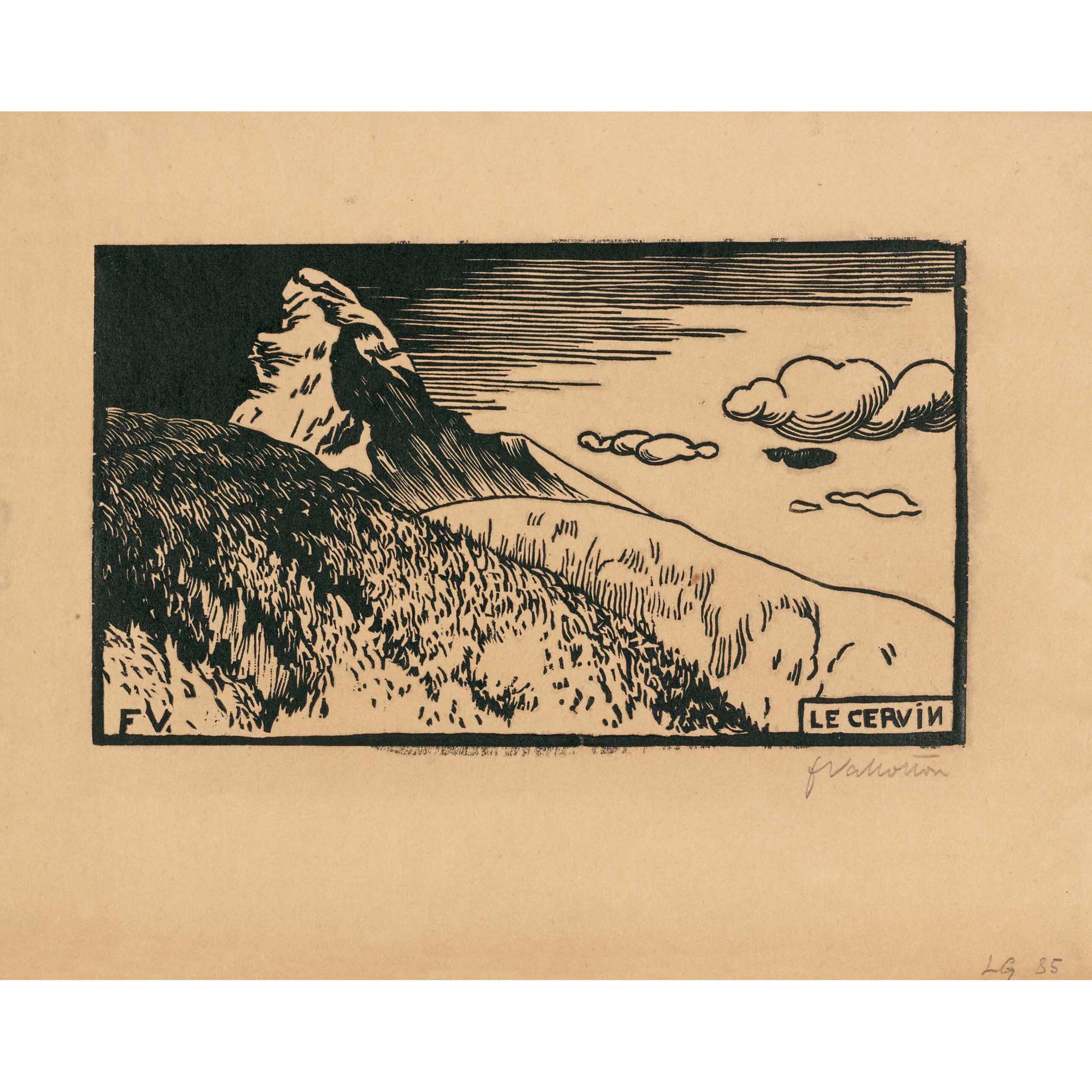
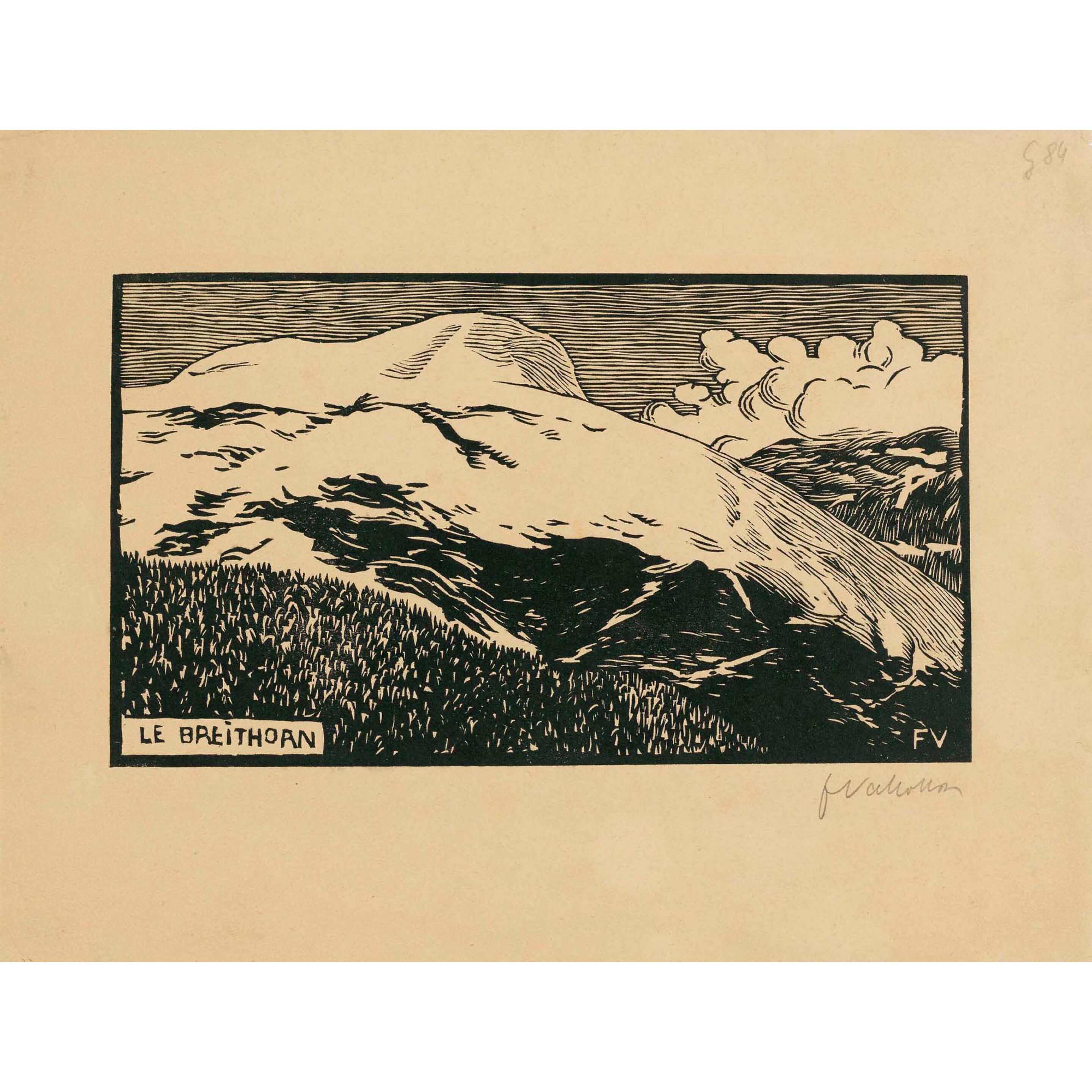
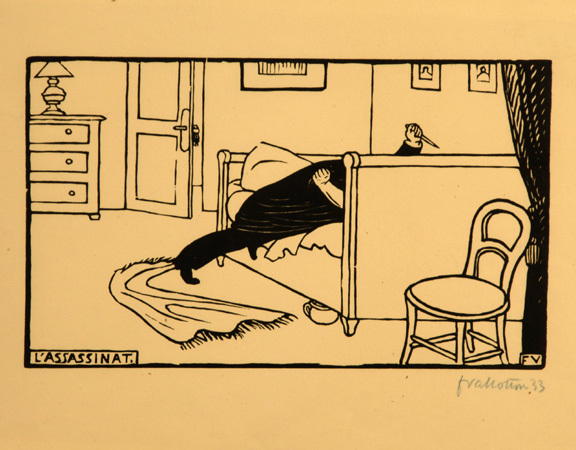
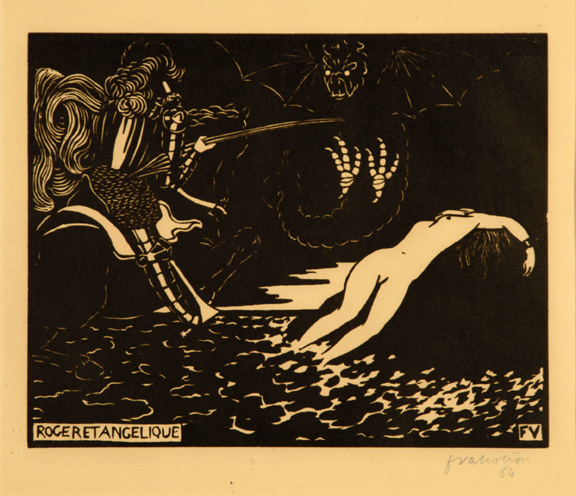
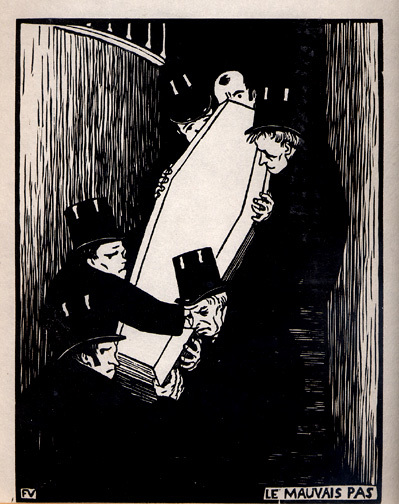
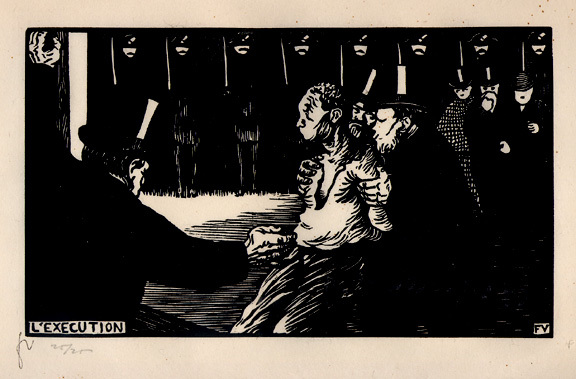
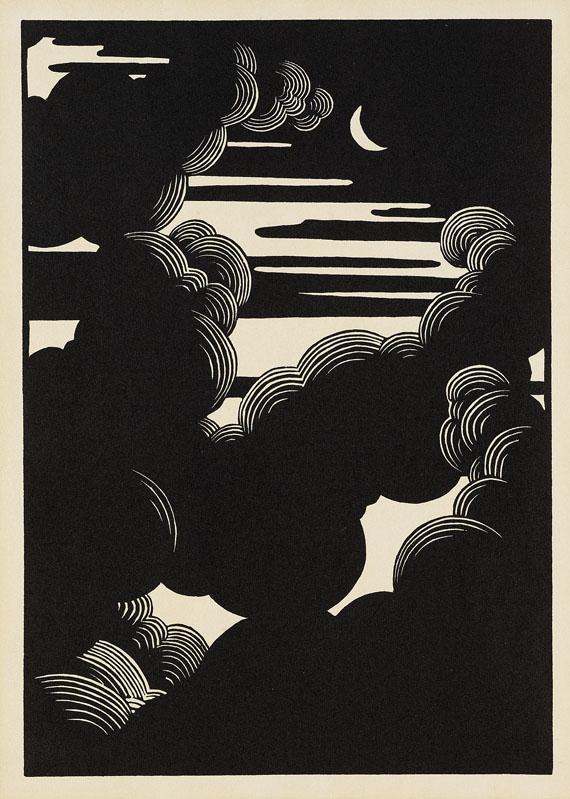
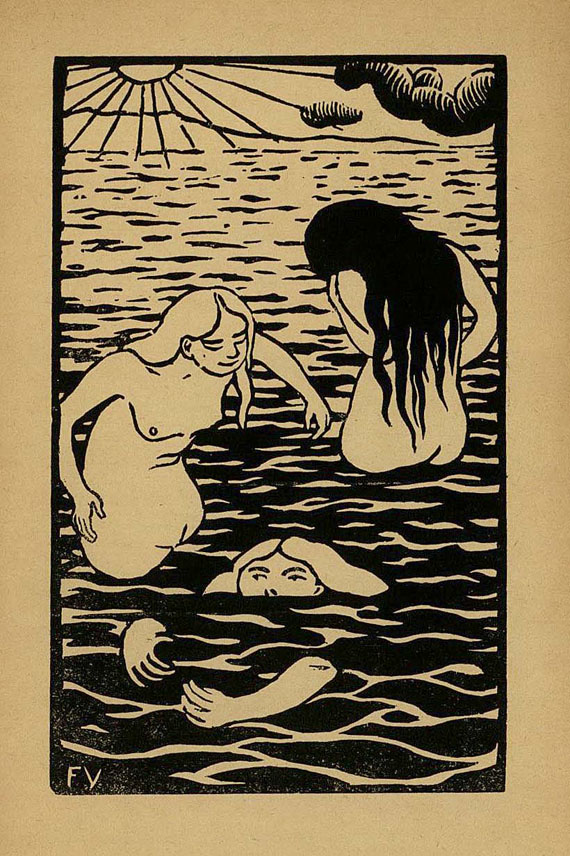
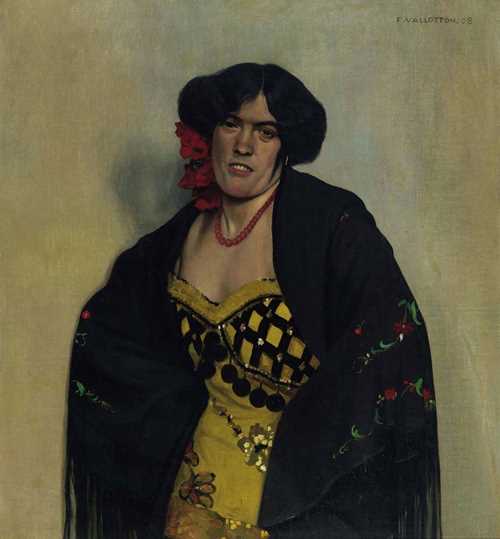
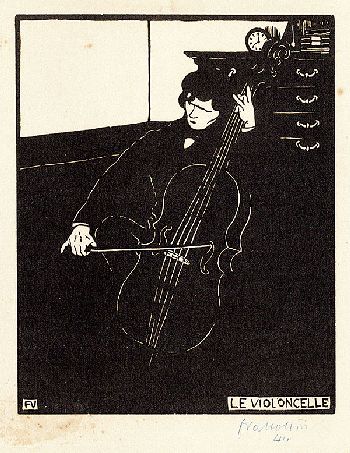
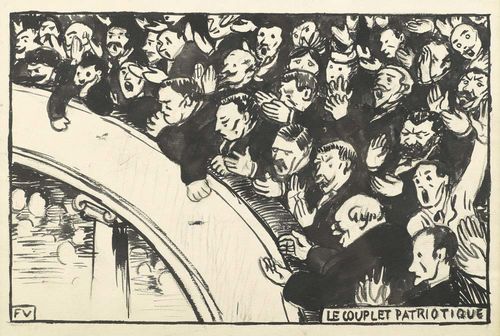
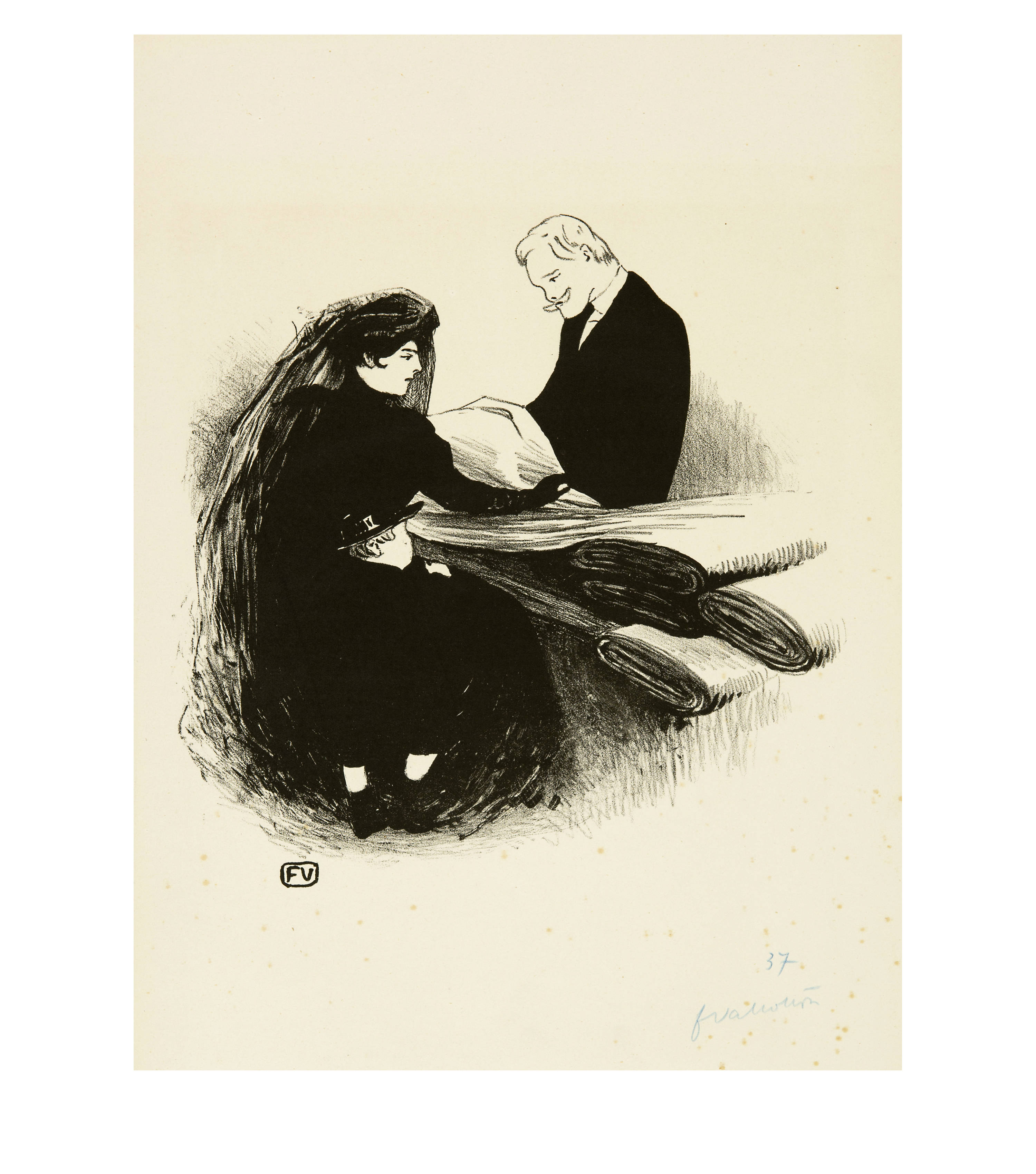
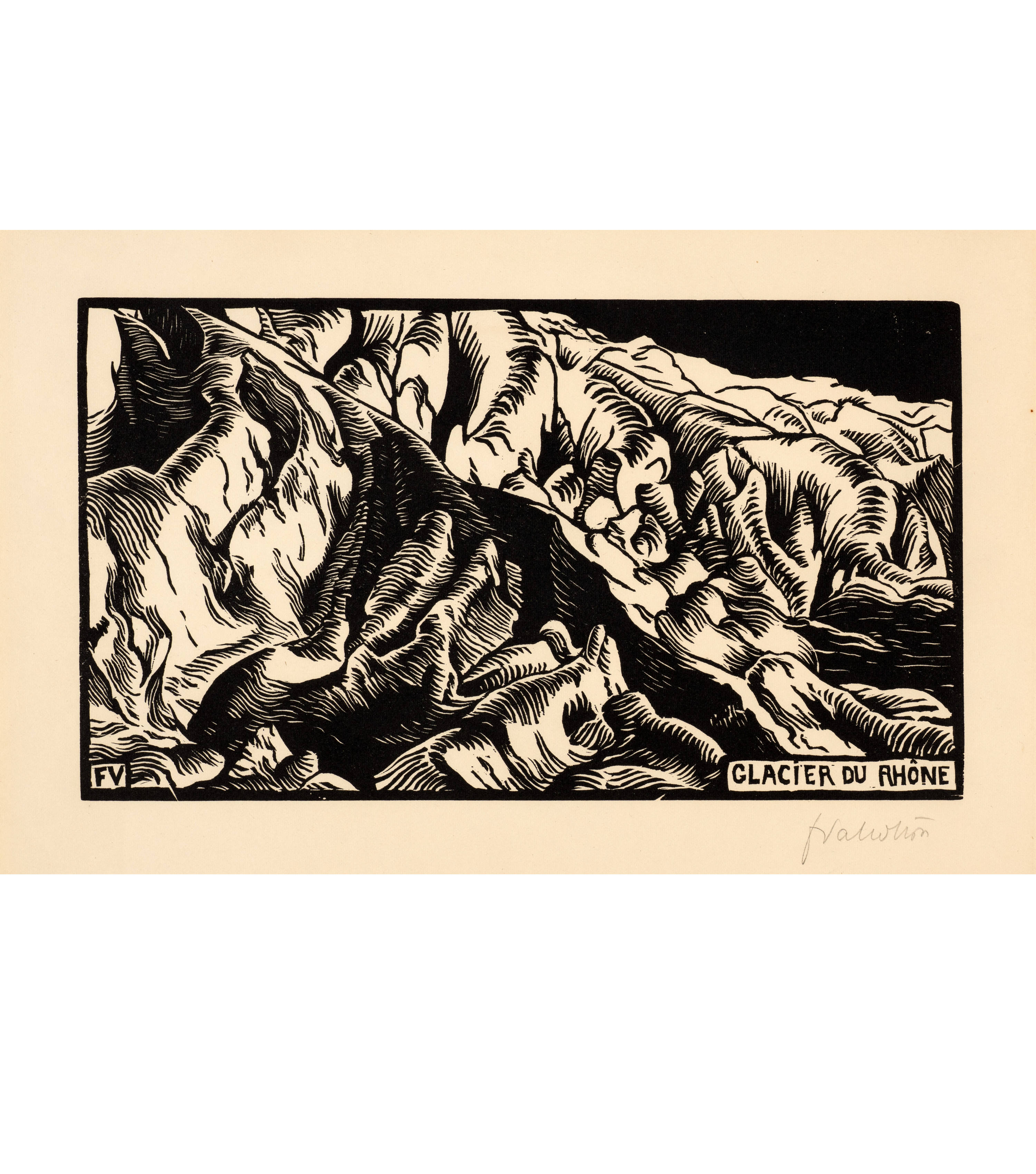
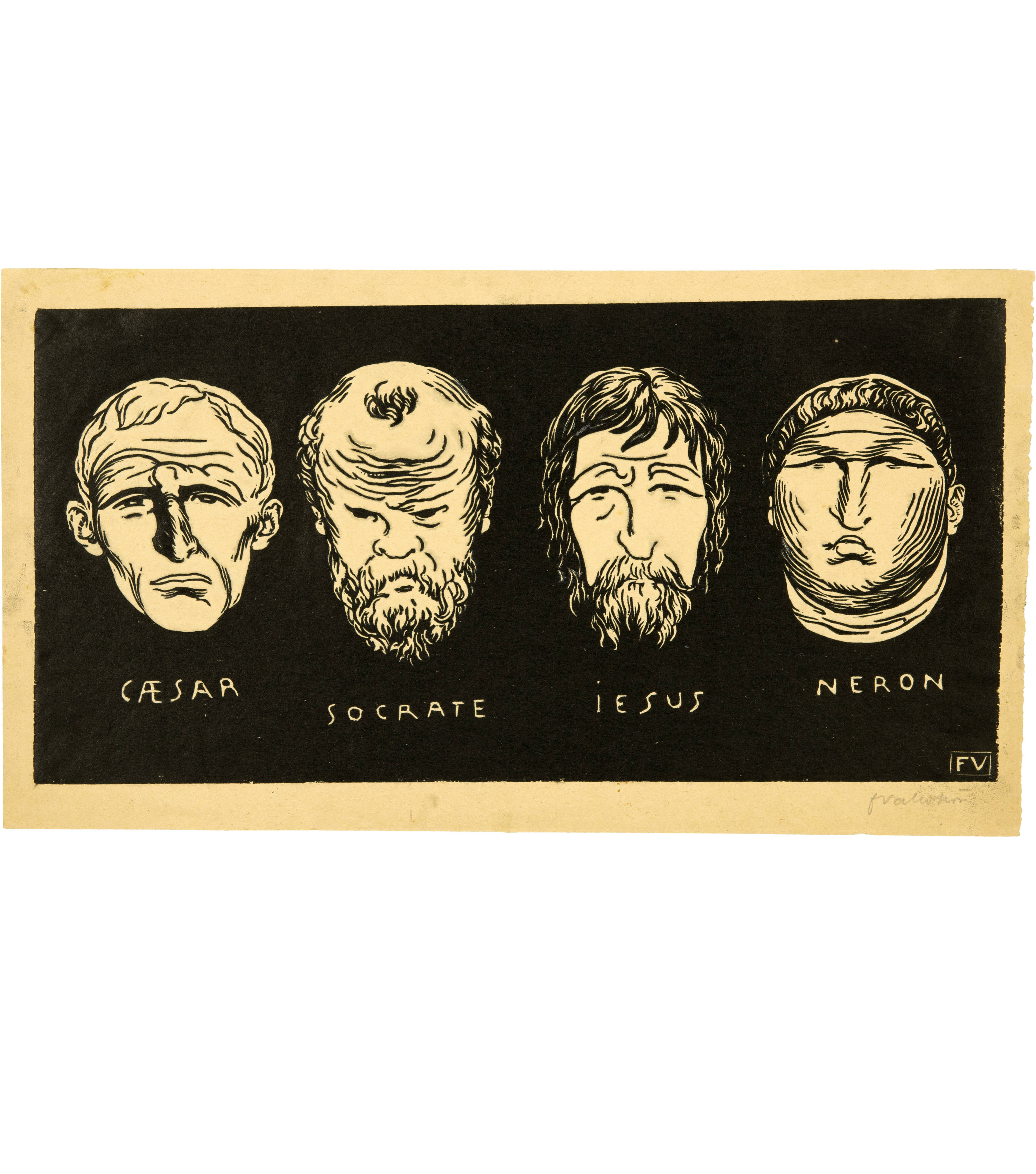
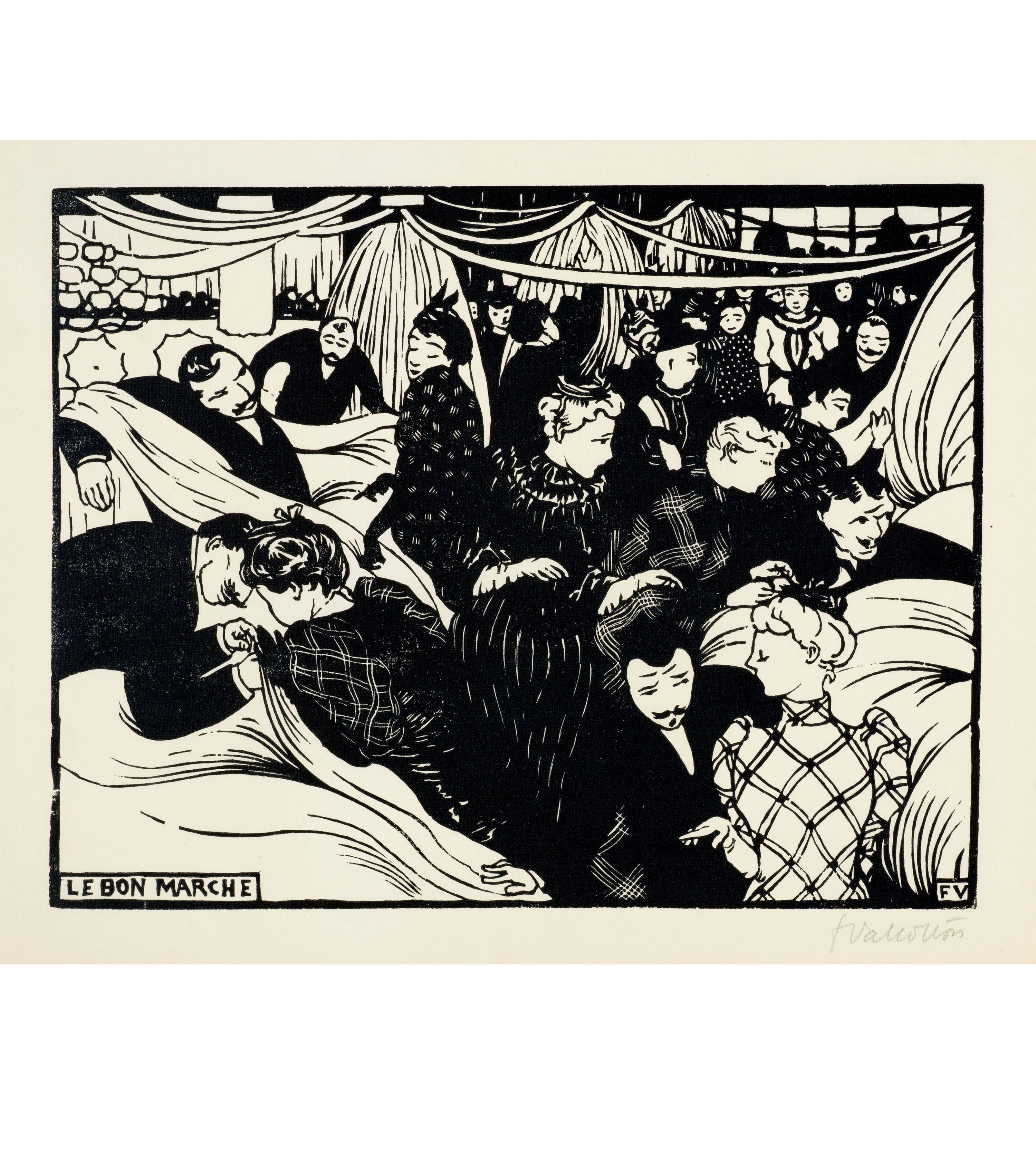
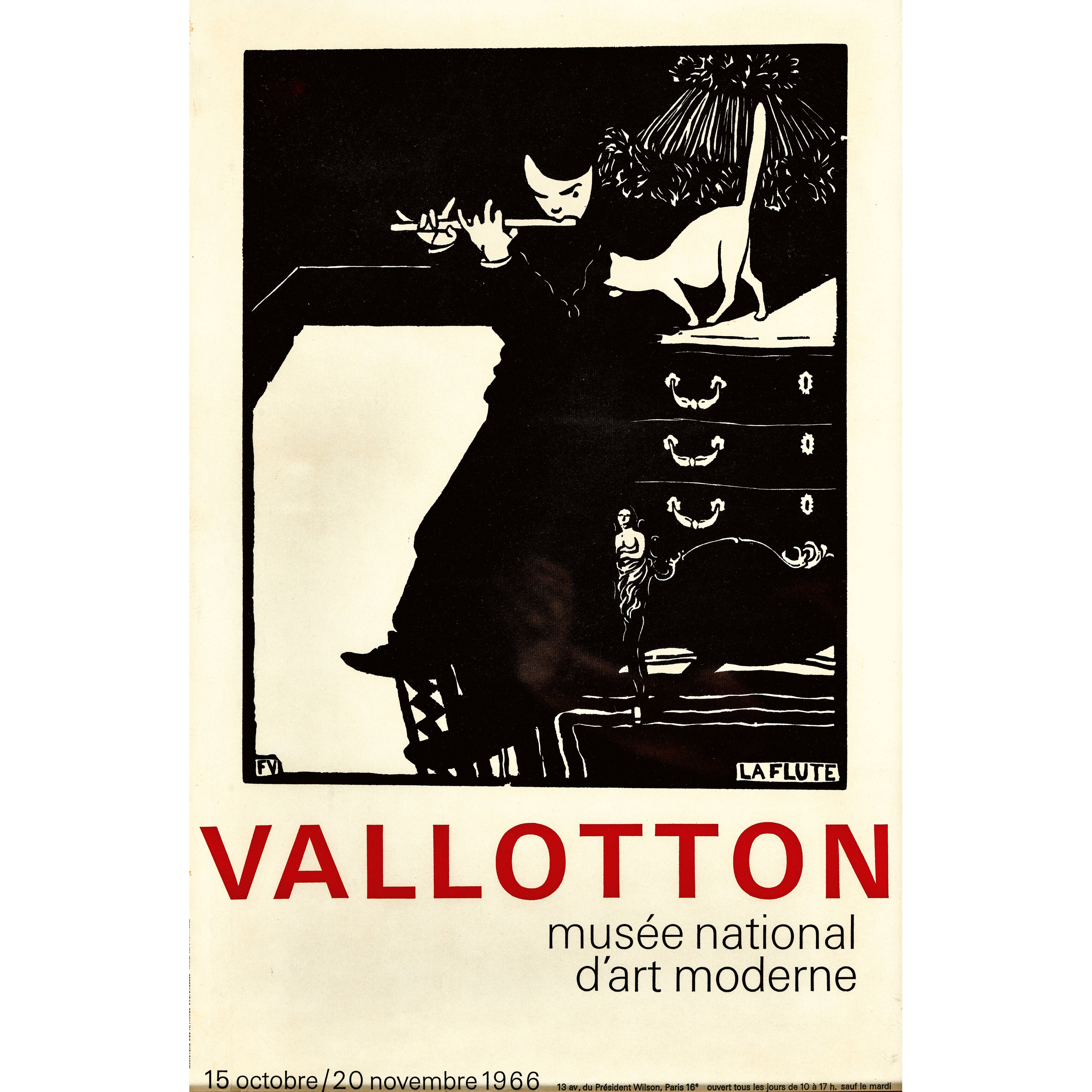
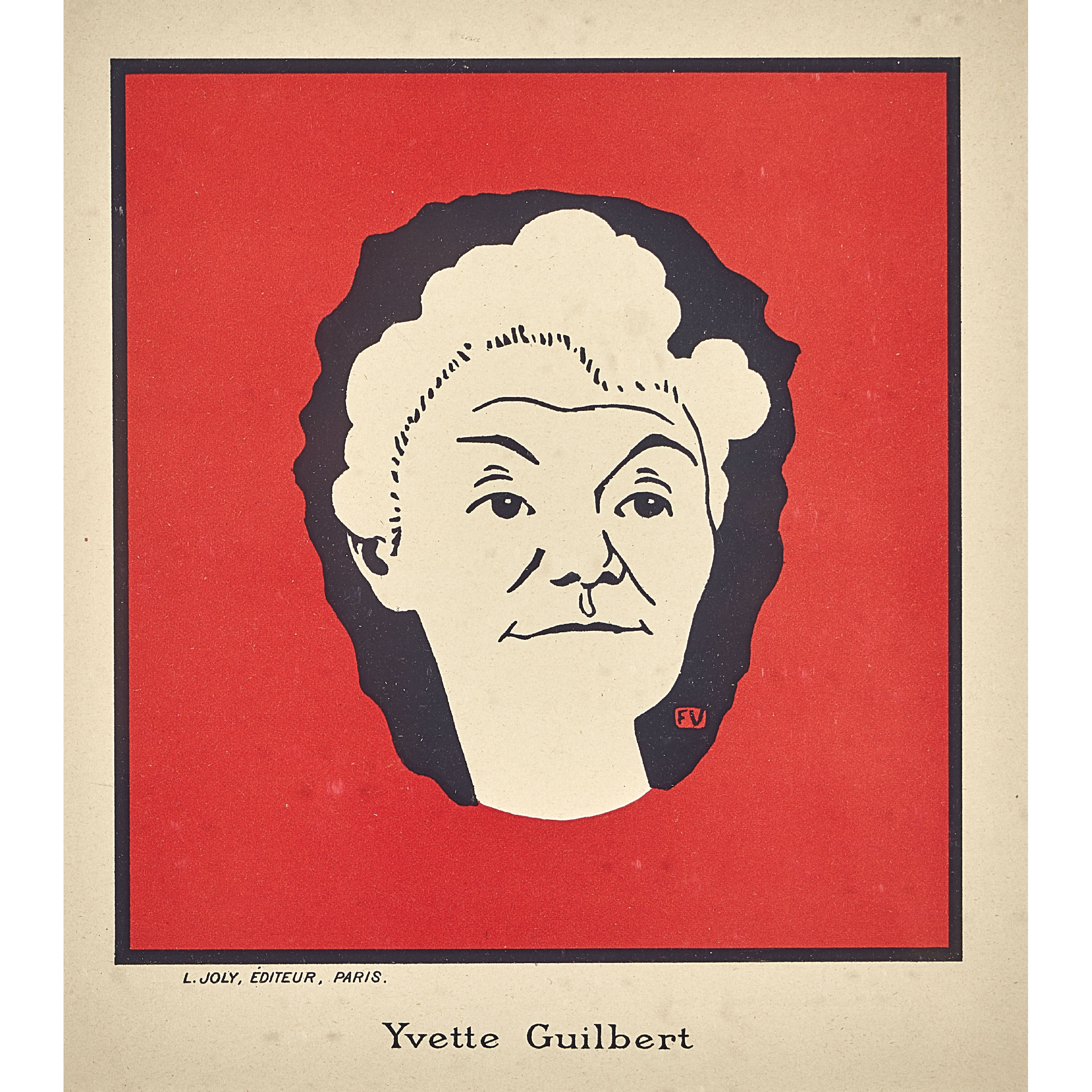
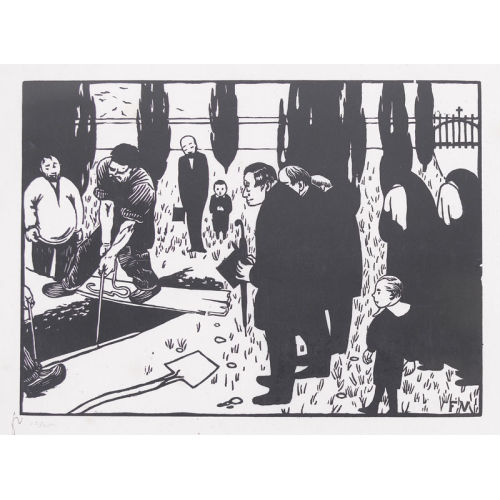
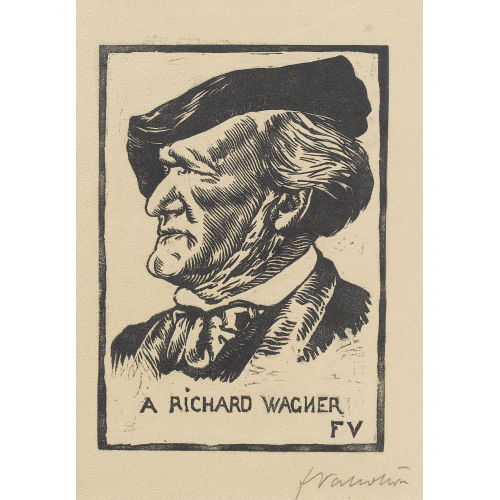
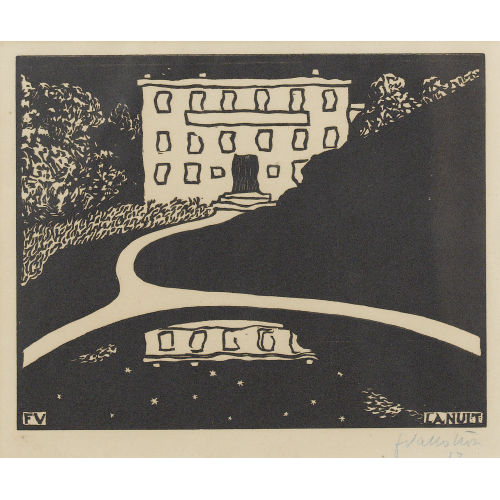
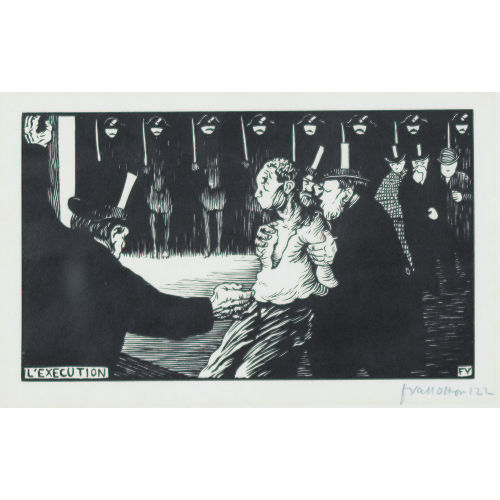
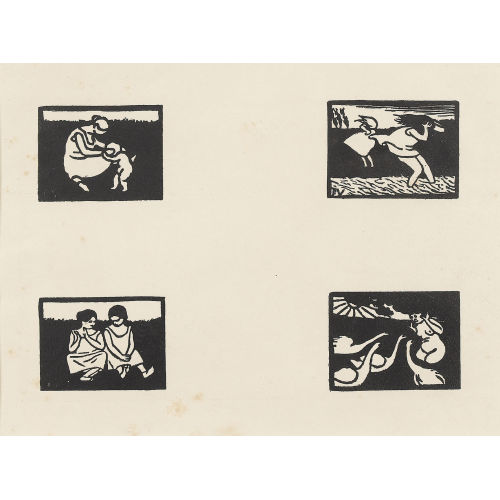
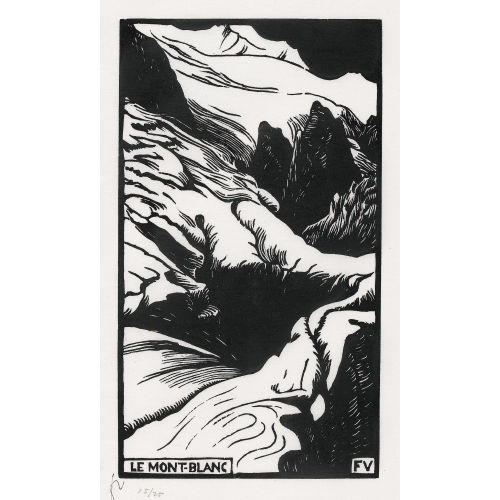
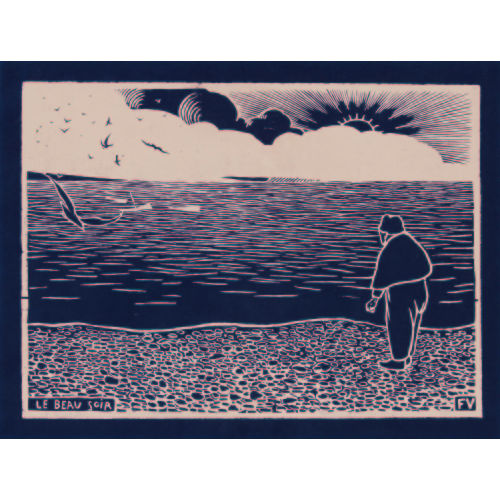
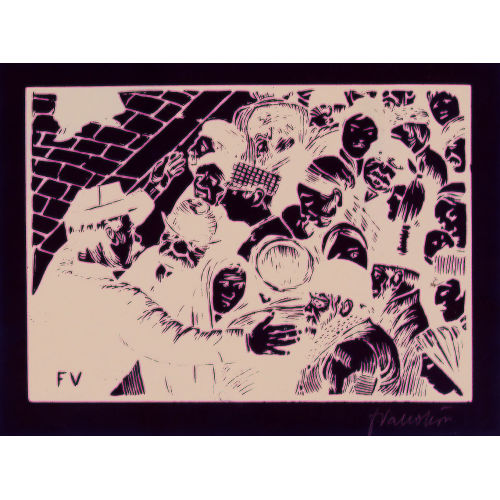
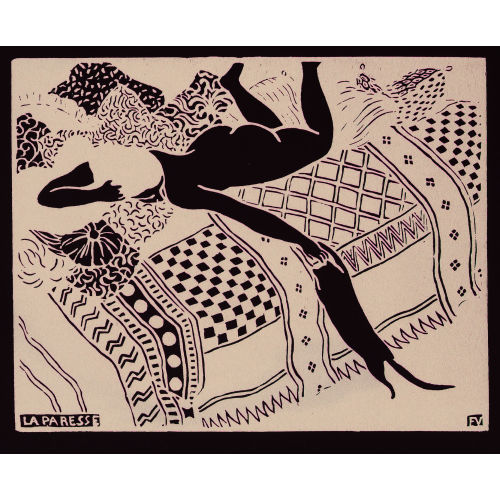
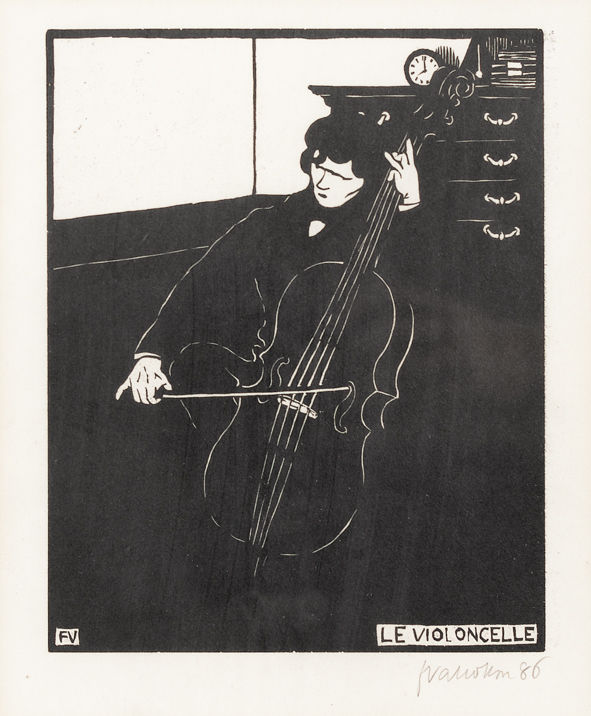
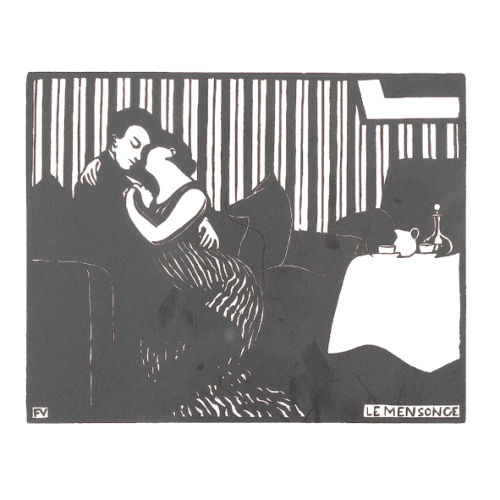
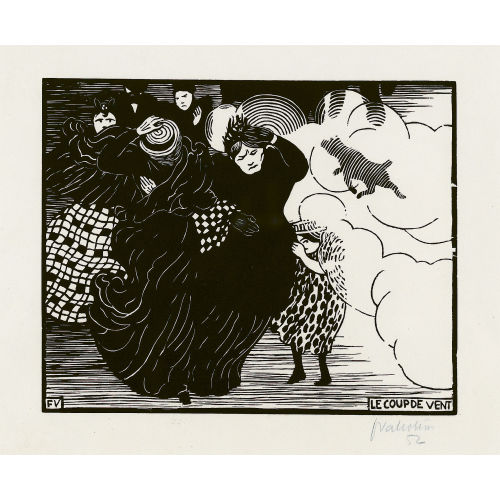
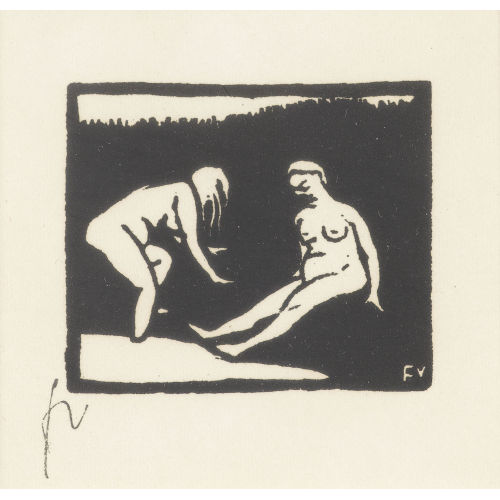
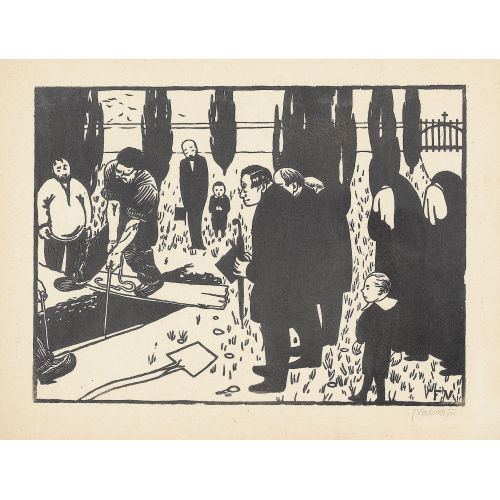
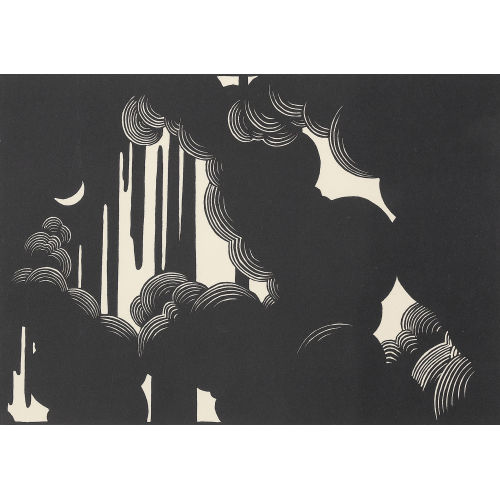
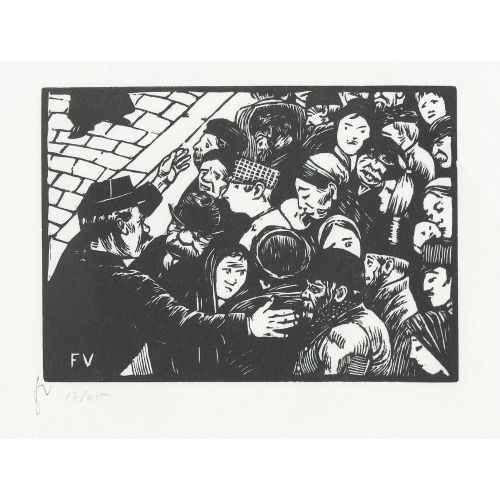
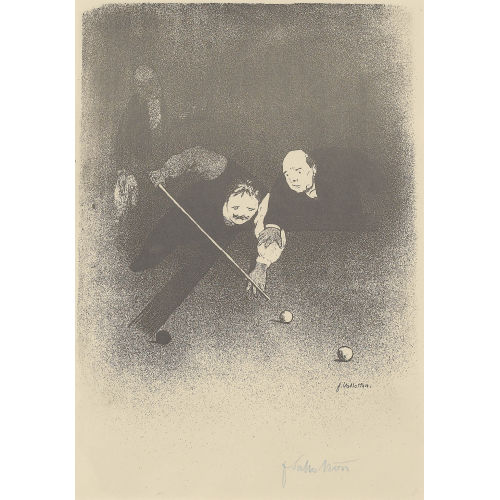
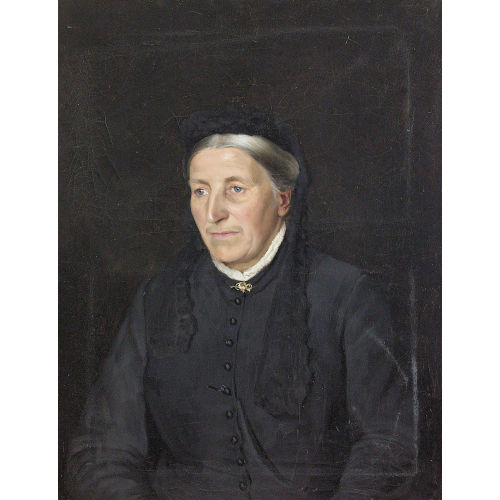
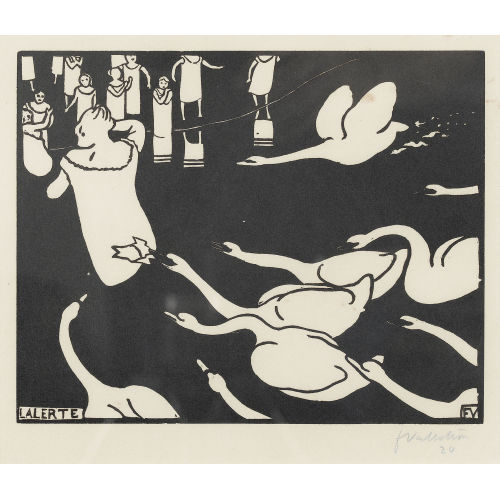
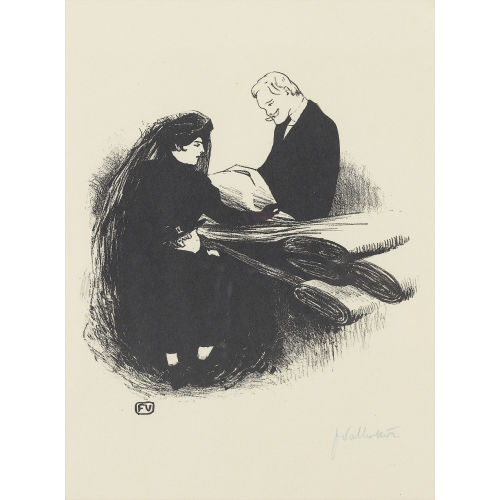
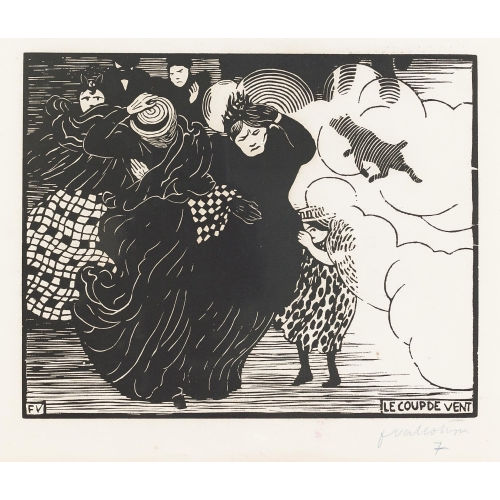
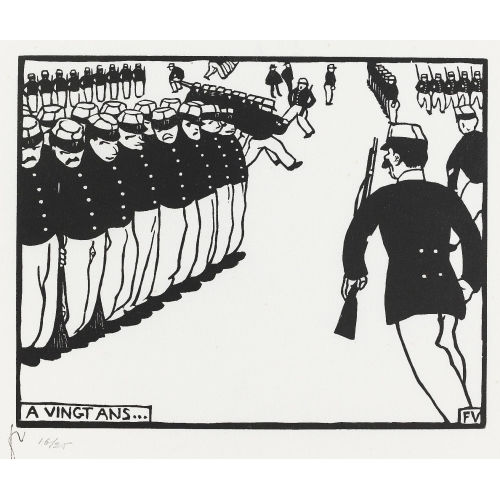
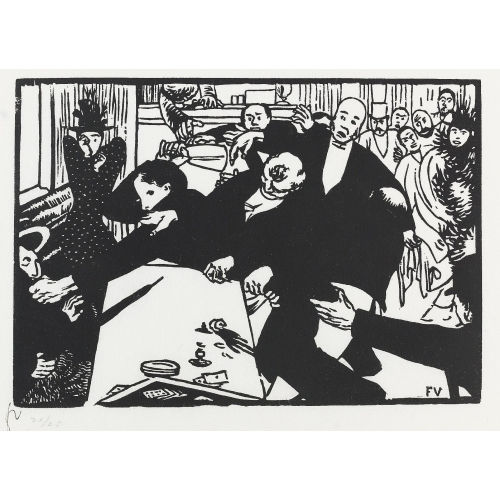
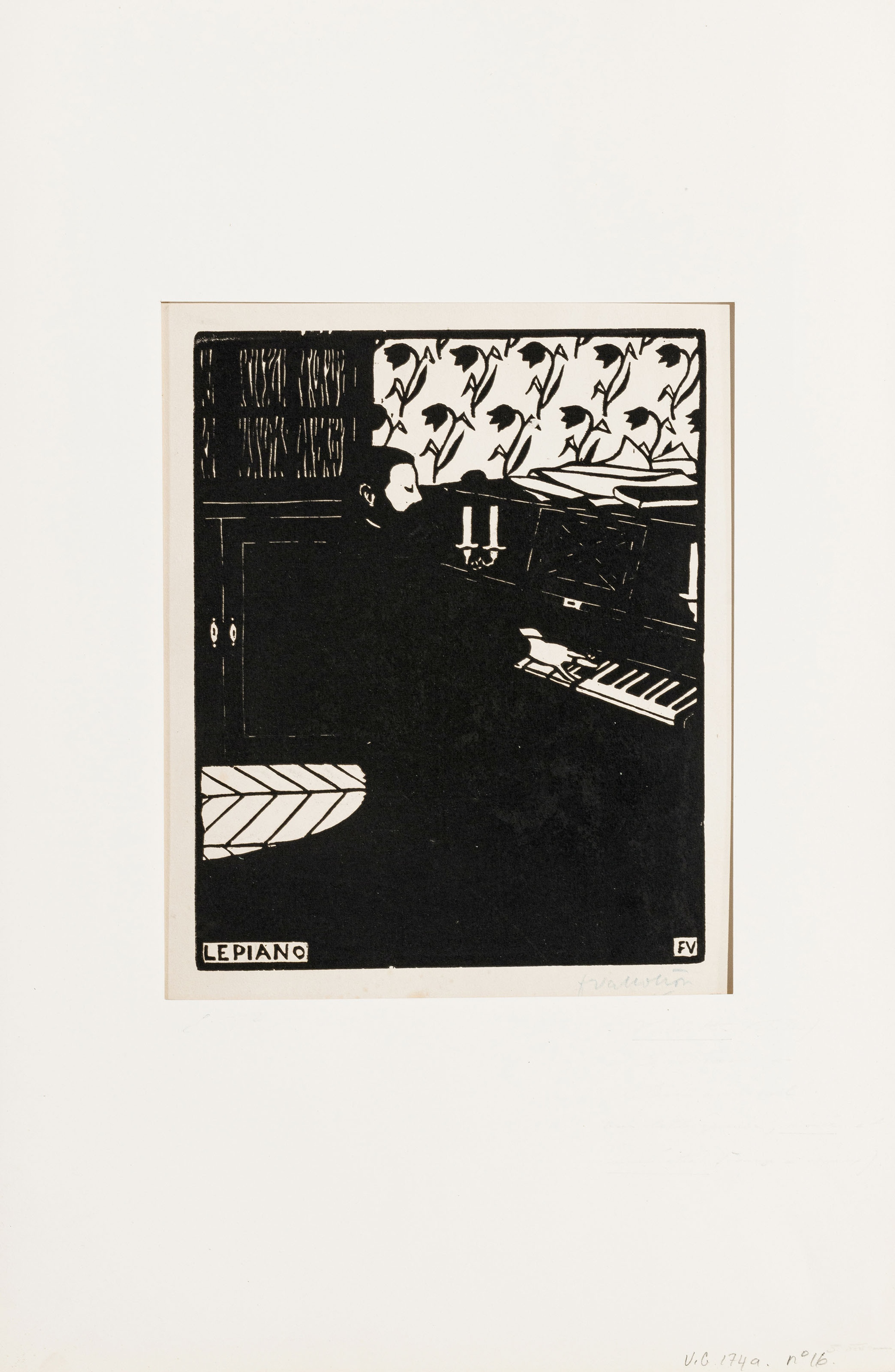
After arriving in Paris in 1882, he trained at the Académie Julian and first made his mark as a portraitist. Woodcut printmaking subsequently brought him international recognition. In the 1890s, his images organised forms into stark oppositions of black and white: the elimination of tonal gradations gave gestures and silhouettes a striking presence.
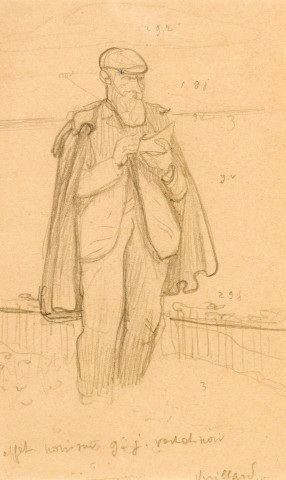
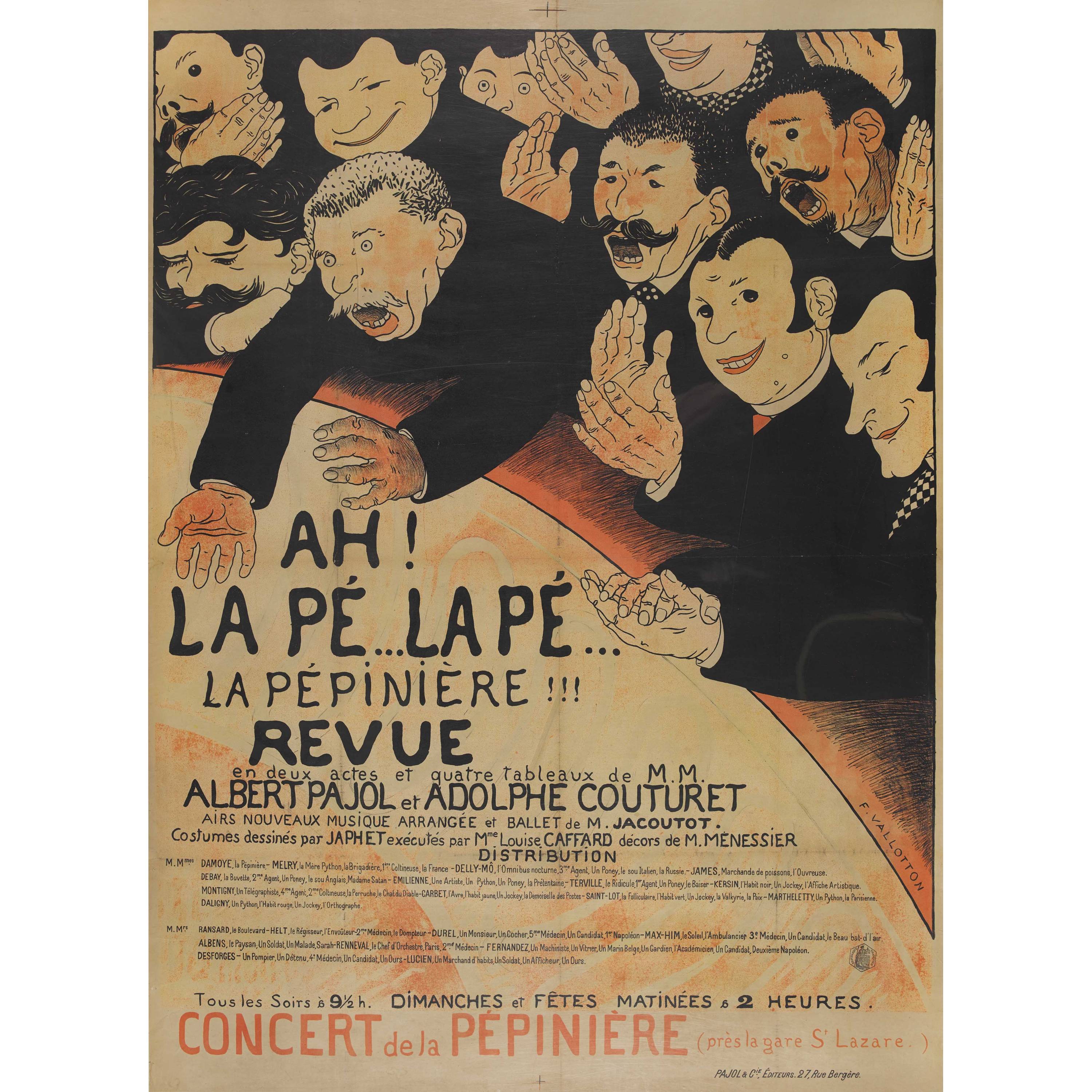
In 1893 he joined the Nabis, alongside Pierre Bonnard, Édouard Vuillard and Maurice Denis, and contributed to La Revue blanche.
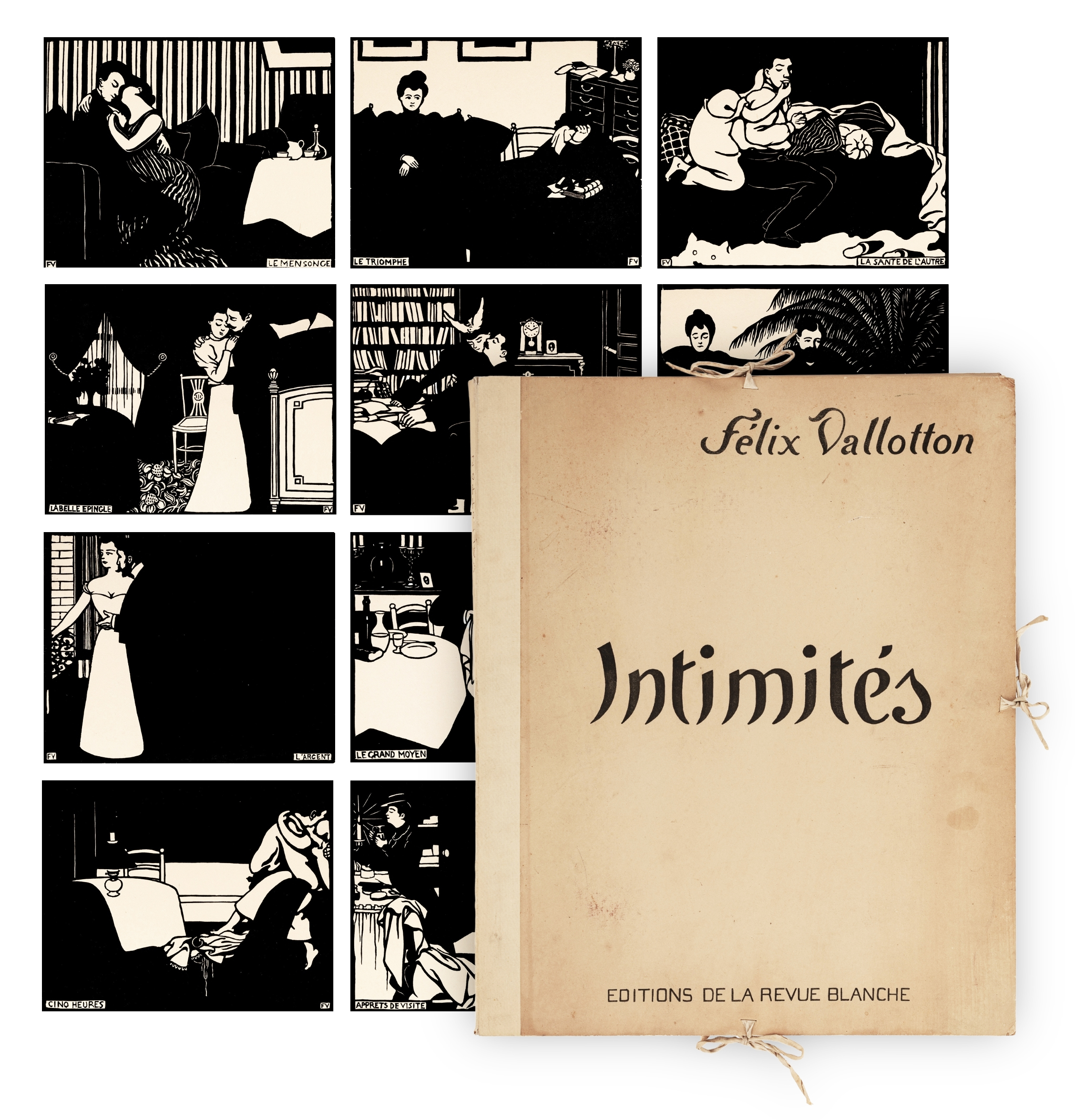
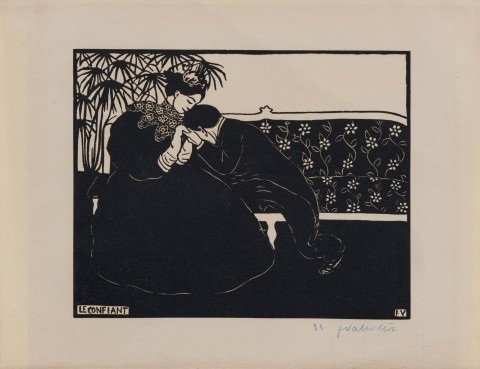
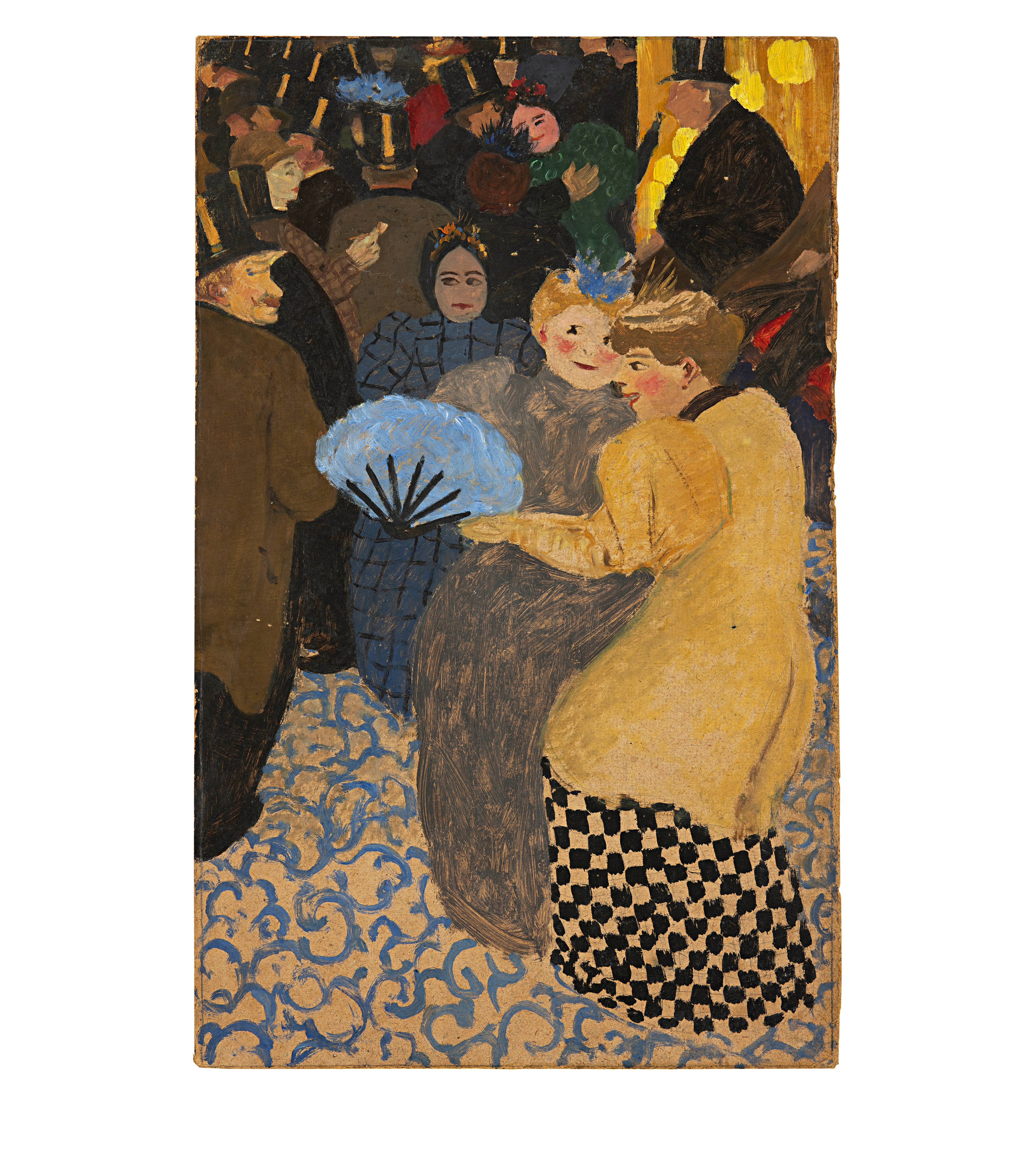
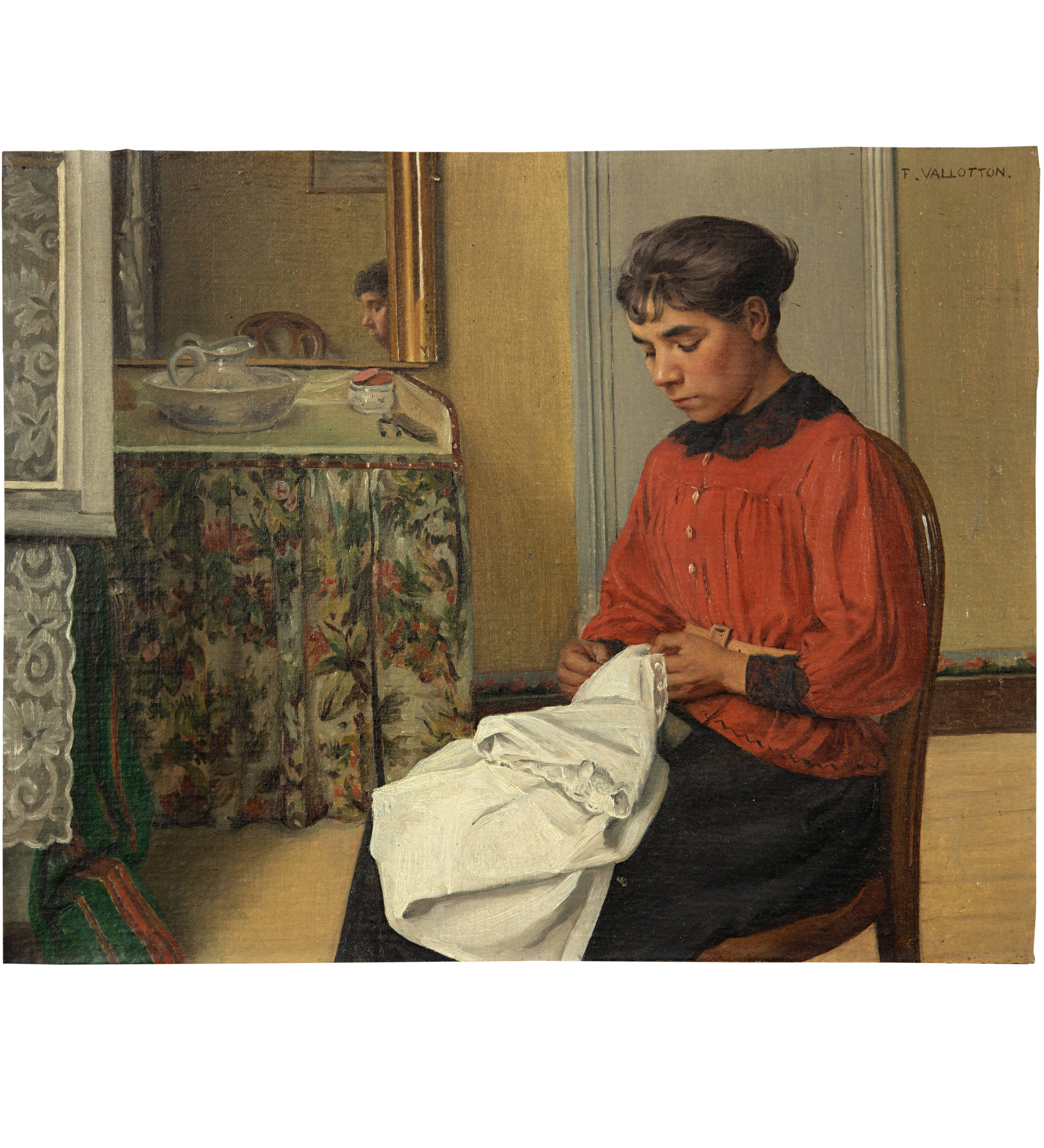
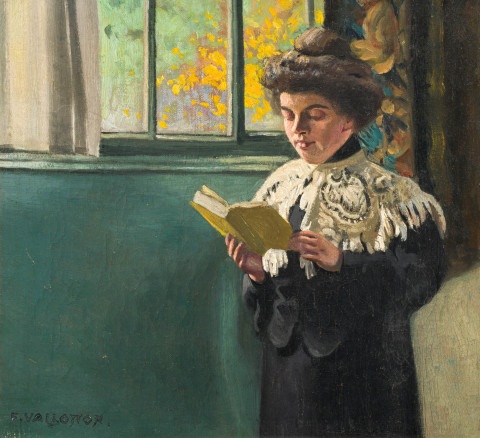
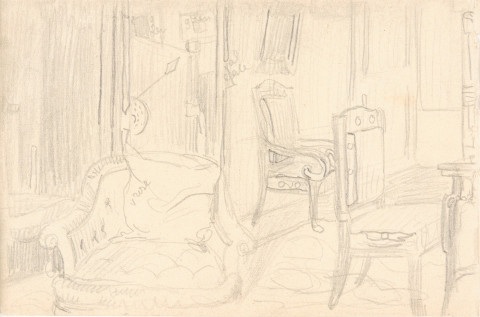
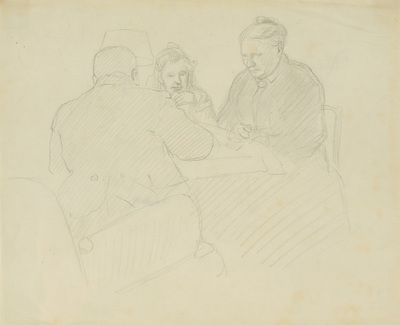
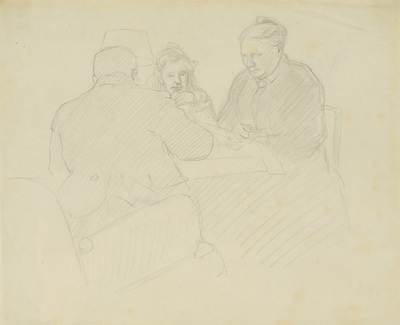
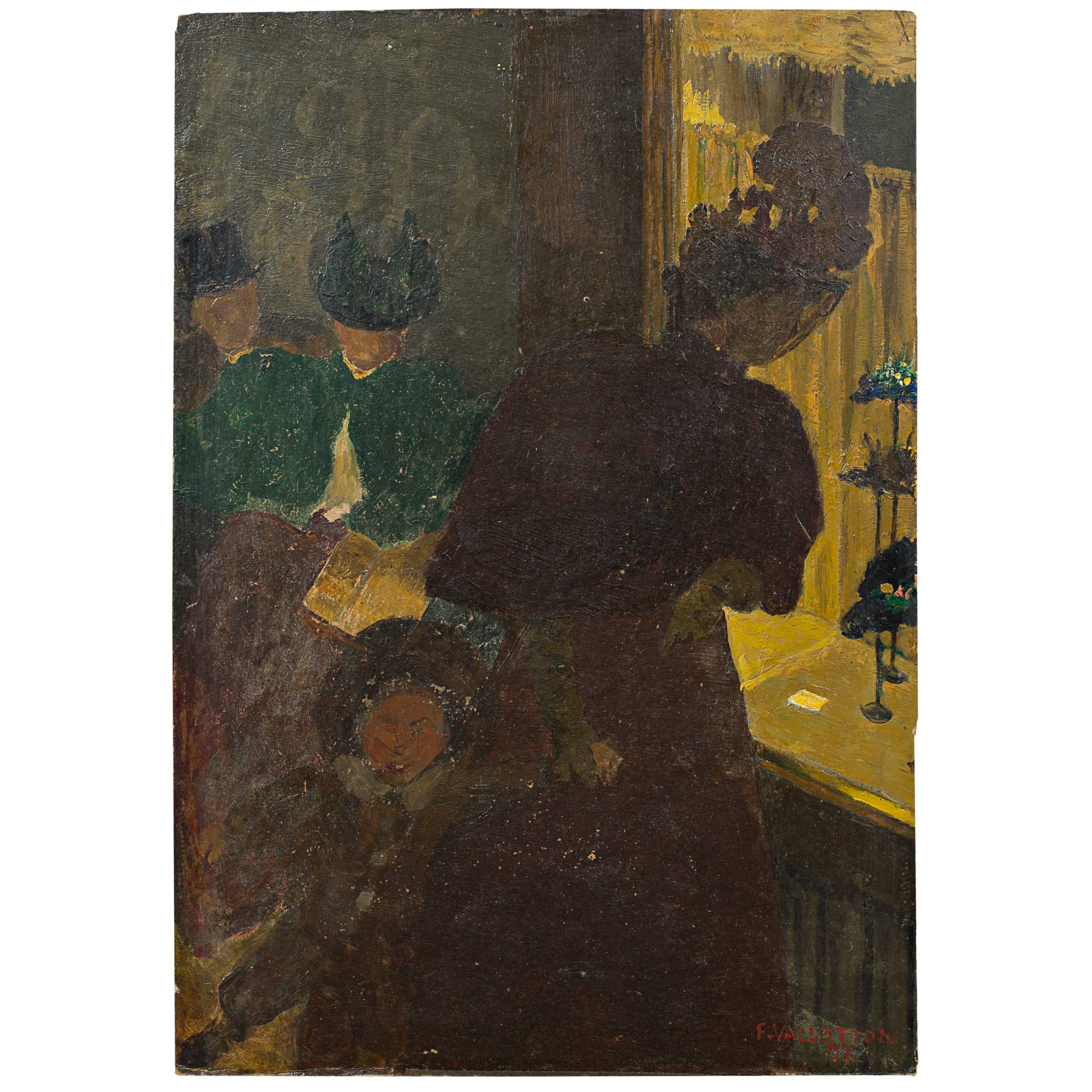
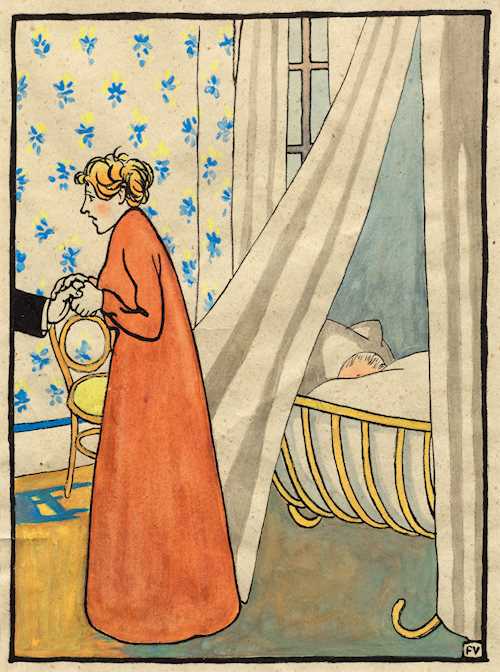
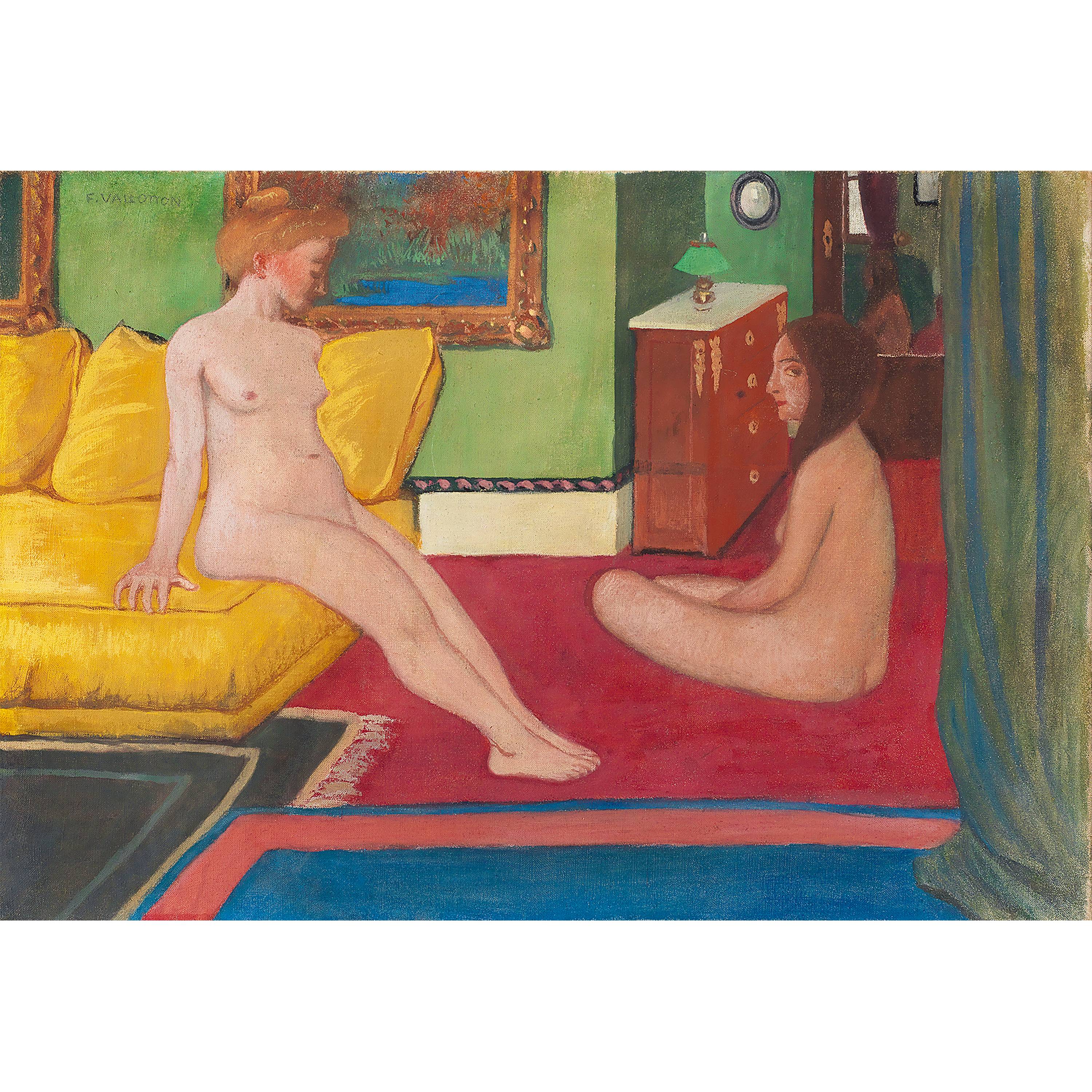
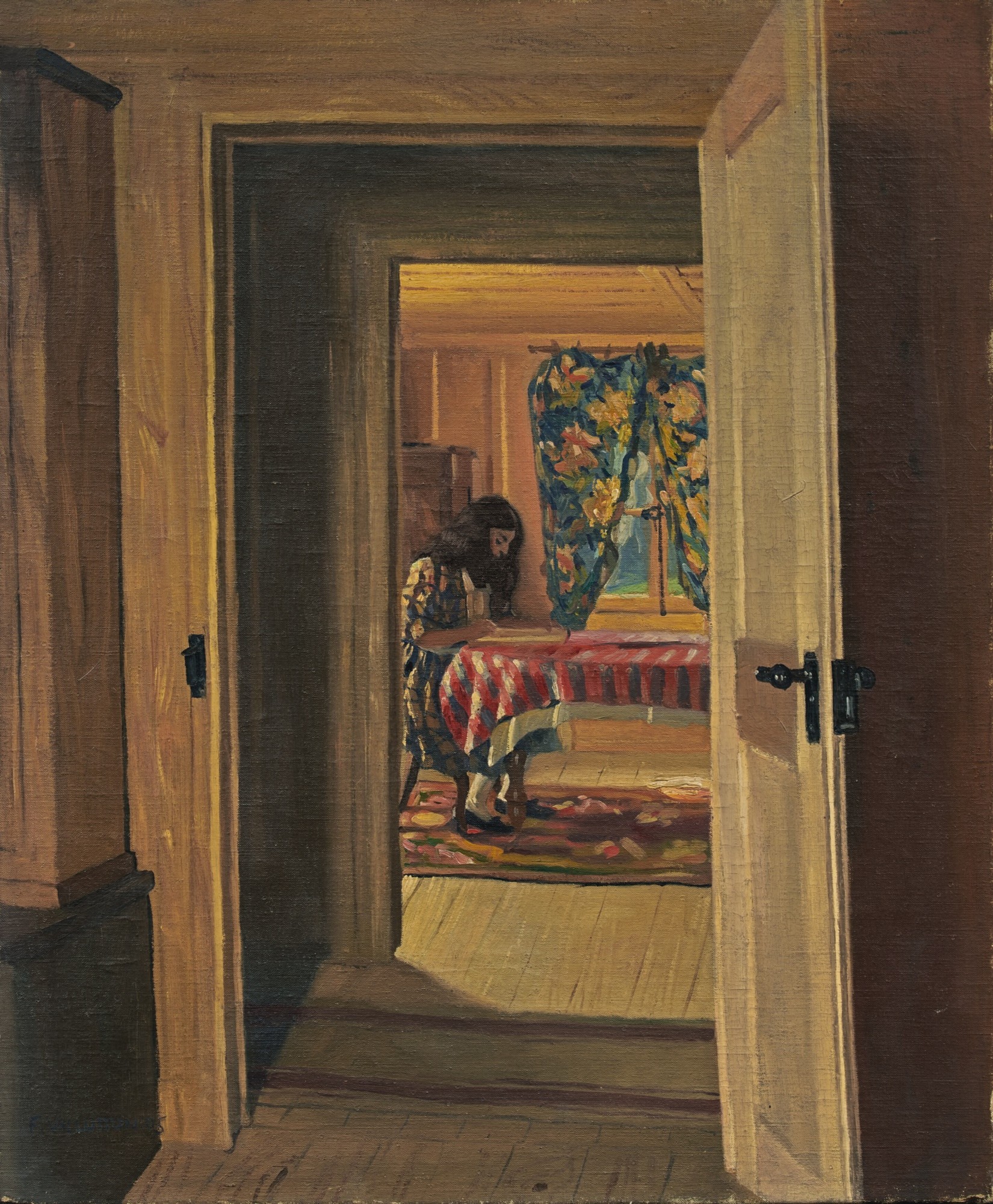
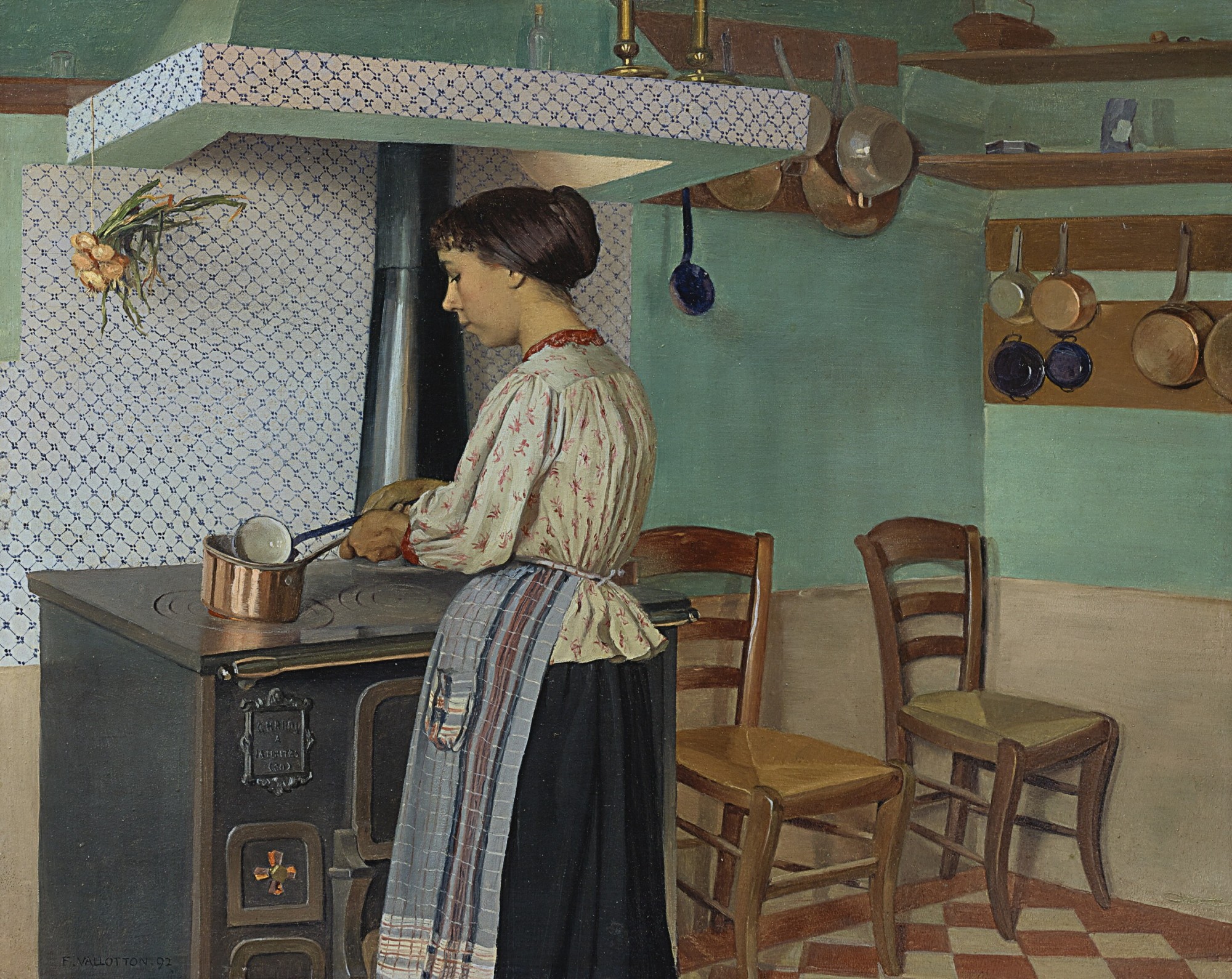
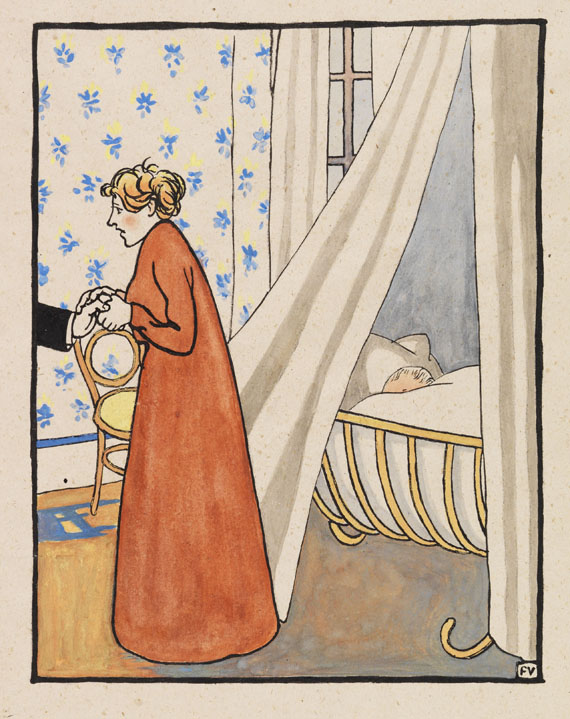
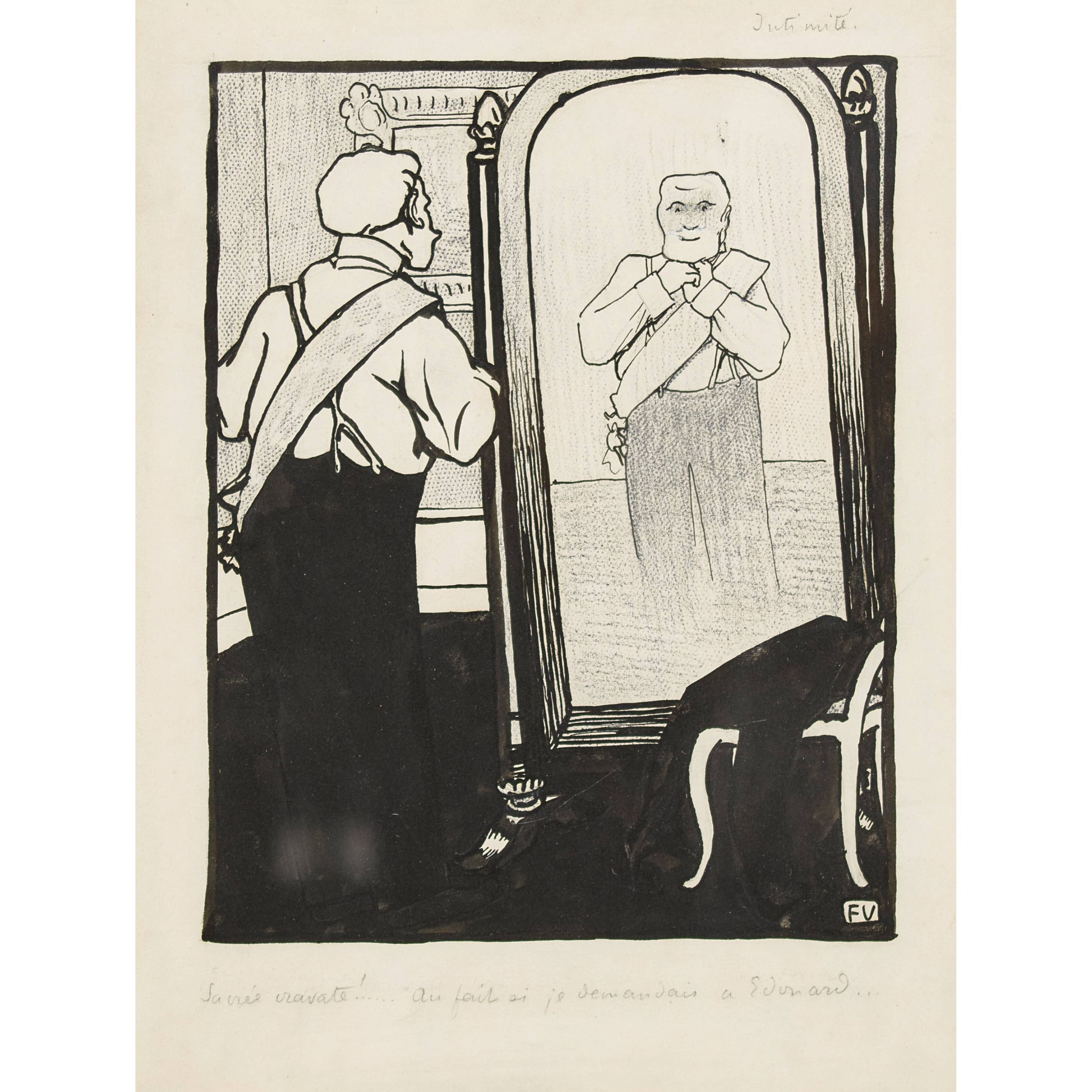
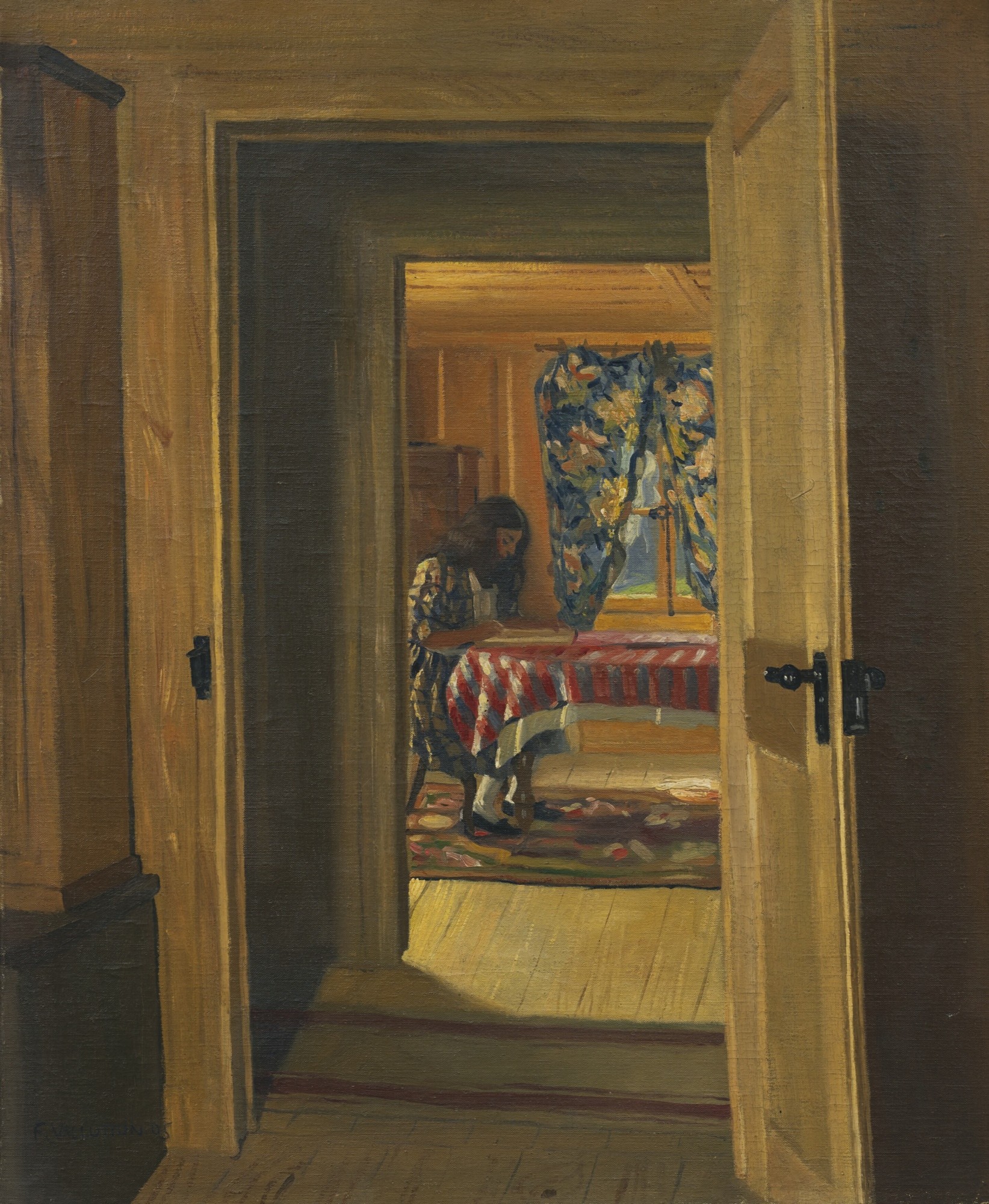
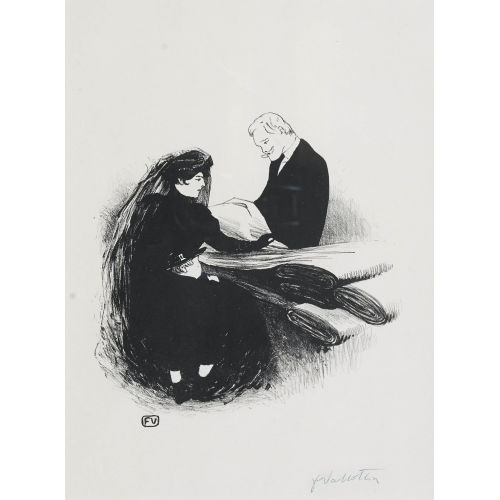
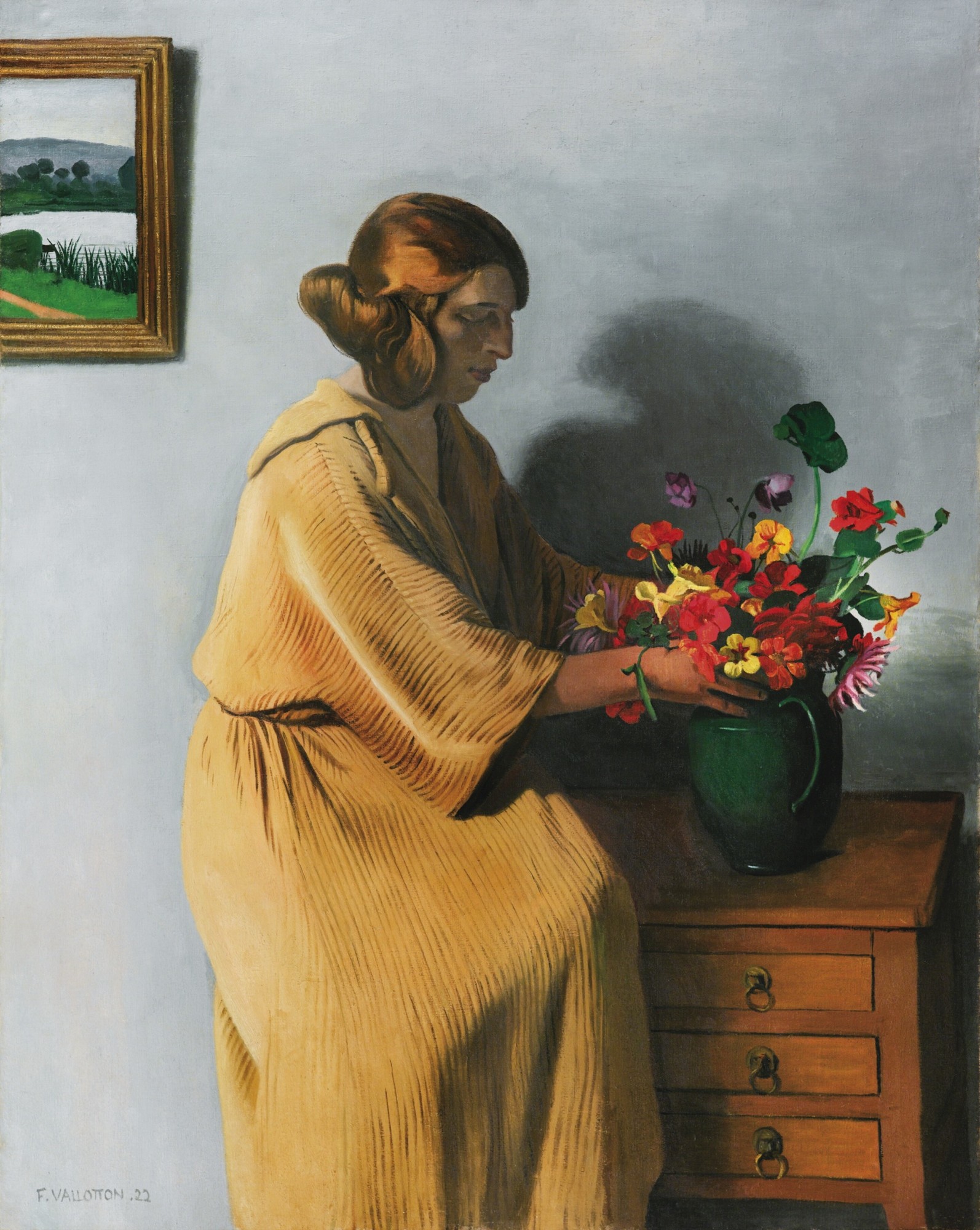
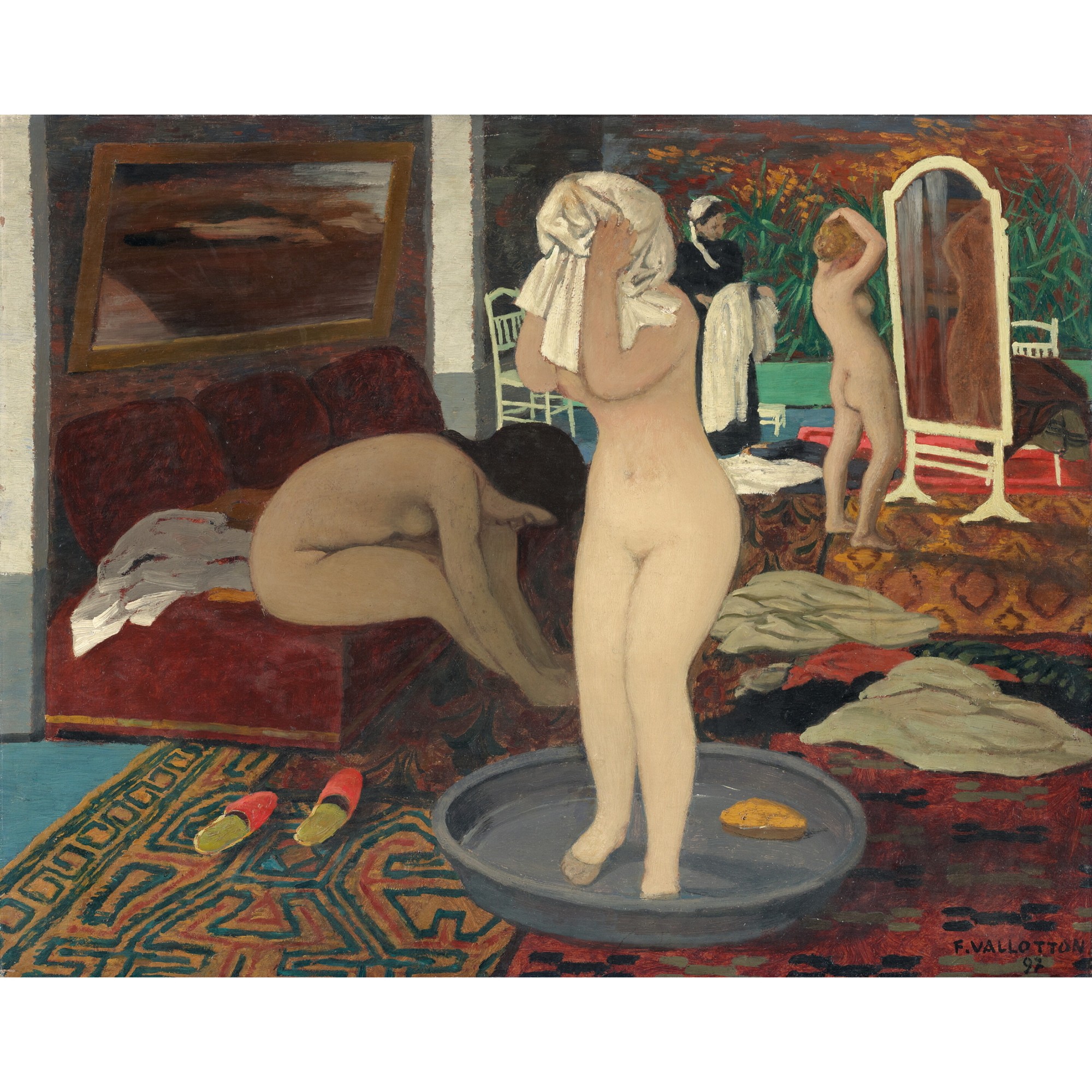
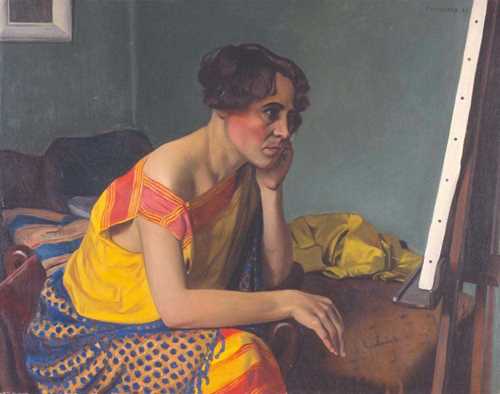
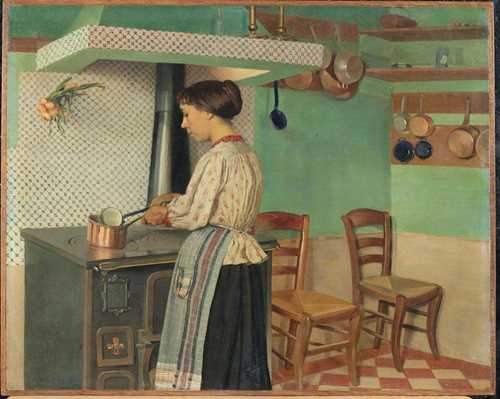
The series Intimités, published in 1898, transforms bourgeois apartments into theatres of amorous life. The interest of these images lies as much in what they show as in what they leave us to divine. This ambiguity recurs in his painted interiors, where furniture, openings and the arrangement of the figures all contribute to the narrative.
In Le Ballon, painted in 1899 and held at the Musée d’Orsay, a child’s game becomes the subject of an unusual composition.
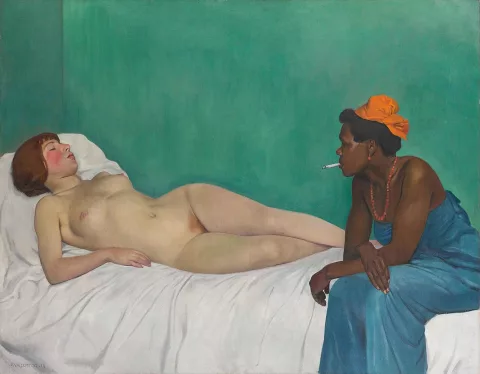
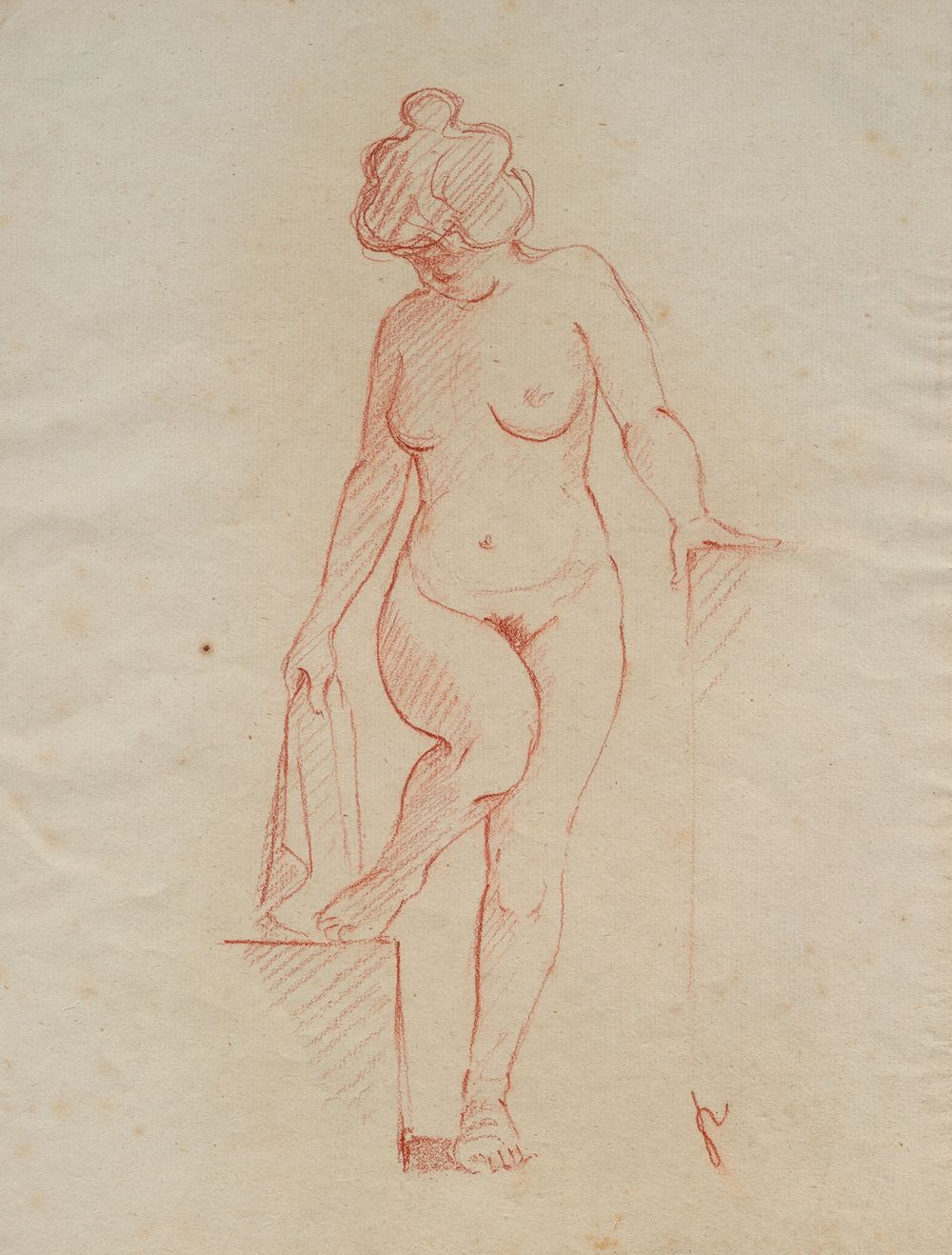
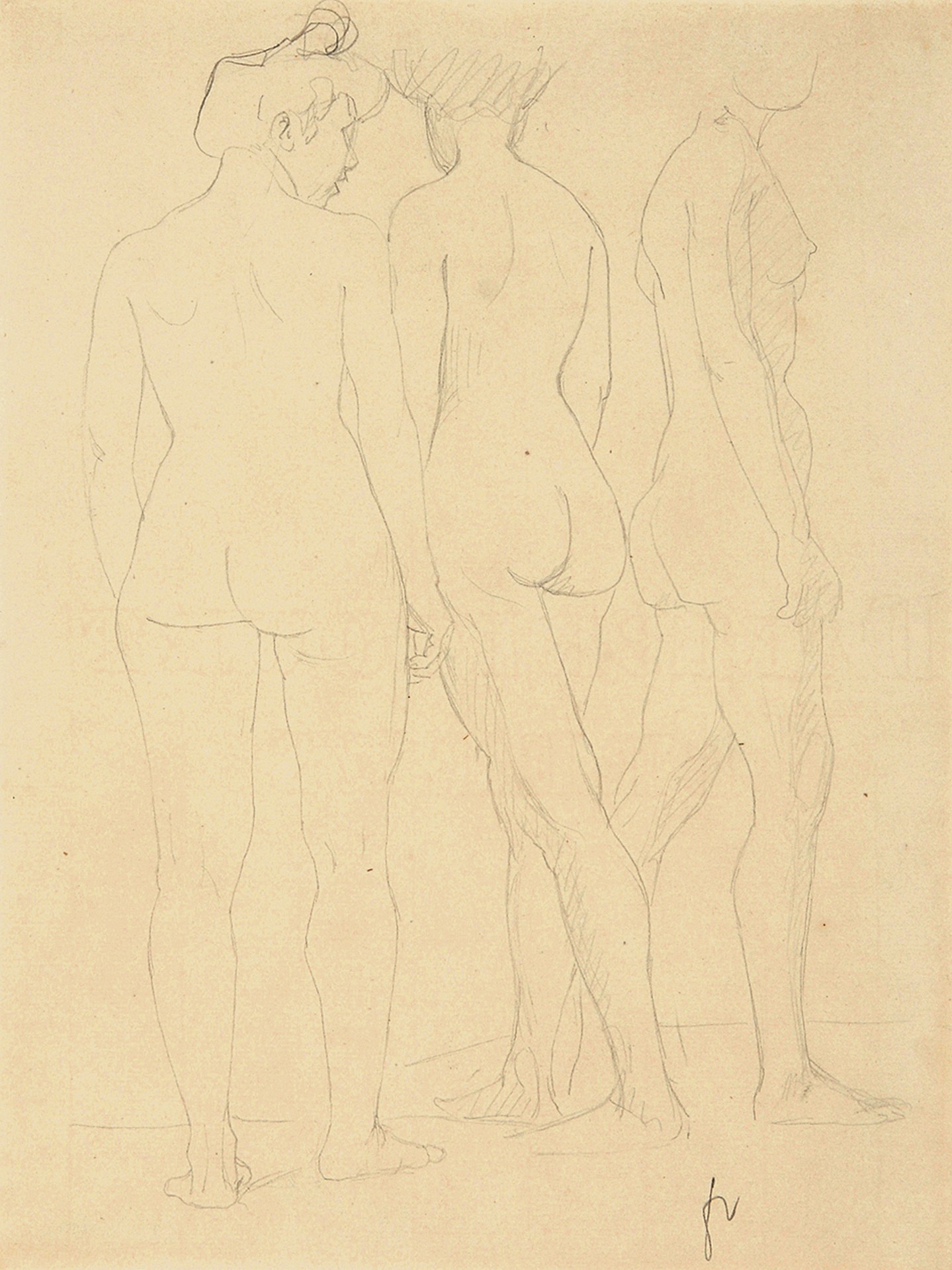
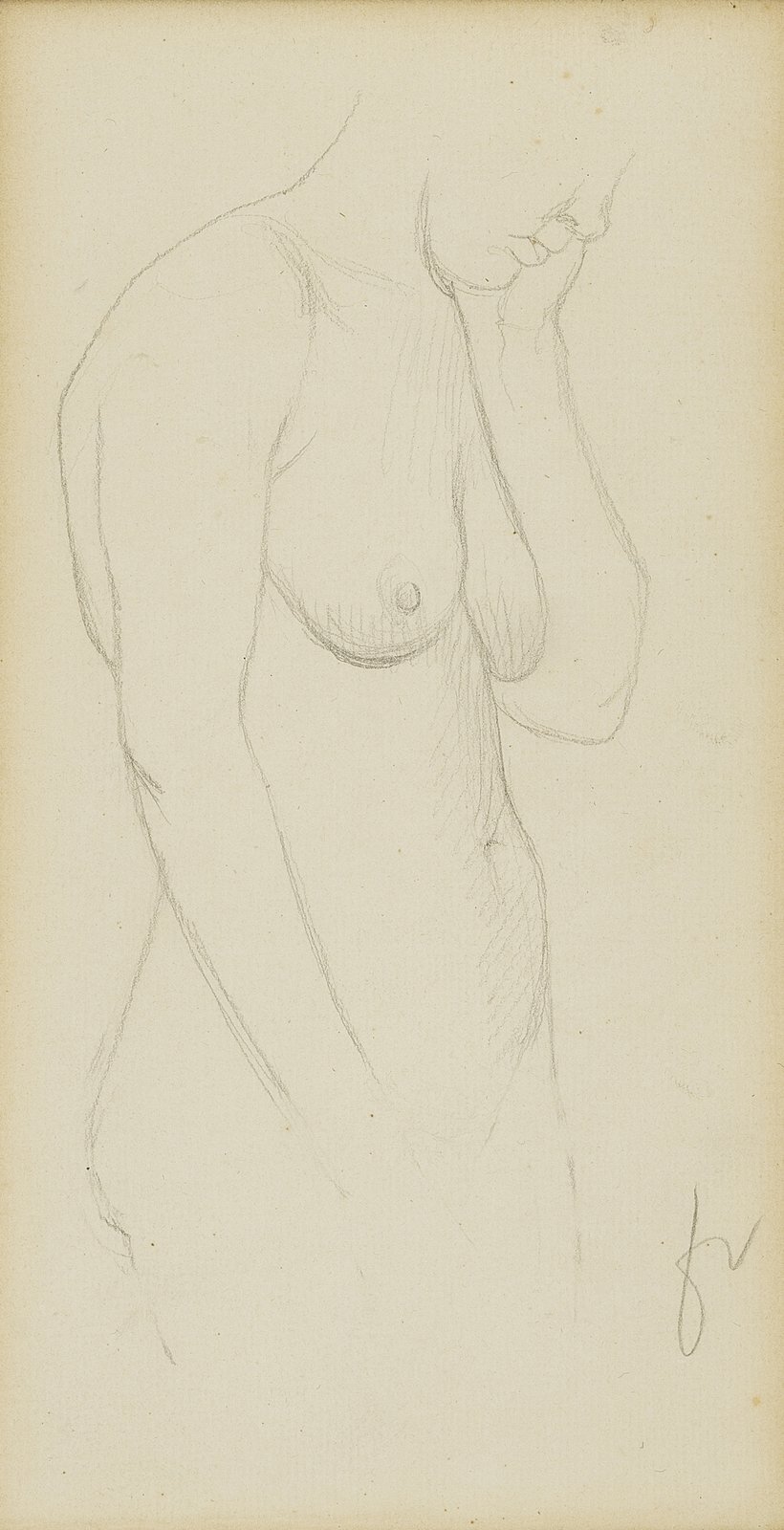
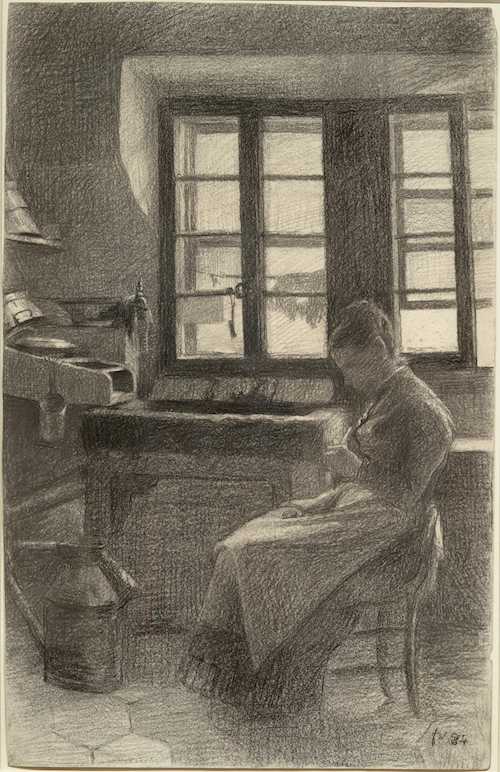
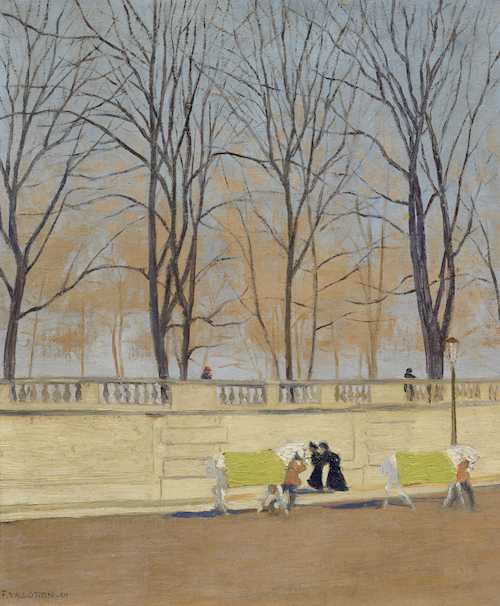
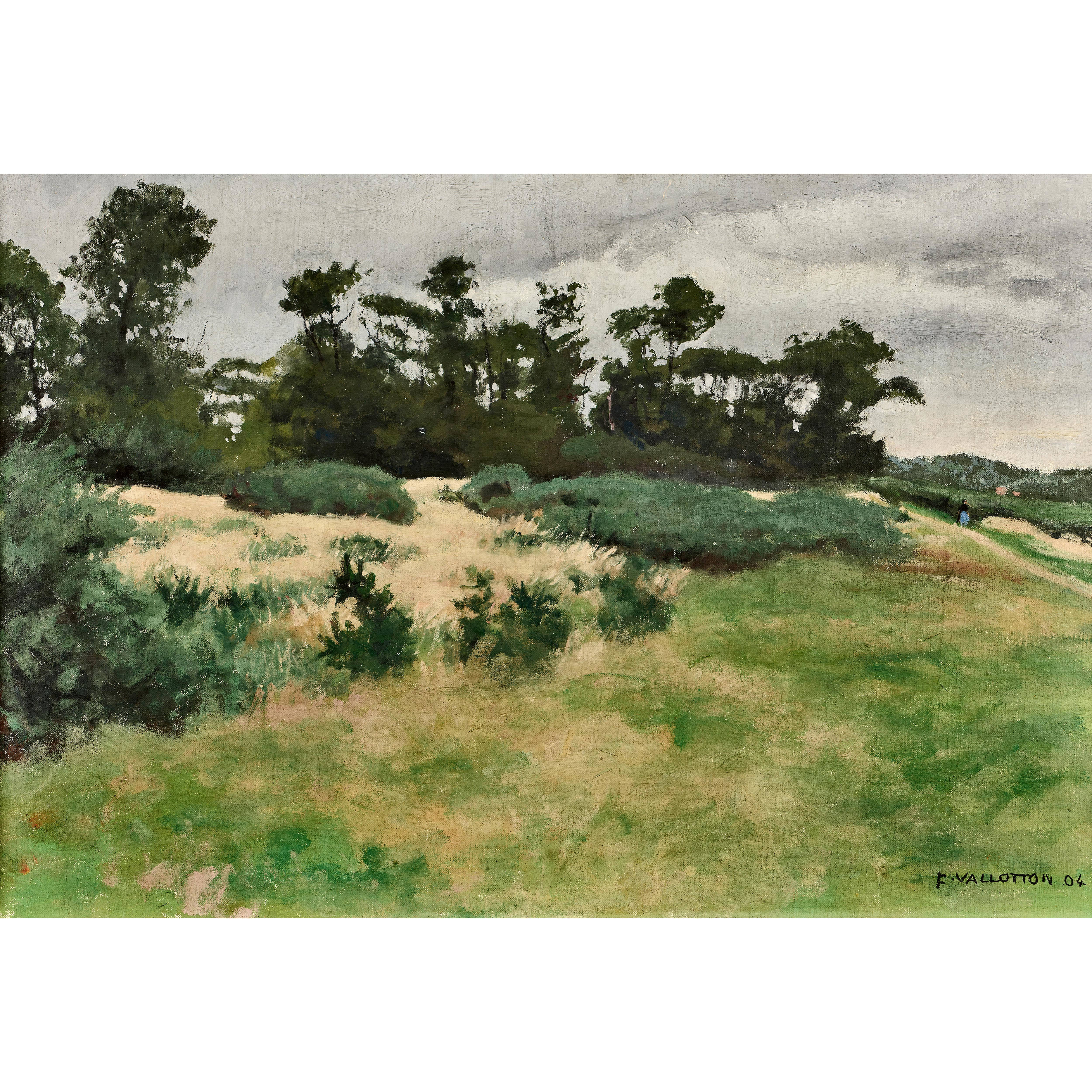
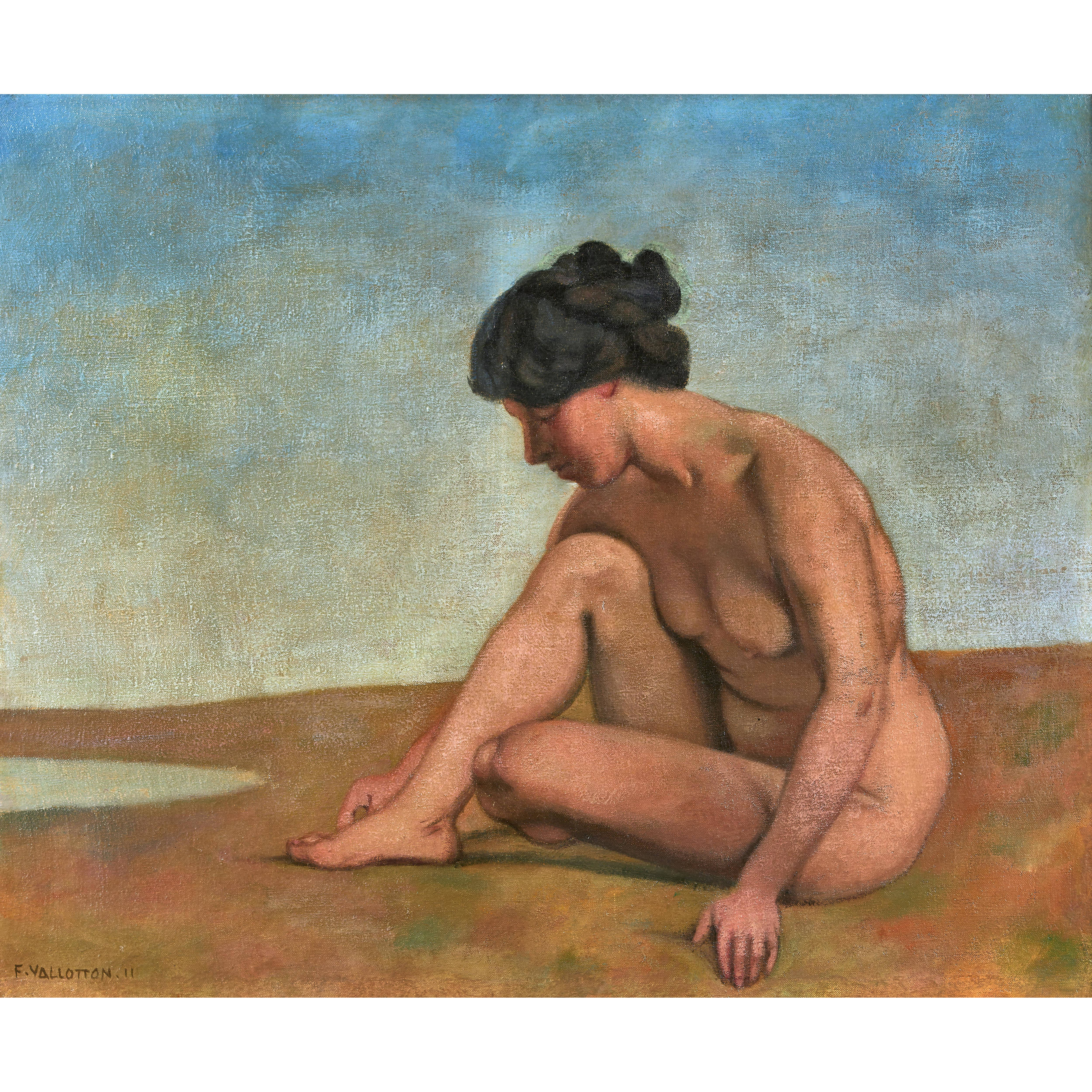
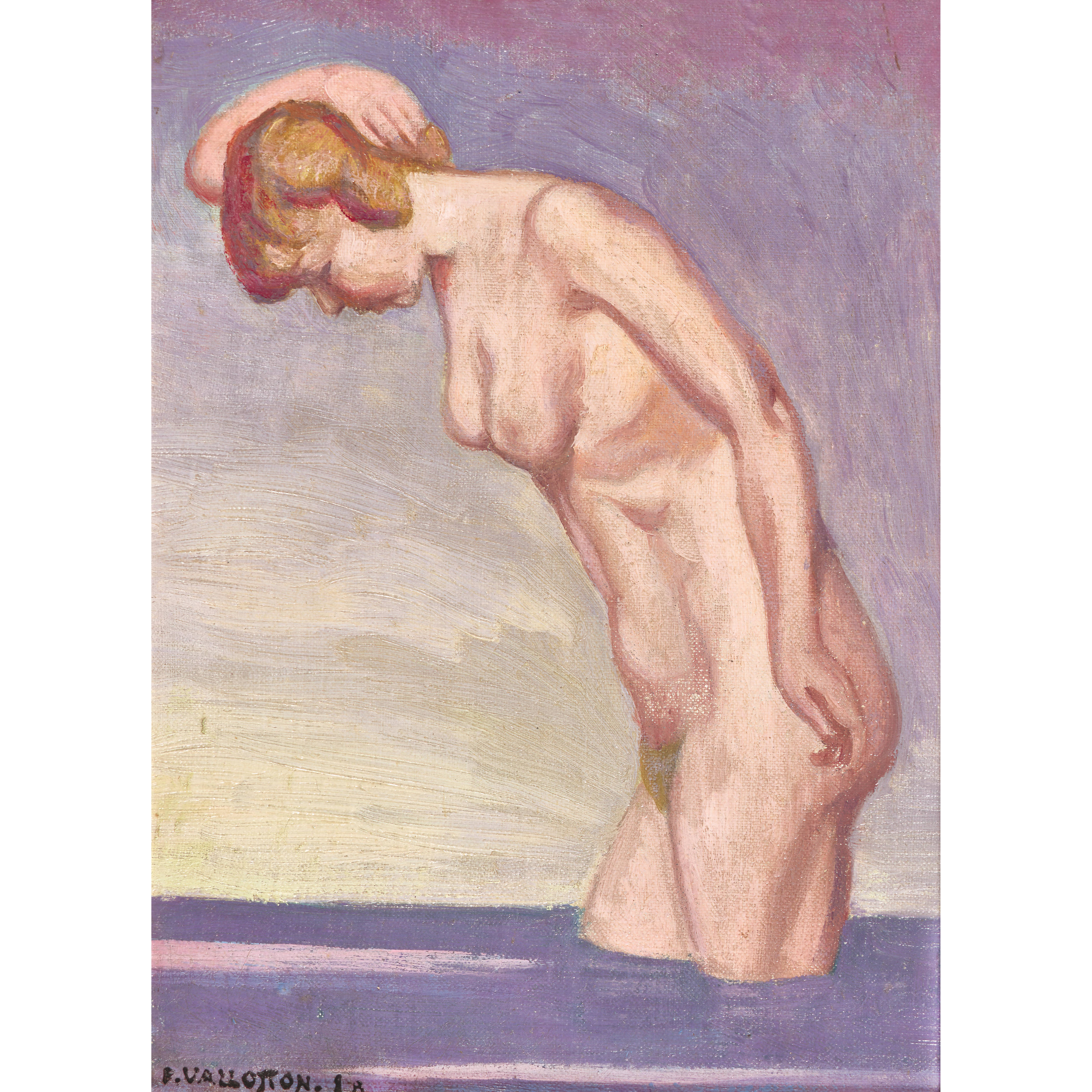
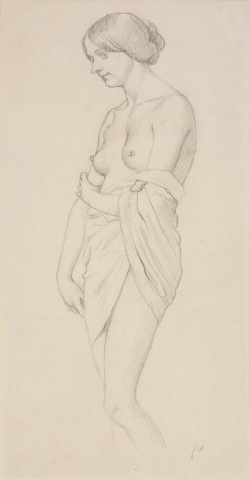
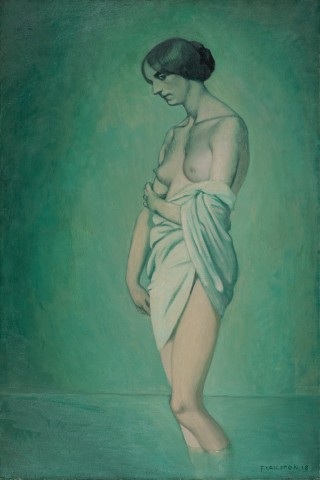
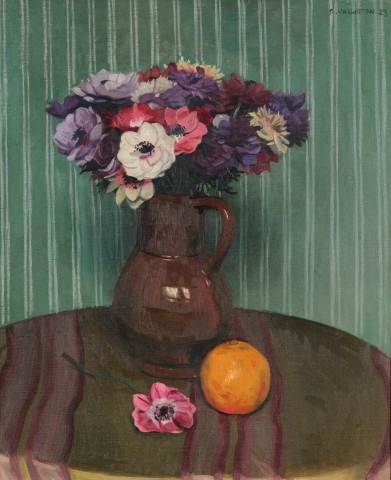
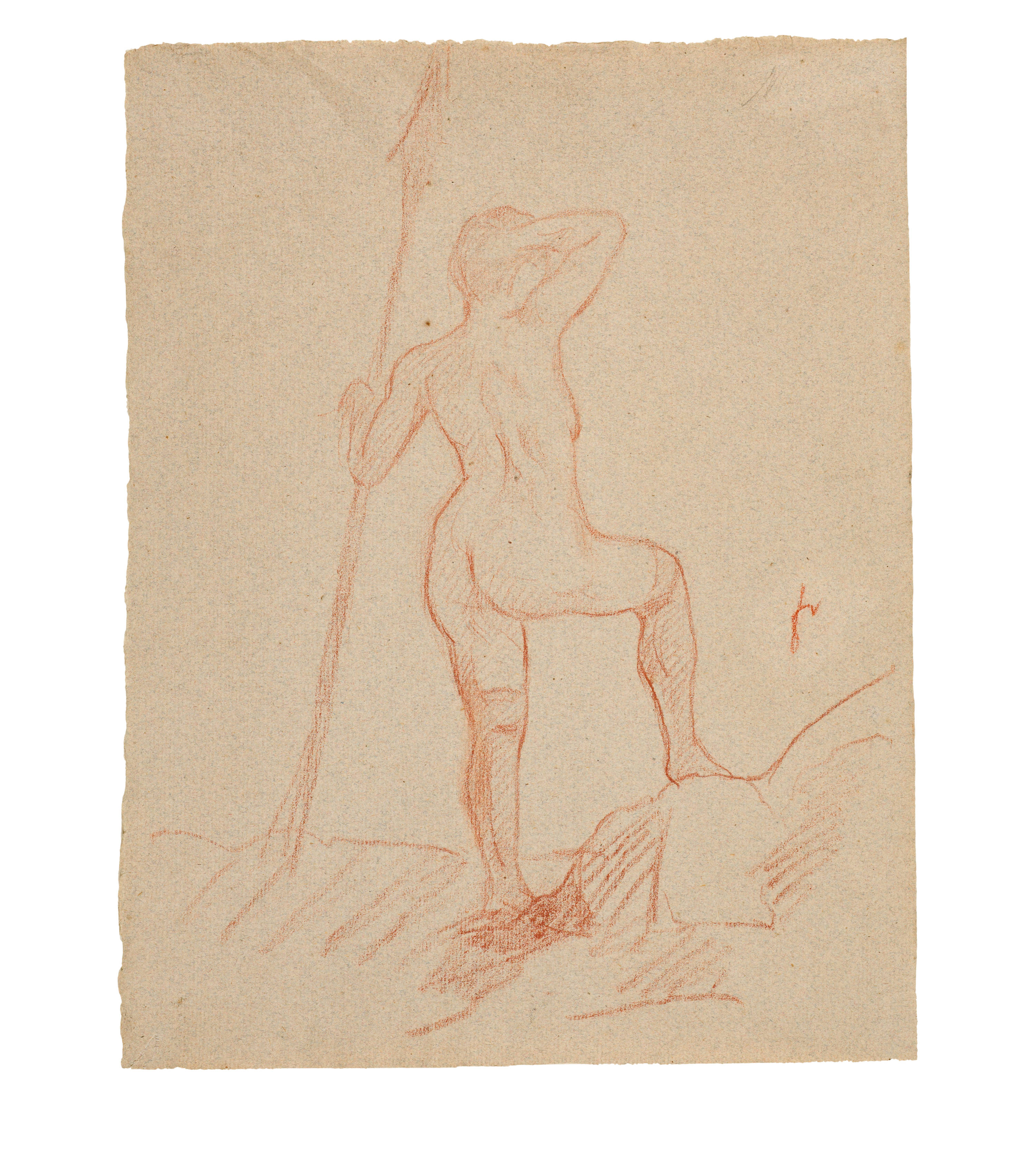
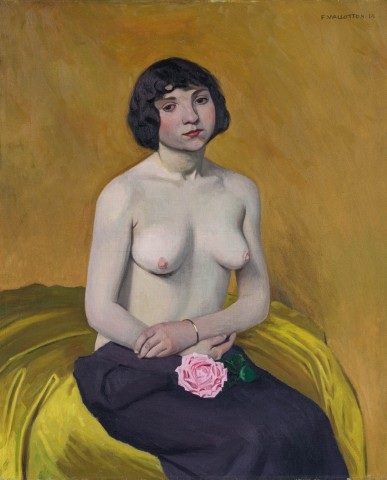
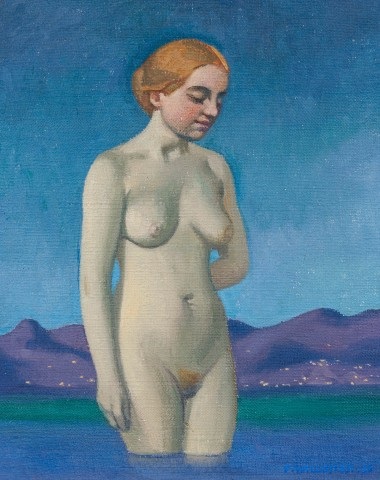
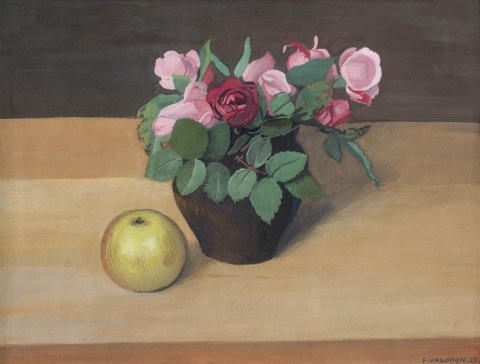
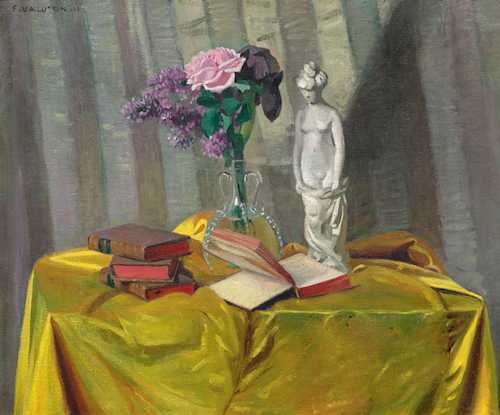
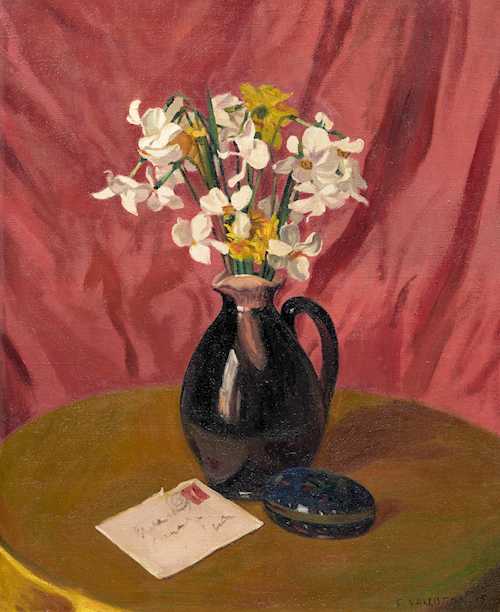
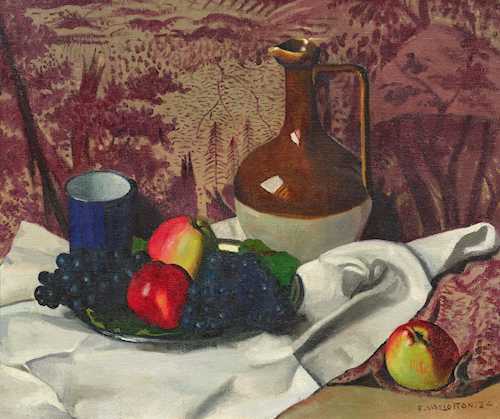
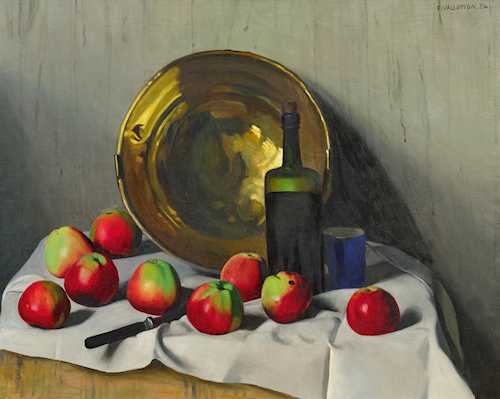
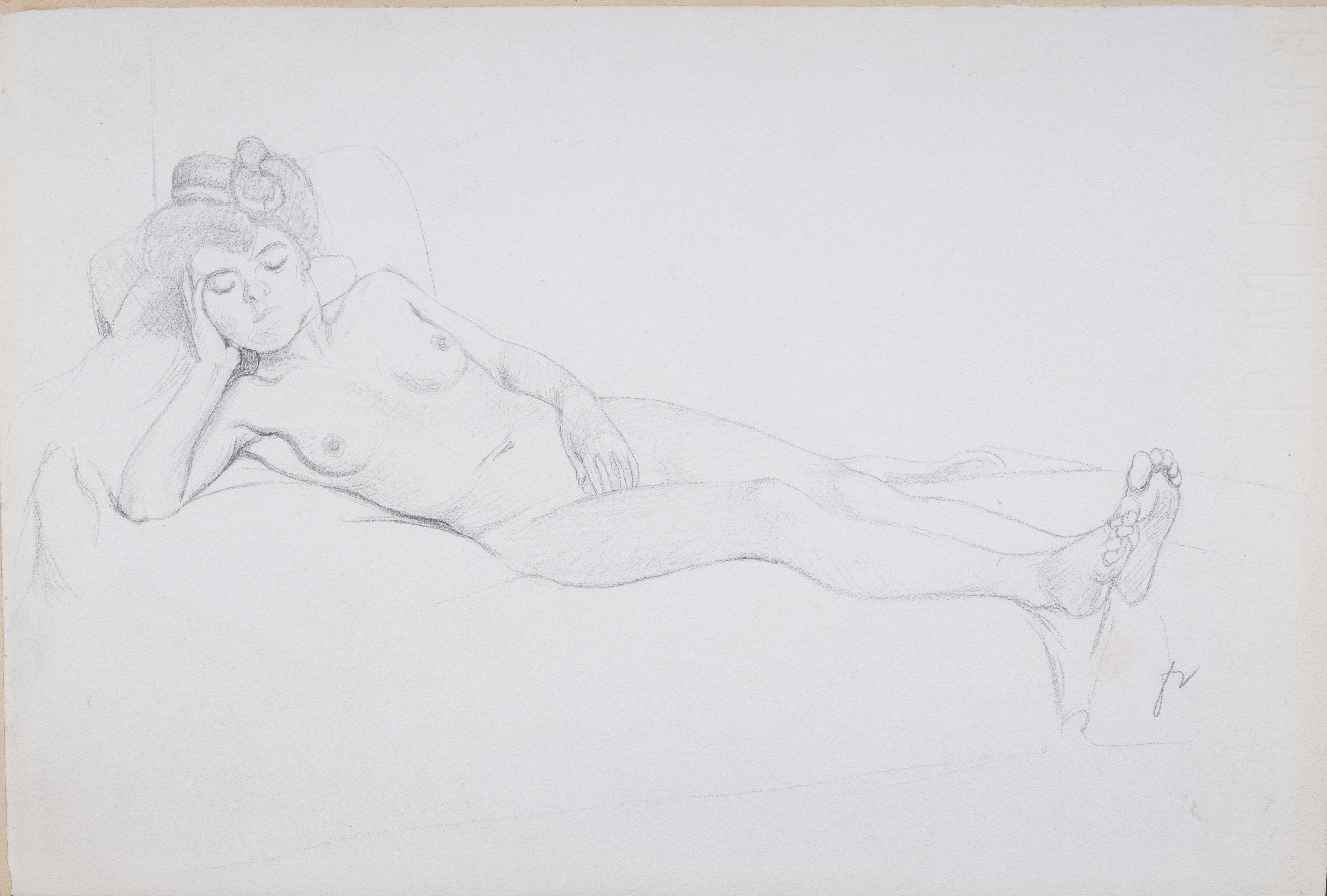
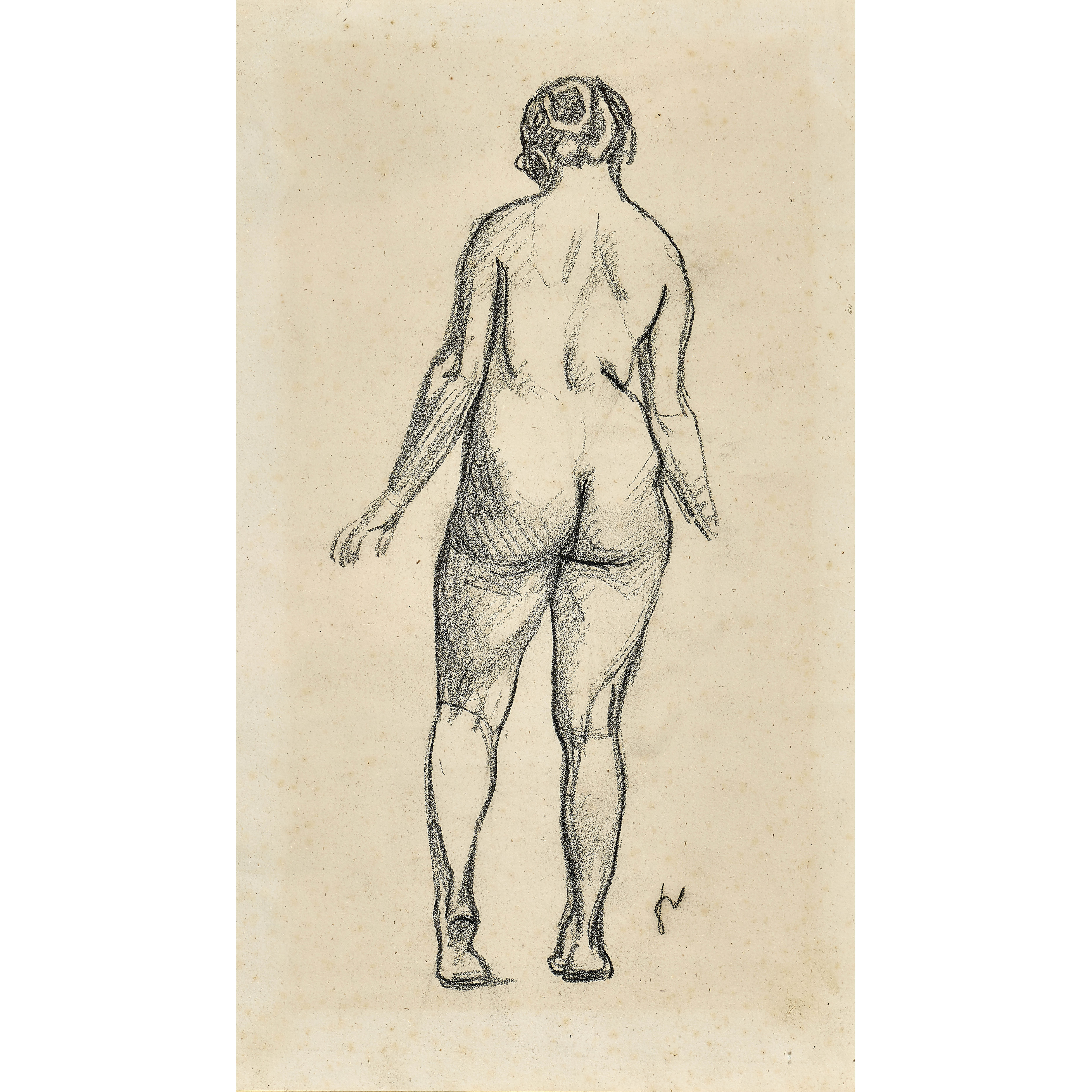
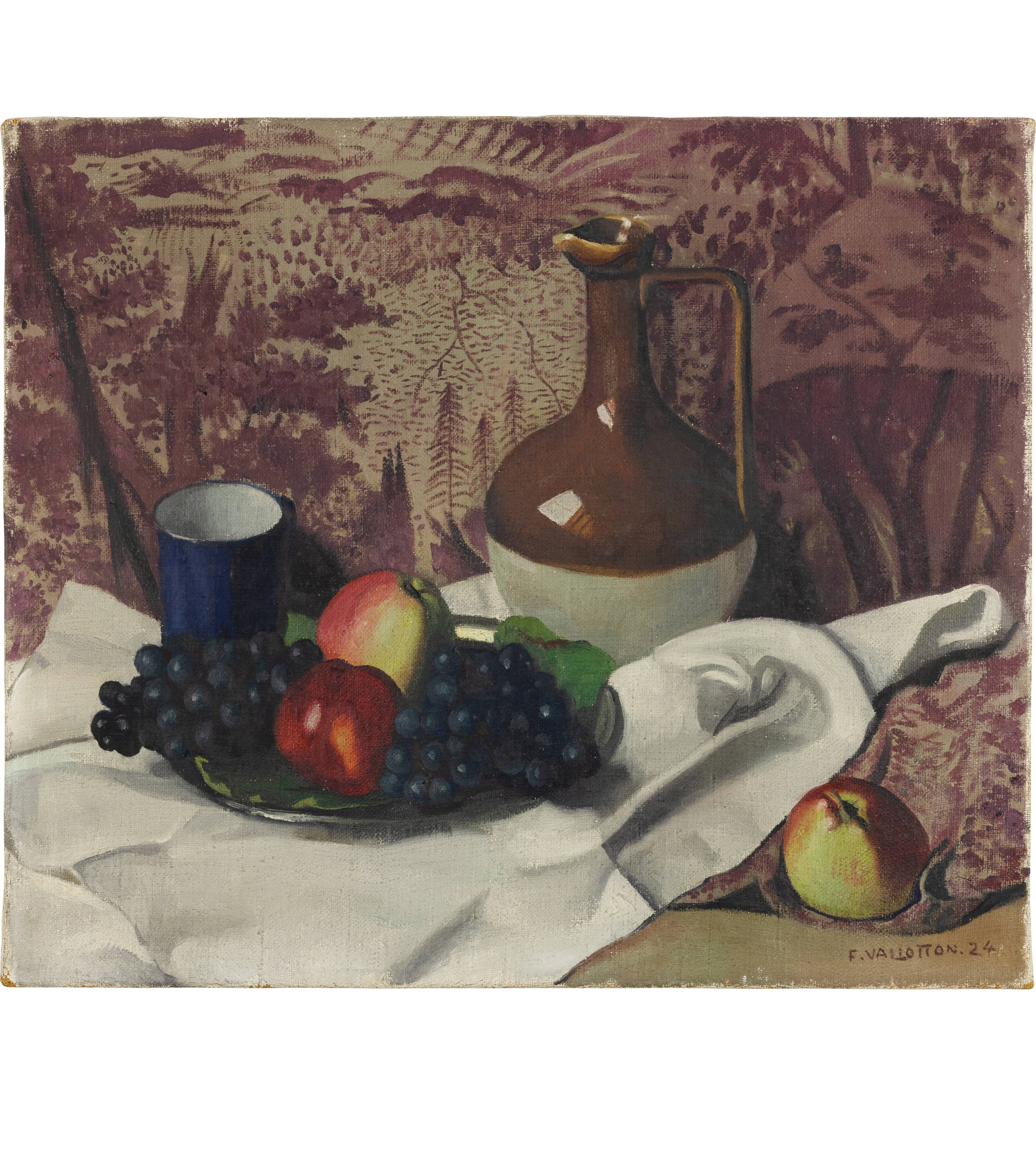
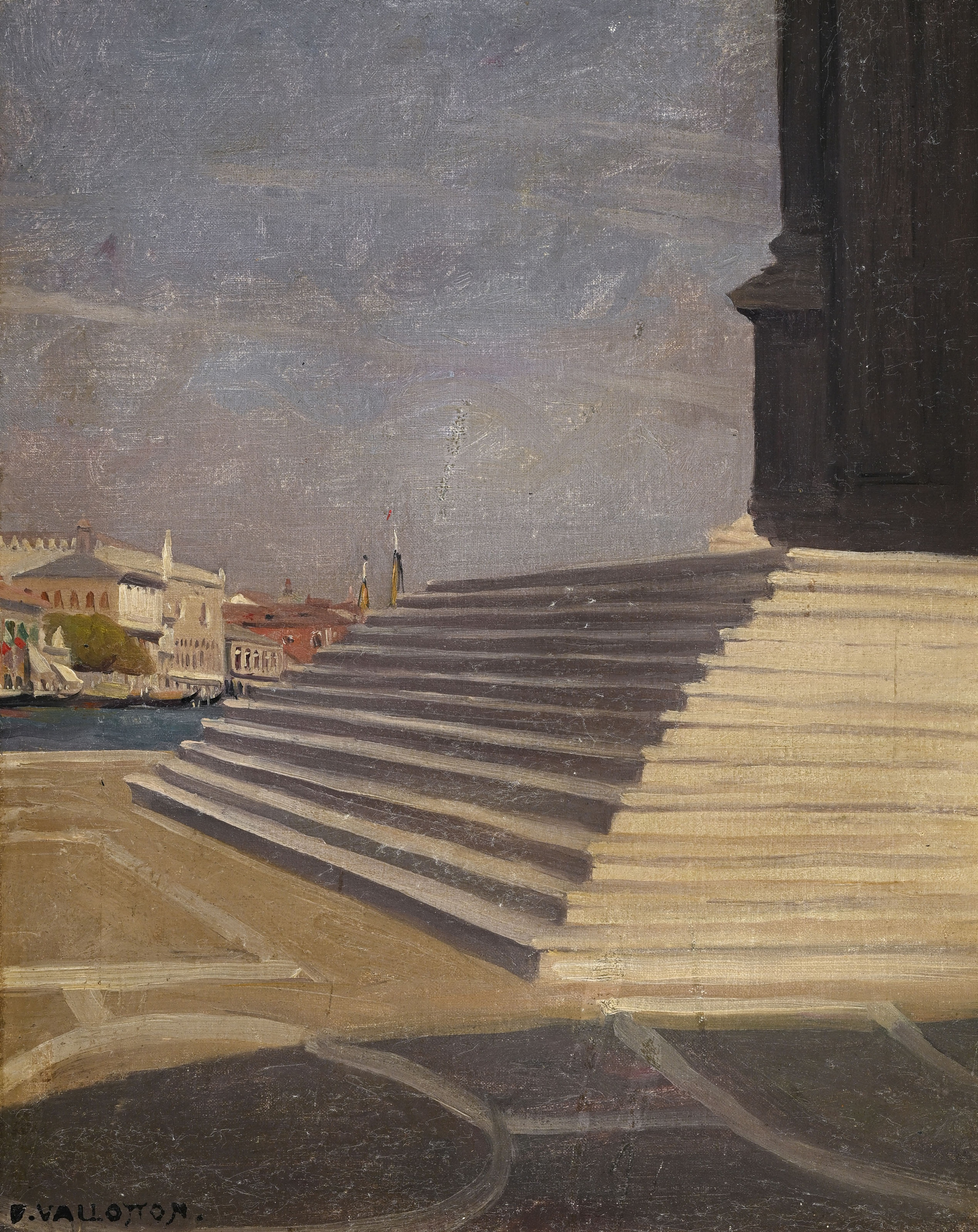
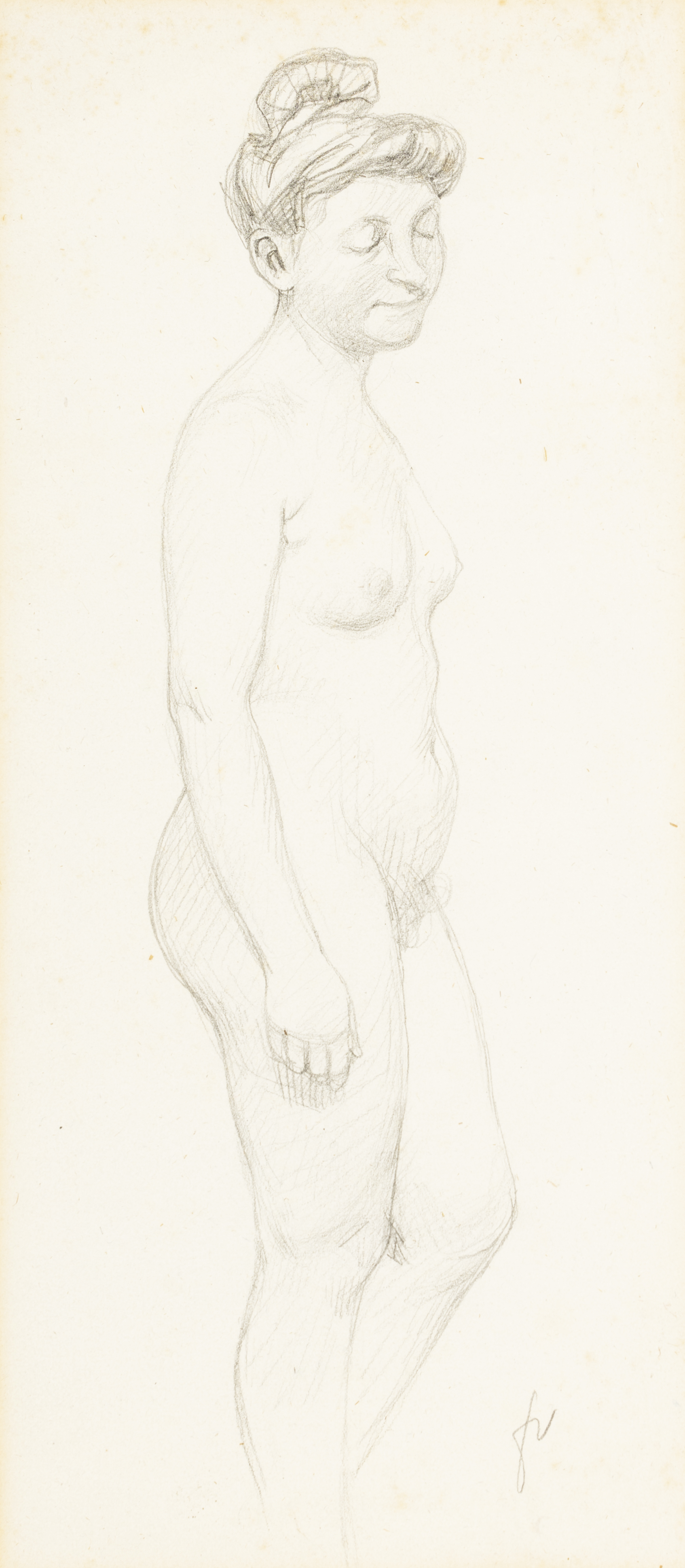
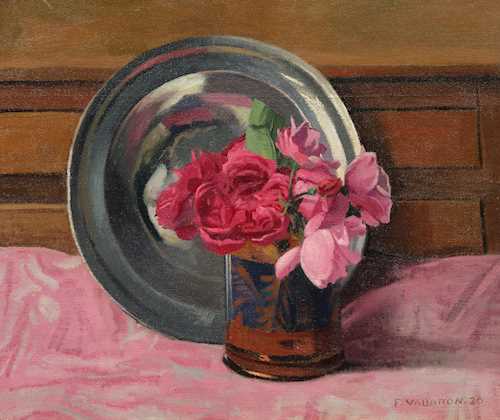
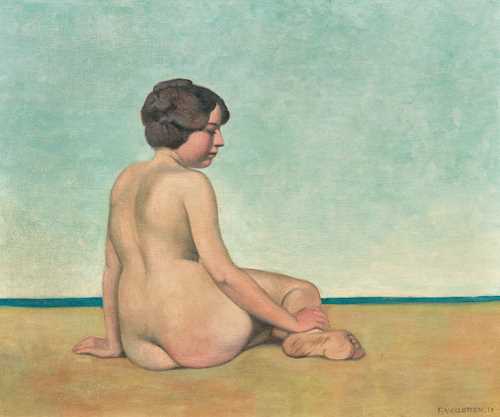
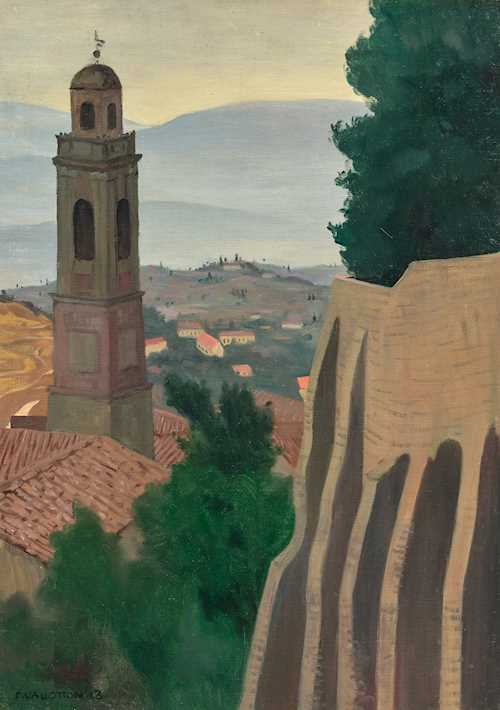
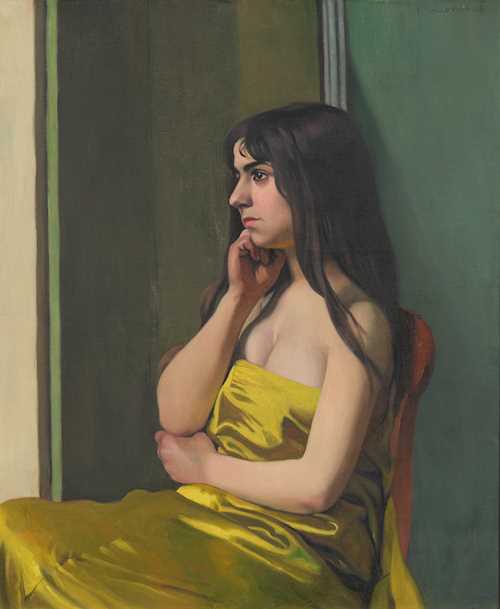
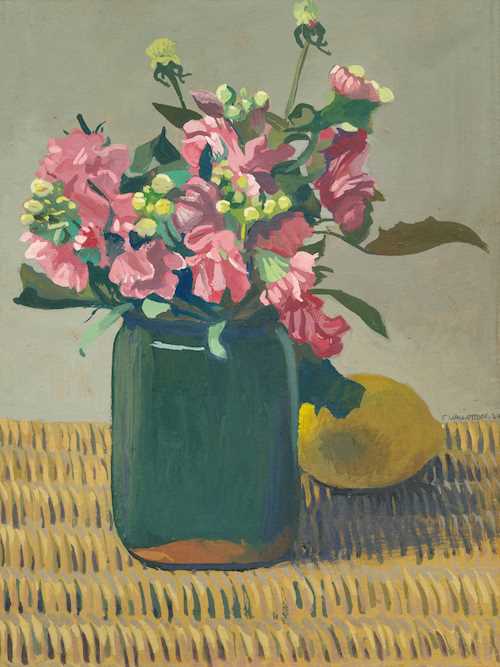
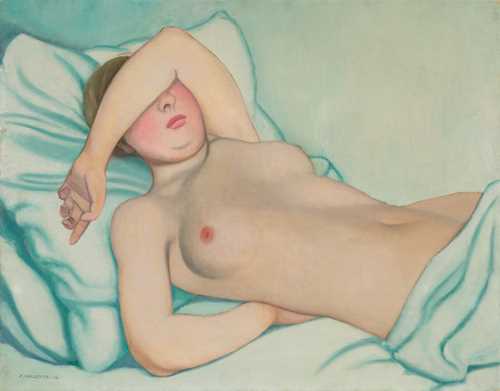
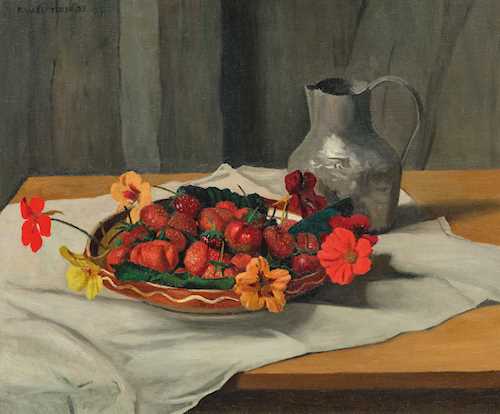
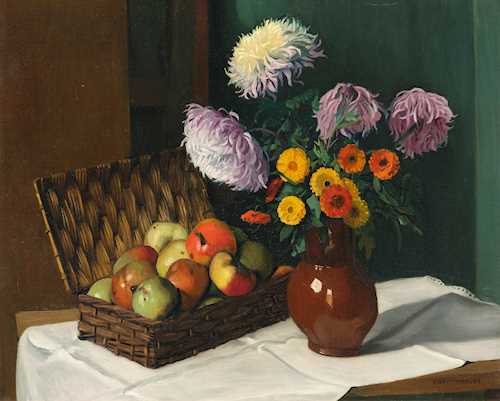
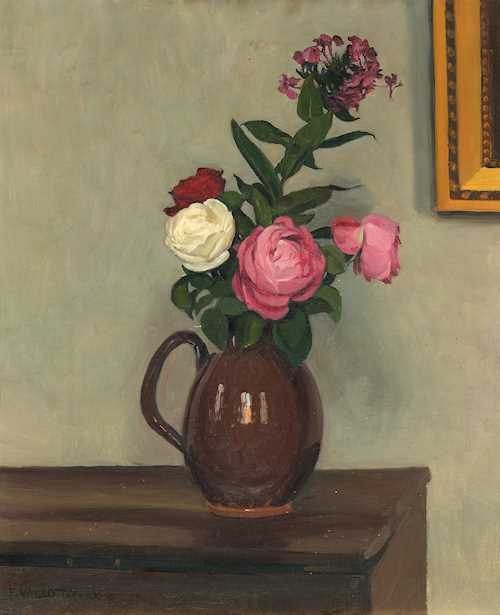
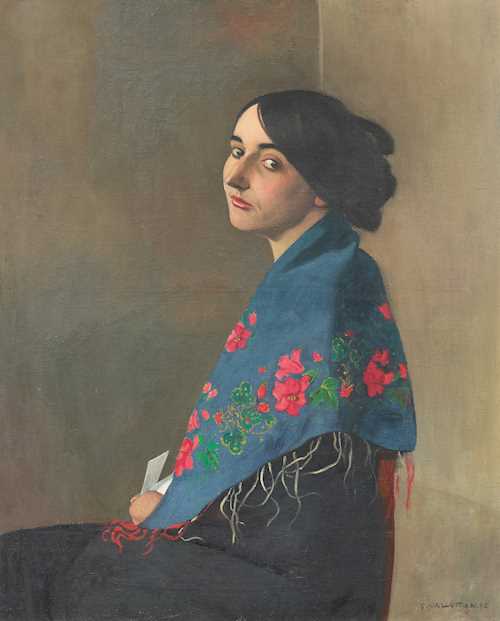
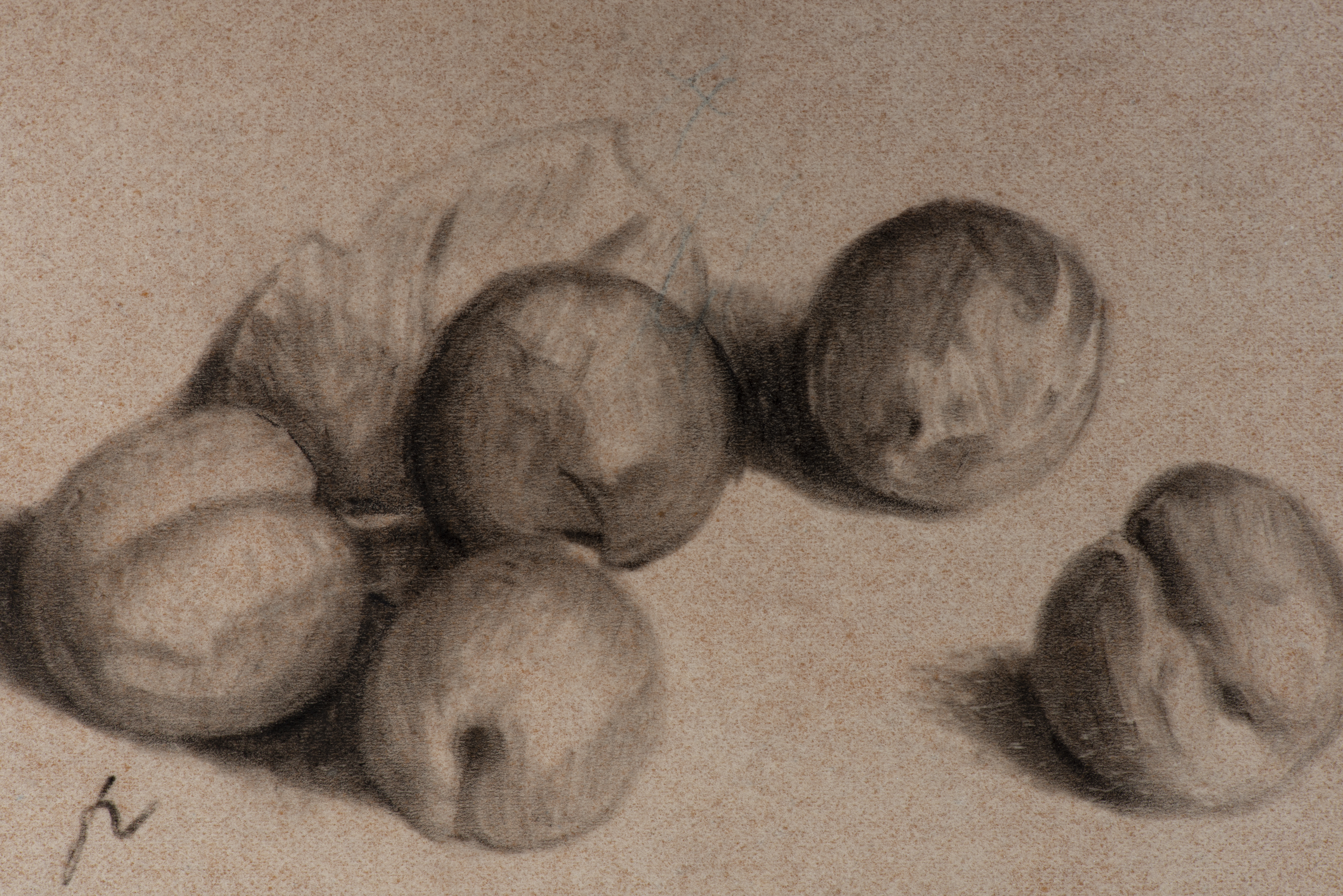
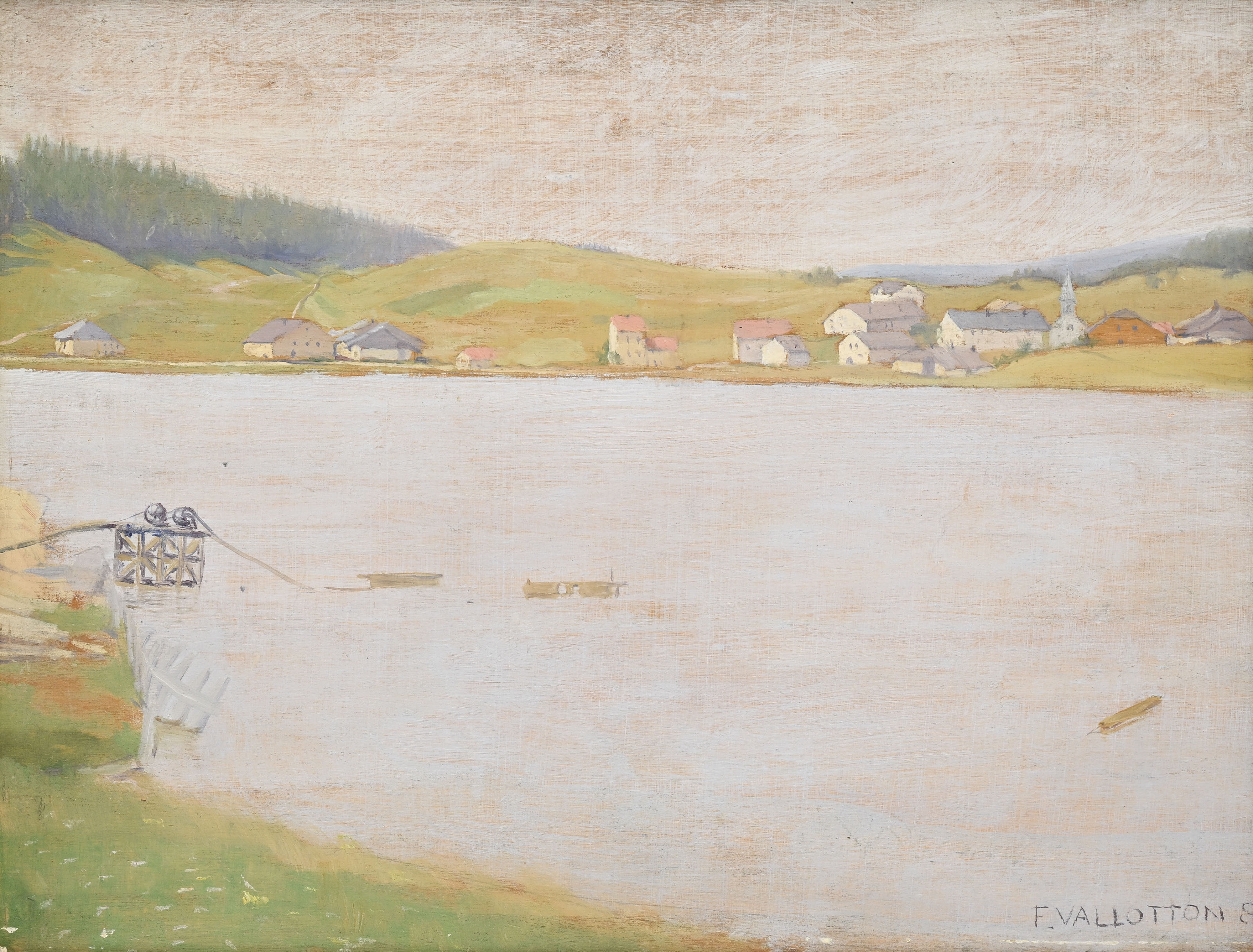
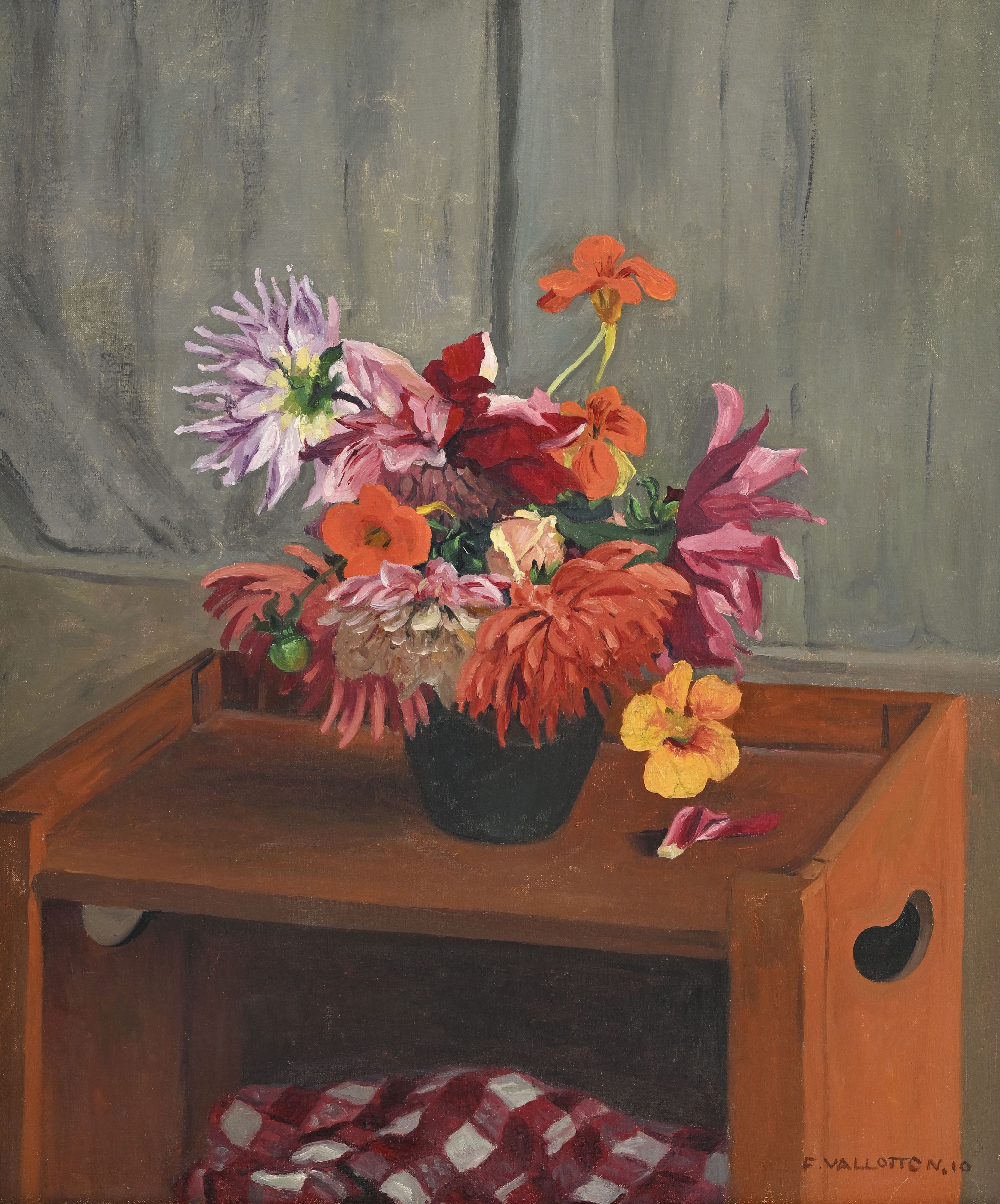
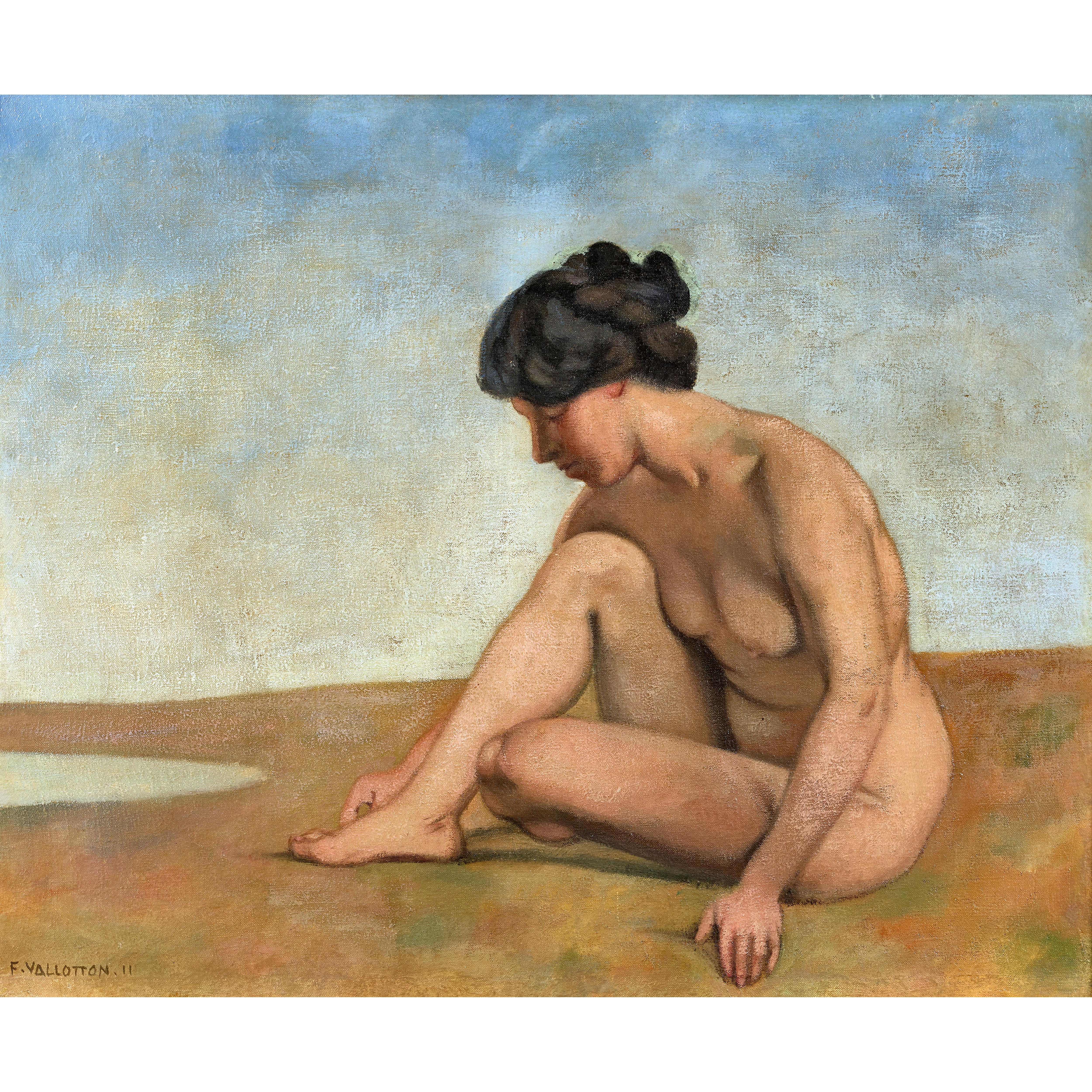
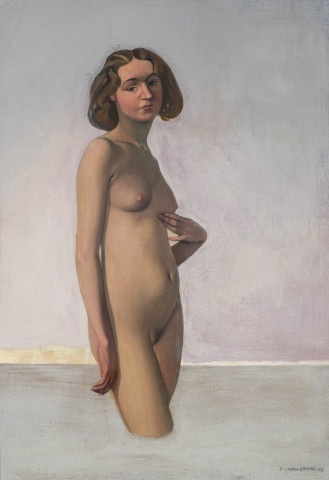
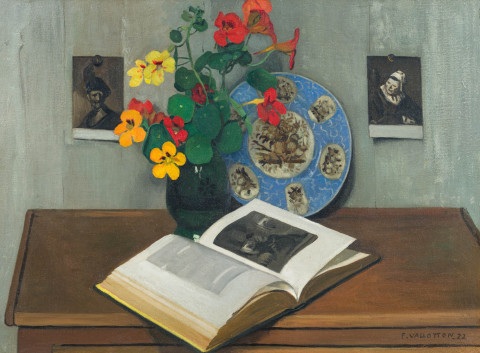
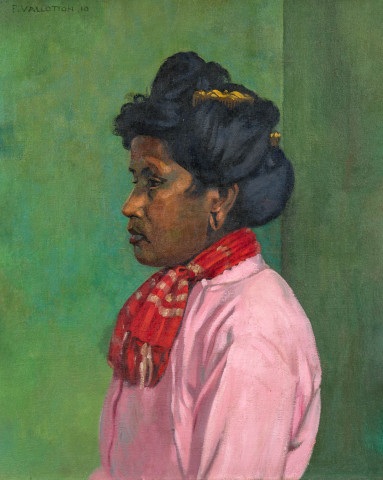
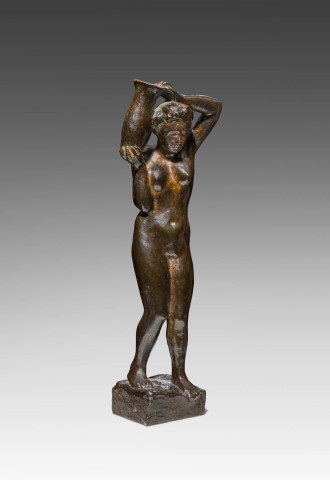
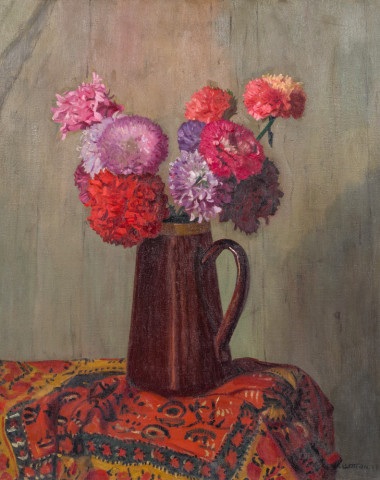
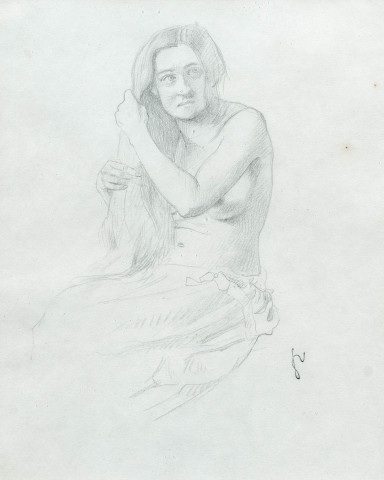
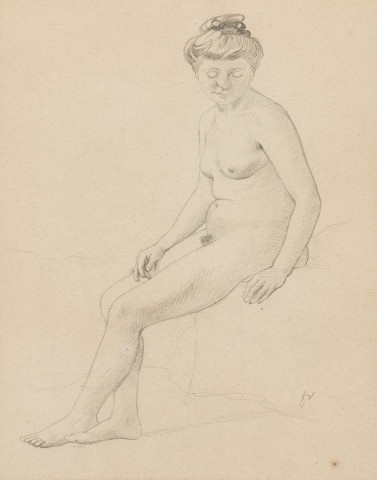
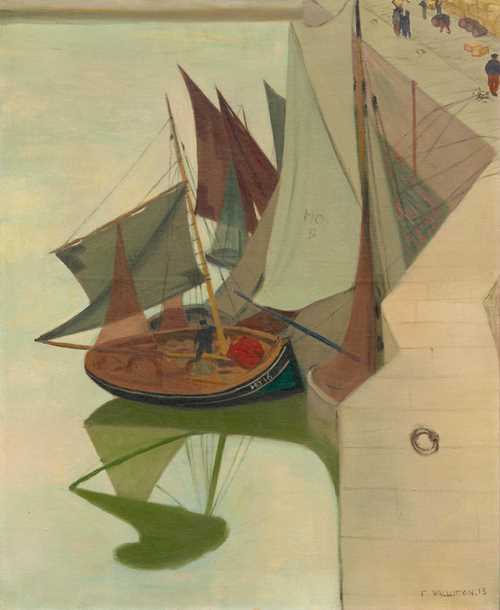
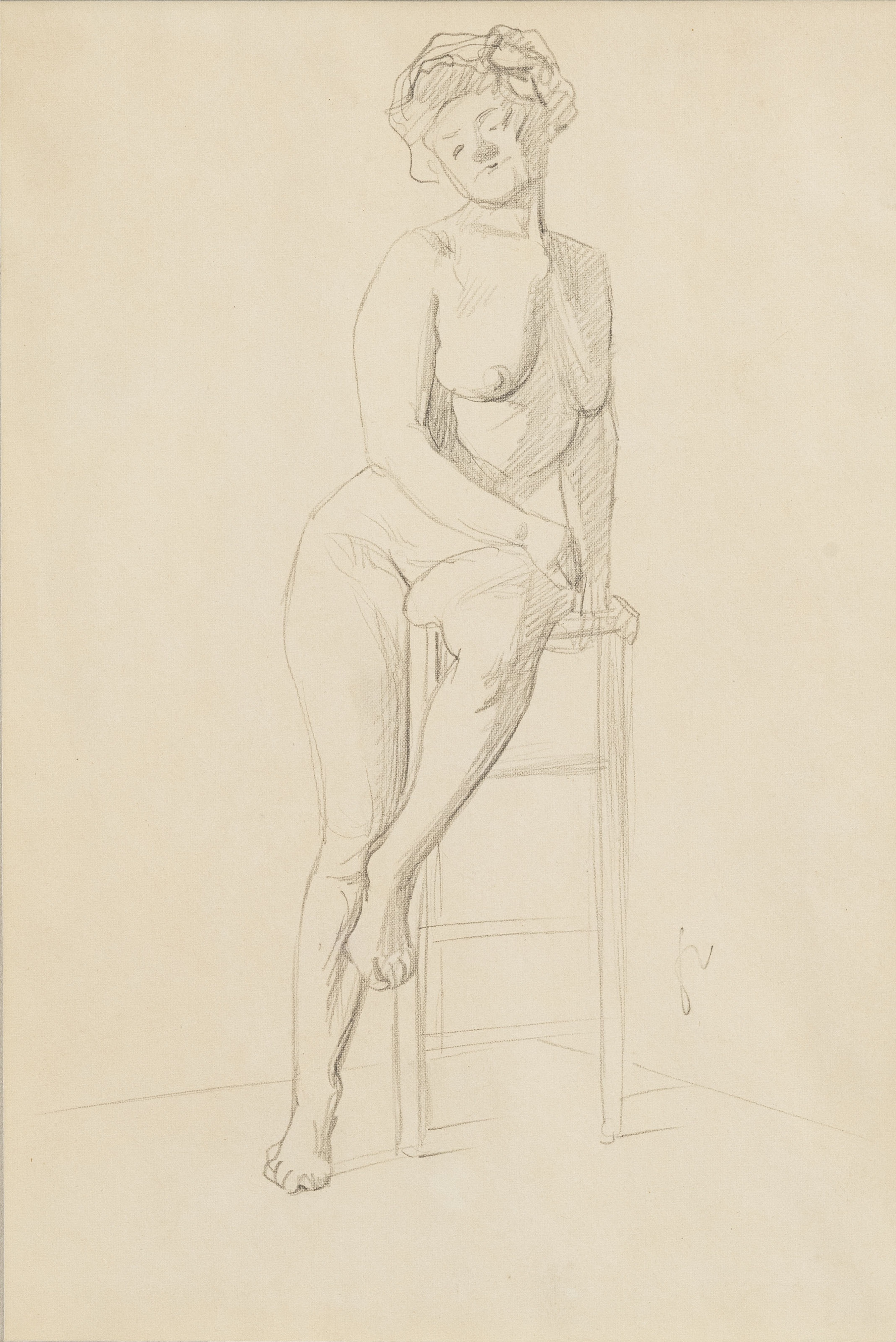
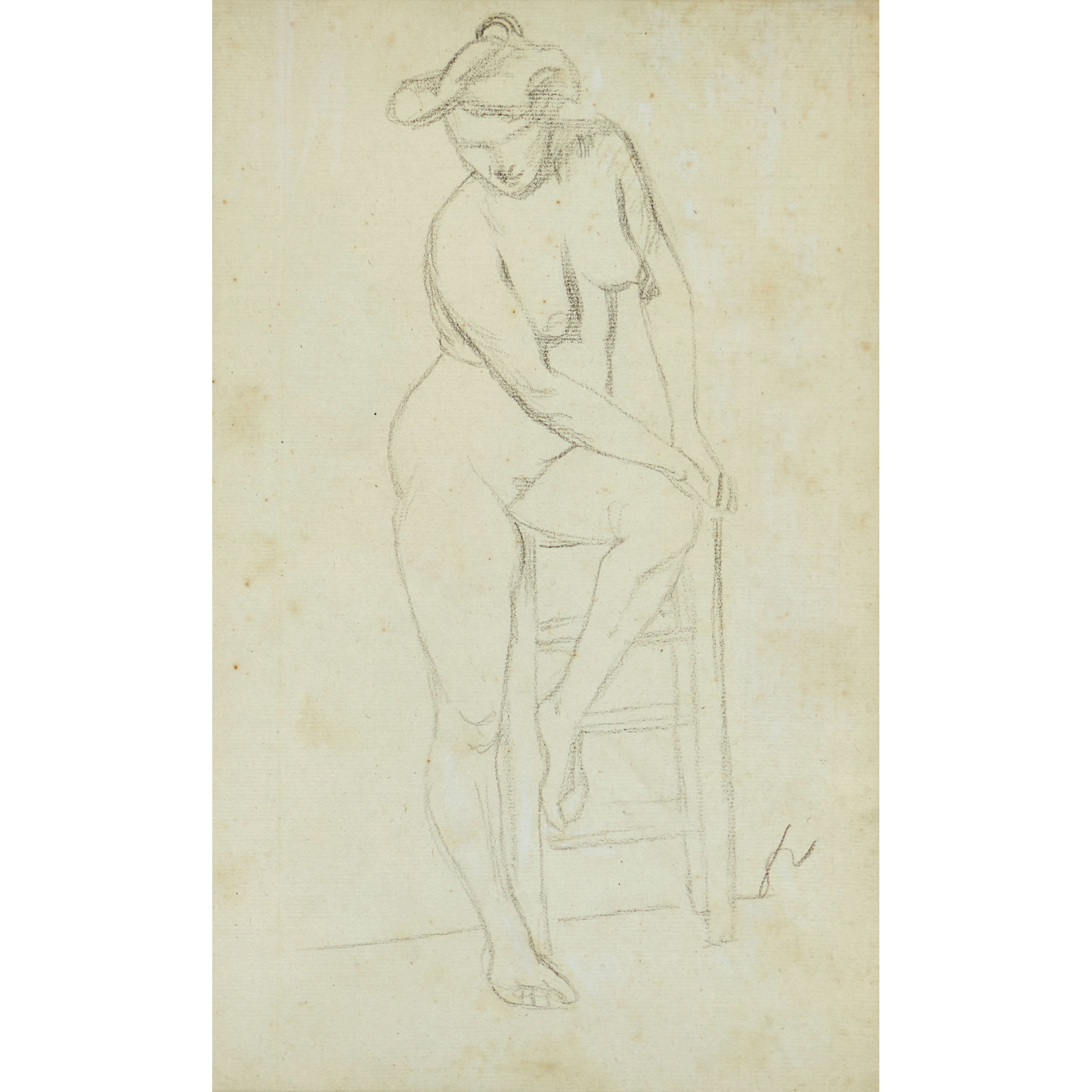
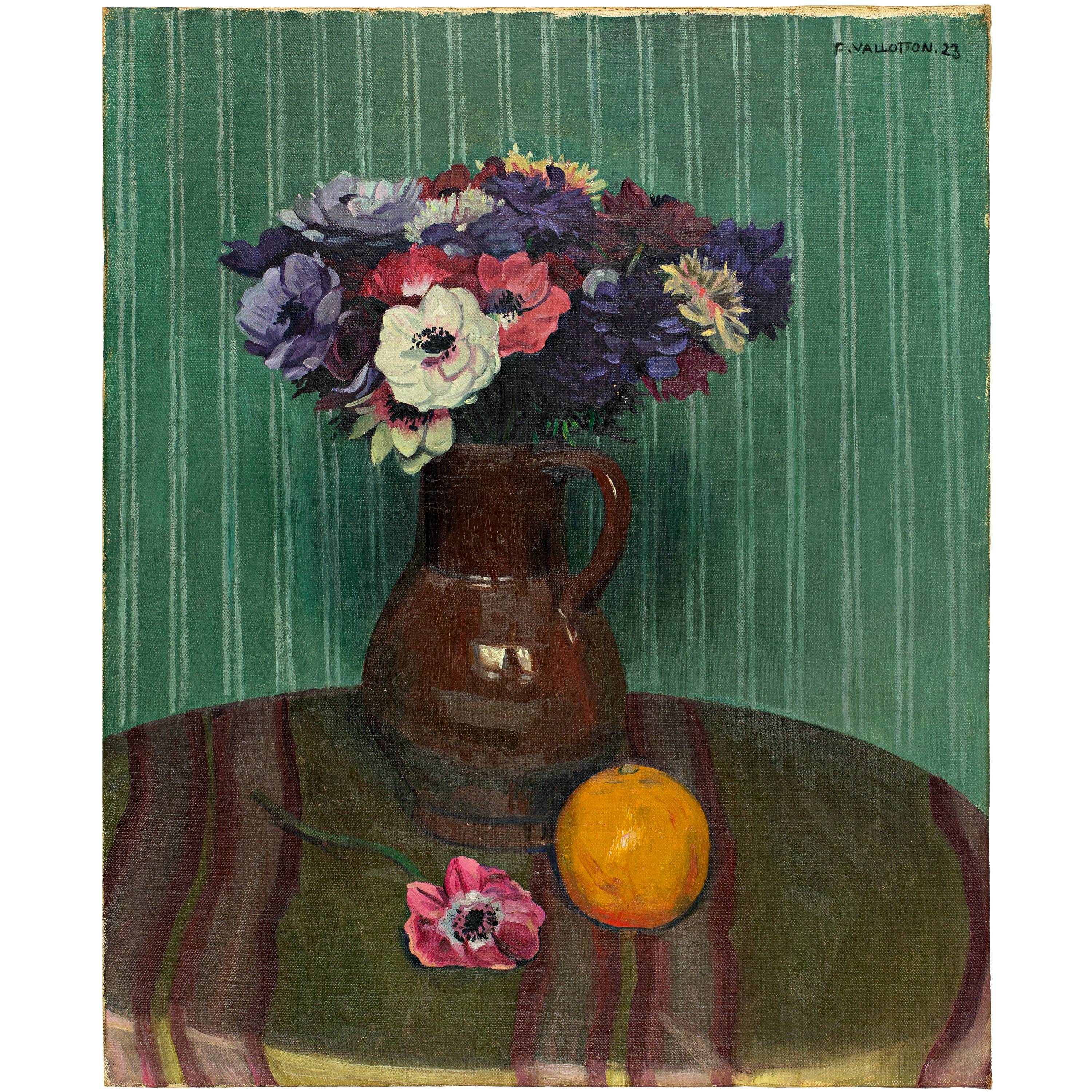
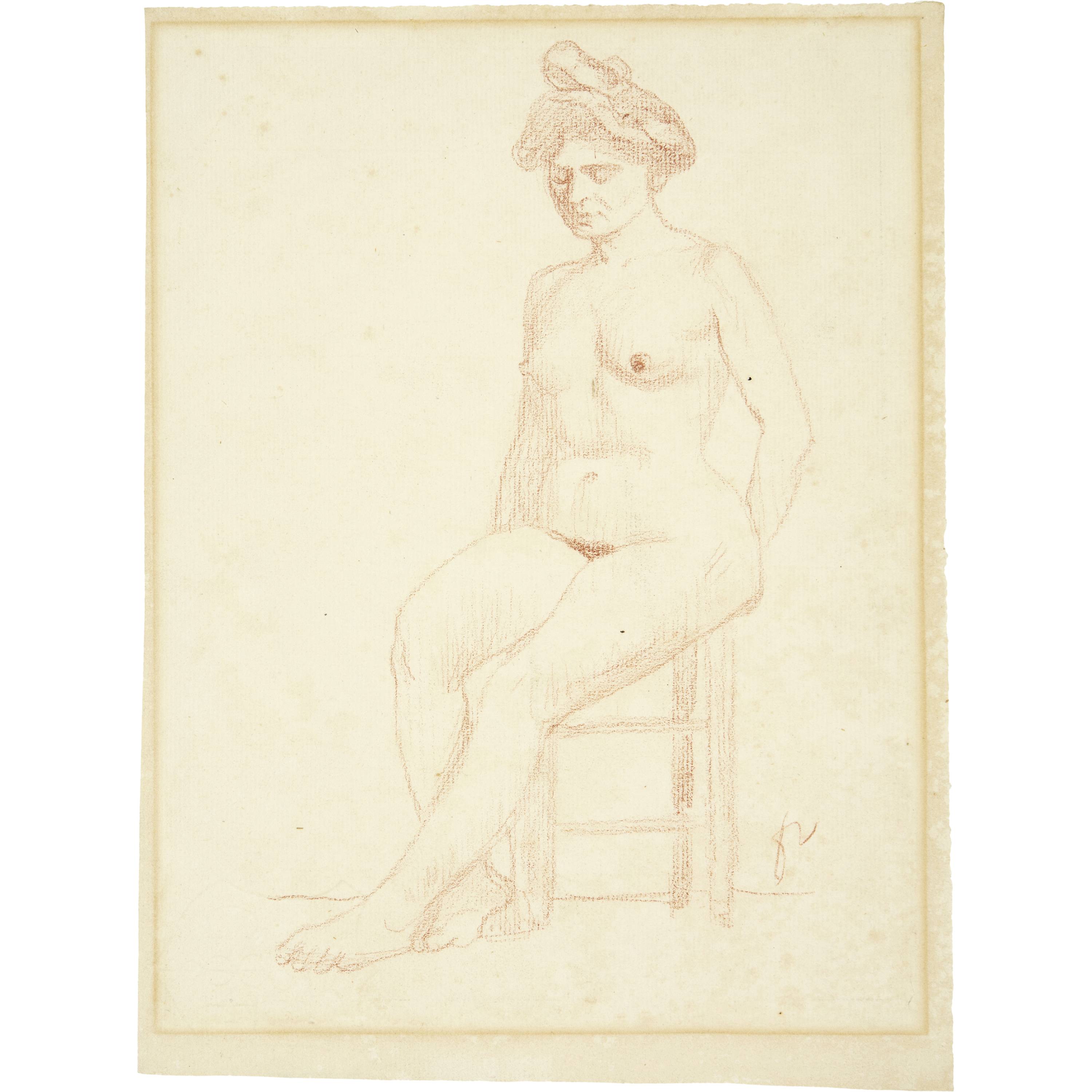
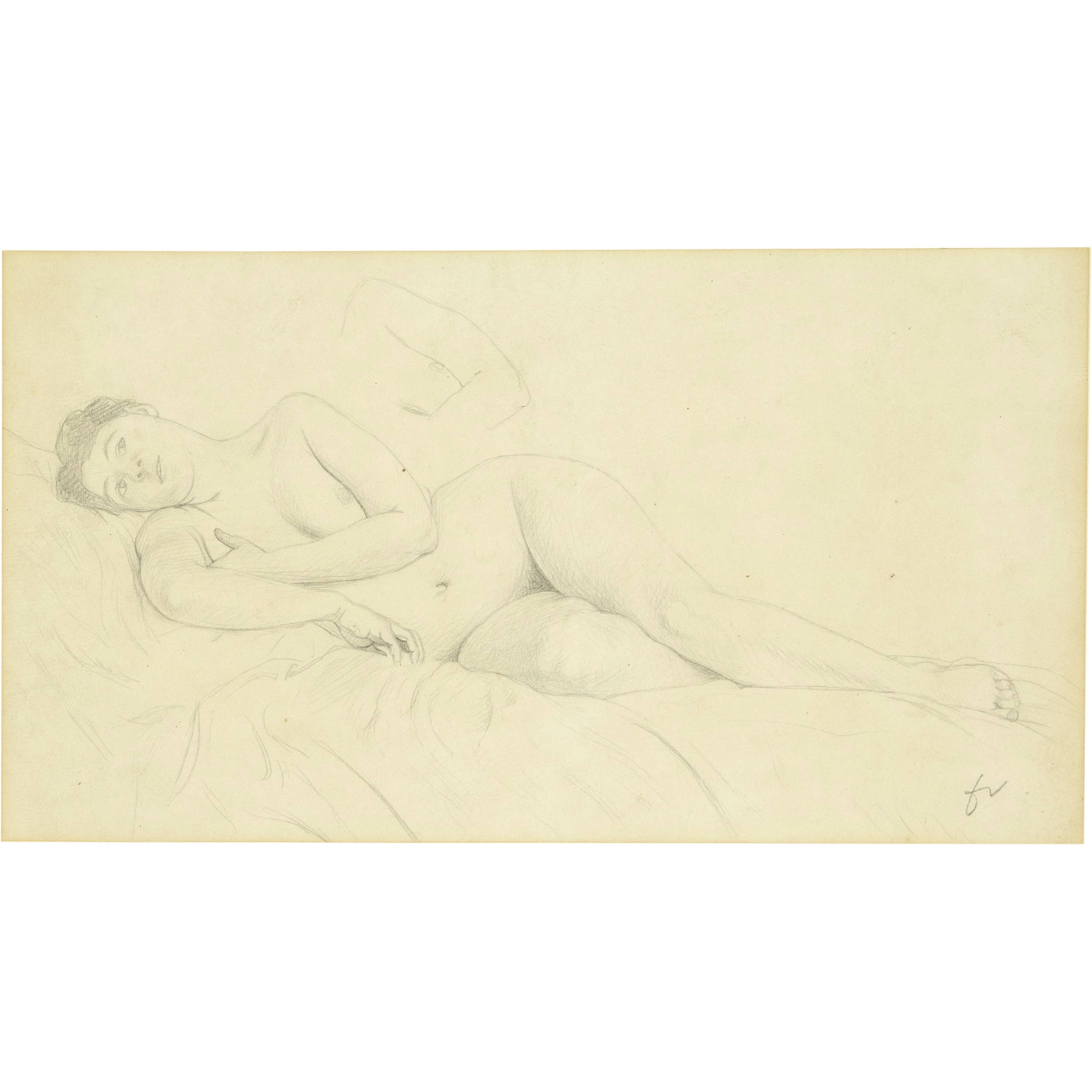
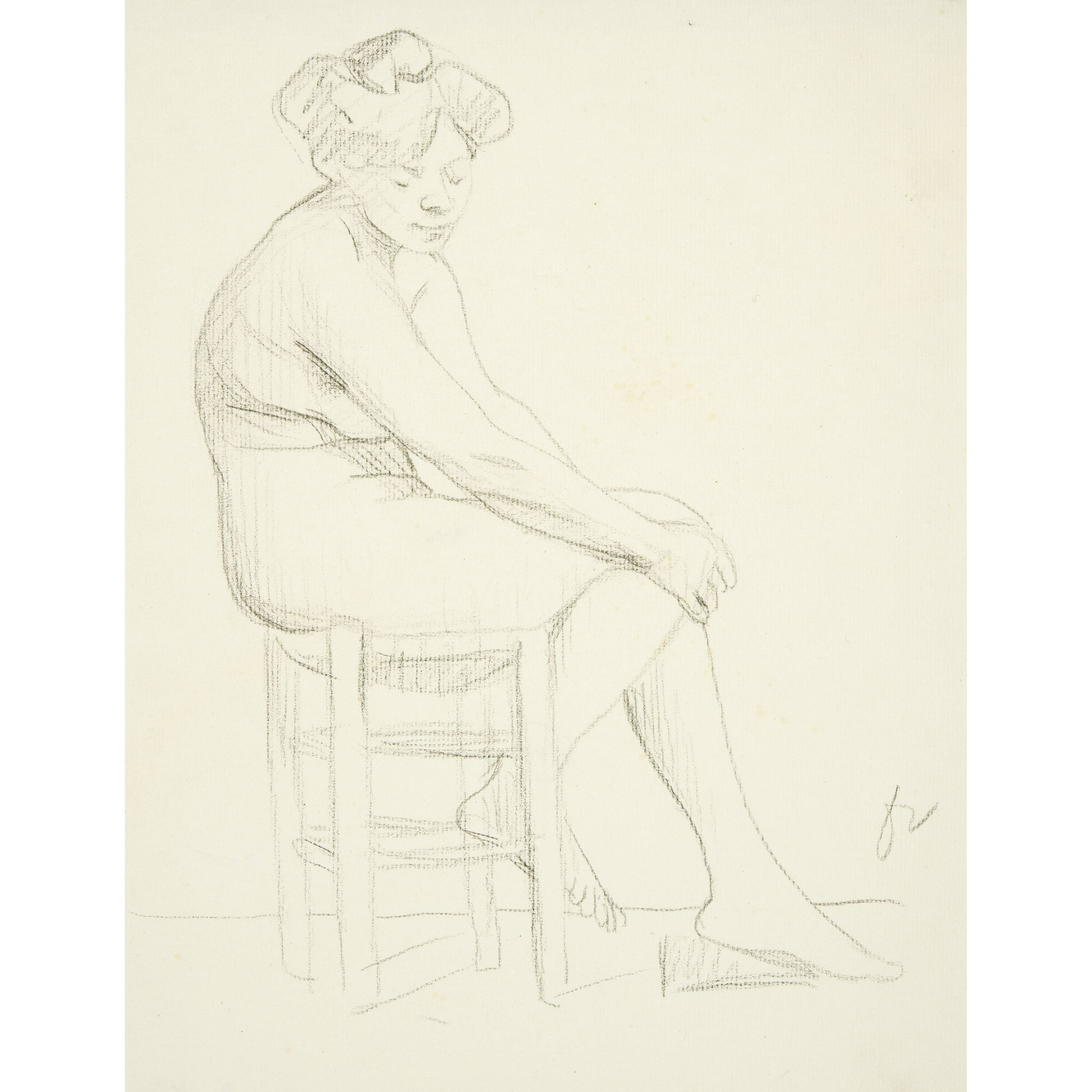
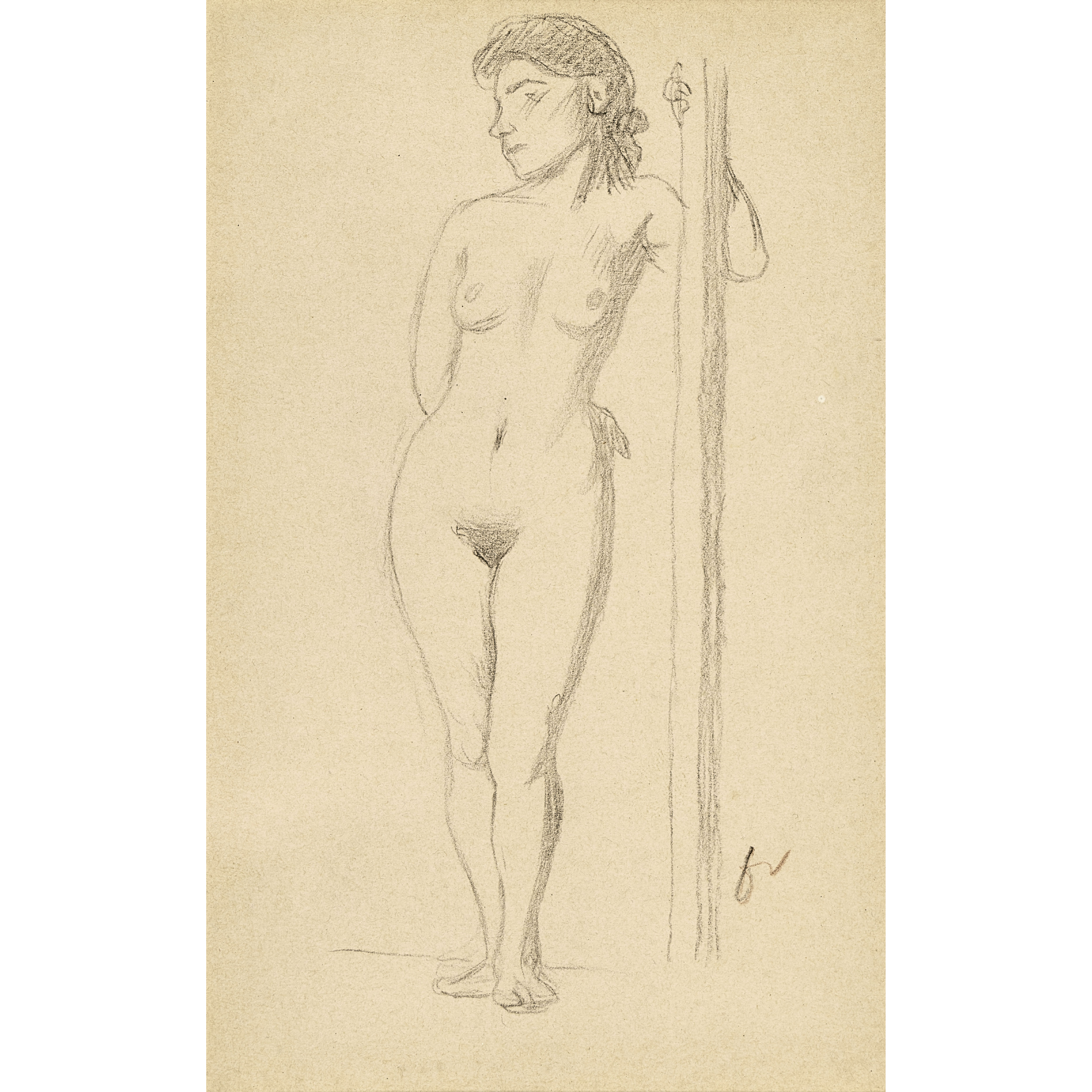
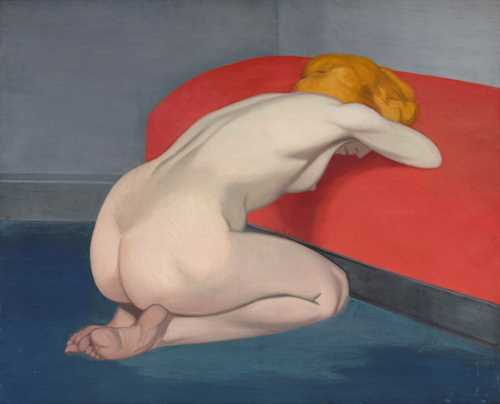
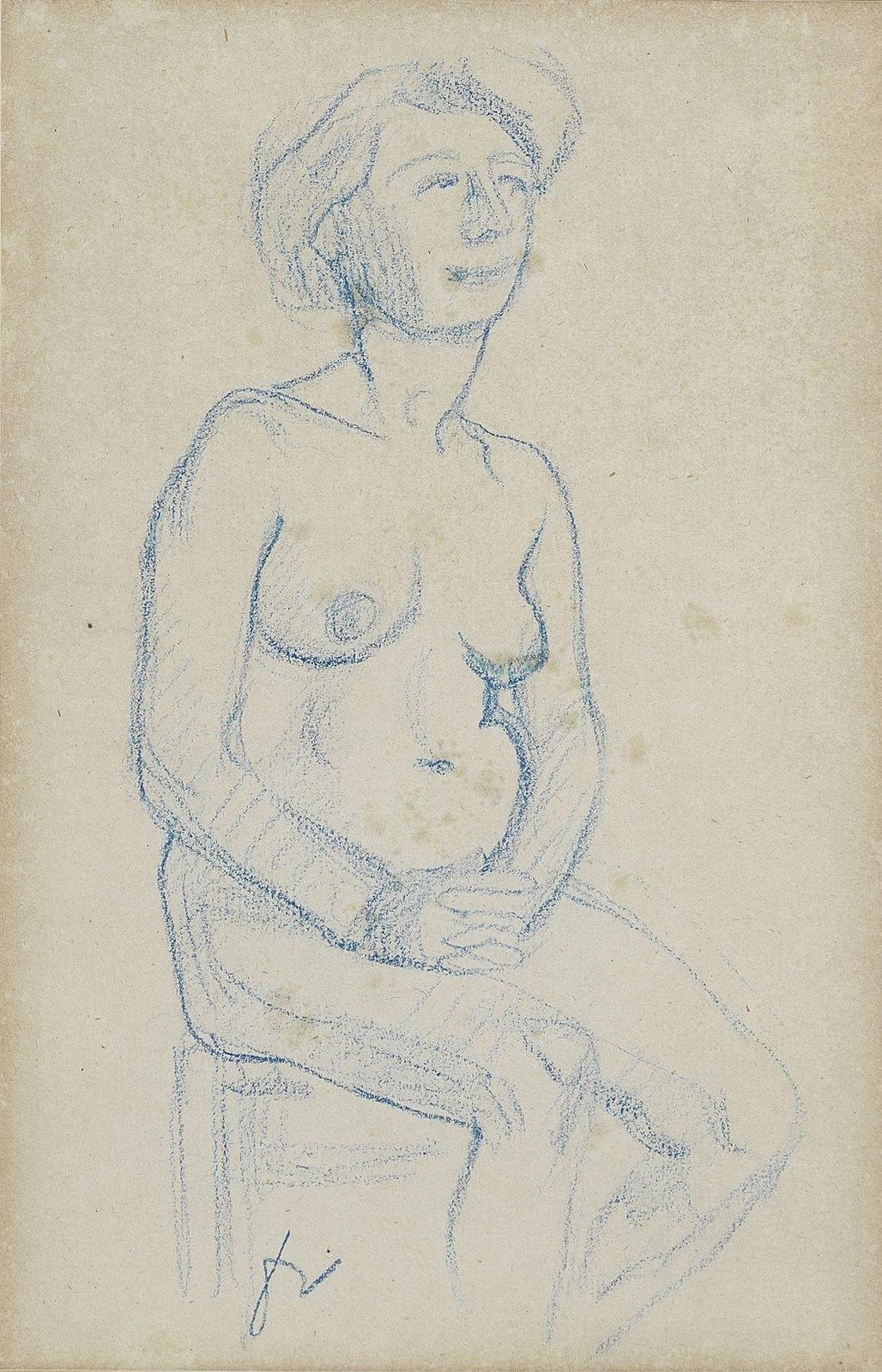
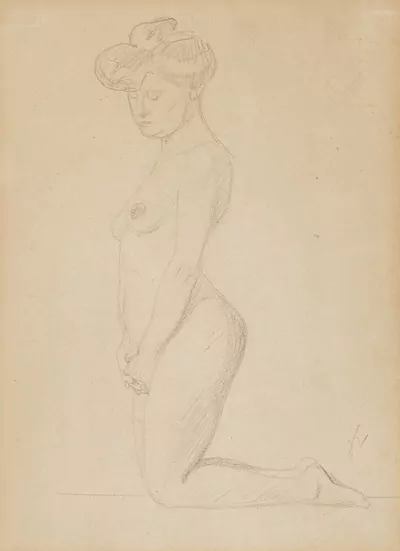
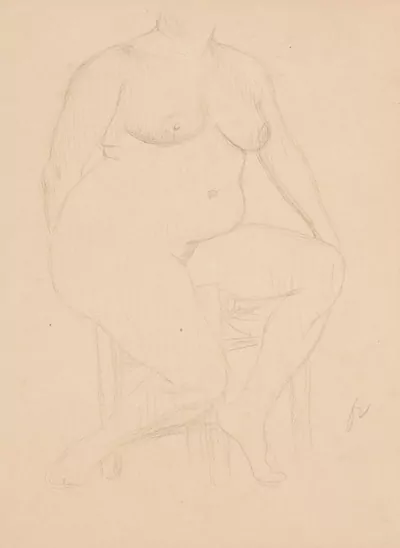
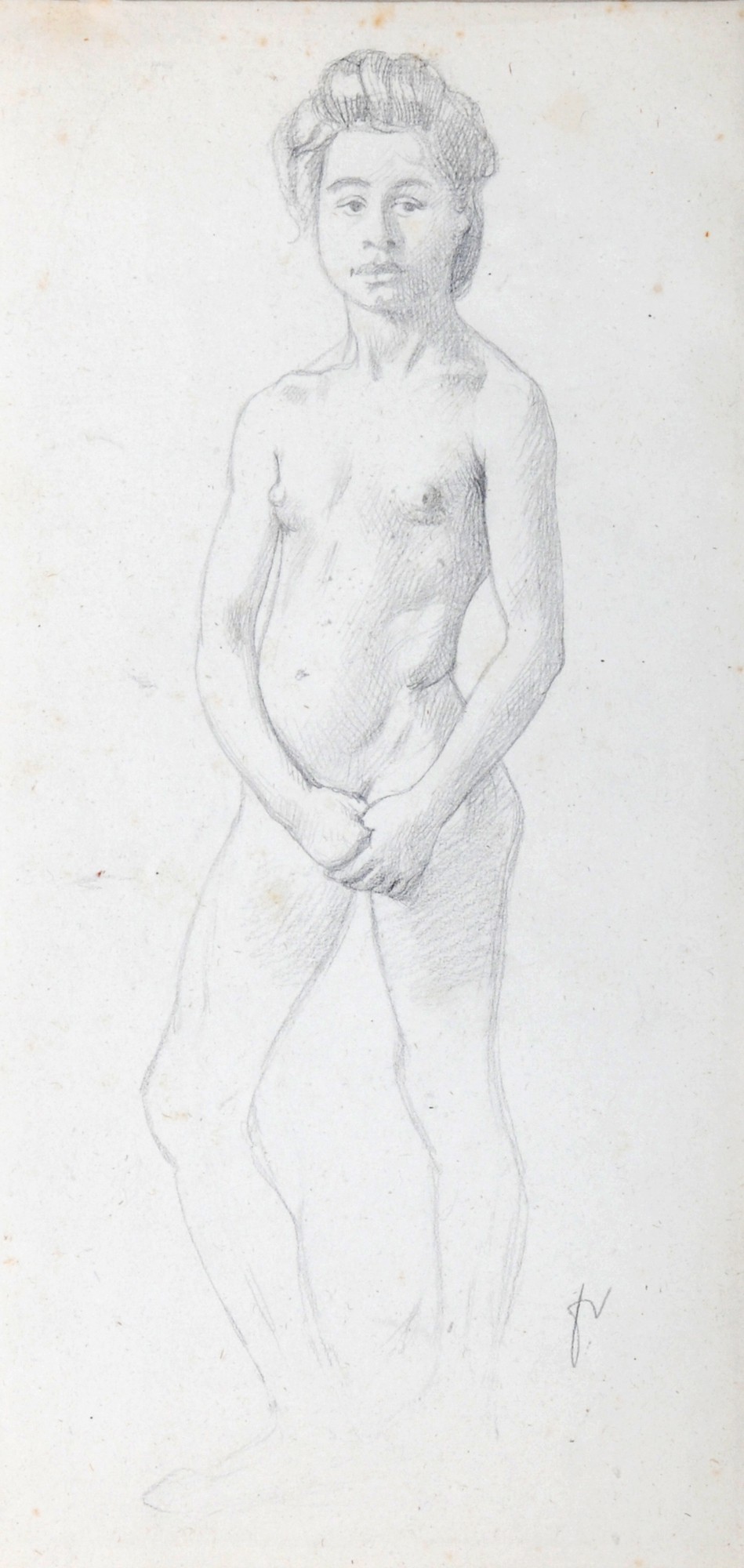
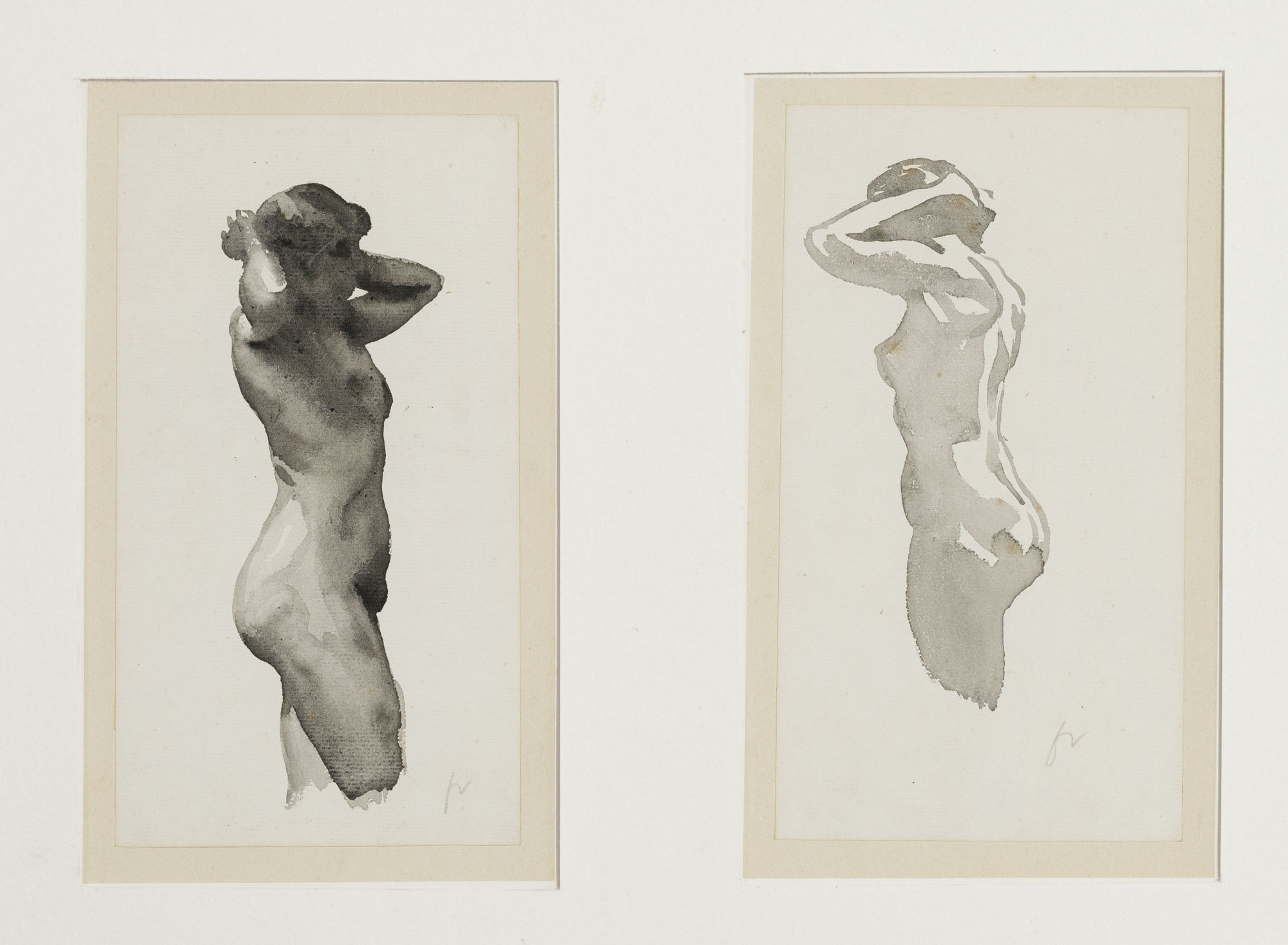
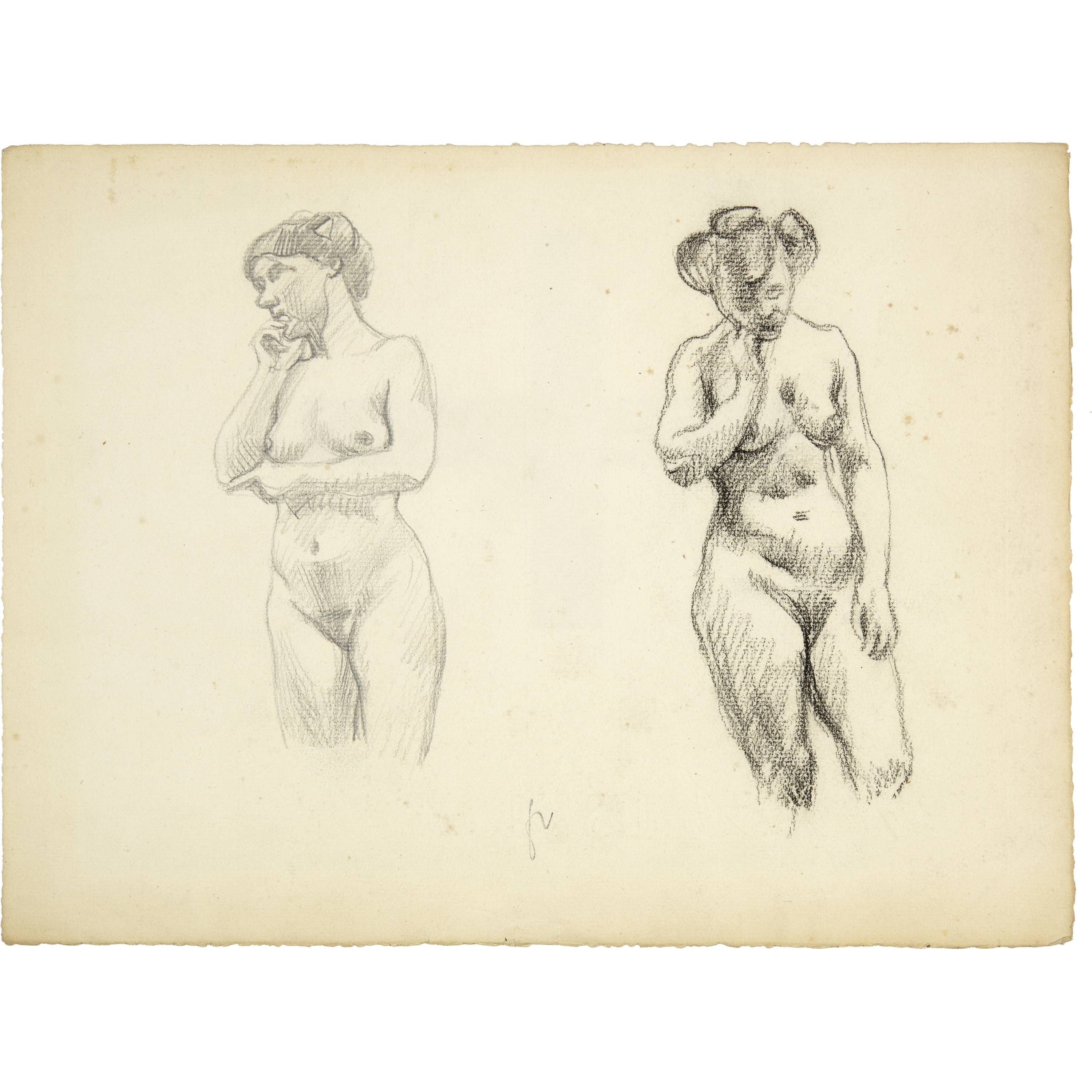
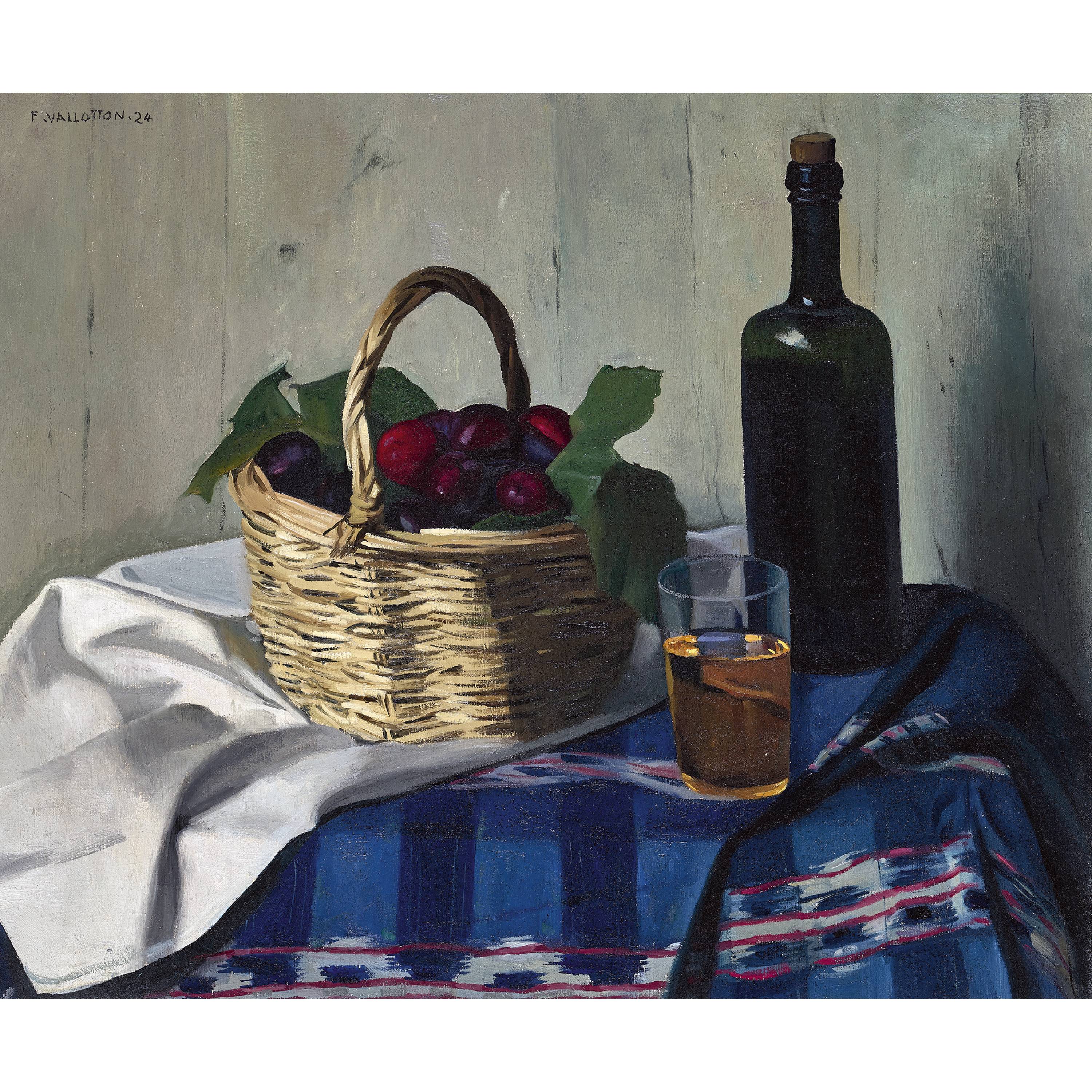
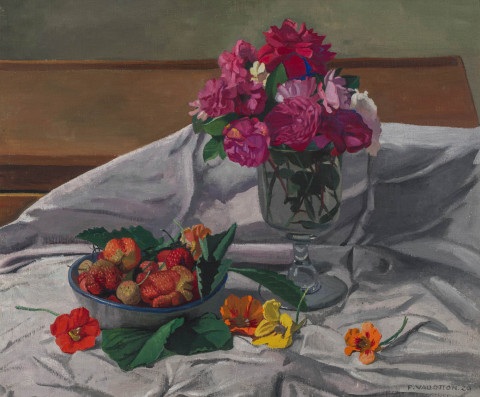
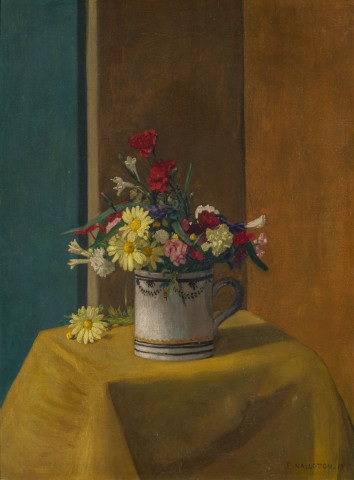
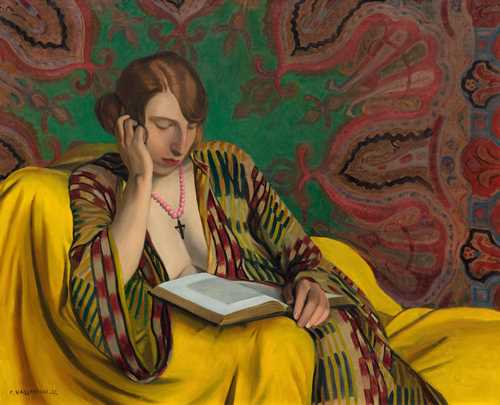
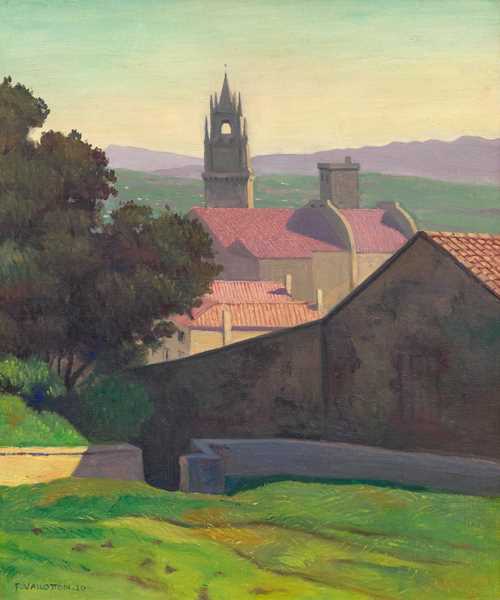
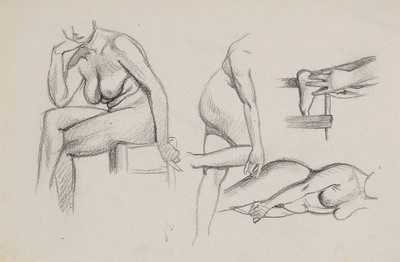
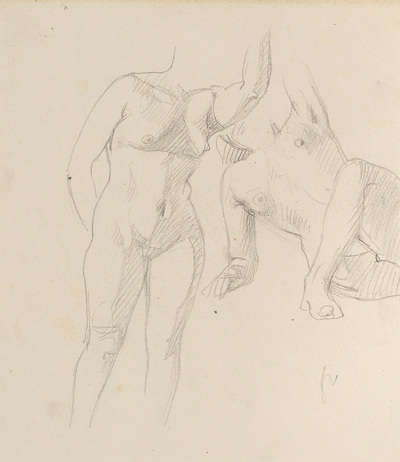
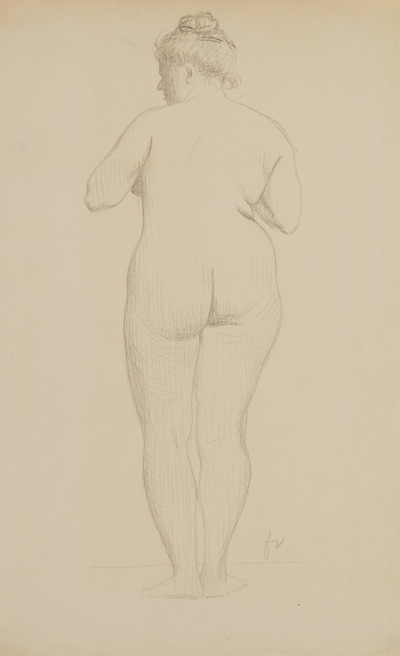
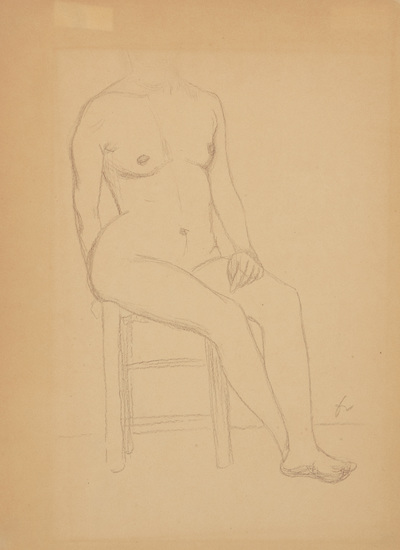
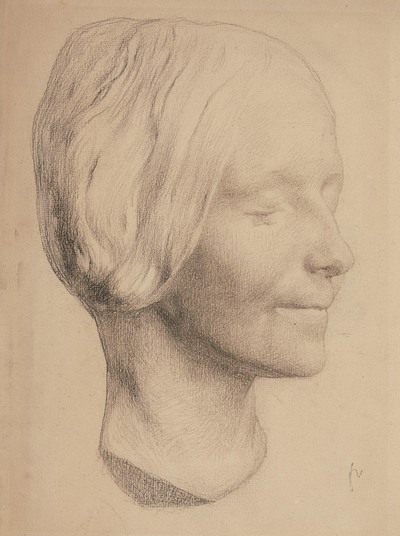
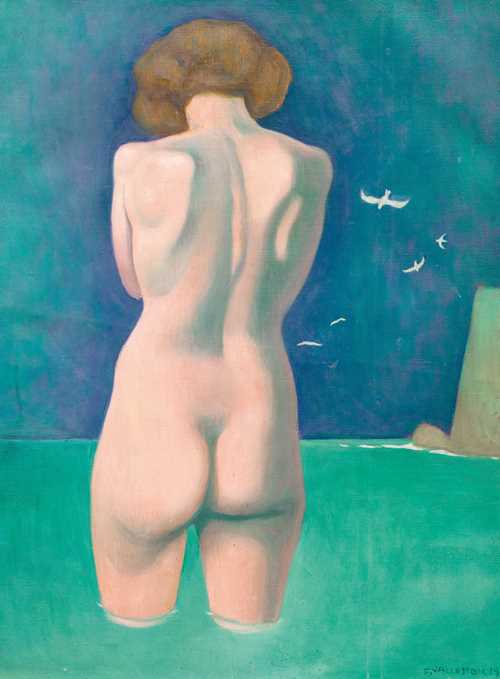
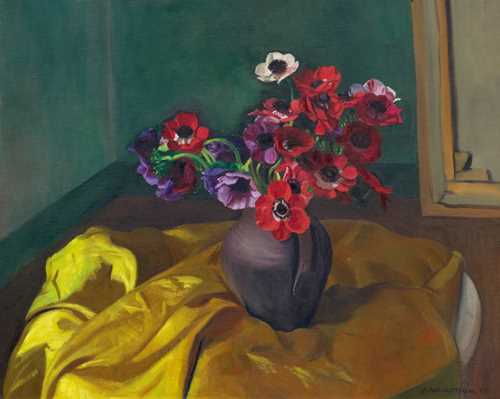
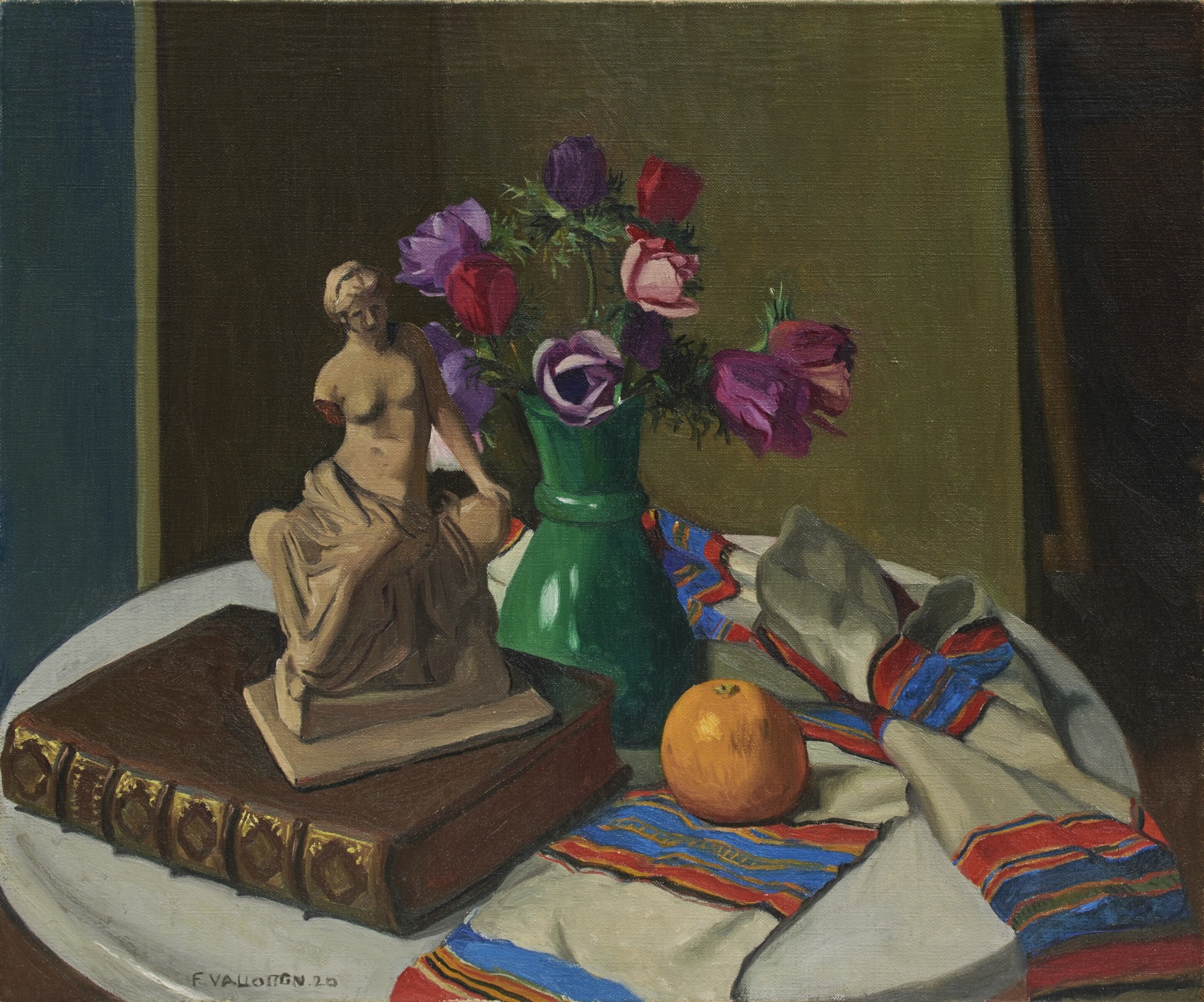
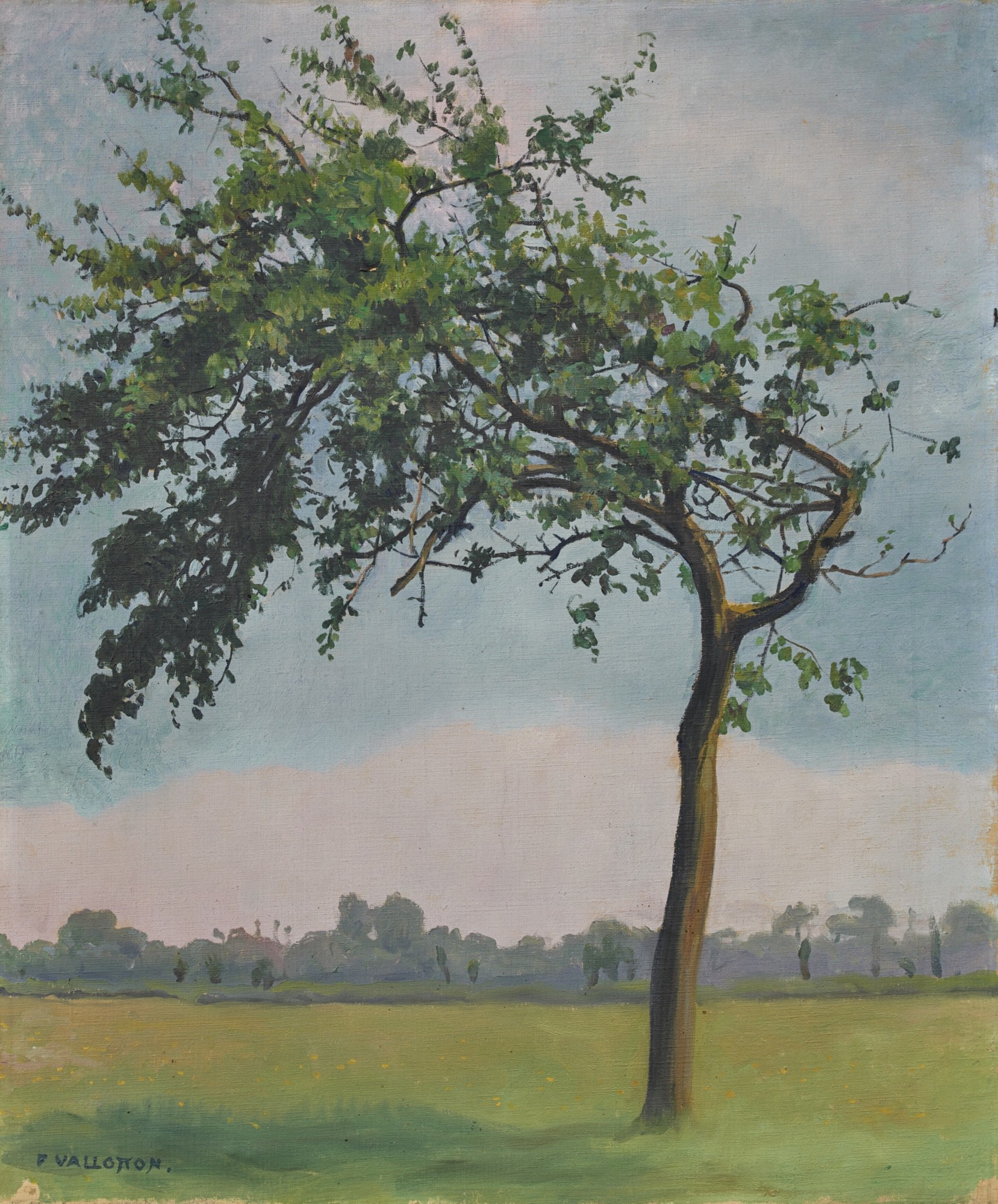
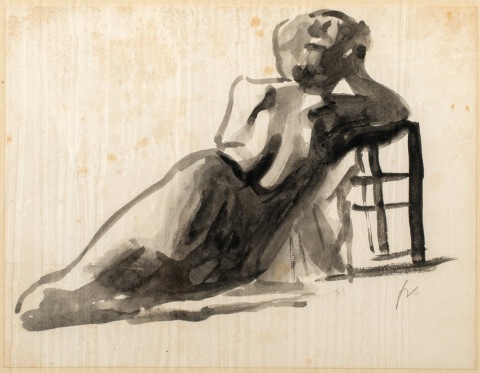
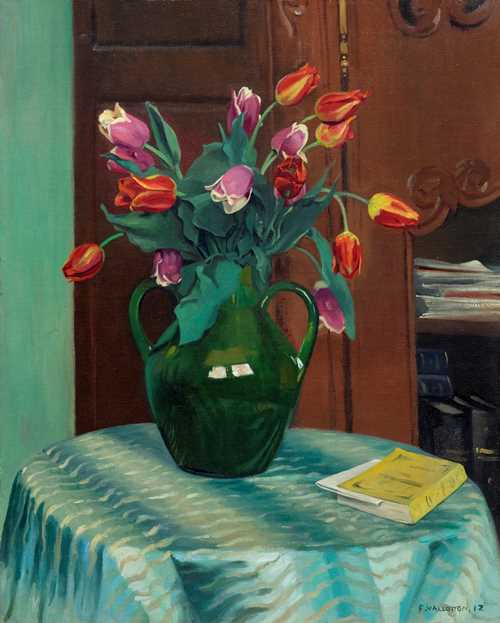
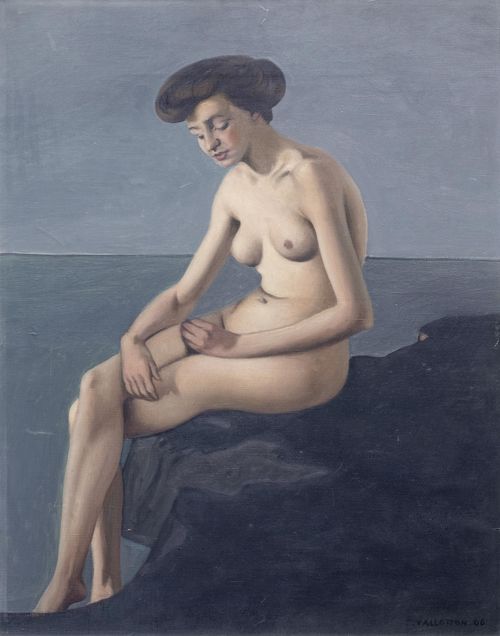
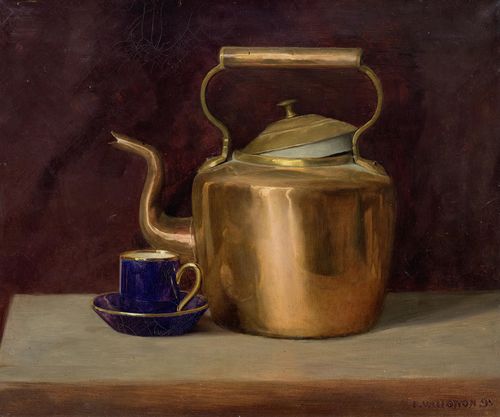
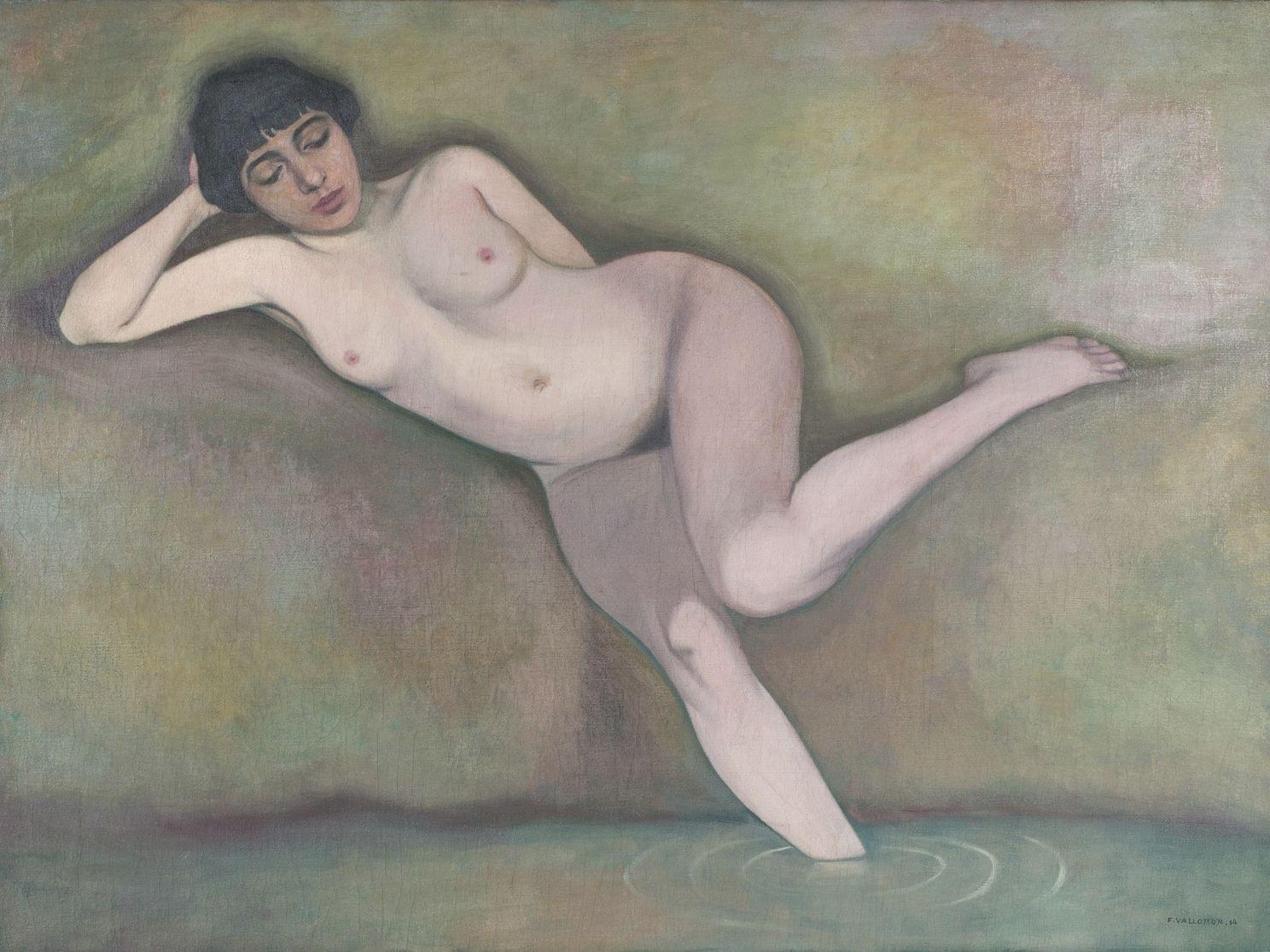
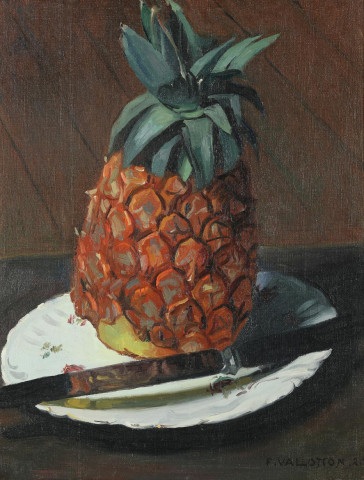
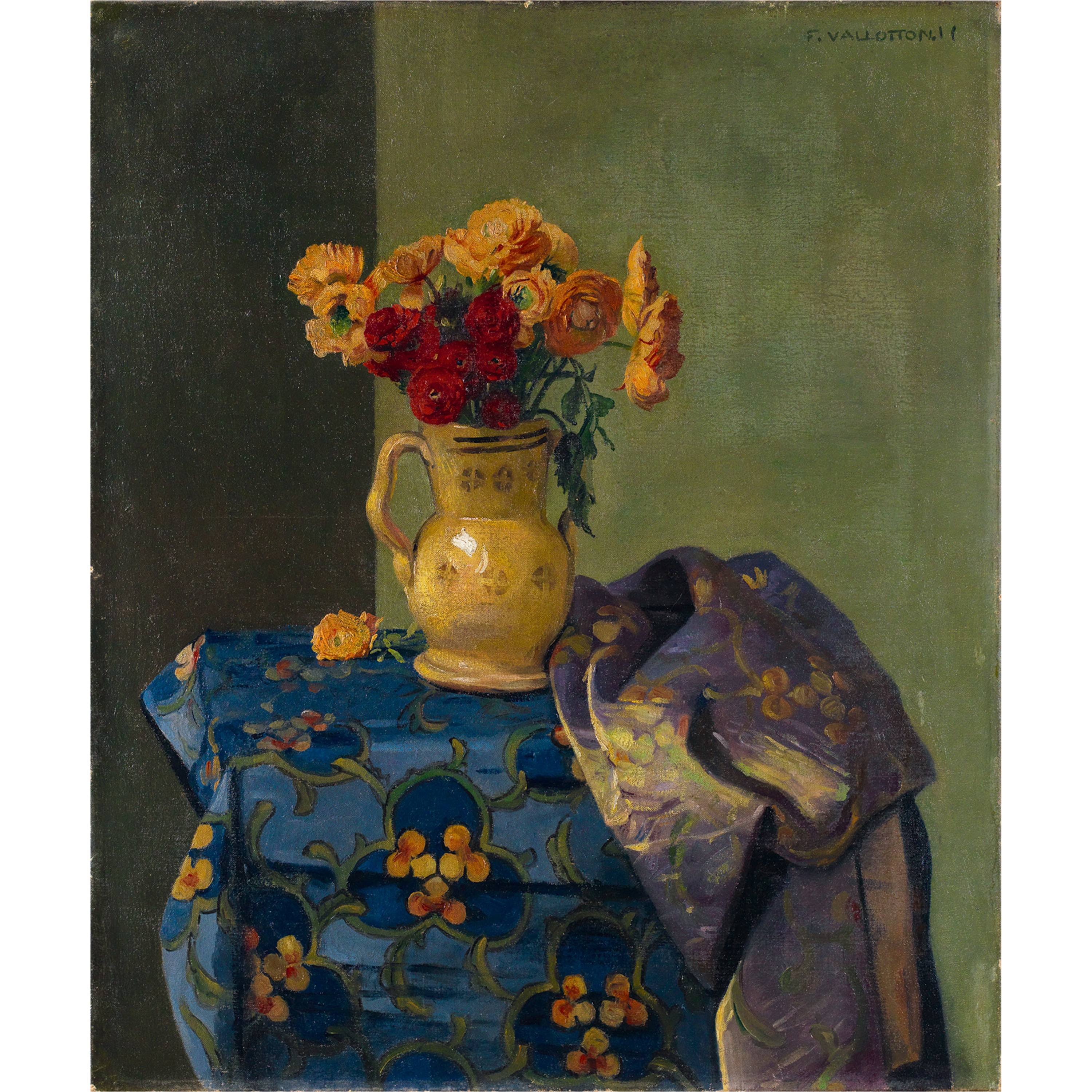
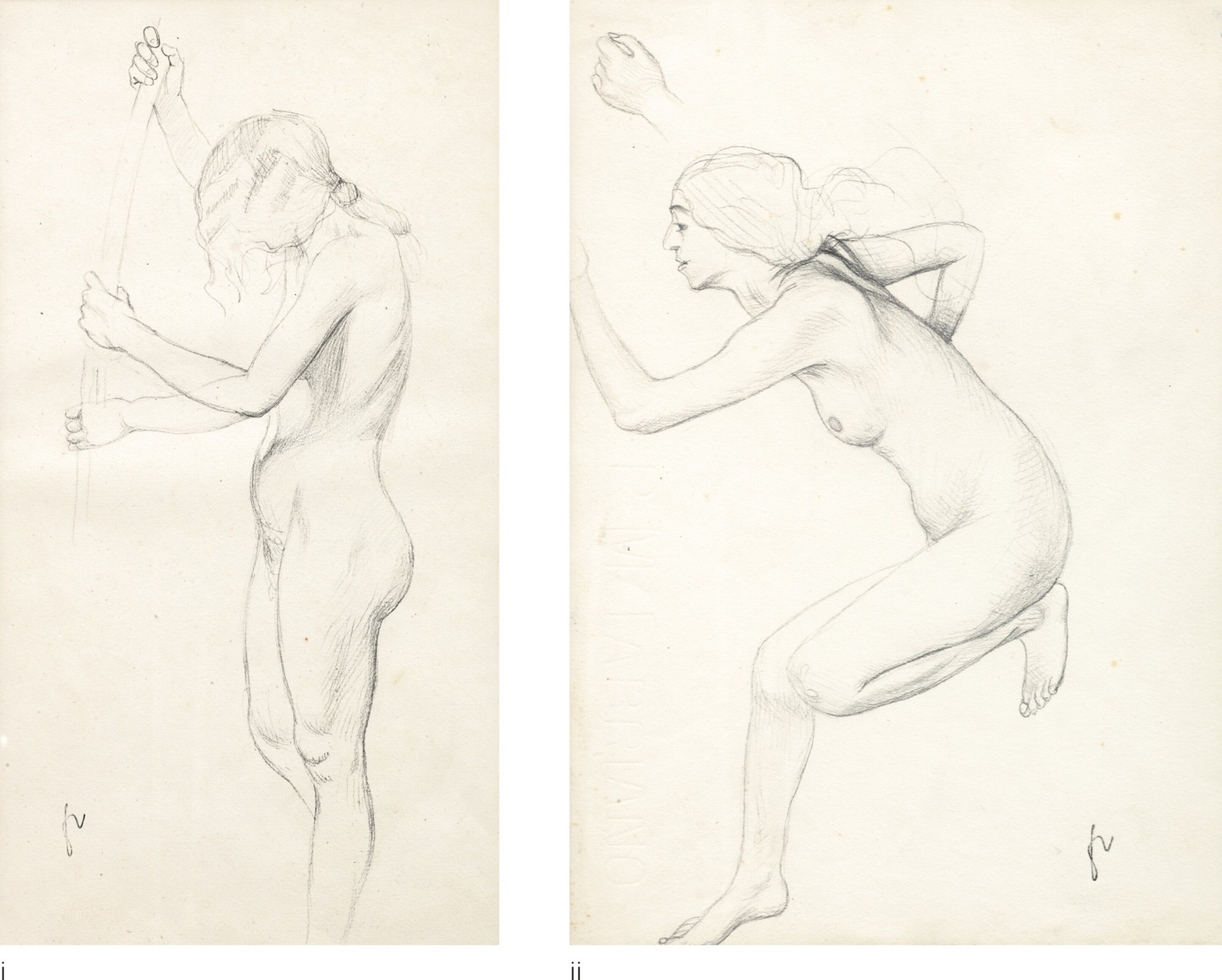
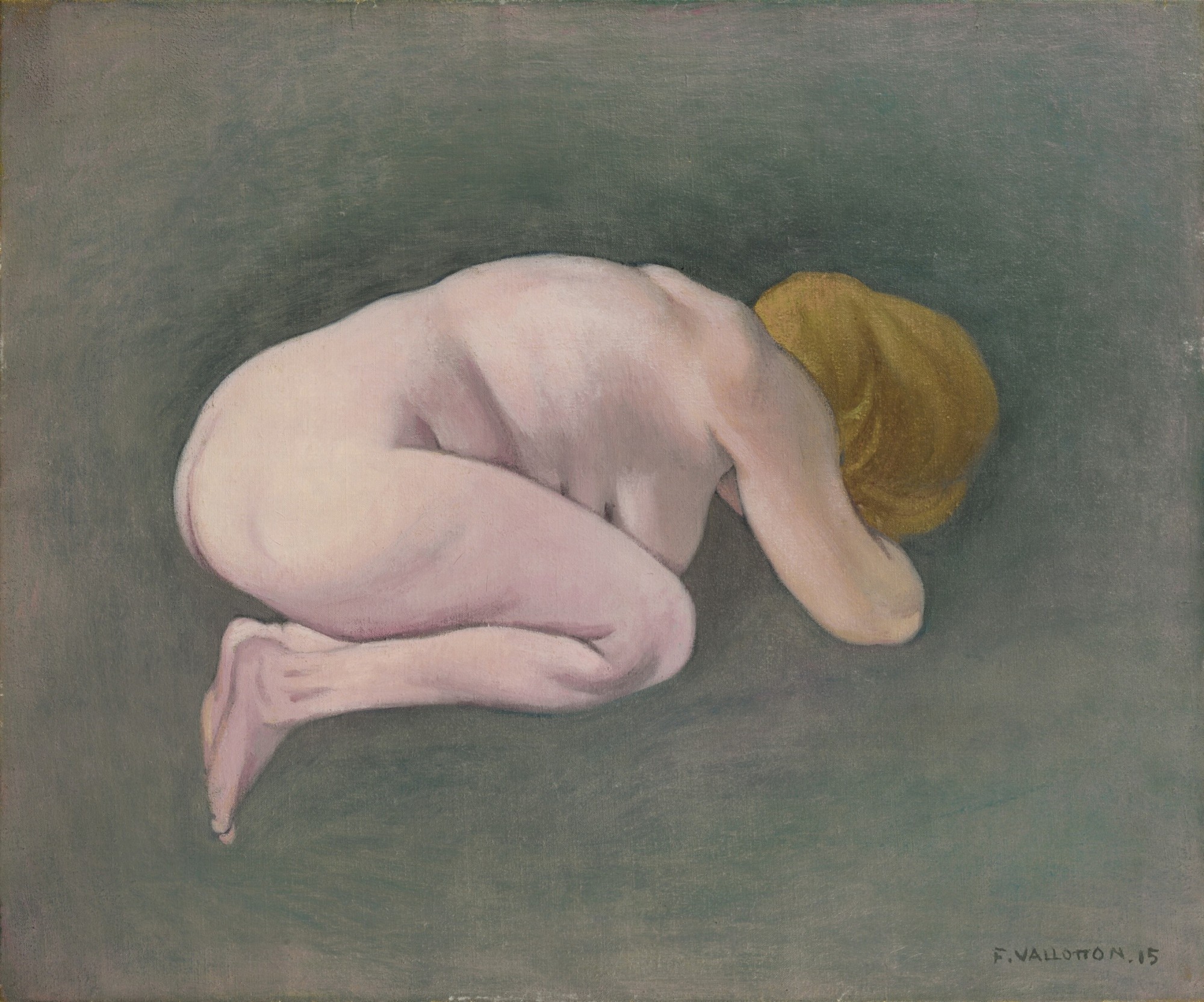
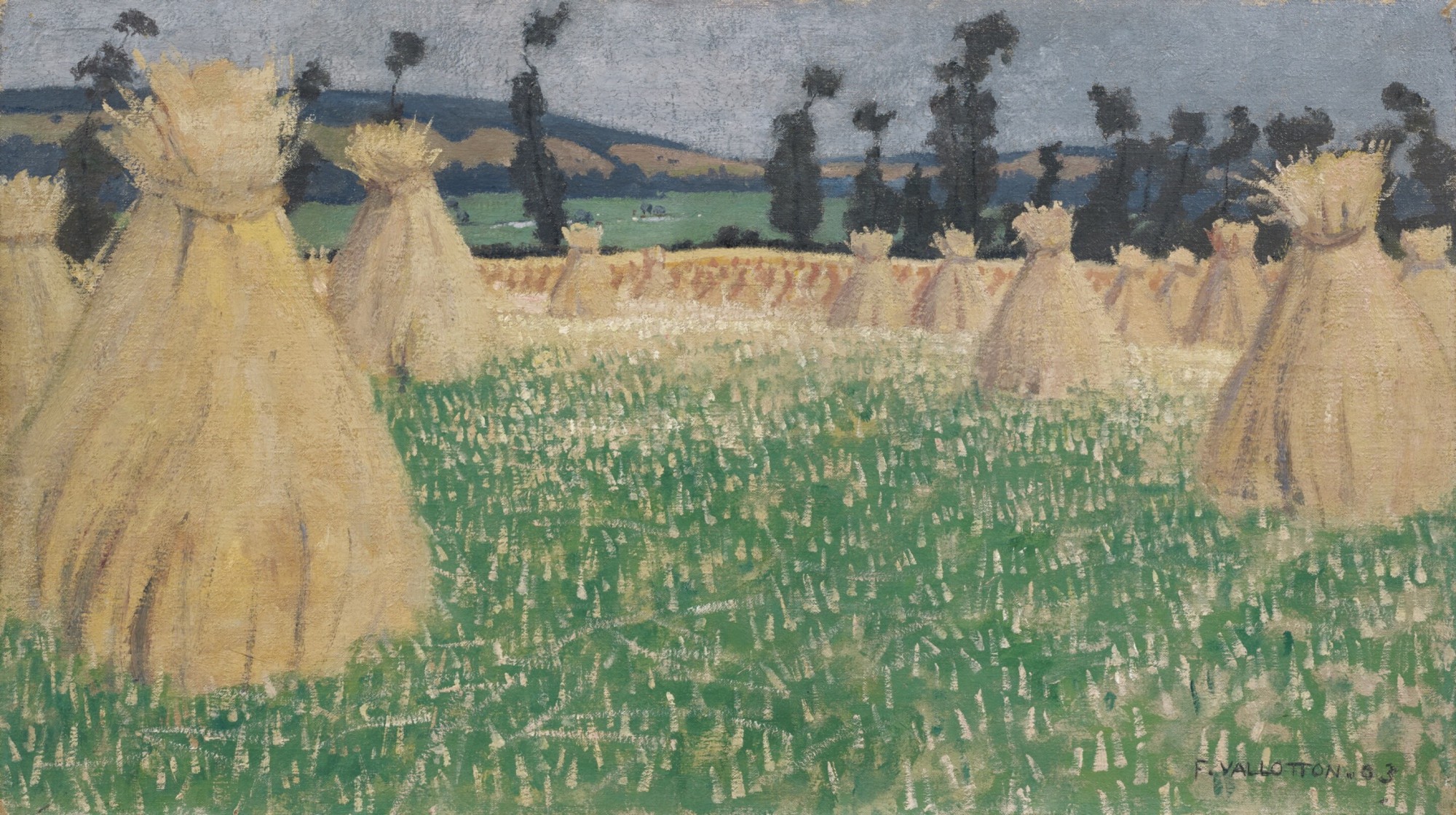
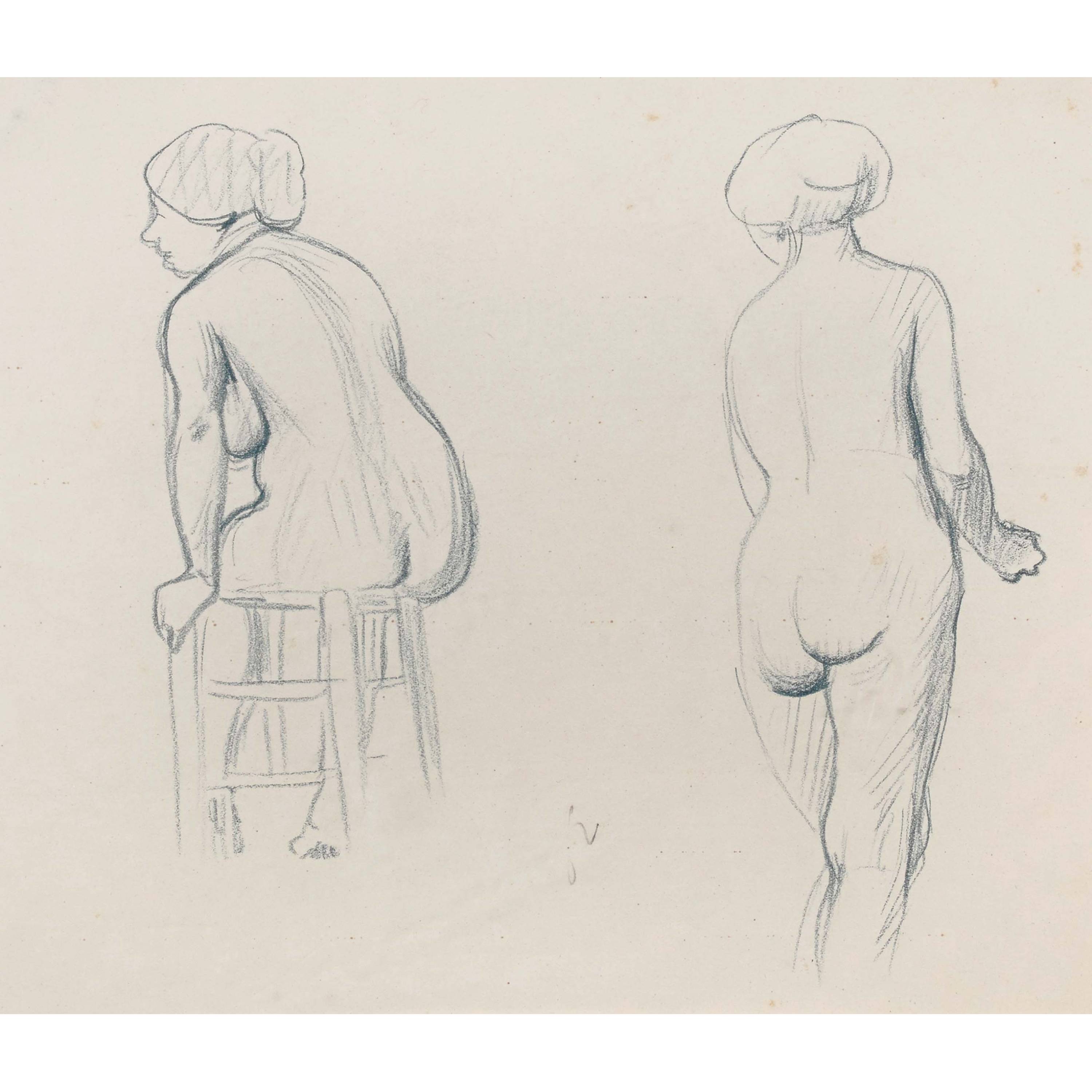
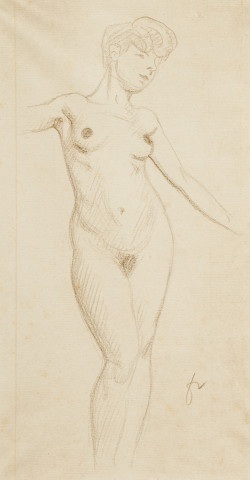
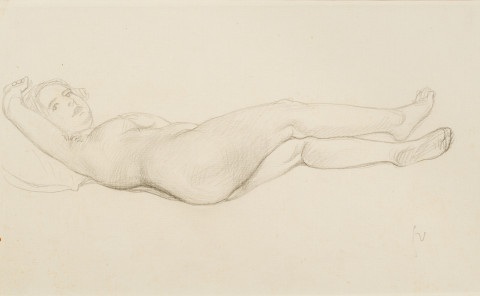
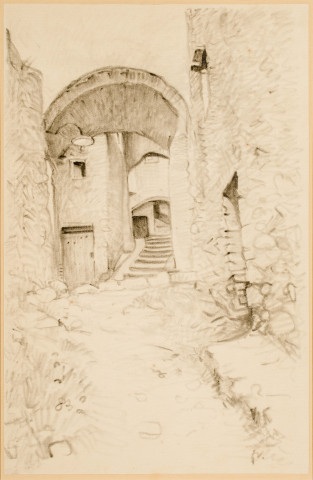
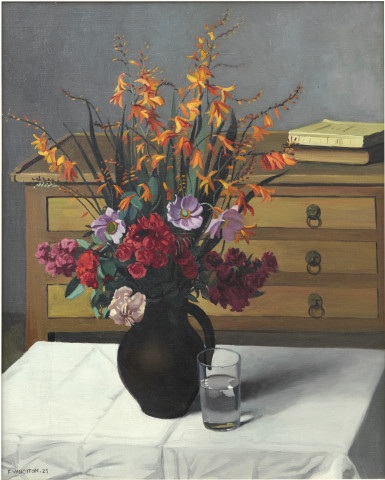
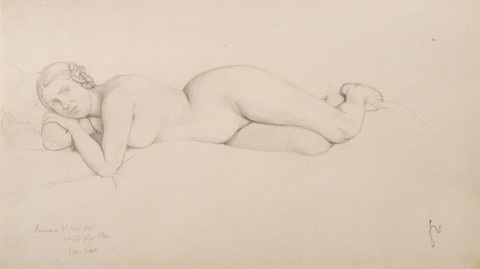
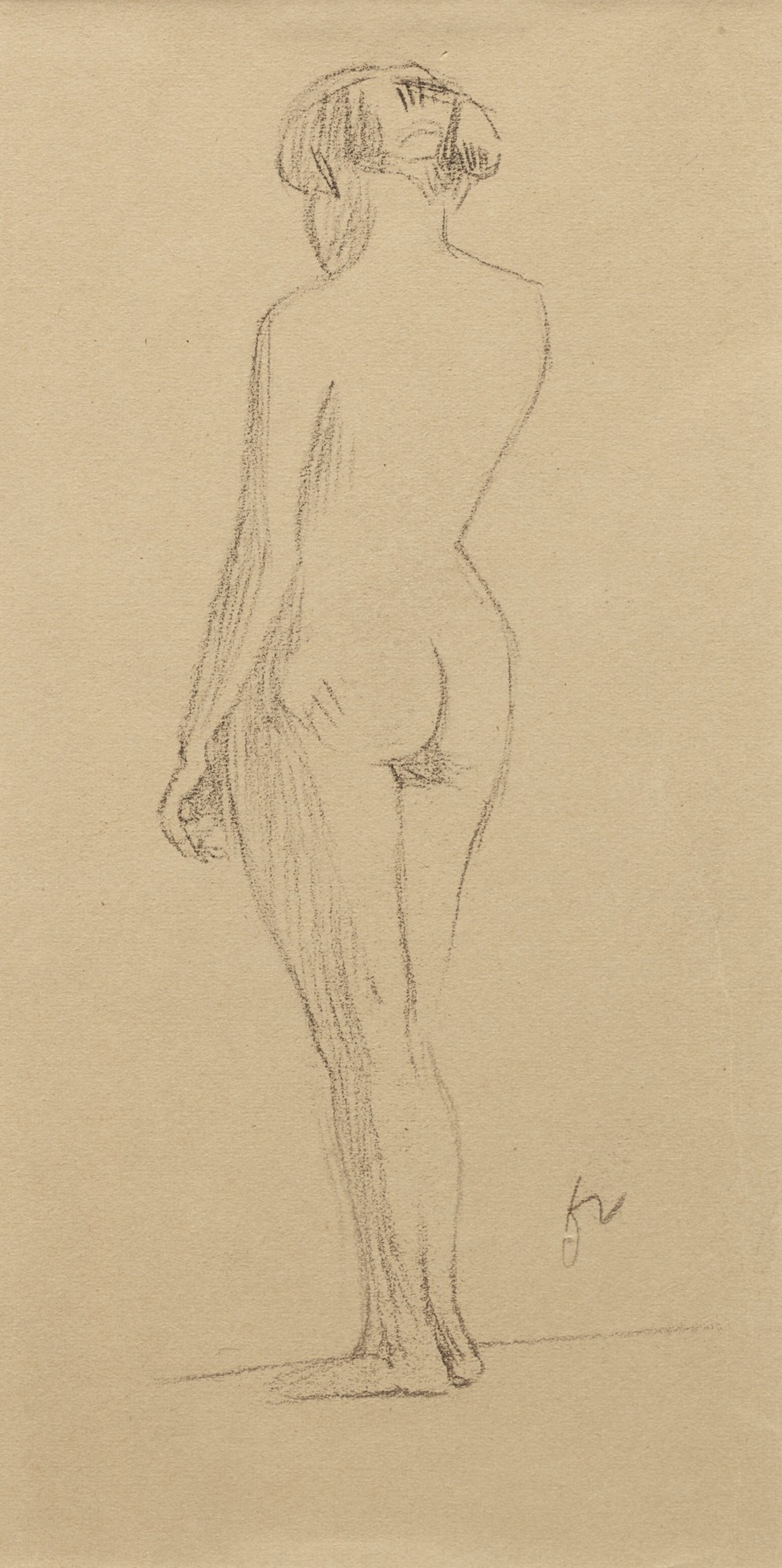
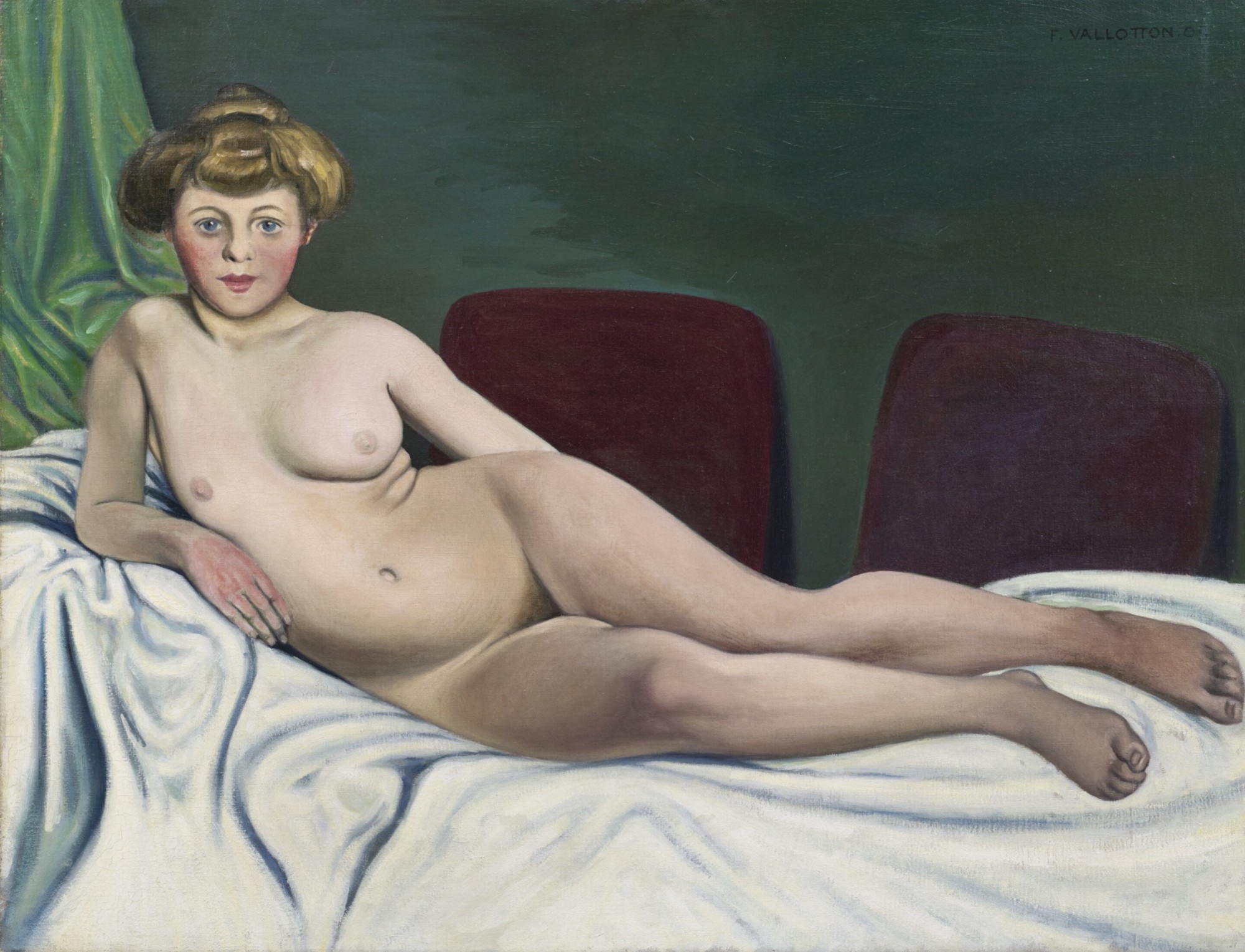
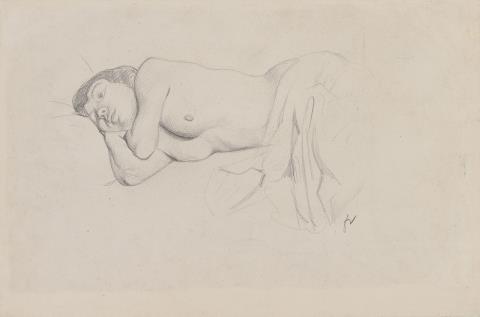
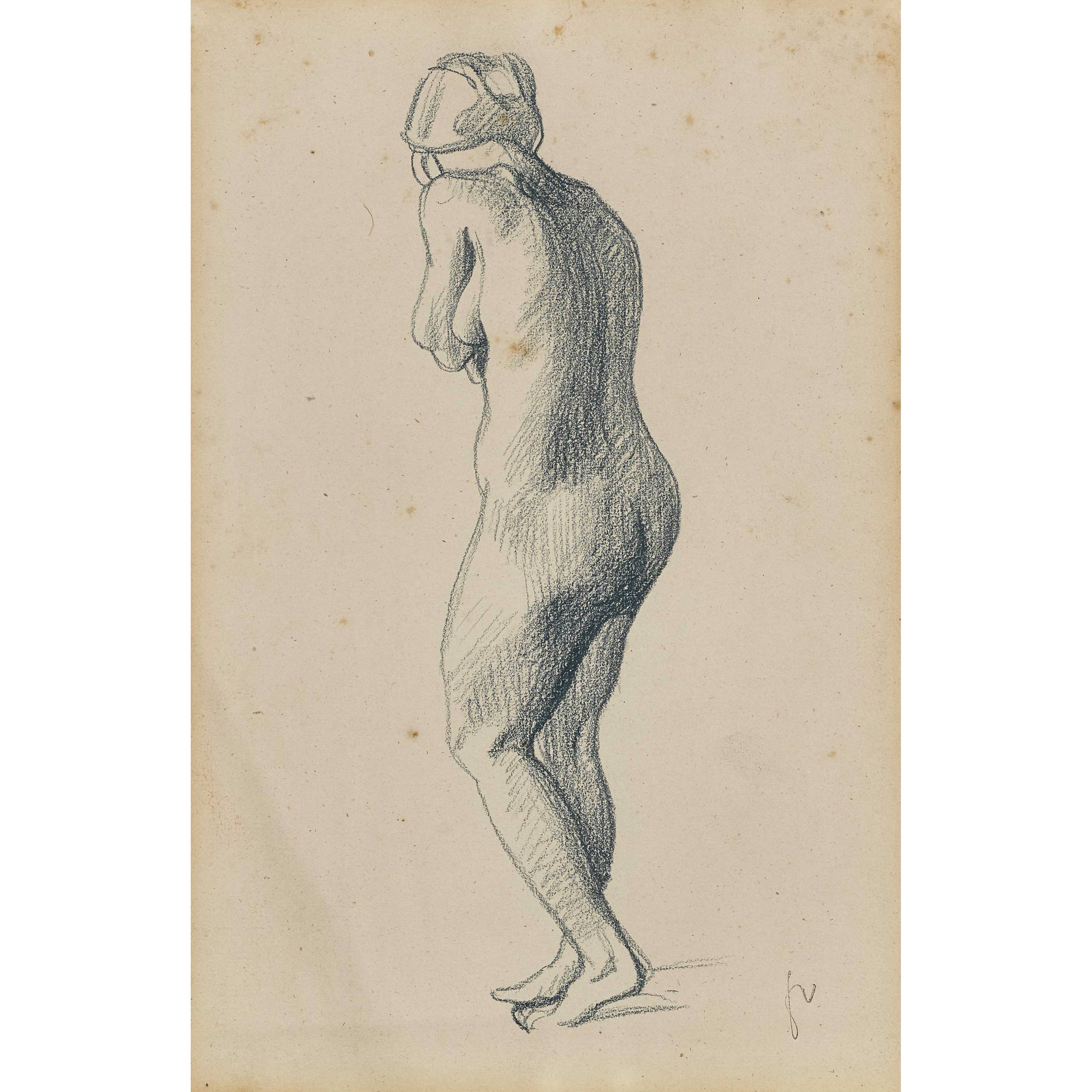
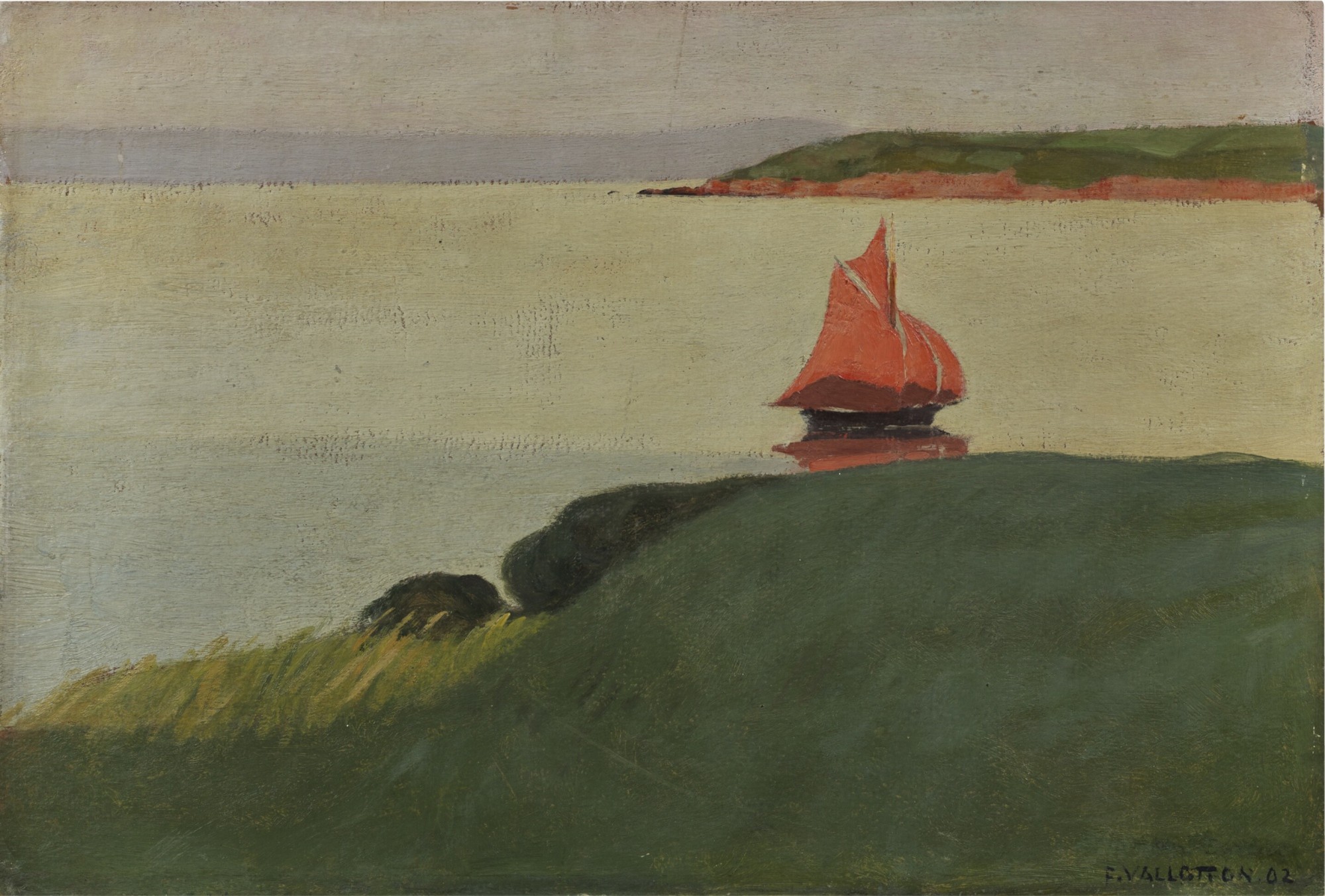
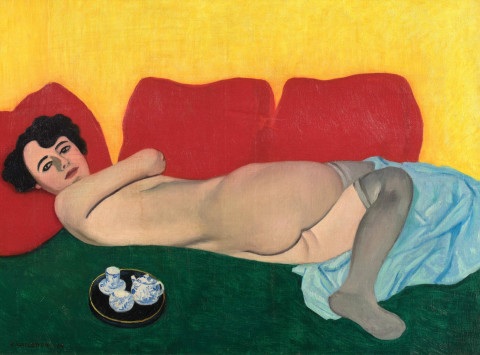
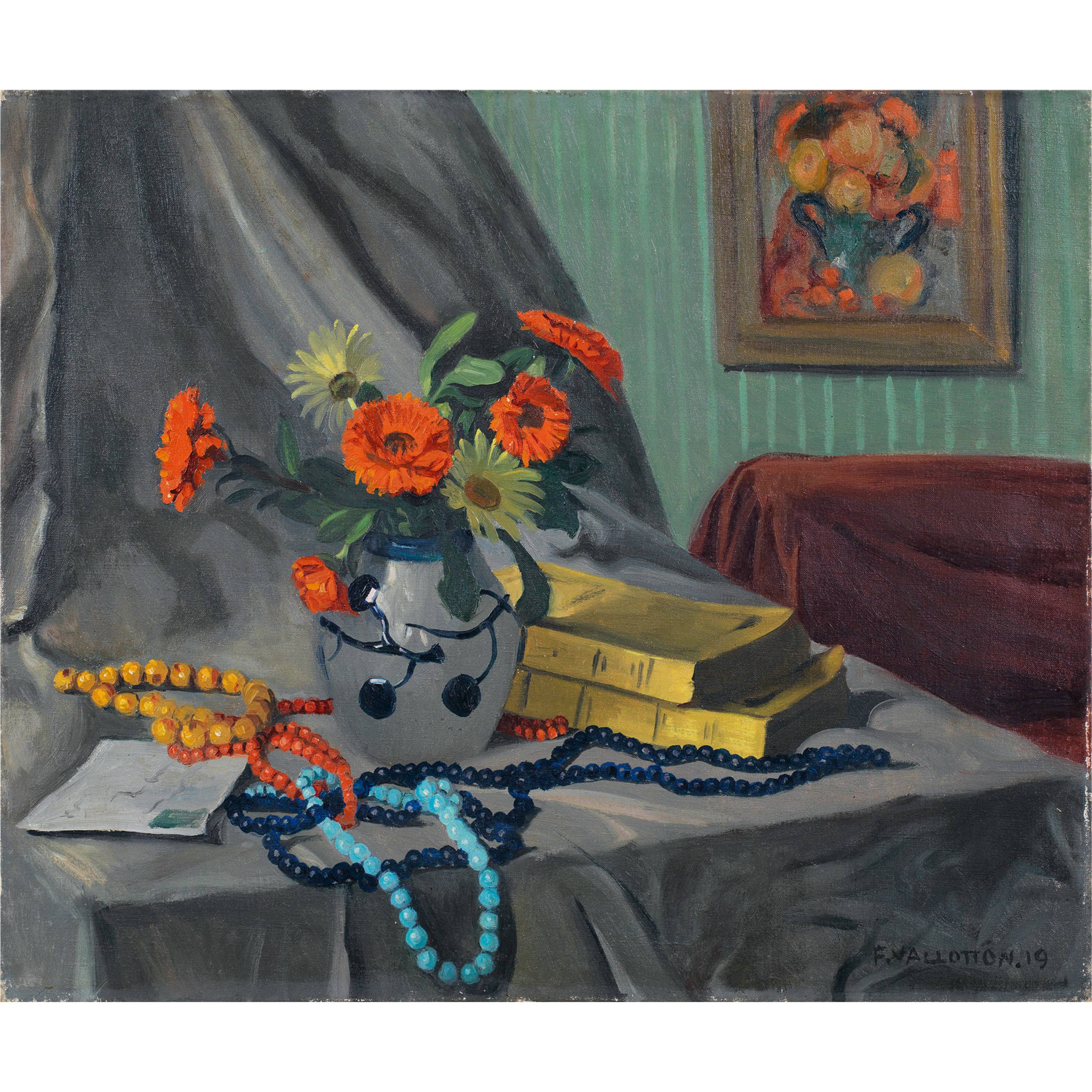
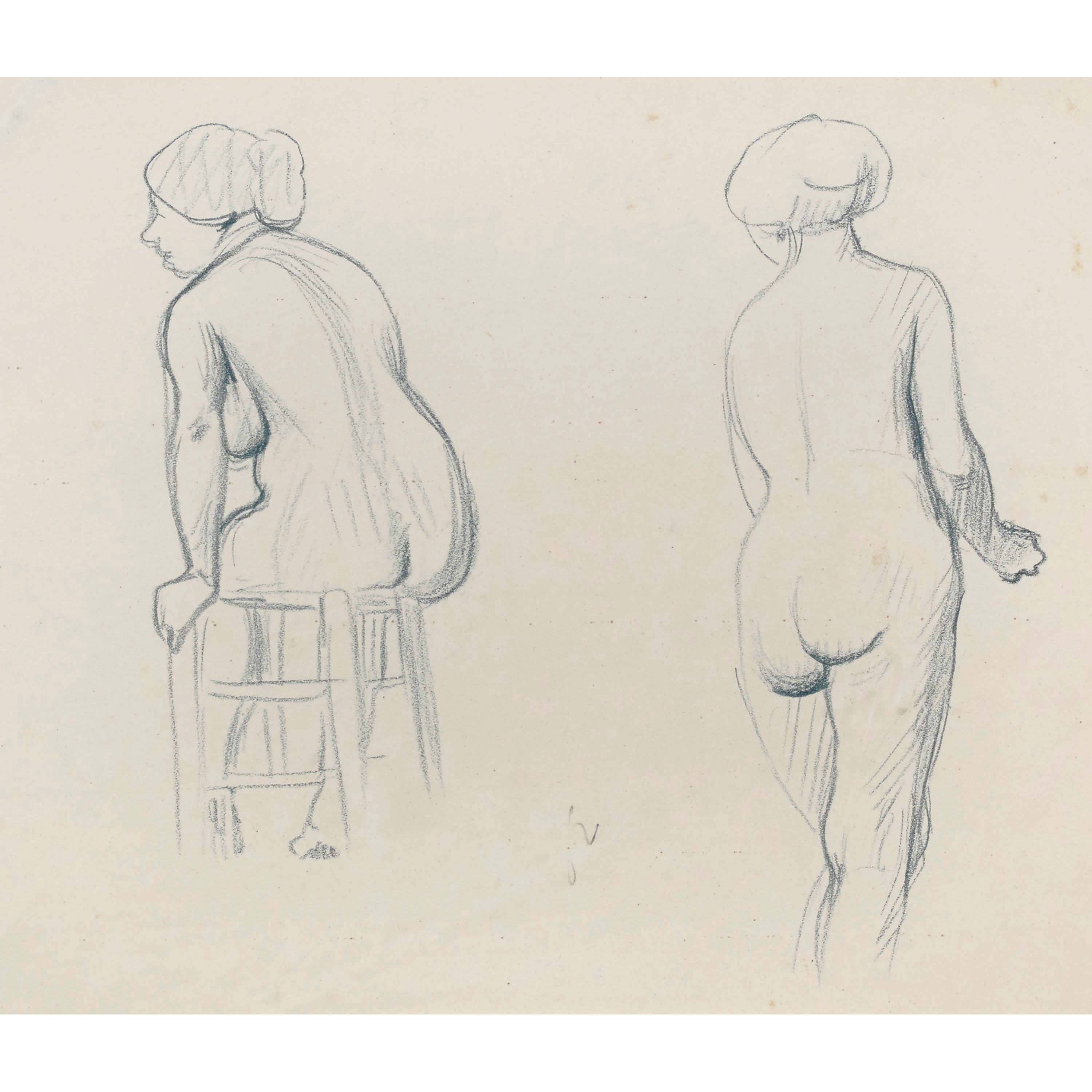
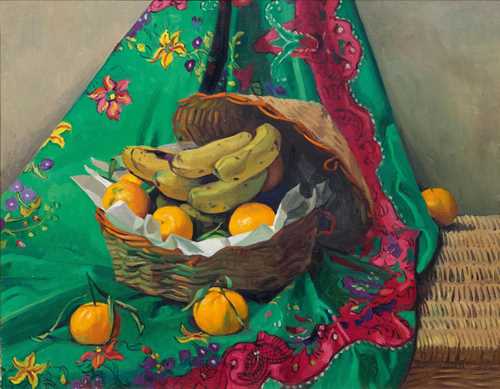
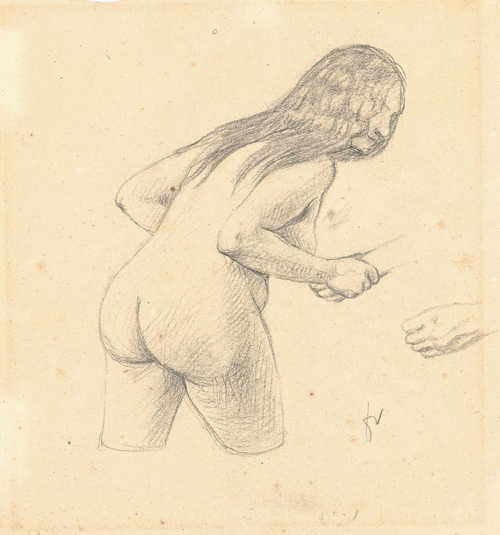
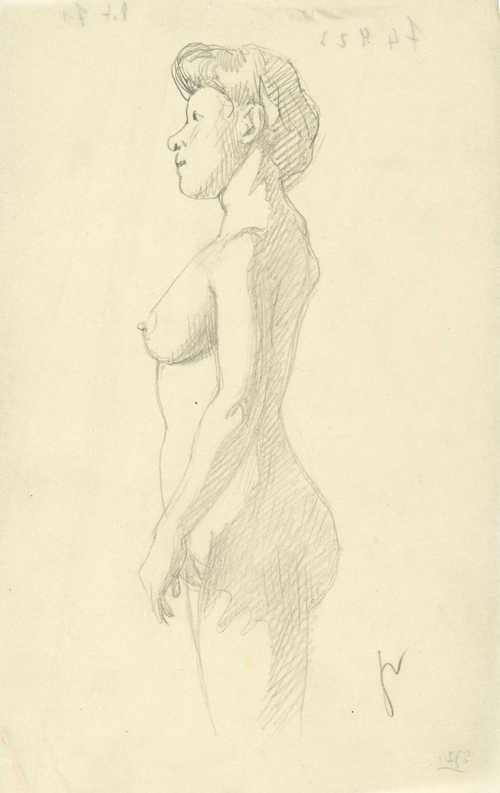
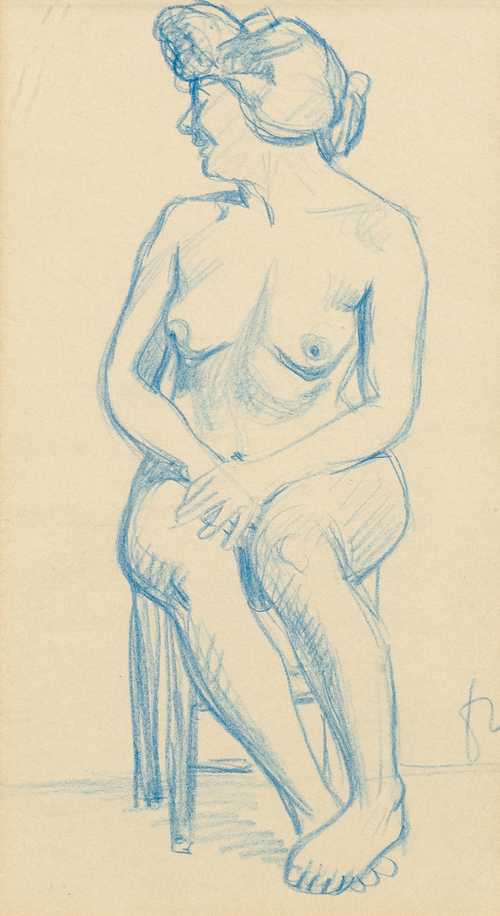
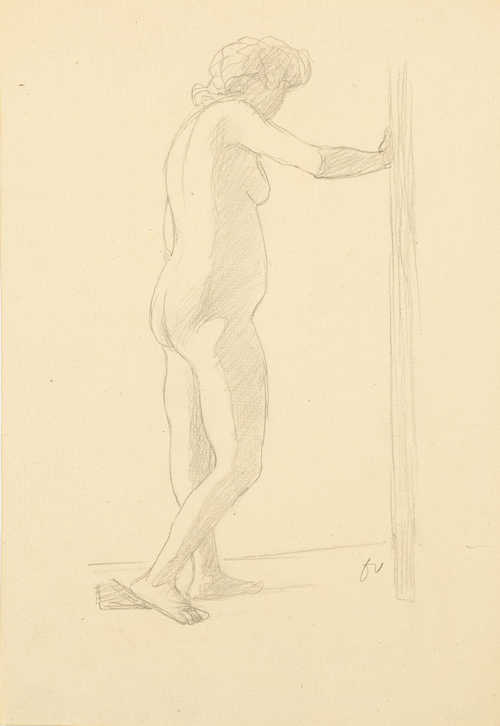
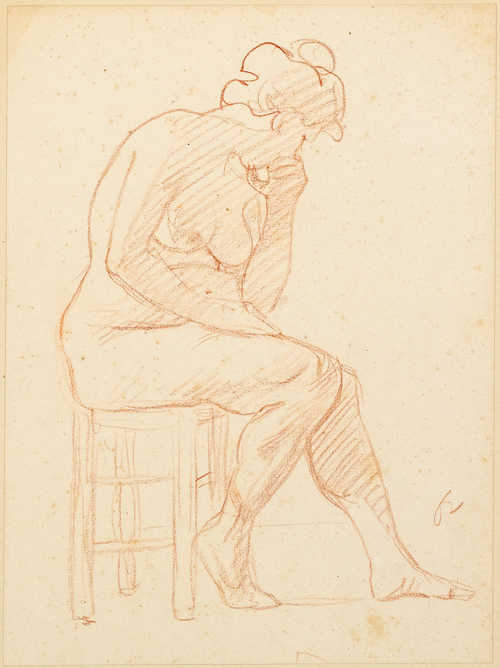
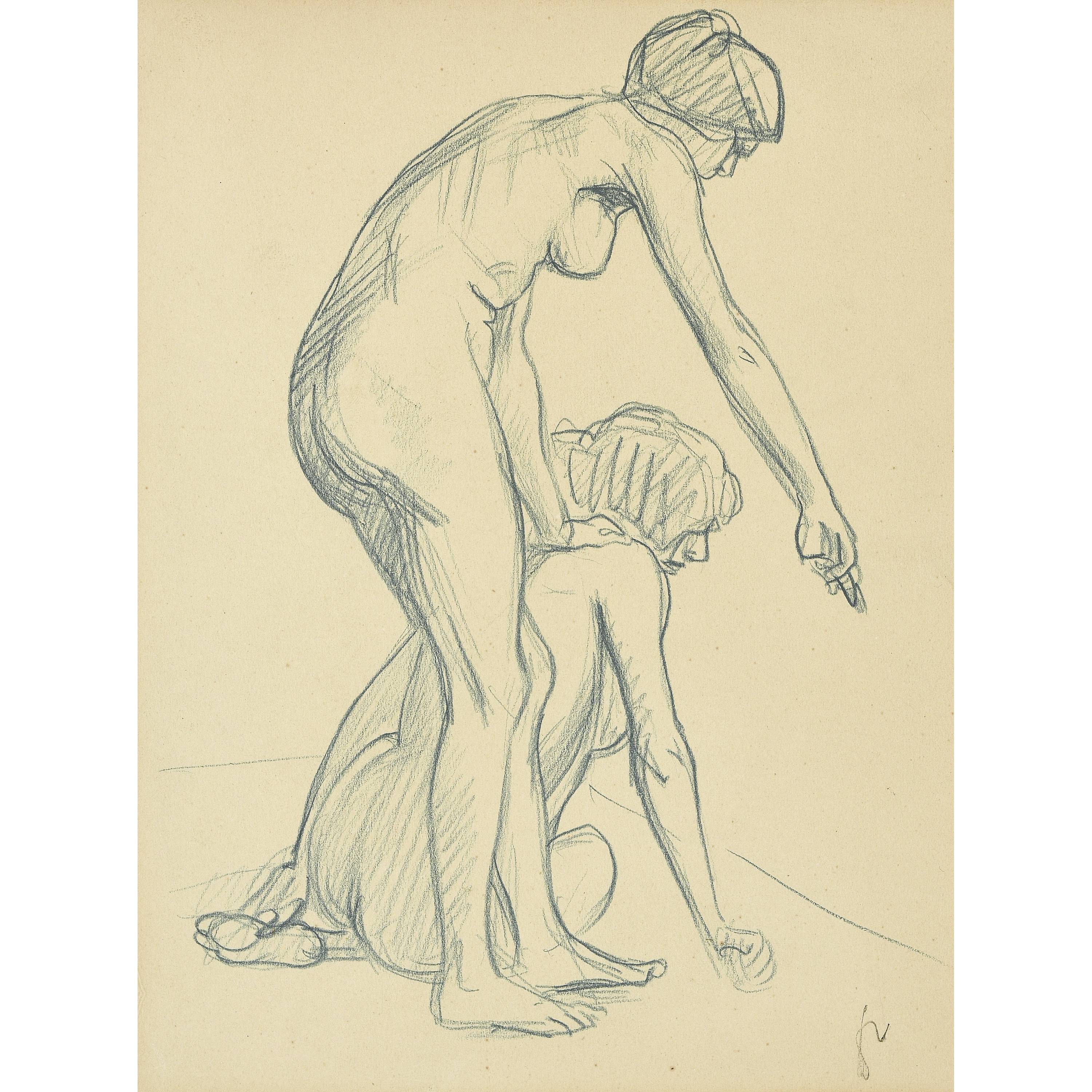
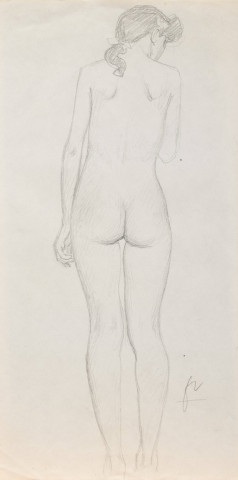
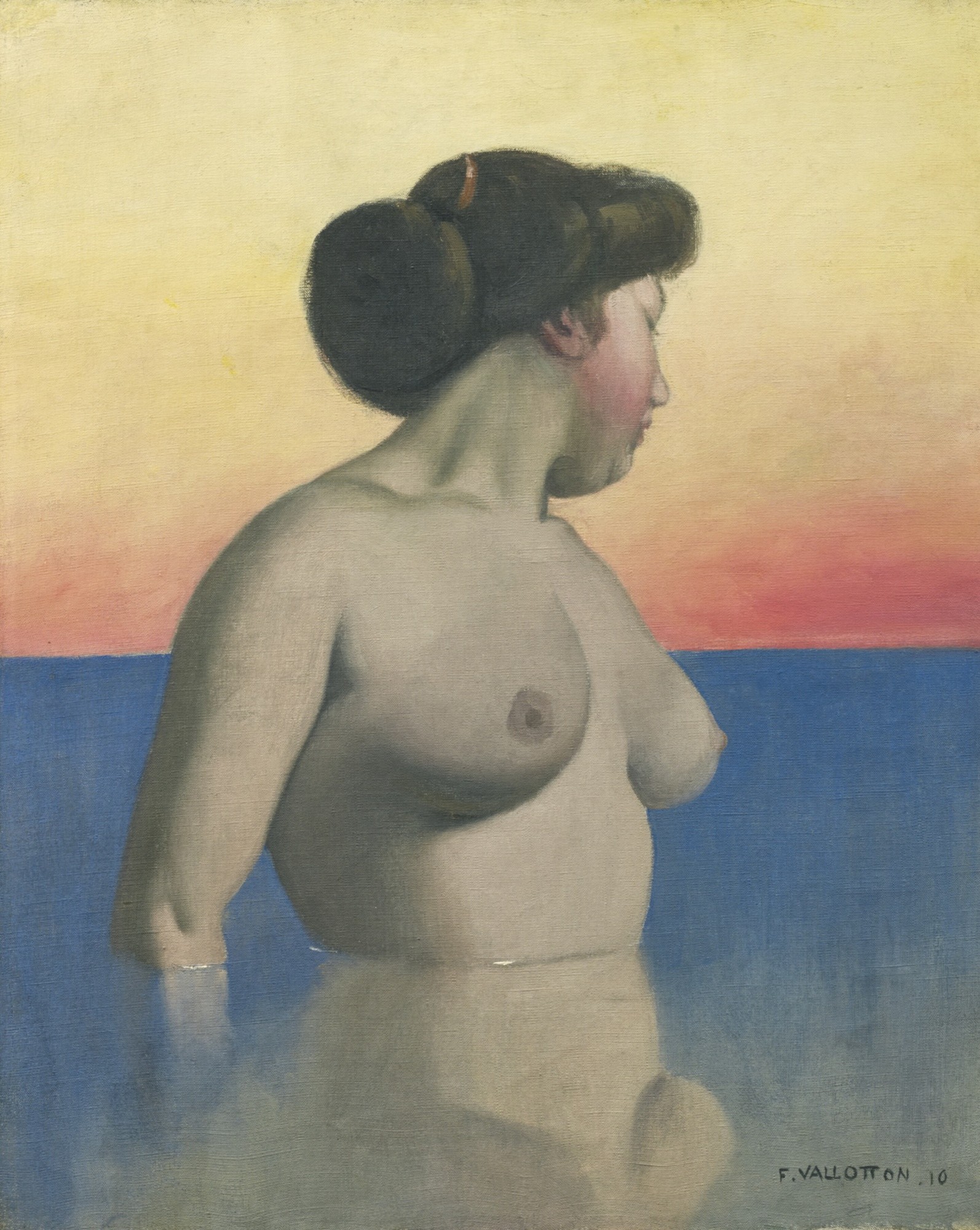
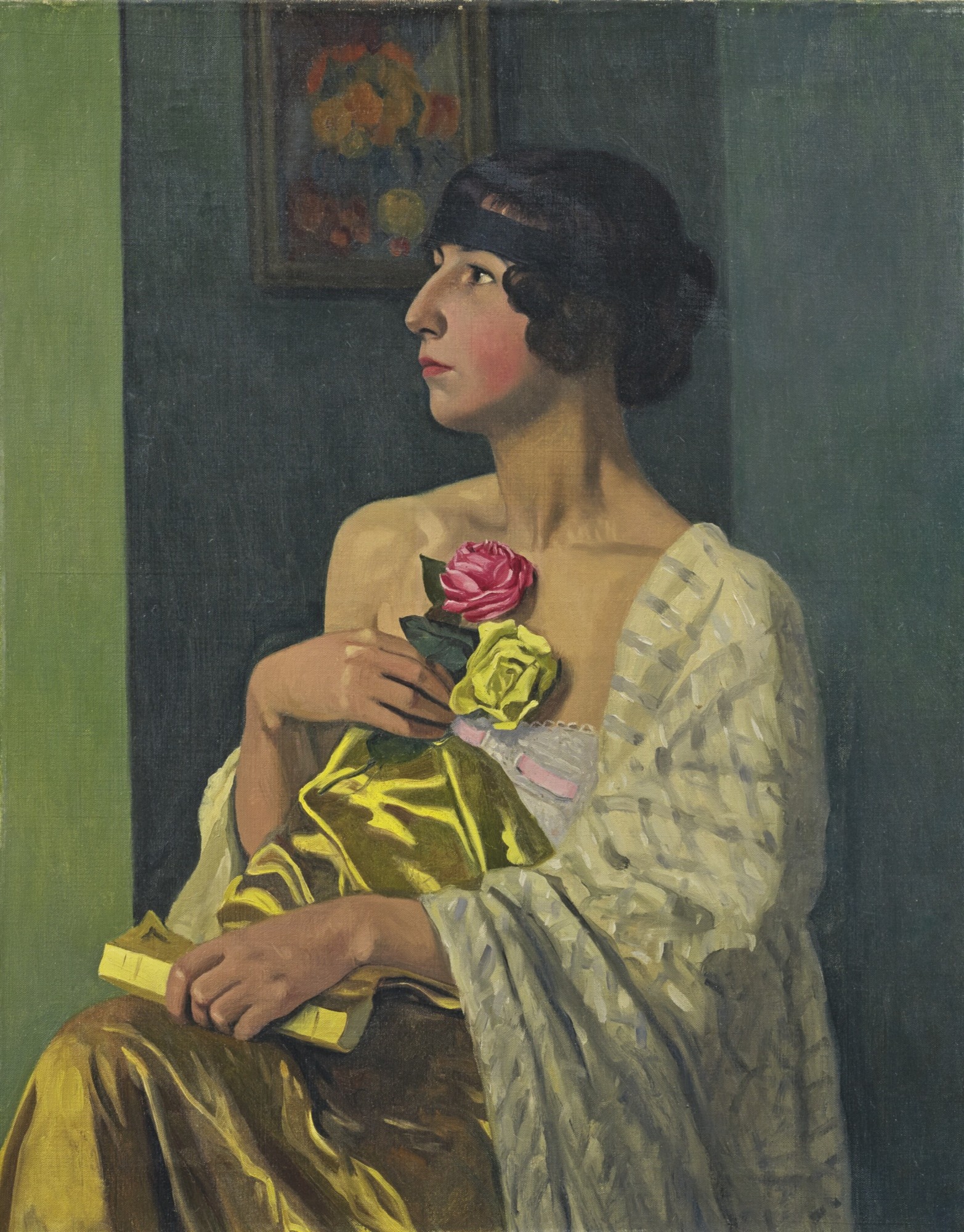
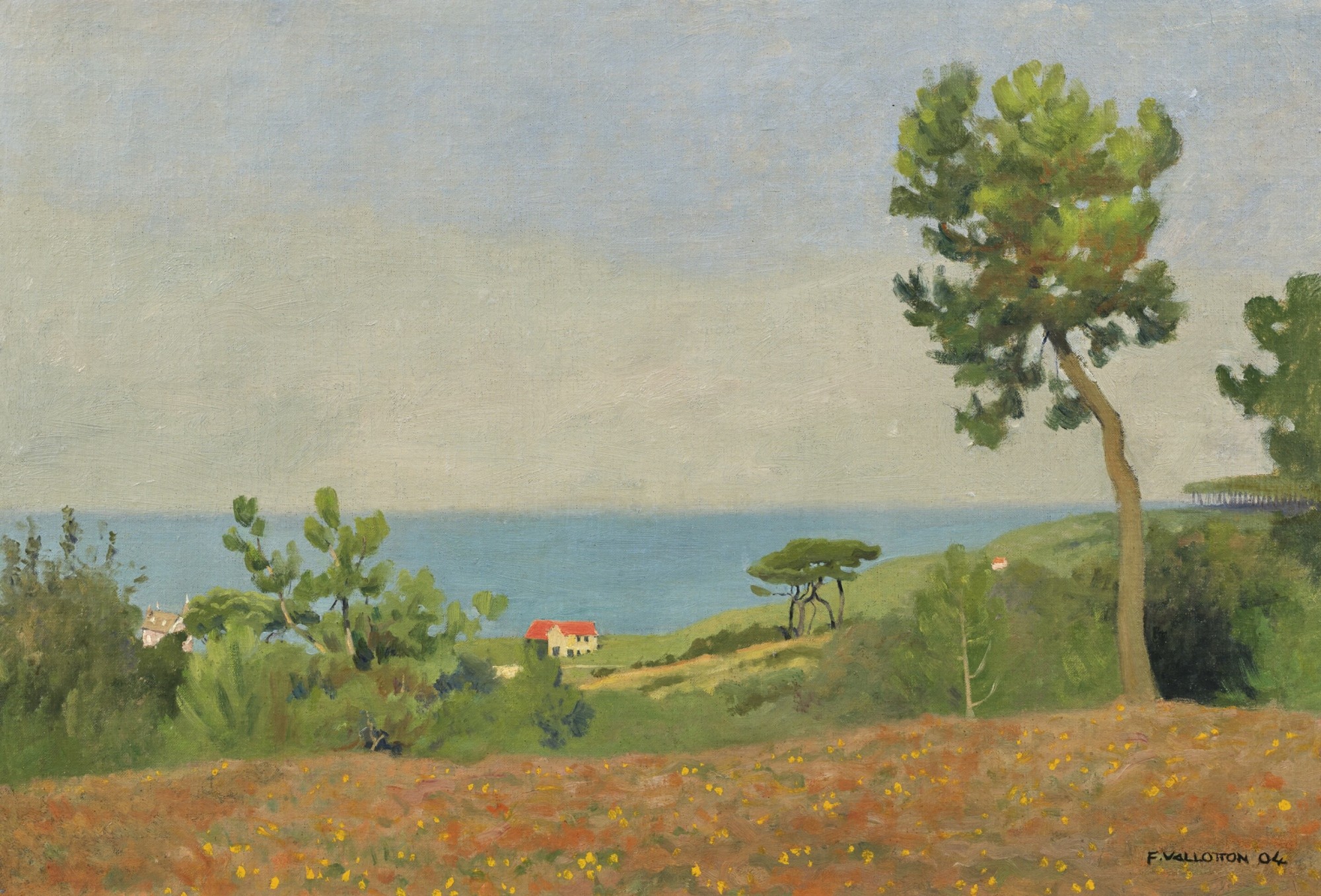
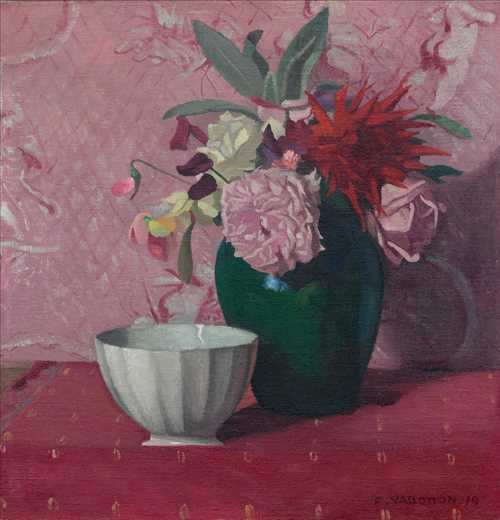
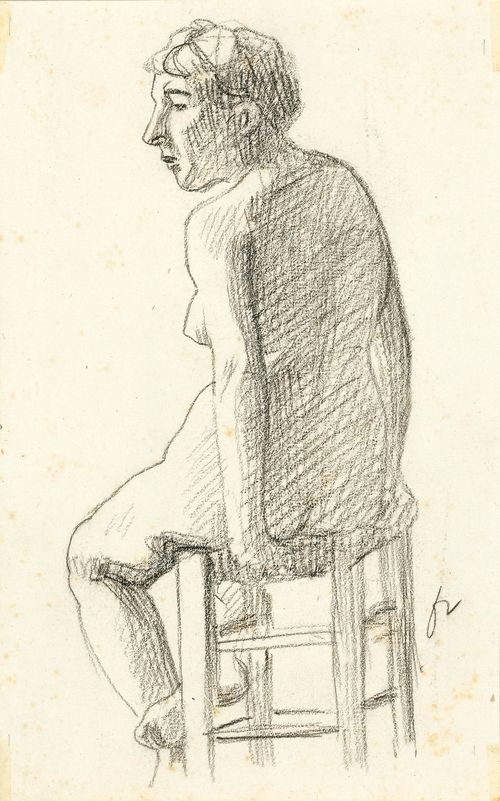
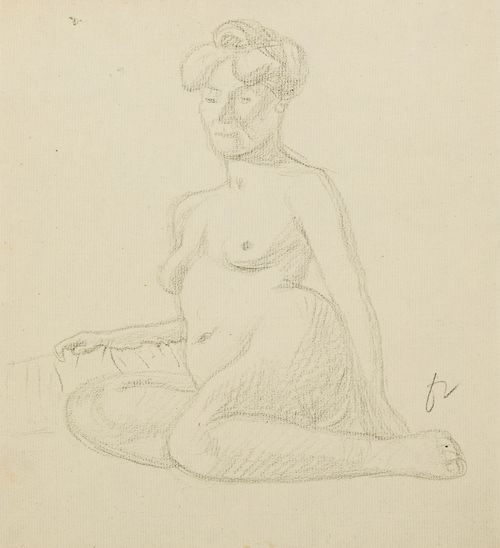
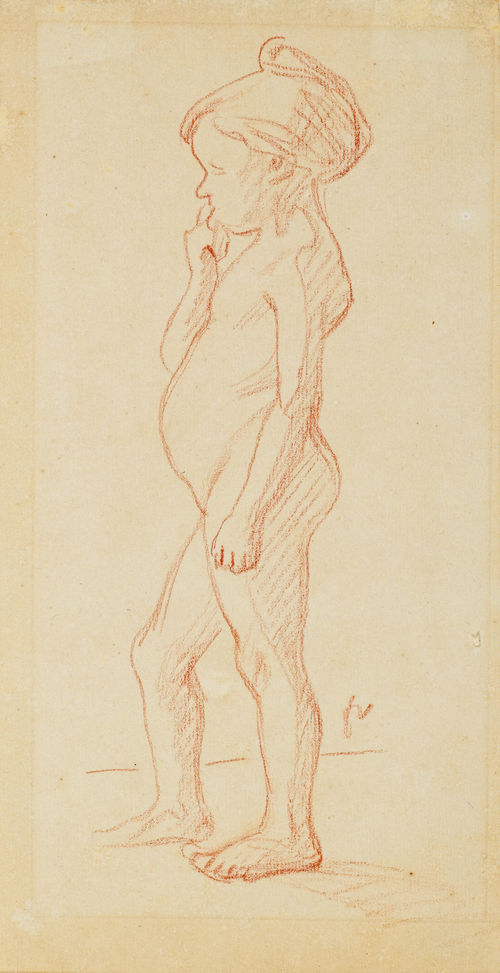
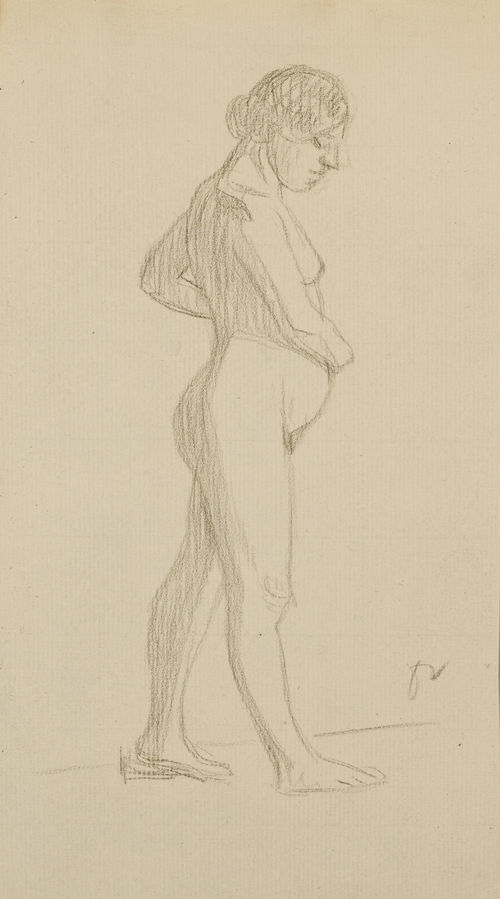
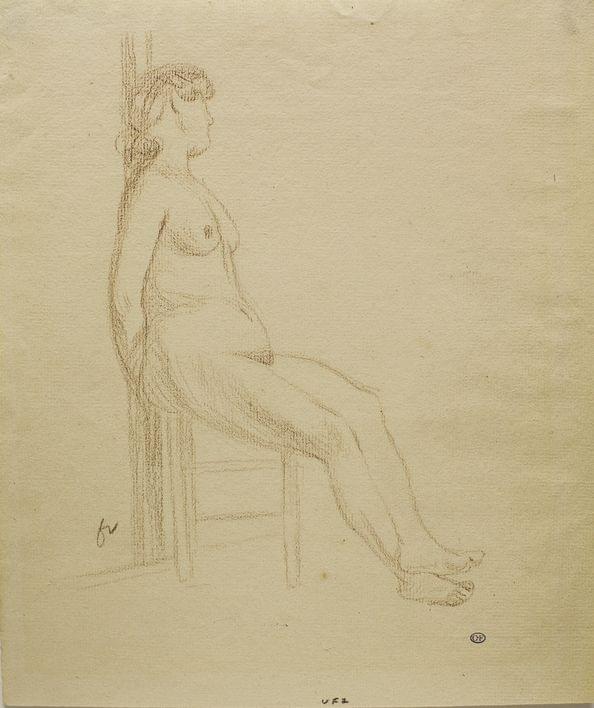
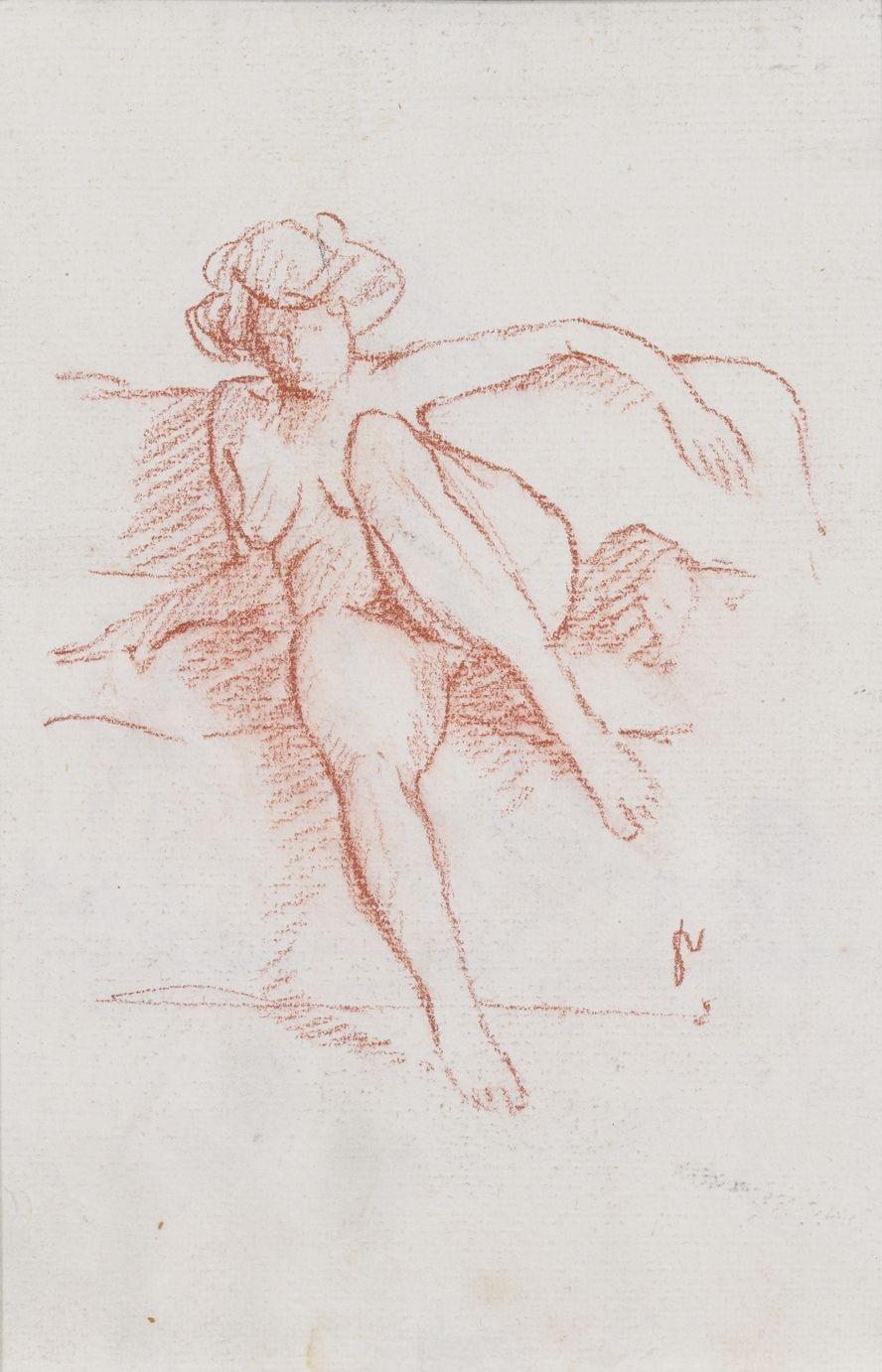
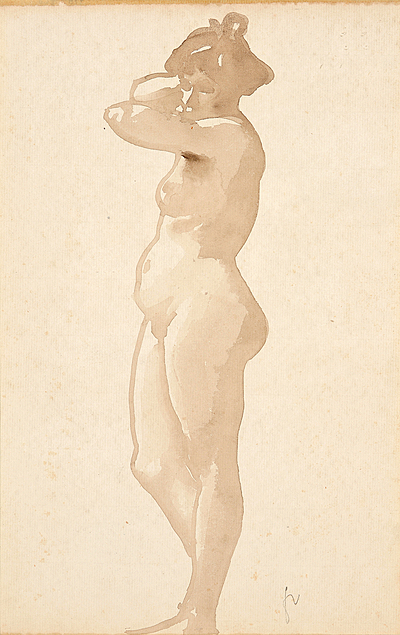
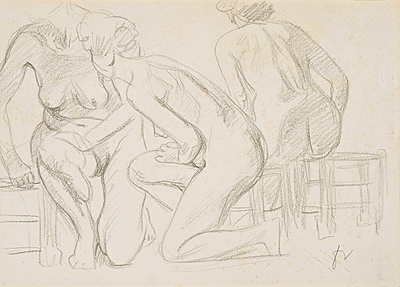
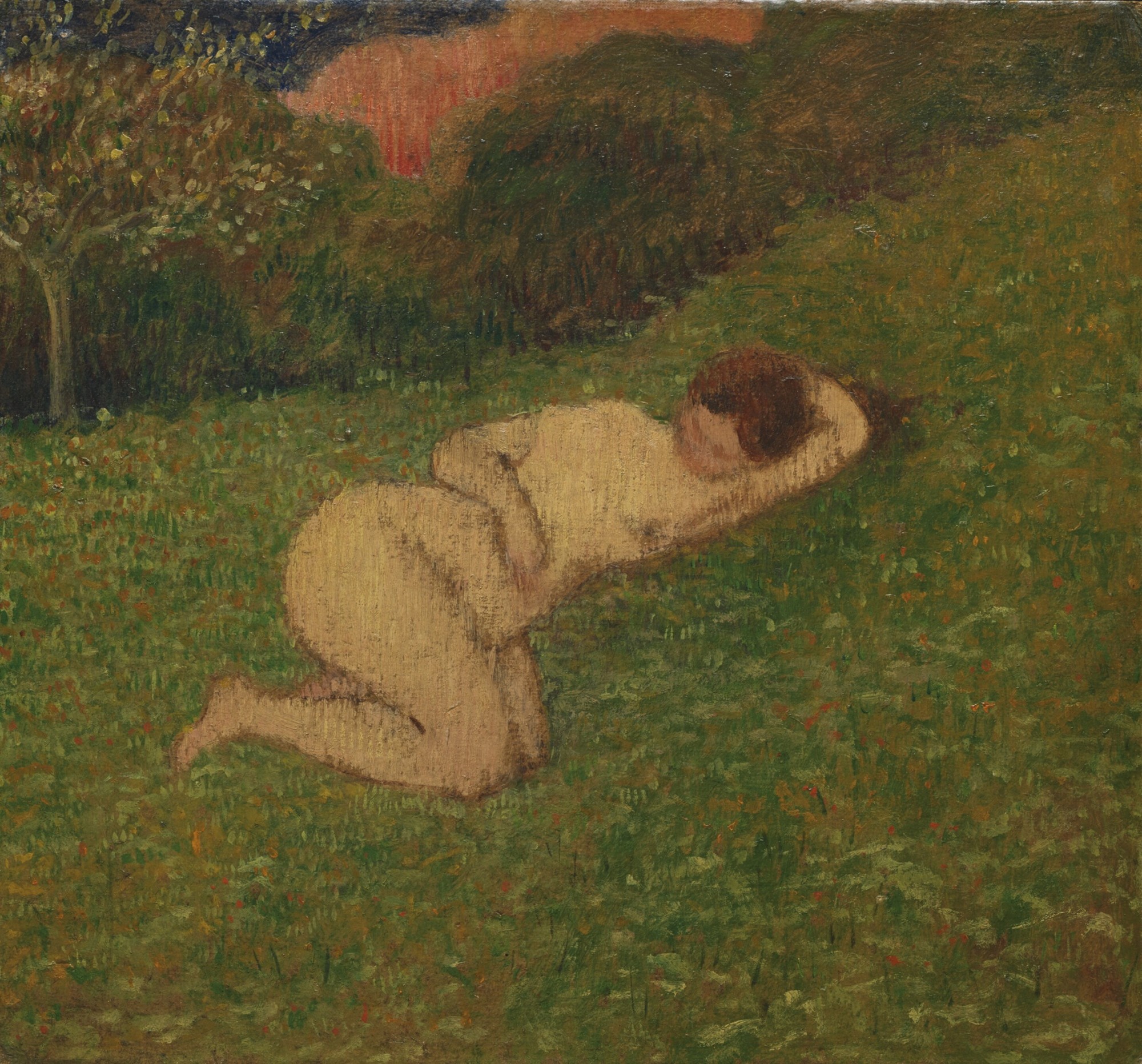
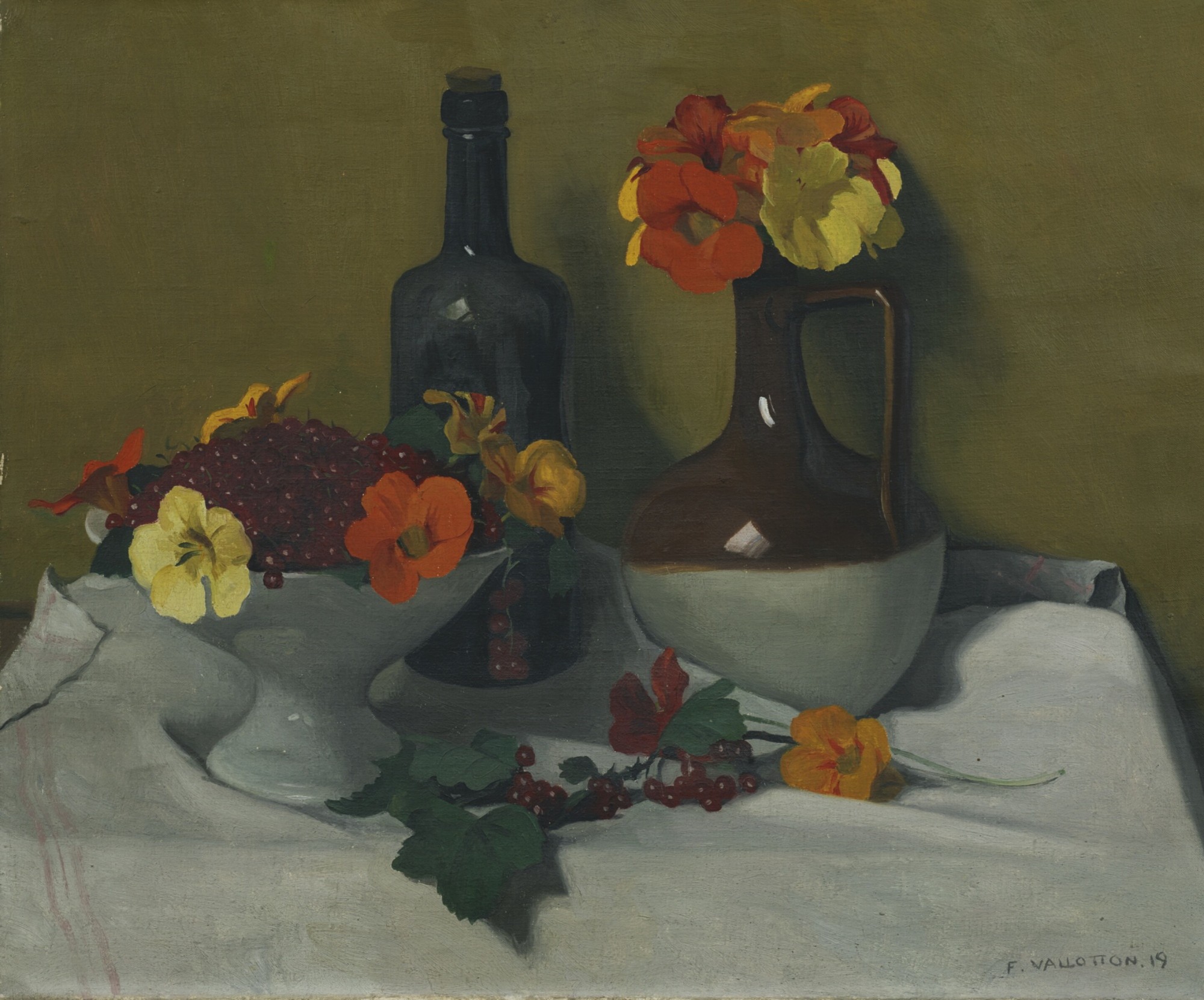
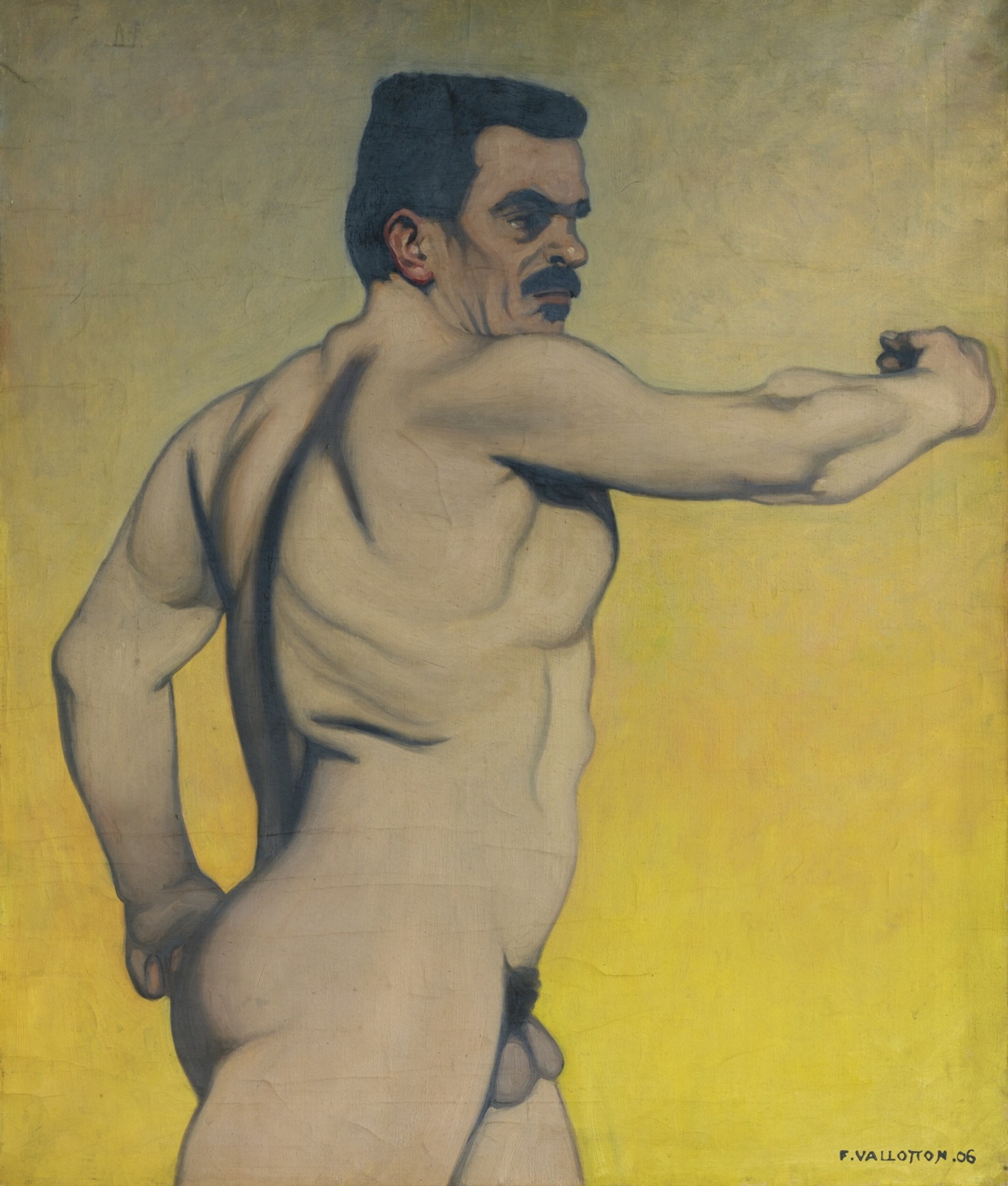
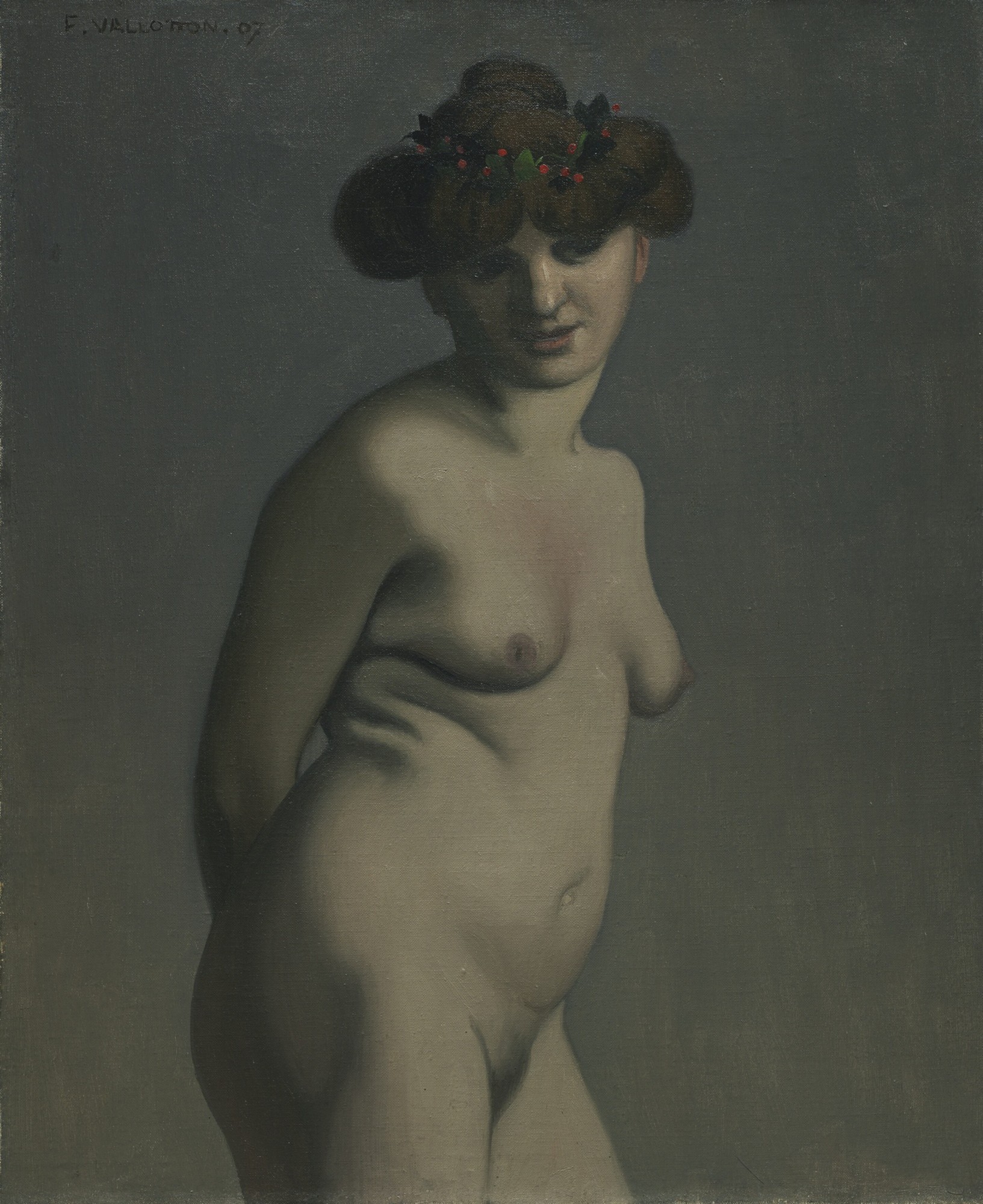
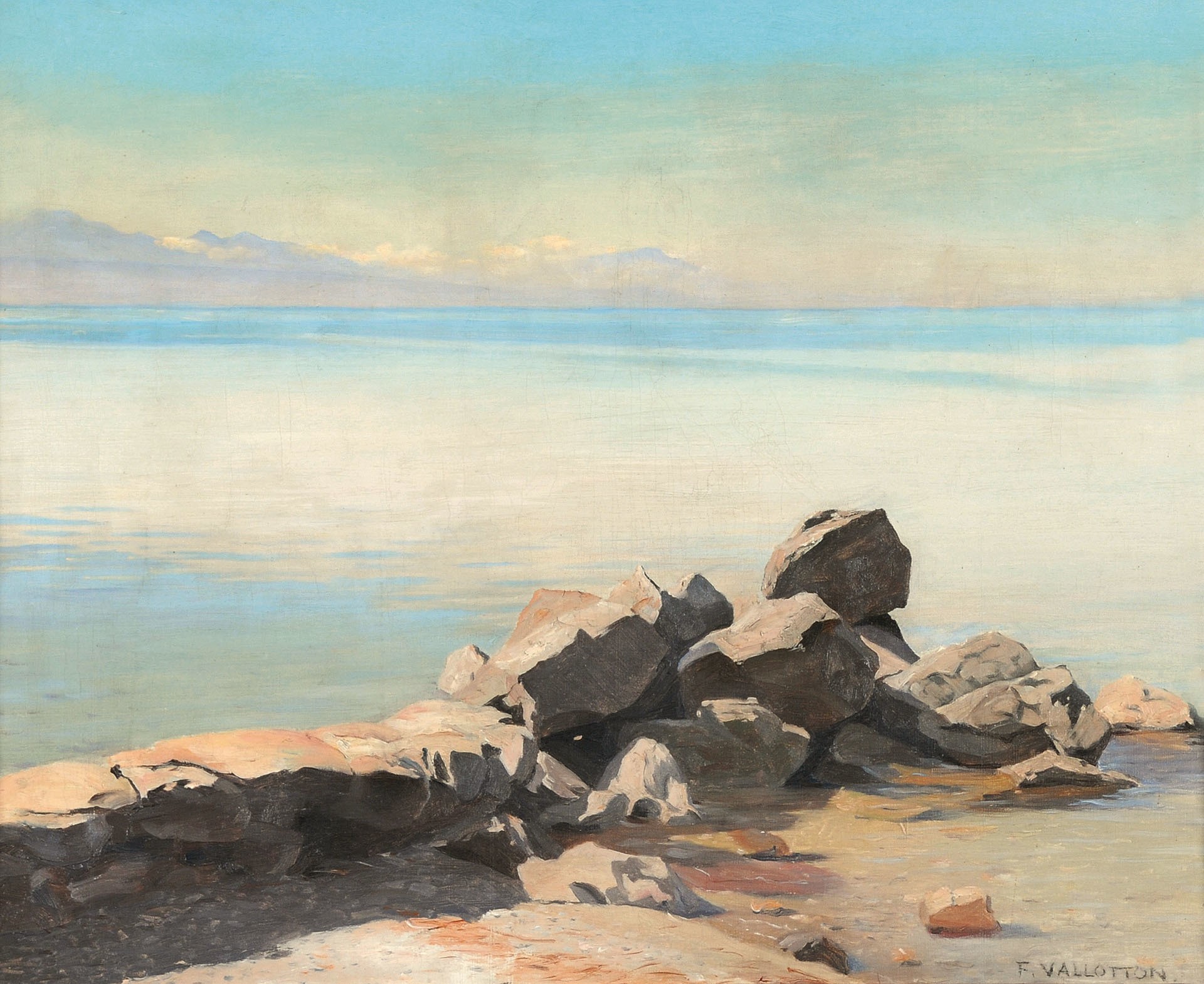
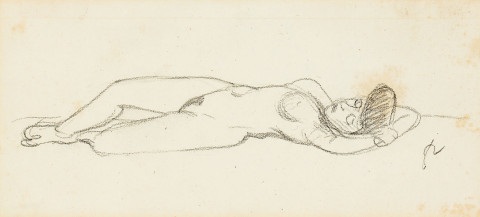
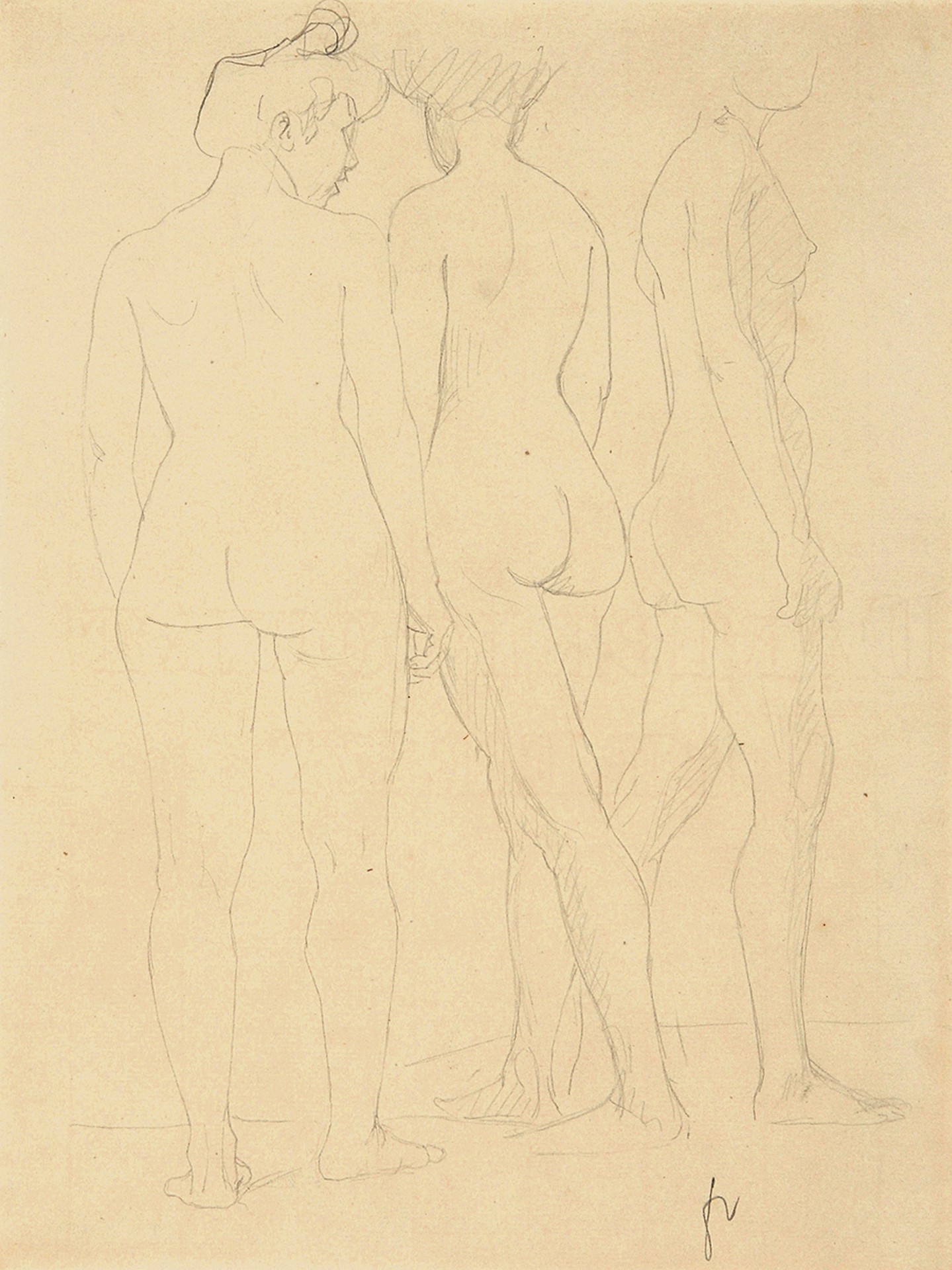
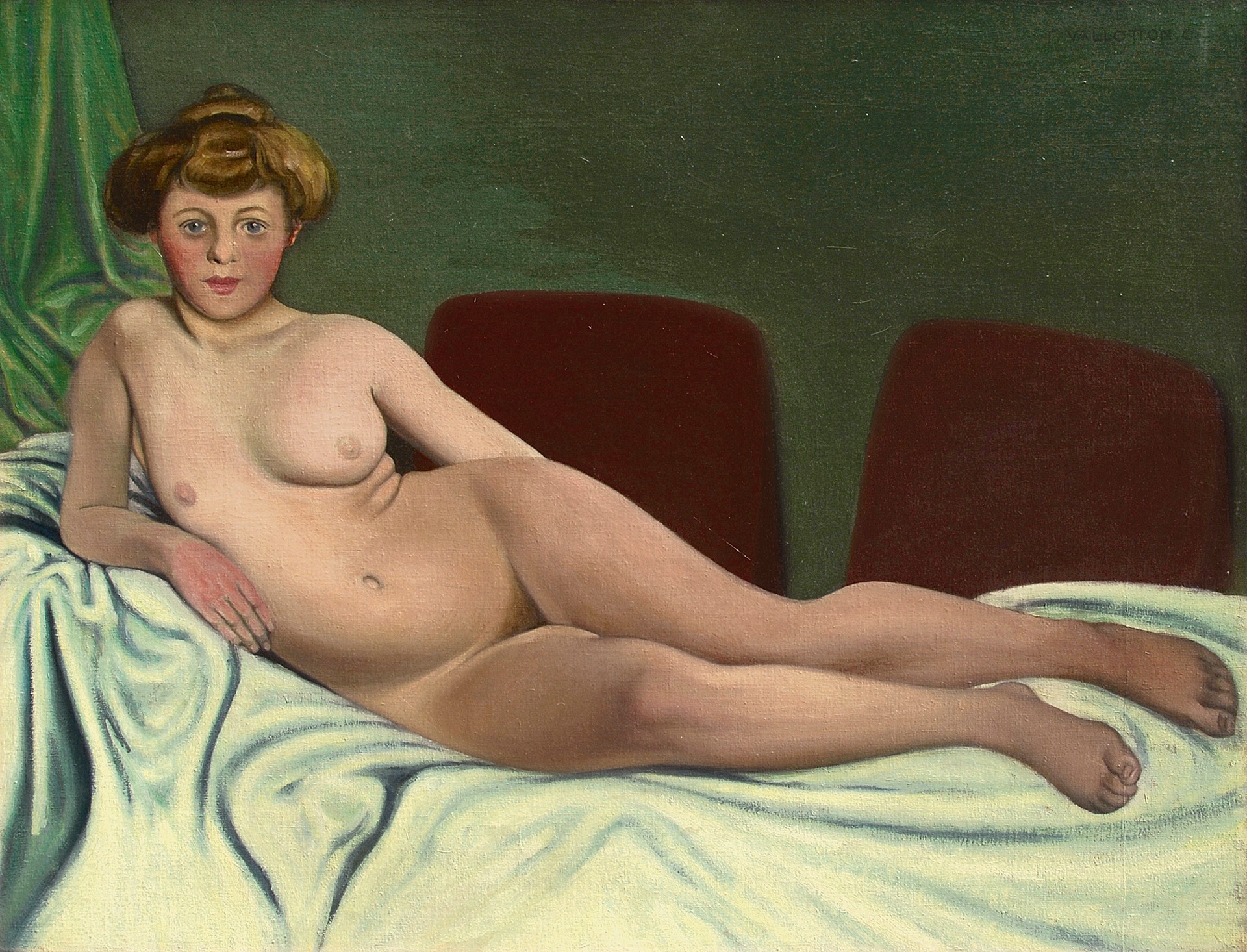
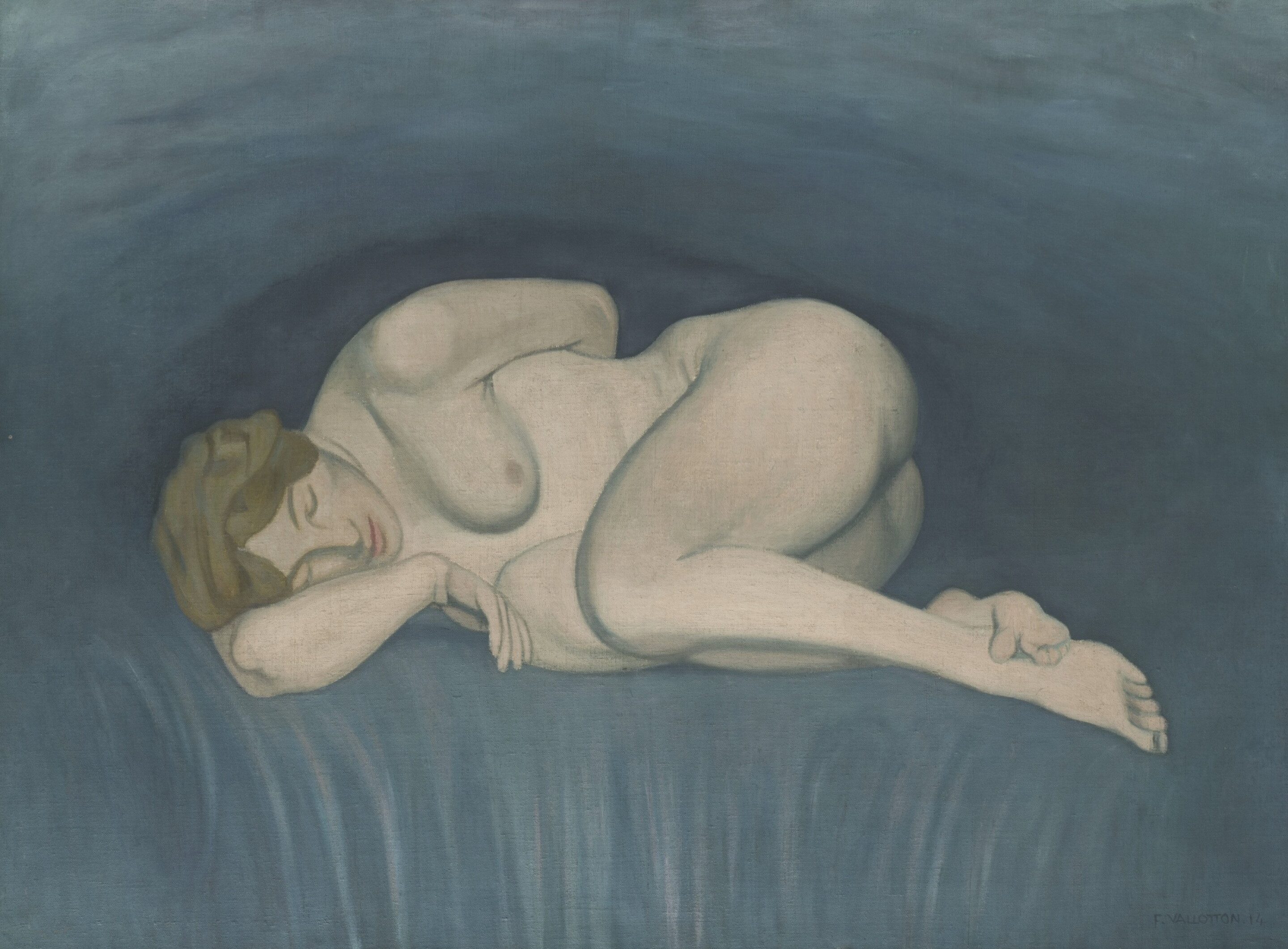
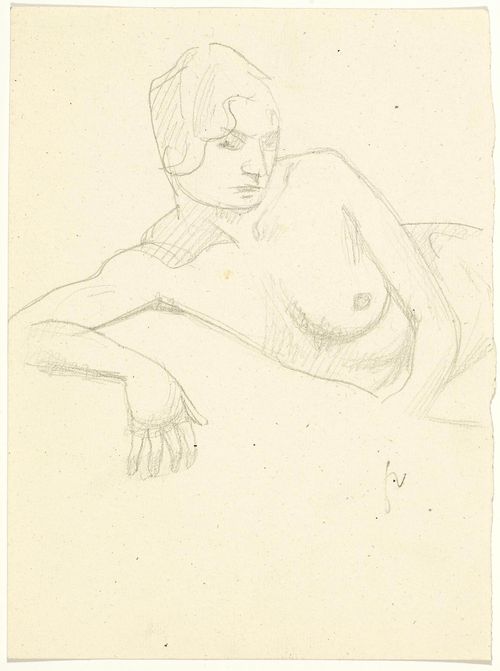
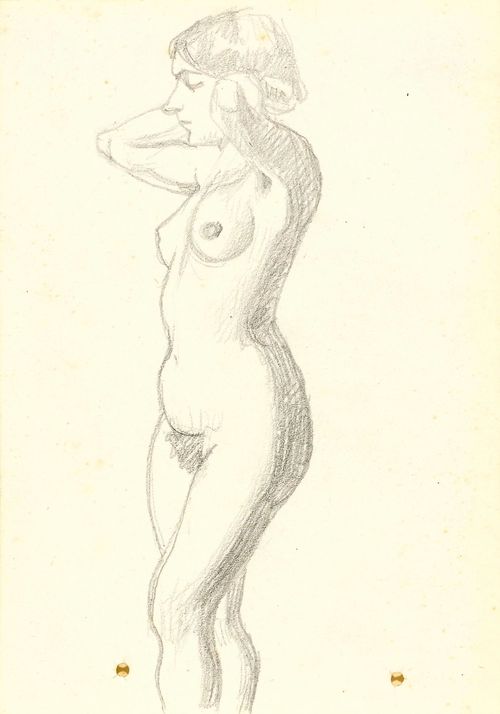
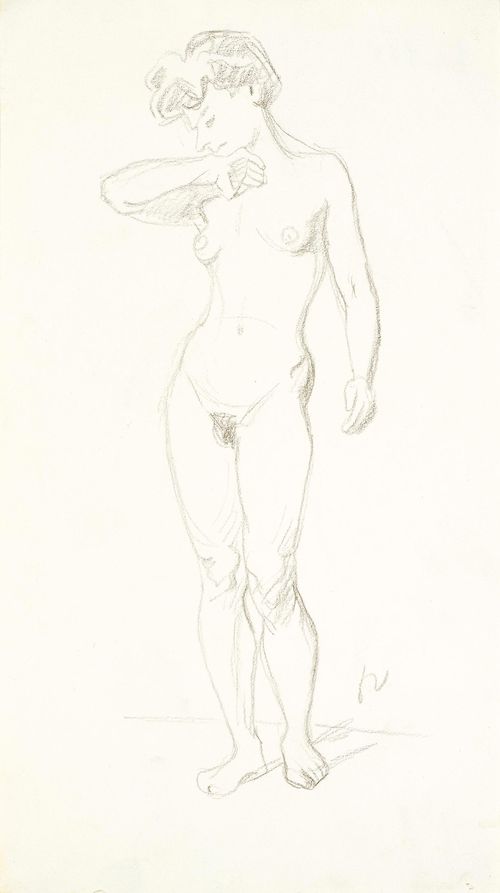
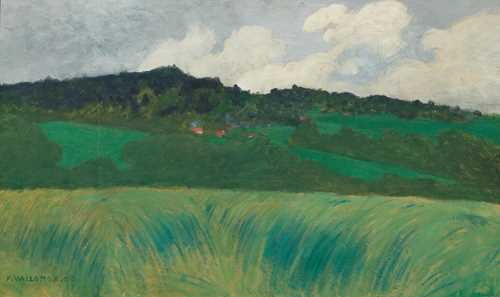
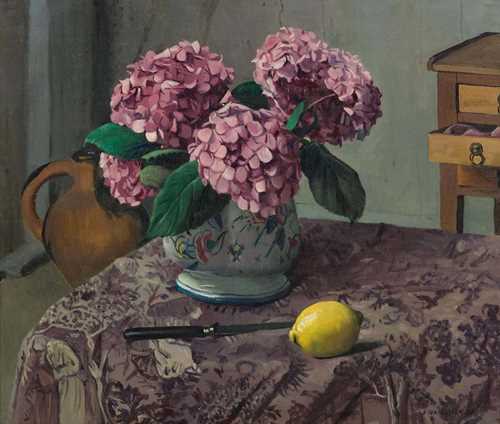
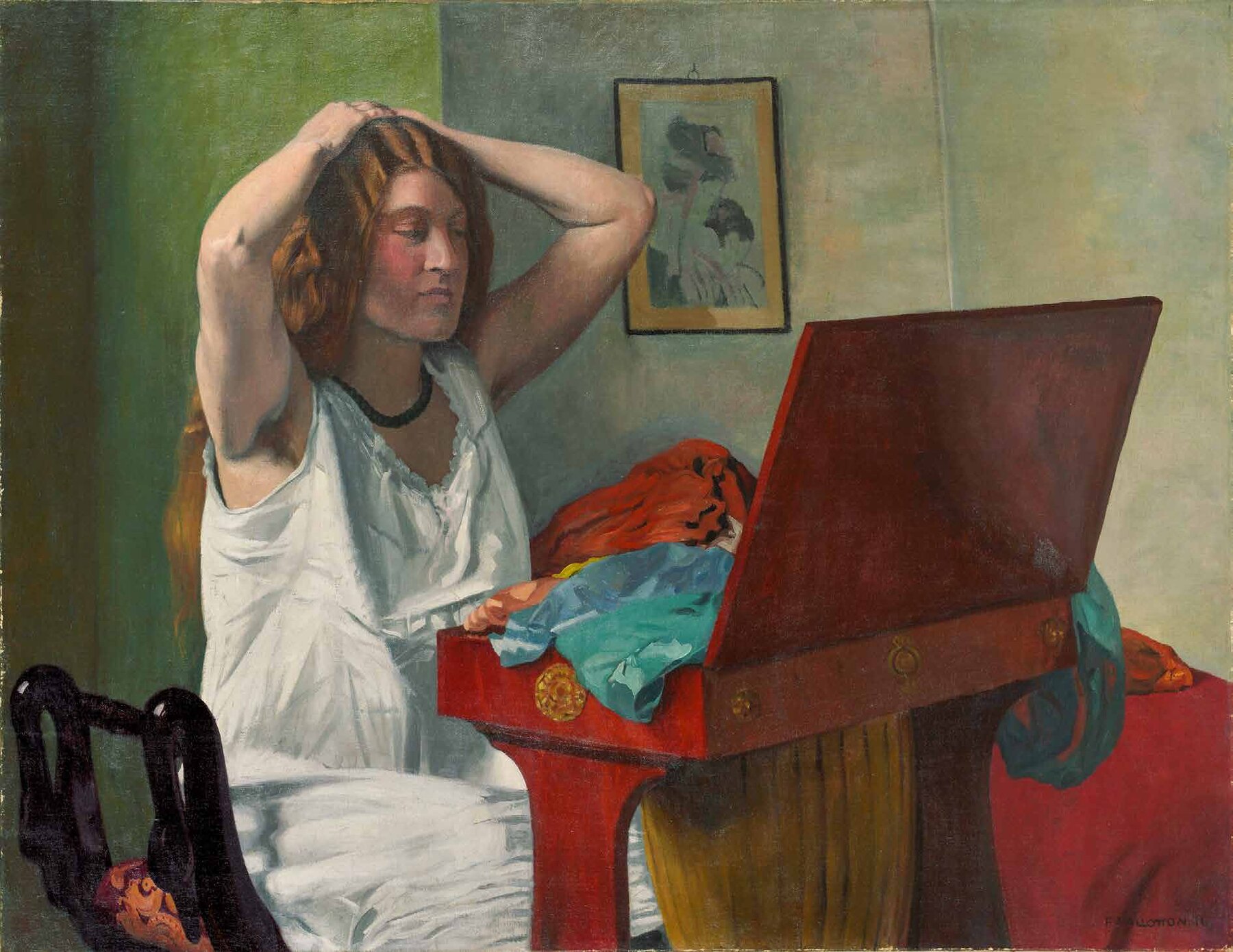
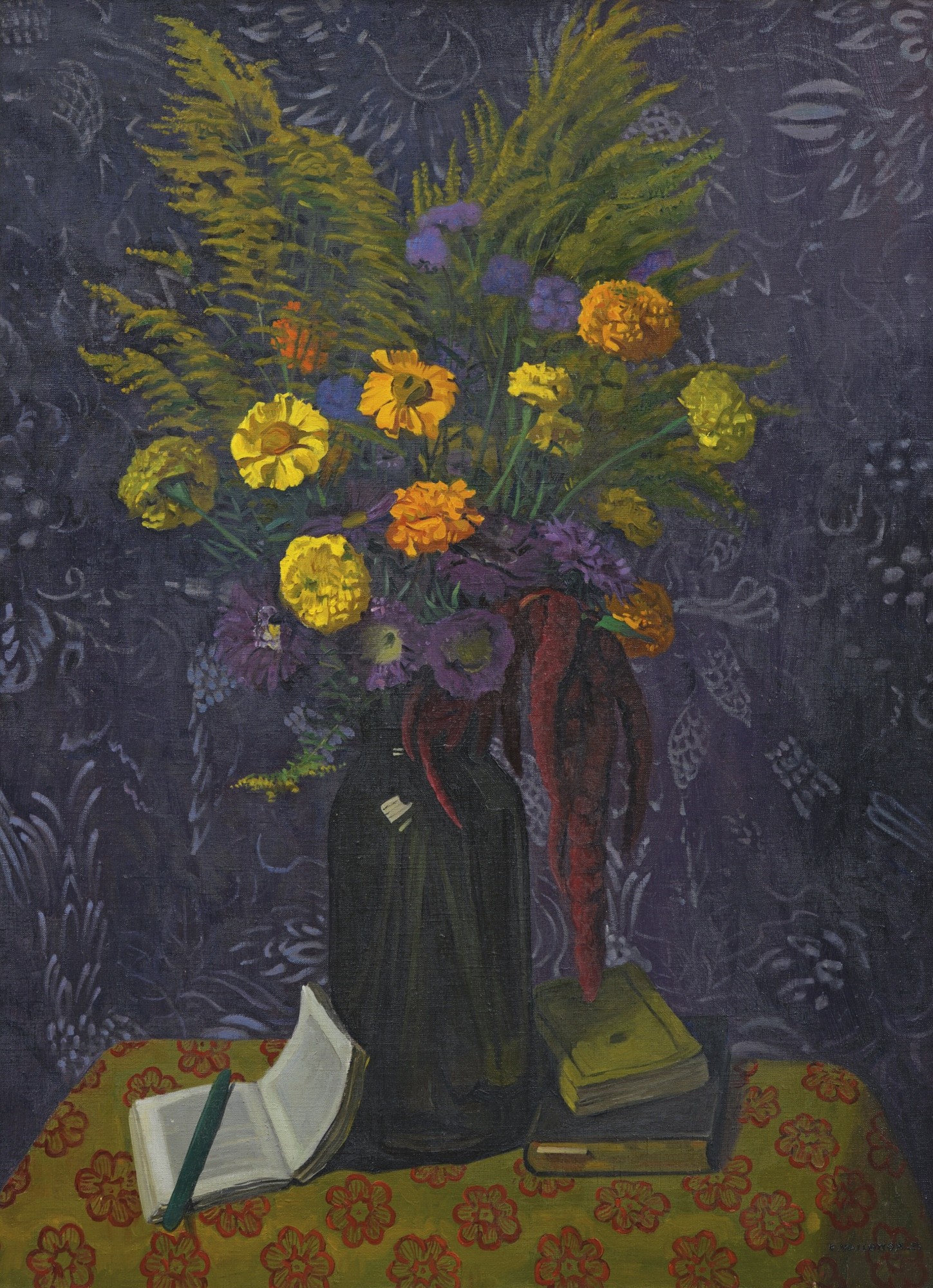
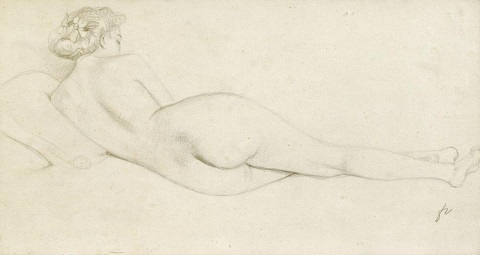
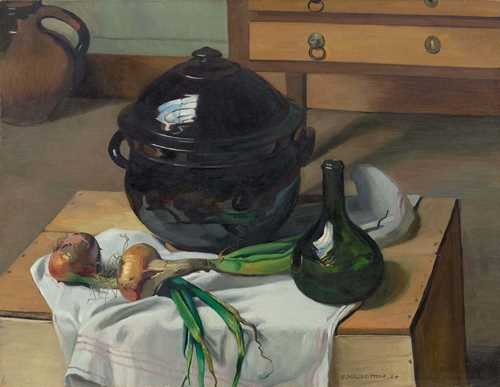
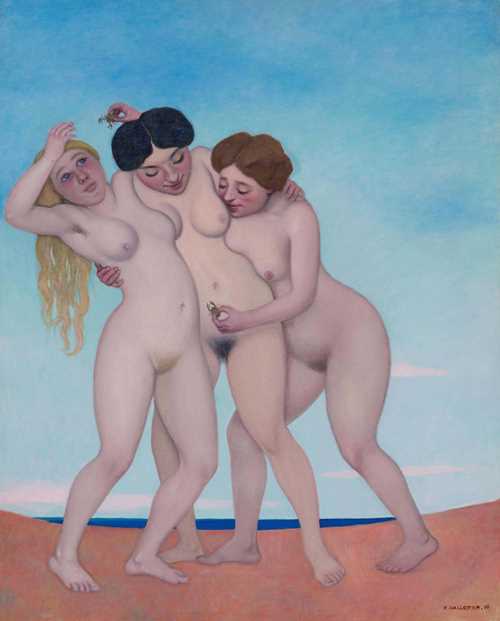
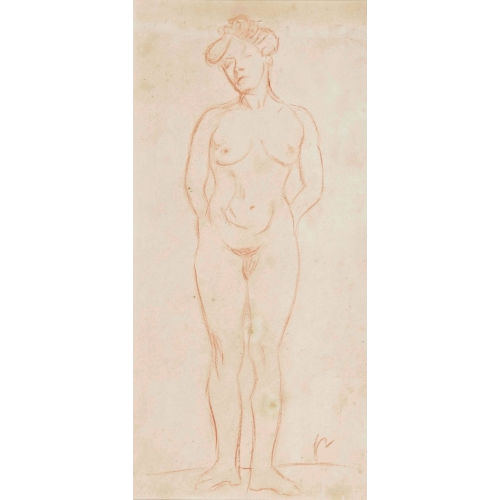
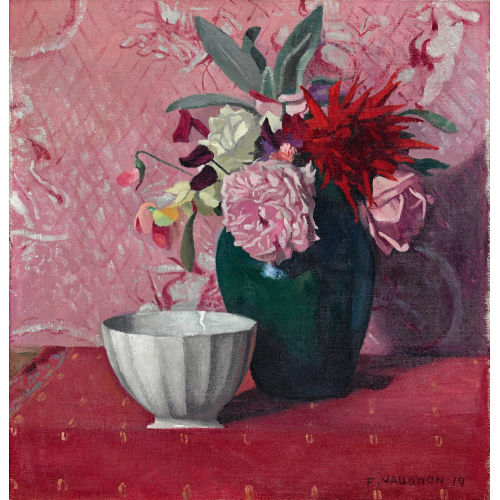
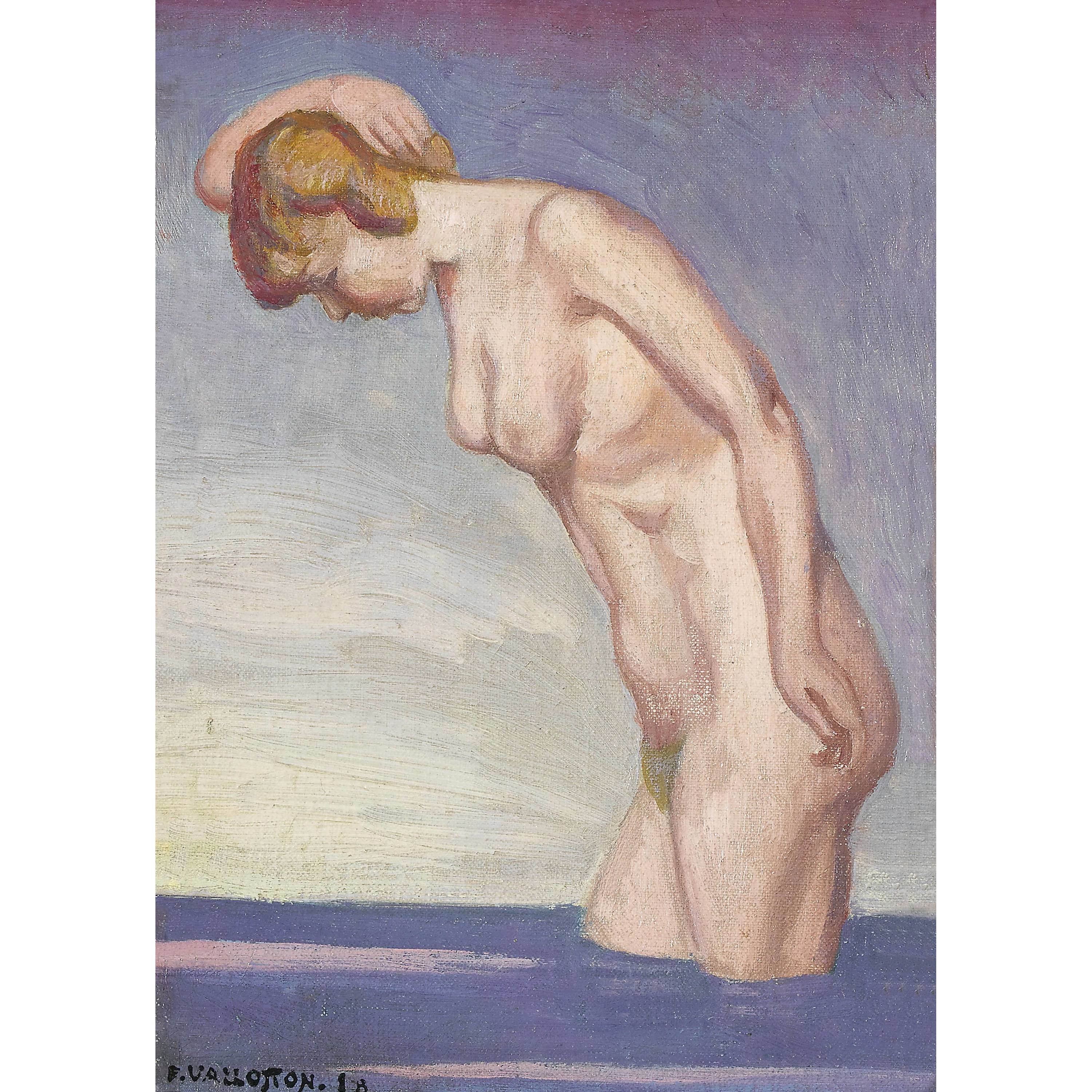
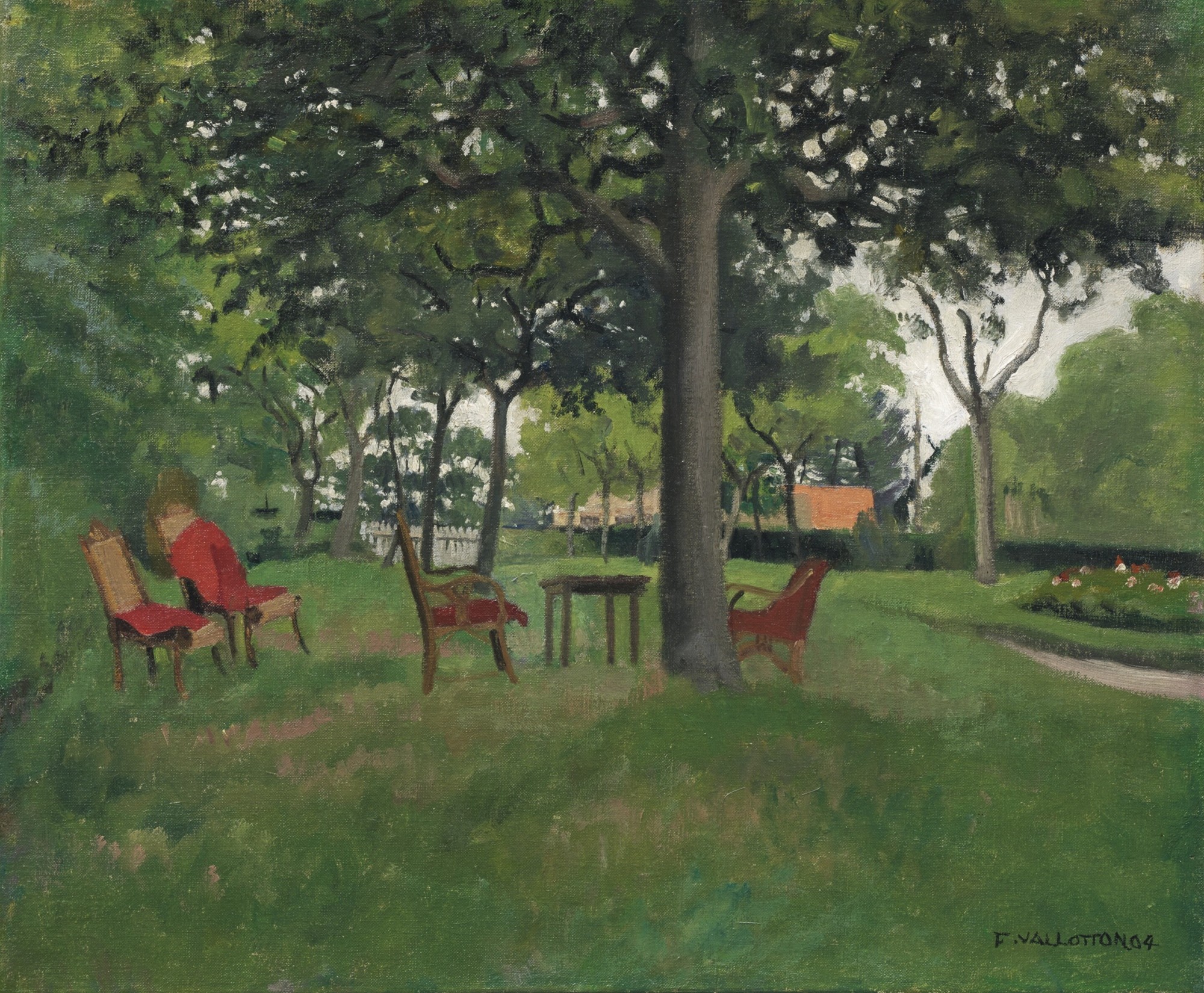
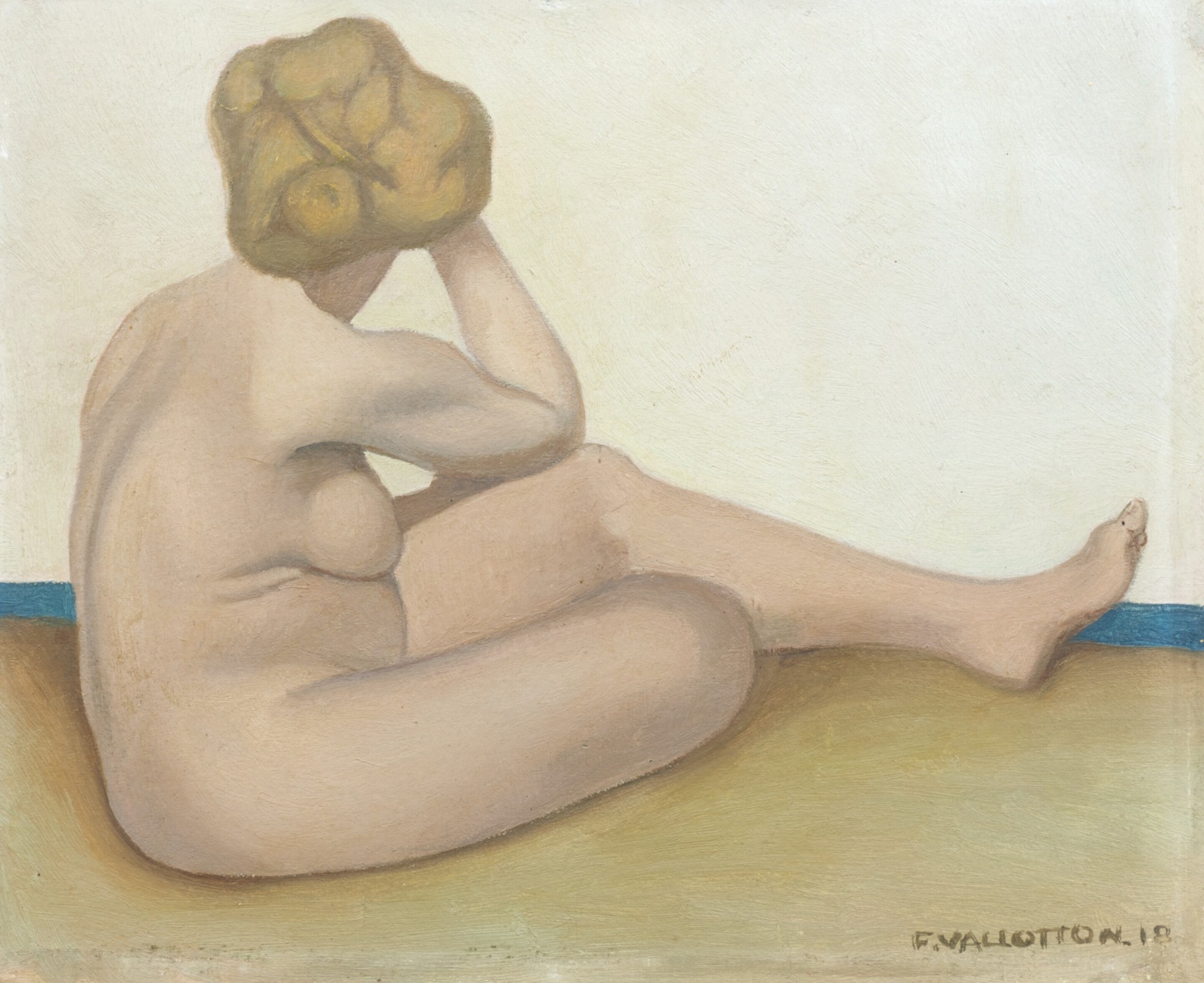
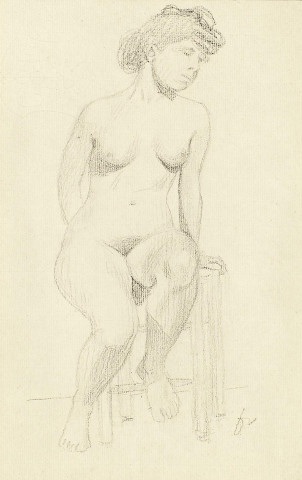
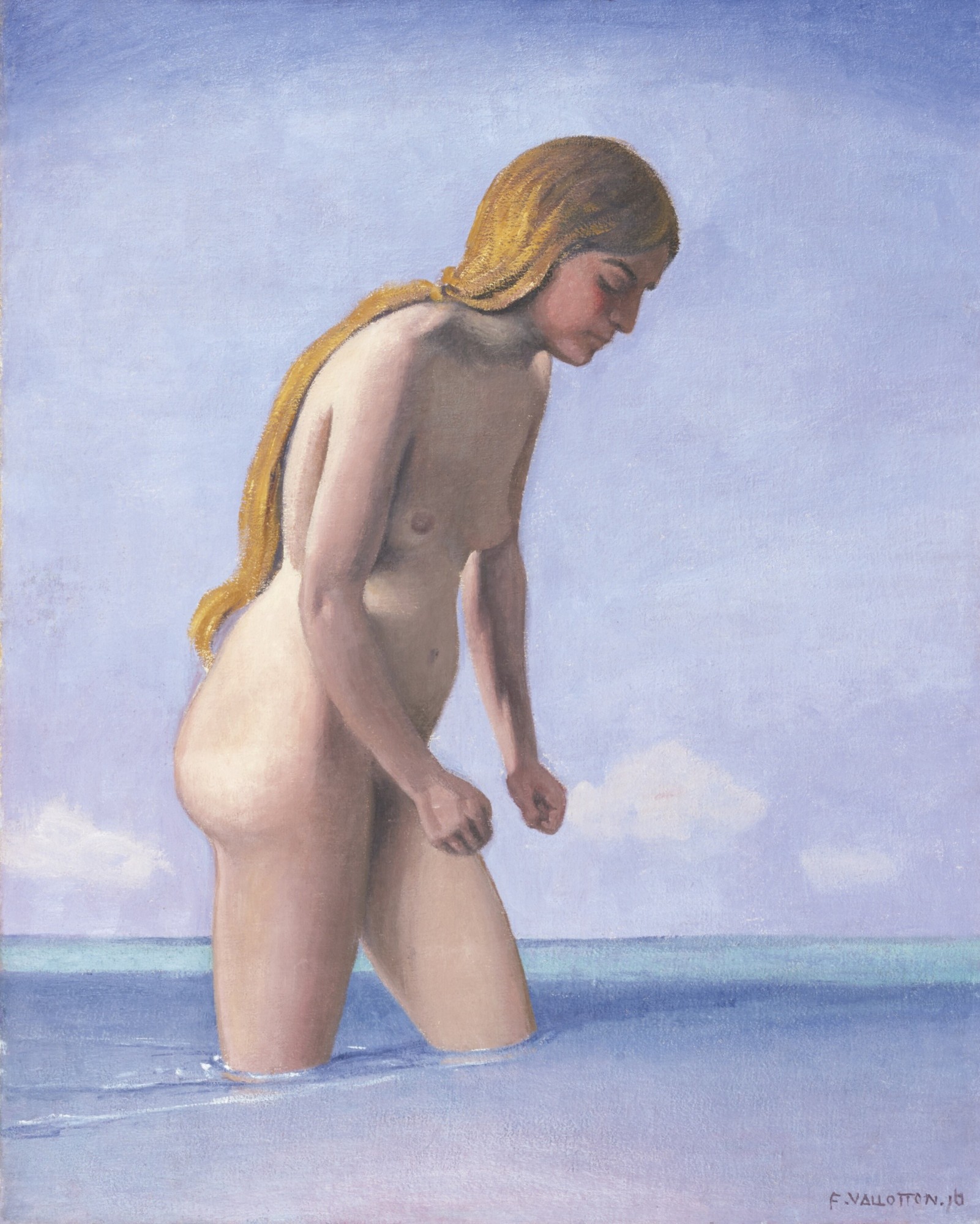
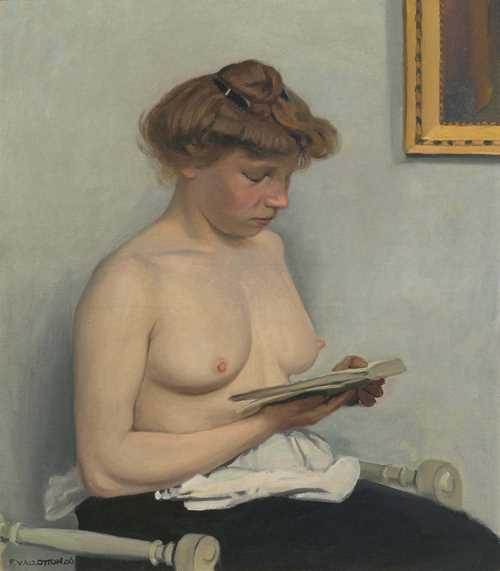
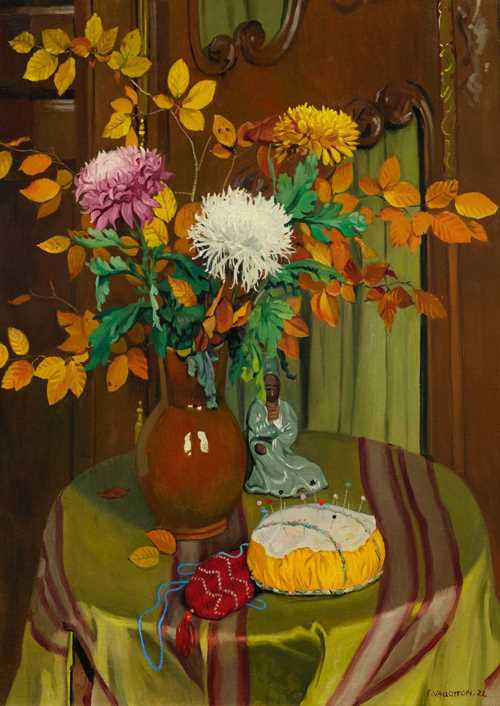
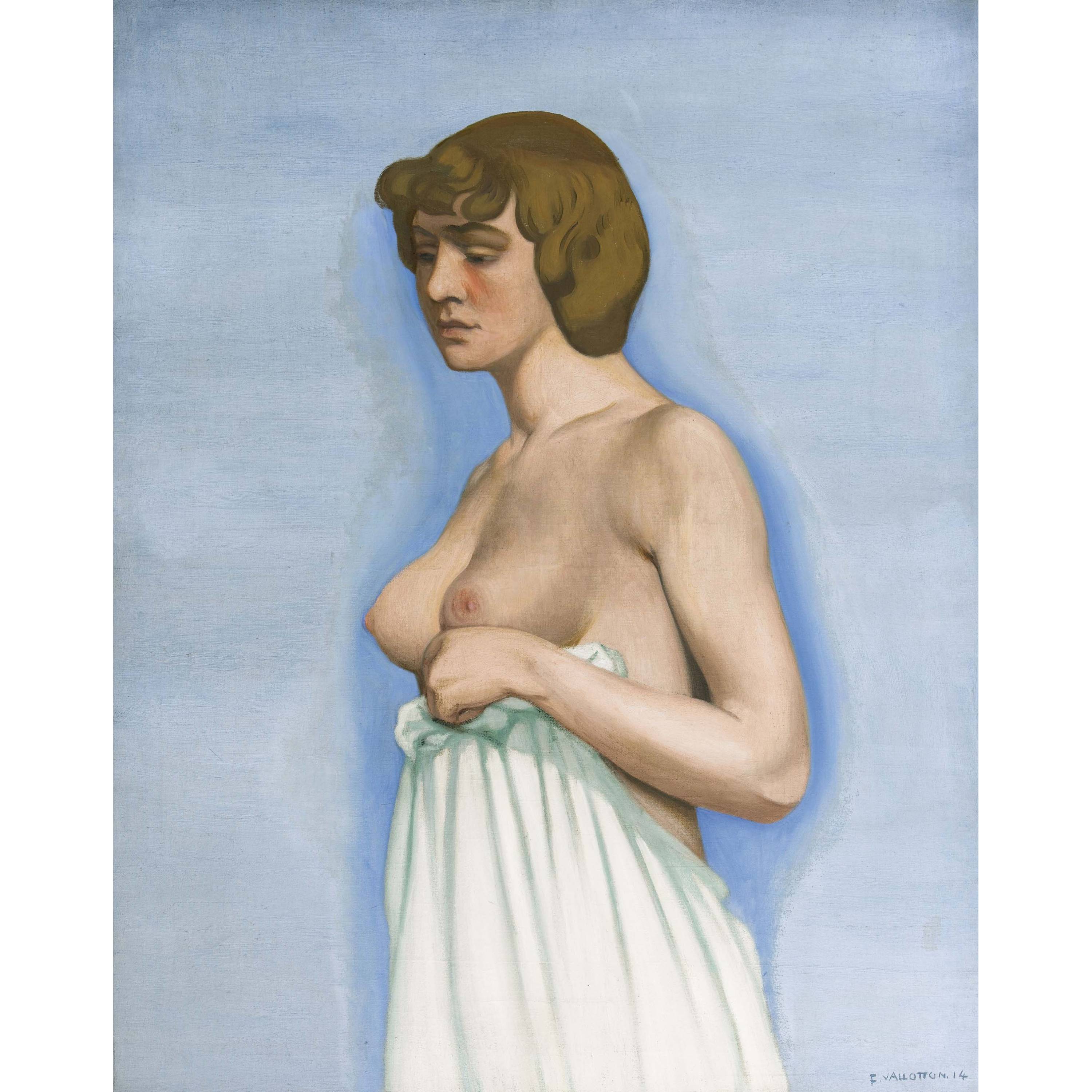
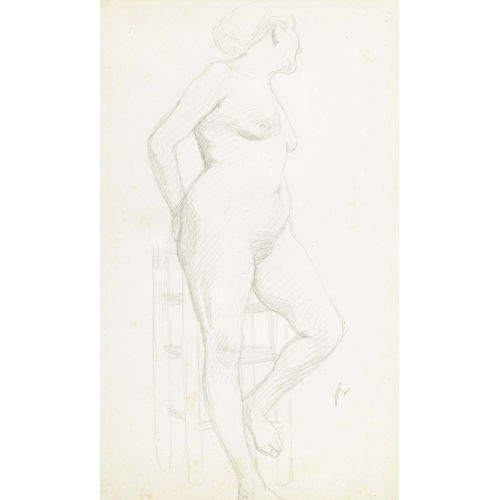
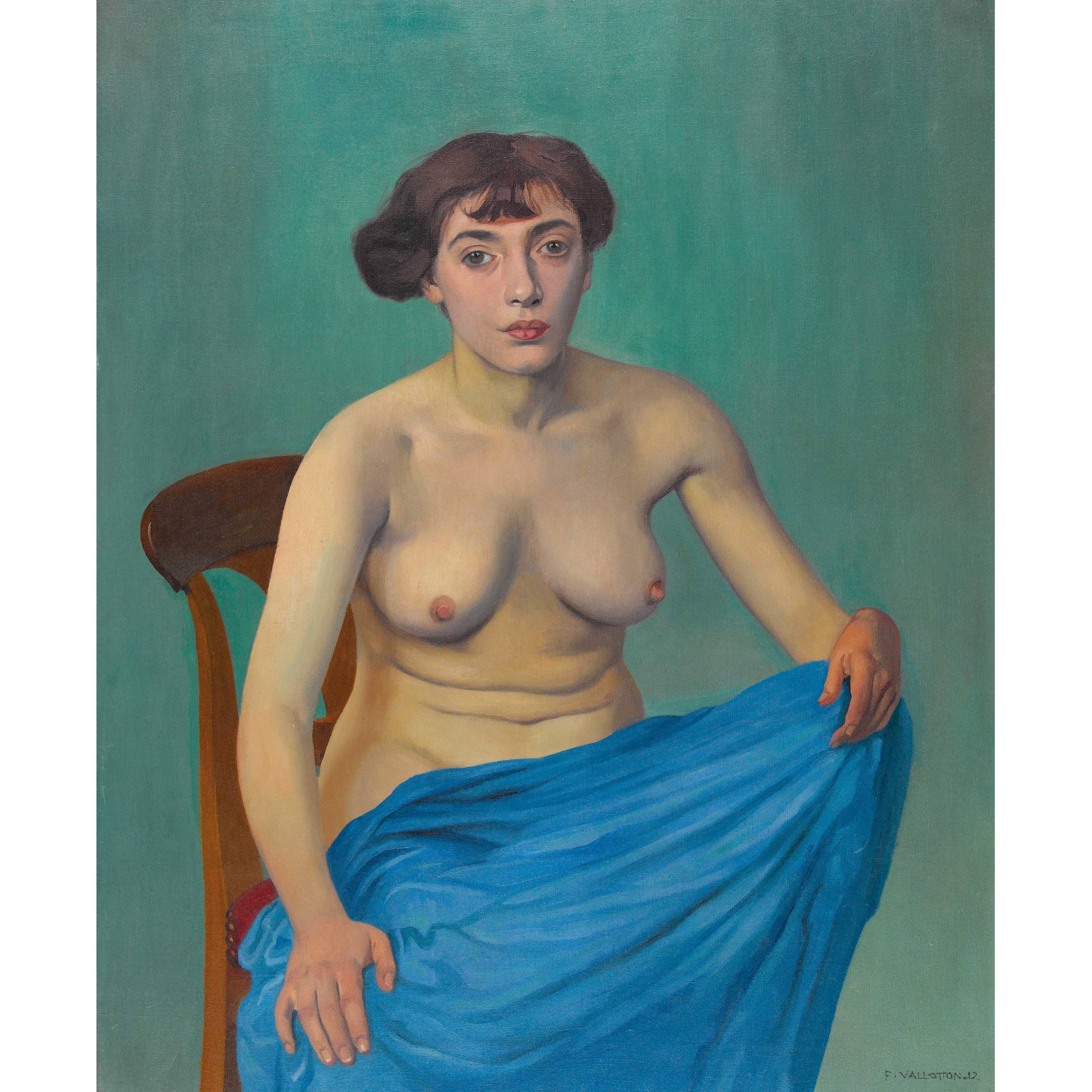
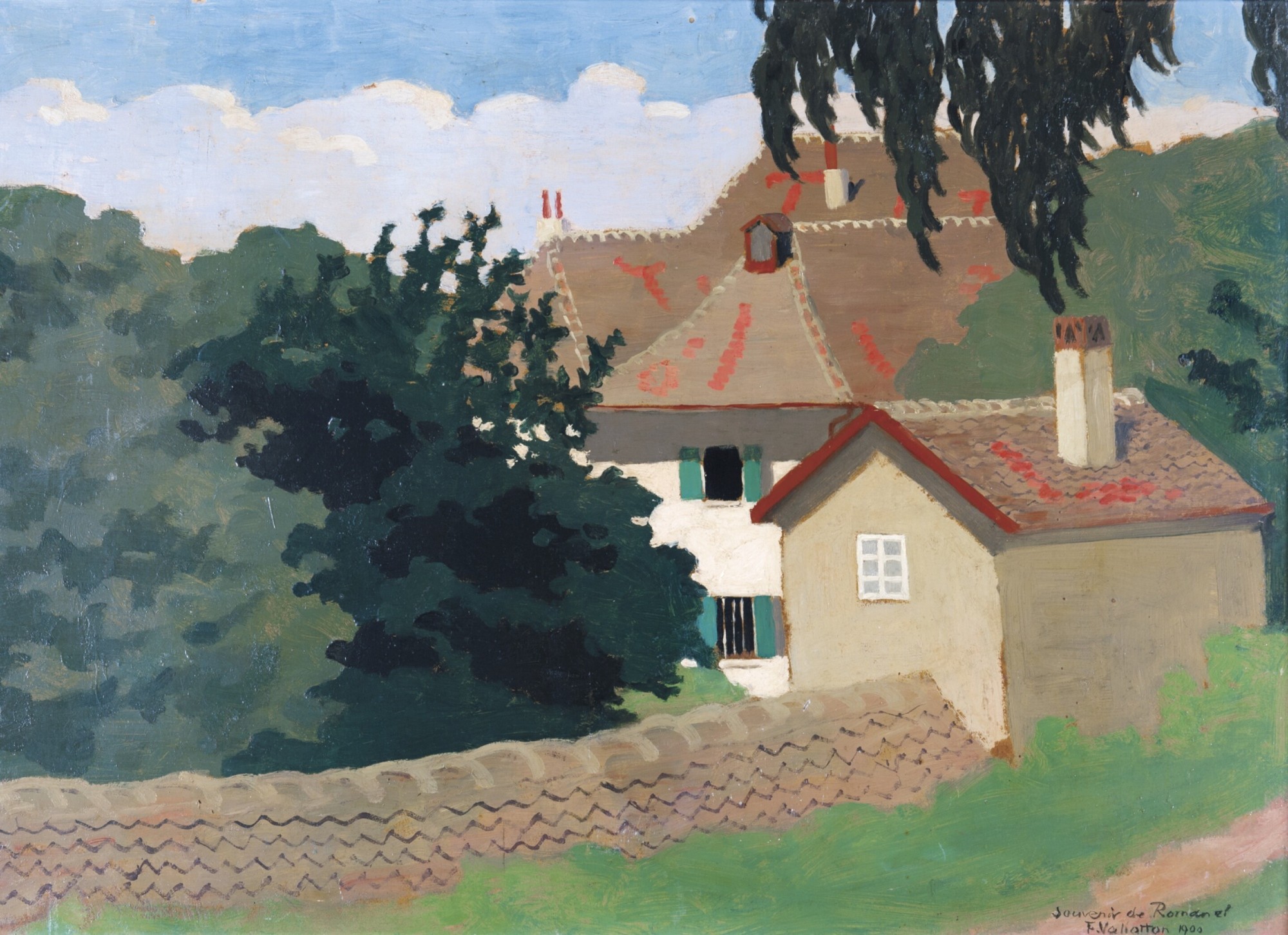
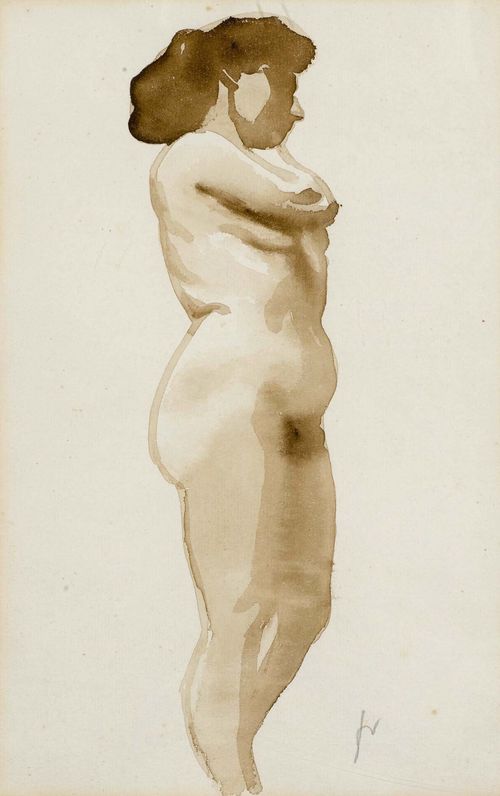
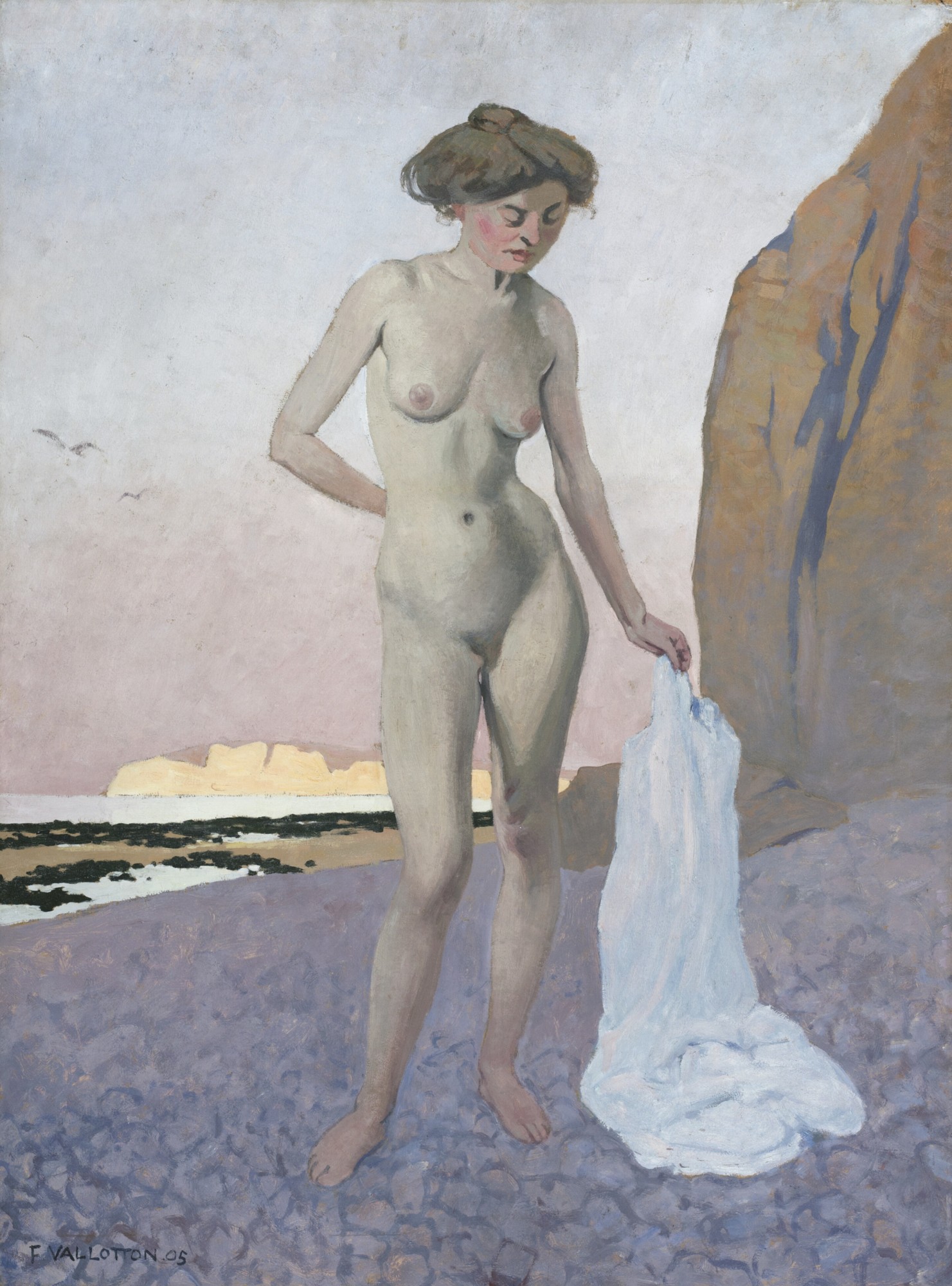
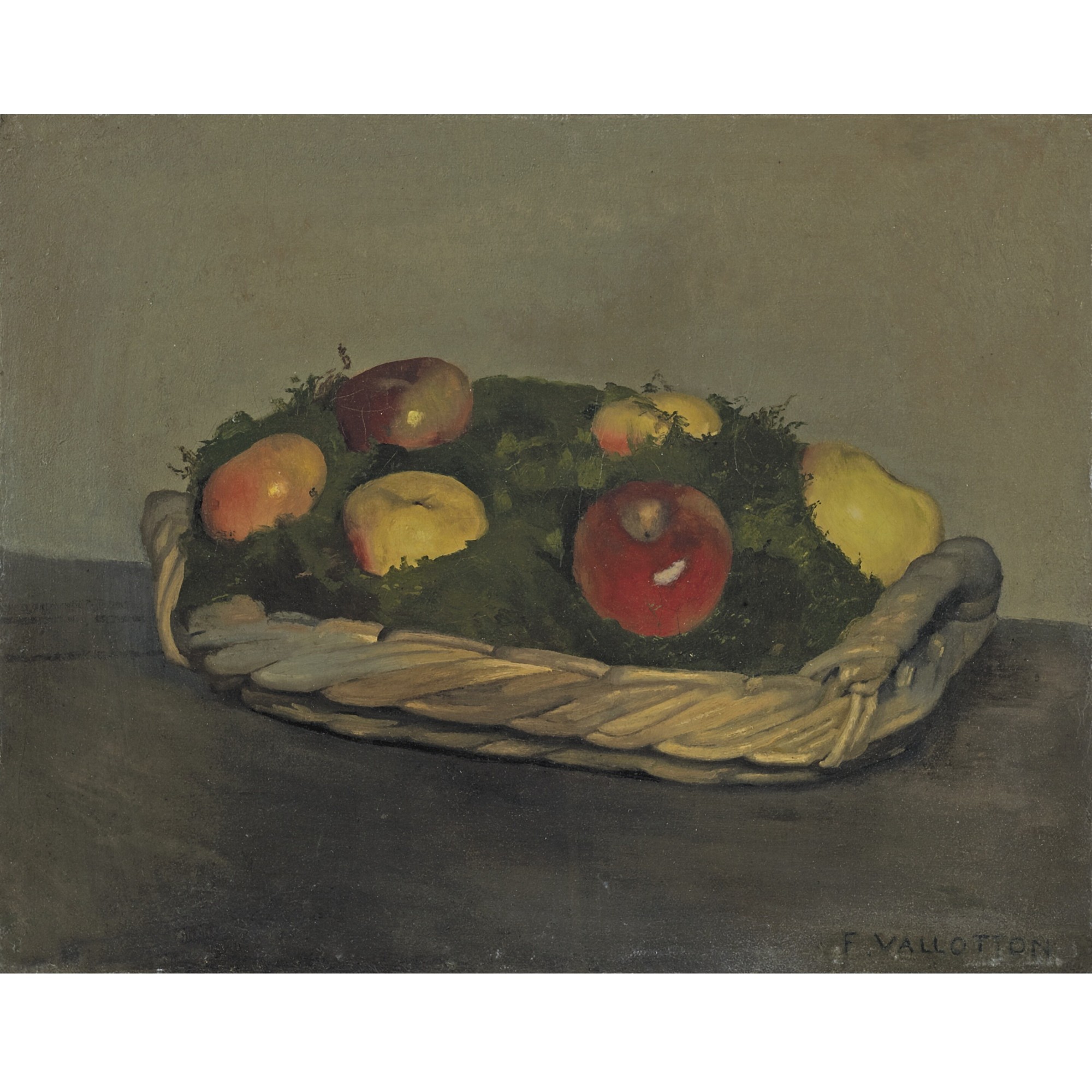
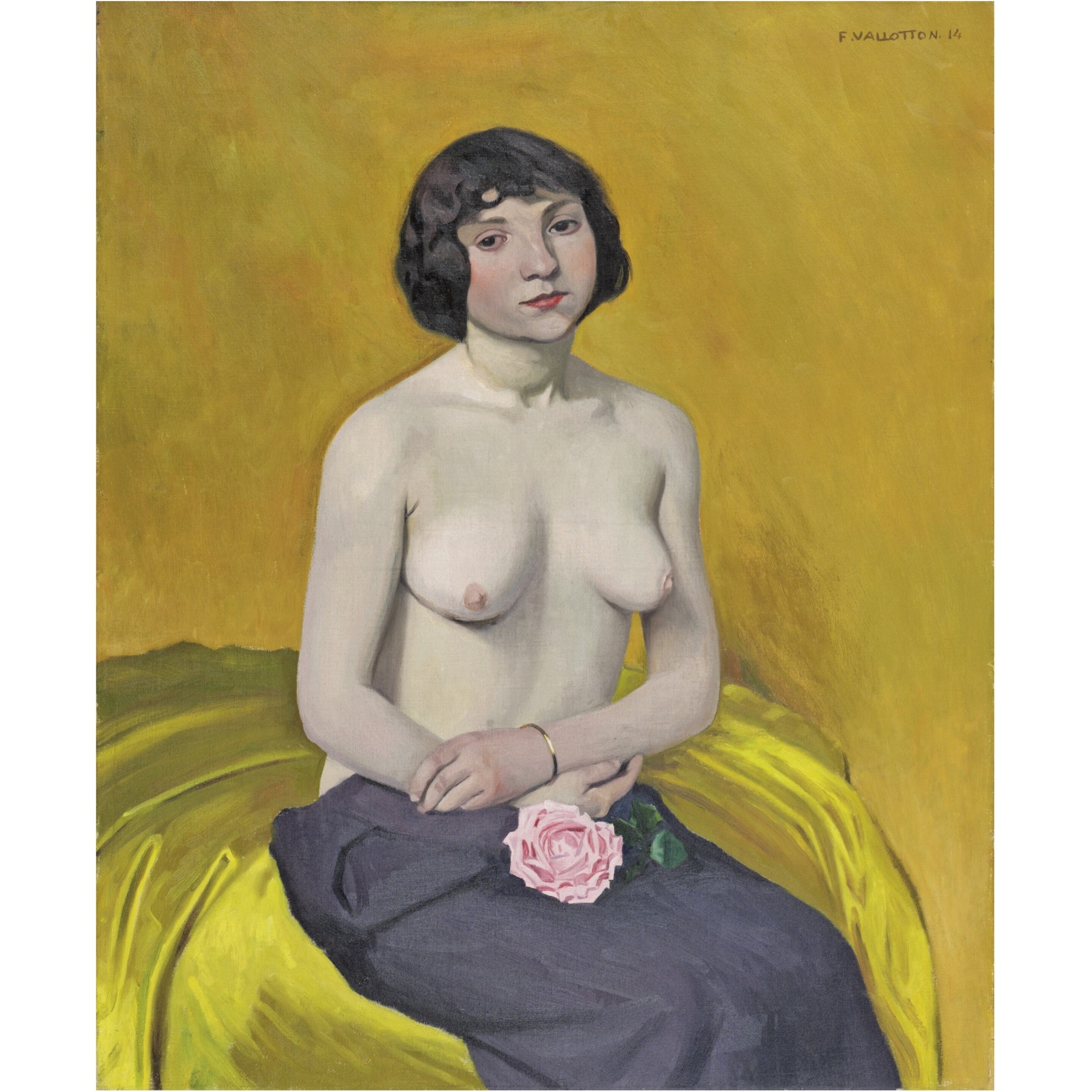
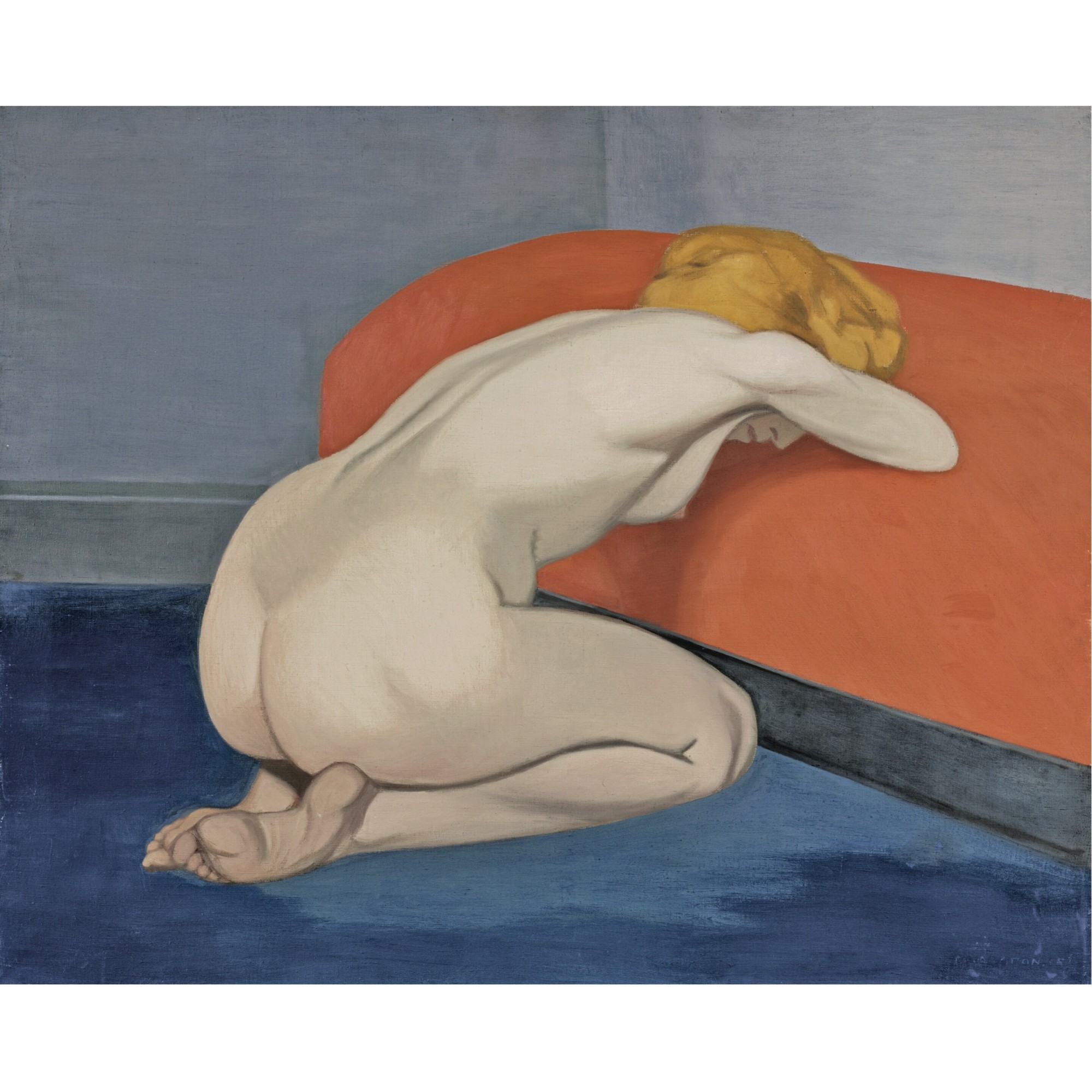
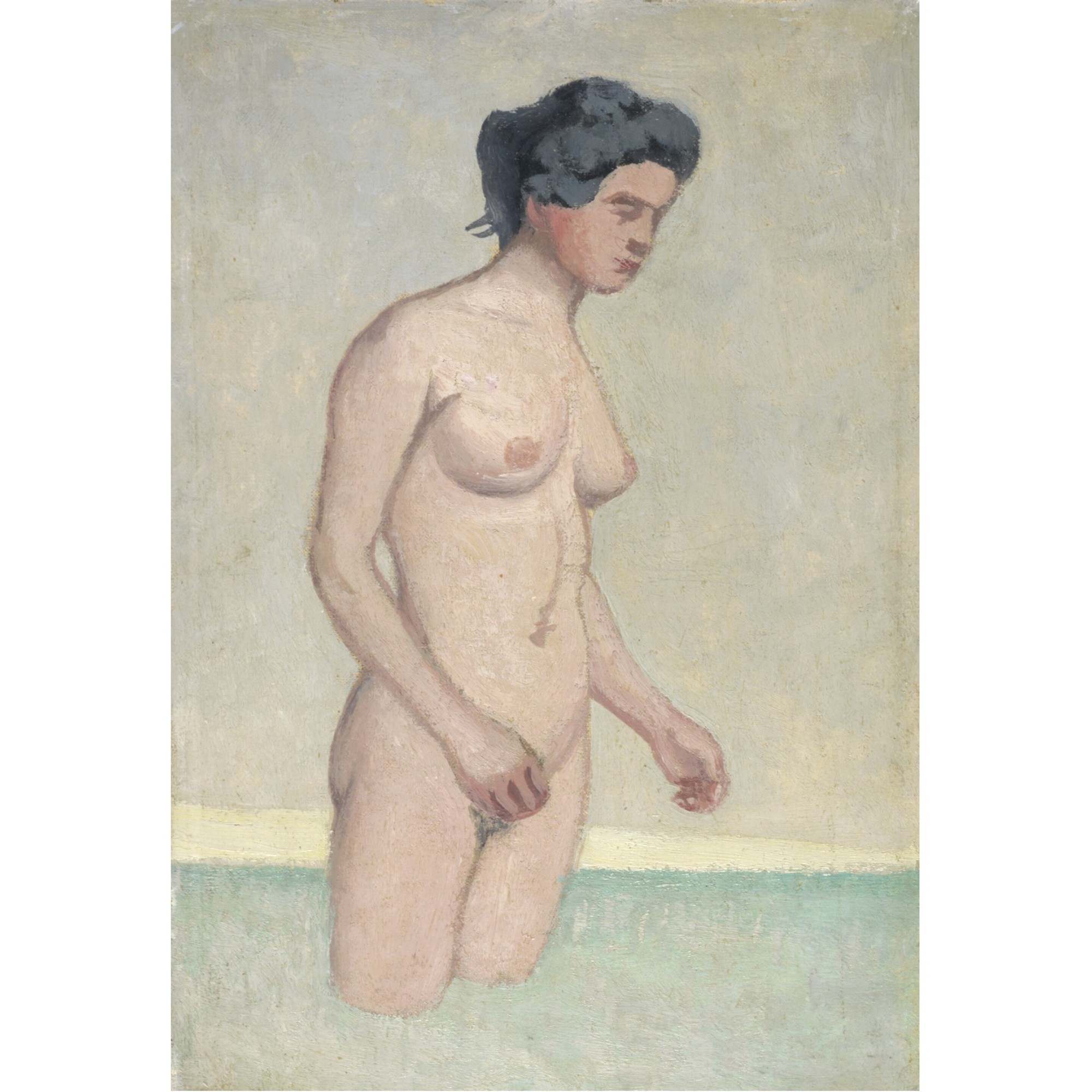
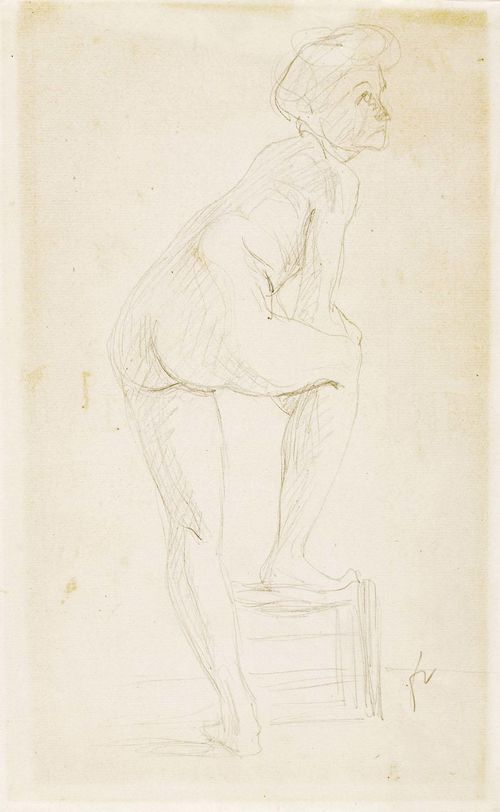
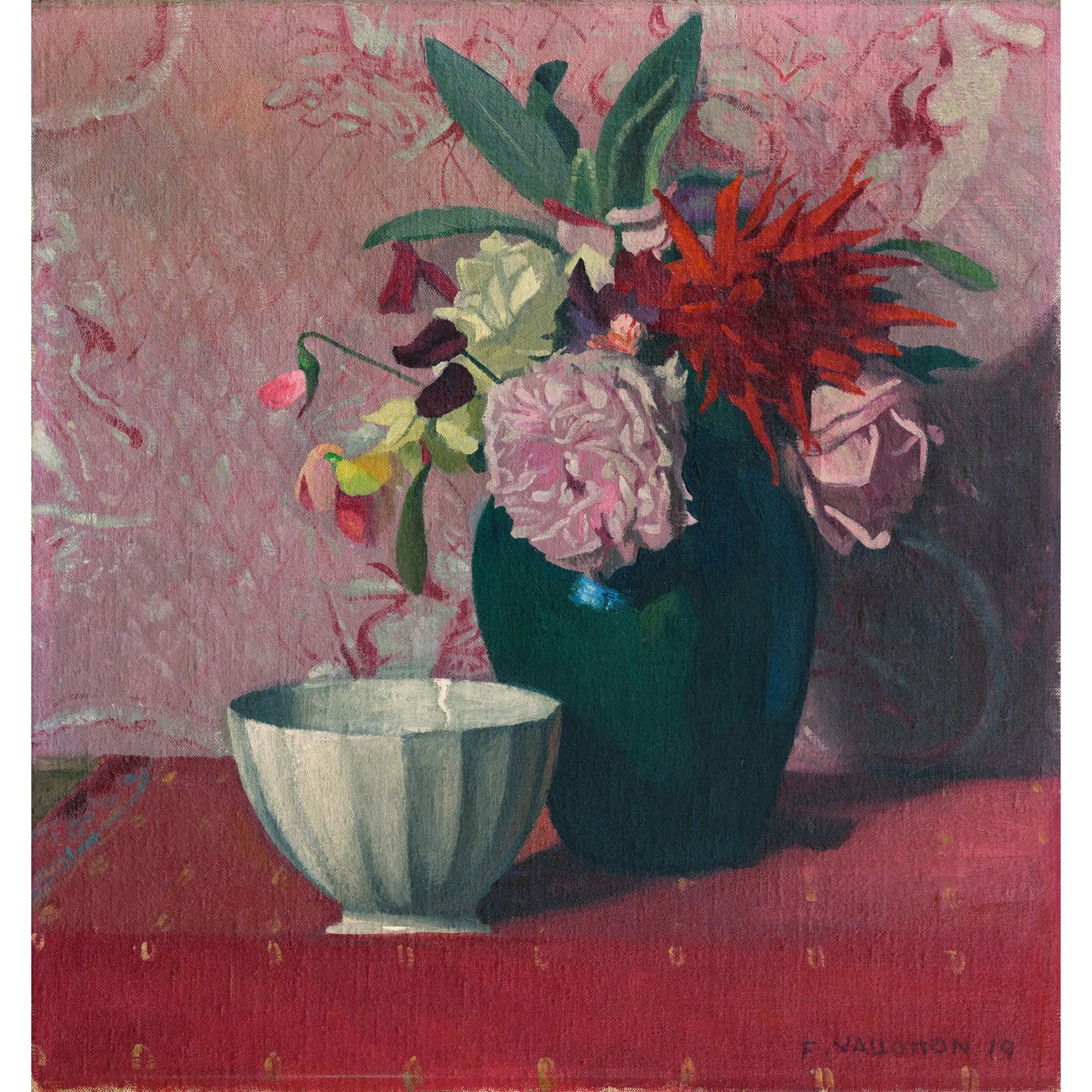
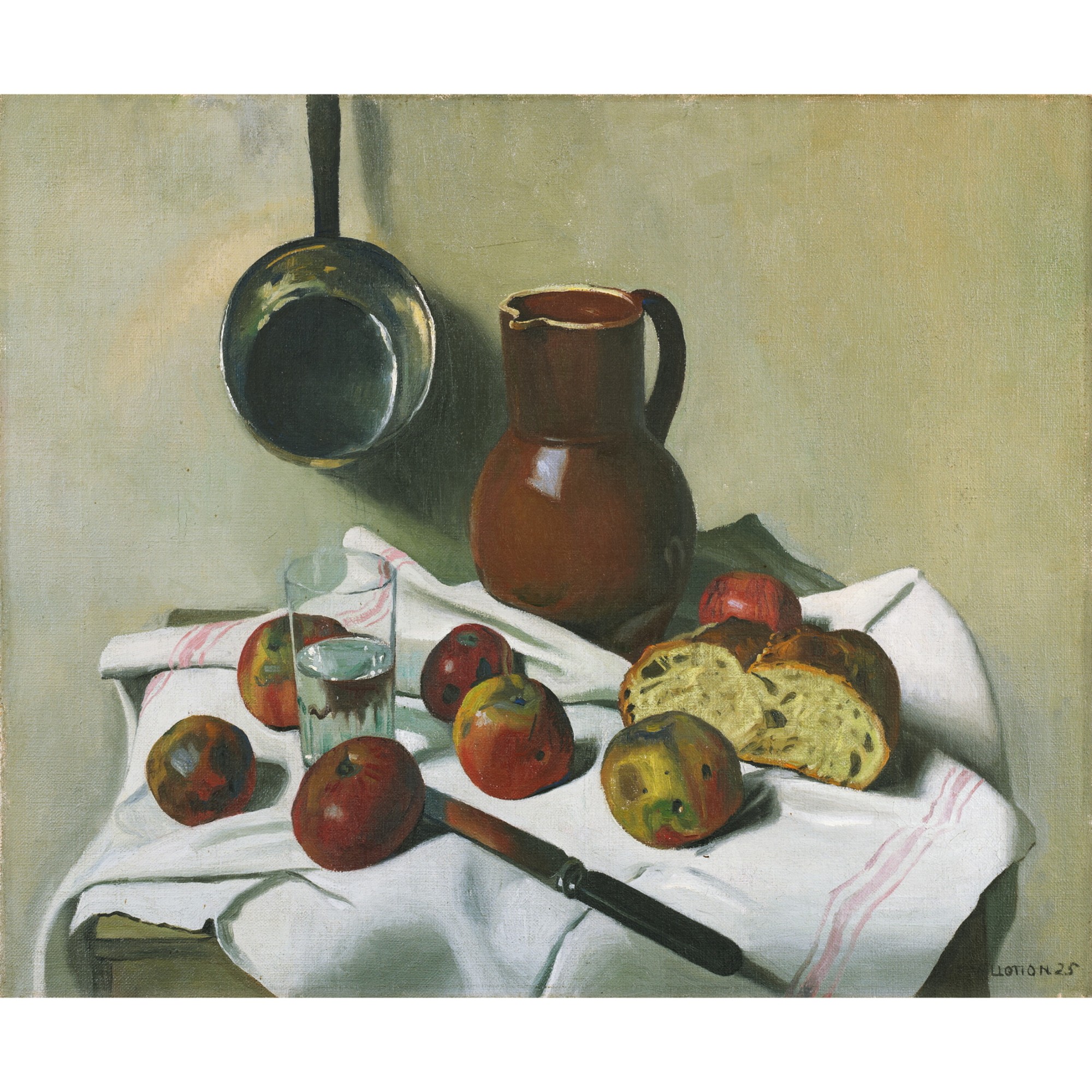
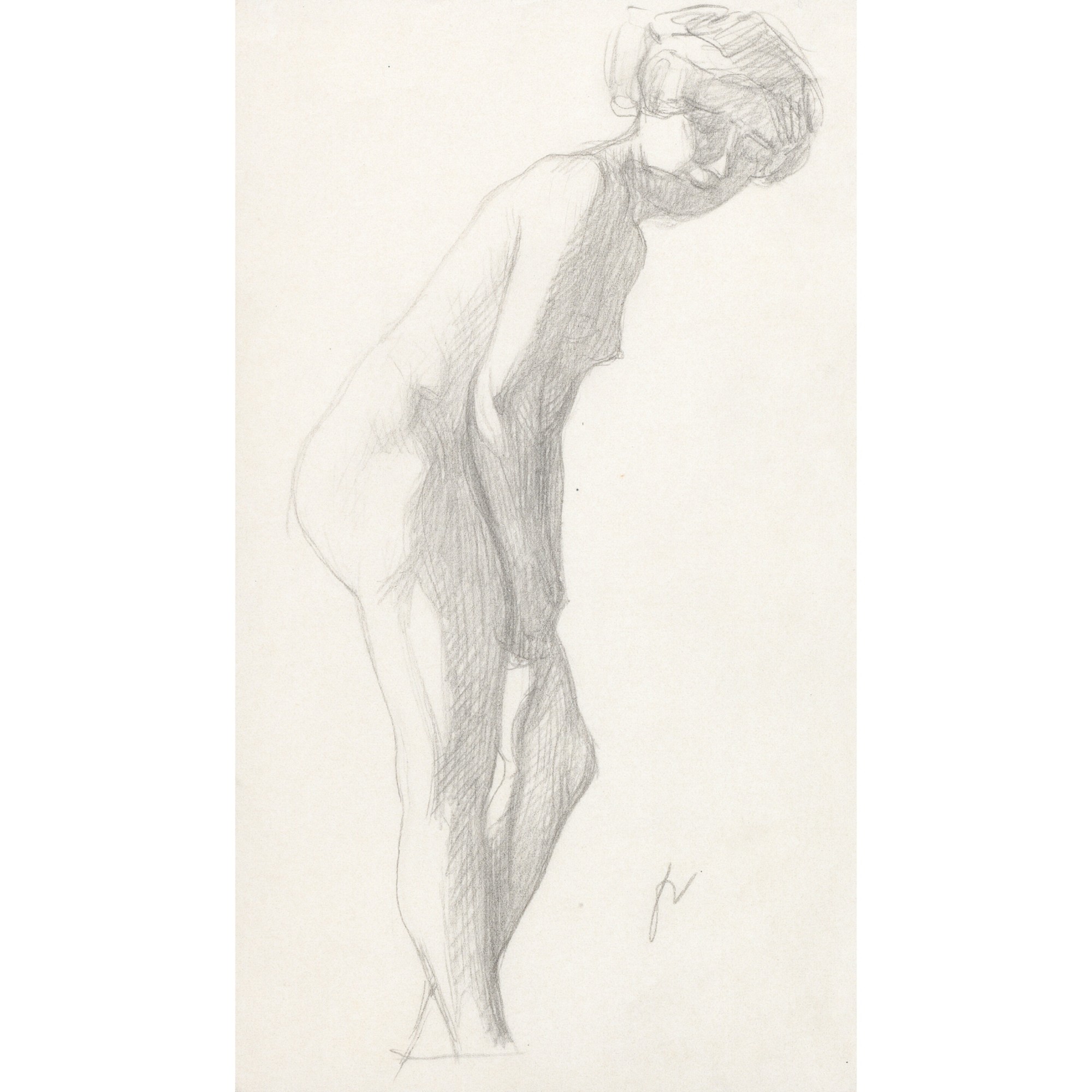
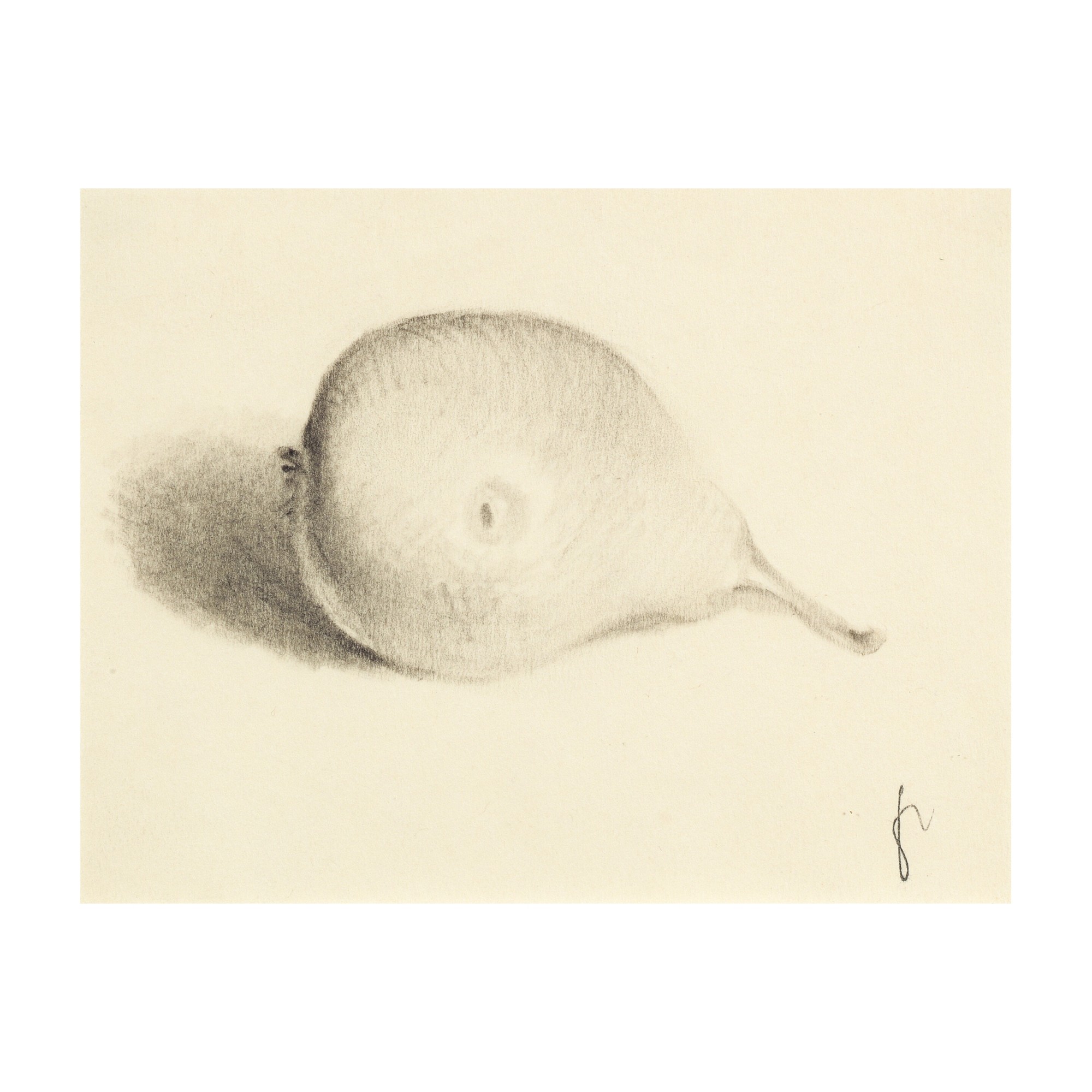
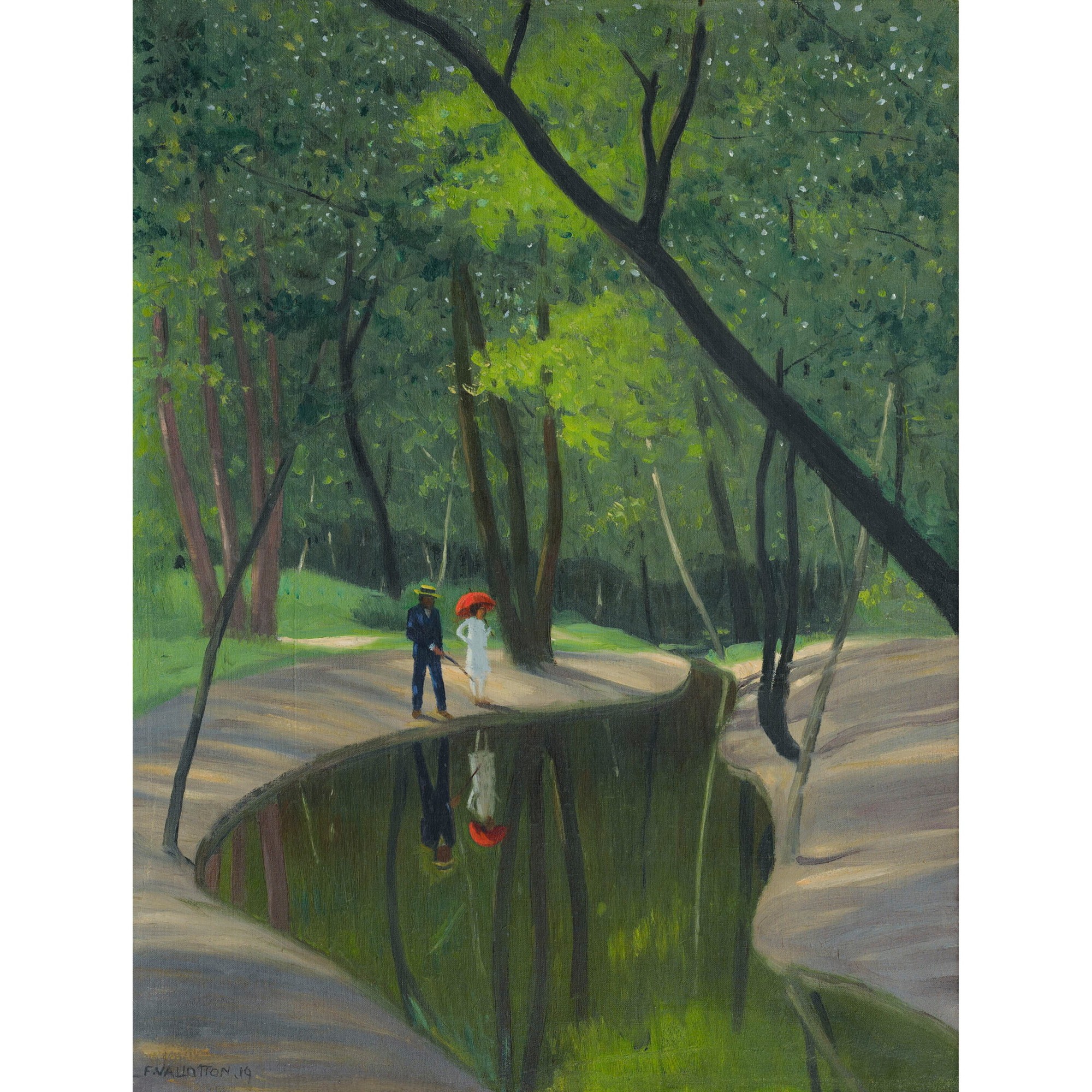
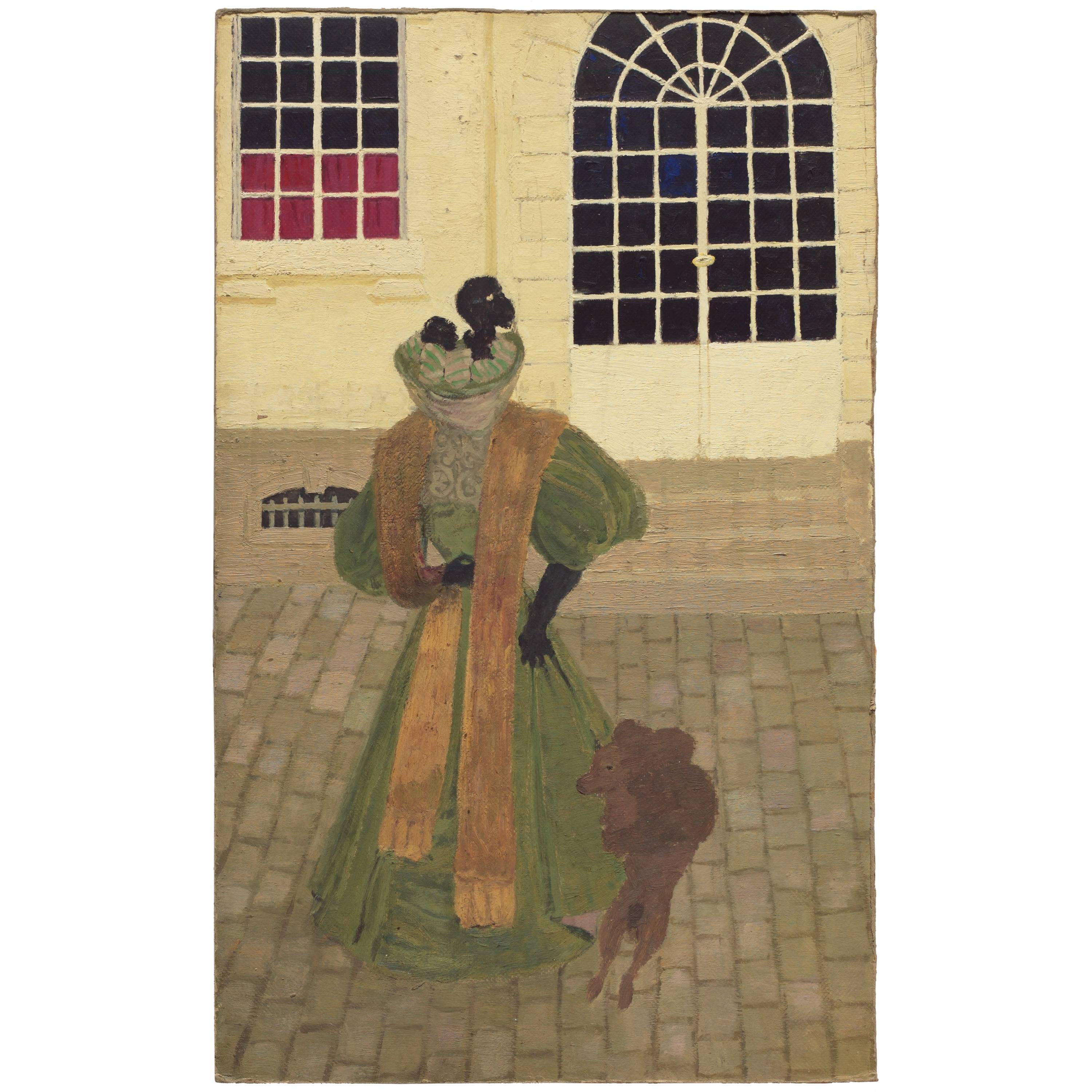
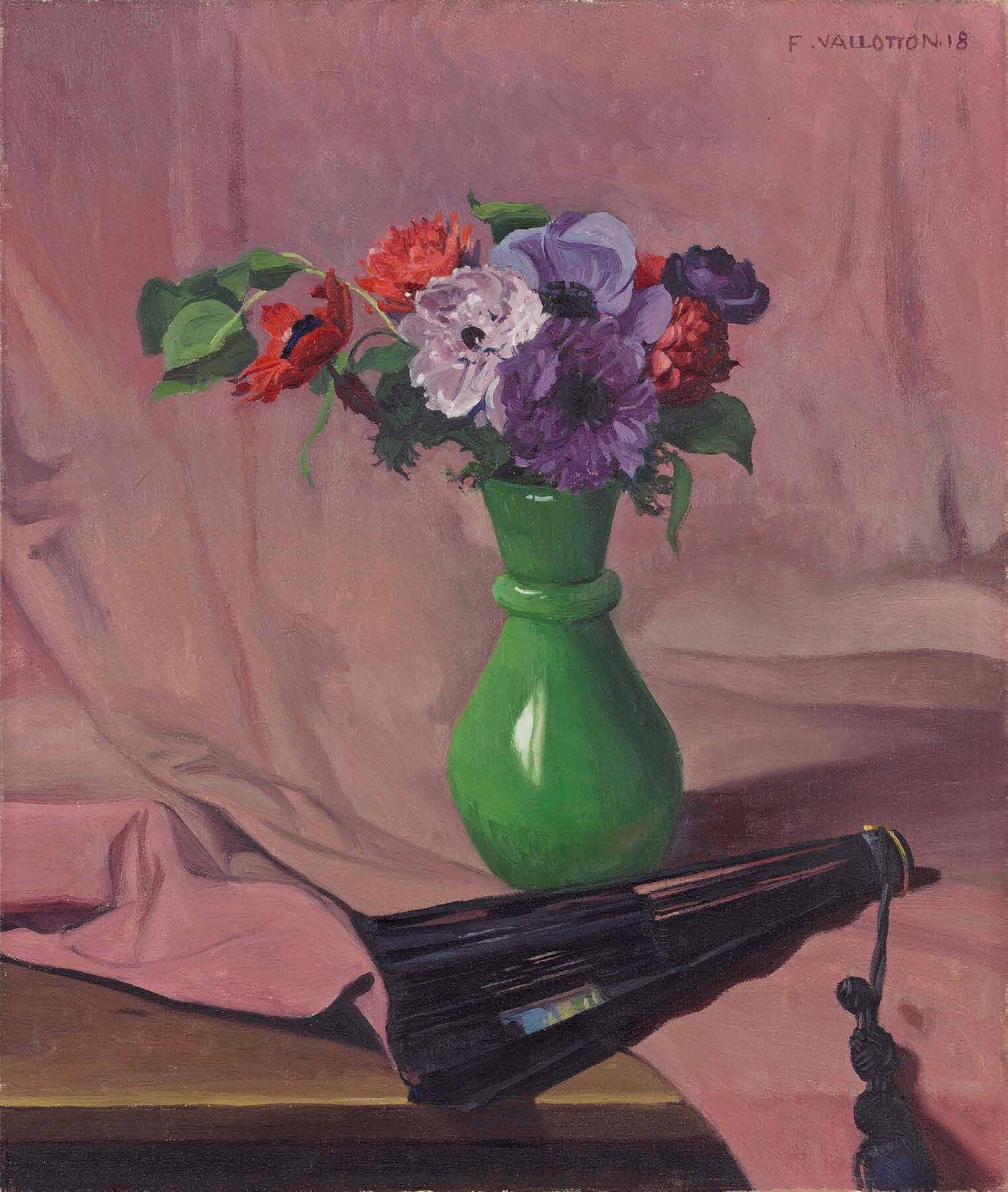
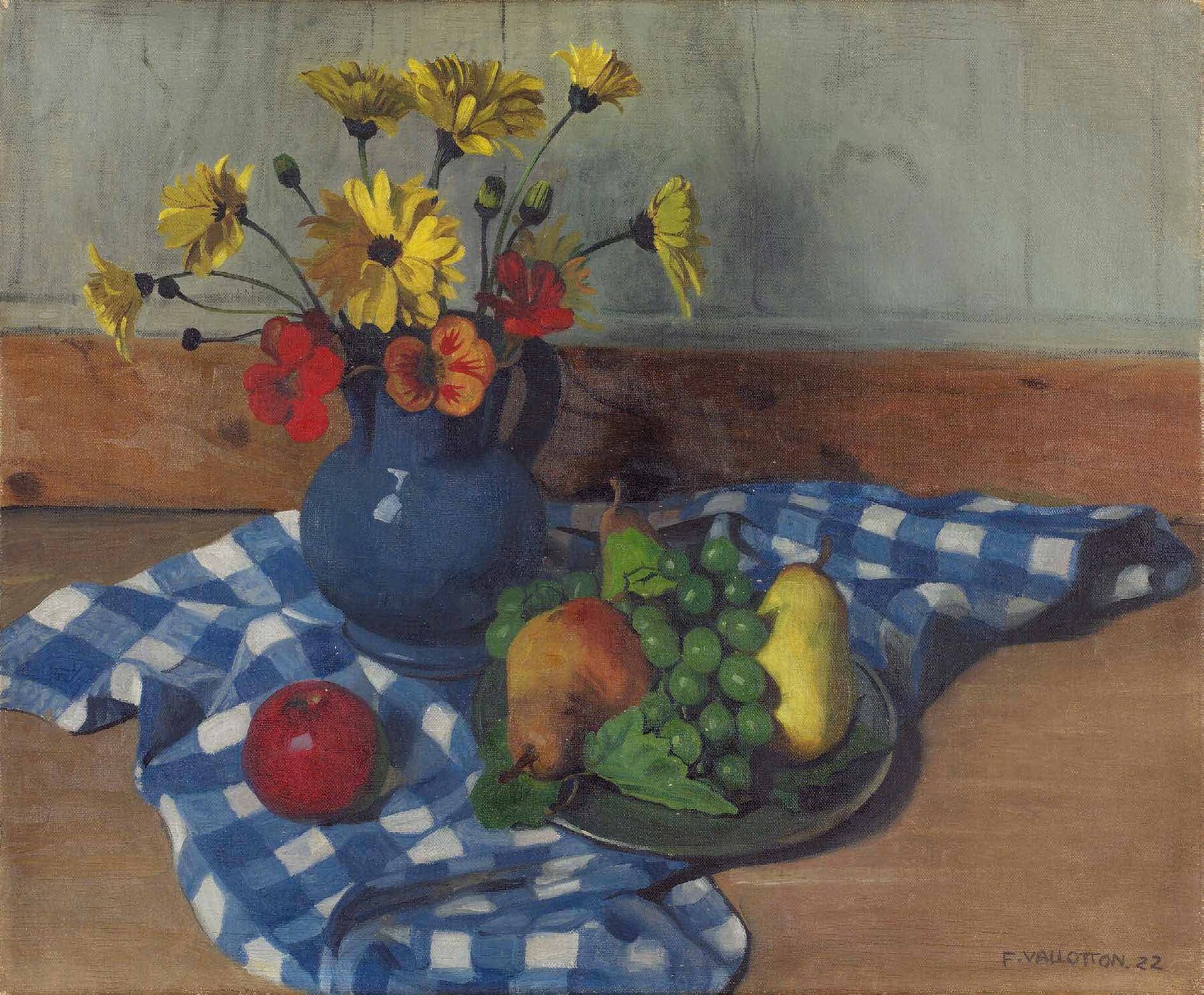
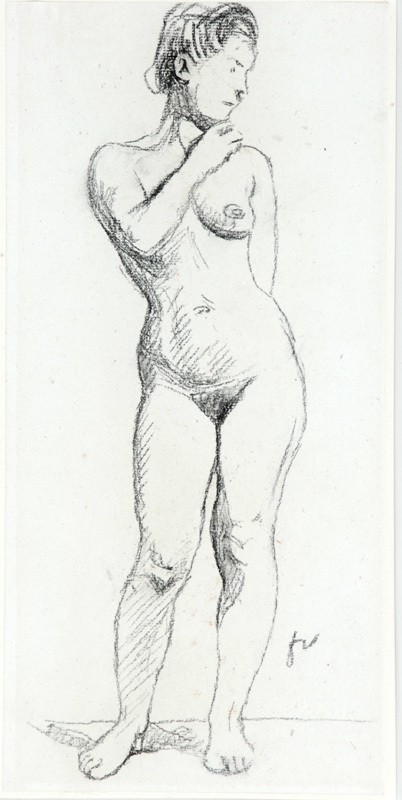
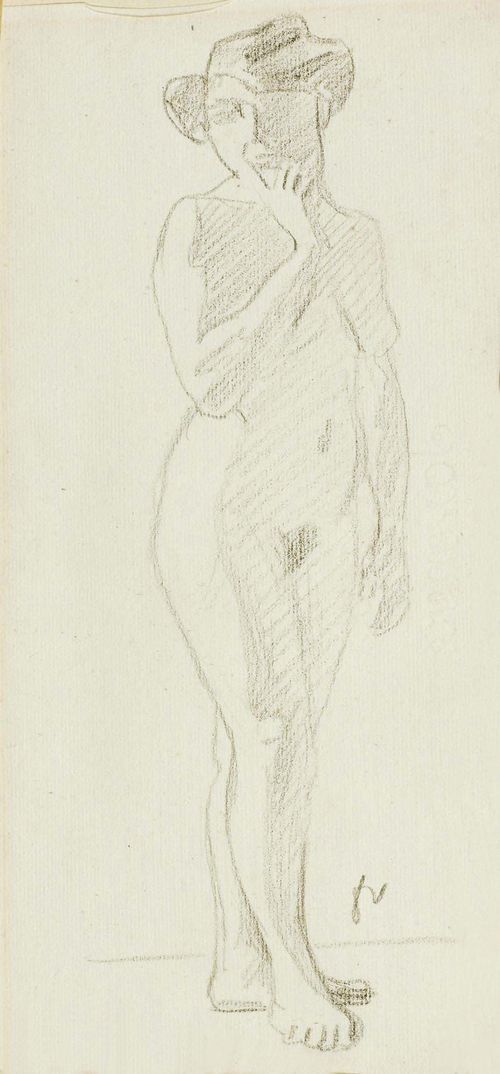
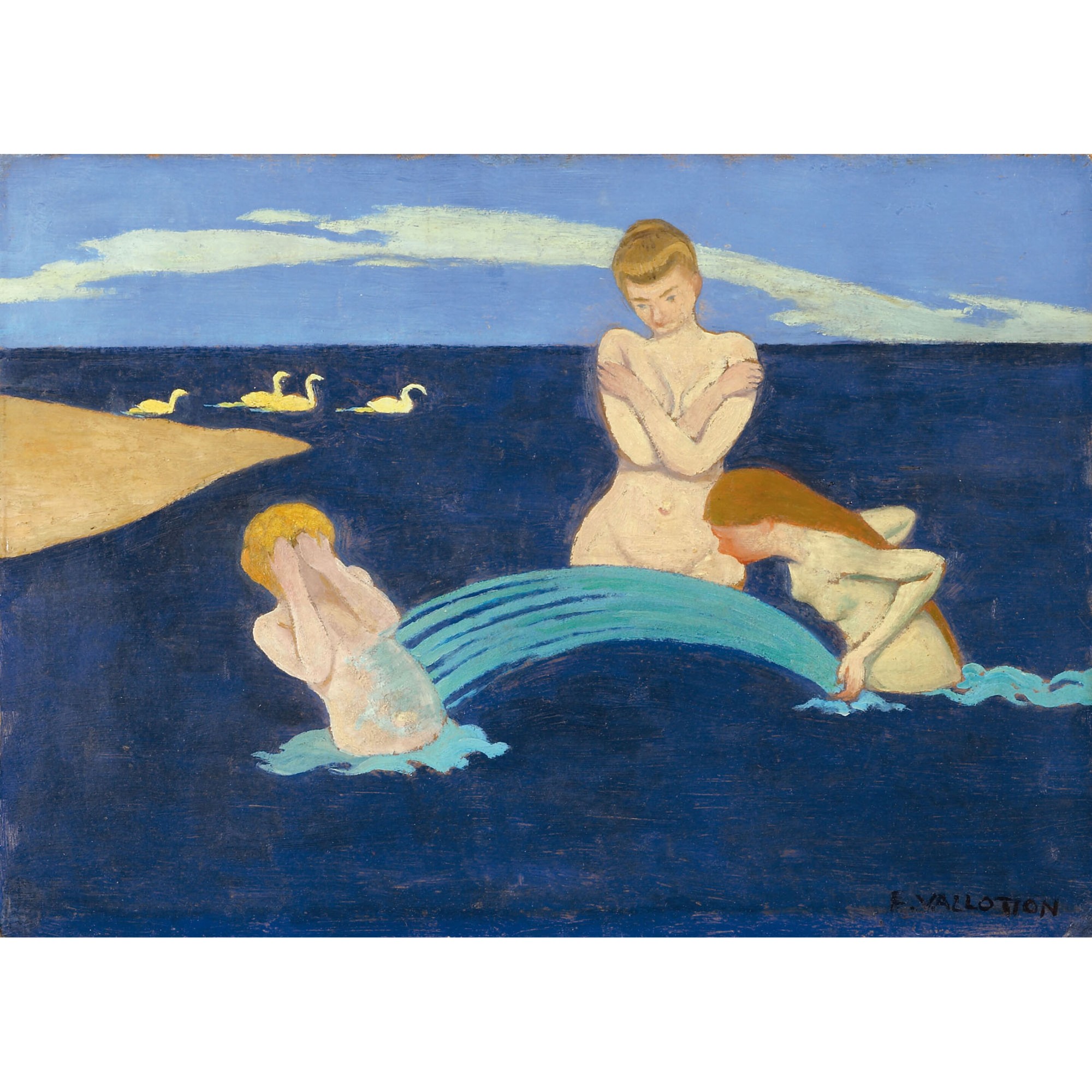
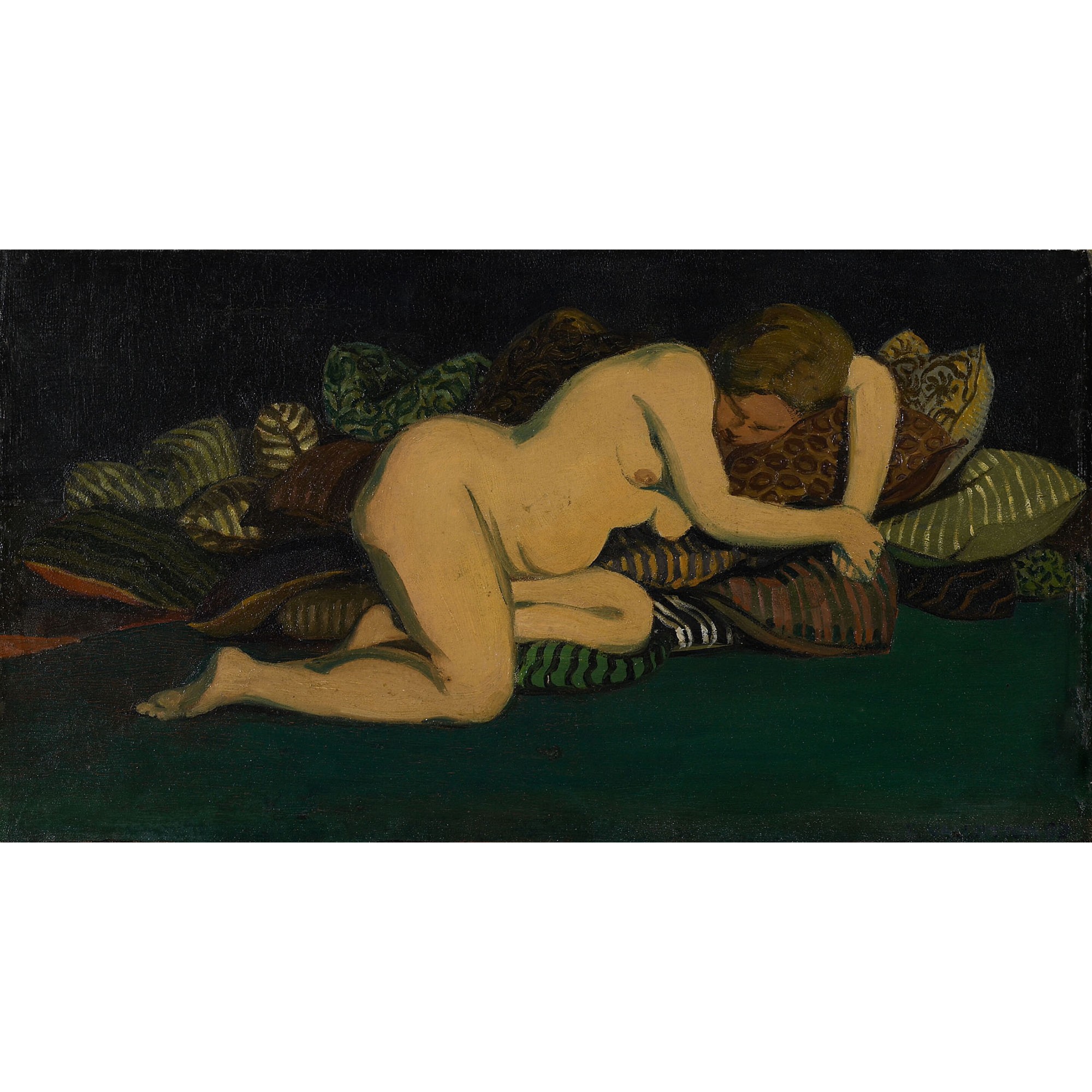
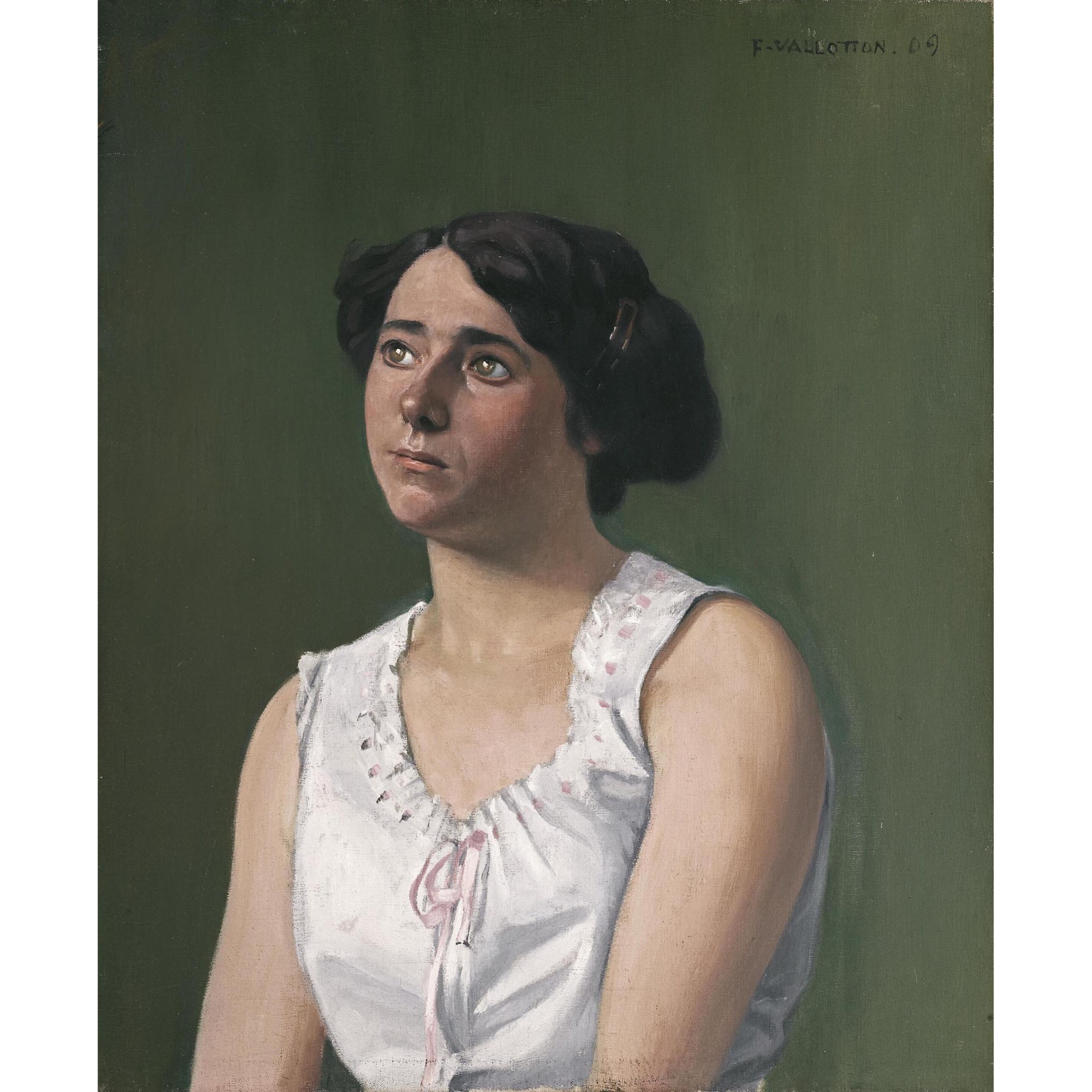
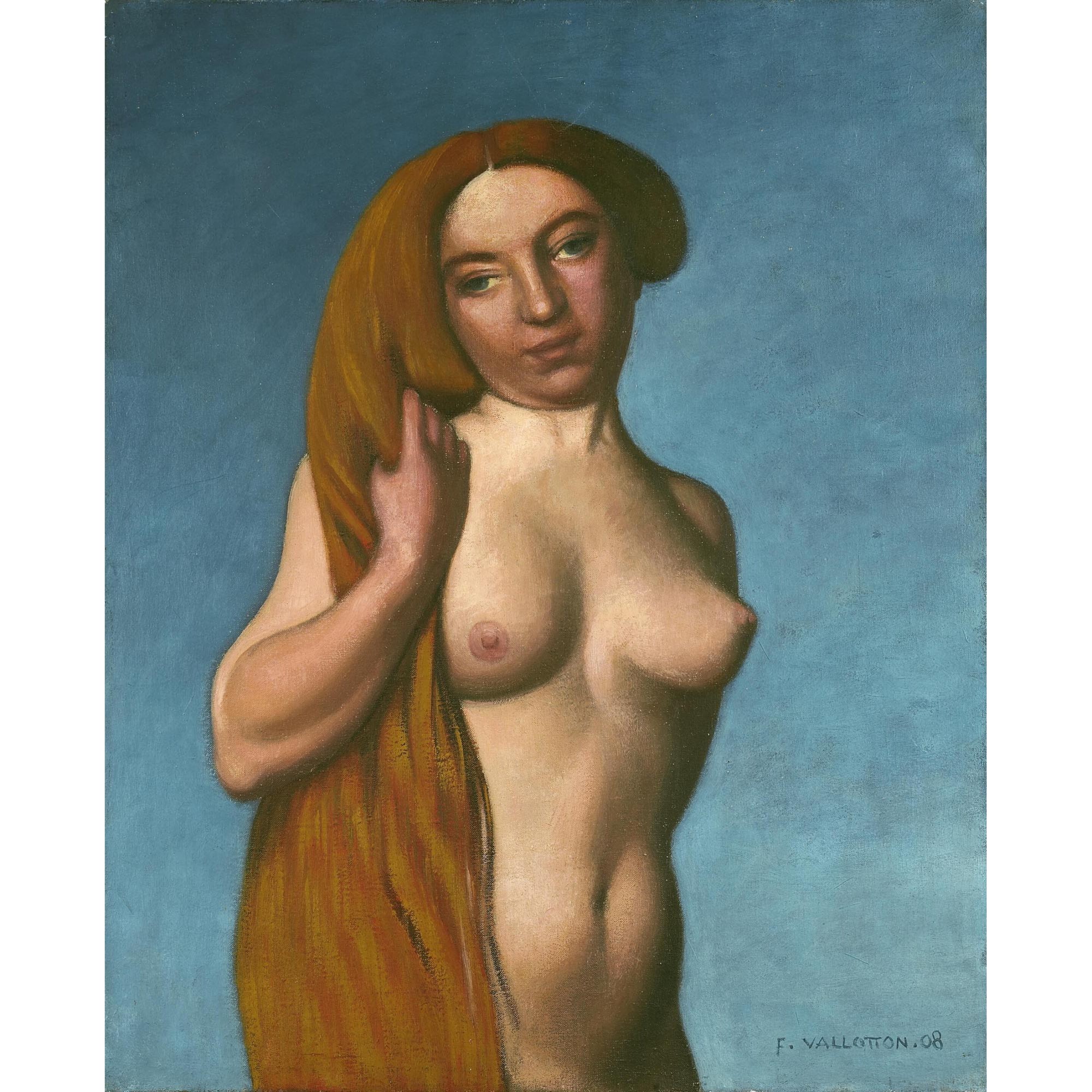
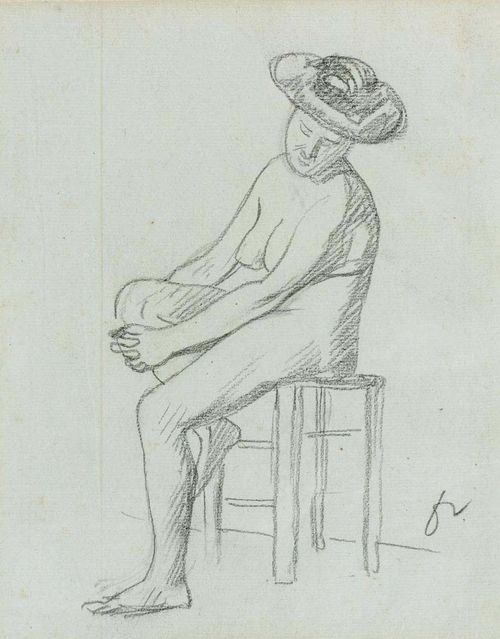
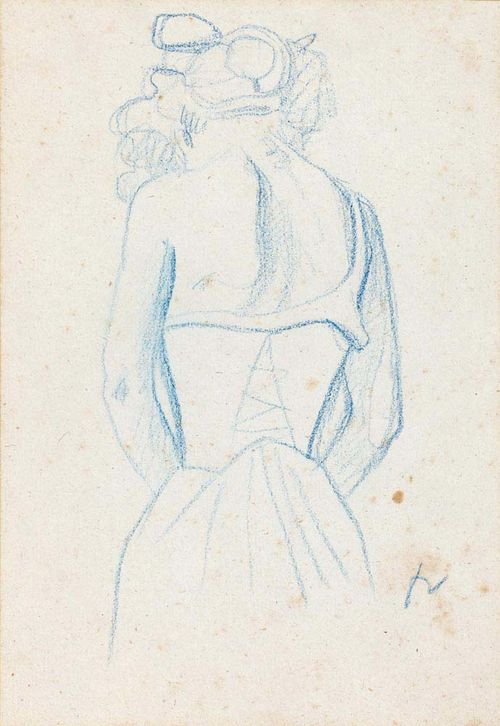
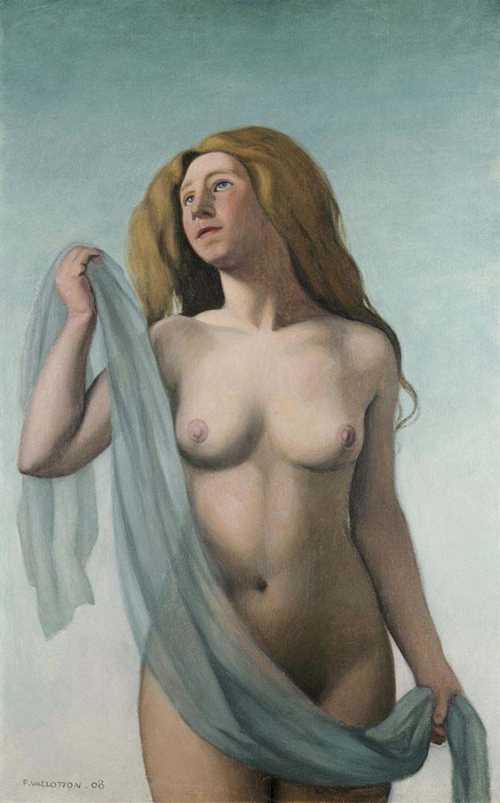
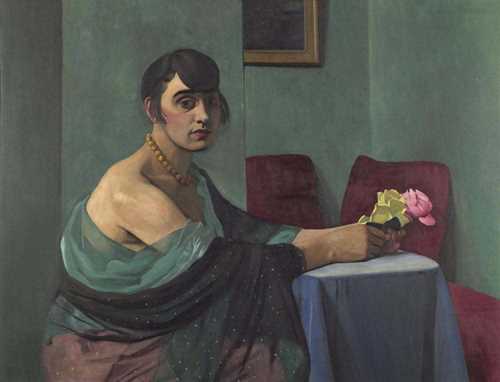
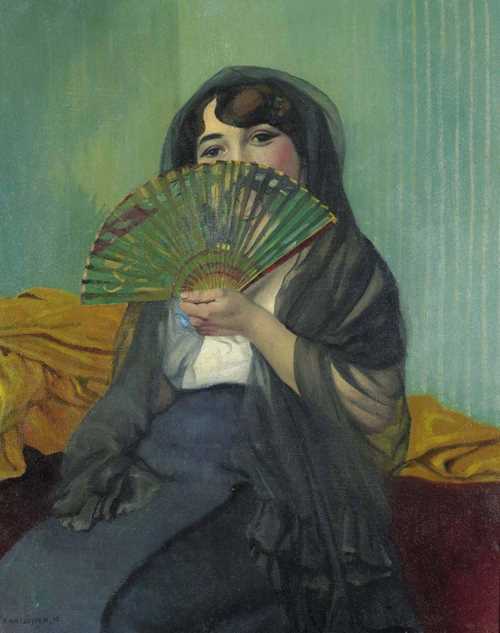
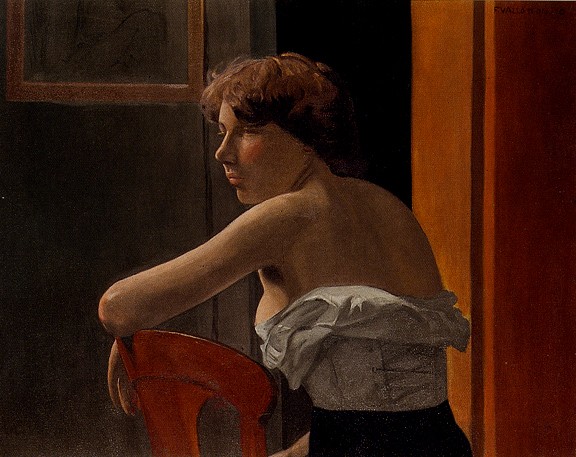
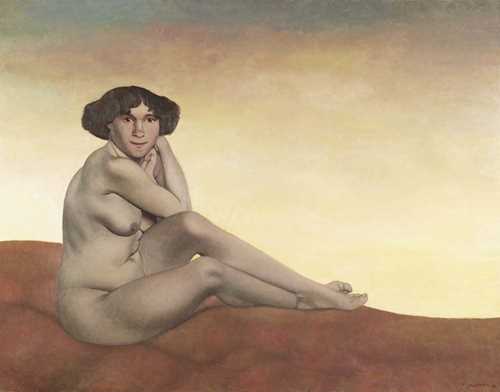
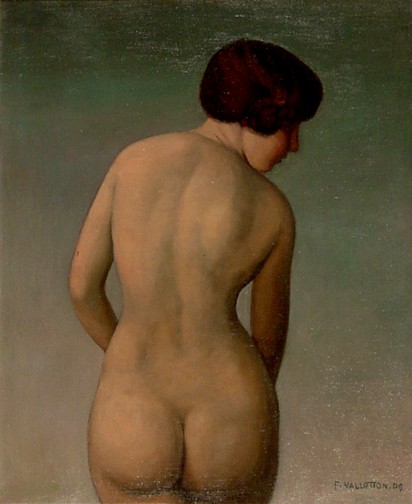
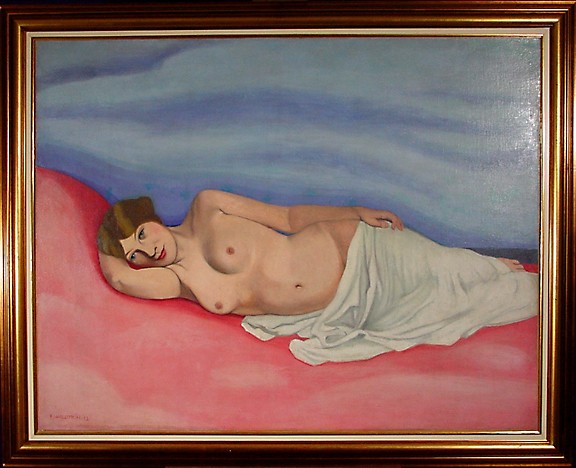
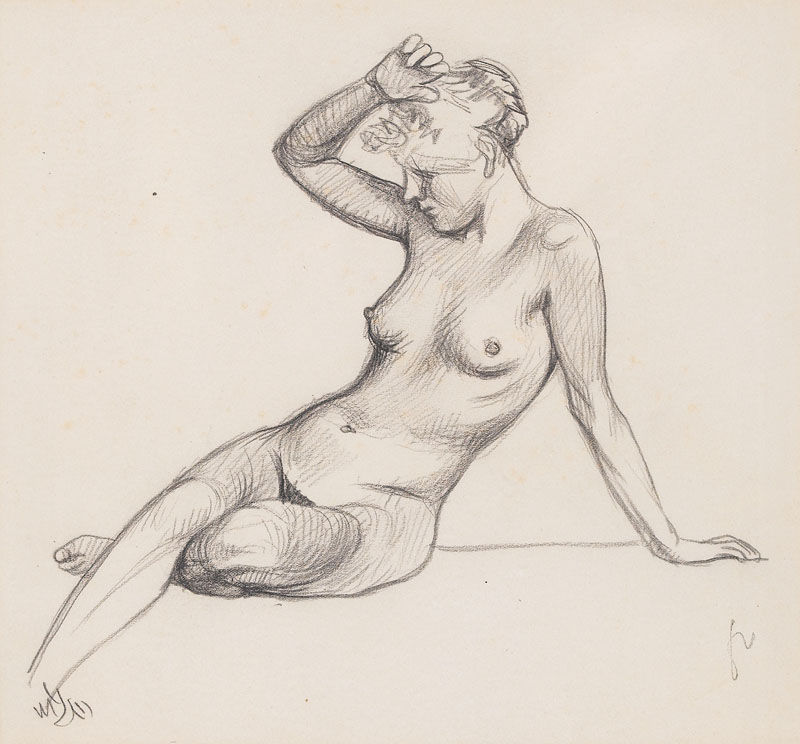
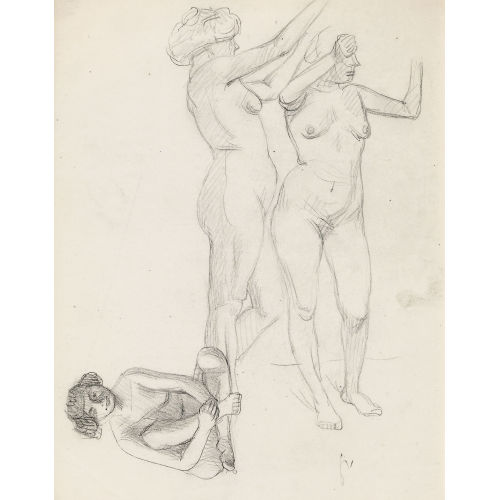
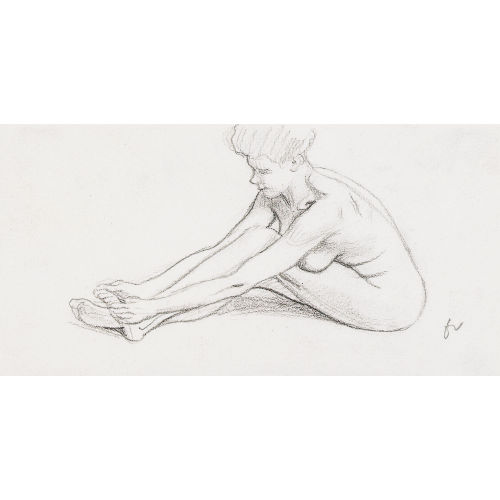
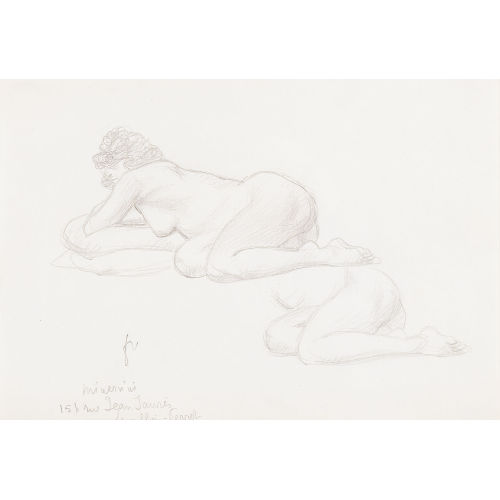
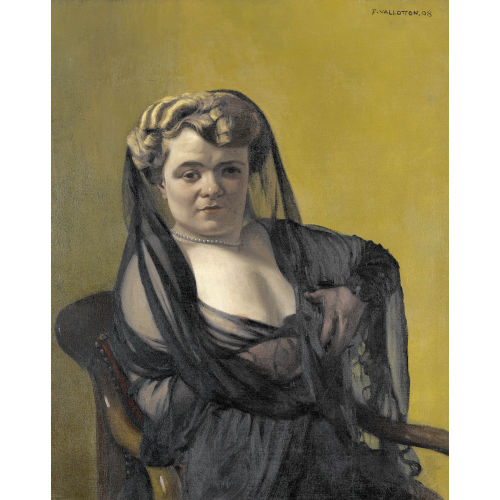
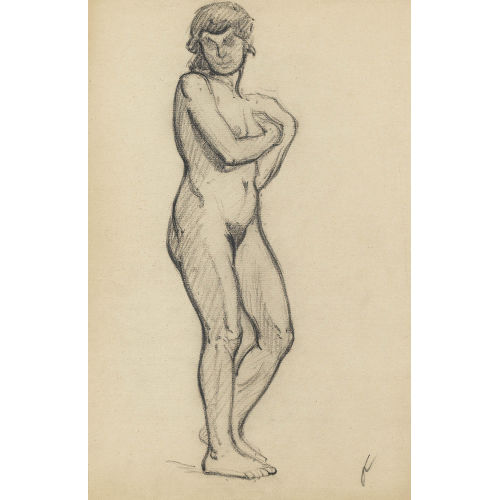
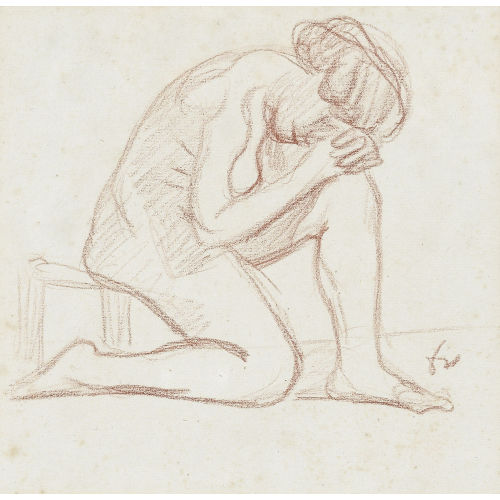
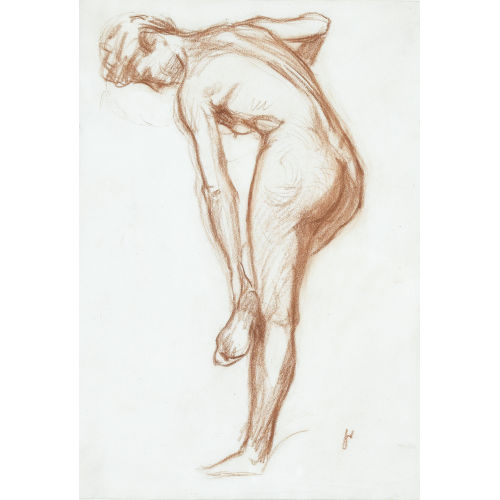
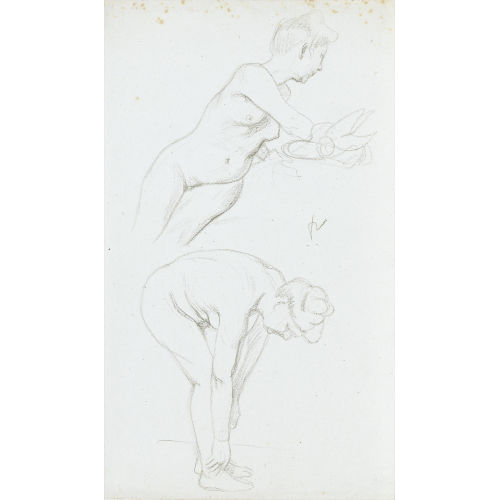
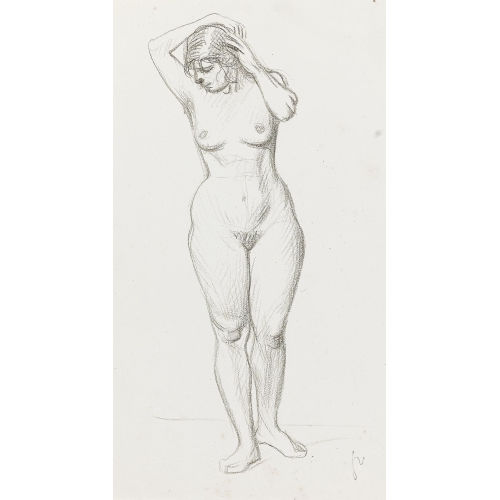
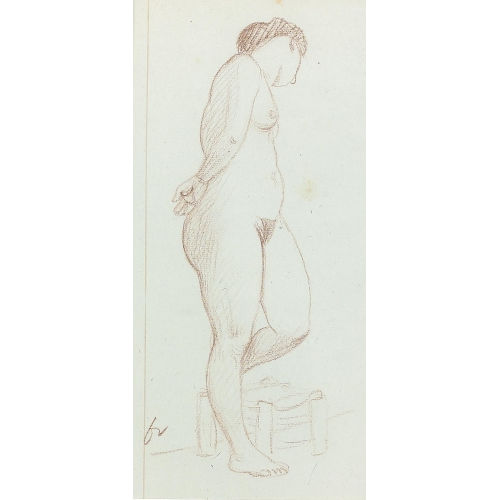
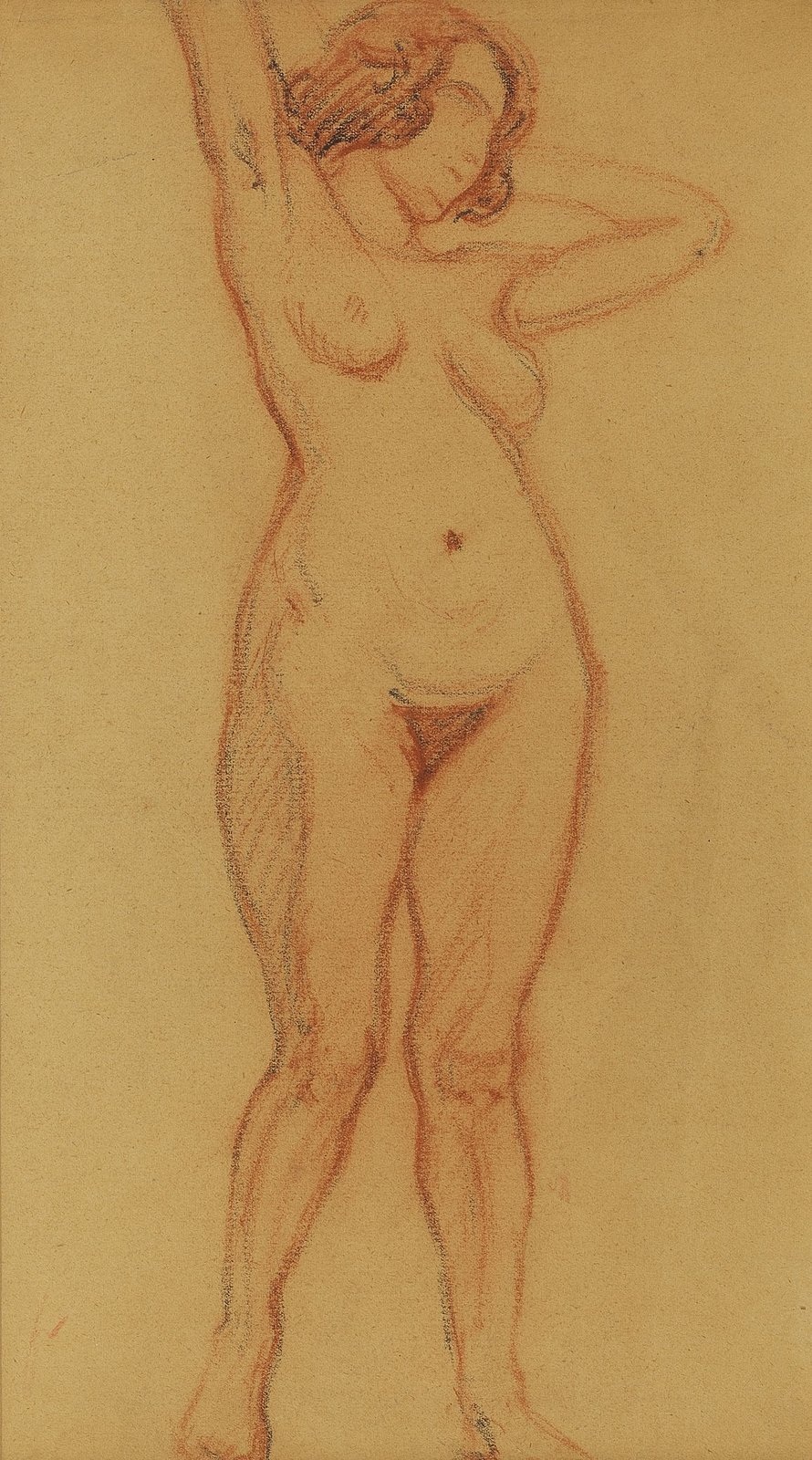
After his marriage in 1899, Vallotton devoted an increasing share of his attention to painting. His personal language combines graphic experience, Japanese art and a dialogue with masters such as Ingres. Portraits, nudes, still lifes and landscapes explore the possibilities of an independent figurative art.
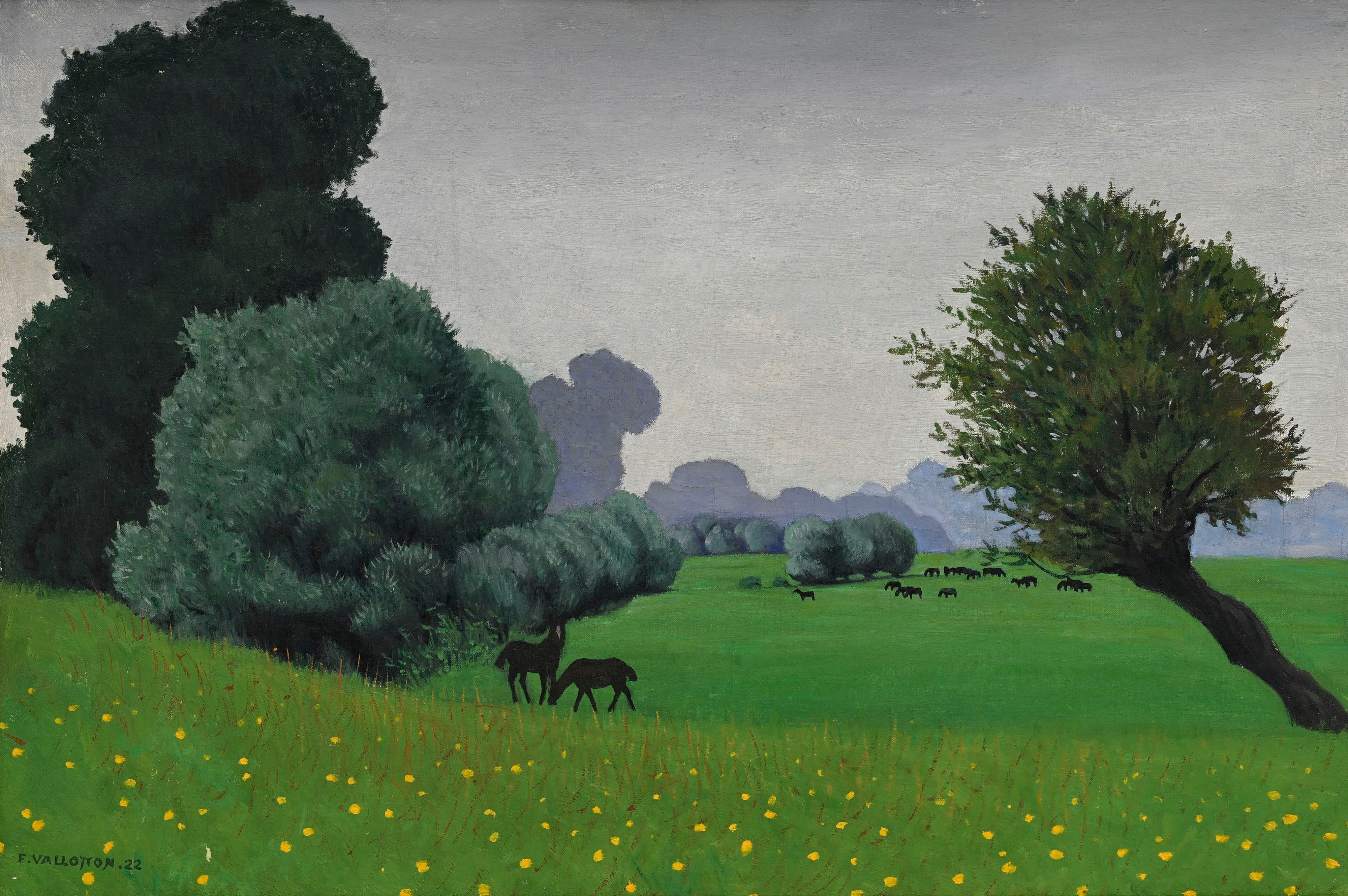
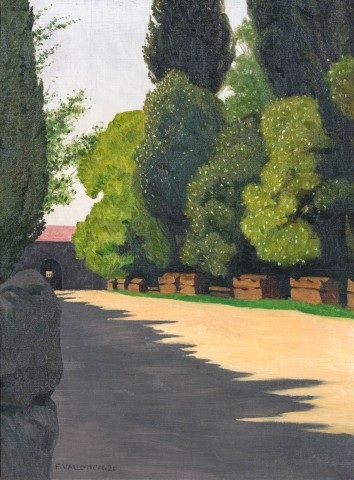
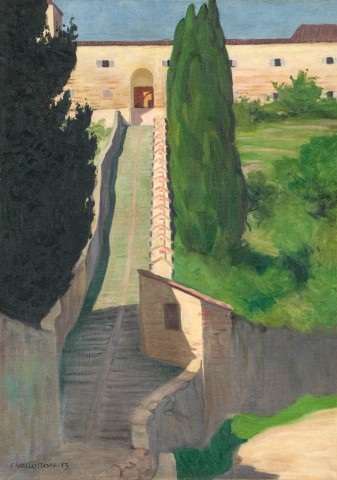
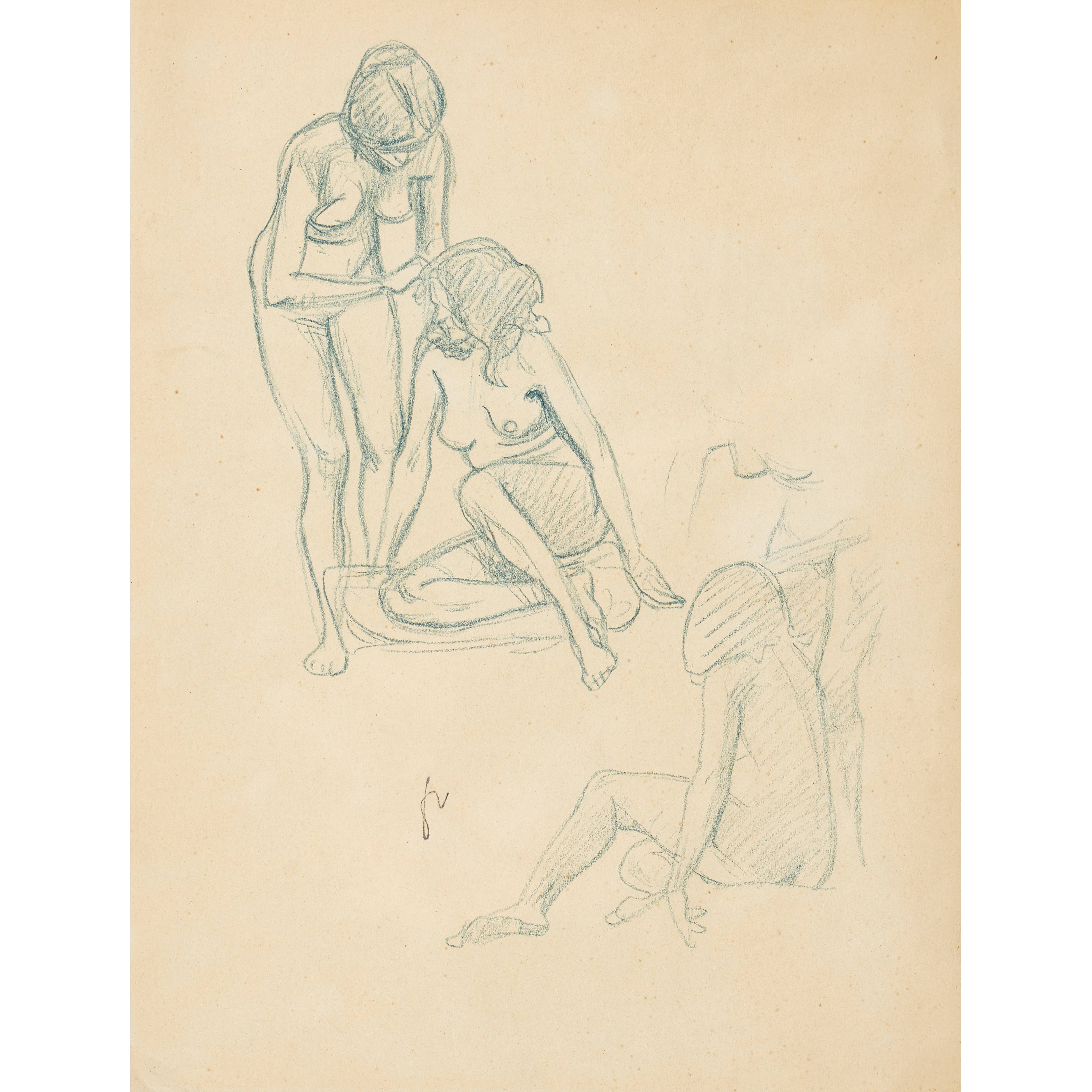
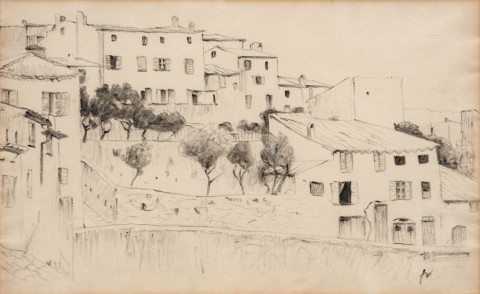
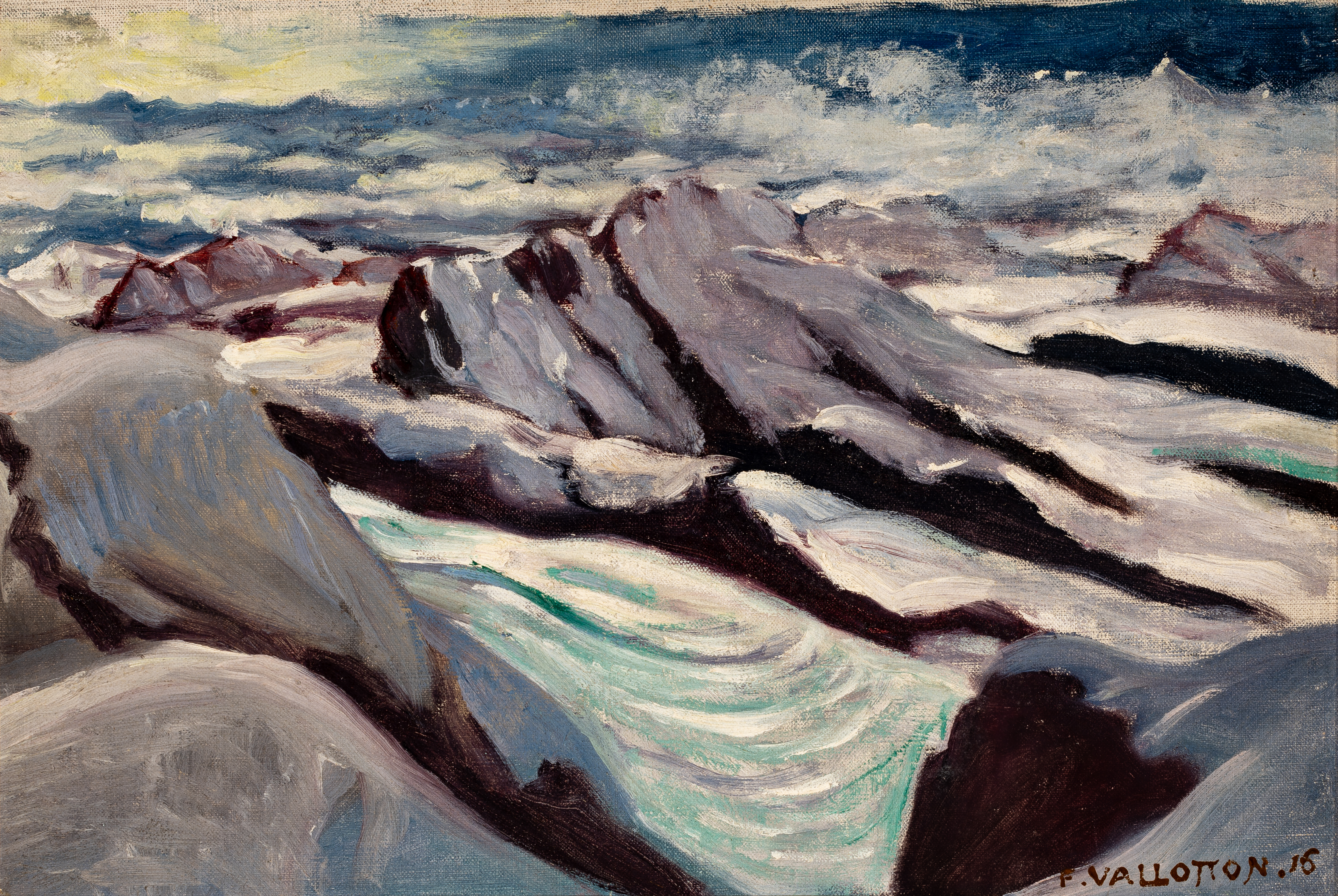
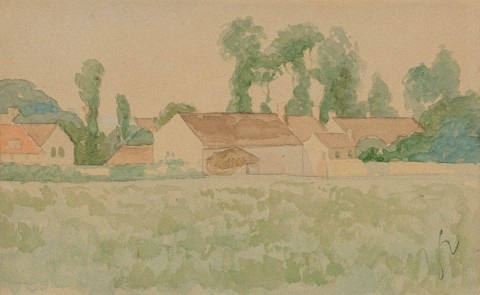
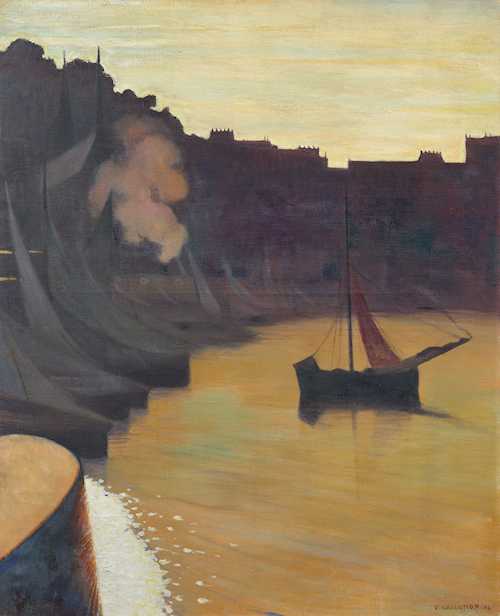
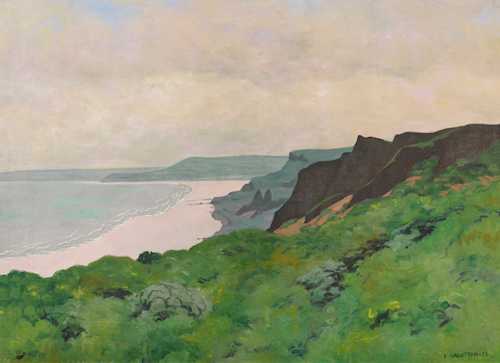
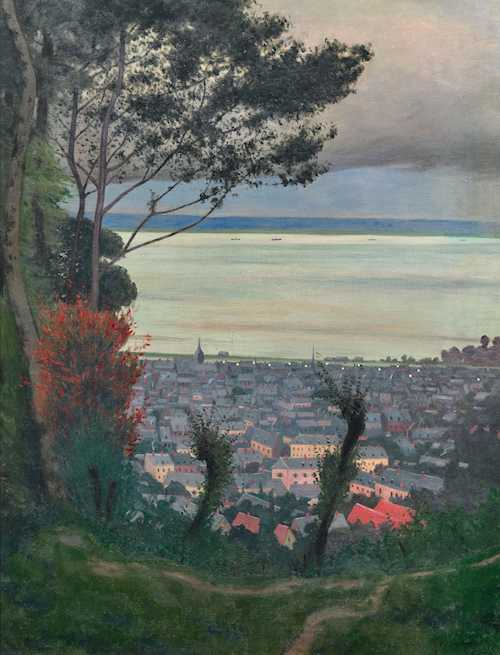
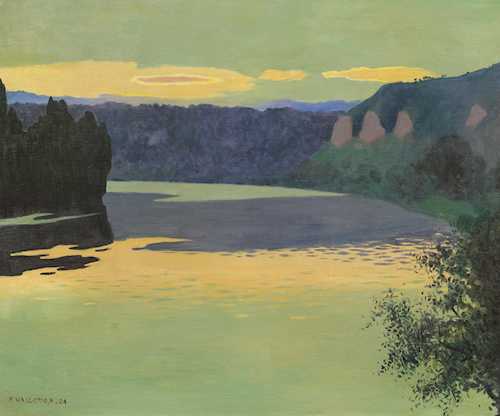
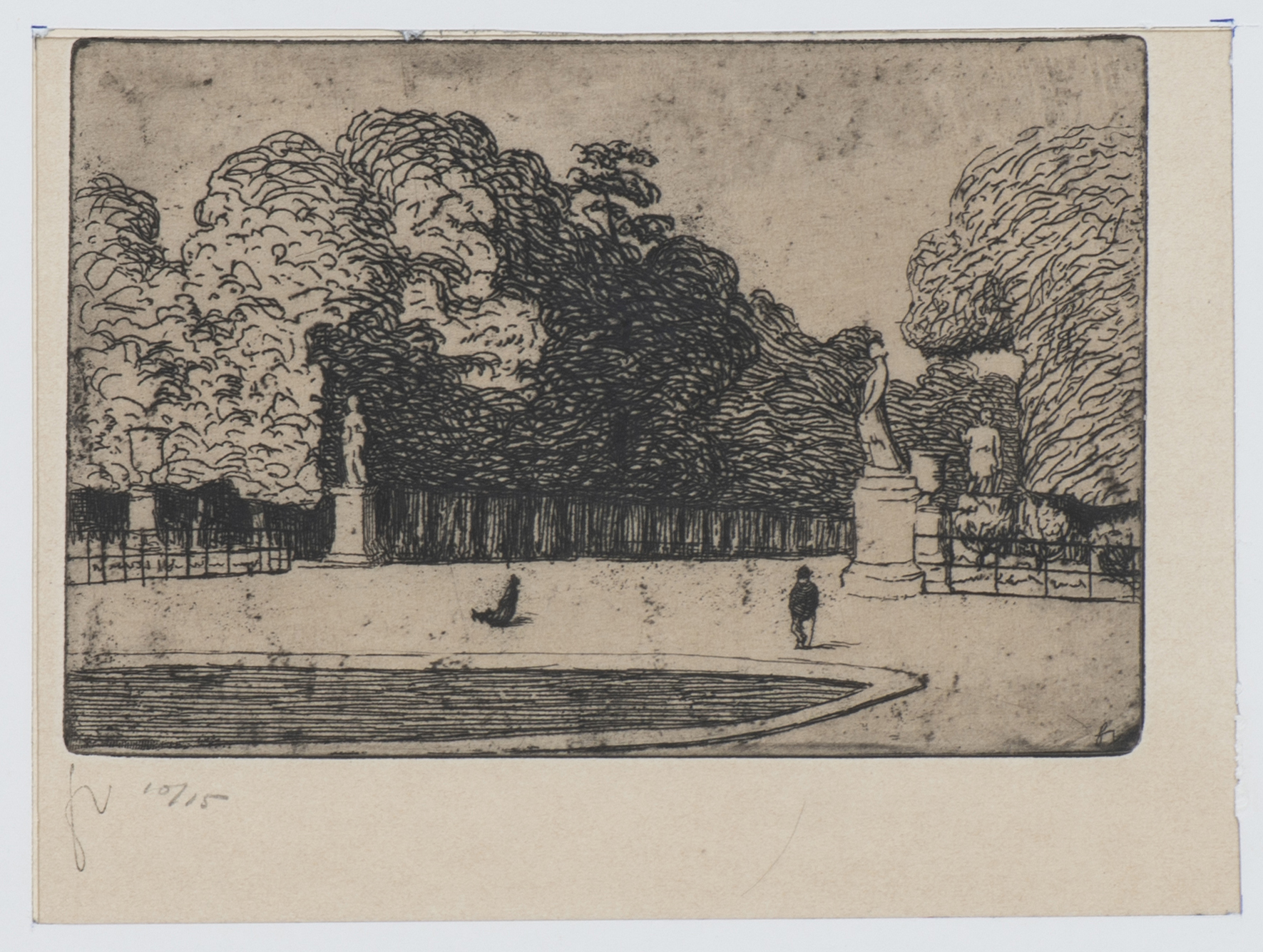
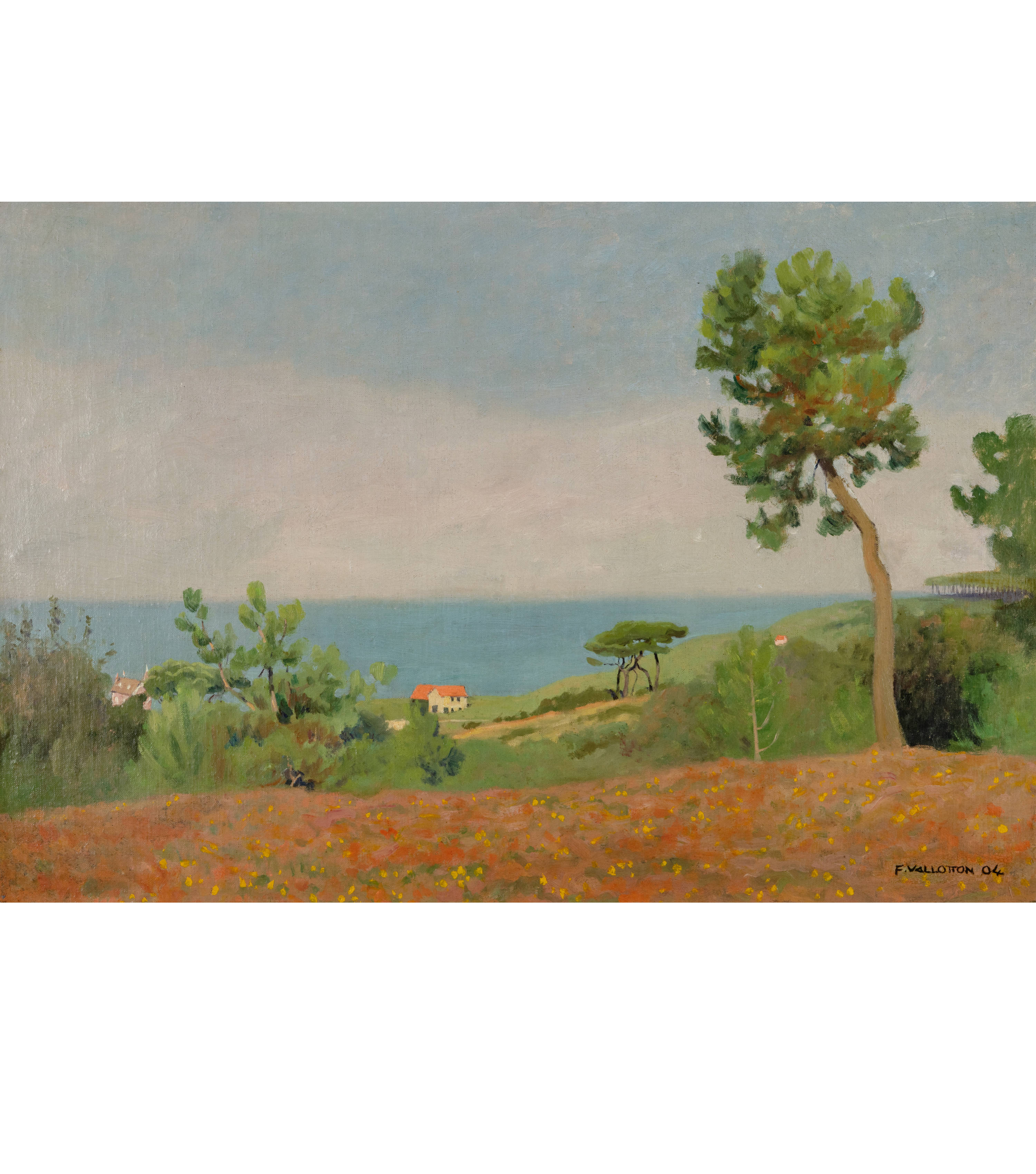
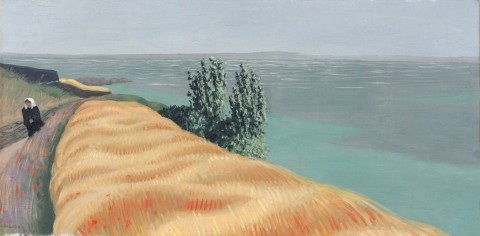
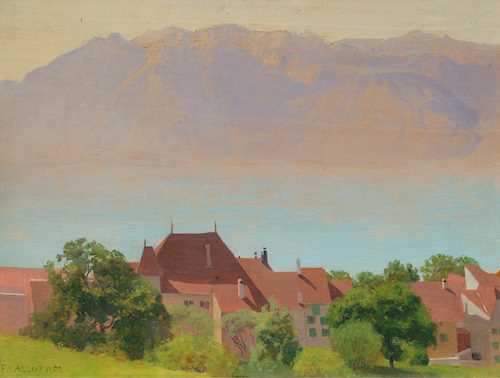
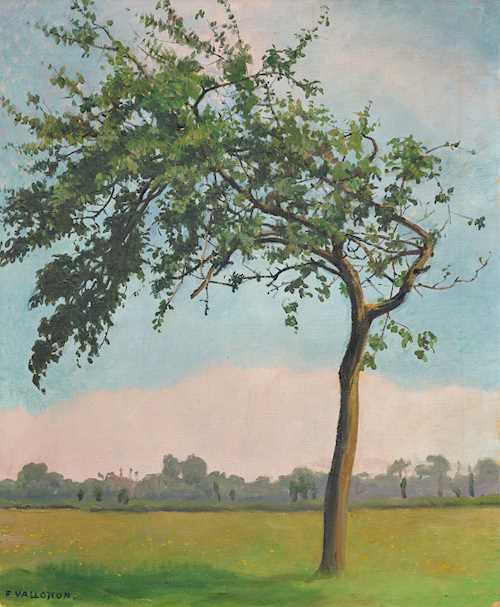
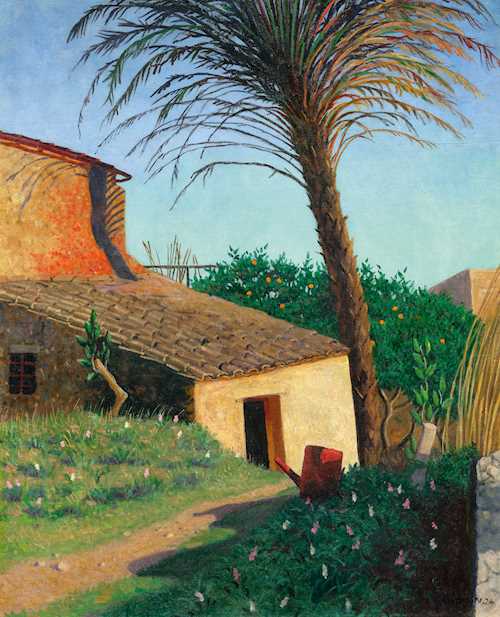
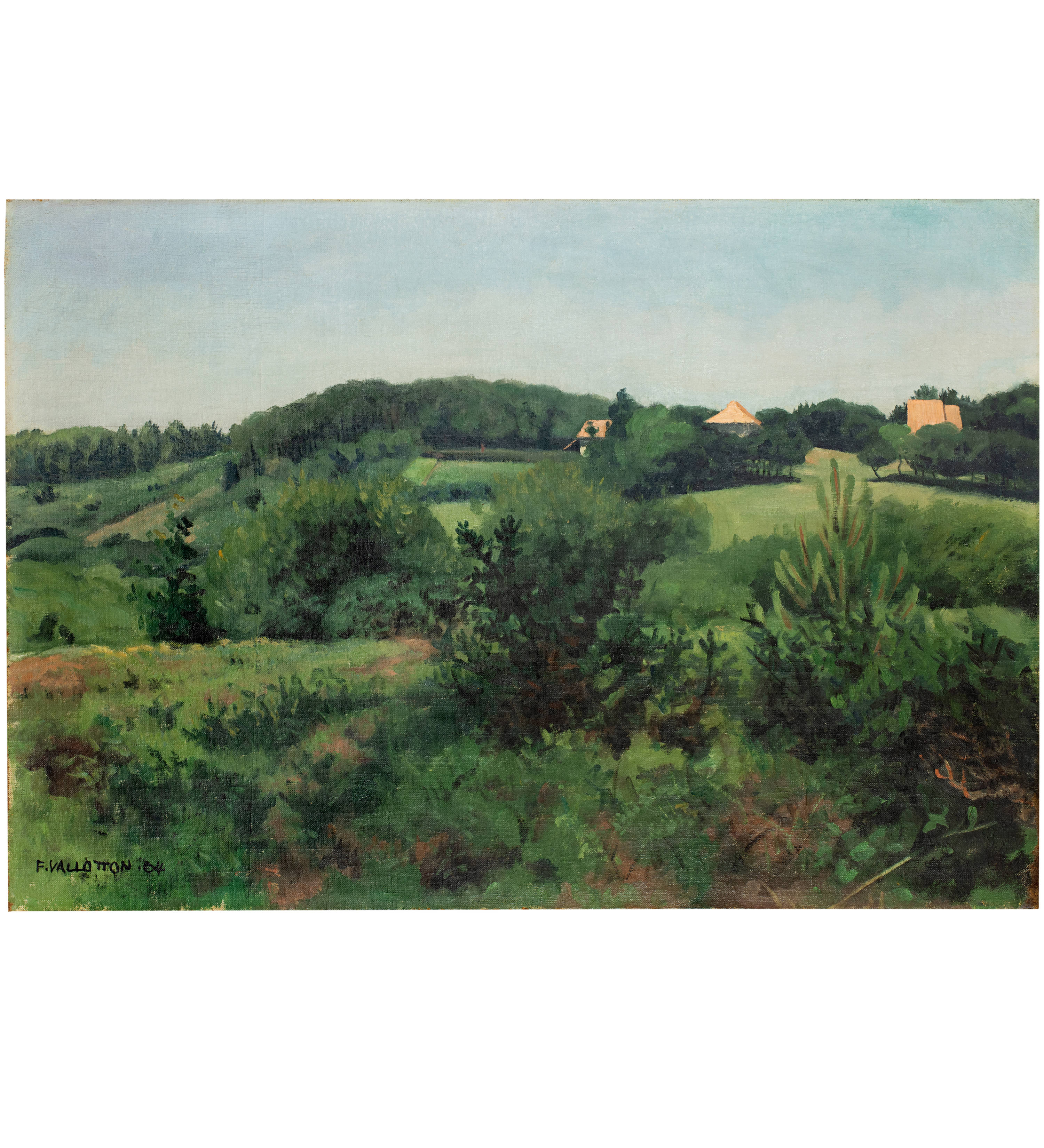
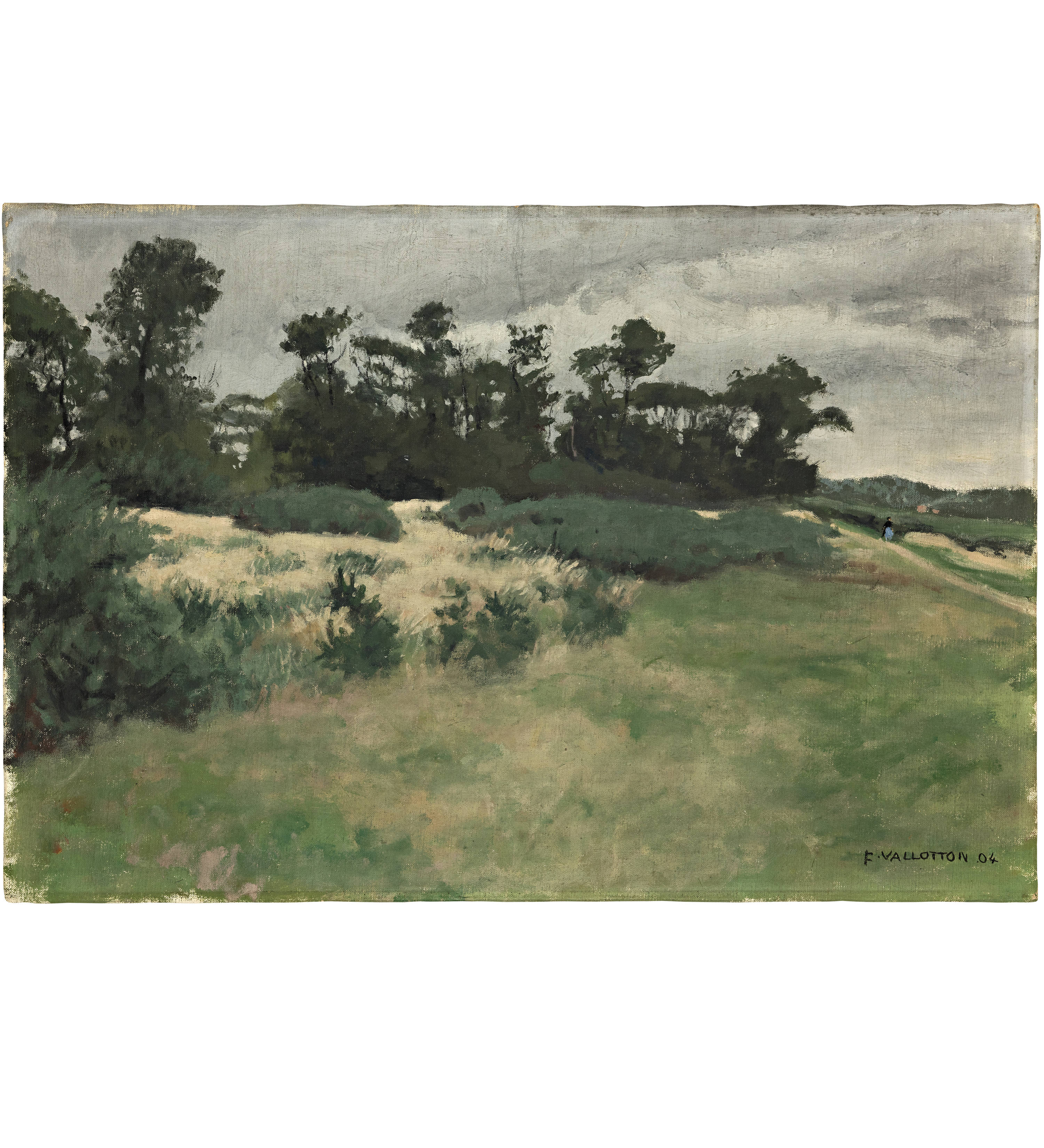
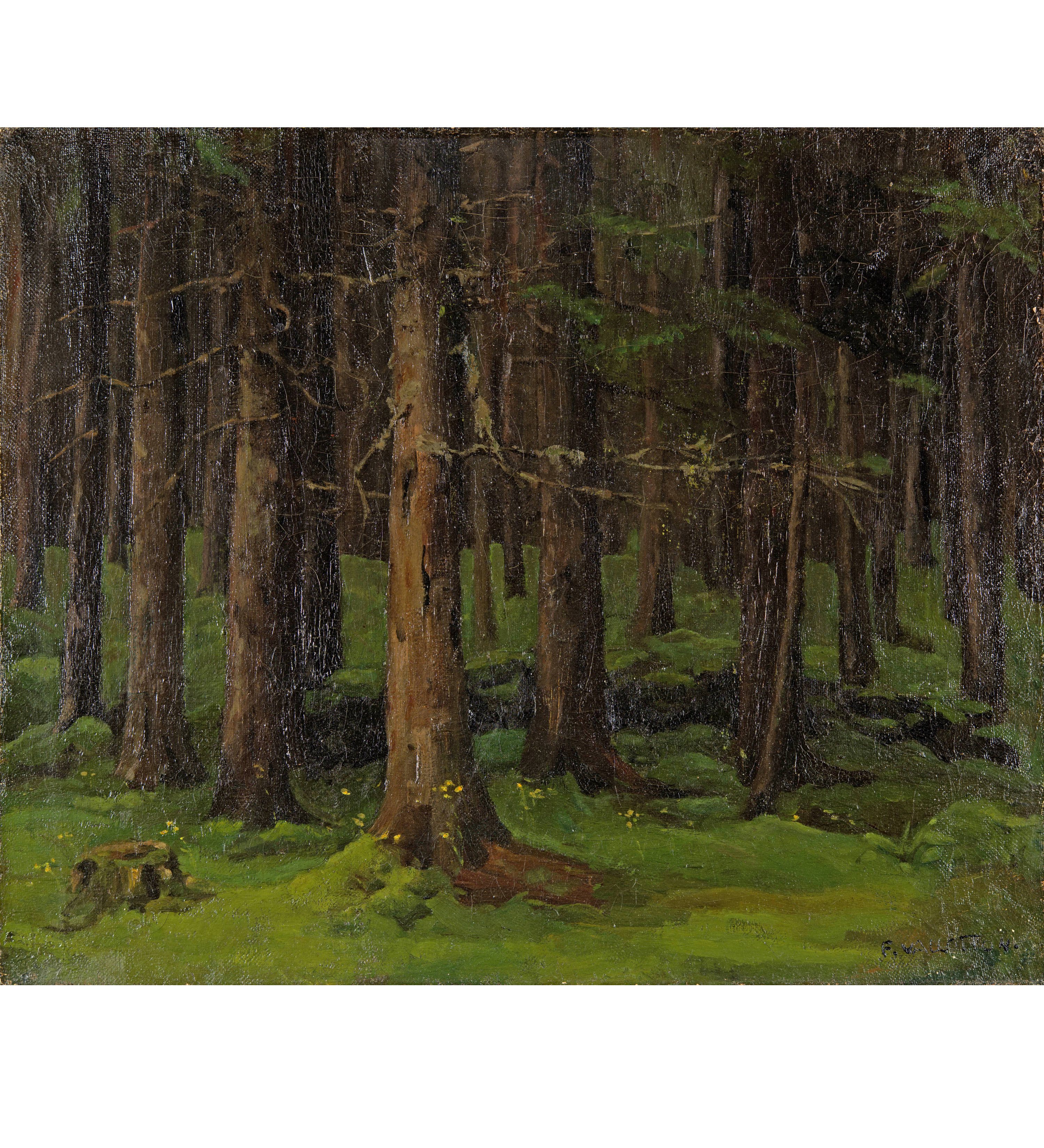
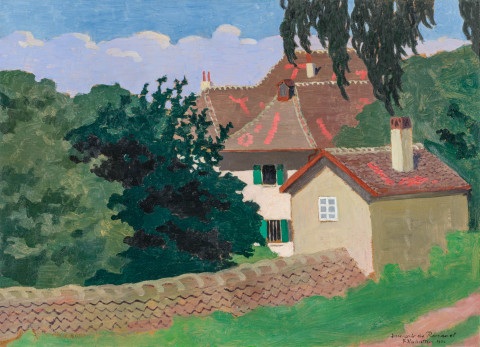
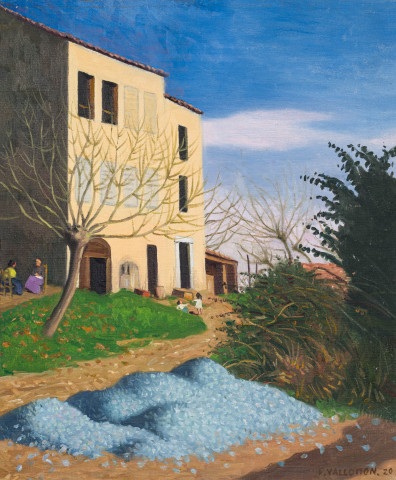
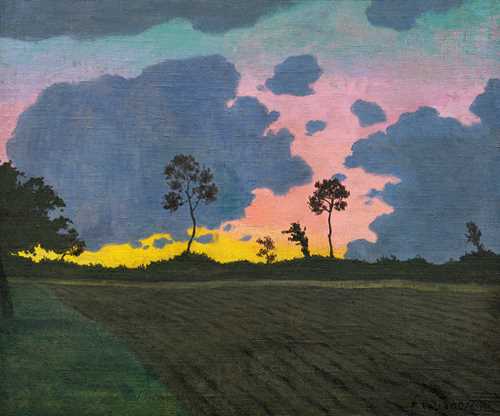
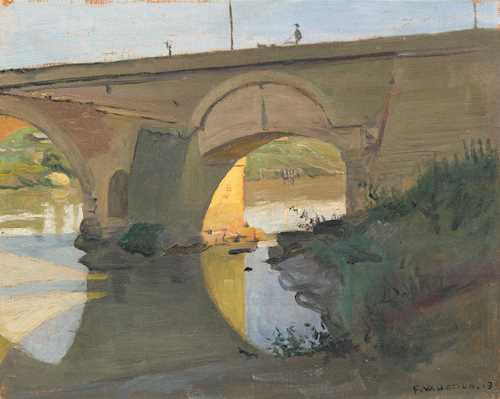
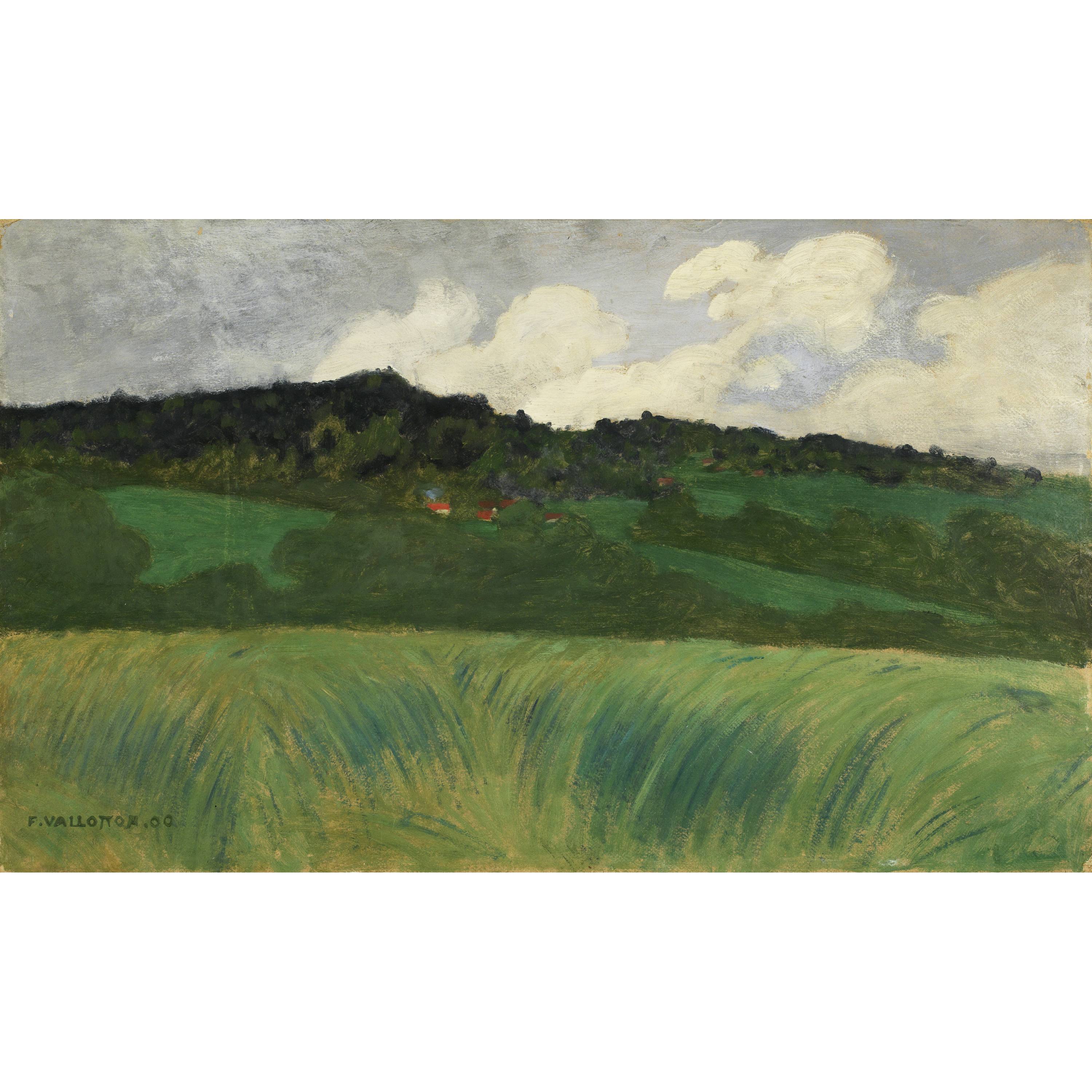
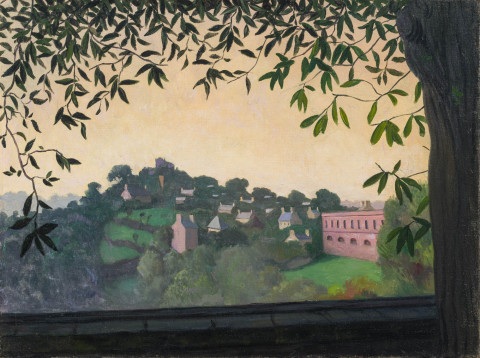
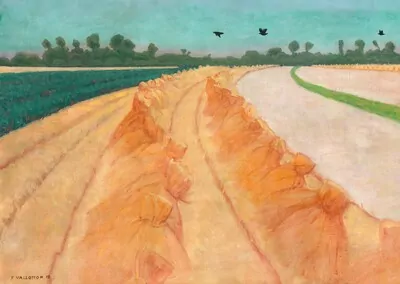
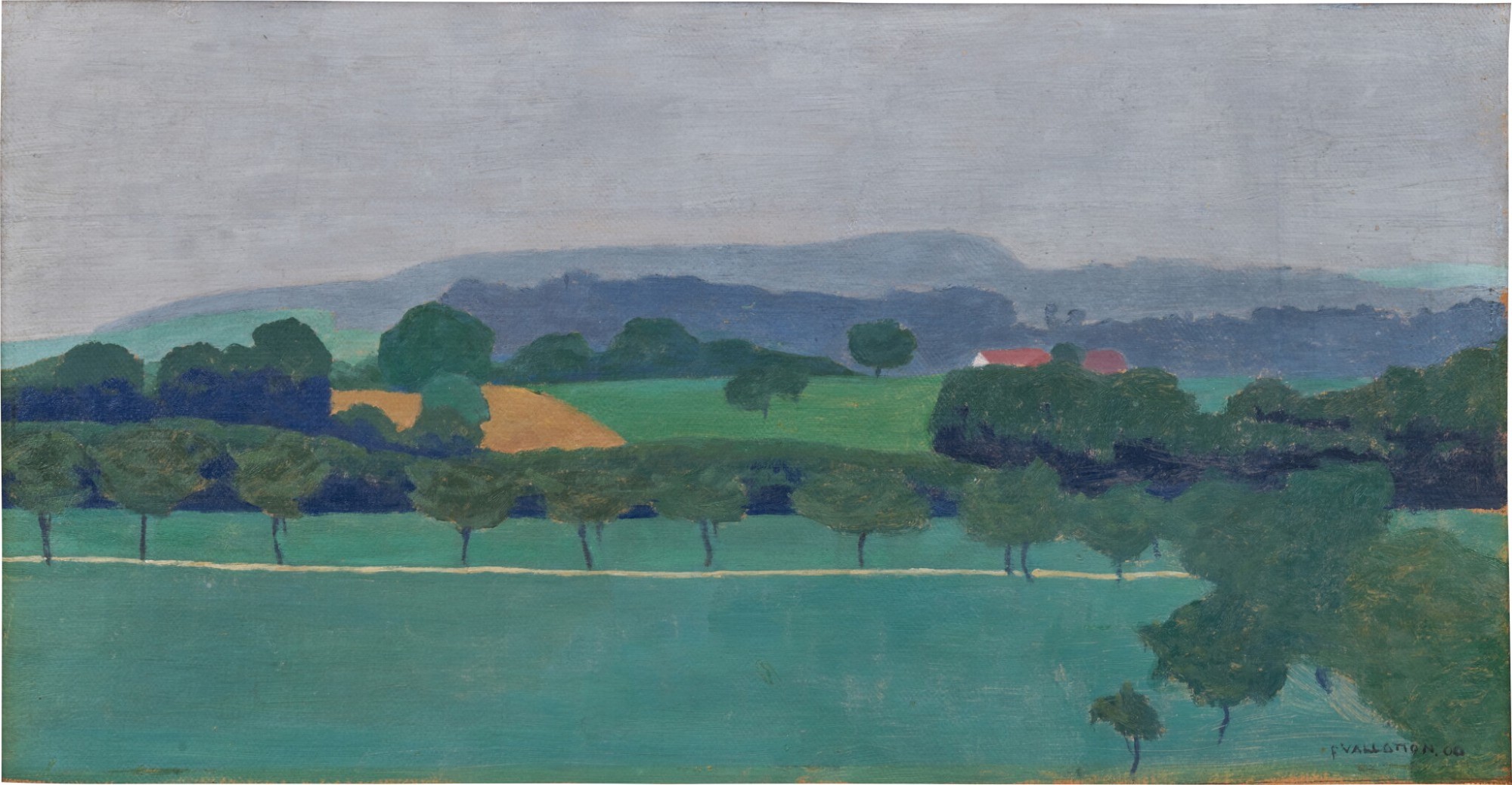
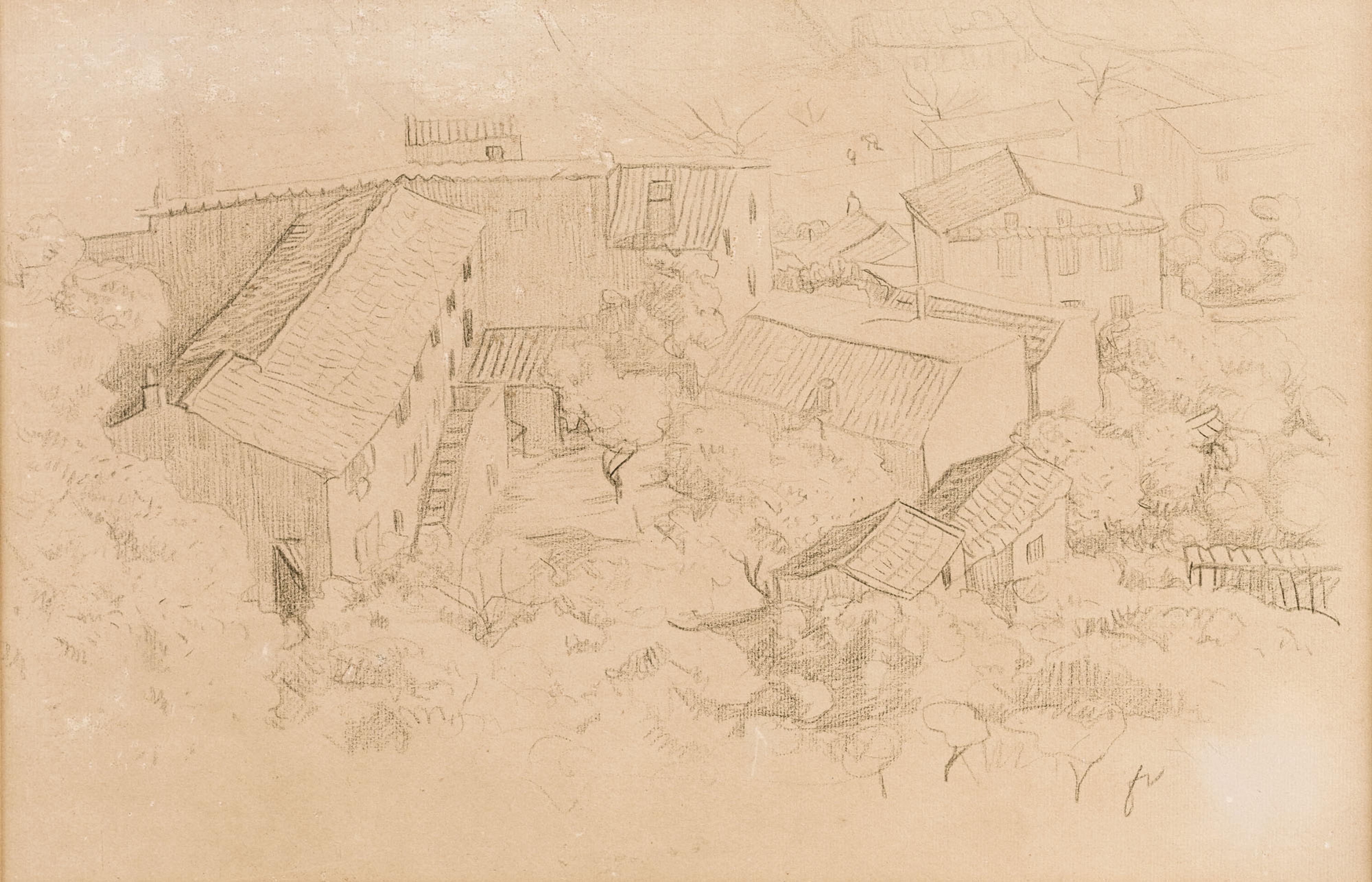
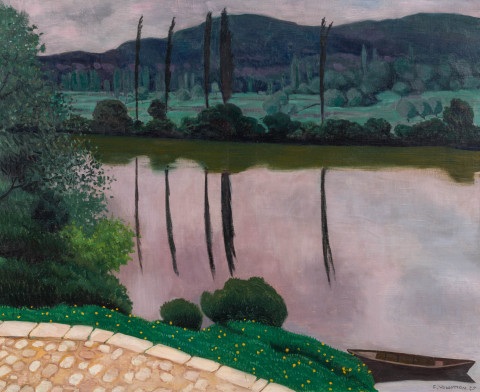
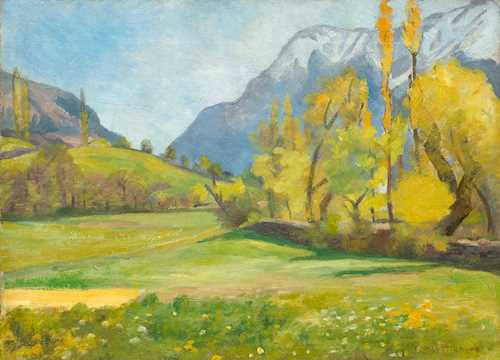
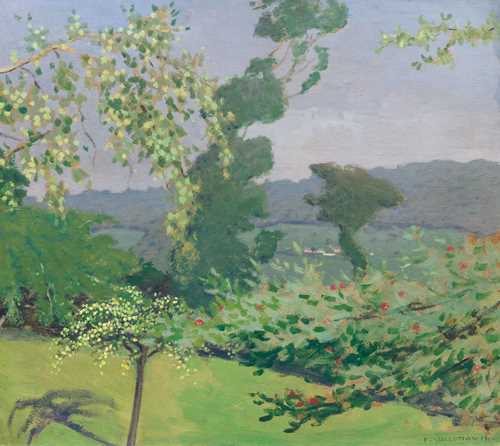
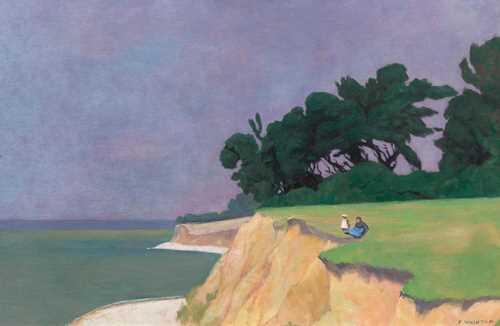
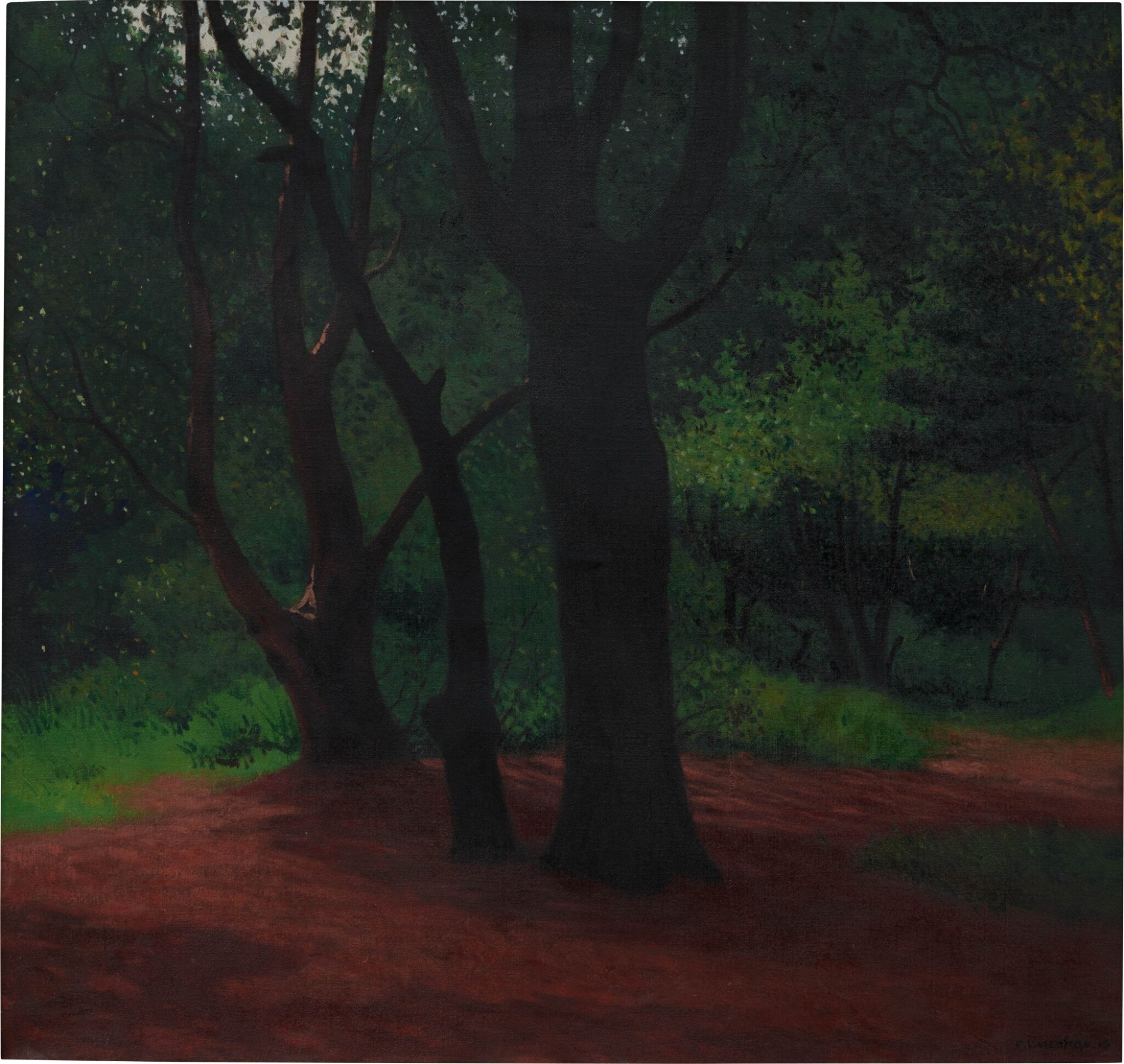
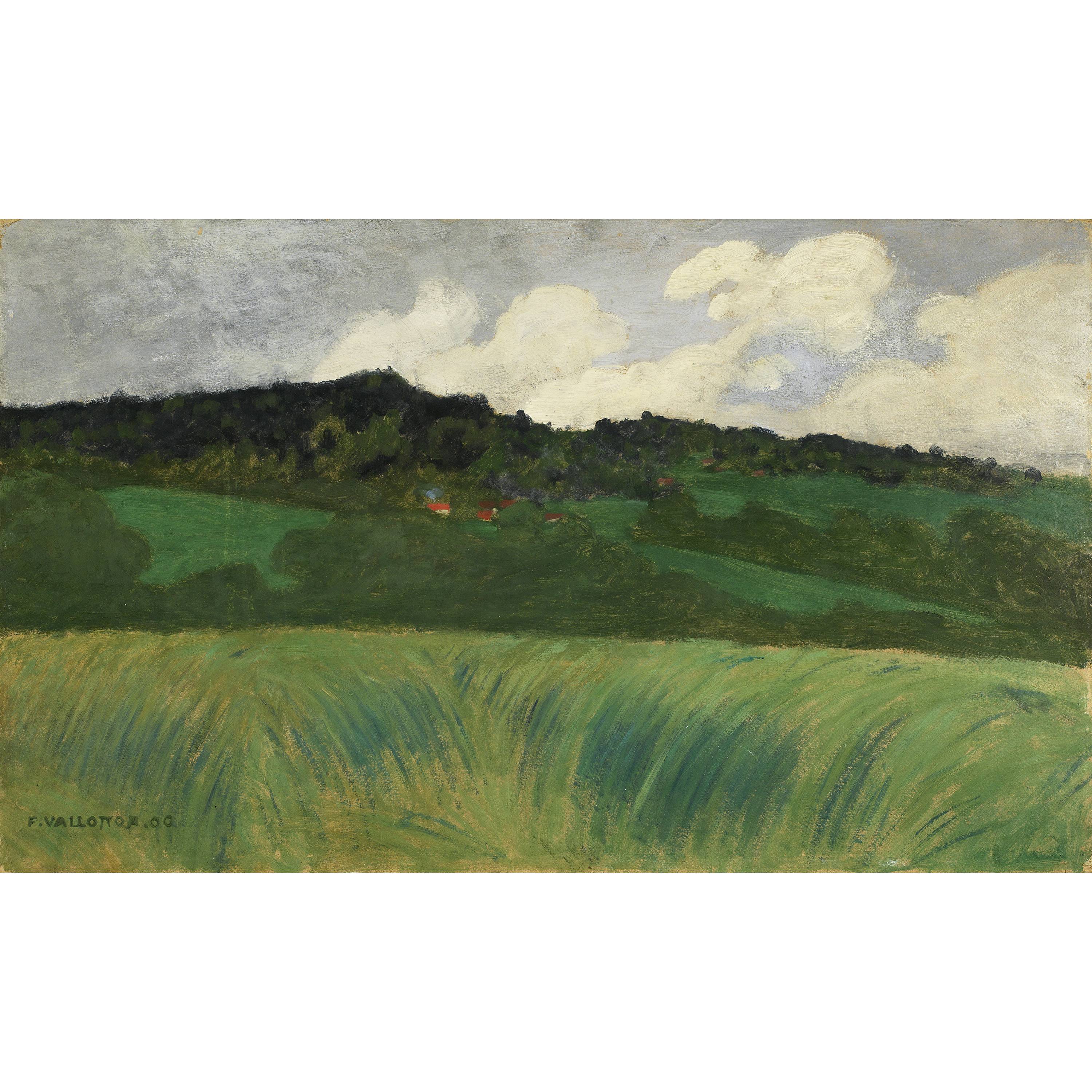
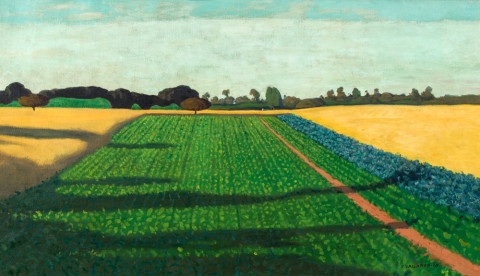
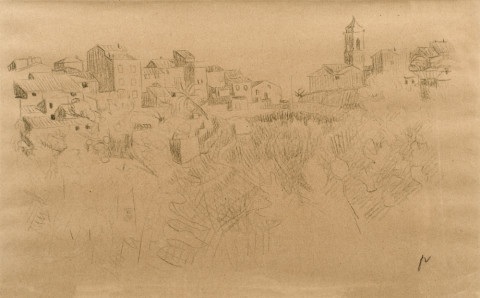
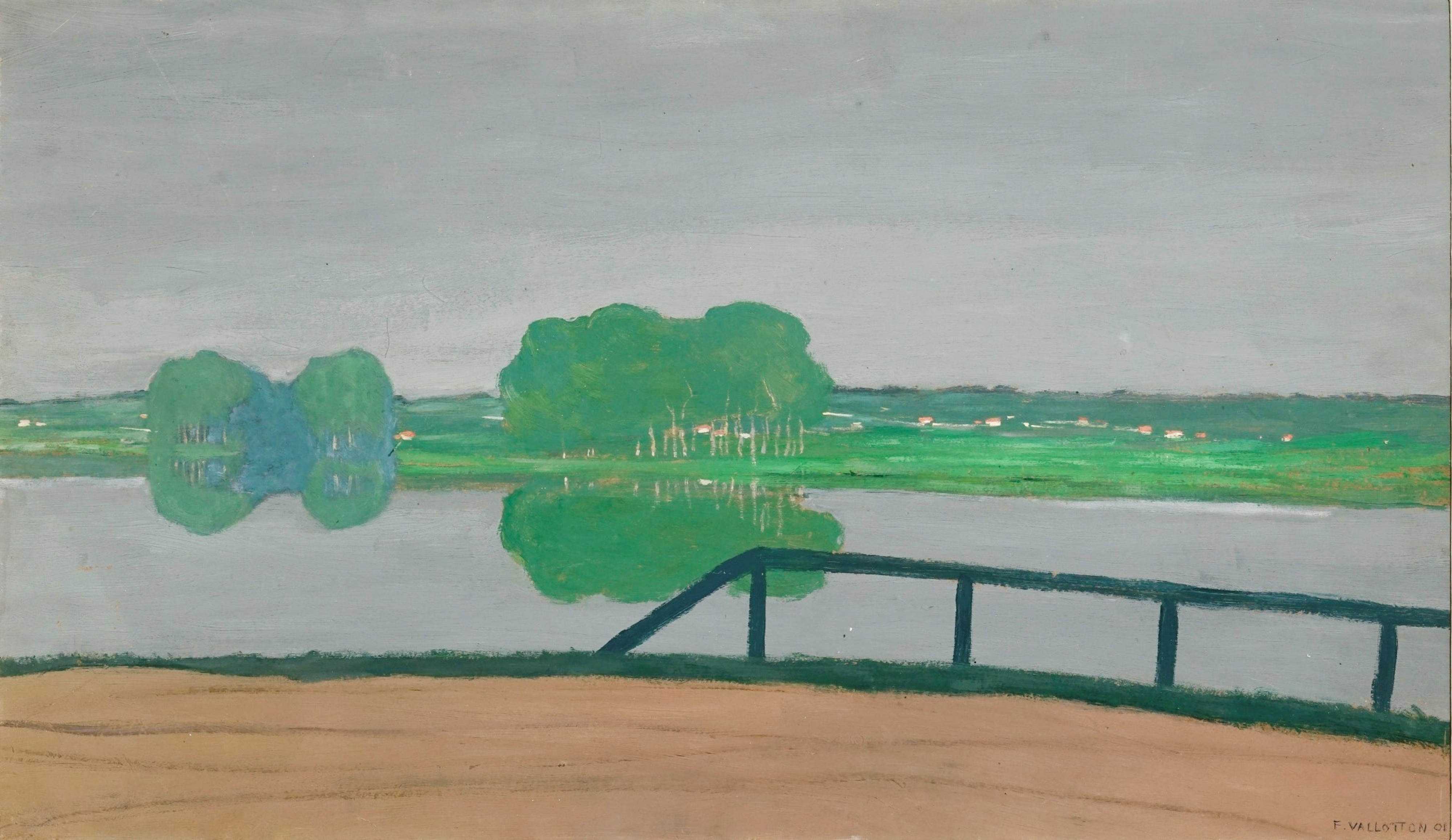
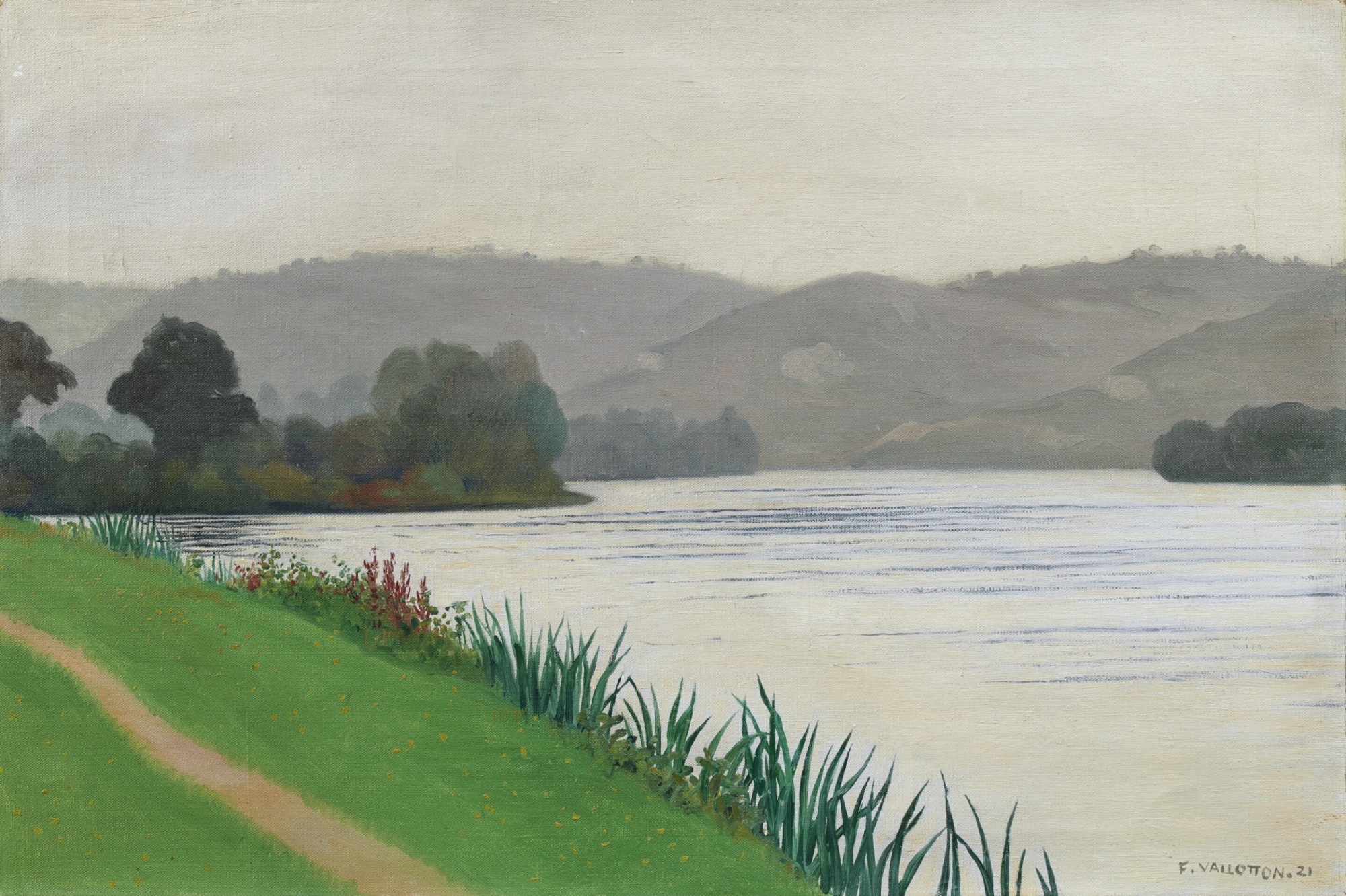
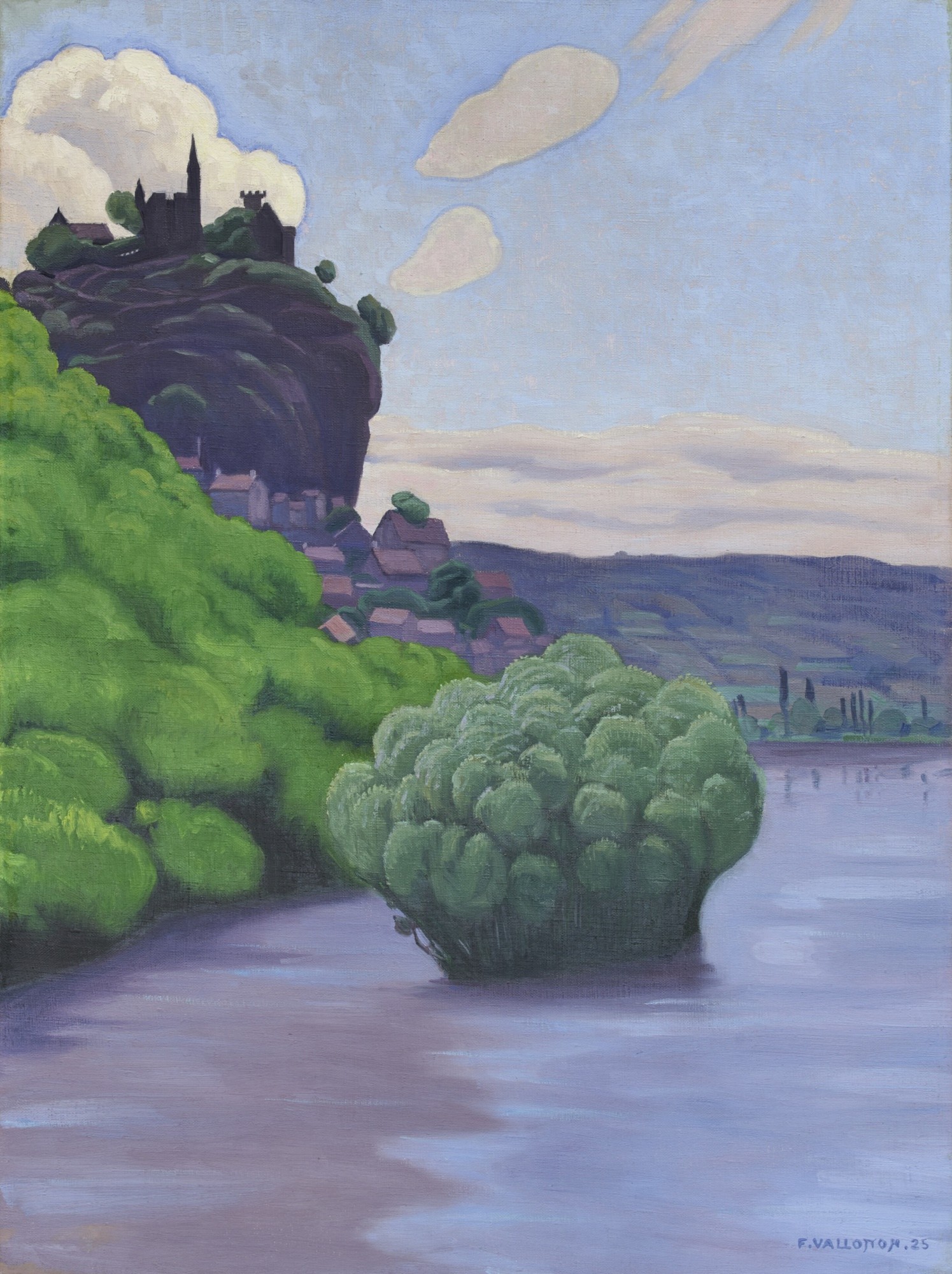
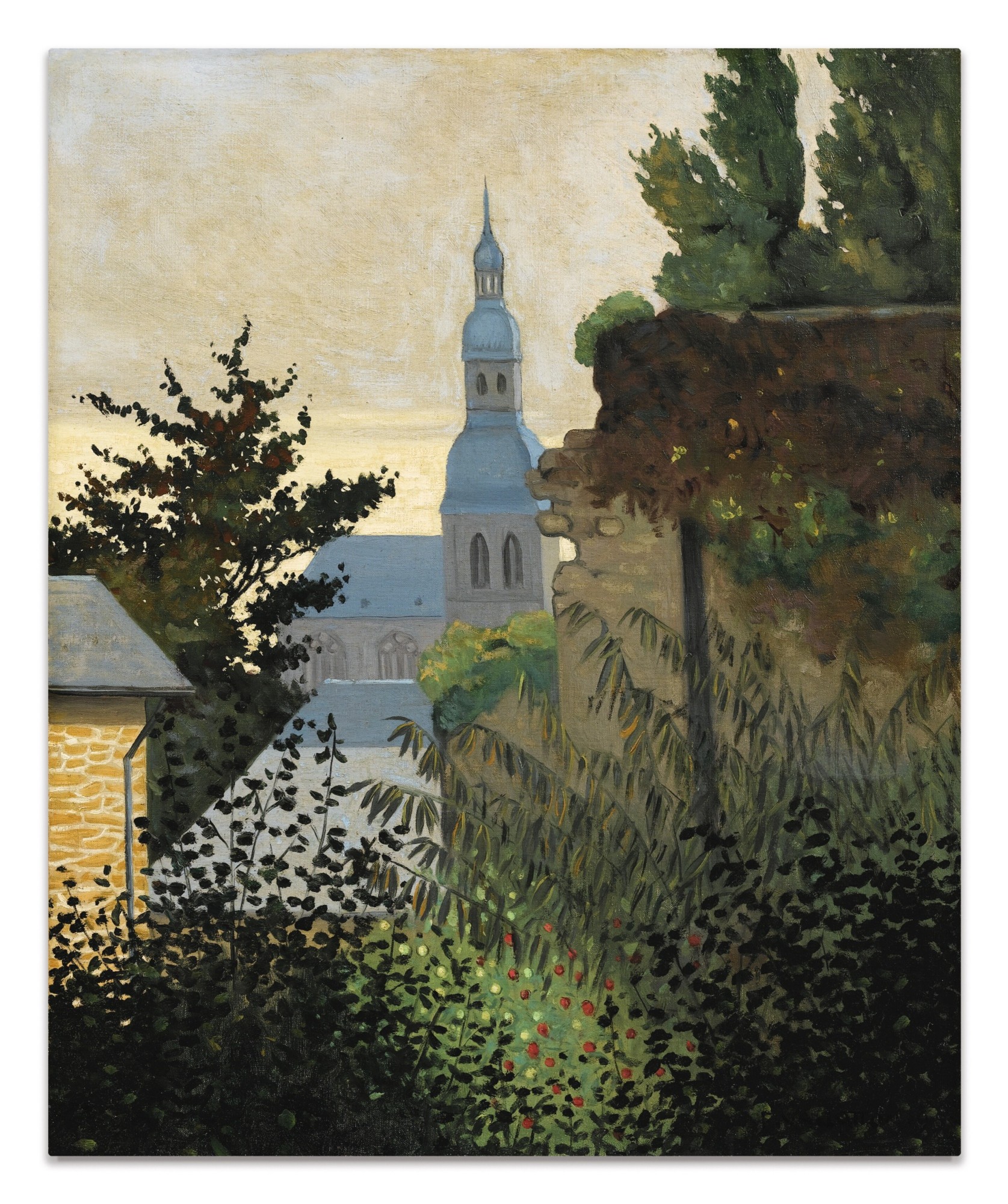
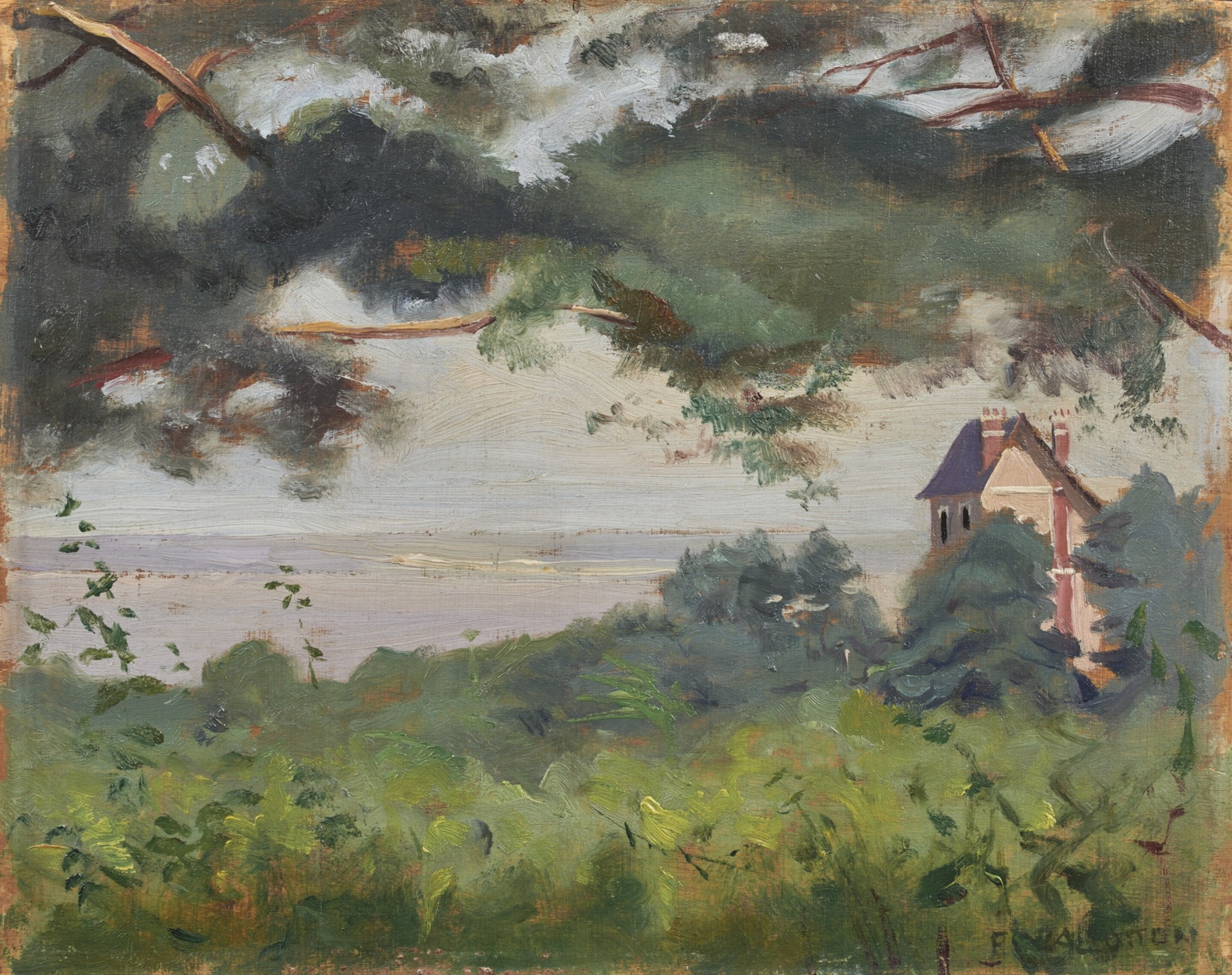
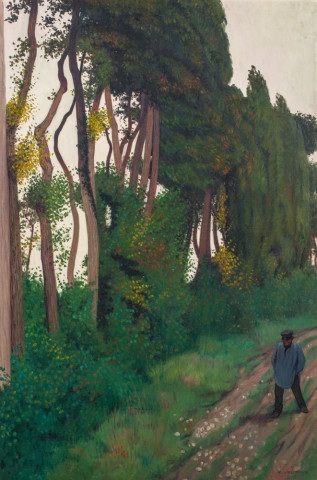
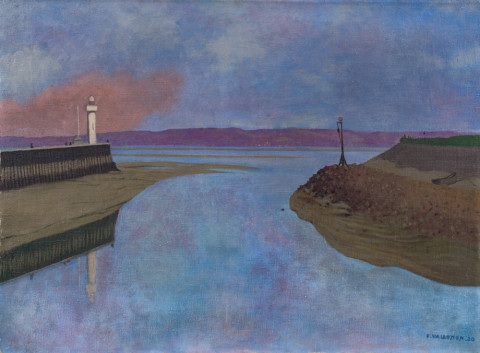
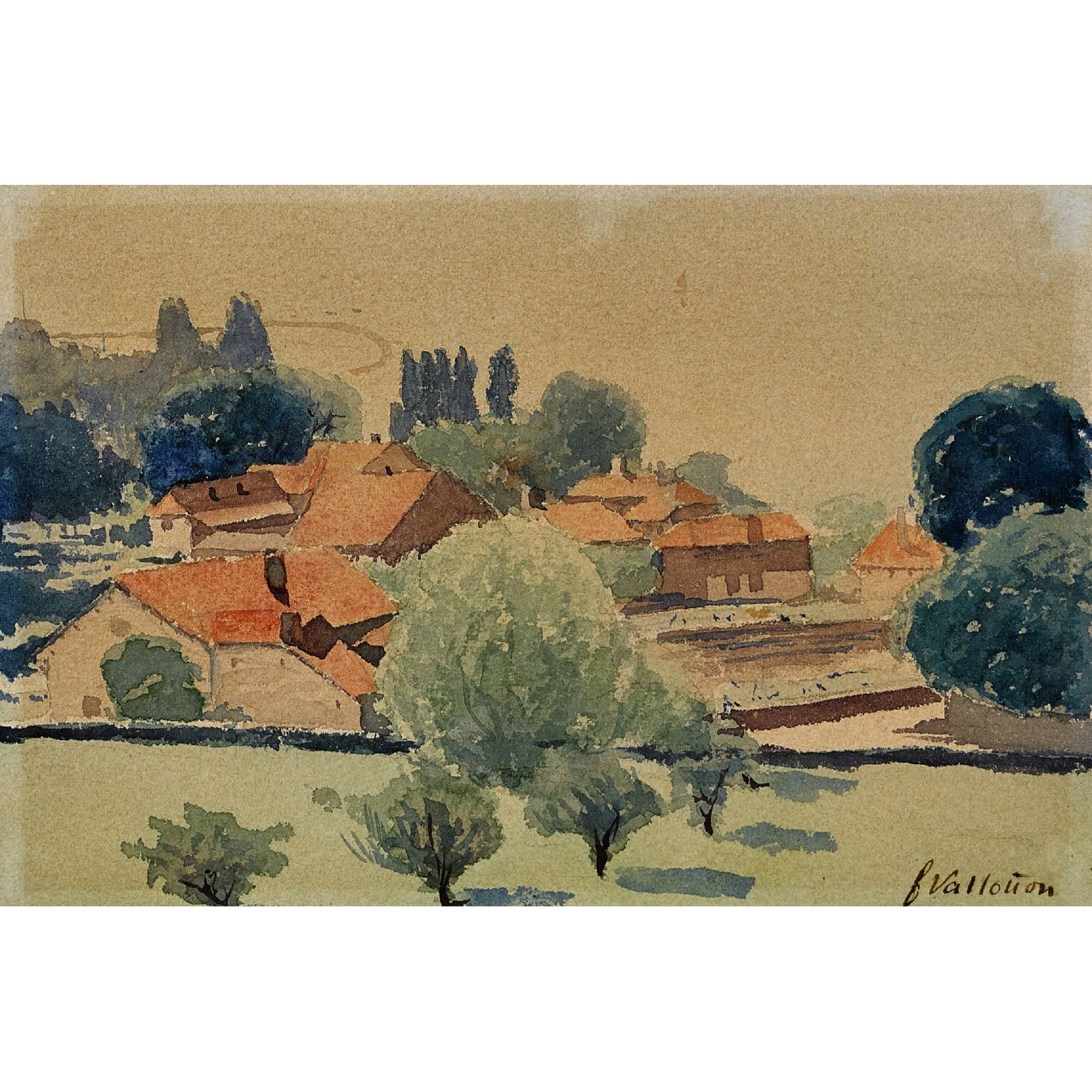
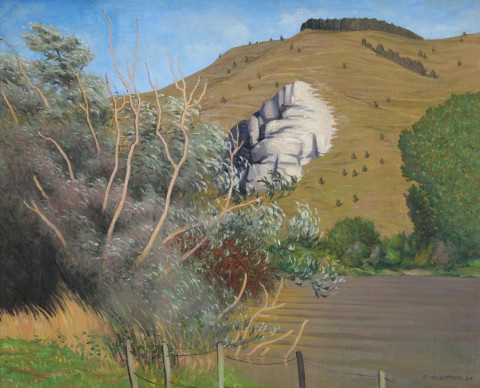
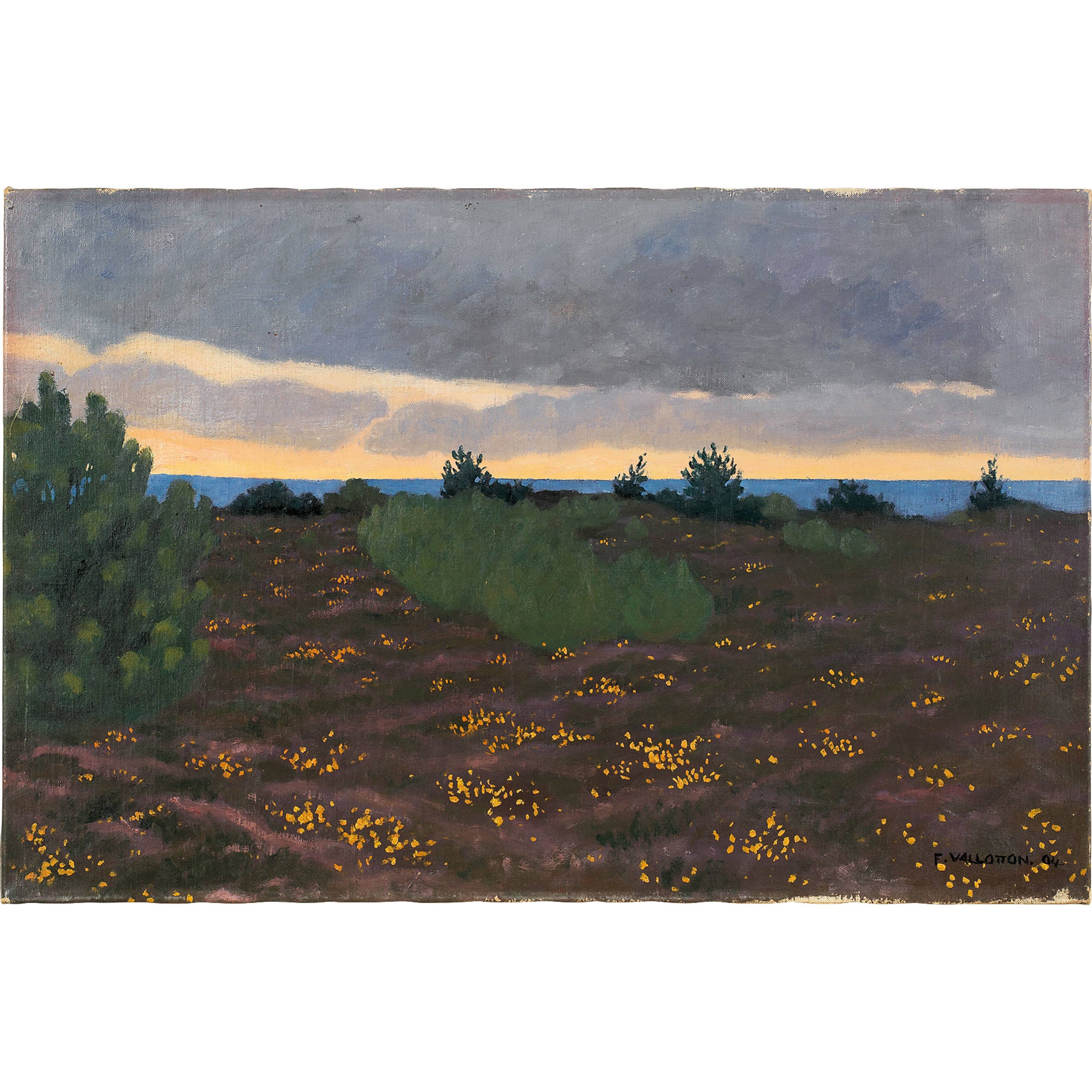
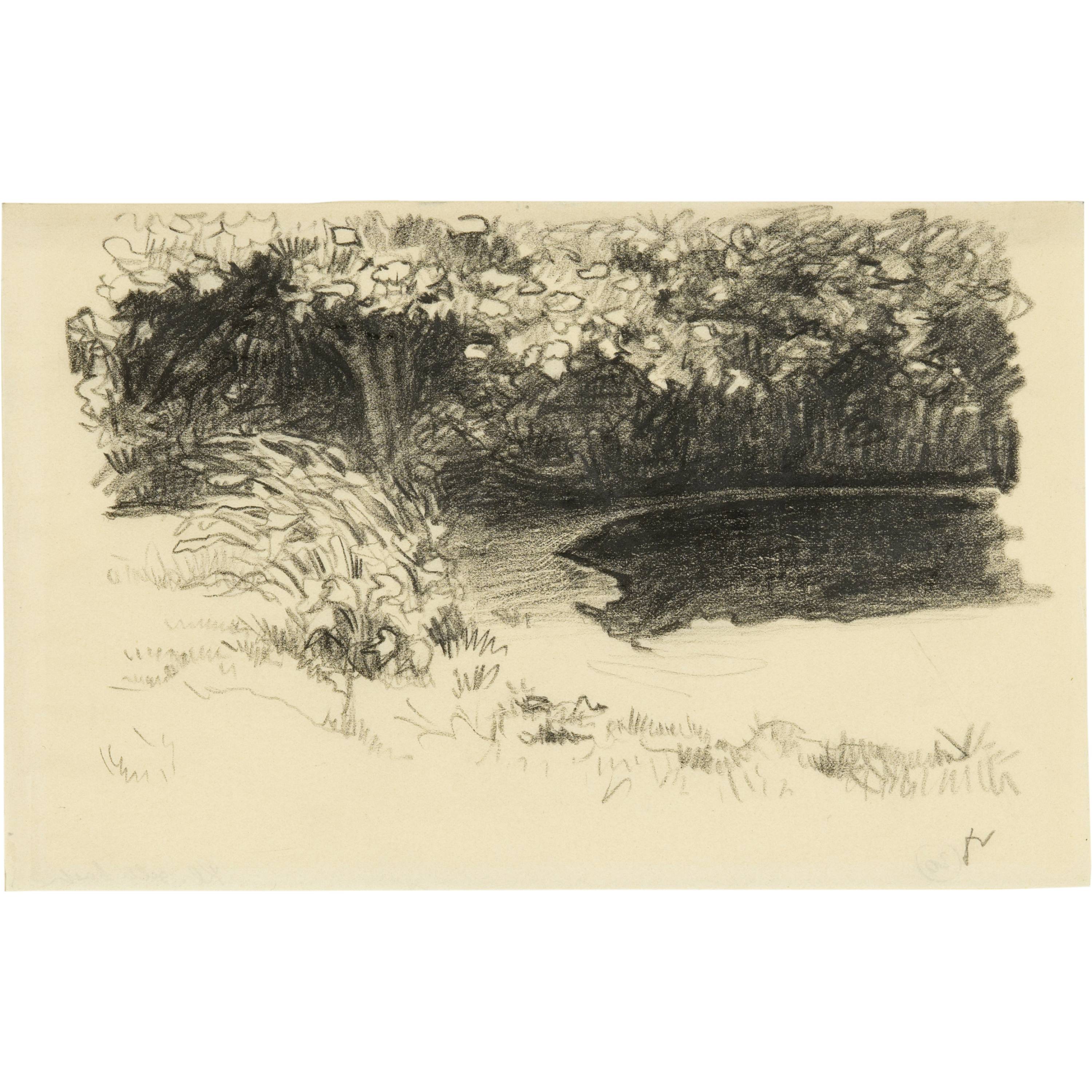
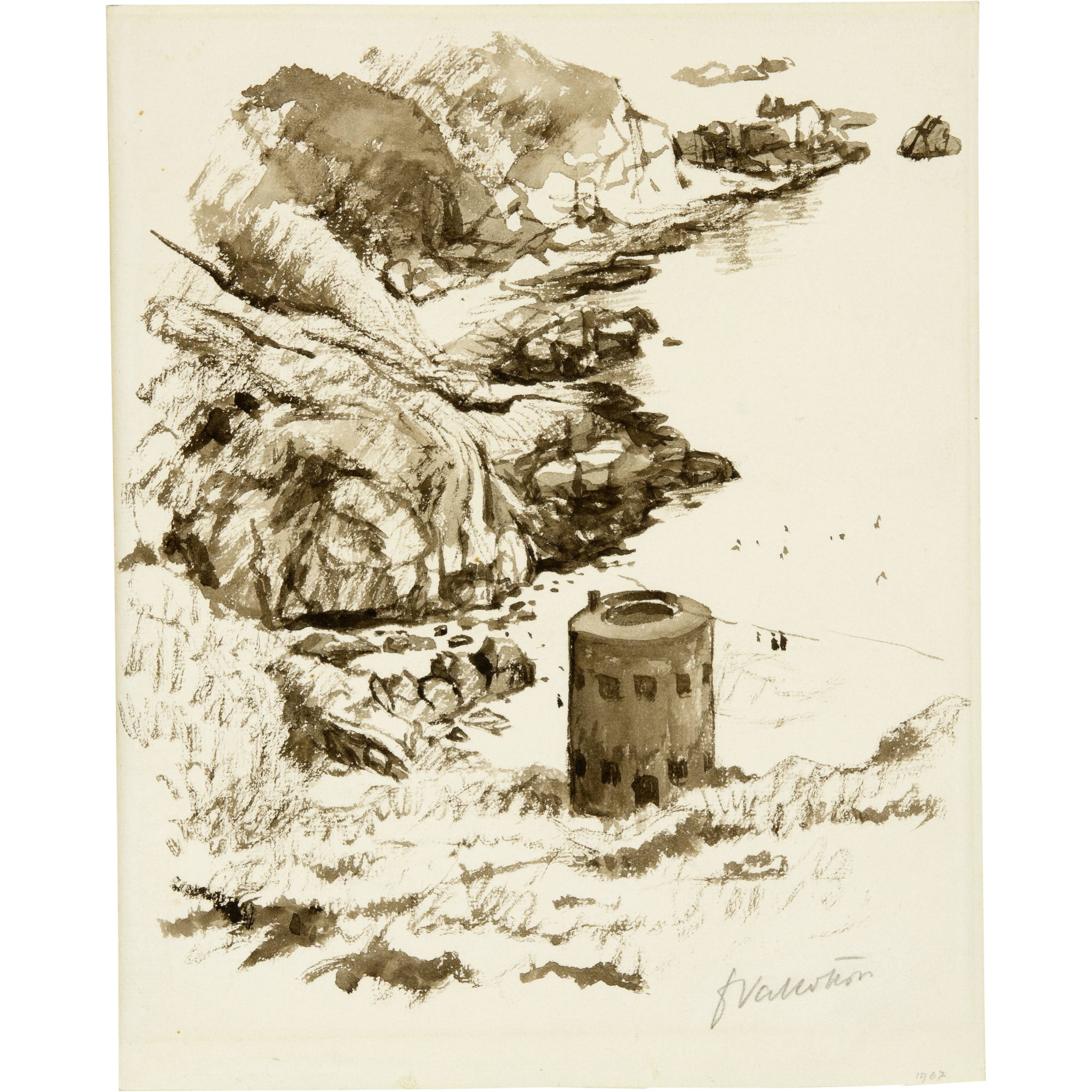
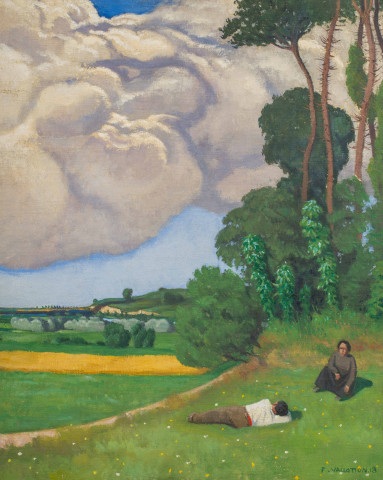
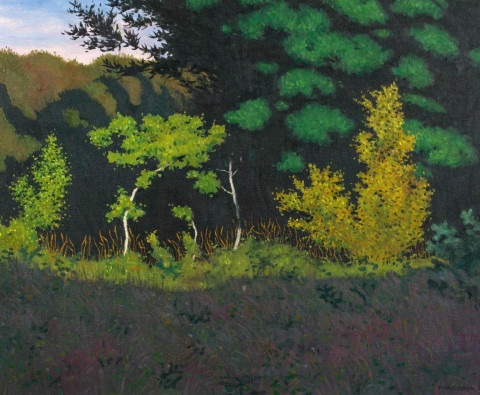
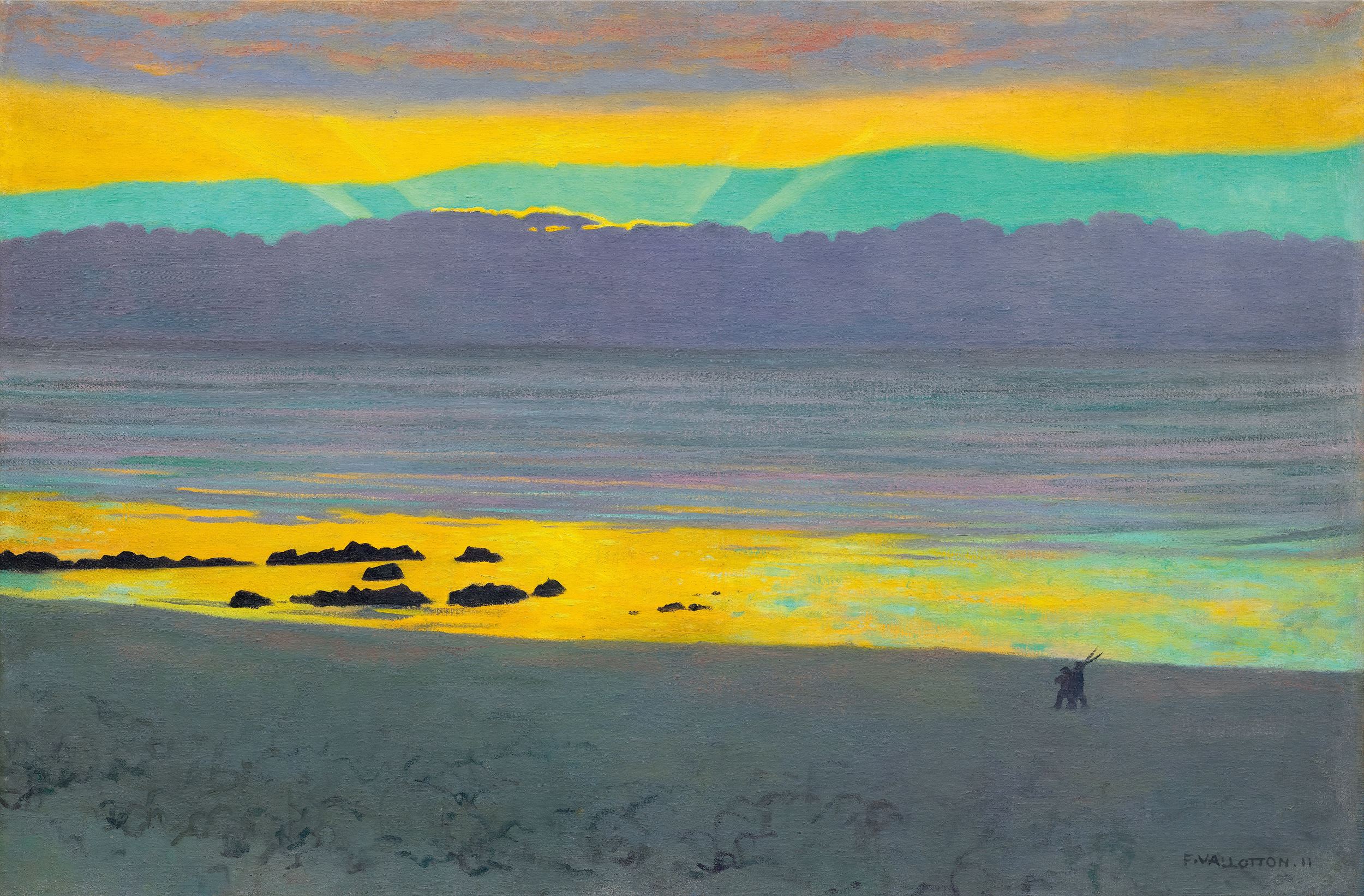
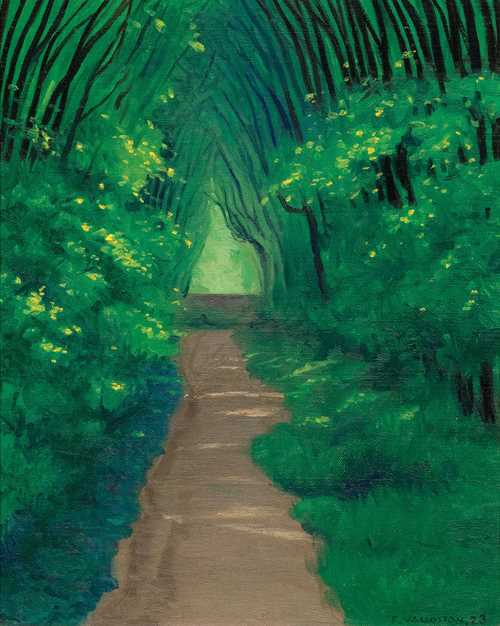
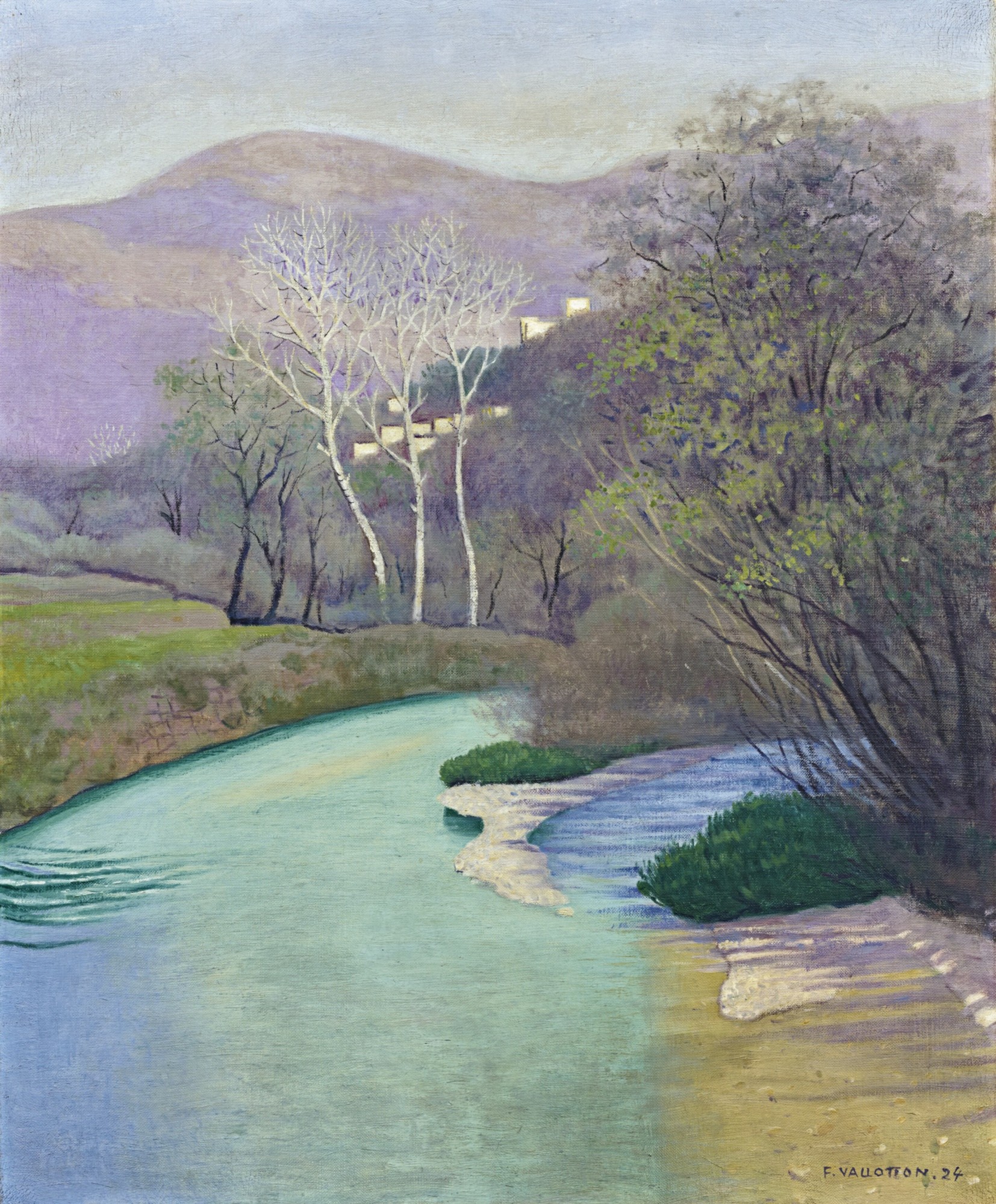
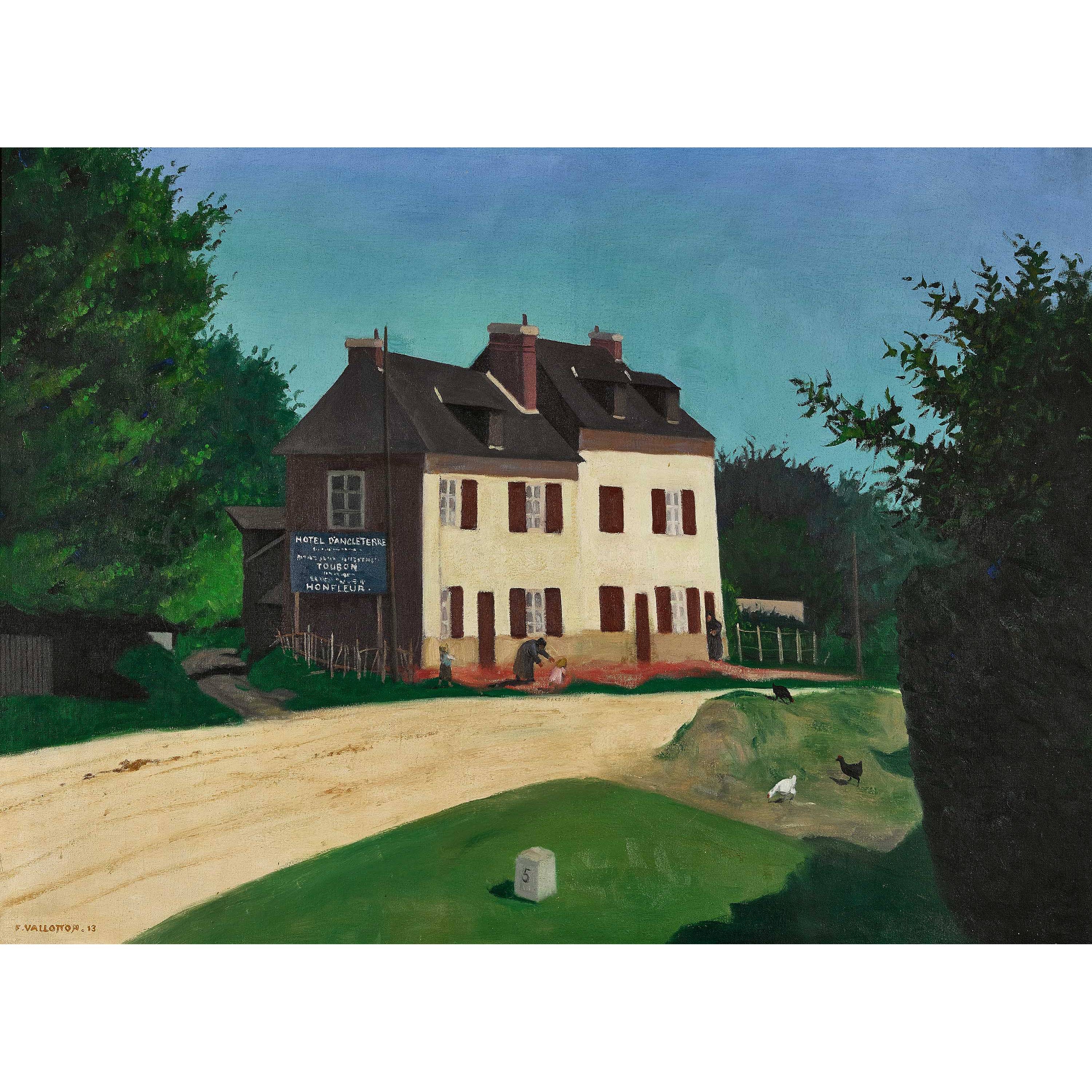
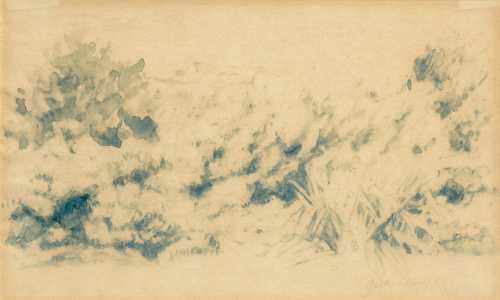
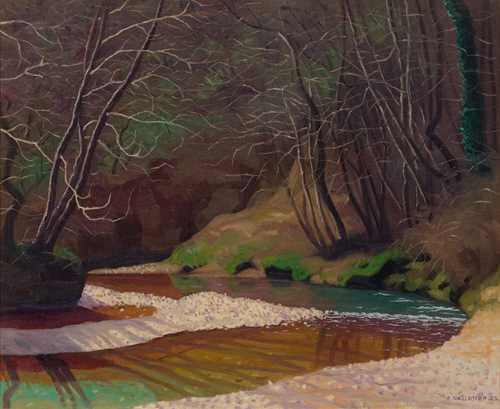
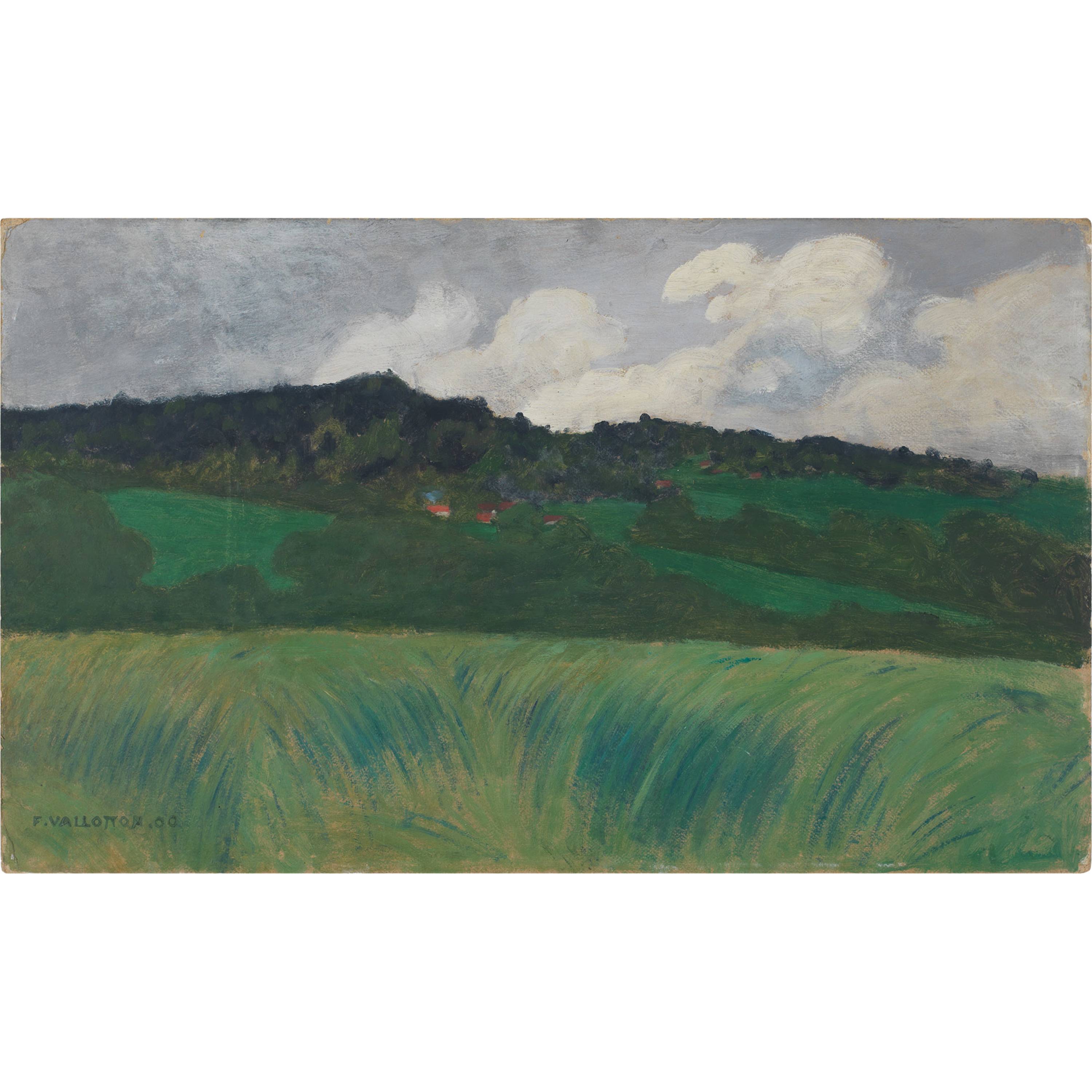
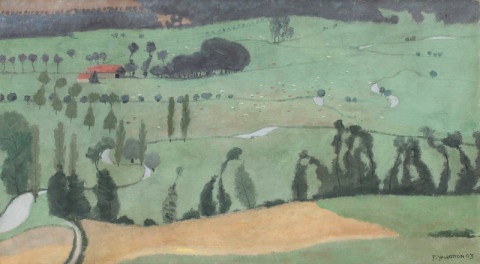
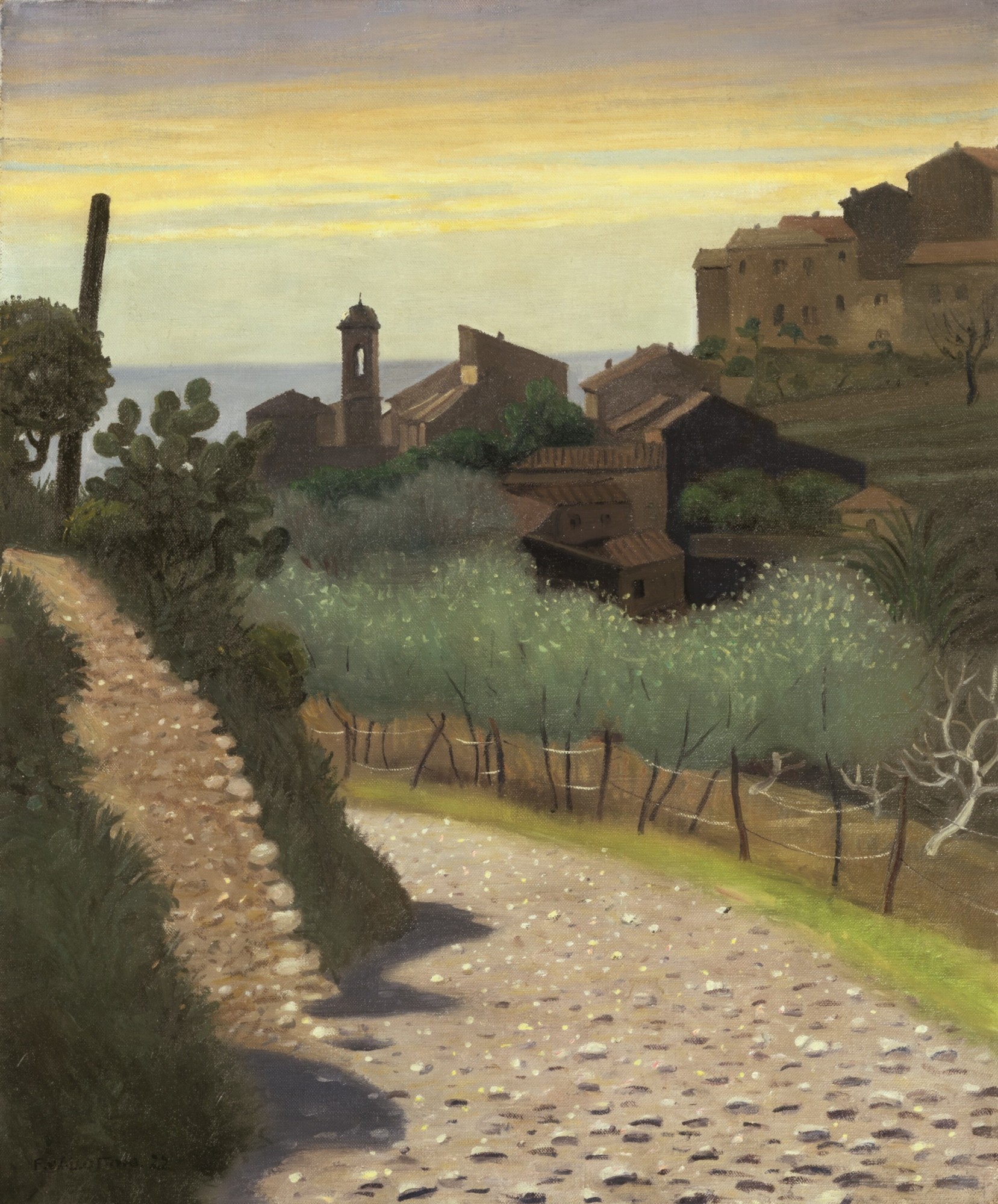
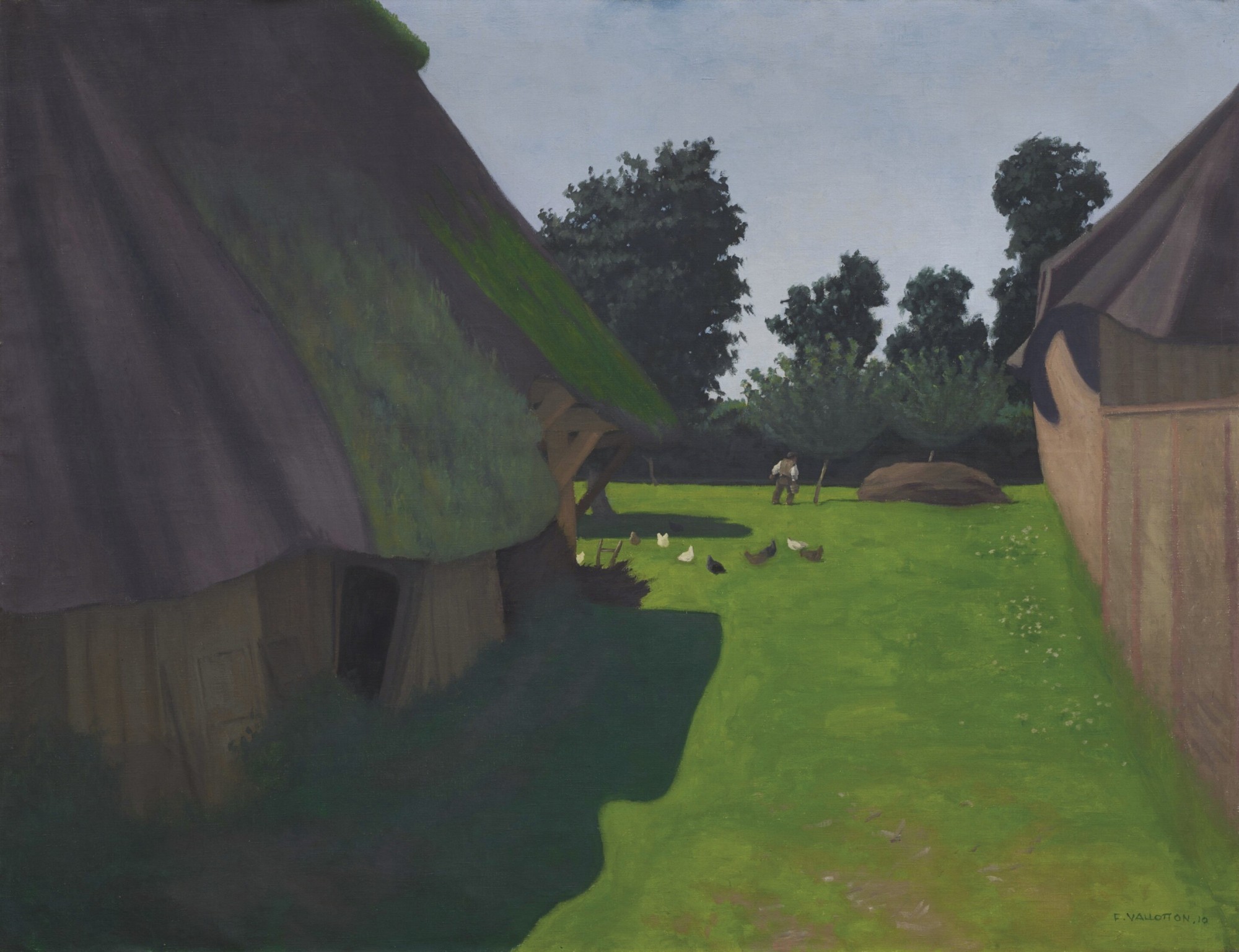
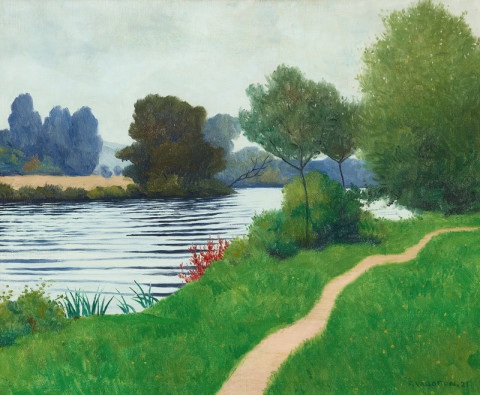
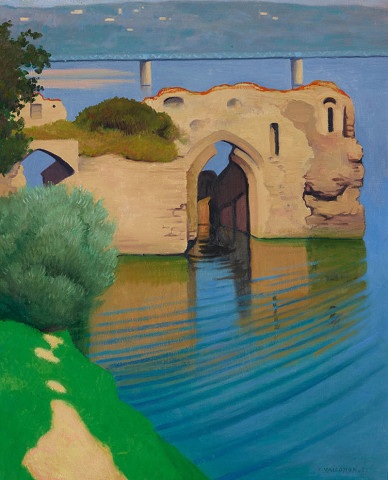
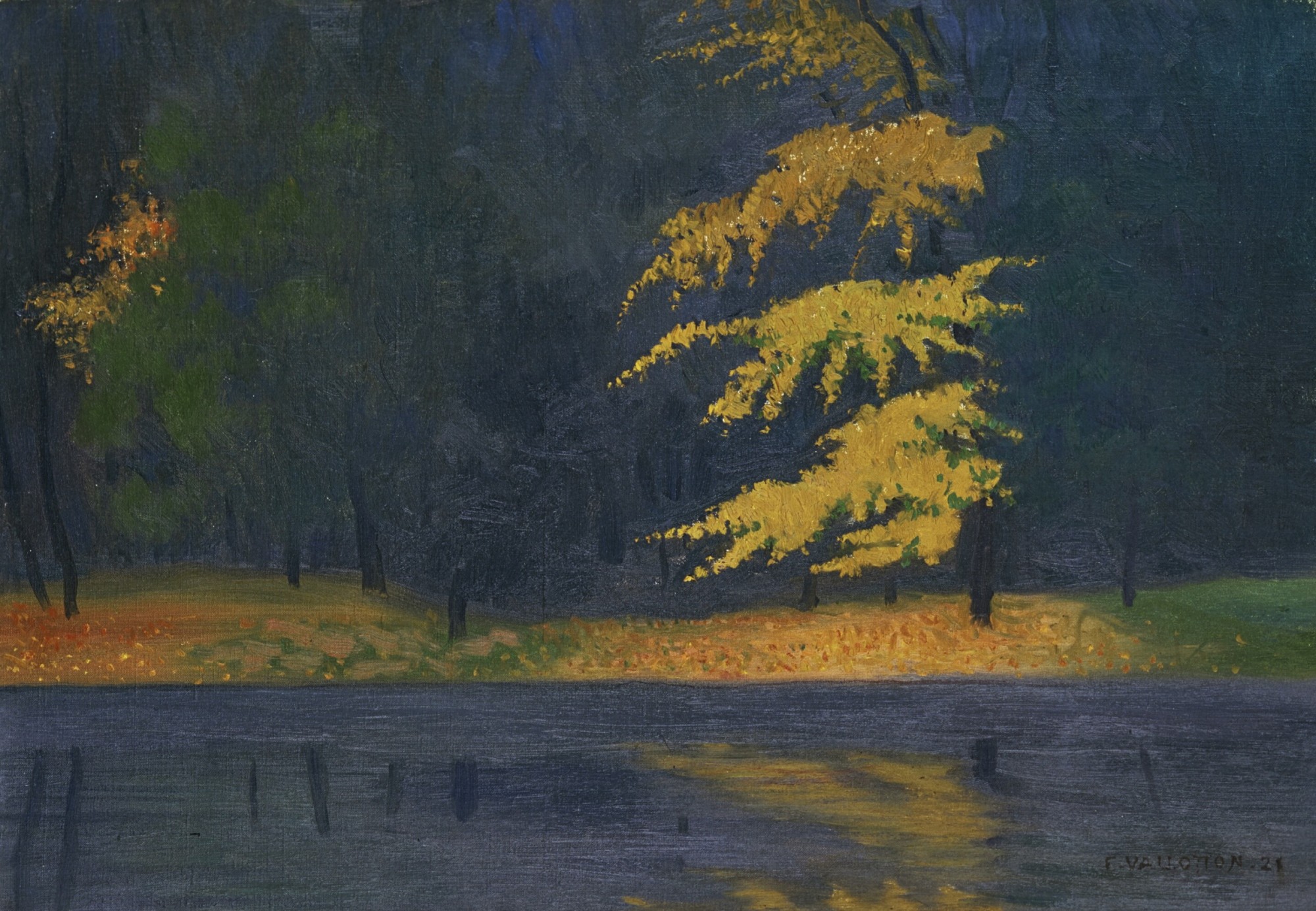
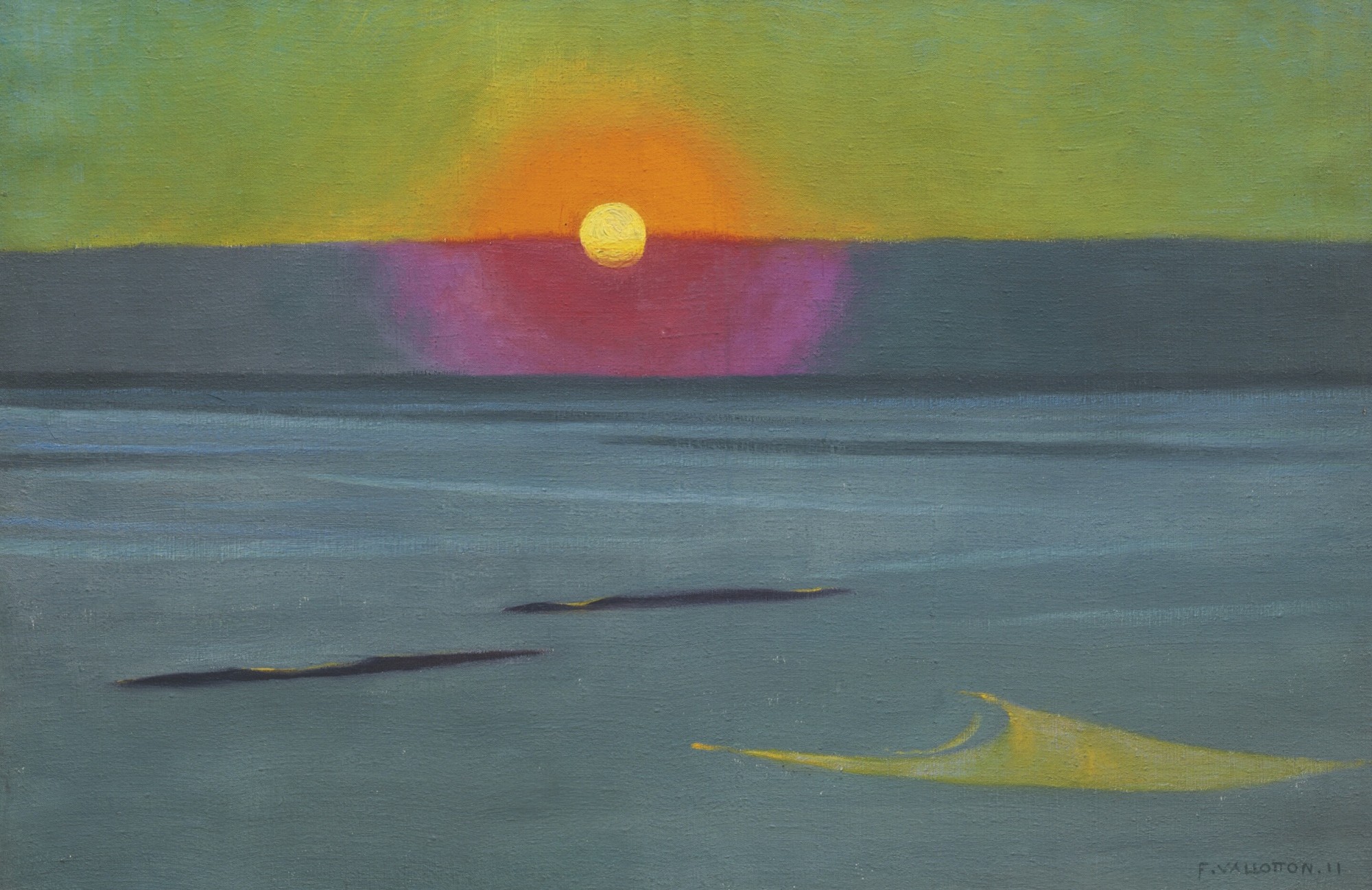
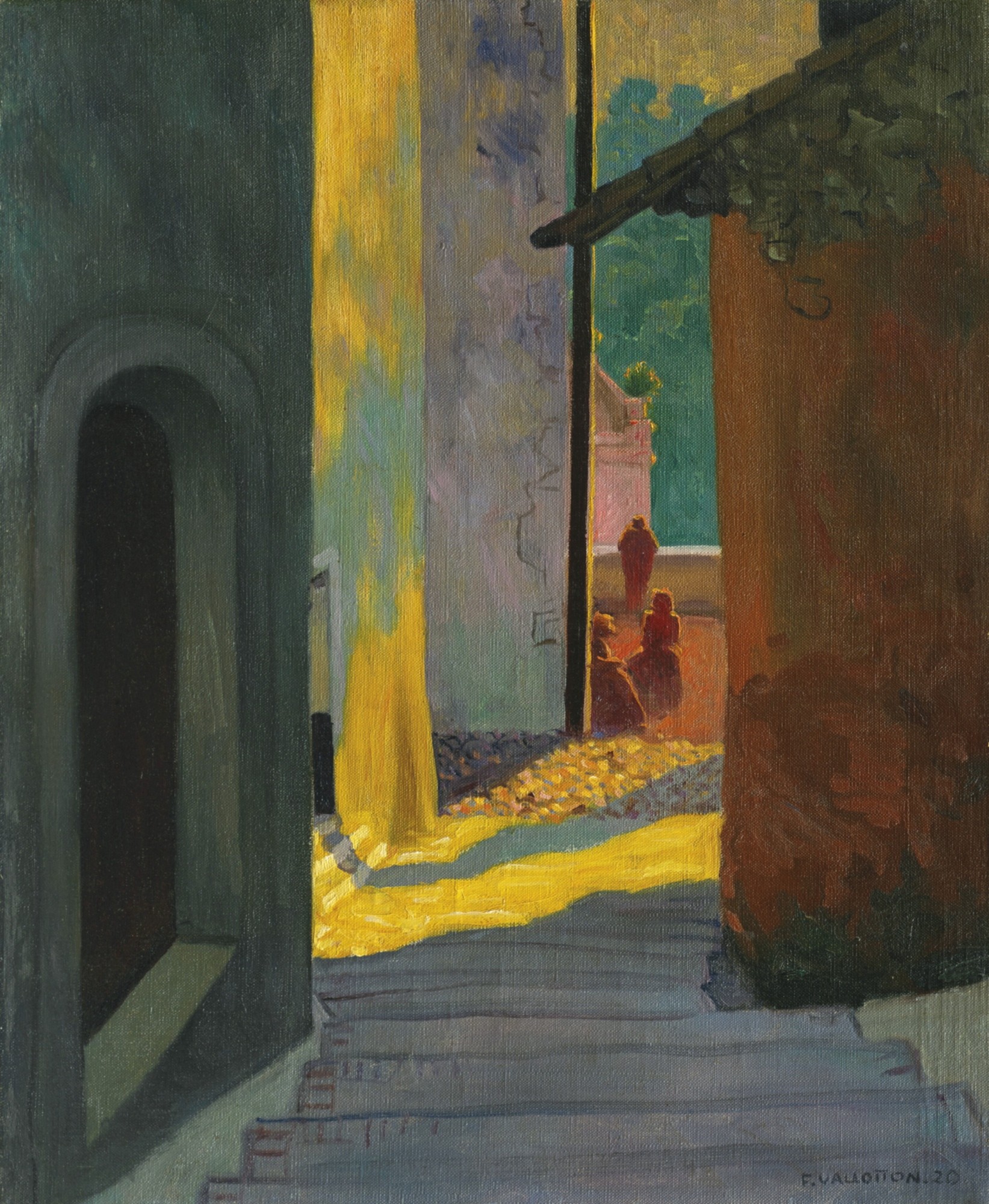
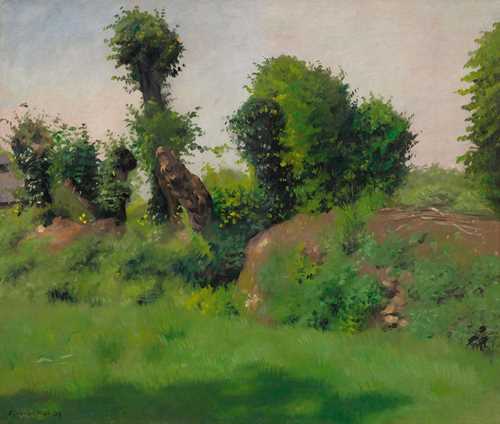
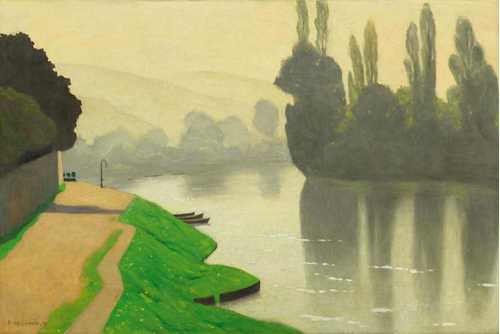
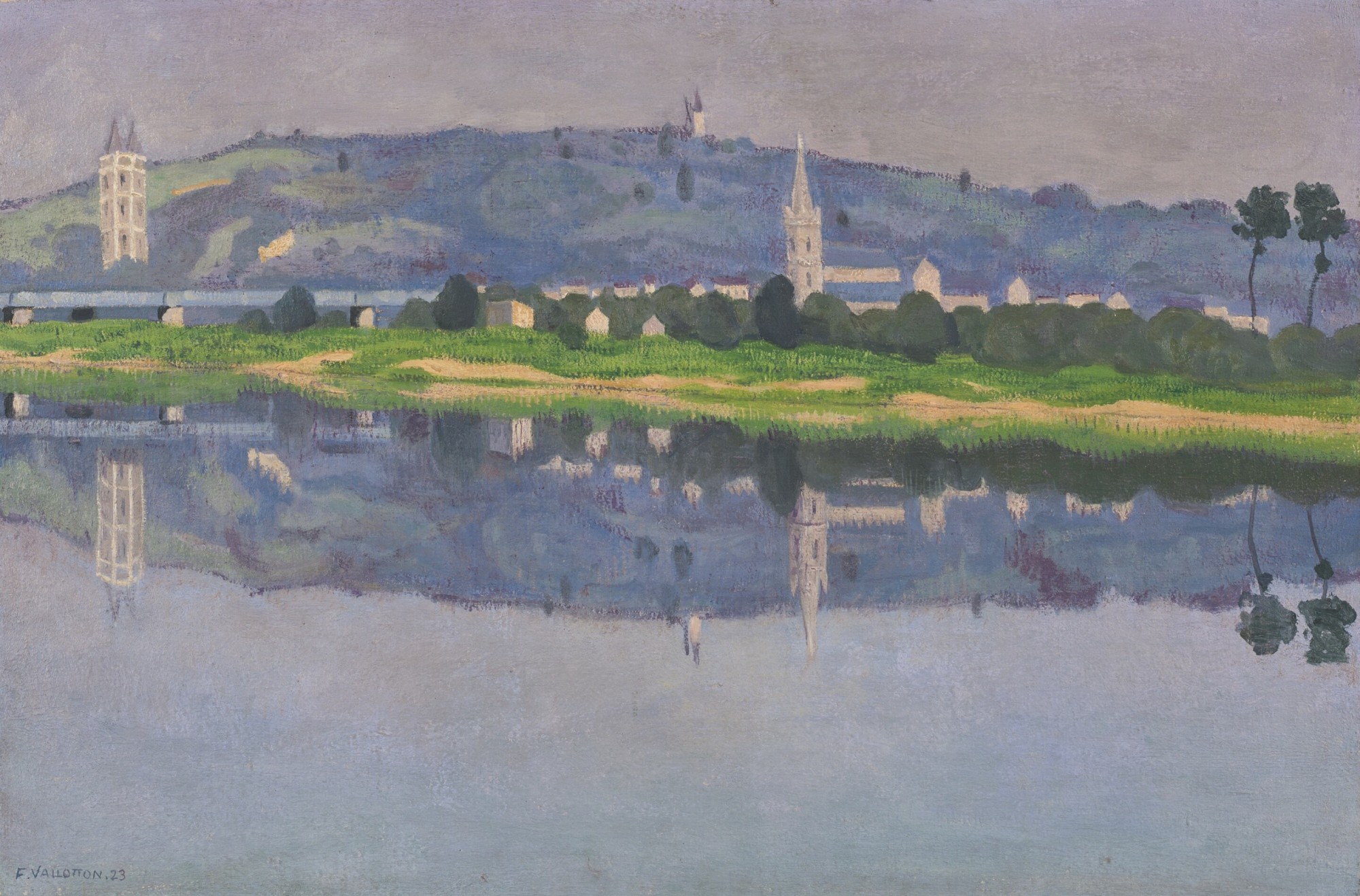
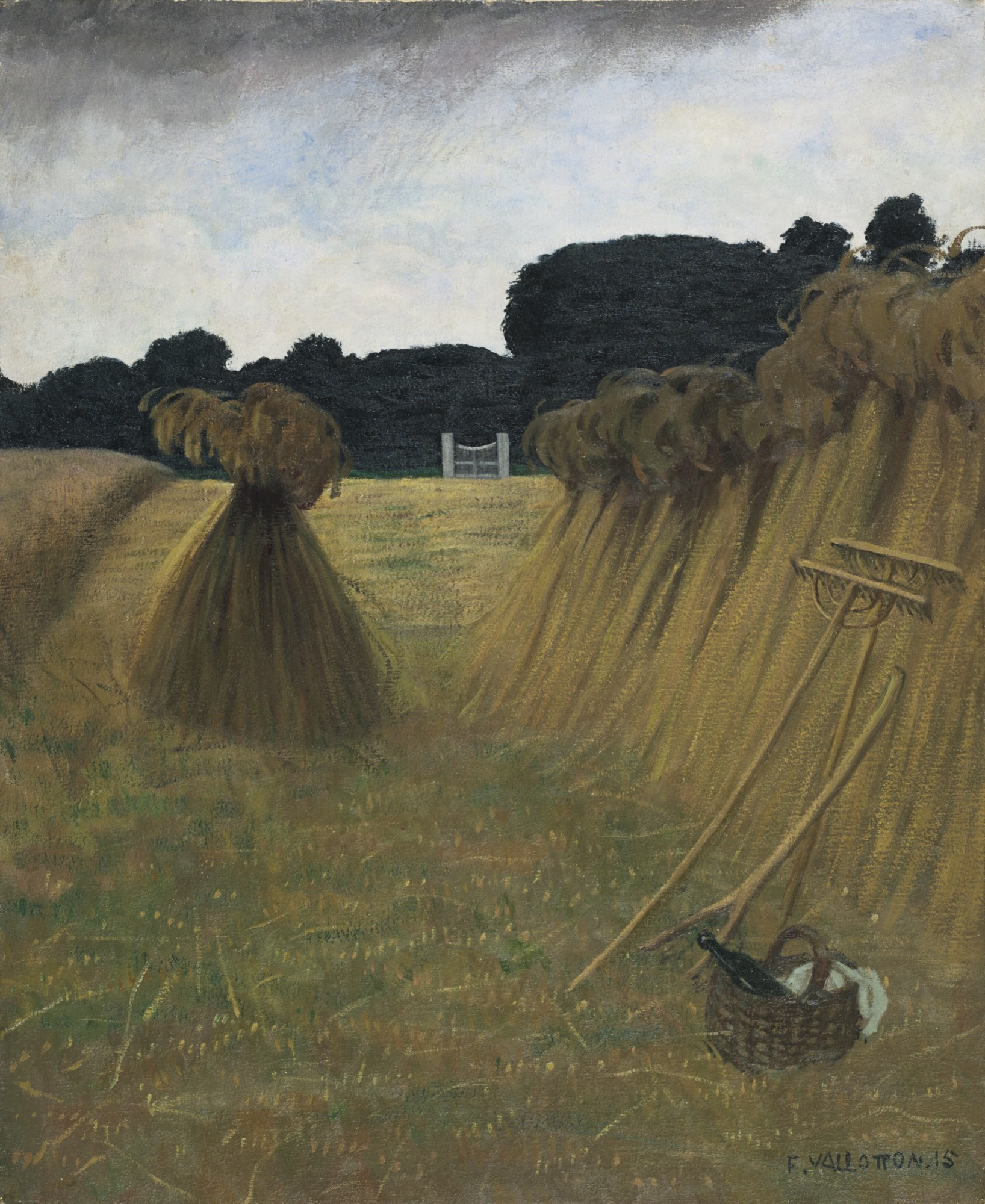
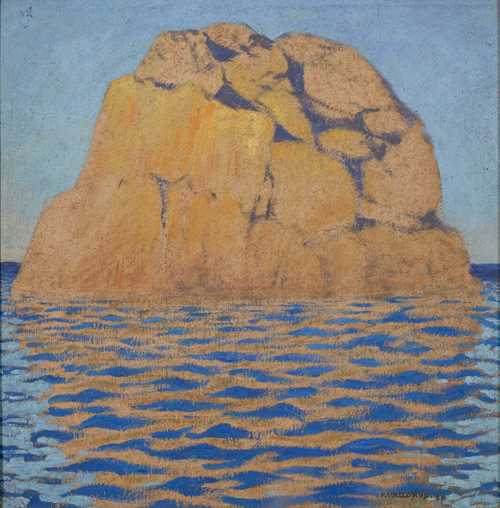
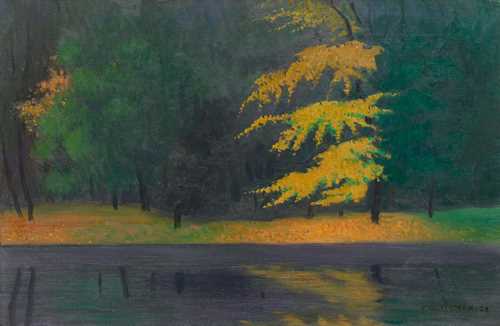
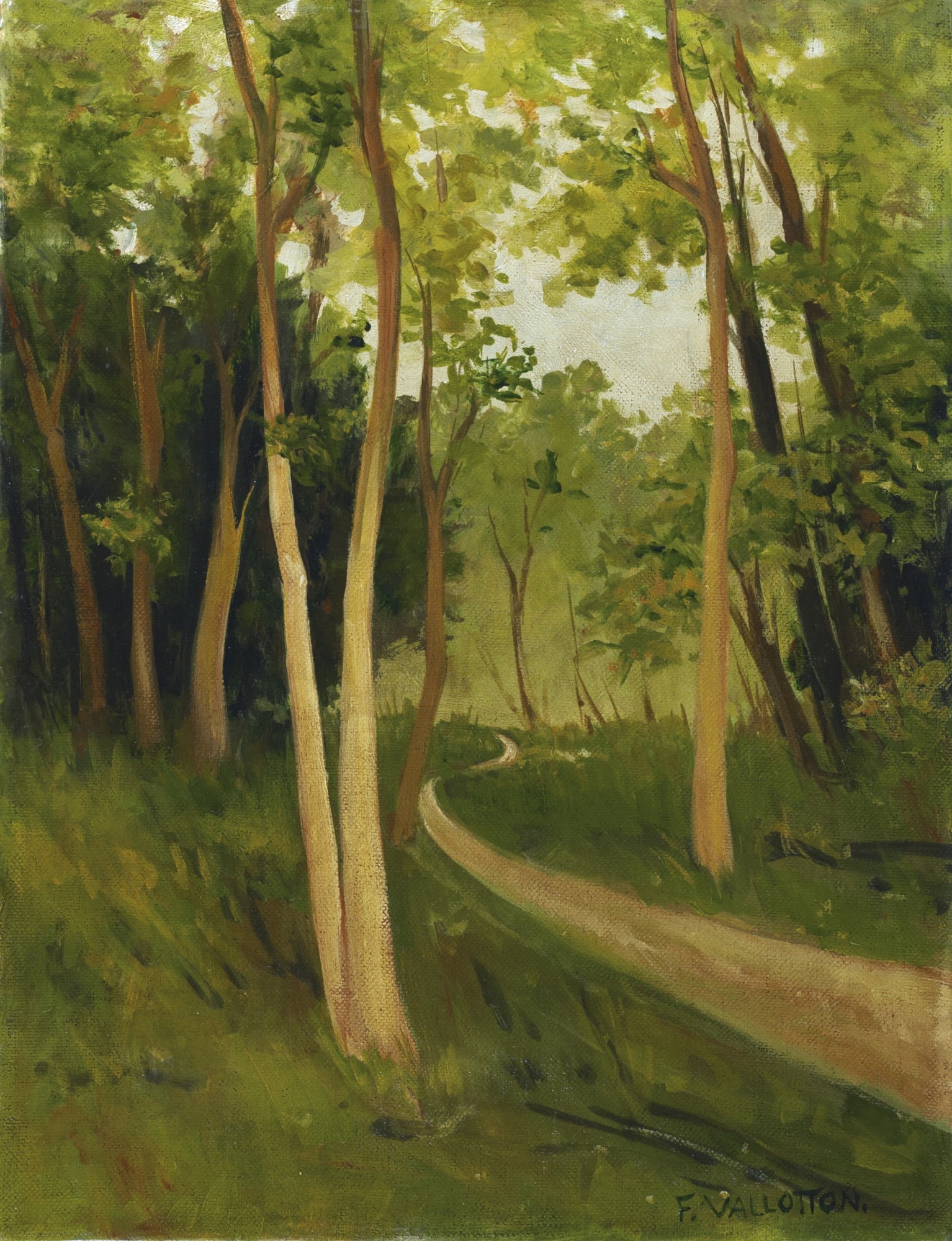
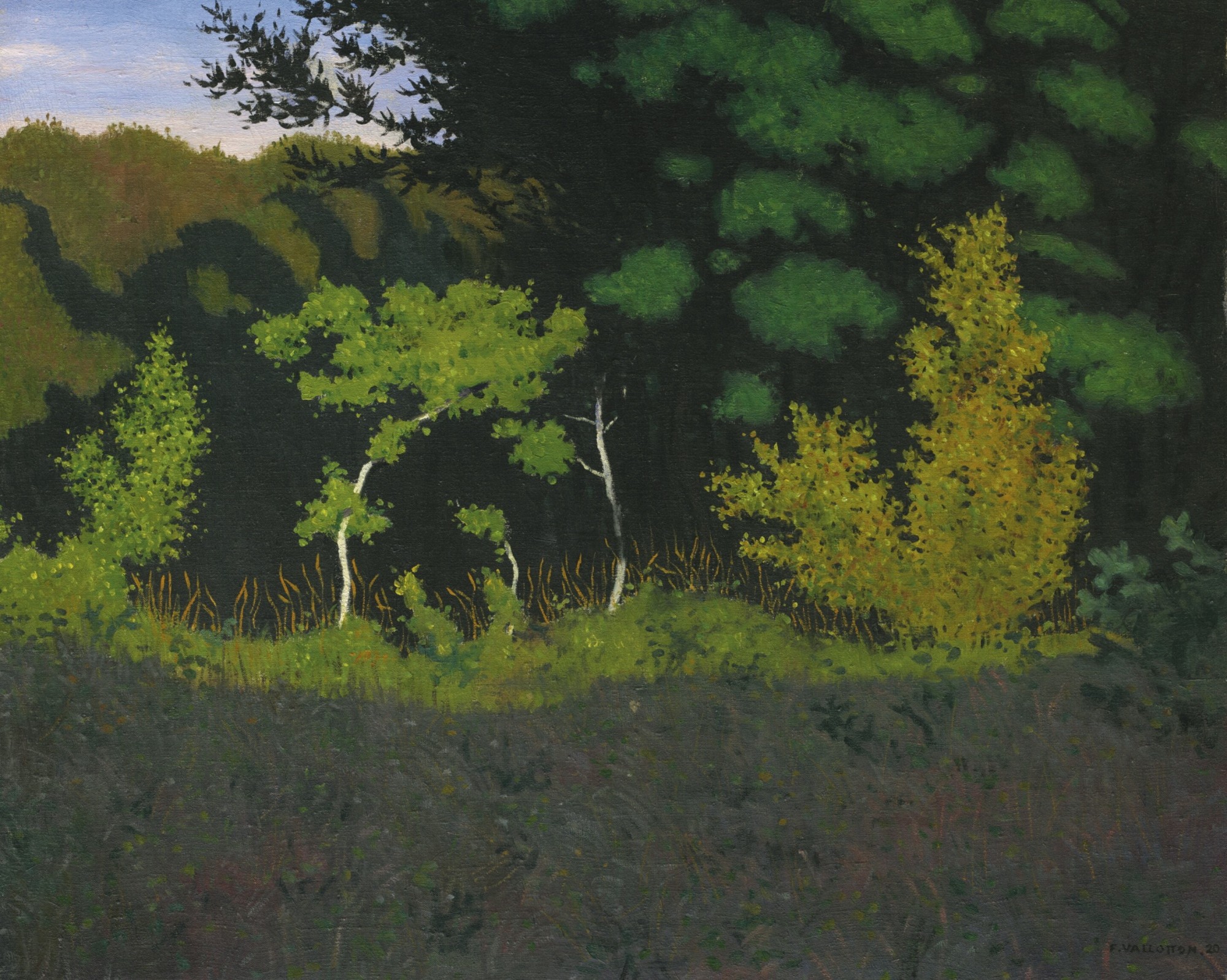
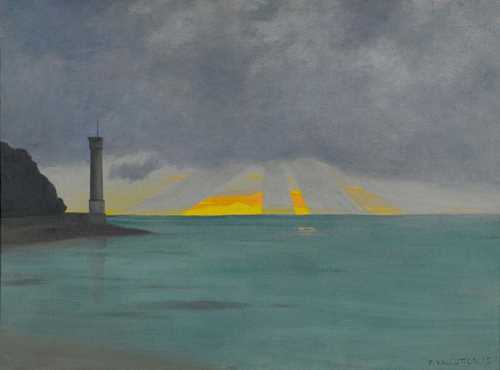
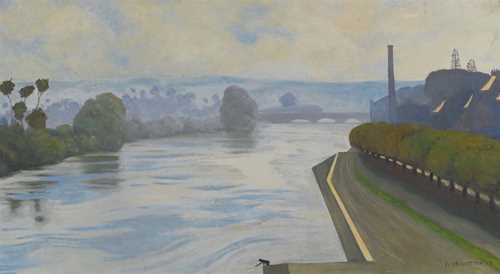
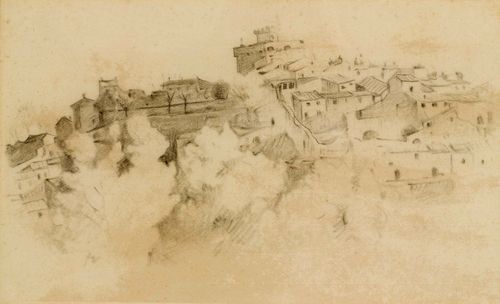
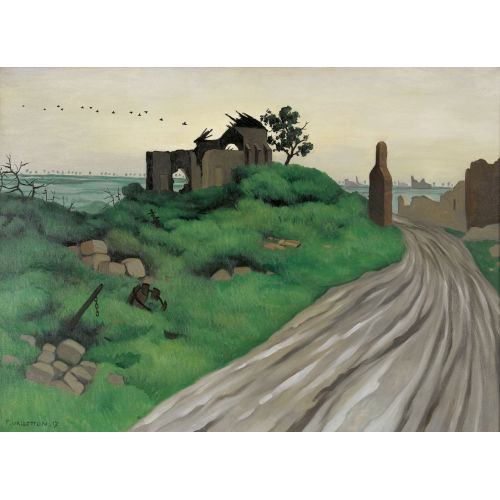
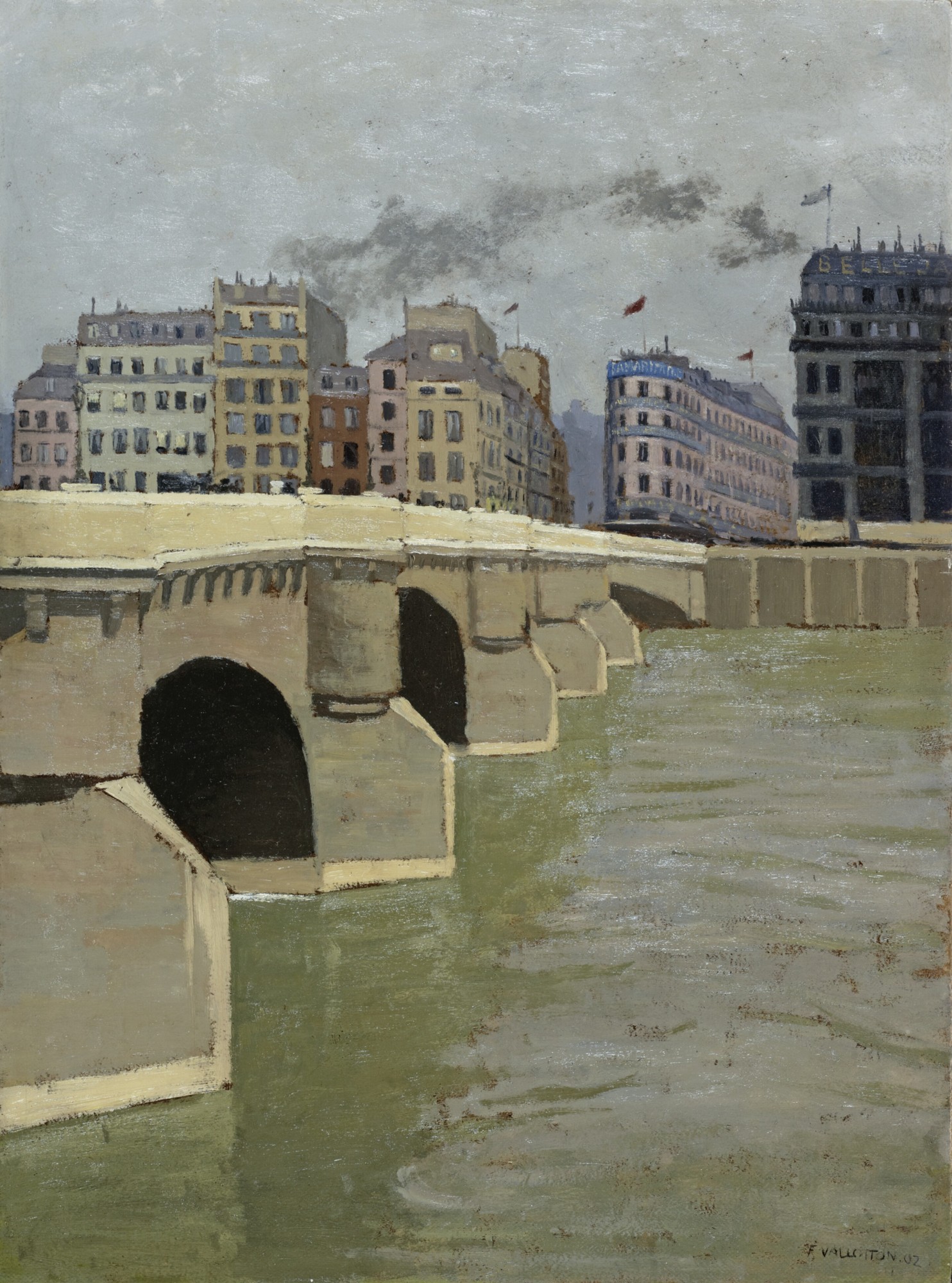
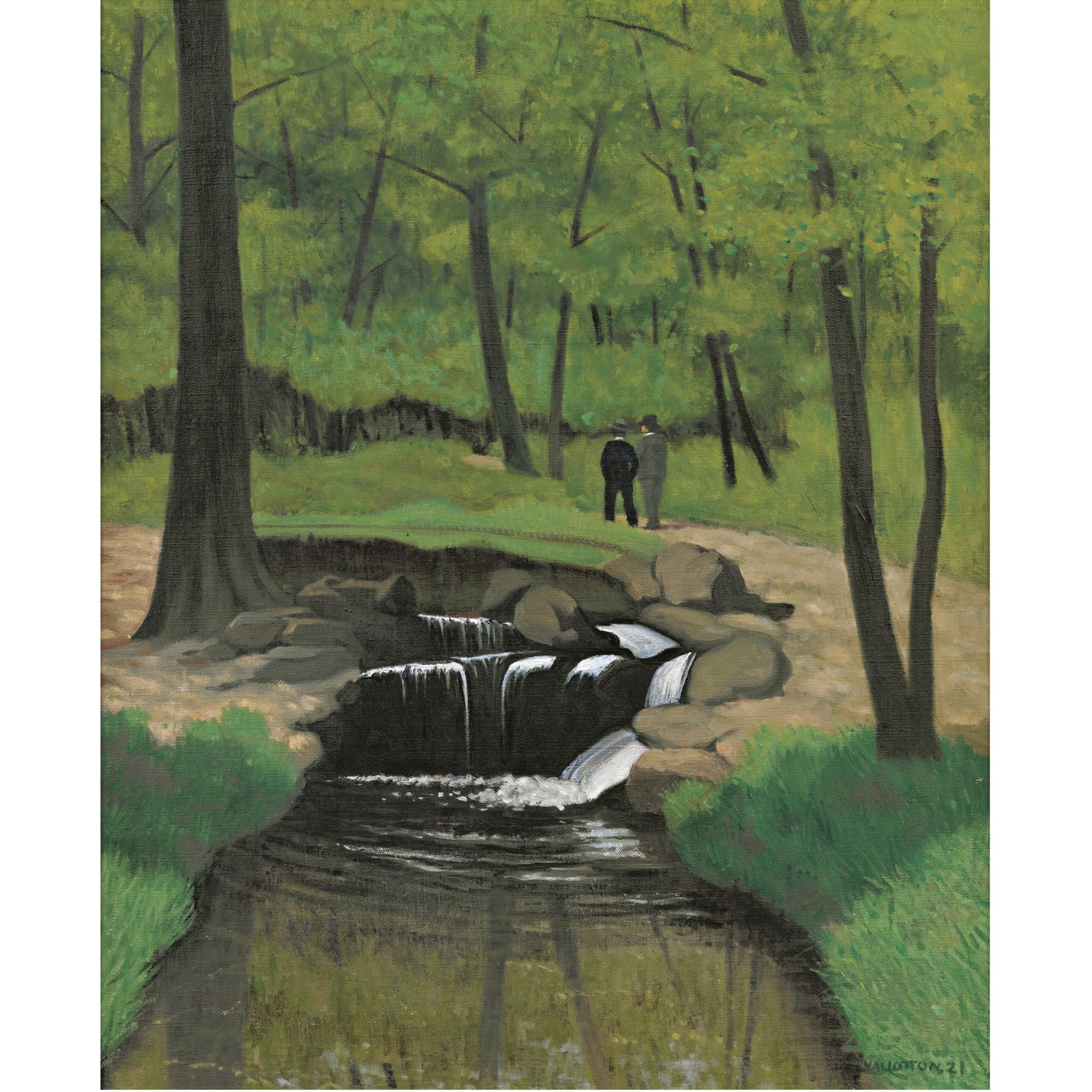
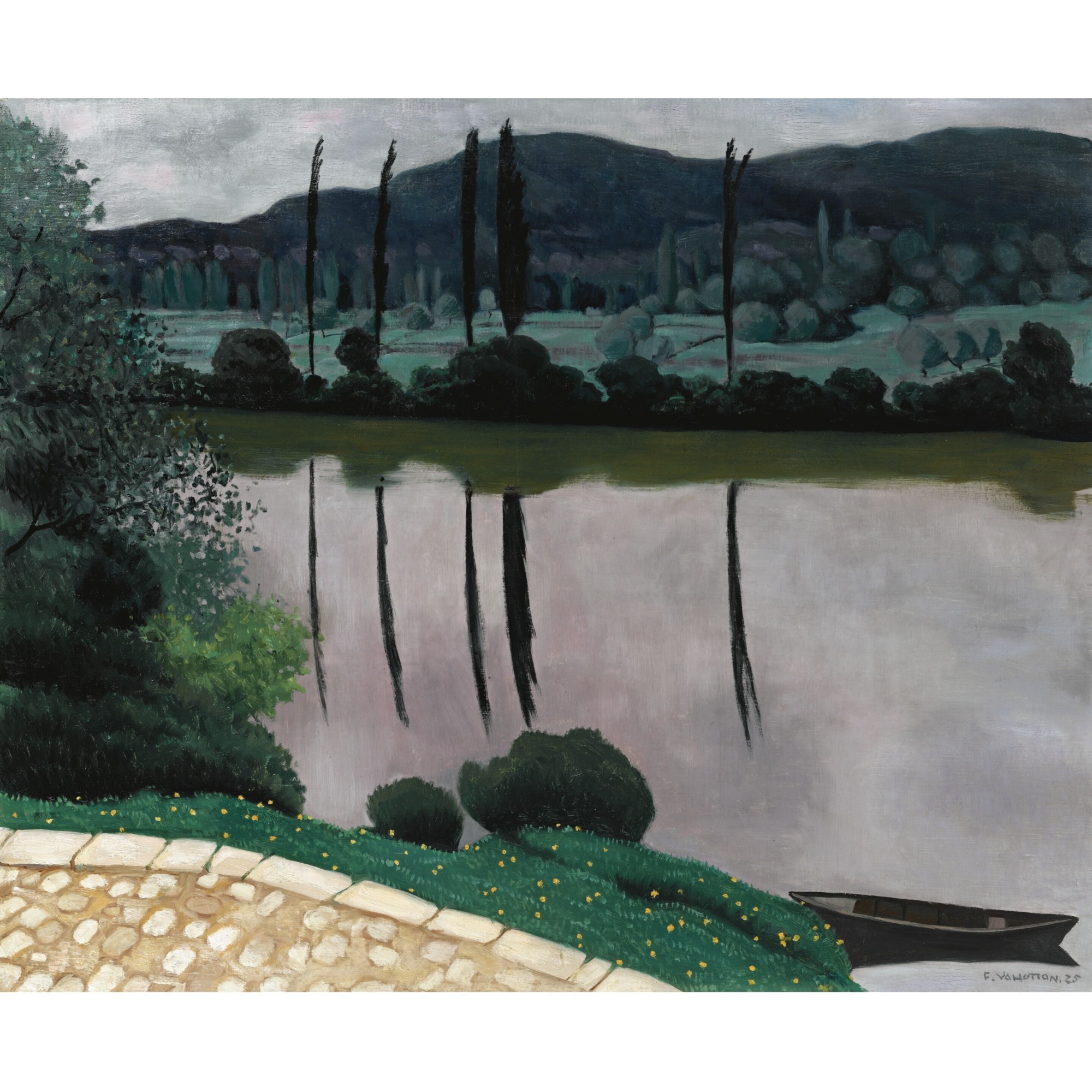
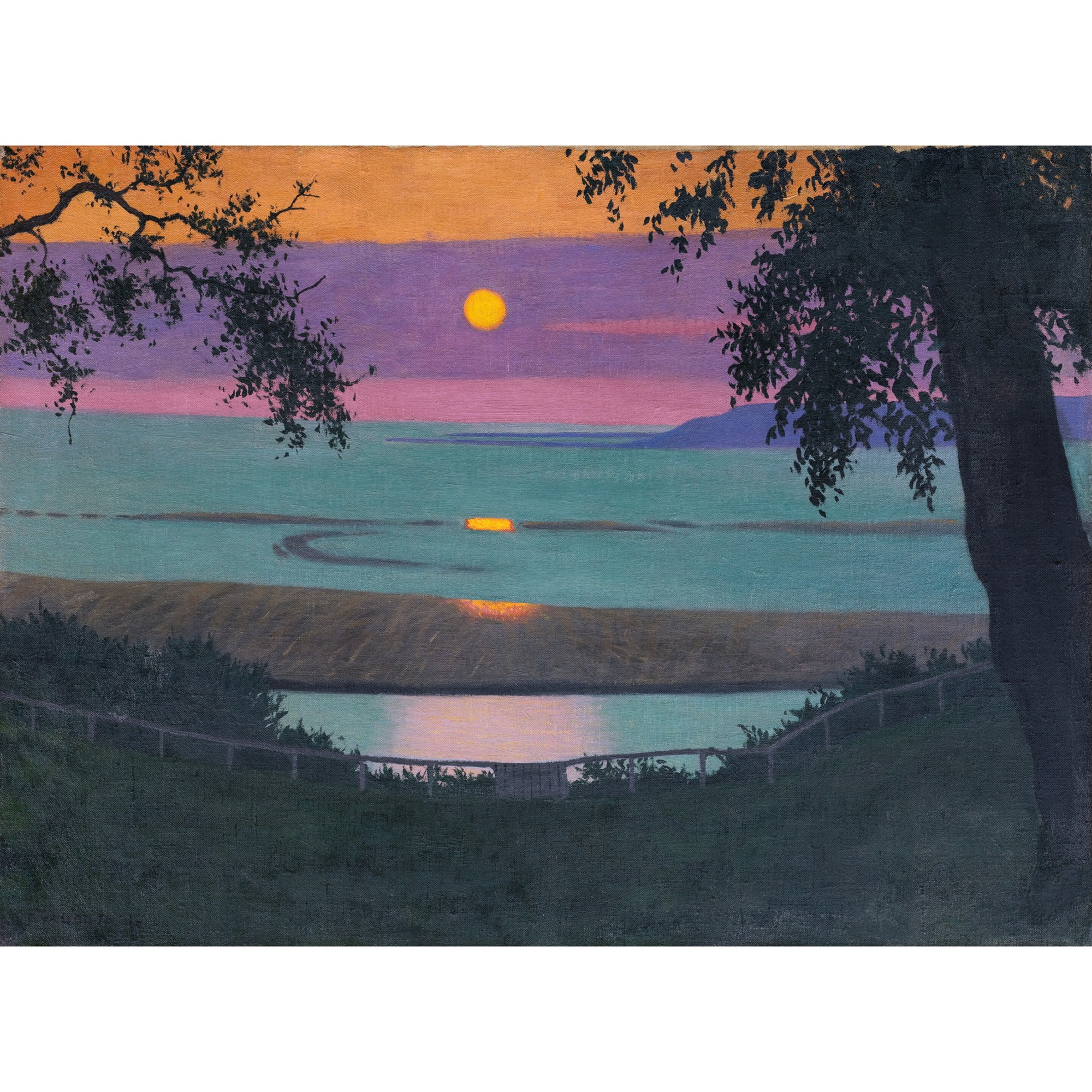
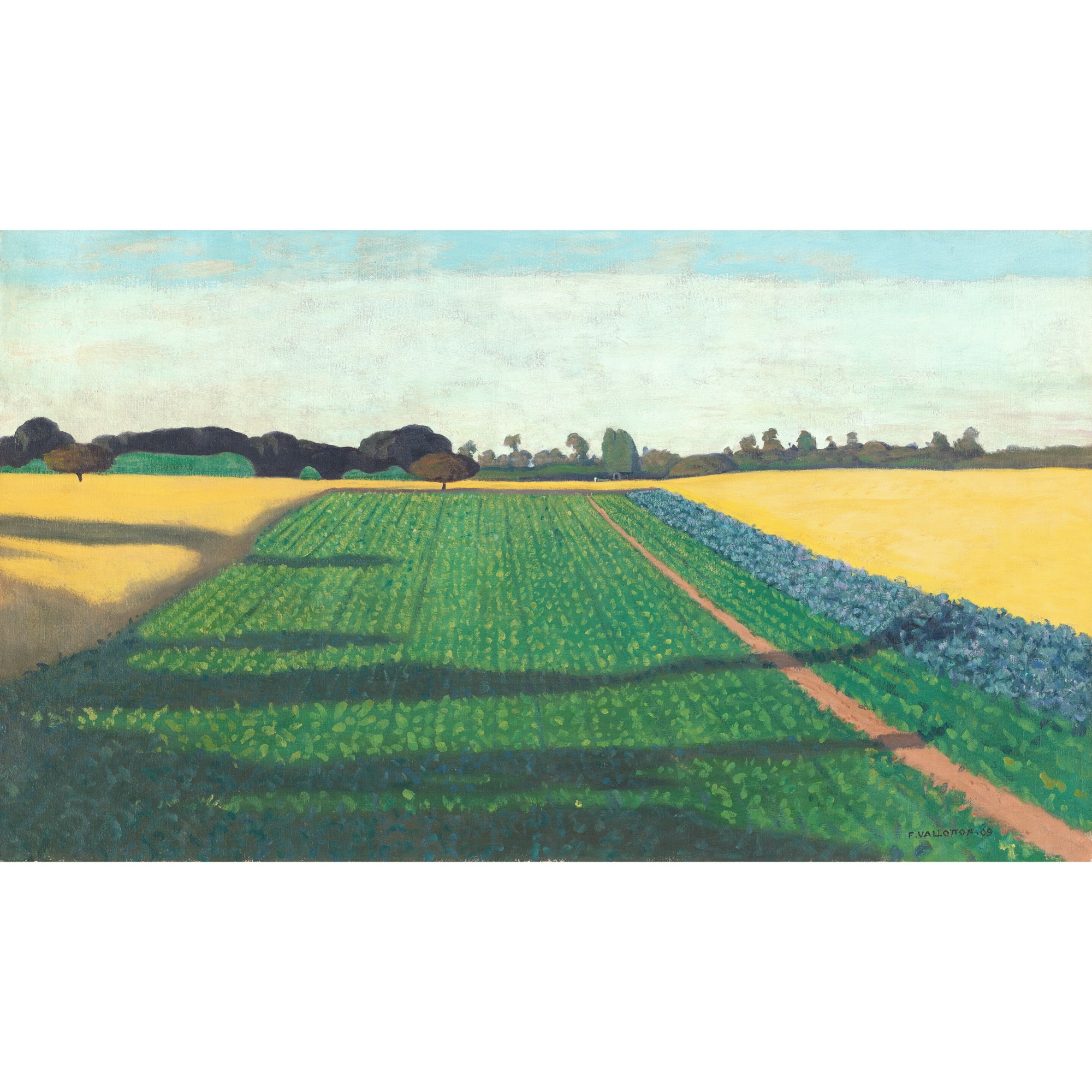
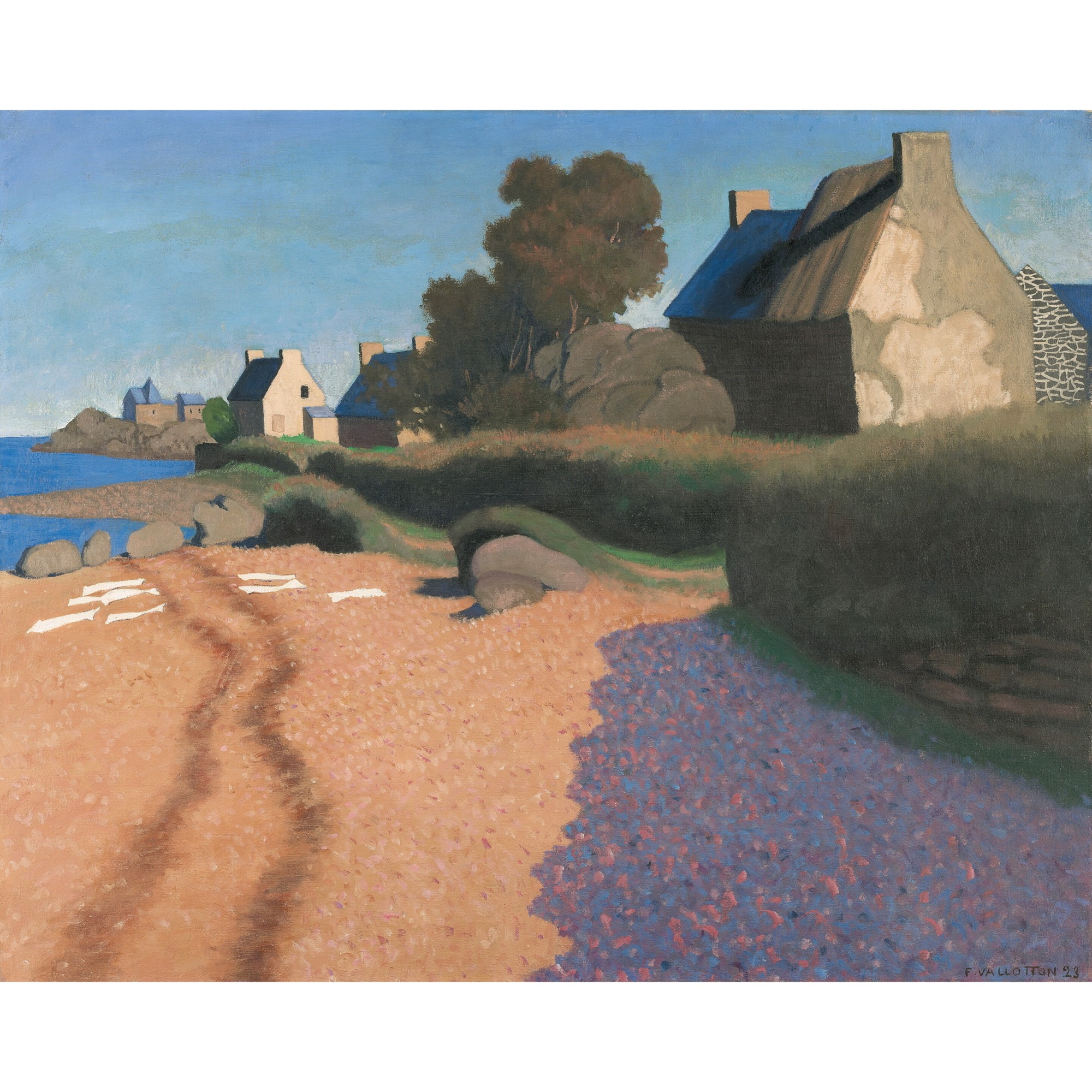
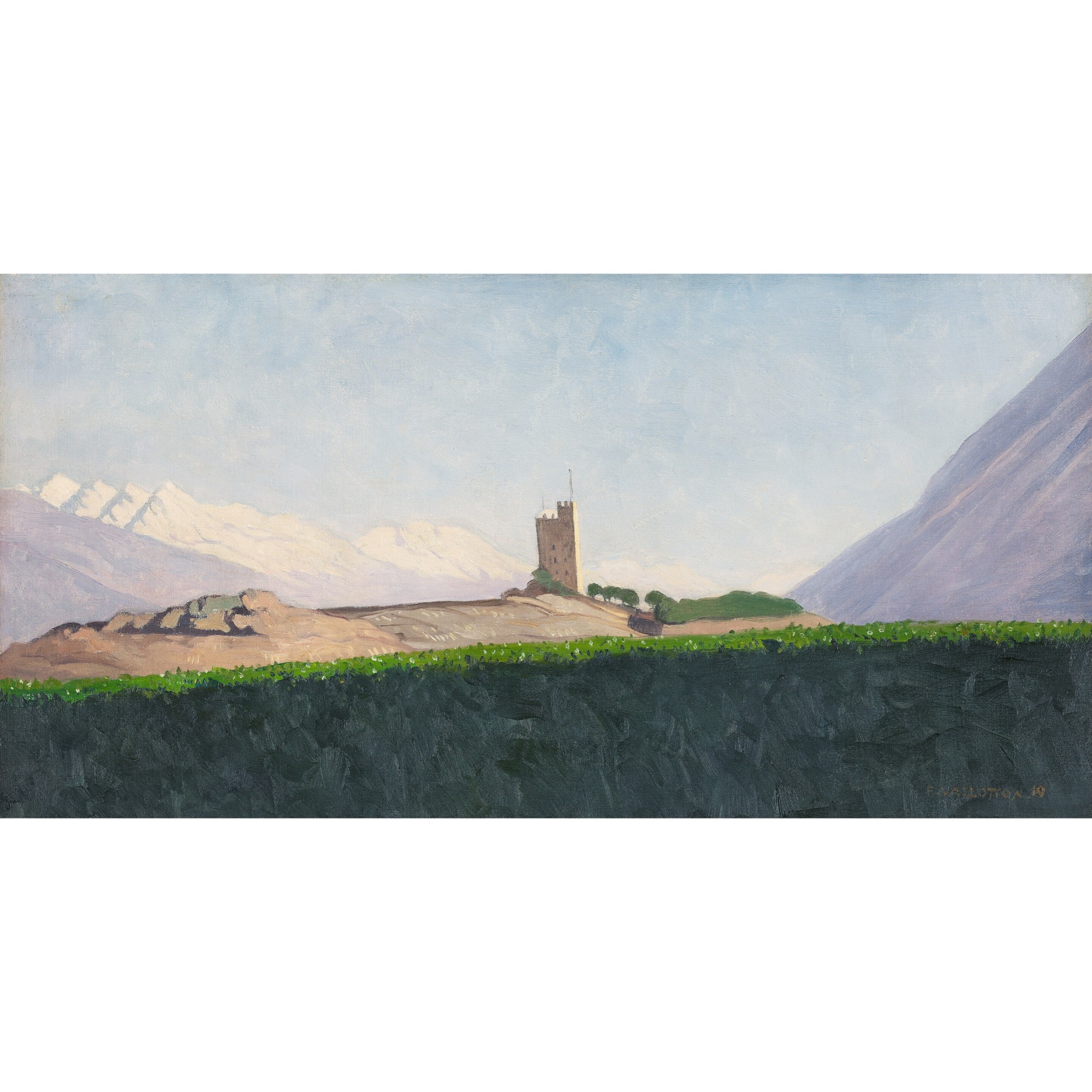
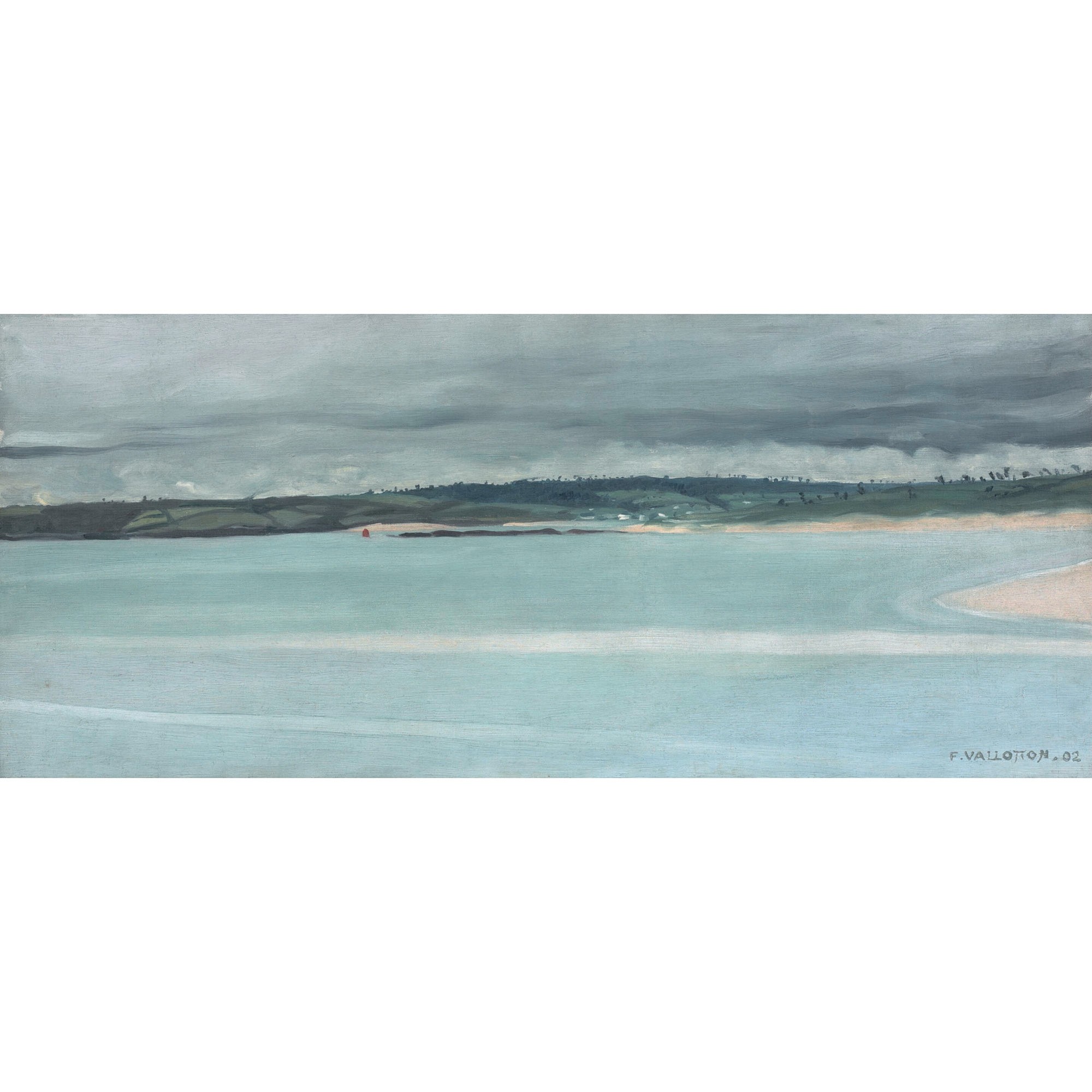
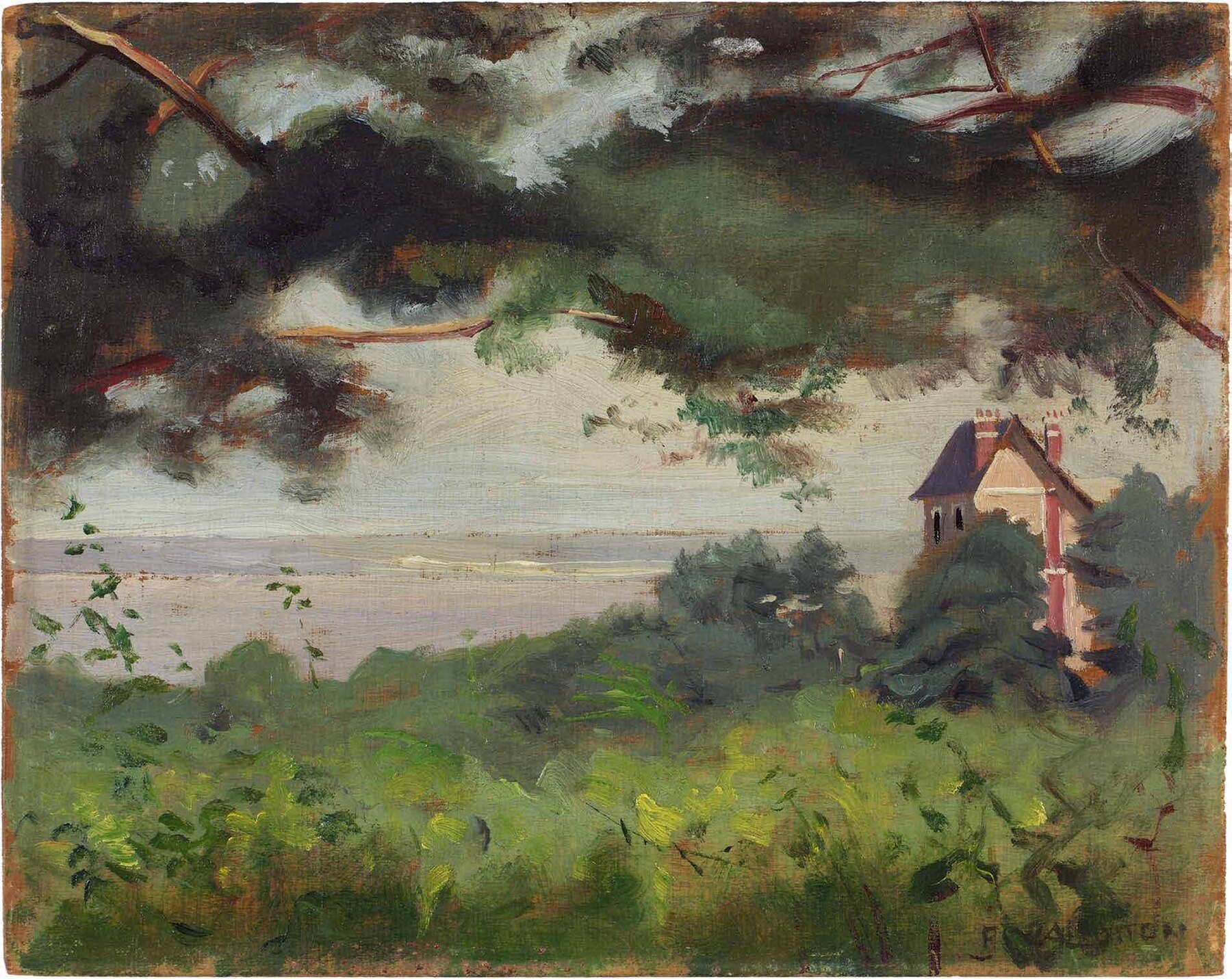
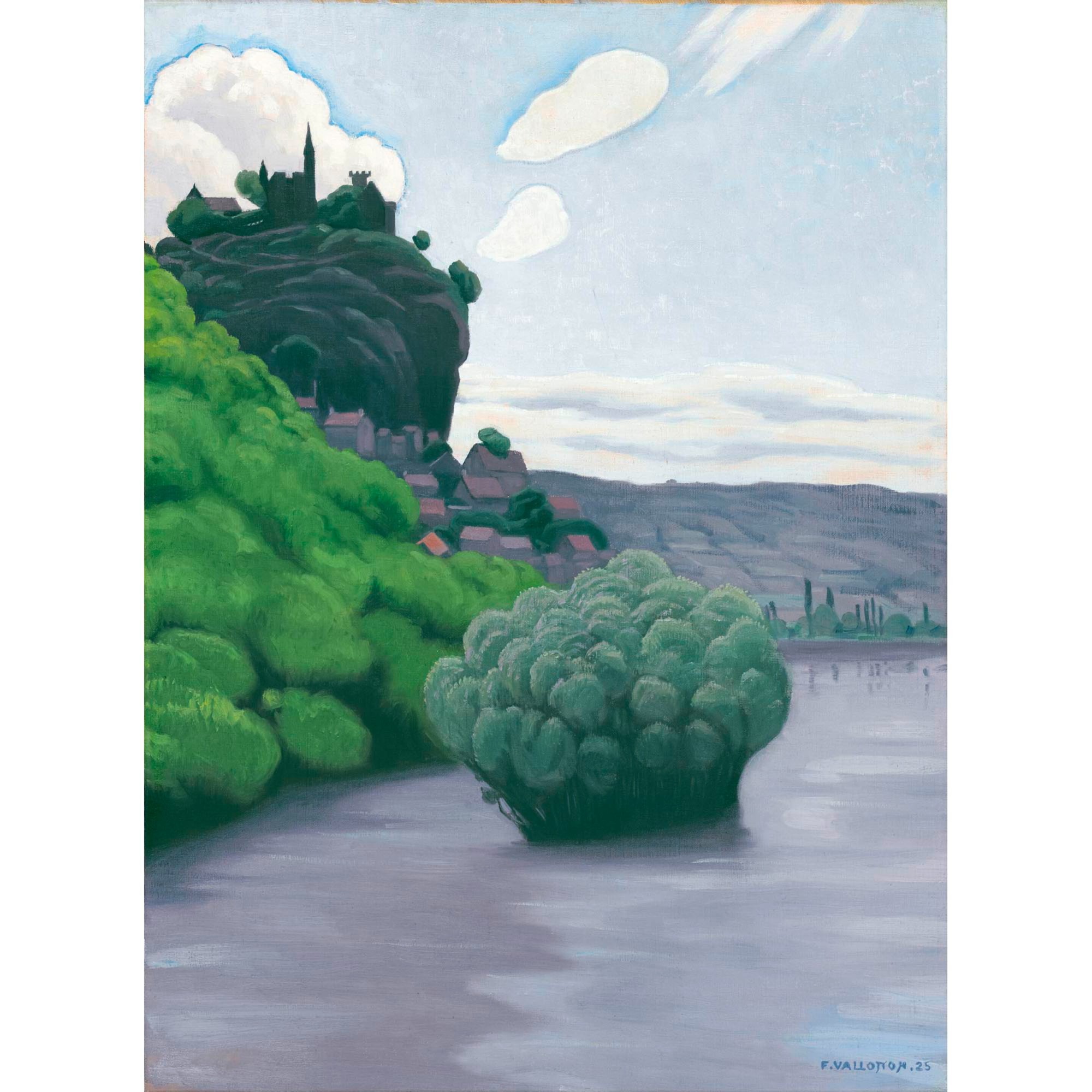
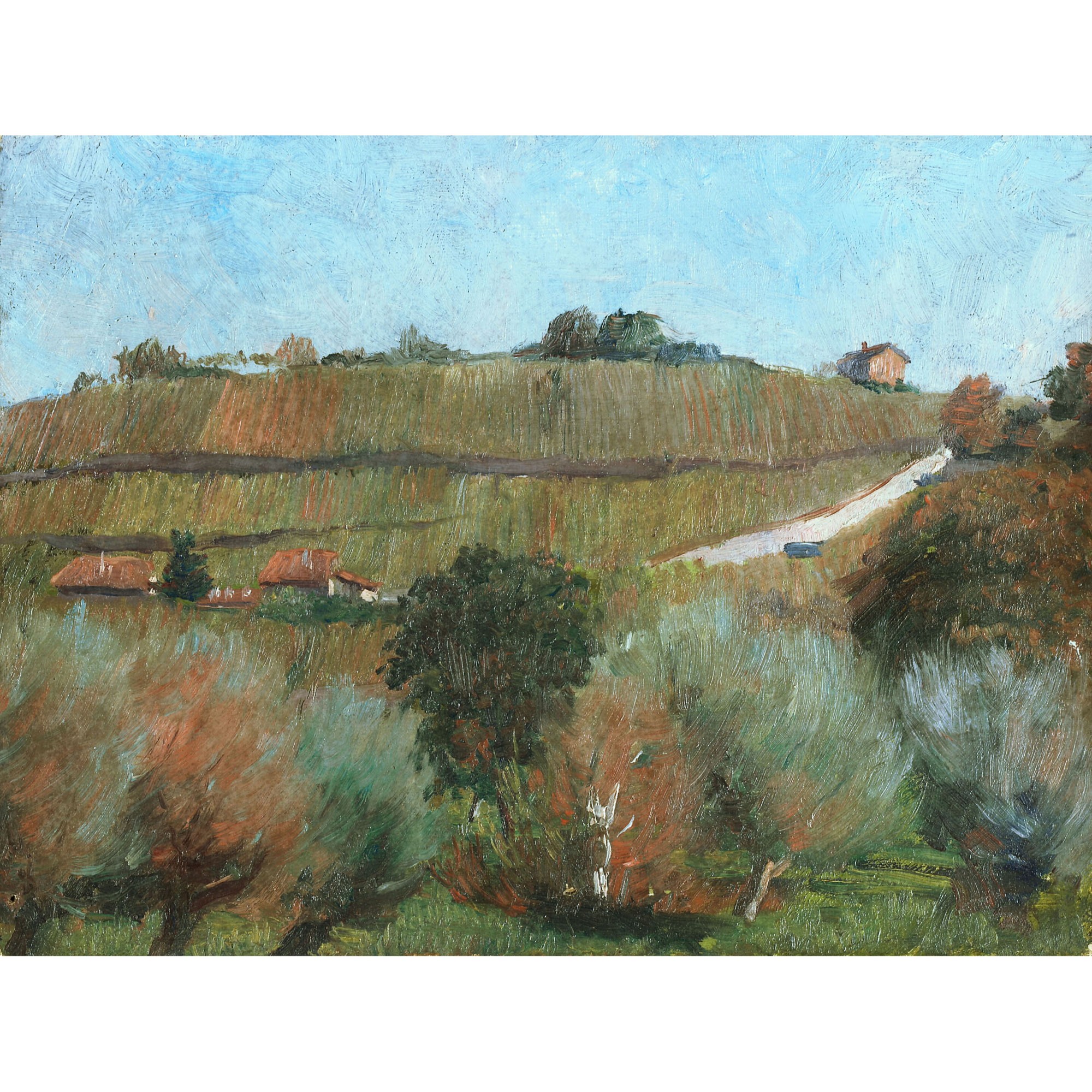
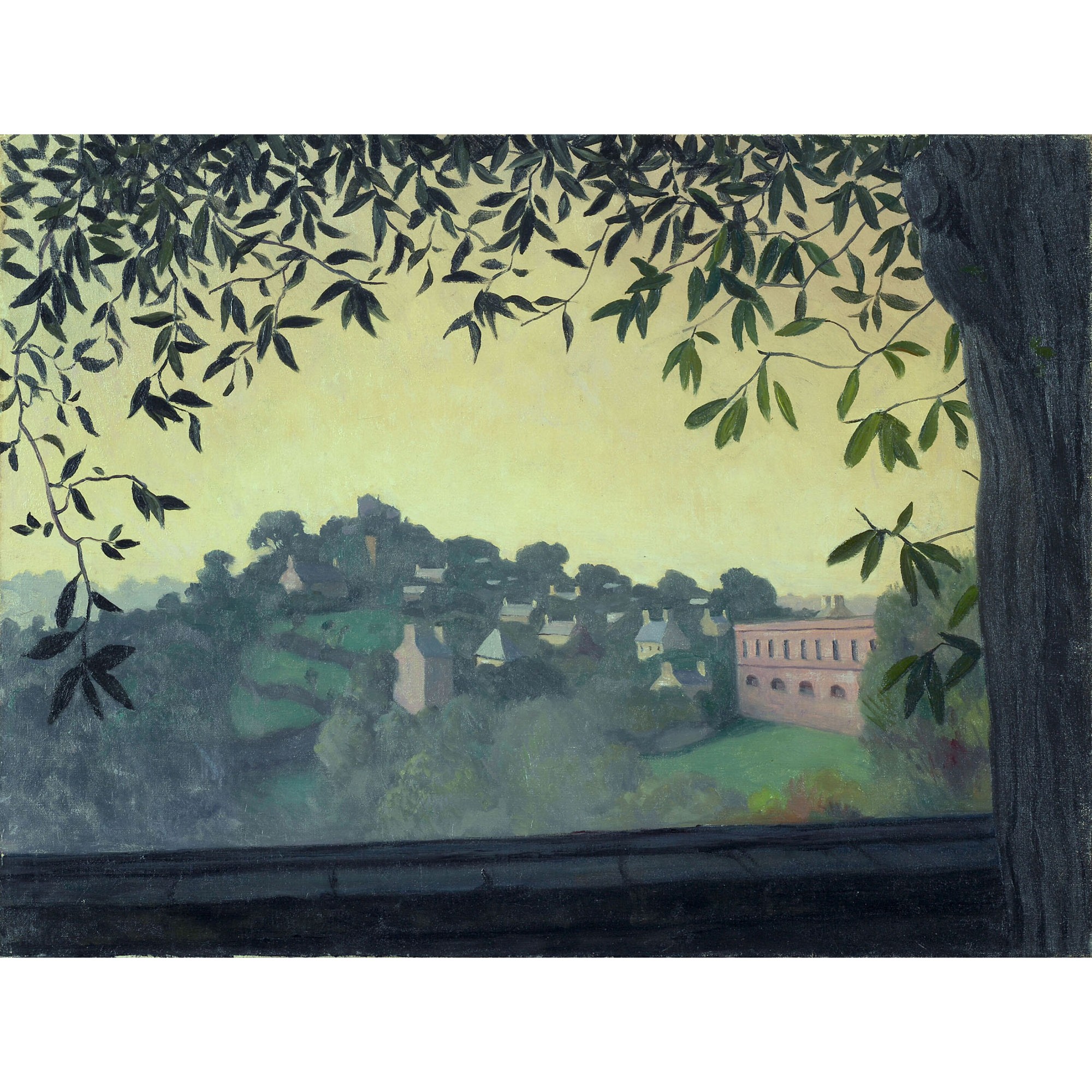
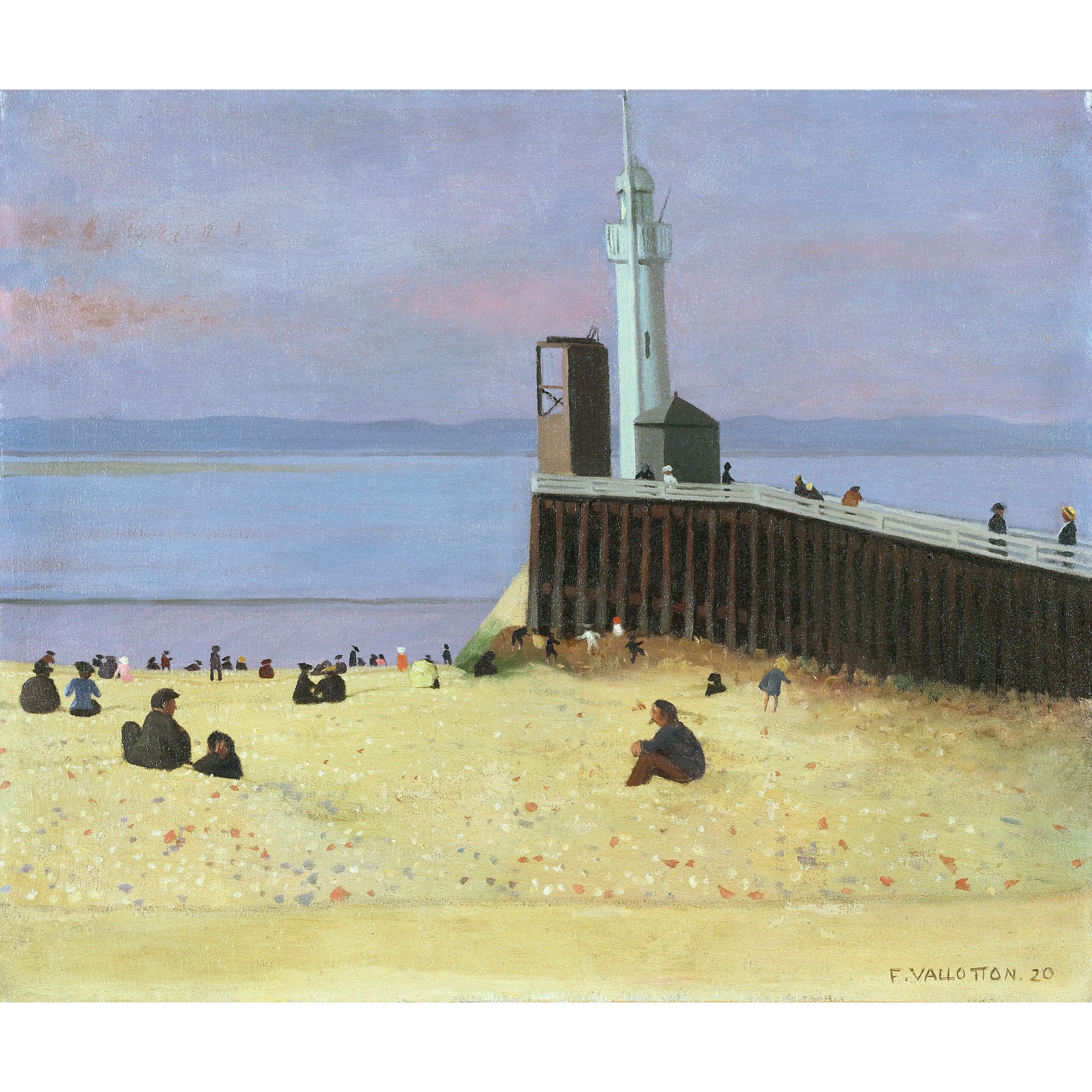
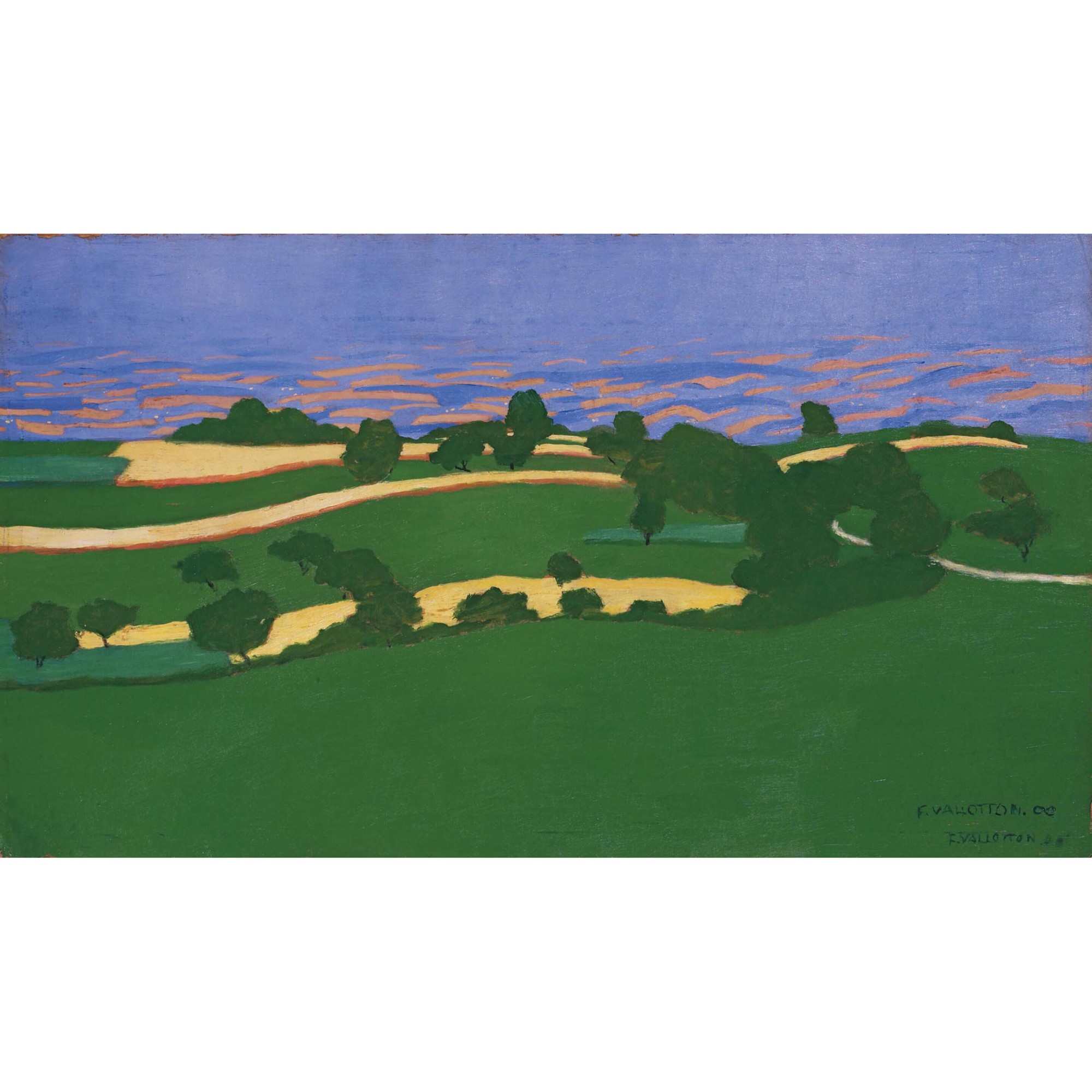
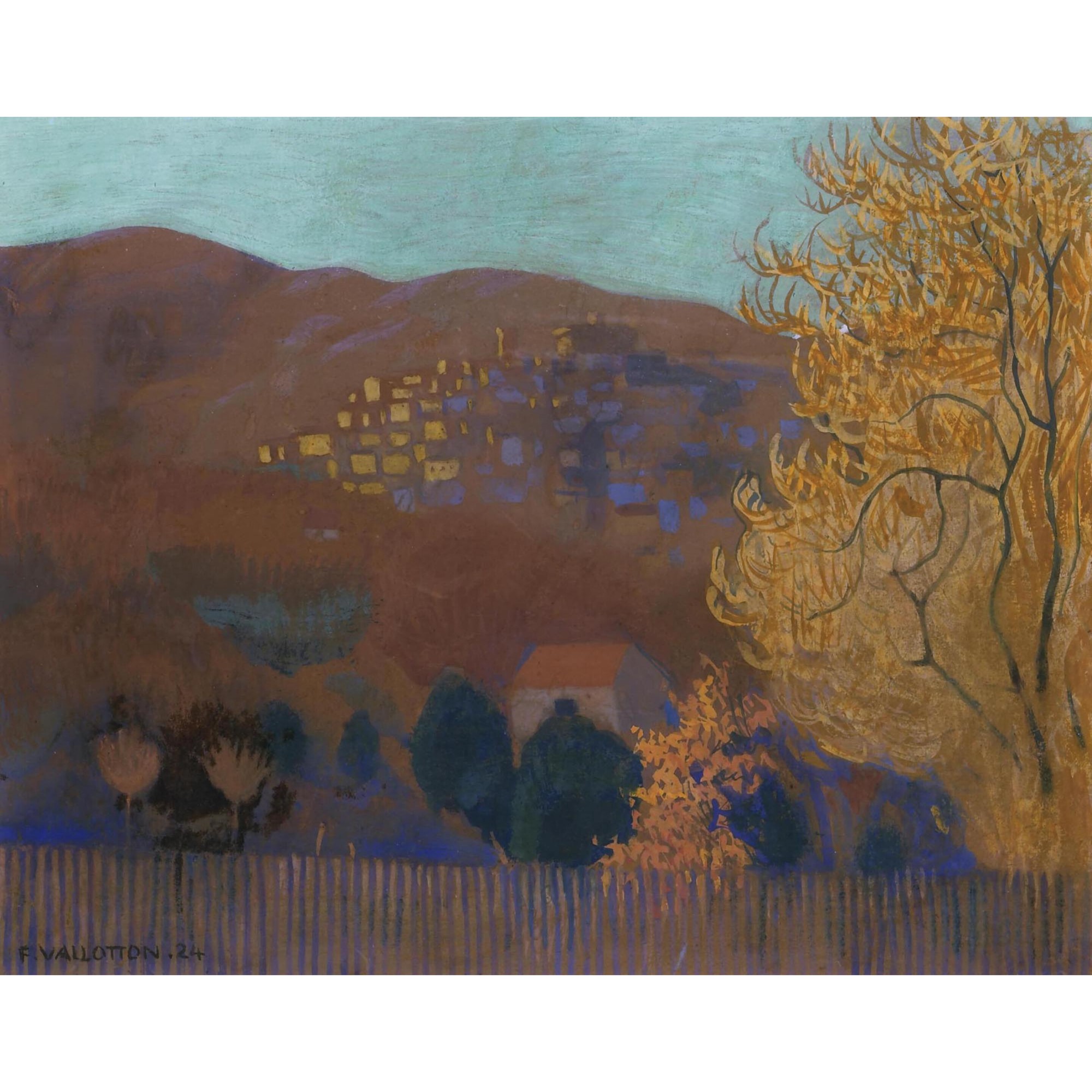
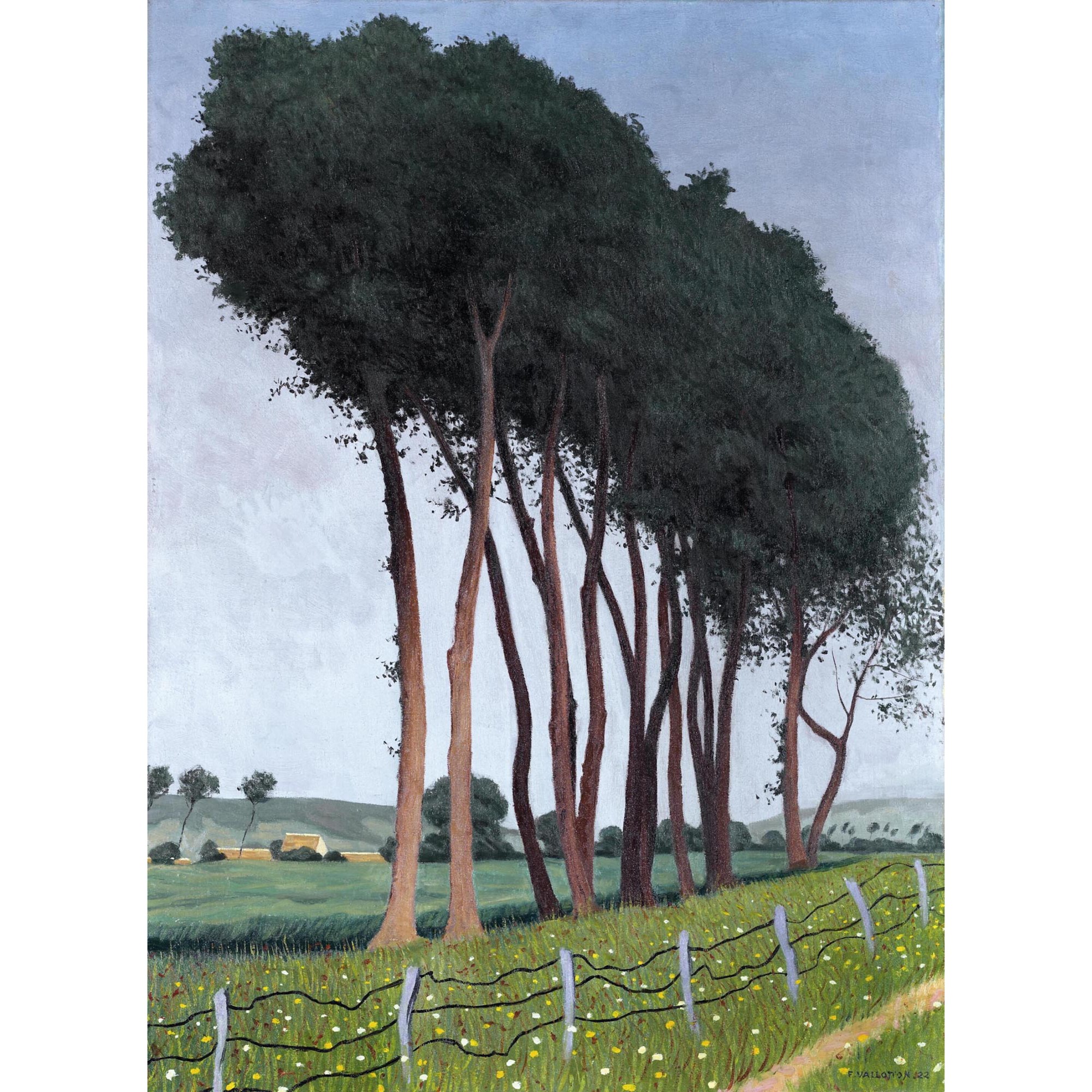
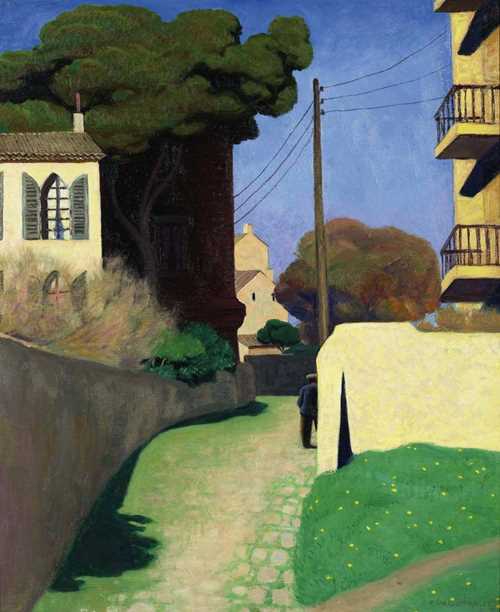
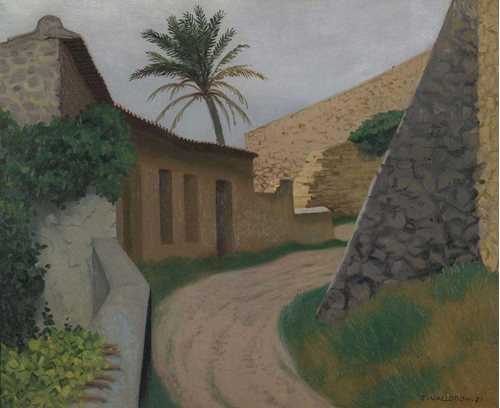
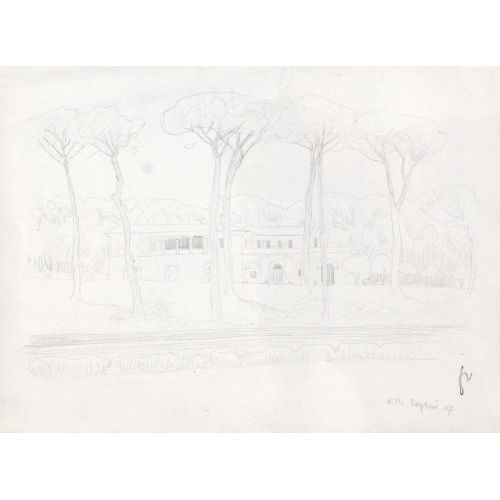
His composed landscapes, reconstructed in the studio from memories and sketches, transform the observed motif through the simplification of forms and chromatic intensity.
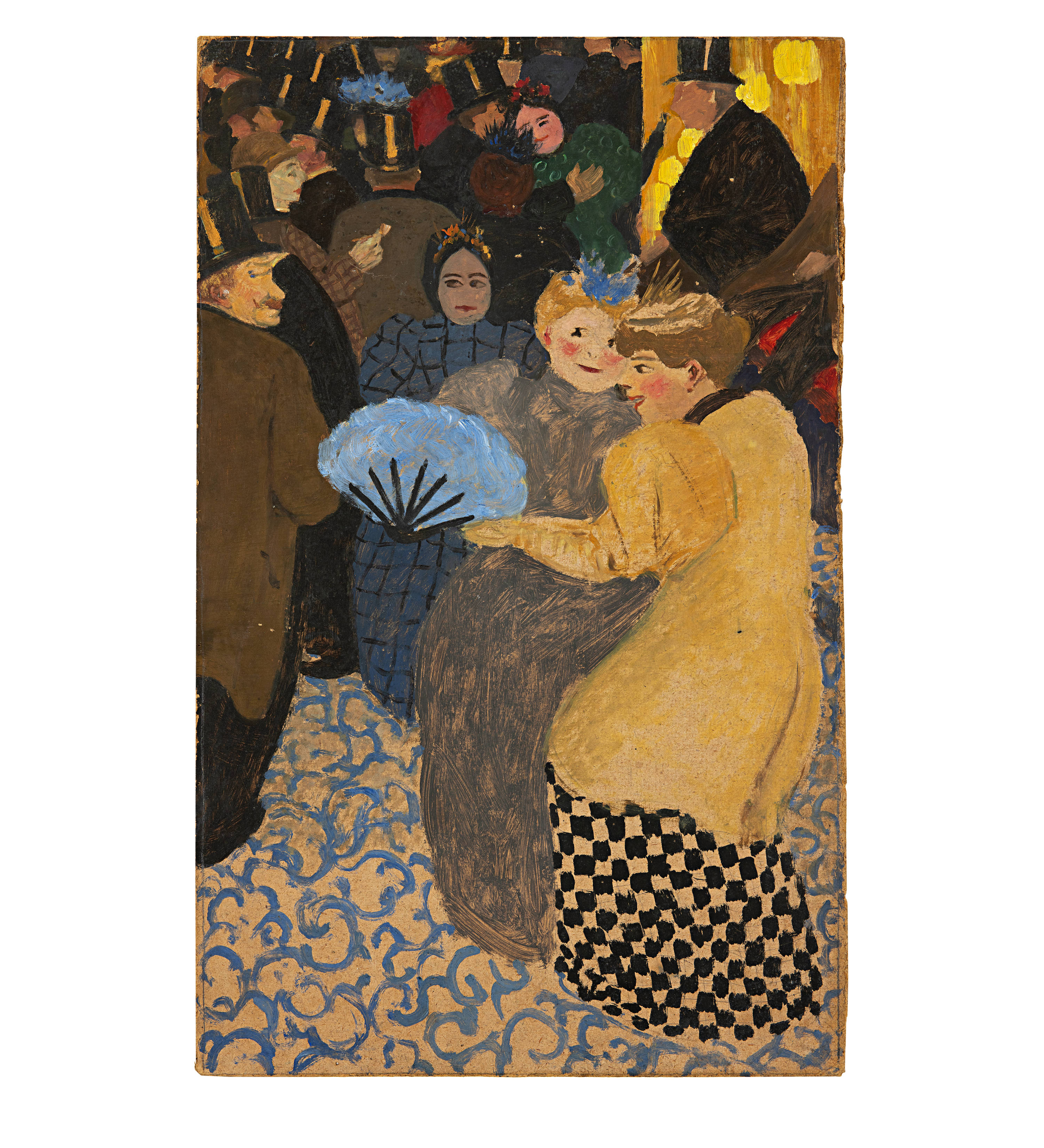
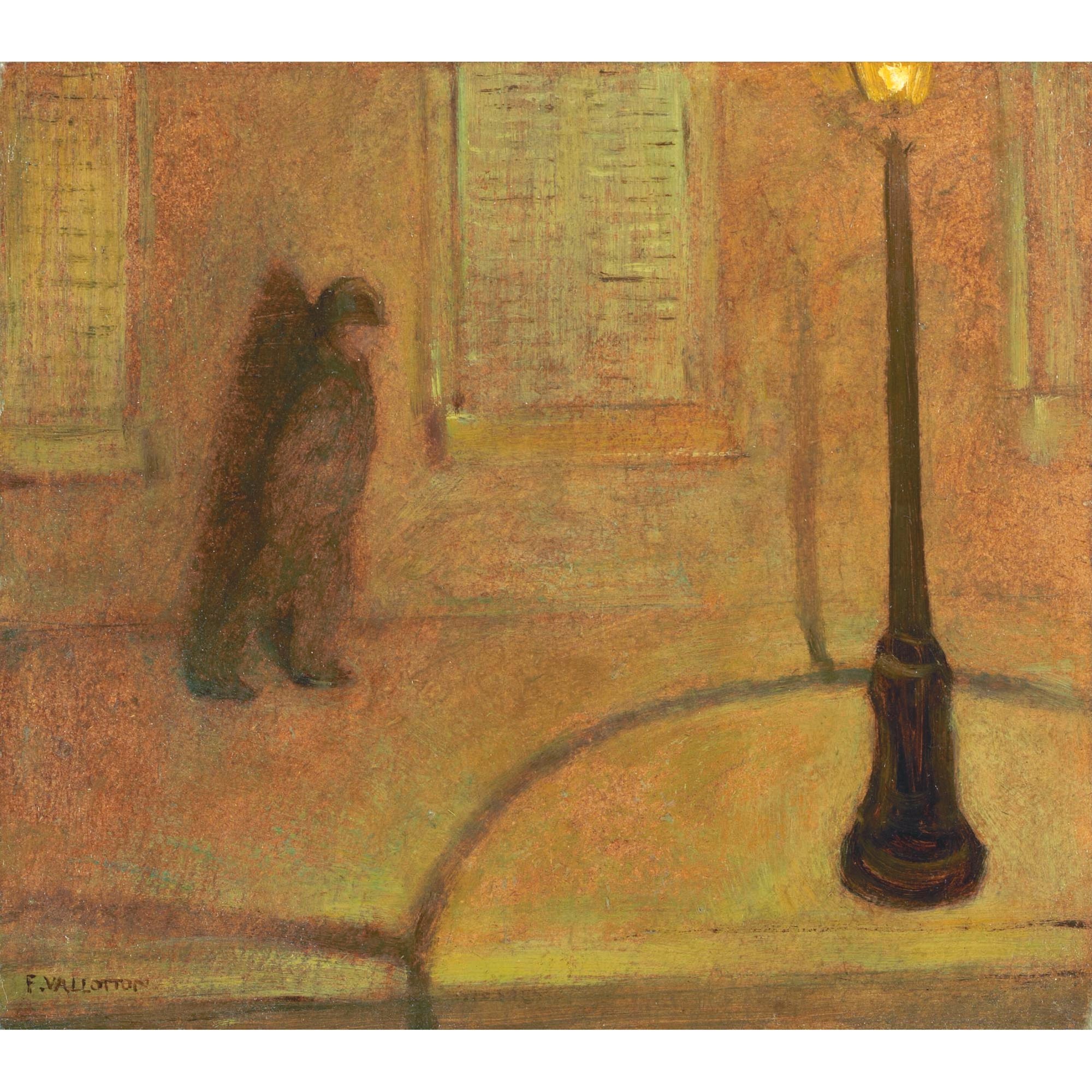
To enter into his work, one may follow the boundary between shadow and light, then observe what the colours bring together or set apart. Behind the image’s clarity, Vallotton leaves the gaze a measure of uncertainty.