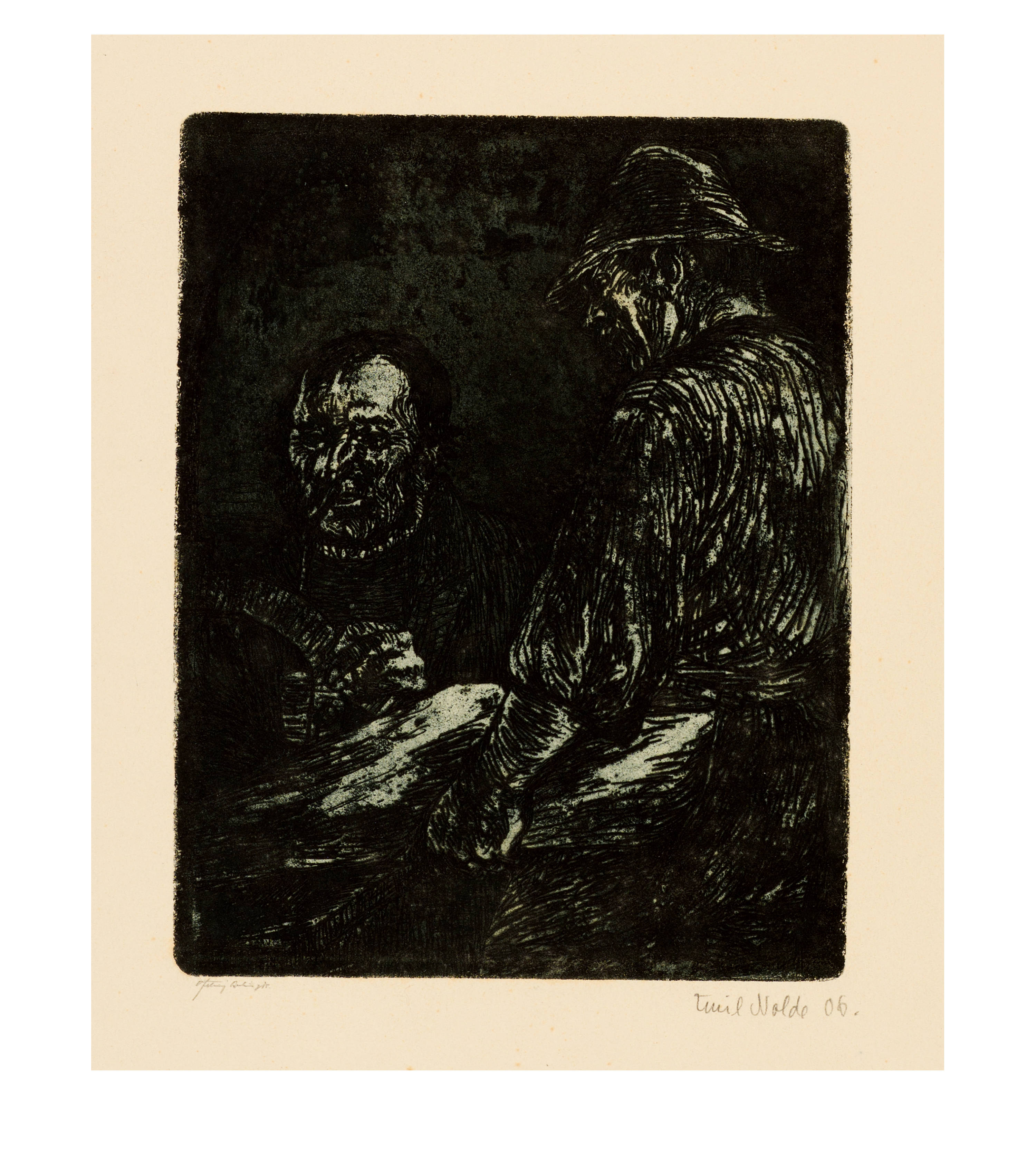
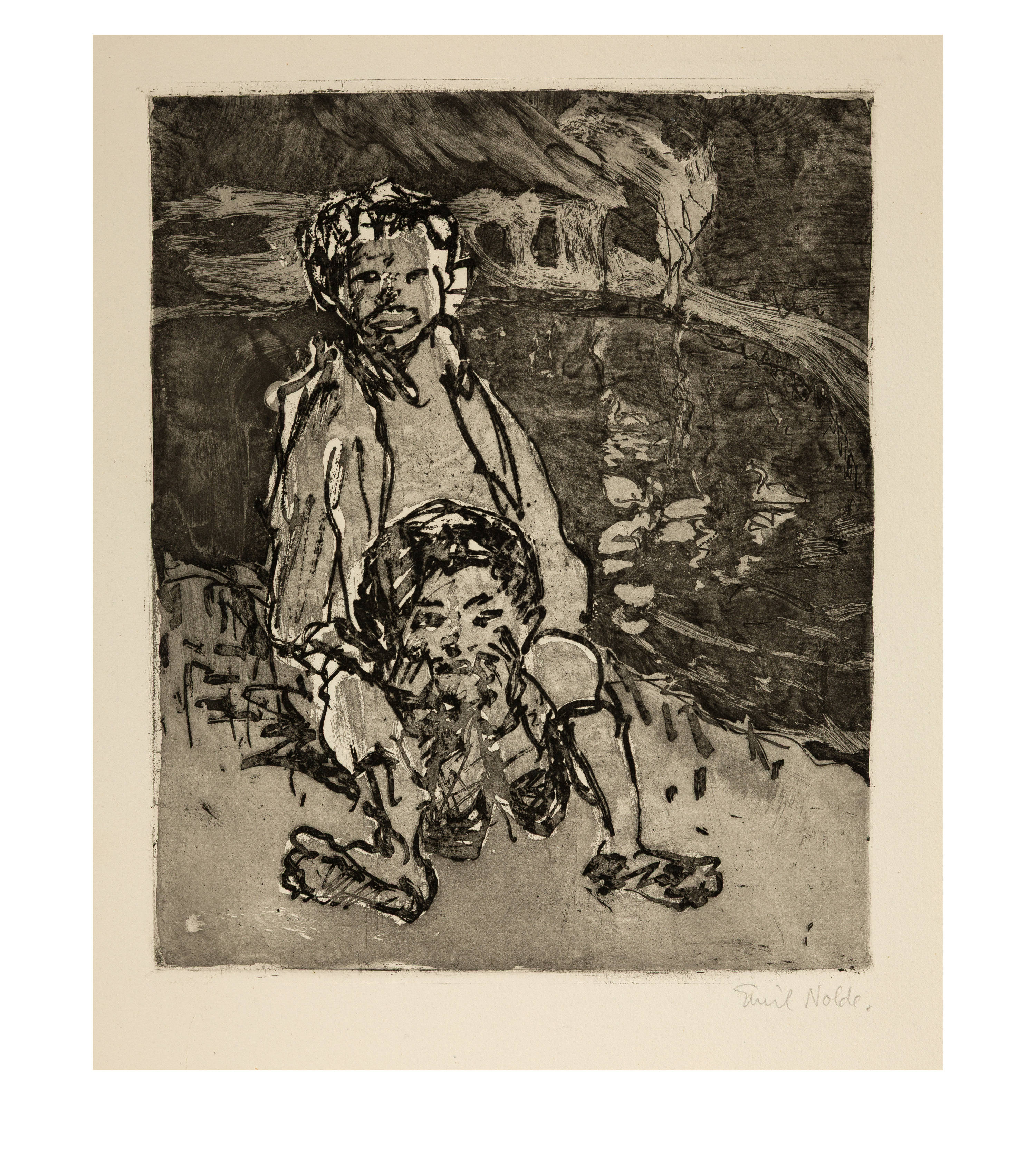
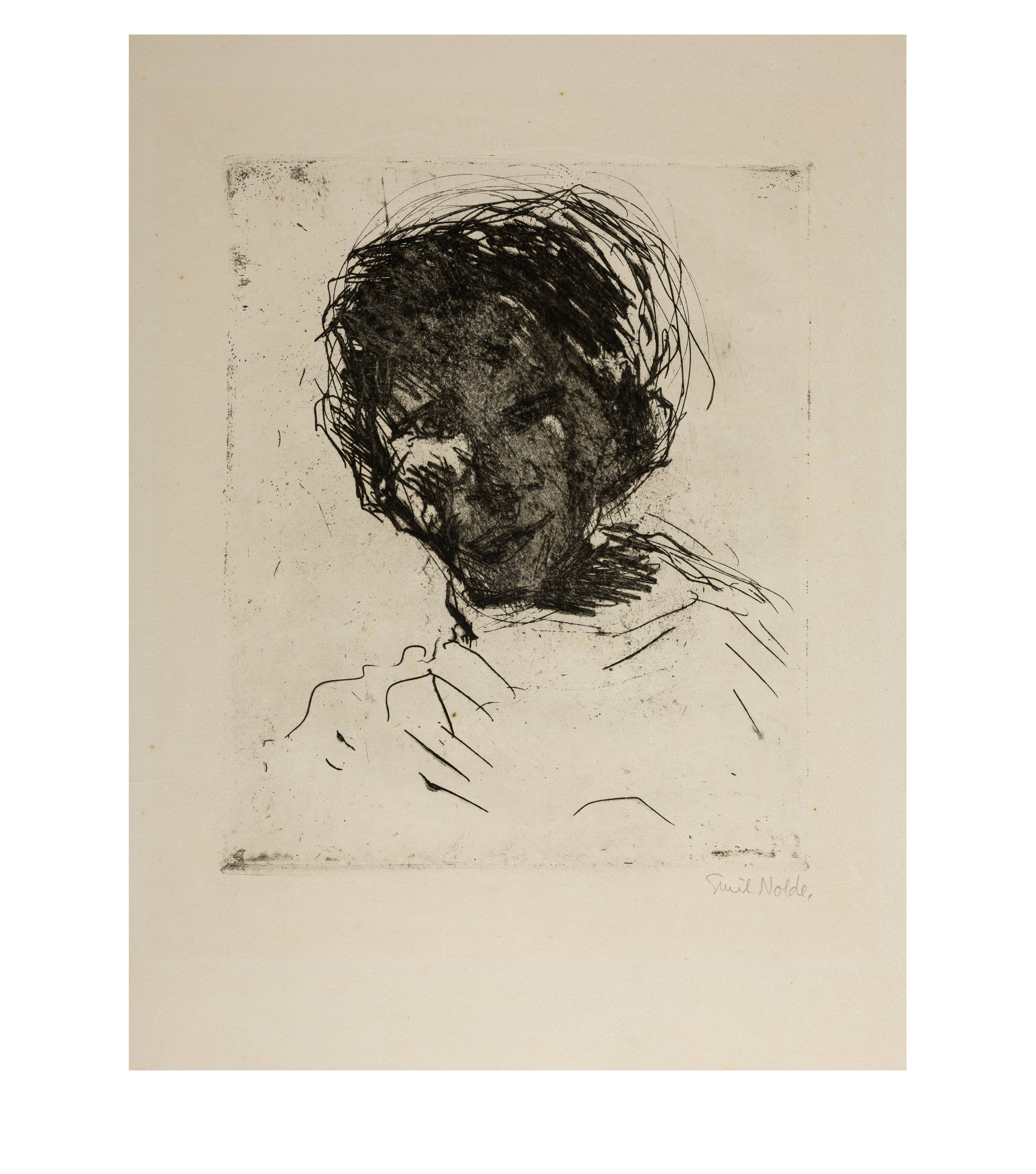
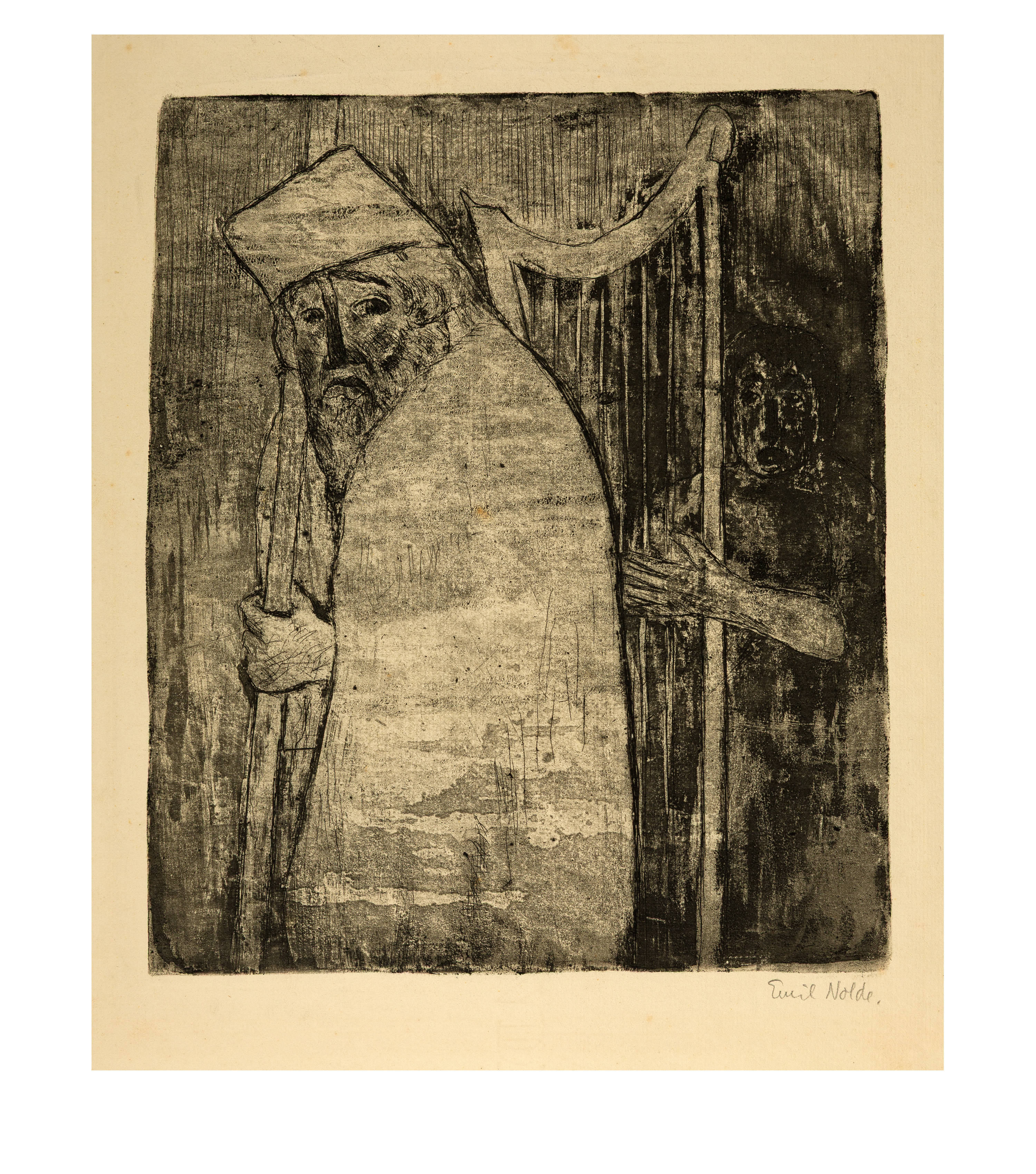
Emil Nolde
Born in 1867.
Died in 1956.
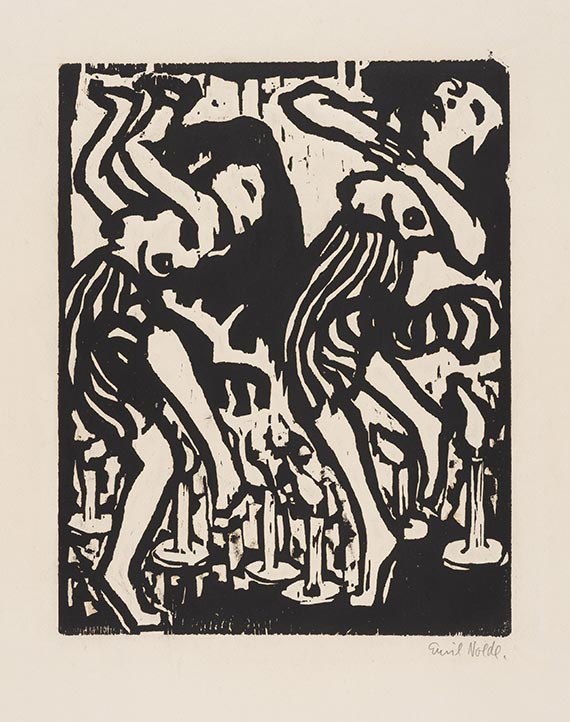
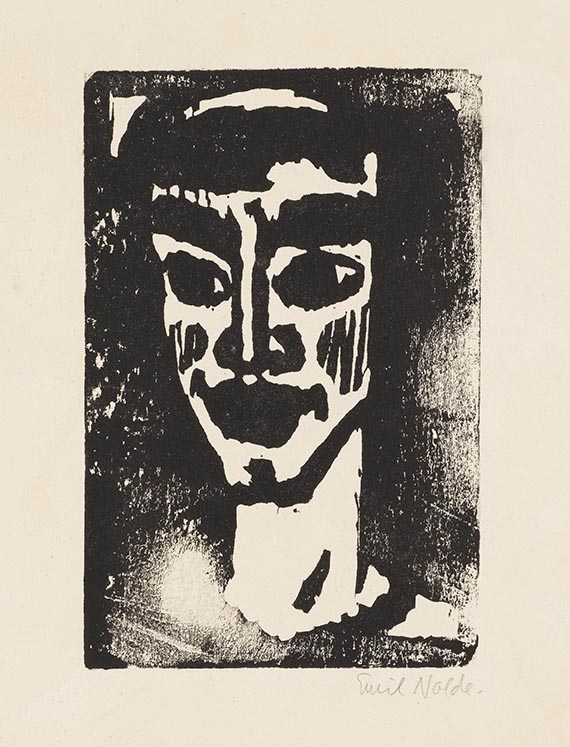
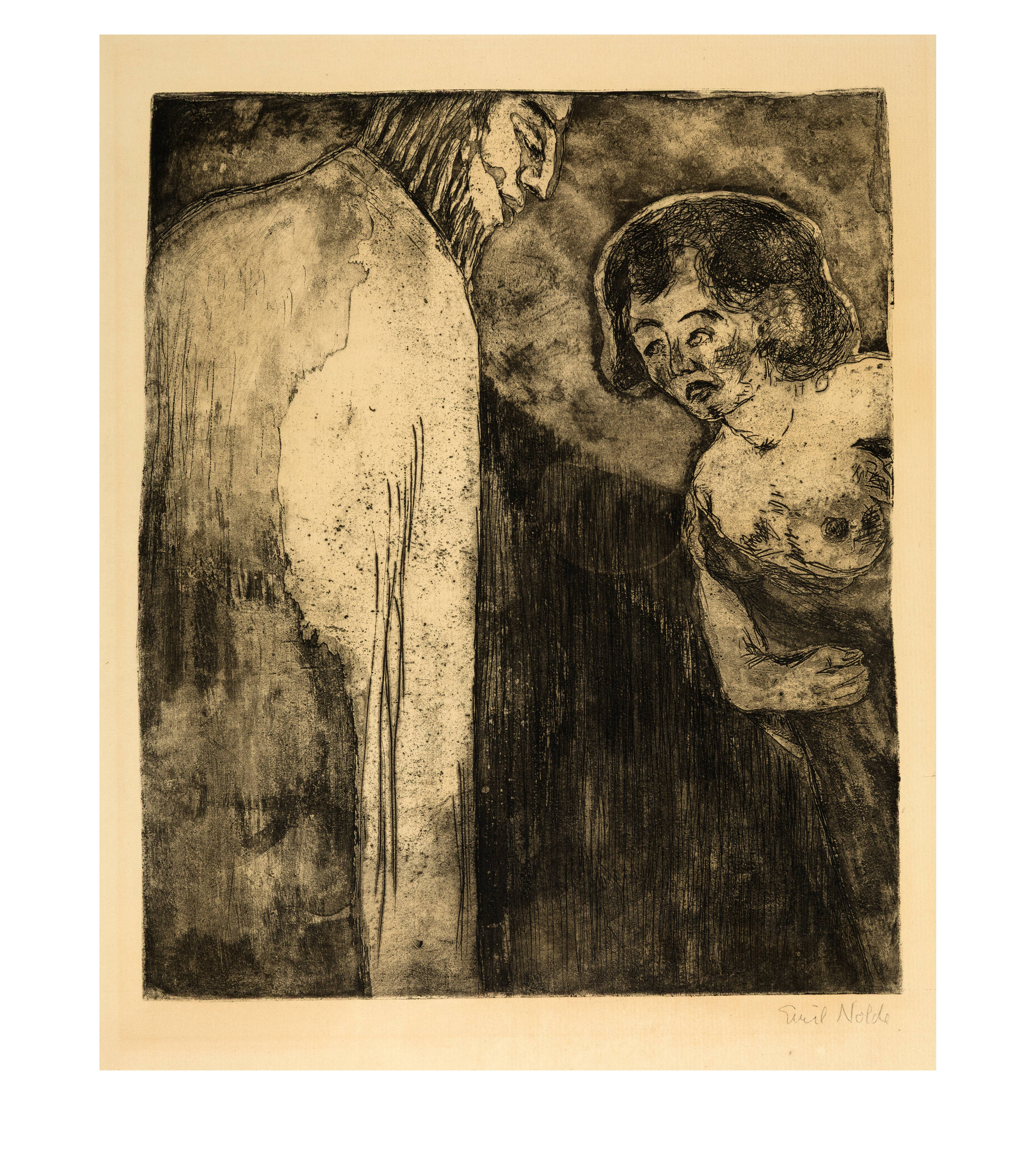
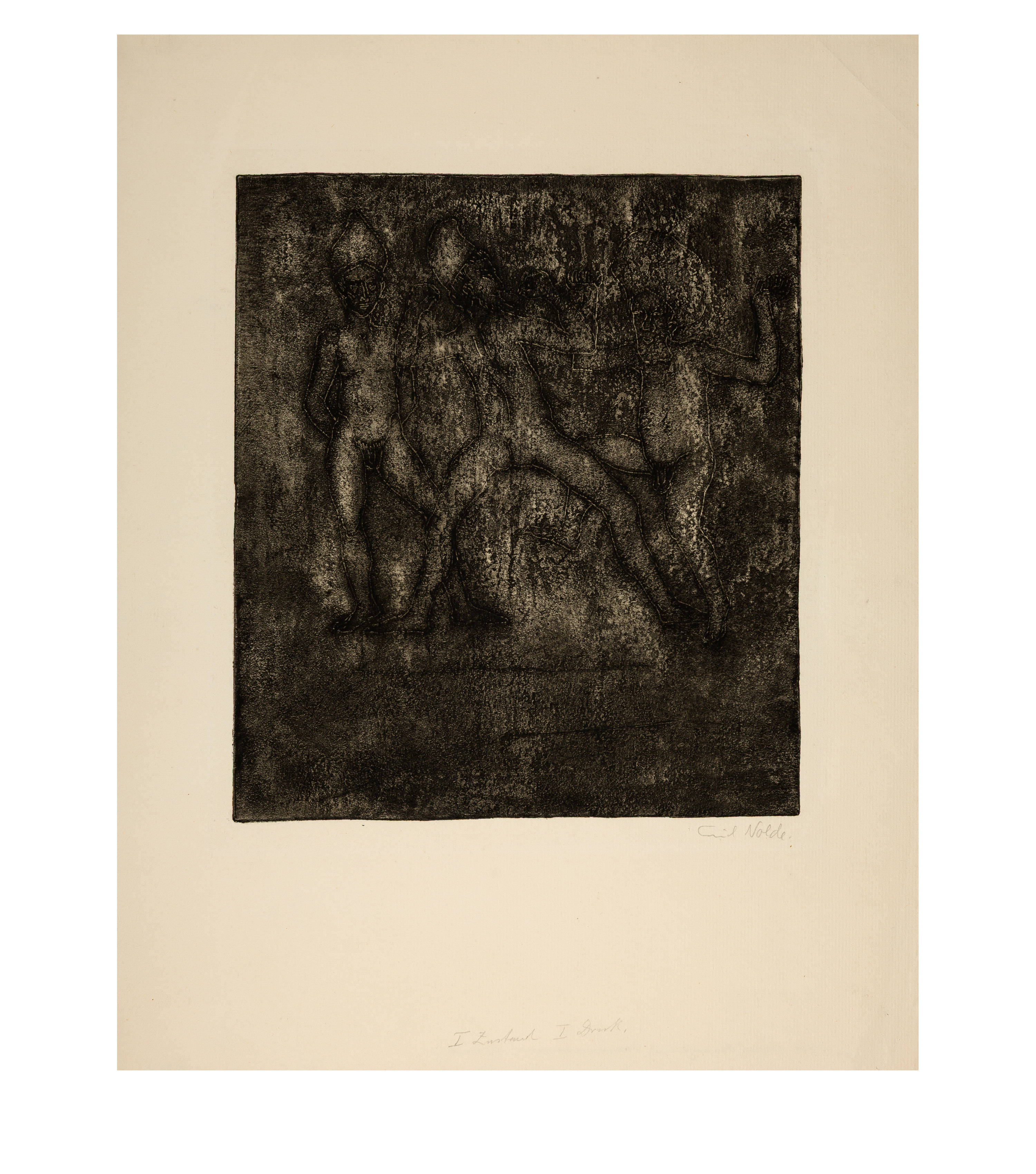
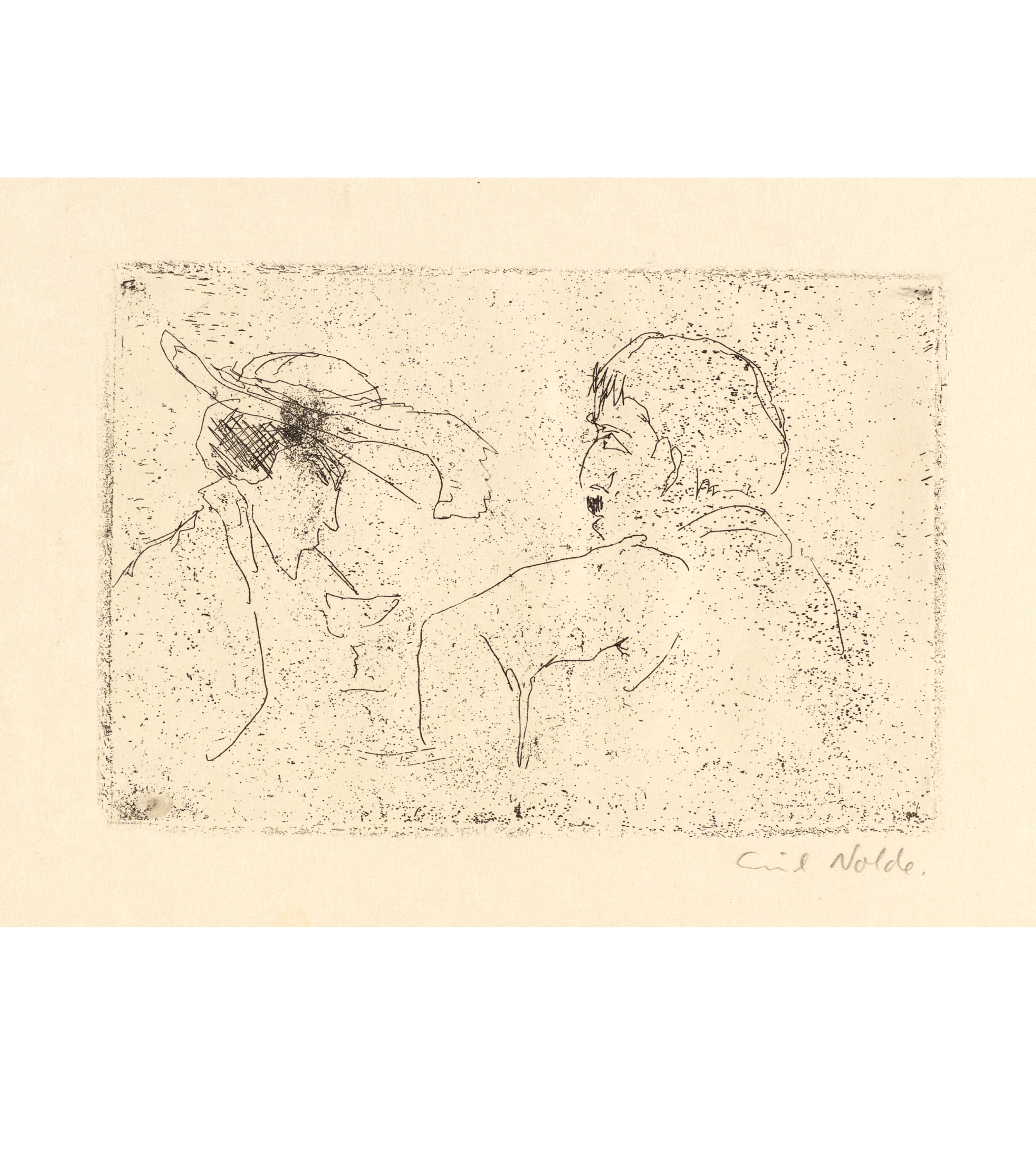
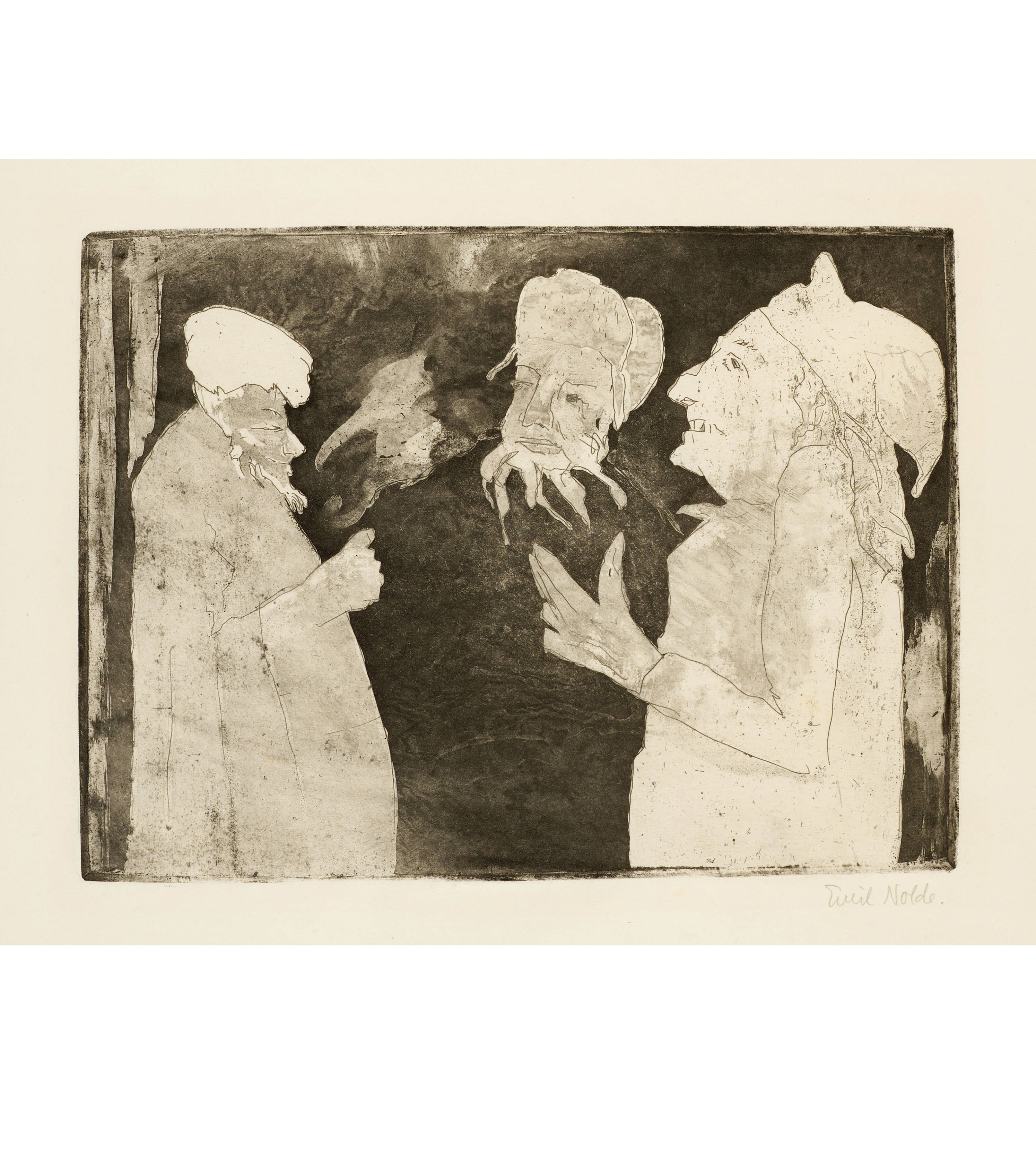
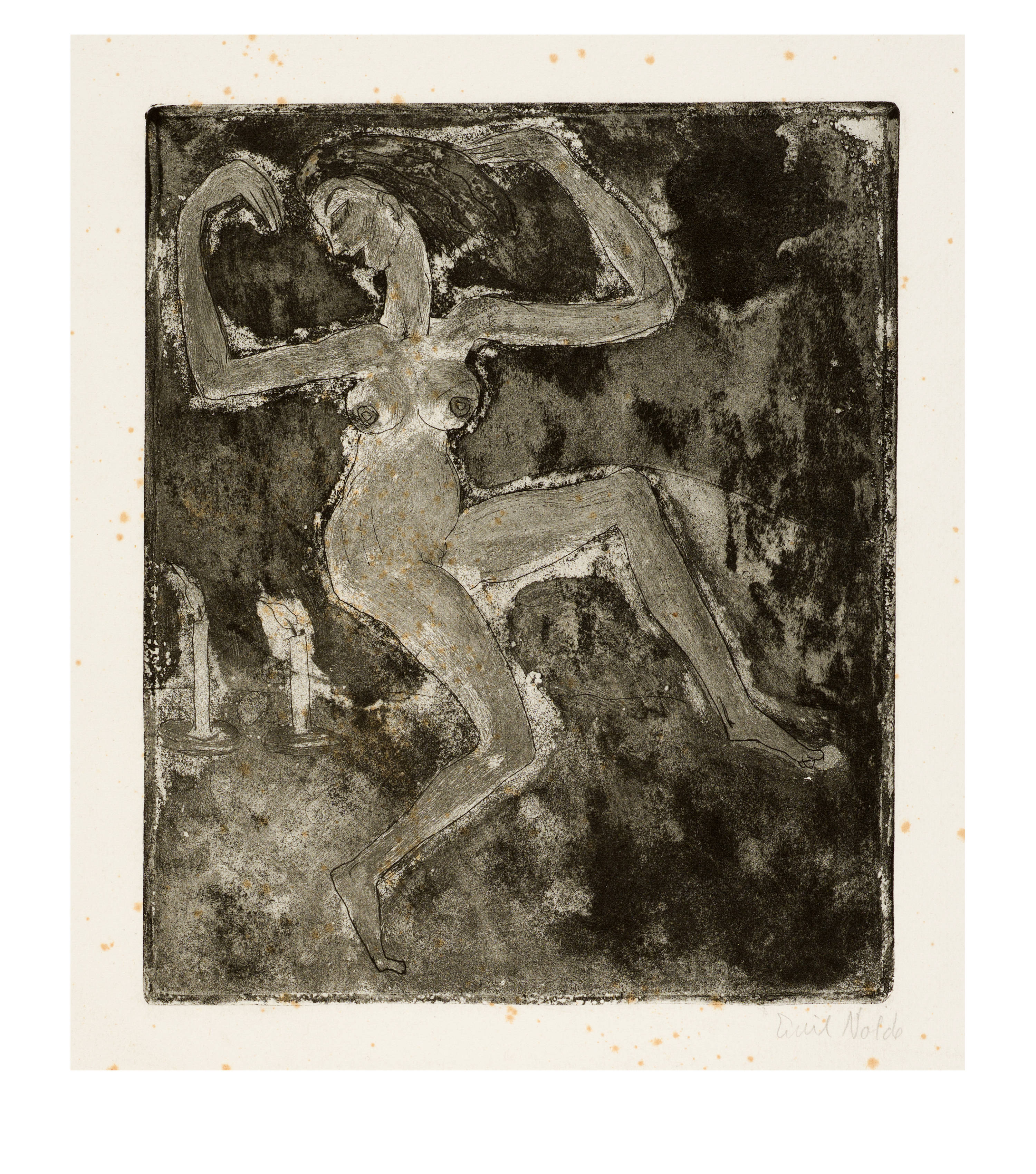
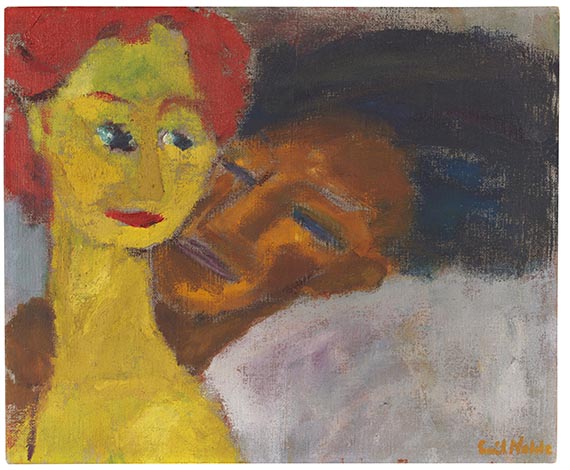
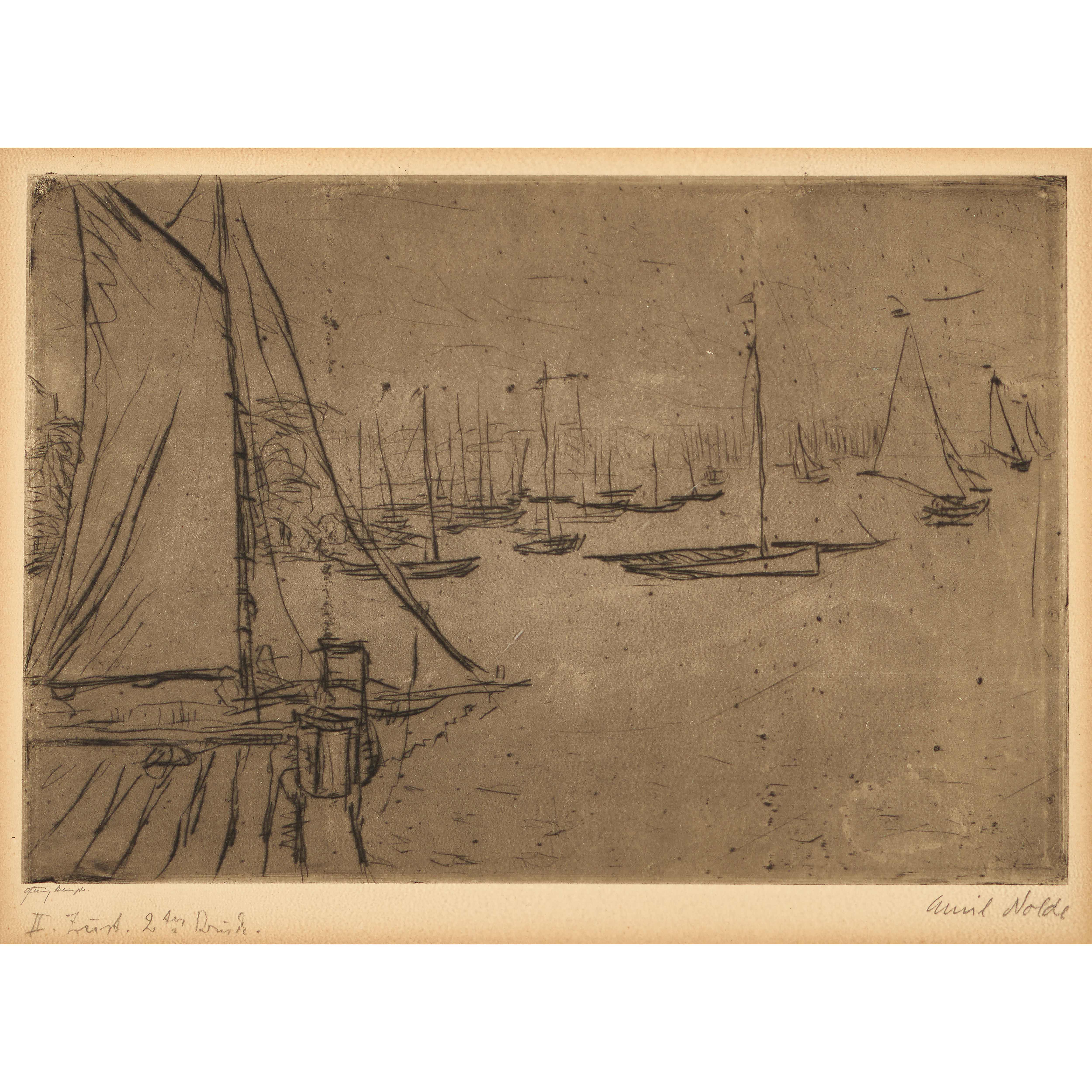
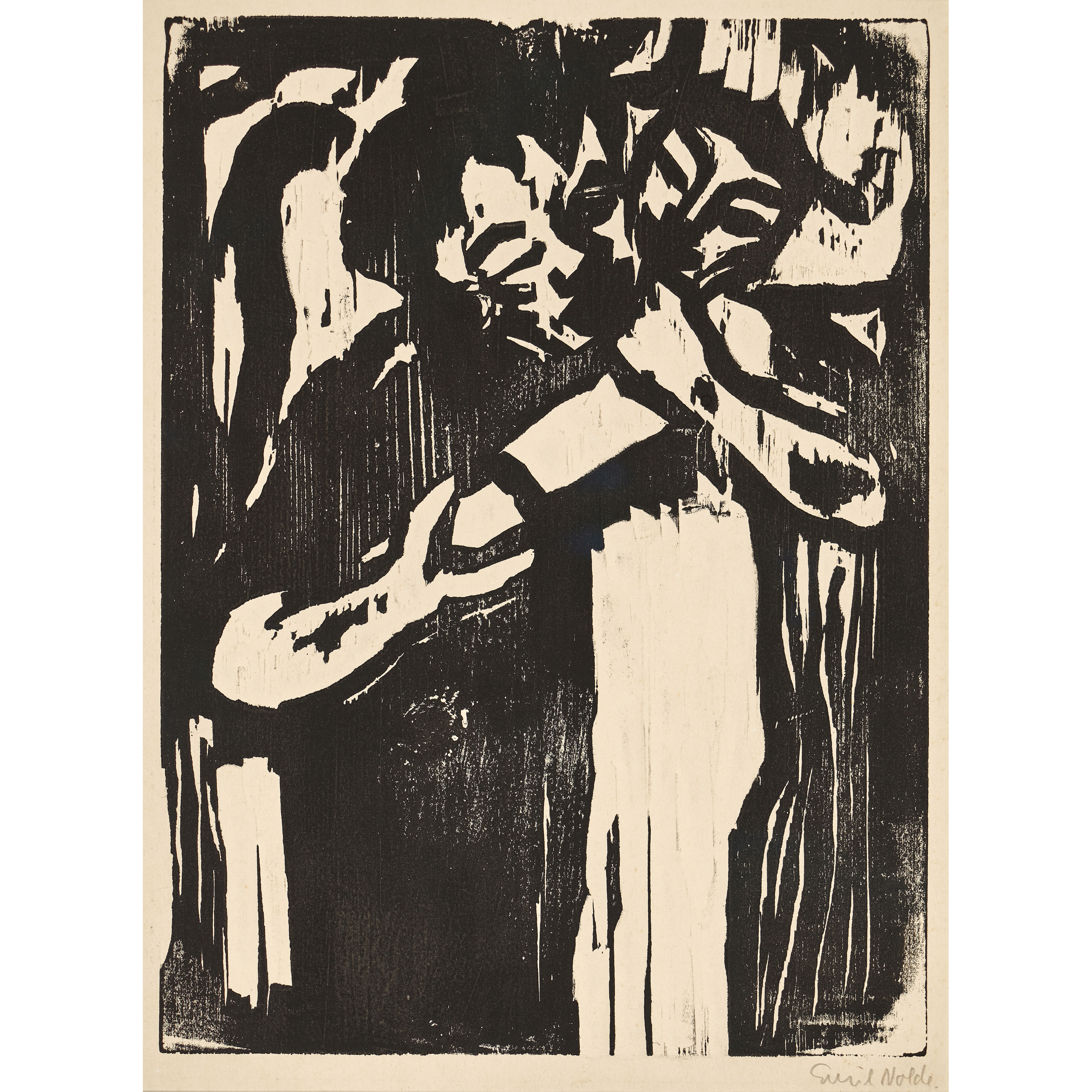
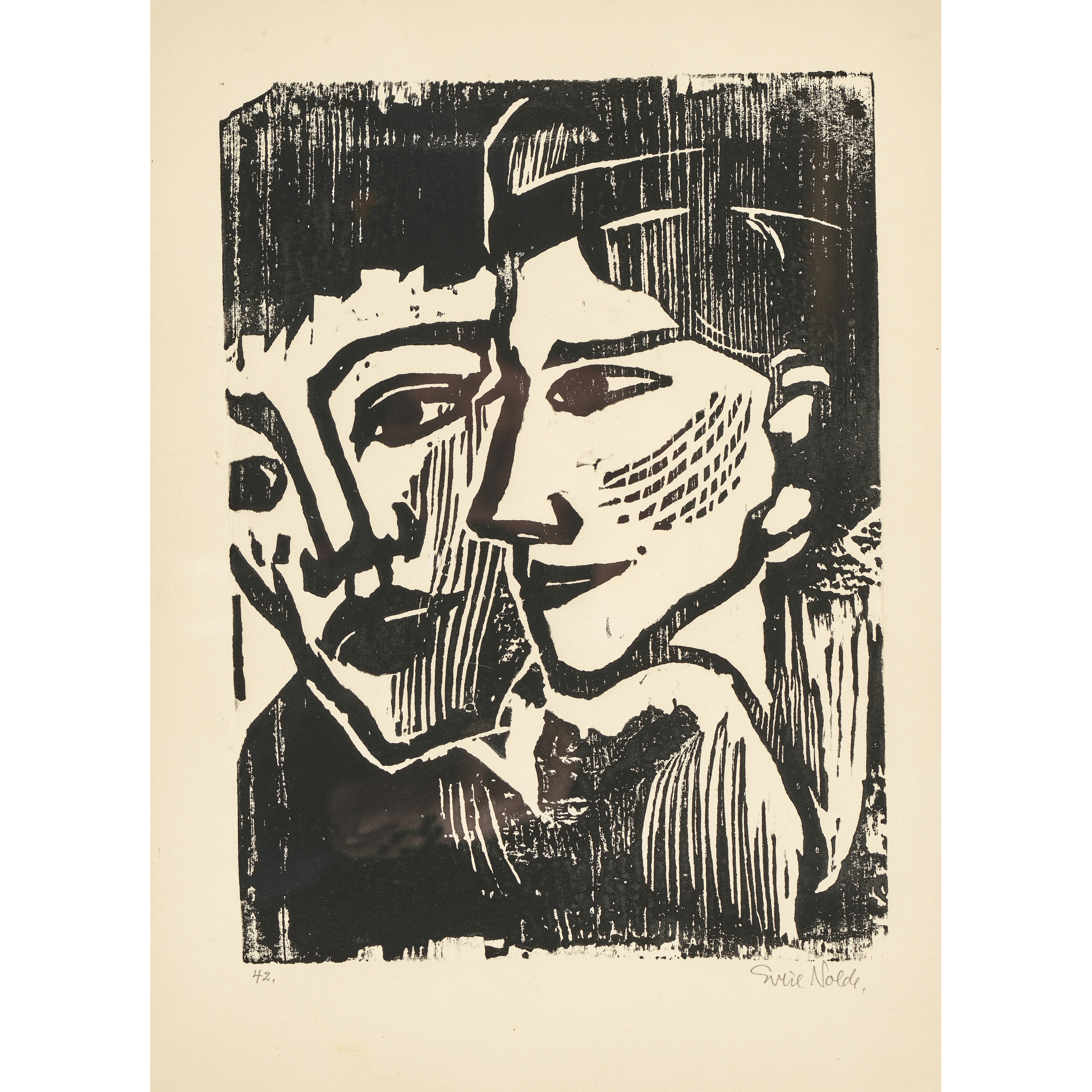
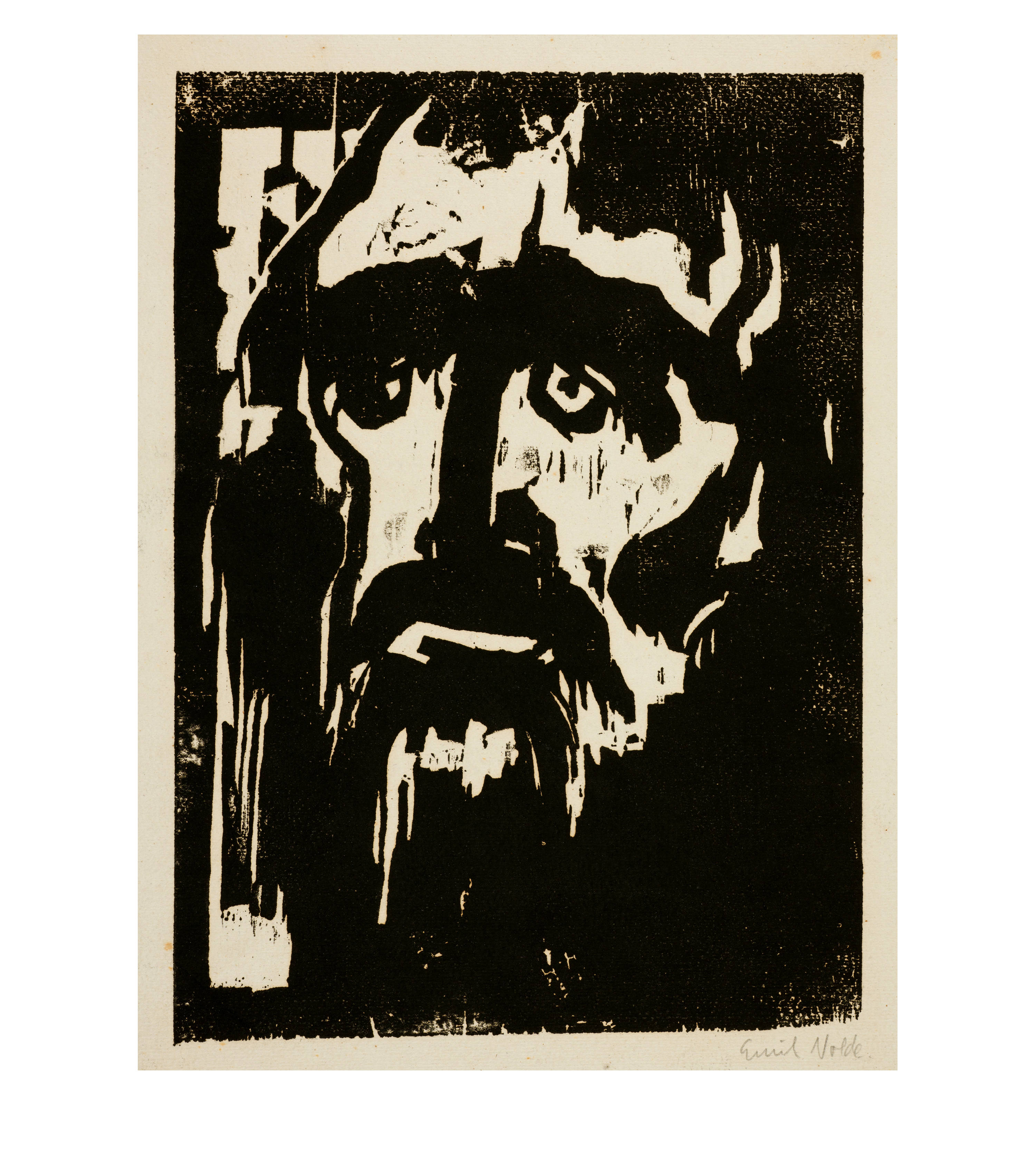
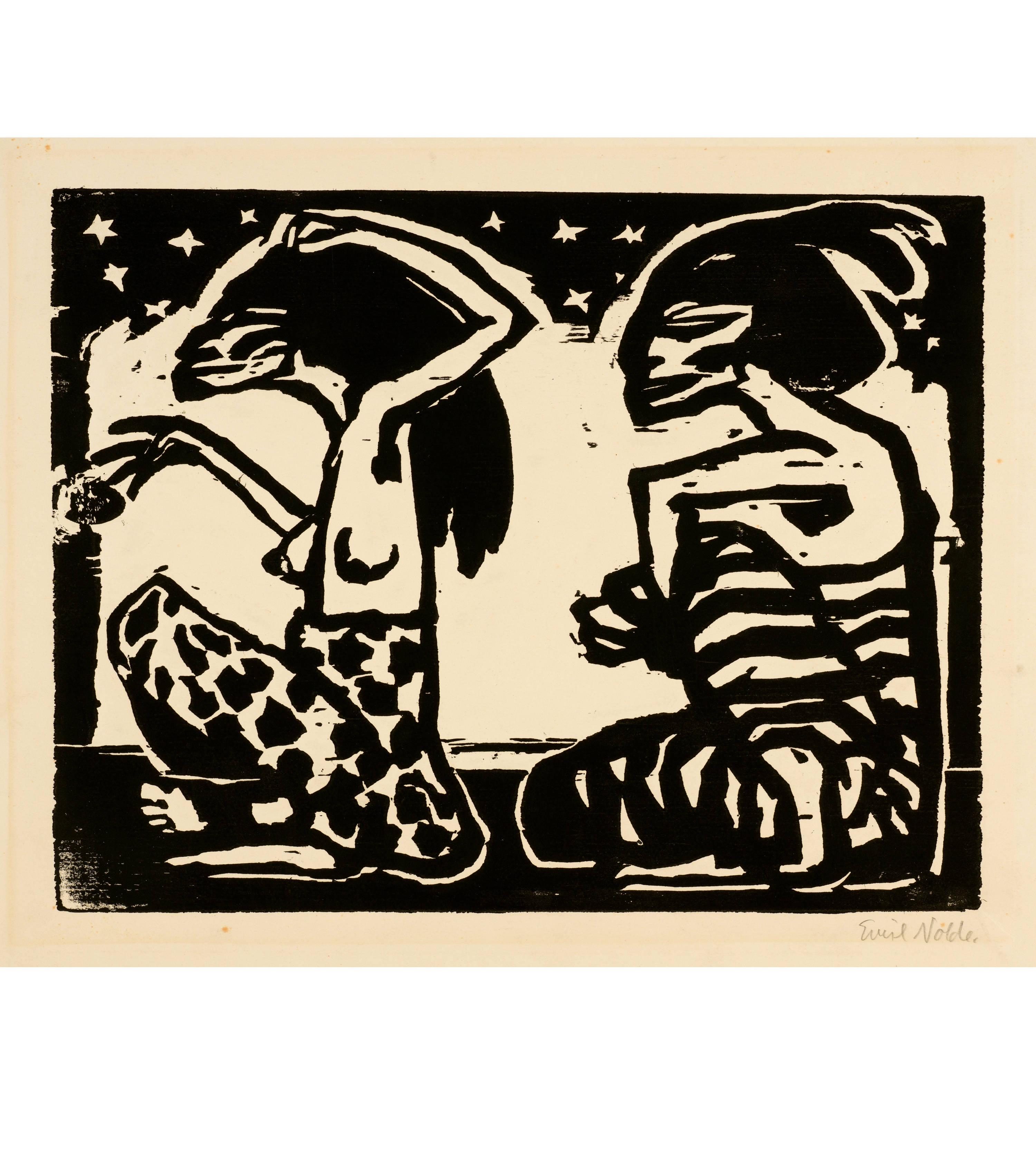
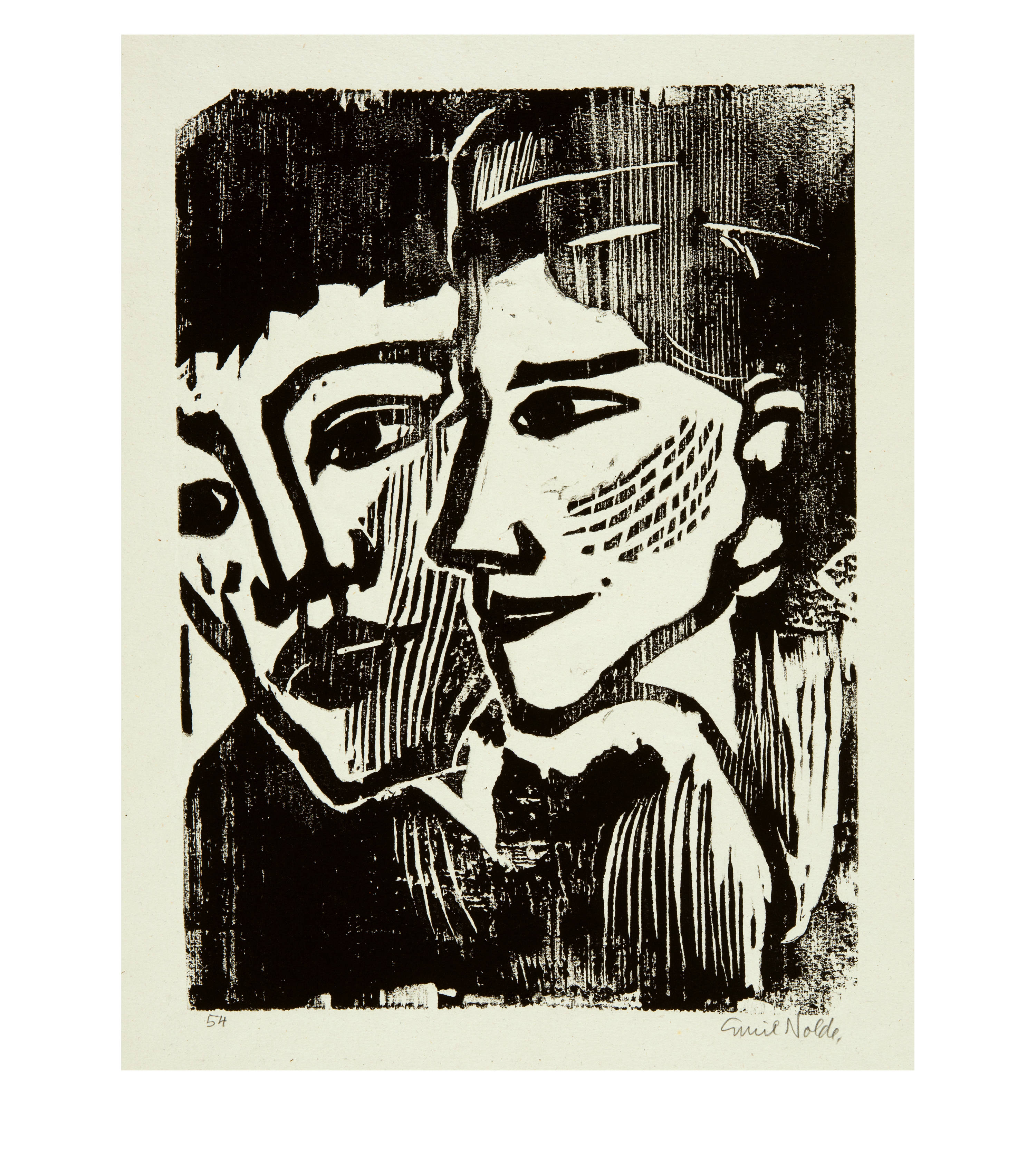
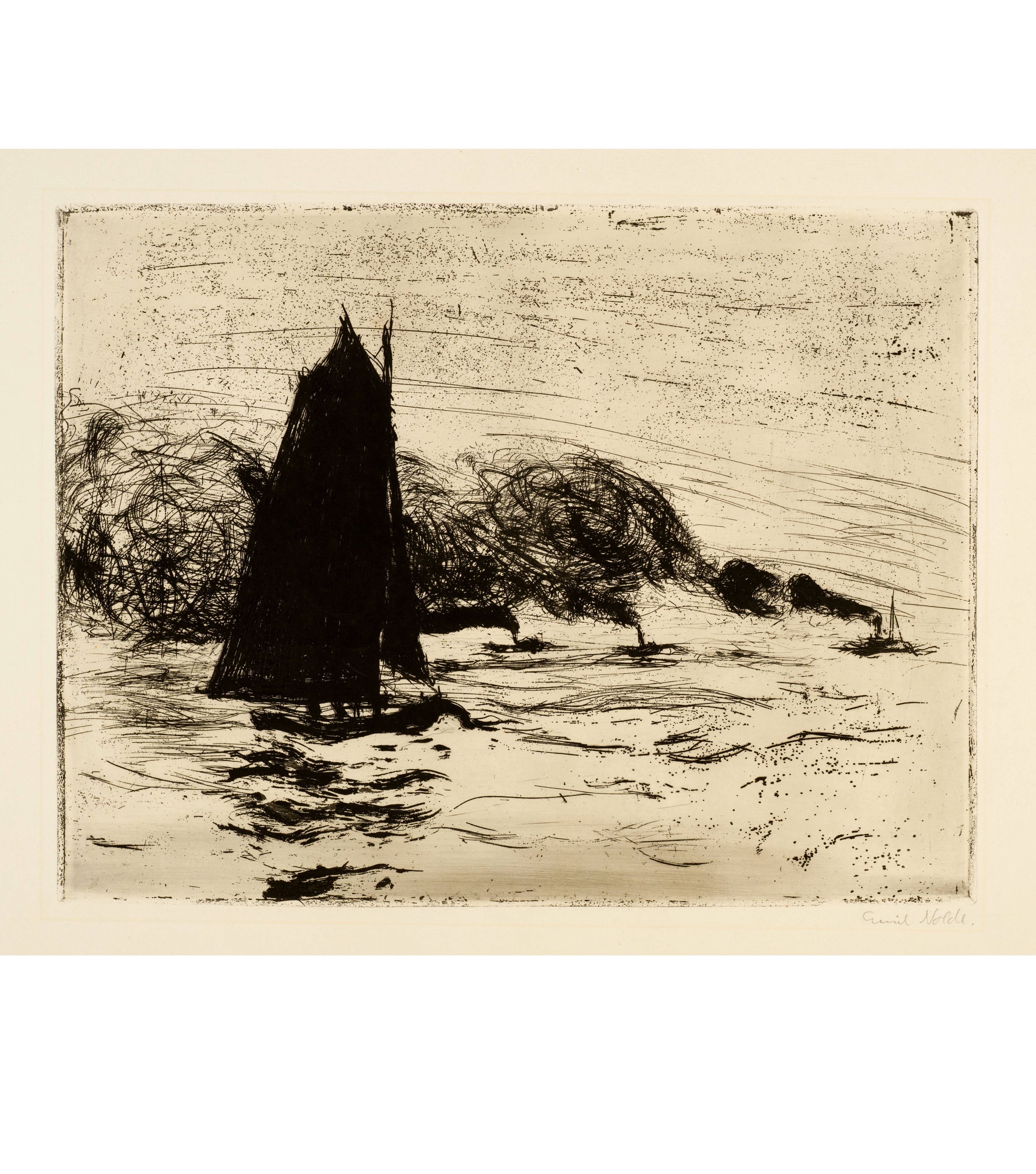
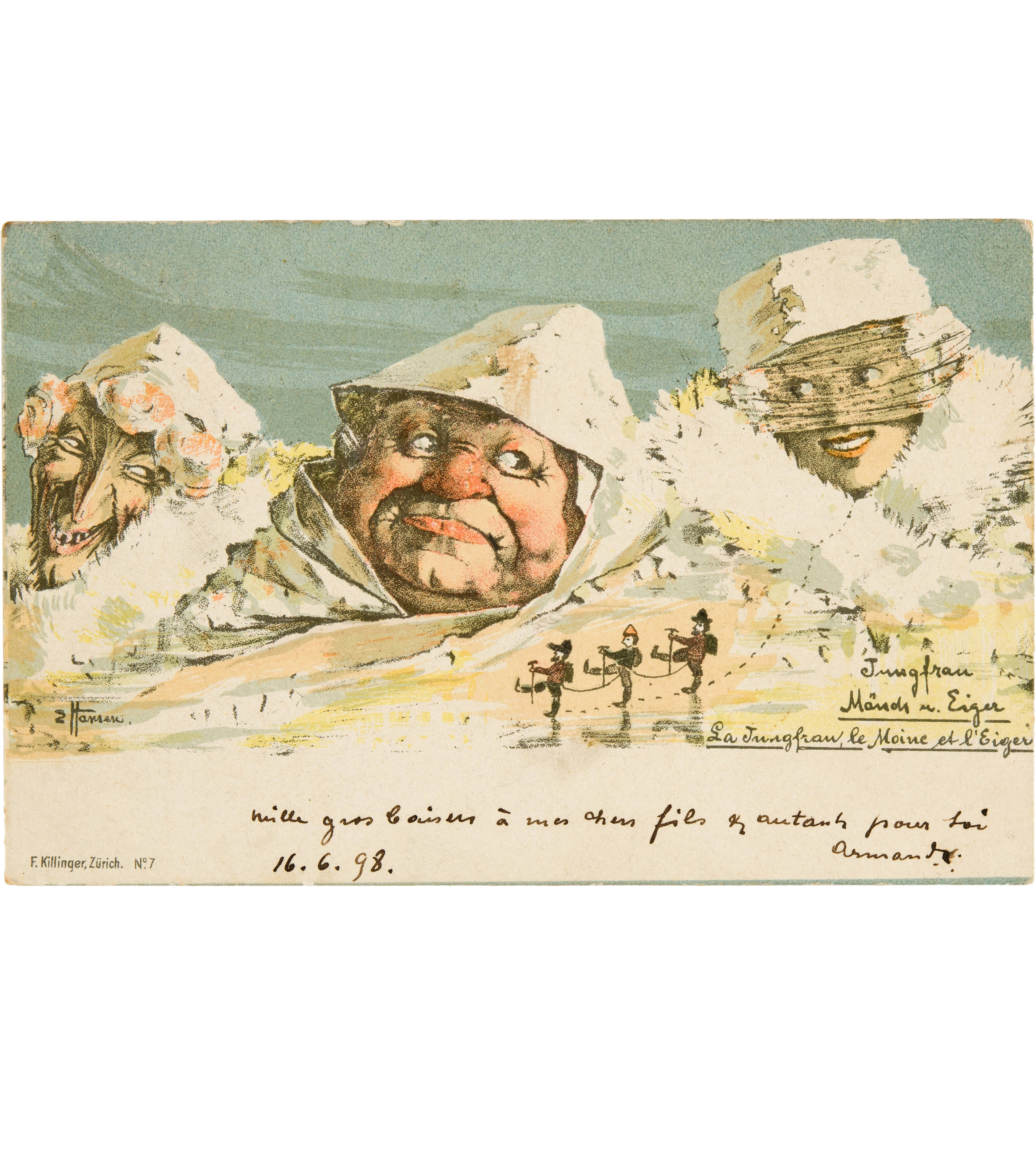
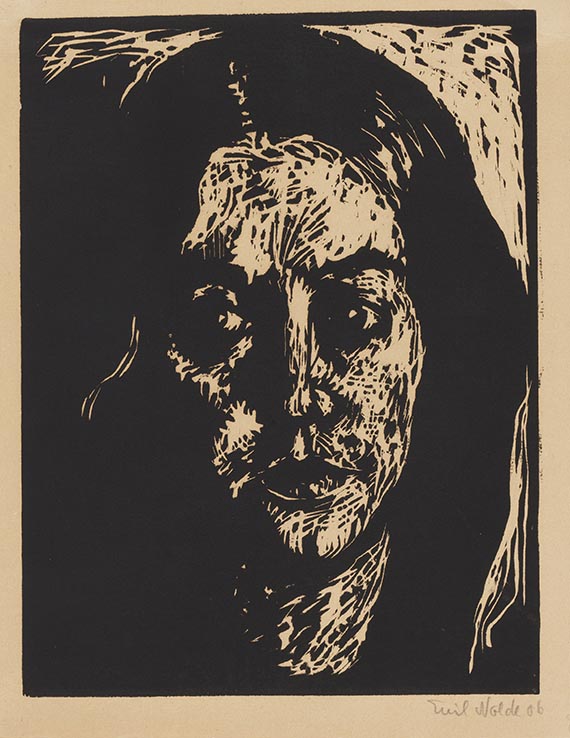
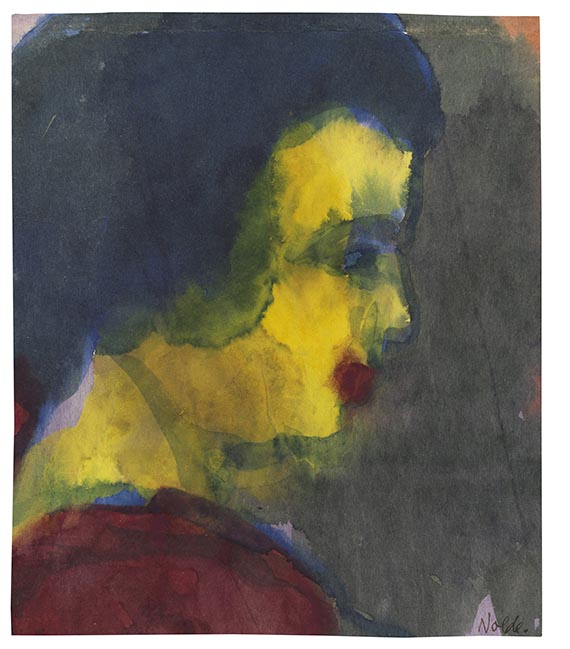
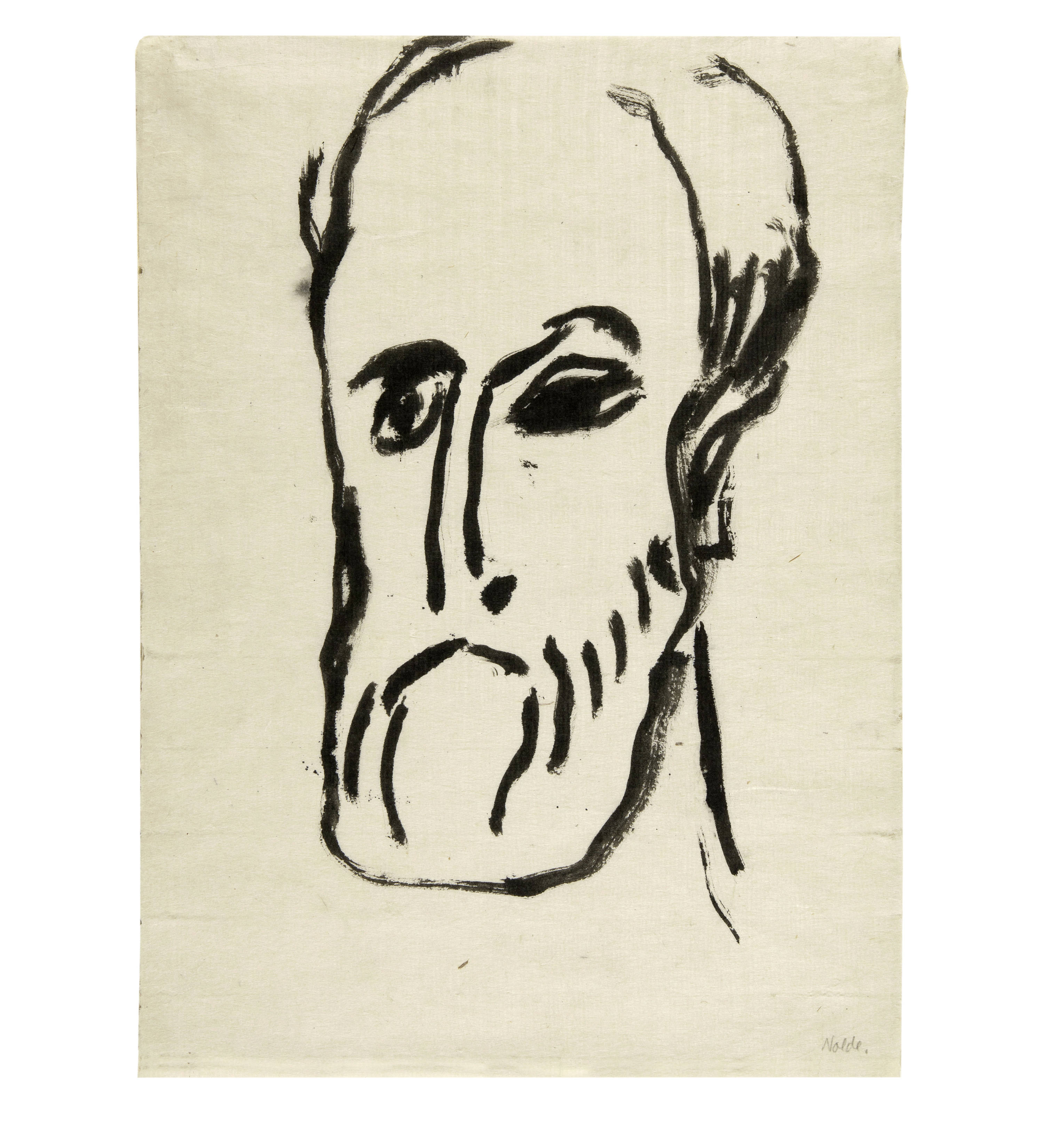
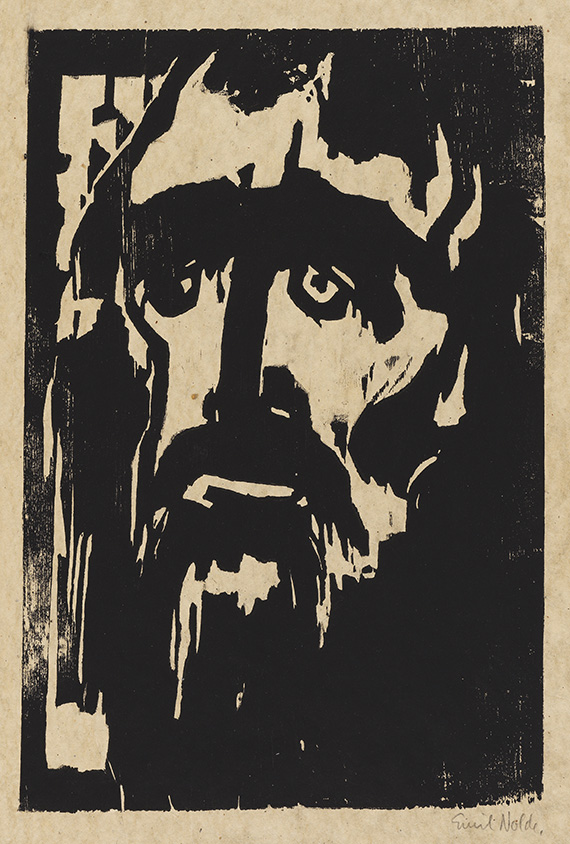
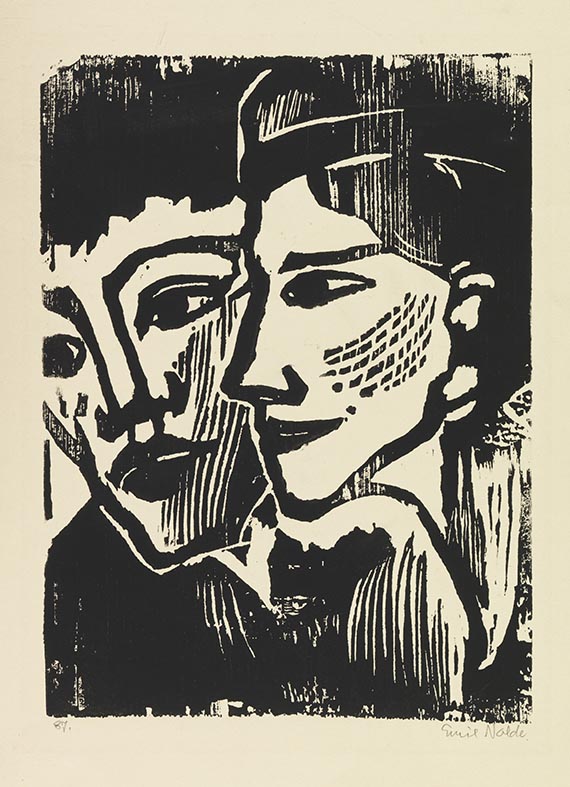
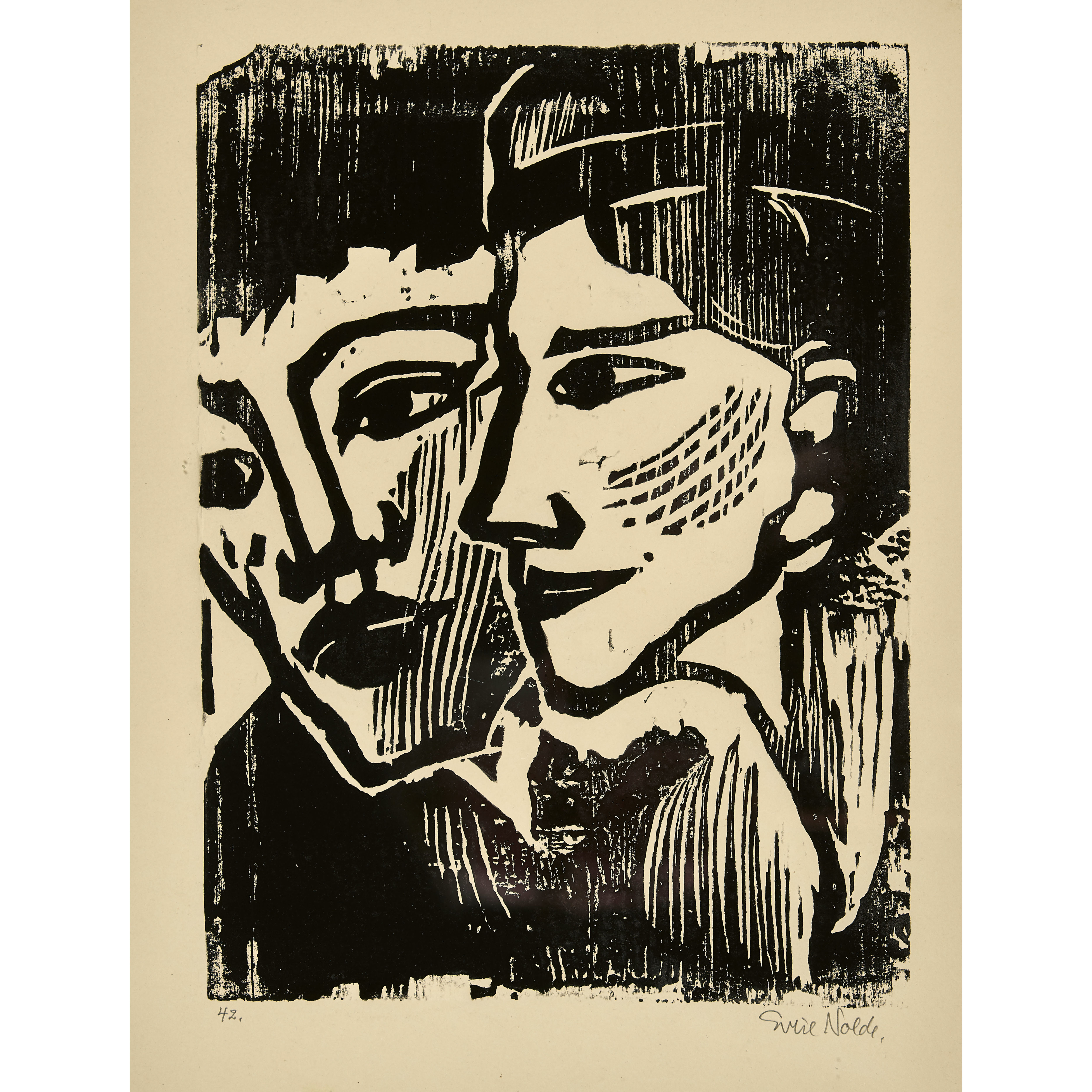
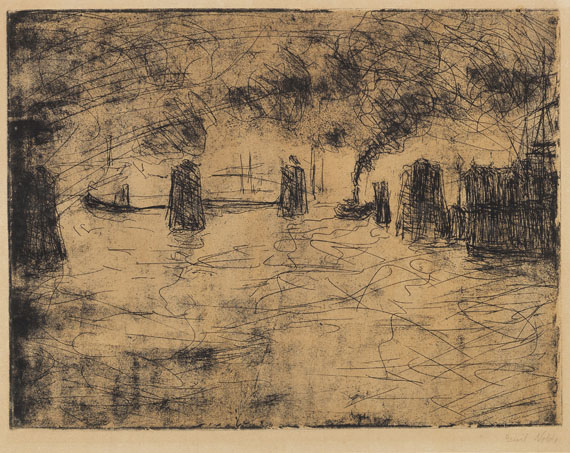
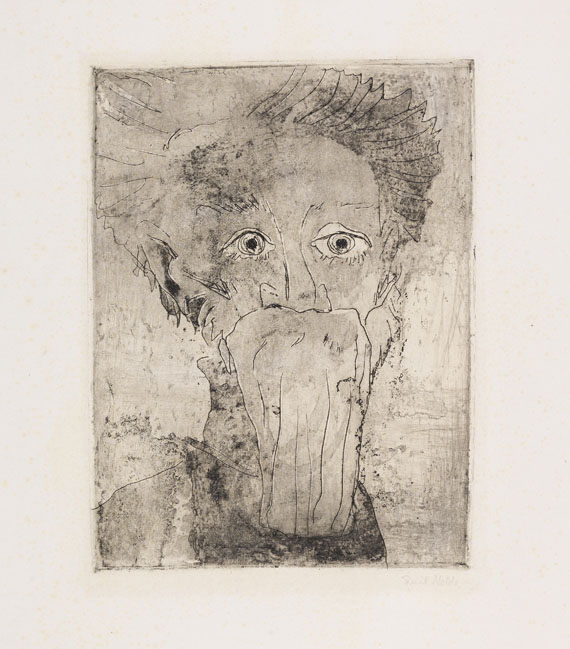
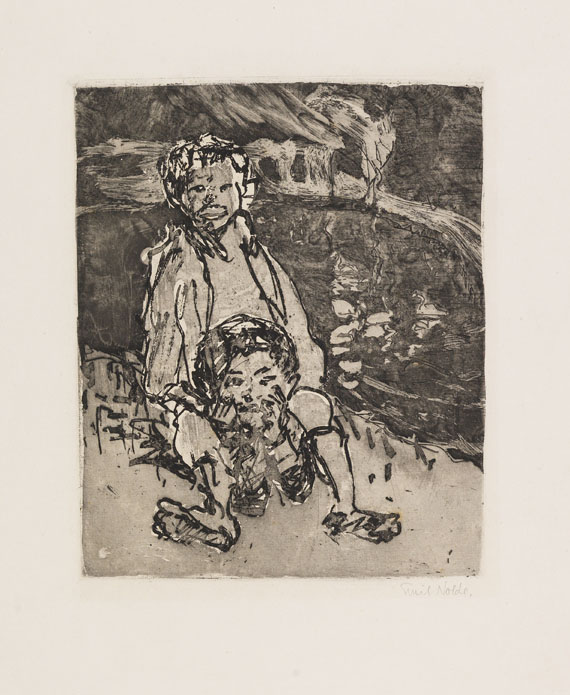
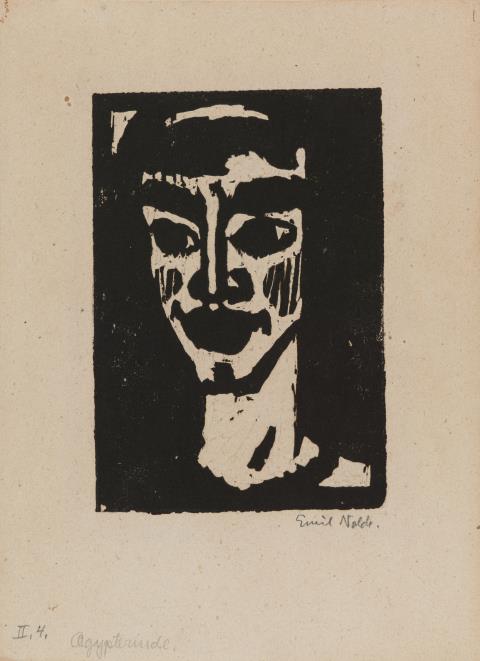
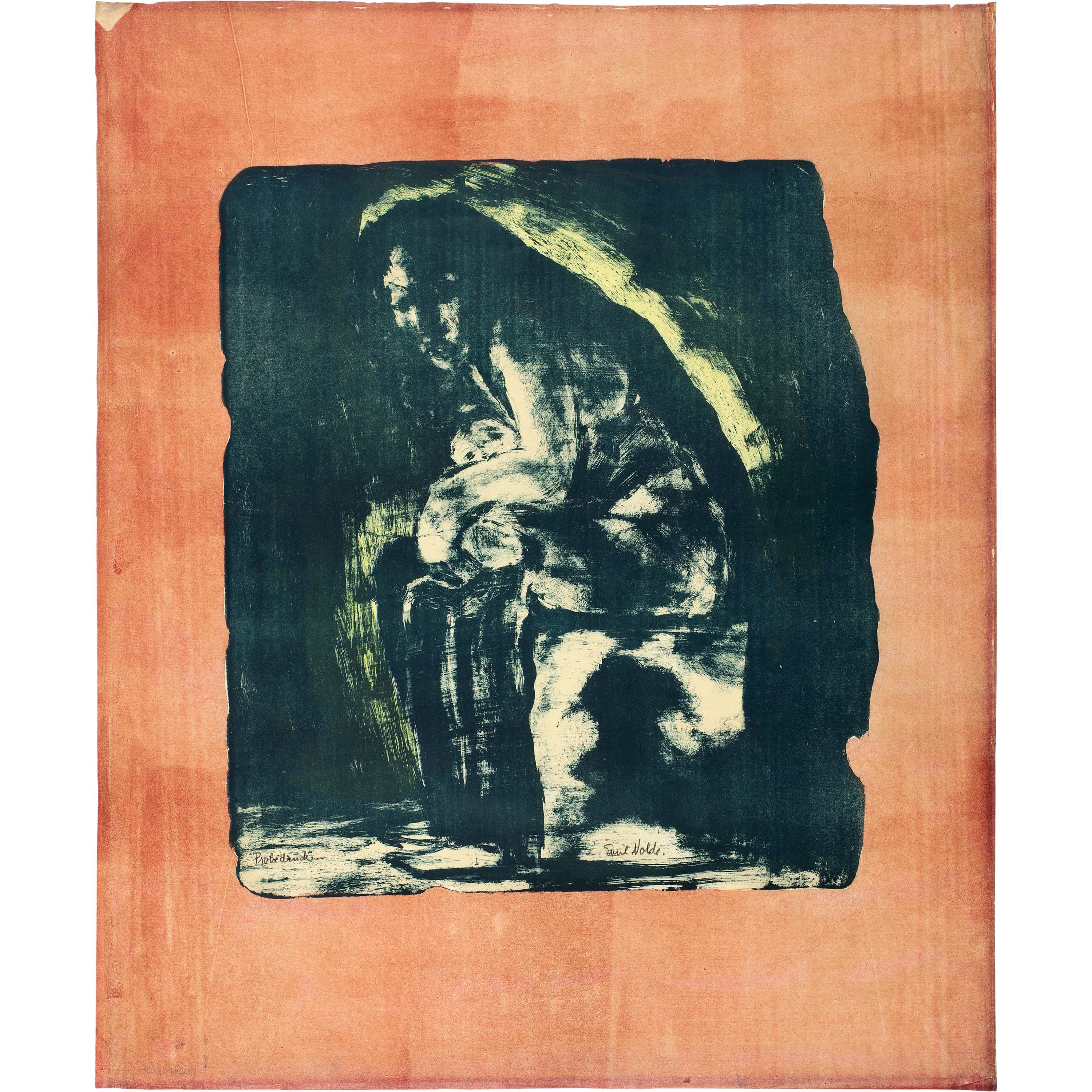
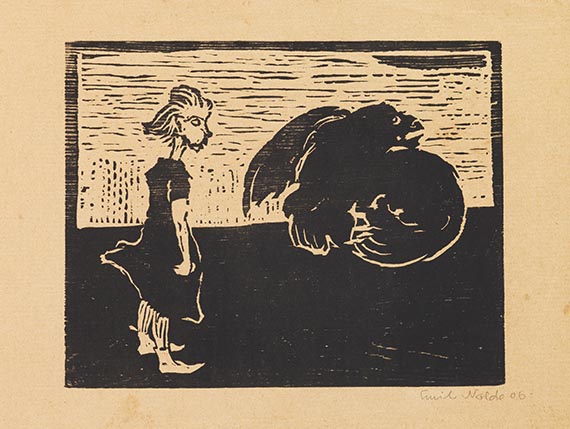
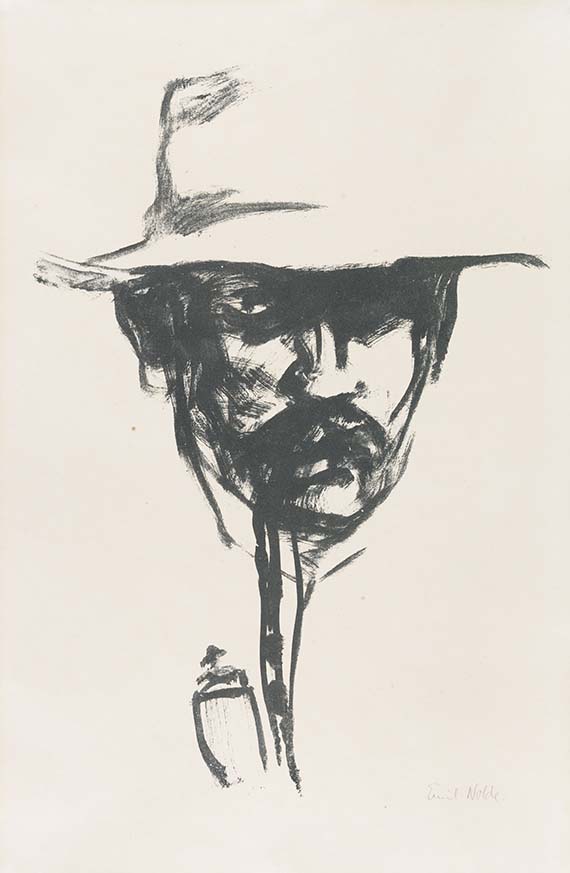
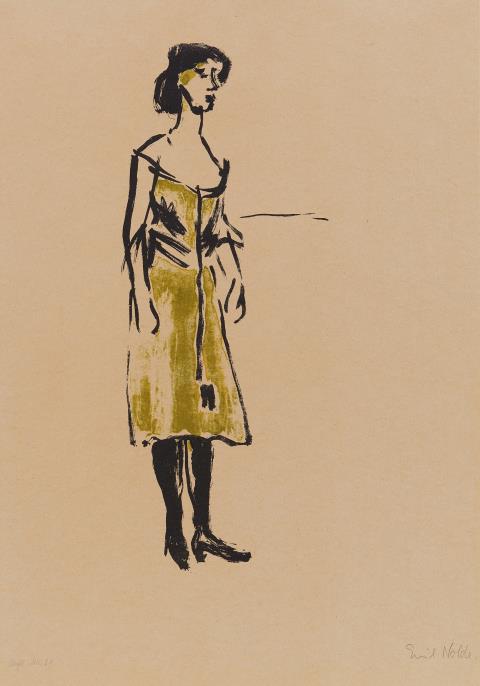
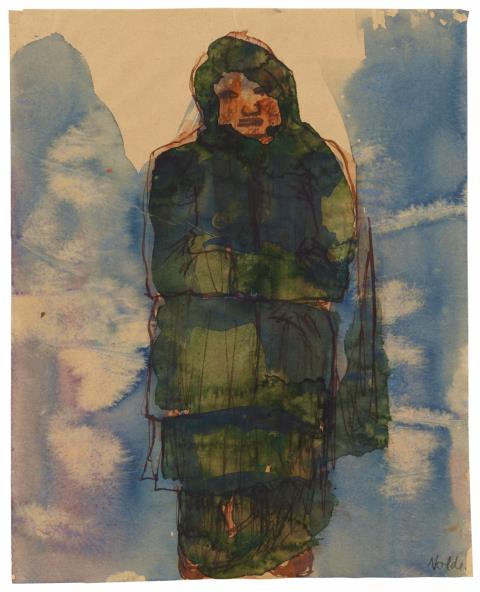
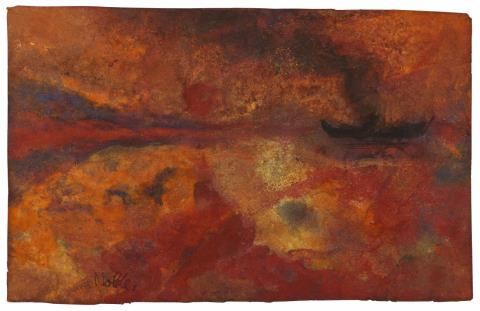
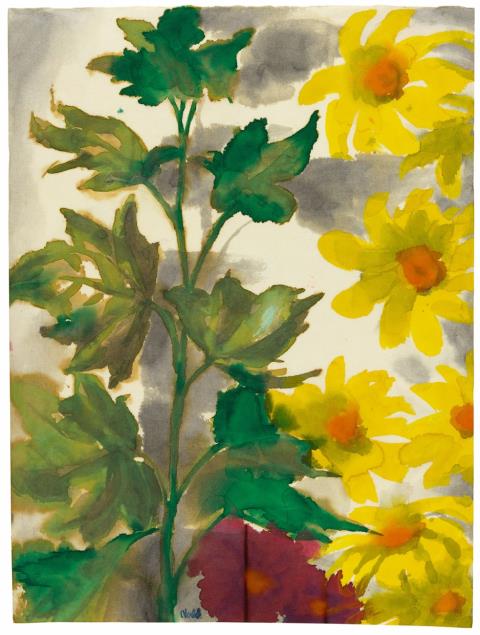
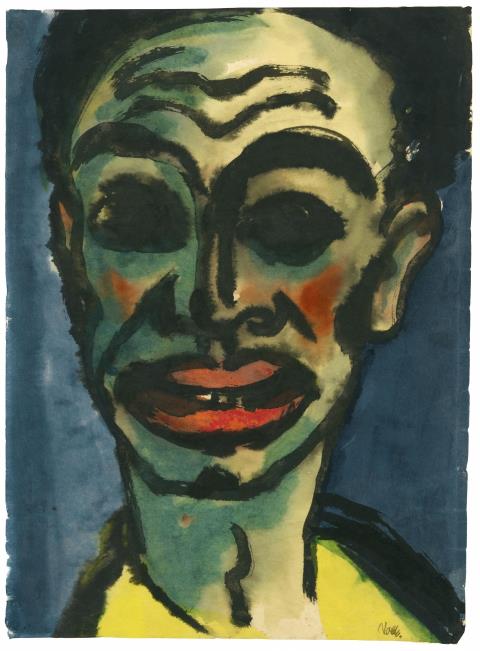
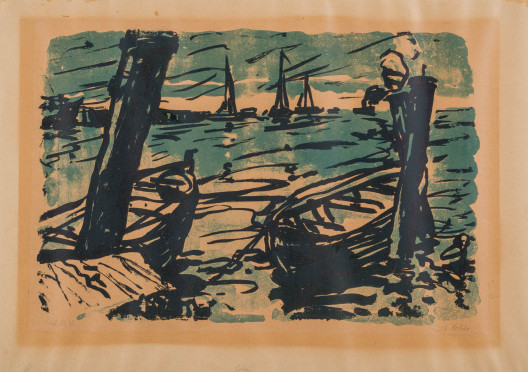
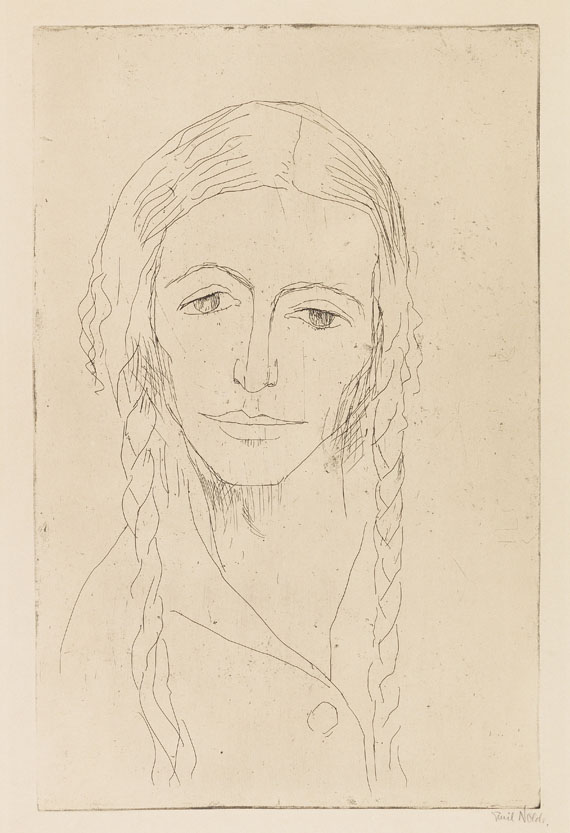
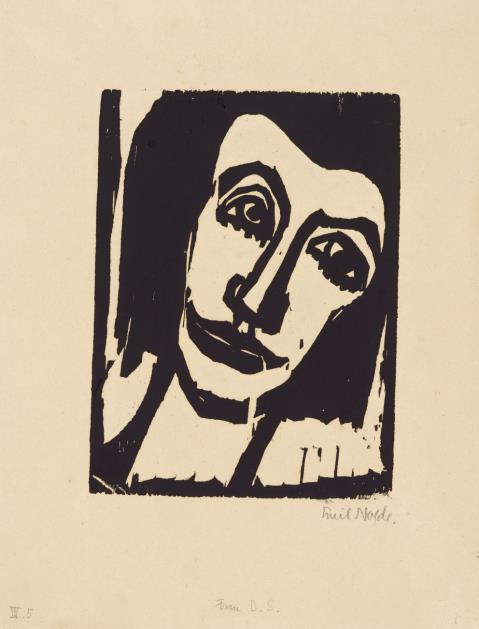
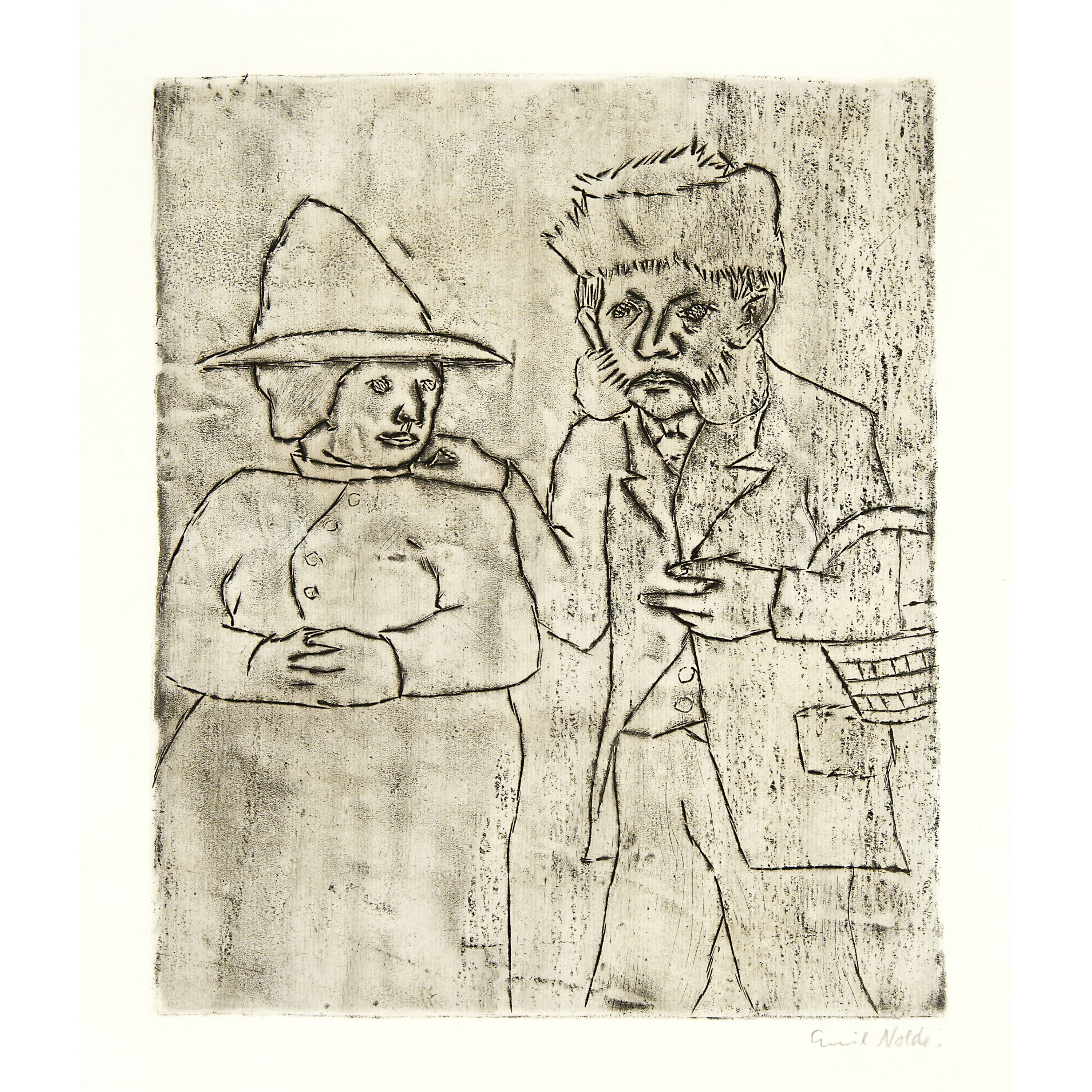
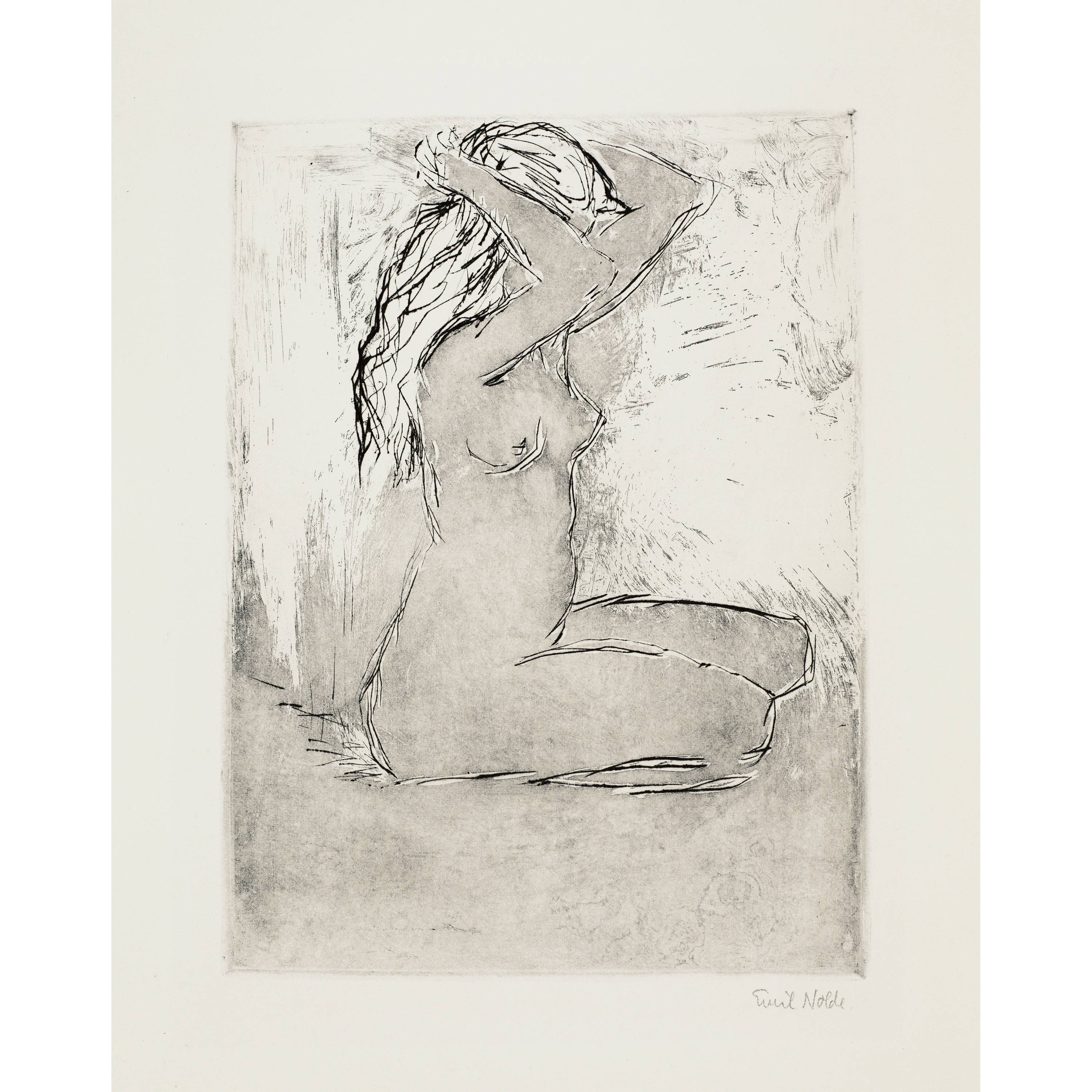
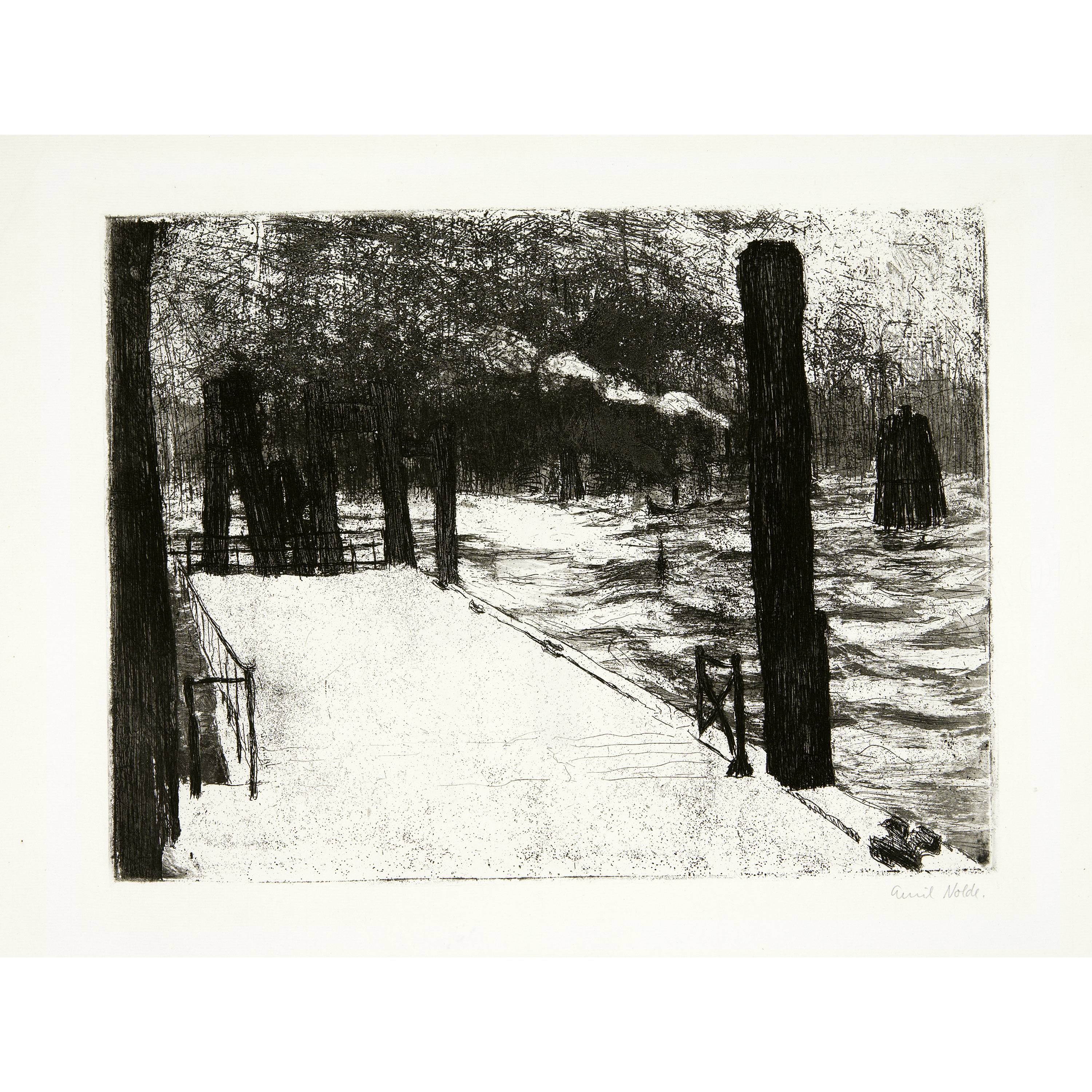
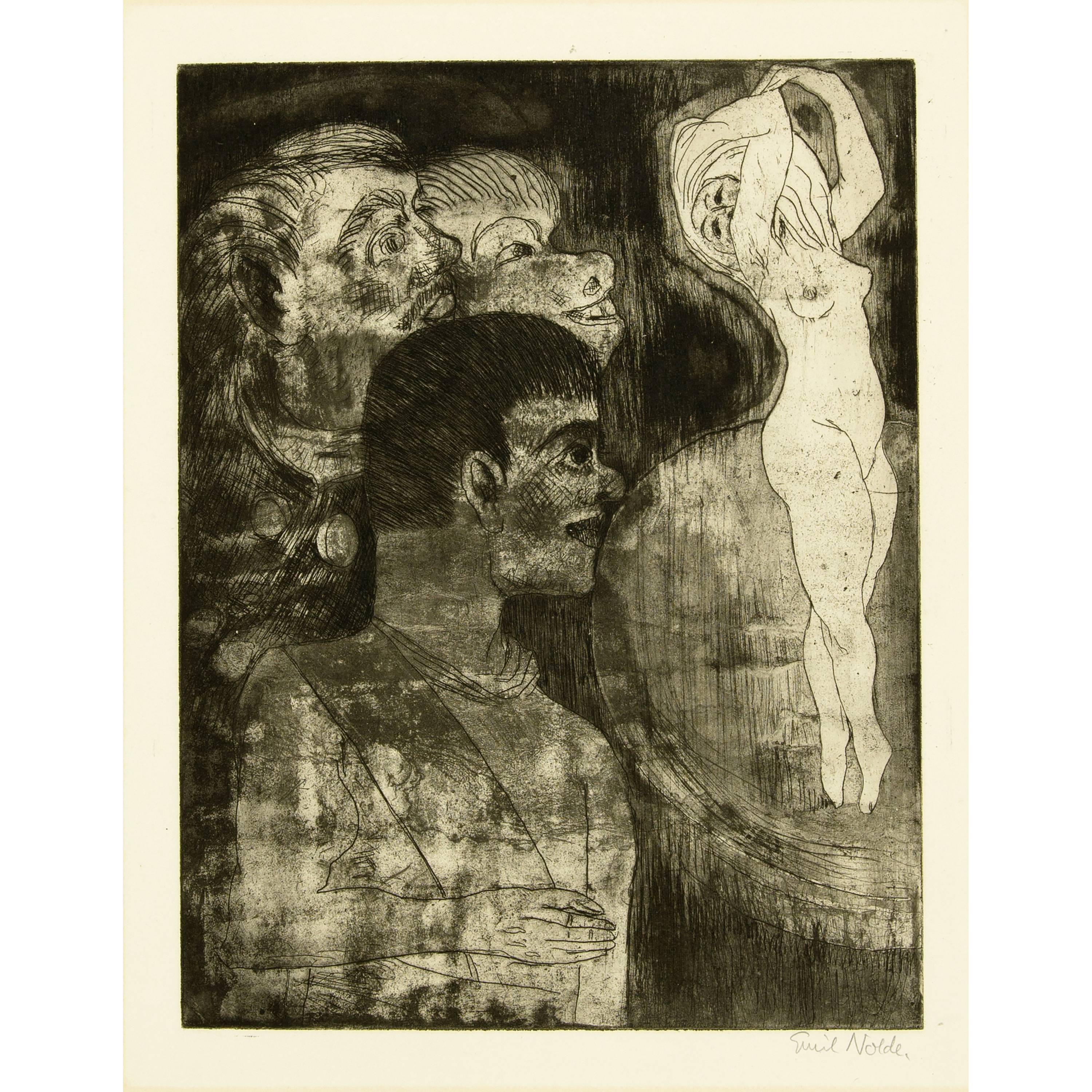
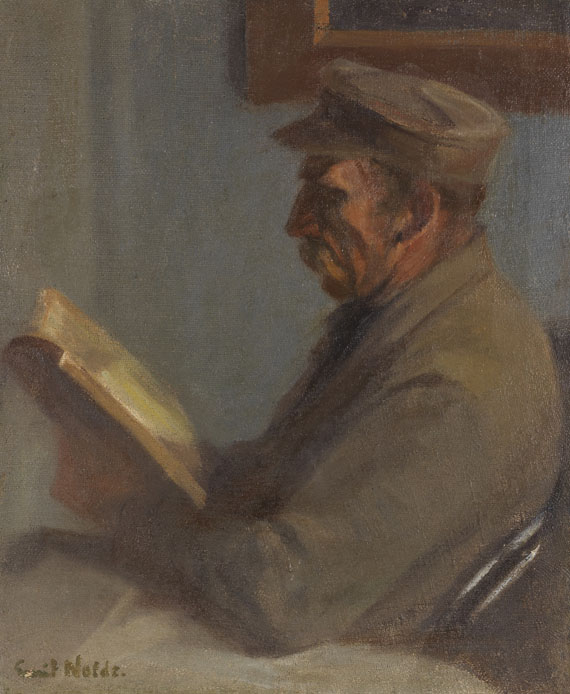
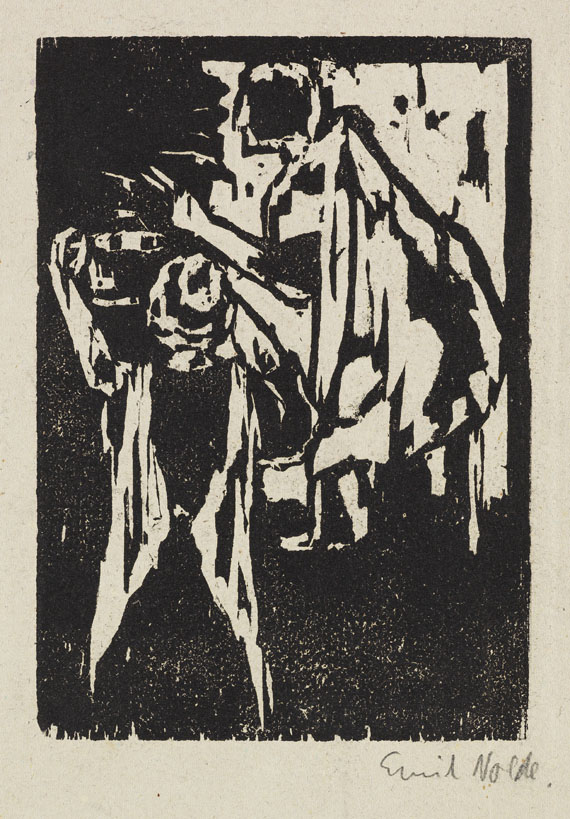
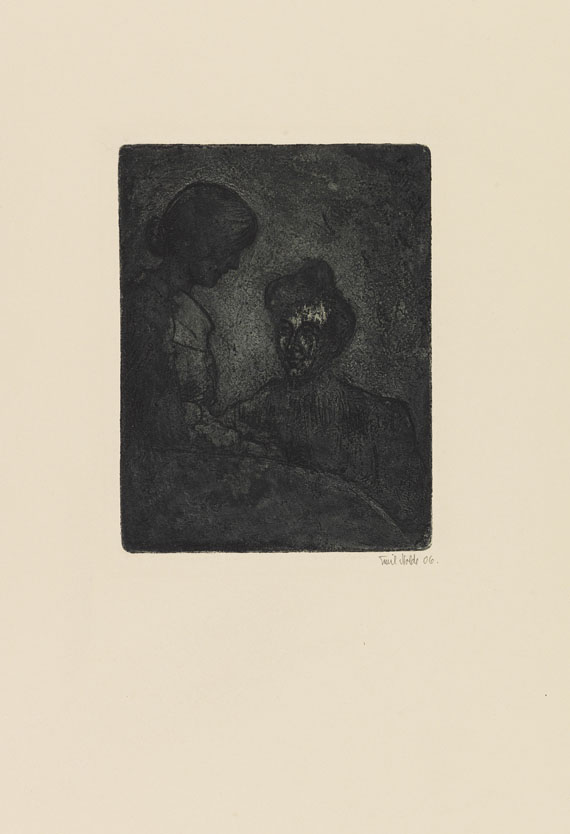
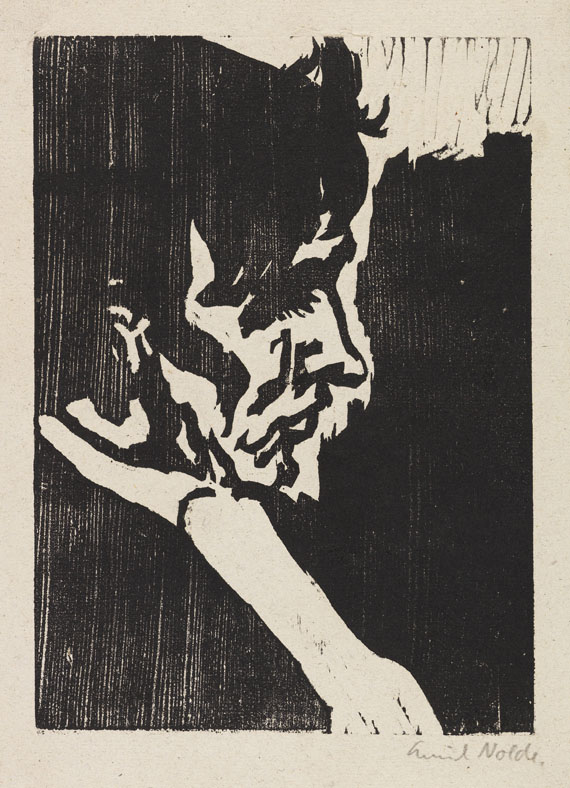
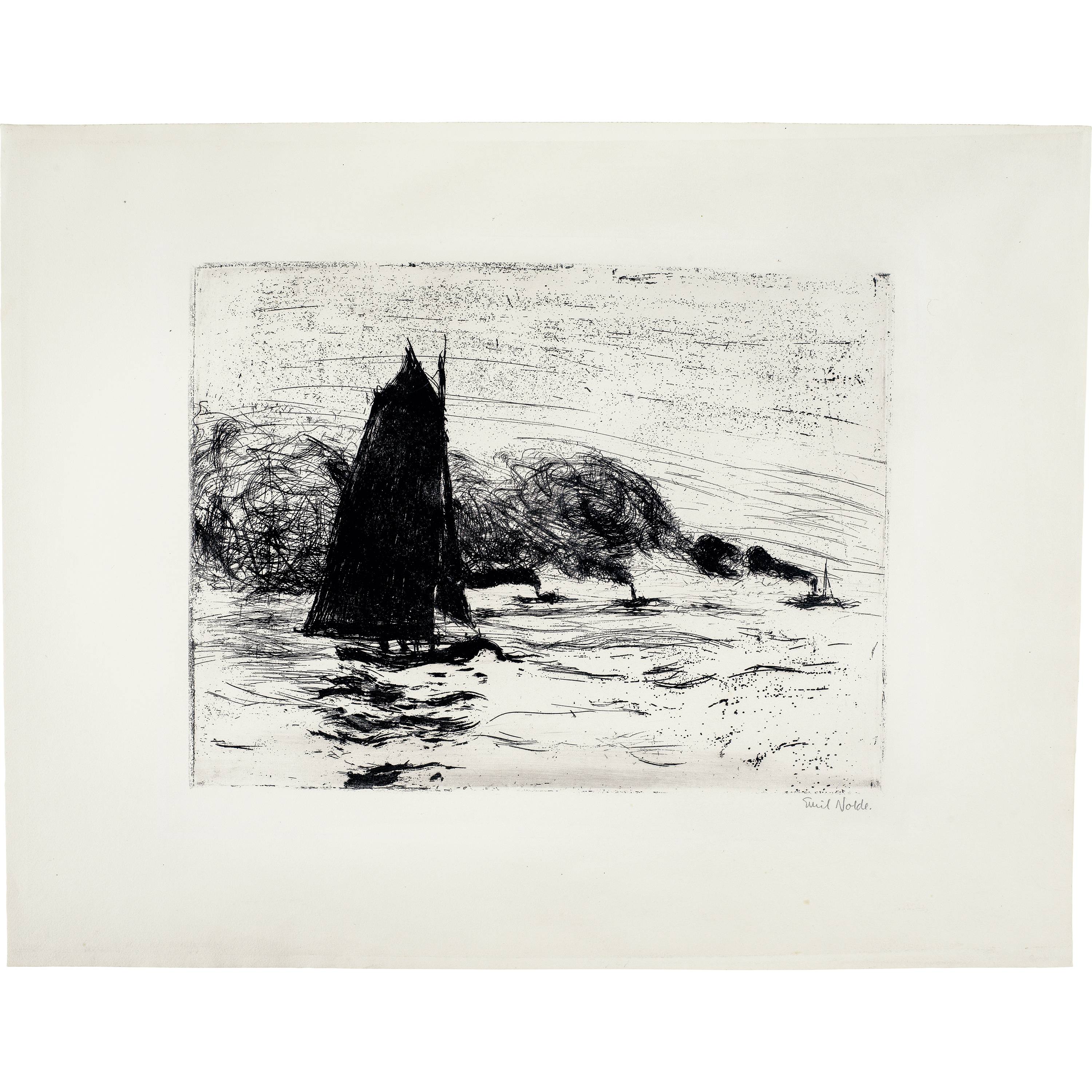
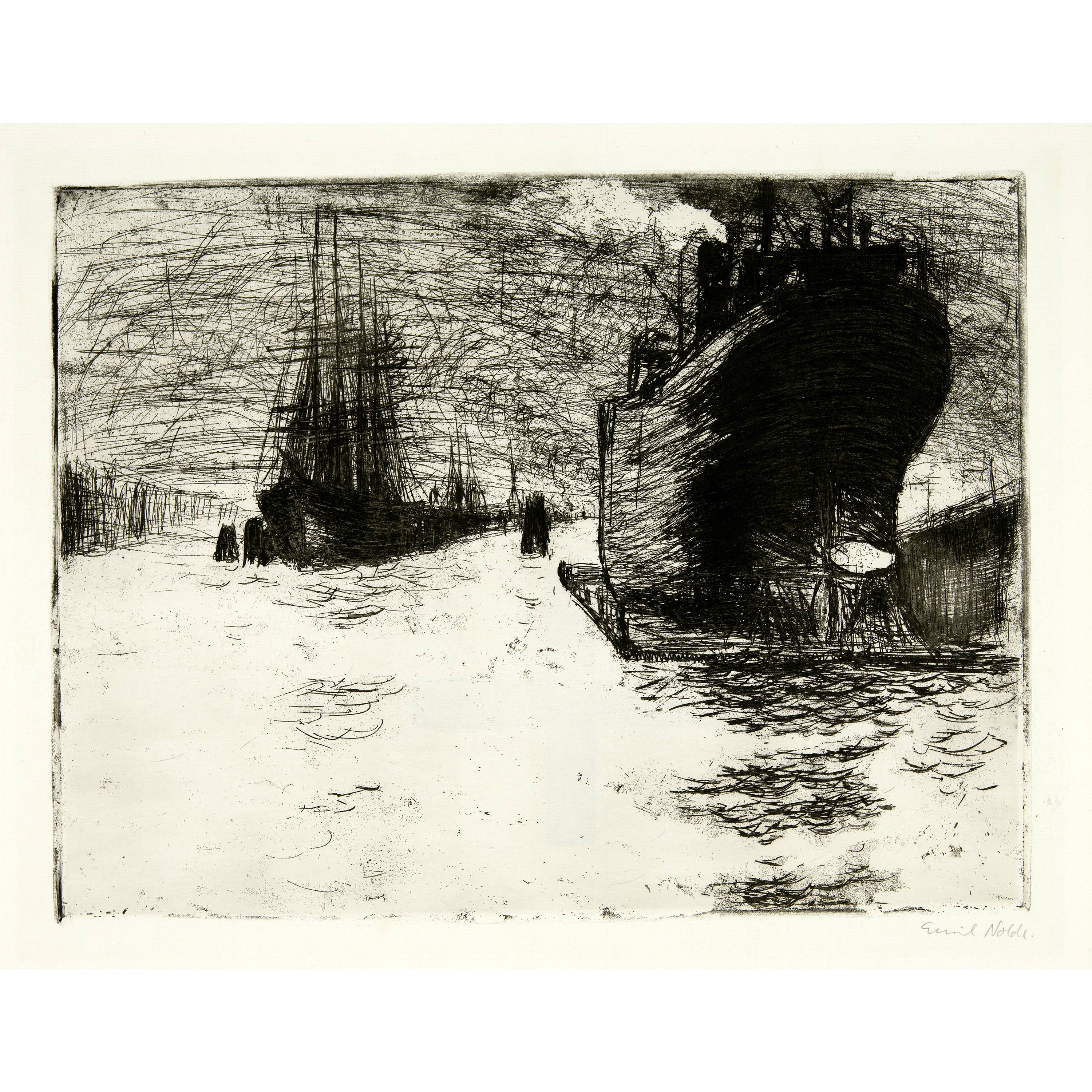
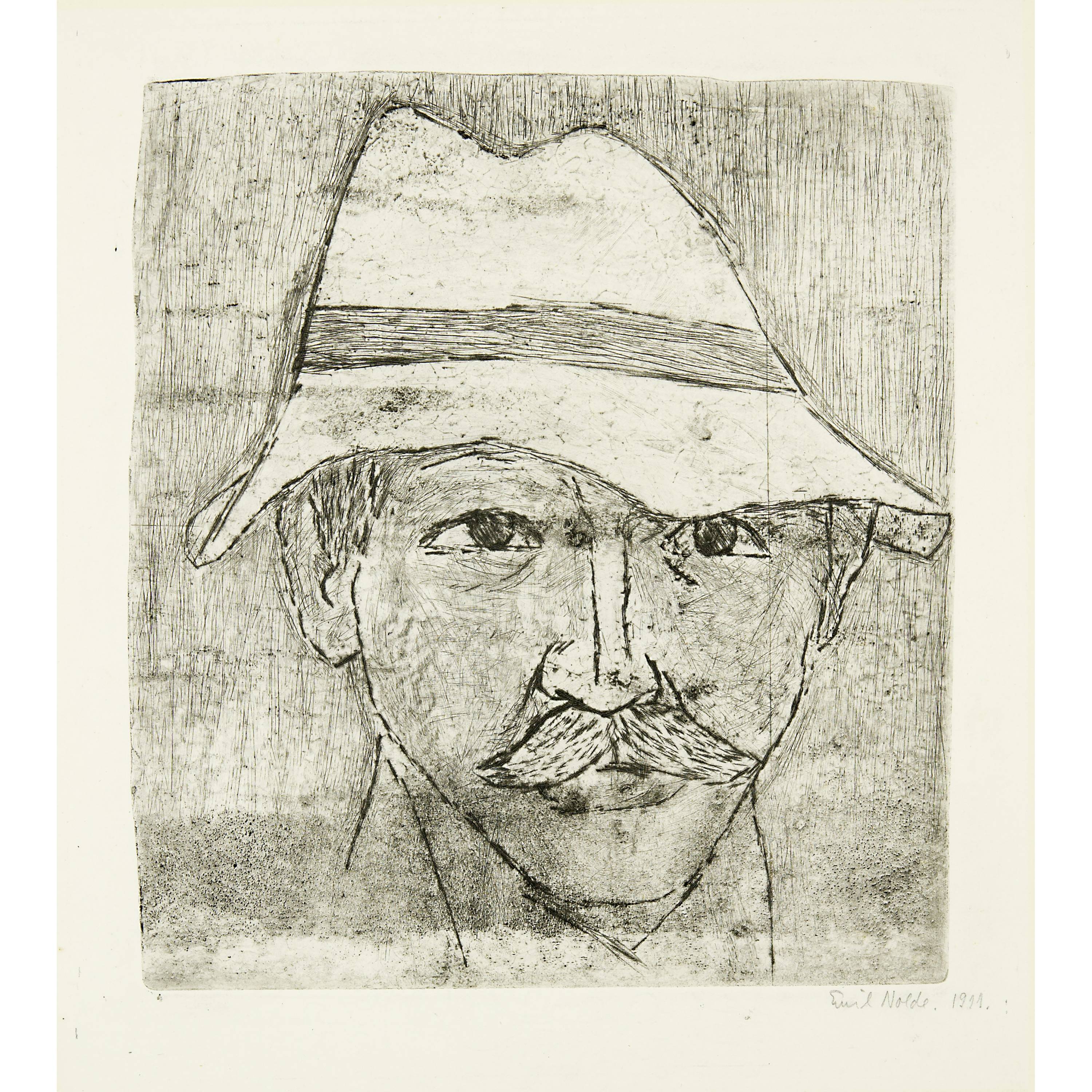
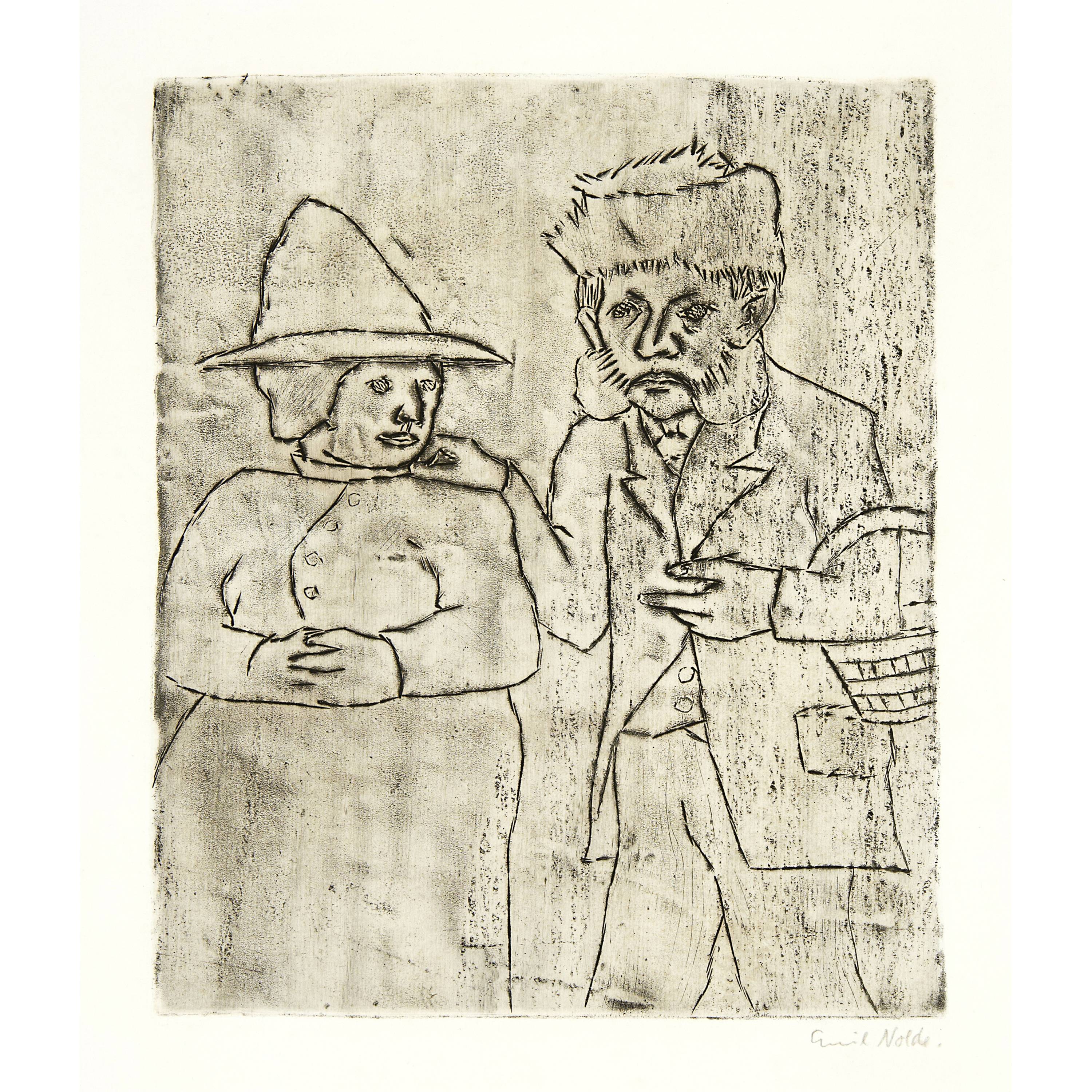
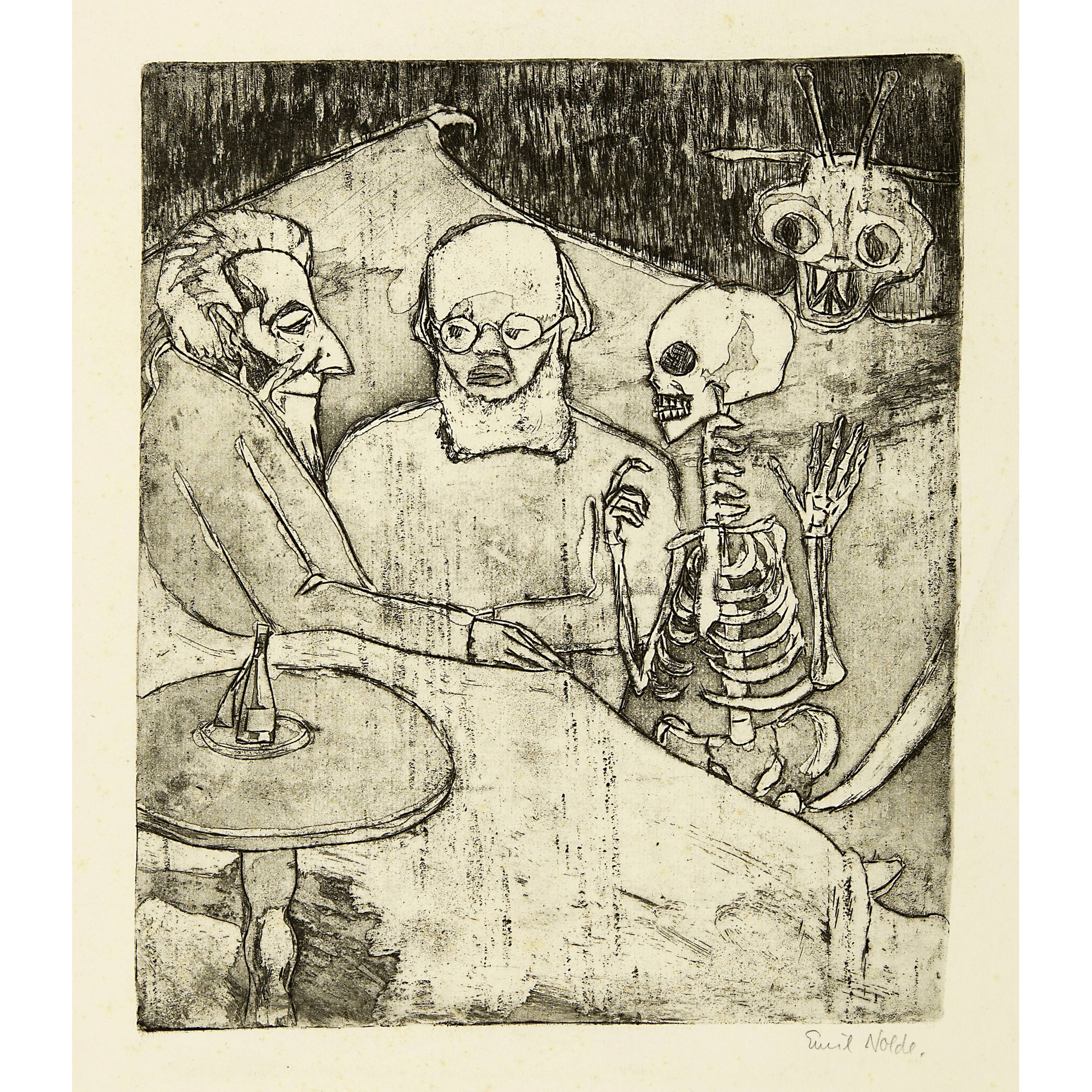
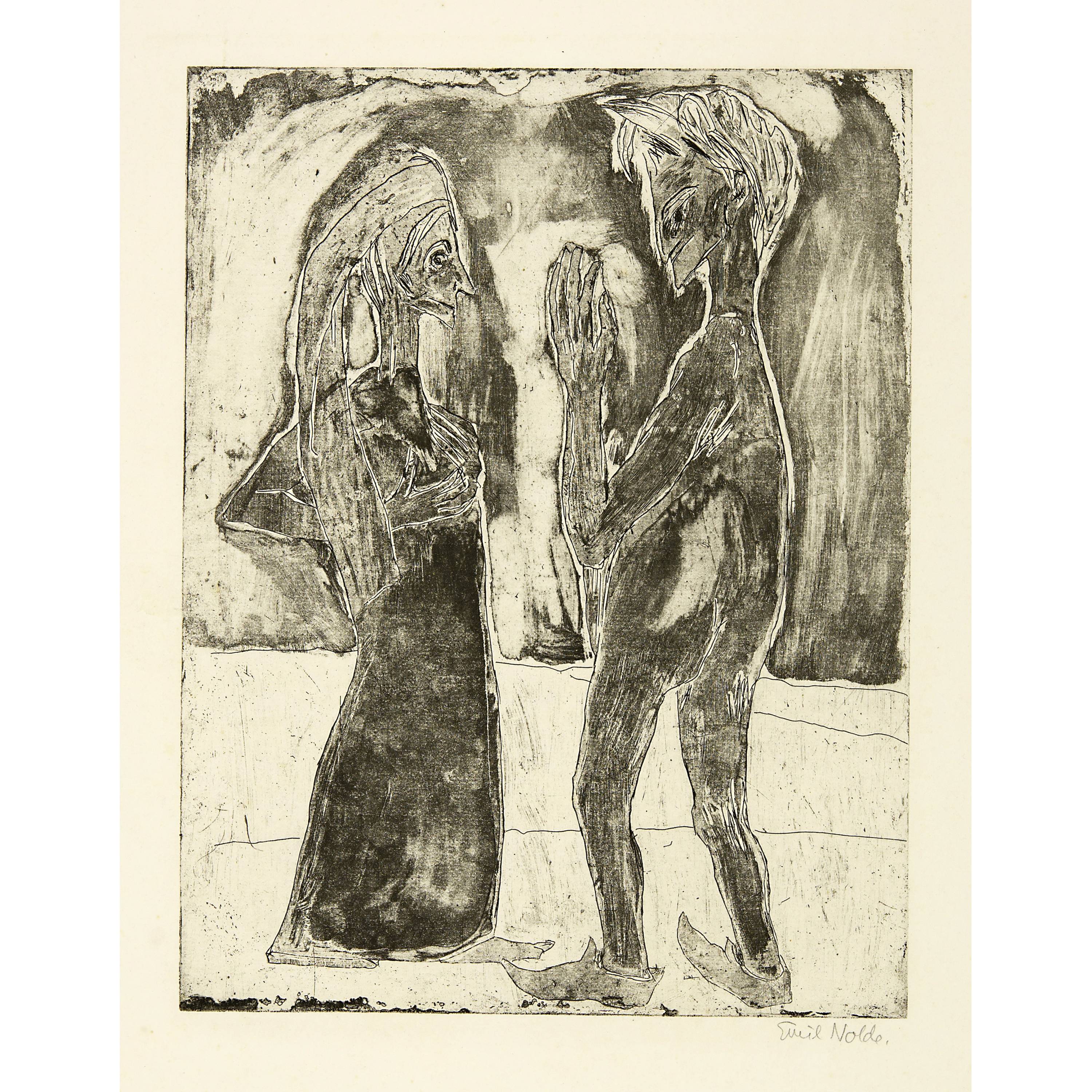
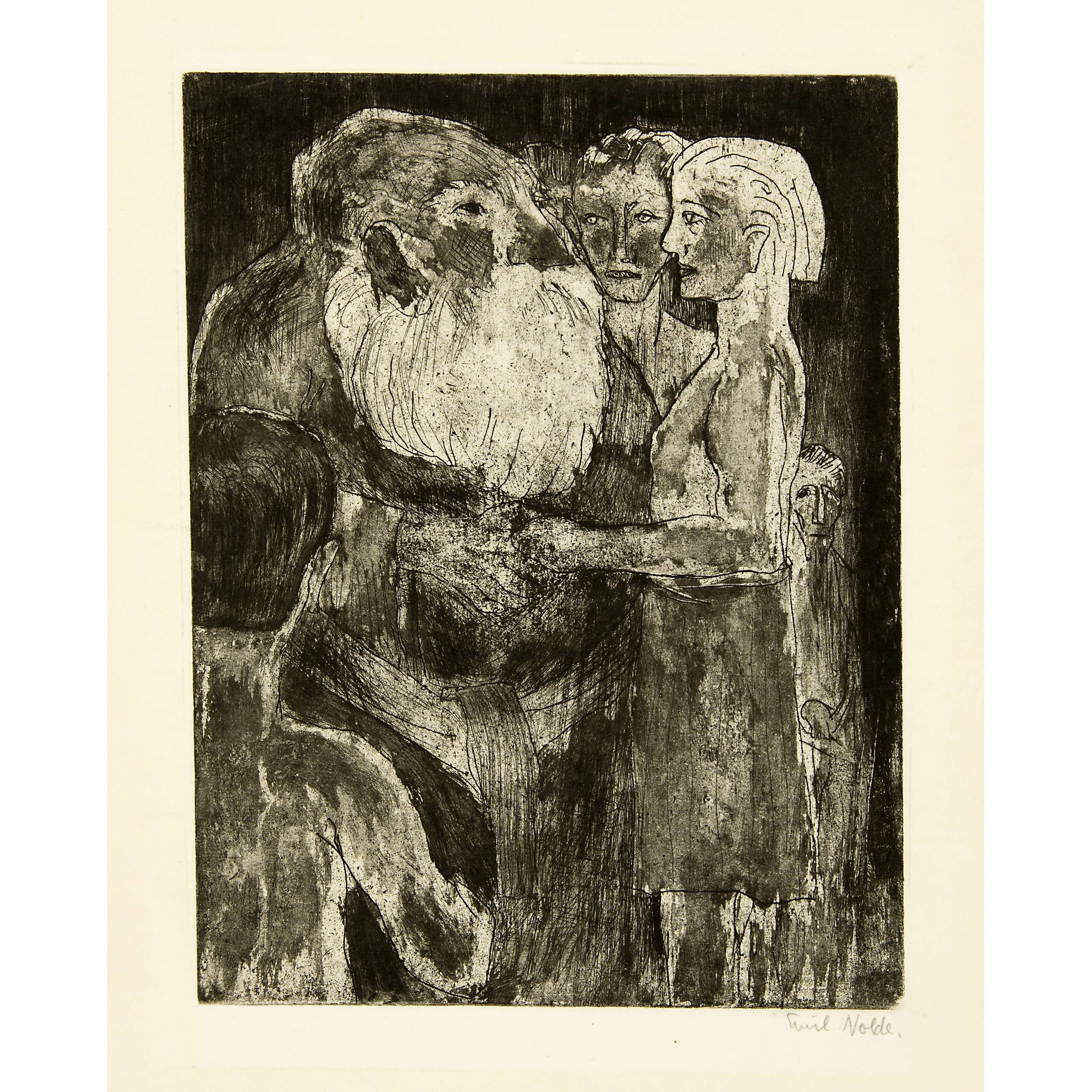
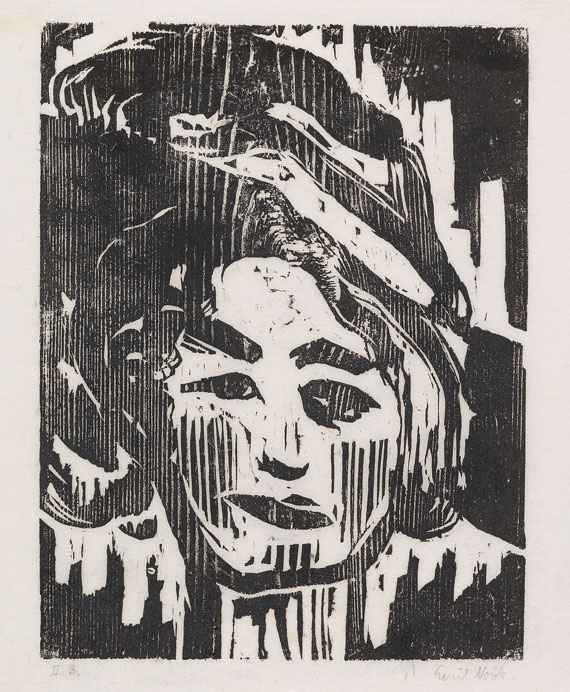
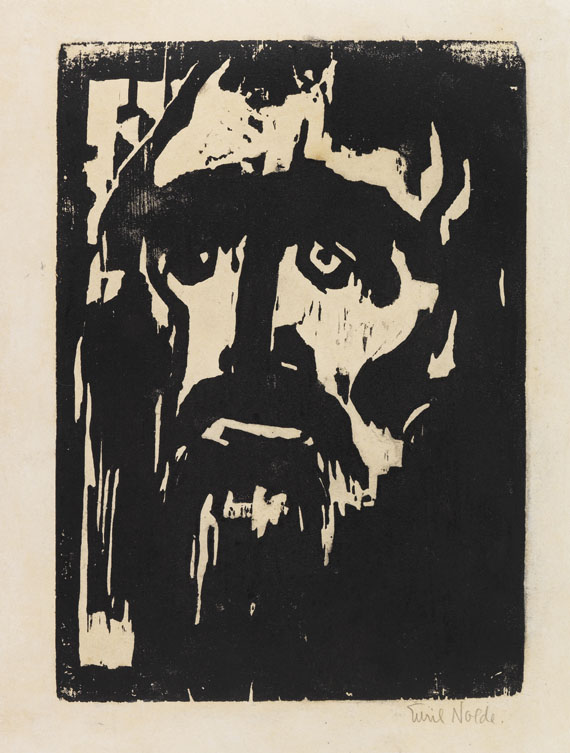
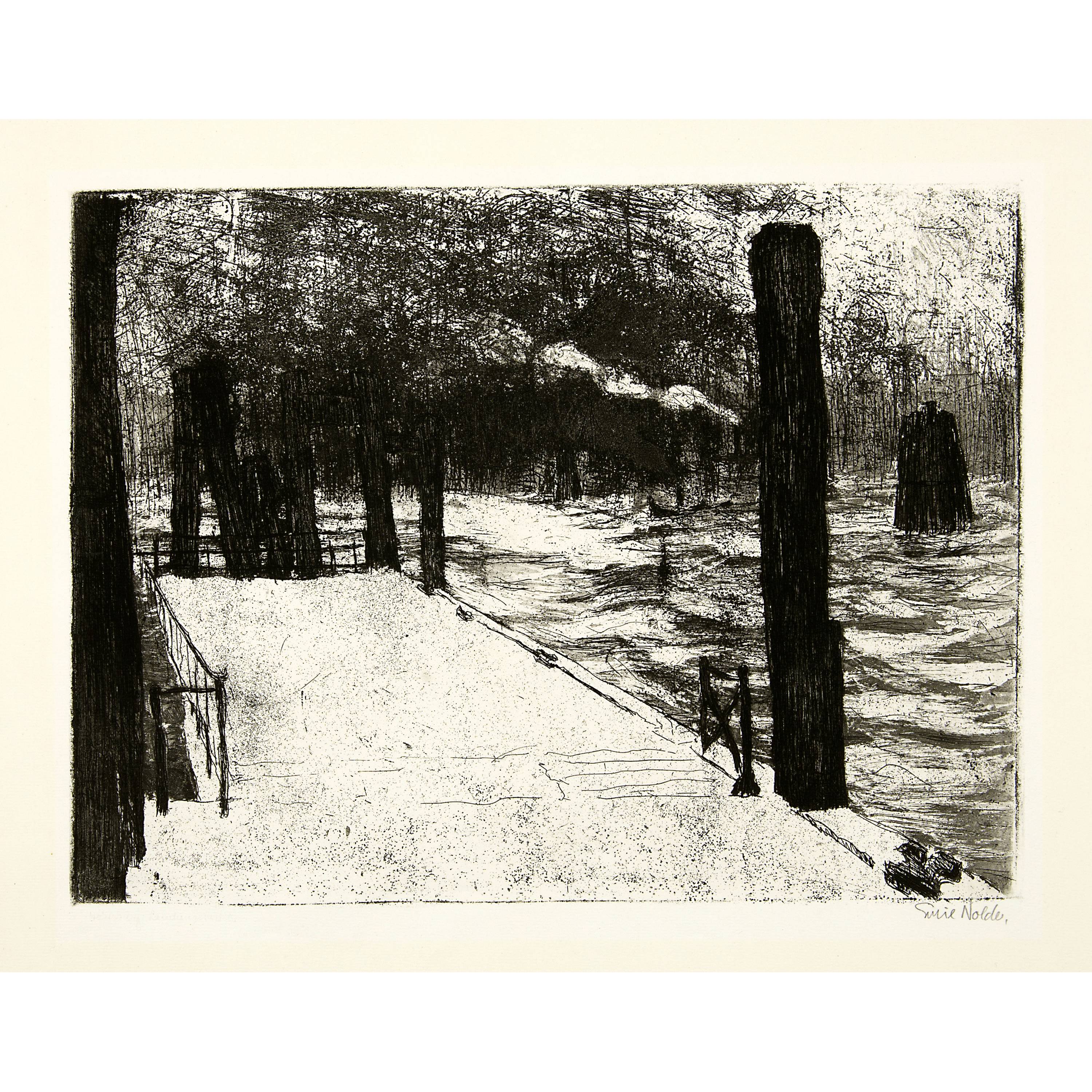
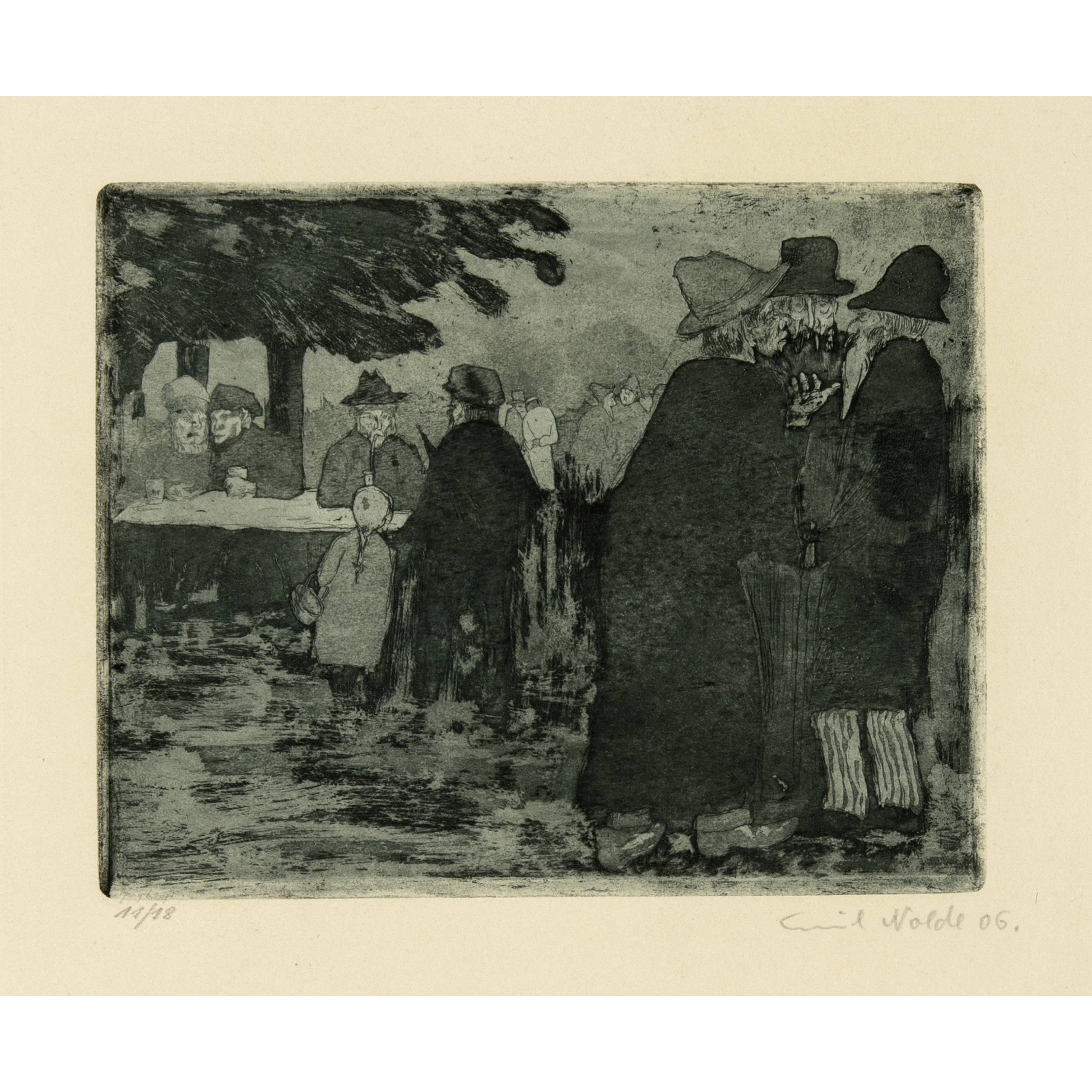
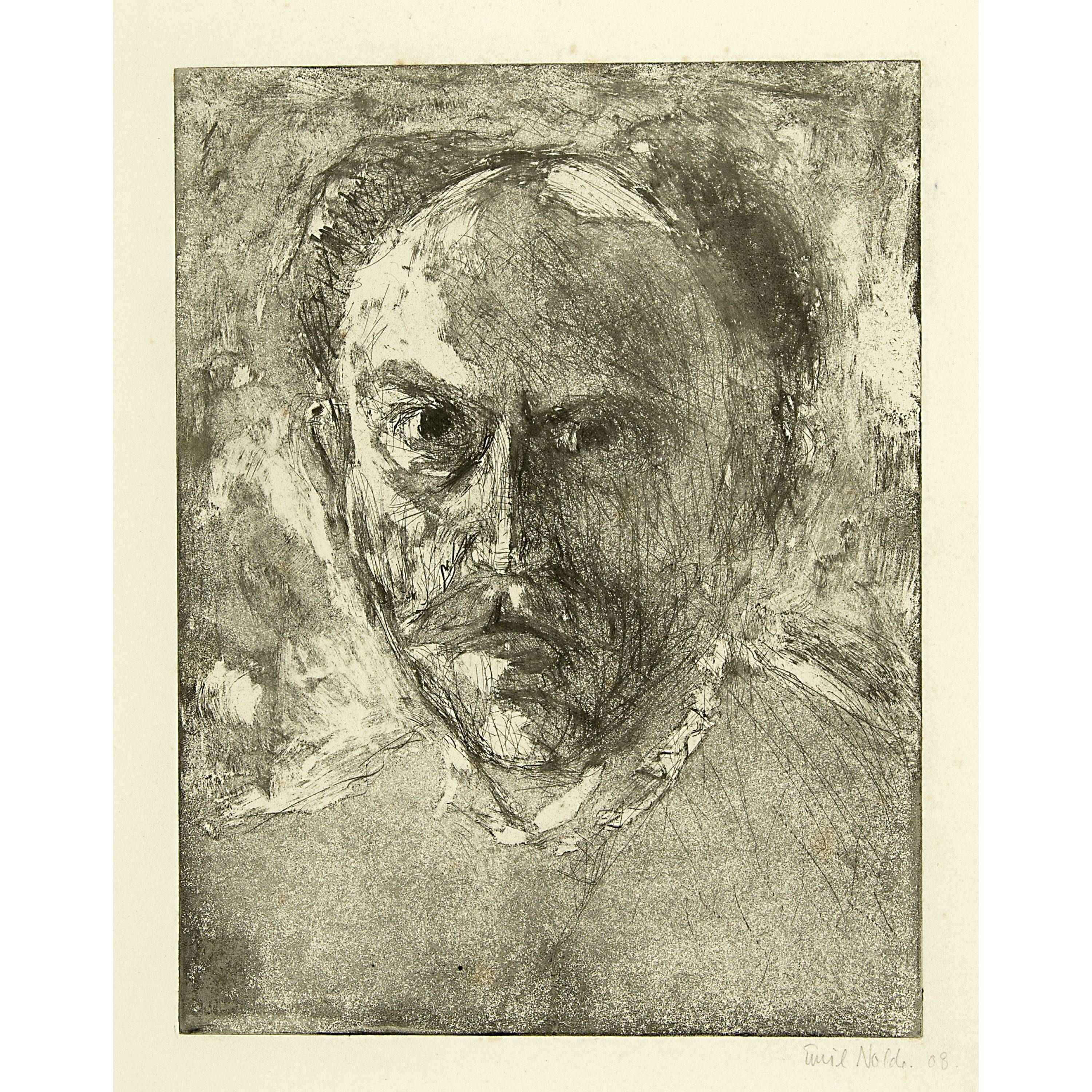
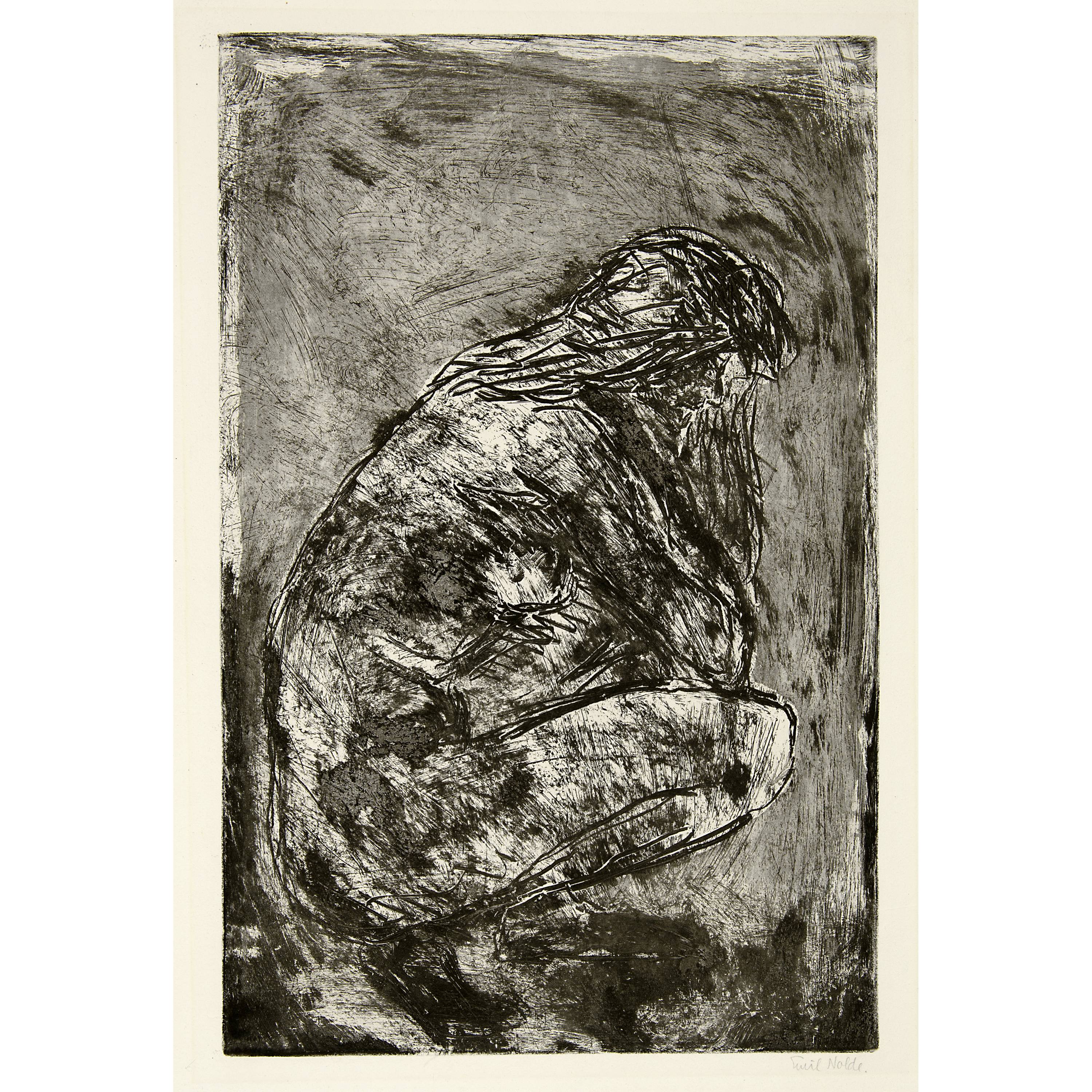
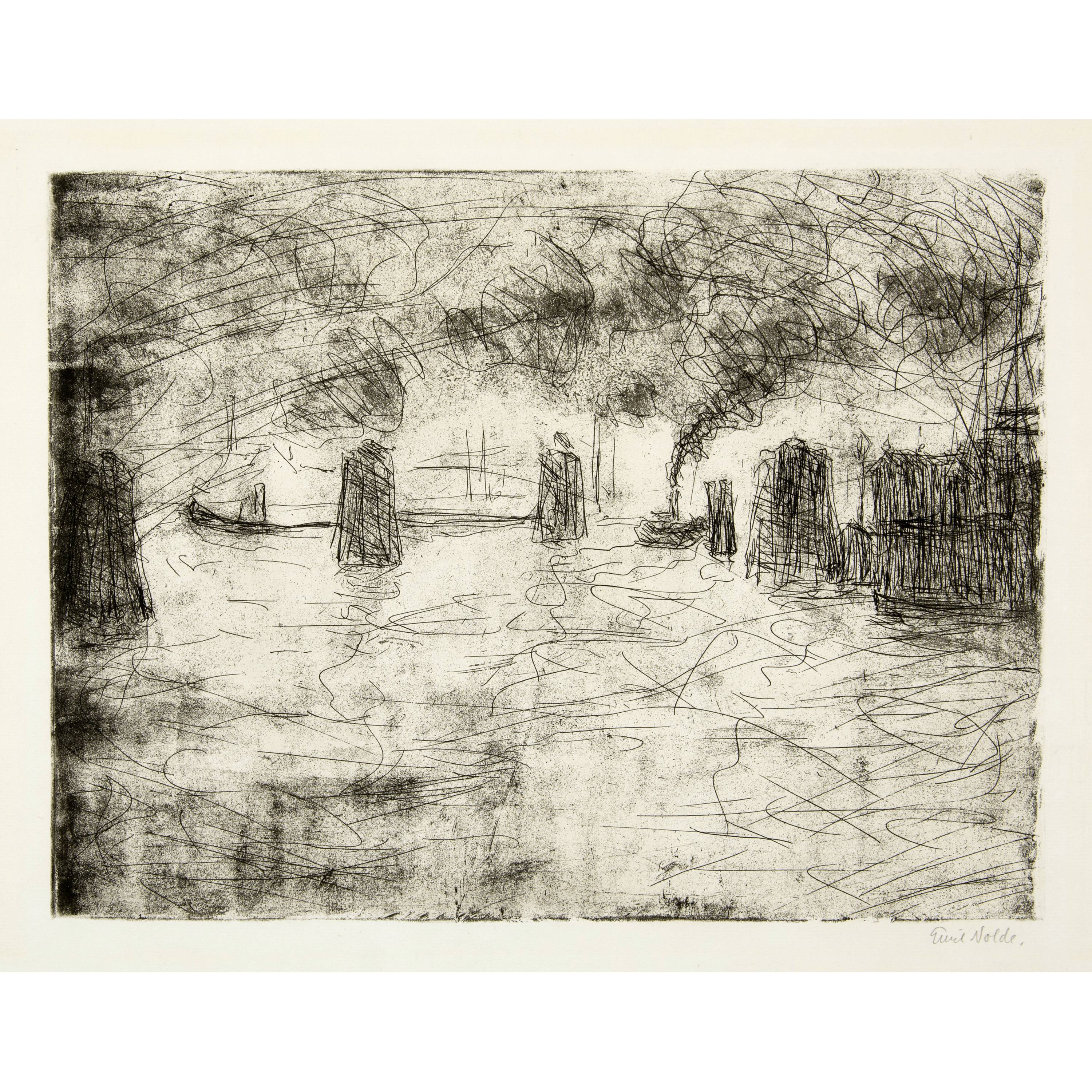
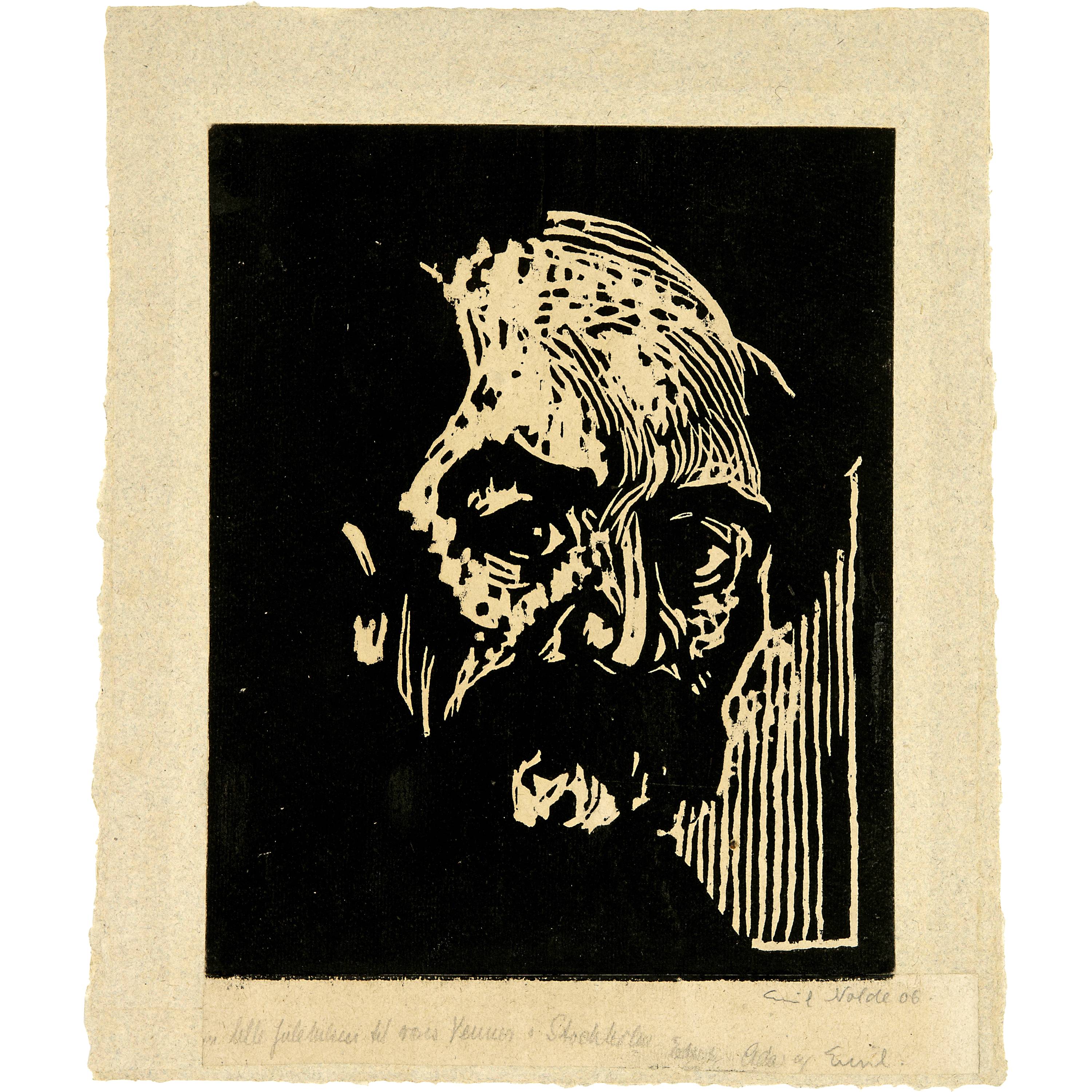
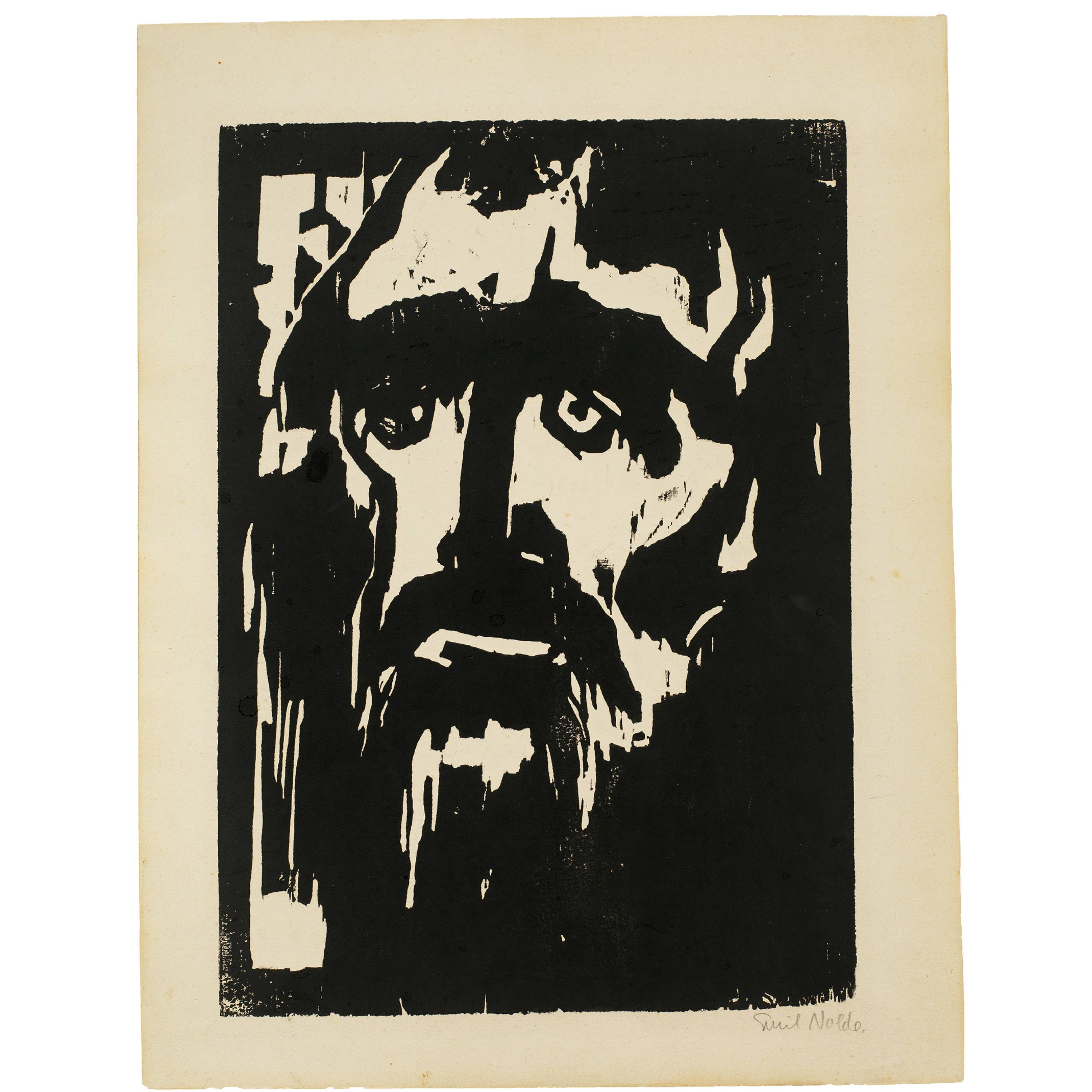
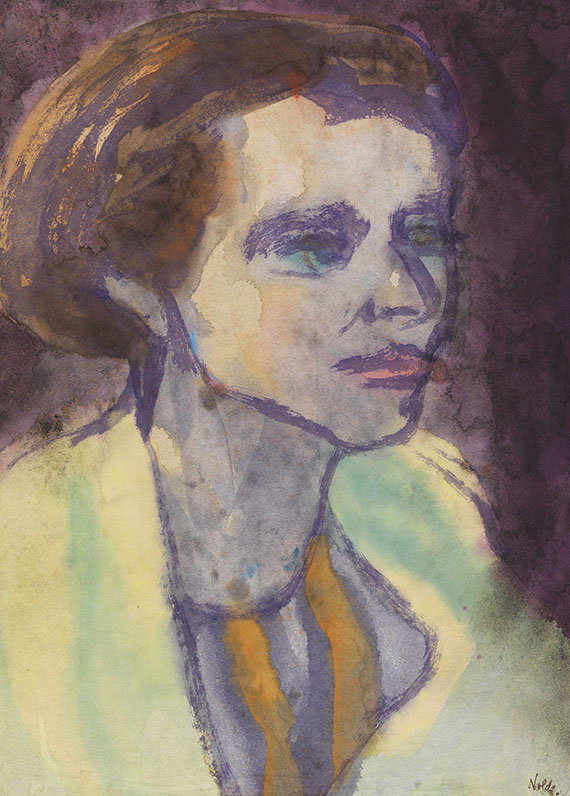
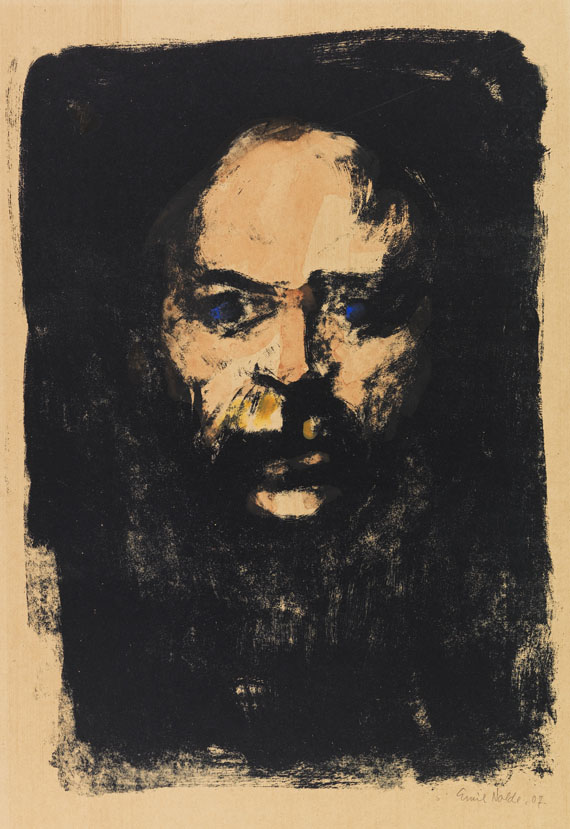
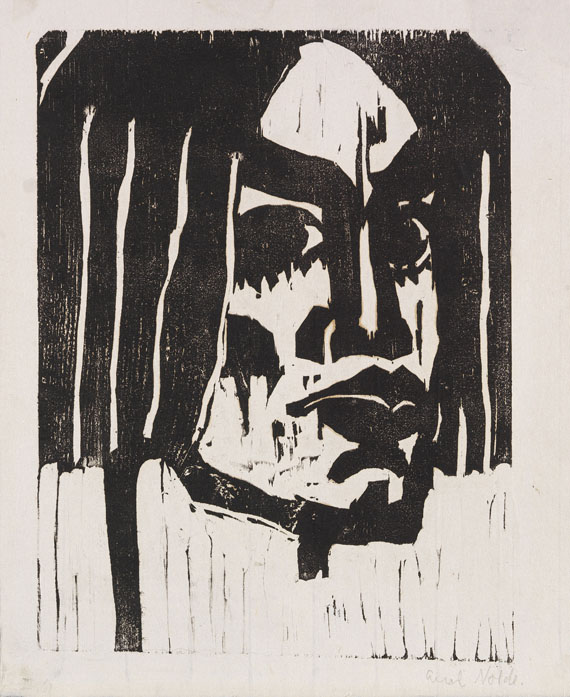
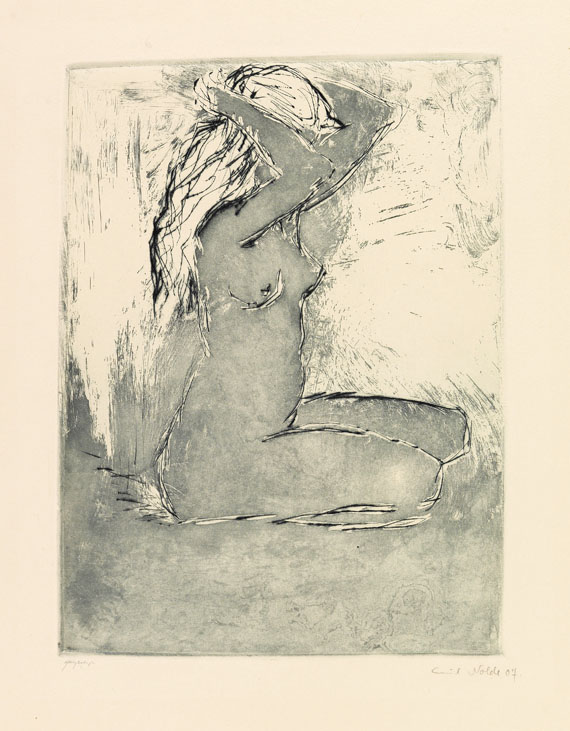
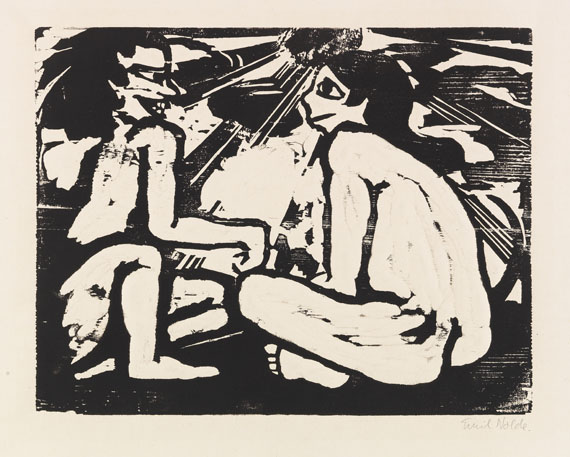
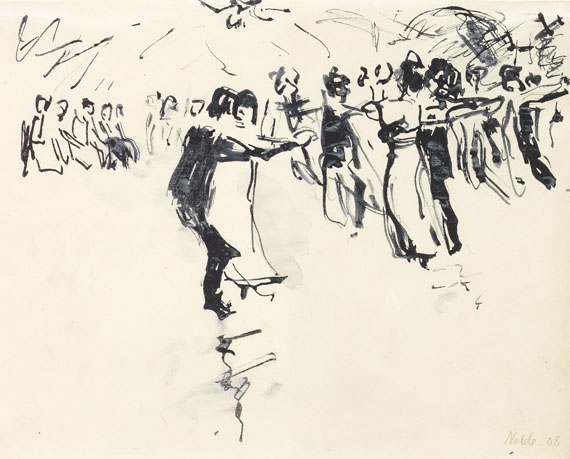
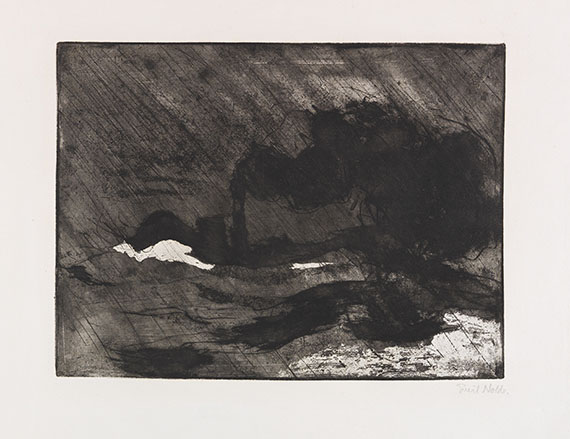
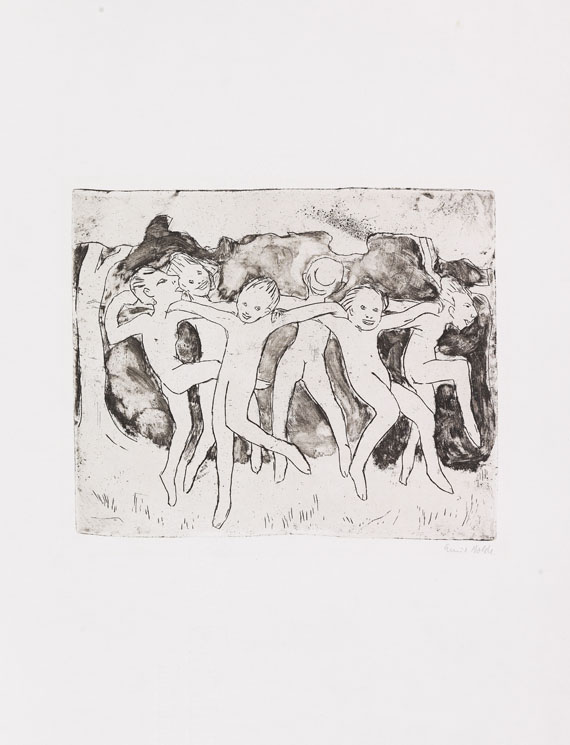
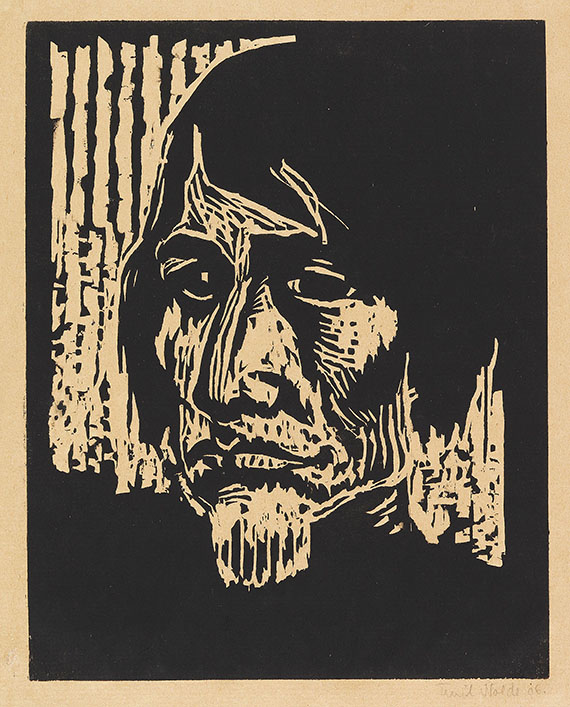
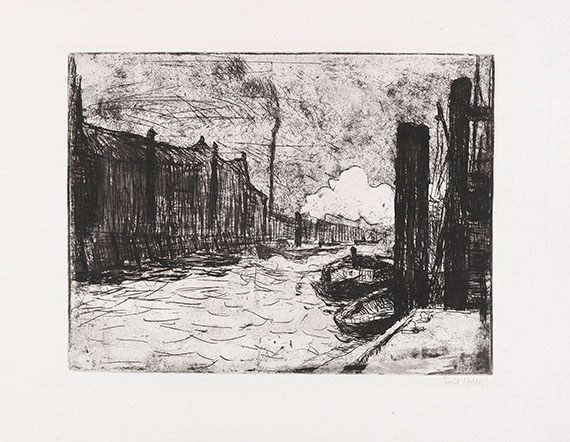
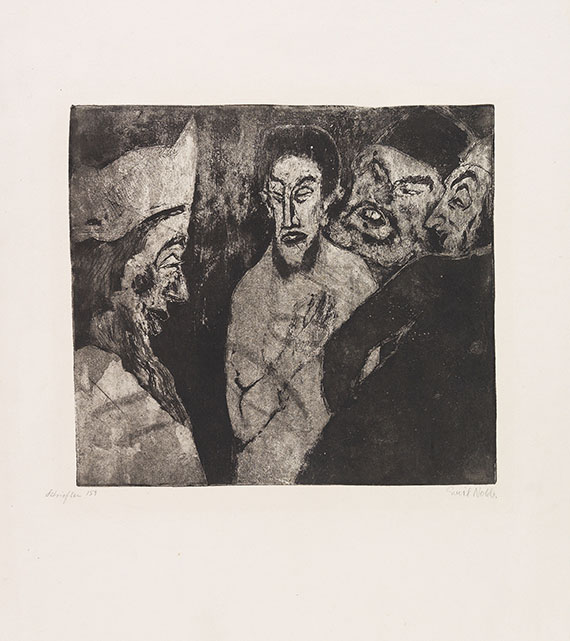
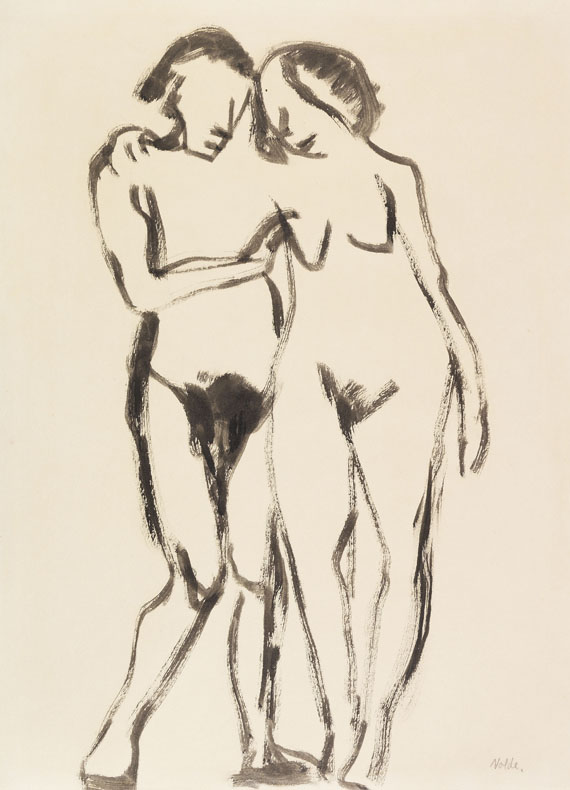
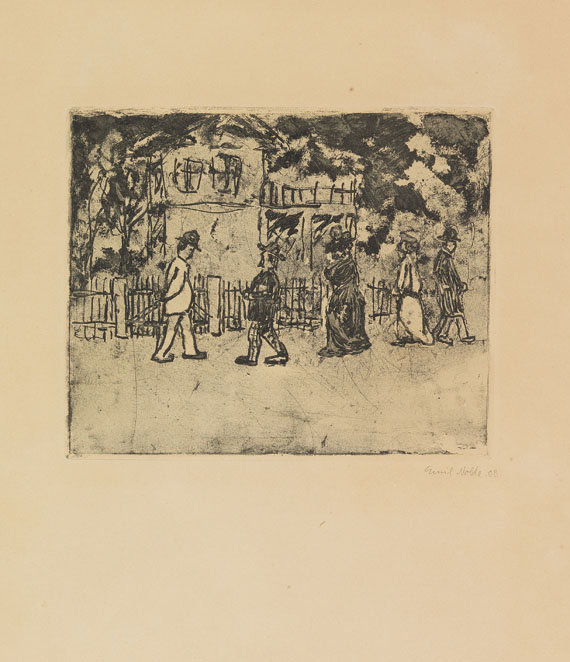
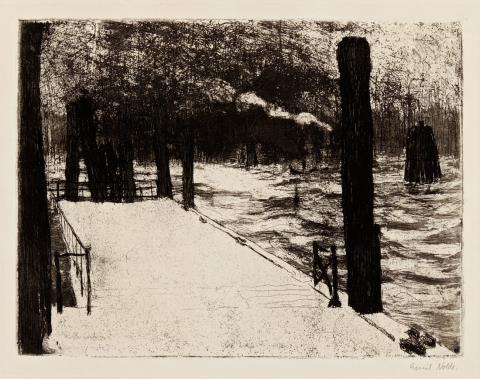
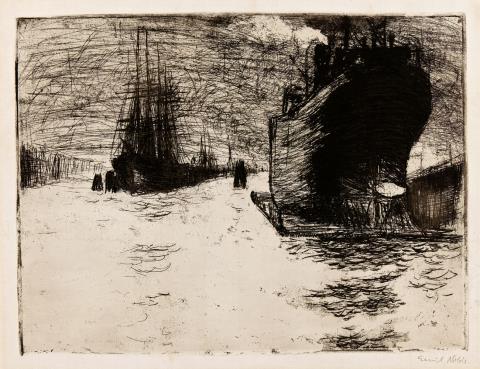
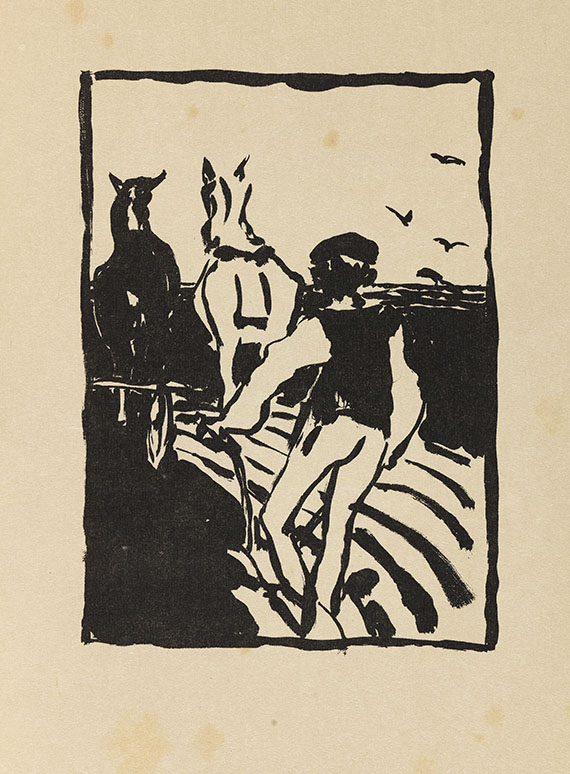
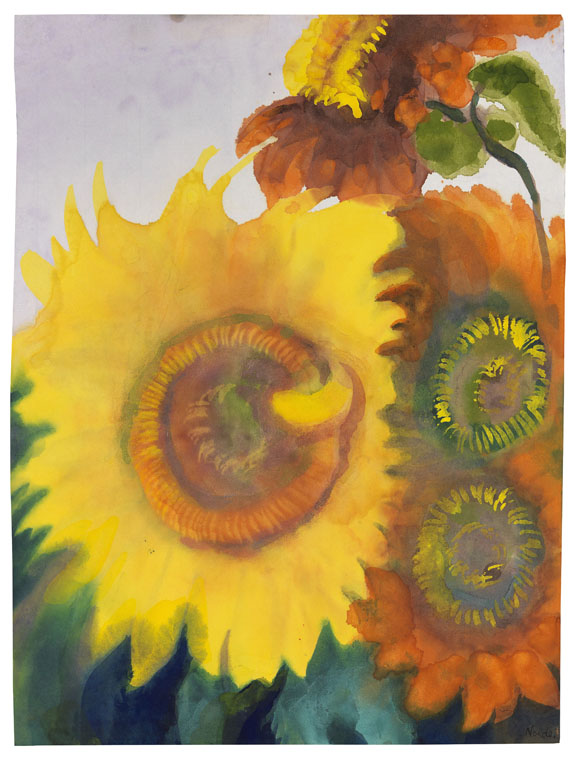
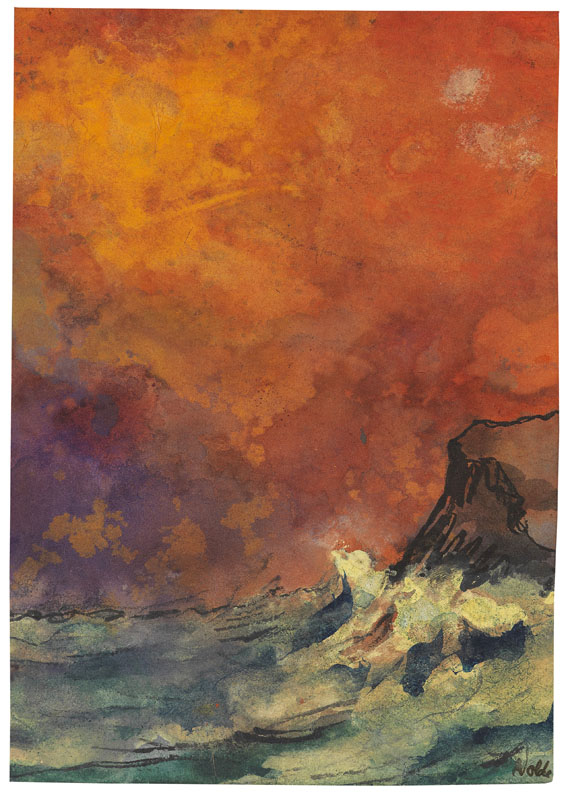
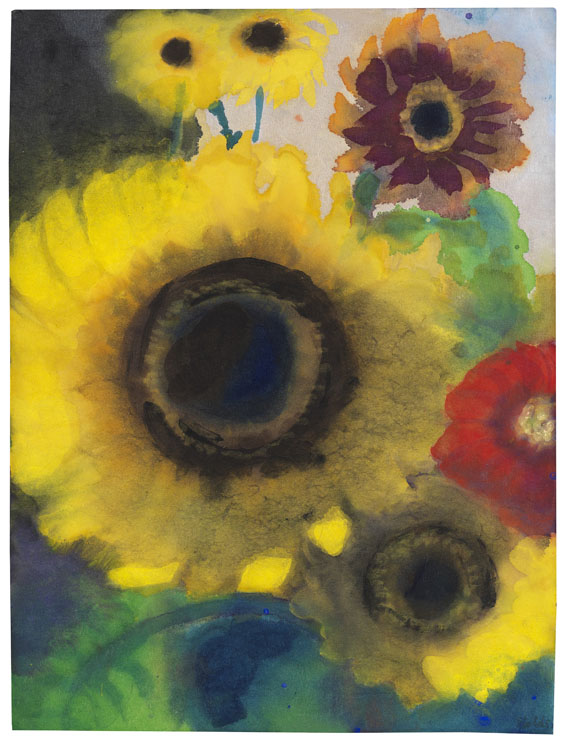
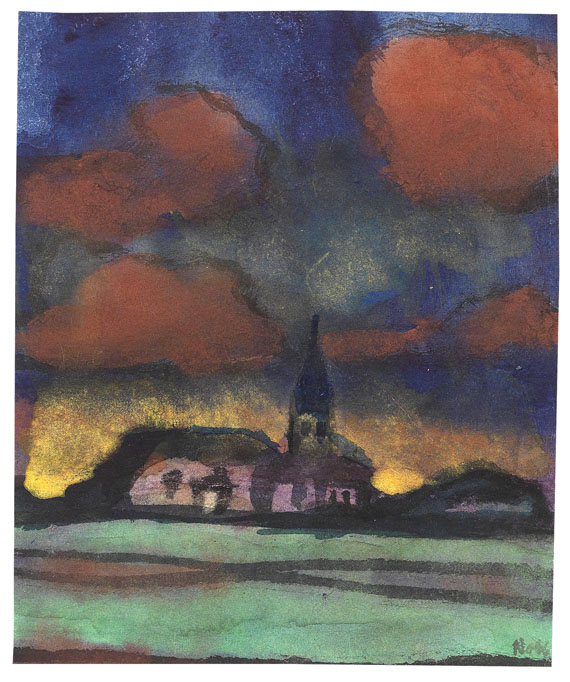
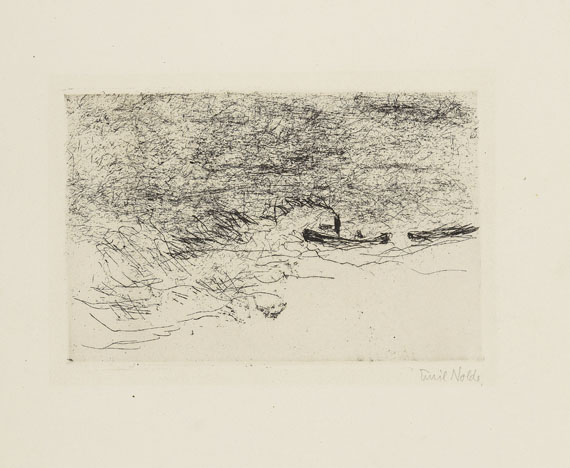
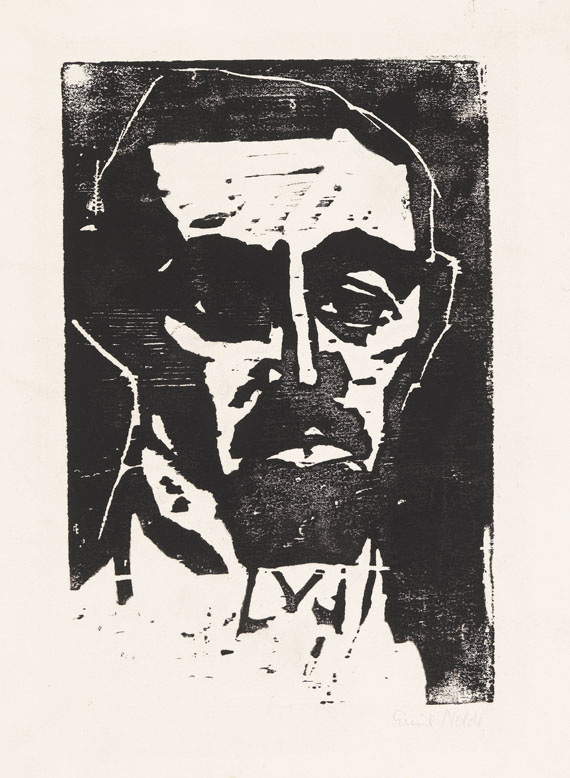
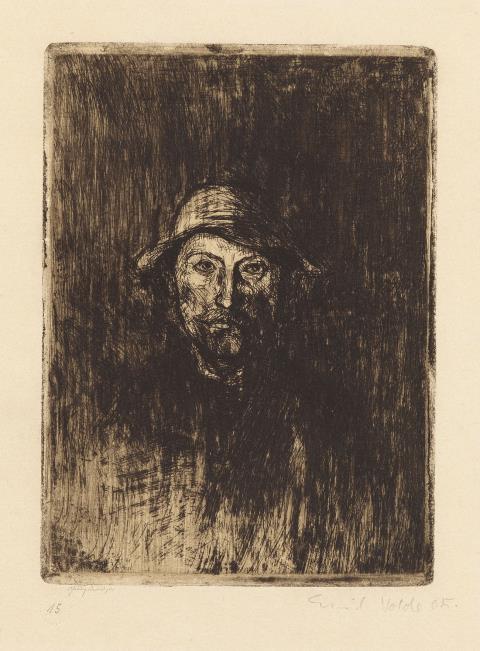
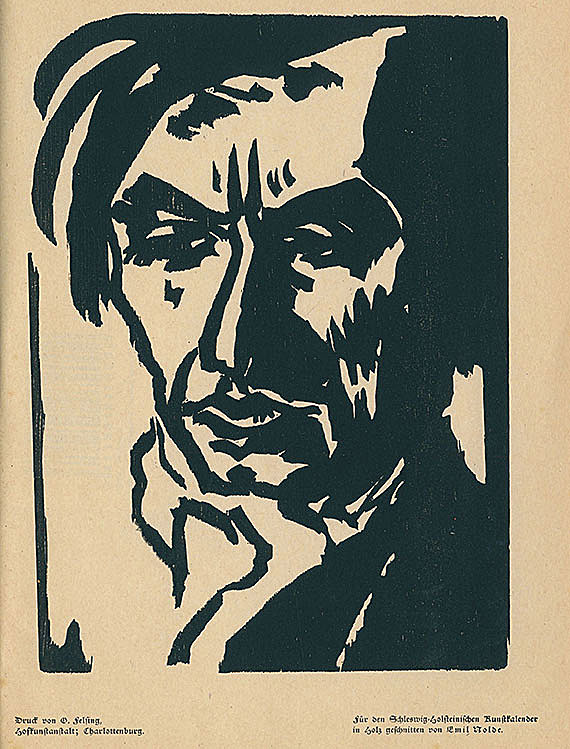
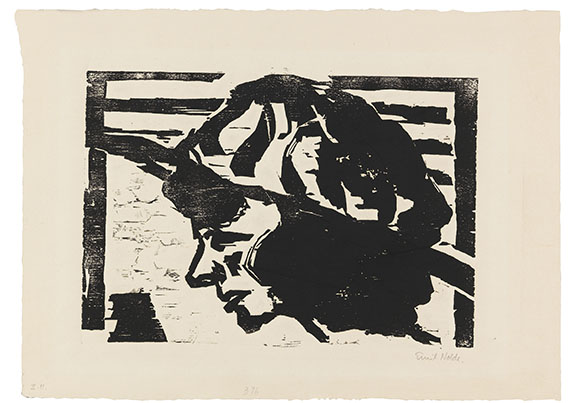
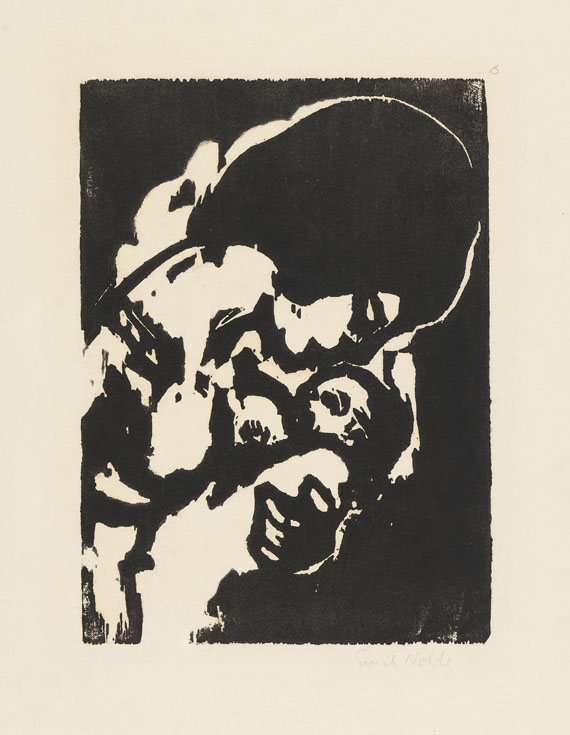
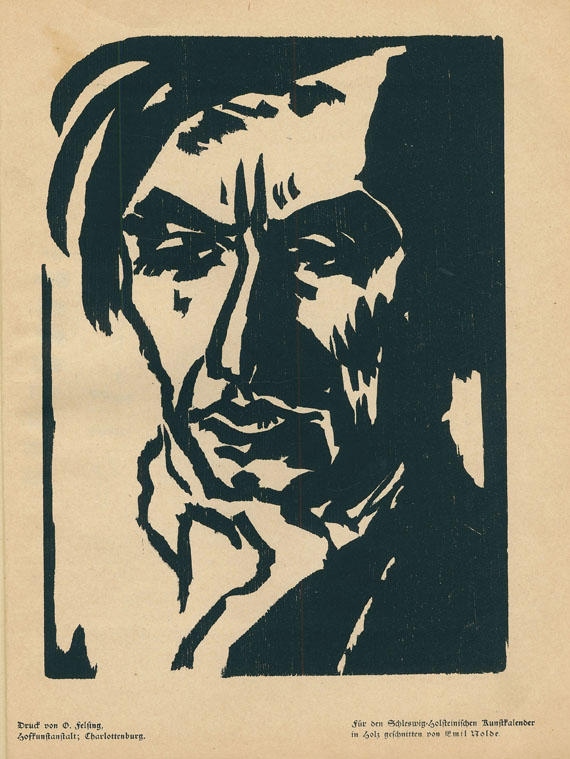
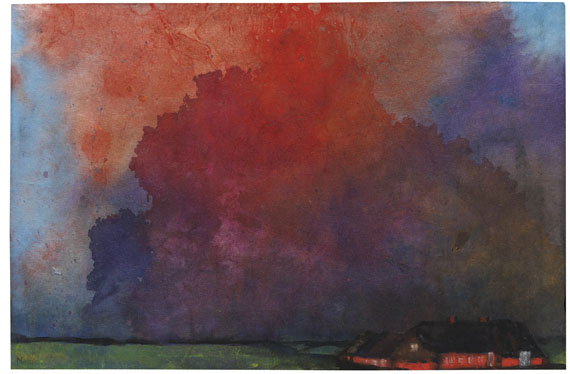
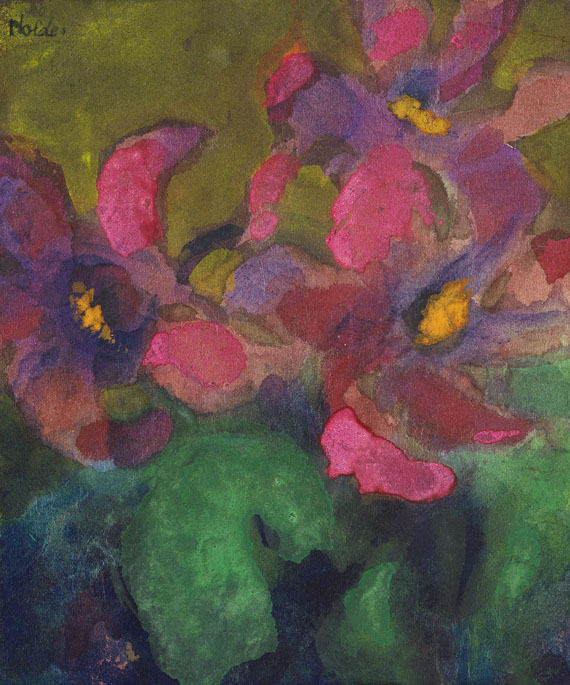
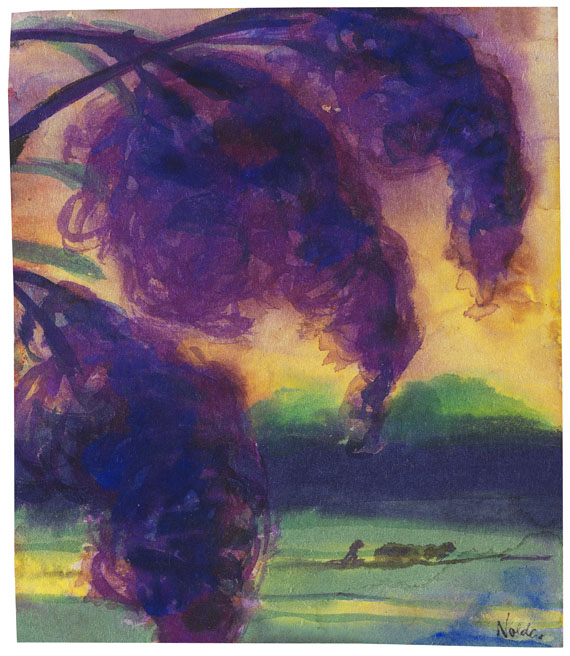
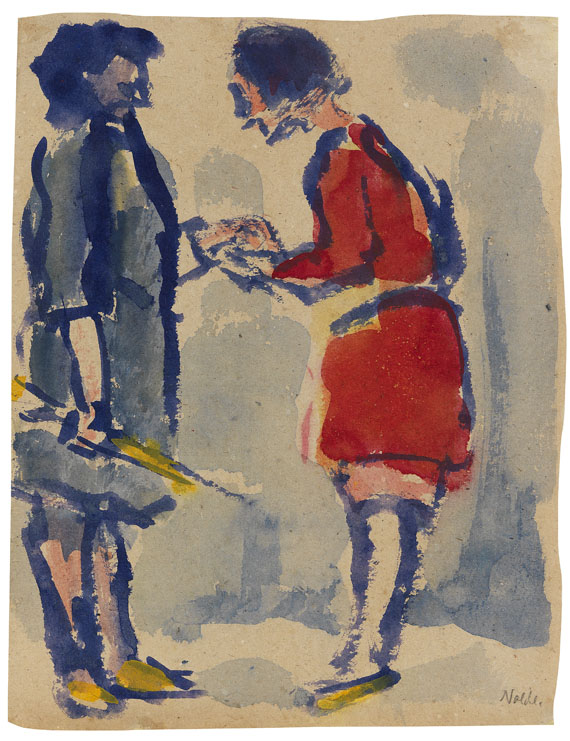
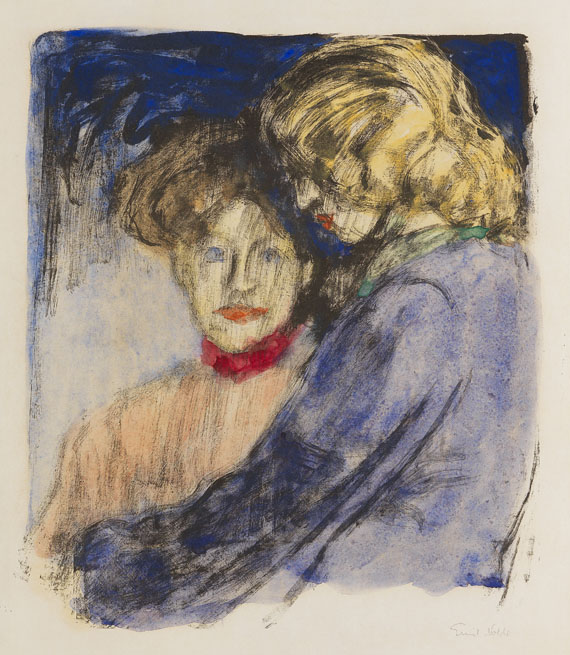
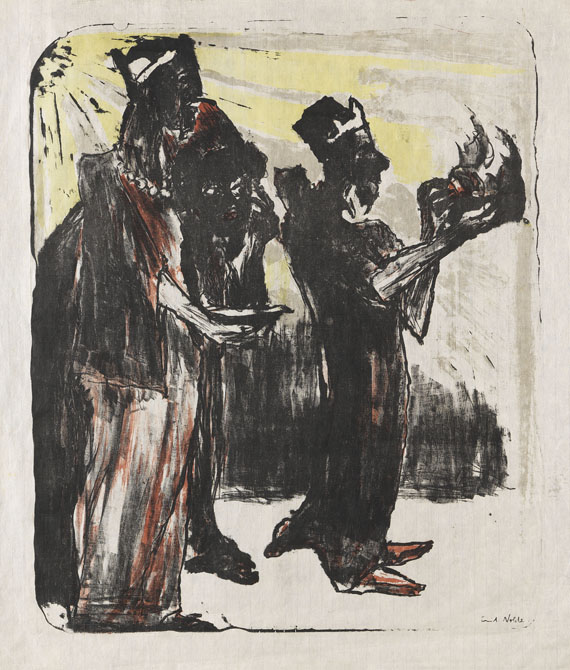
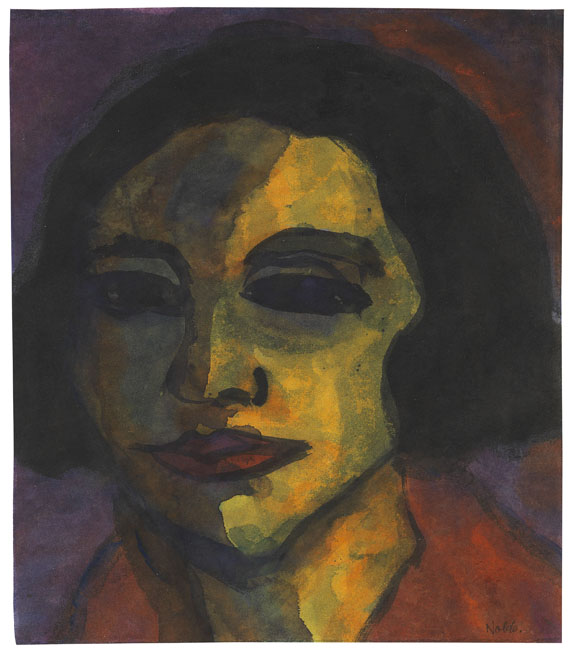
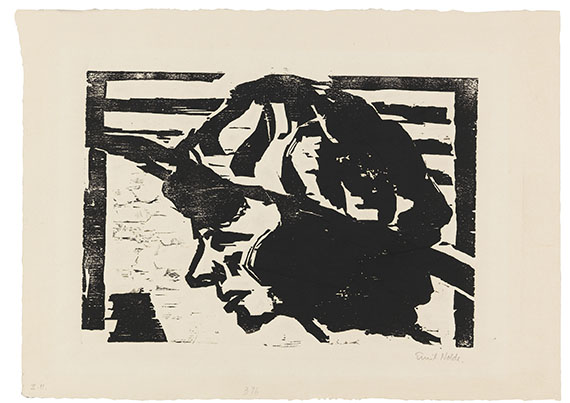
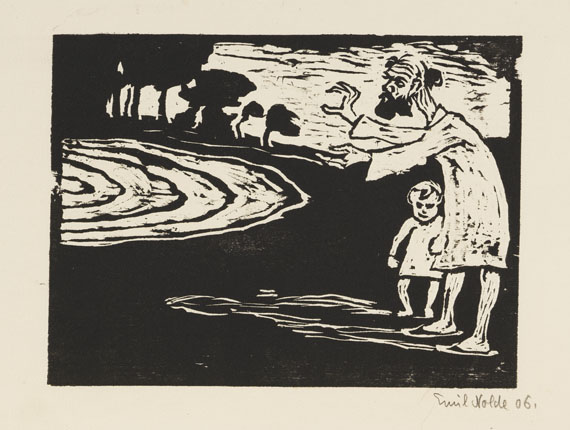
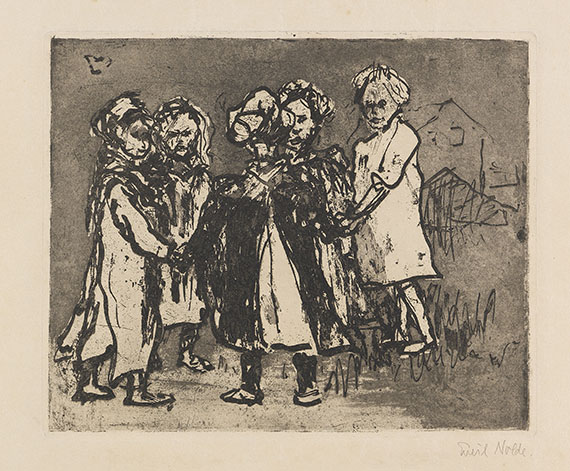
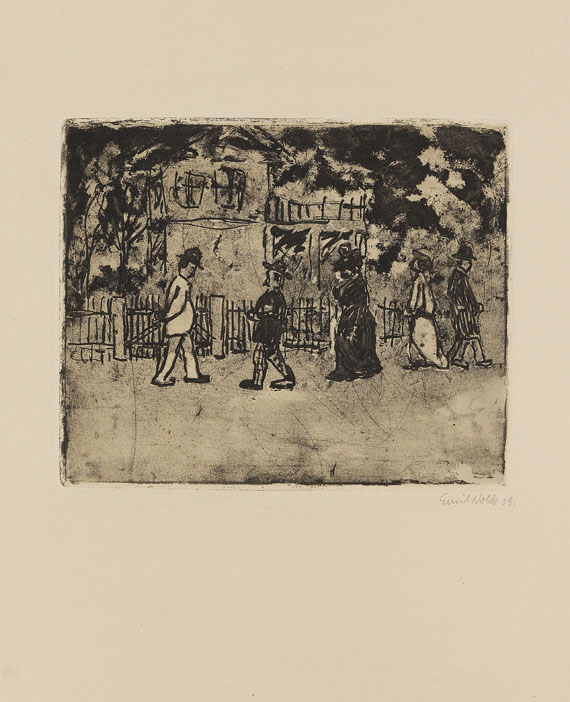
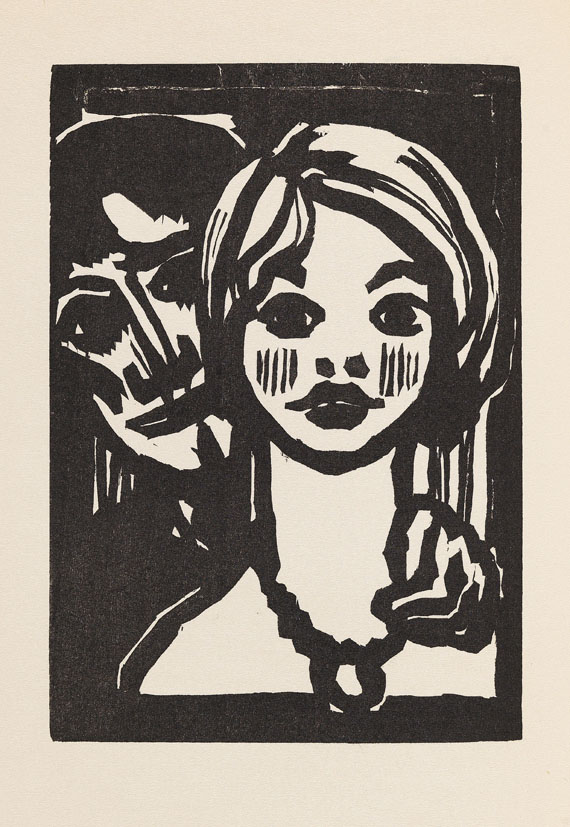
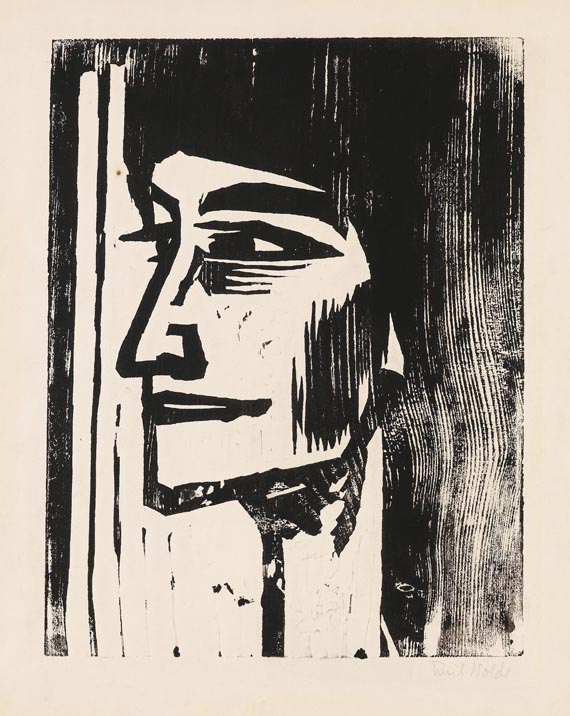
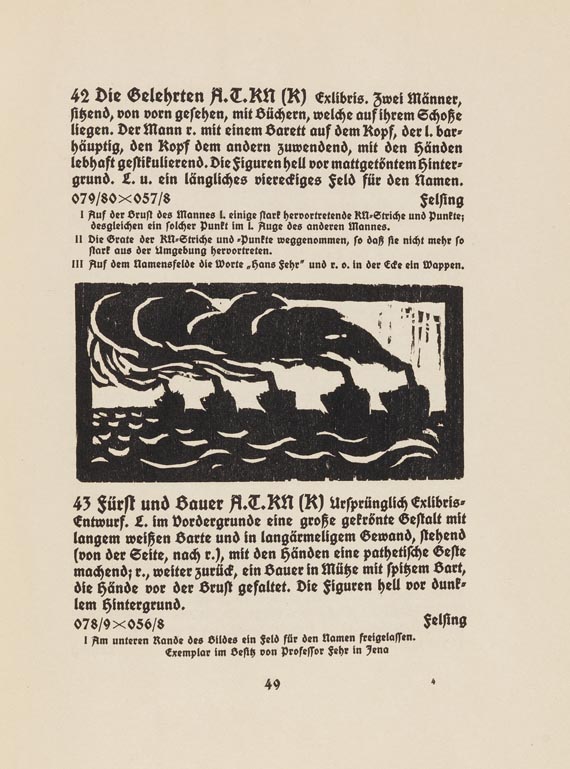
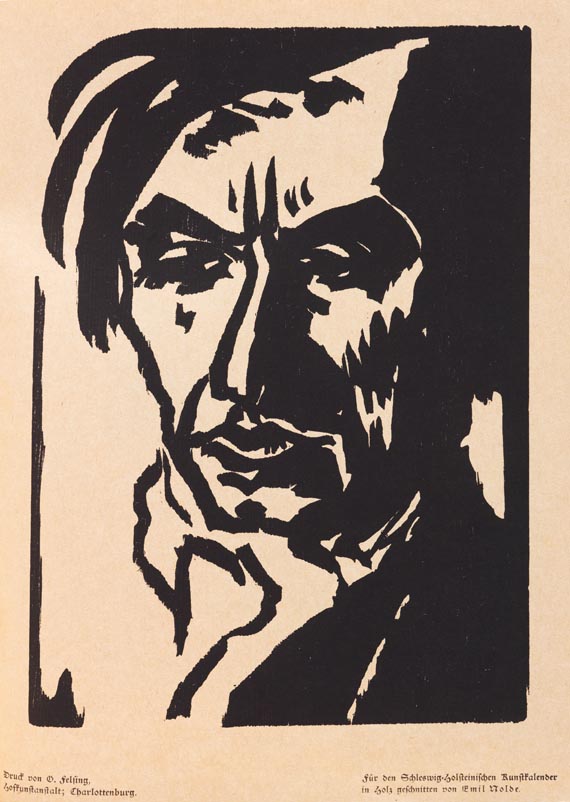
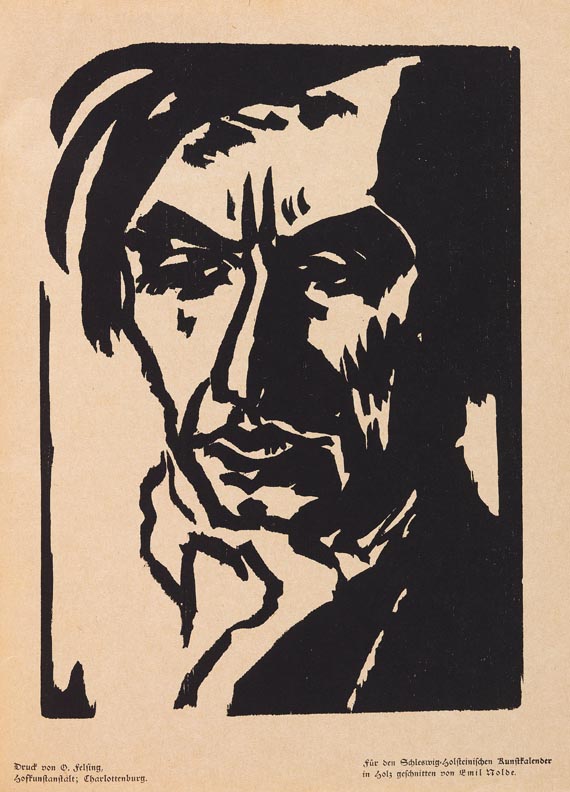
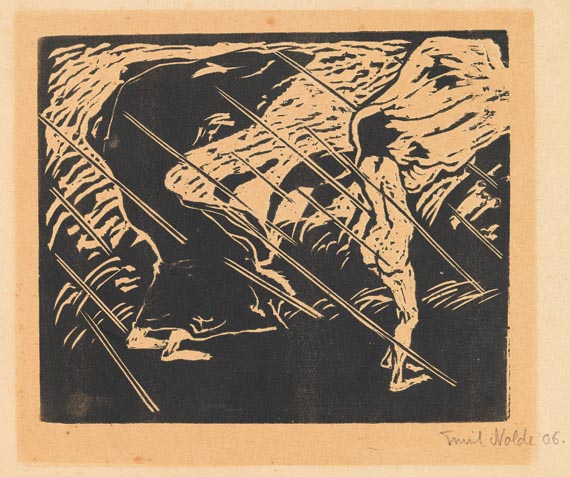
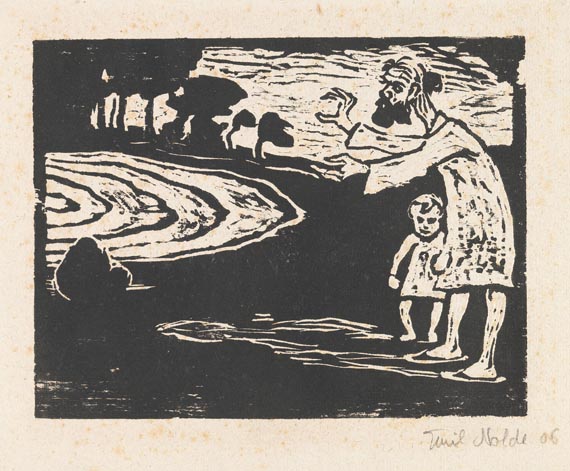
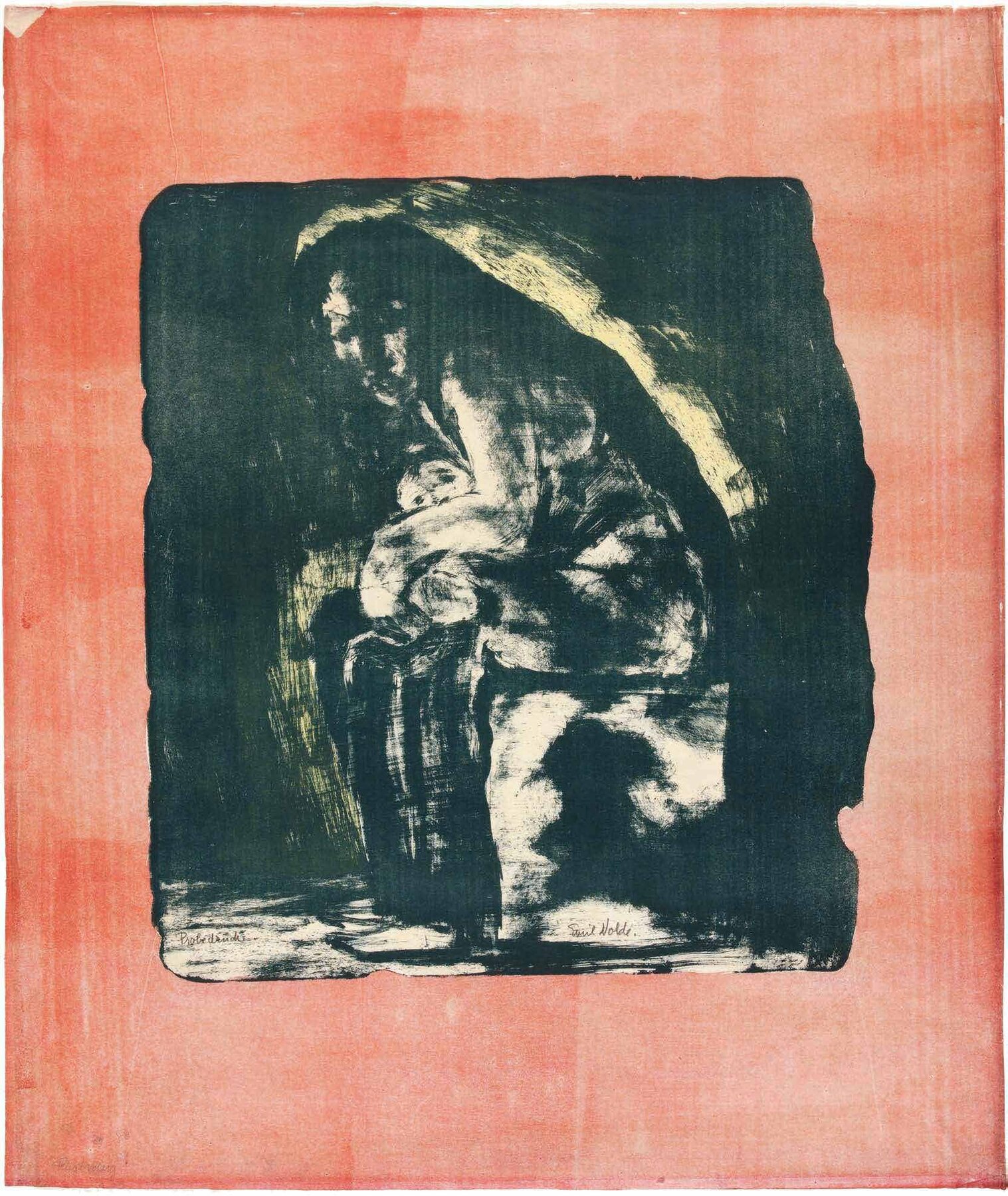
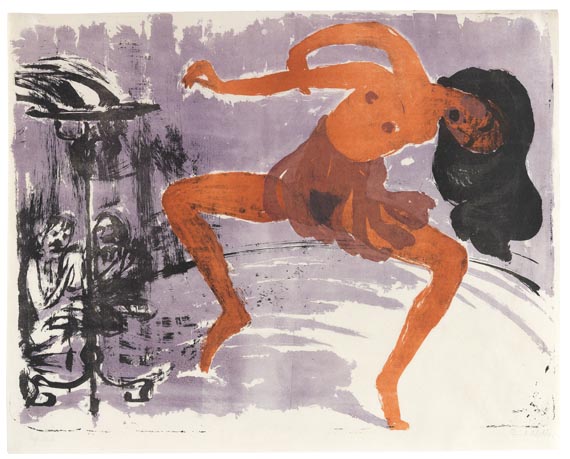
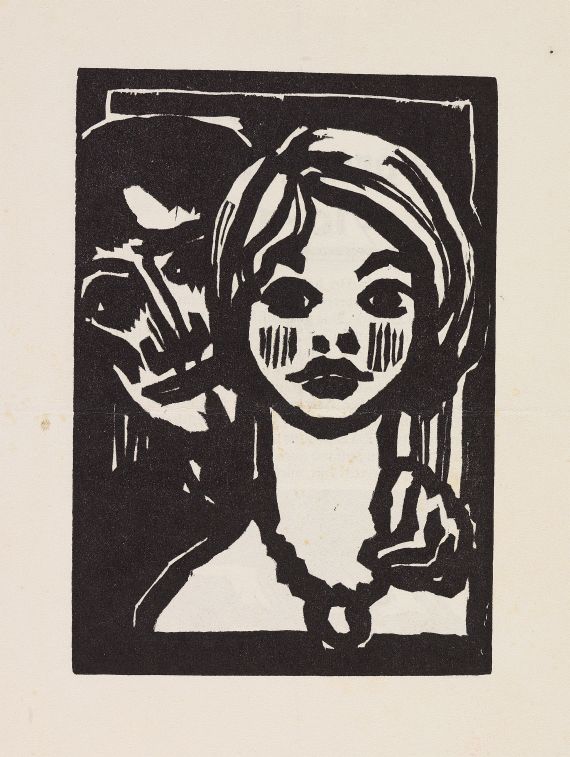
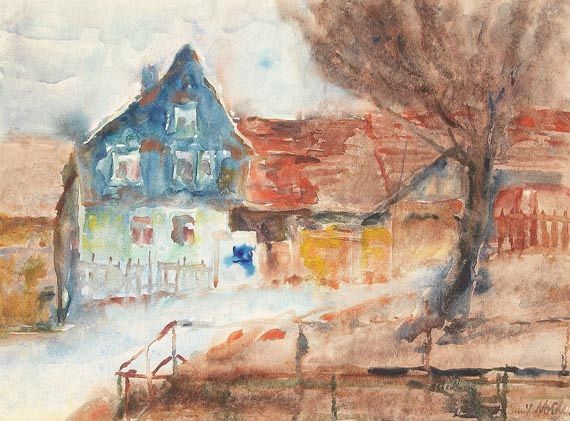
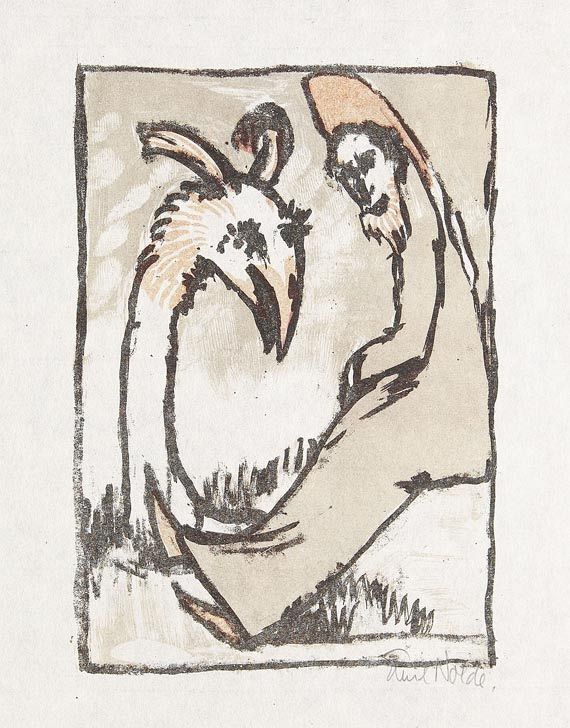
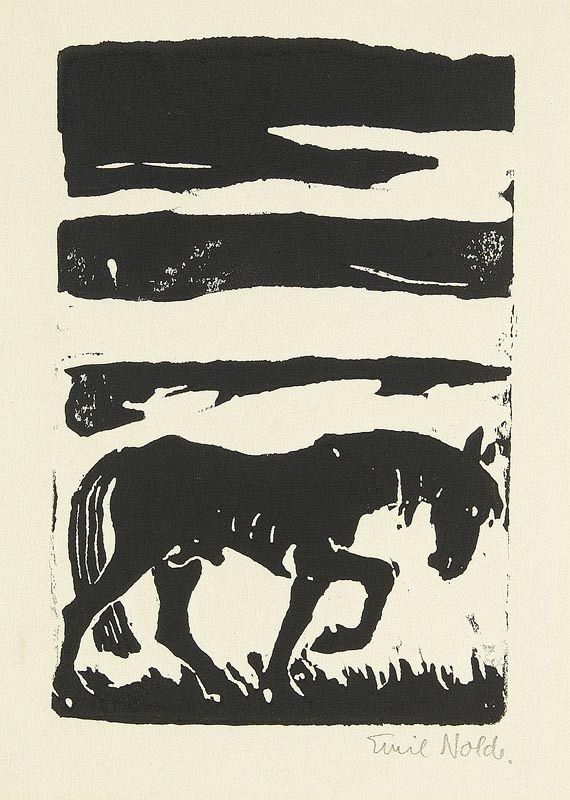
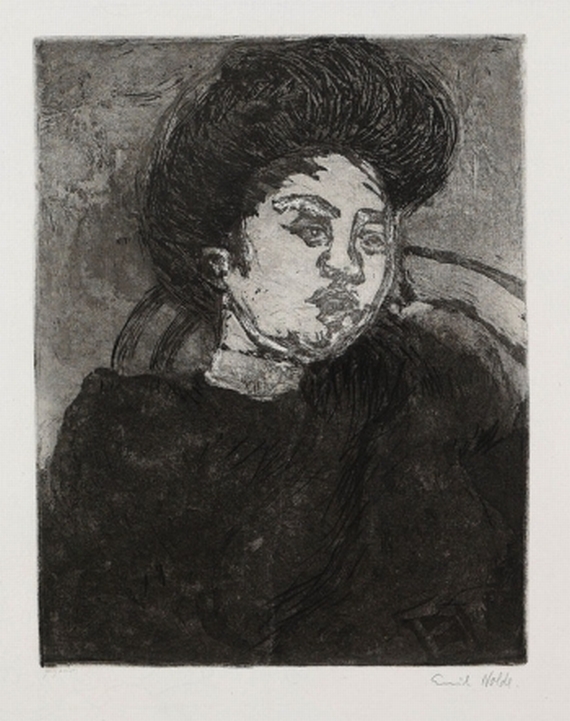
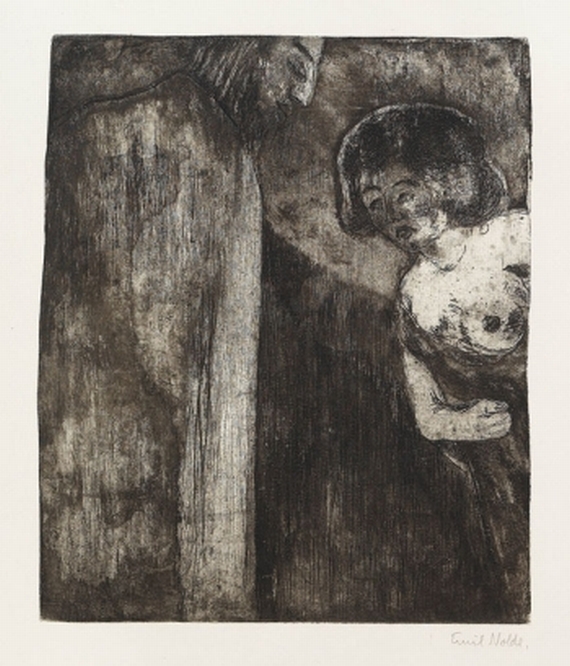
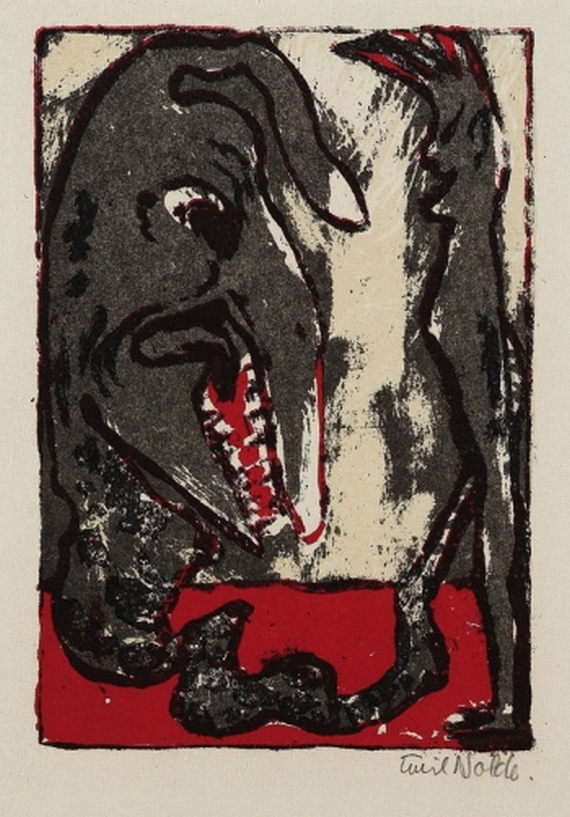
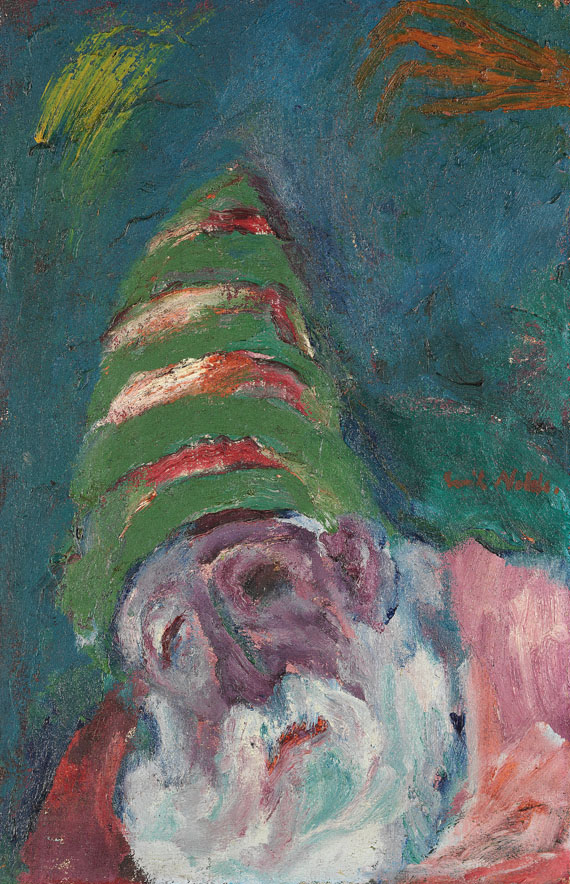
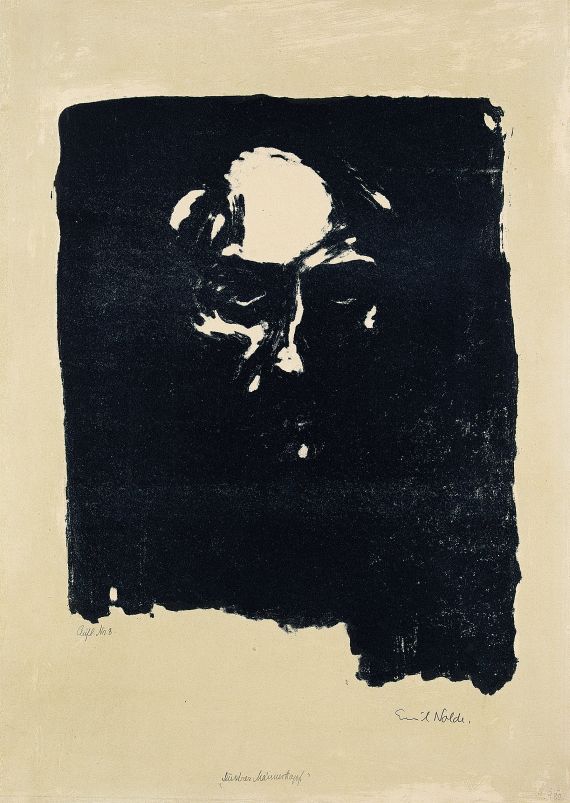
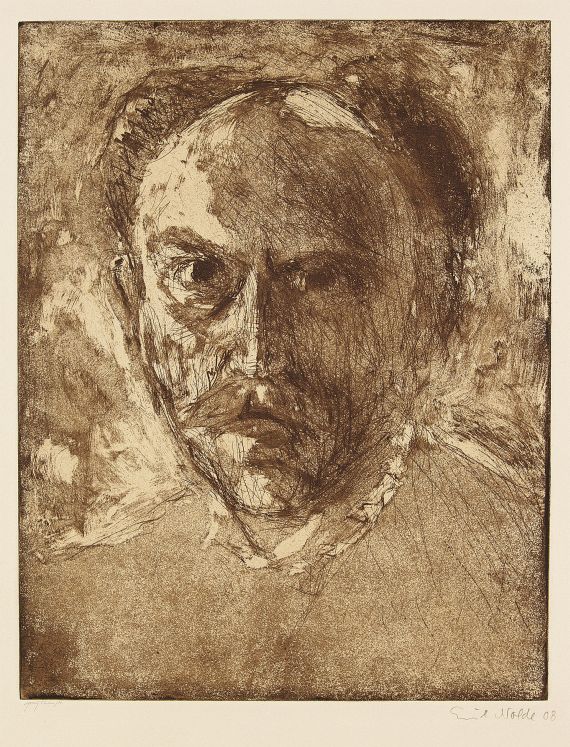
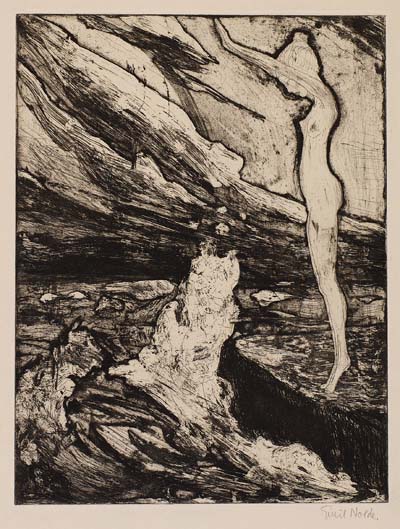
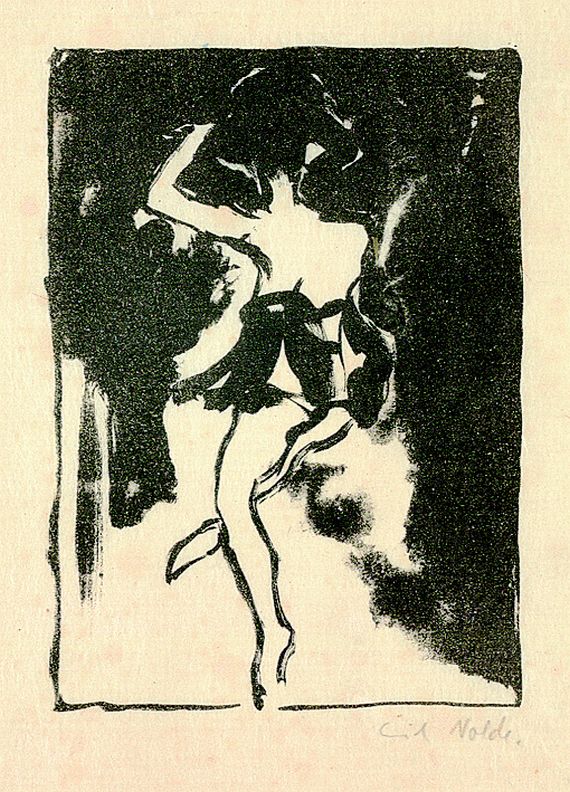
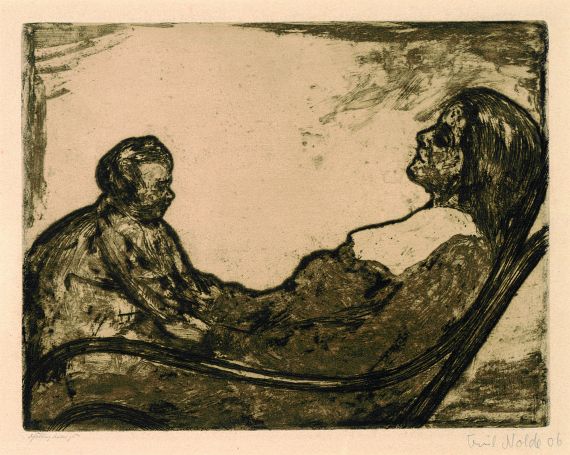
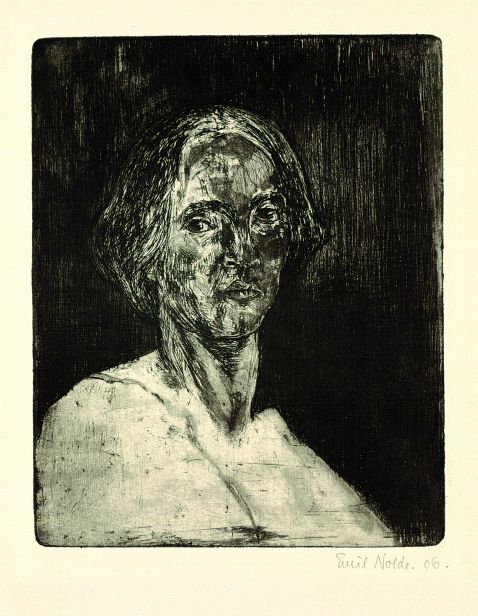
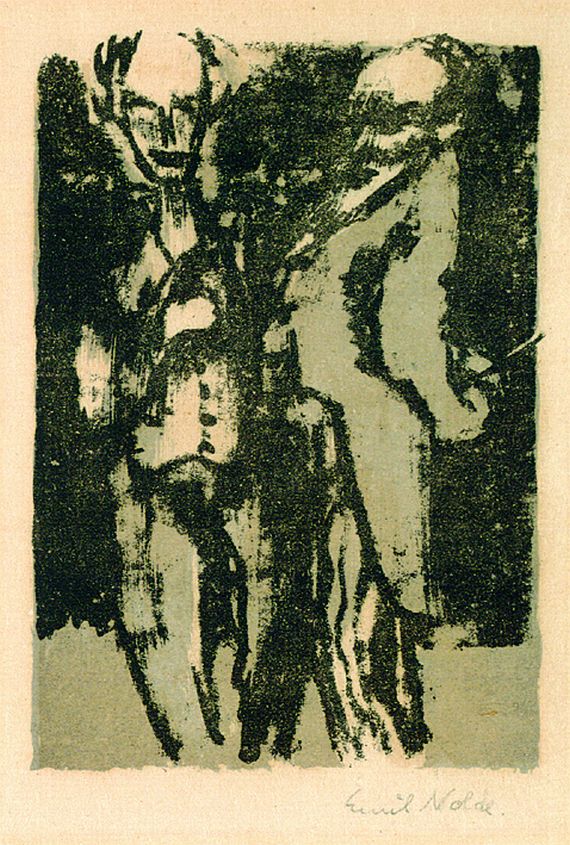
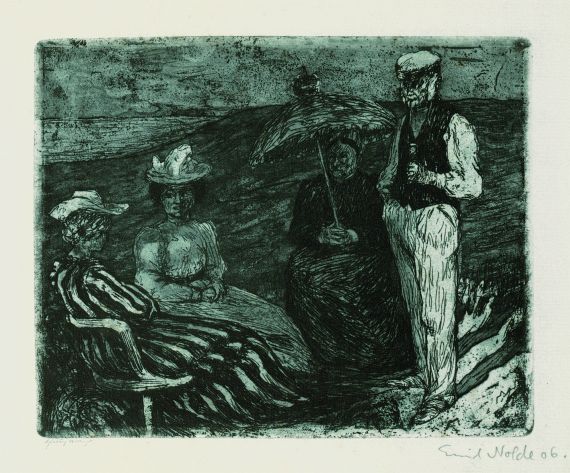
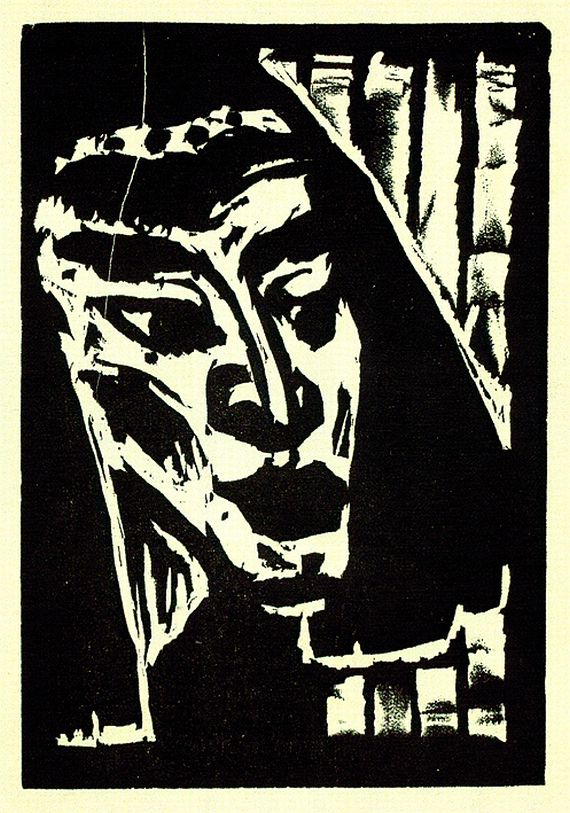
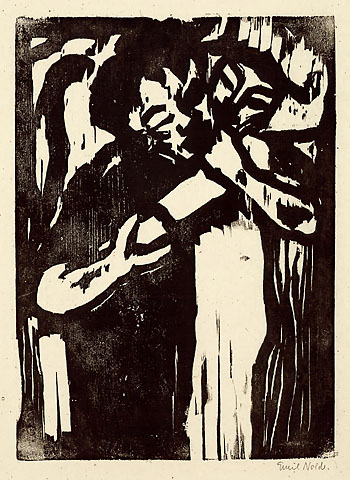
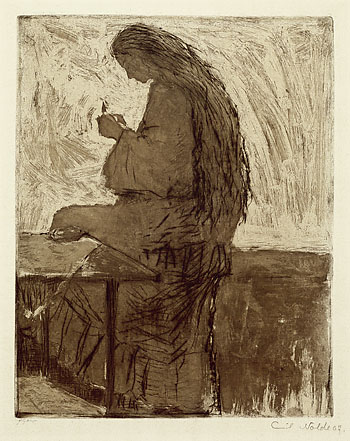
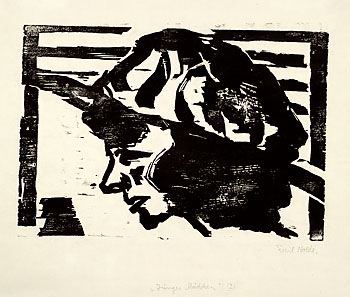
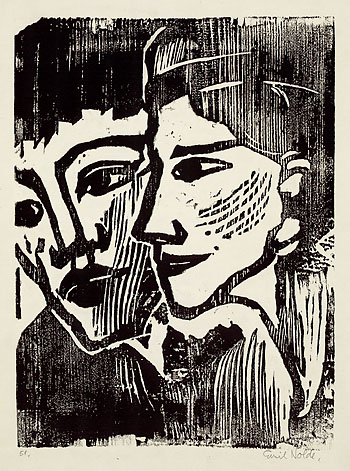
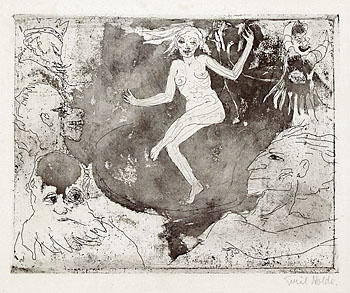
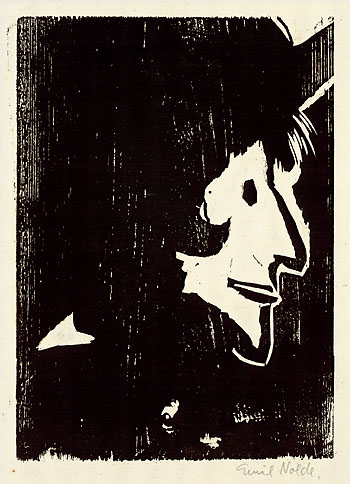
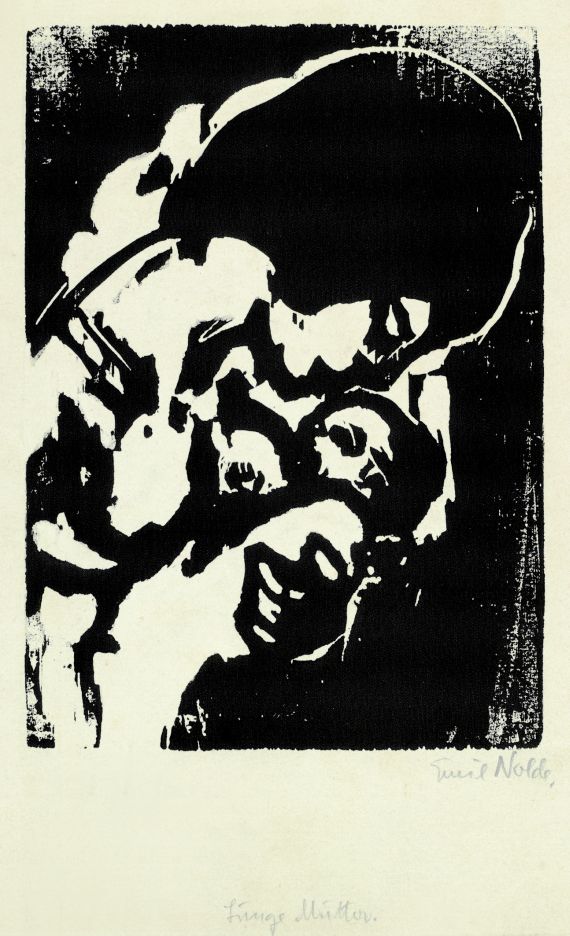
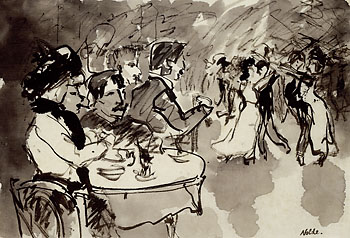
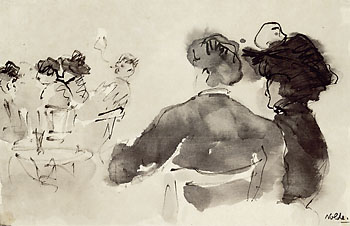
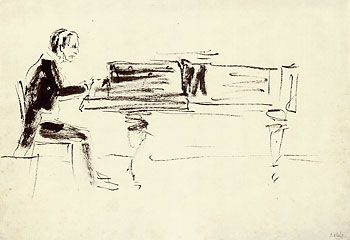
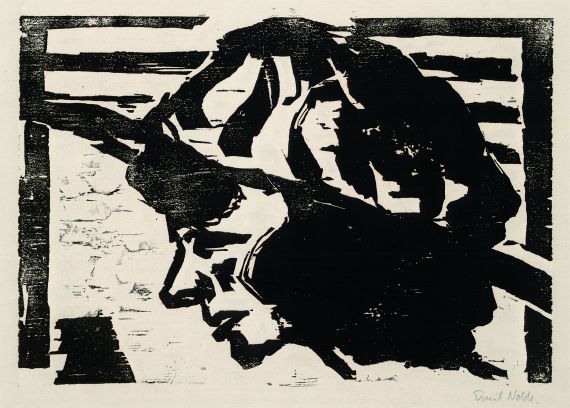
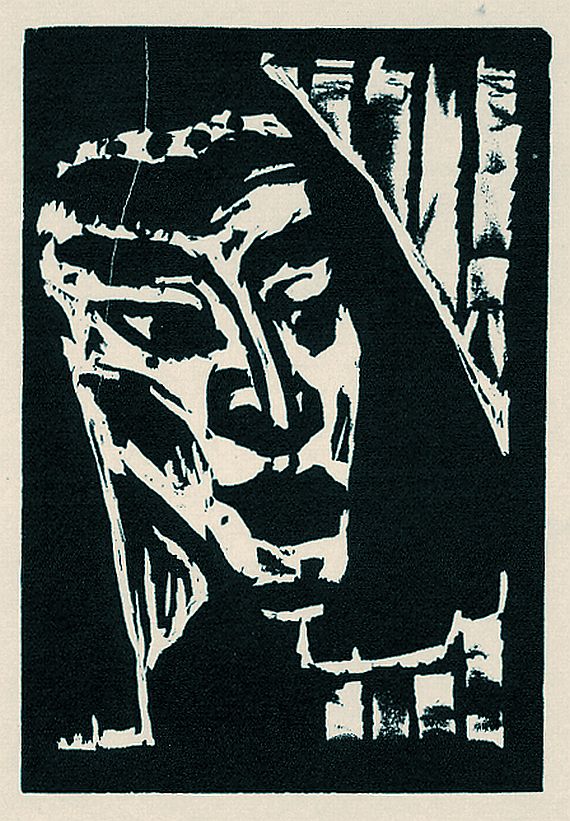
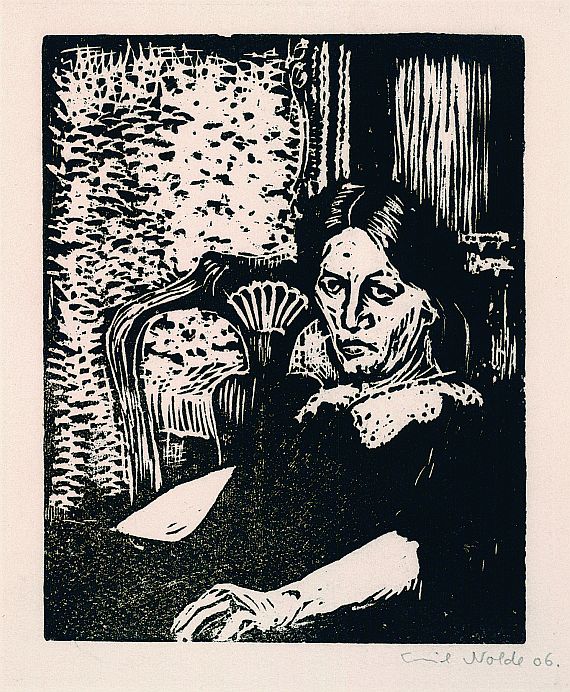
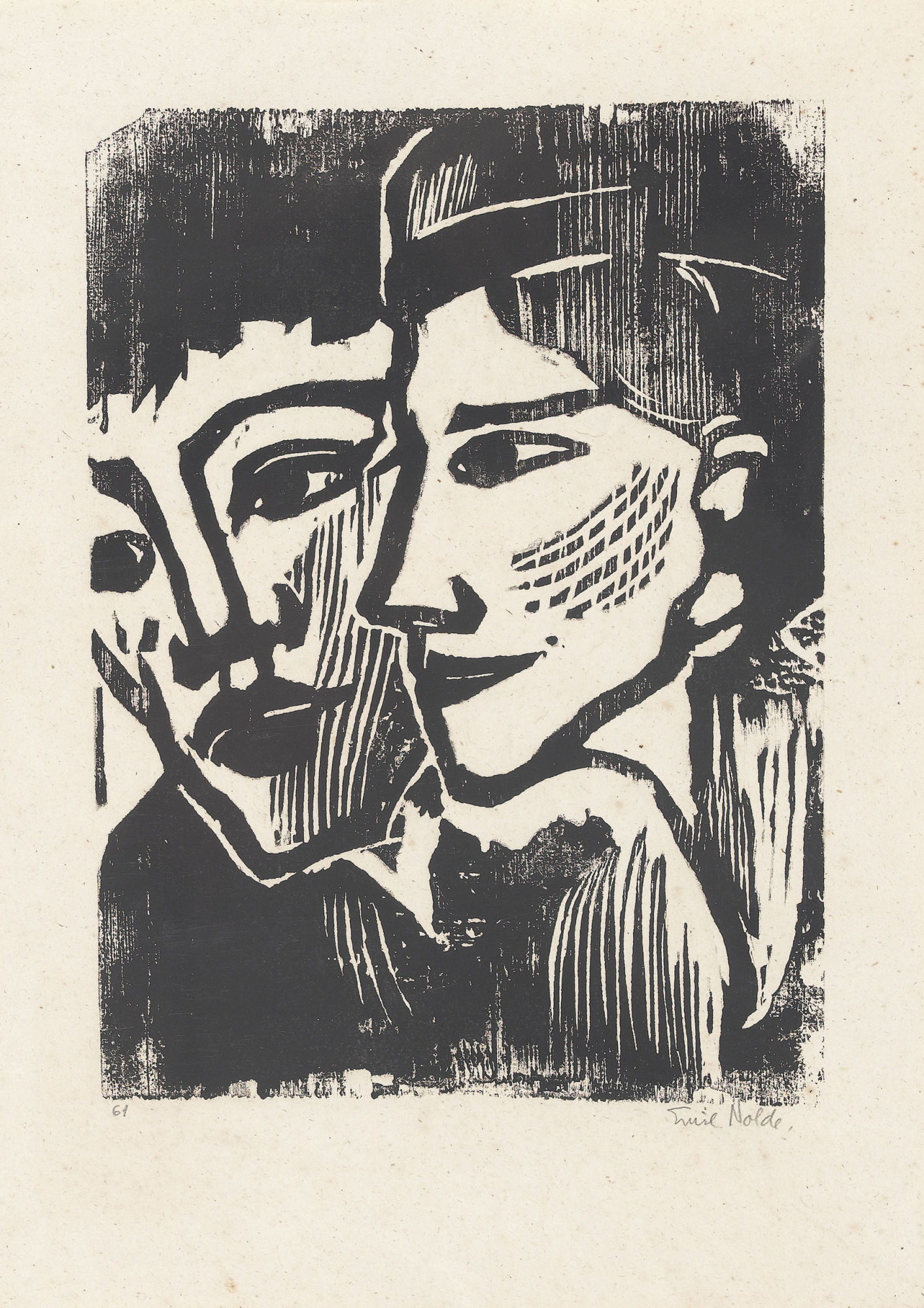
Emil Nolde in Schleswig, was one of the German Expressionist painters associated with the Brücke group. After training as a wood sculptor and draughtsman, he taught in St Gallen from 1892 to 1897, then devoted himself to painting. In 1902, he adopted the name of his native village.
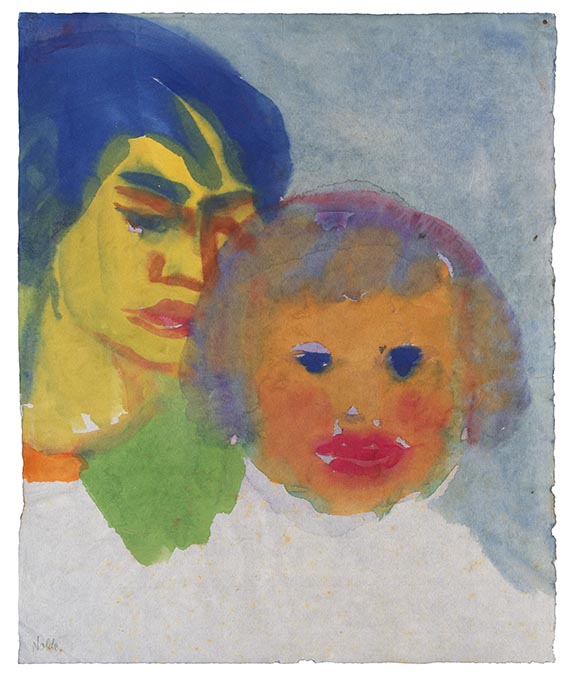
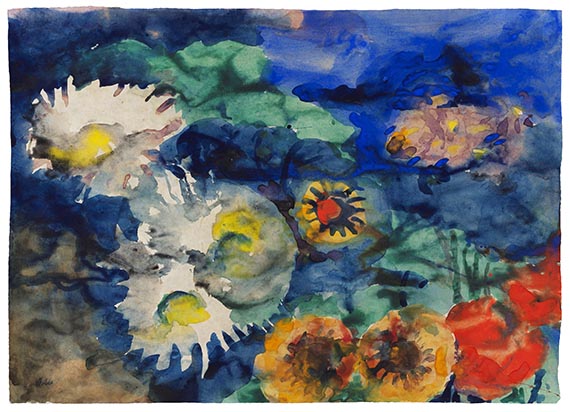
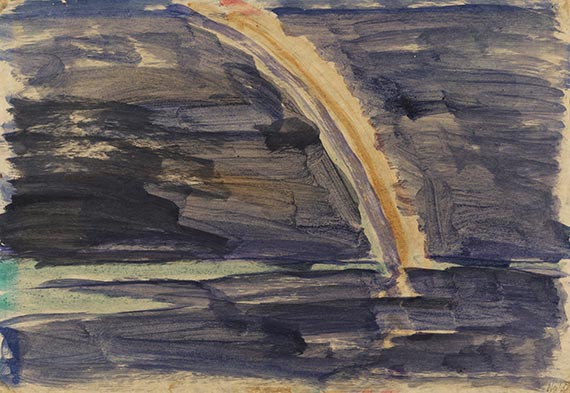
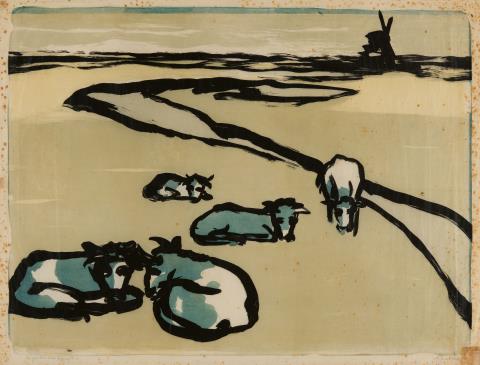
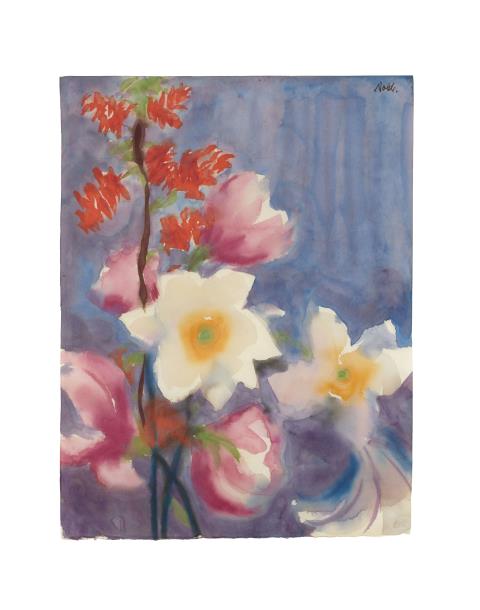
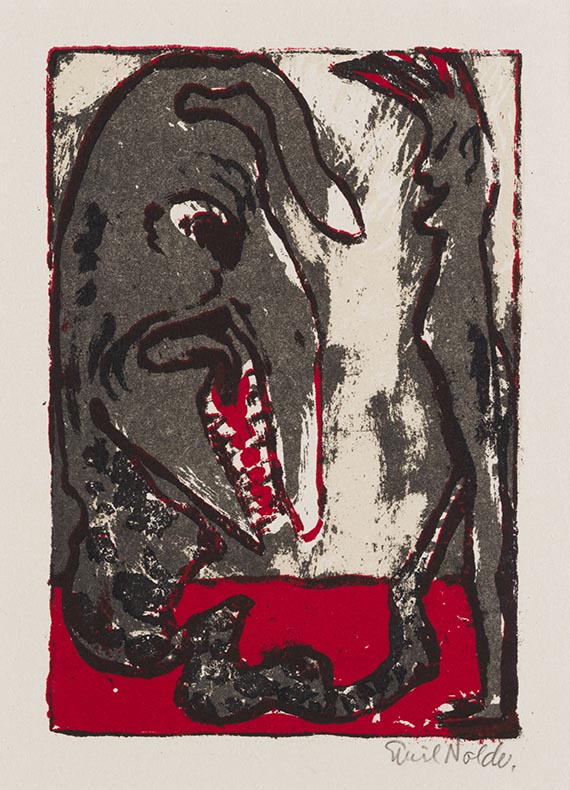
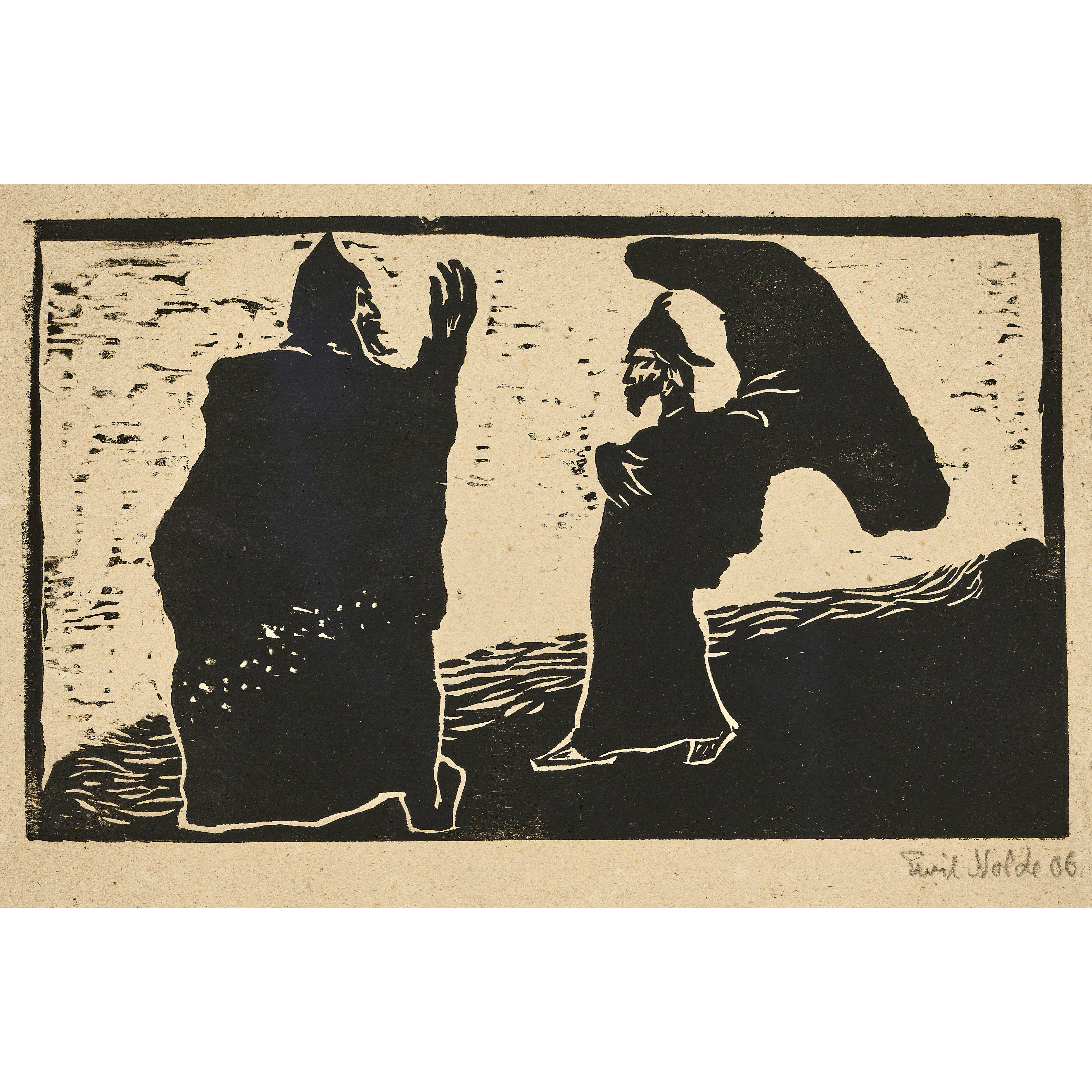
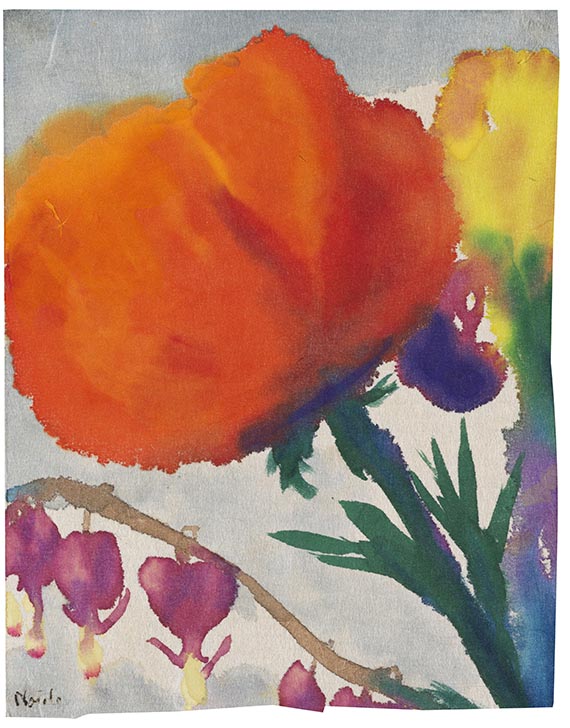
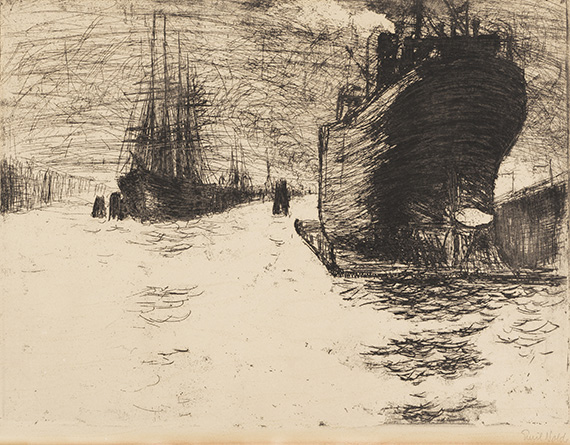
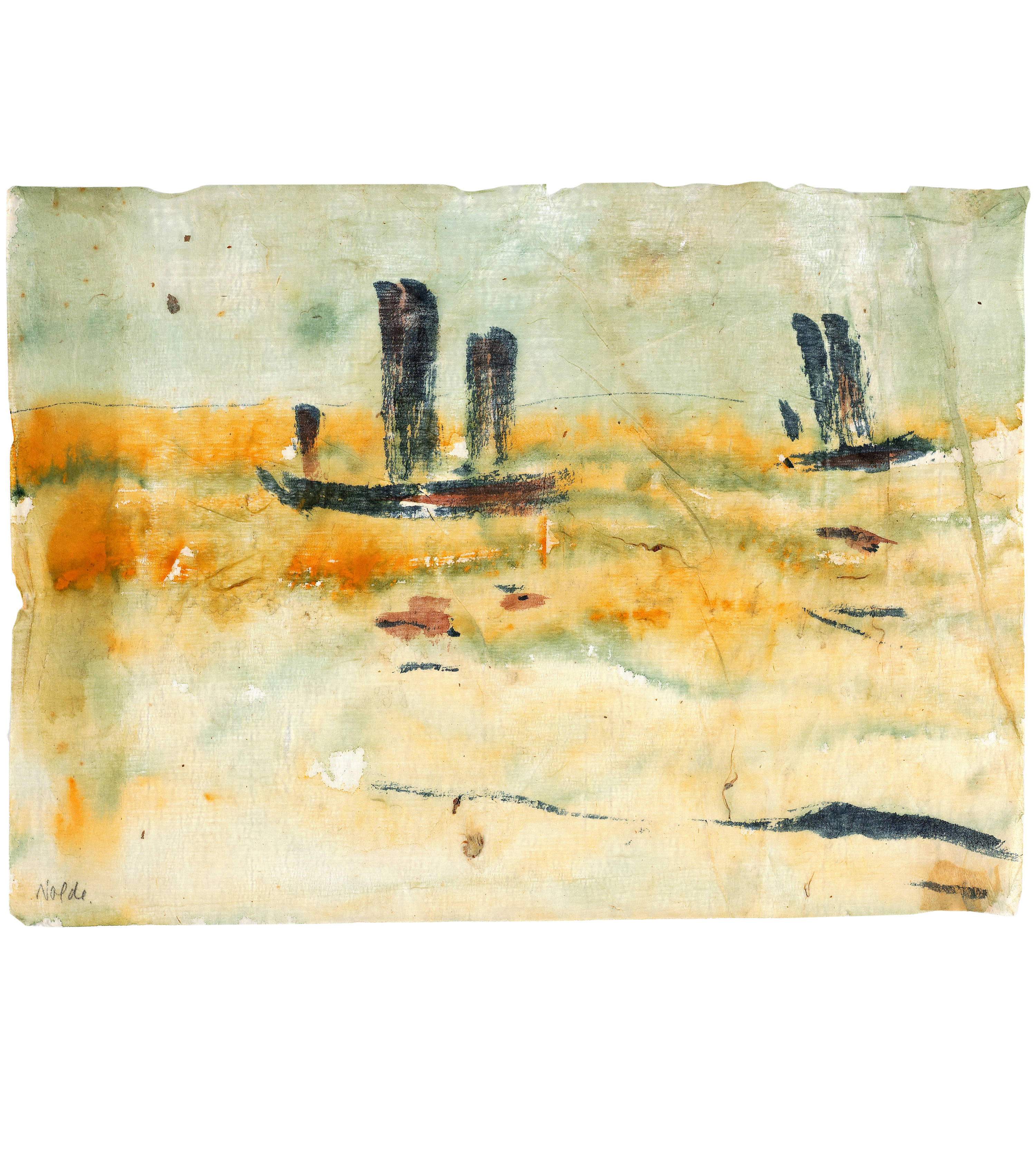
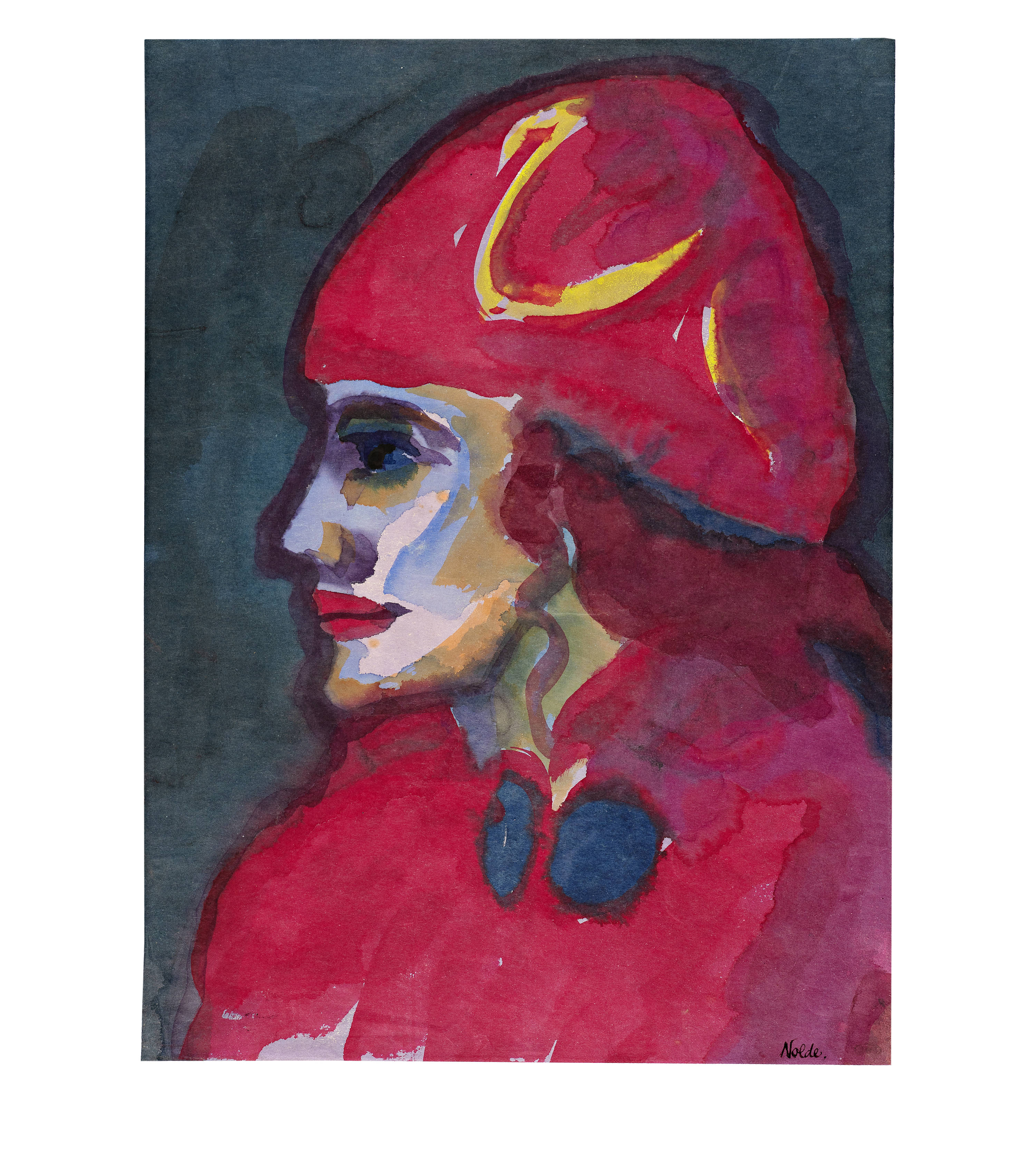
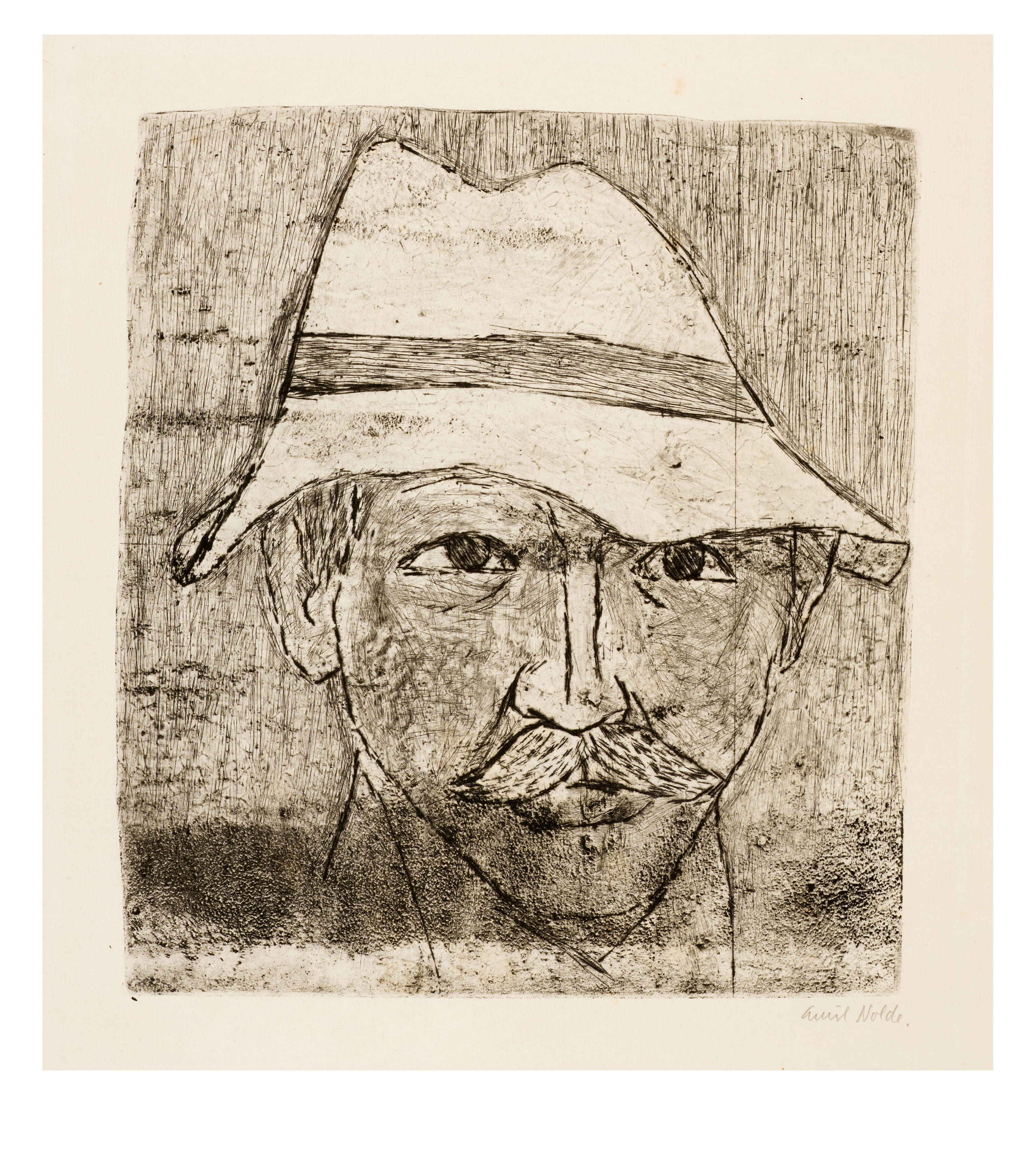
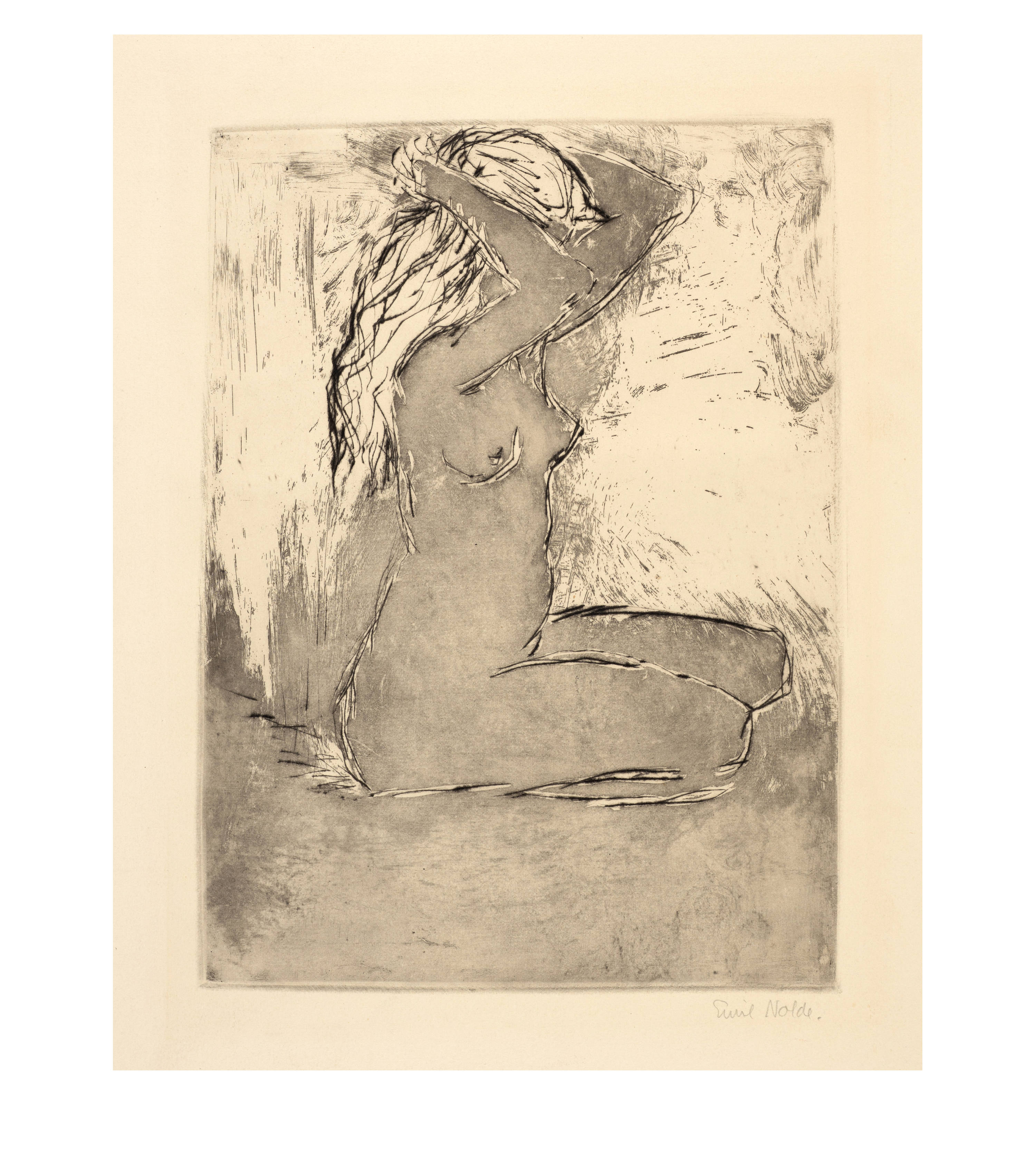
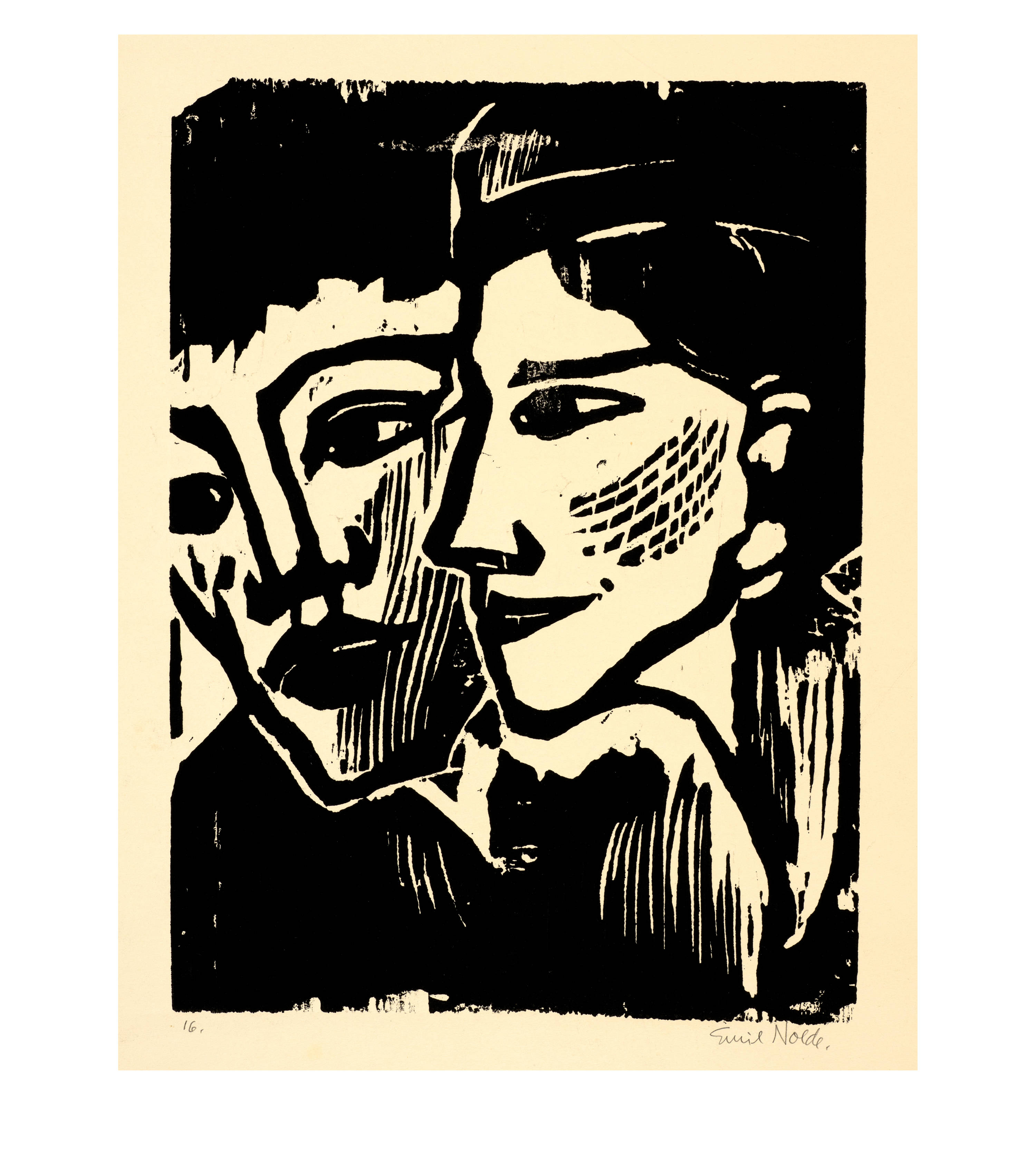
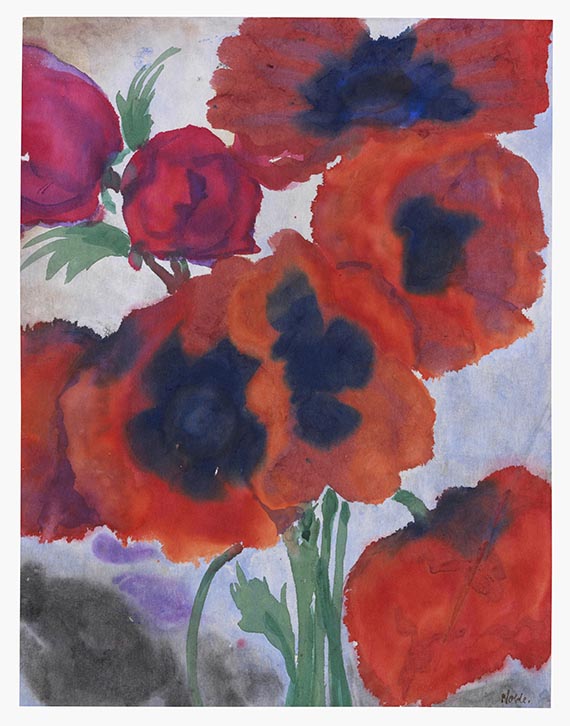
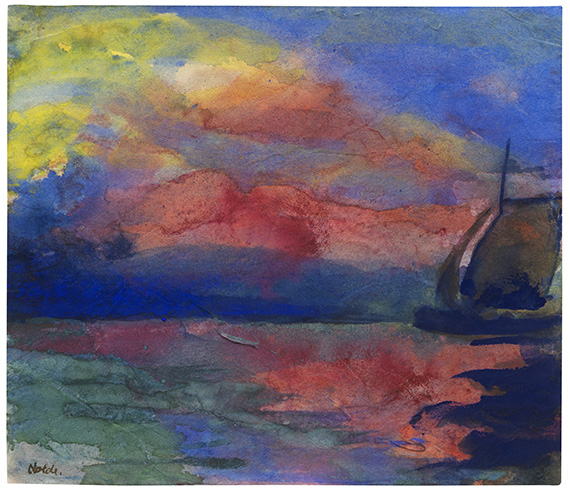
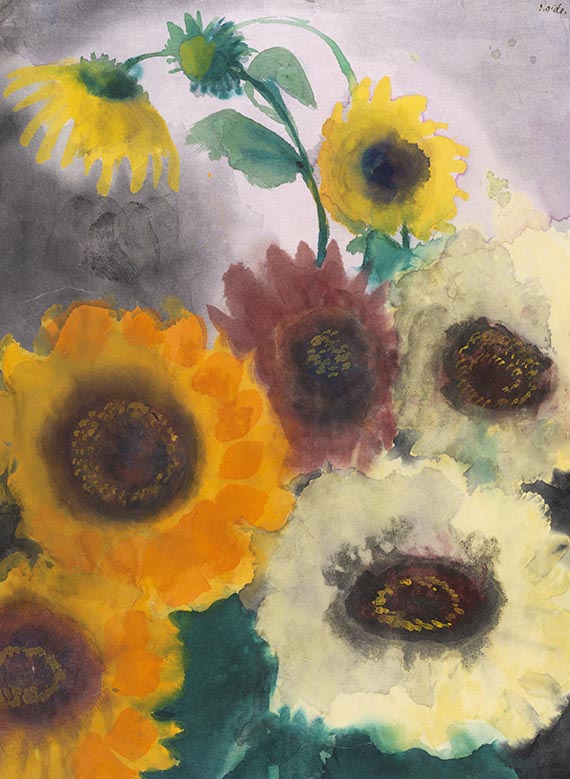
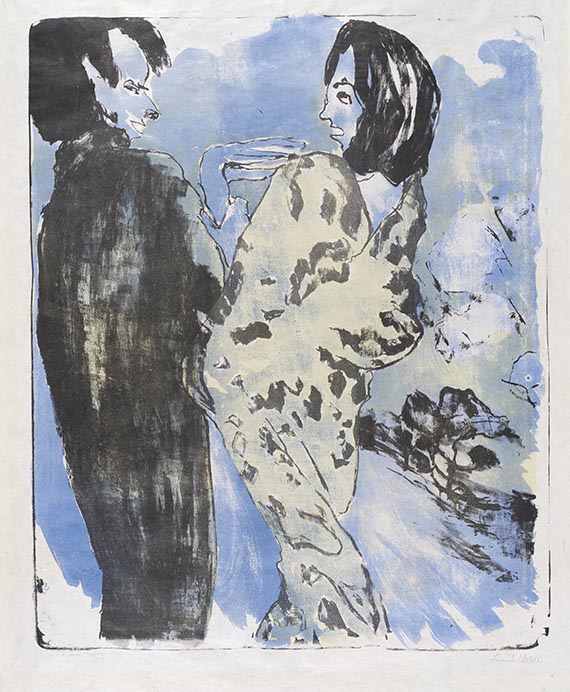
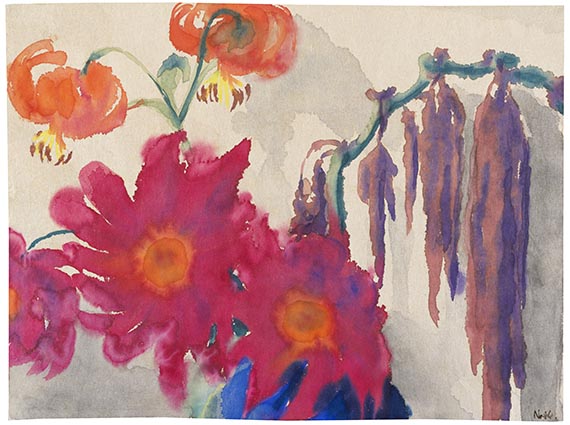
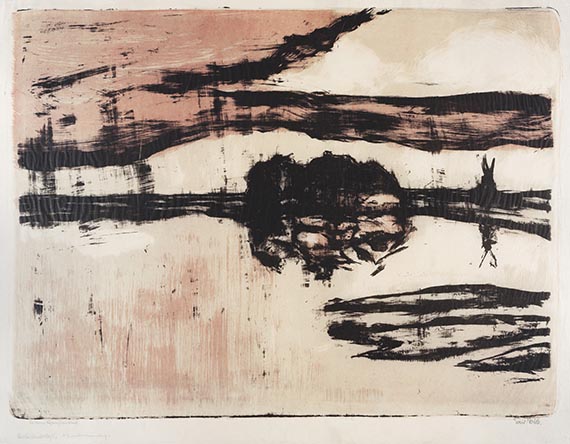
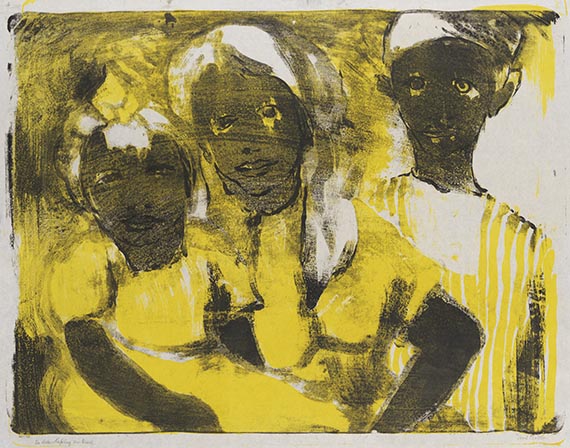
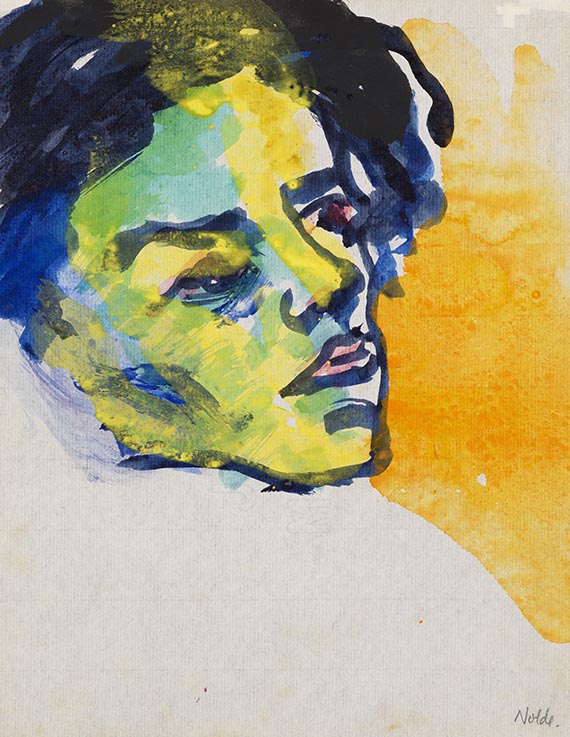
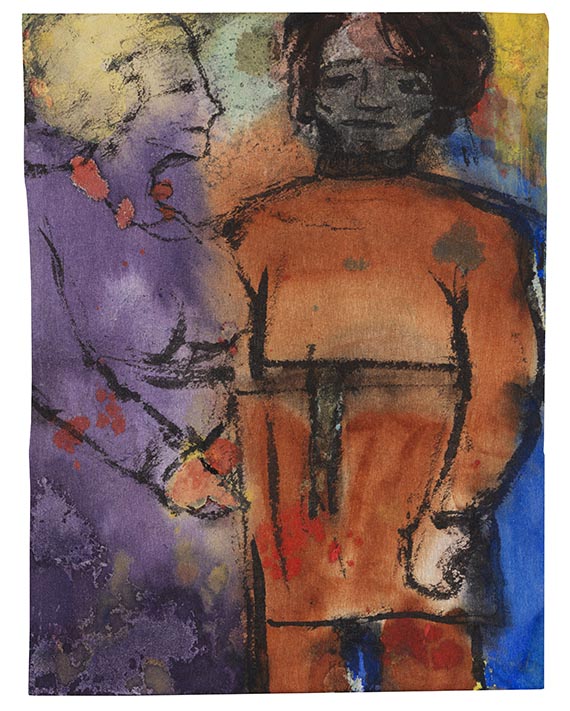
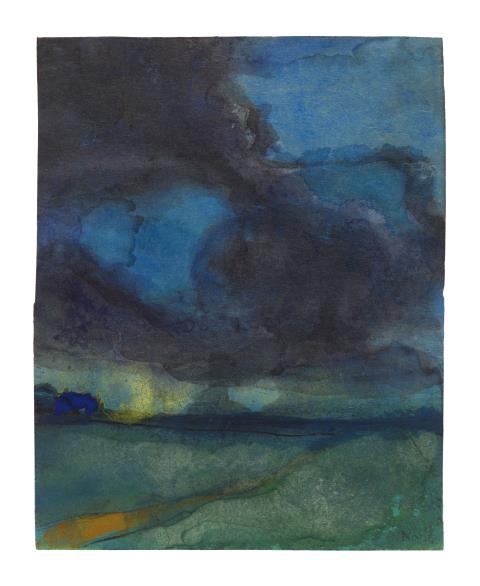
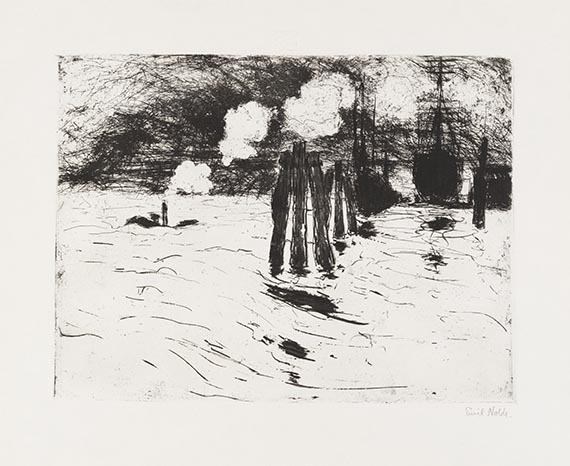
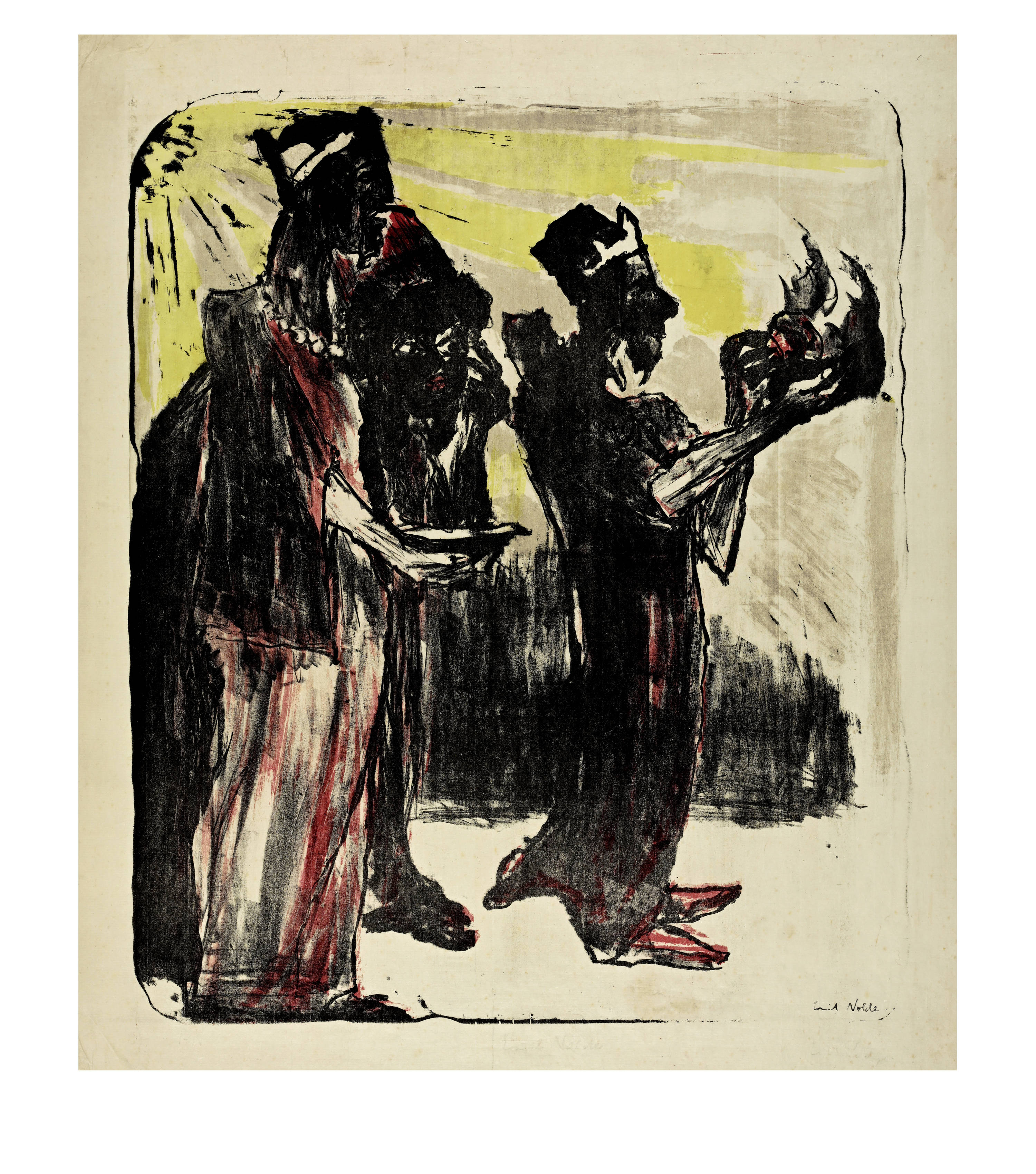
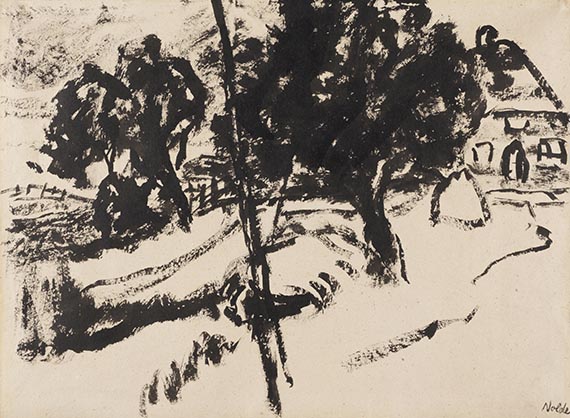
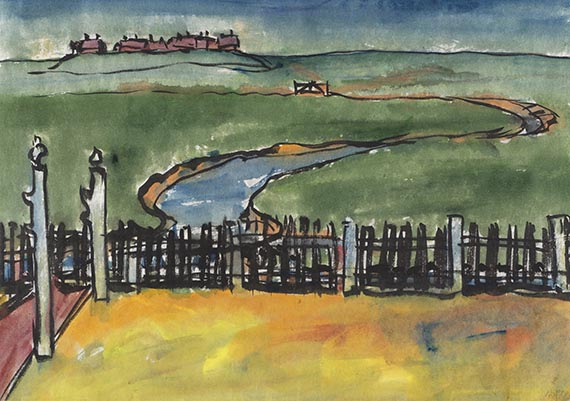
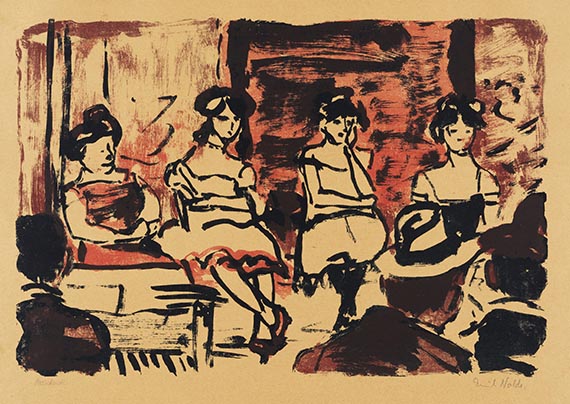
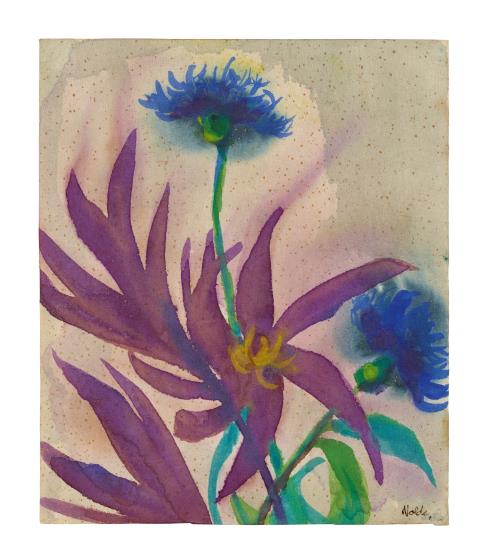
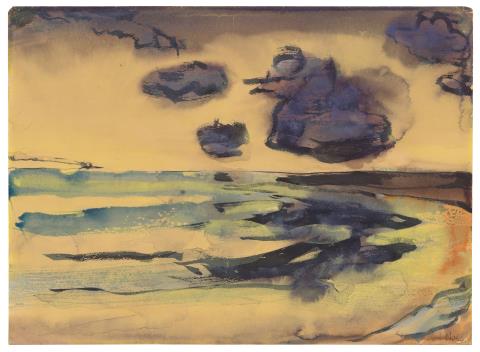
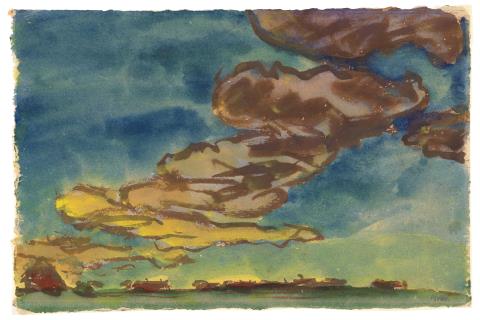
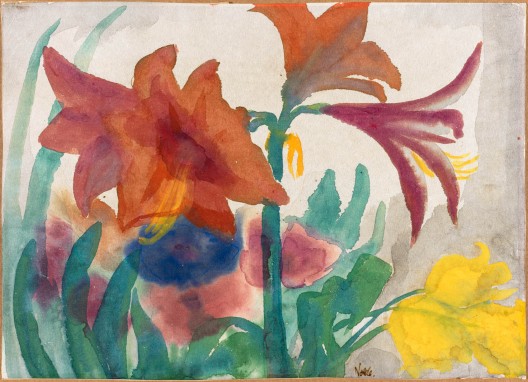
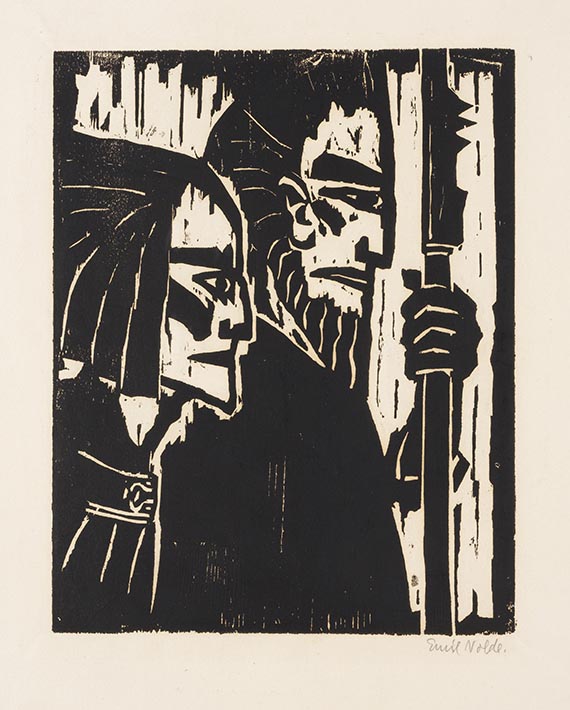
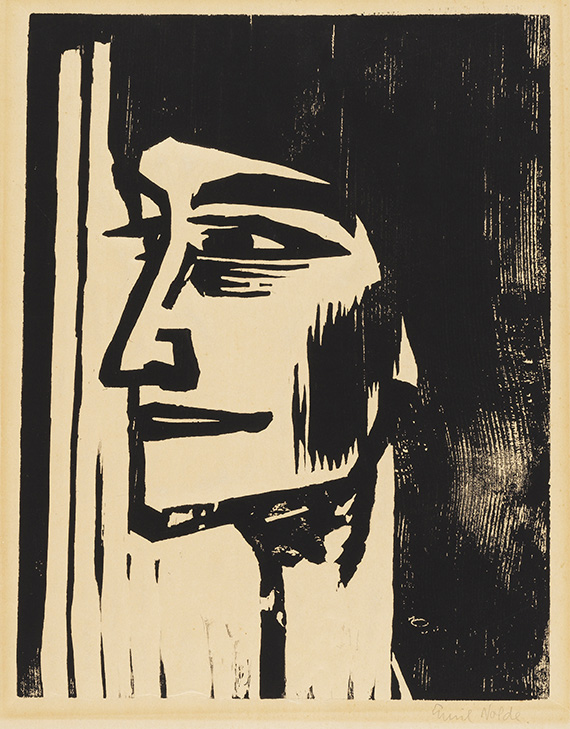
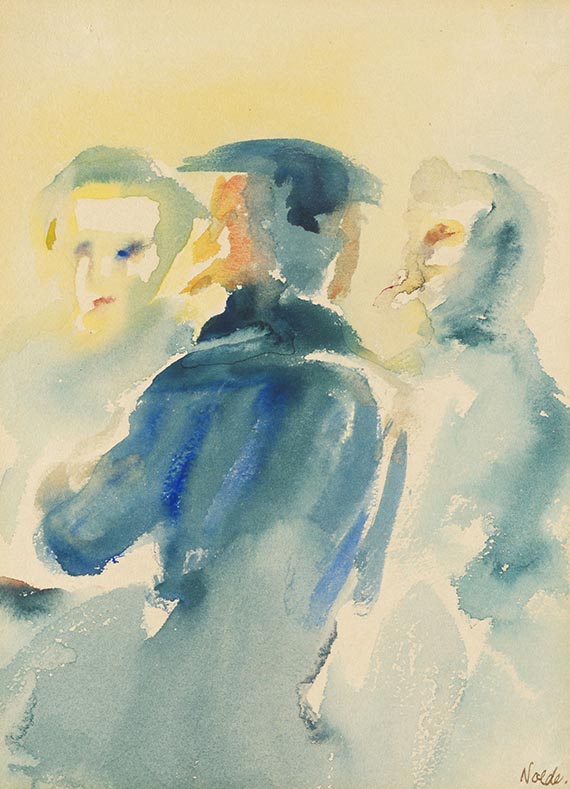
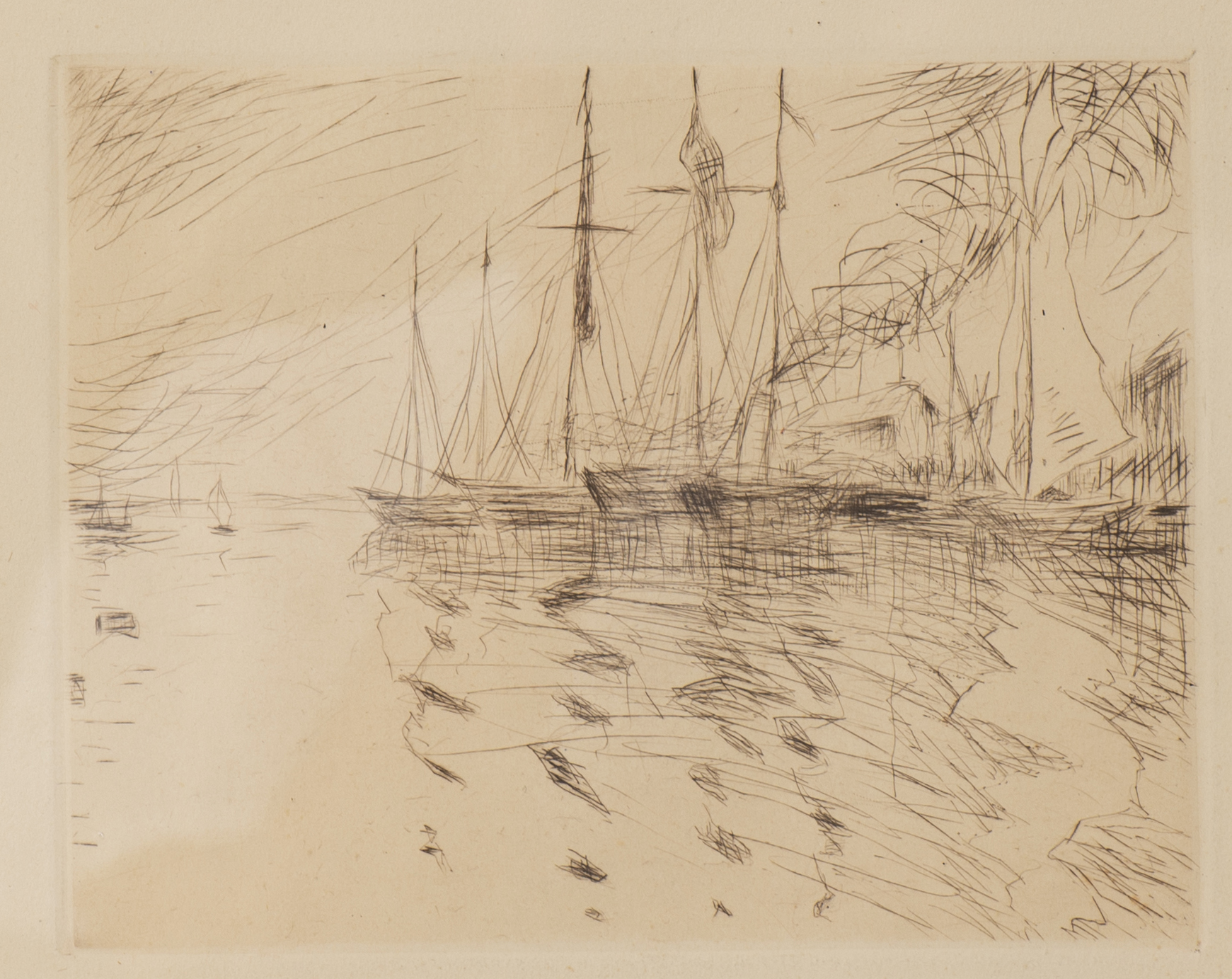
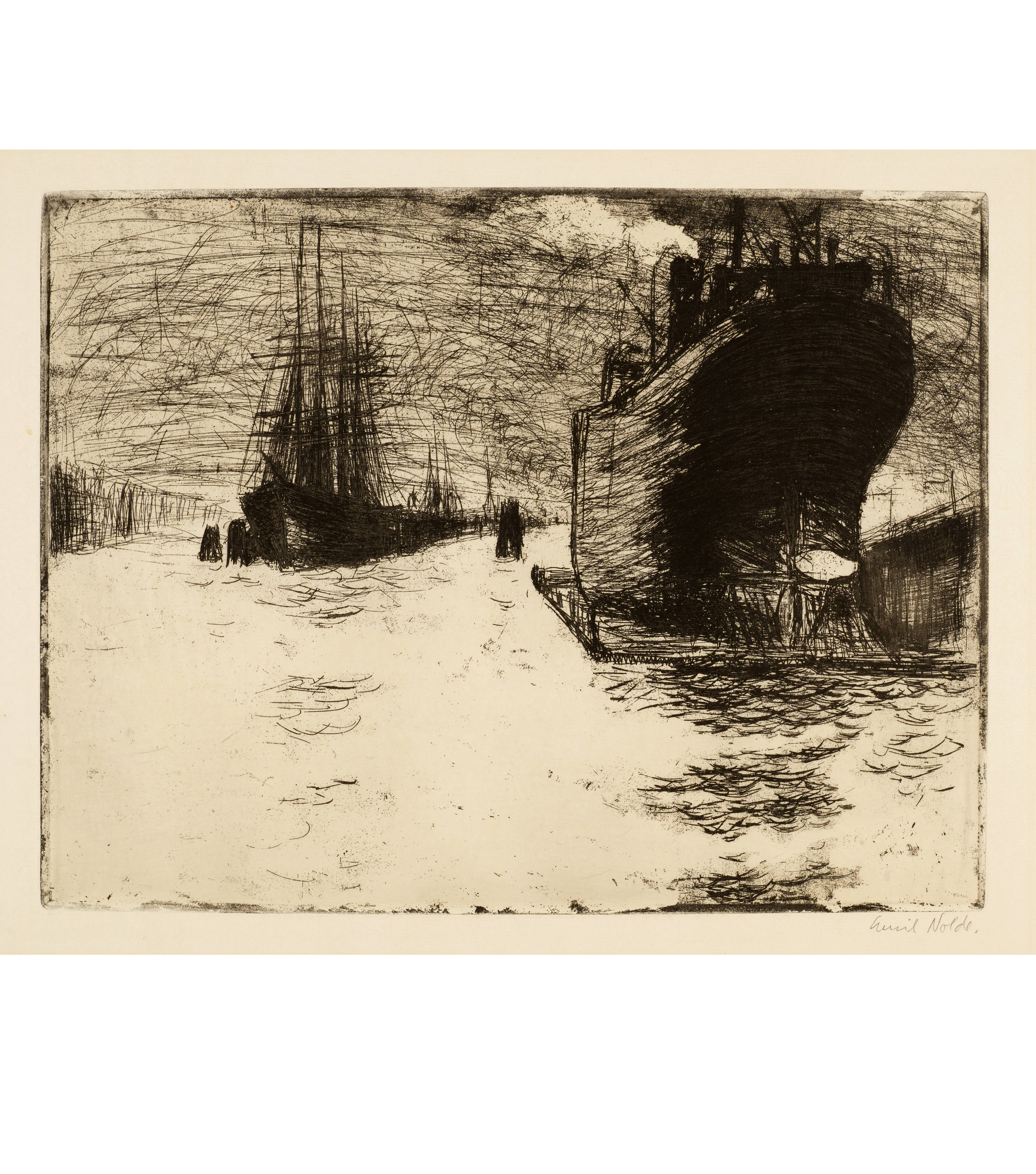
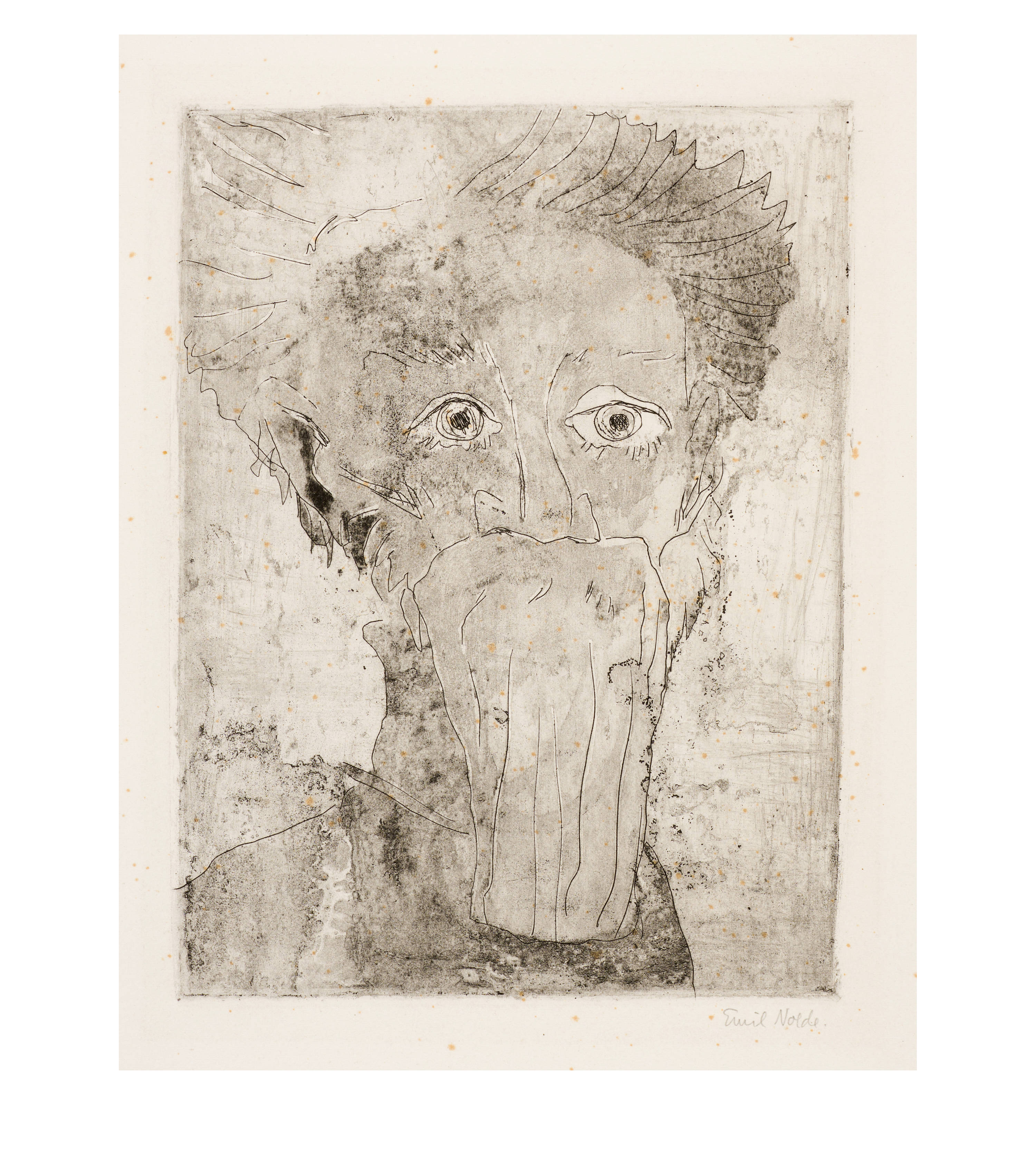
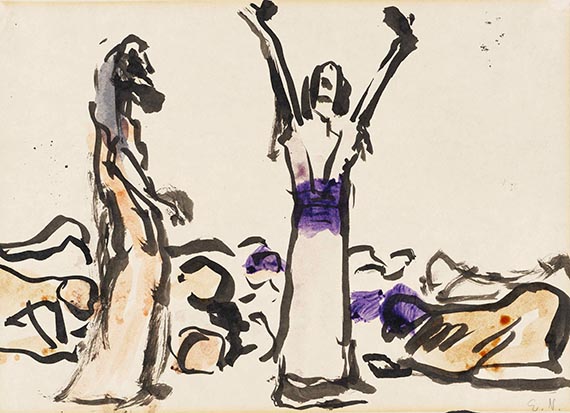
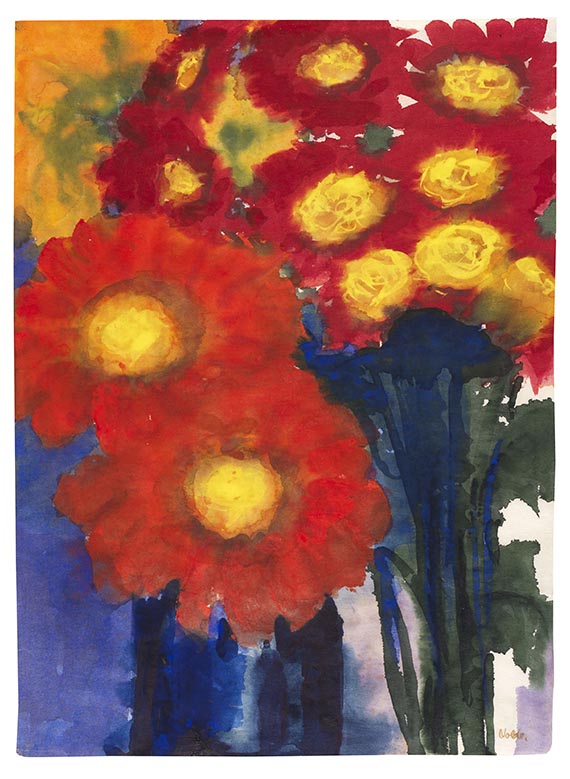
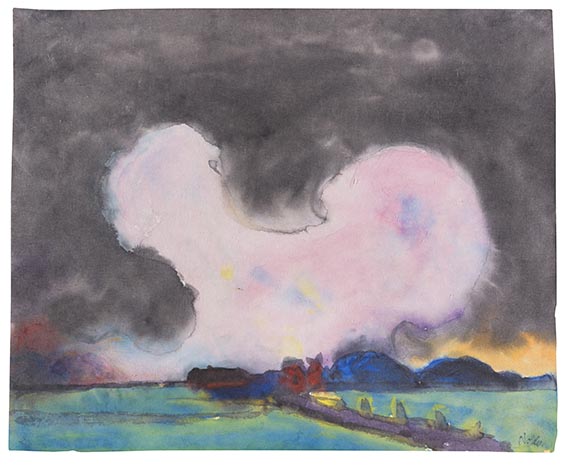
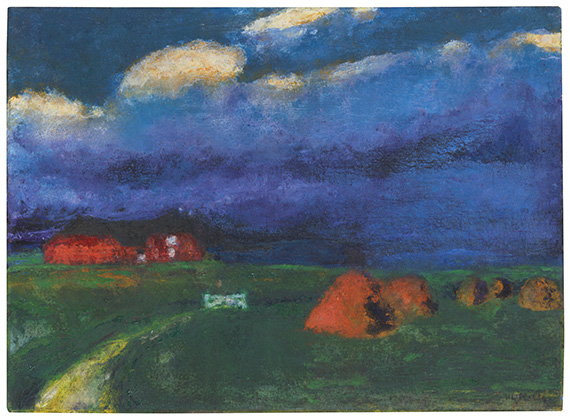
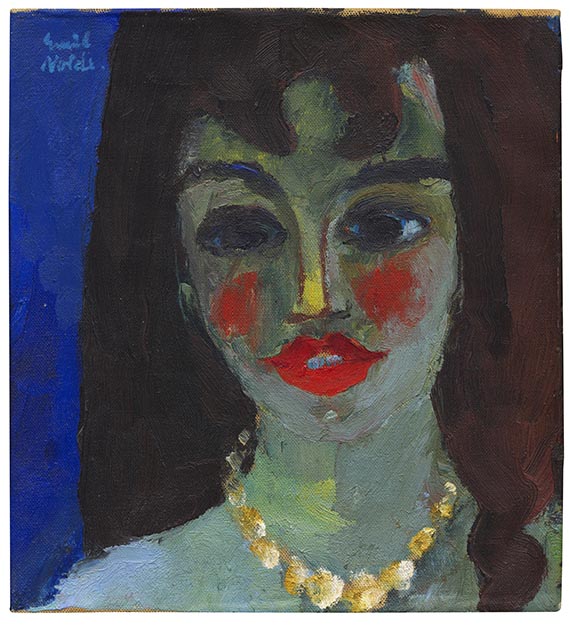
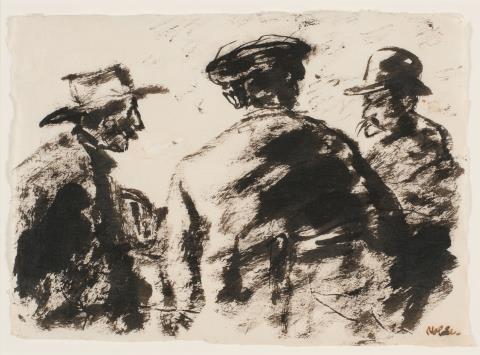
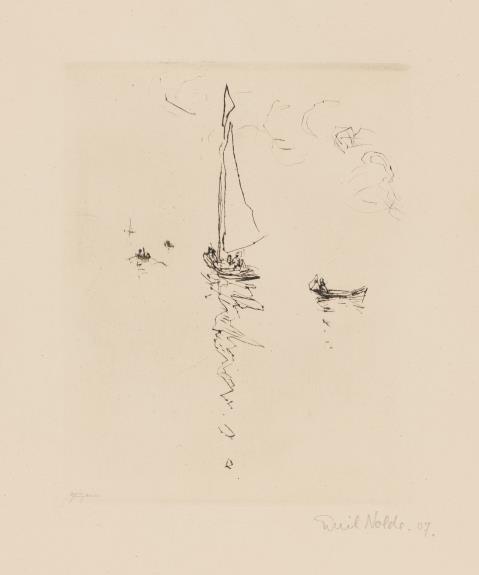
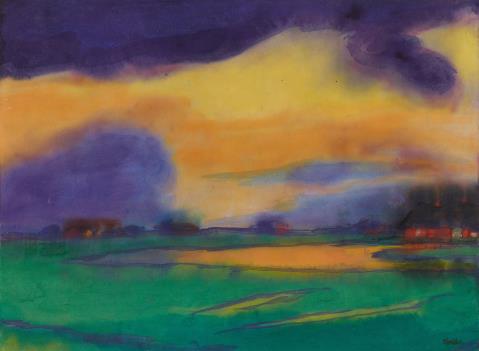
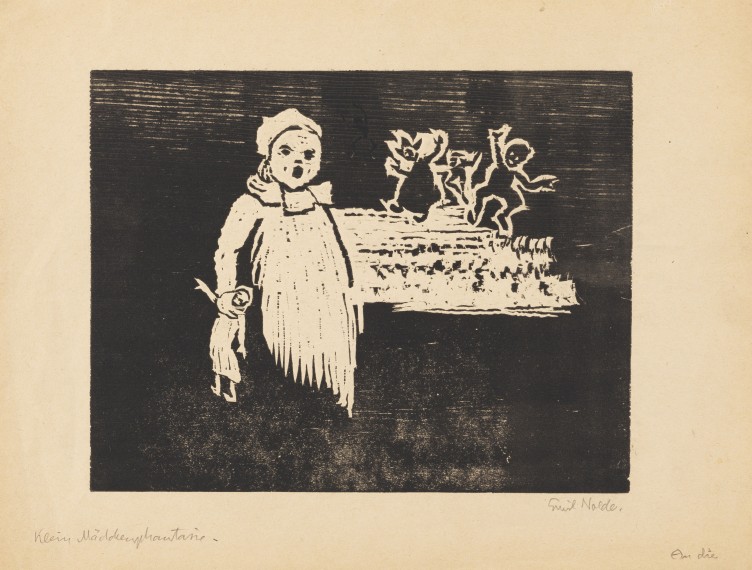
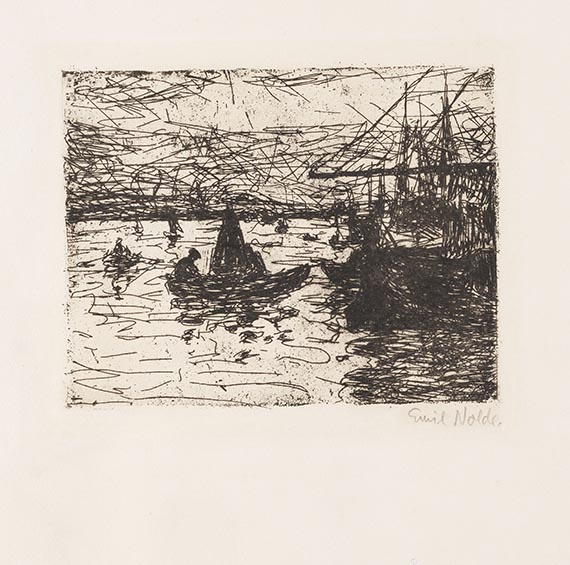
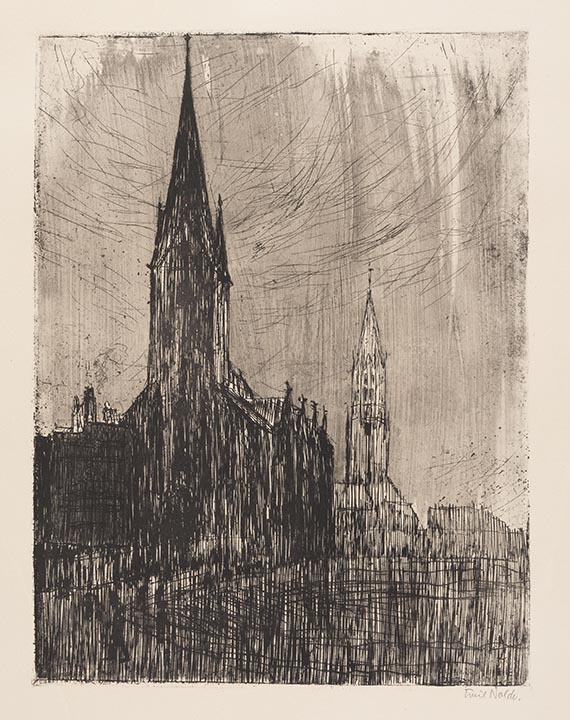
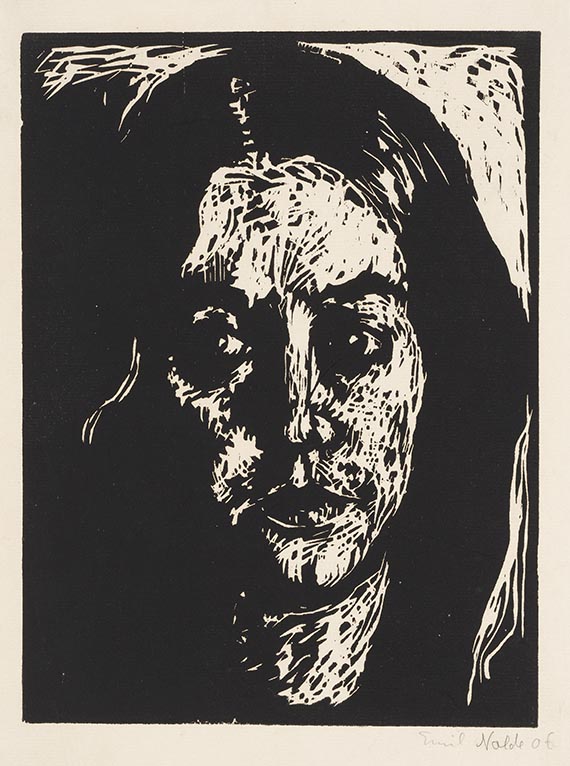
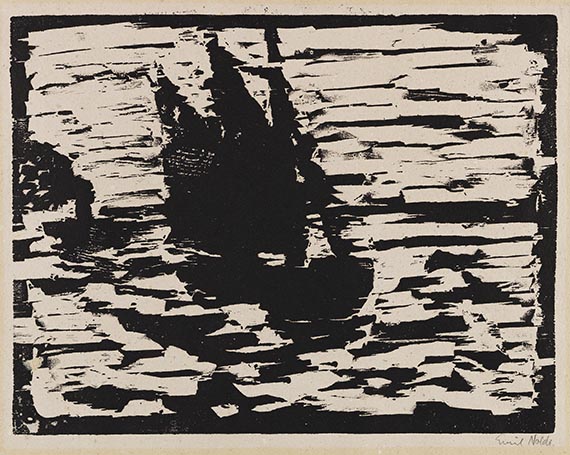
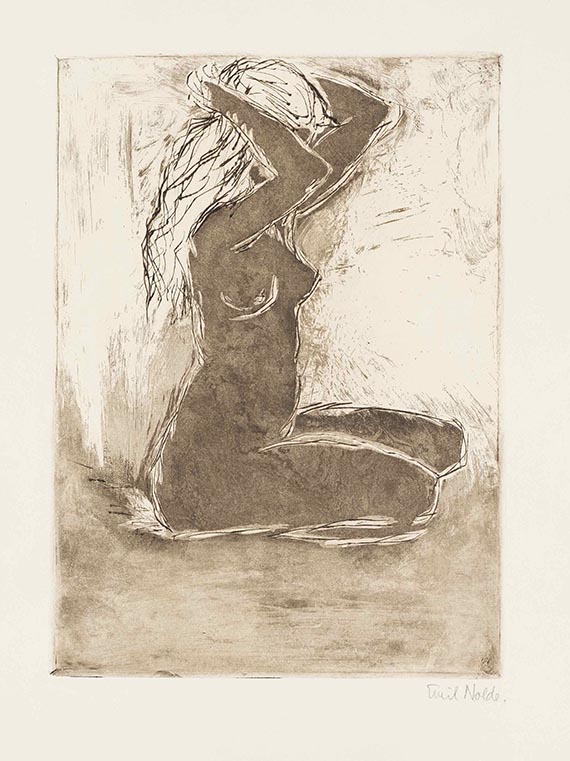
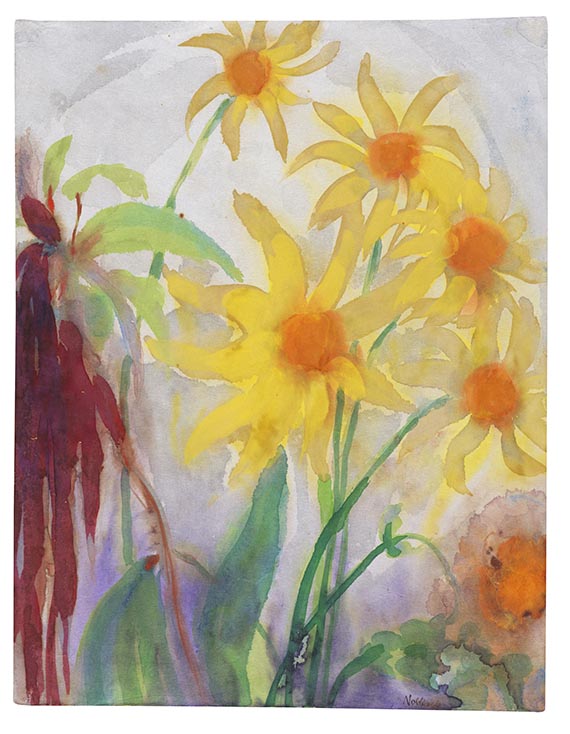
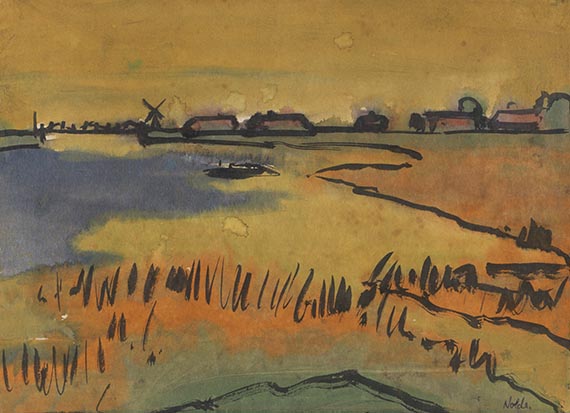
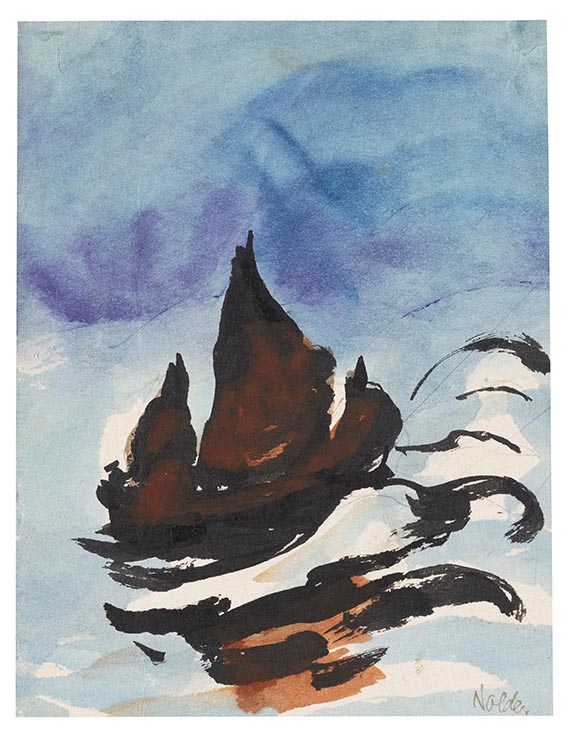
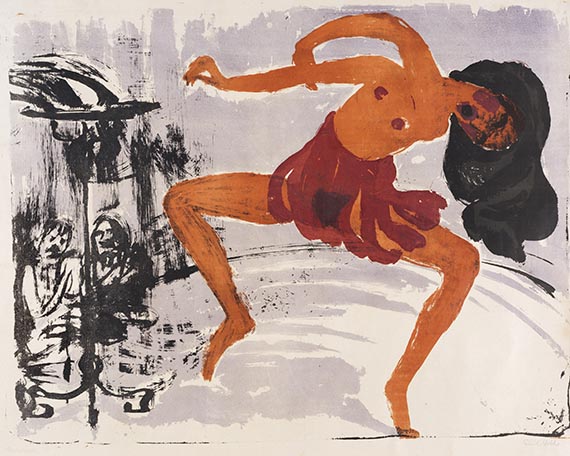
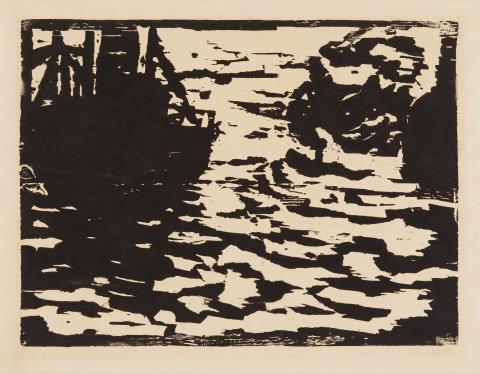
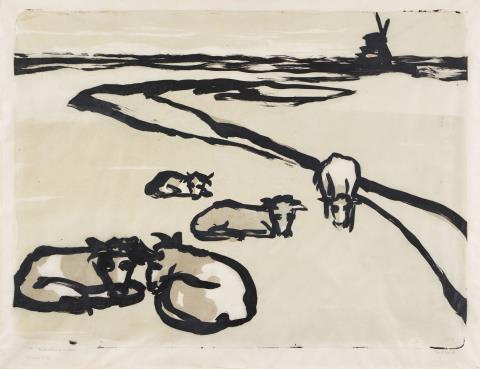
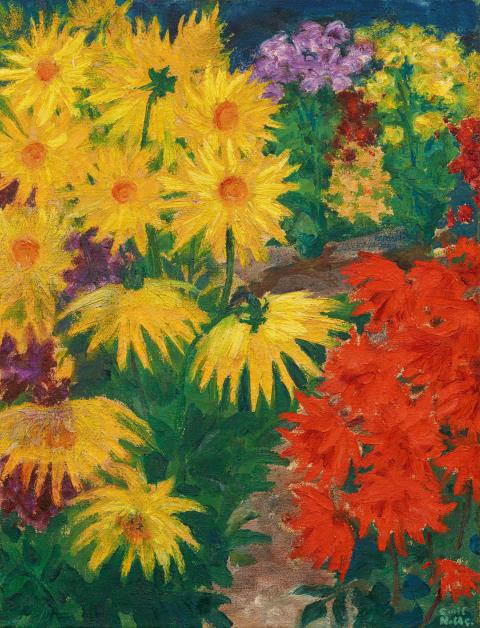
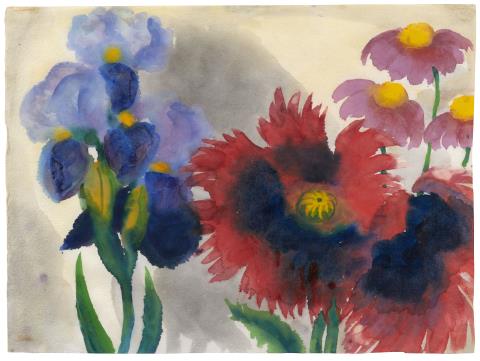
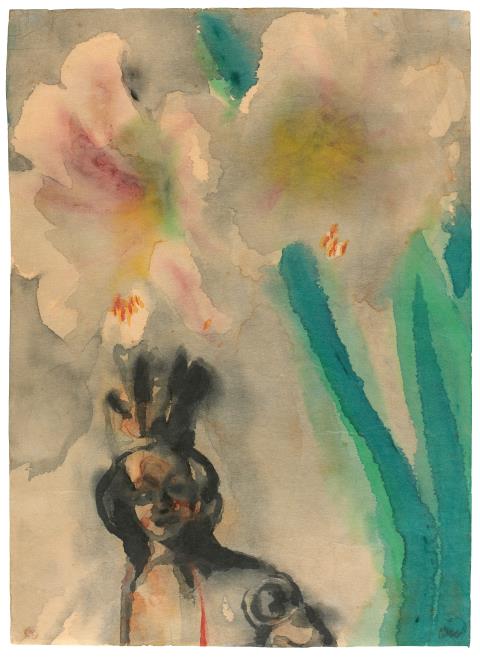
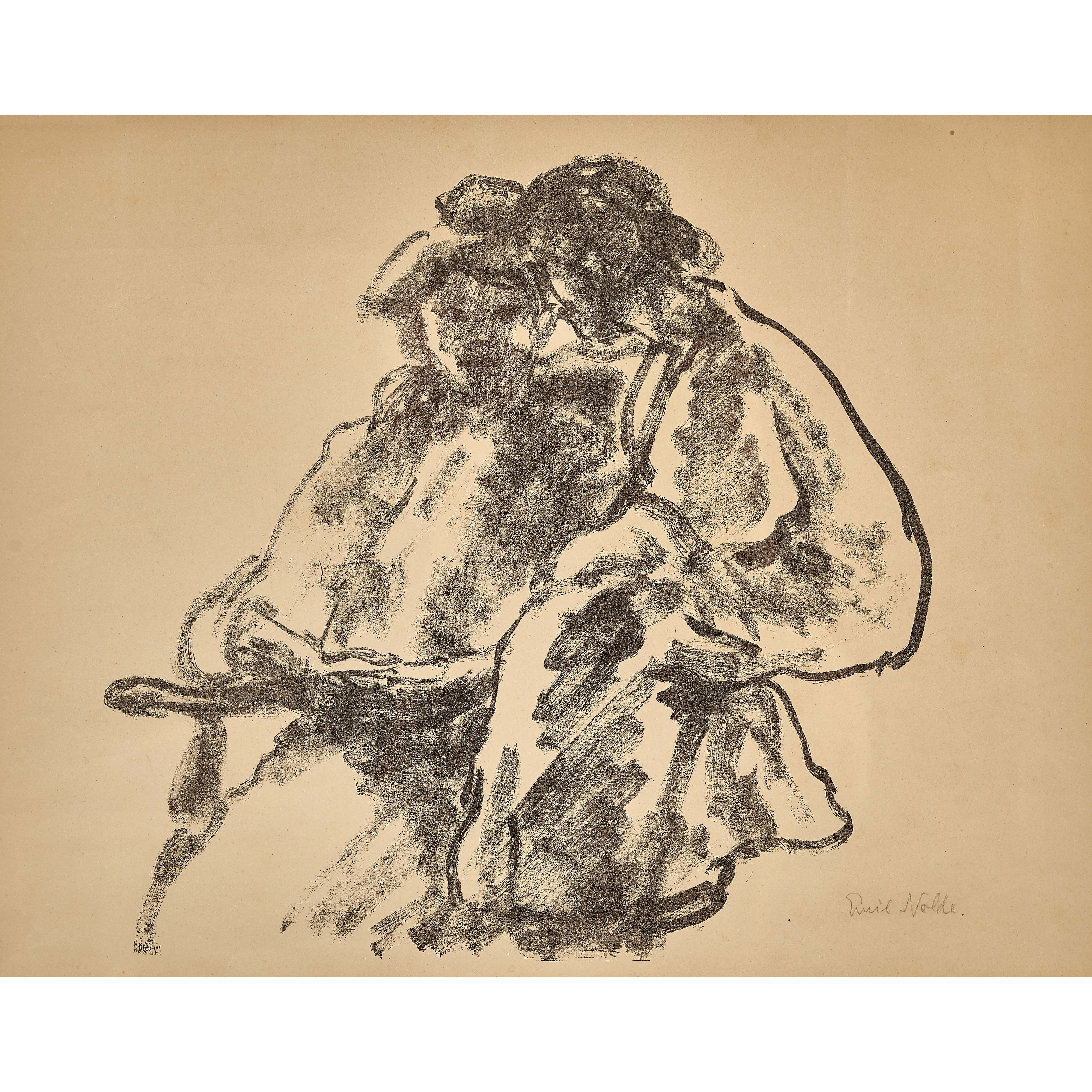
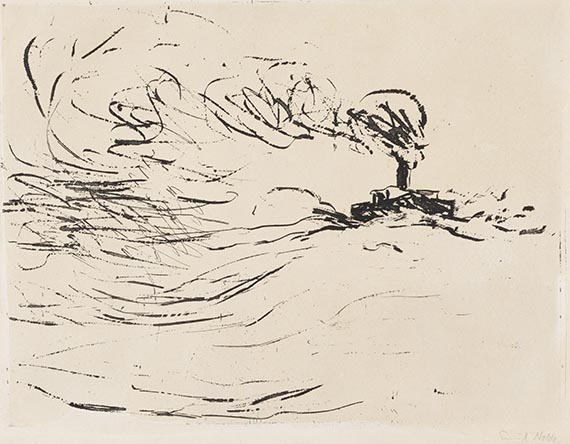
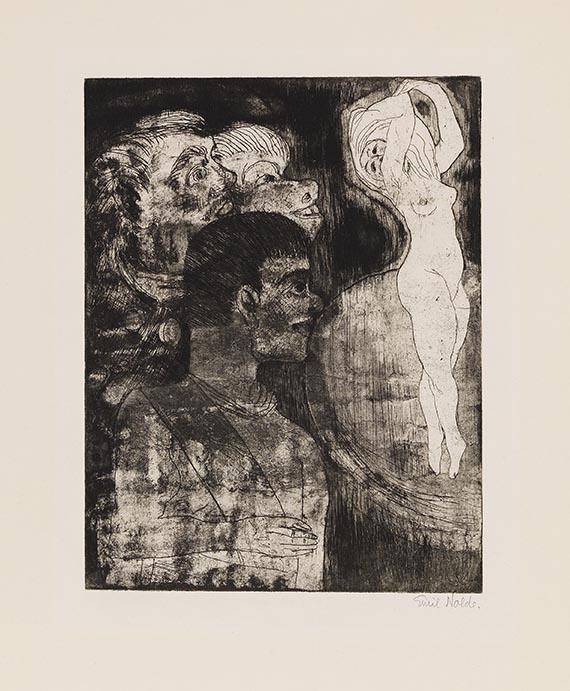
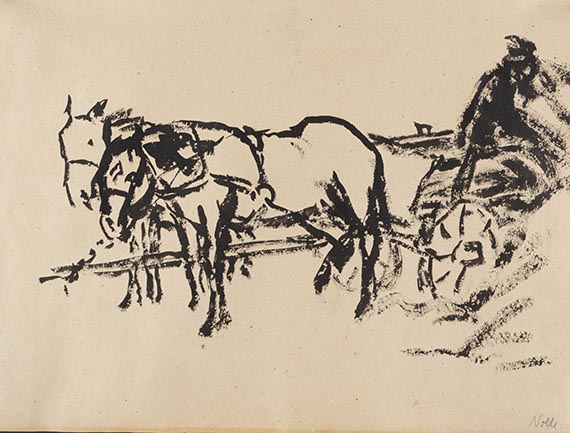
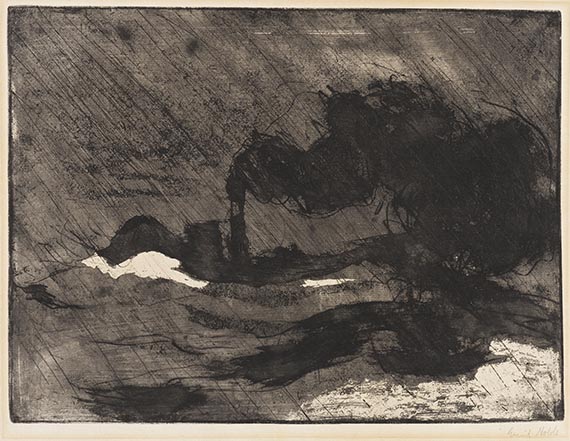
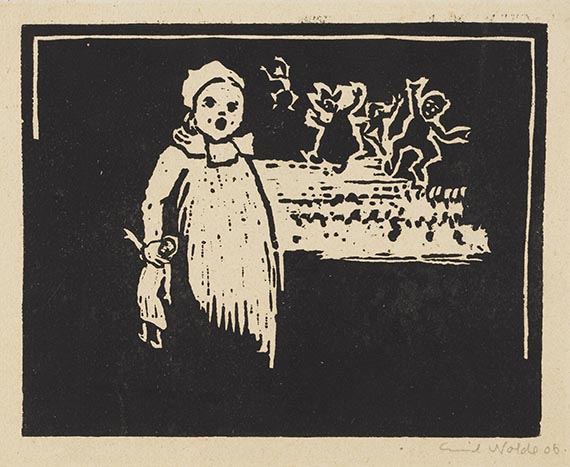
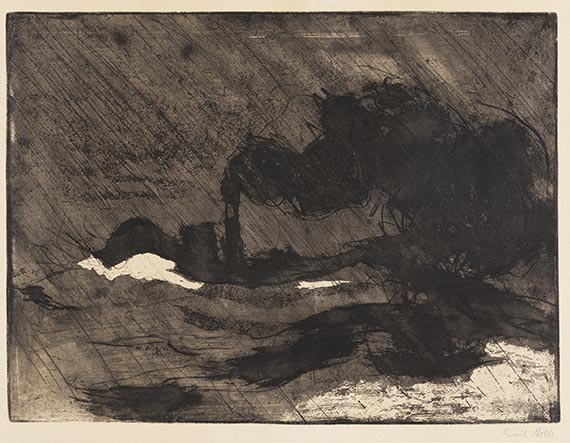
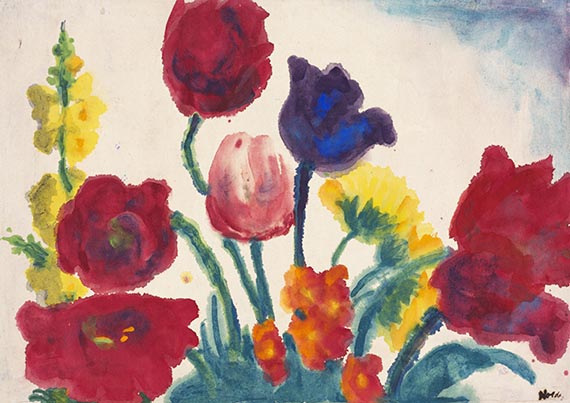
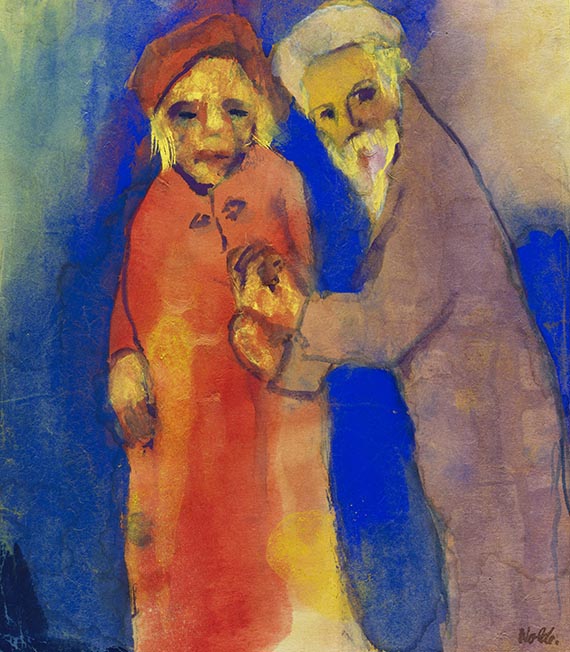
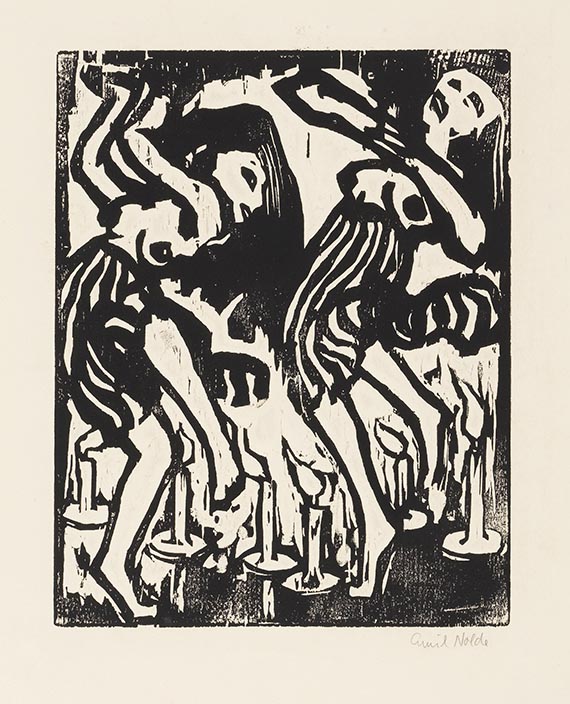
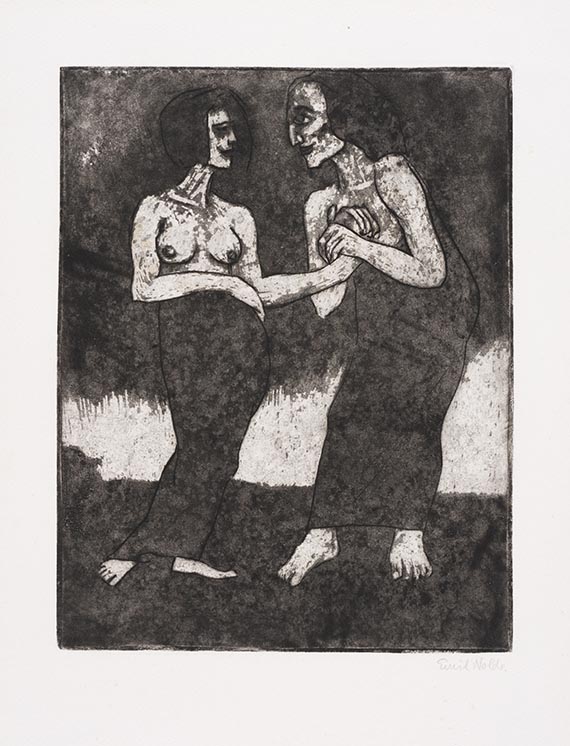
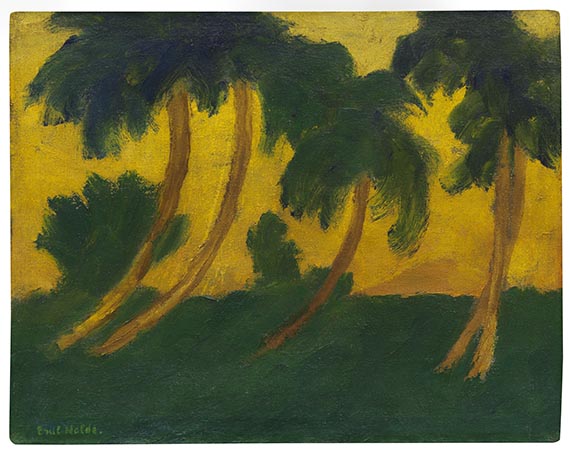
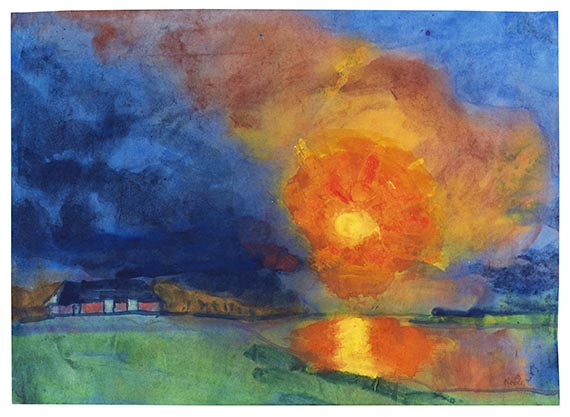
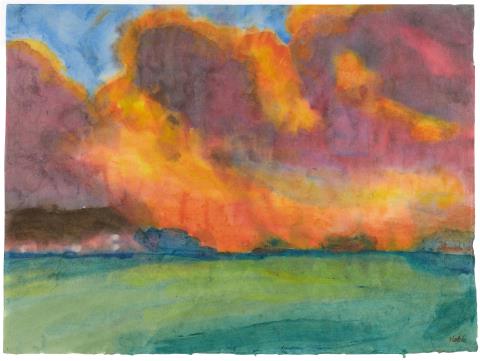
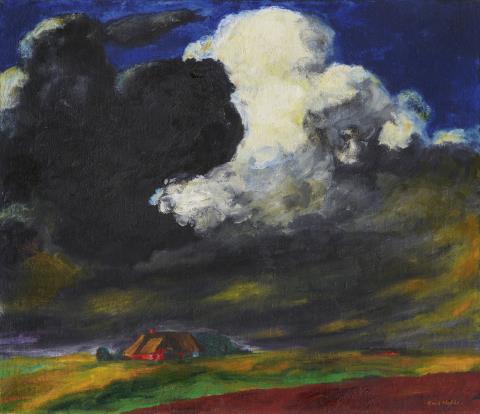
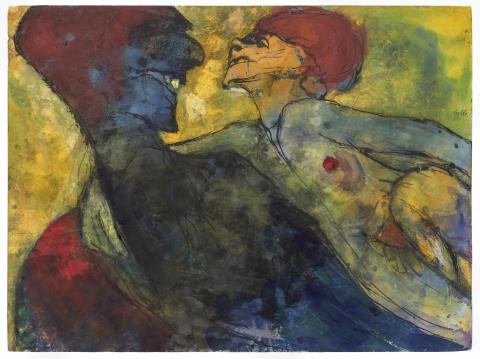
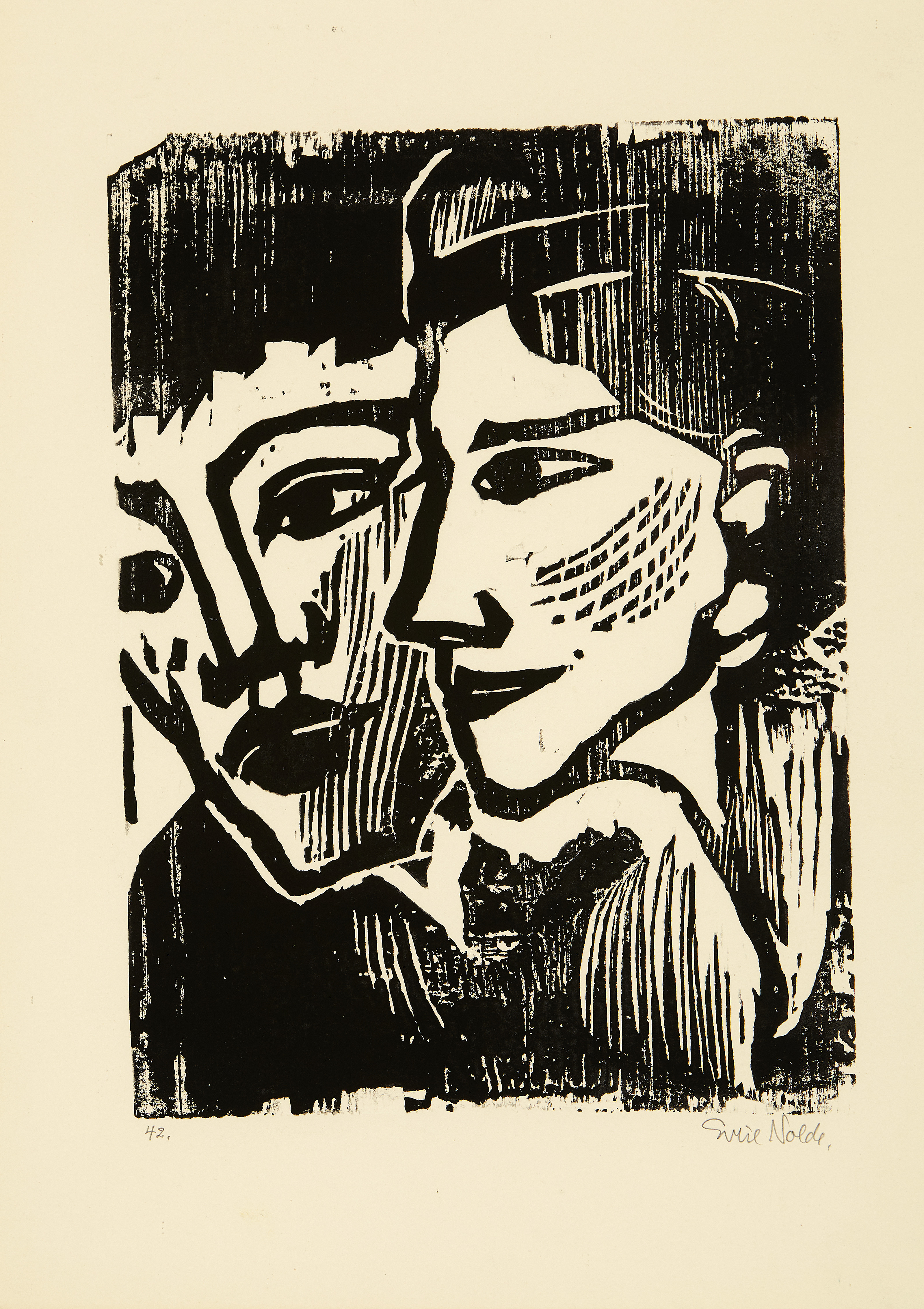
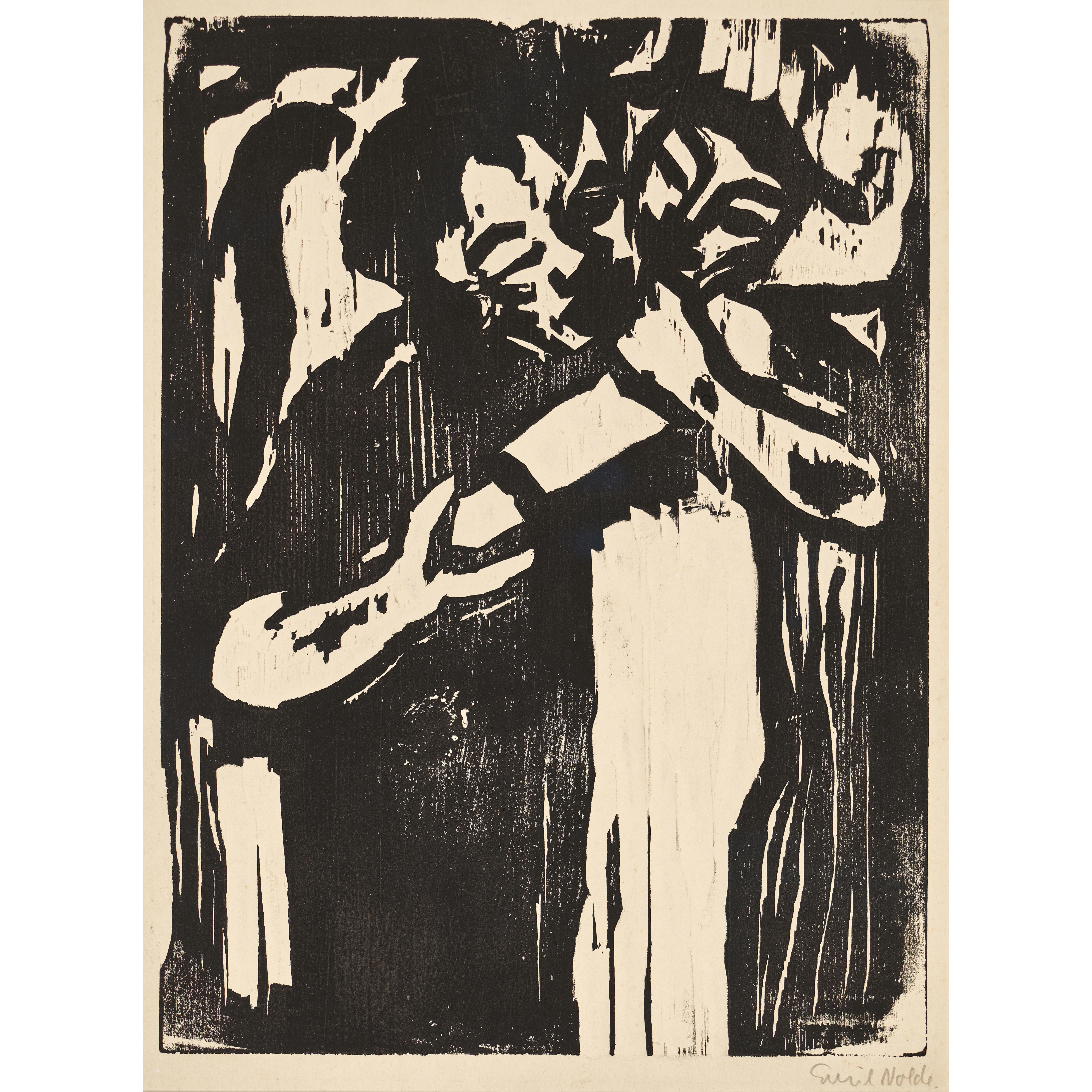
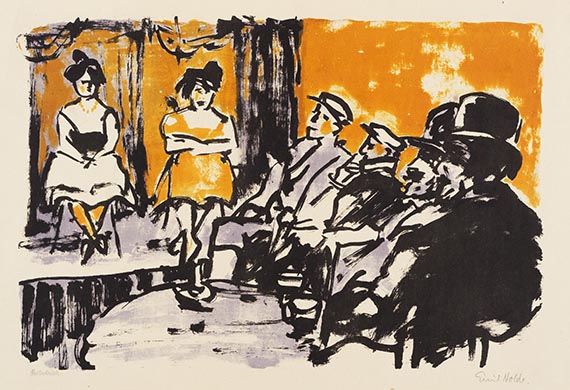
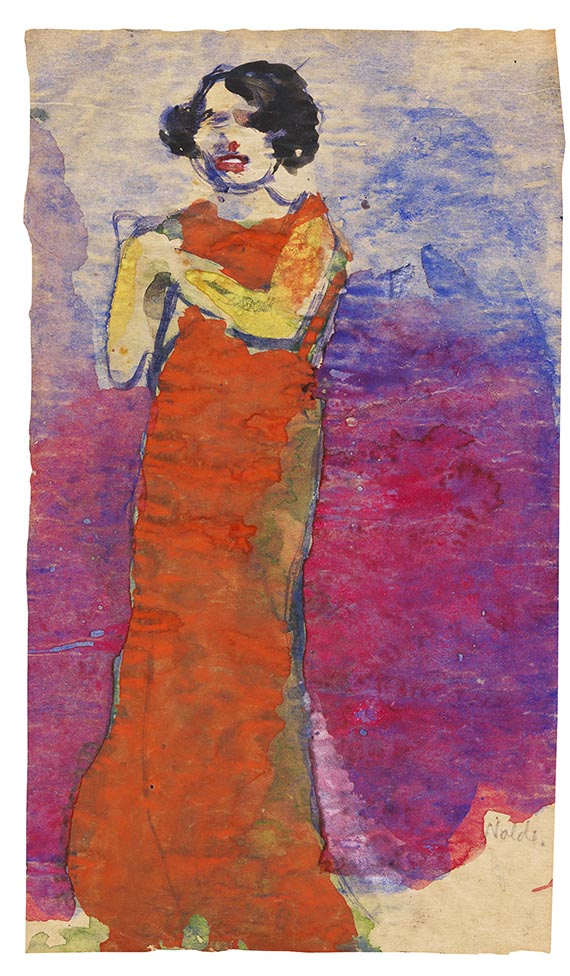
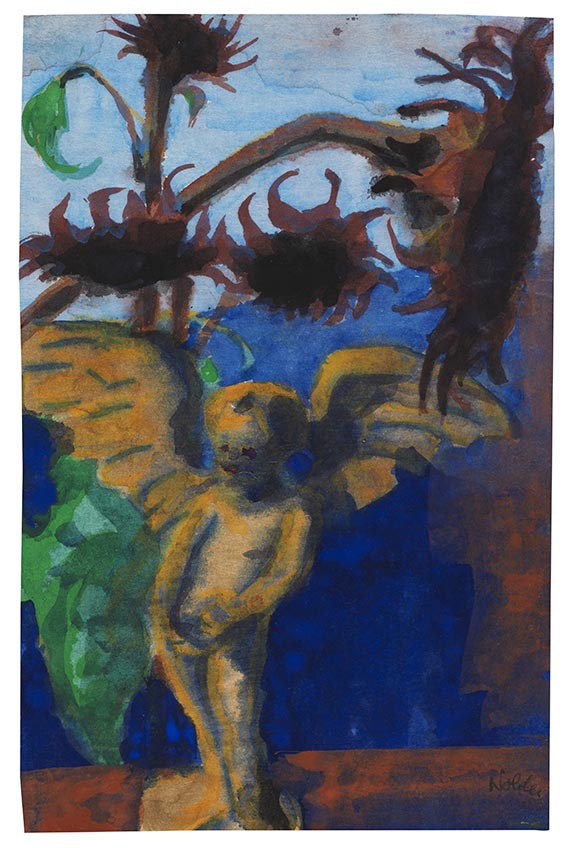
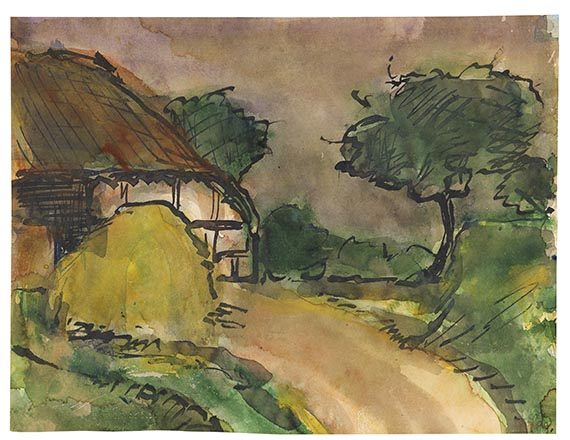
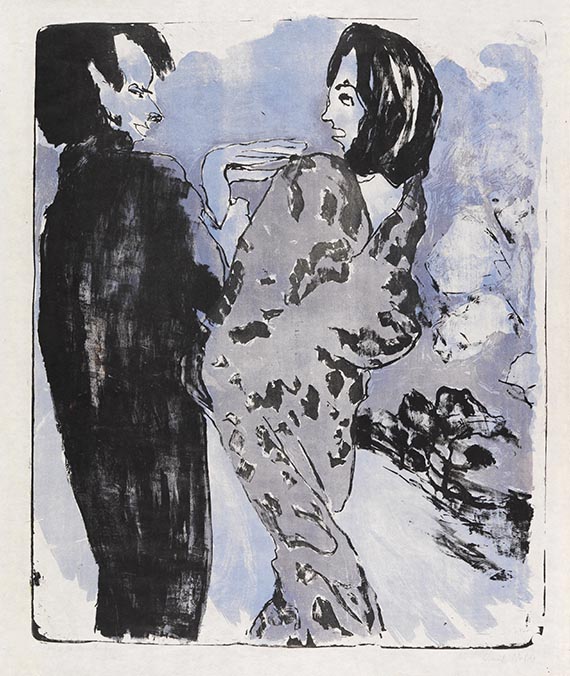
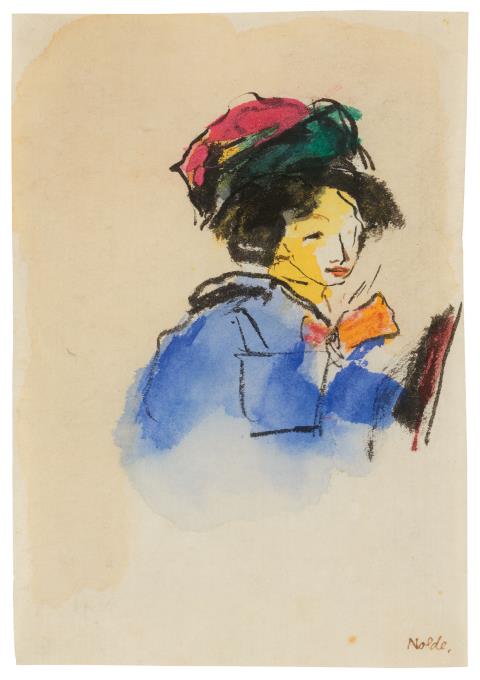
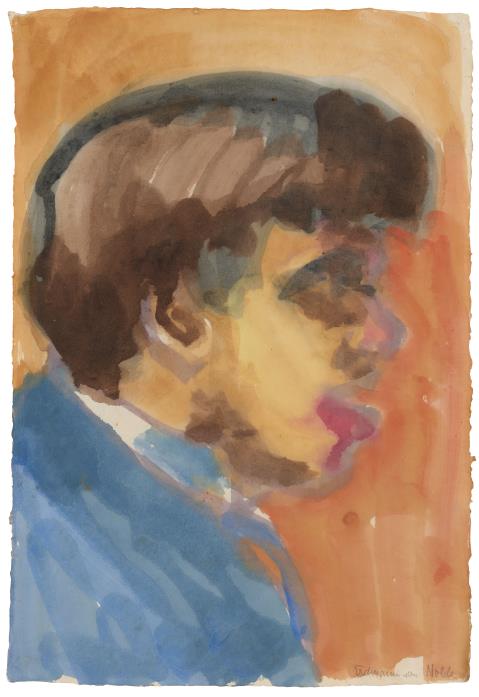
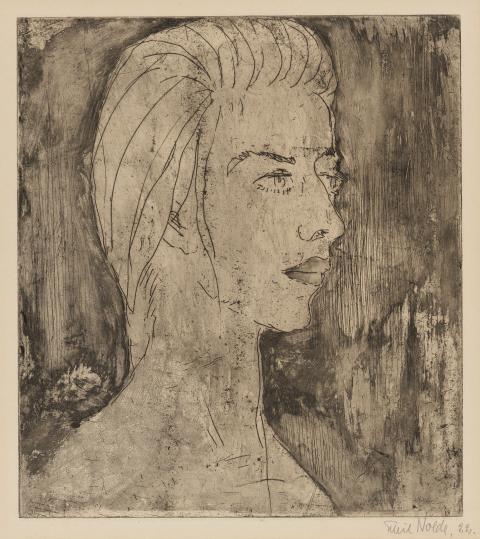
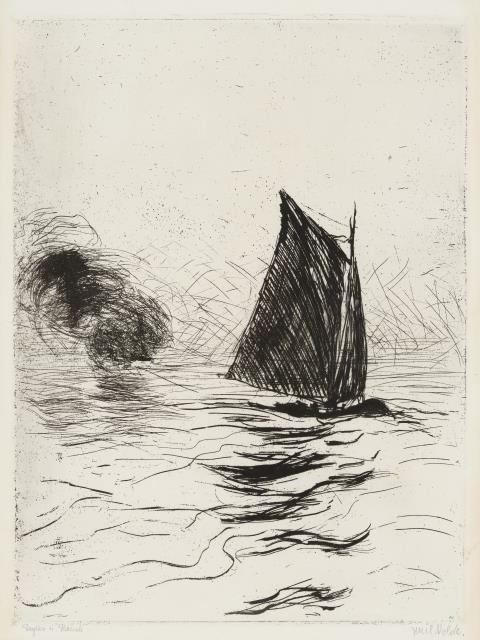
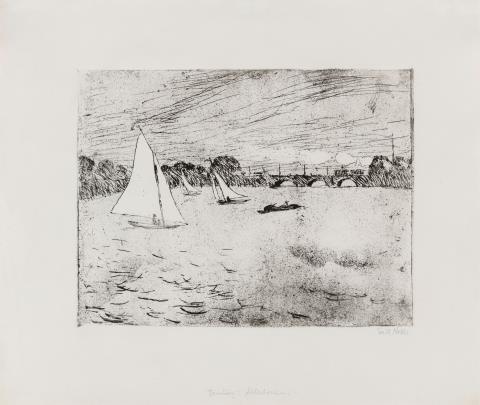
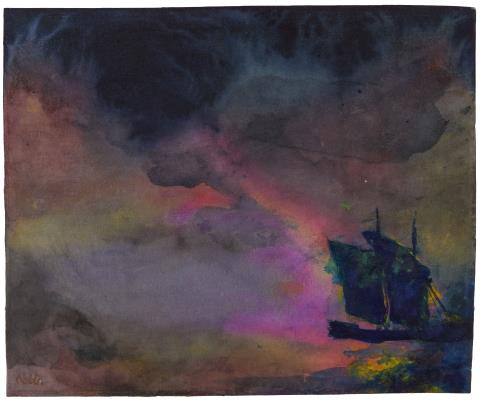
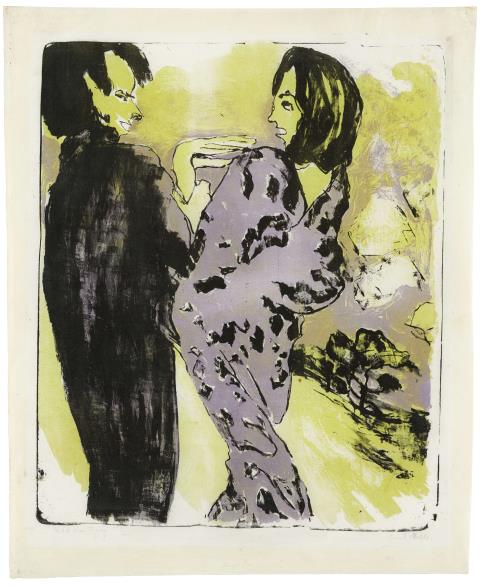
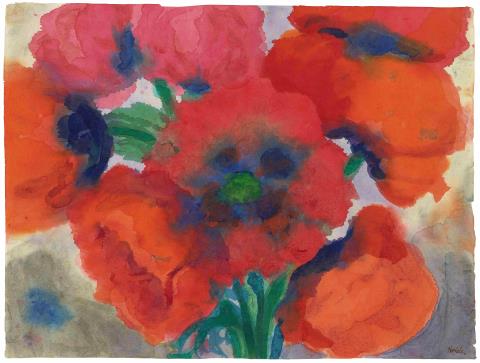
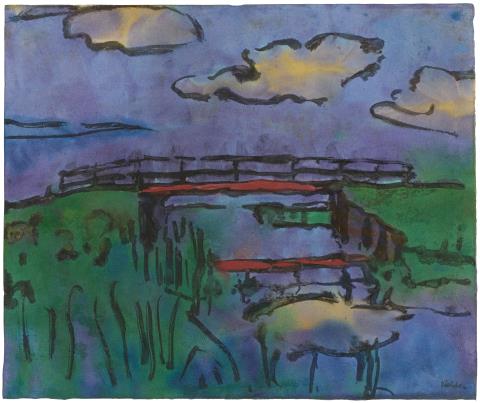
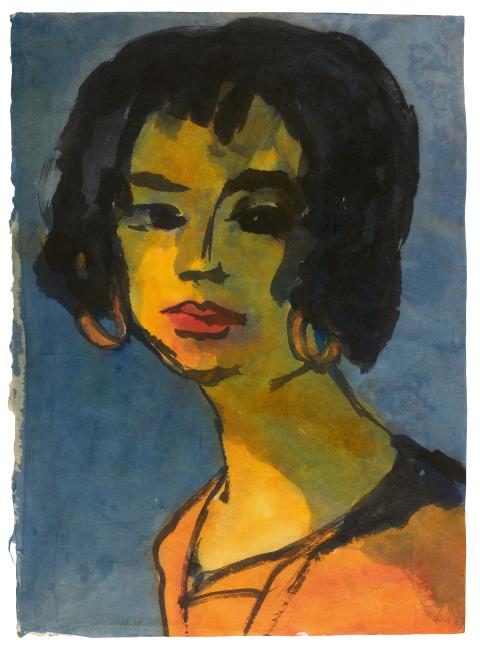
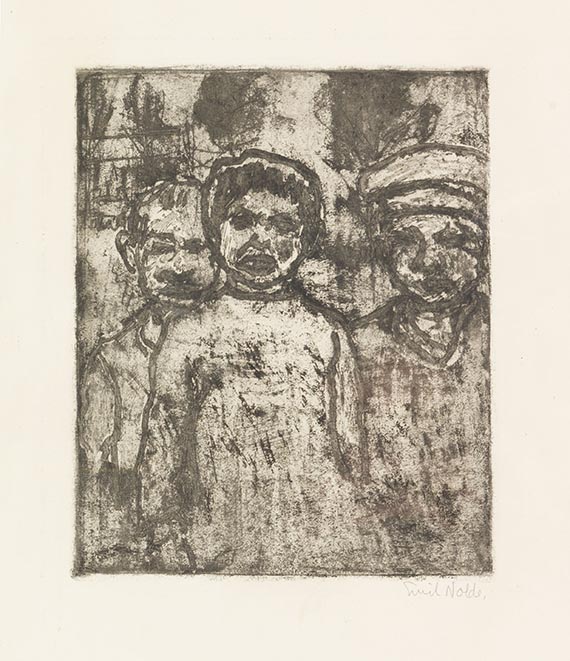
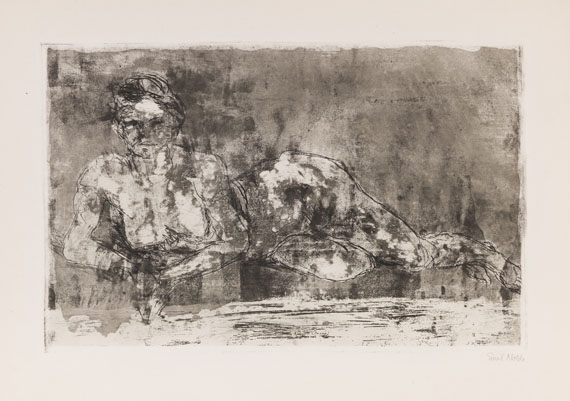
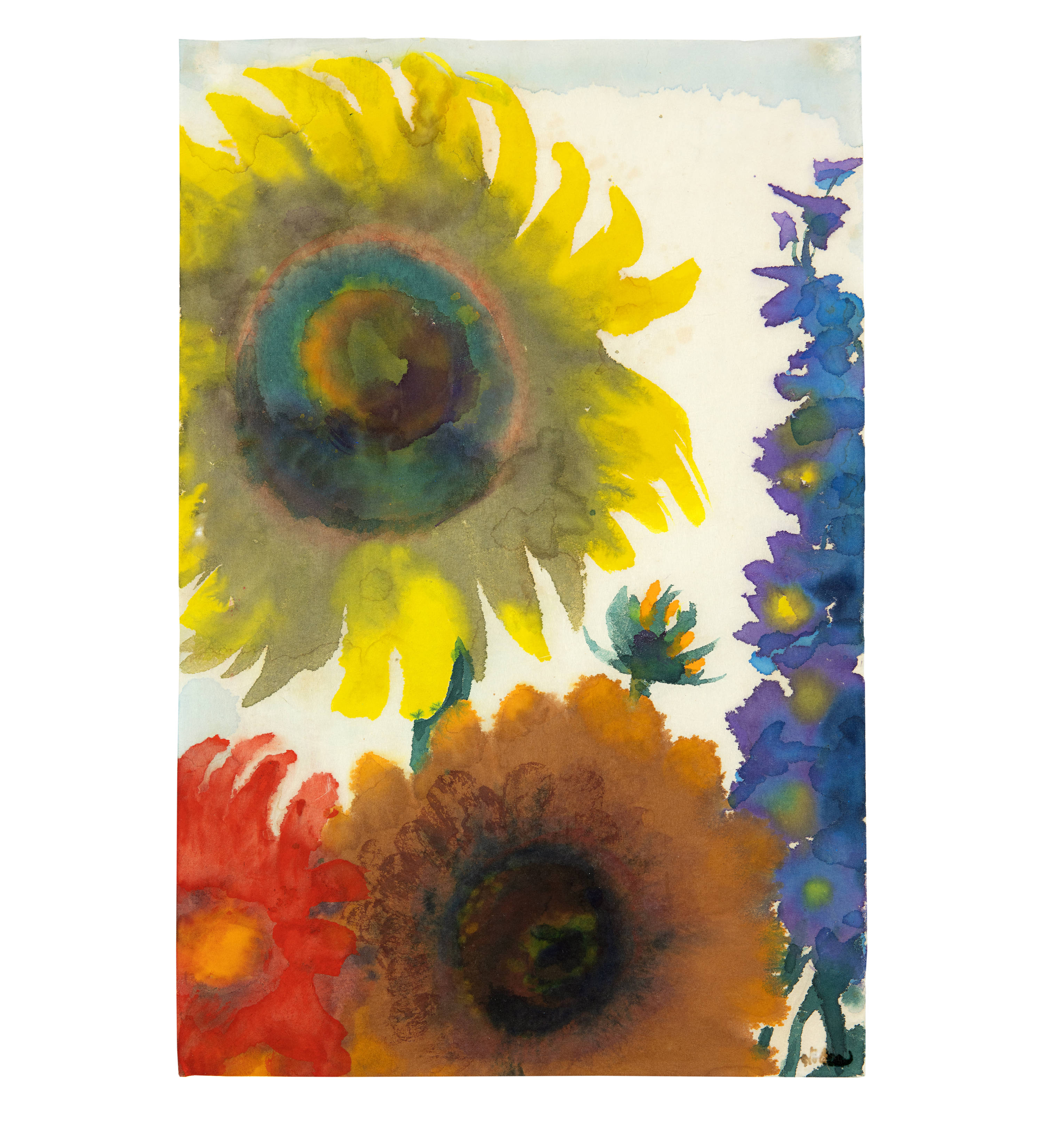
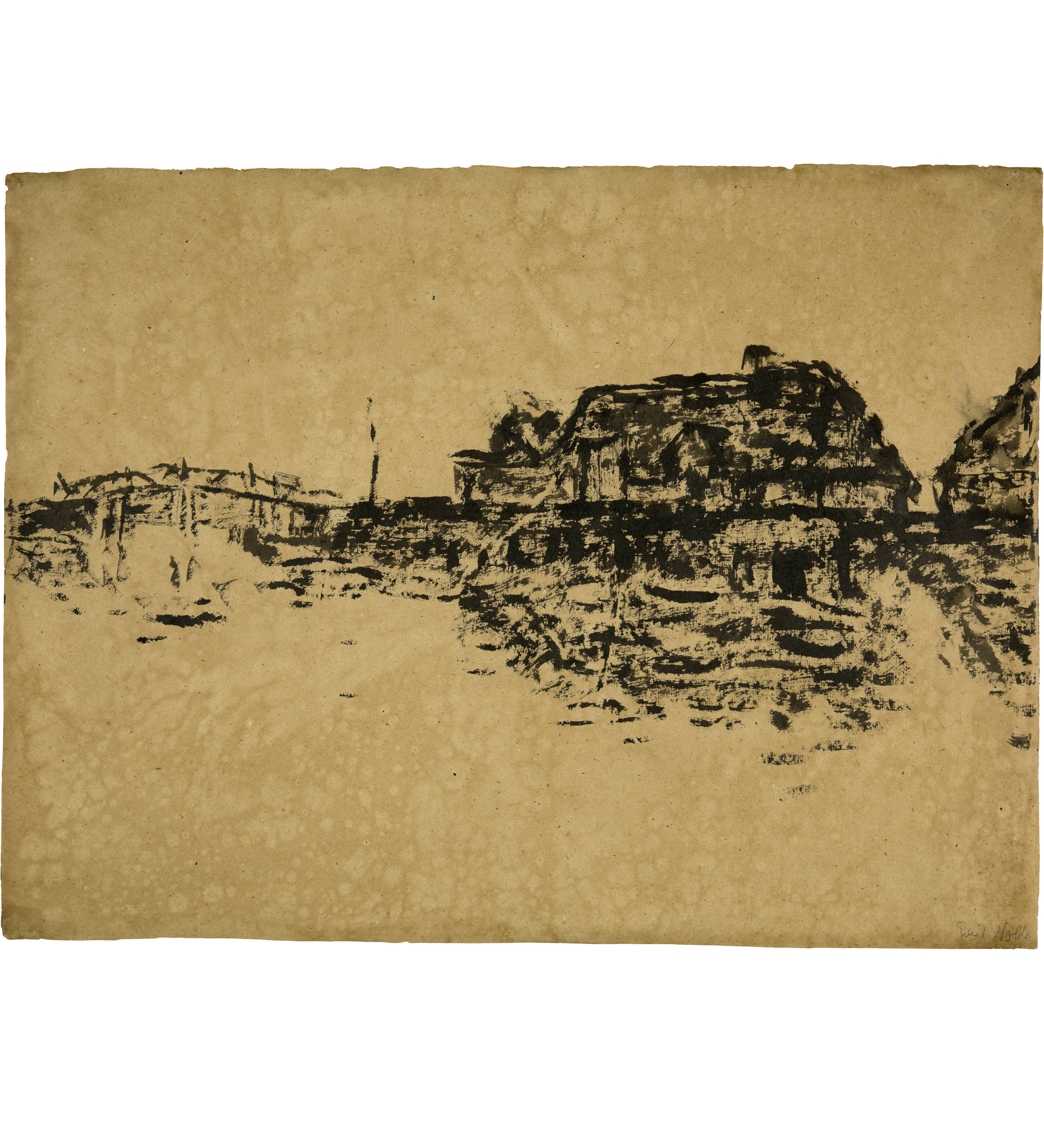
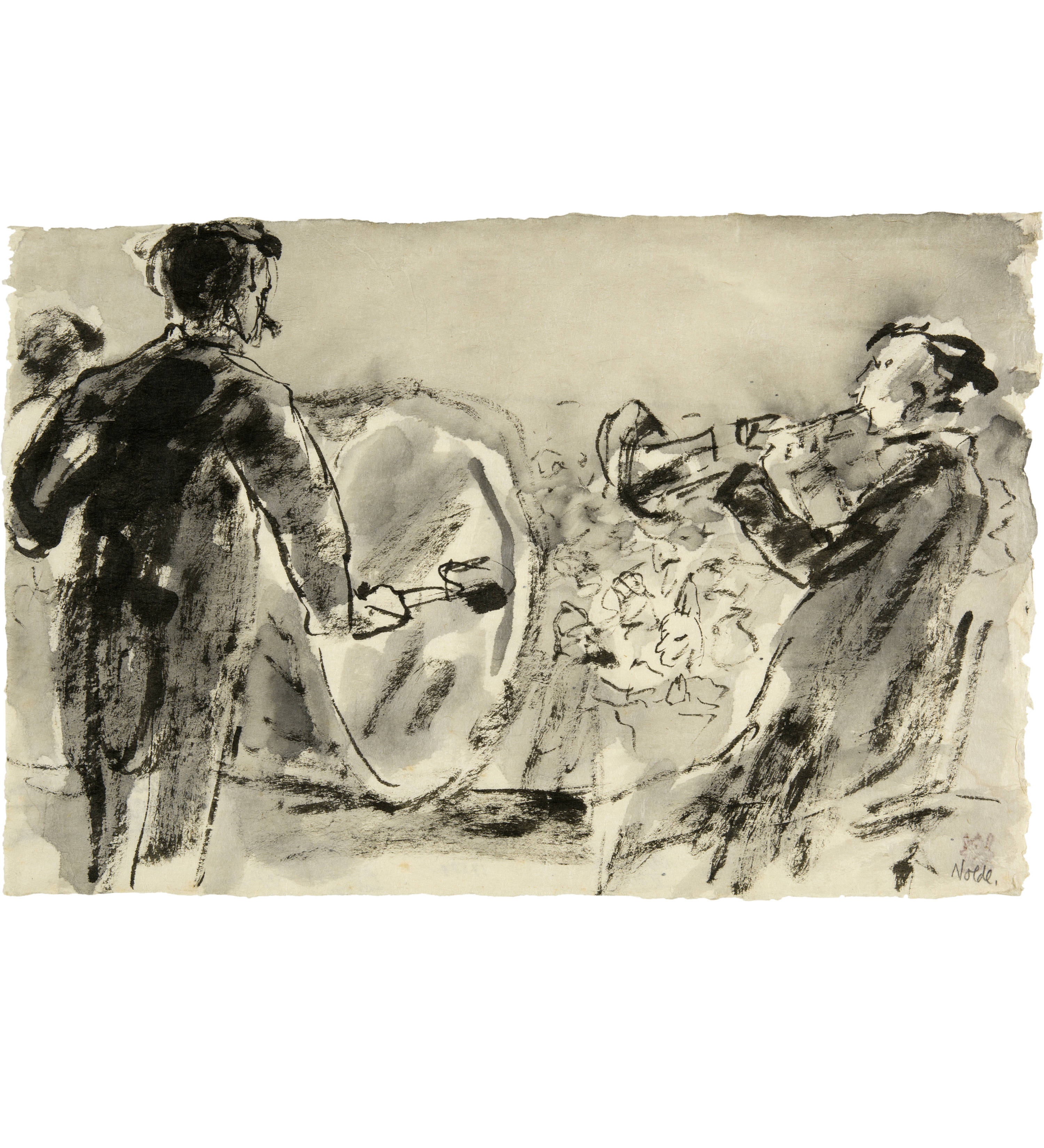
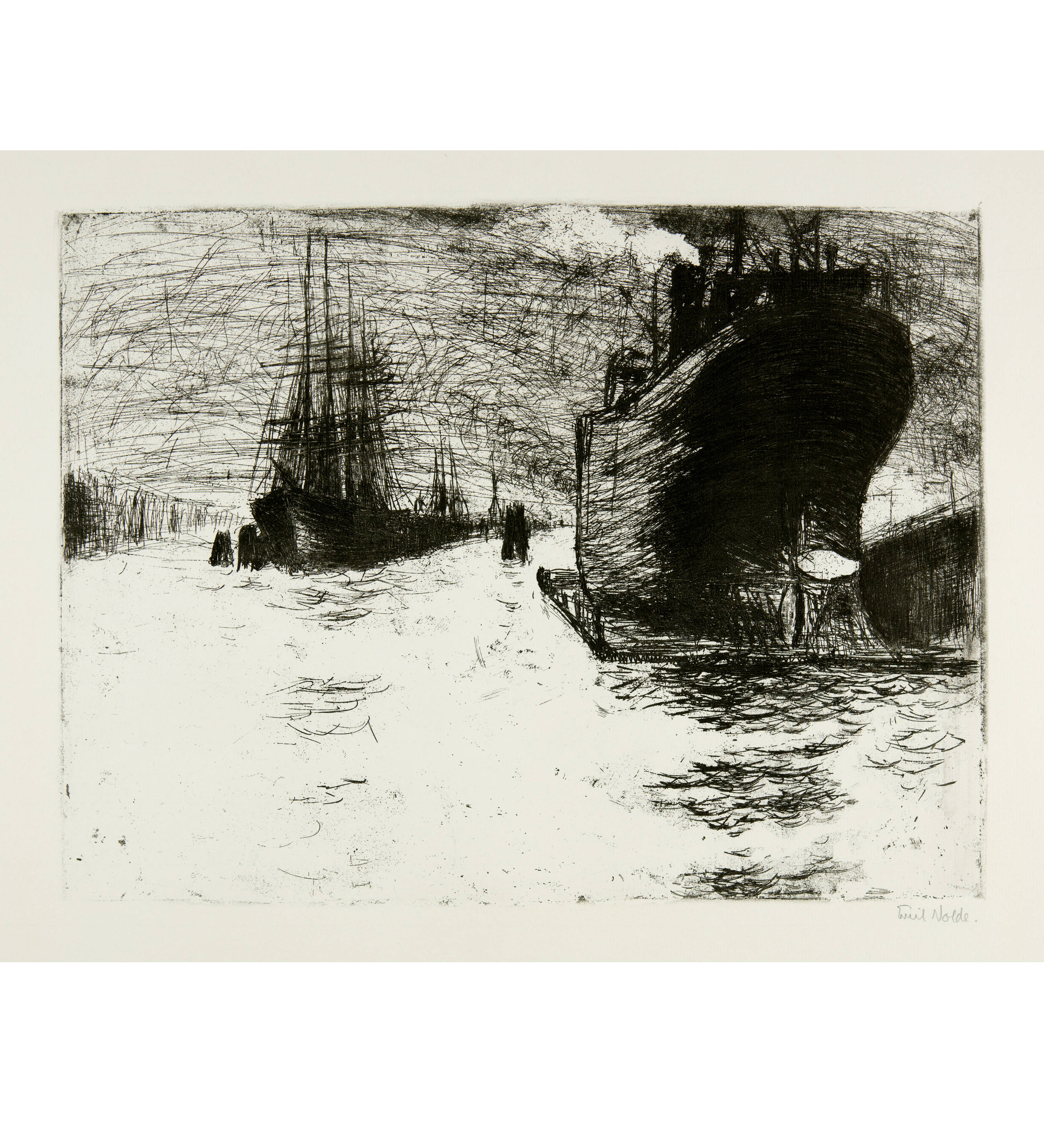
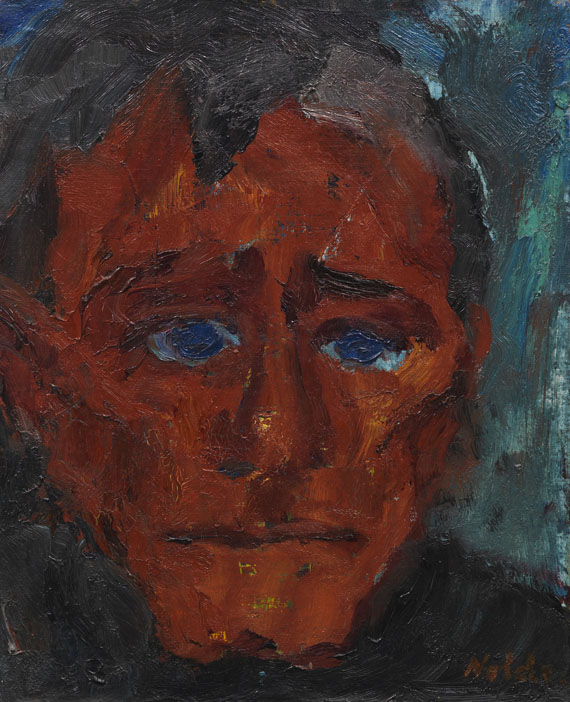
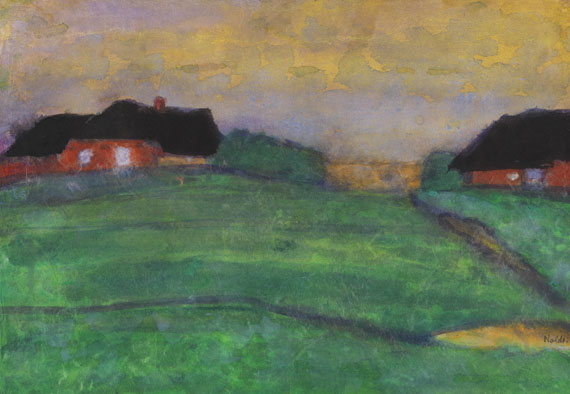
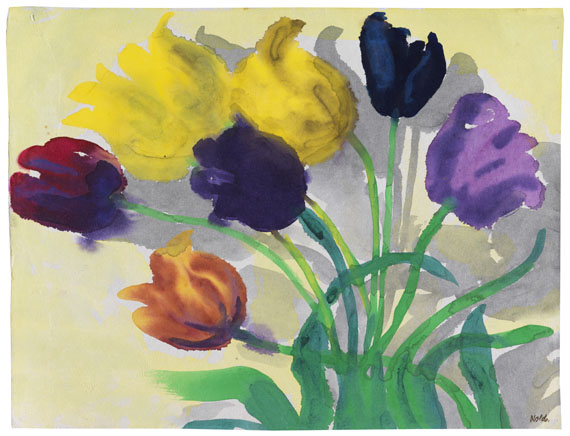
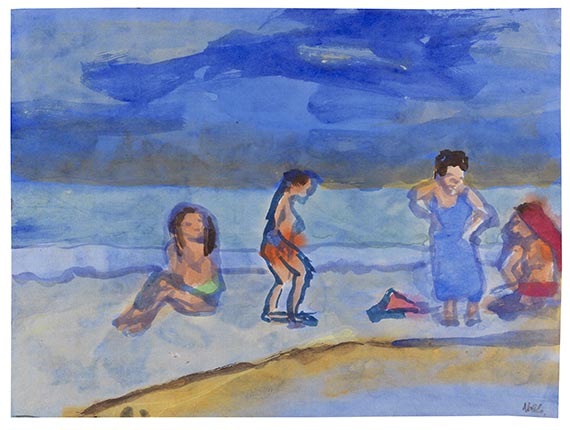
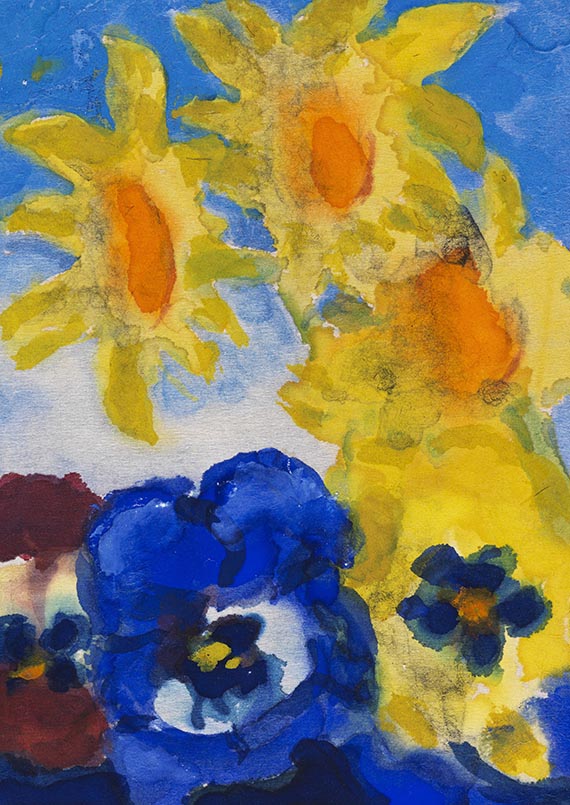
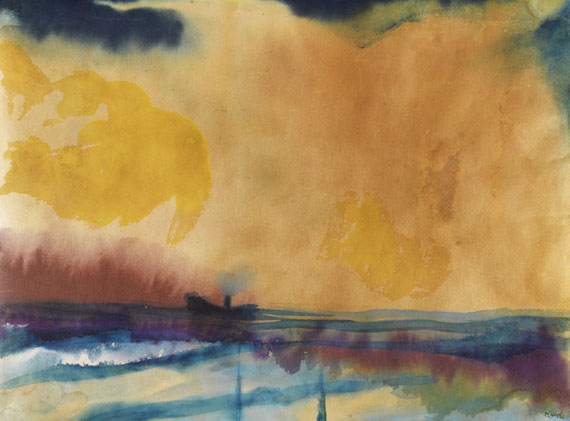
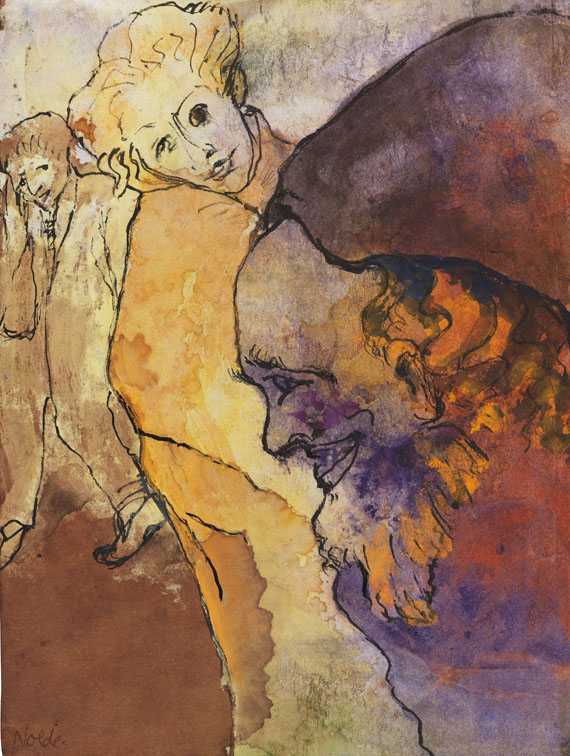
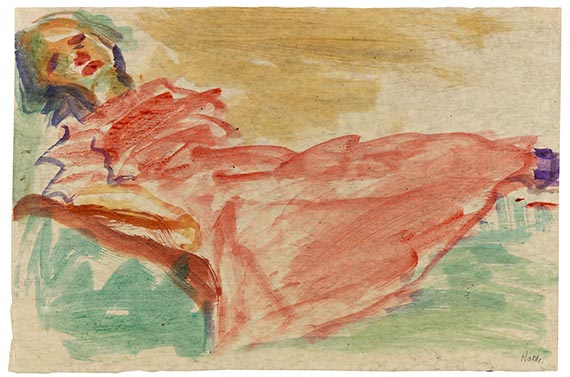
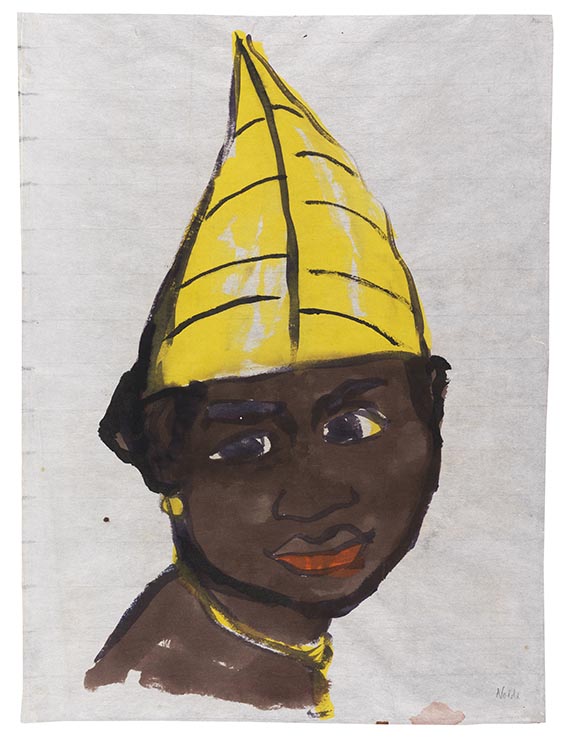
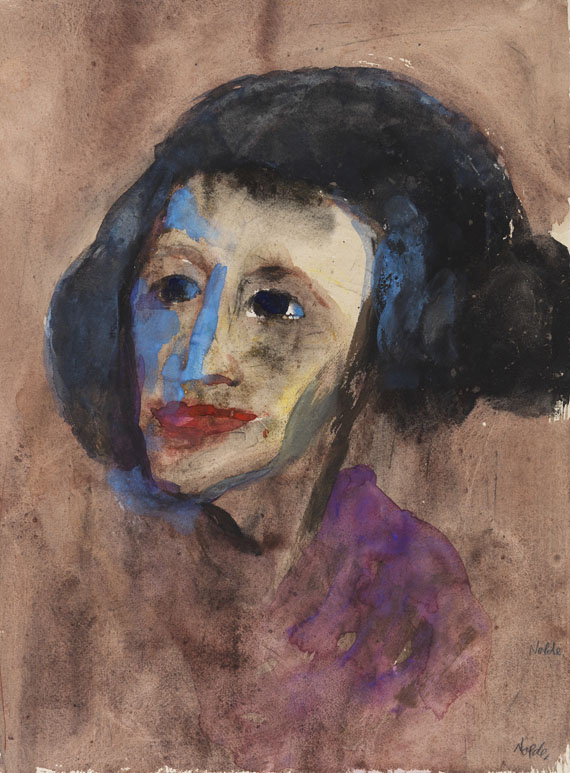
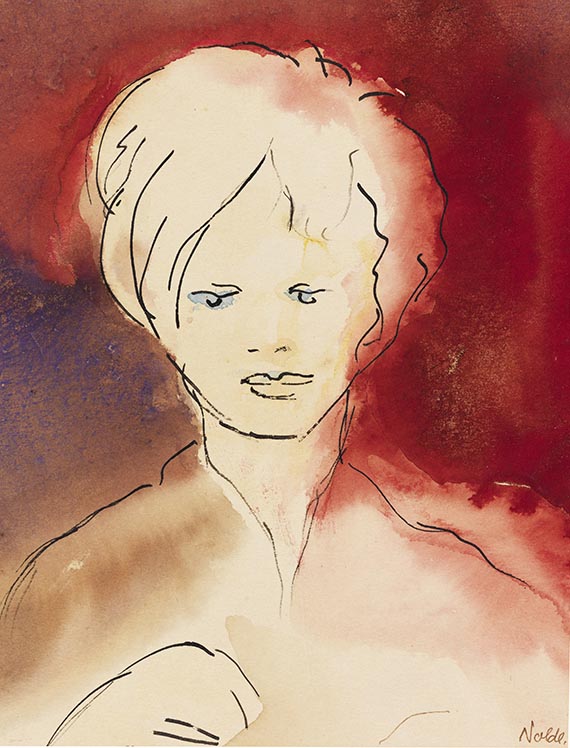
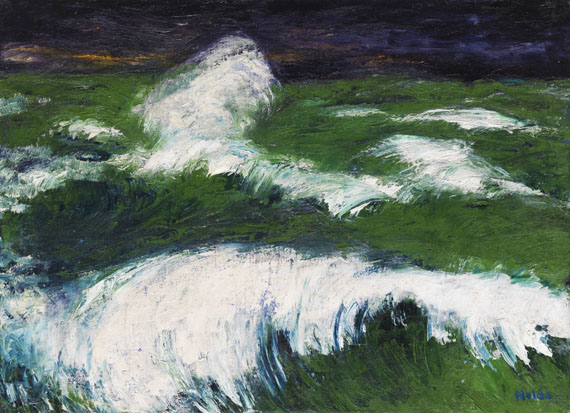
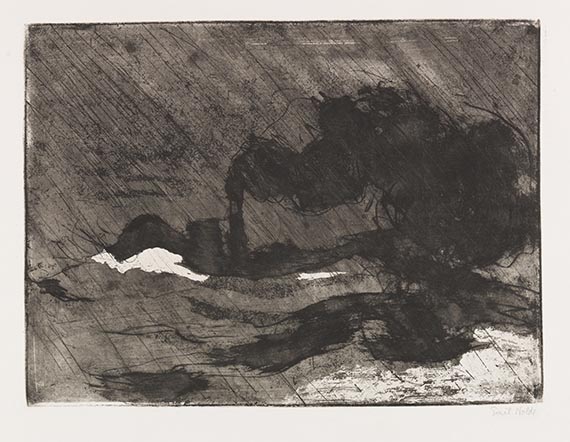
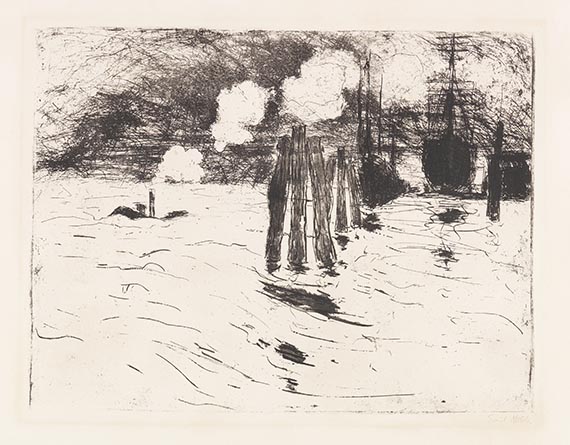
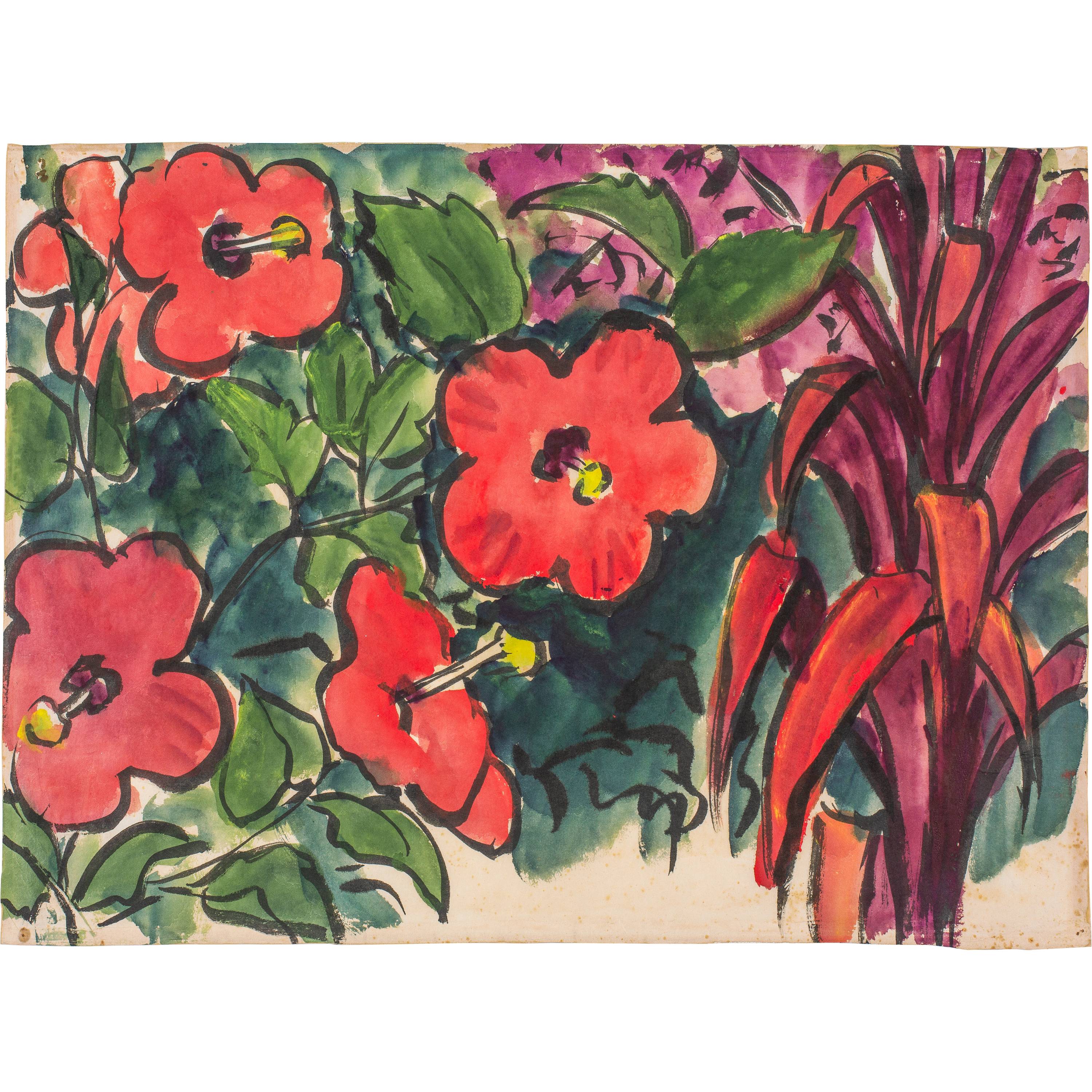
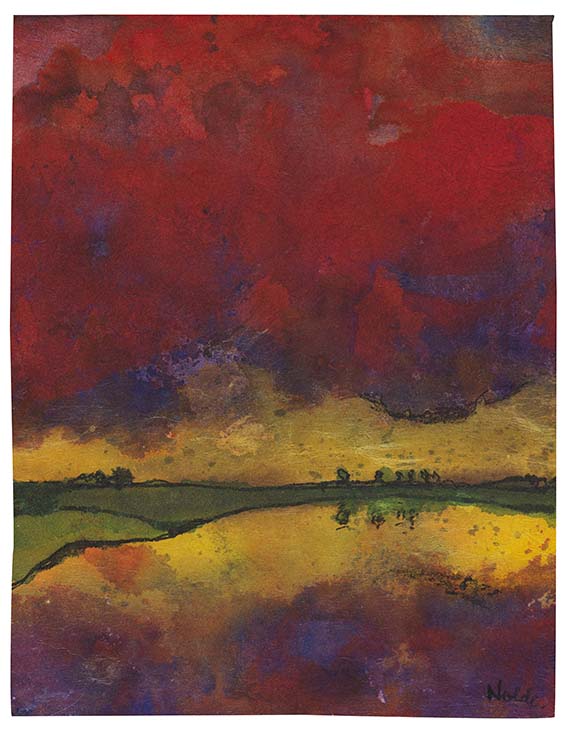
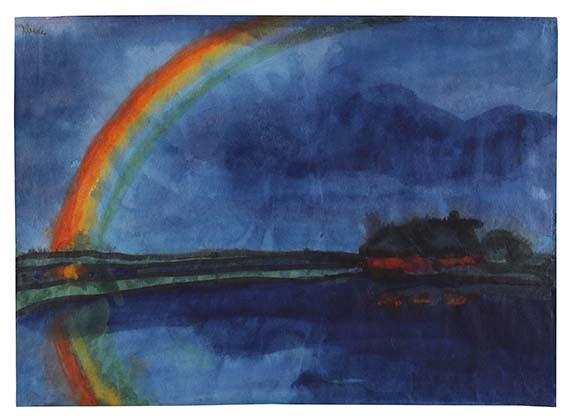
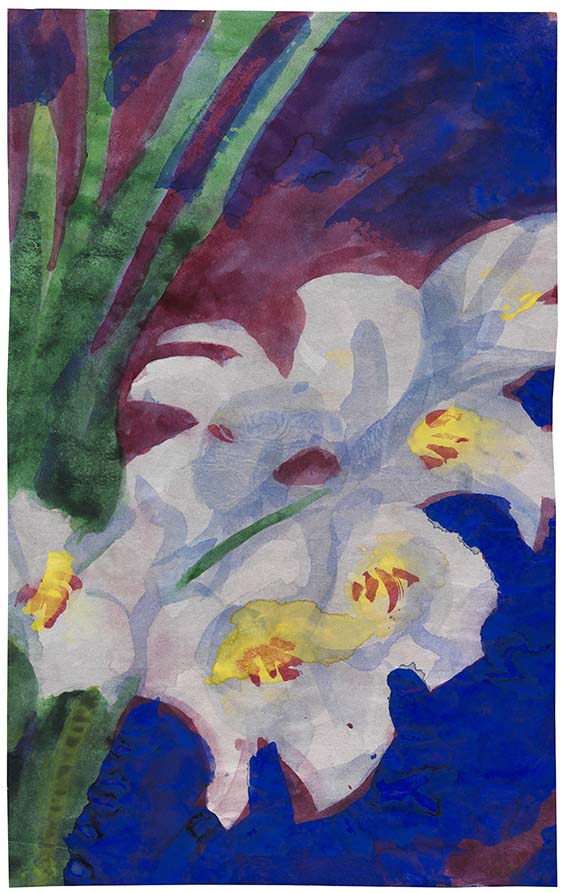
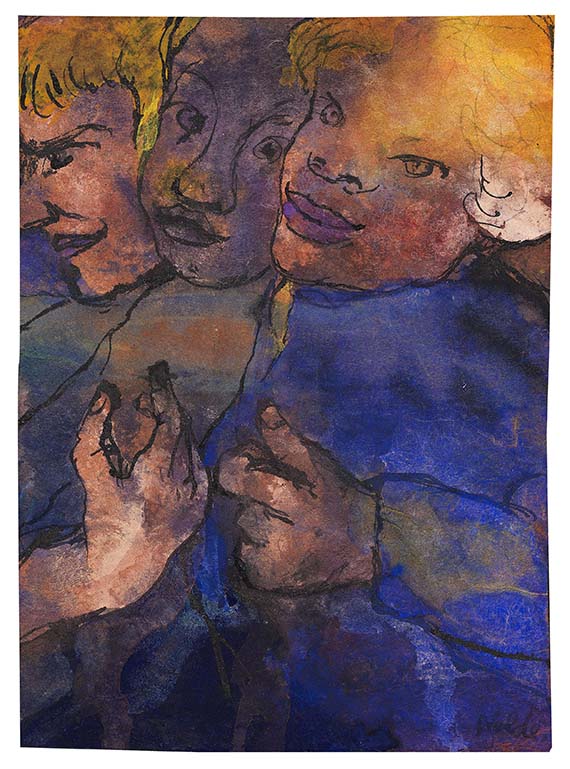
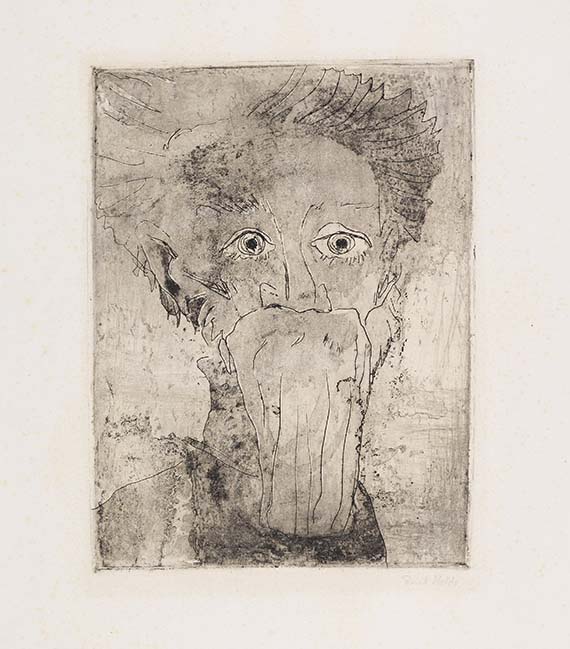
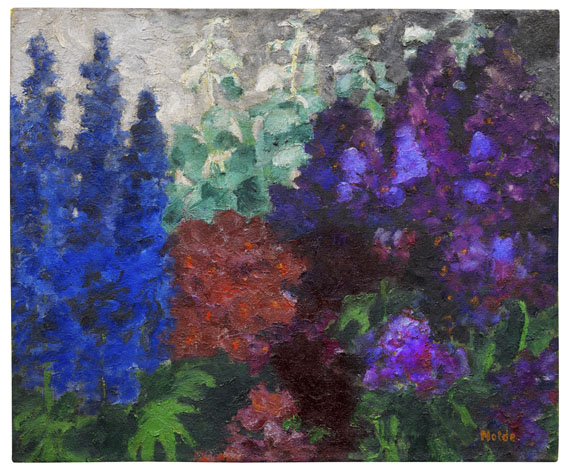
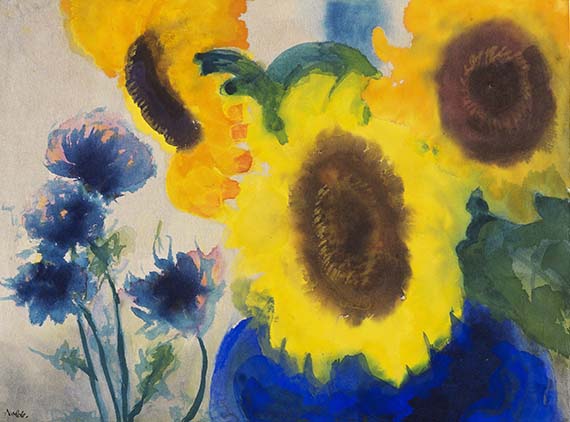
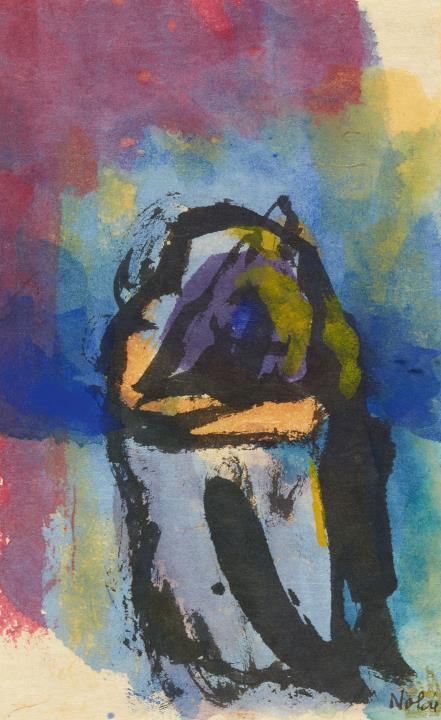
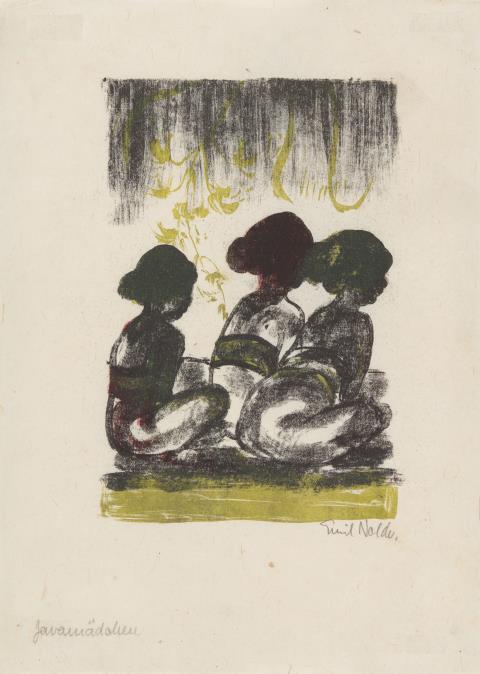
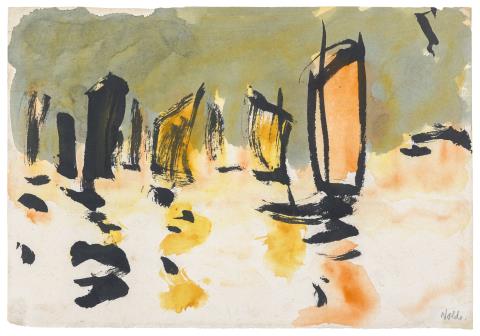
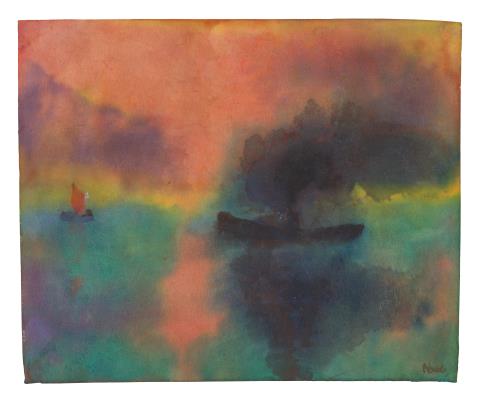
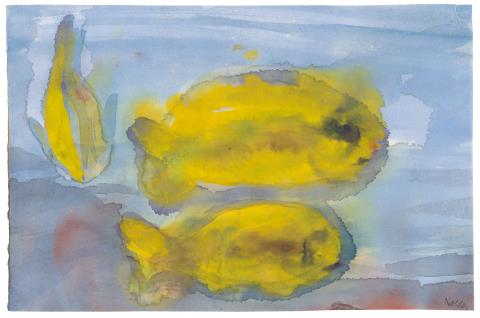
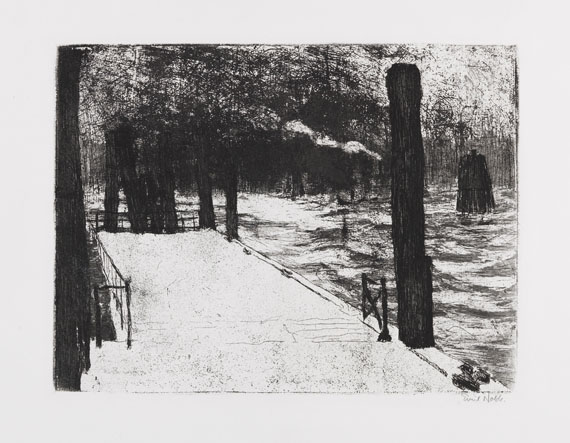
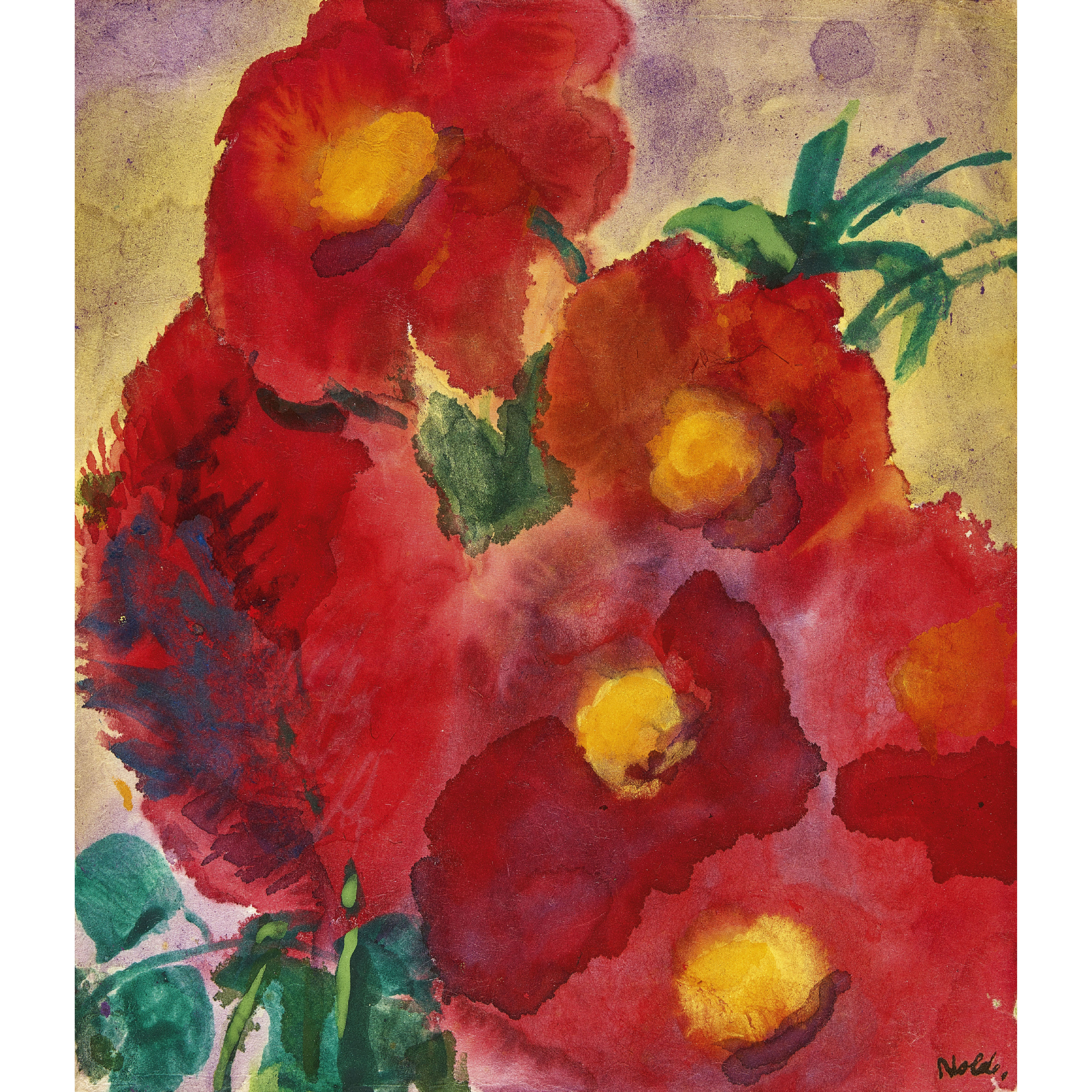
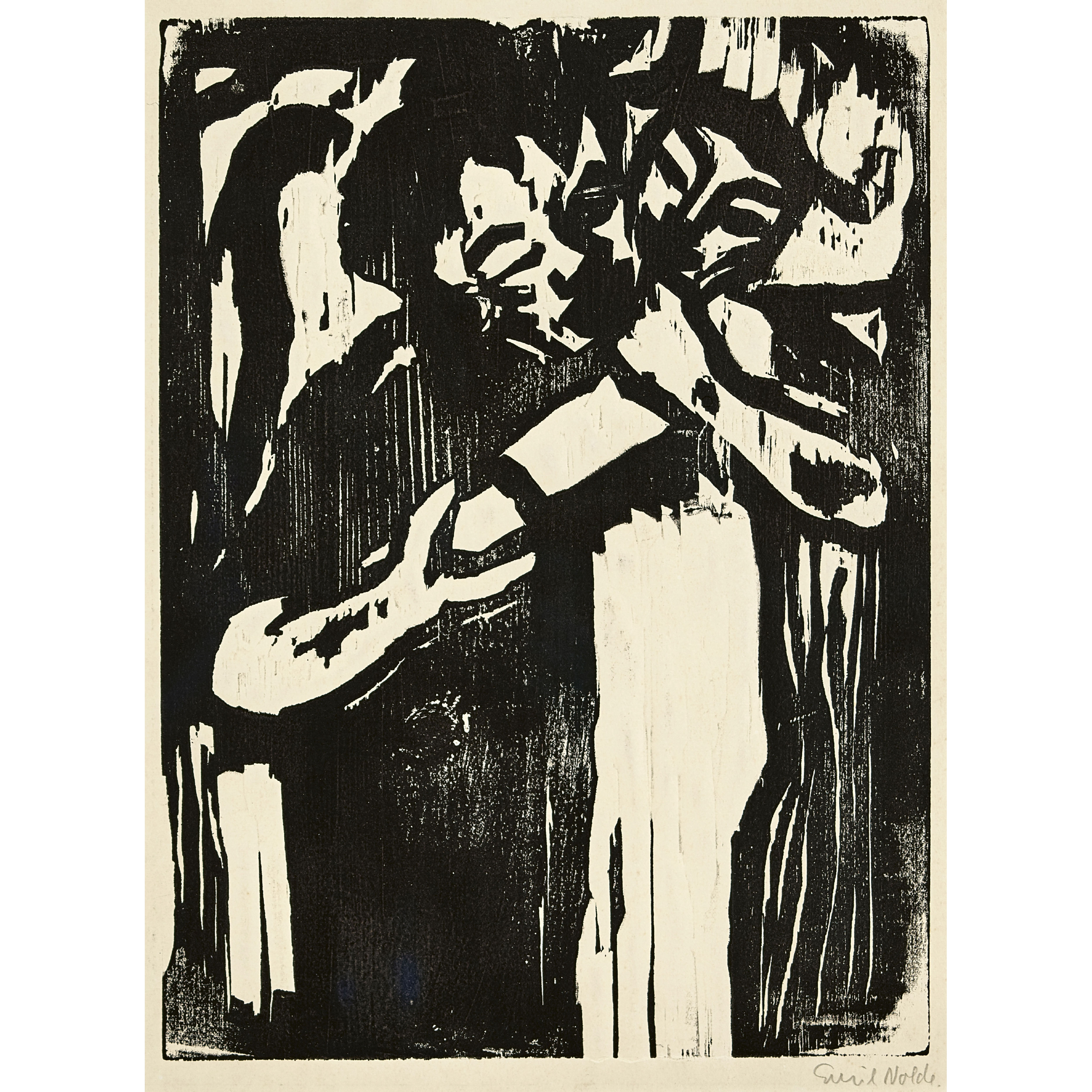
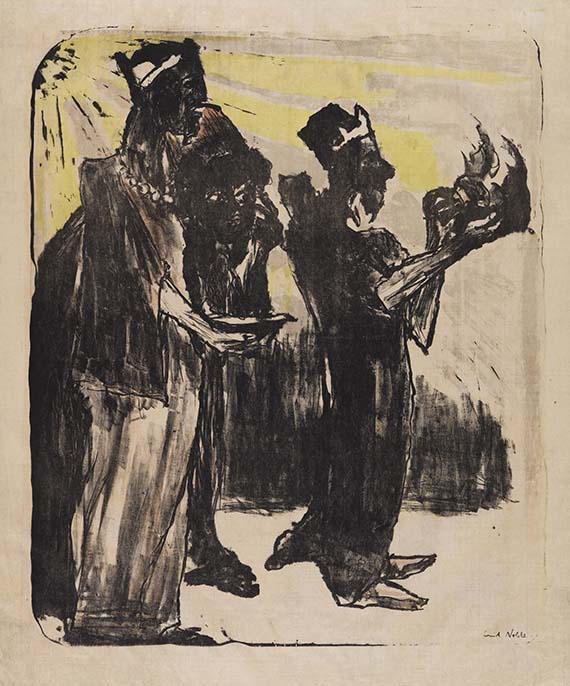
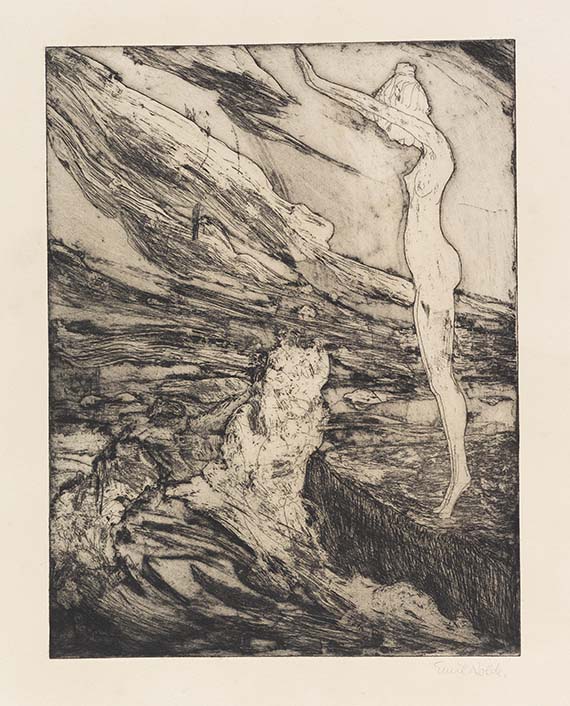
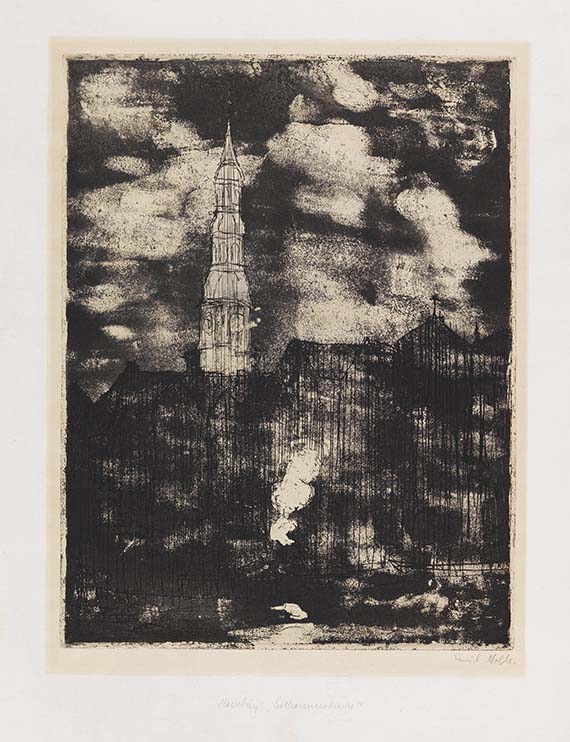
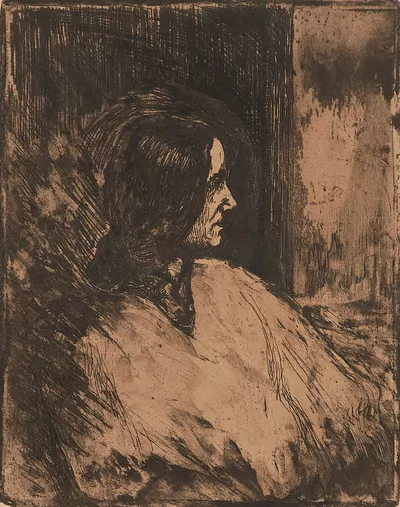
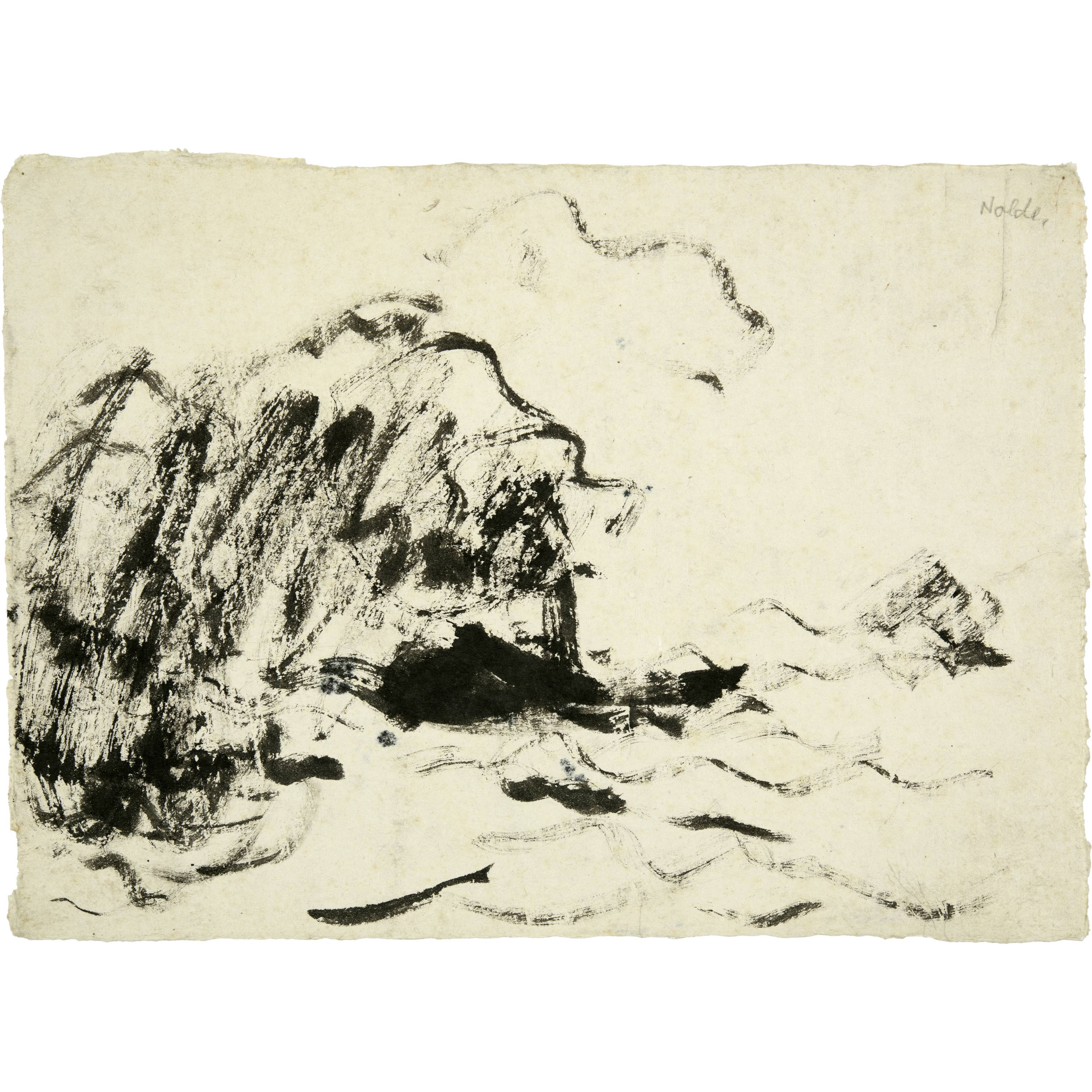
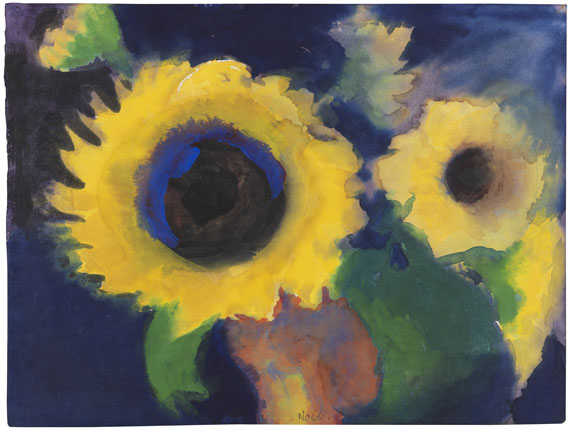
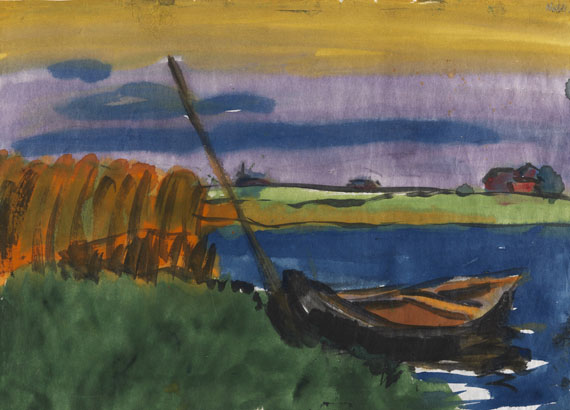
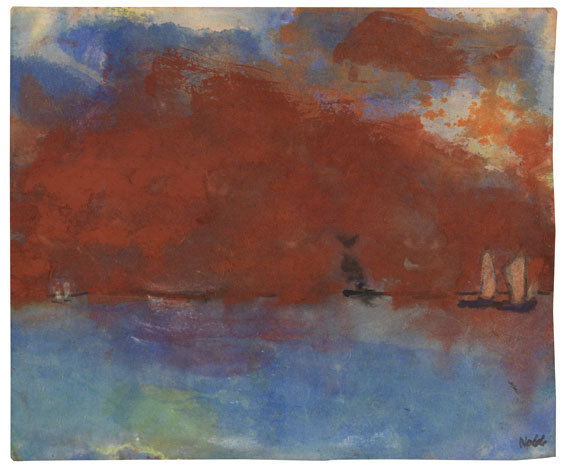
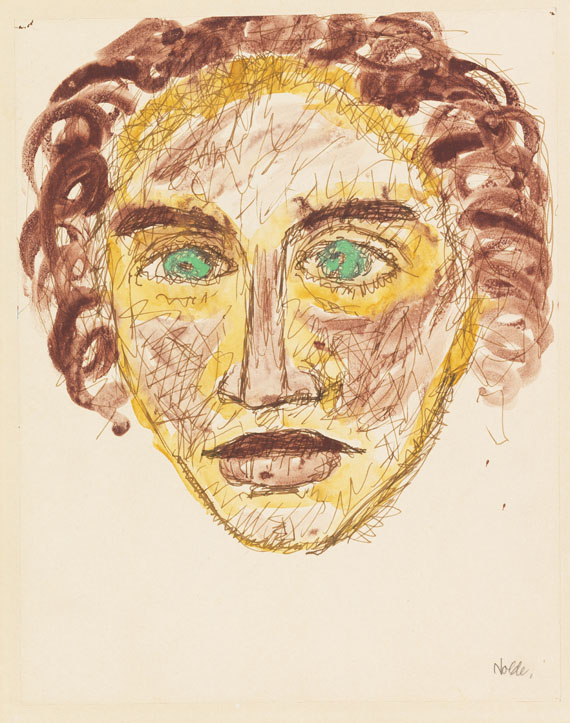
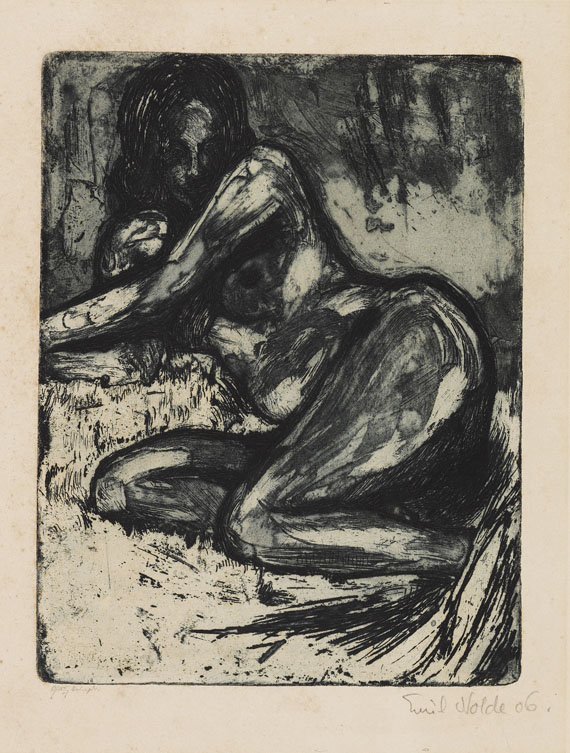
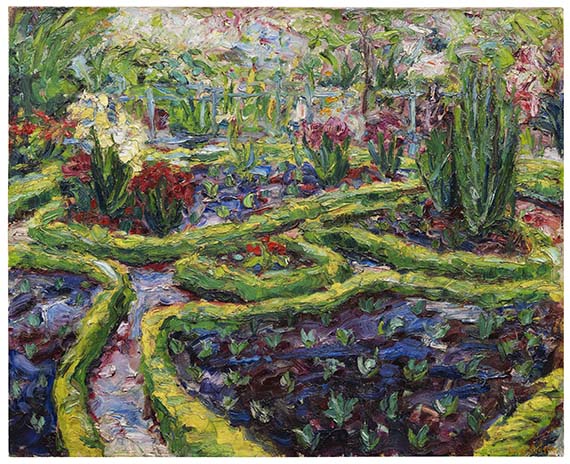
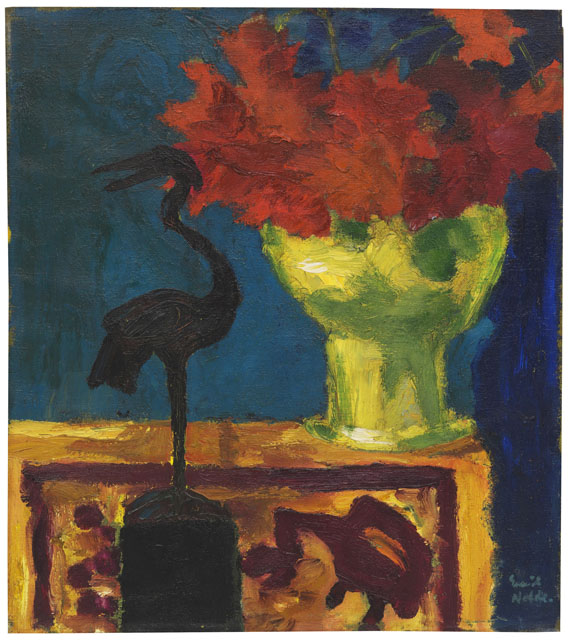
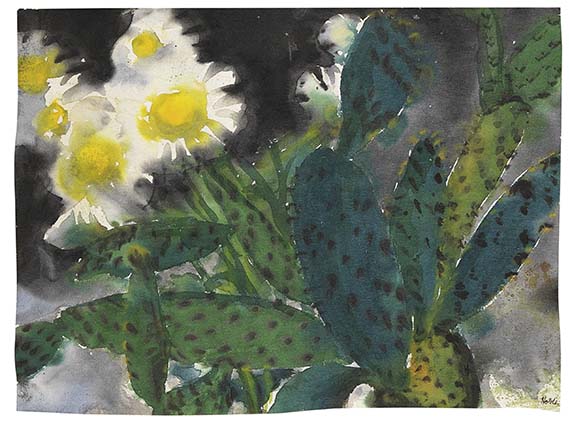
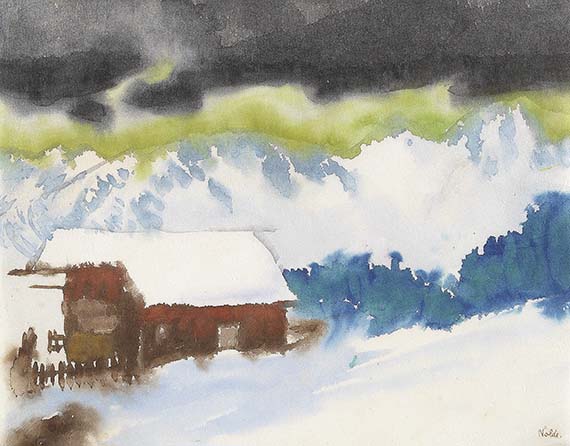
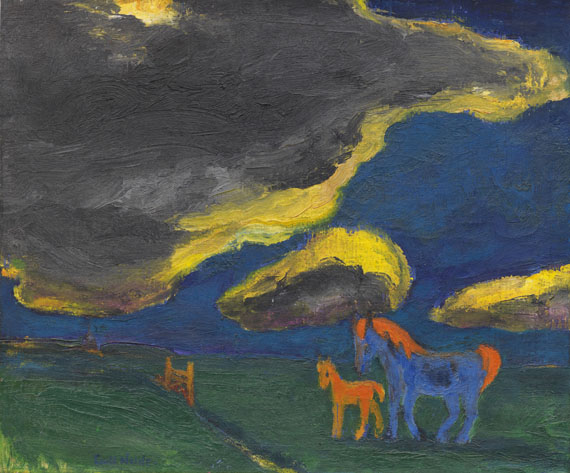
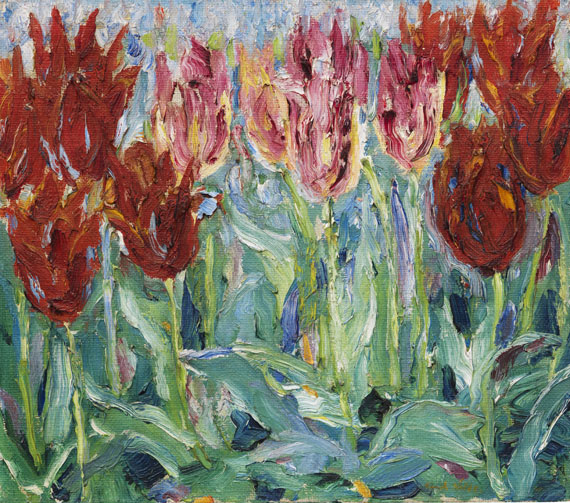
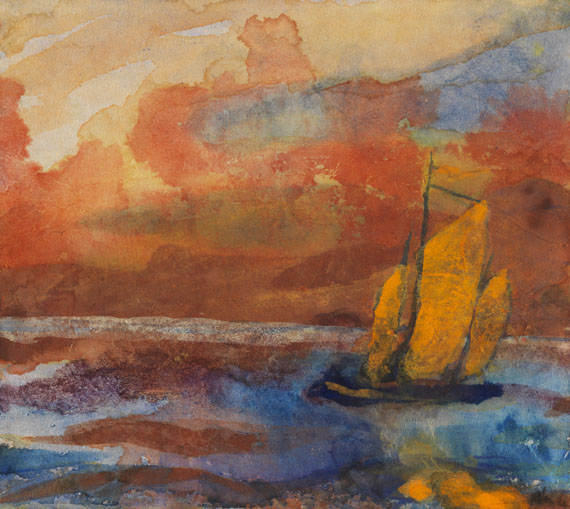
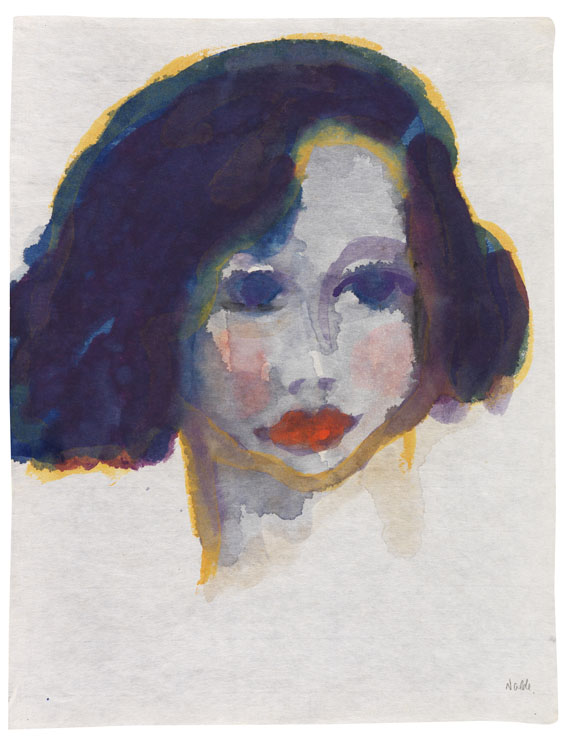
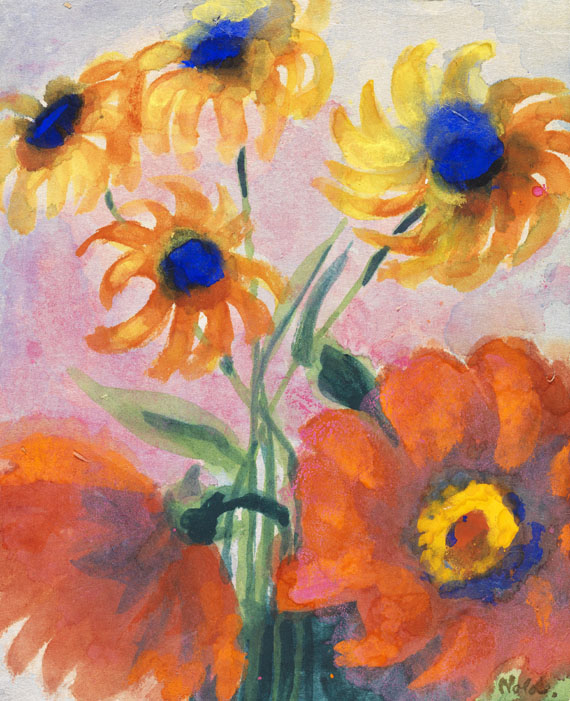
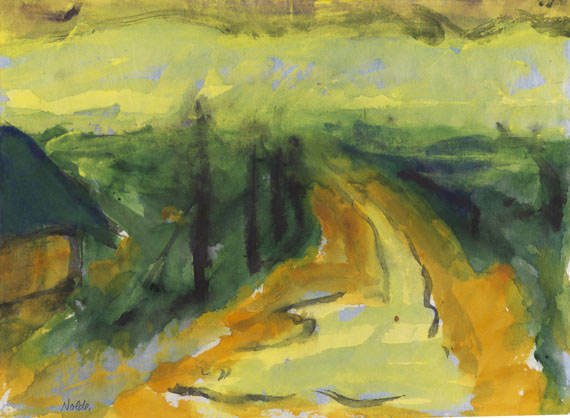
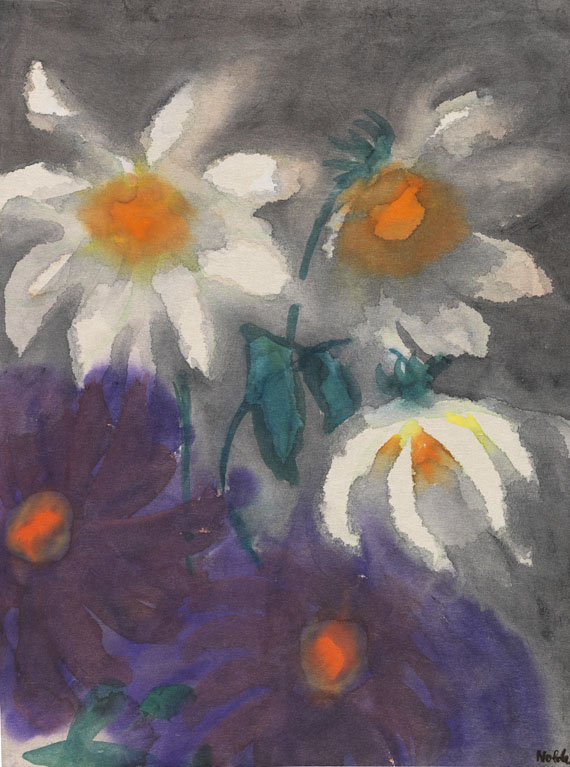
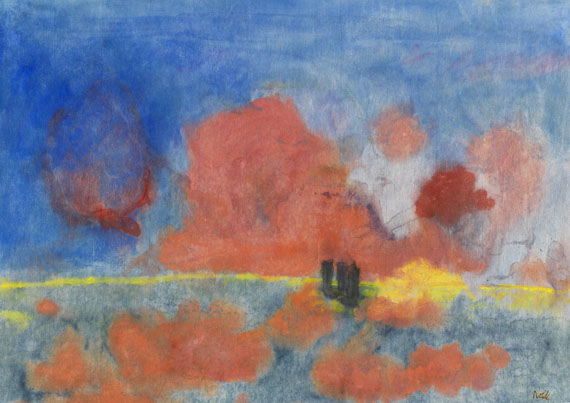
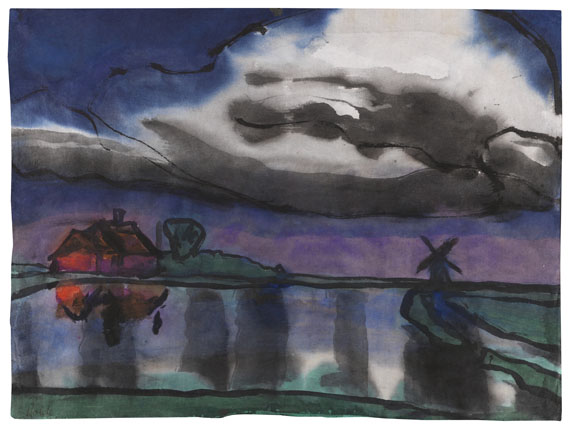
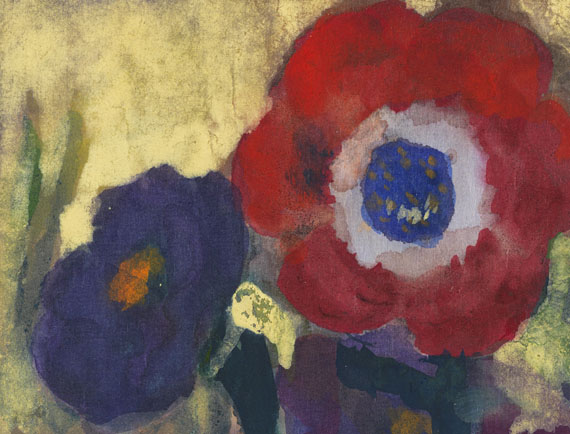
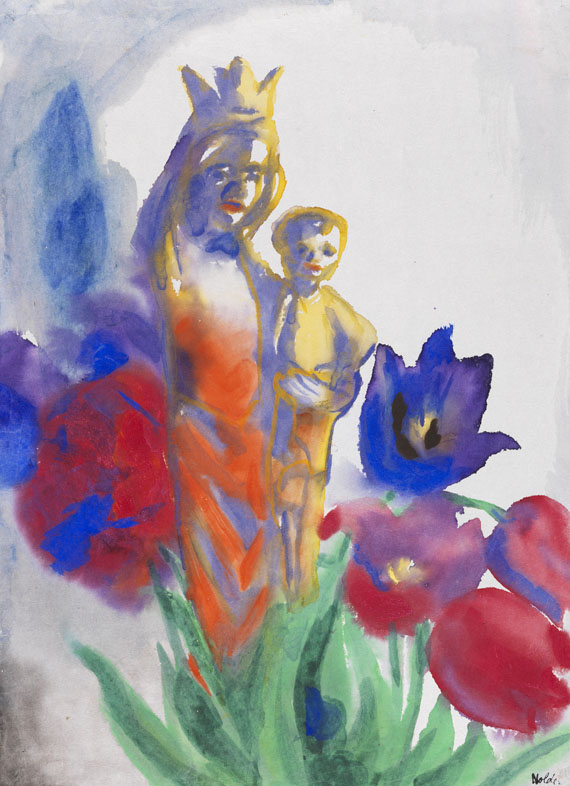
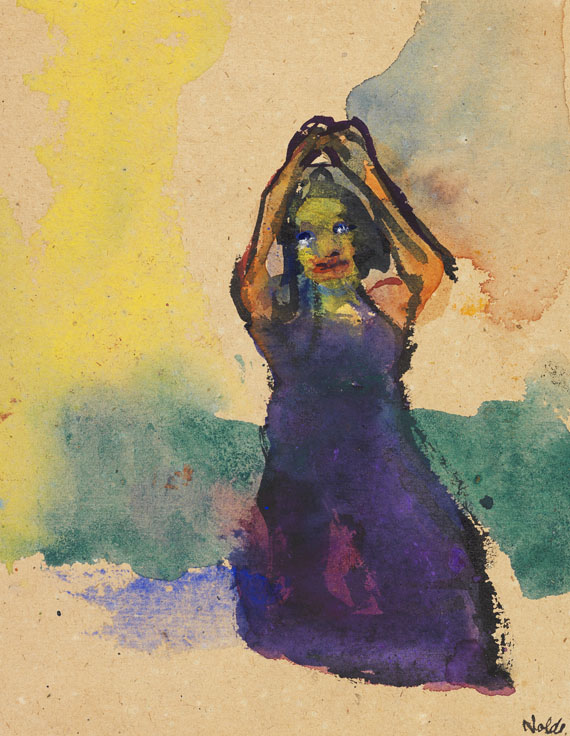
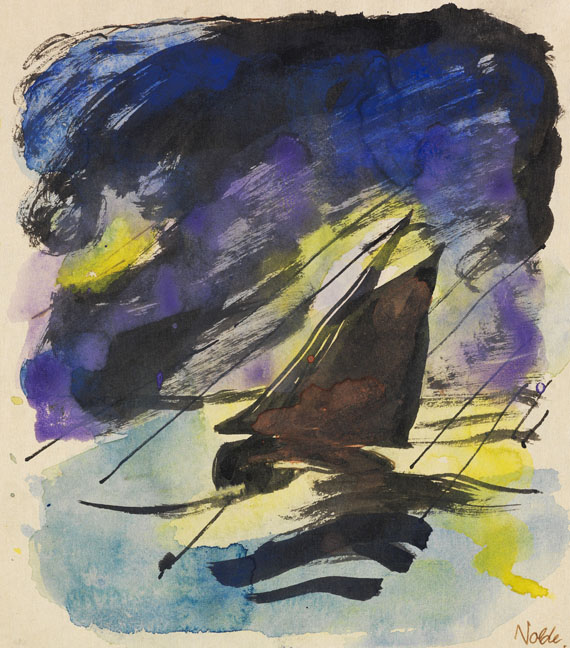
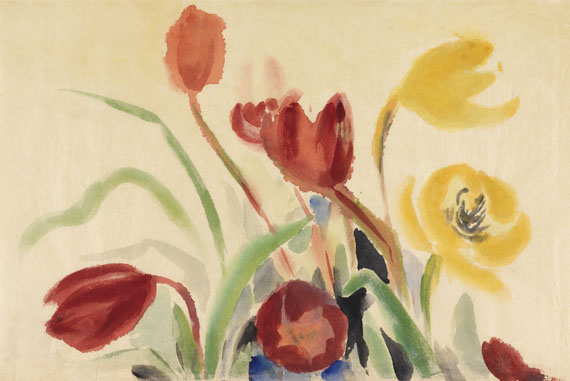
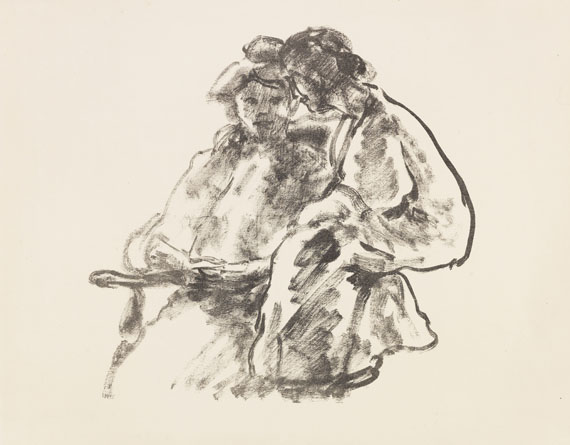
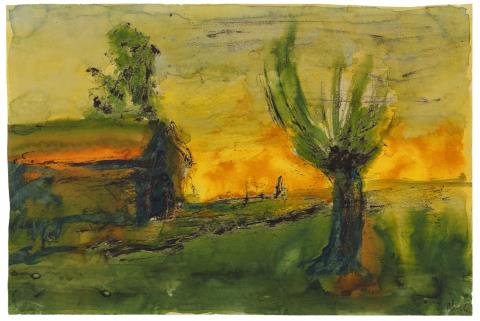
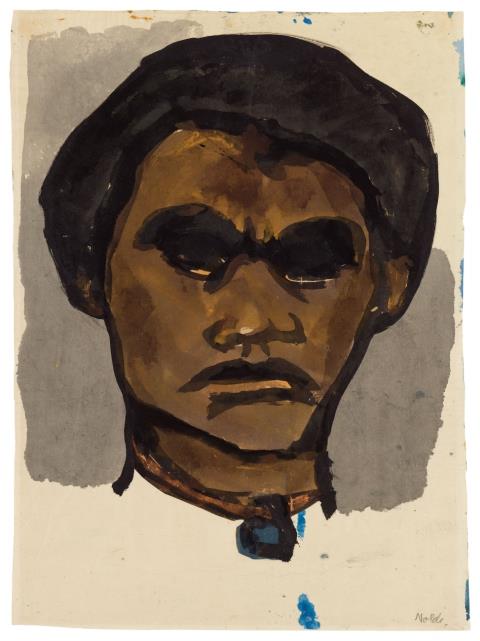
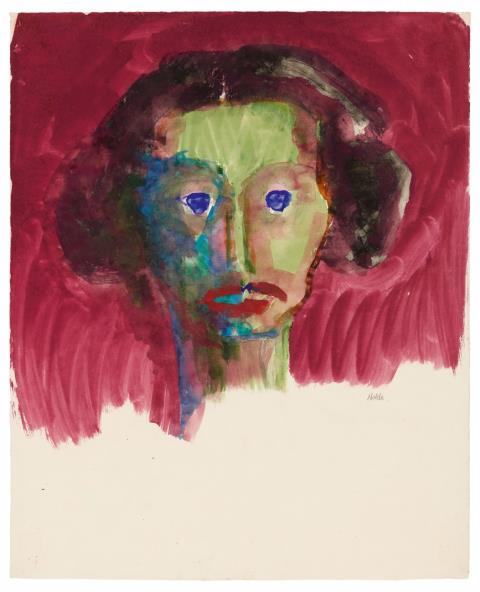
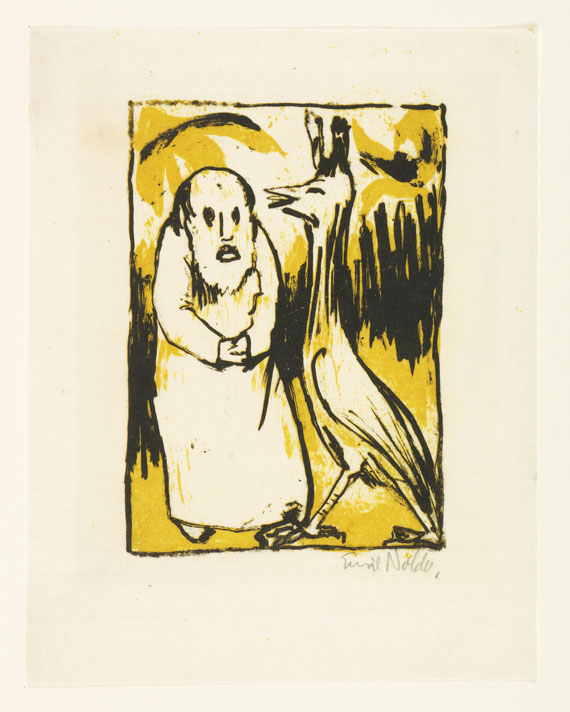
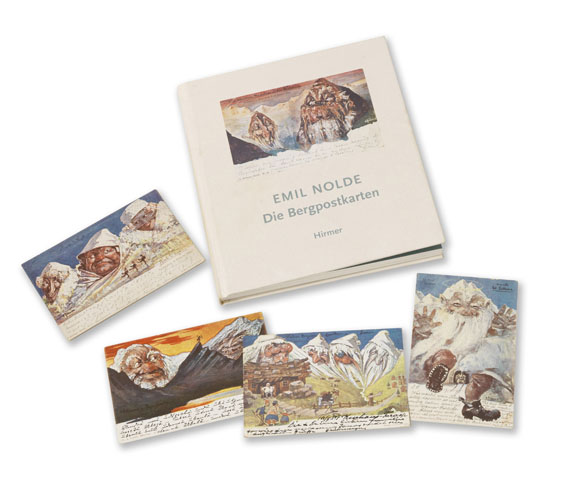
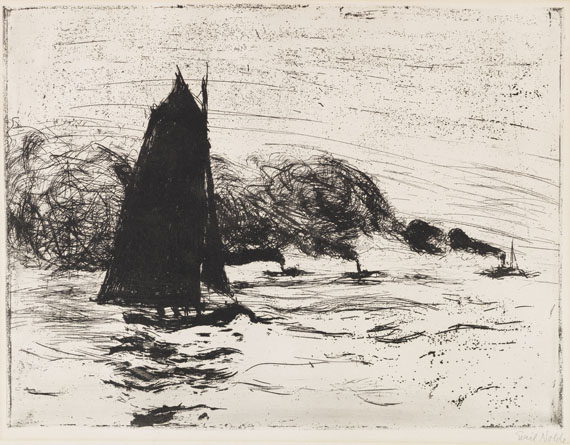
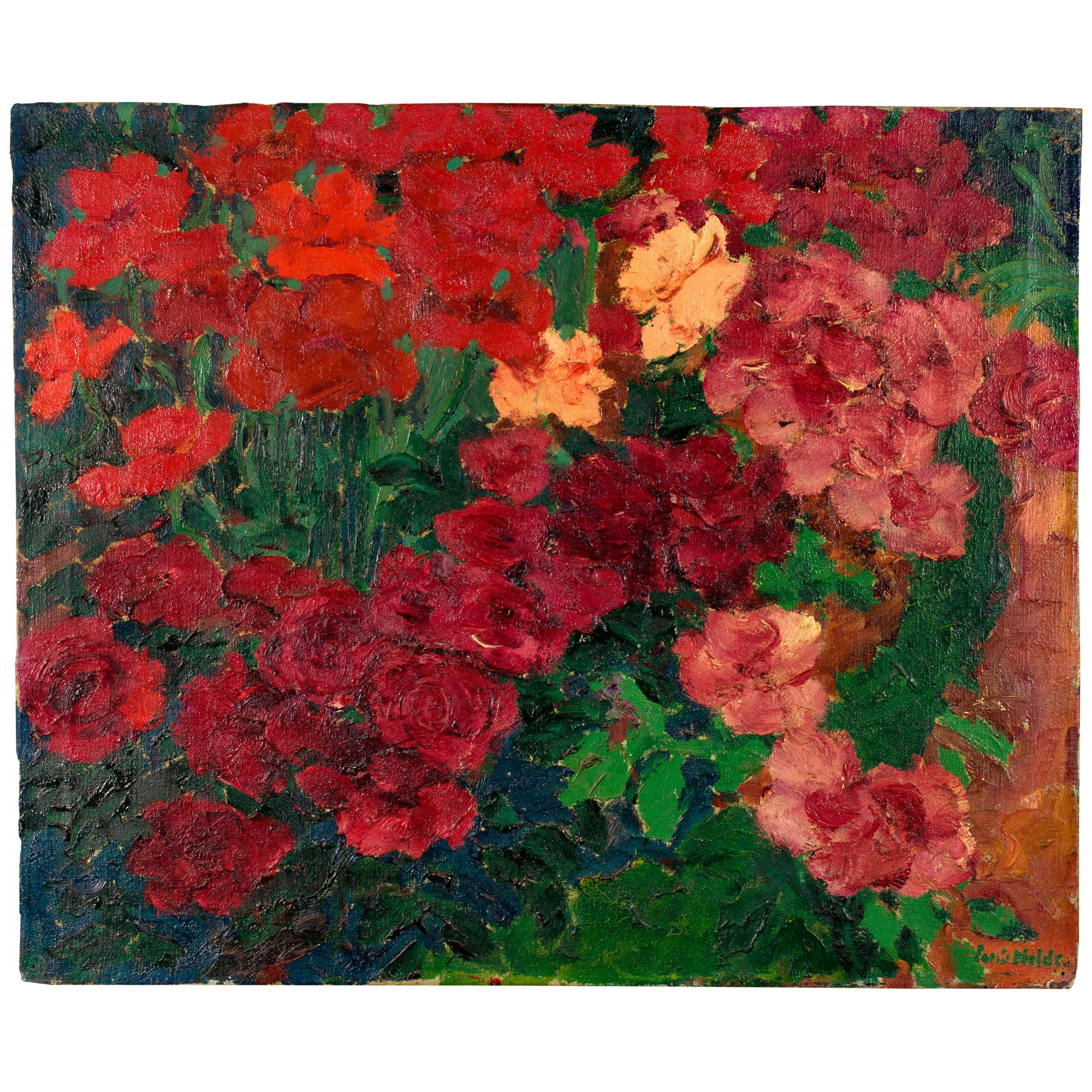
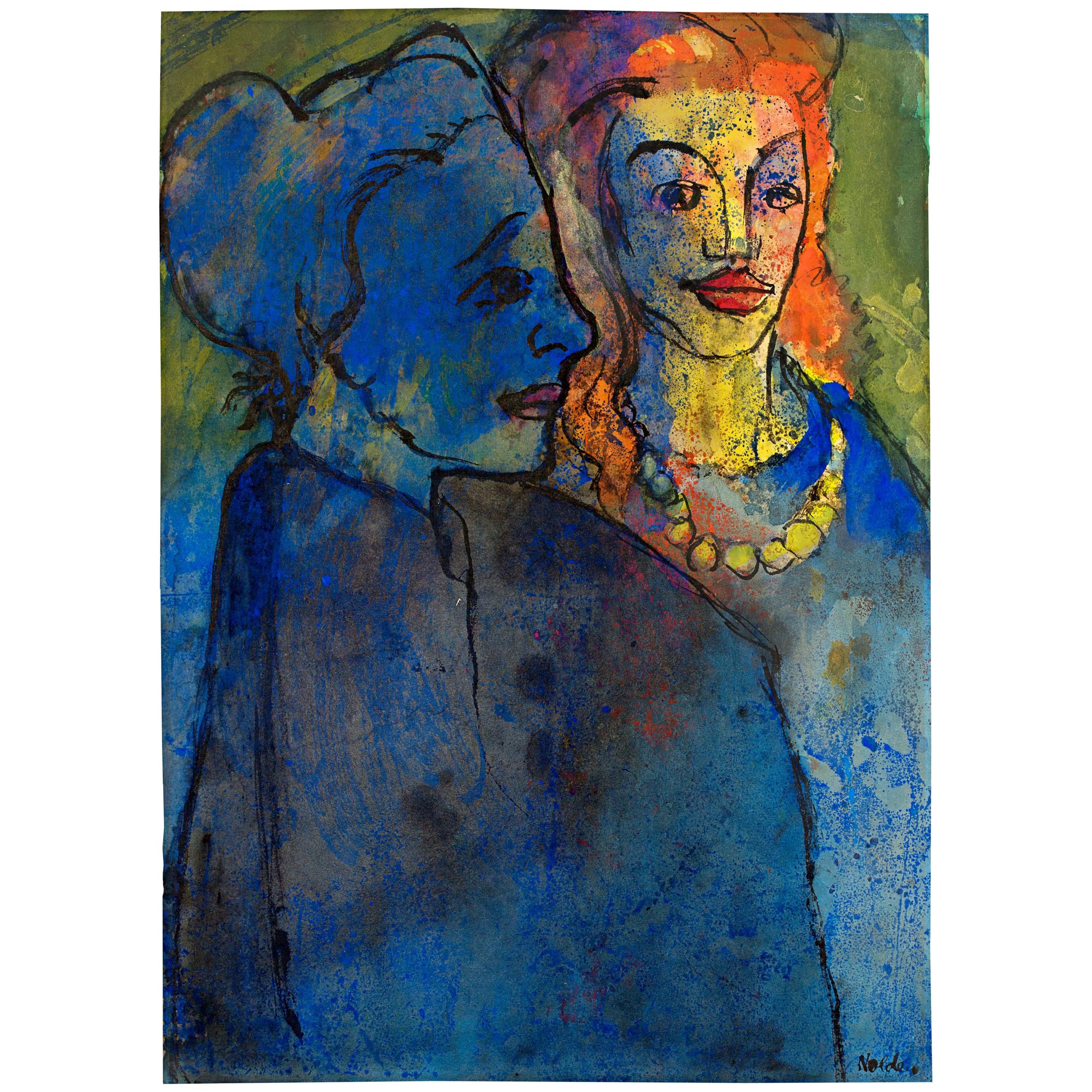
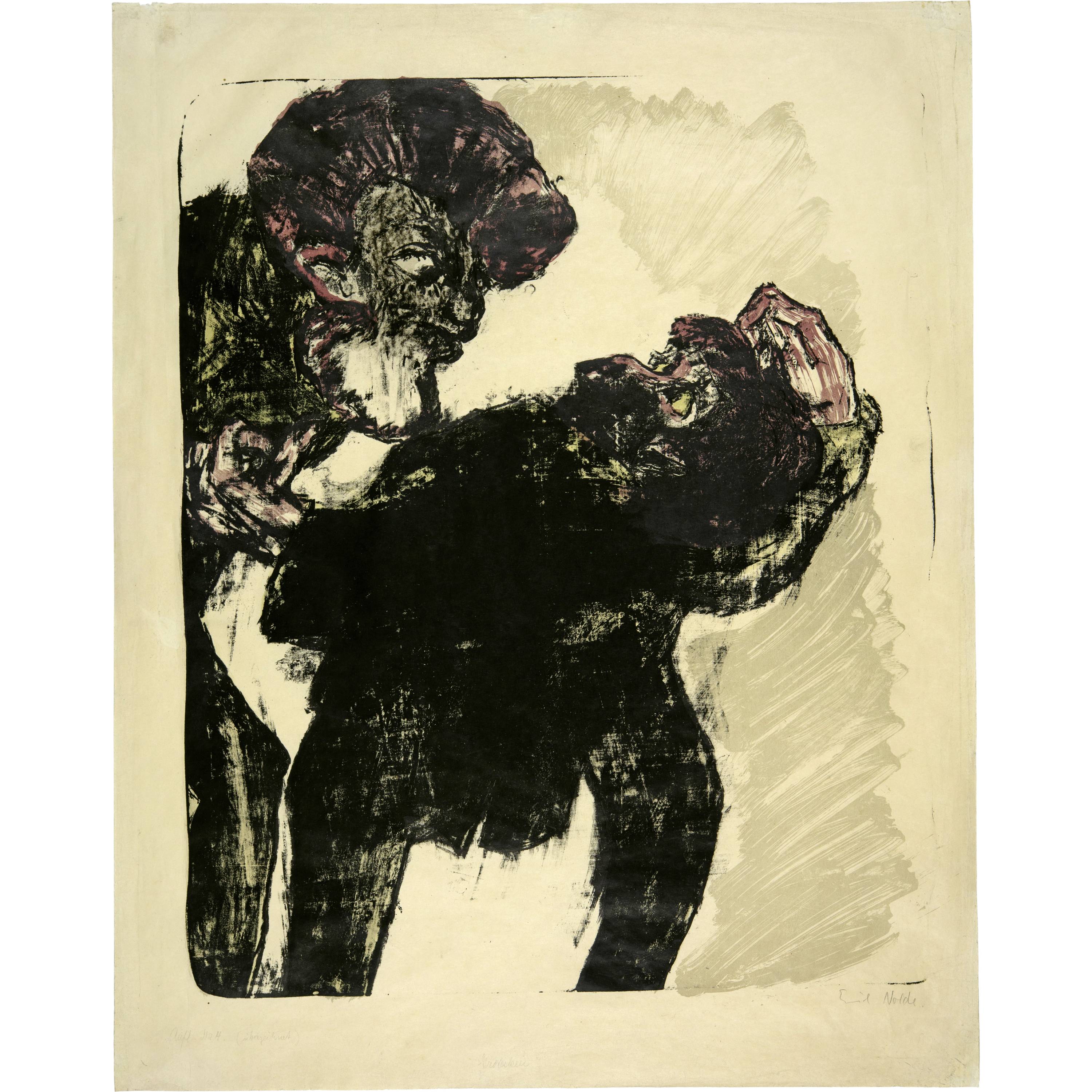
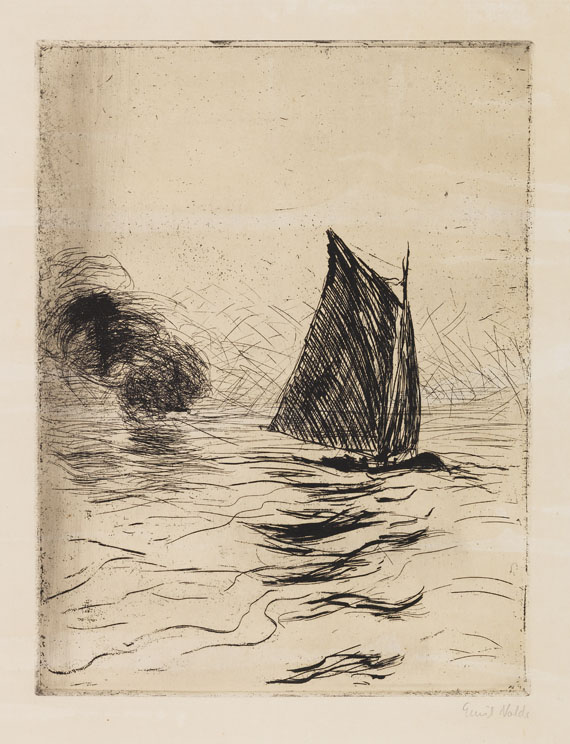
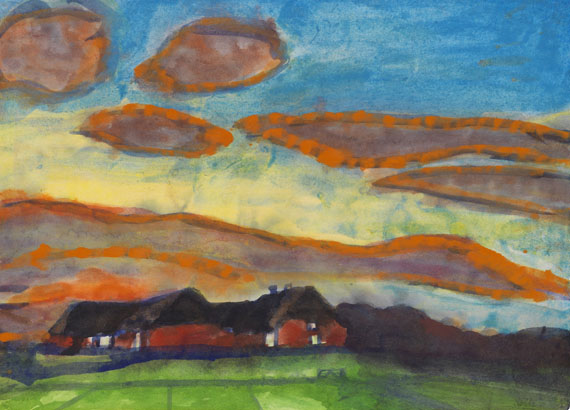
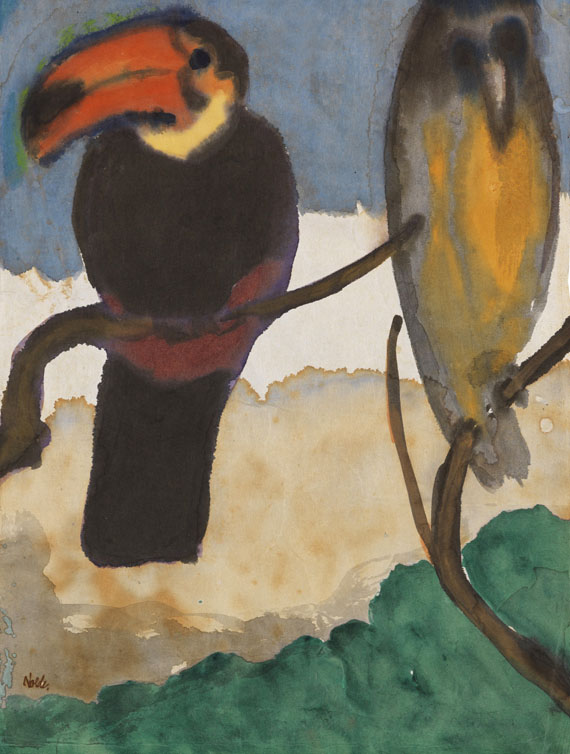
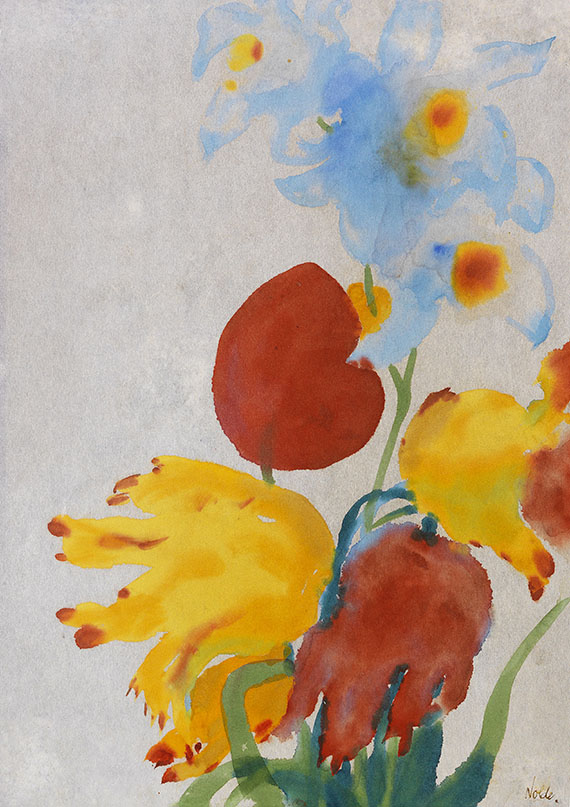
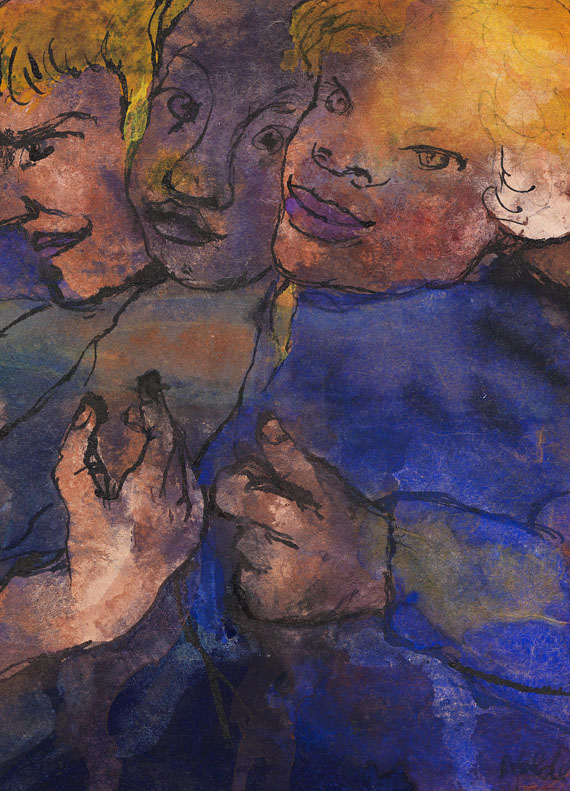
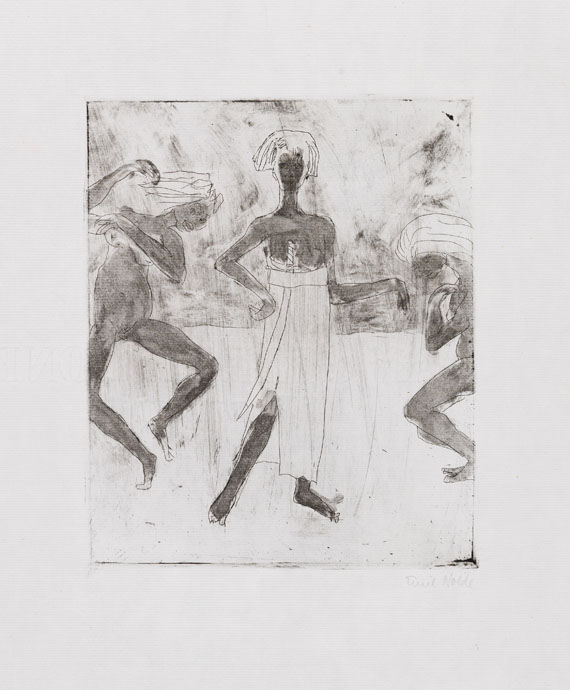
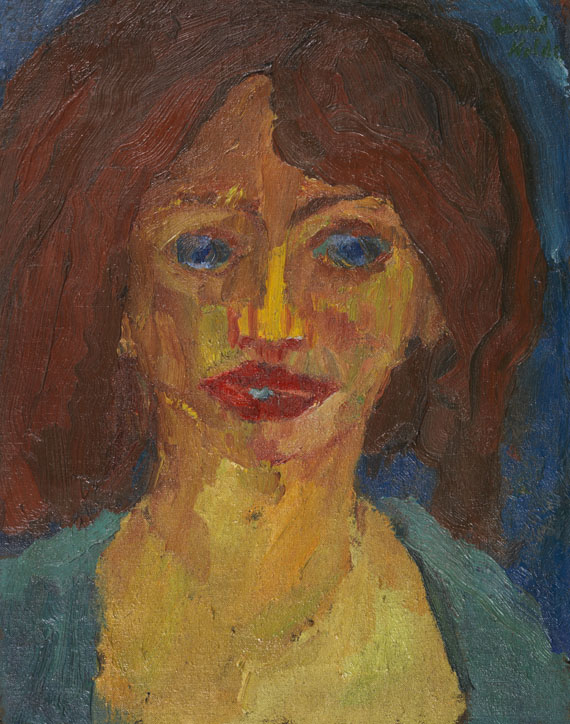
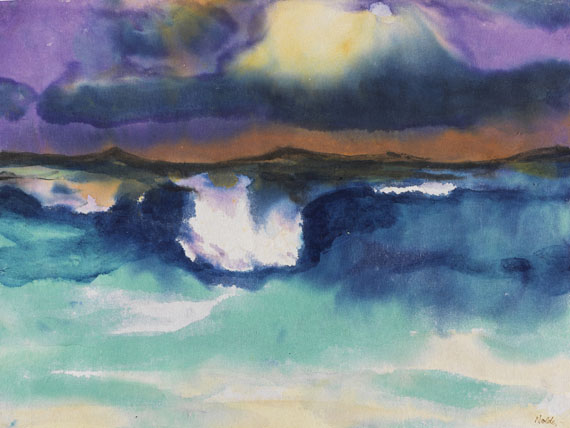
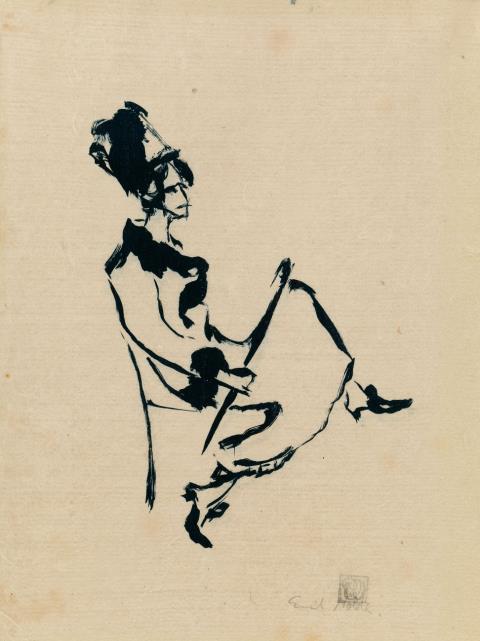
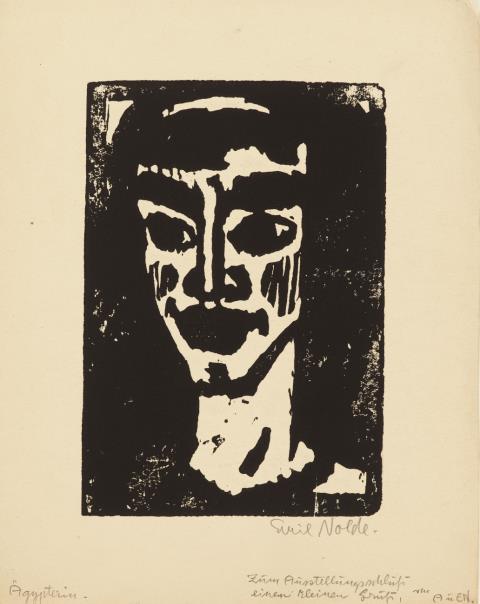
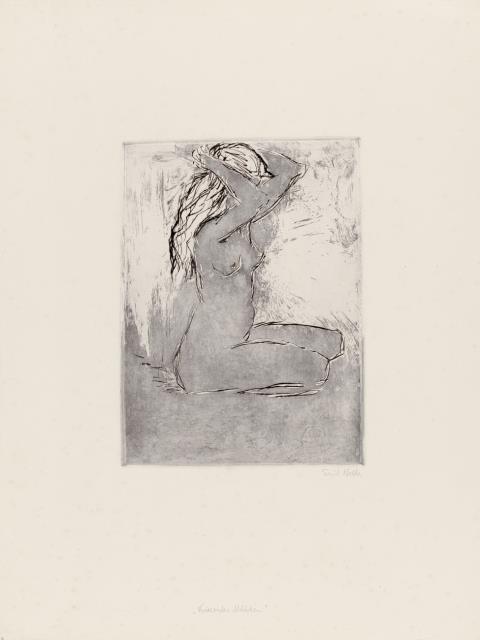
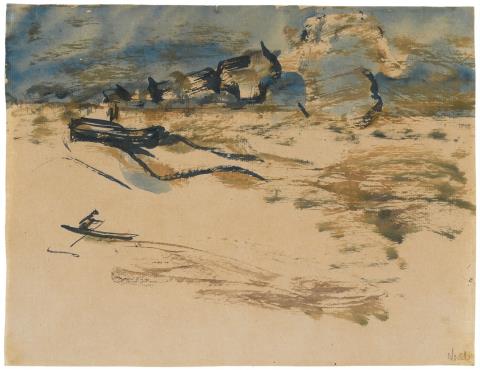
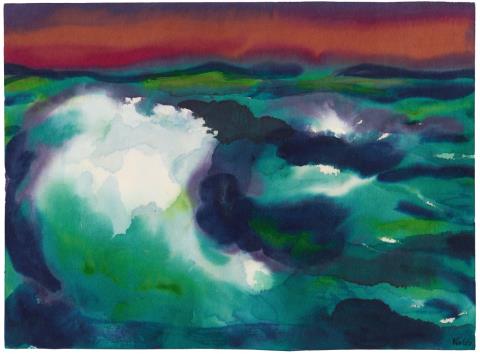
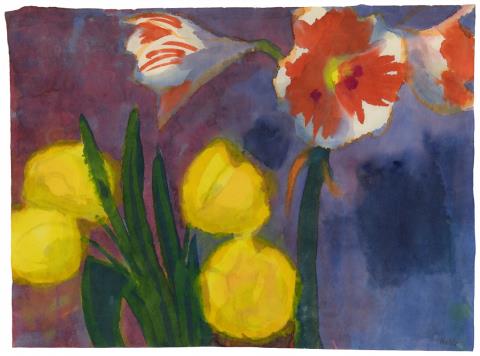
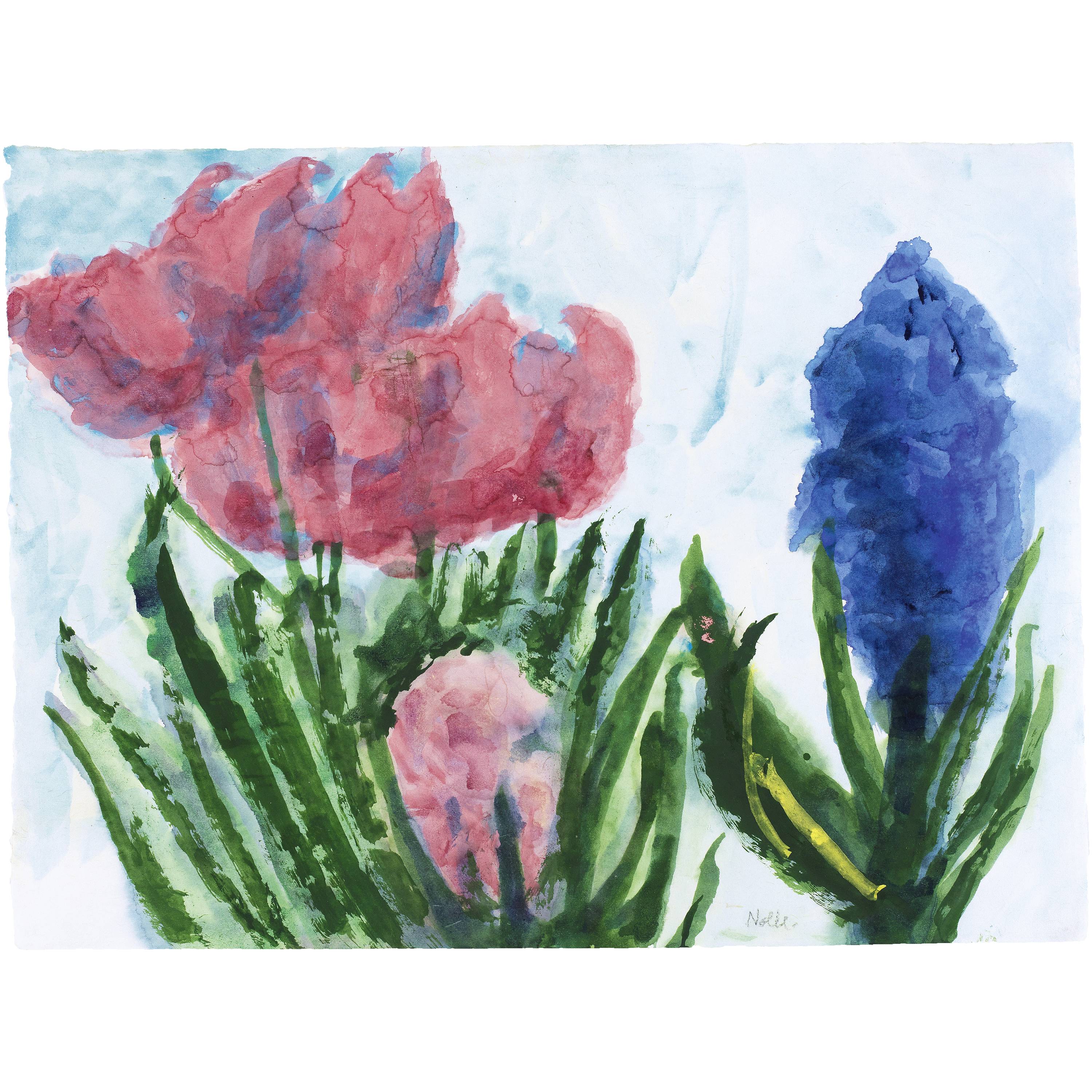
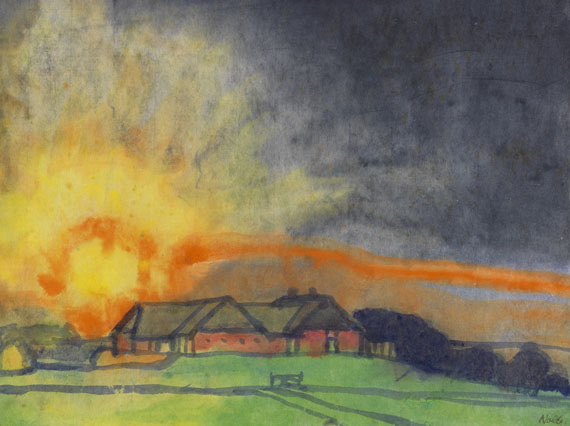
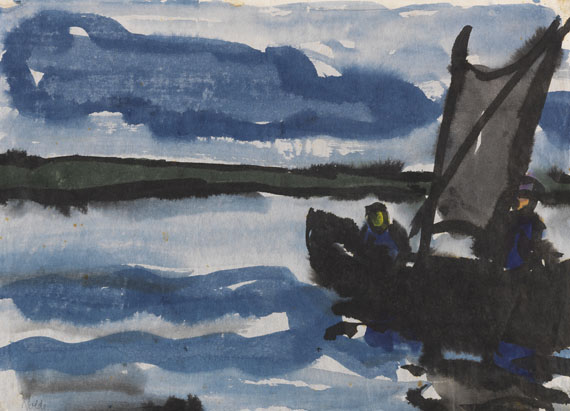
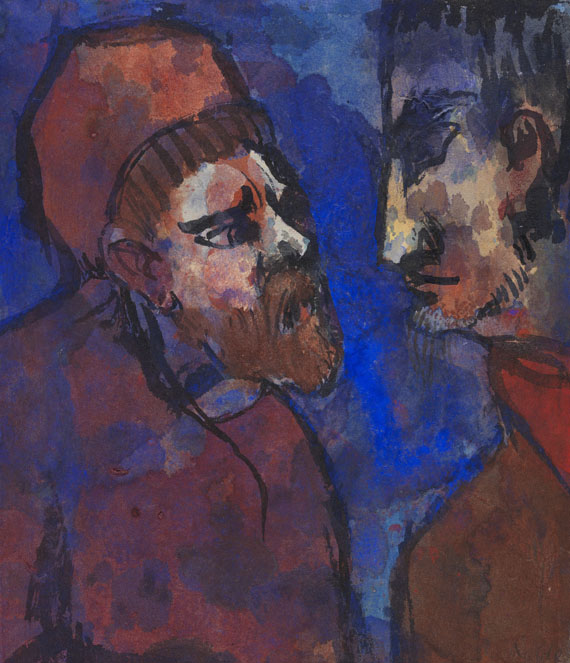
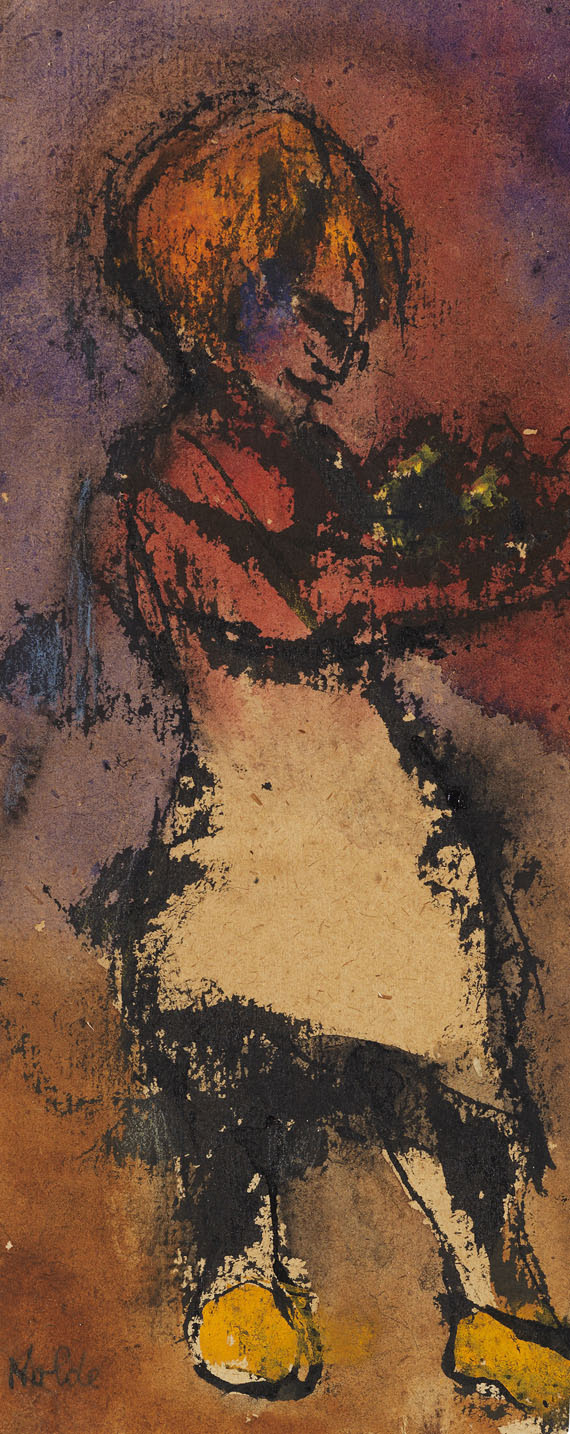
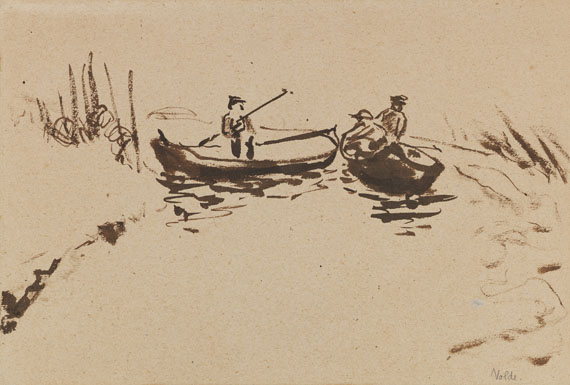
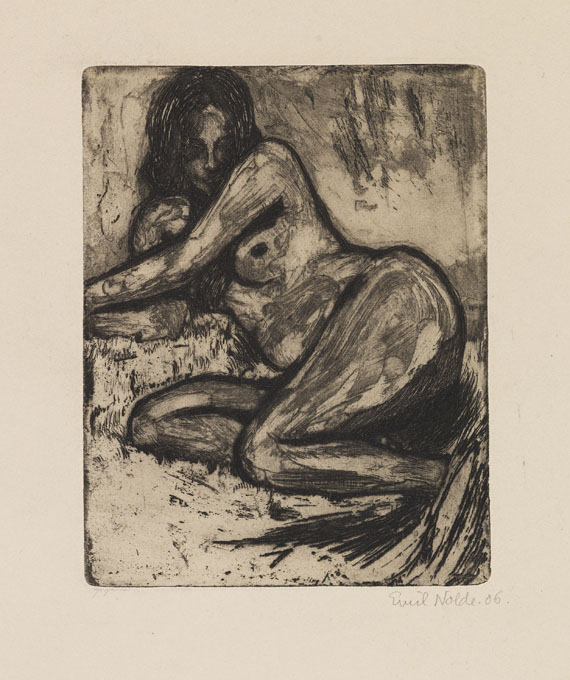
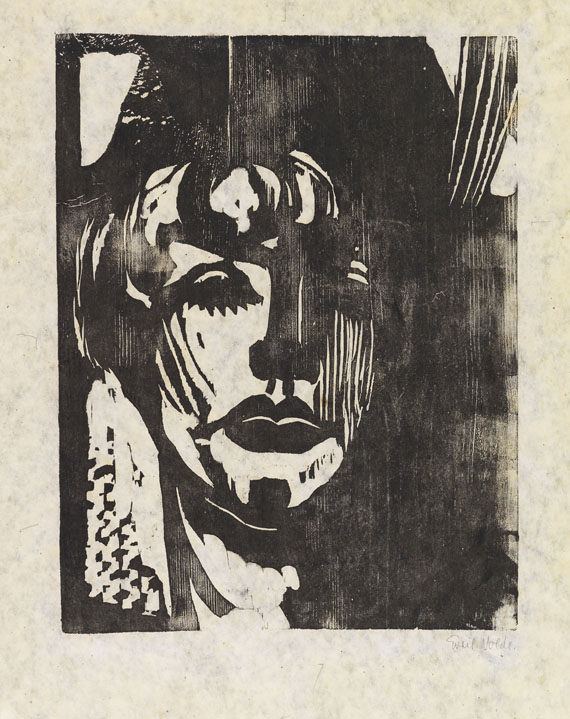
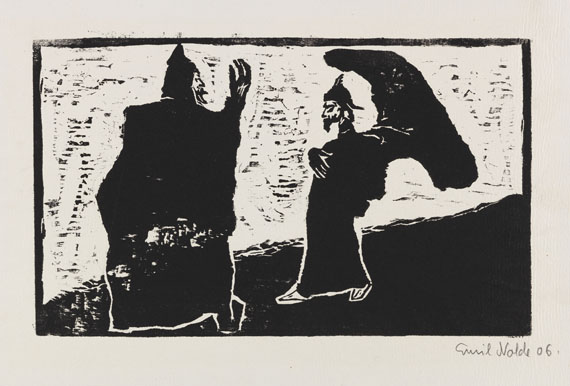
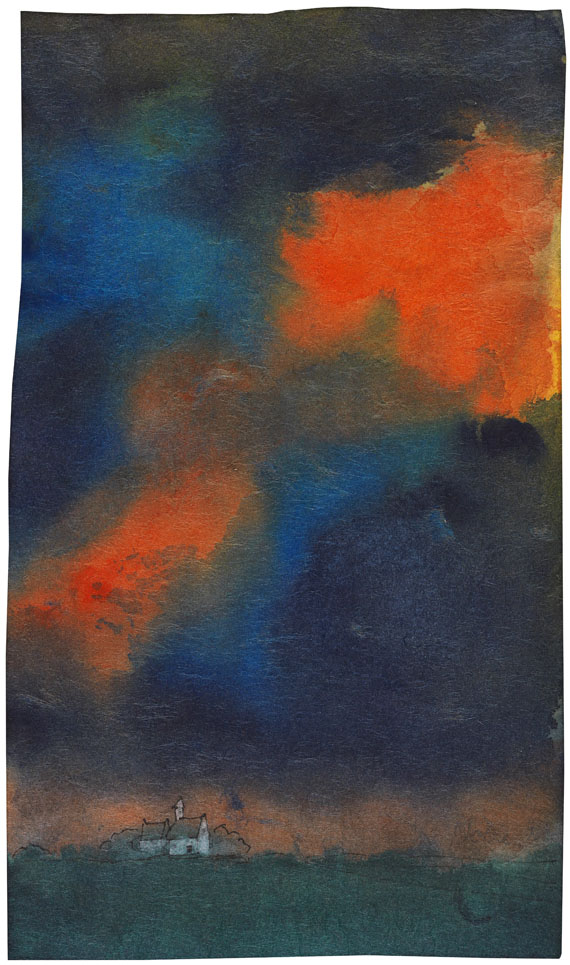
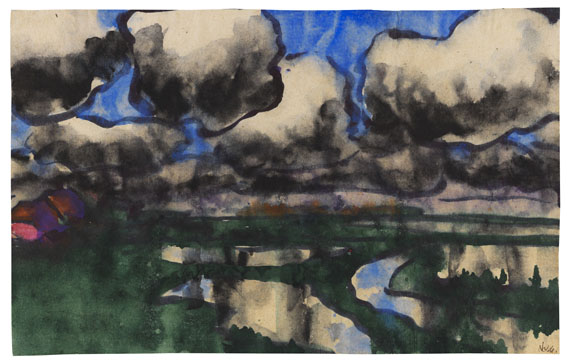
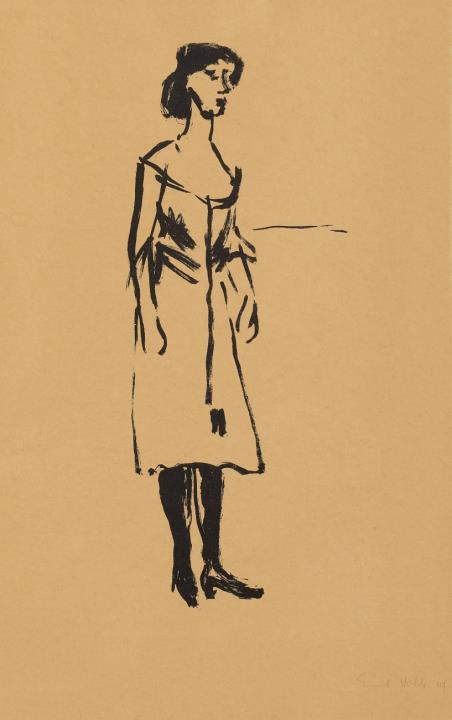
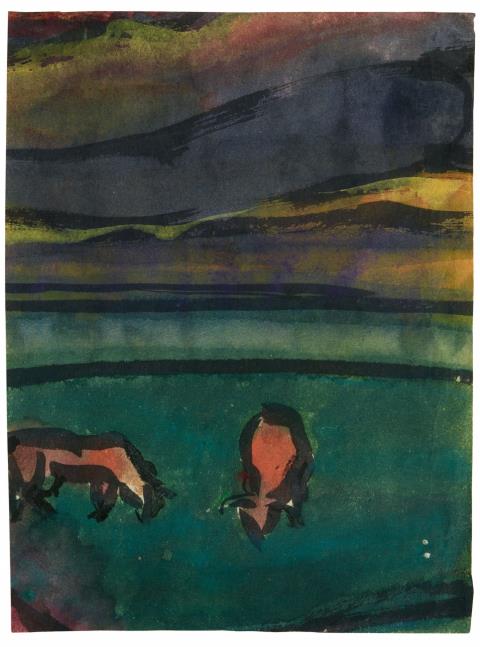
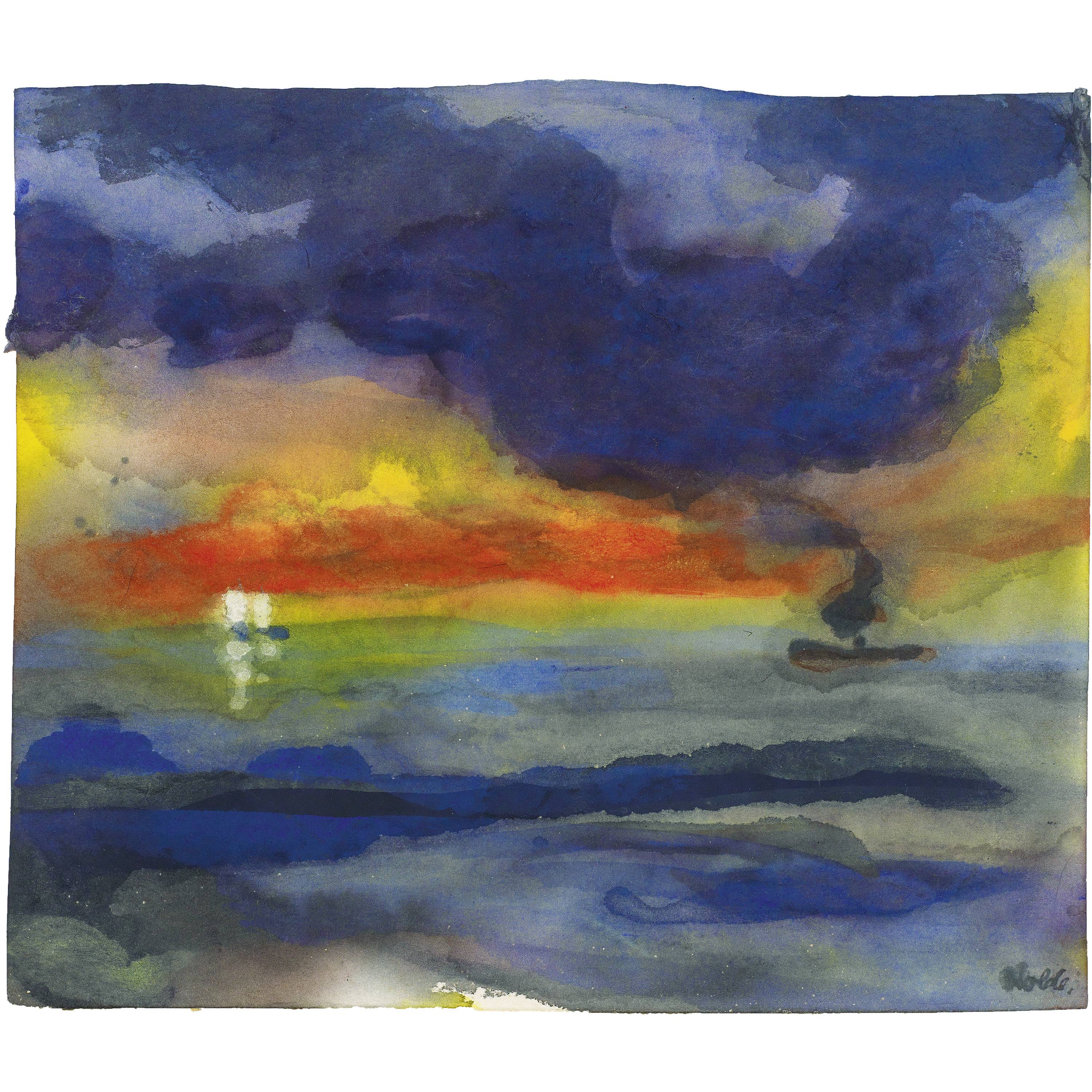
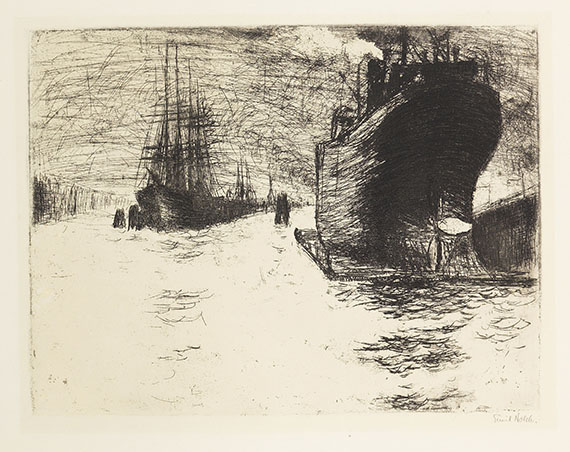
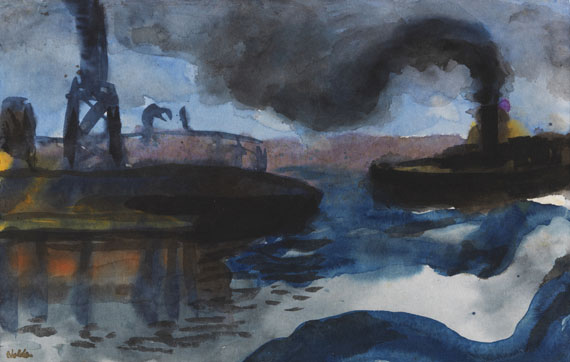
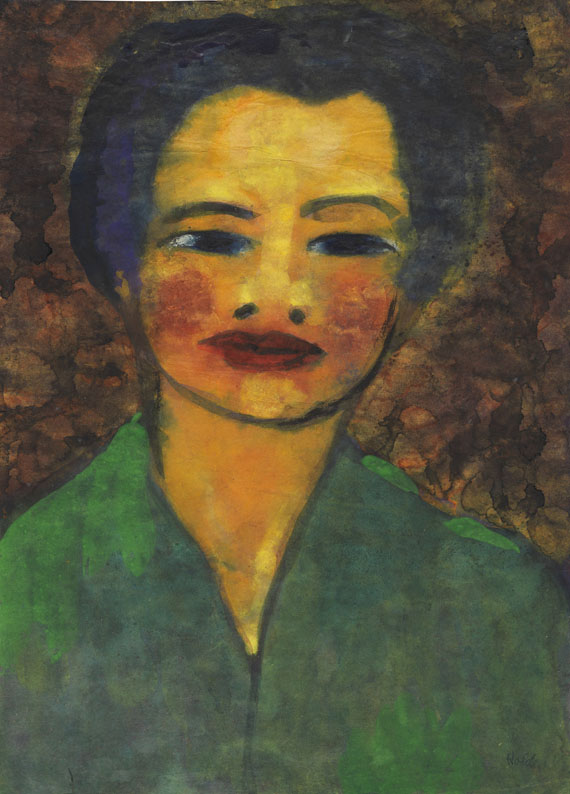
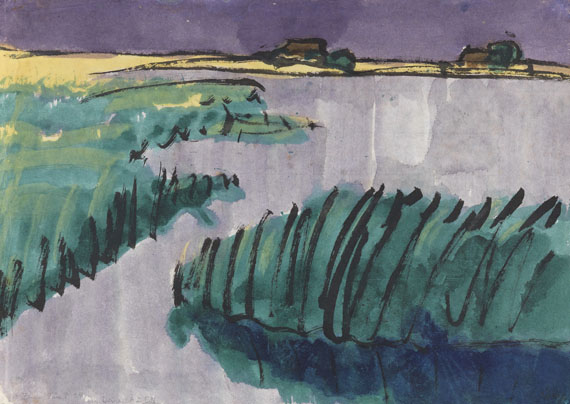
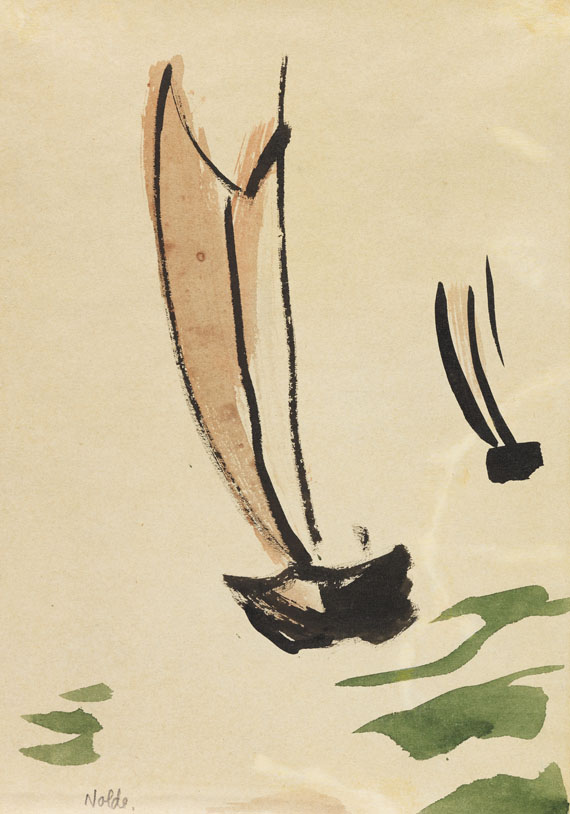
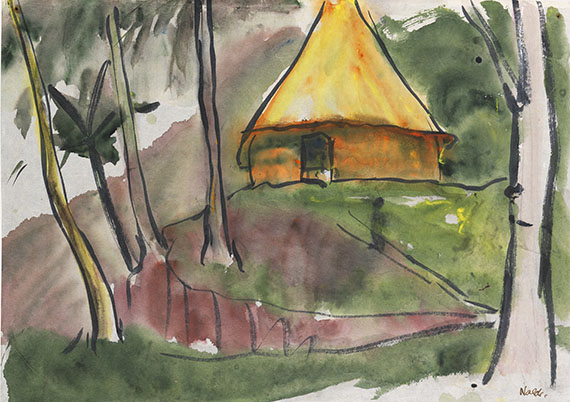
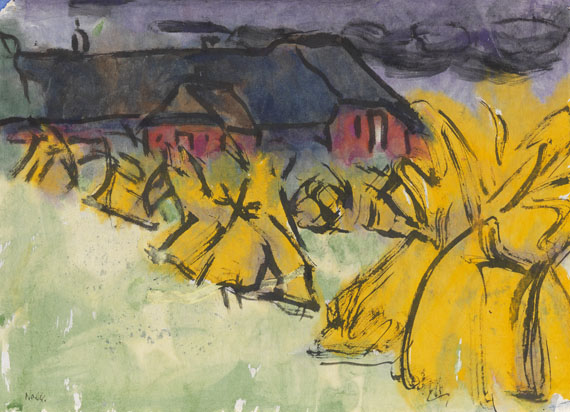
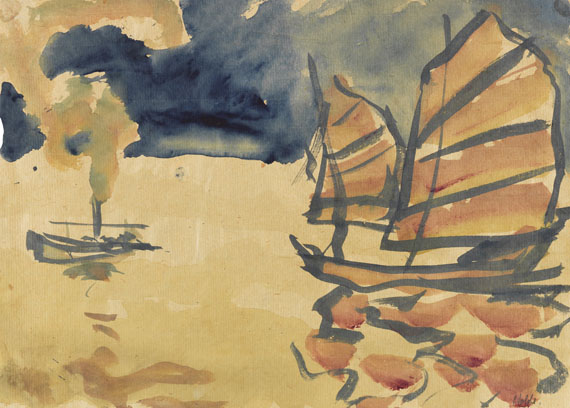
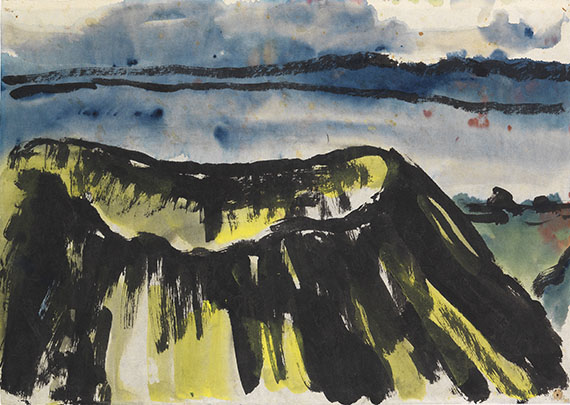
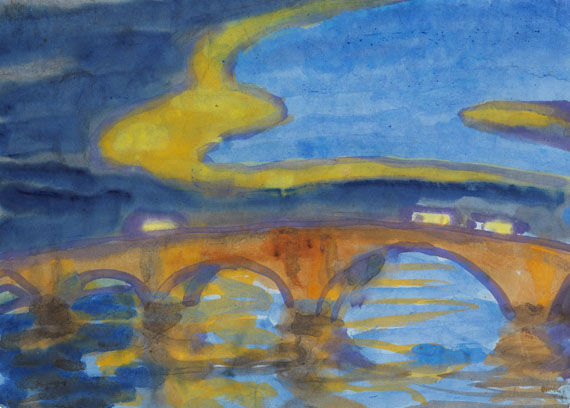
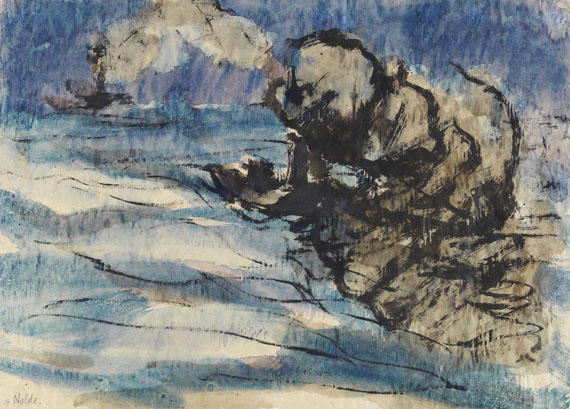
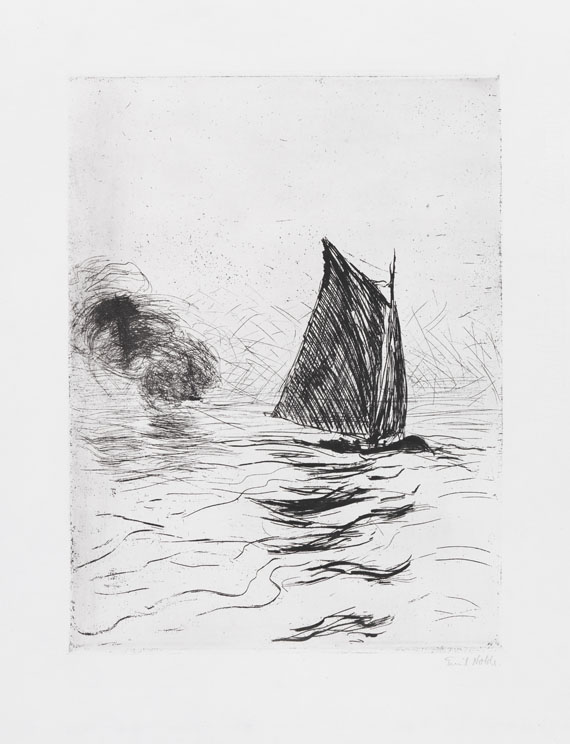
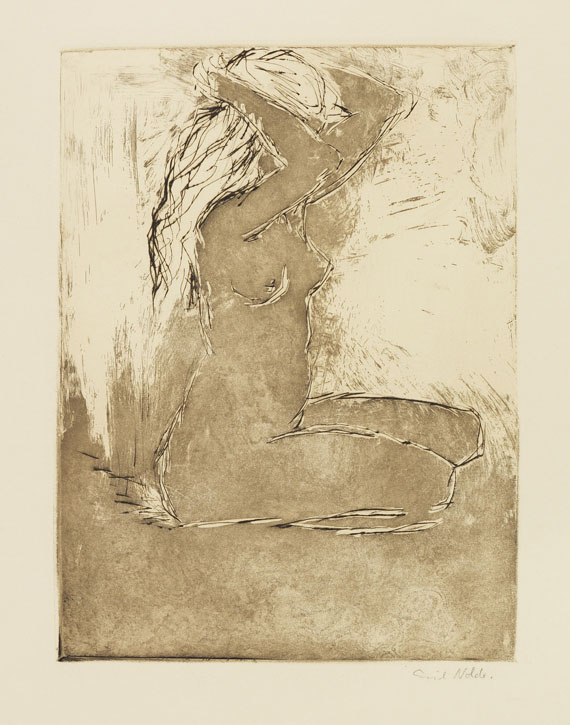
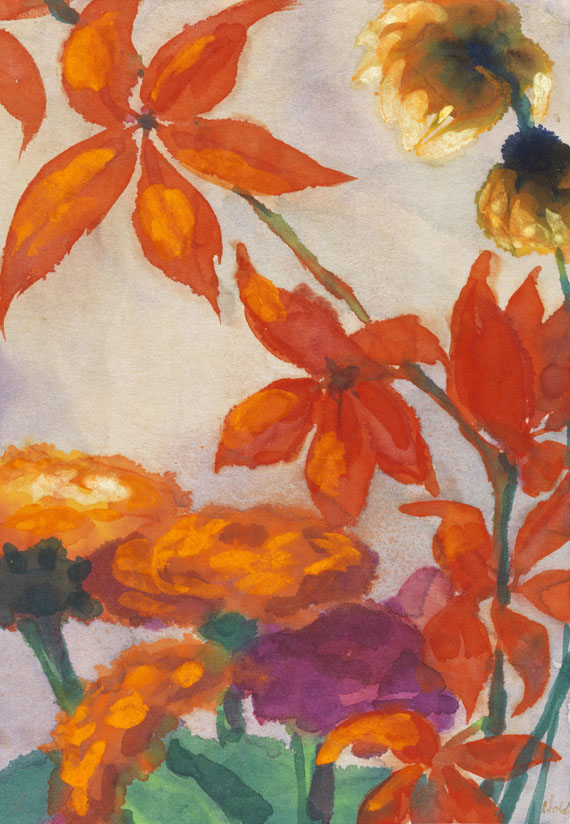
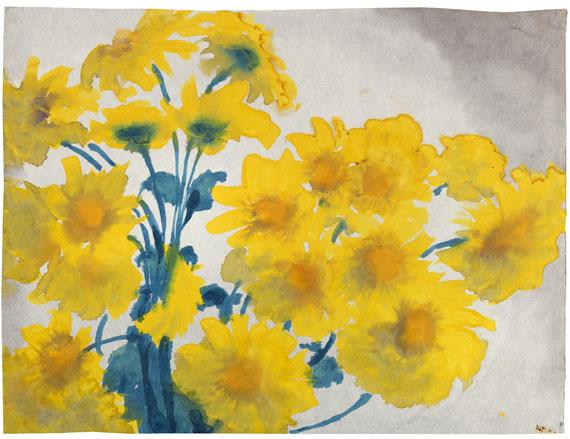
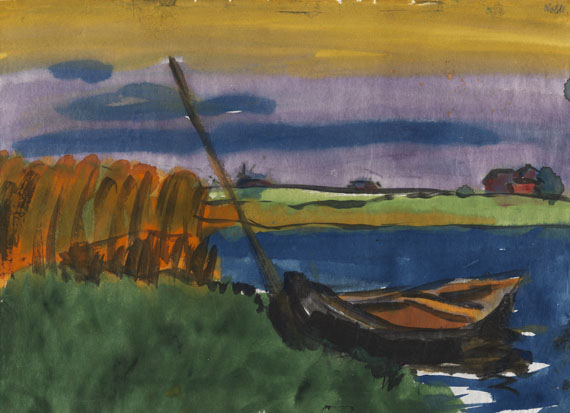
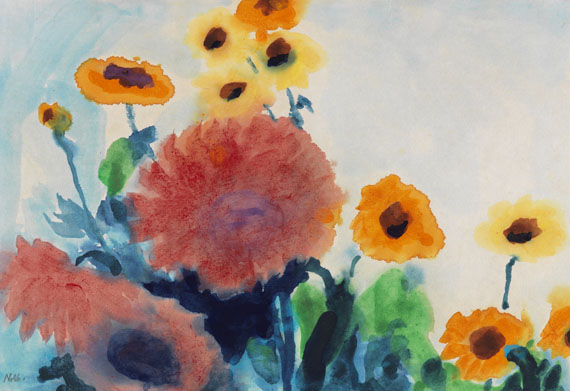
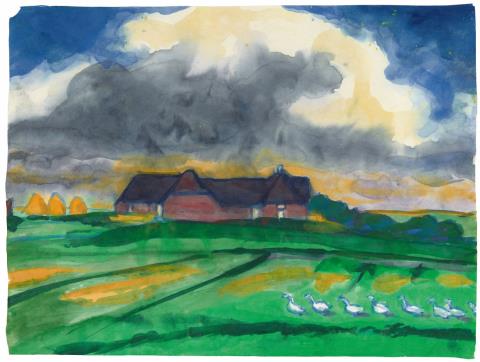
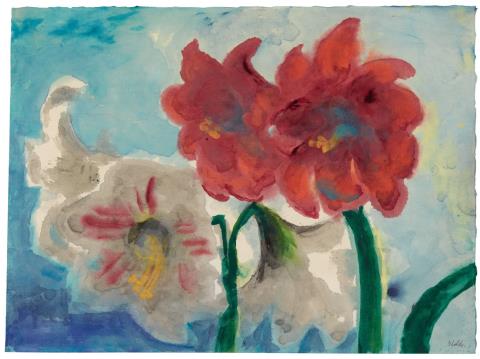
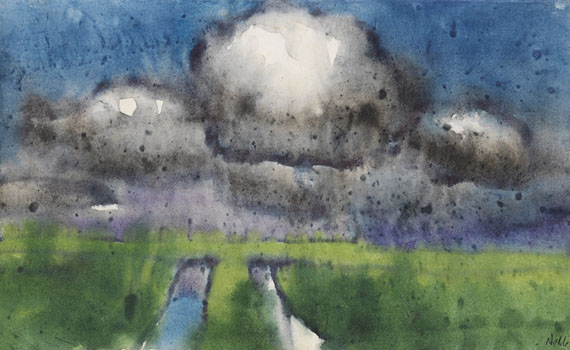
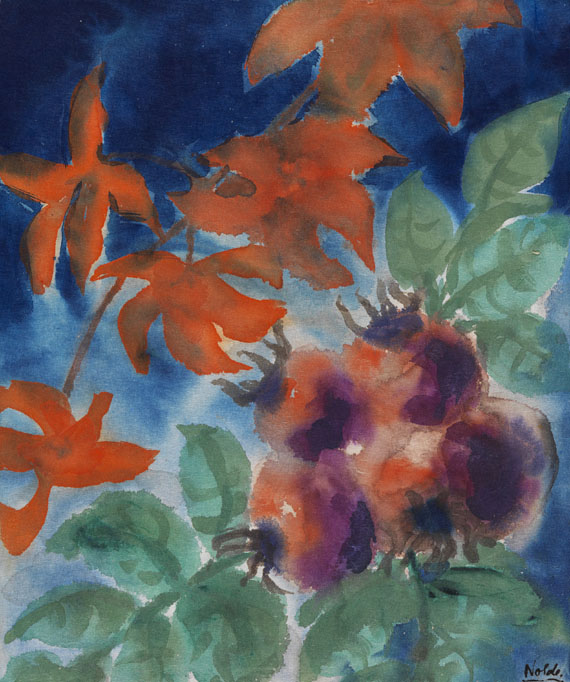
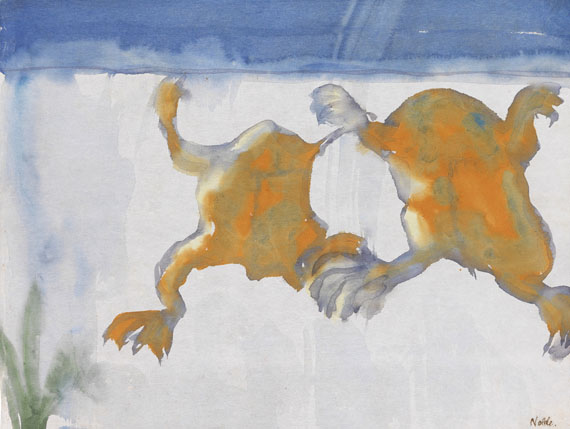
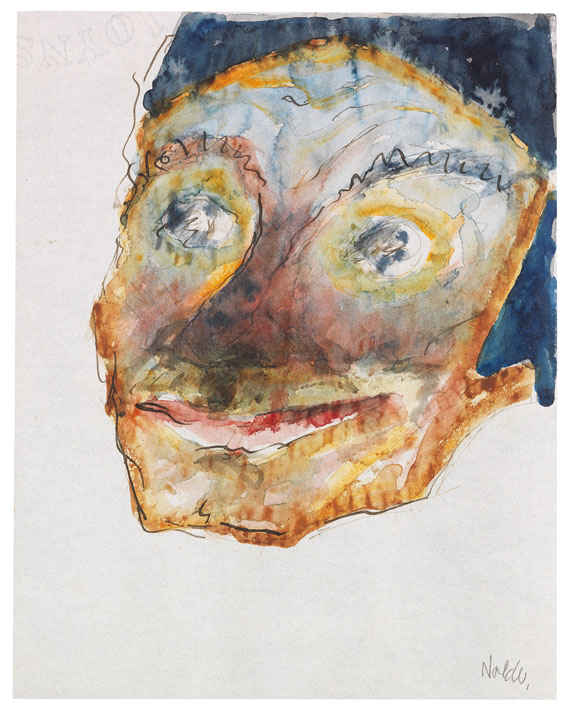
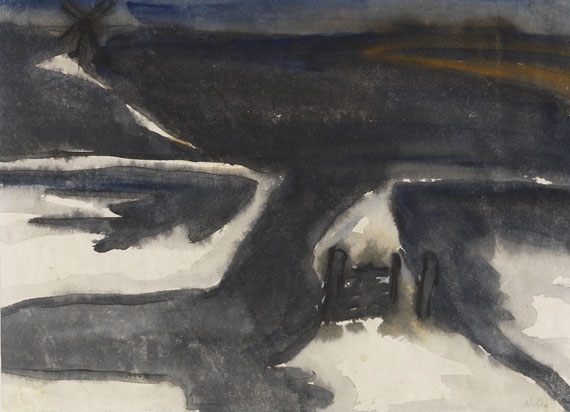
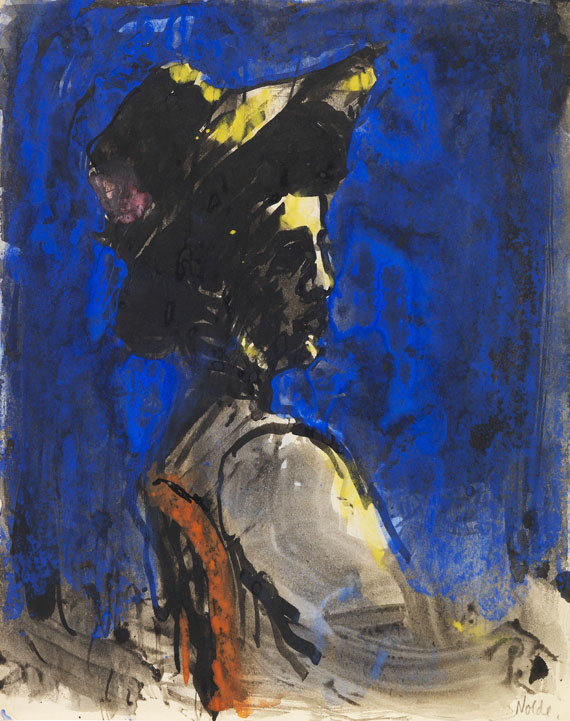
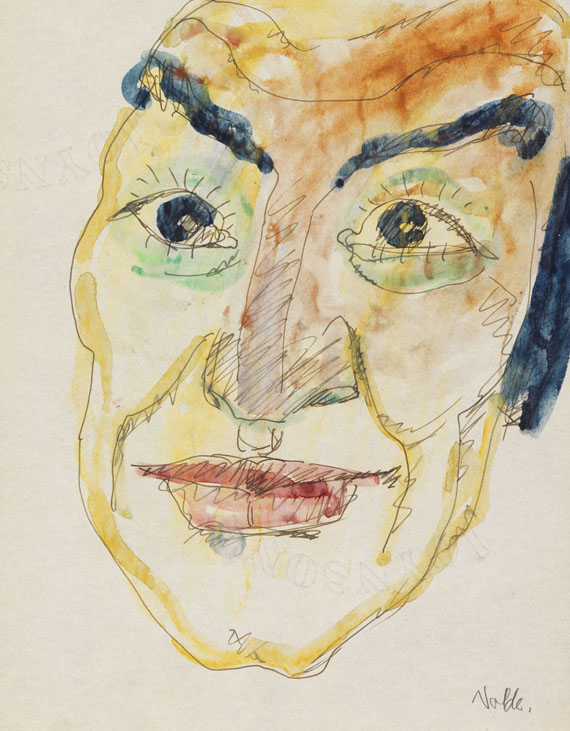
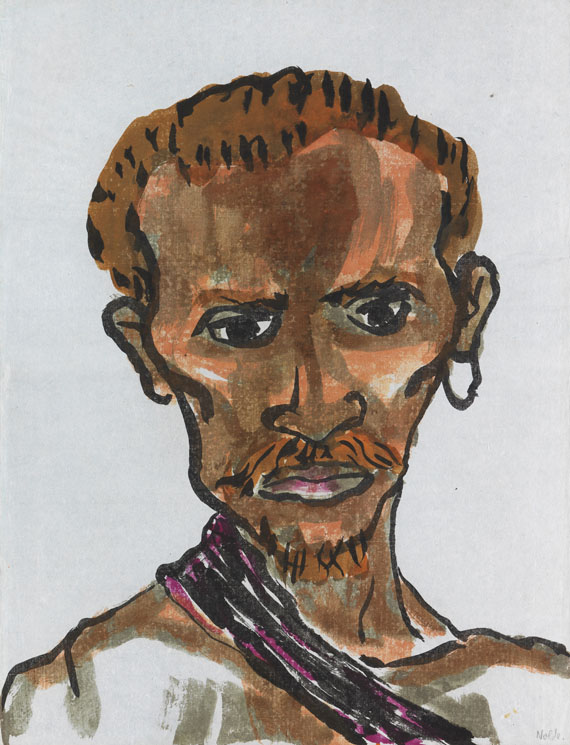
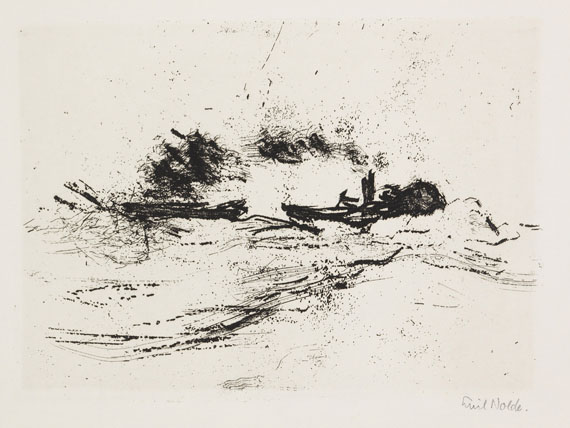
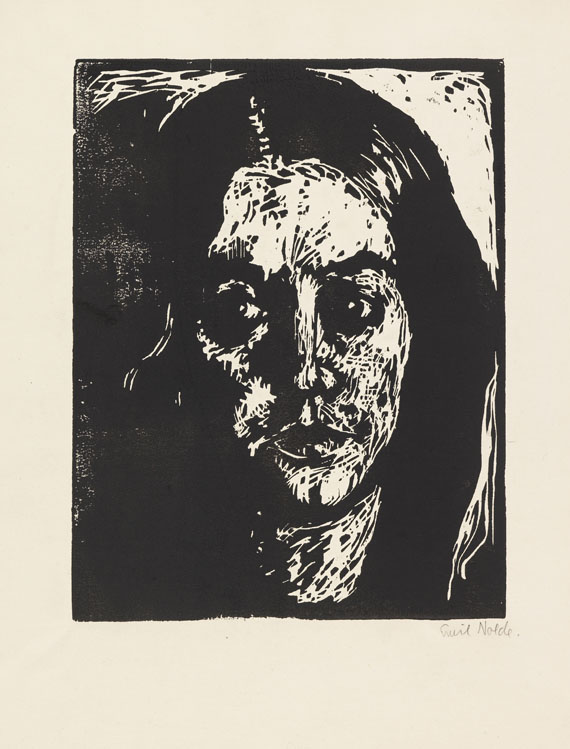
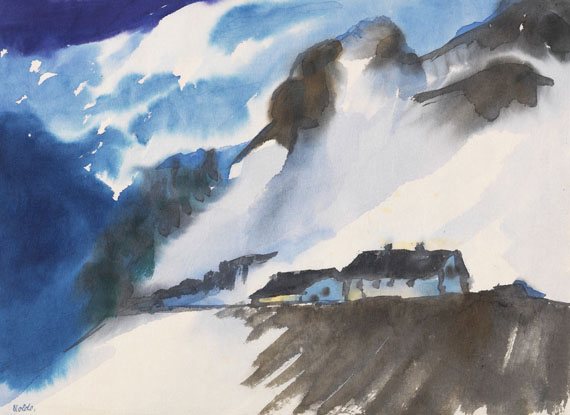
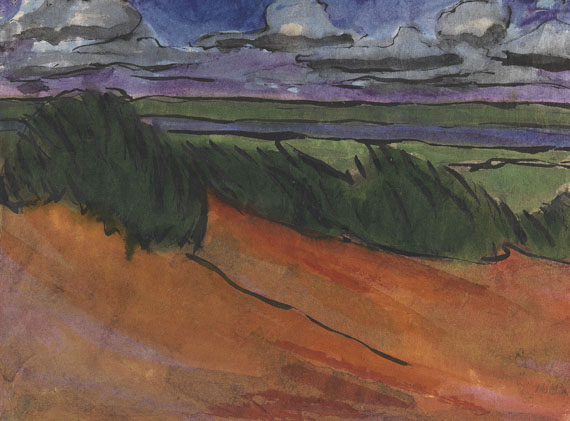
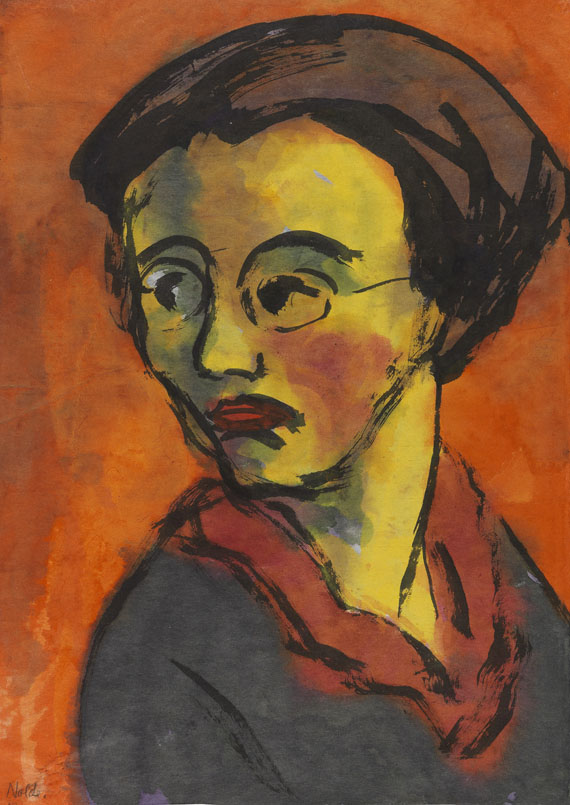
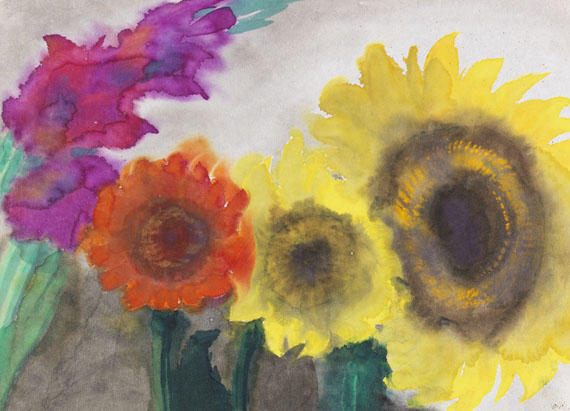
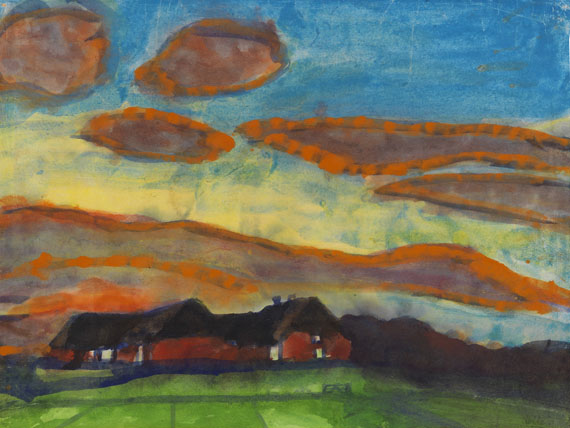
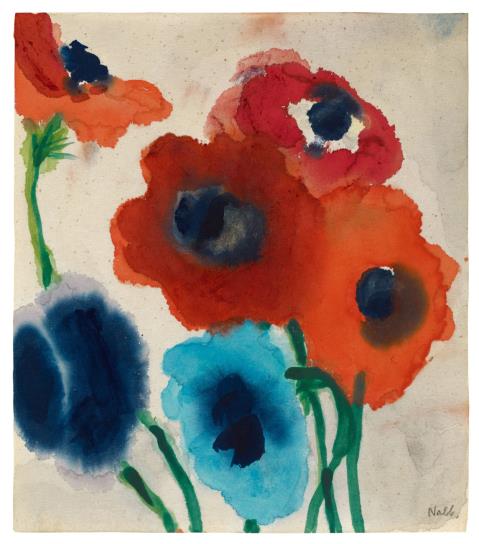
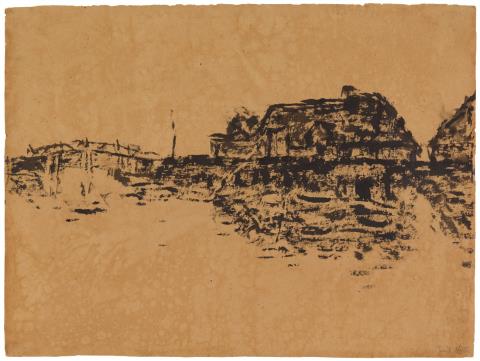
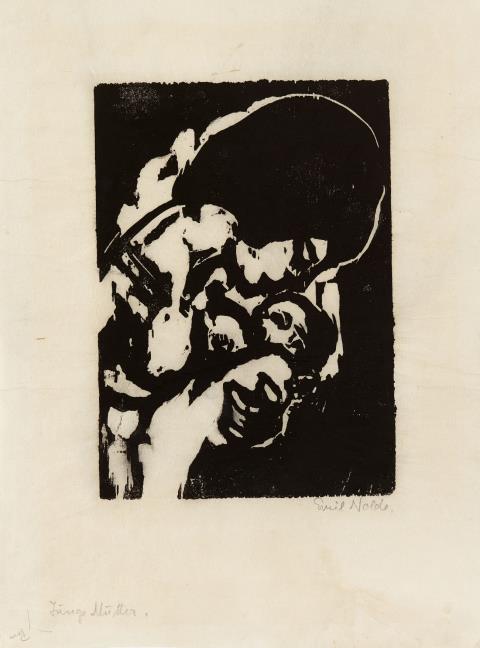
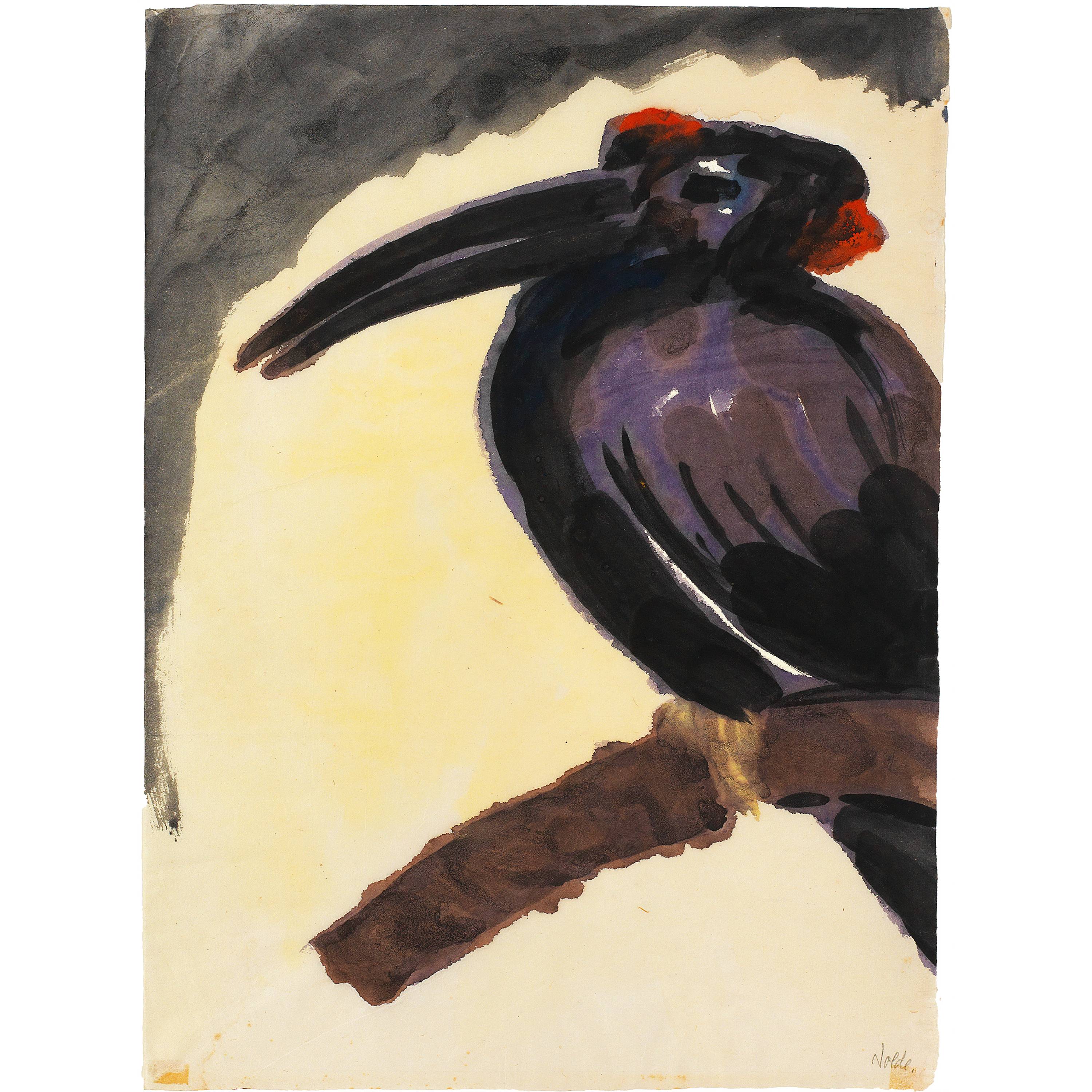
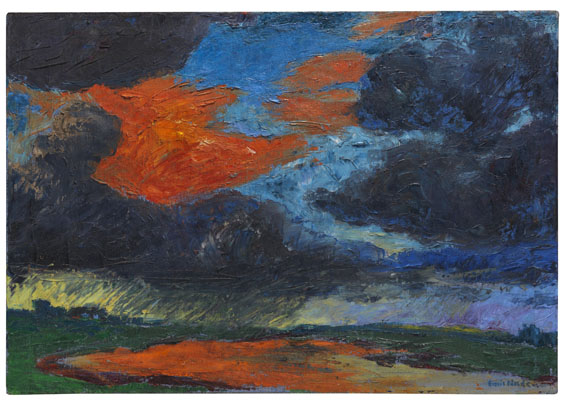
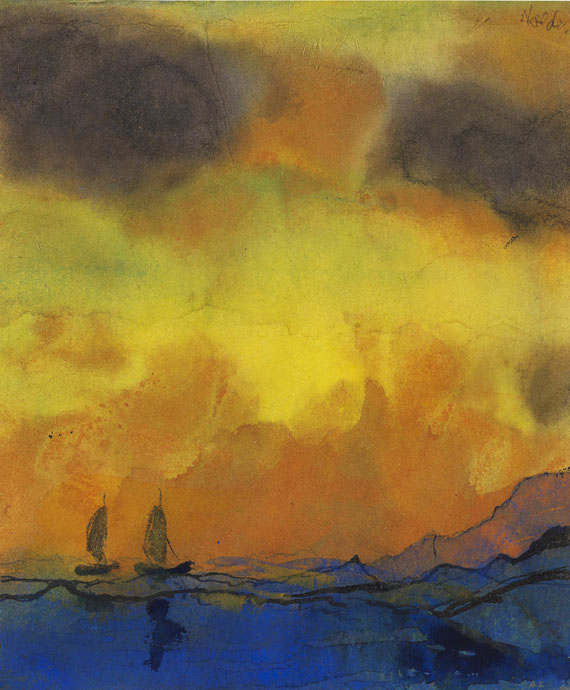
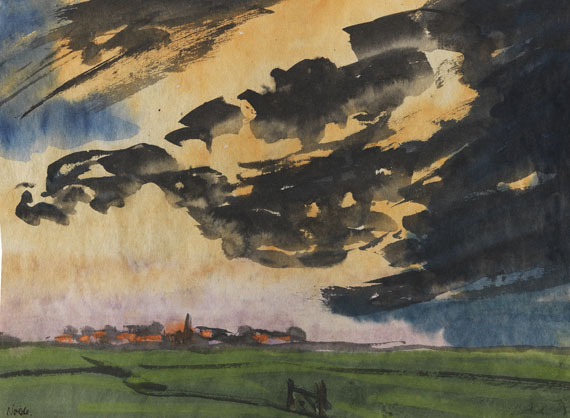
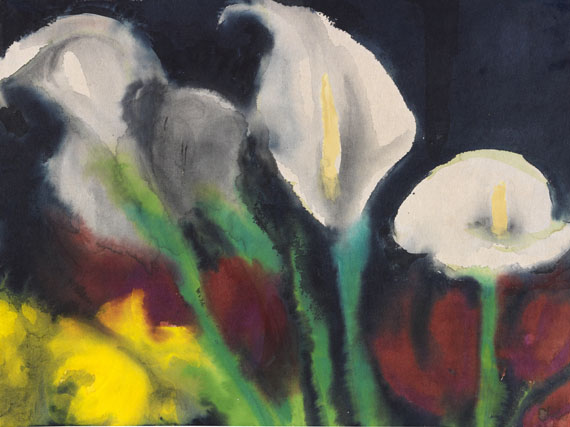
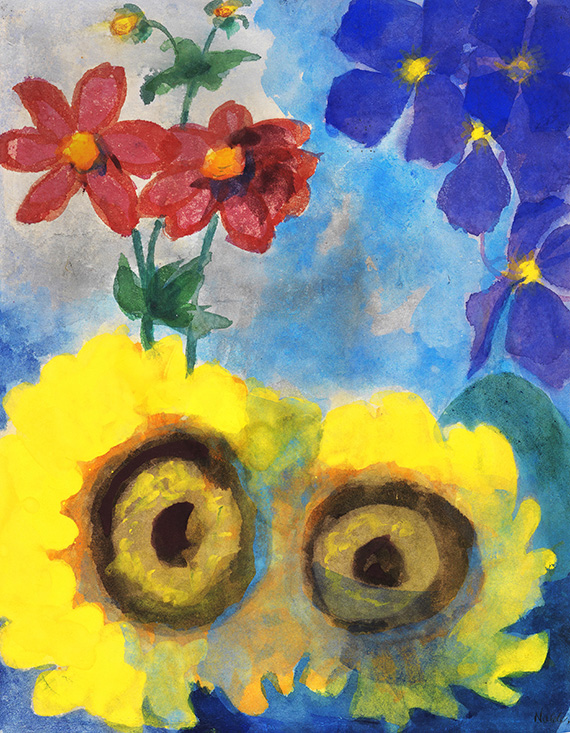
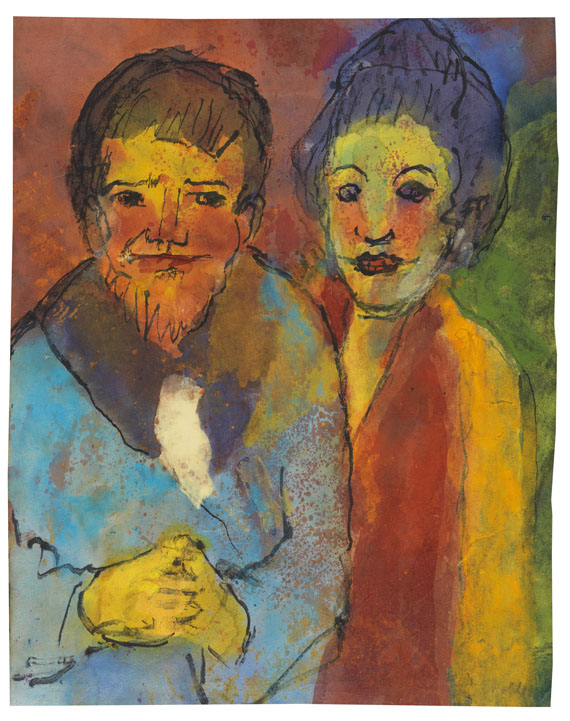
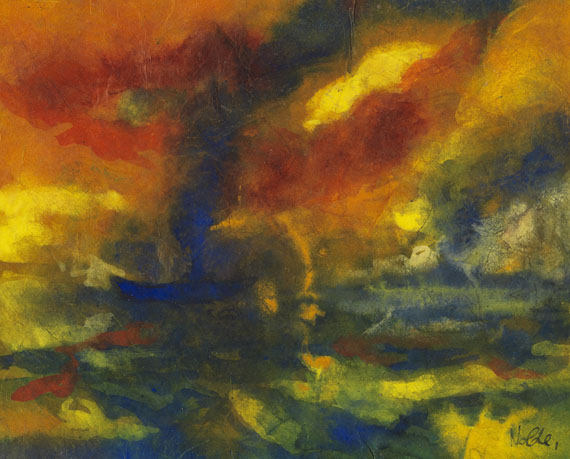
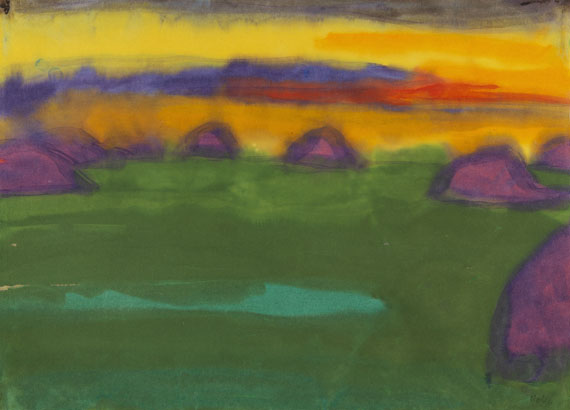
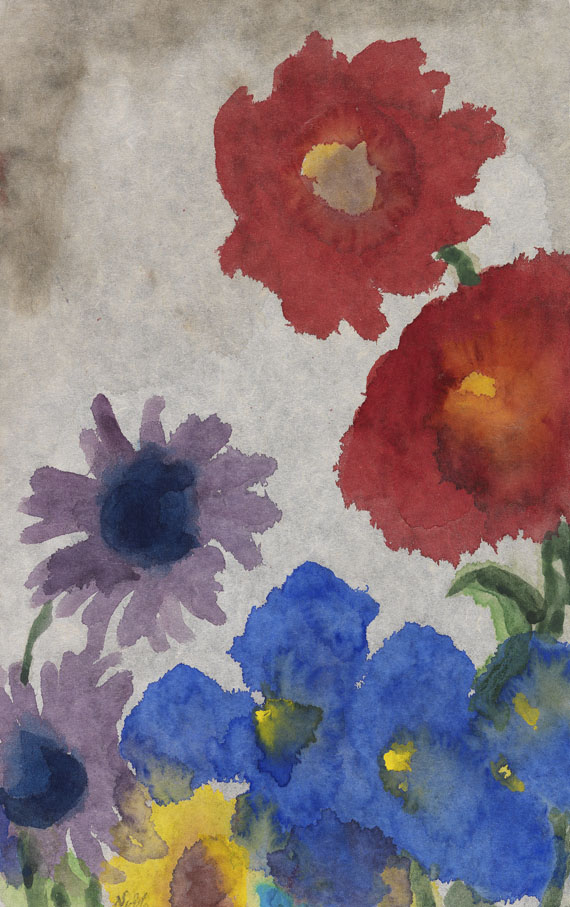
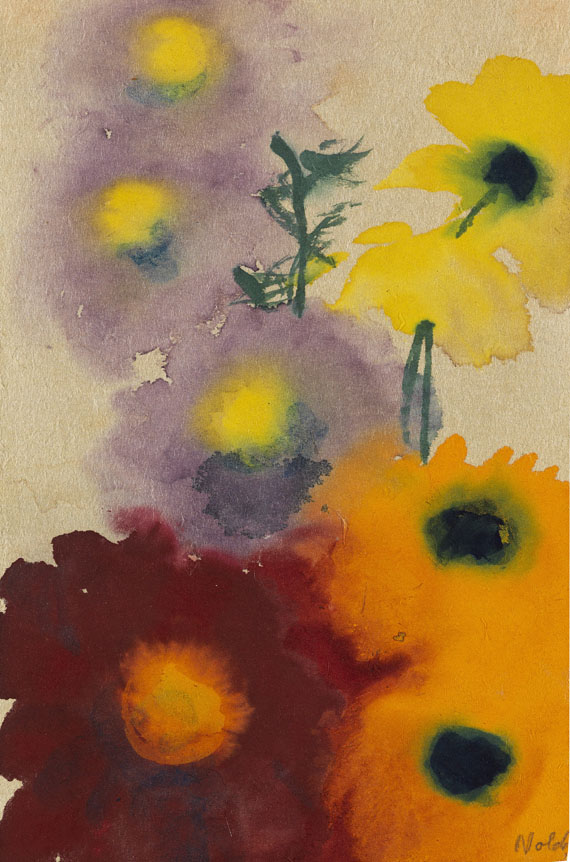
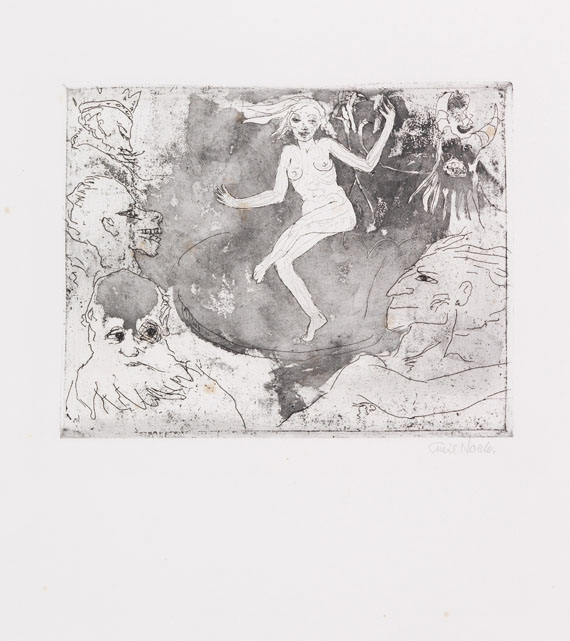
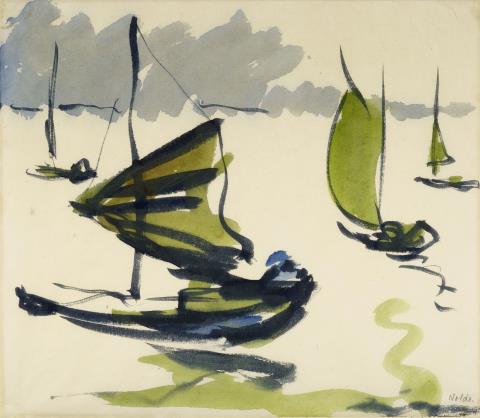
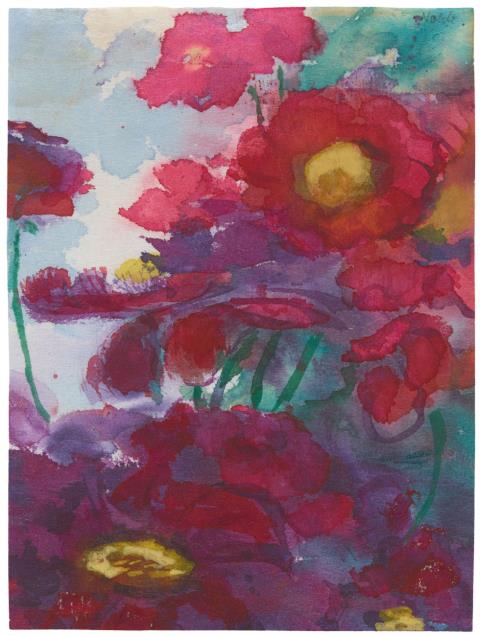
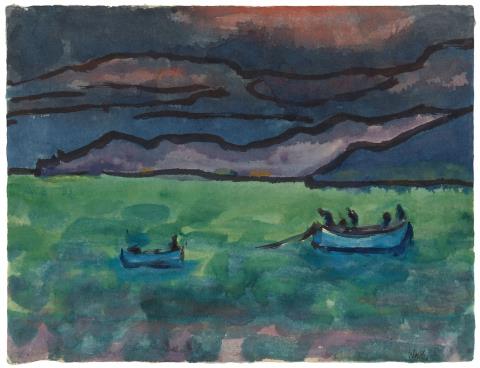
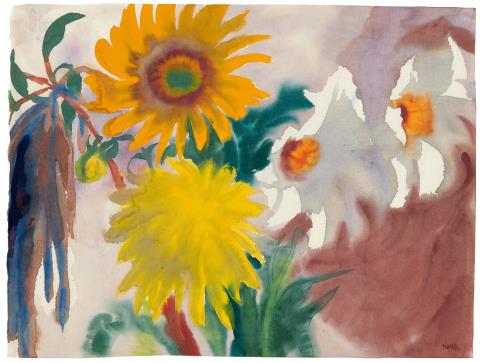
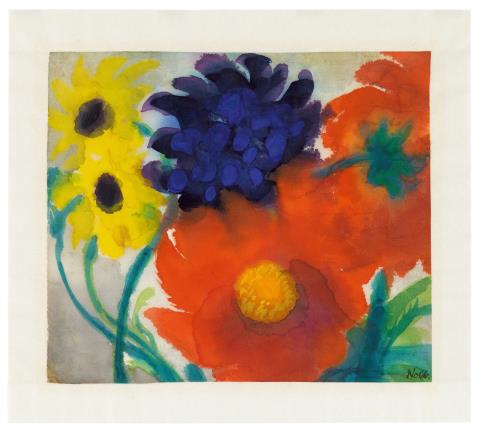
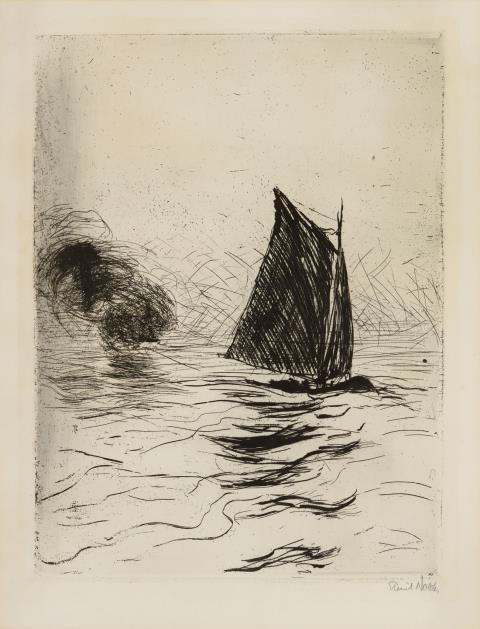
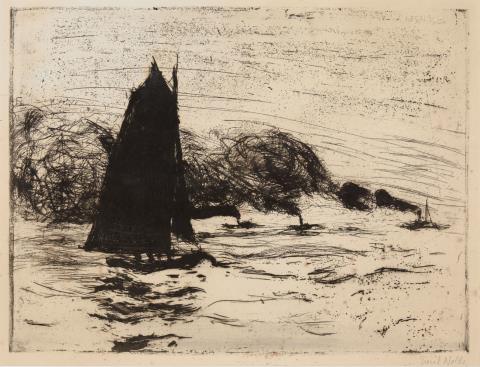
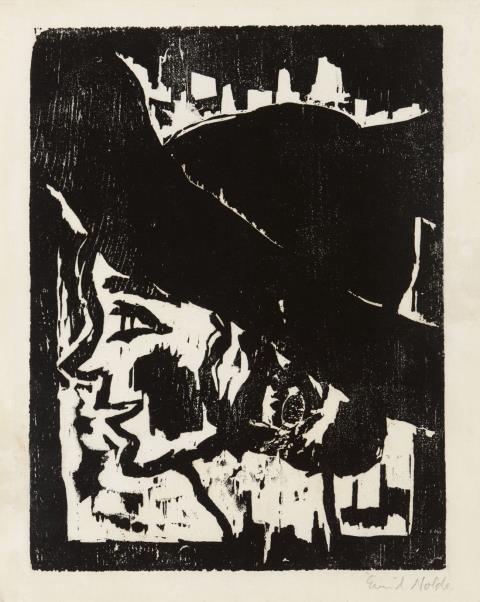
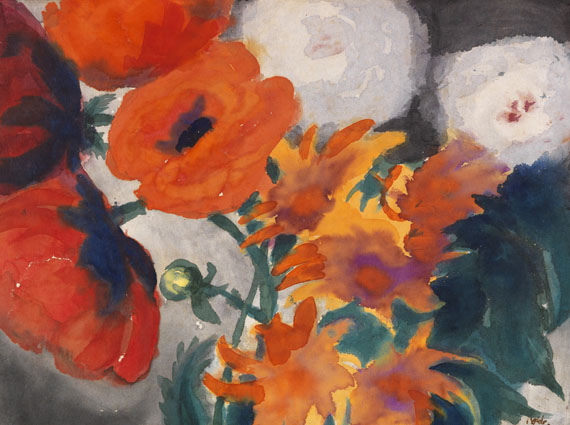
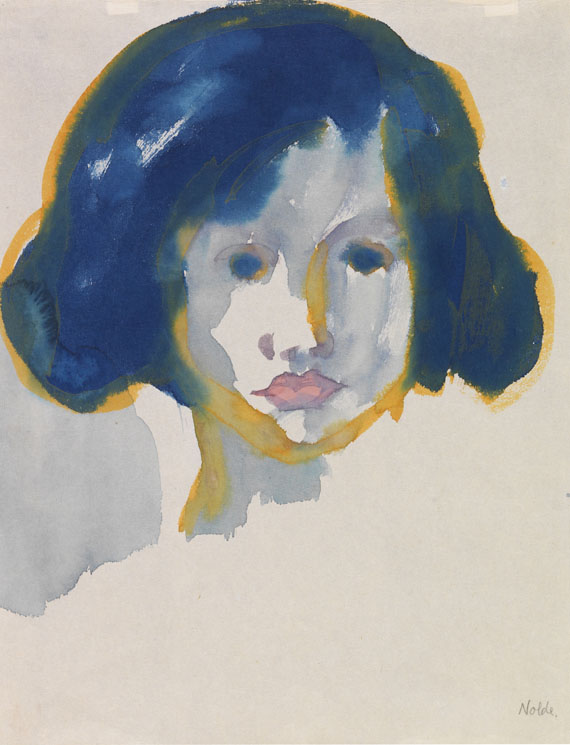
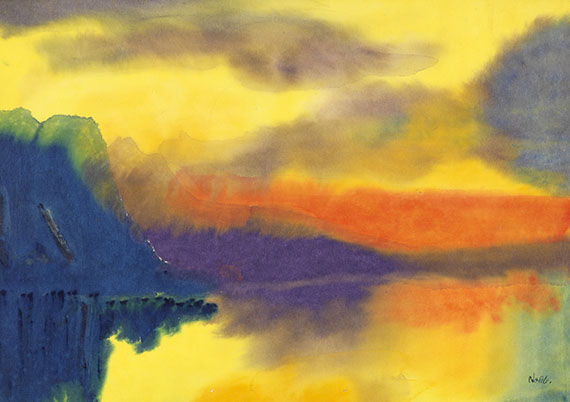
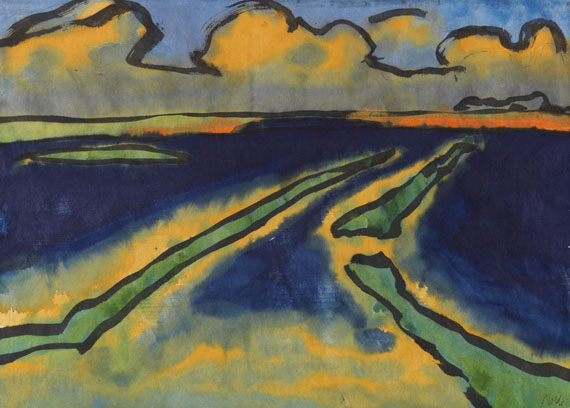
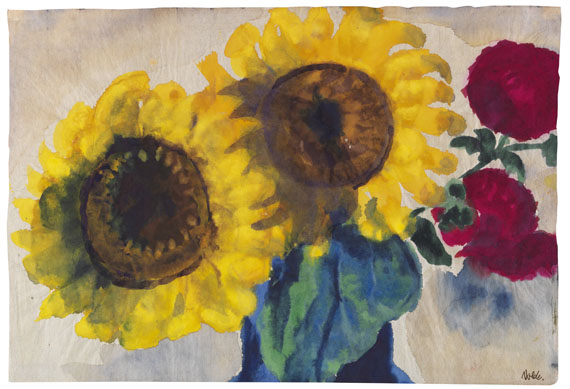
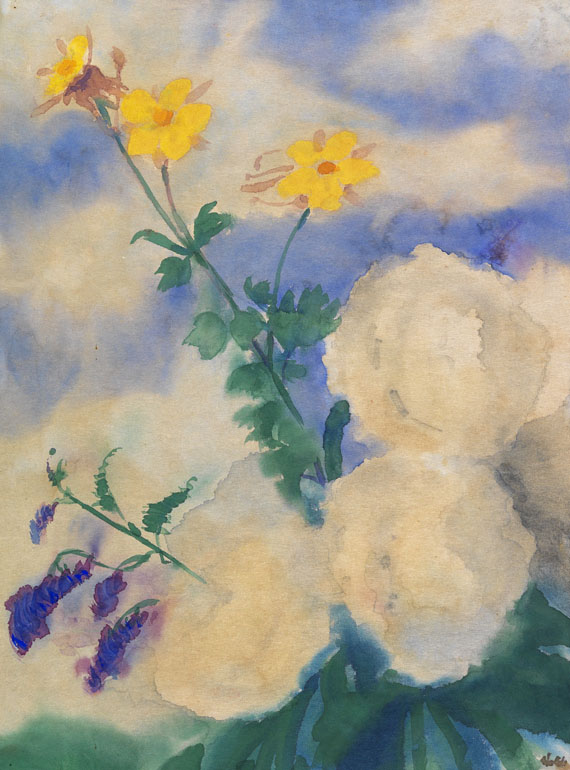
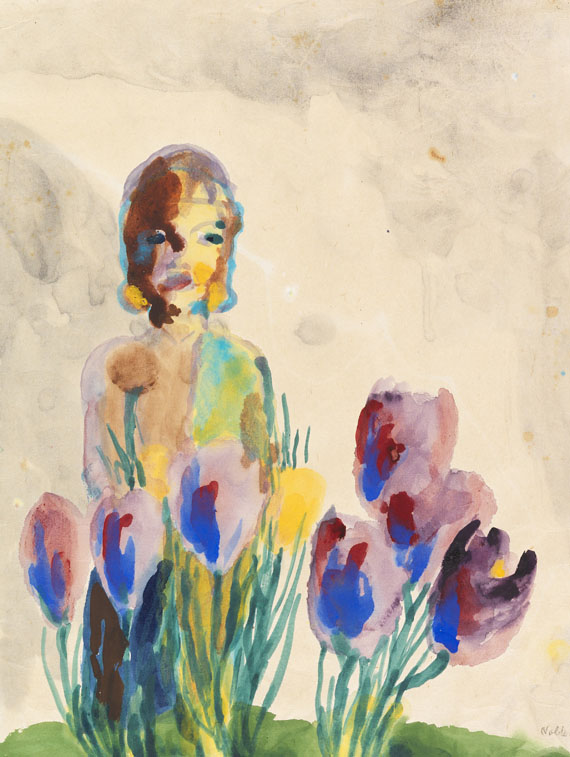
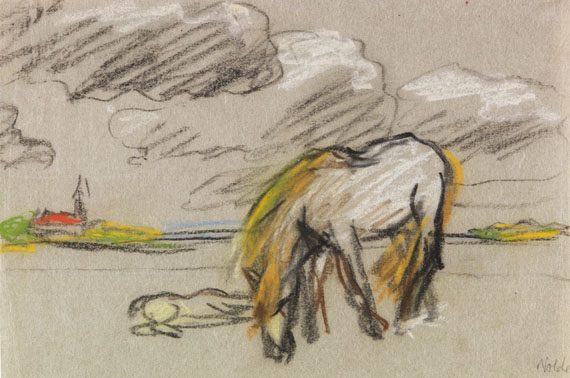
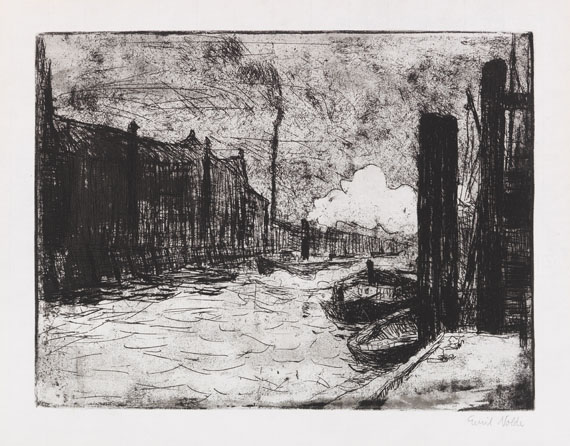
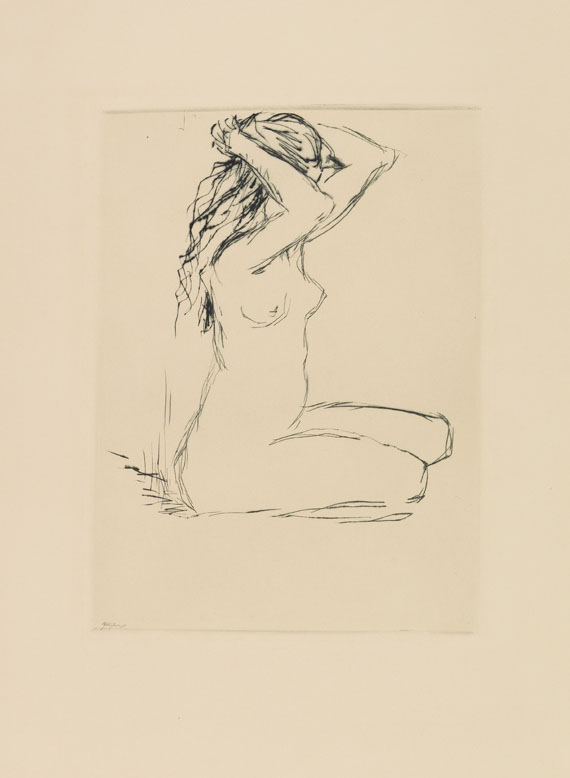
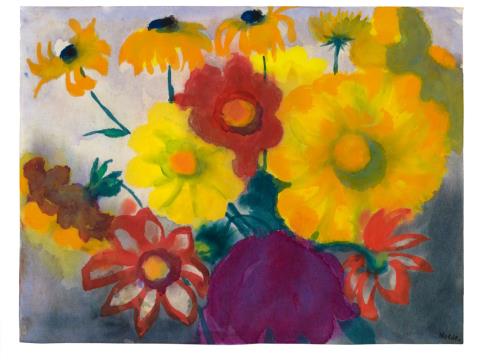
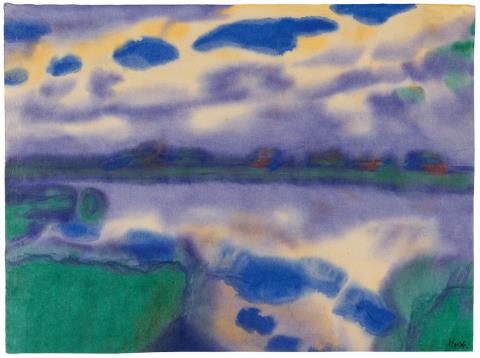
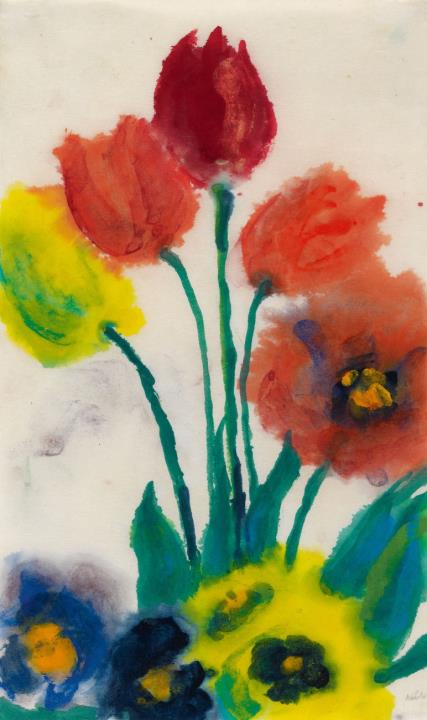
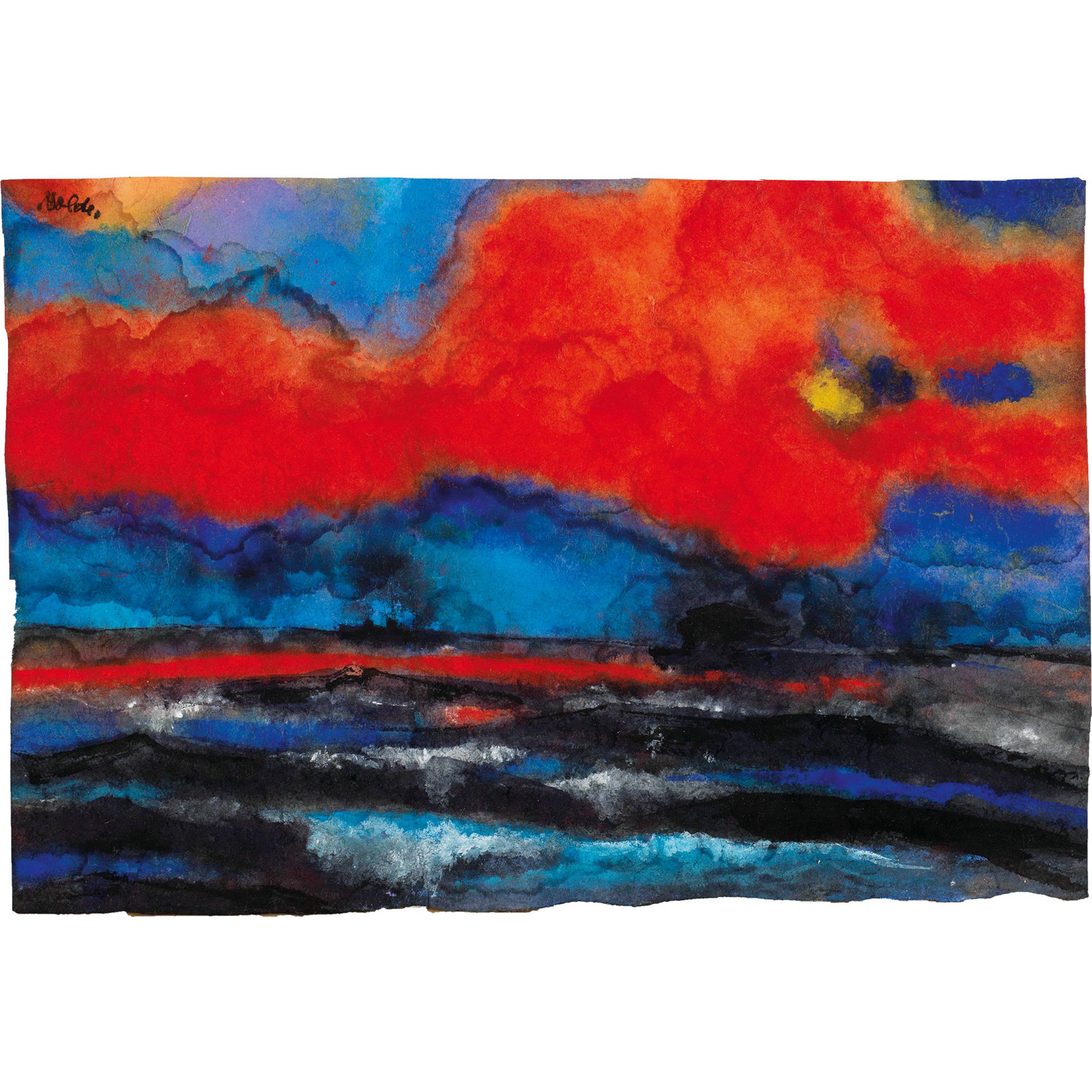
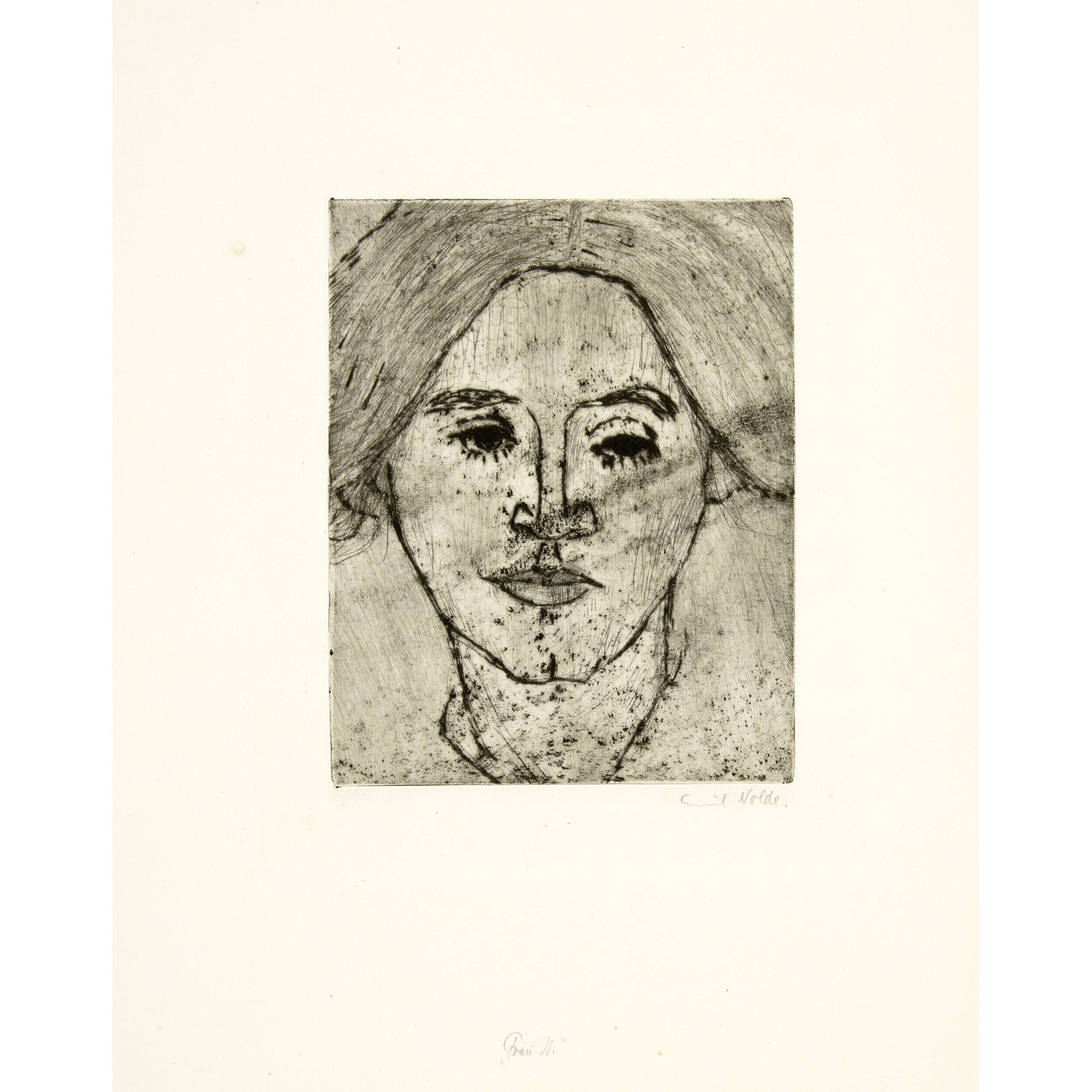
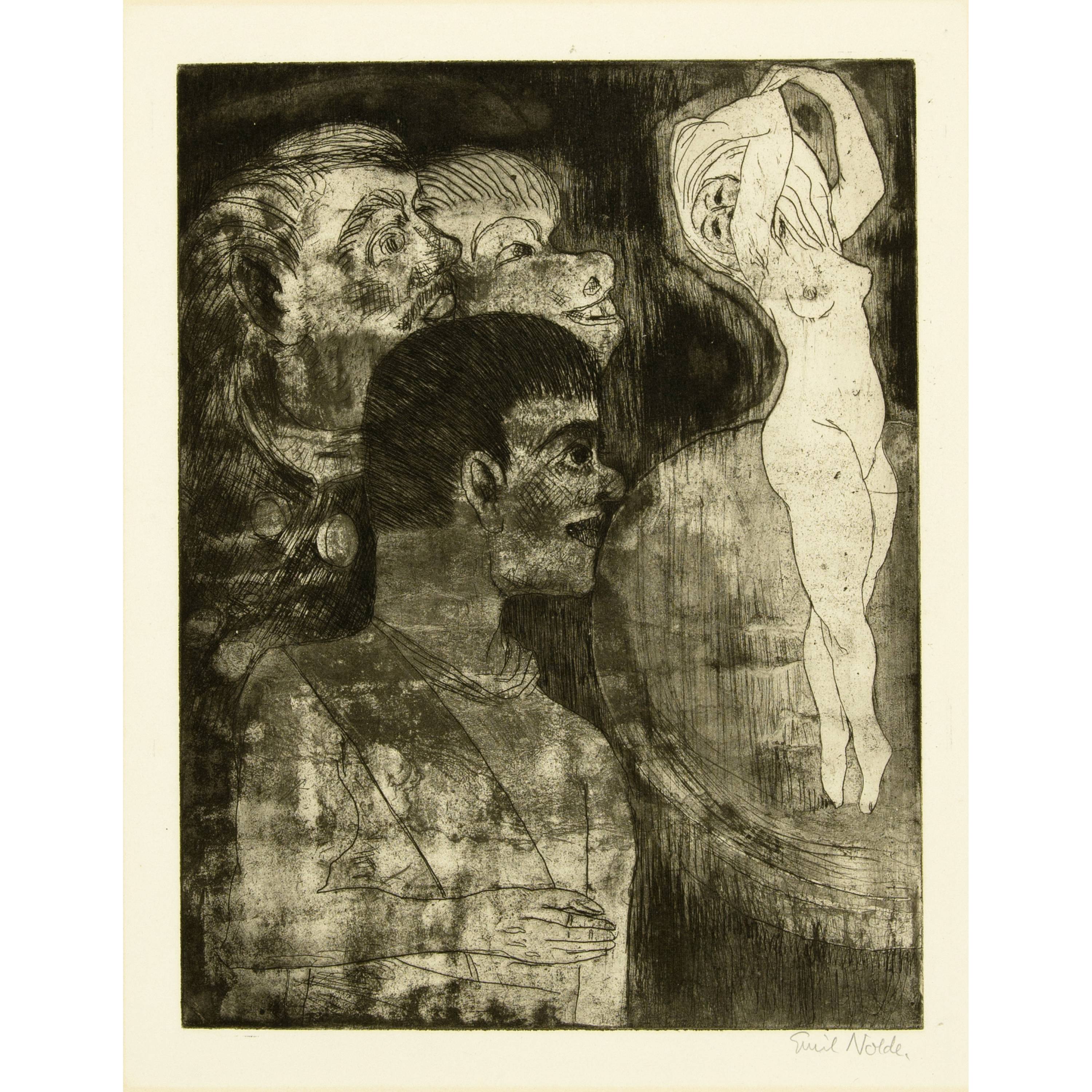
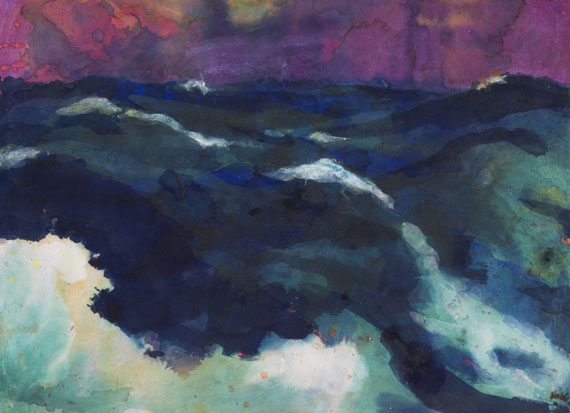
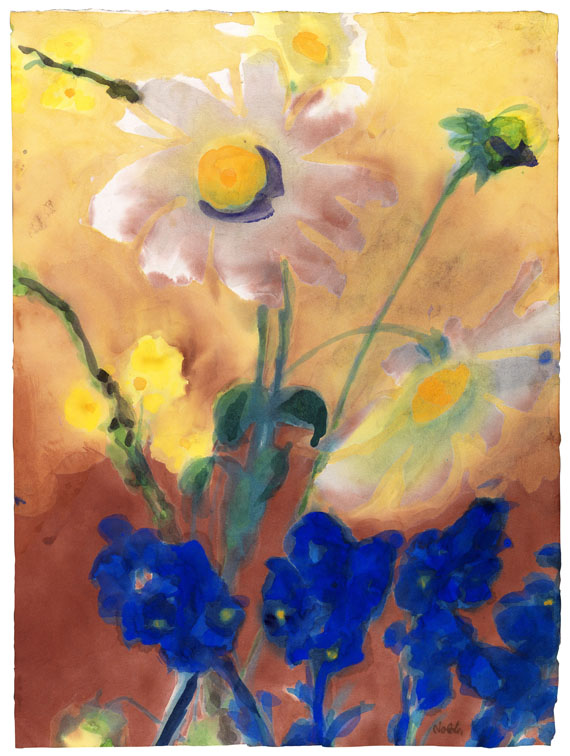
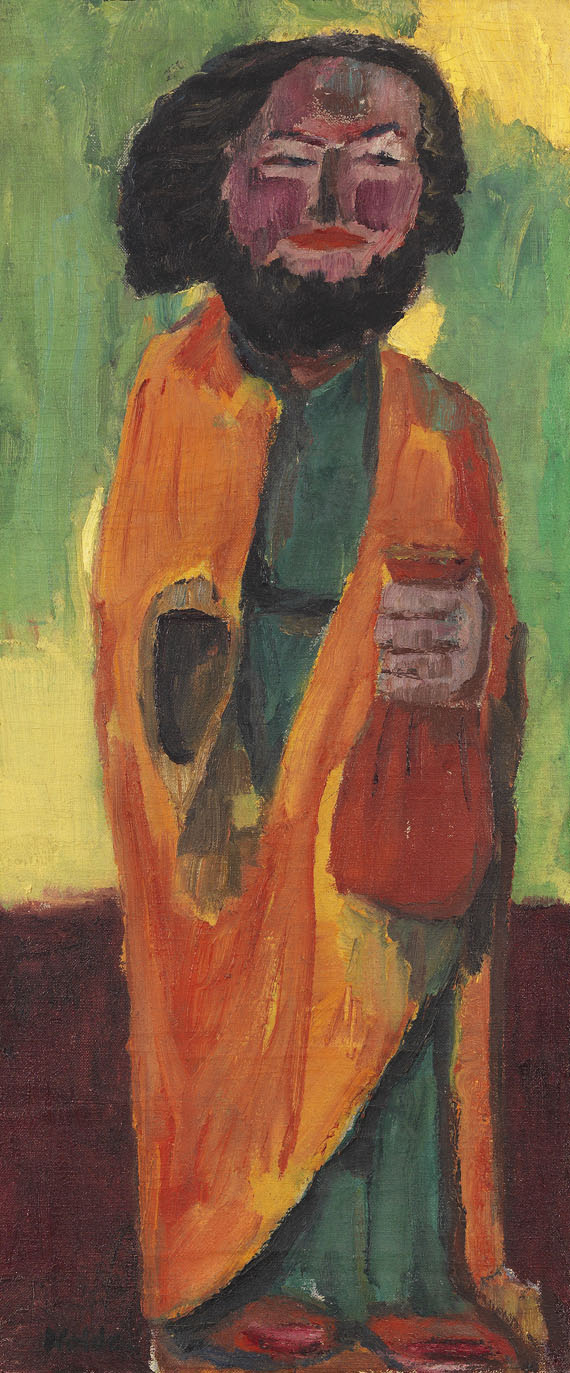
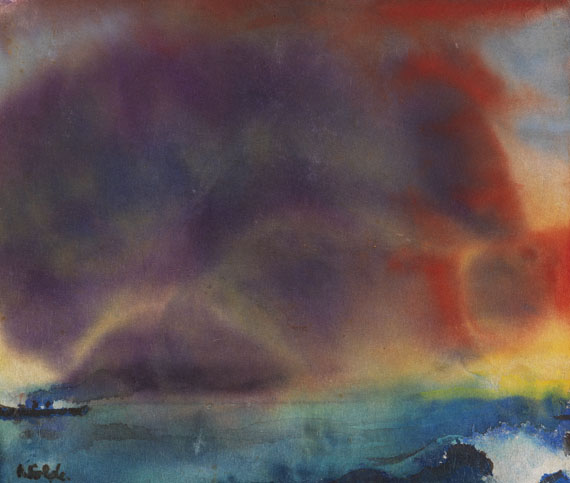
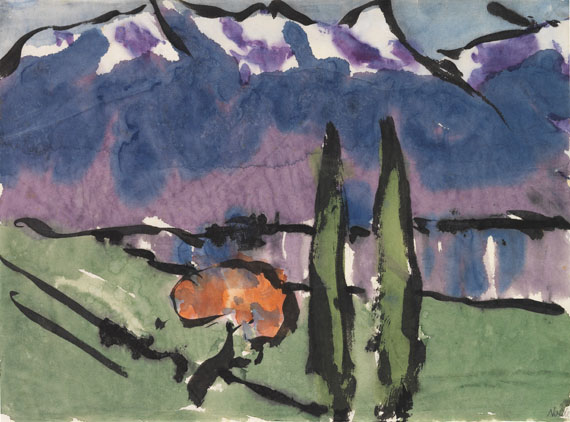
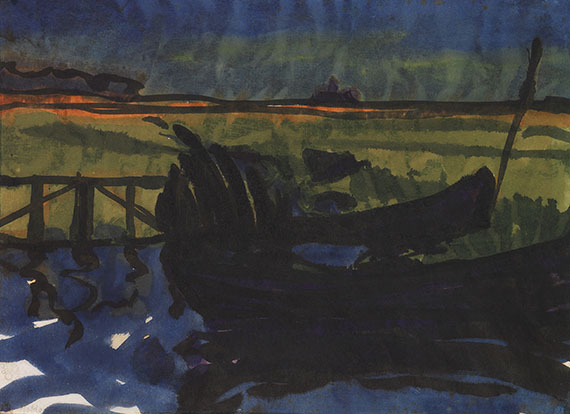
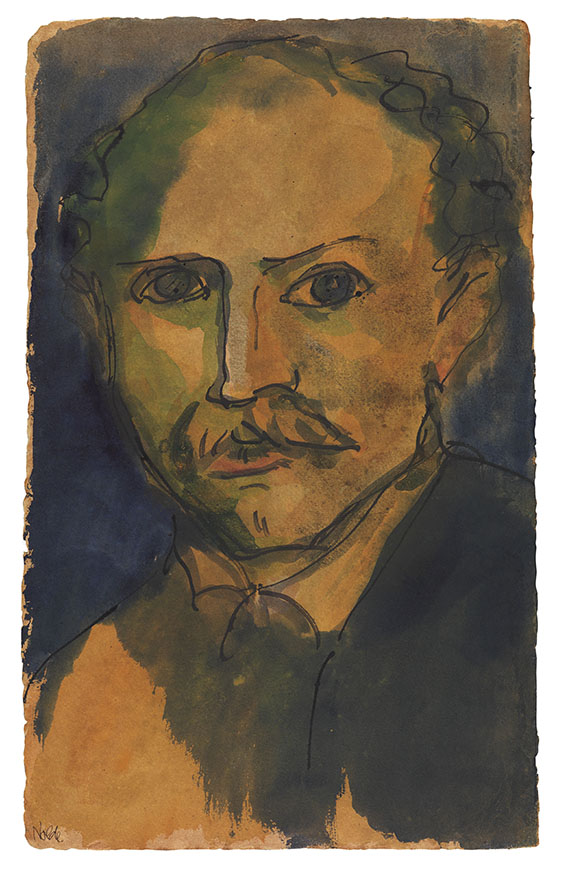
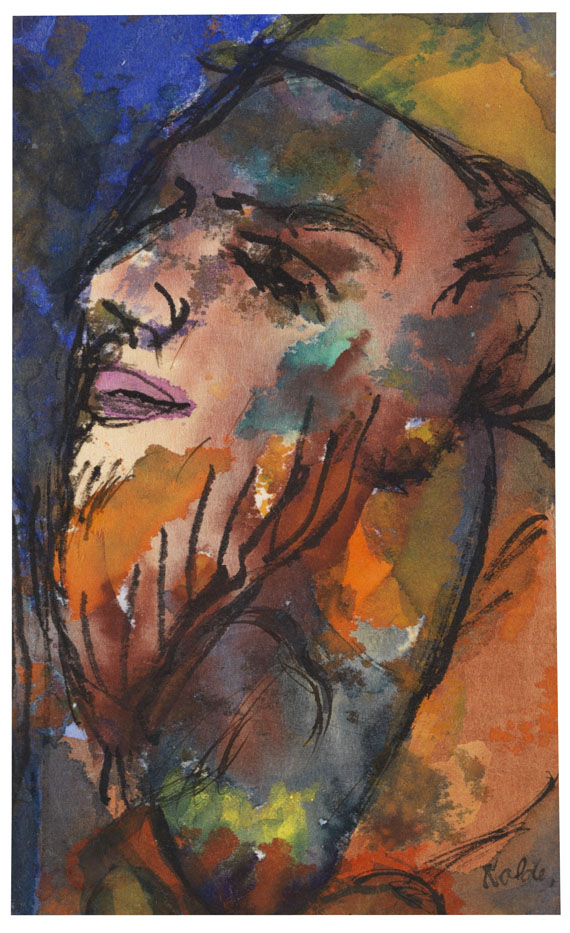
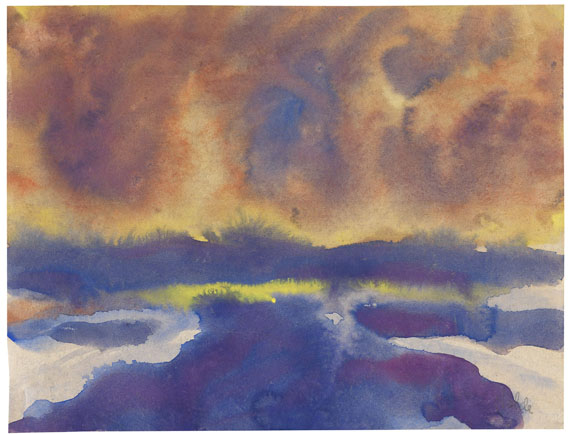
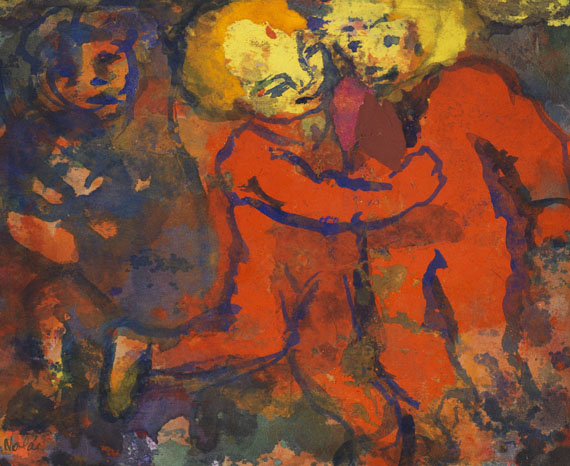
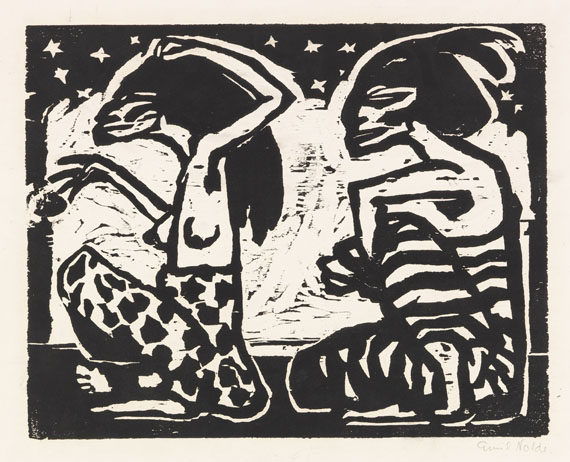
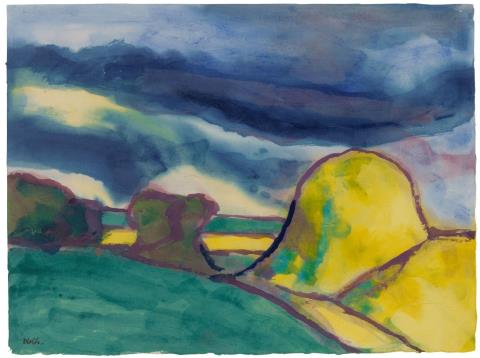
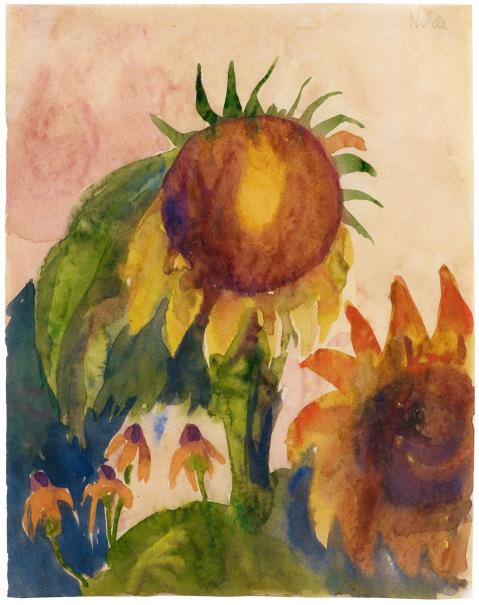
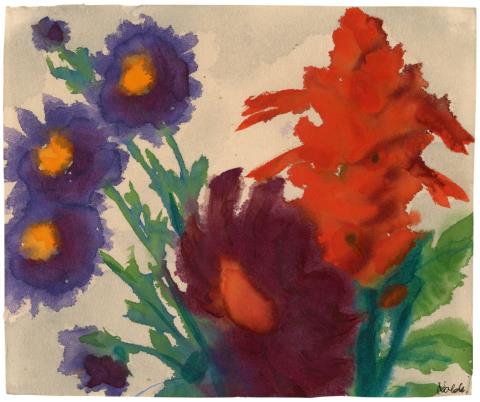
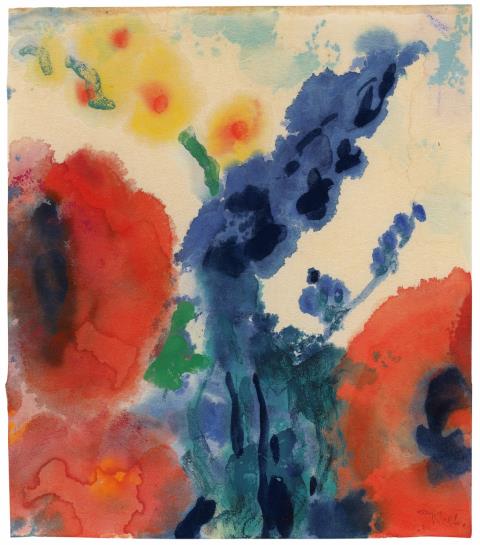
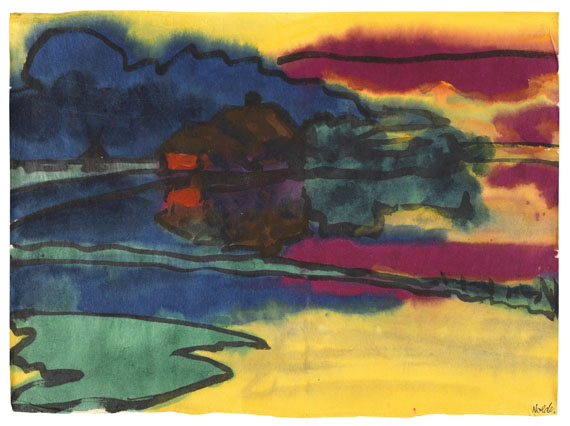
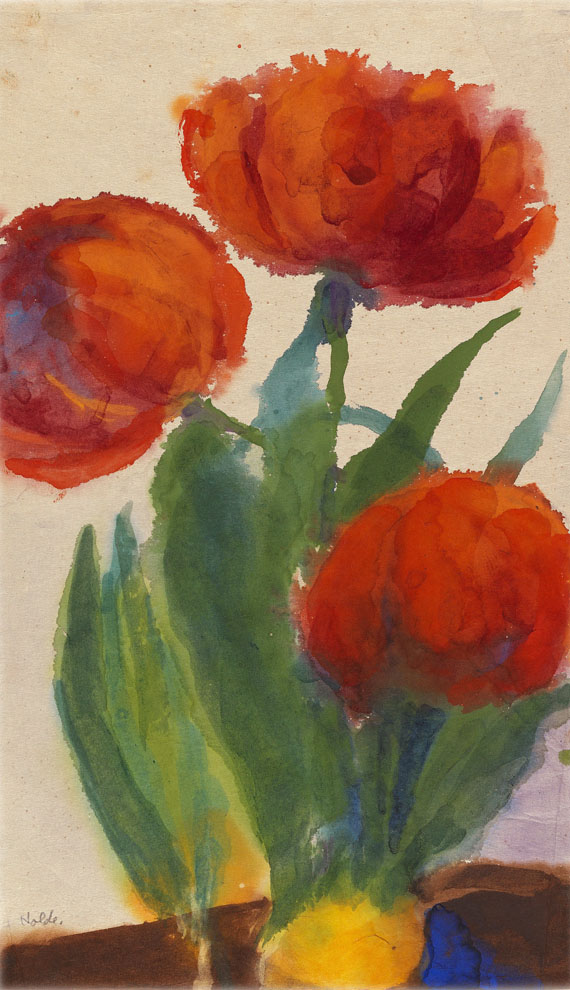
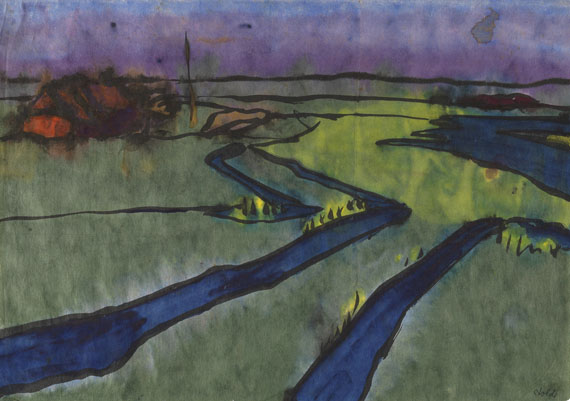
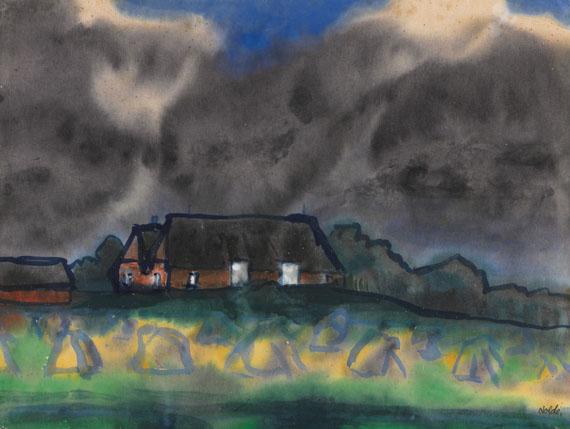
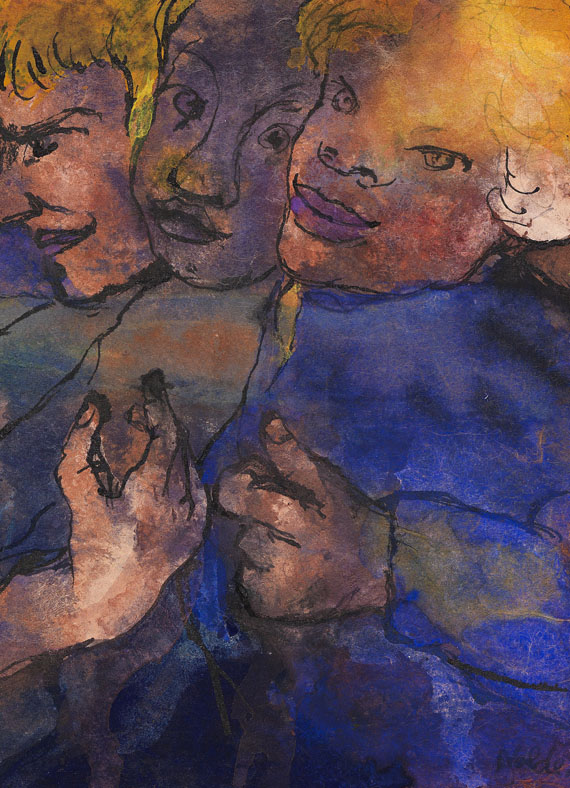
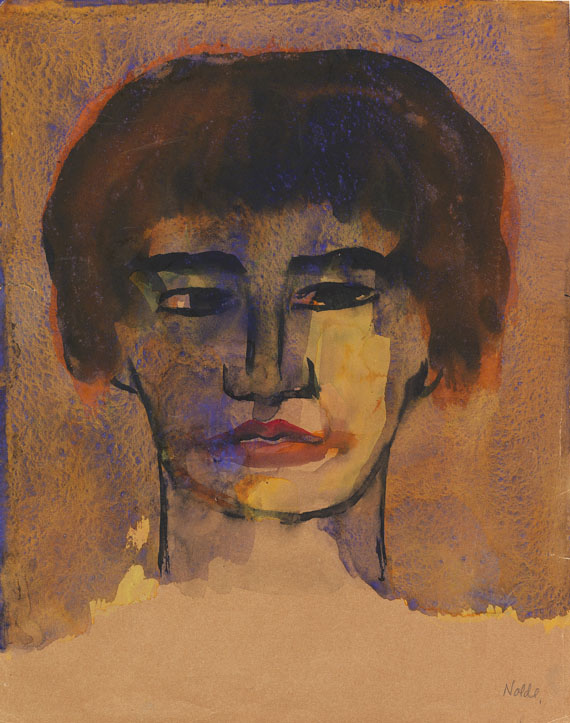
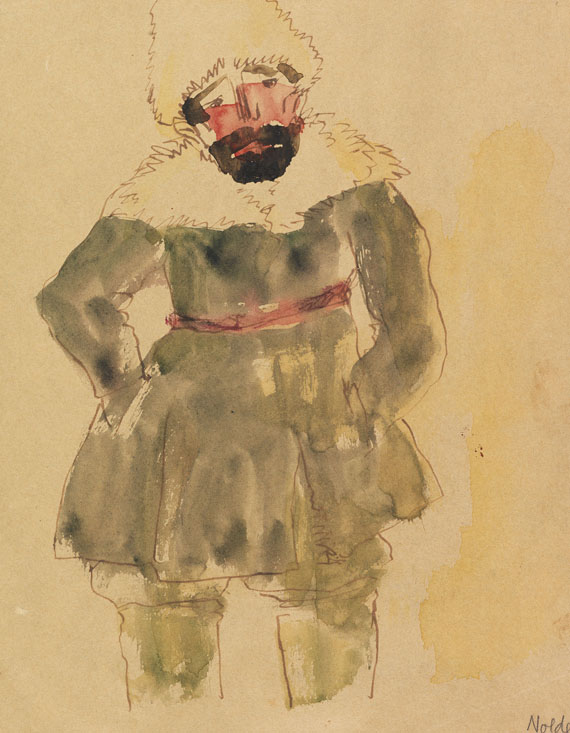
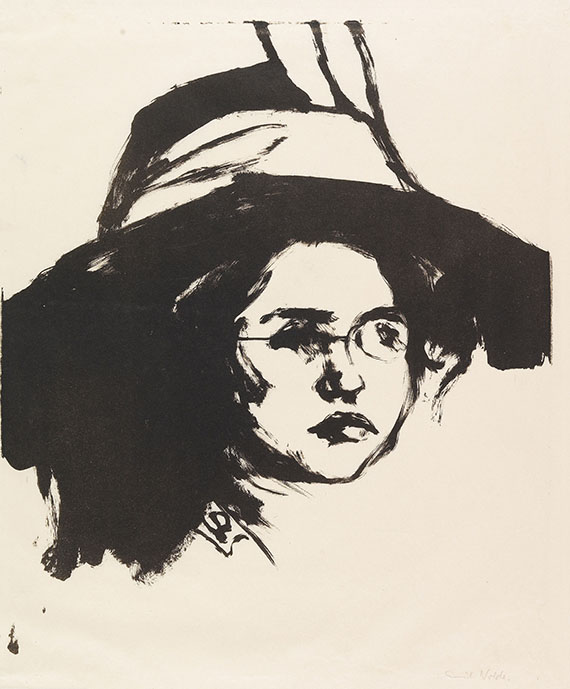
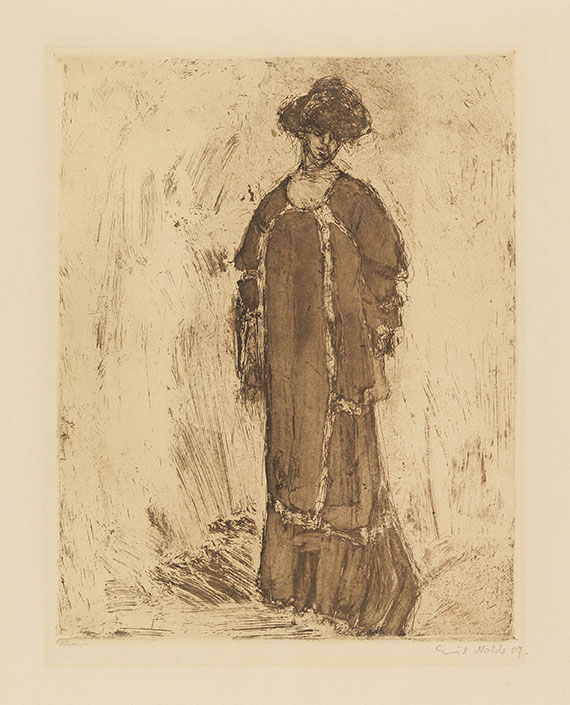
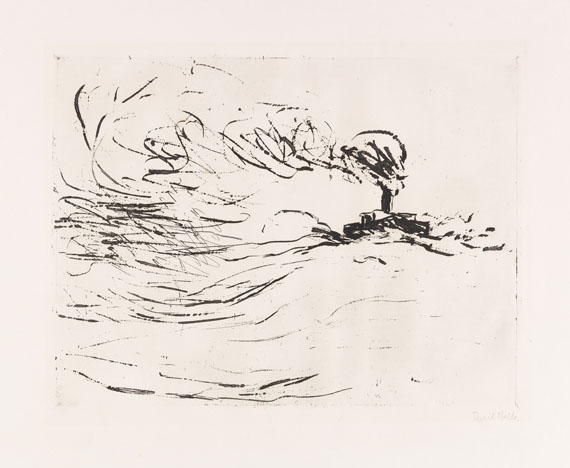
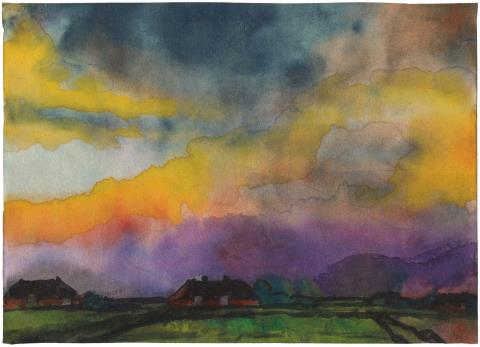
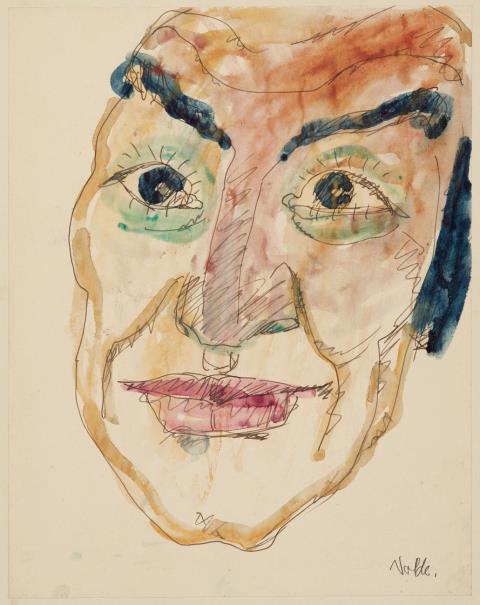
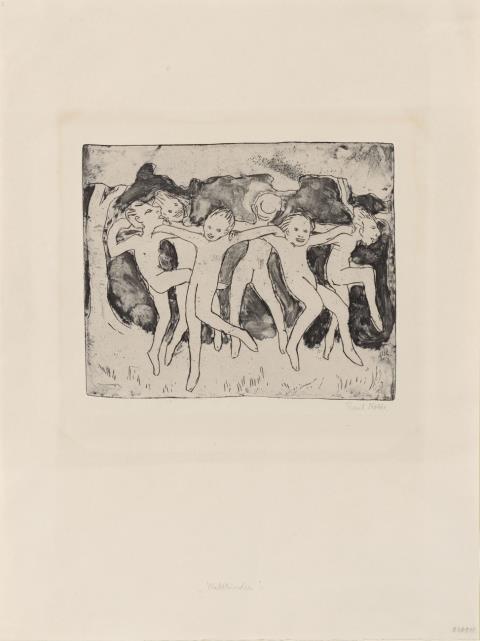
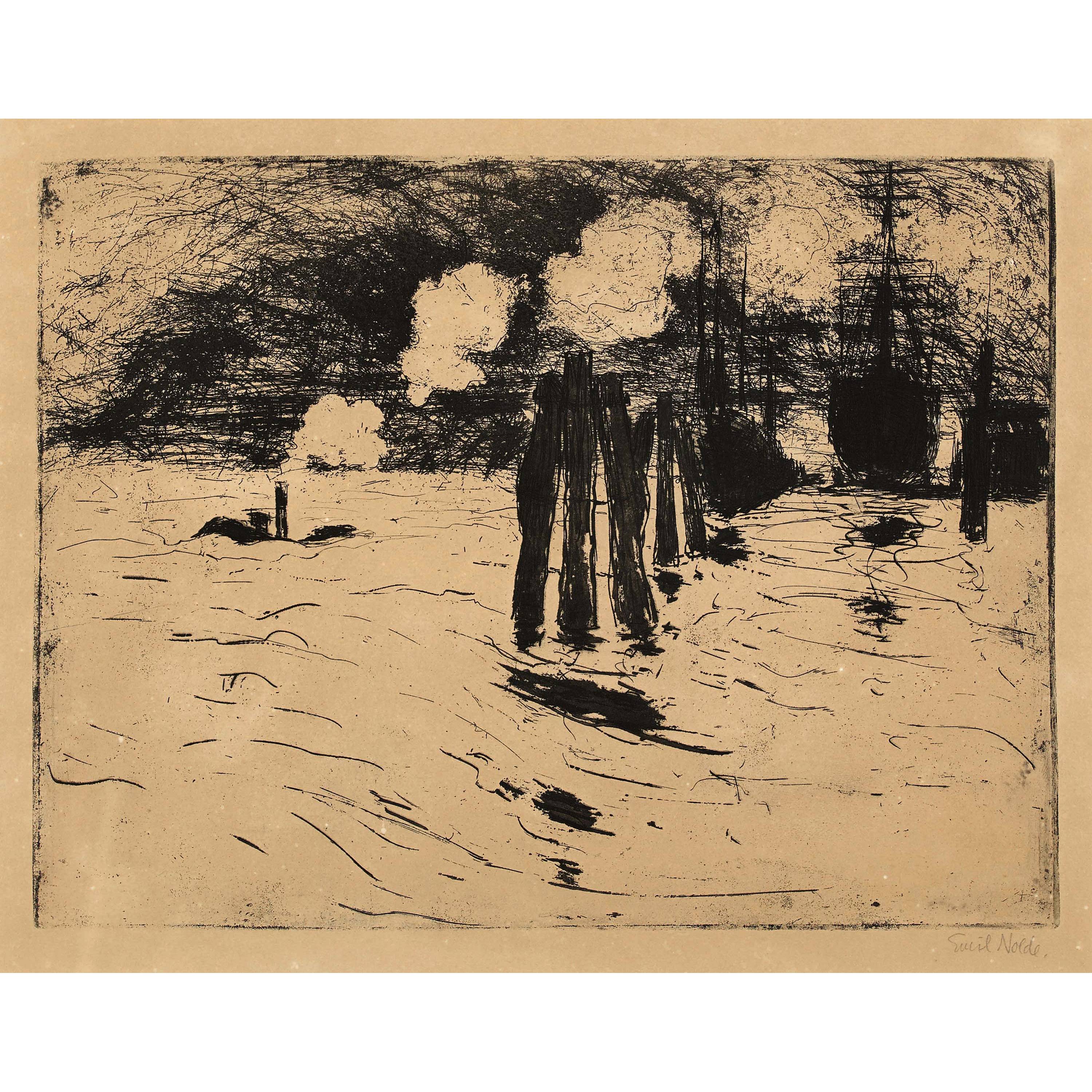
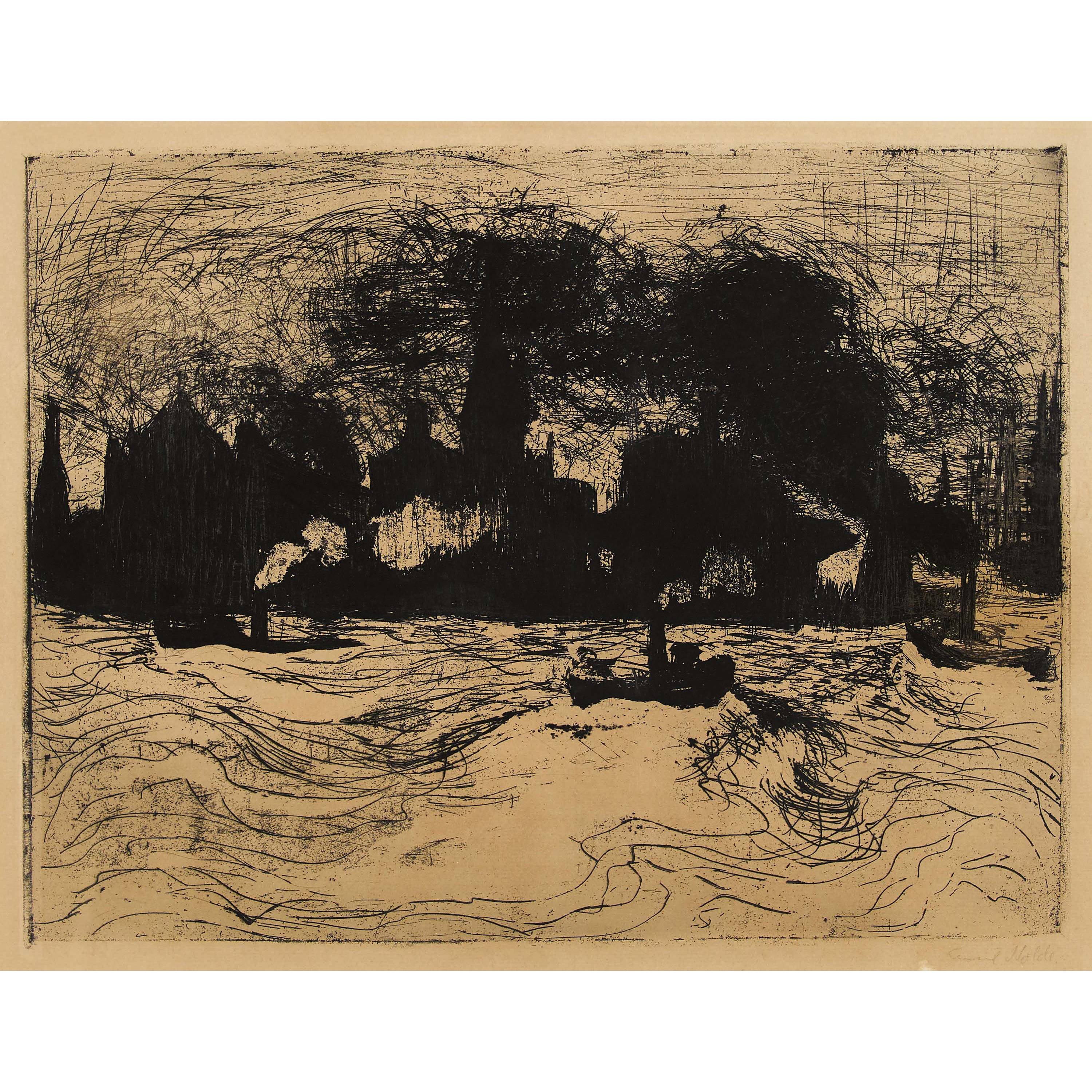
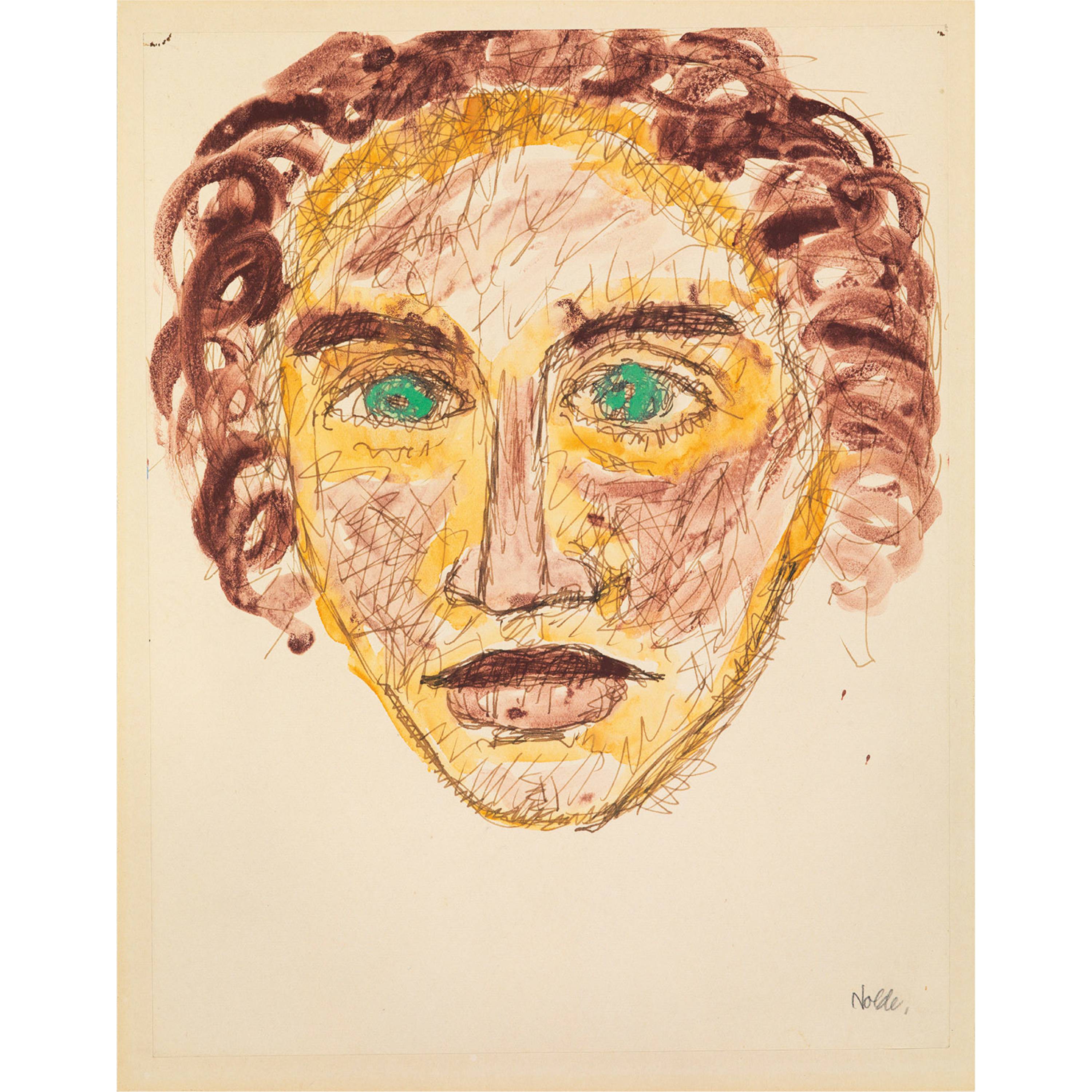
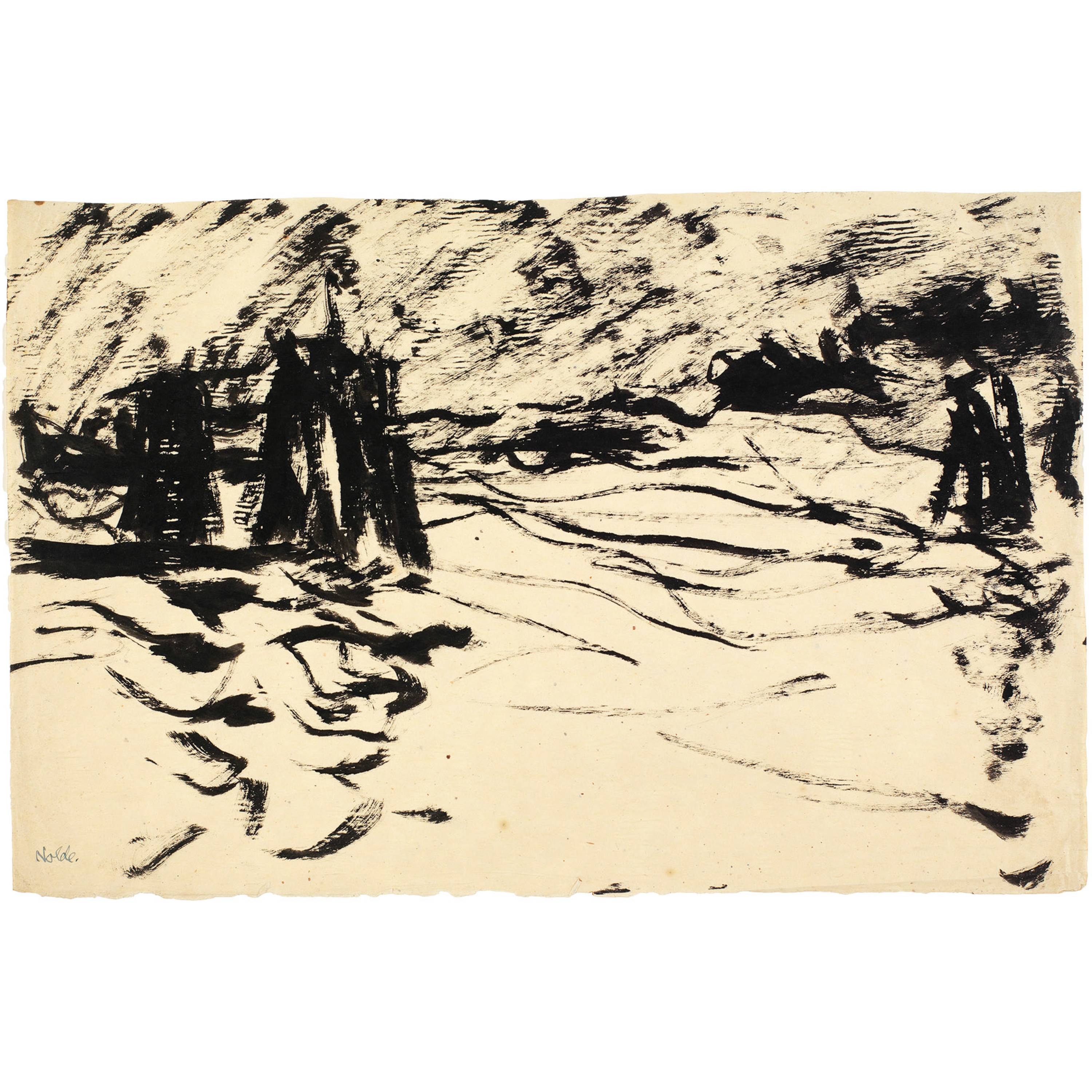
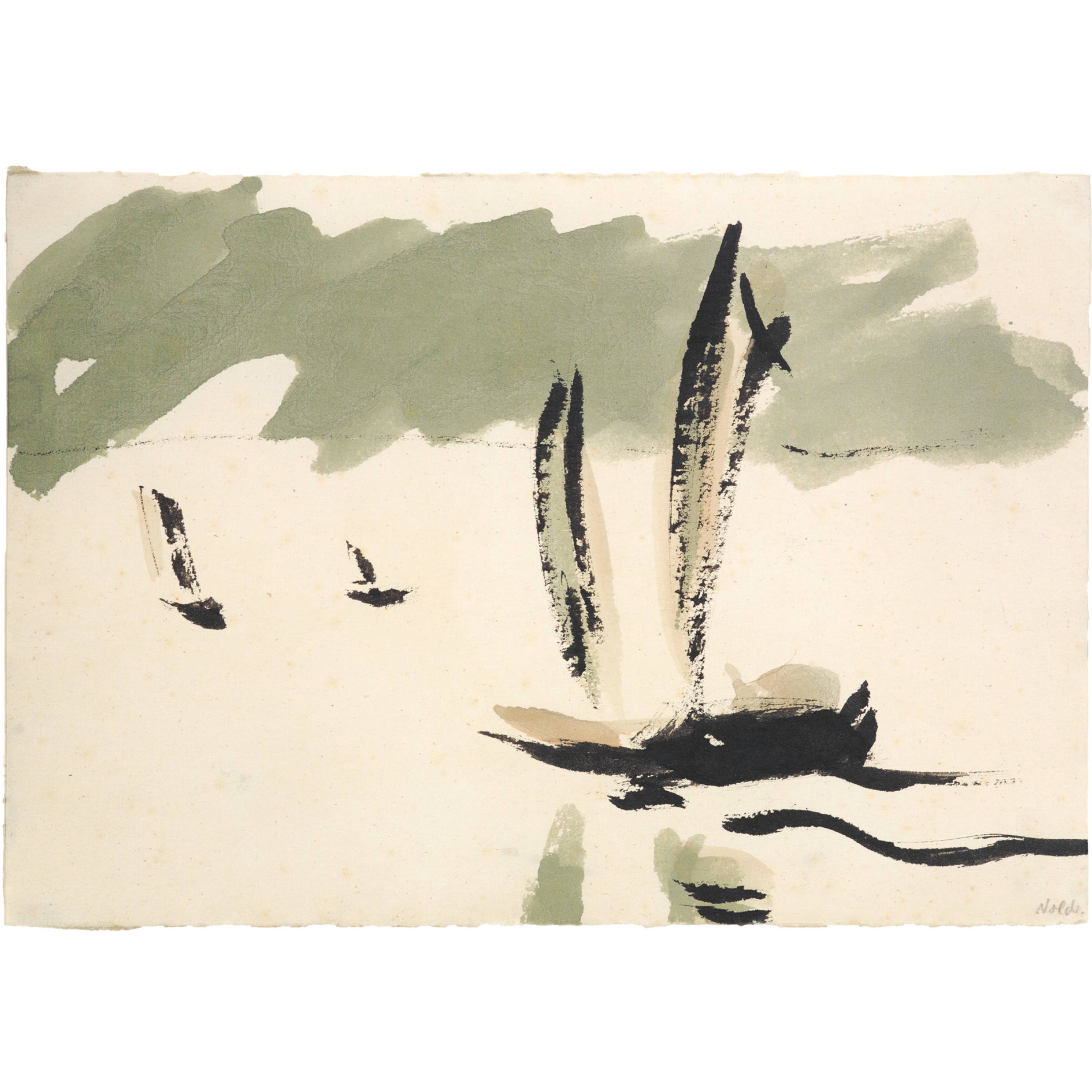
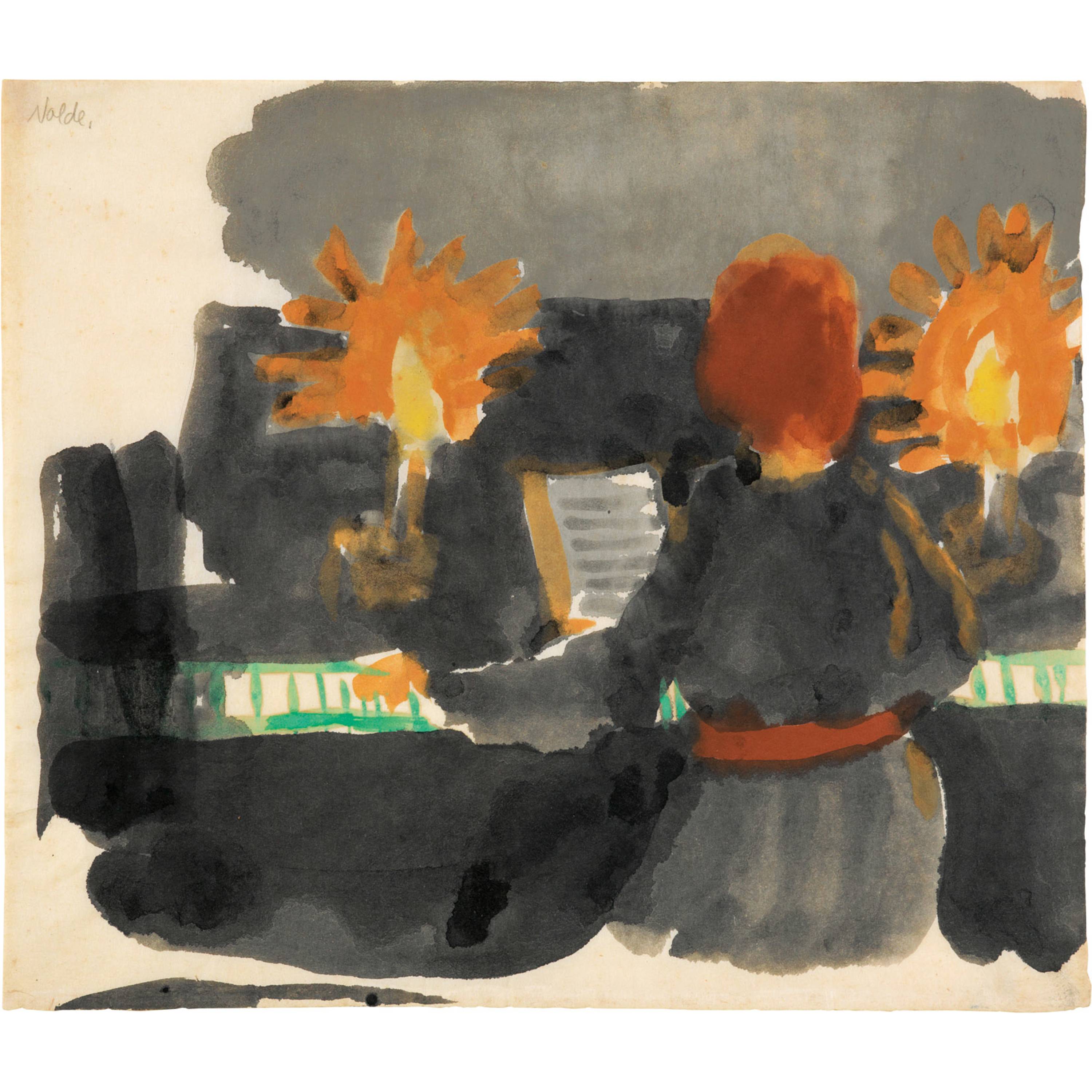
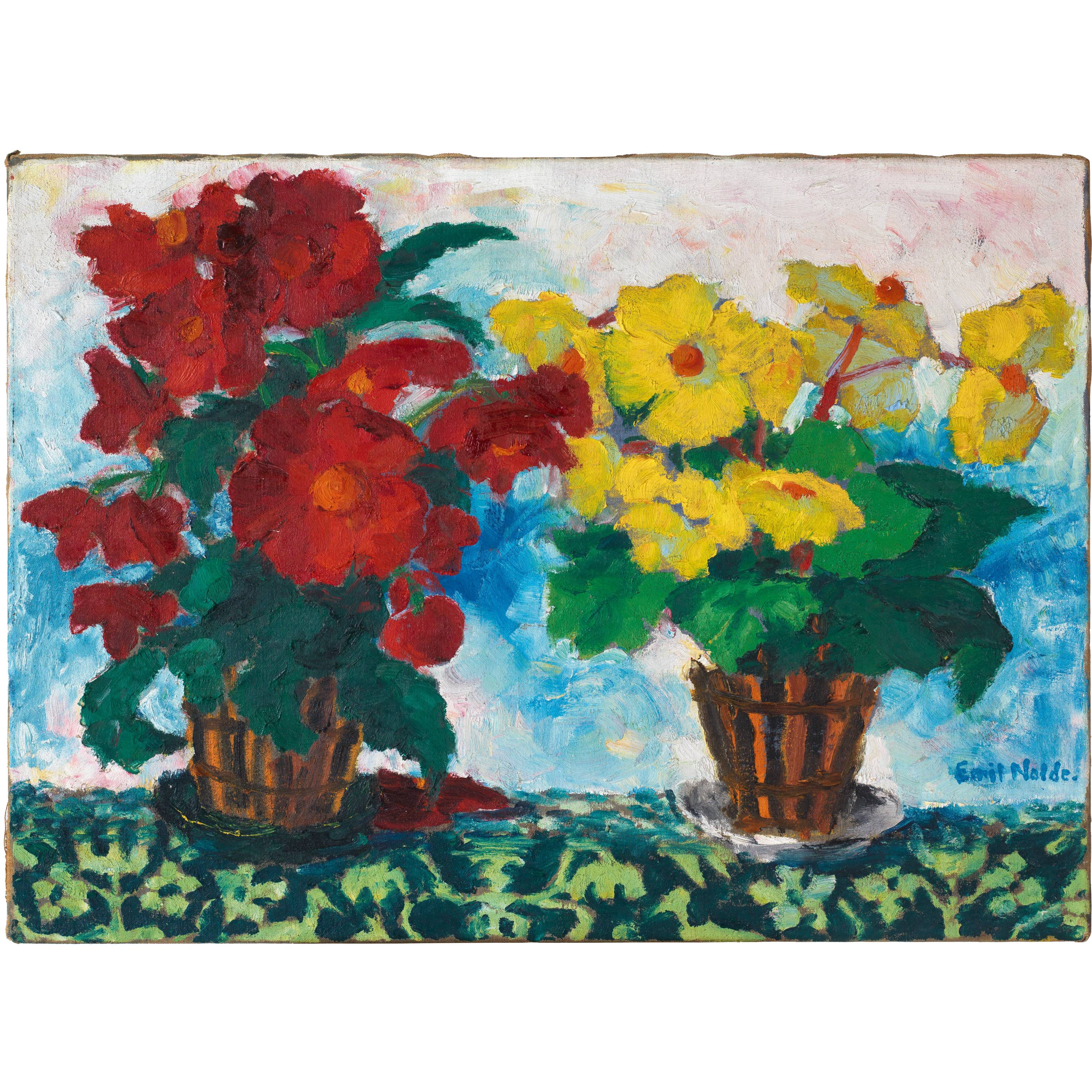
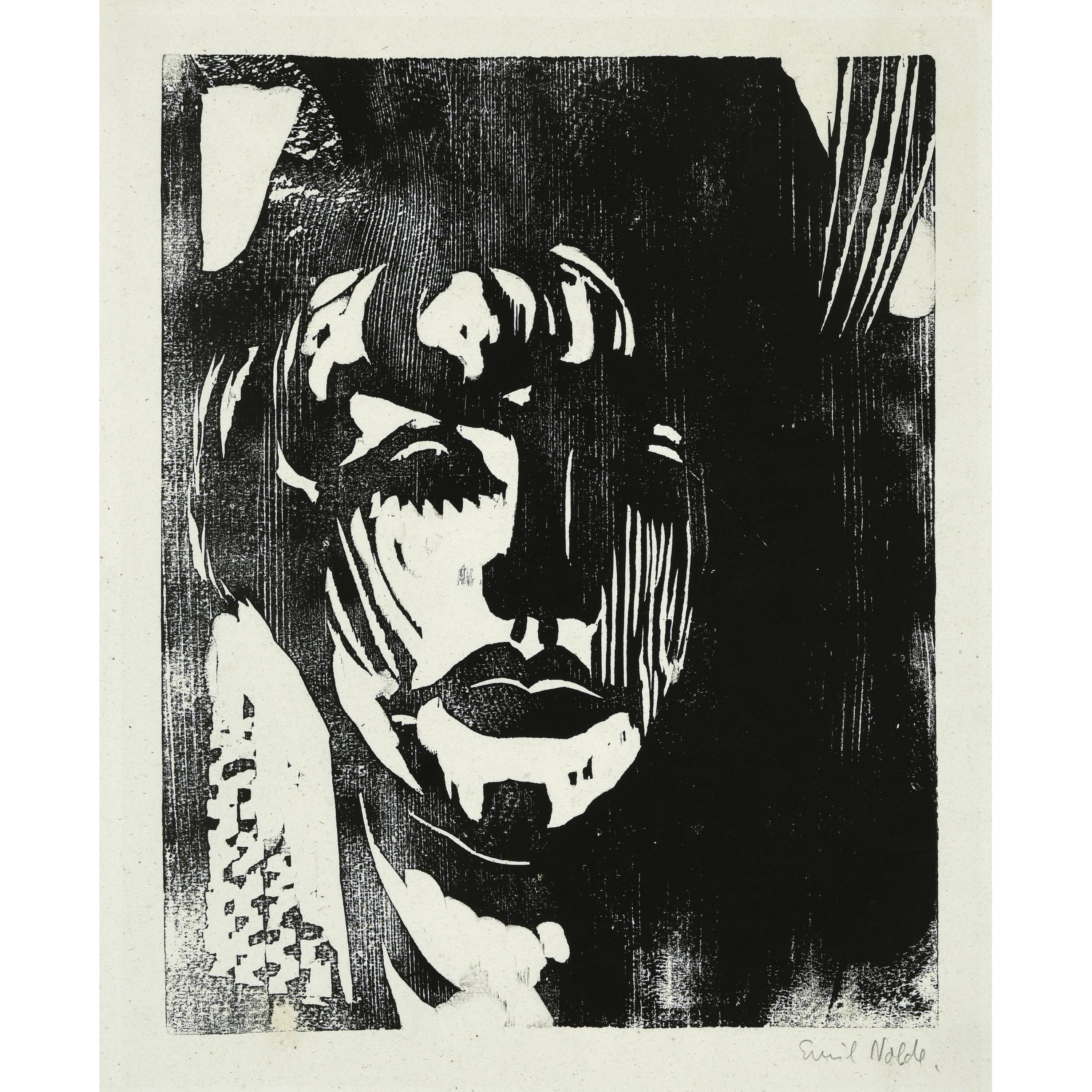
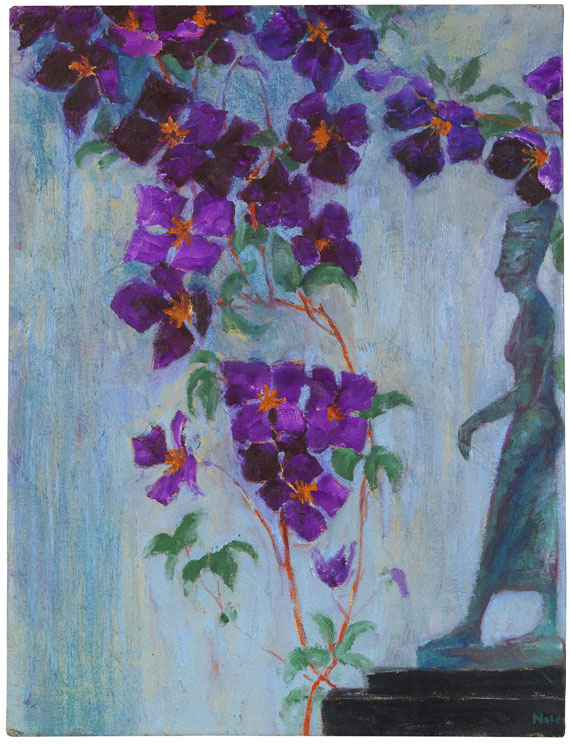
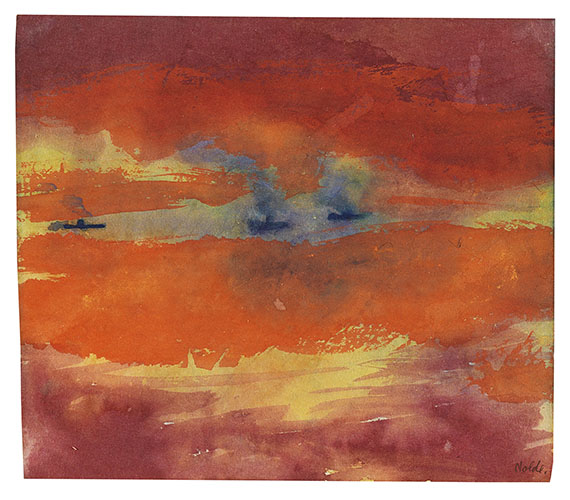
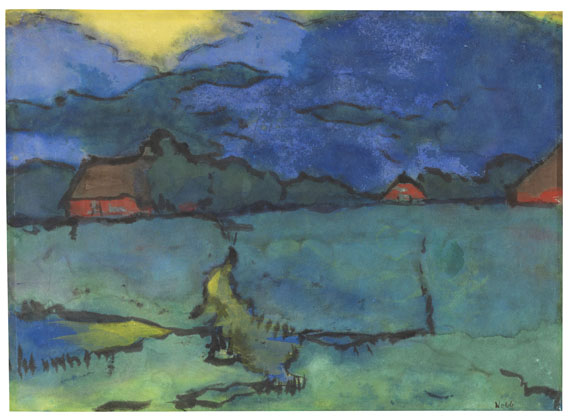
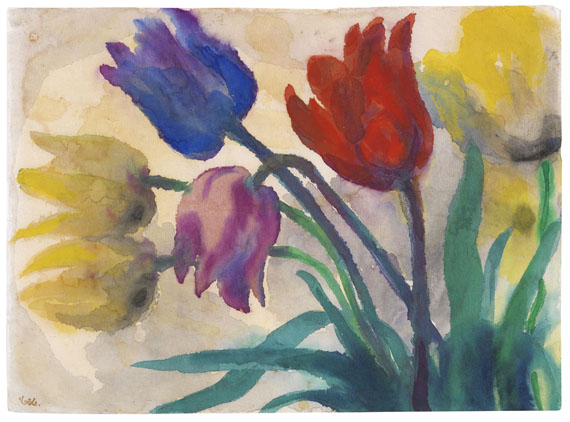
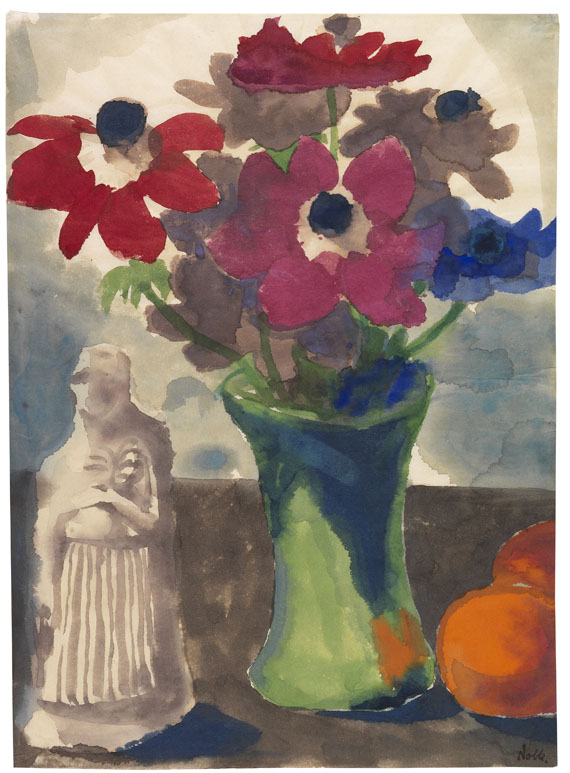
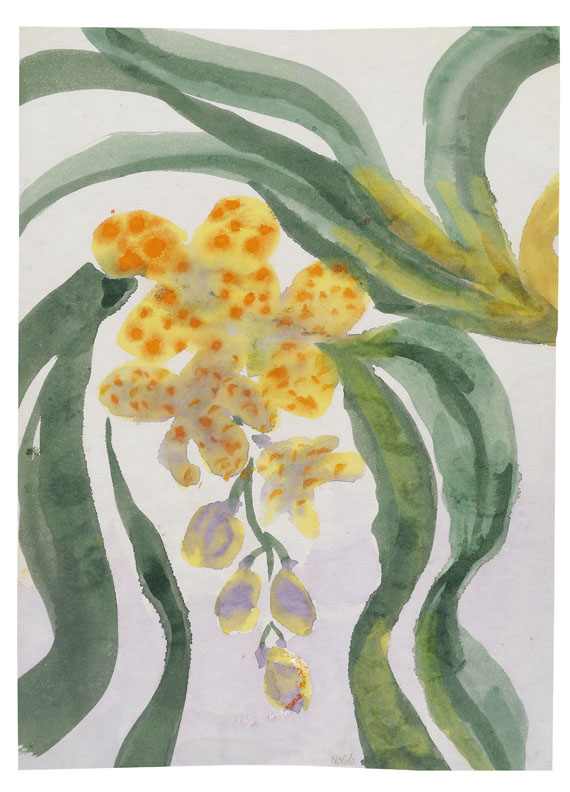
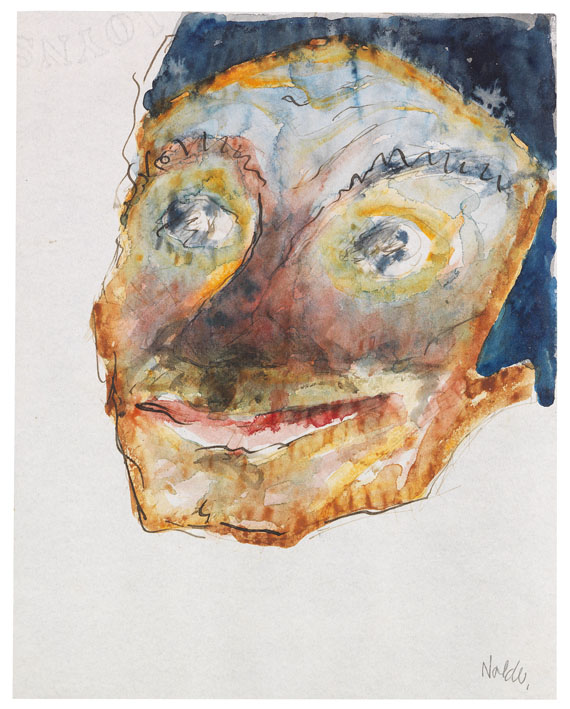
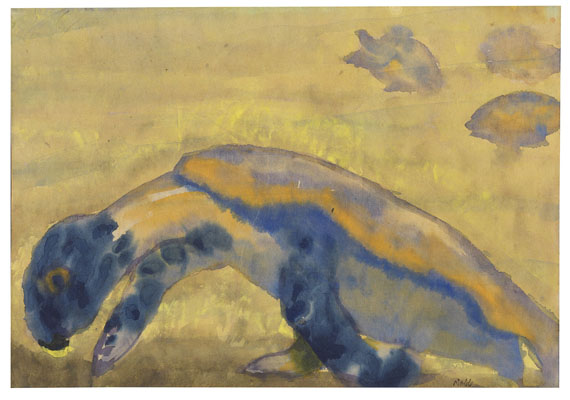
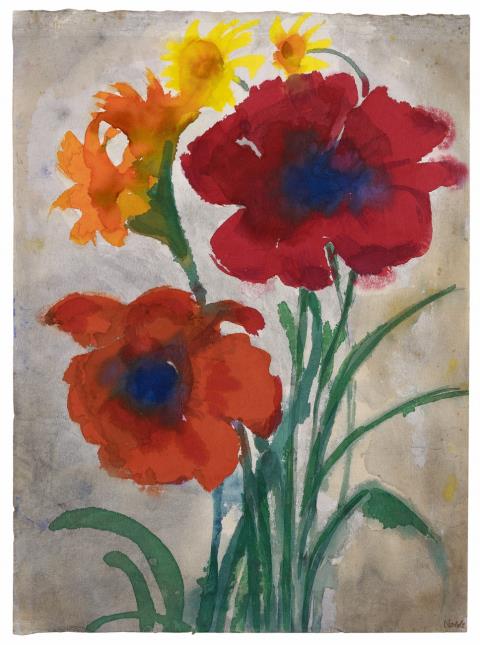
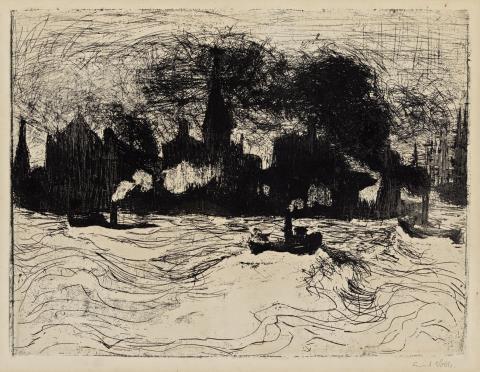
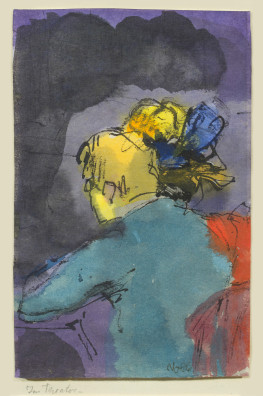
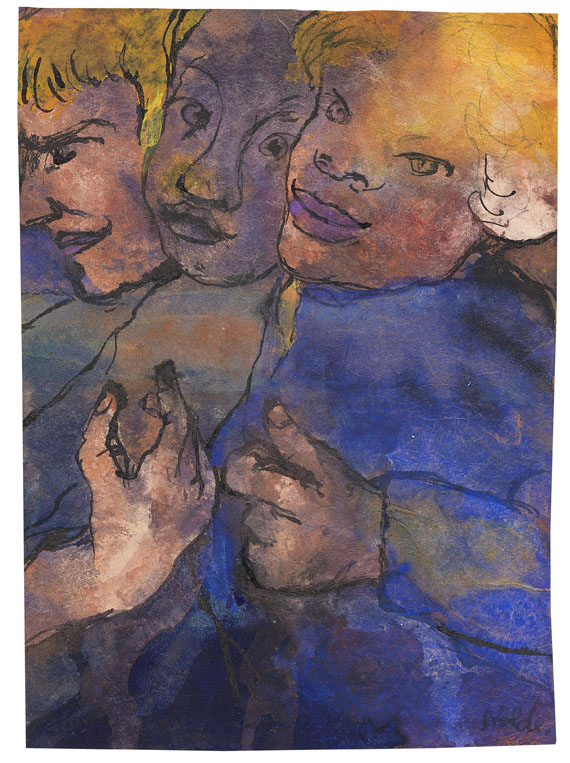
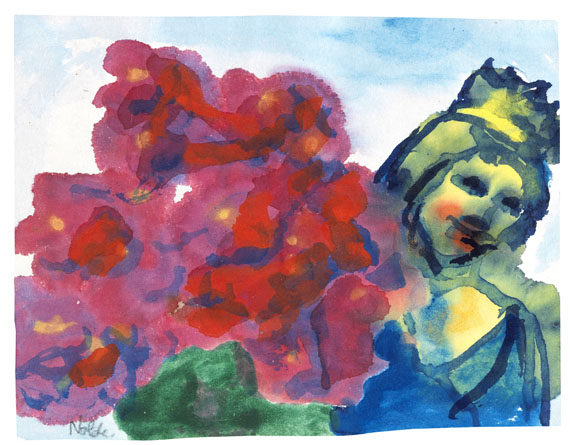
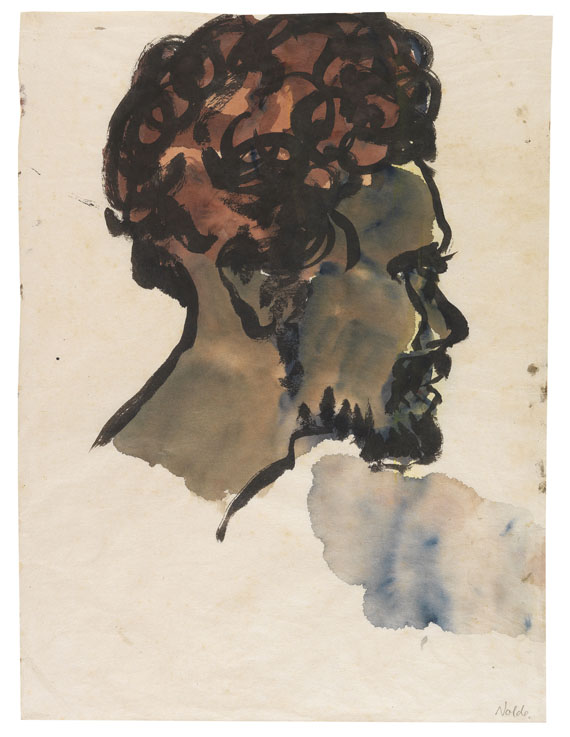
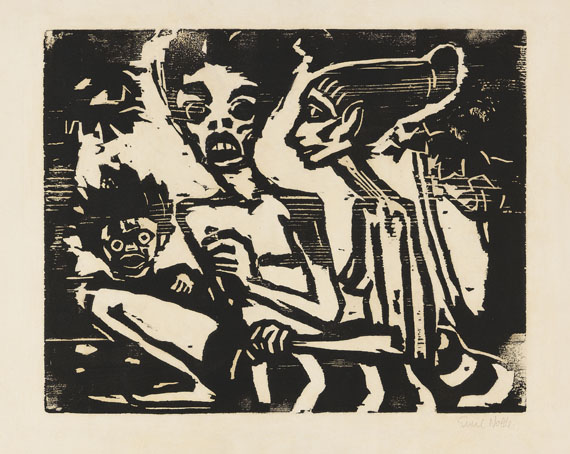
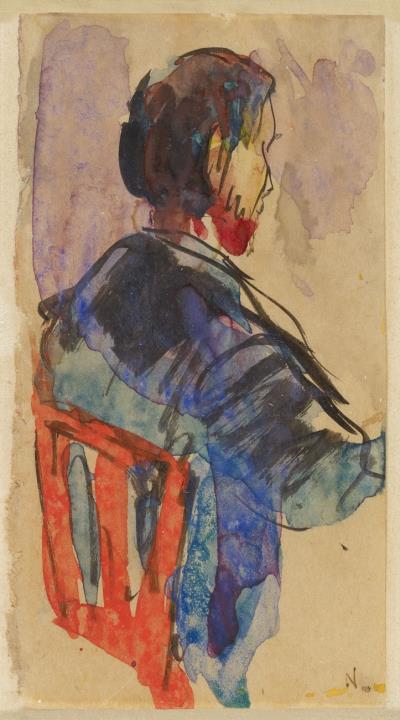
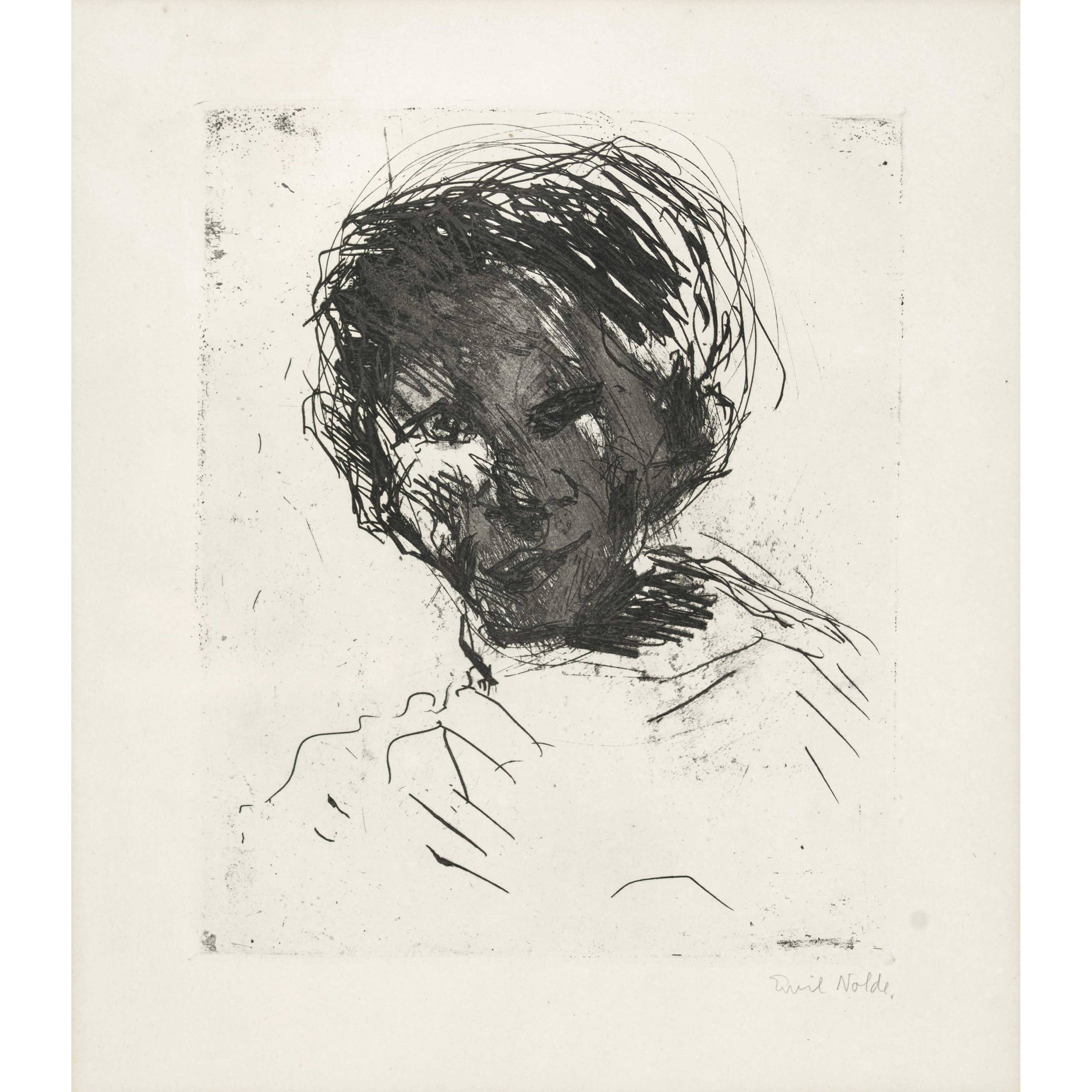
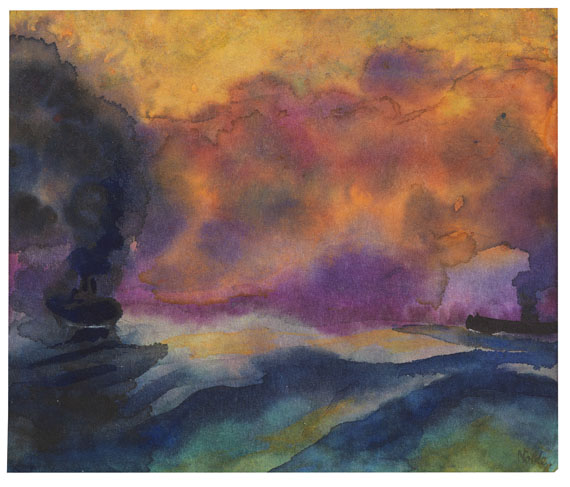
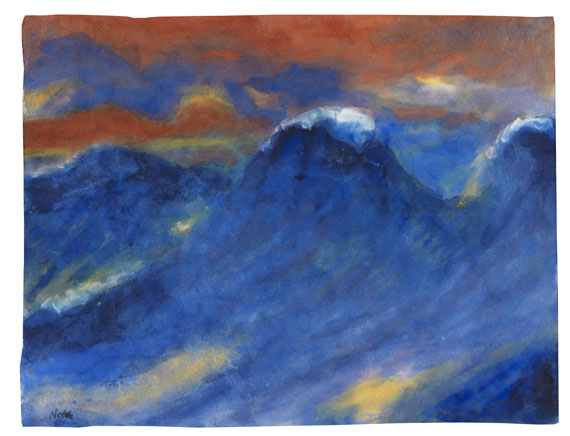
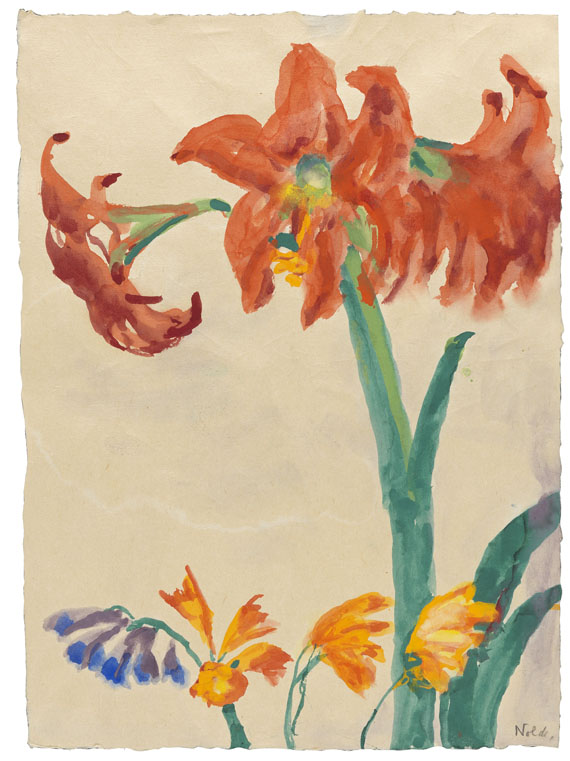
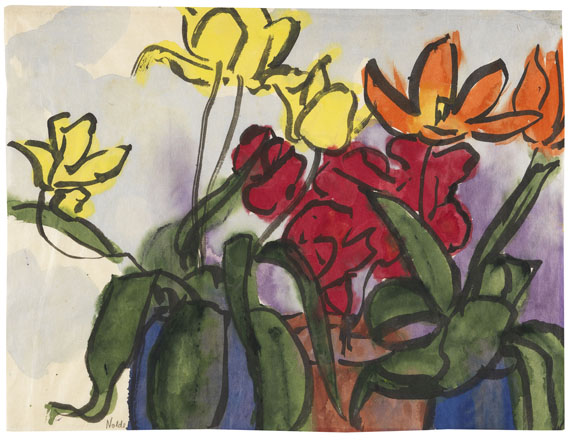
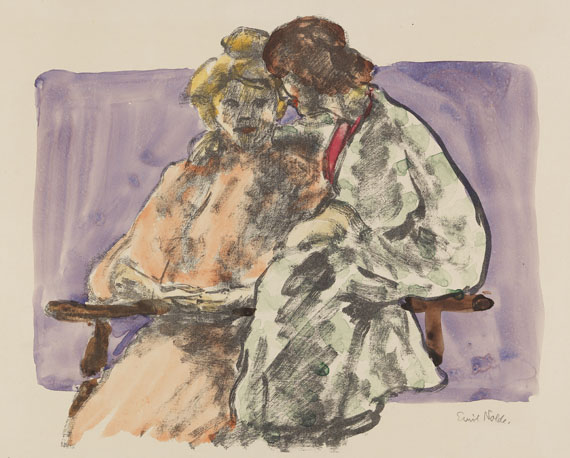
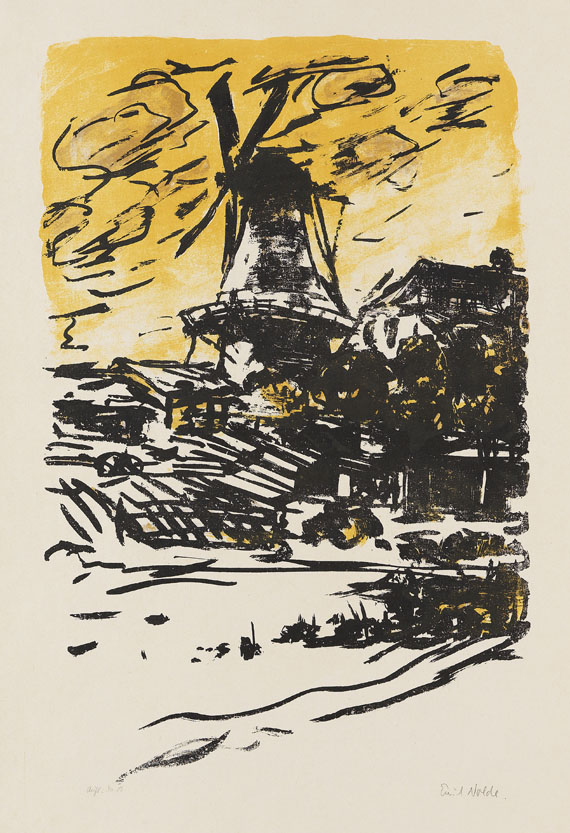
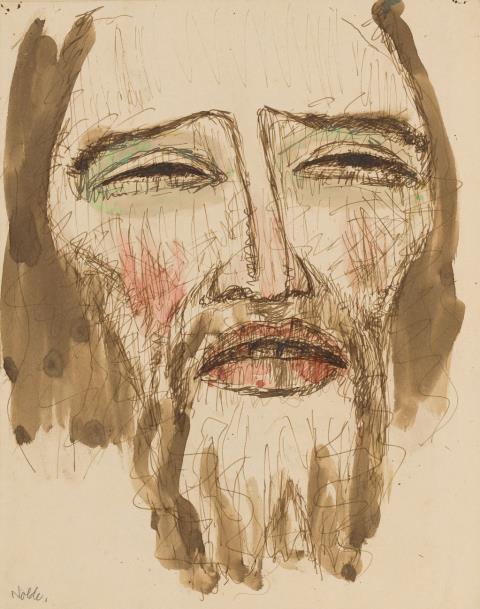
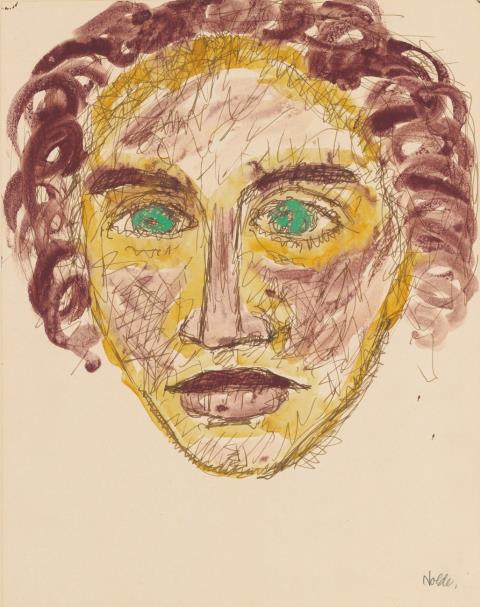
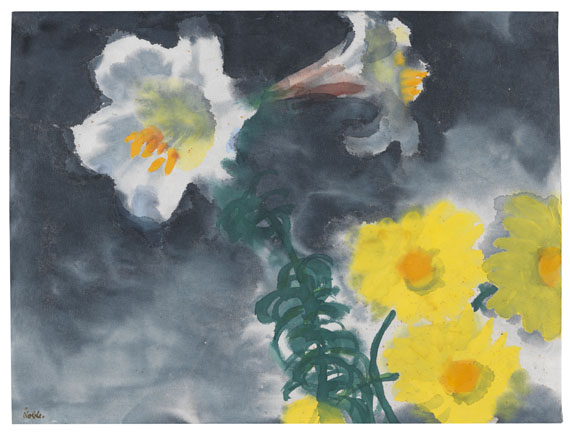
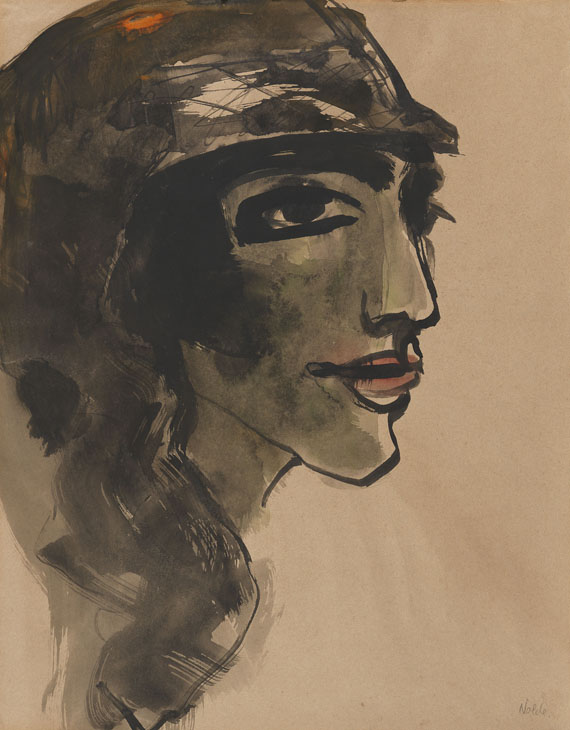
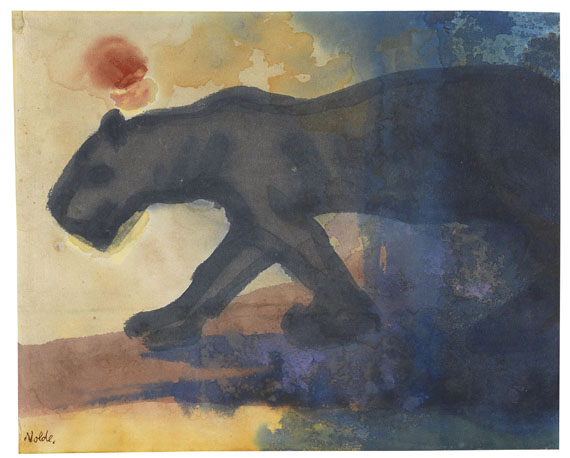
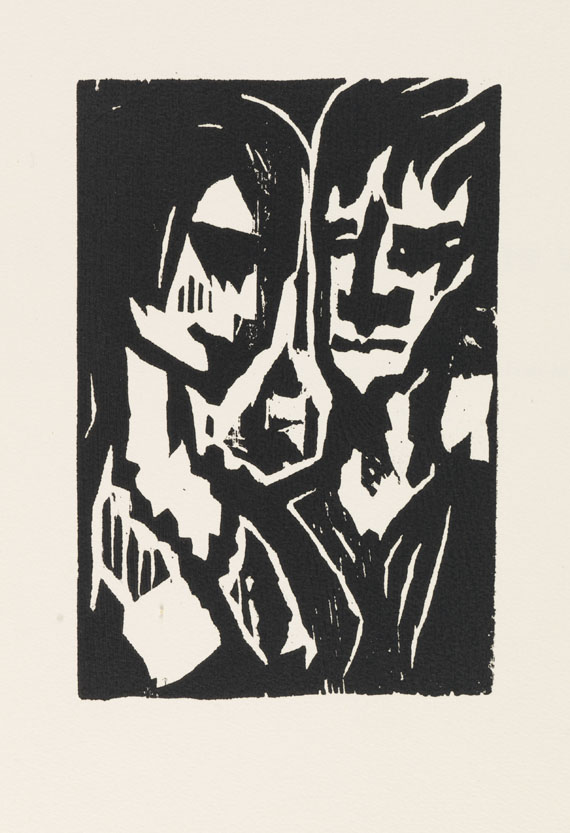
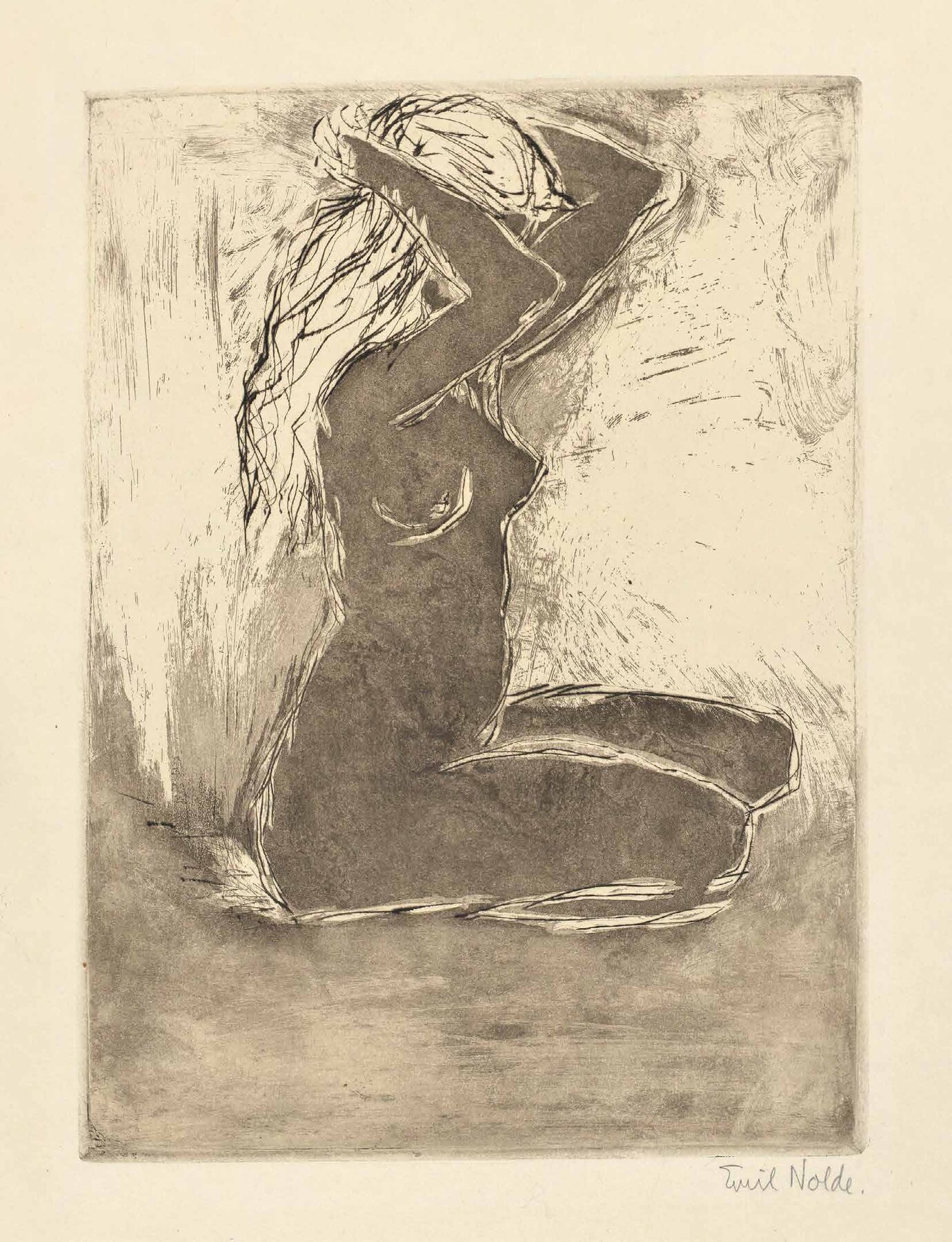
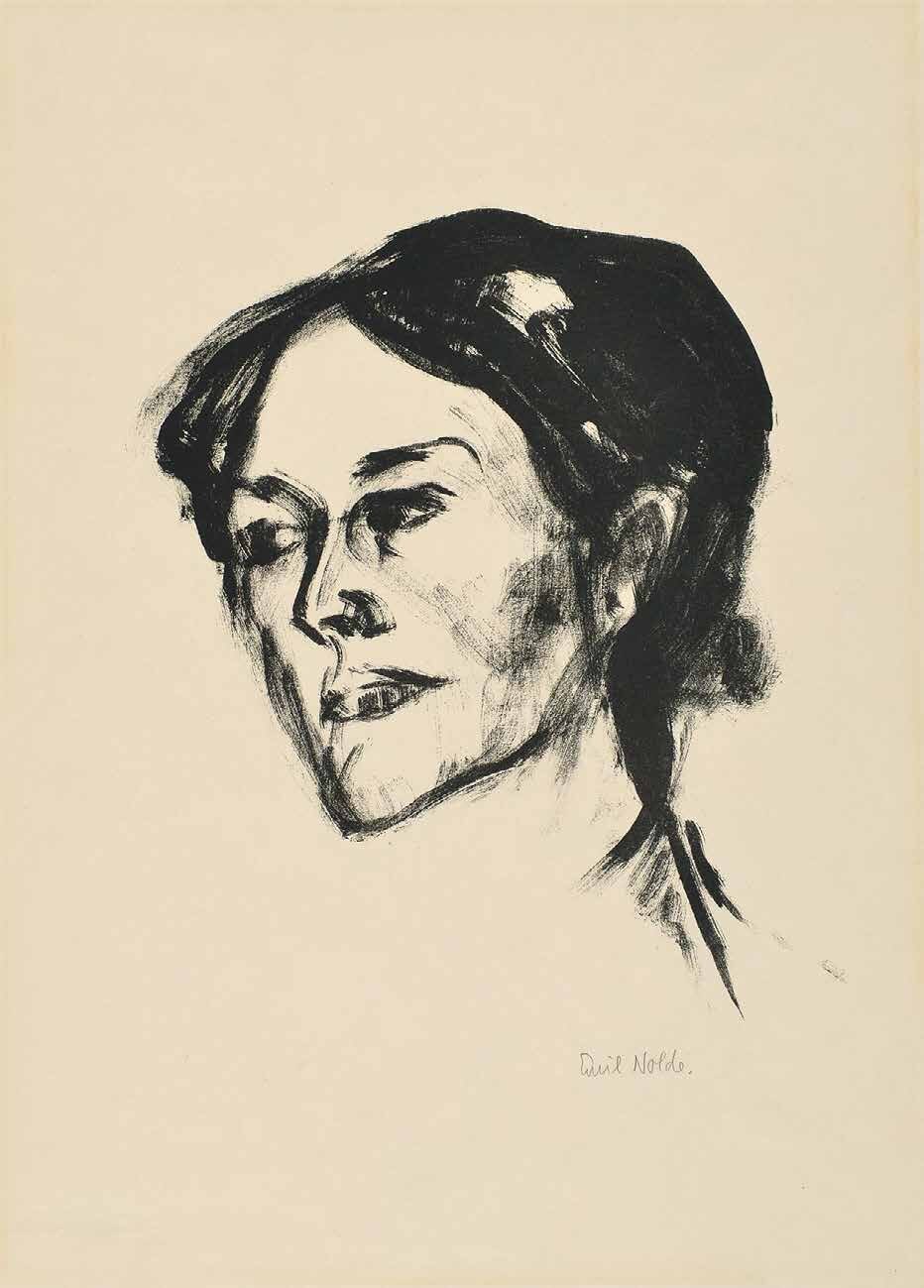
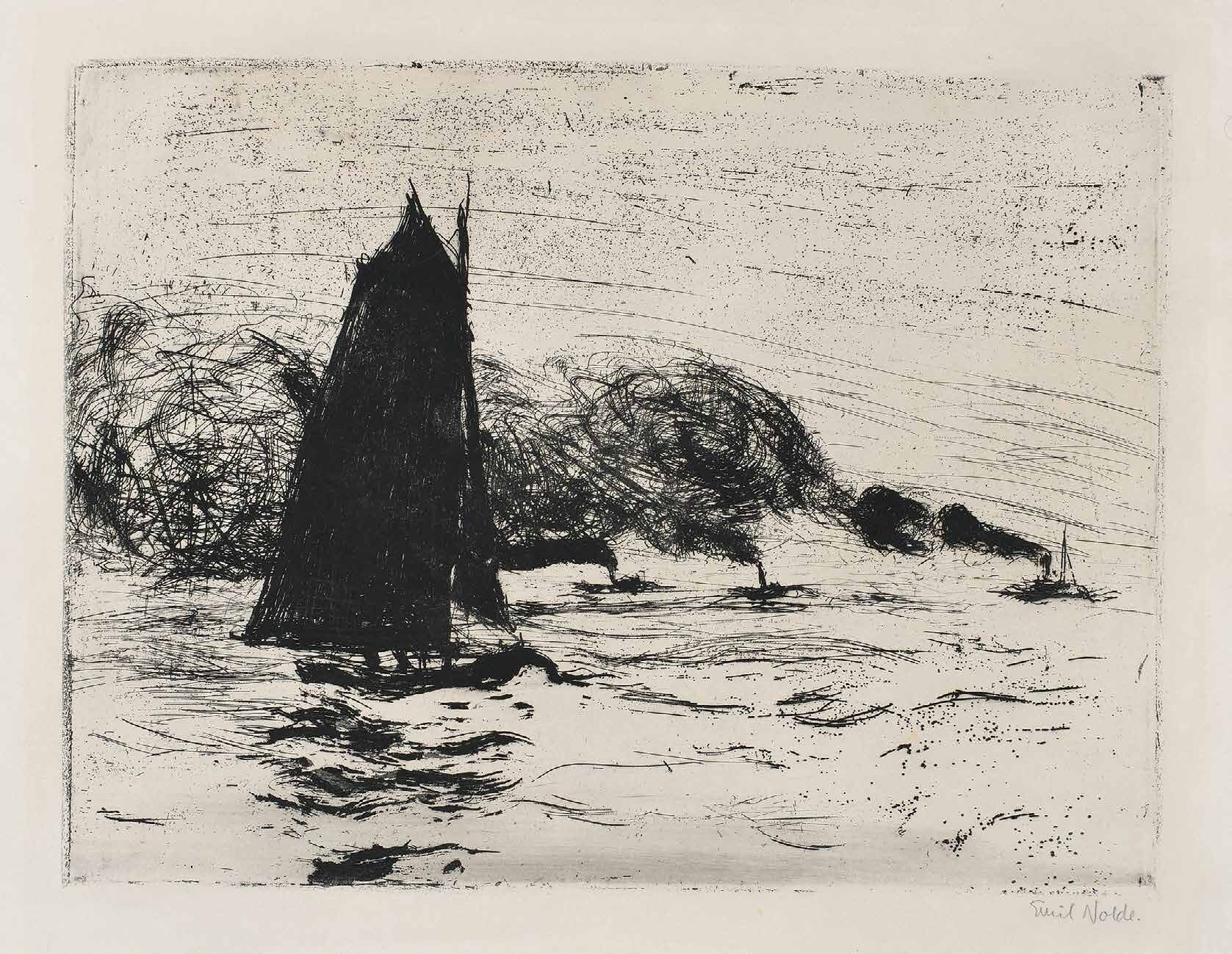
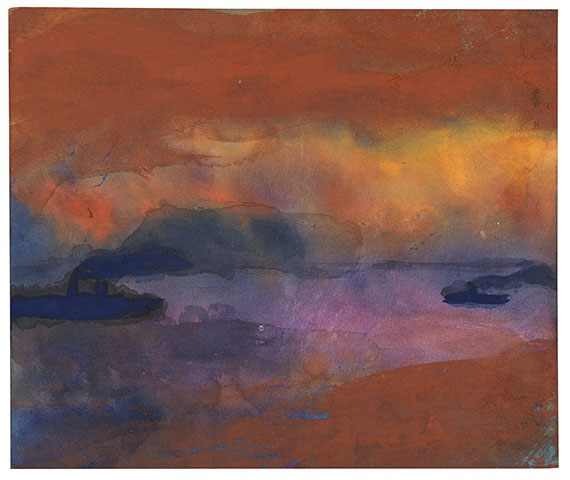
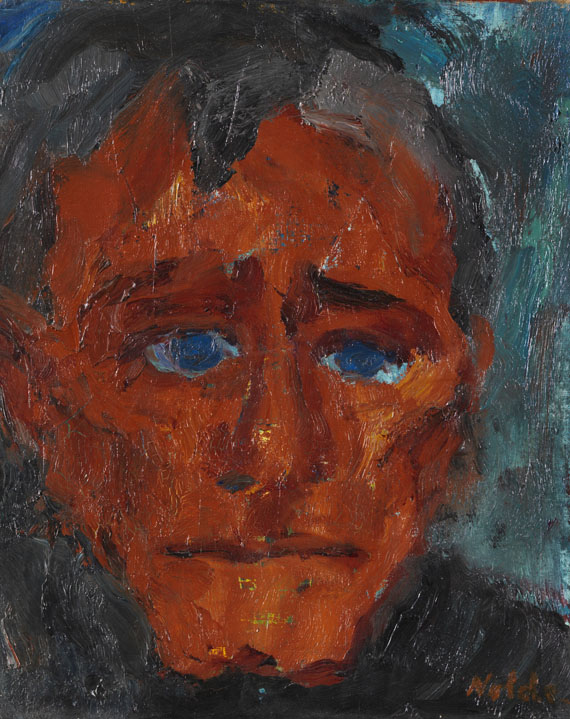
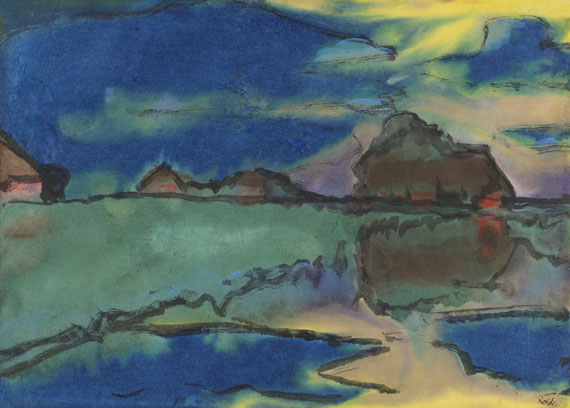
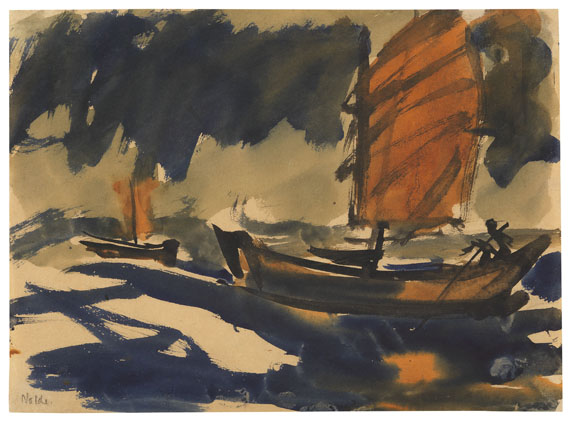
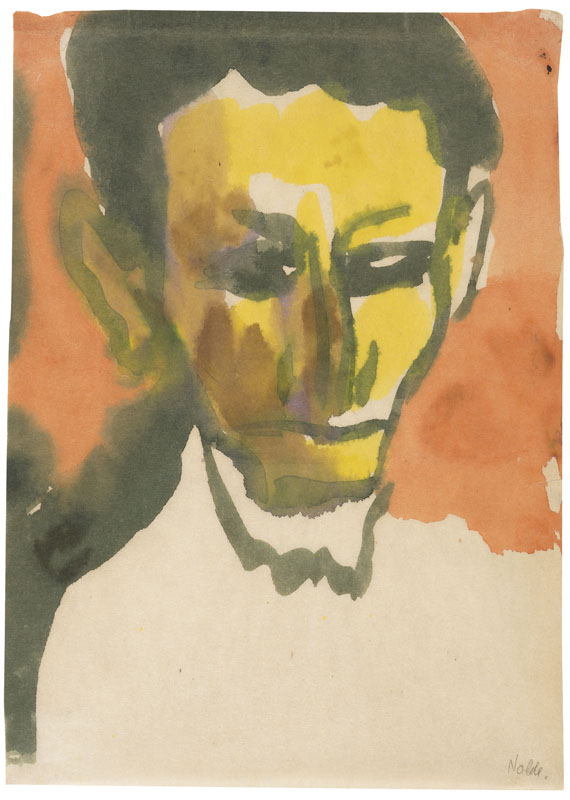
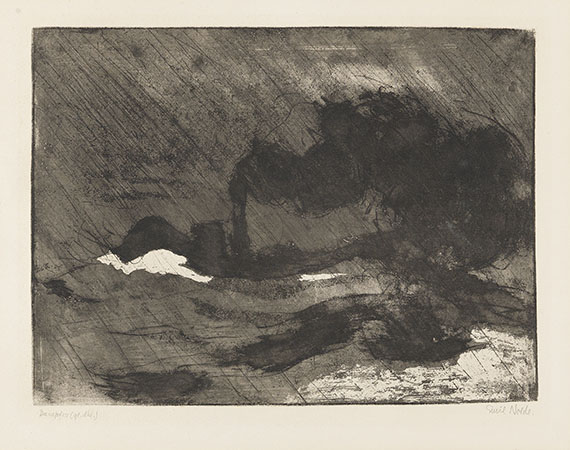
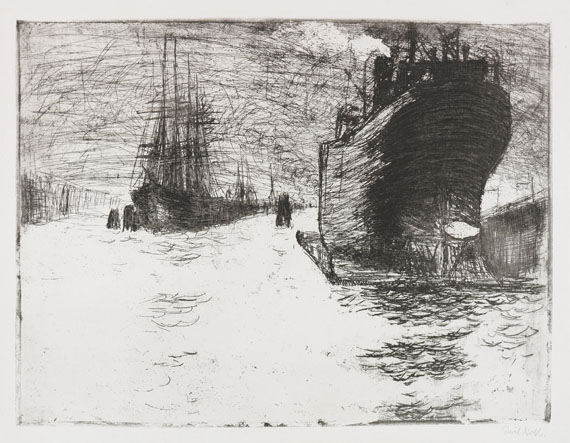
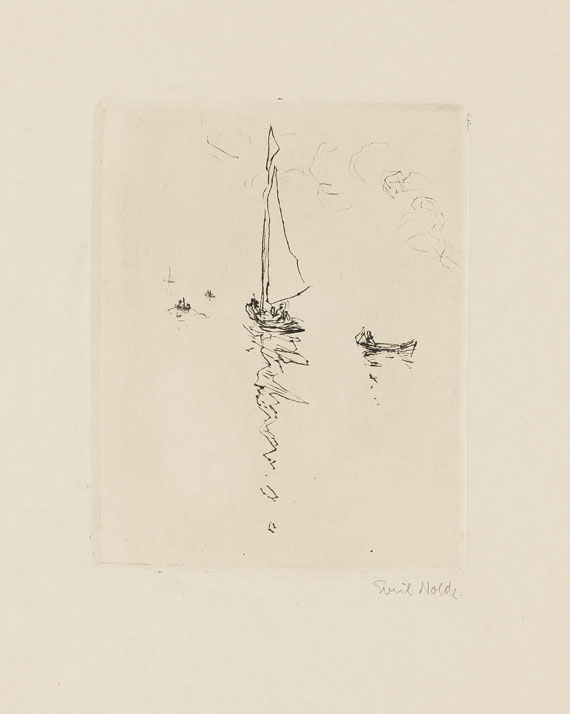
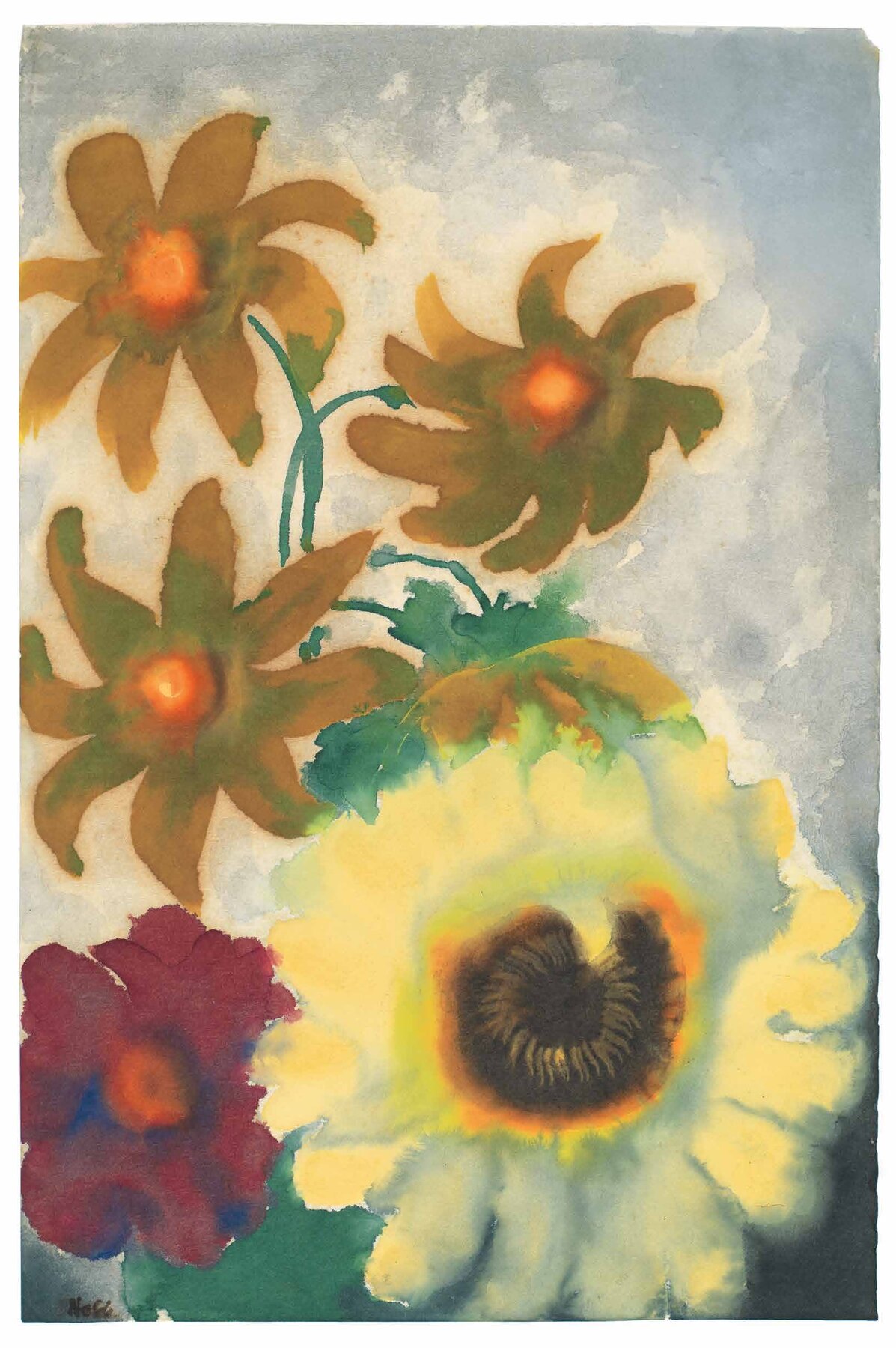
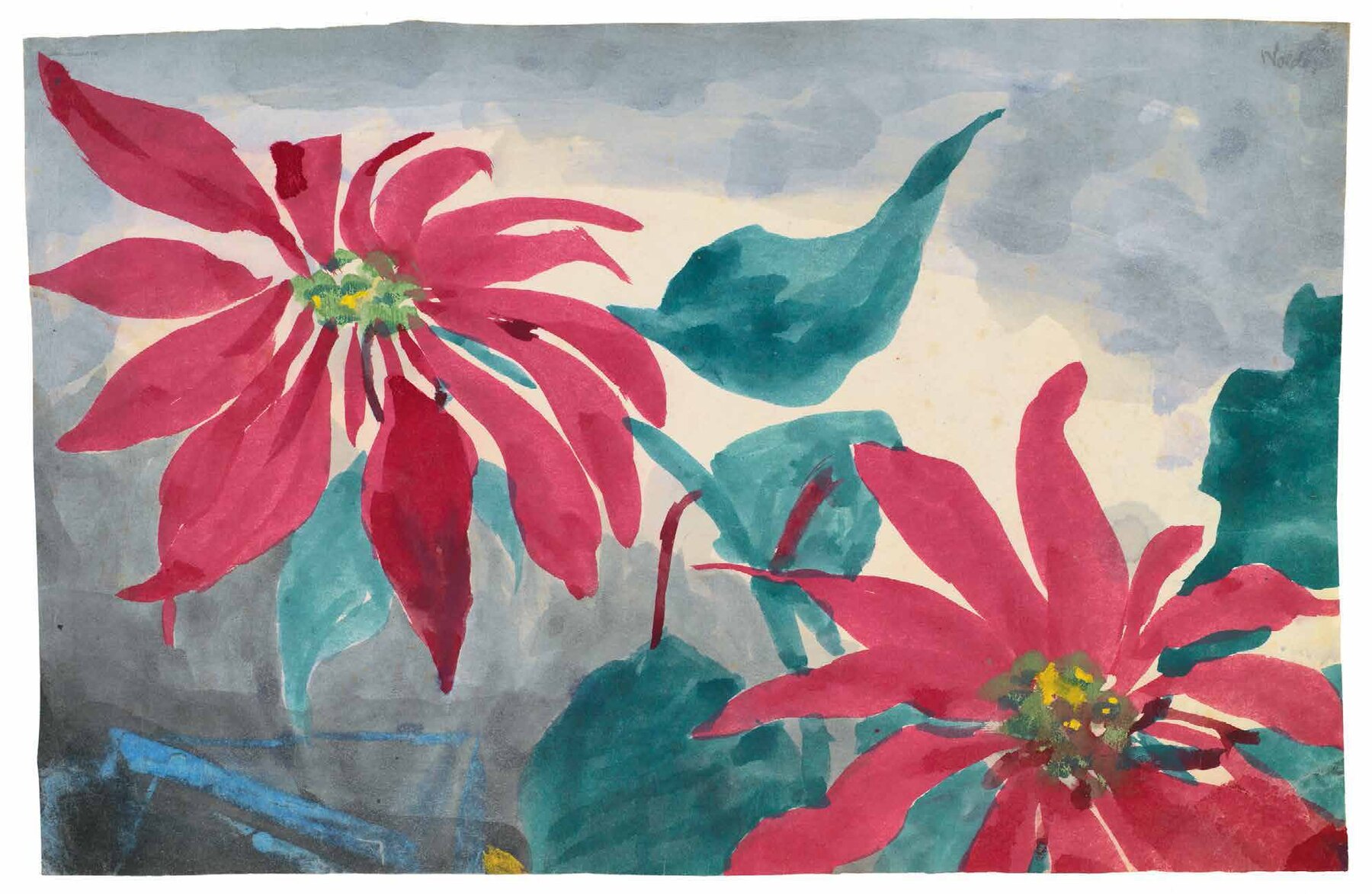
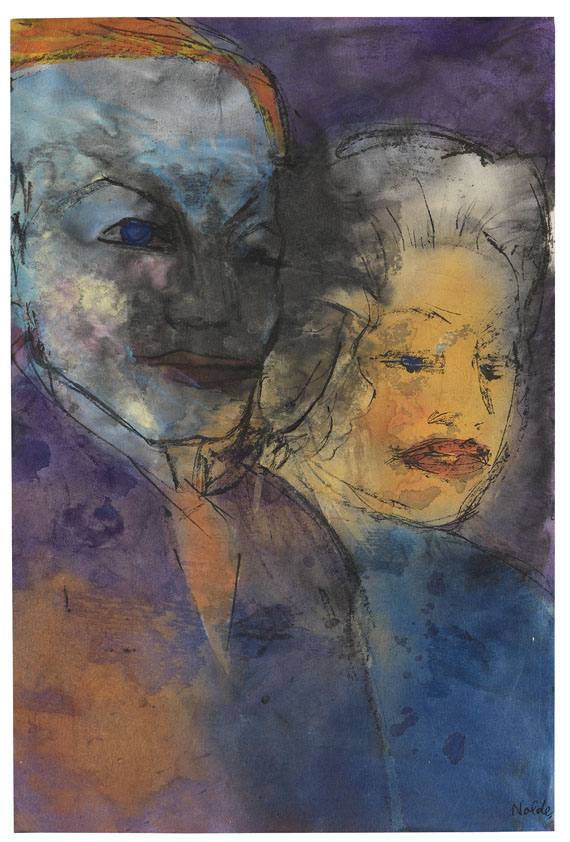
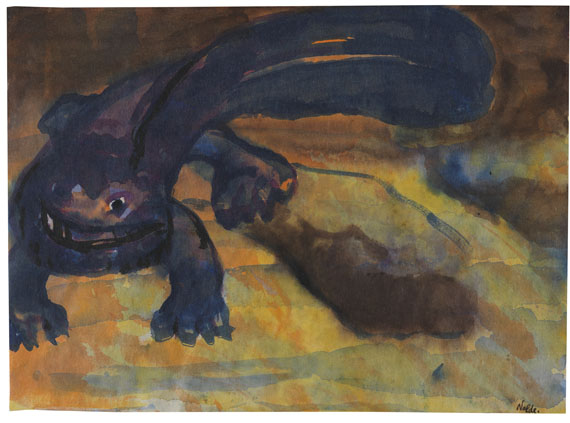
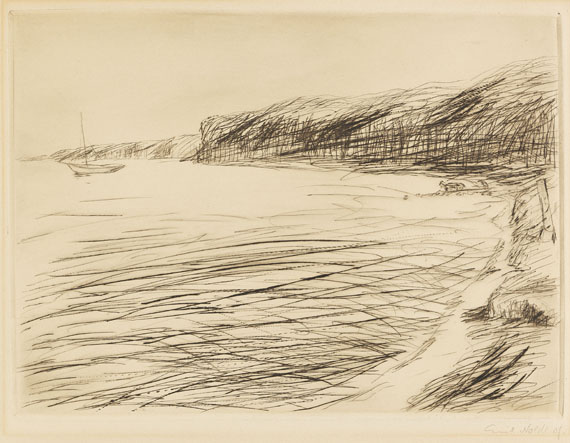
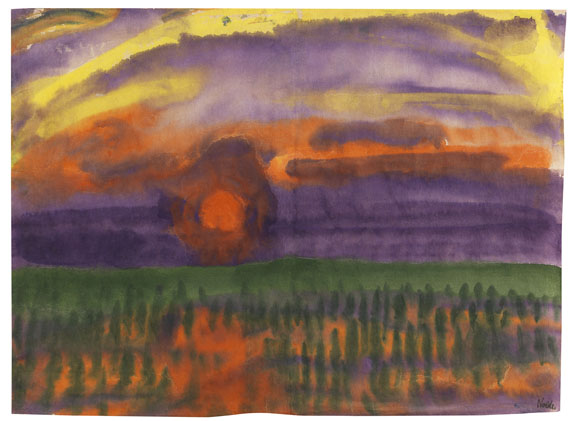
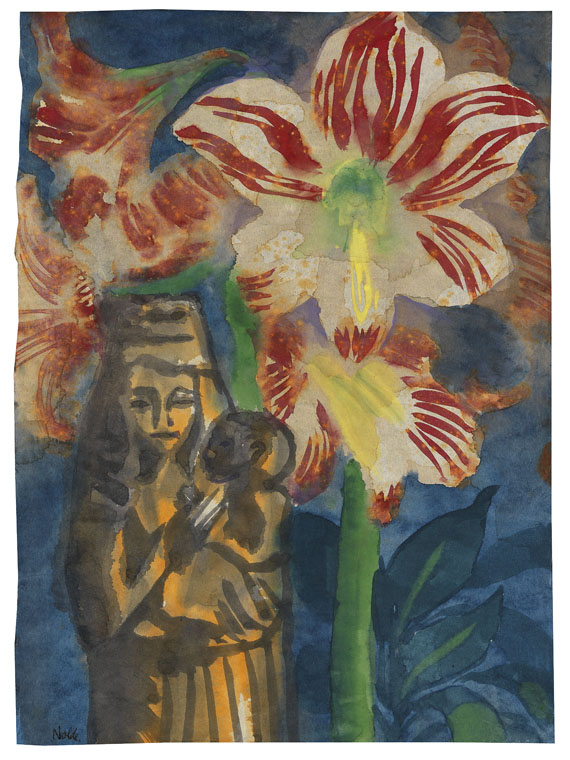
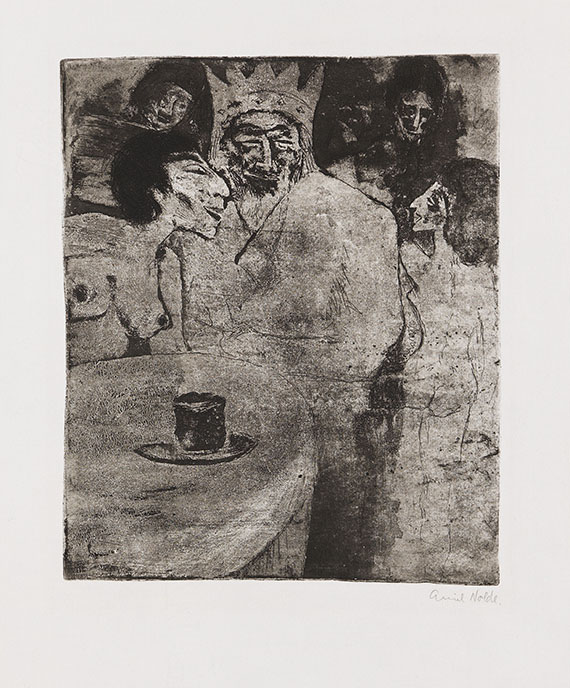
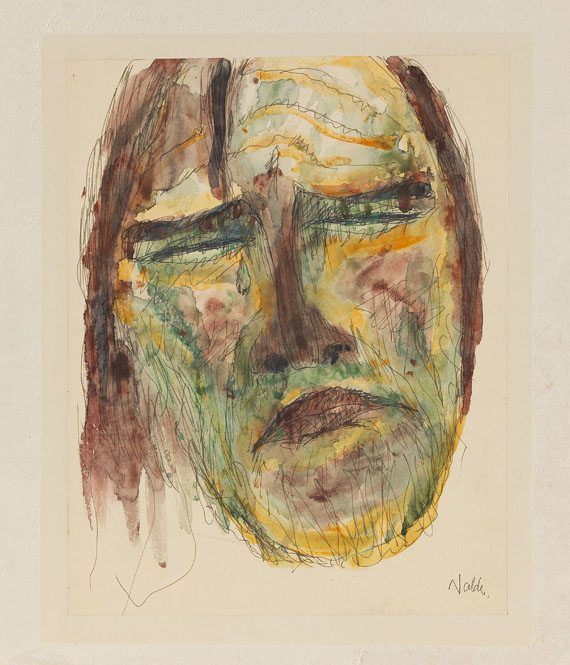
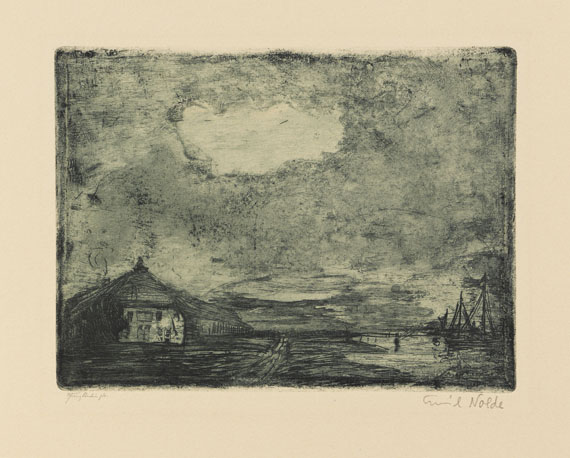
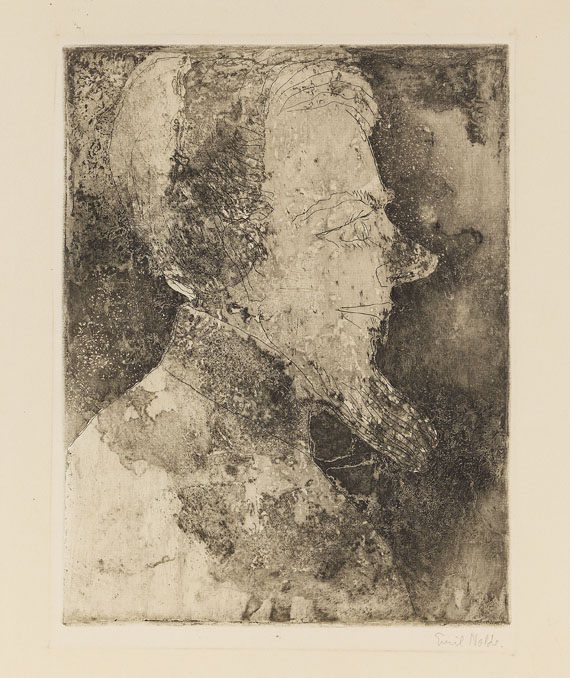
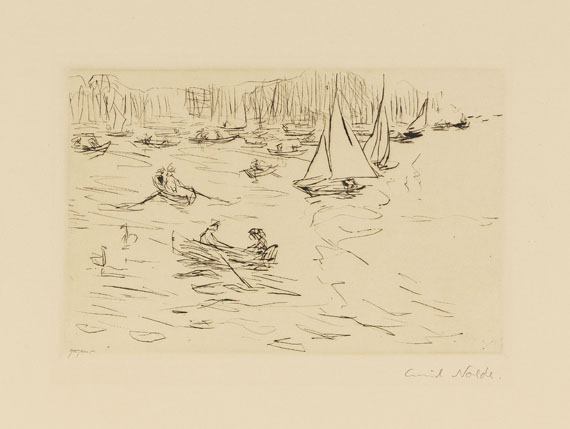
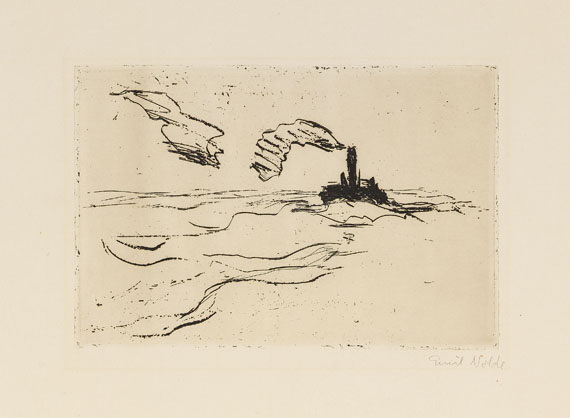
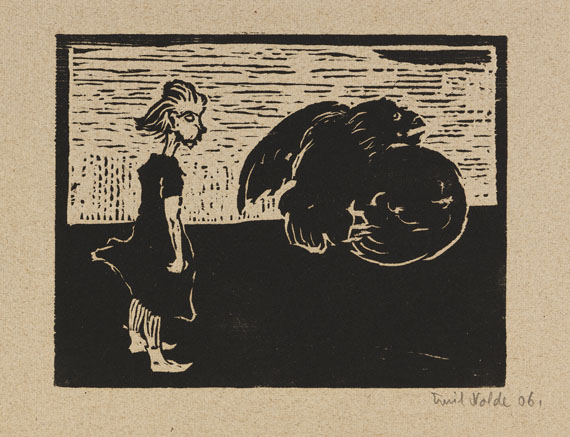
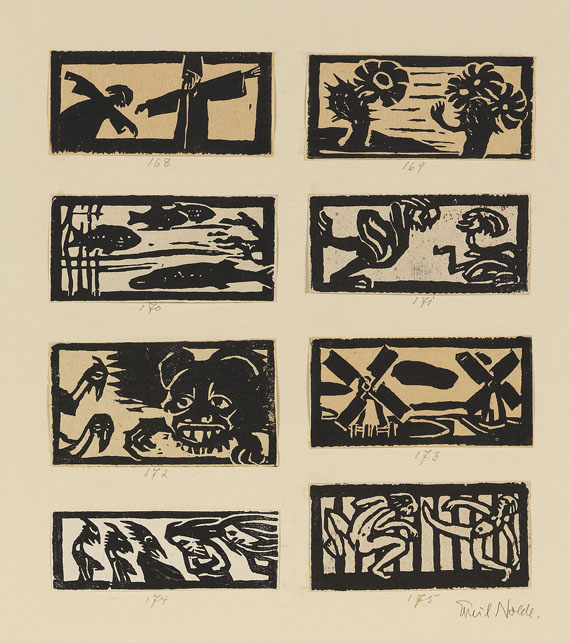
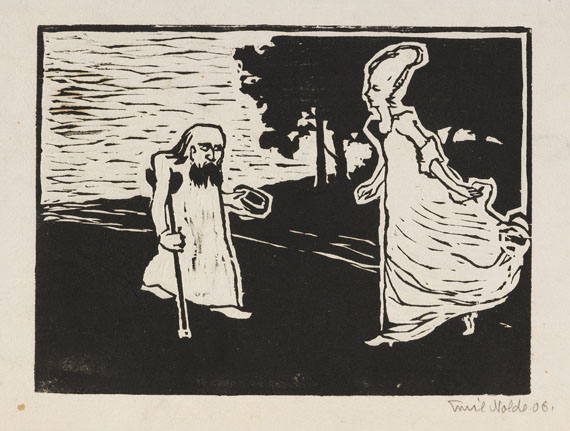
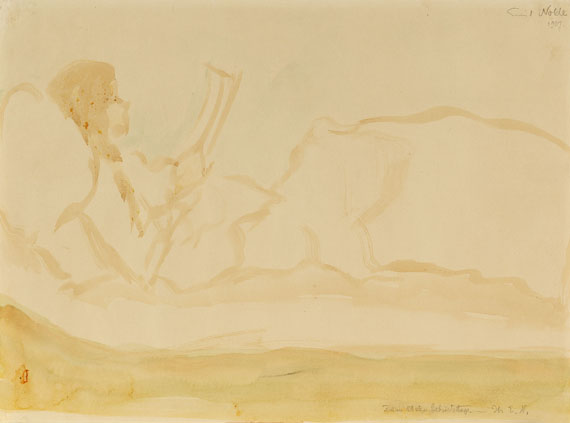
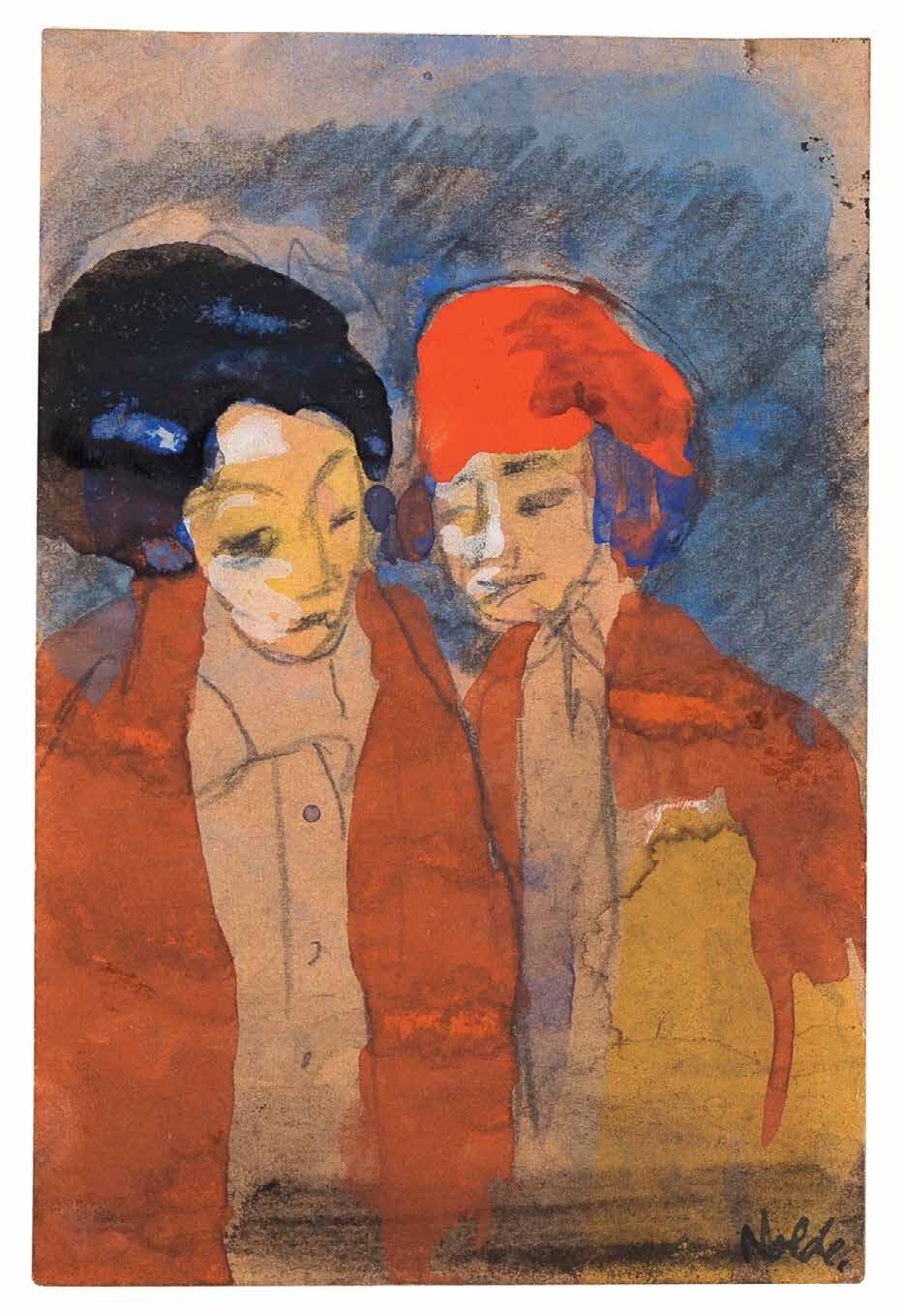
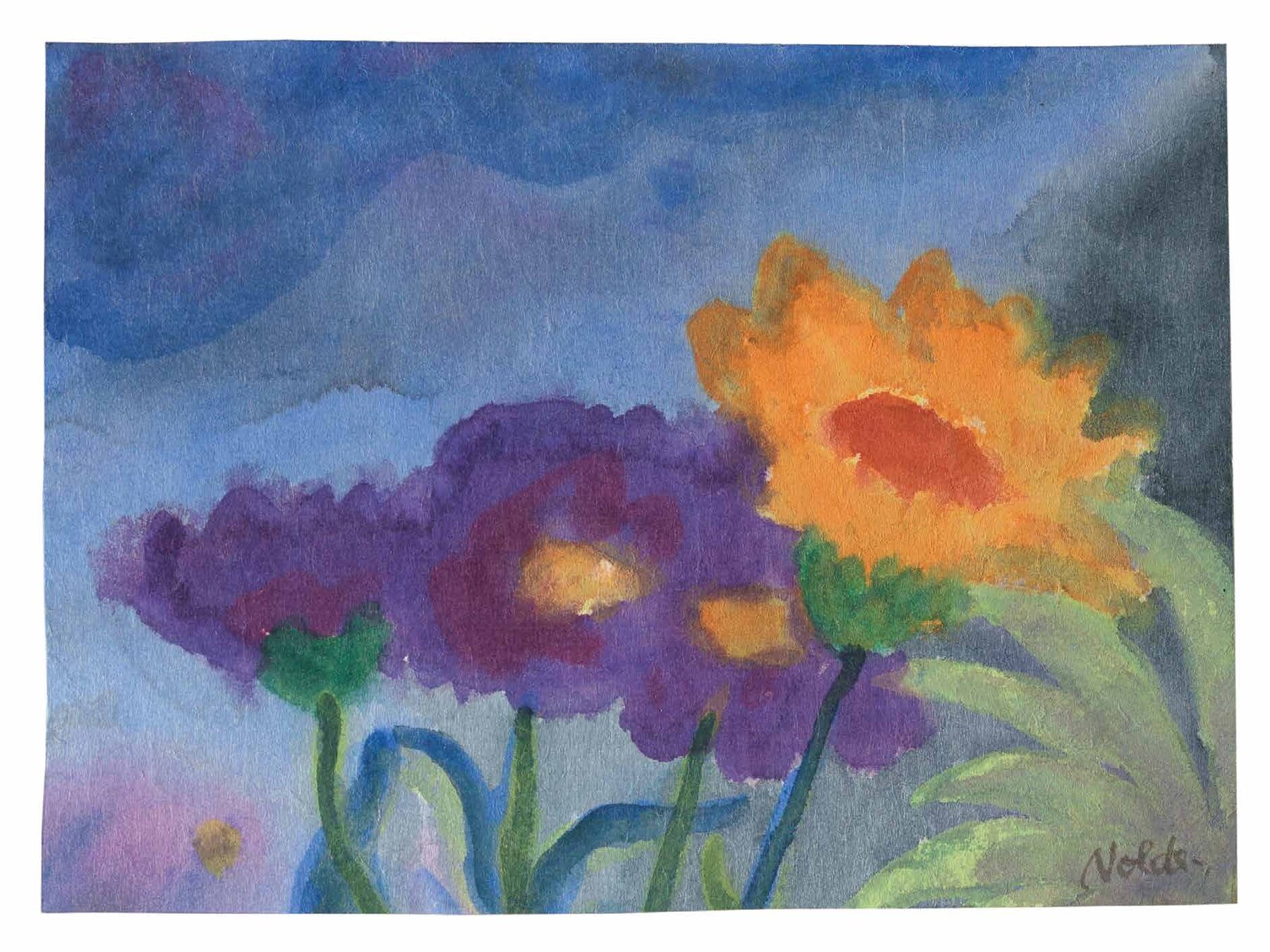
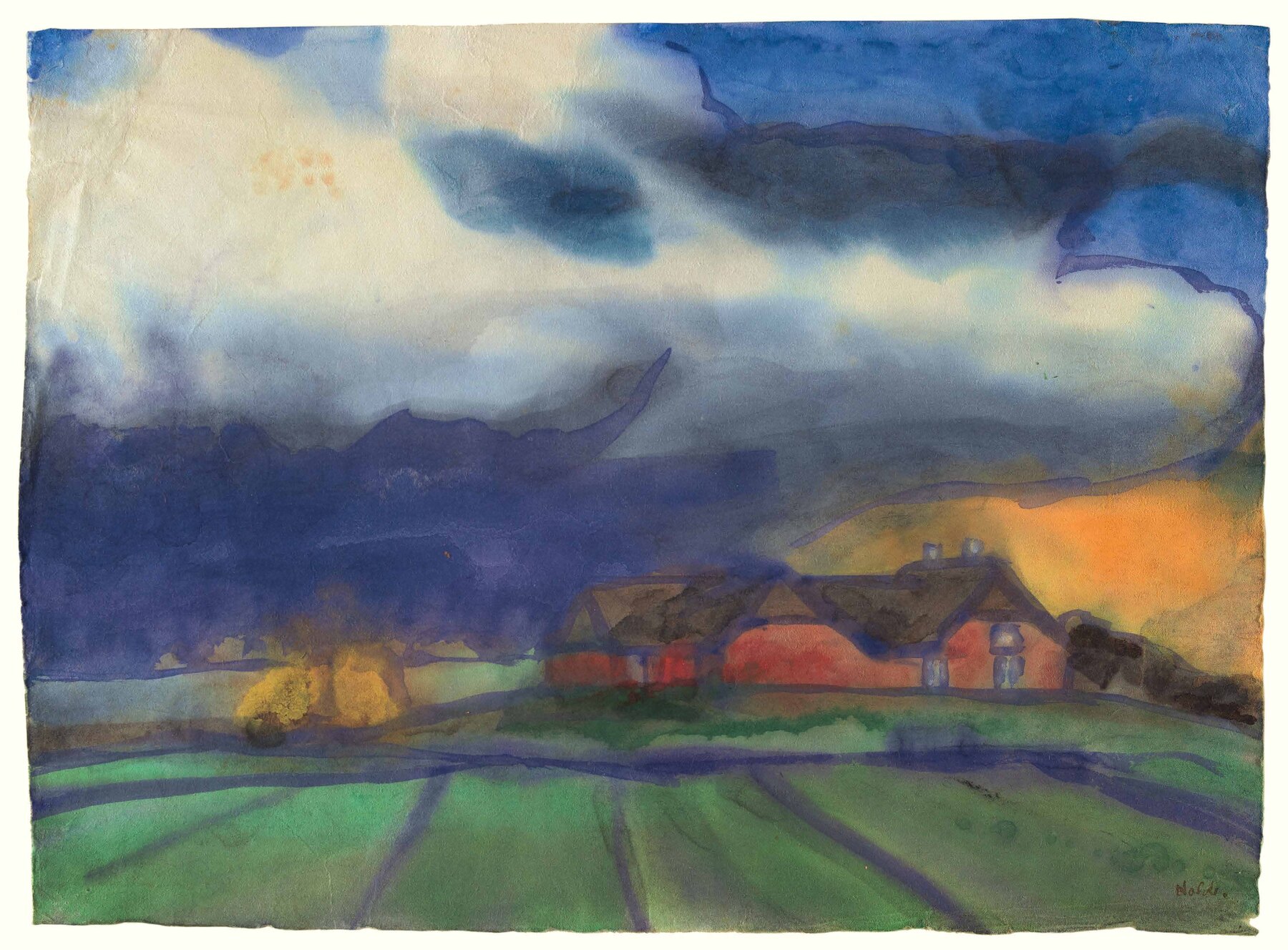
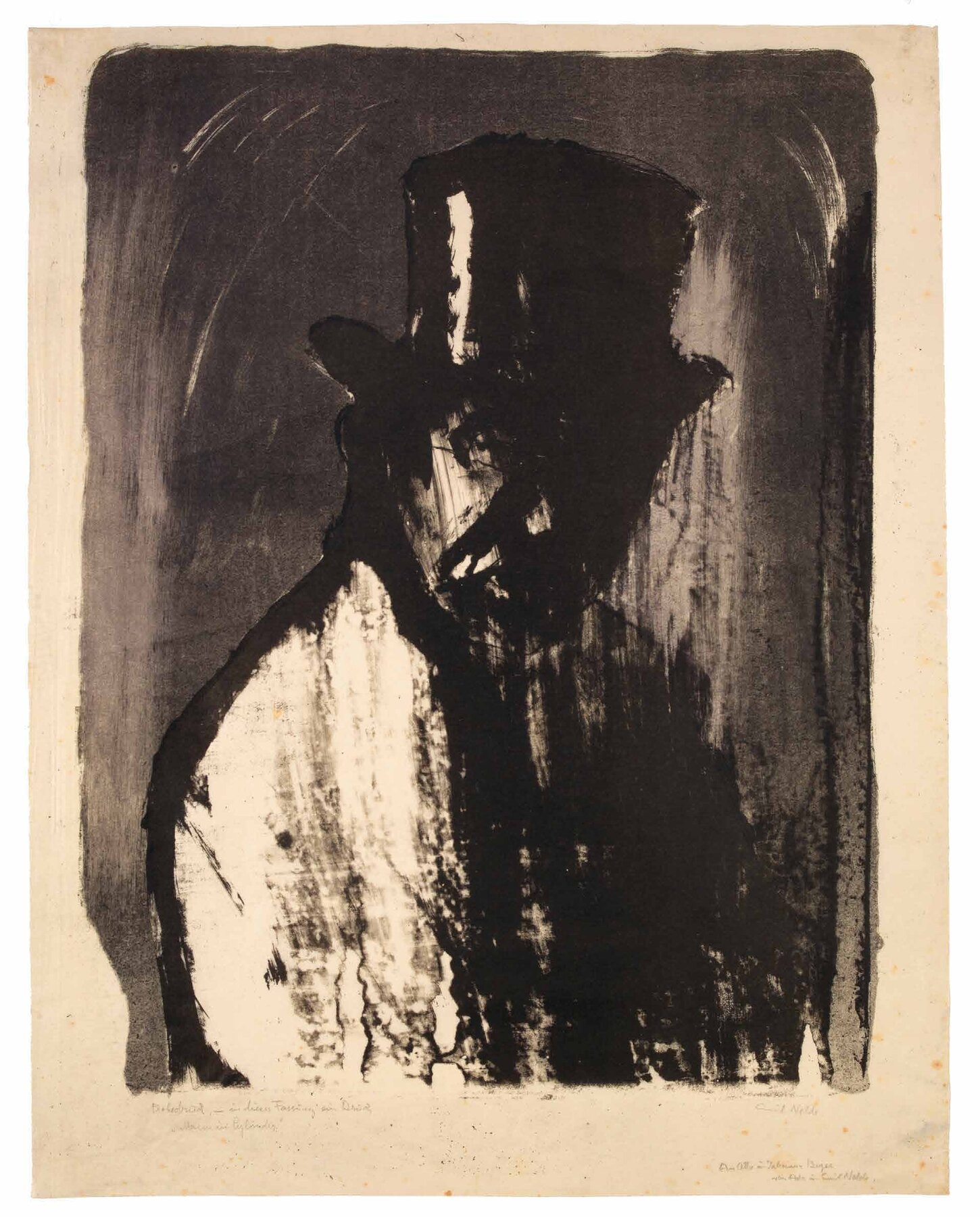
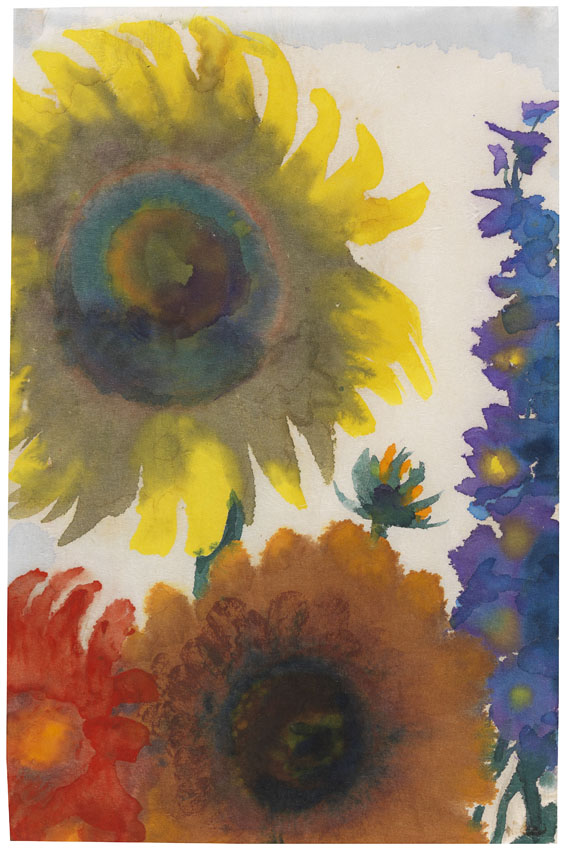
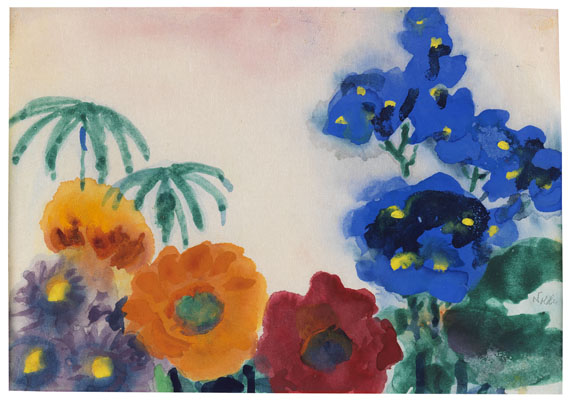
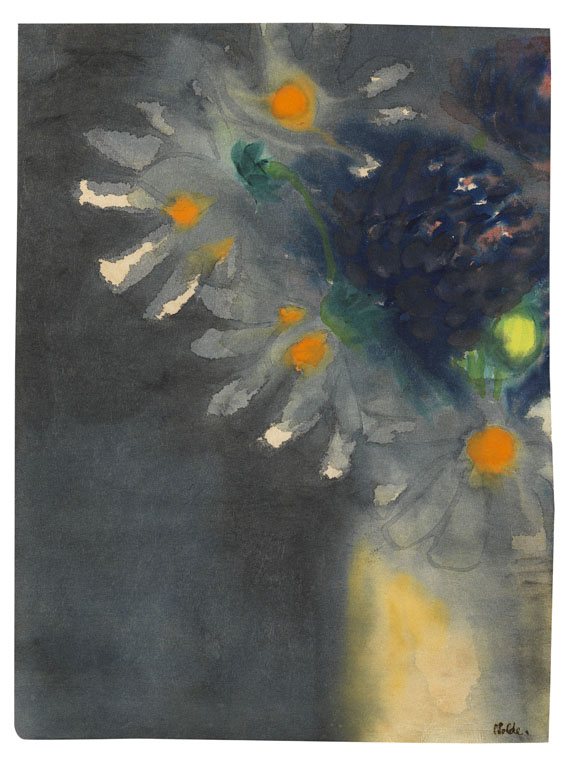
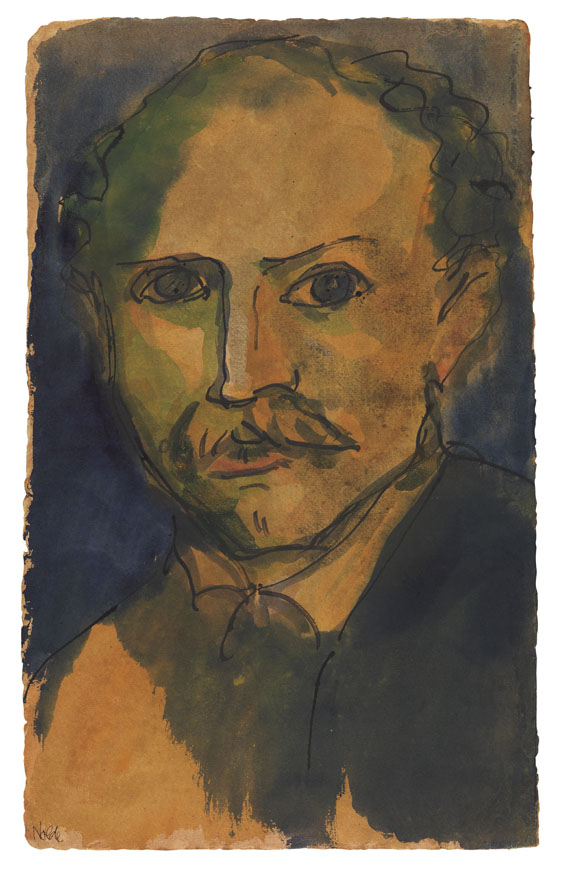
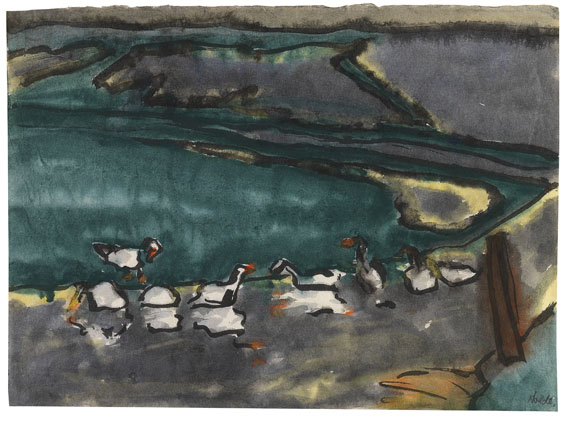
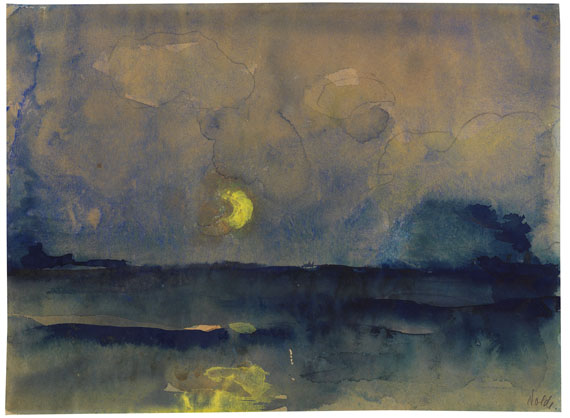
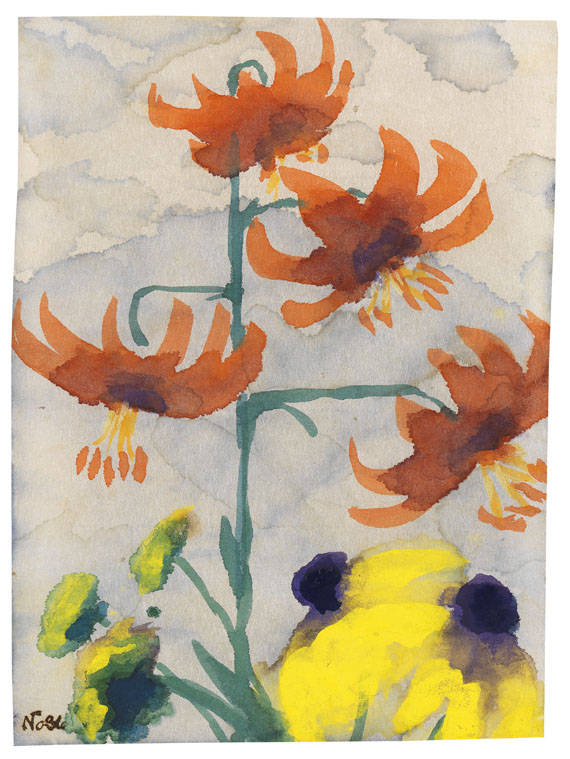
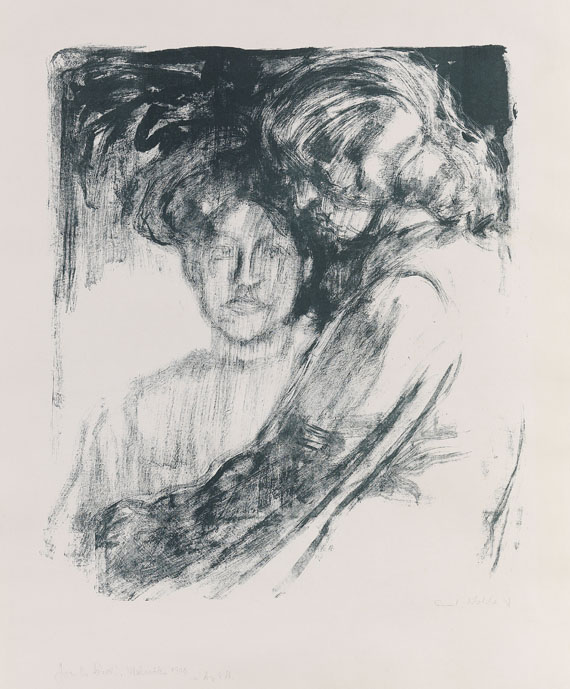
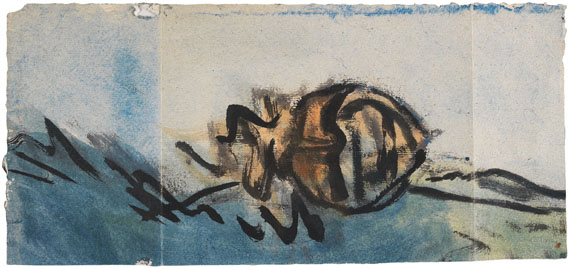
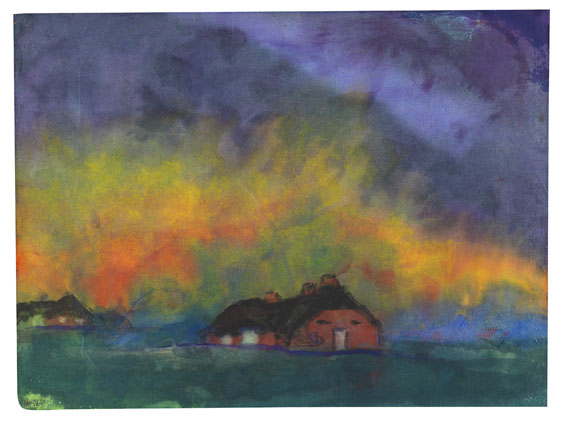
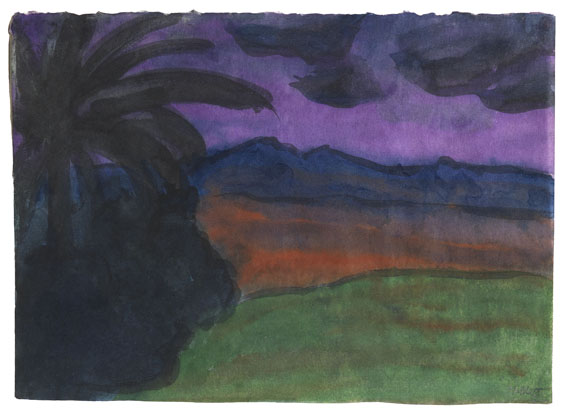
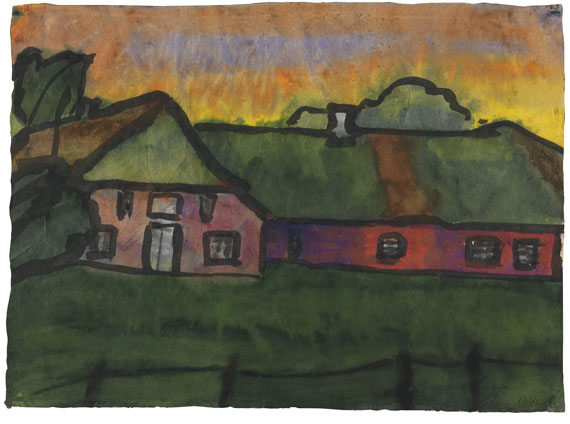
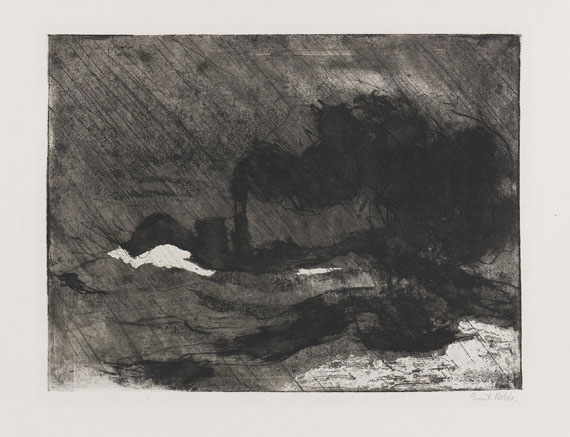
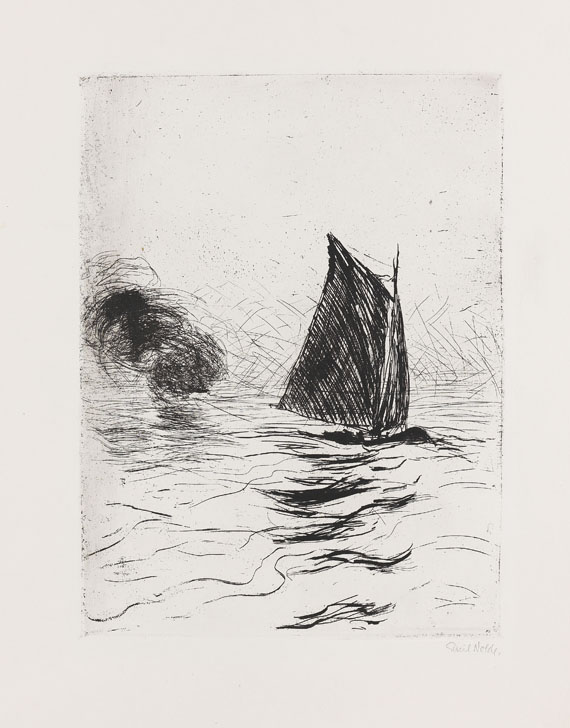
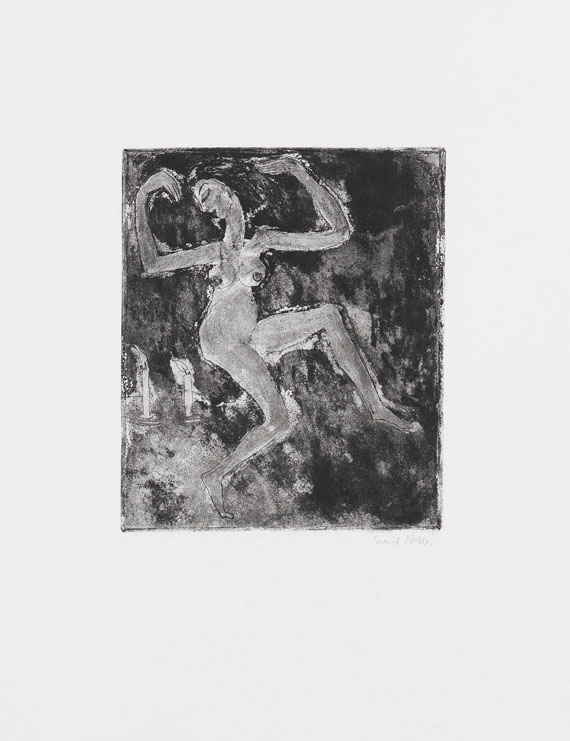
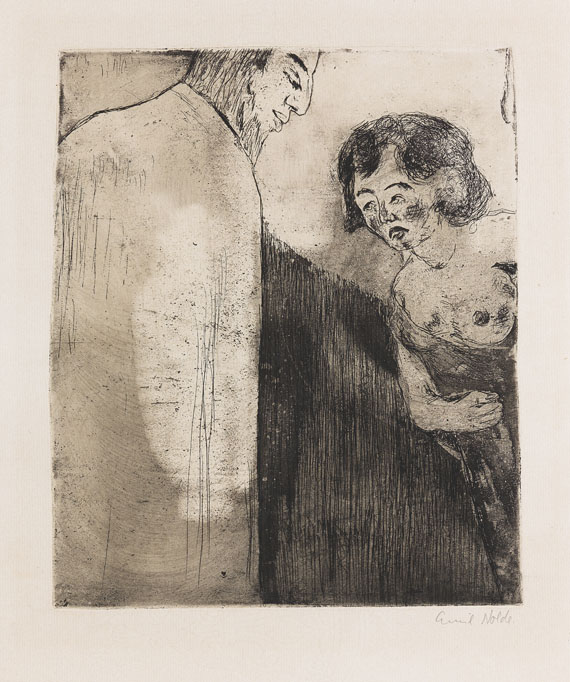
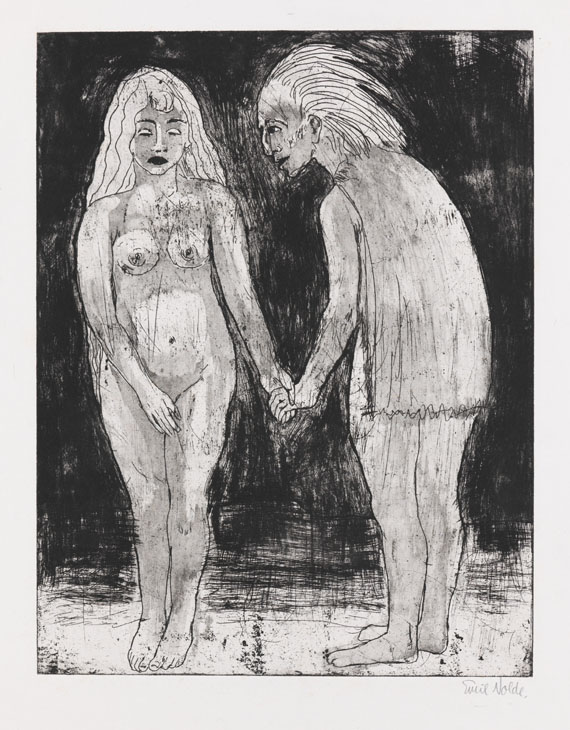
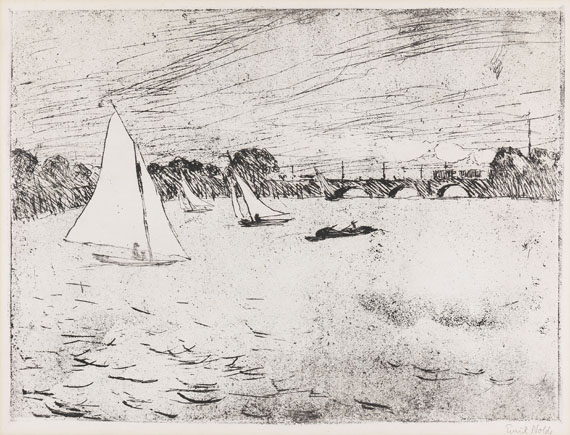
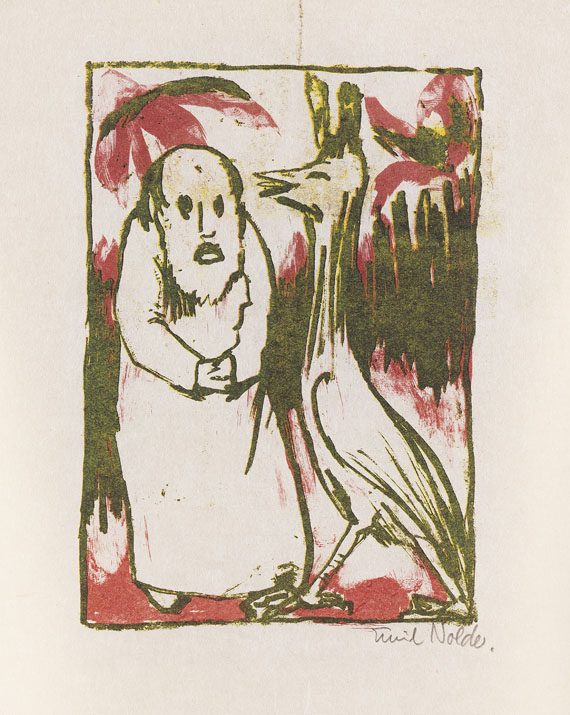
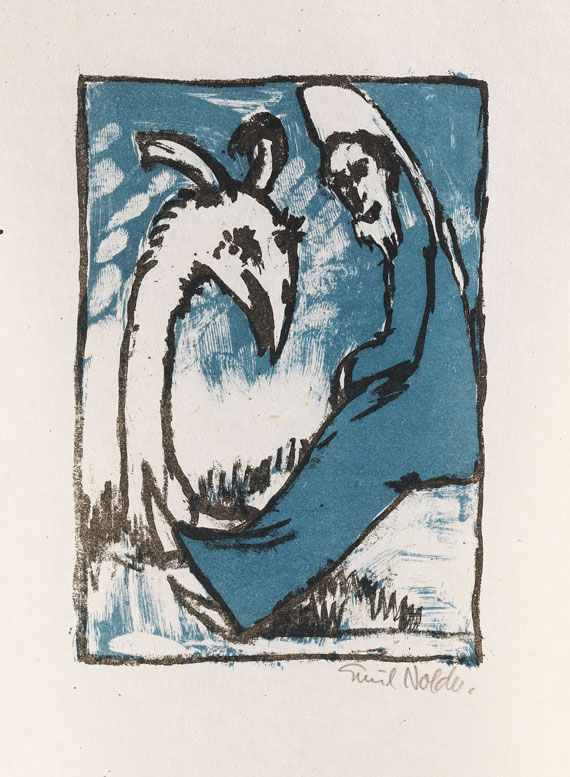
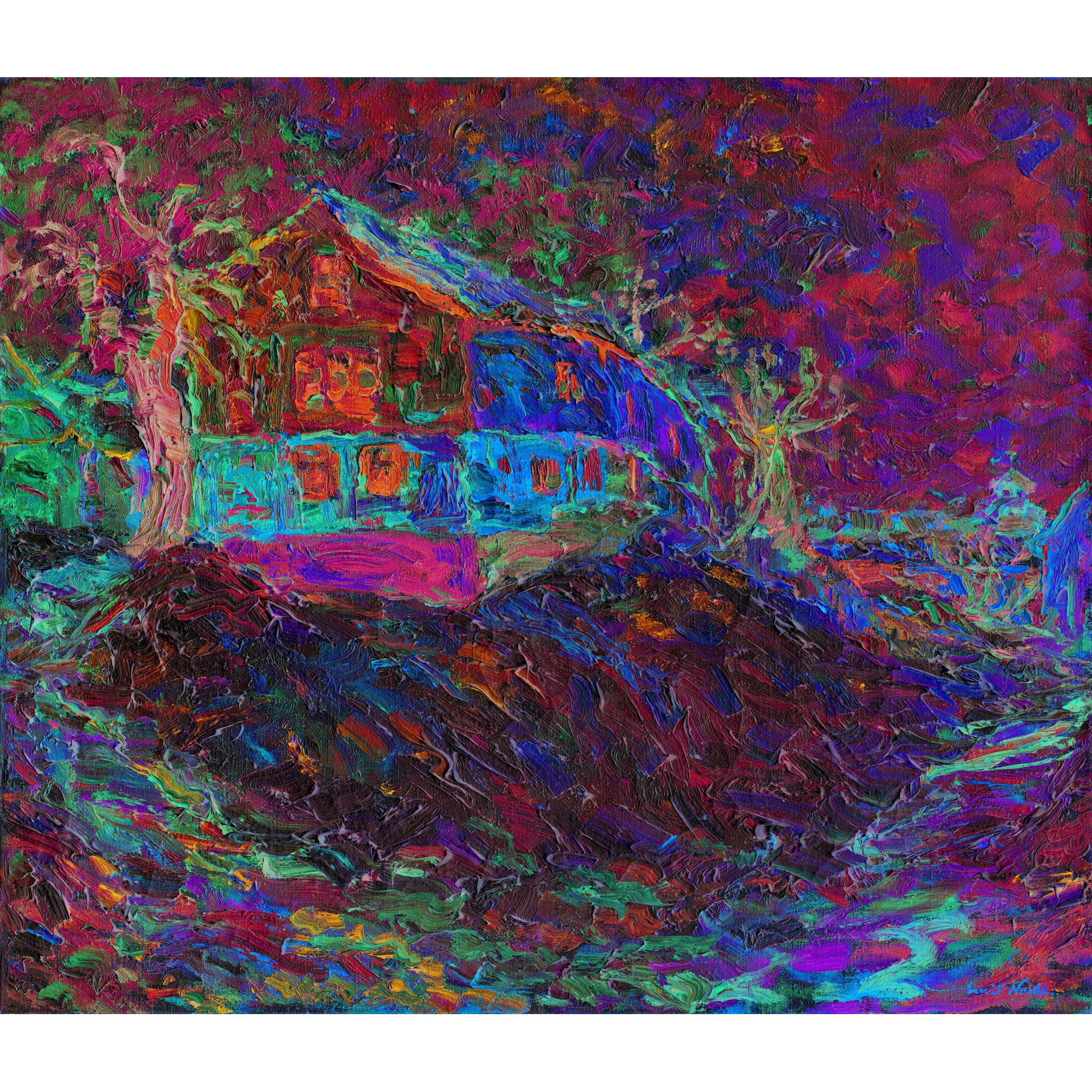
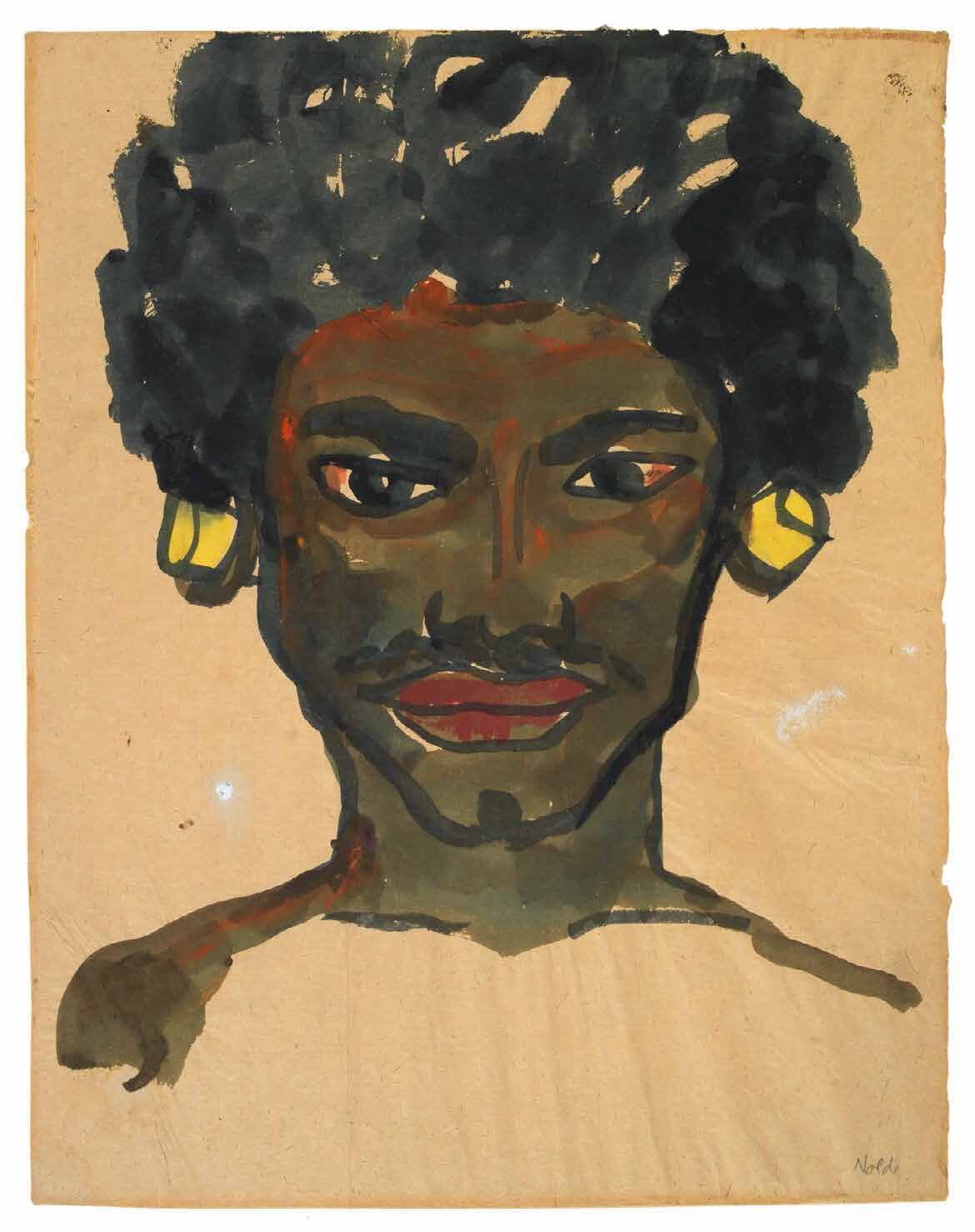
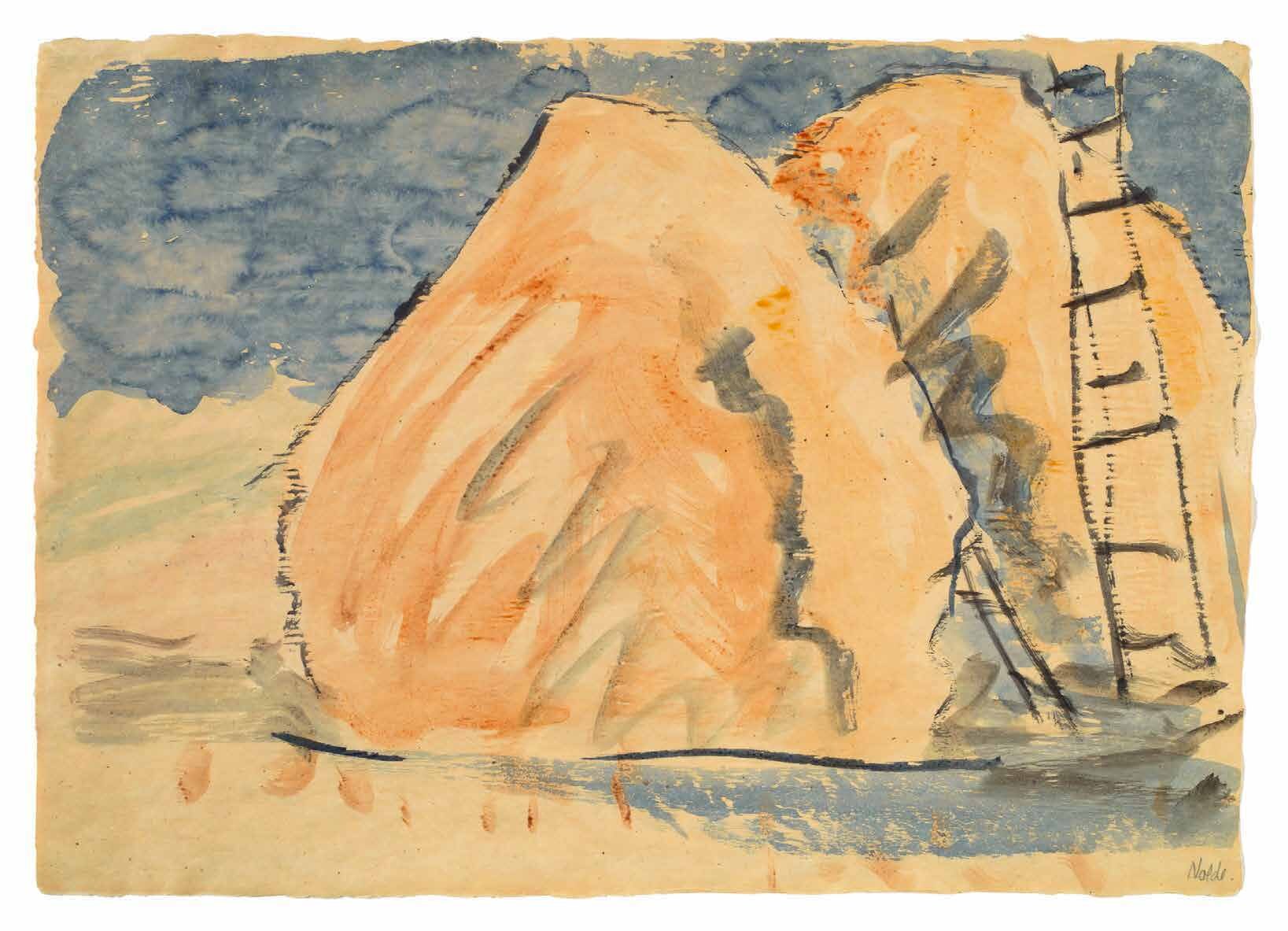
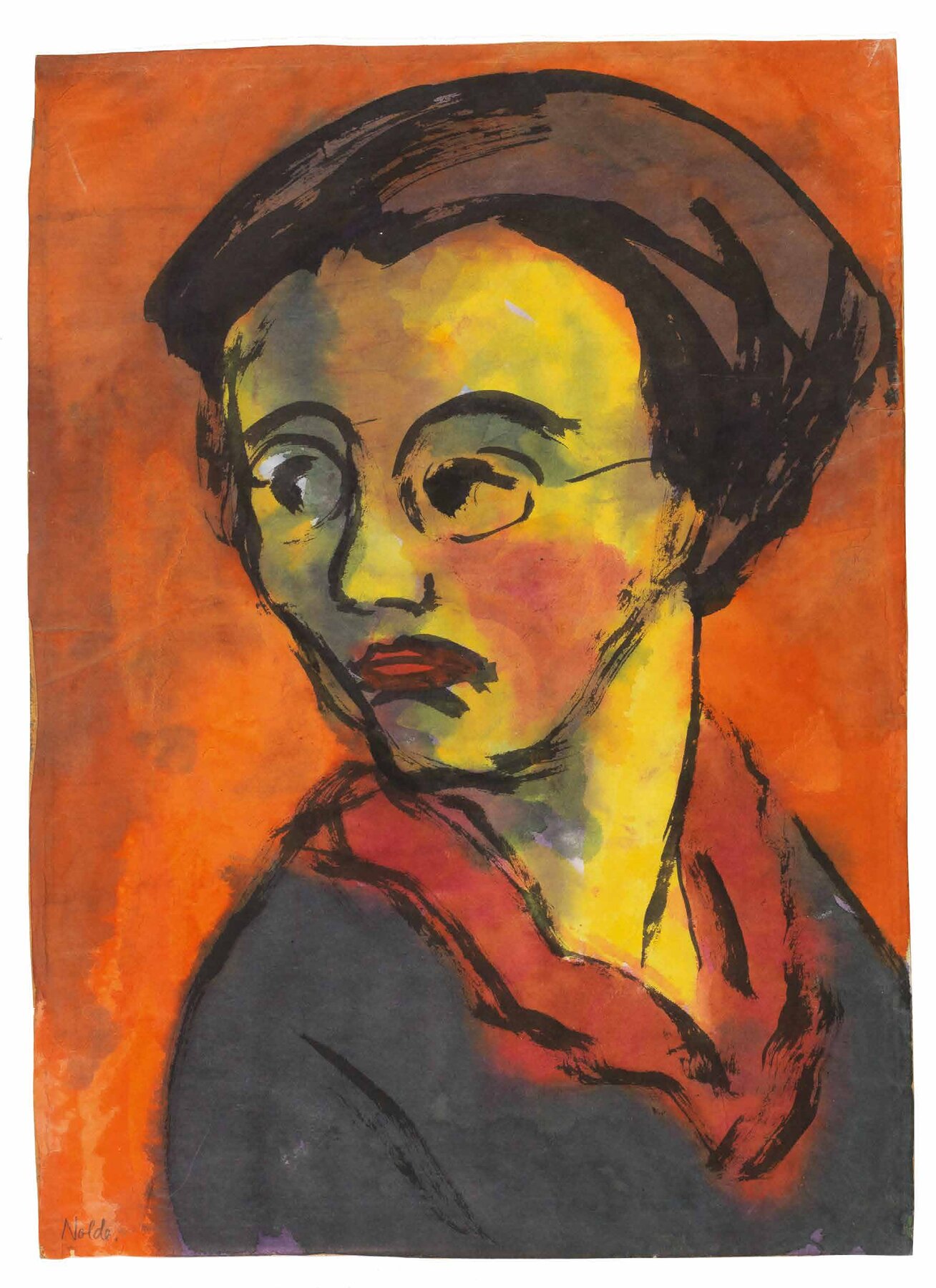
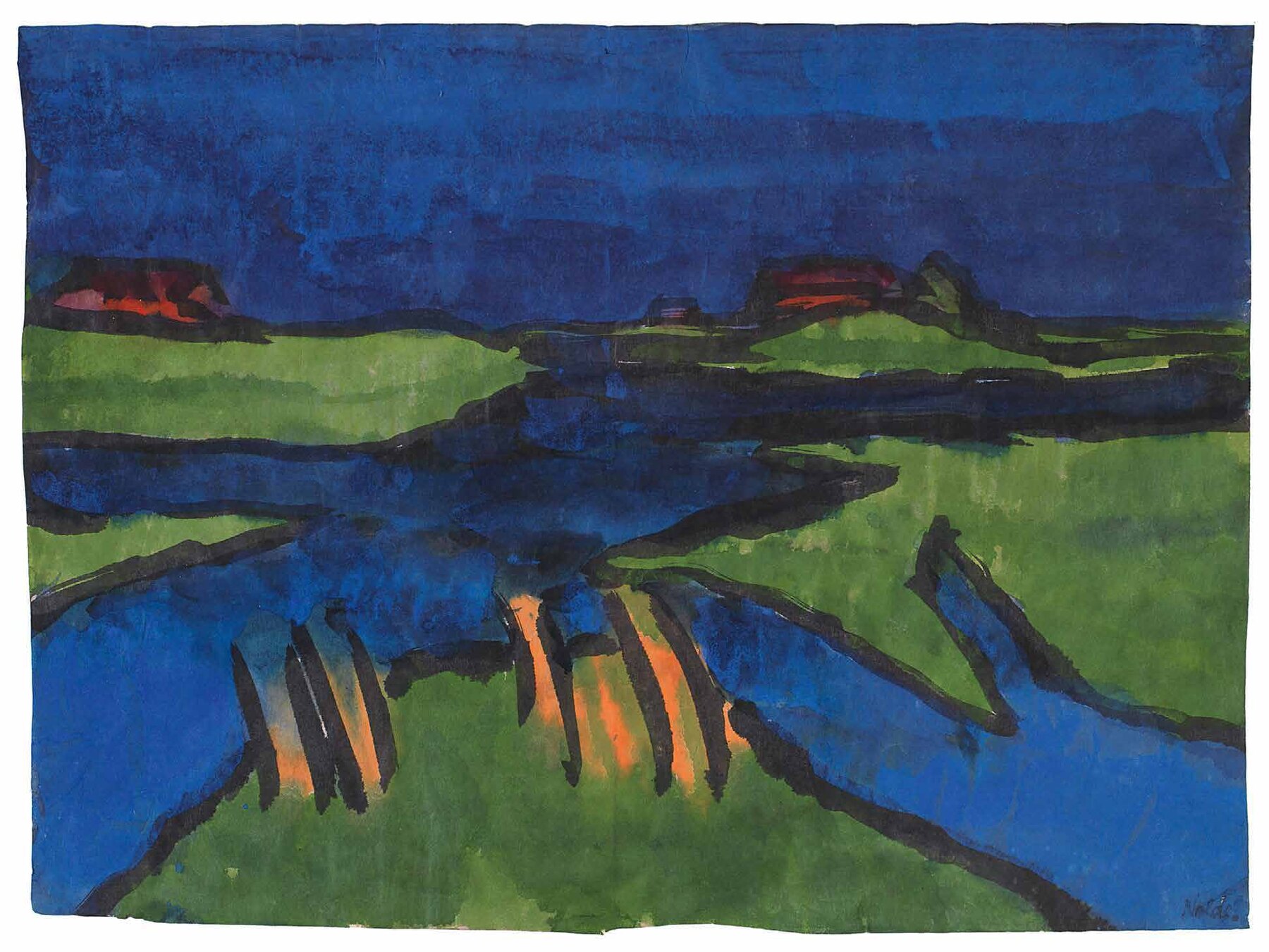
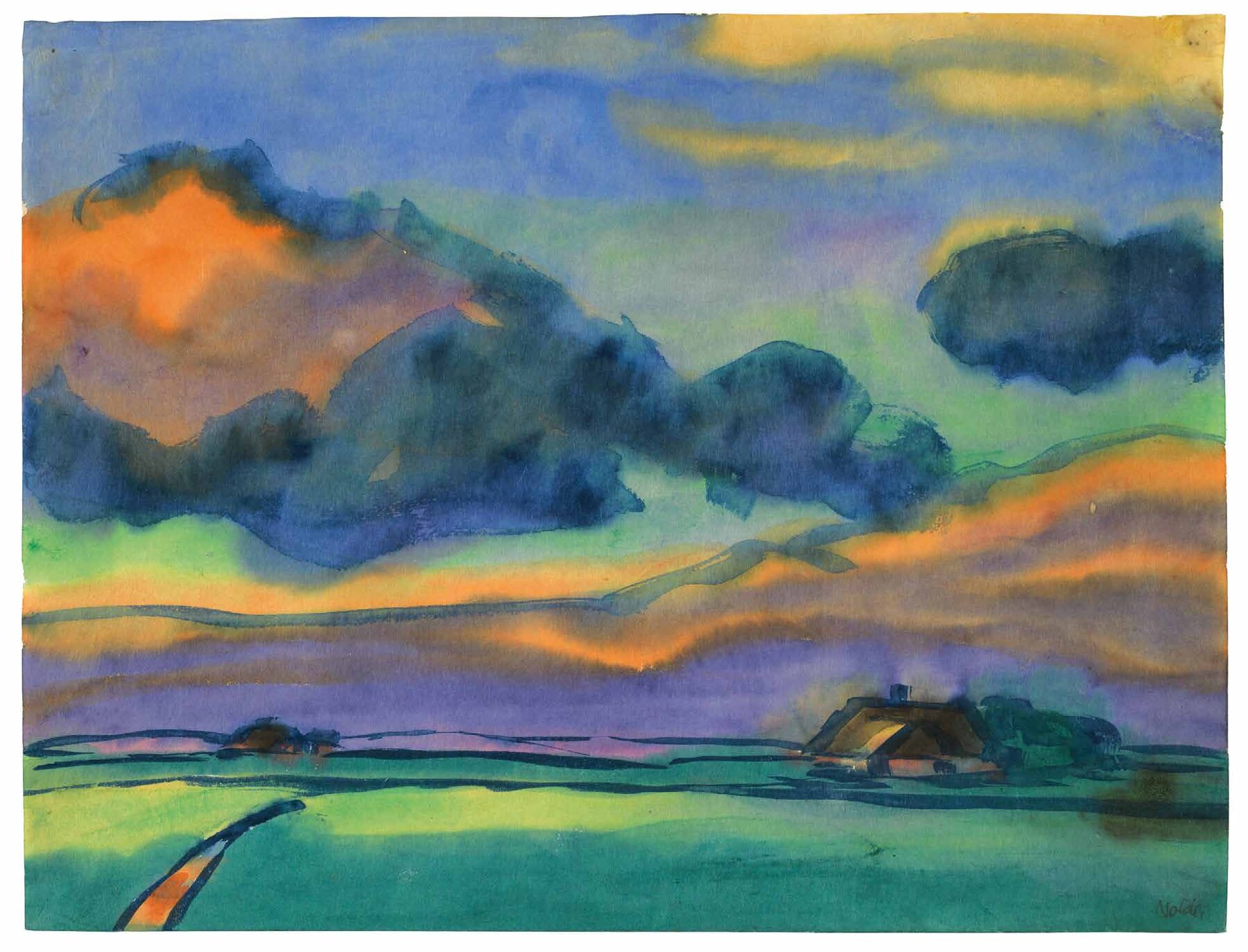
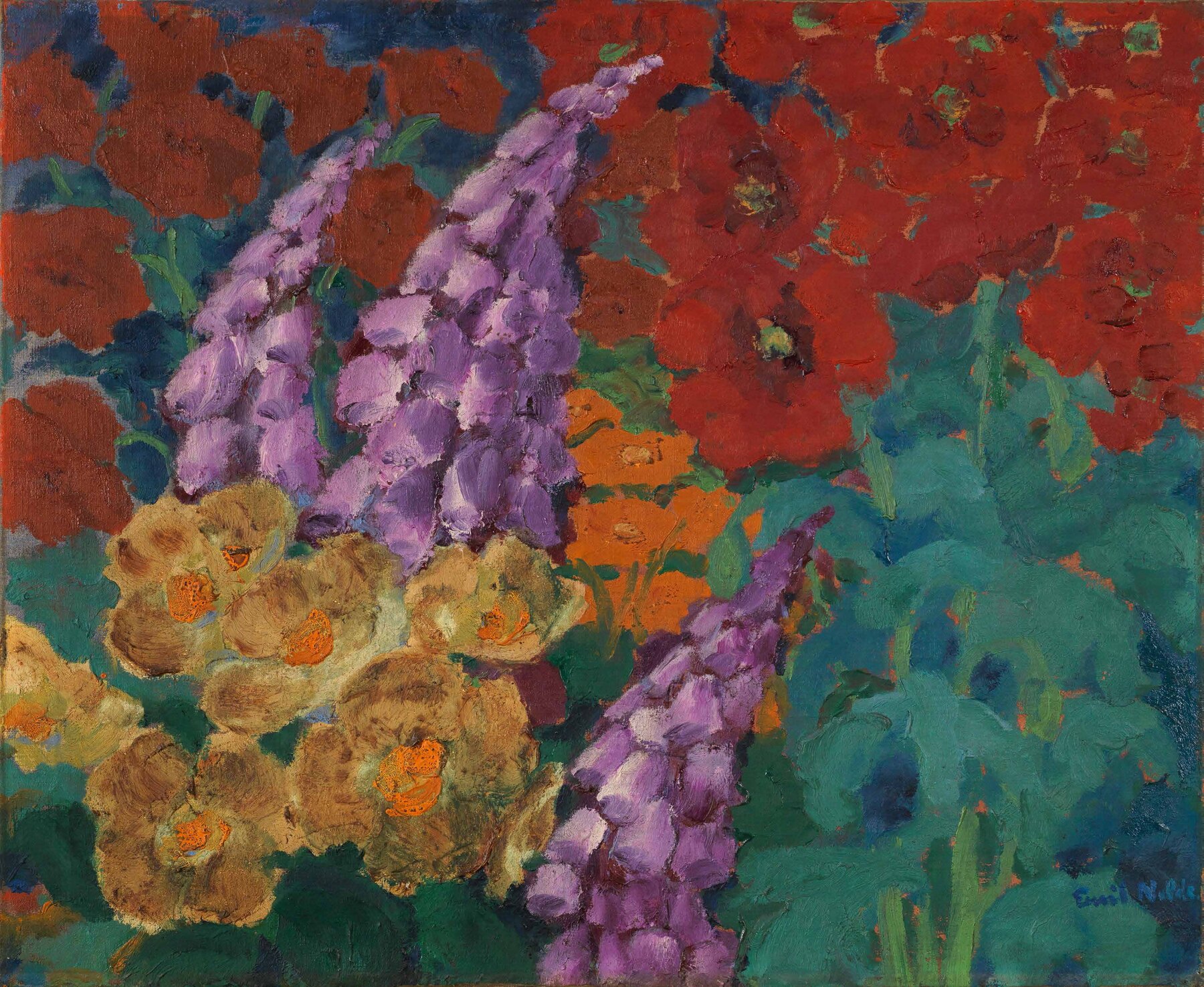
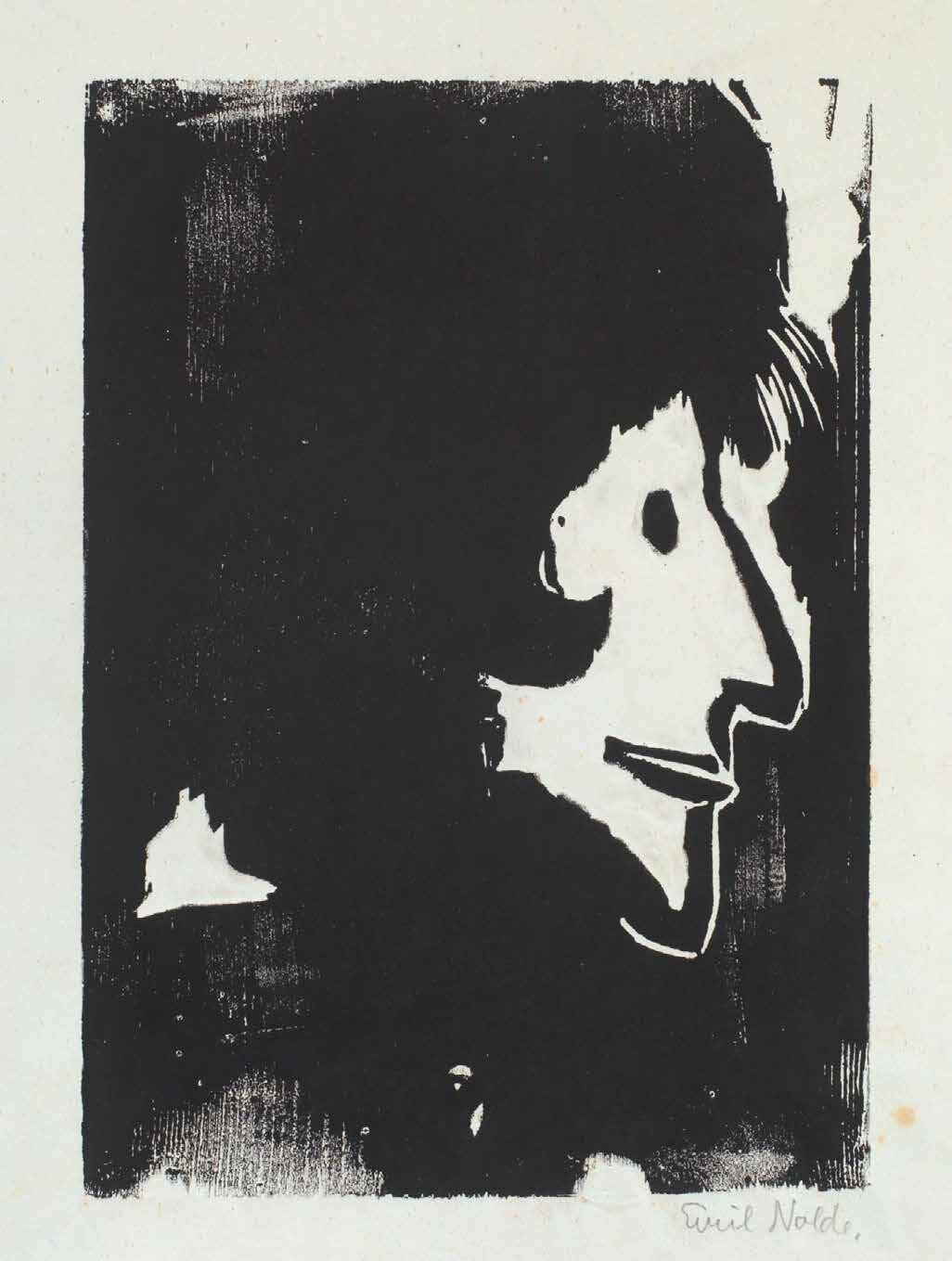
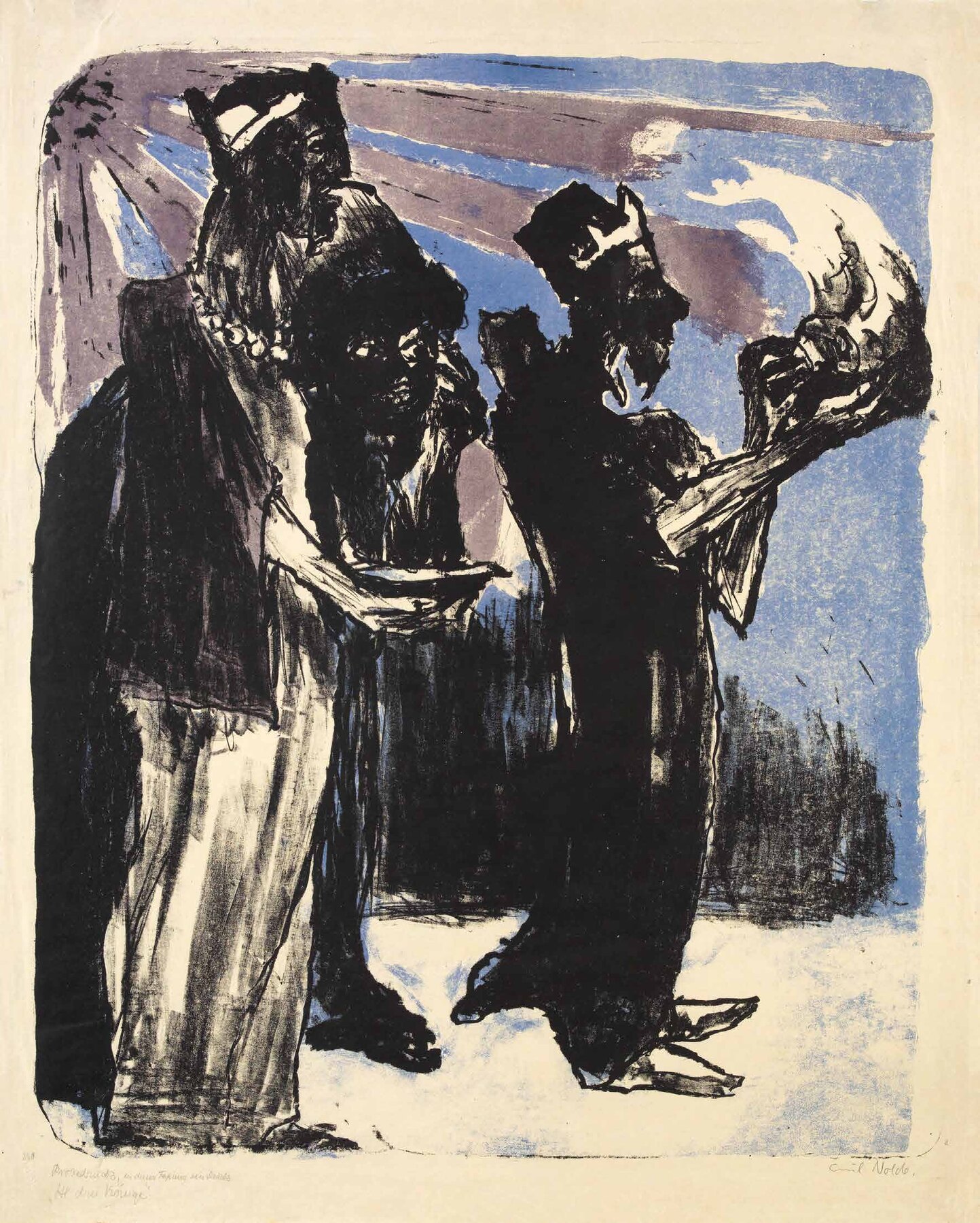
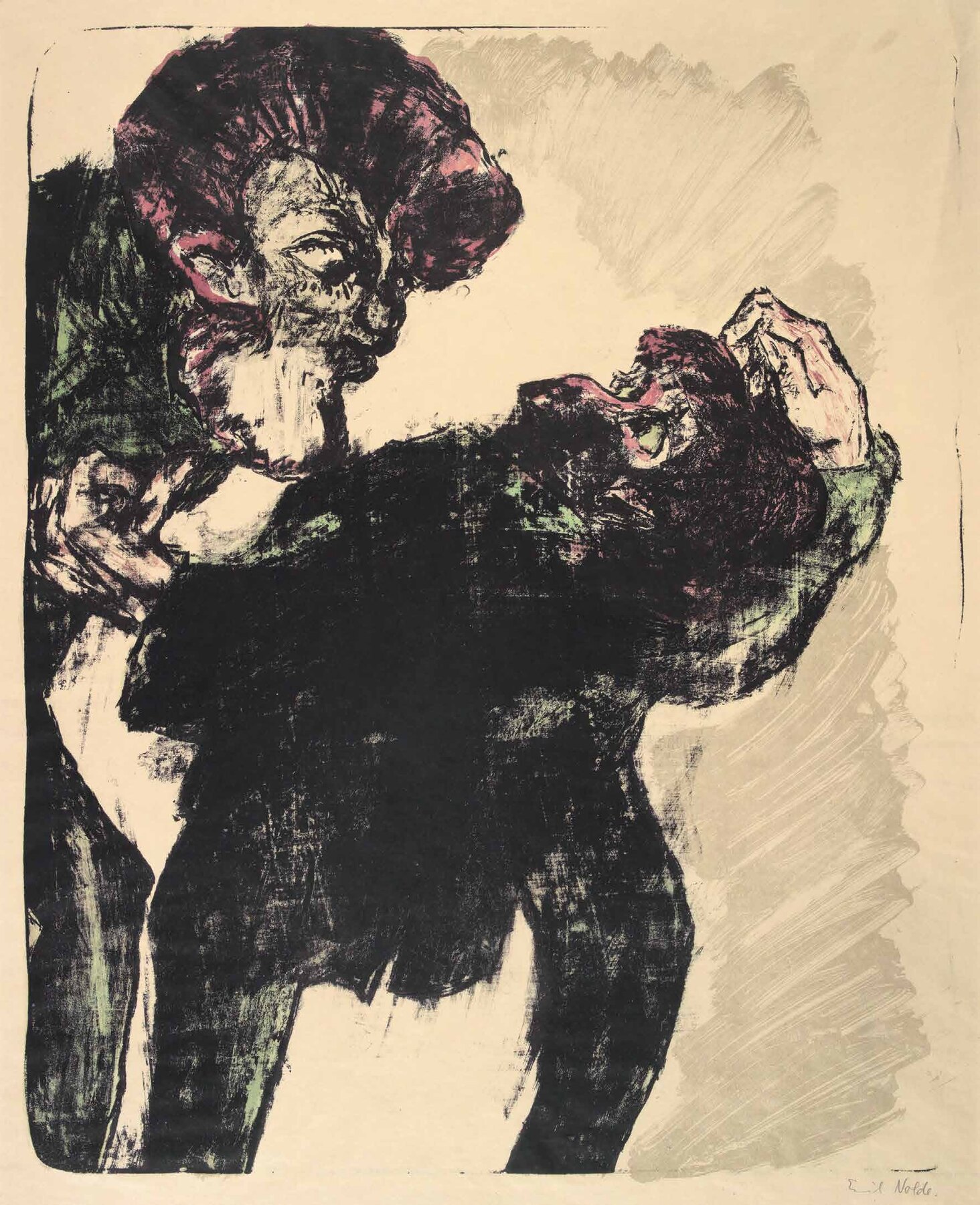
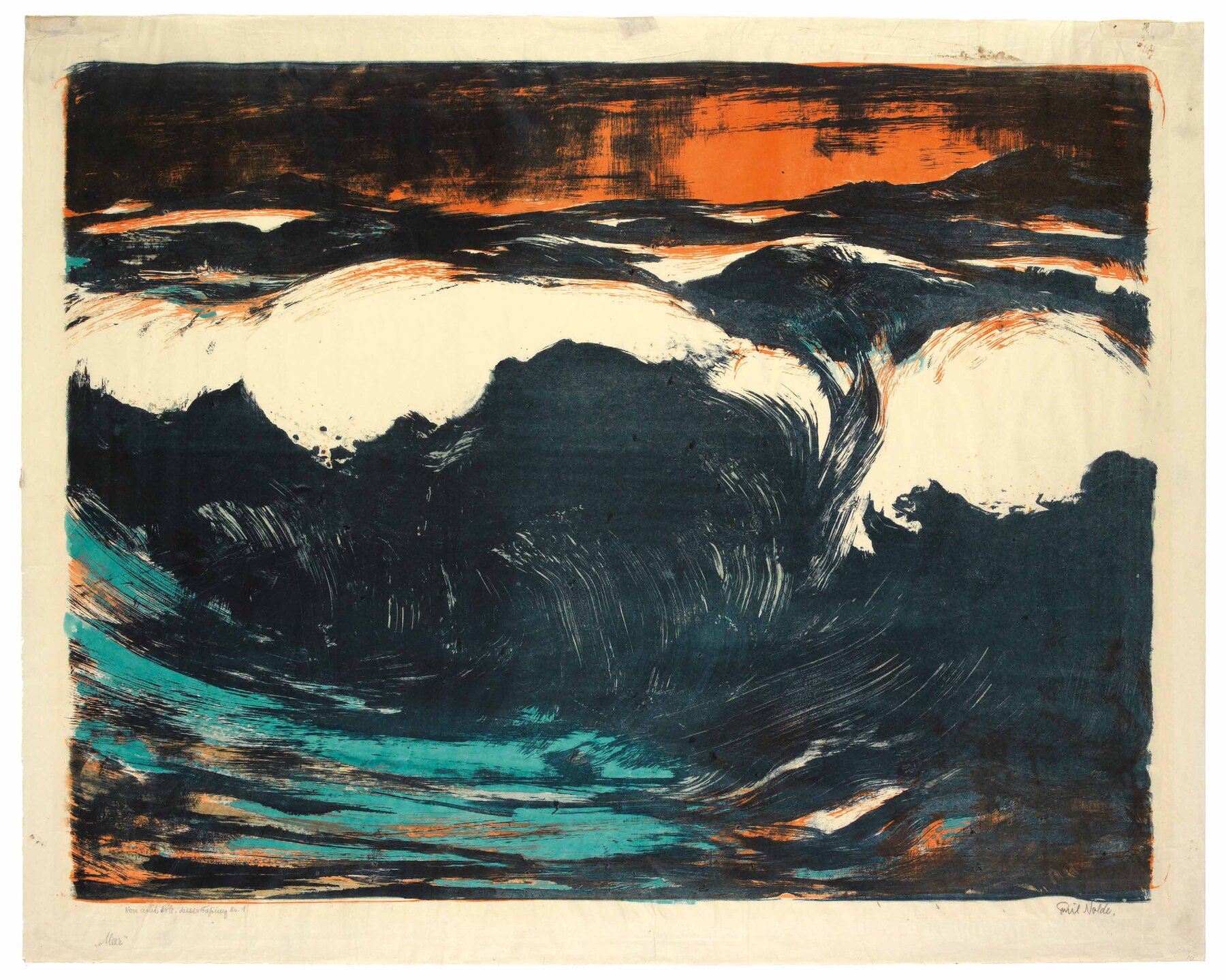
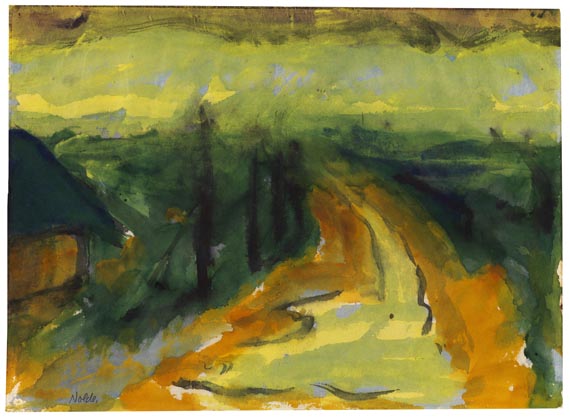
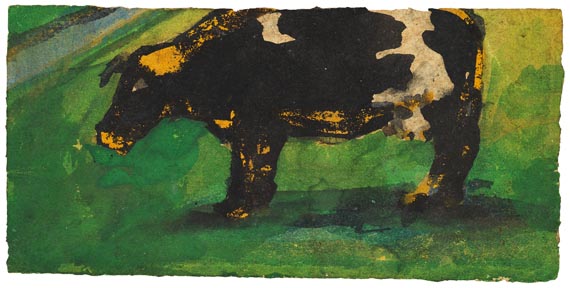
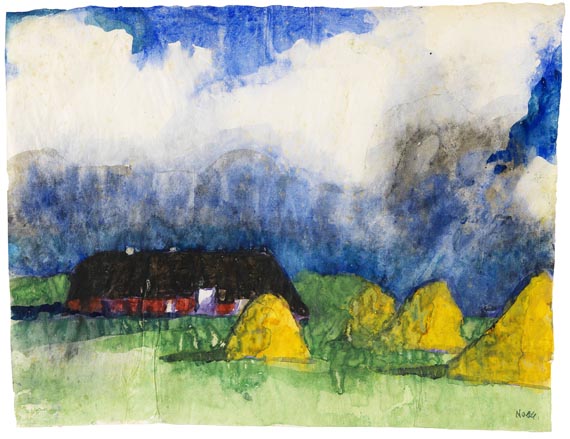
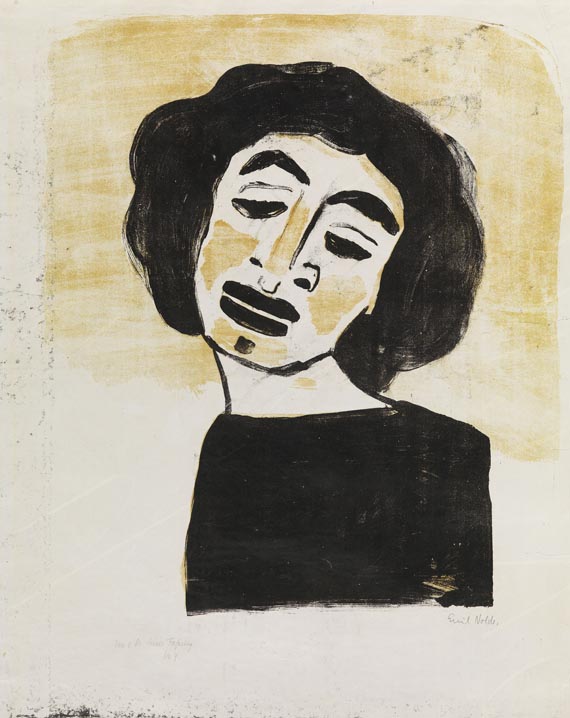
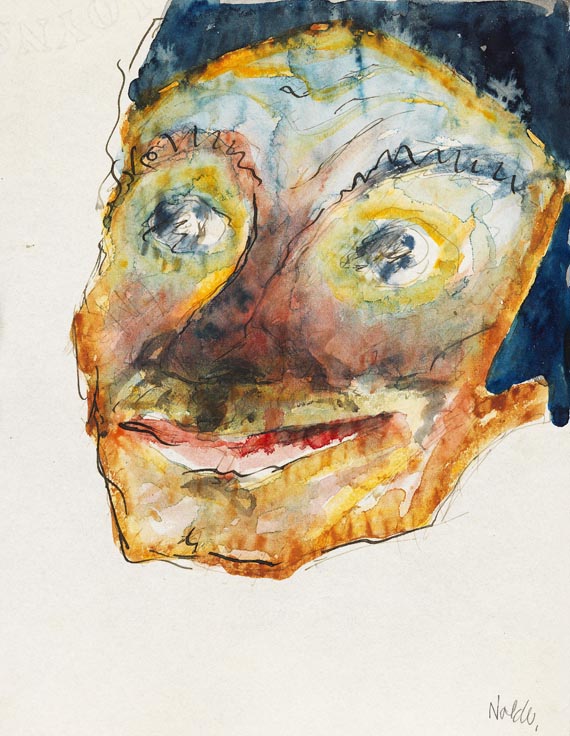
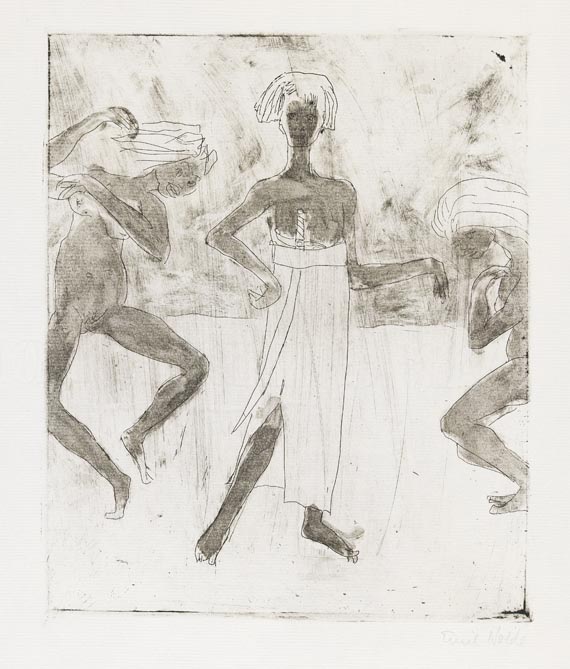
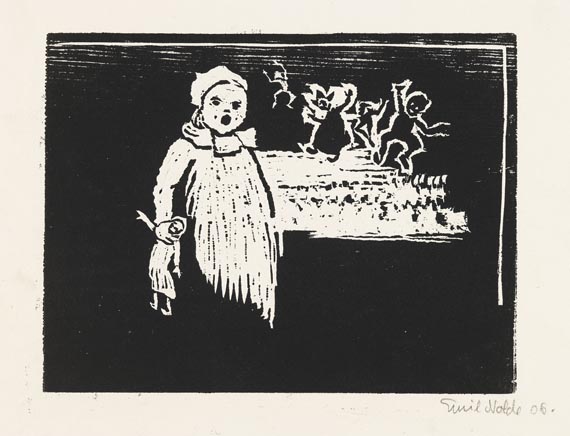
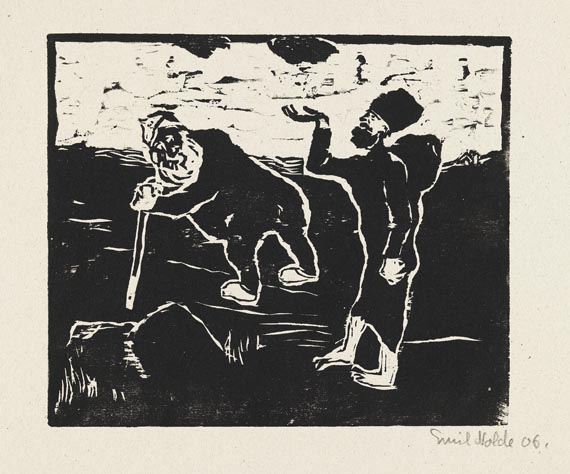
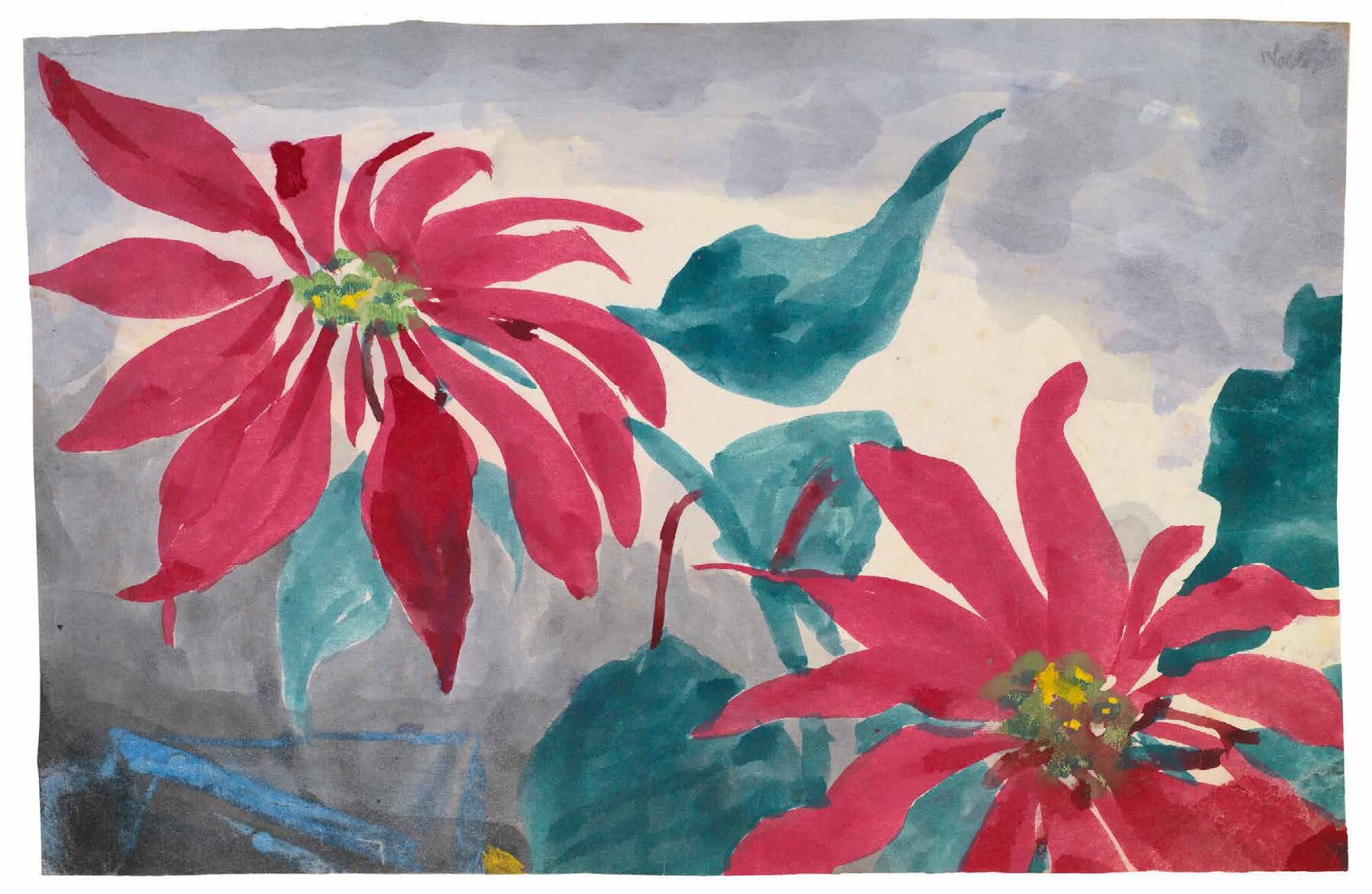
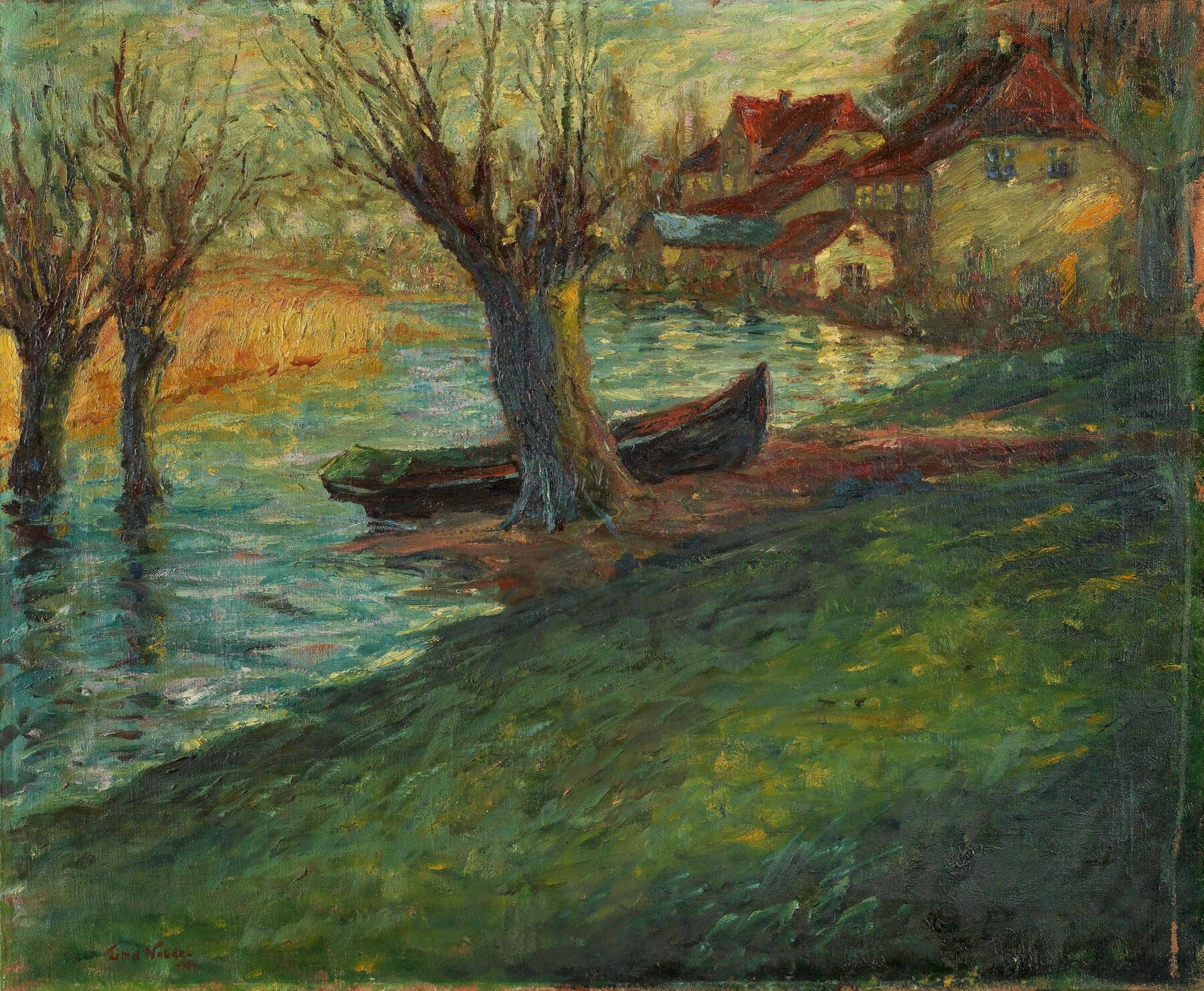
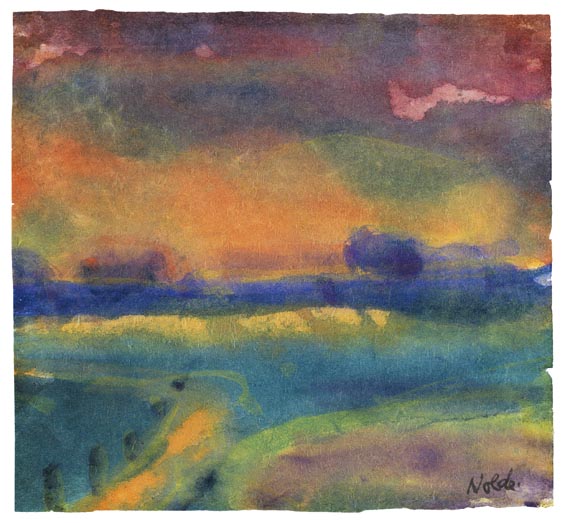
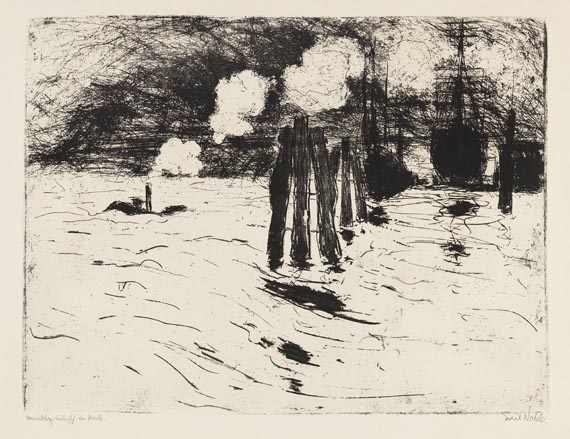
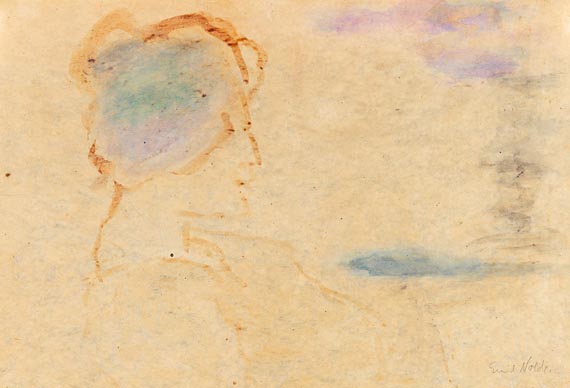
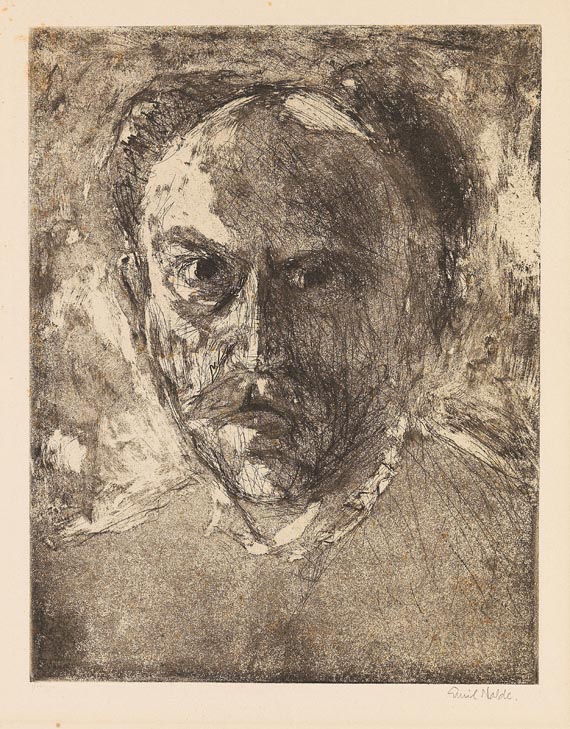
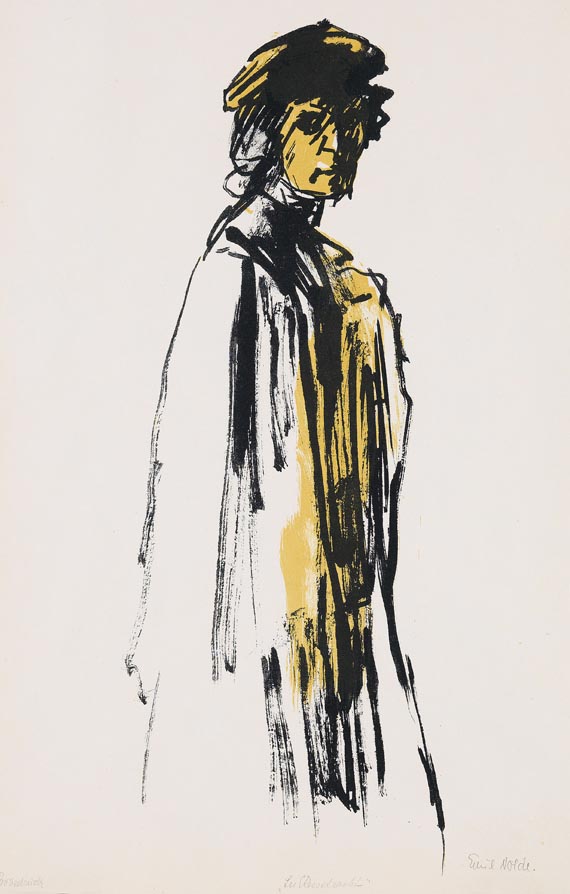
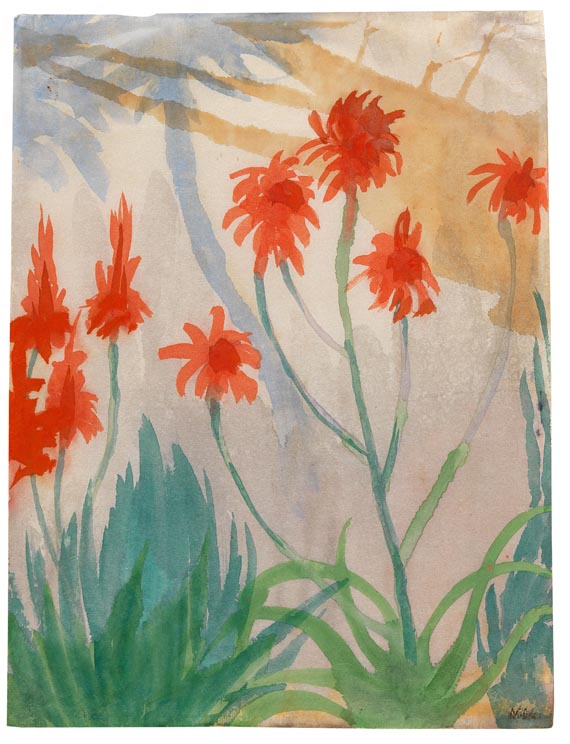
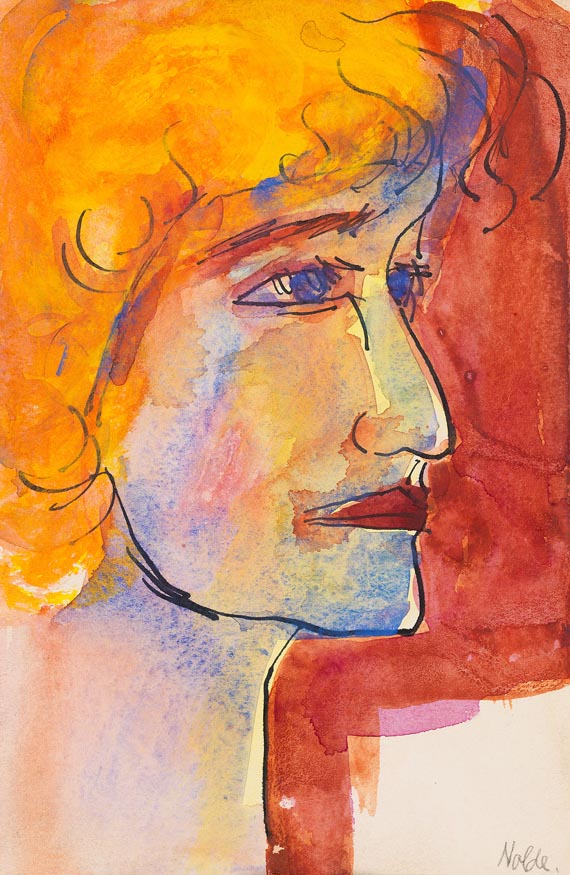
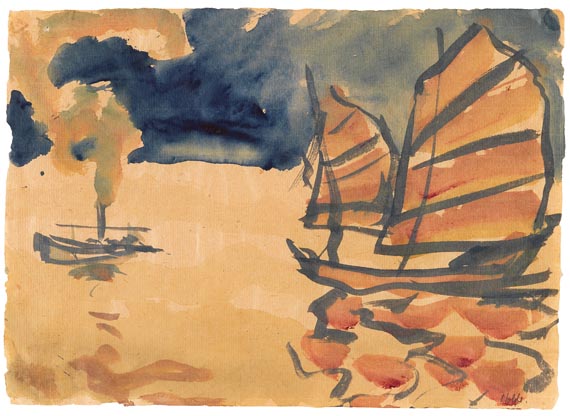
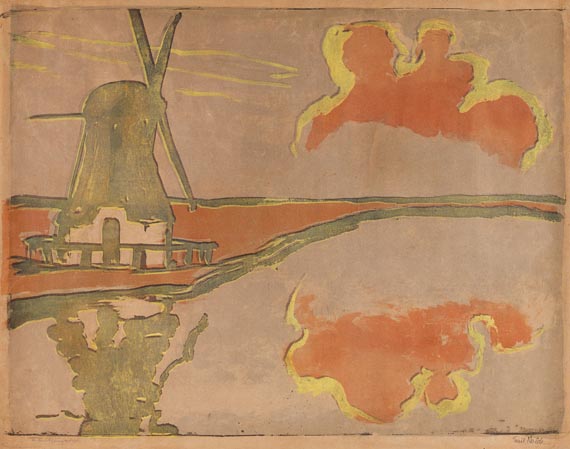
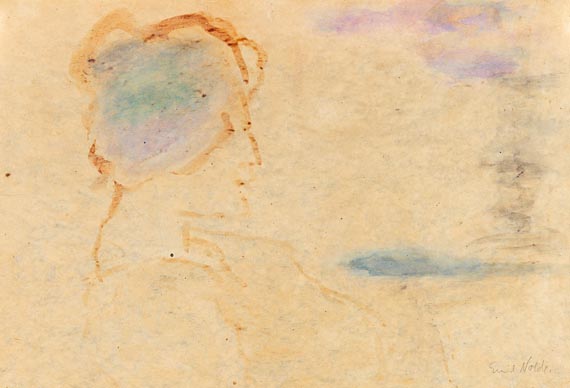
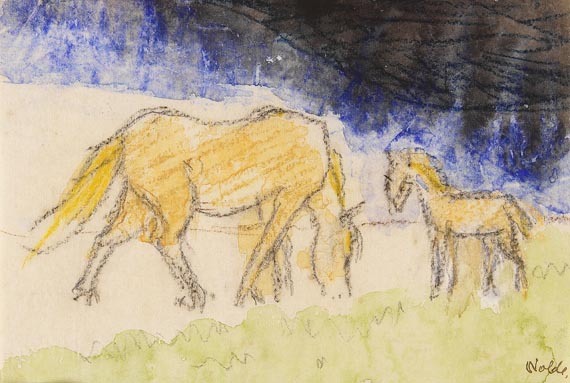
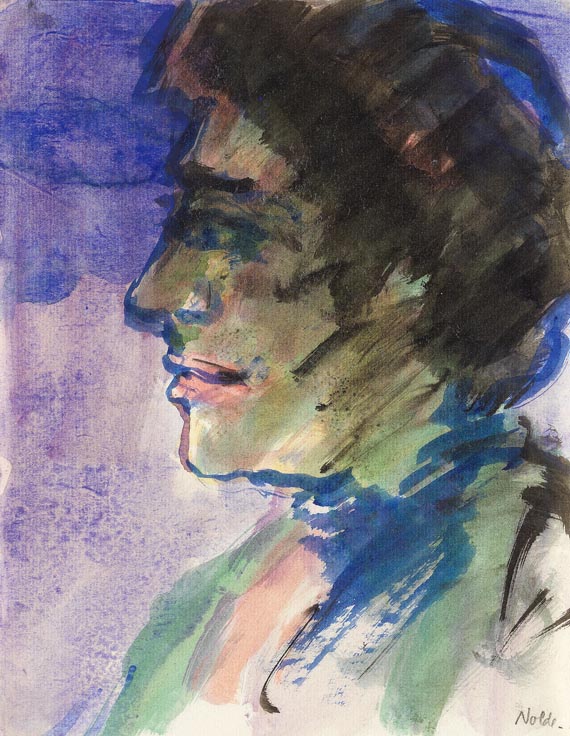
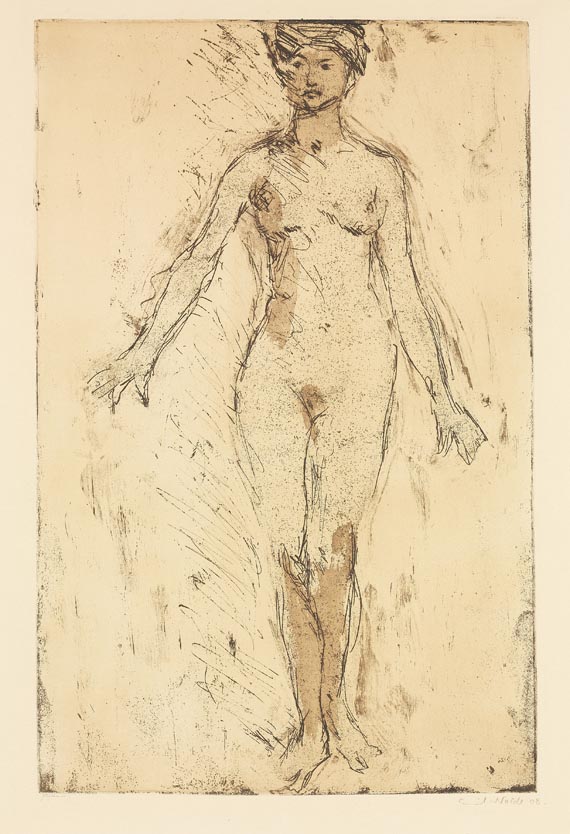
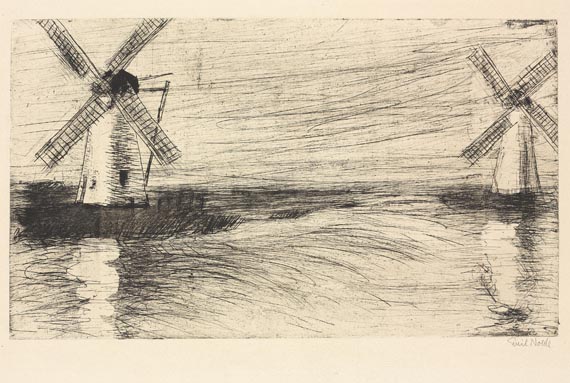
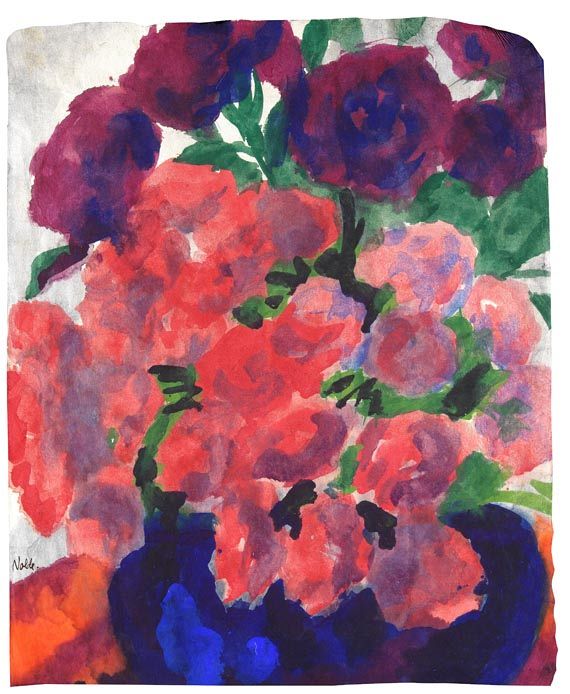
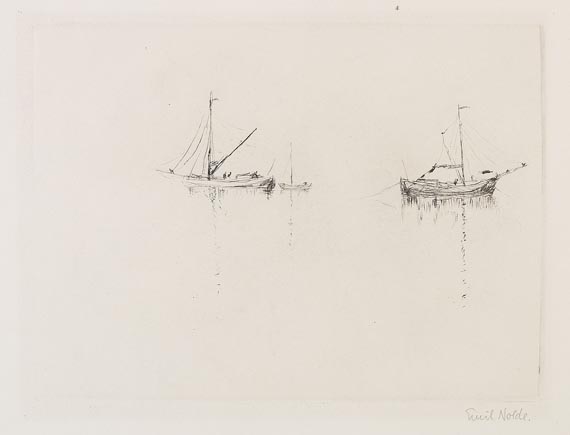
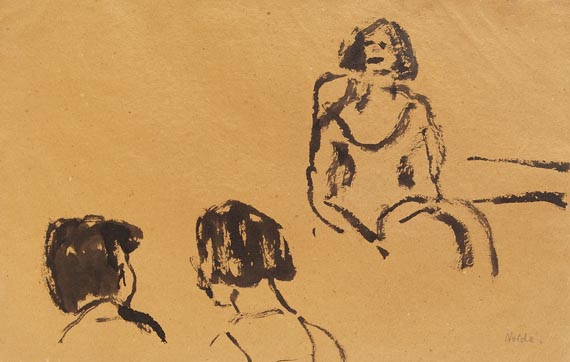
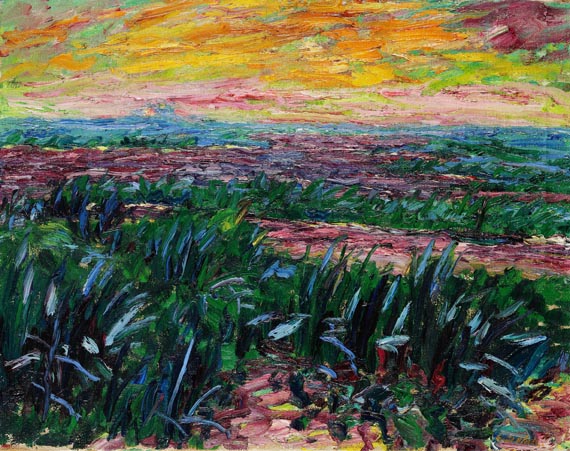
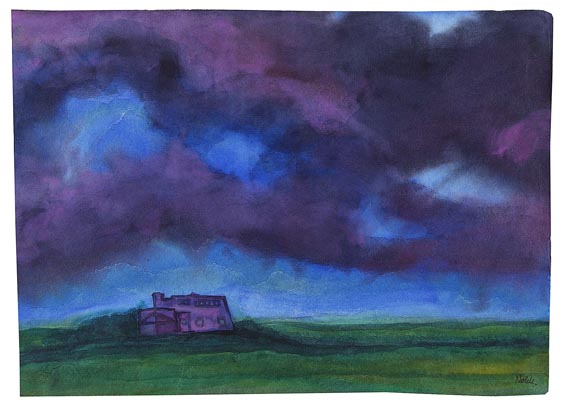
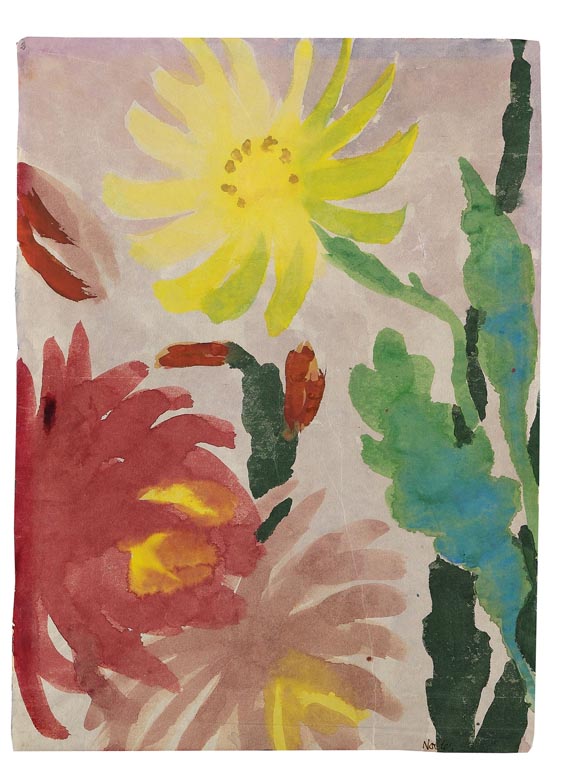
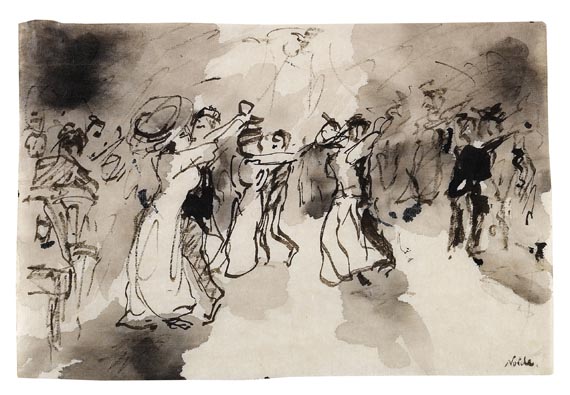
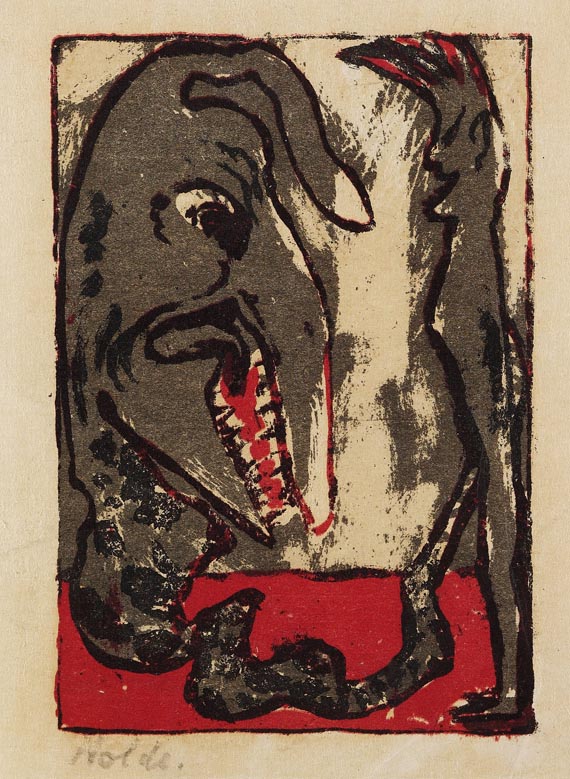
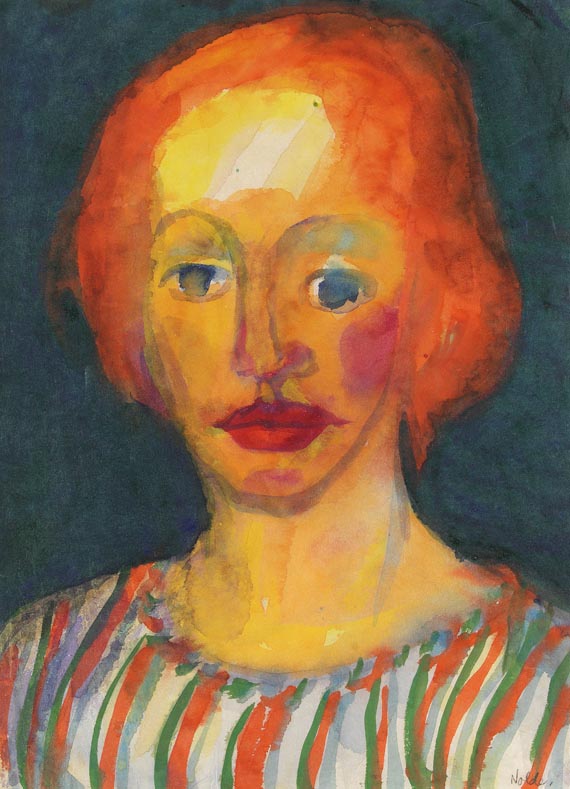
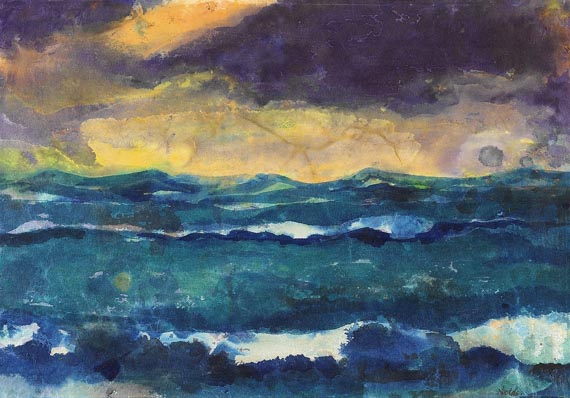
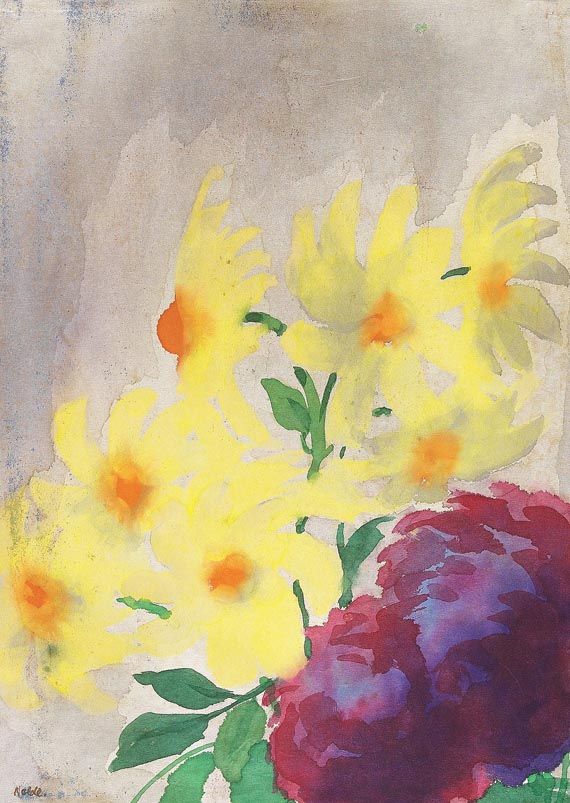
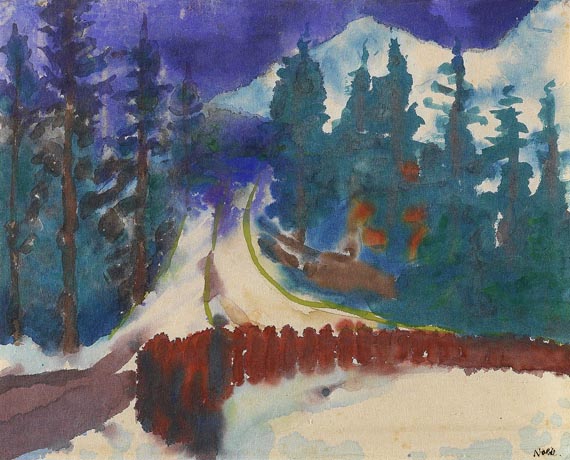
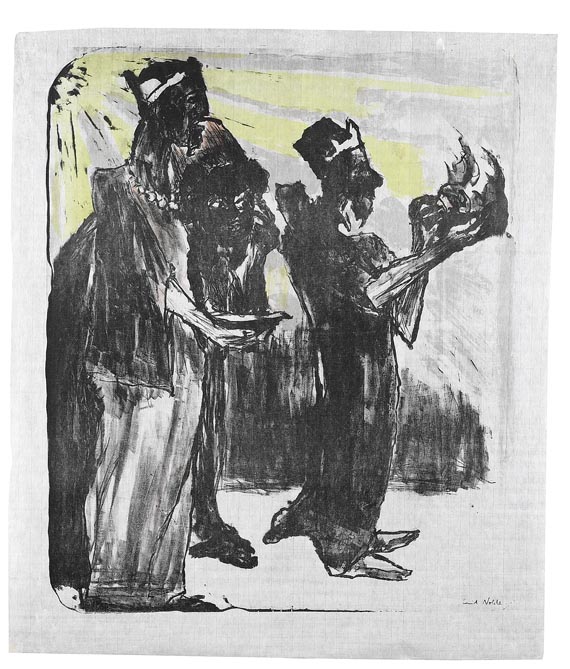
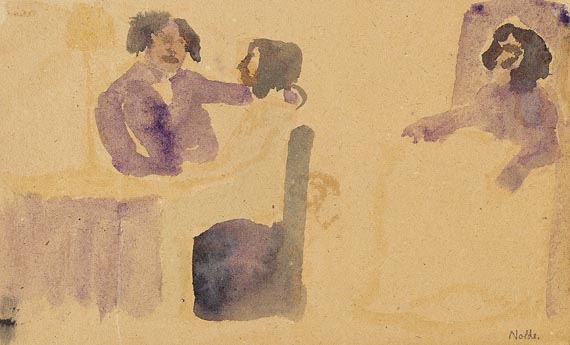
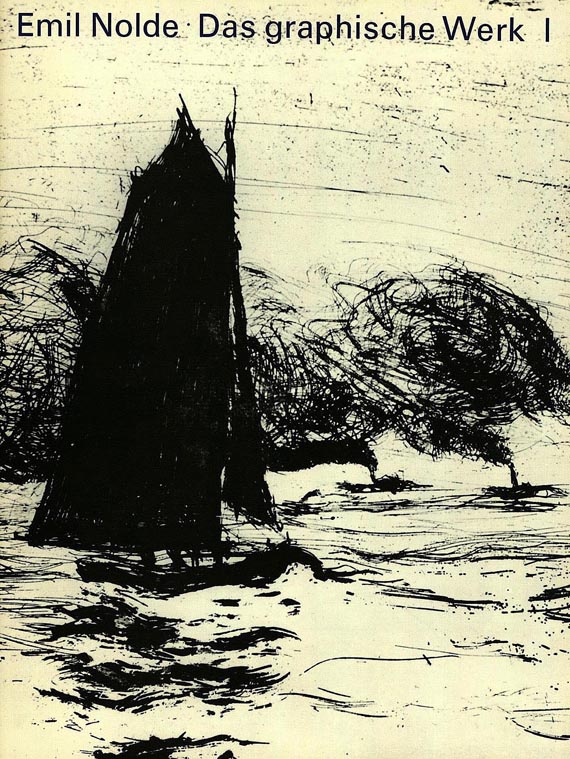
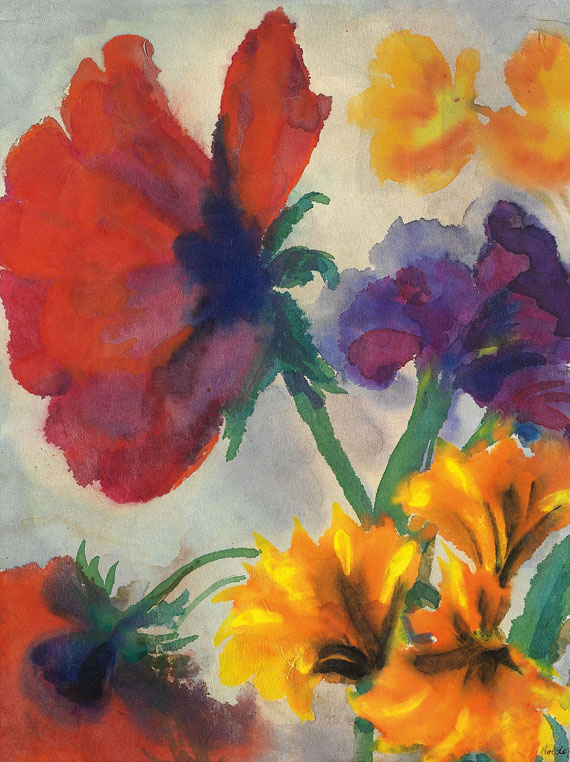
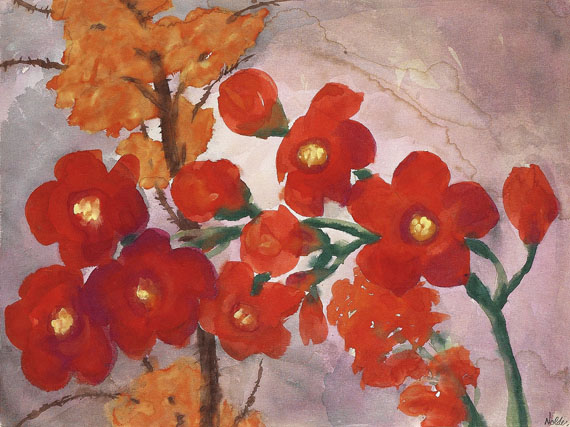
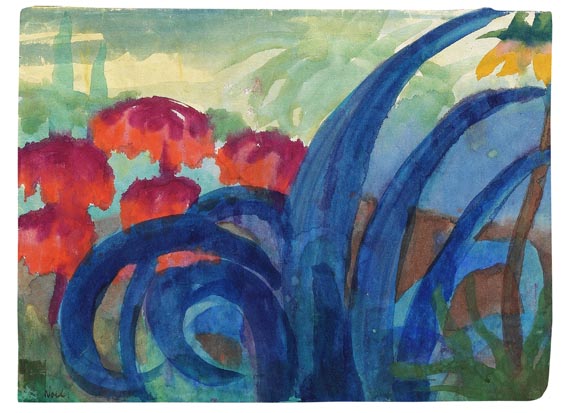
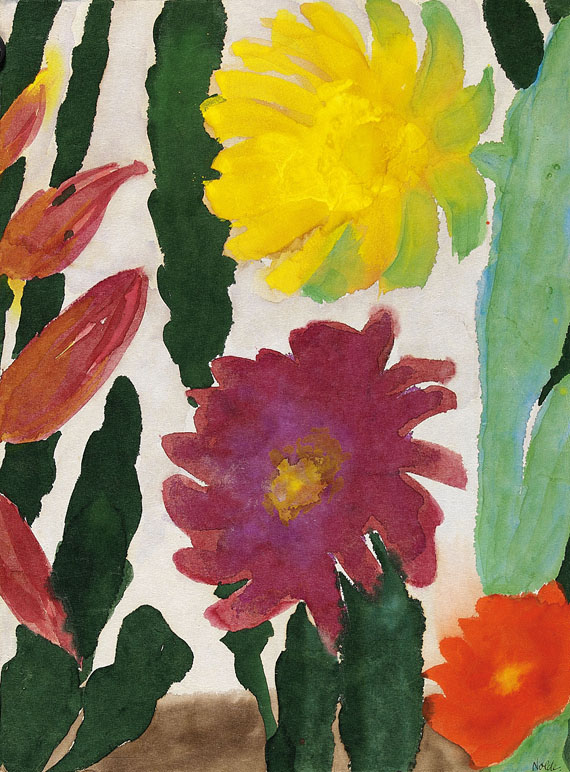
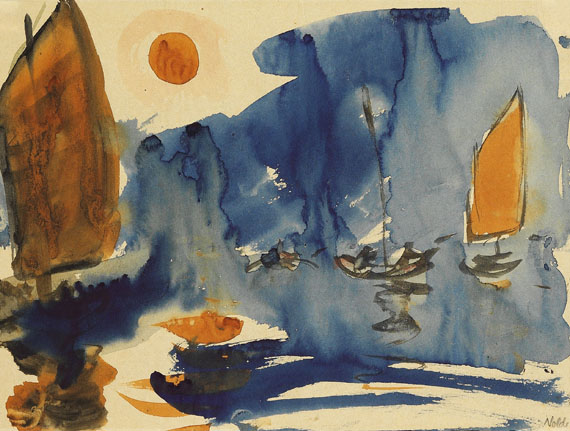
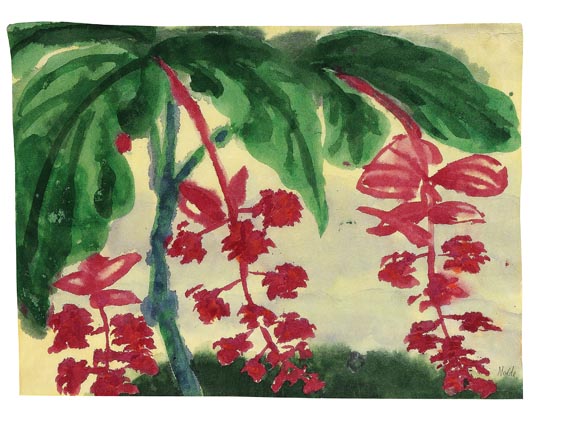
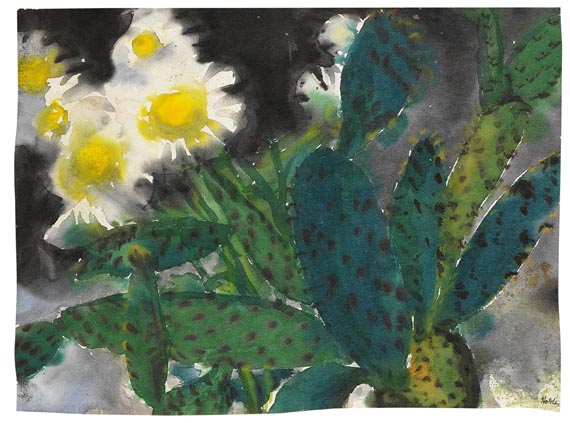
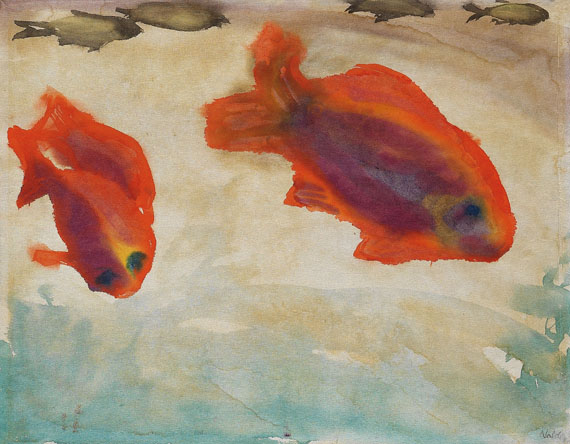
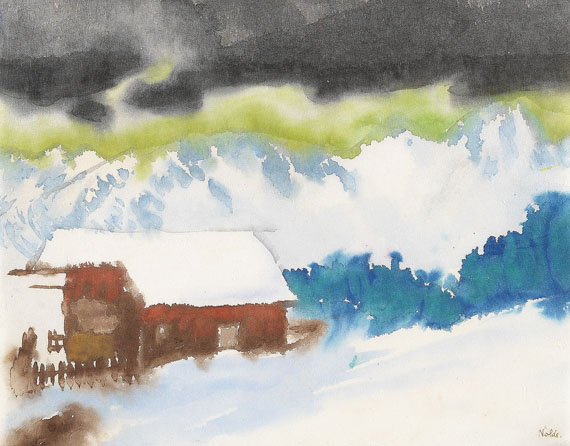
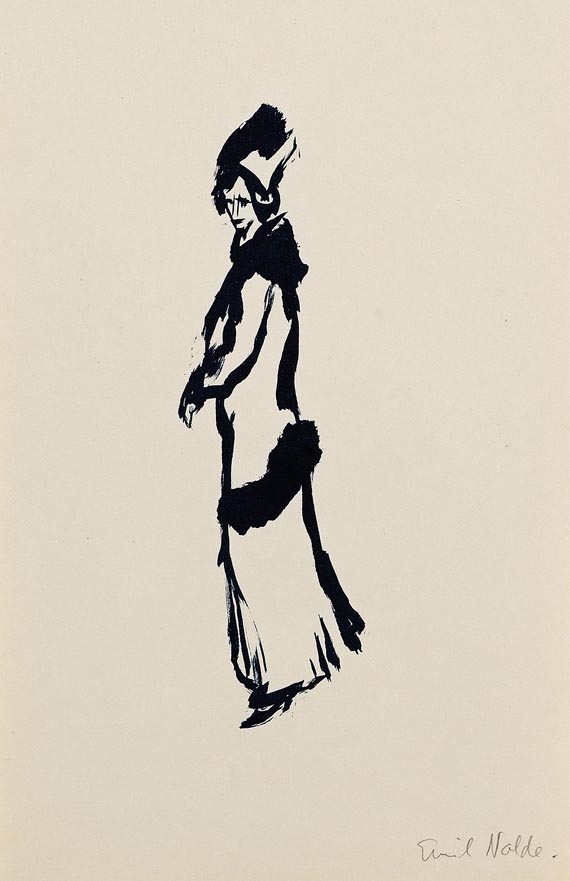
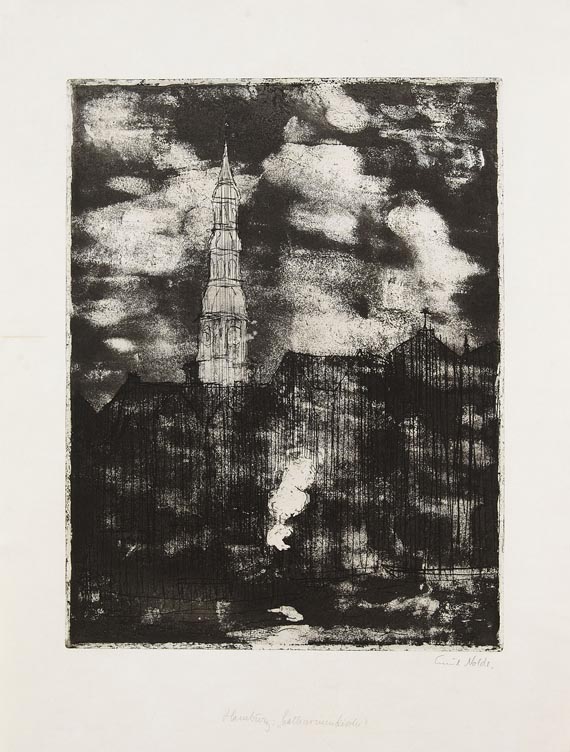
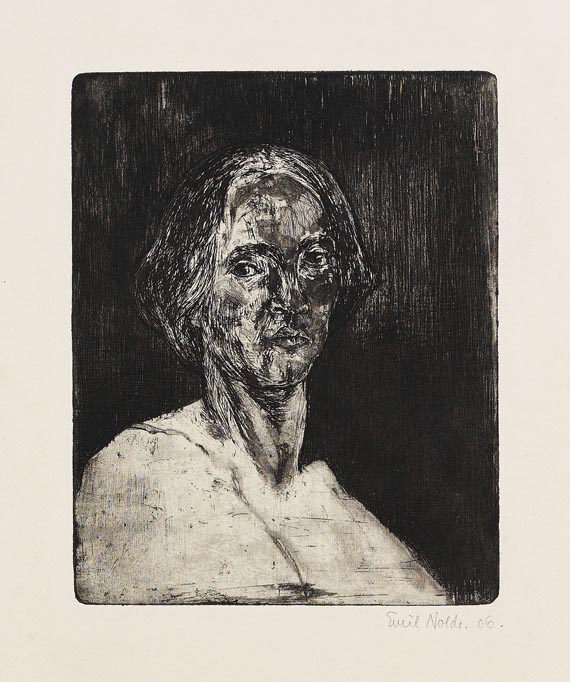
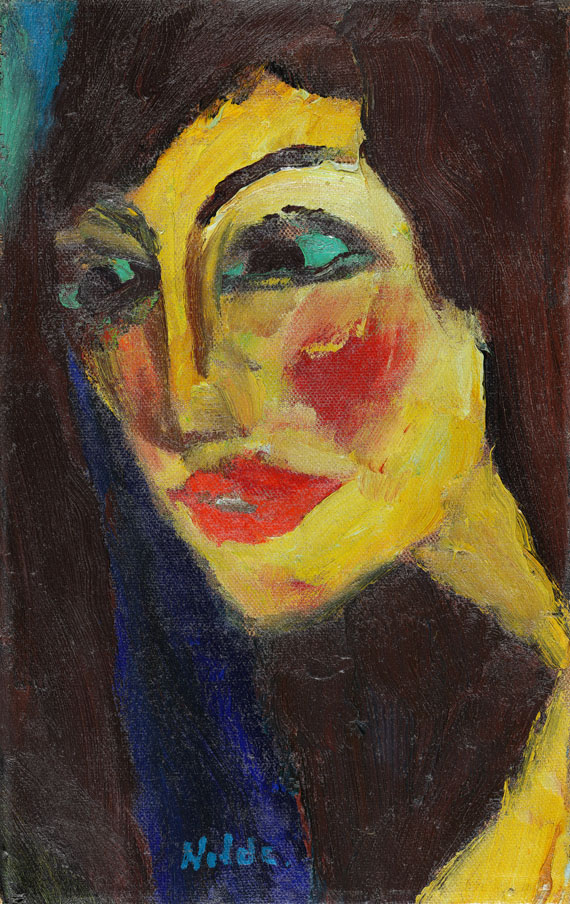
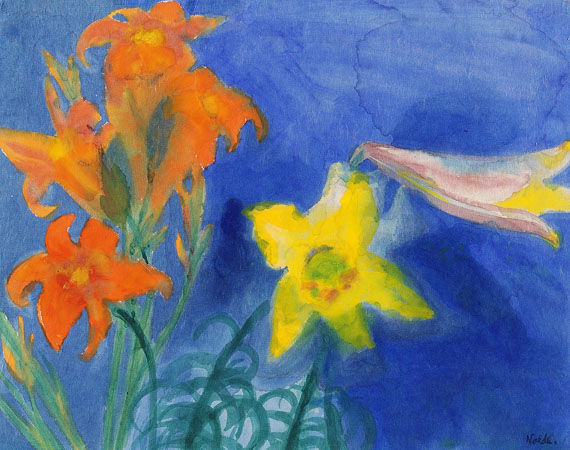
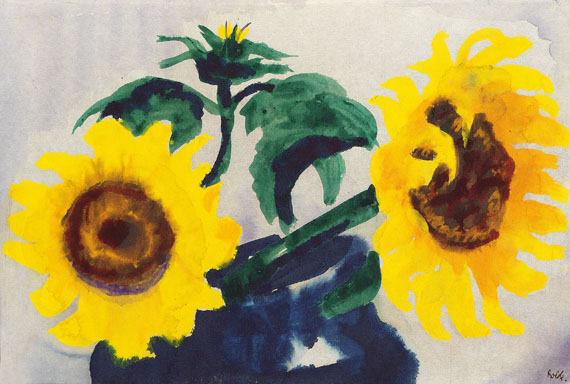
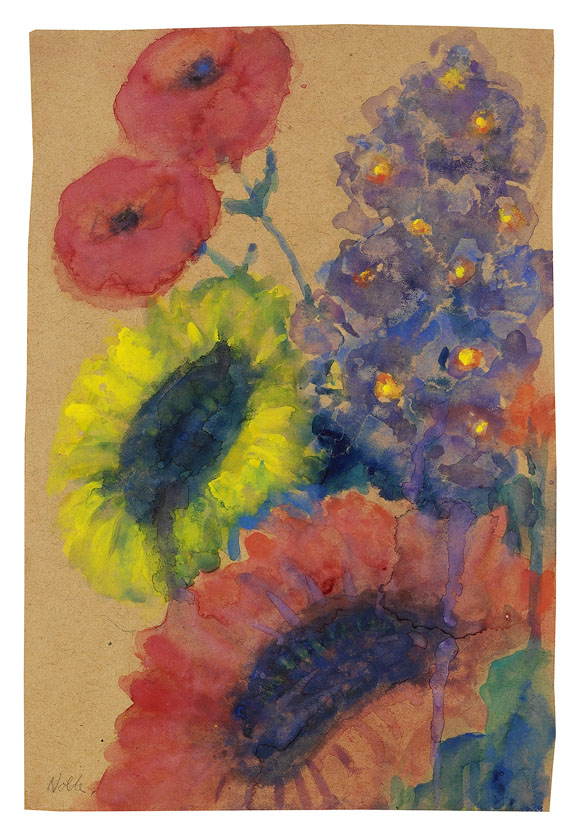
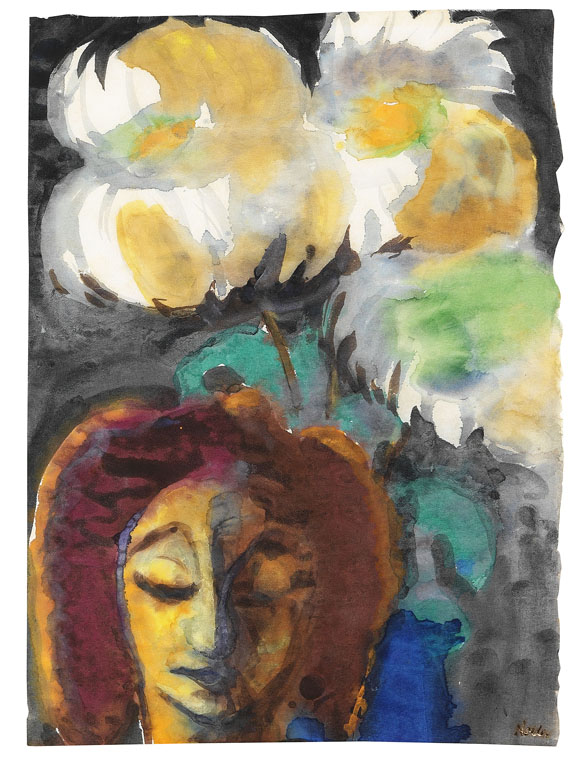
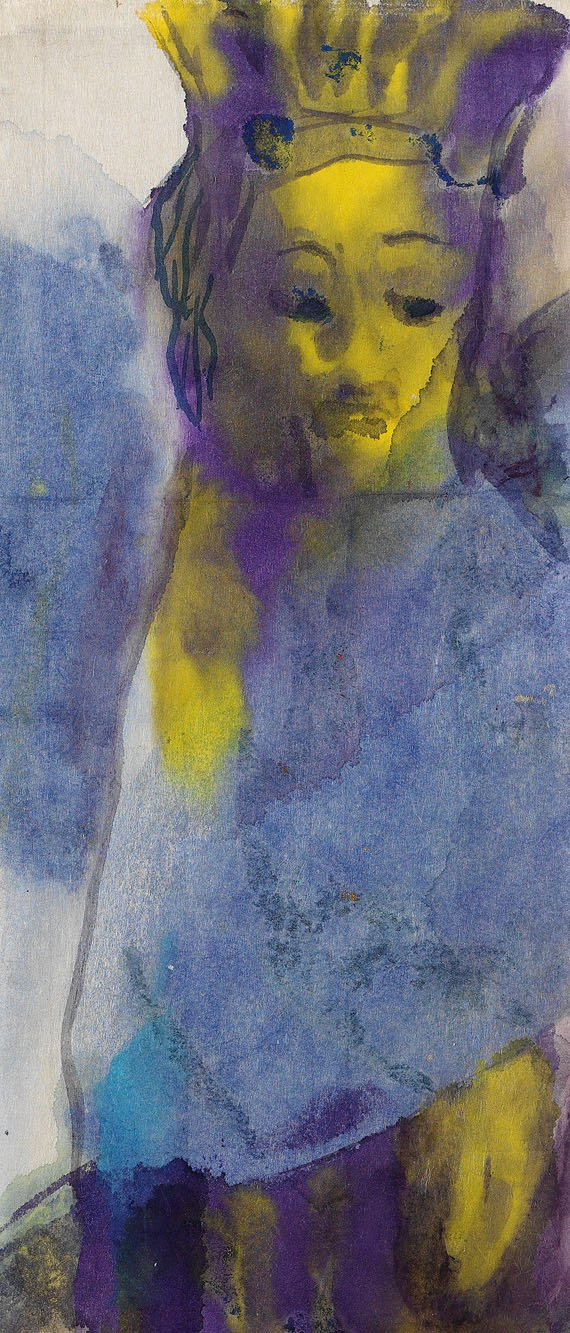
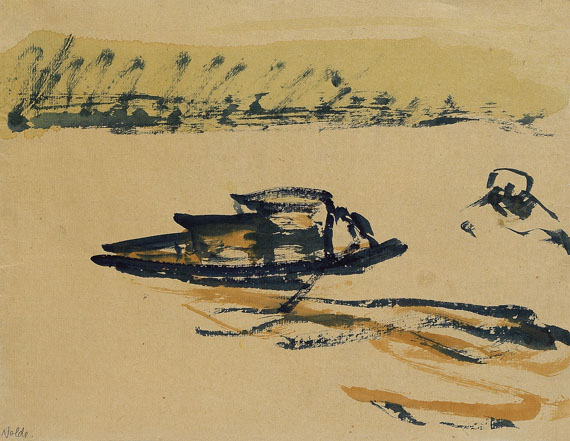
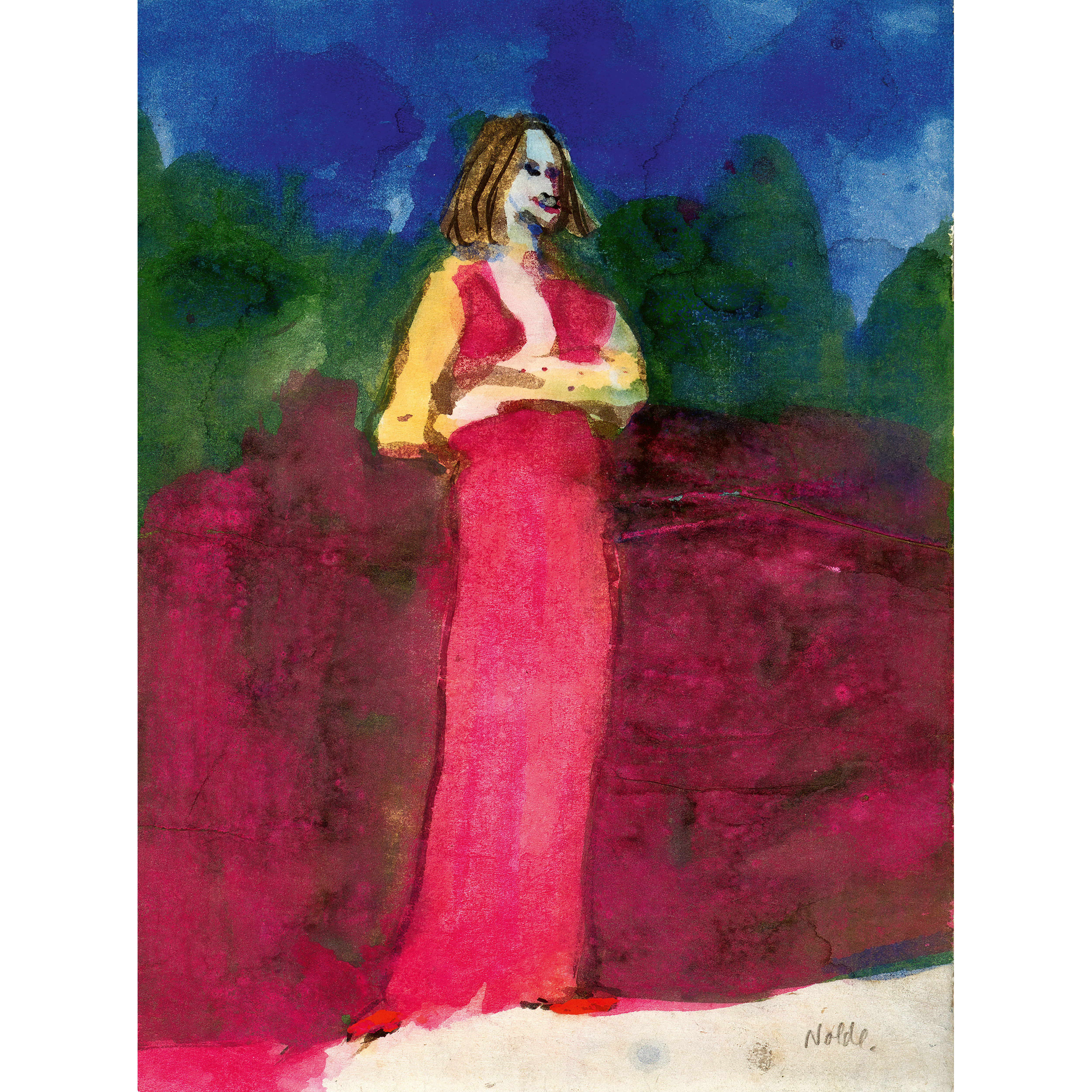
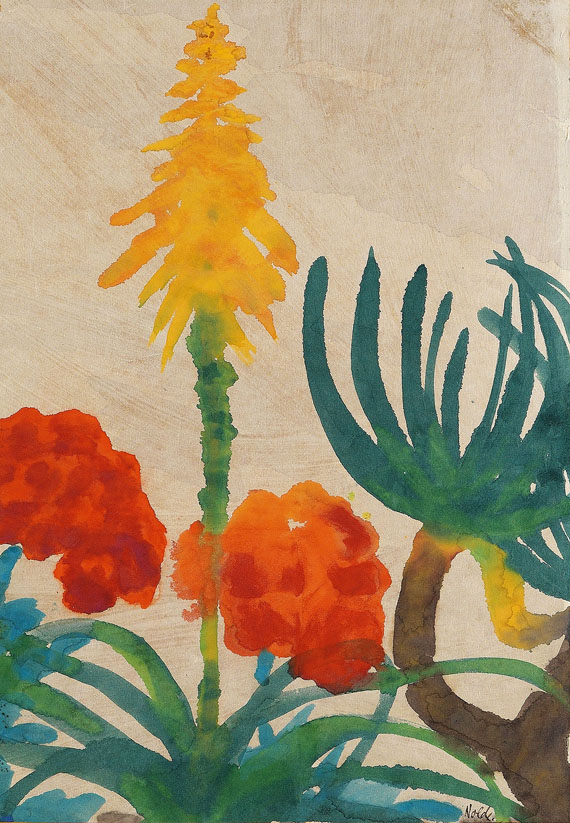
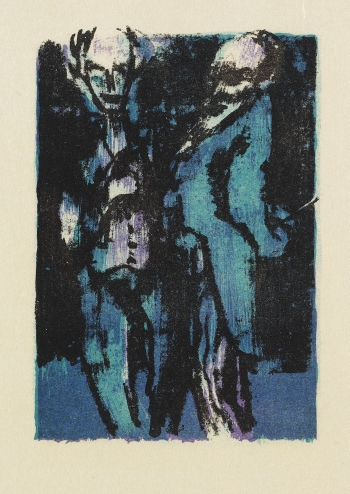
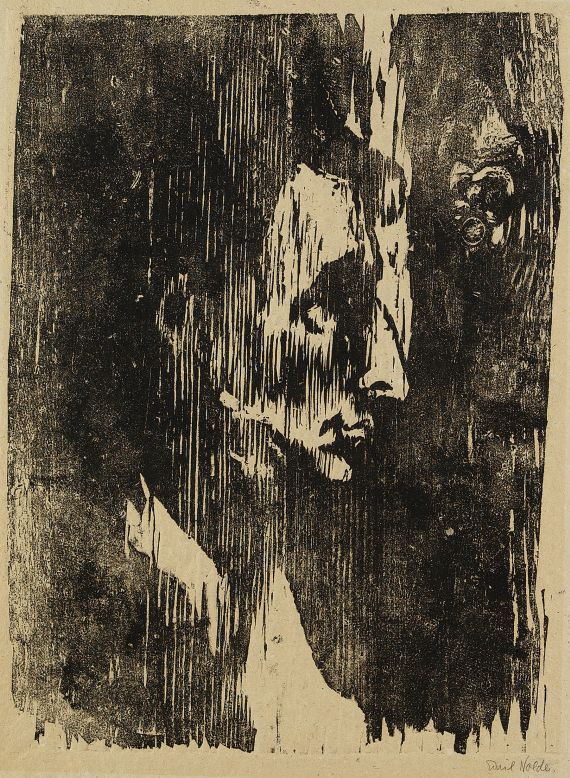
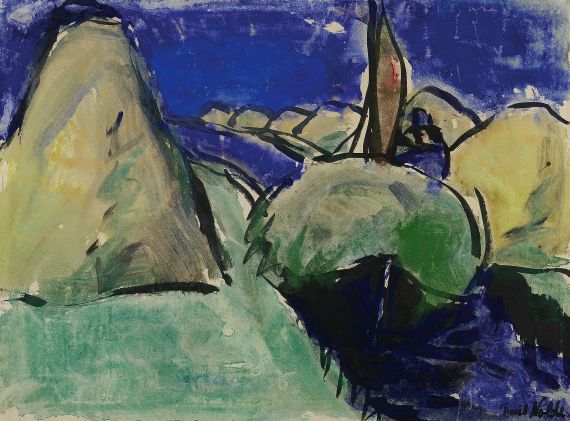
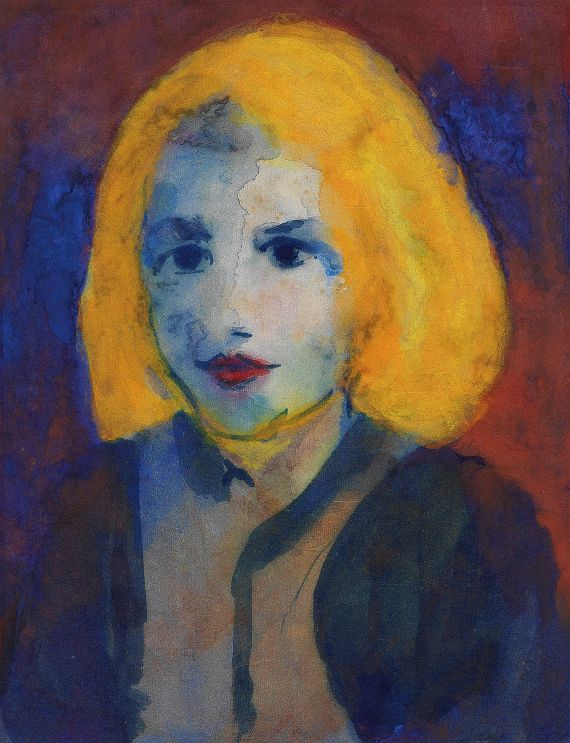
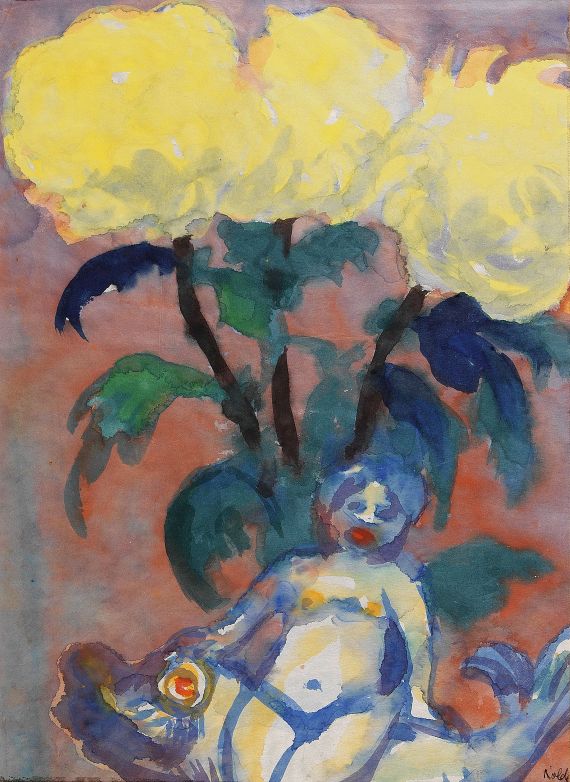
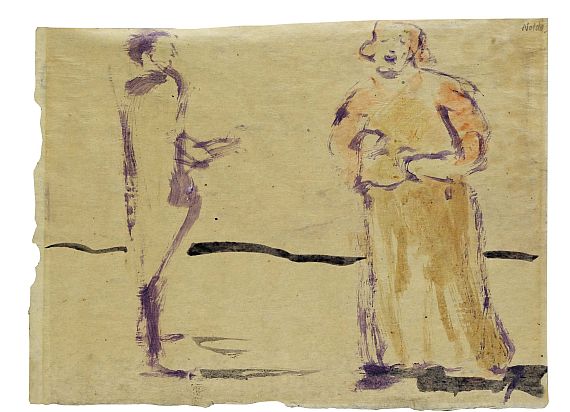
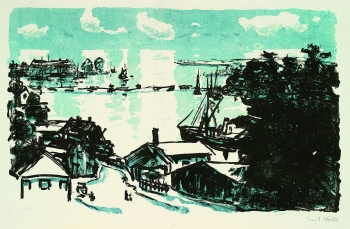
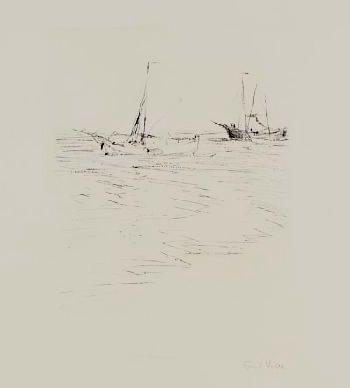
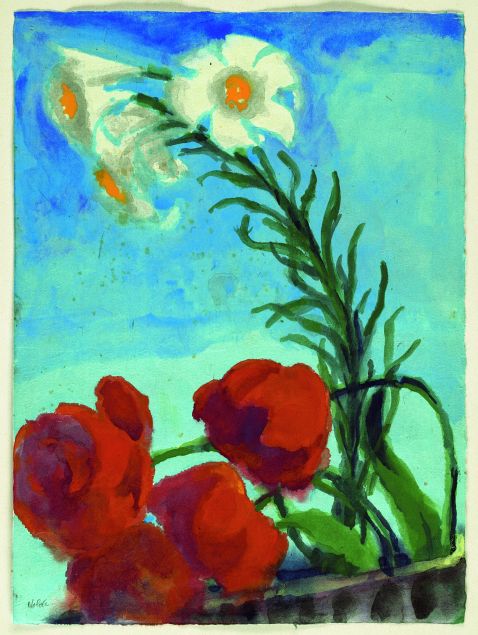
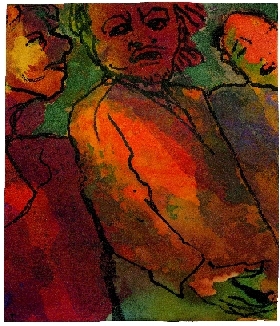
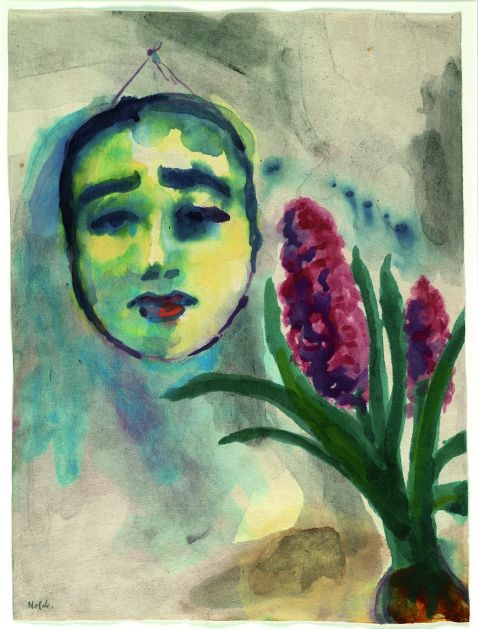
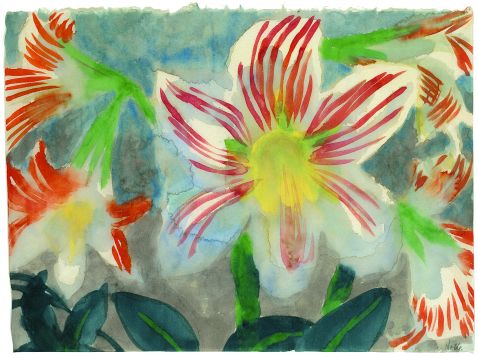
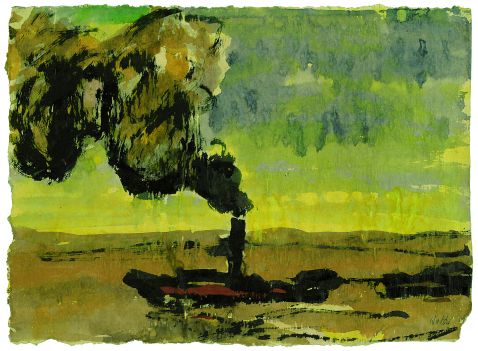
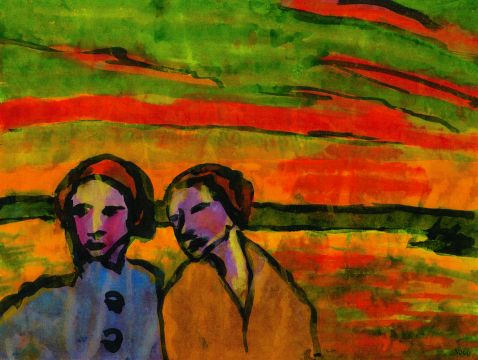
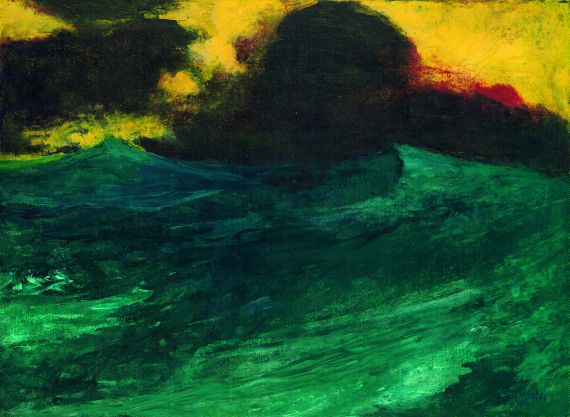
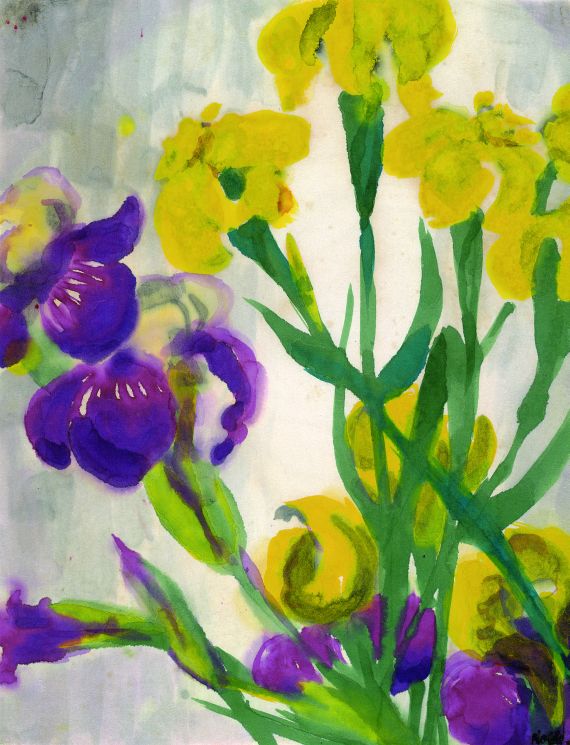
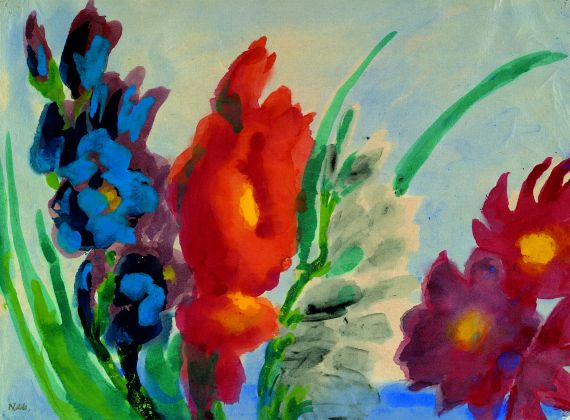
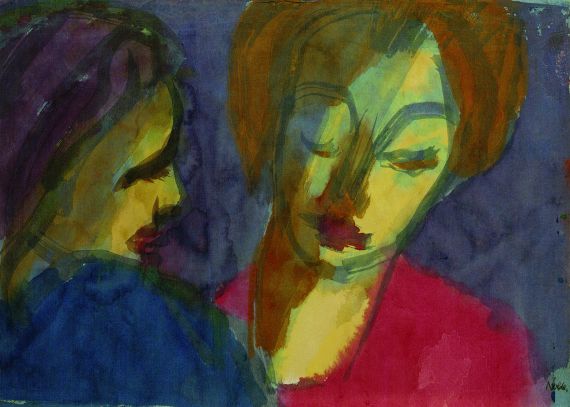
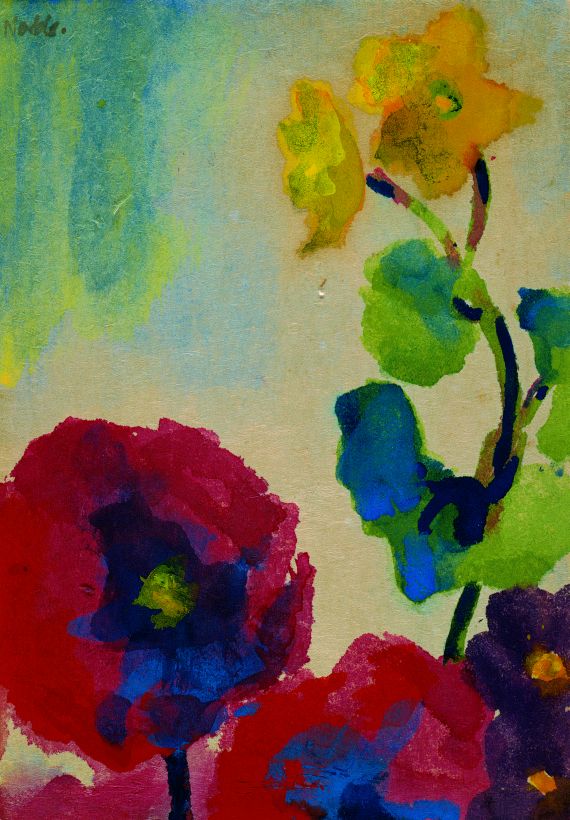
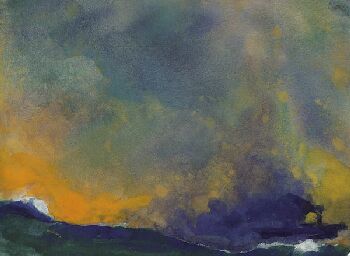
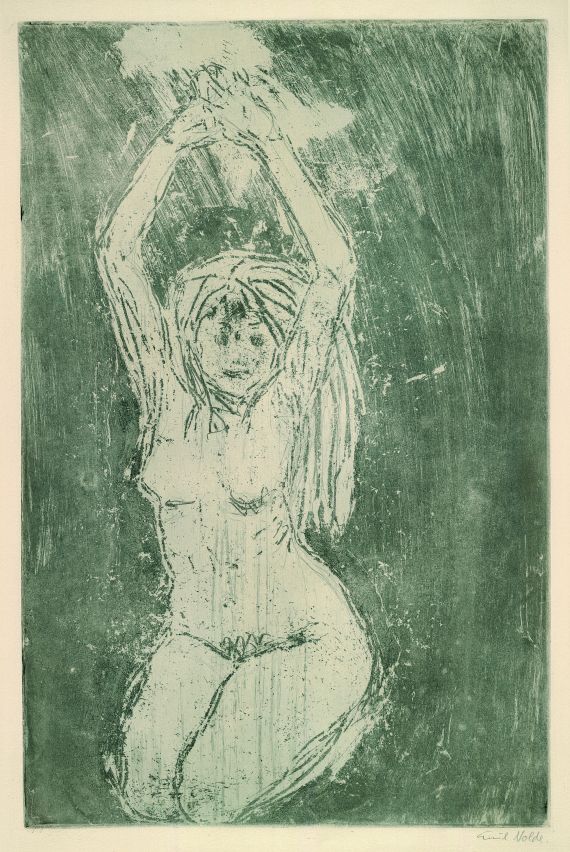
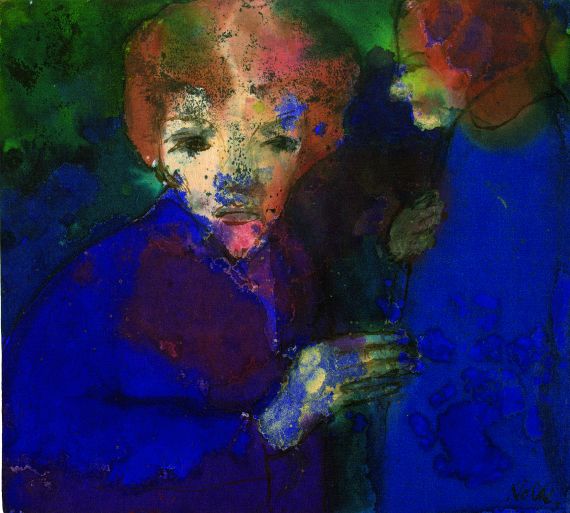
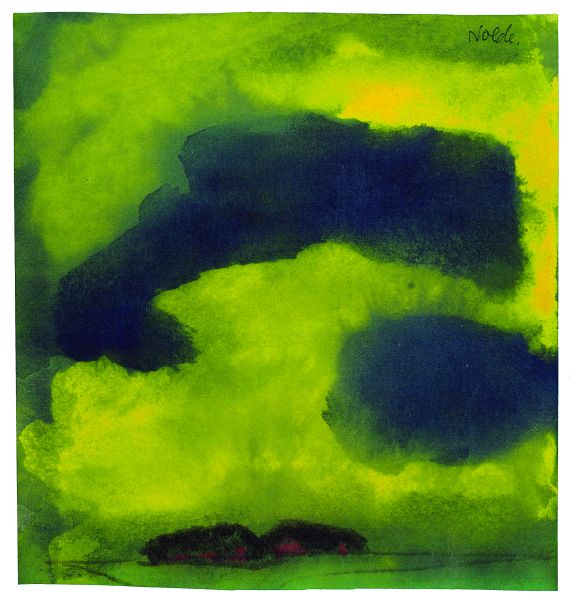
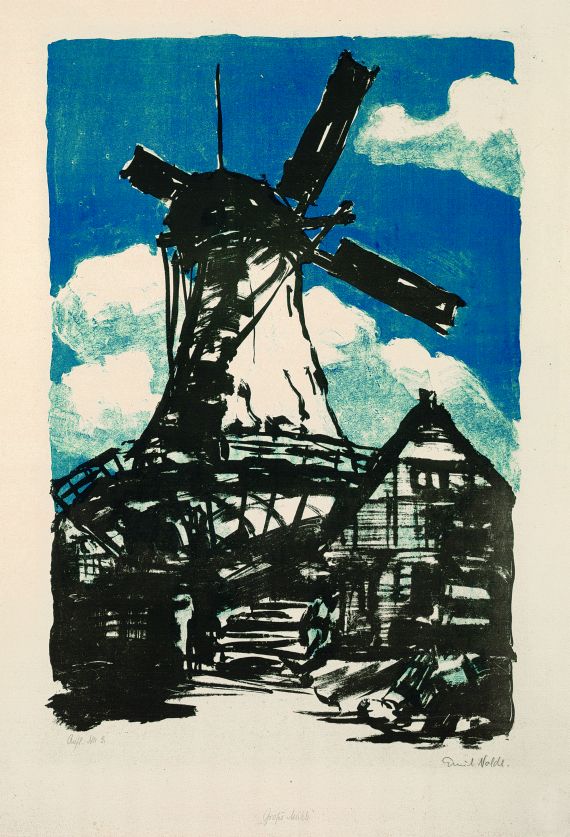
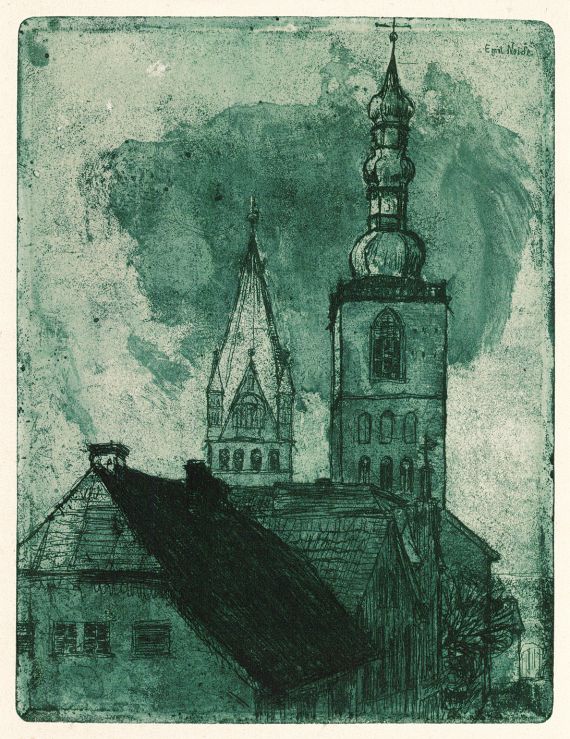
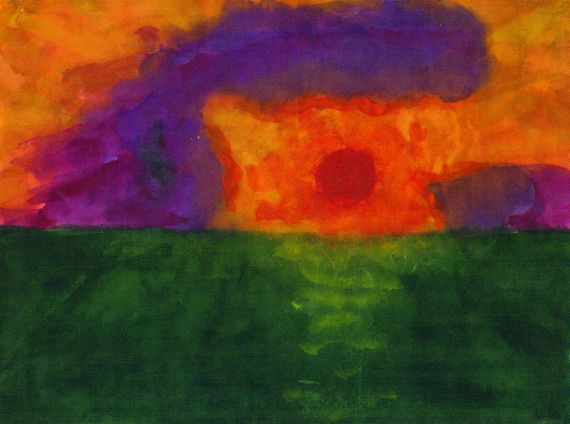
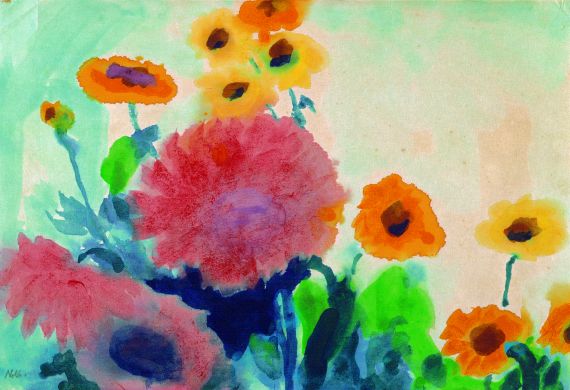
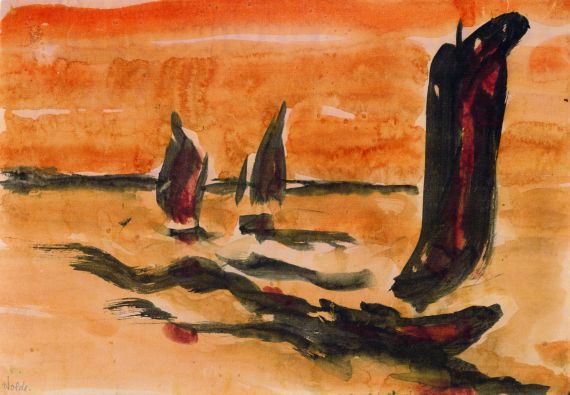
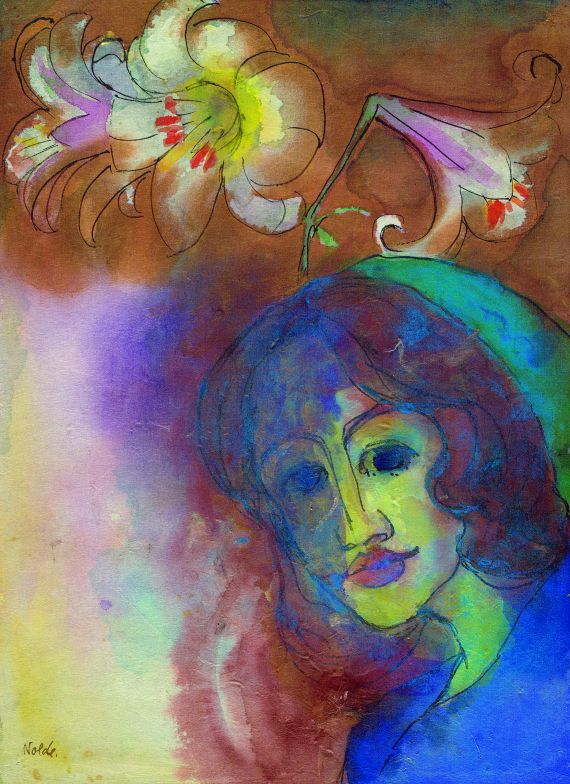
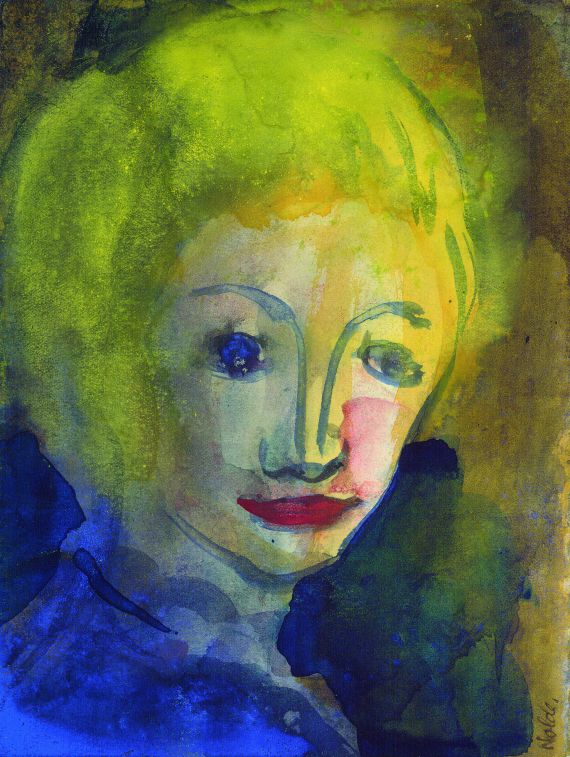
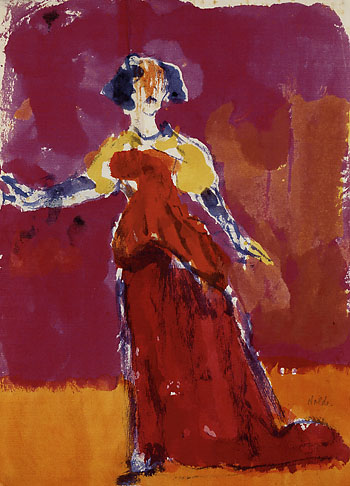
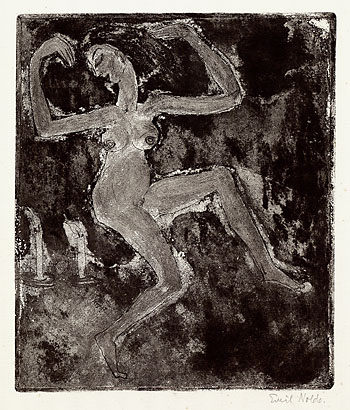
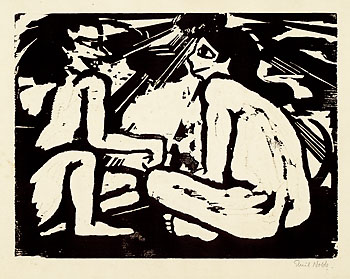
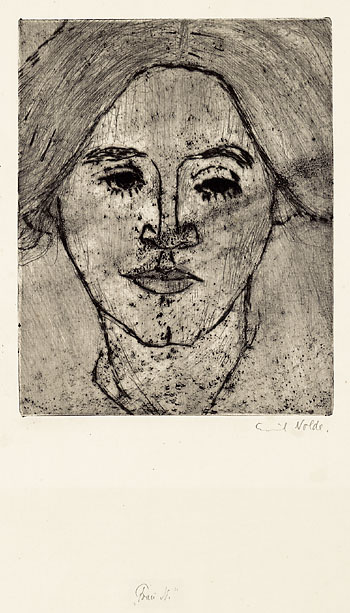
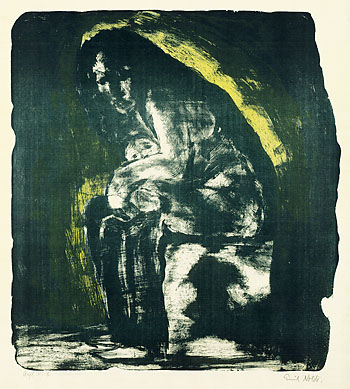
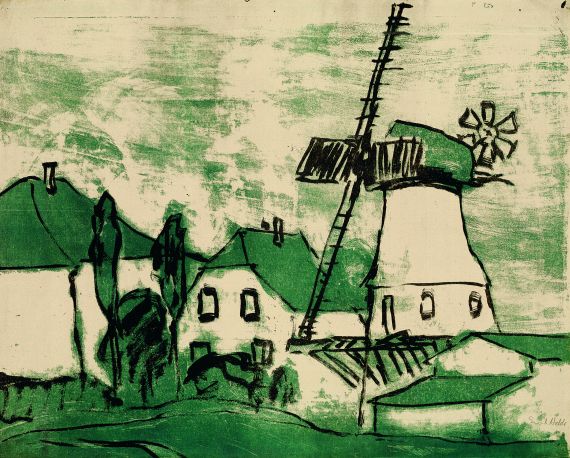
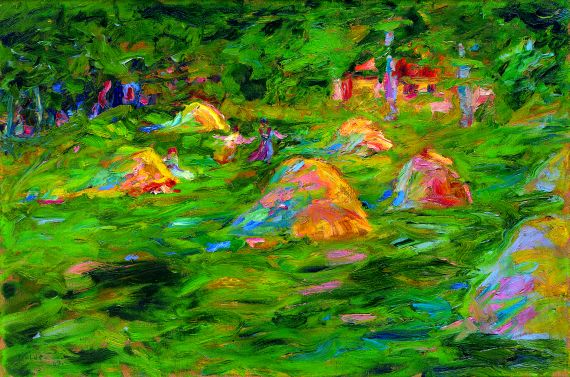
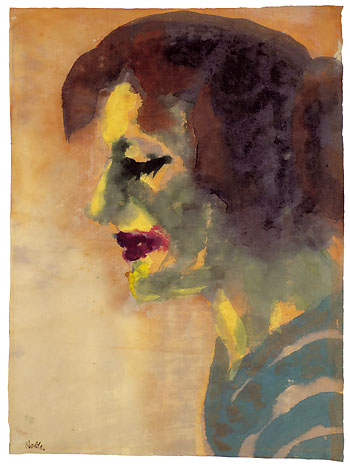
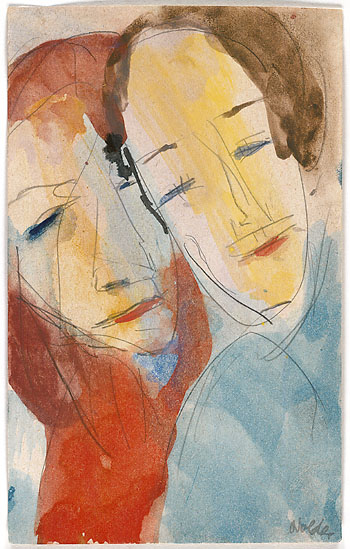
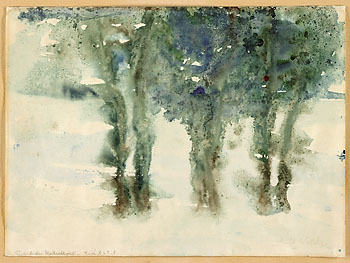
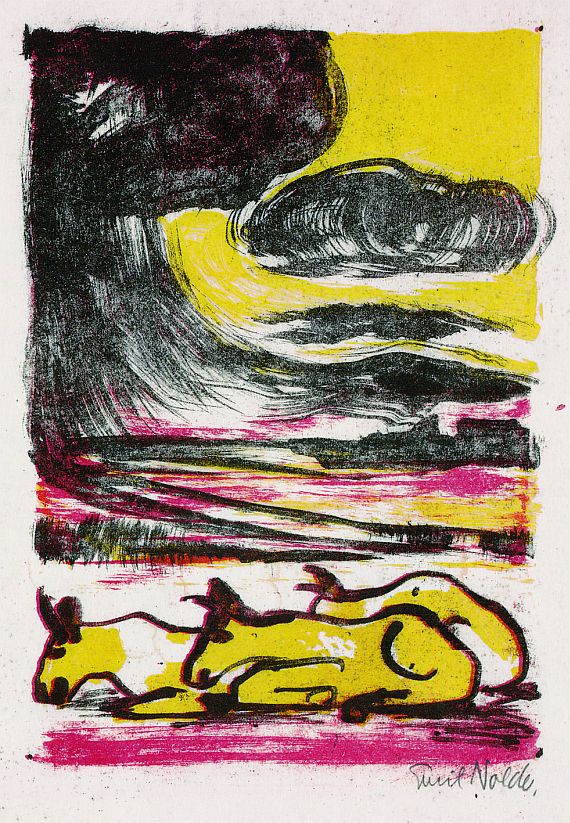
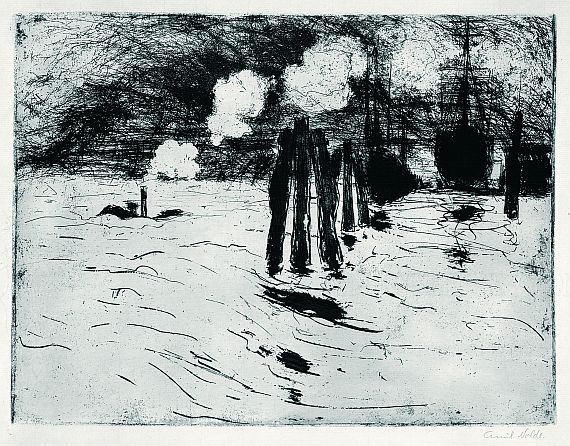
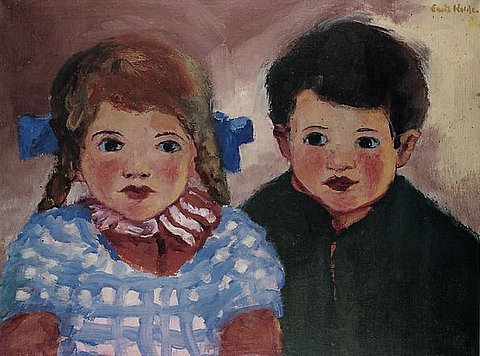
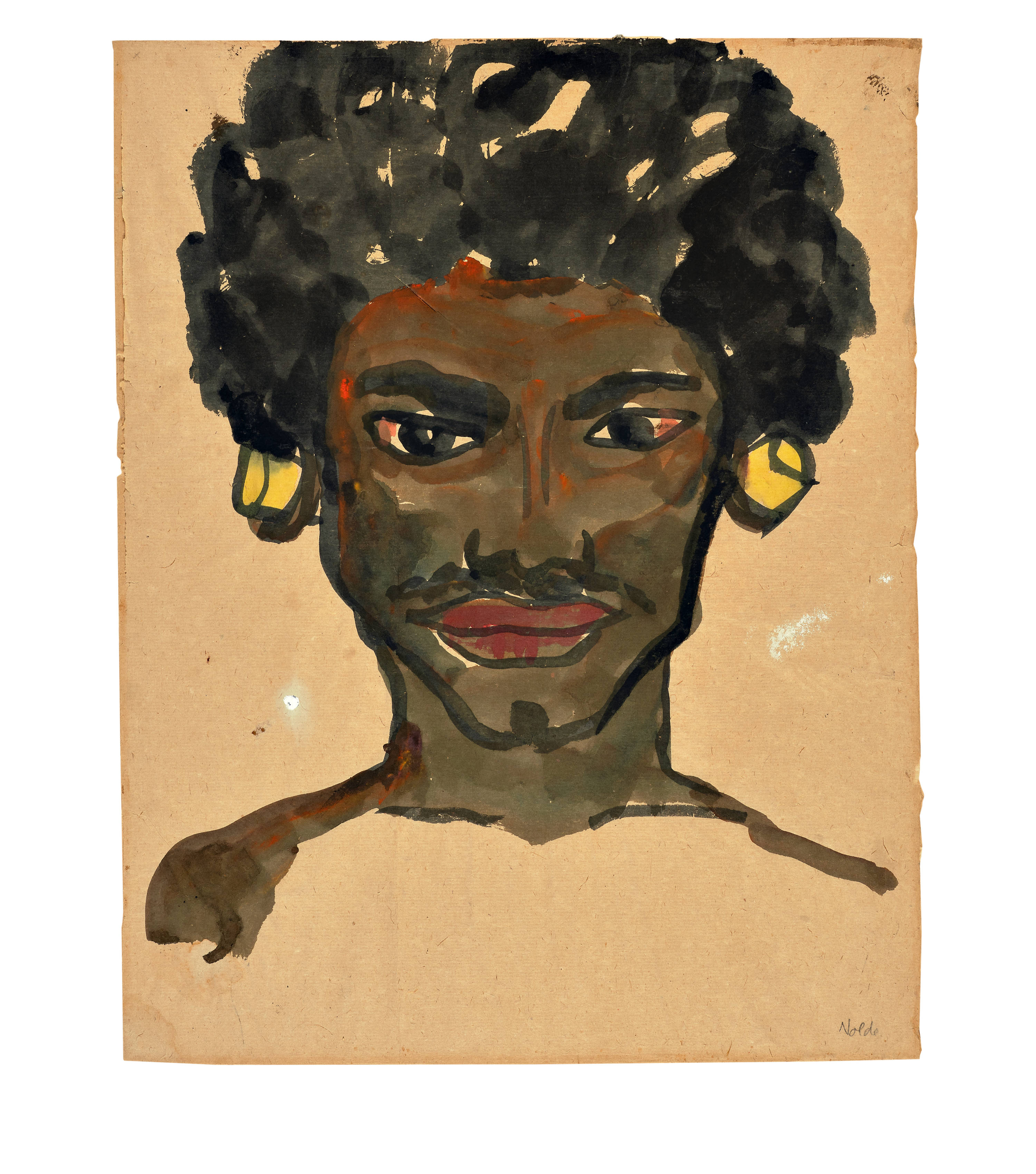
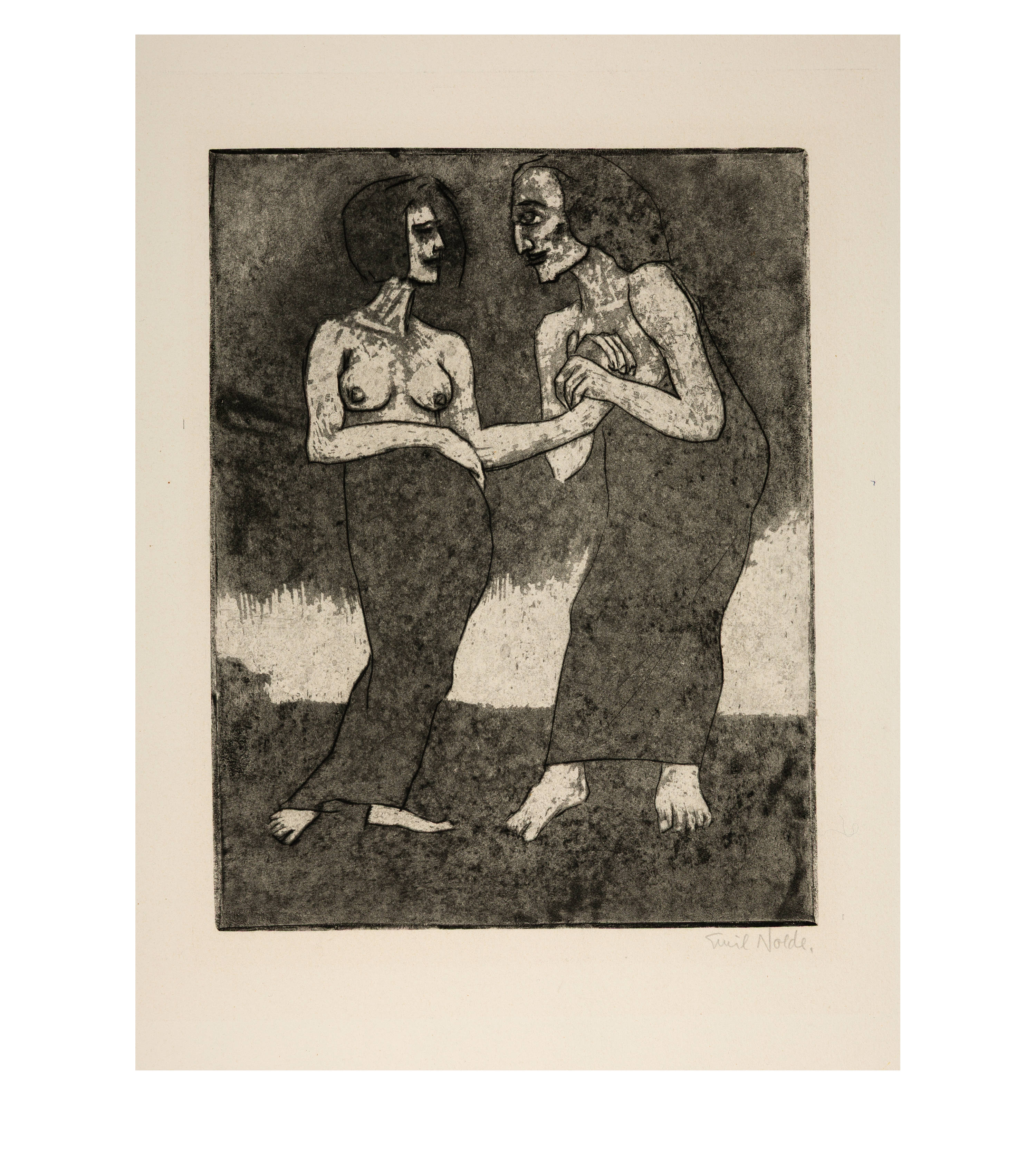
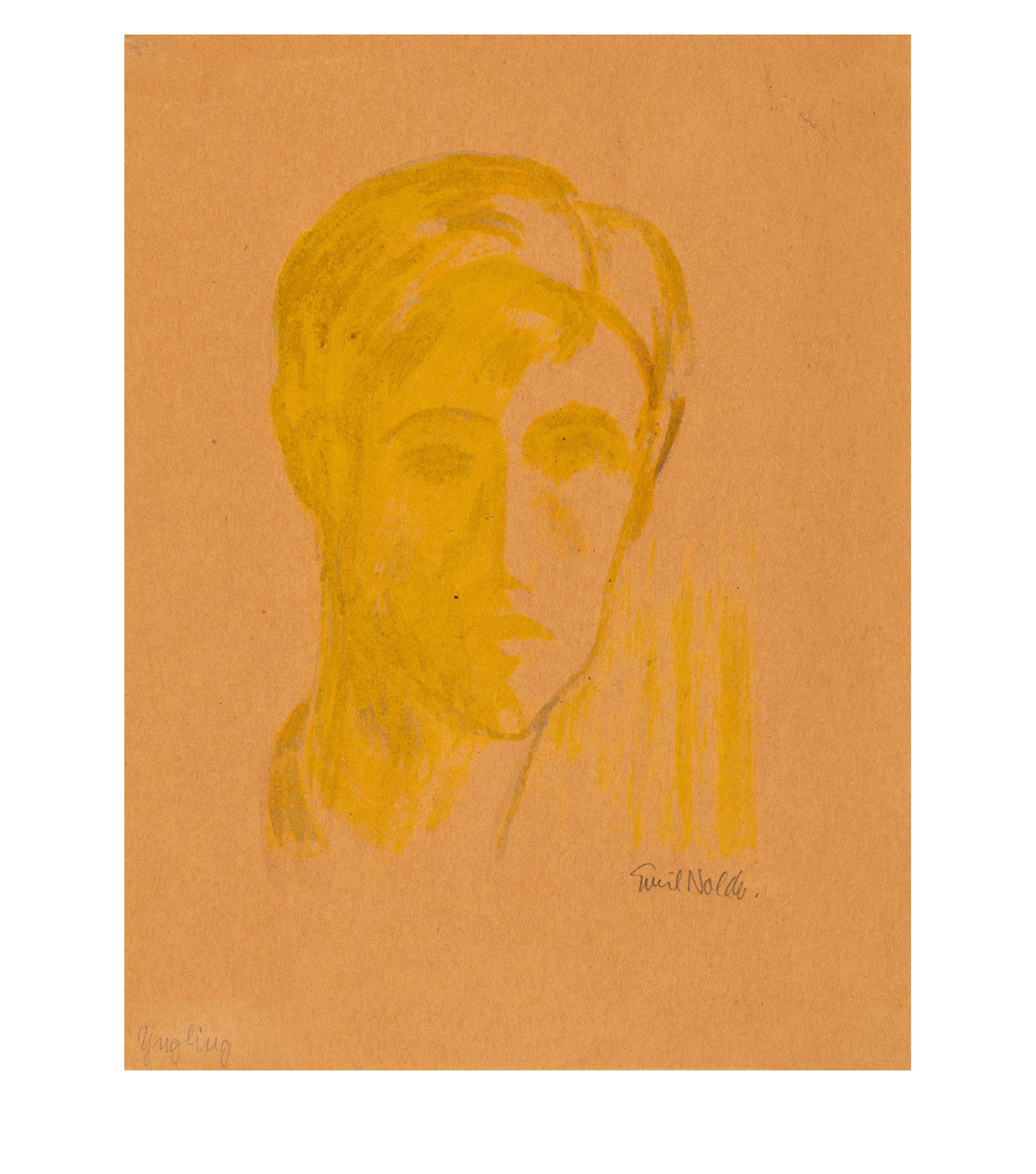
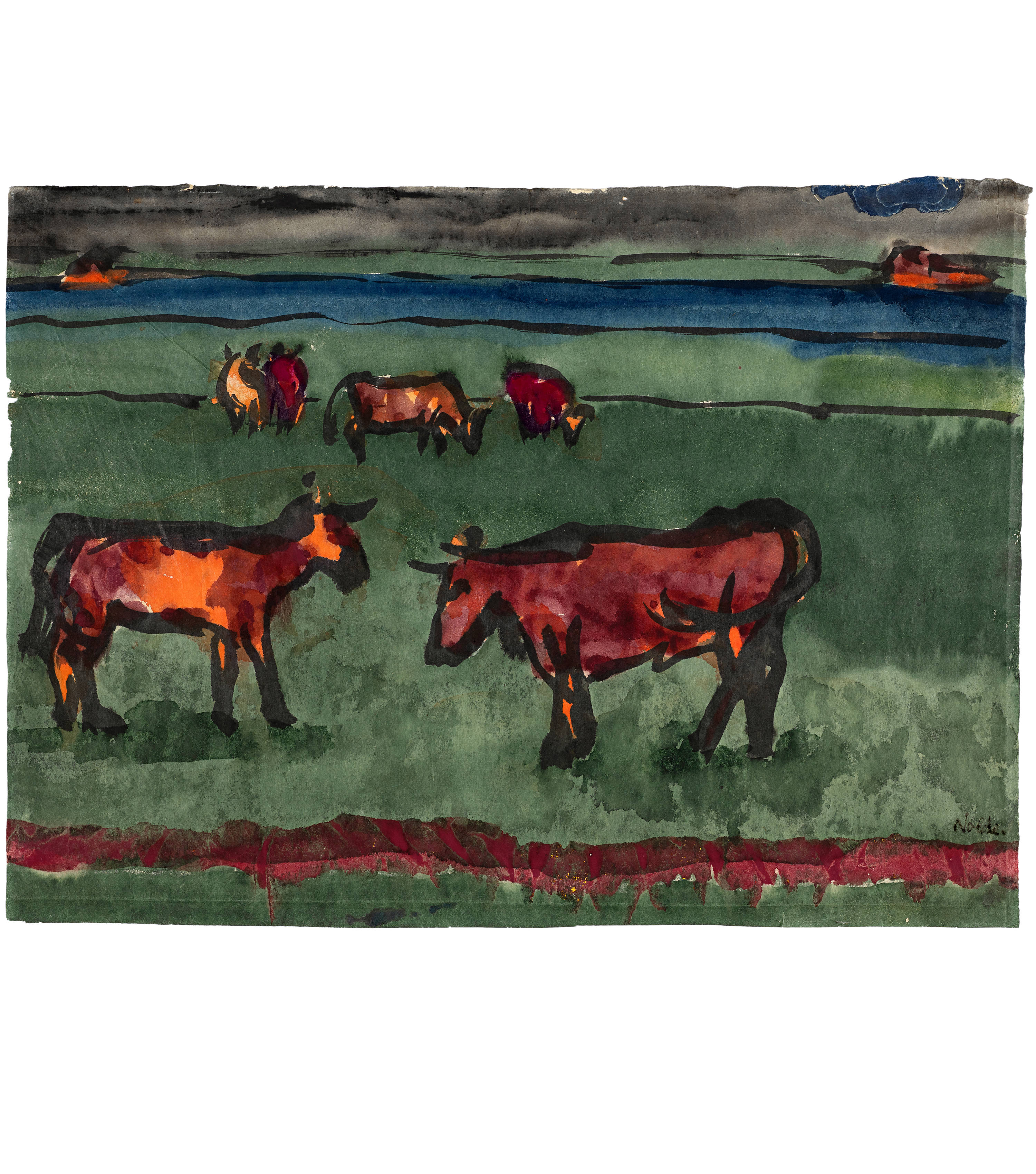
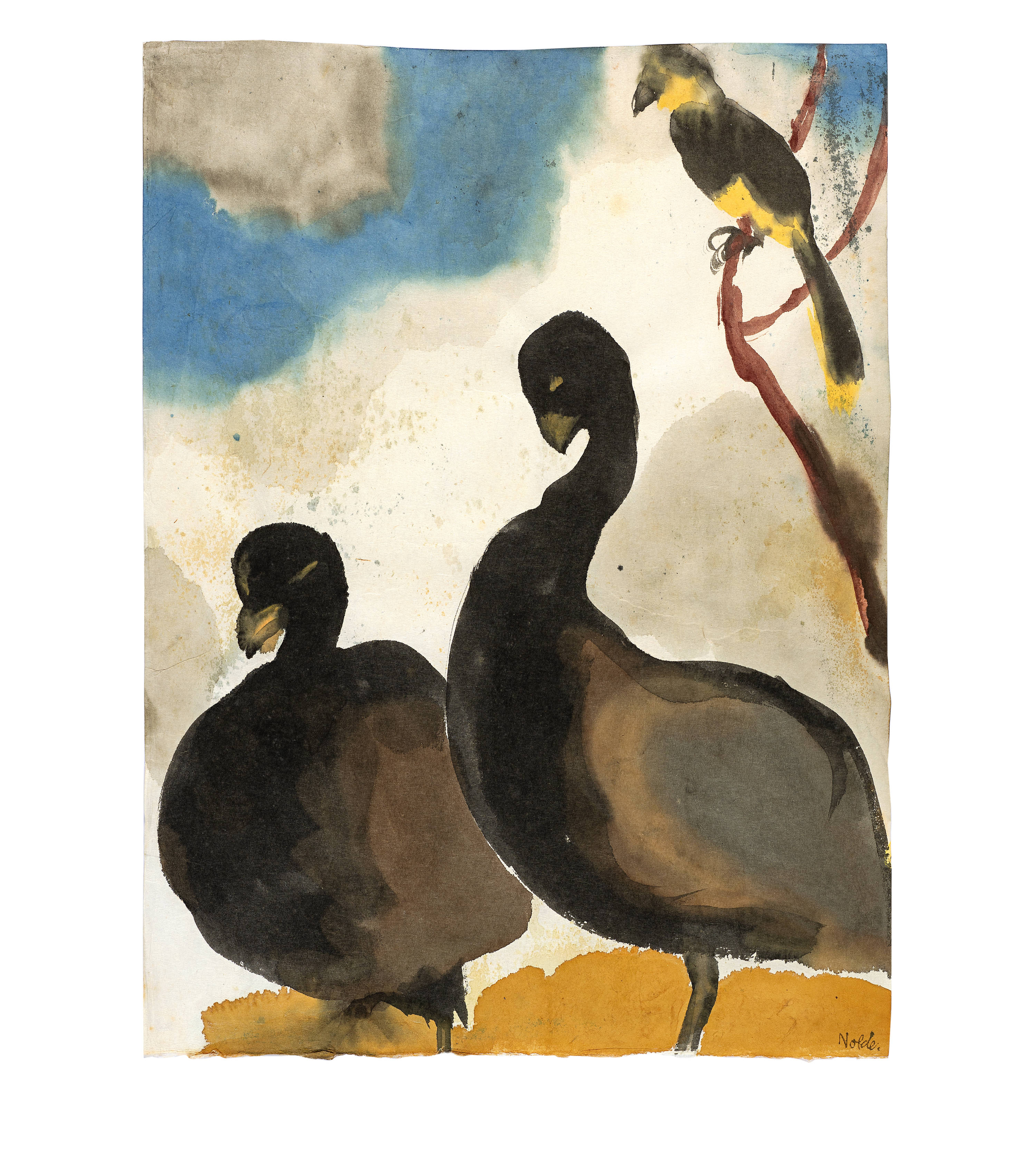
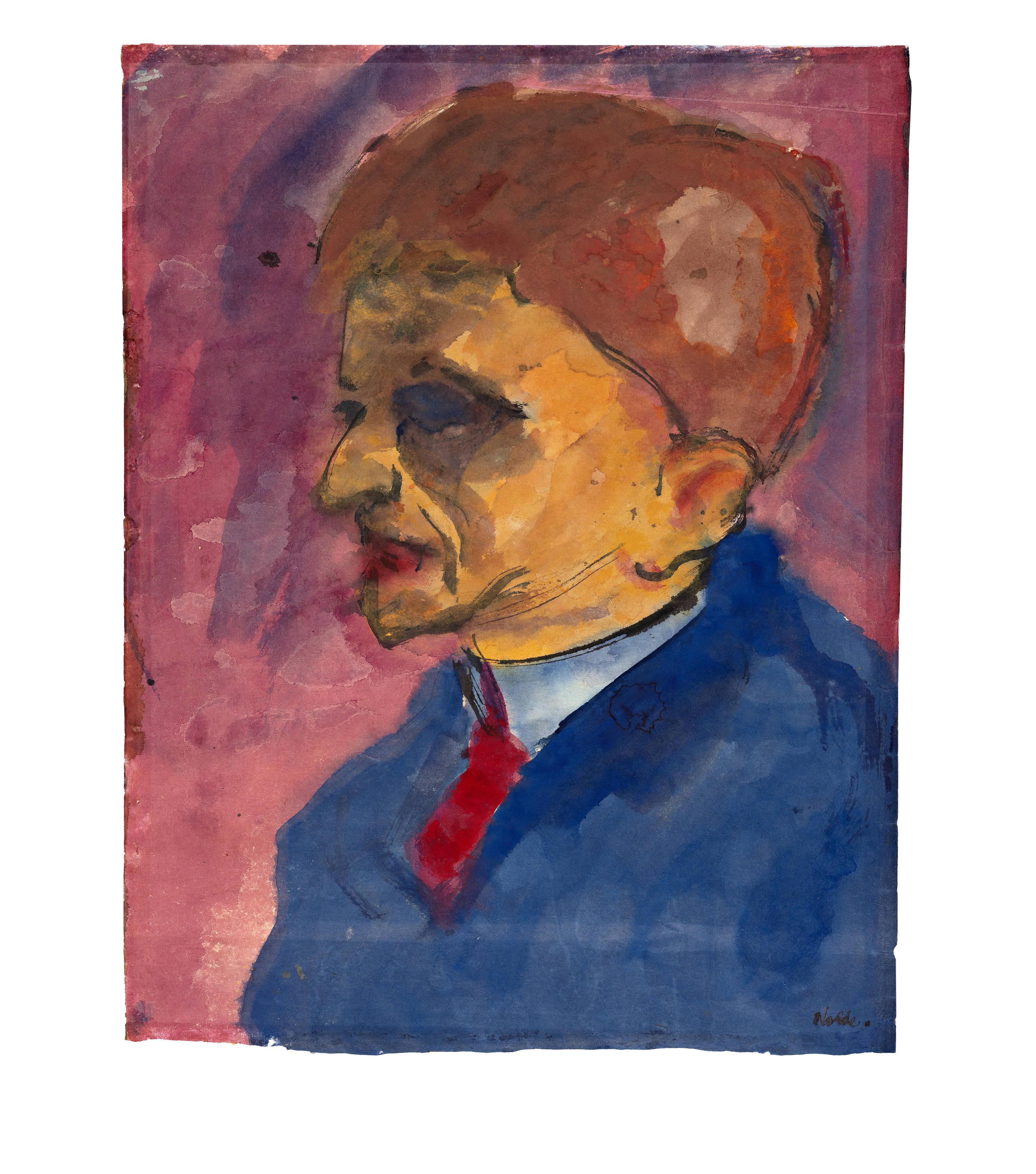
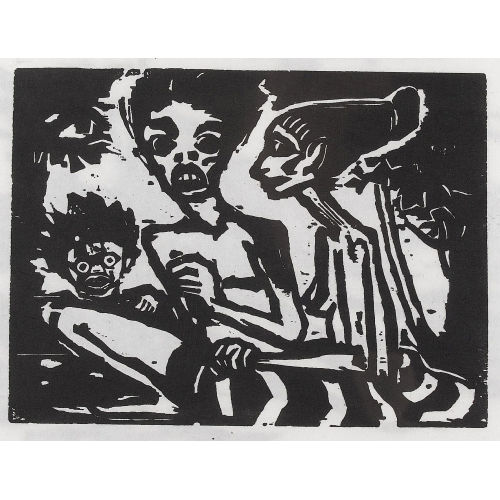
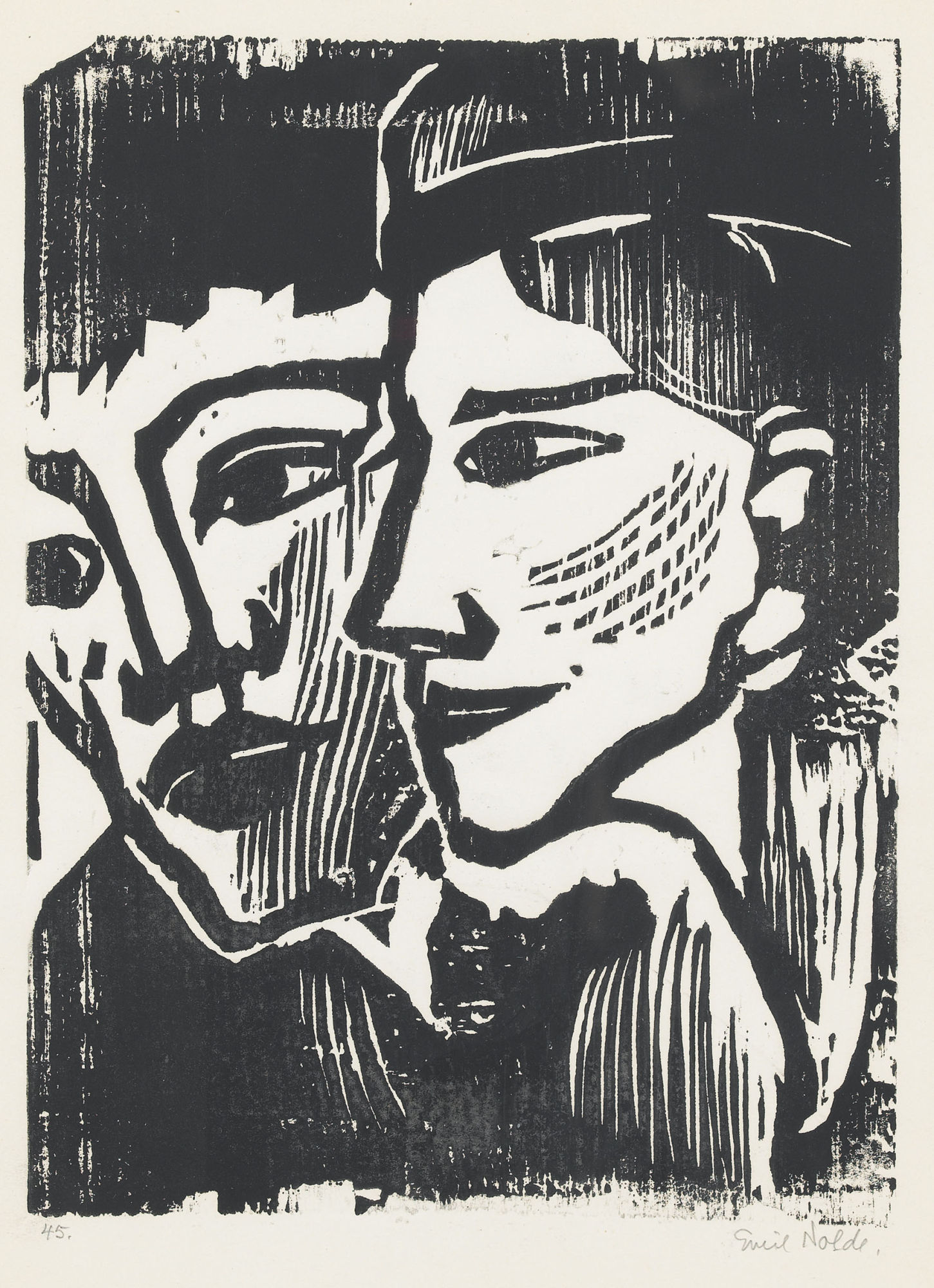
A member of Brücke in 1906–1907, he developed a style of painting characterised by intense colours, pronounced contrasts and dynamic brushwork. Flowers, landscapes of northern Germany, marine scenes, figures and religious subjects form the structure of an extensive œuvre pursued in painting and watercolour.
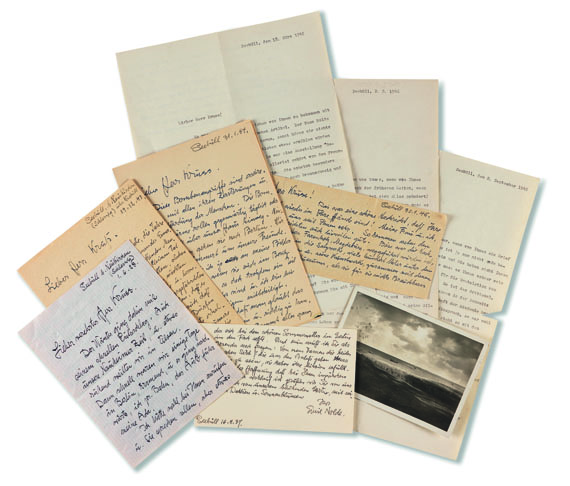
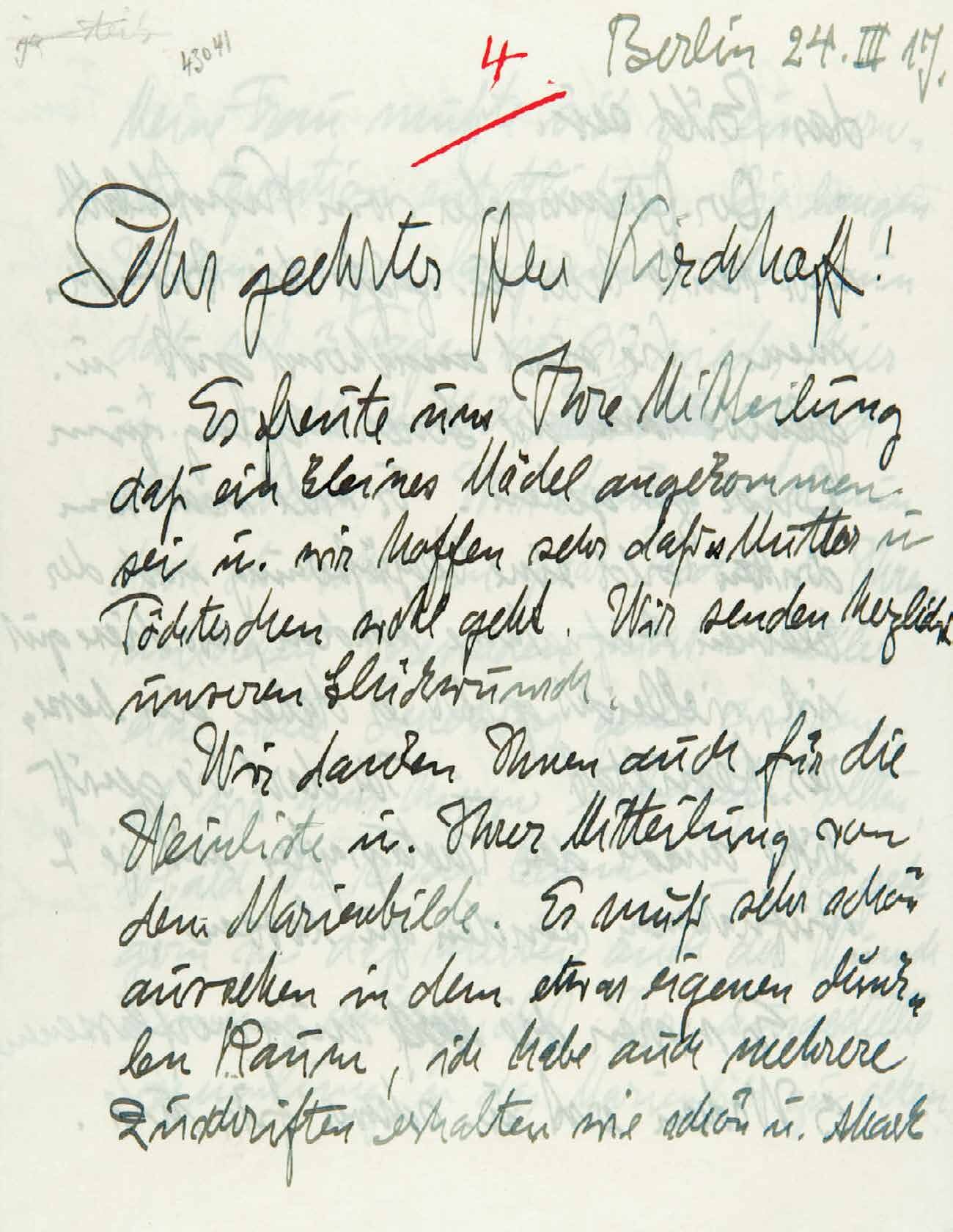
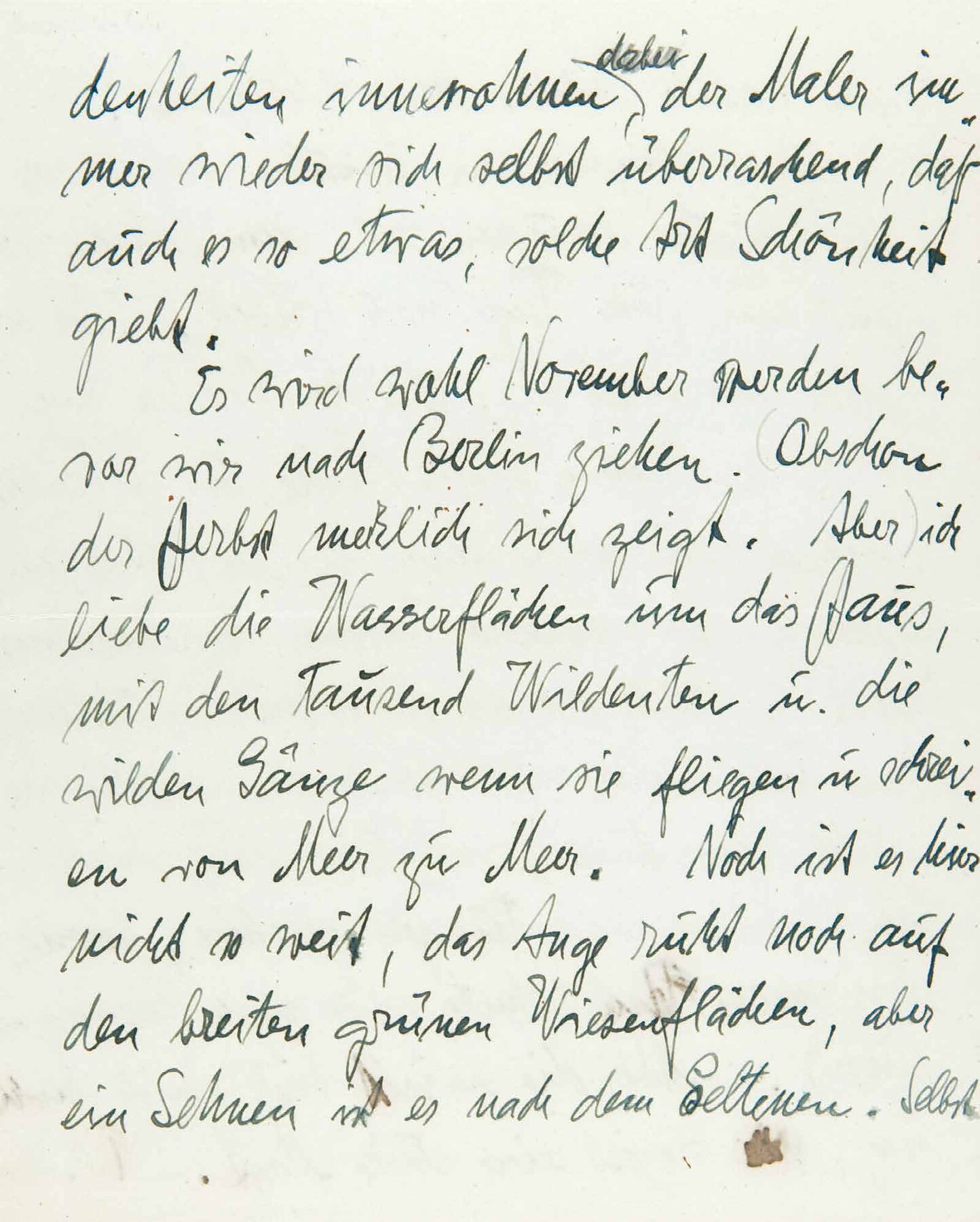
Nolde’s trajectory is inseparable from his political engagement. In the 1930s, he supported National Socialism and joined the Nazi organisation of North Schleswig. His writings and letters express explicit antisemitism; he defended the distinction between “German” and “Jewish” art and denounced Max Pechstein as Jewish.
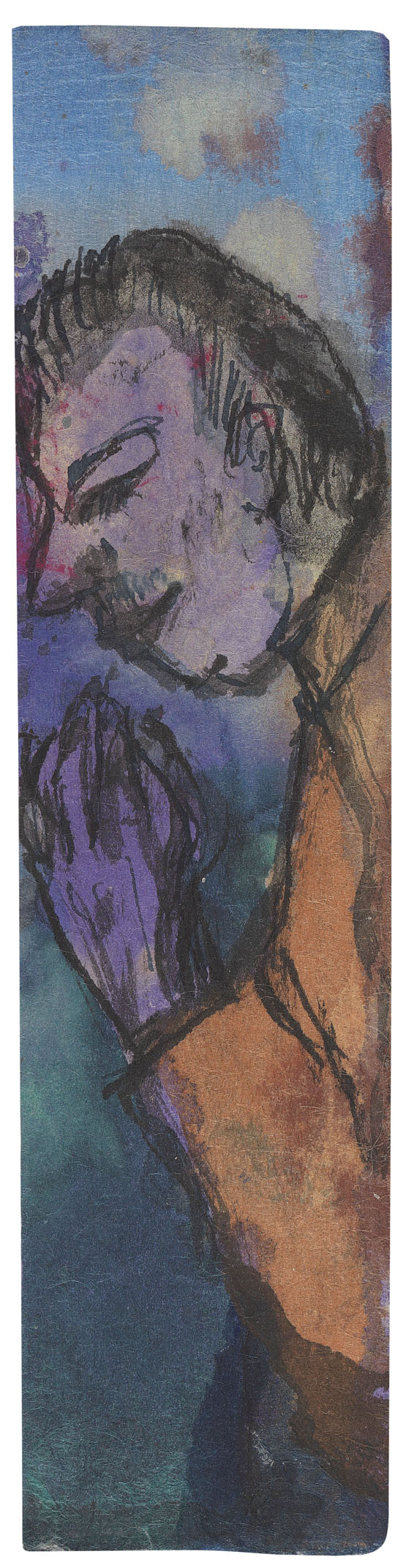
In 1937, the Nazi authorities confiscated more than a thousand of his works from public collections and included some of them in the exhibition “Entartete Kunst” (“Degenerate Art”). In 1941, excluded from the Reich Chamber of Fine Arts, he was forbidden to exhibit, sell or publish without authorisation. Nevertheless, he continued to produce works, notably small-format watercolours.
The censorship to which Nolde was subjected does not make him an opponent of the regime: he remained a supporter of National Socialism until the end of the war. After 1945, the narrative of a persecuted artist who had secretly resisted long dominated his reception; recent scholarship has deconstructed this legend by distinguishing the repression of his work from his antisemitic and Nazi convictions. His œuvre remains important to the history of Expressionism, but its study requires artistic innovation, racism and political allegiance to be held together.