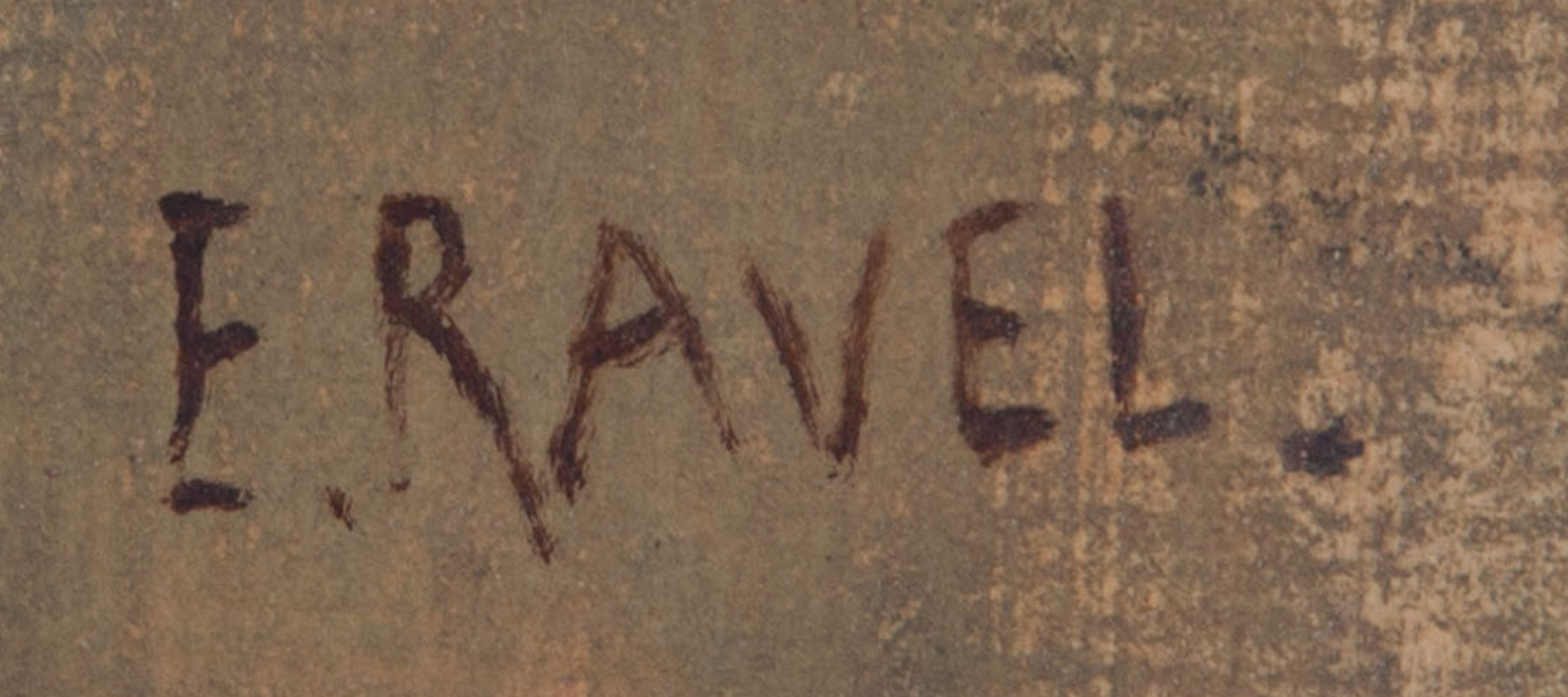
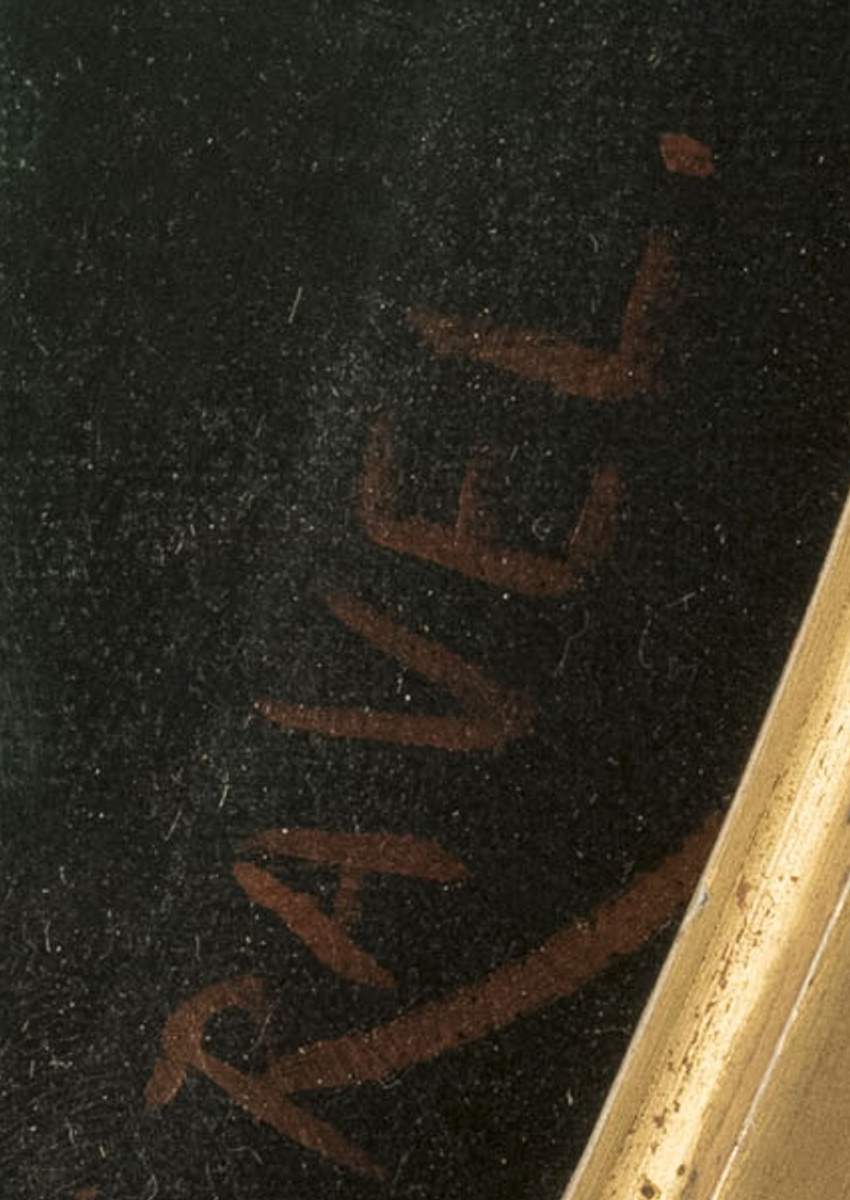
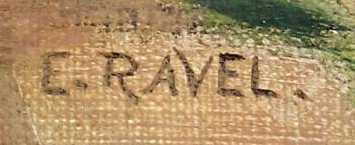
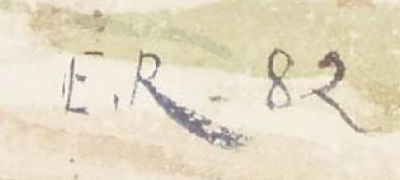
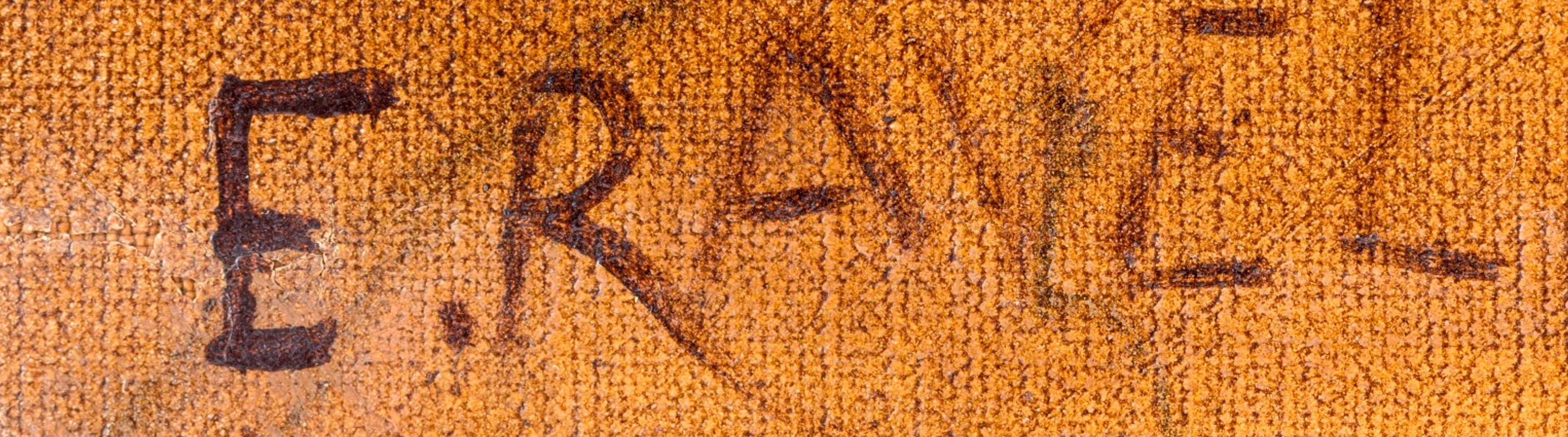
Édouard Ravel
Born in 1847.
Died in 1920.
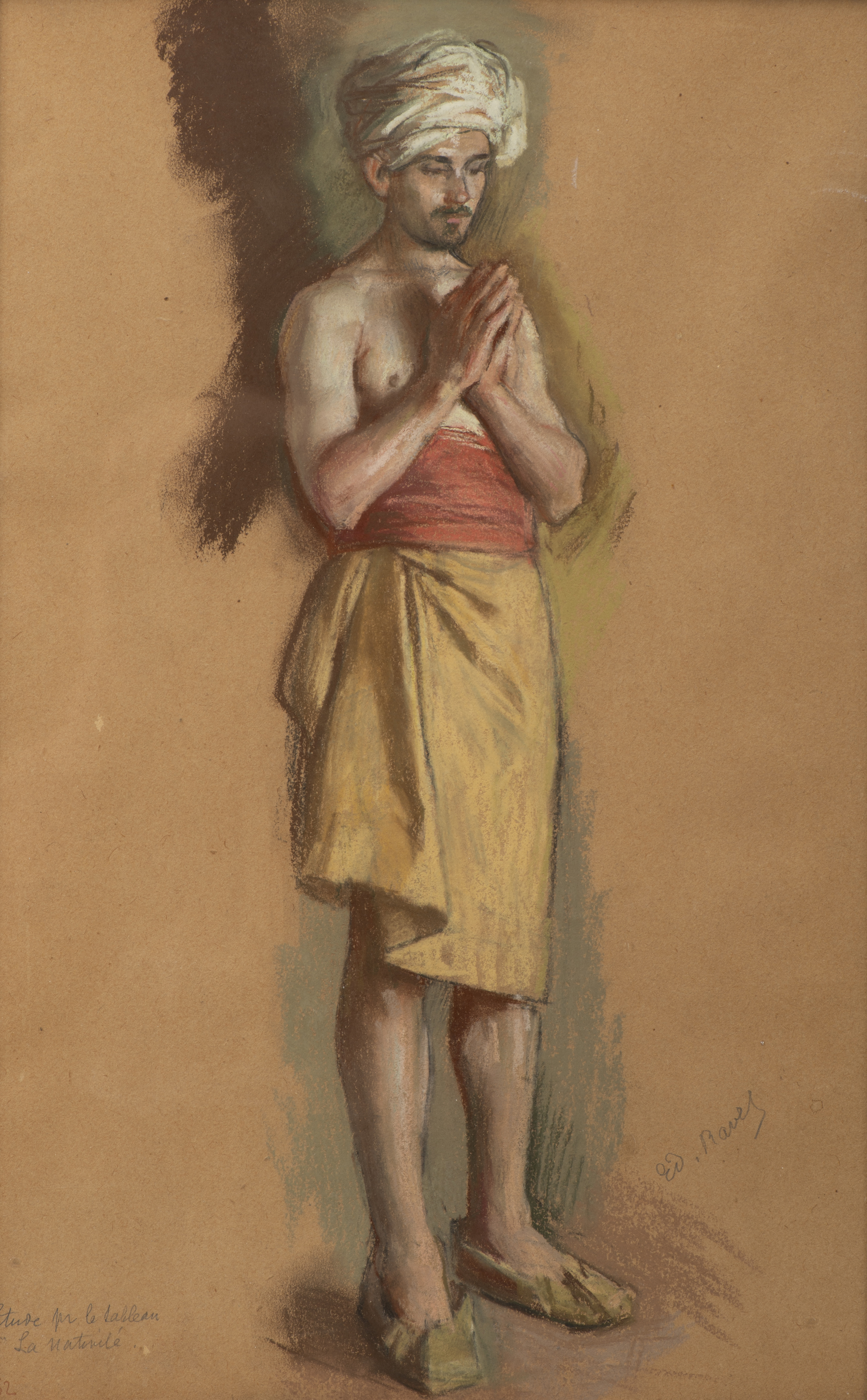
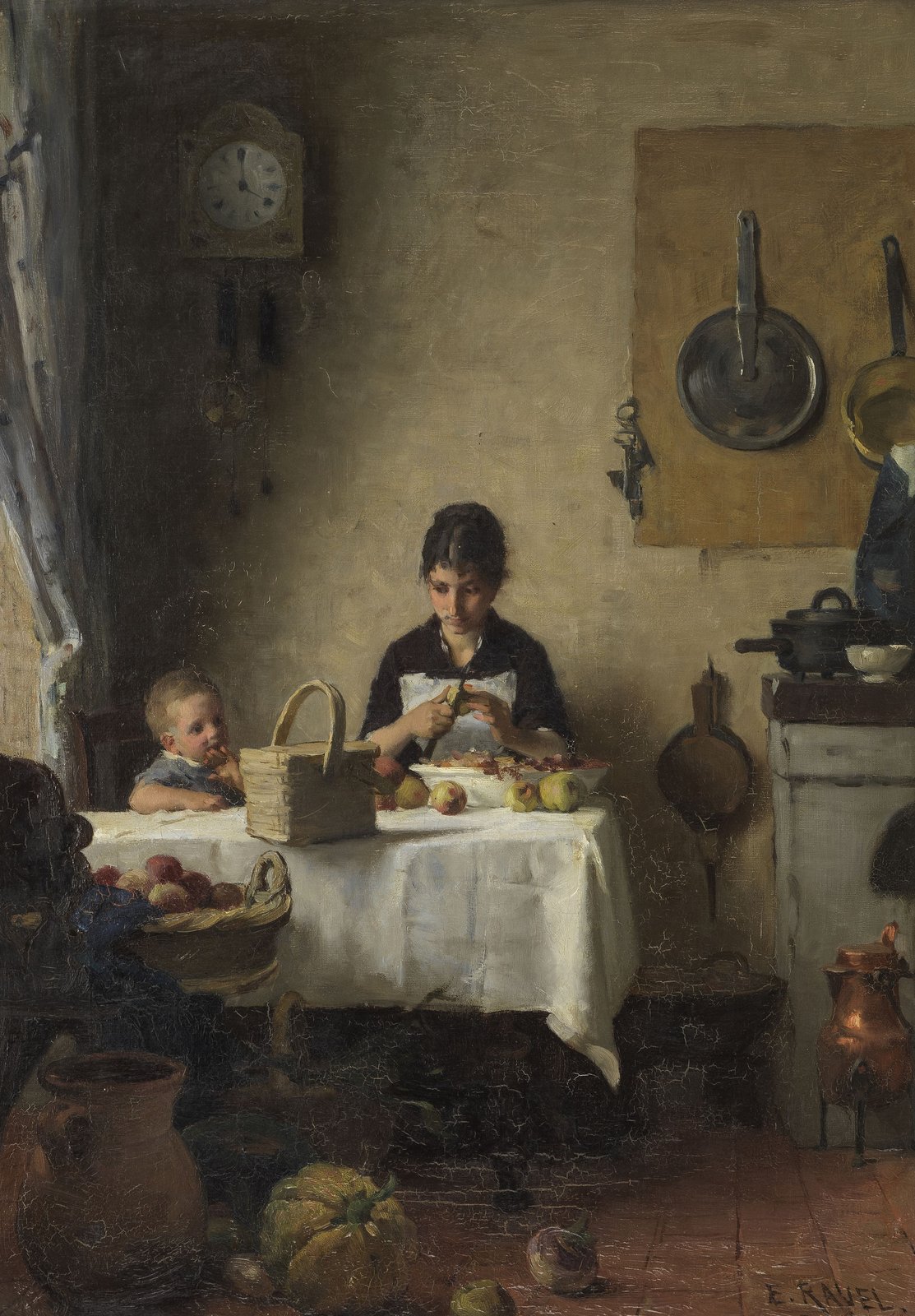
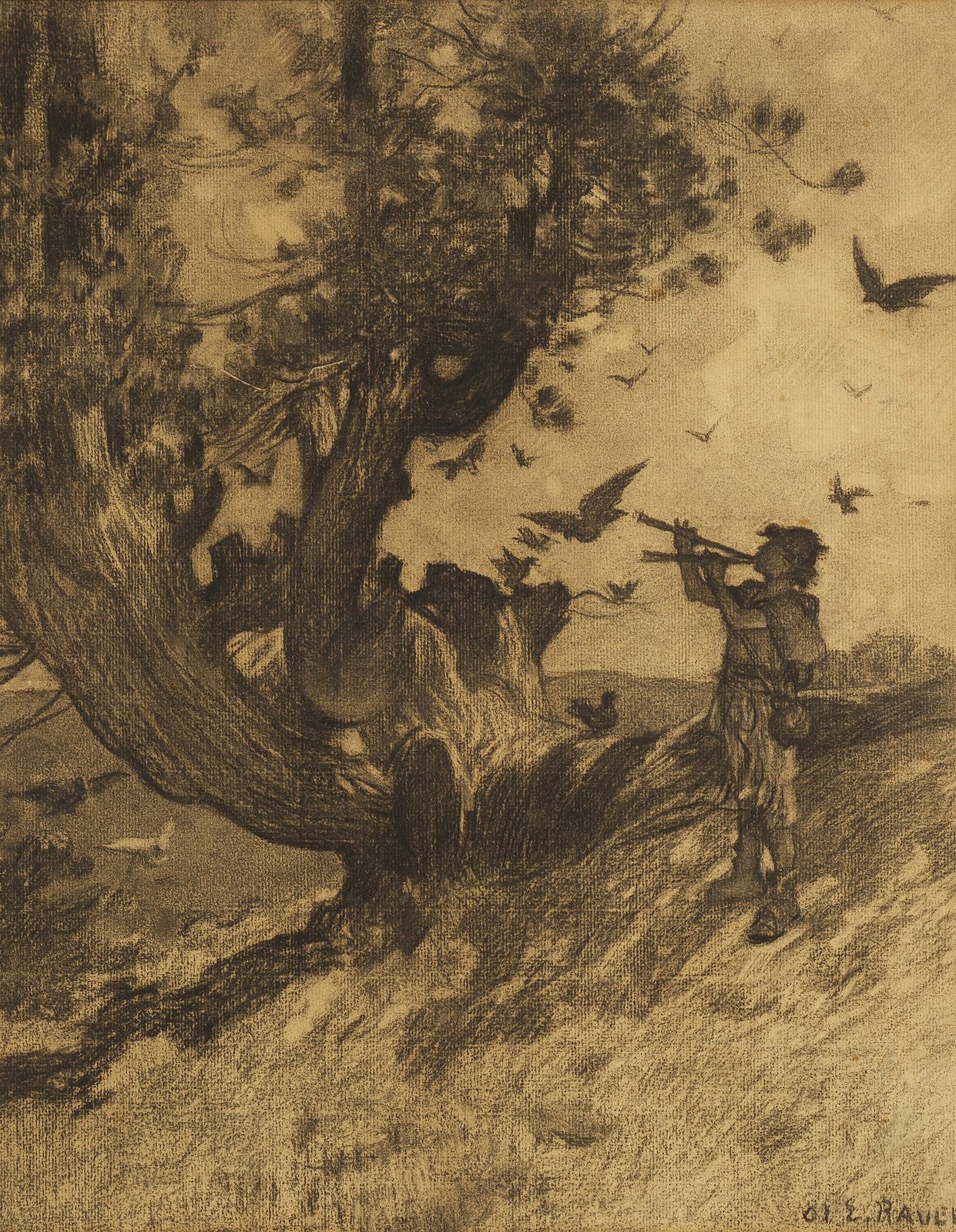
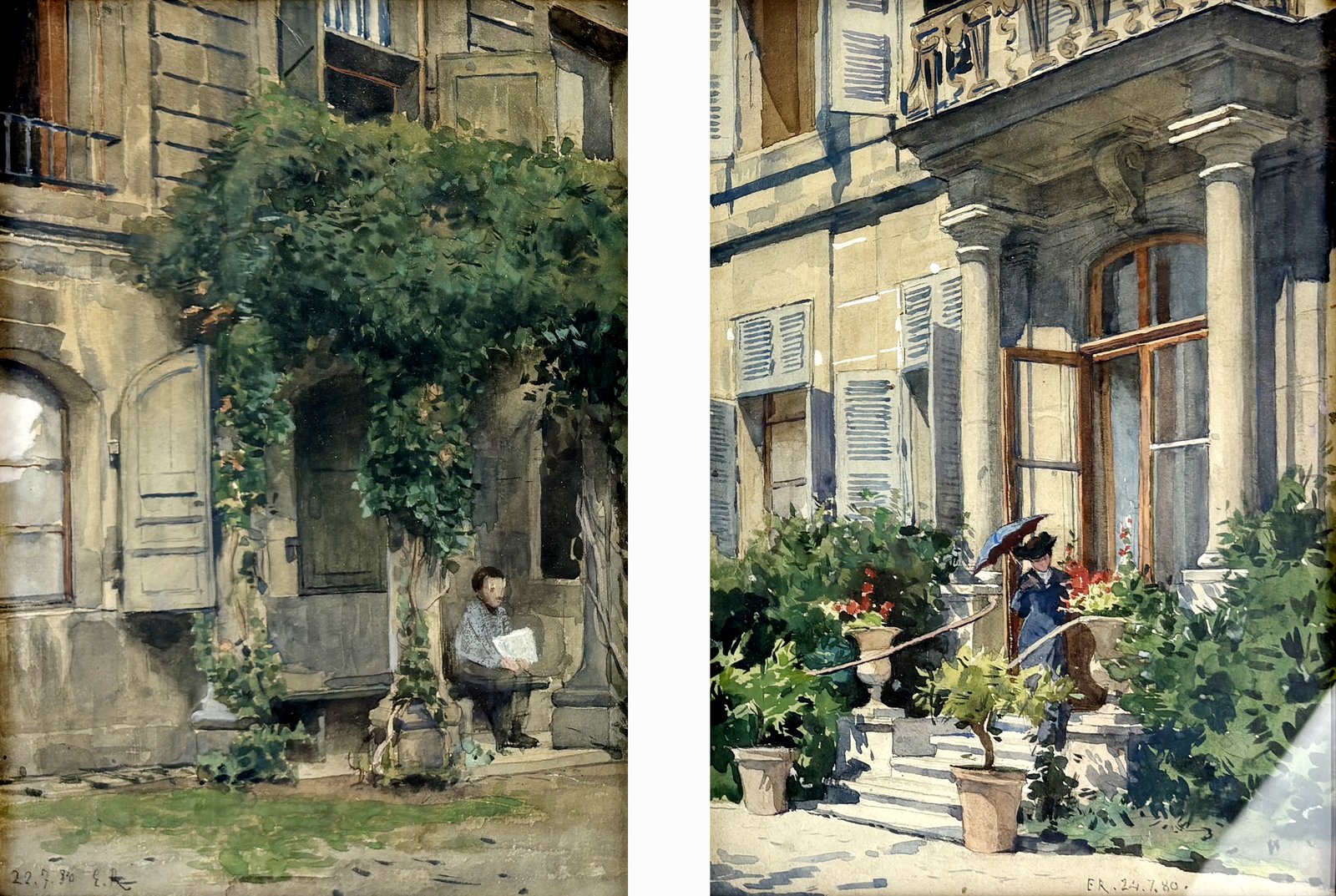
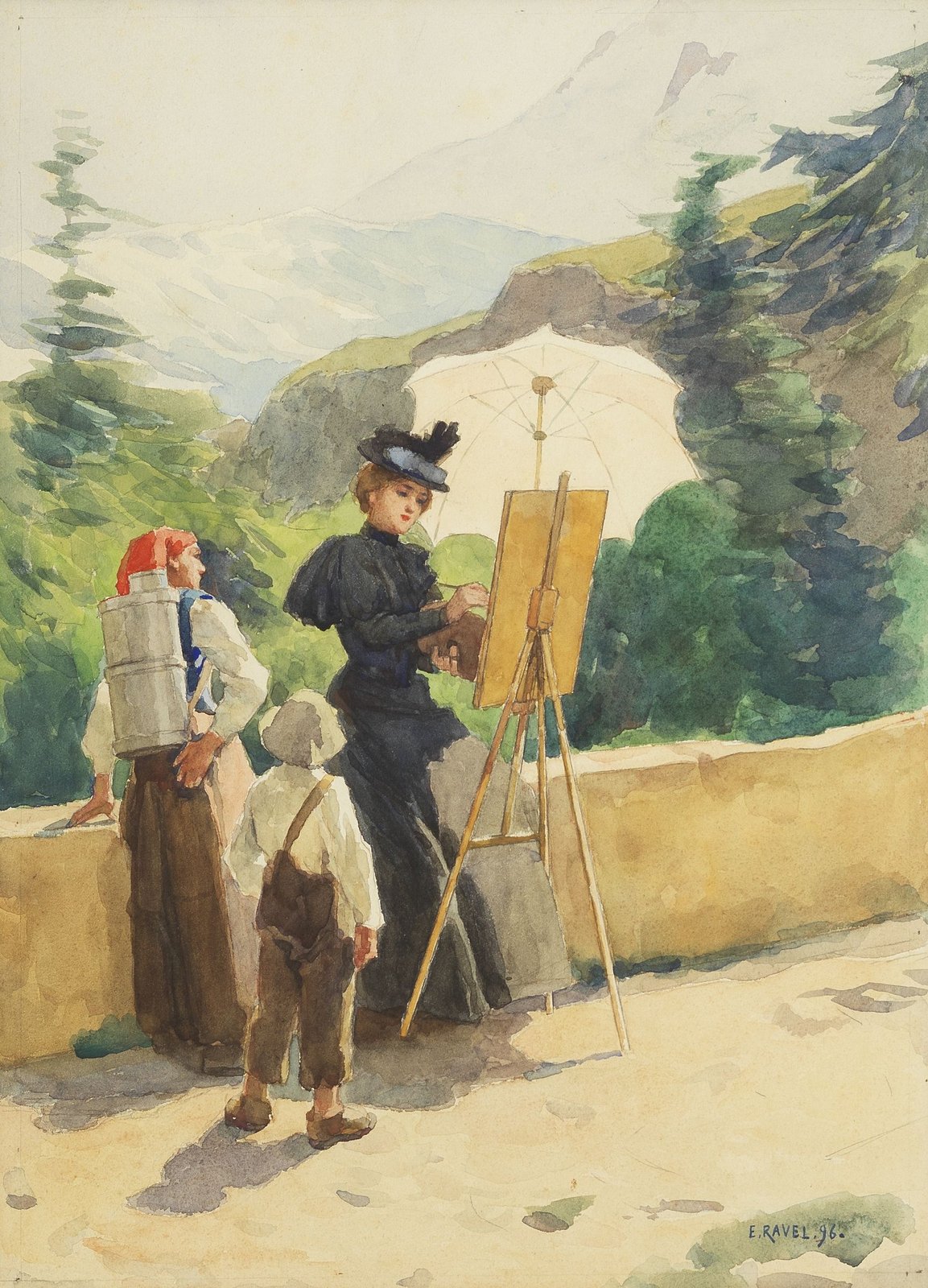
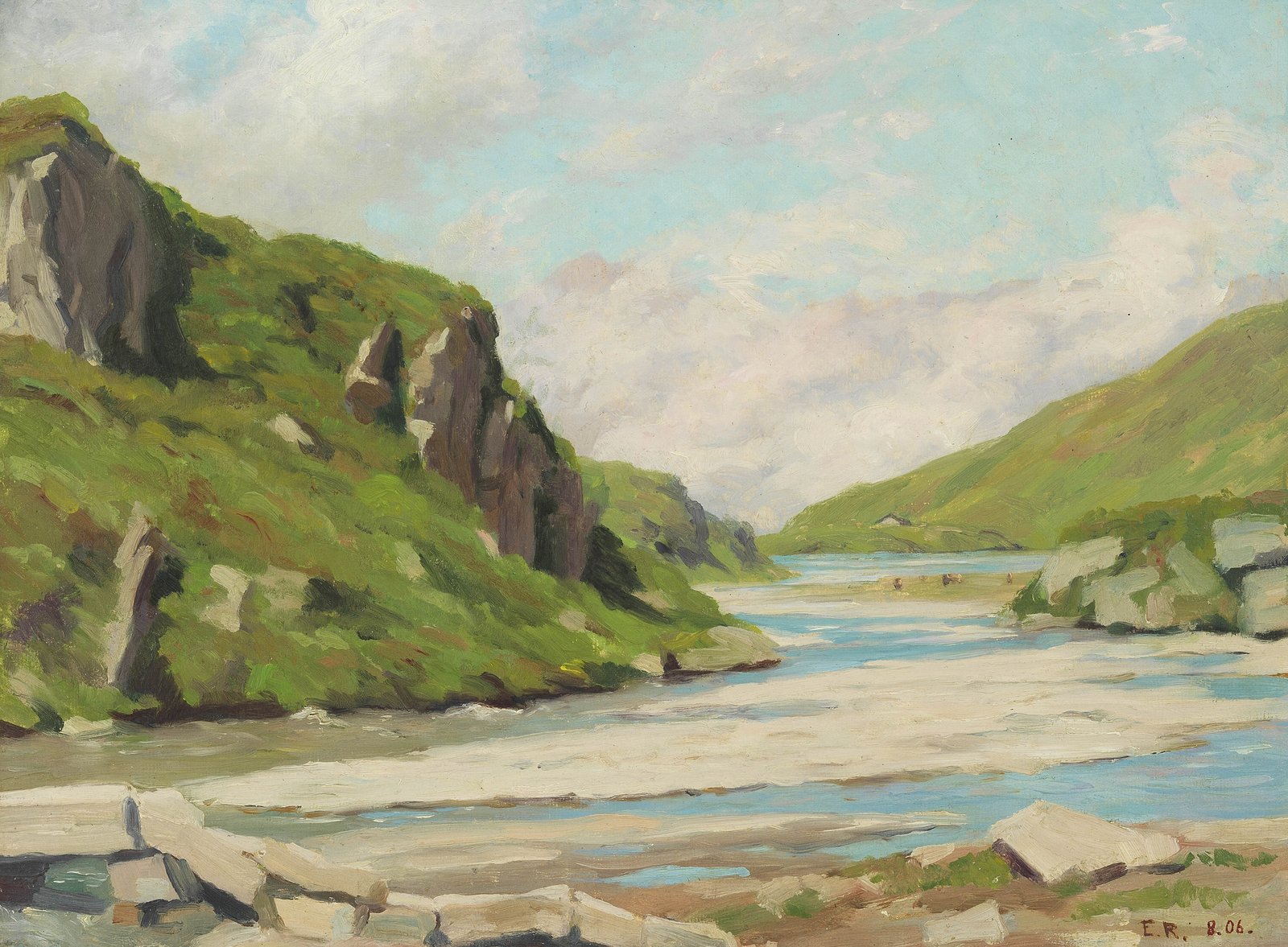
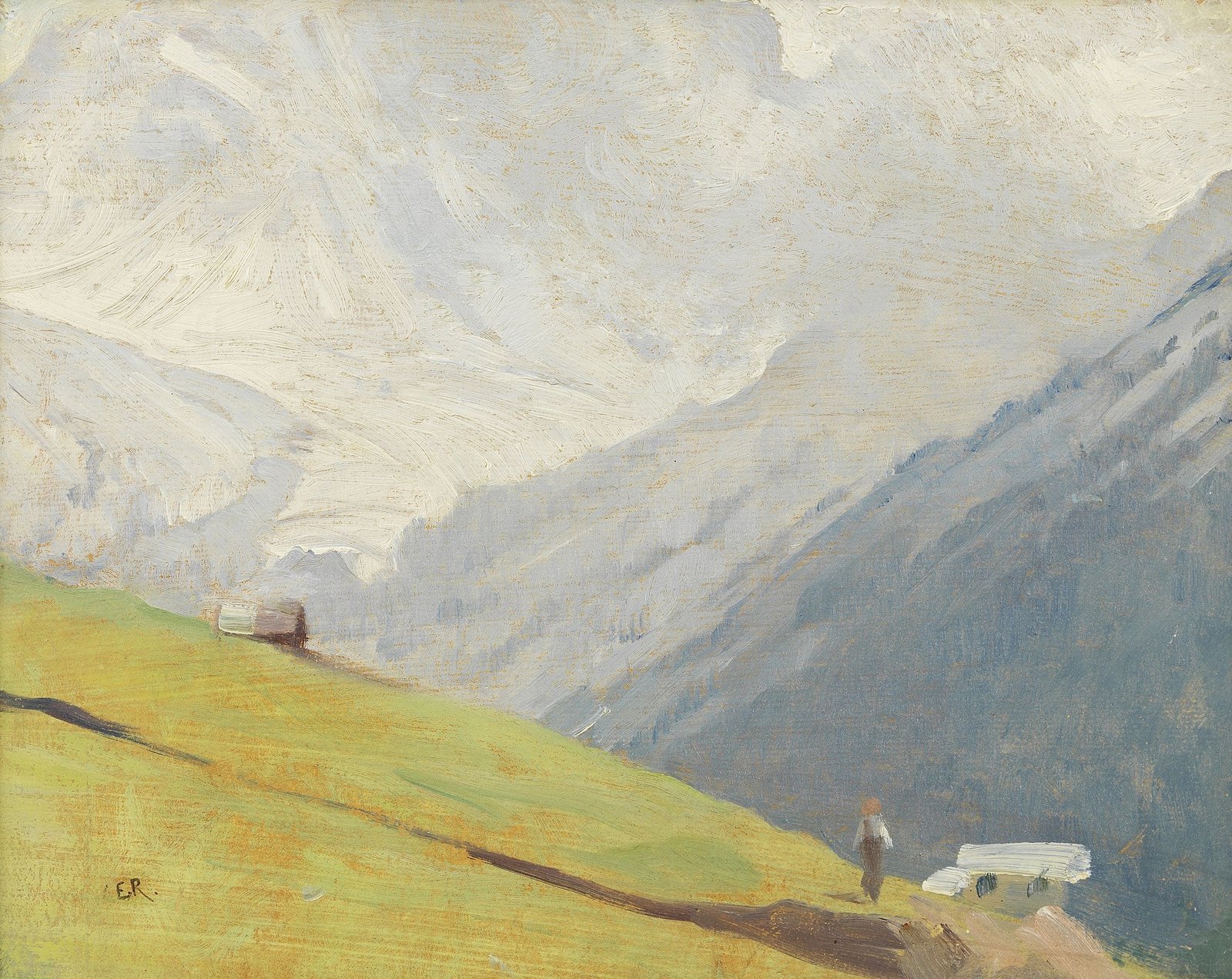
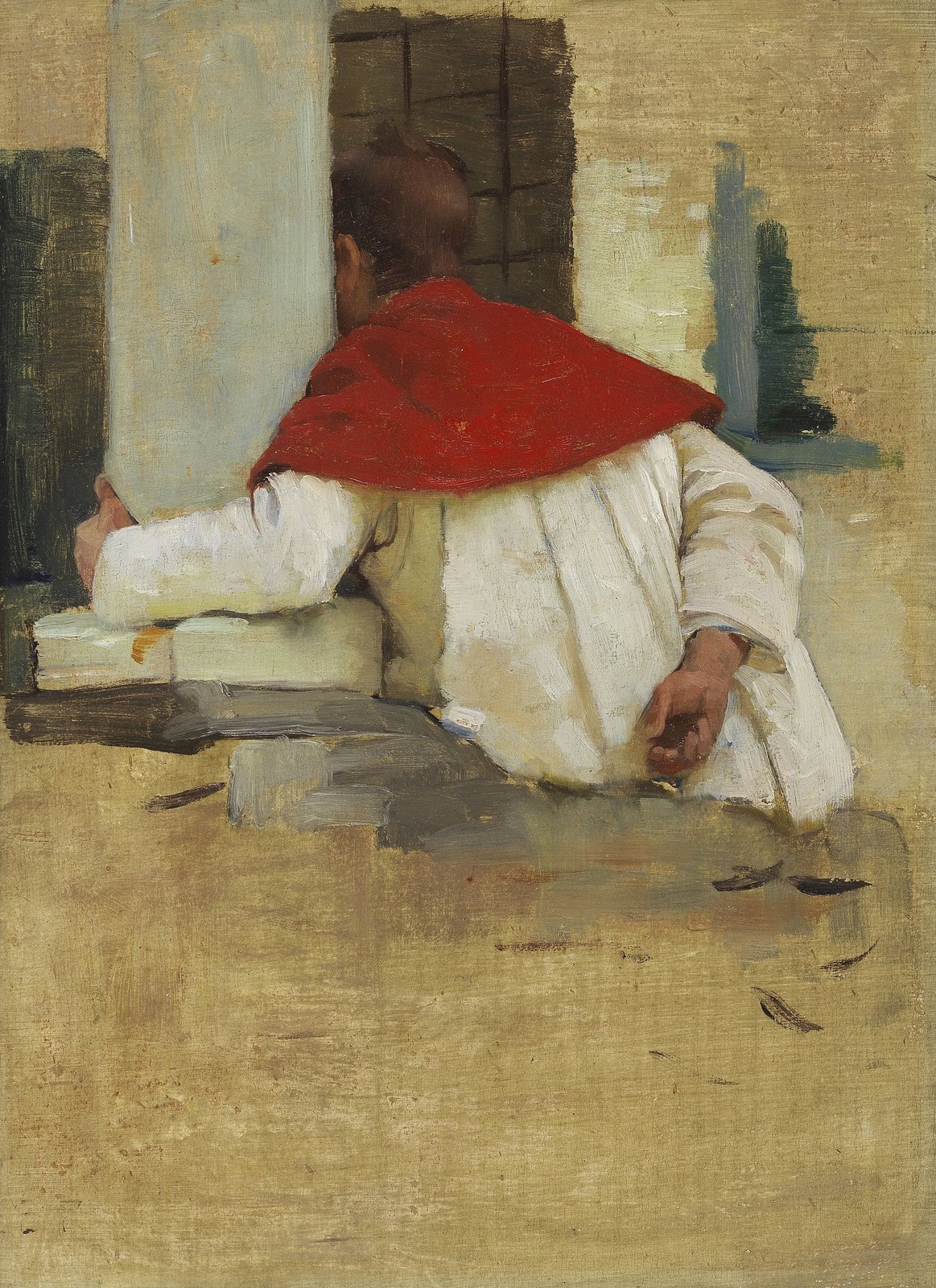
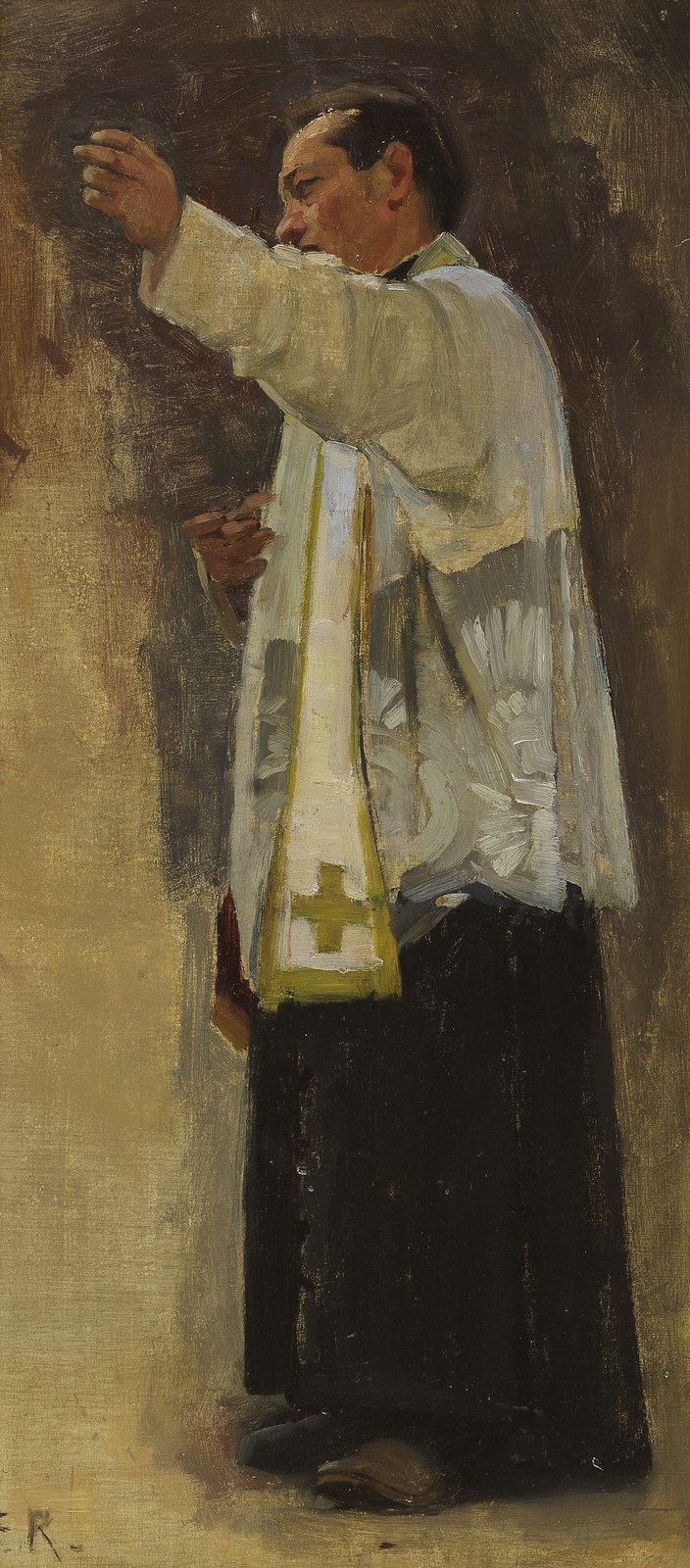
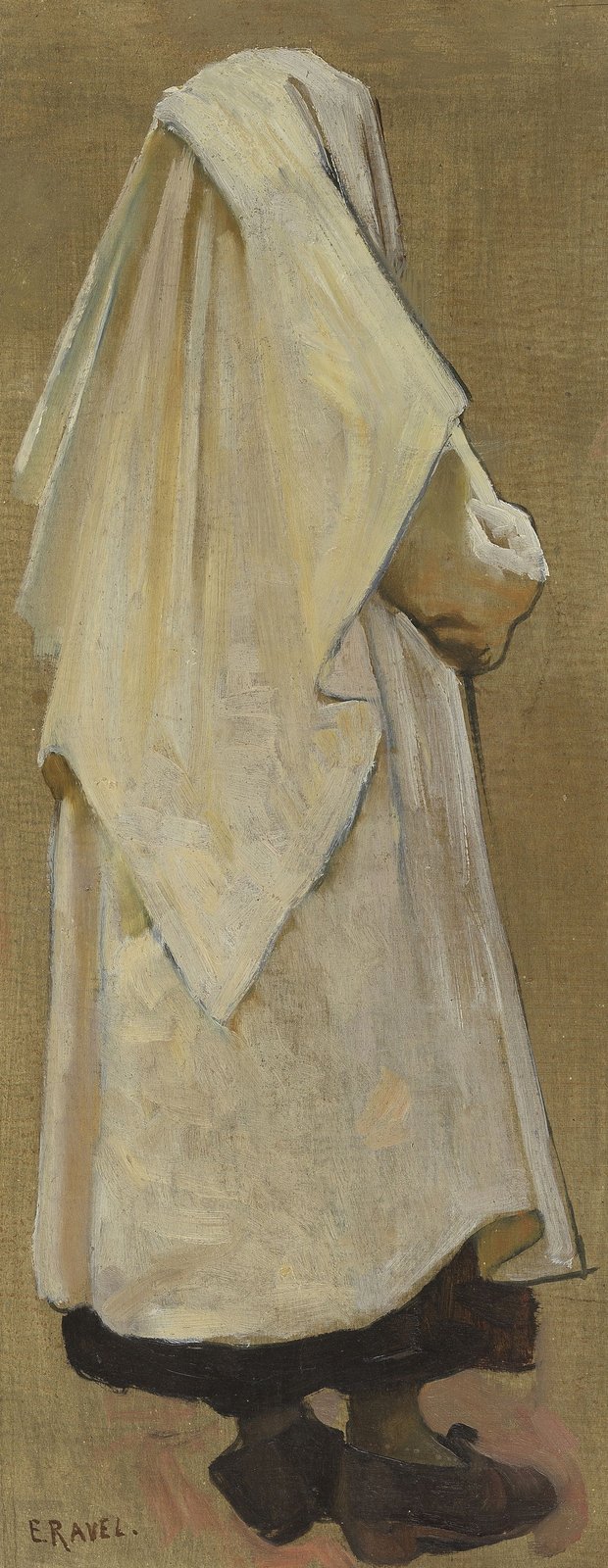
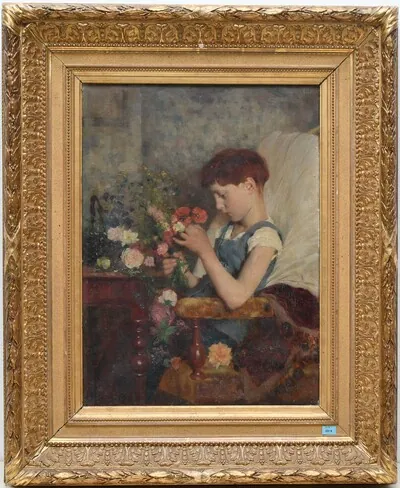
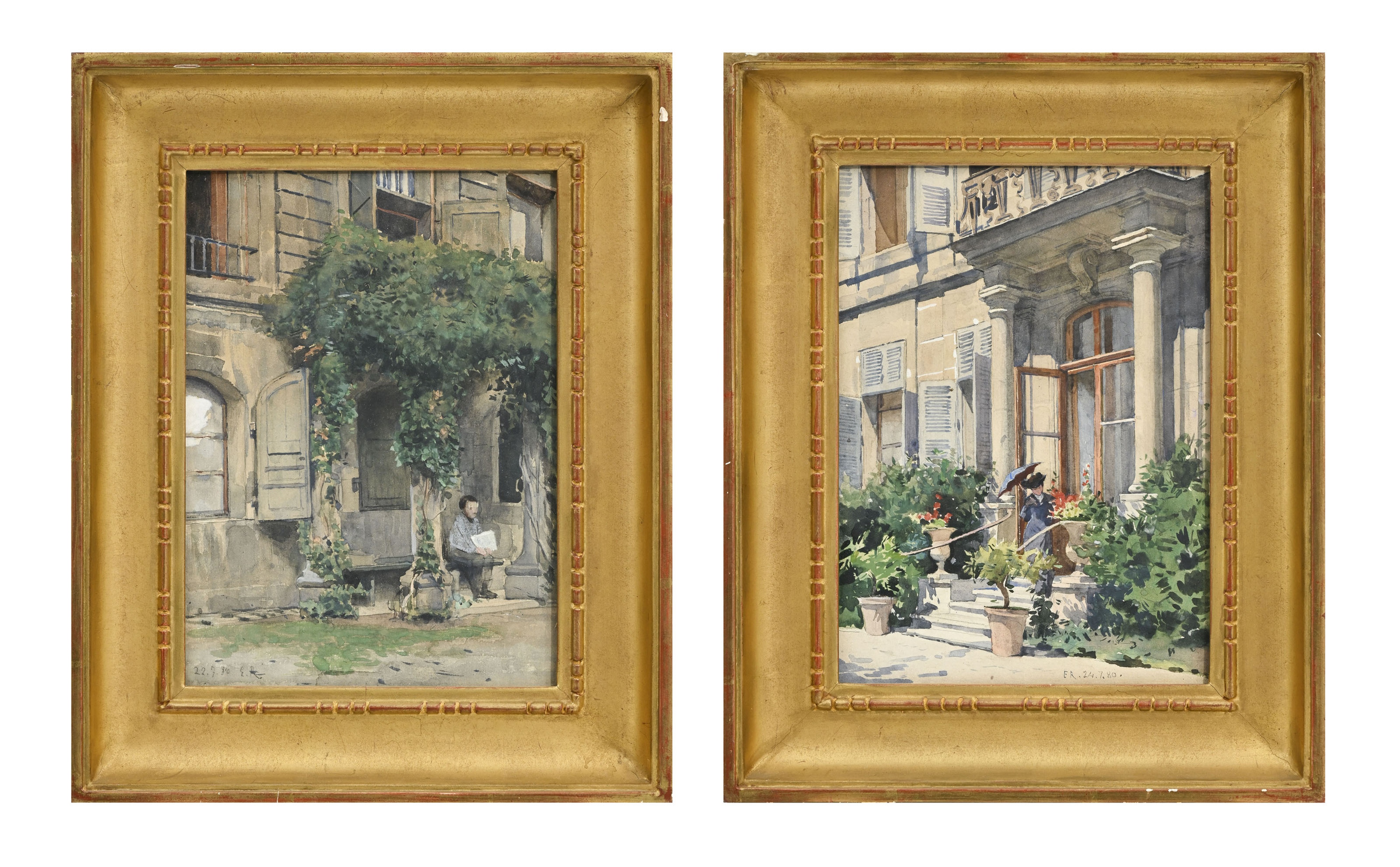
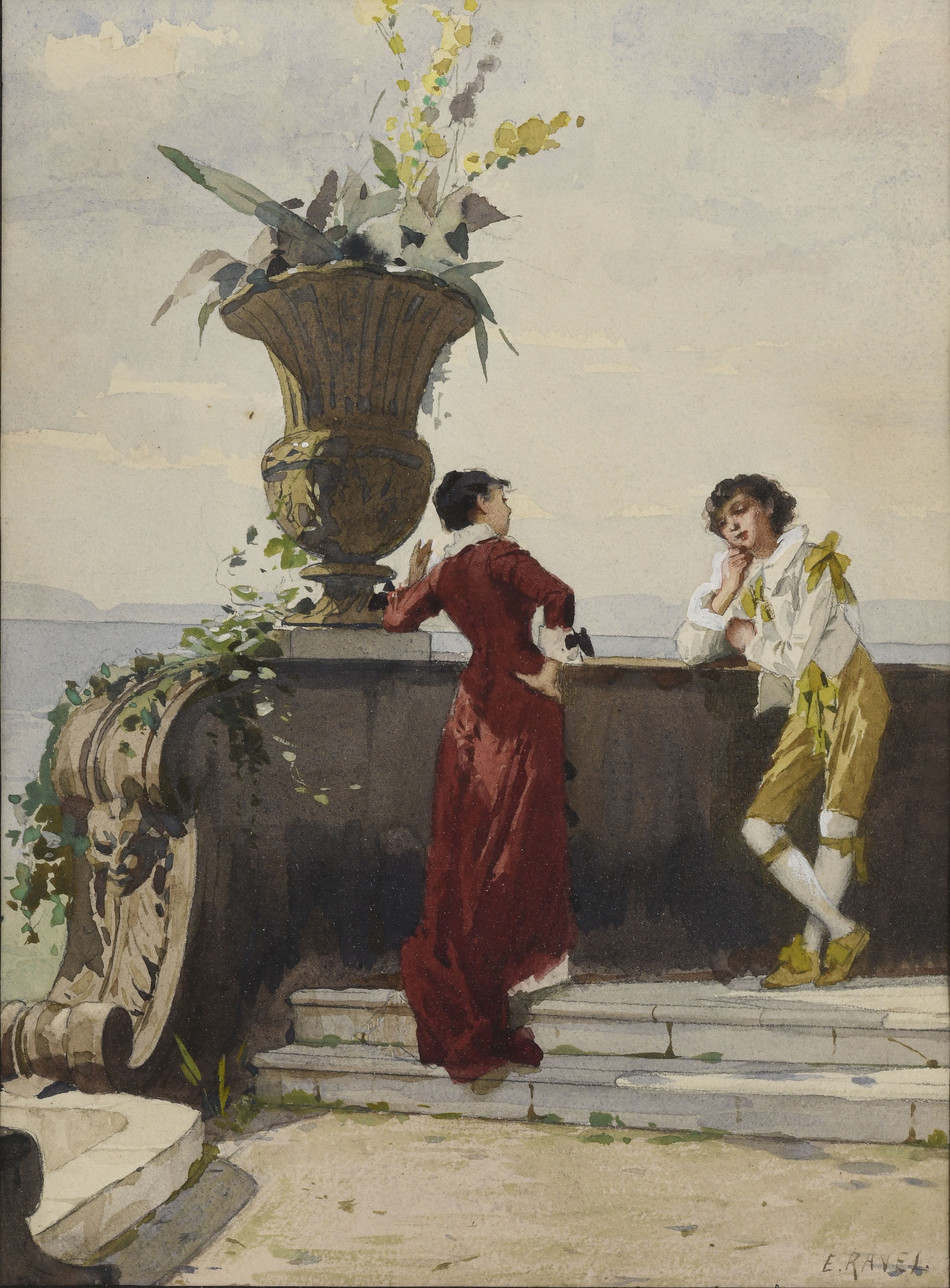
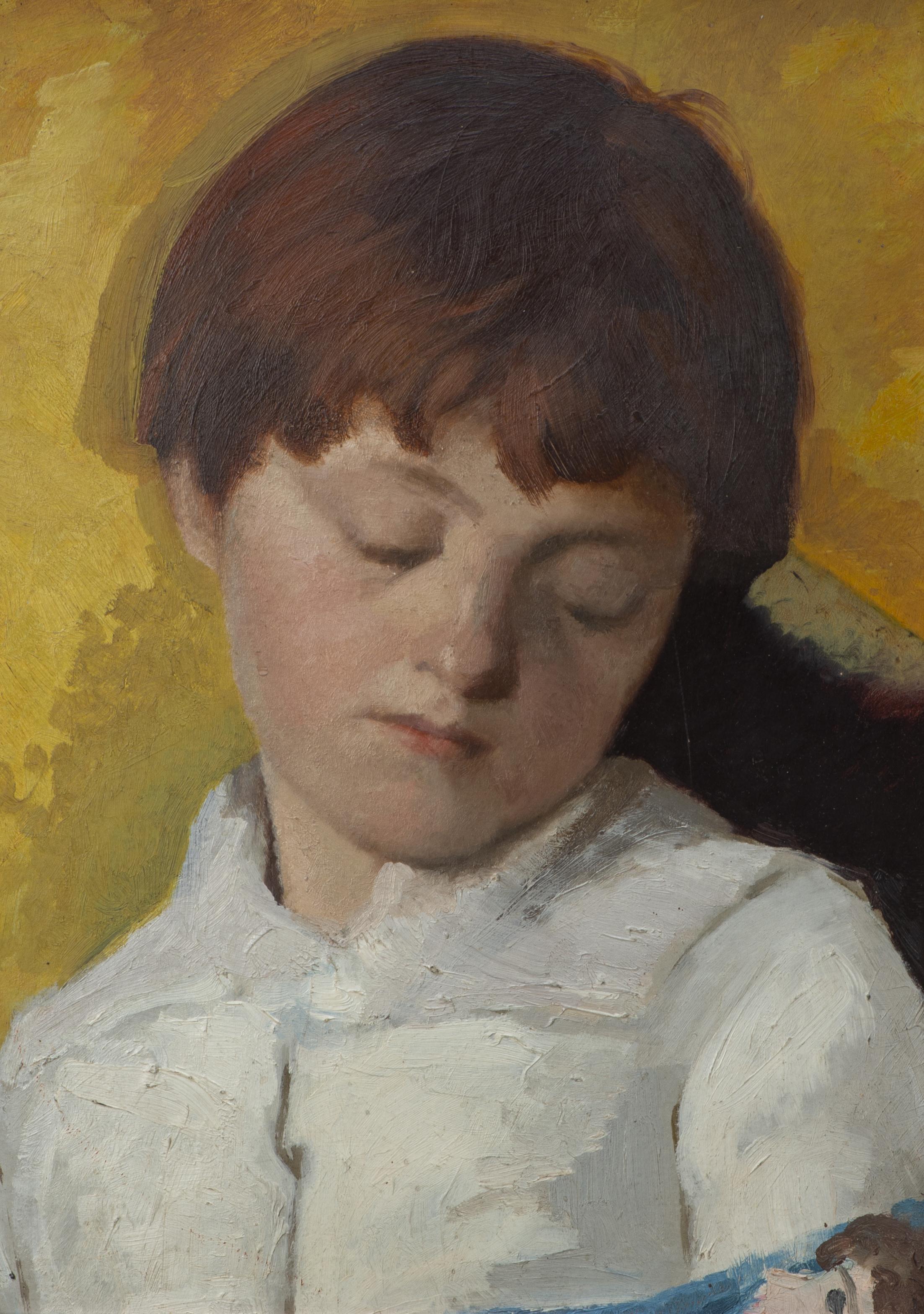
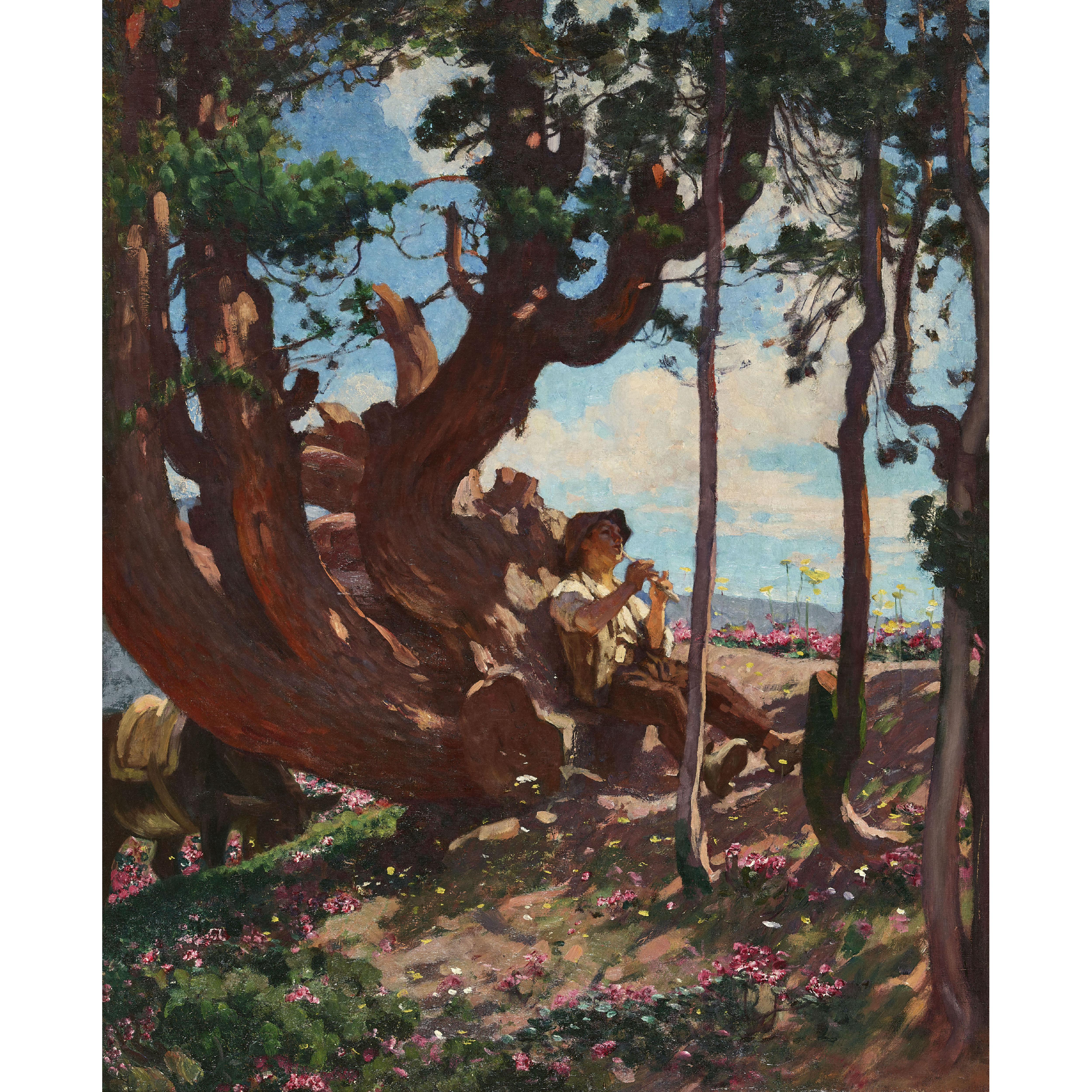
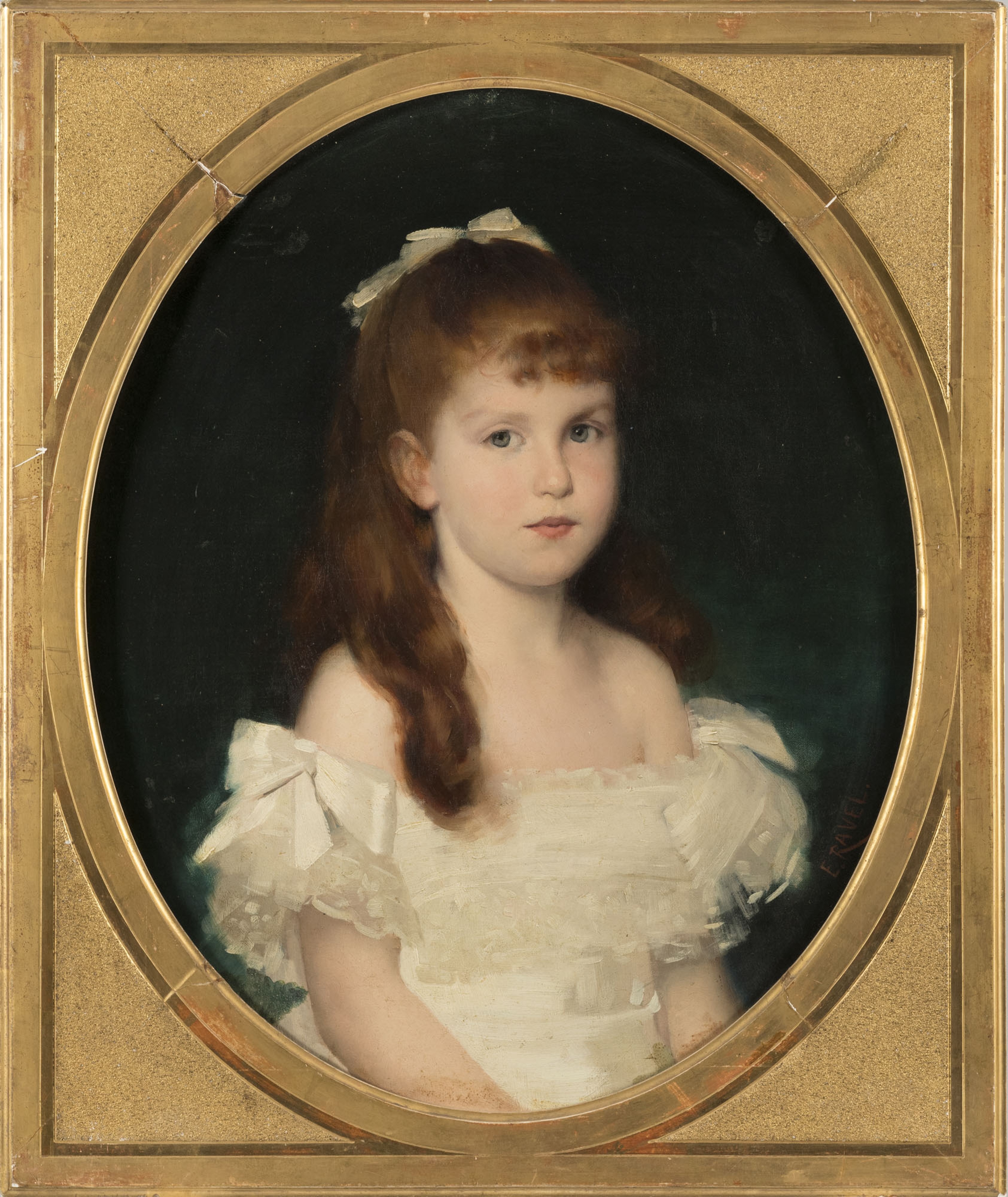
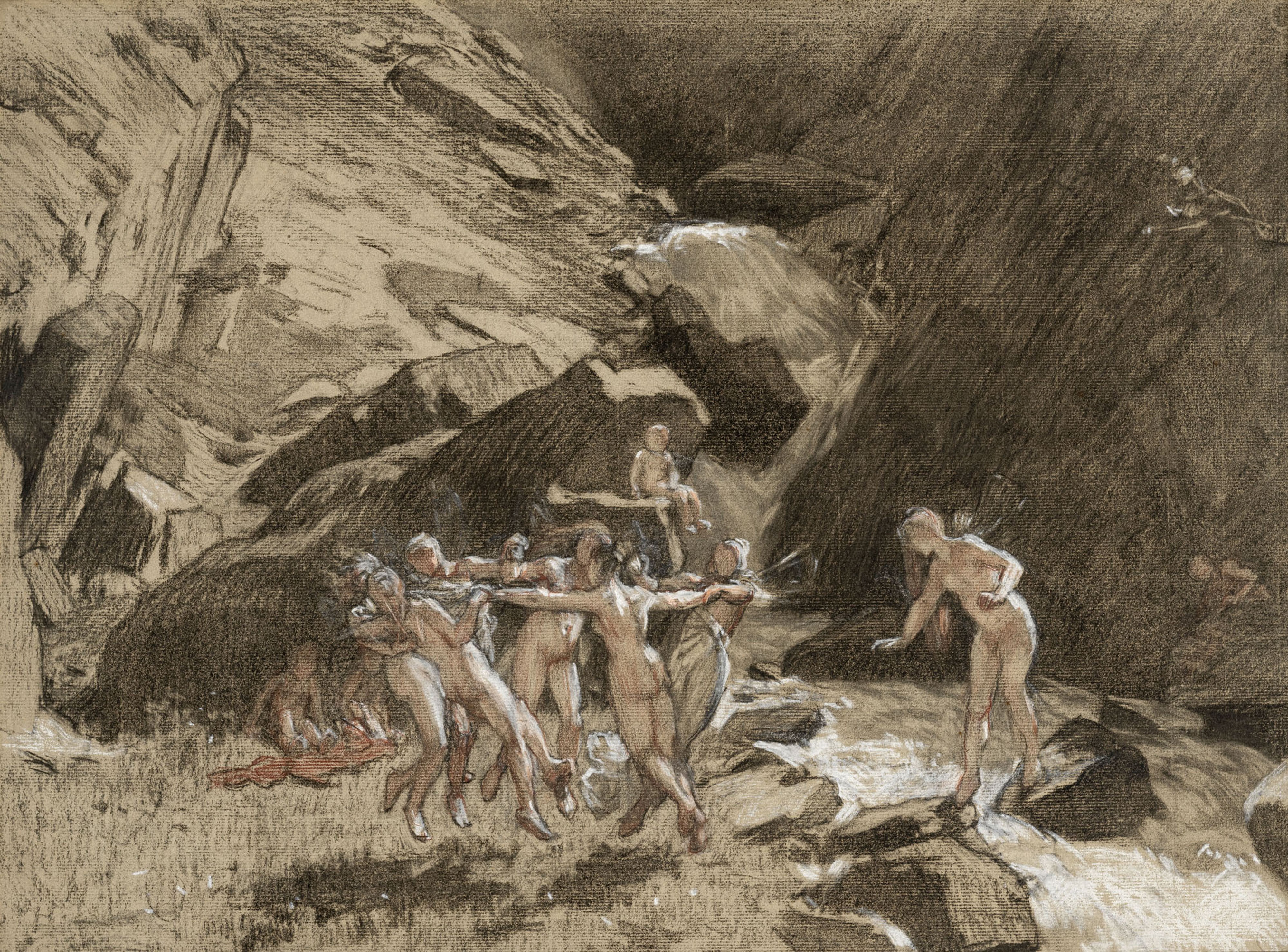
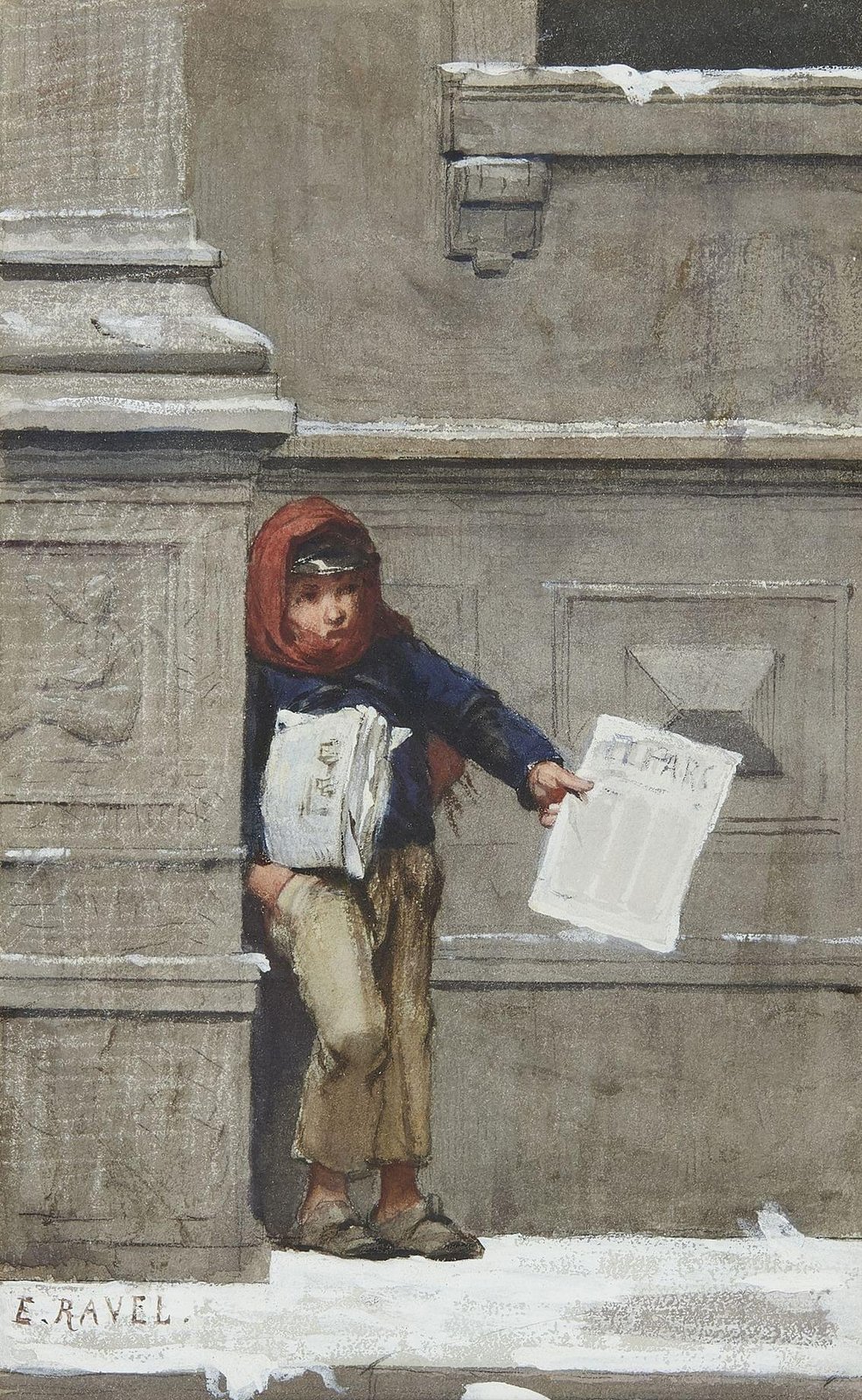
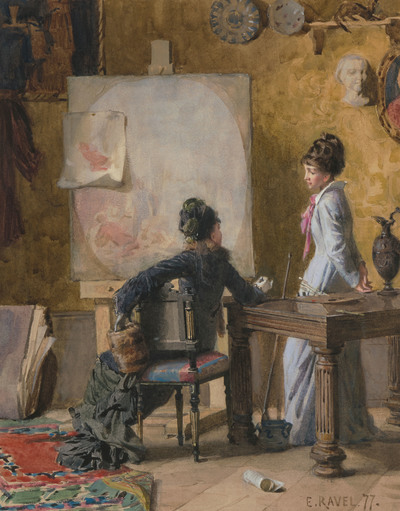
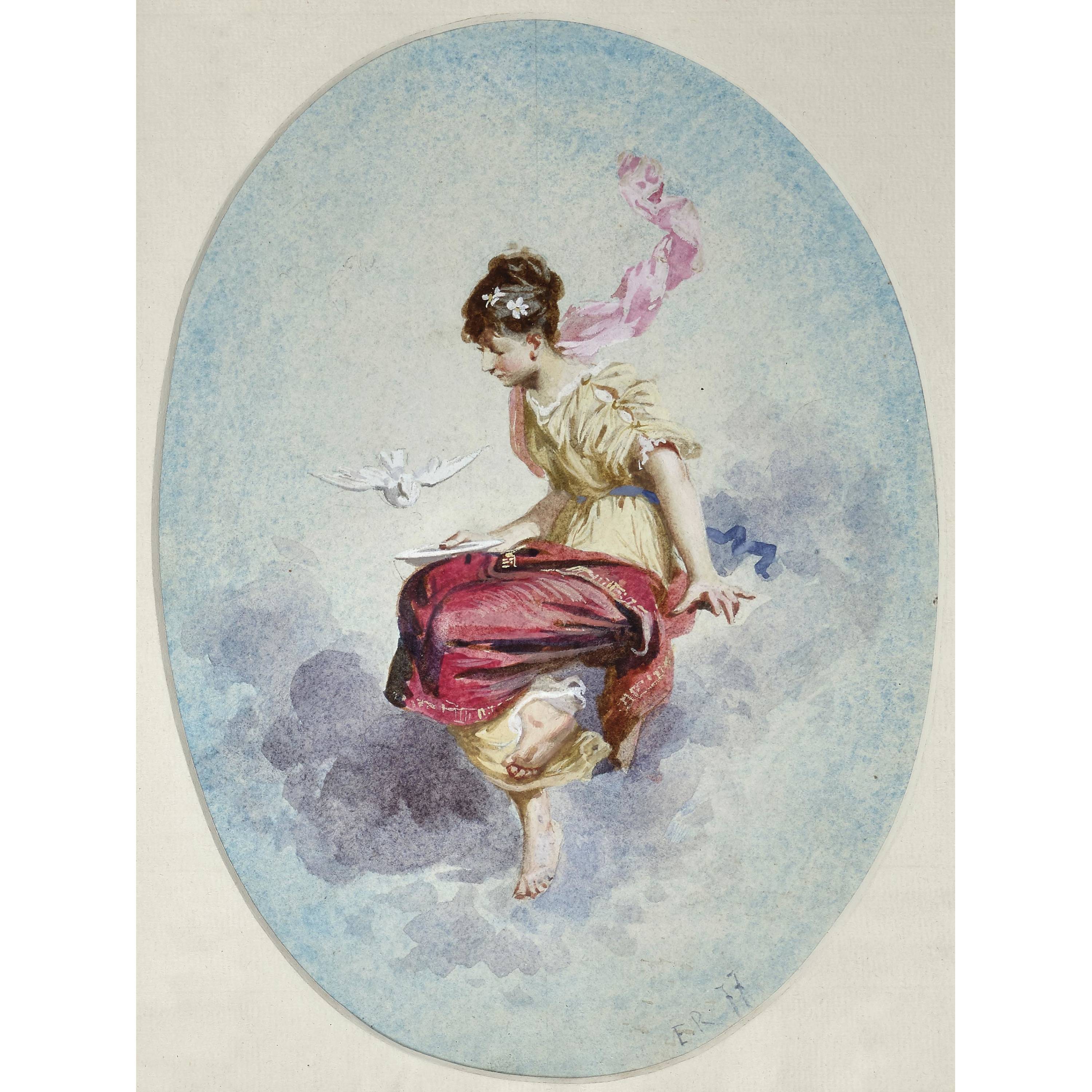
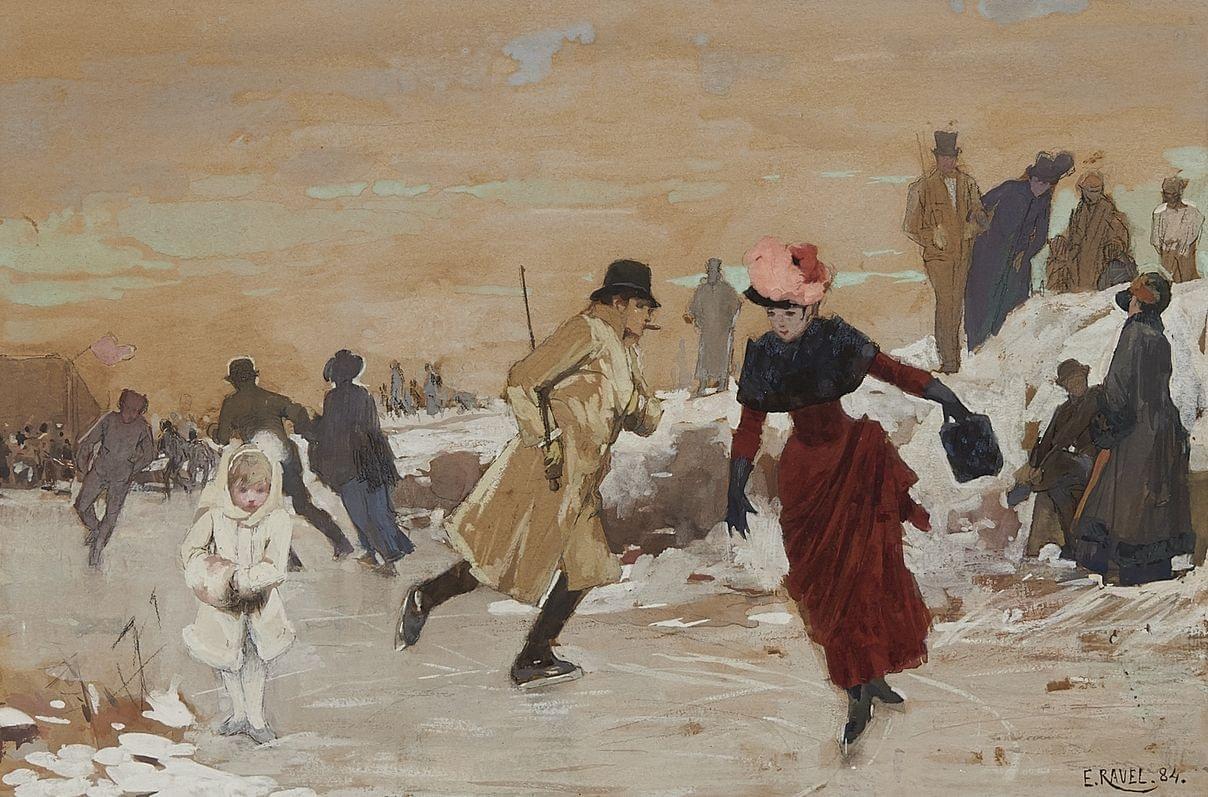
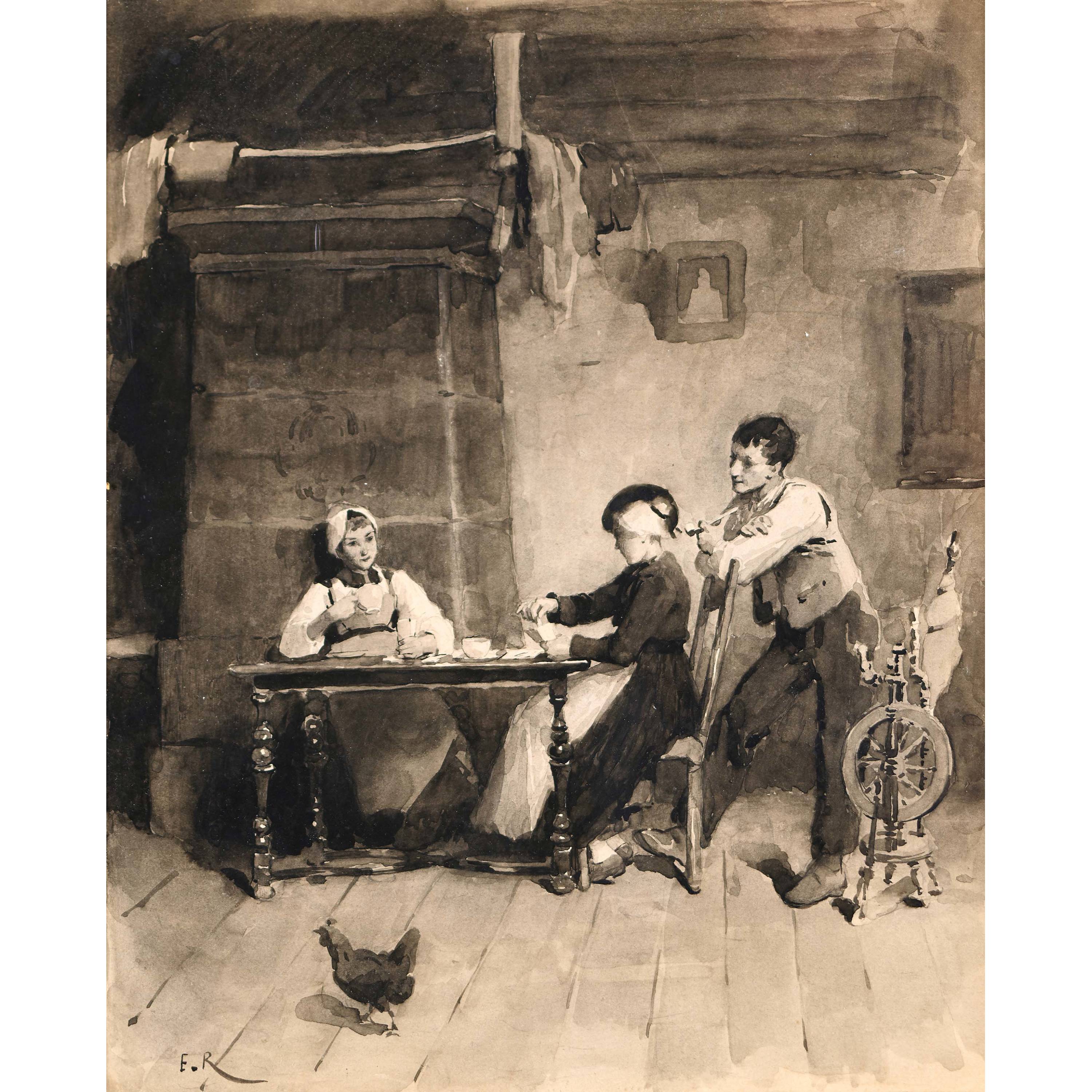
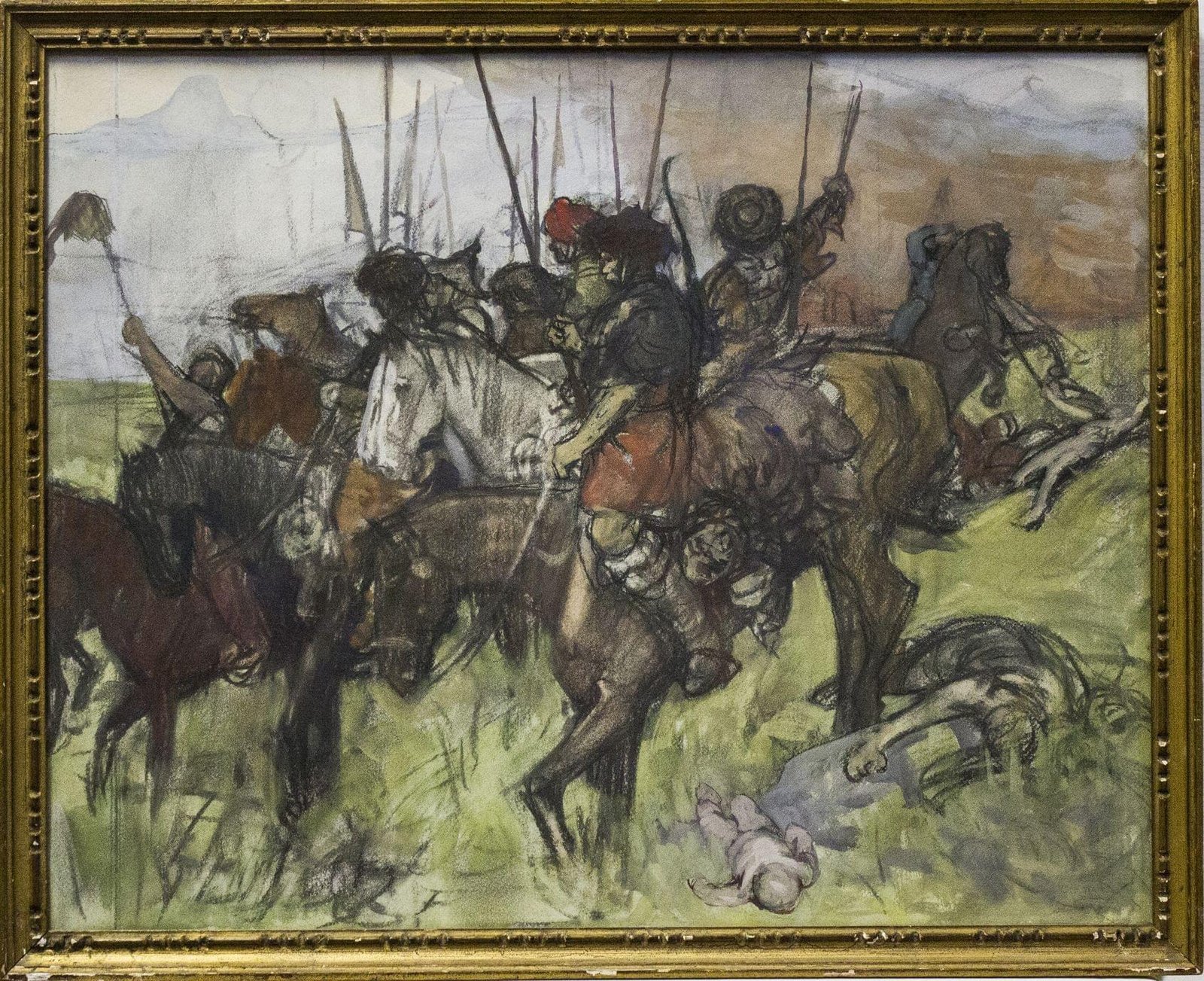
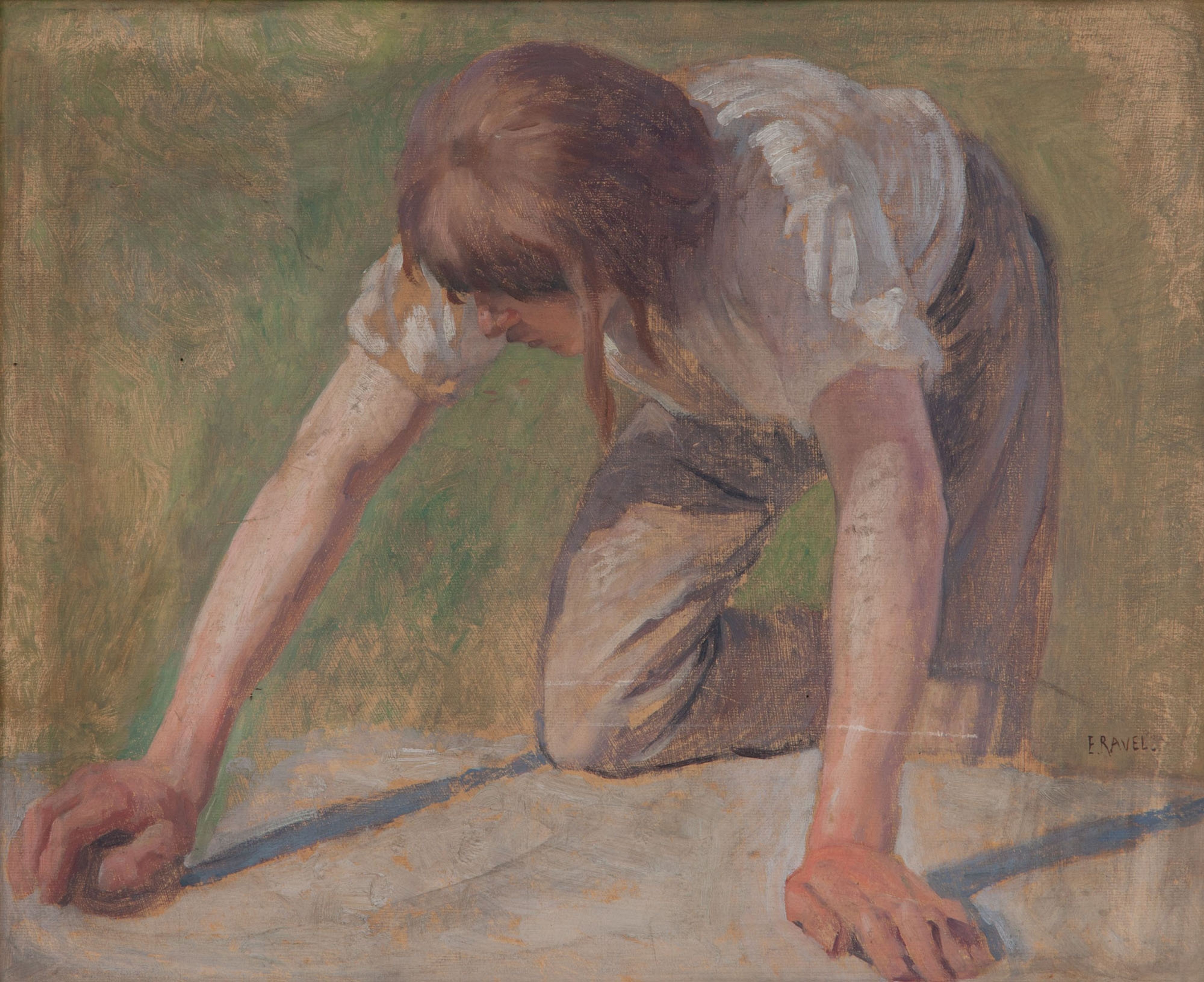
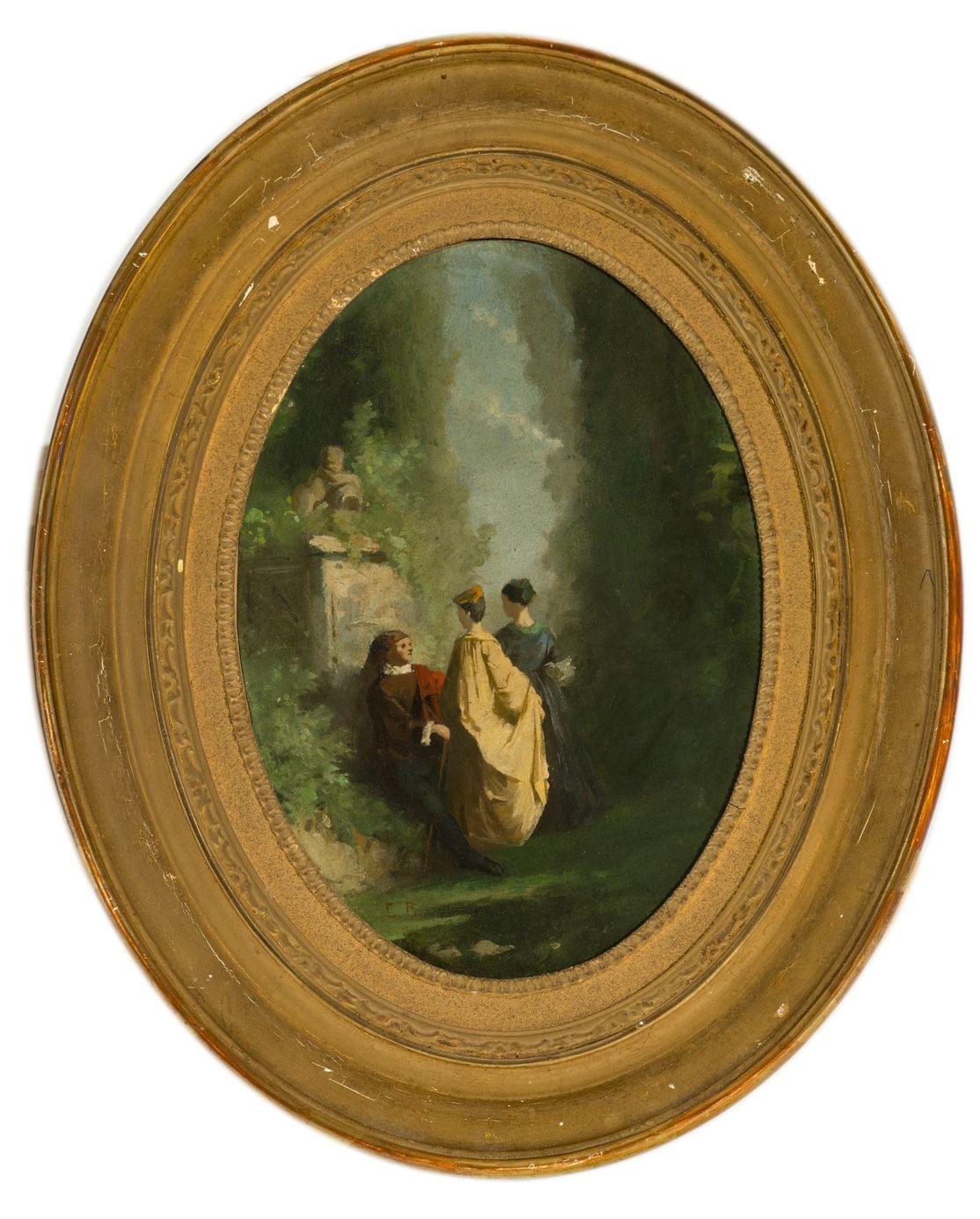
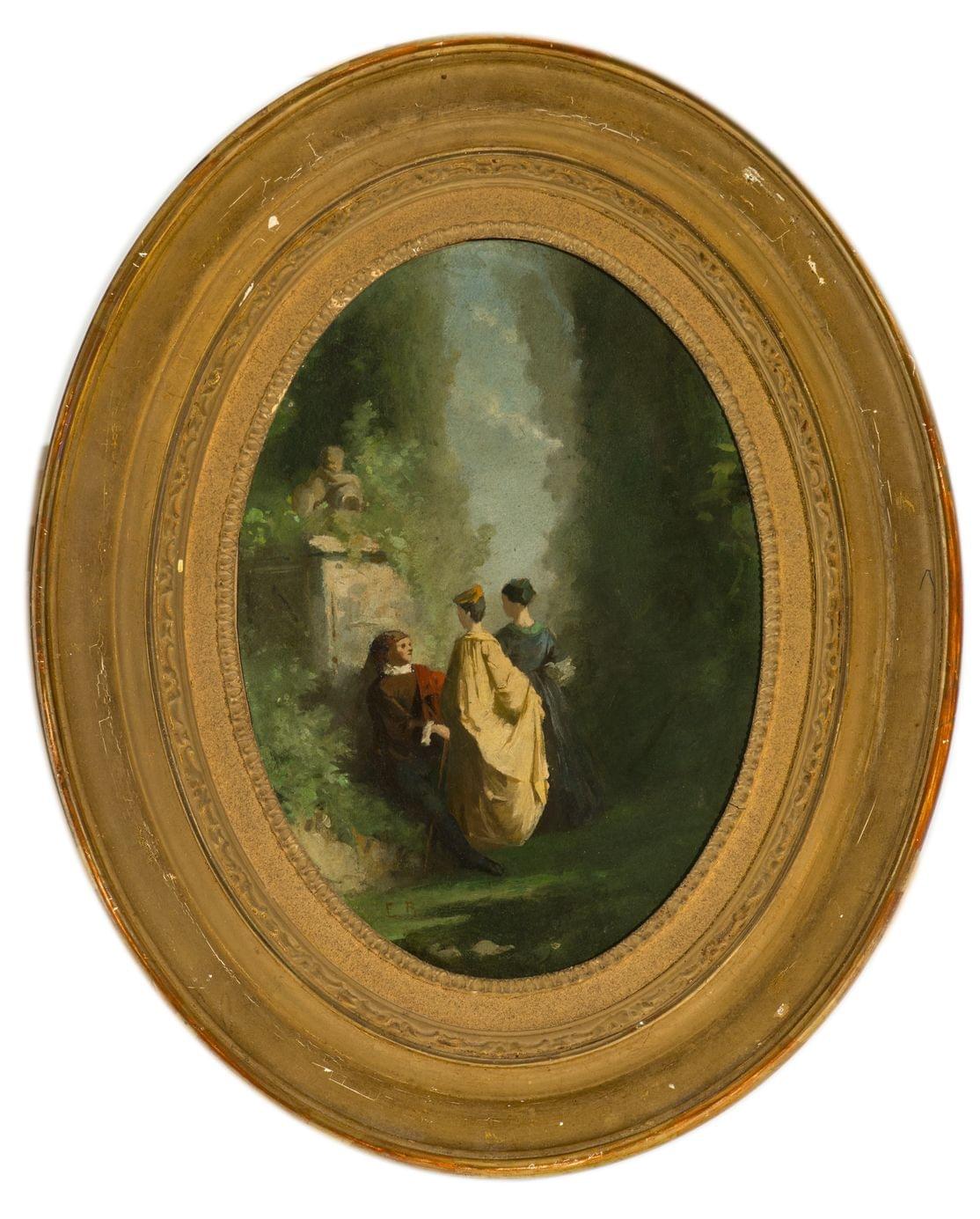
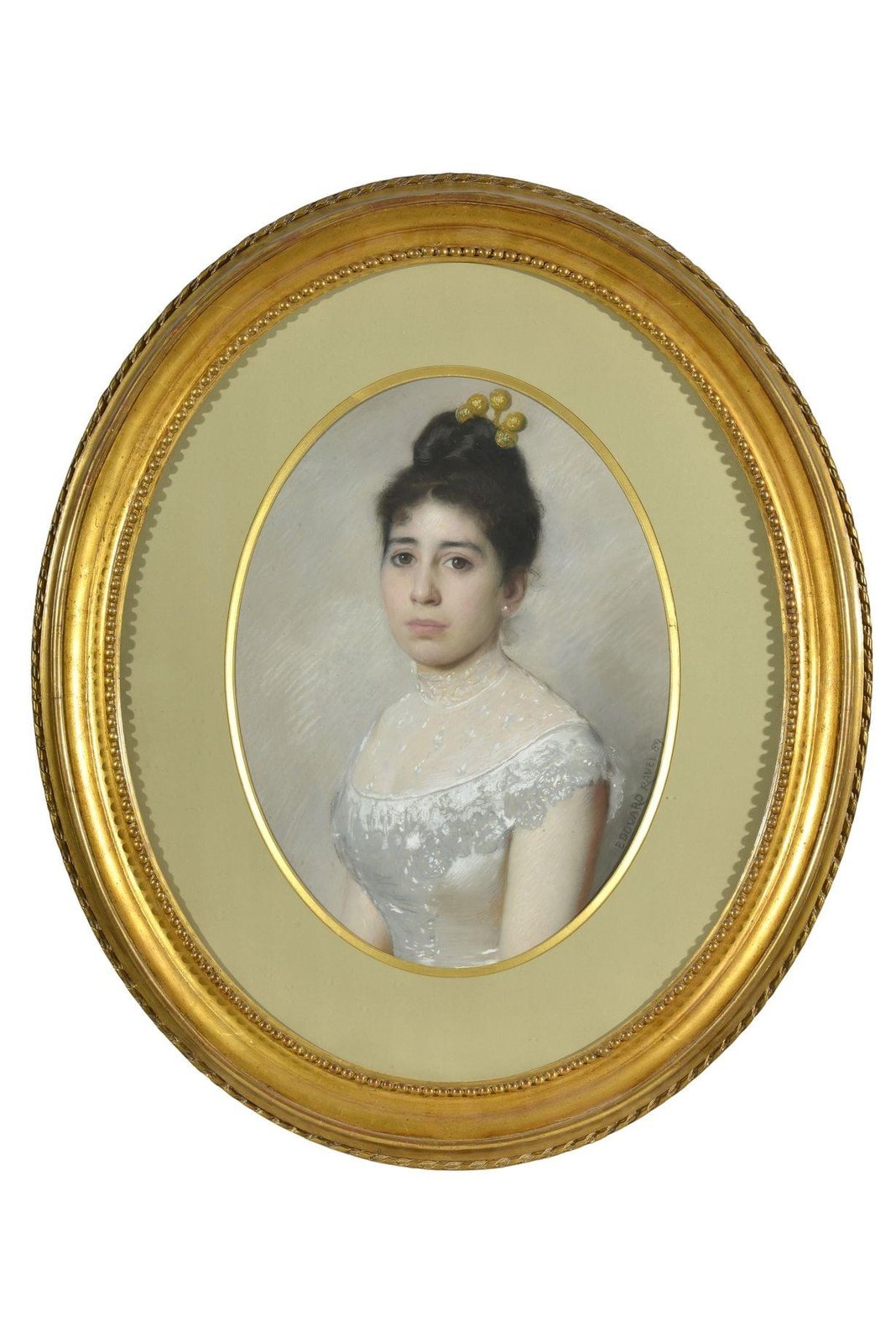
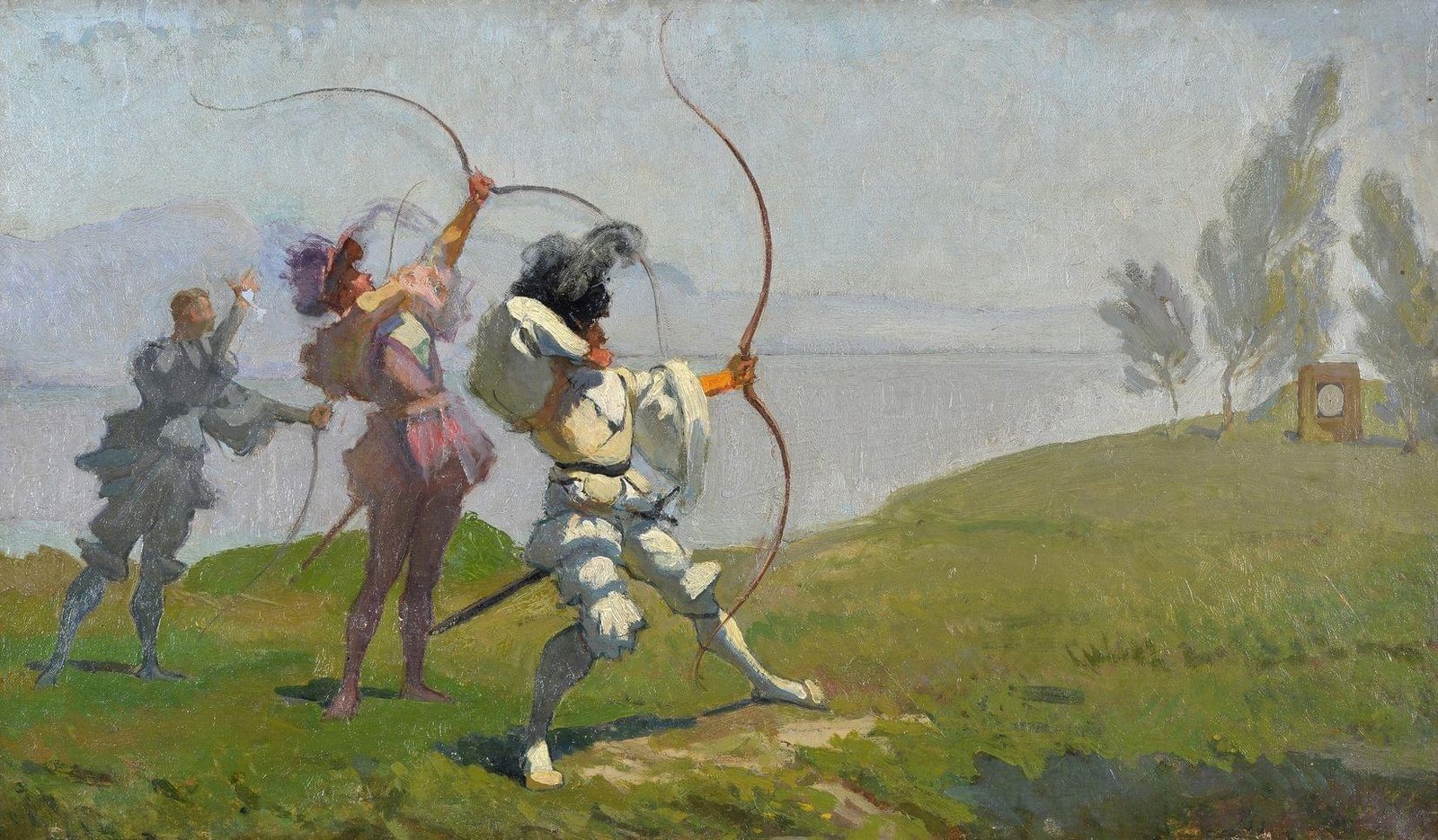
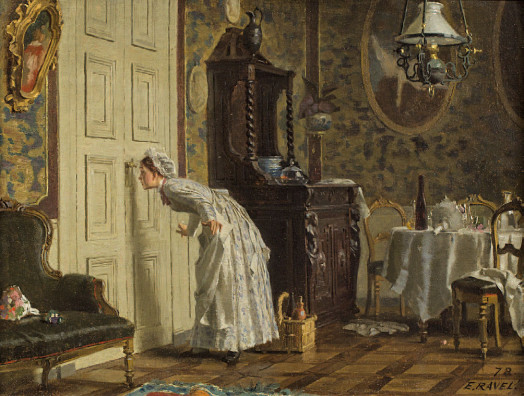
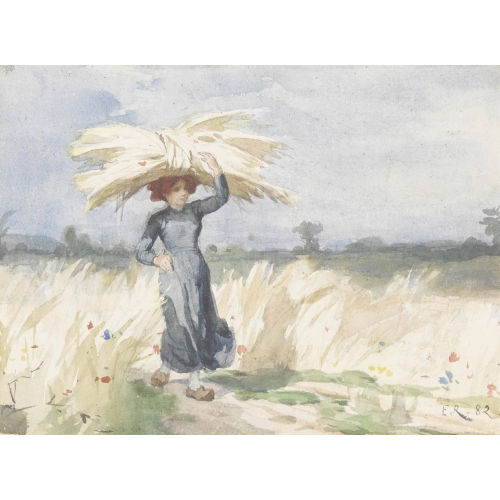
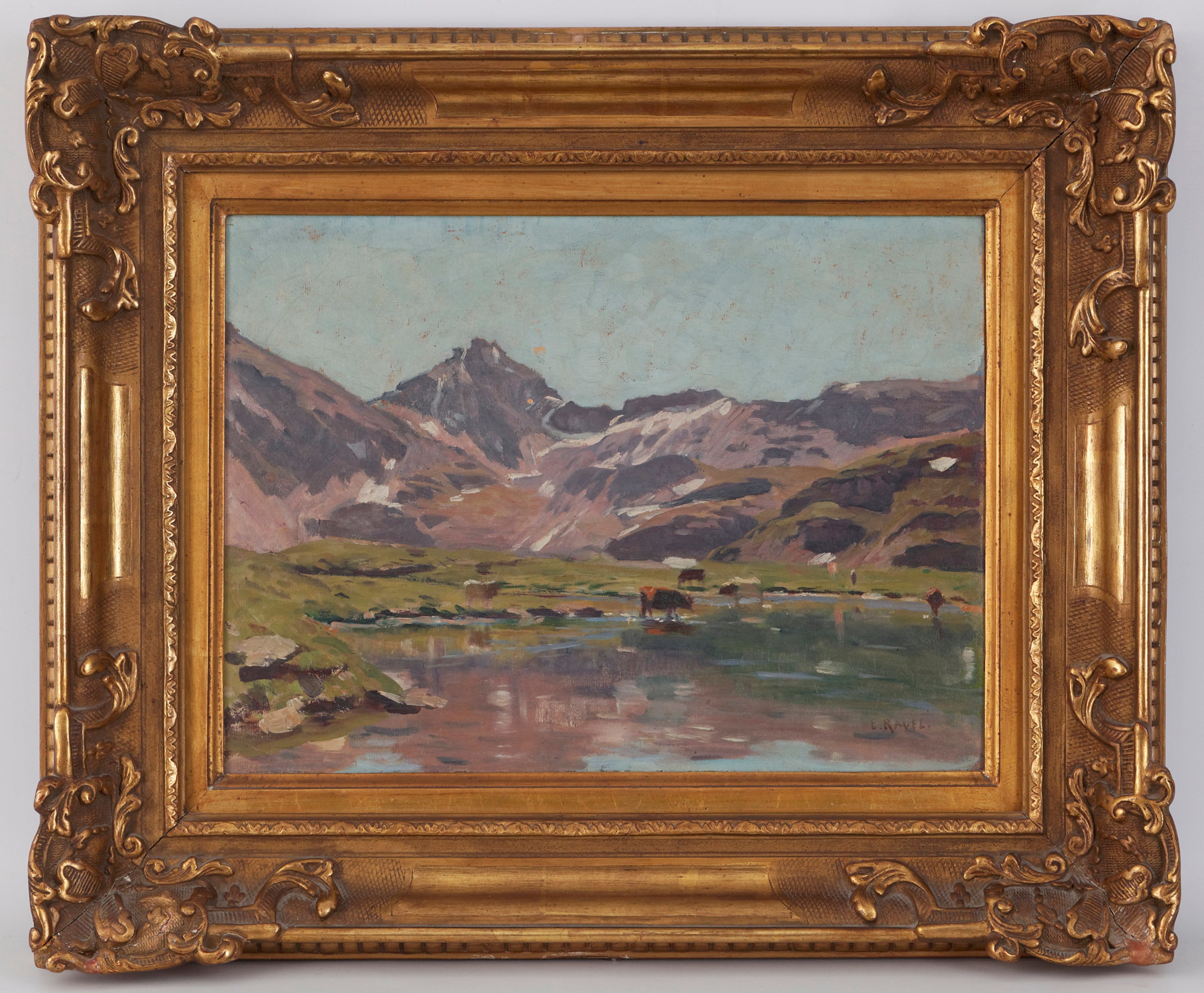
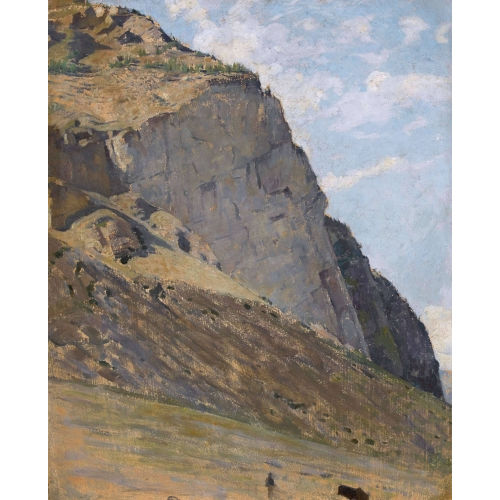
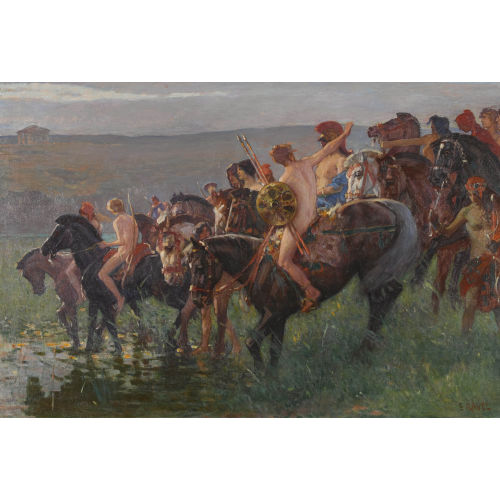
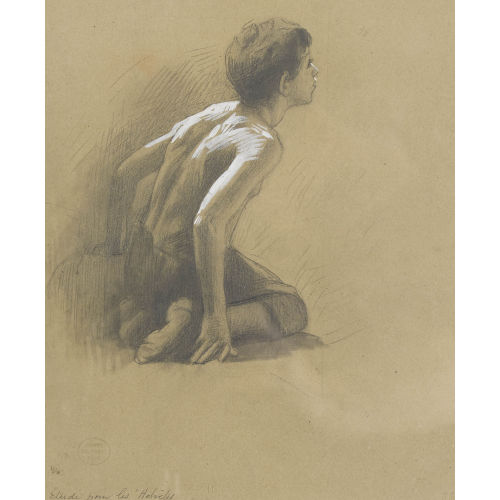
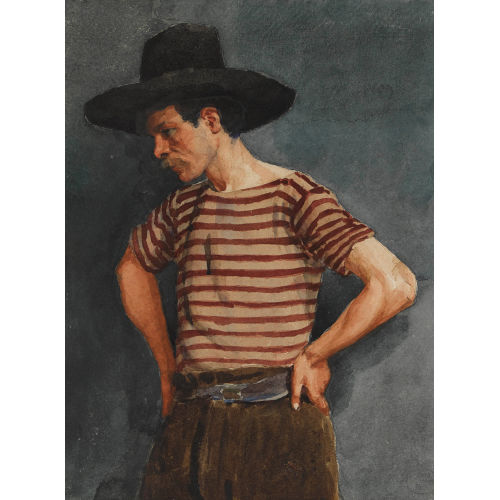
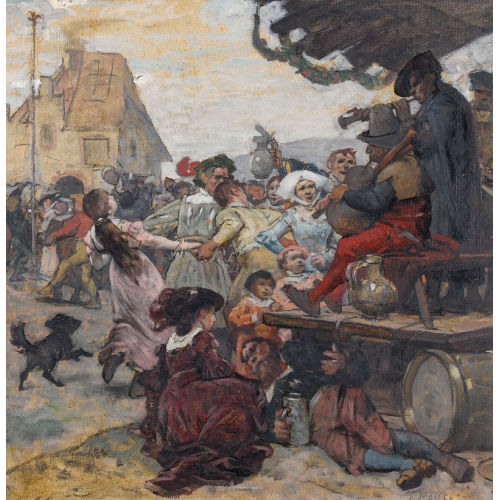
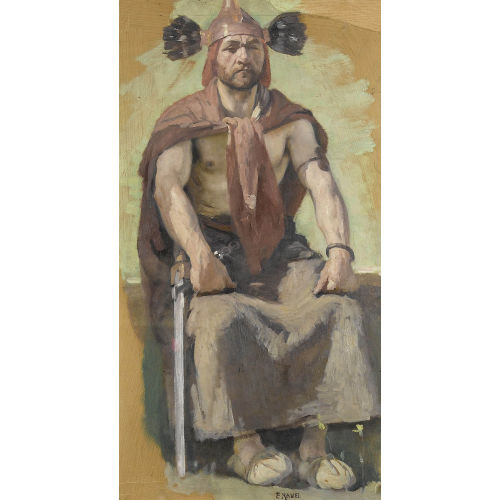
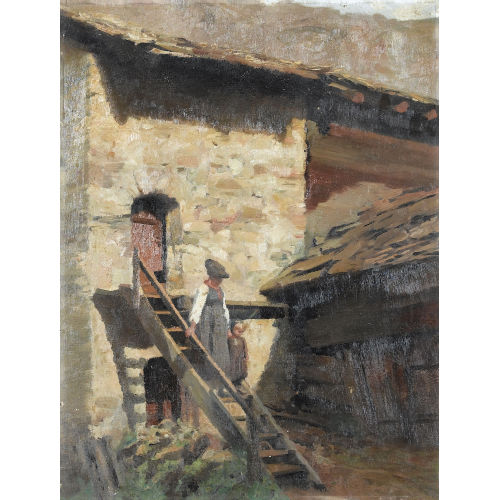
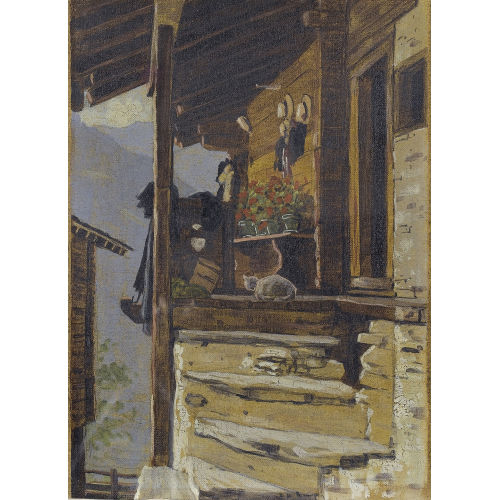
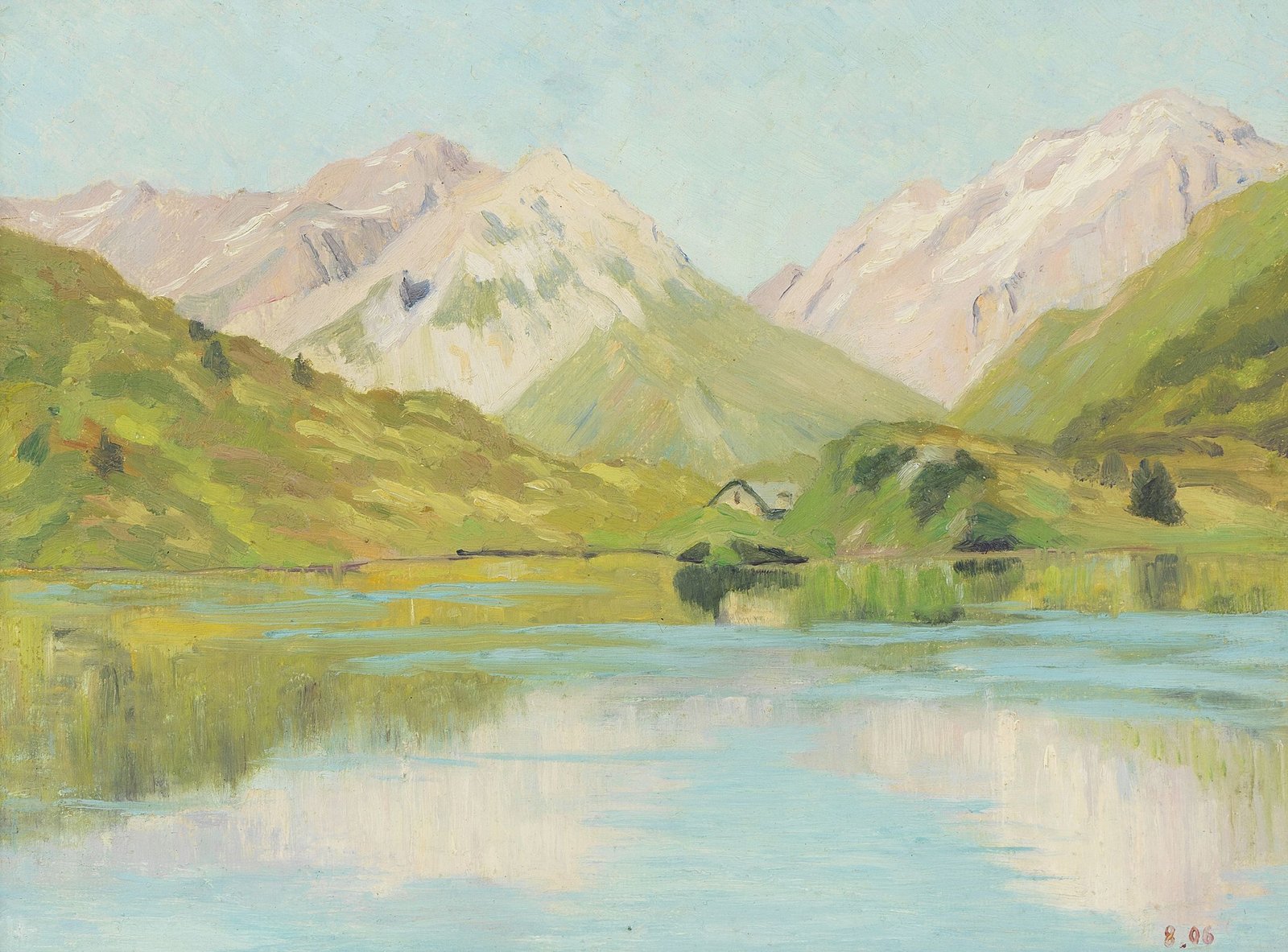
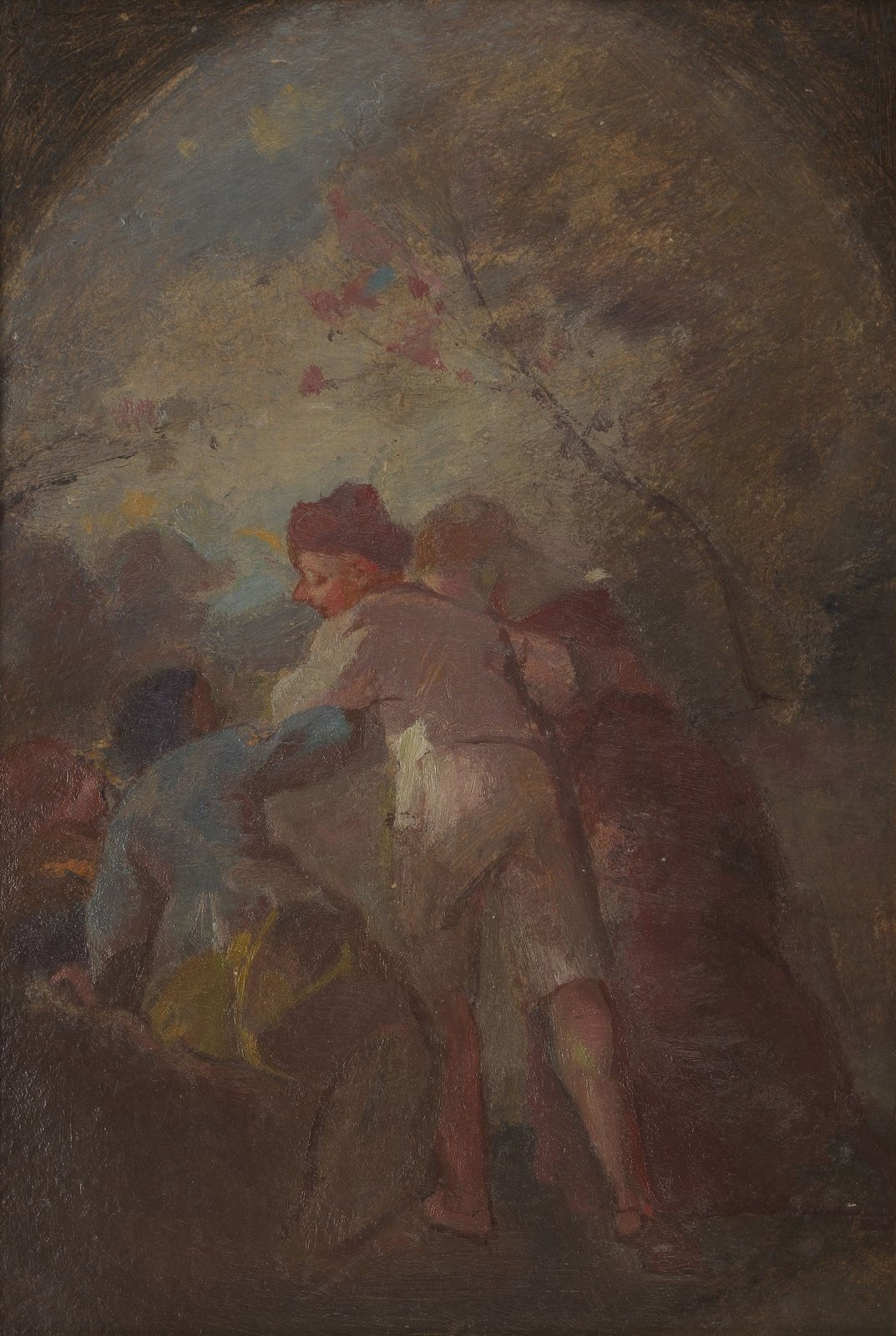
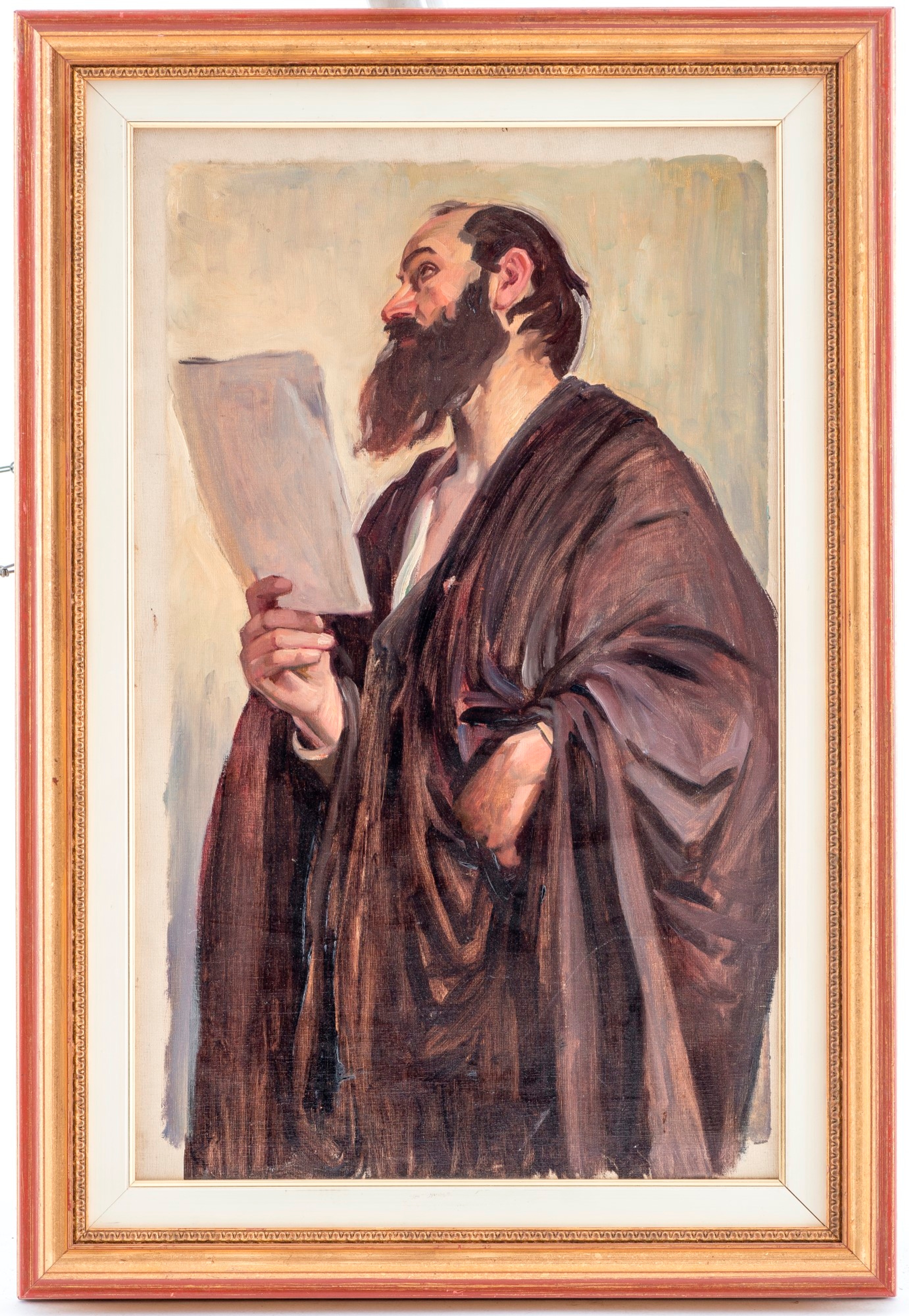
Initially trained in enamelling, he studied under Barthélemy Menn and Alfred van Muyden, then taught for twenty-five years at the École des beaux-arts de Genève. Portraits, genre scenes, landscapes, historical compositions, illustrations and mural paintings mark the course of his career. He exhibited at the Paris Universal Expositions of 1878 and 1889 and served on the Federal Fine Arts Commission.
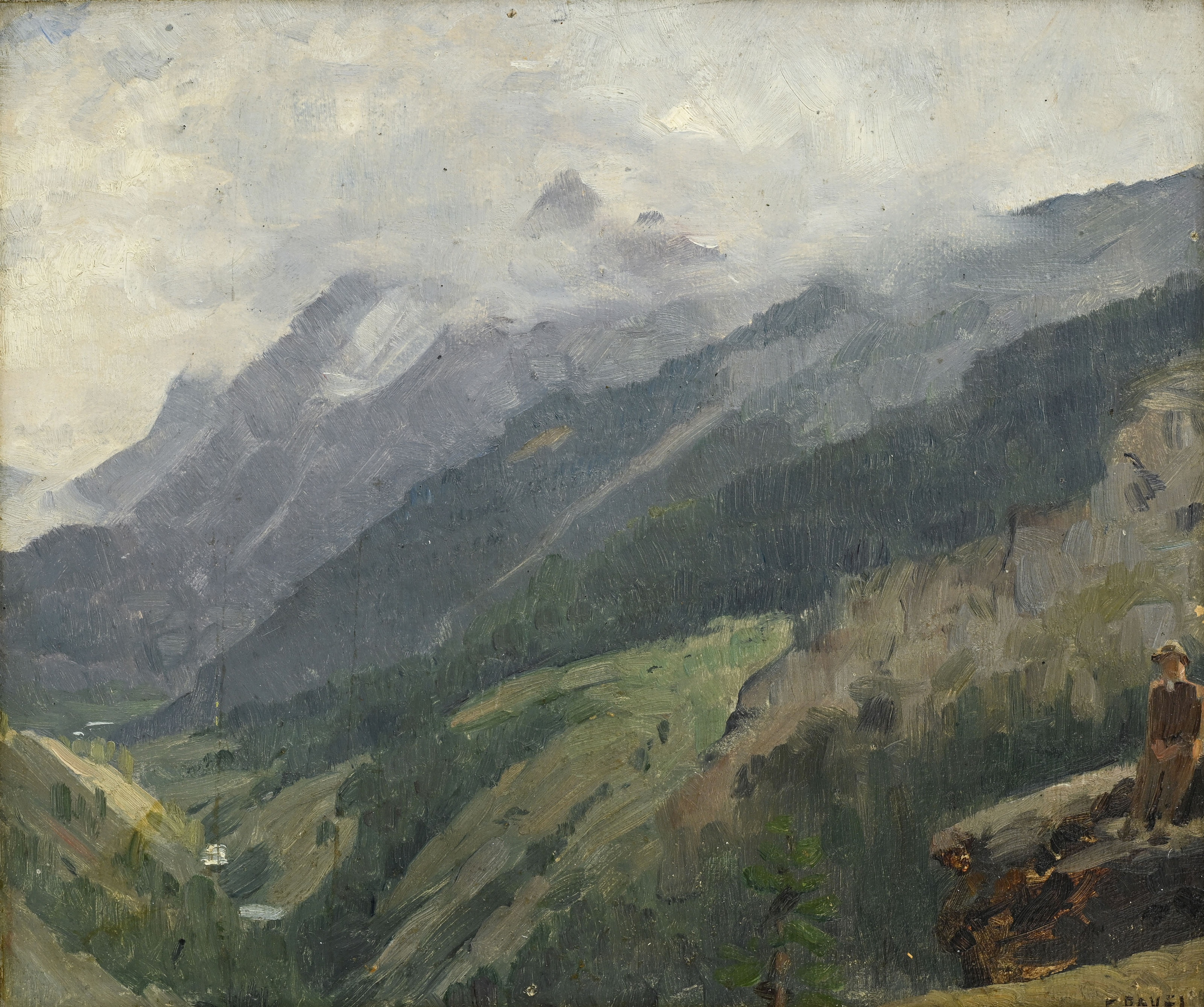
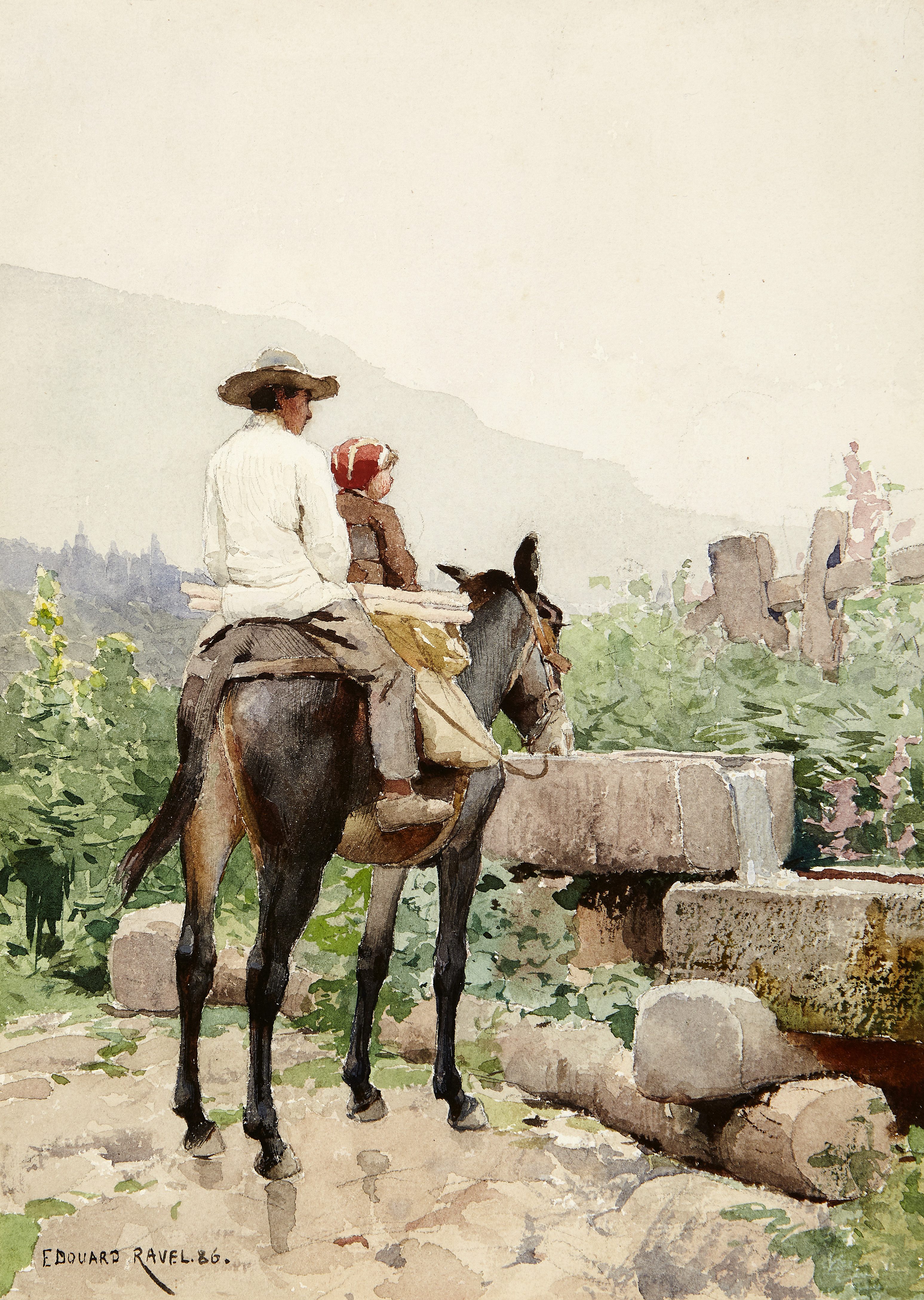
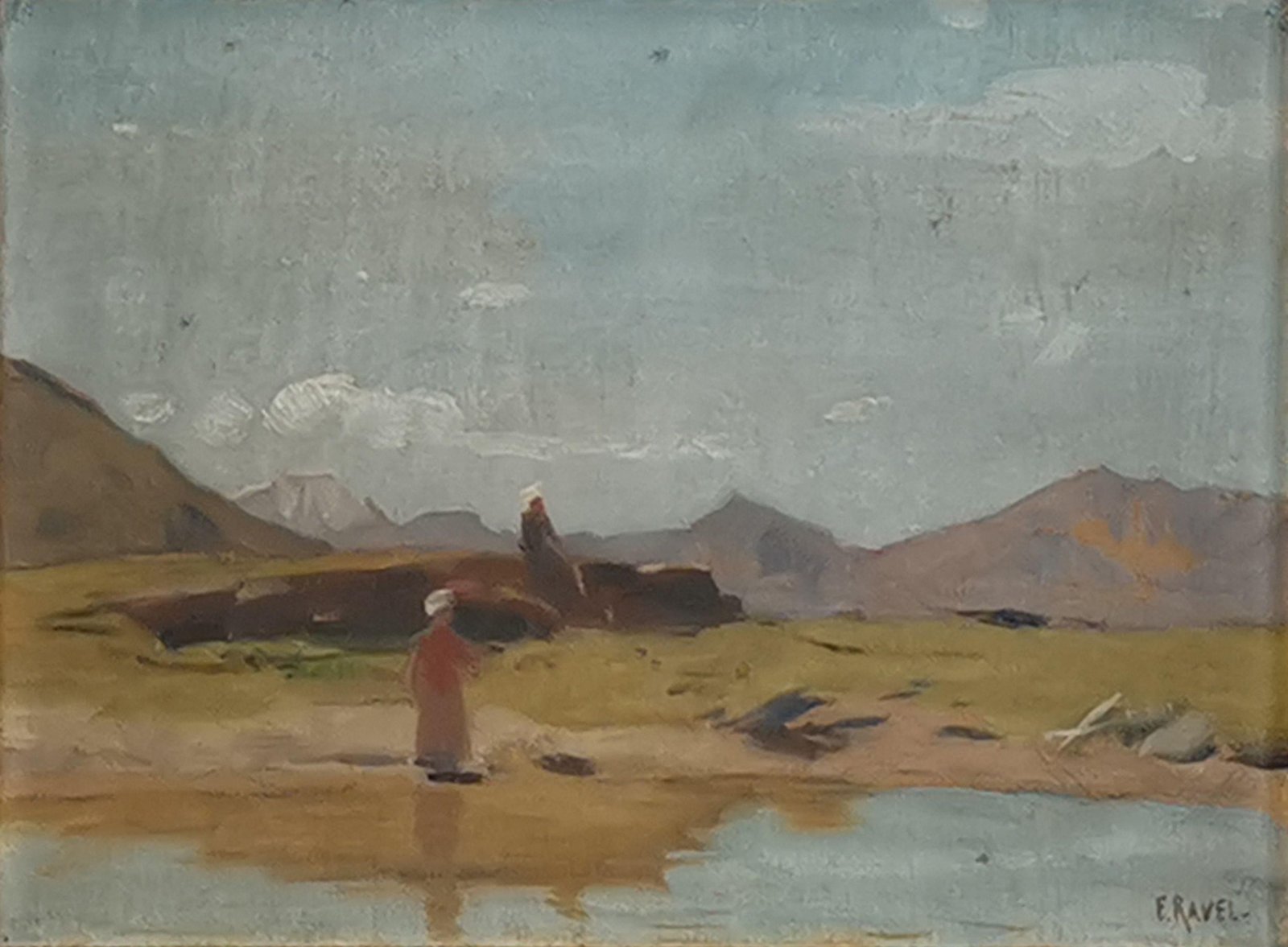
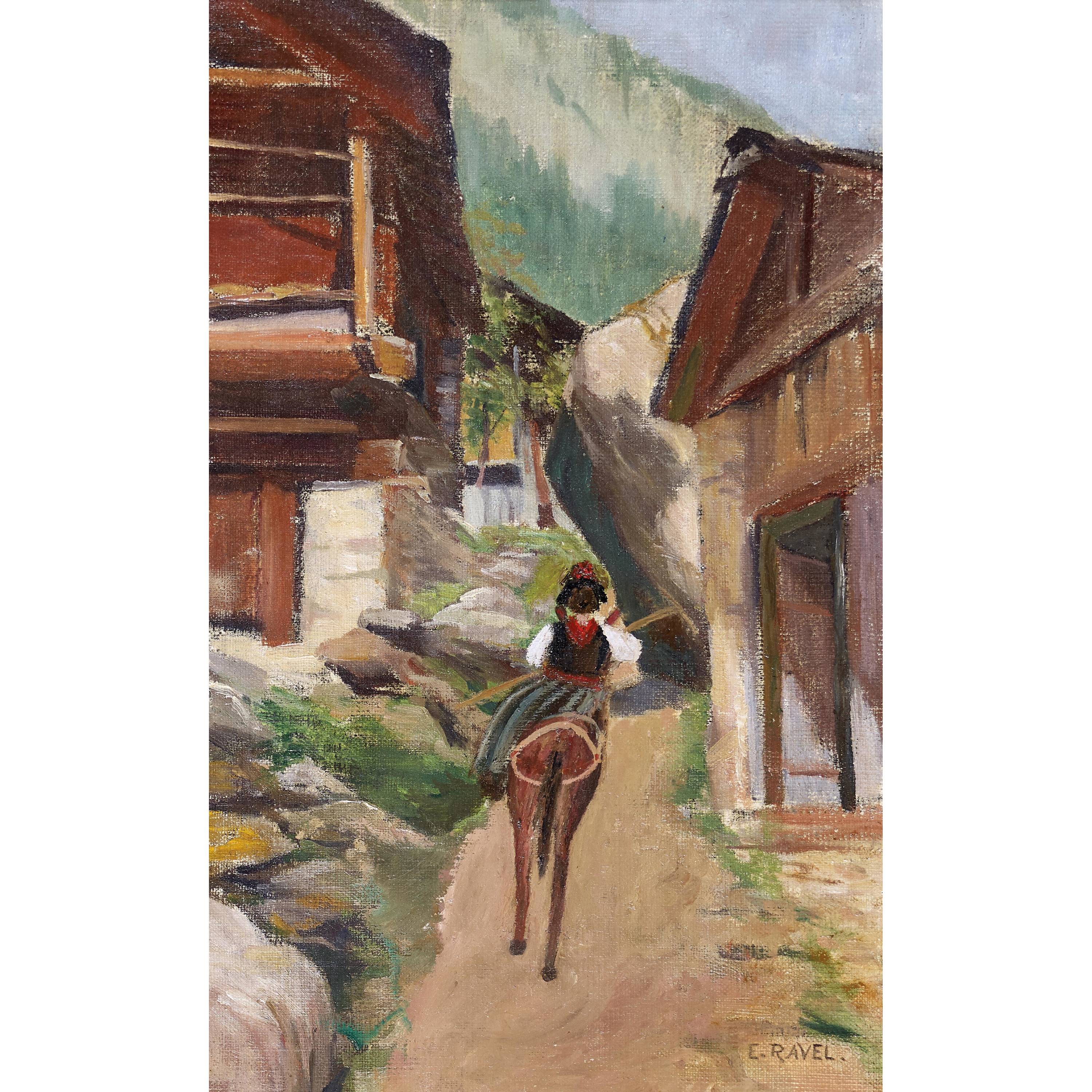
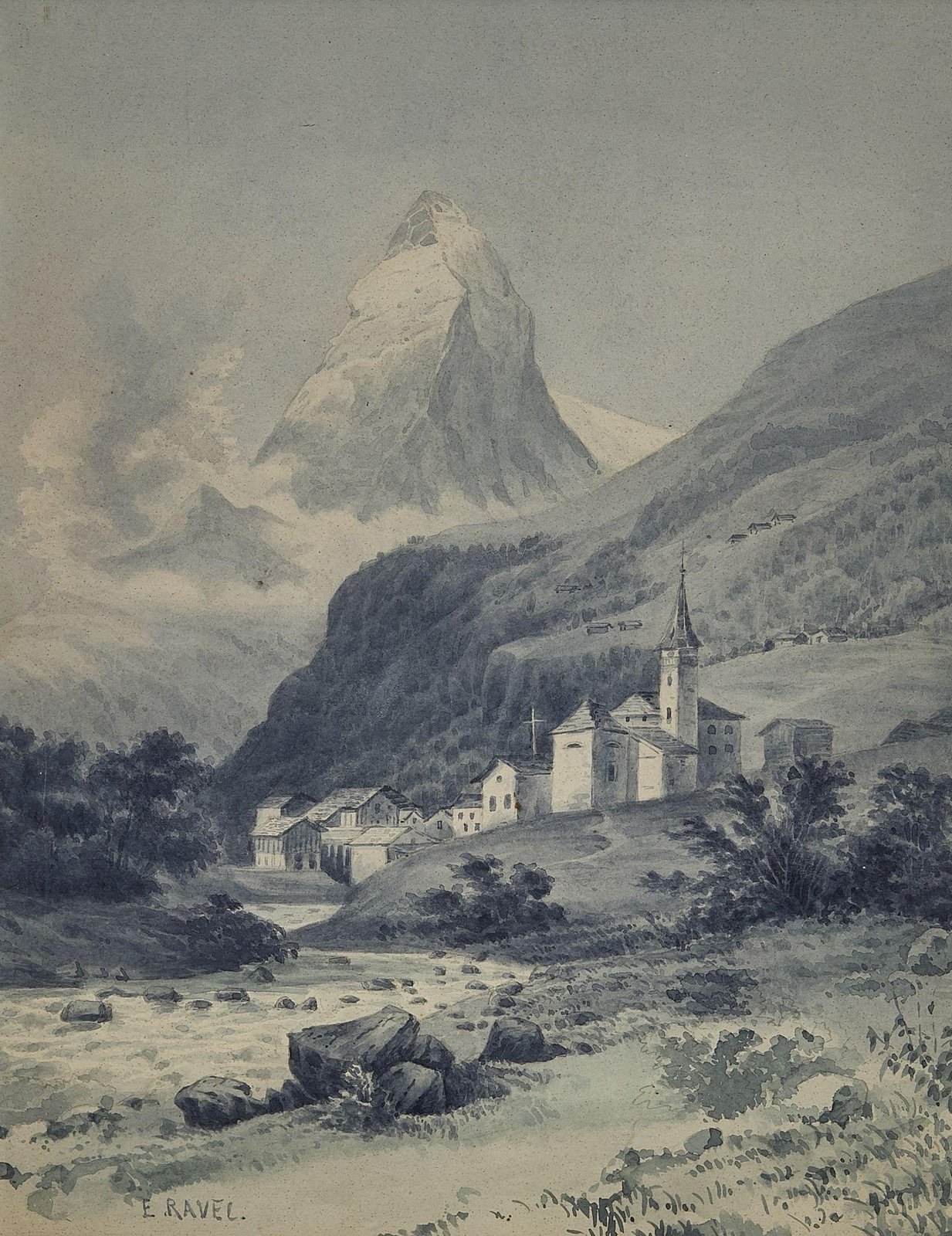
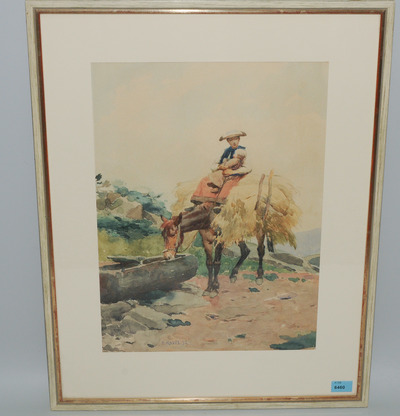
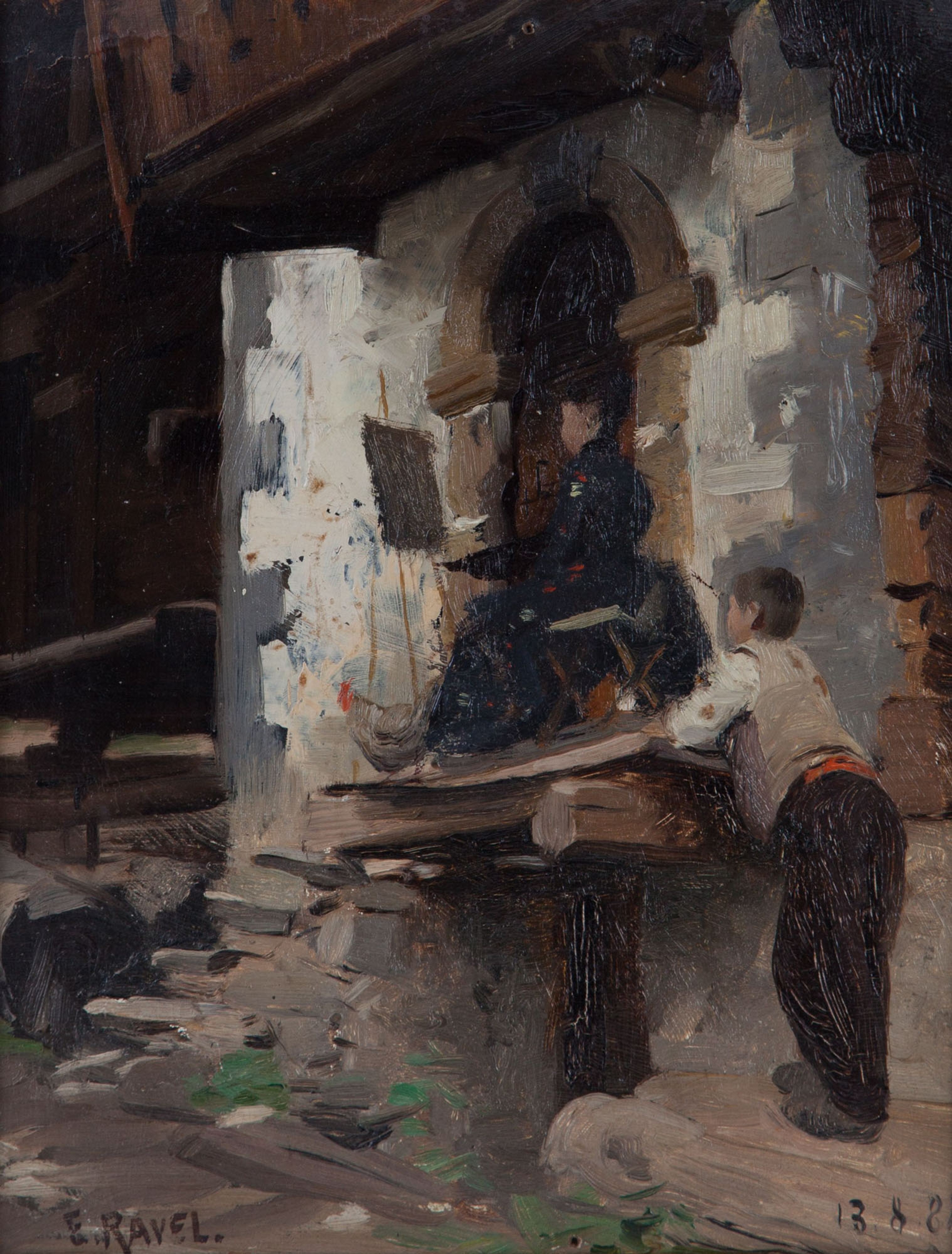
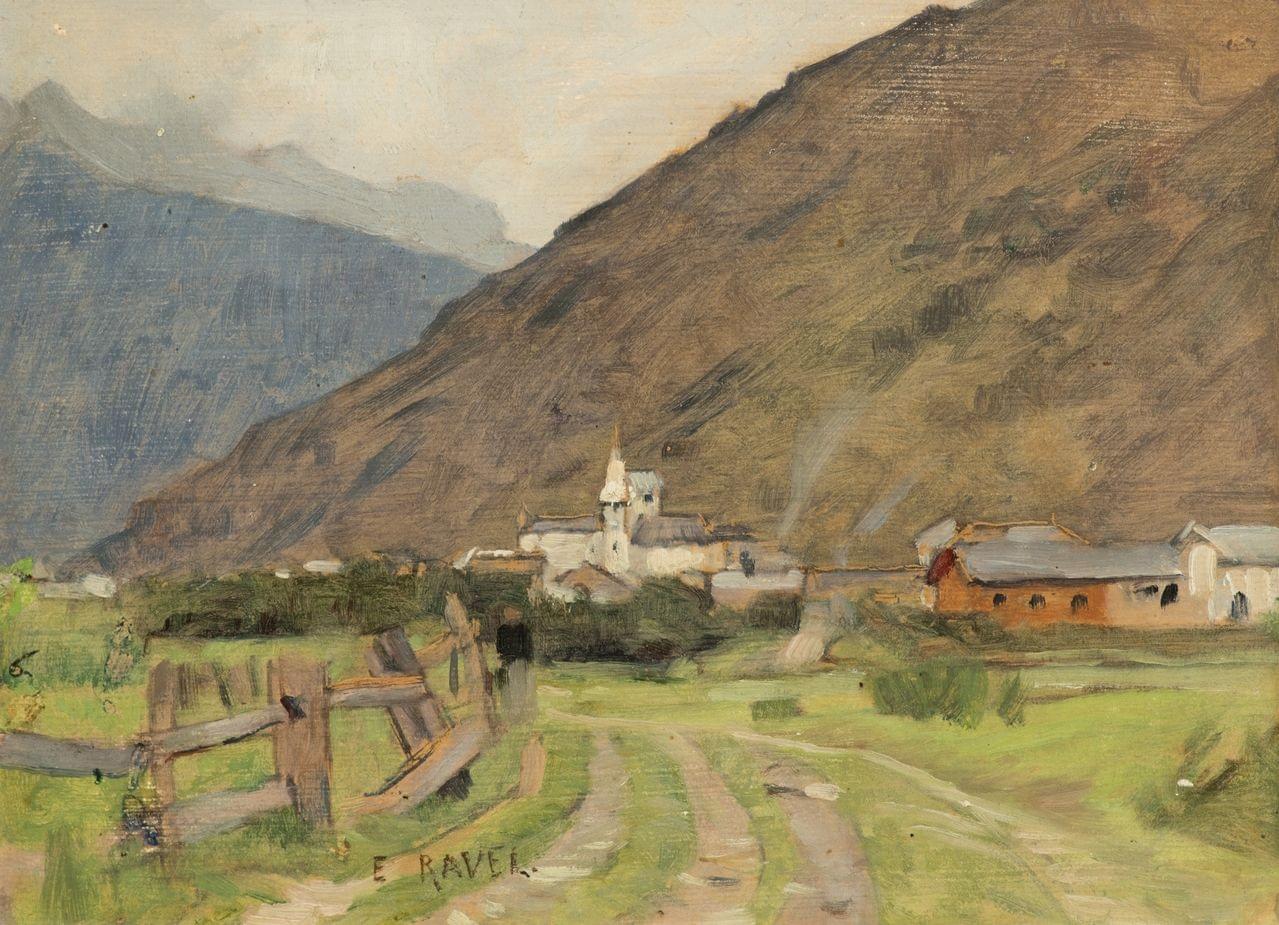
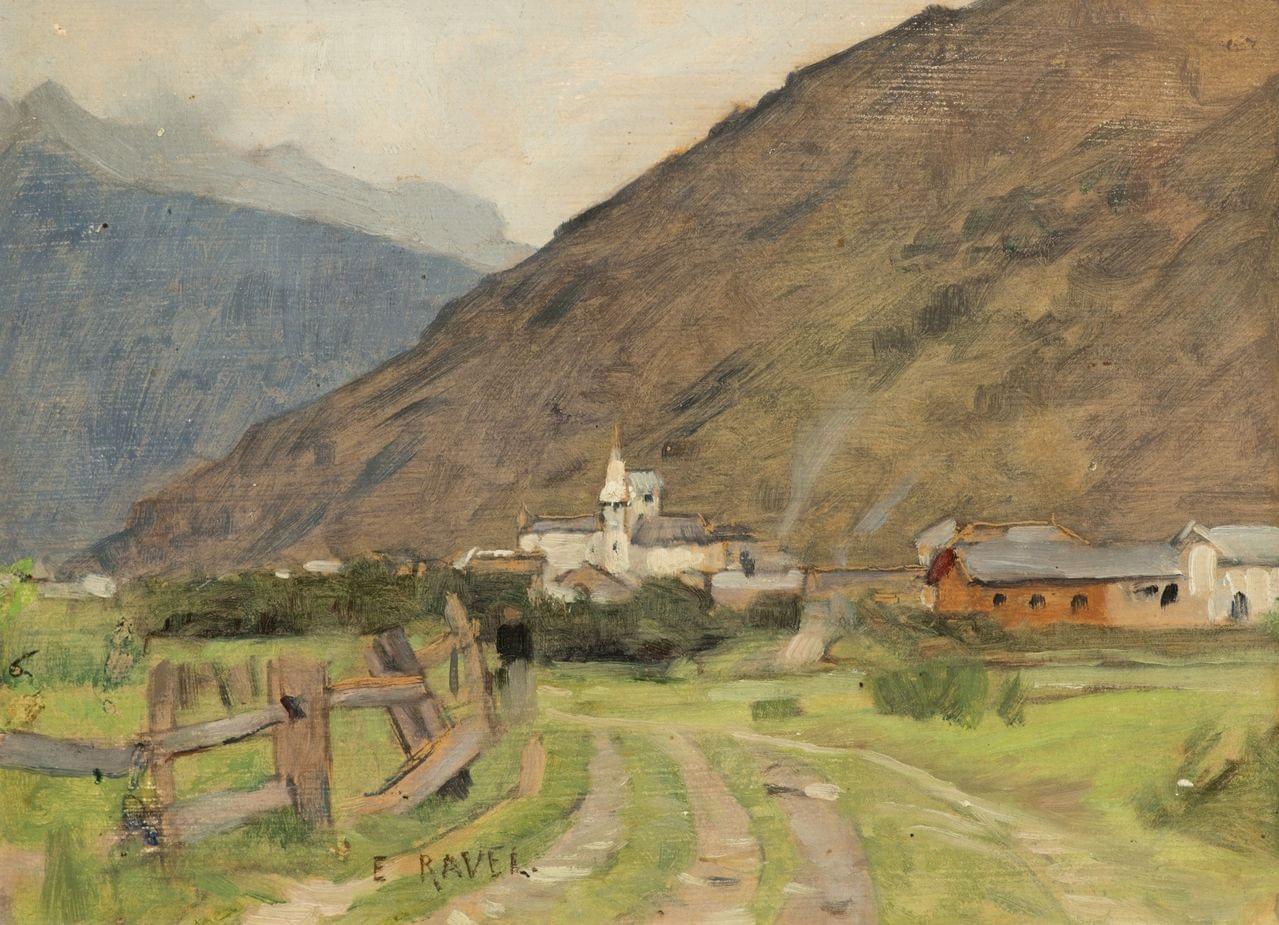
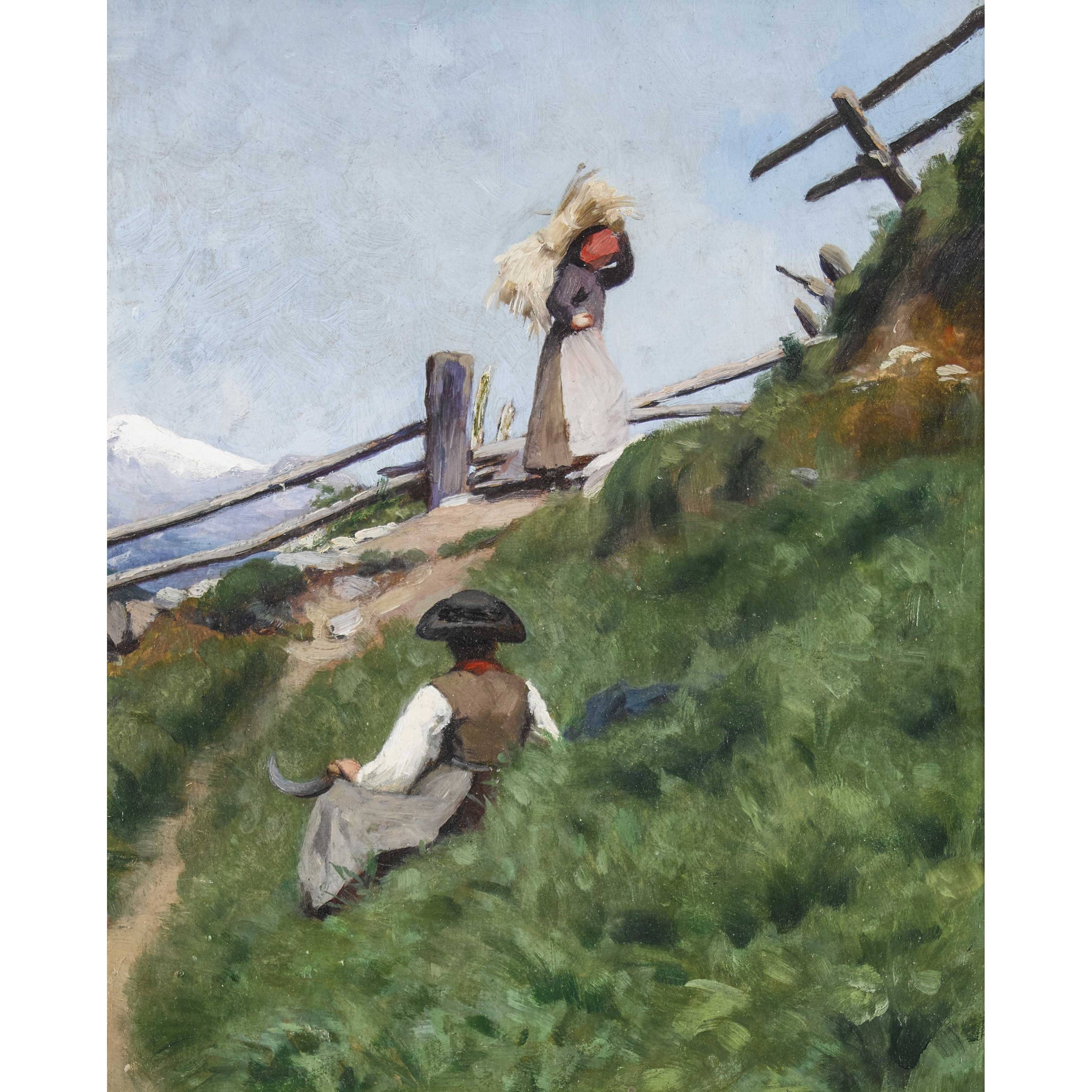
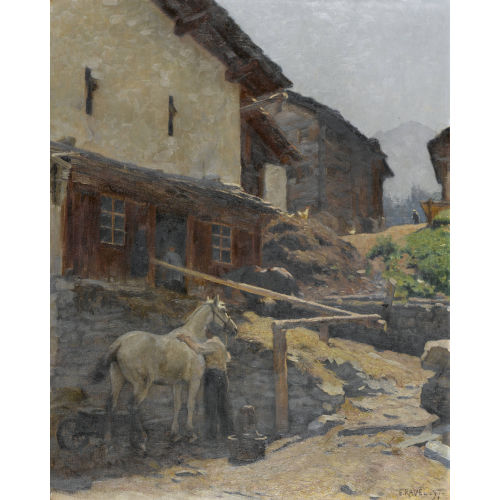
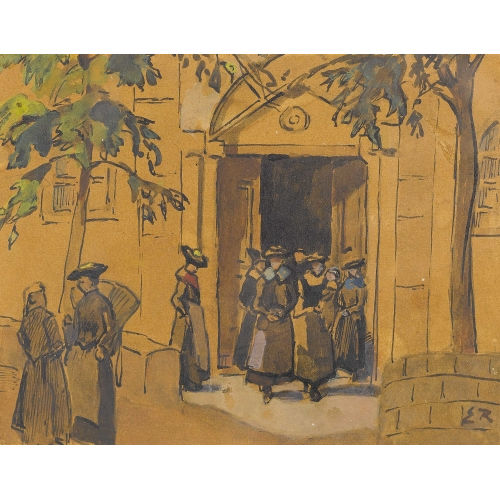
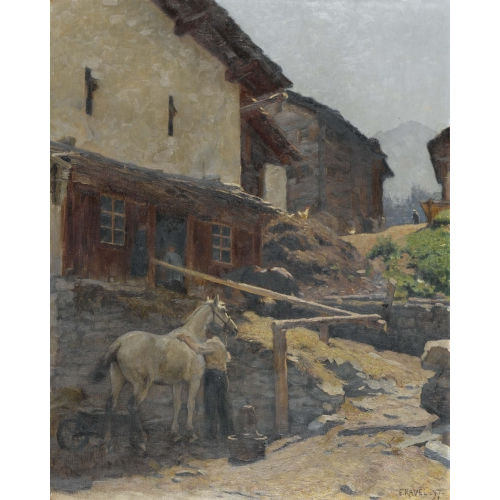
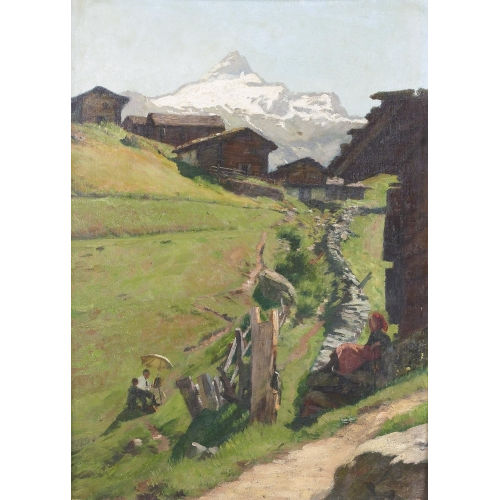
His travels in Switzerland and France fostered an attentive eye for places and people. The Valais occupies a particular place in this body of work. In Fête patronale au val d’Hérens (1889), held by the Musée cantonal des Beaux-Arts de Lausanne, the procession, costumes and colourful gonfalons are set within the confined frame of a valley.
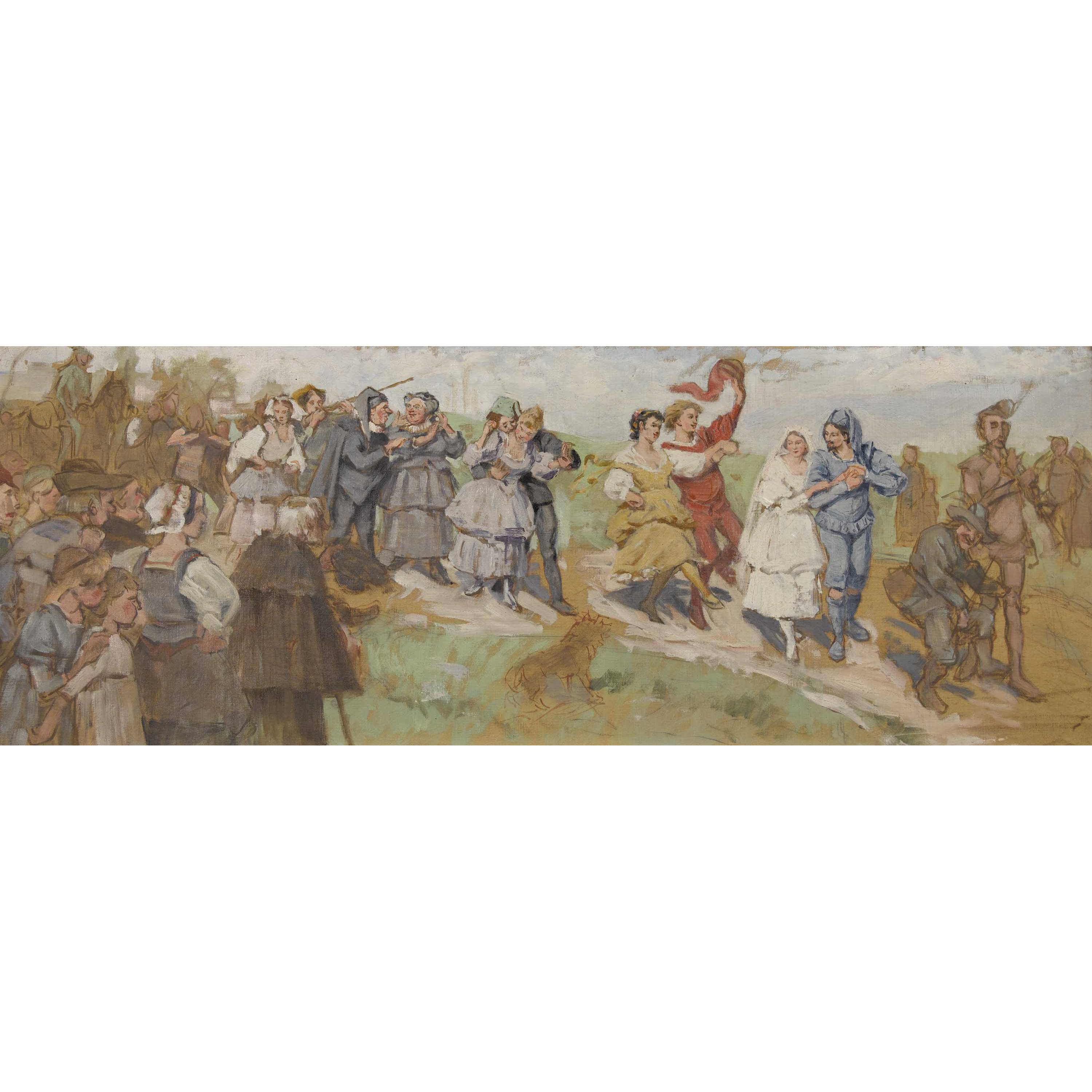
The museum highlights the compositional work carried out after the field studies: a chapel inspired by the Val Ferret is placed within a scene situated in the Val d’Hérens. This painting, presented at the Paris Universal Exposition where Ravel was awarded a bronze medal, reveals both his narrative mastery and his era’s taste for an idealised image of Alpine customs.
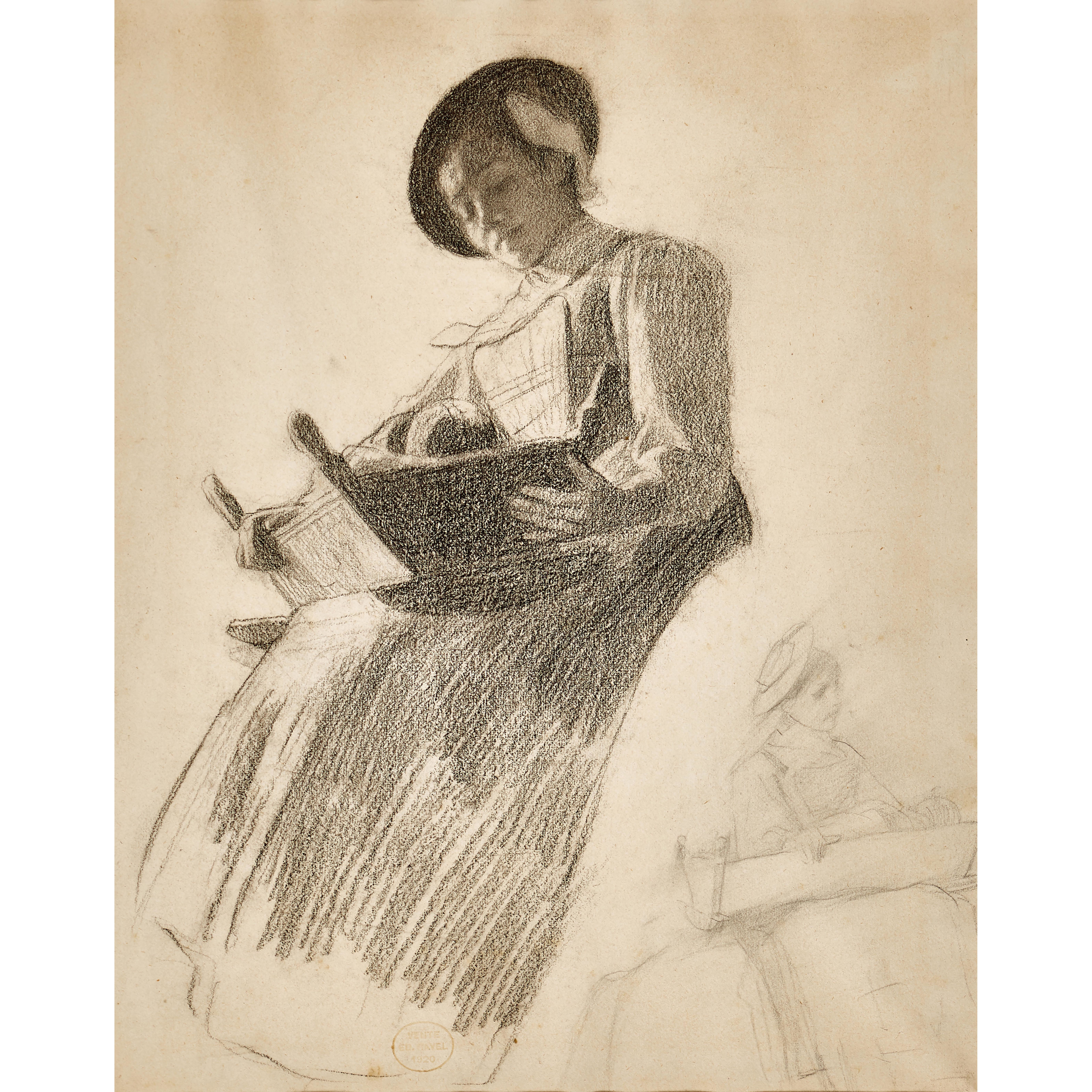
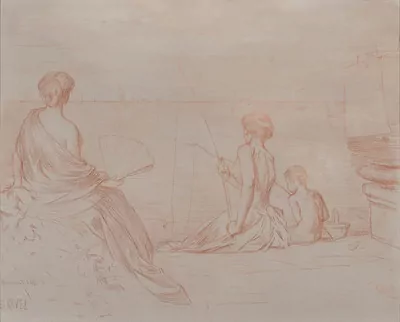
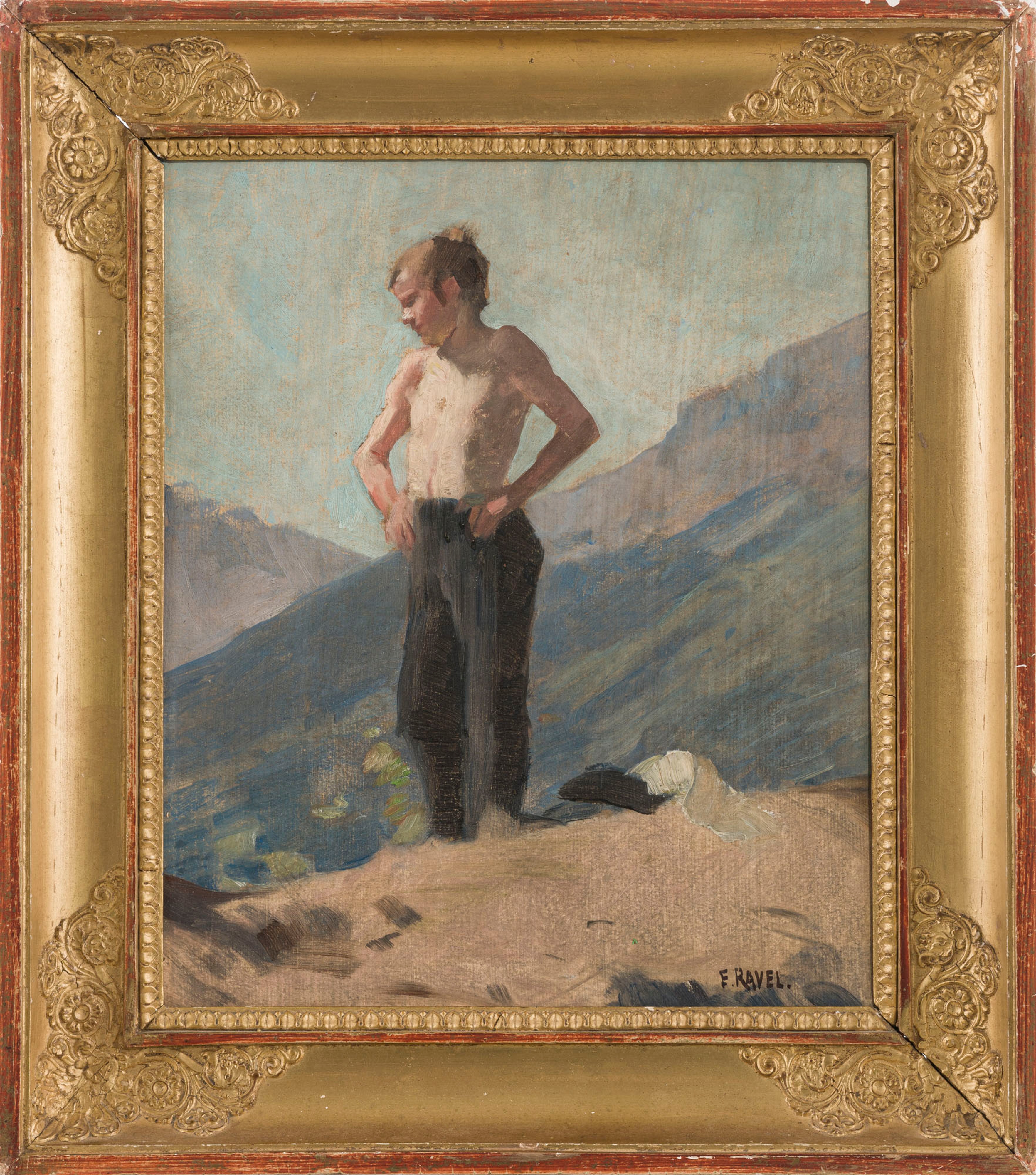
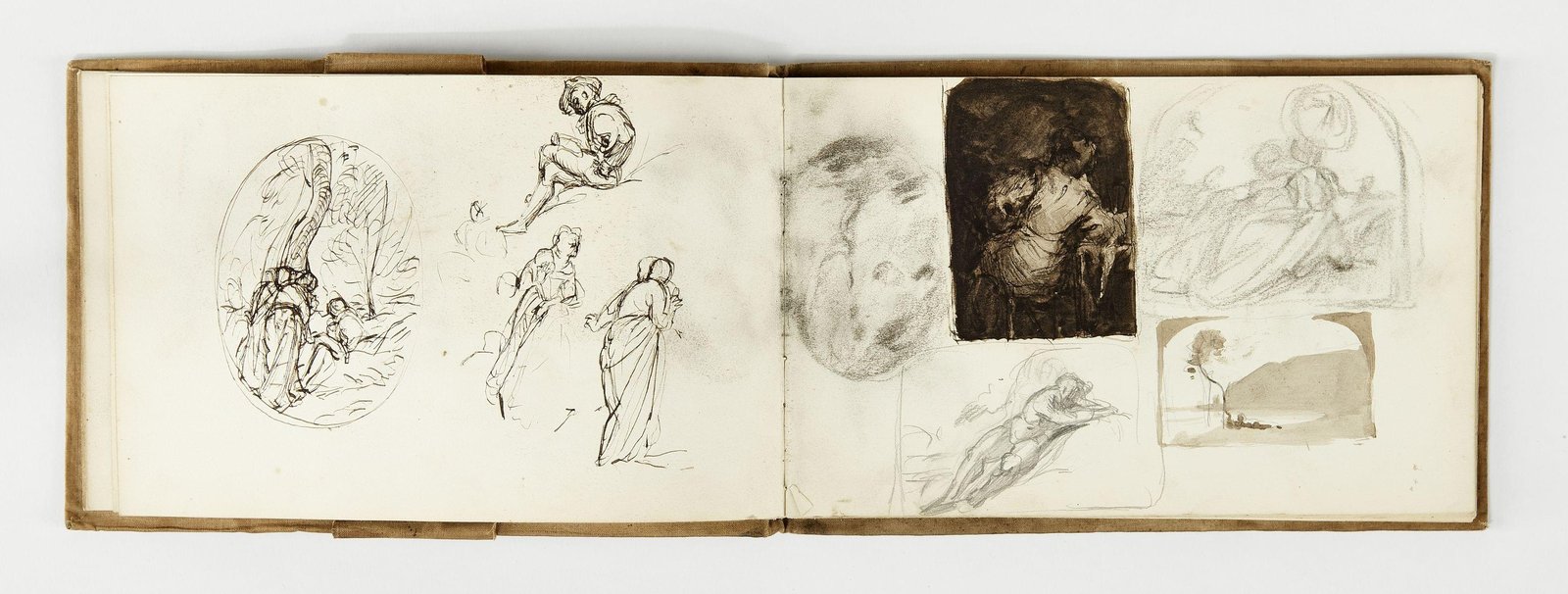
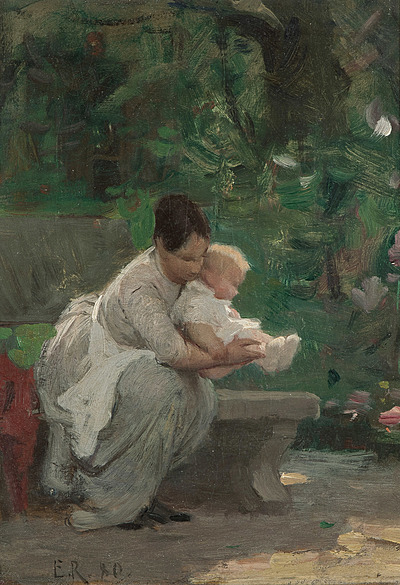
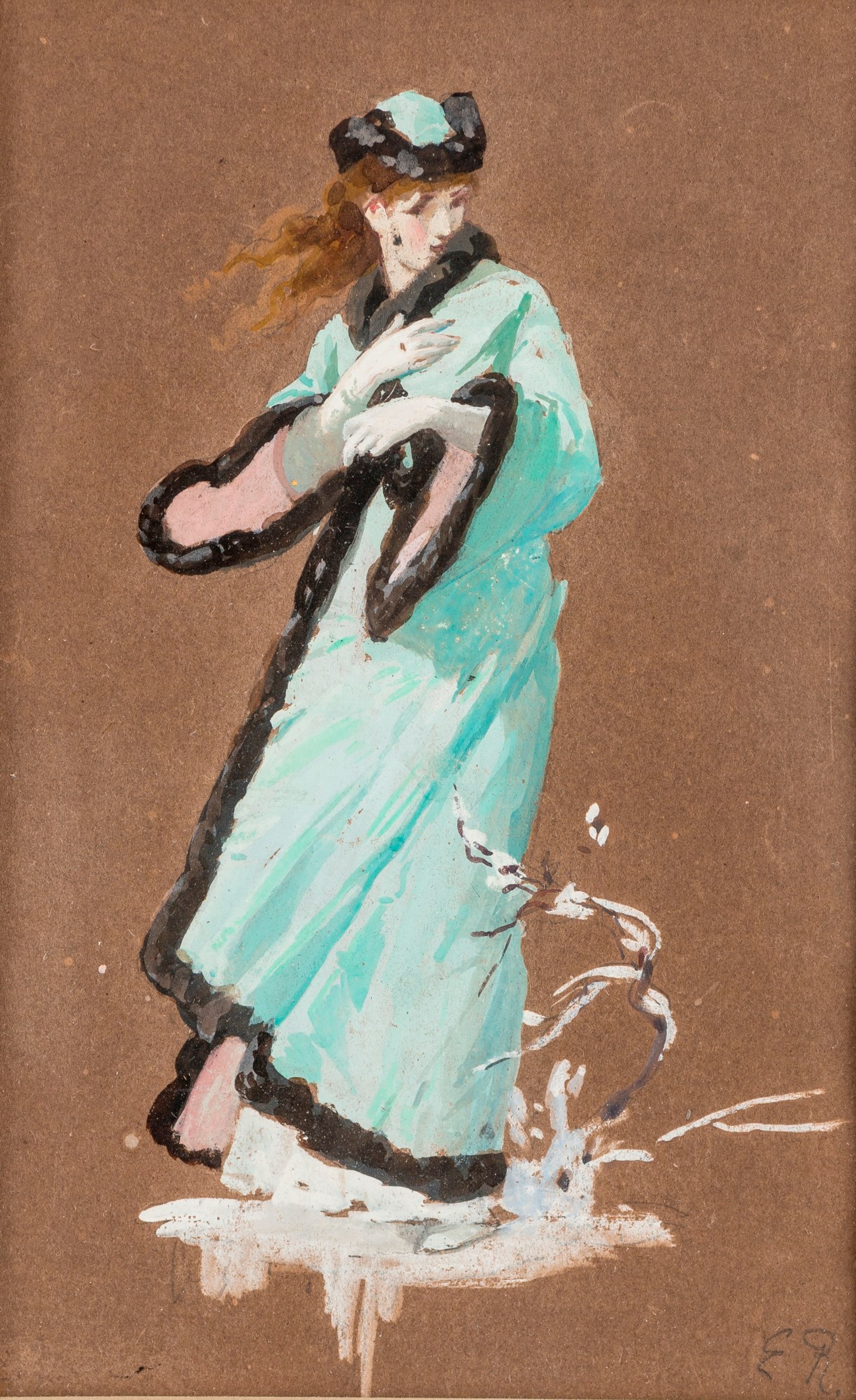
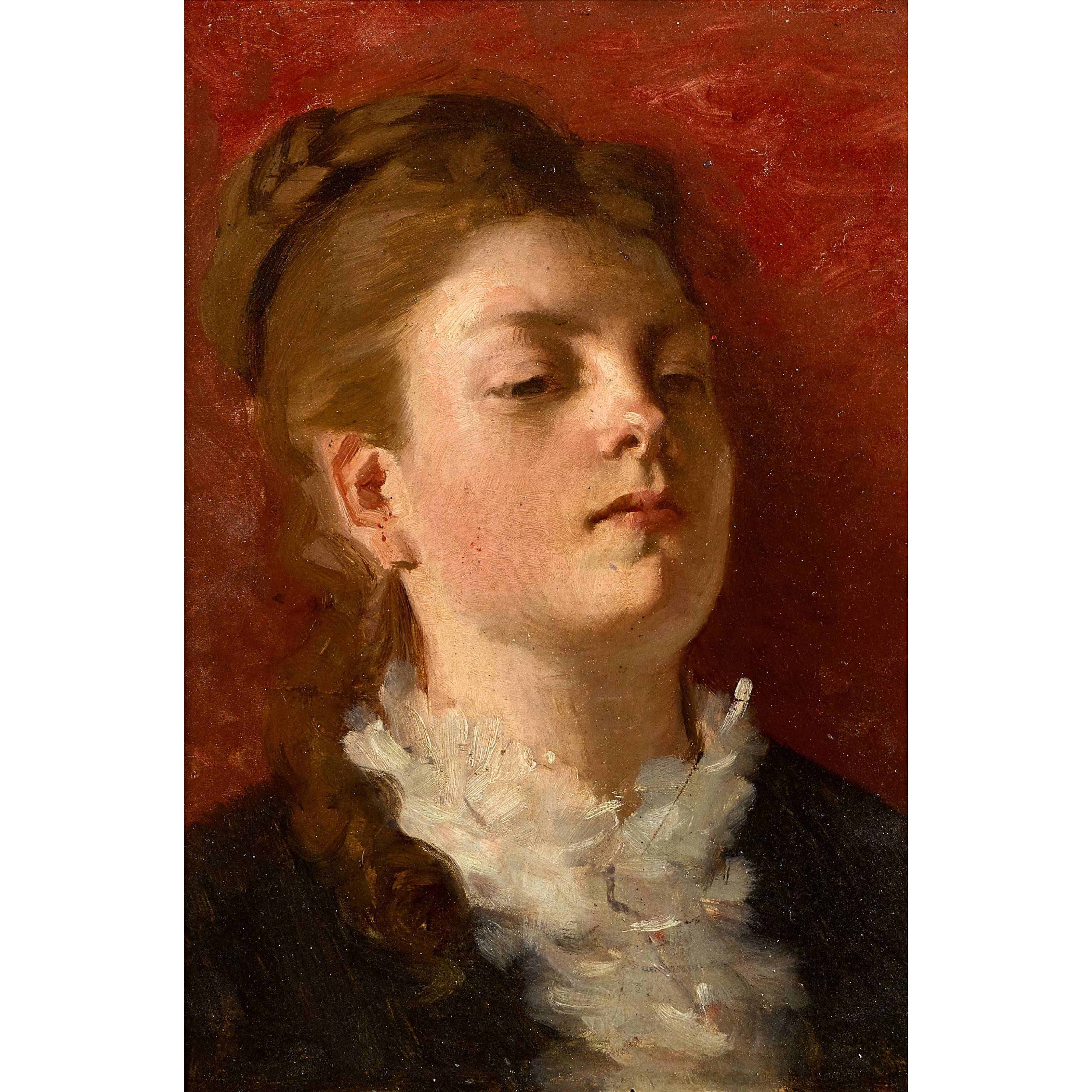
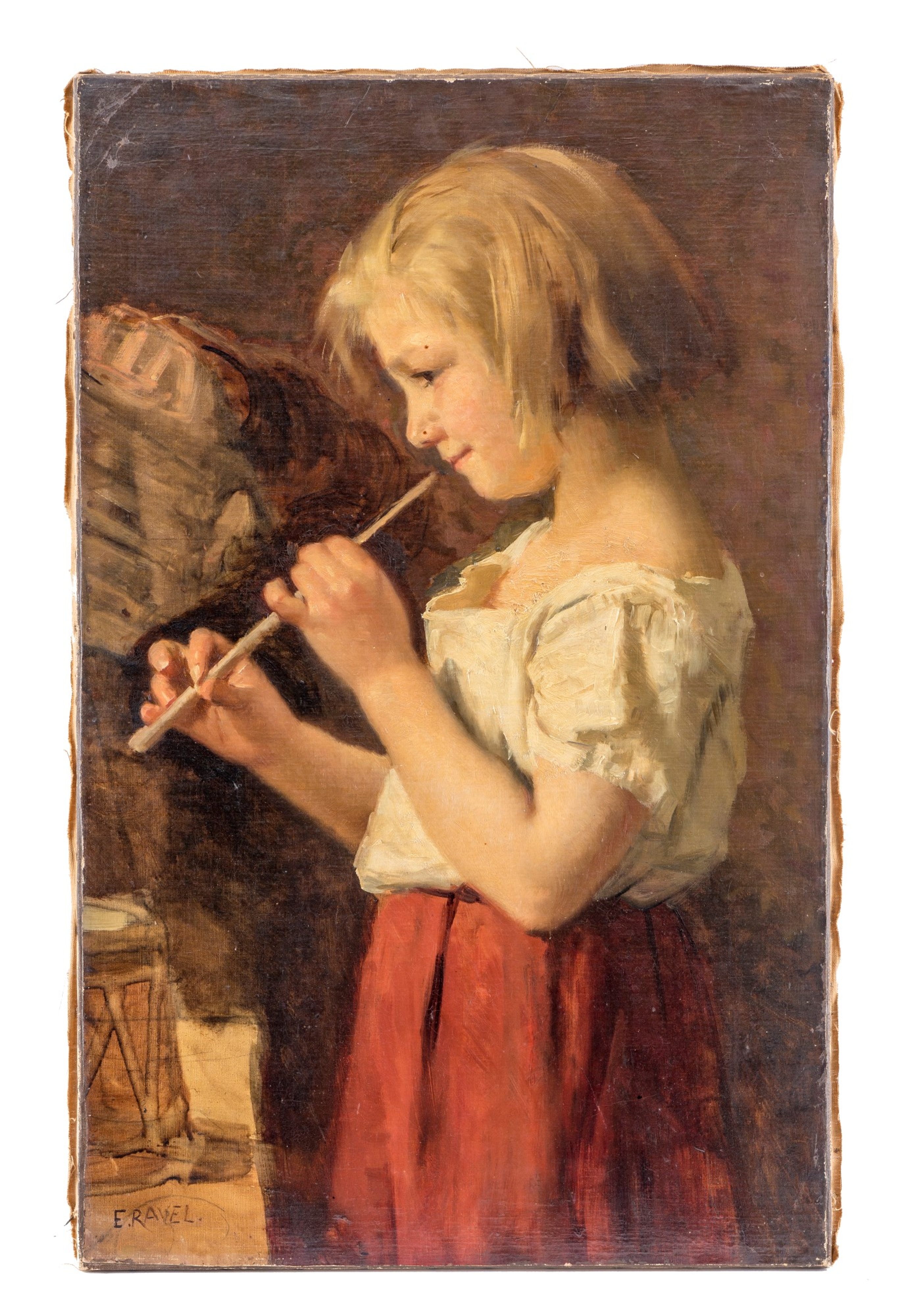
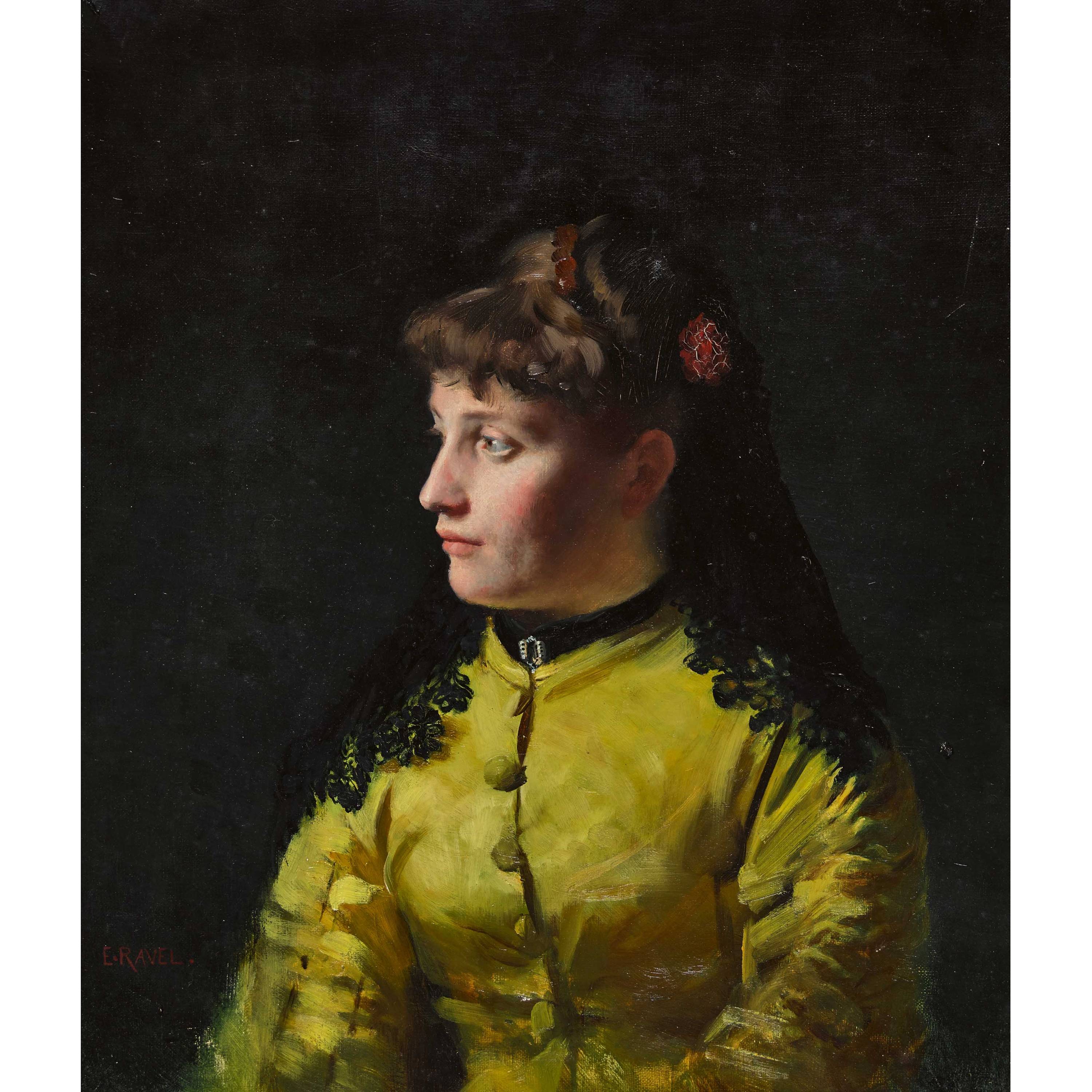
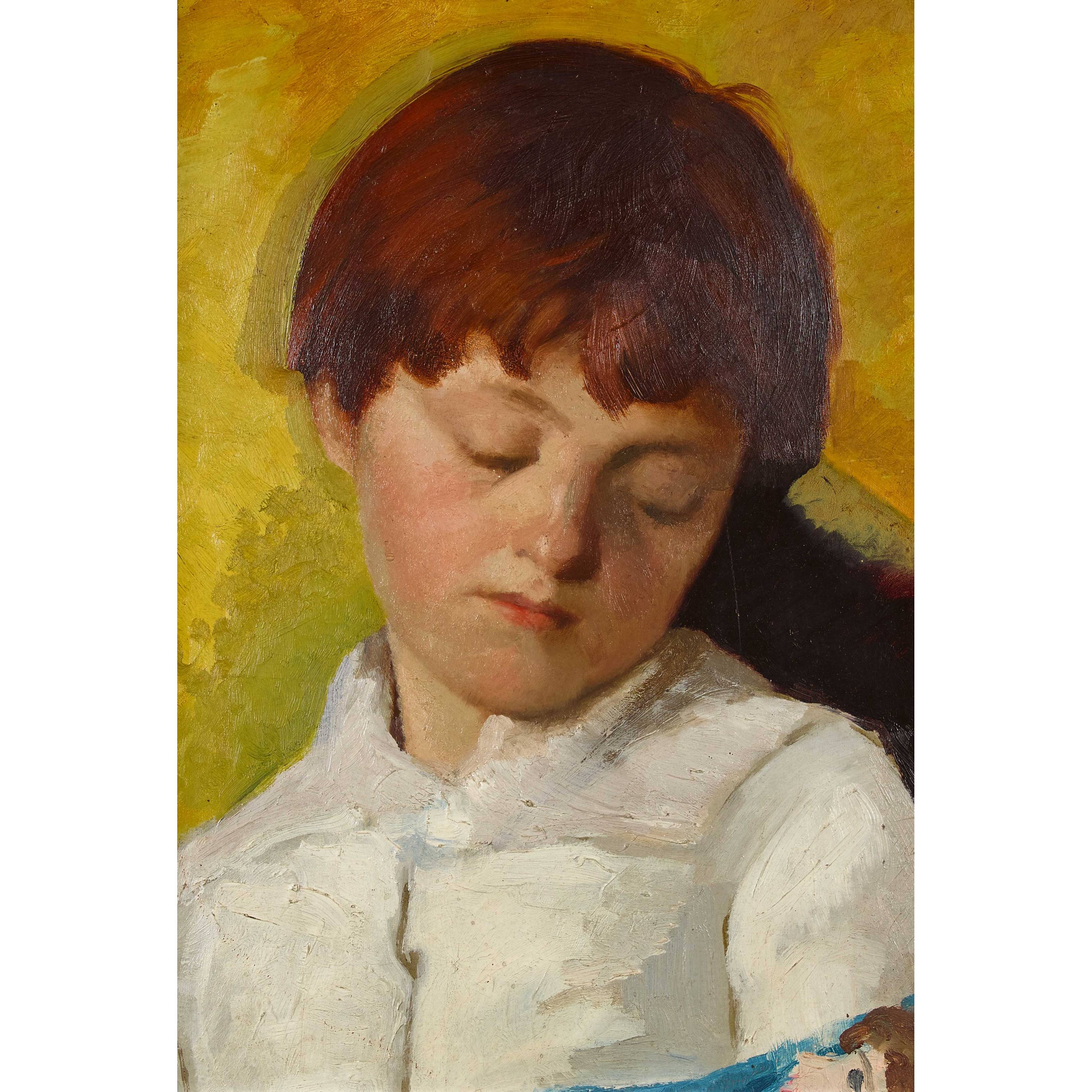
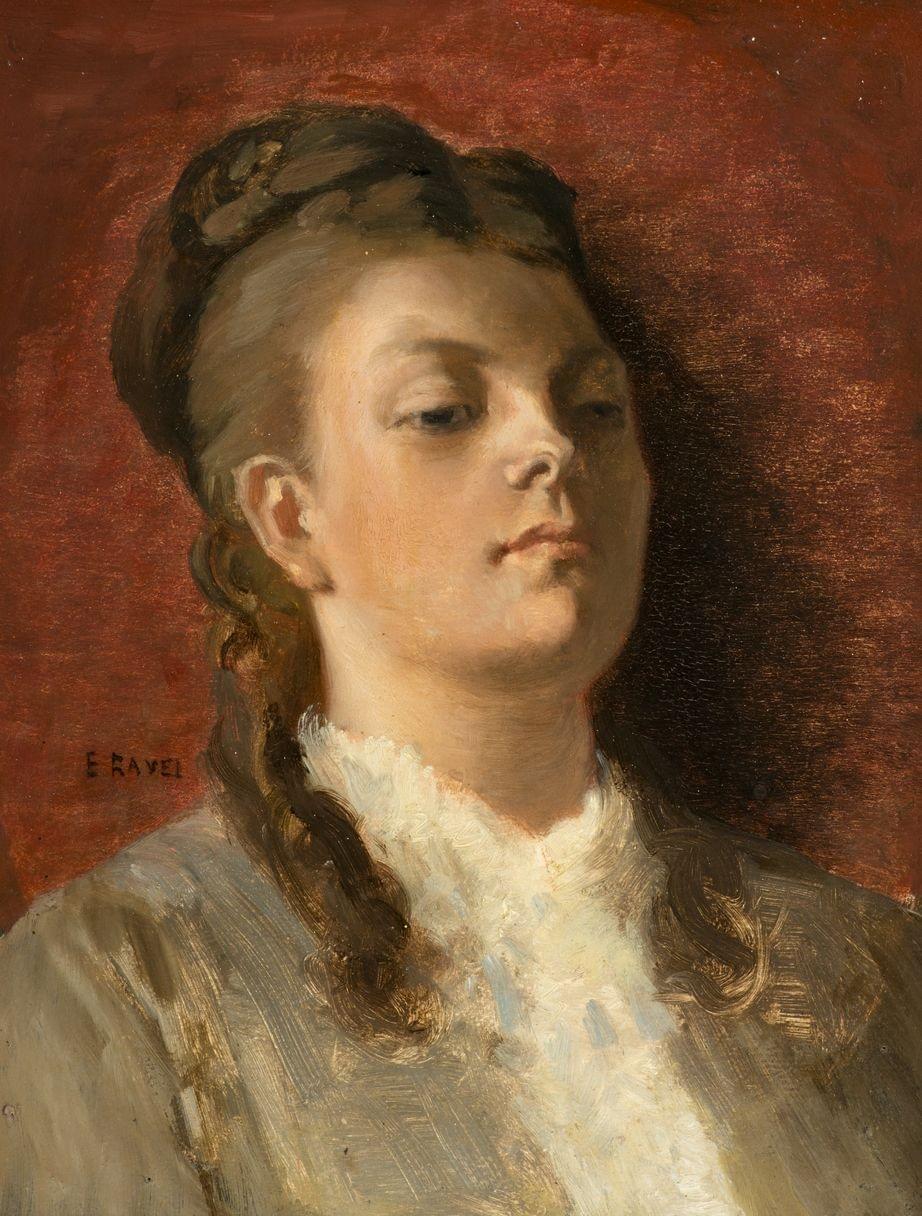
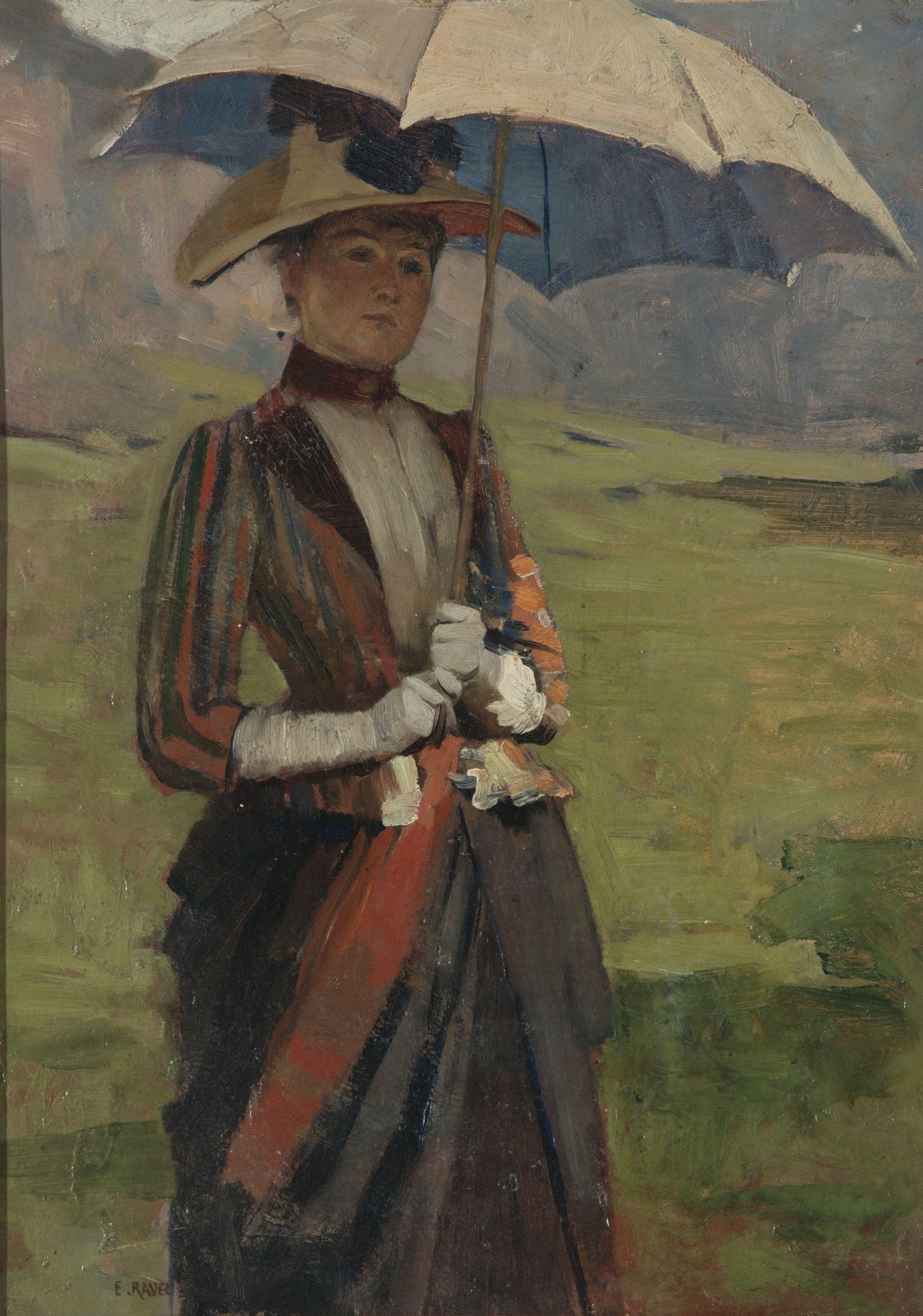
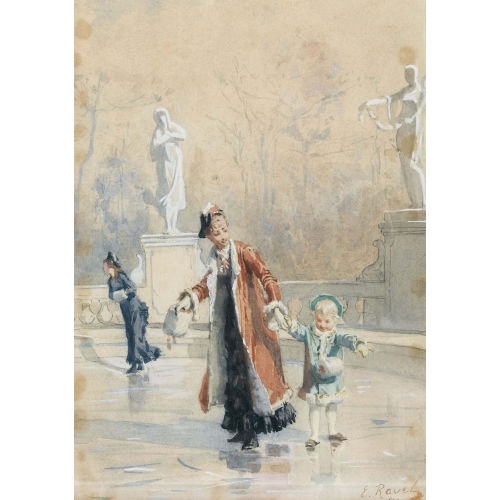
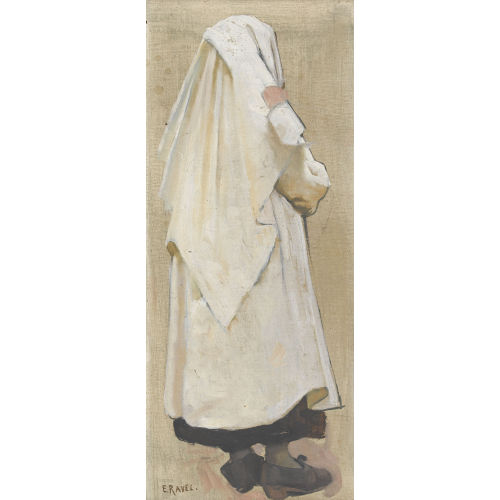
Ravel also painted more intimate moments and practised drawing, etching and poster design. An exhibition at the Galerie du Boléro in Versoix showed in 2022 how this variety may have made his work difficult to classify. It is also what makes it of interest today: from the portrait captured from life to the large public scene, Ravel observes human gestures and constructs images in which lived detail meets the ambition to tell a story.