Clara Porges
Born in 1879.
Died in 1963.
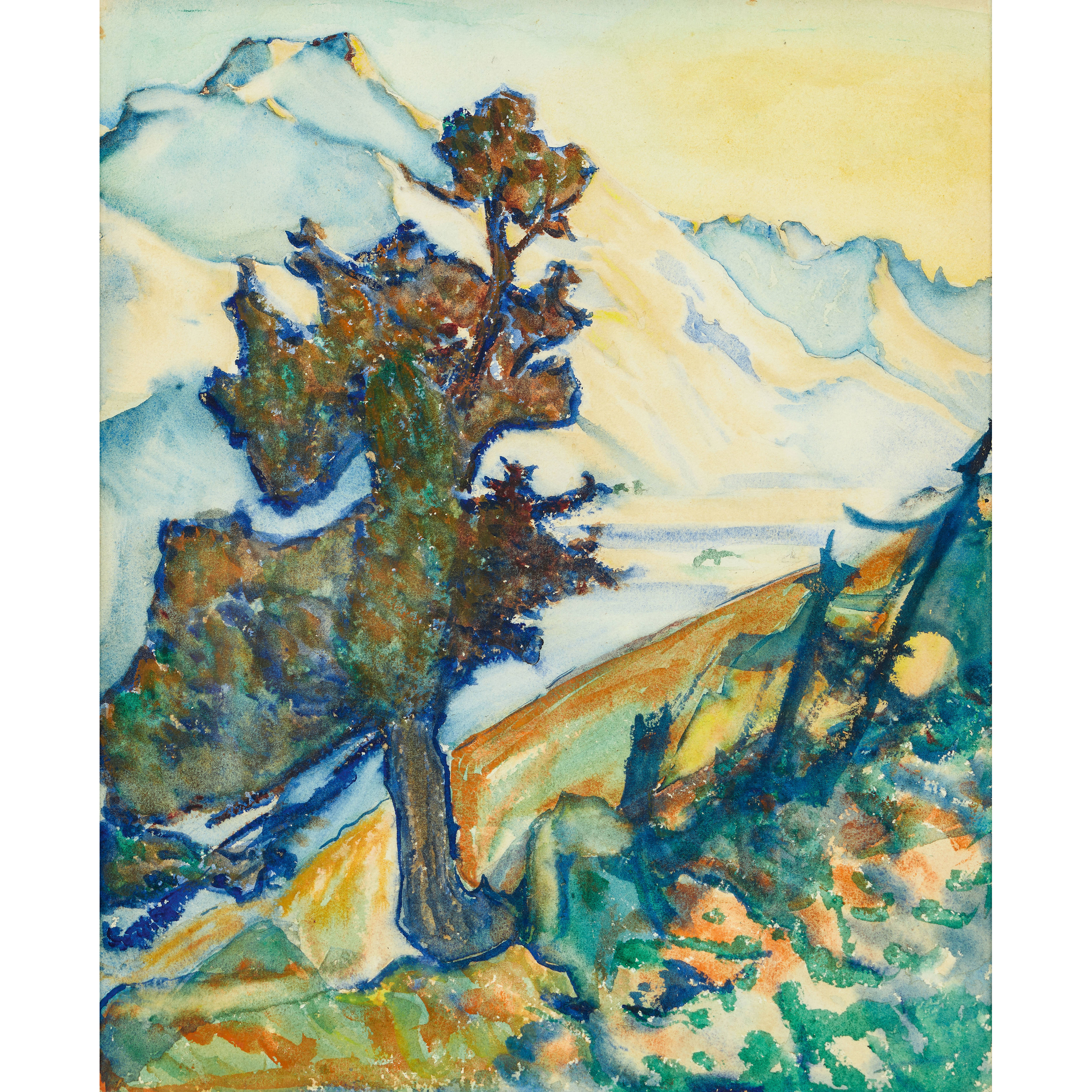
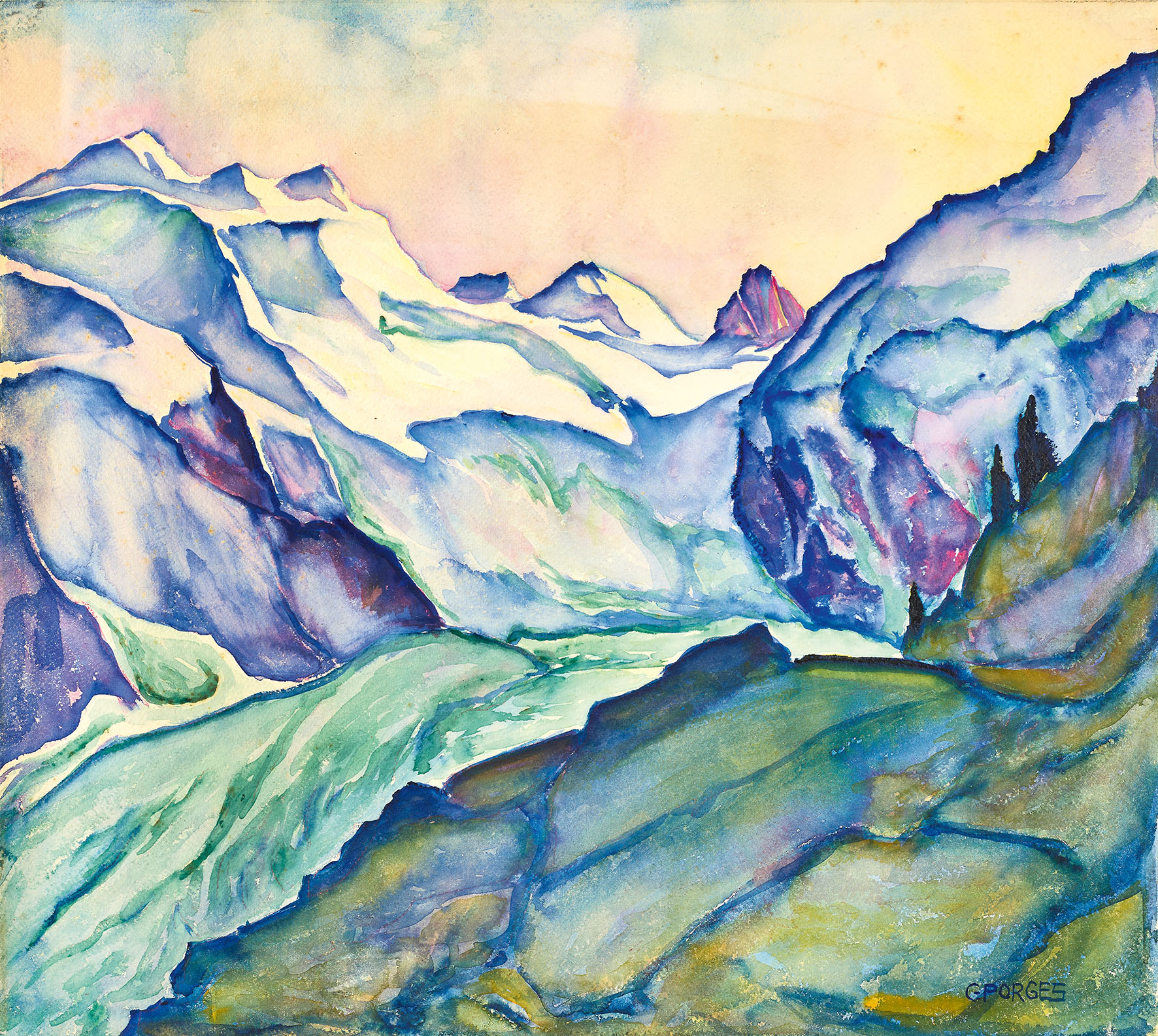
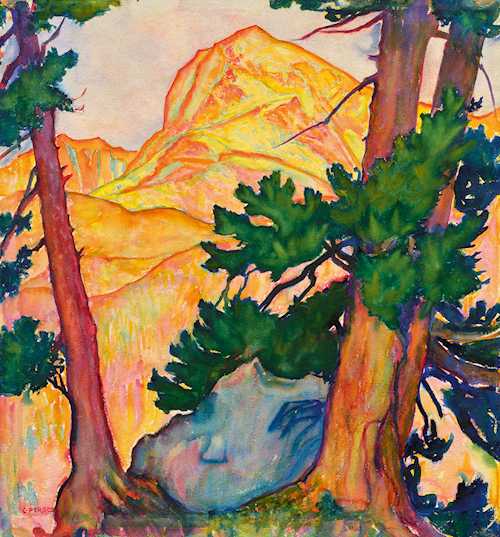
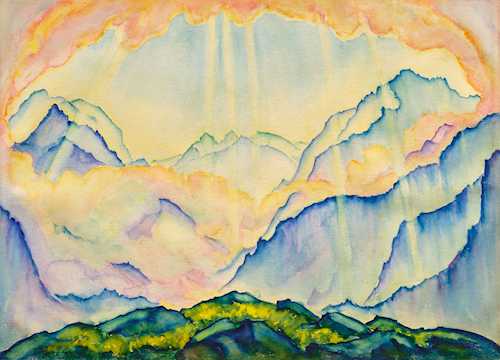
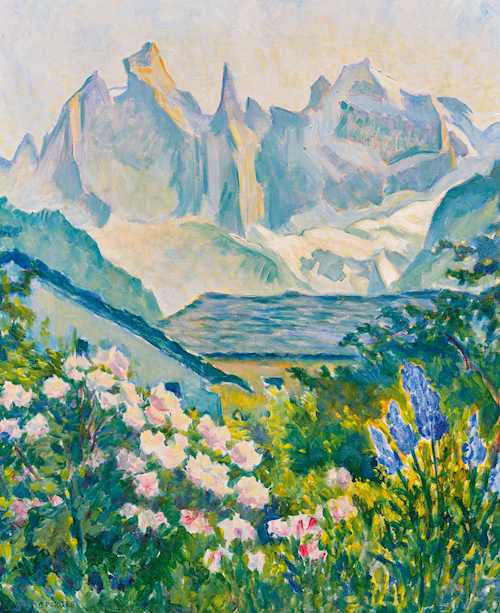
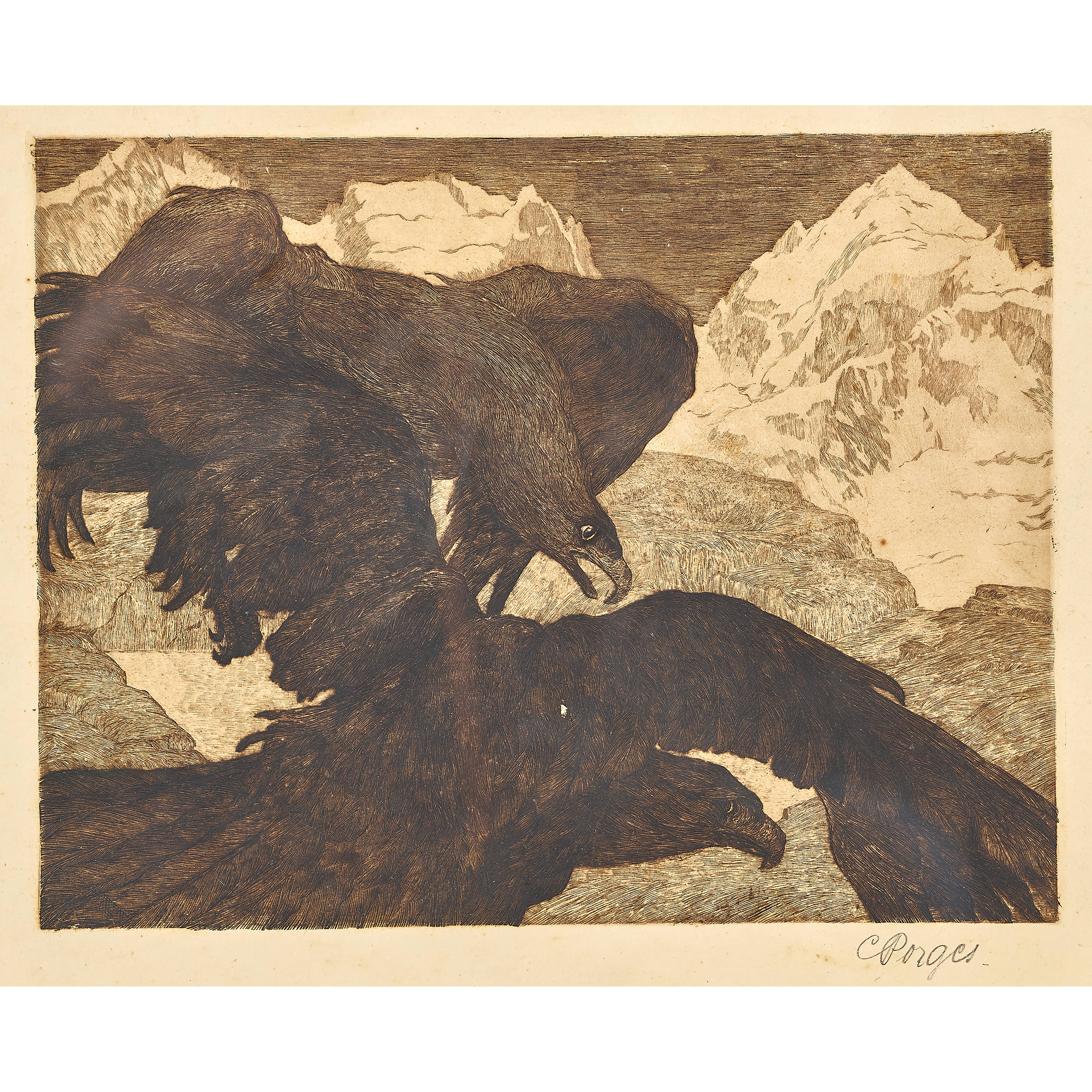
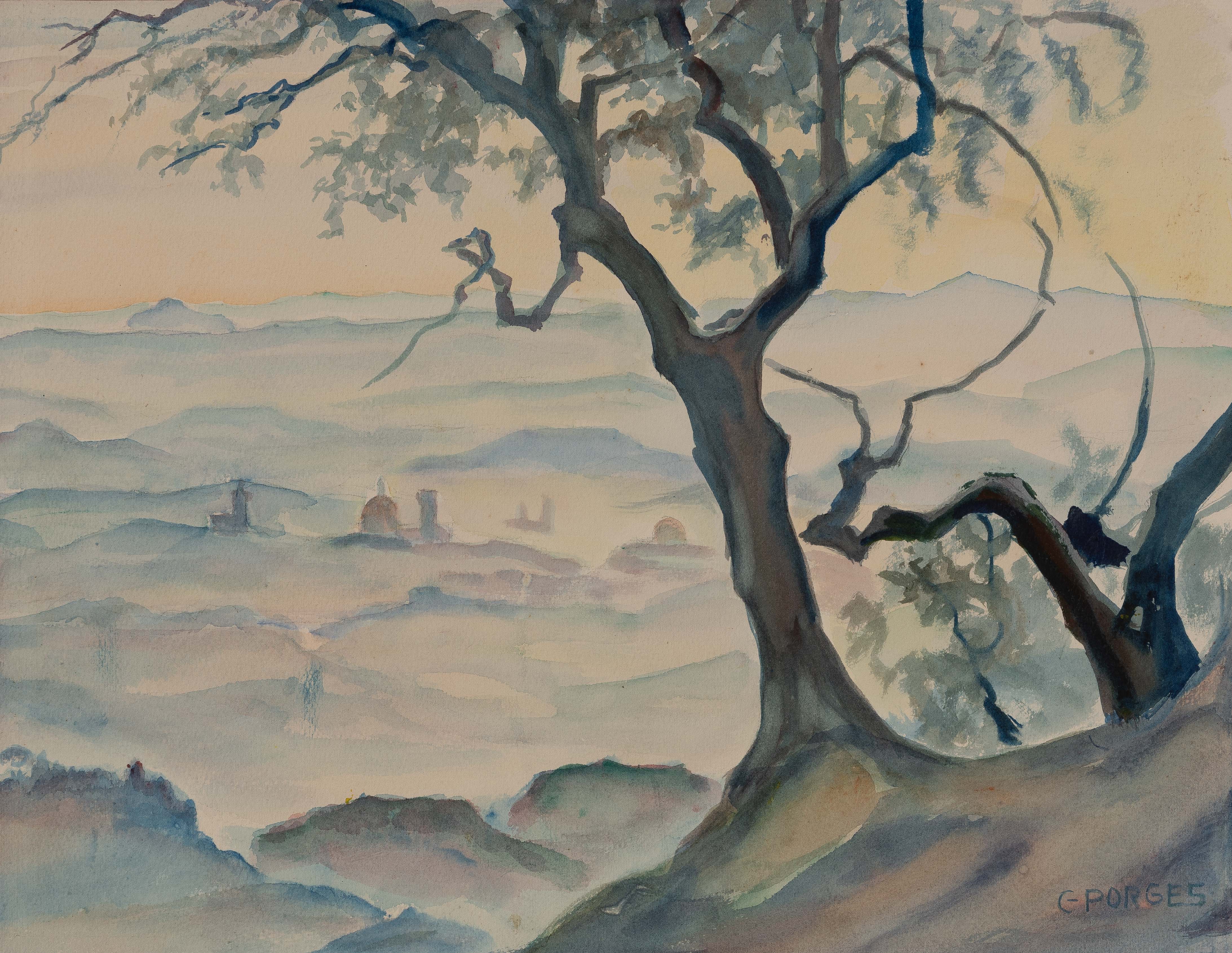
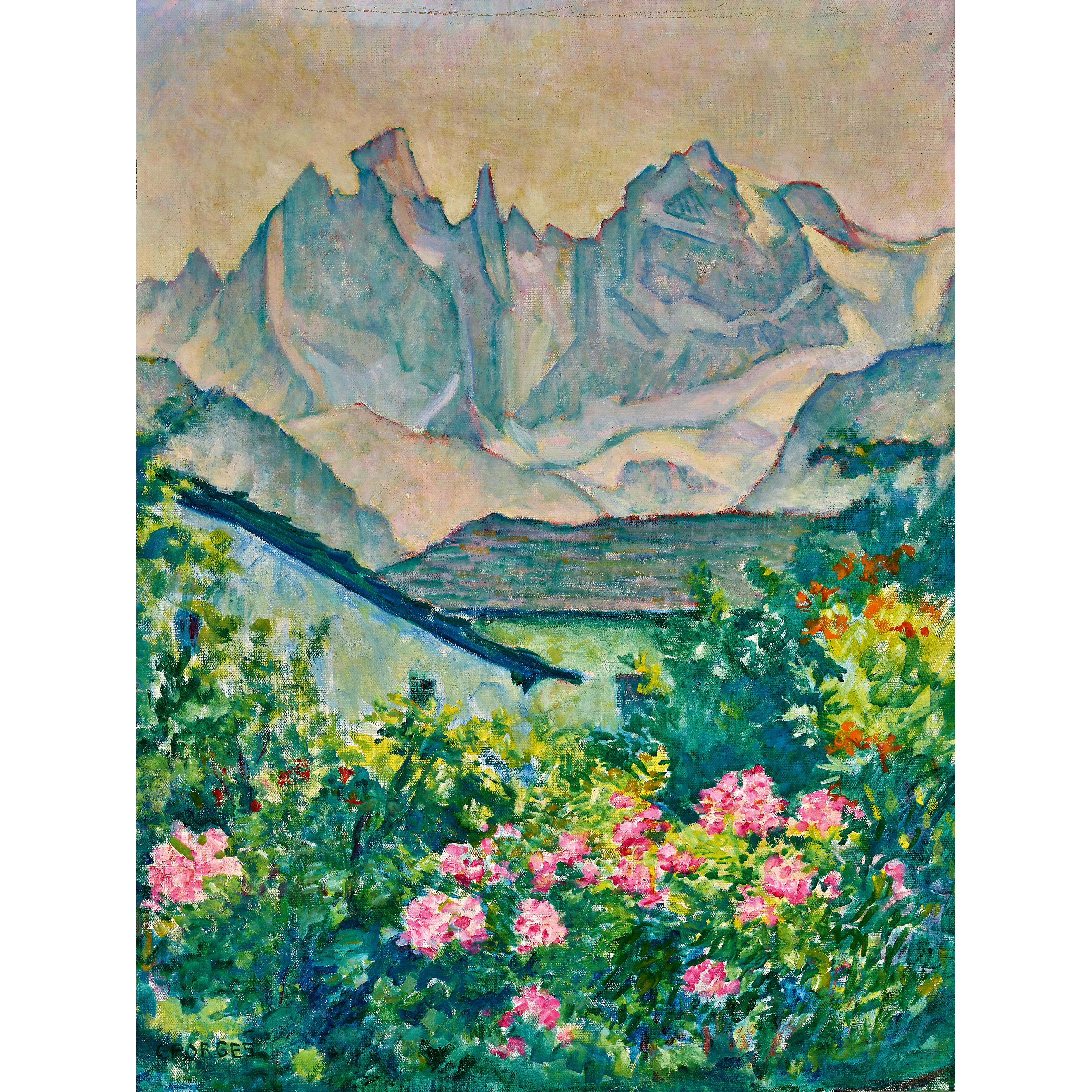
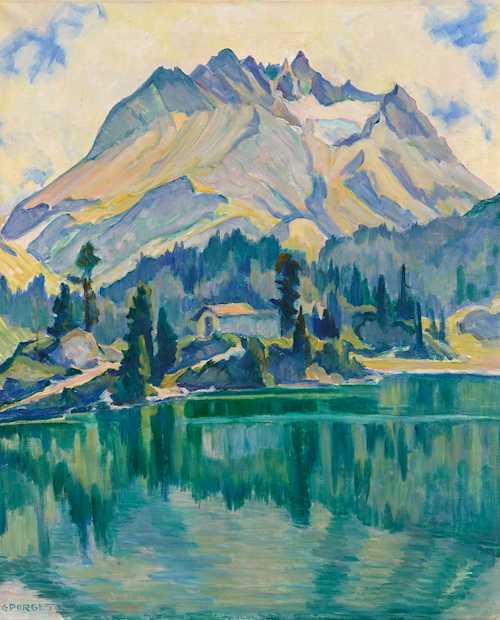
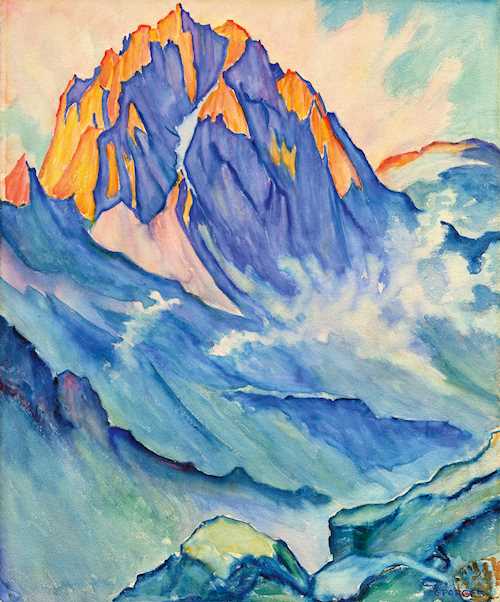
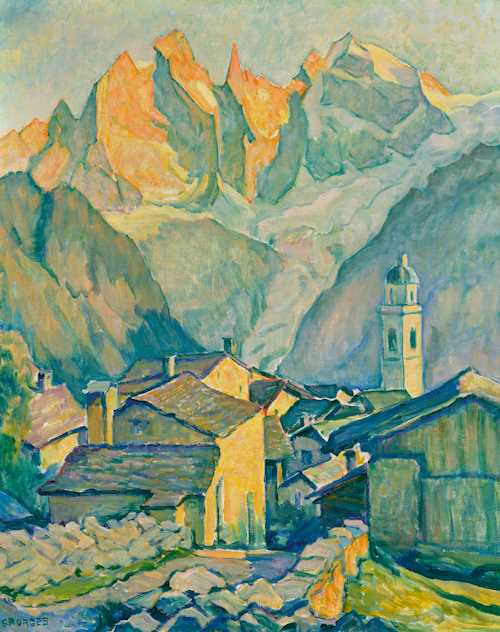
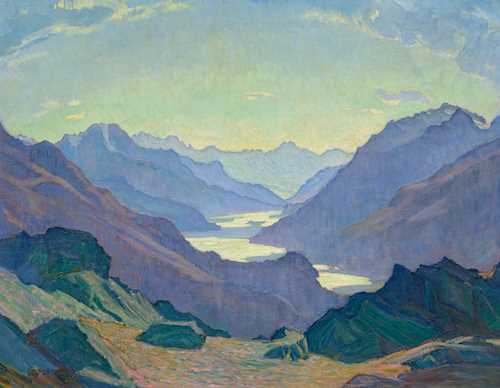
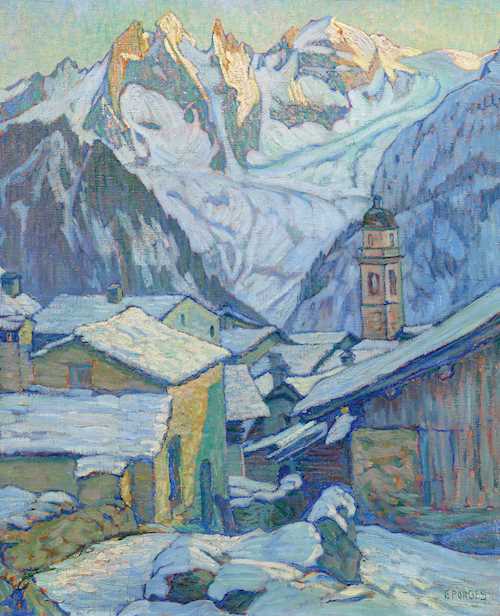
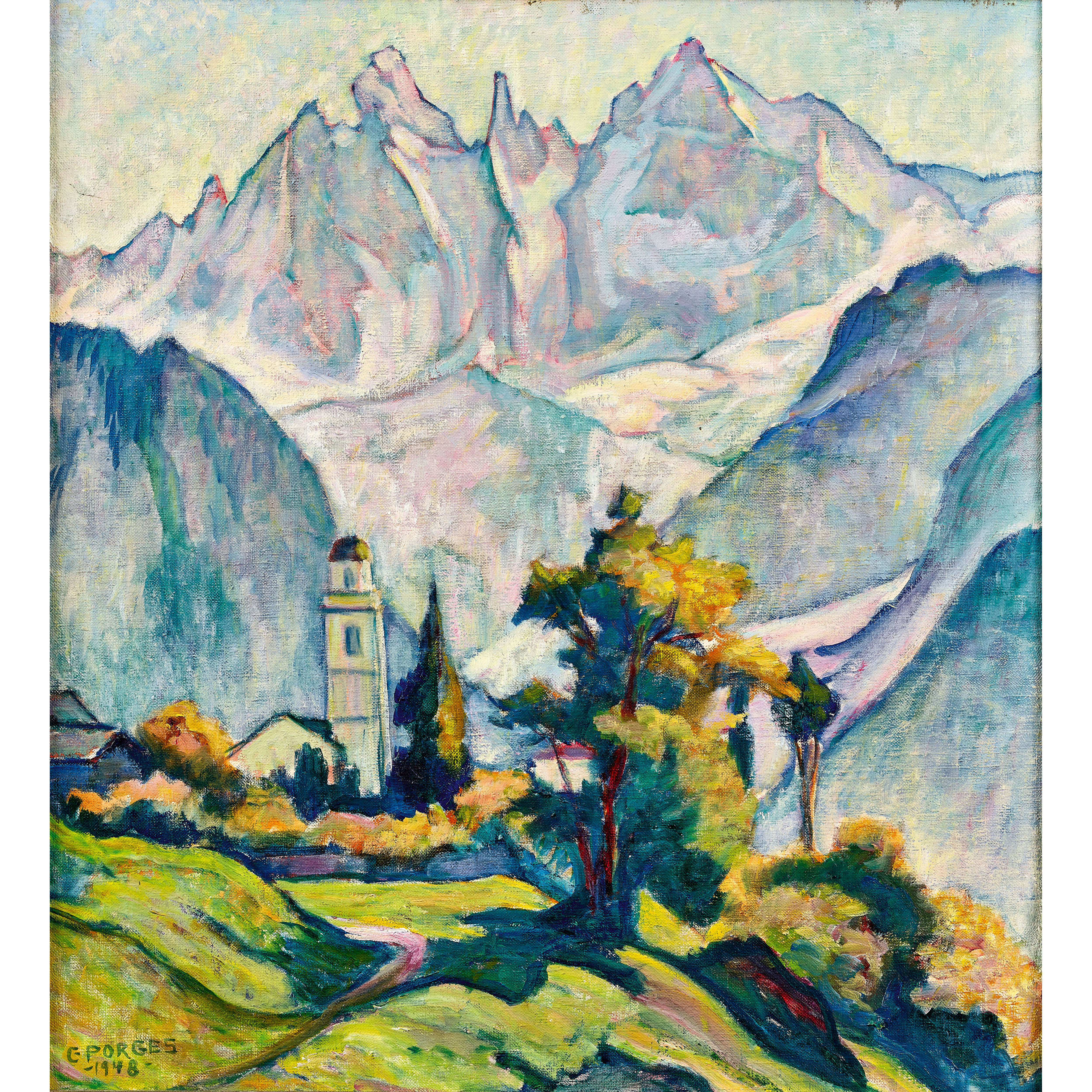
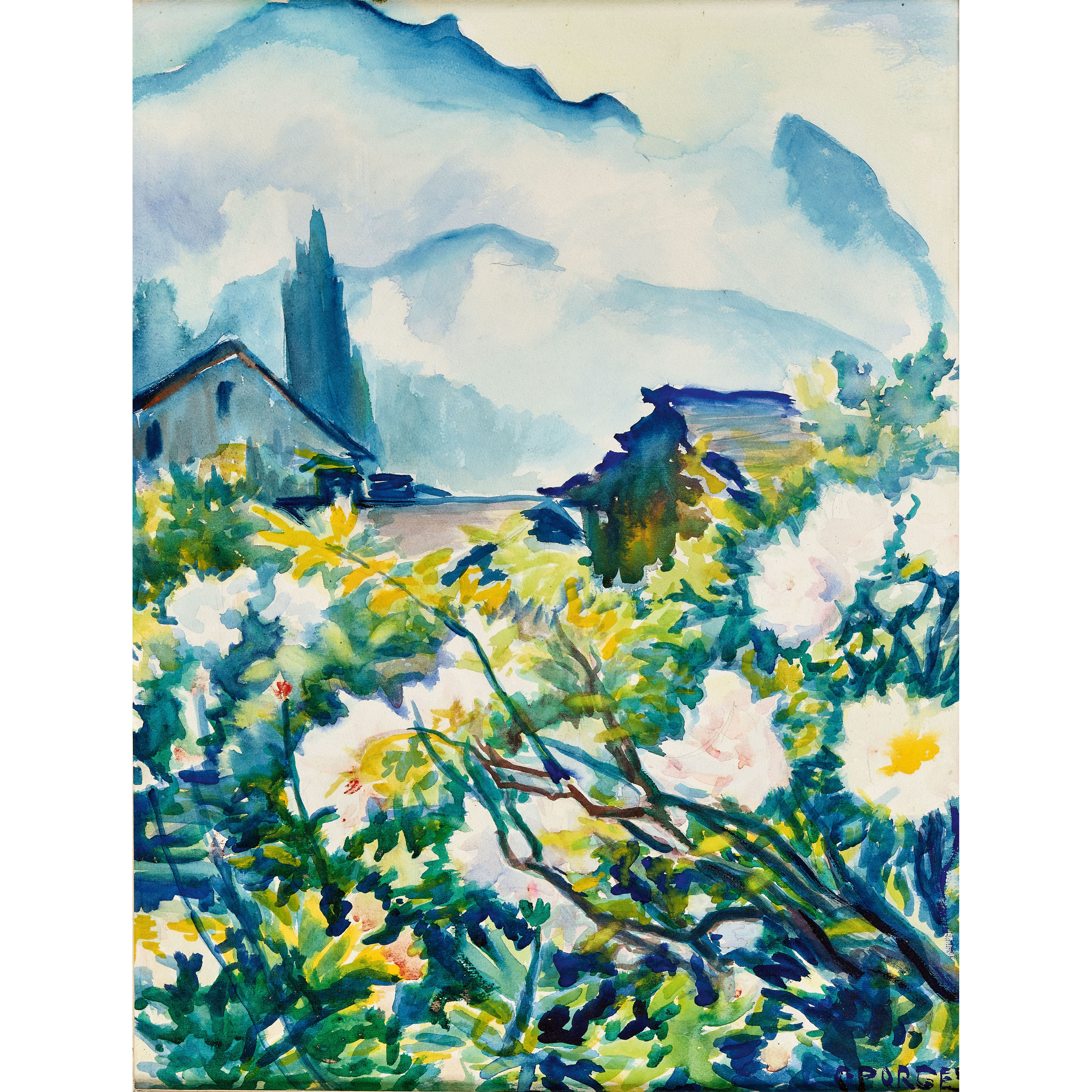
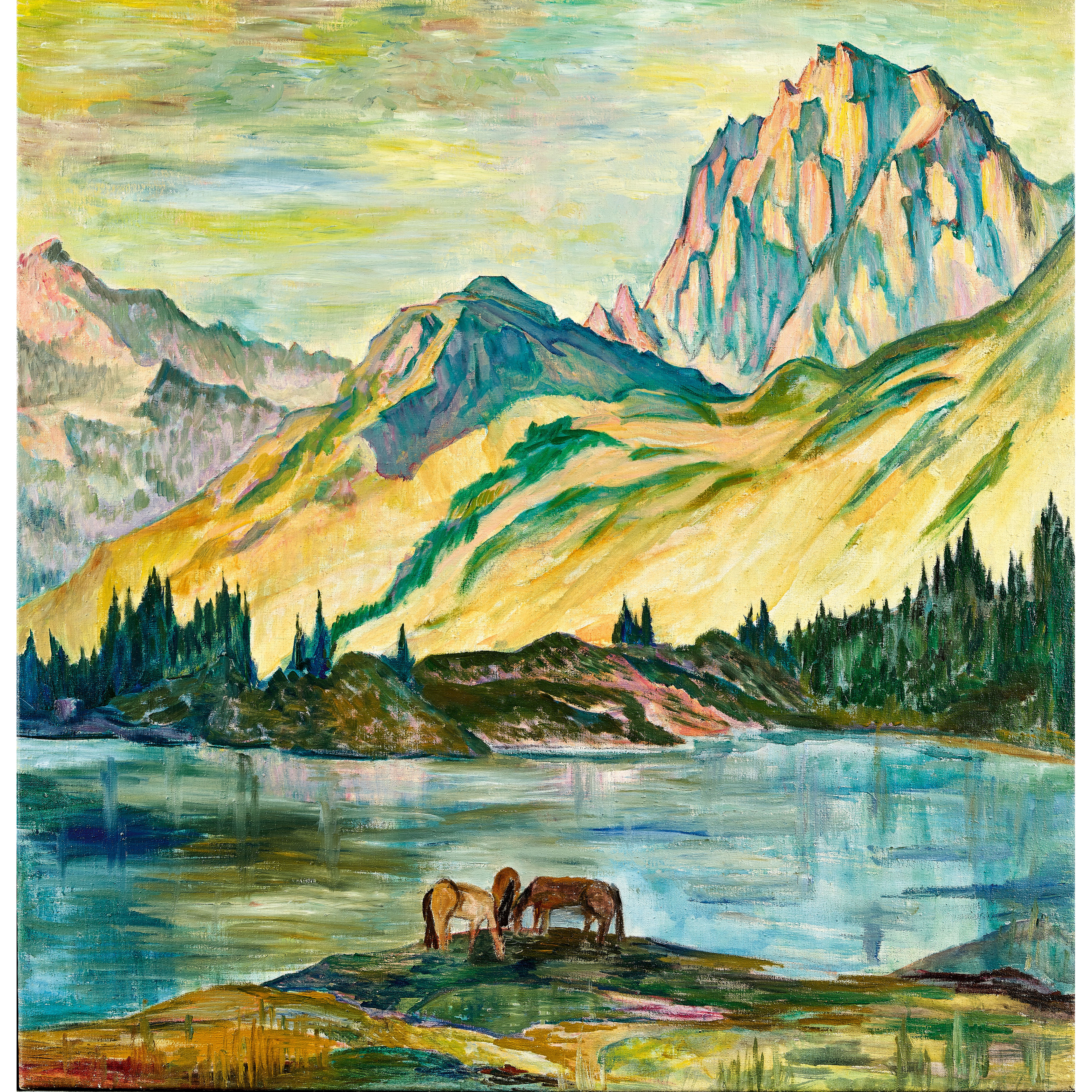
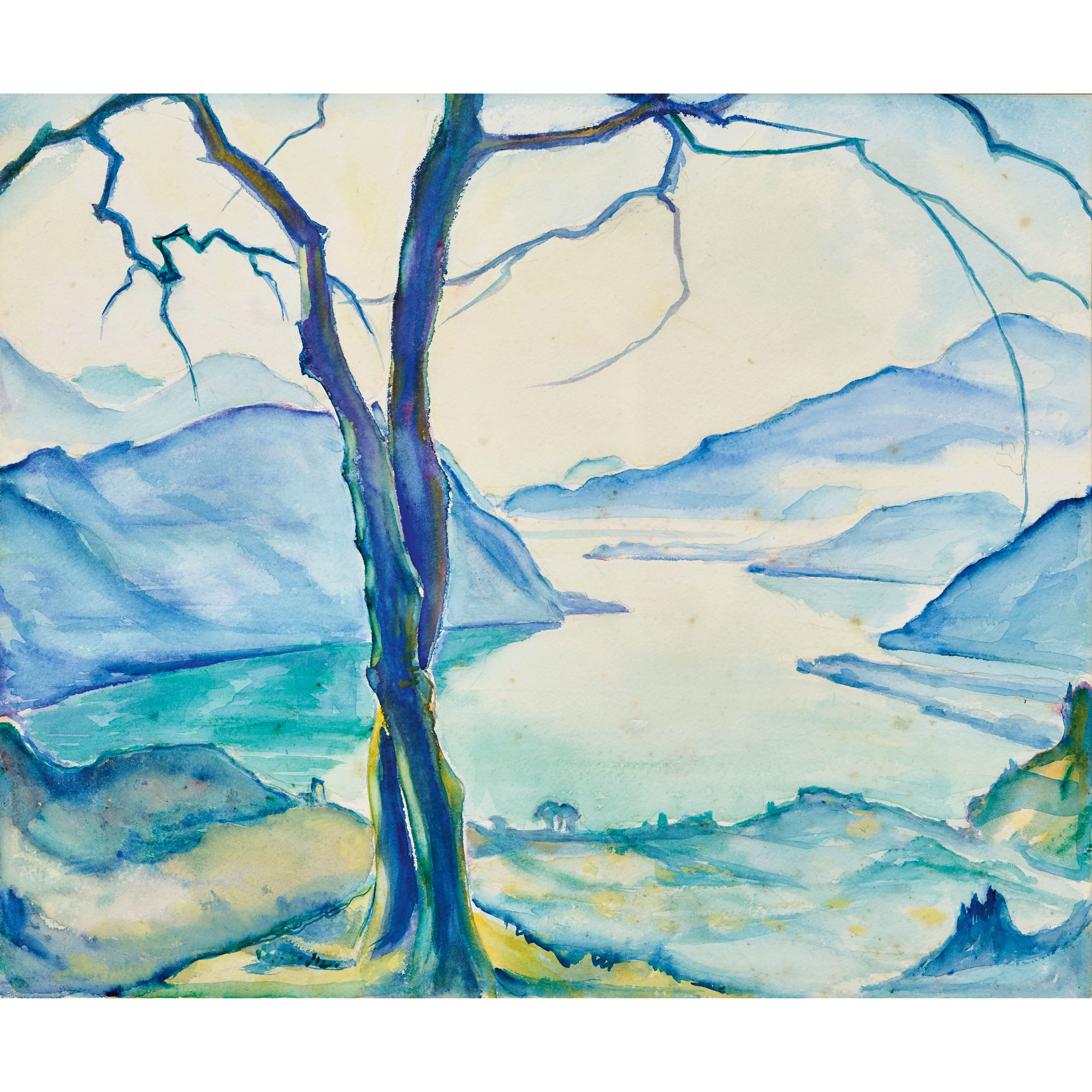
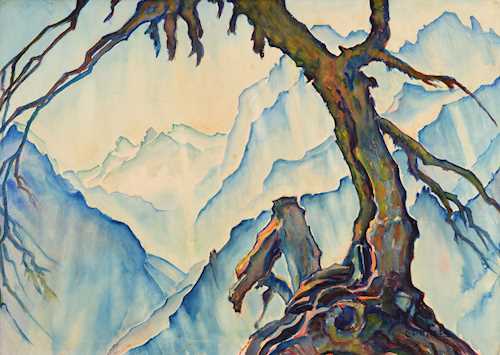
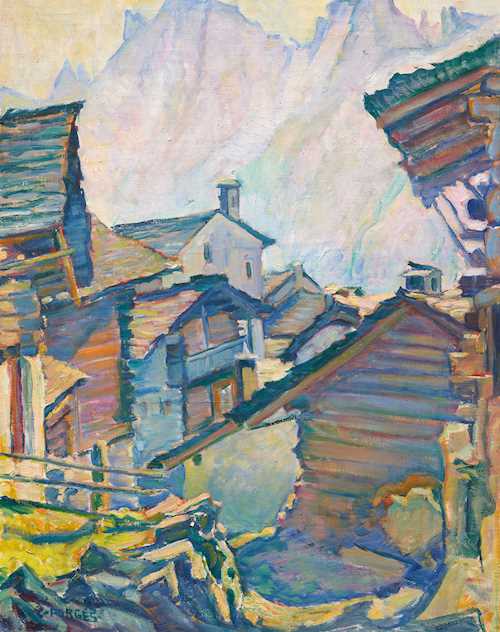
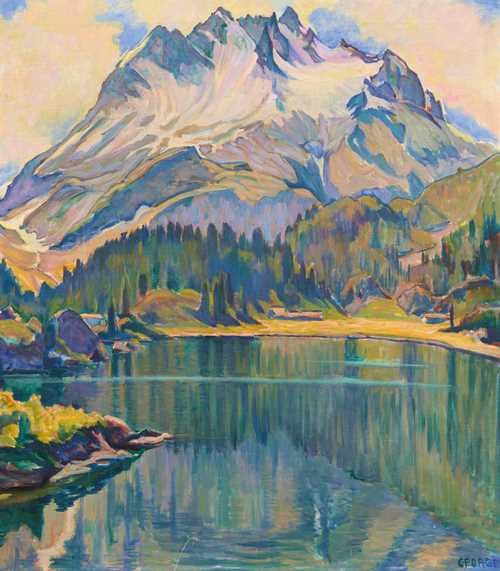
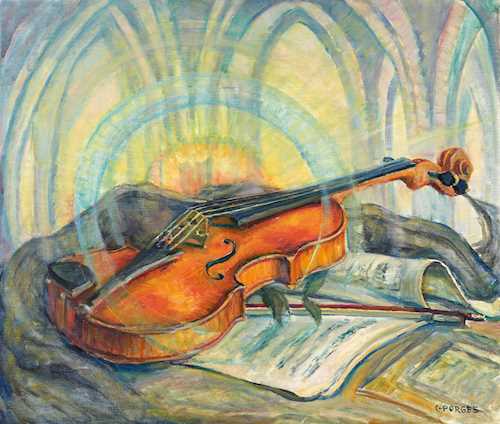
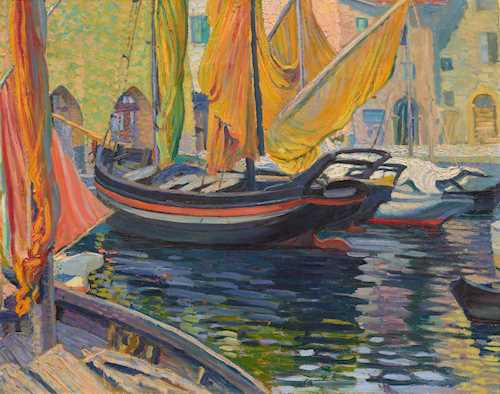
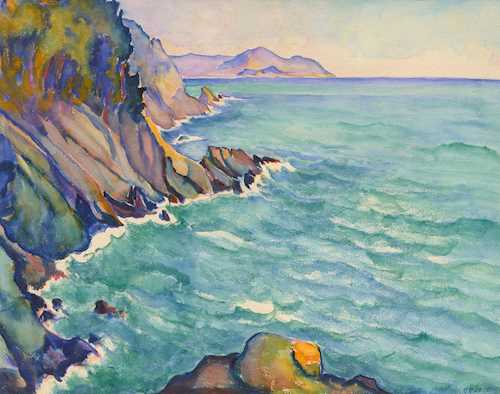
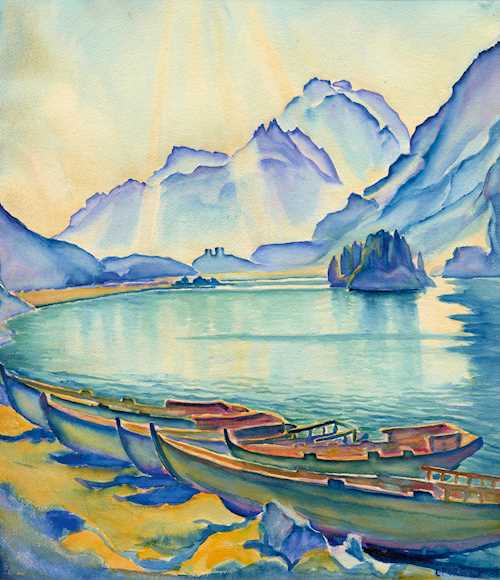
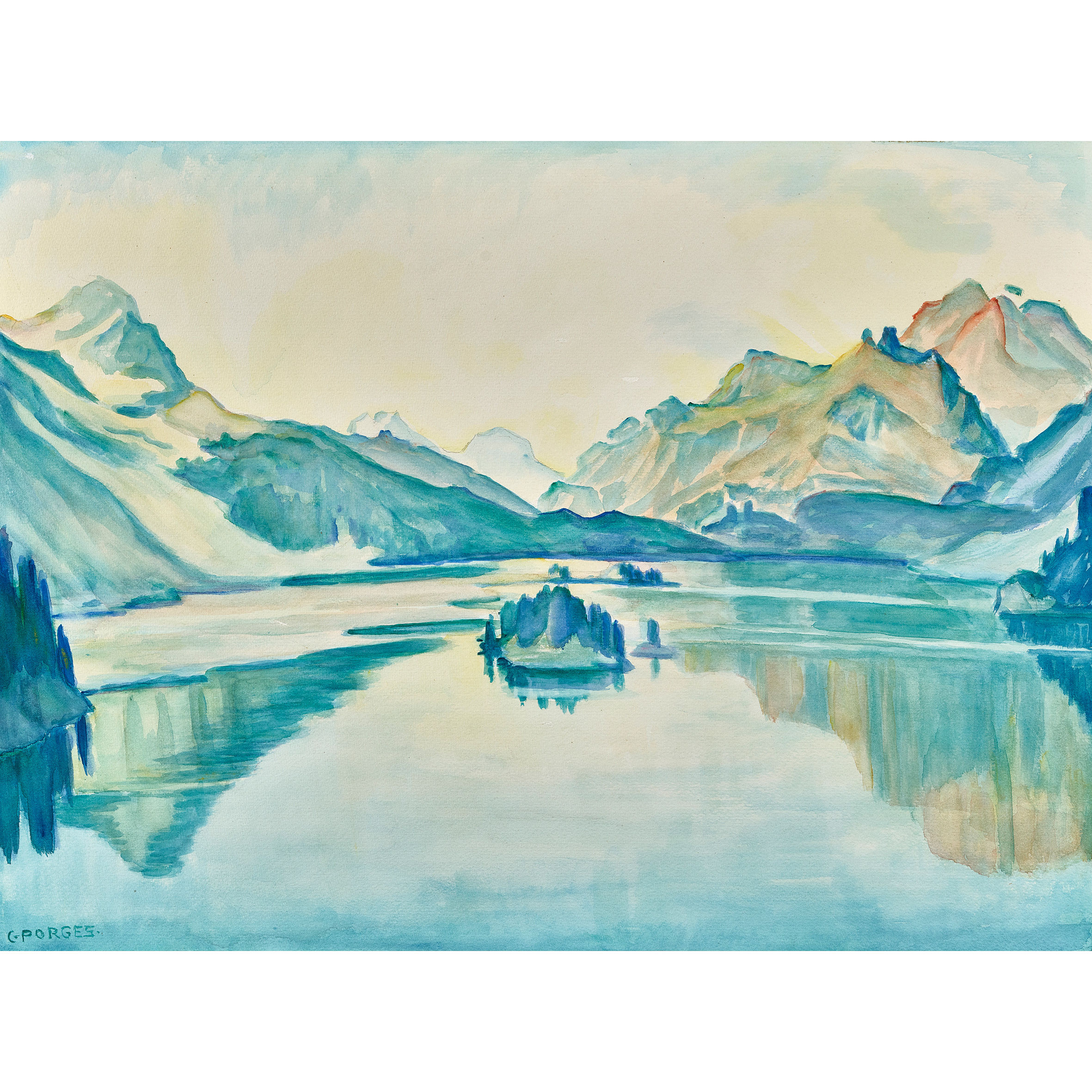
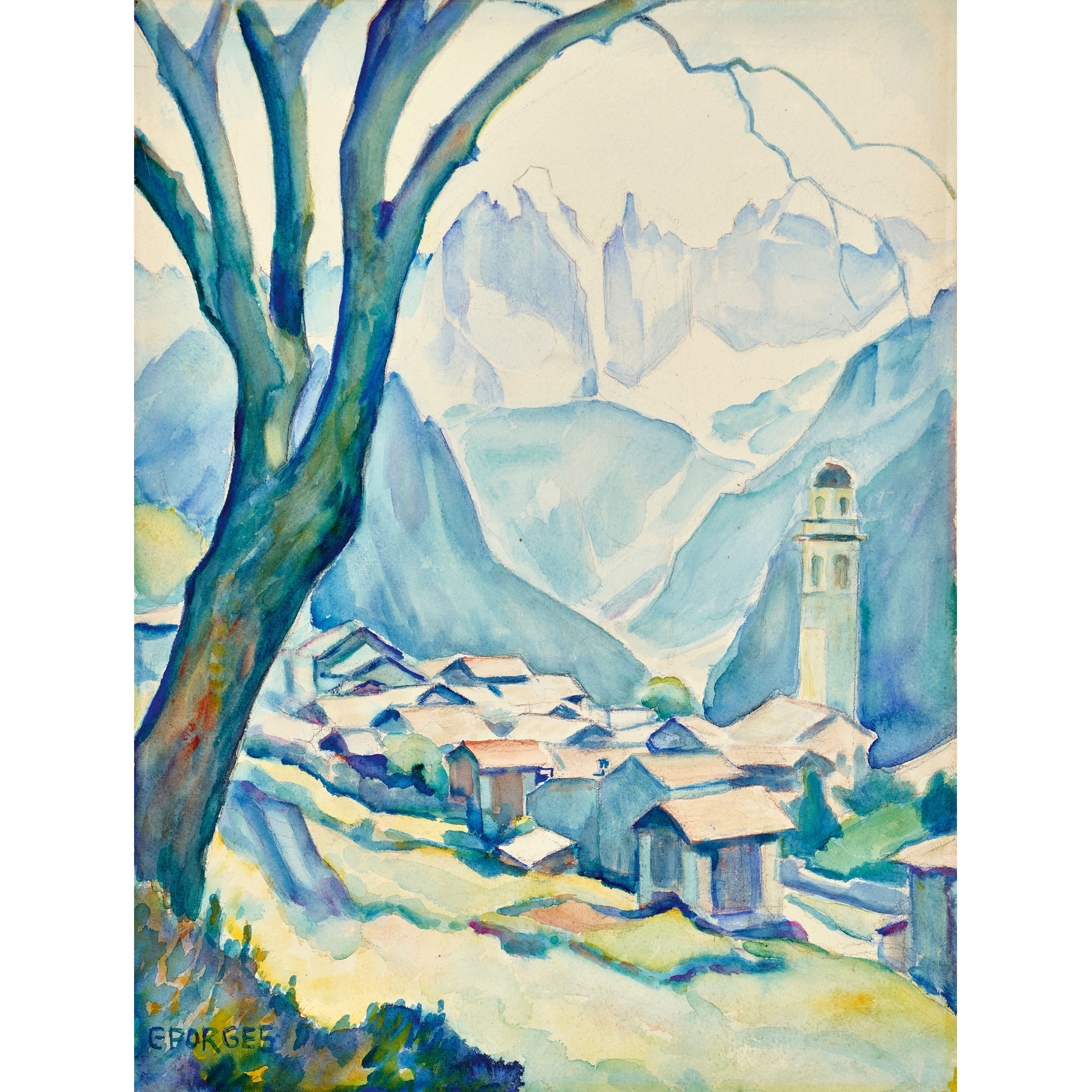
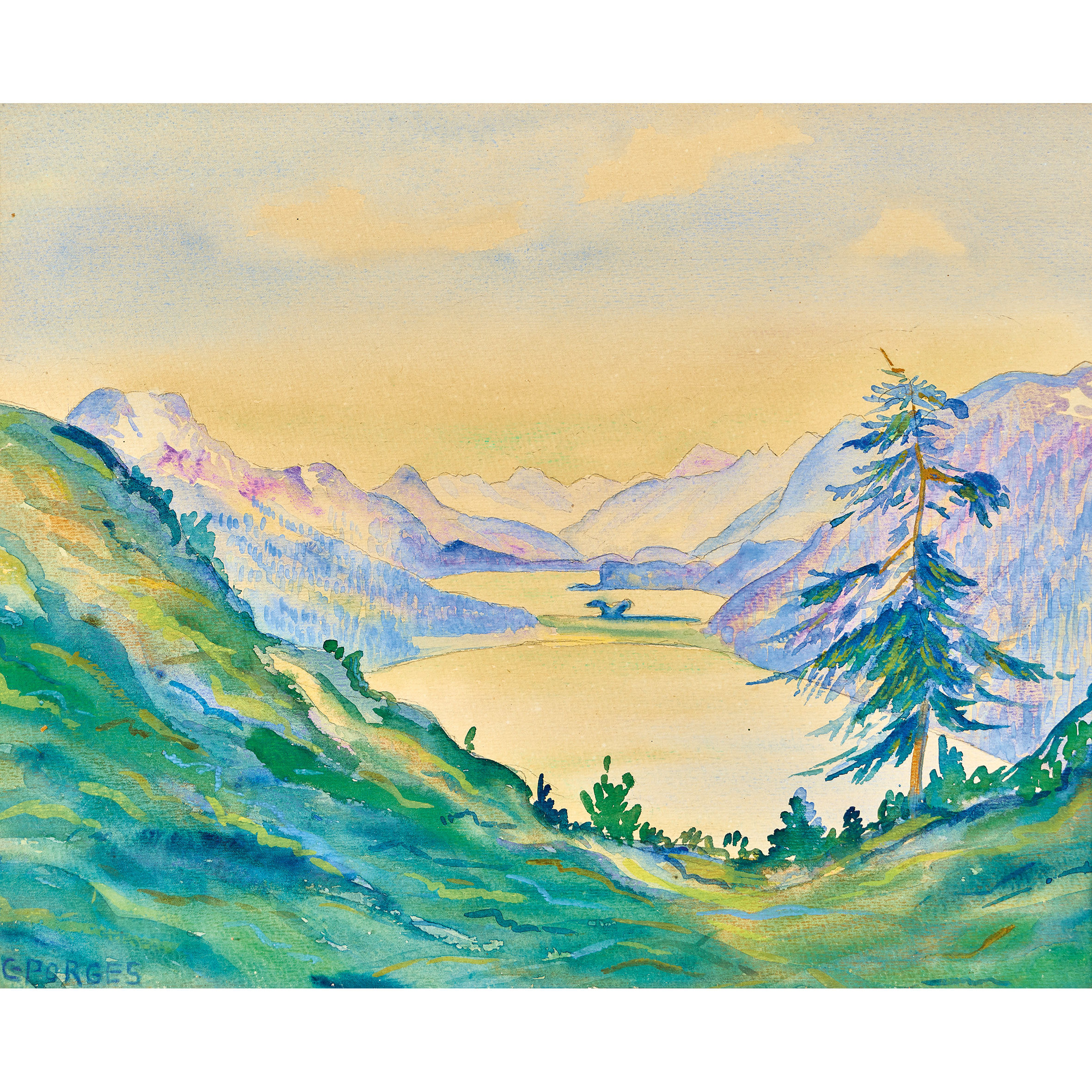
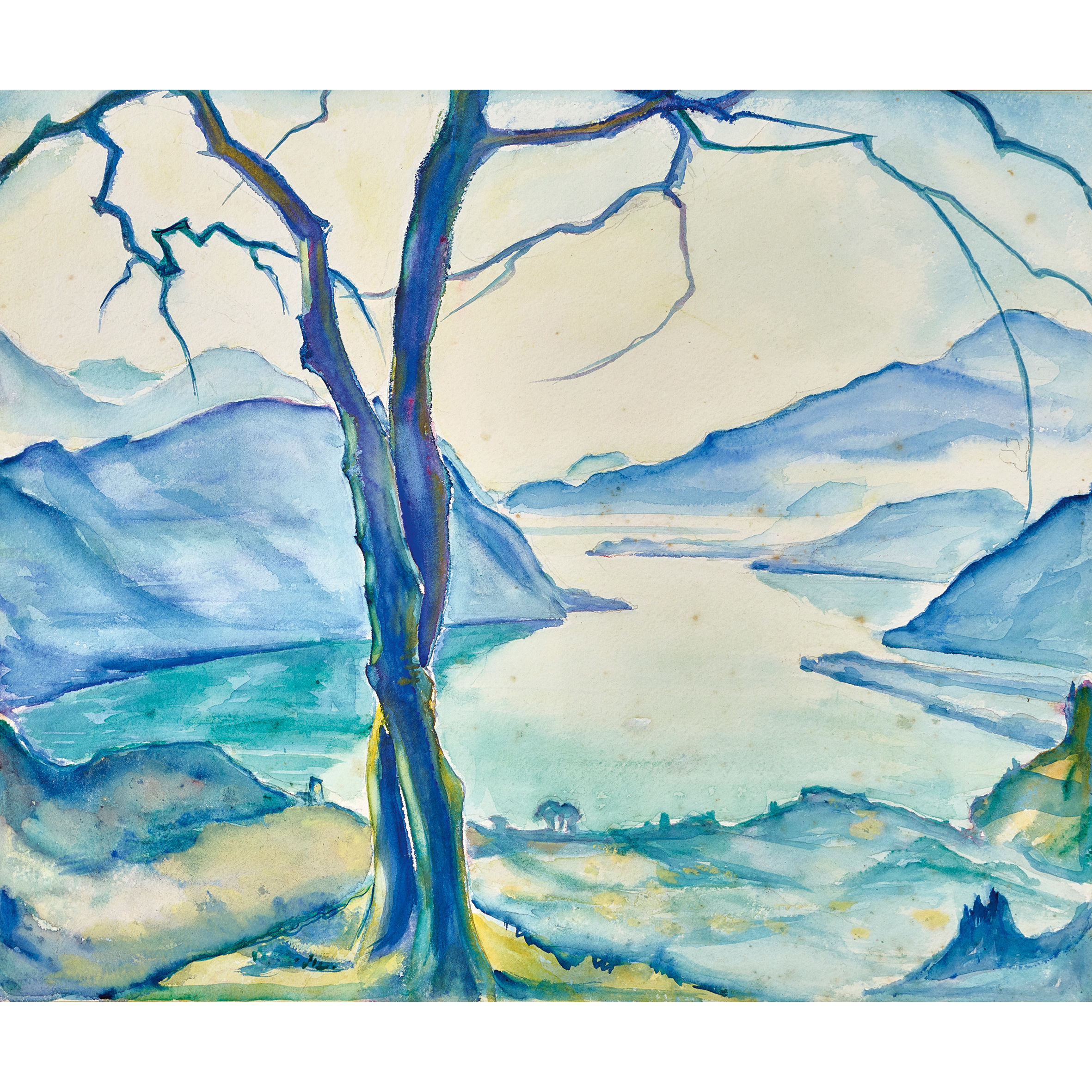
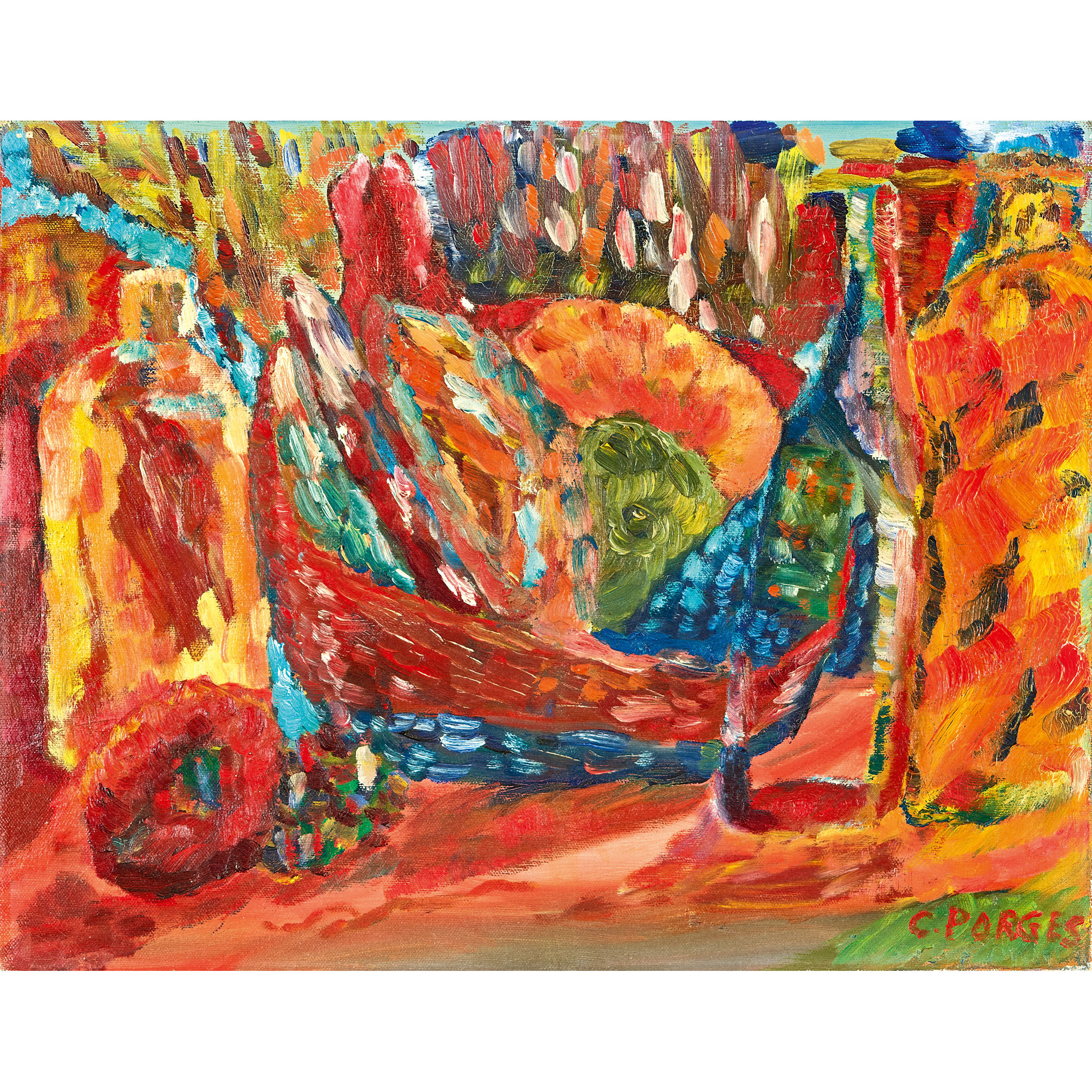
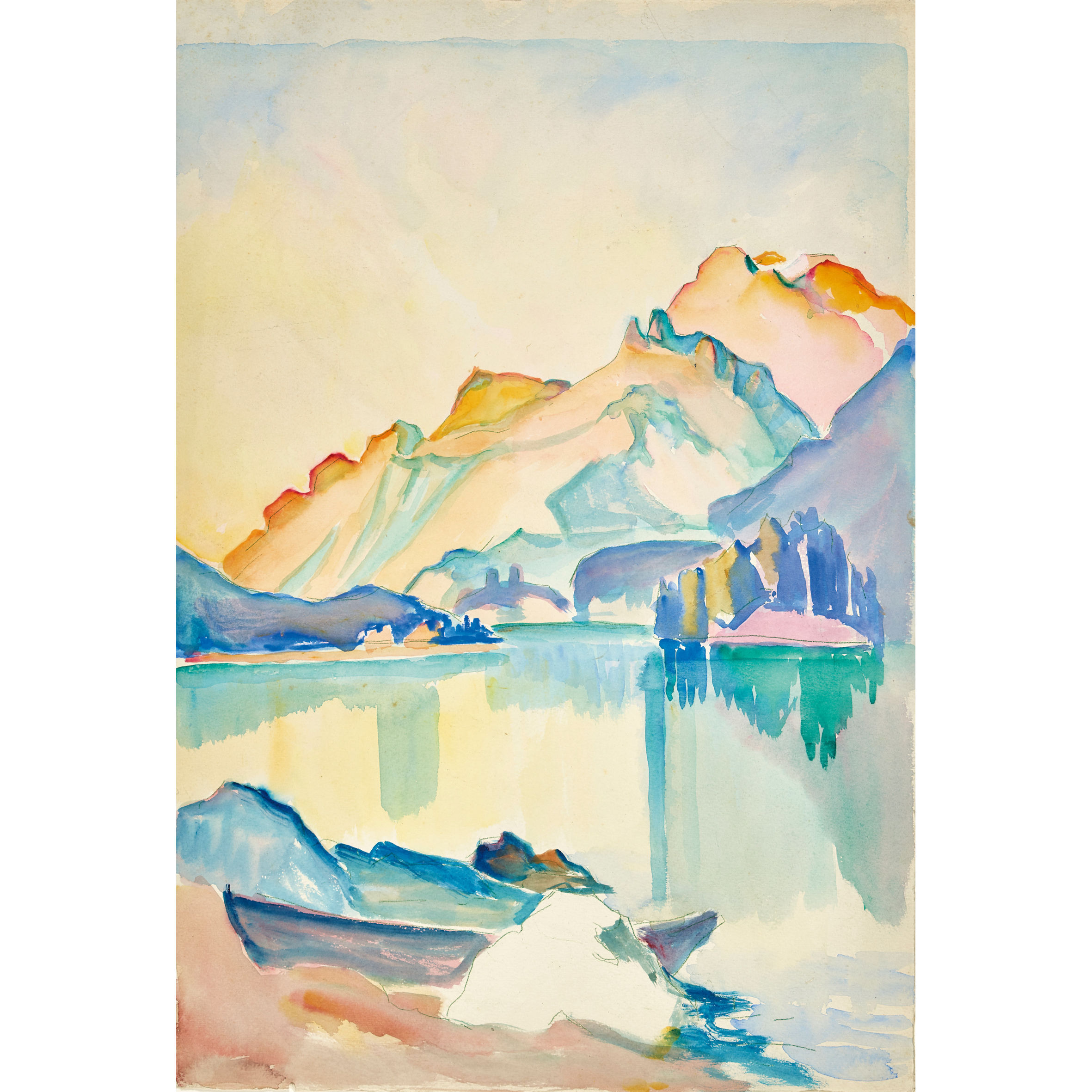
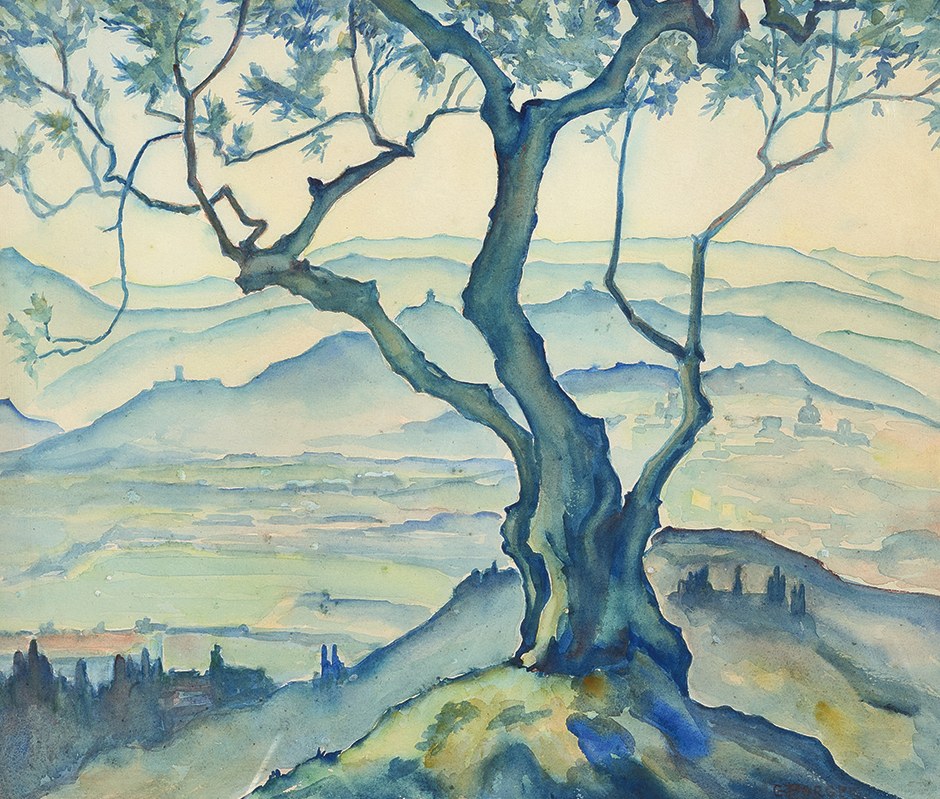
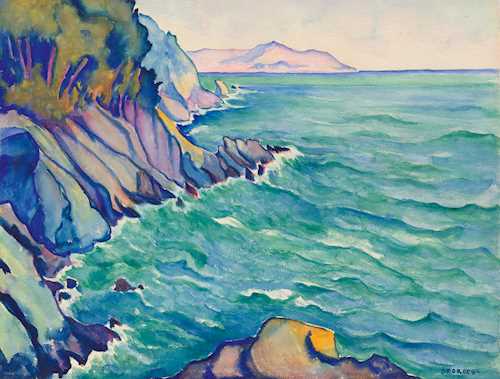
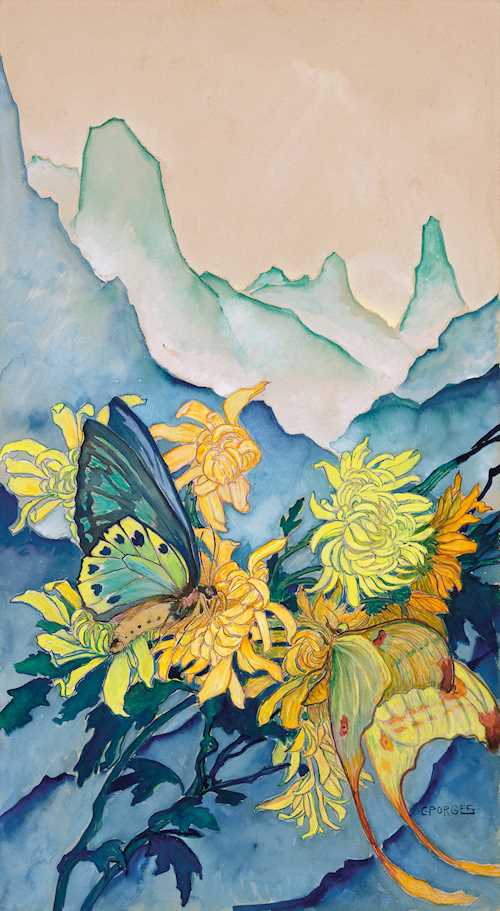
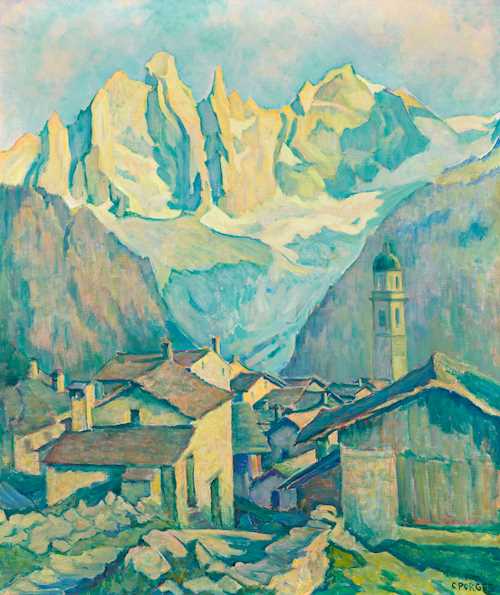
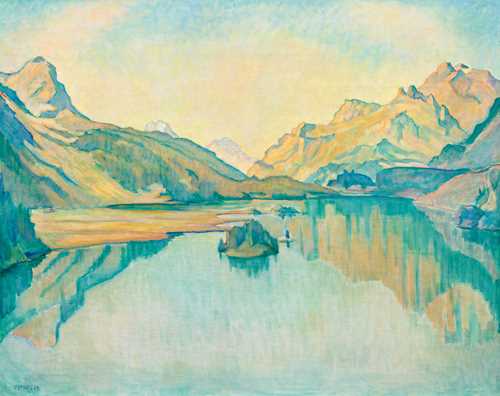
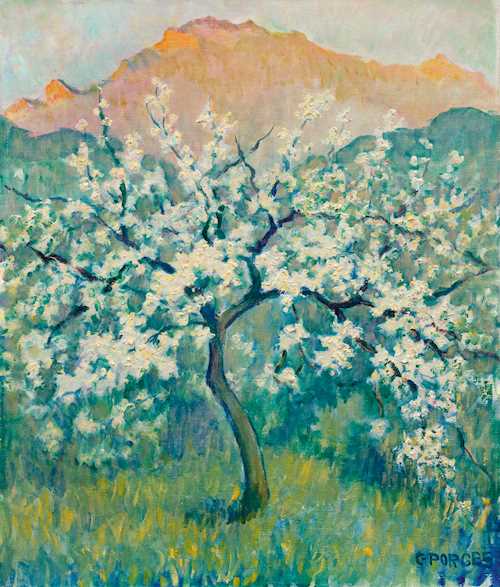
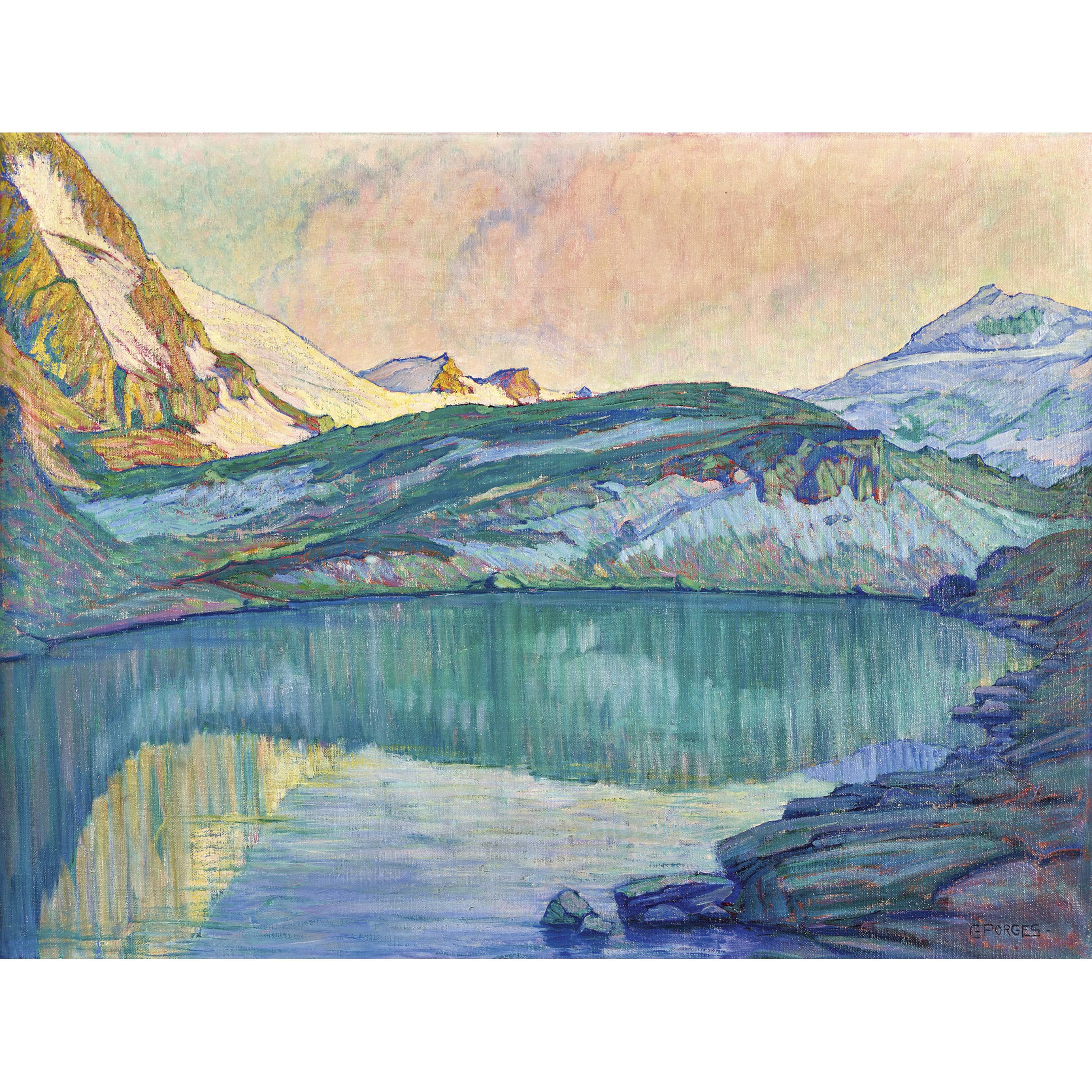
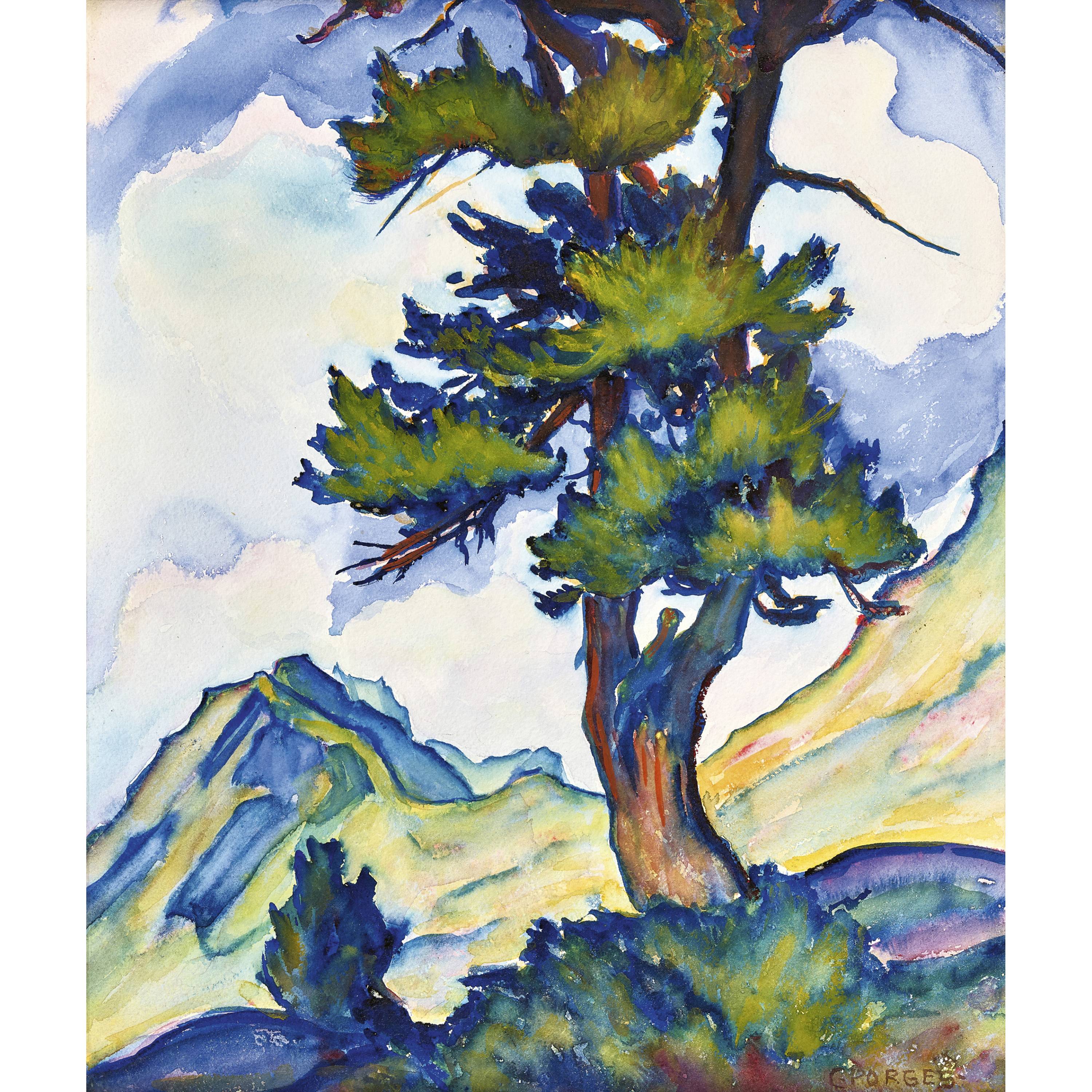
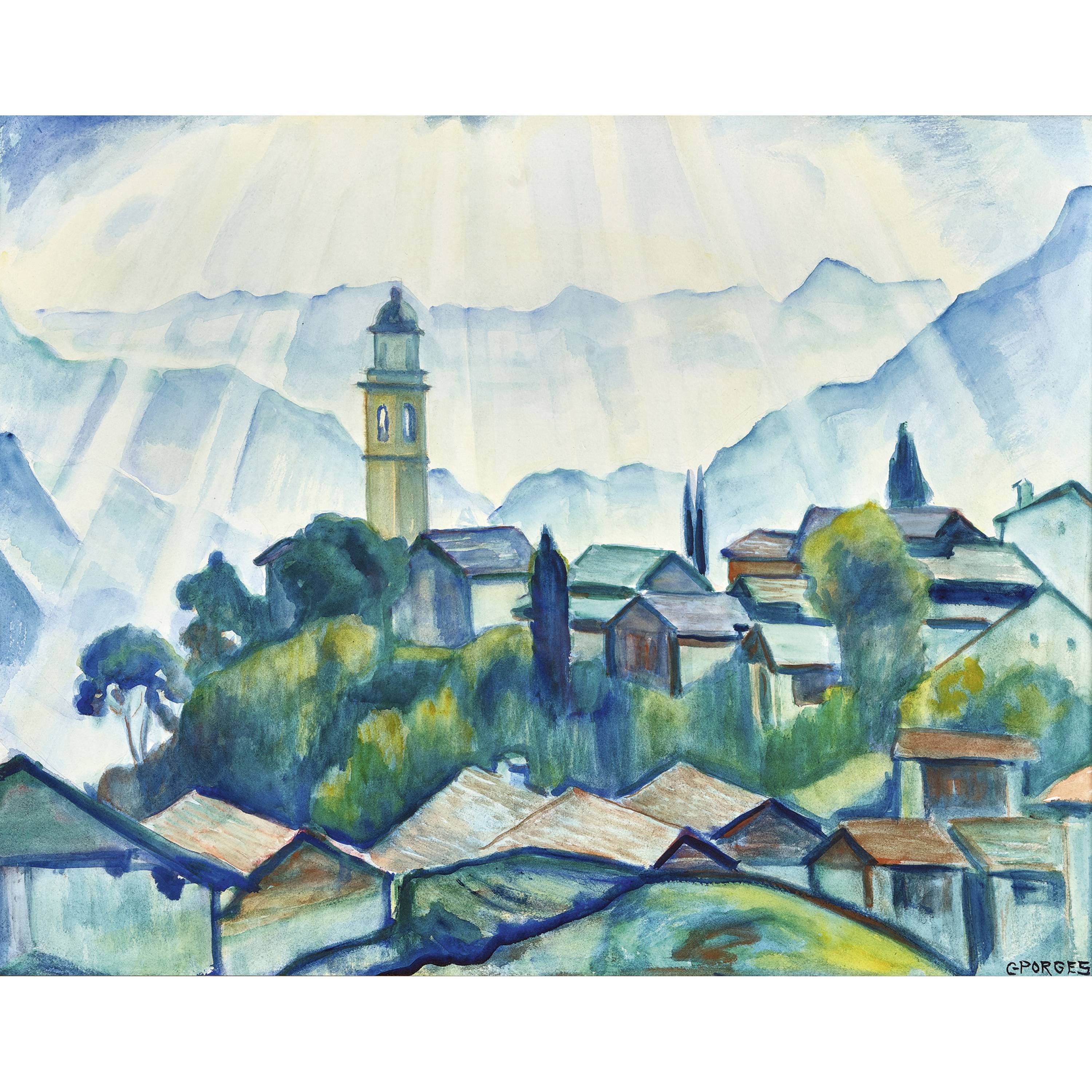
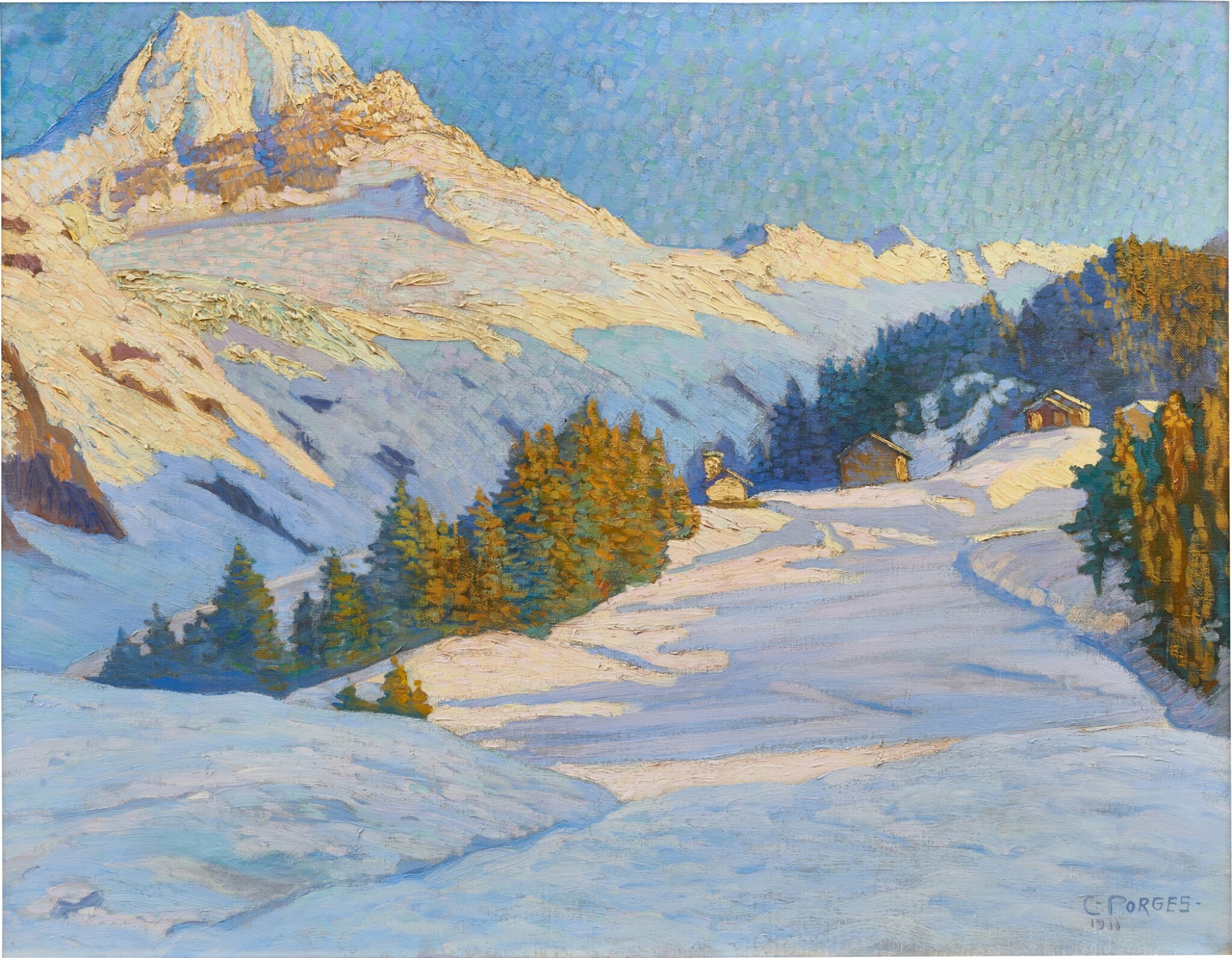
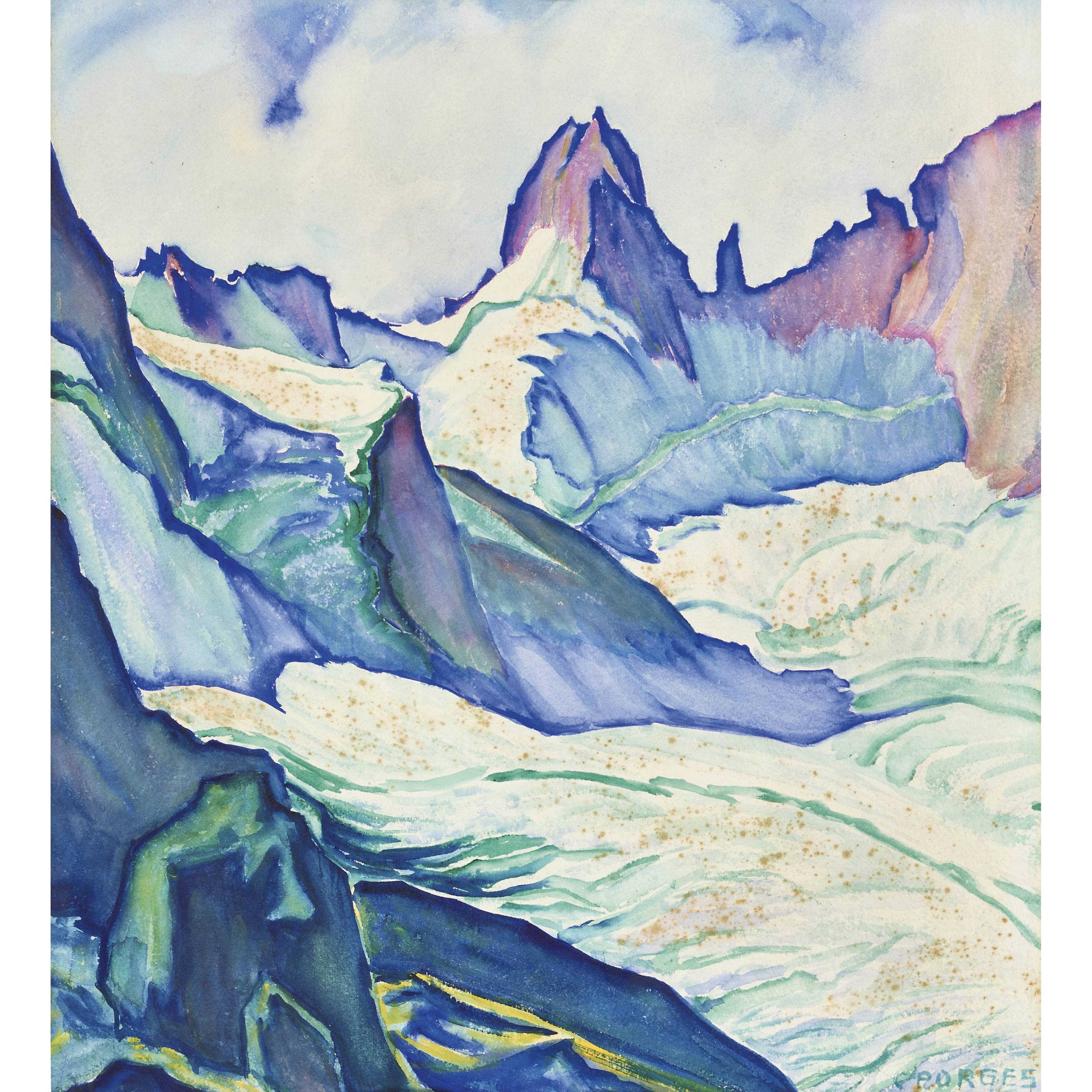
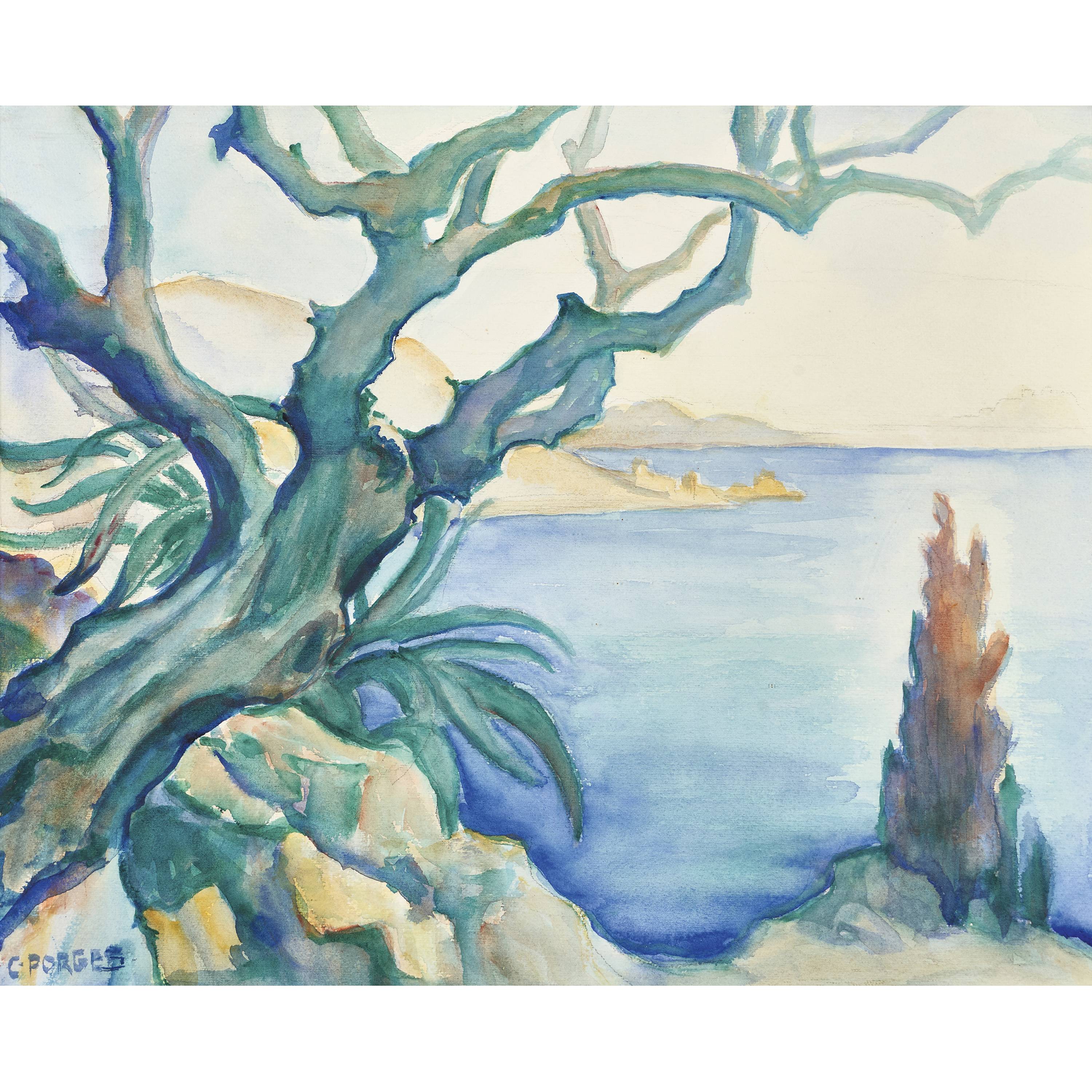
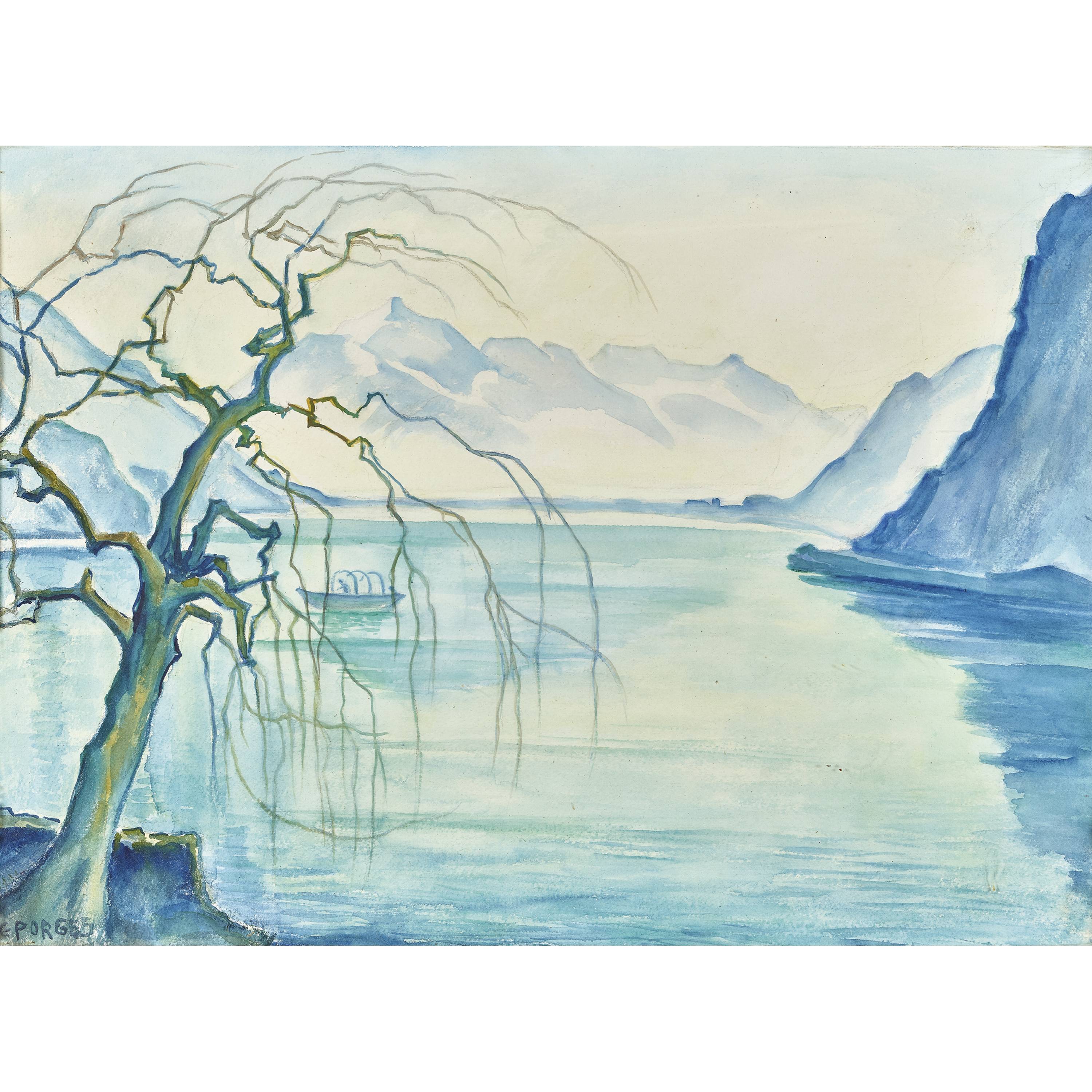
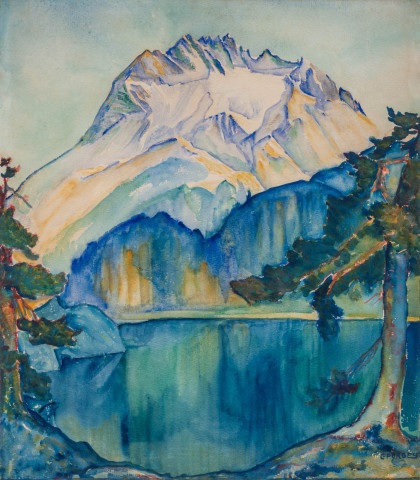
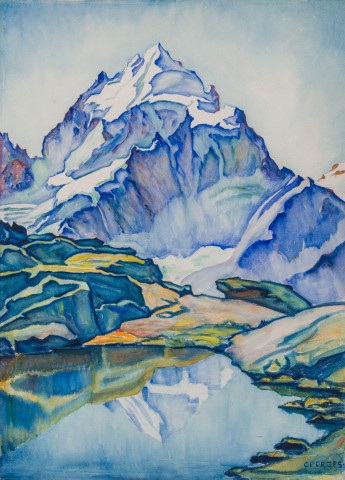
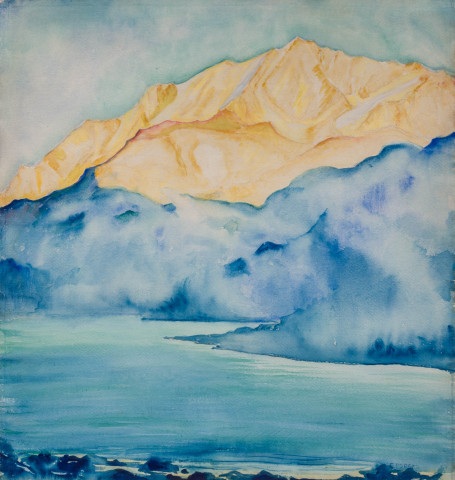
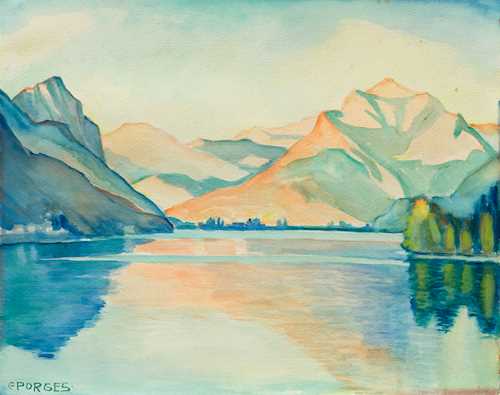
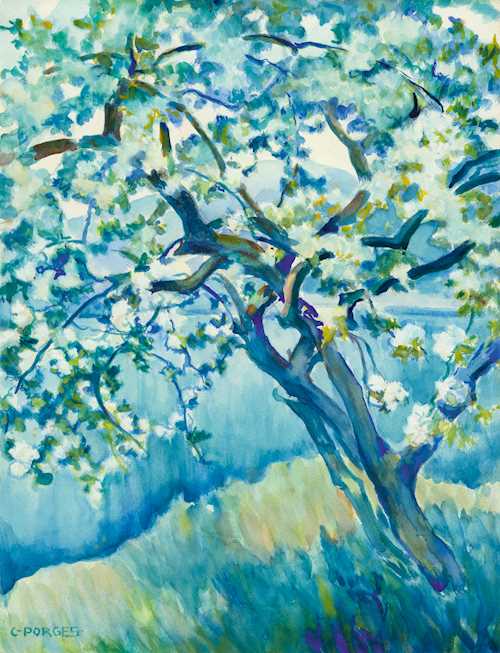
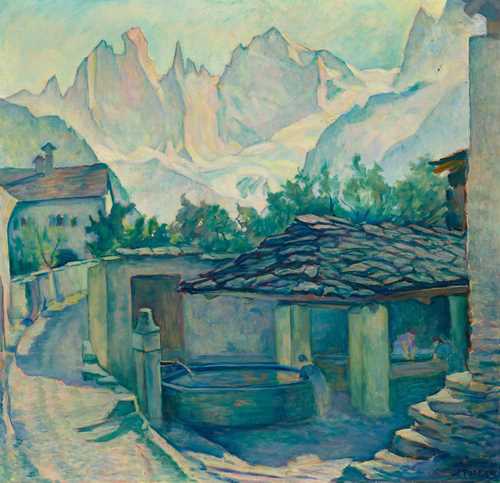
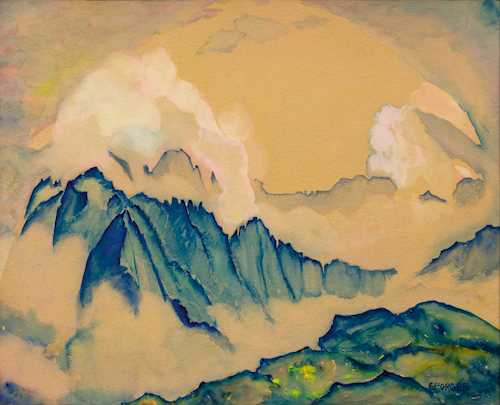
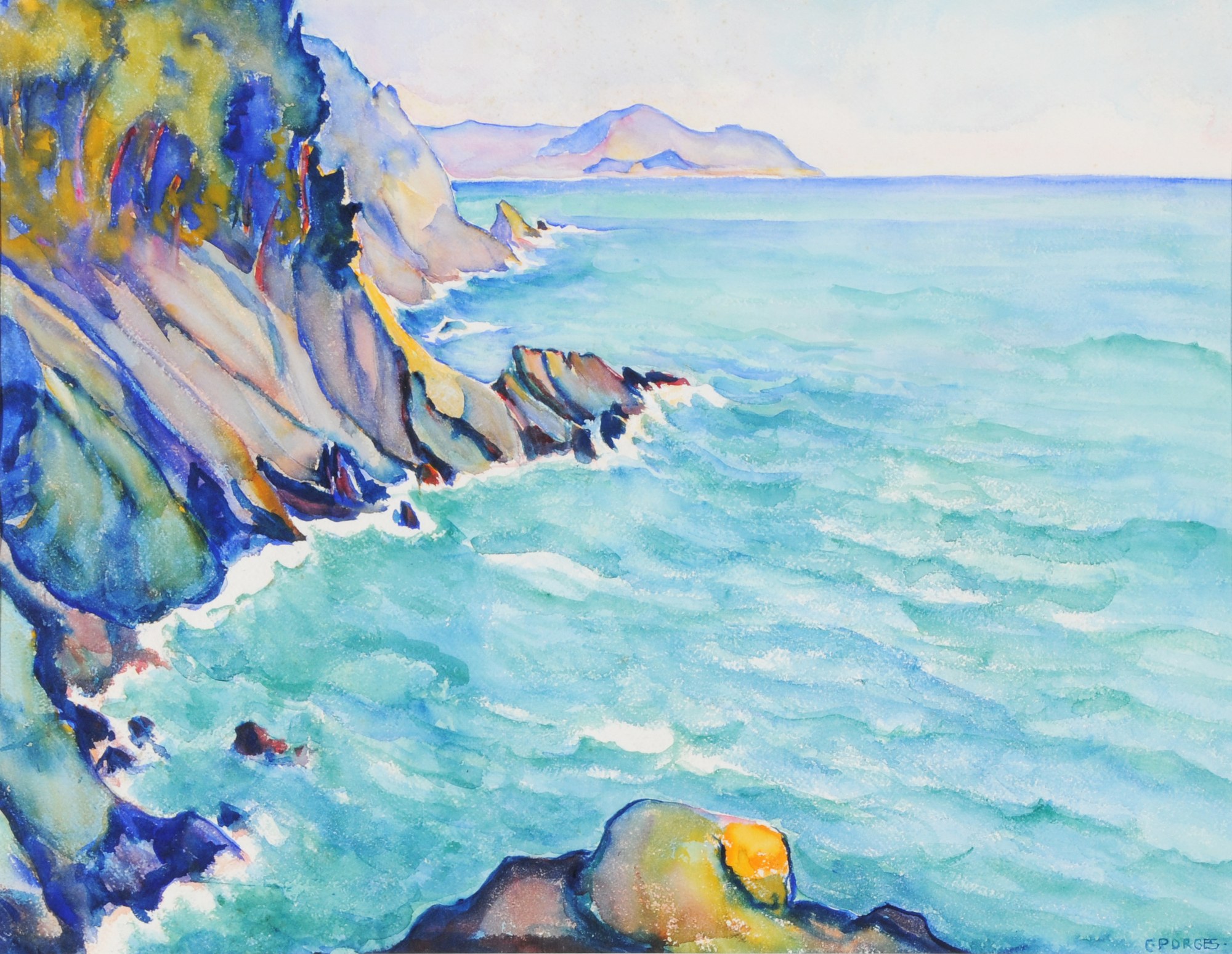
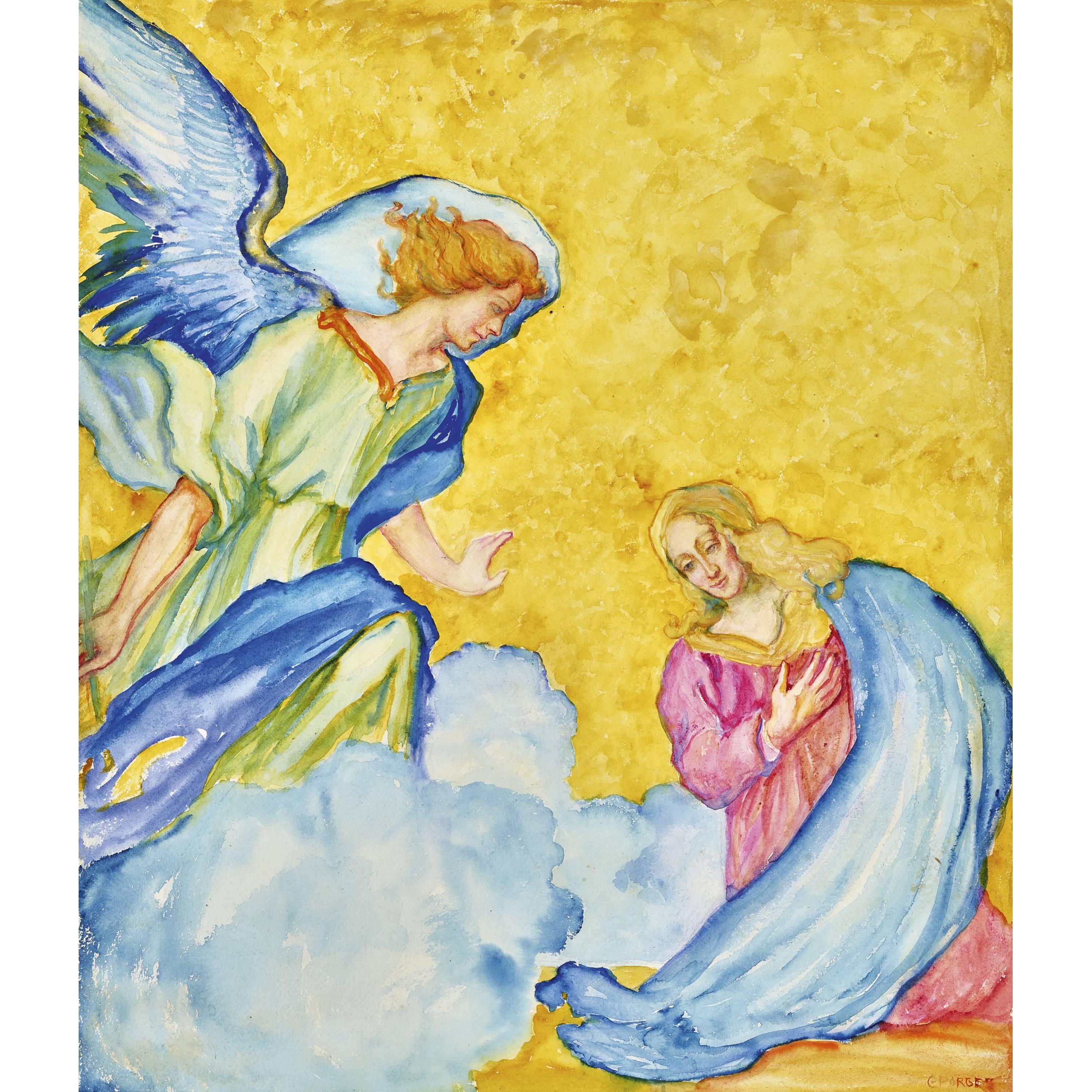
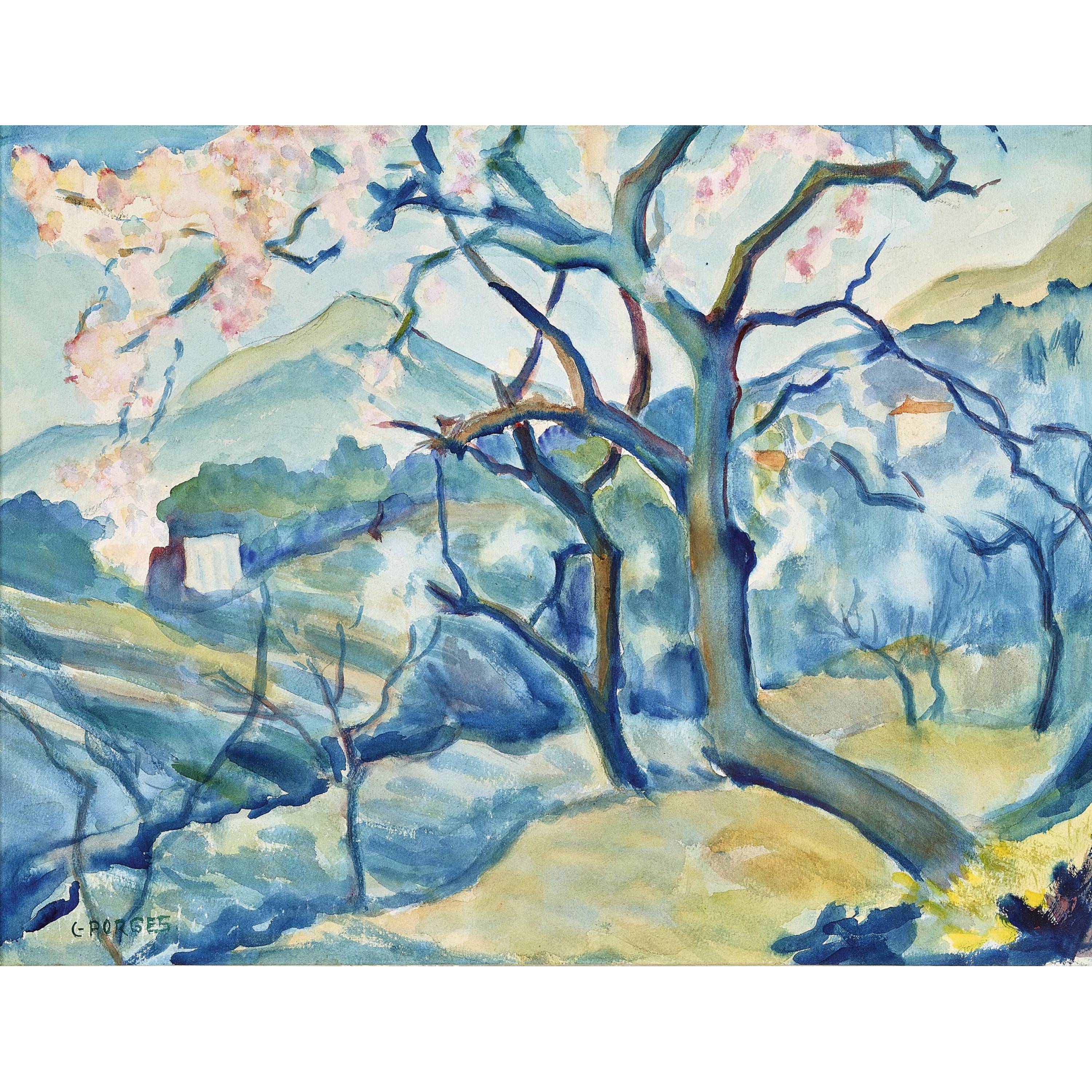
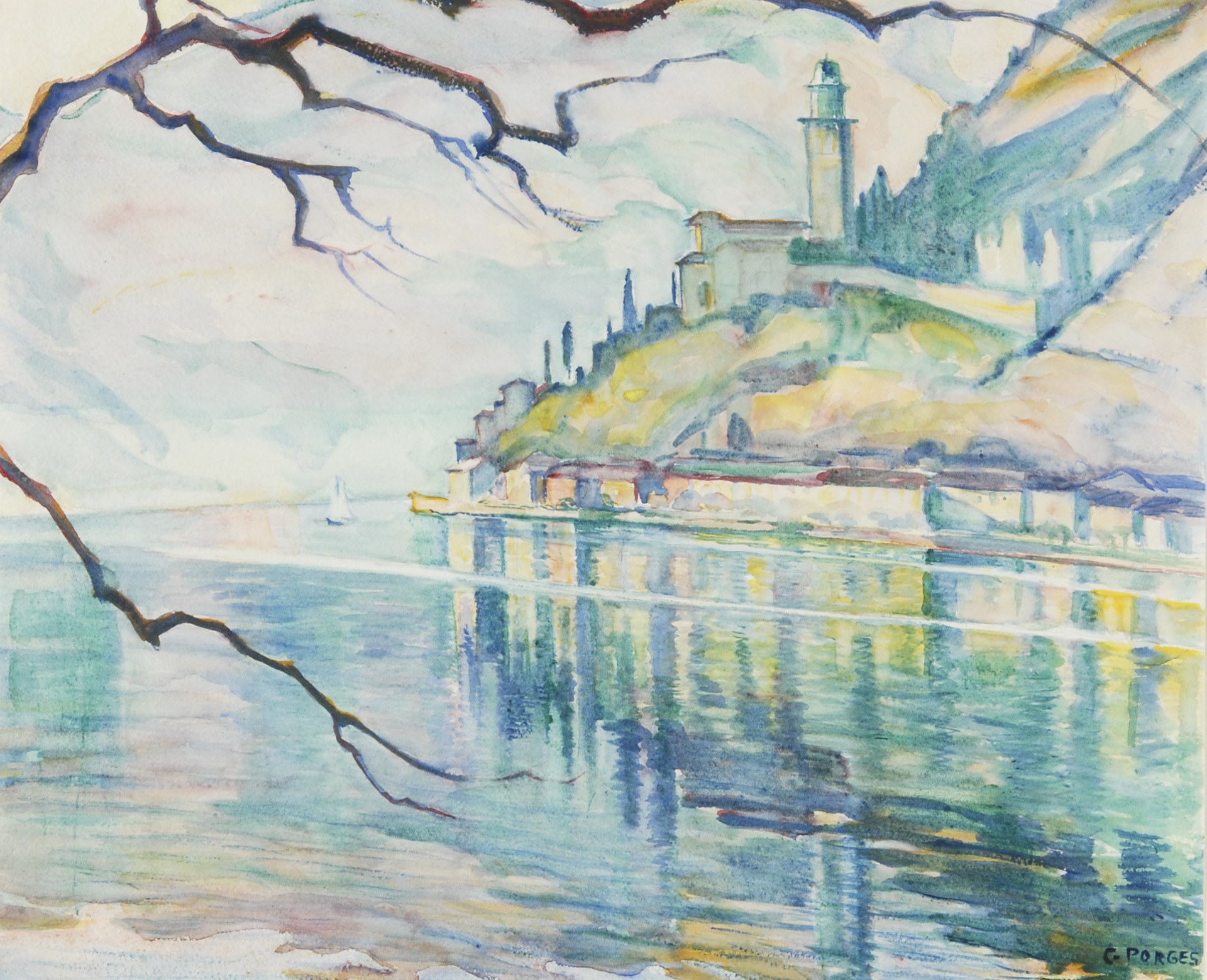
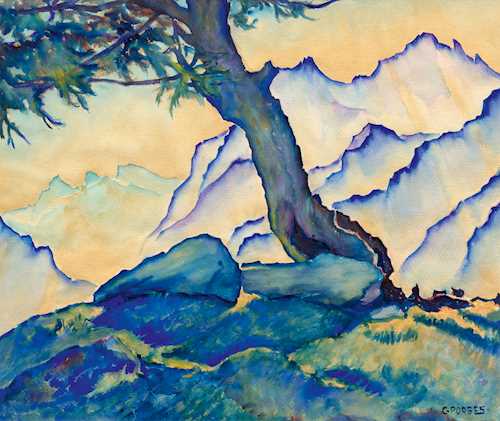
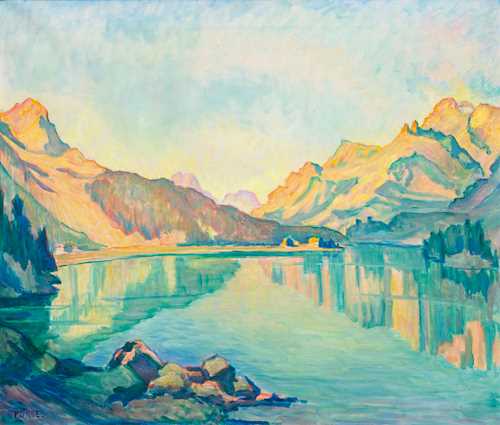
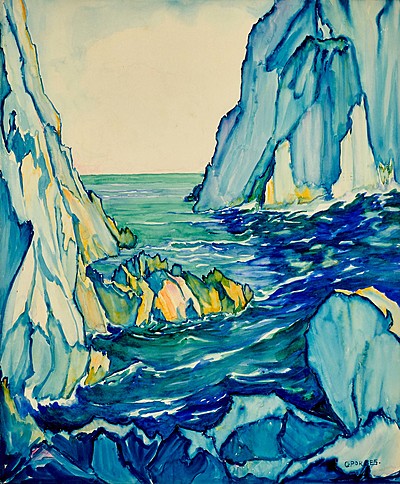
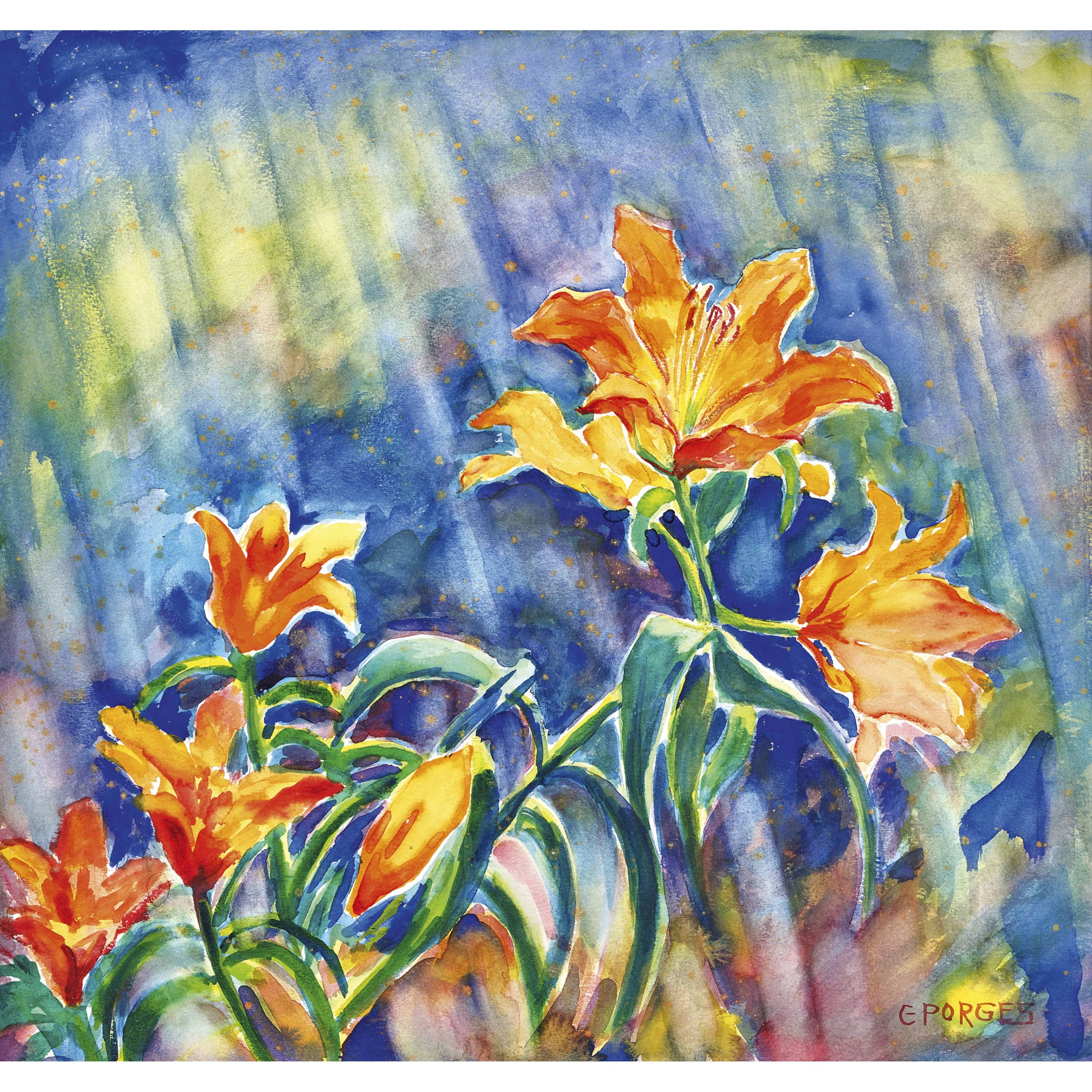
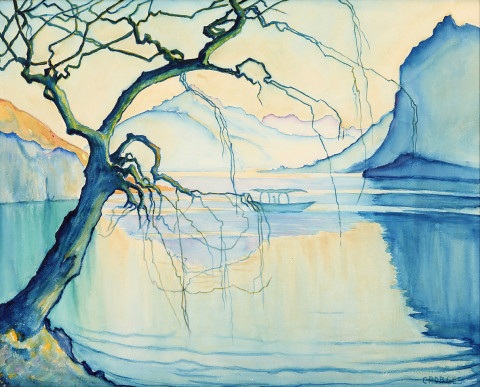
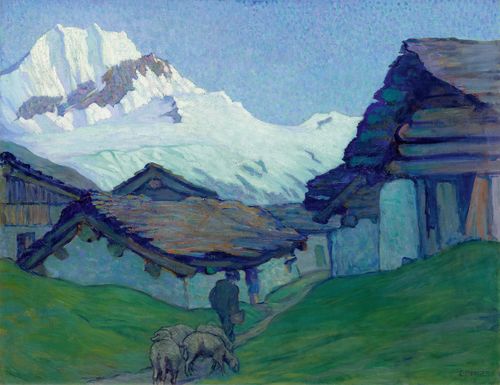
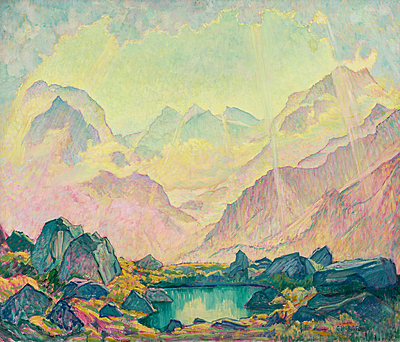
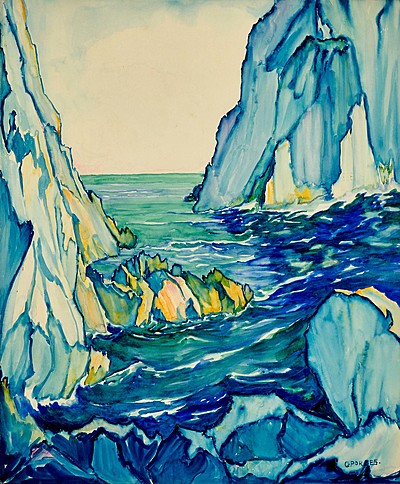
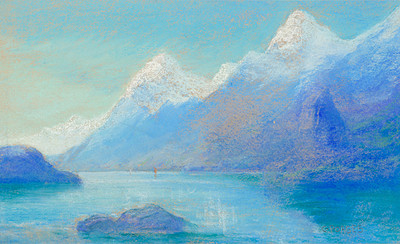
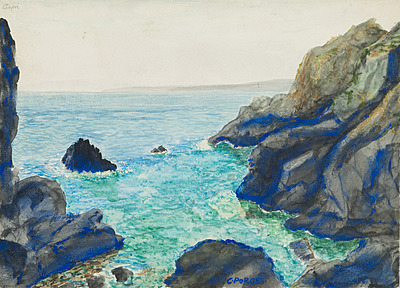
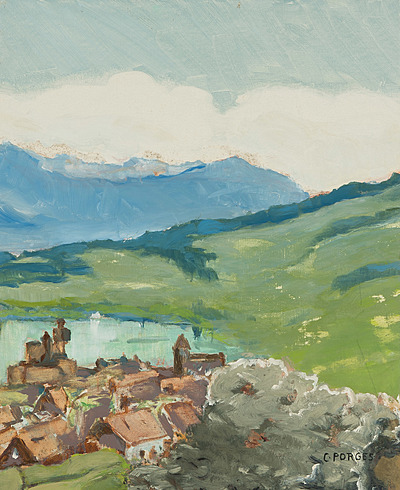
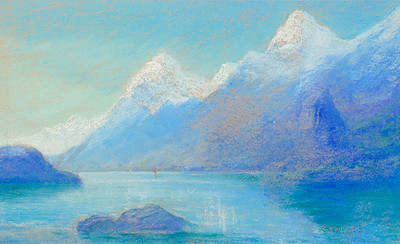
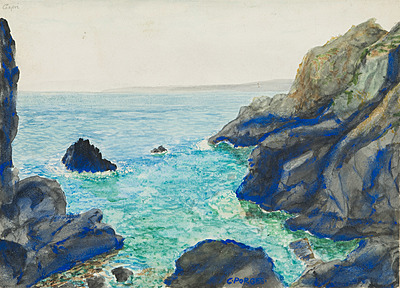
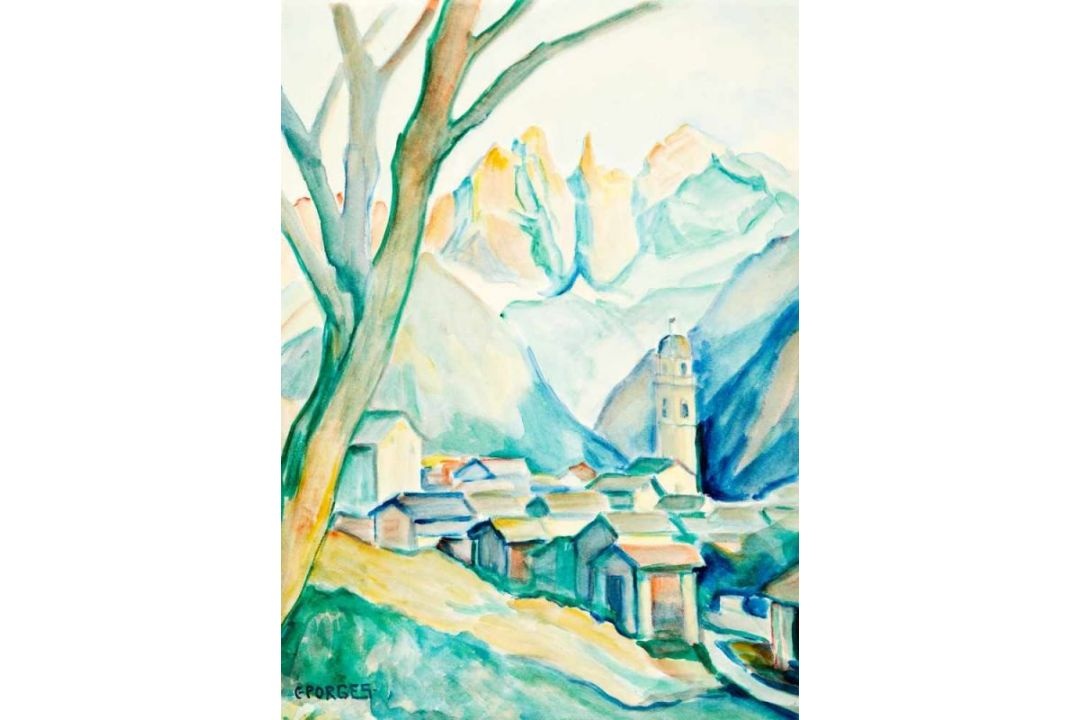
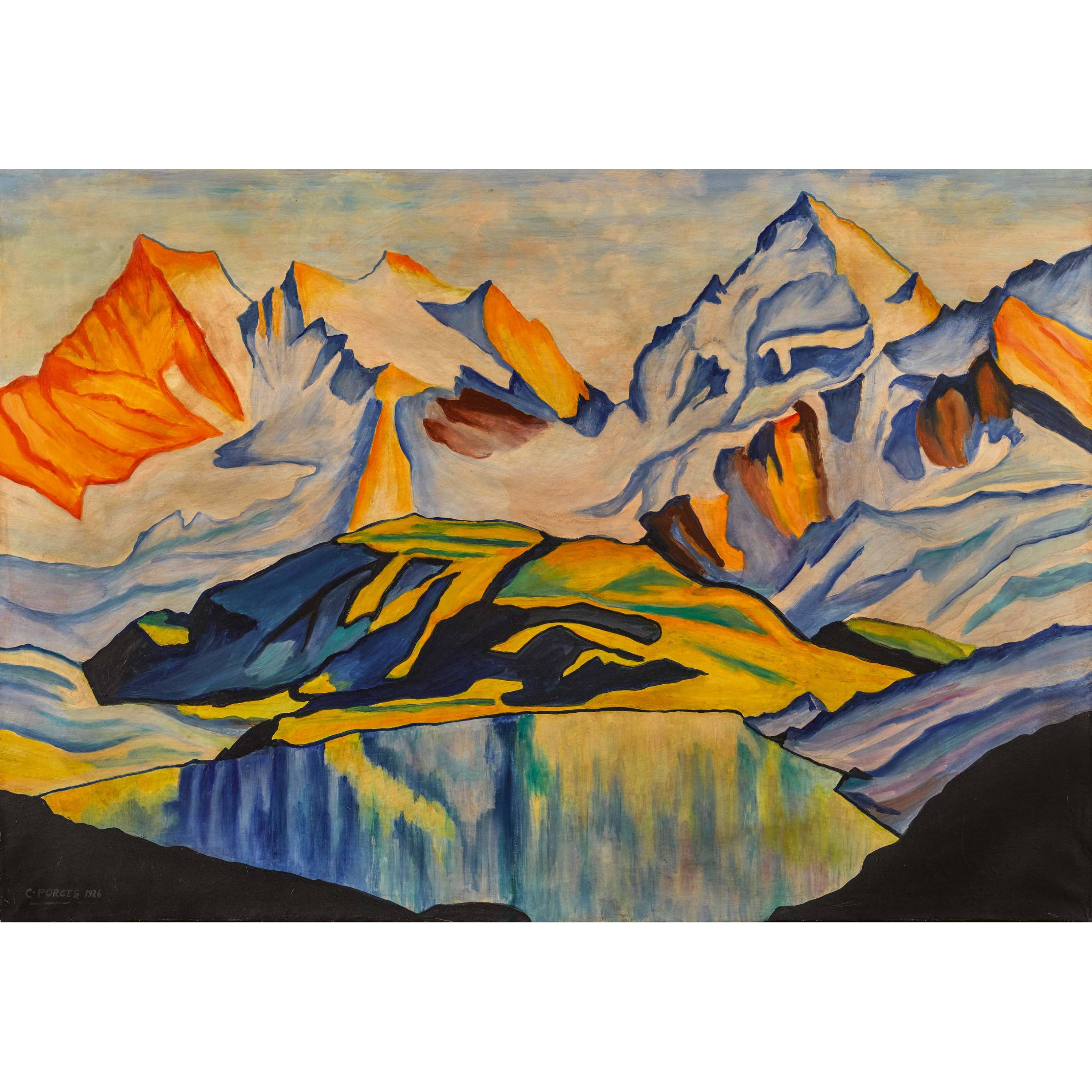
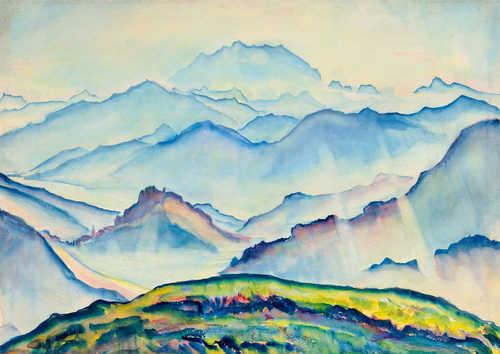
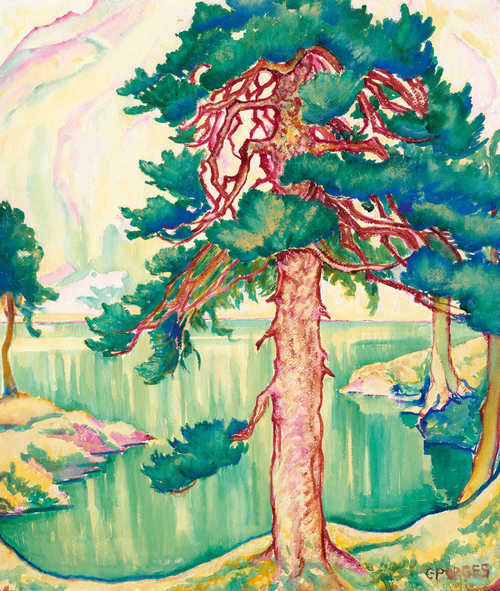
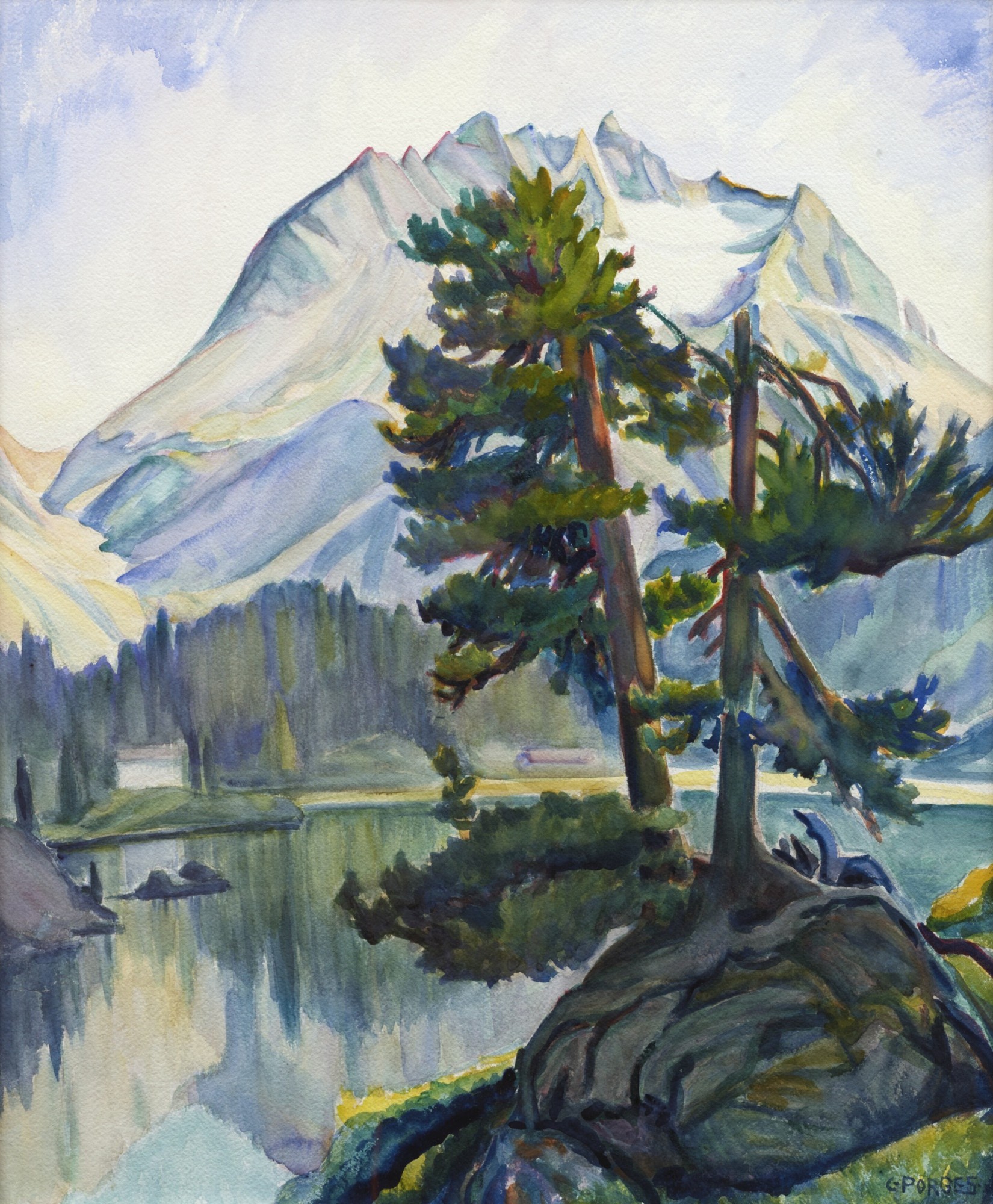
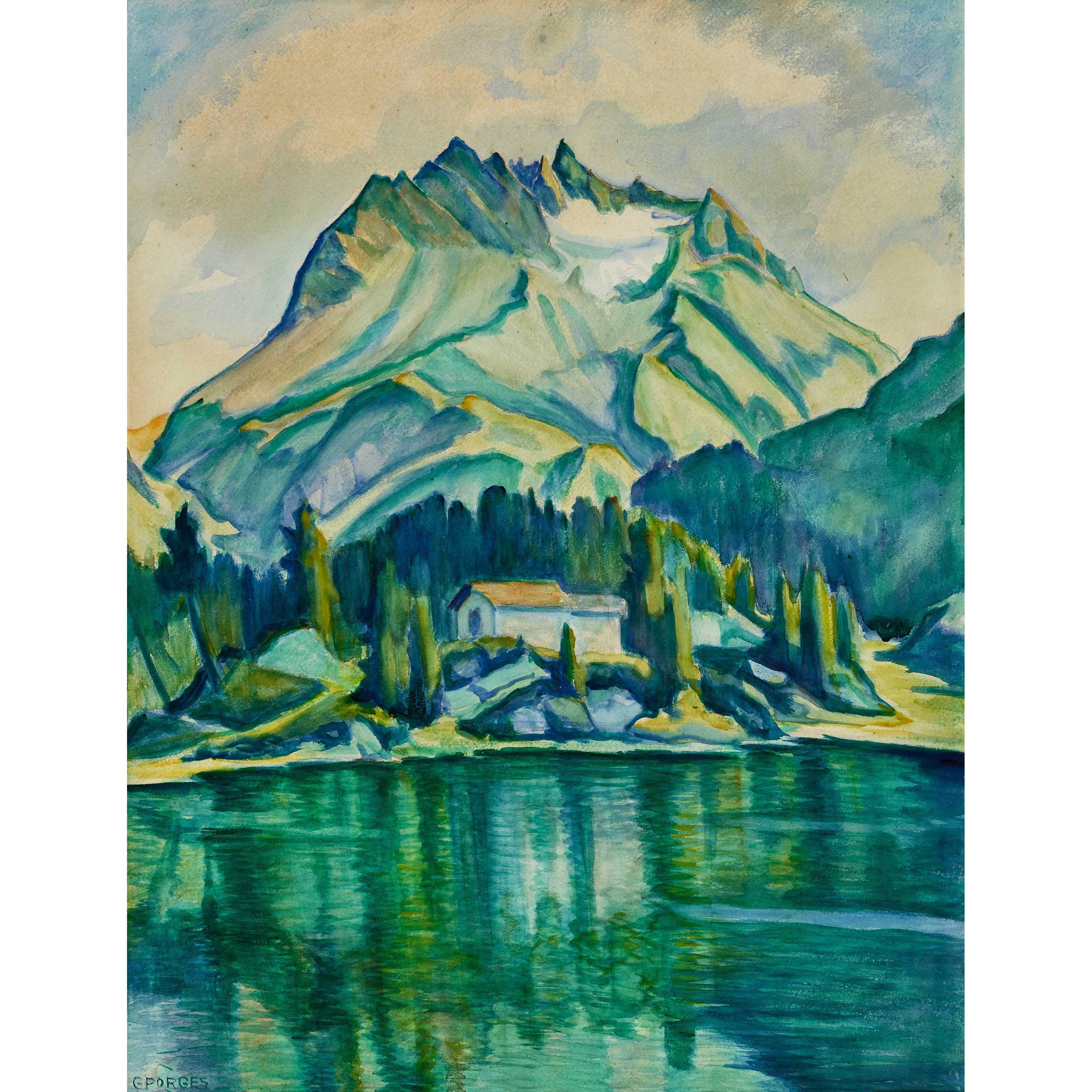
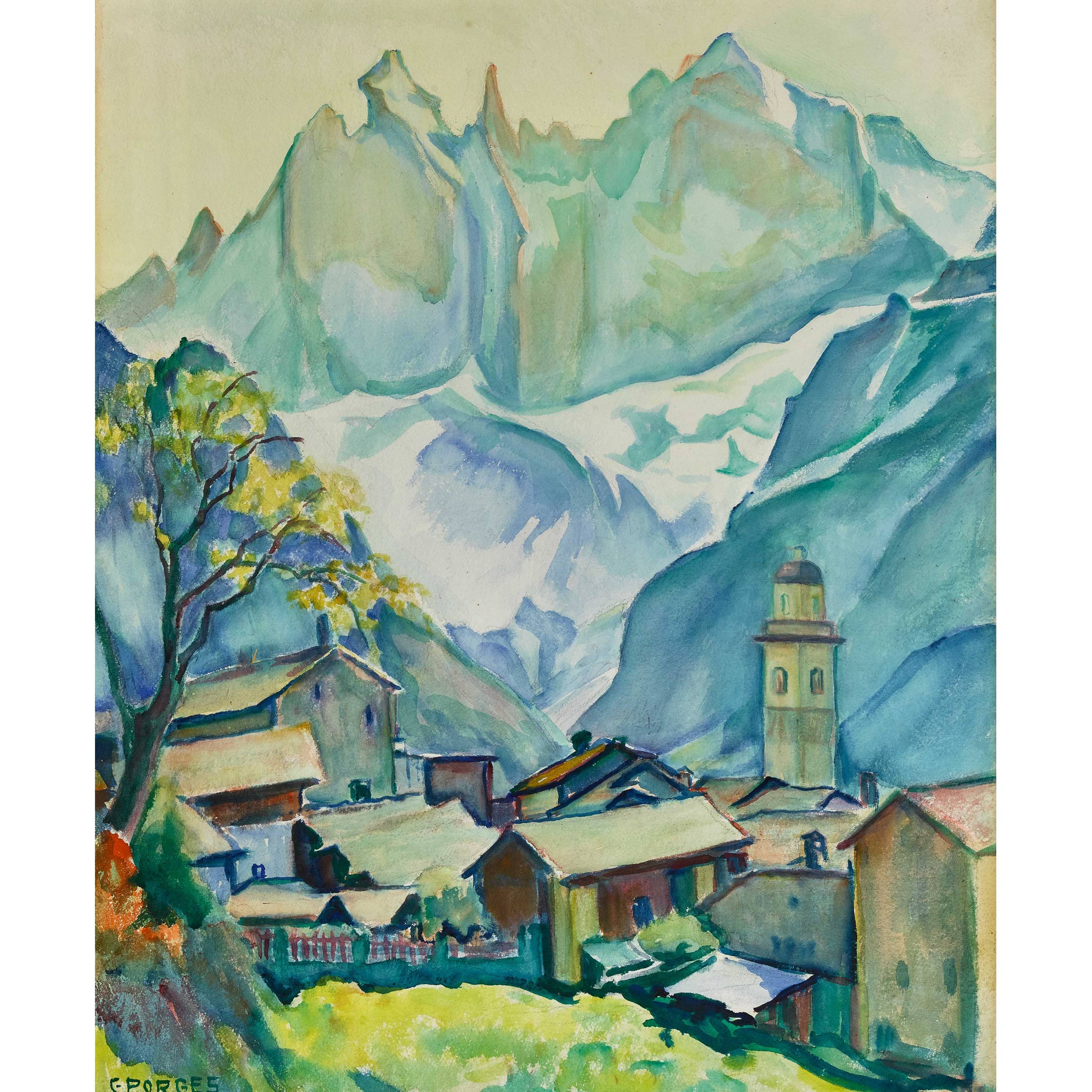
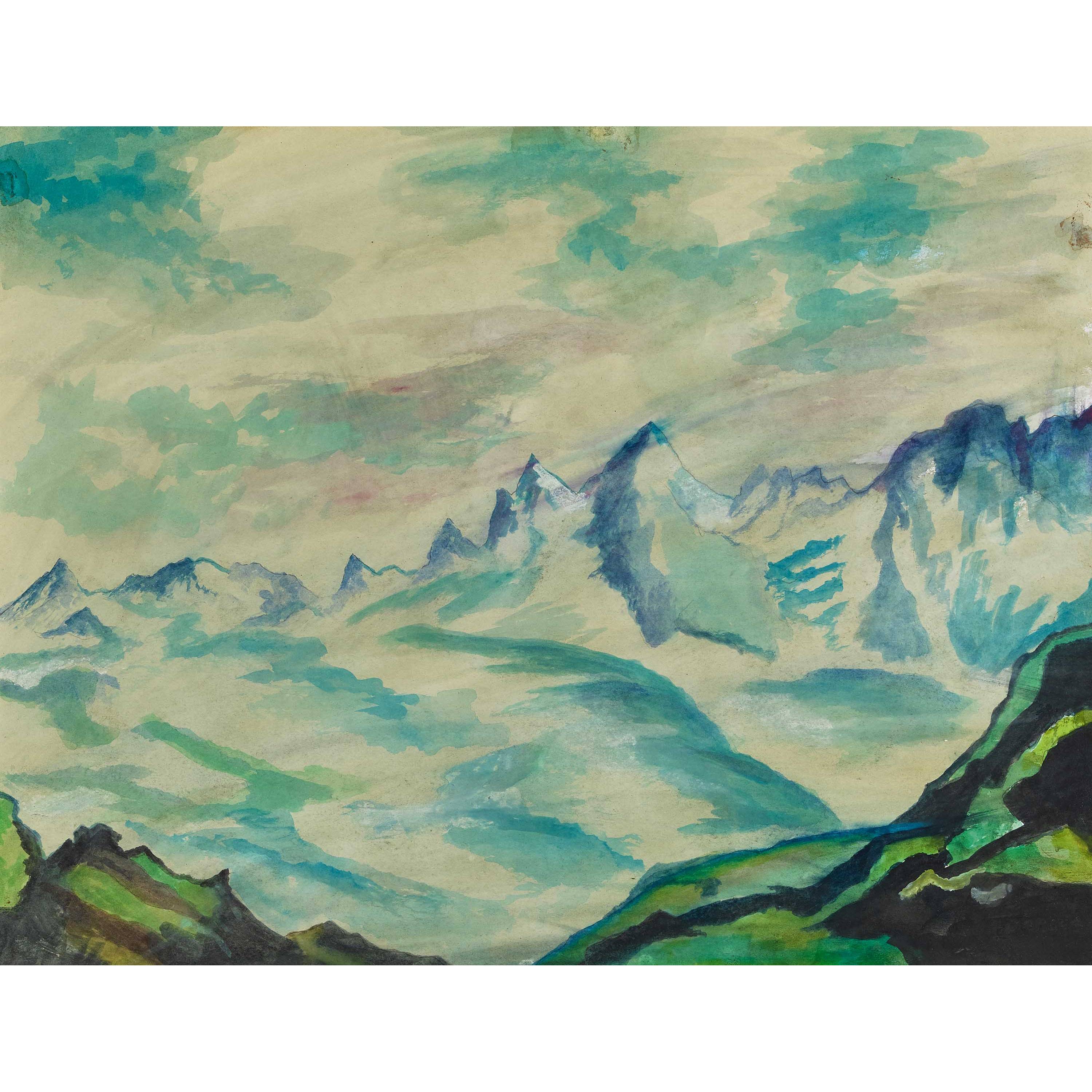
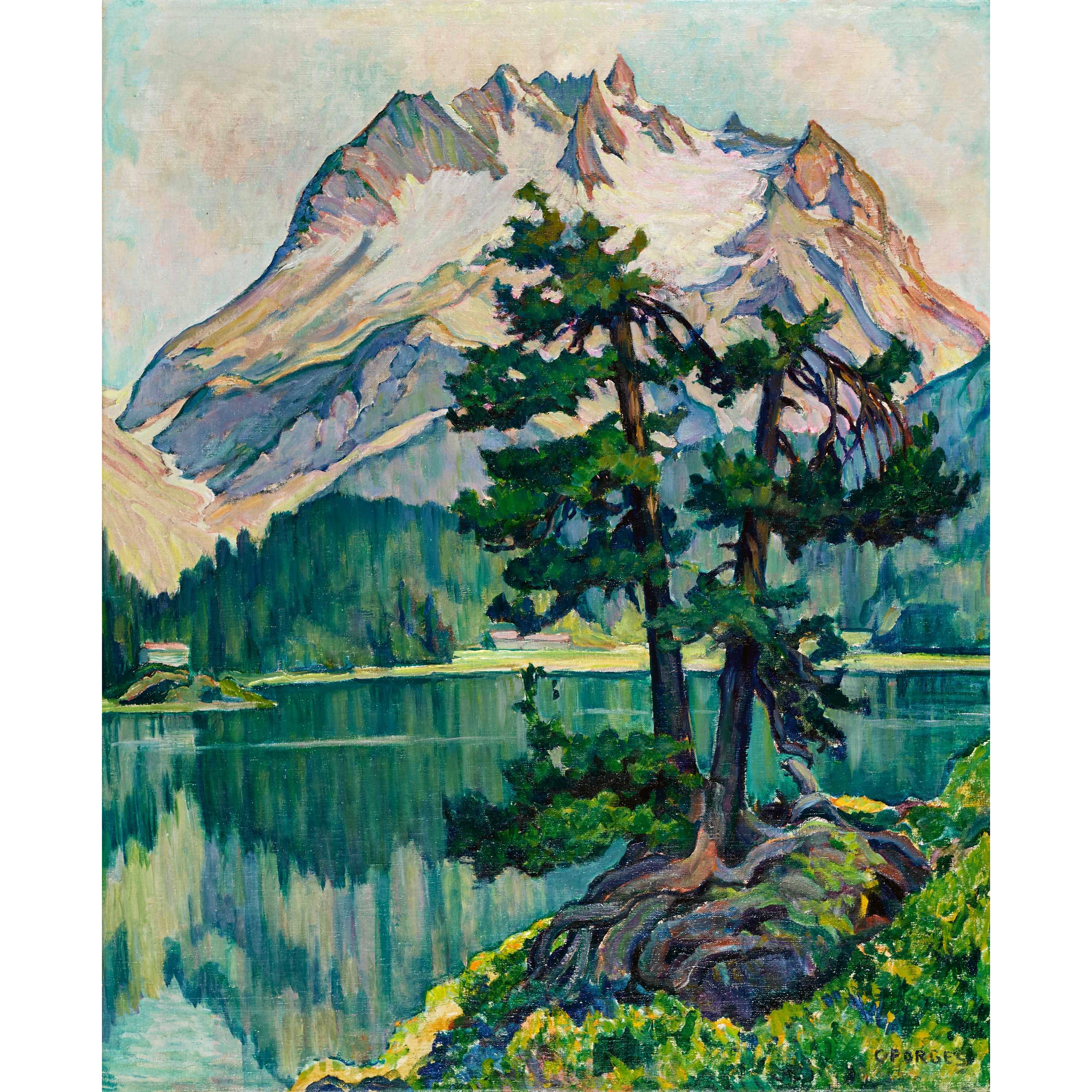
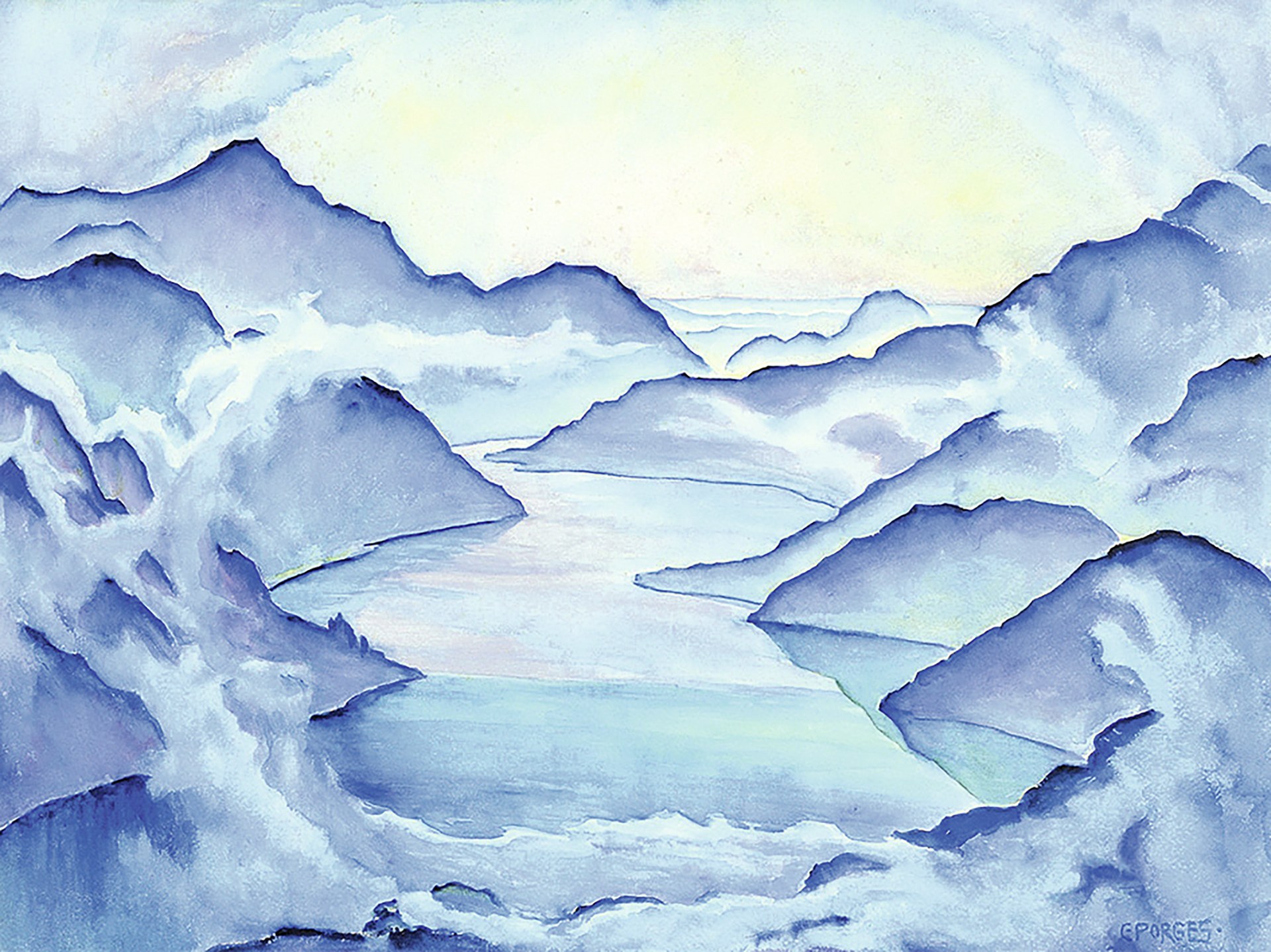
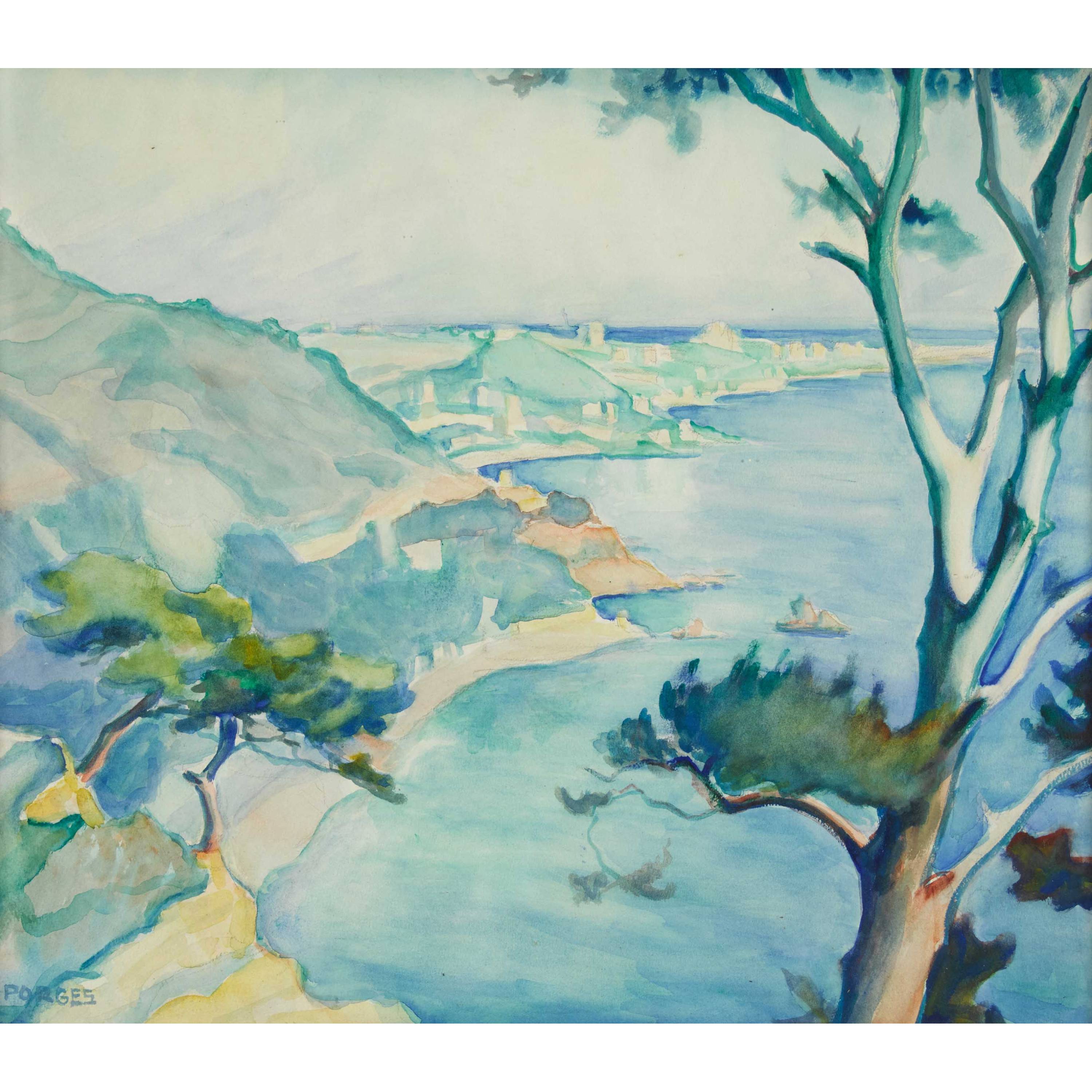
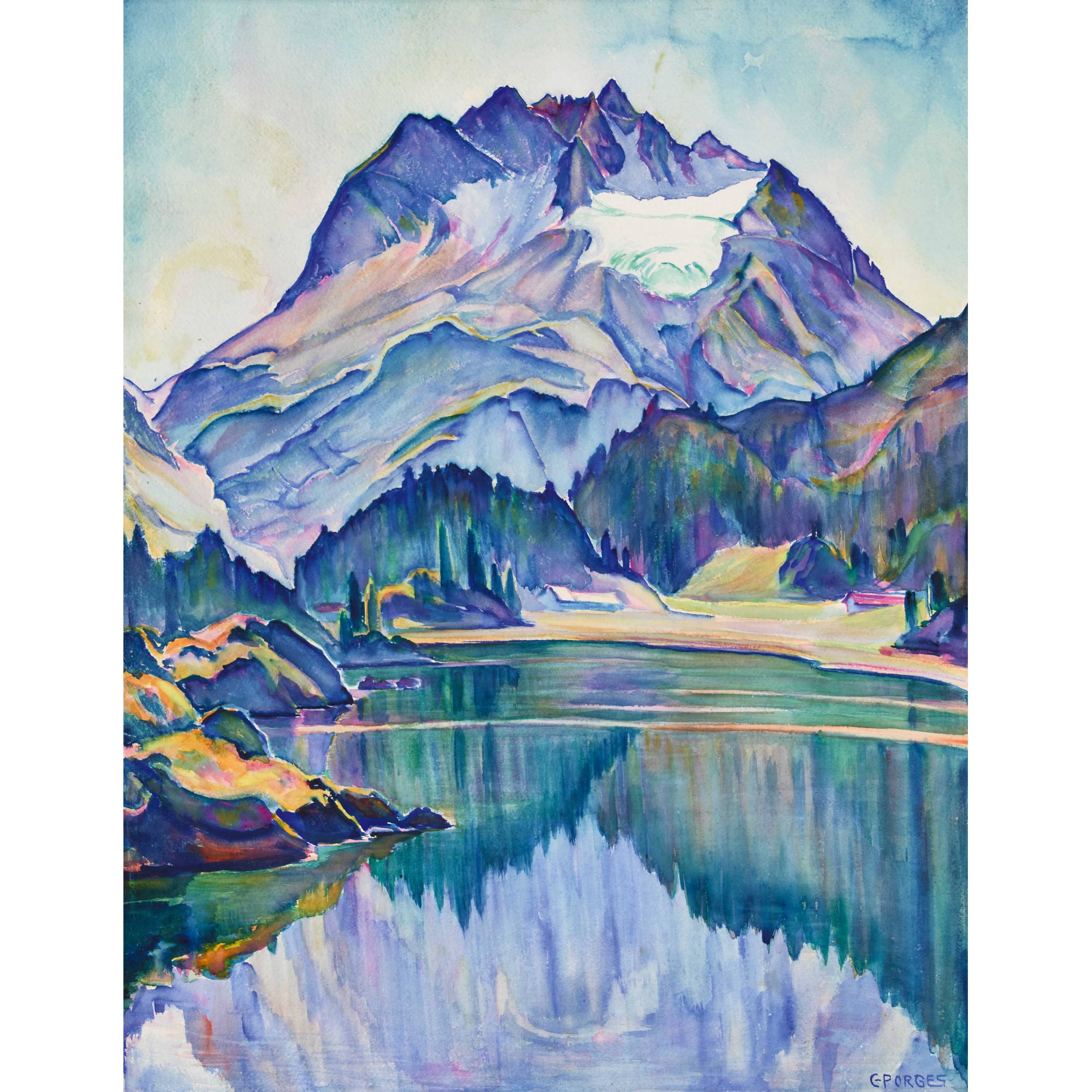
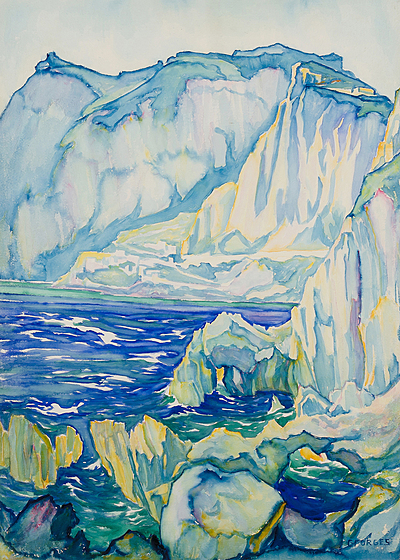
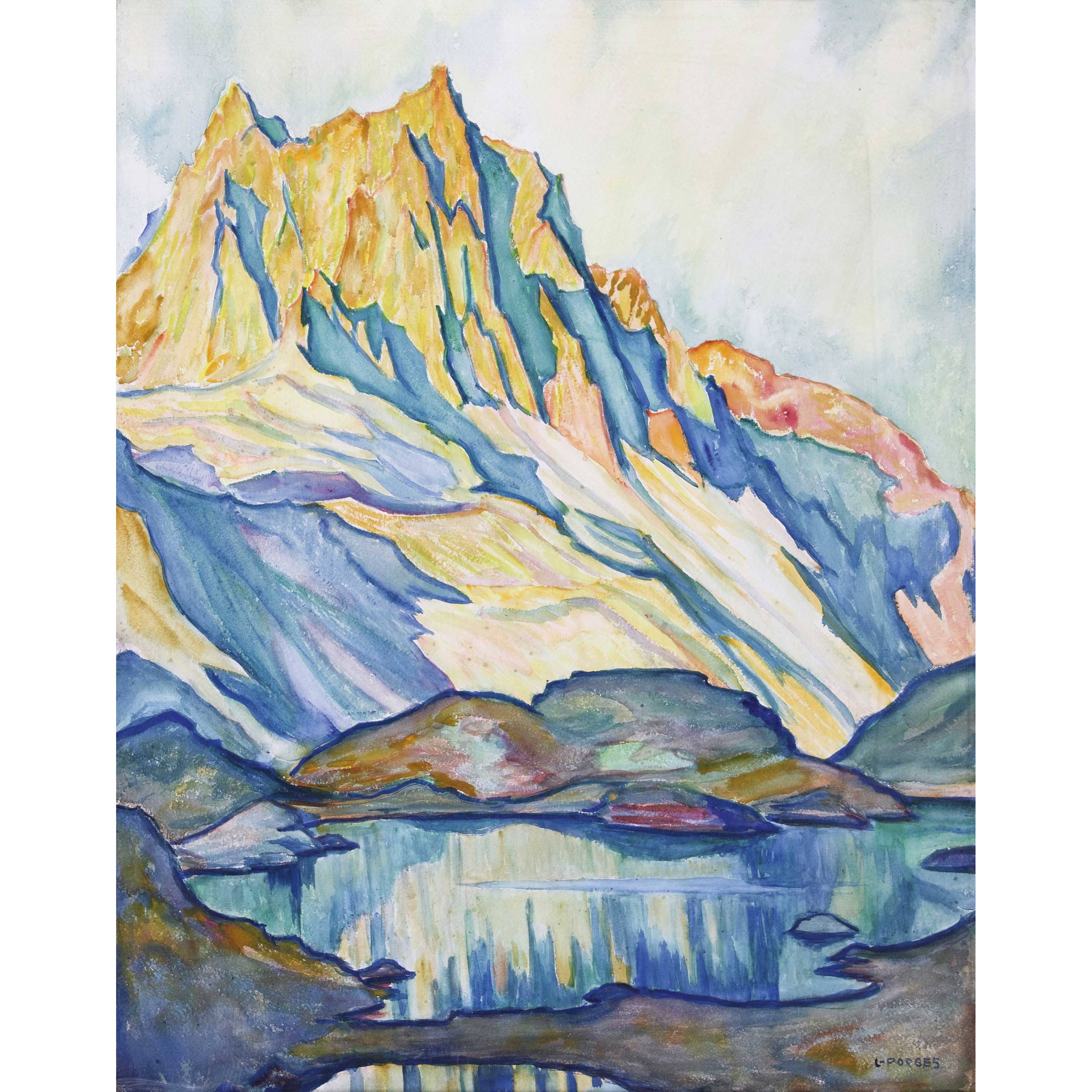
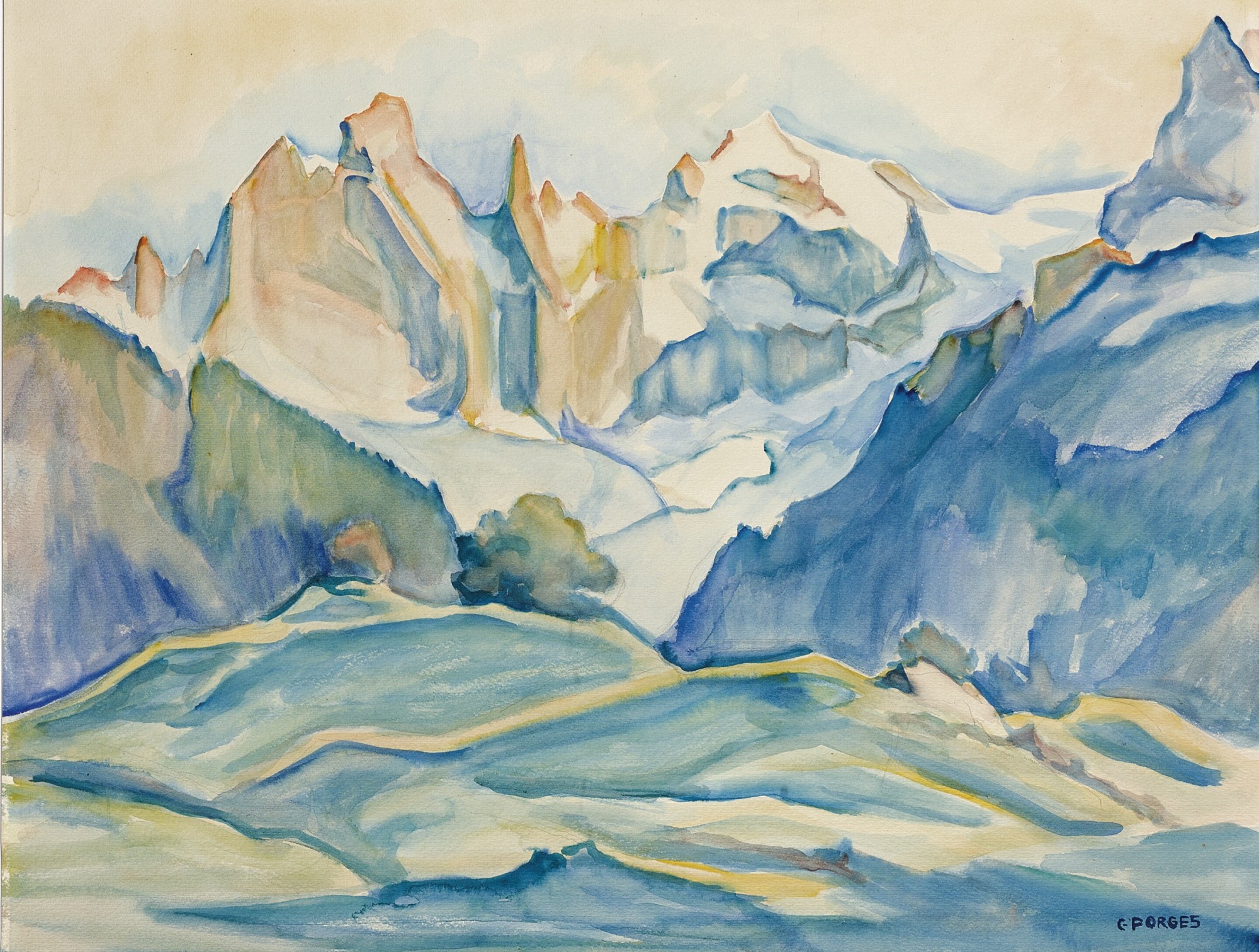
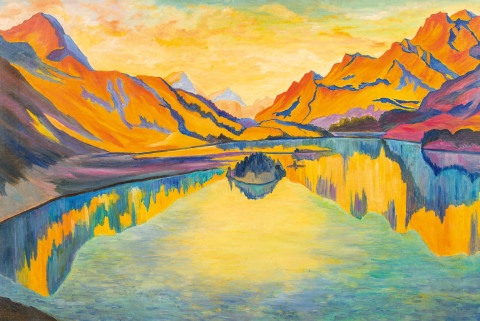
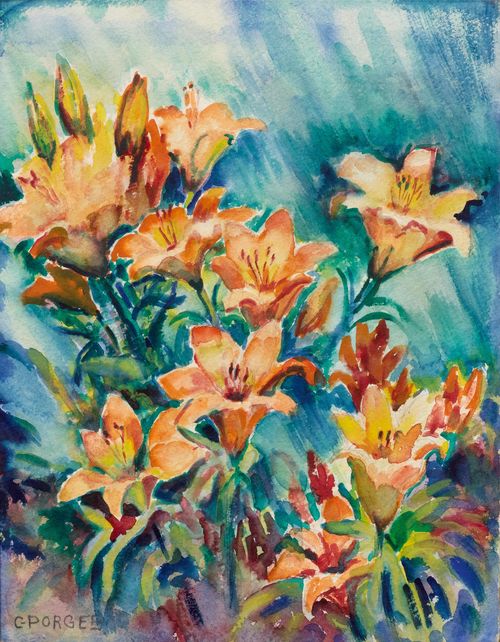
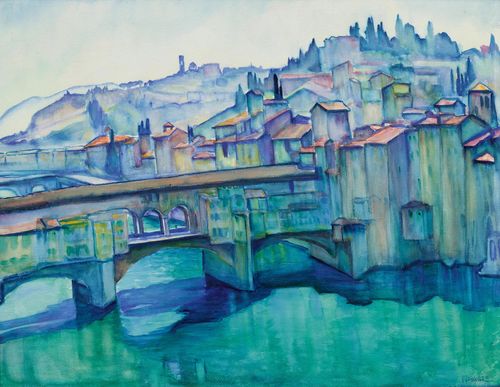
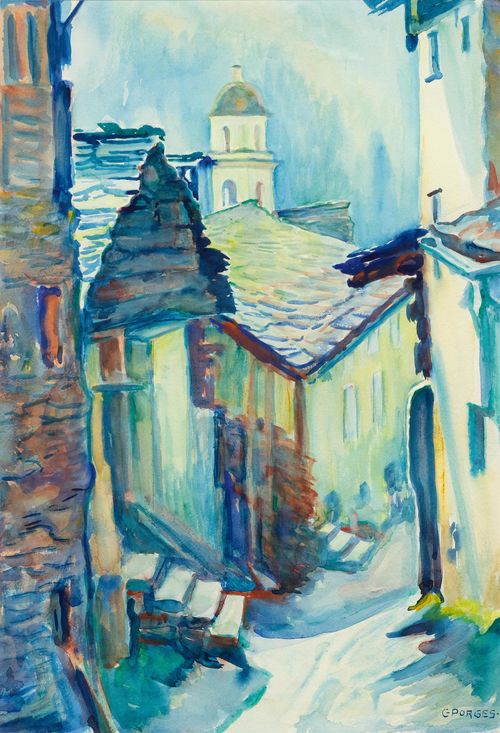
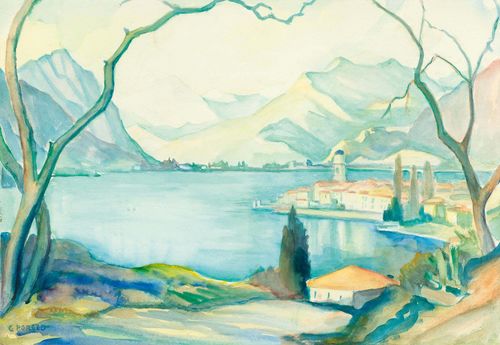
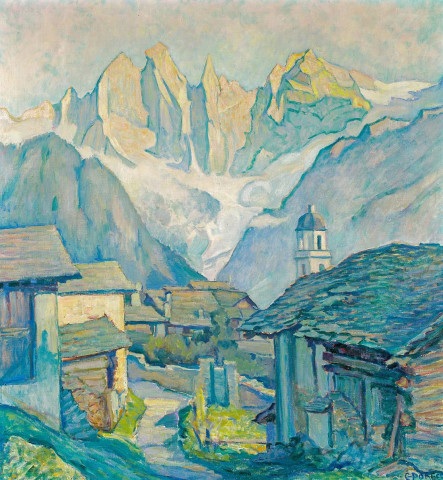
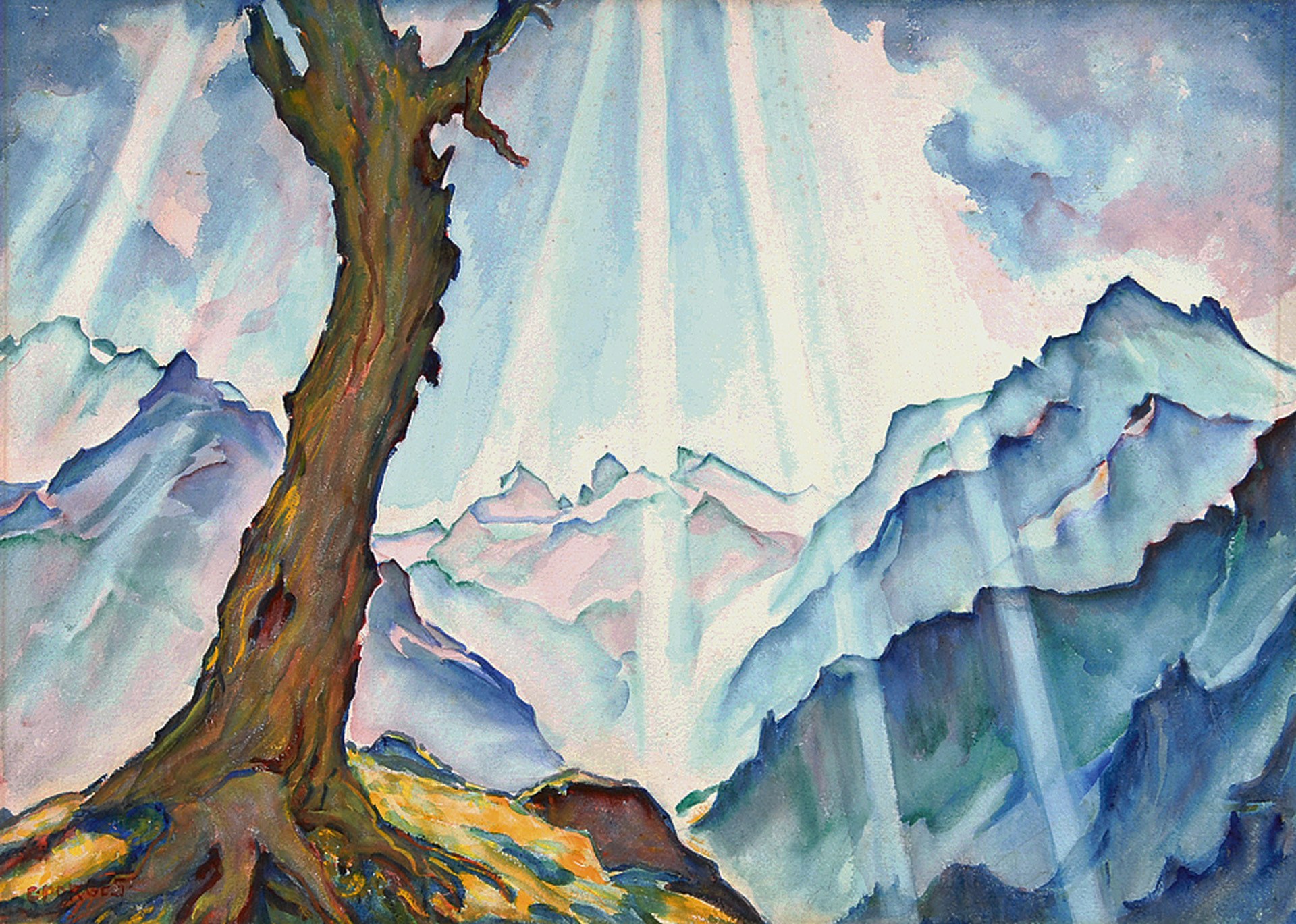
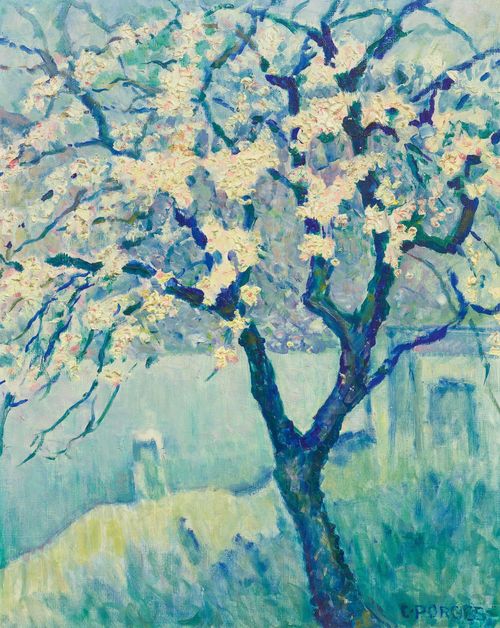
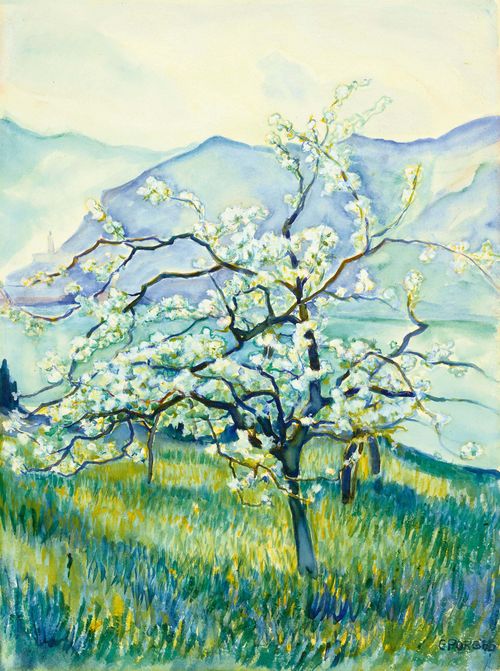
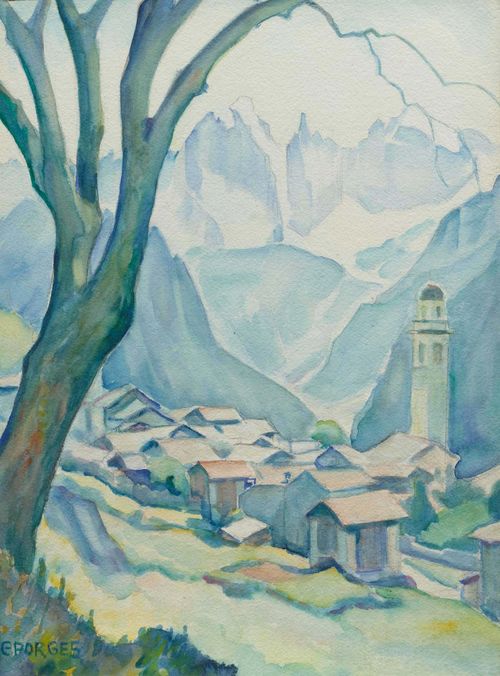
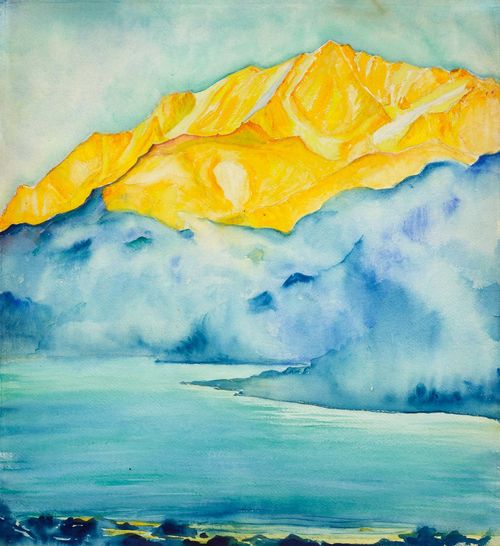
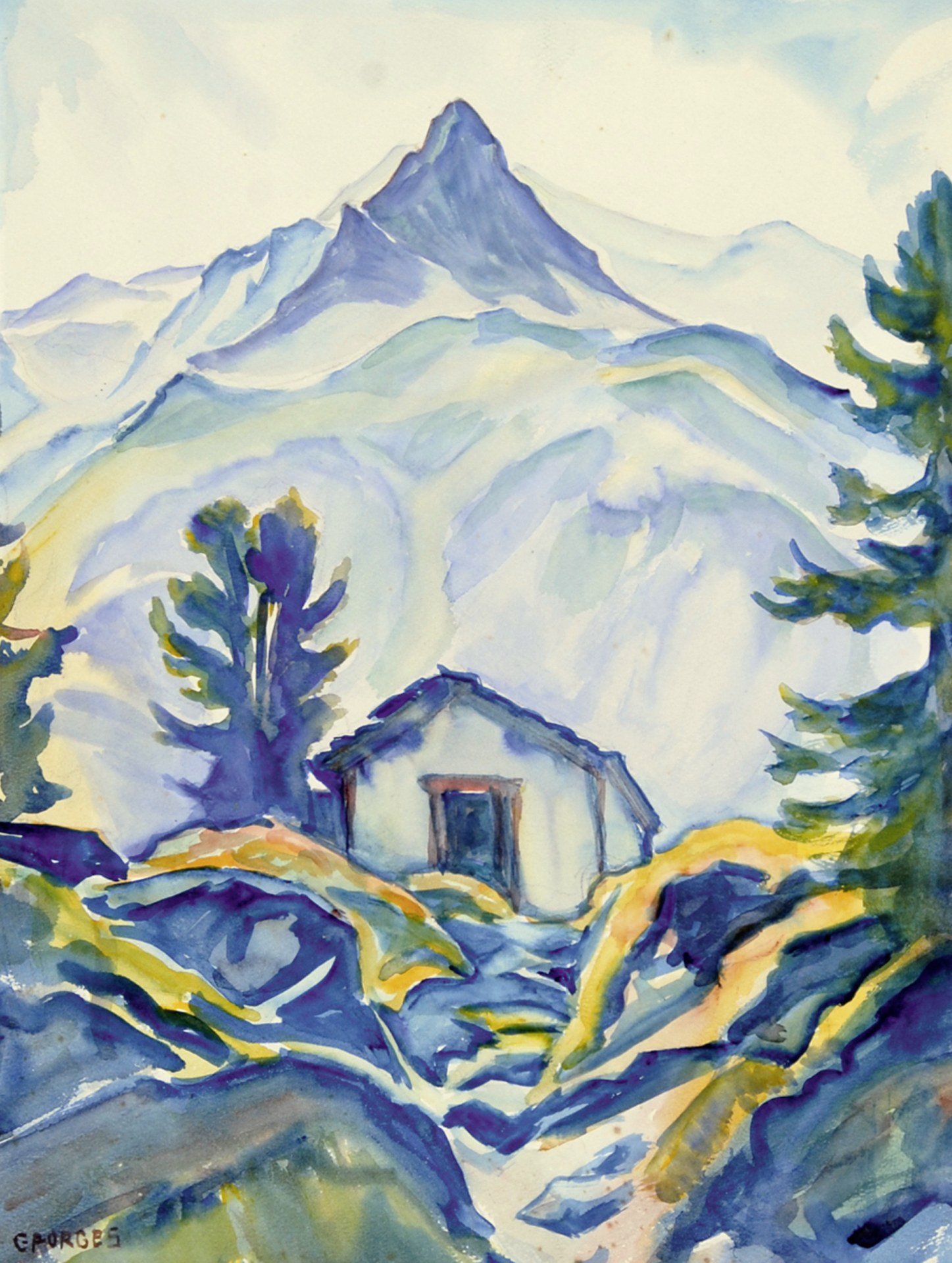
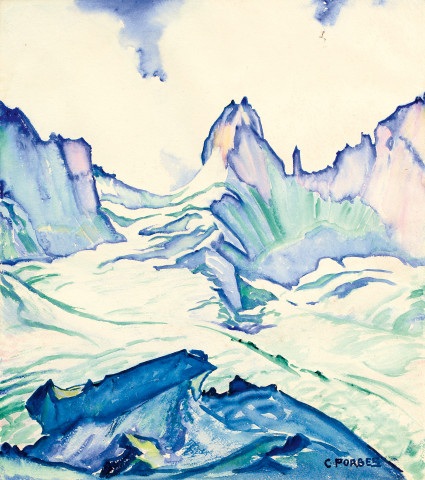
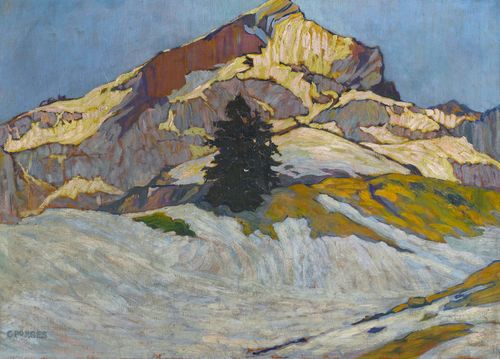
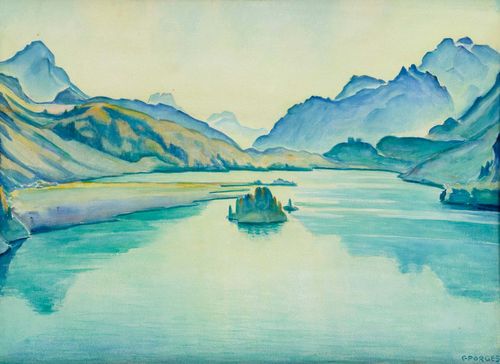
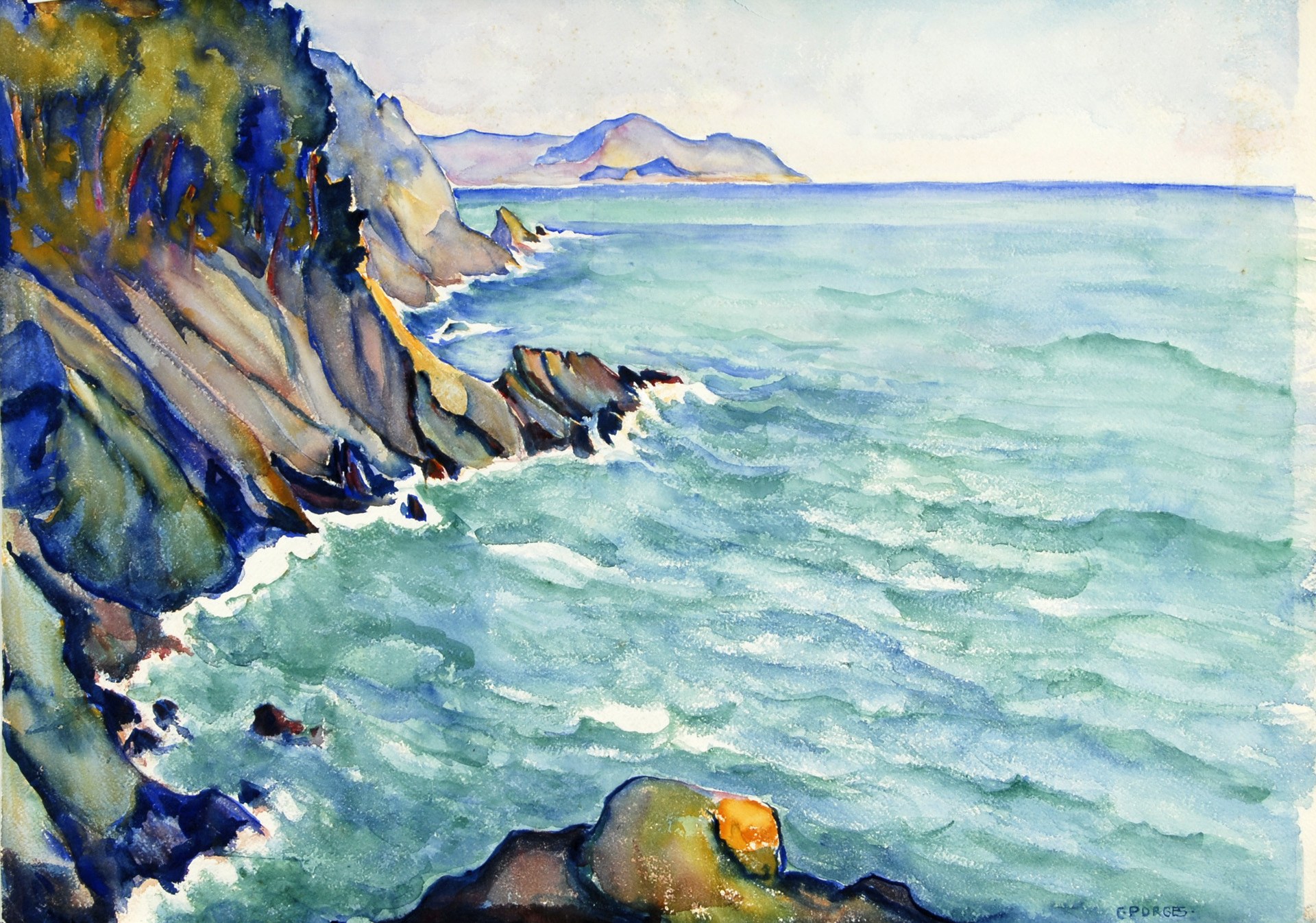
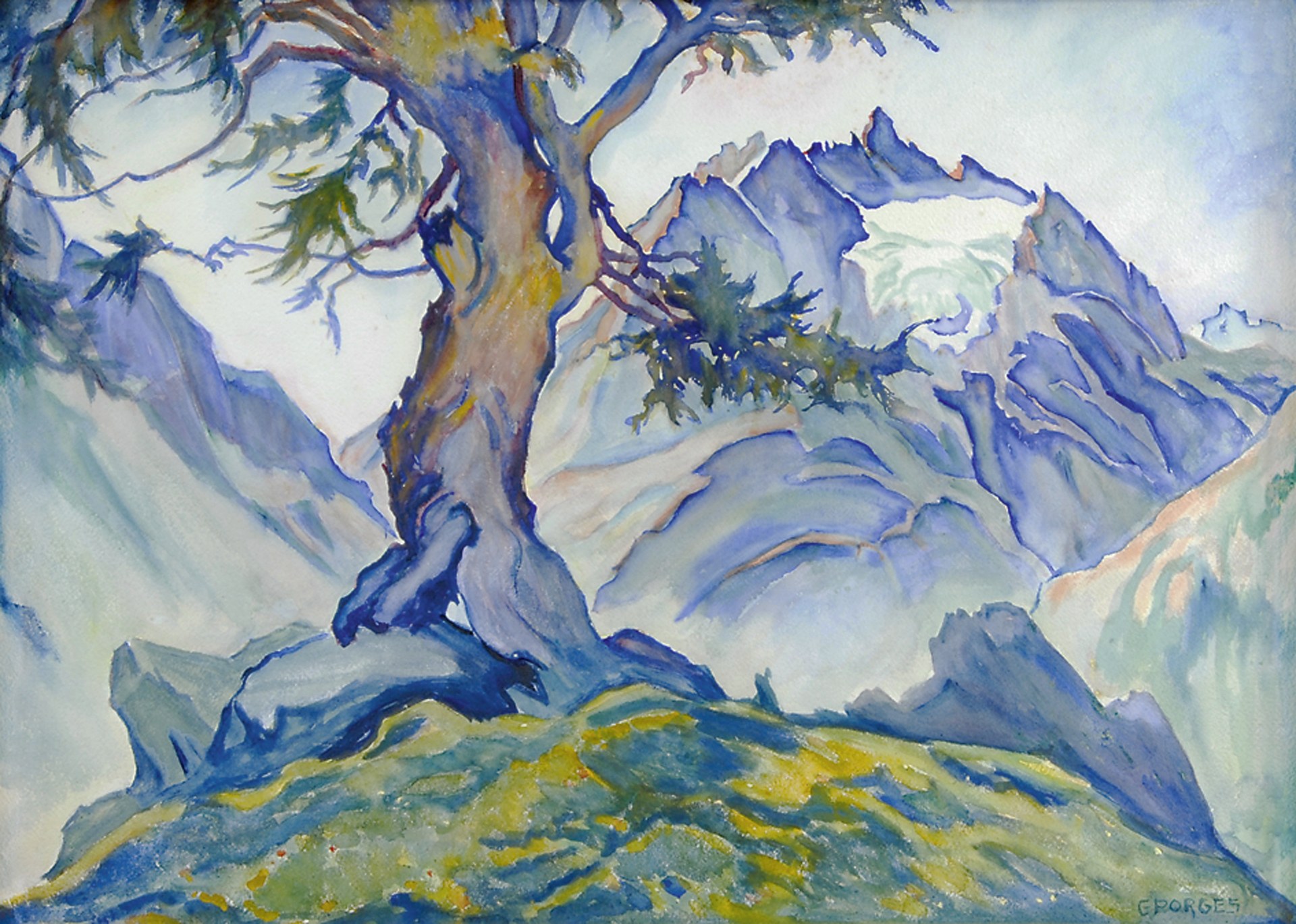
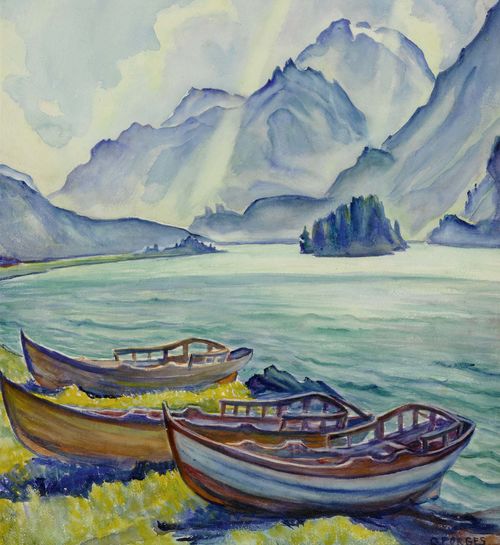
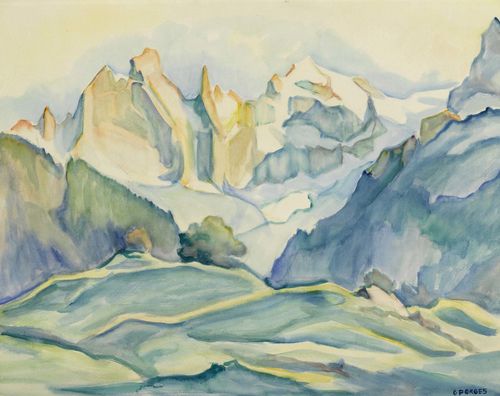
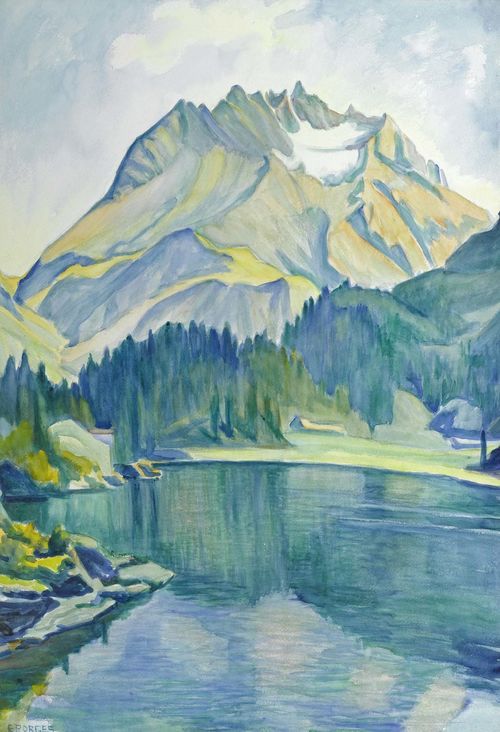
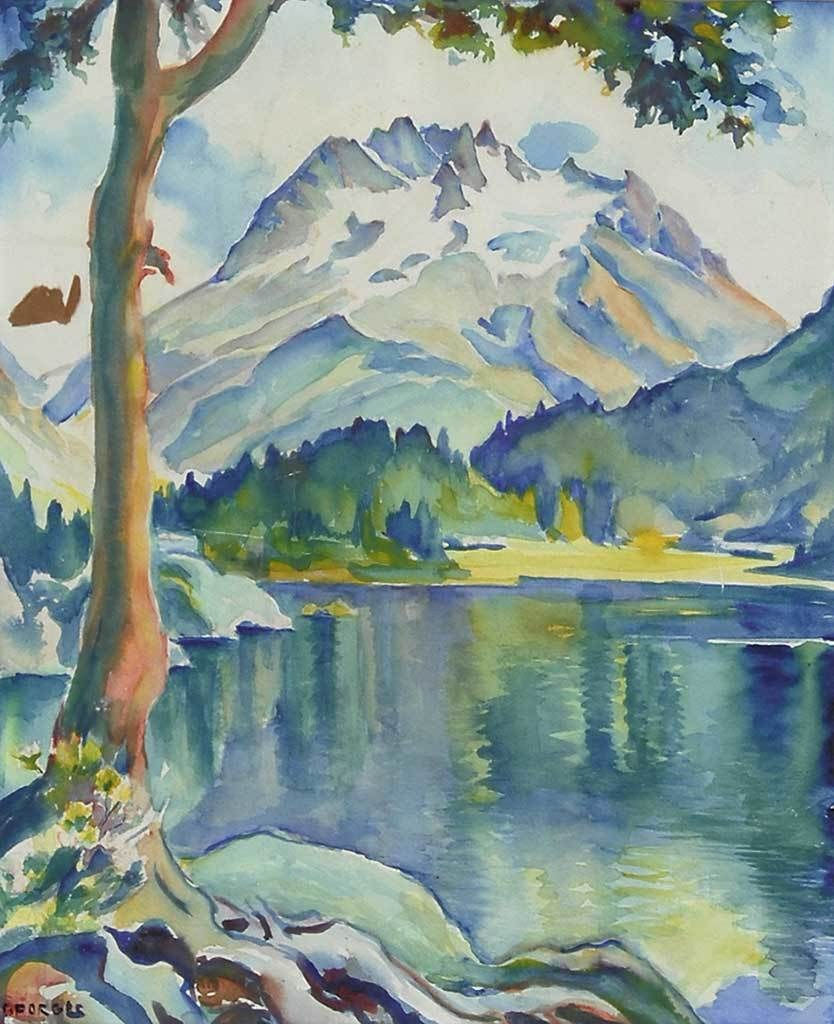
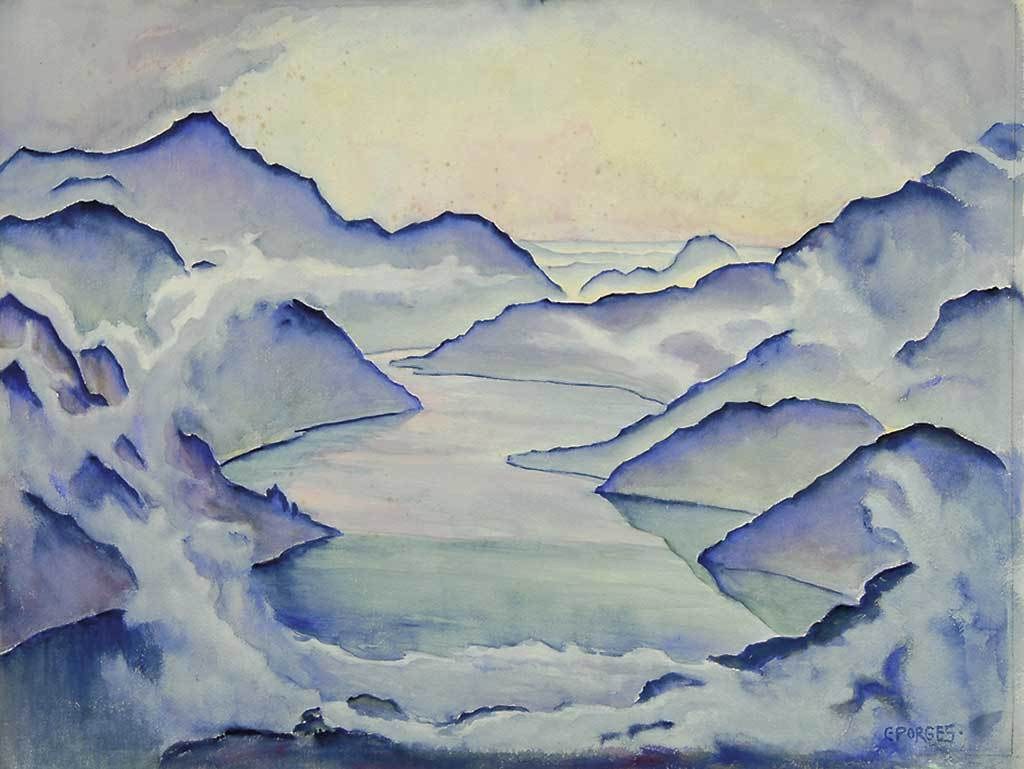
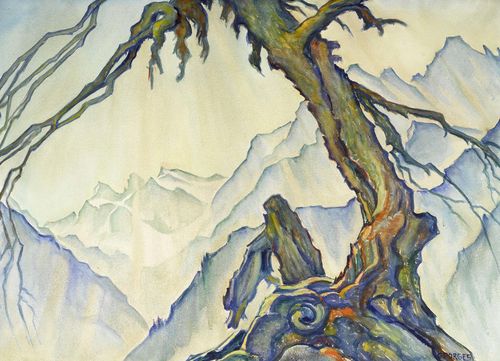
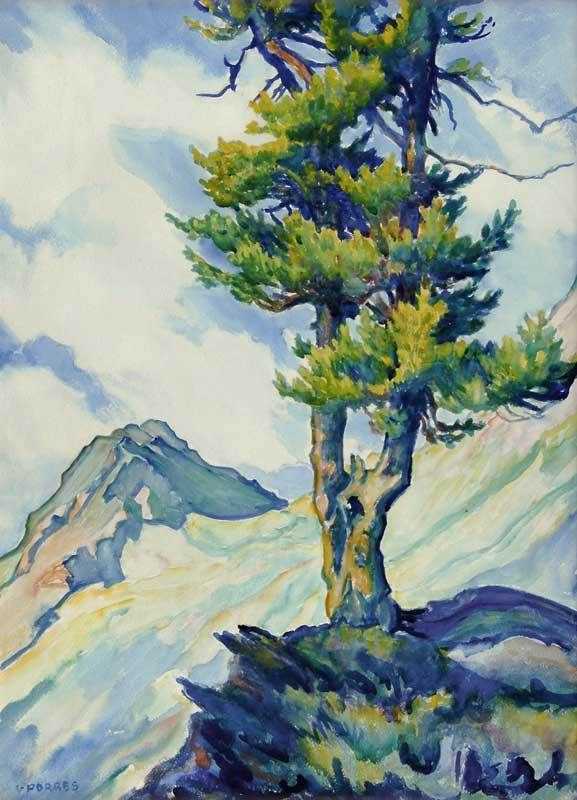
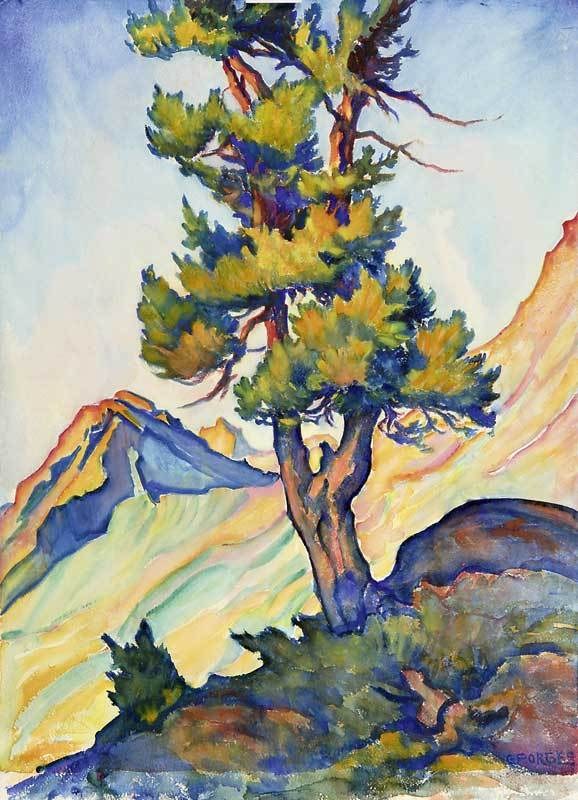
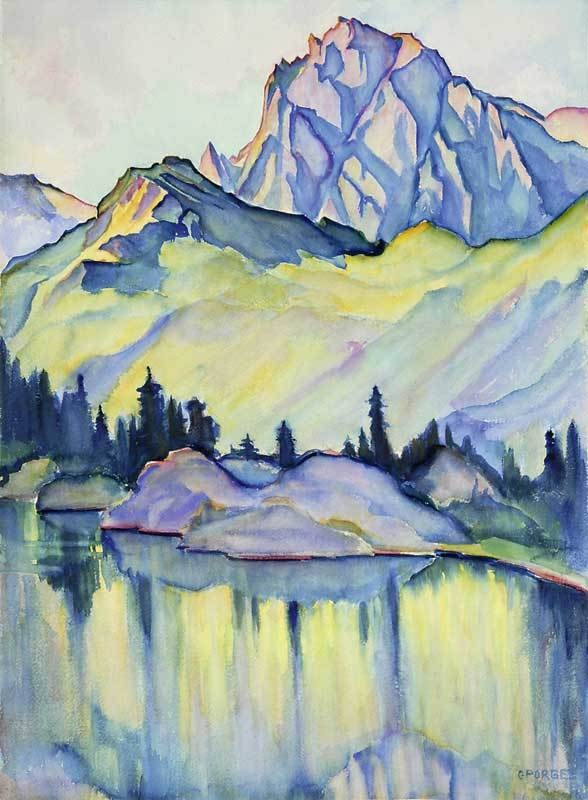
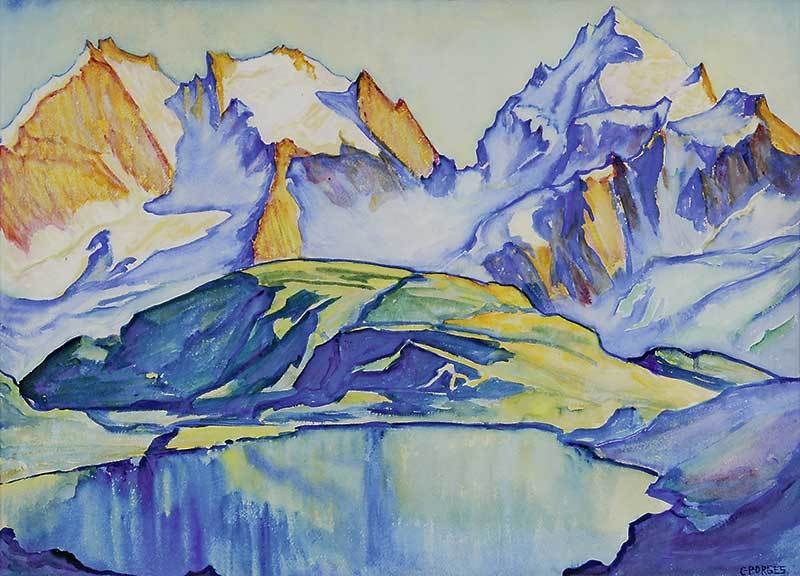
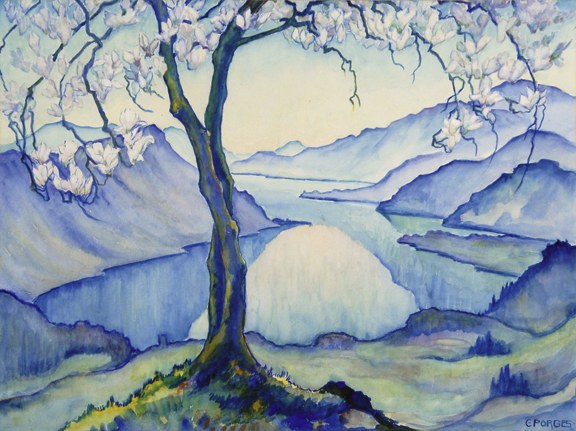
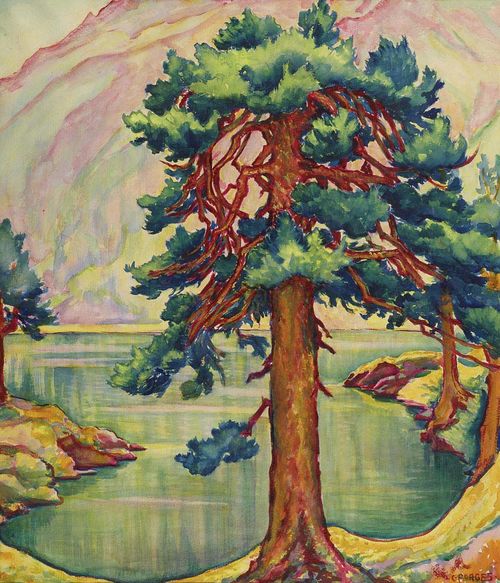
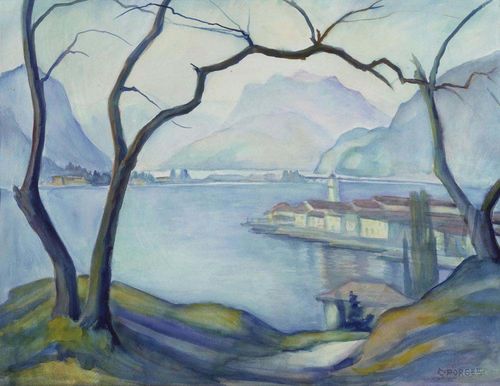
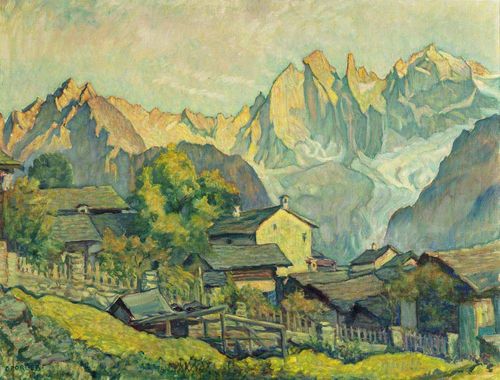
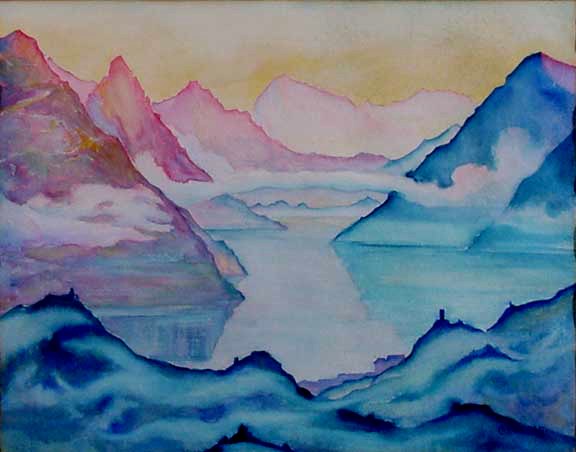
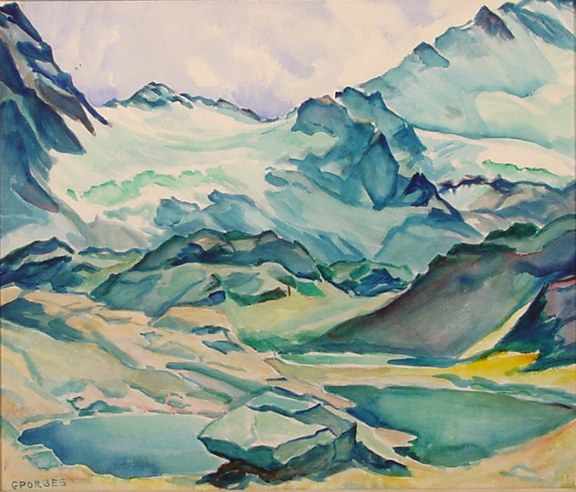
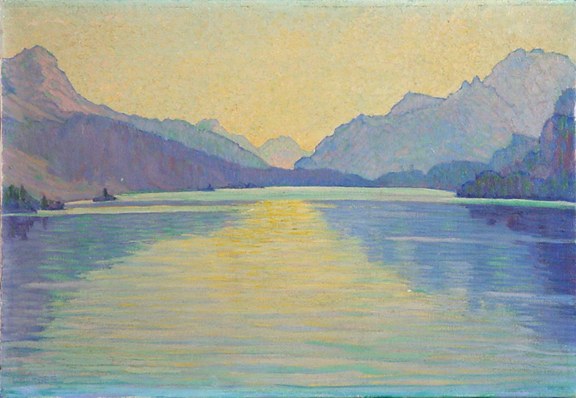
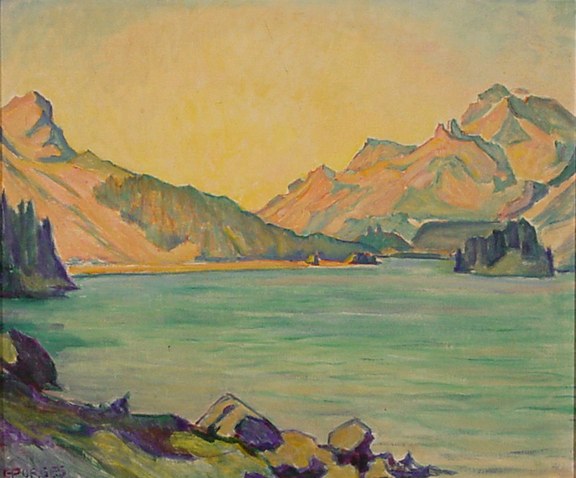
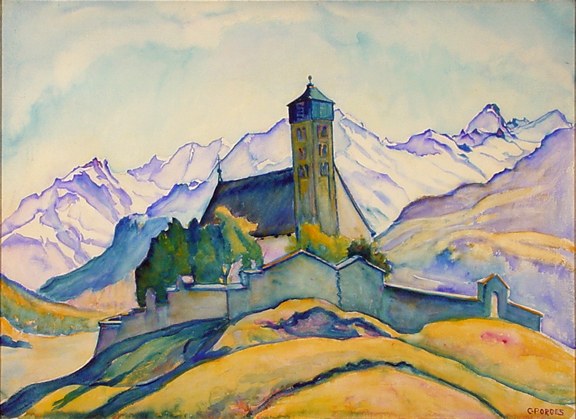
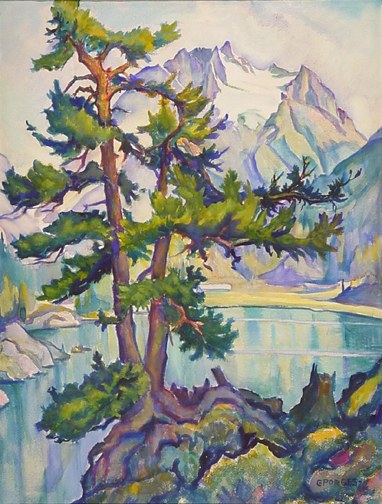
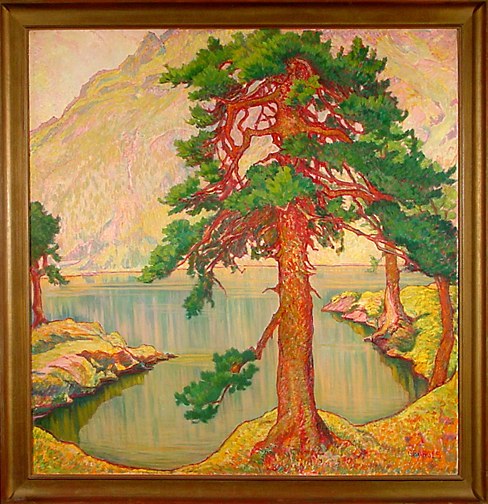
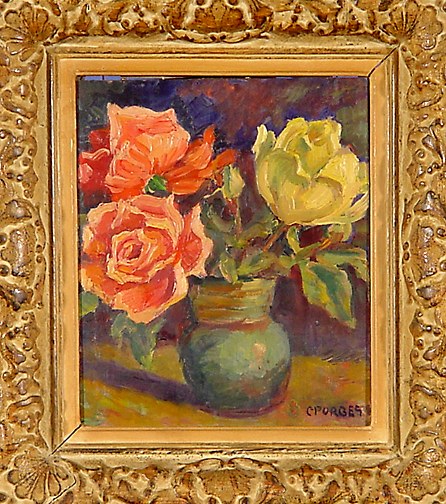
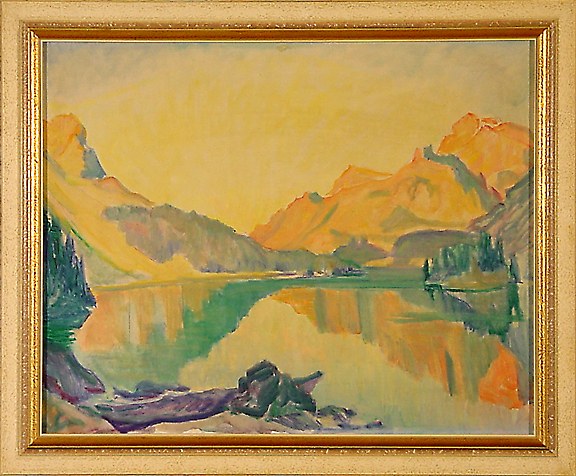
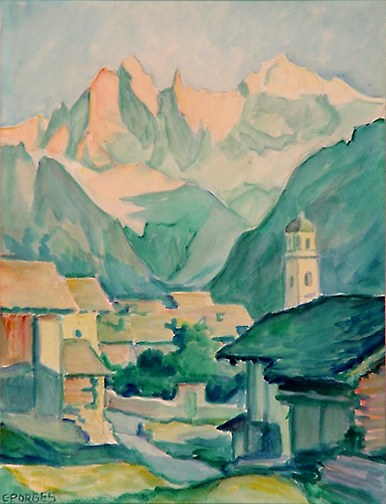
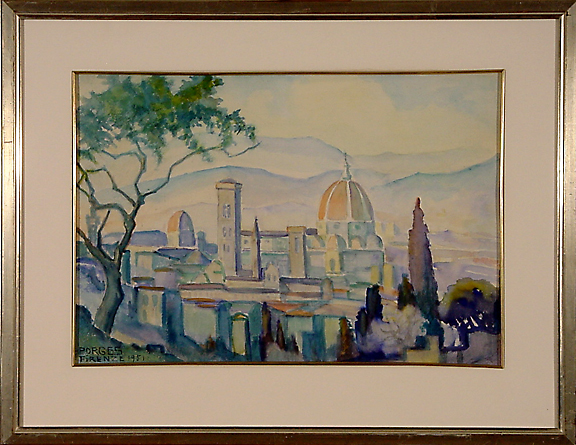
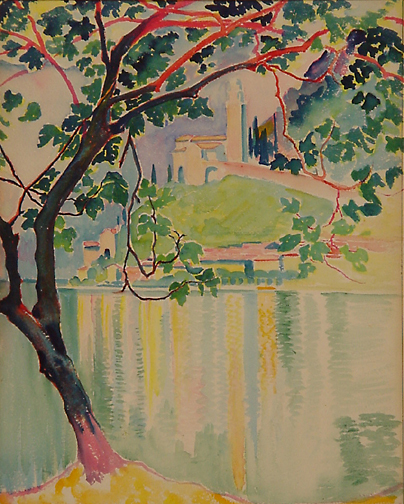
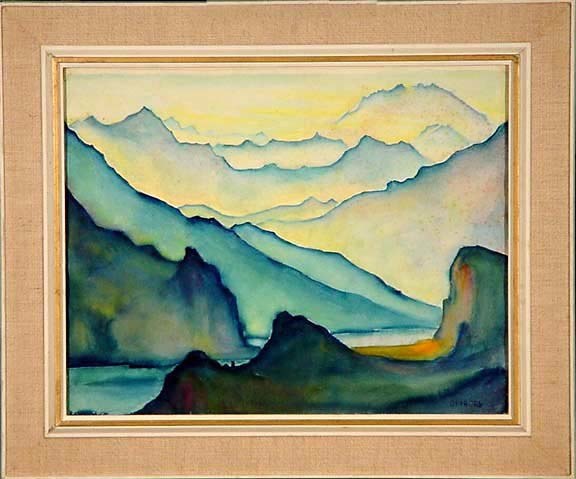
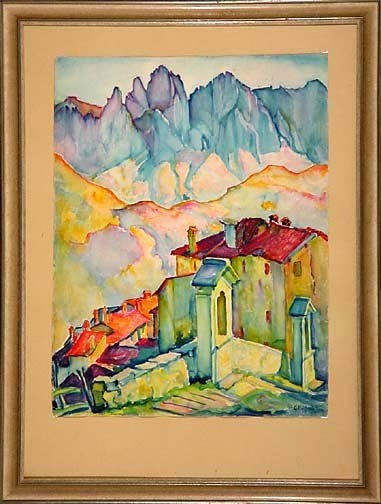
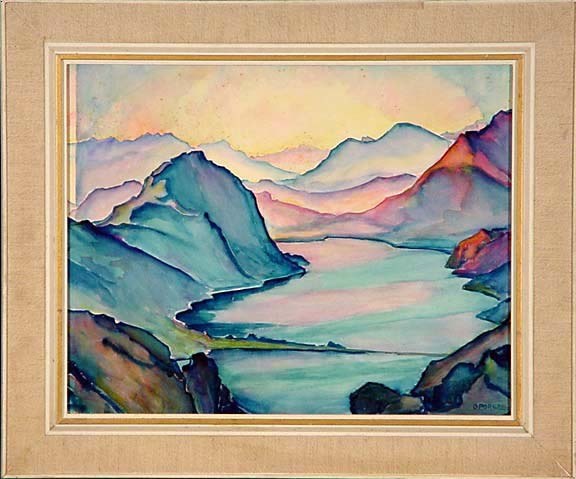
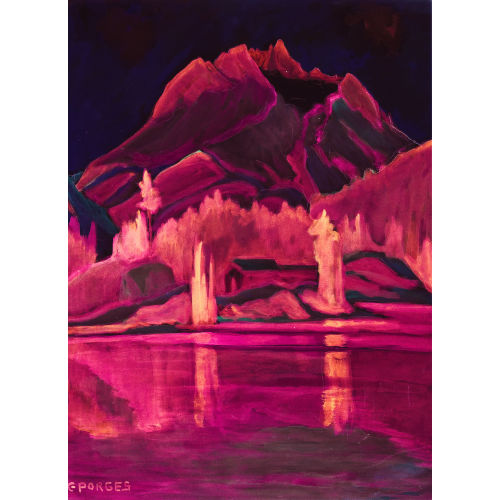
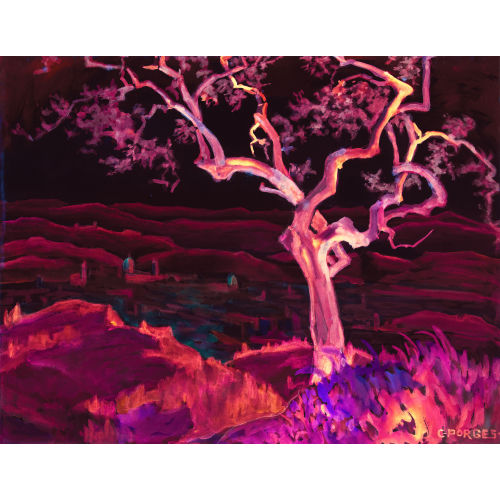
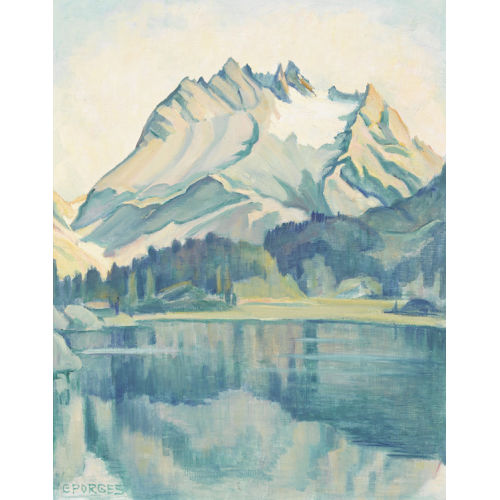
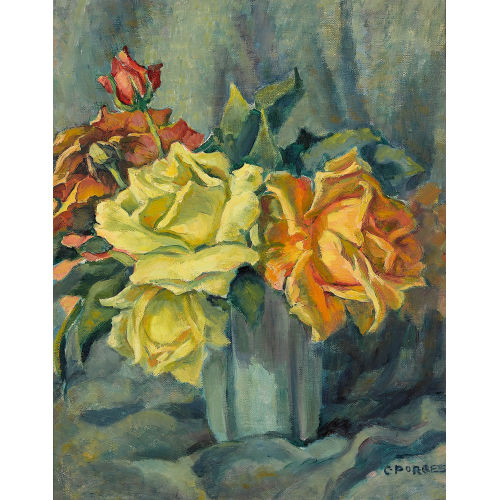
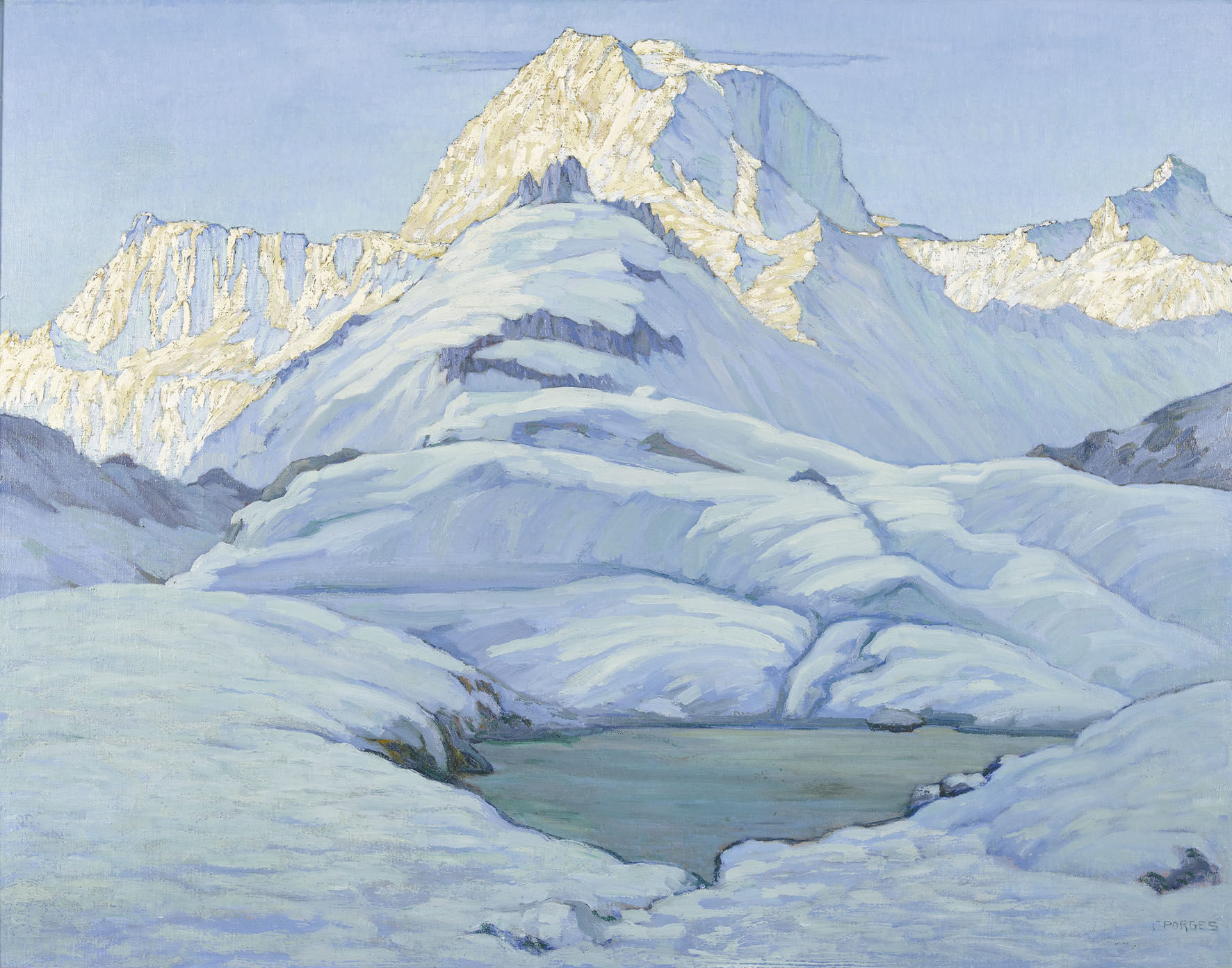
Clara Porges (1879–1963) made the Engadin an essential territory of her painting. Its lakes, mountain ranges and high-alpine light nourished a body of work attentive to the expressive power of the landscape. Her paintings and watercolours offer an approach to the Alps through a personal experience of place, in which colour and composition give intensity to natural motifs.
The discovery of Sils in 1911 marked a turning point. Together with her husband, an Austrian violinist, she had read the letters in which Friedrich Nietzsche evoked this landscape. The journey inspired a lasting attachment: she subsequently returned to the region regularly, with the exception of the war years.
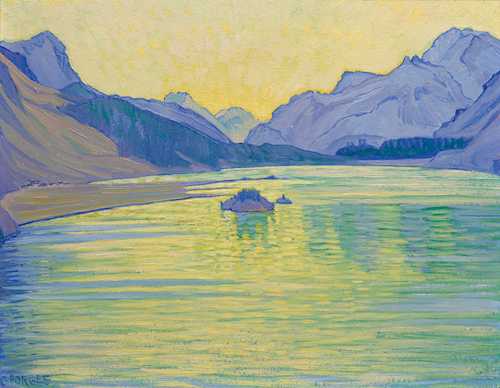
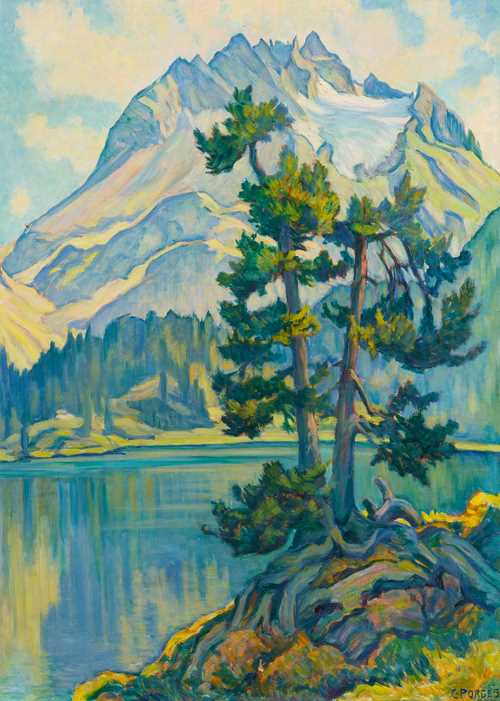
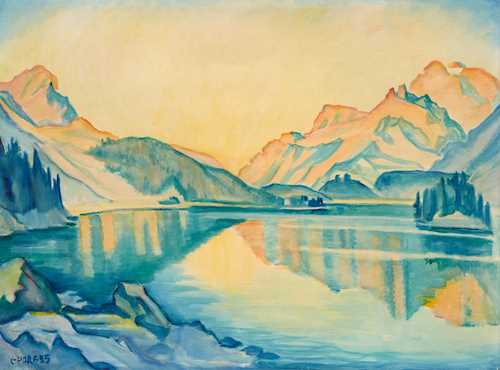
The basin of Lake Sils became a favoured source of work and inspiration.
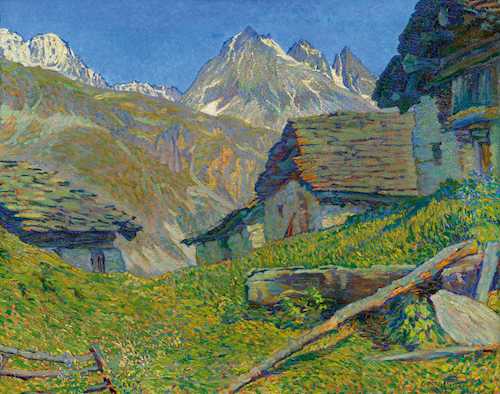
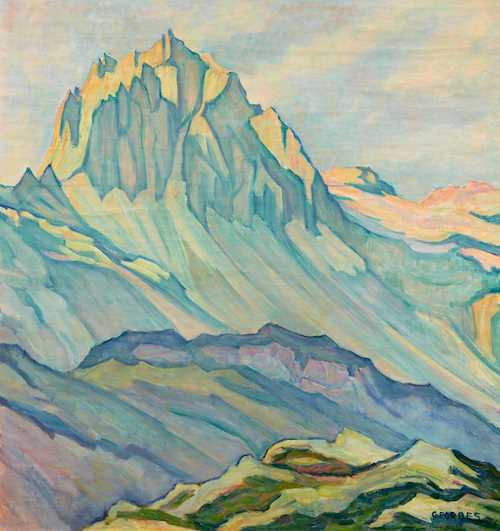
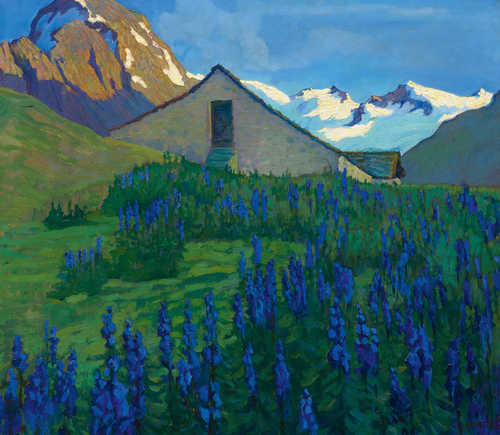
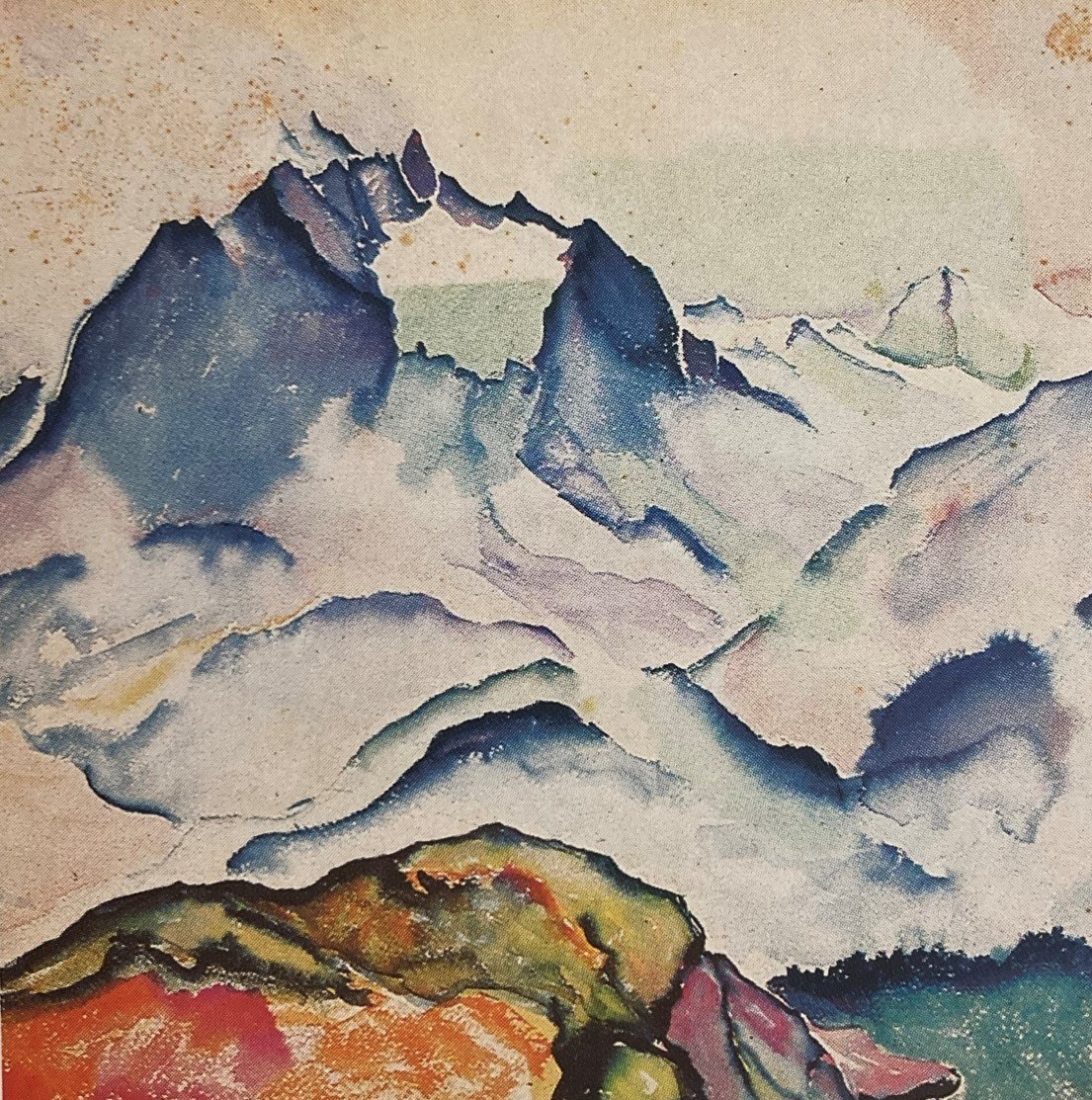
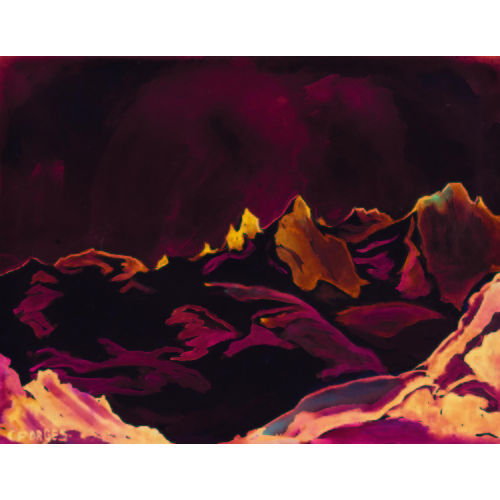
The intense light, emphatic contours and balance of Alpine landscapes shaped her sensibility. She also discovered the works of Giovanni Segantini and Ferdinand Hodler, which became important points of reference. Yet her approach retained a voice of its own, sustained by contrasts of colour and an expressive organisation of space.
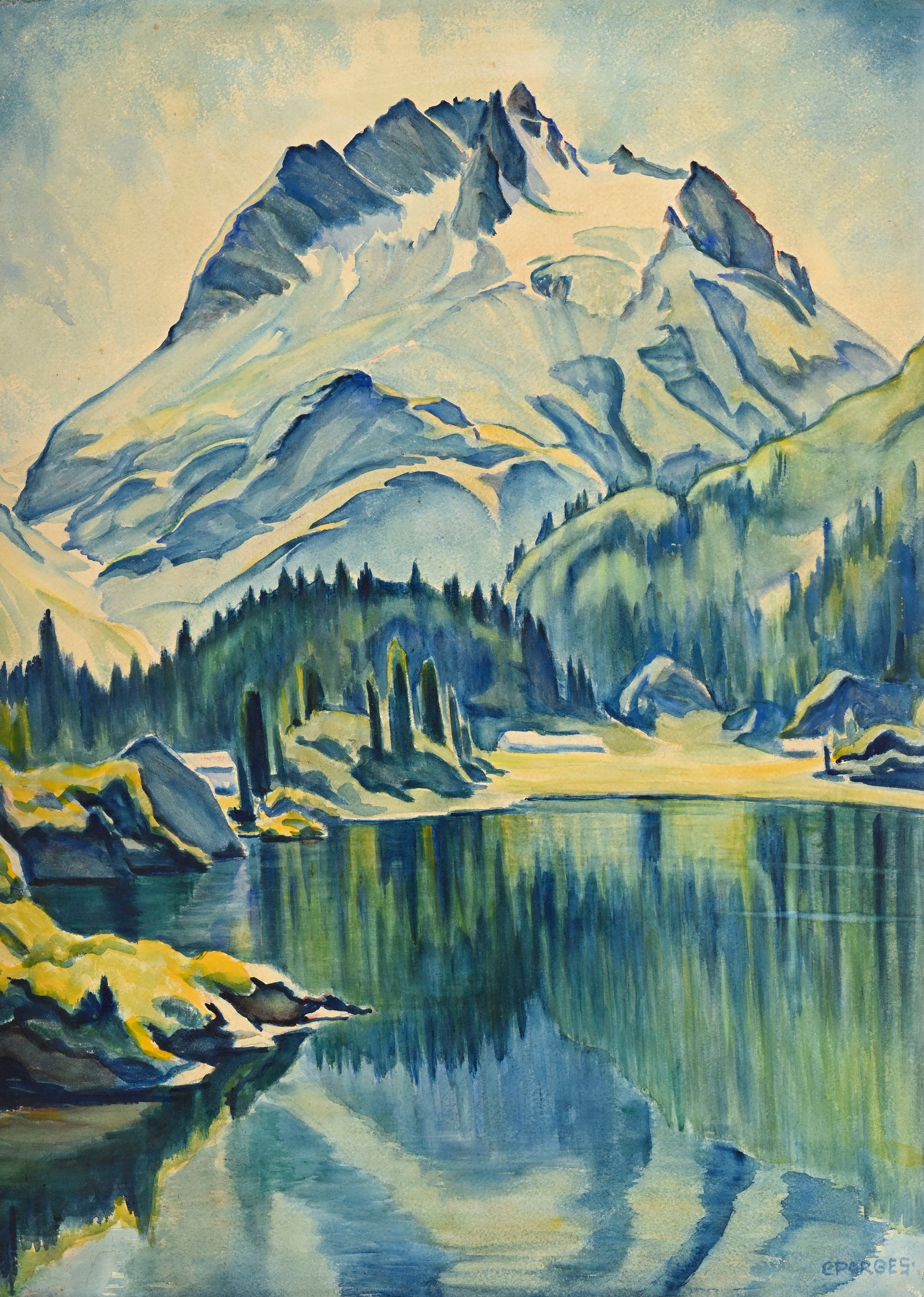
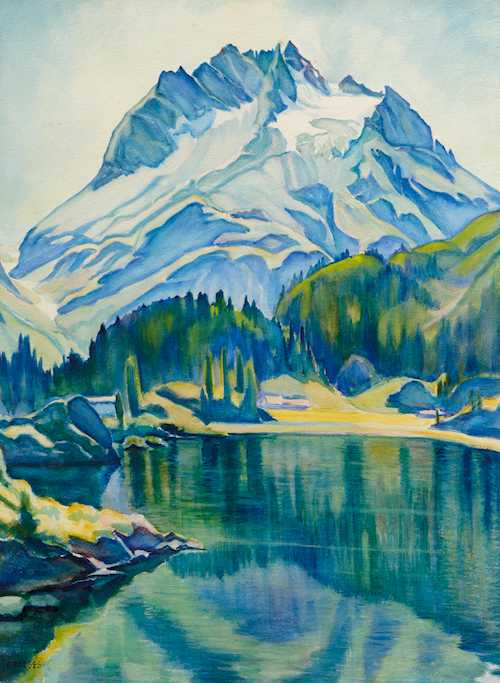
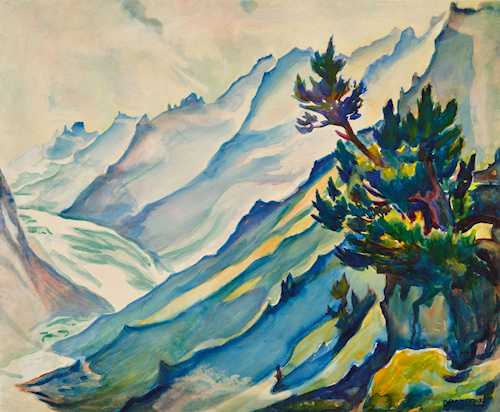
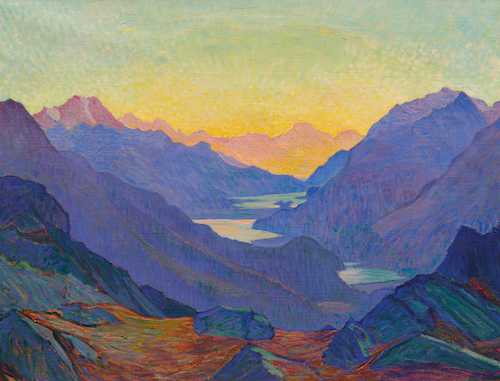
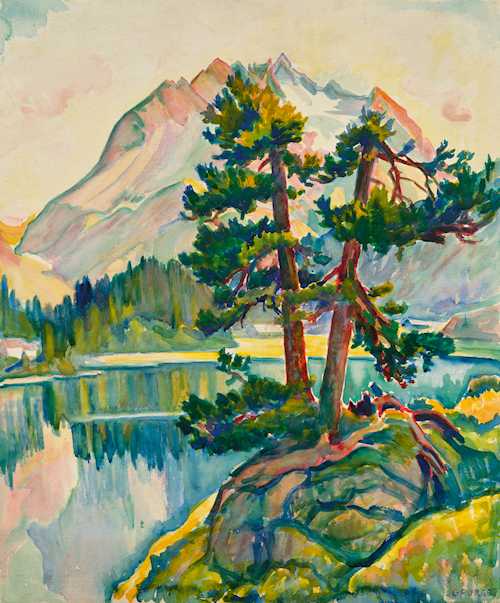
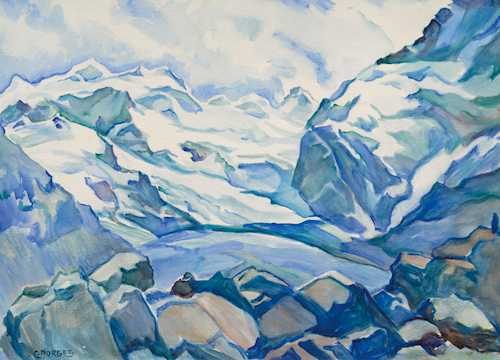
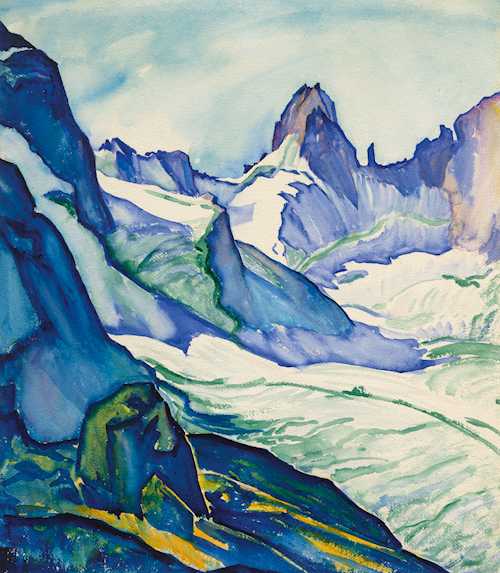
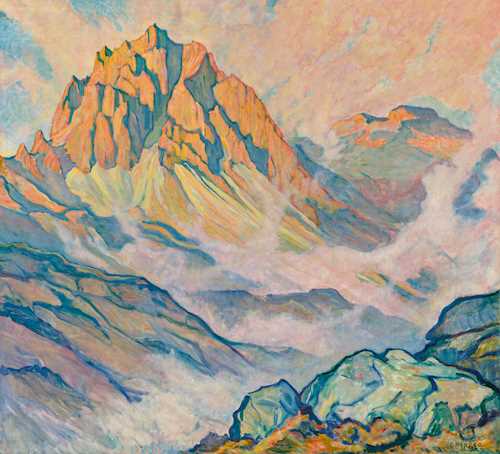
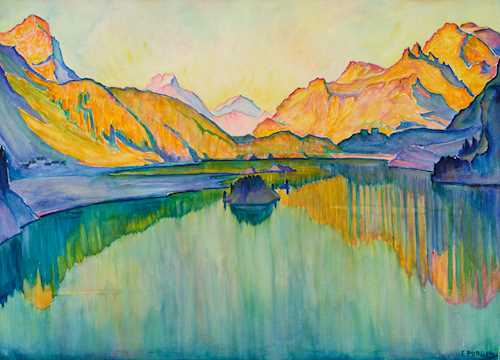
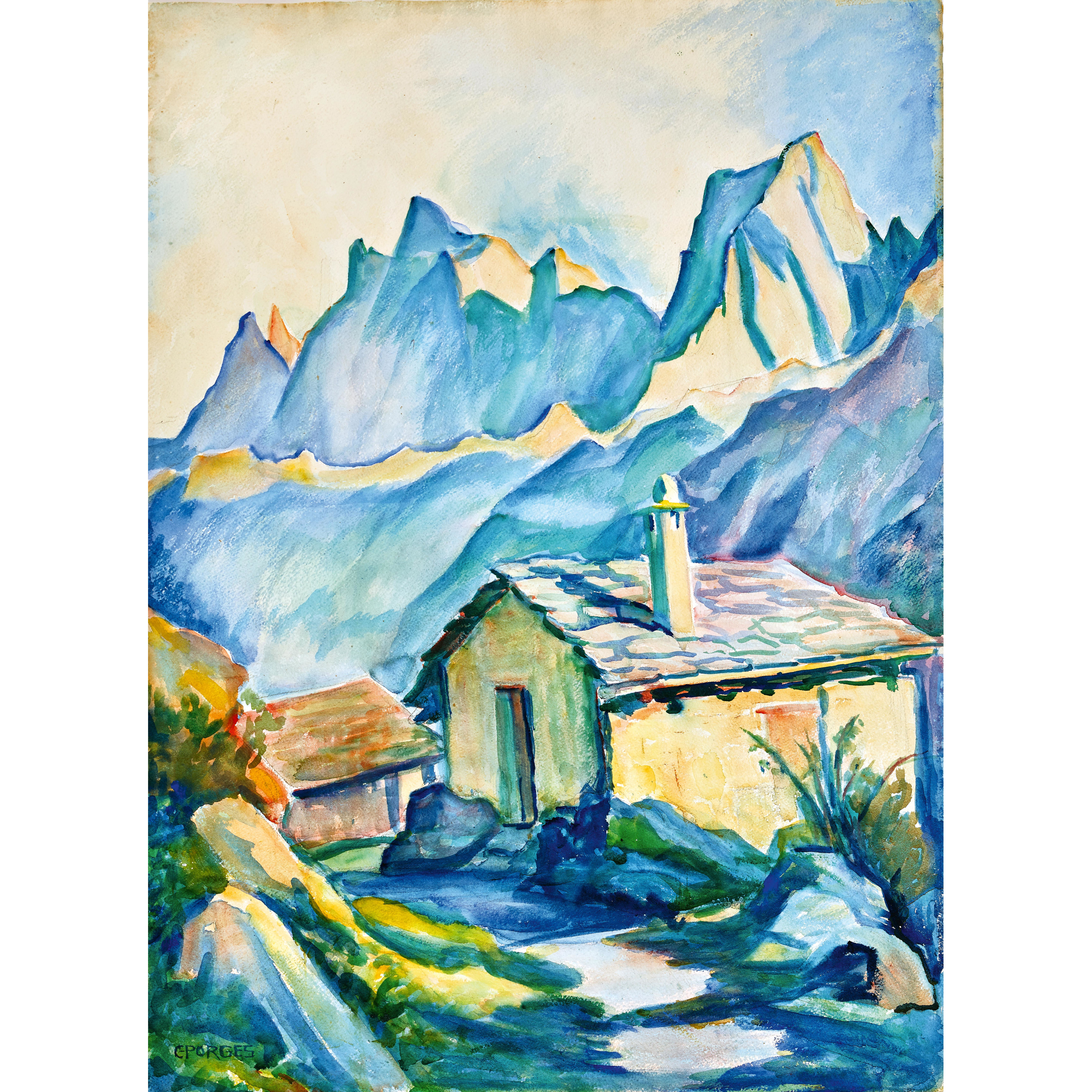
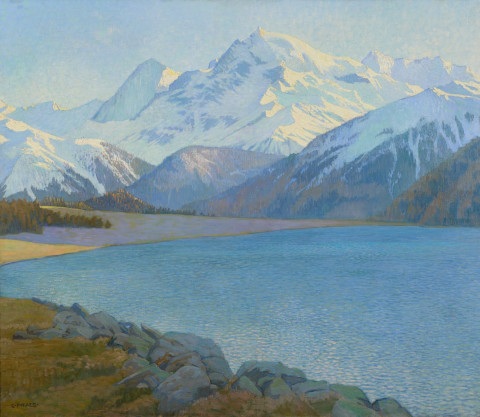
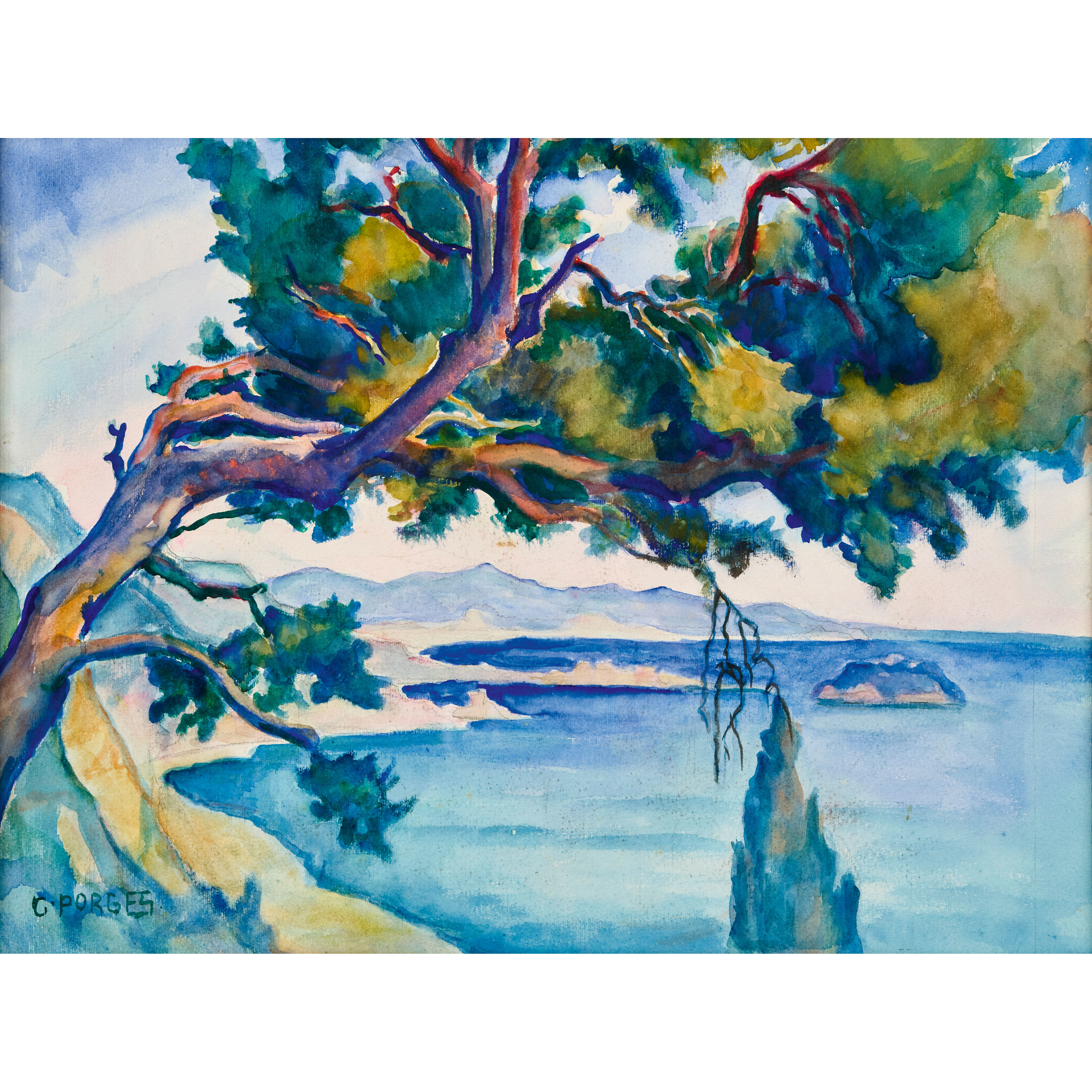
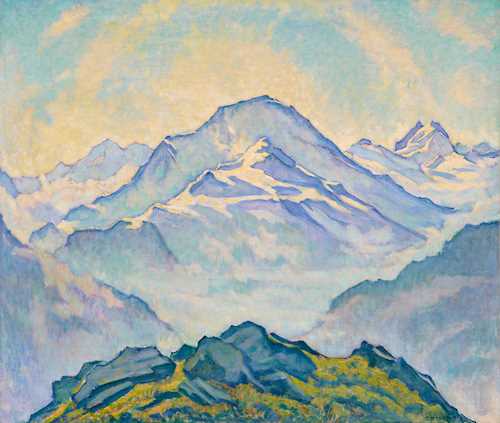
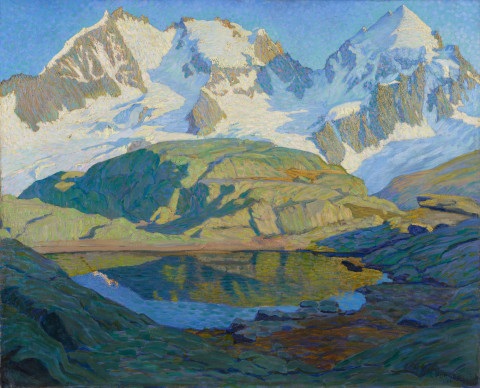
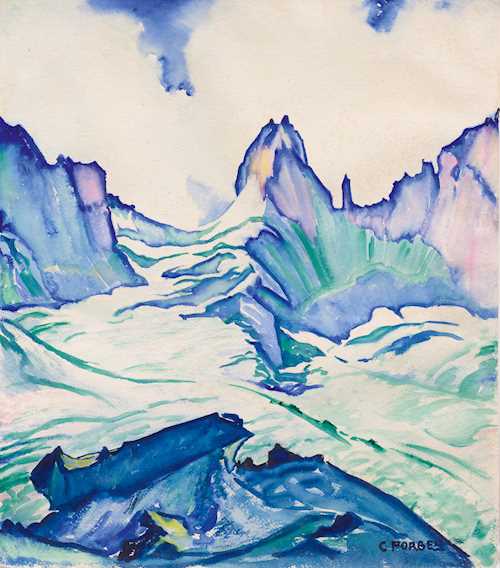
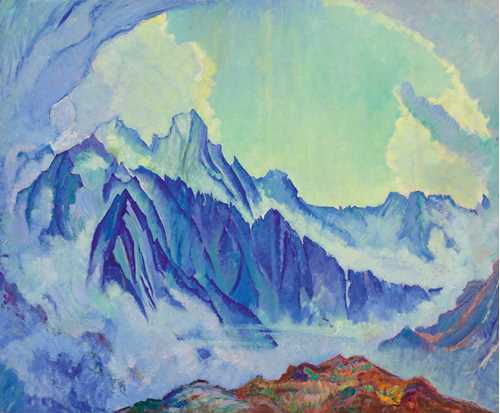
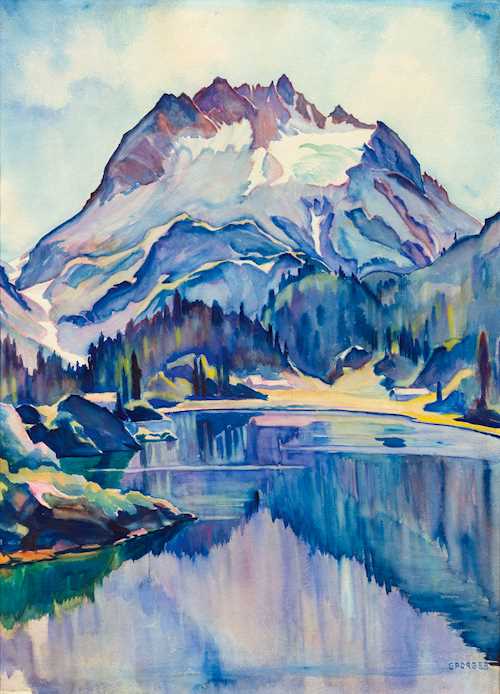
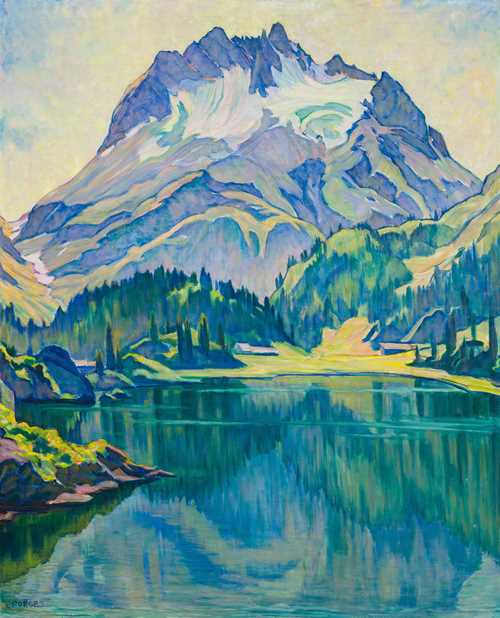
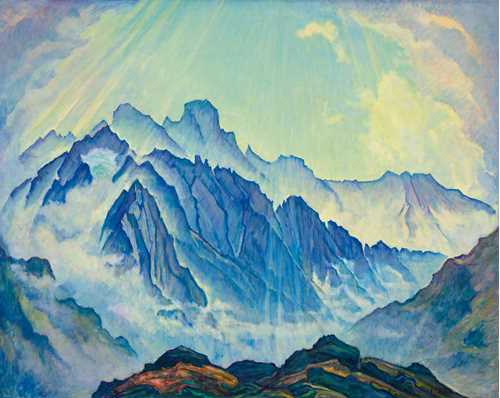
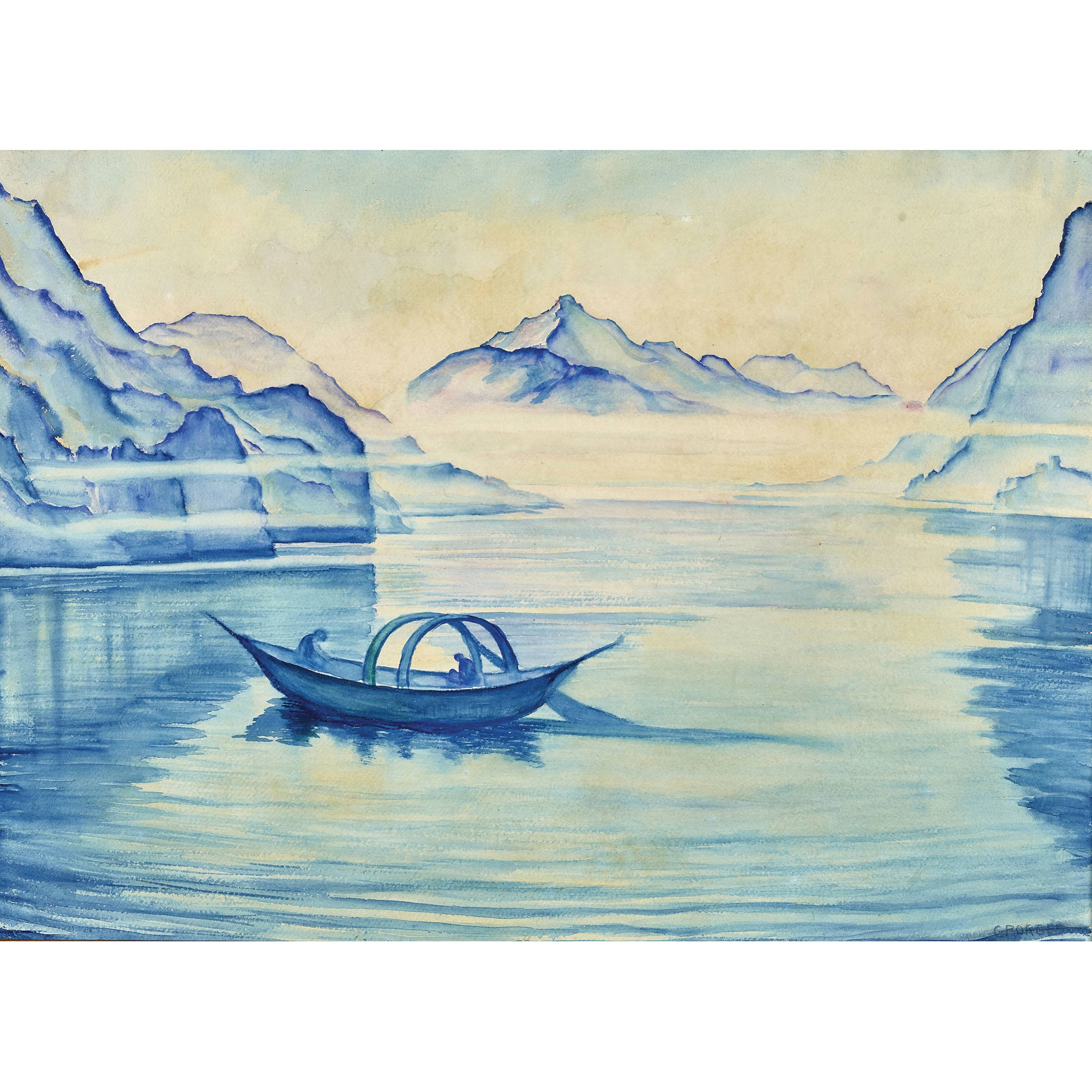
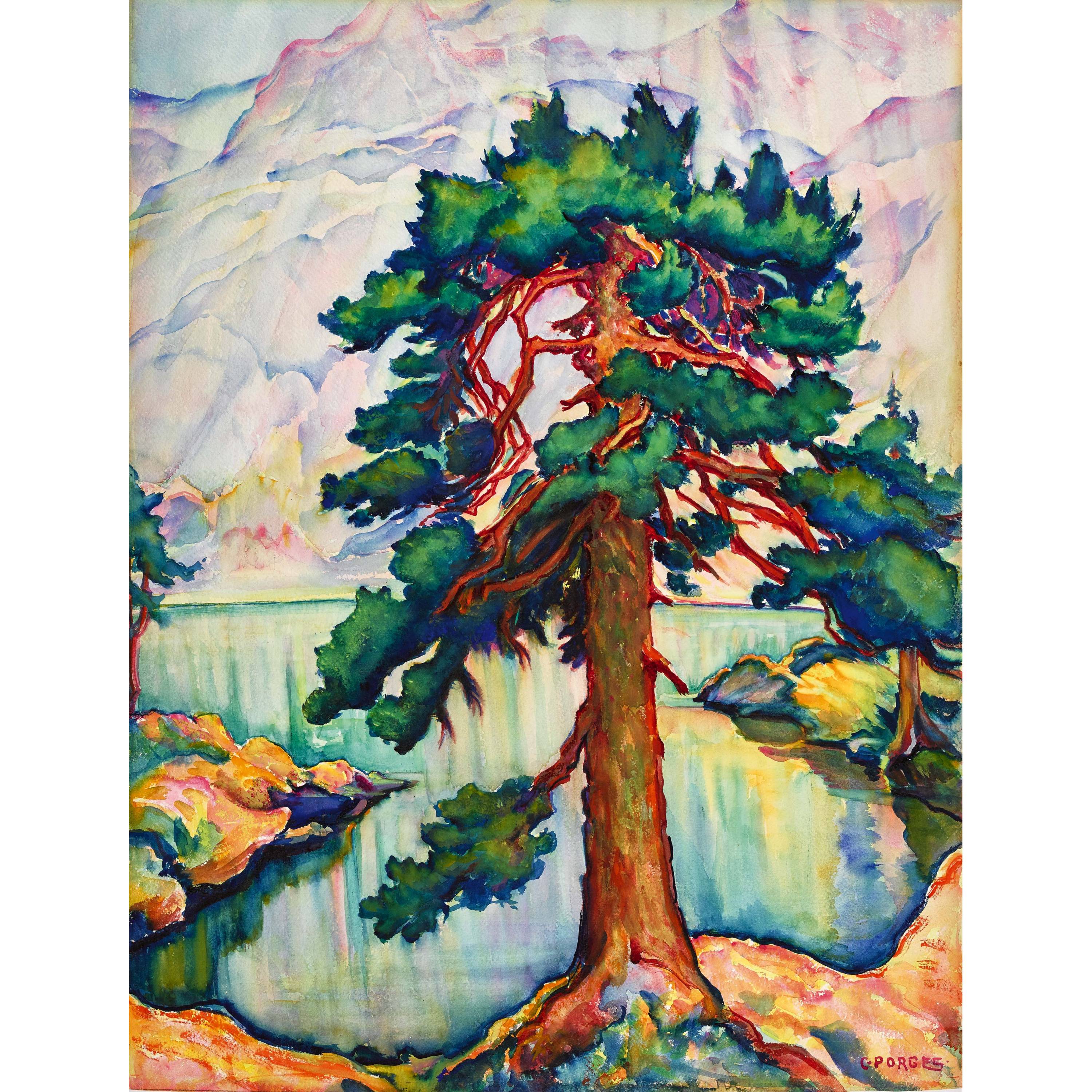
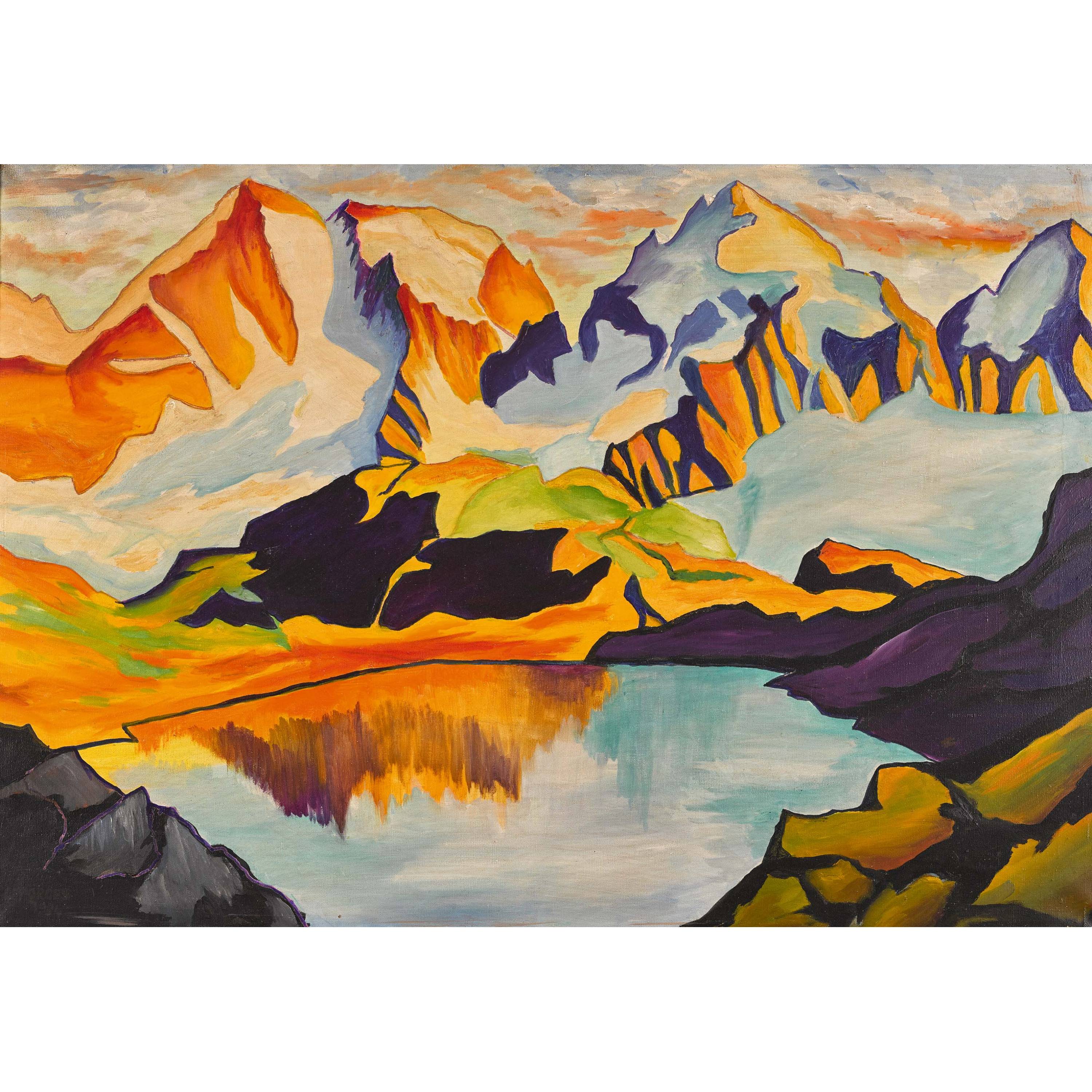
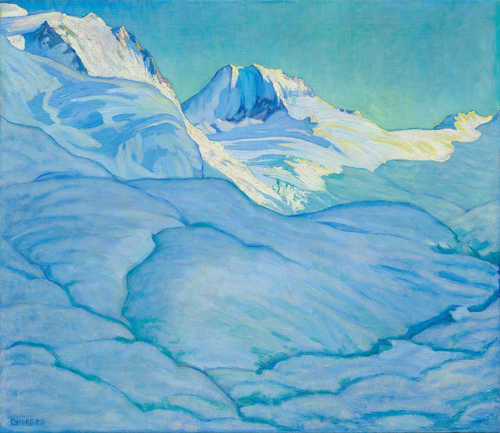
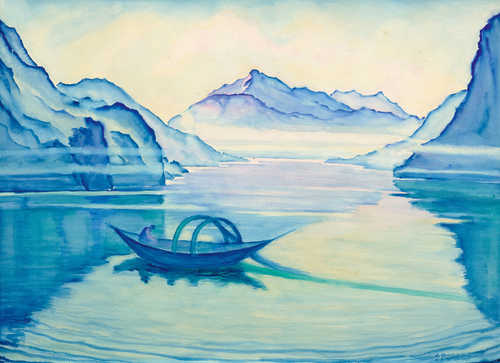
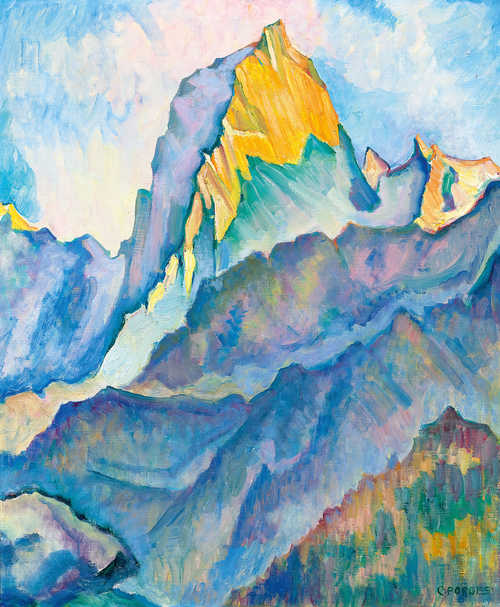
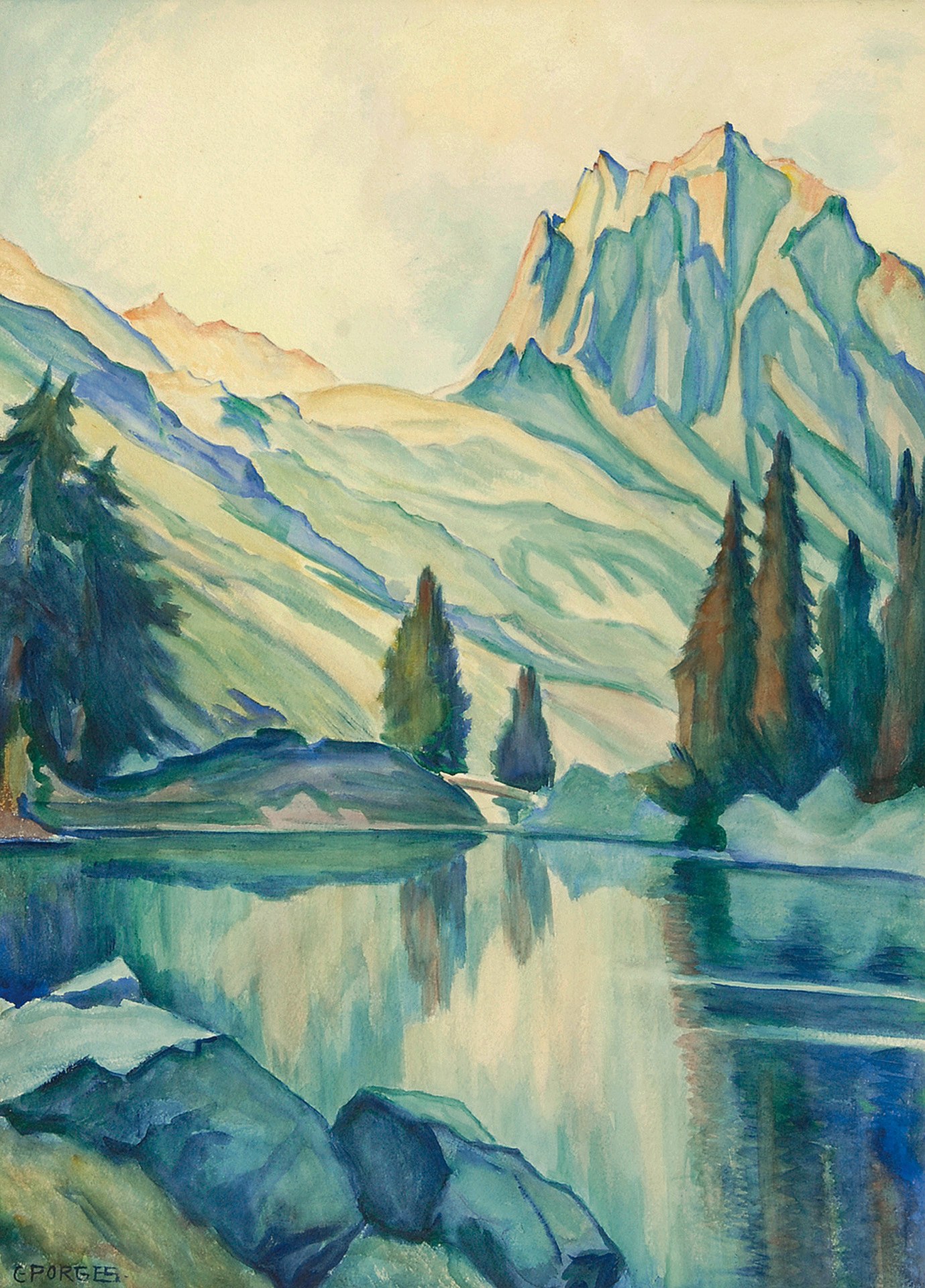
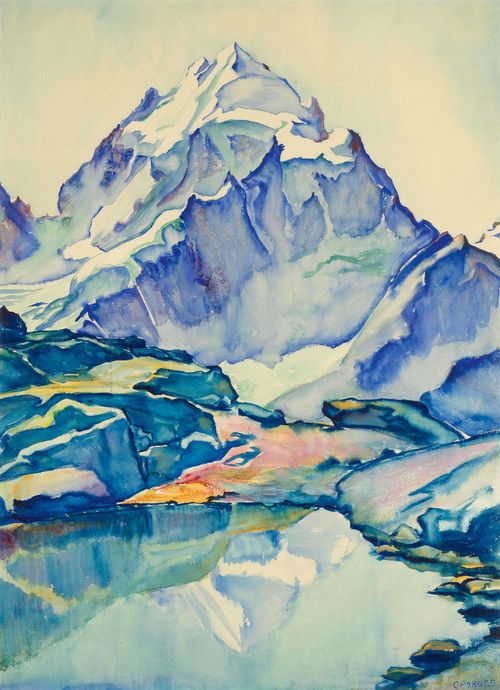
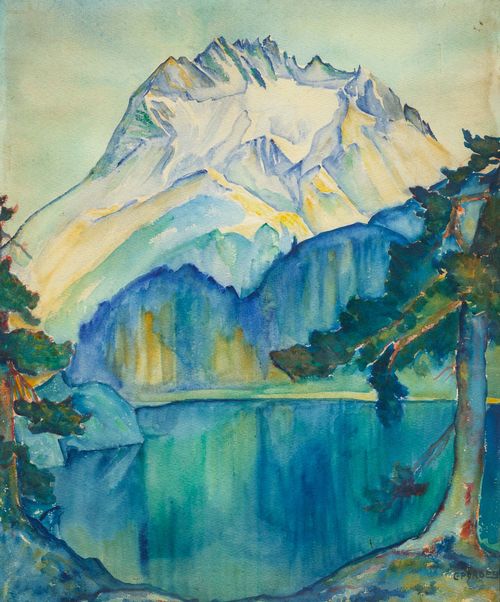
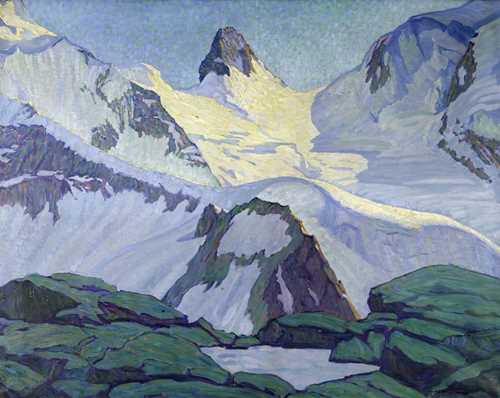
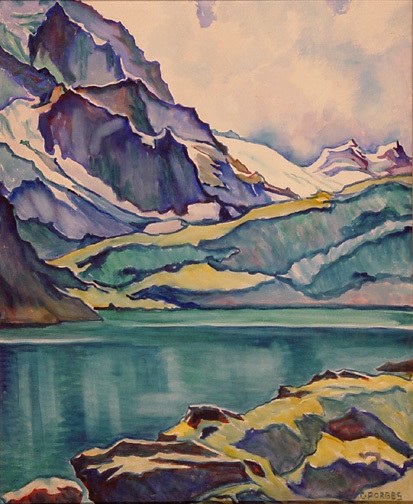
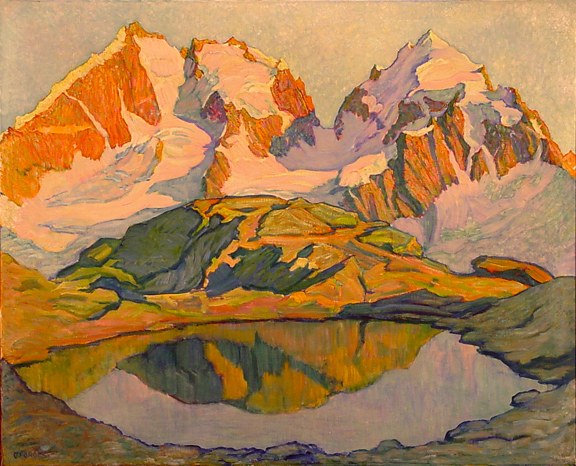
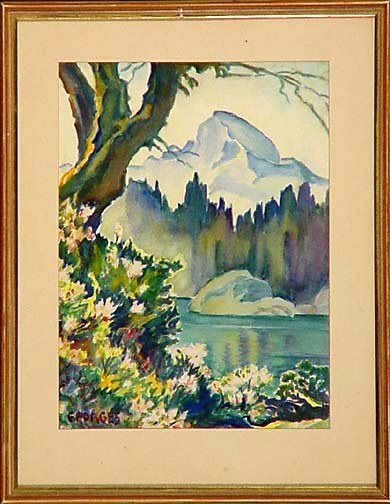
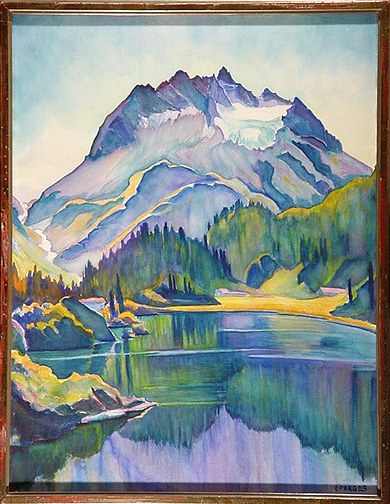
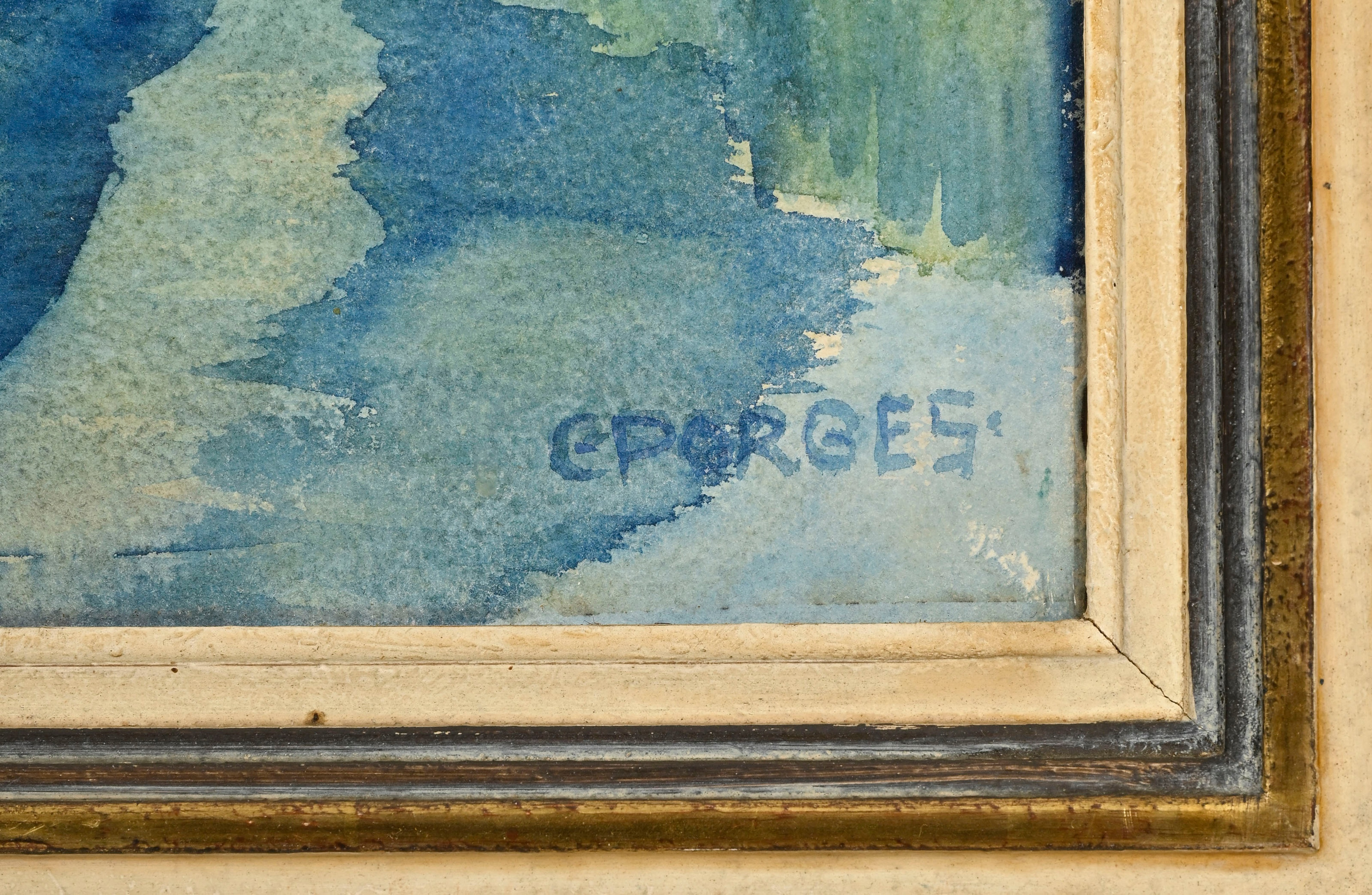
The documented works provide concrete points of reference for exploring this world. Tremotscha mit Gletscher (Fextal) Engadin, dated 1918, is an oil on canvas devoted to a glacial landscape. Cavloccio See mit Pizzi dei Rossi, a watercolour on paper, bears witness to her interest in lakes surrounded by mountains.
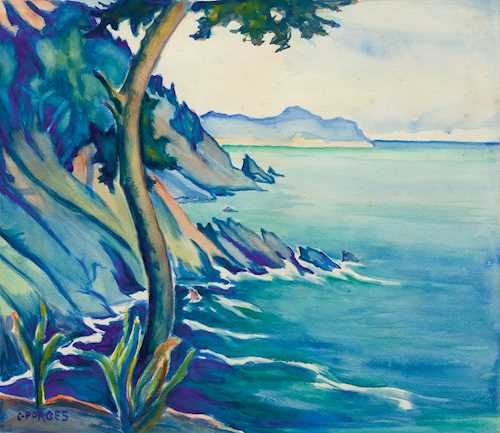
These subjects invite comparison of the presence of the rocky masses, the lines of the shores and the variations in light, rather than simply seeking to recognise a panorama.
The exhibition Clara Porges. Die Malerin des Lichts is recorded in the archives of the Fundaziun Capauliana, bearing witness to the attention devoted to her work in the Grisons. To discover this artist is to follow the way in which a chosen landscape becomes, through repeated returns and acts of looking, an intimate pictorial language.