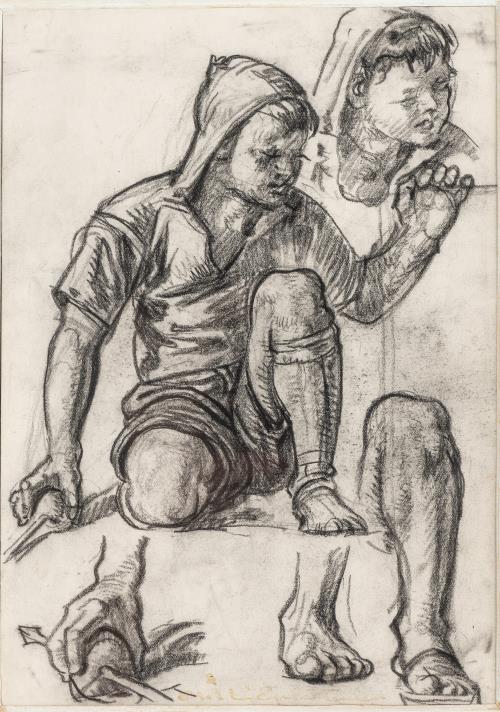
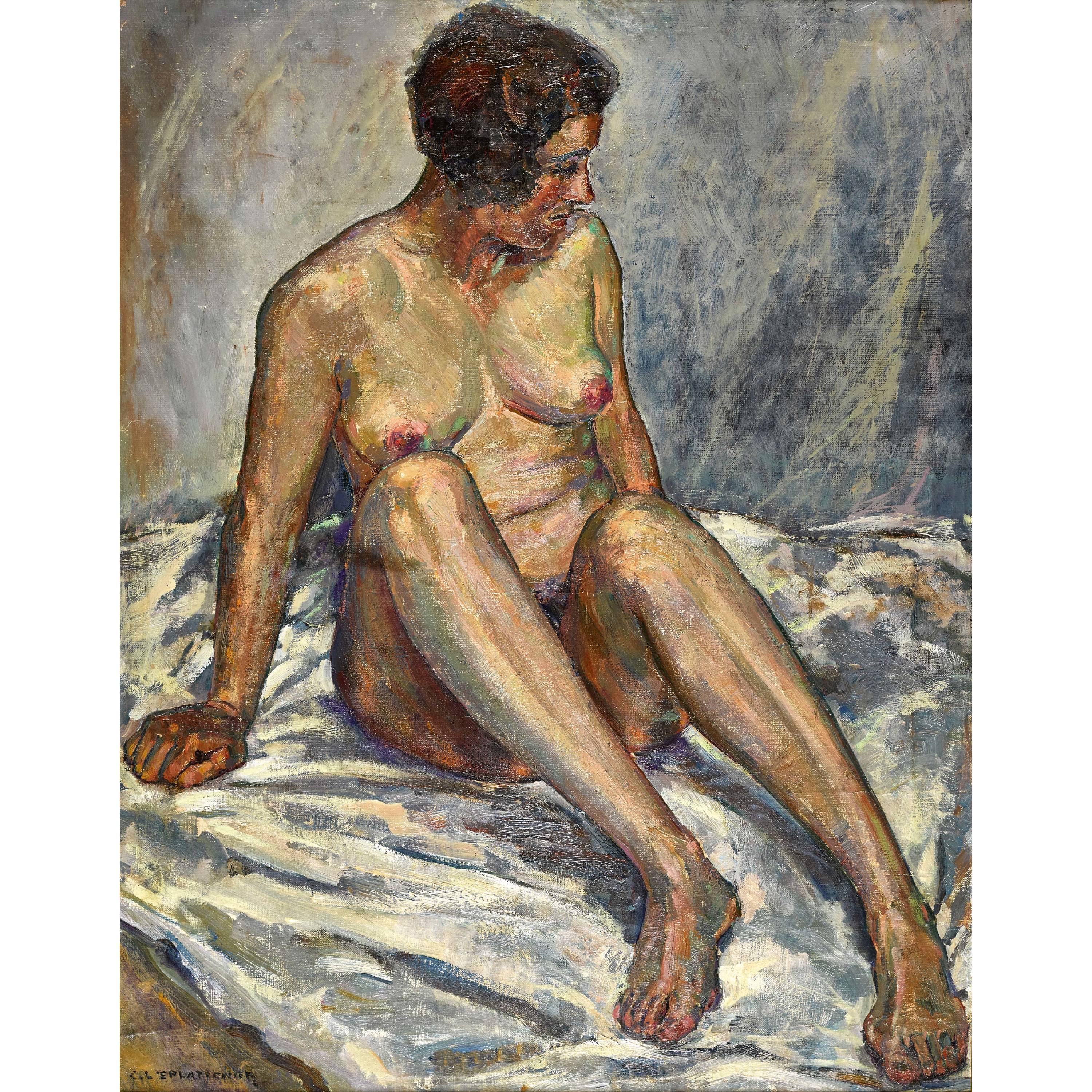
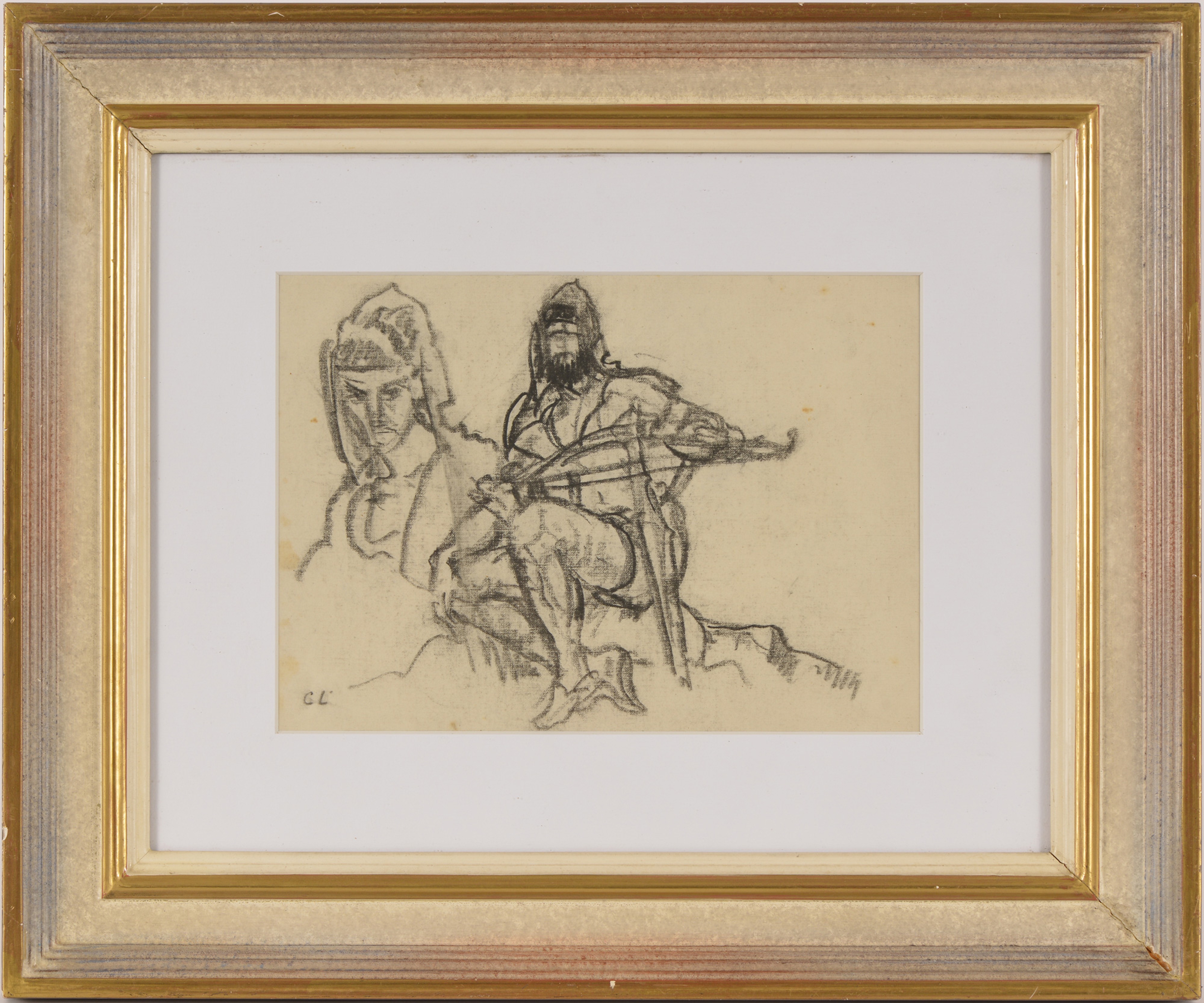
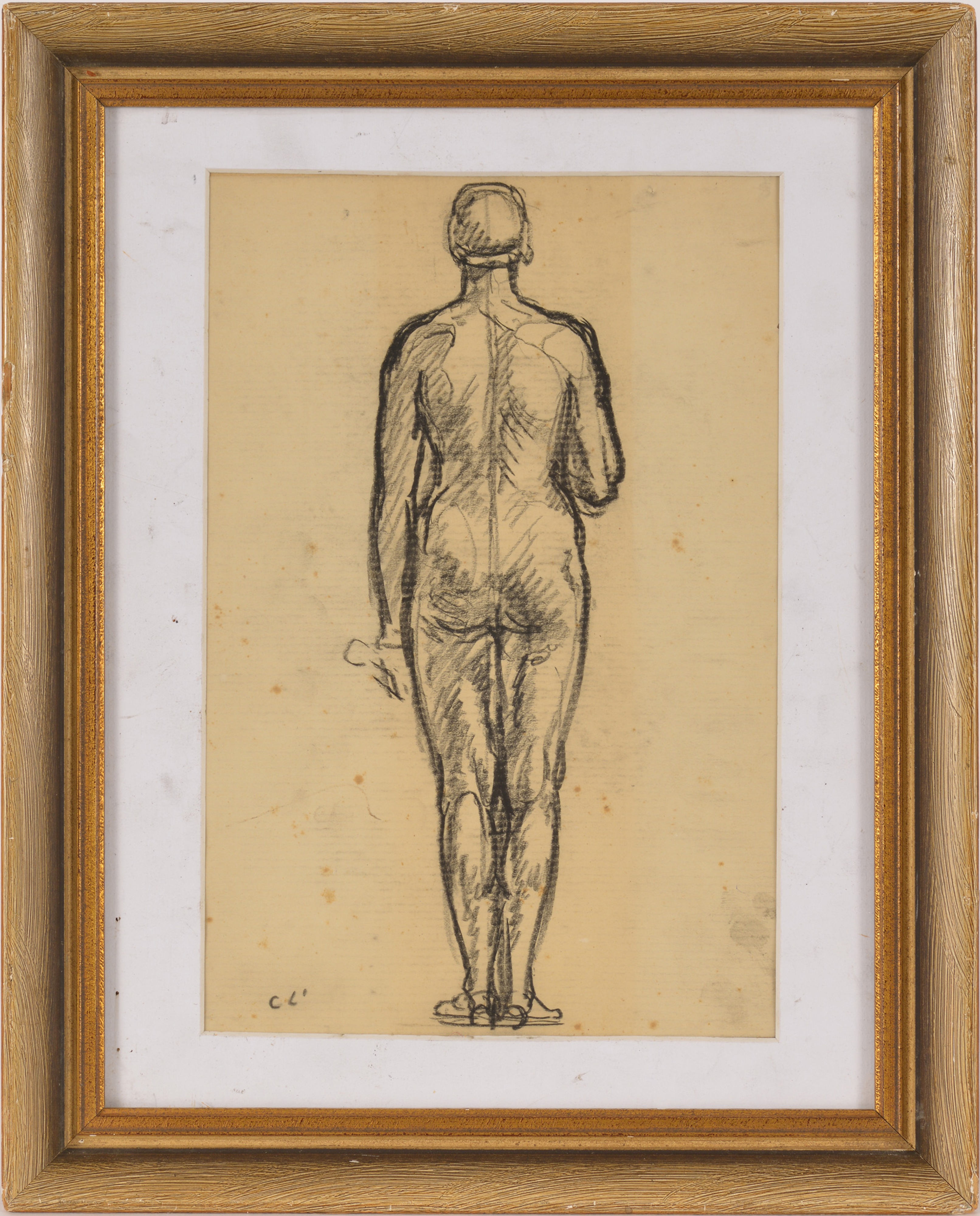
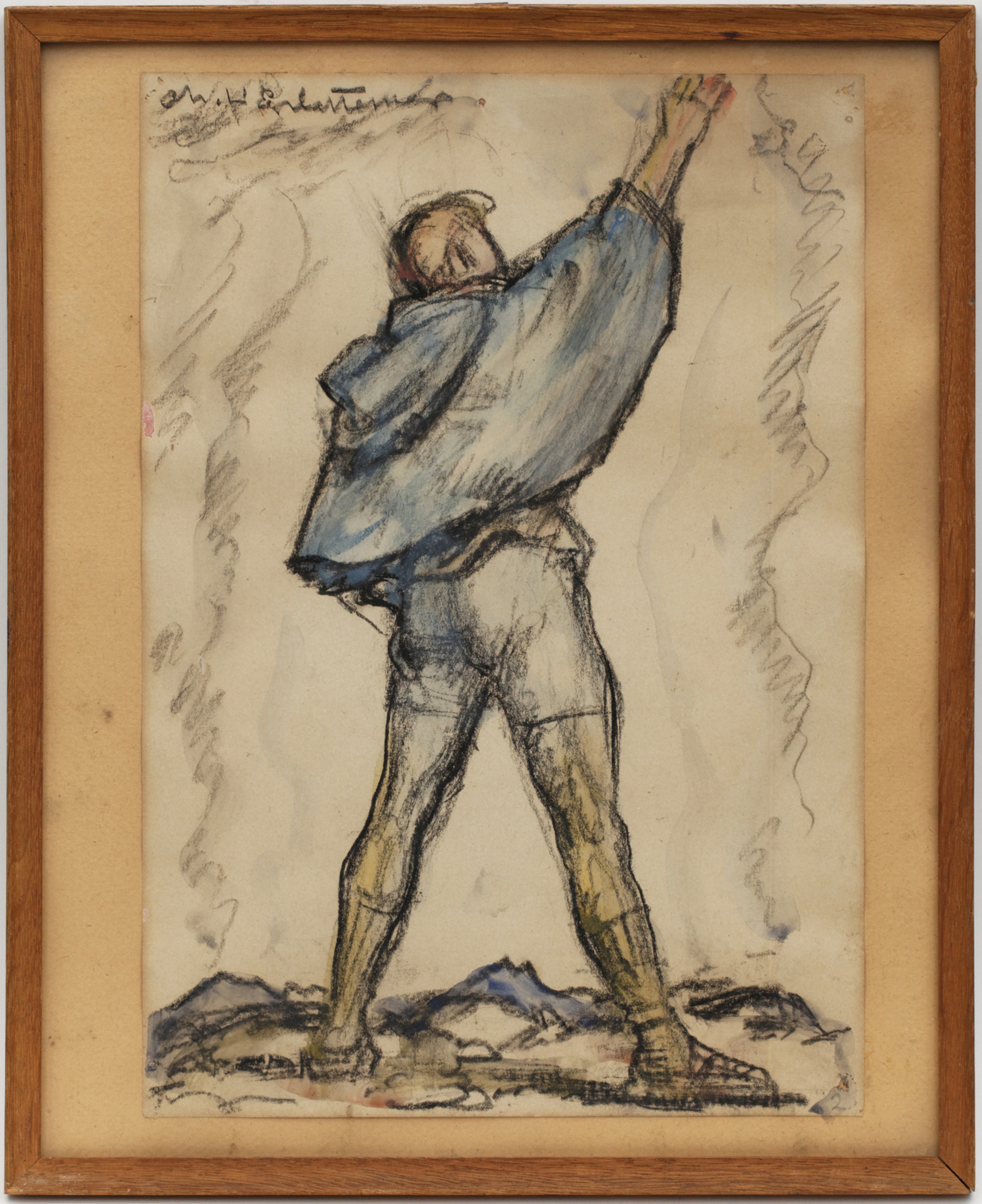
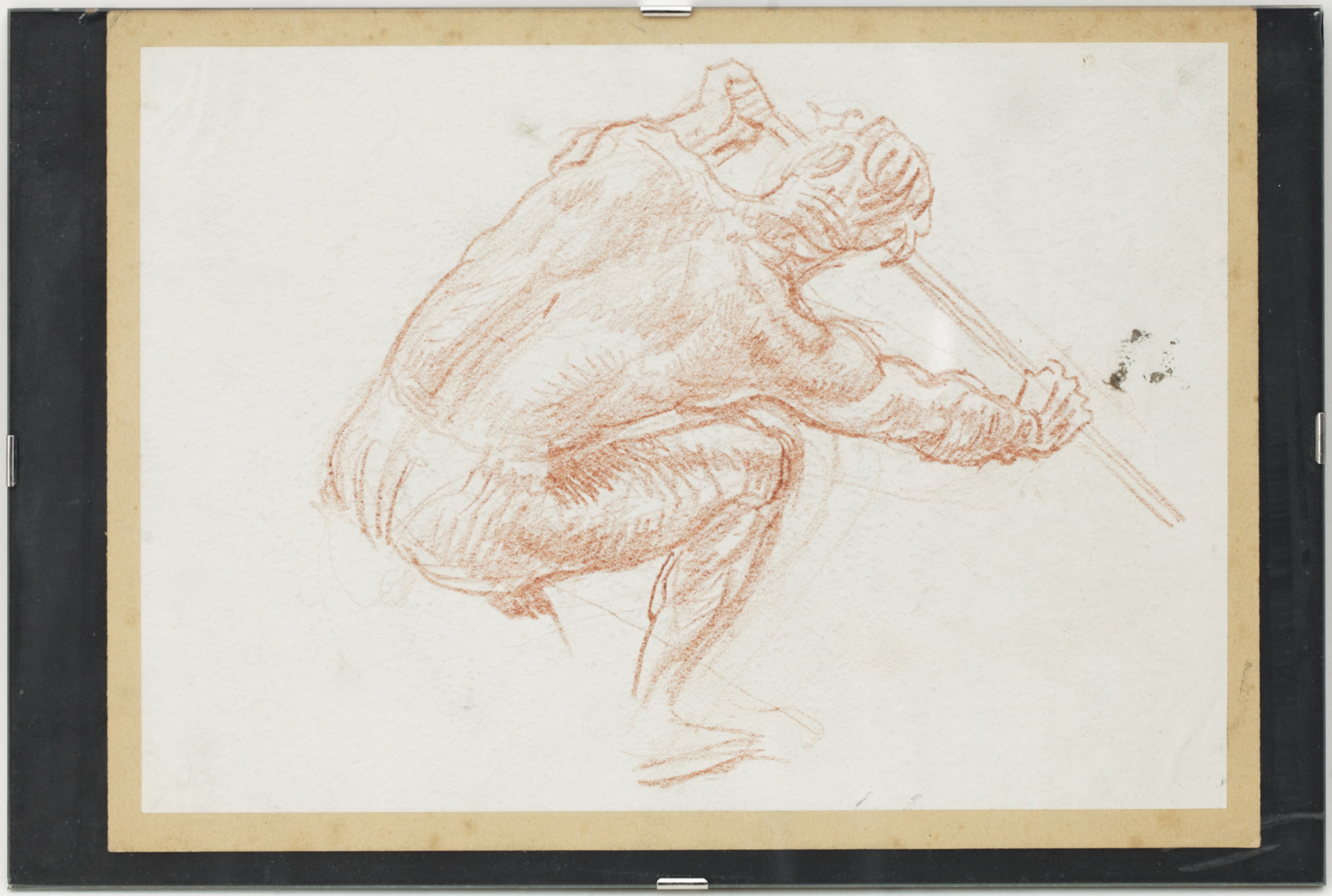
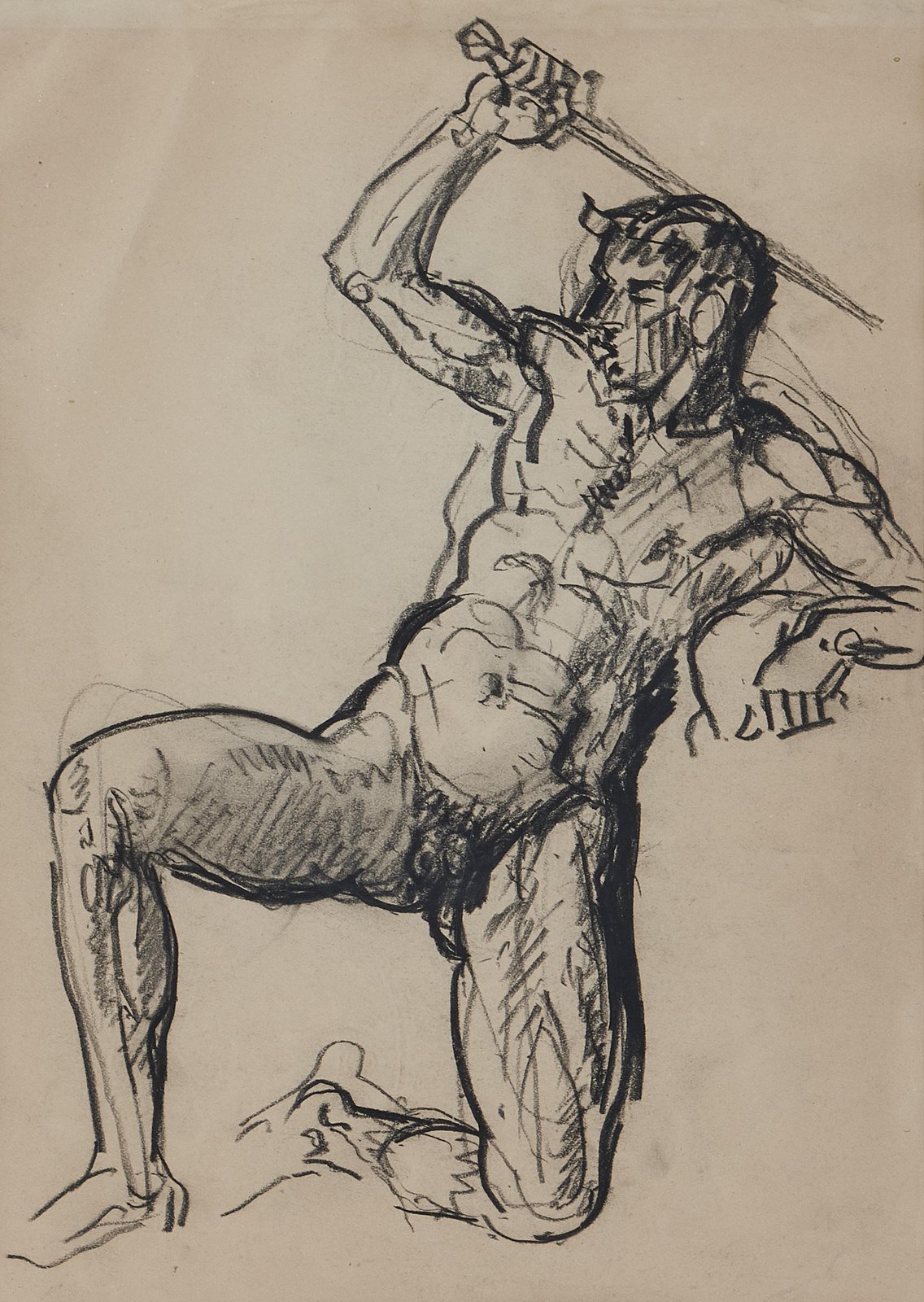
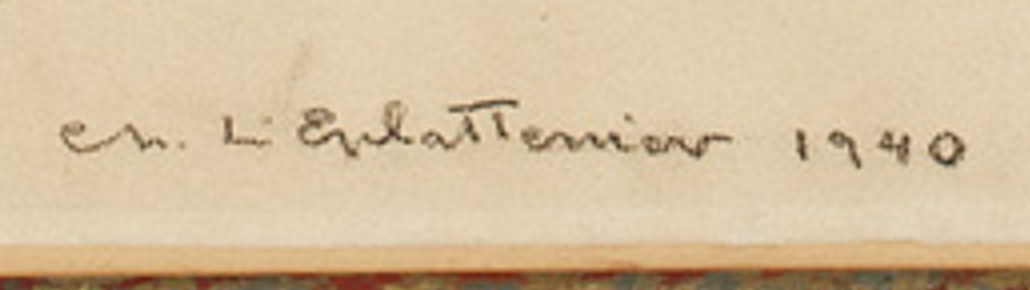
Charles L’Eplattenier
Born in 1874.
Died in 1946.
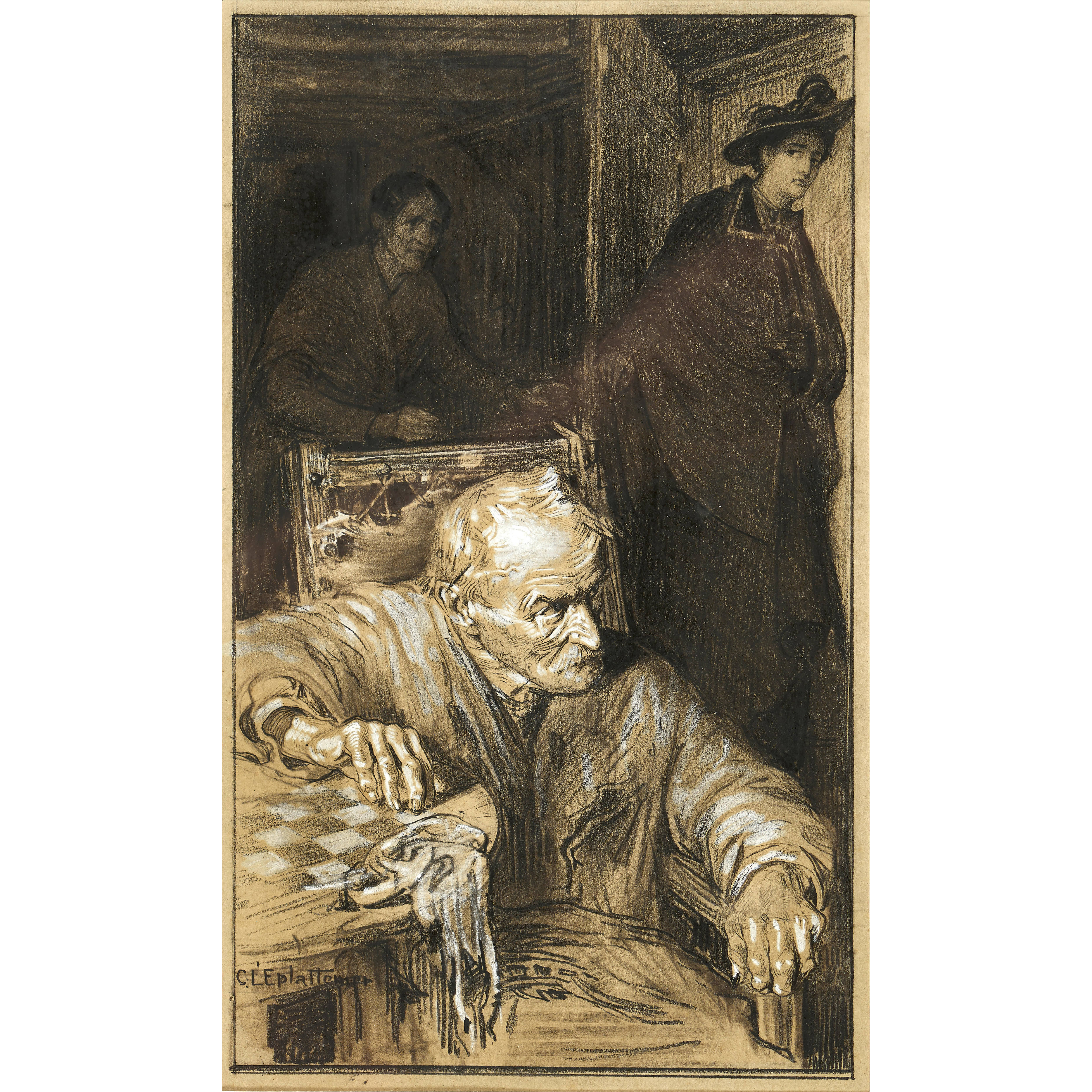
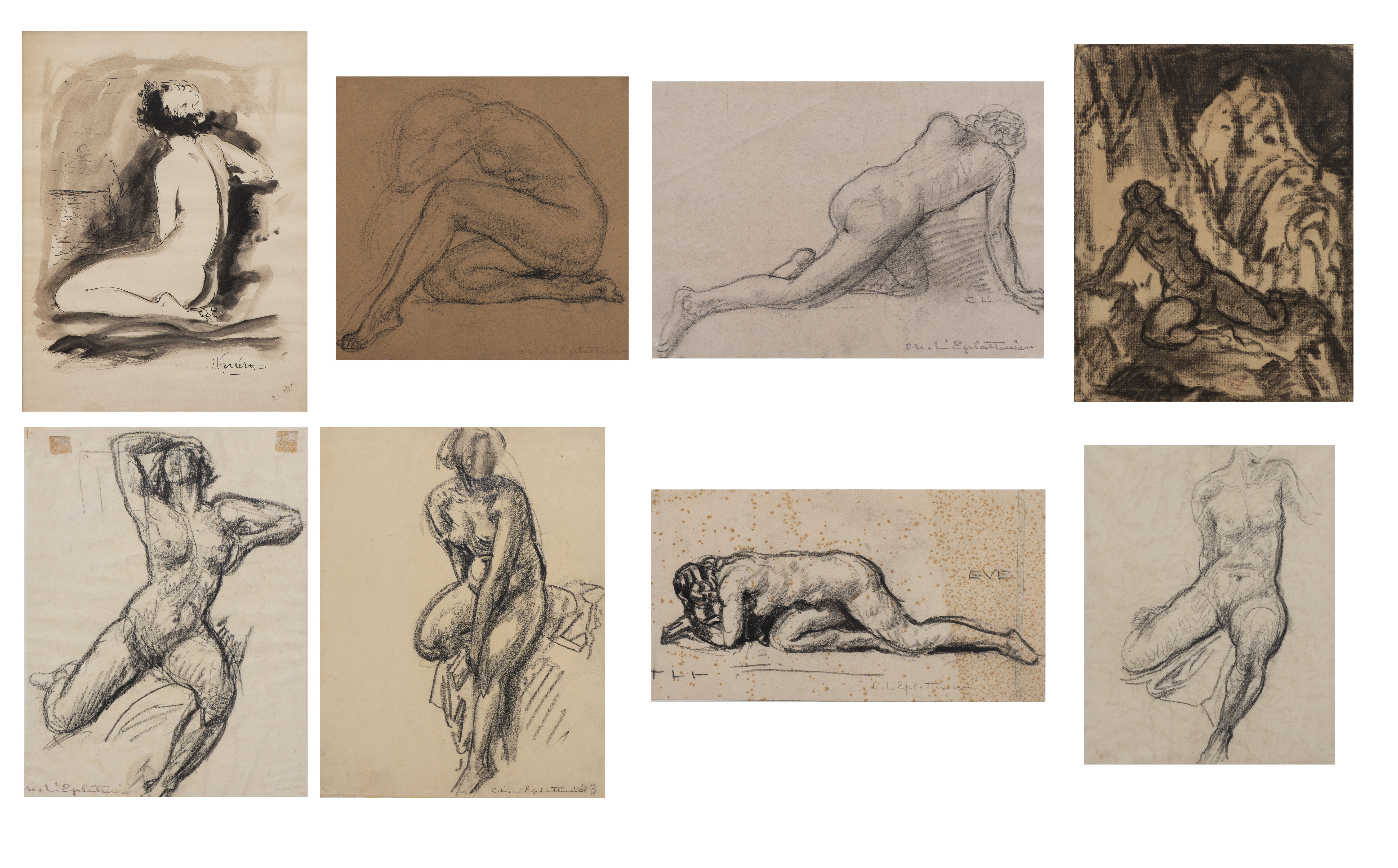
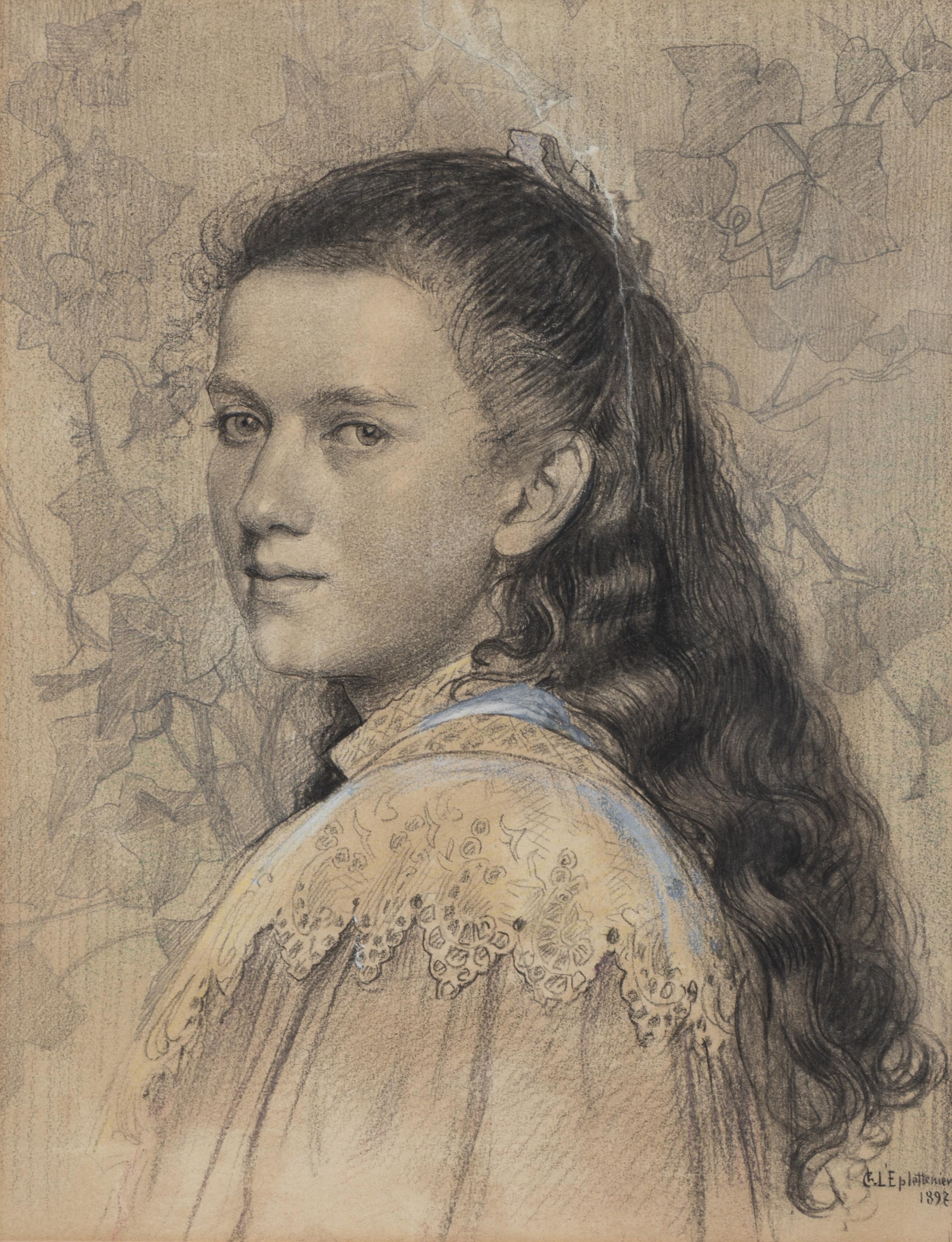
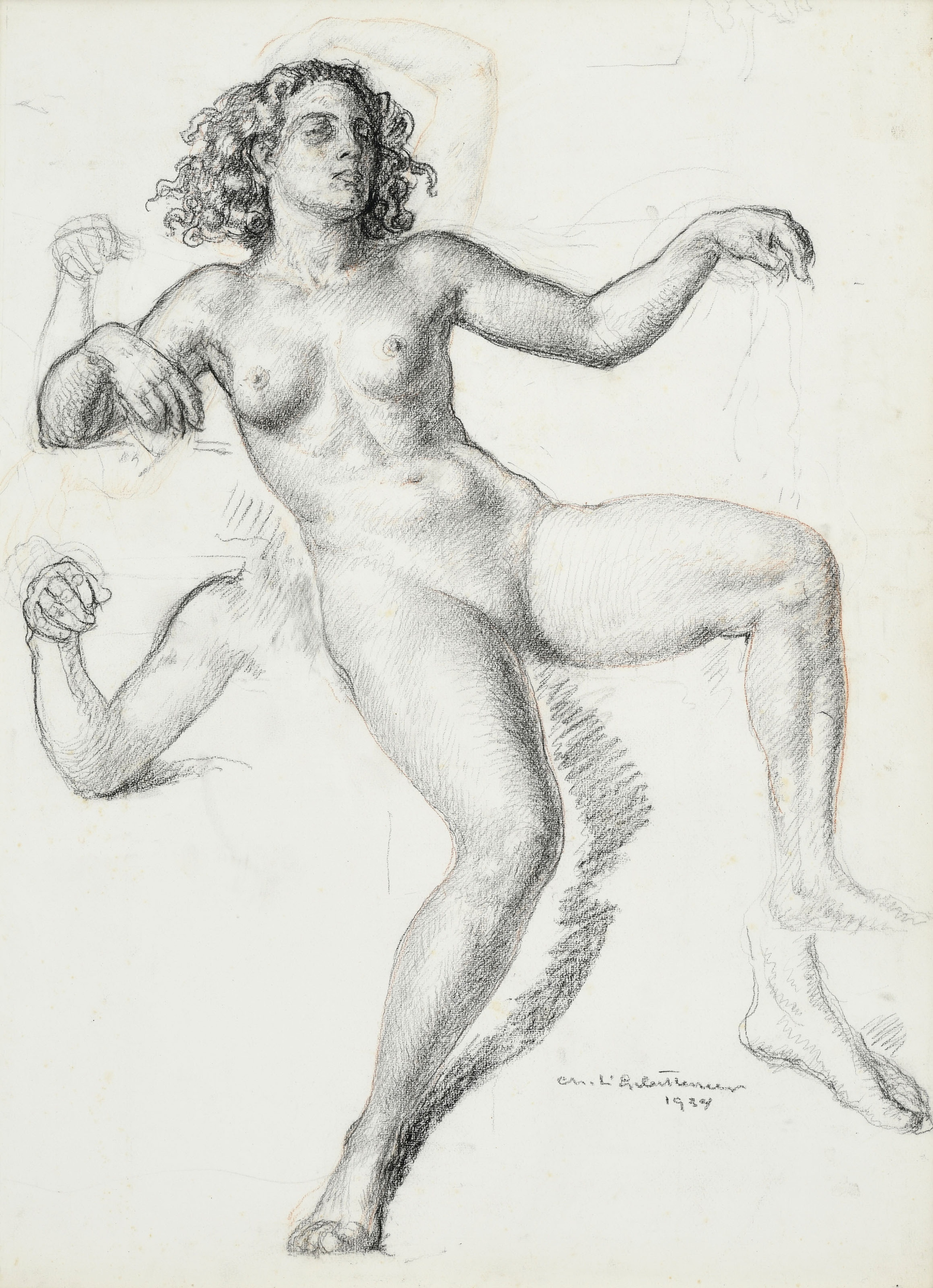
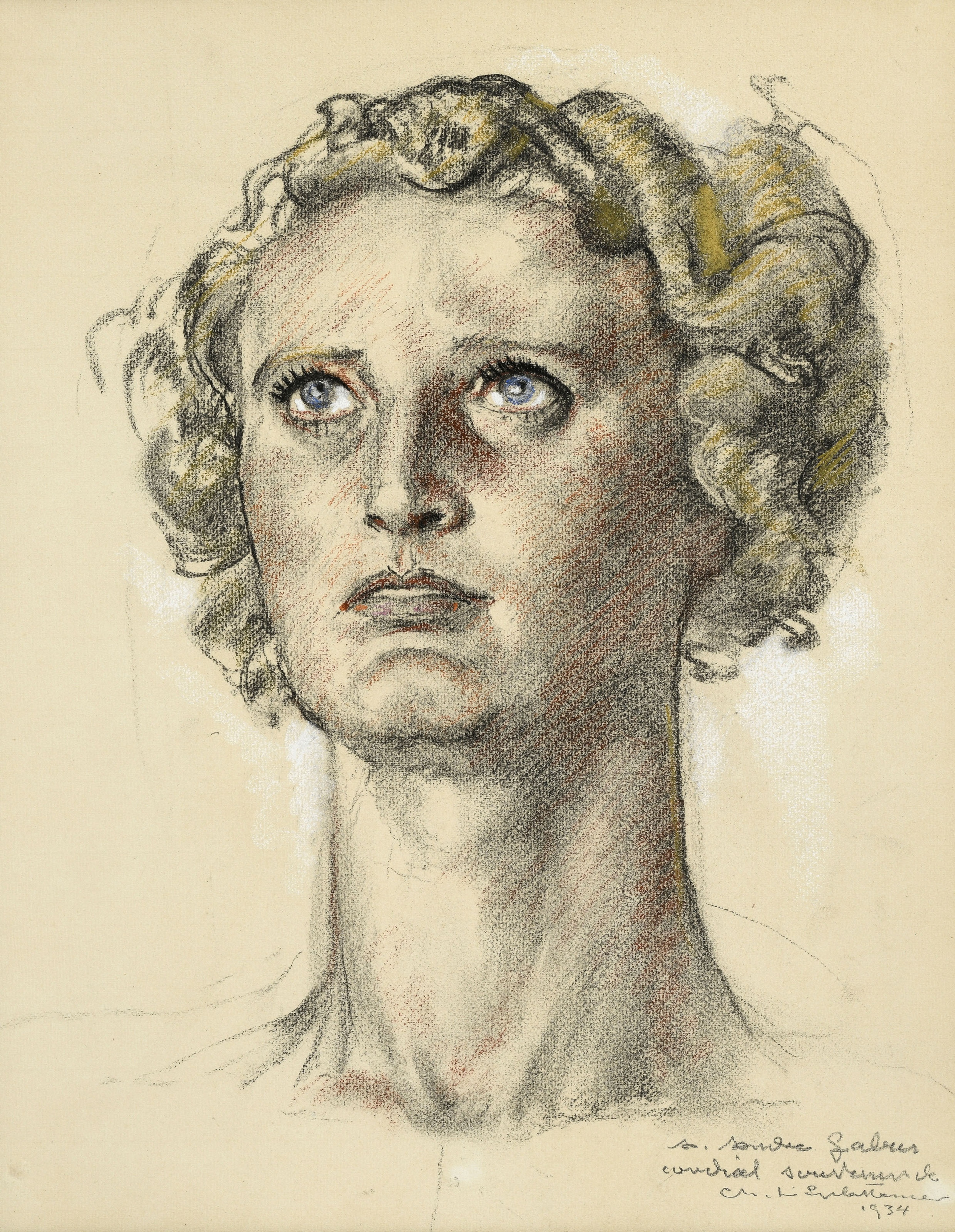
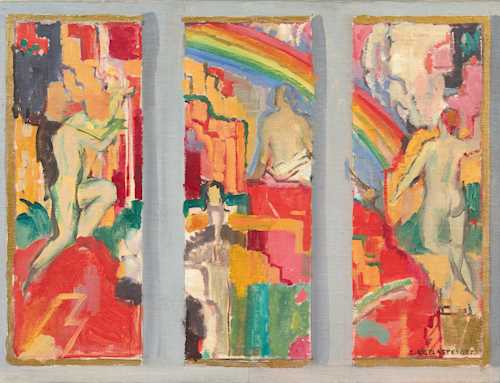
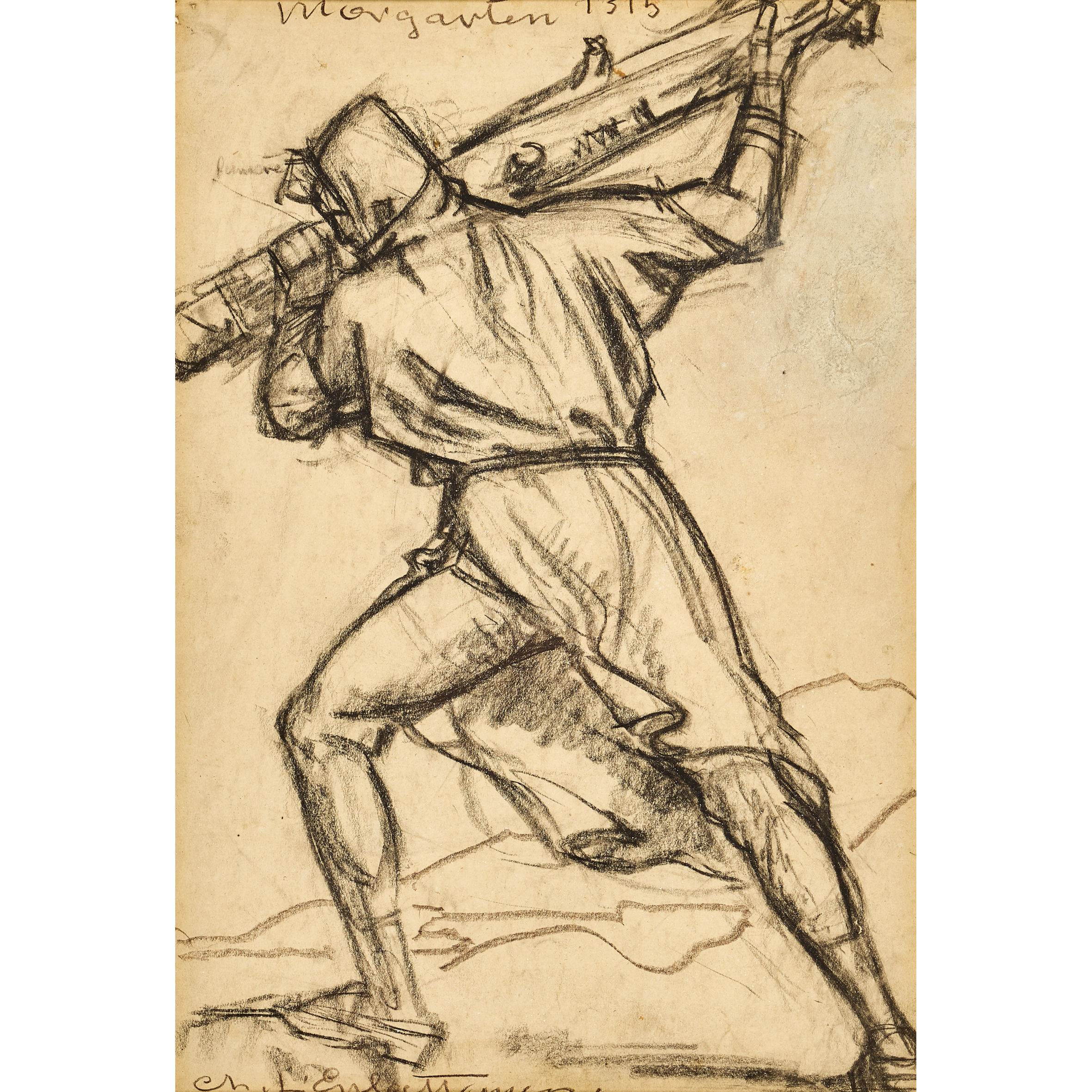
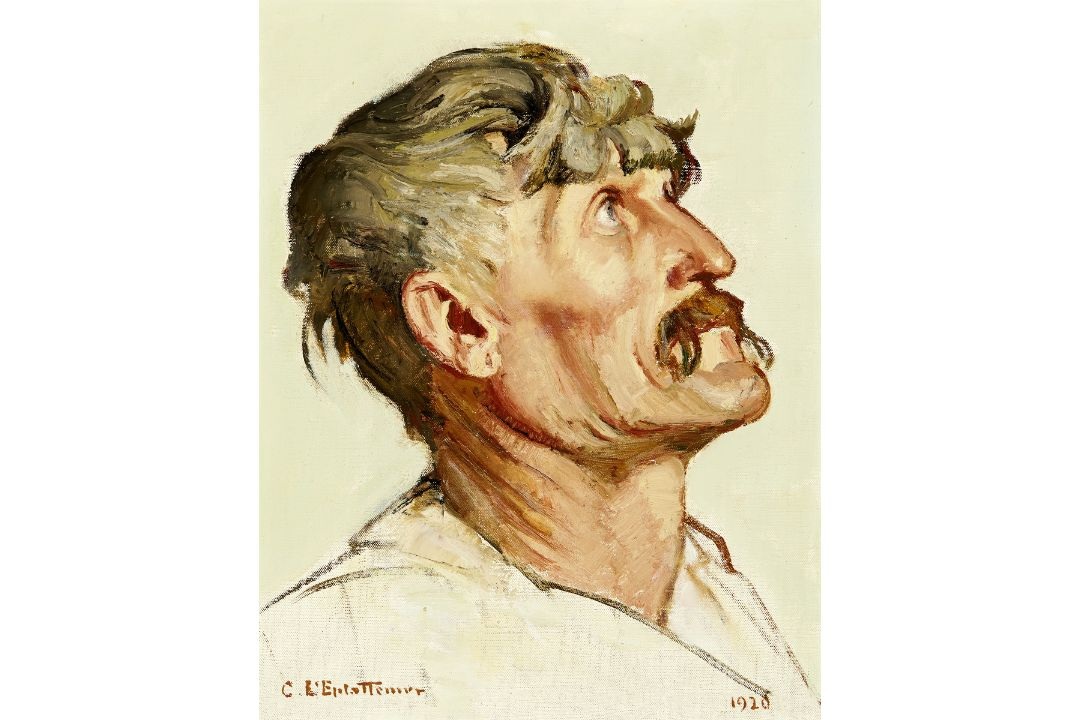
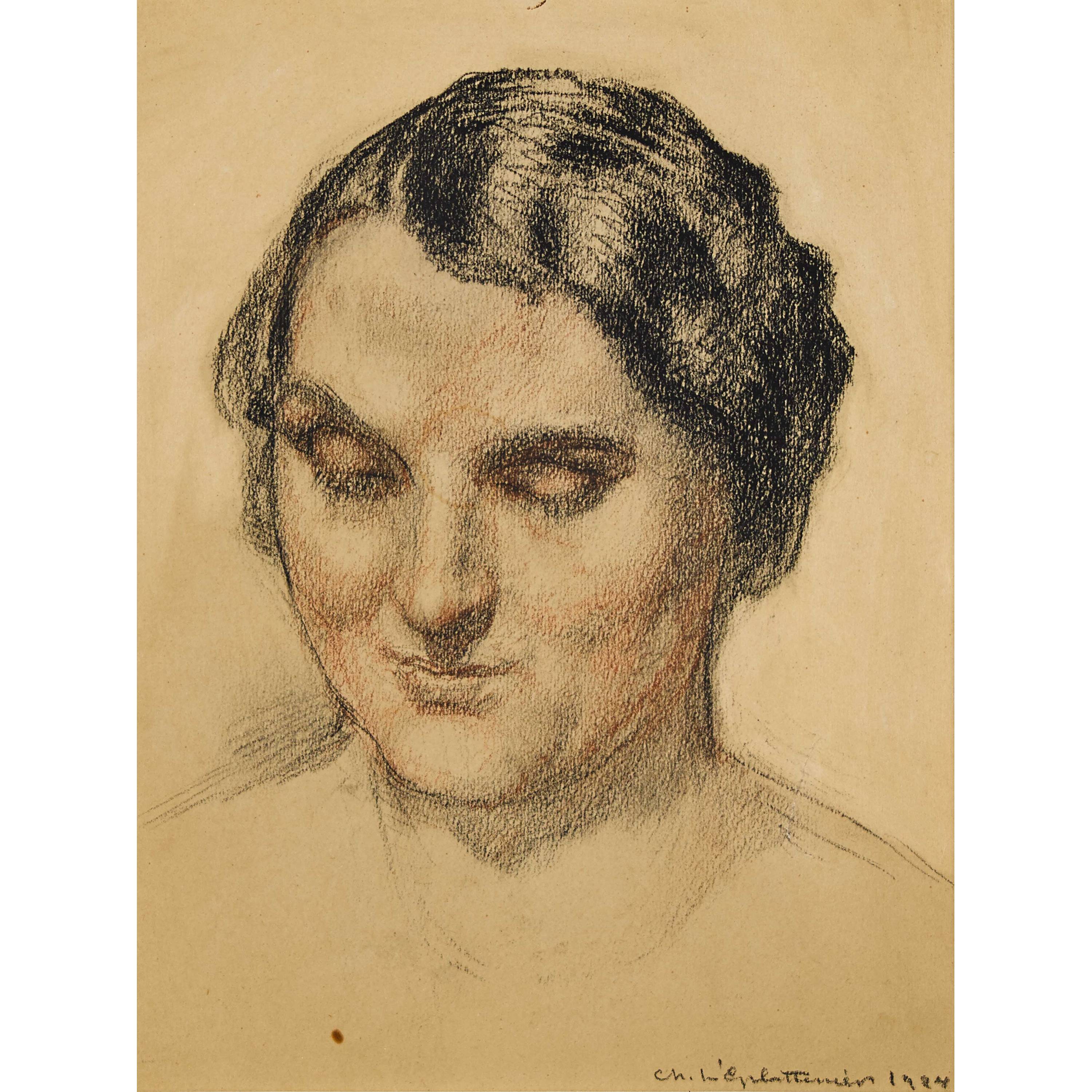
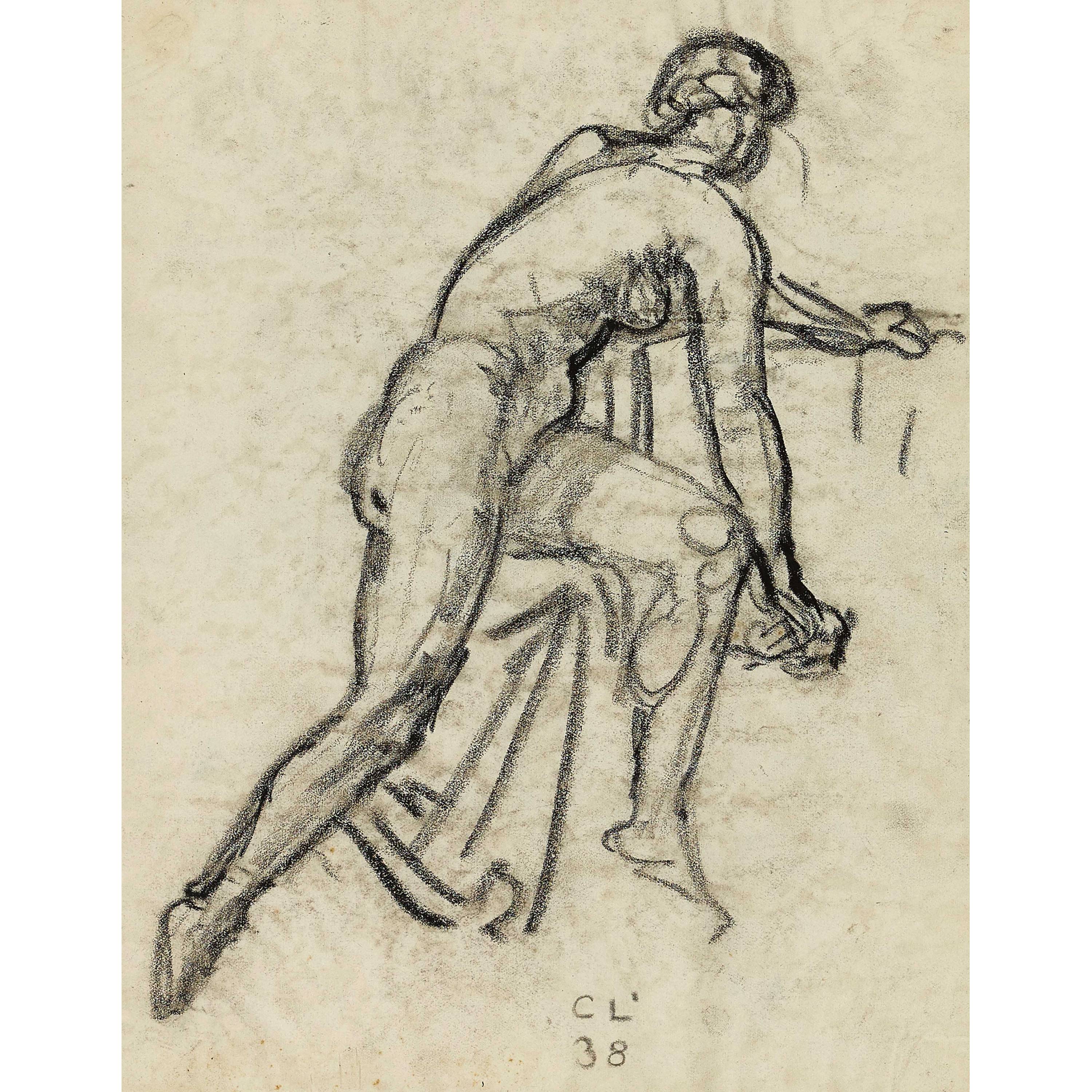
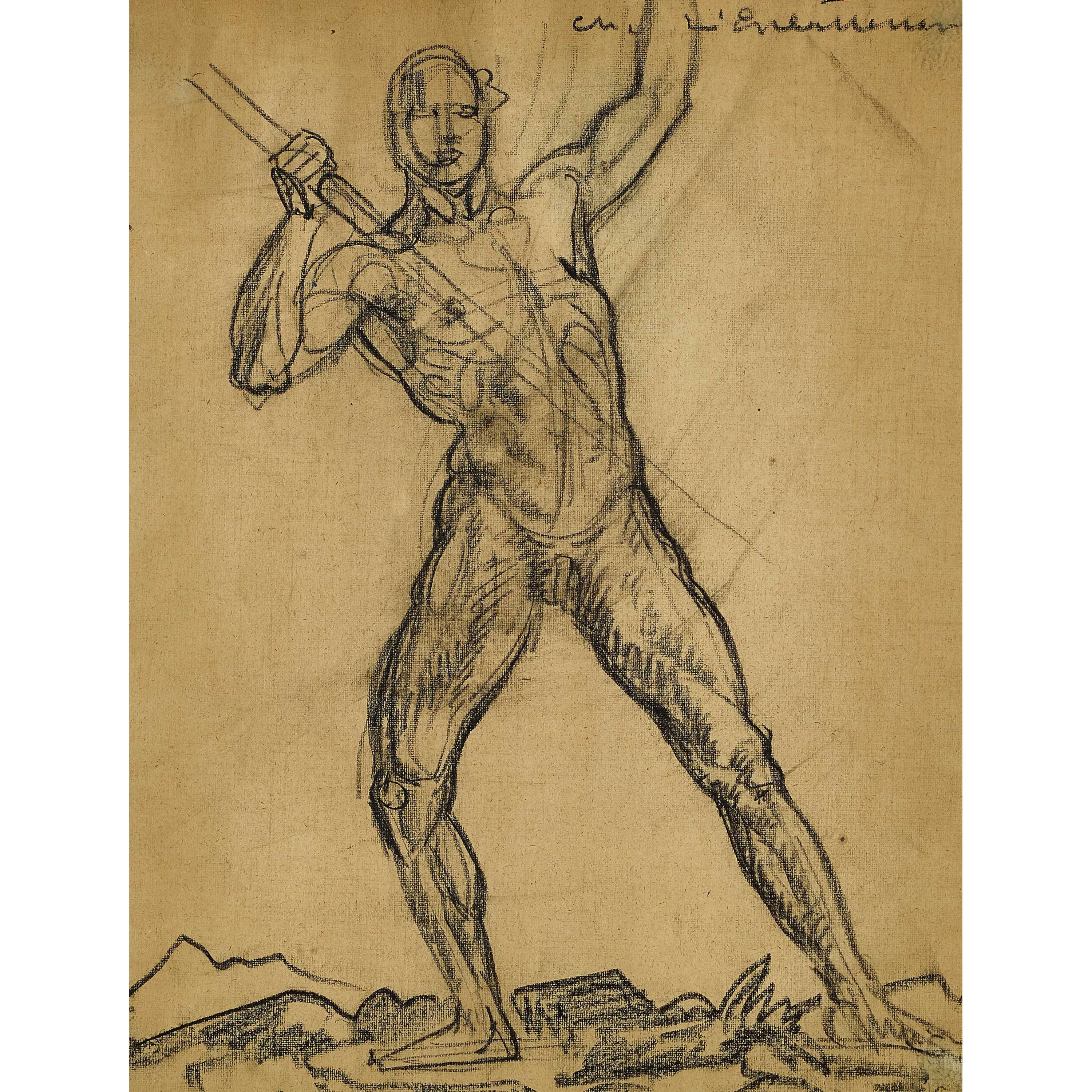
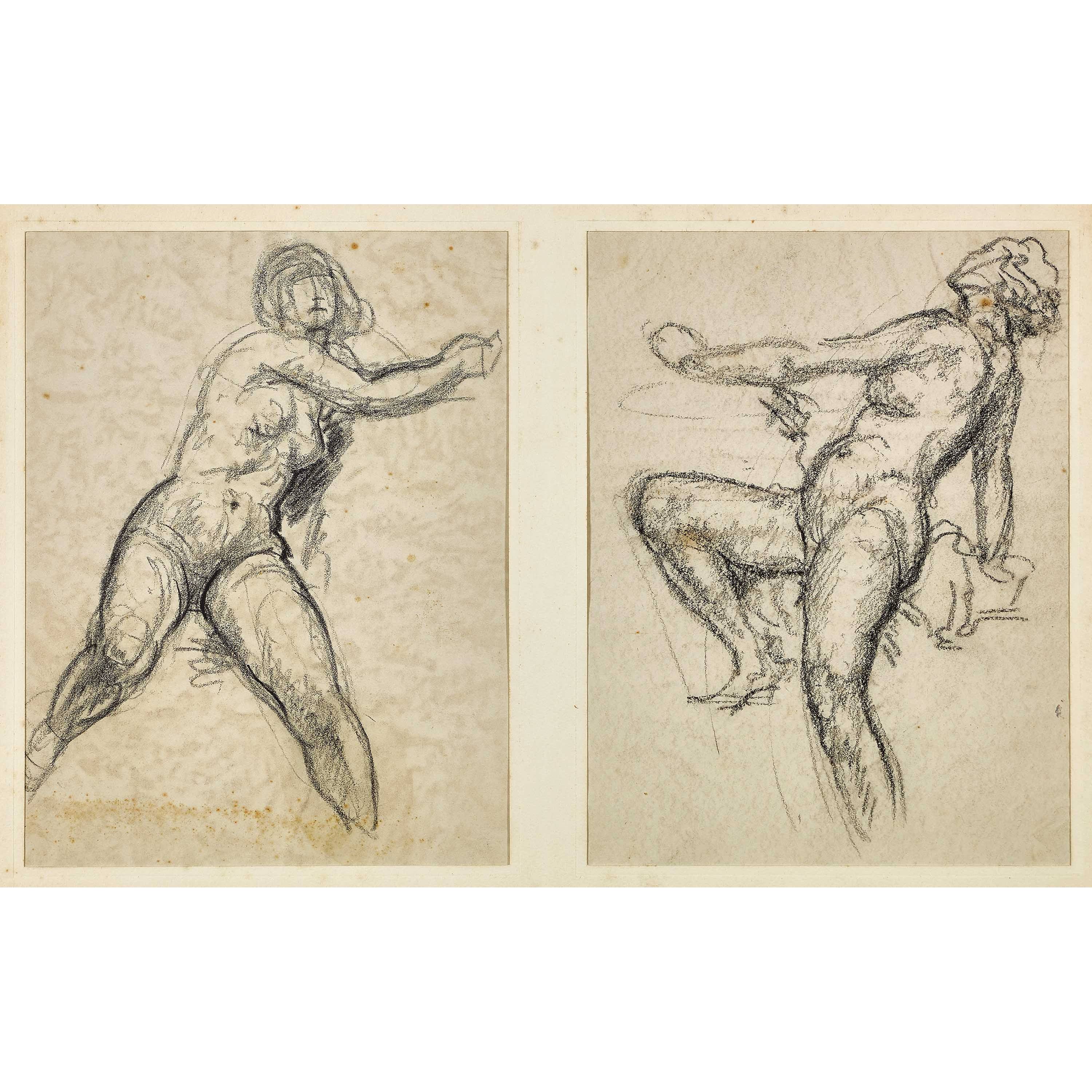
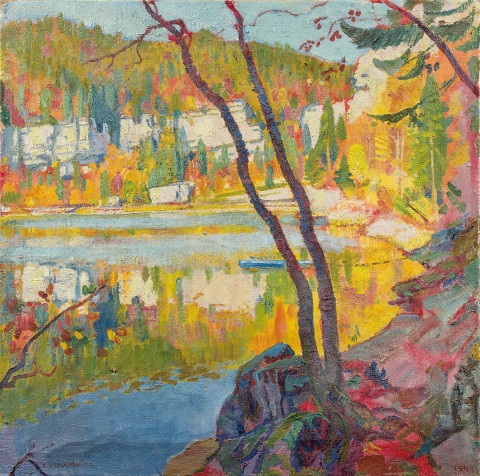
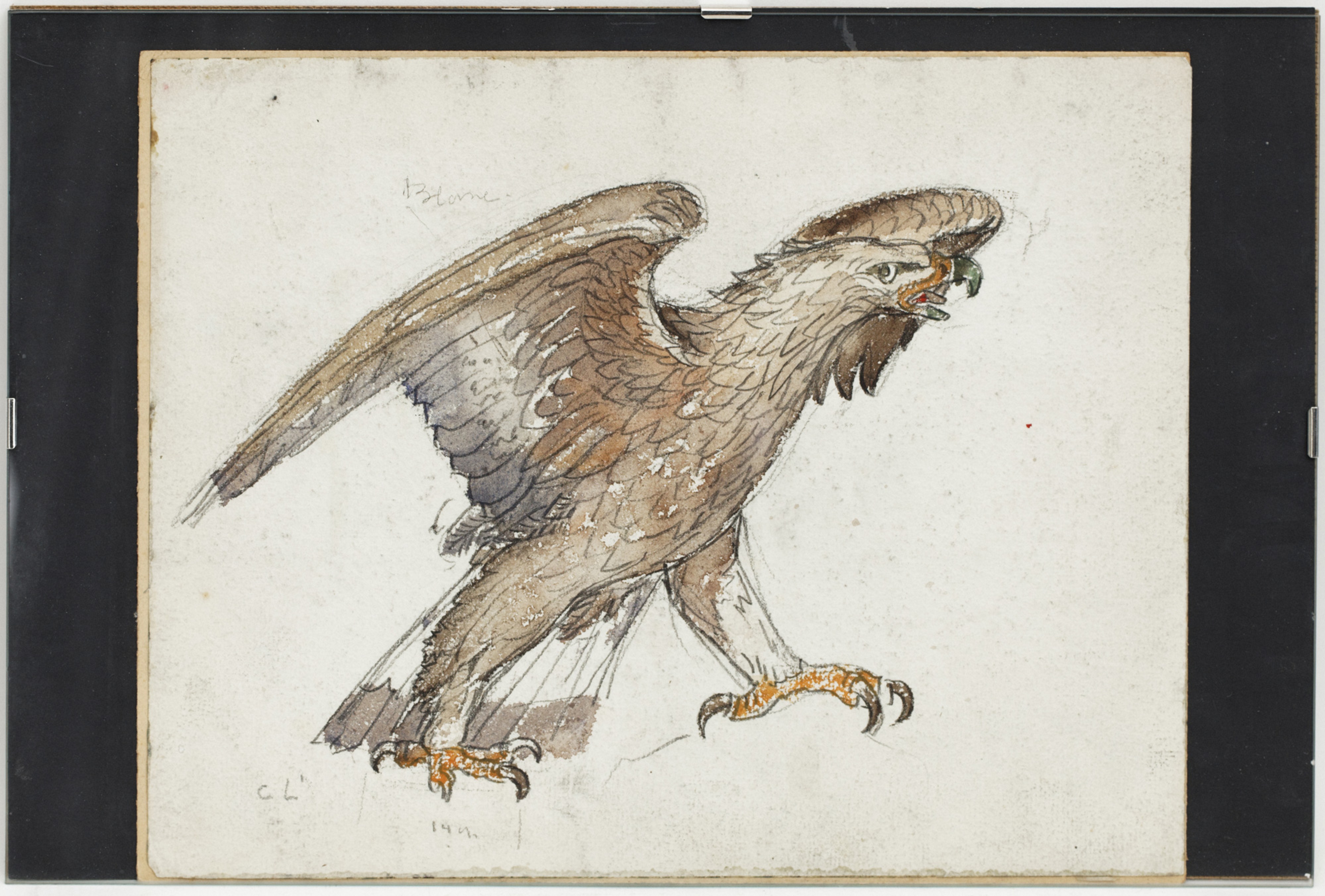
Charles L’Eplattenier (1874–1946), a painter, decorator and educator from Neuchâtel, helped give La Chaux-de-Fonds a visual identity at the turn of the twentieth century. At the École d’art, he directed the «Cours supérieur» and encouraged his students to seek an ornamental language inspired by the fauna and flora of the Jura. The city’s Musée des beaux-arts associates this approach with the Style sapin, a regional variant of Art Nouveau founded on the observation and stylisation of natural forms.
Painters, architects, ceramicists, mosaic artists and decorators then collaborated on projects combining the applied arts, decoration and architecture.
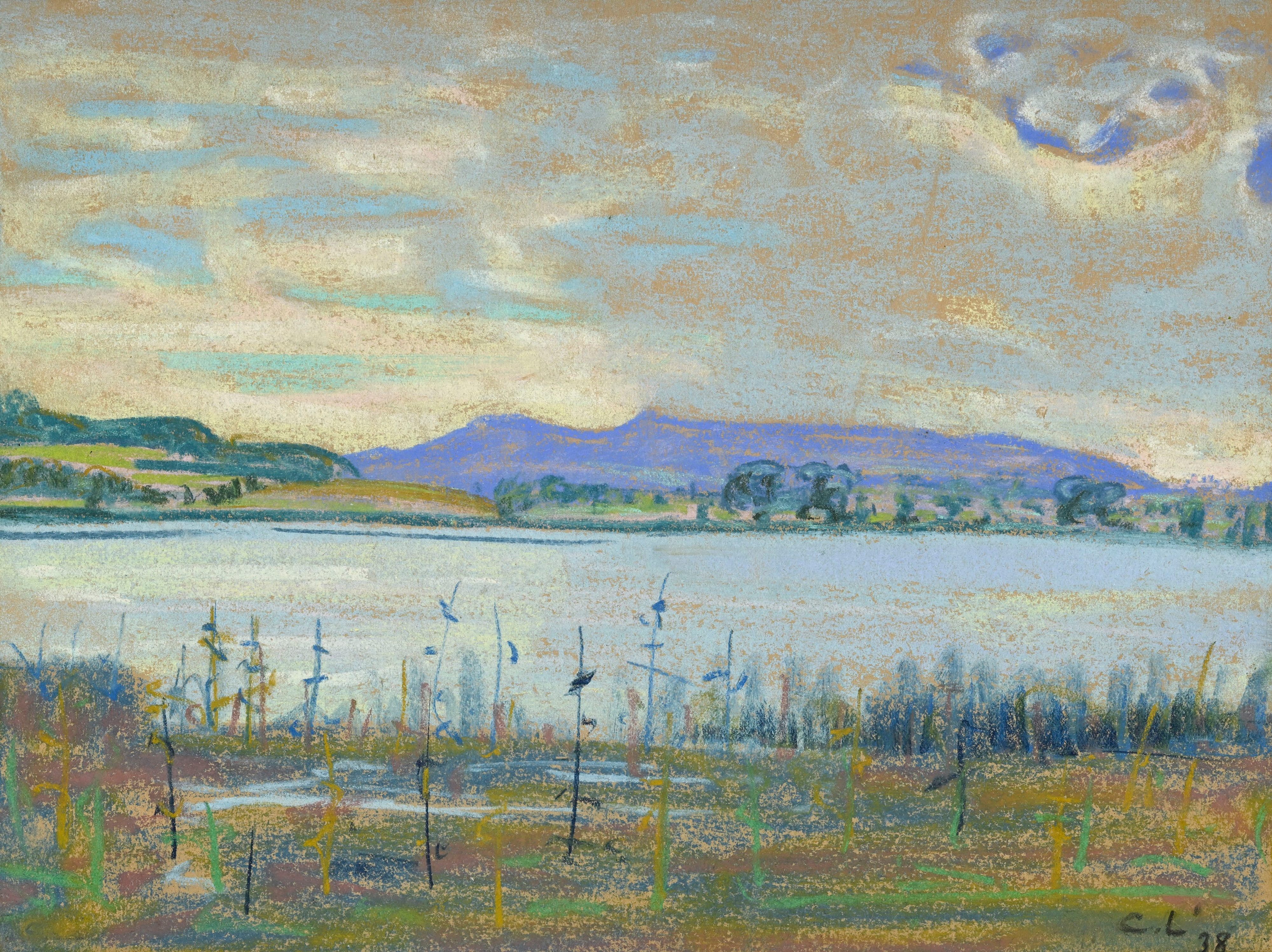
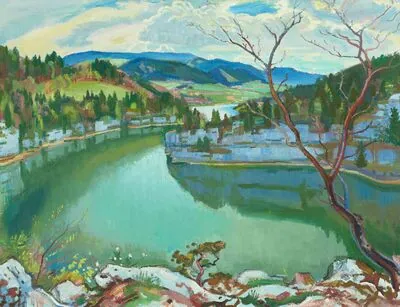
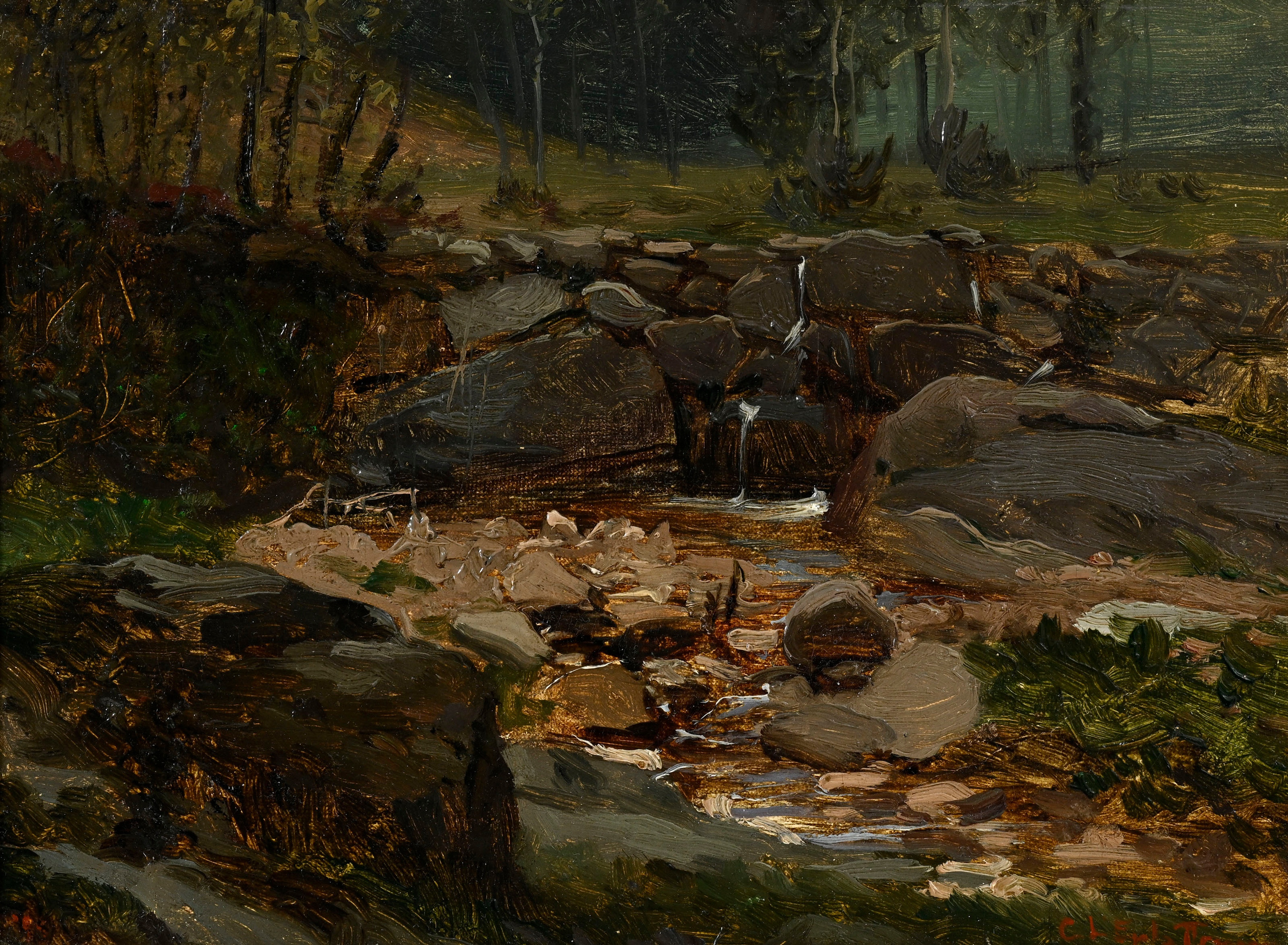
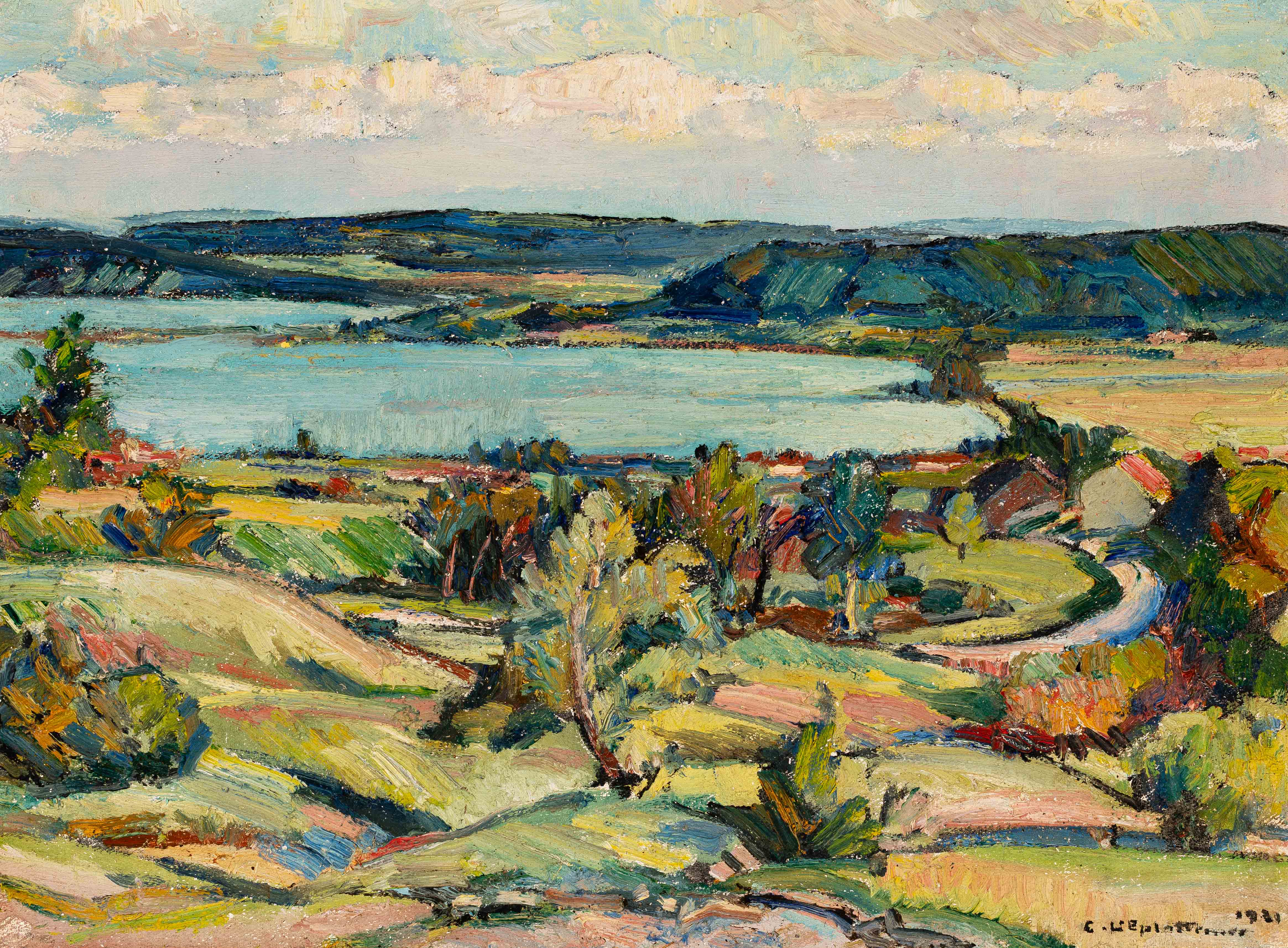
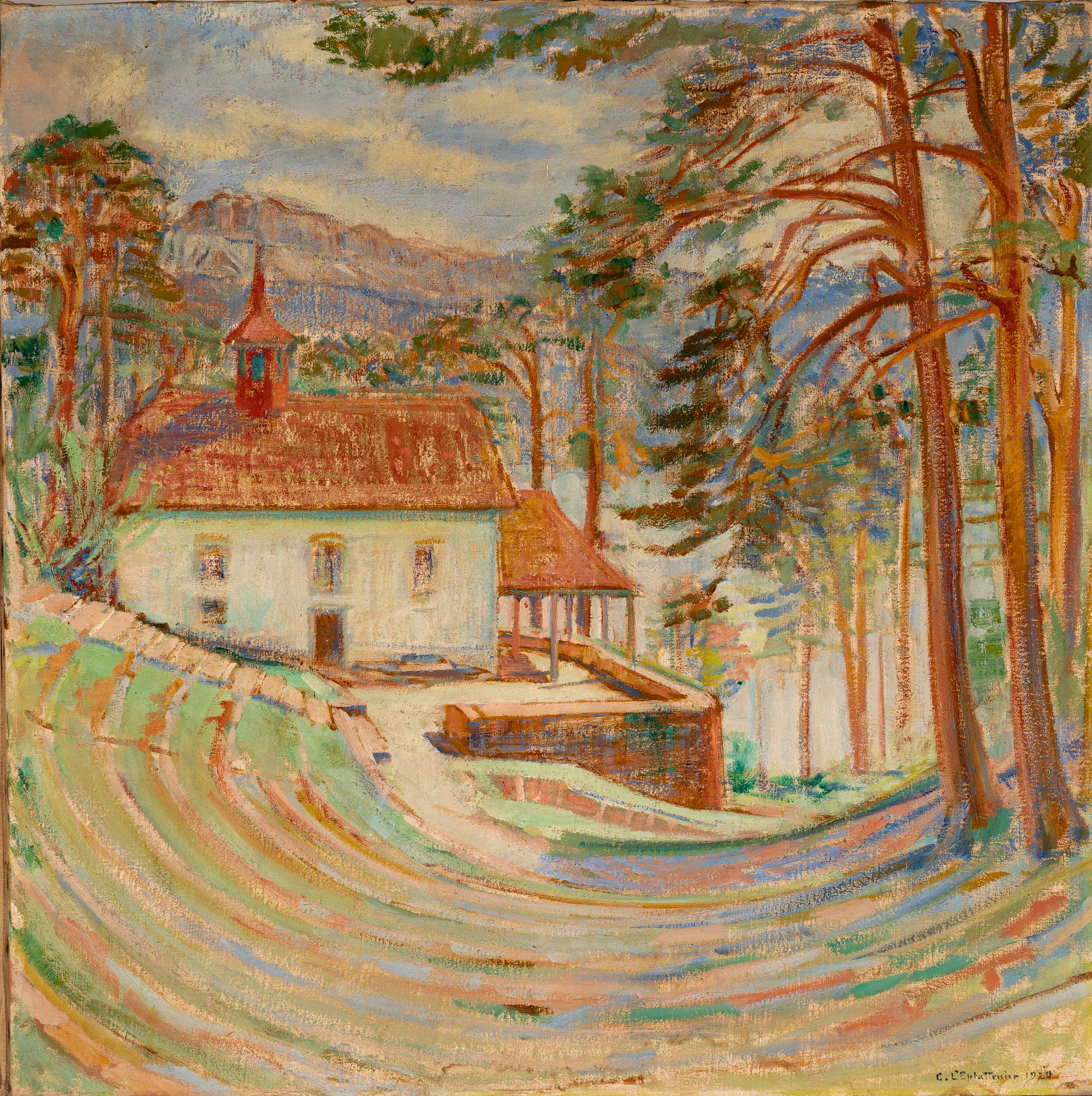
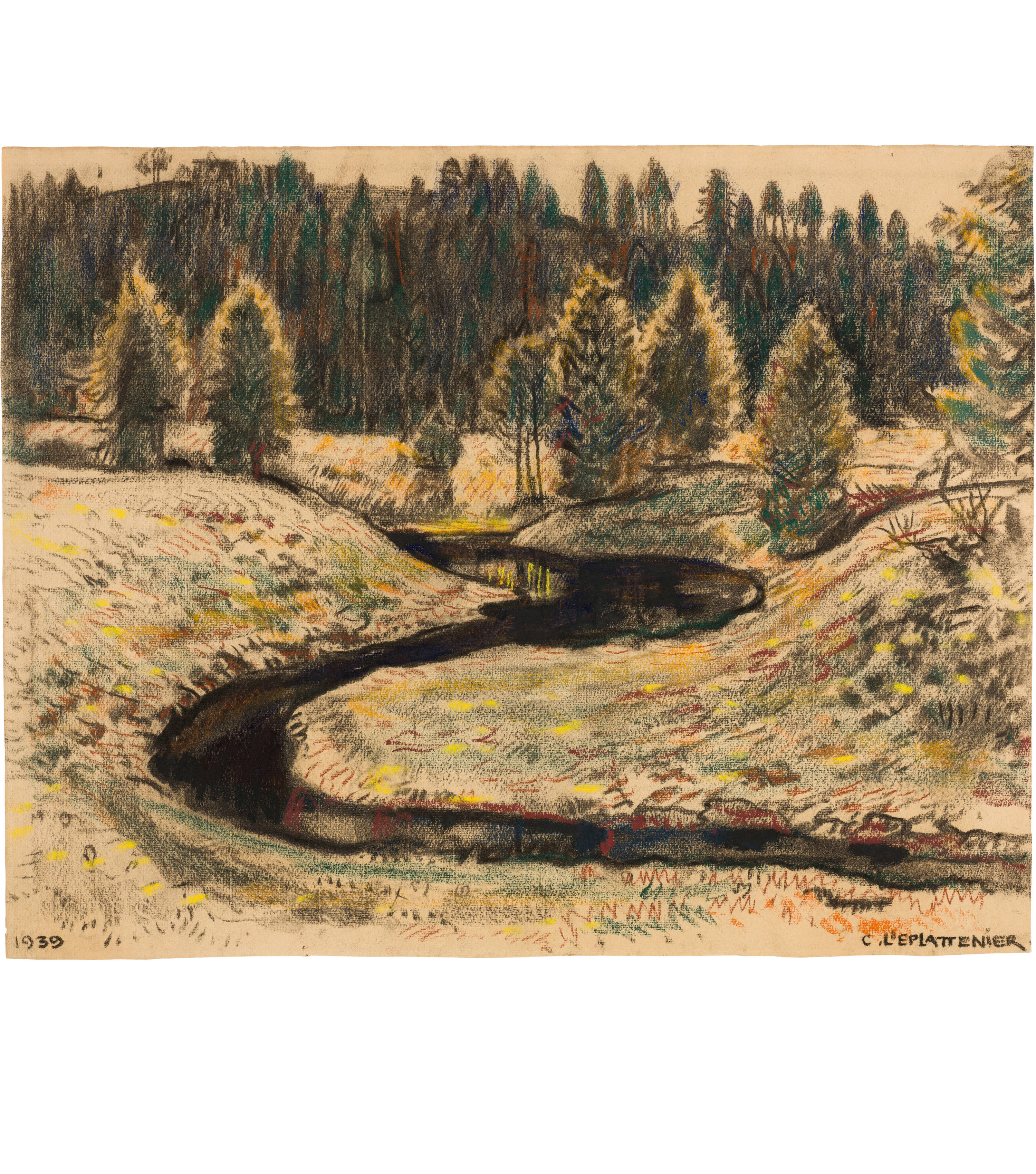
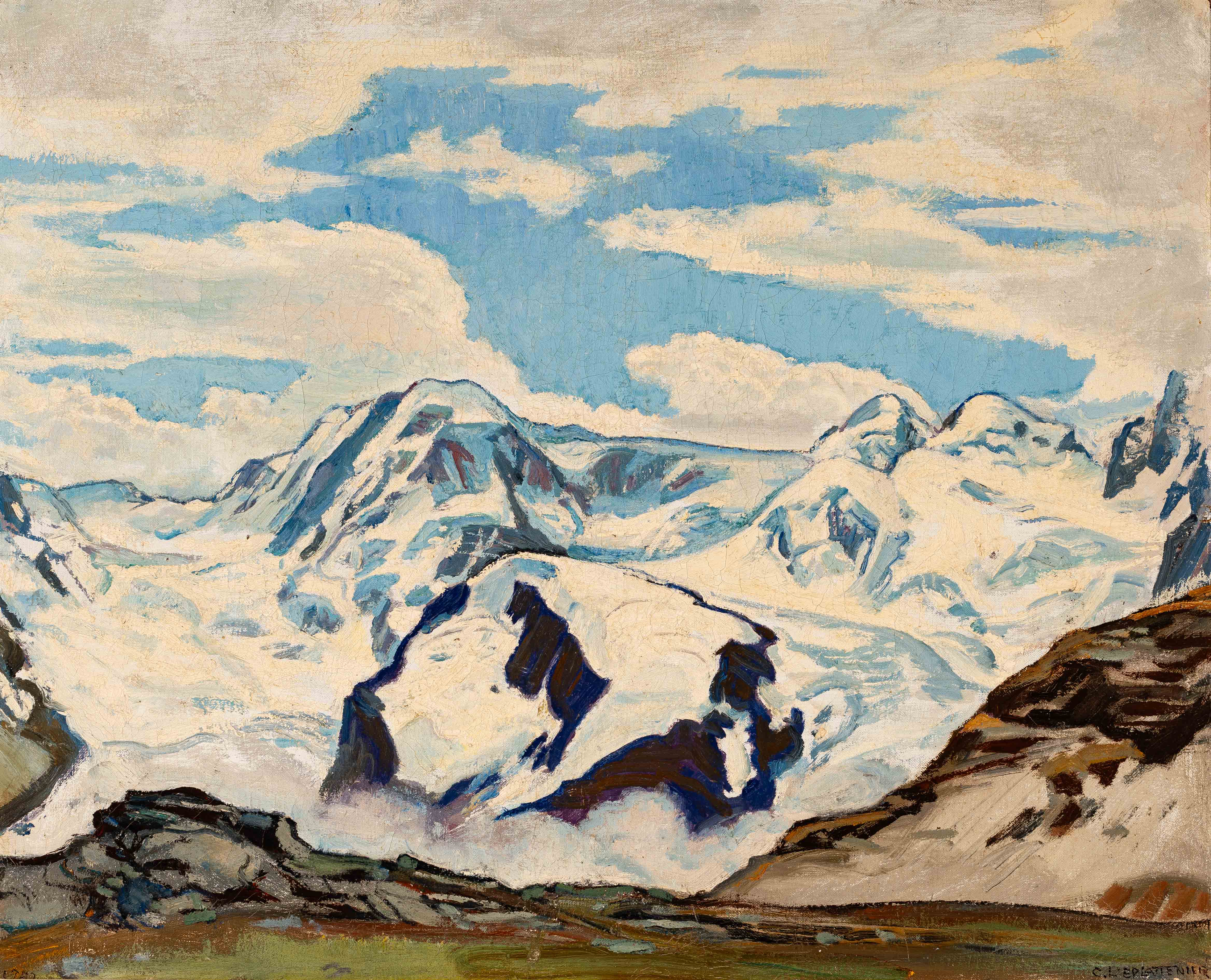
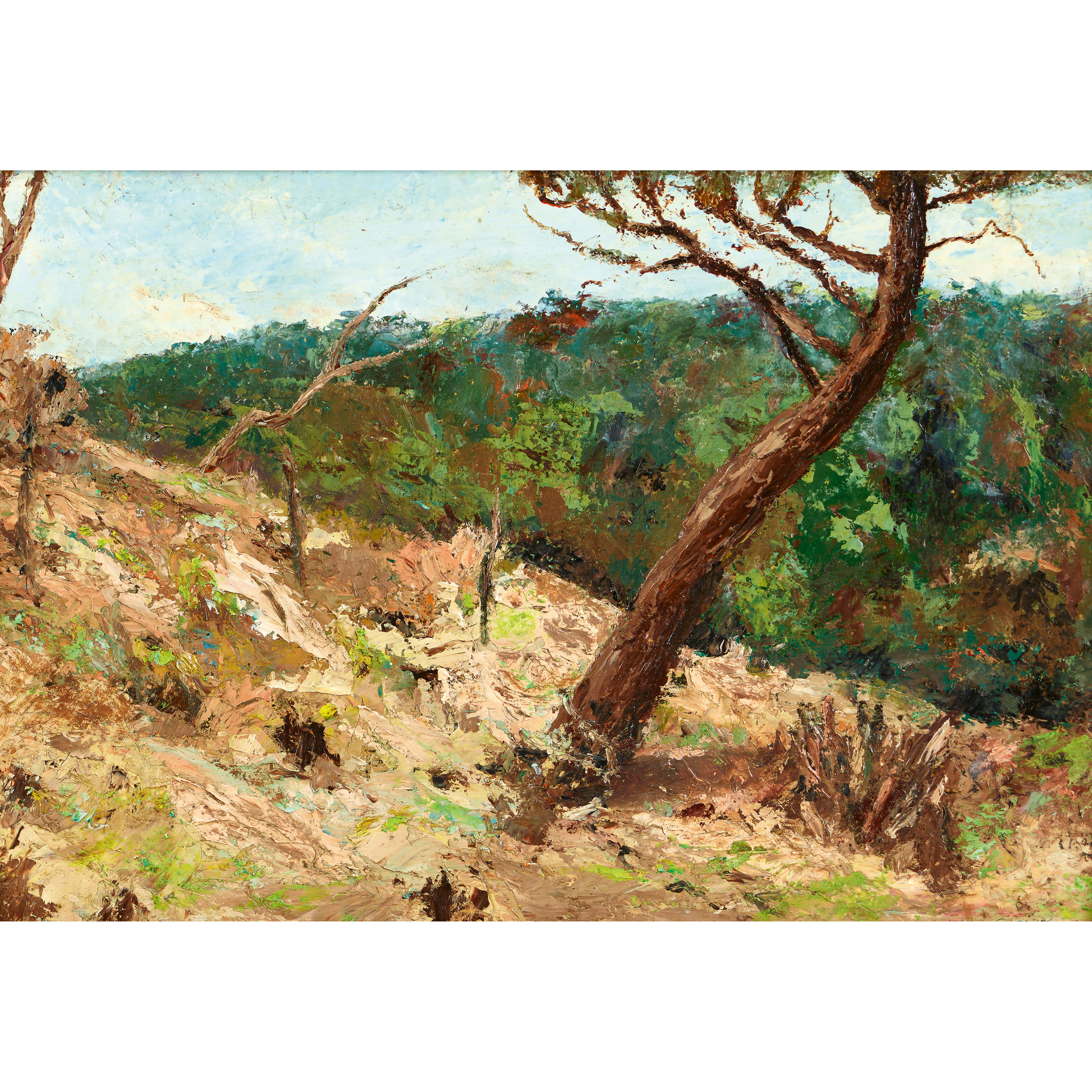
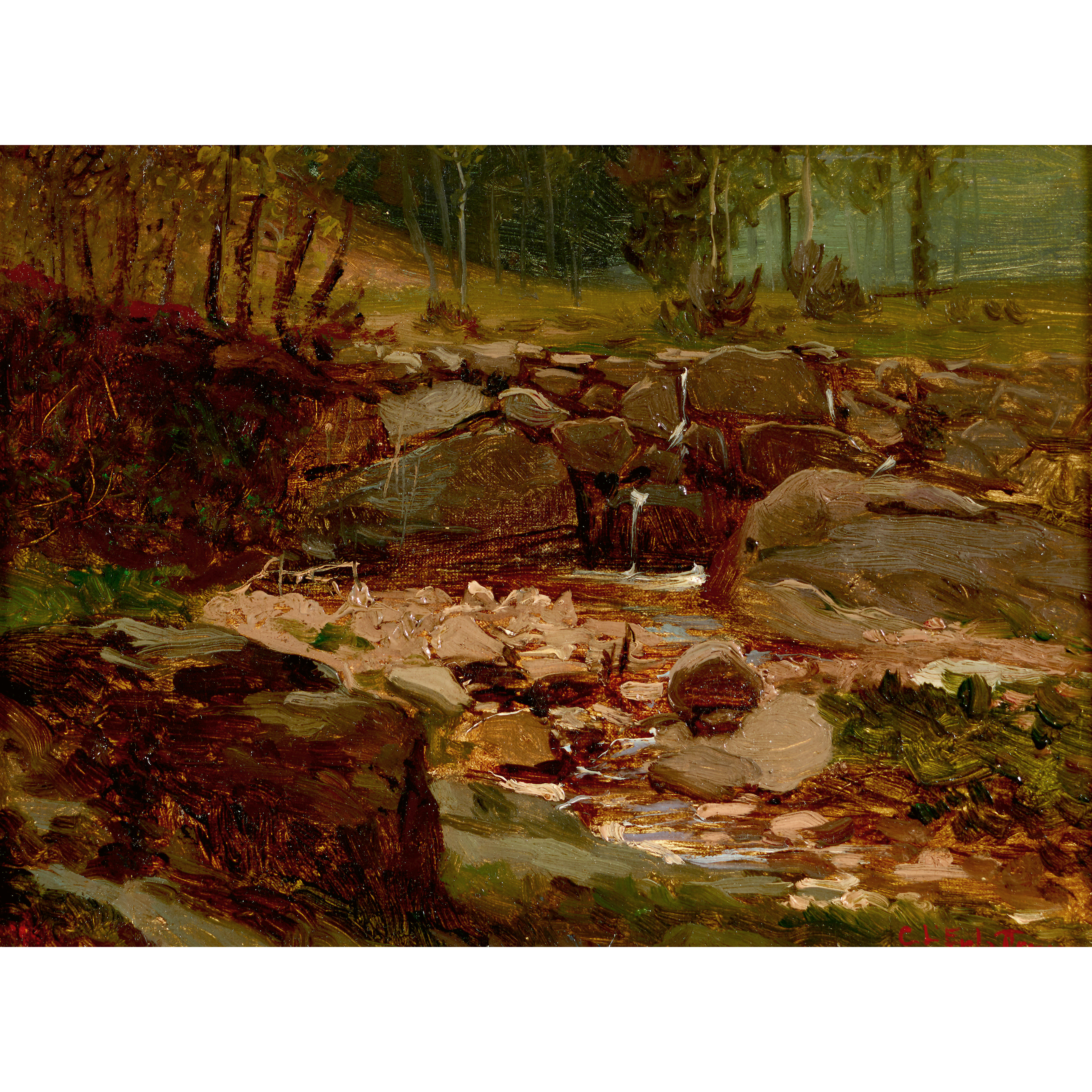
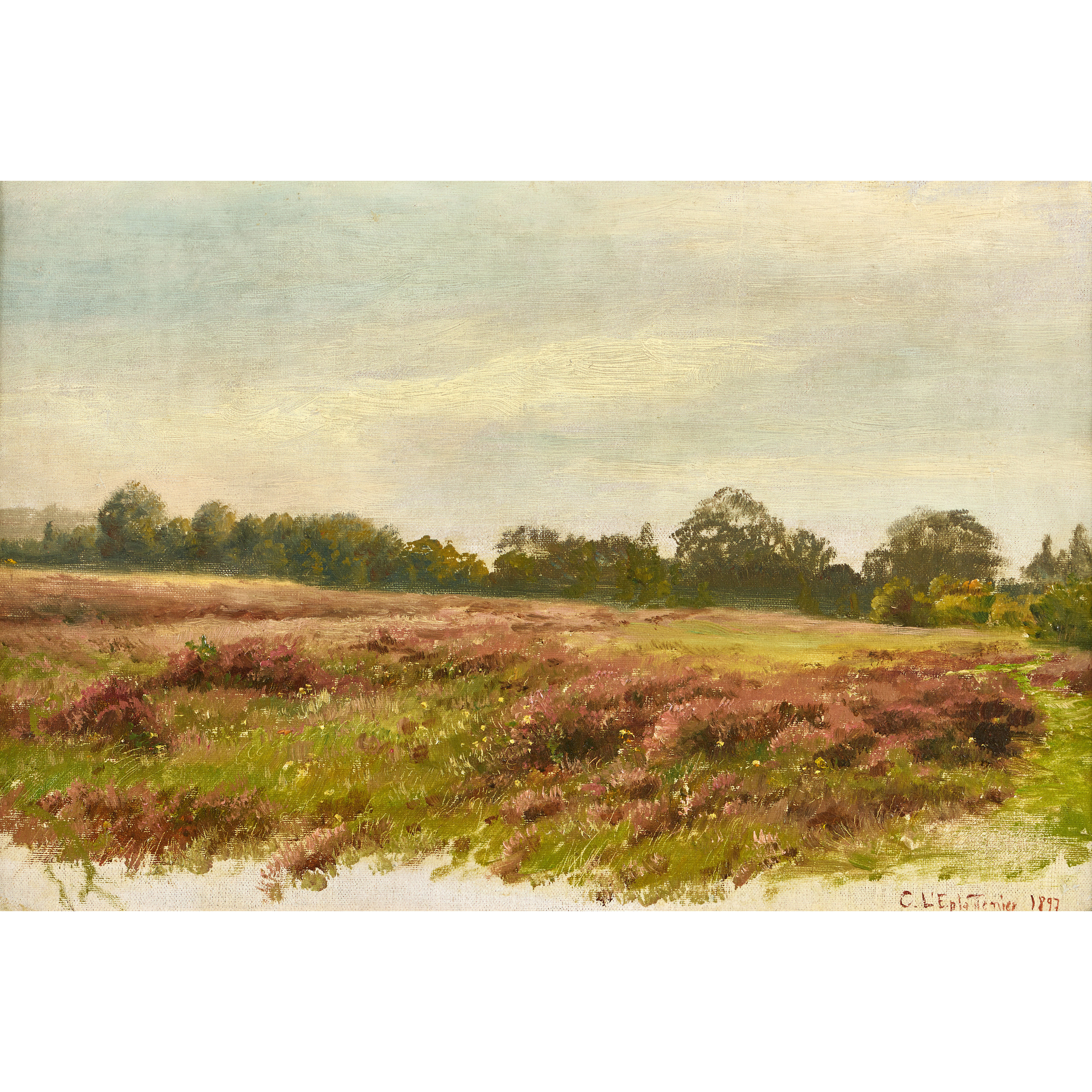
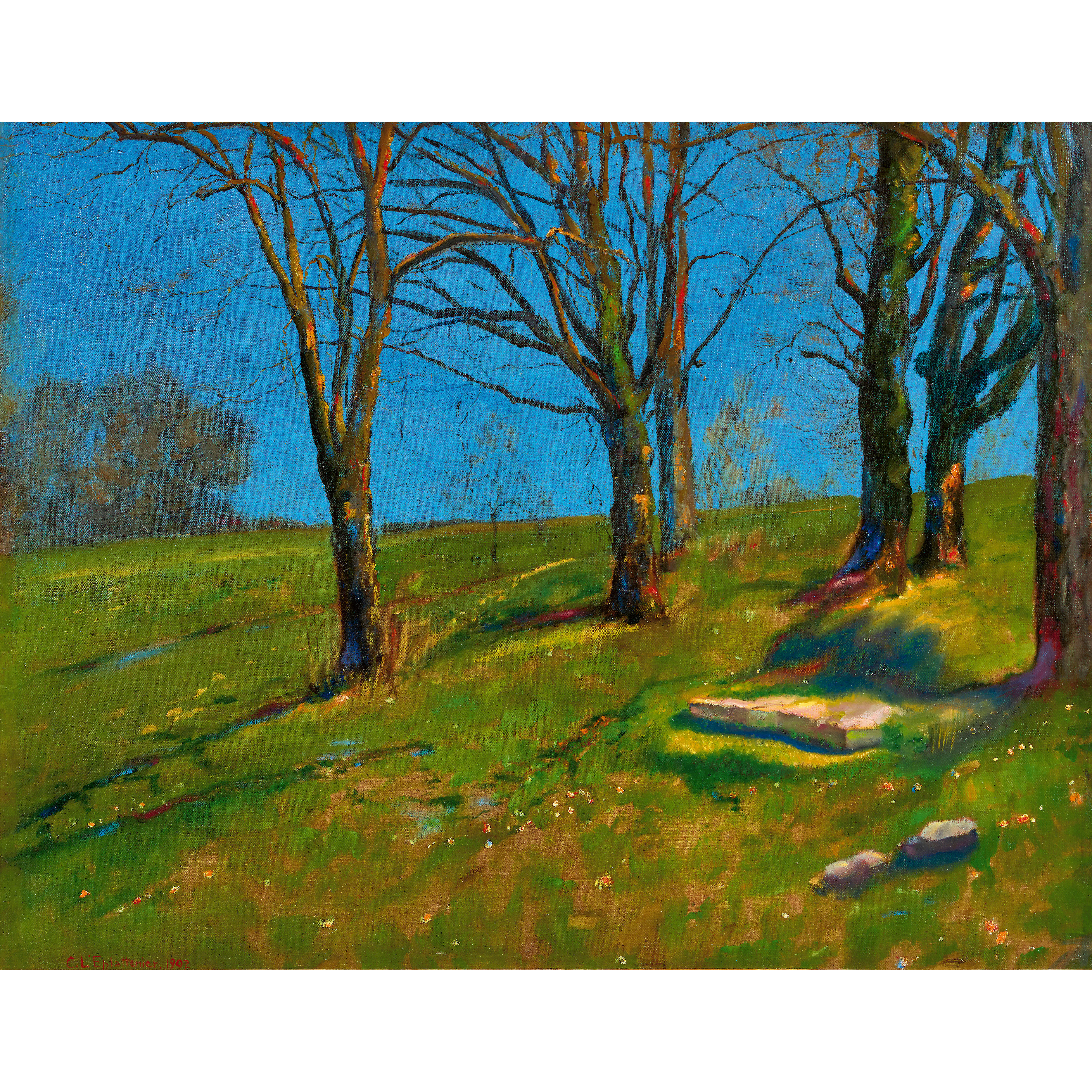
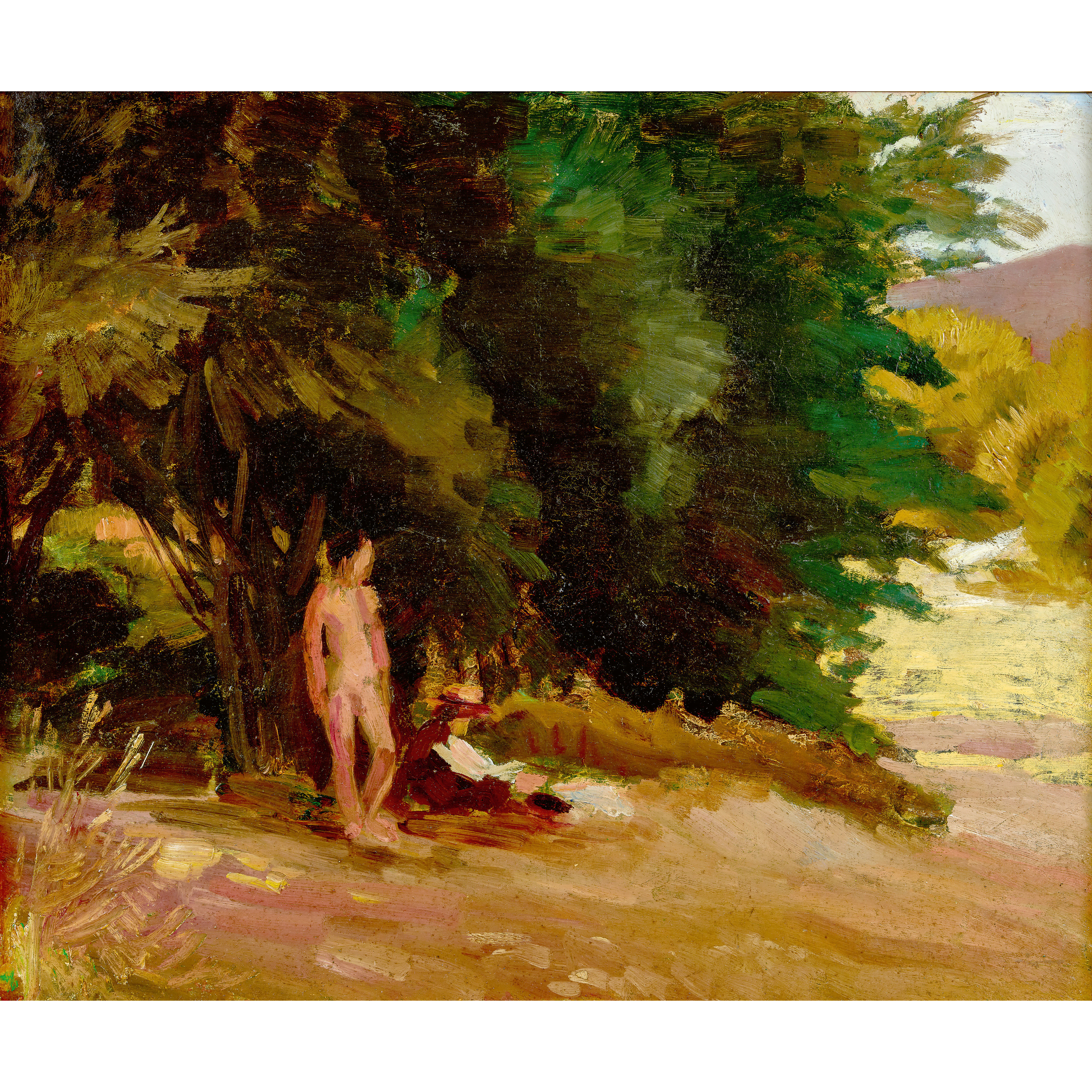
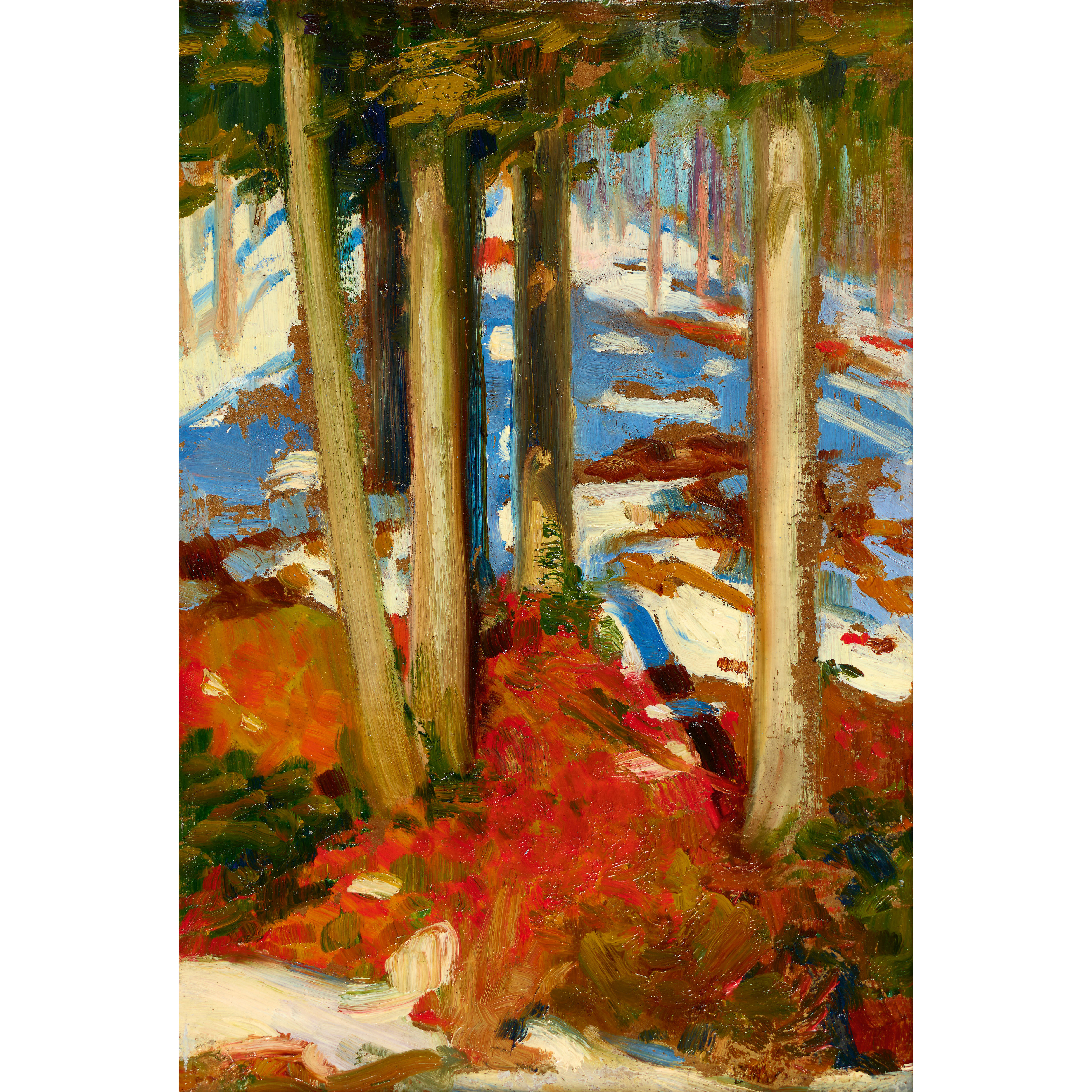
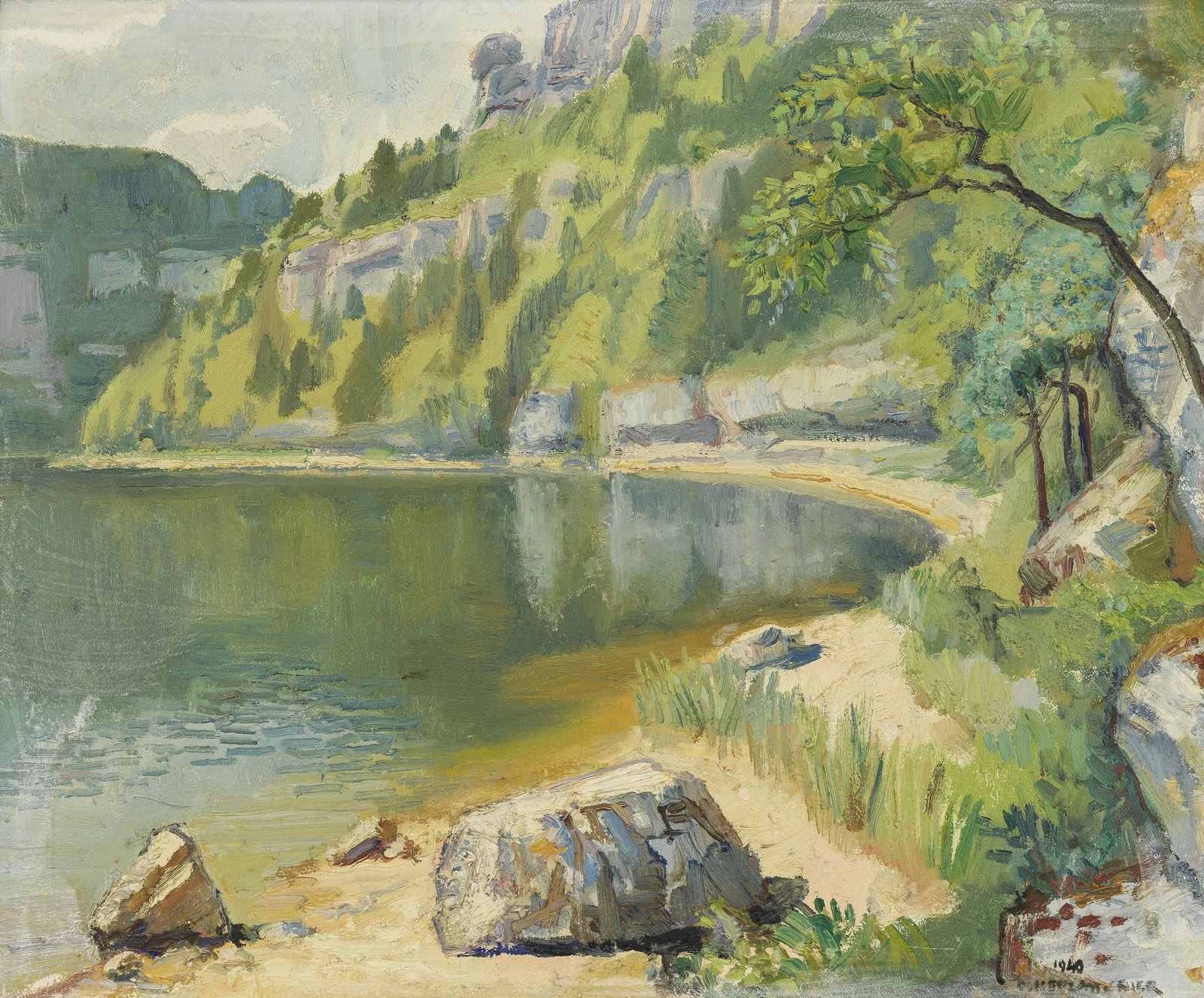
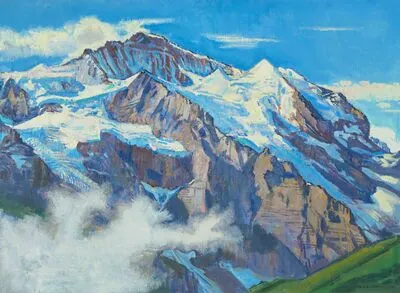
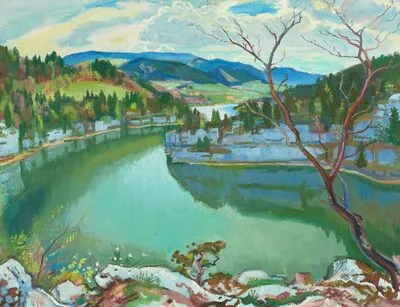
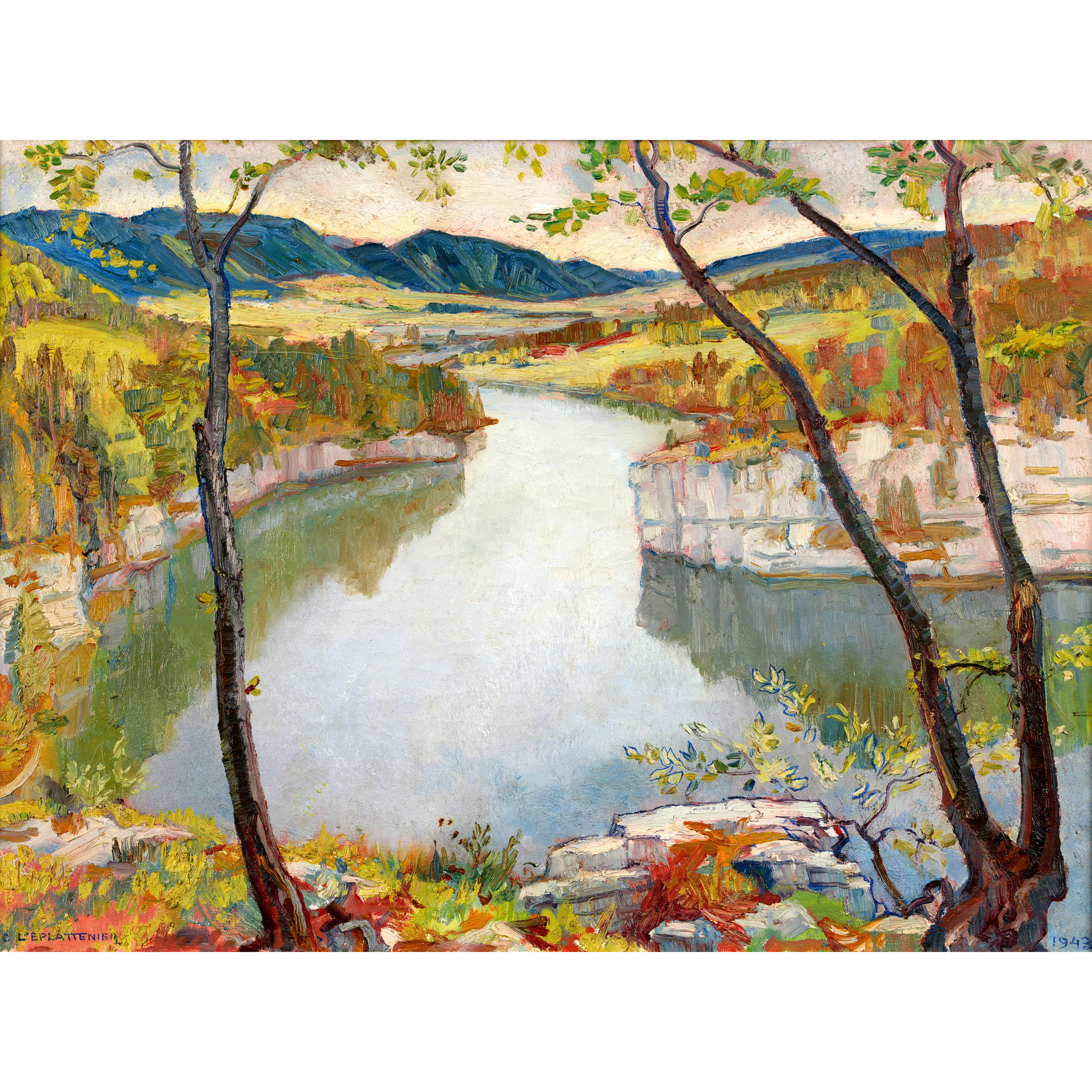
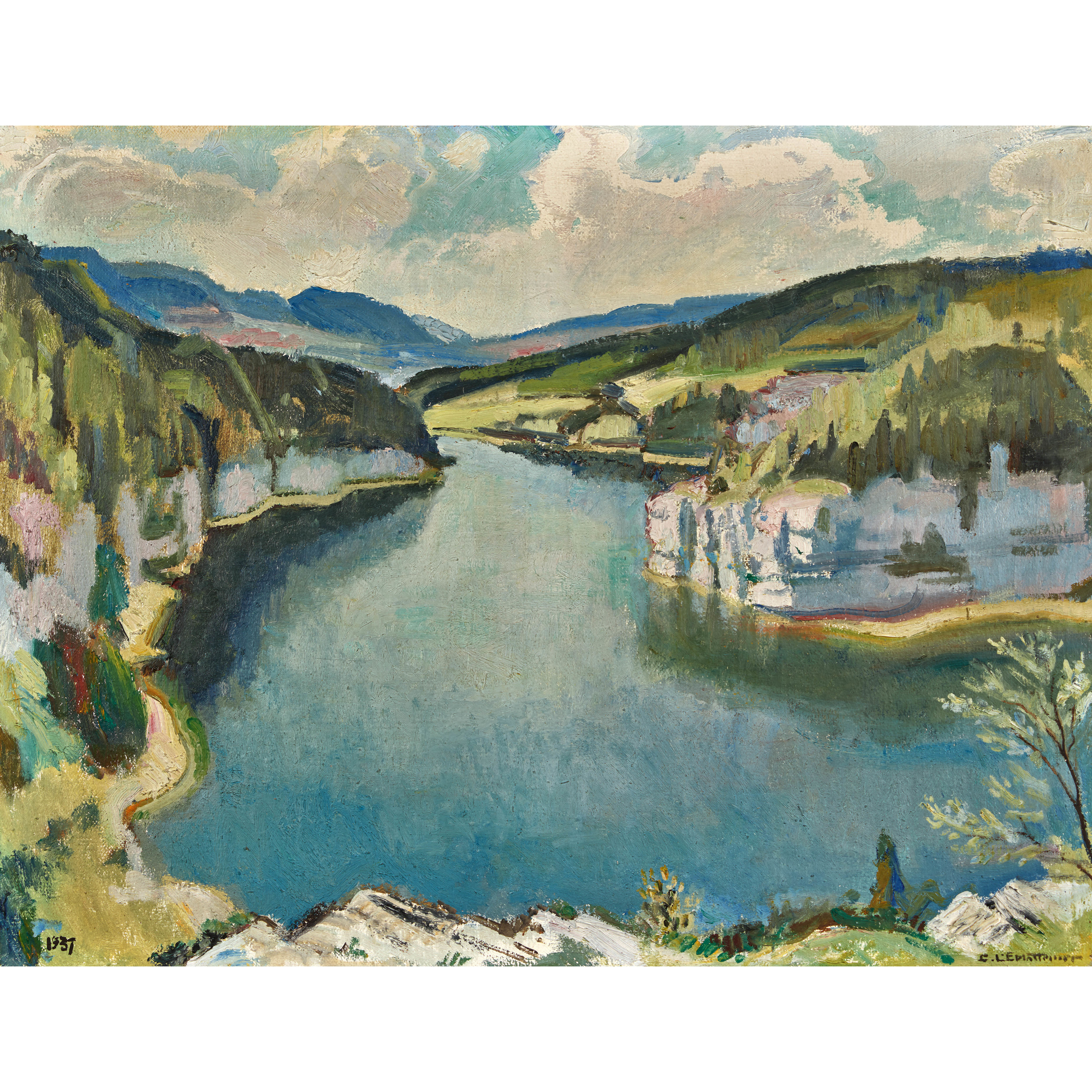
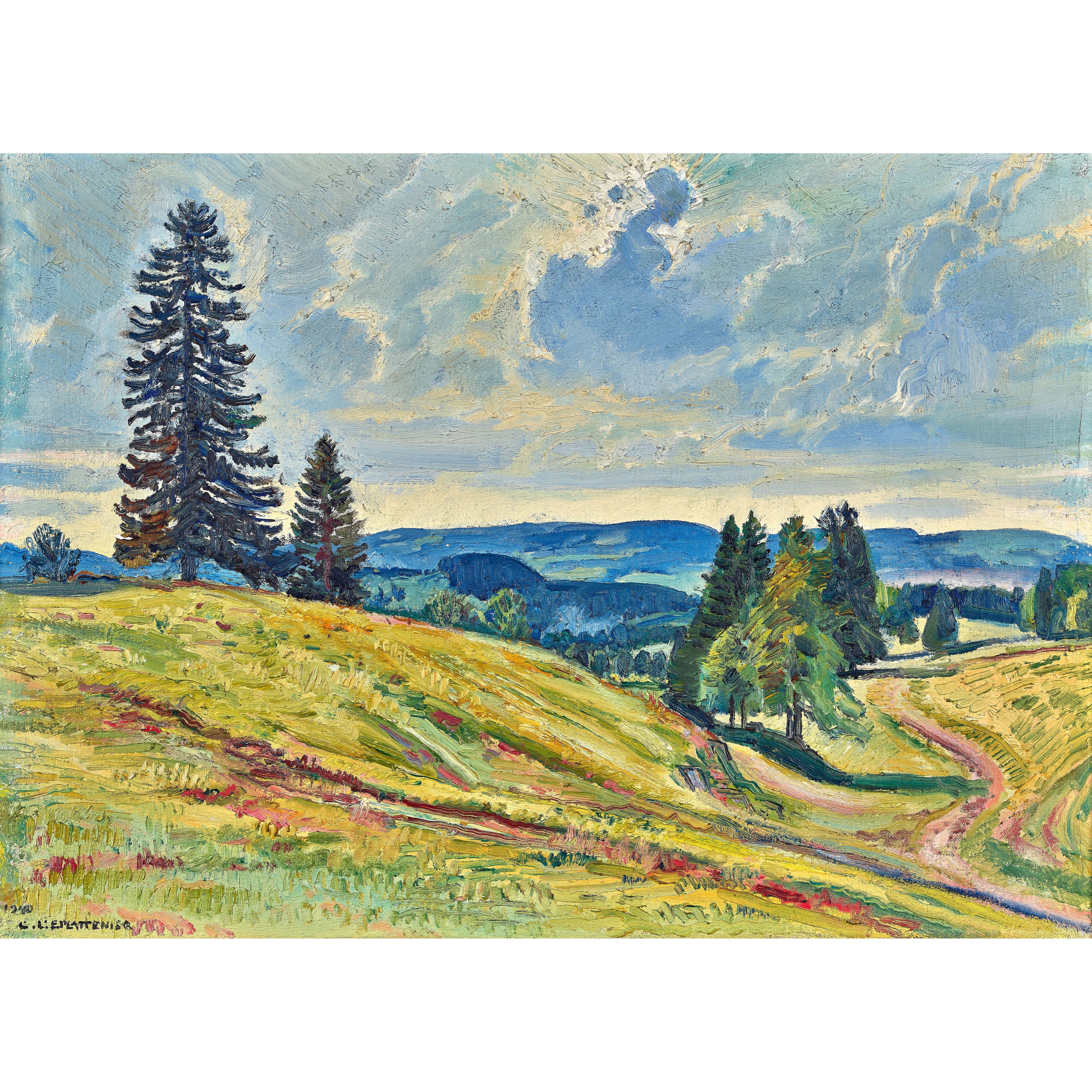
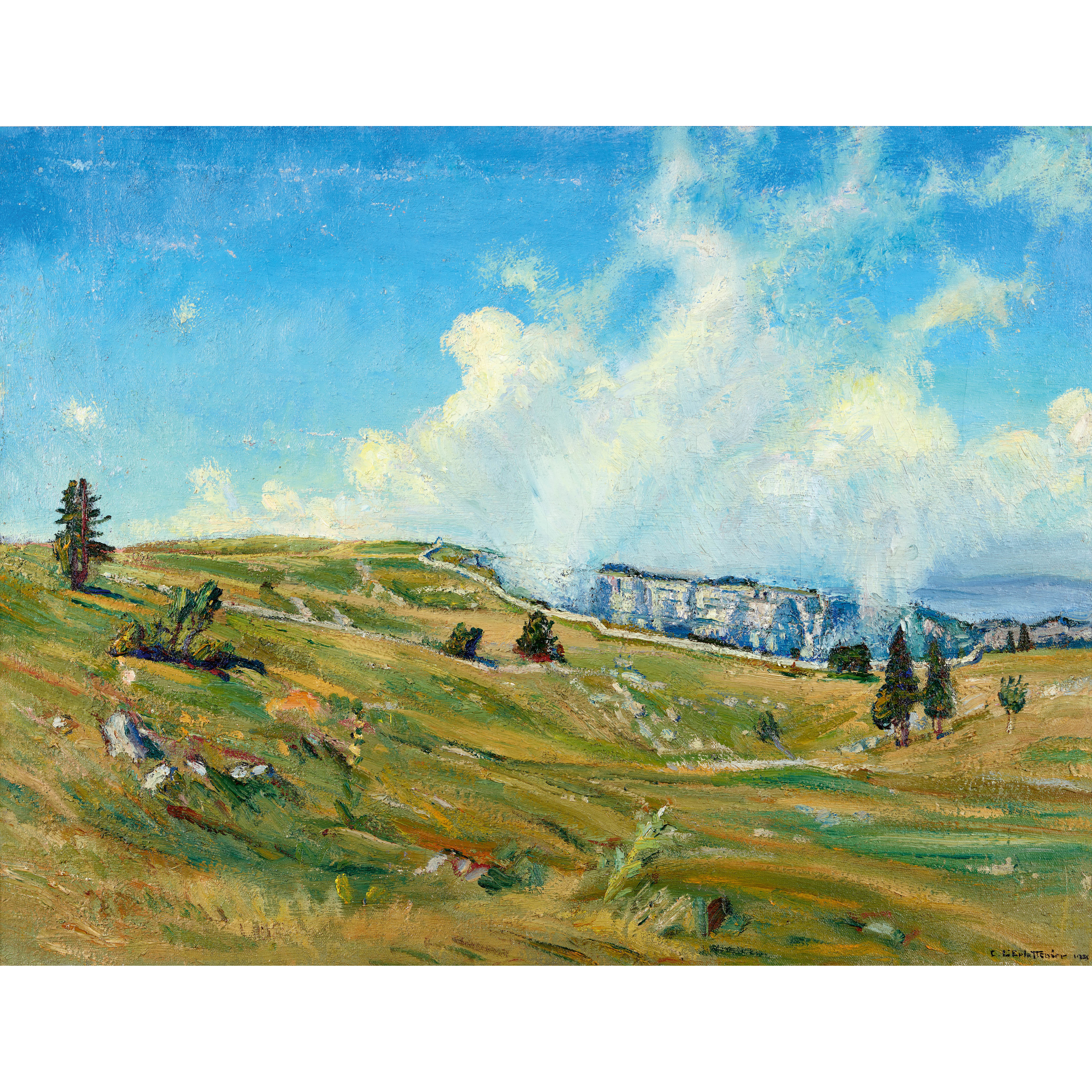
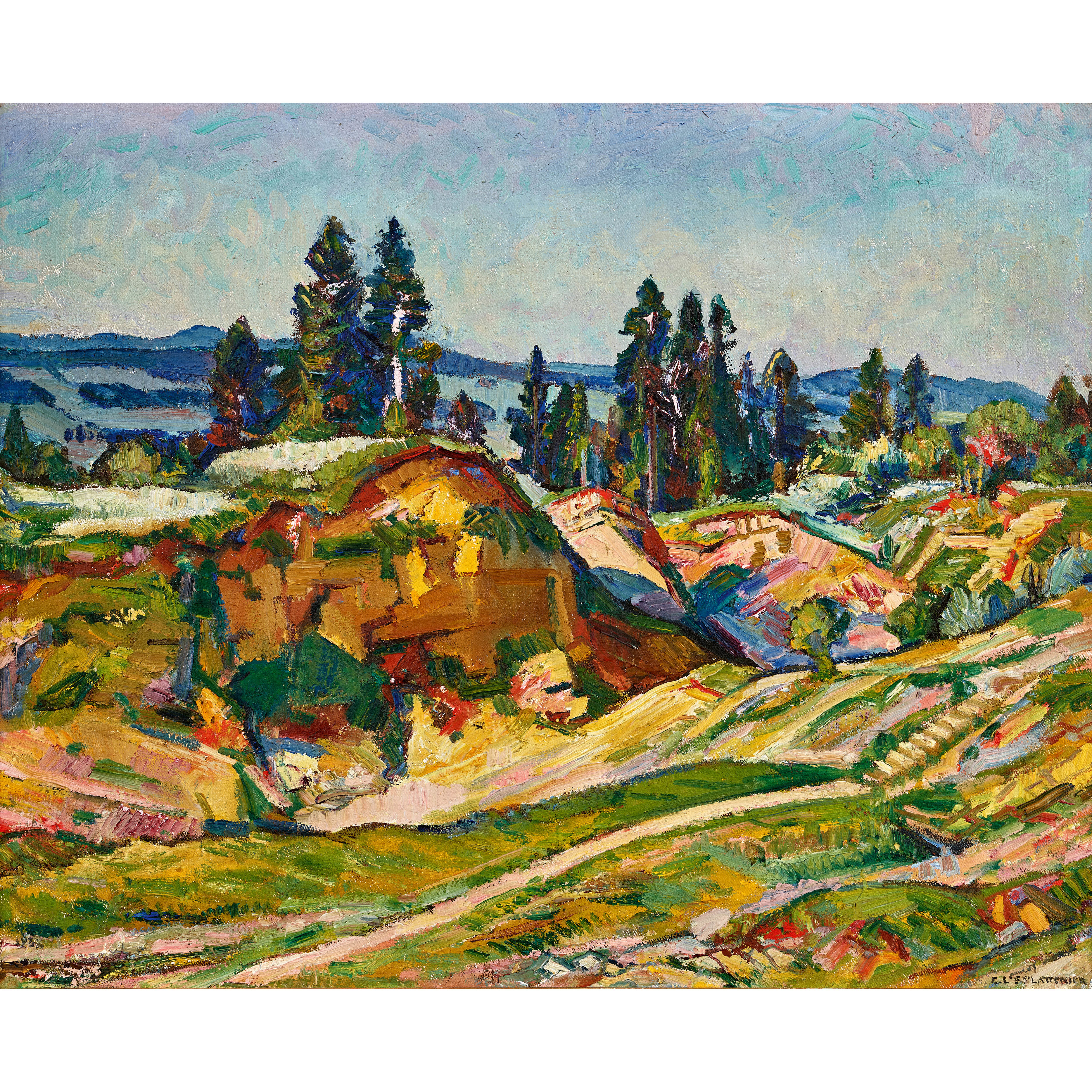
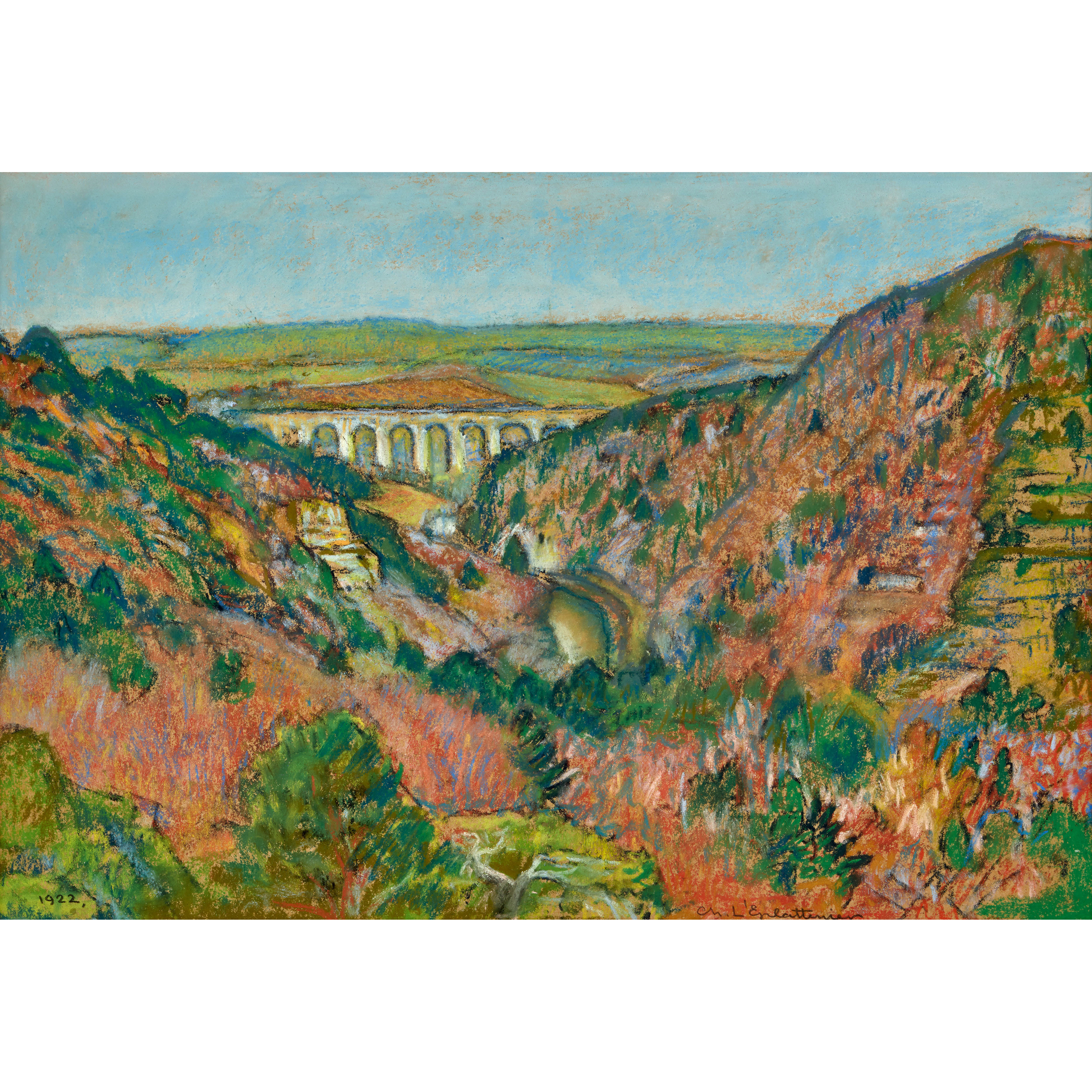
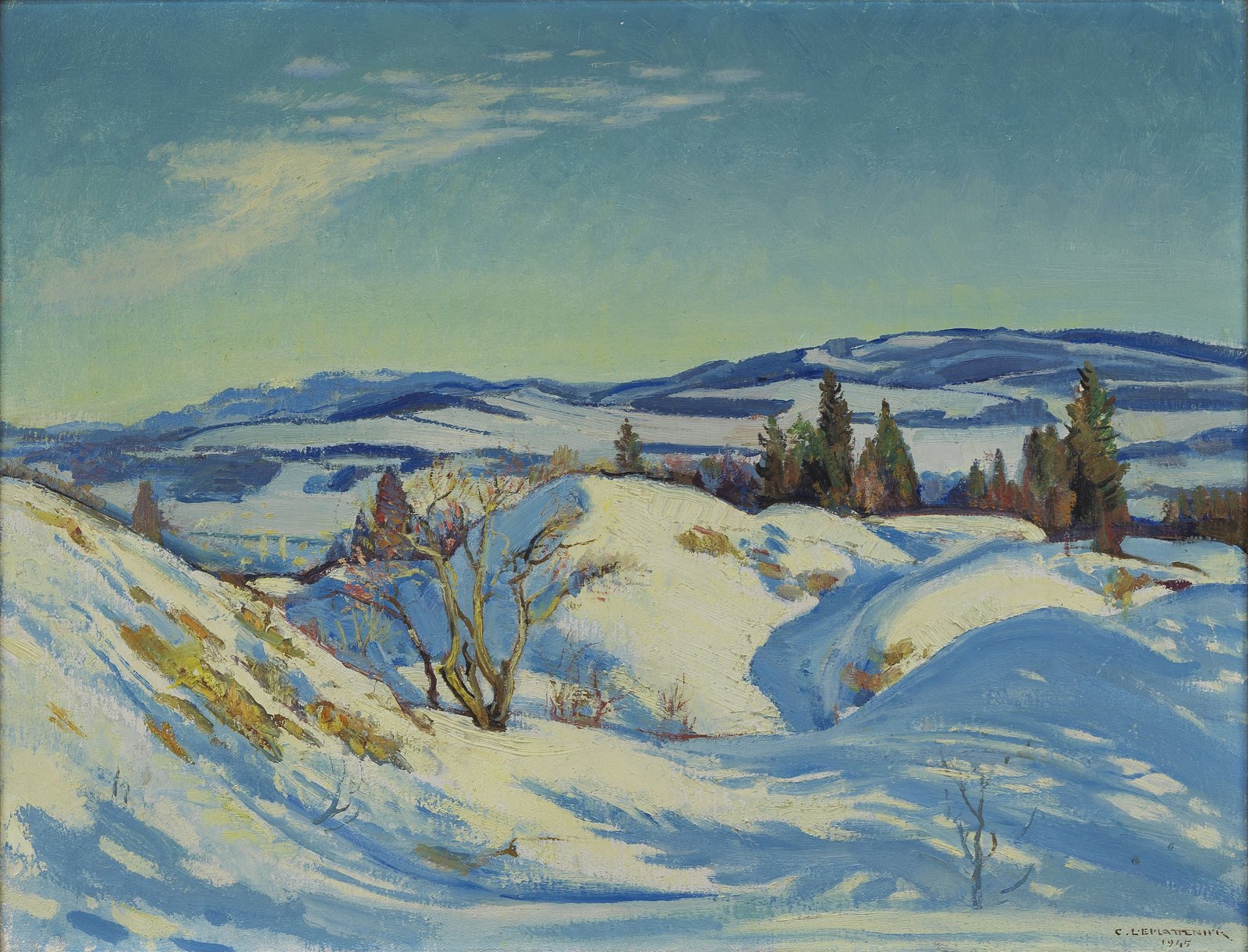
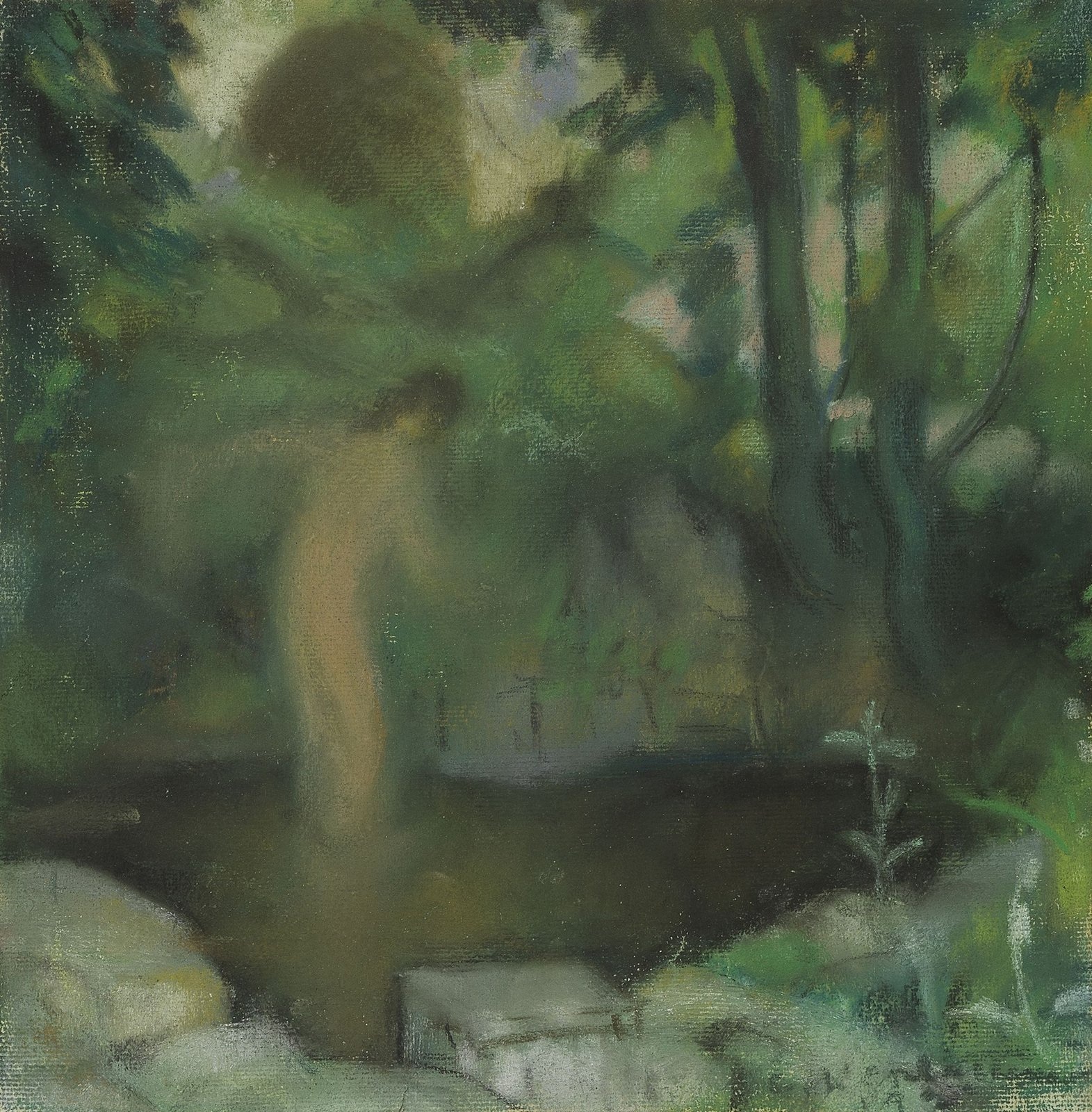
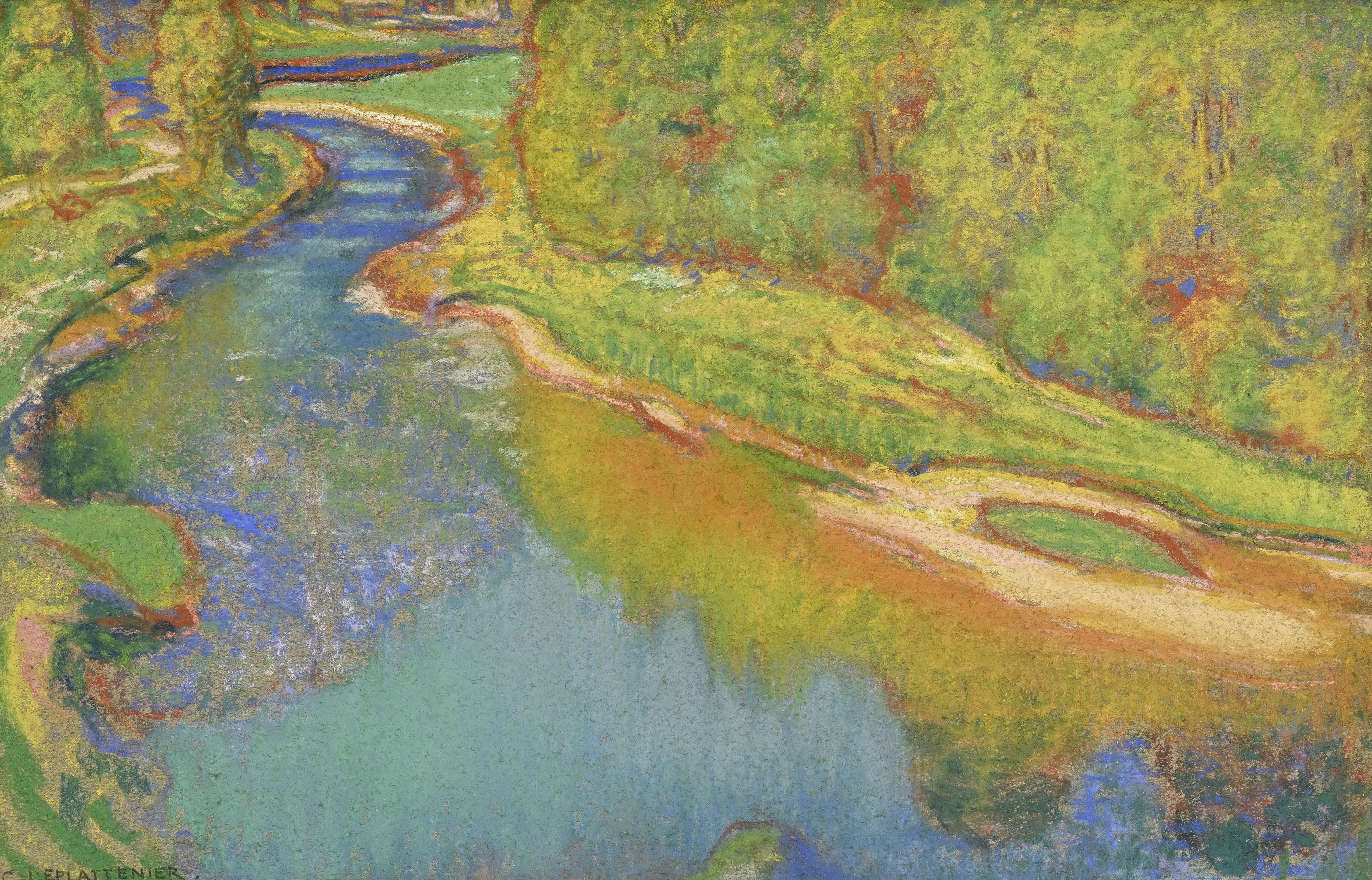
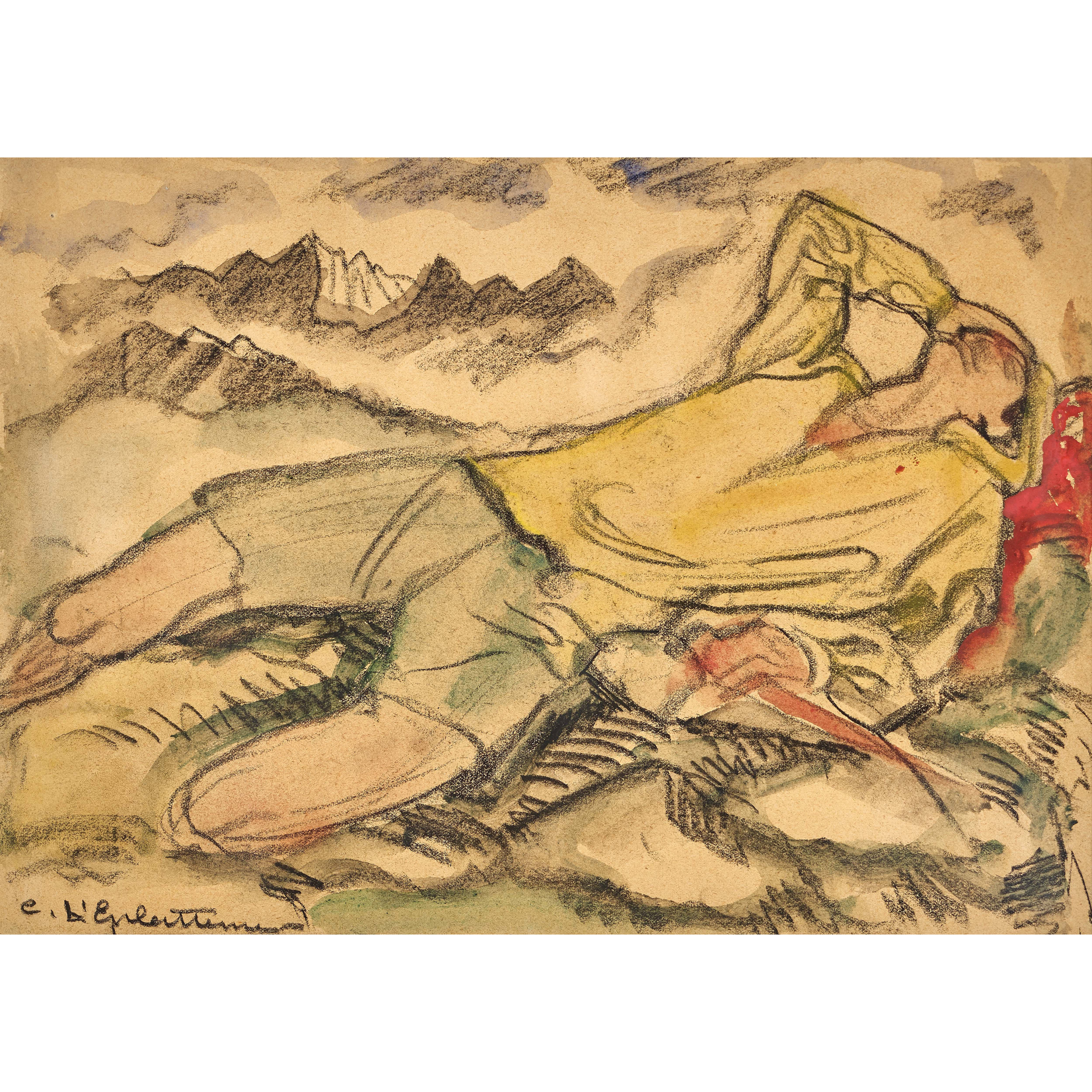
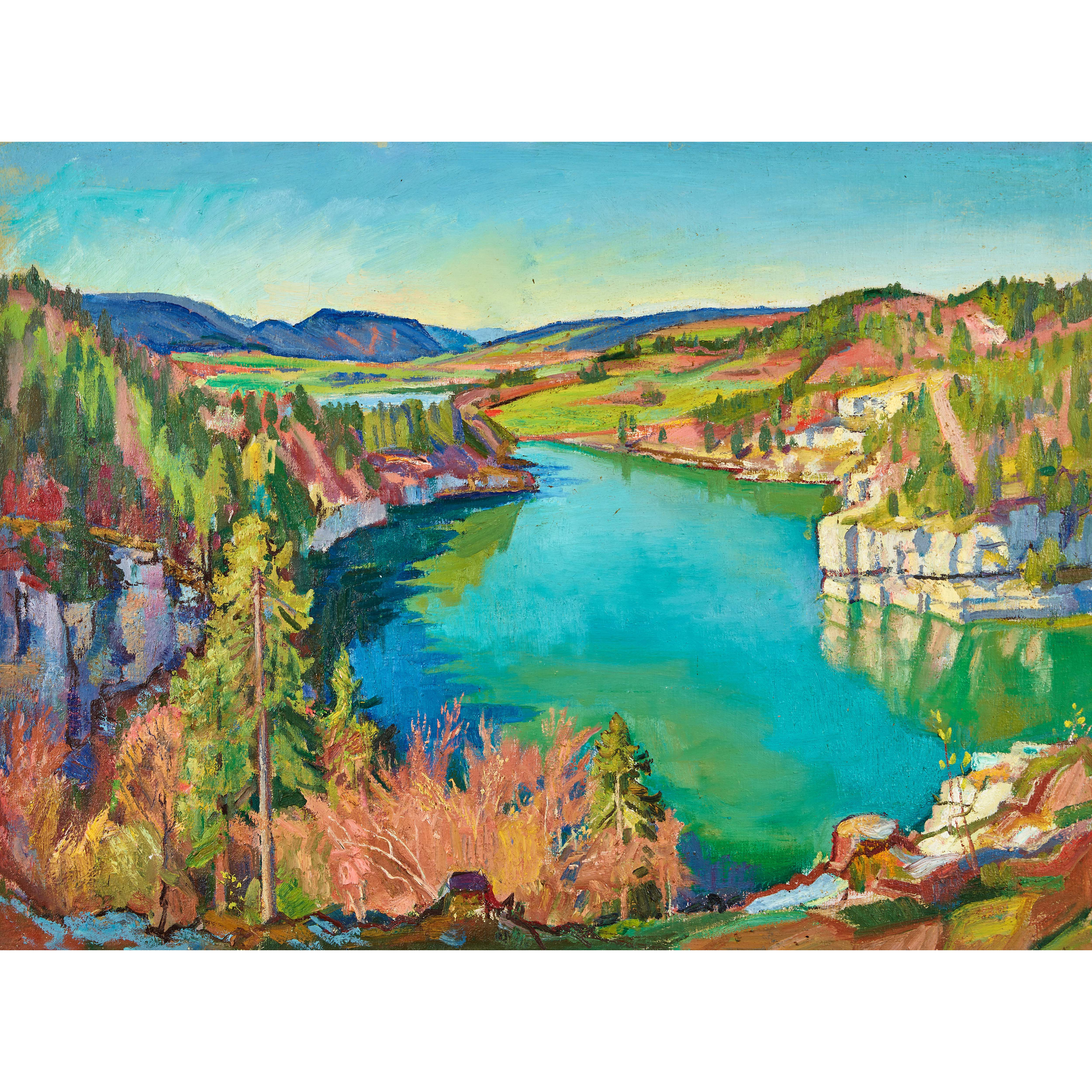
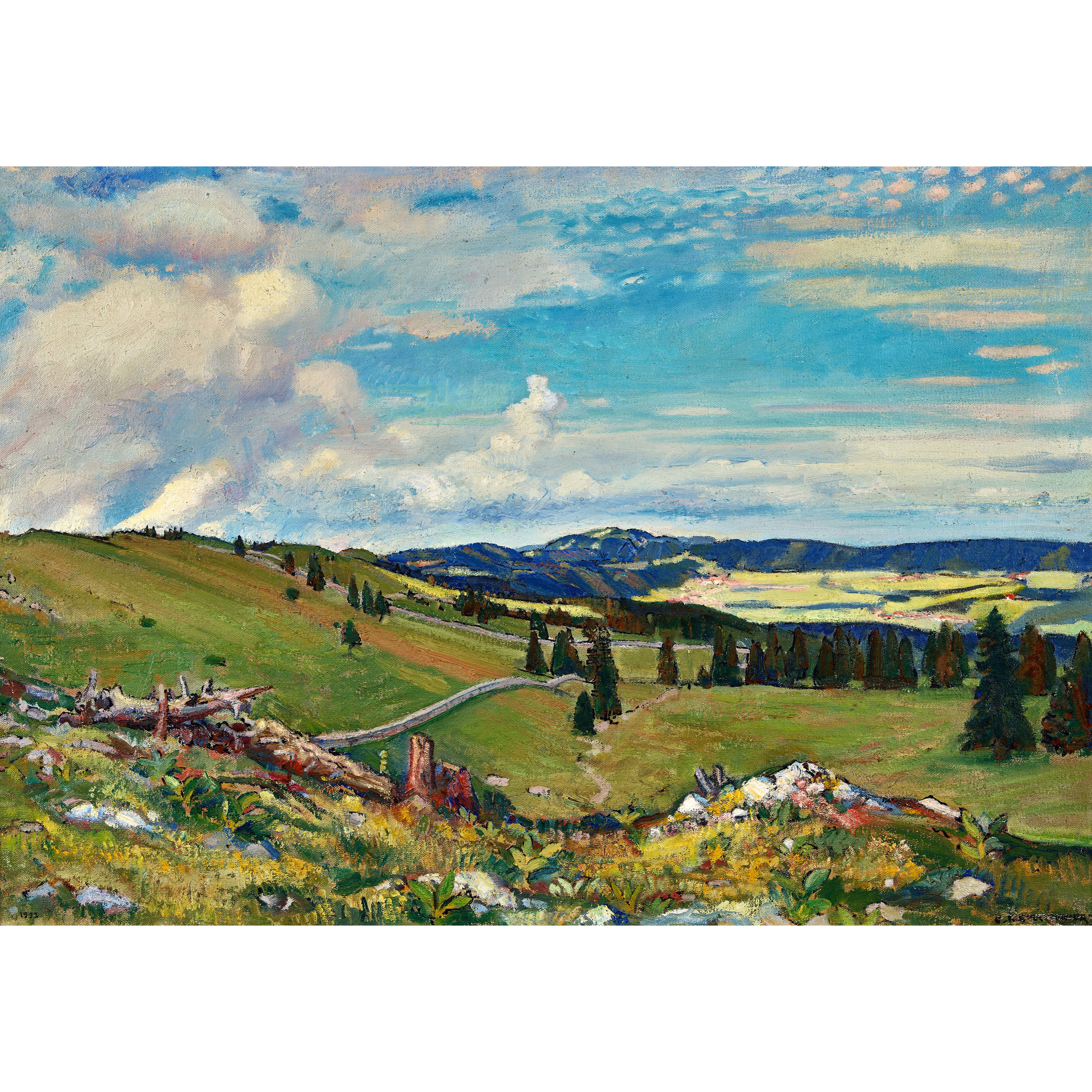
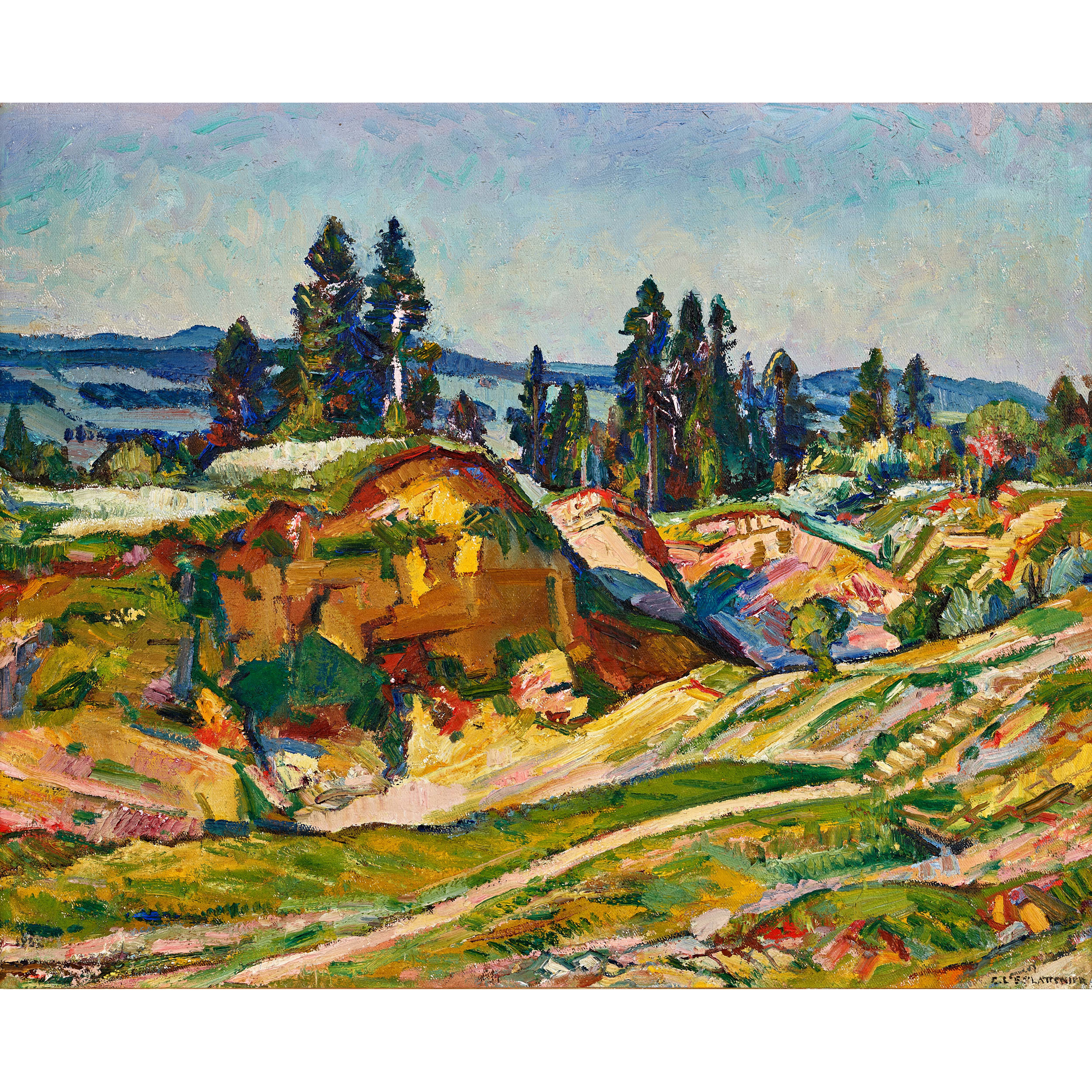
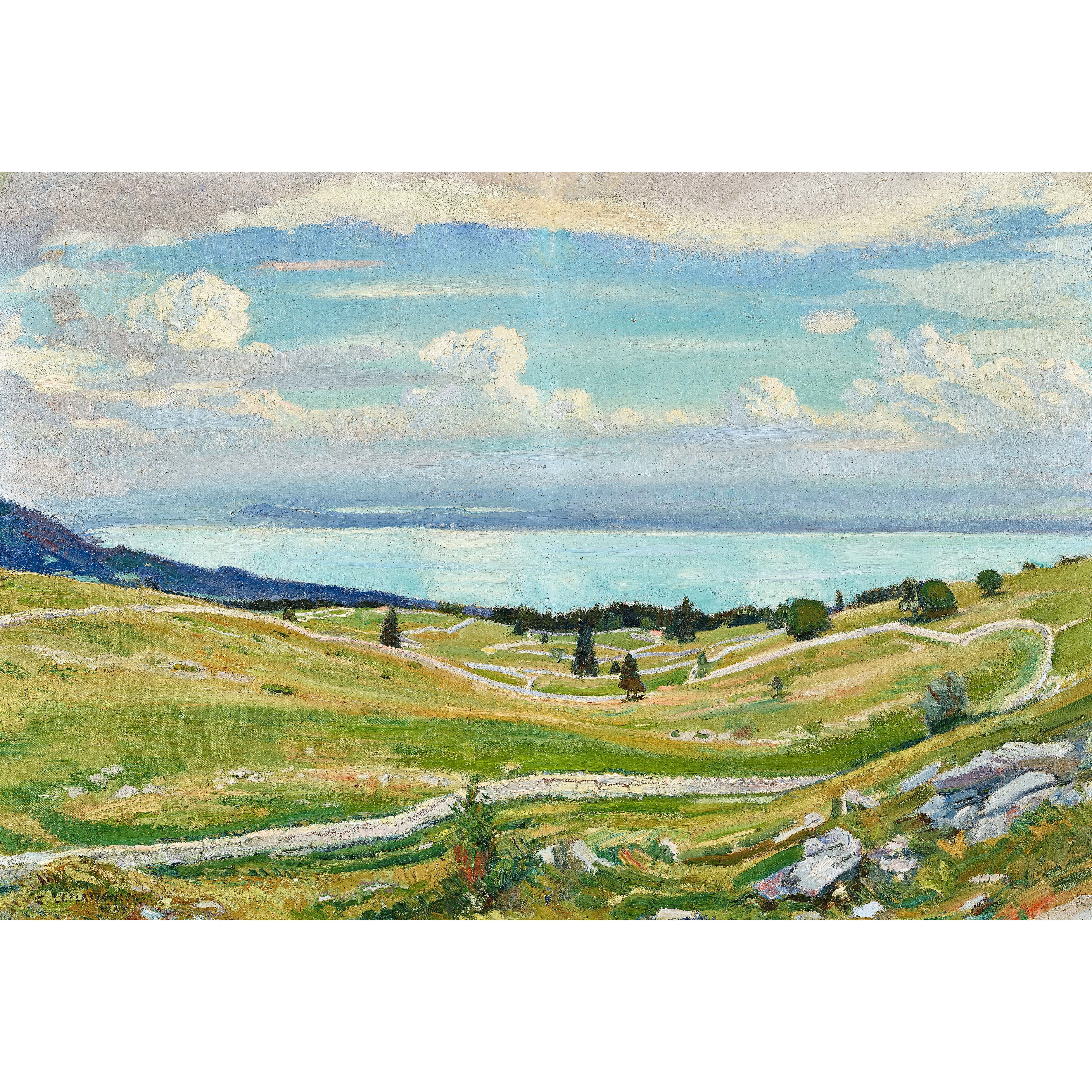
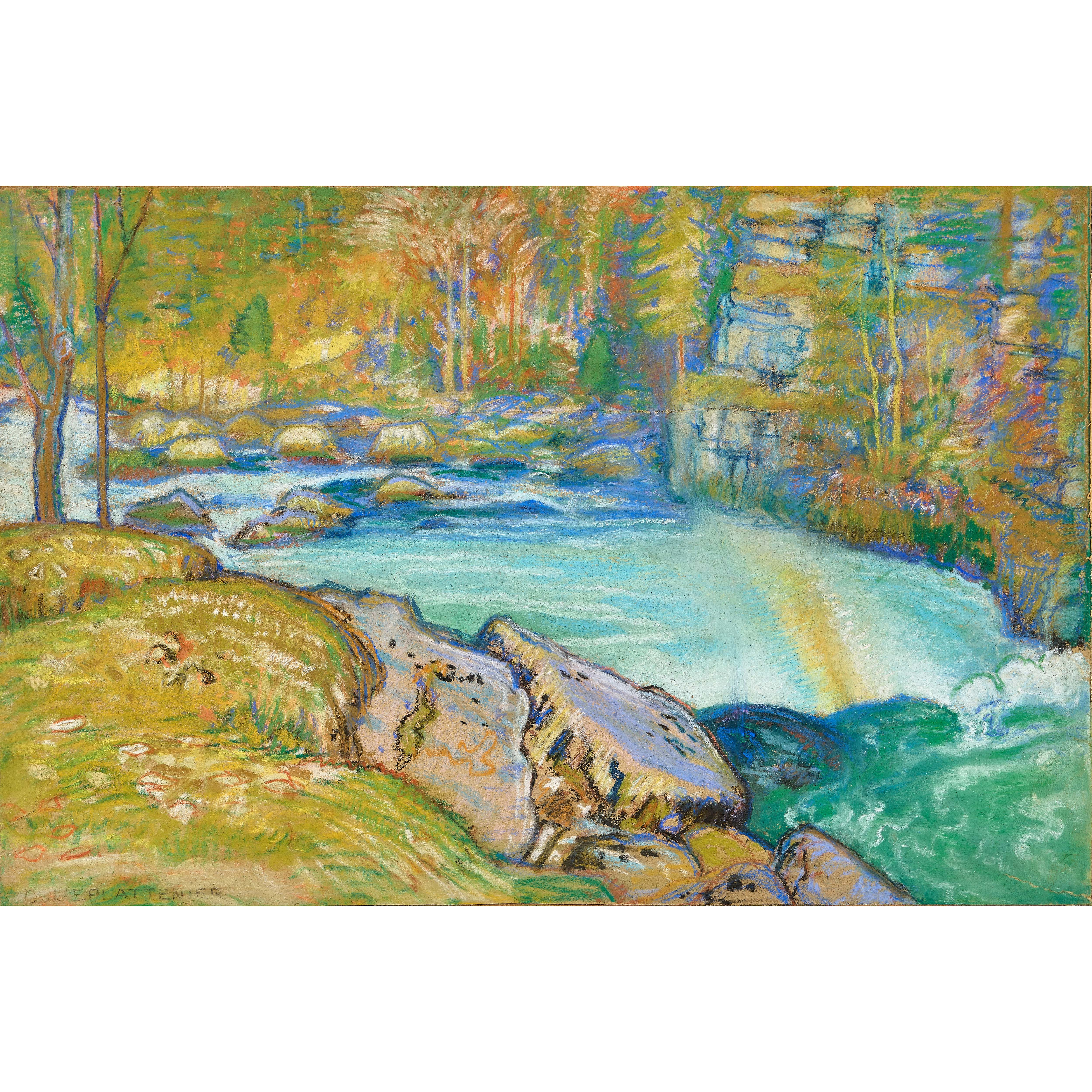
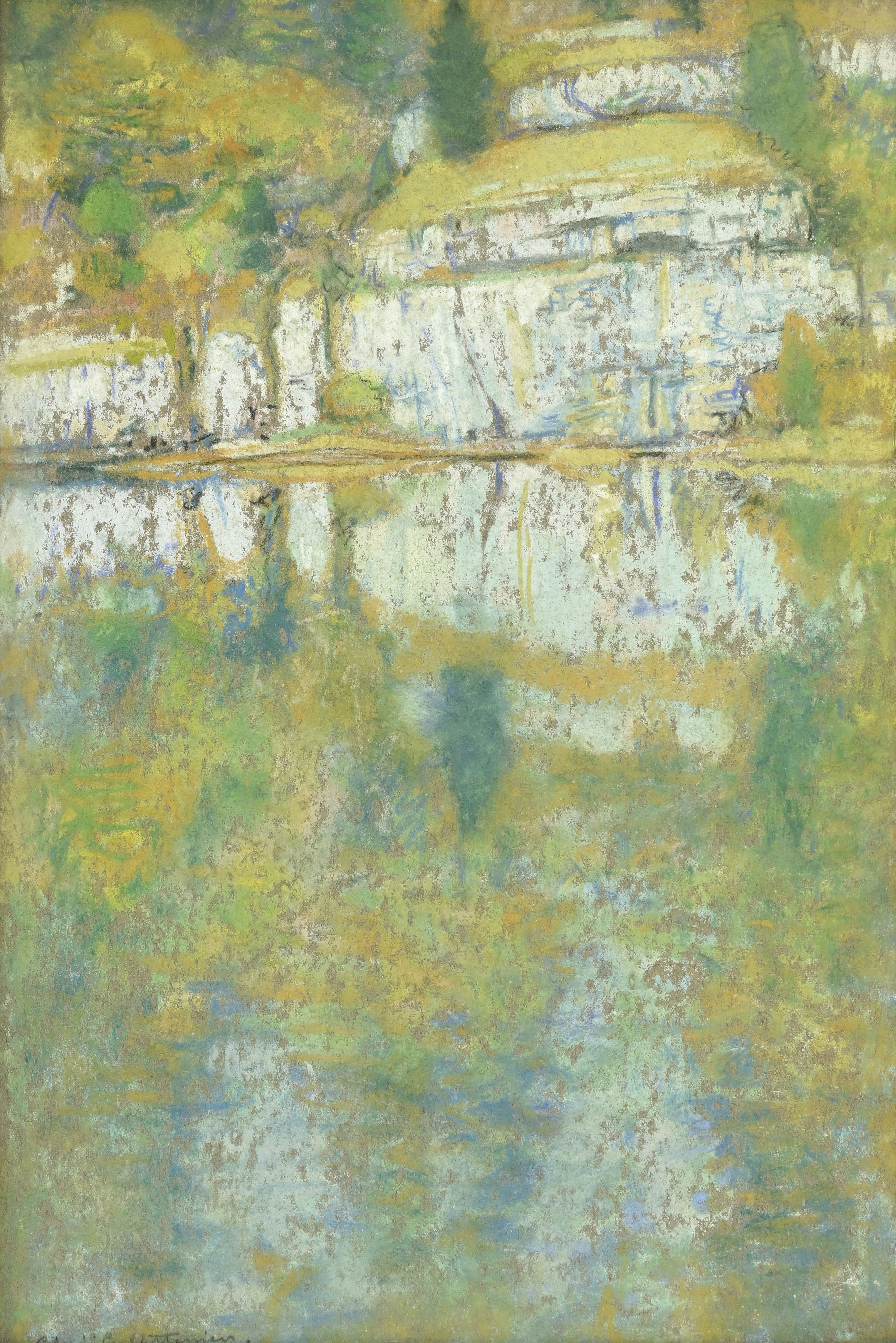
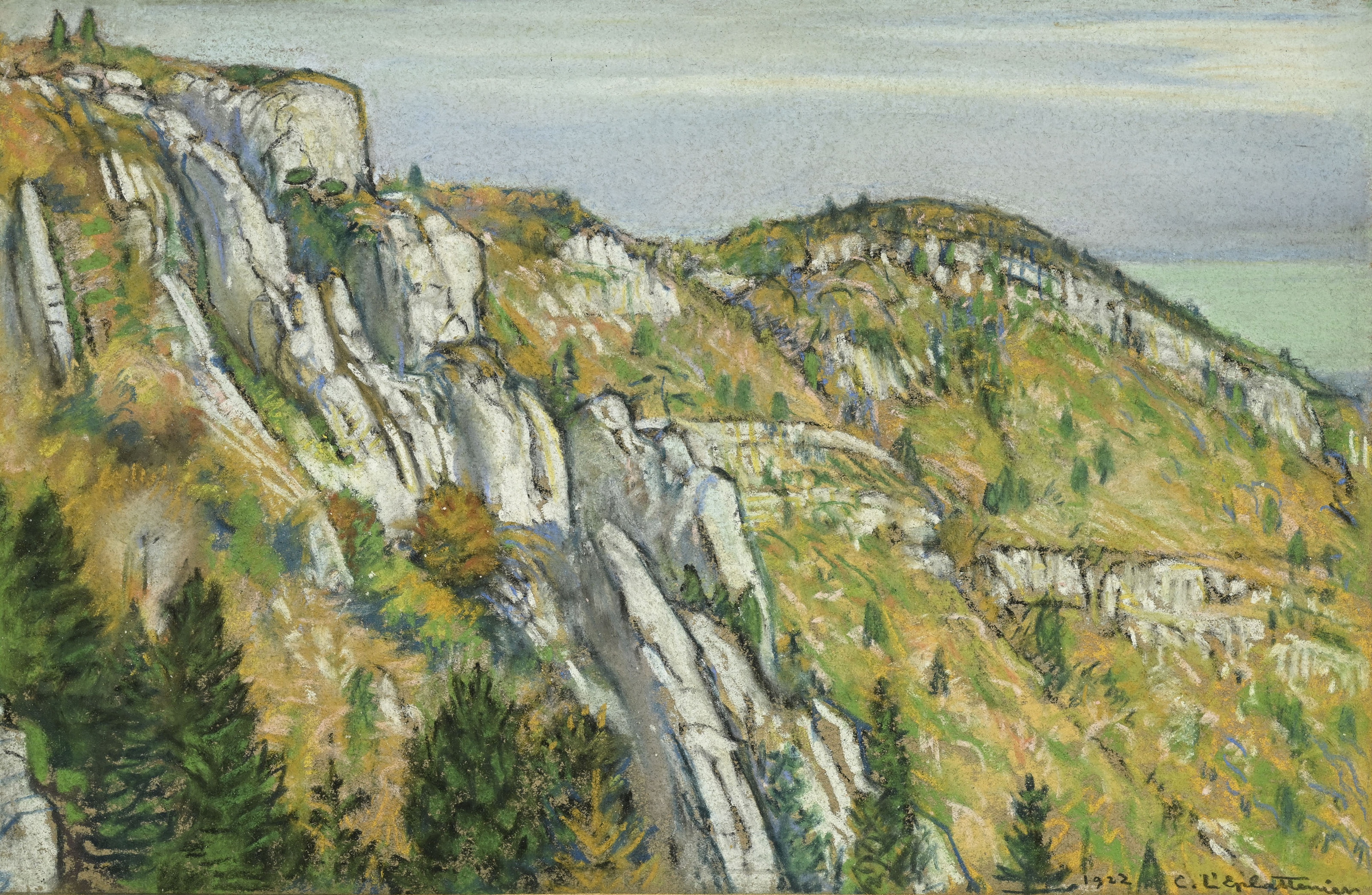
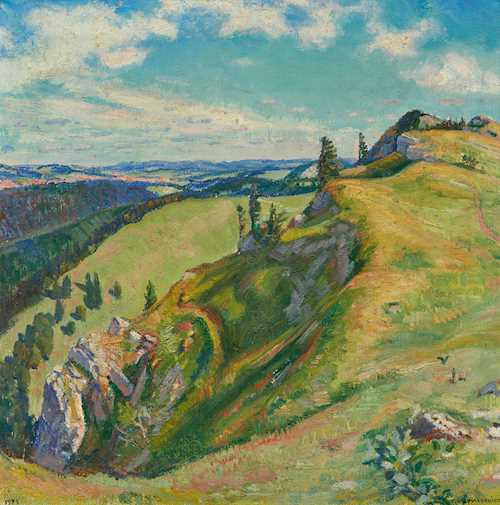
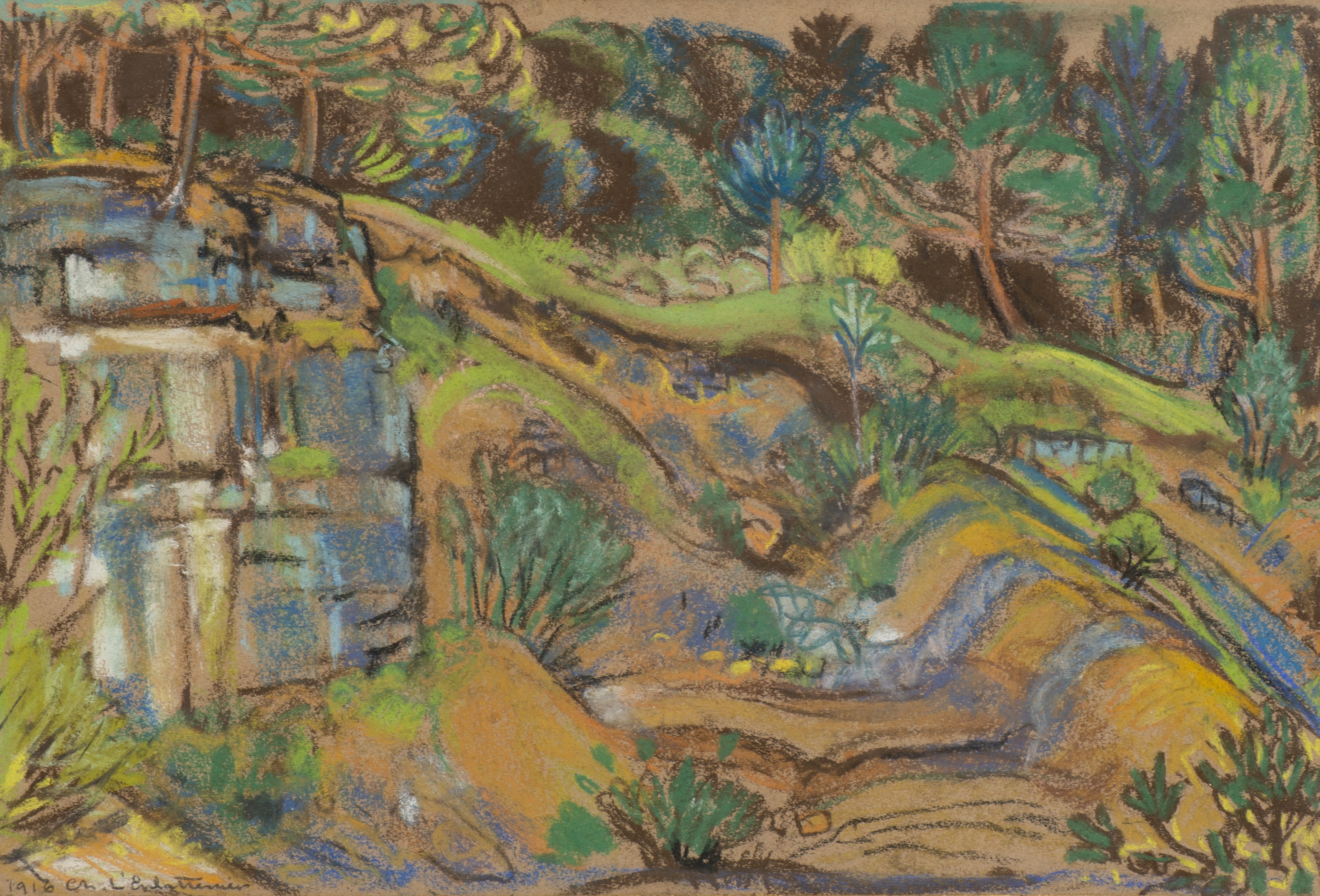
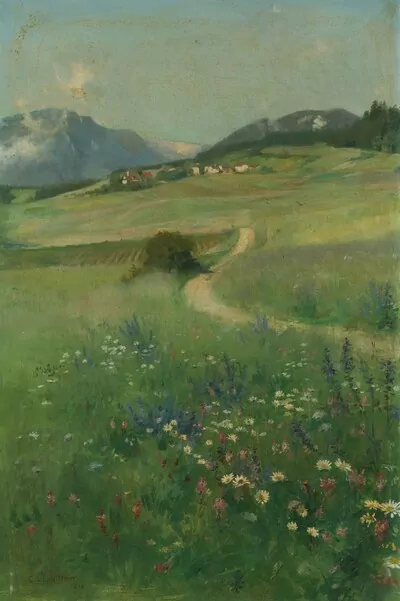
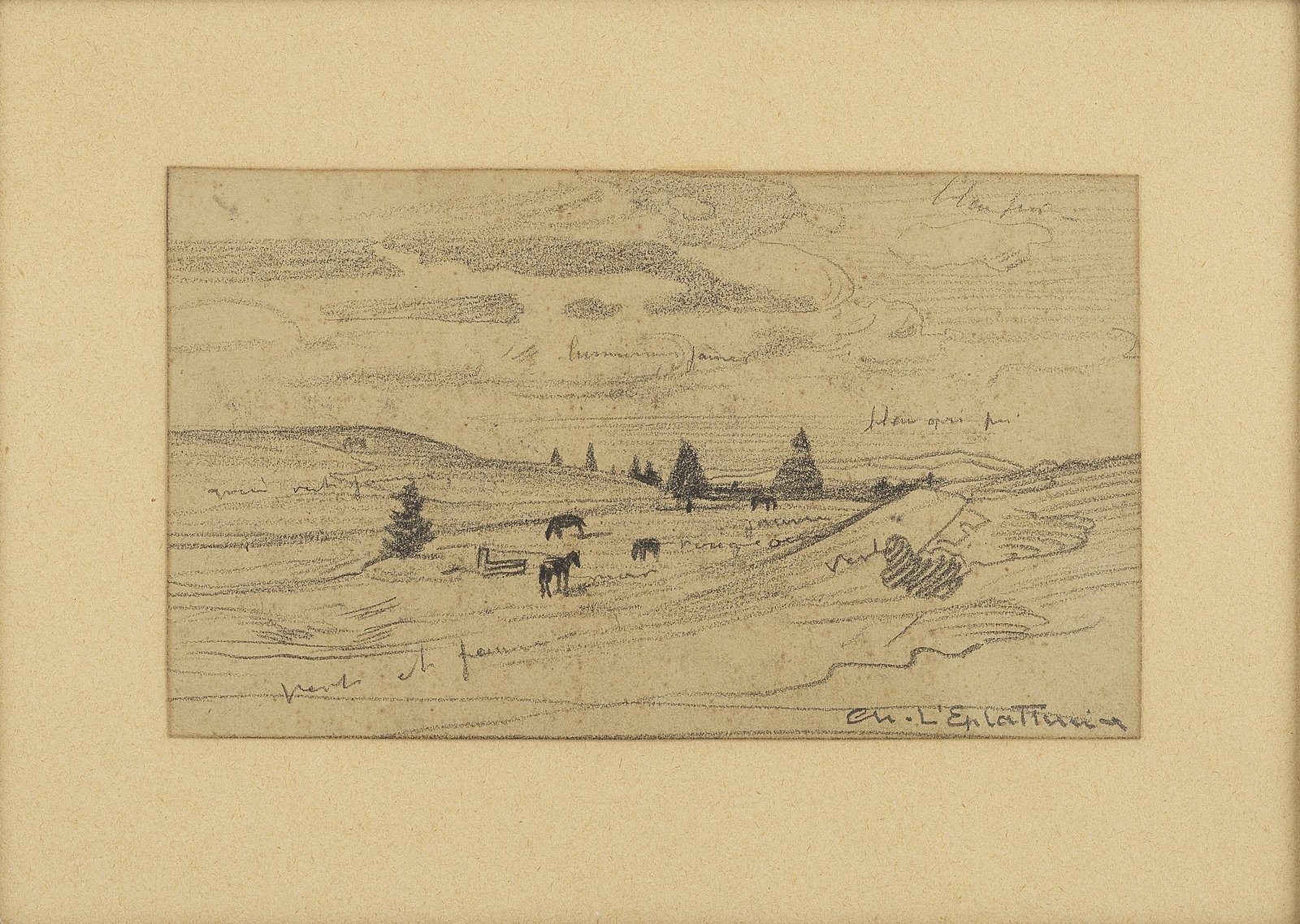
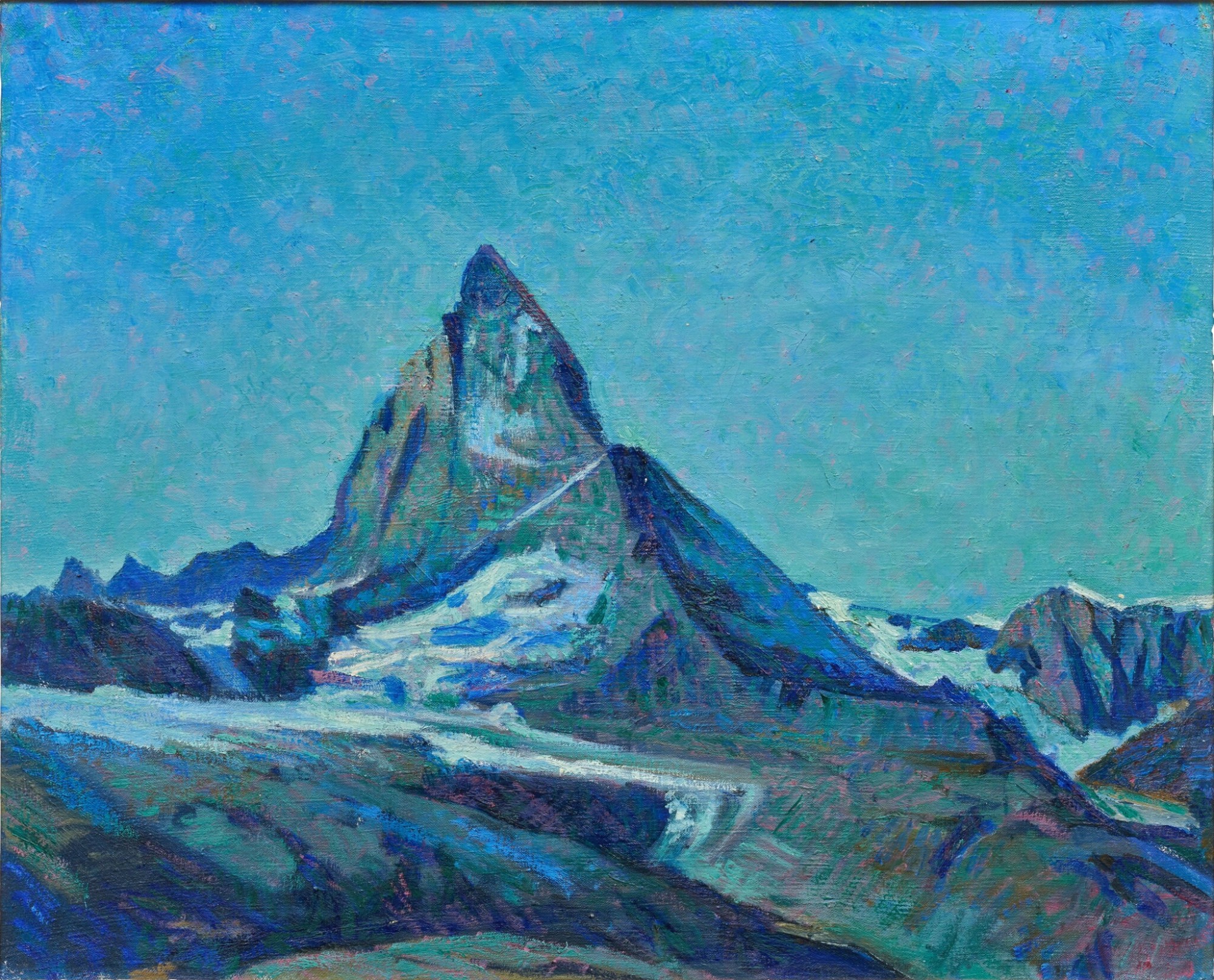
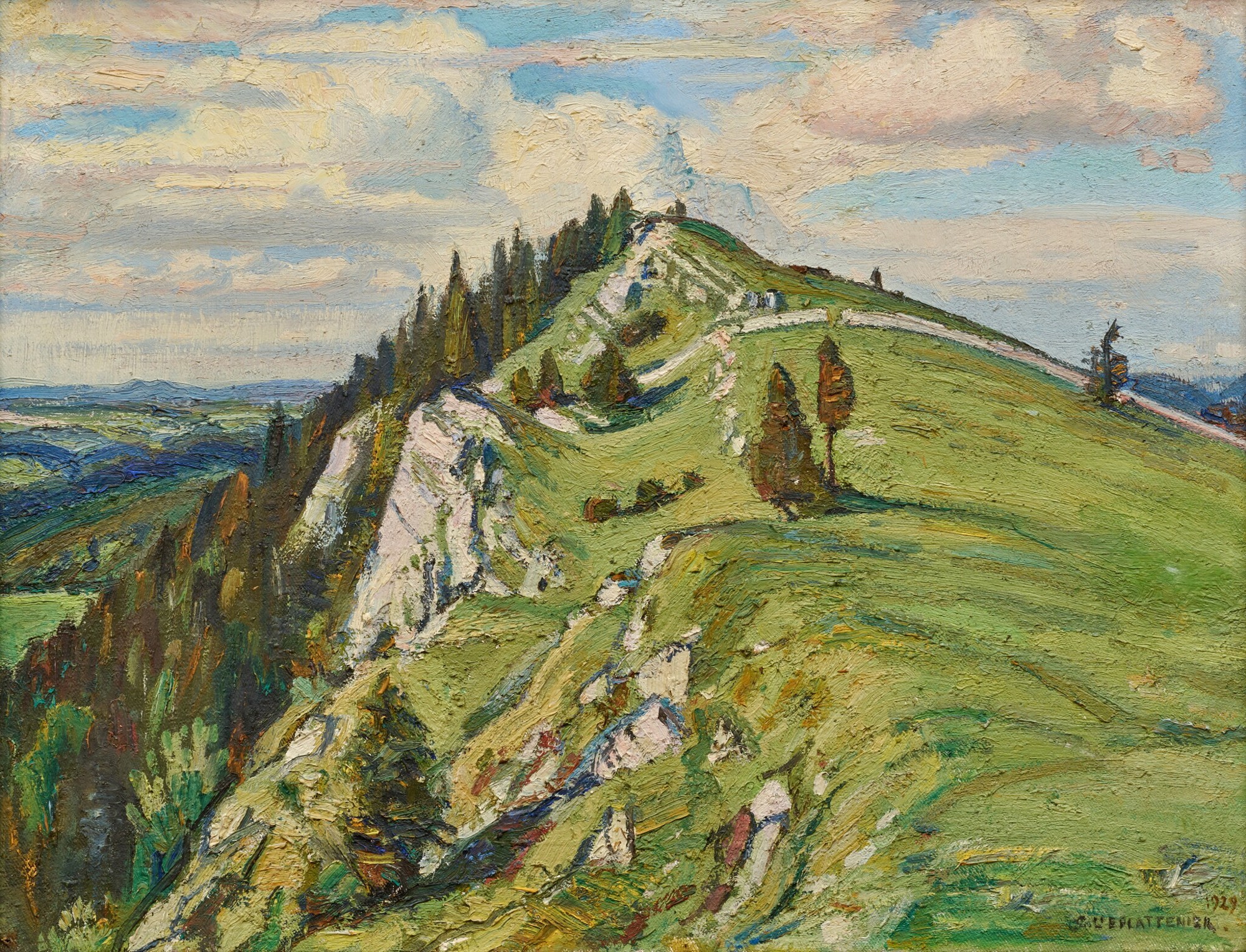
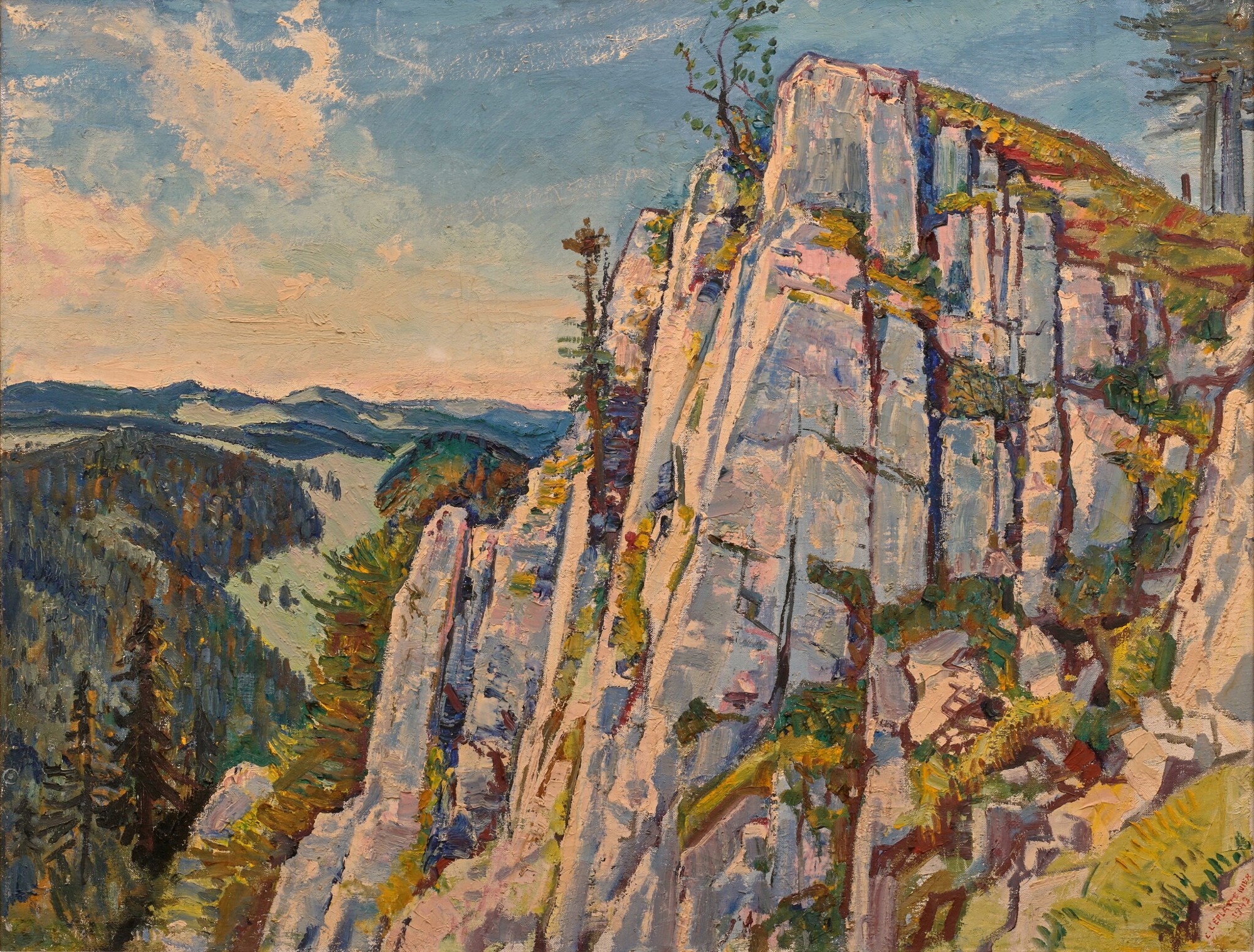
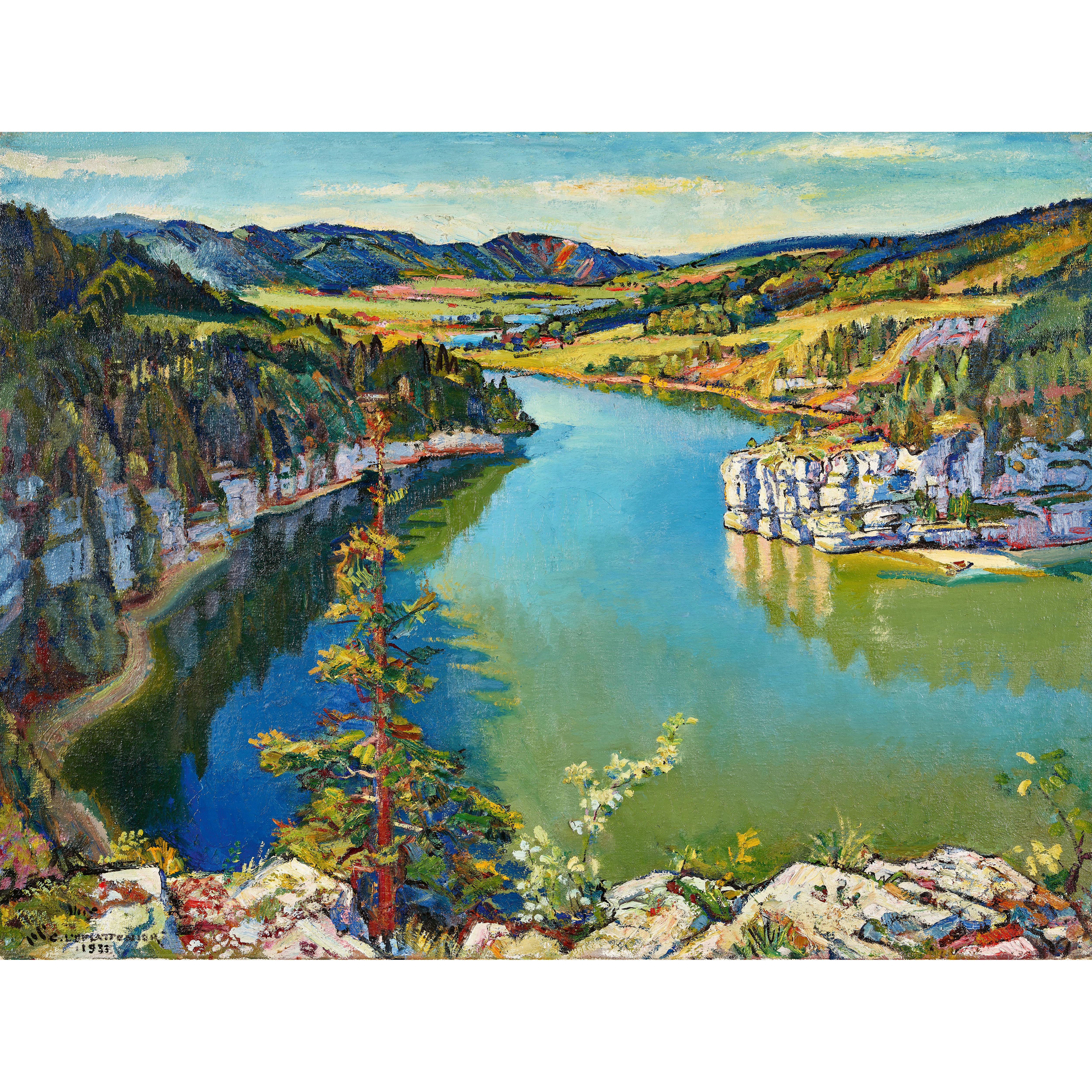
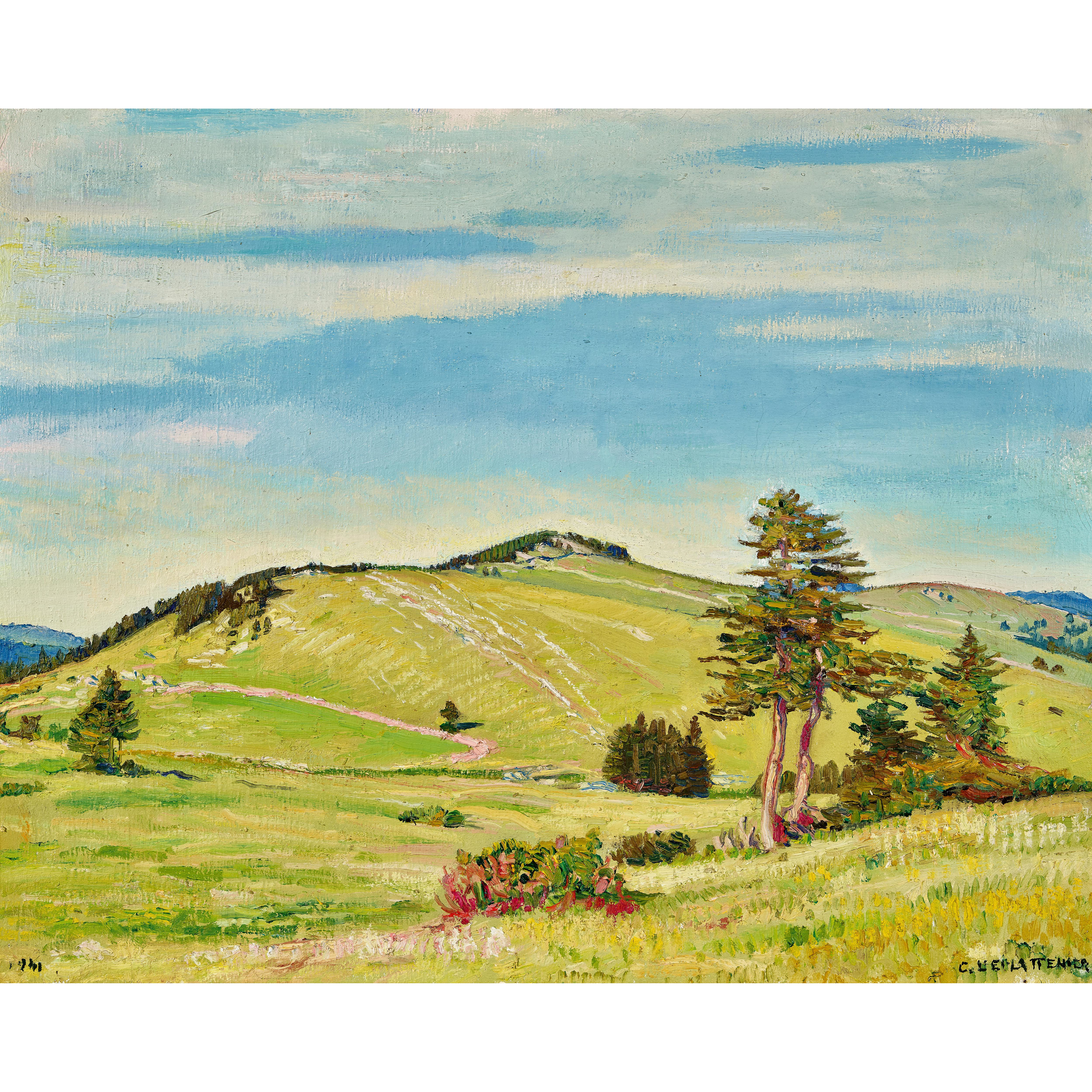
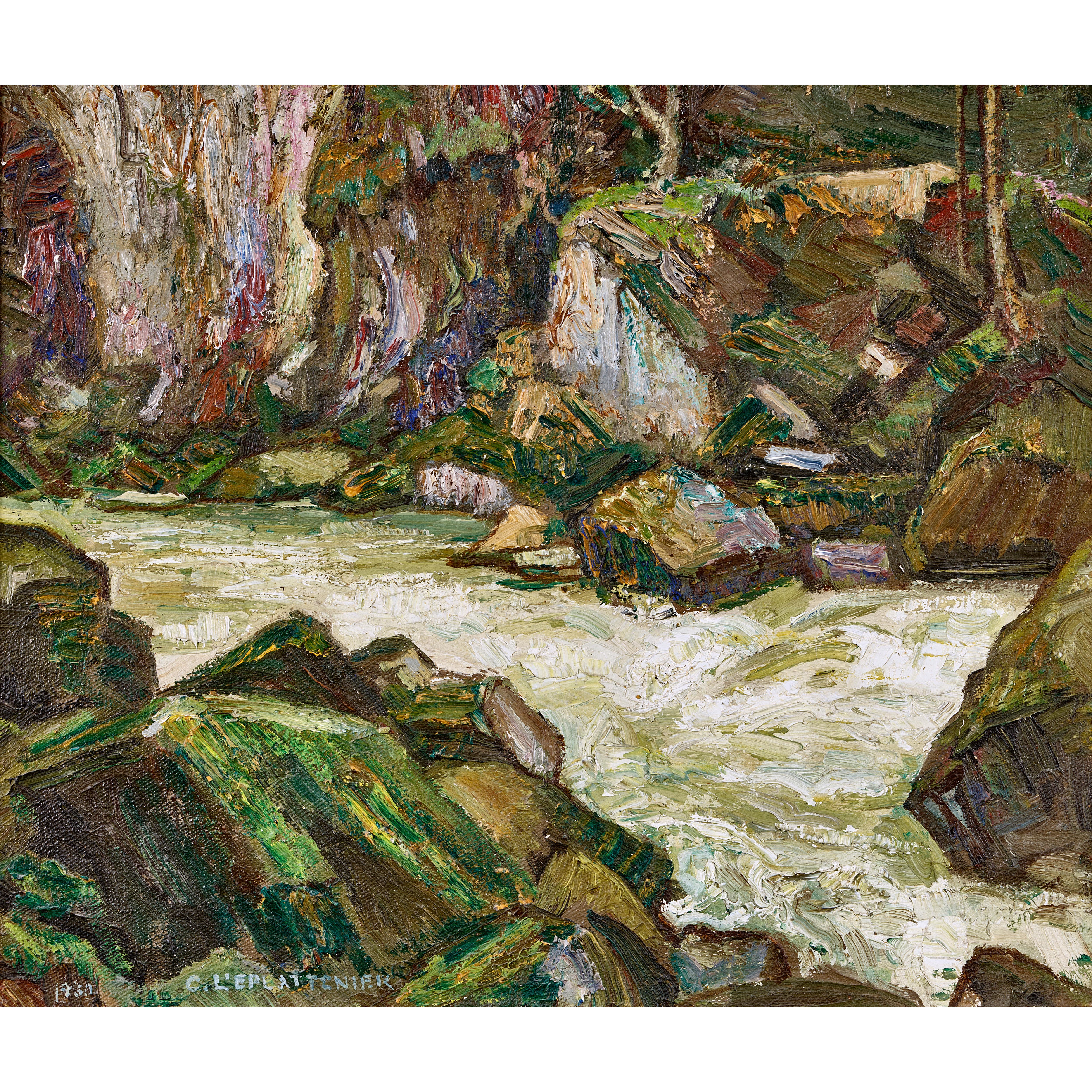
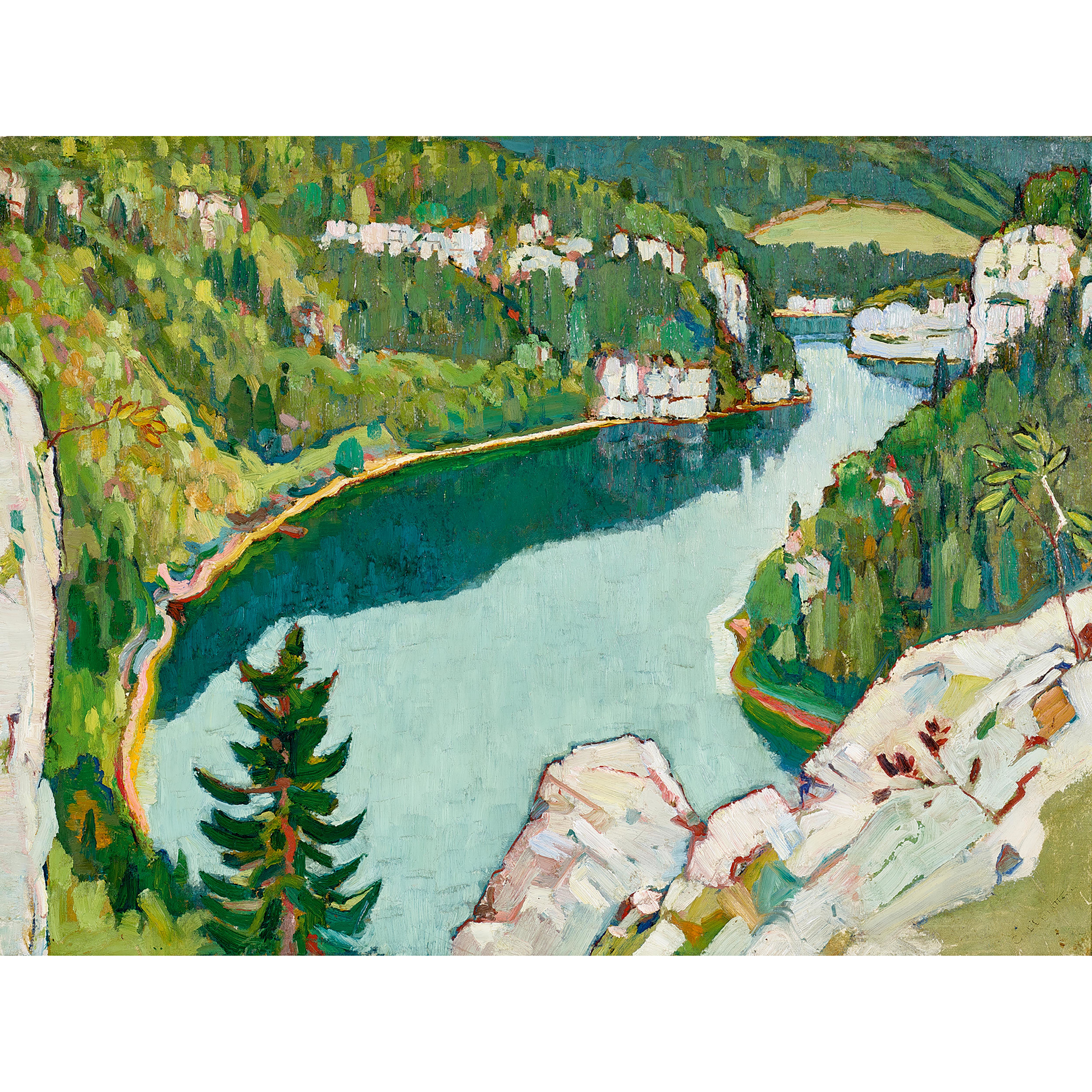
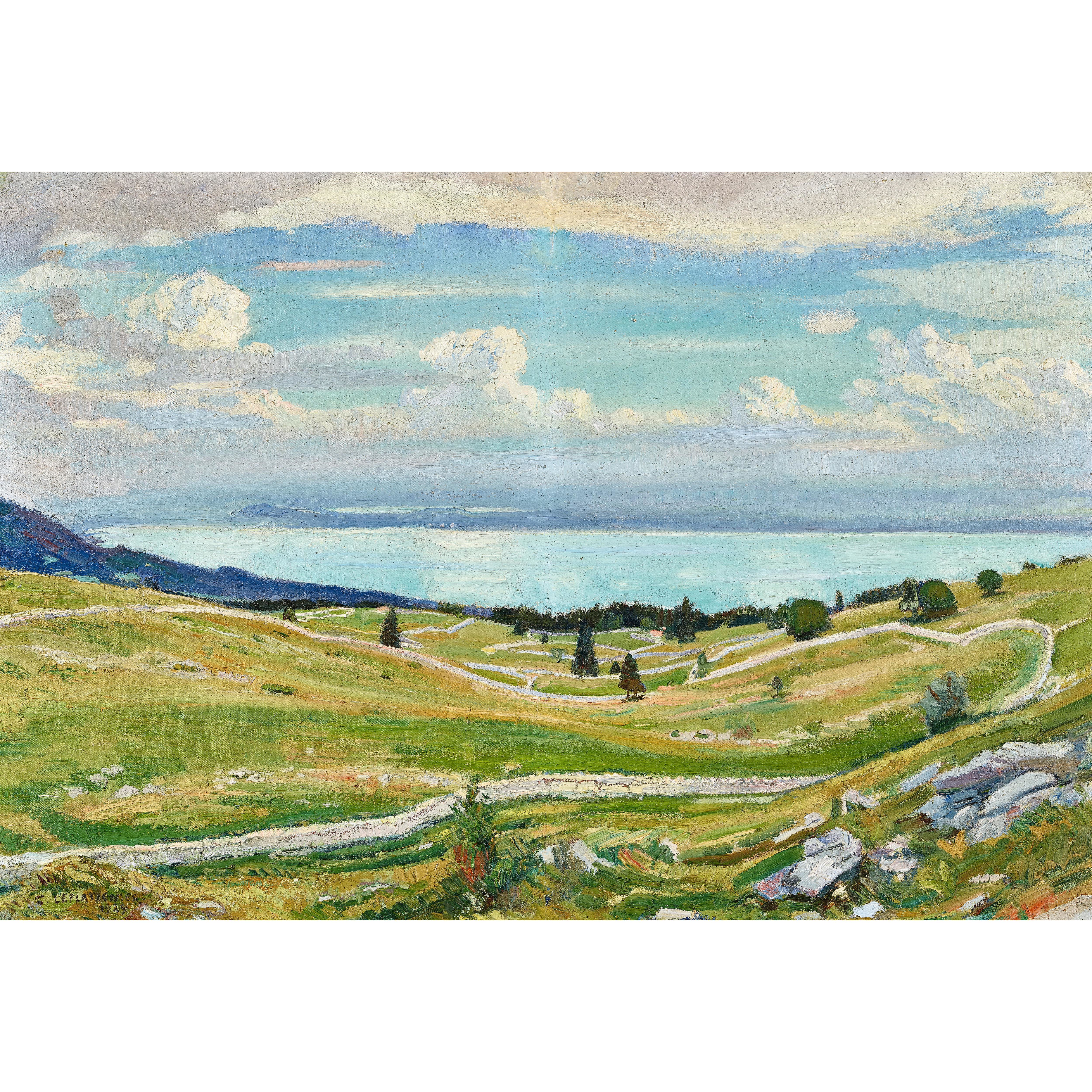
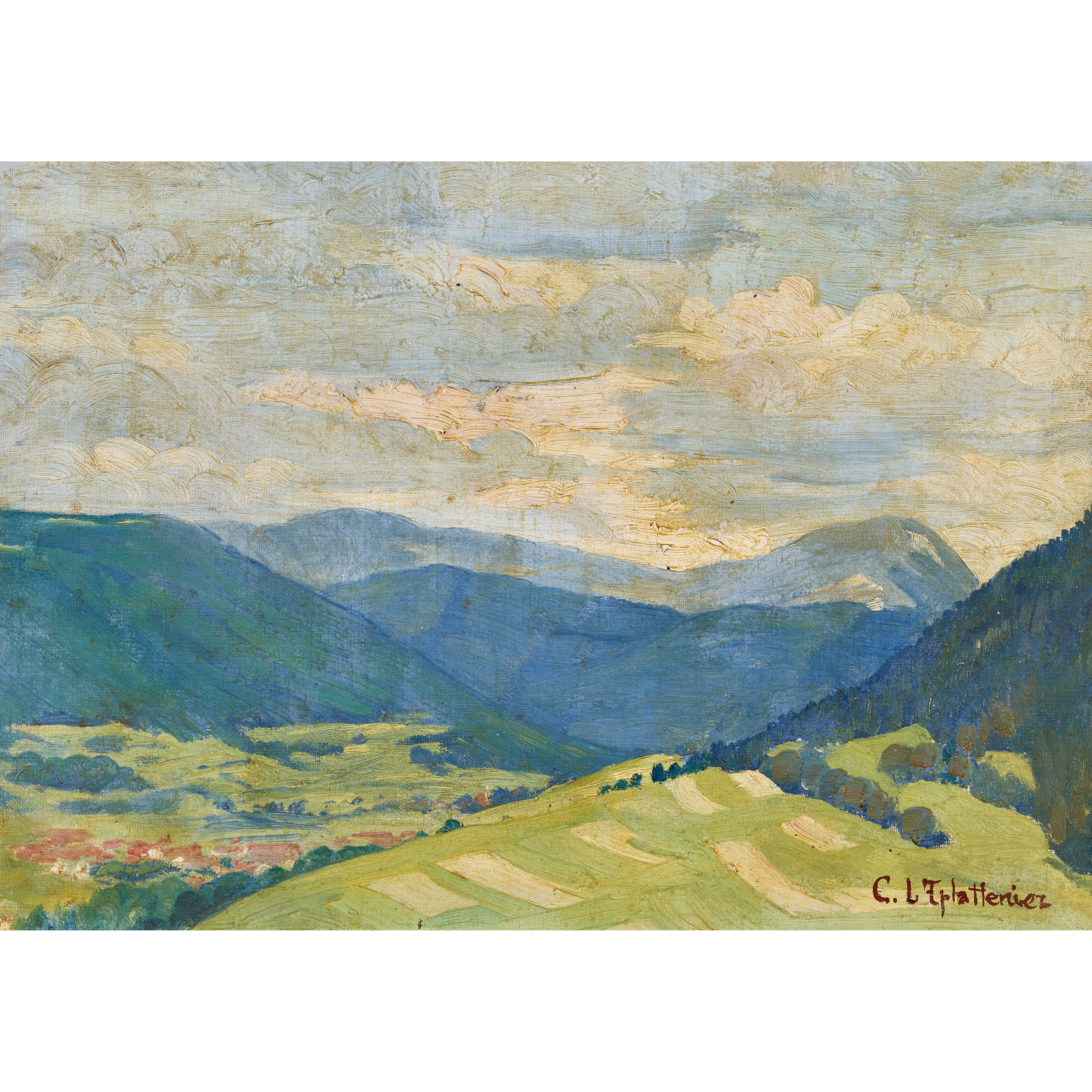
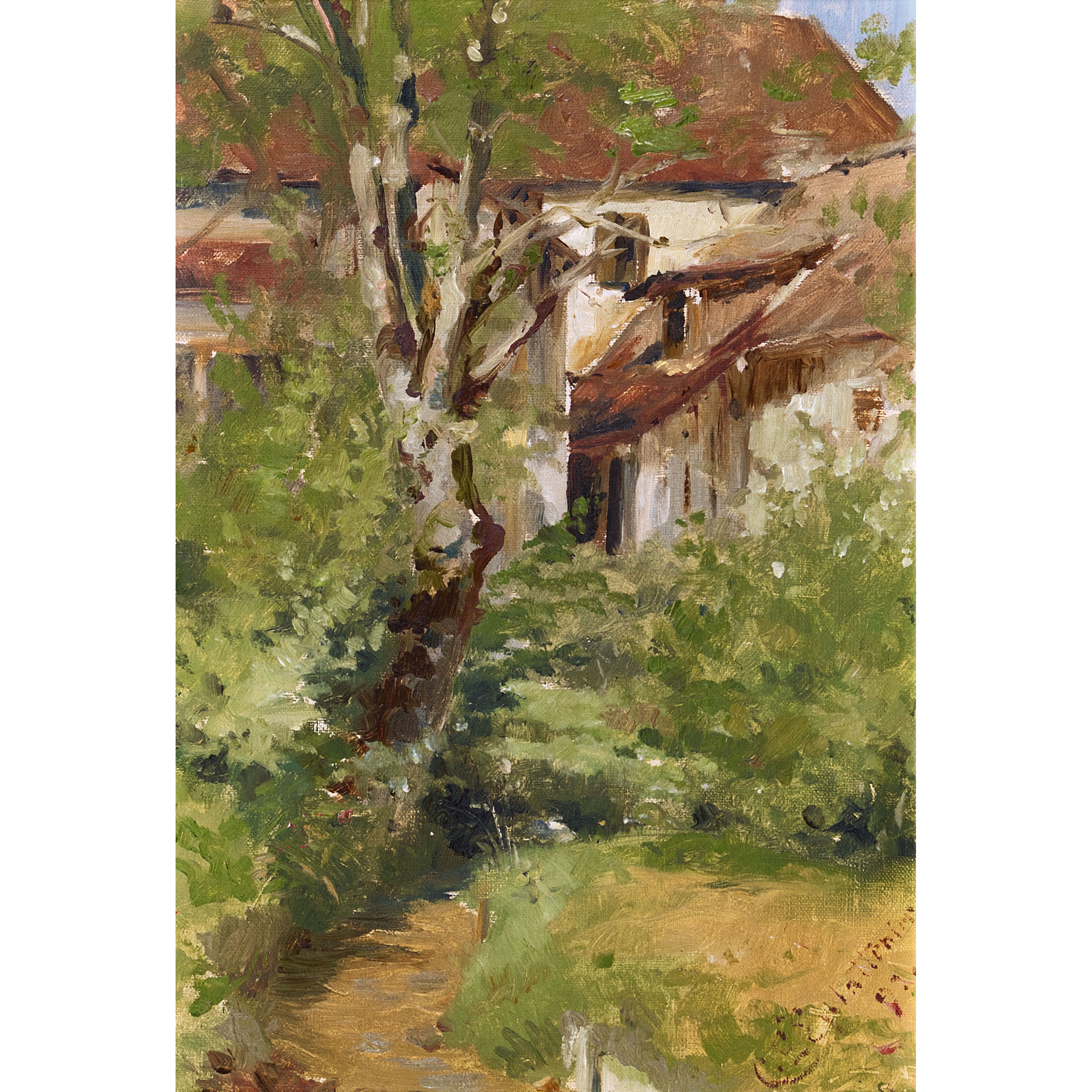
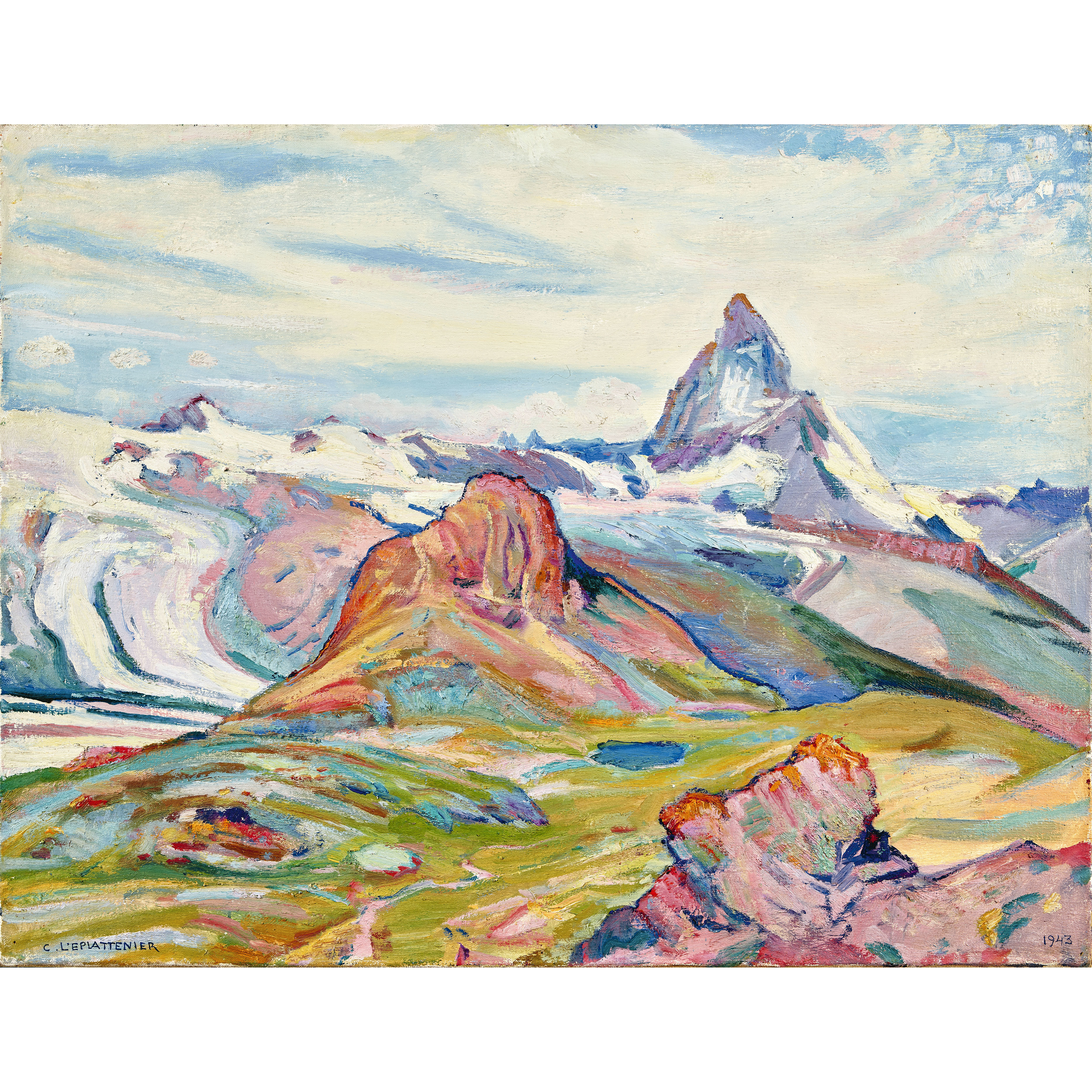
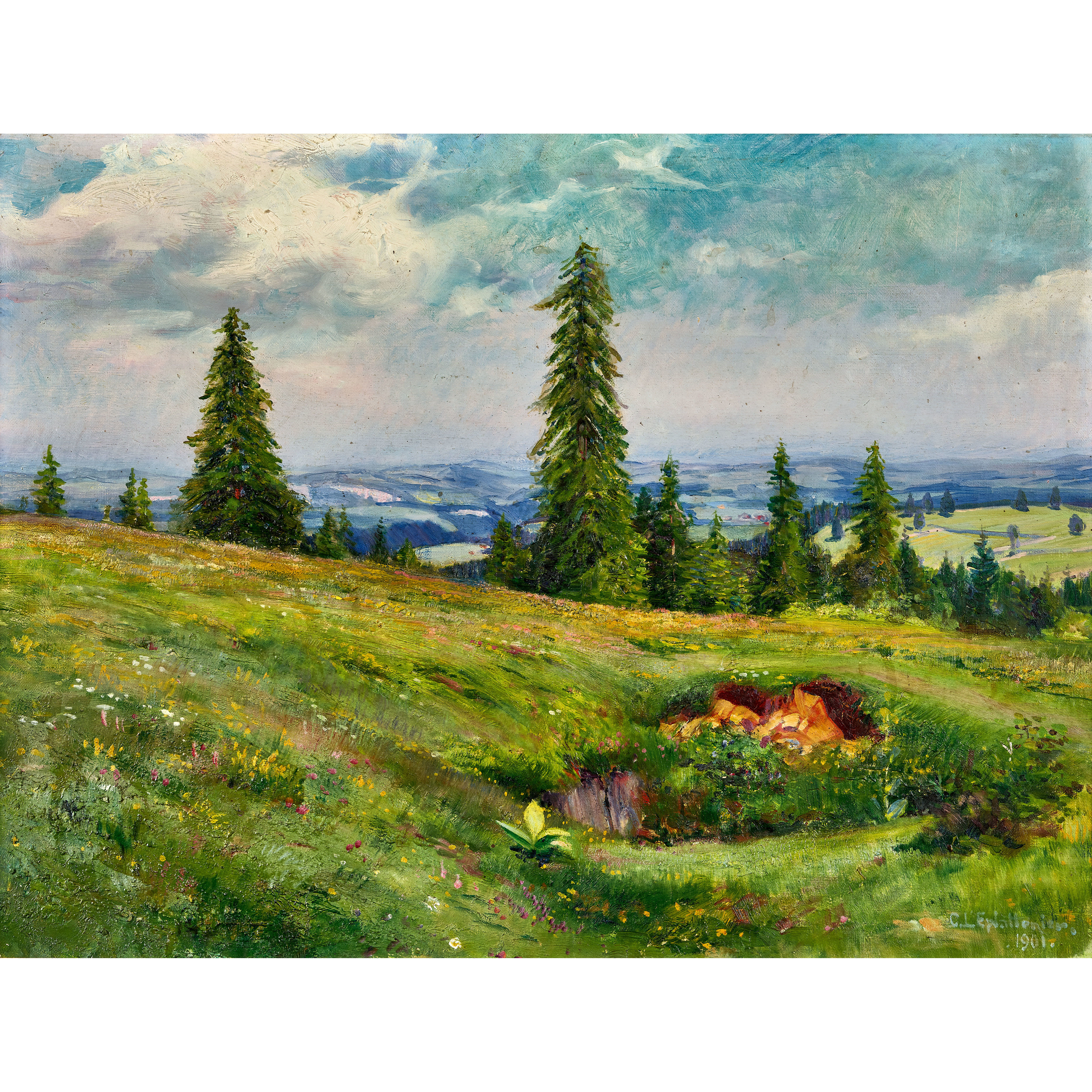
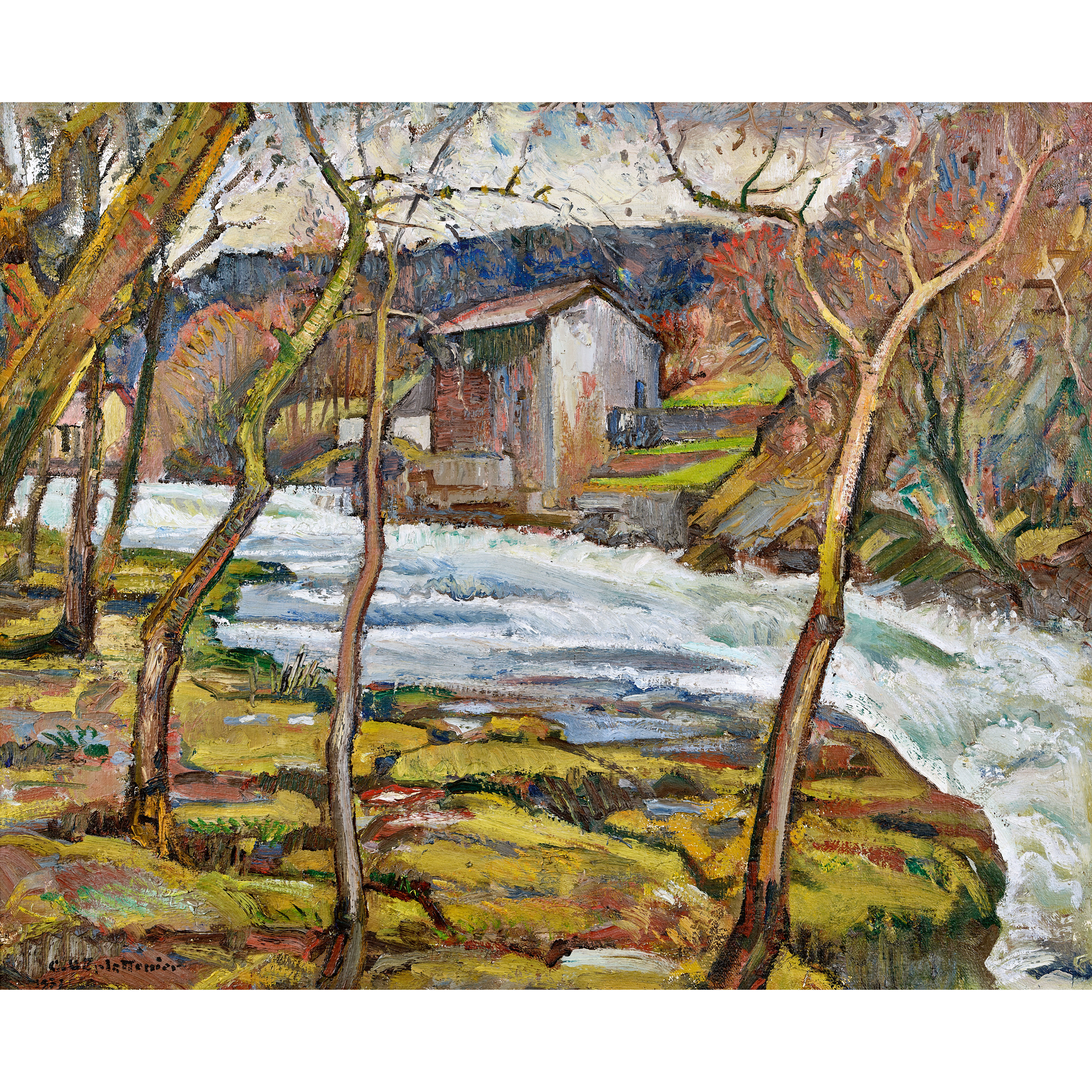
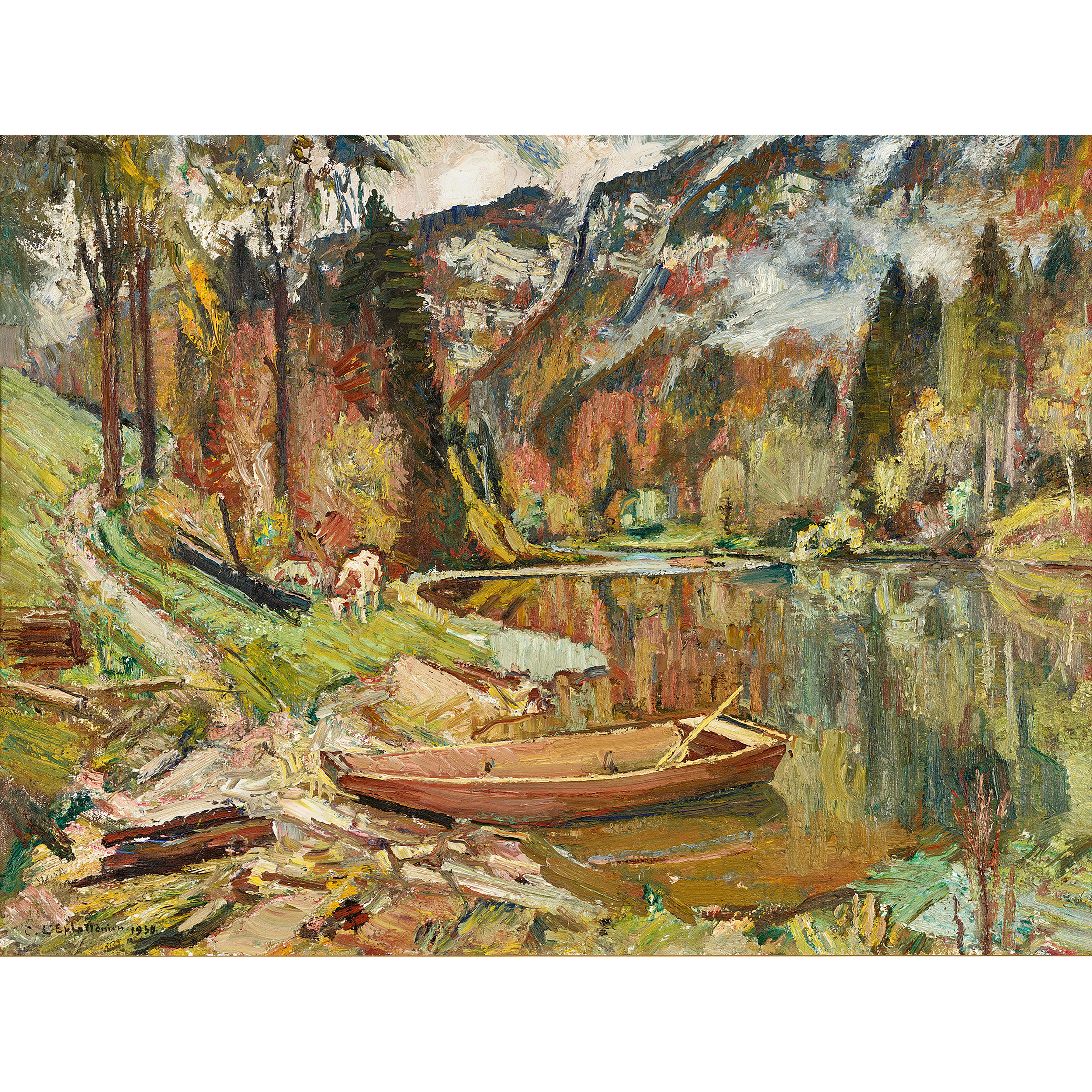
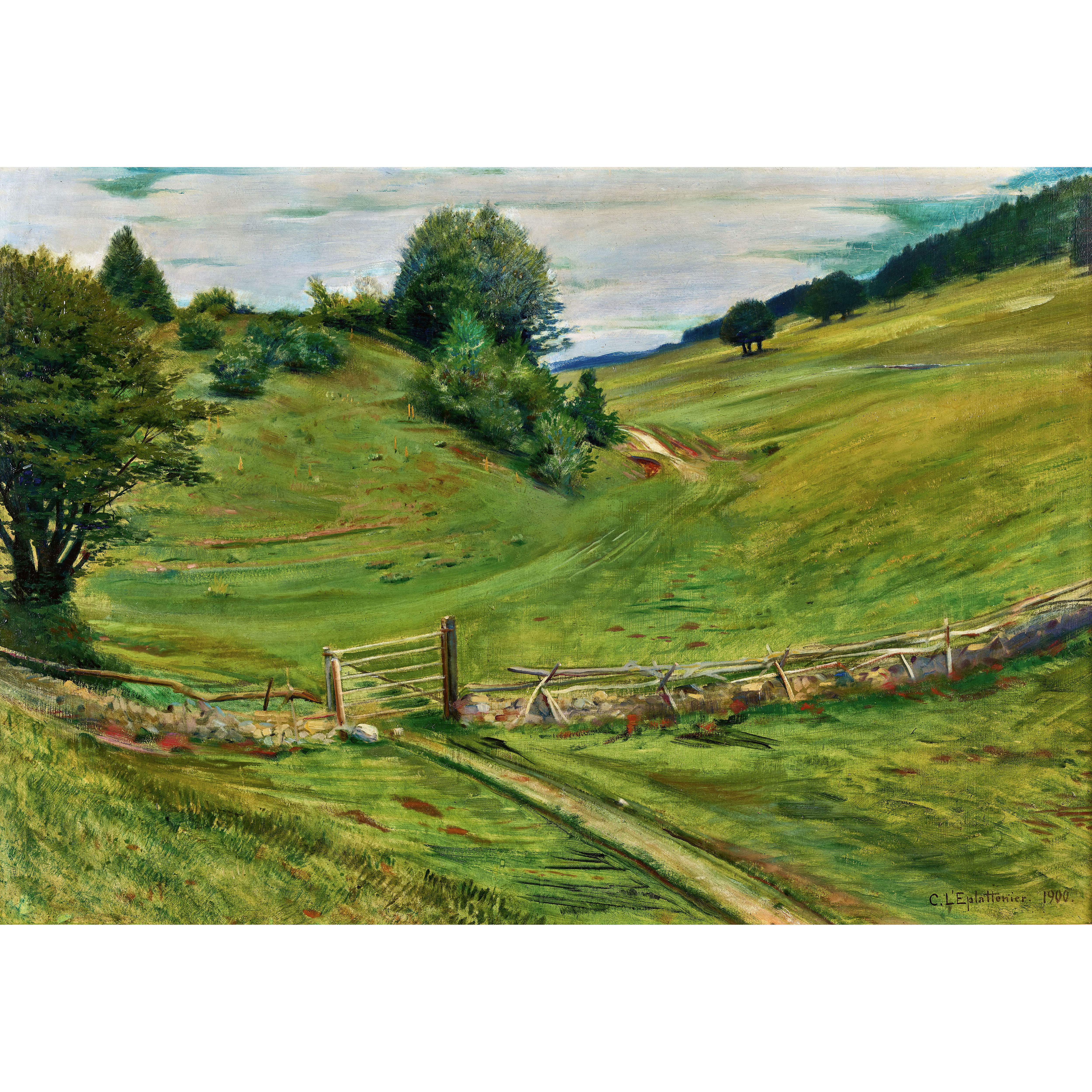
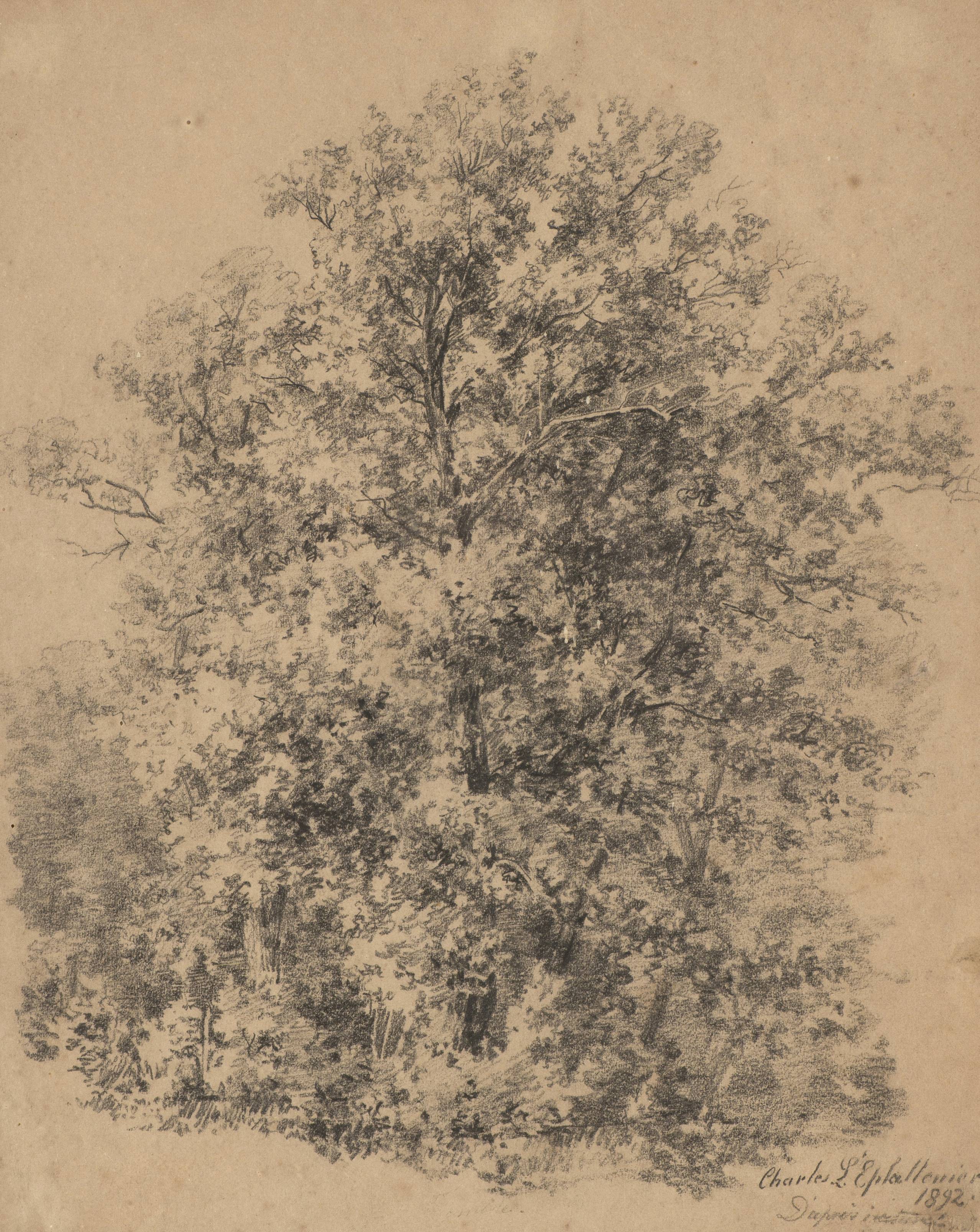
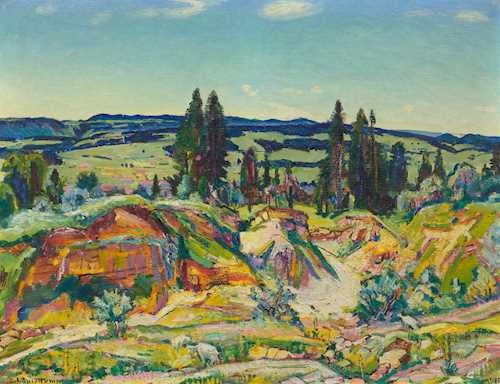
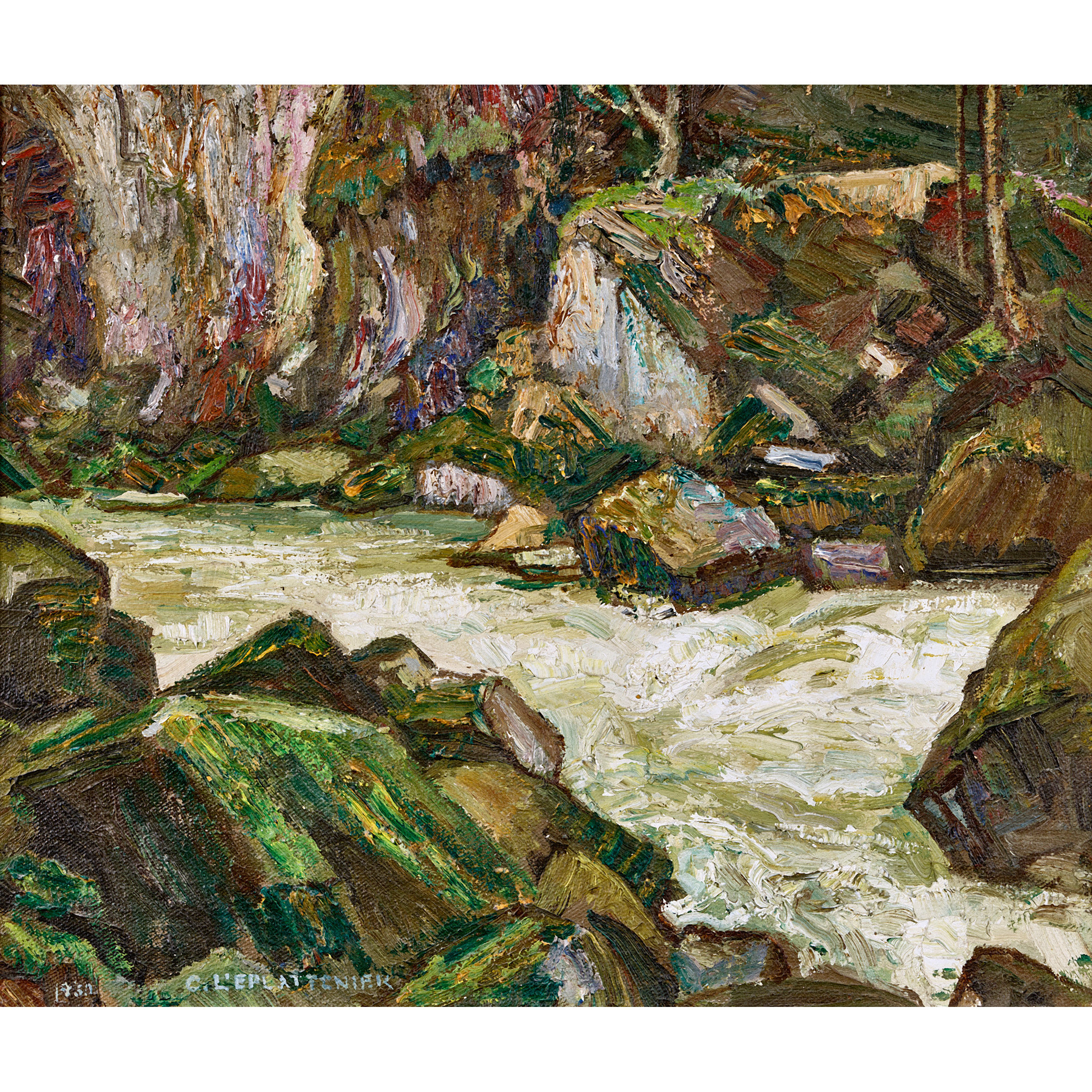
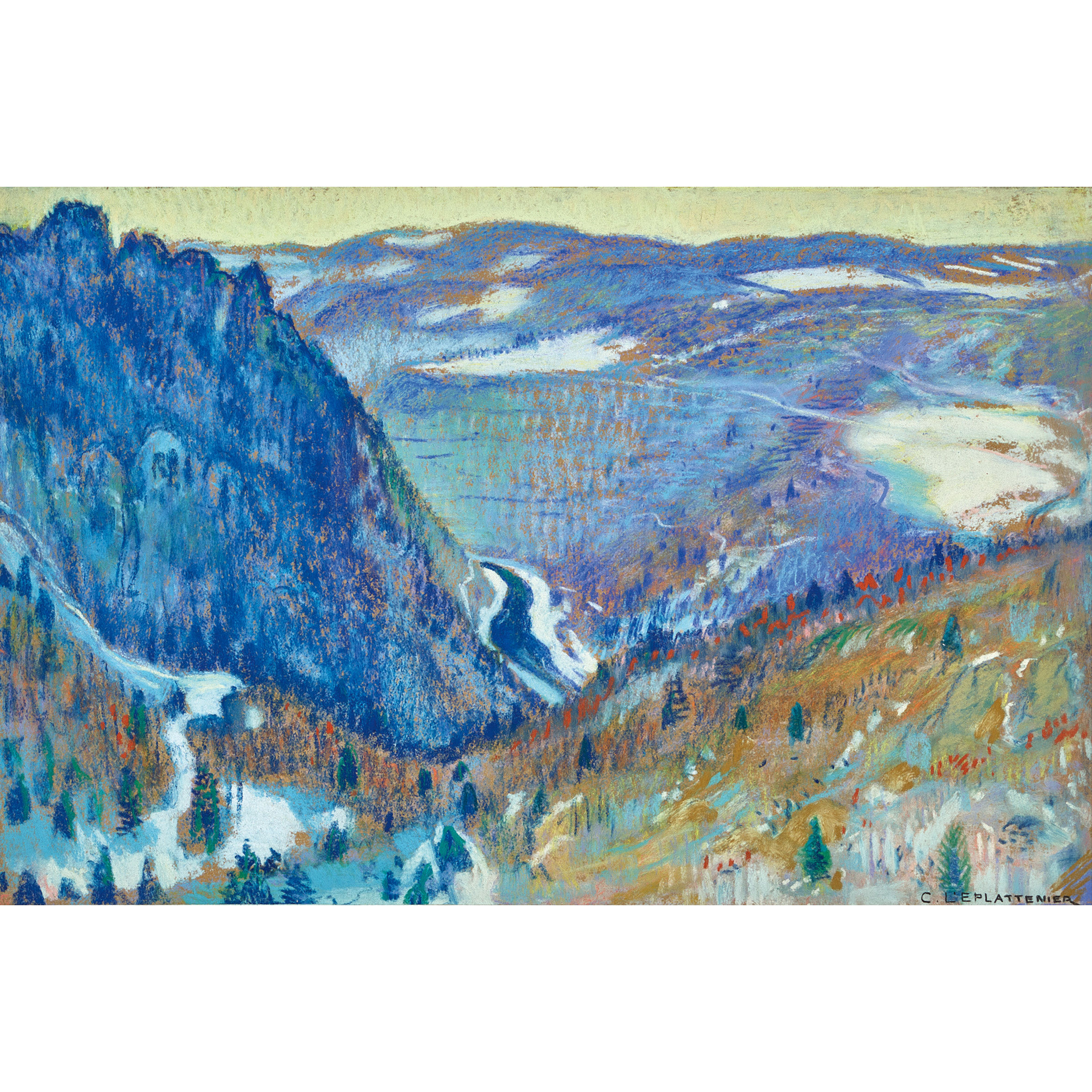
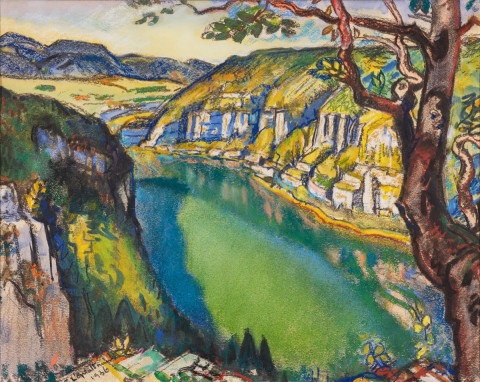
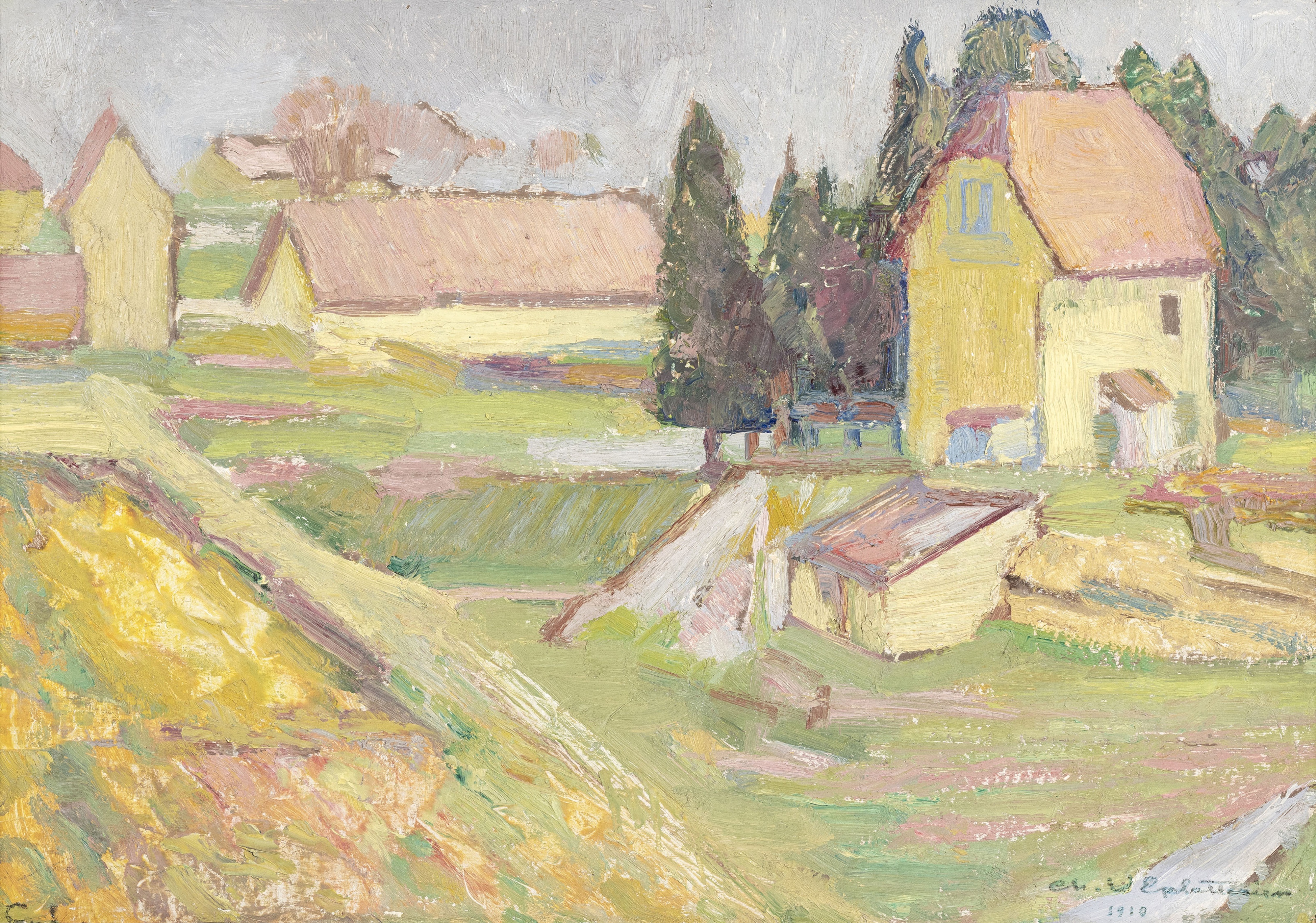
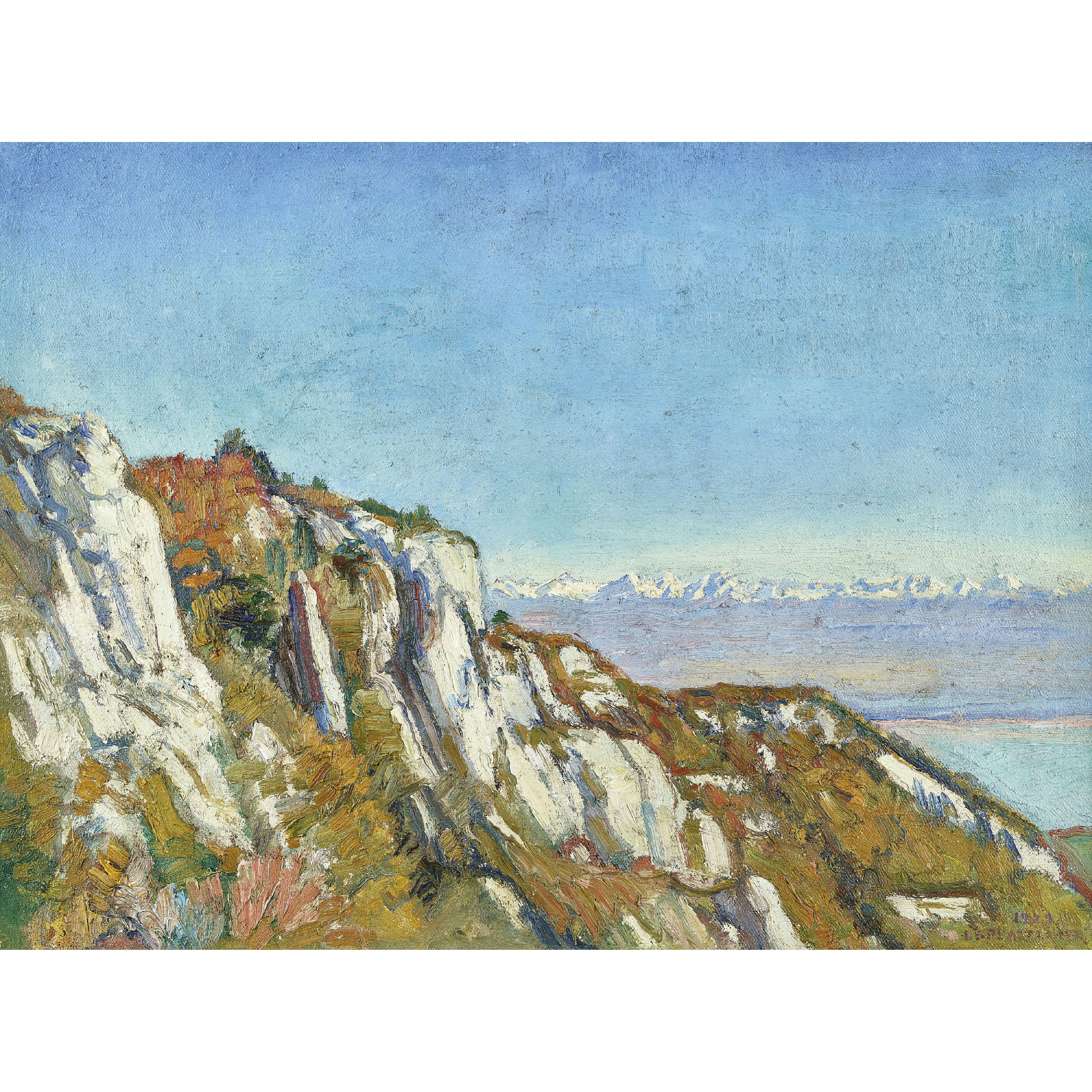
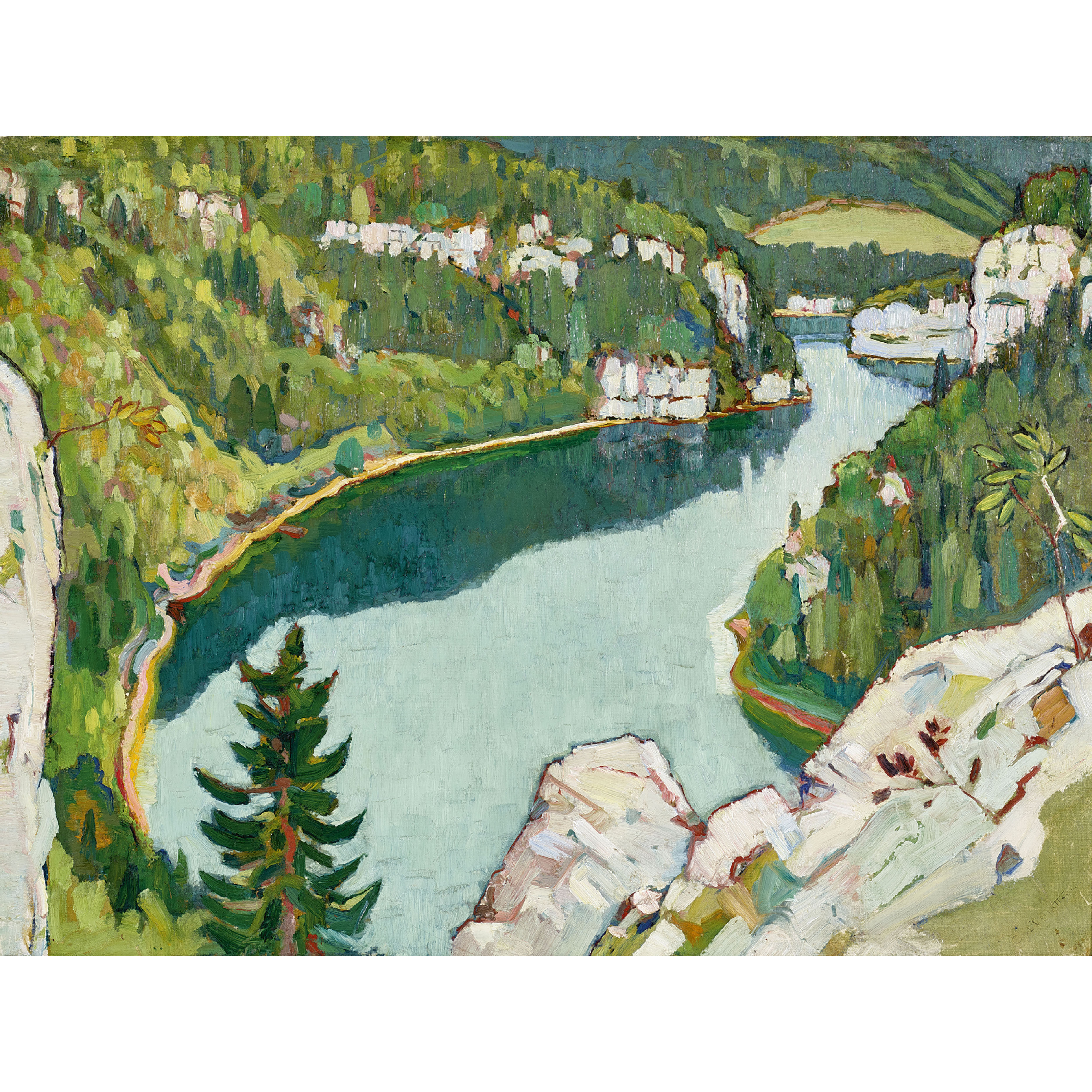
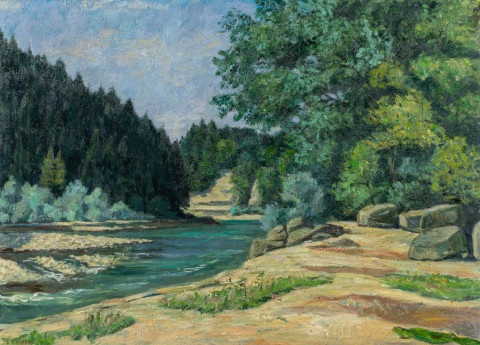
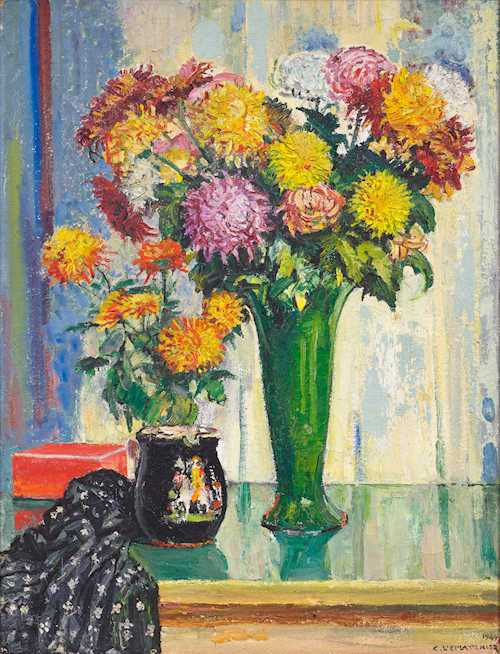
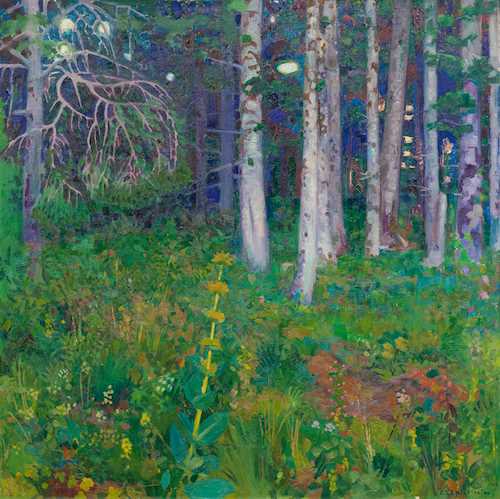
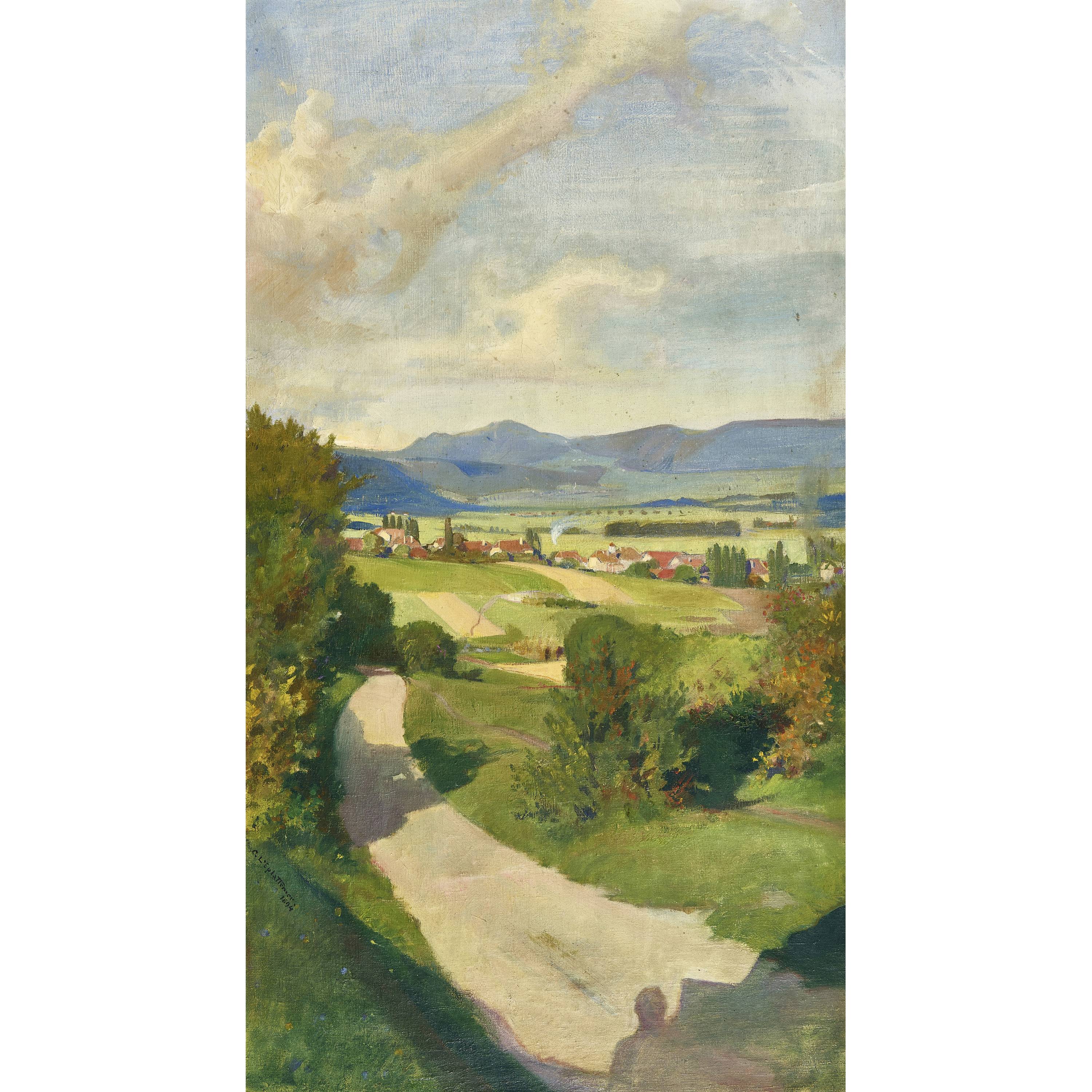
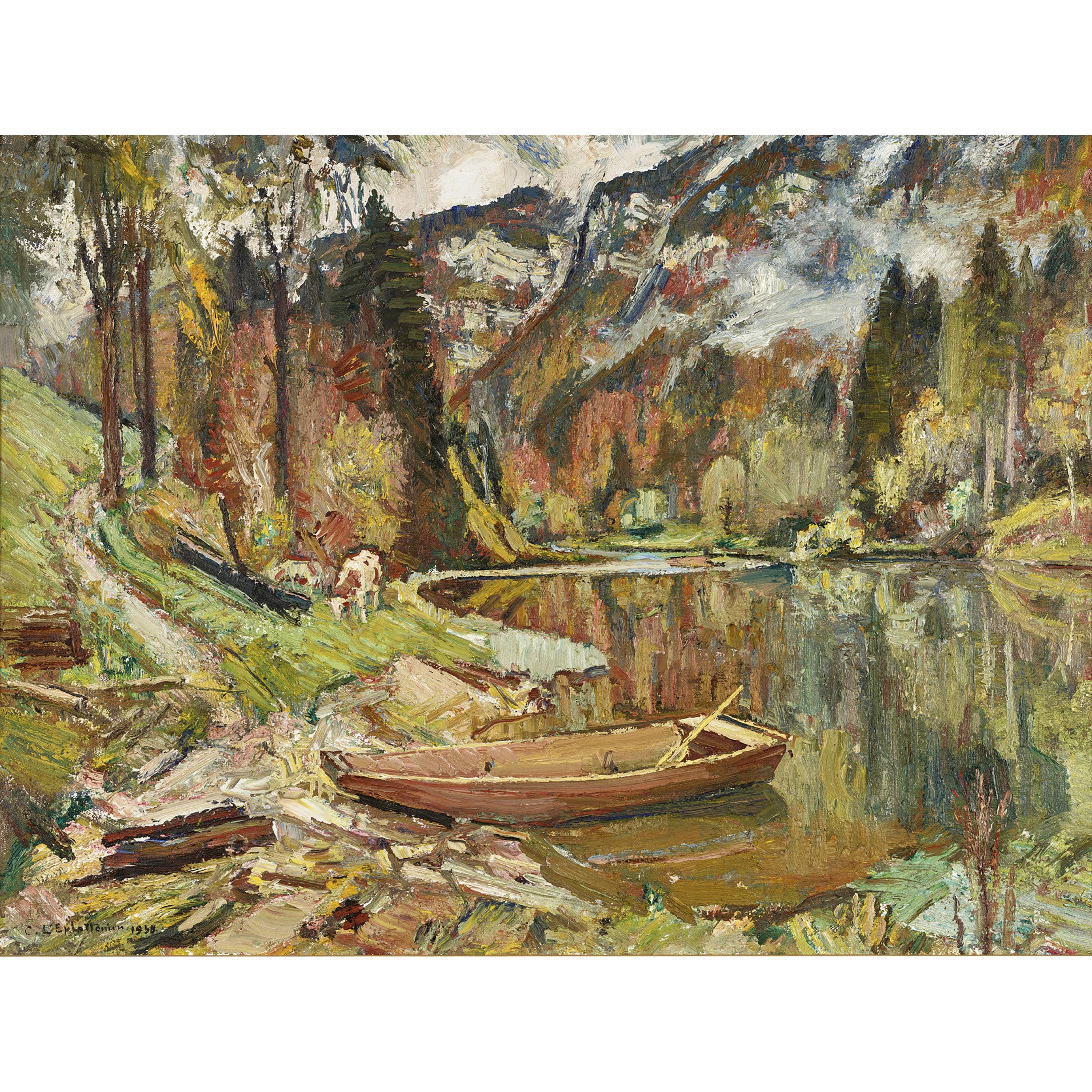
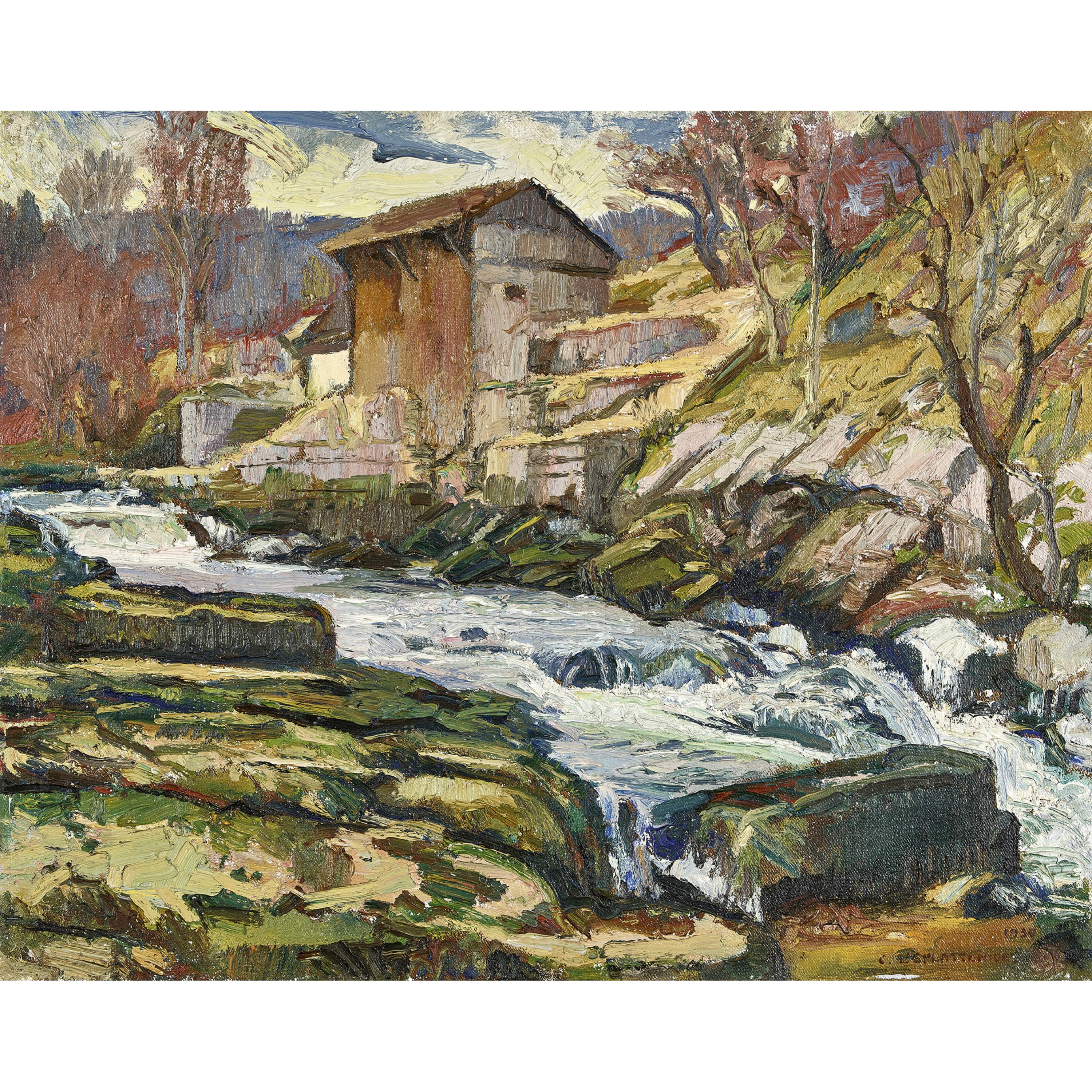
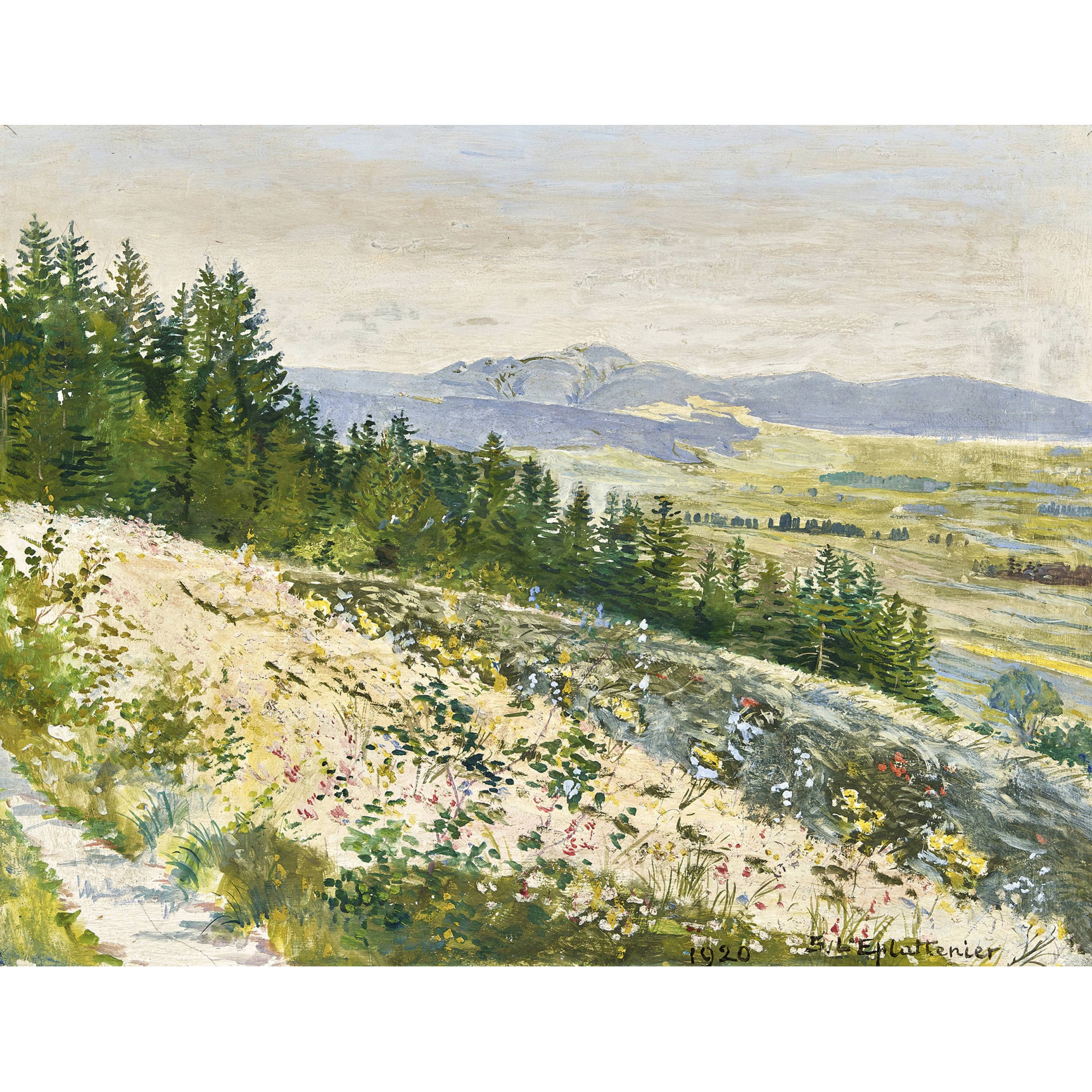
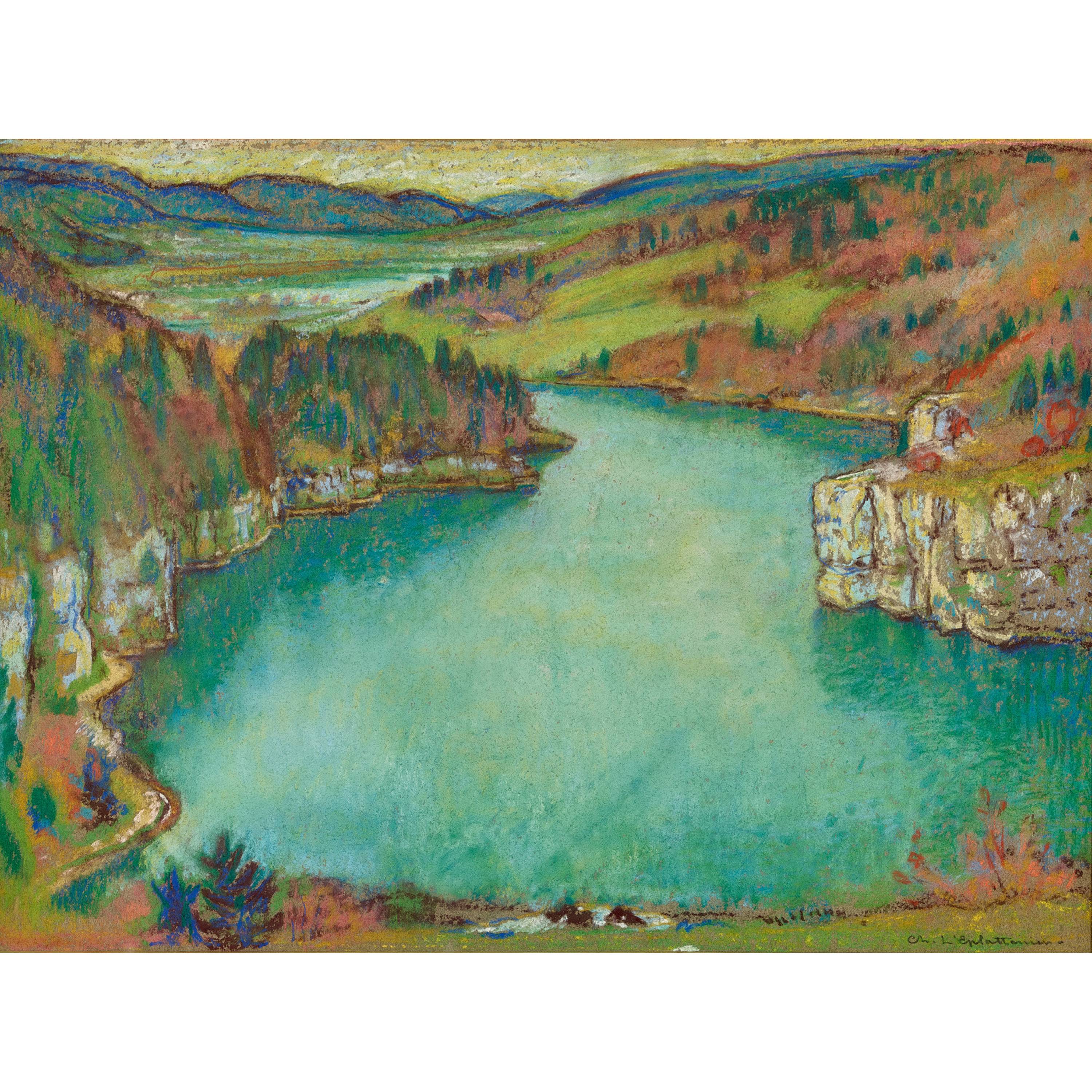
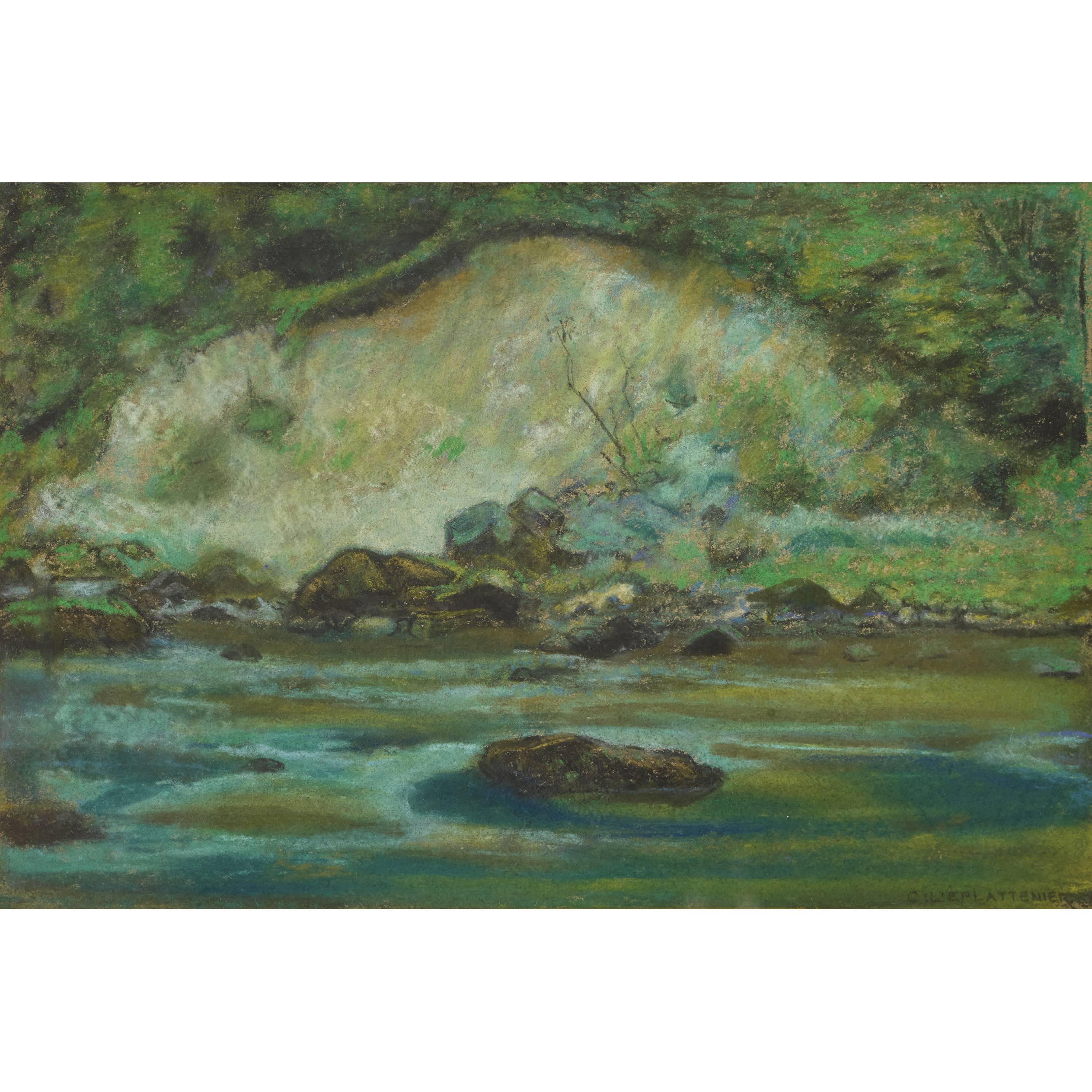
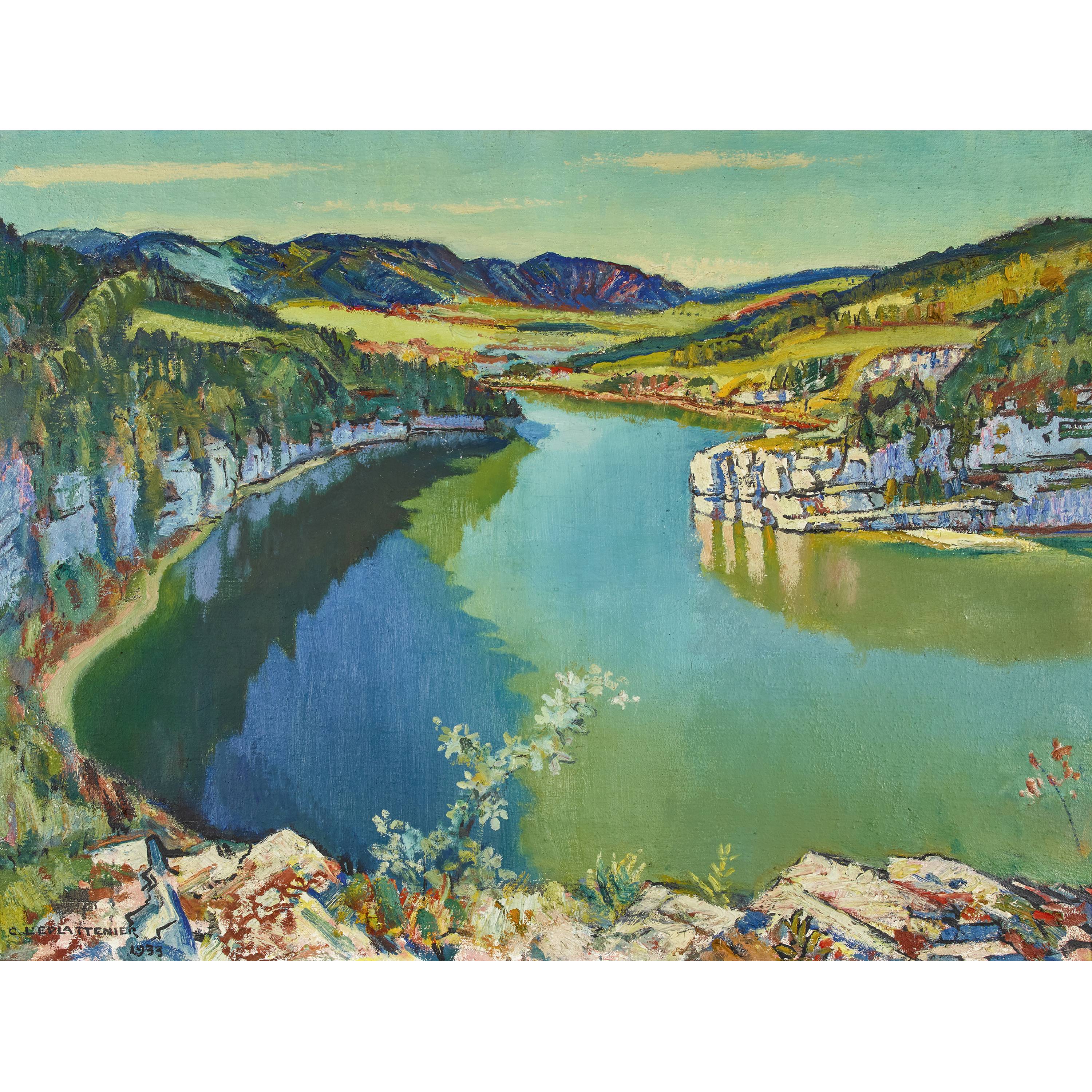
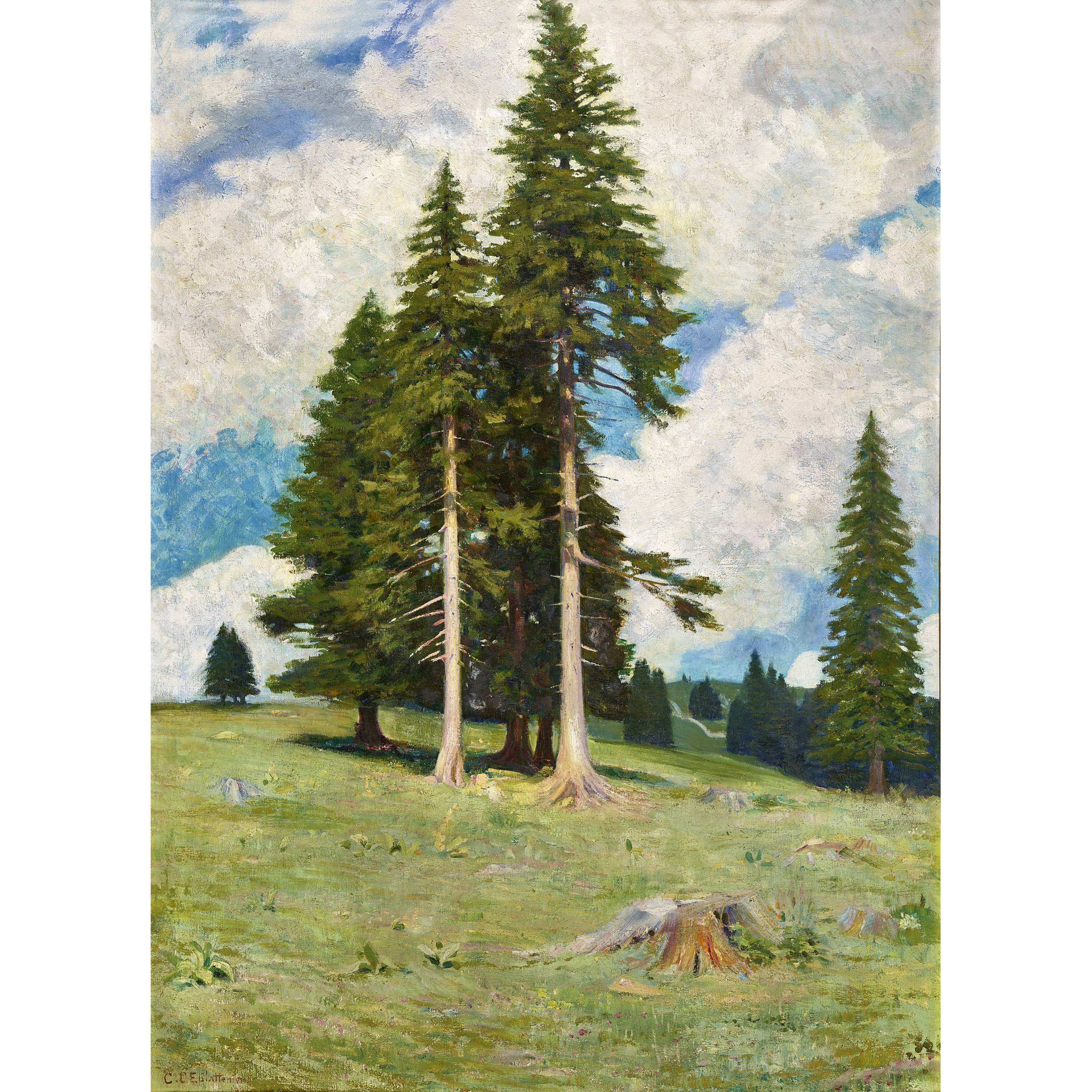
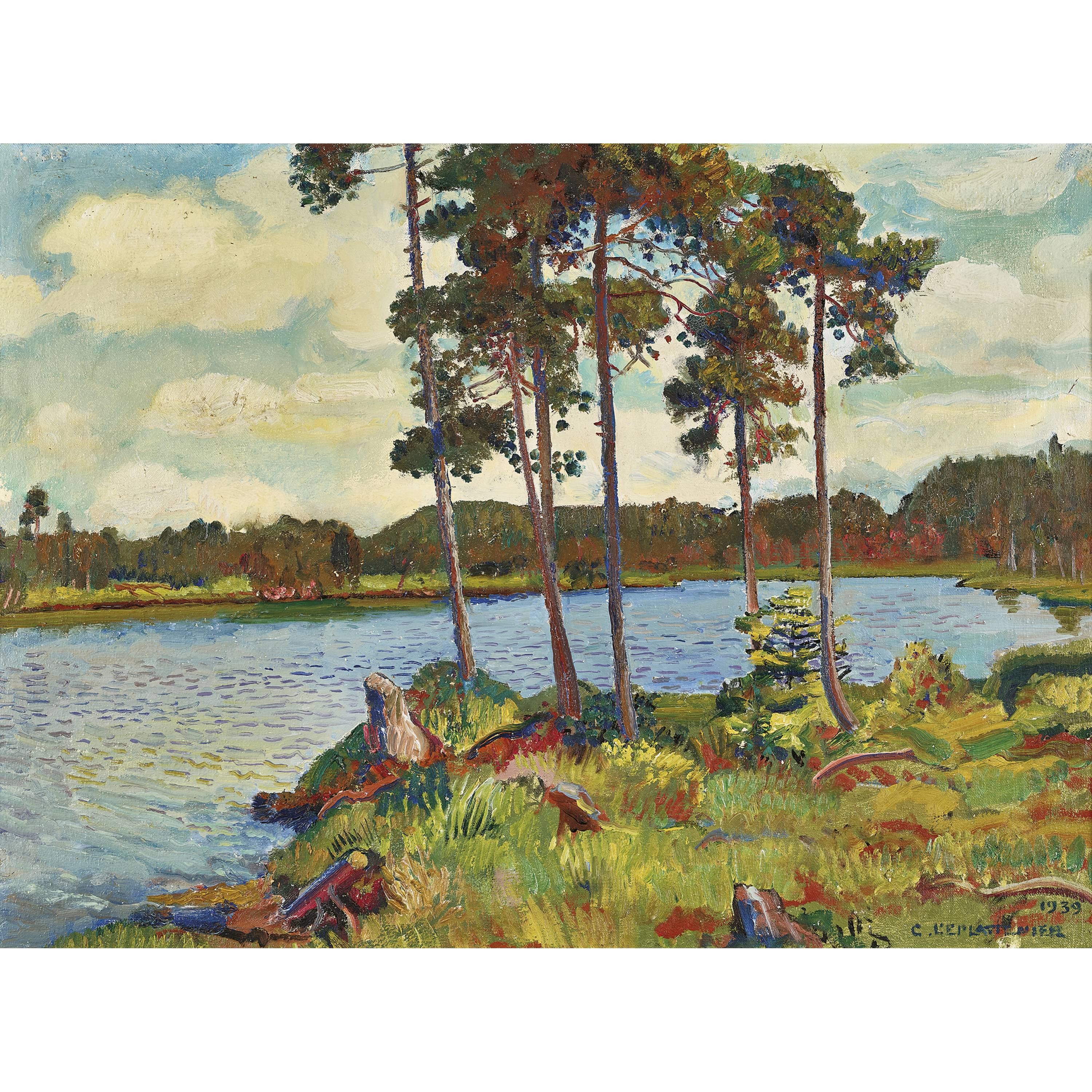
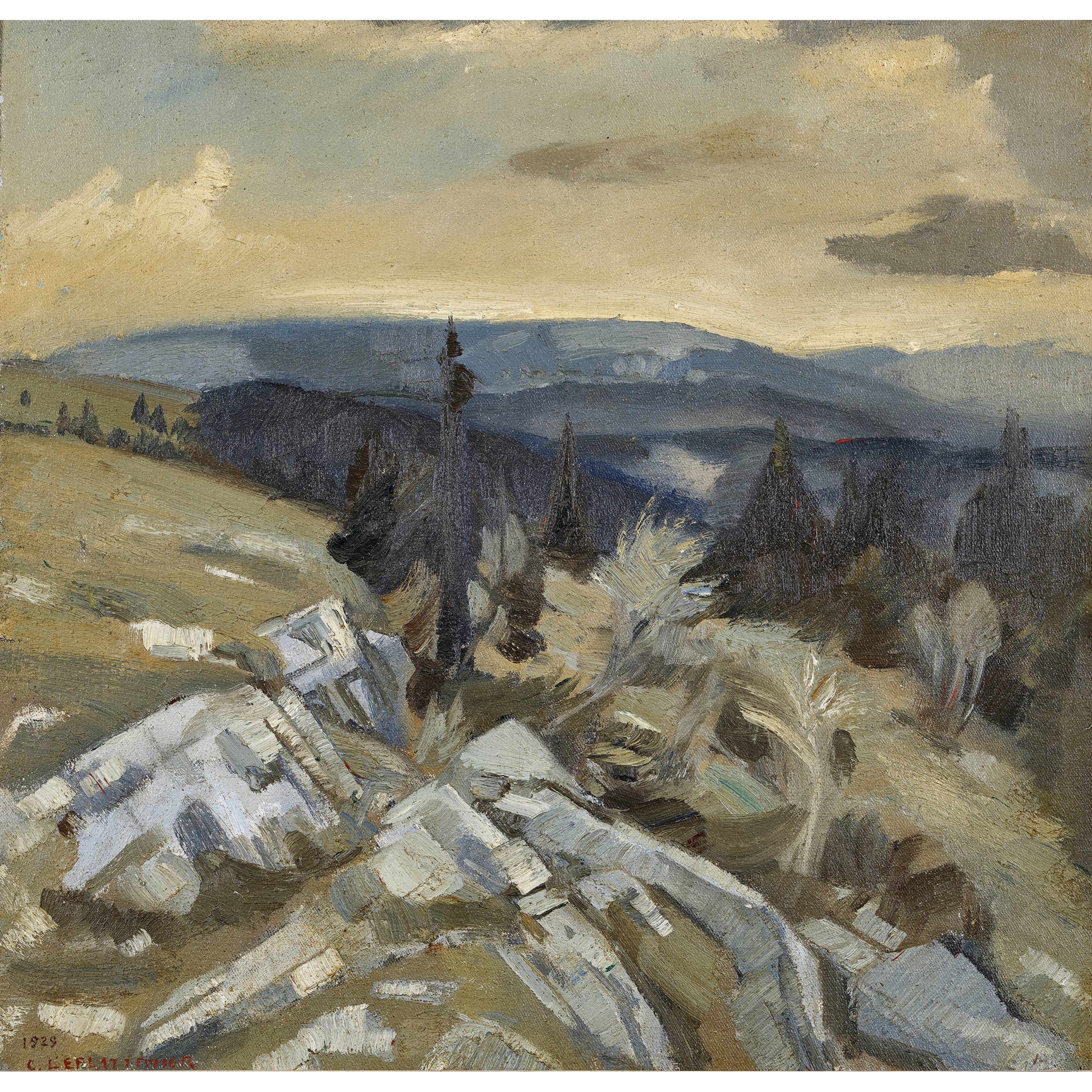
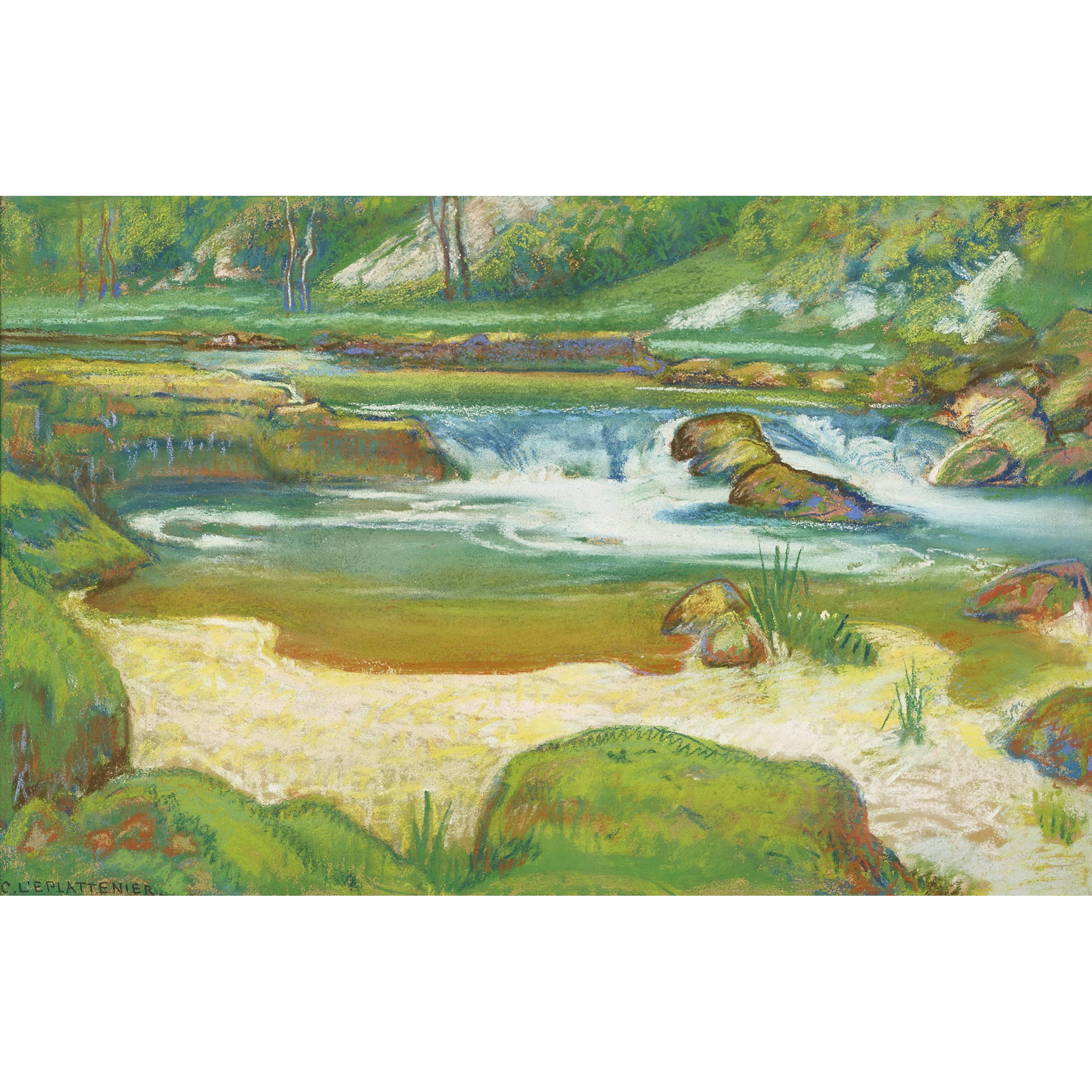
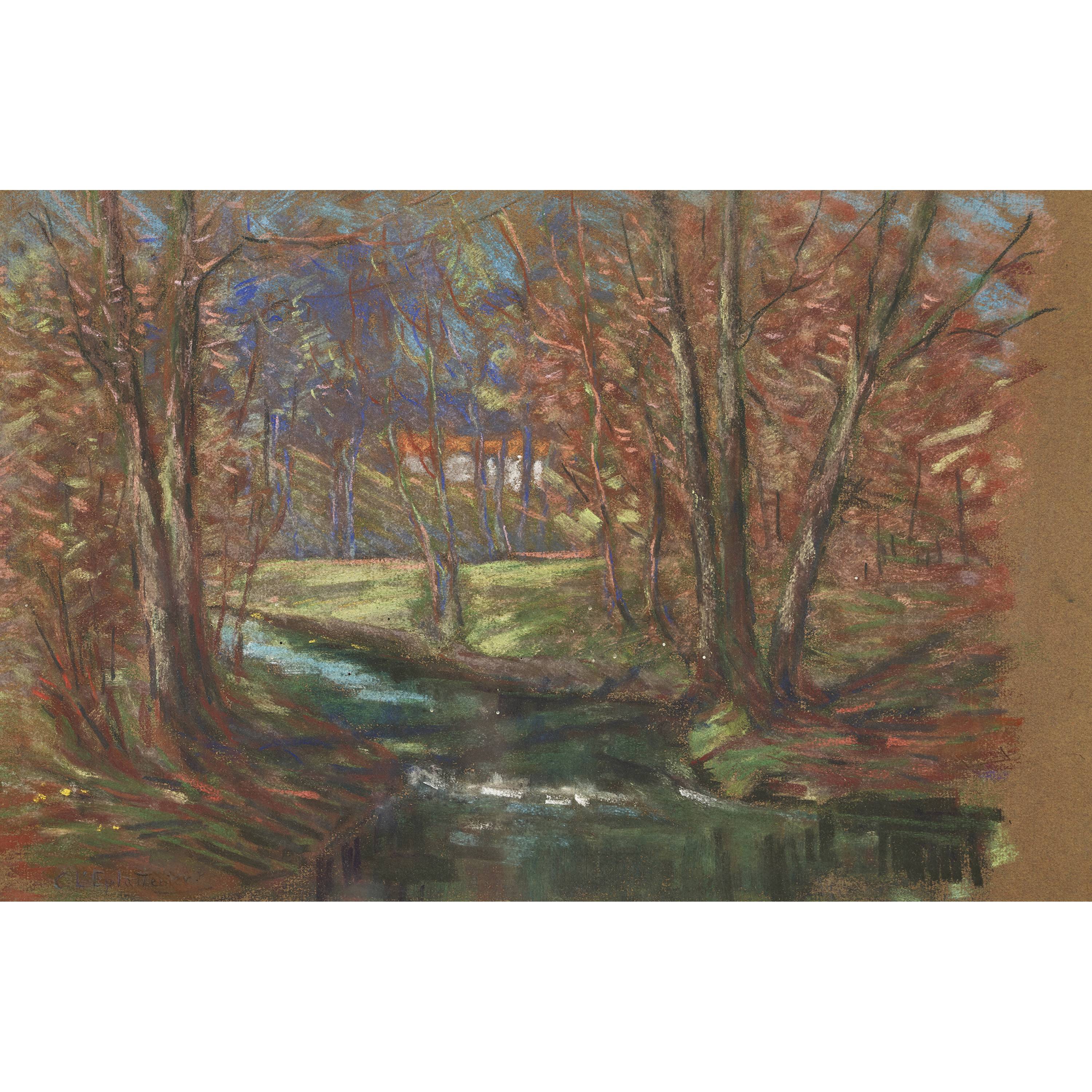
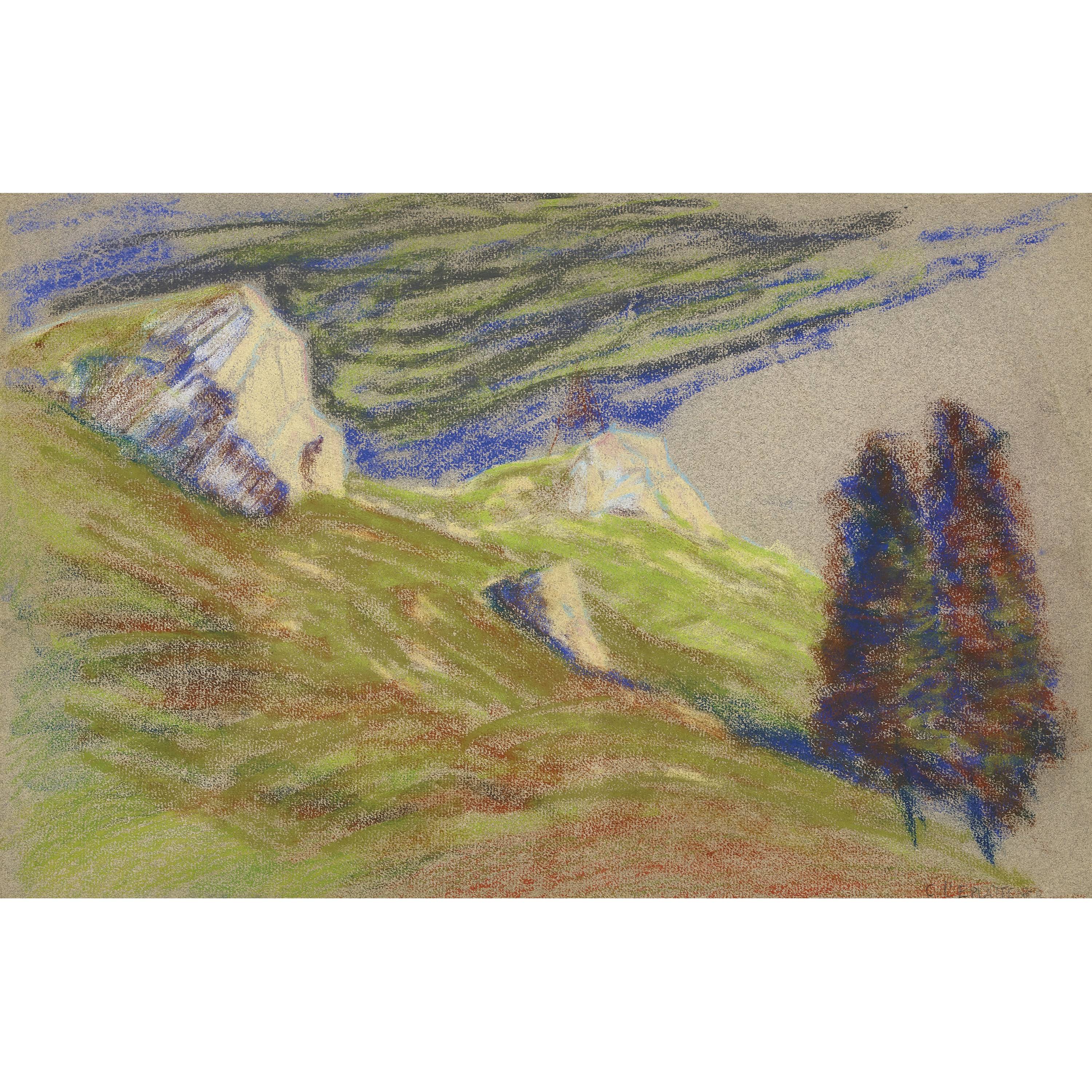
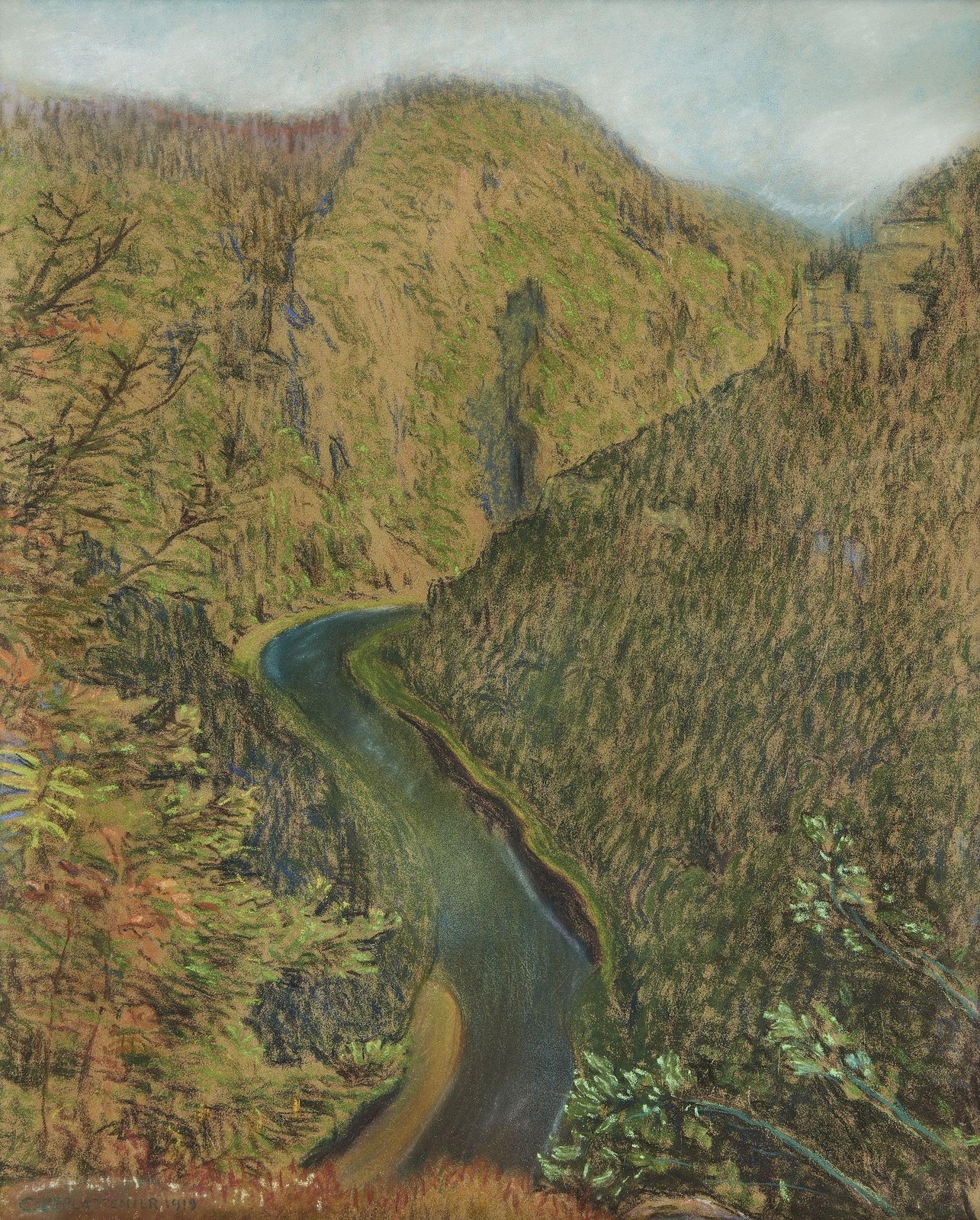
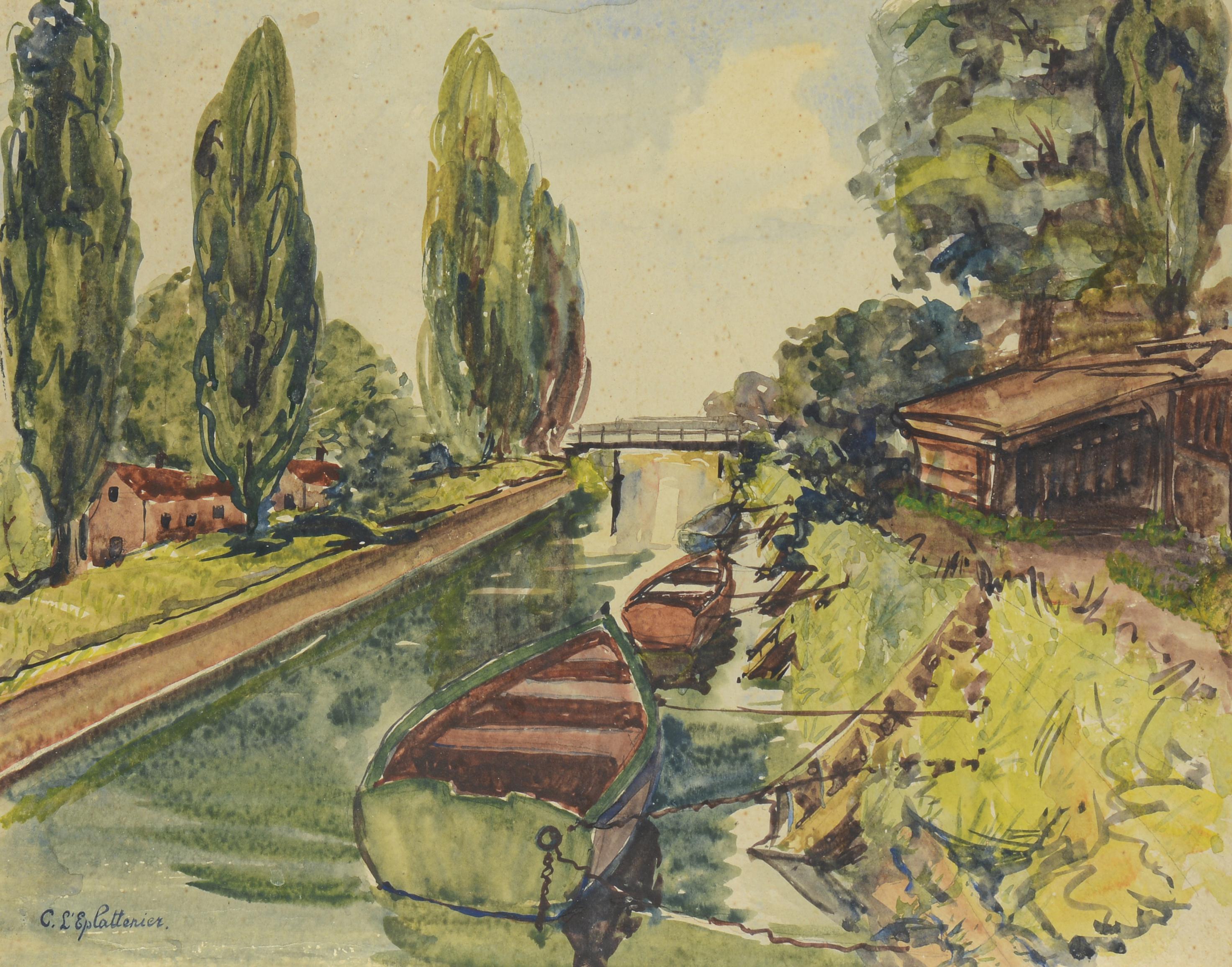
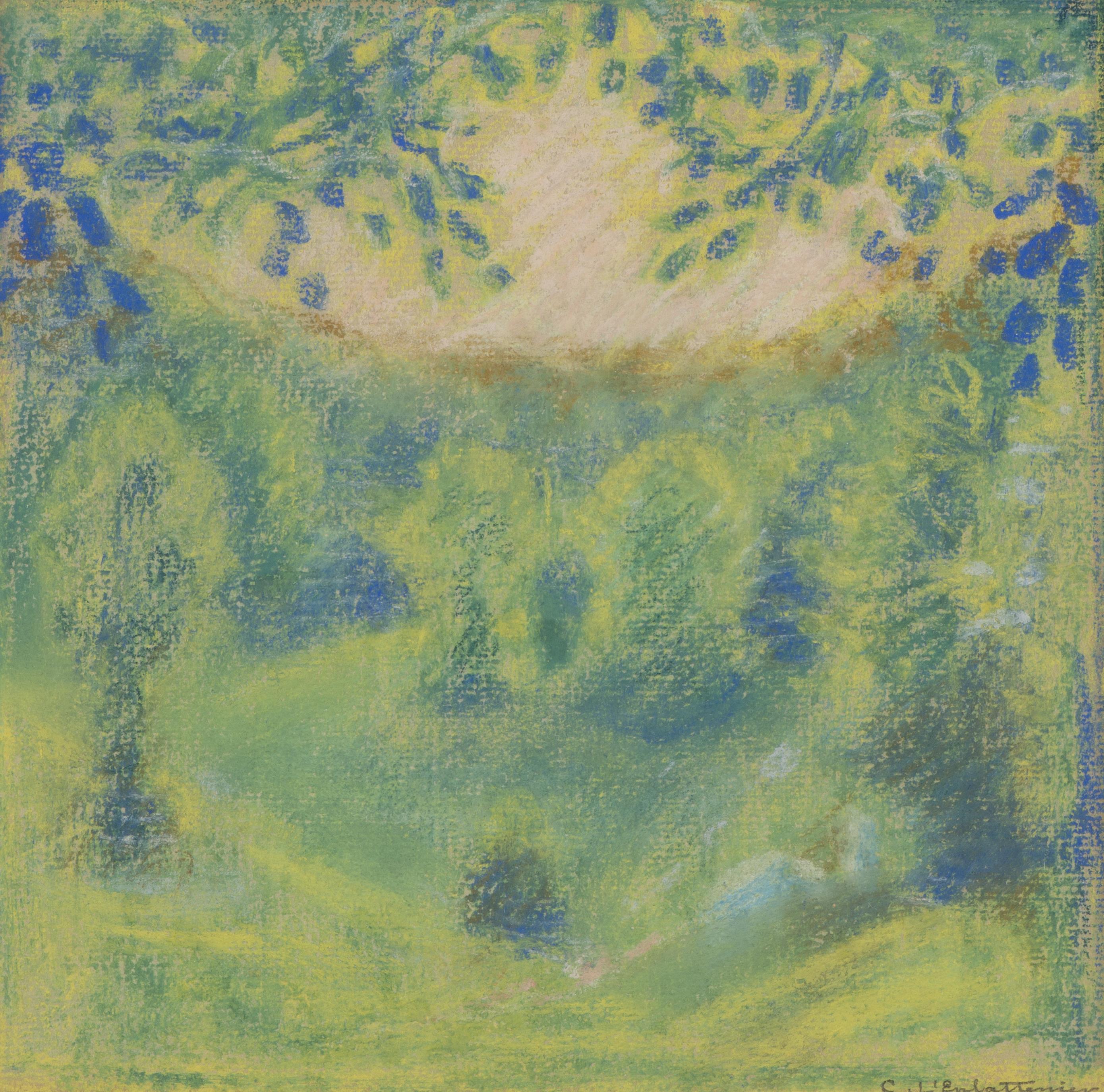
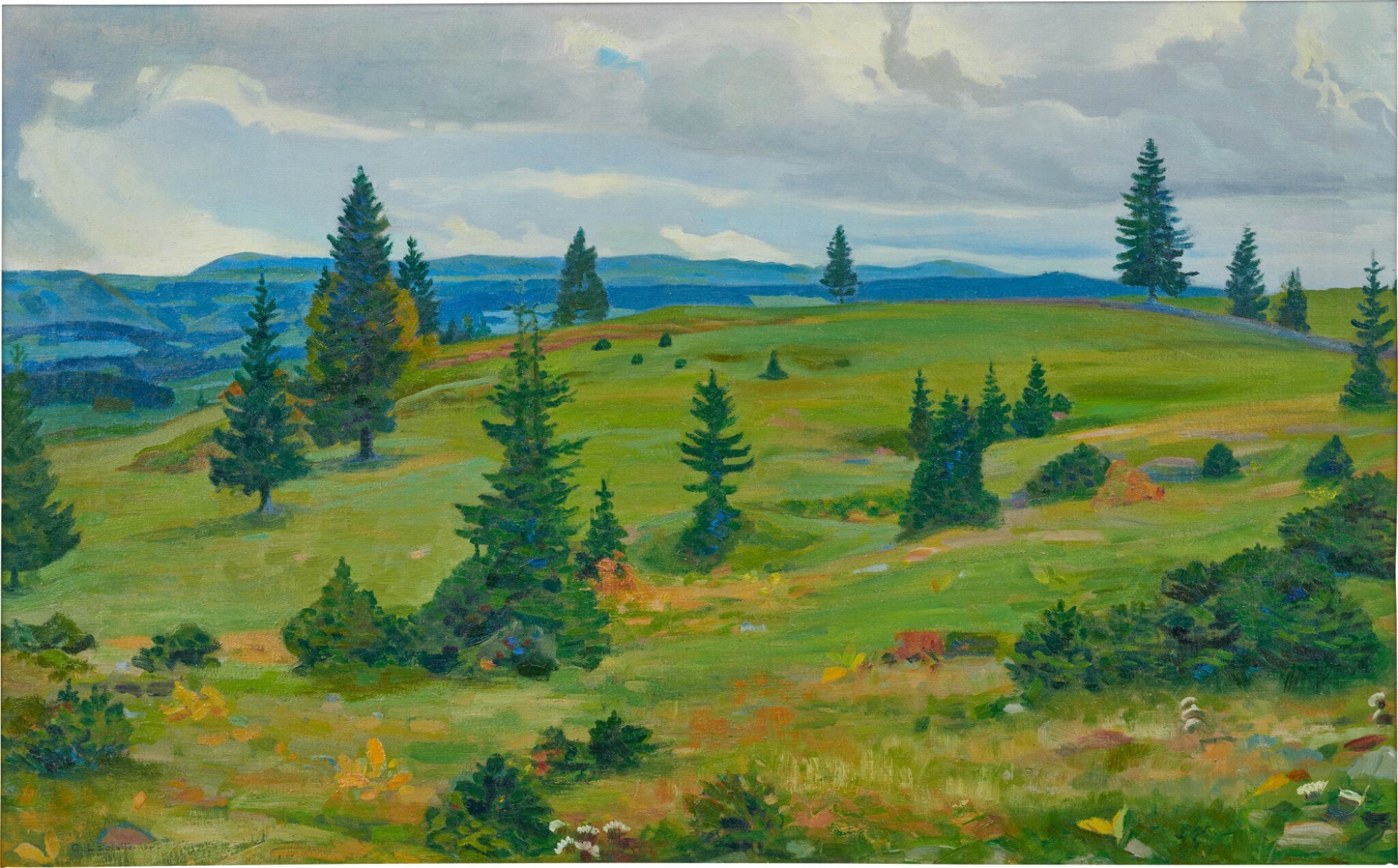
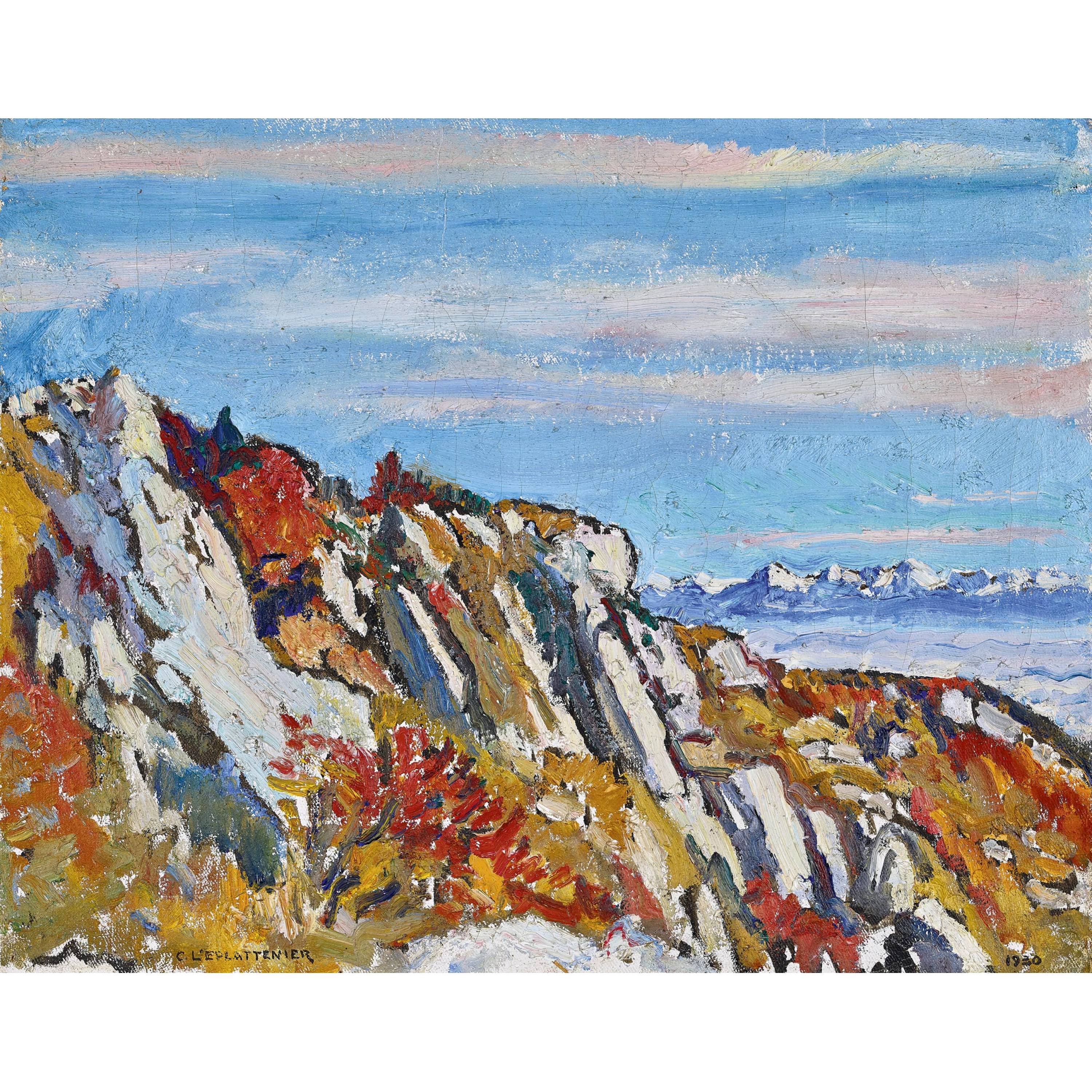
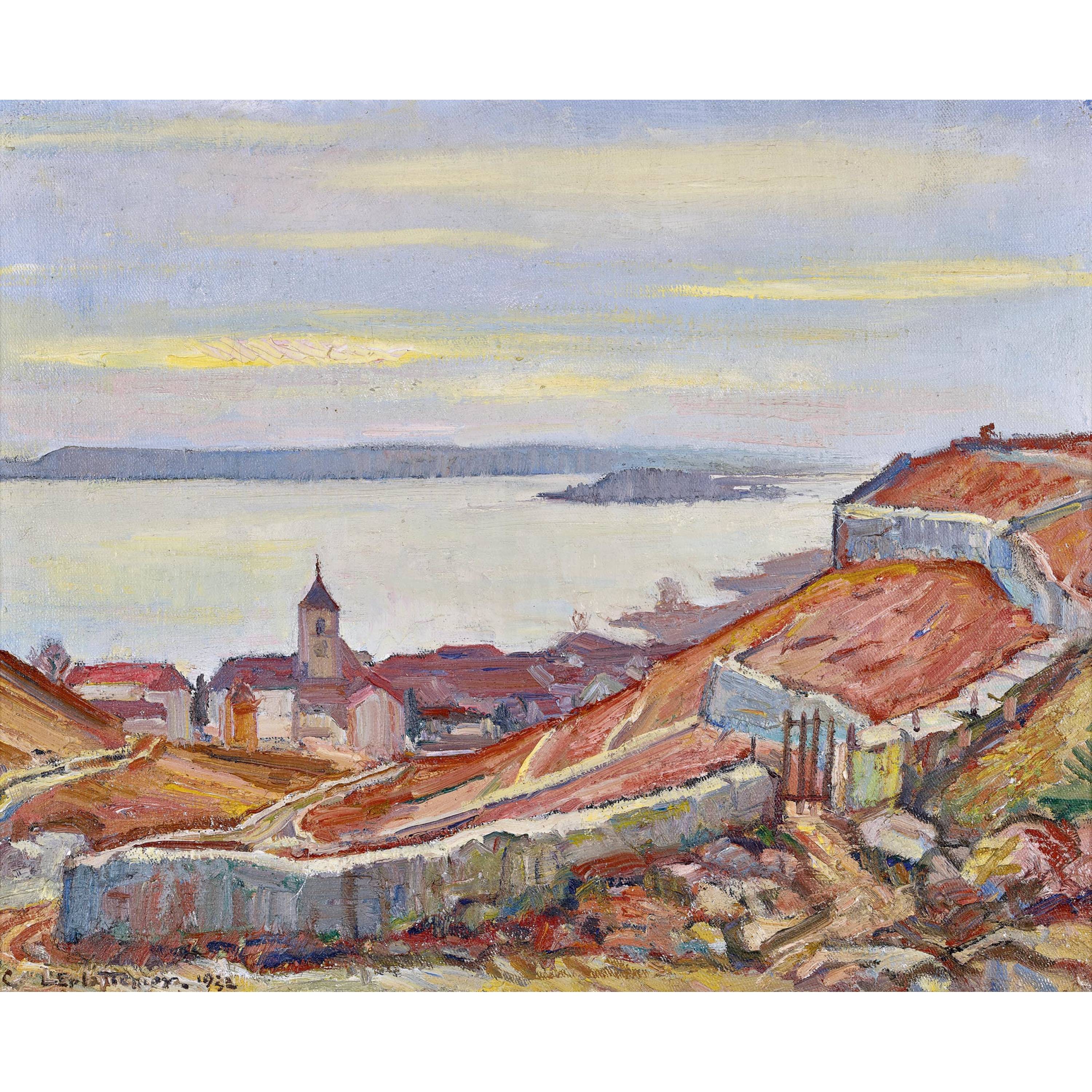
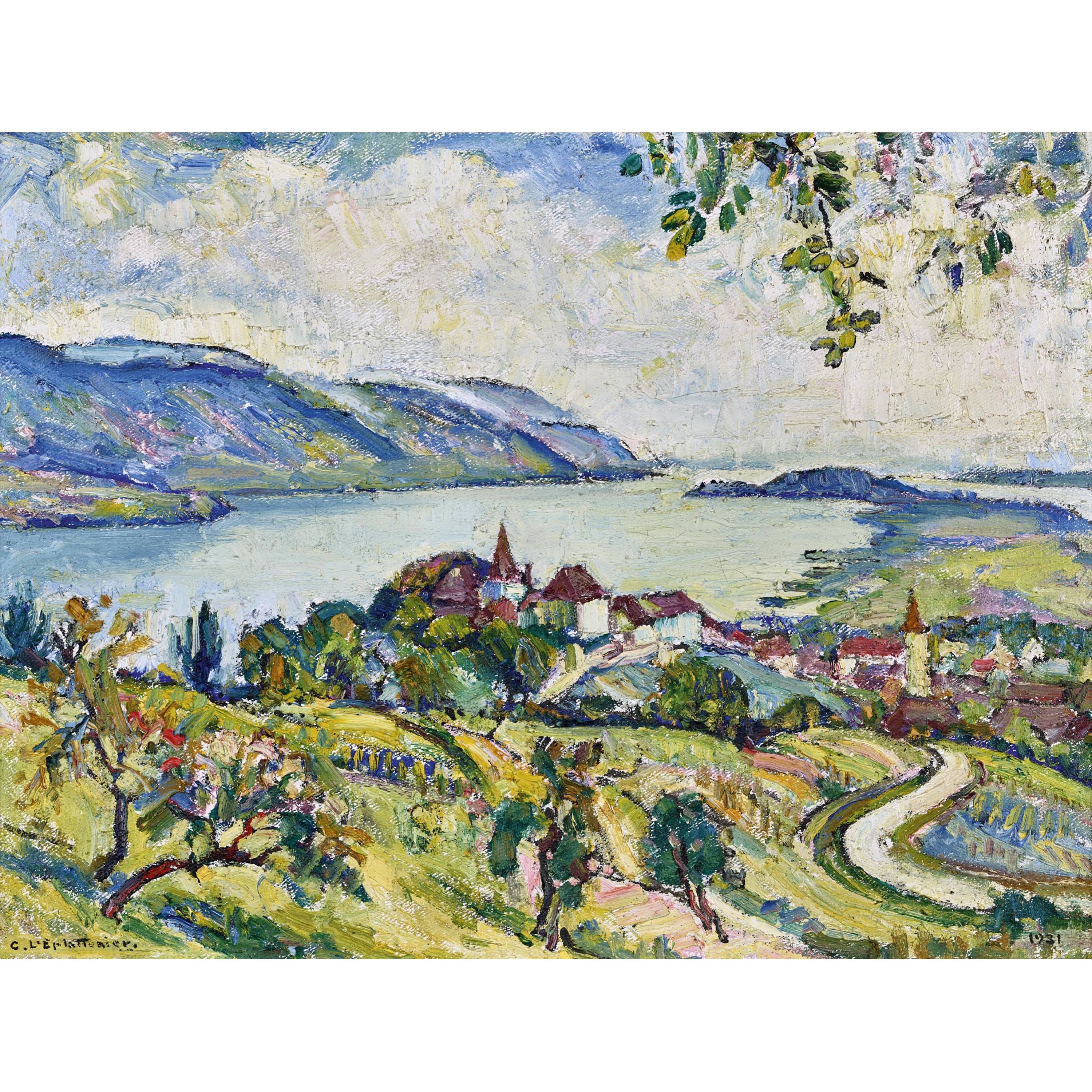
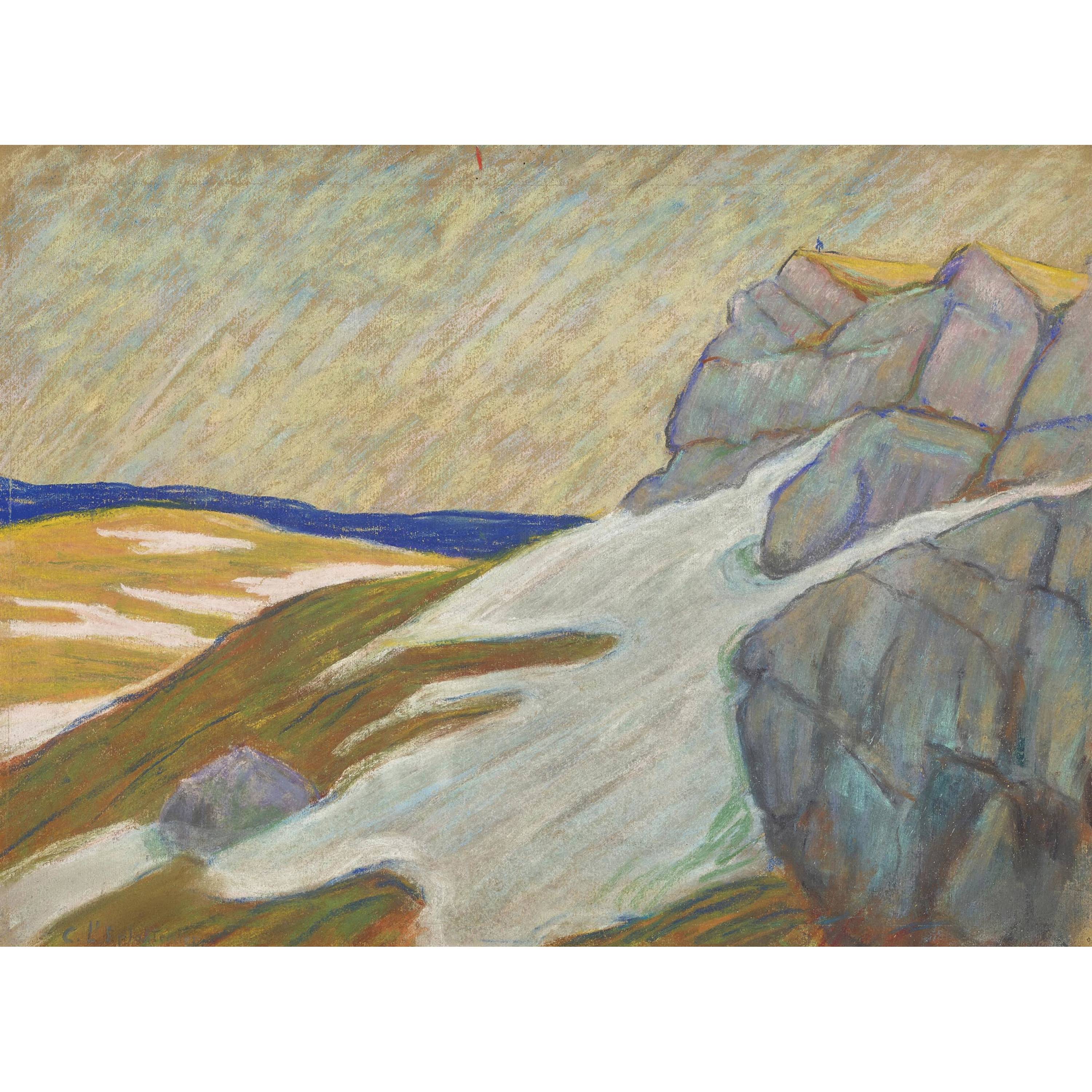
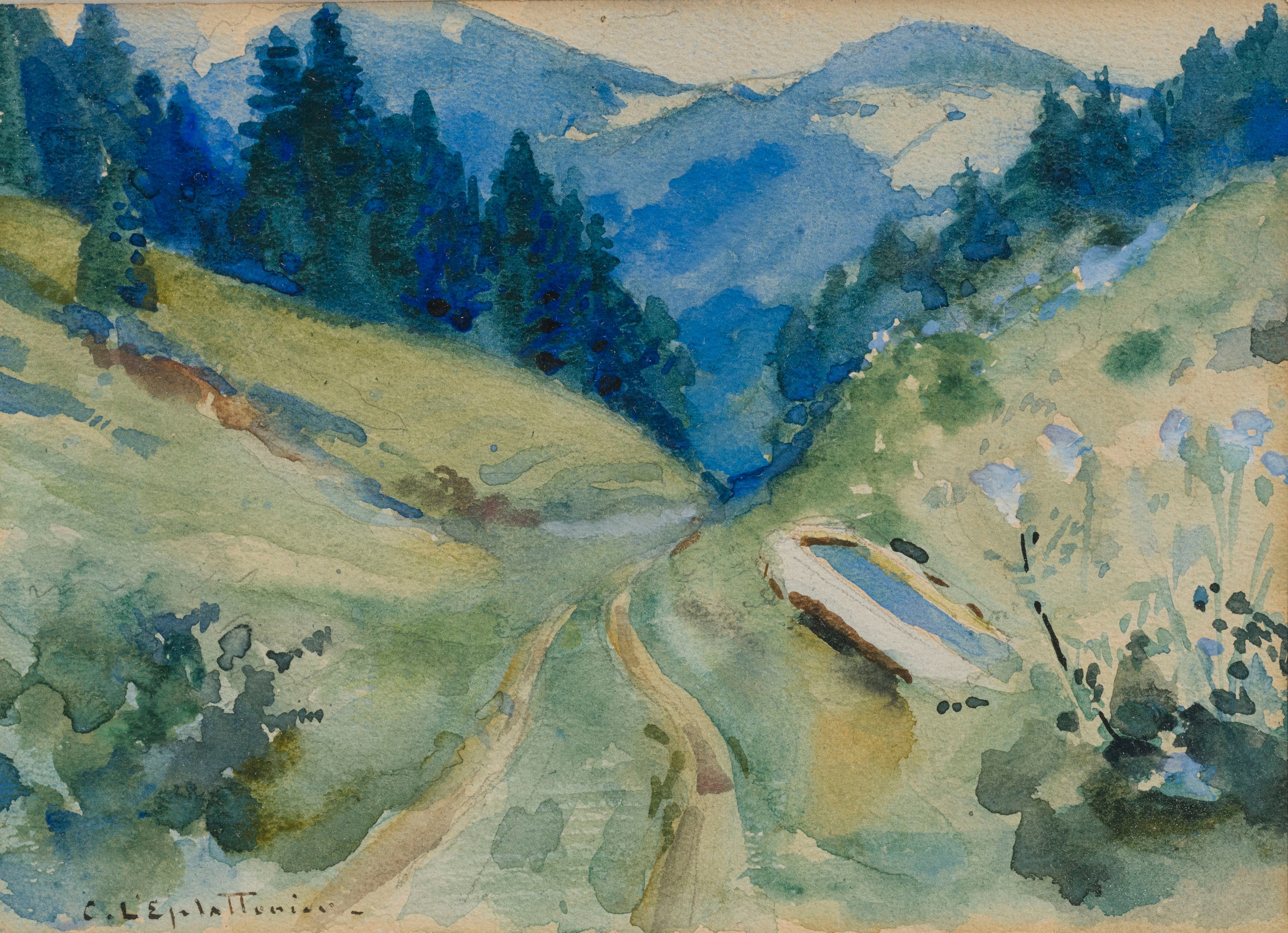
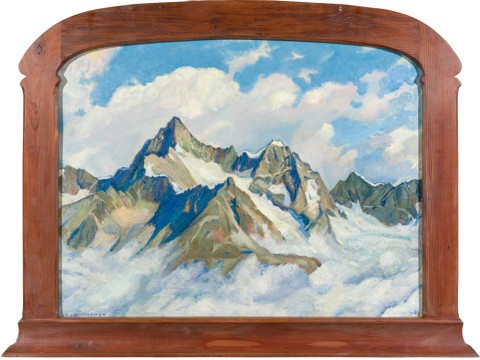
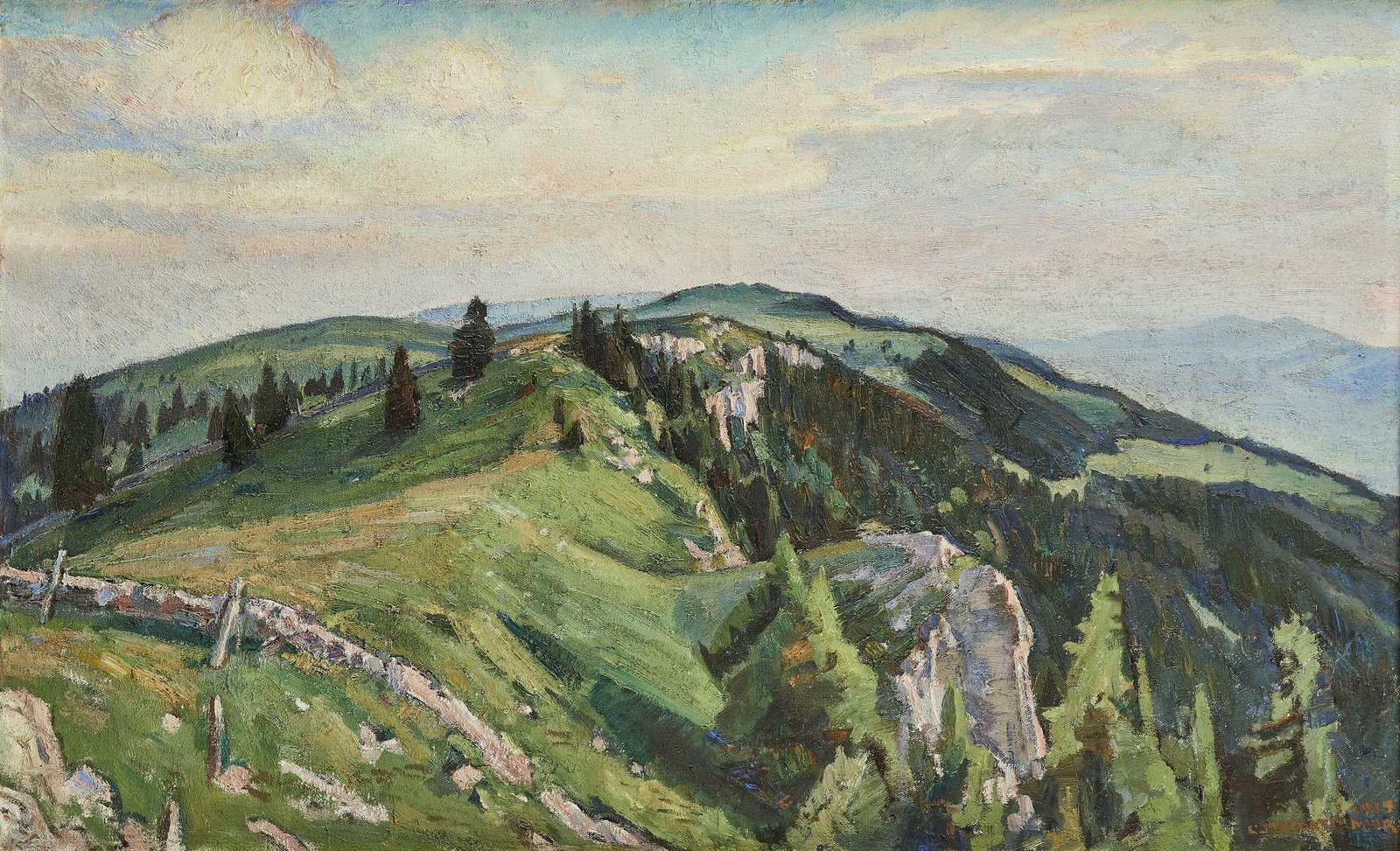
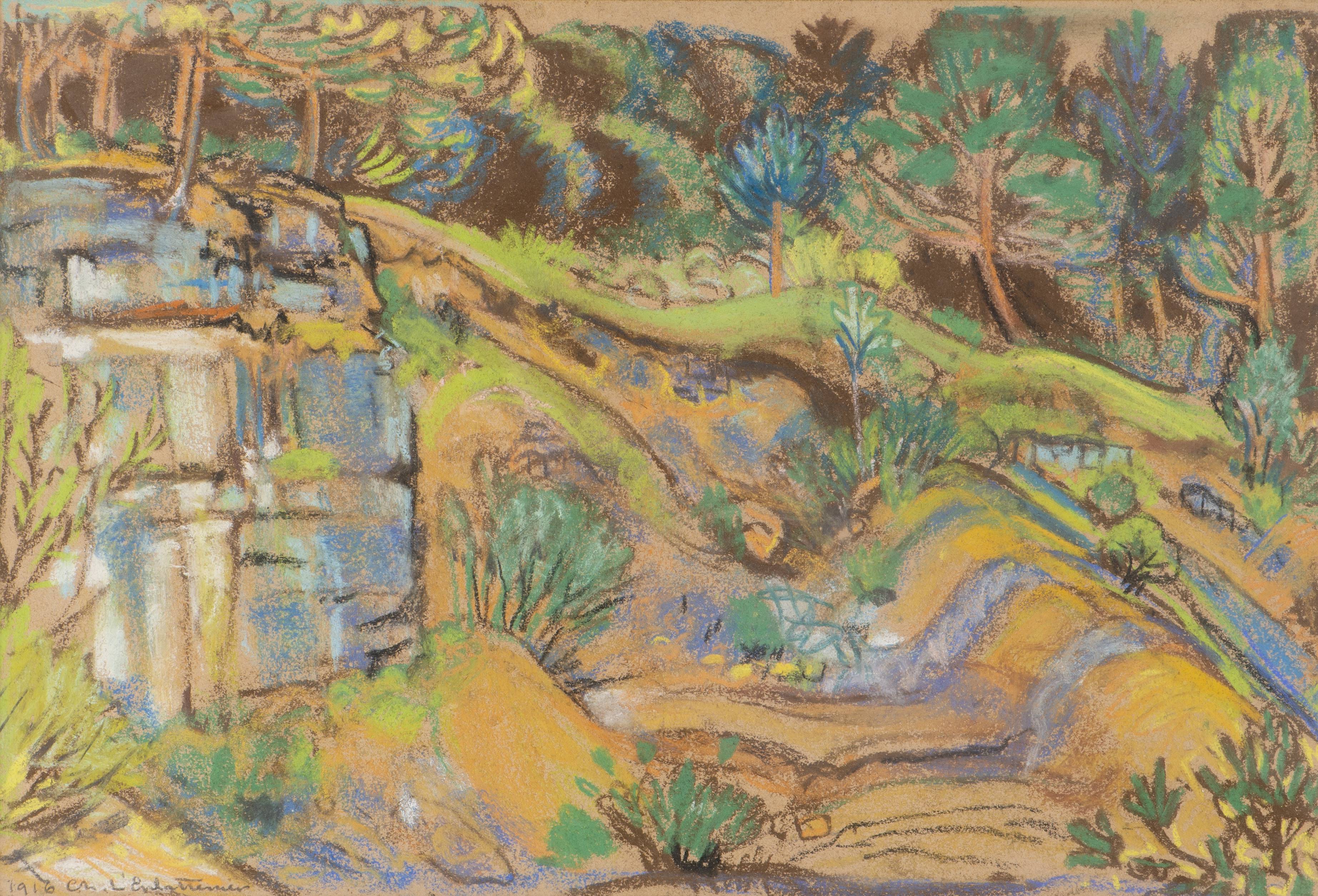
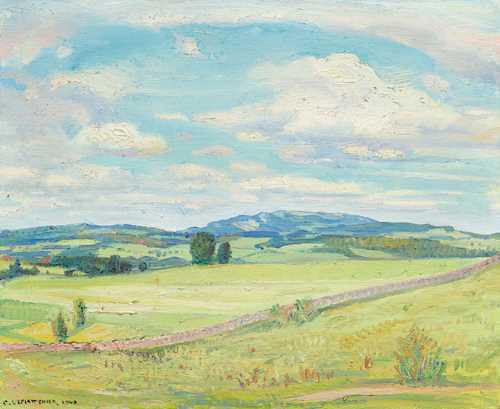
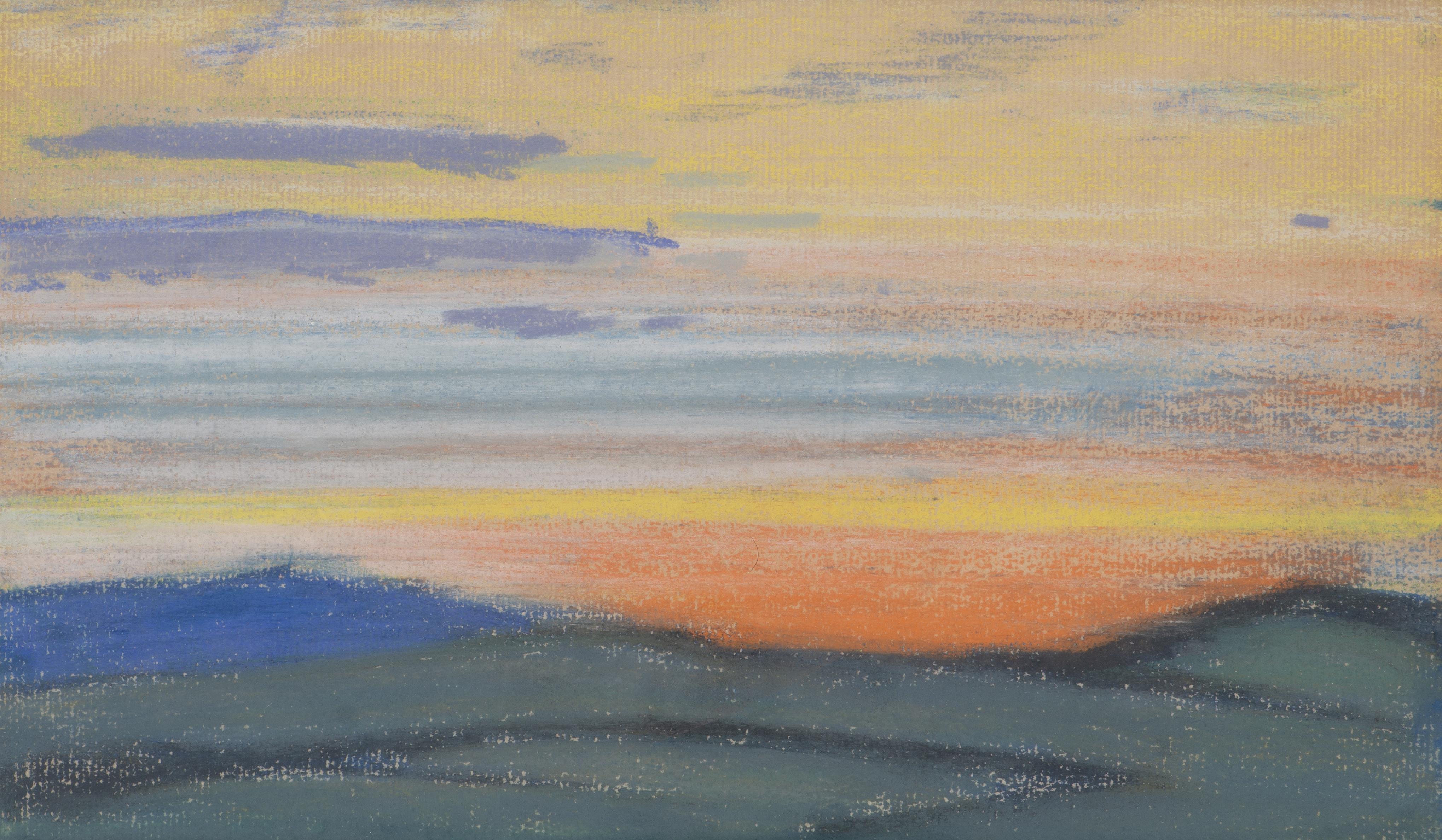
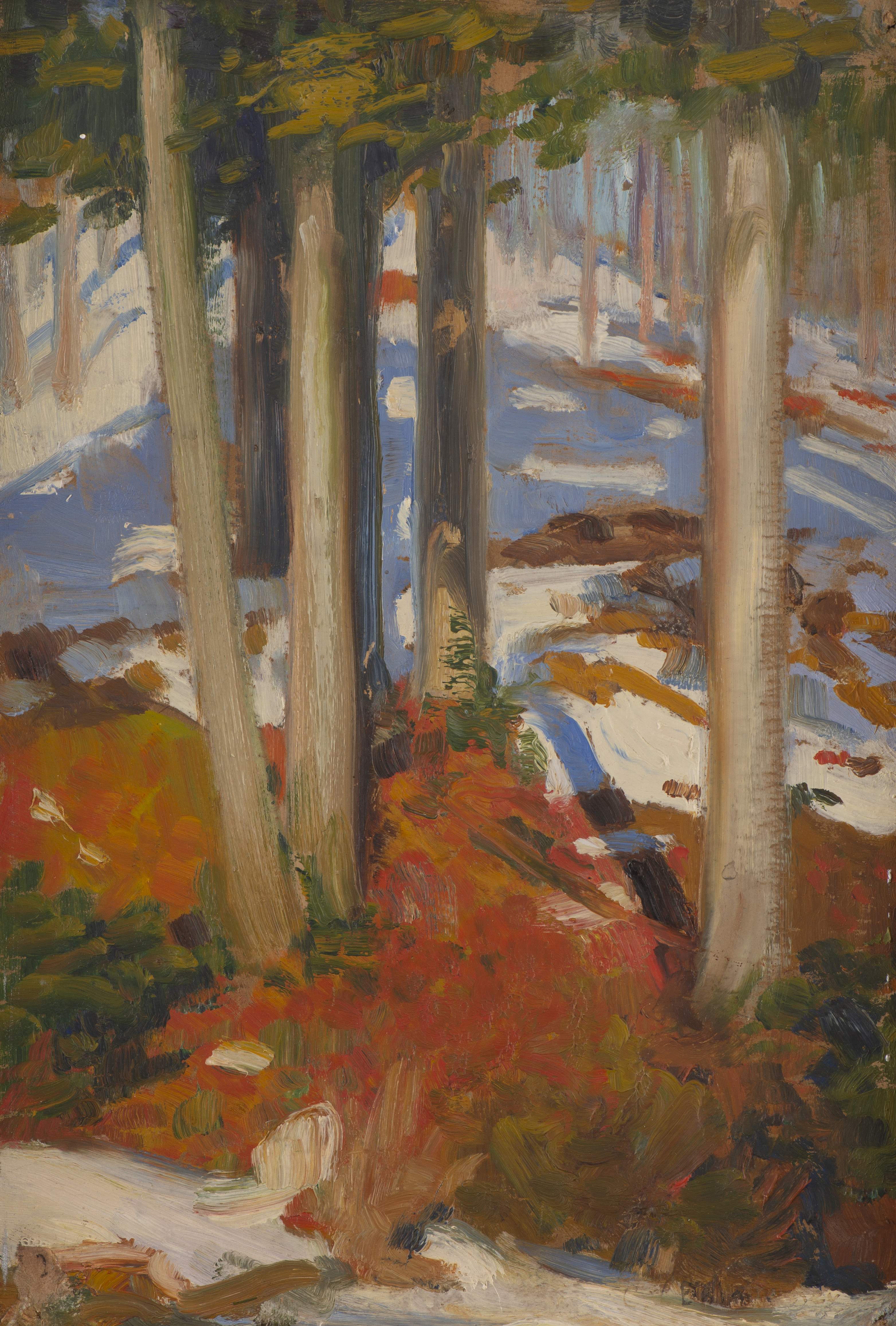
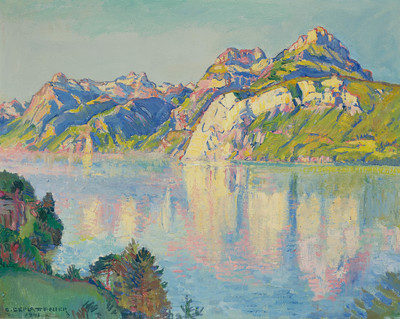
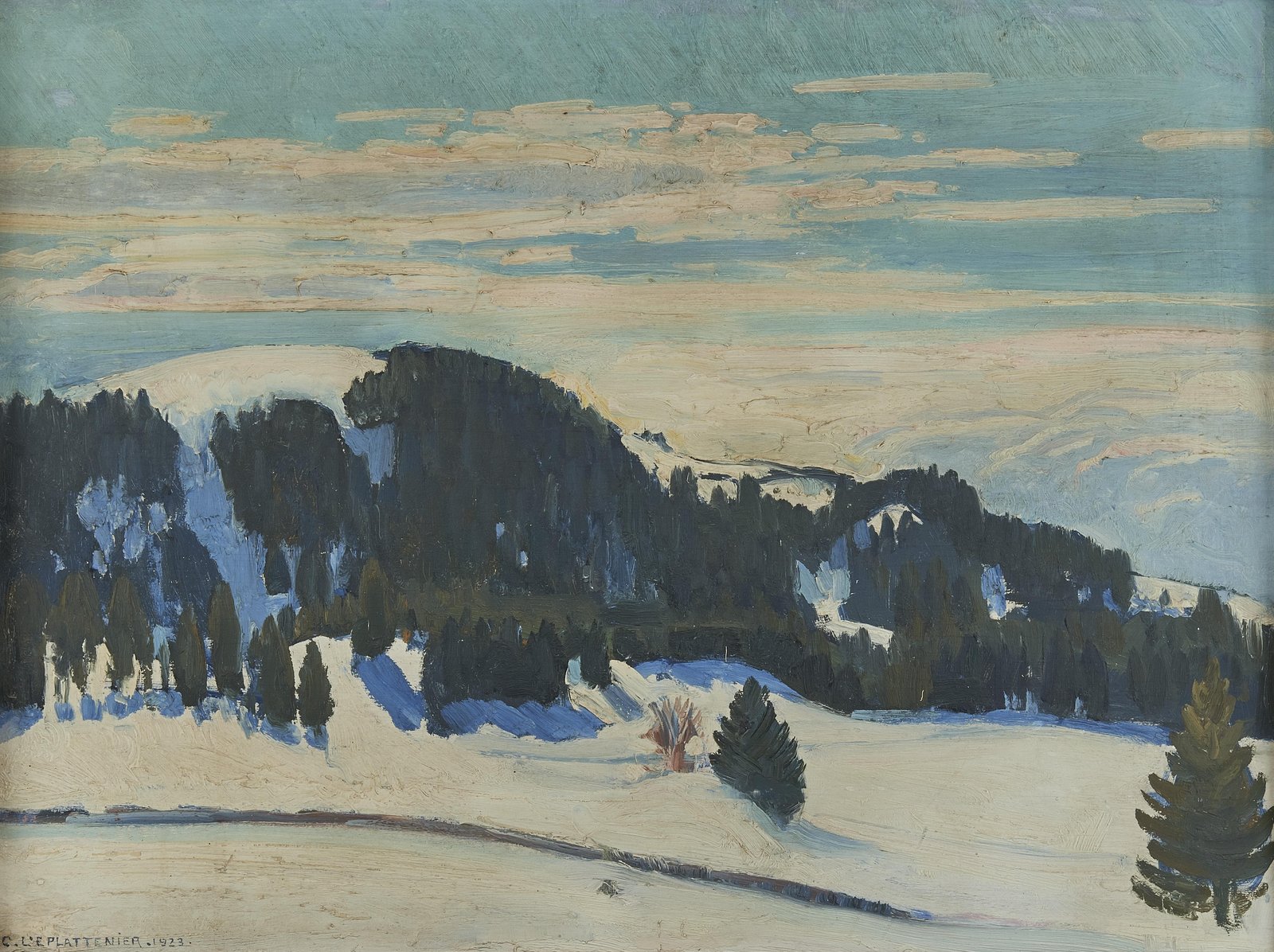
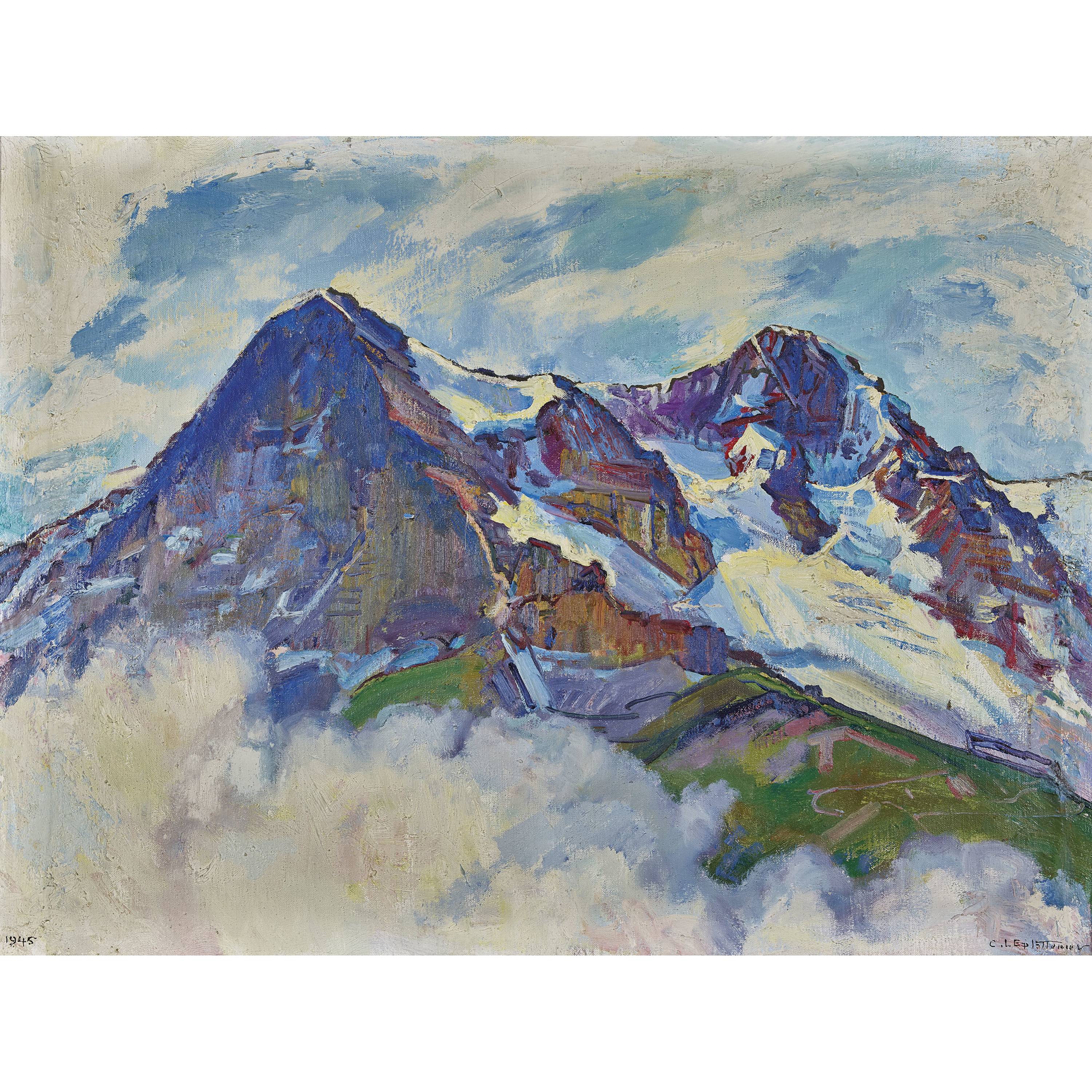
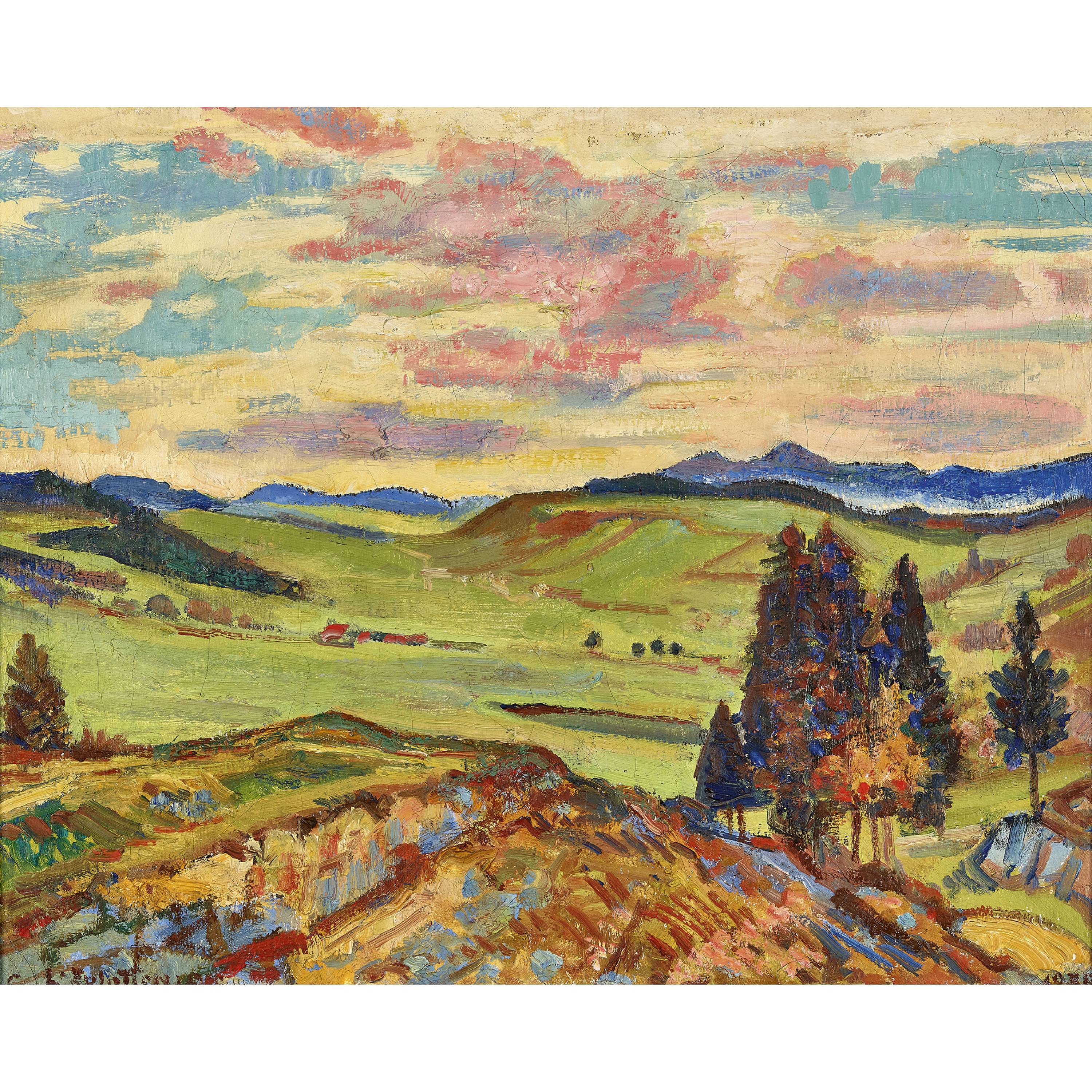
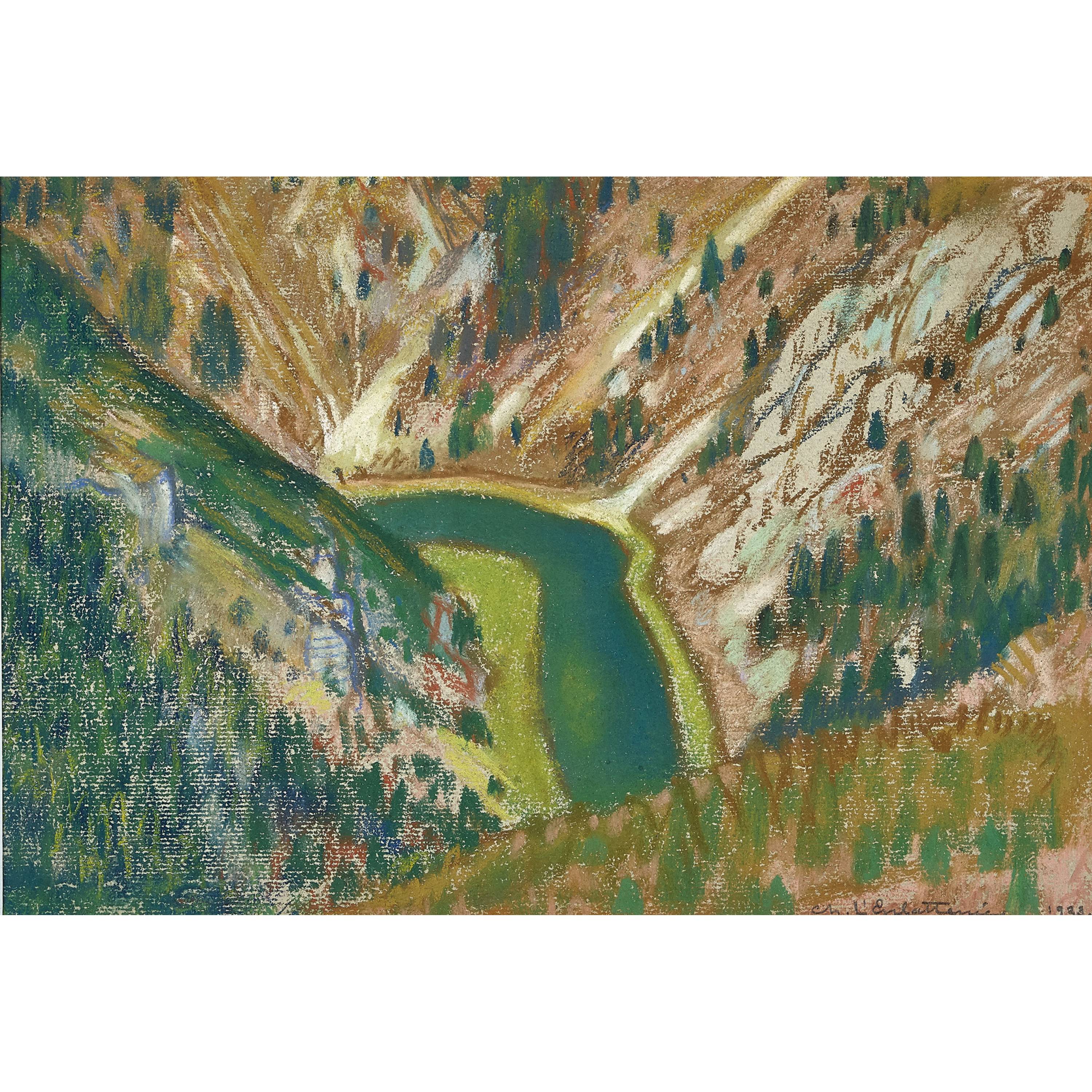
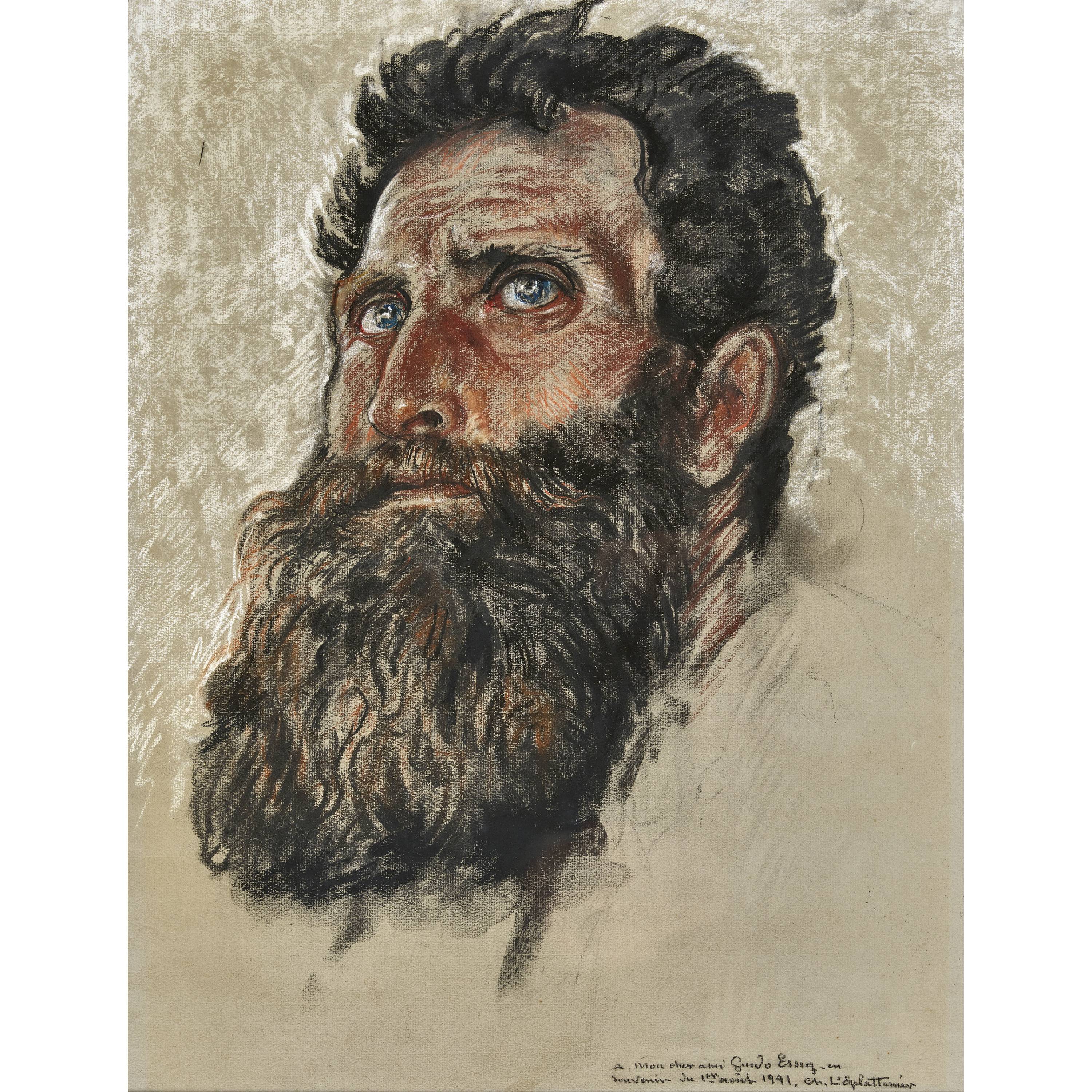
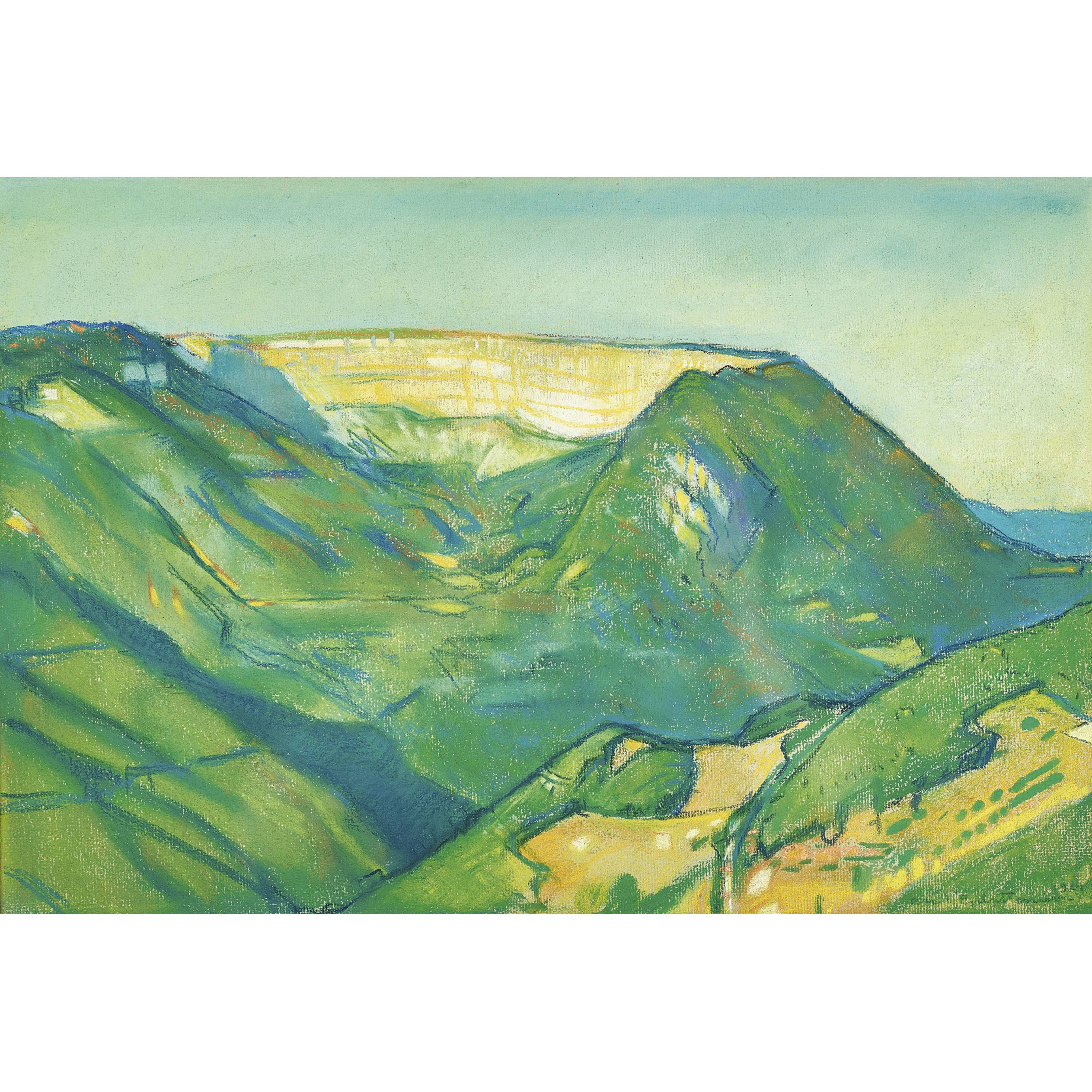
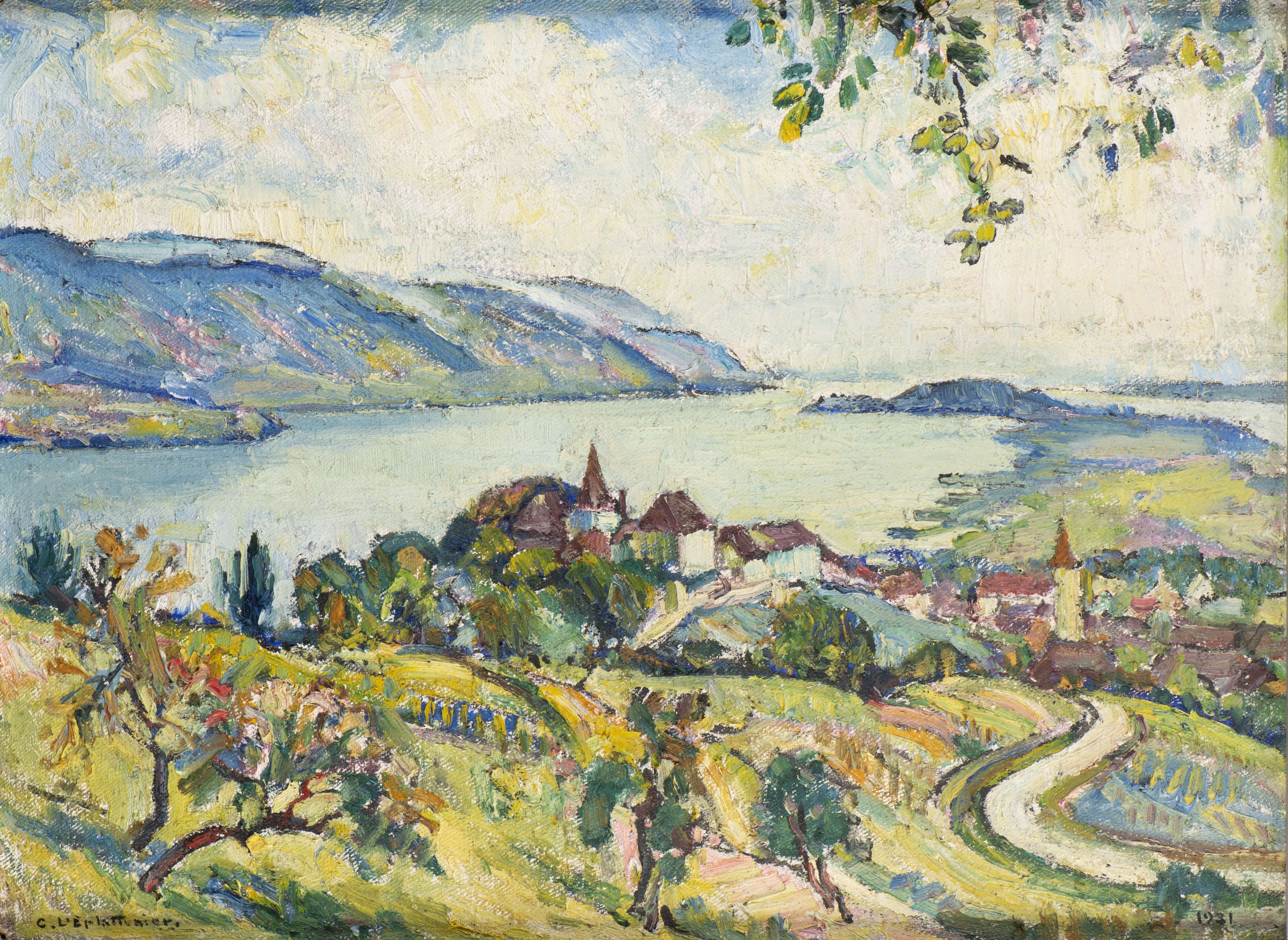
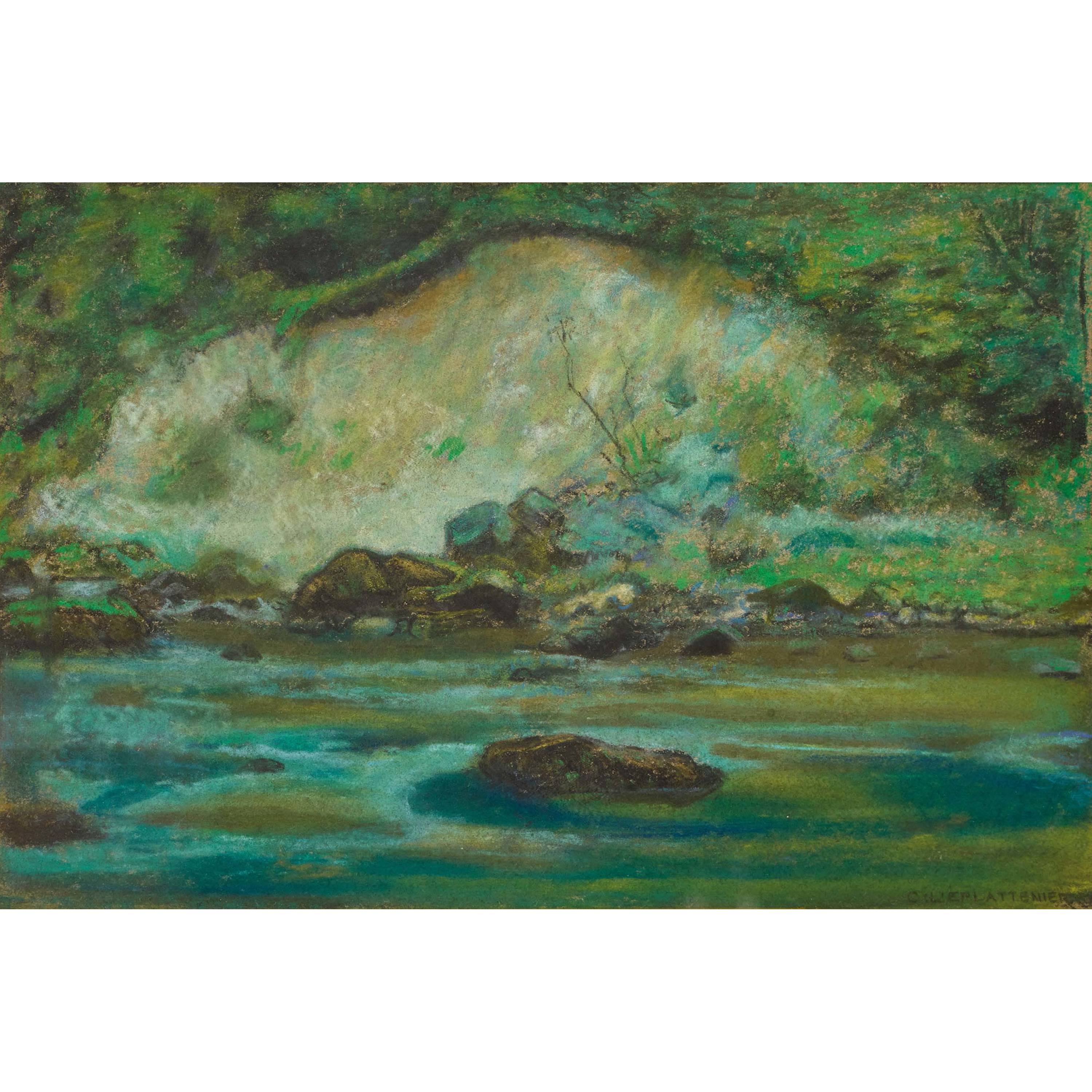
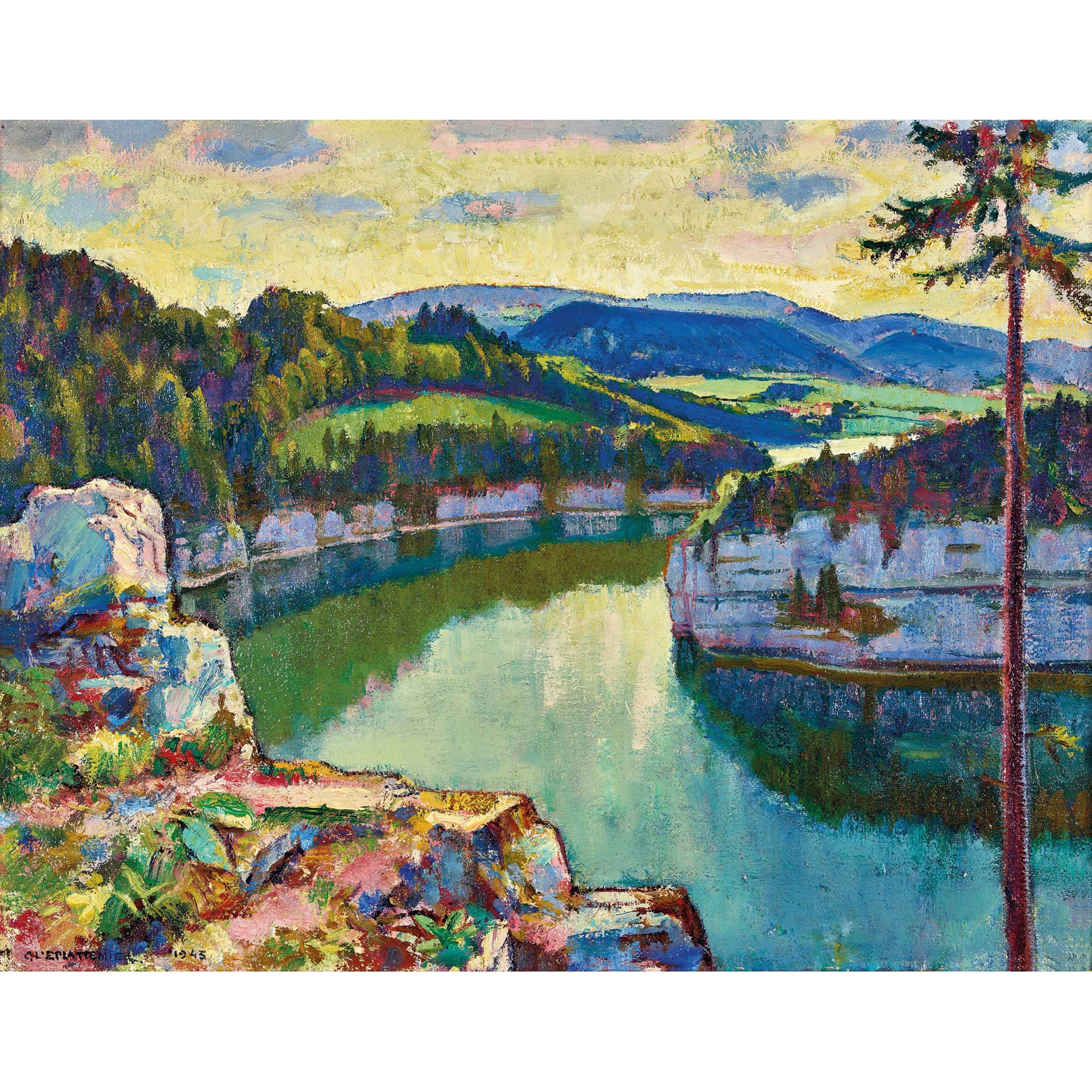
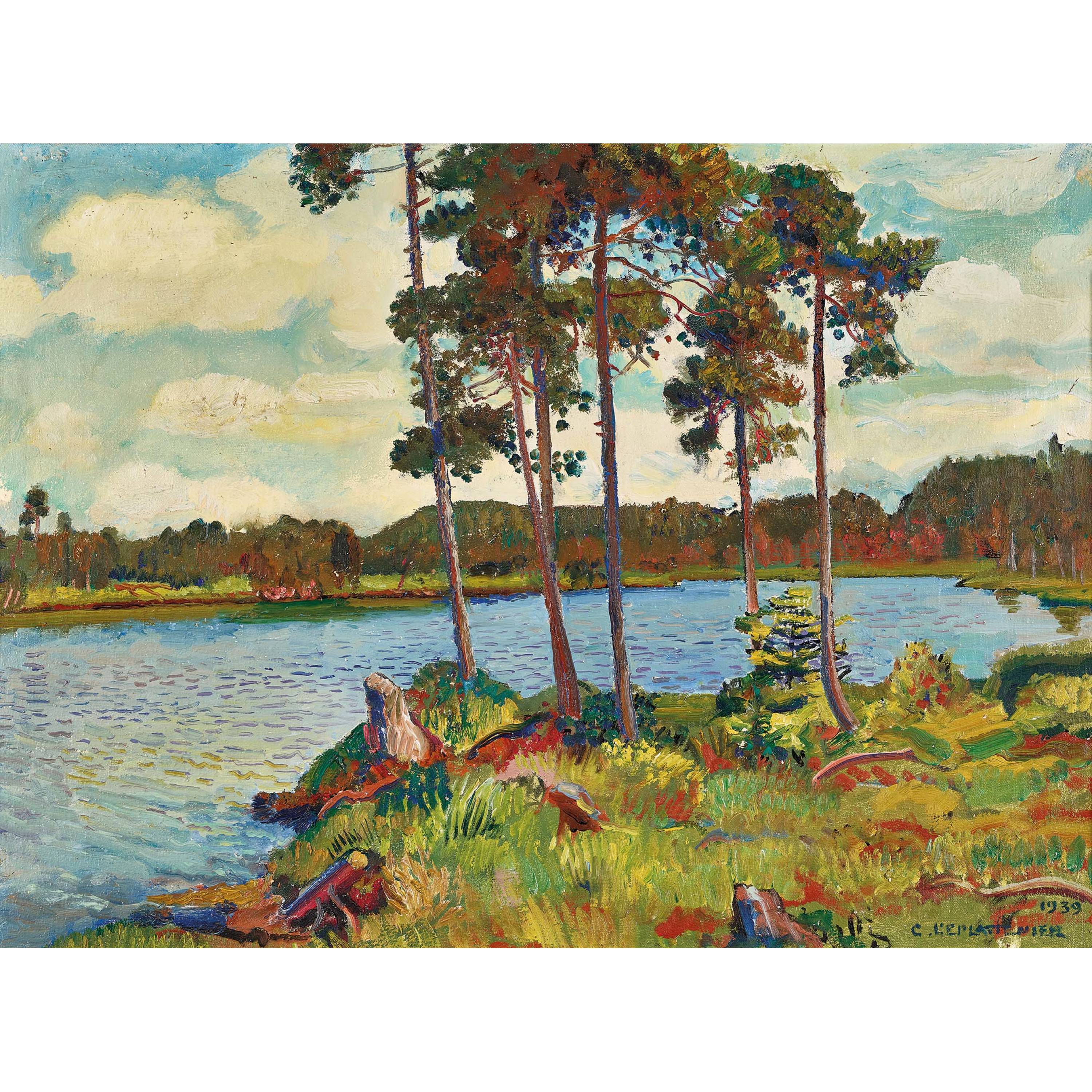
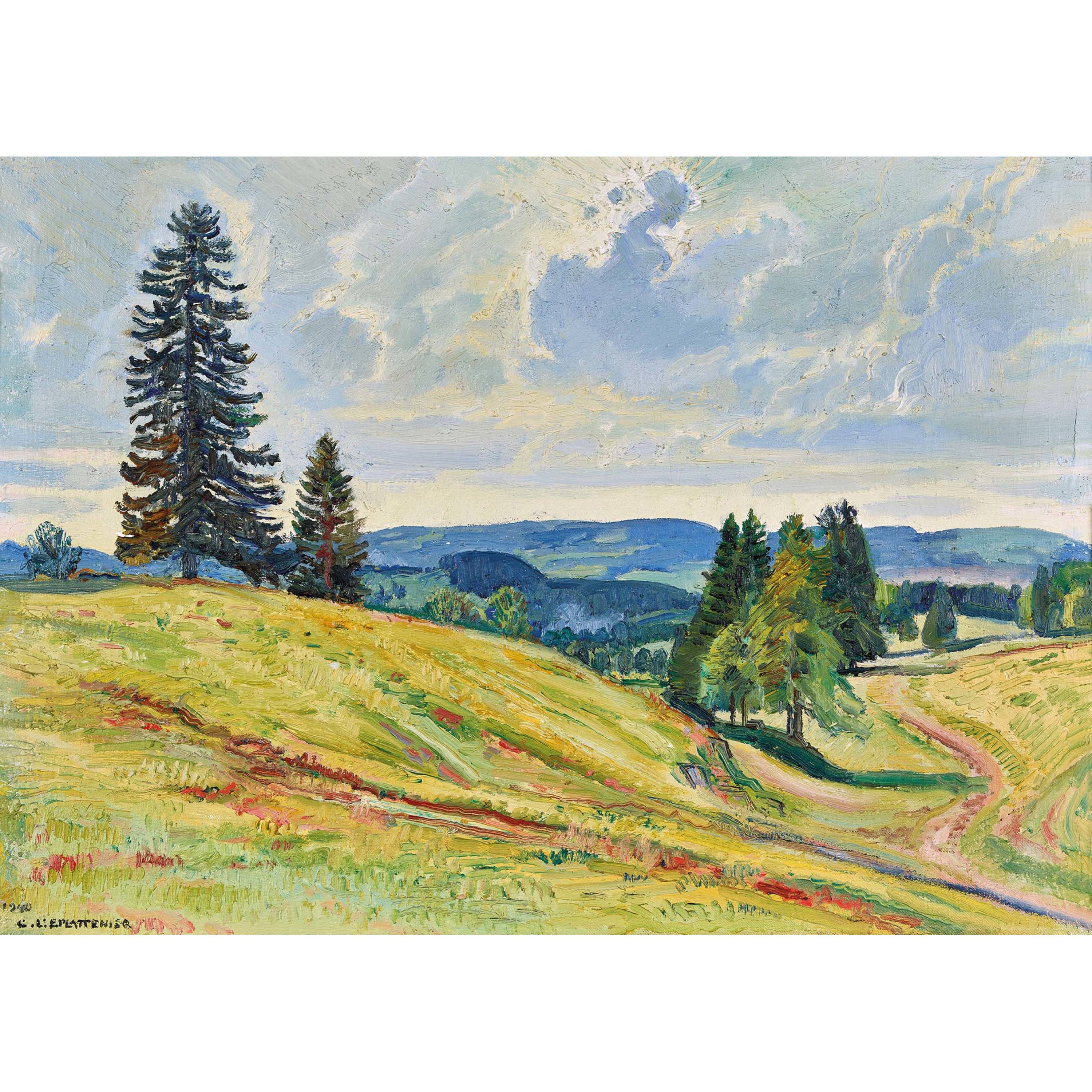
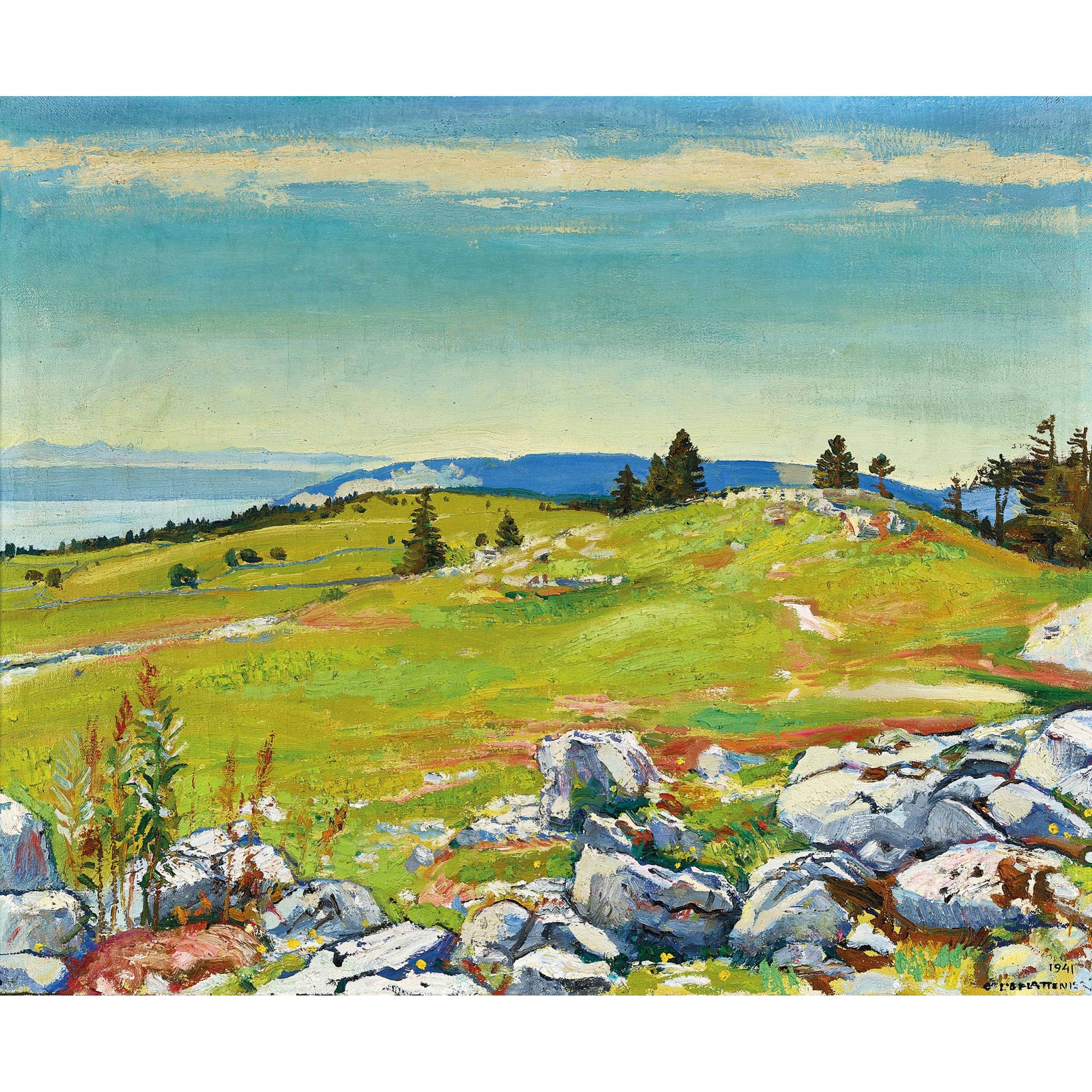
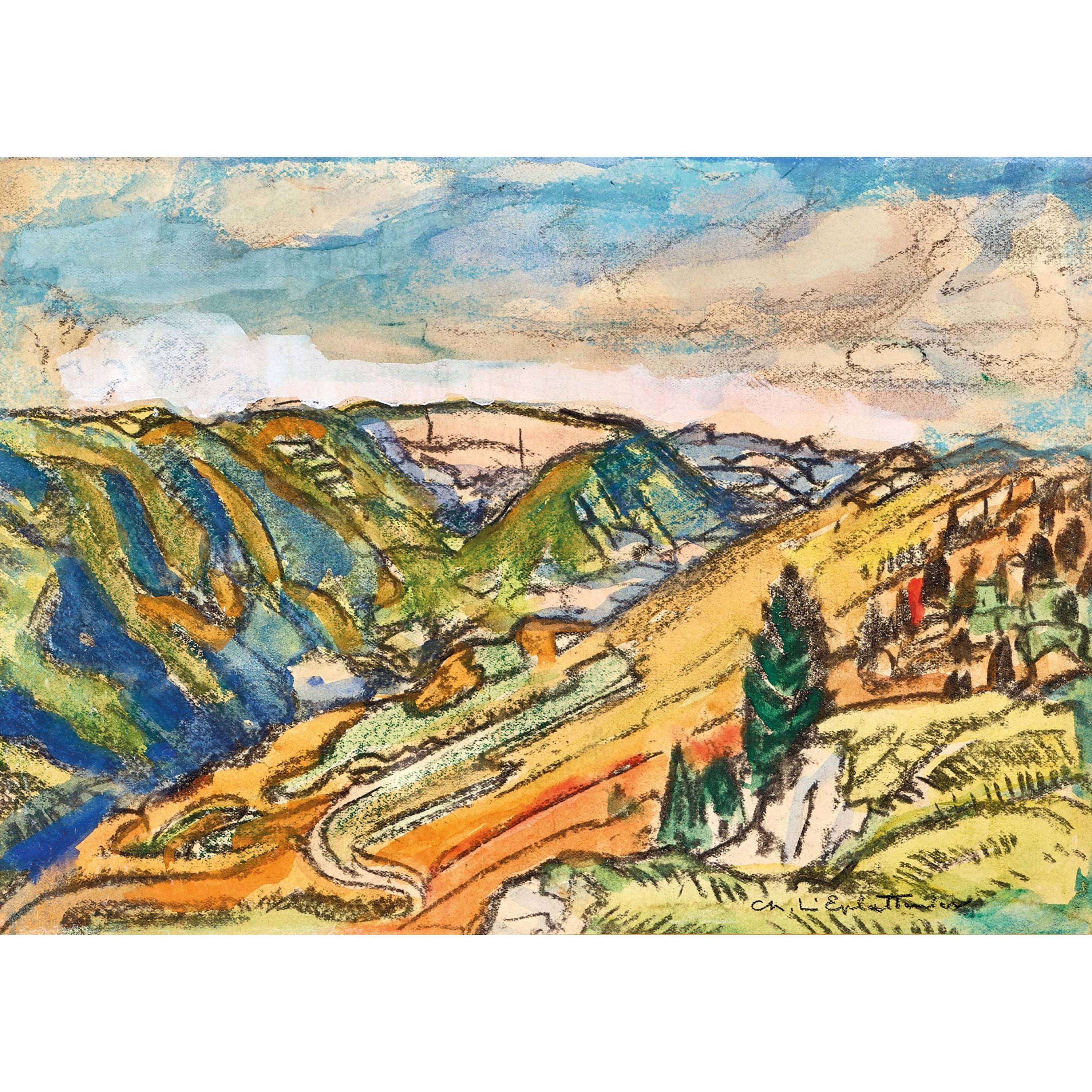
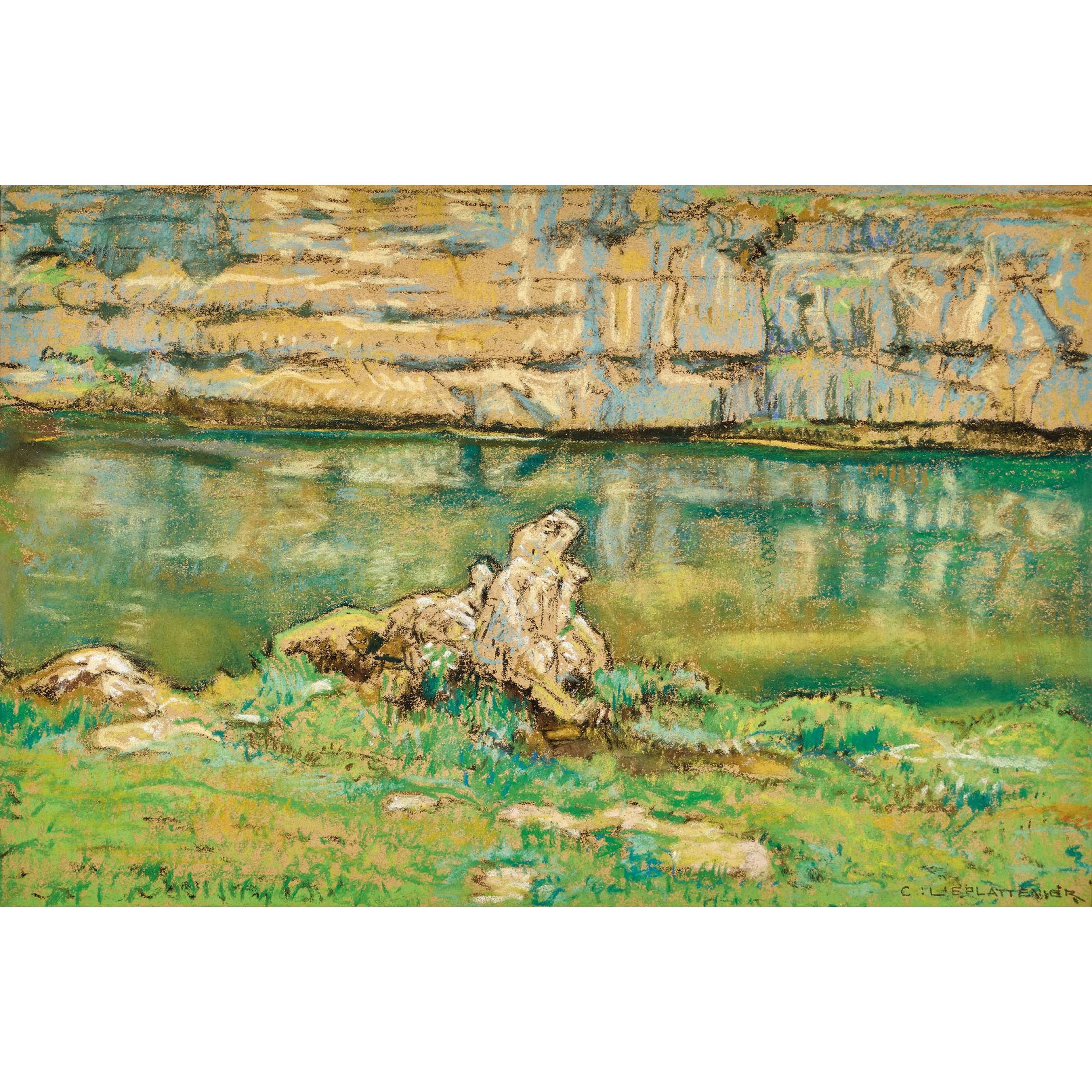
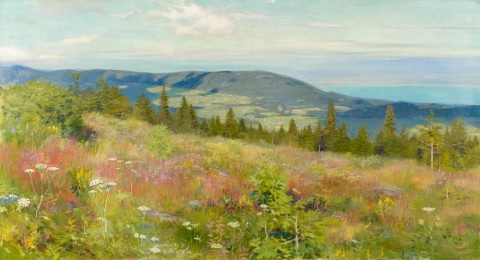
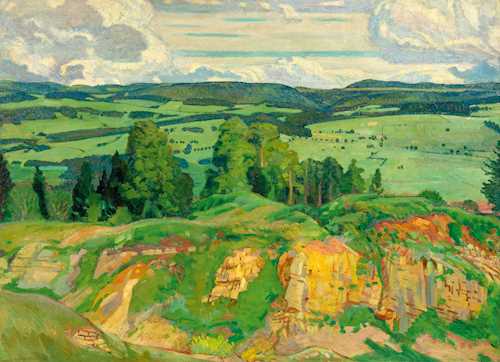
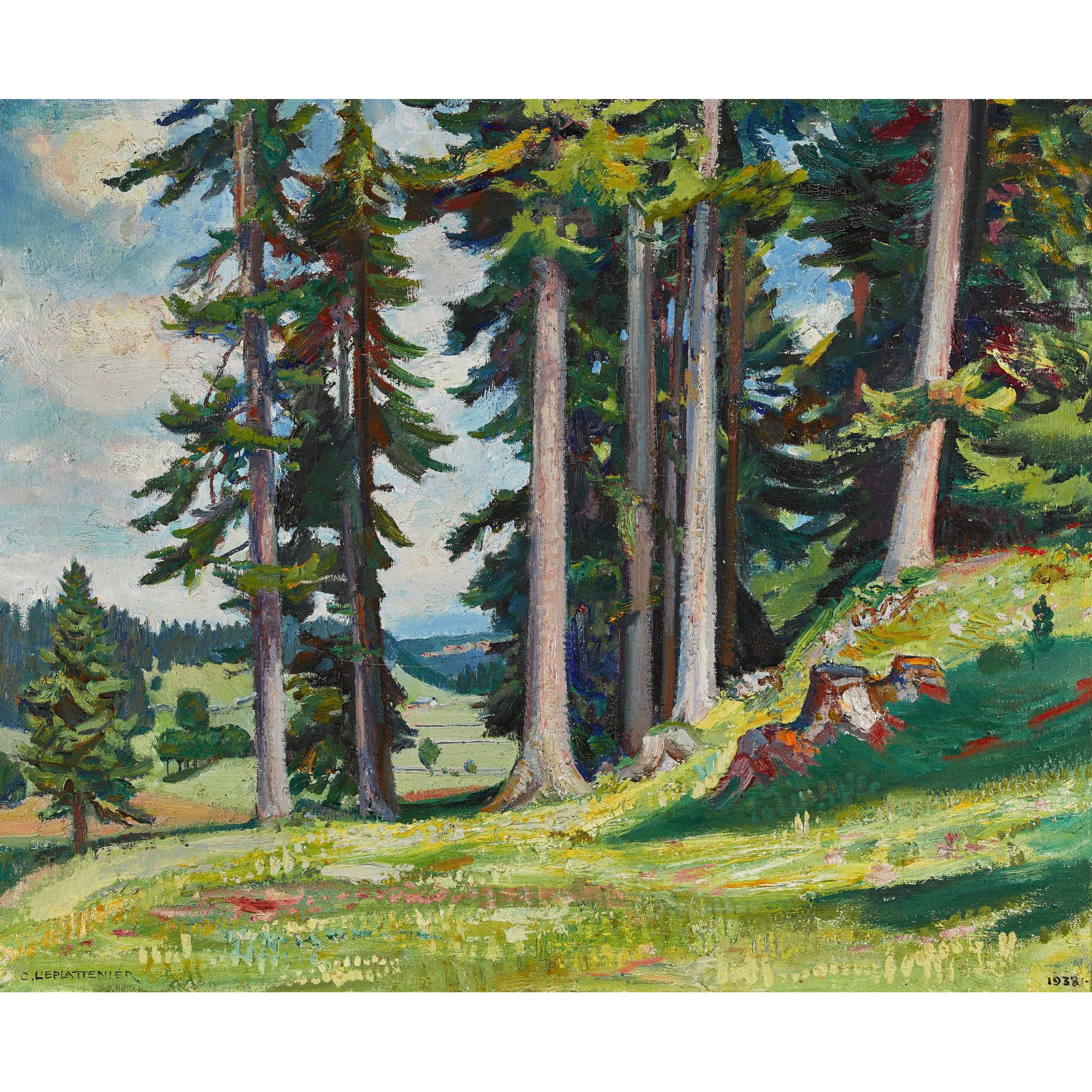
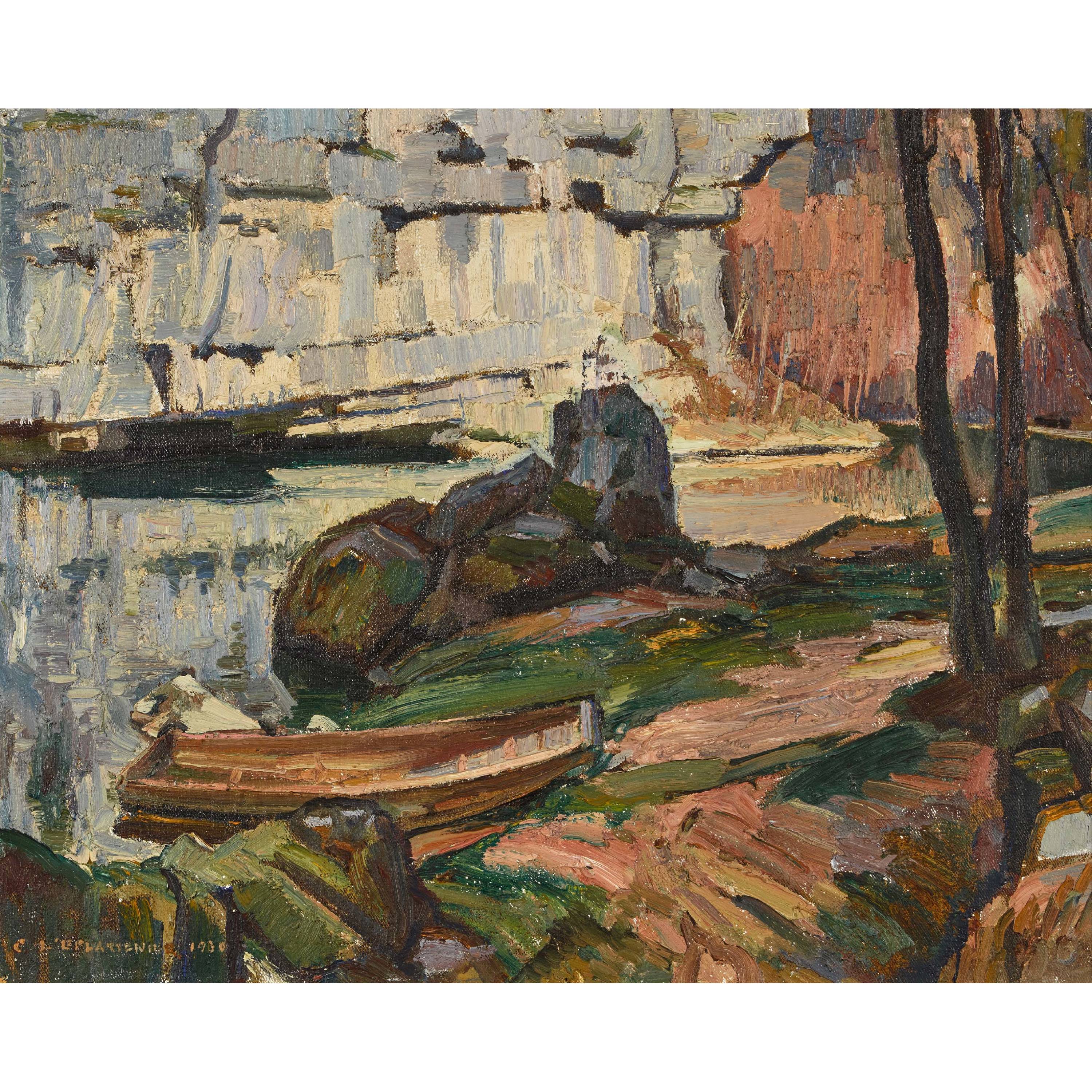
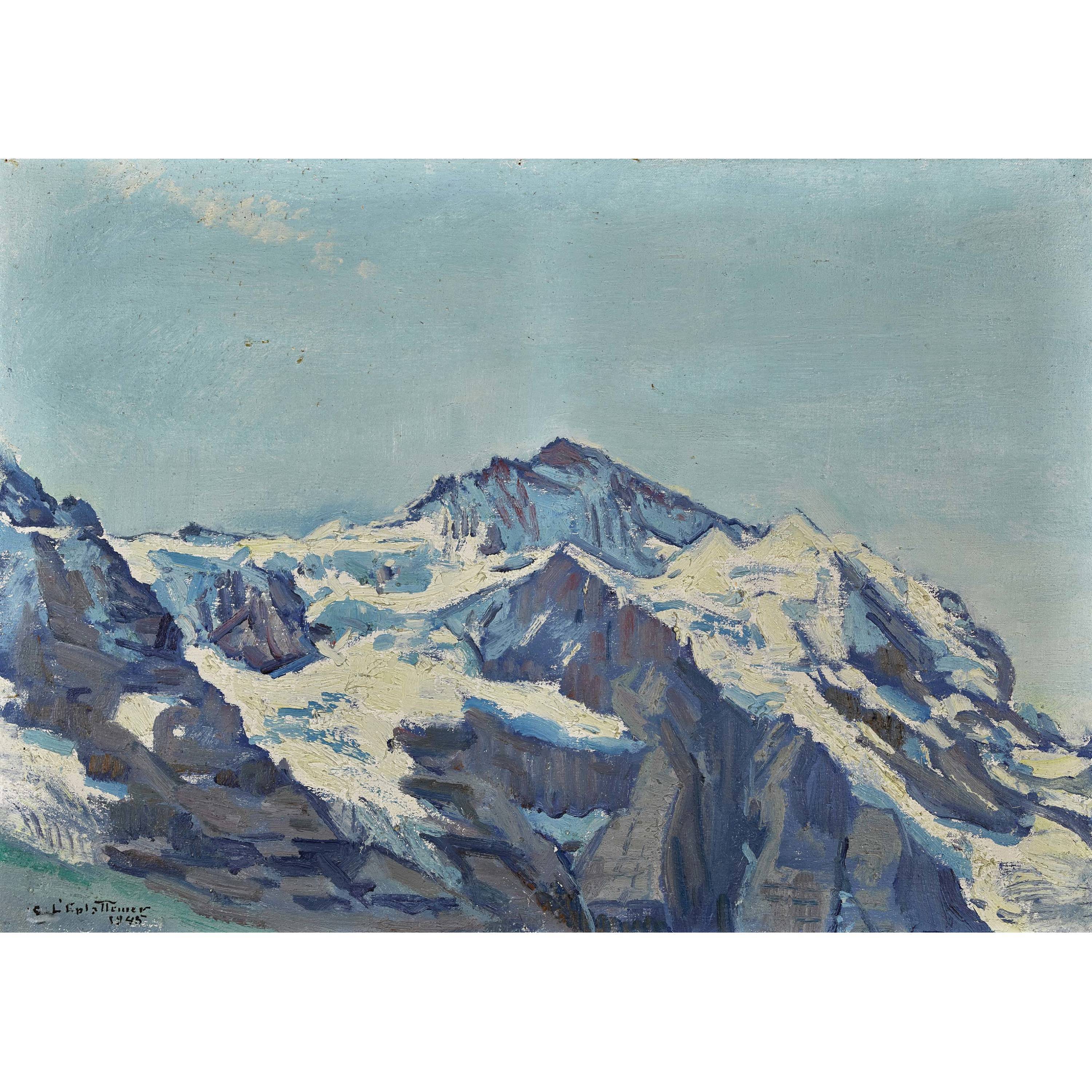
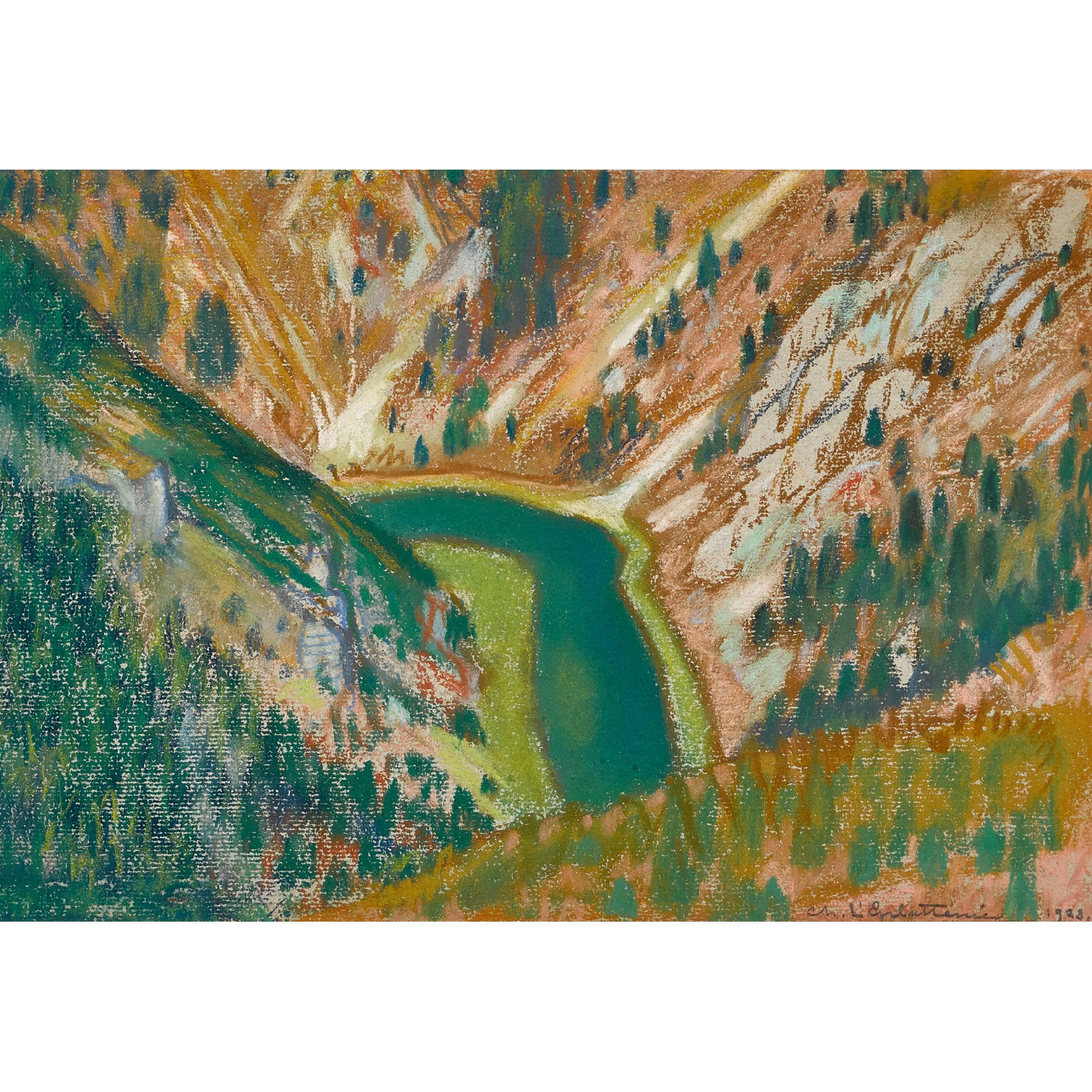
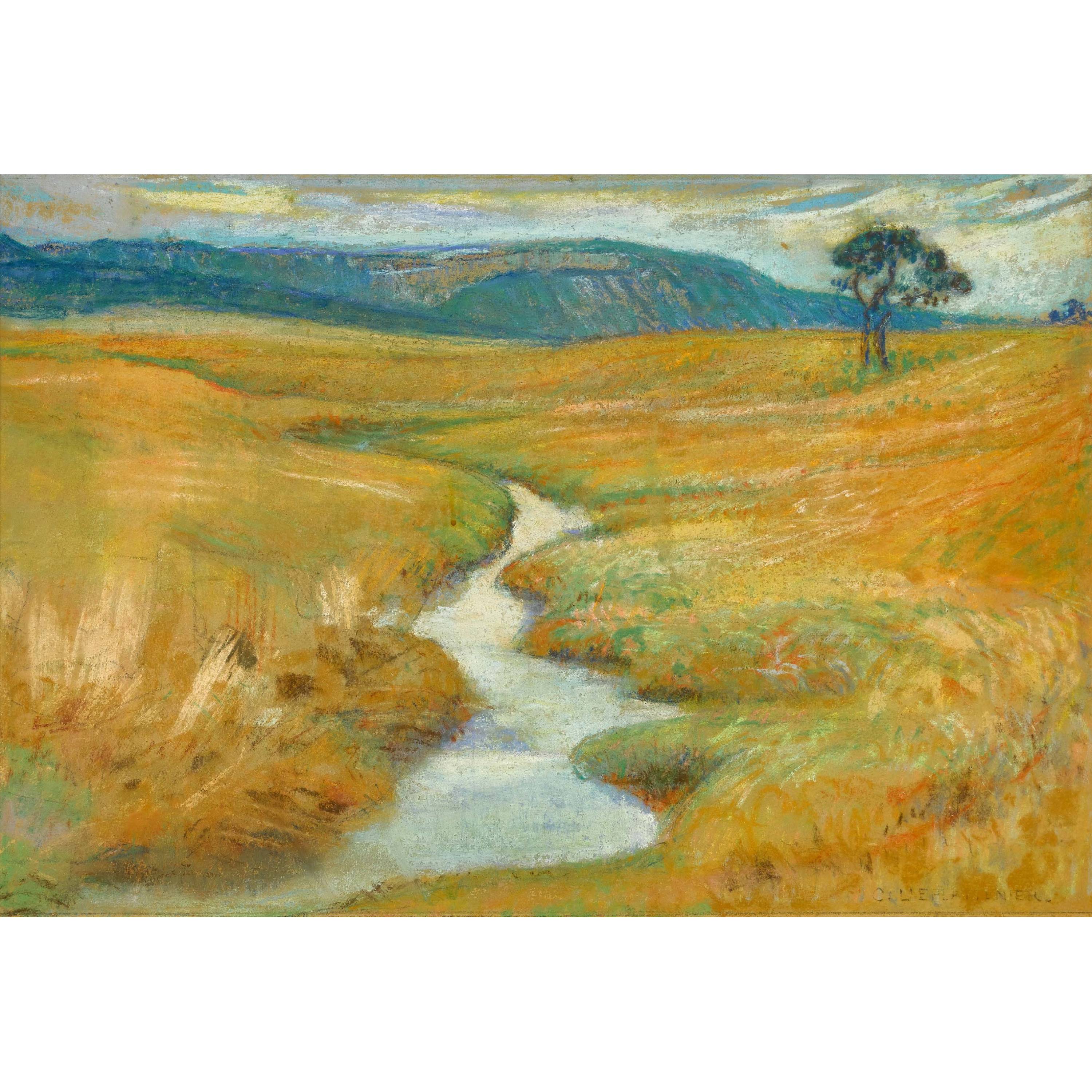
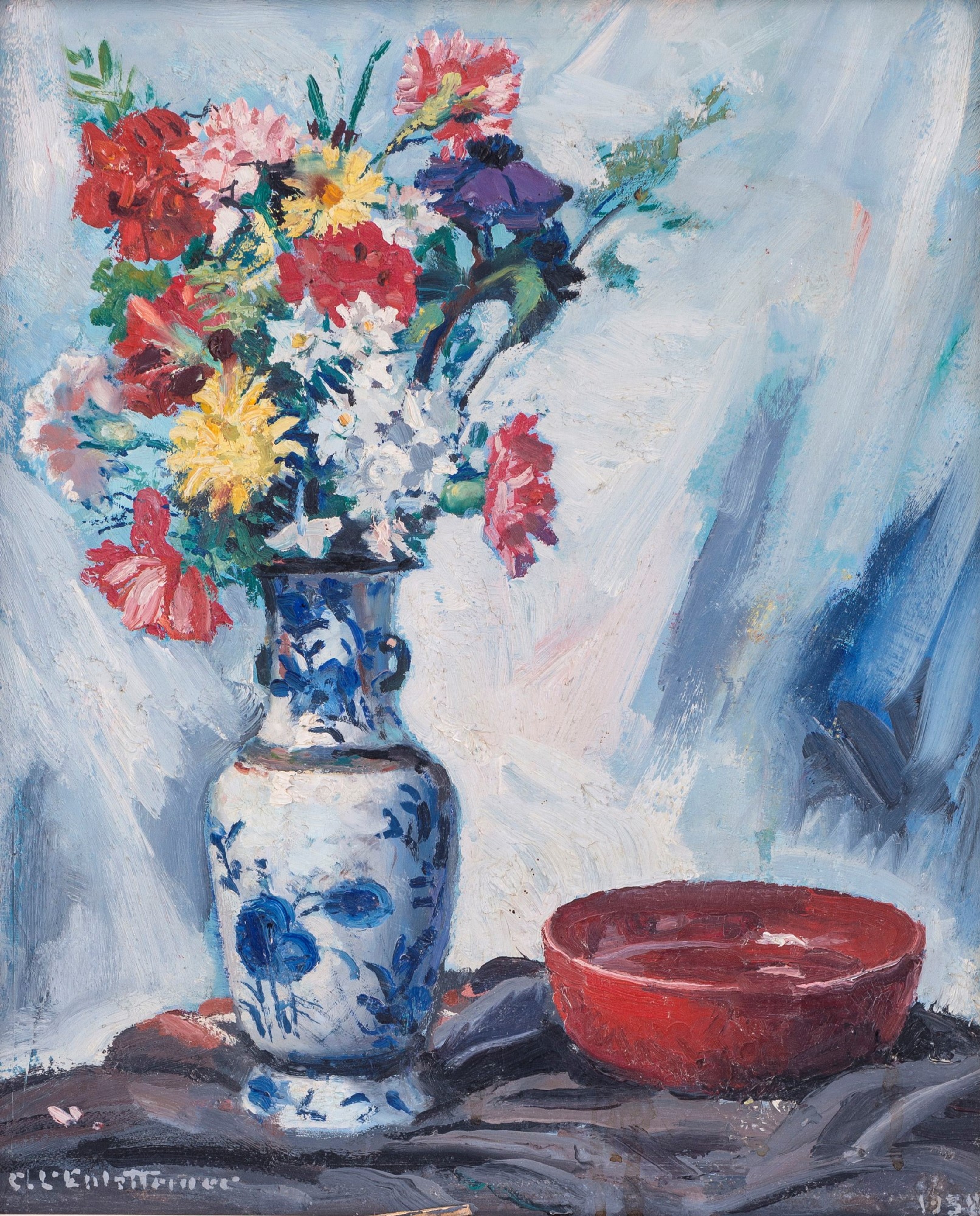
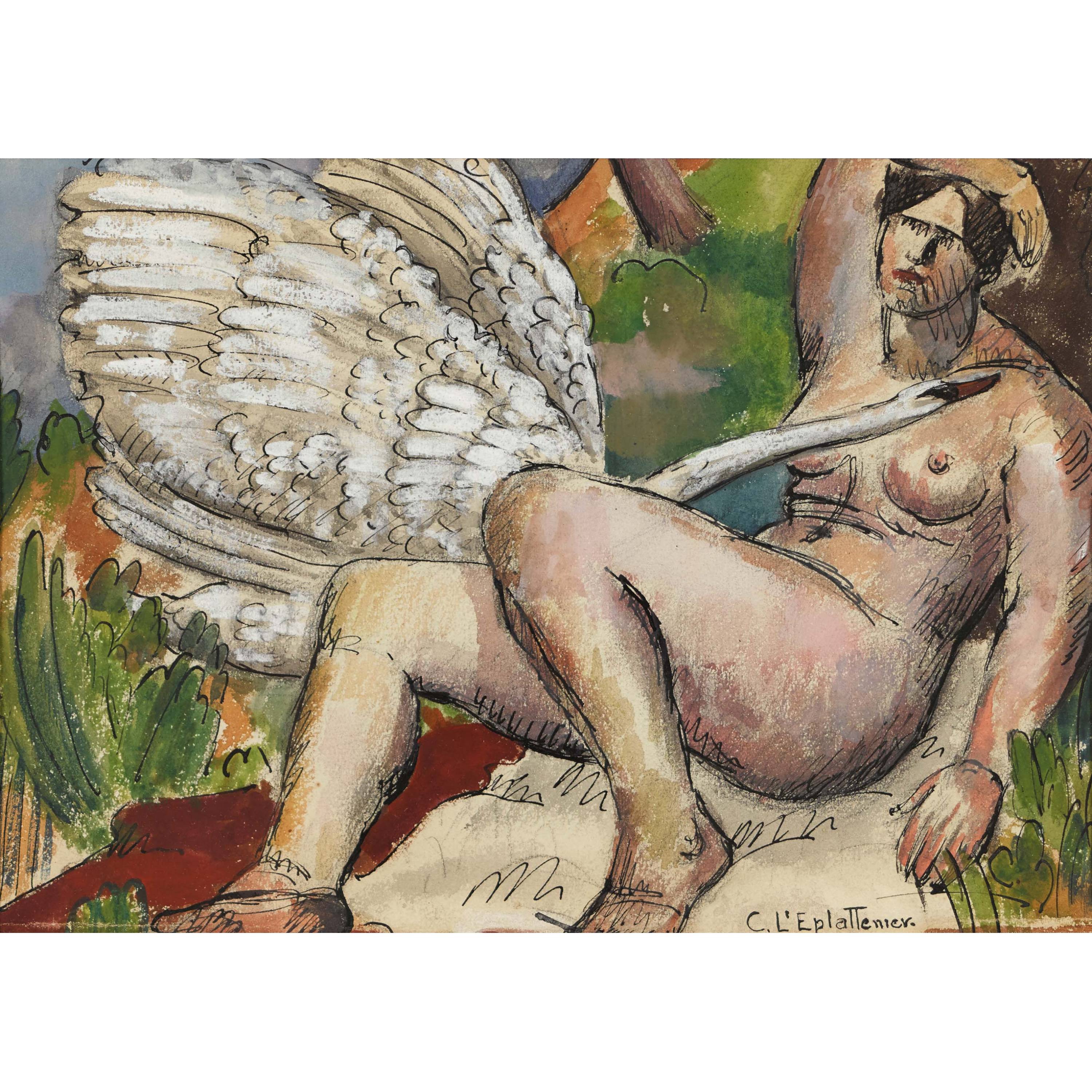
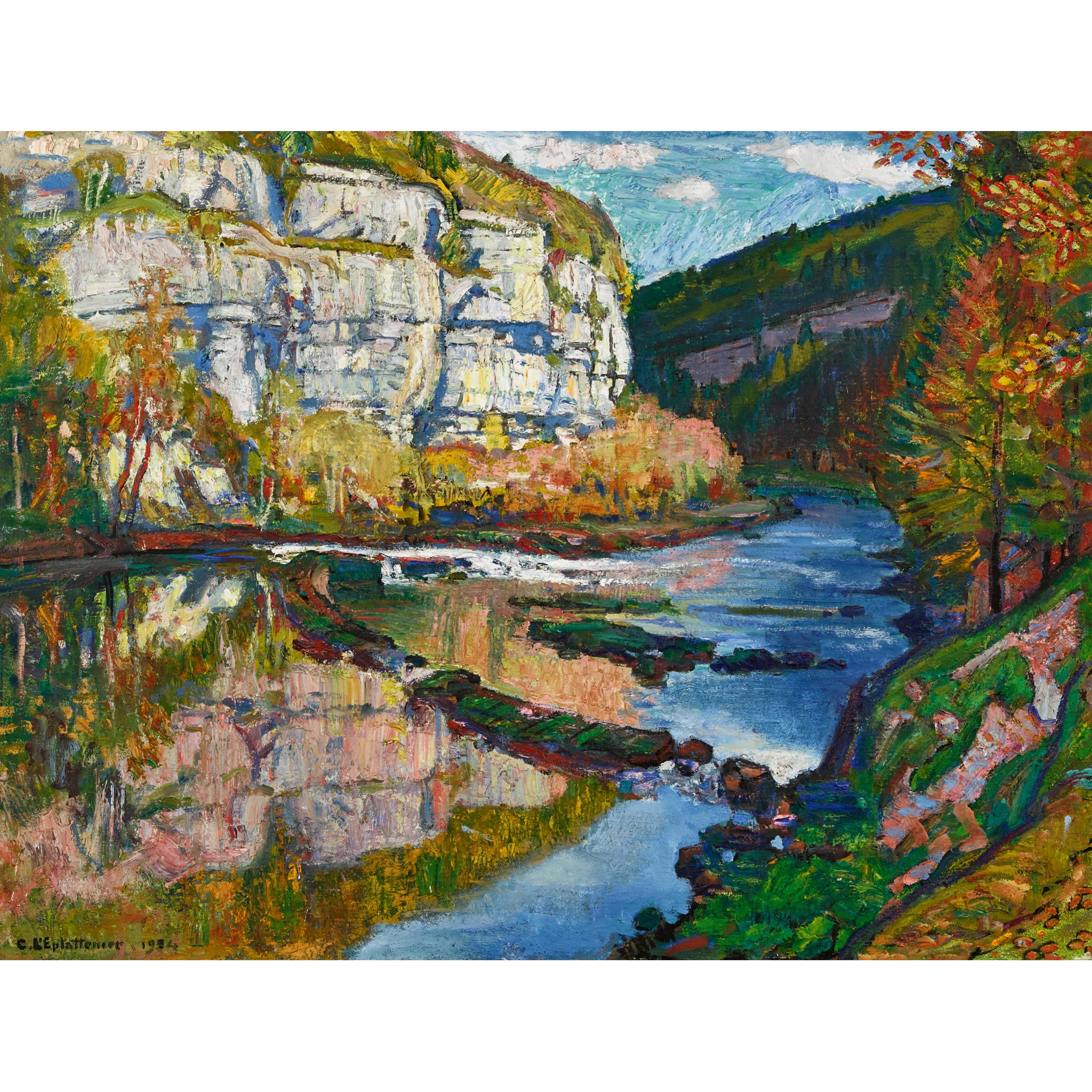
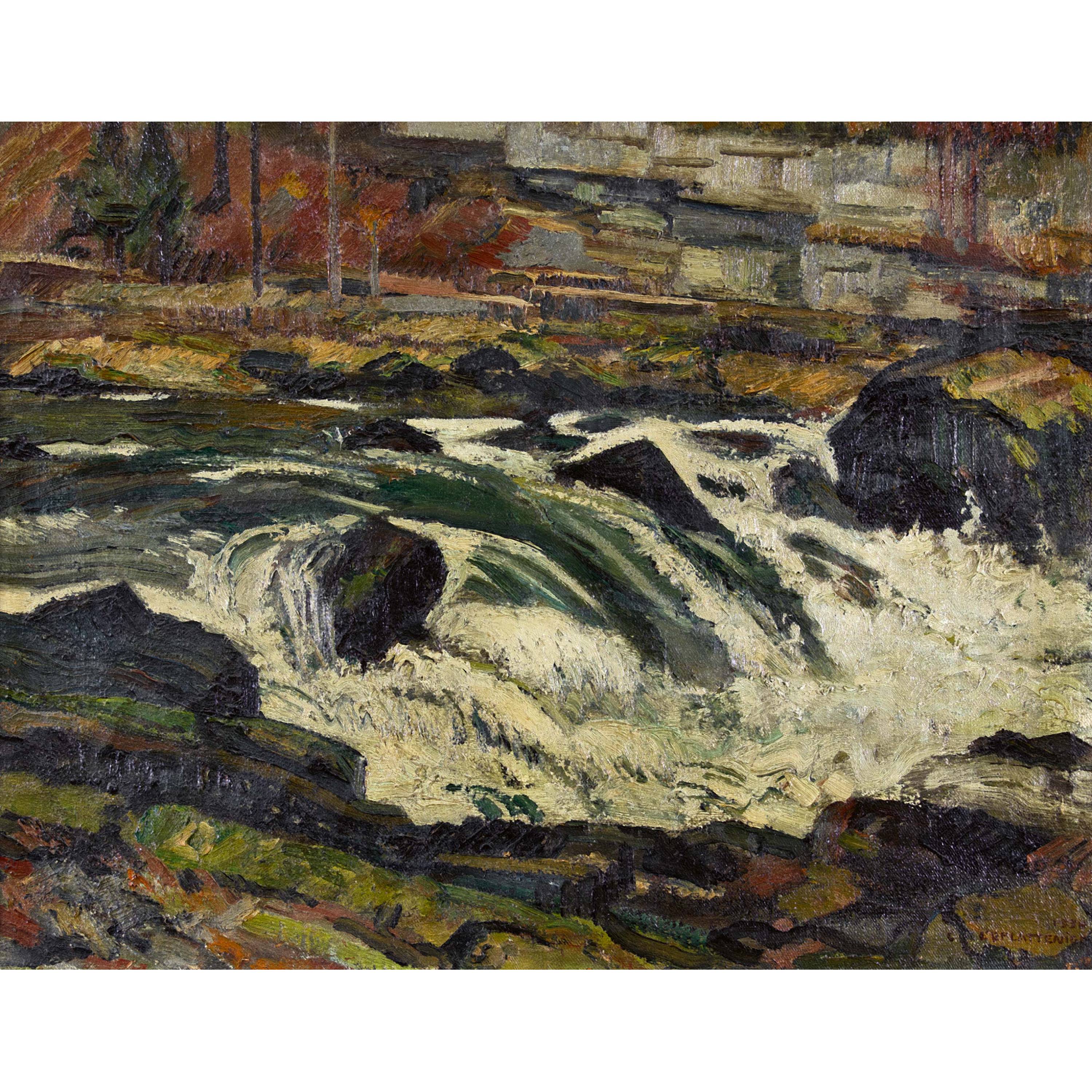
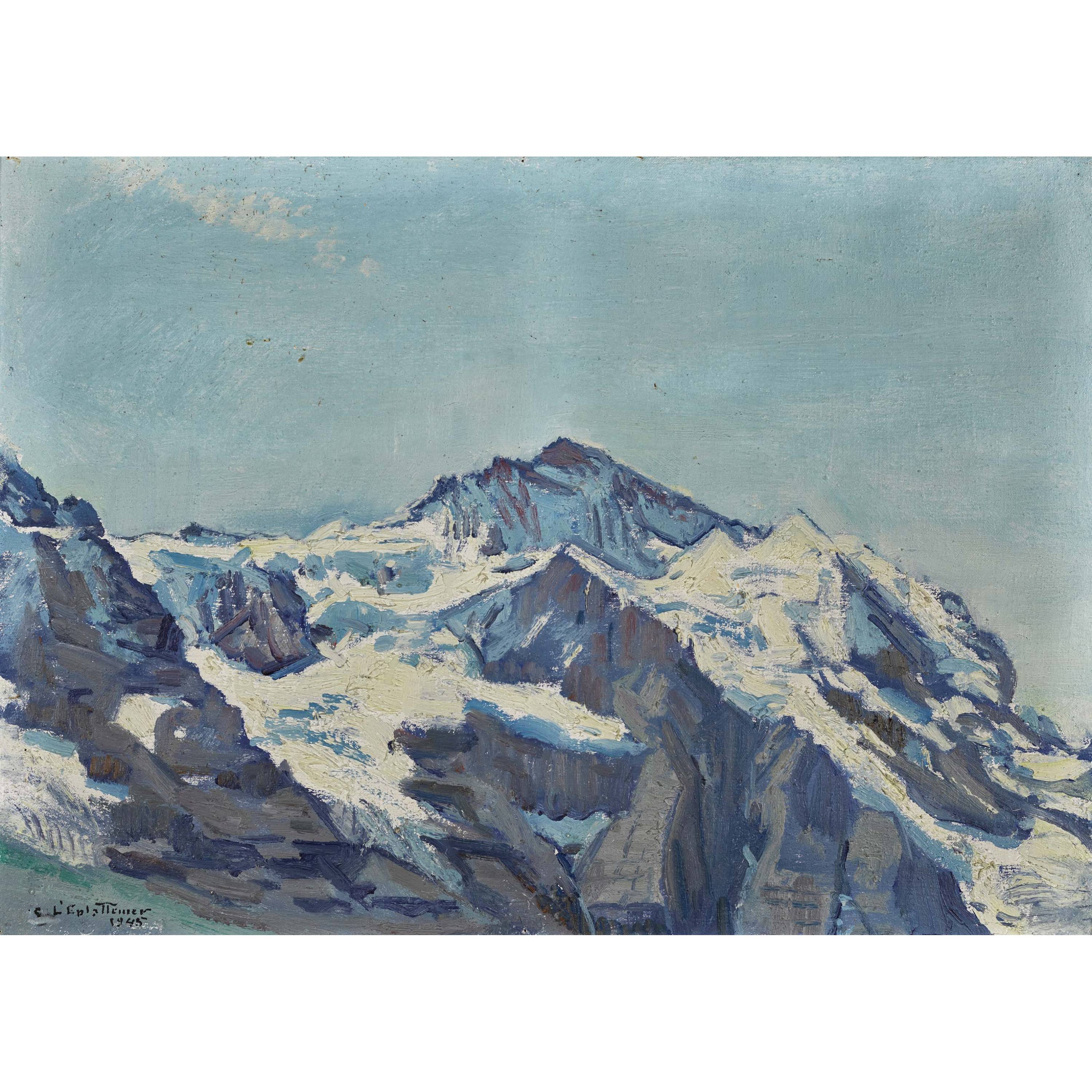
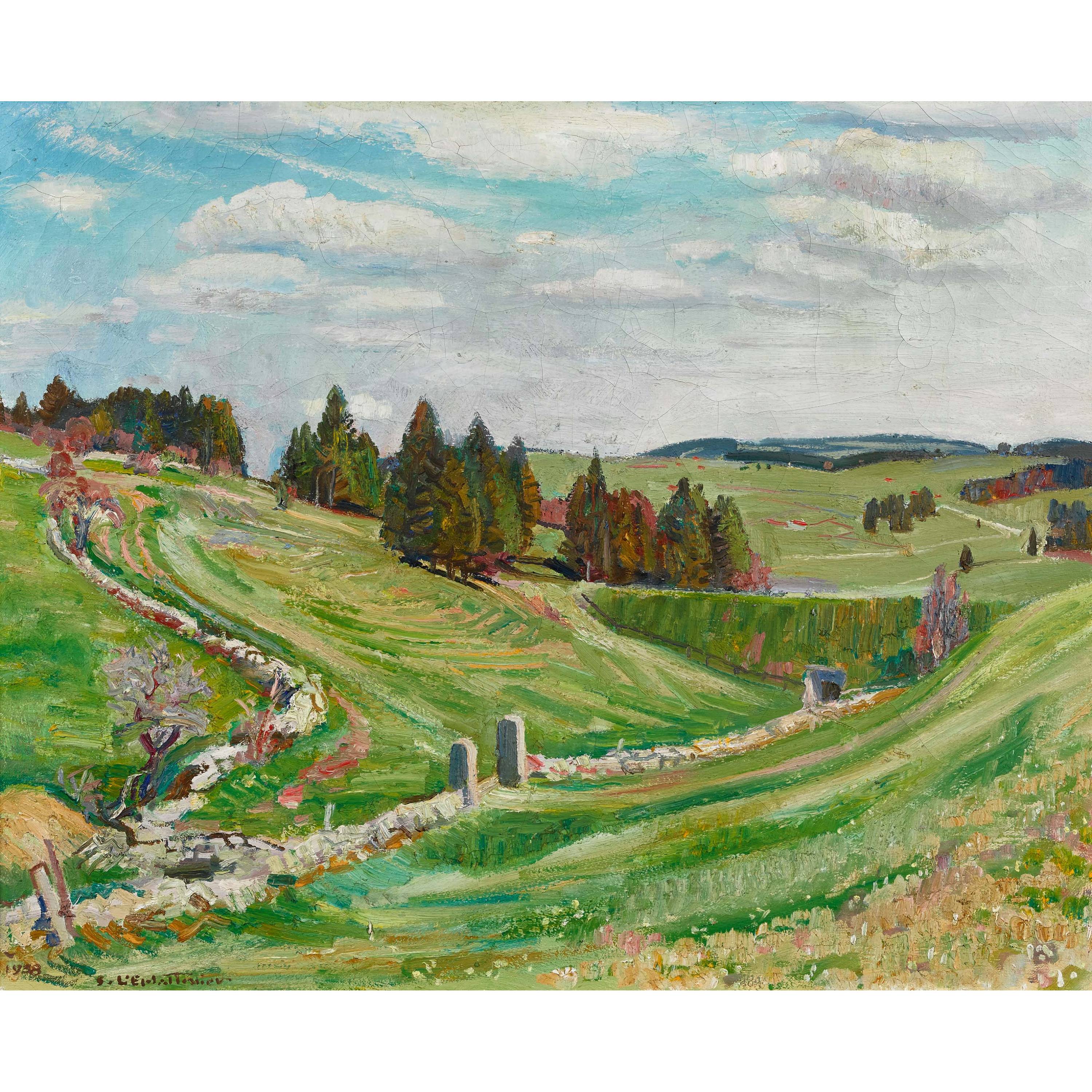
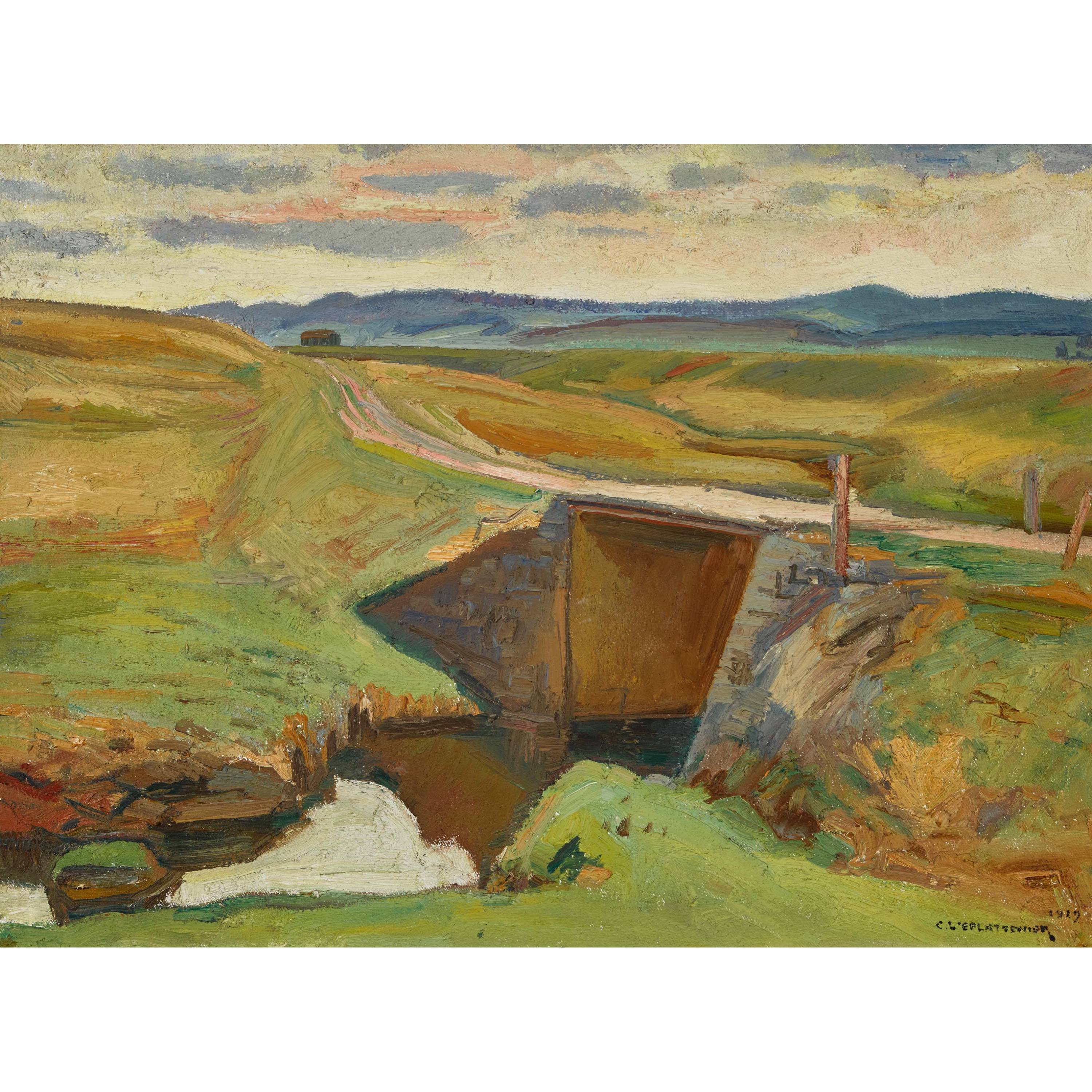
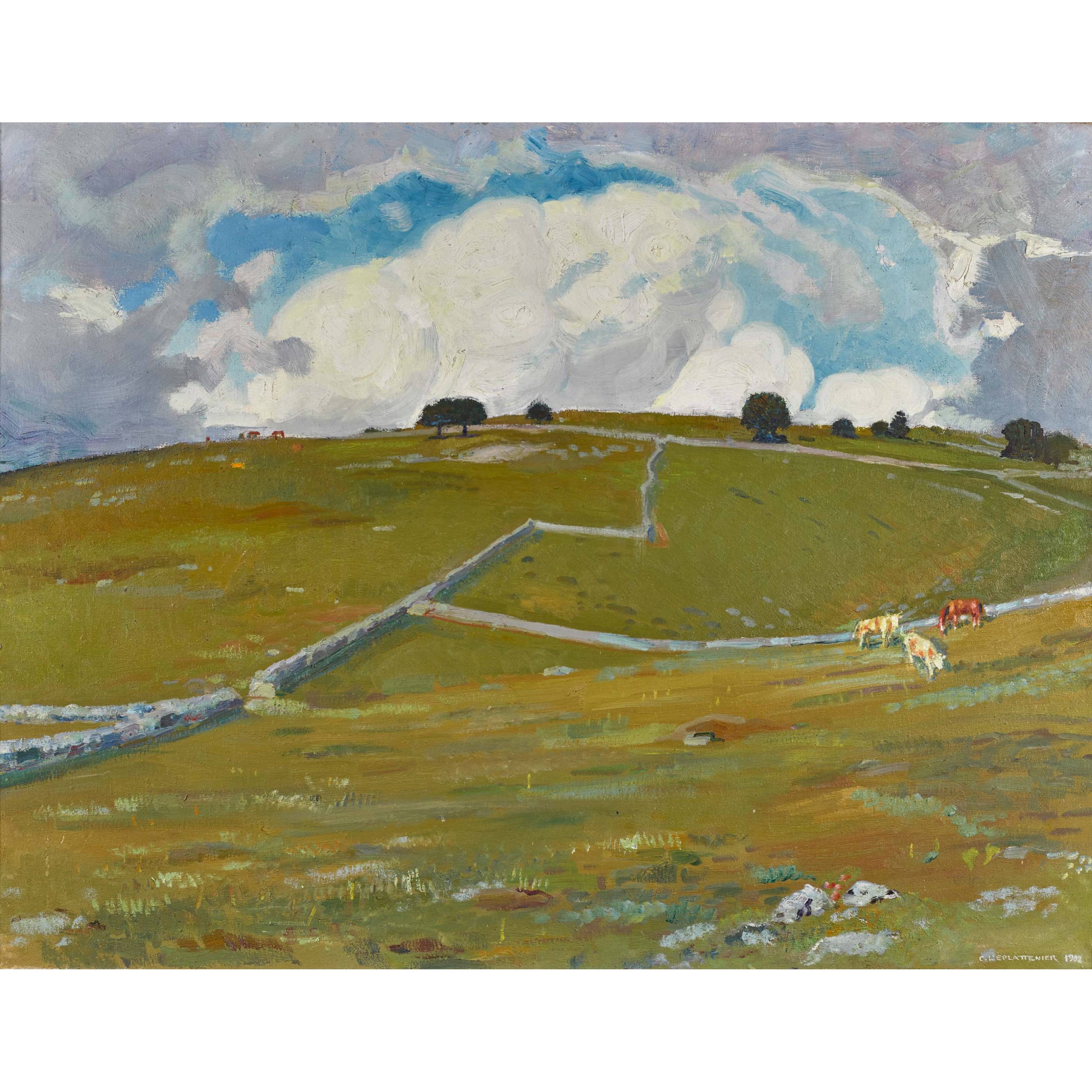
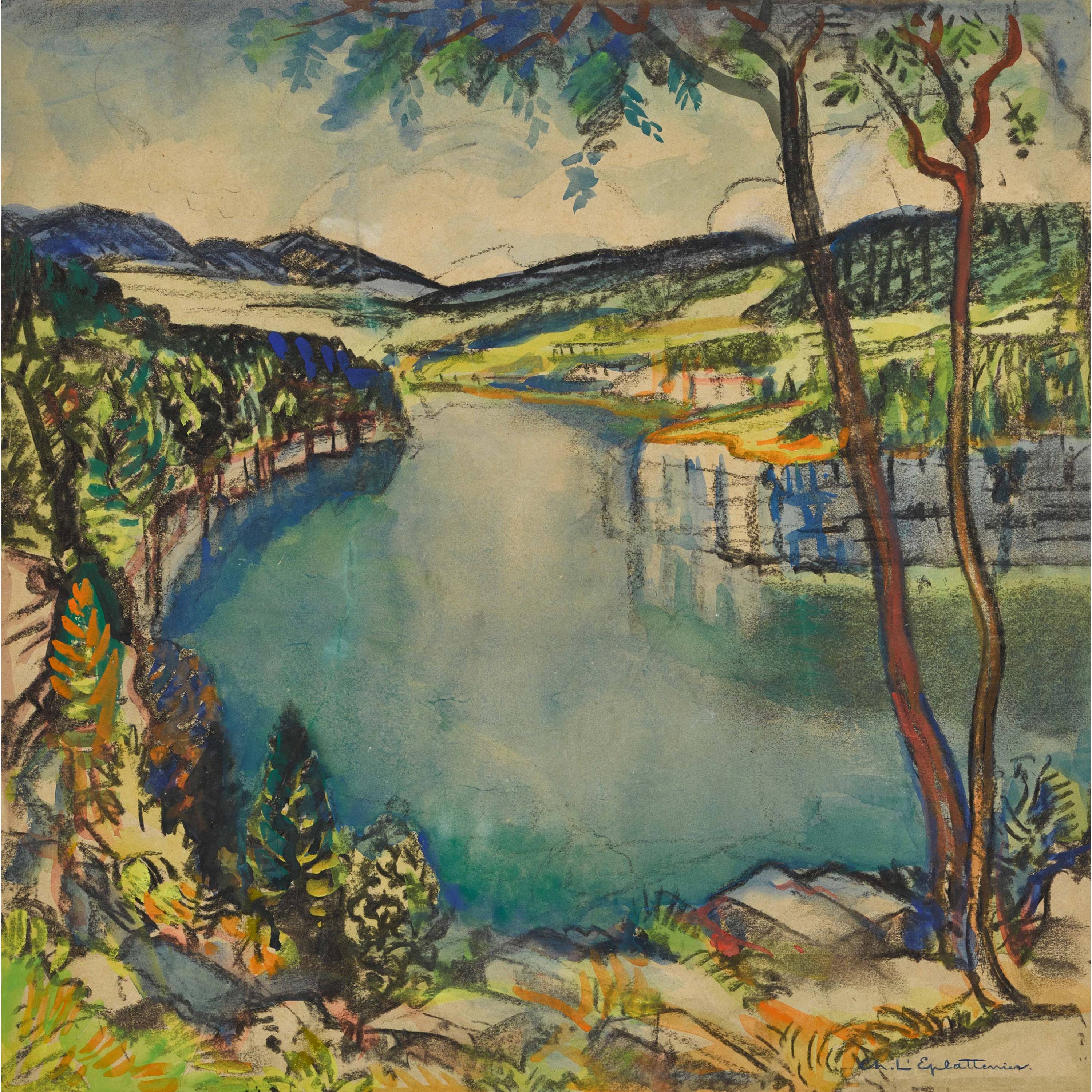
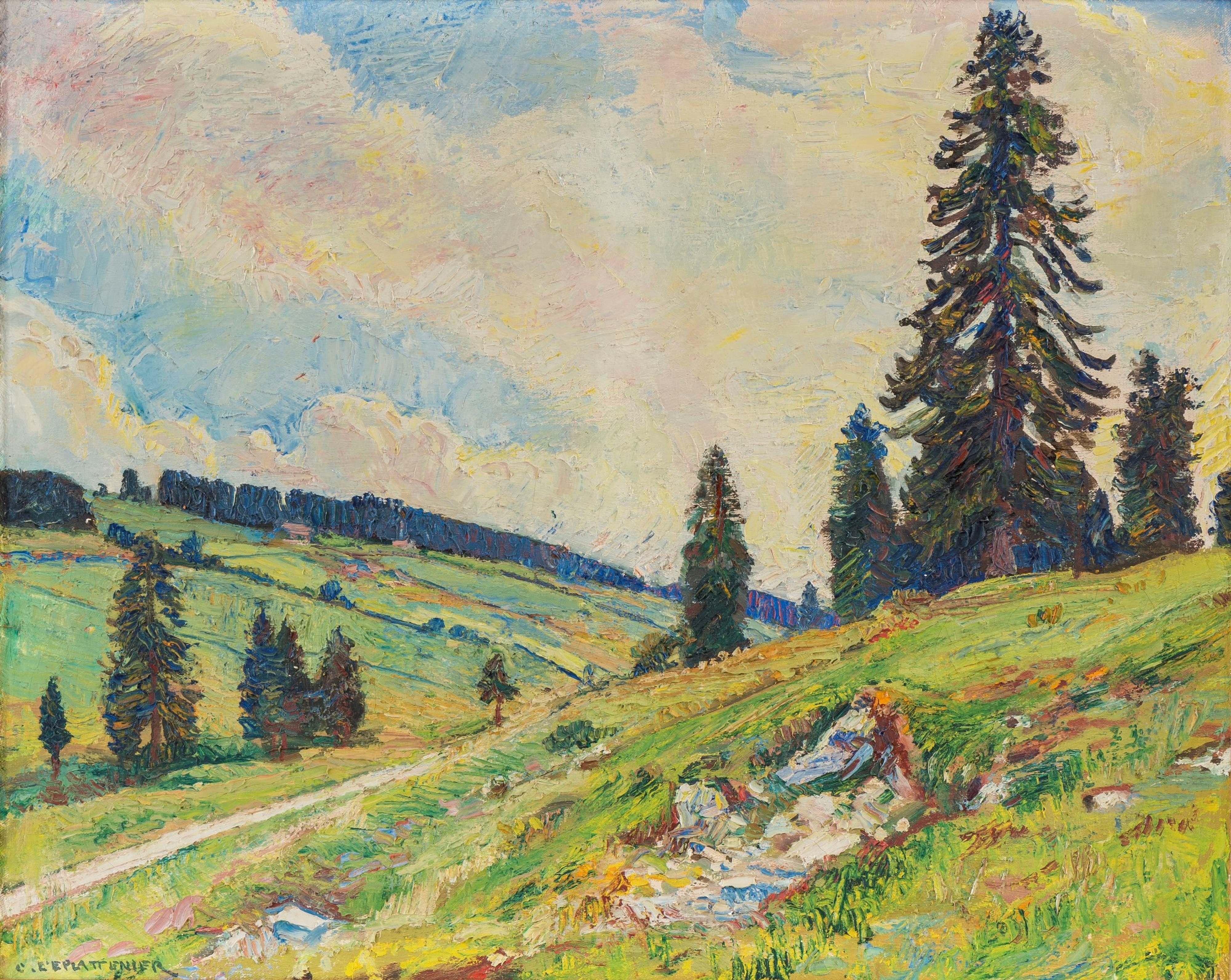
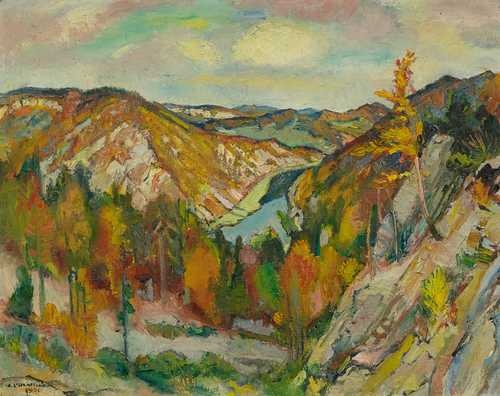
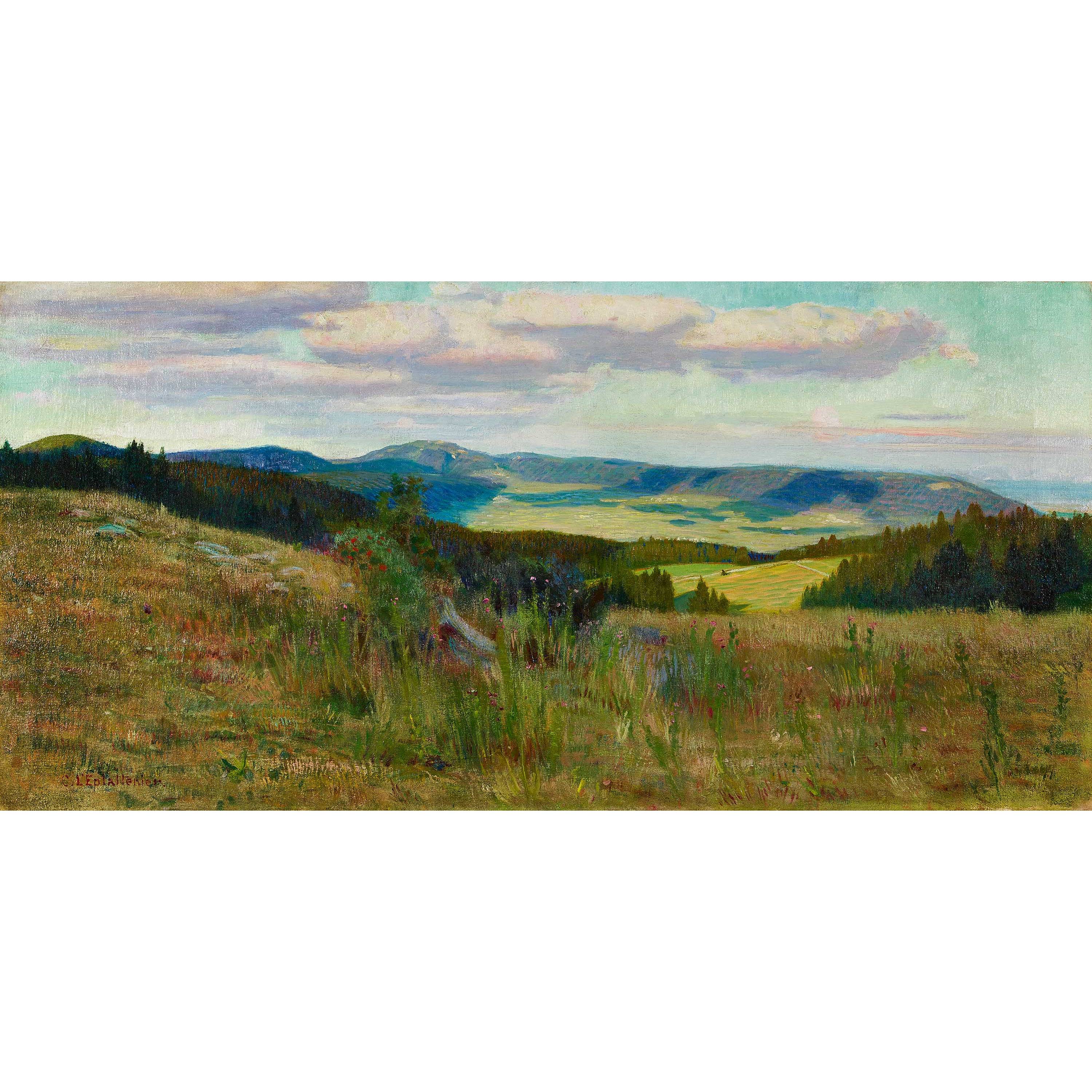
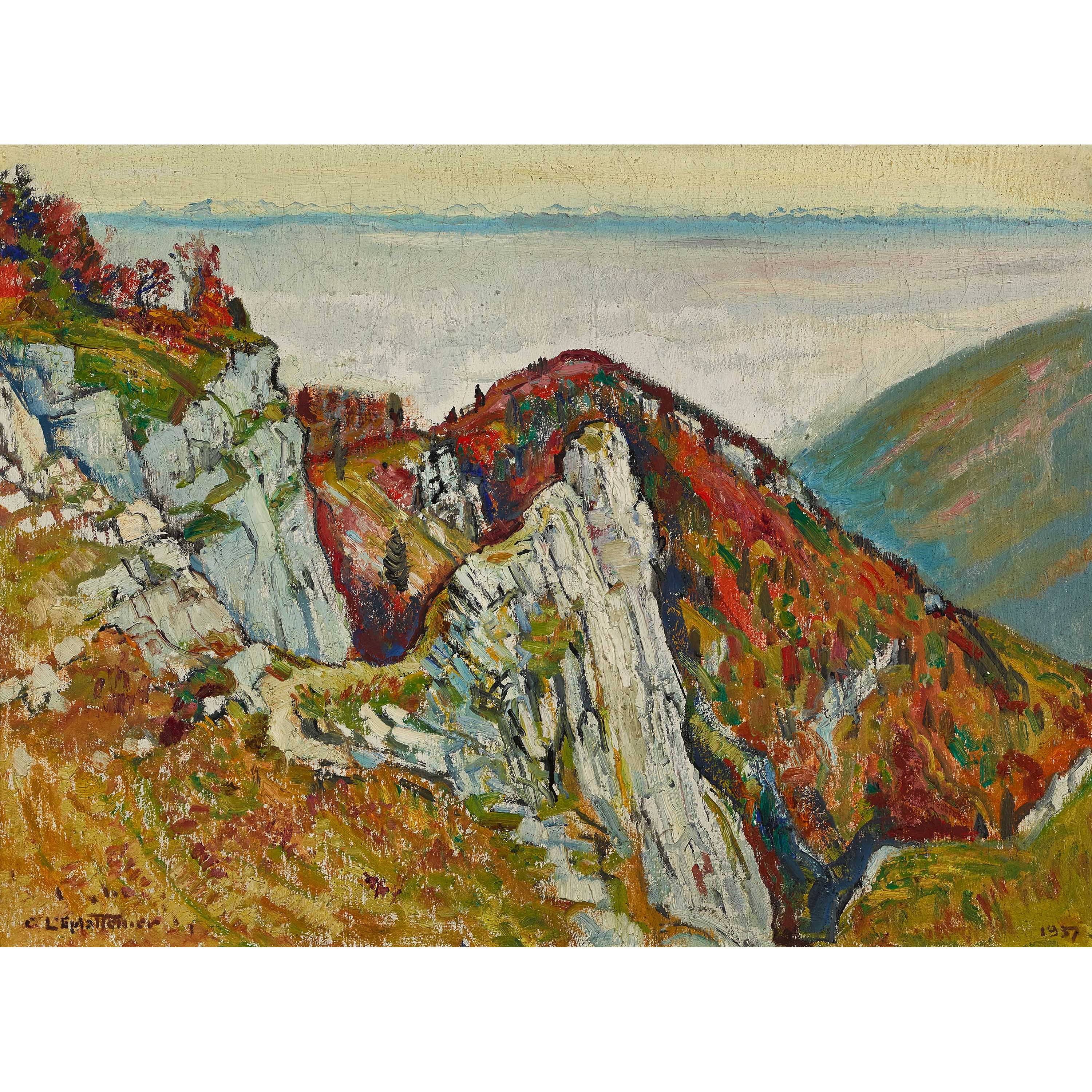
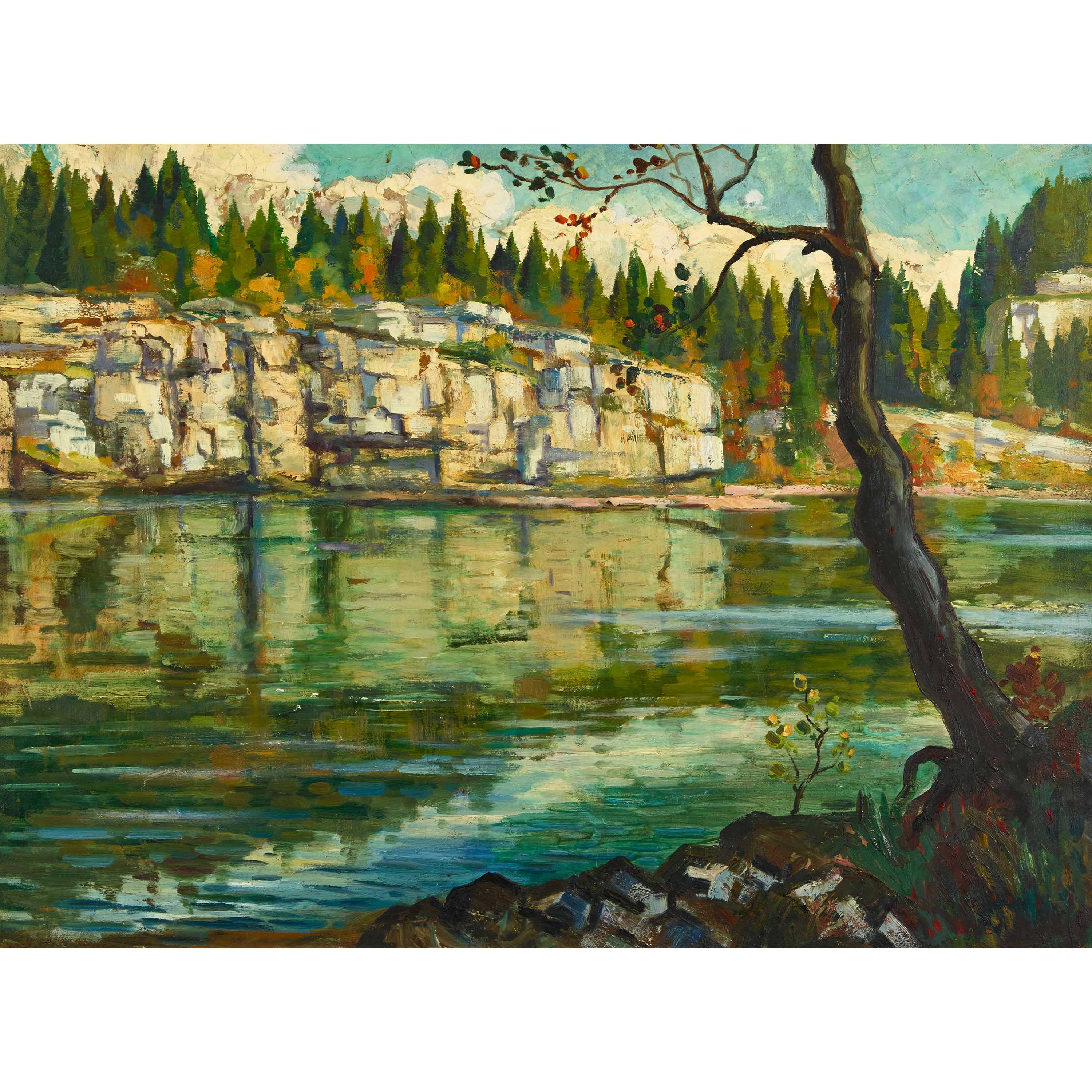
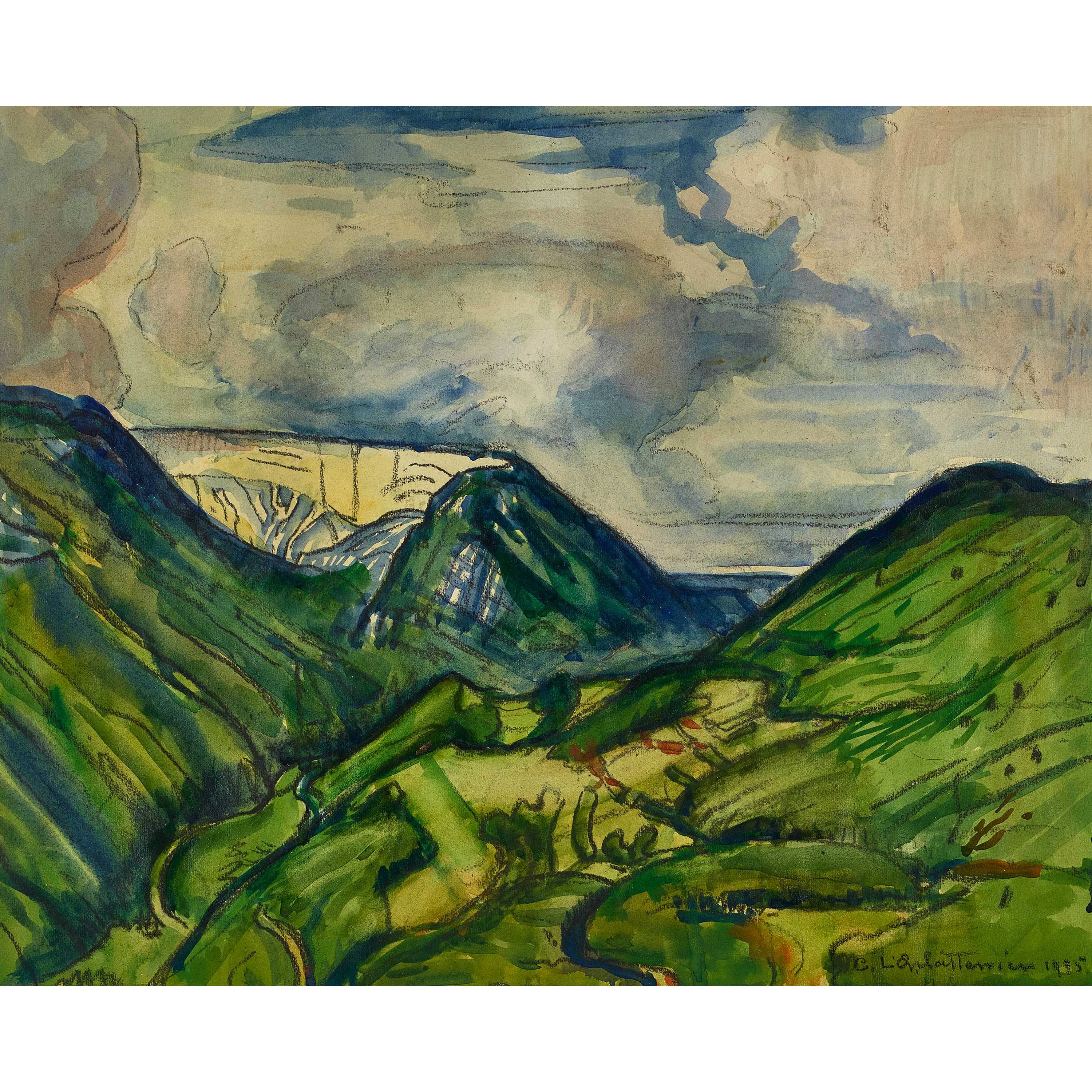
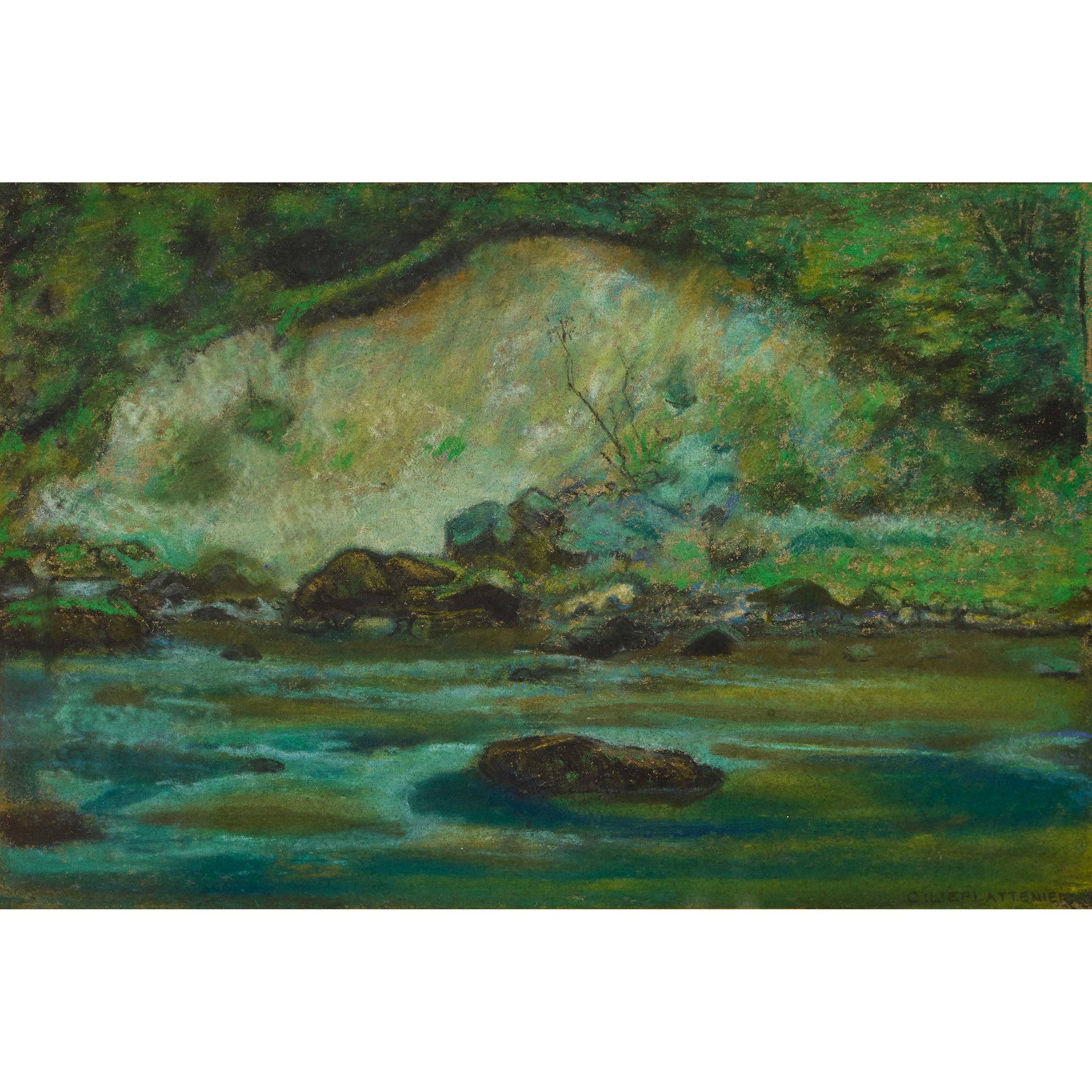
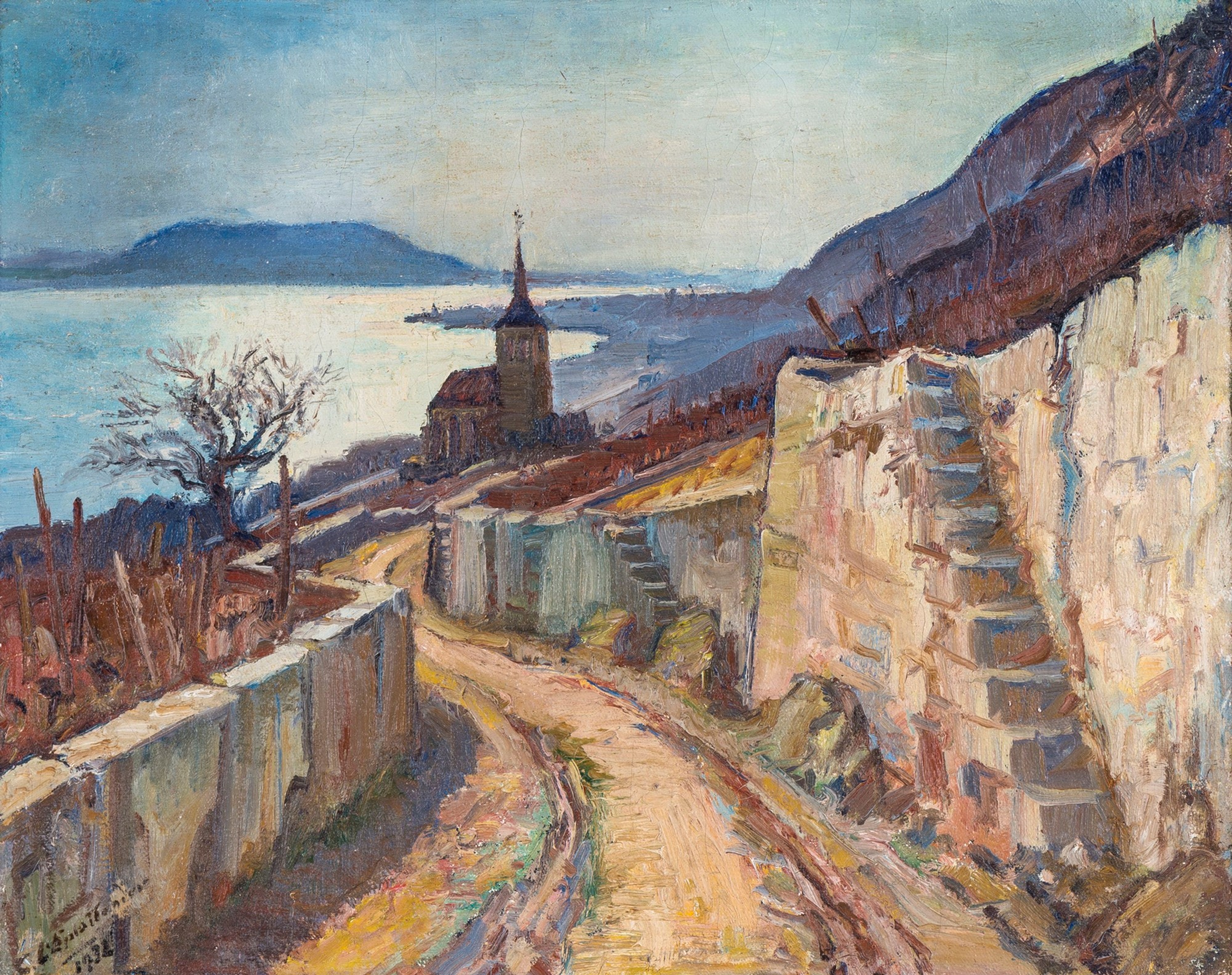
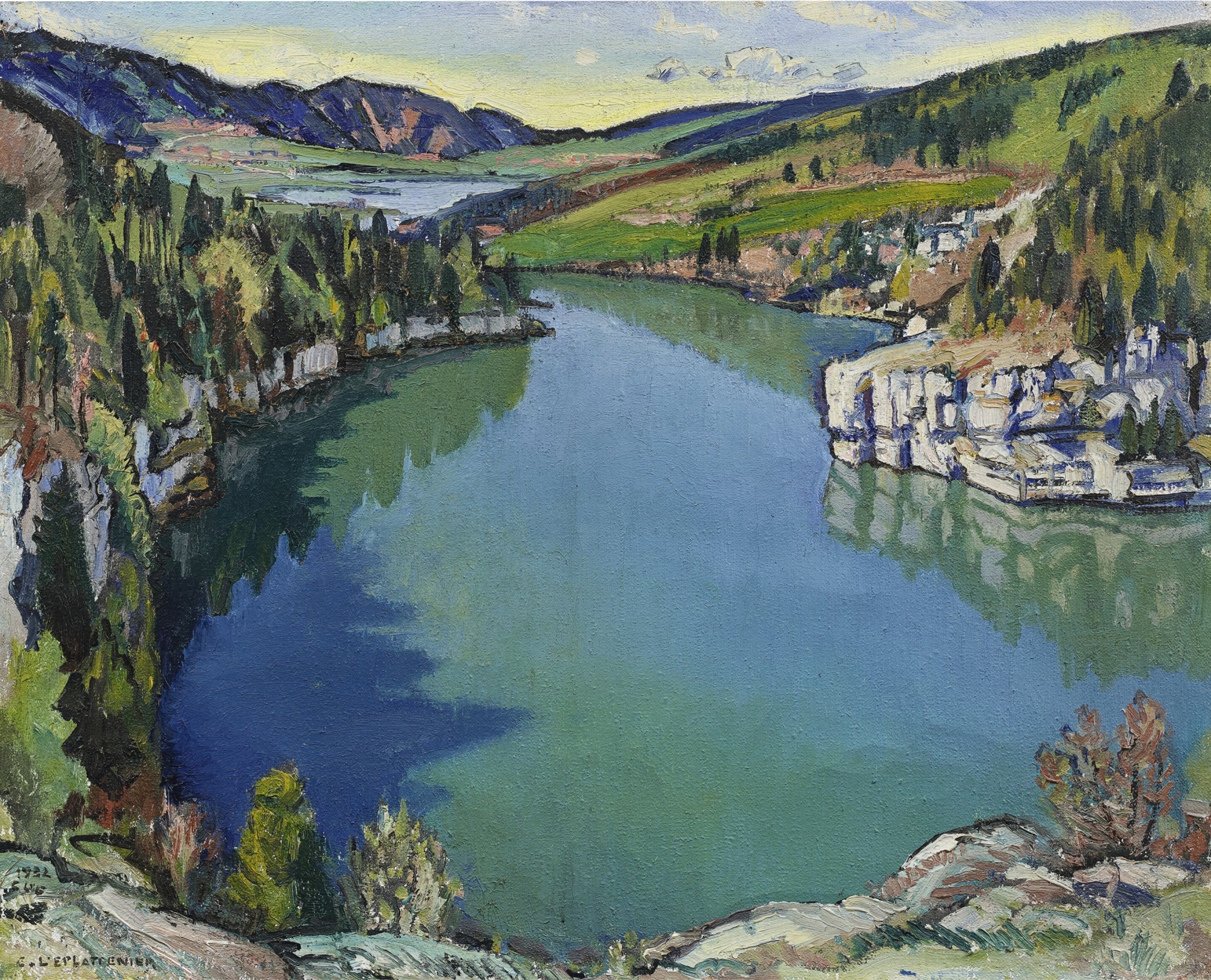
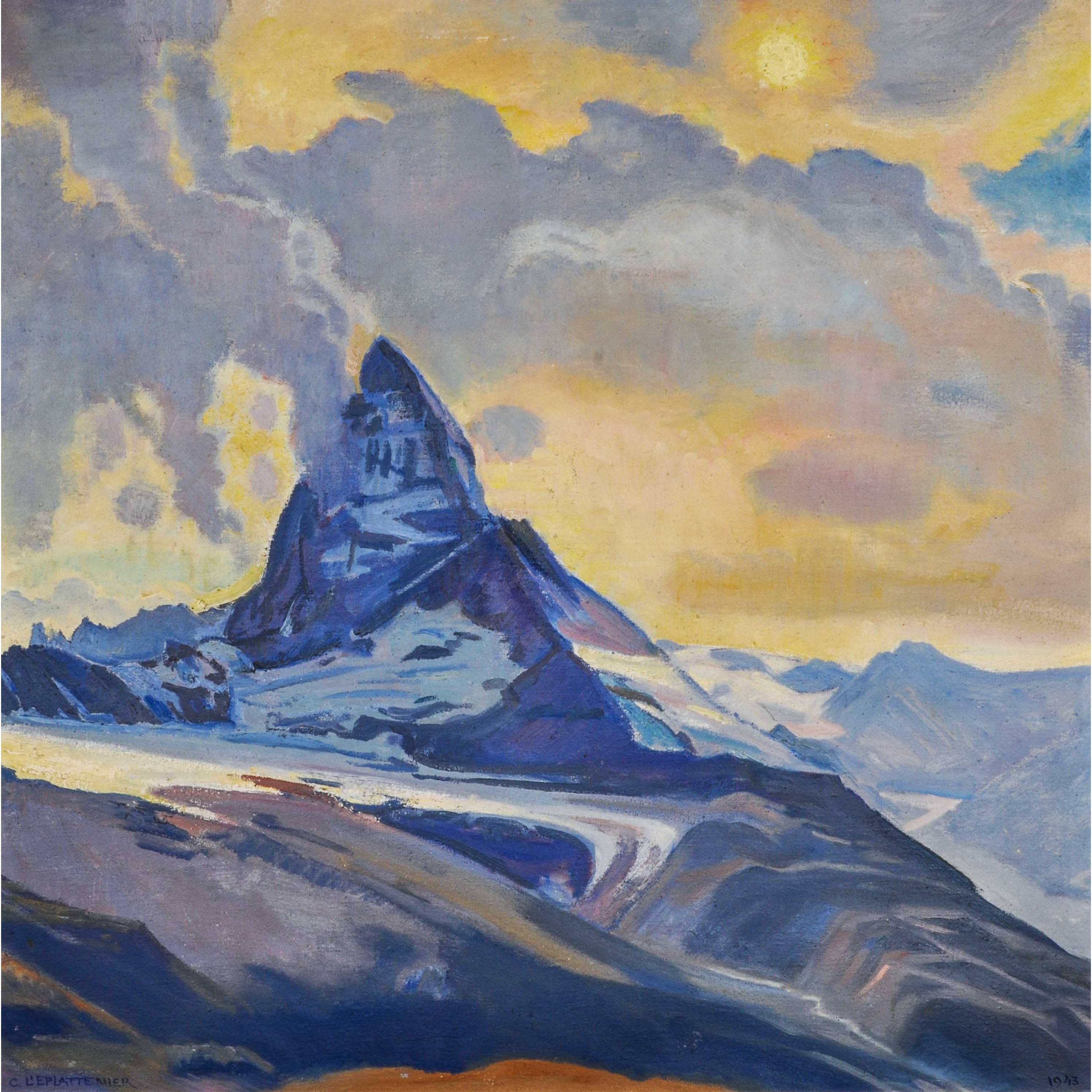
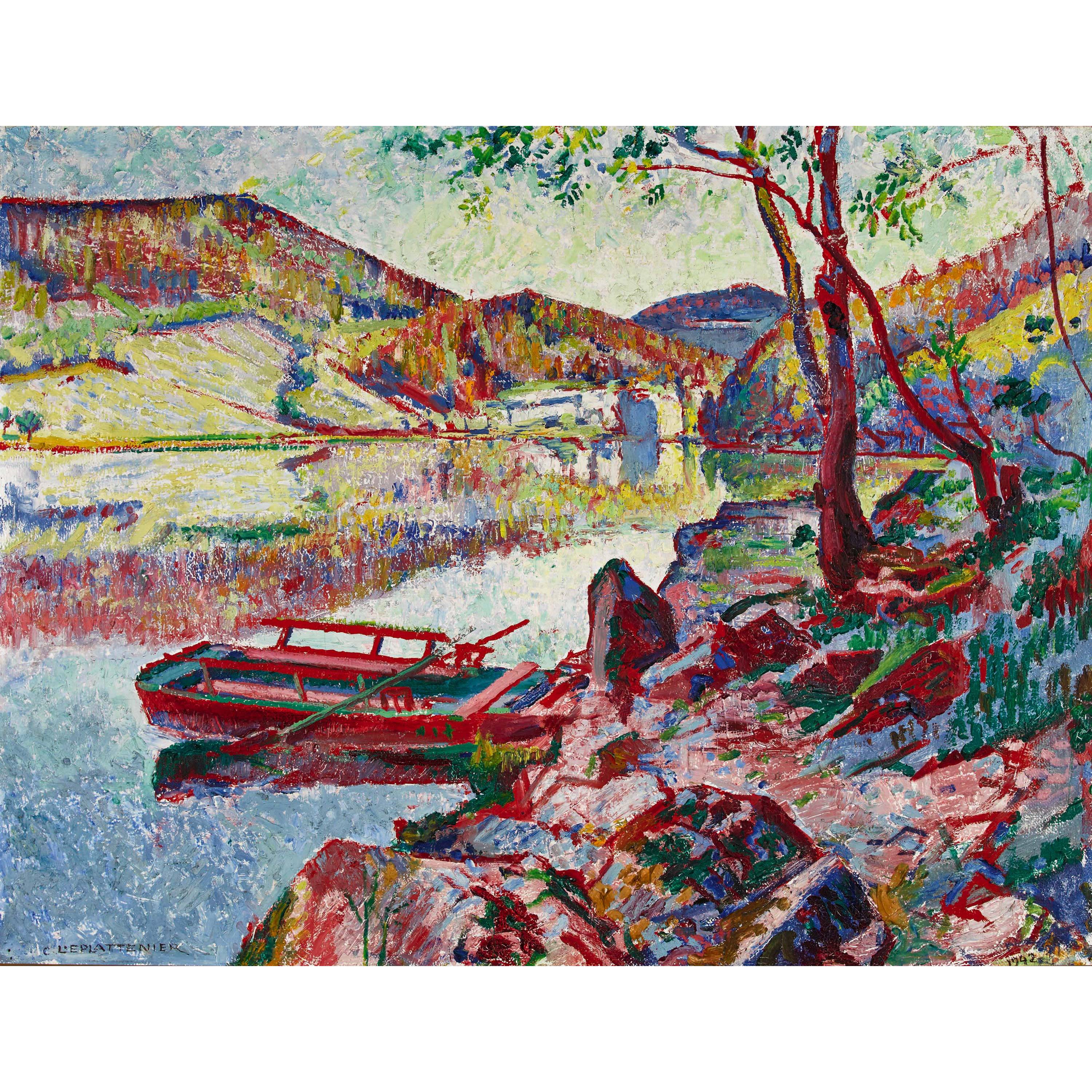
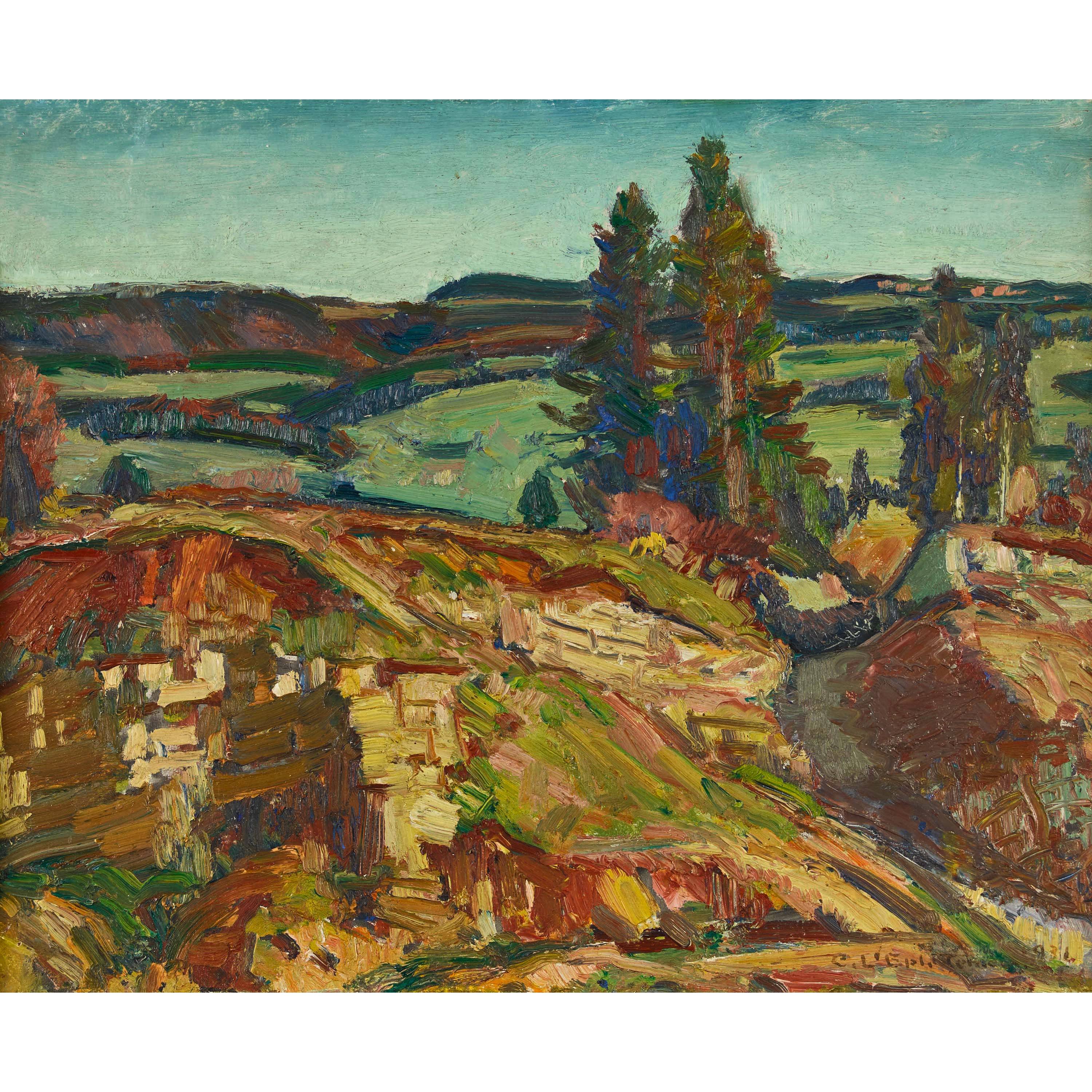
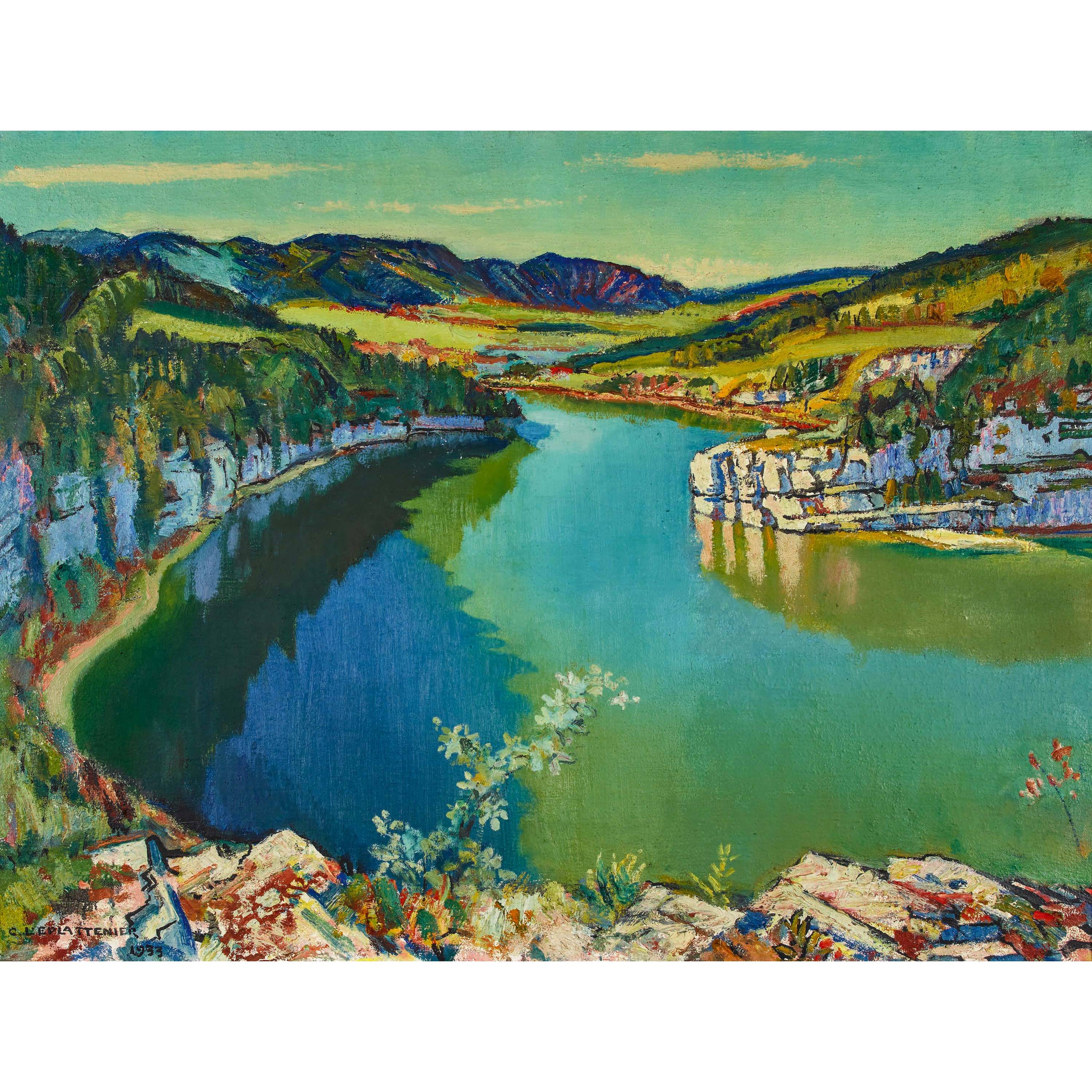
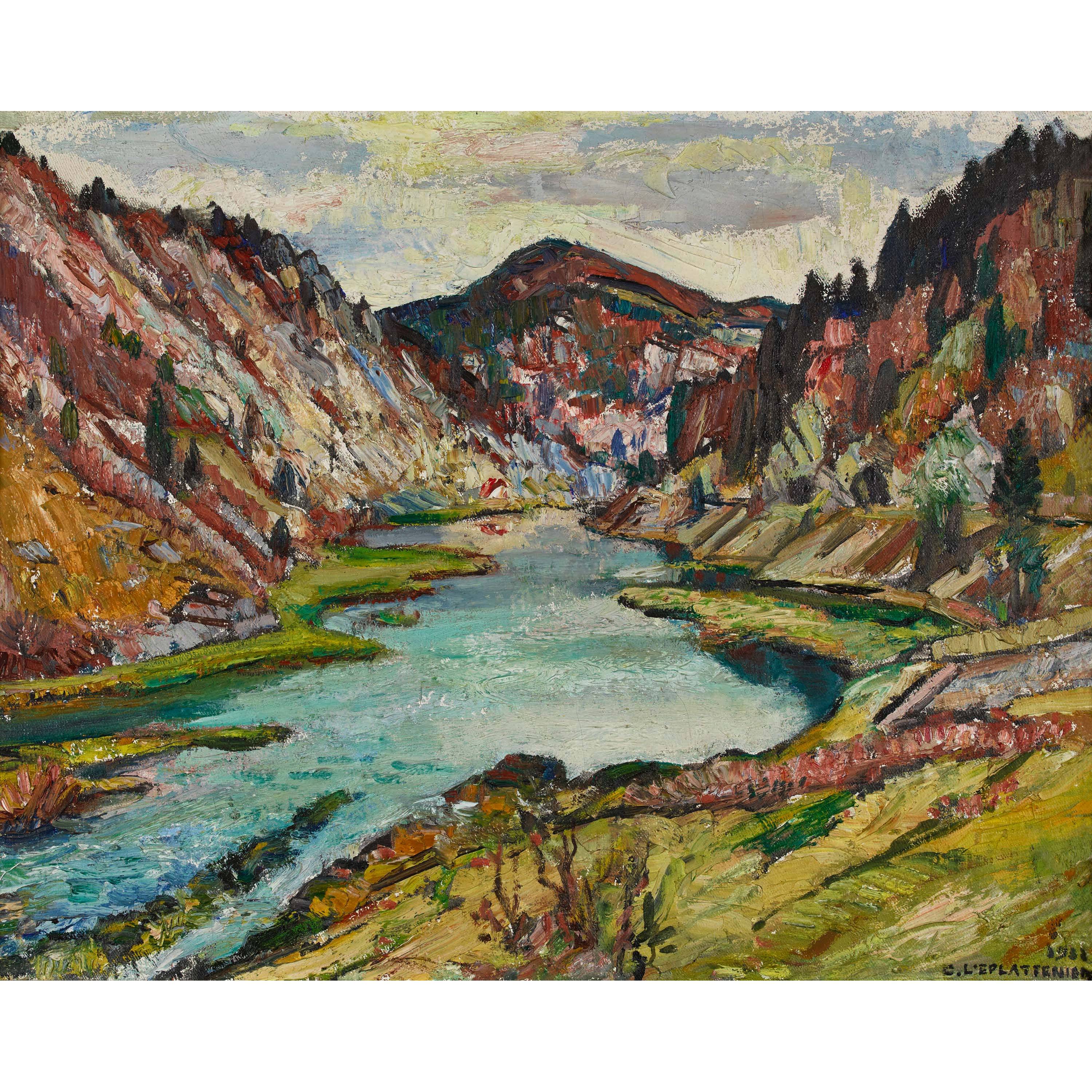
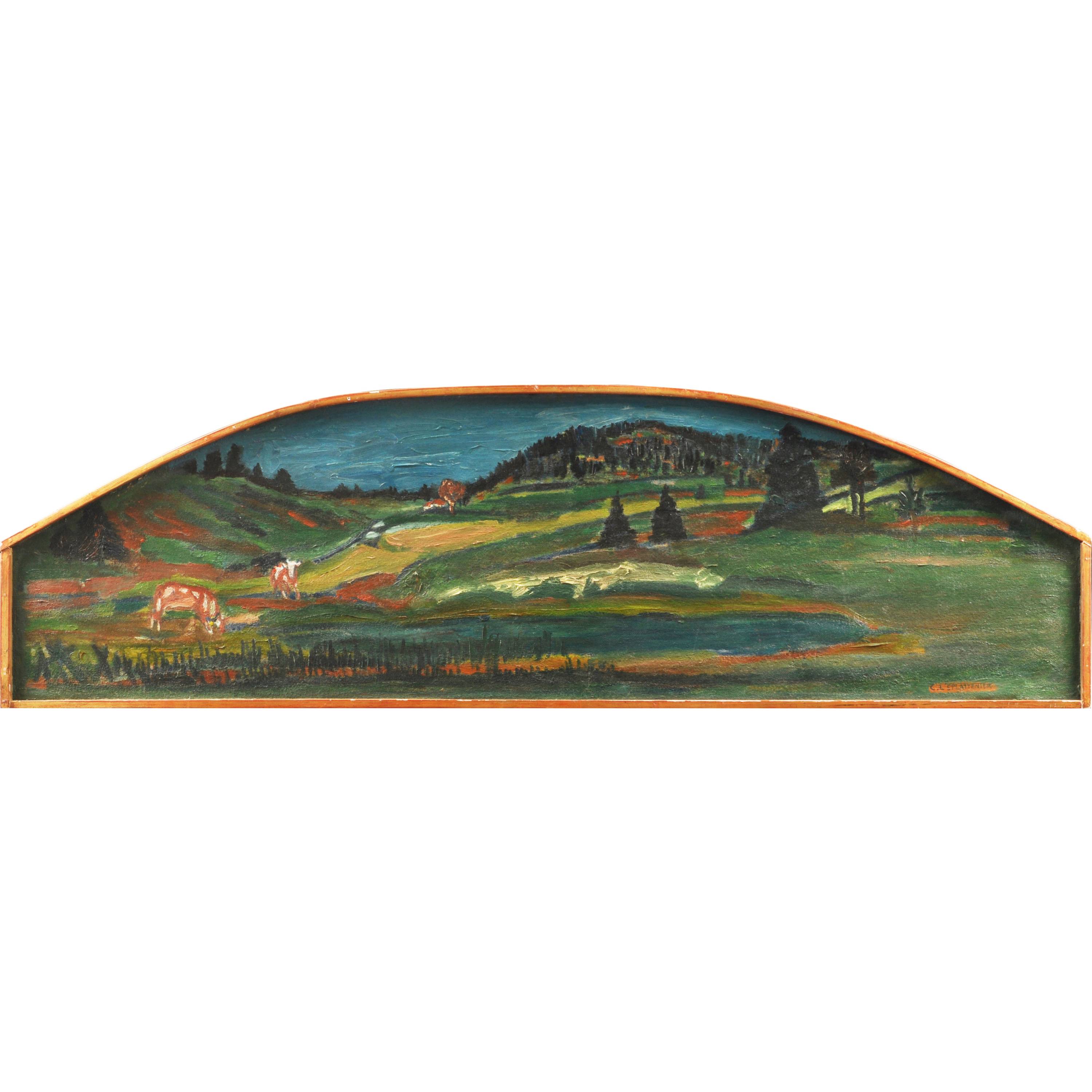
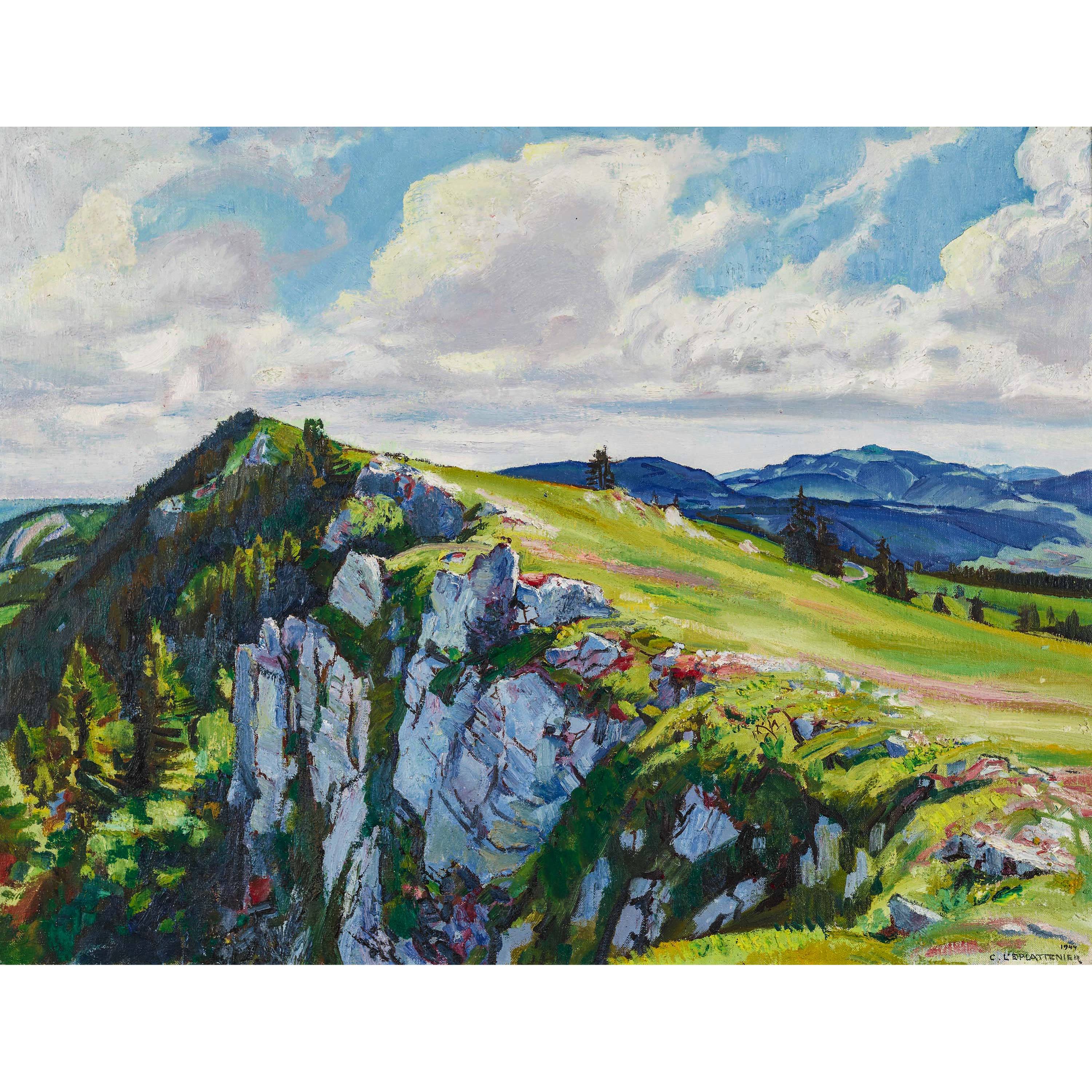
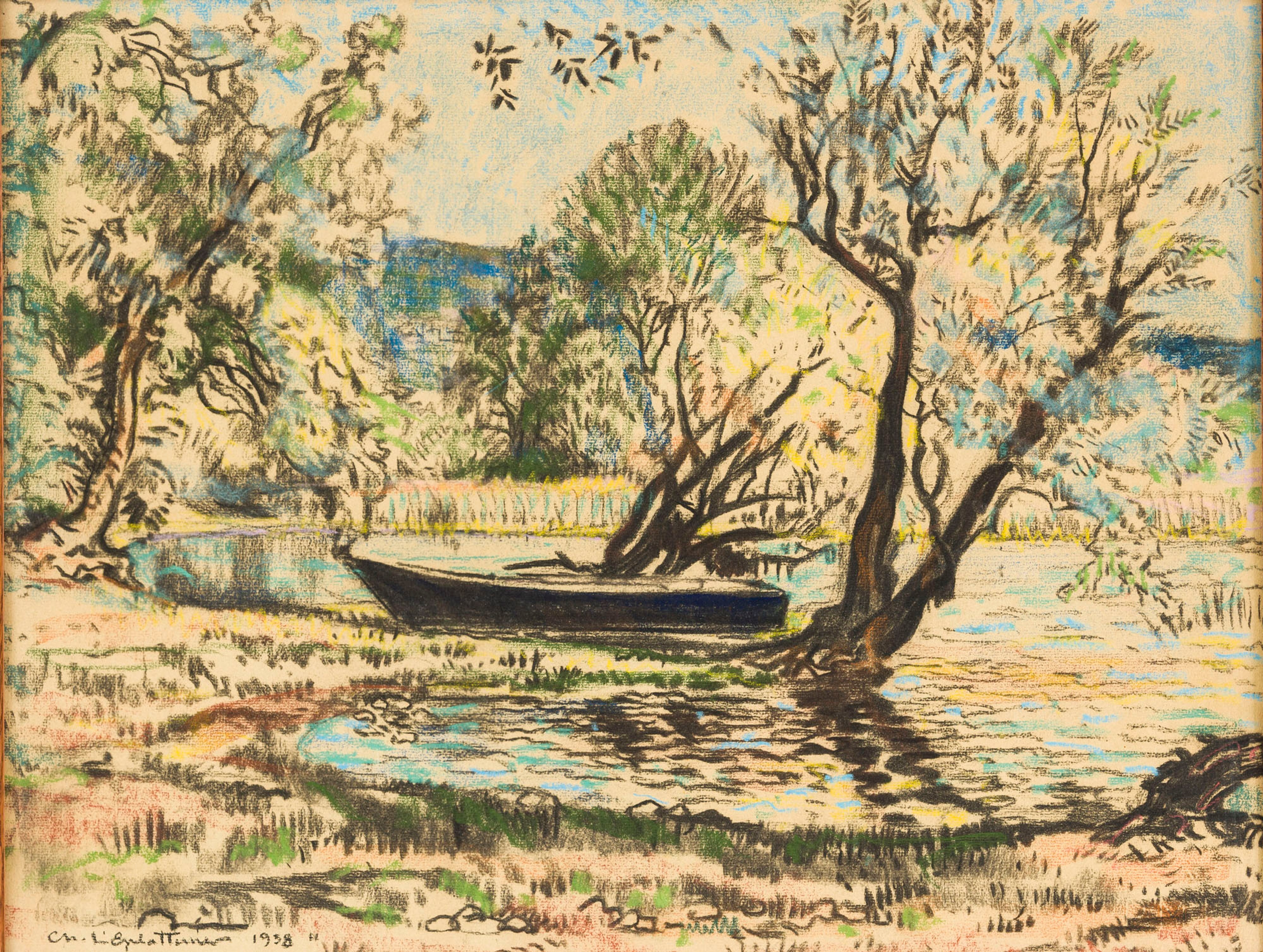
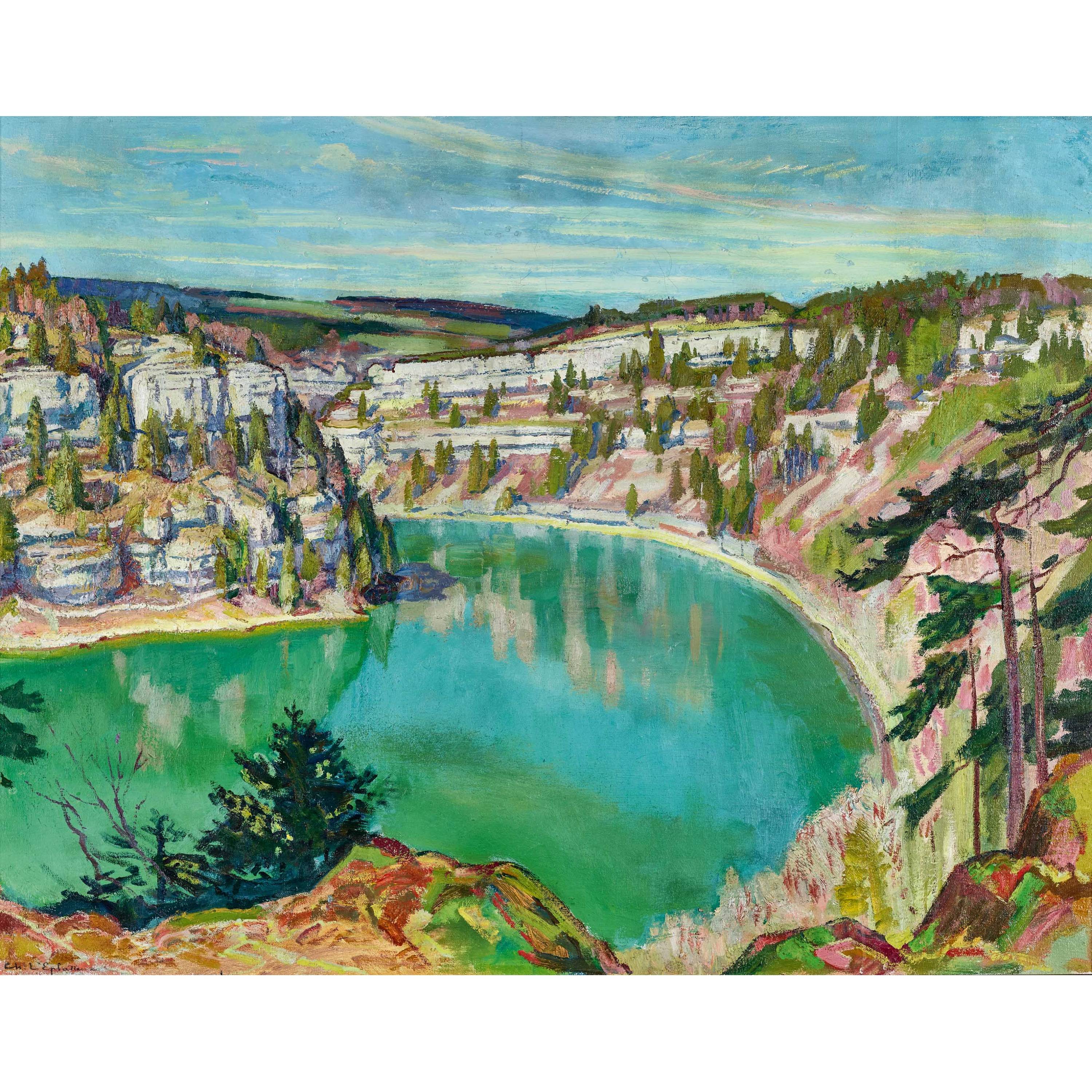
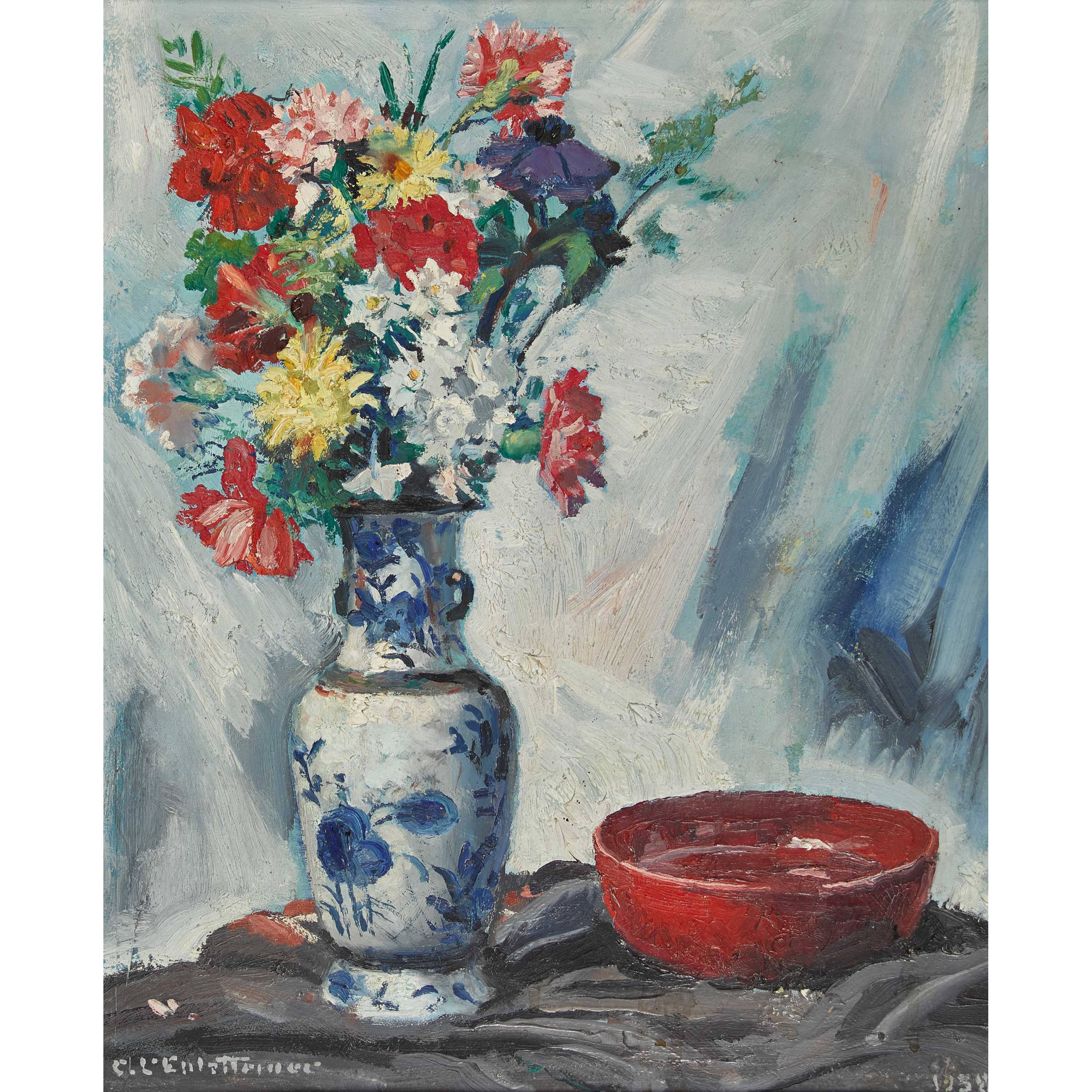
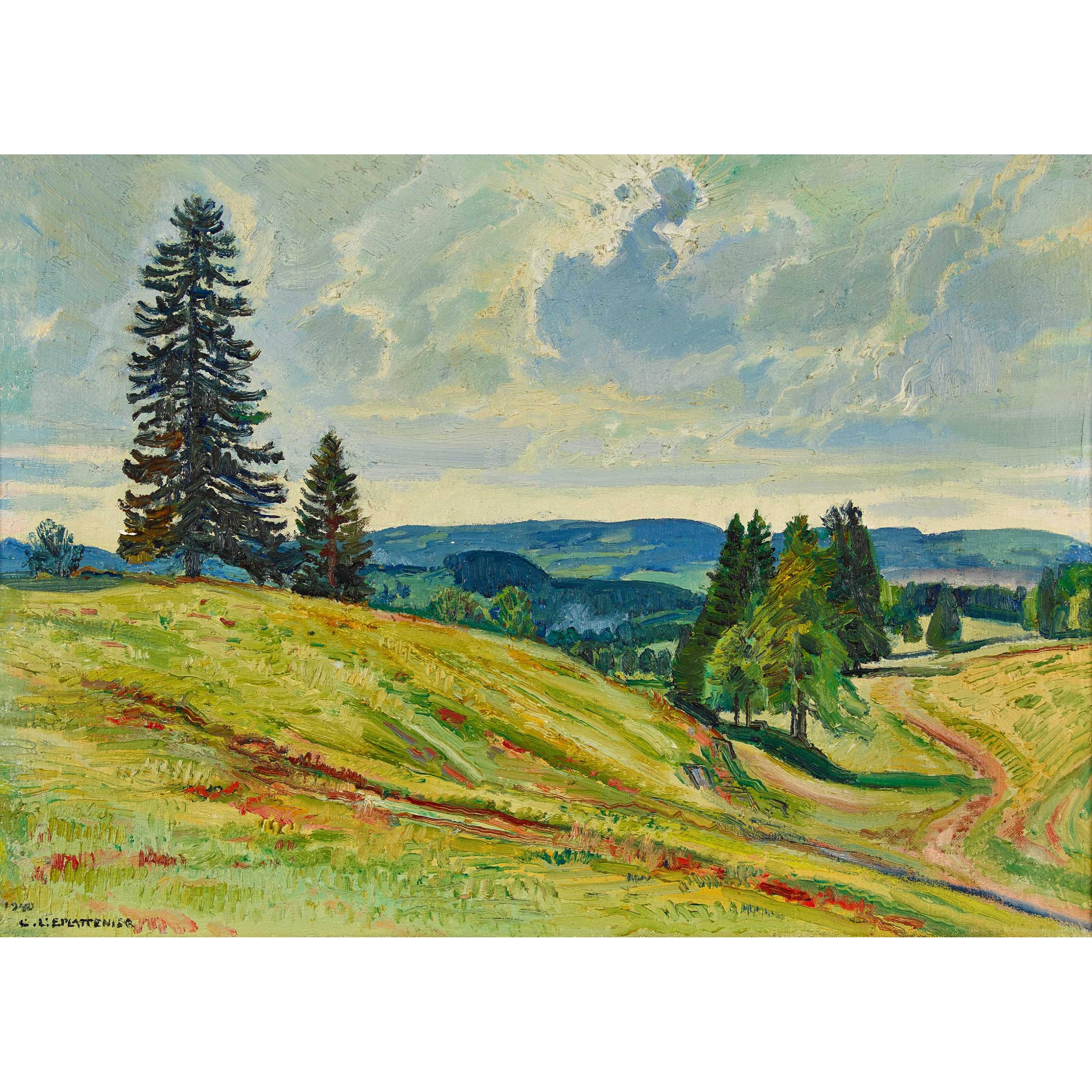
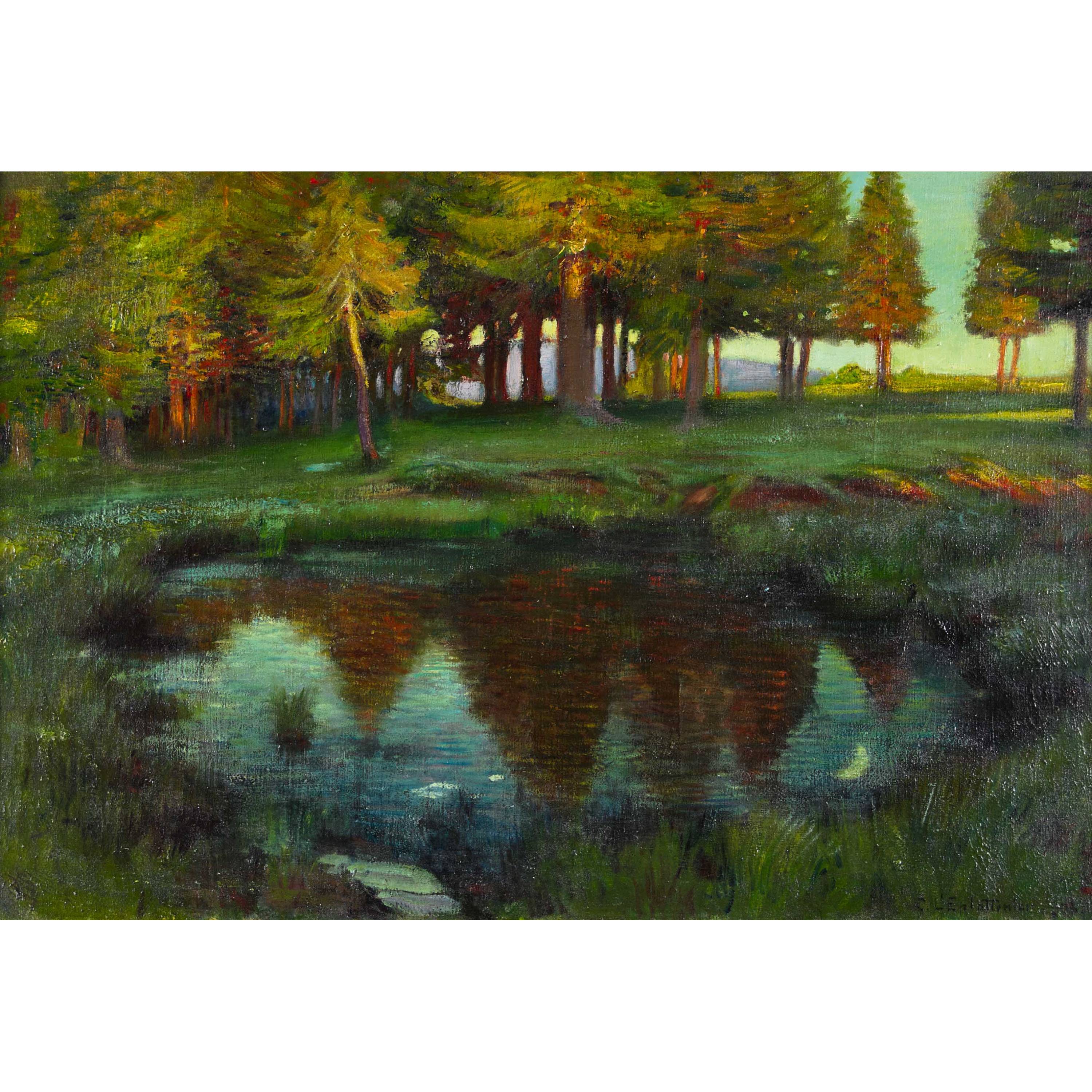
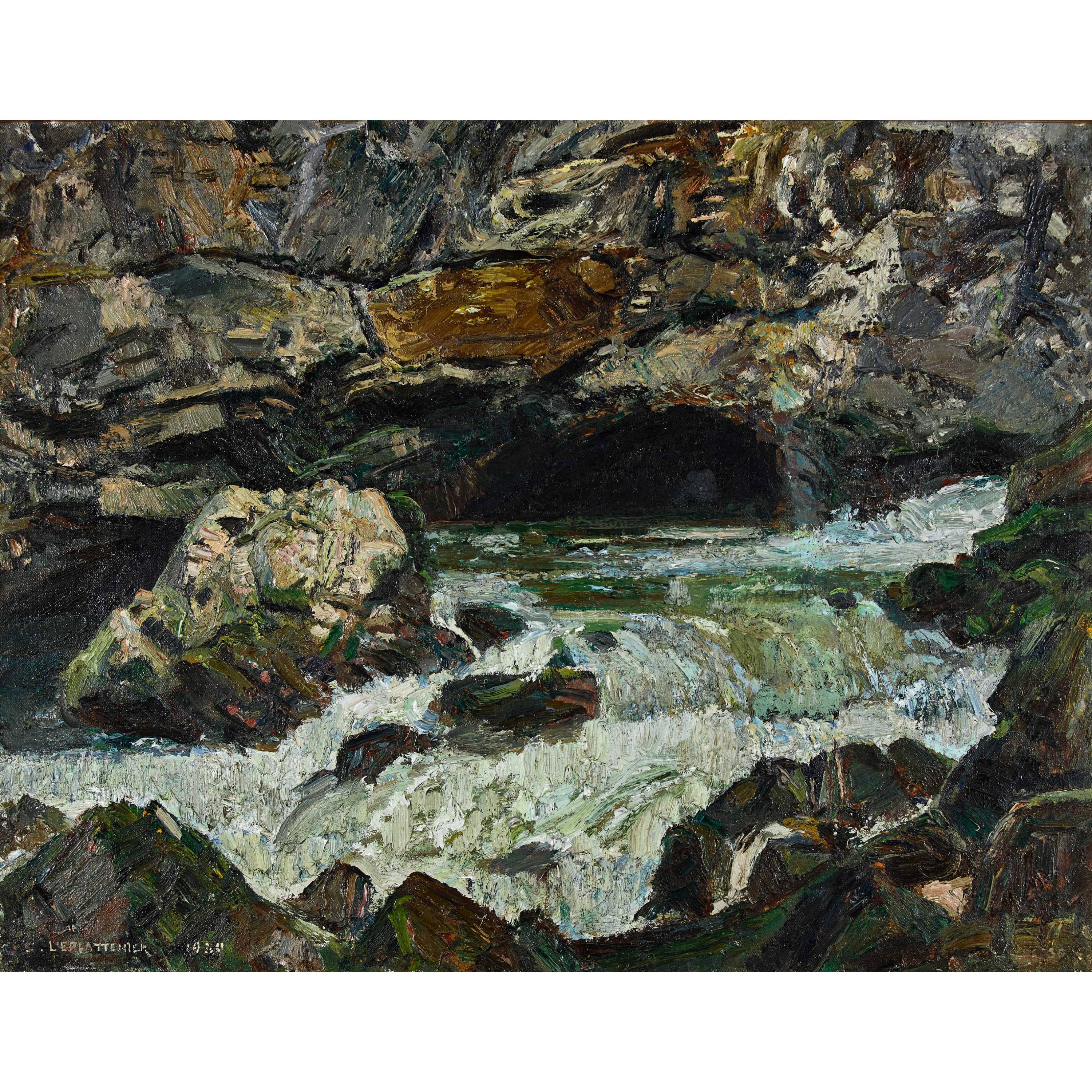
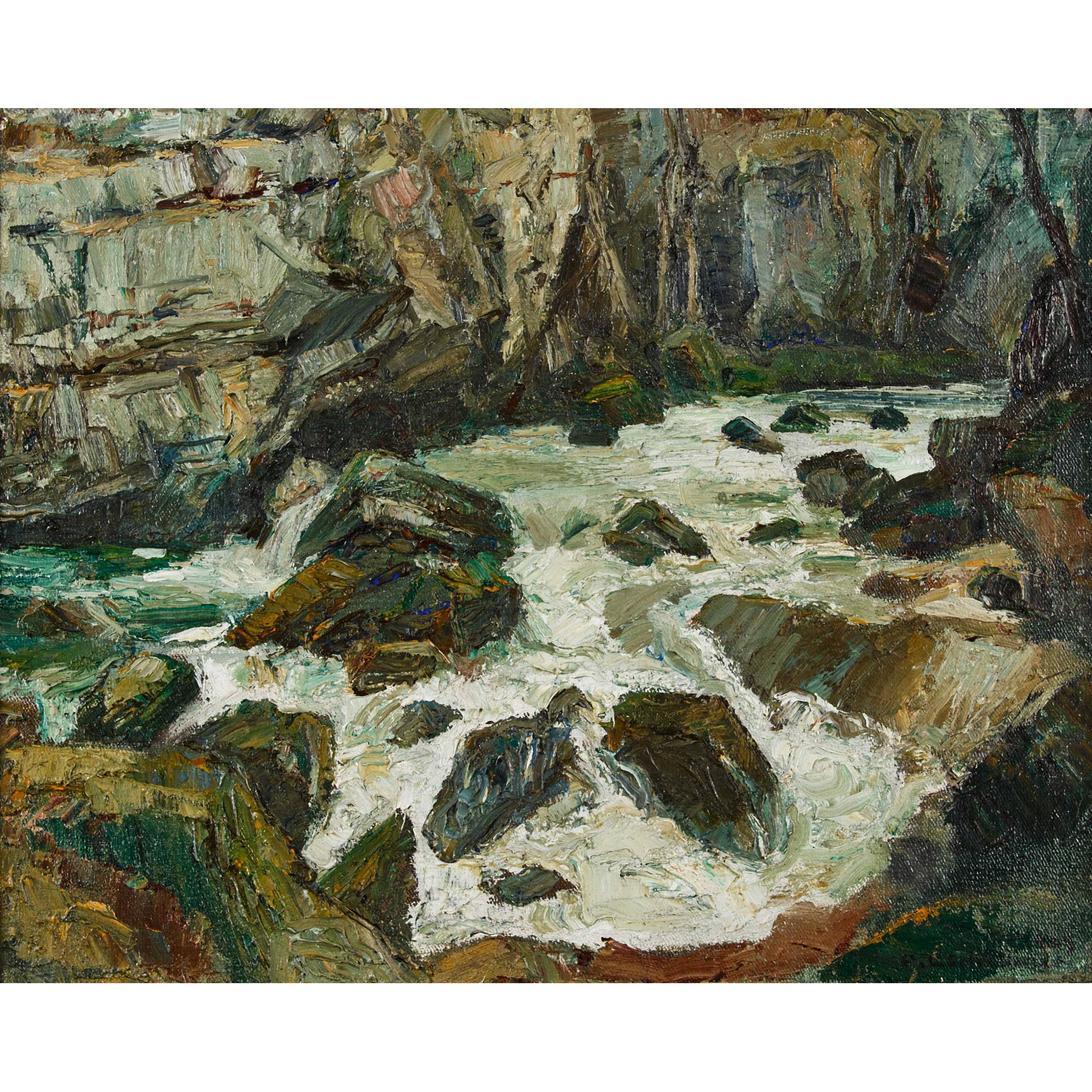
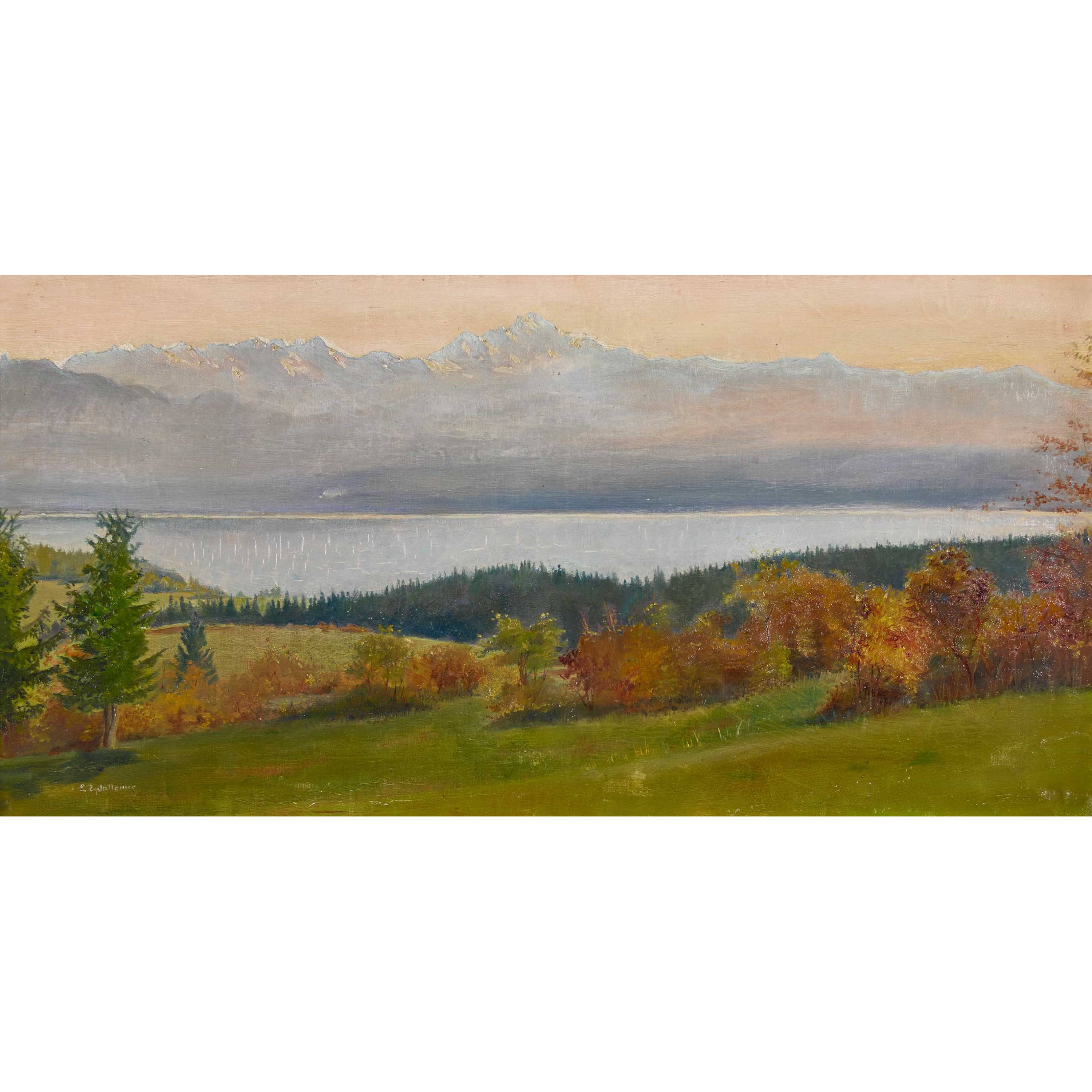
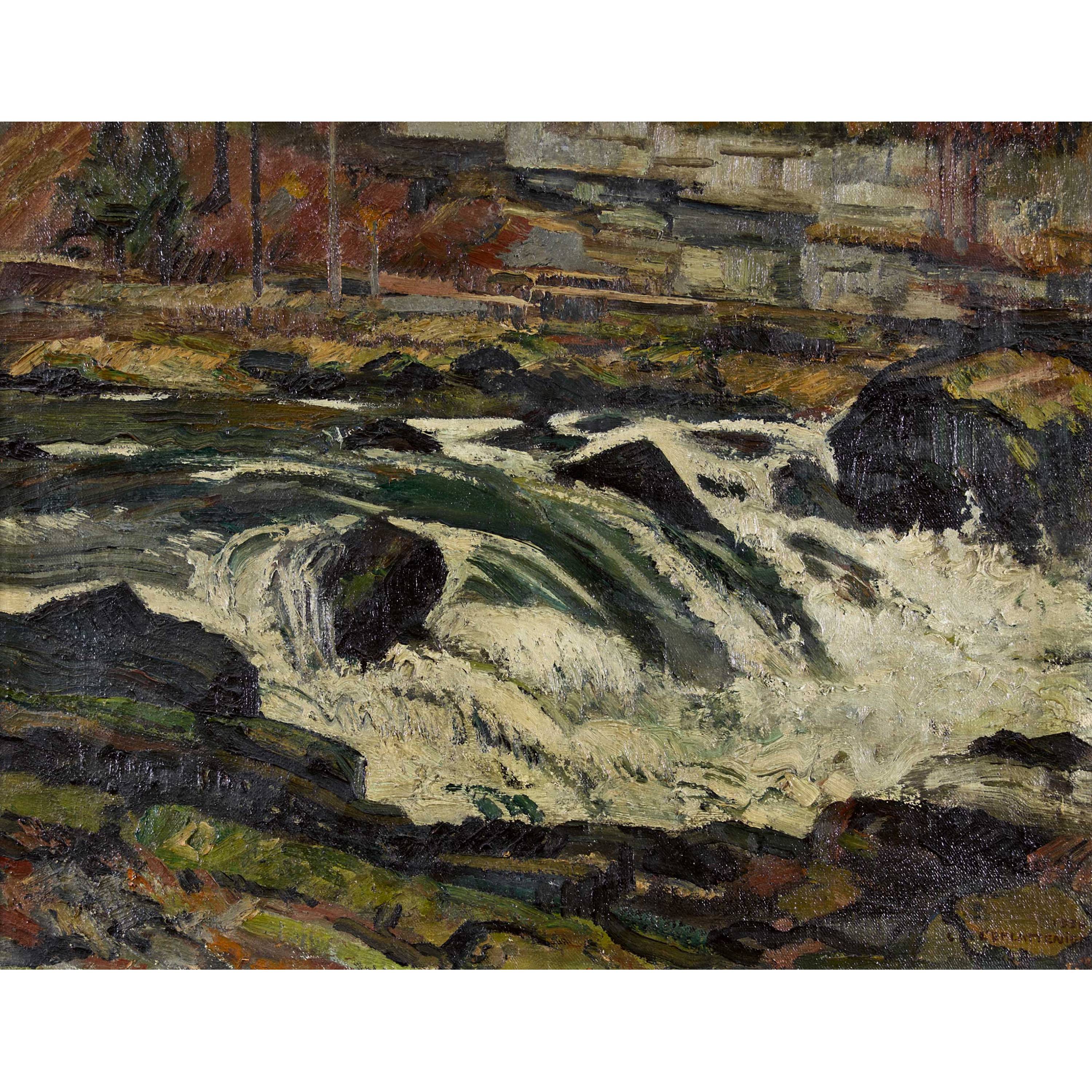
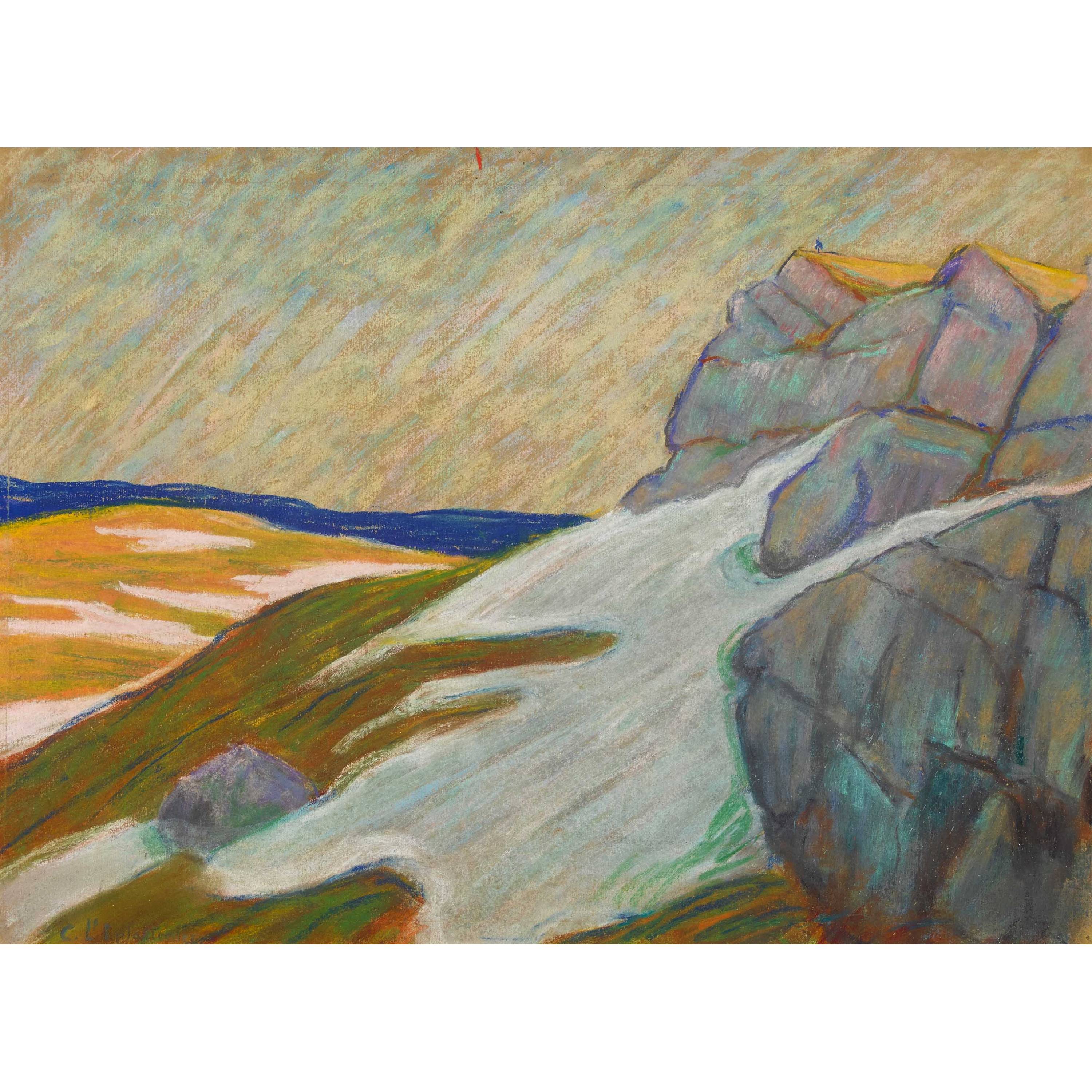
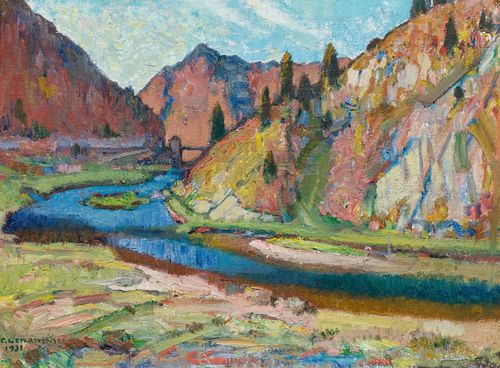
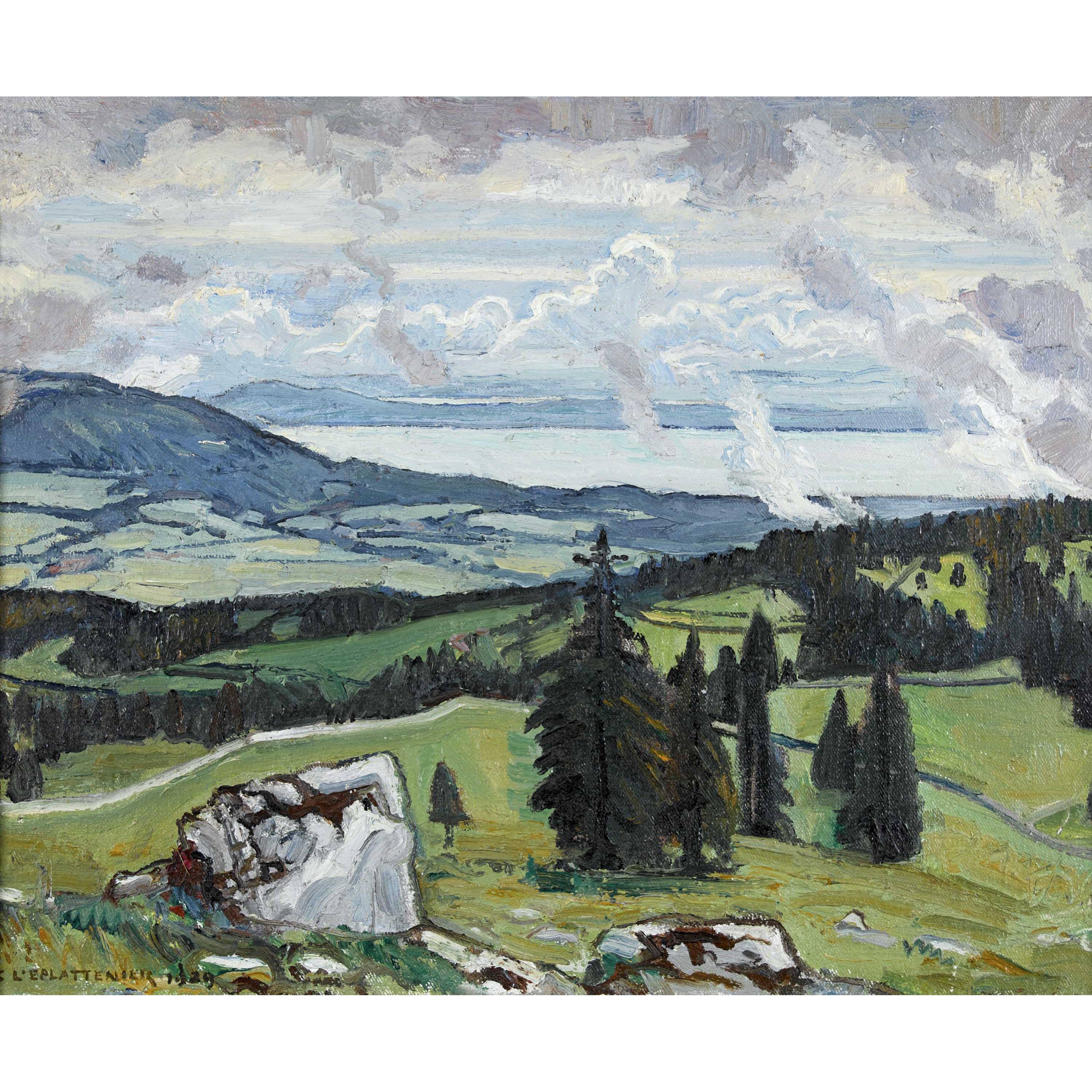
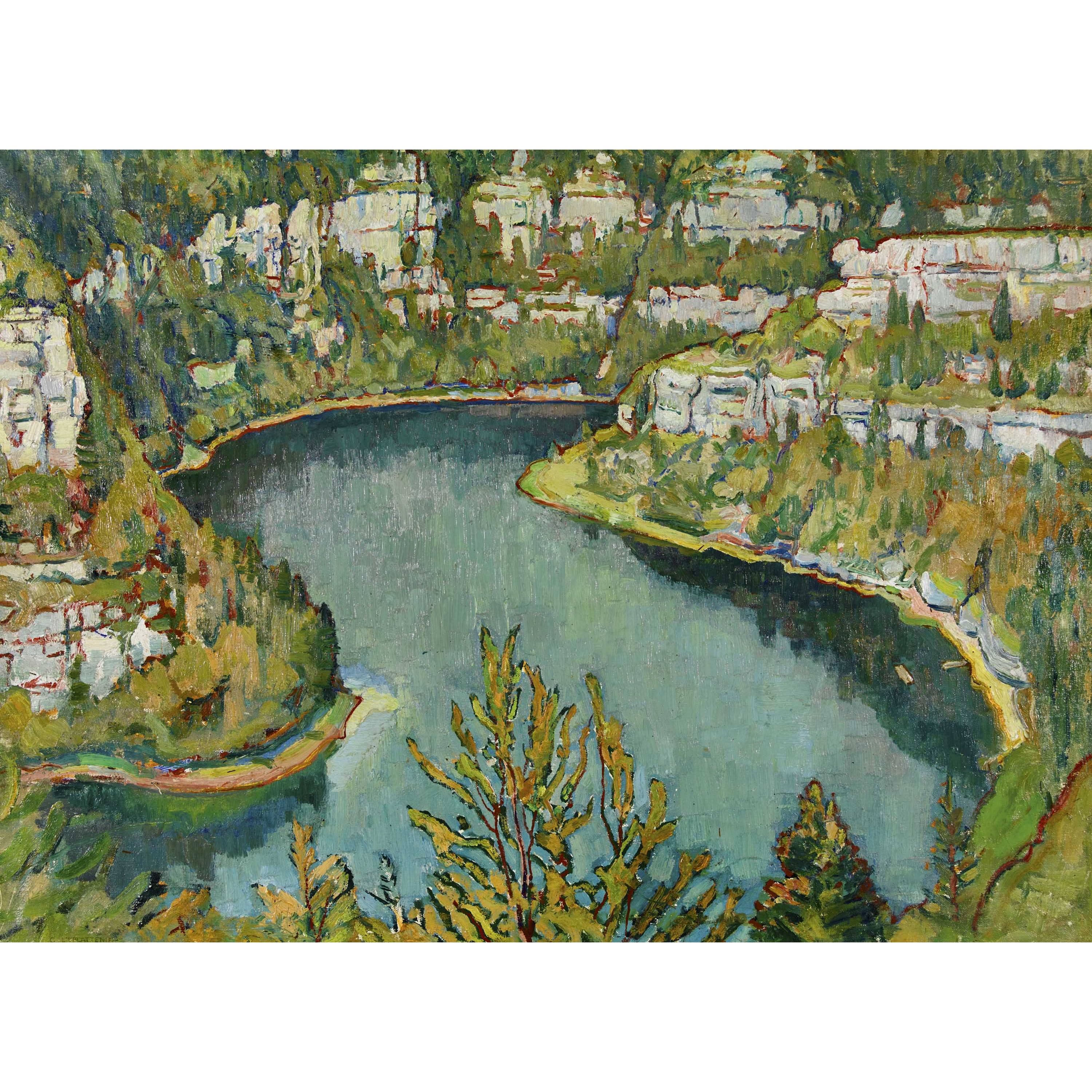
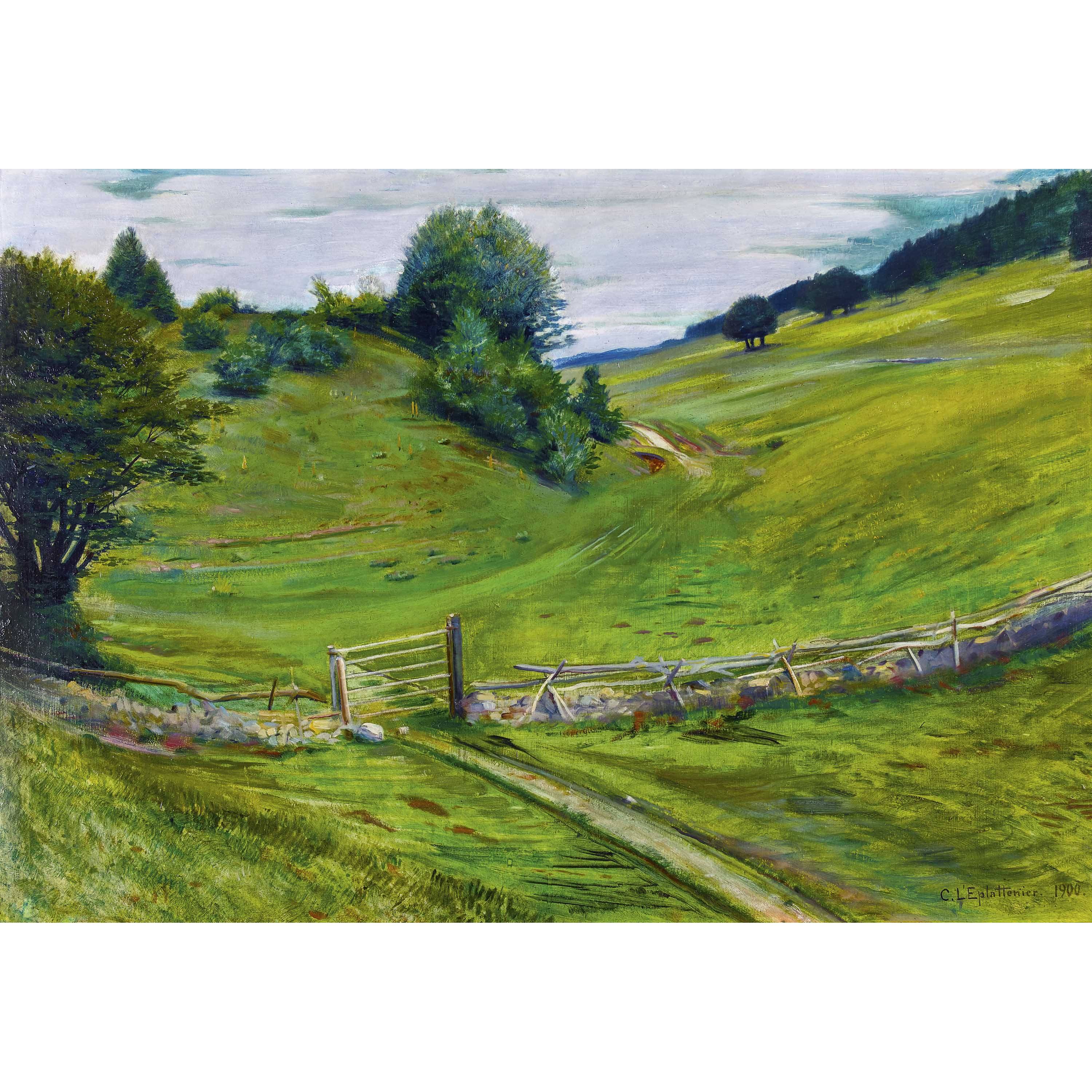
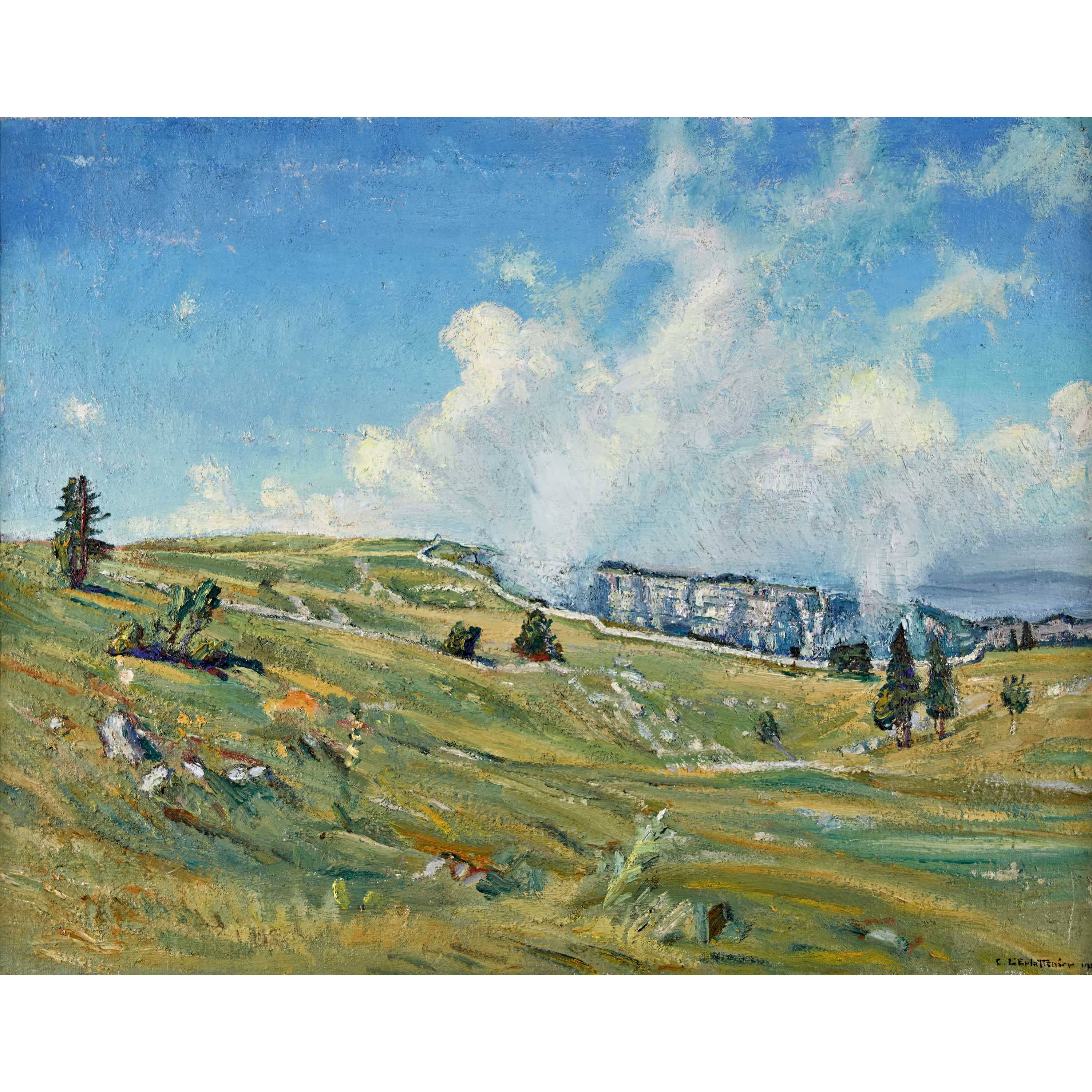
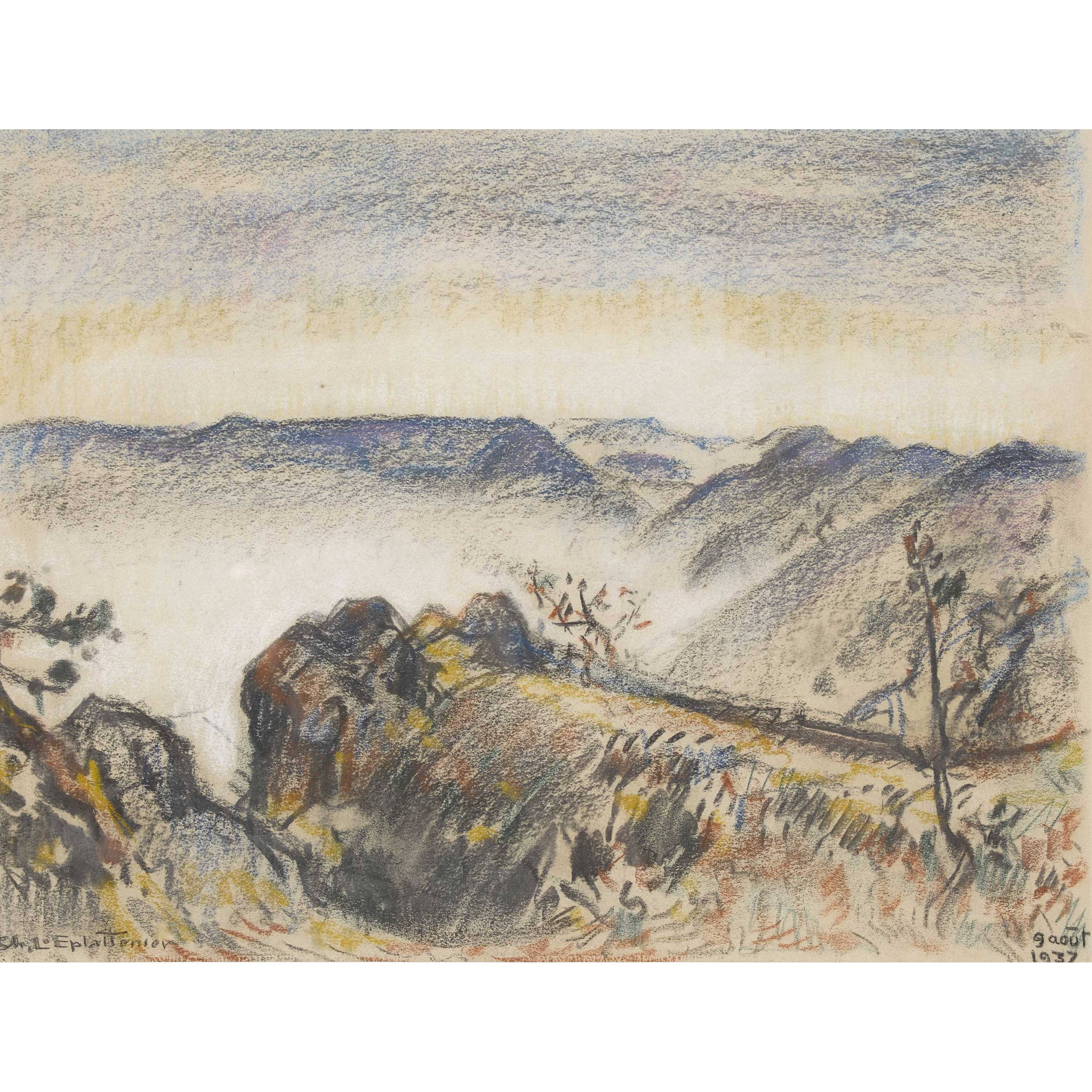
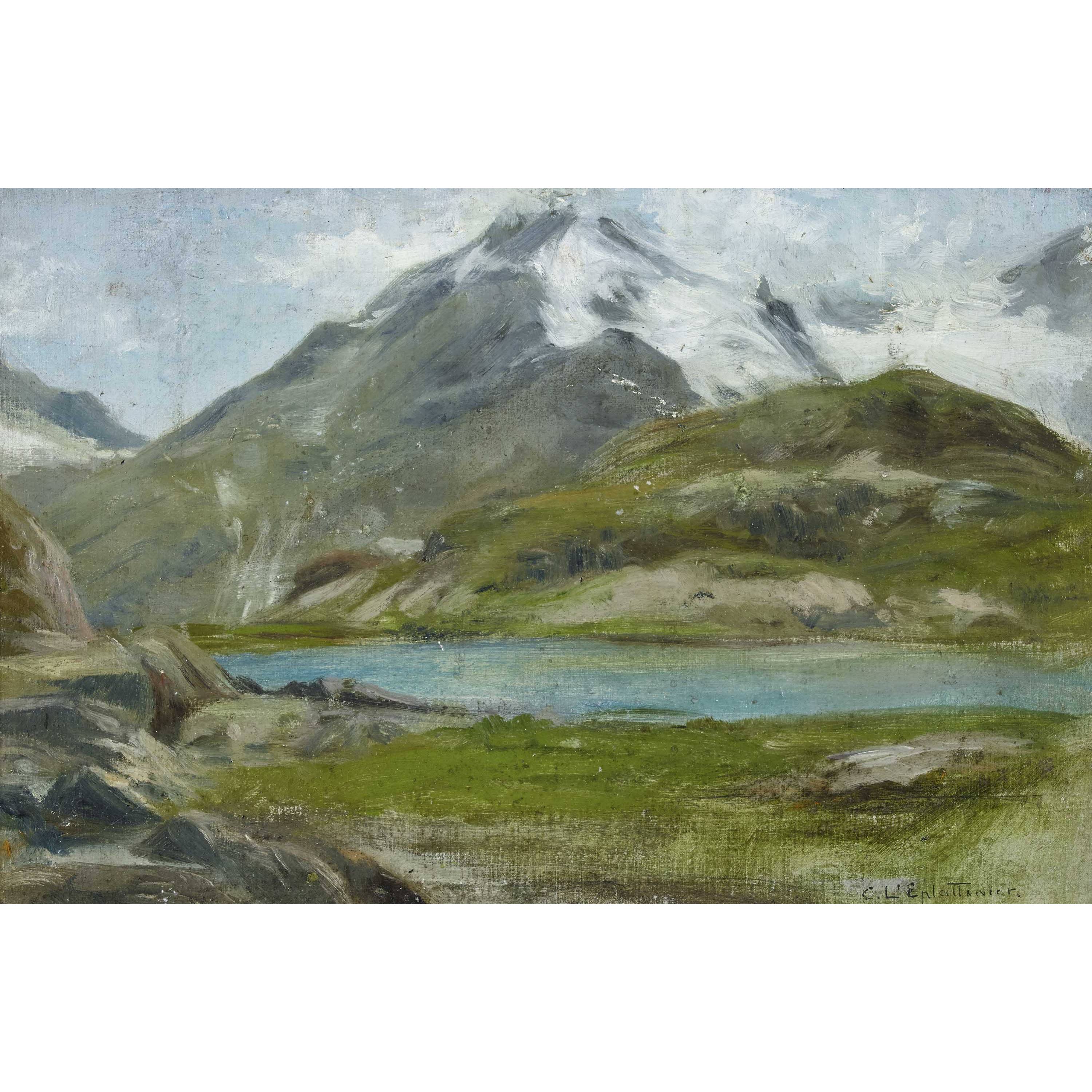
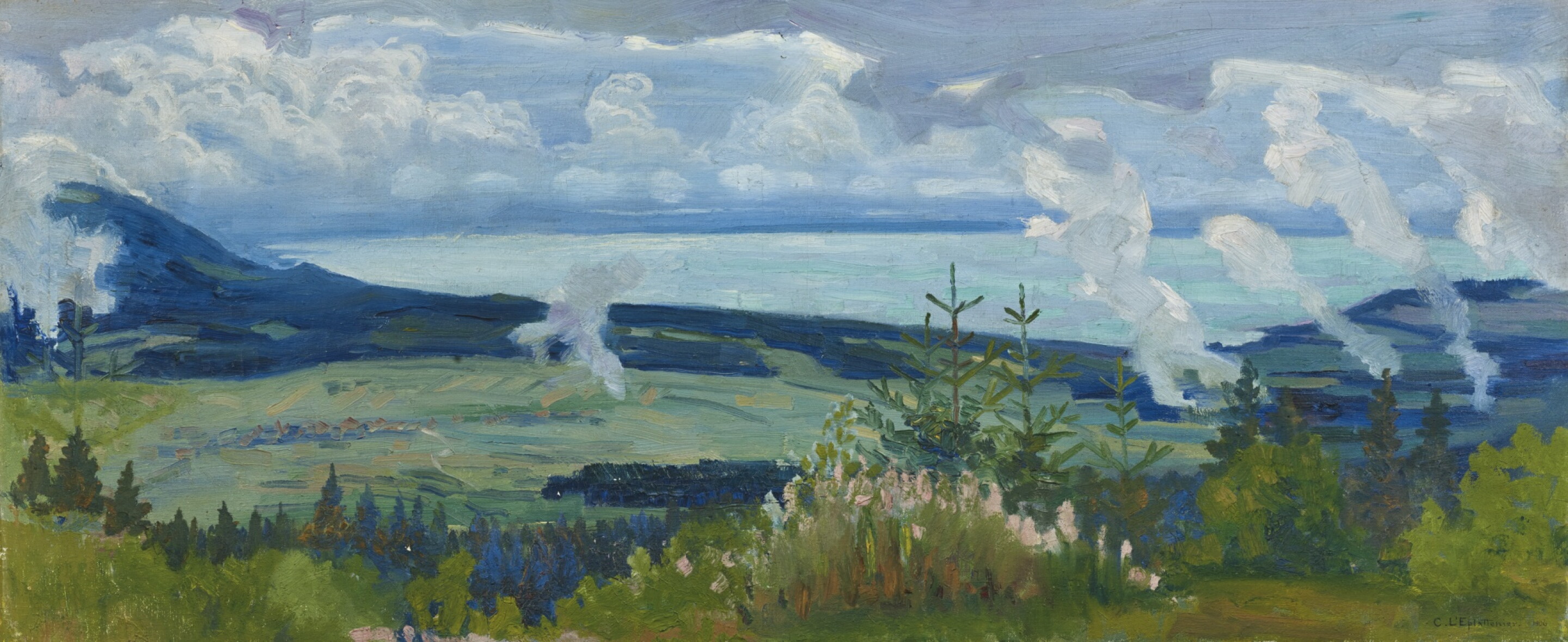
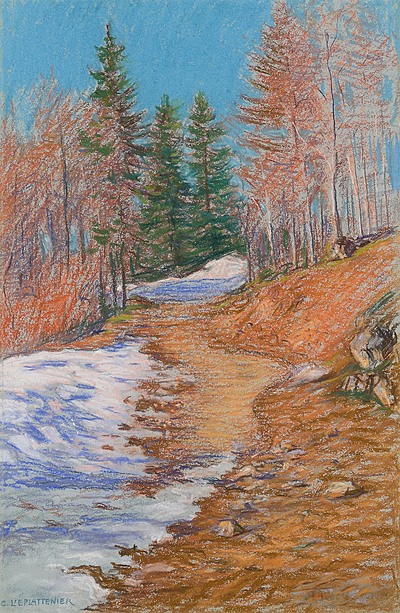
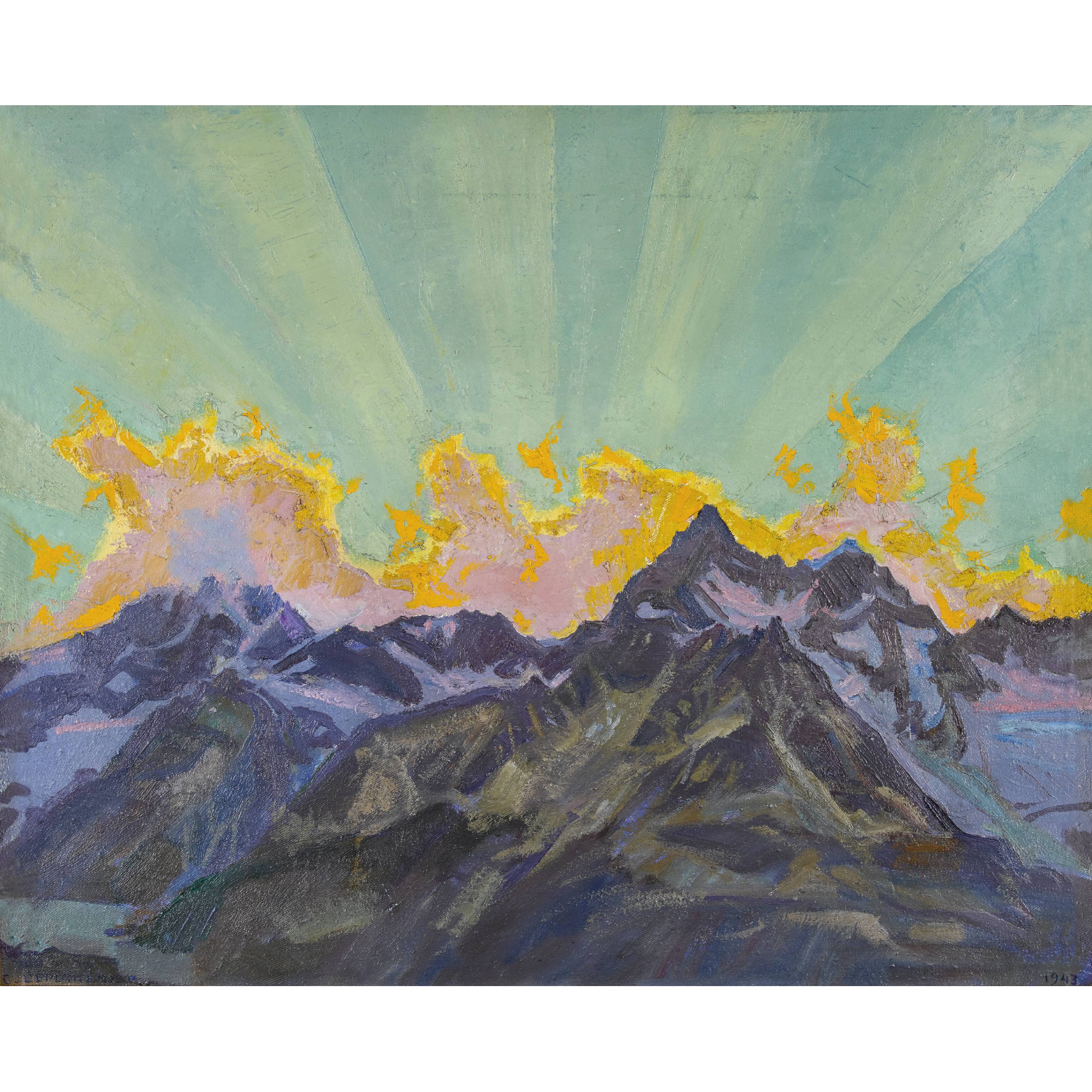
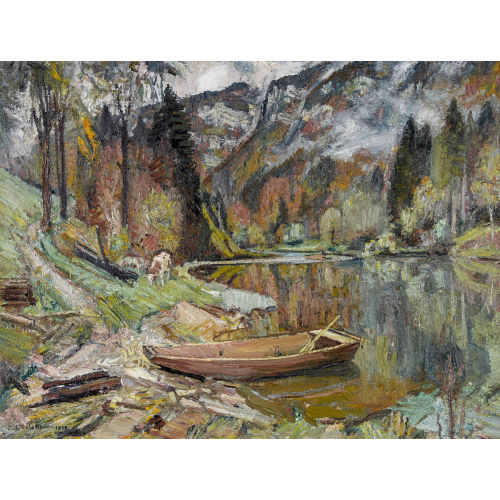
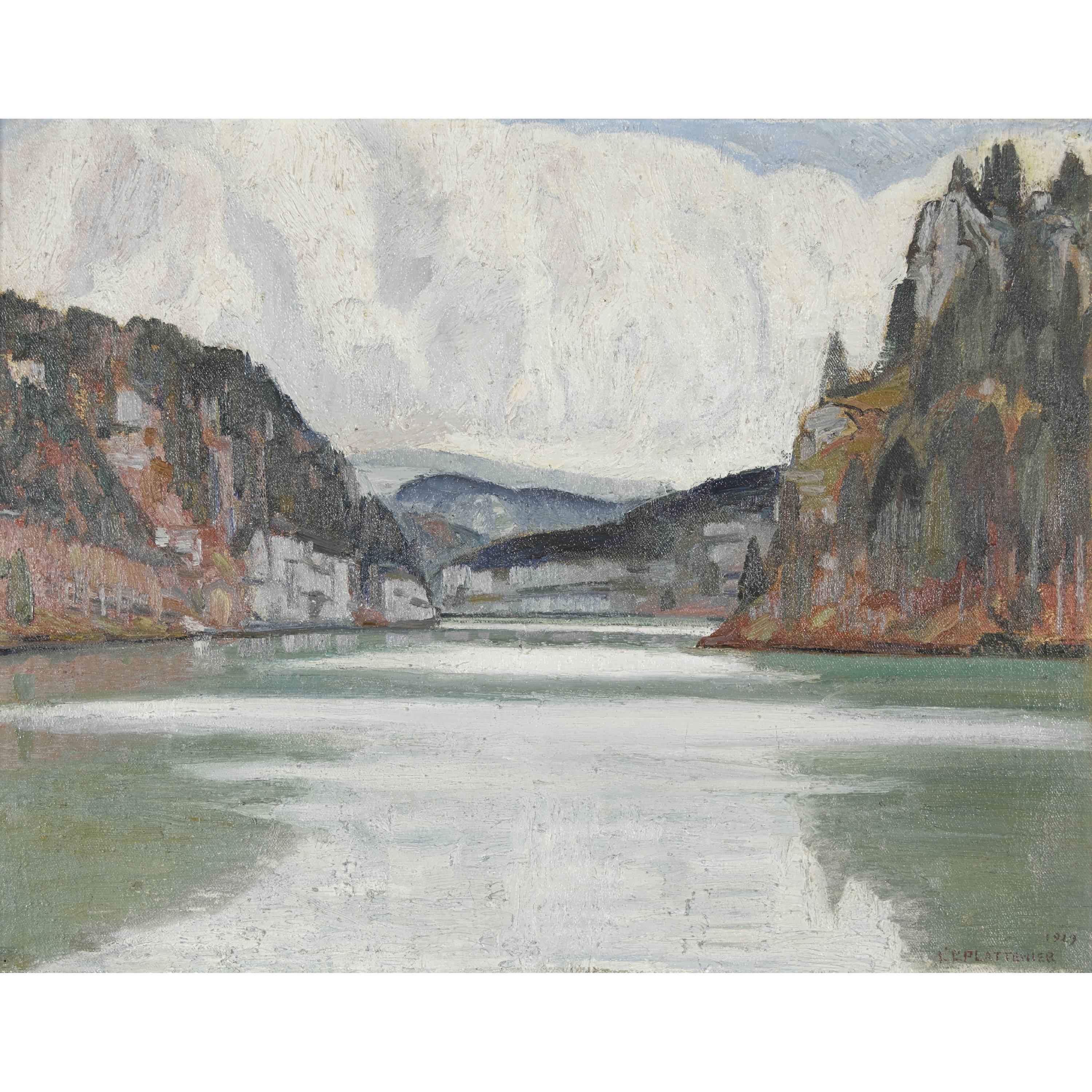
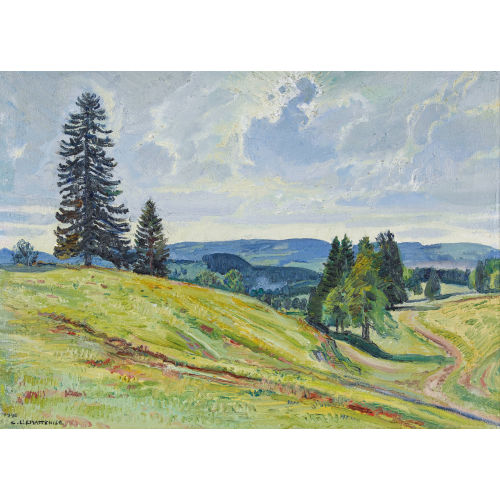
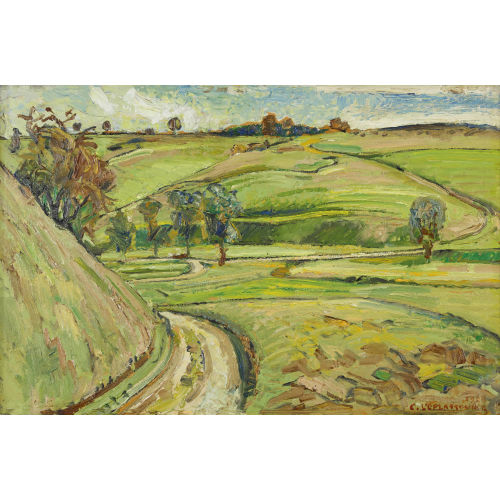
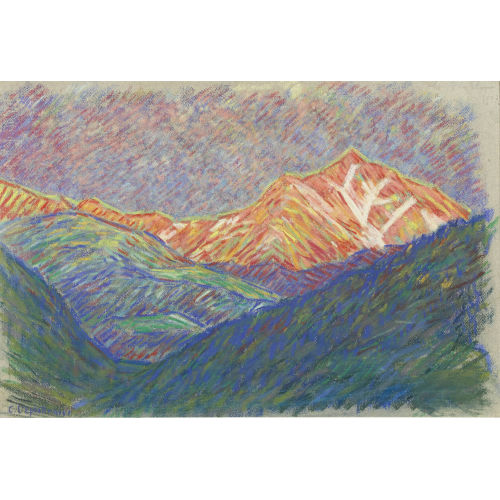
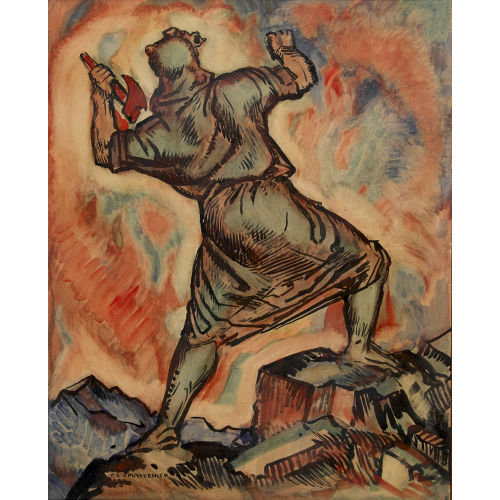
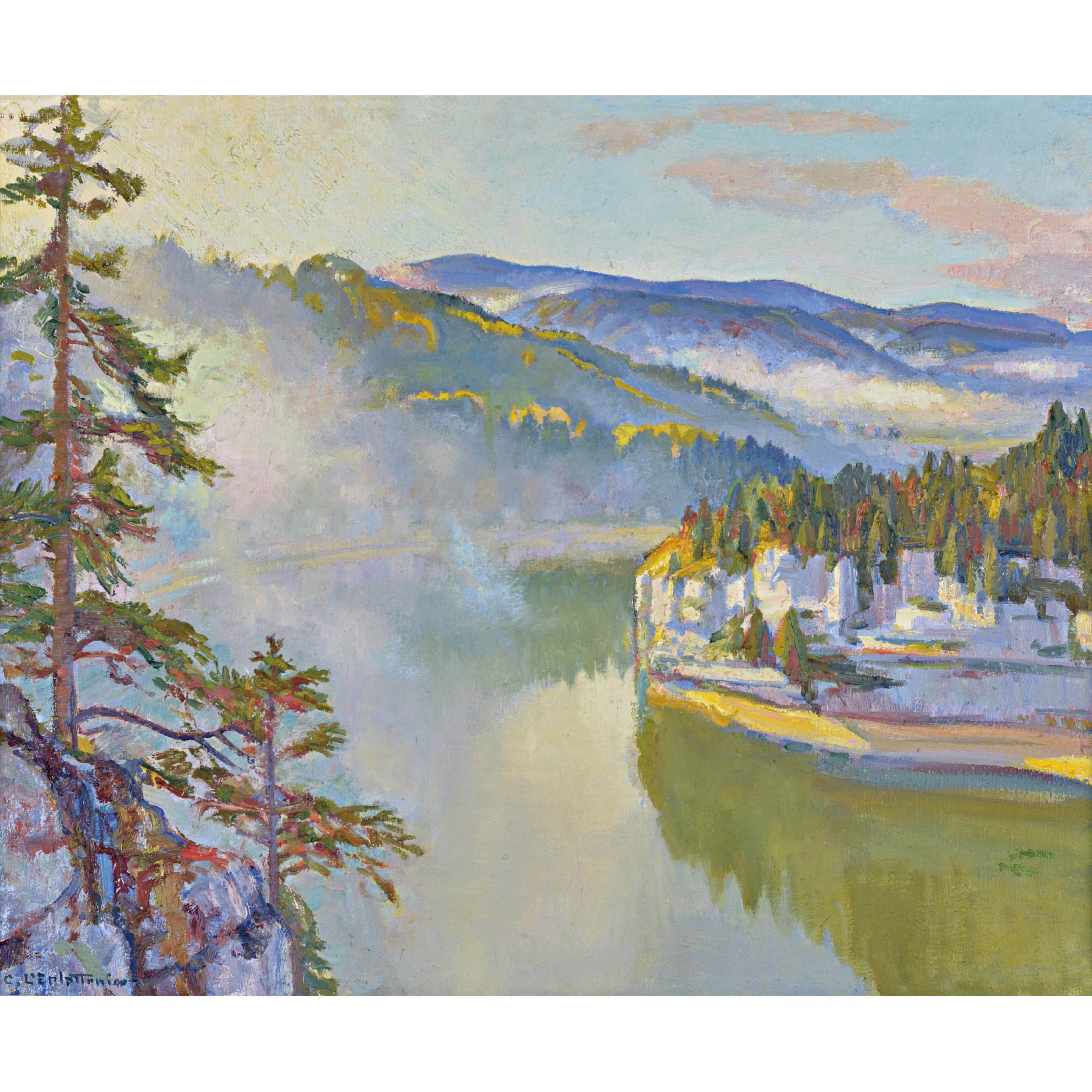
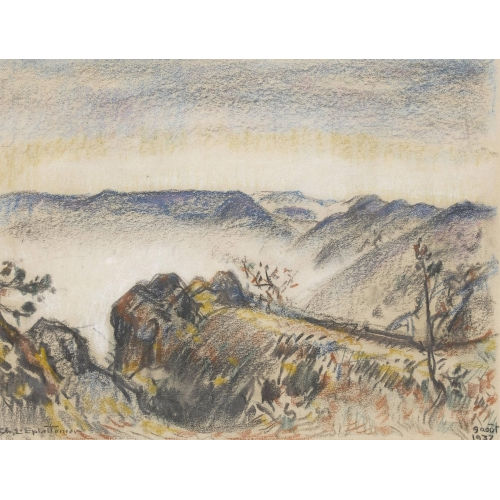
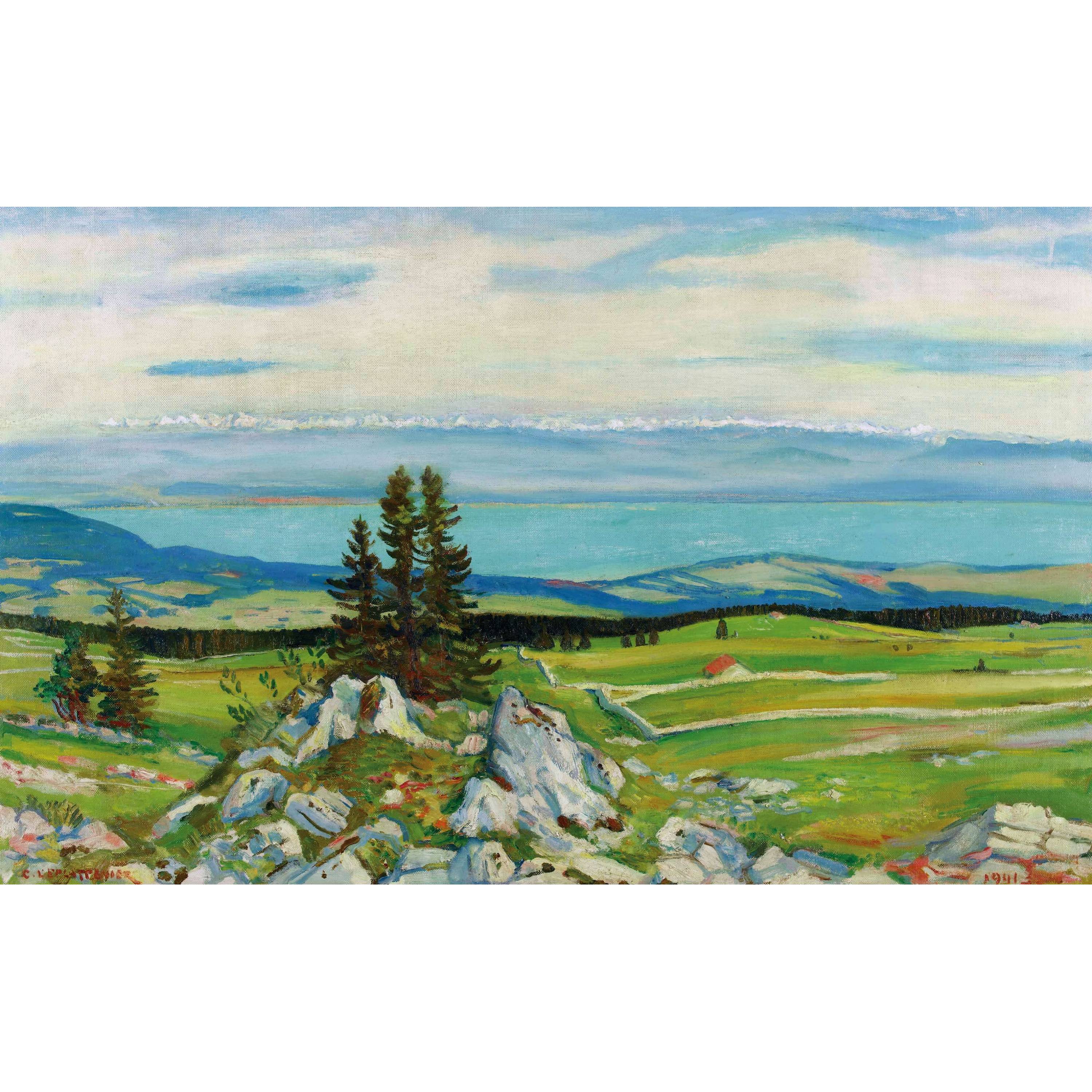
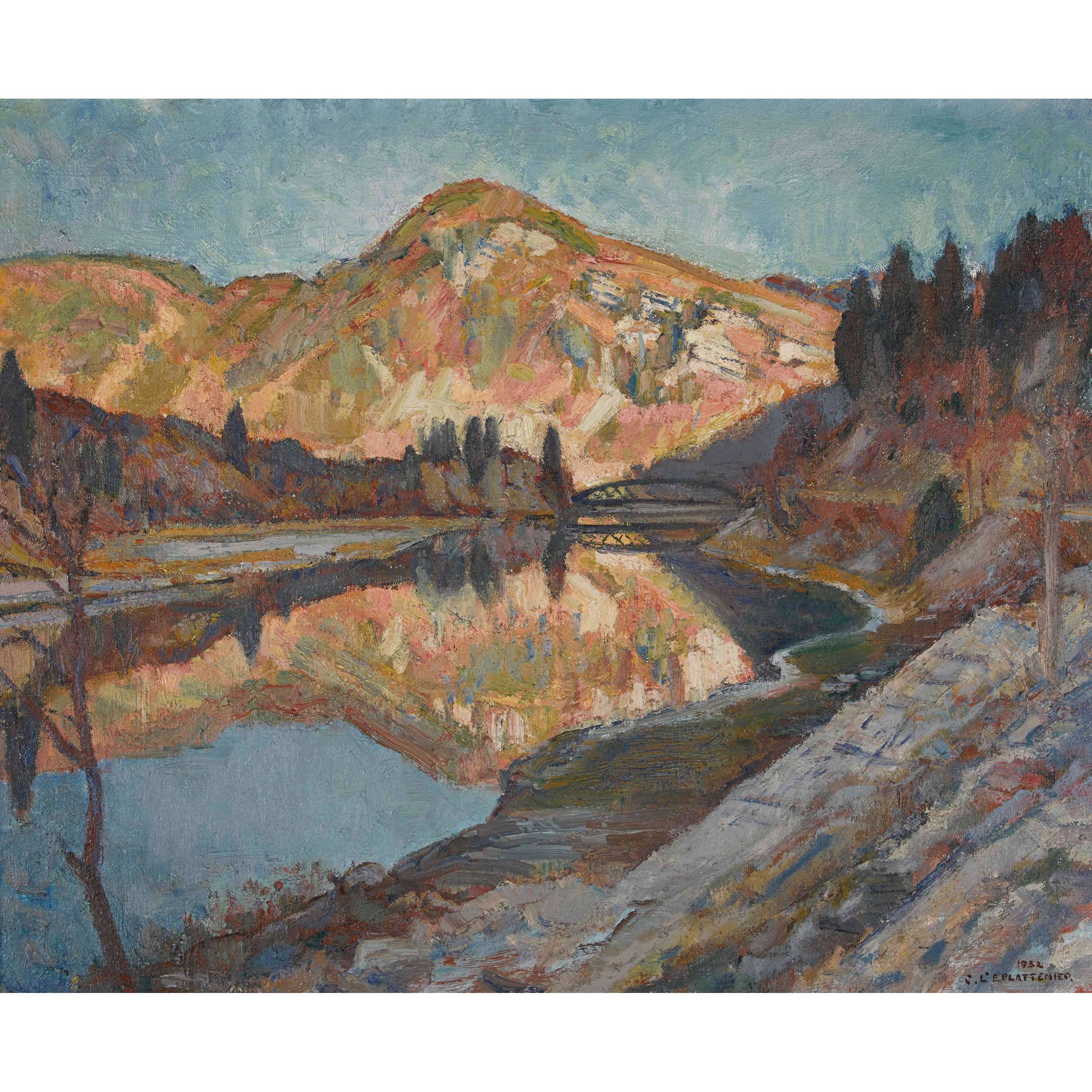
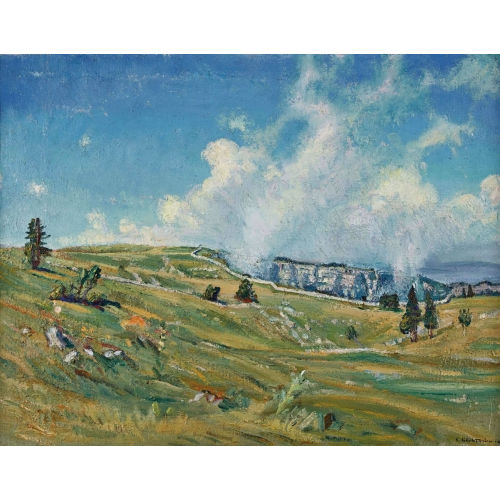
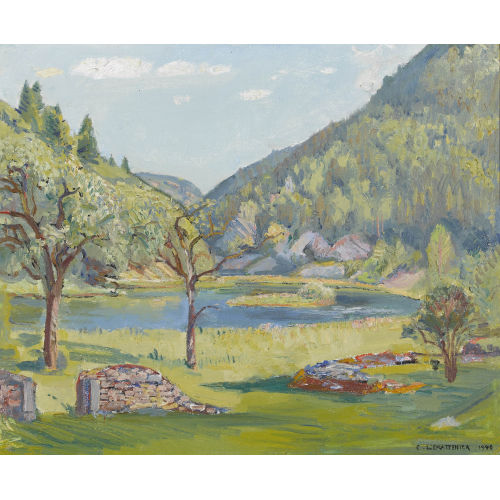
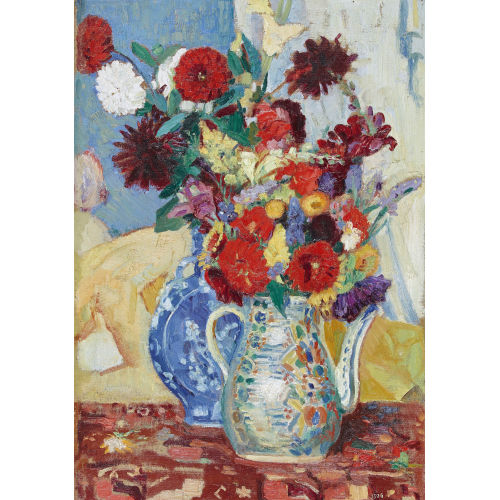
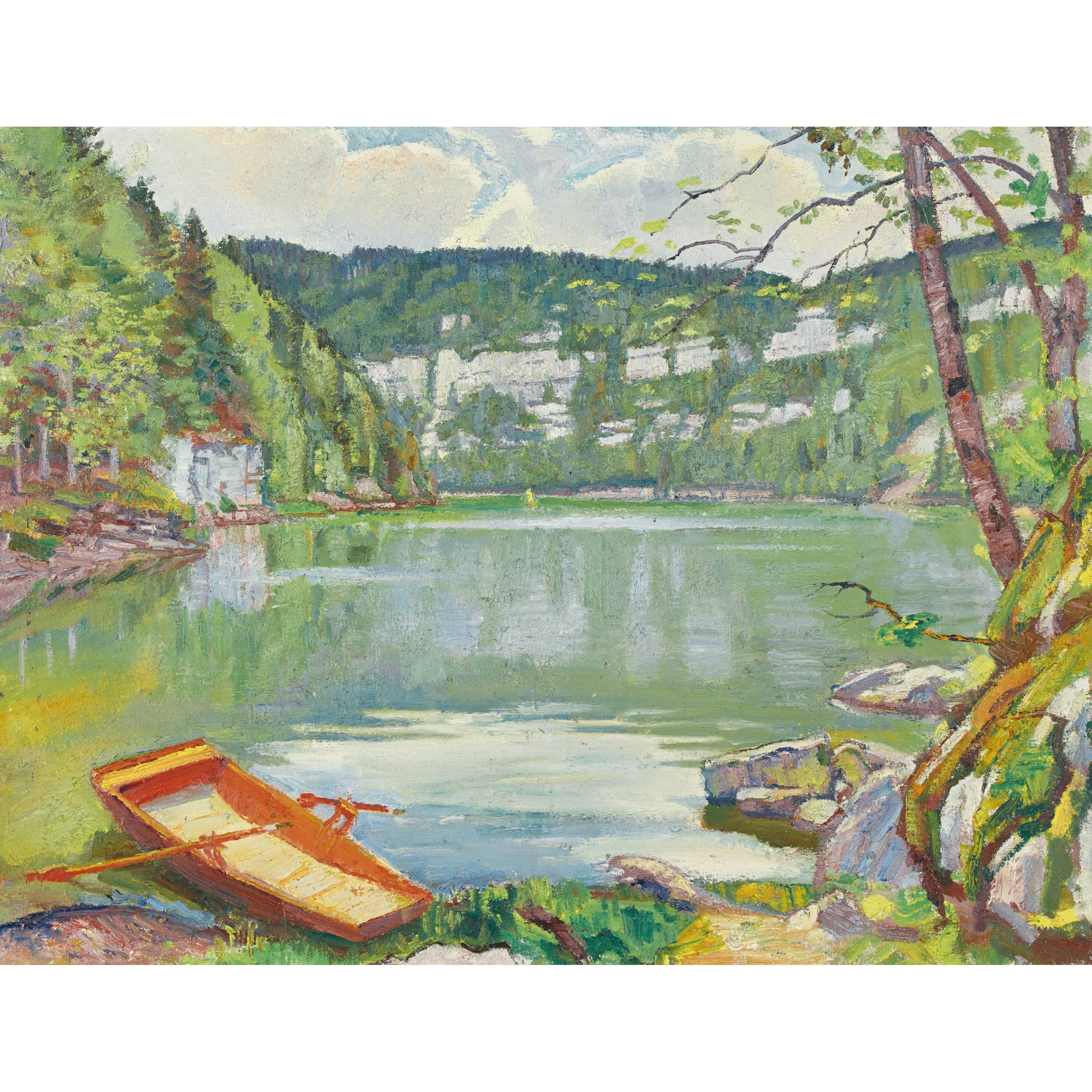
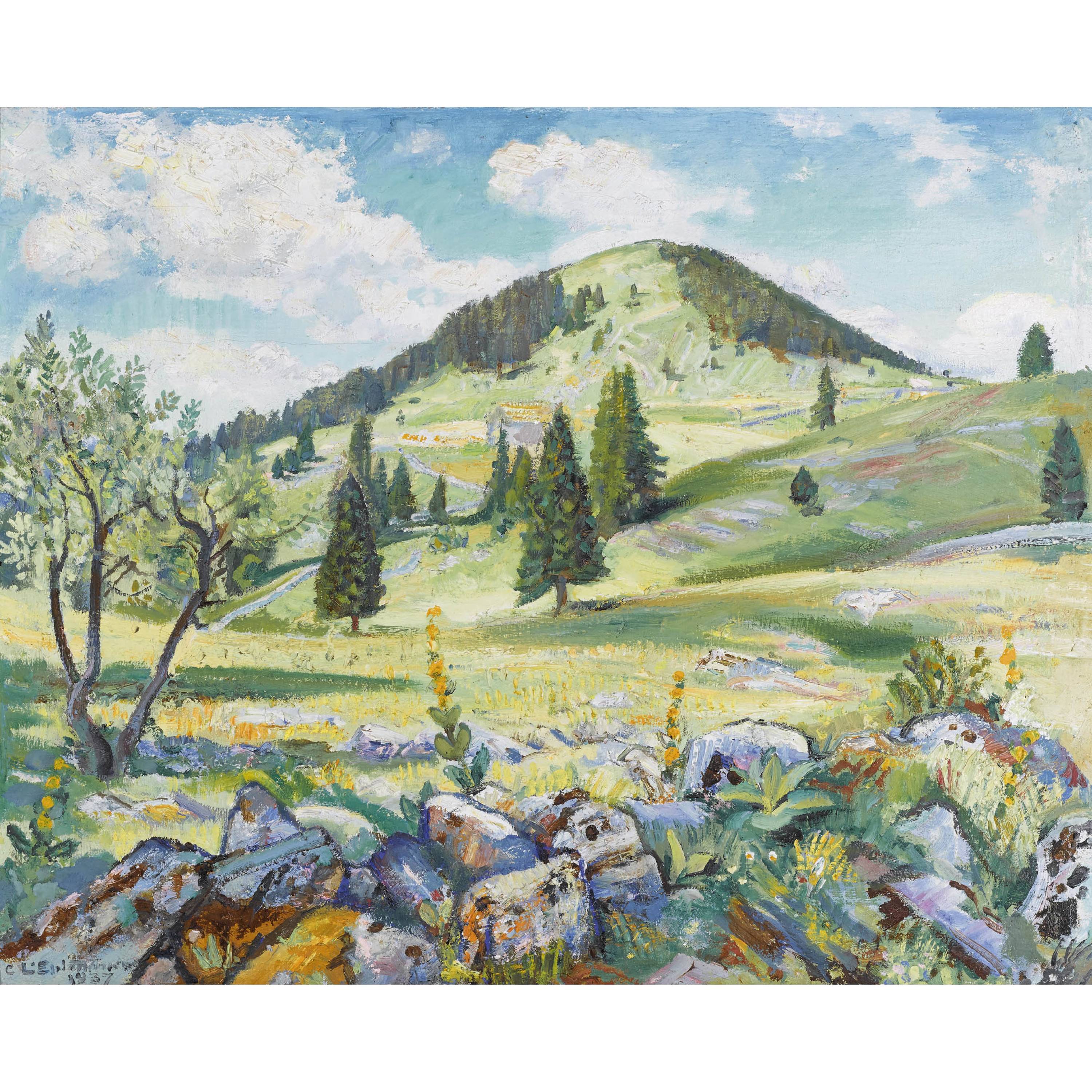
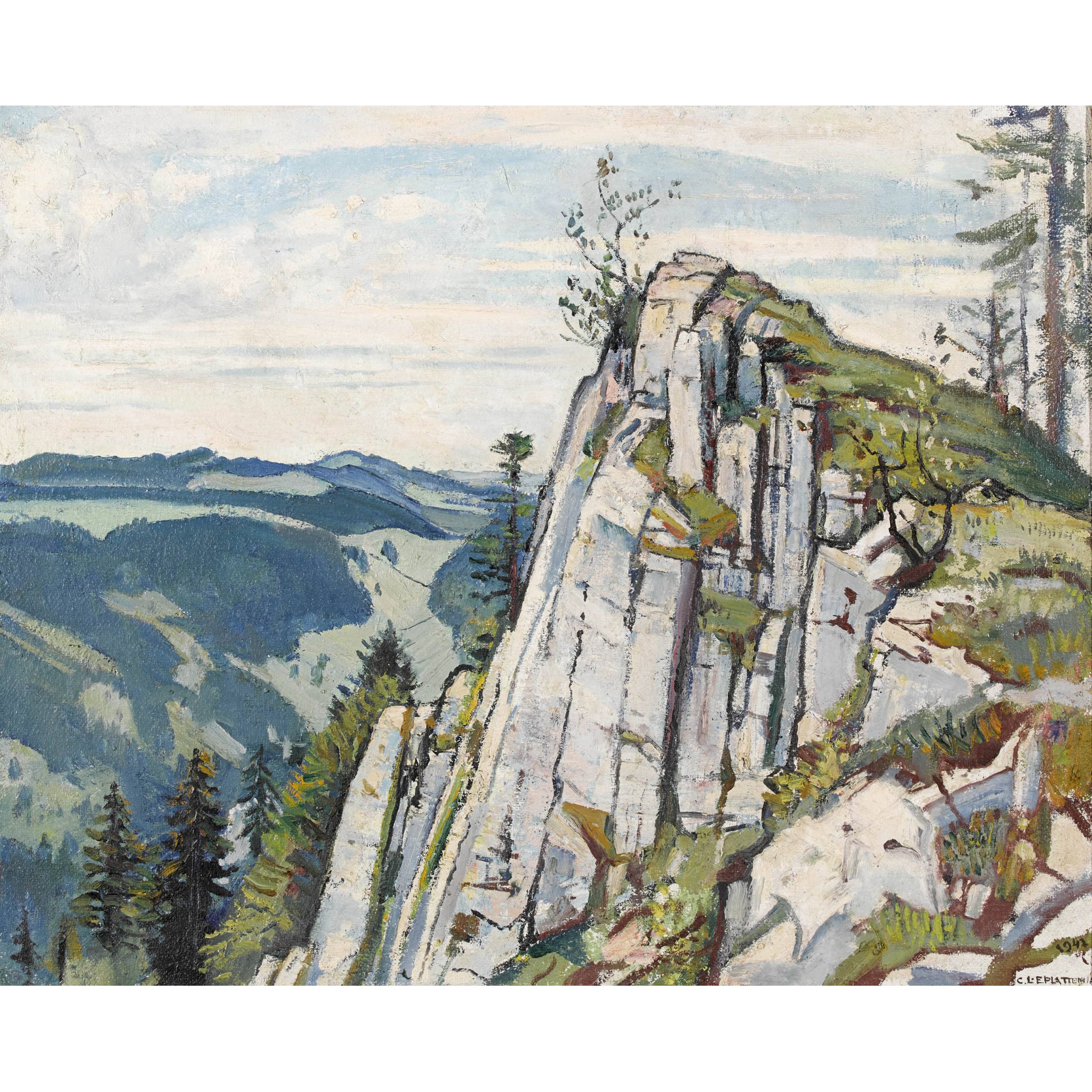
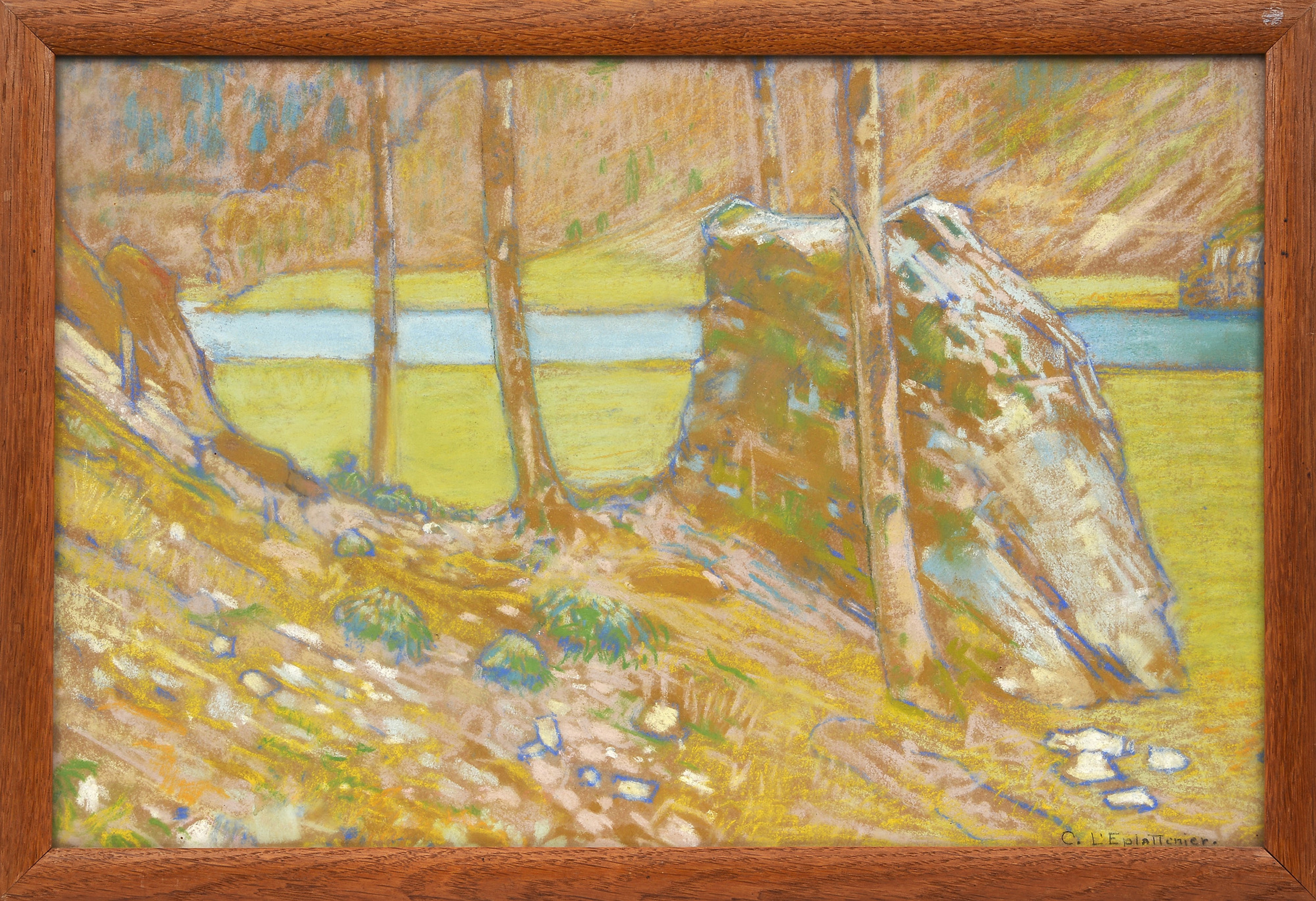
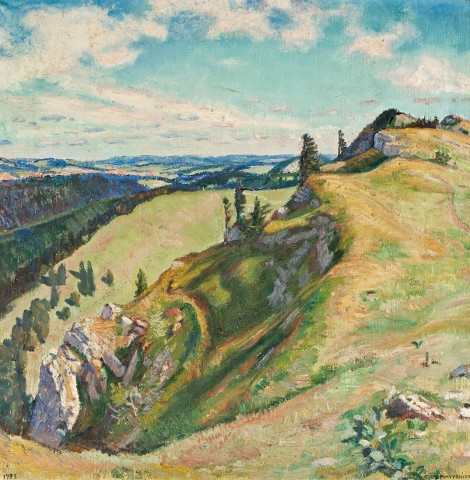
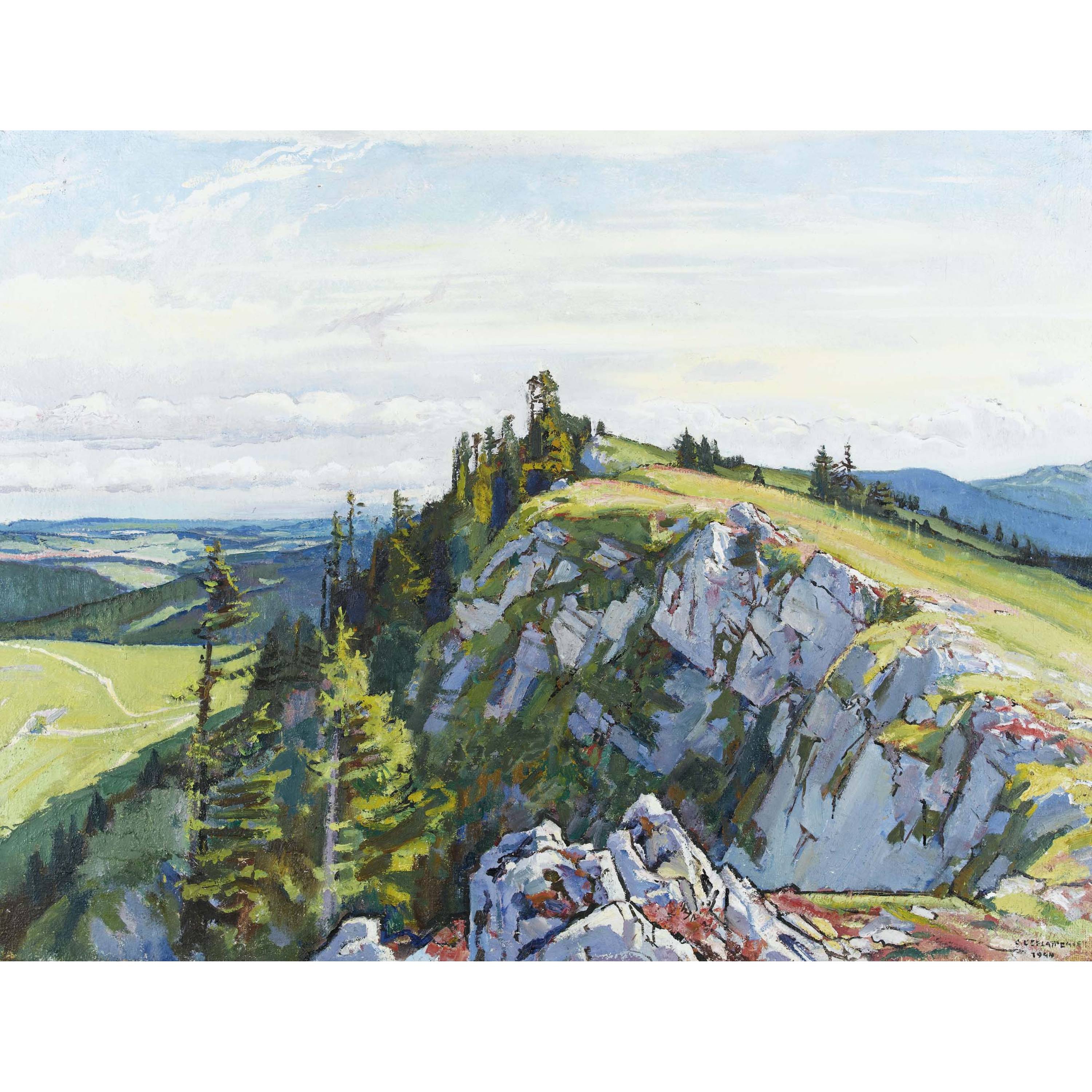
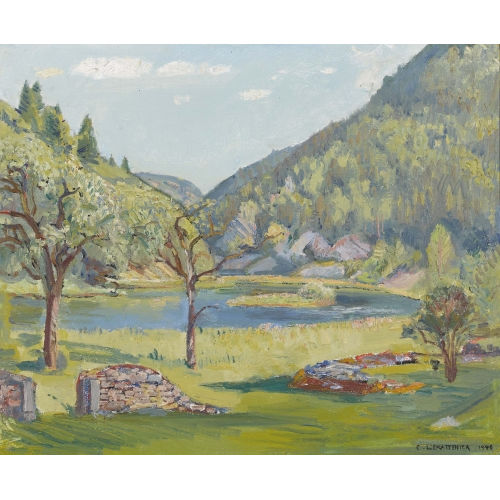
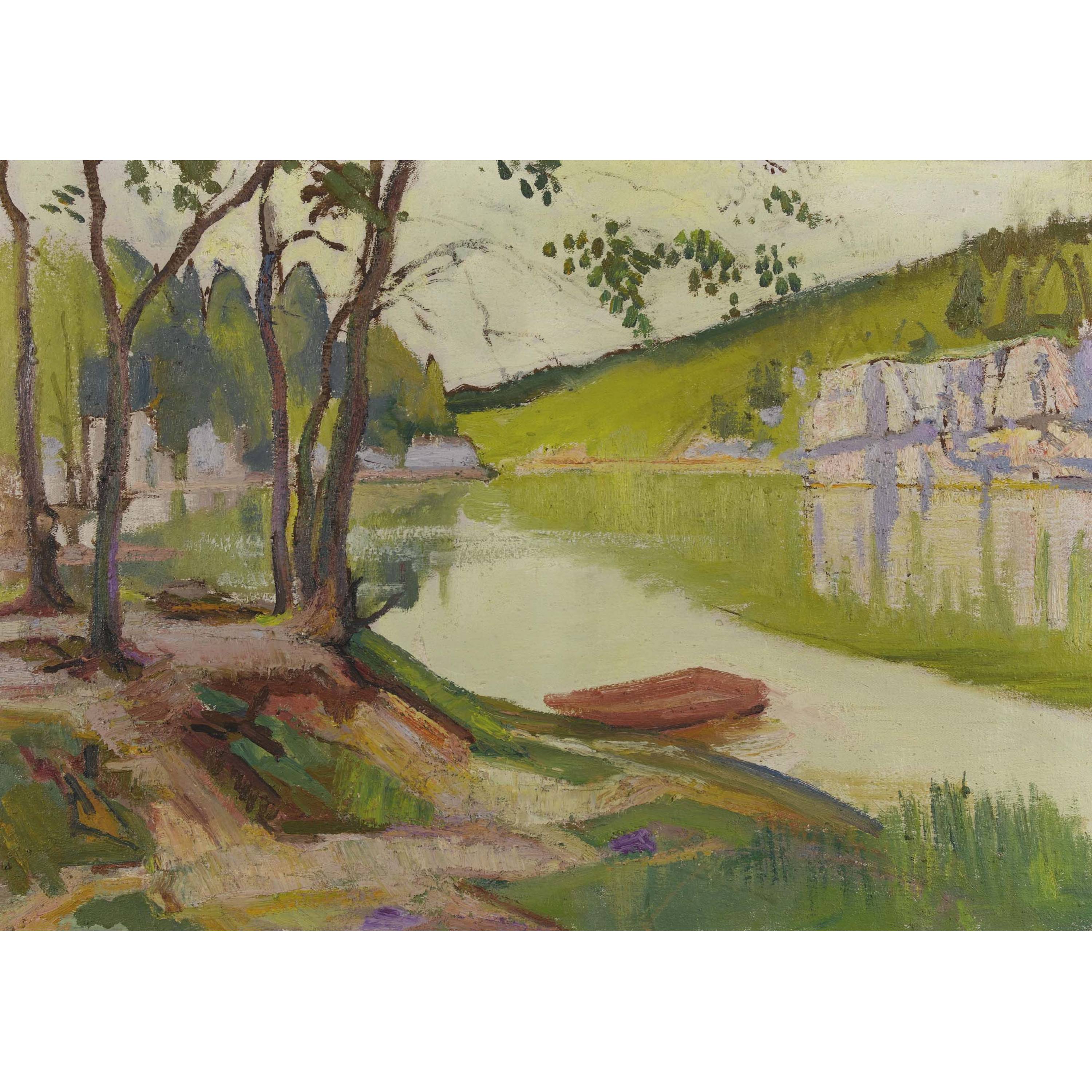
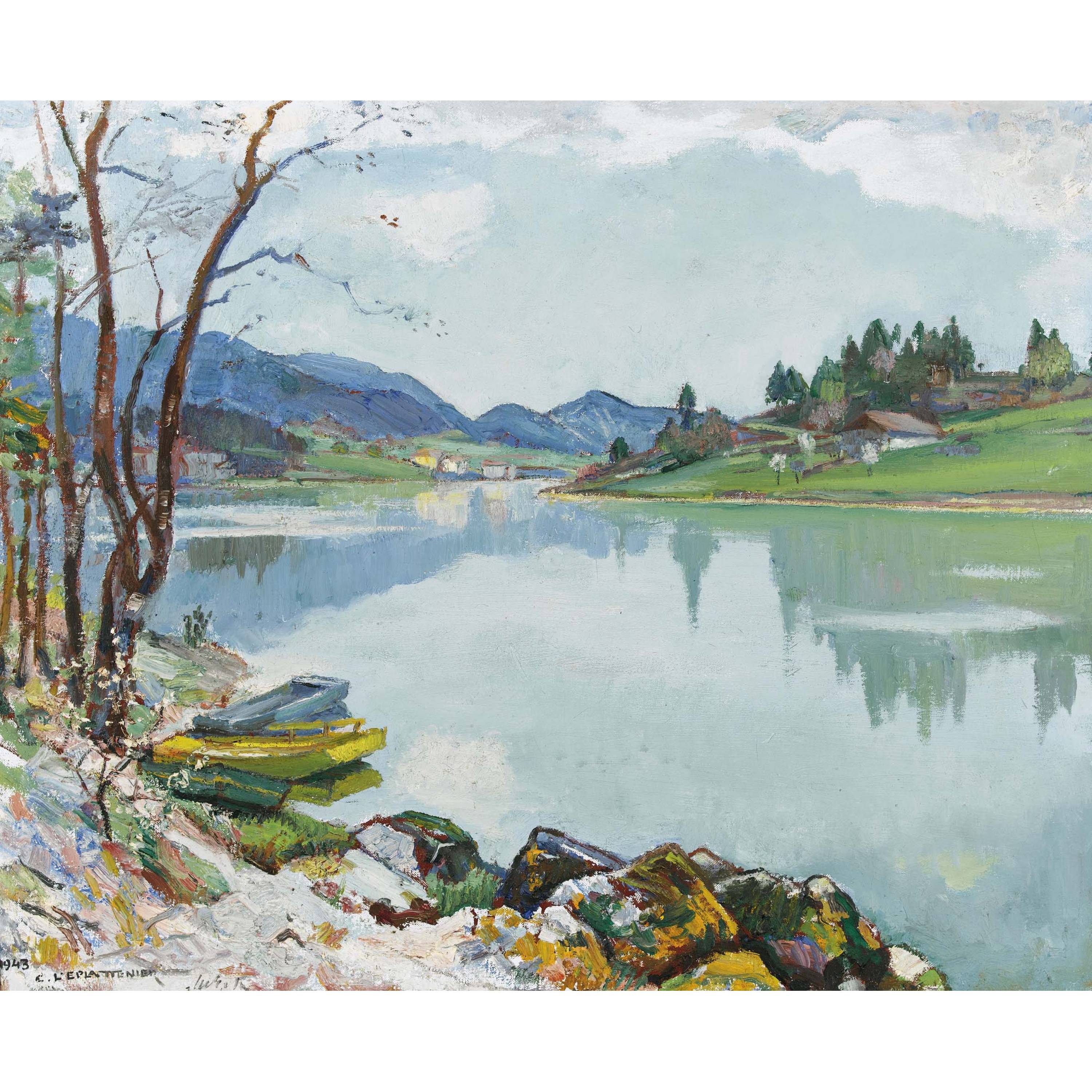
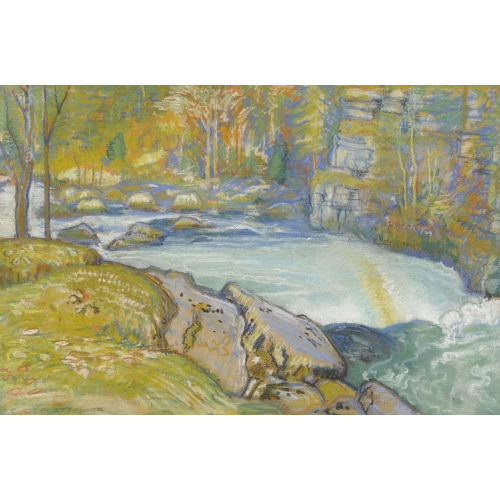
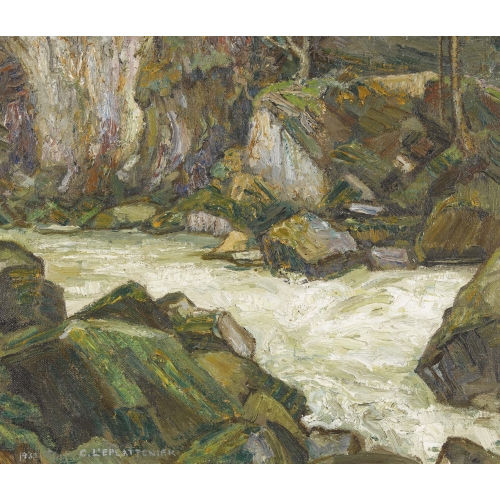
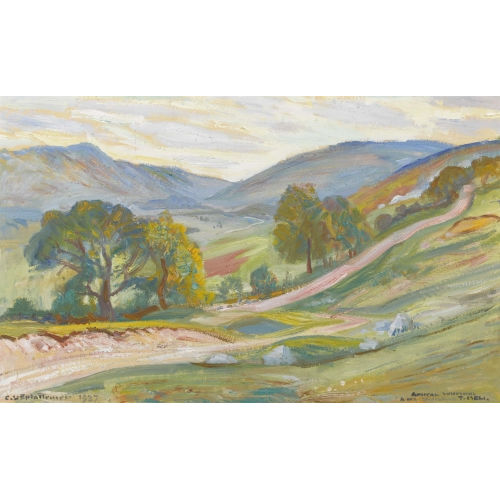
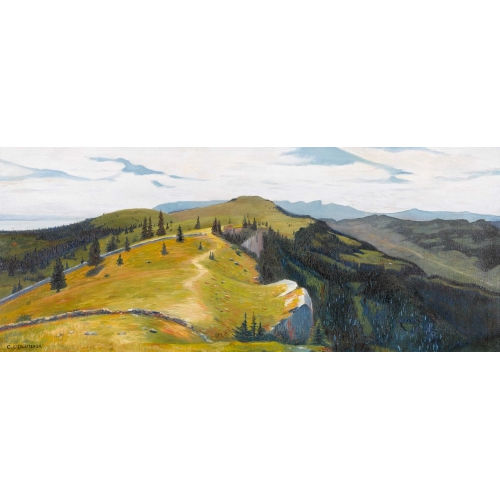
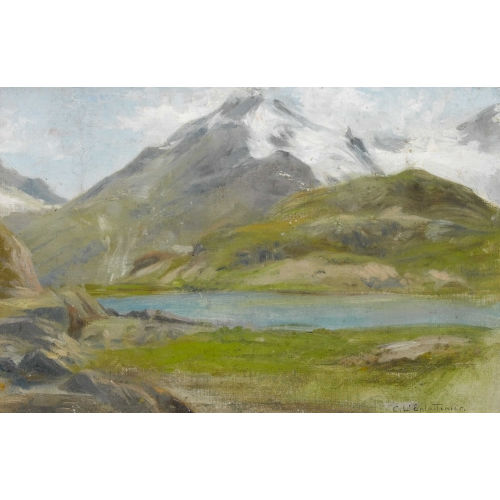
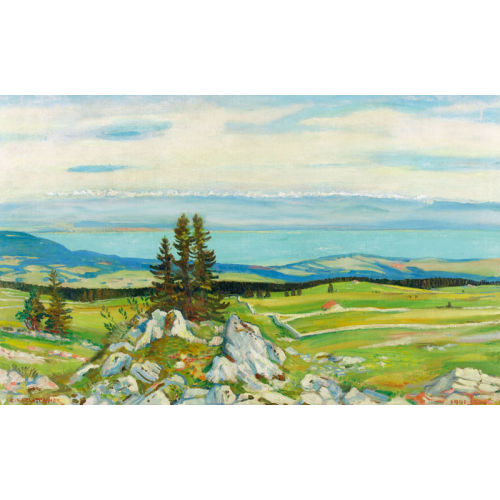
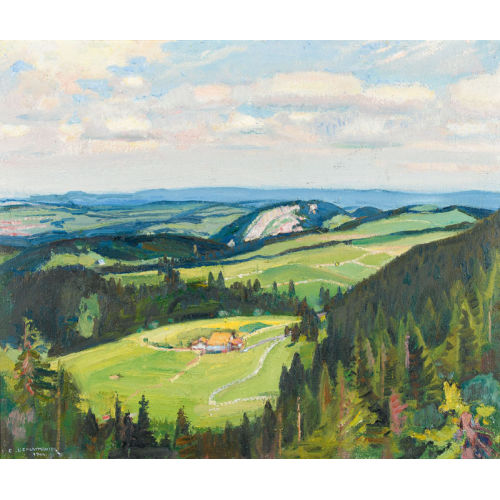
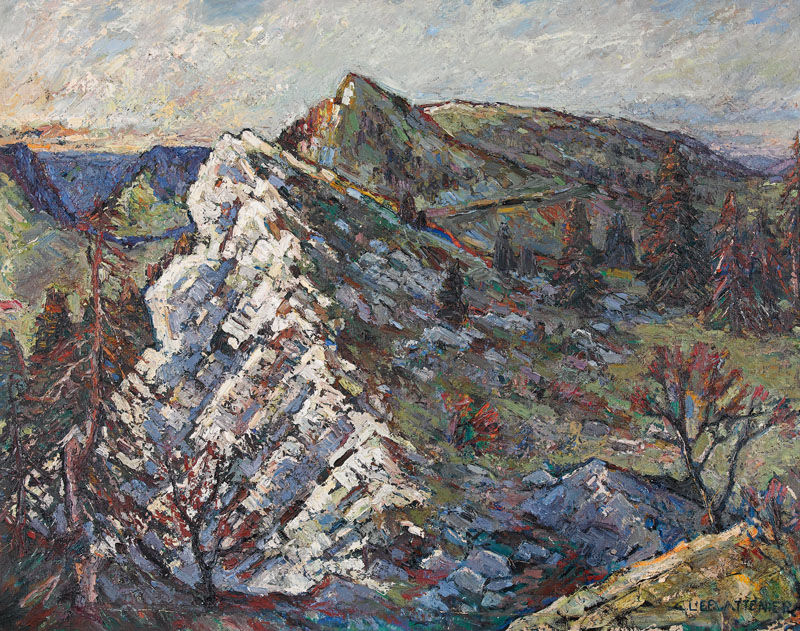
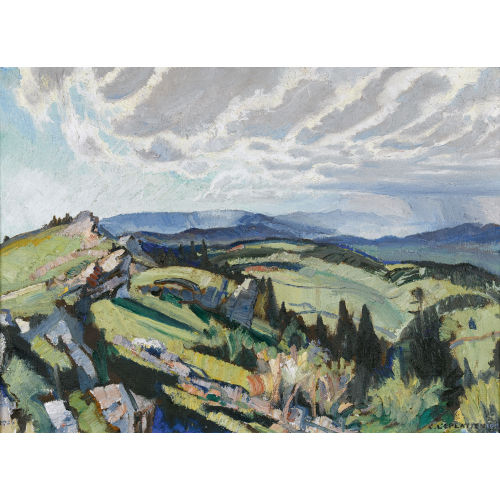
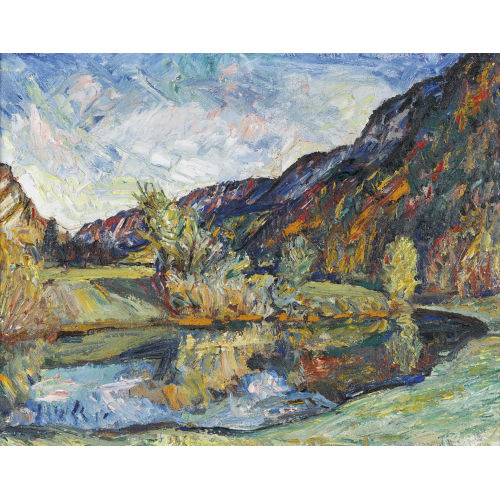
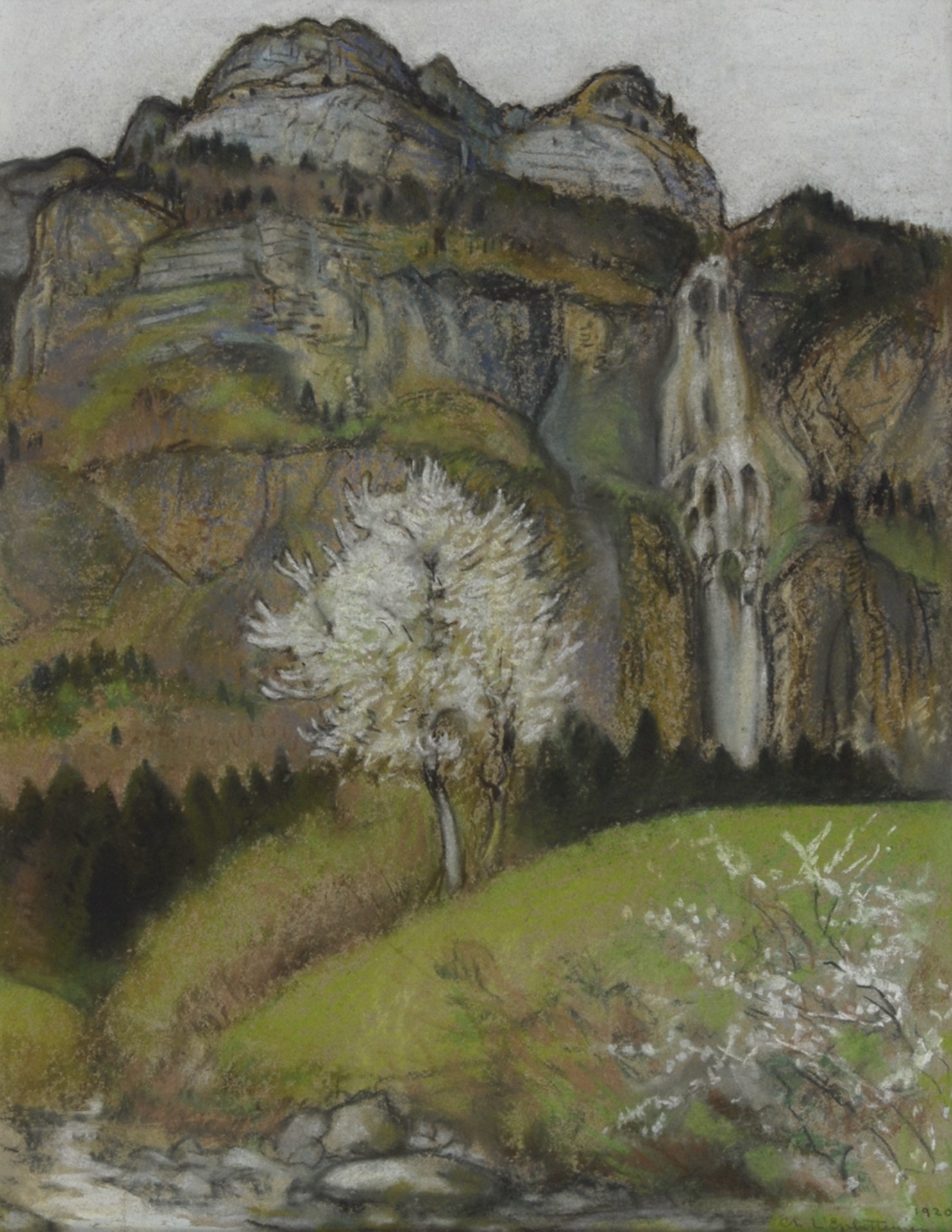
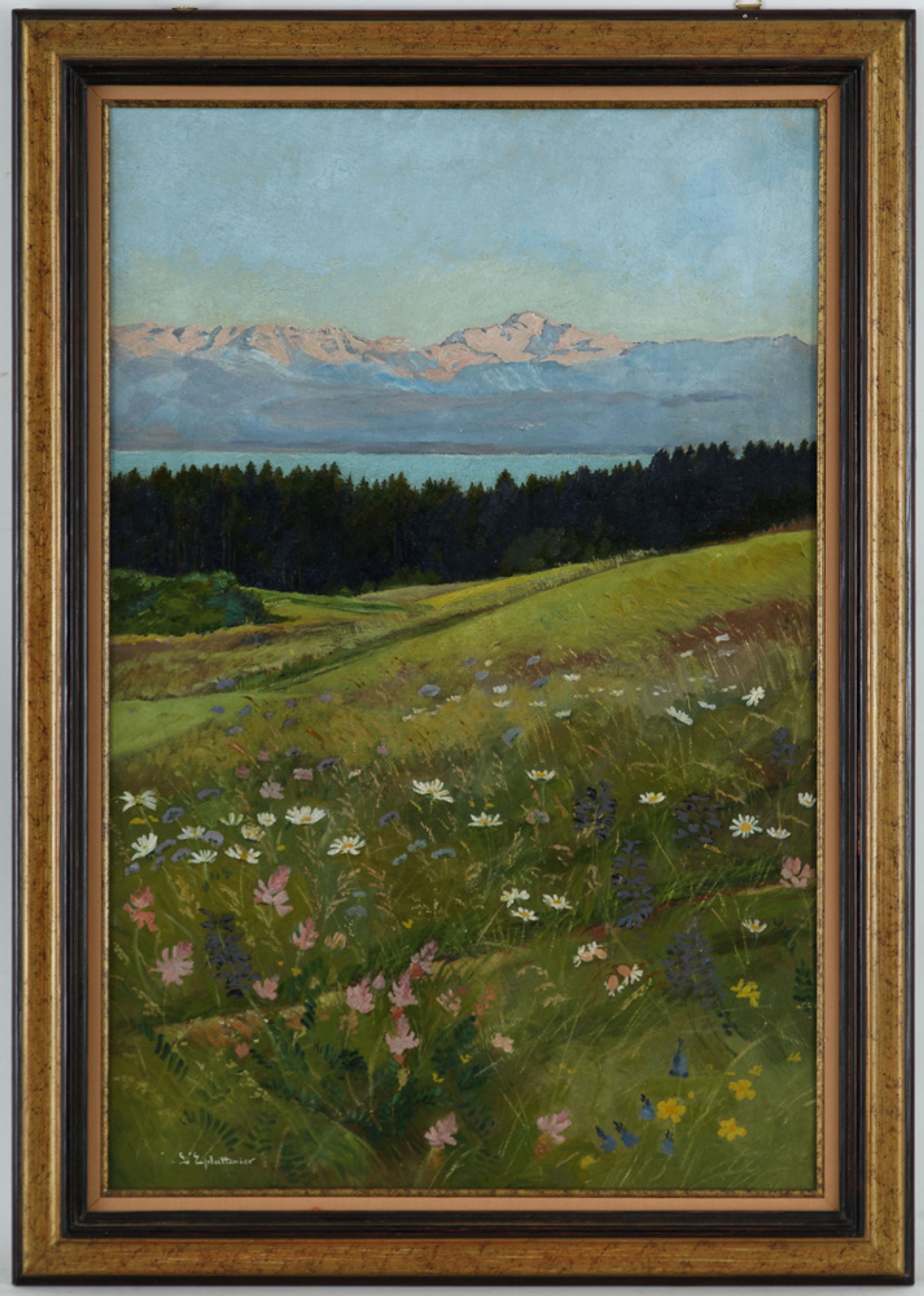
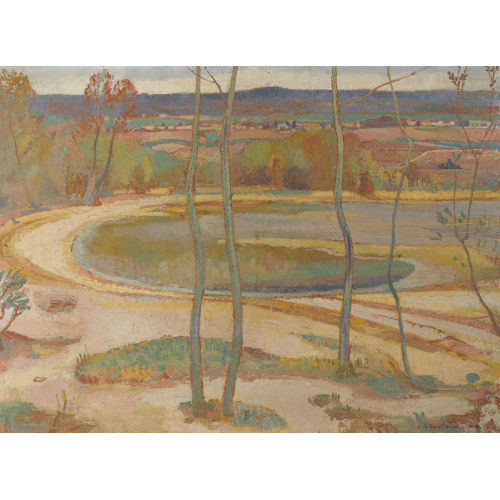
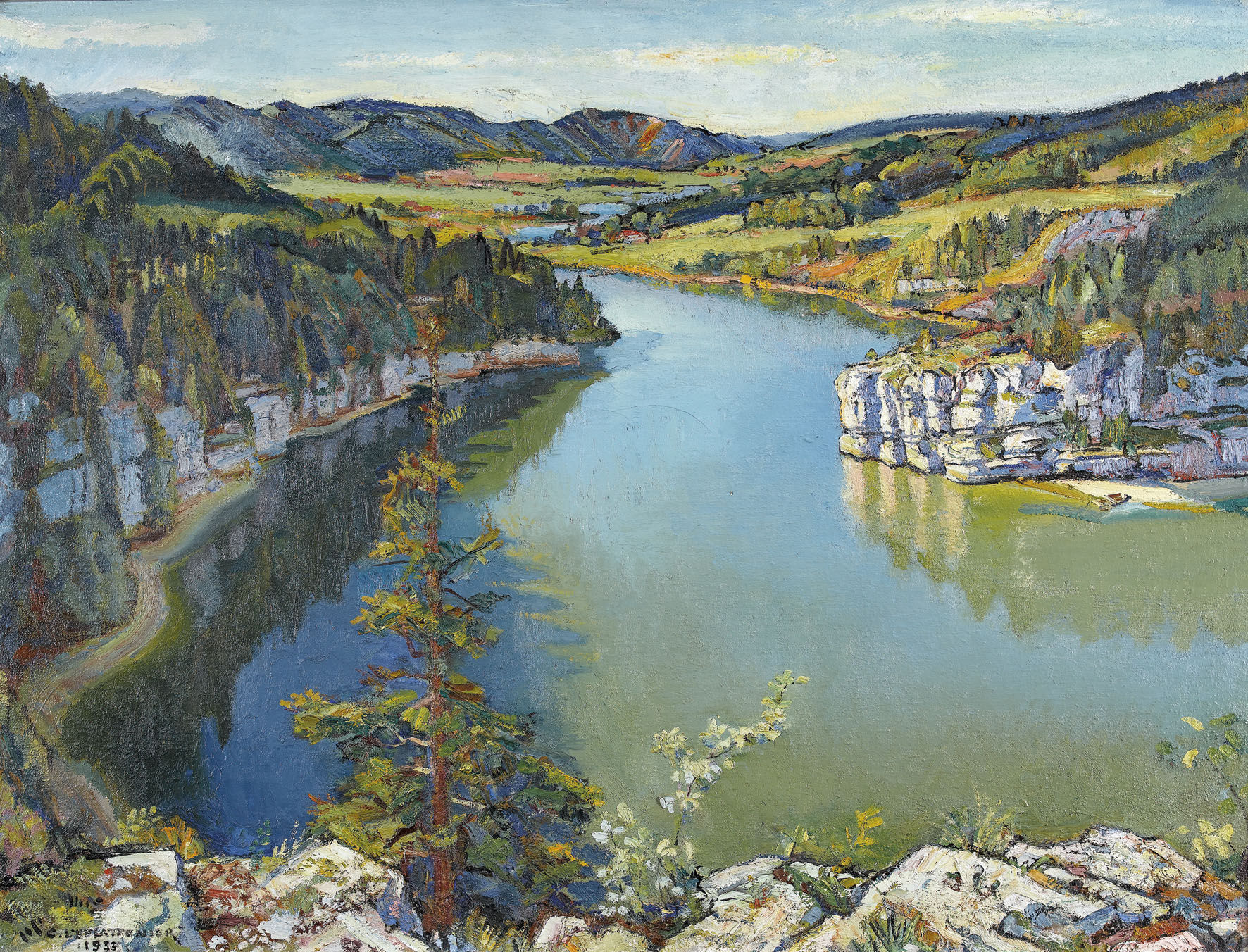
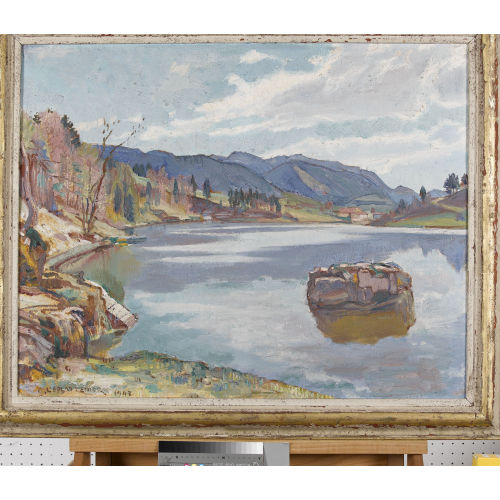
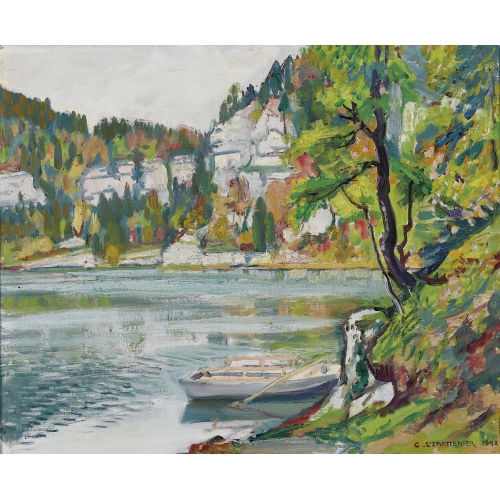
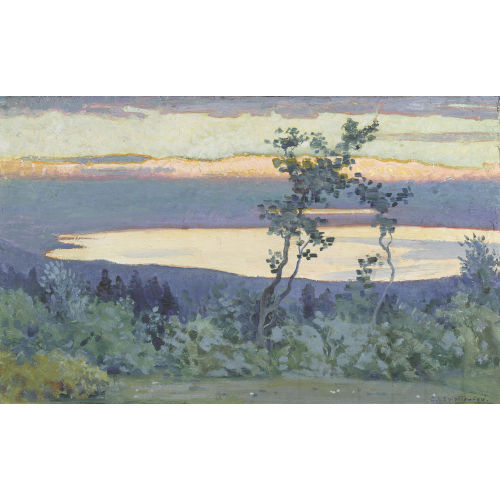
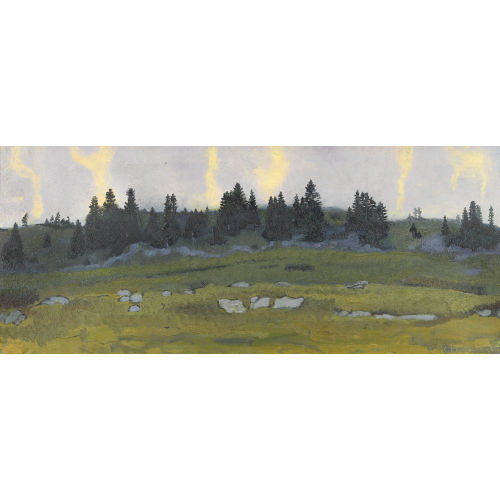
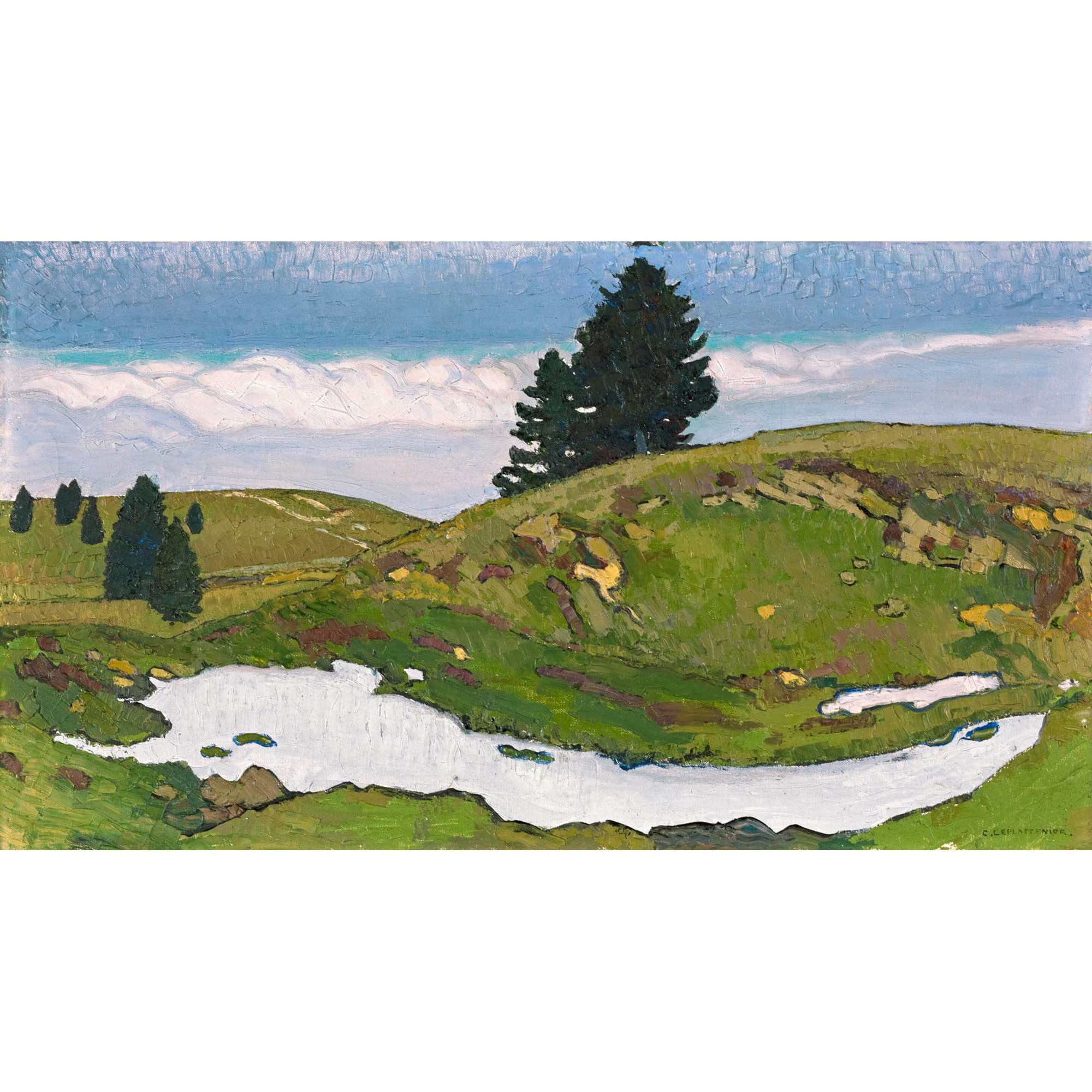
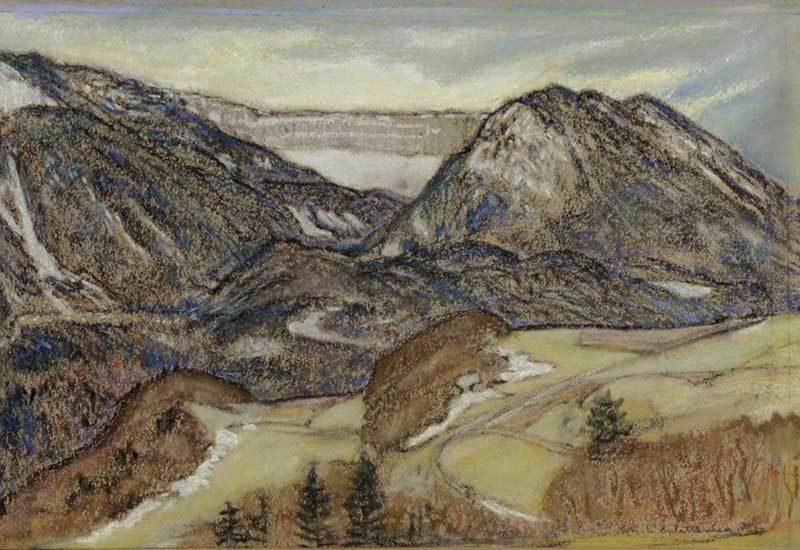
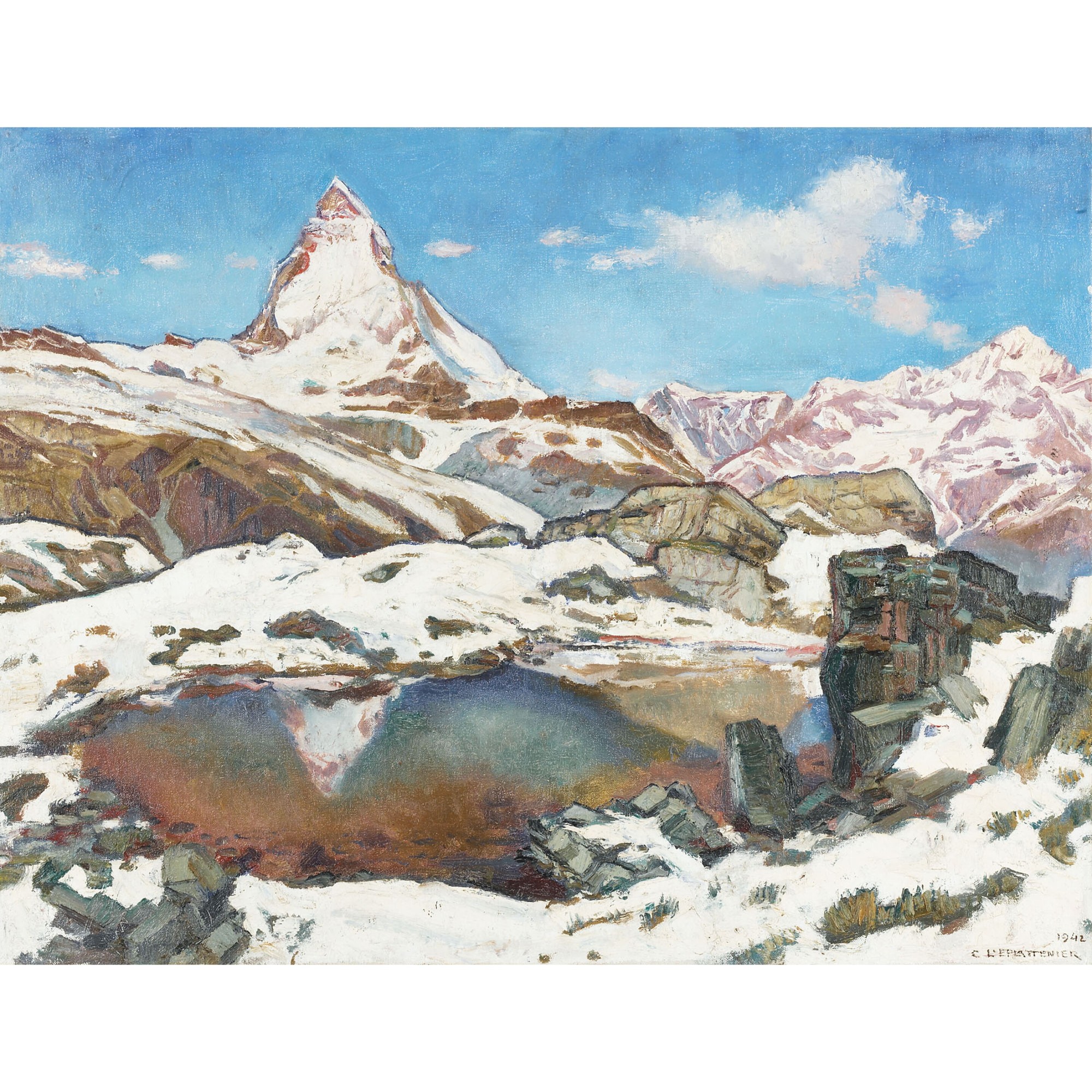
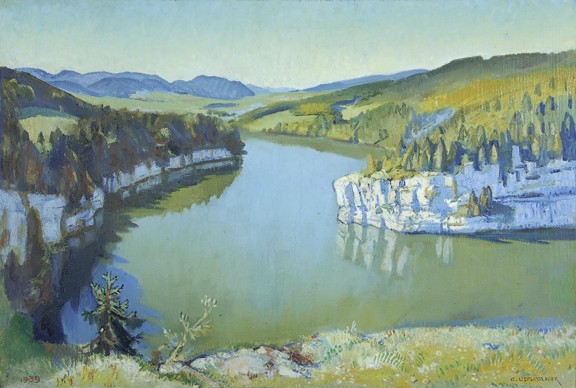
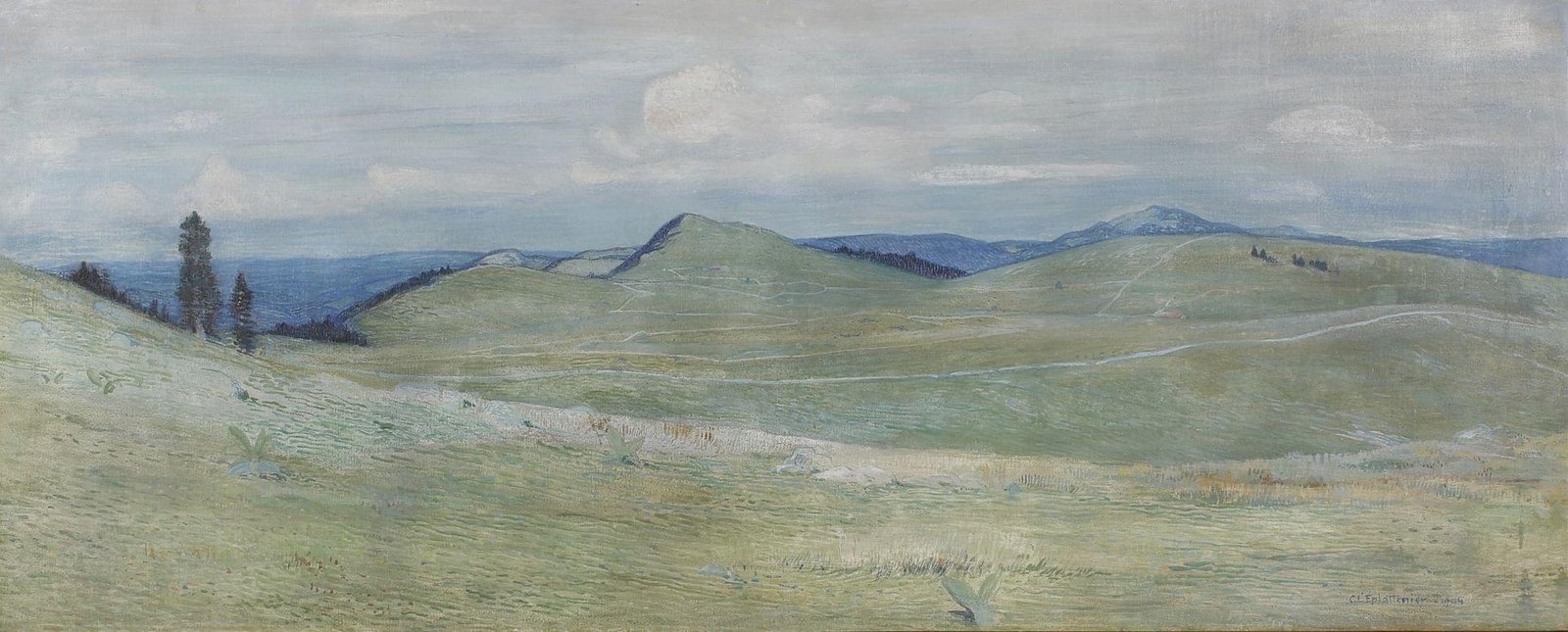
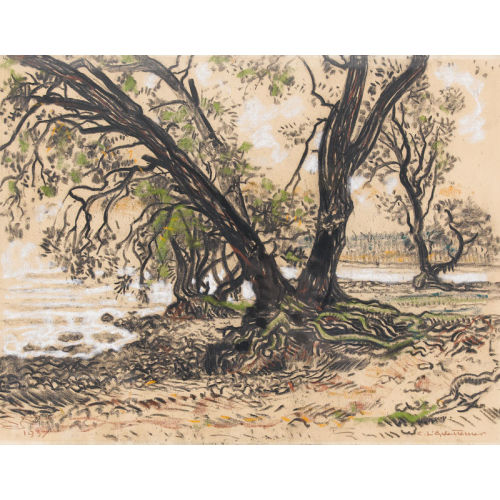
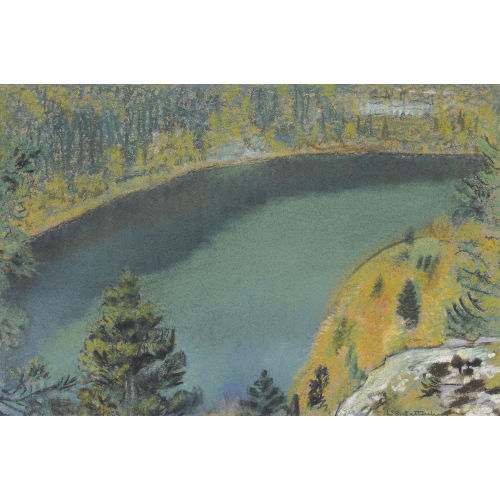
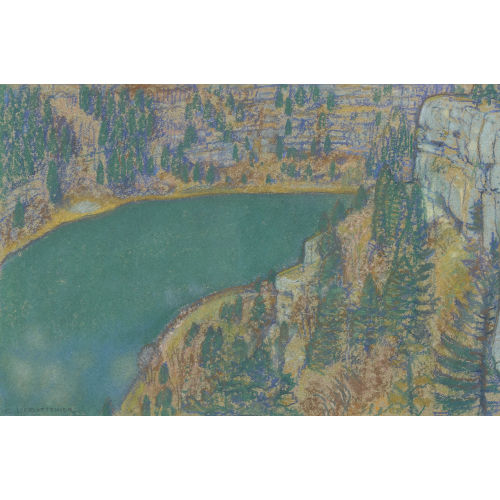
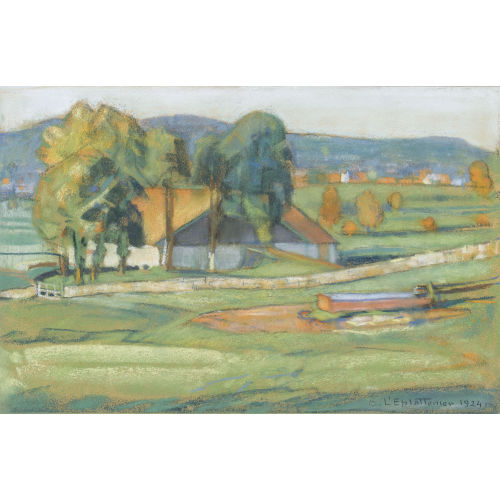
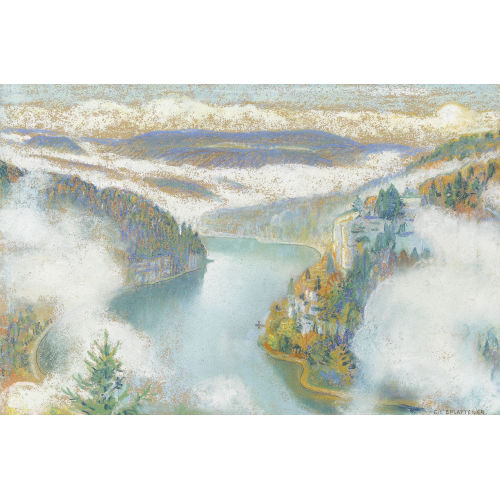
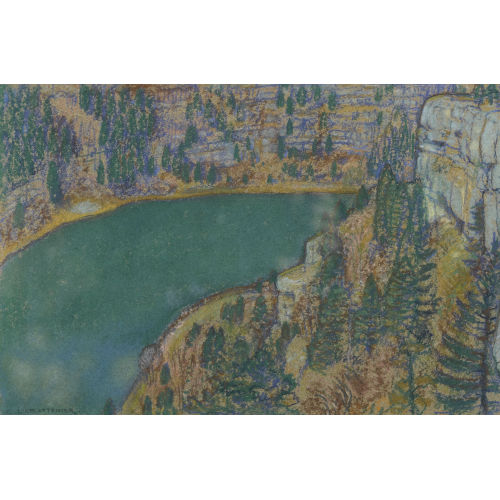
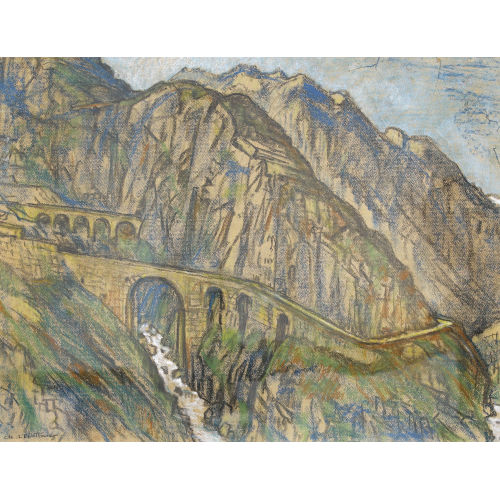
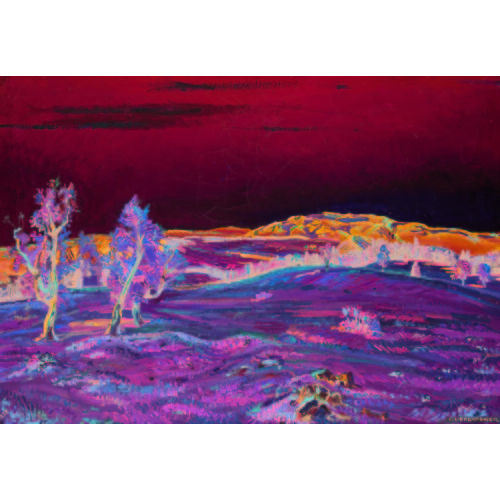
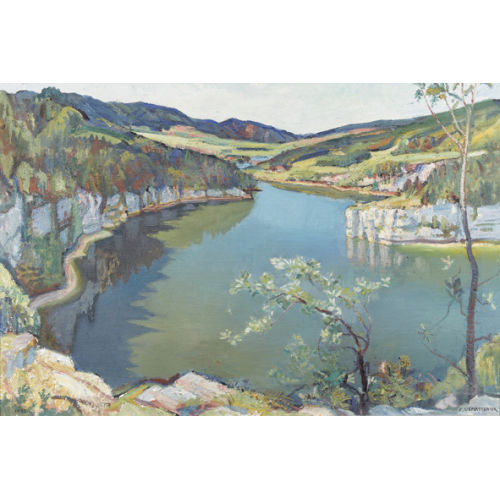
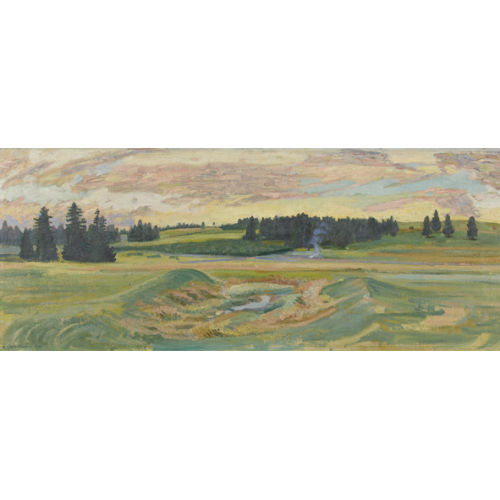
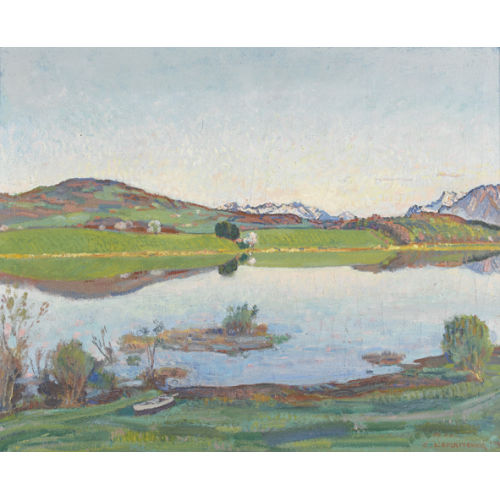
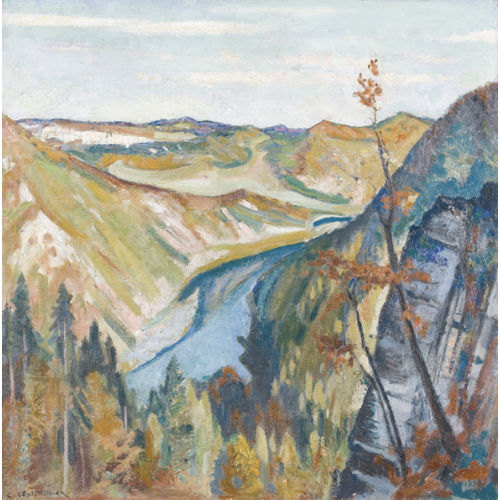
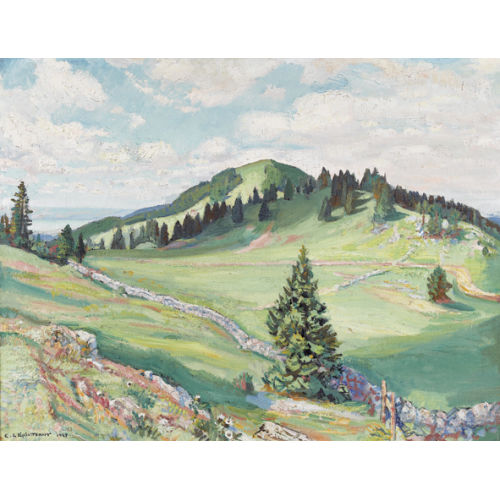
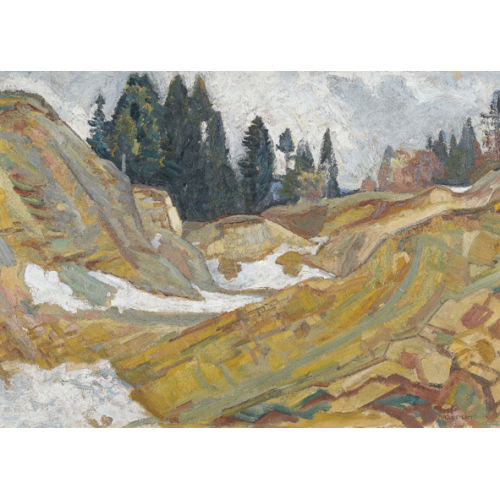
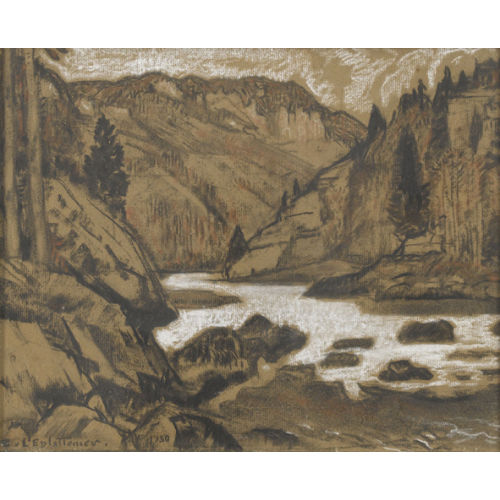
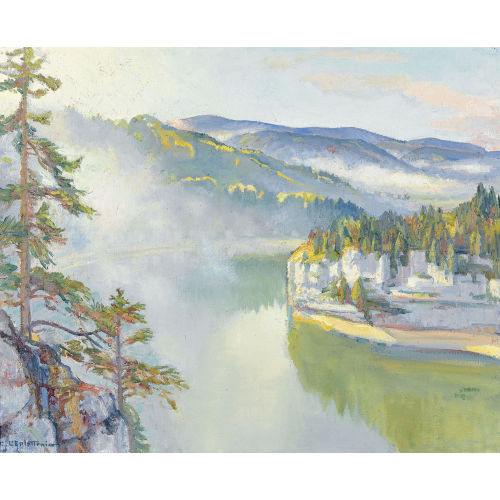
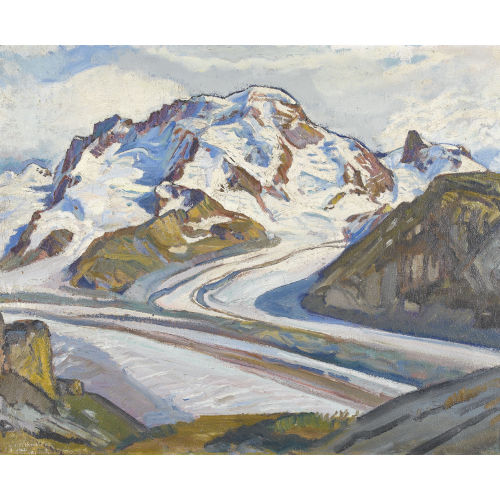
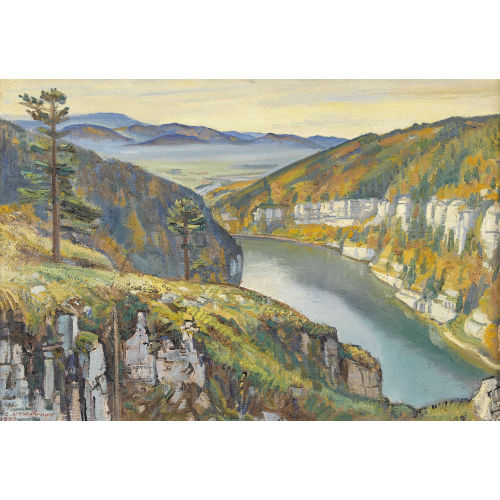
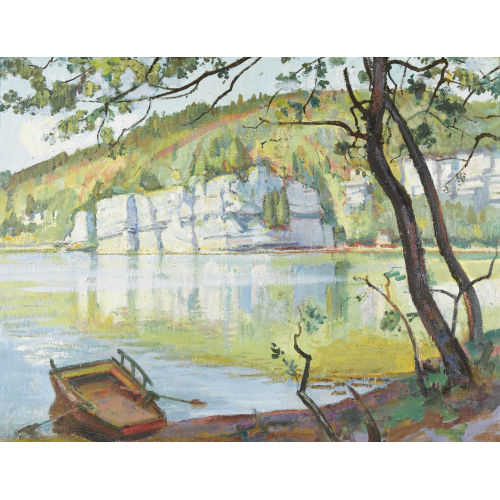
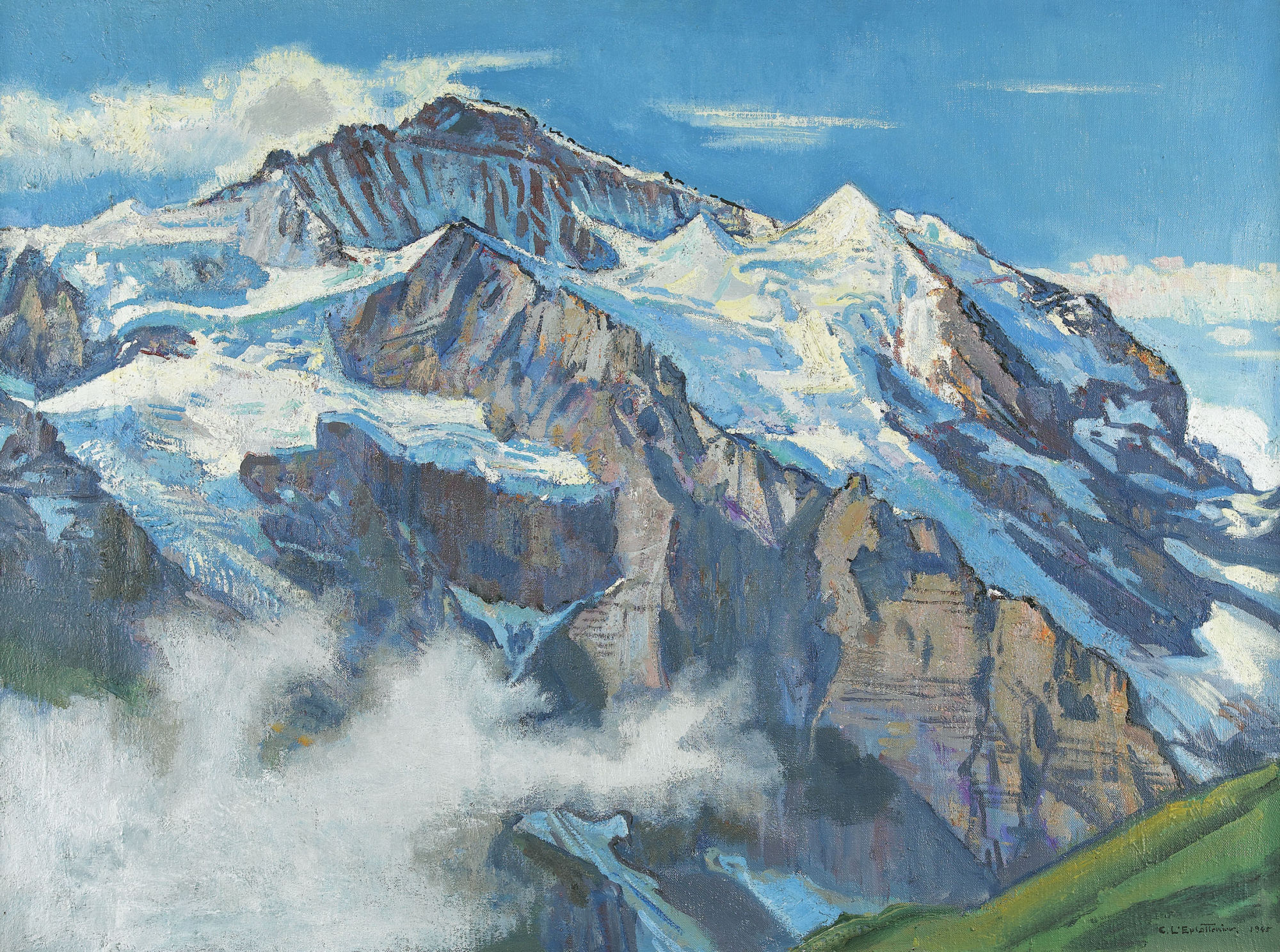
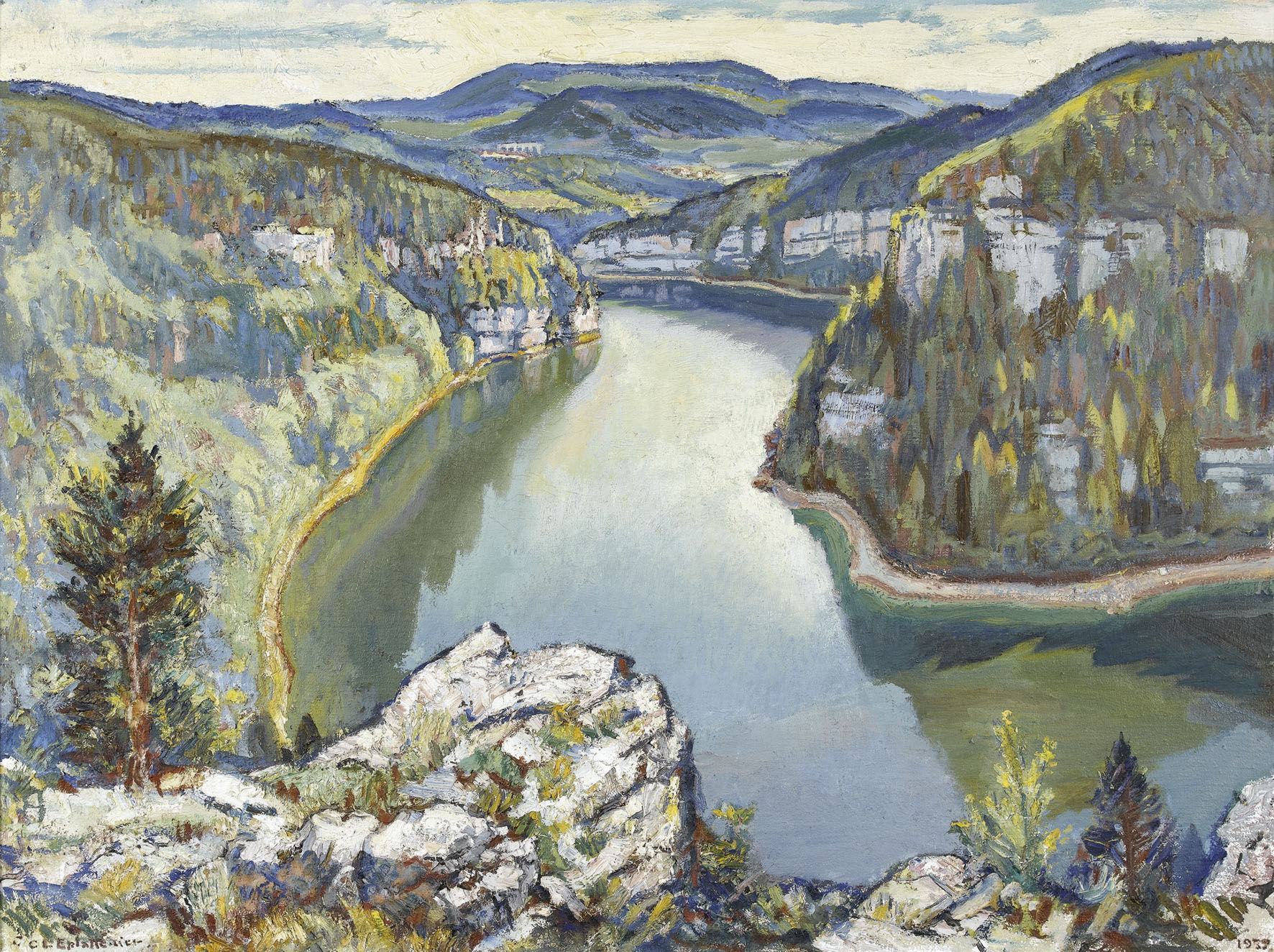
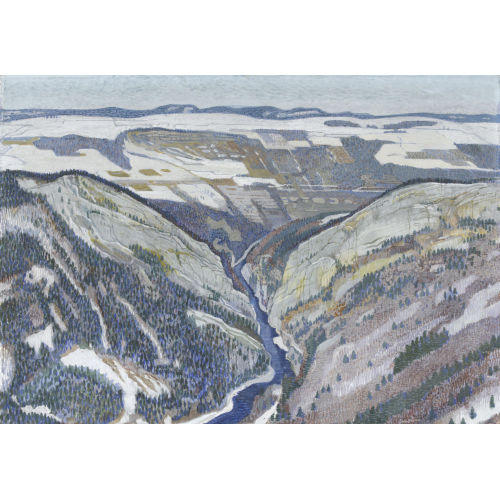
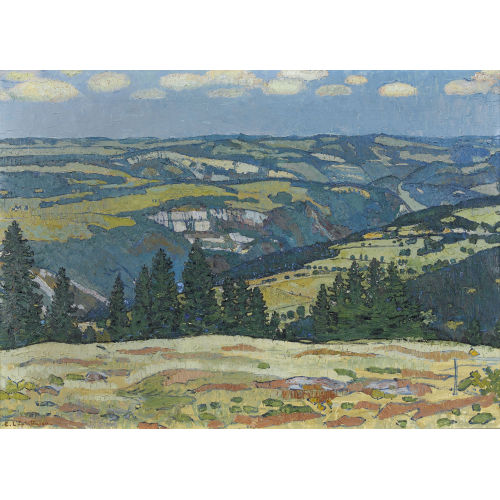
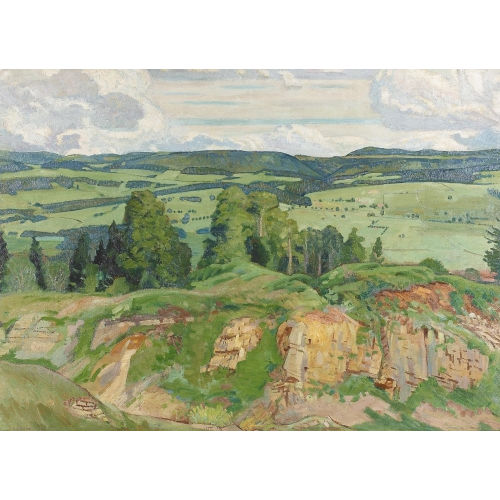
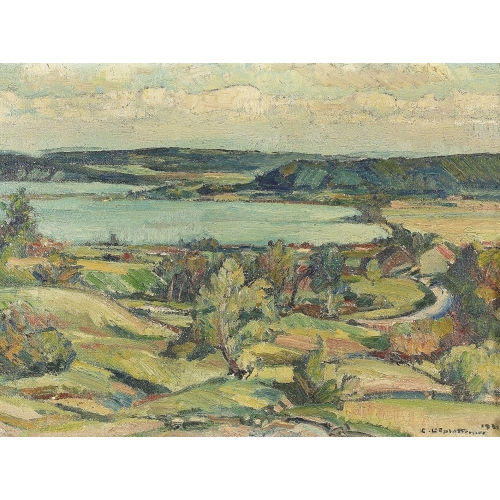
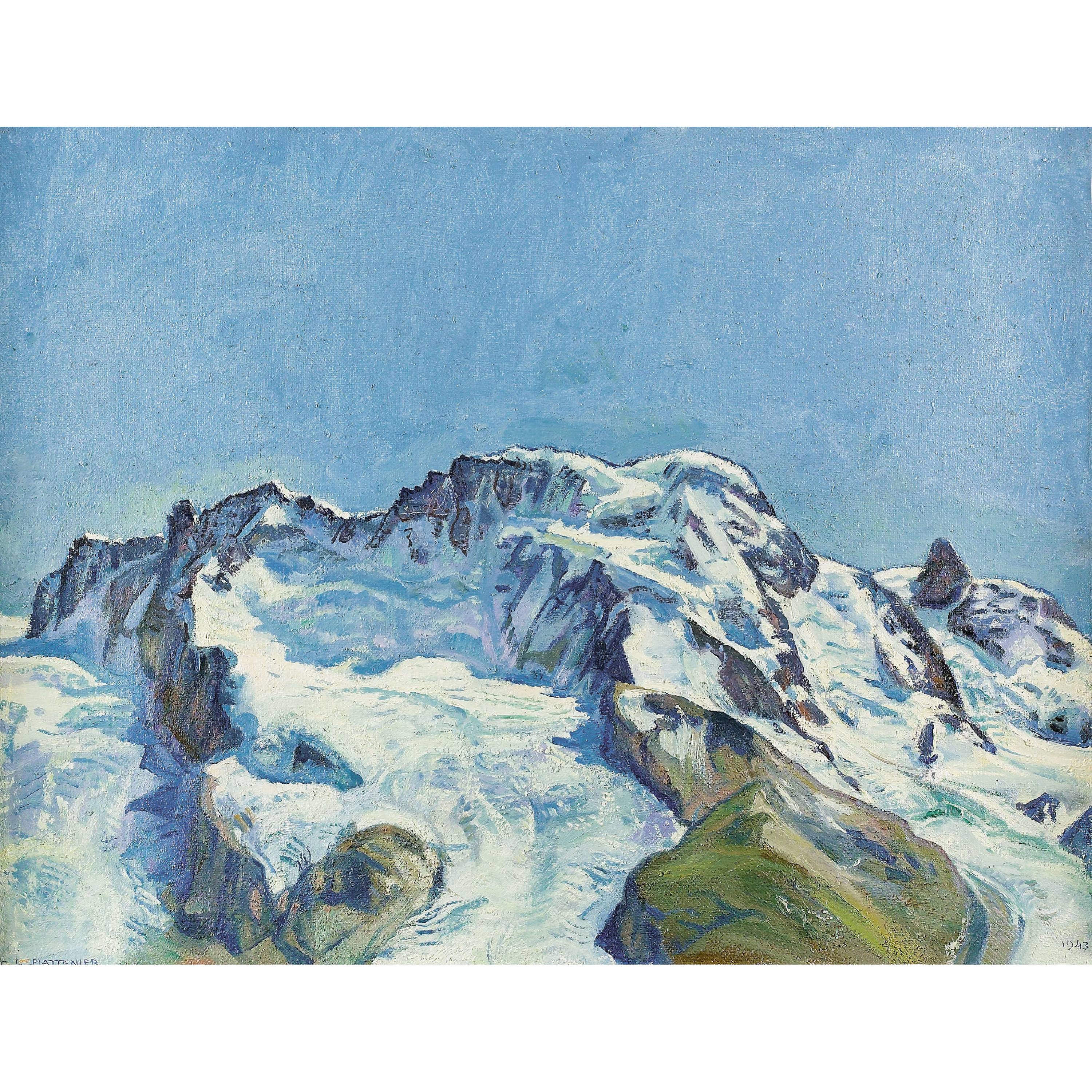
L’Eplattenier’s painting remains closely linked to the landscapes of his region. «Au sommet (Mont-Racine)» (1904), a large-format oil on canvas held by the Musée des beaux-arts, conveys this attachment to the Jura landscape. In «Temps de mars» (1907), the snow-covered mountain and unsettled sky become the subject of a panoramic composition: the museum describes the melting snow as the beginning of spring.
Painted in tempera on canvas, the work also reveals his interest in seasonal variations of light and colour.
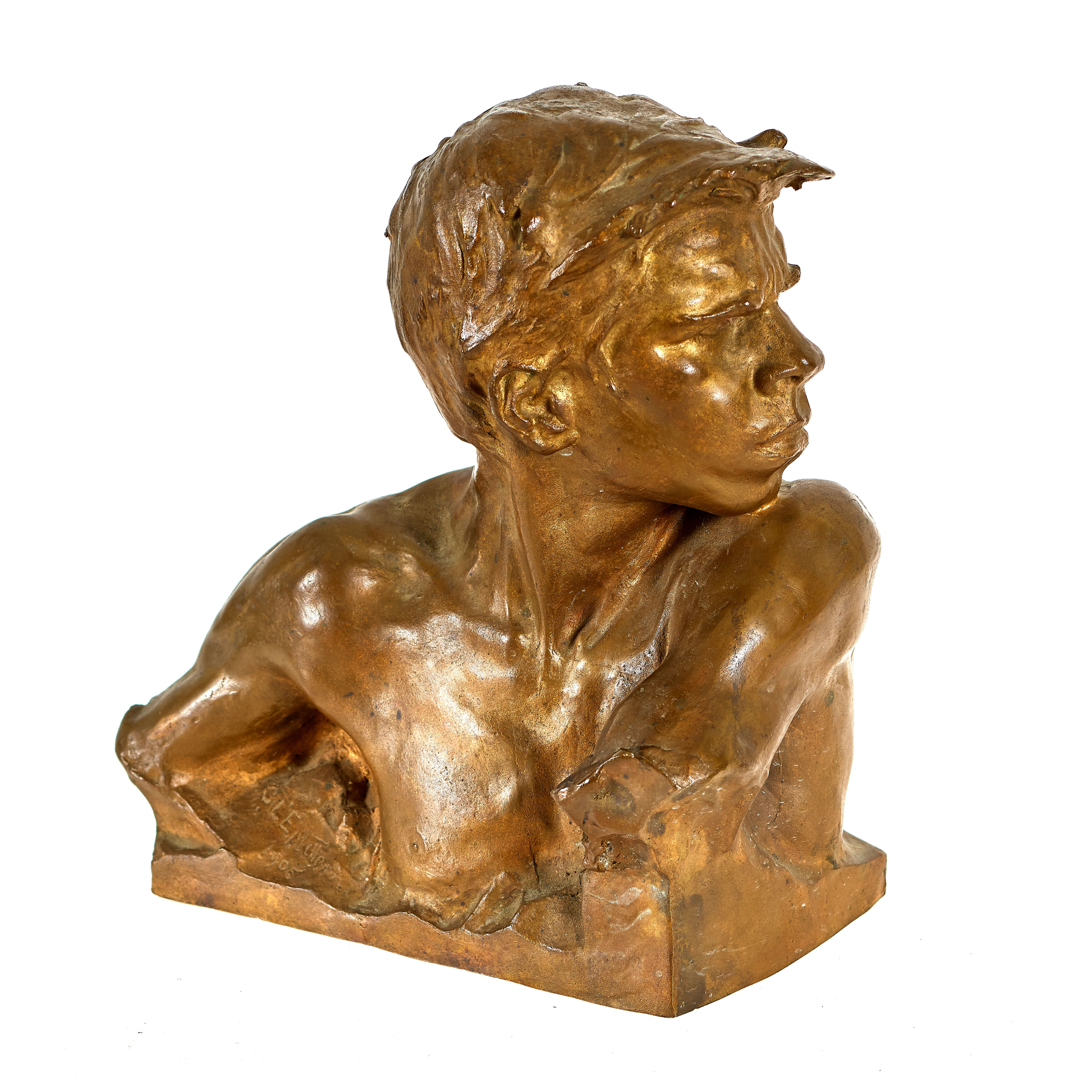
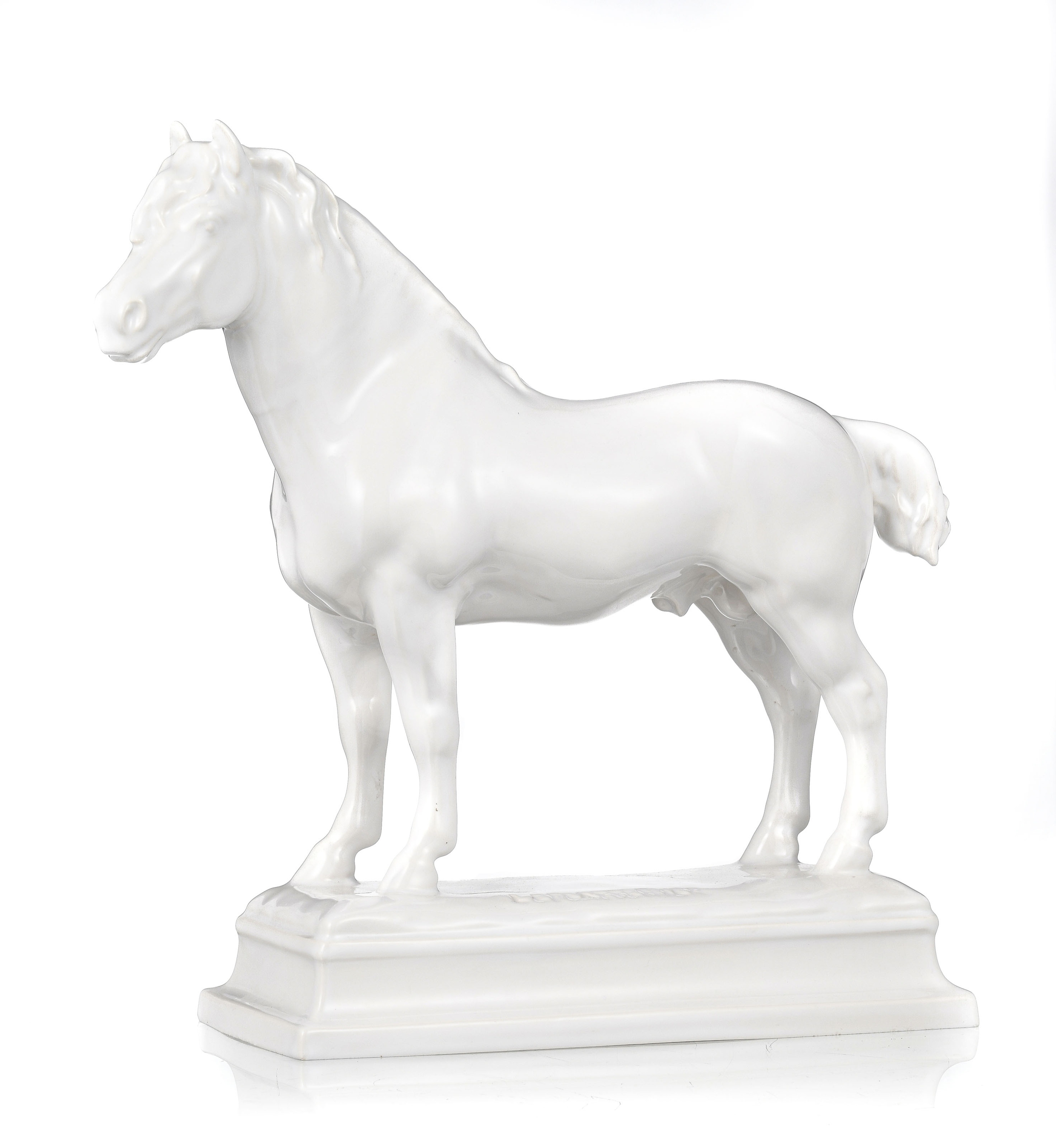
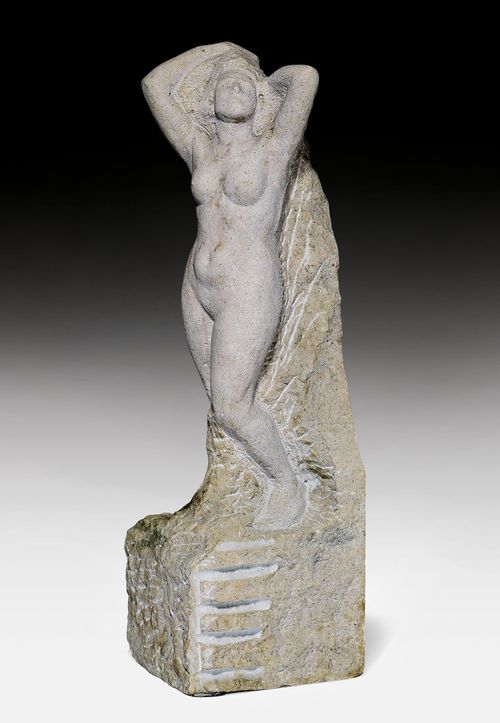
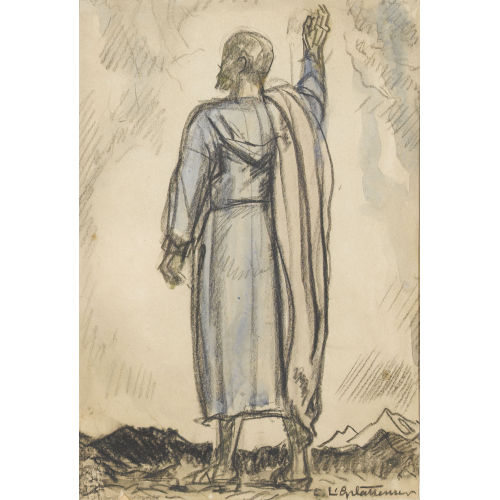
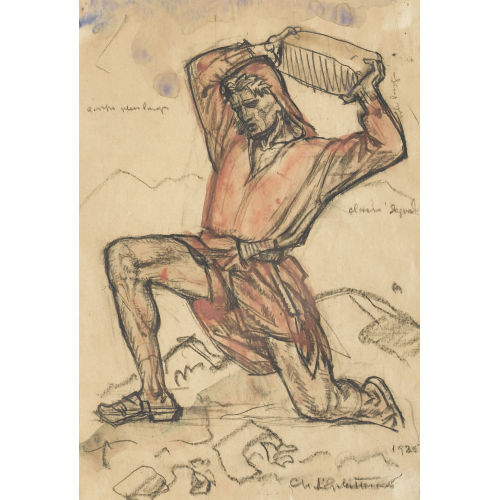
The artist also worked in sculpture and monumental decoration. The building of the Musée des beaux-arts, inaugurated in 1926 and designed with the architect René Chapallaz, bears L’Eplattenier’s bas-relief «Pégase ou Le Génie des Arts» above its entrance. This presence in public architecture extends the collective ambition of the Style sapin: to integrate art into the spaces and objects of everyday life.
His role as a teacher is among his enduring legacies. Several important artists from the region emerged from his teaching, including Charles-Édouard Jeanneret, the future Le Corbusier. L’Eplattenier’s work thus brings together landscape painting, the decorative arts and public art, while remaining deeply rooted in the Neuchâtel Jura.