Carl Liner junior
Born in 1914.
Died in 1997.
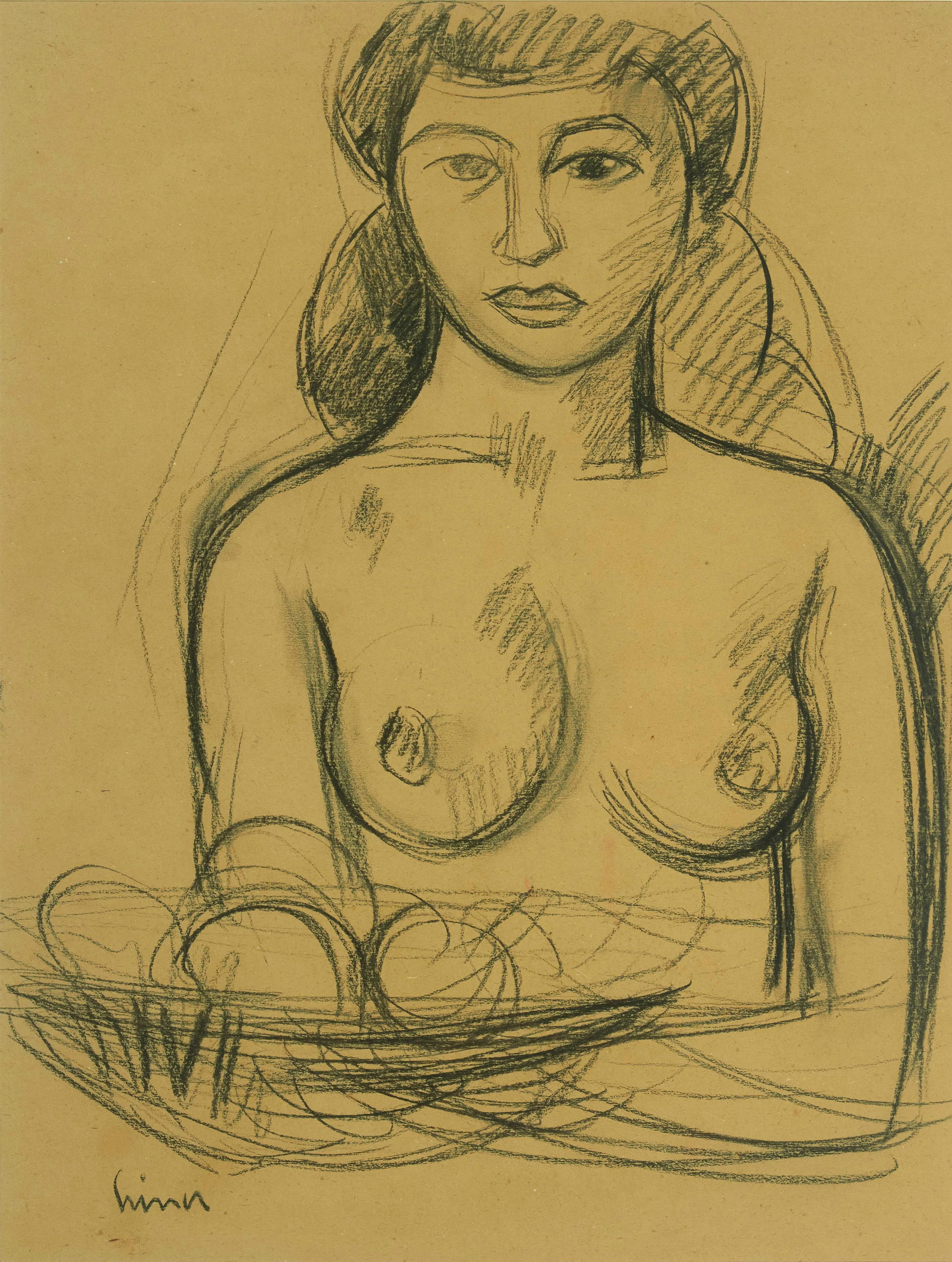
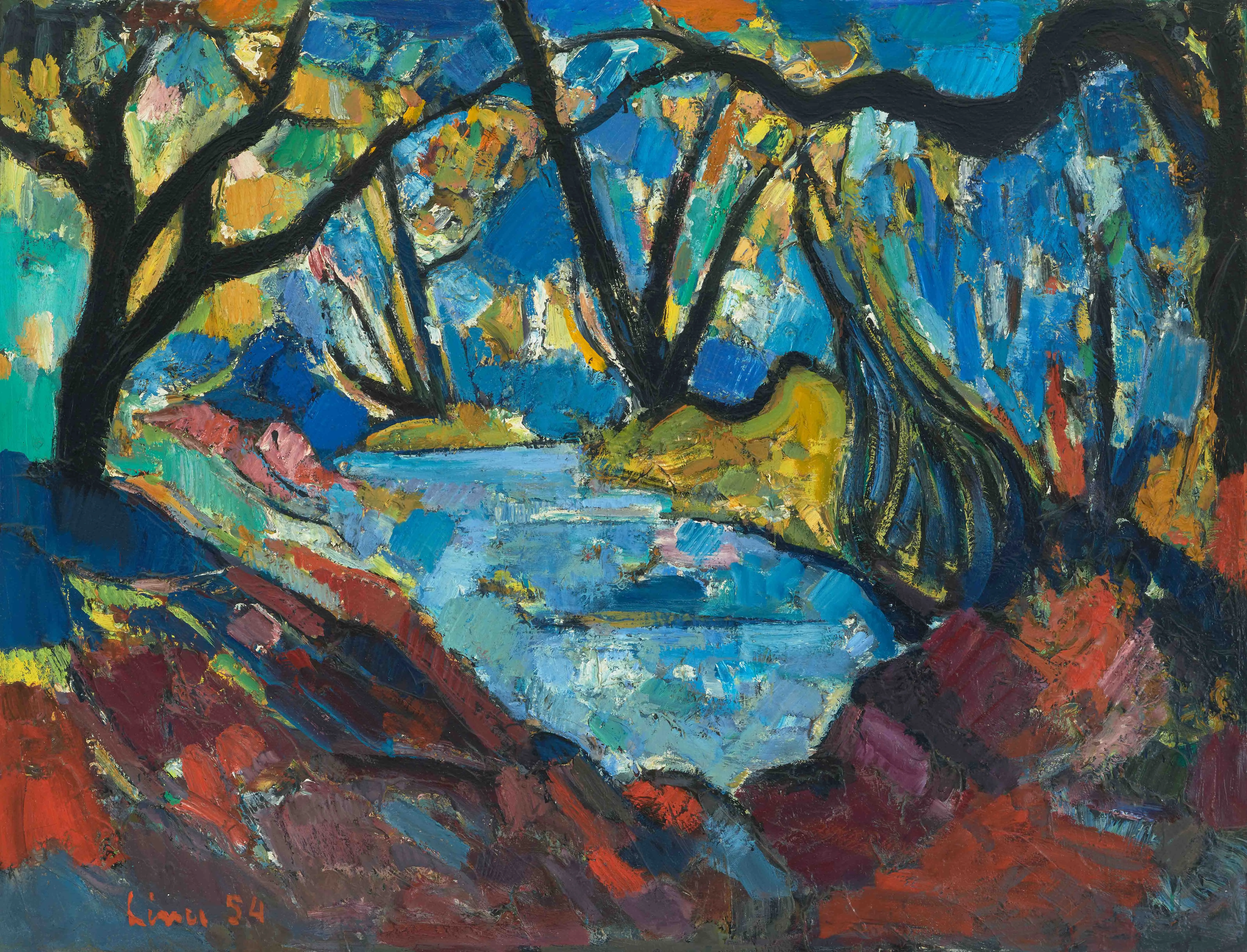
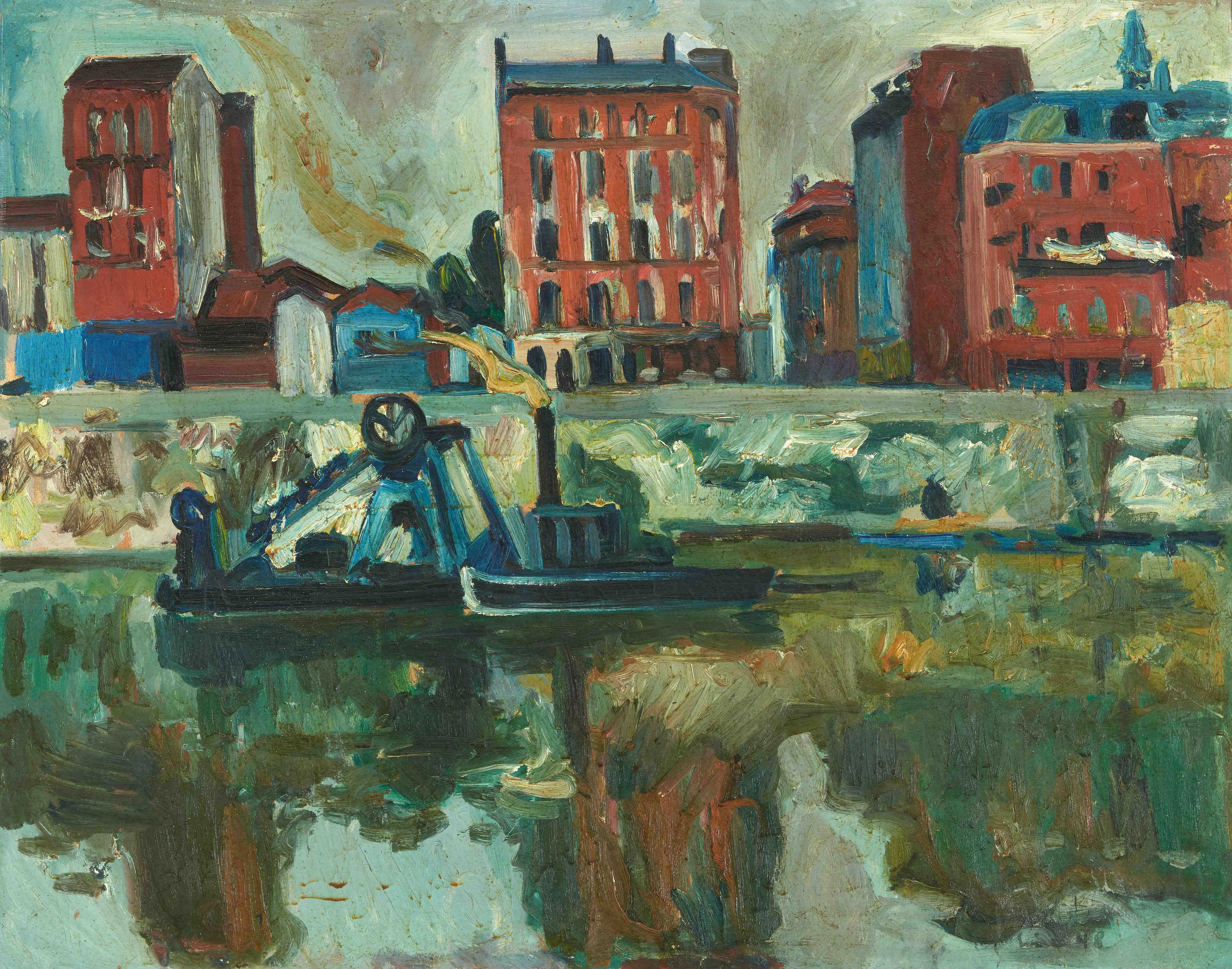
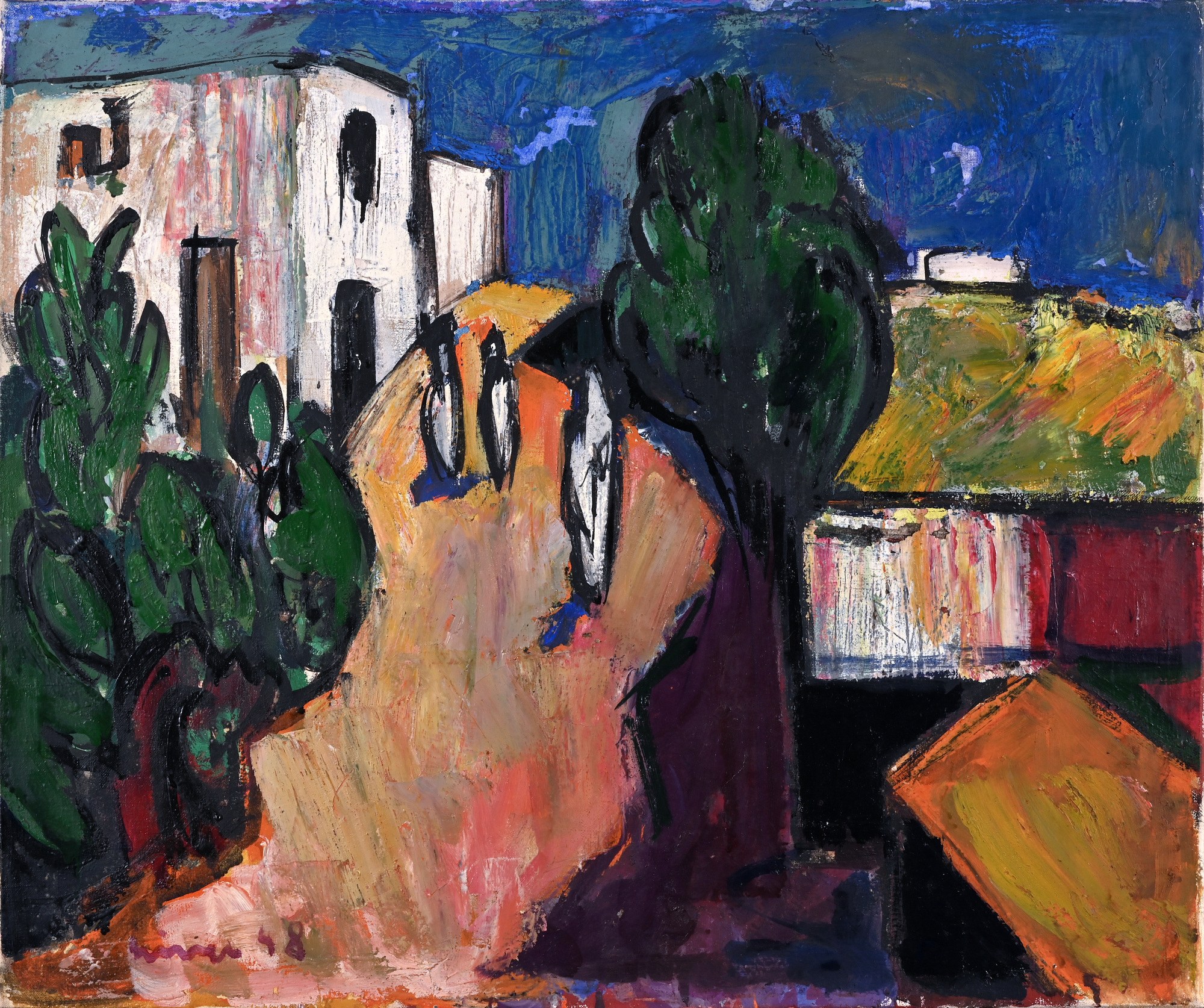
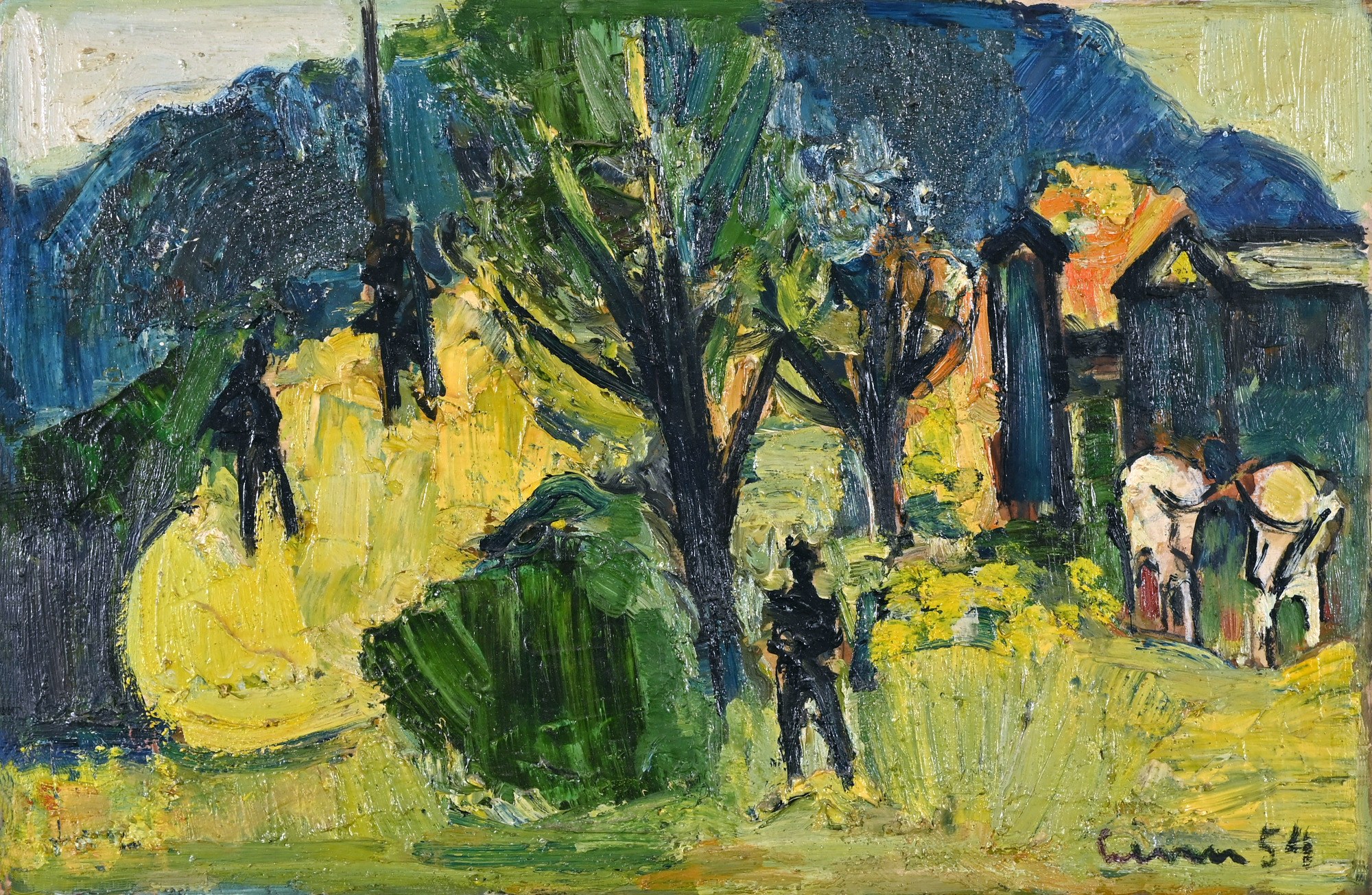
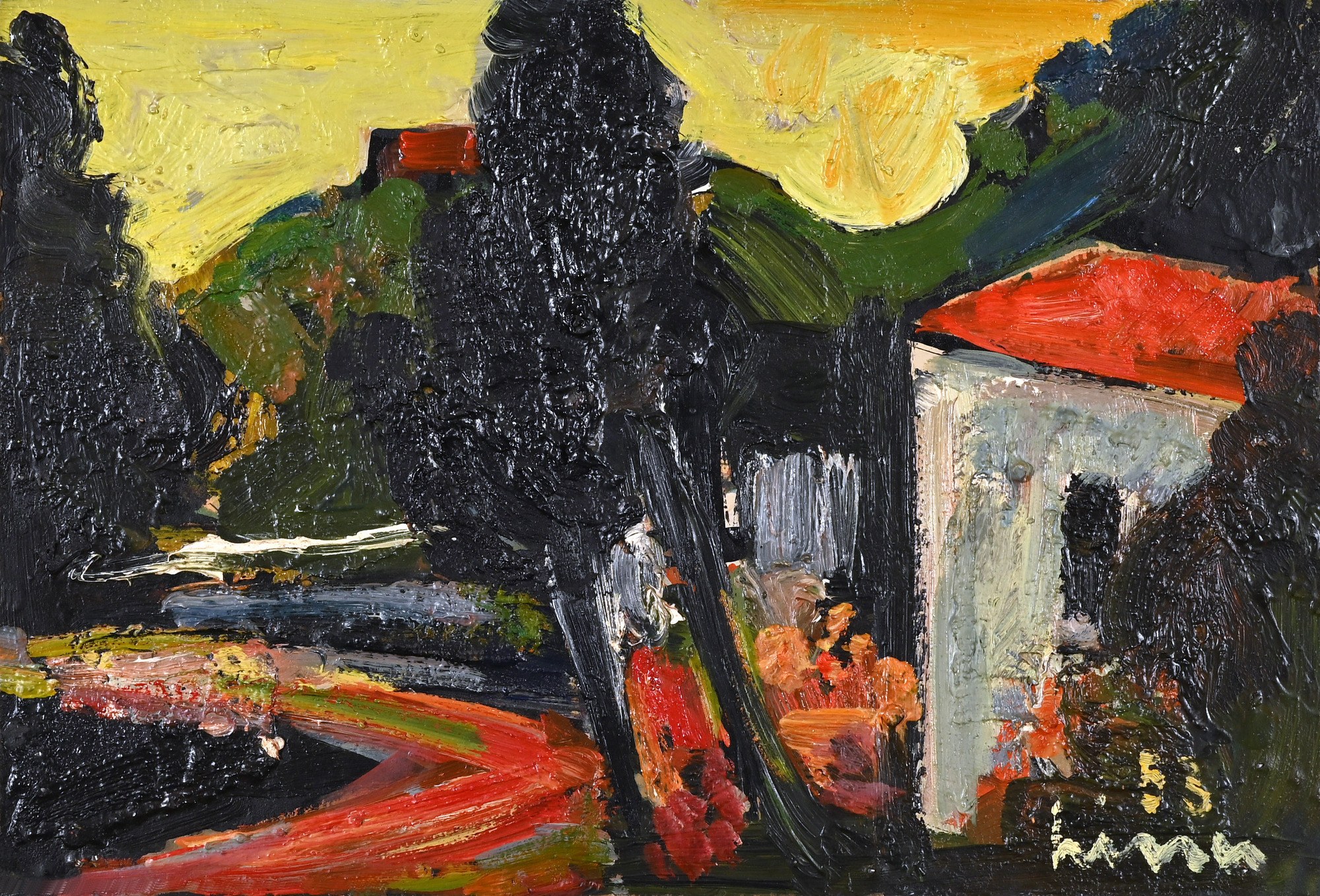
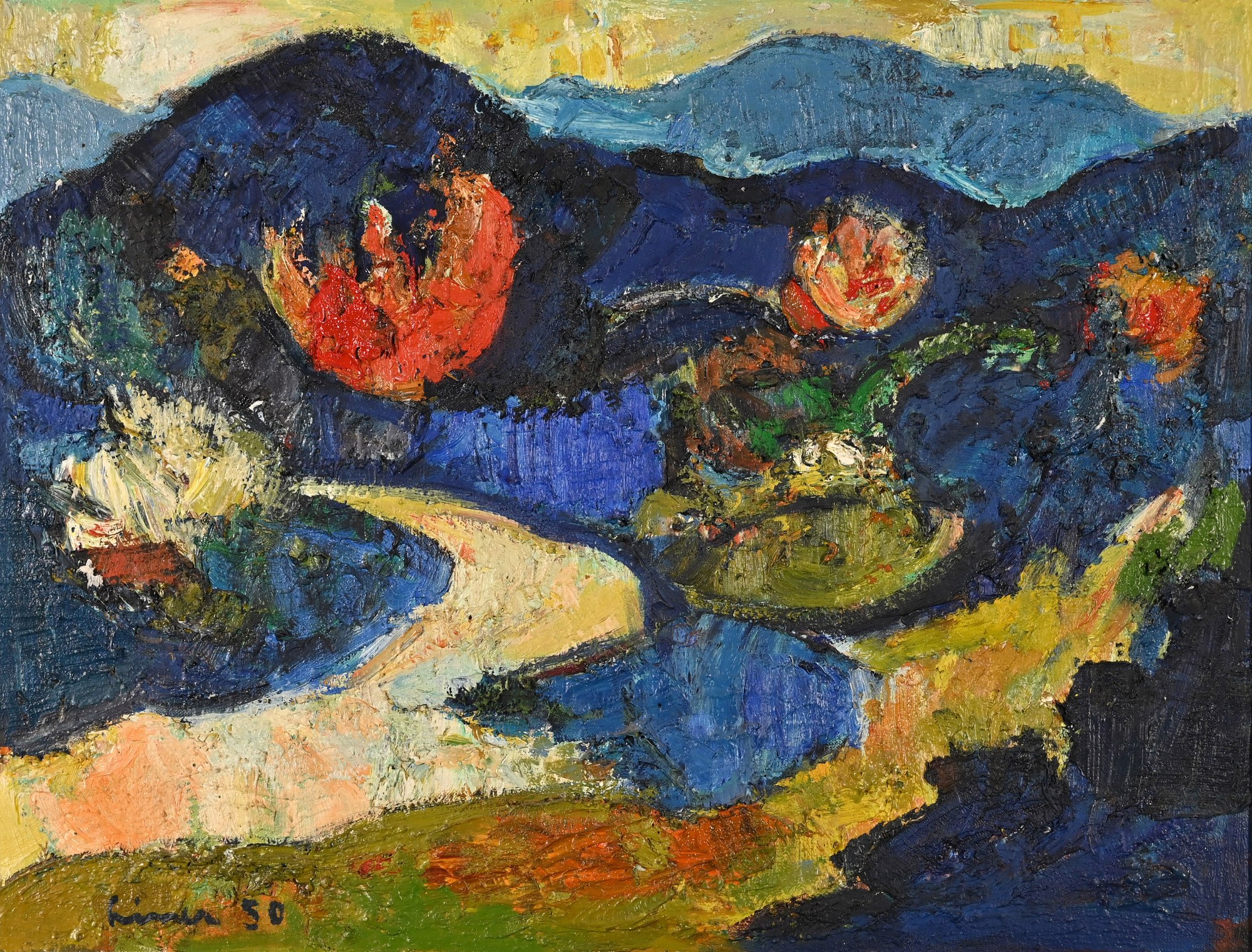
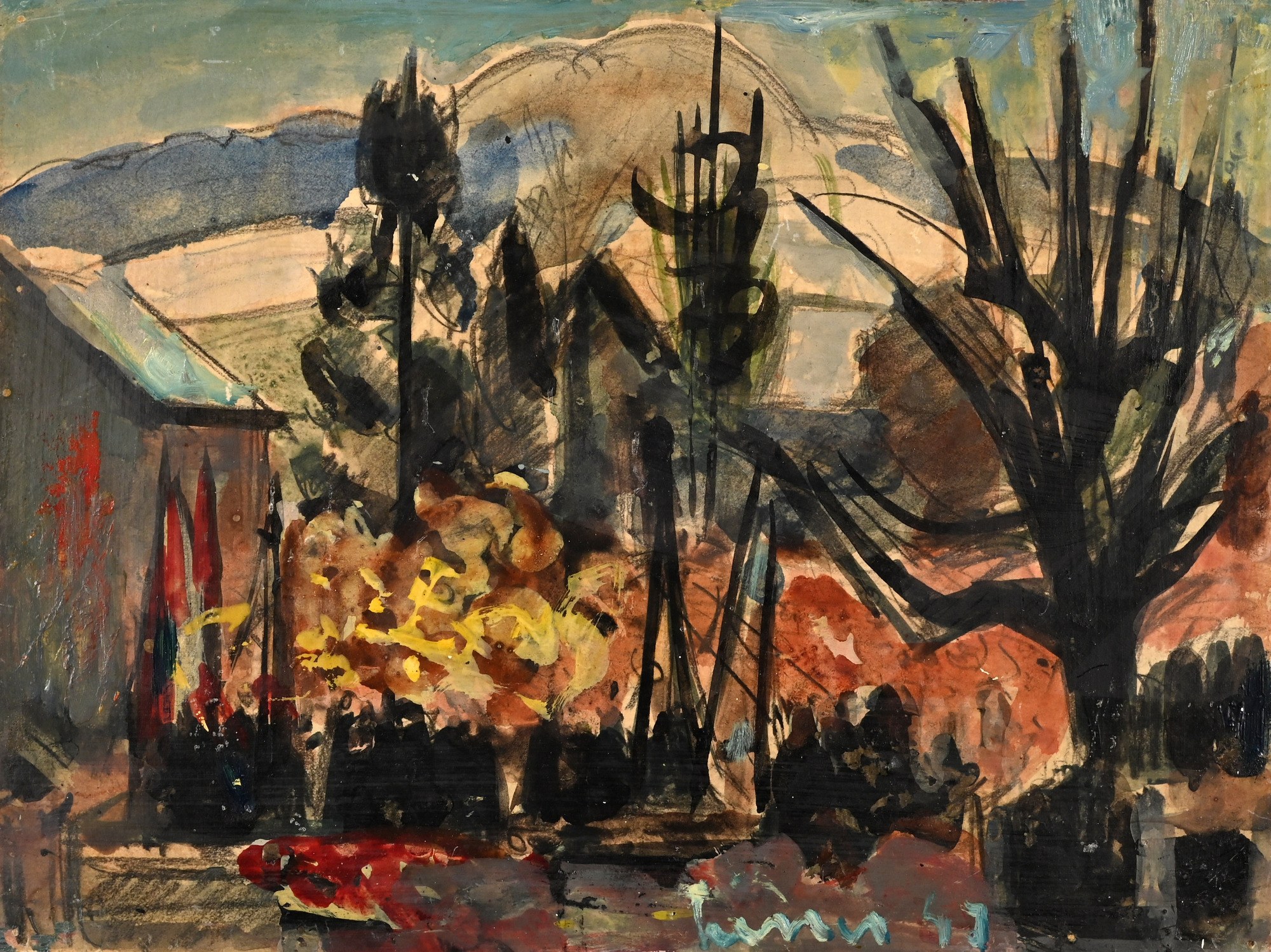
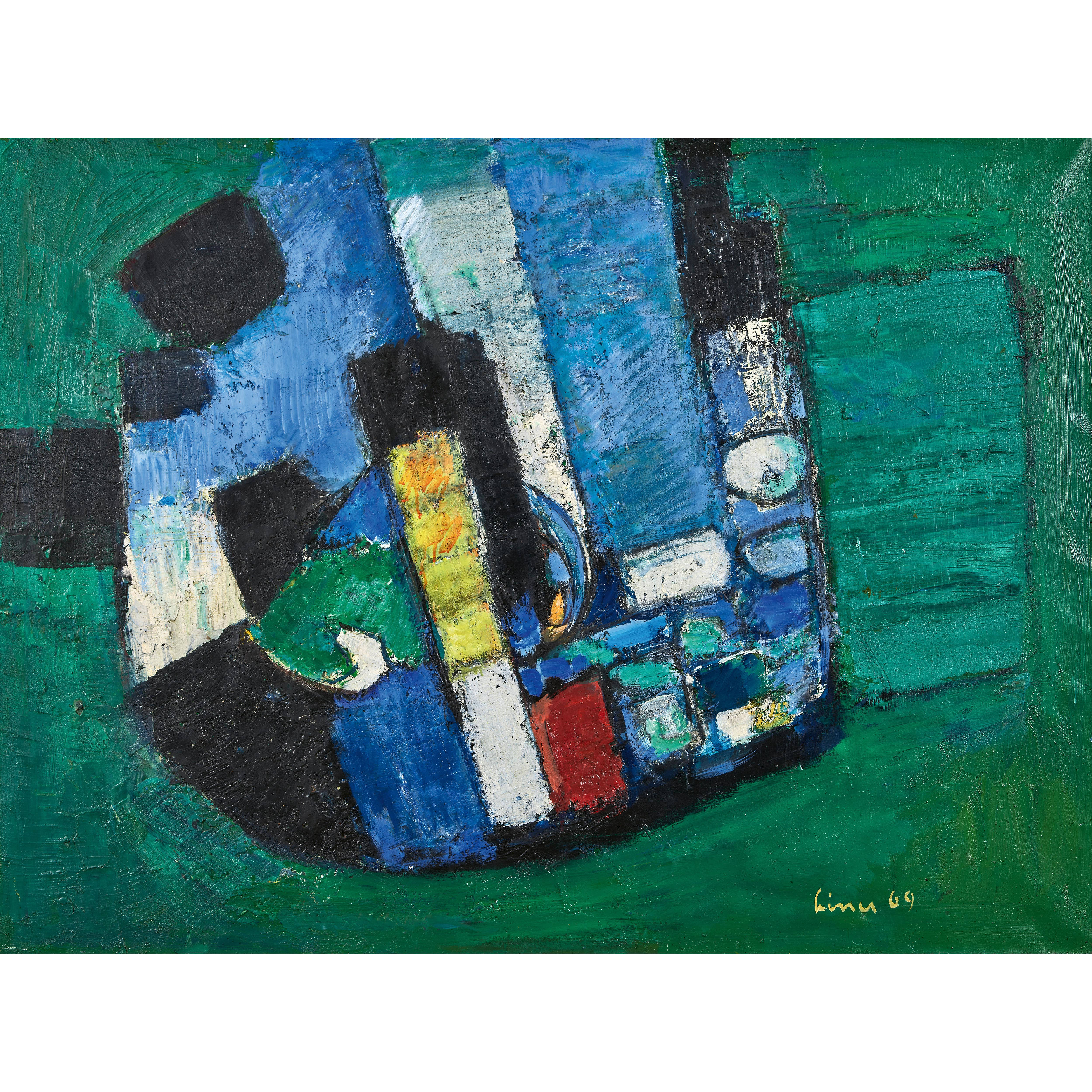
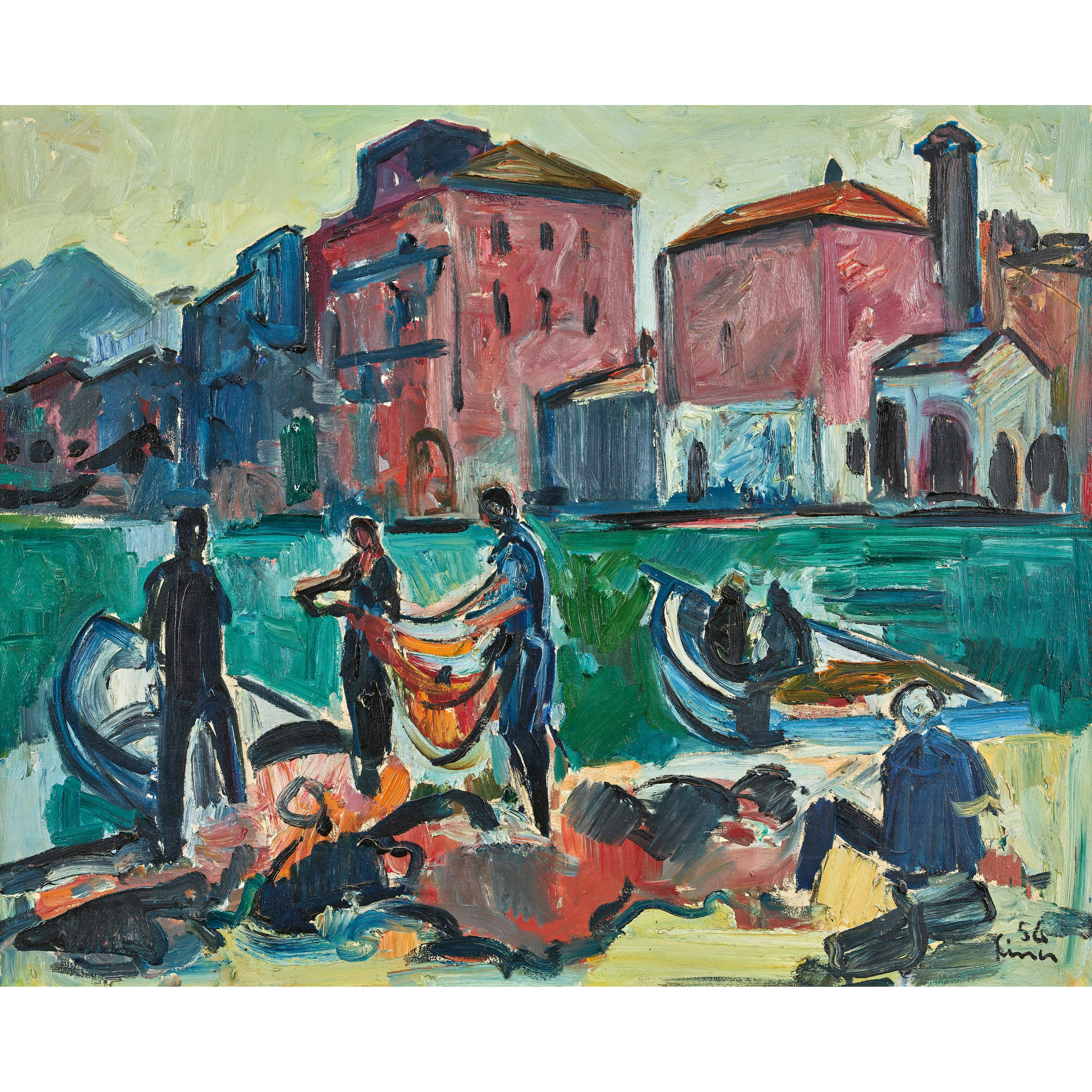
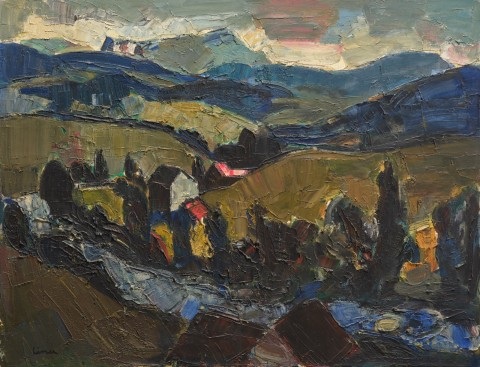
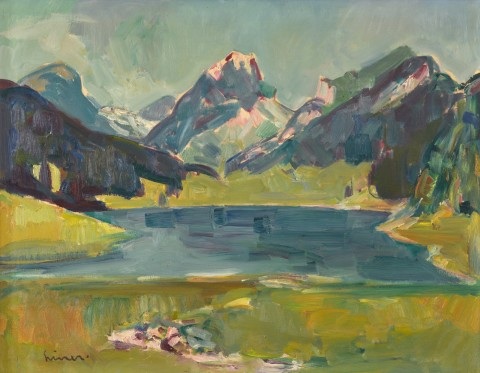
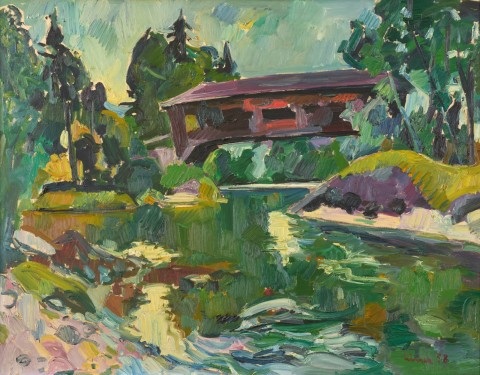
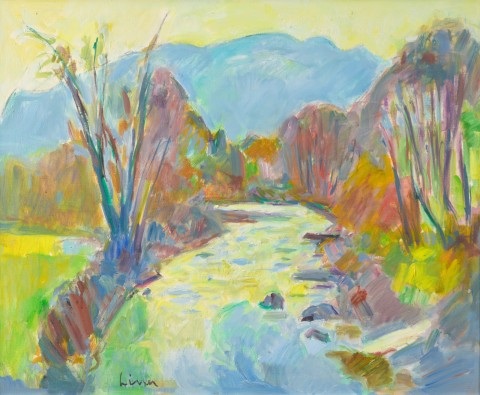
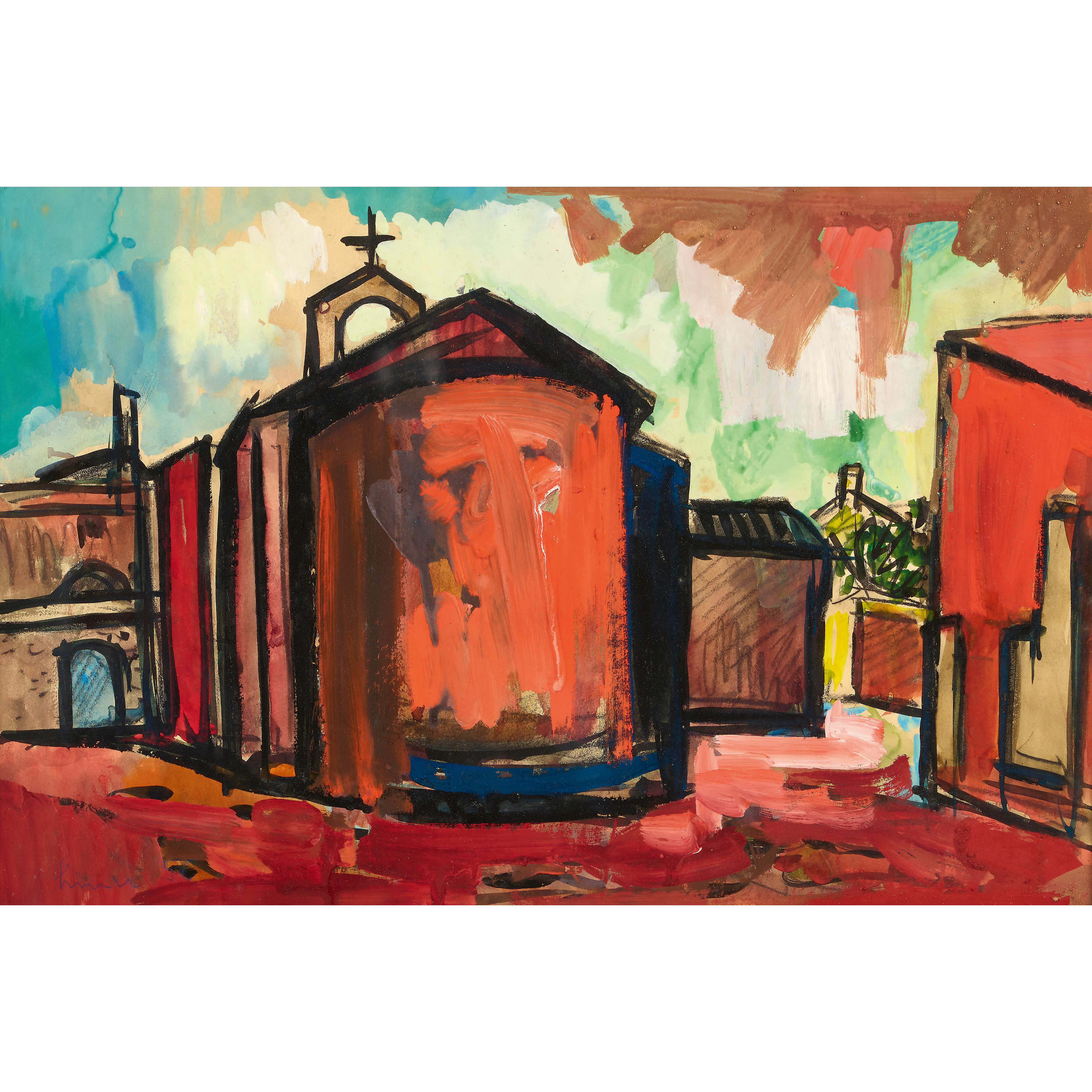
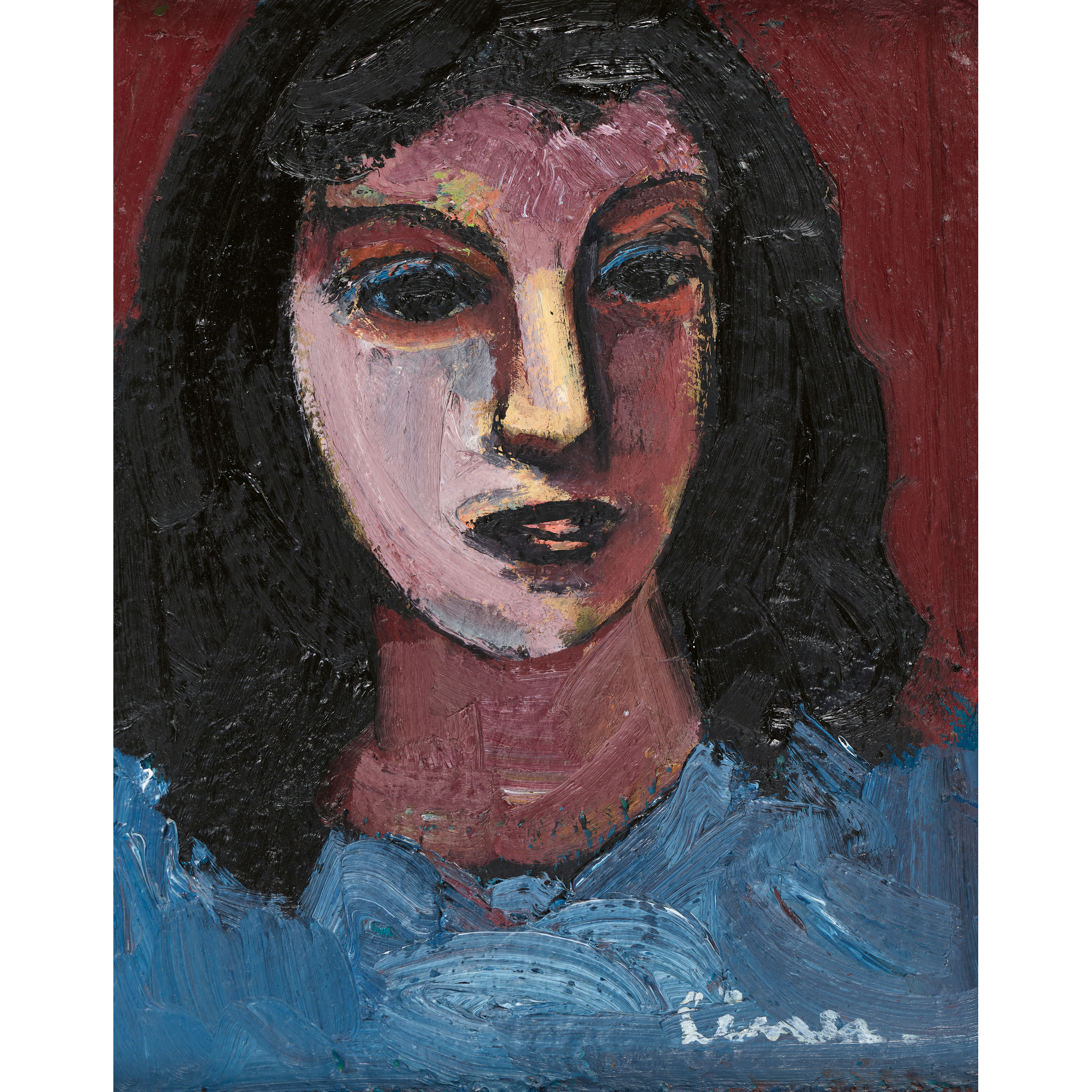
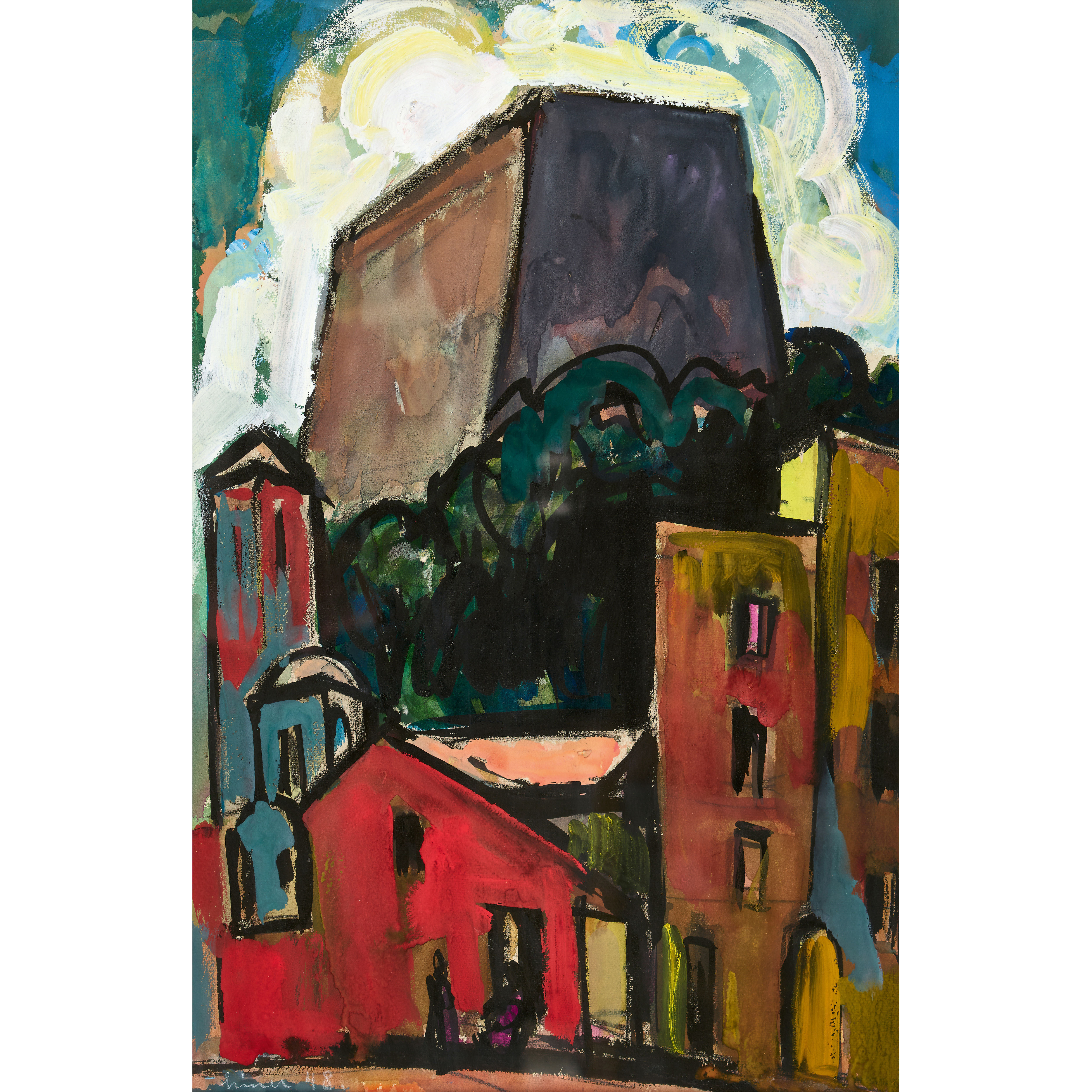
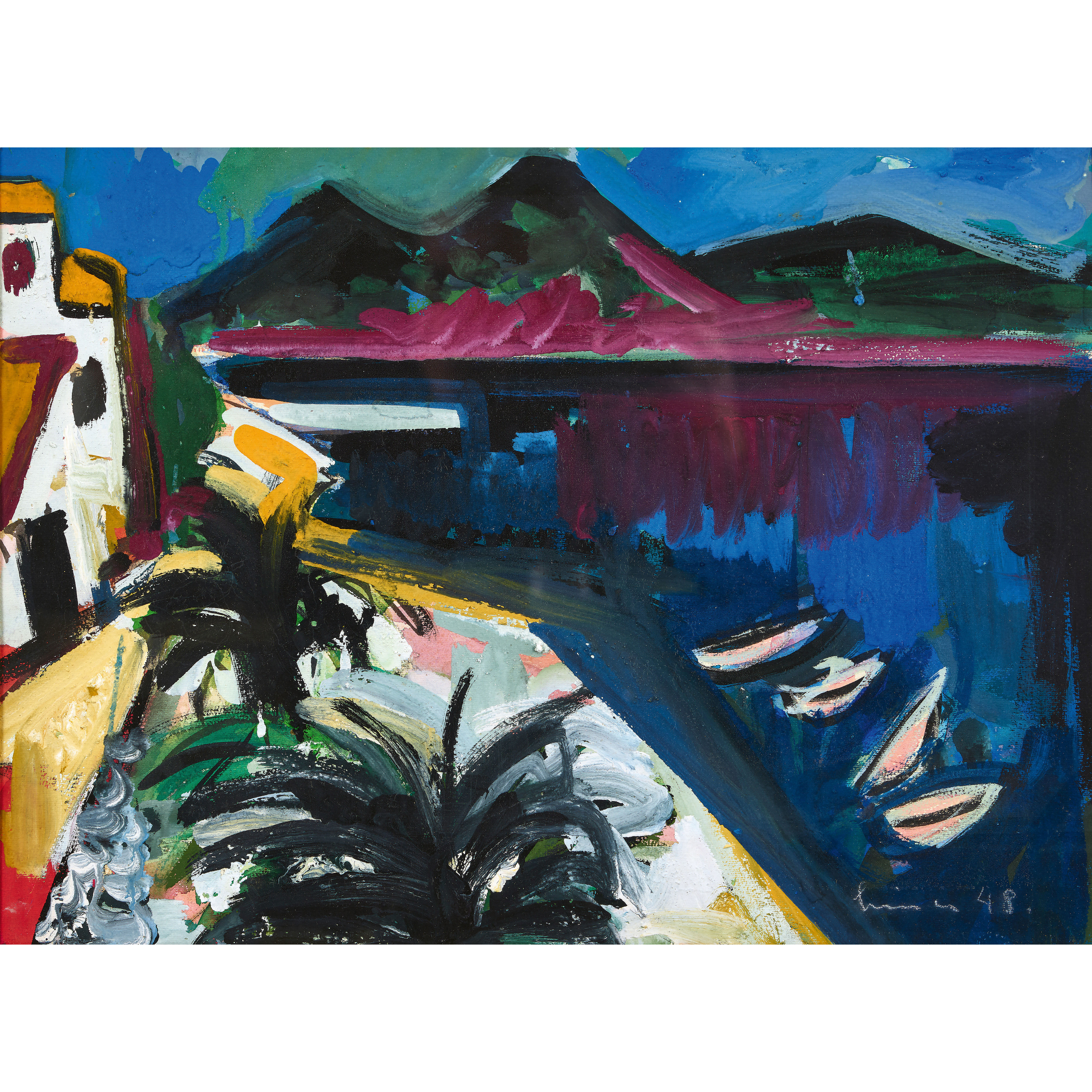
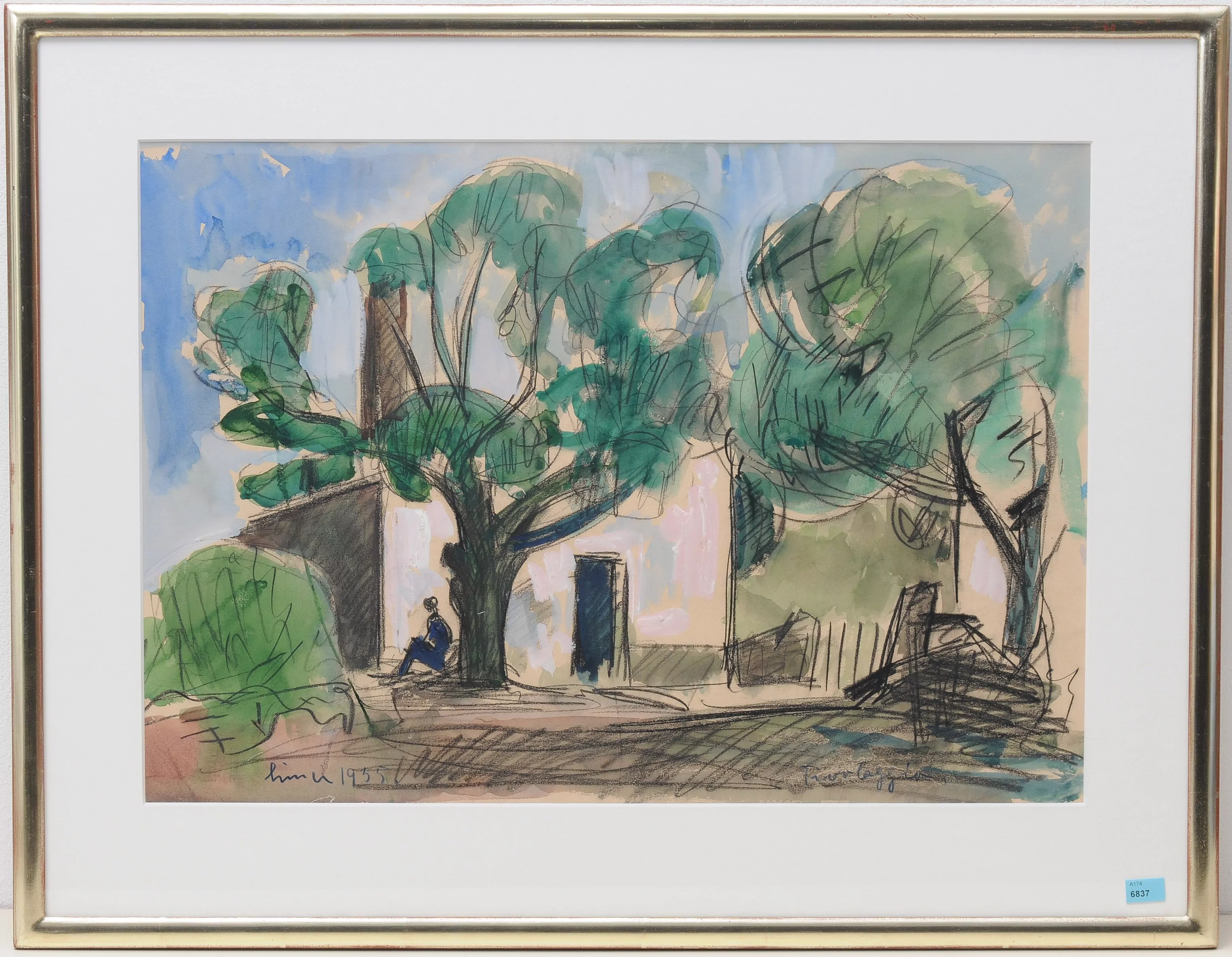
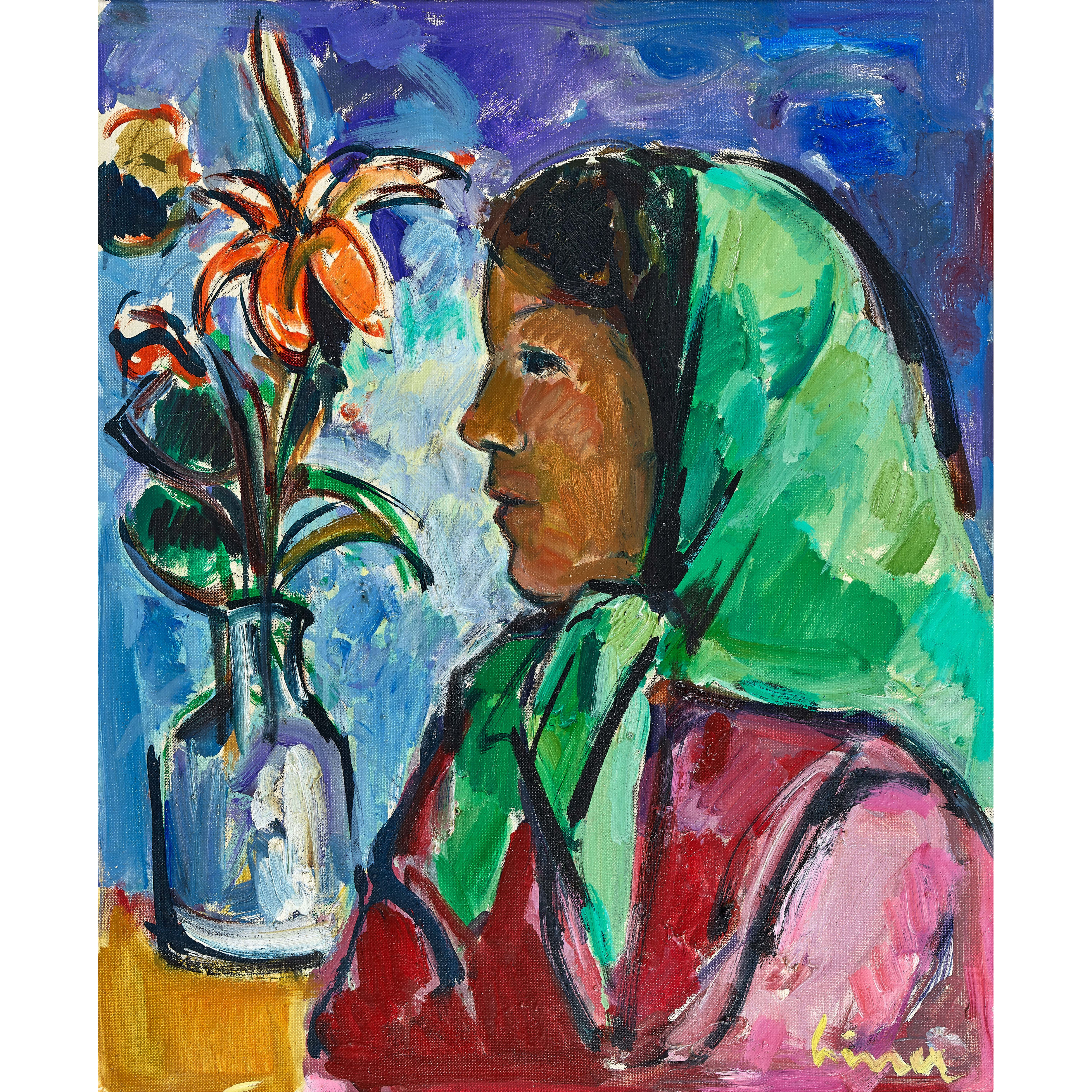
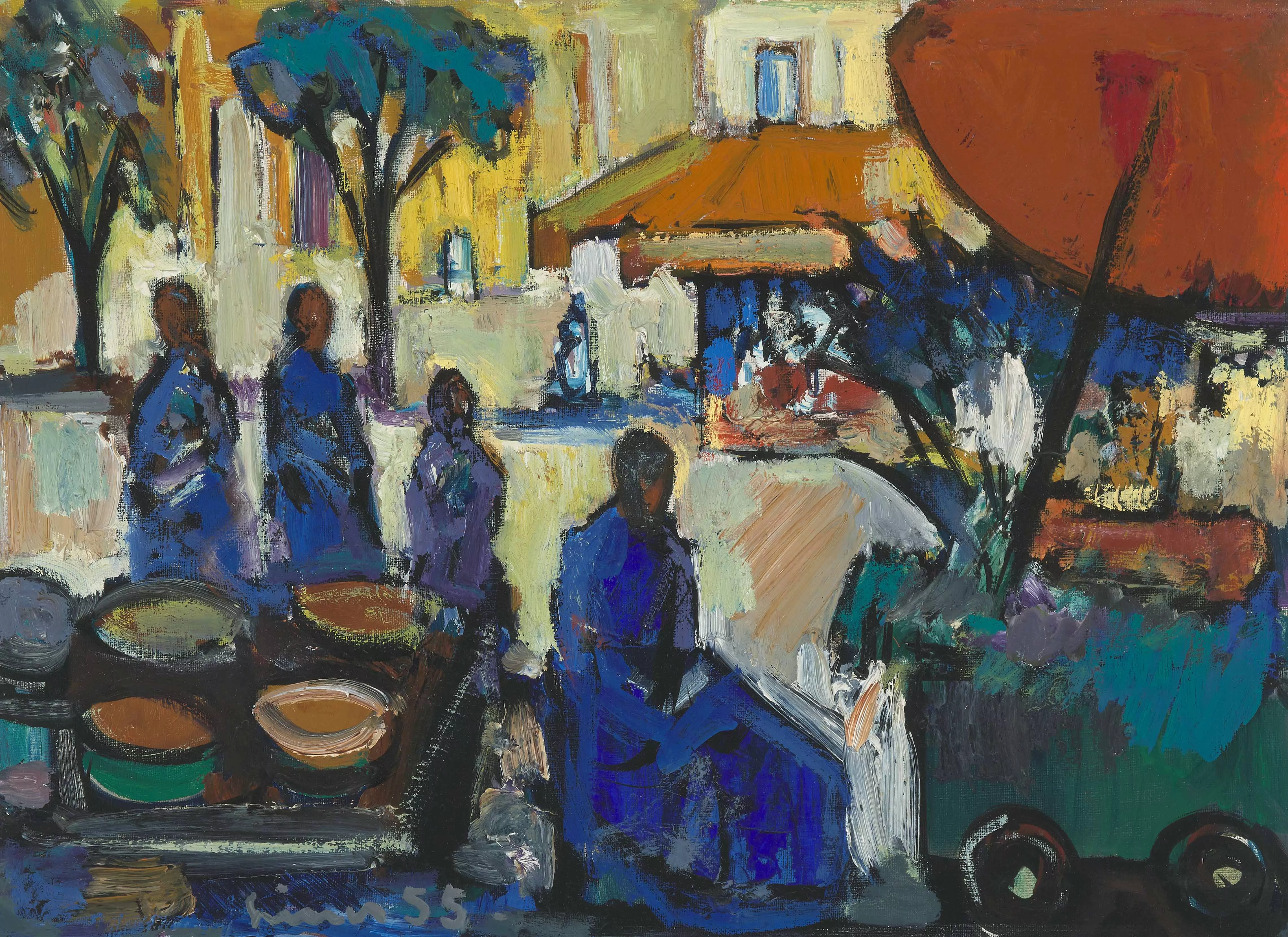
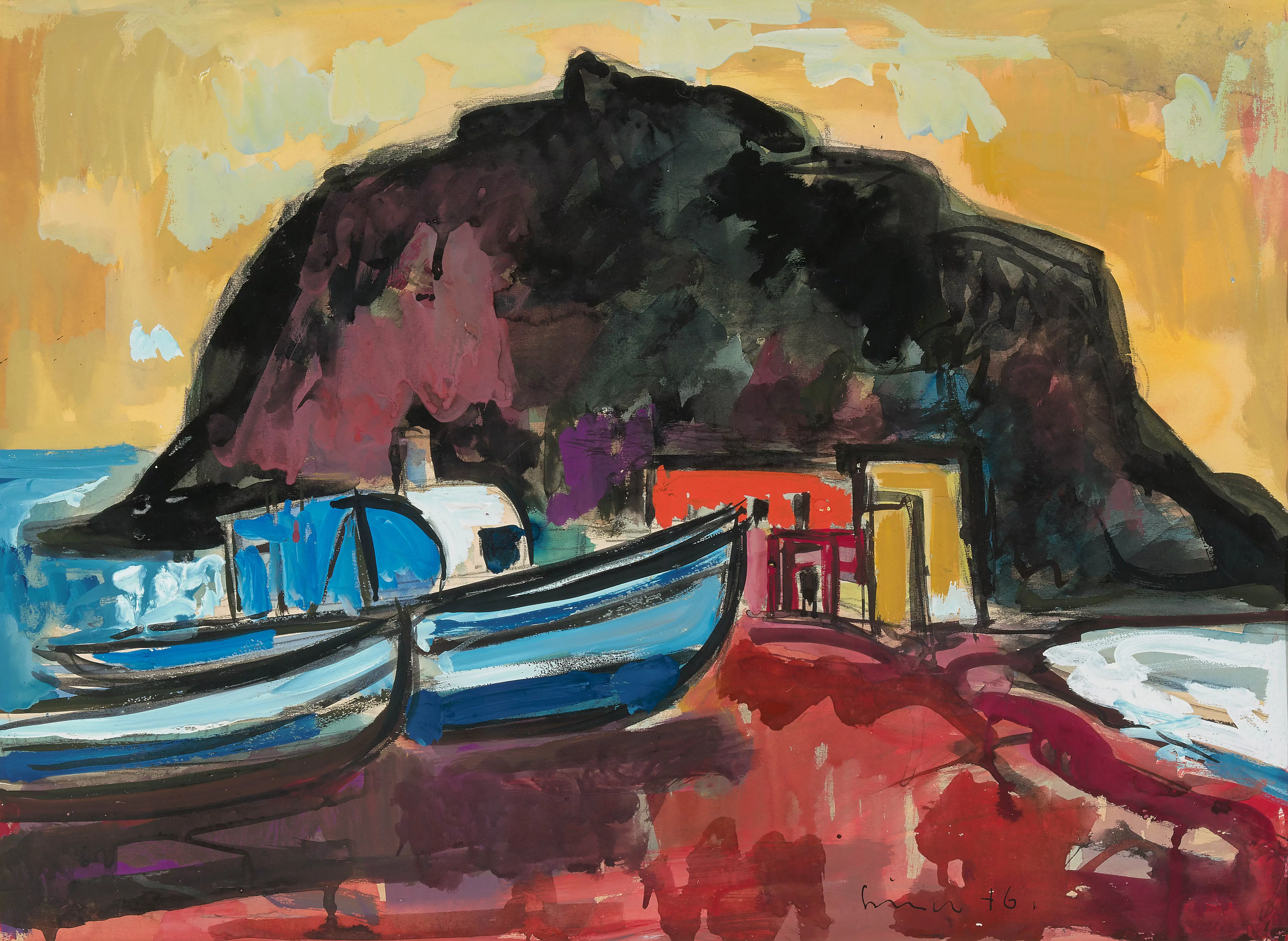
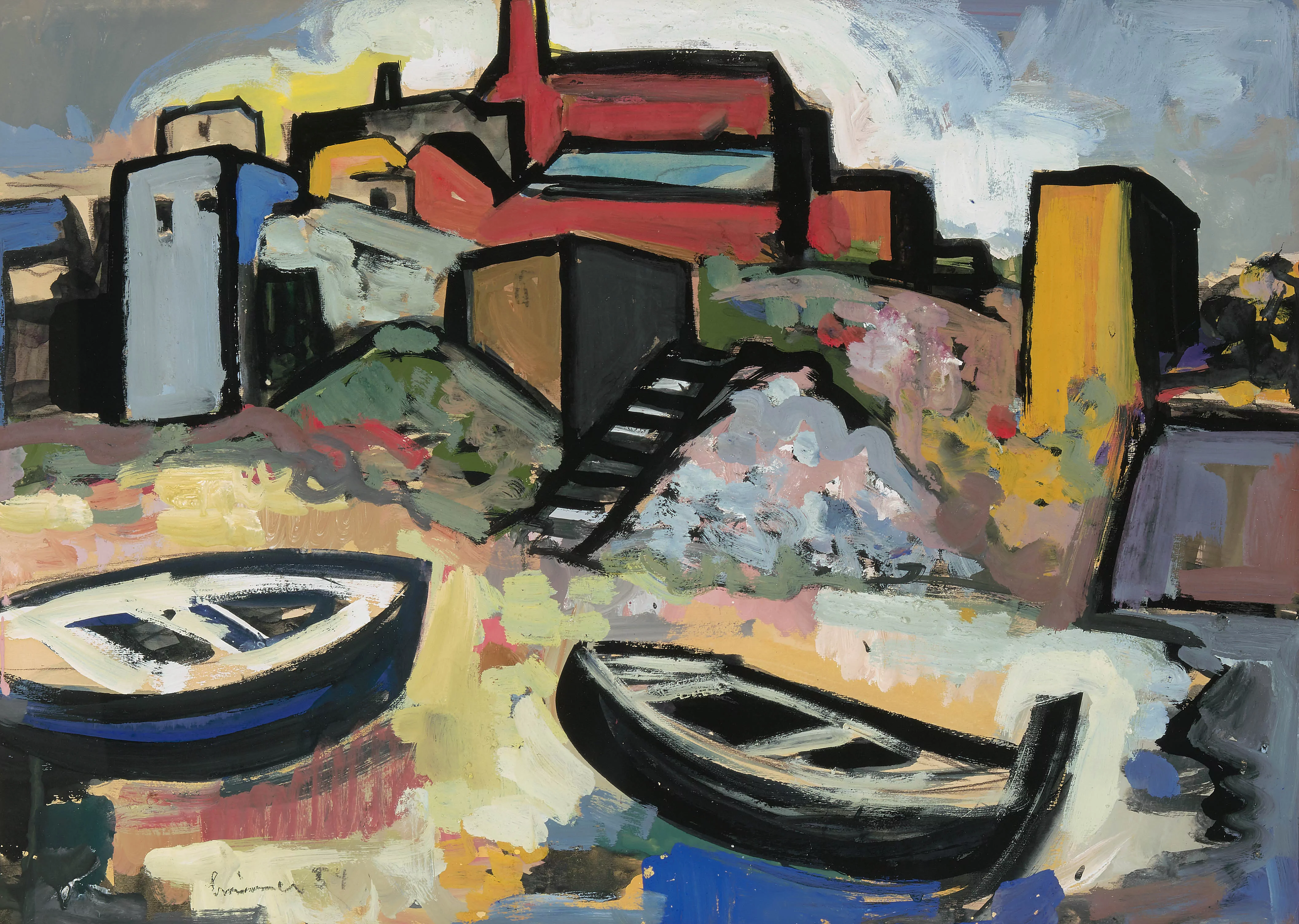
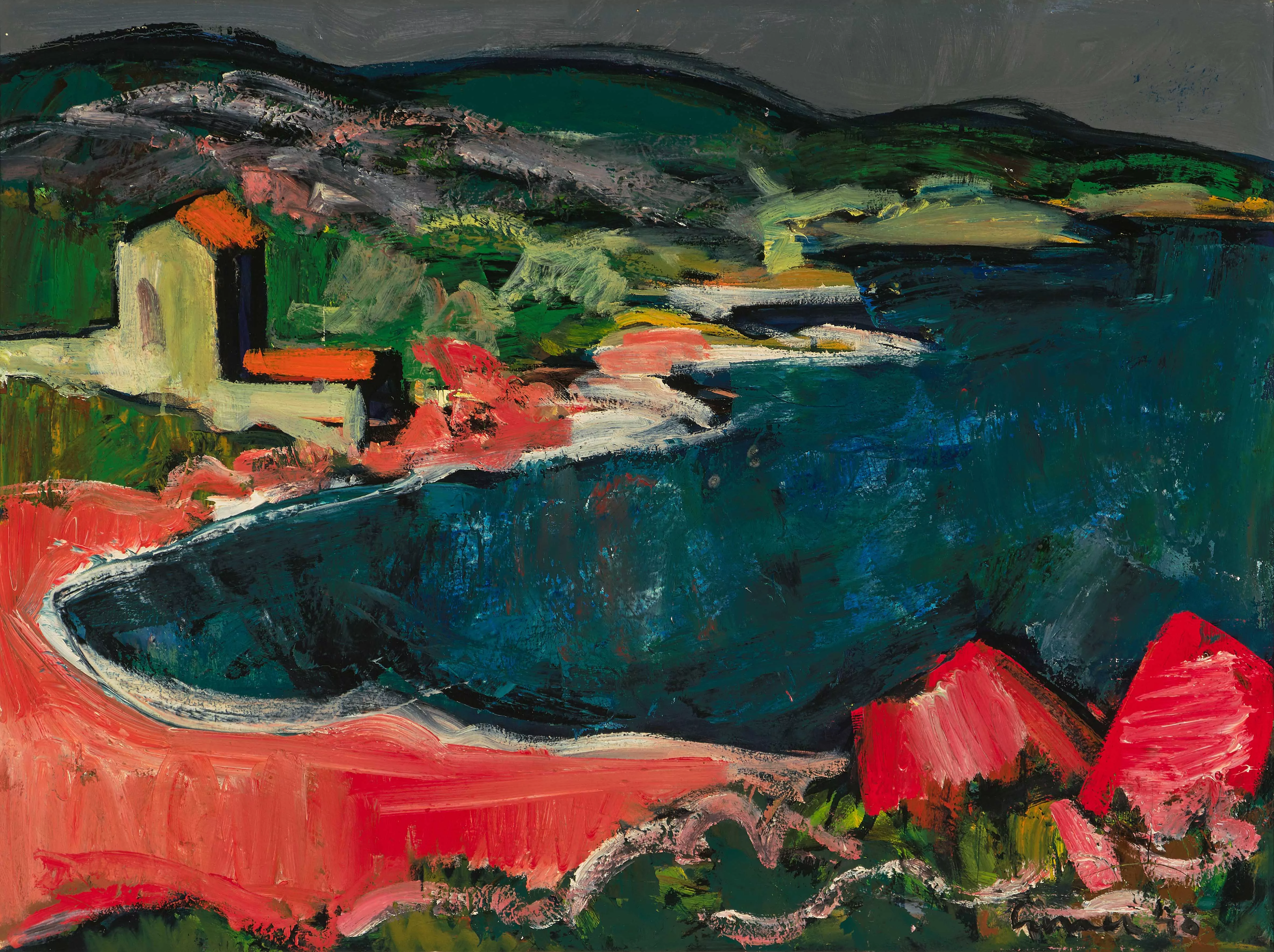
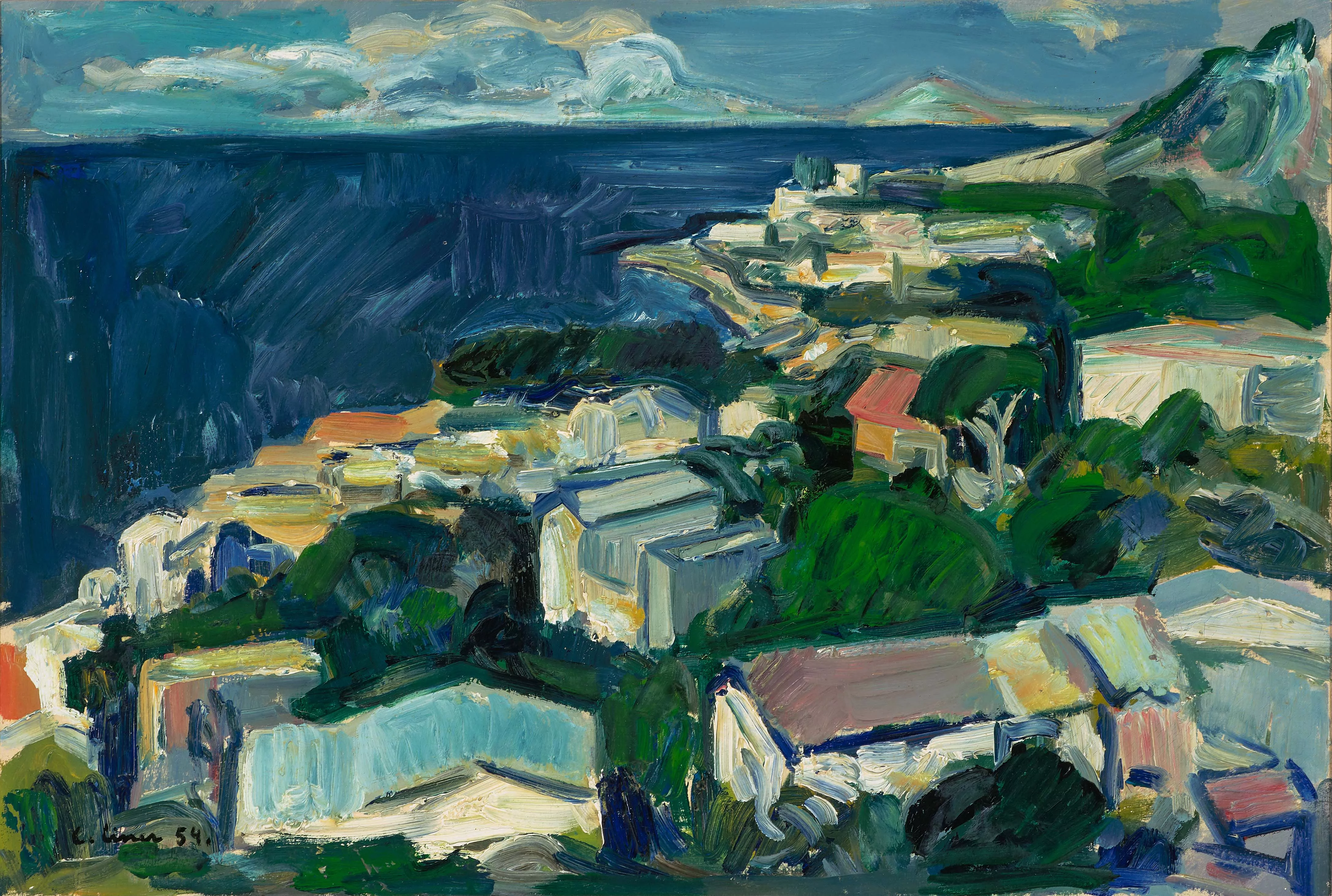
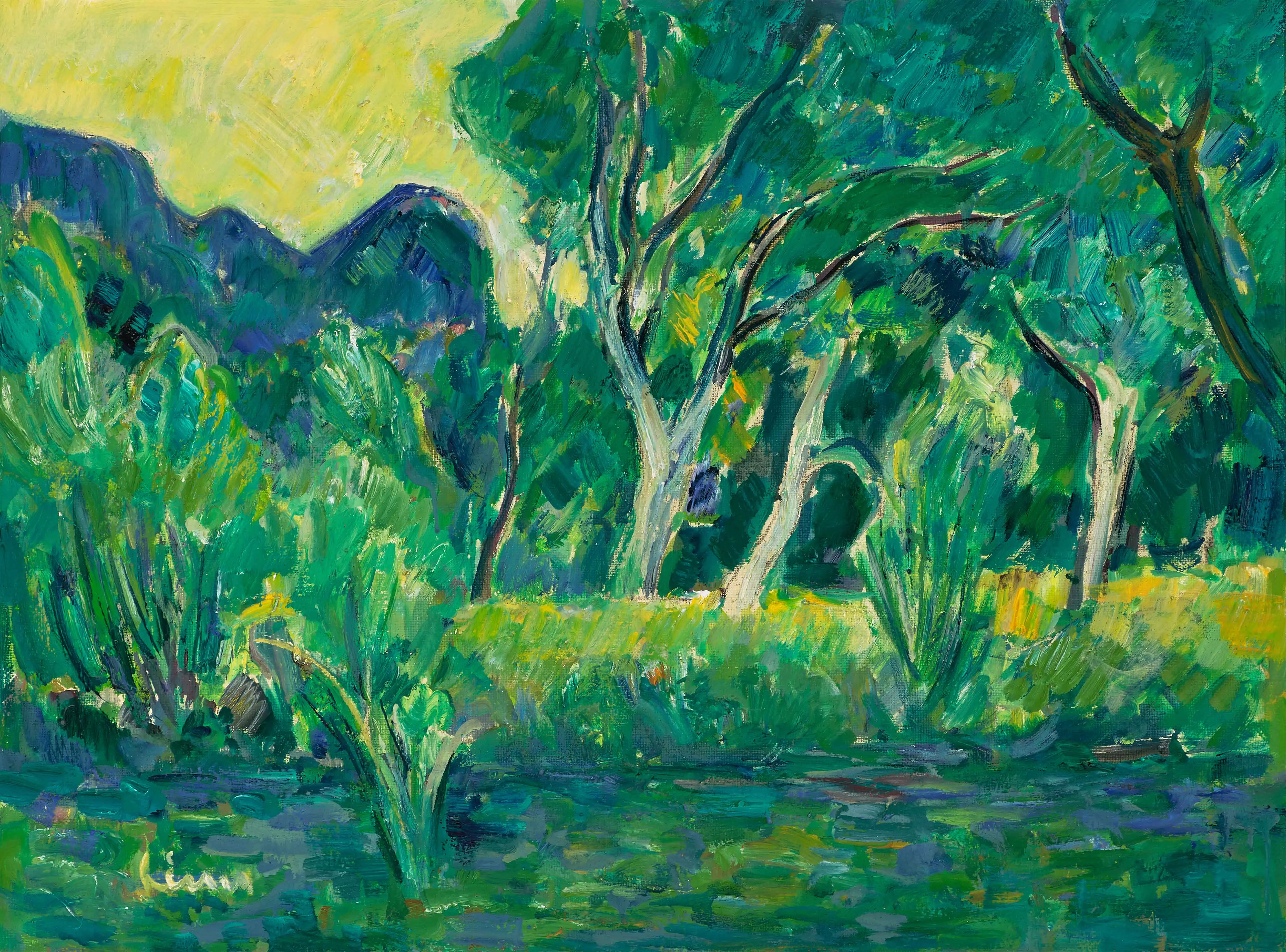
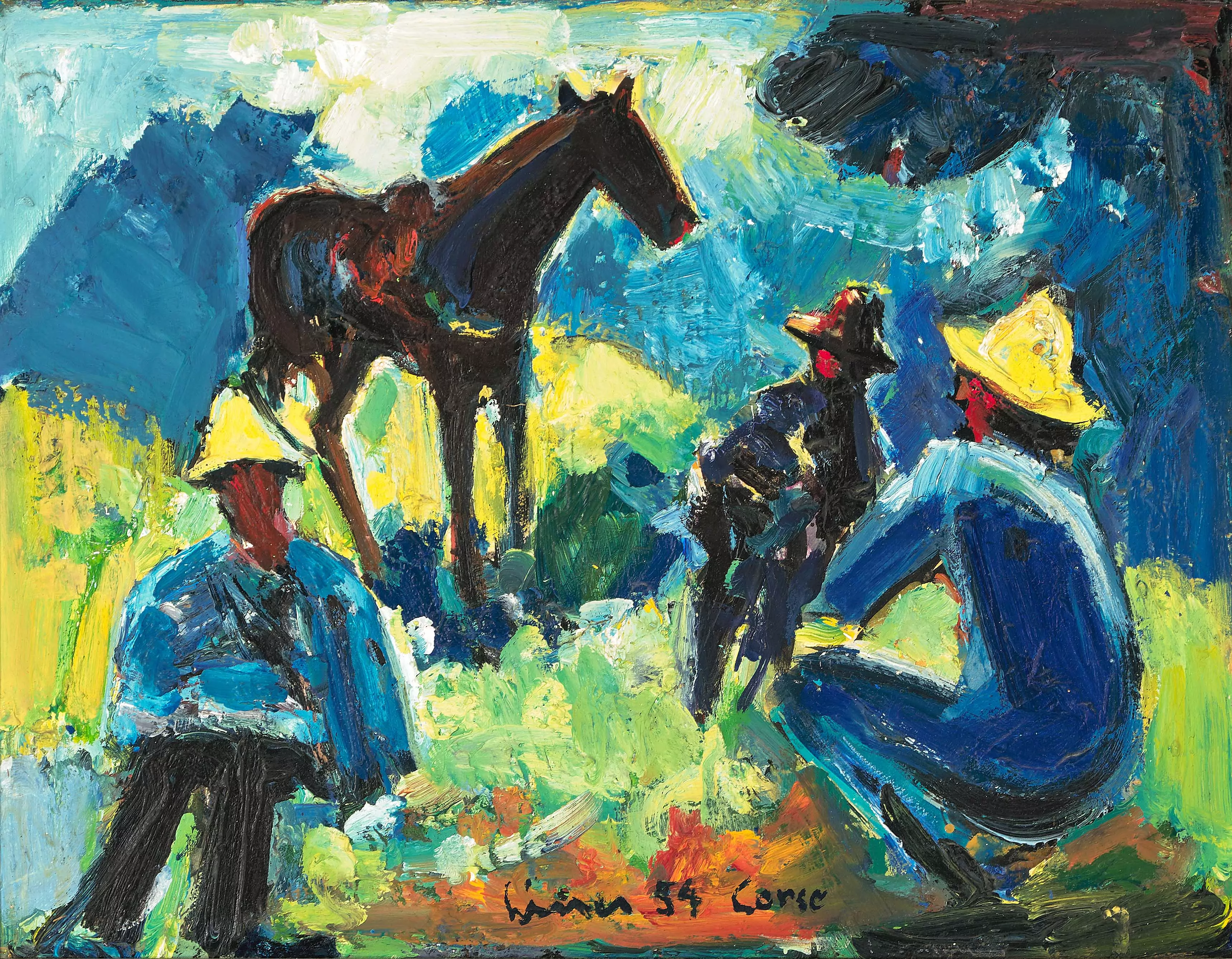
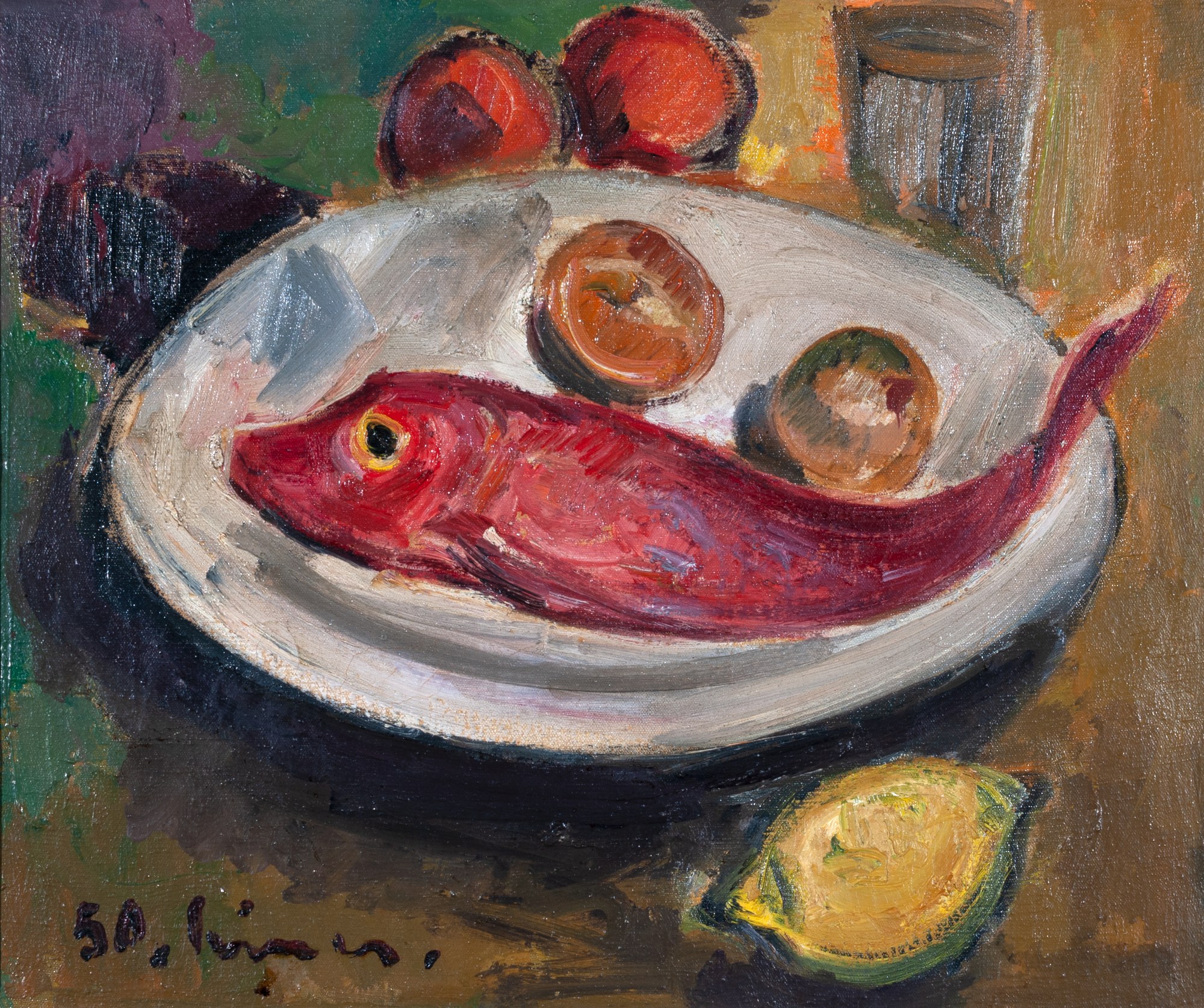
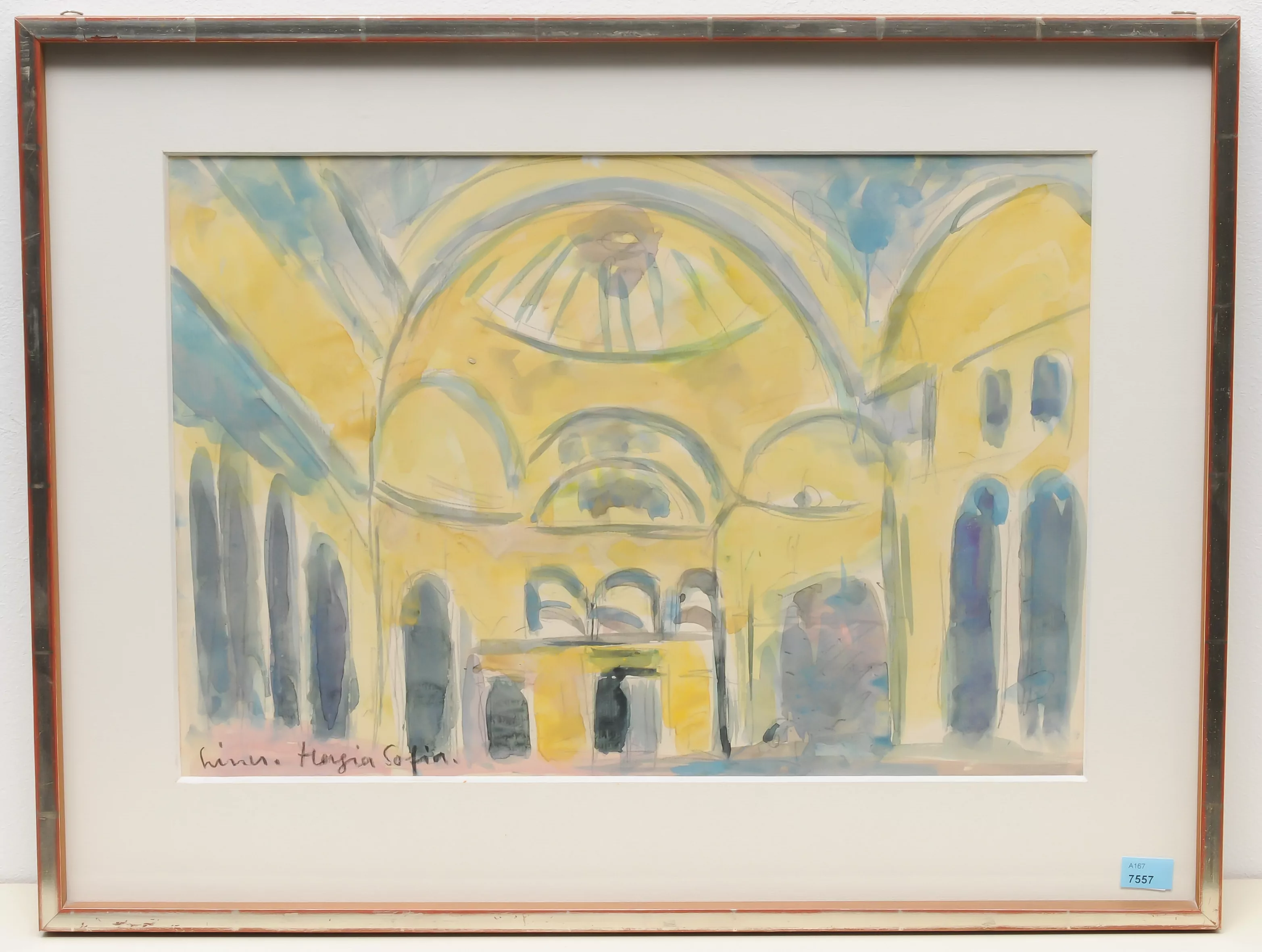
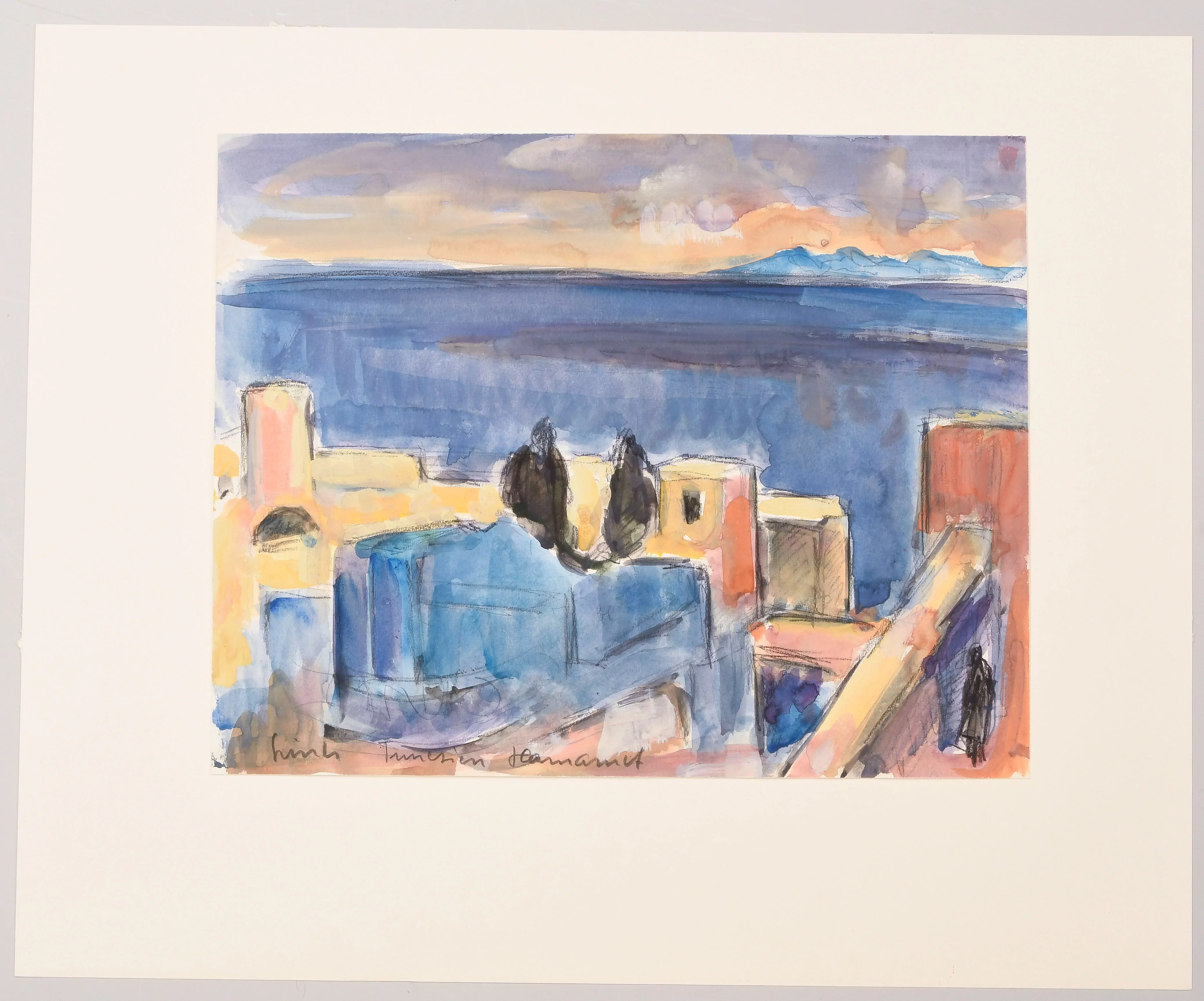
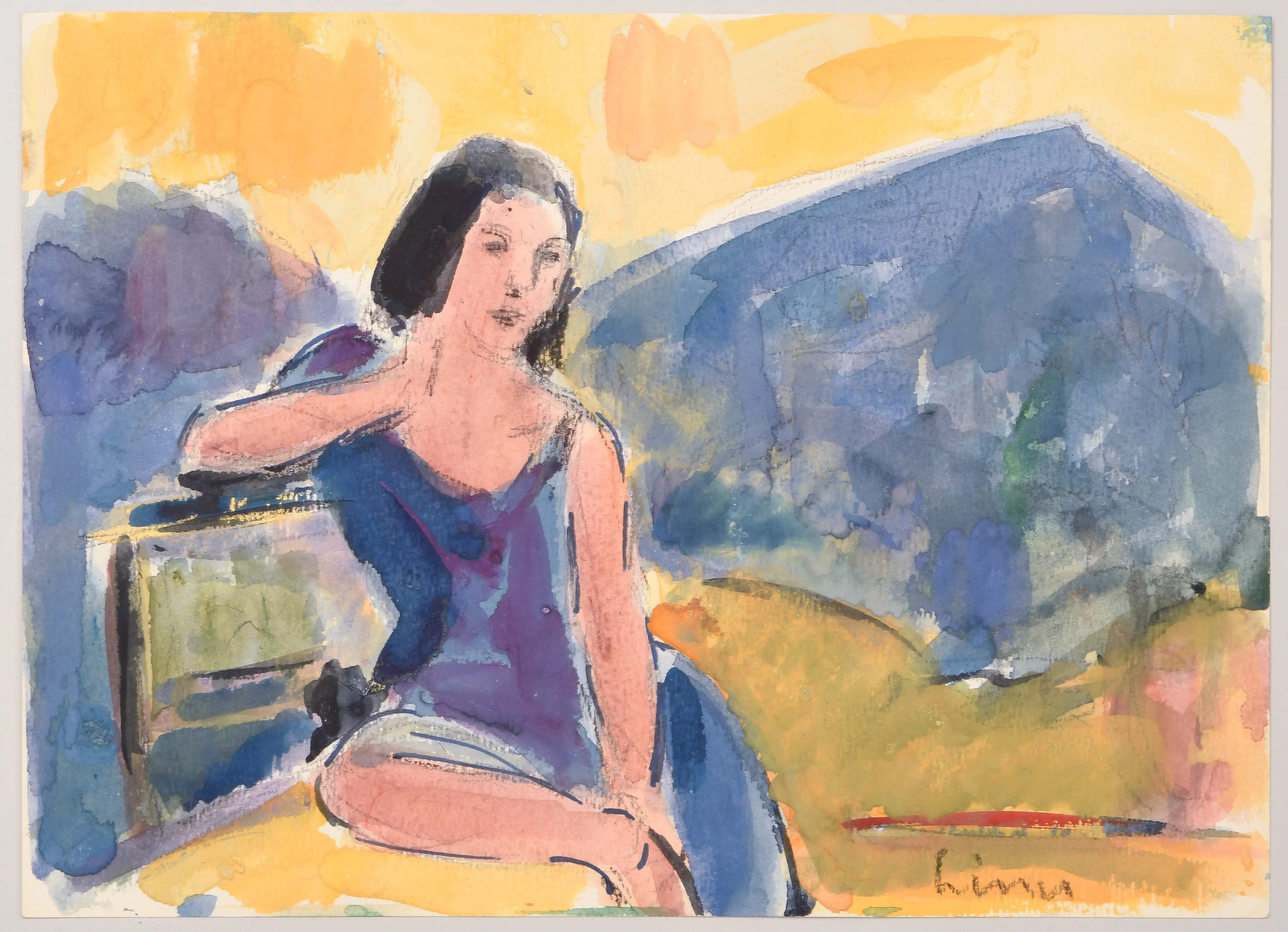
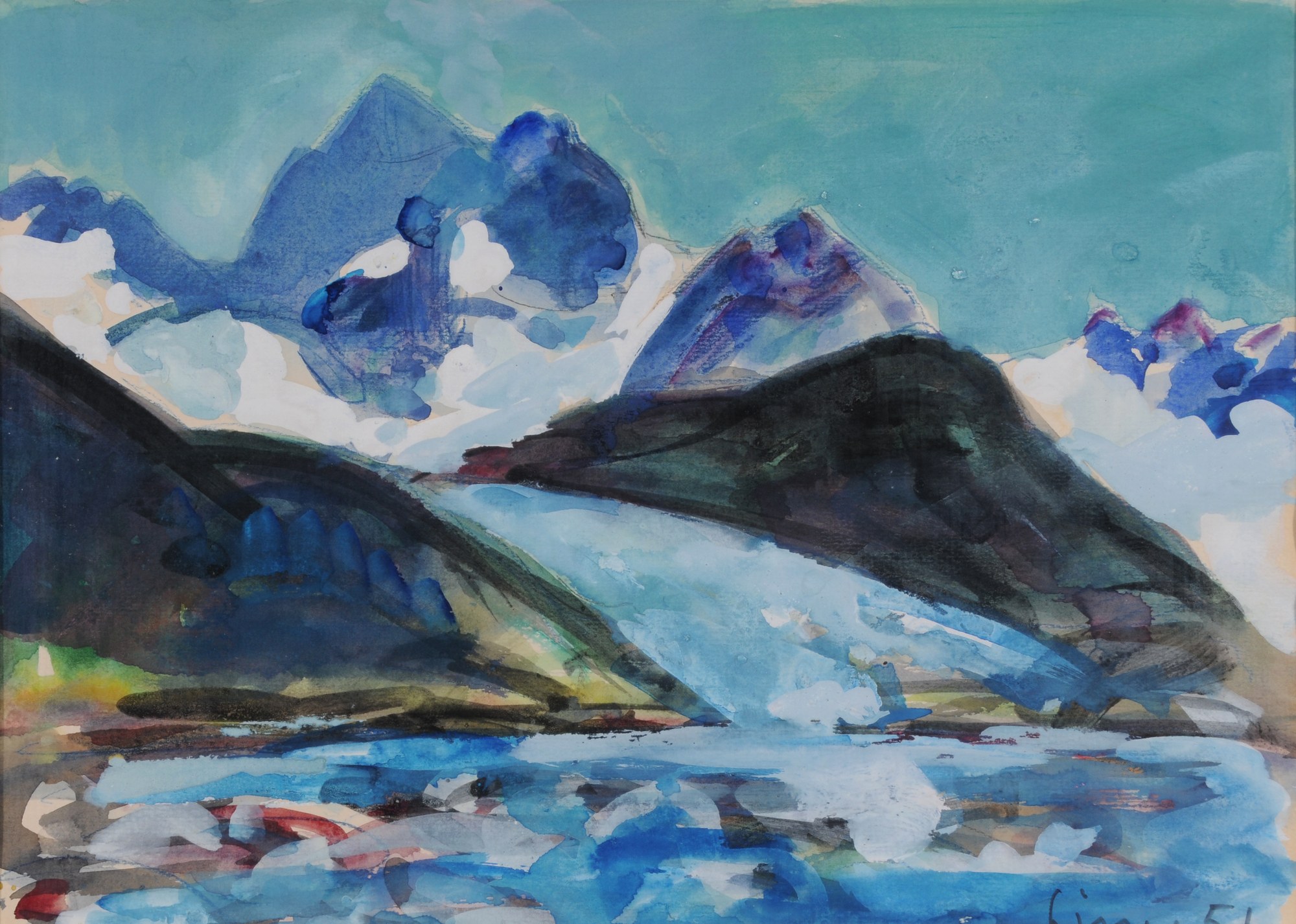
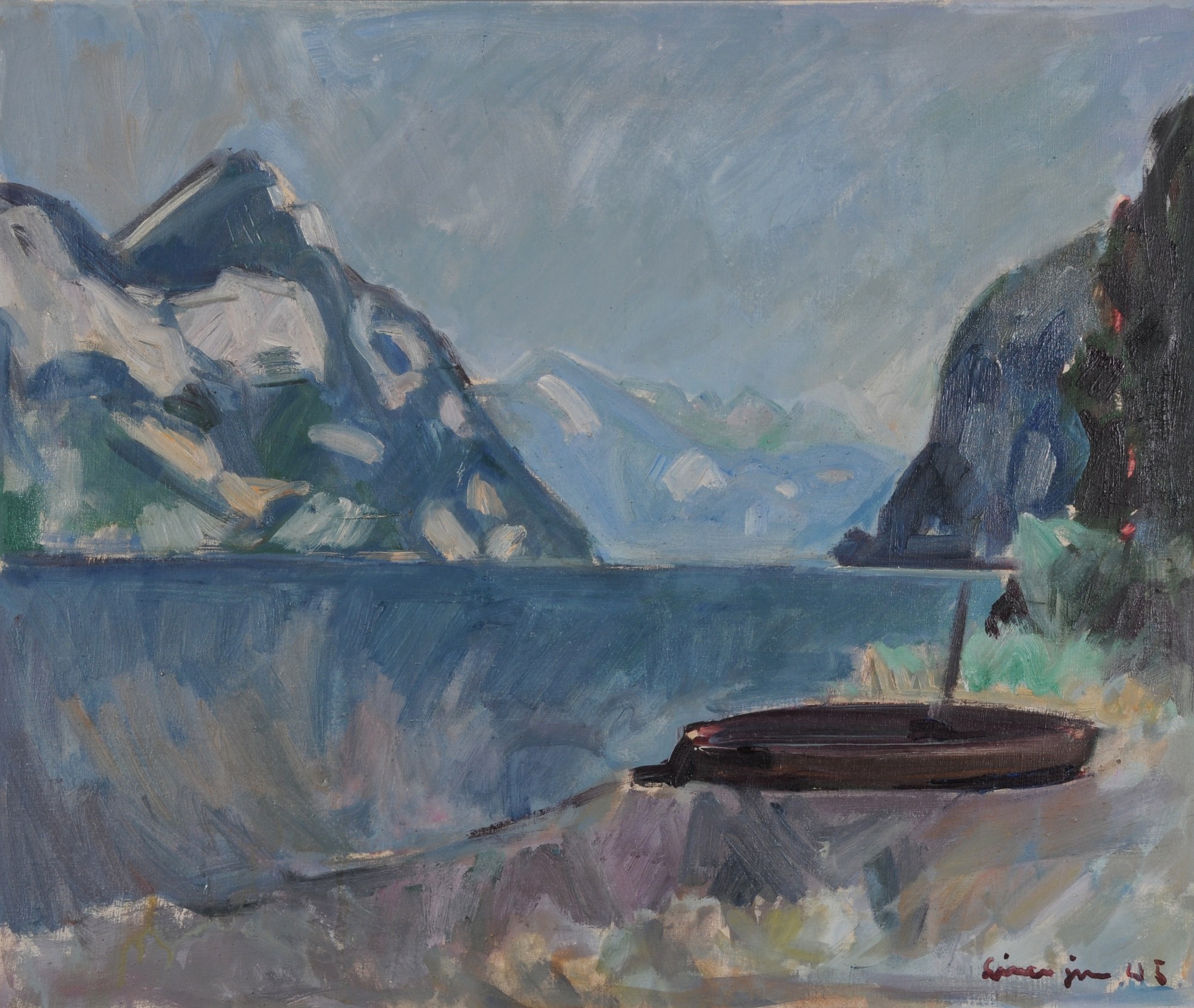
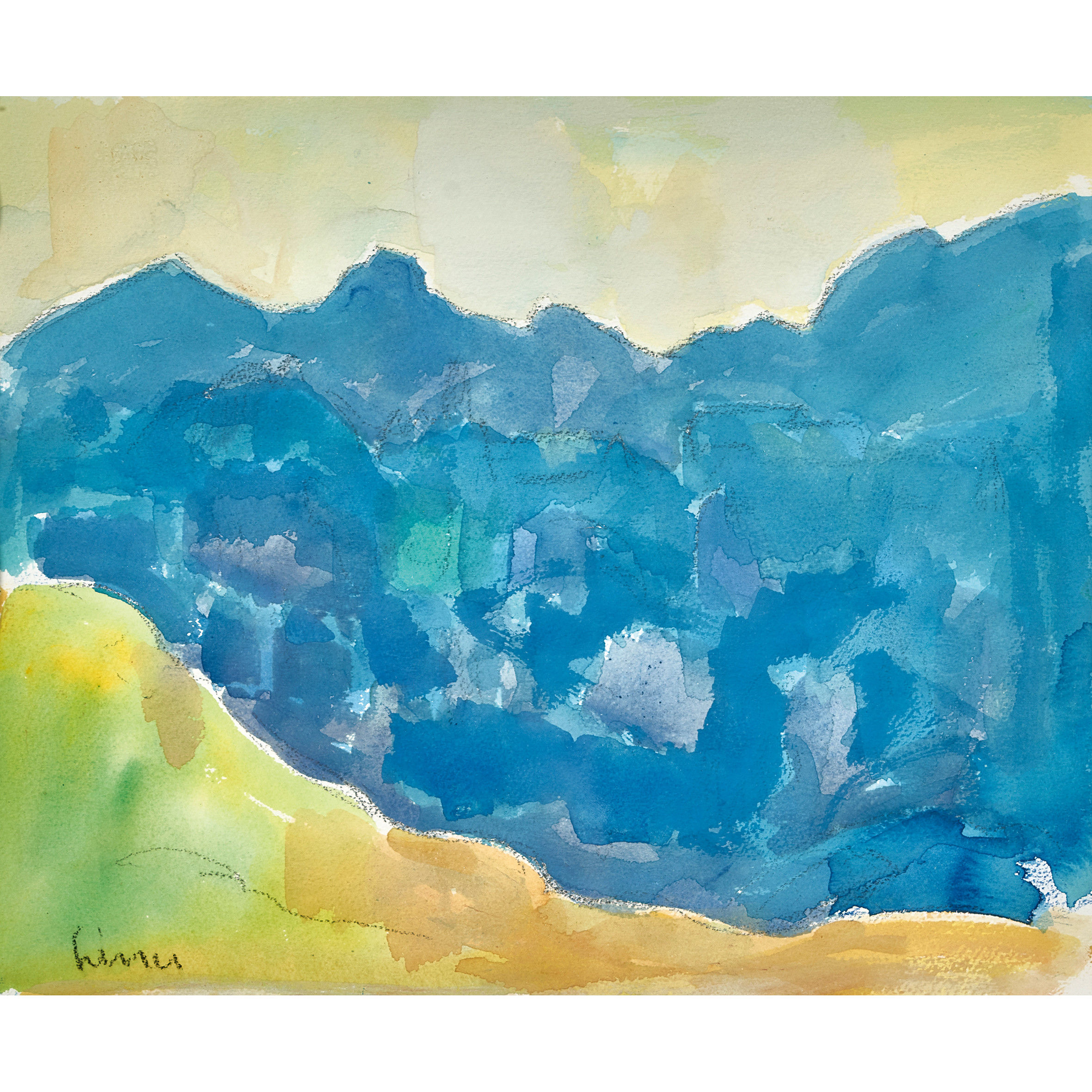
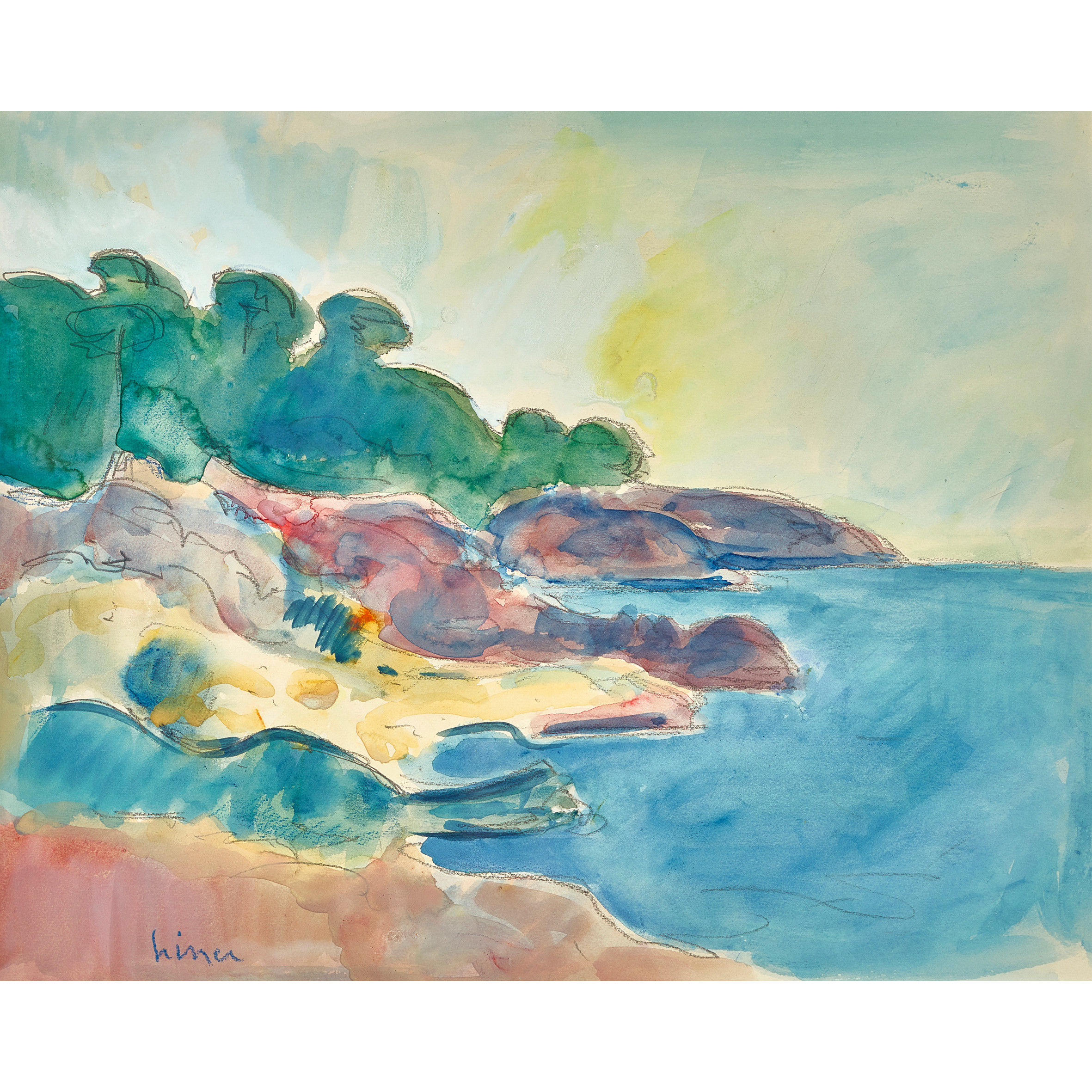
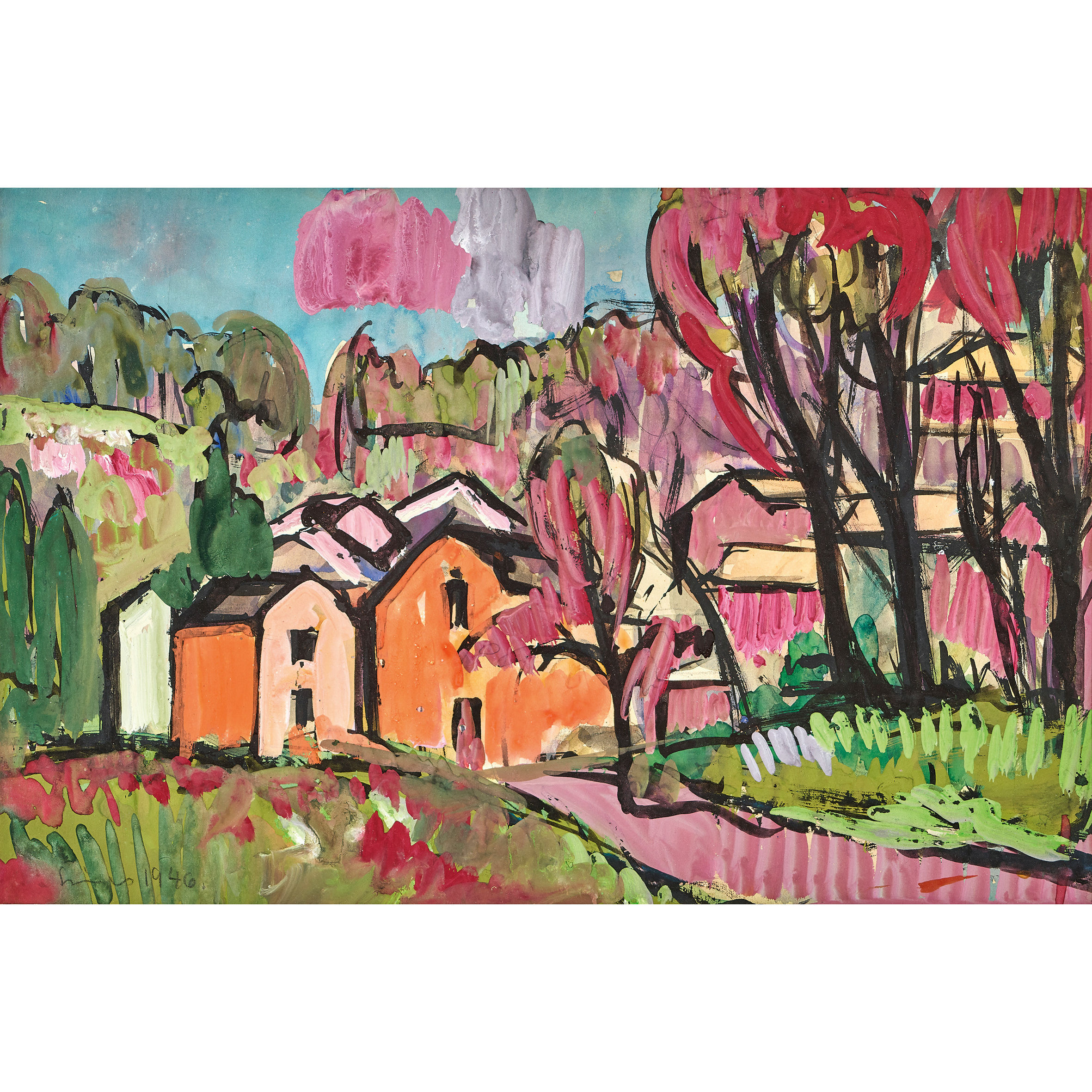
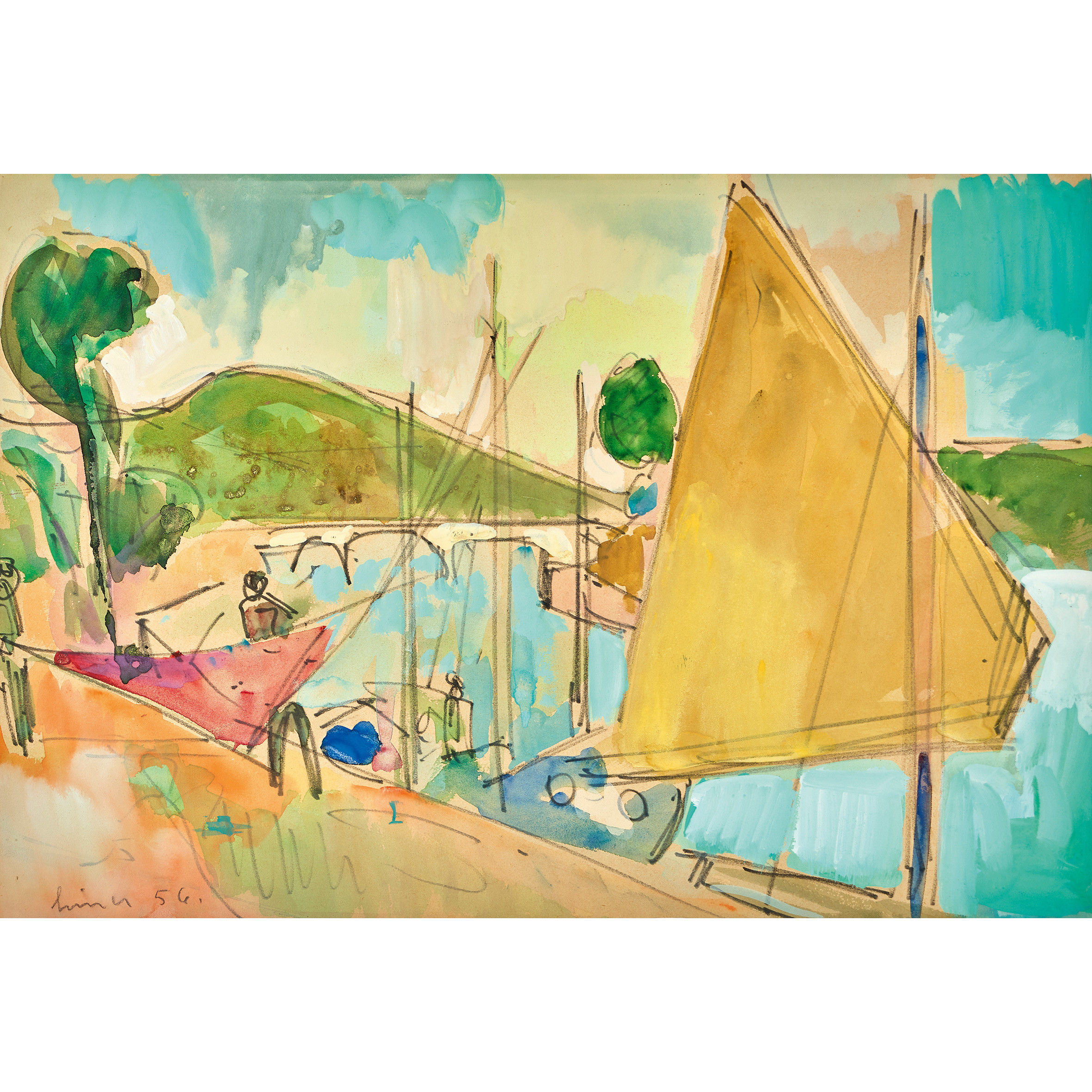
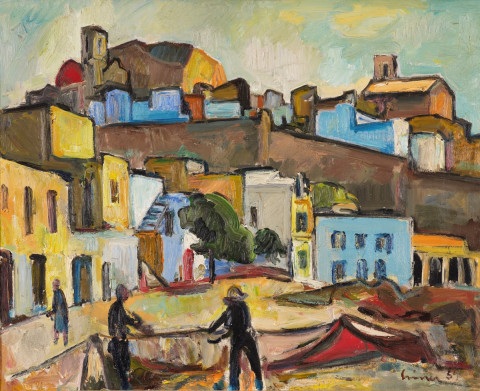
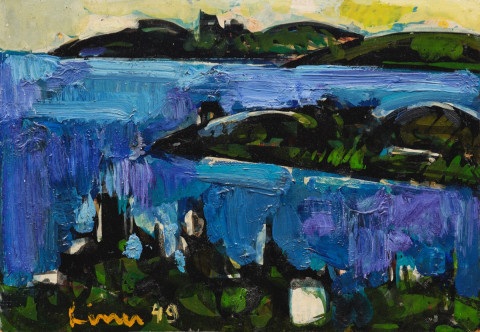
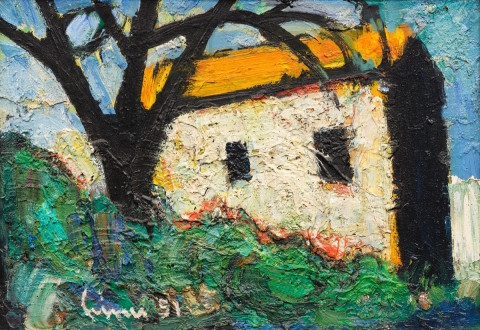
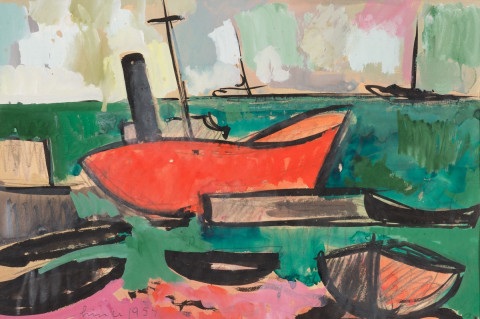
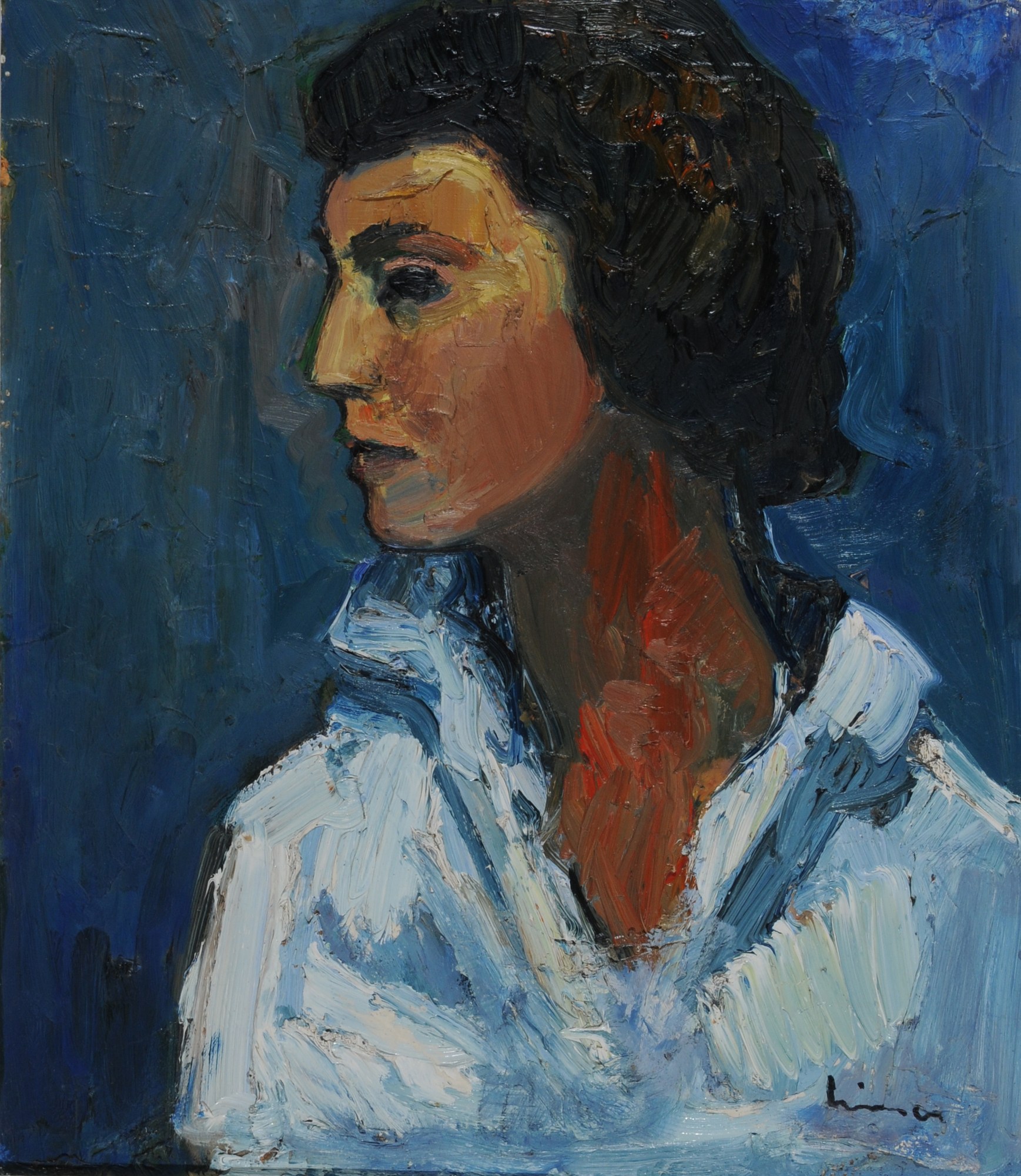
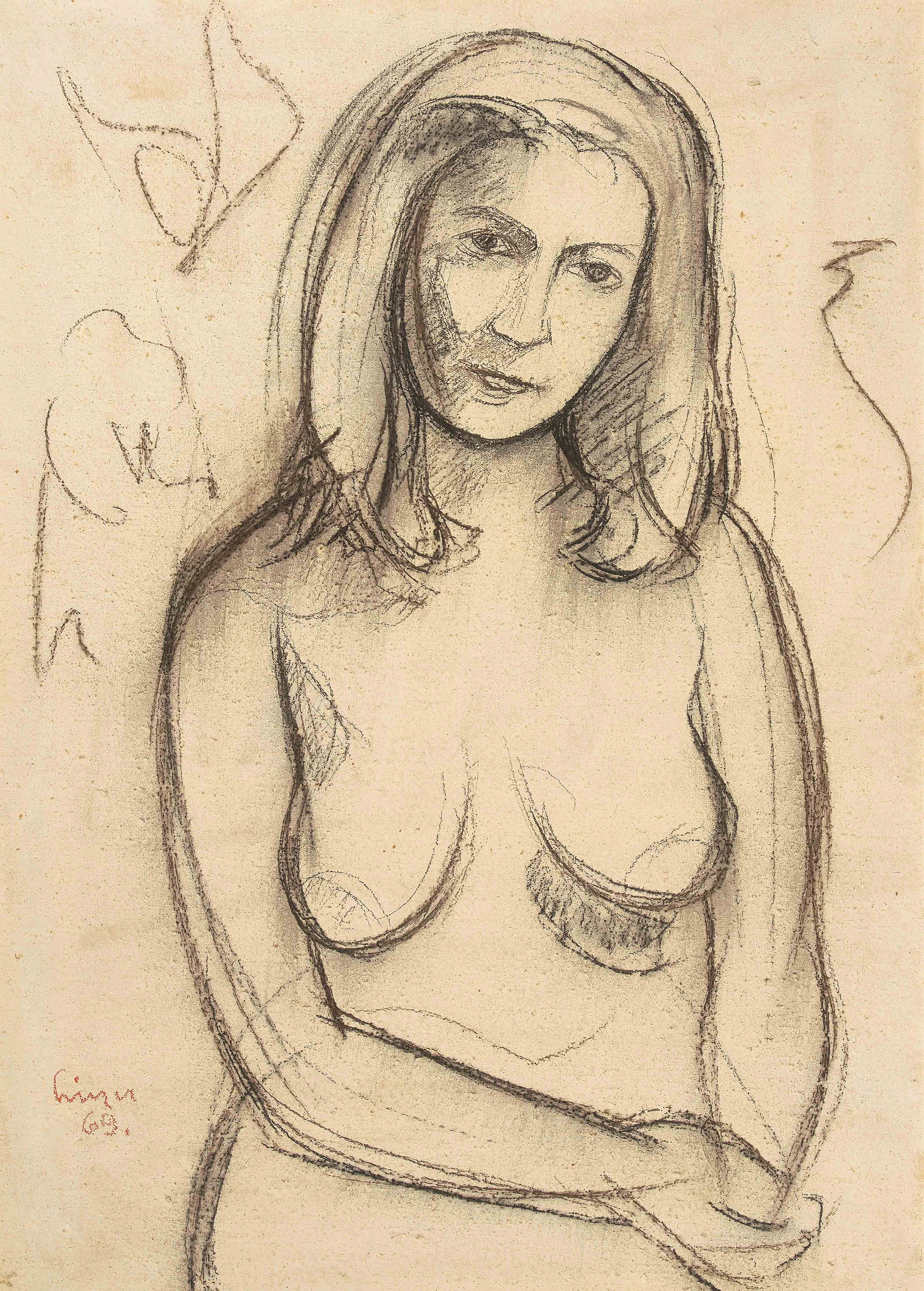
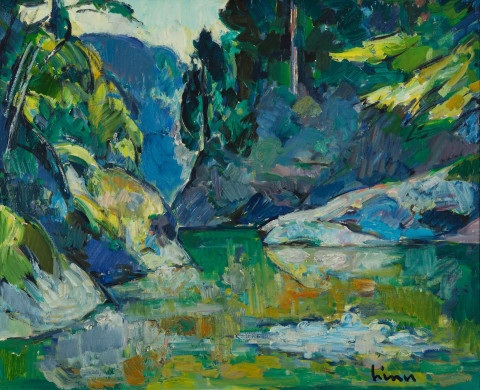
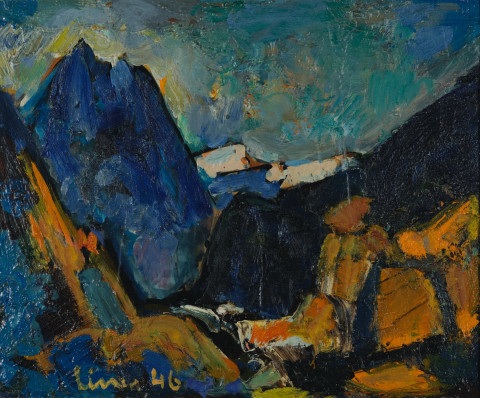
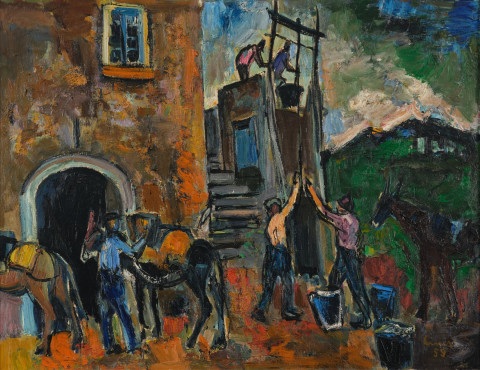
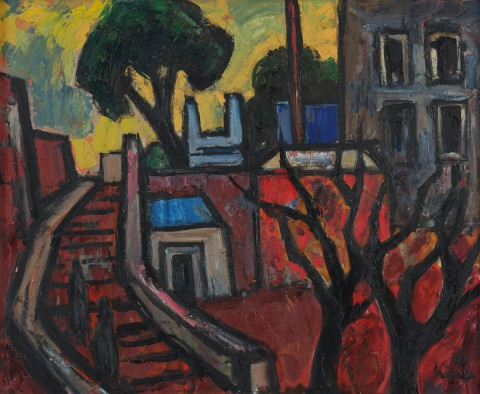
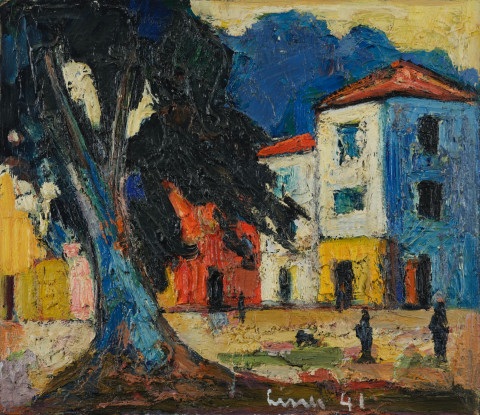
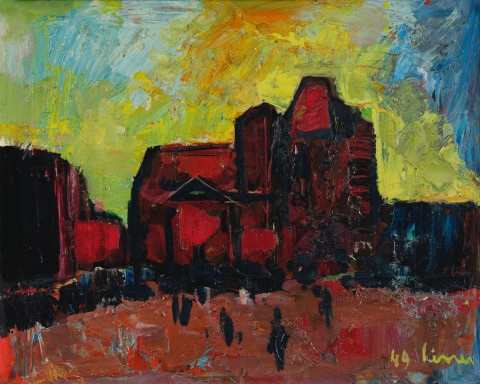
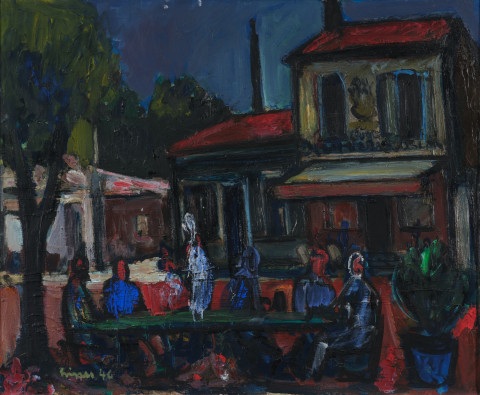
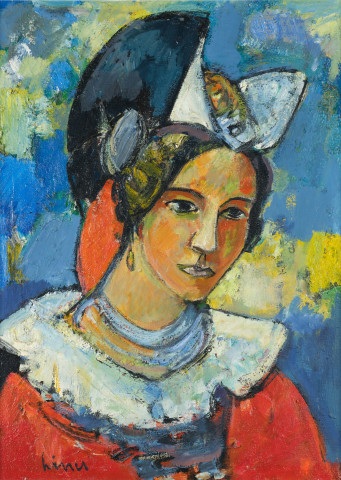
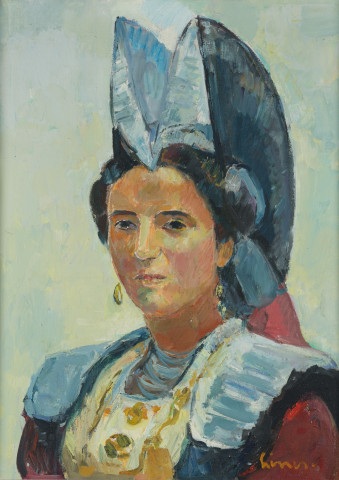
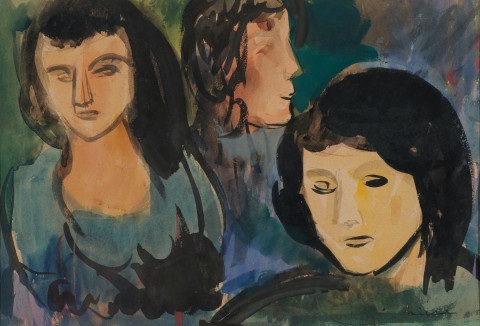
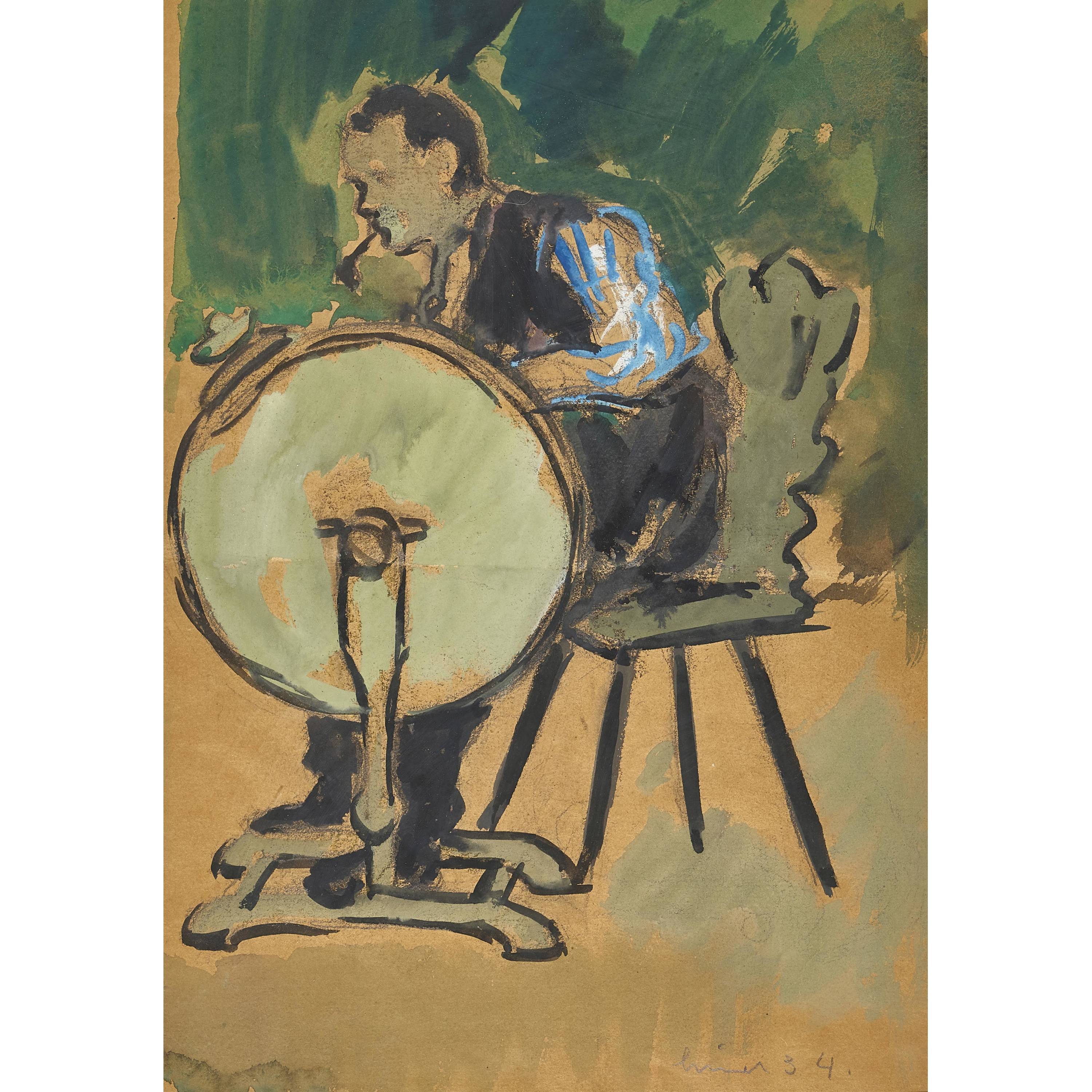
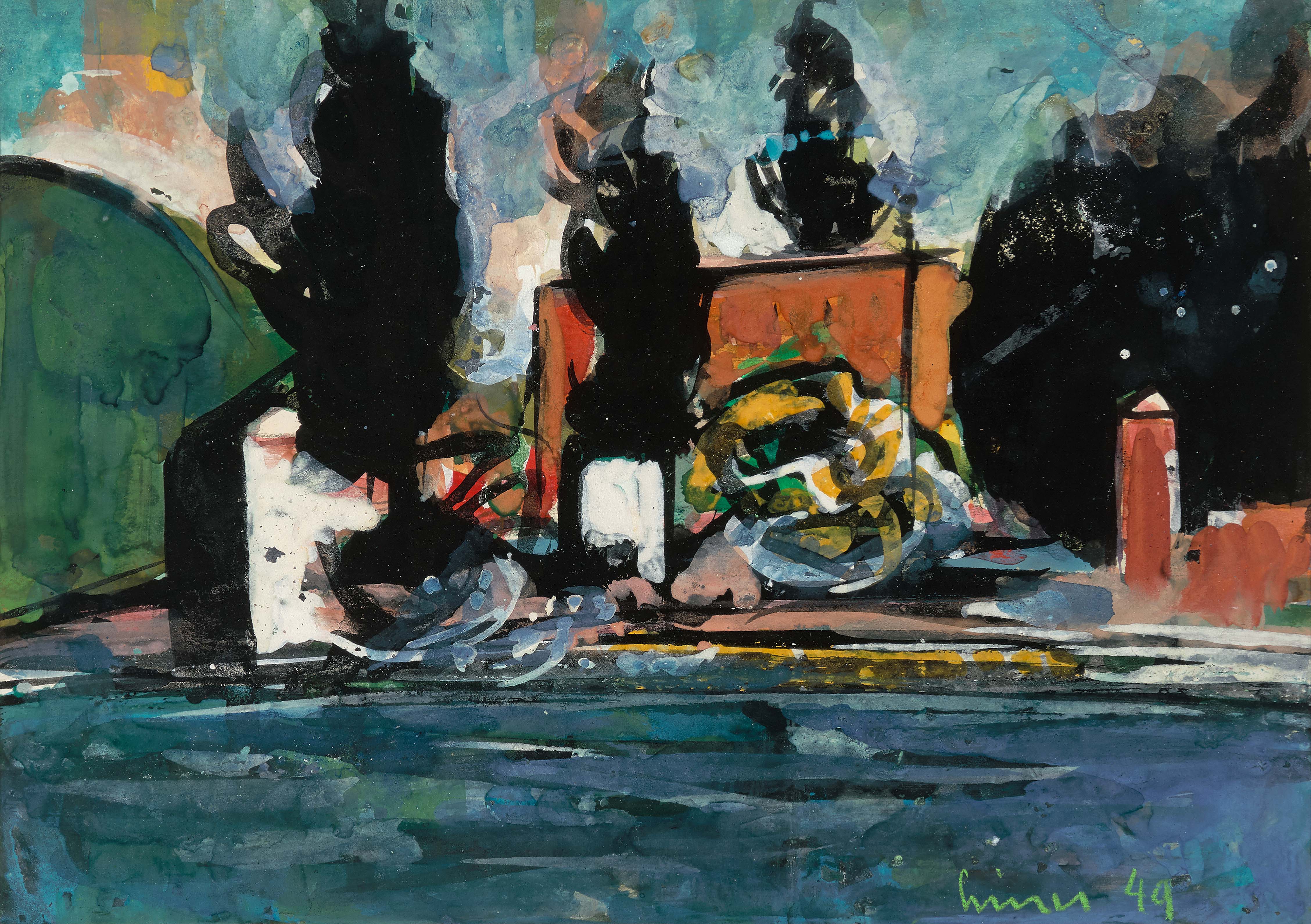
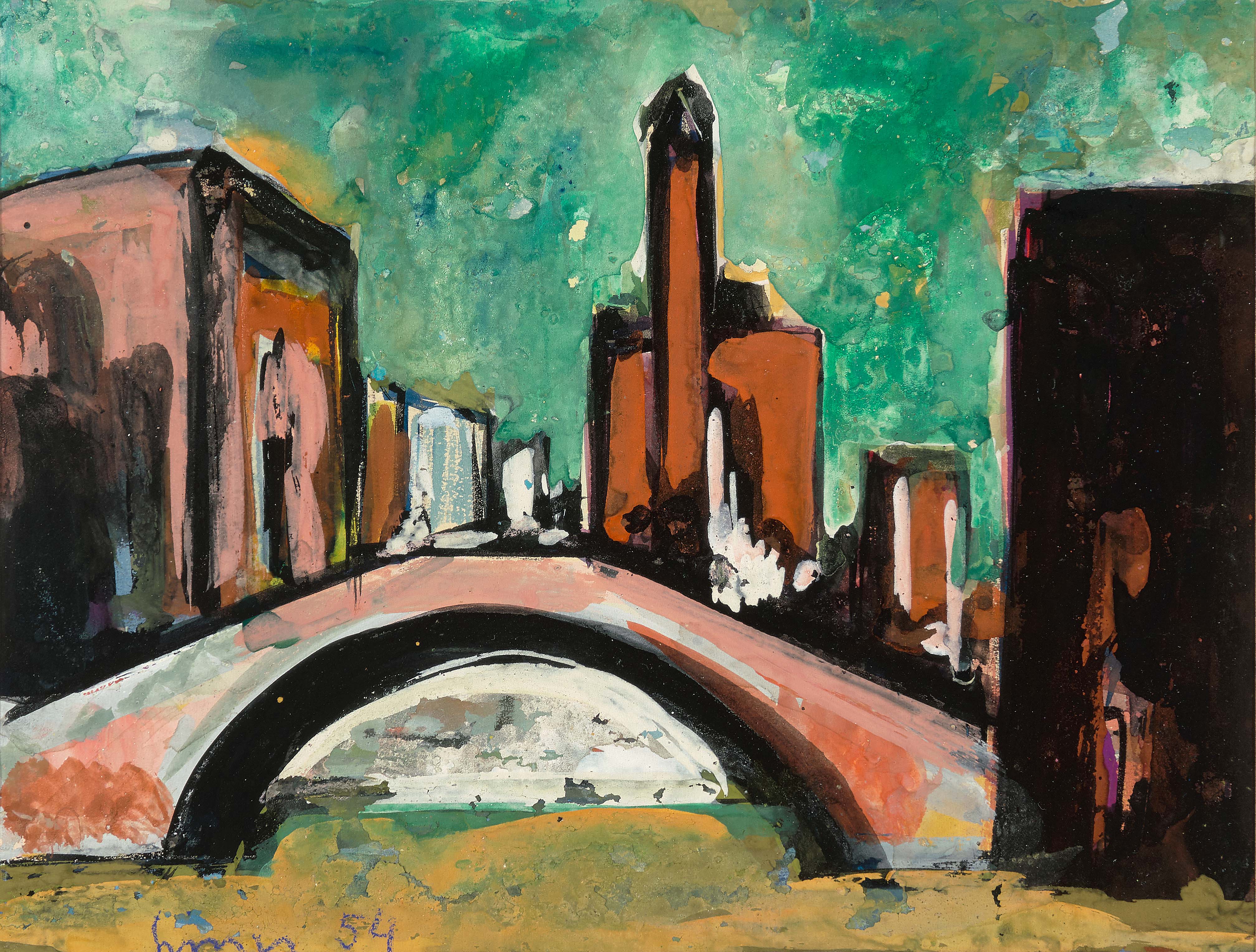
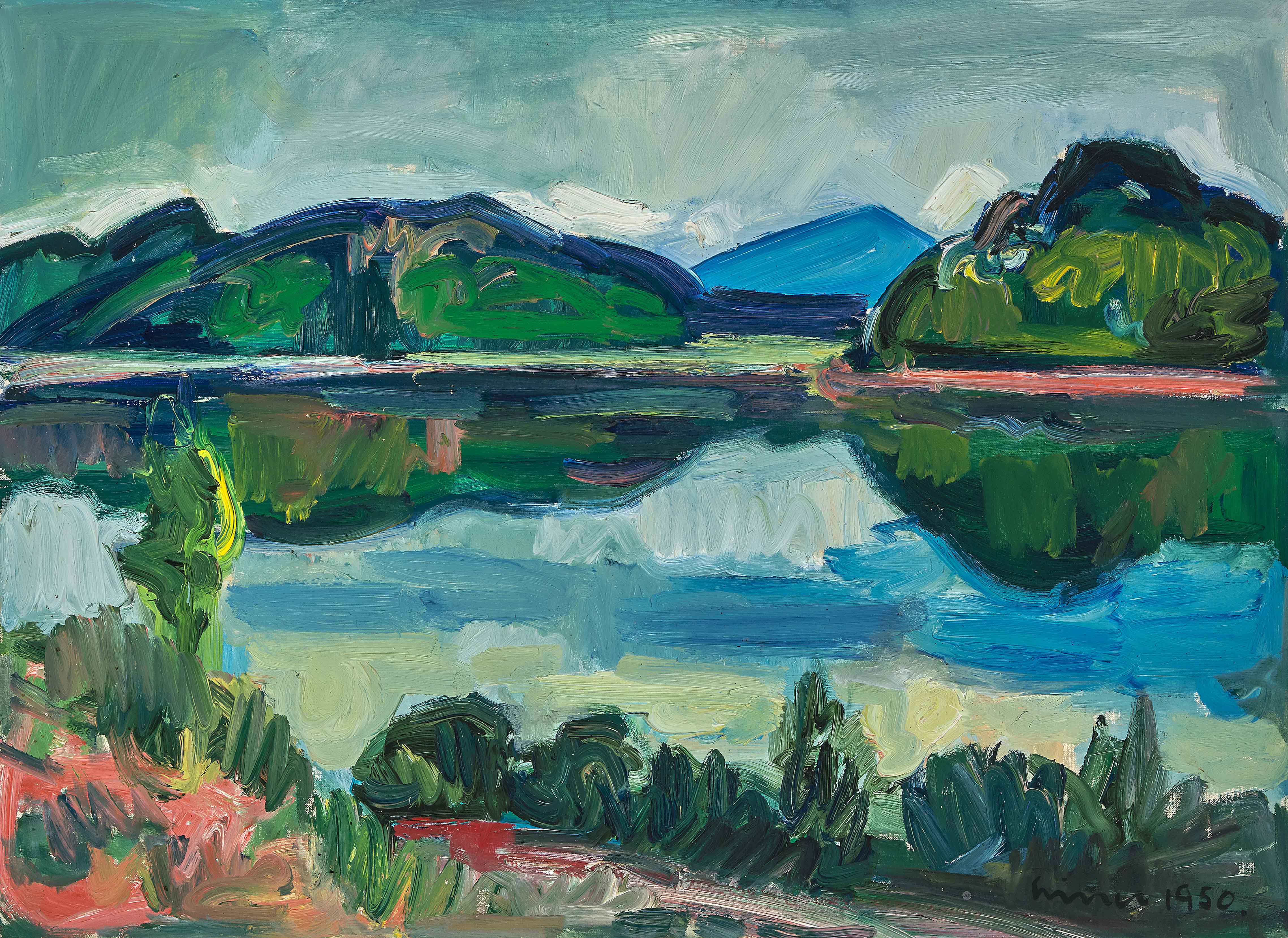
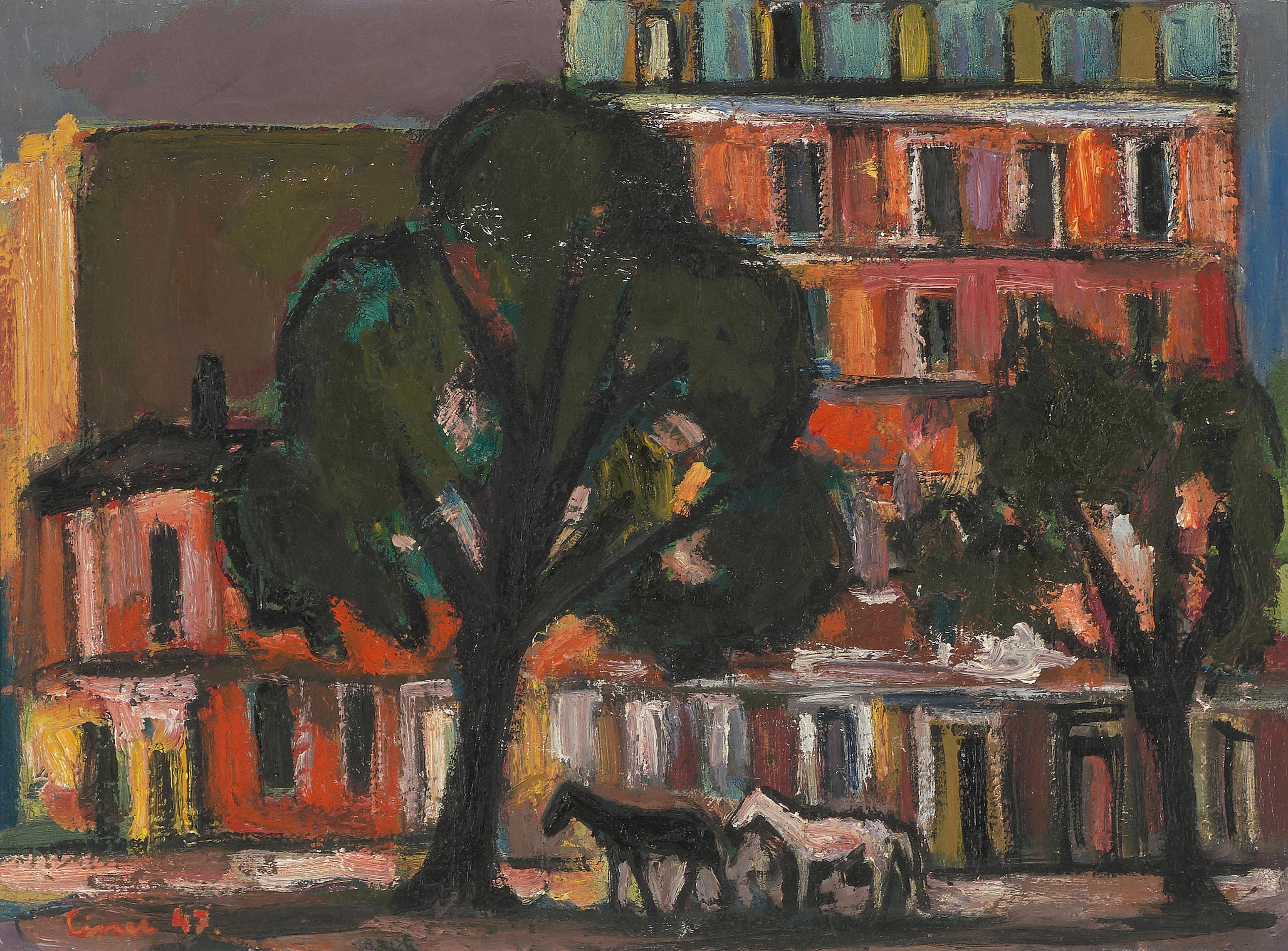
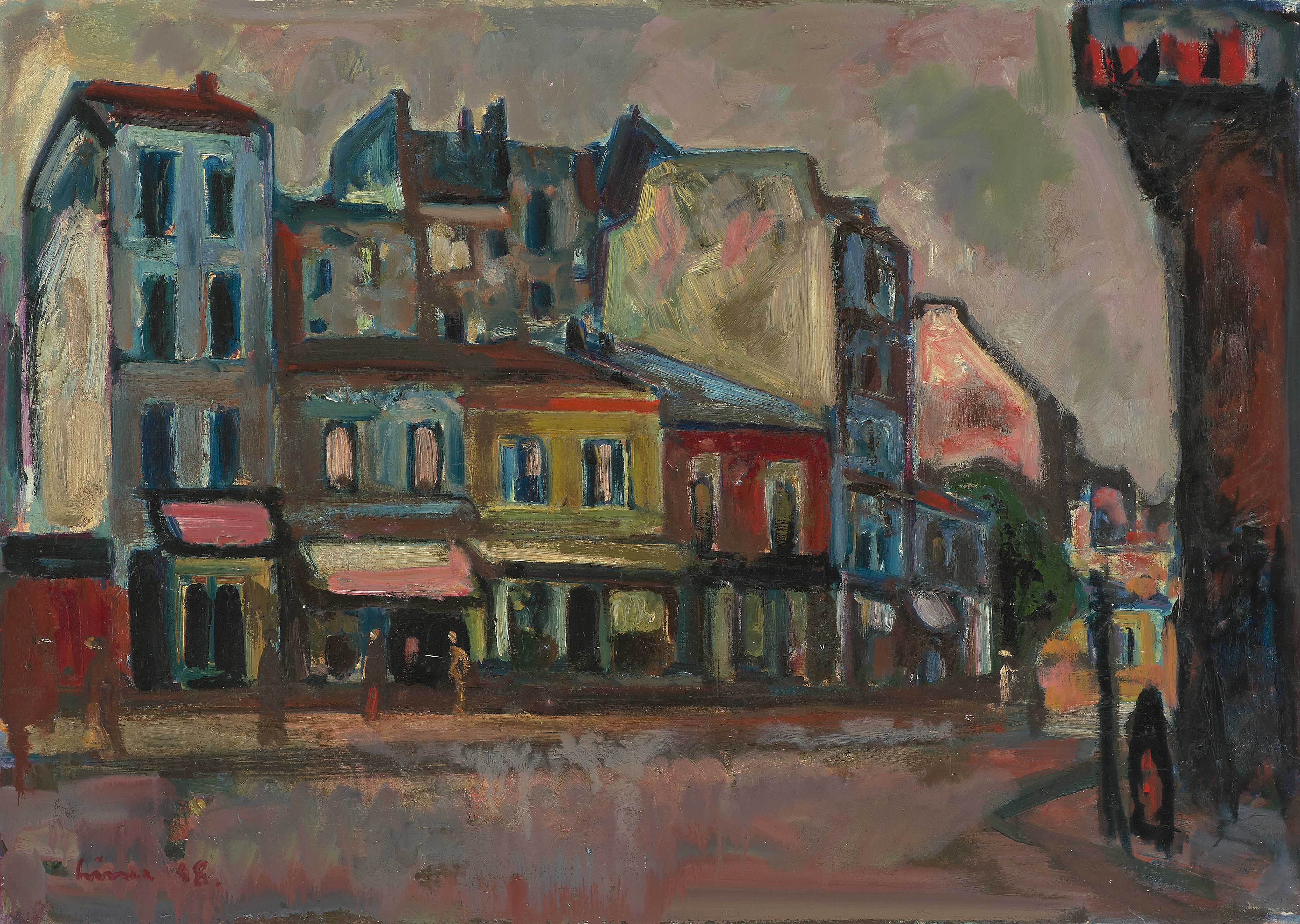
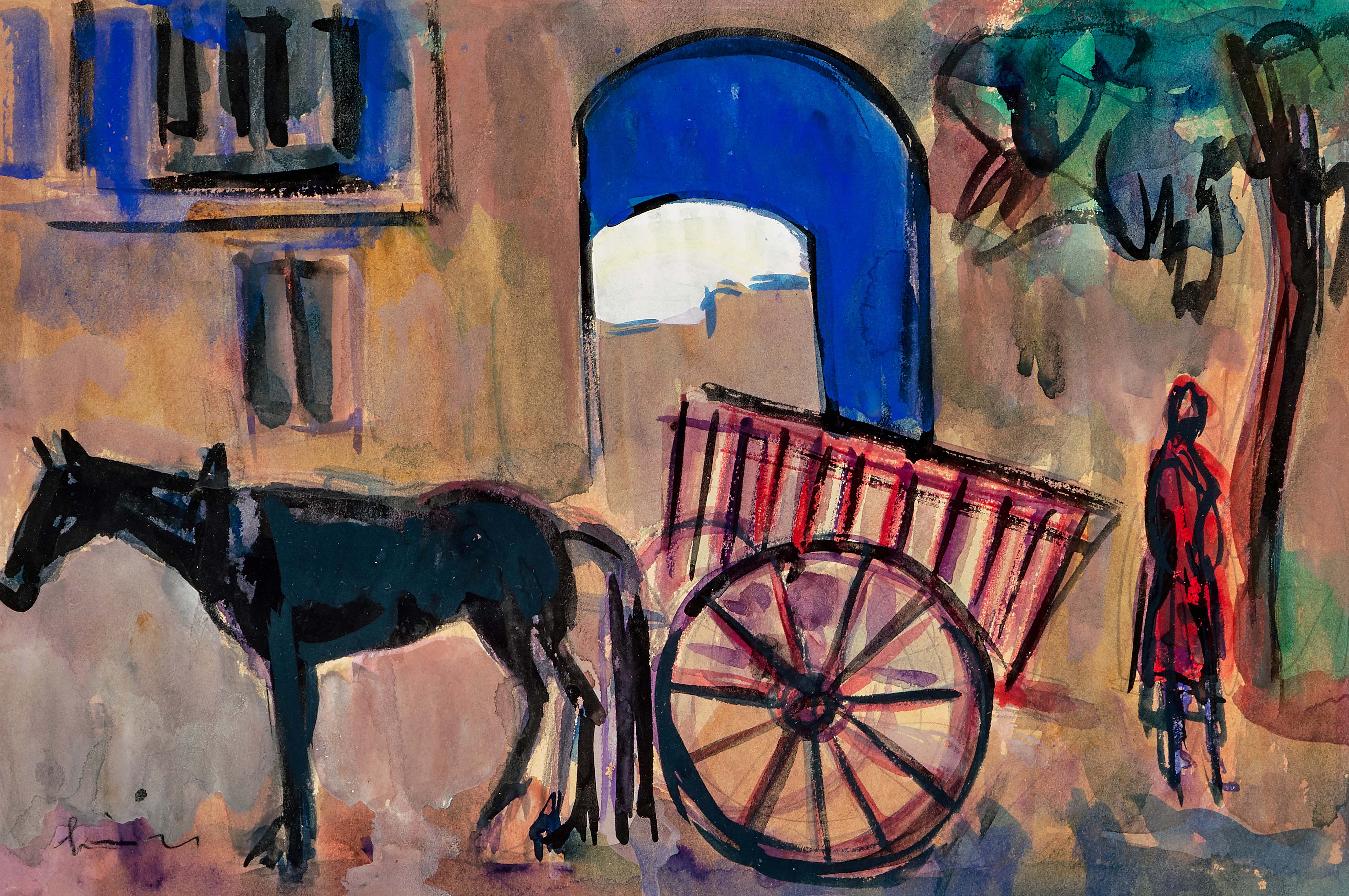
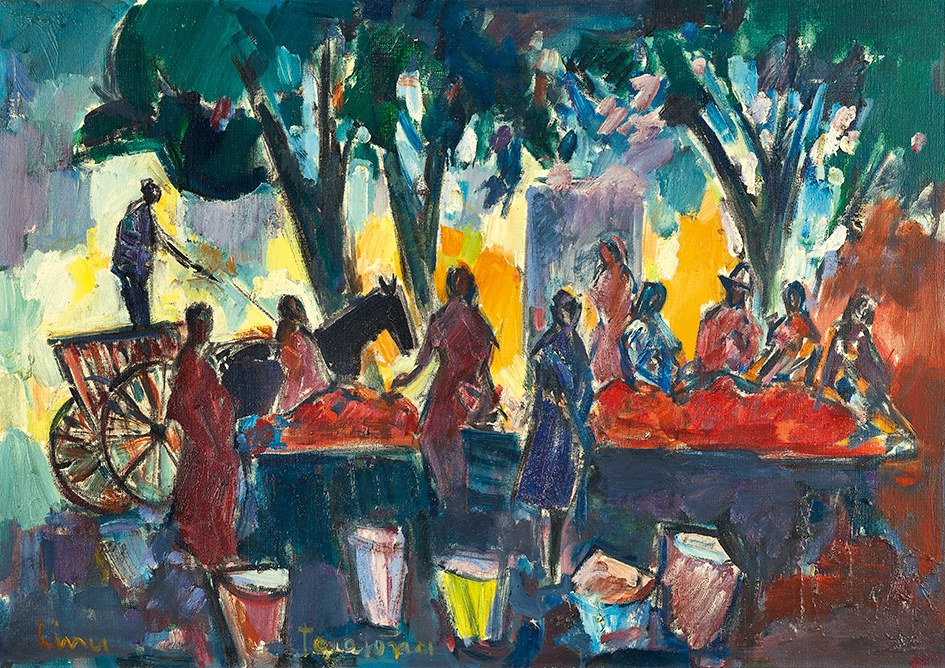
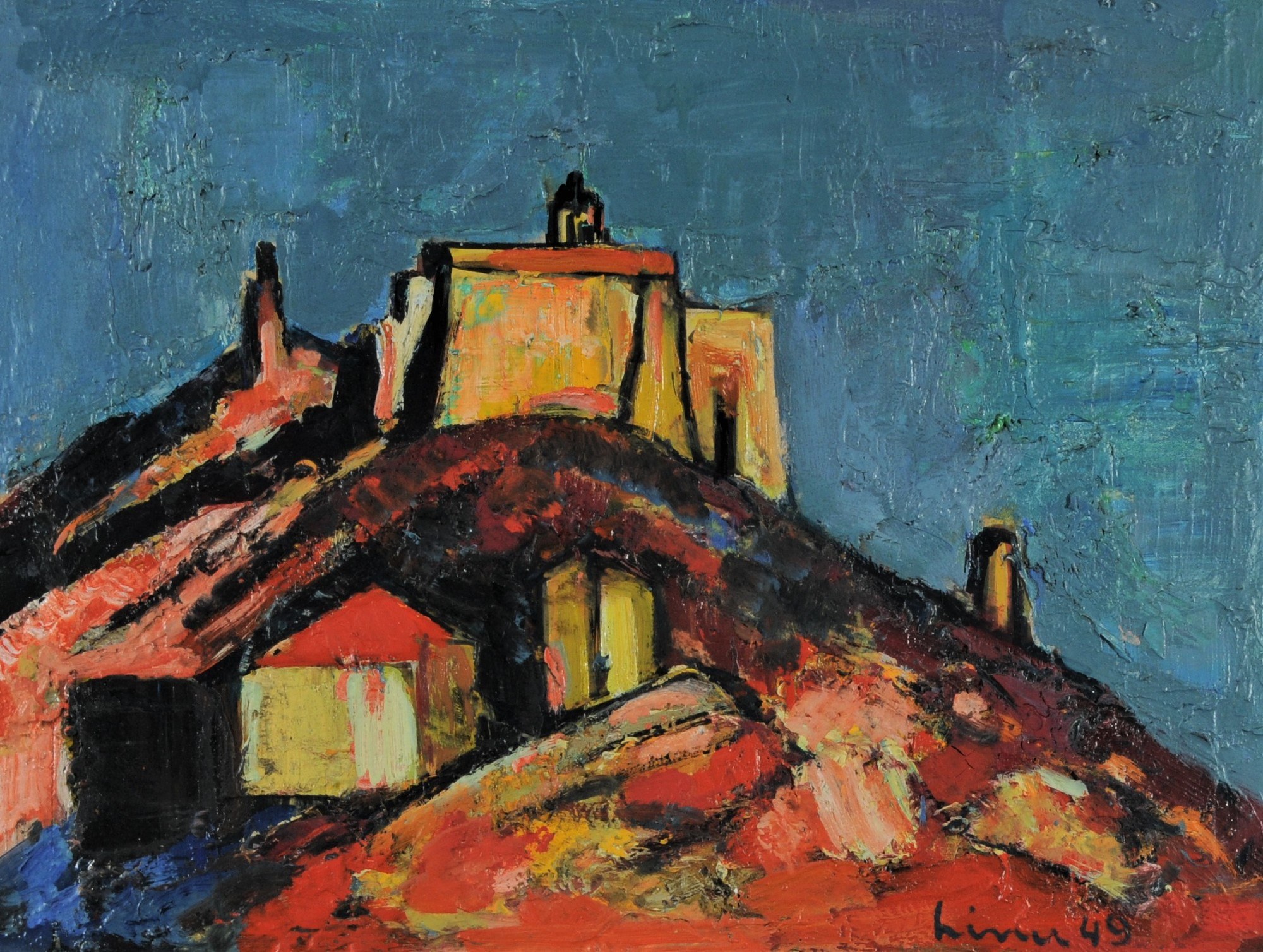
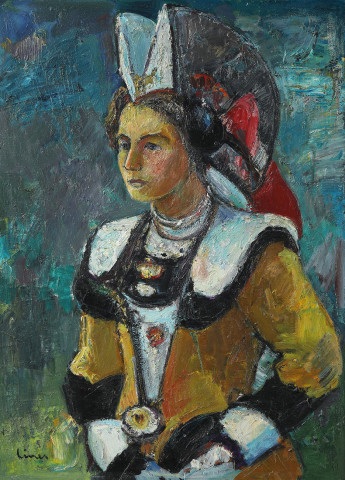
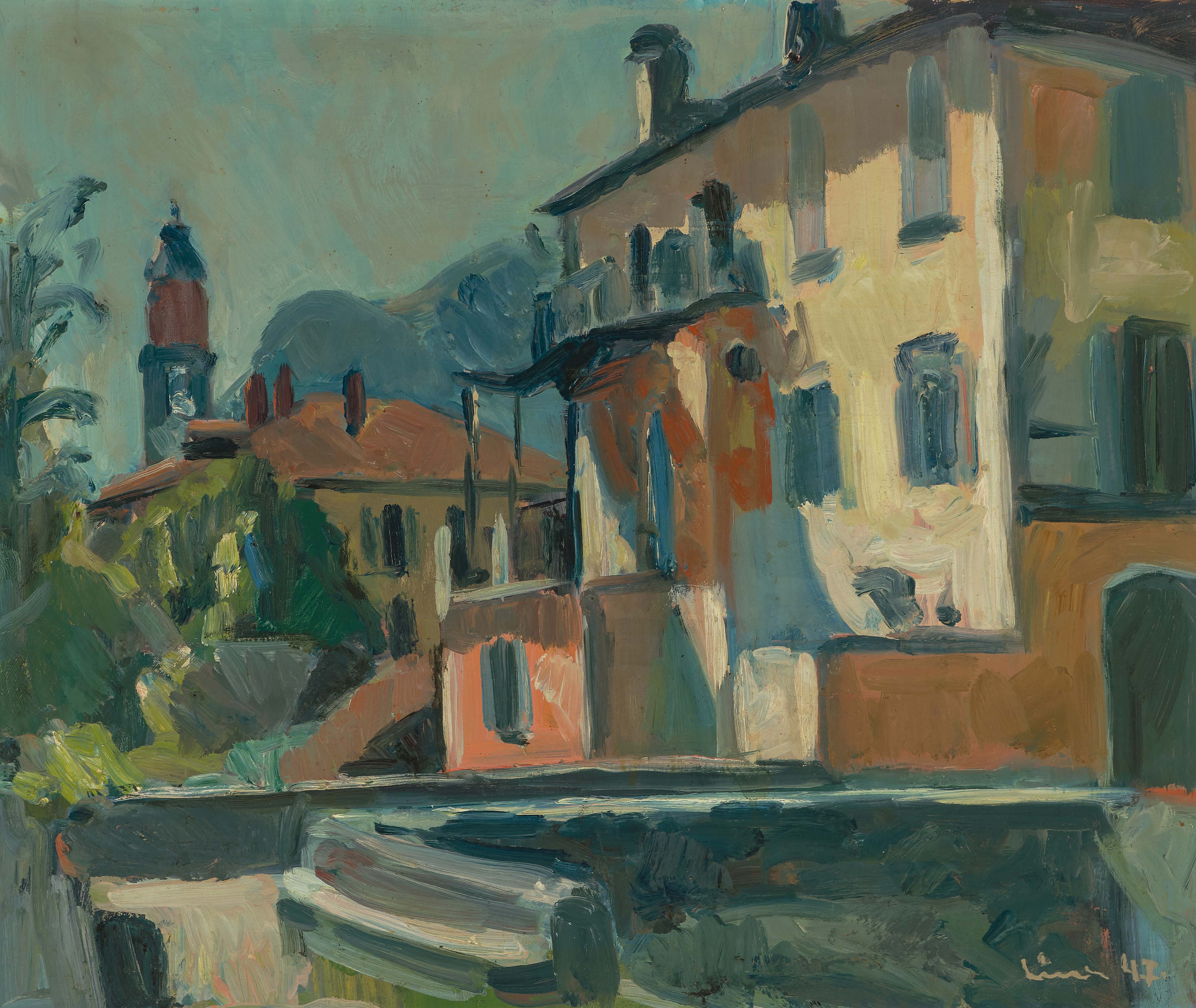
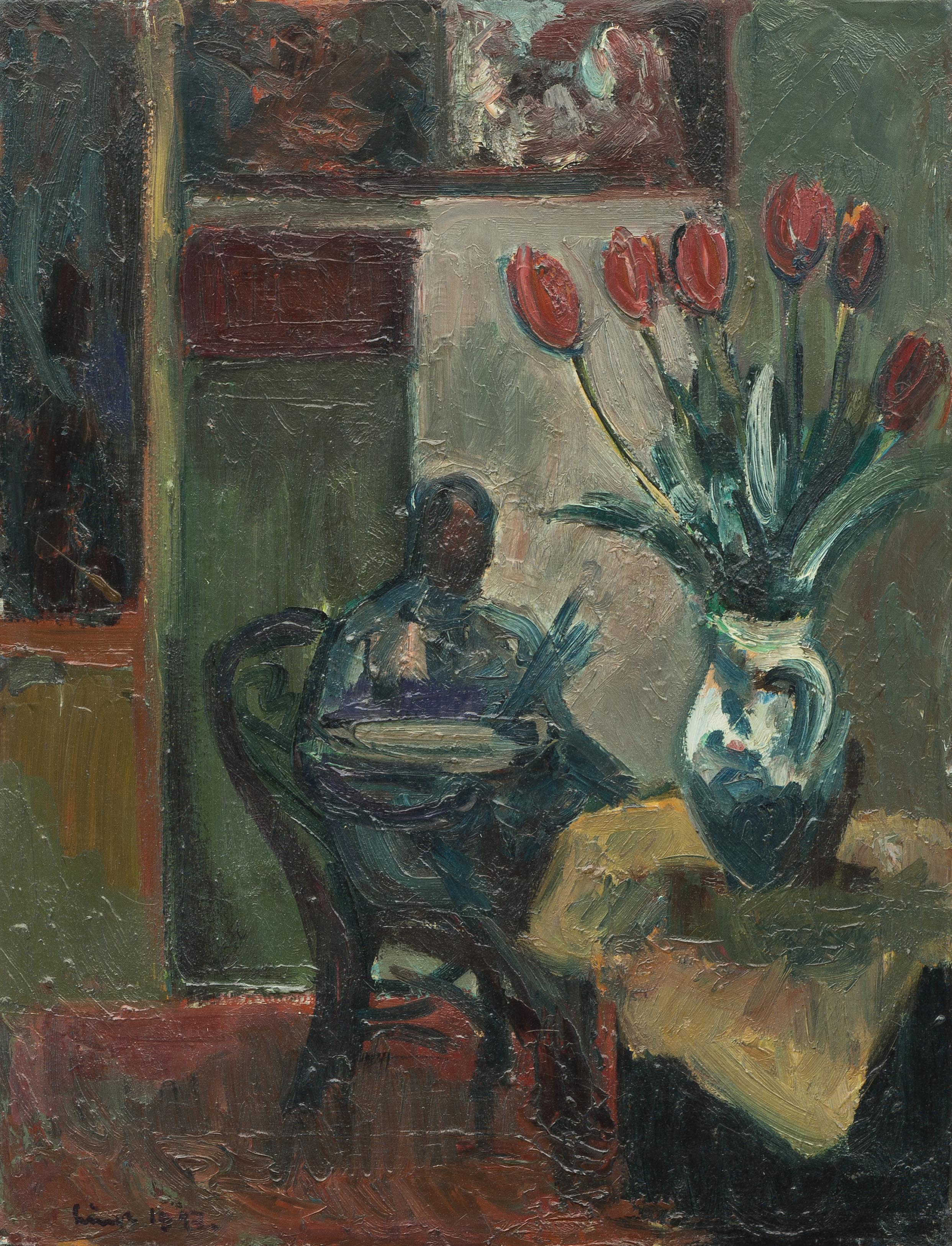
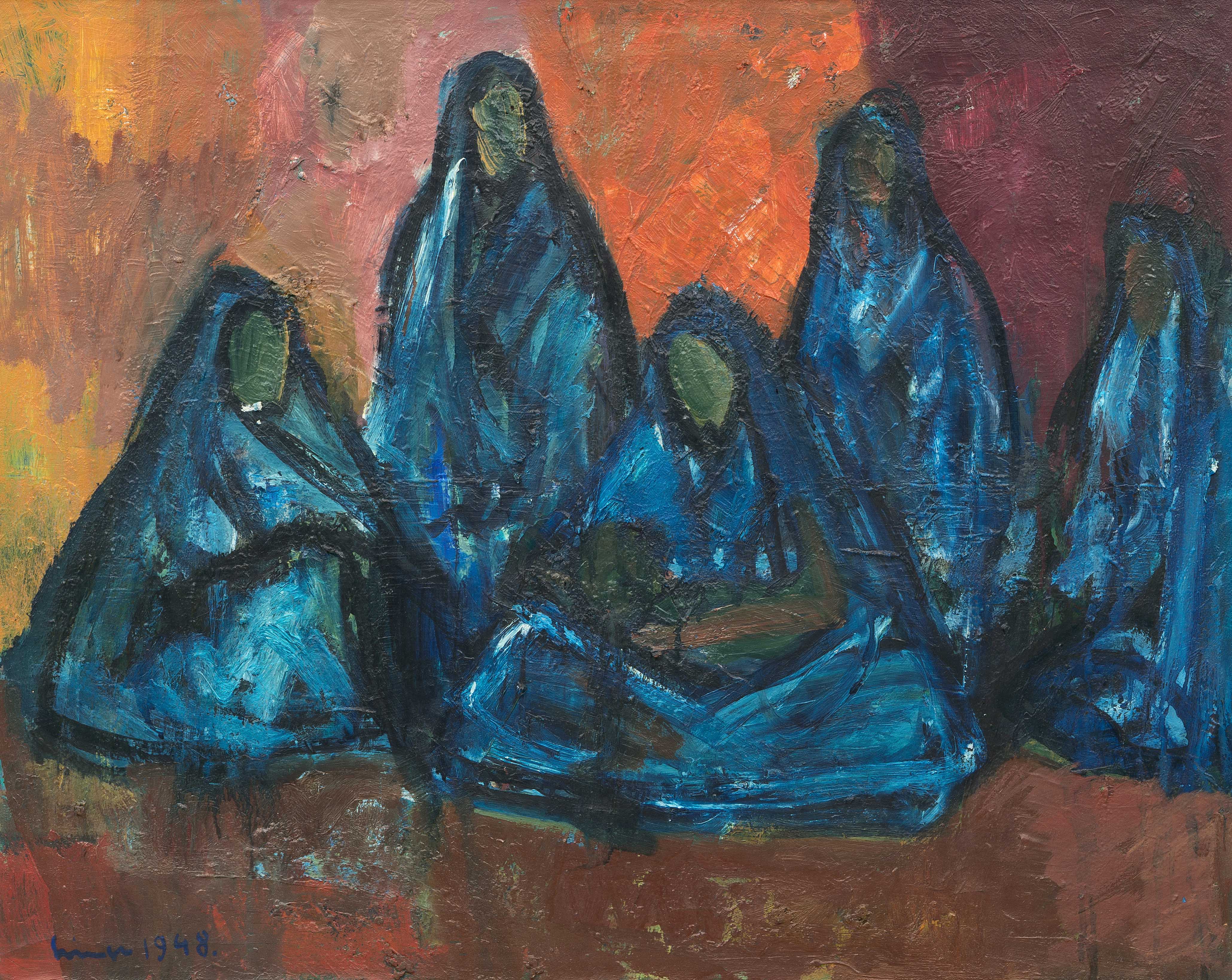
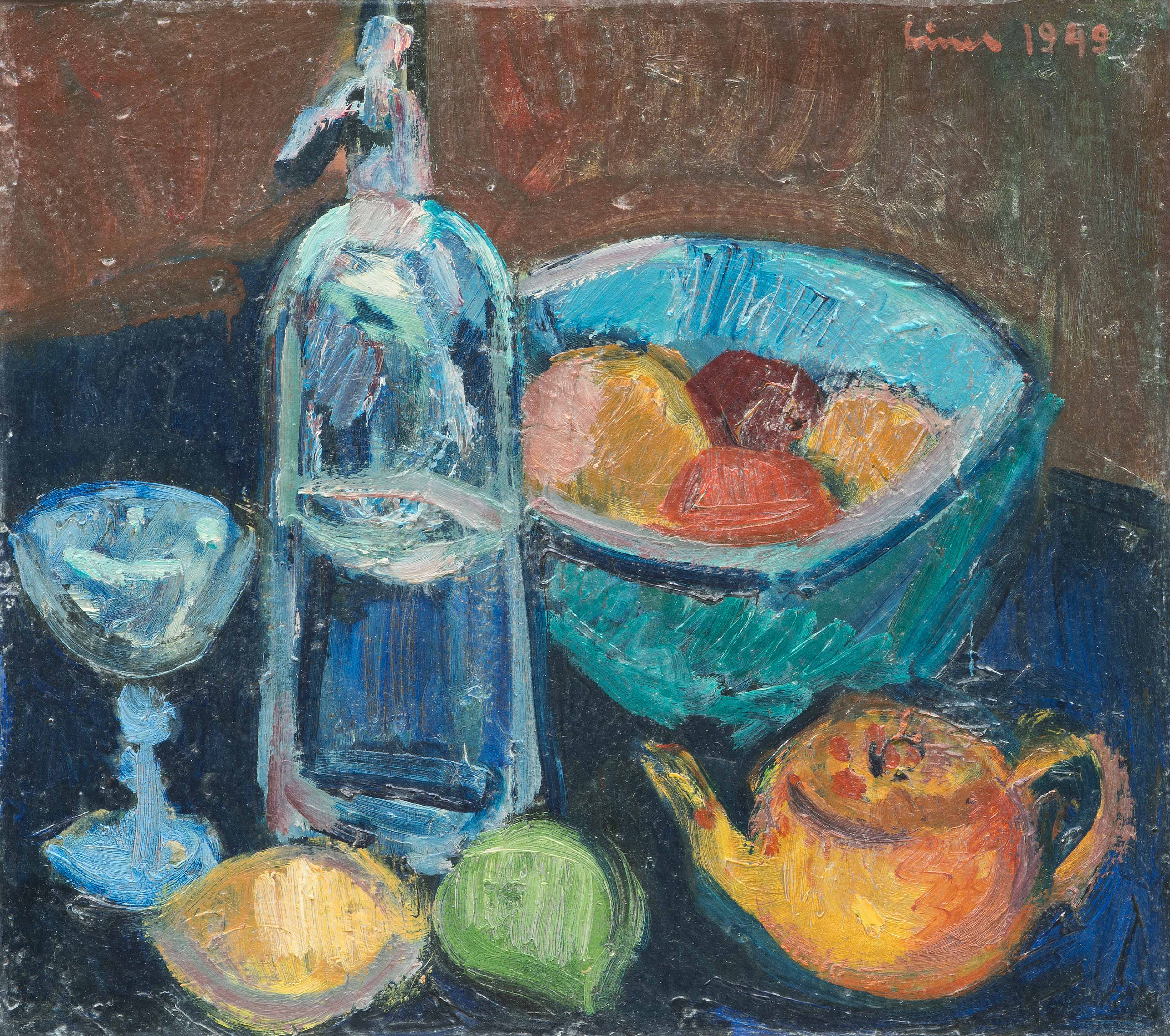
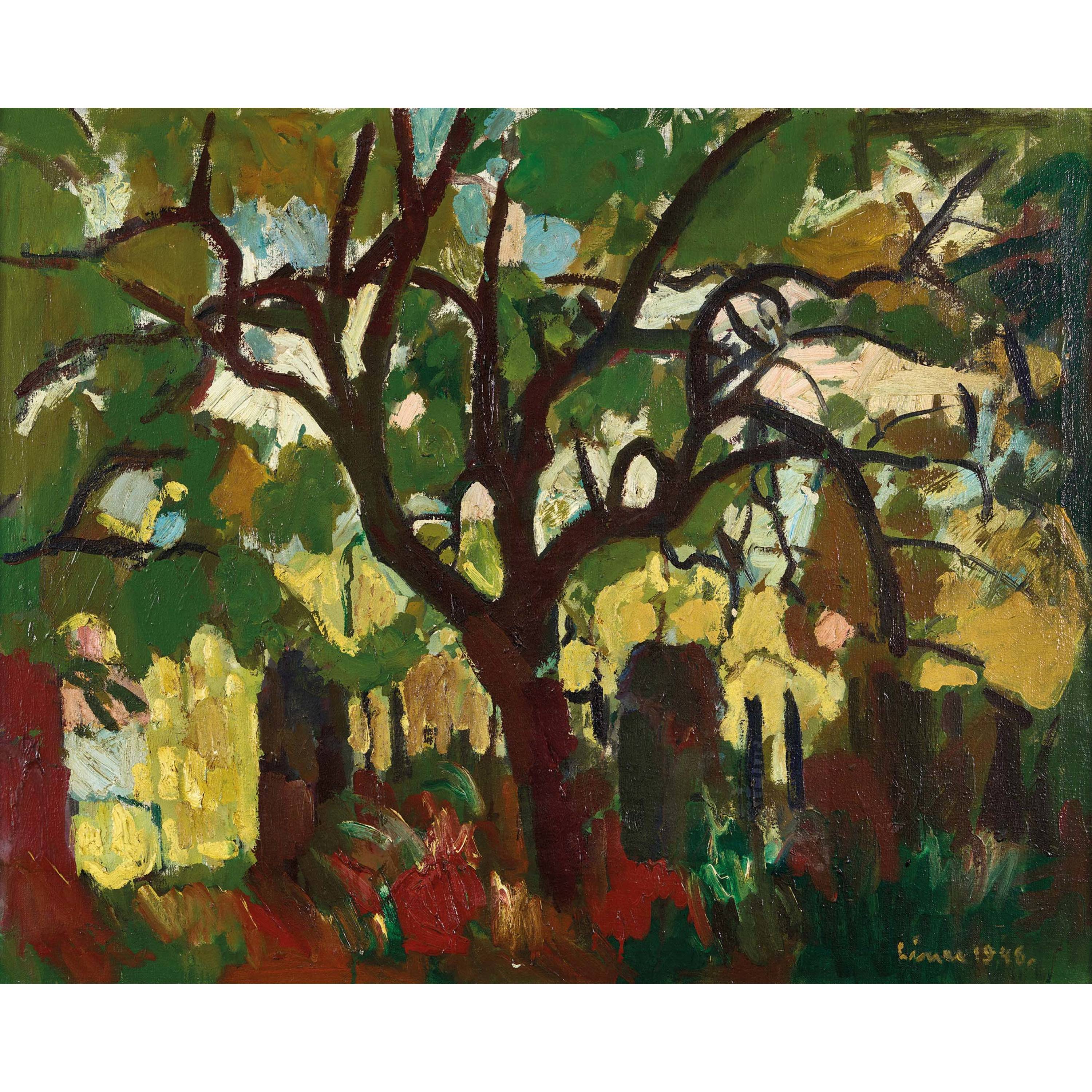
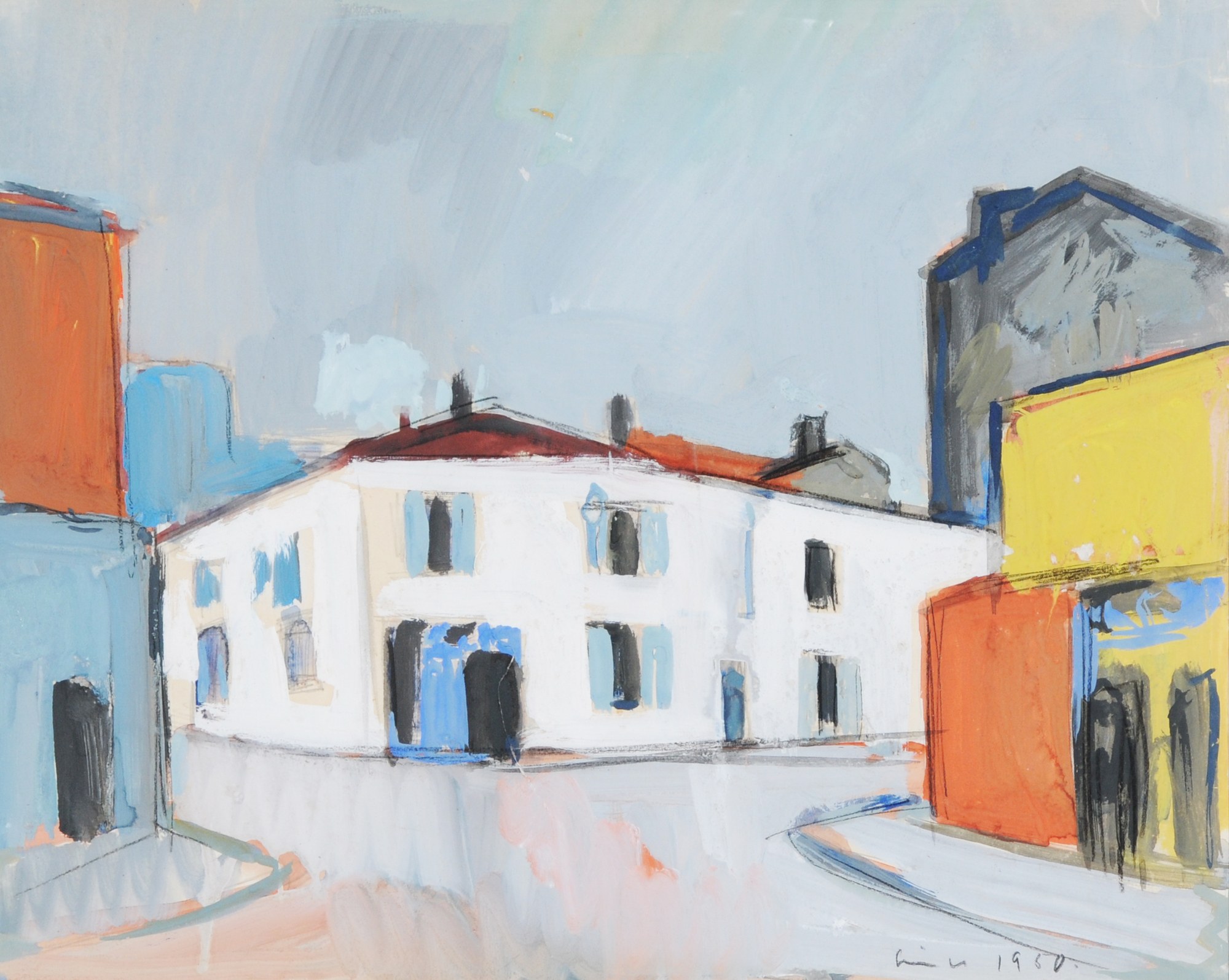
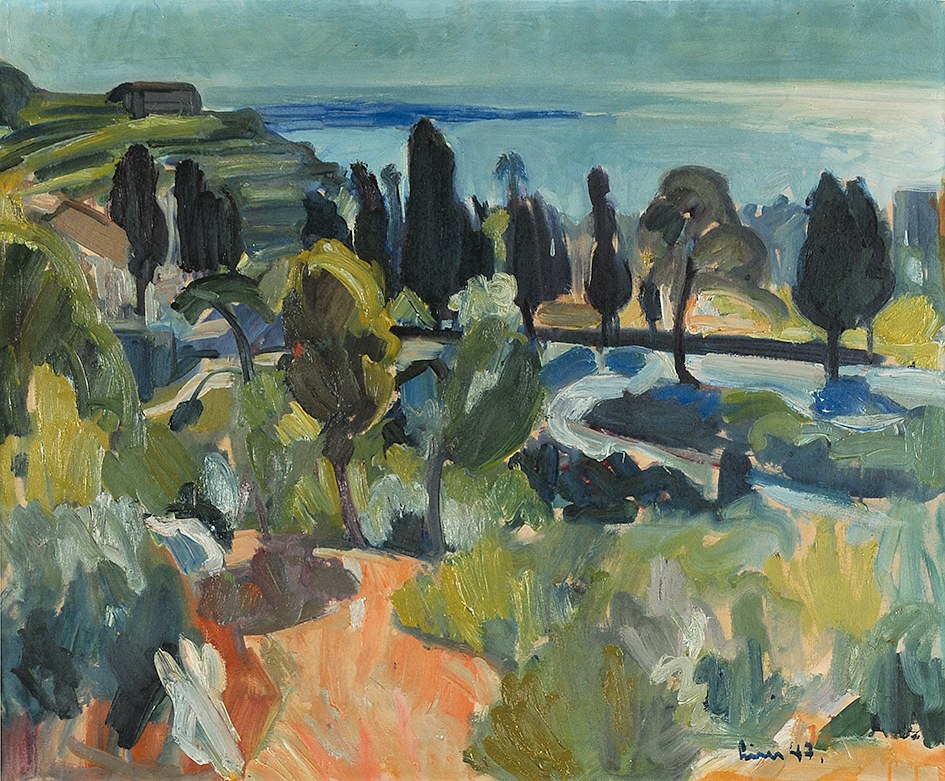
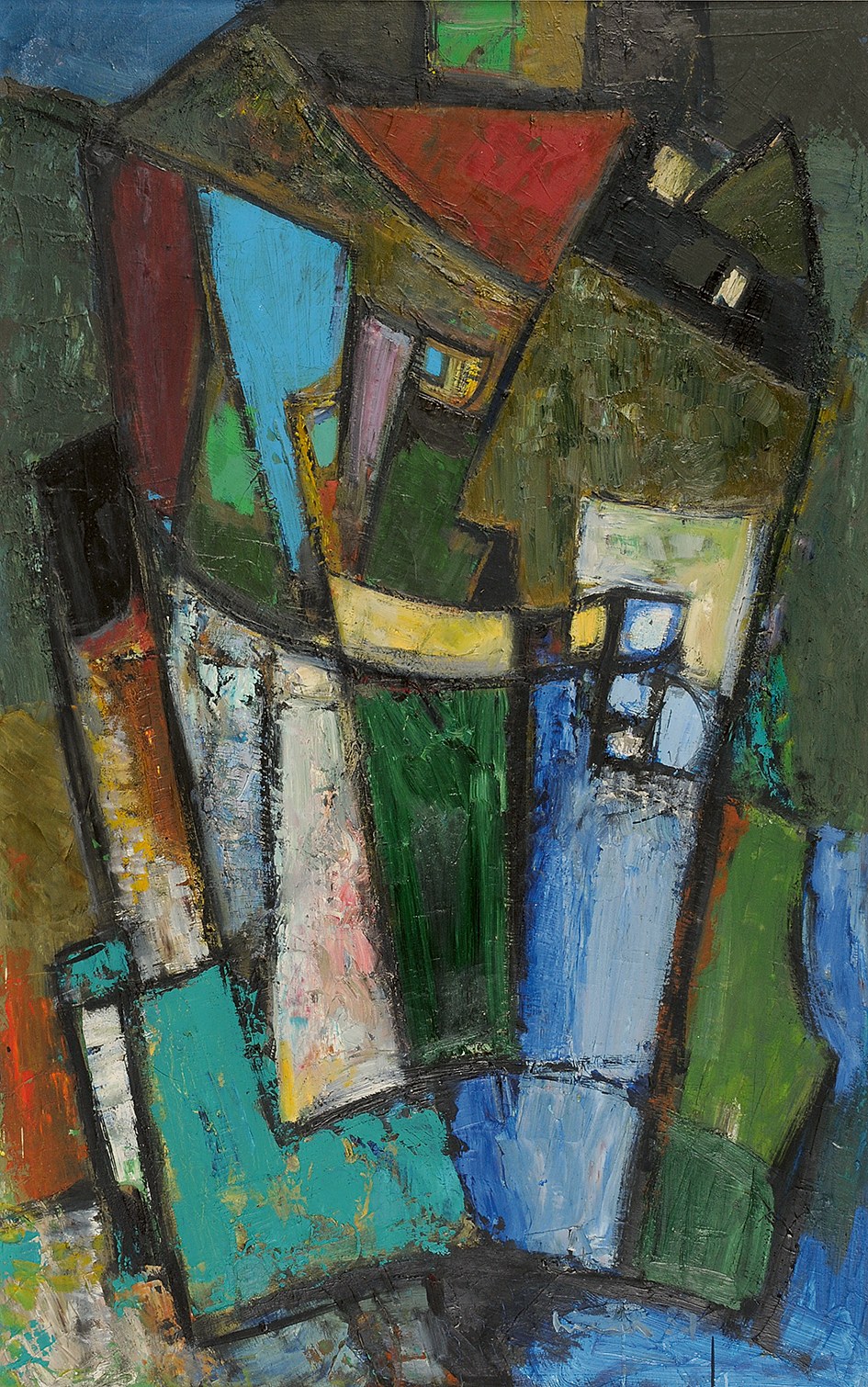
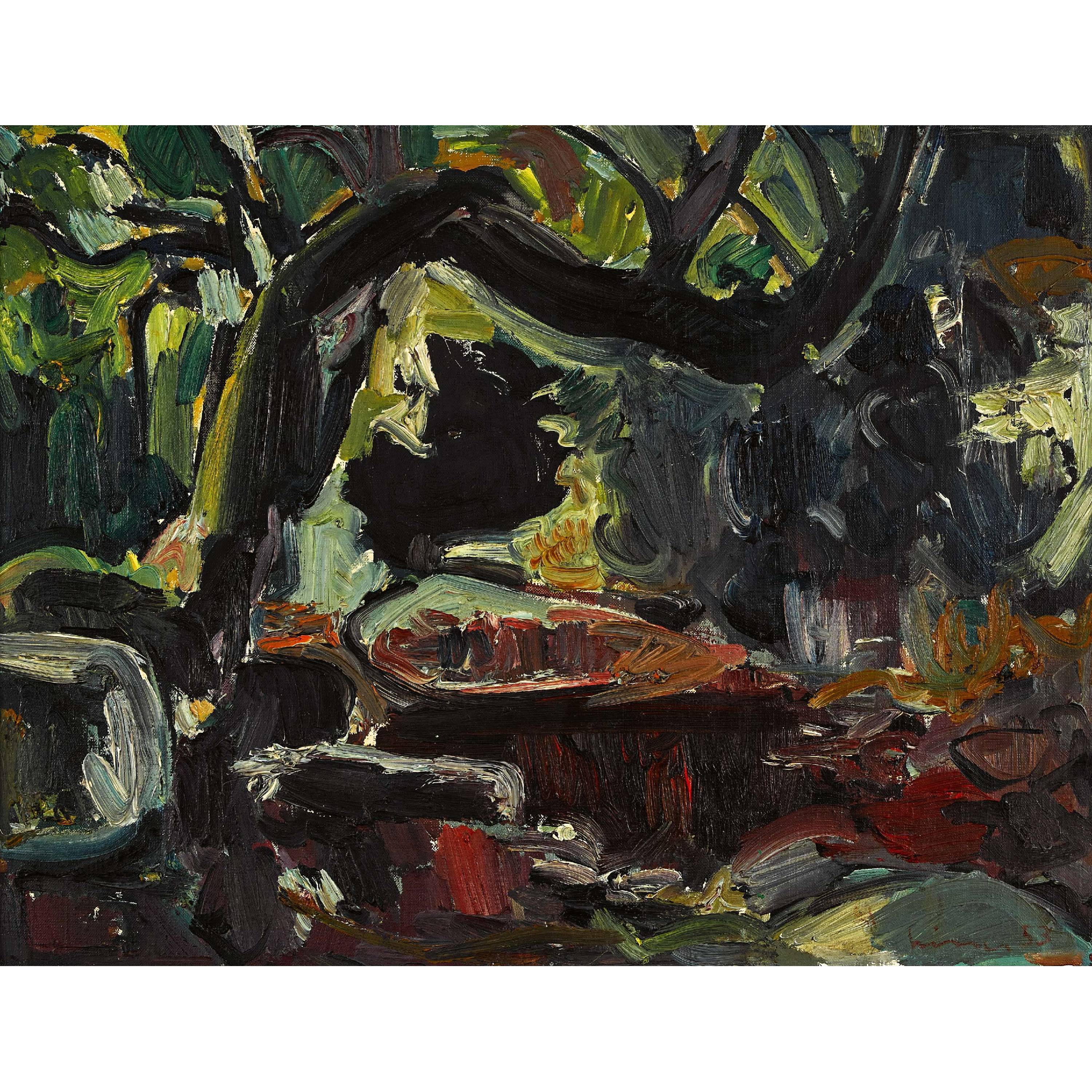
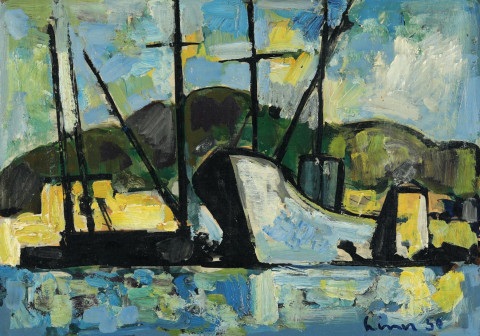
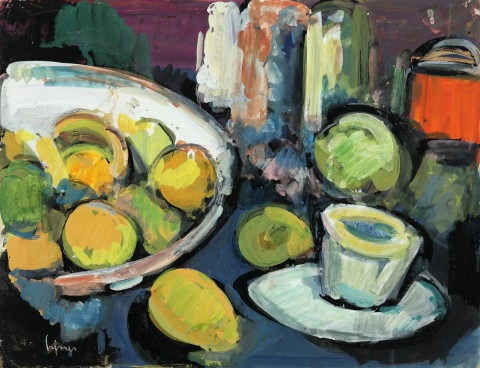
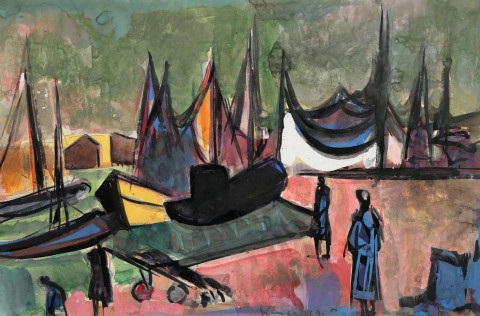
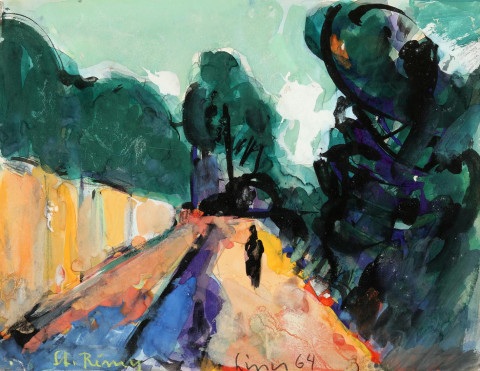
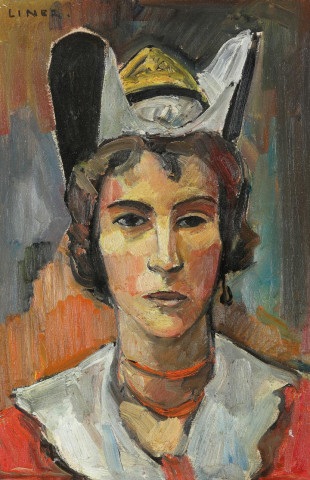
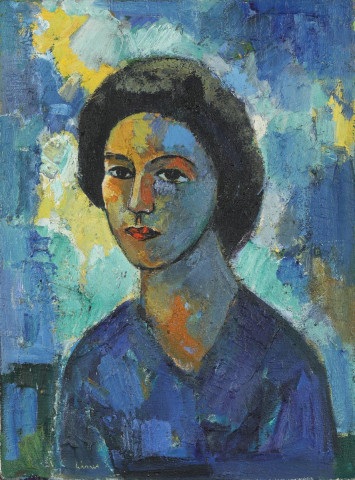
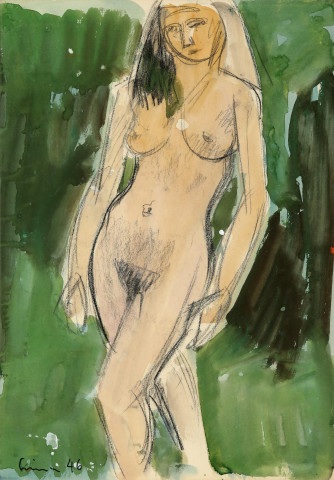
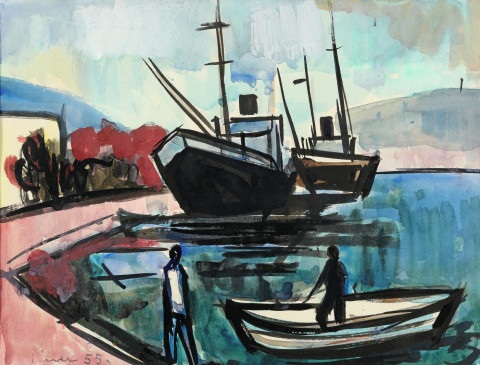
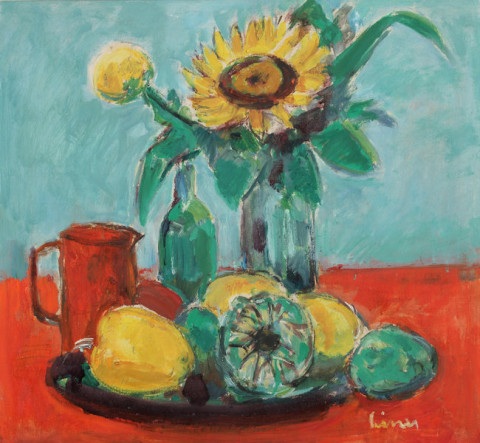
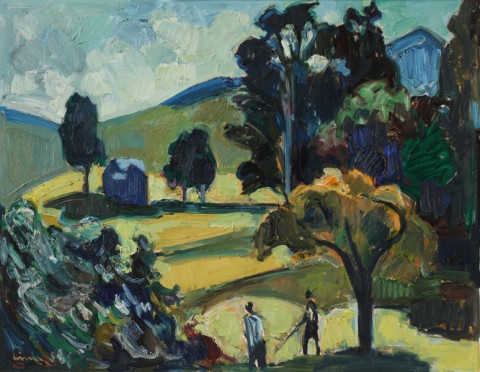
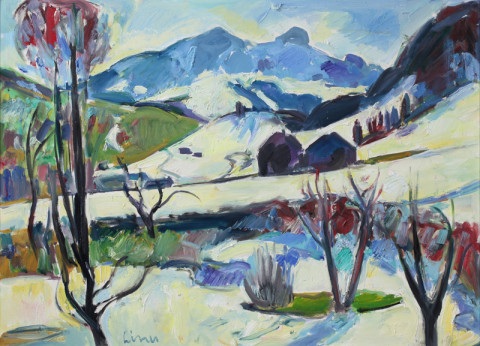
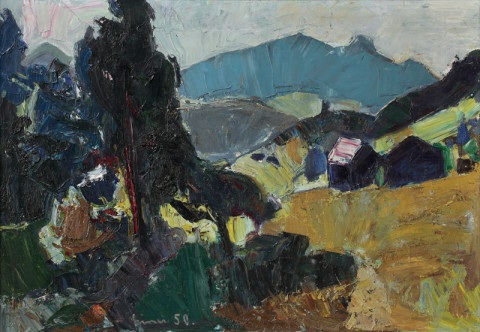
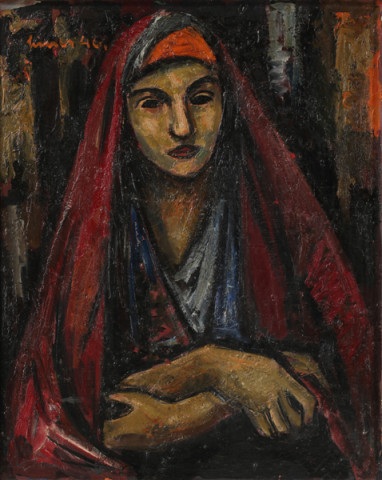
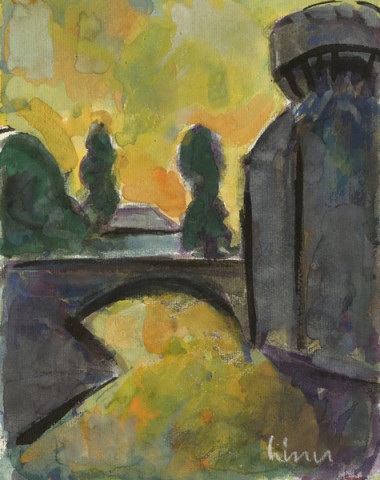
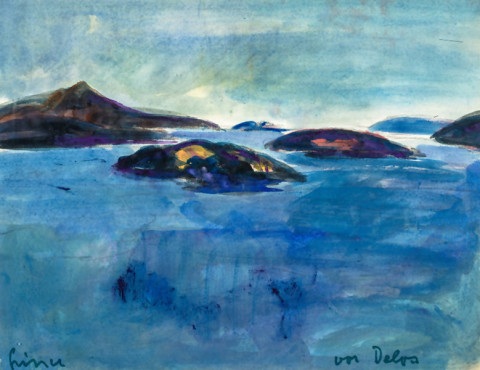
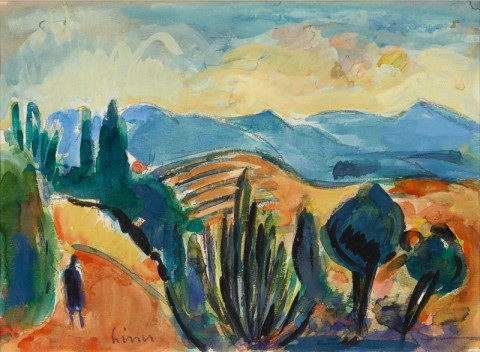
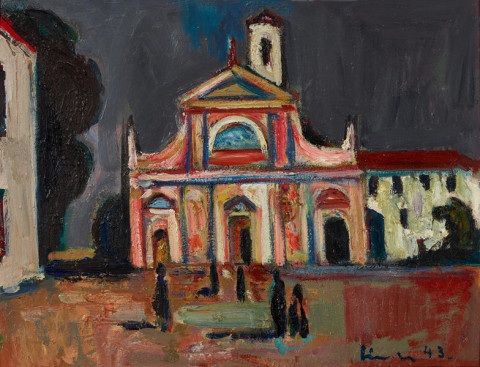
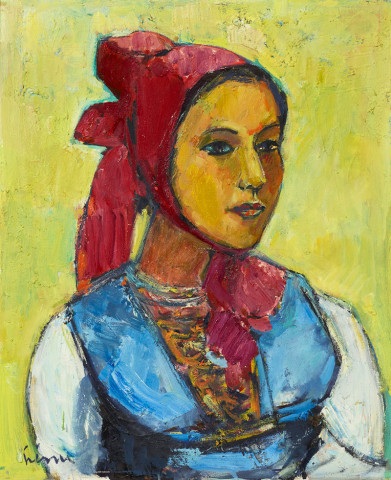
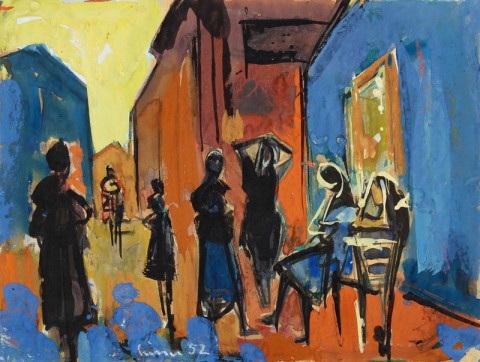
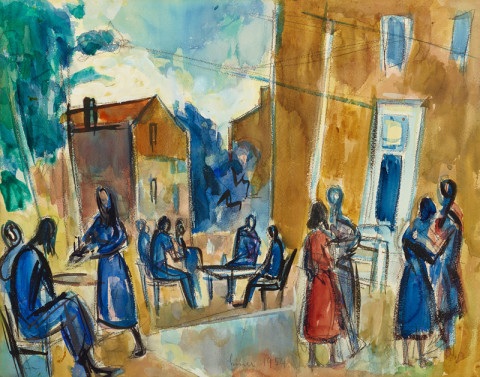
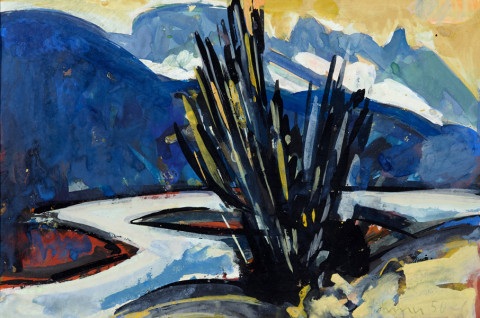
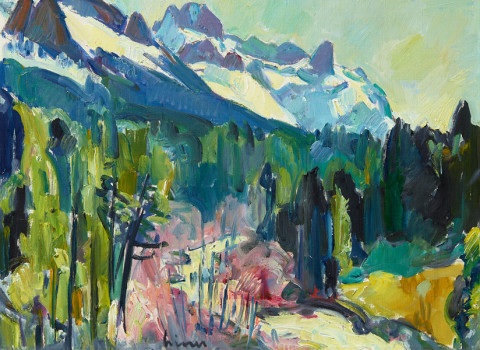
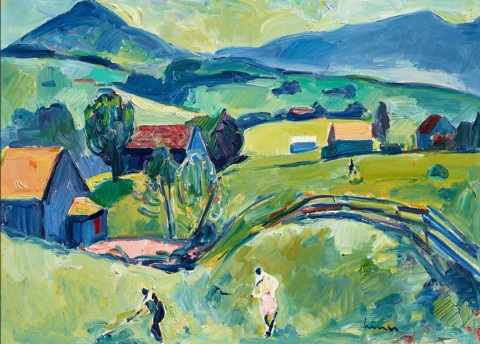
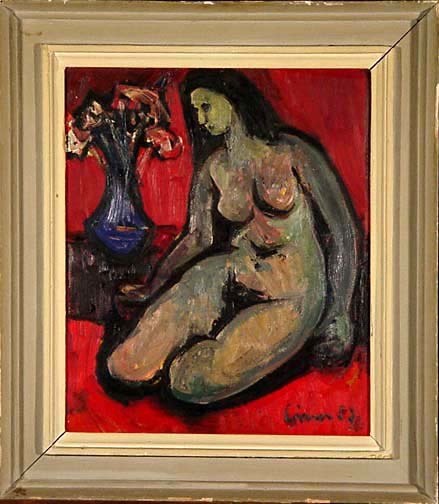
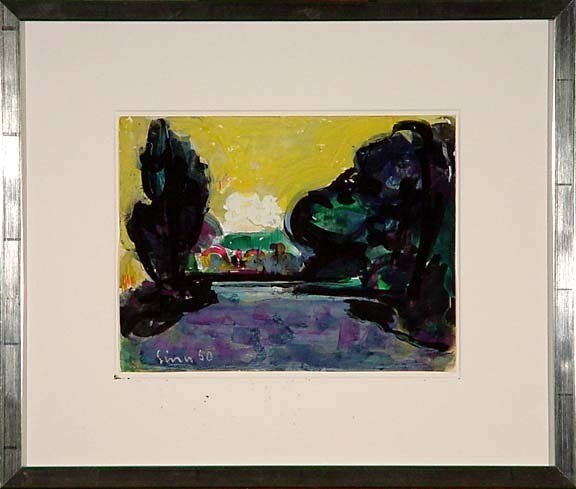
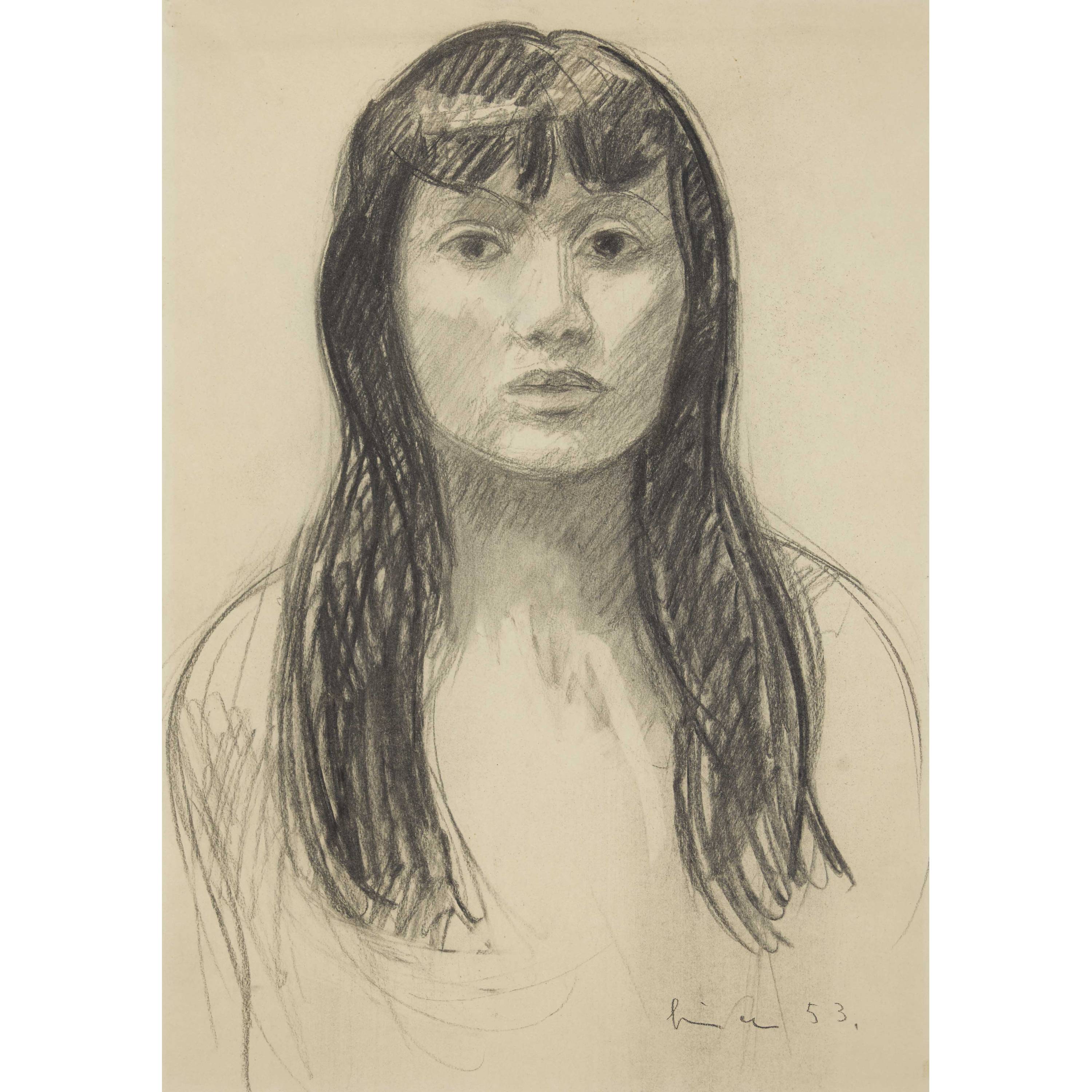
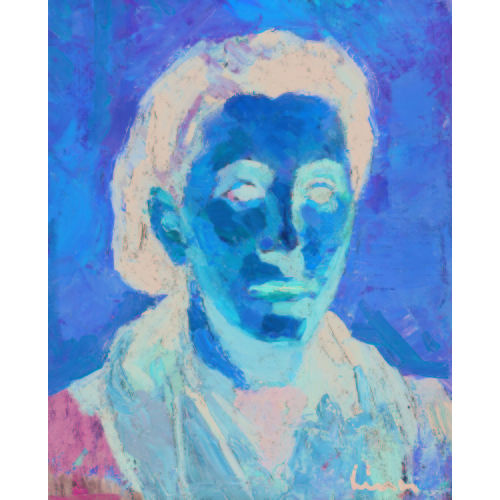
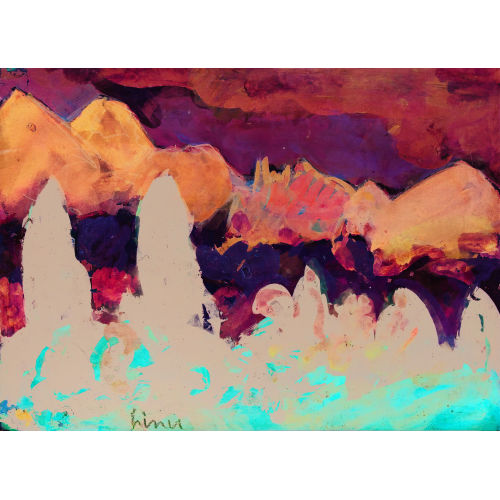
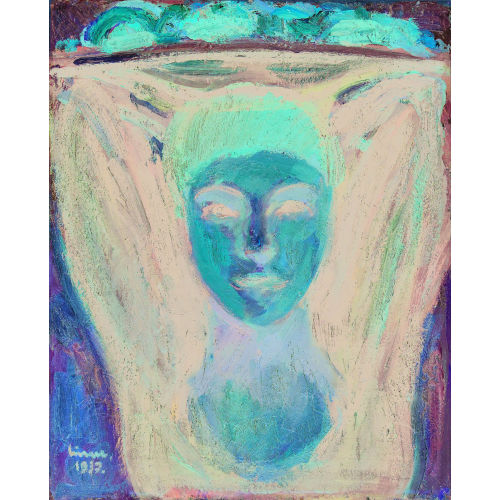
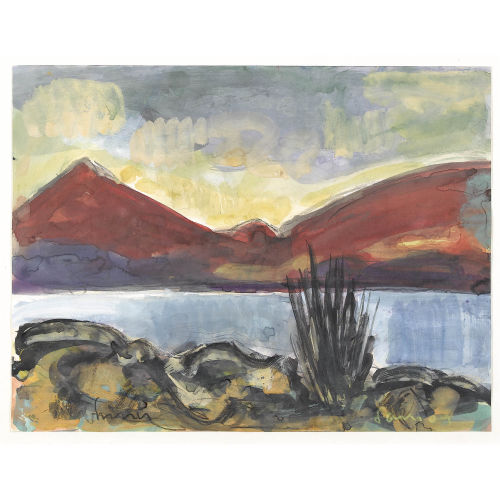
Between the mountains of Appenzell and the explorations of abstraction, Carl Walter Liner developed a form of painting in which colour became a means of rethinking the landscape. This designation distinguishes him from his father, Carl August Liner (1871–1946), a painter of portraits and landscapes under whom he received his initial training.
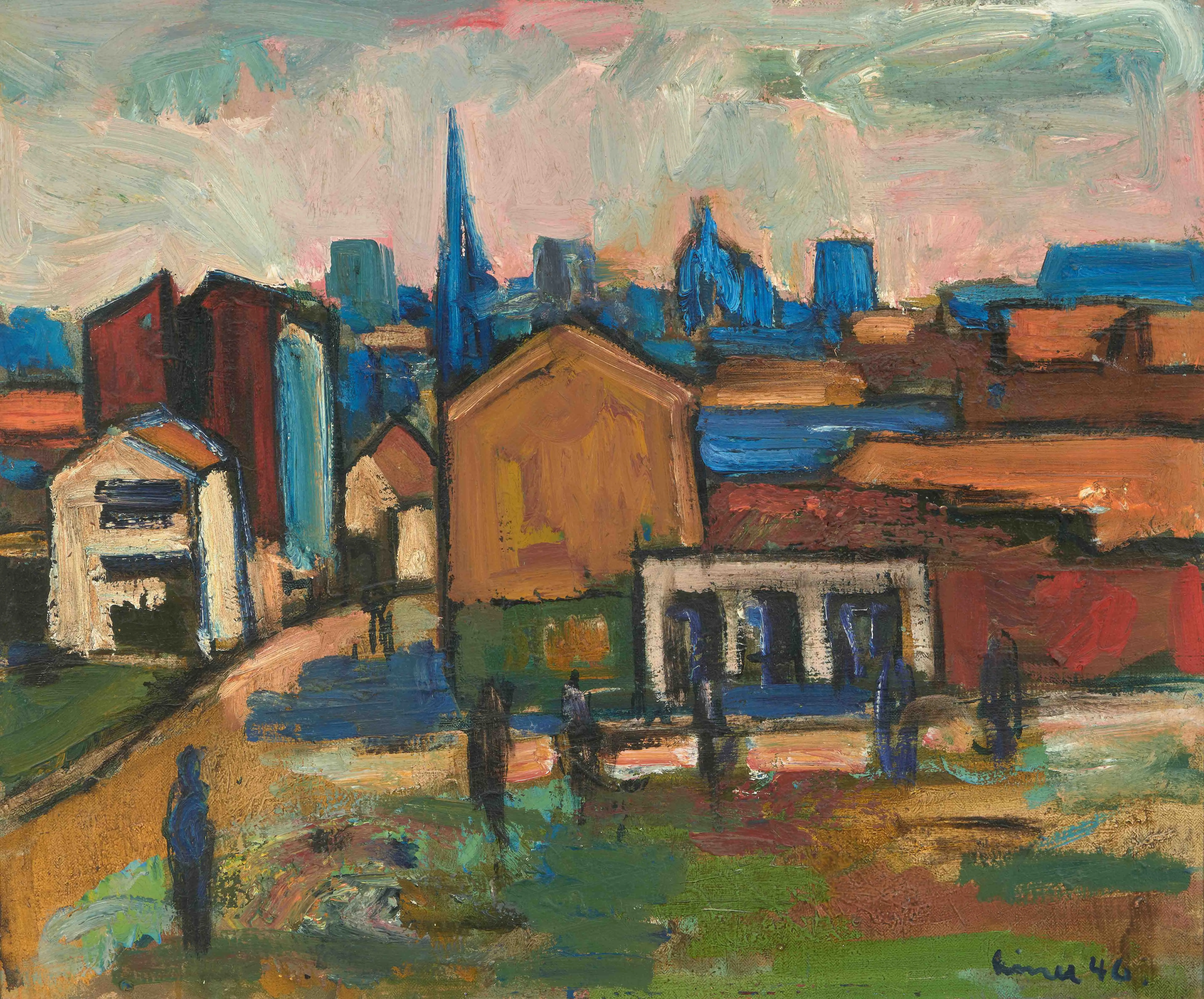
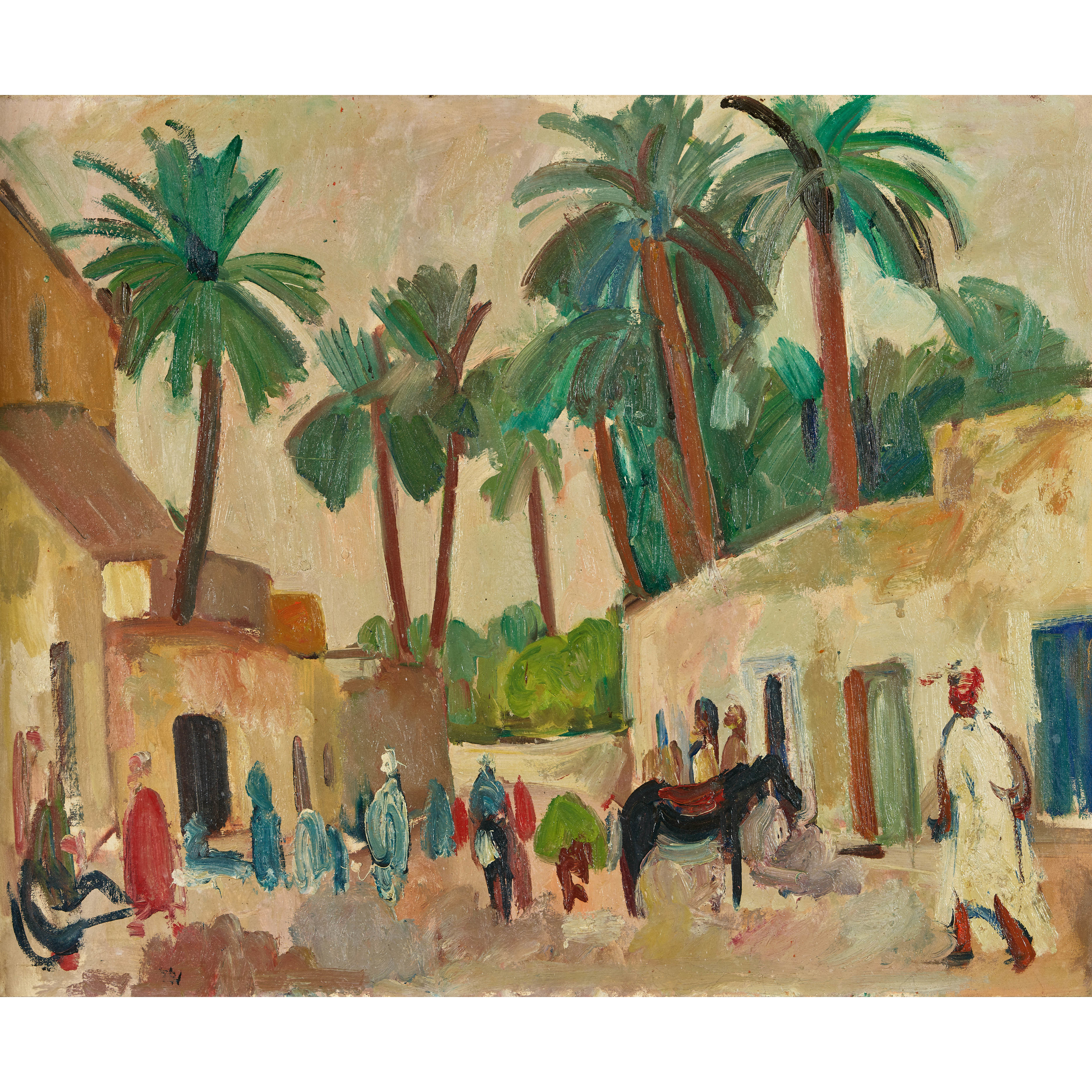
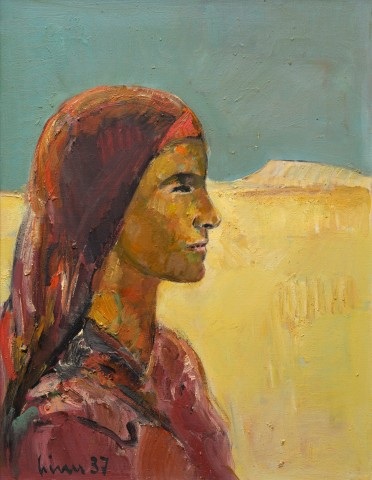
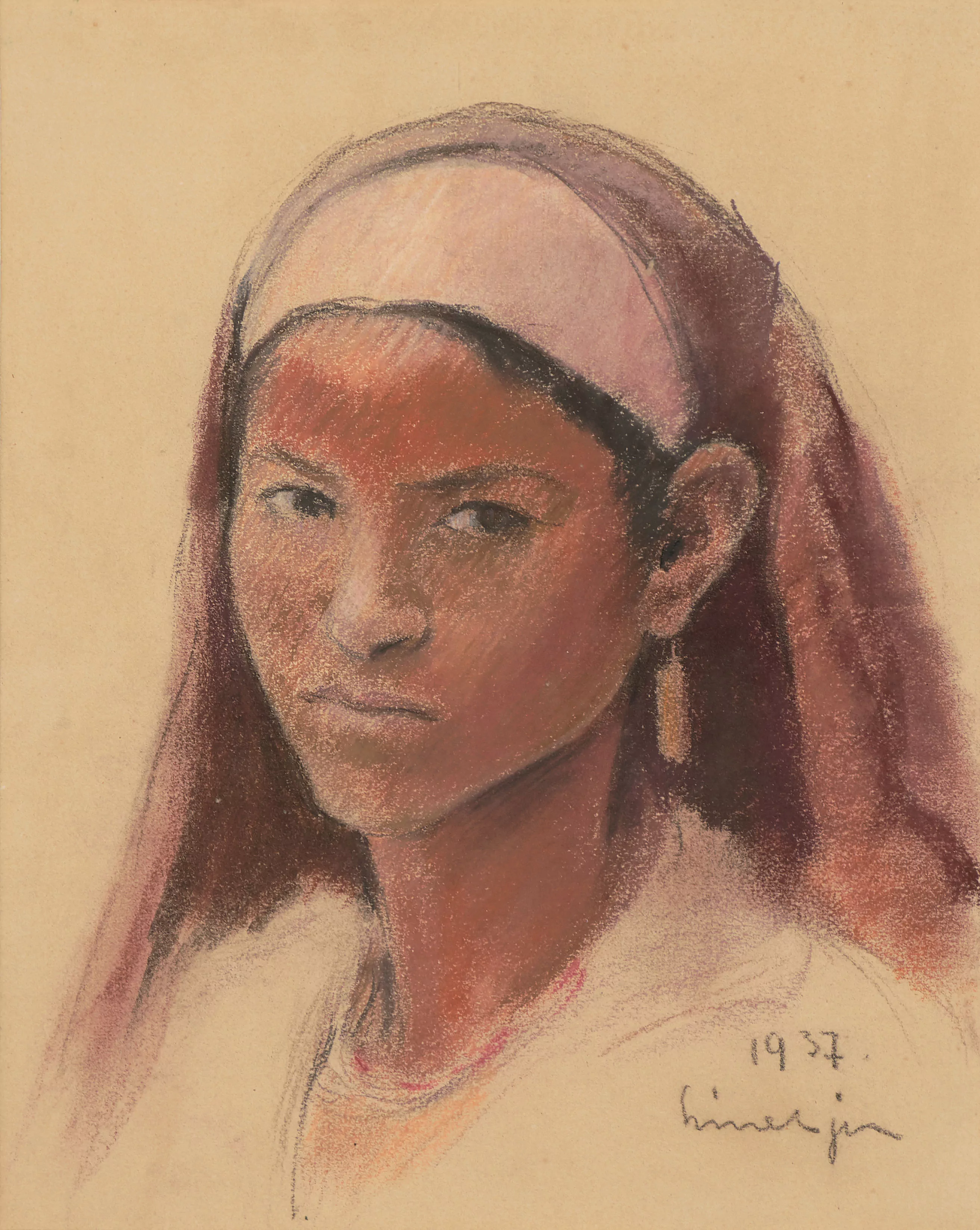
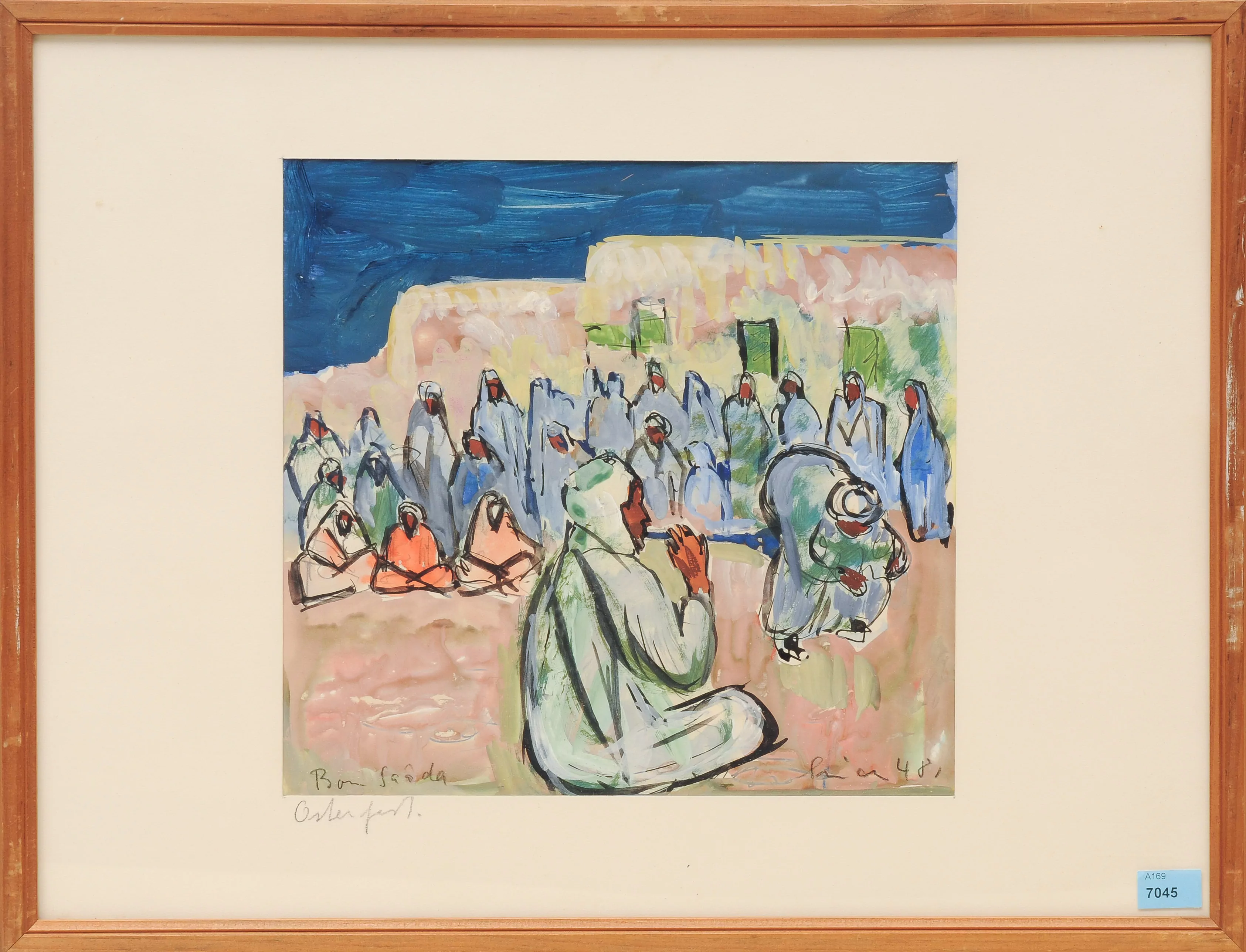
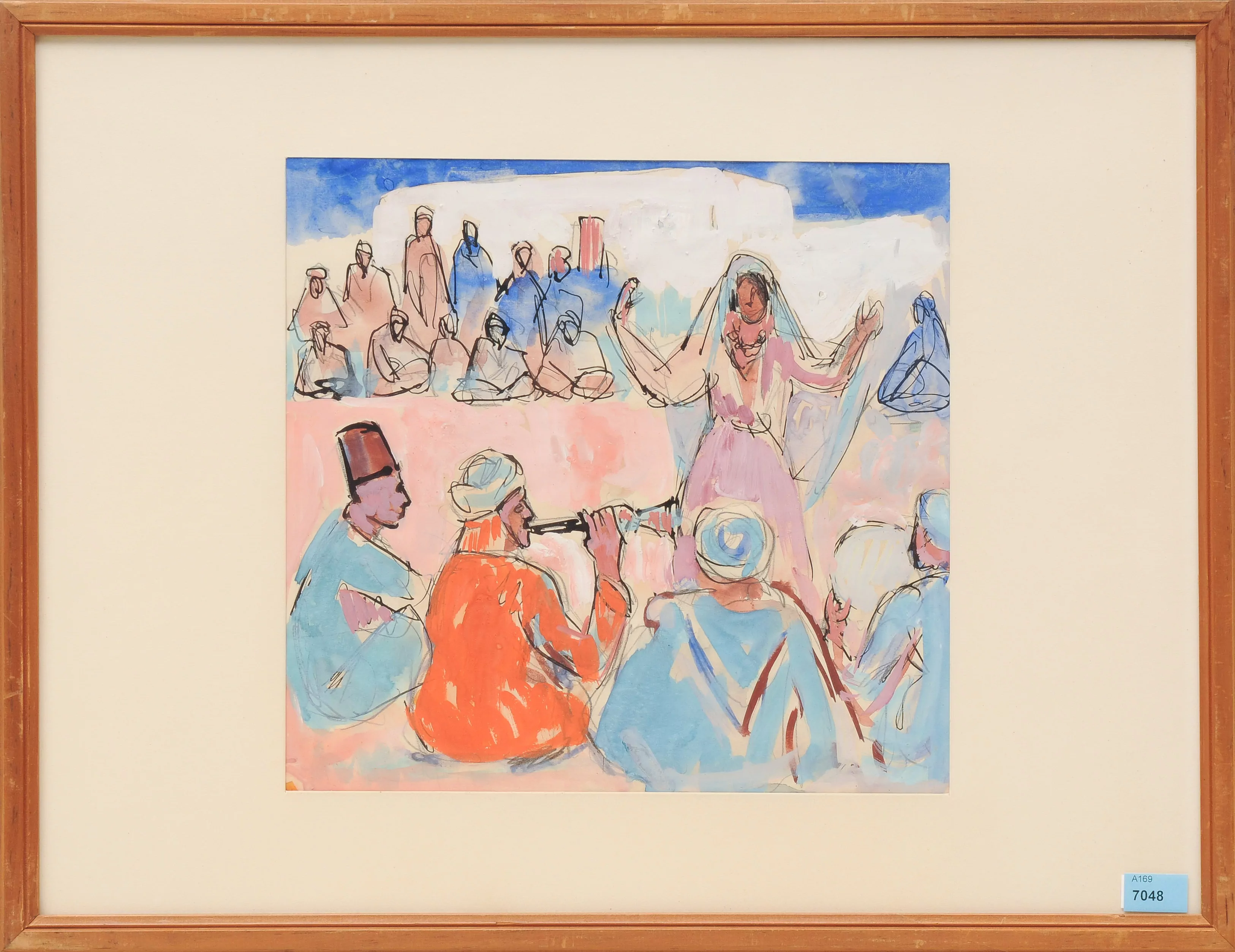
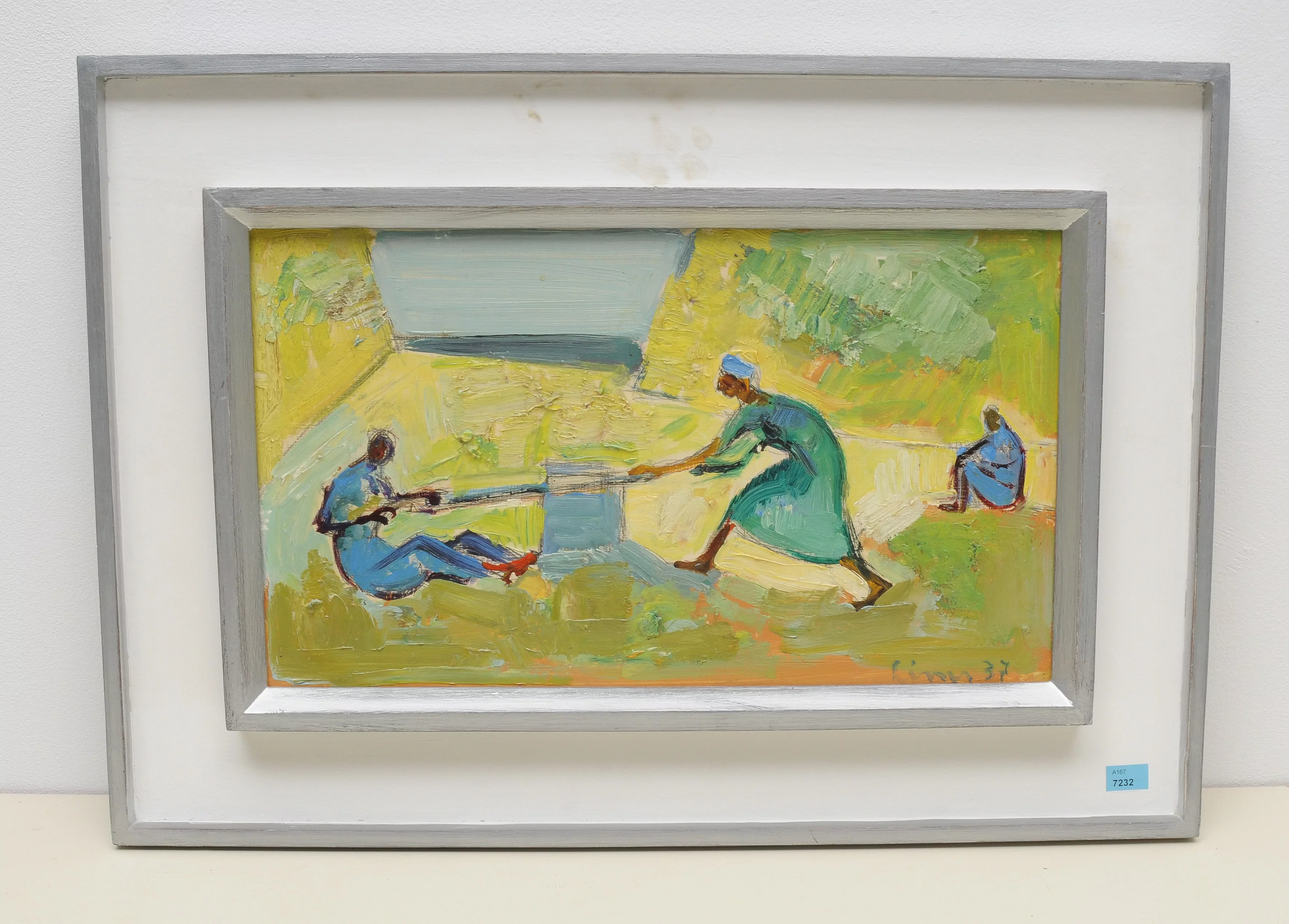
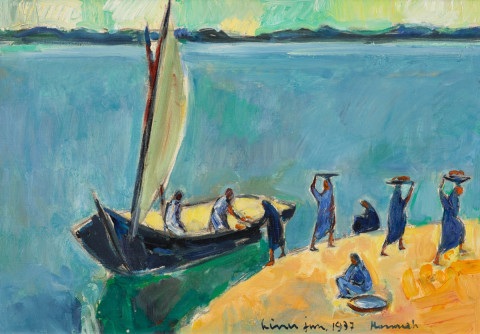
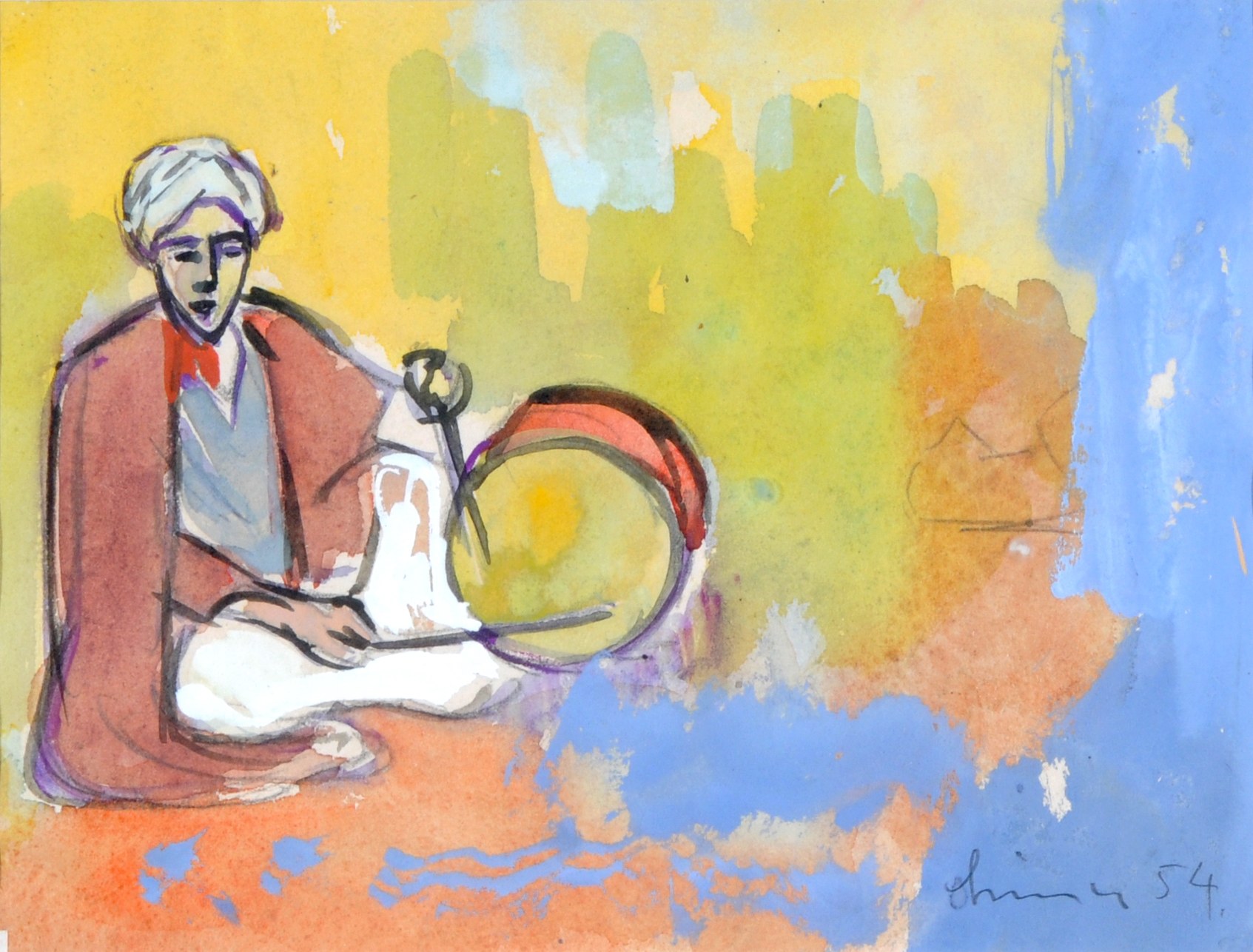
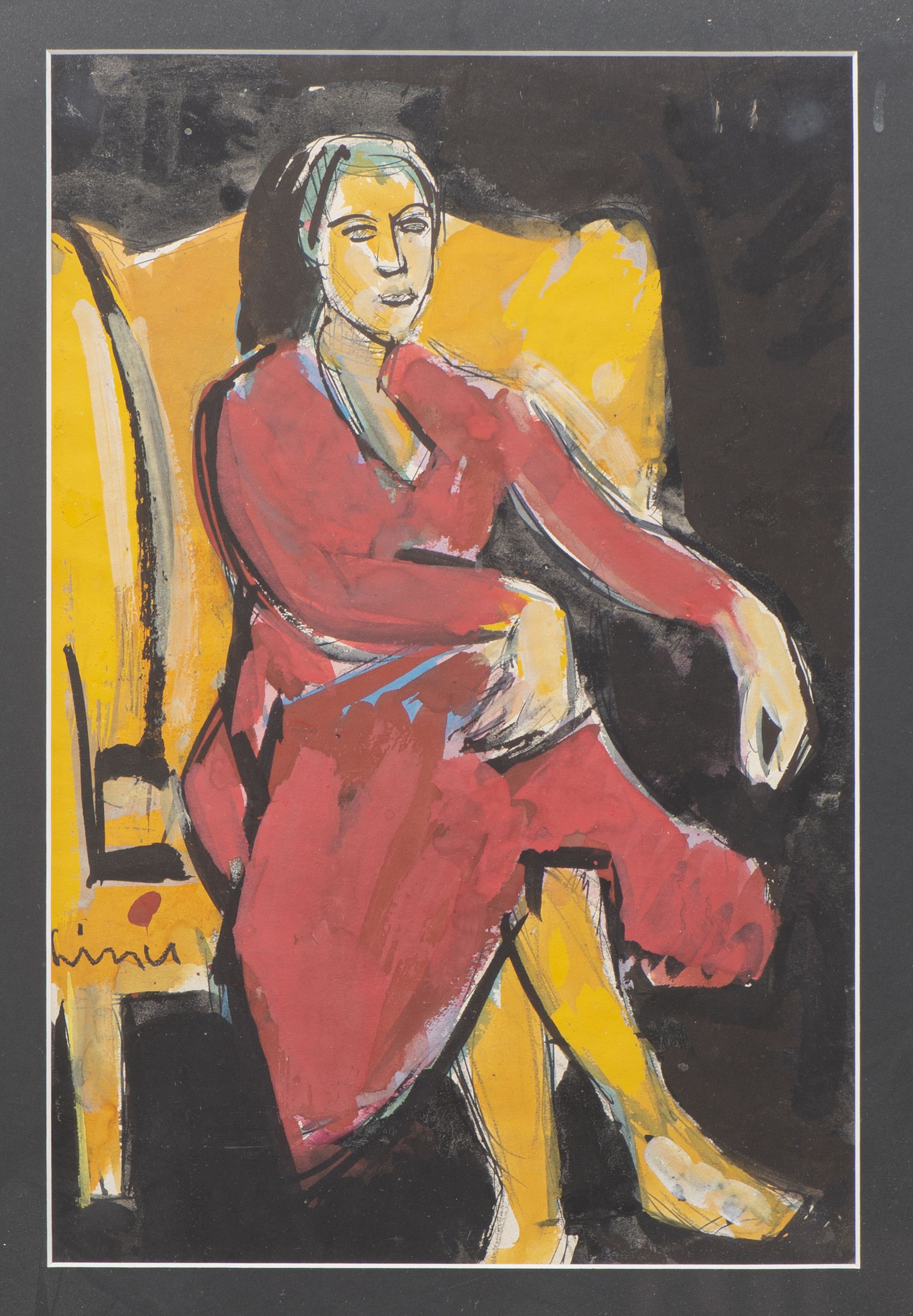
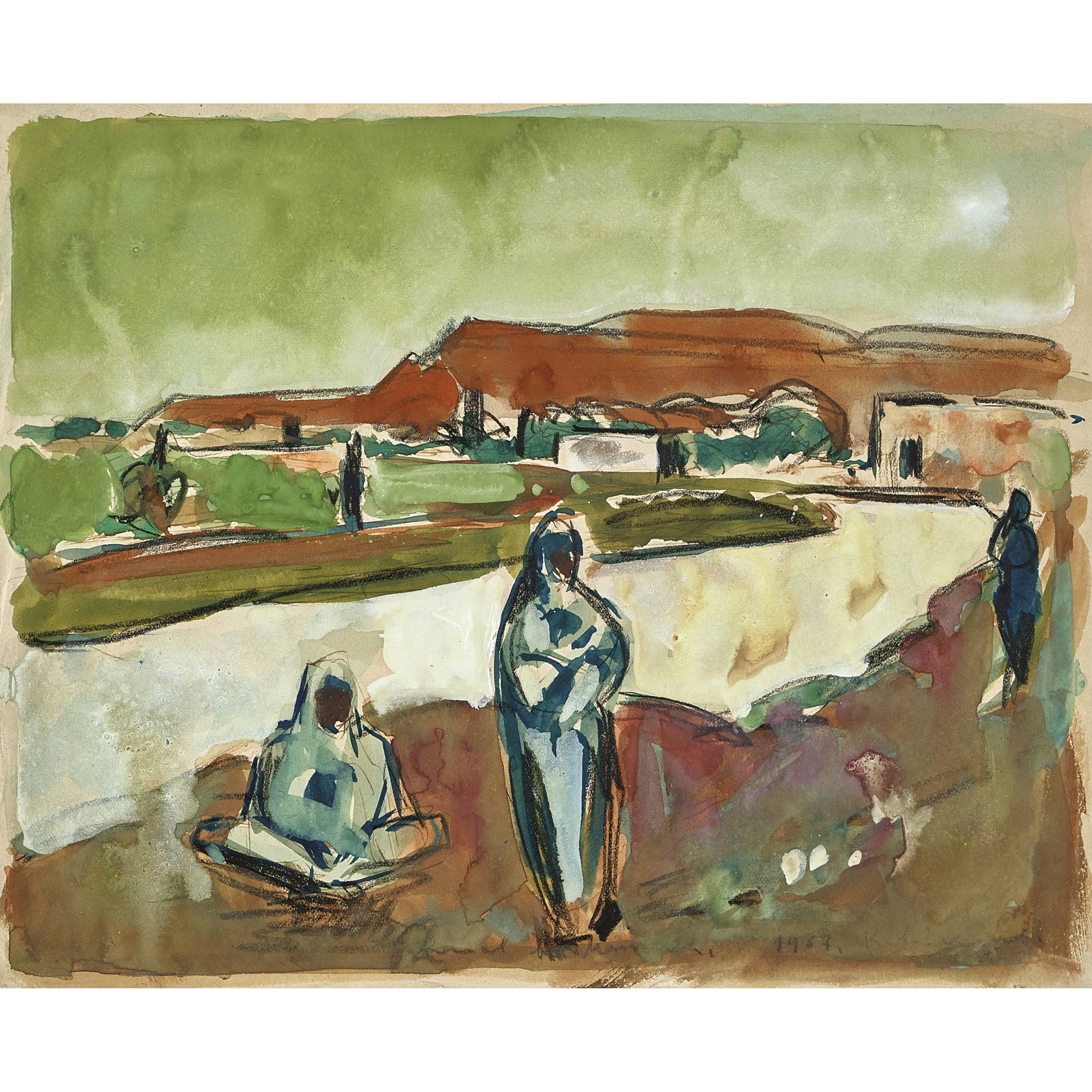
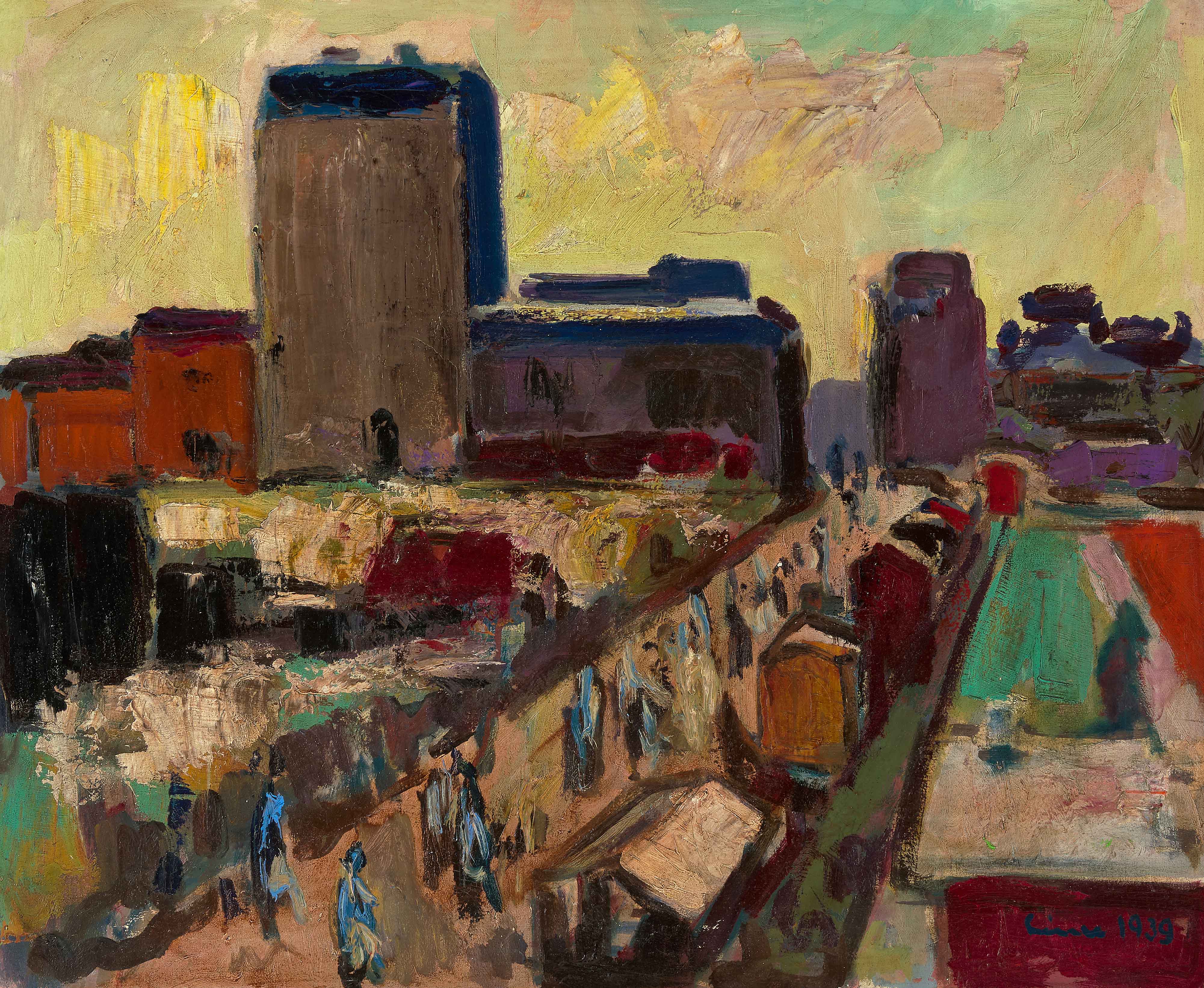
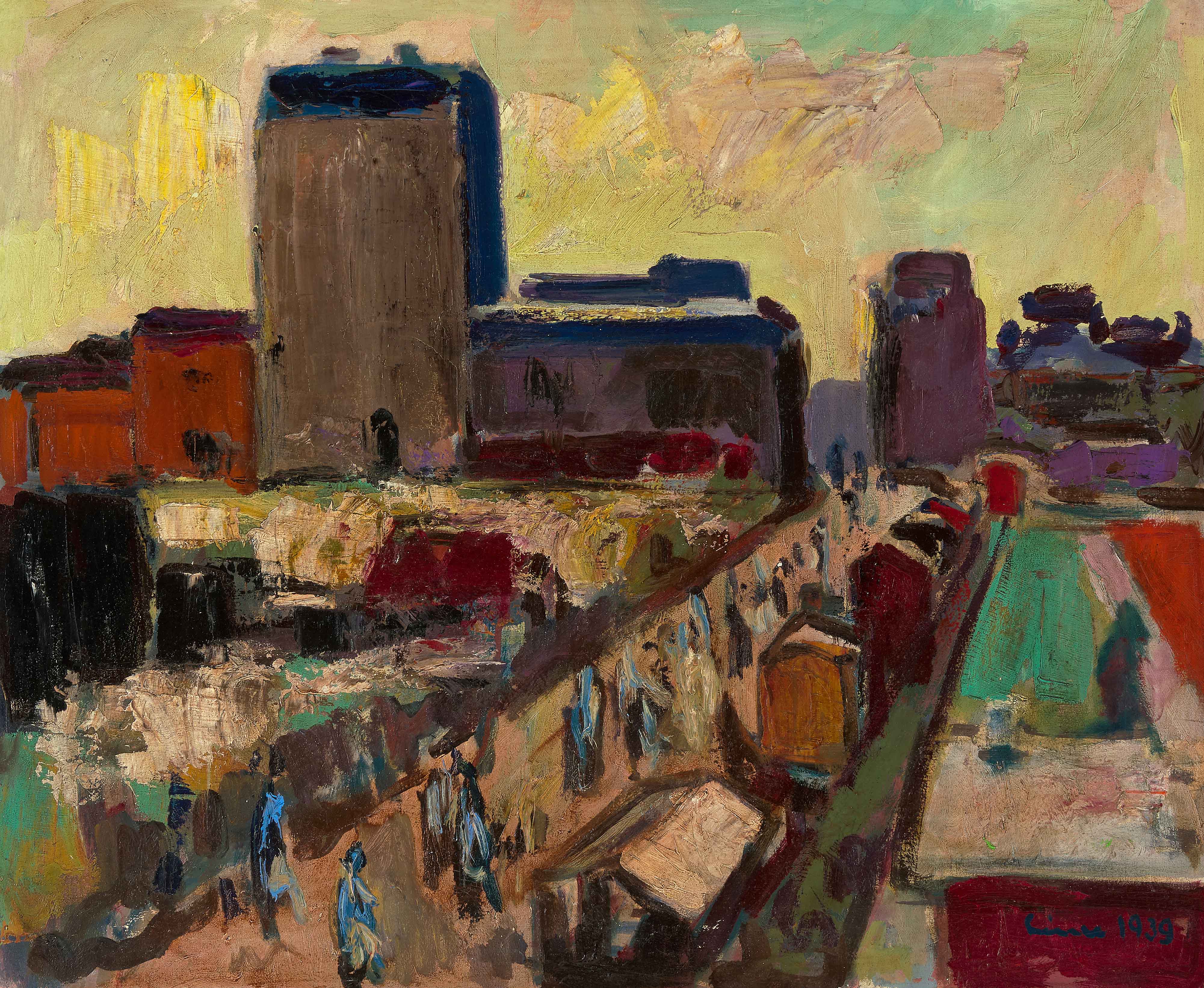
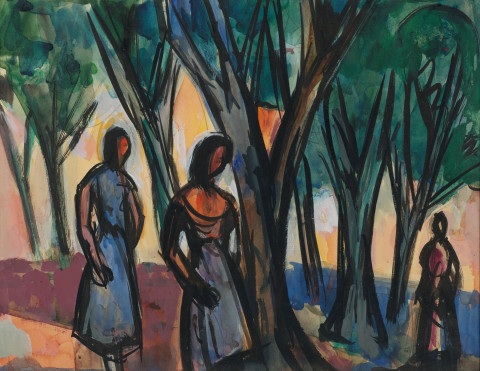
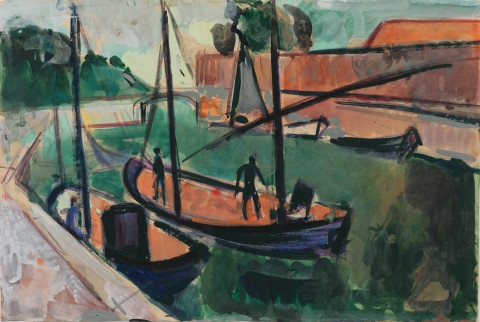
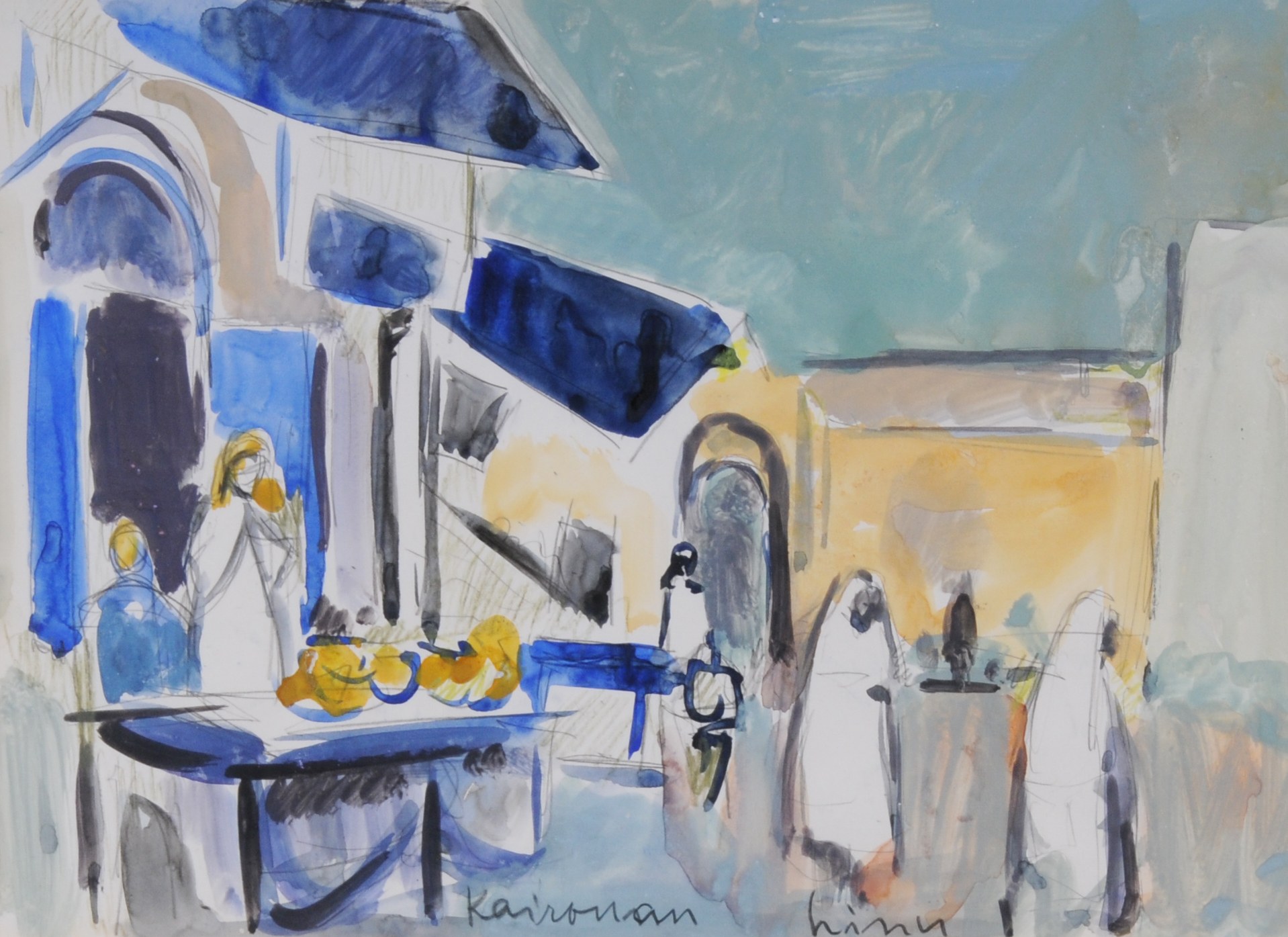
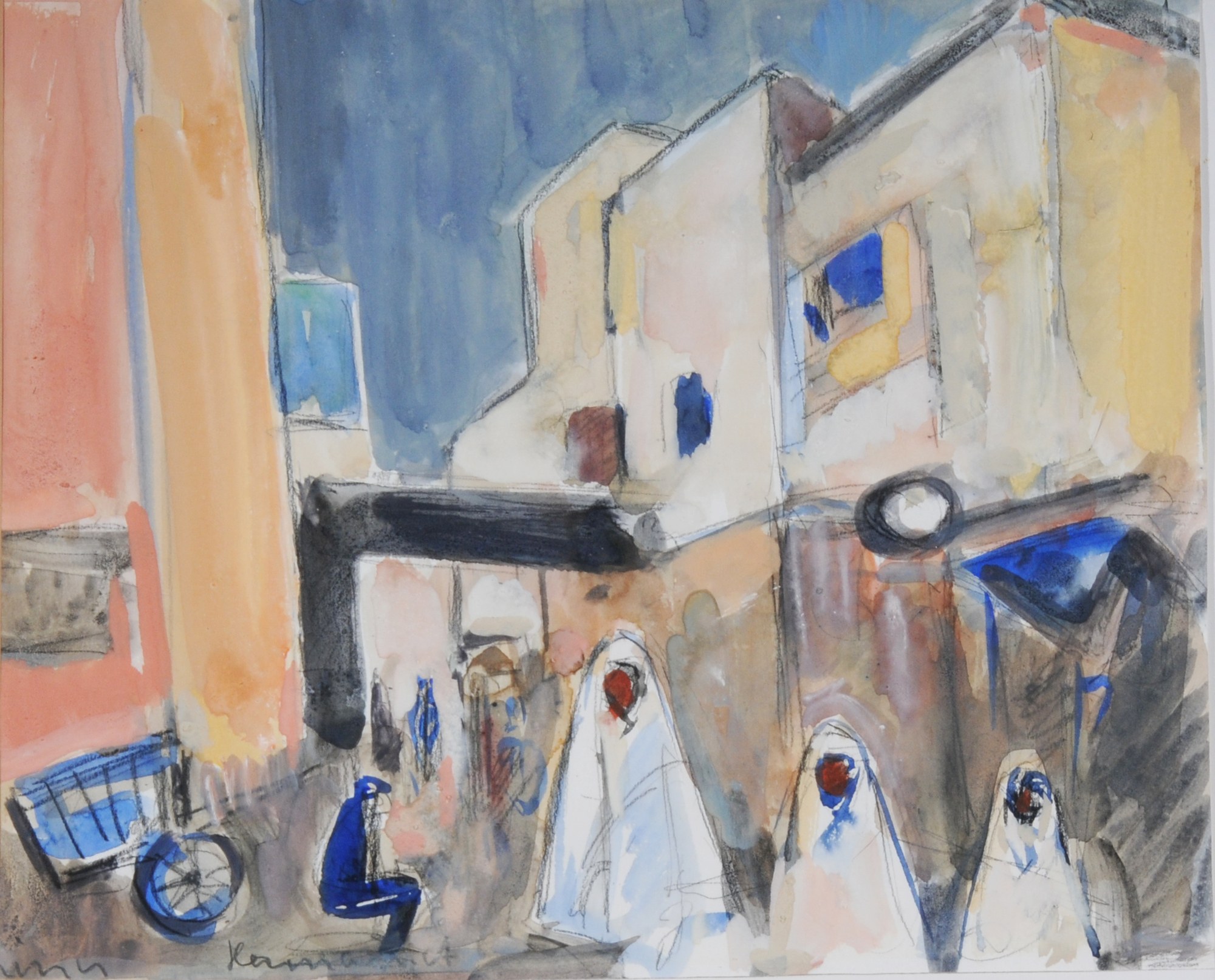
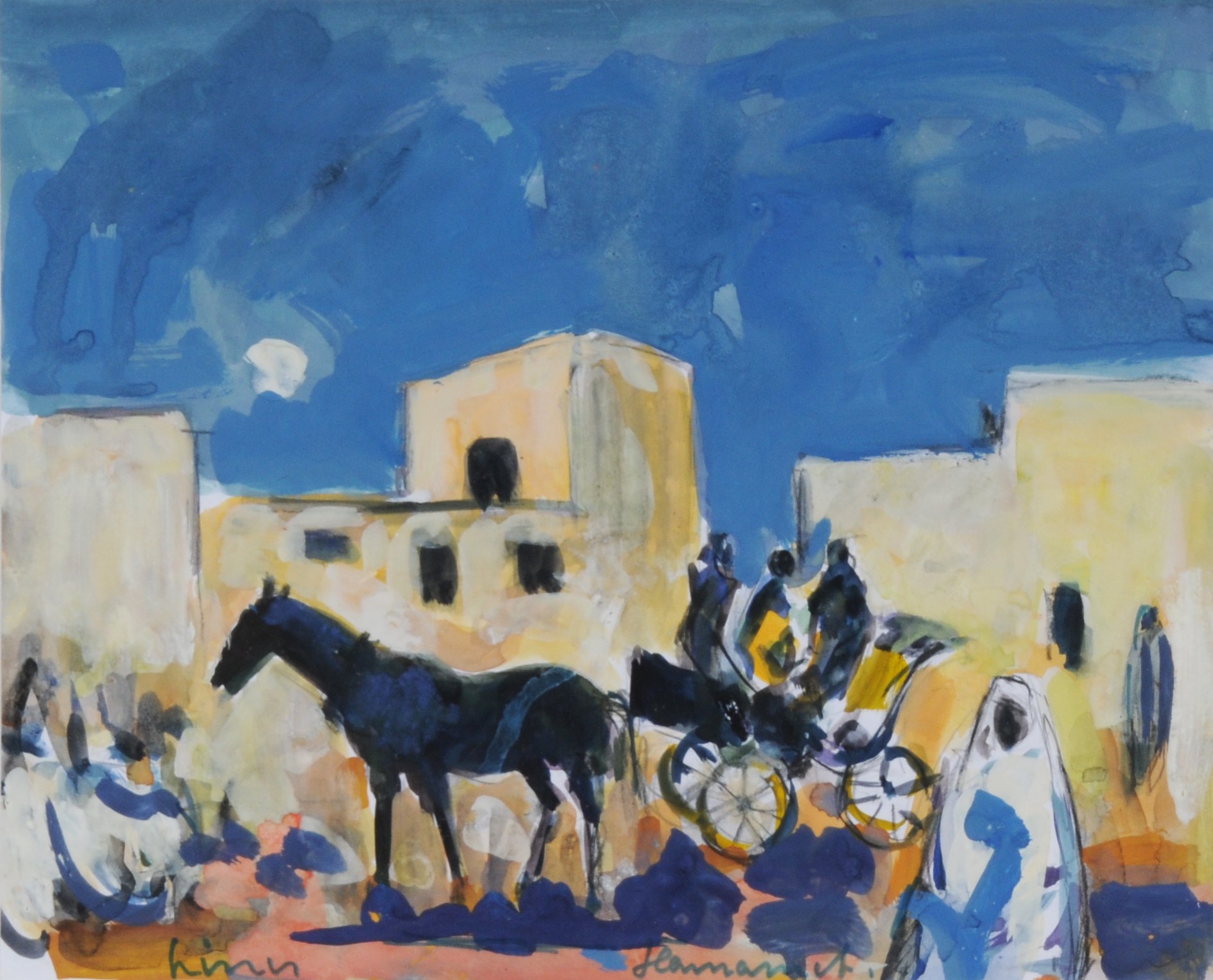
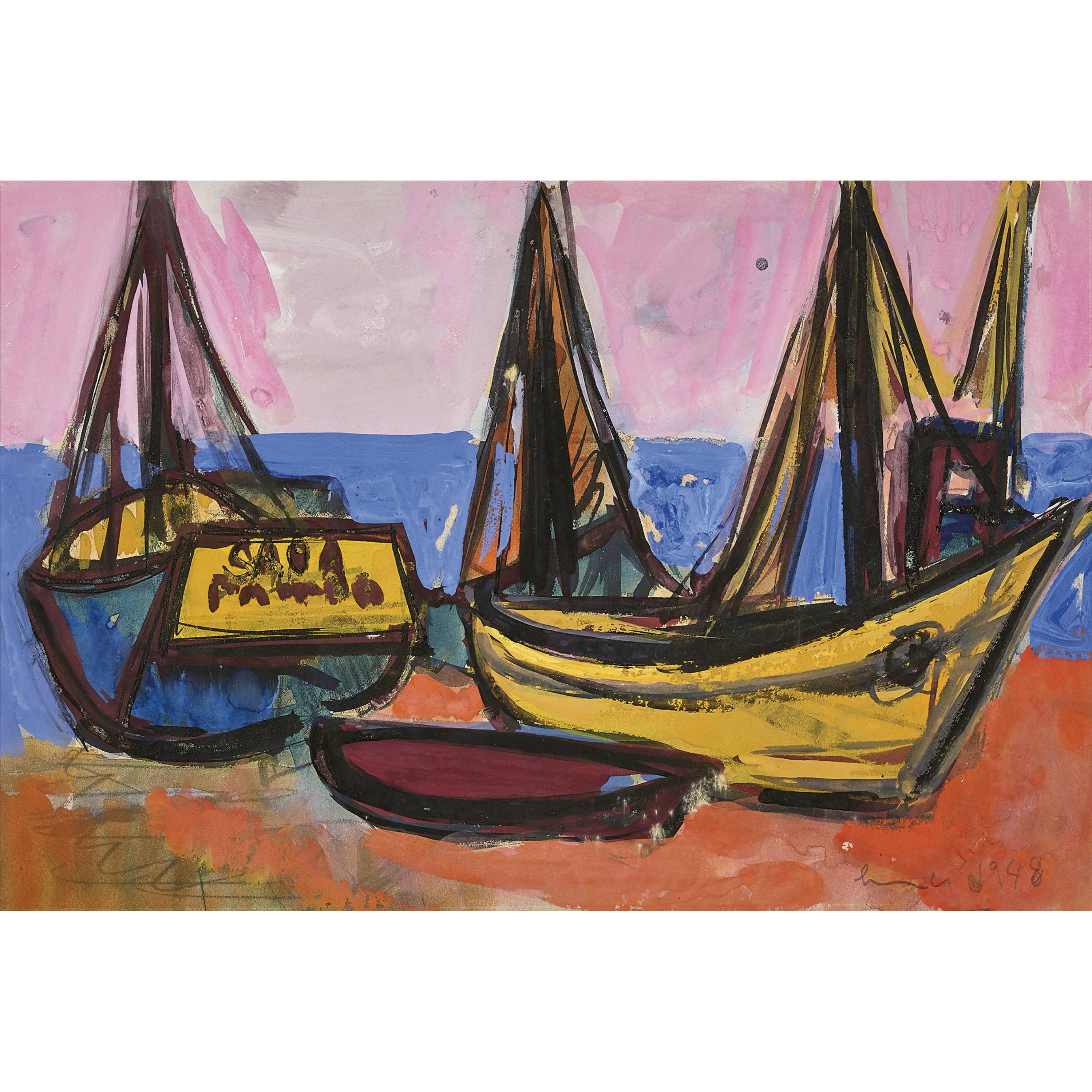
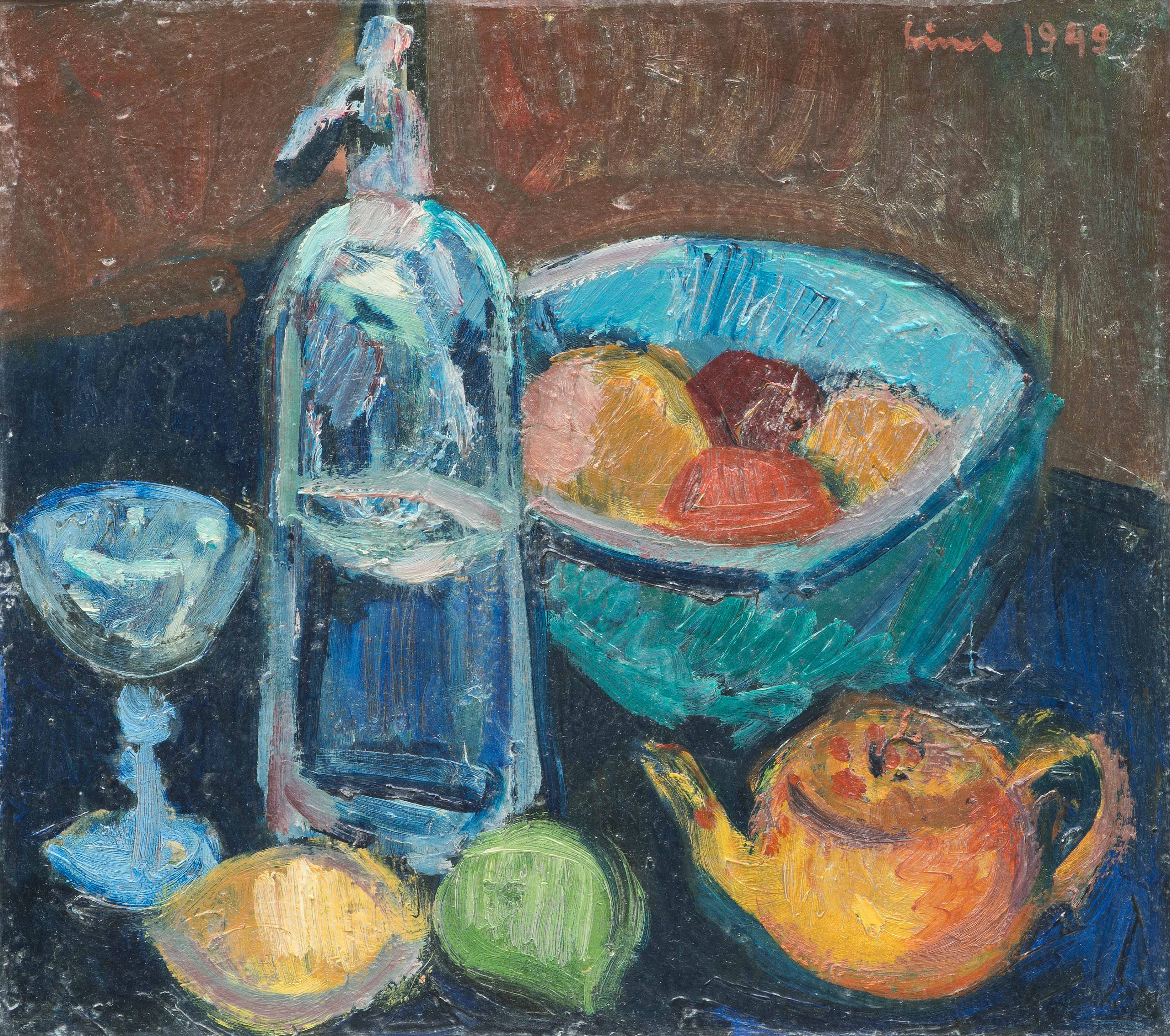
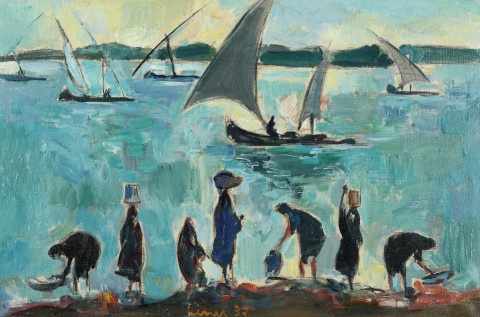
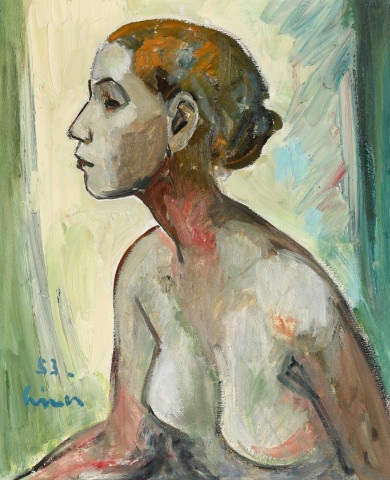
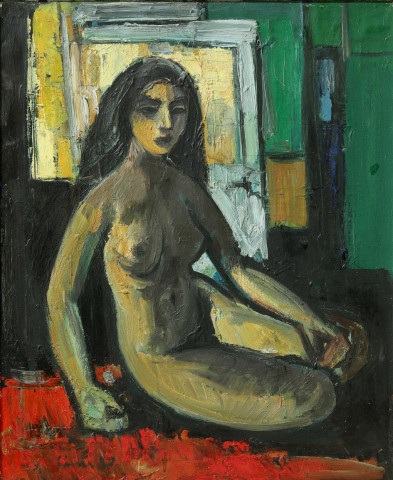
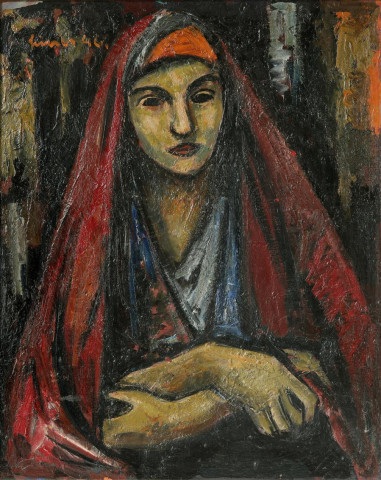
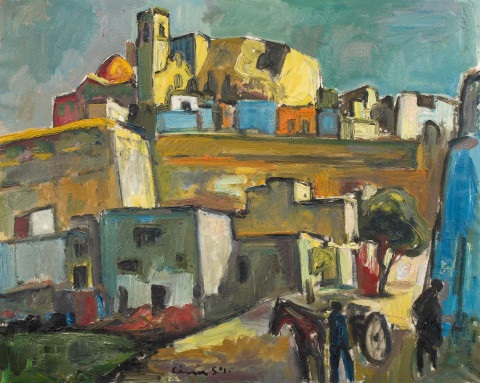
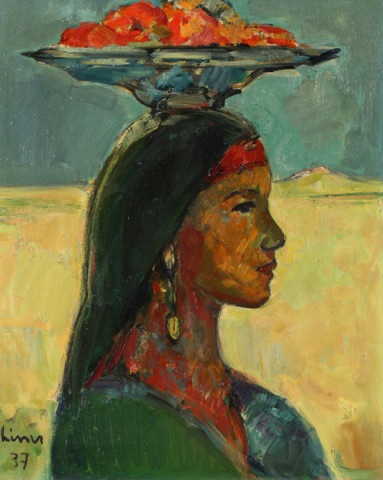
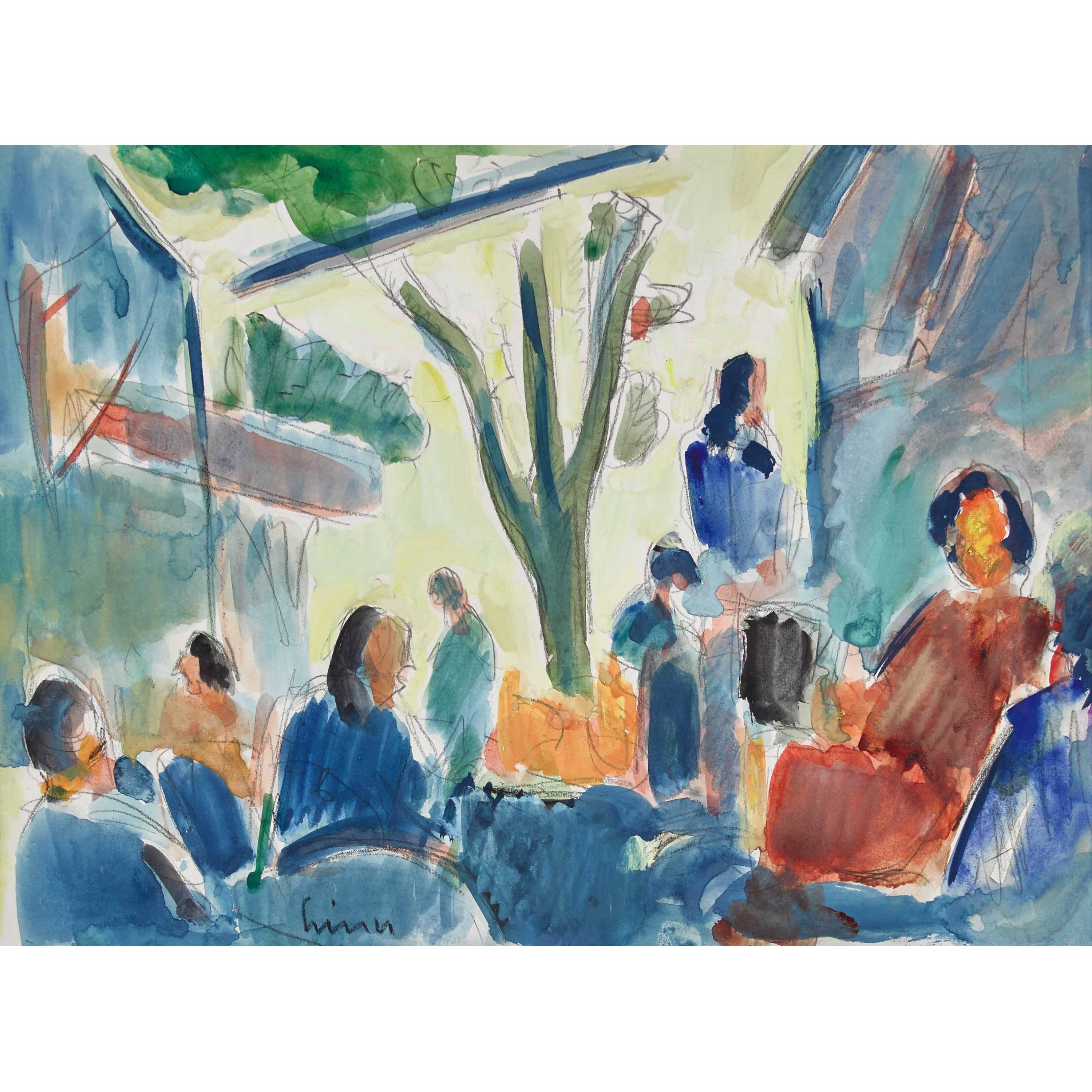
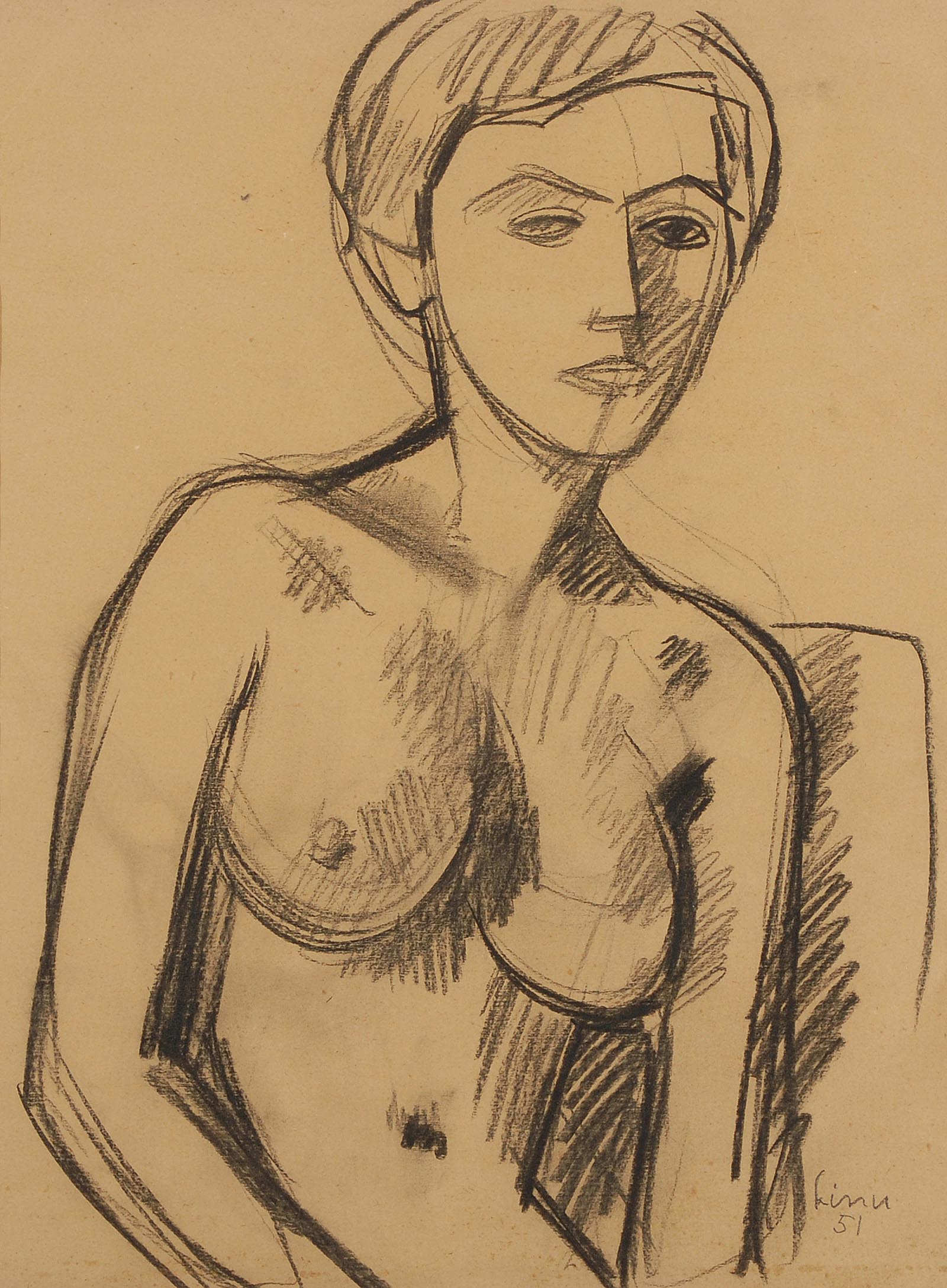
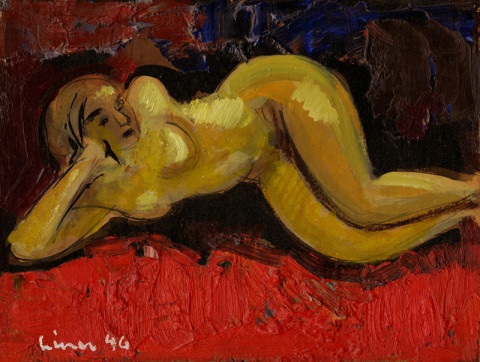
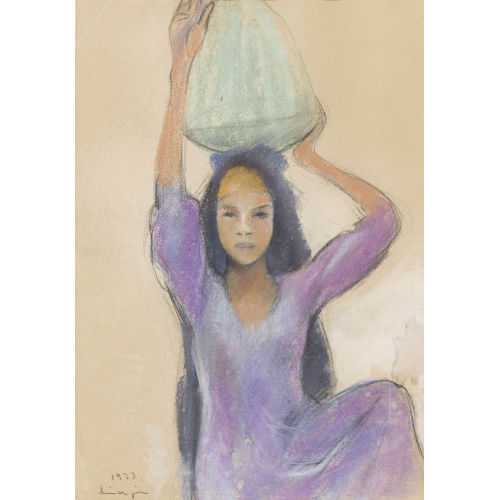
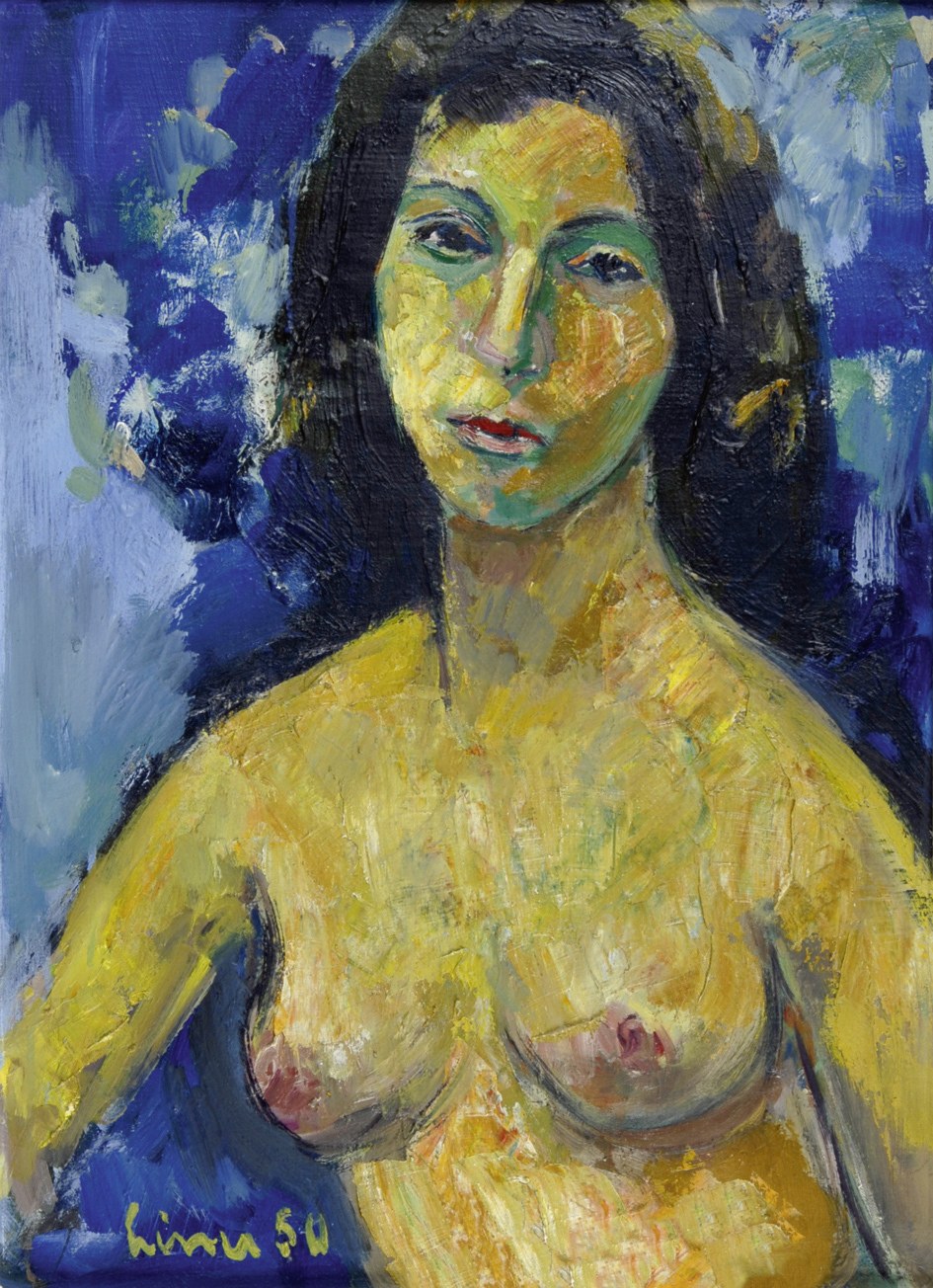
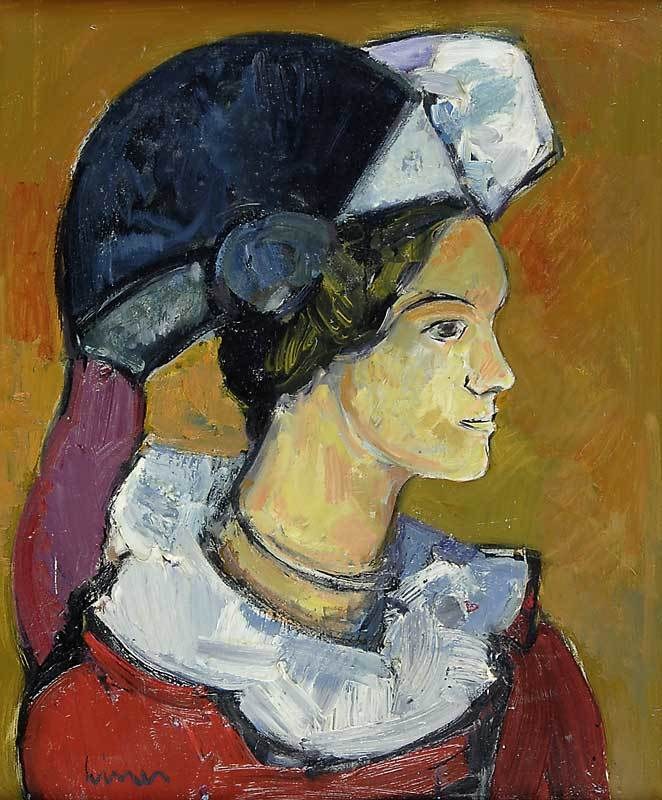
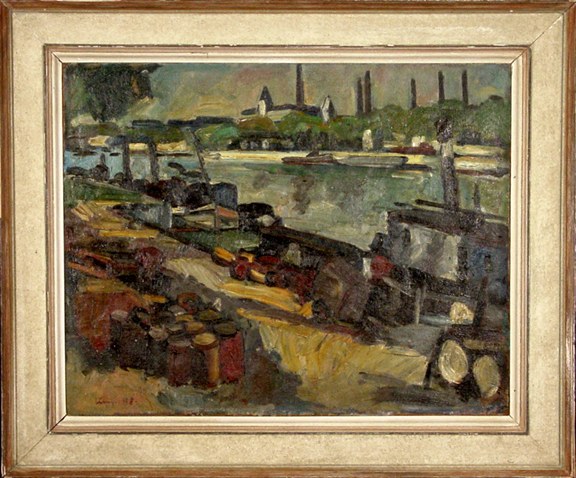
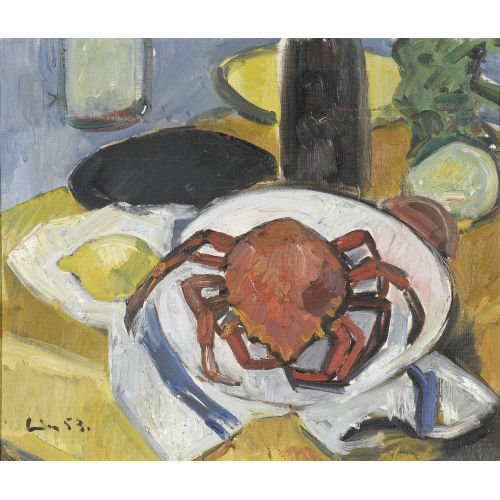
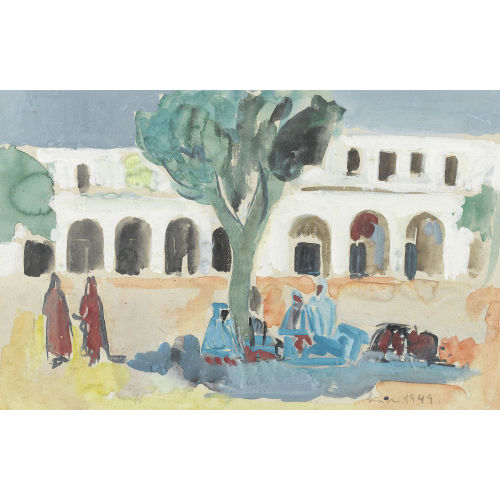
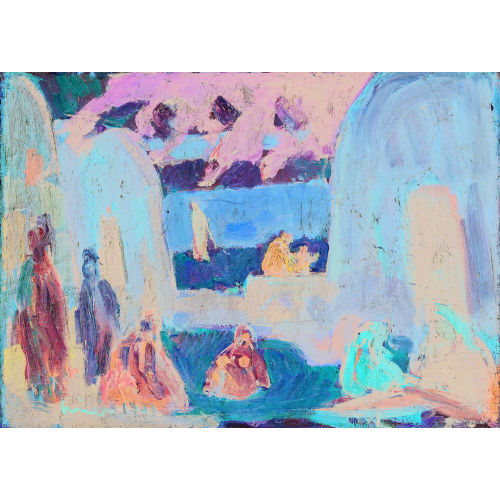
After briefly undertaking an apprenticeship as a graphic designer, the young artist chose painting. A stay in Egypt in 1936–1937 deepened his interest in oil painting. In Paris, at the end of the 1930s, he attended, among other institutions, the Académie de la Grande Chaumière and the classes of Othon Friesz.
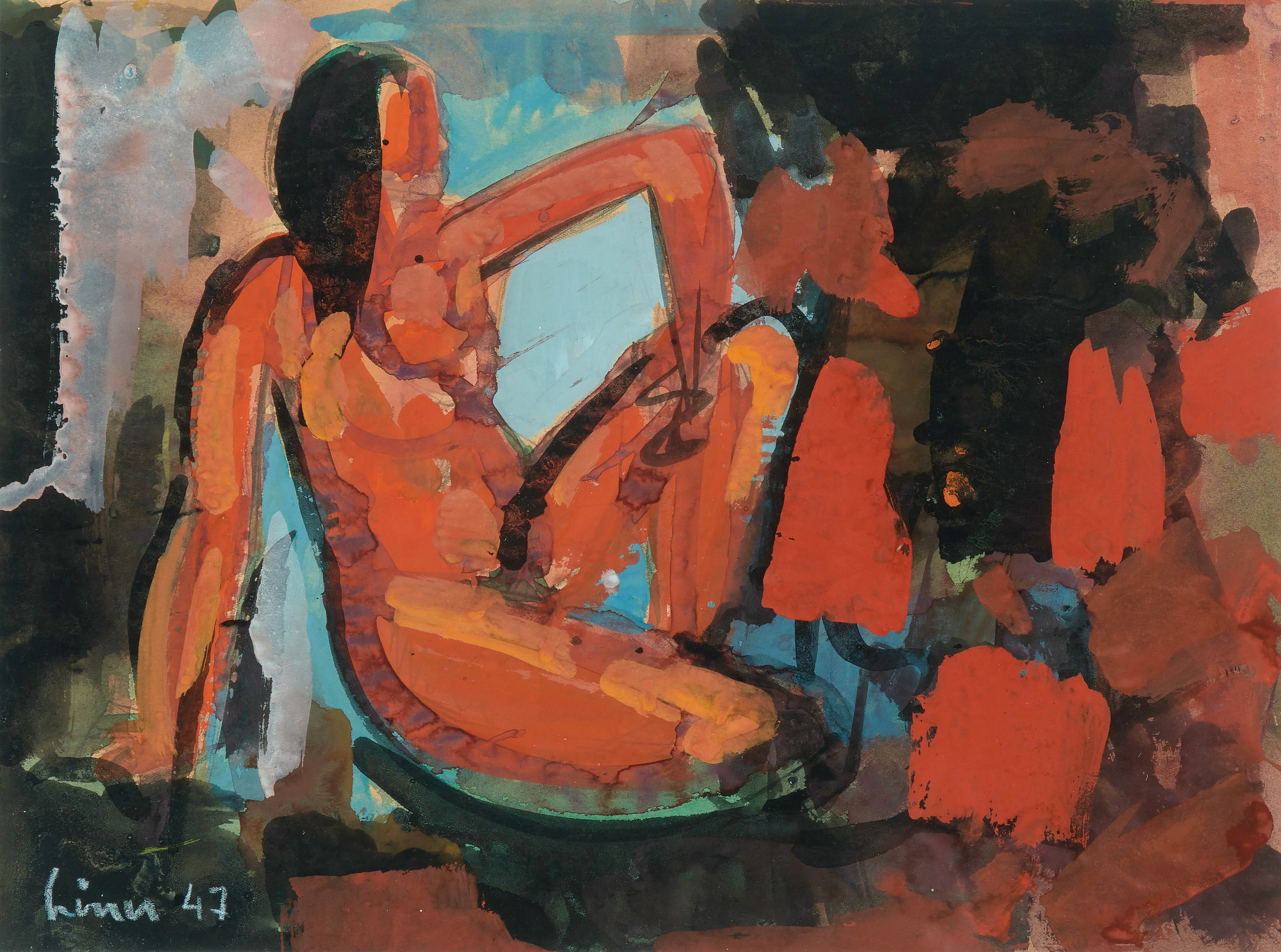
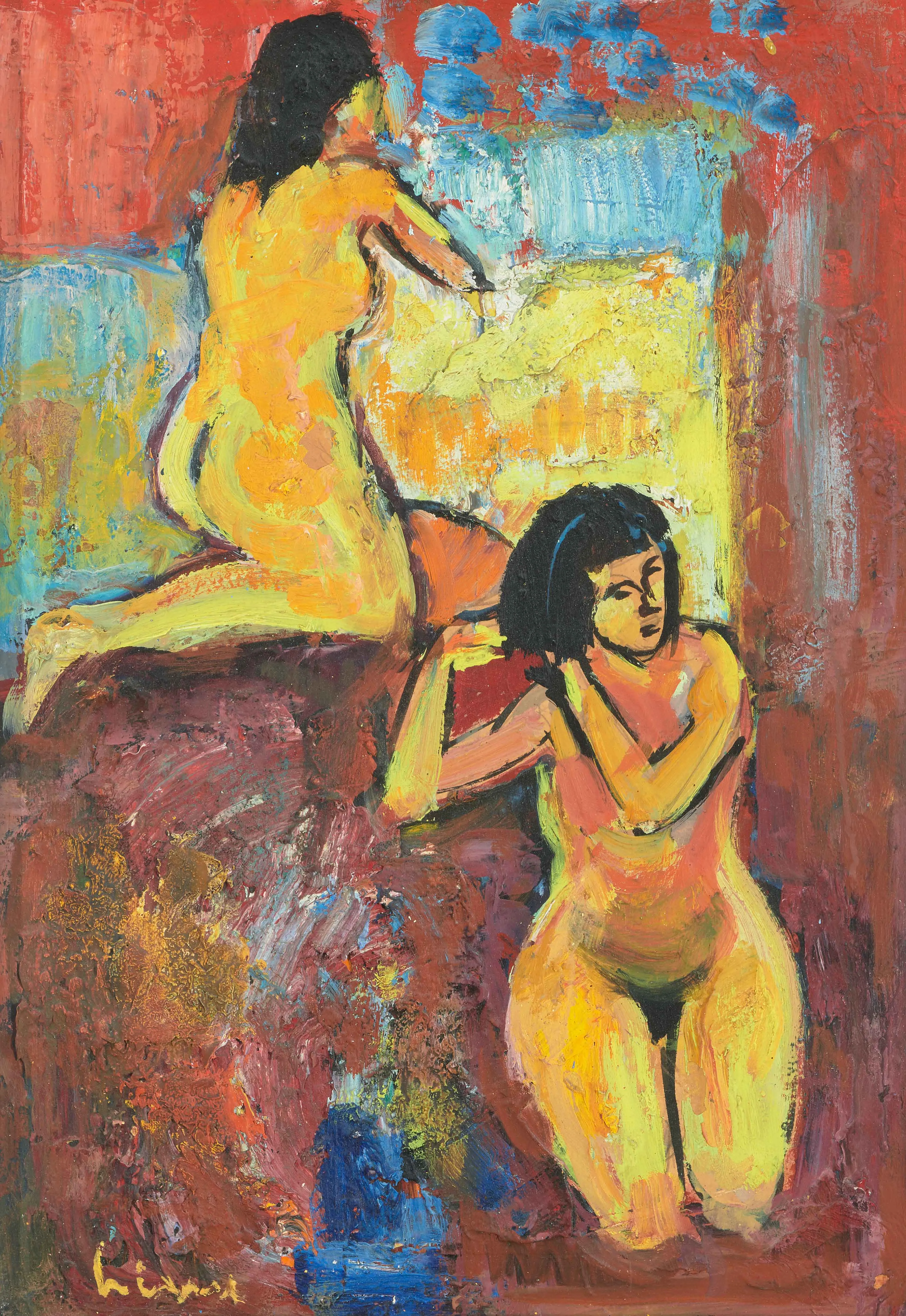
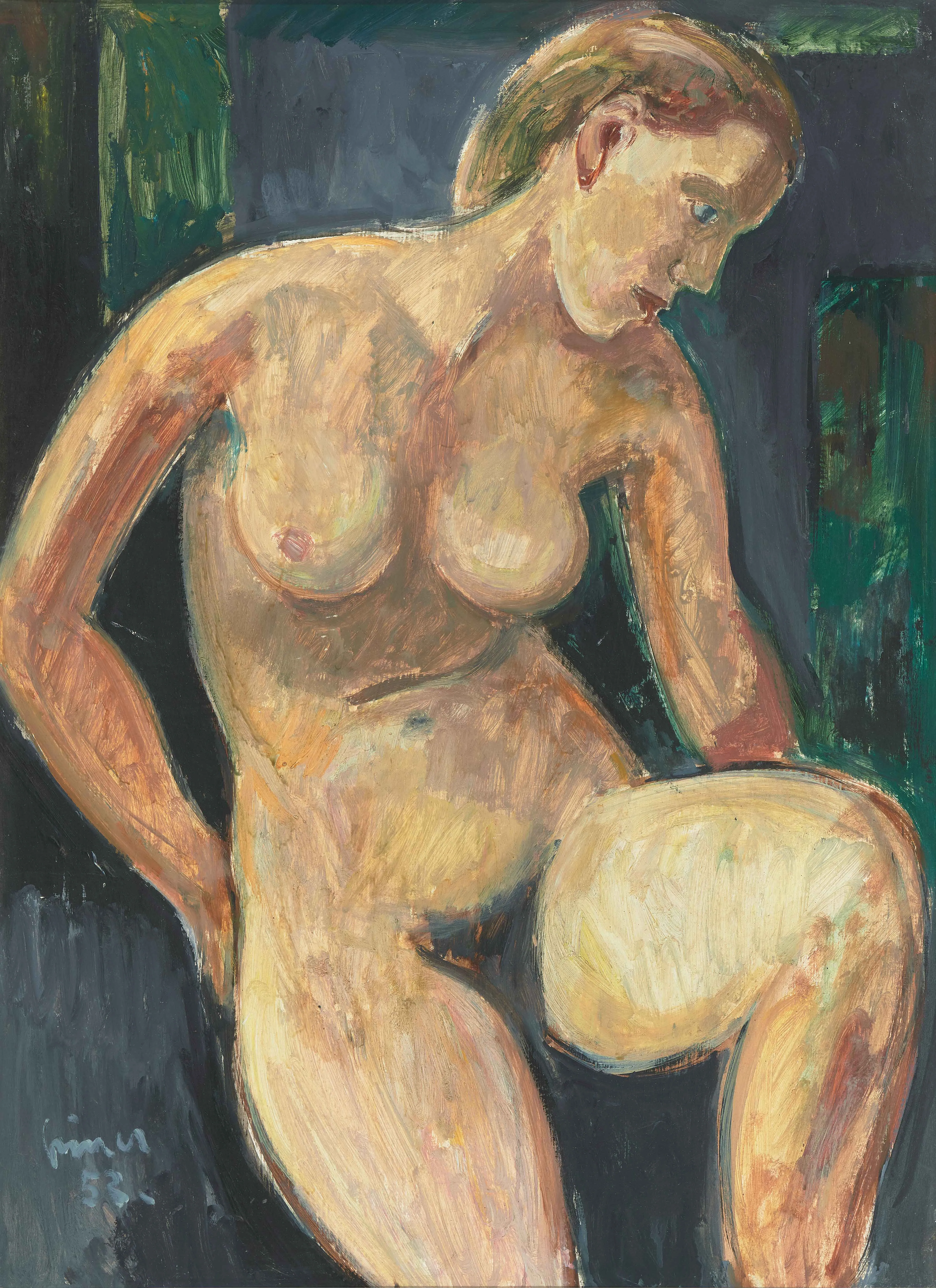
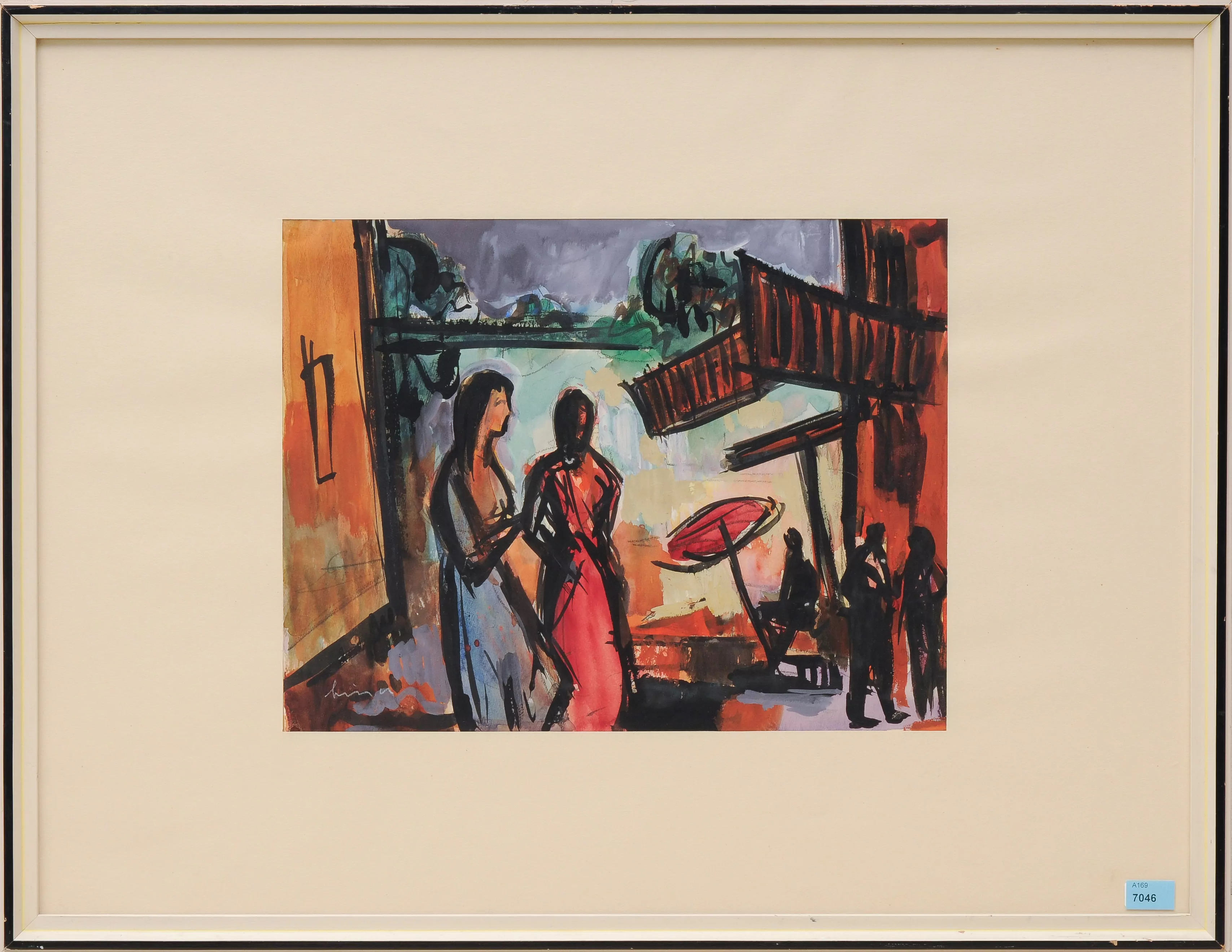
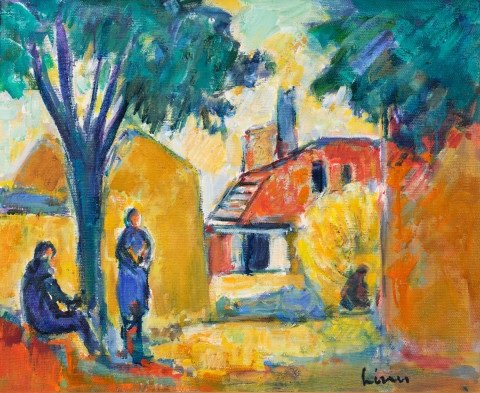
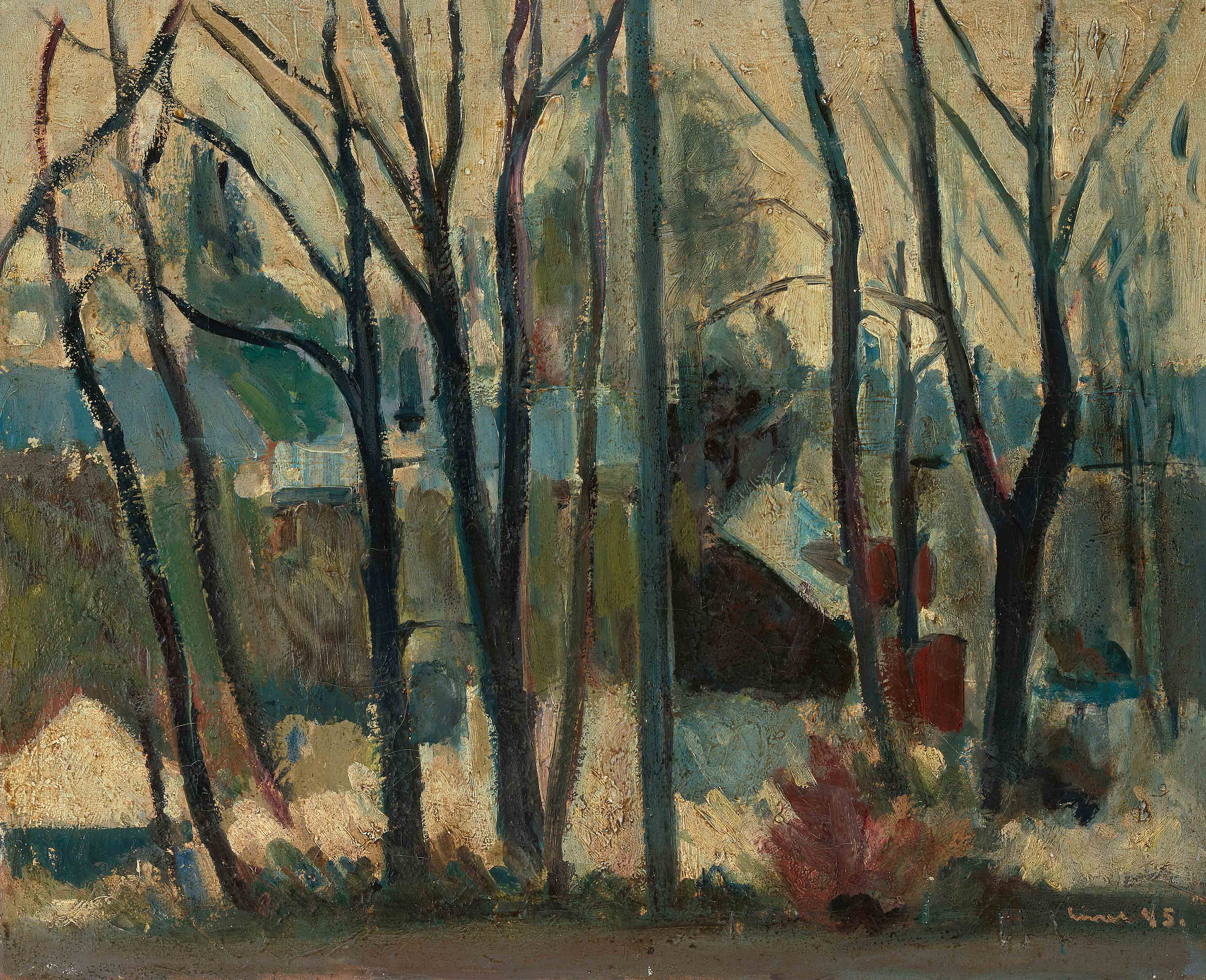
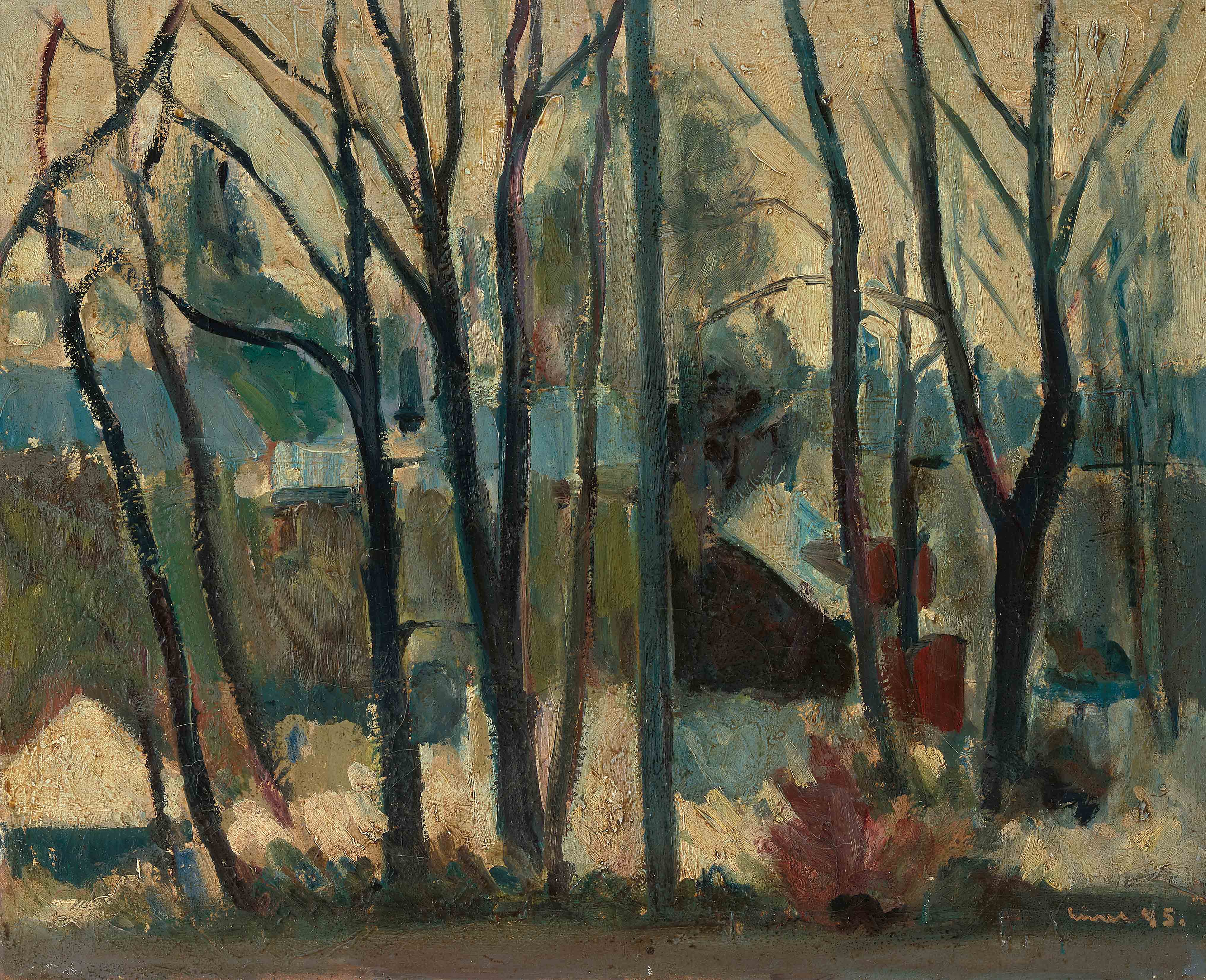
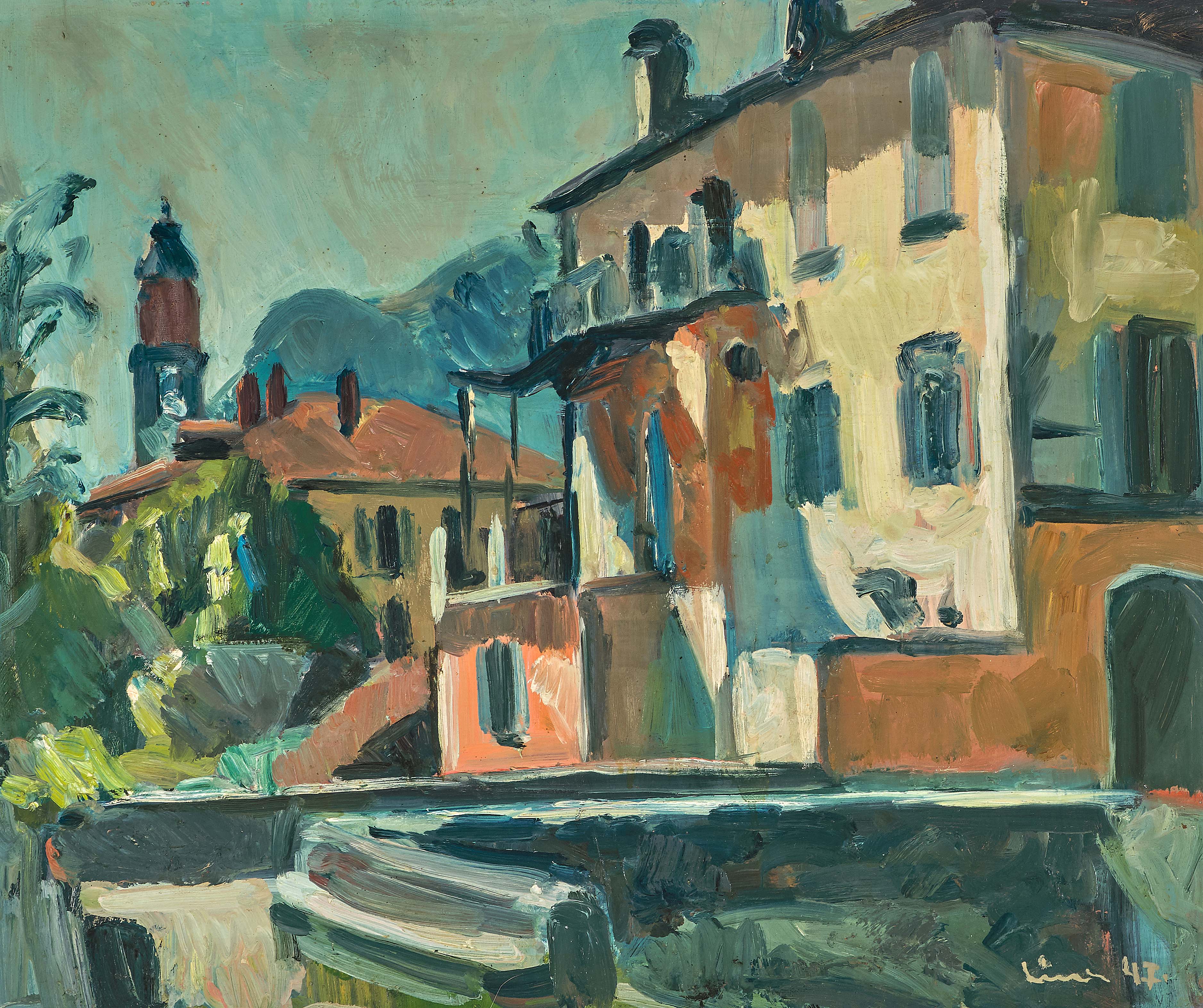
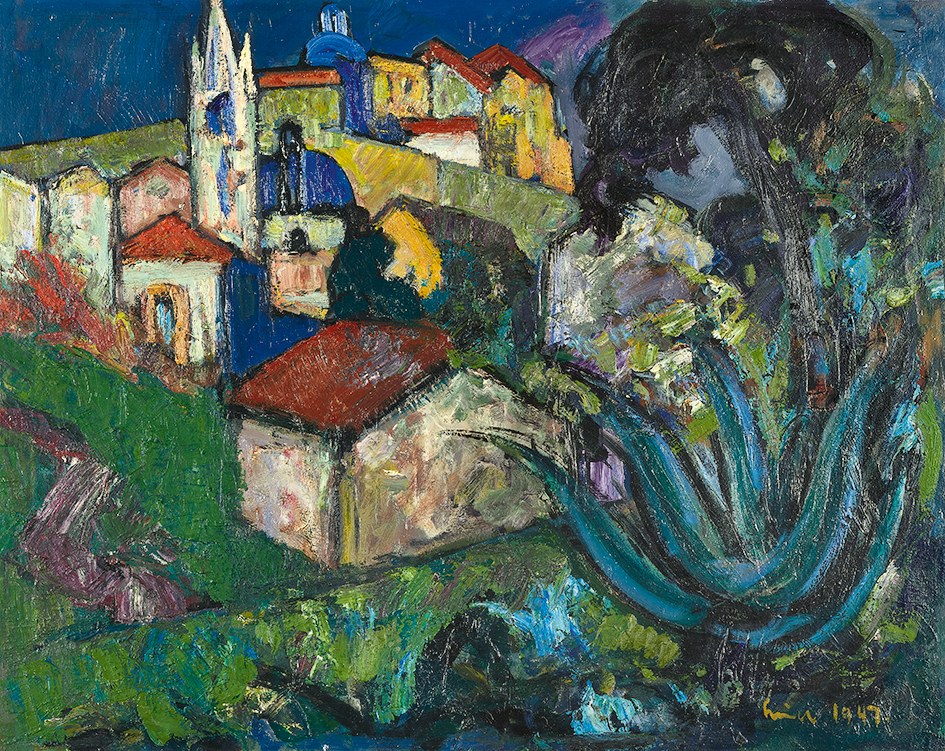
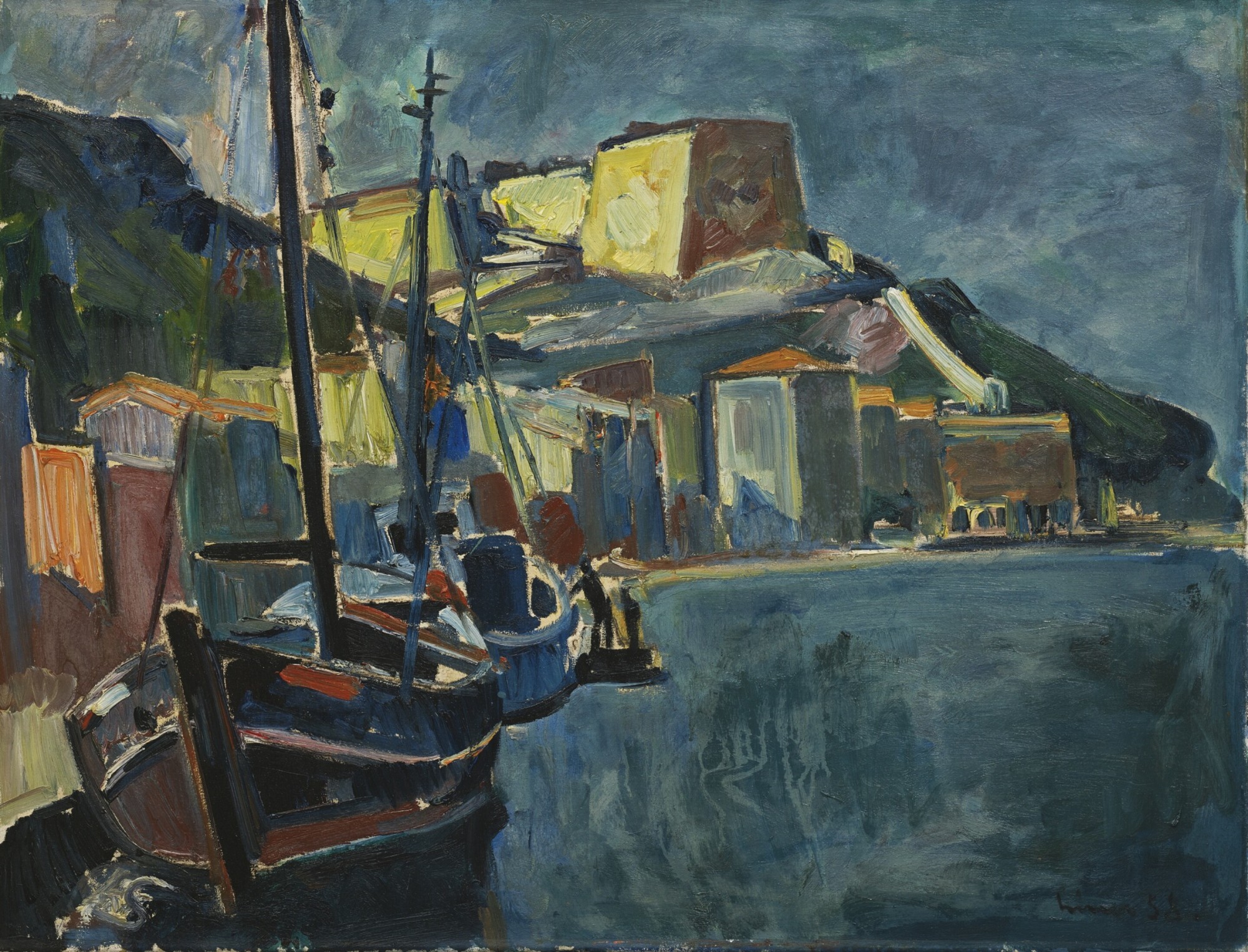
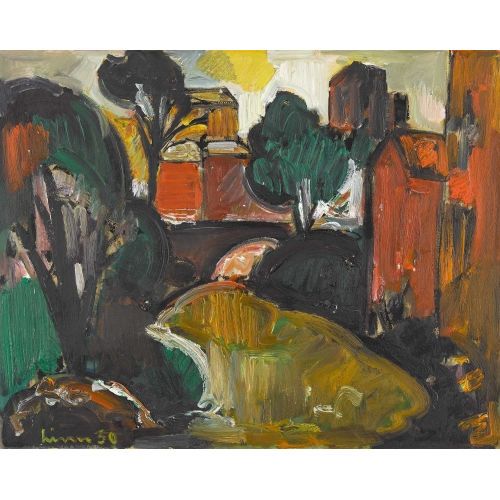
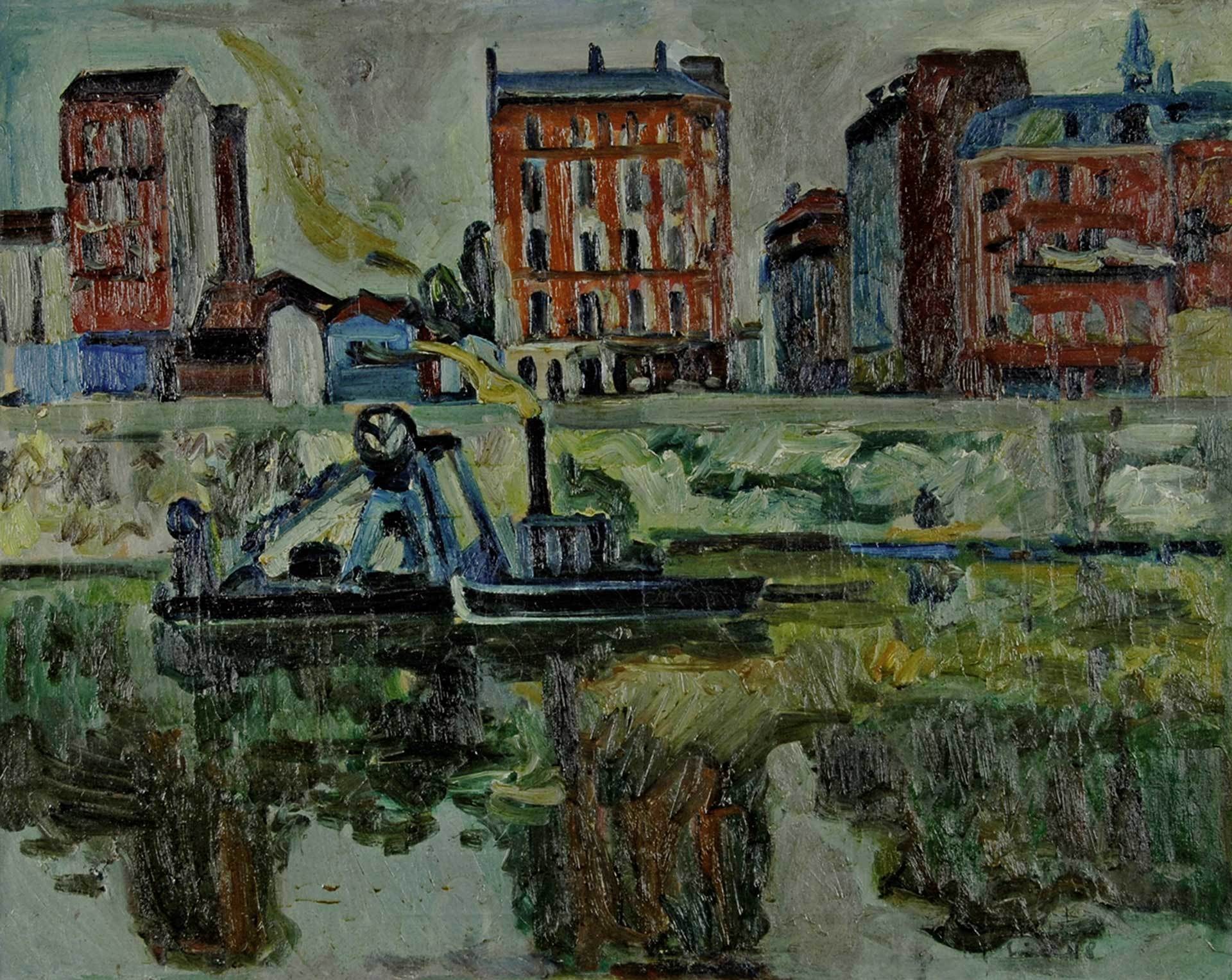
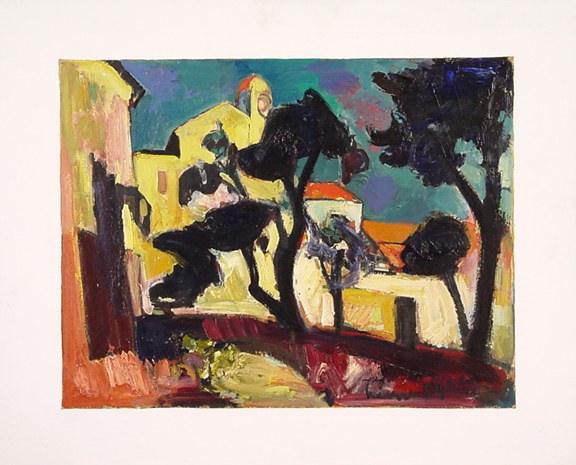
His discovery of French modernity then broadened the possibilities of his pictorial language.
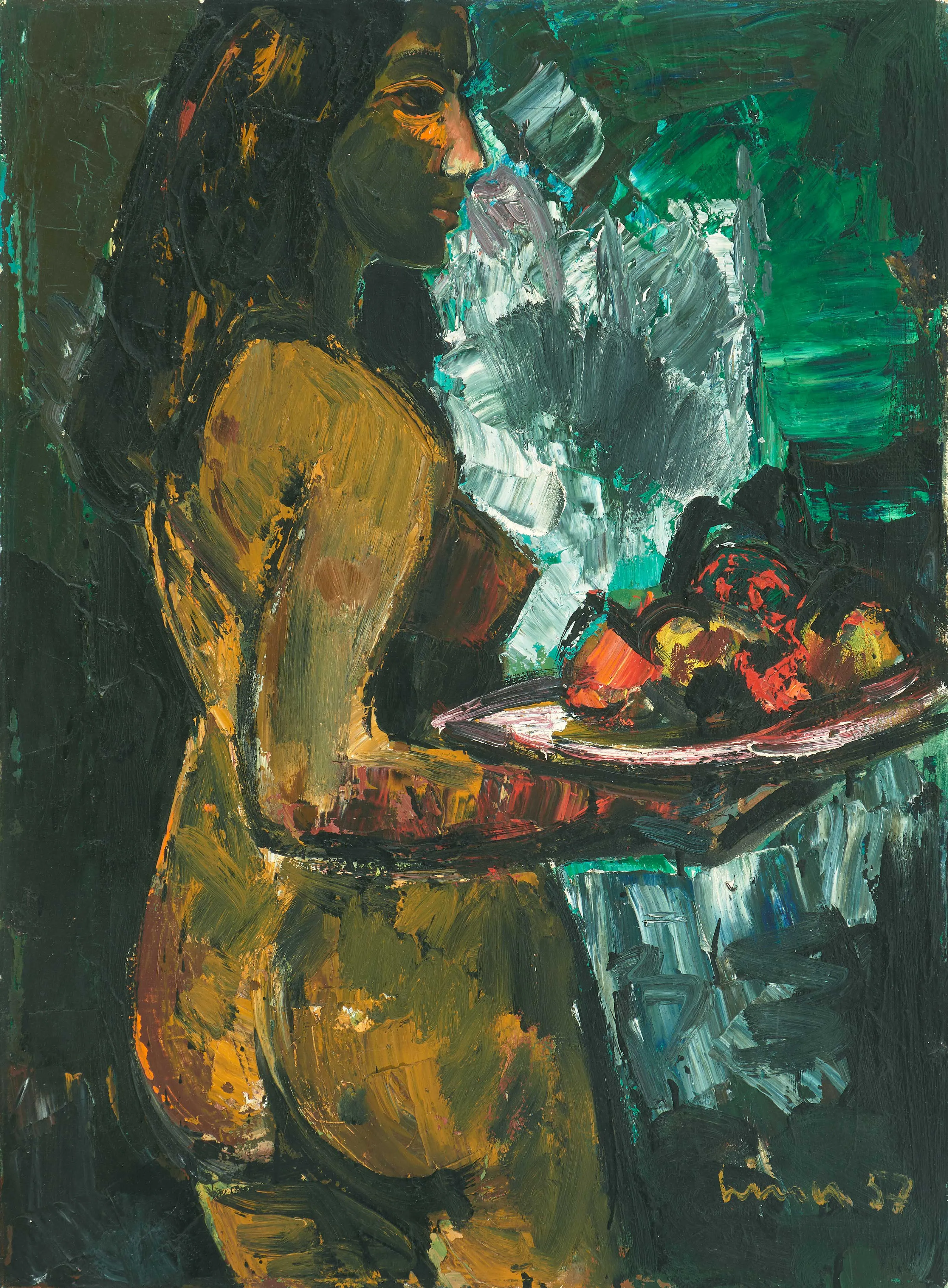
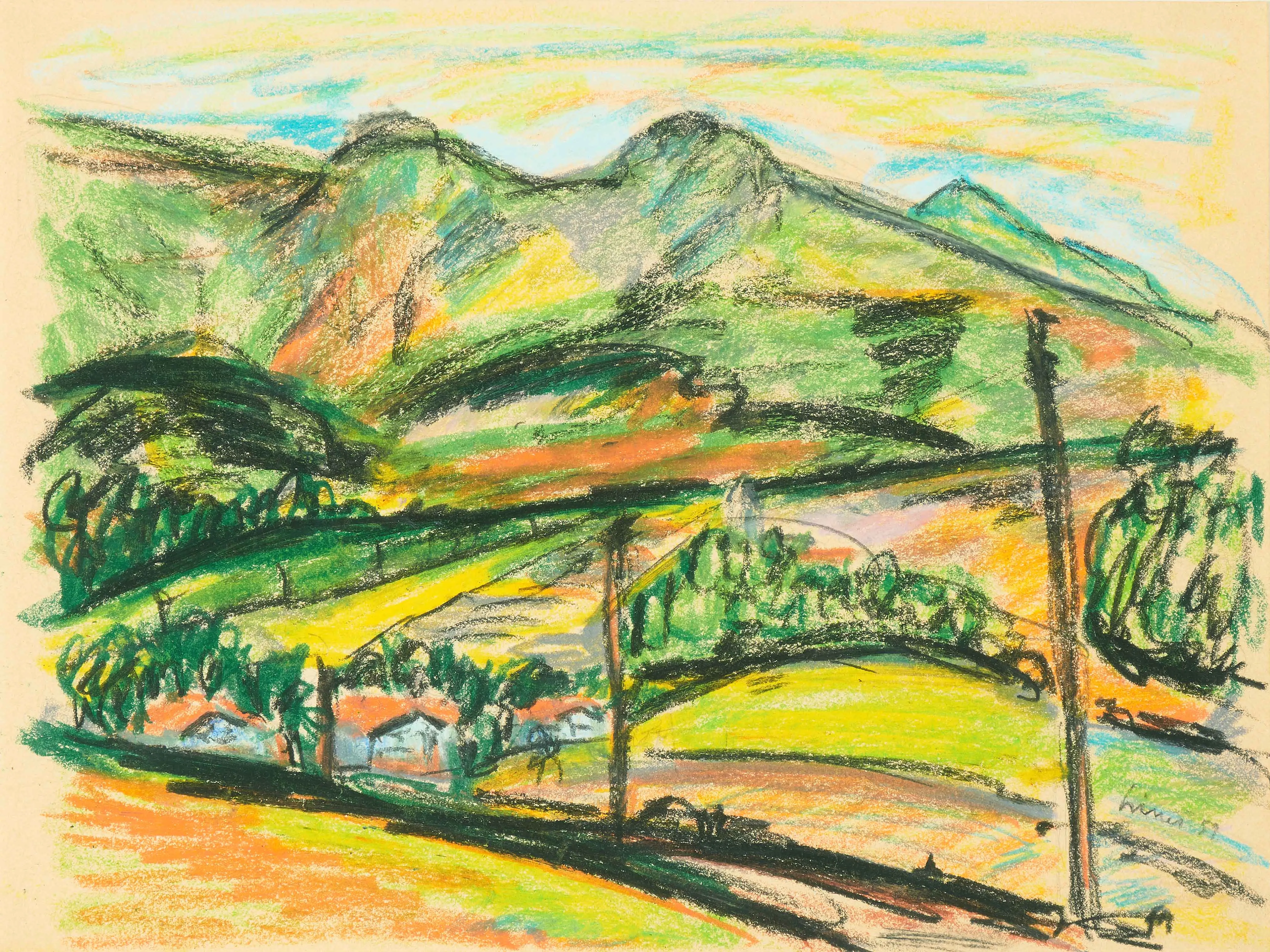
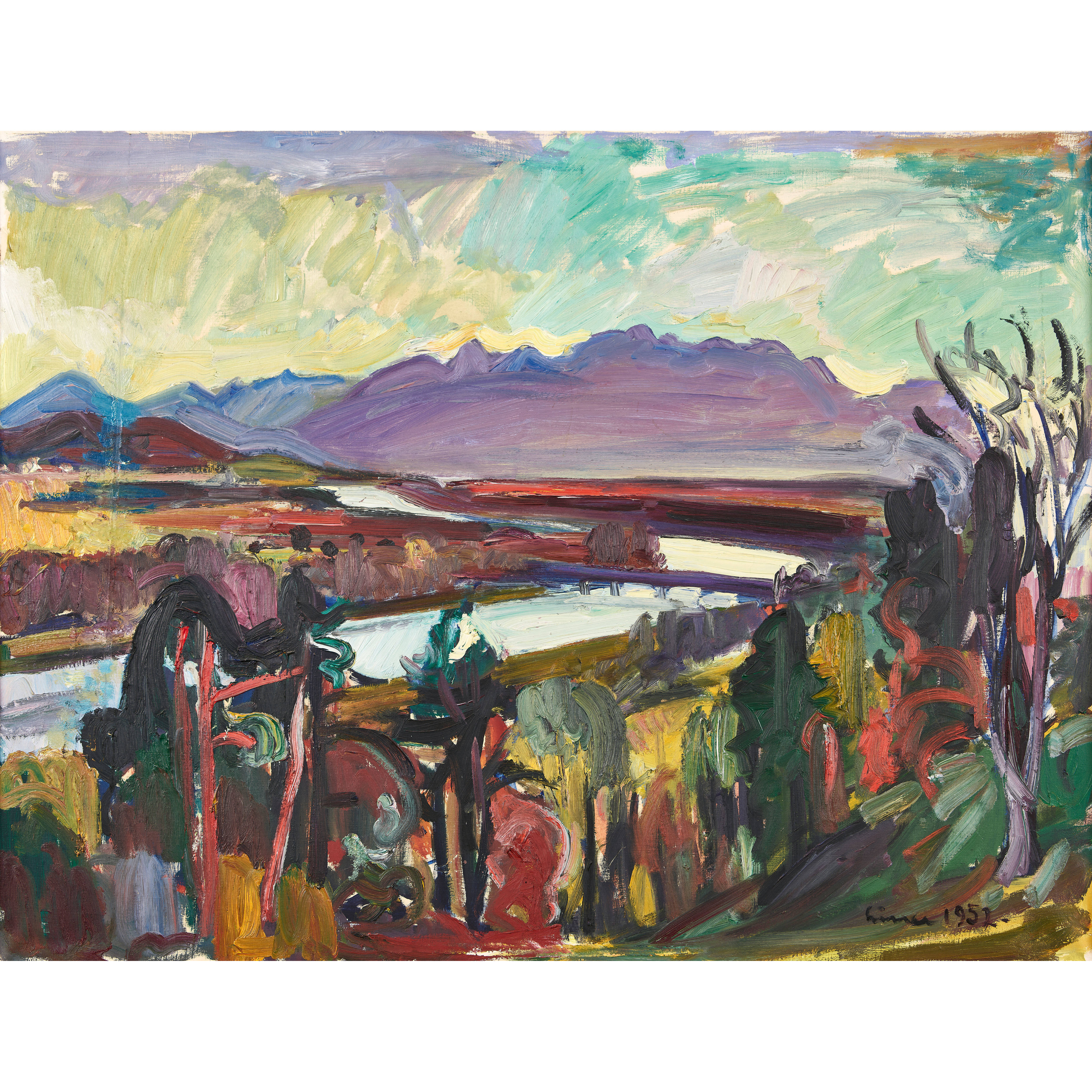
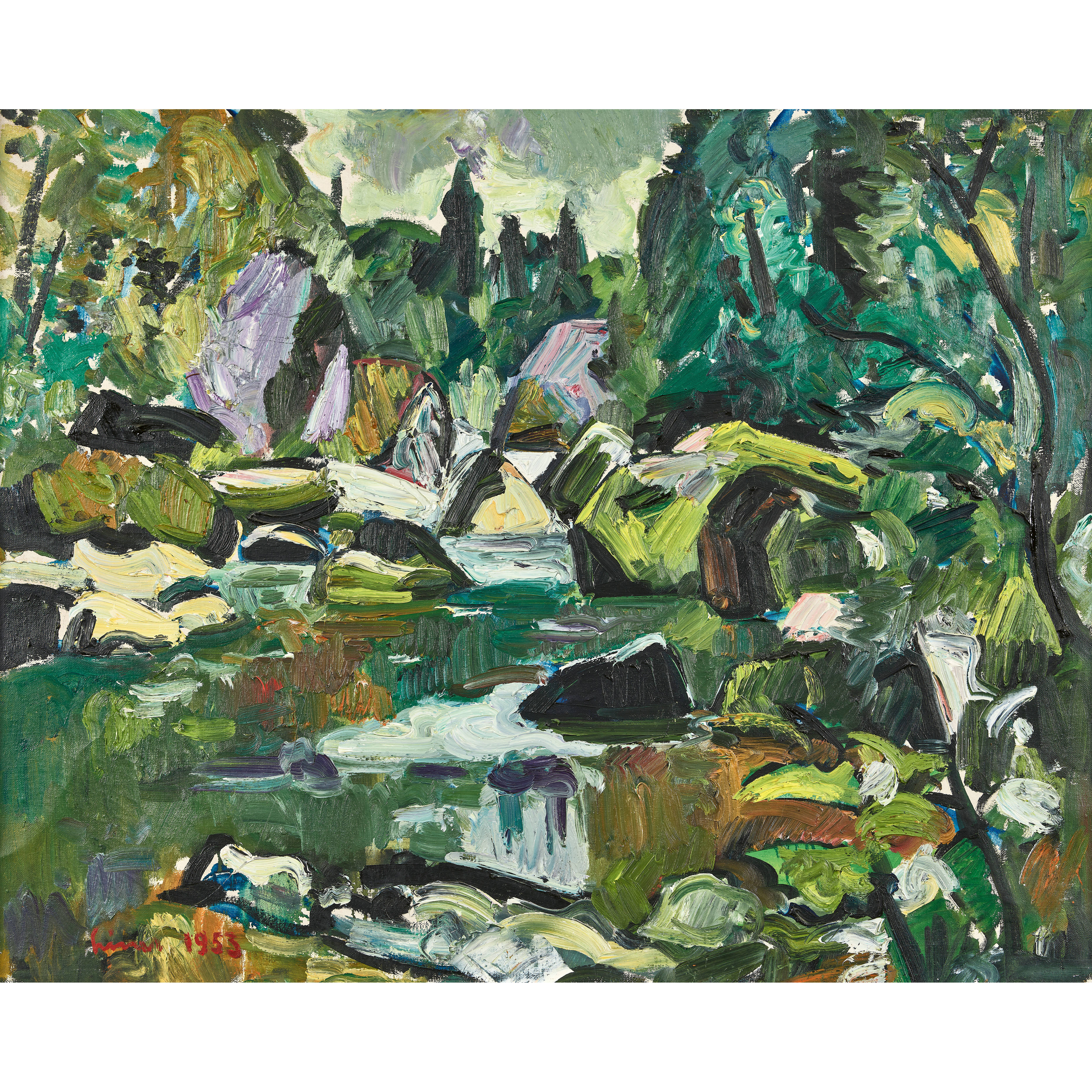
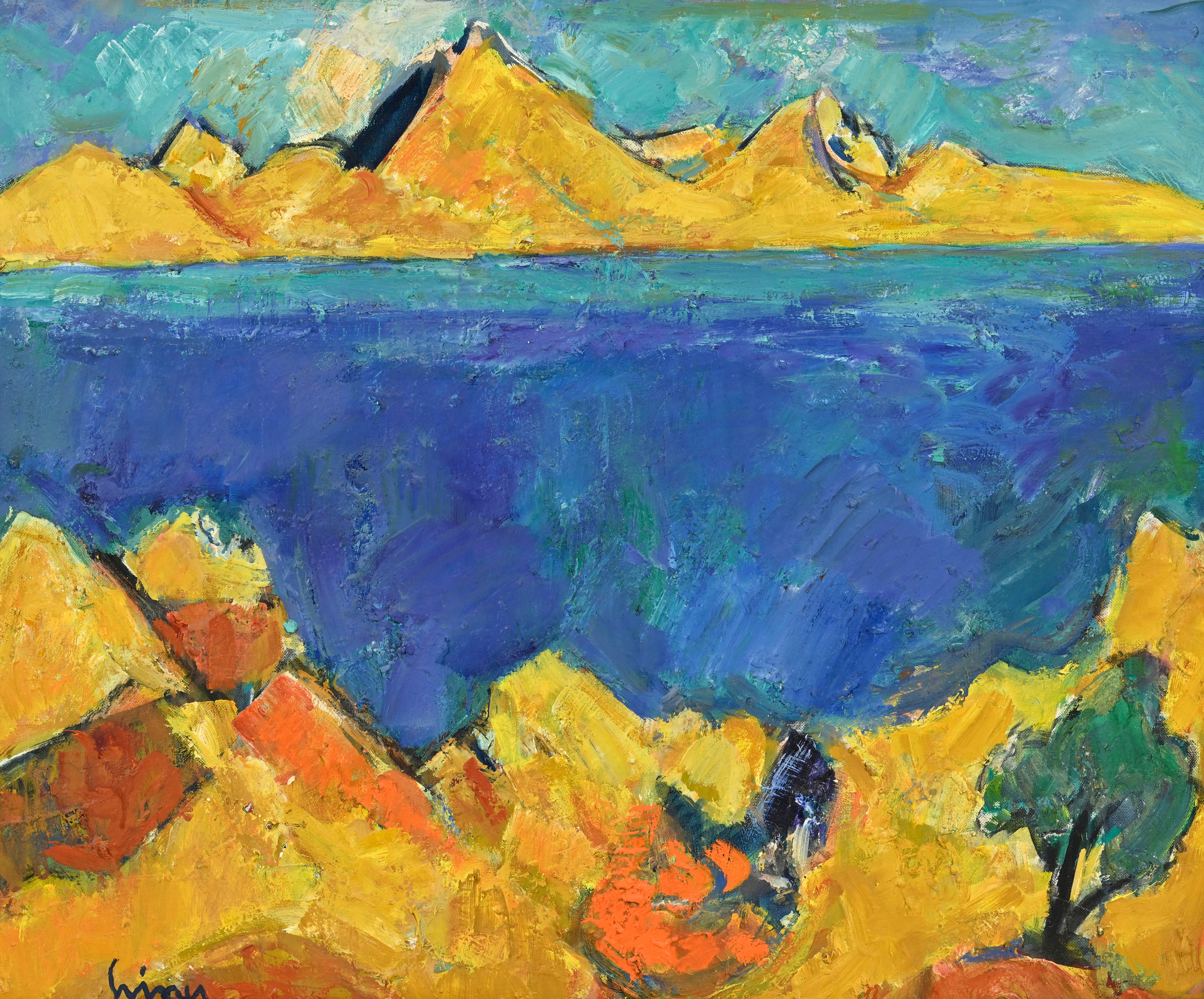
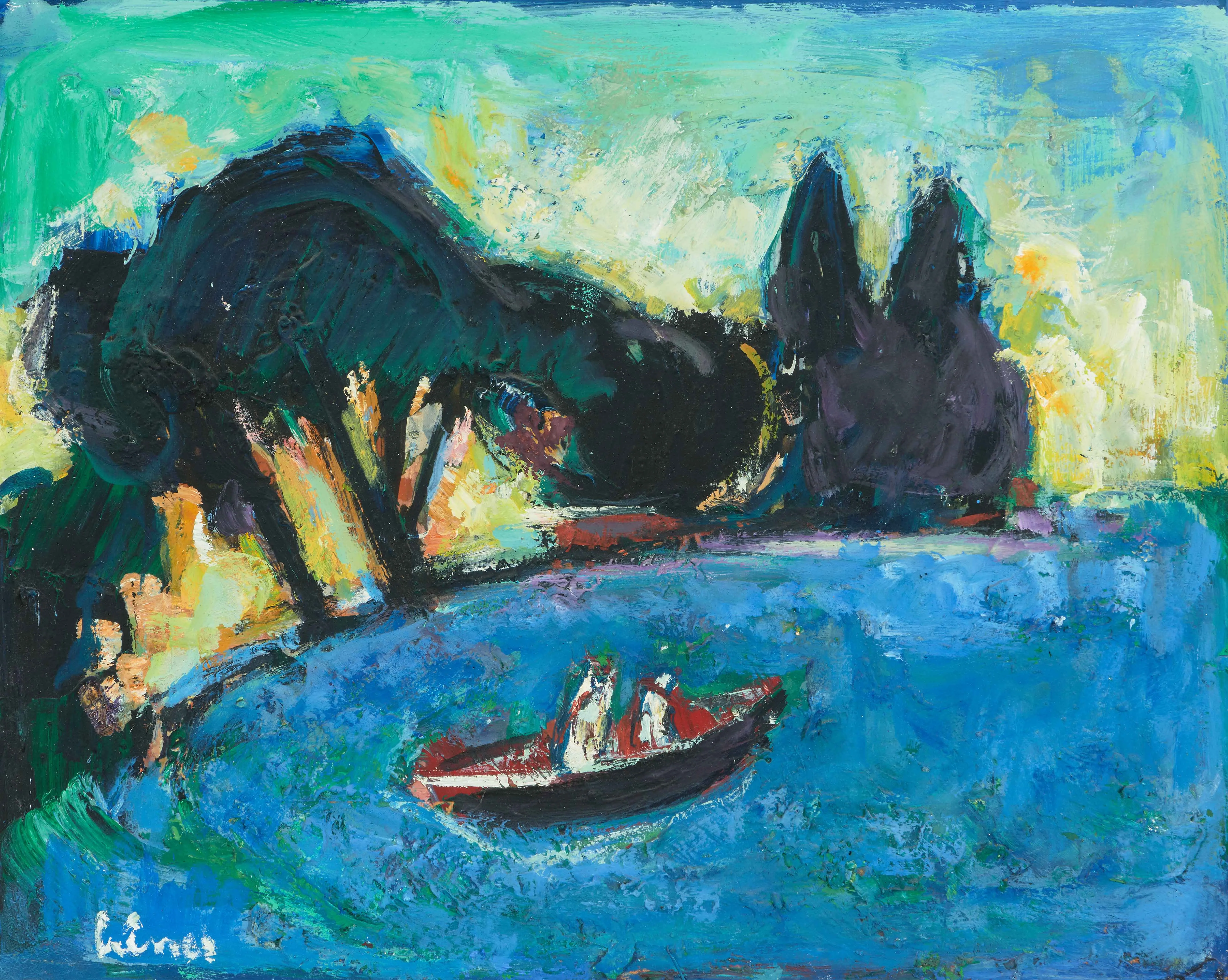
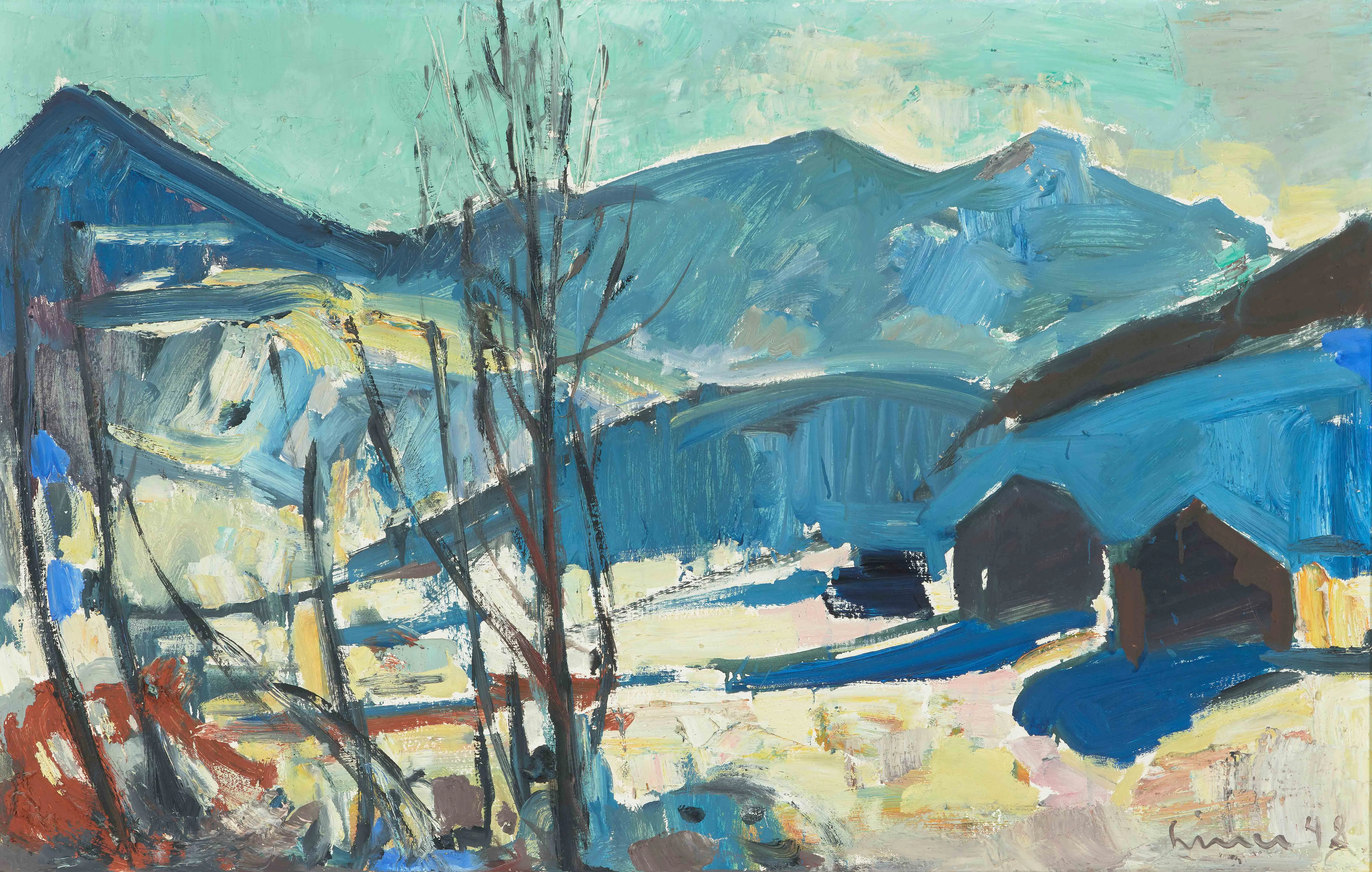
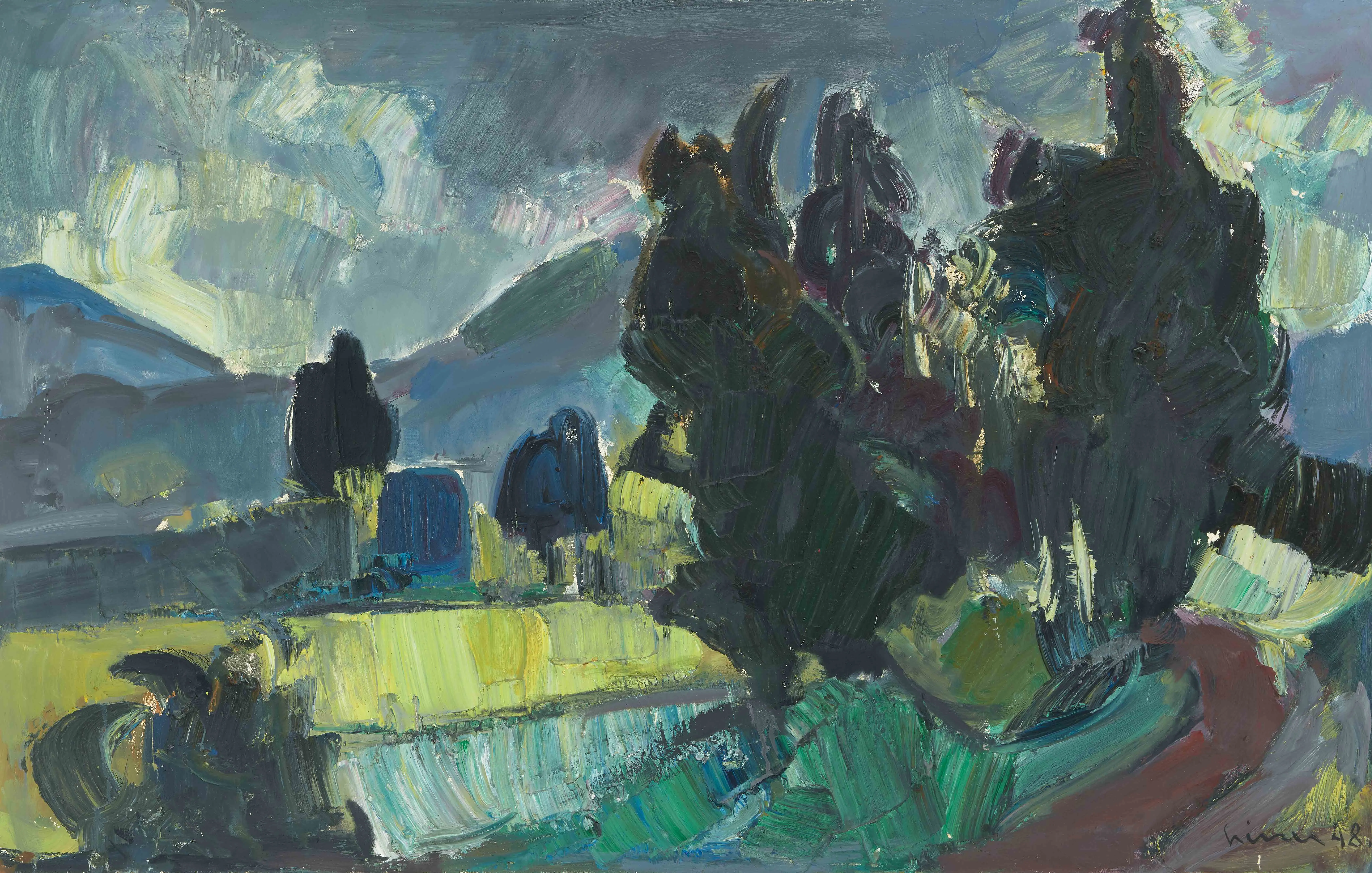
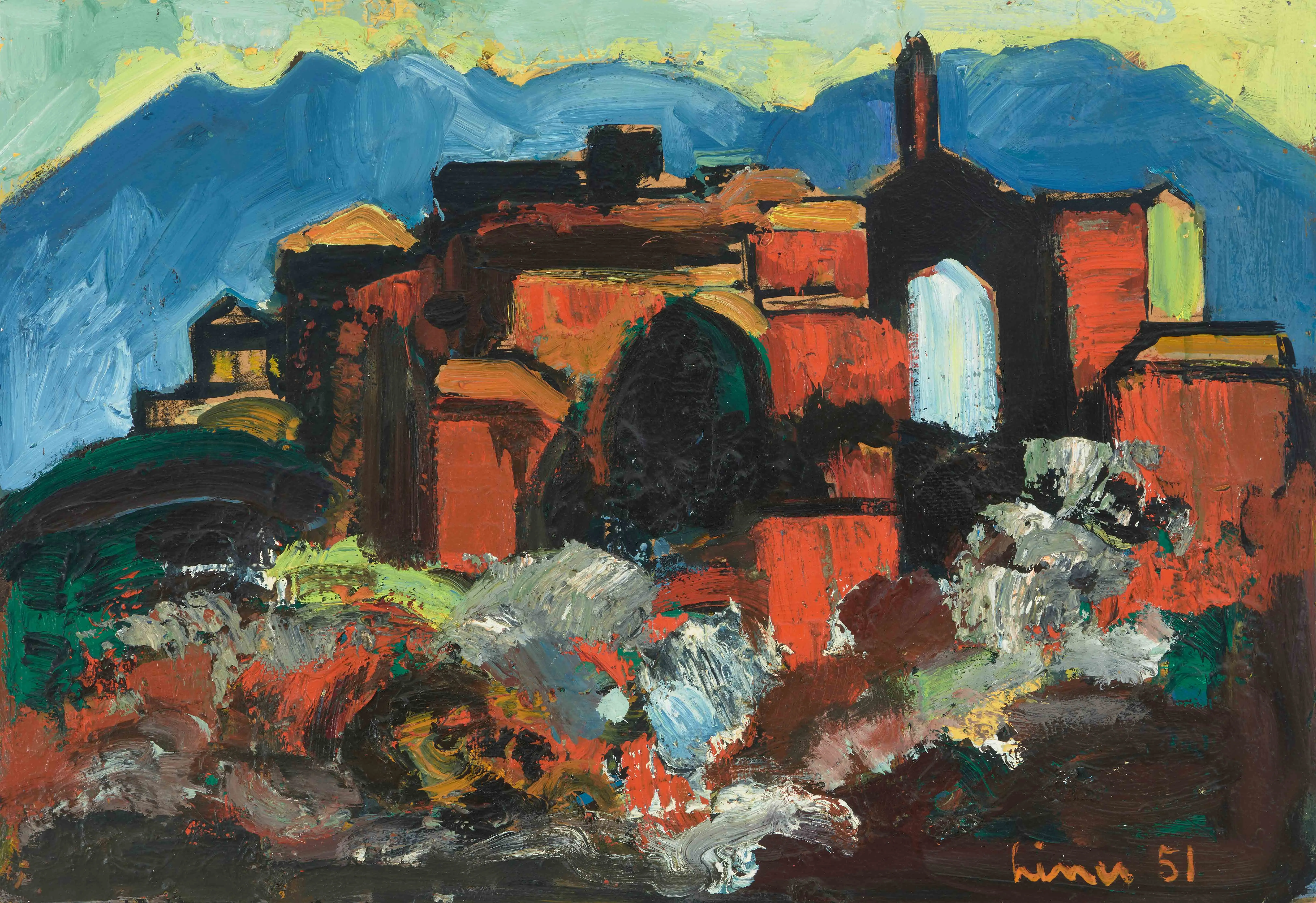
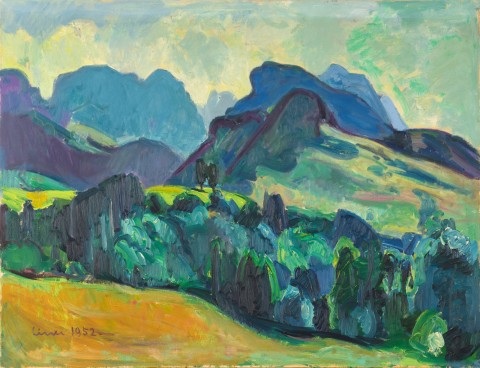
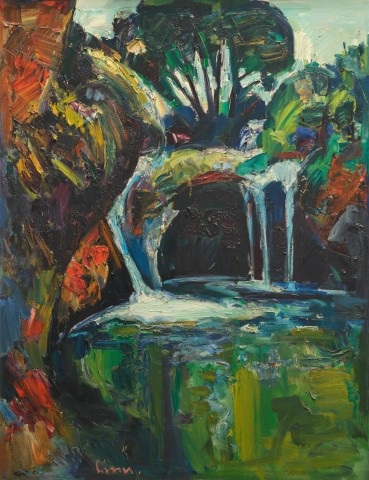
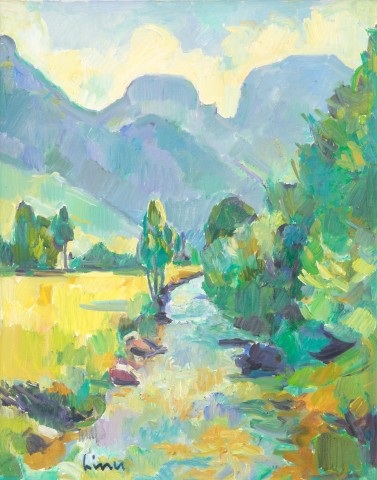
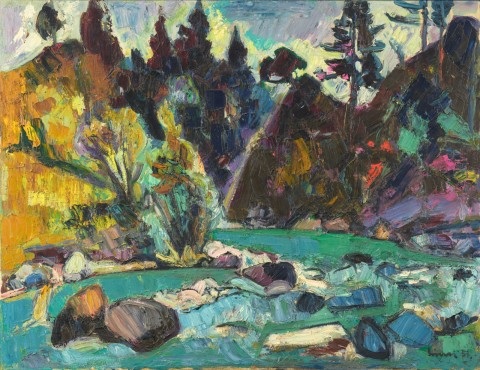
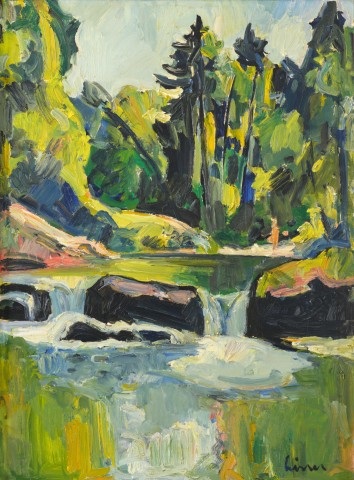
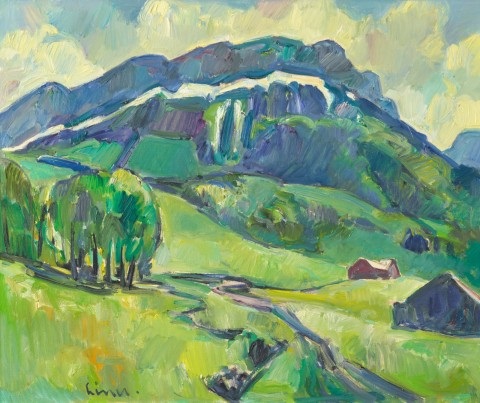
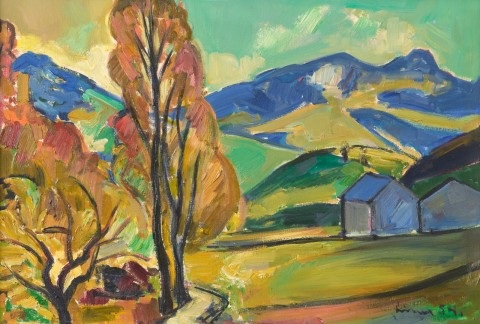
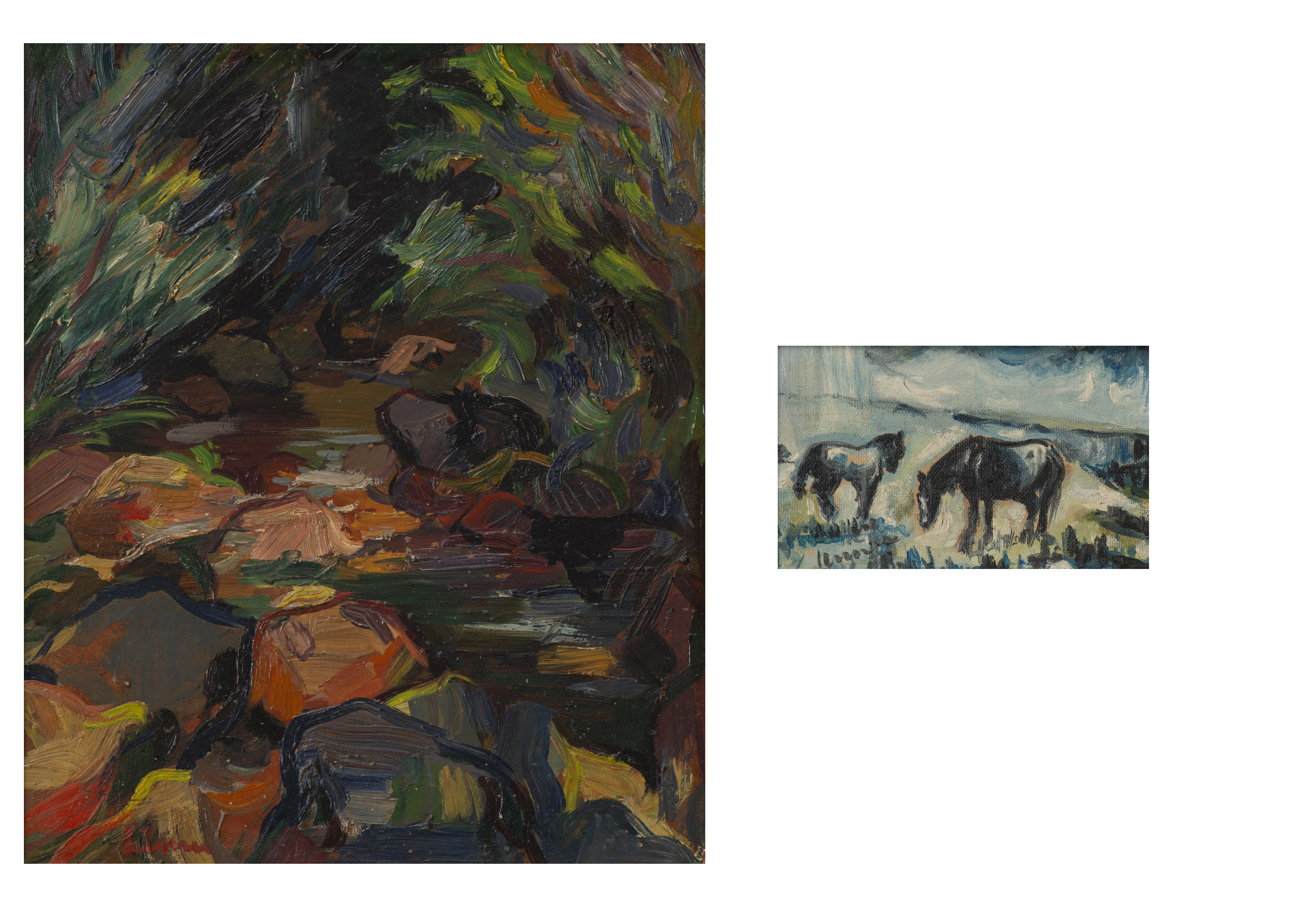
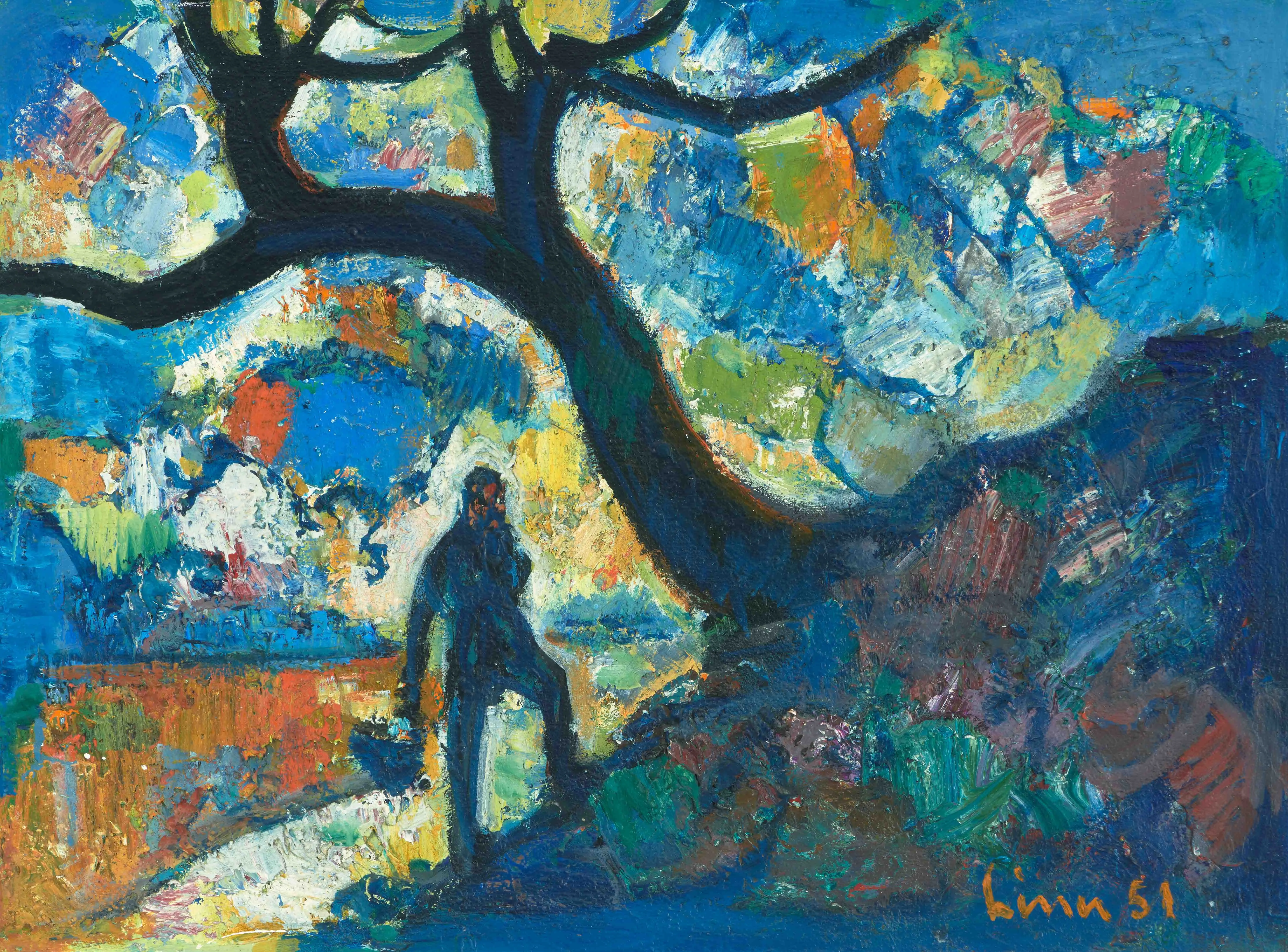
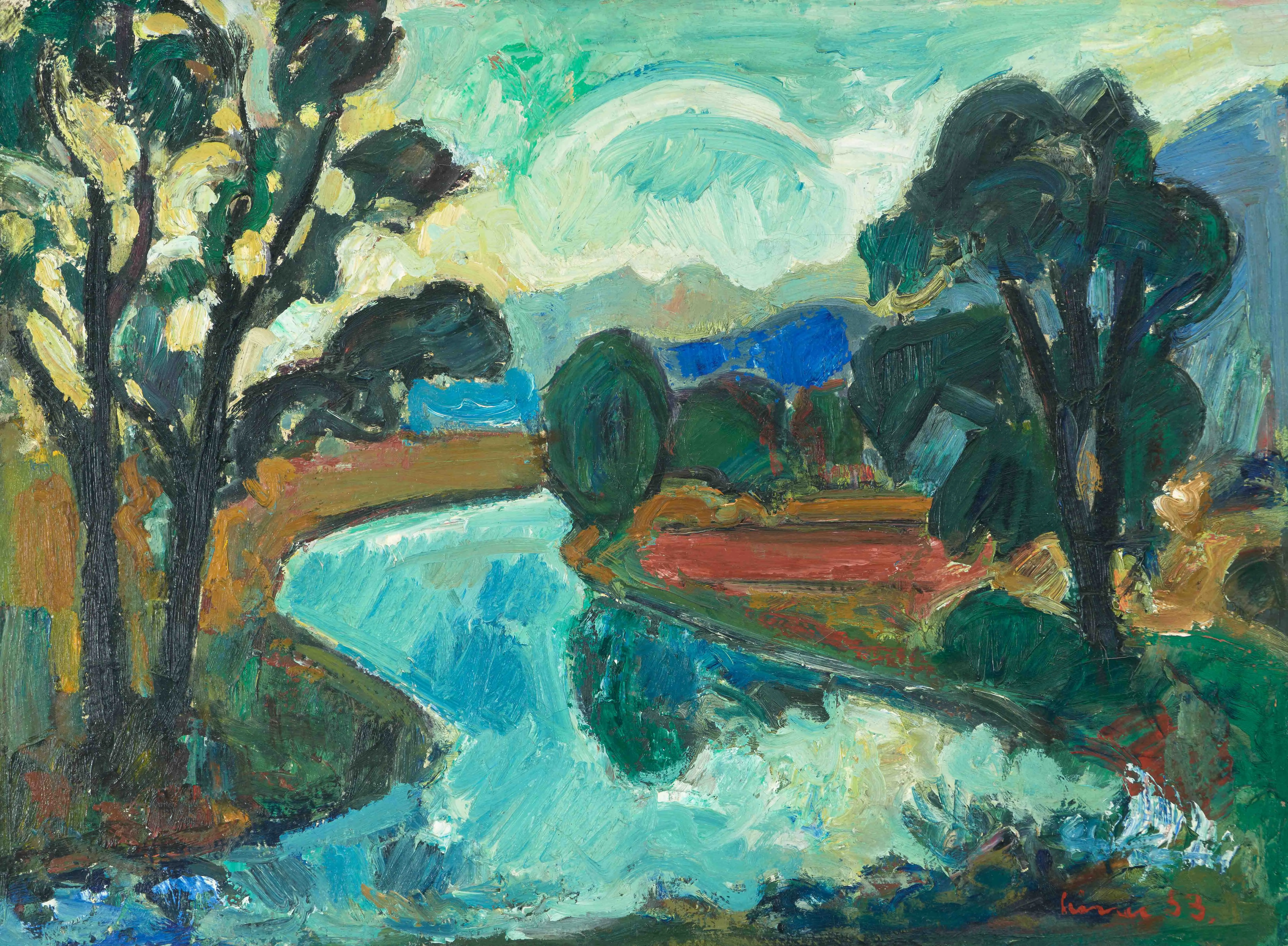
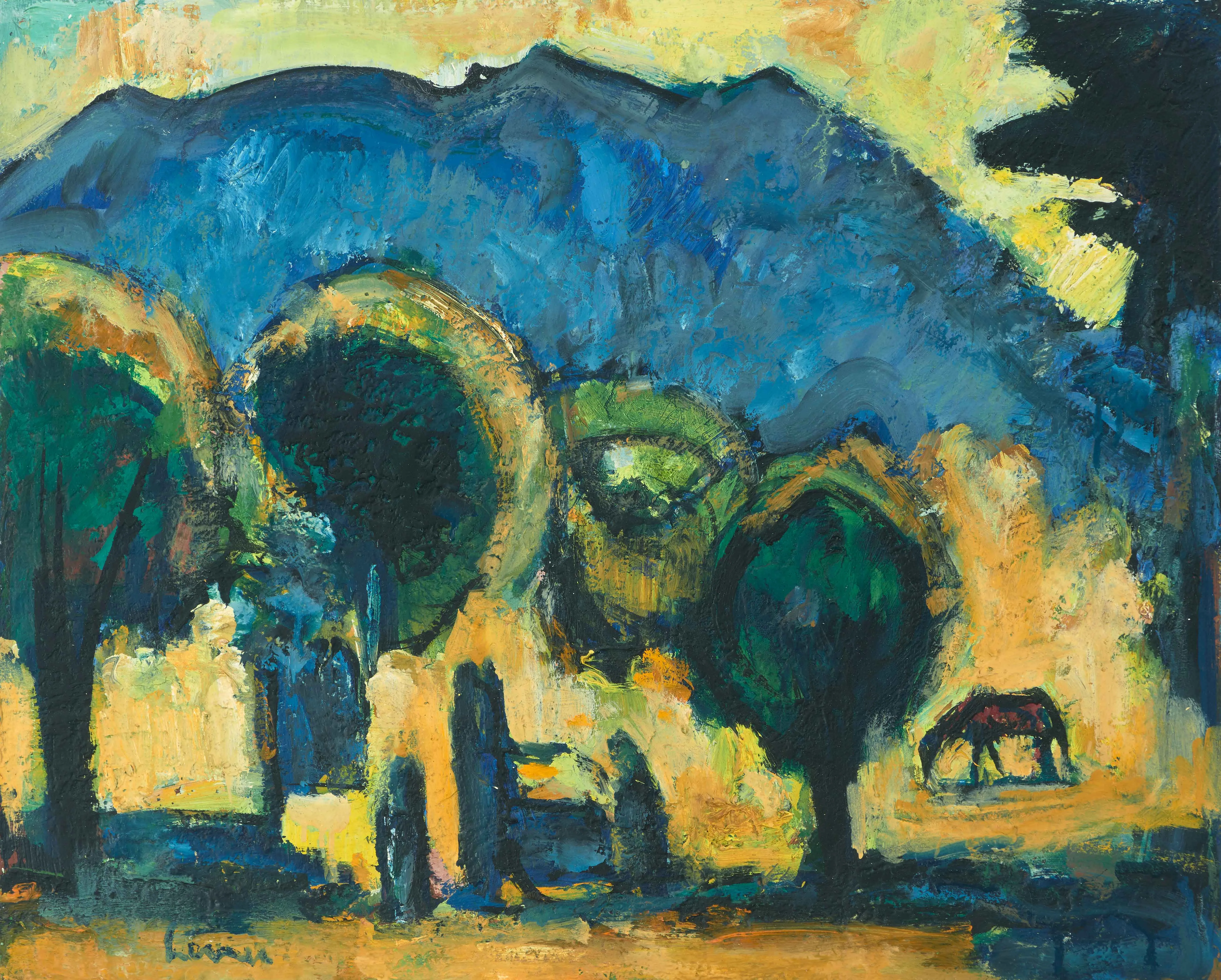
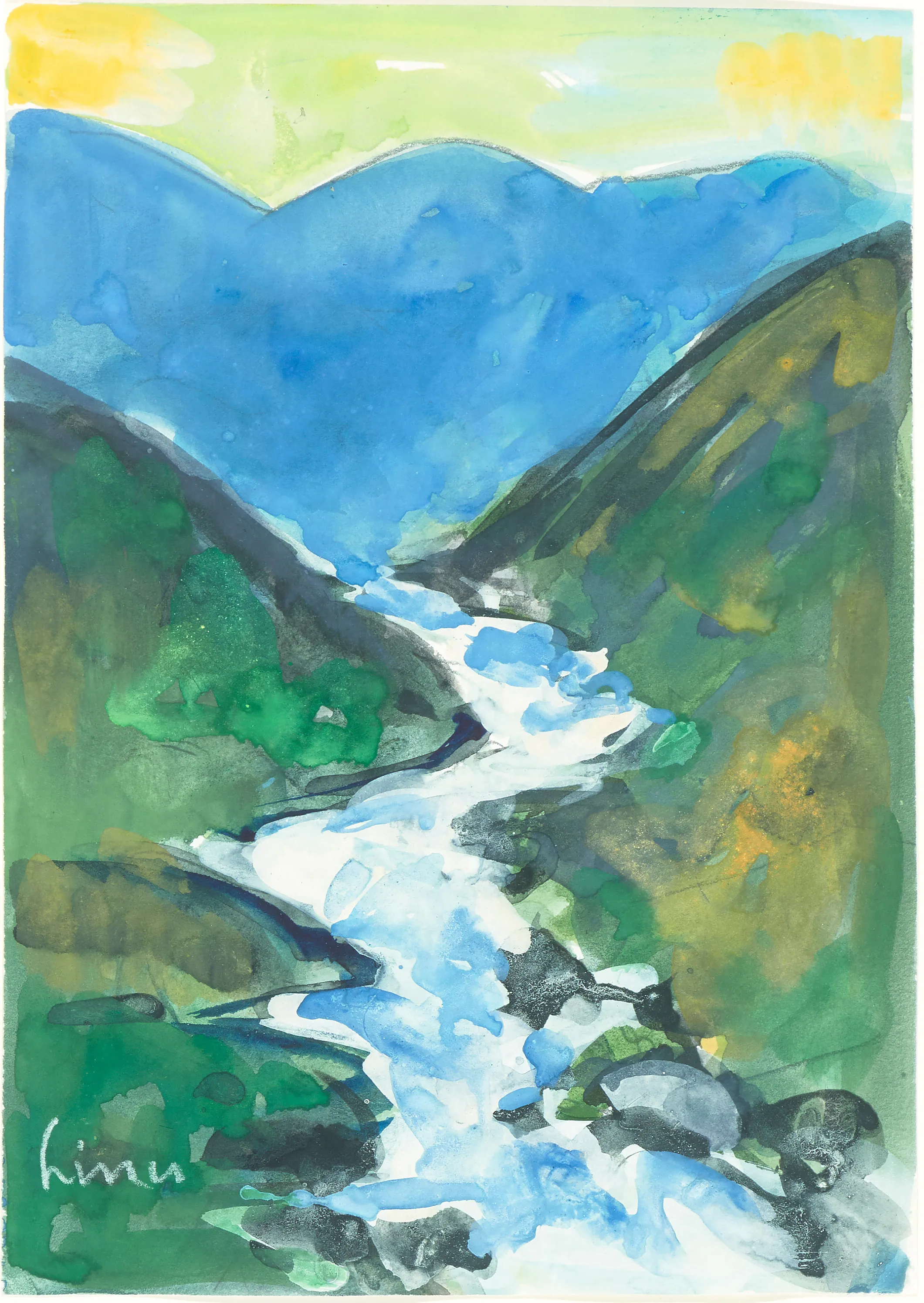
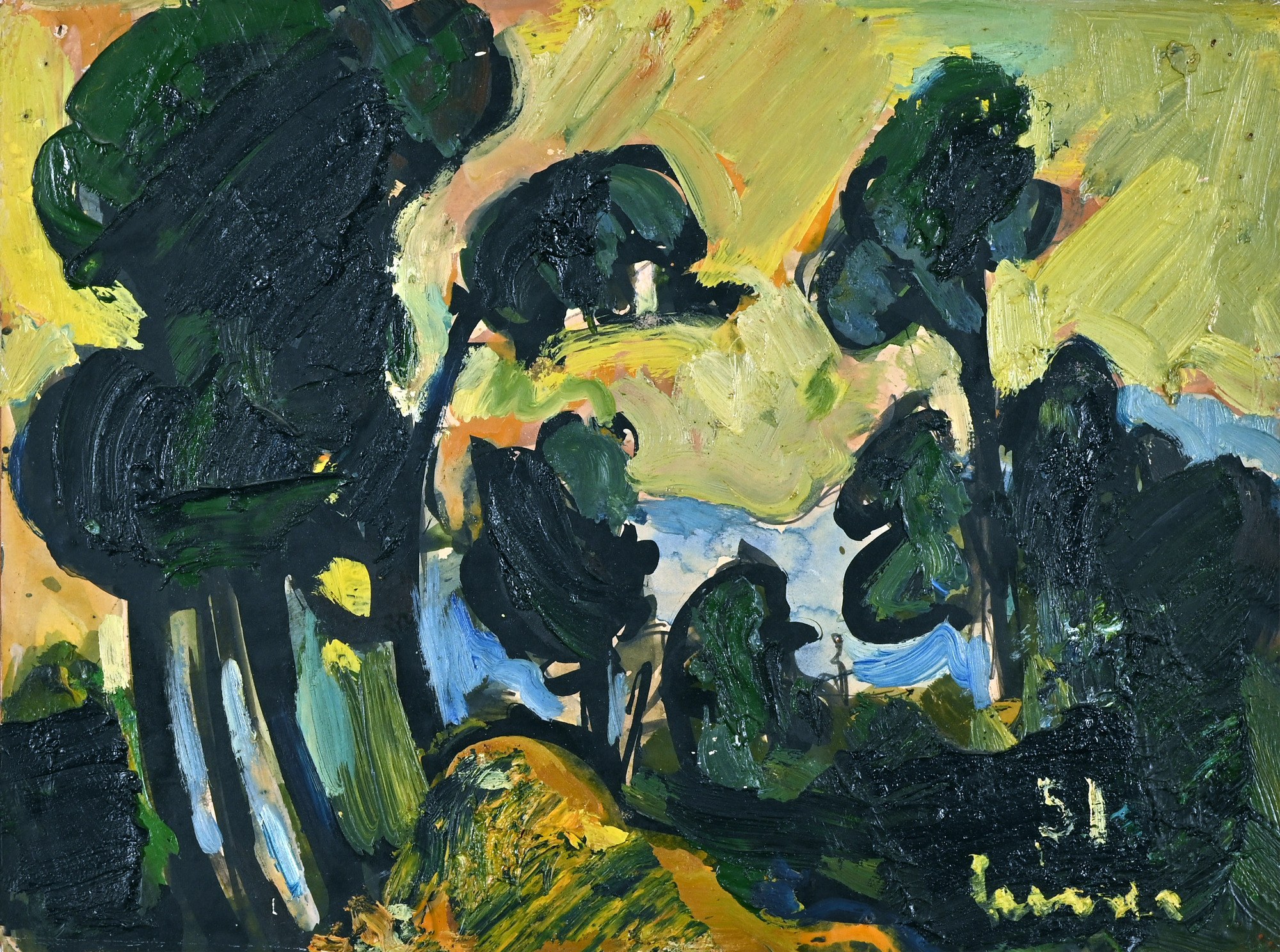
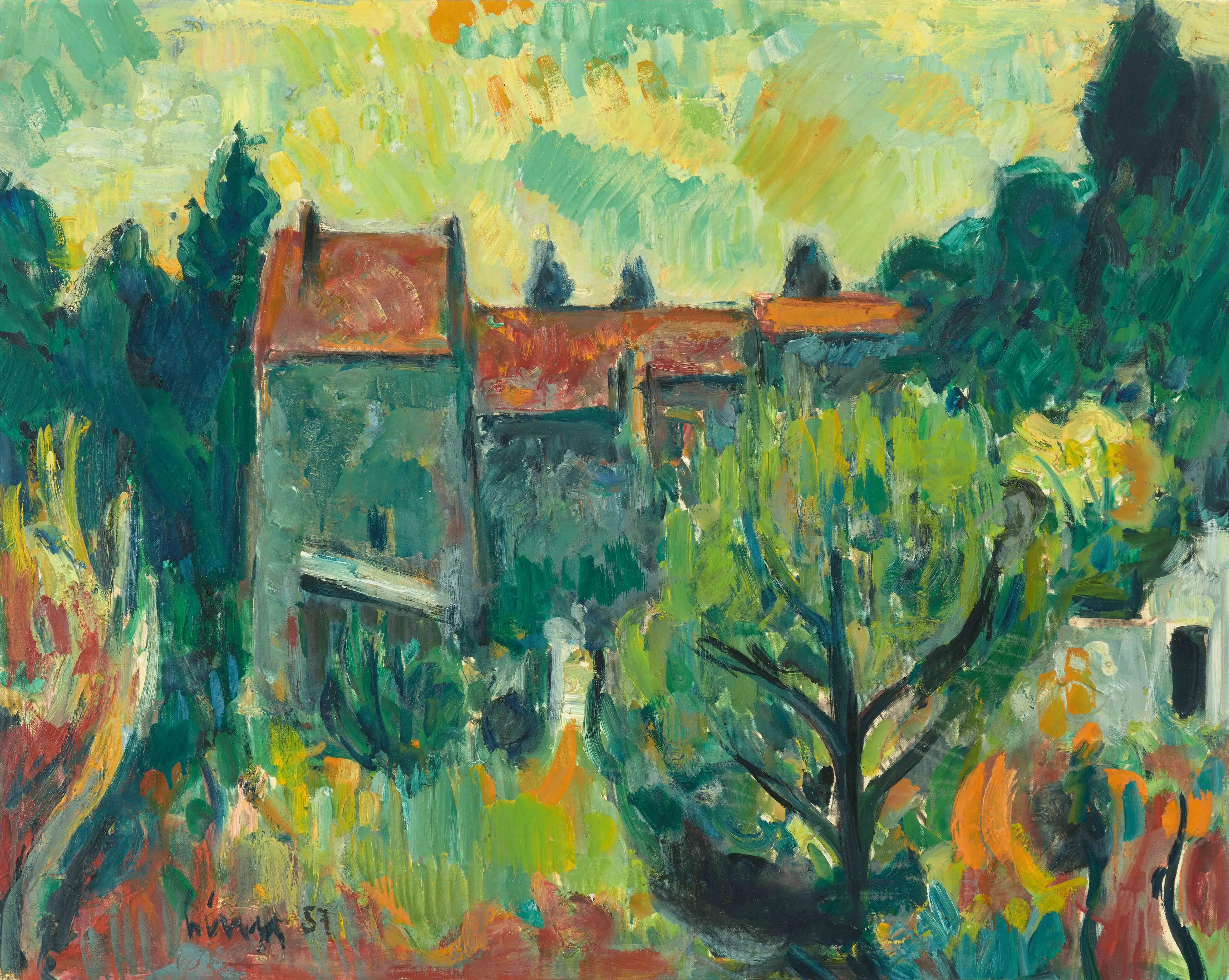
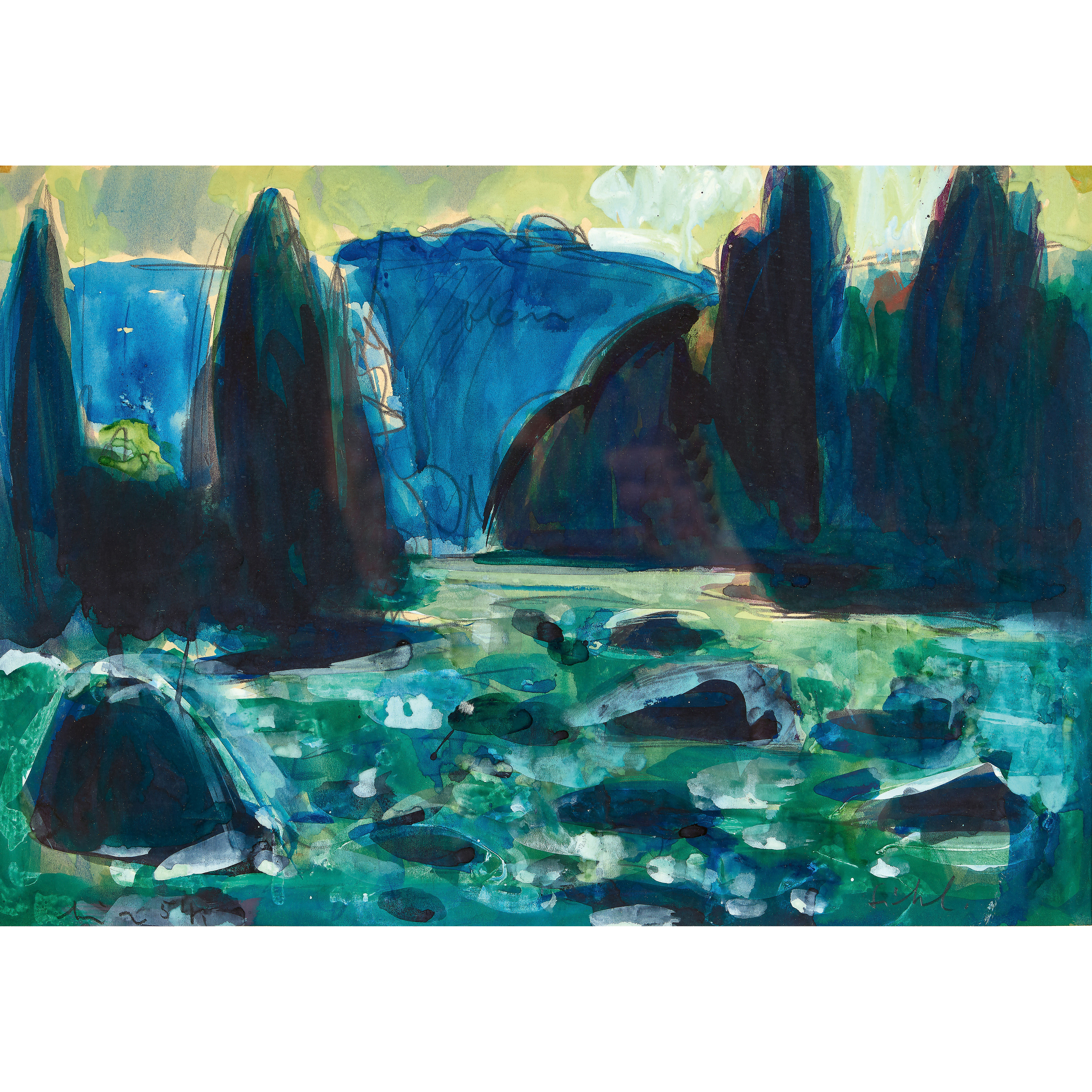
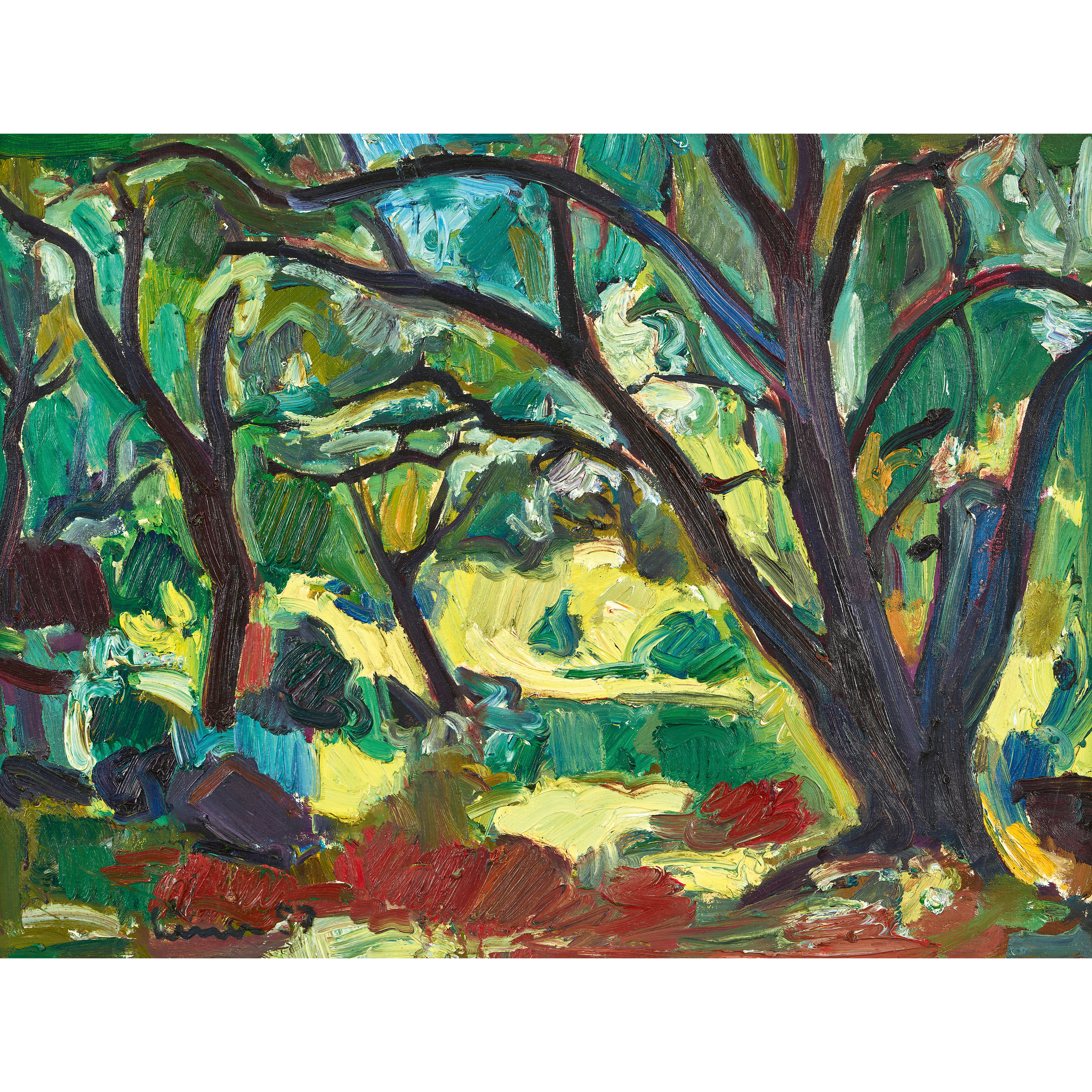
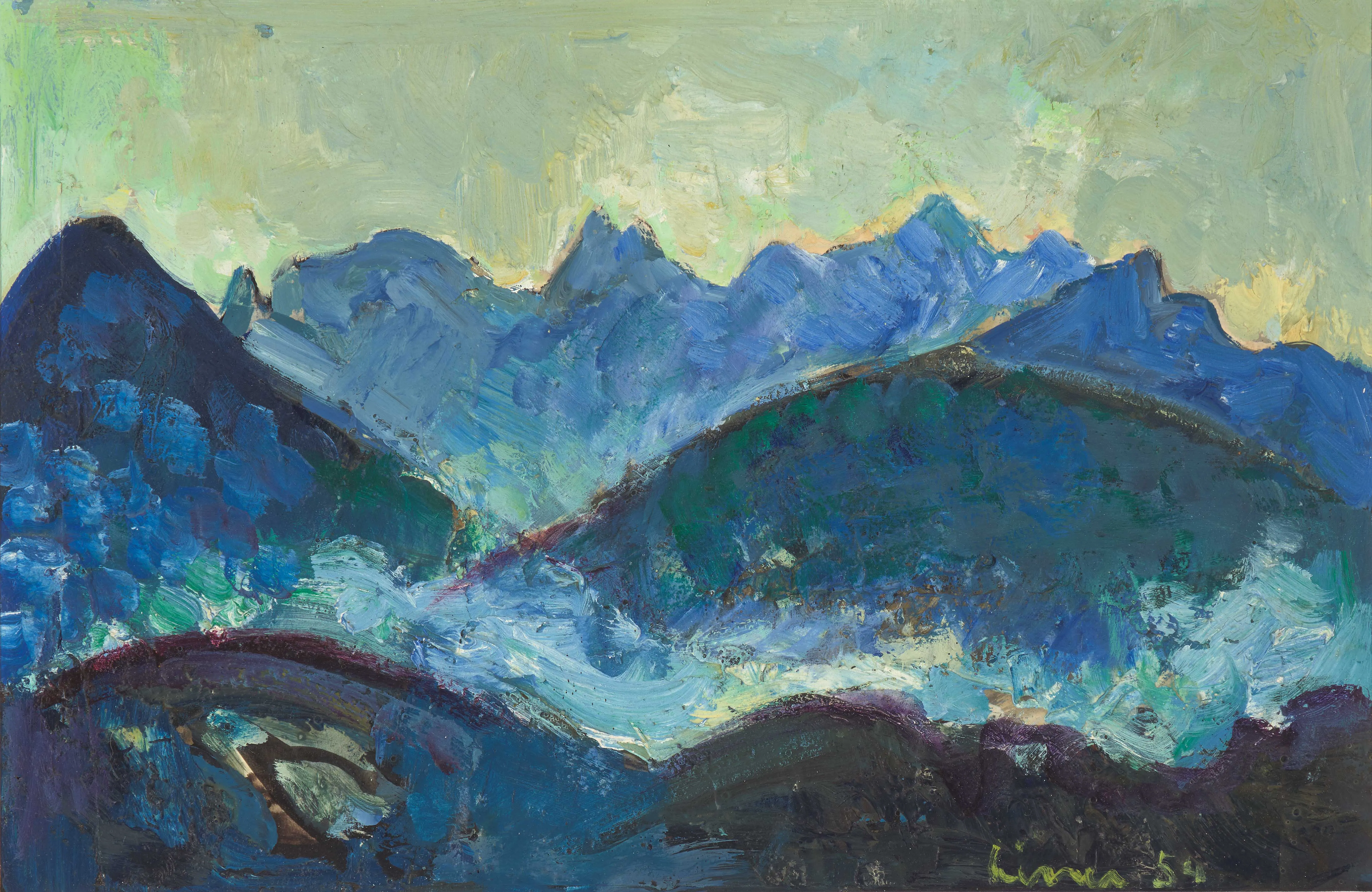
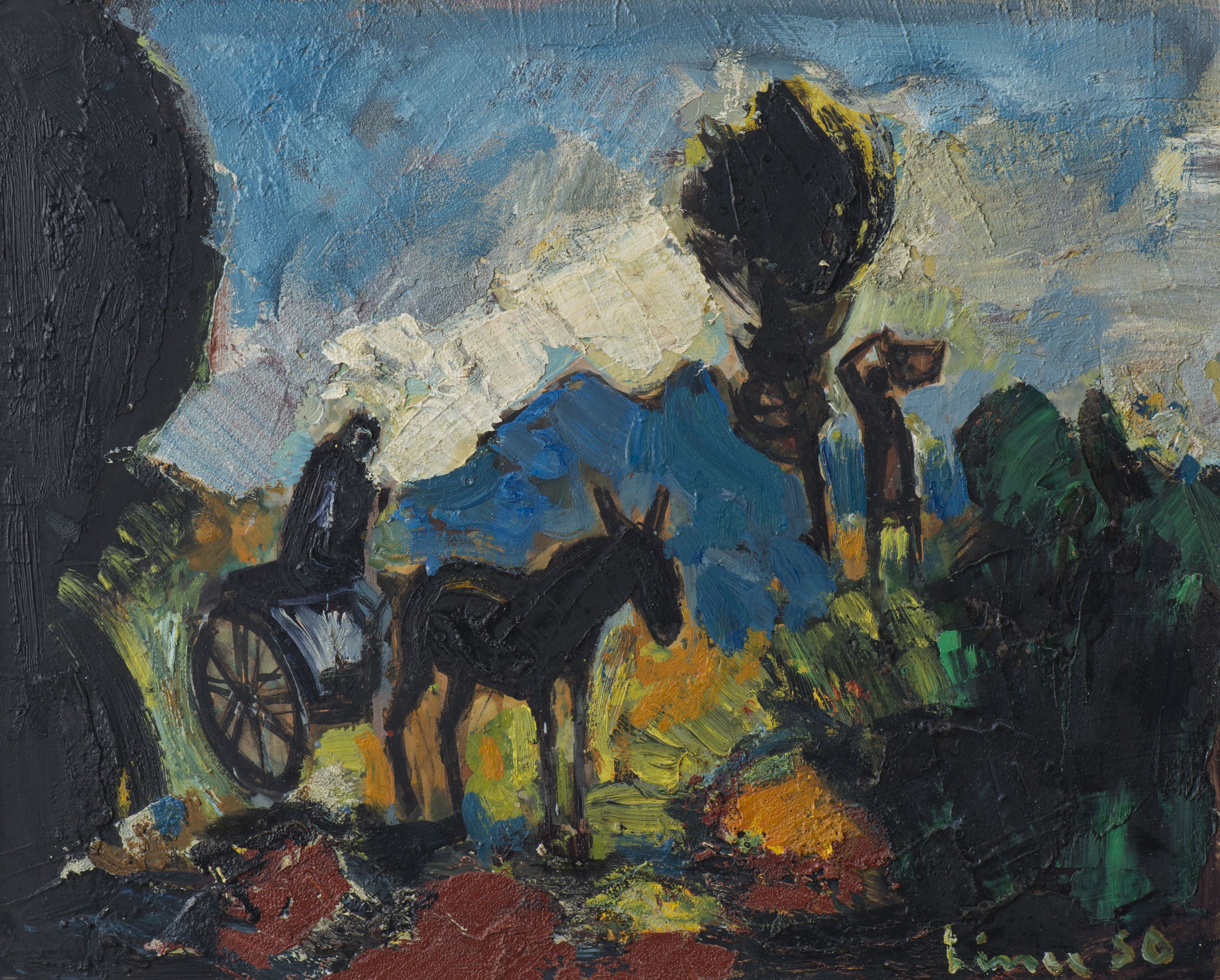
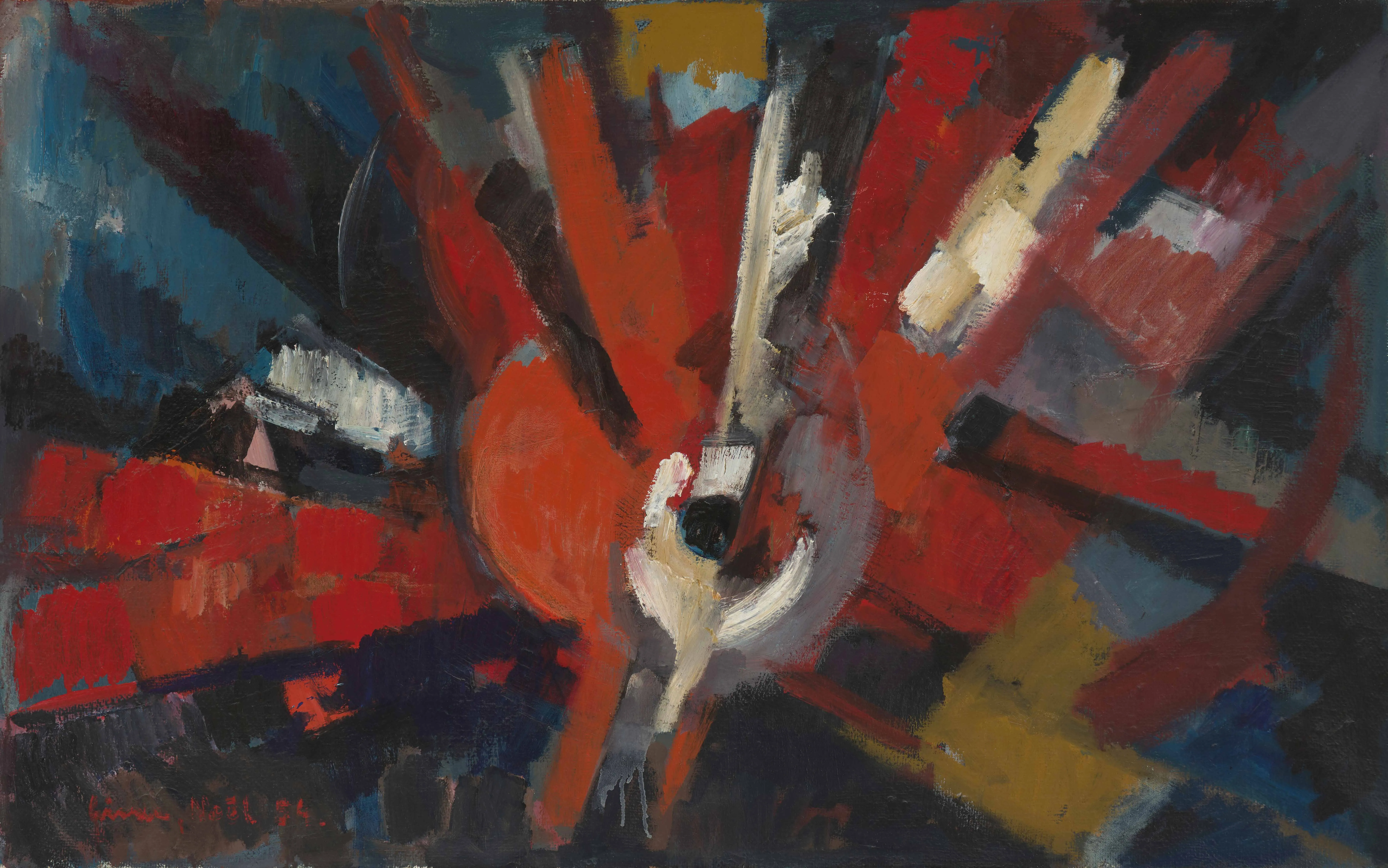
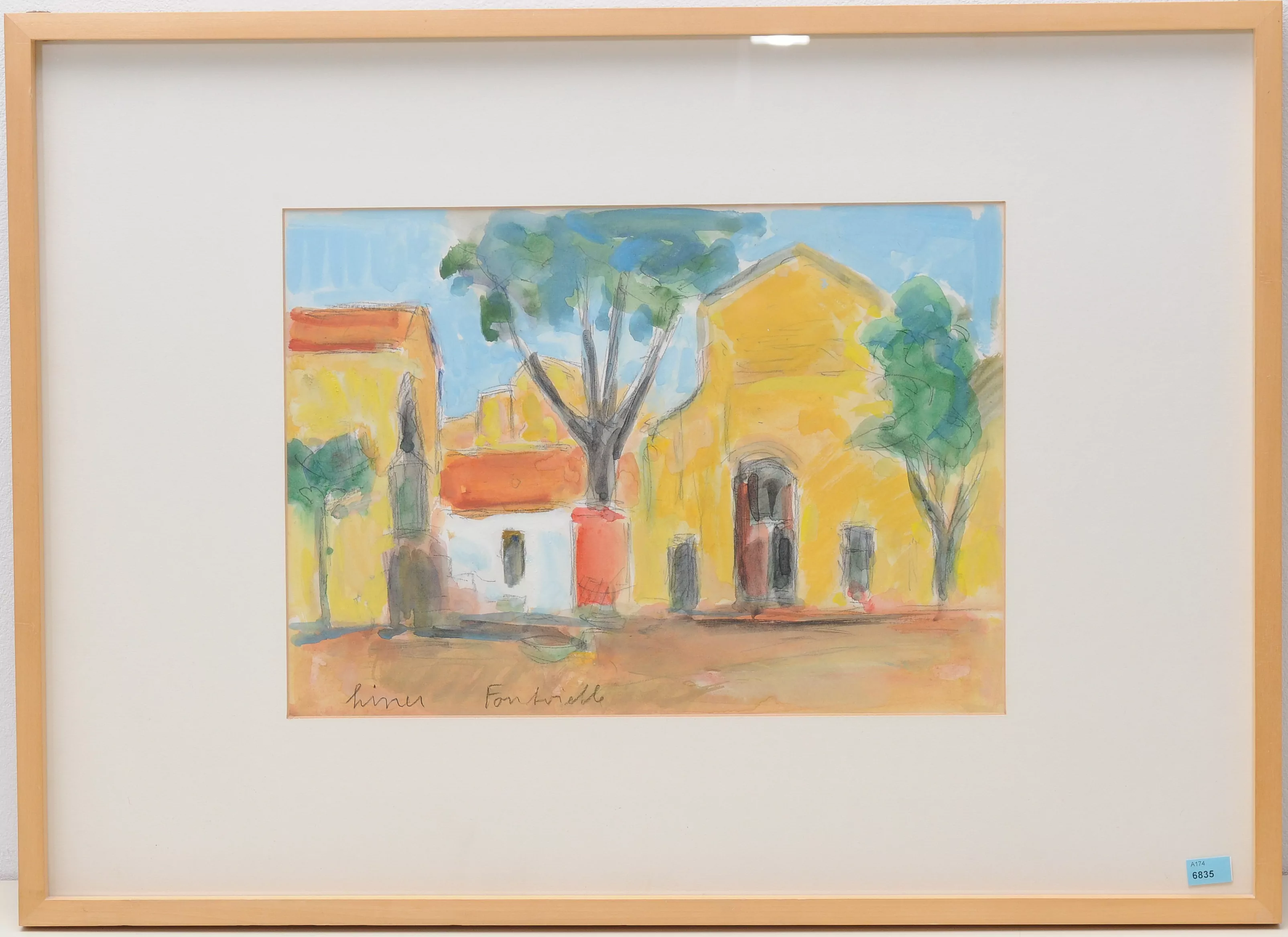
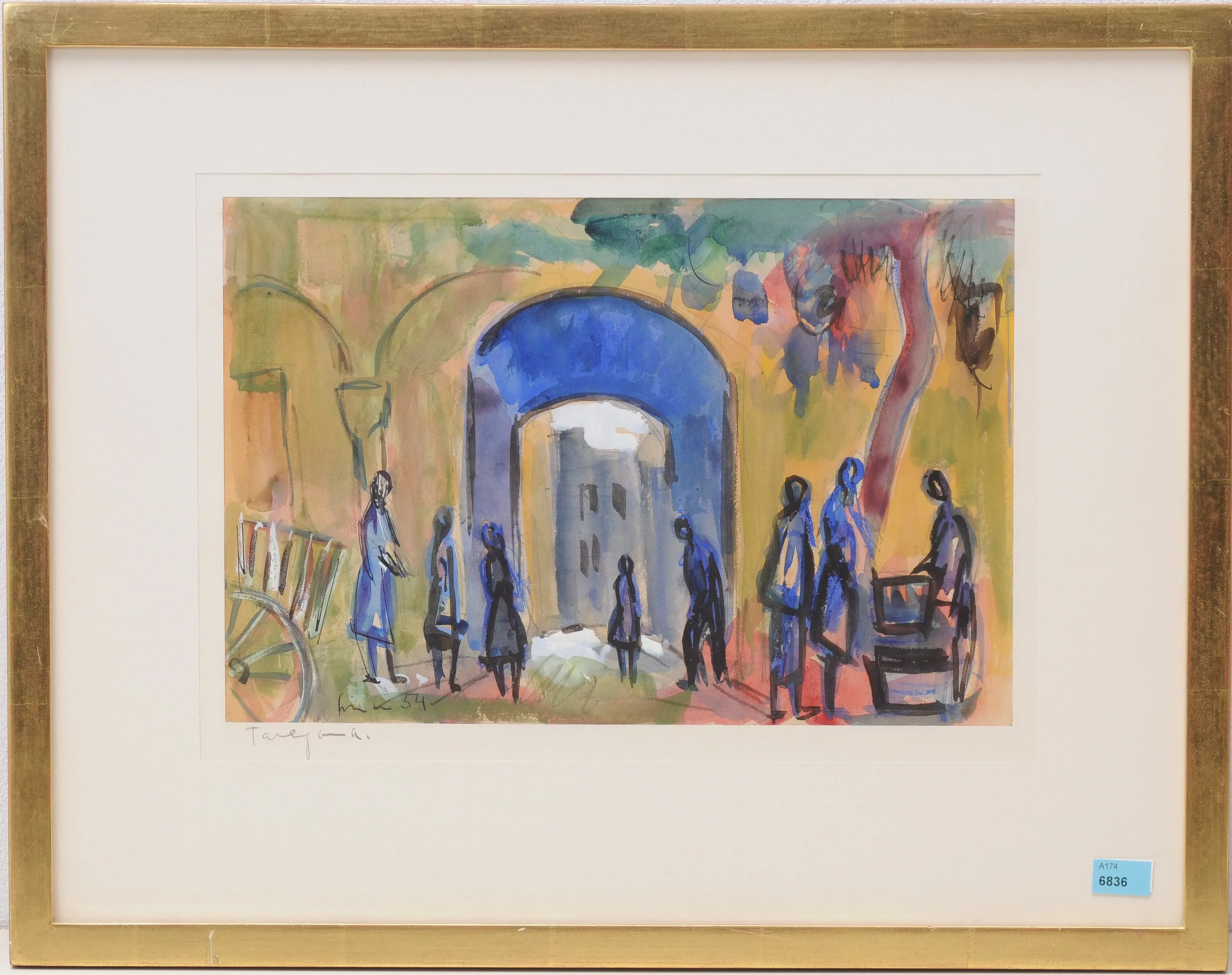
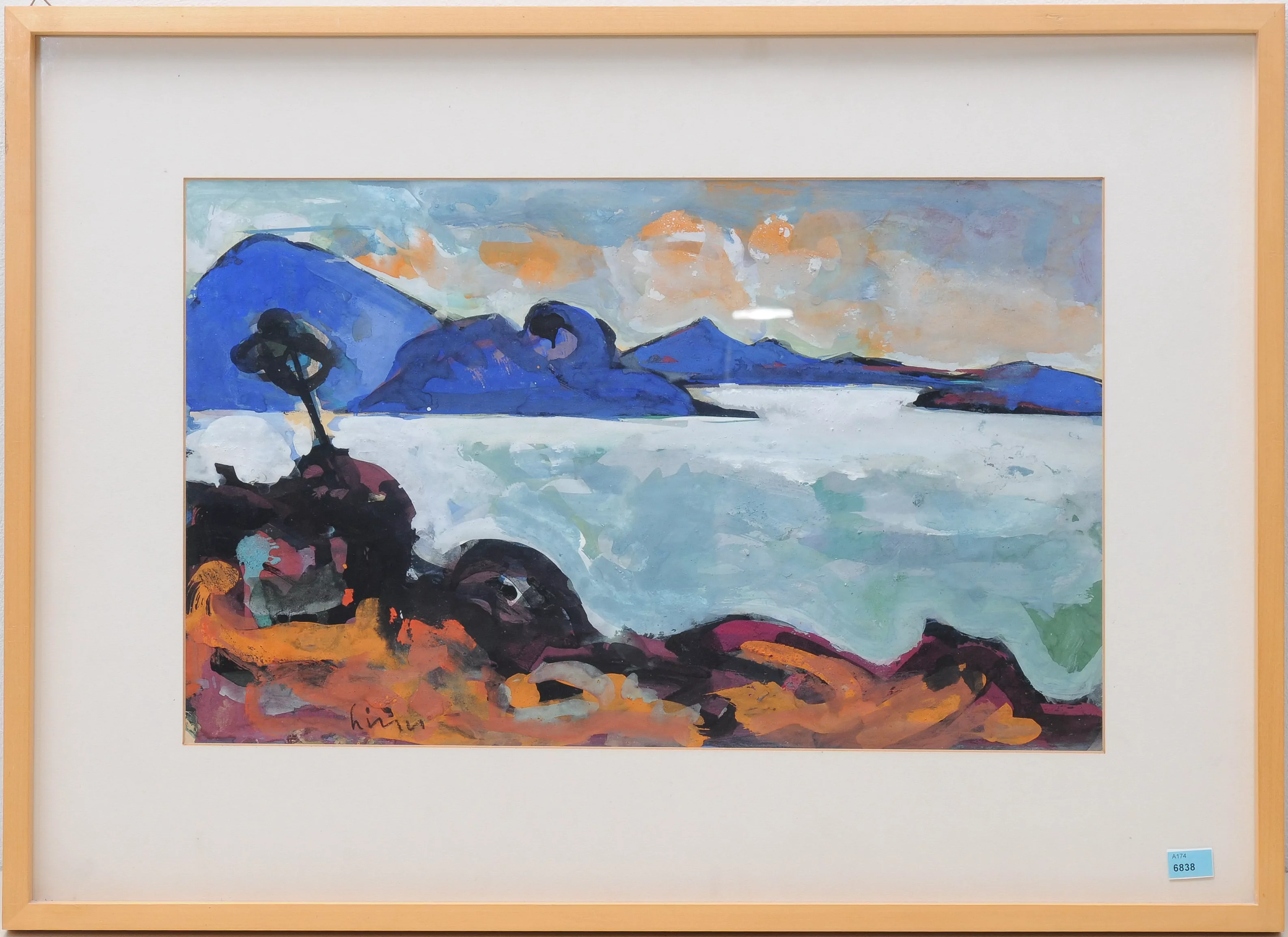
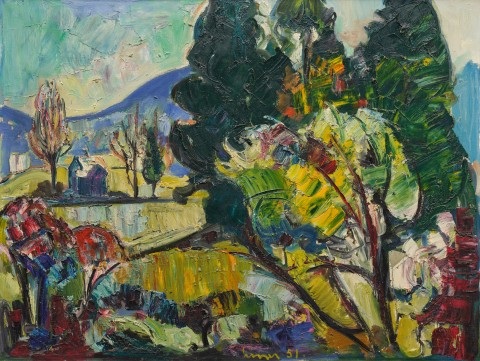
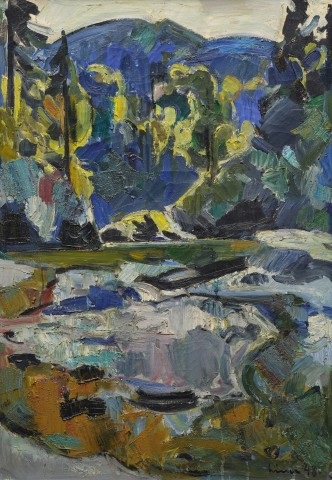
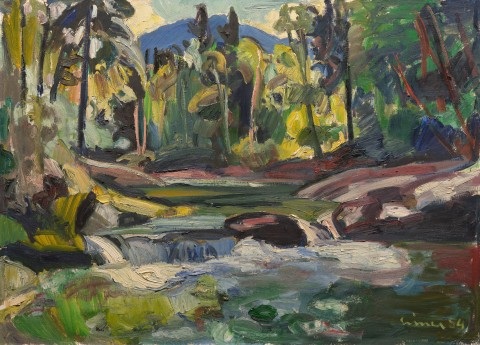
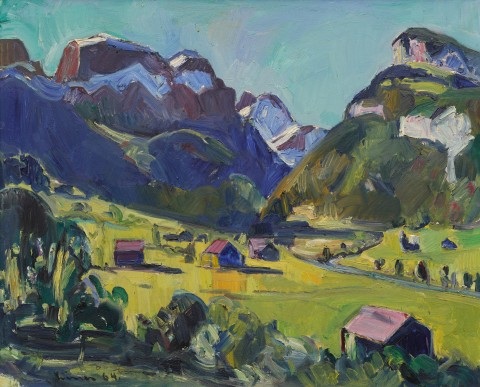
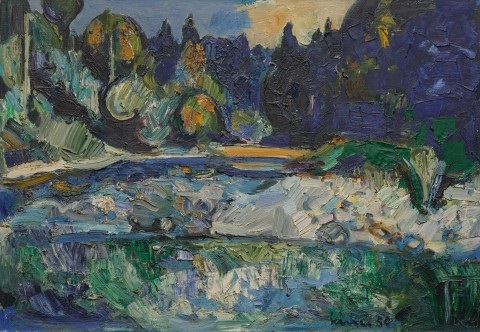
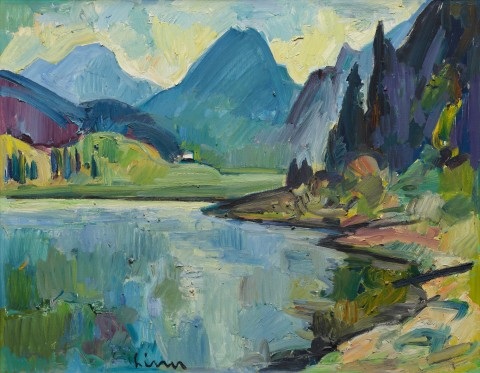
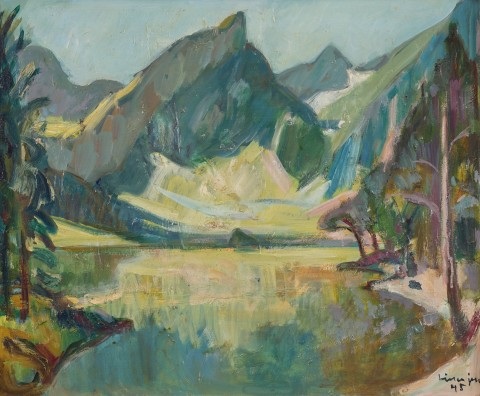
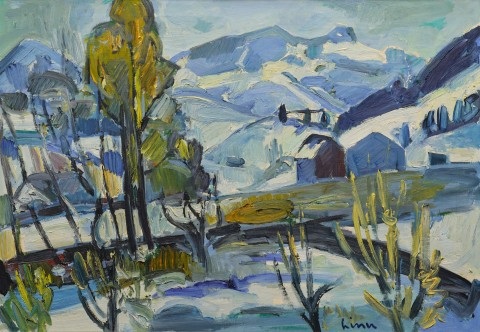
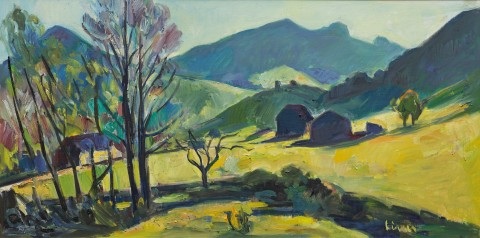
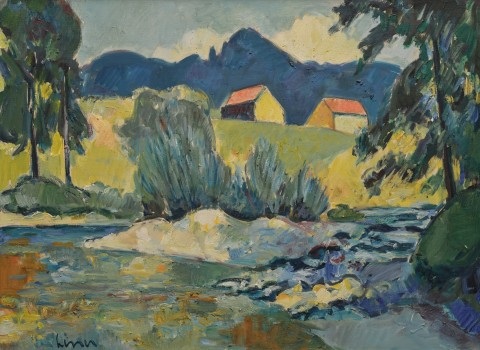
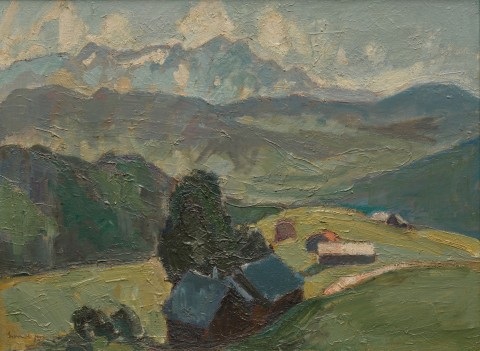
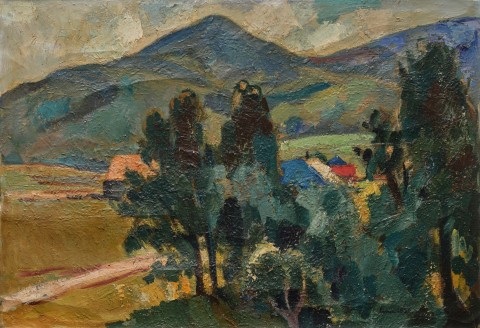
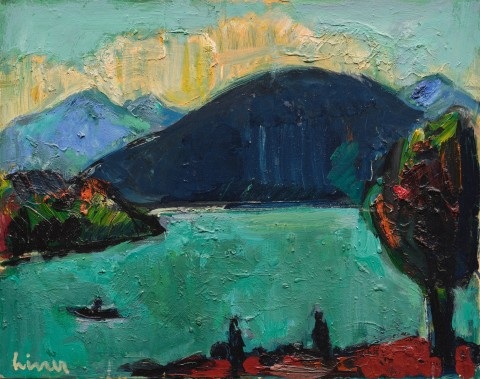
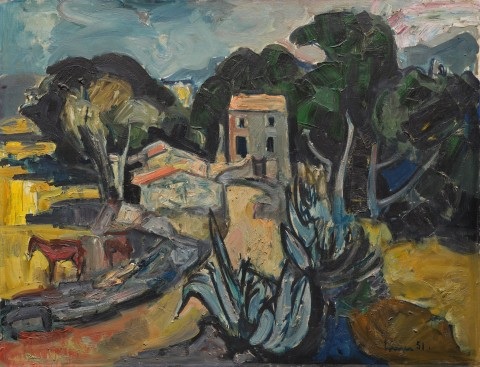
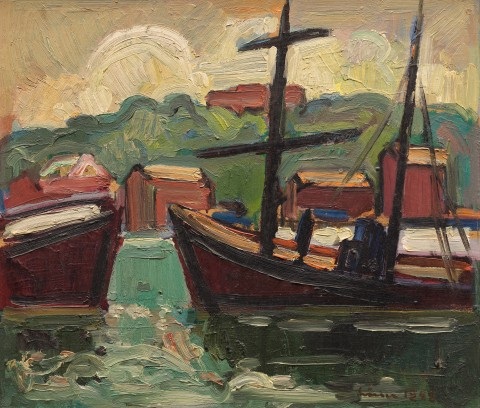
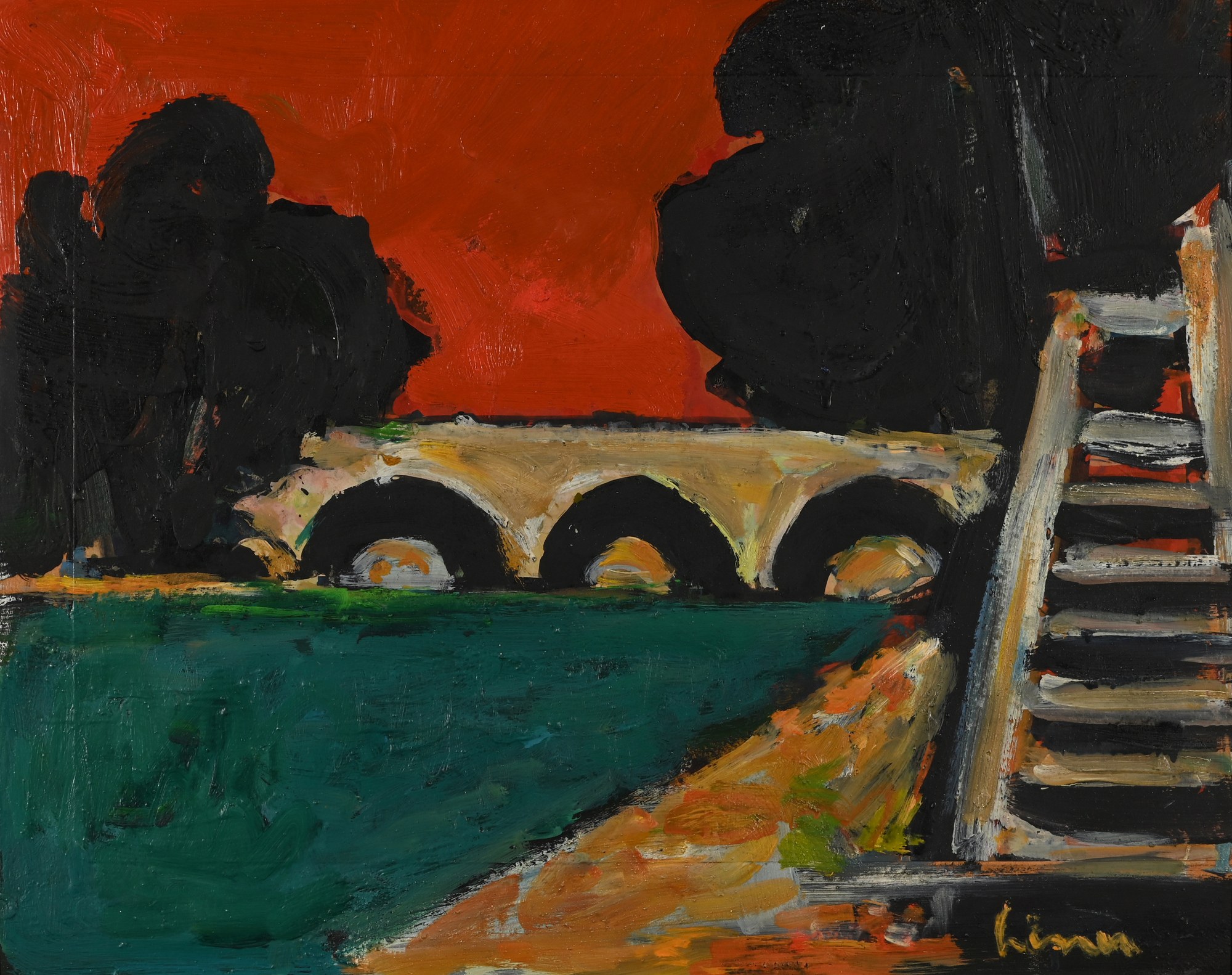
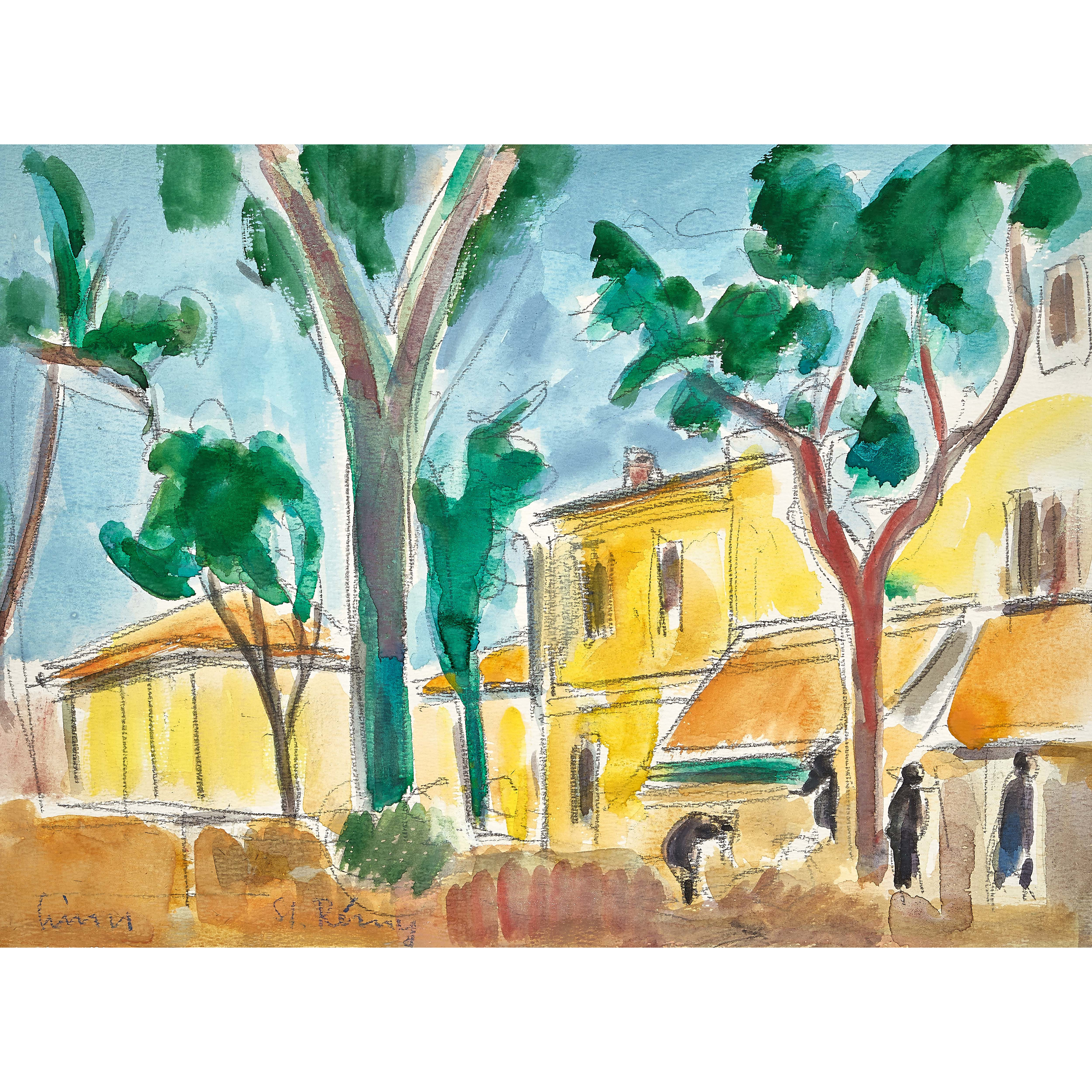
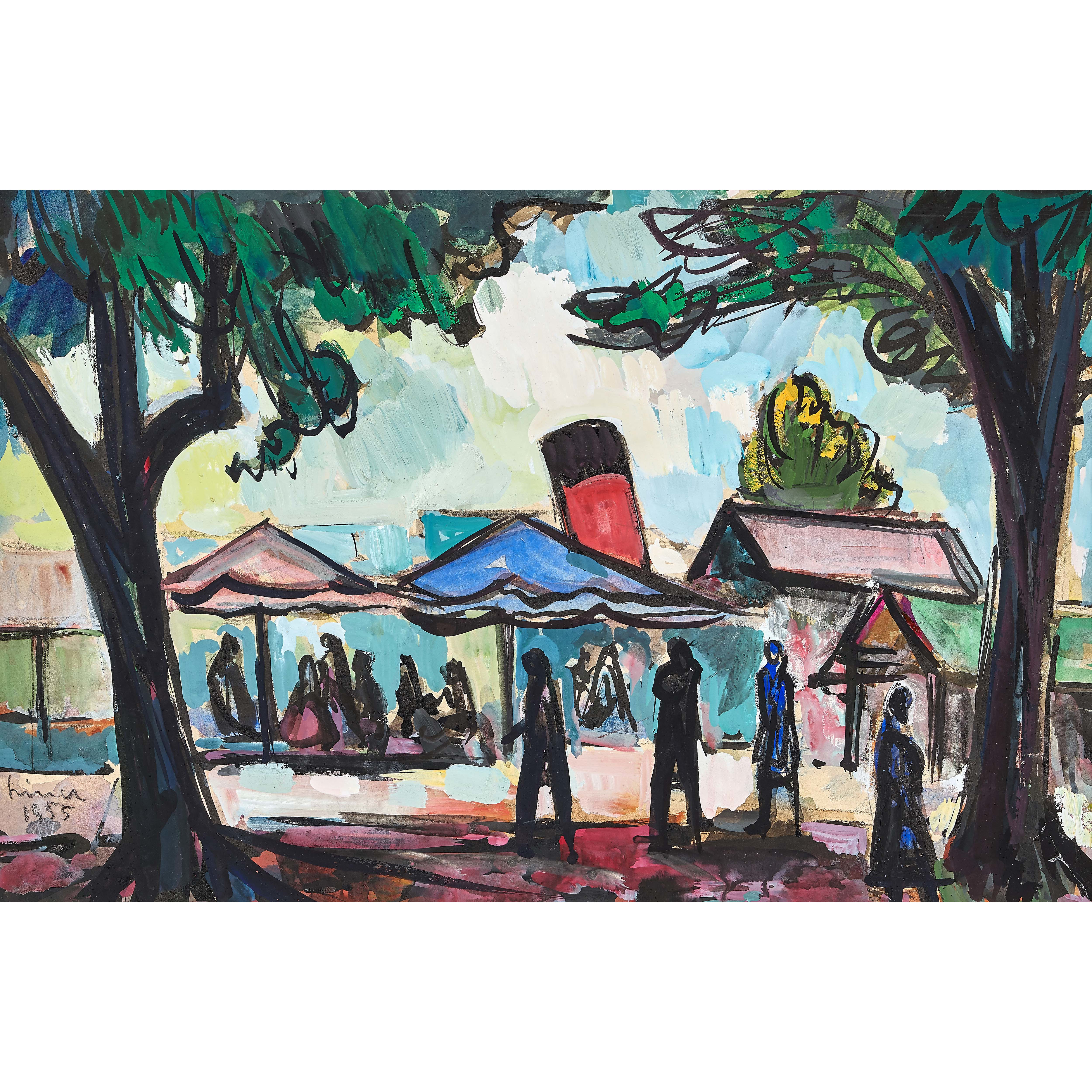
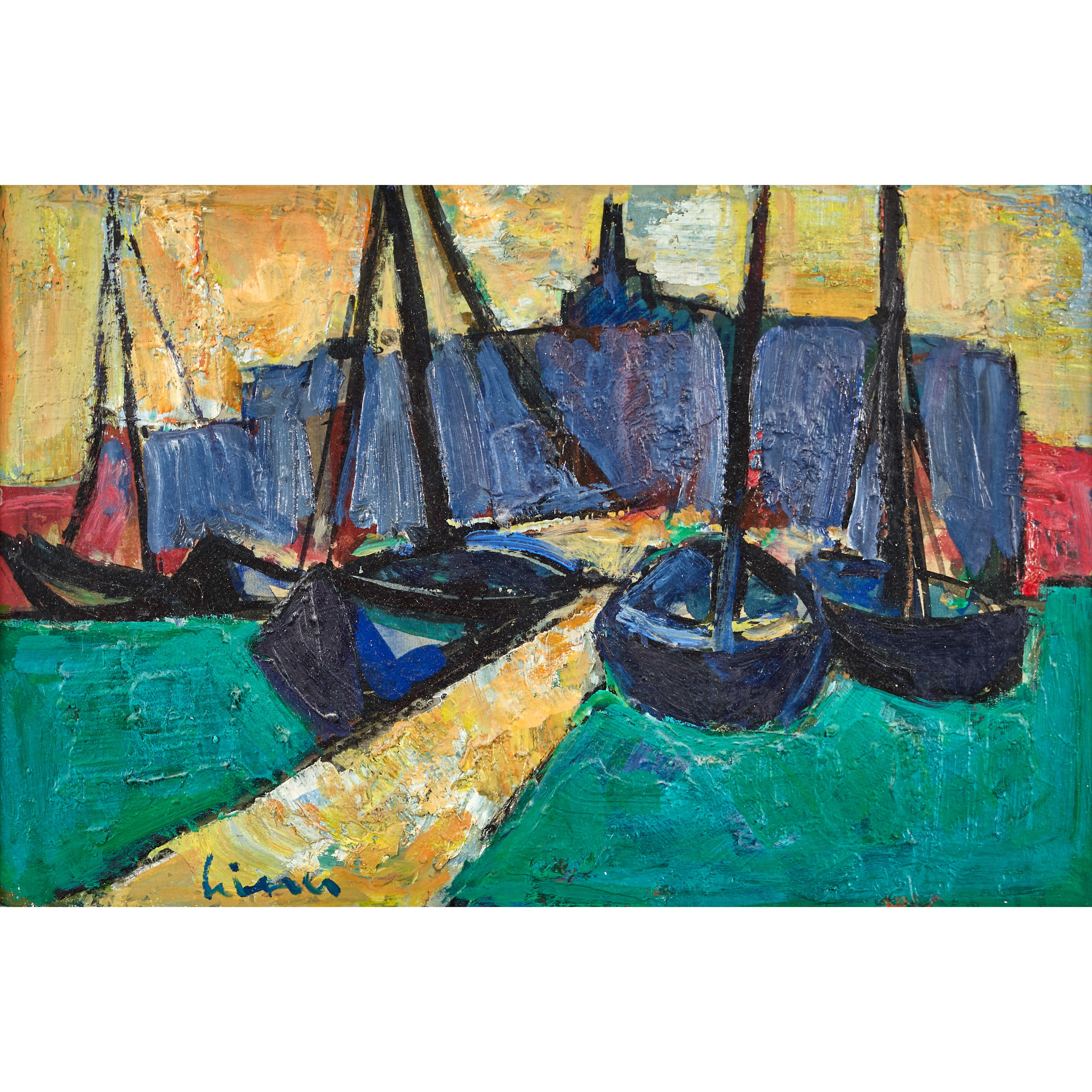
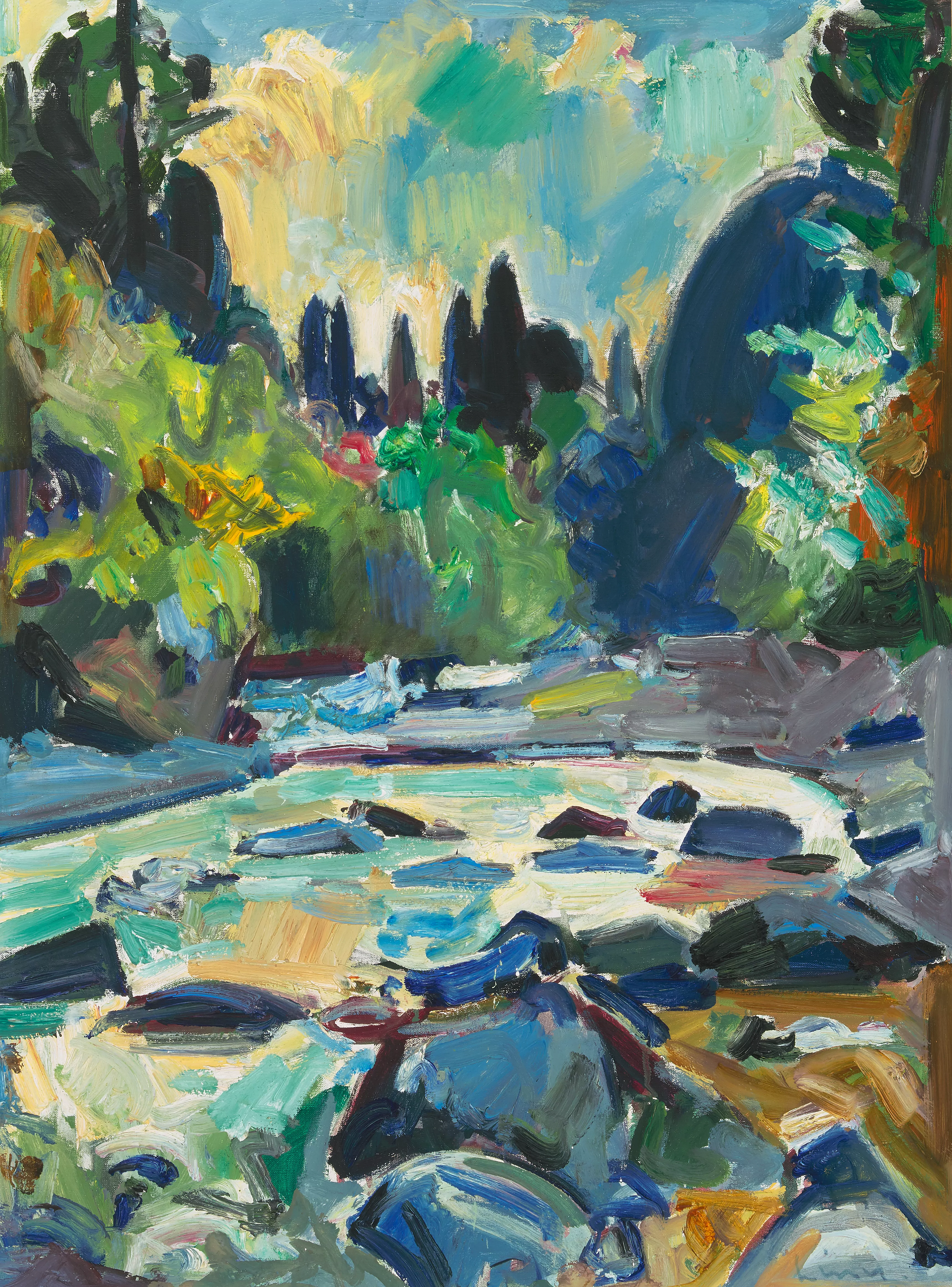
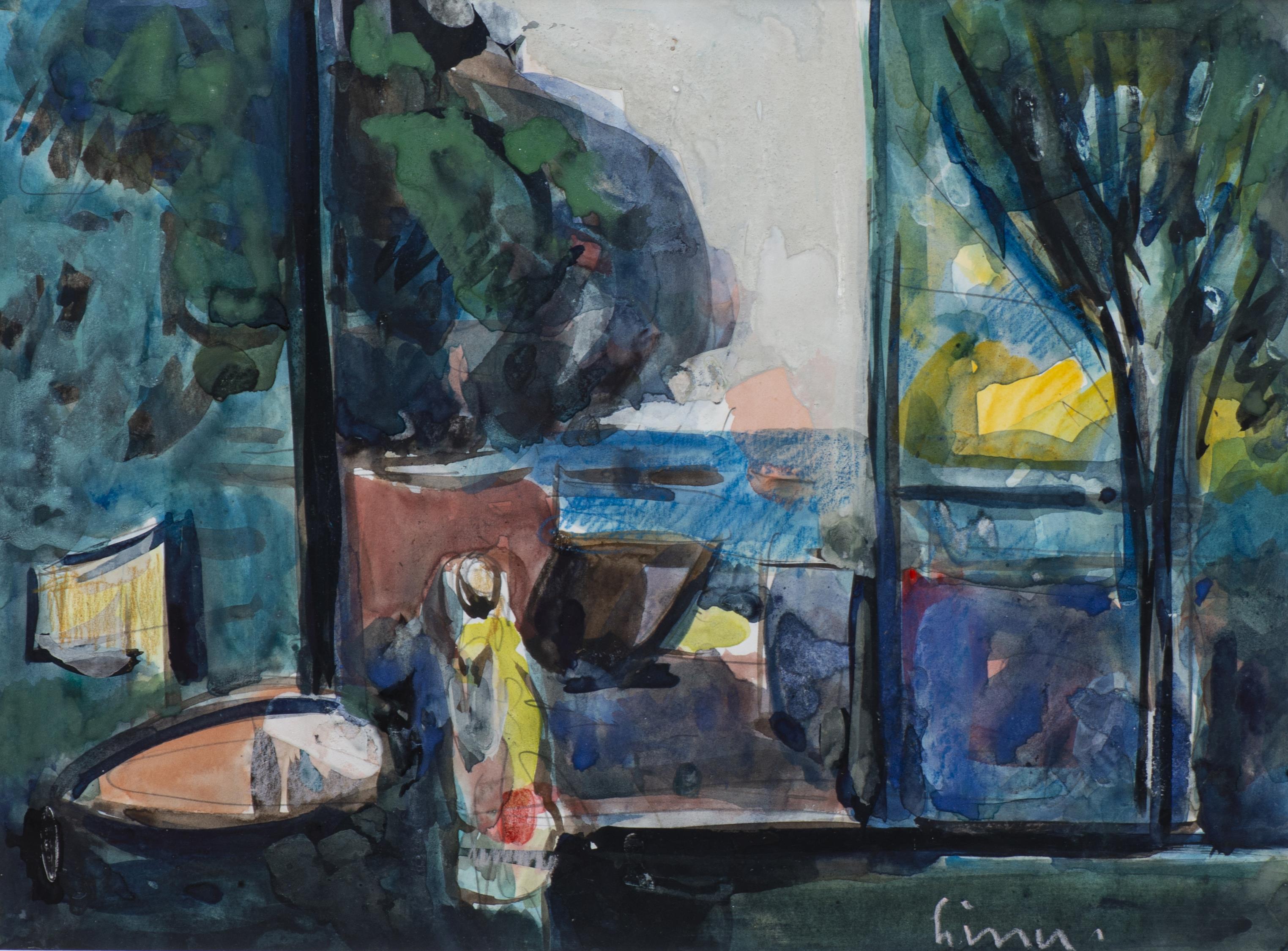
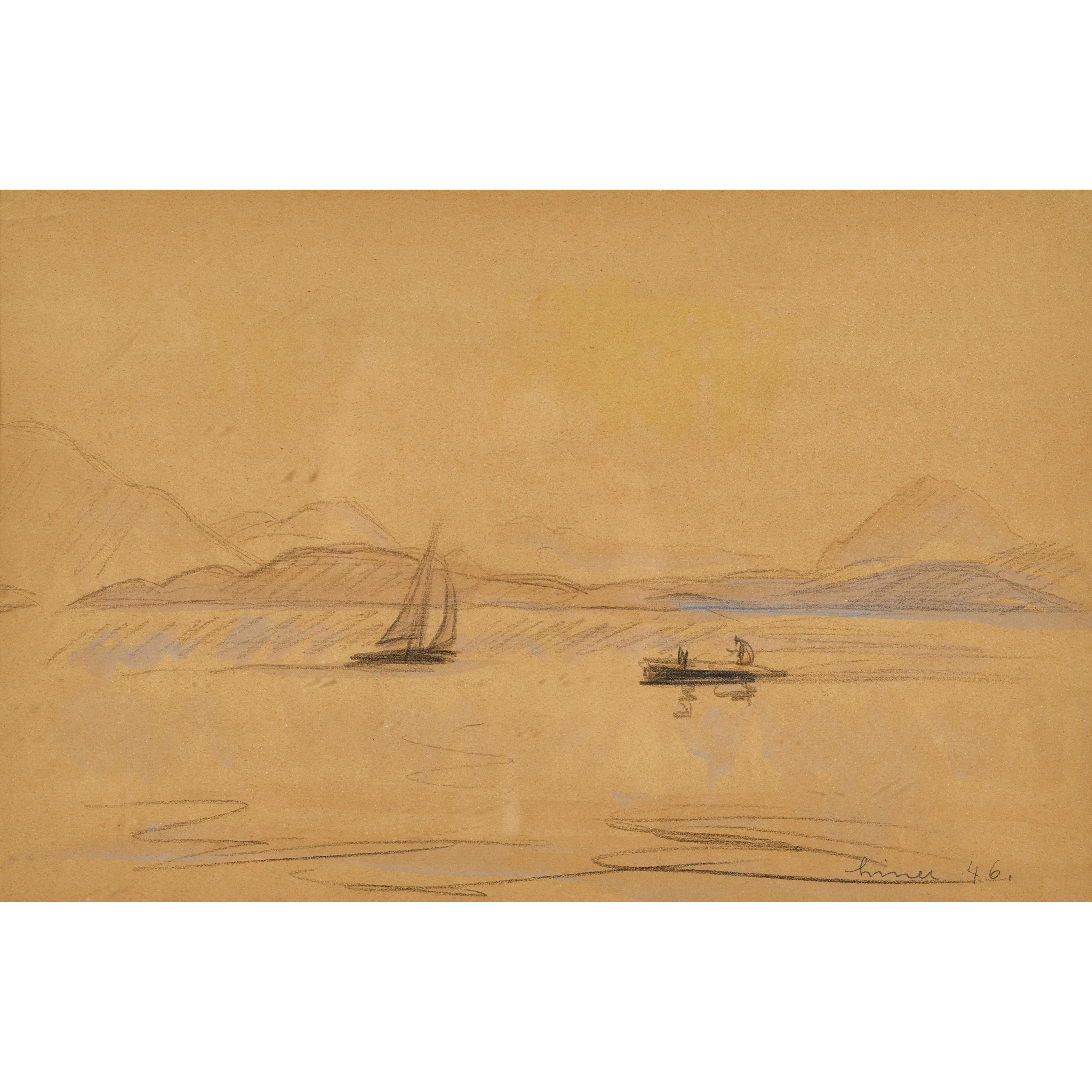
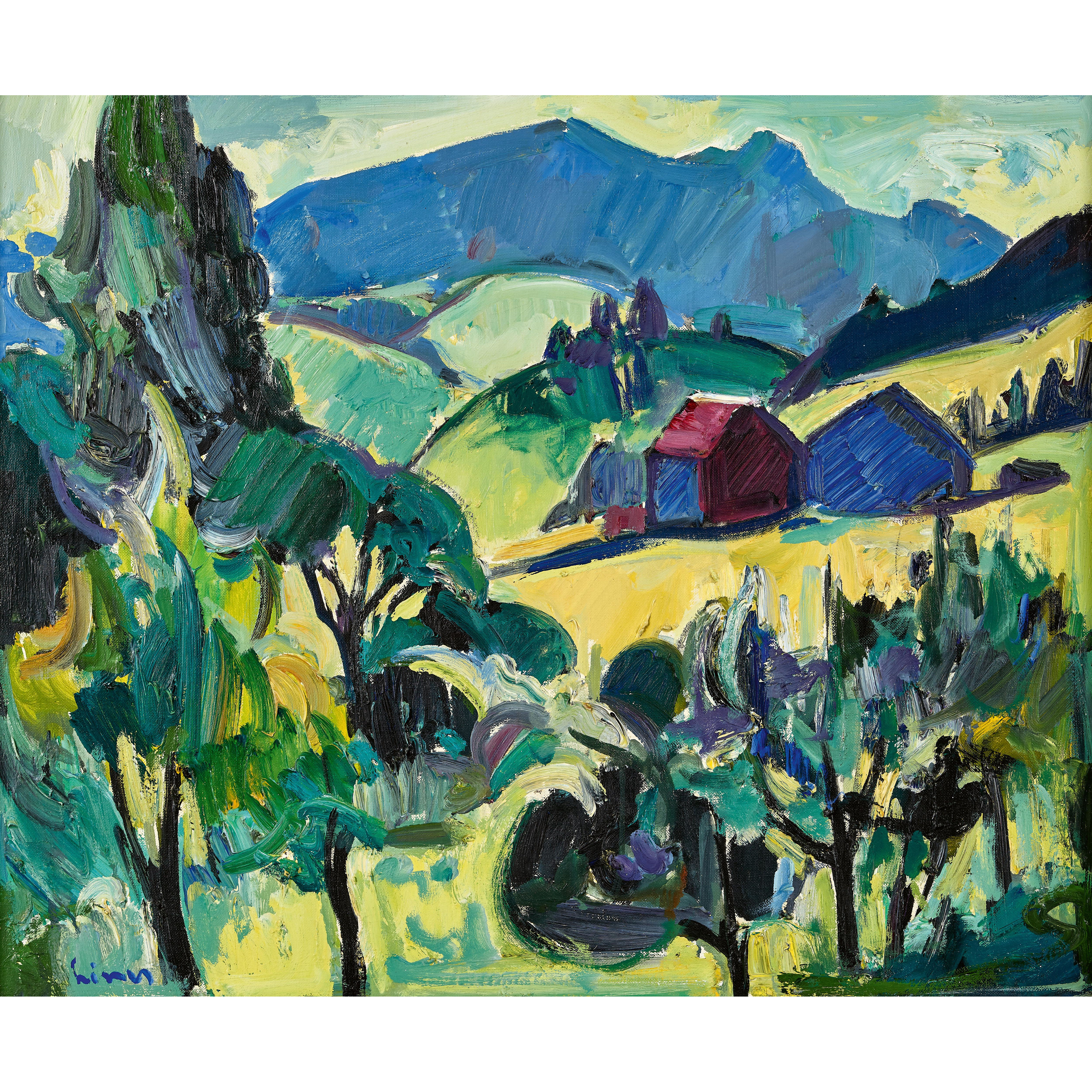
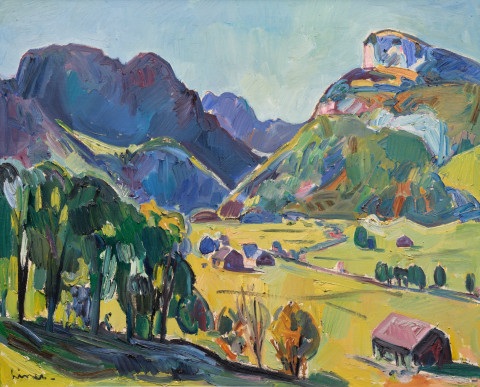
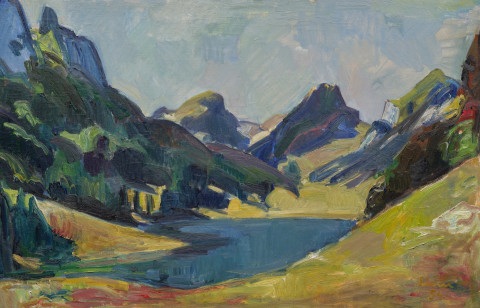
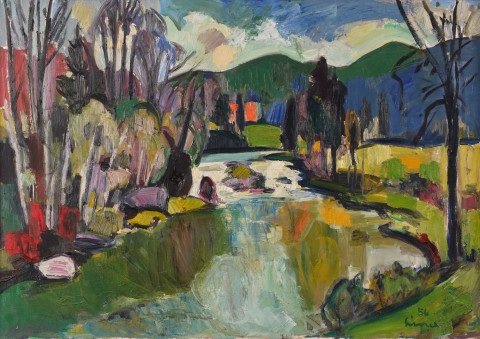
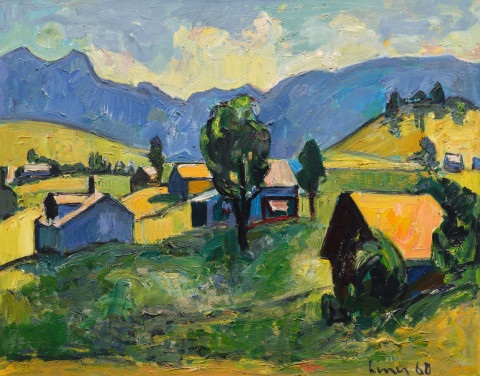
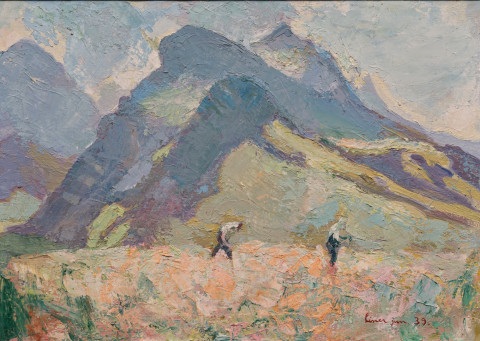
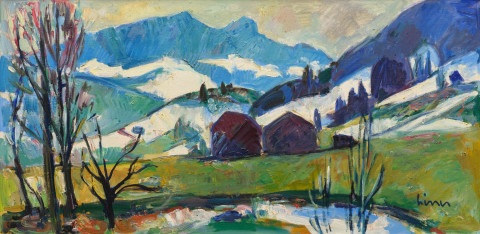
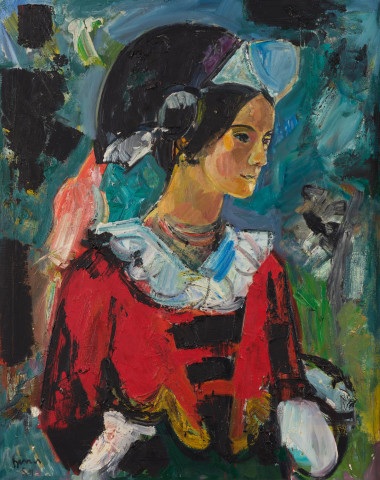
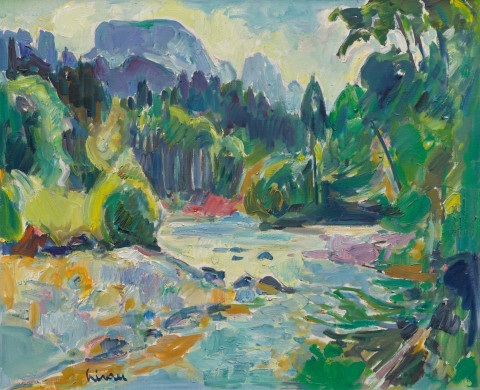
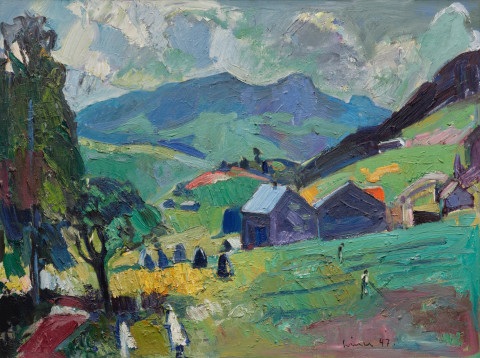
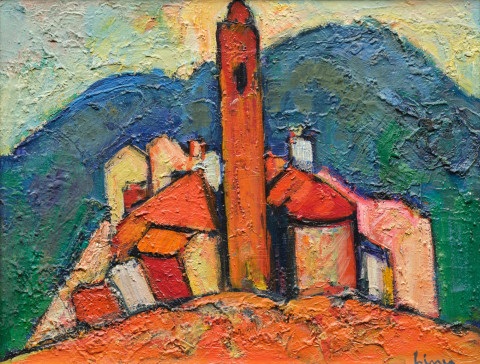
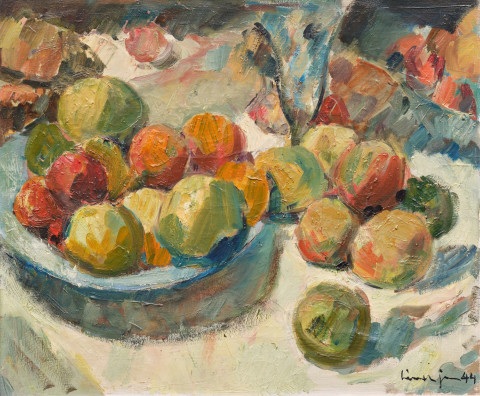
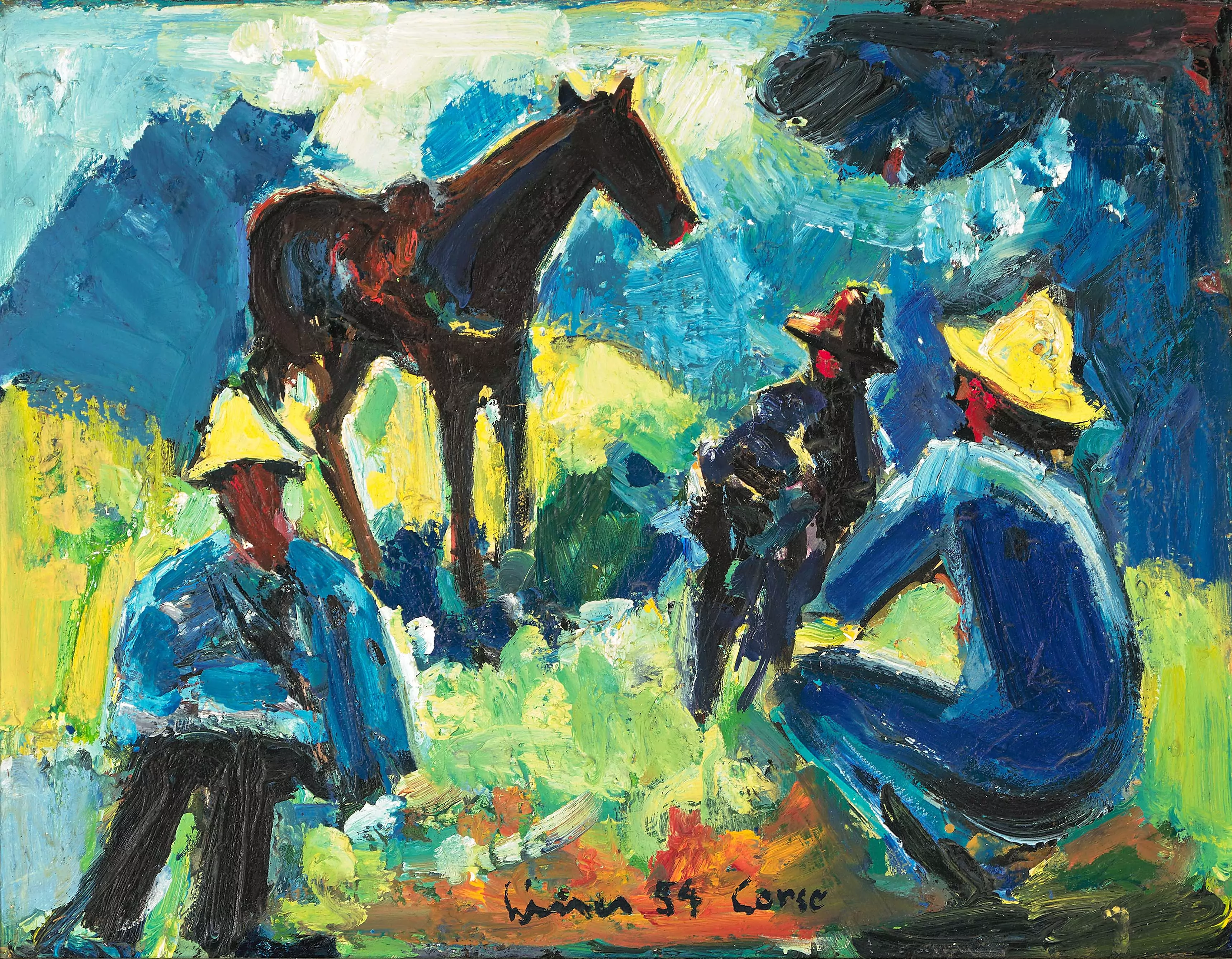
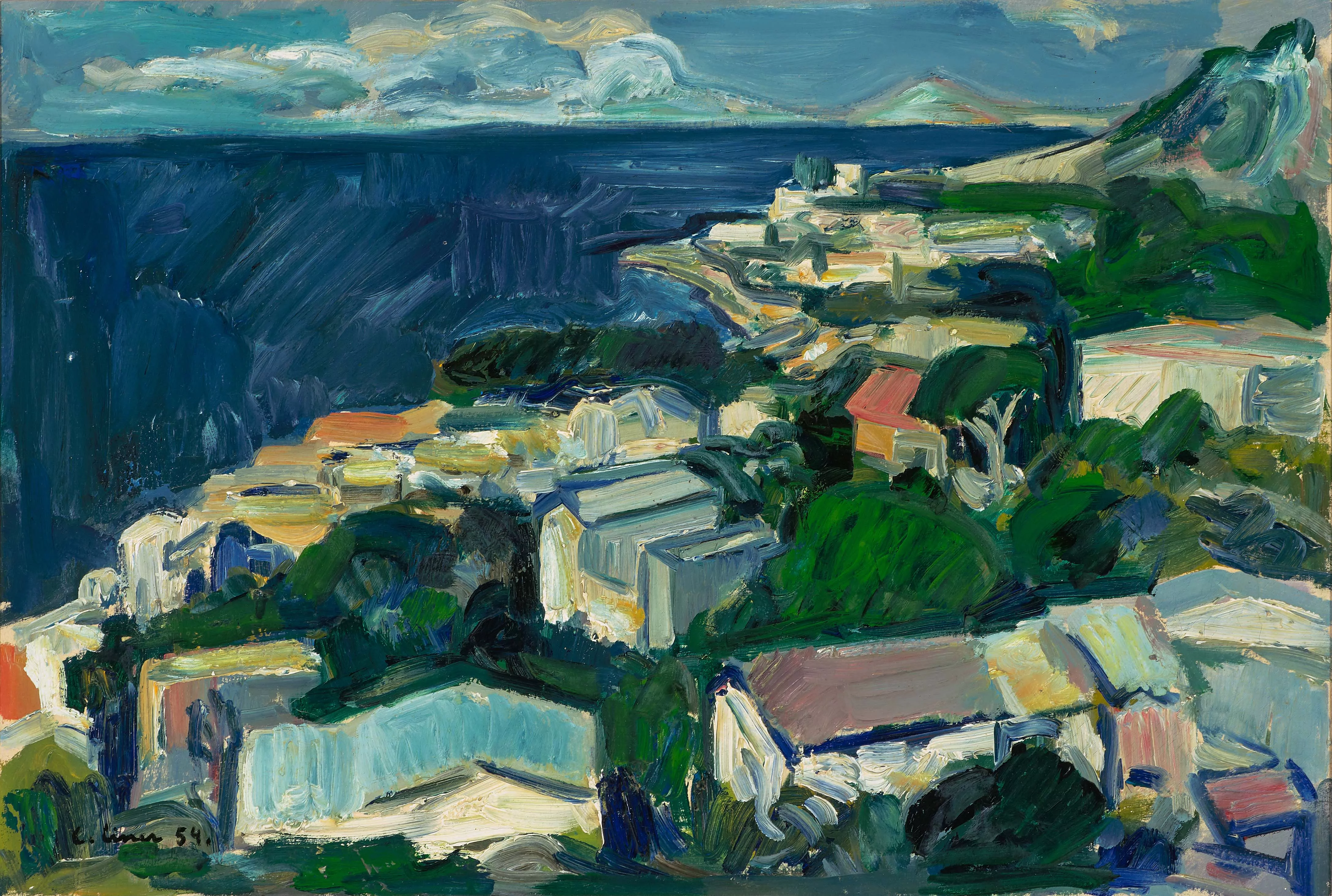
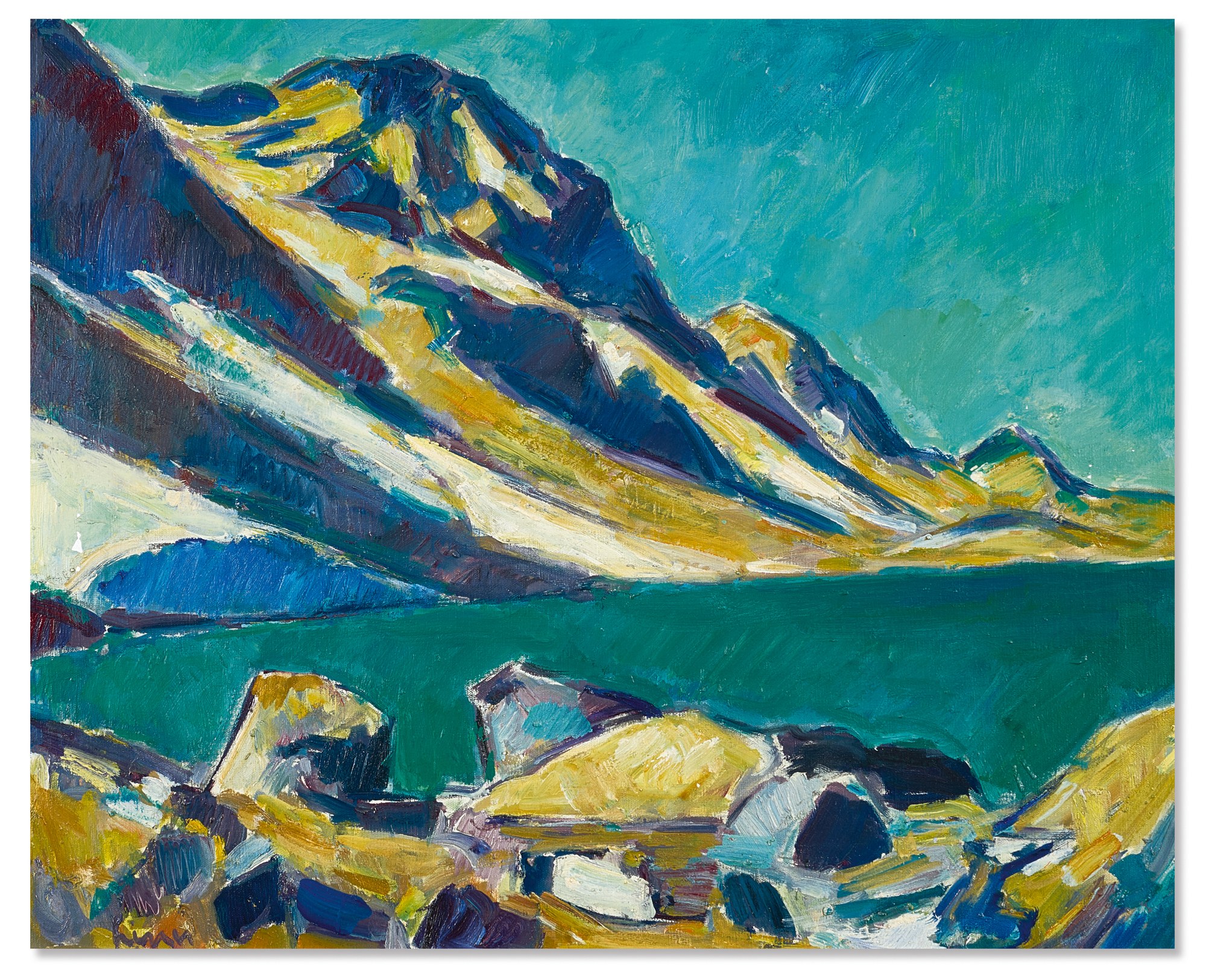
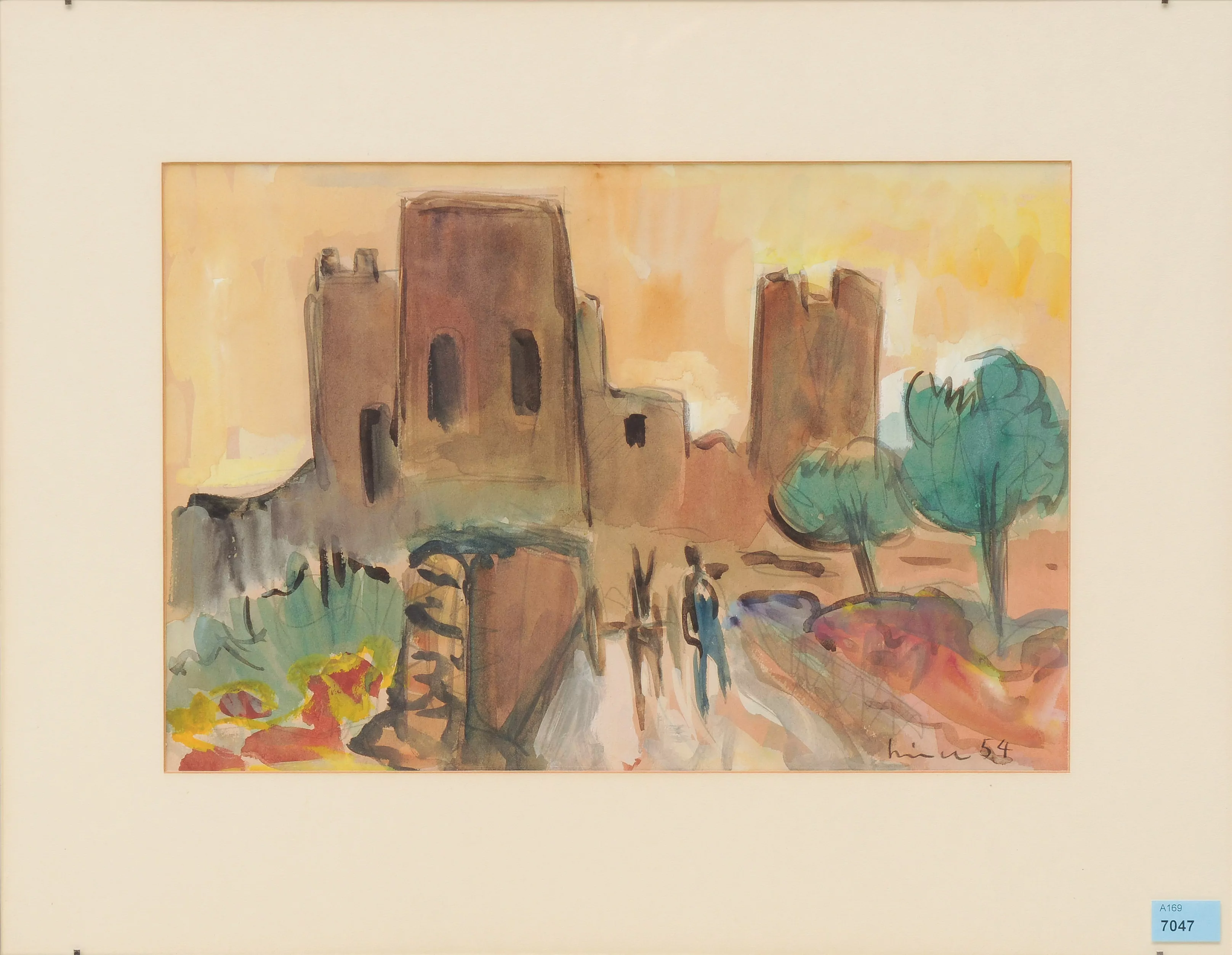
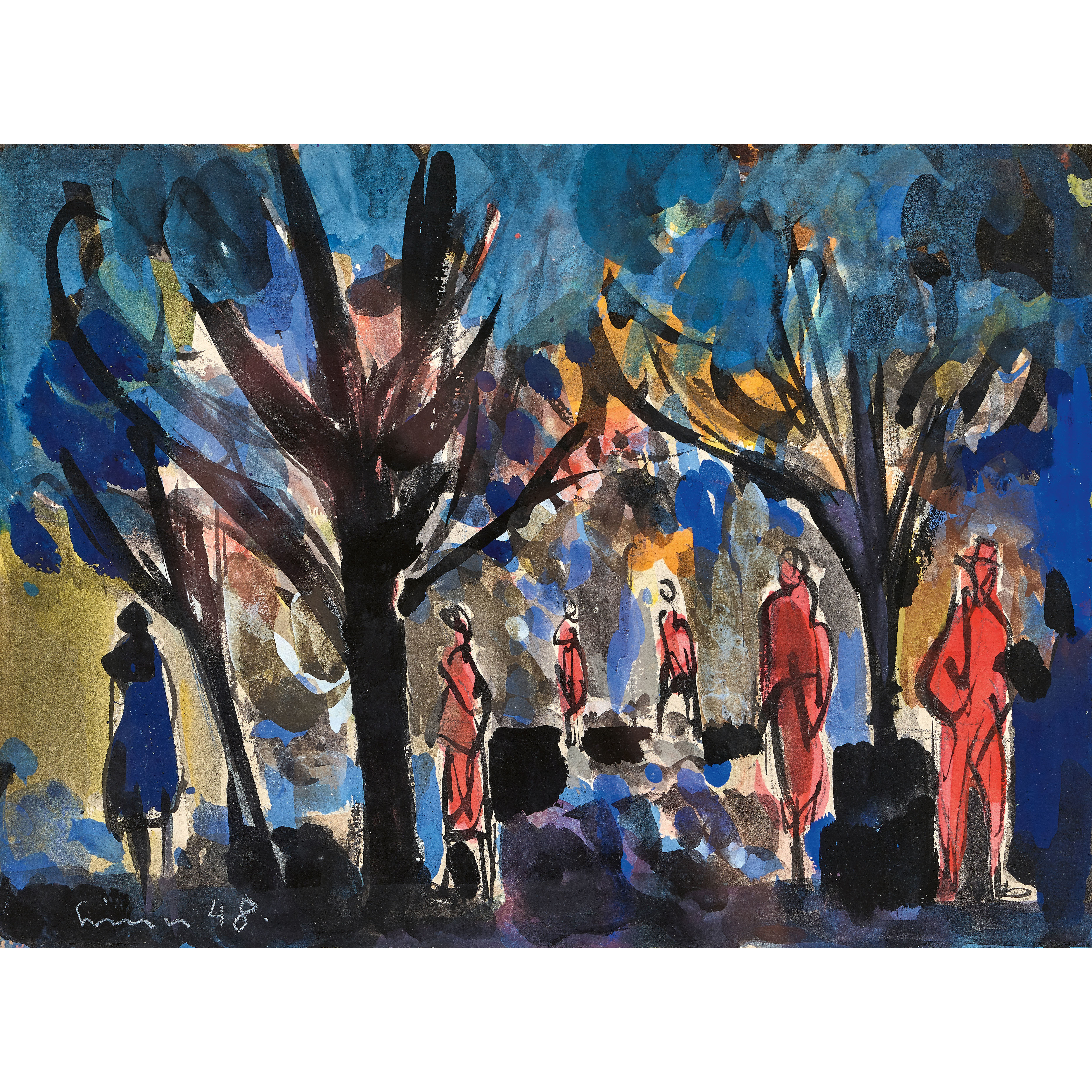
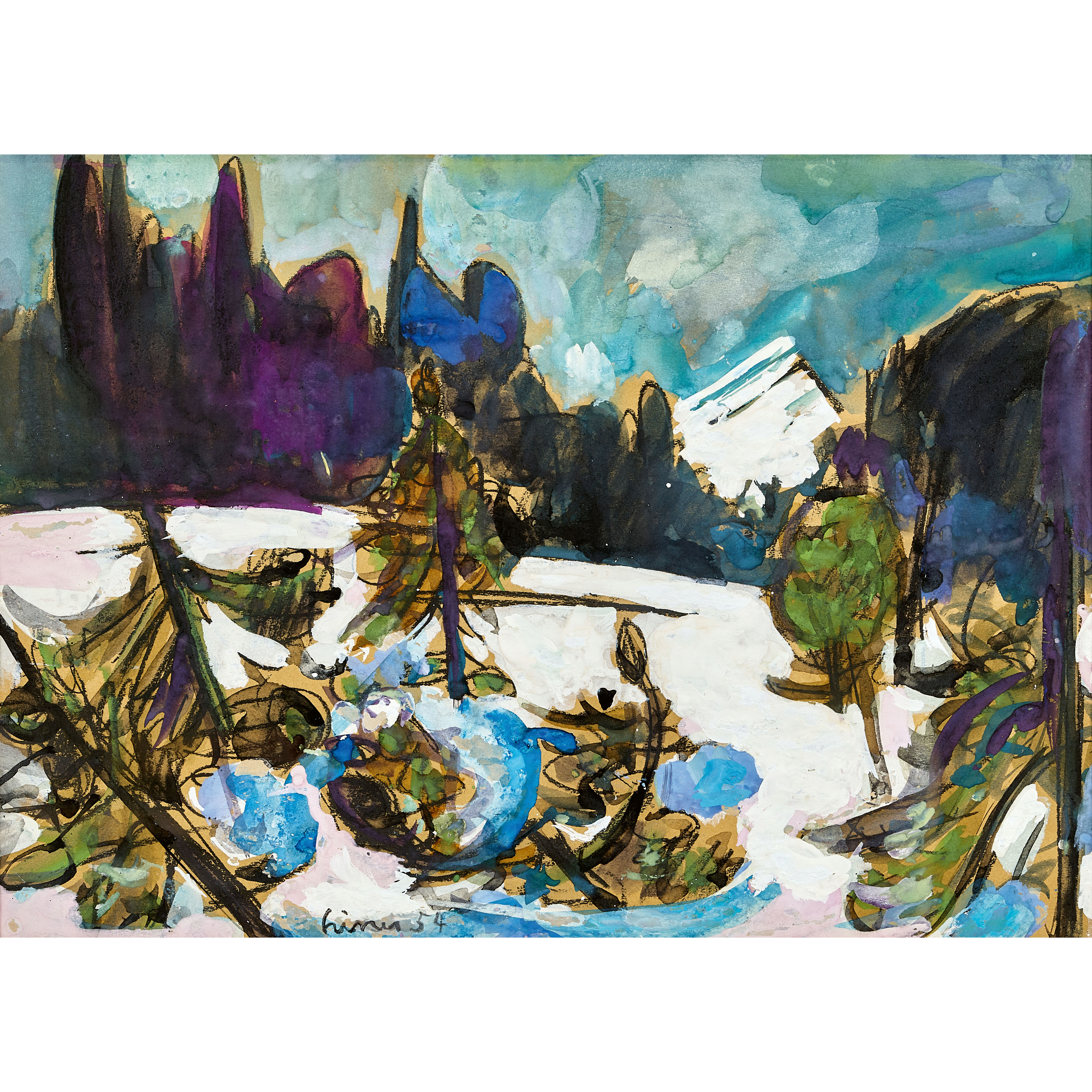
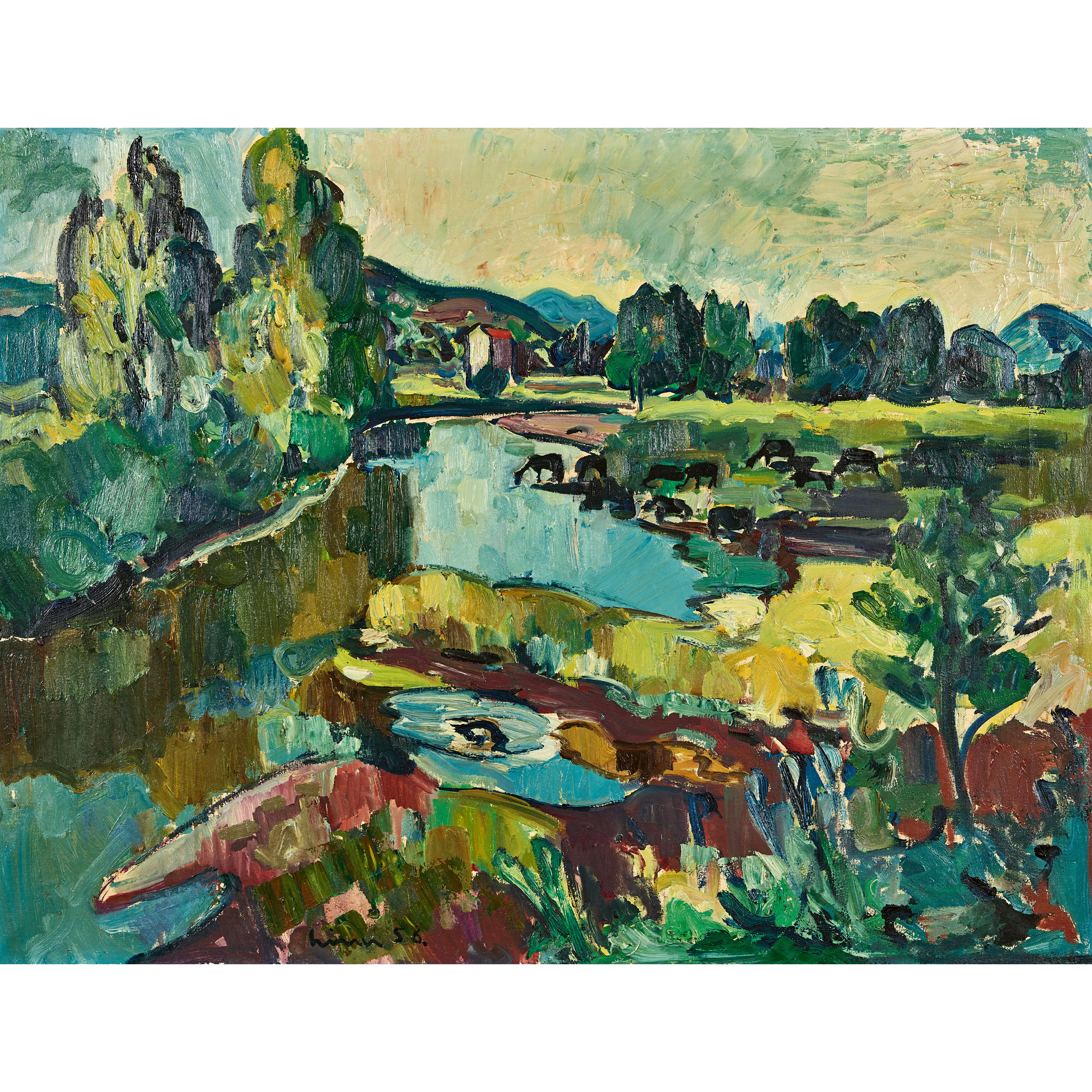
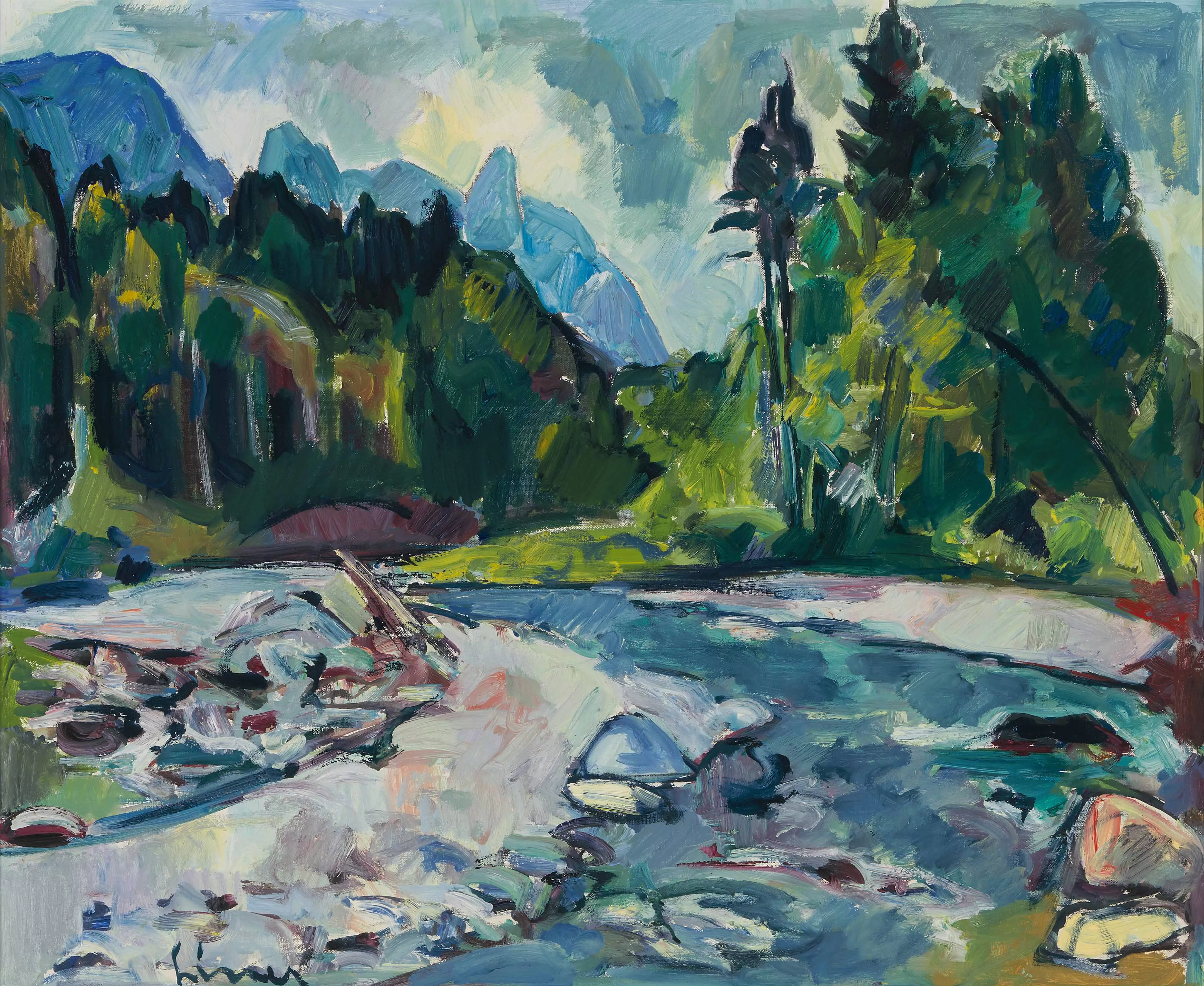
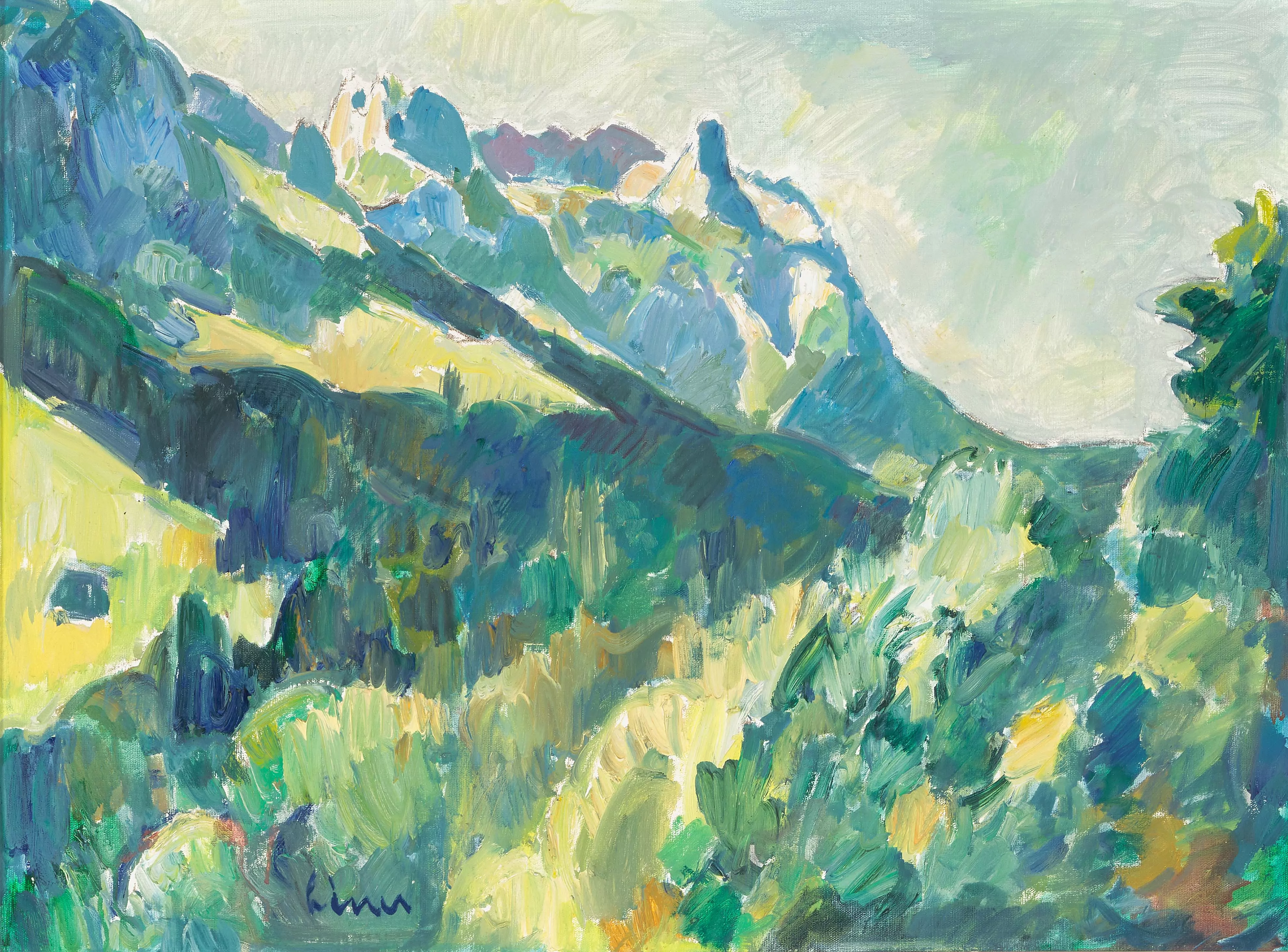
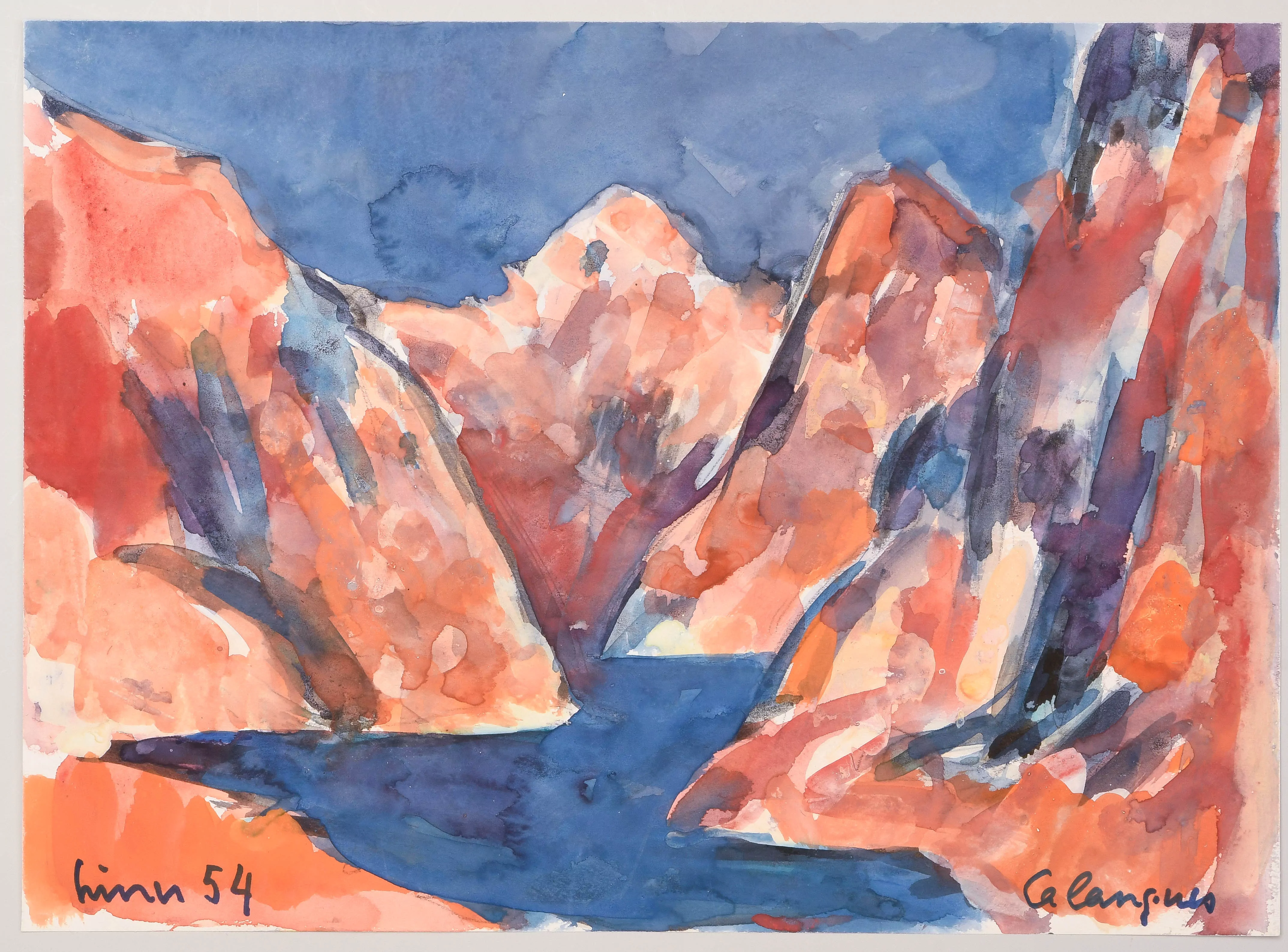
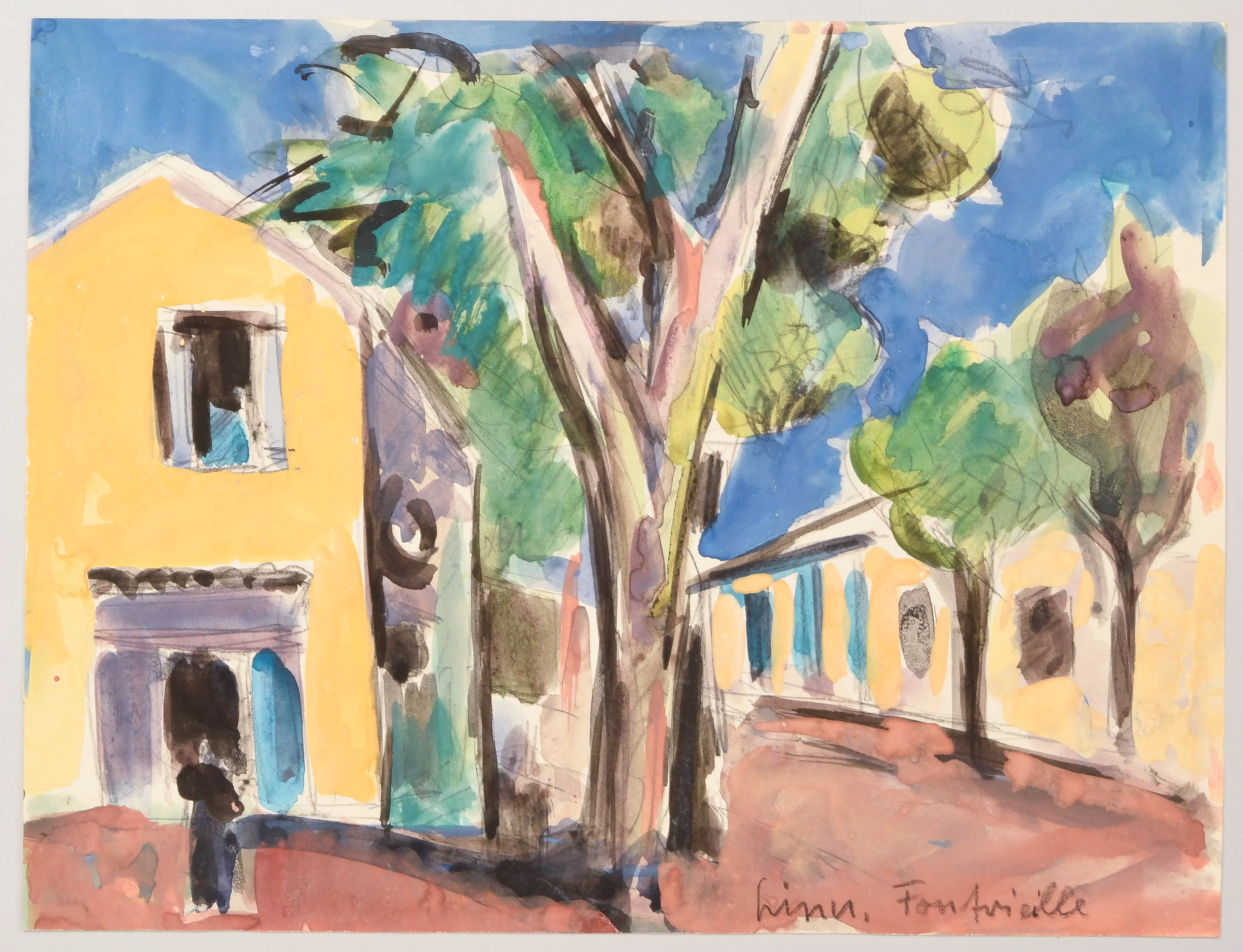
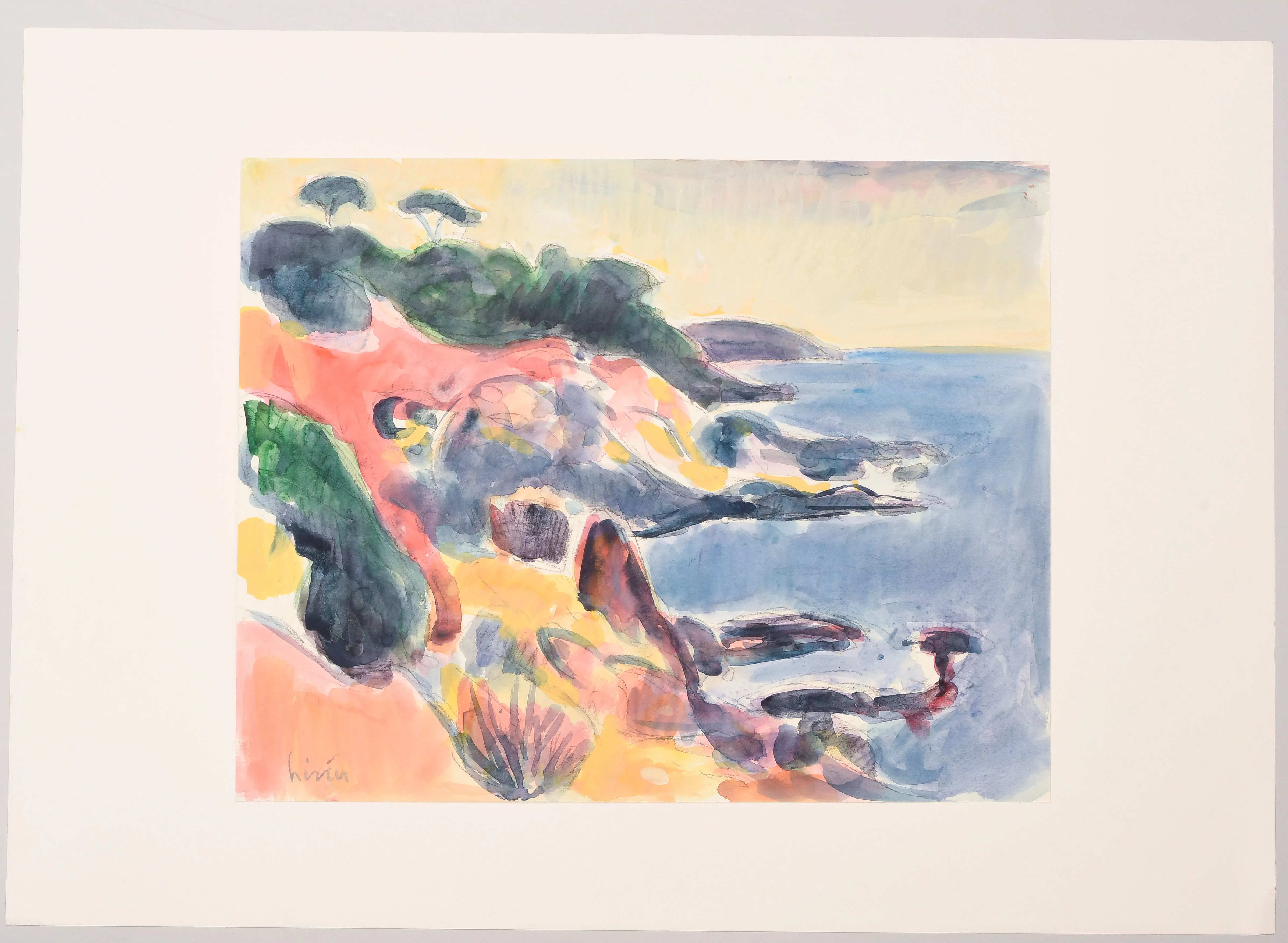
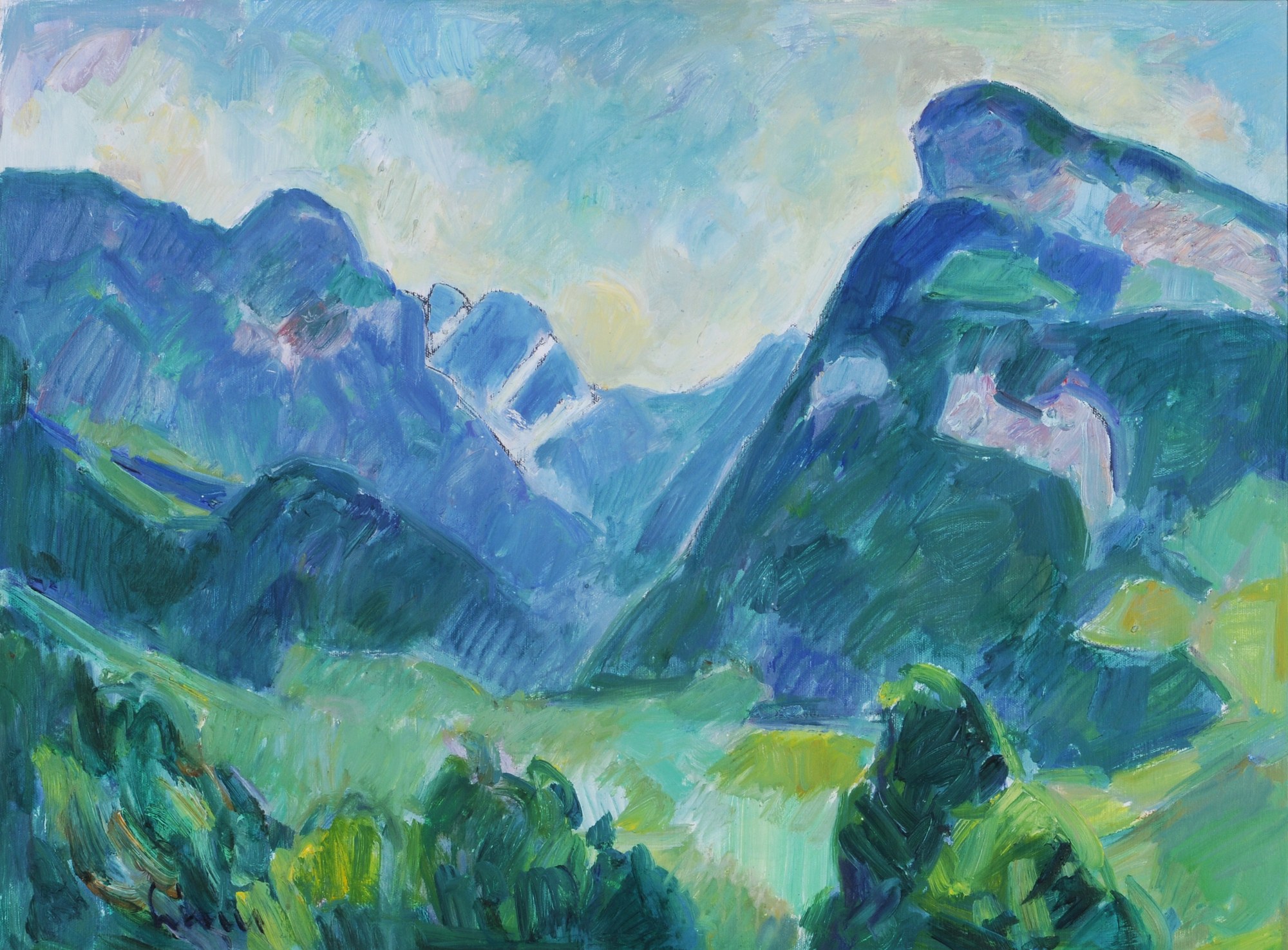
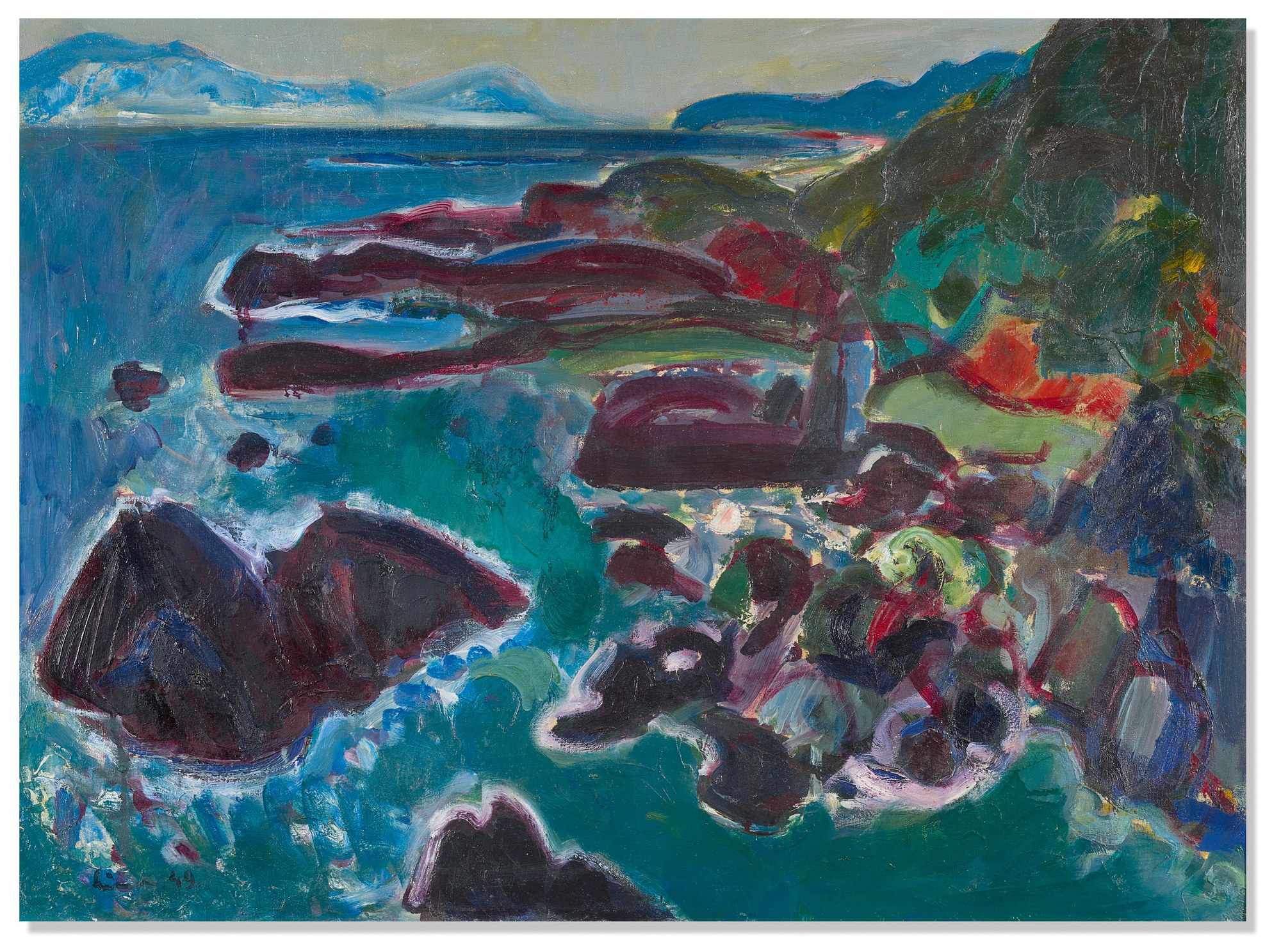
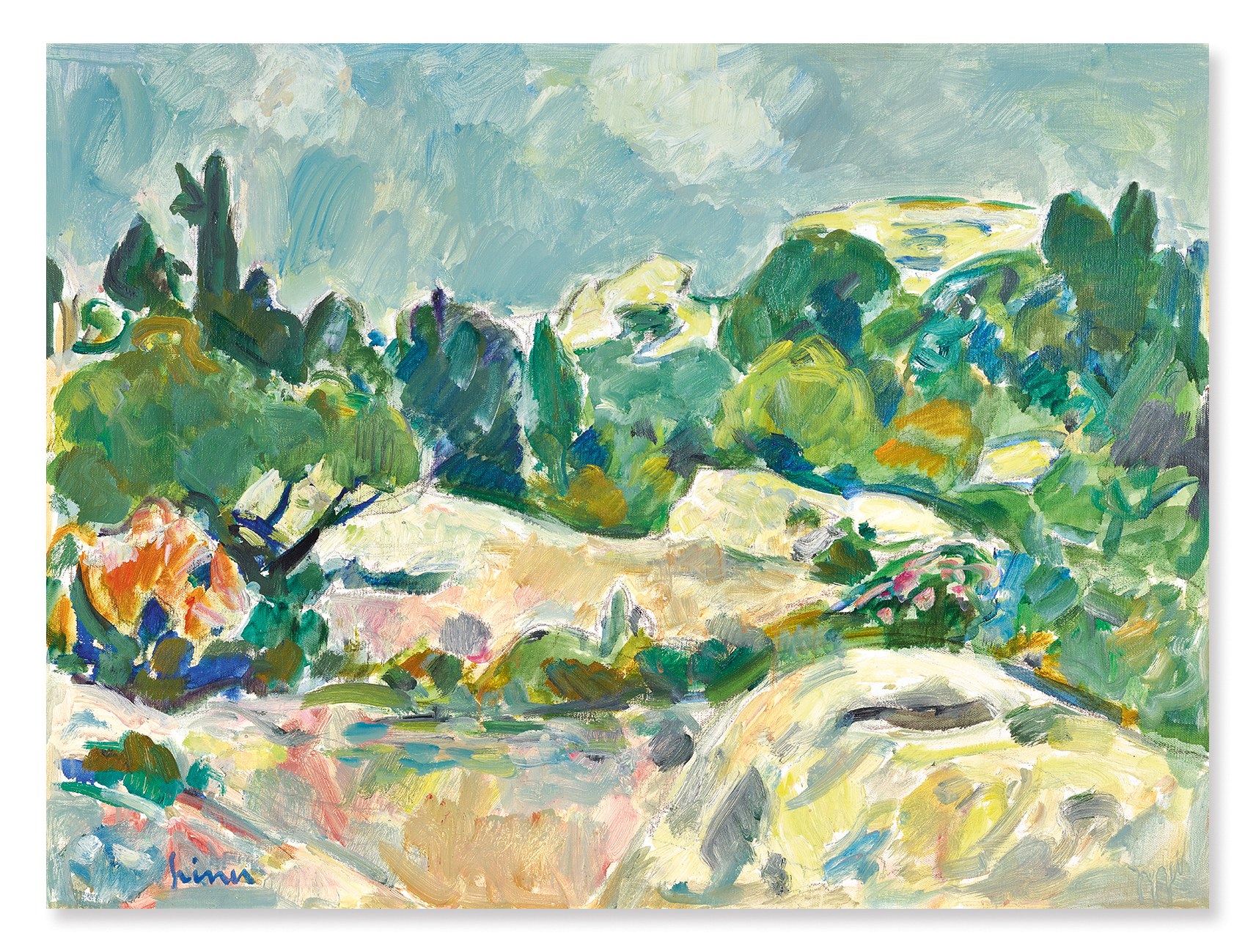
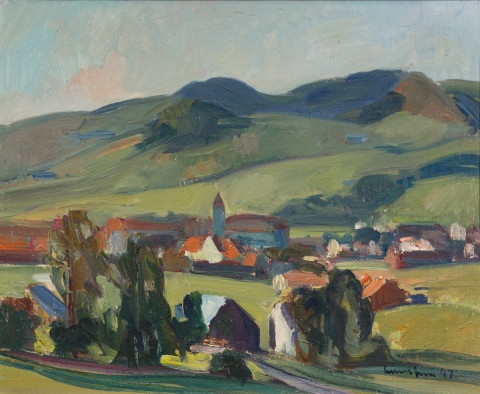
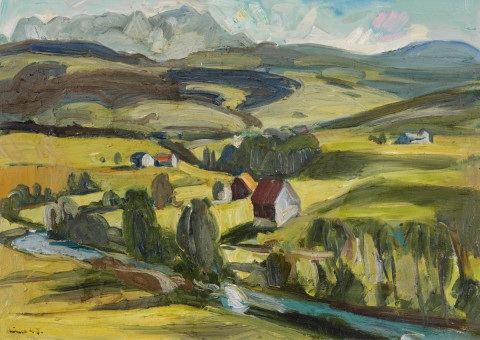
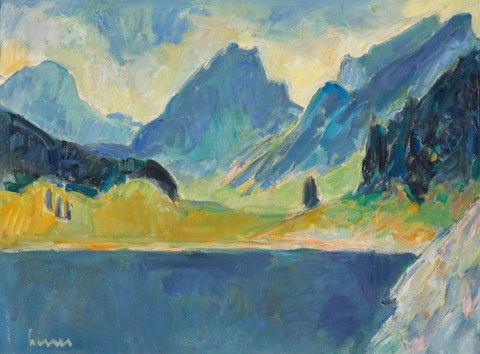
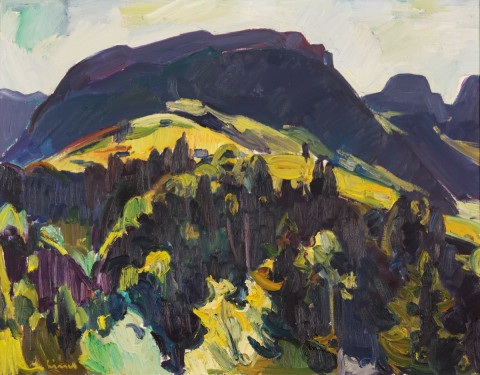
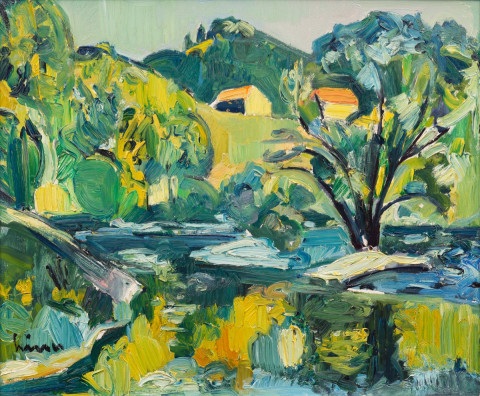
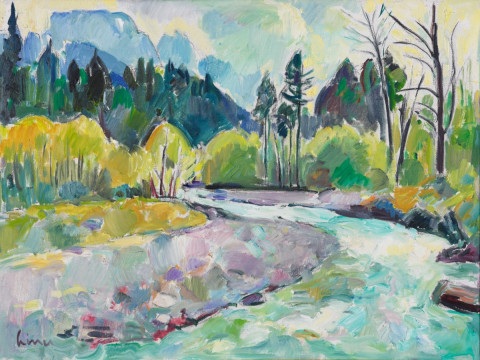
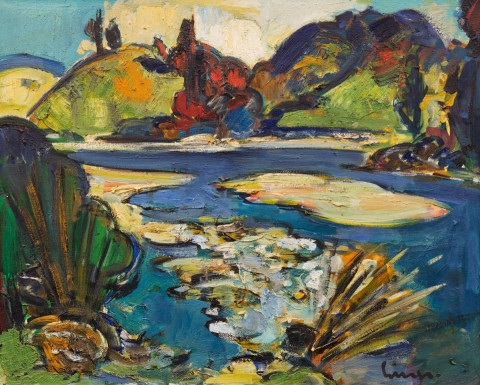
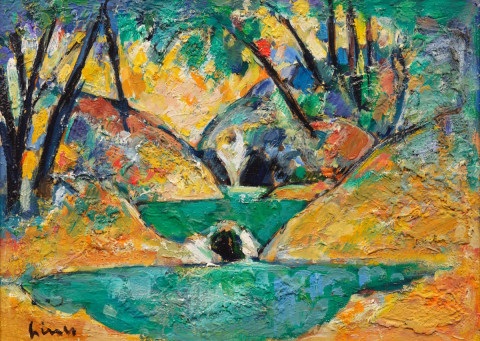
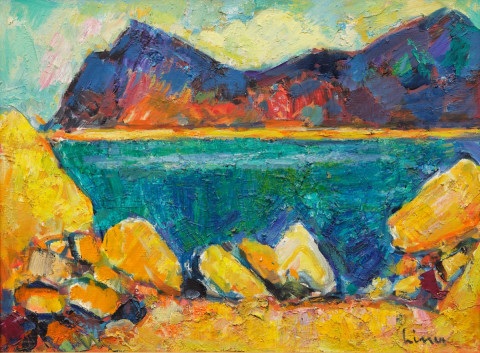
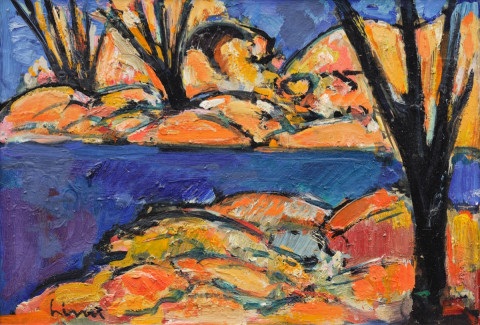
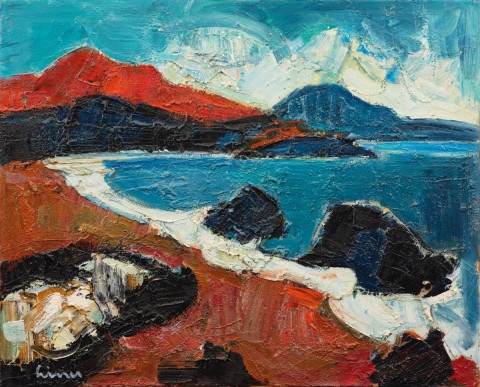
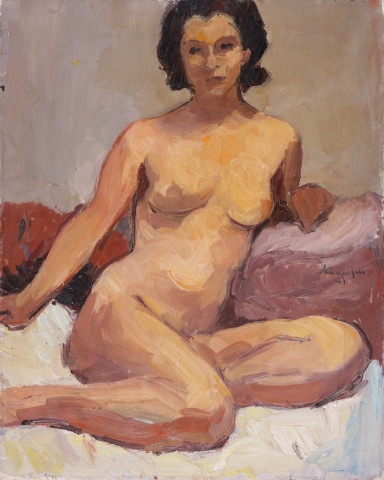
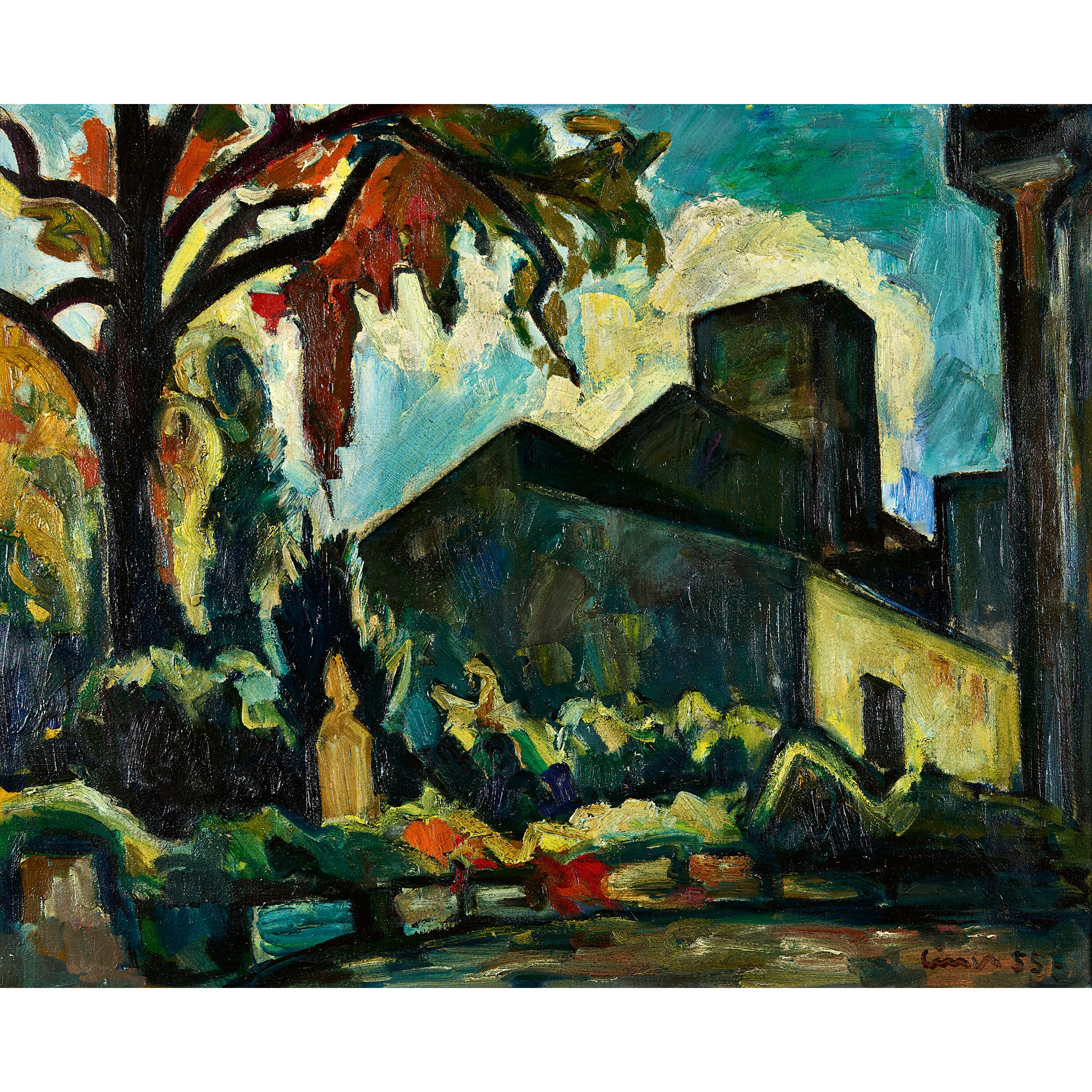
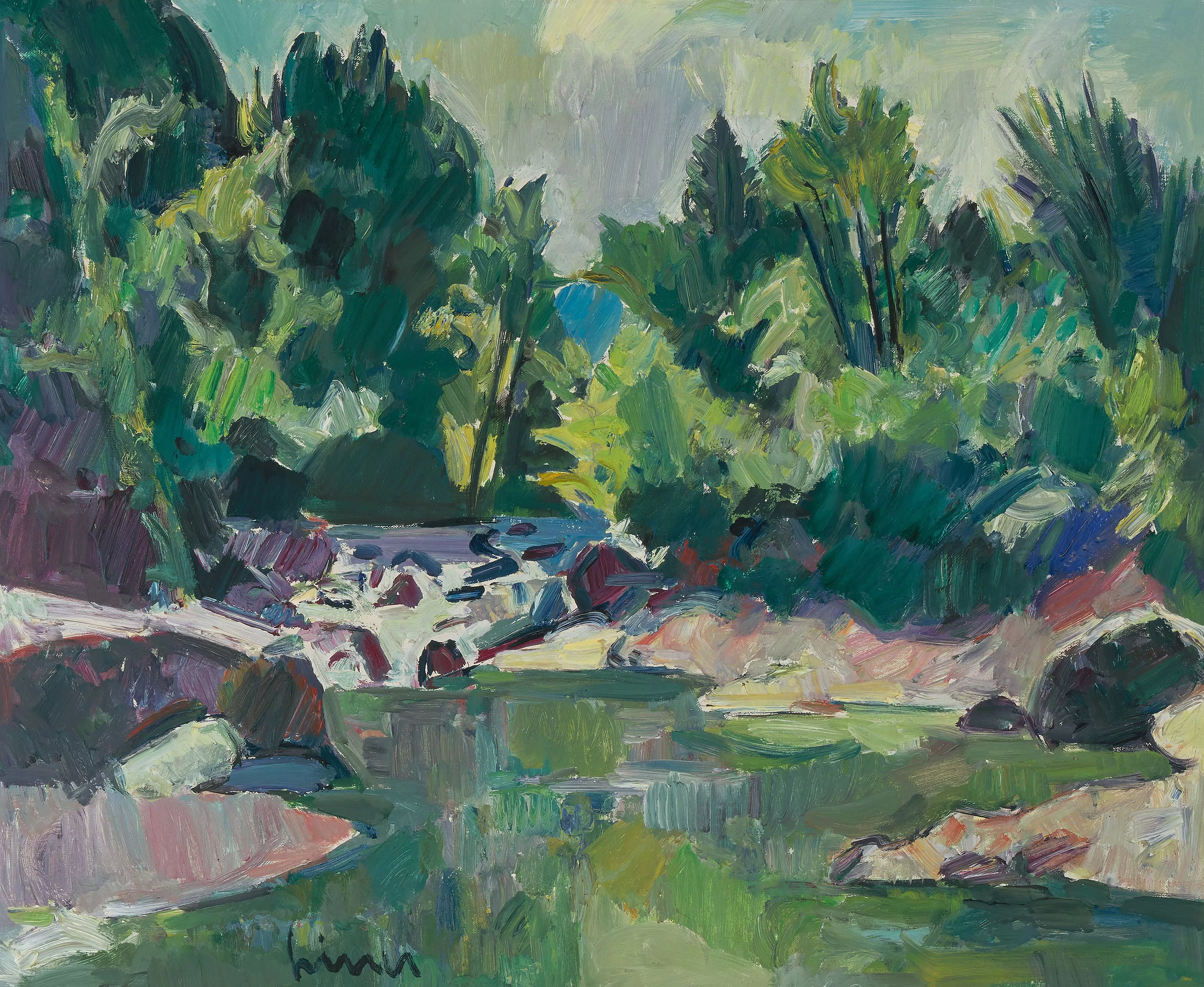
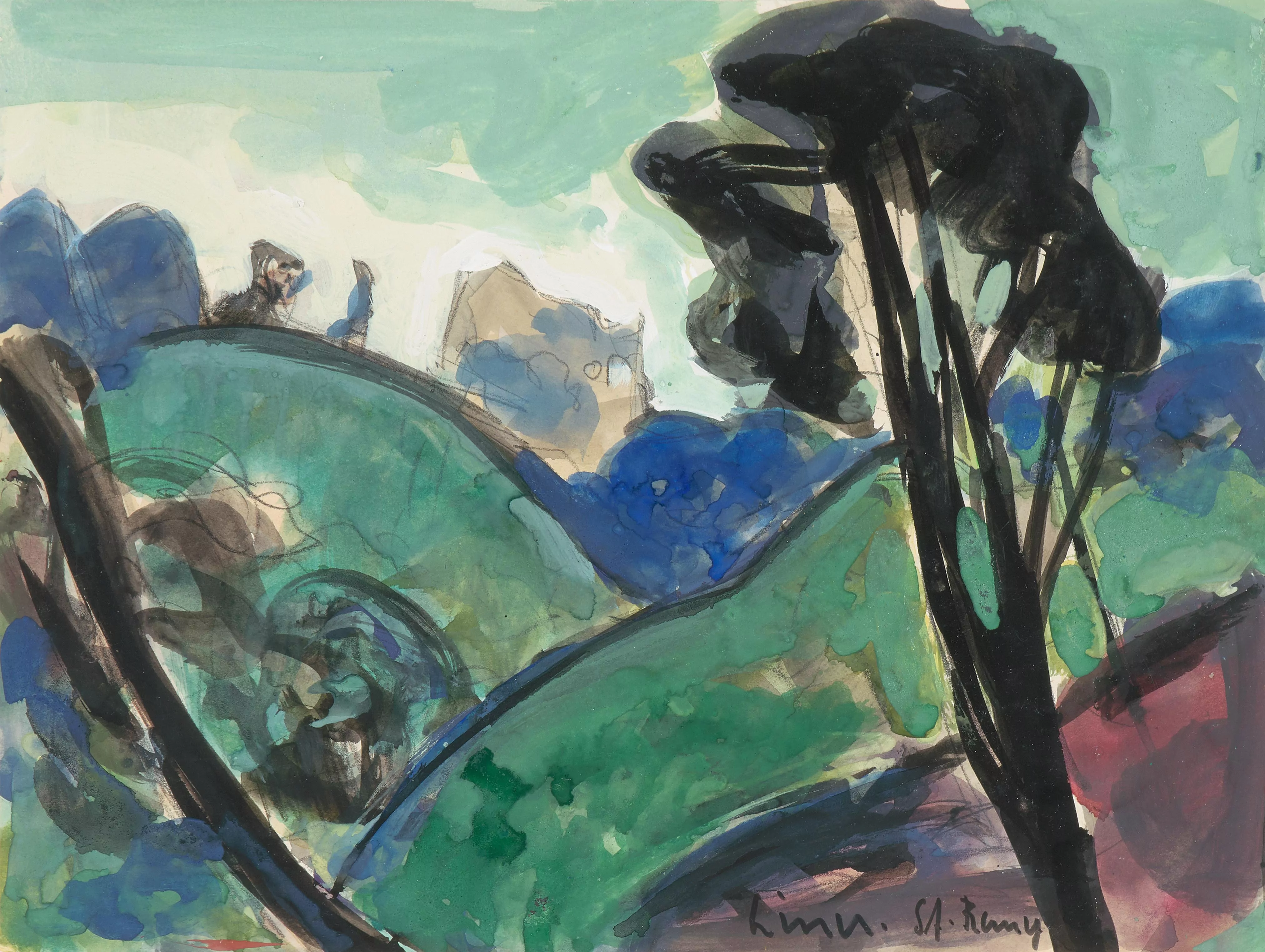
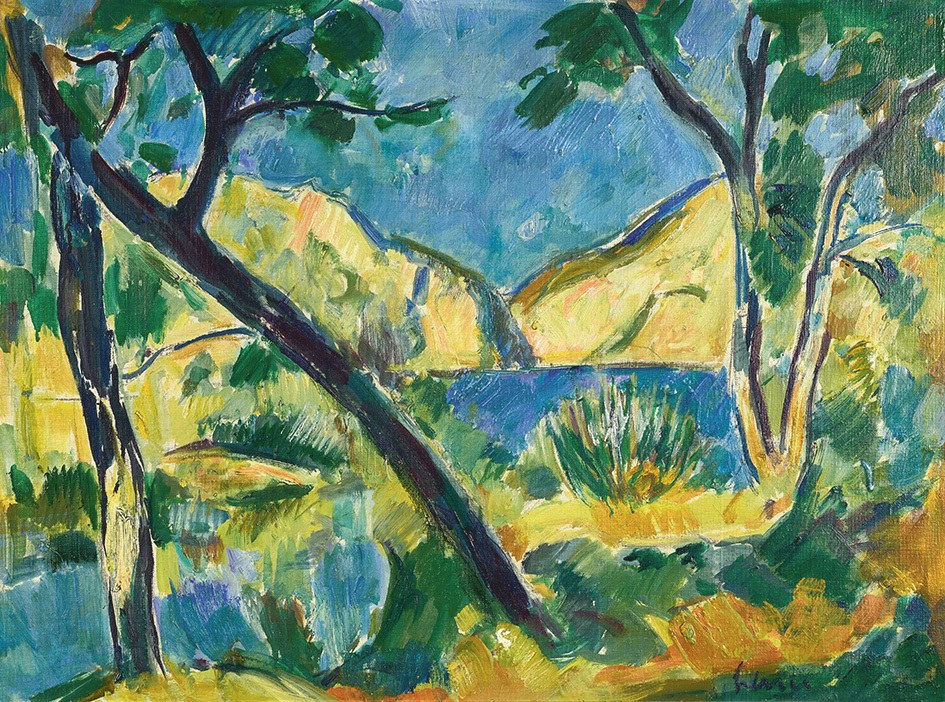
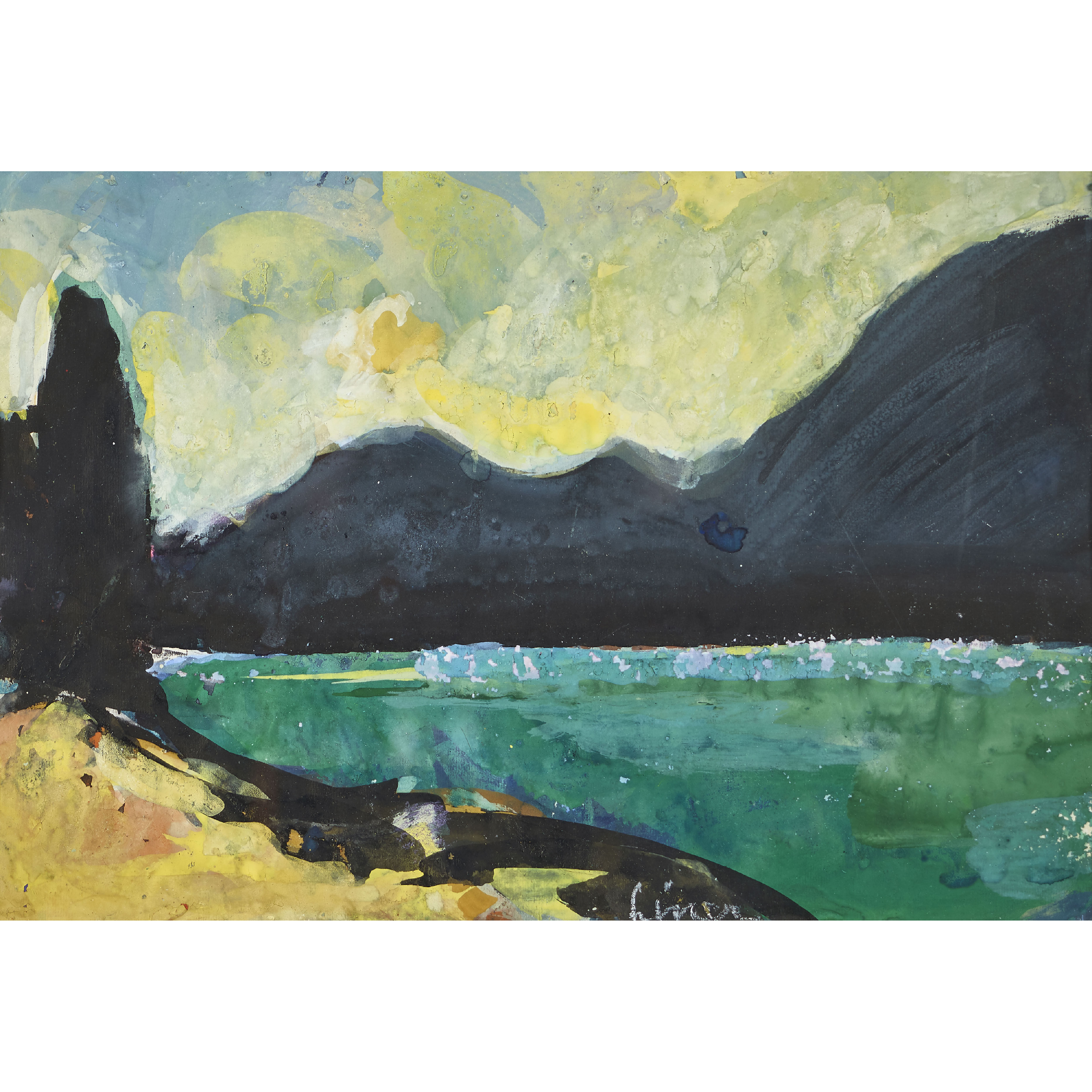
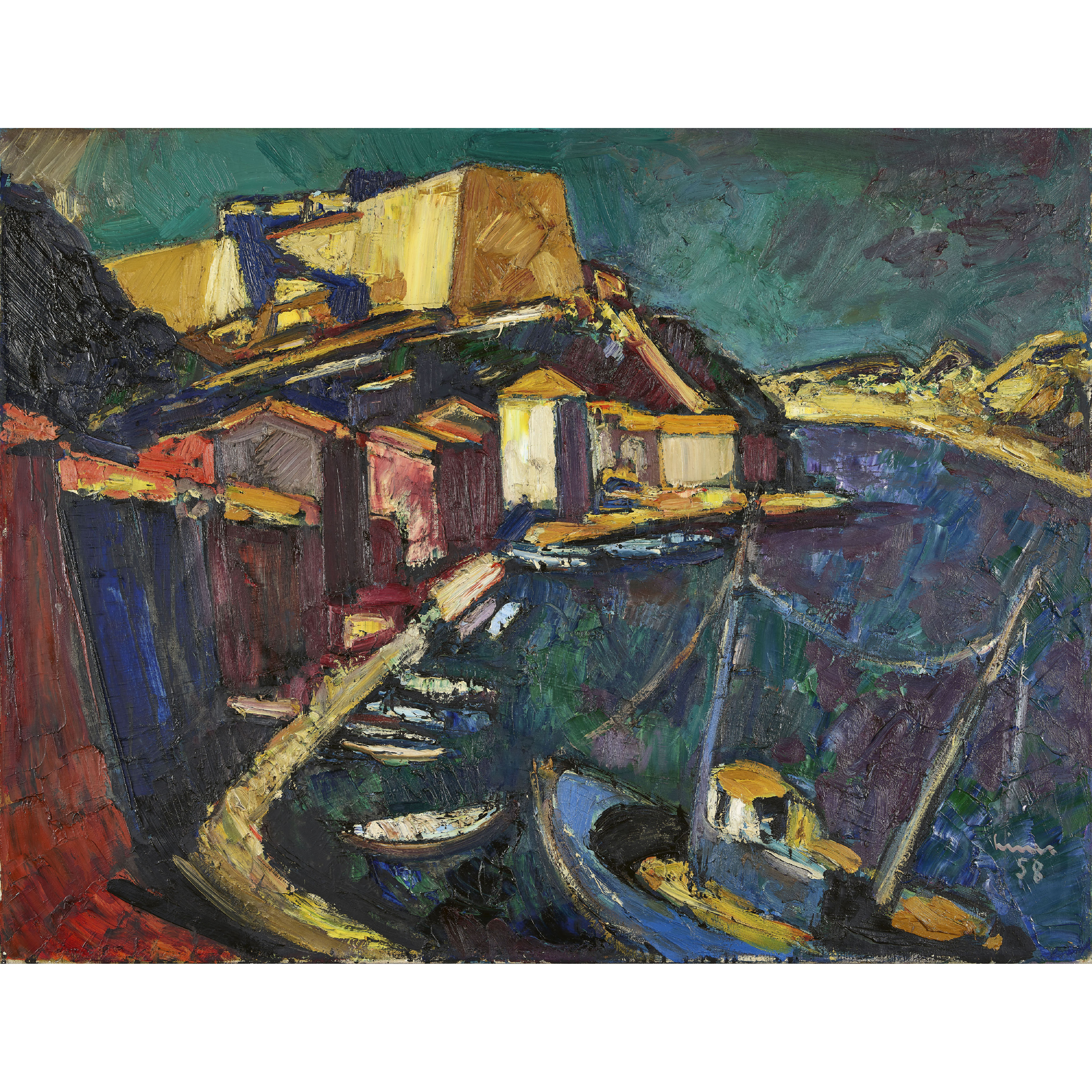
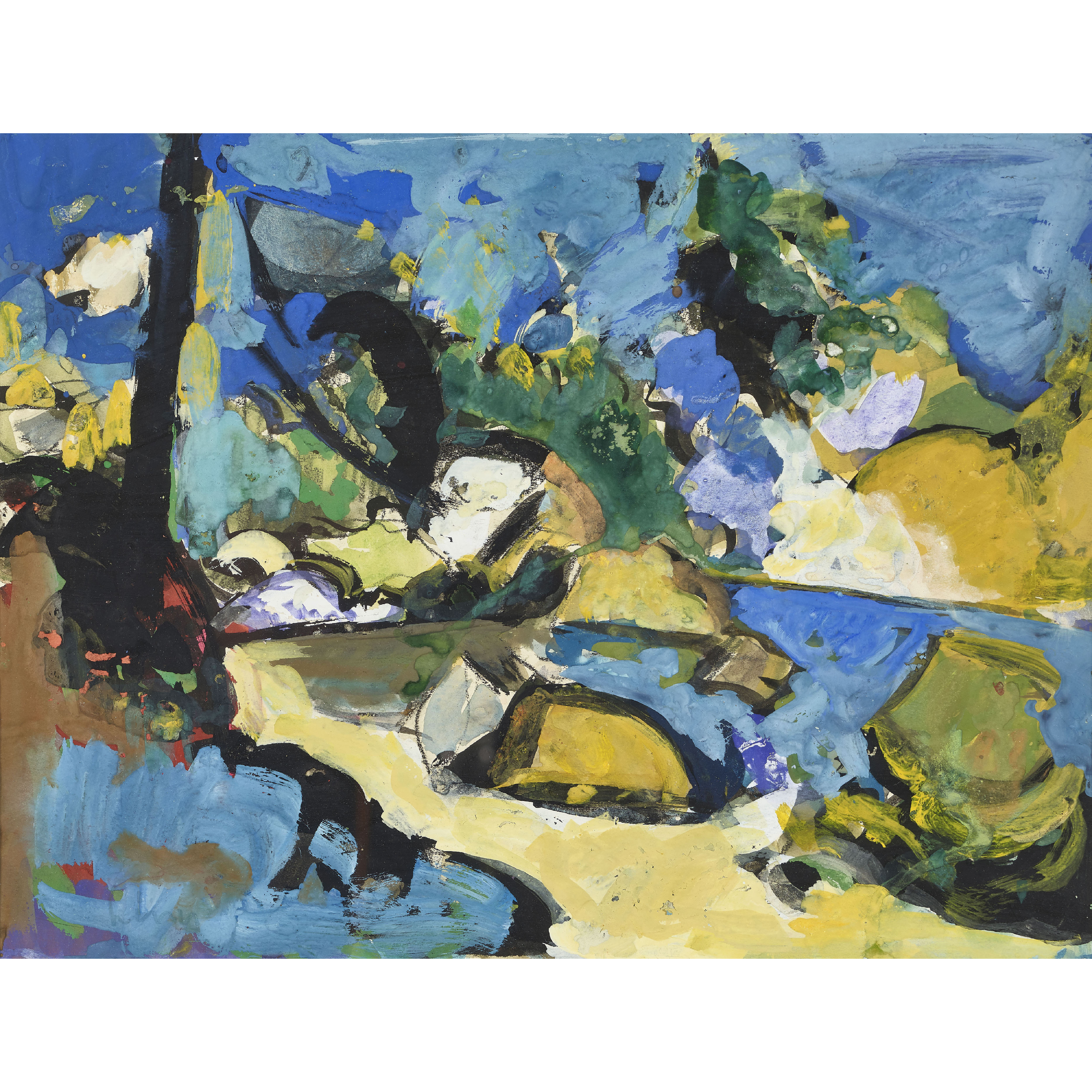
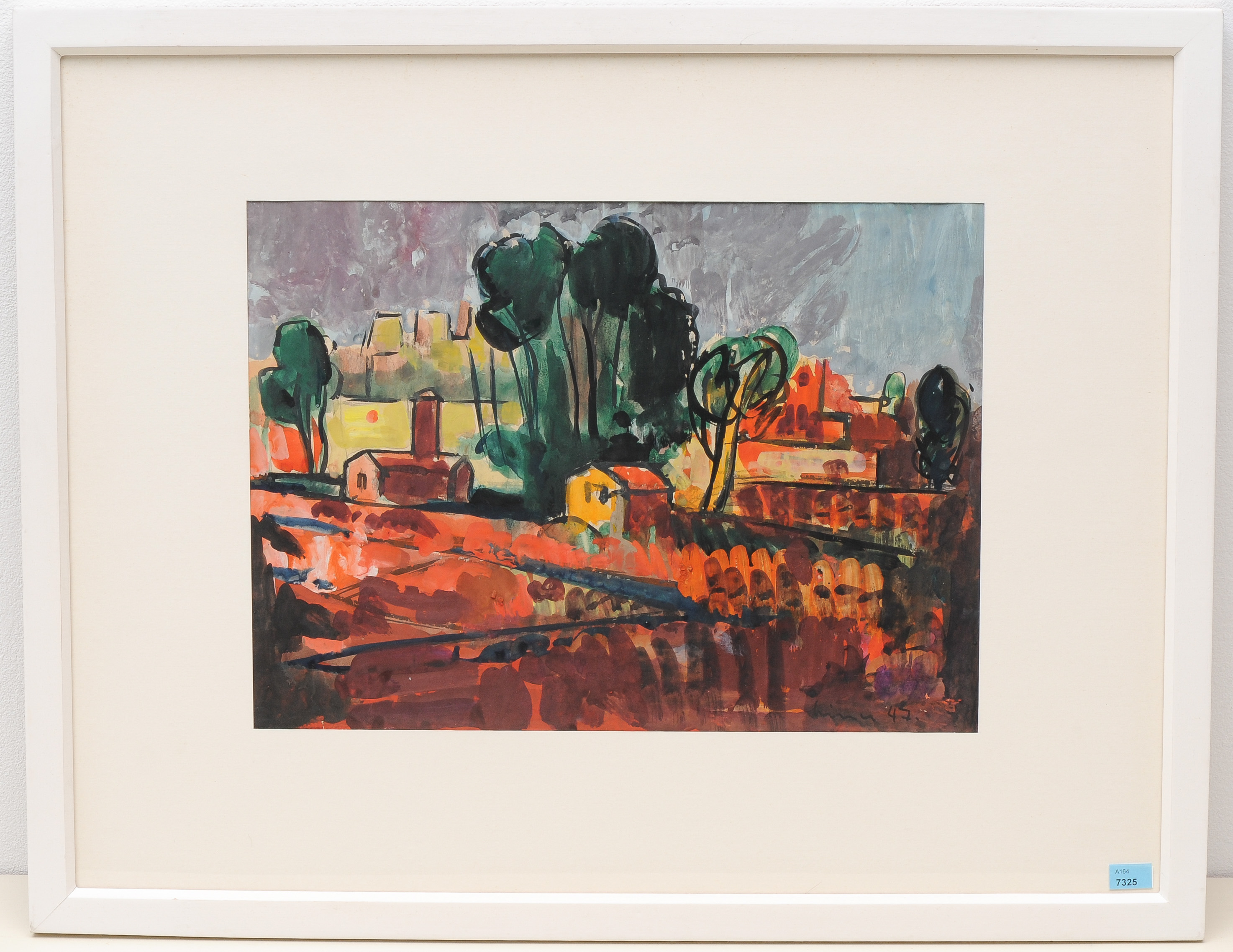
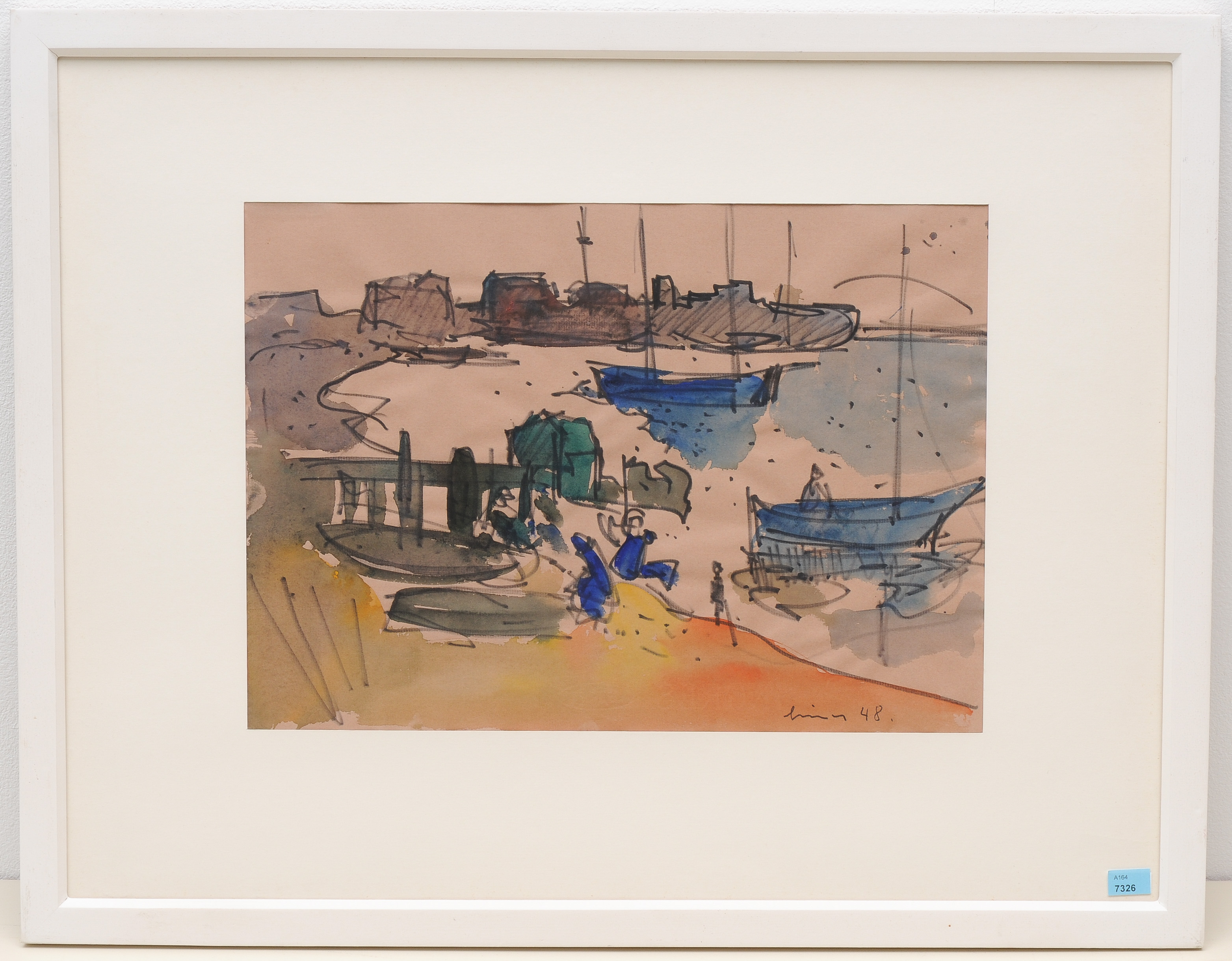
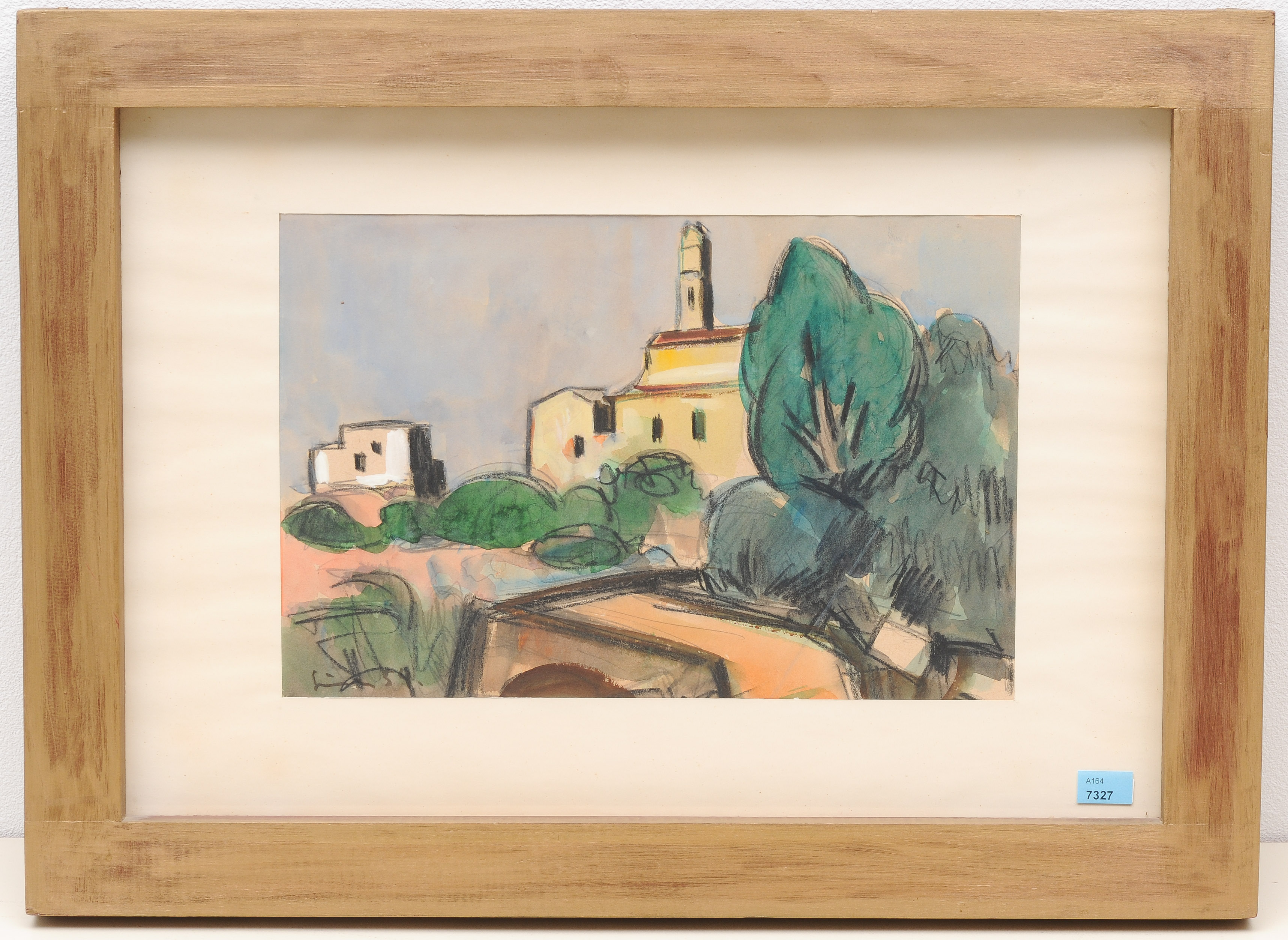
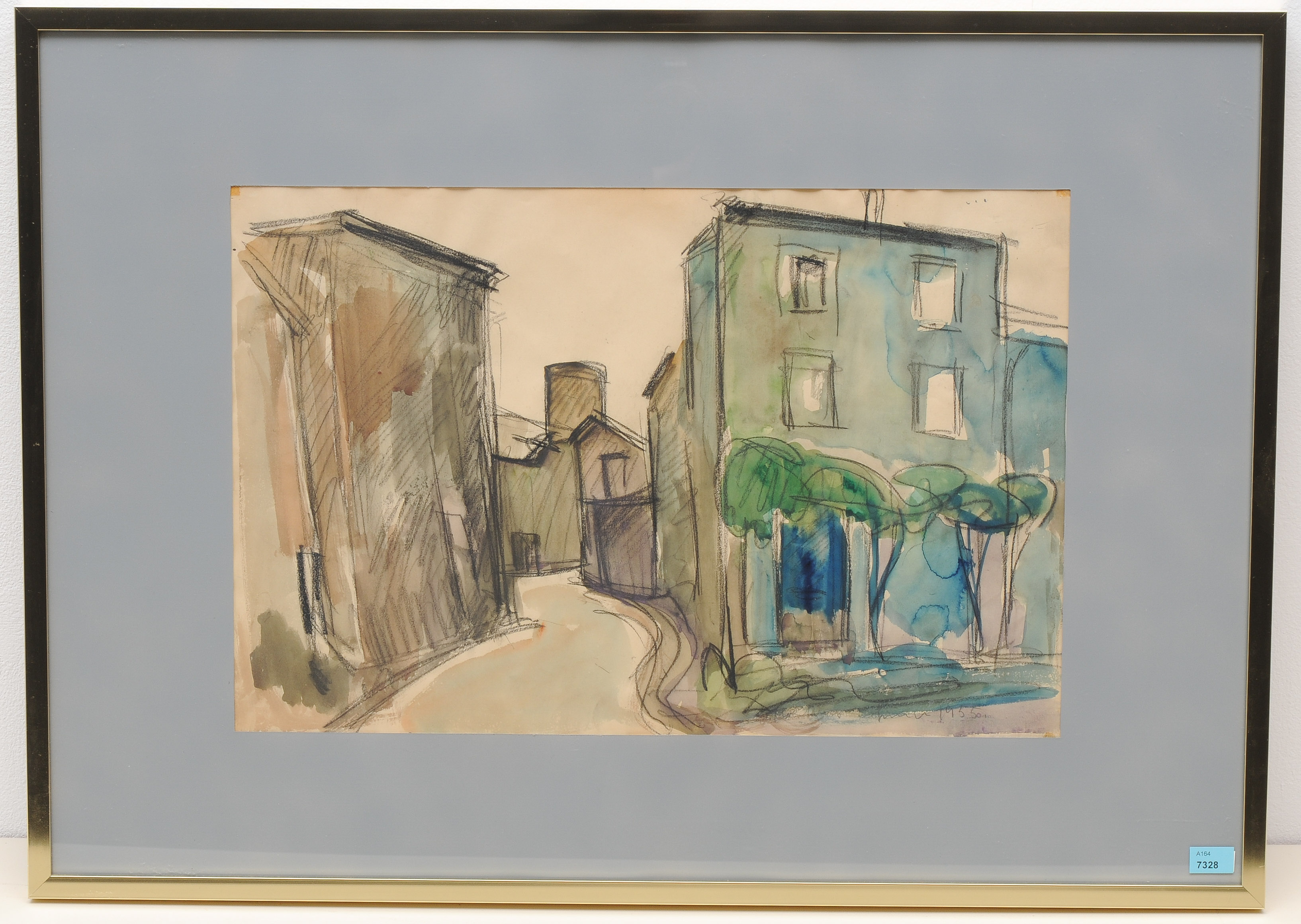
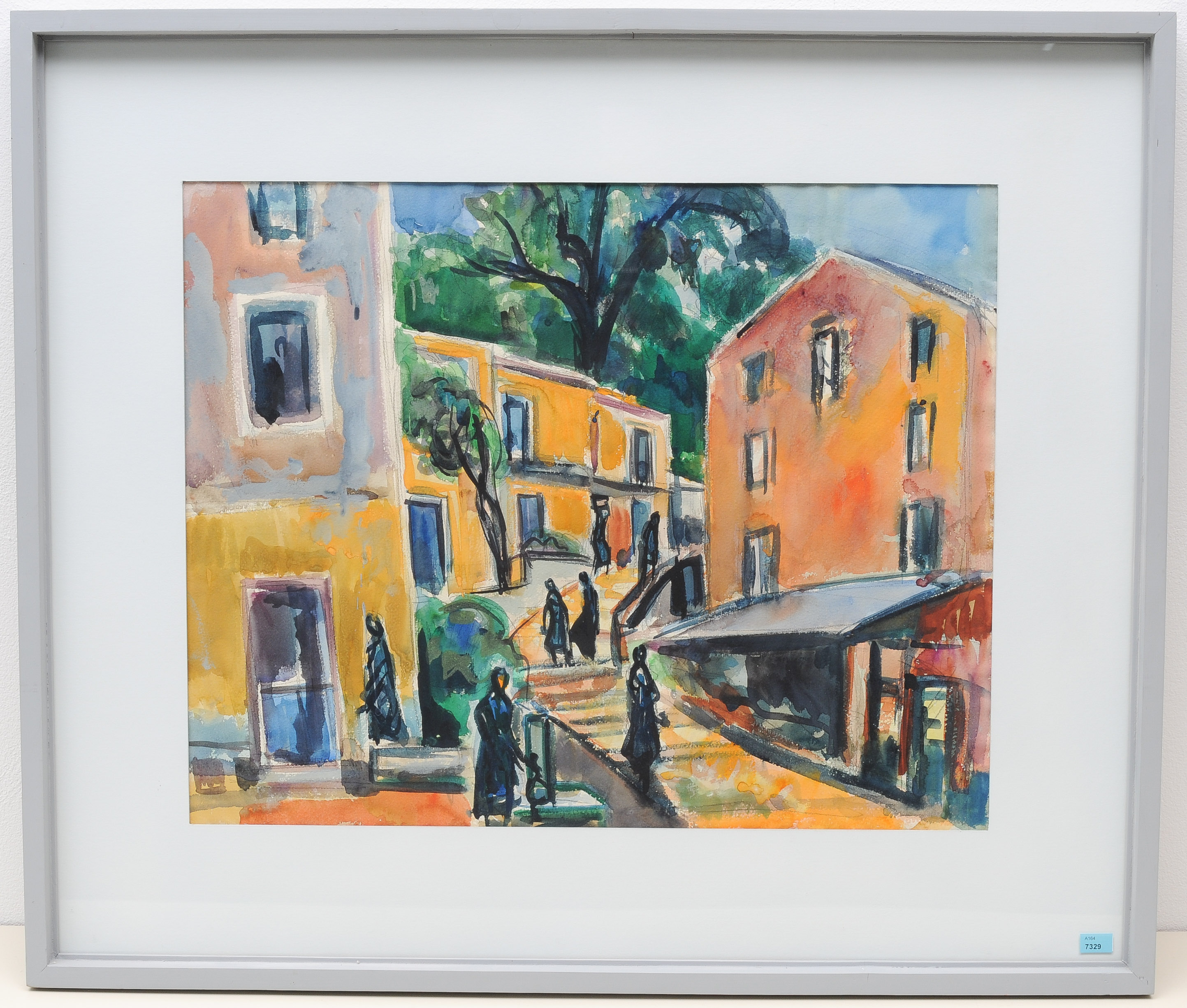
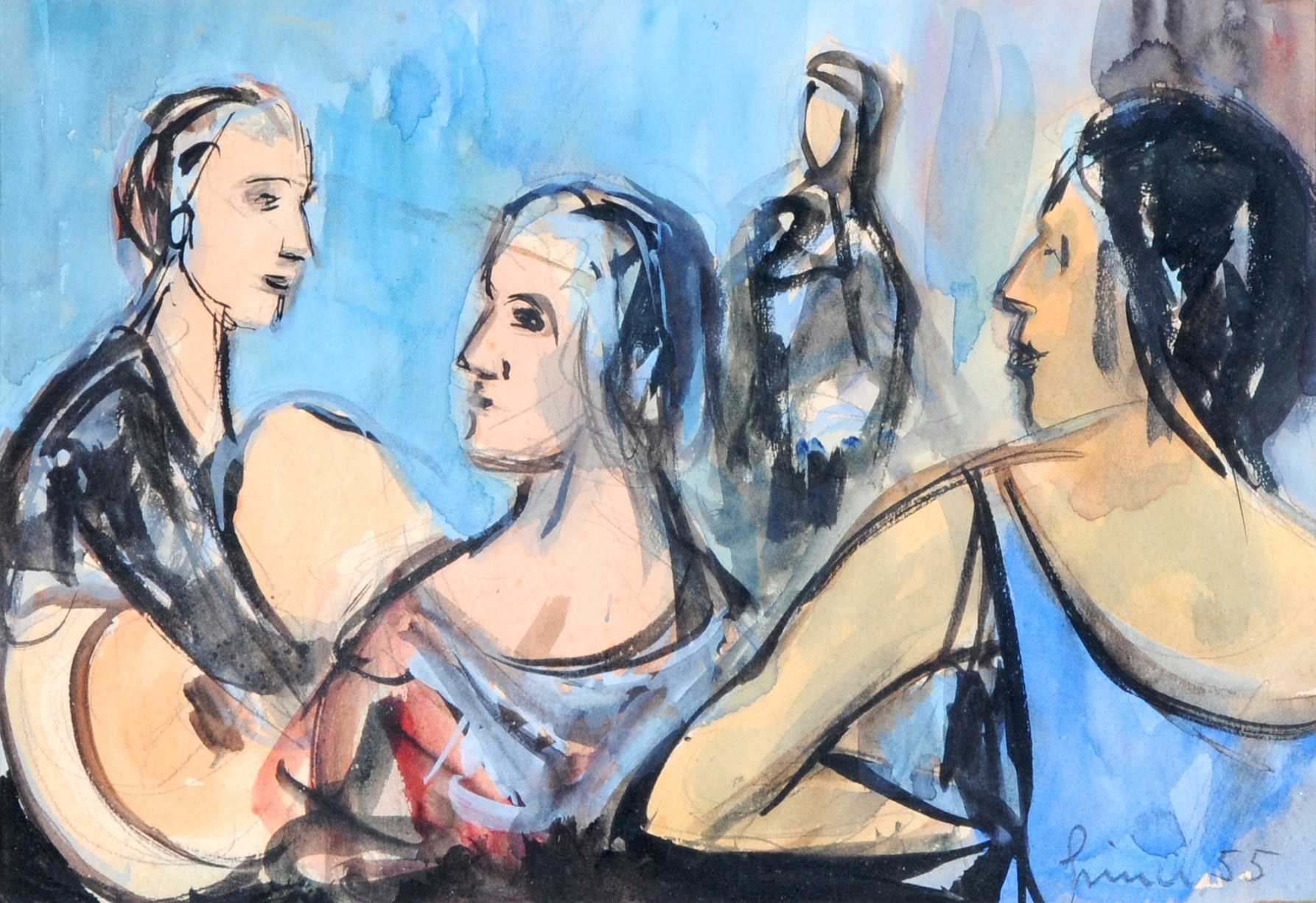
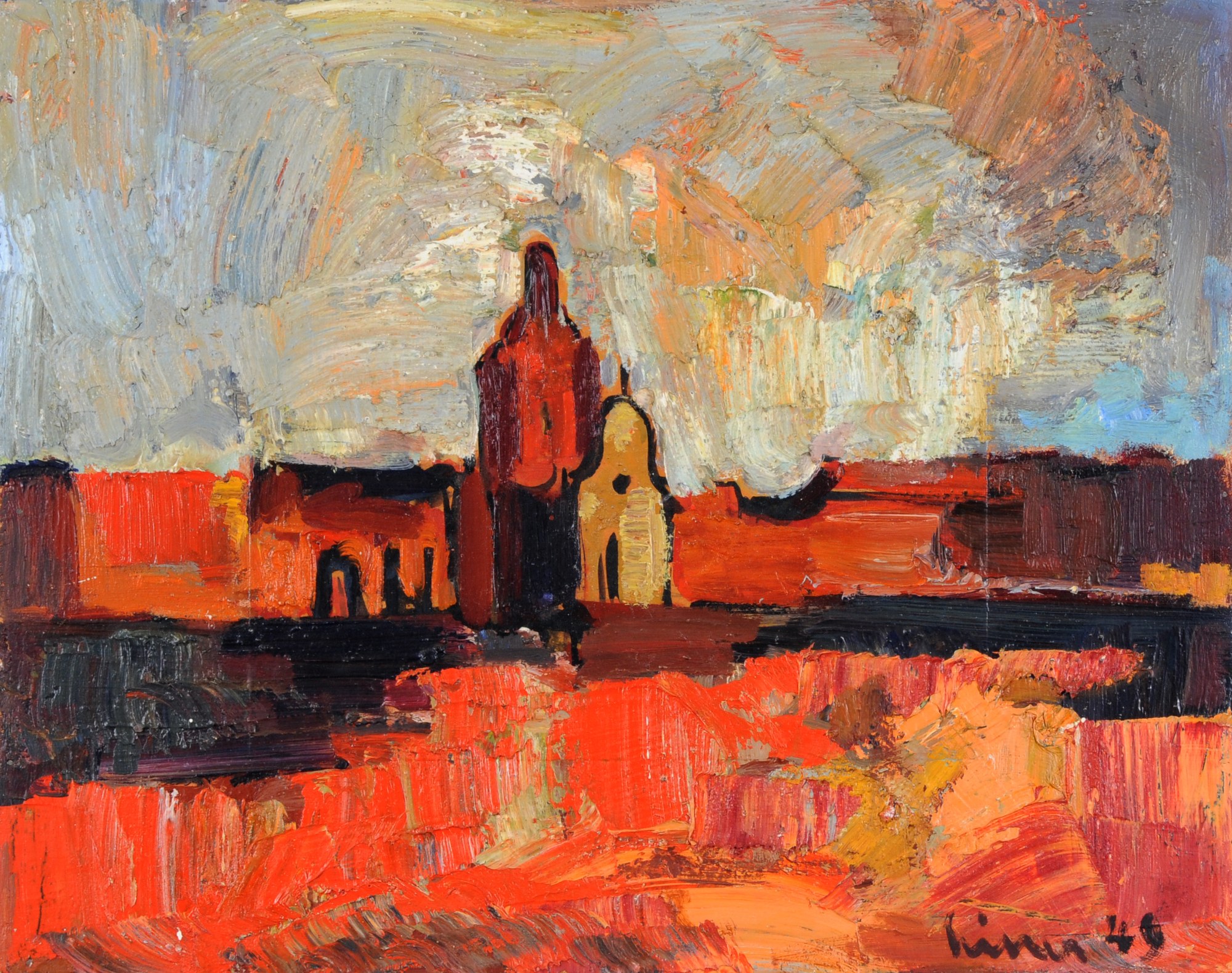
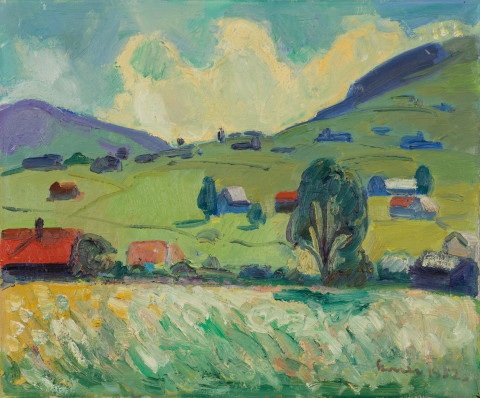
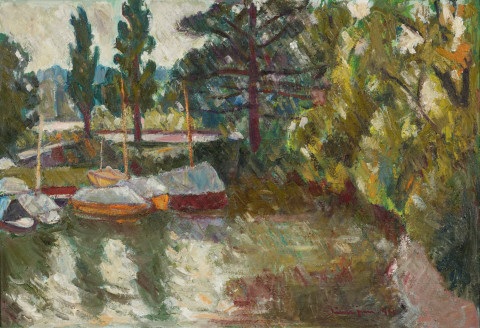
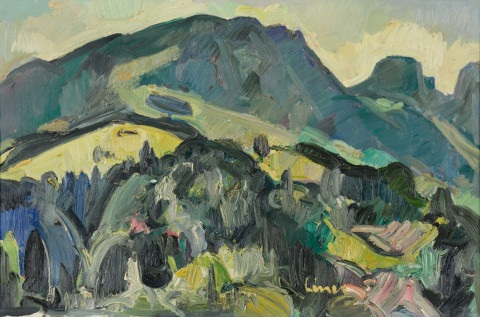
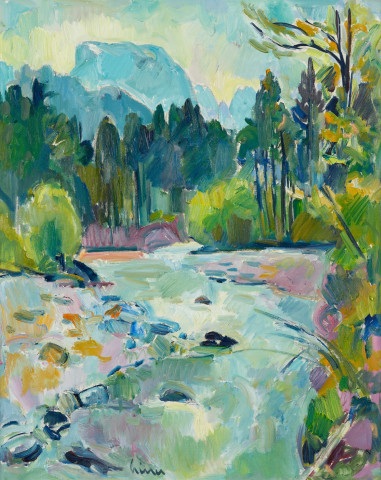
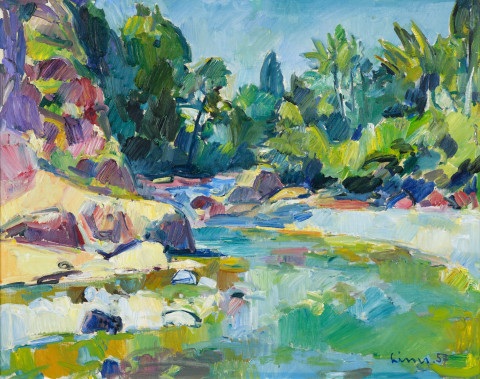
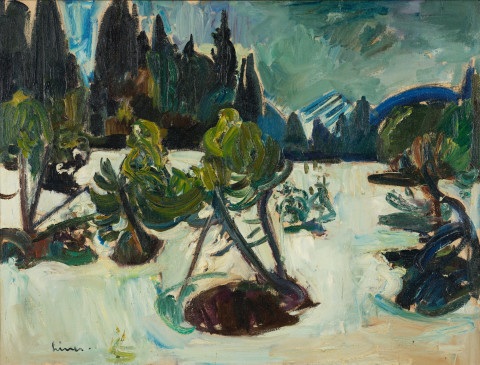
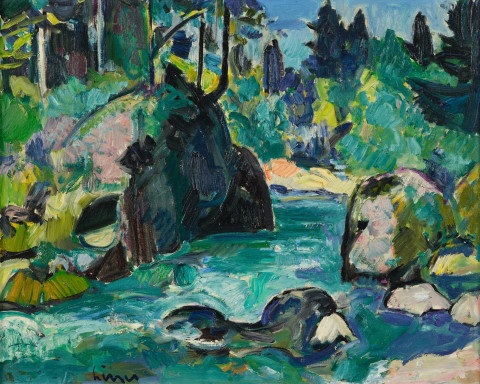
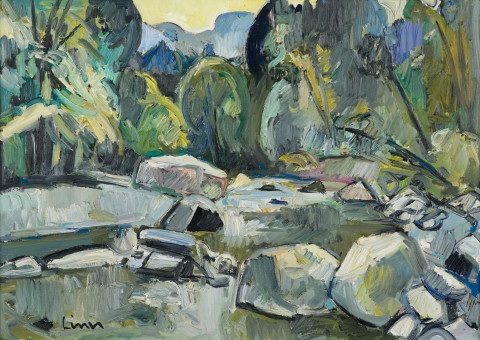
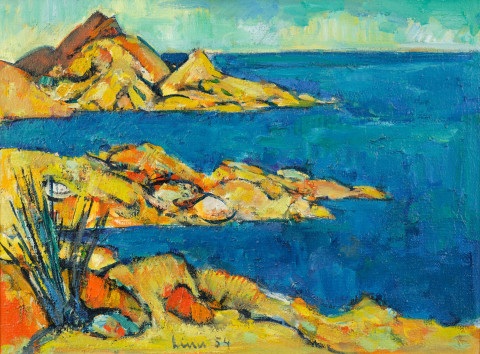
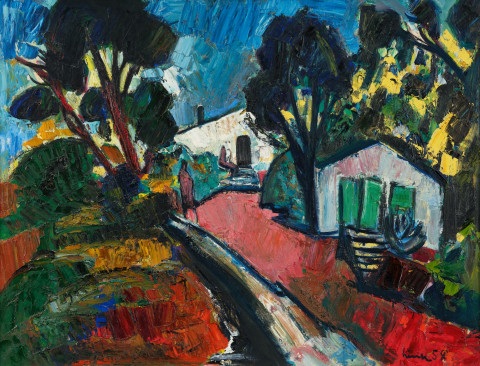
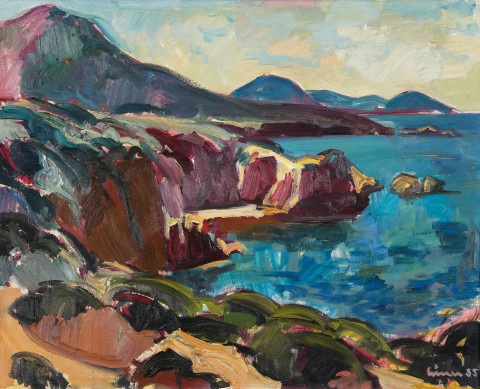
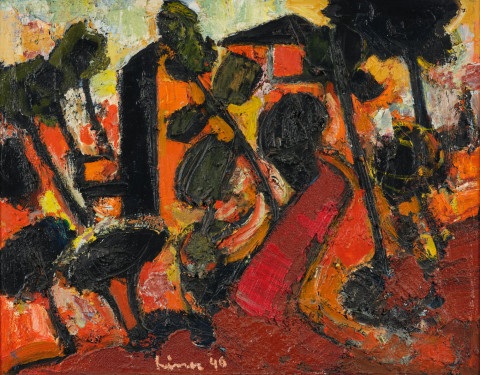
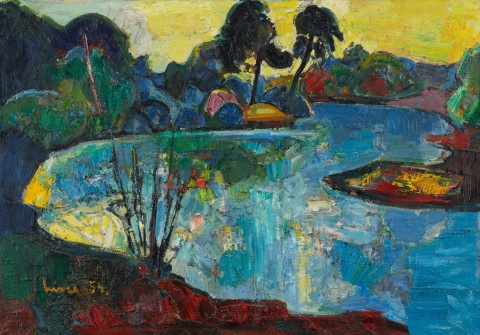
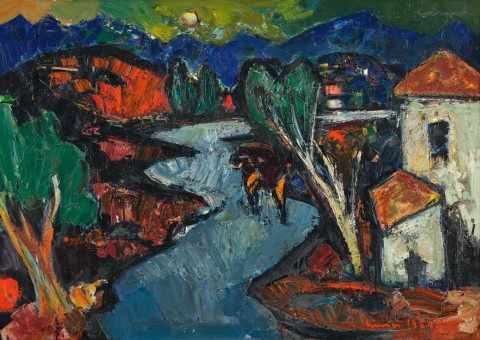
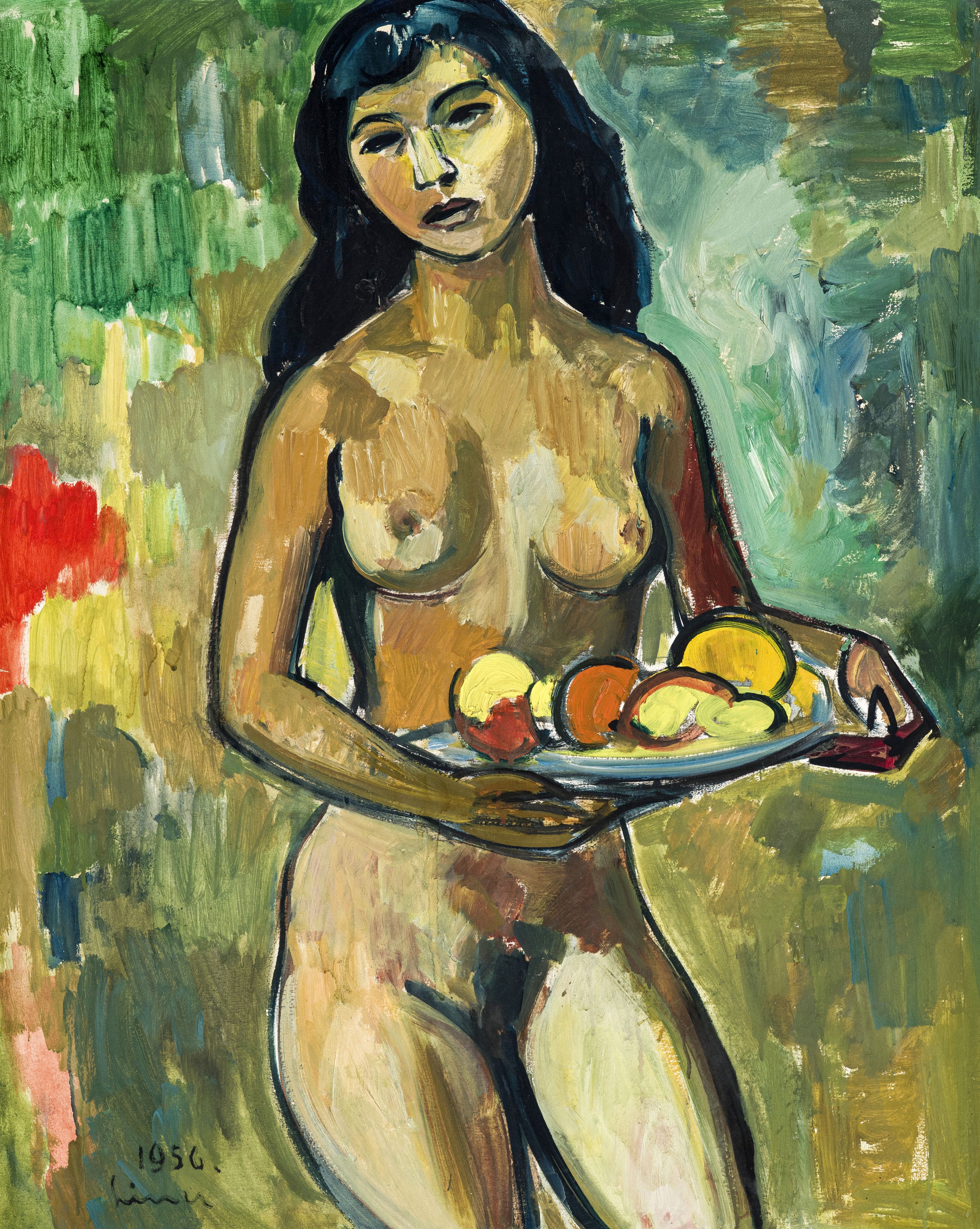
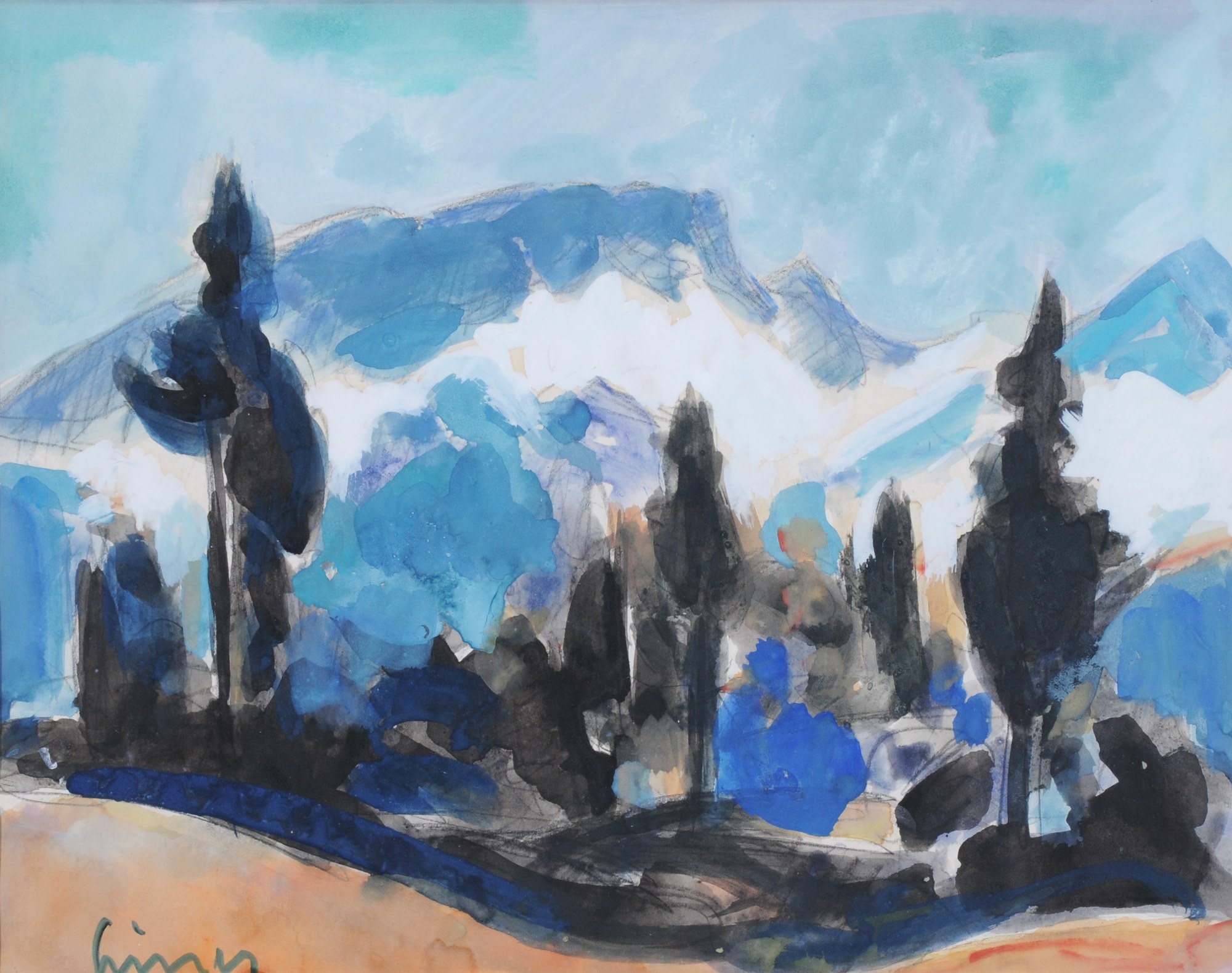
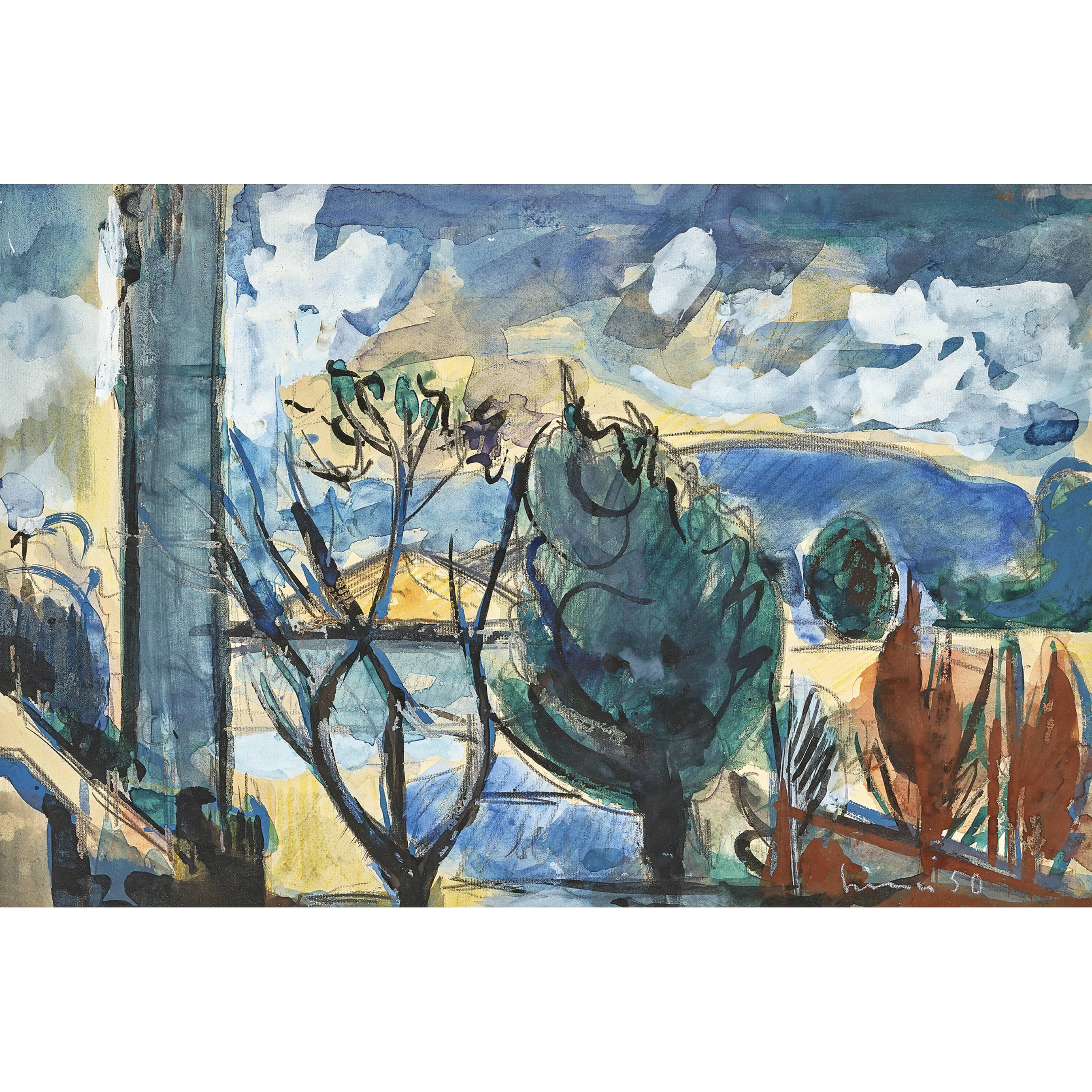
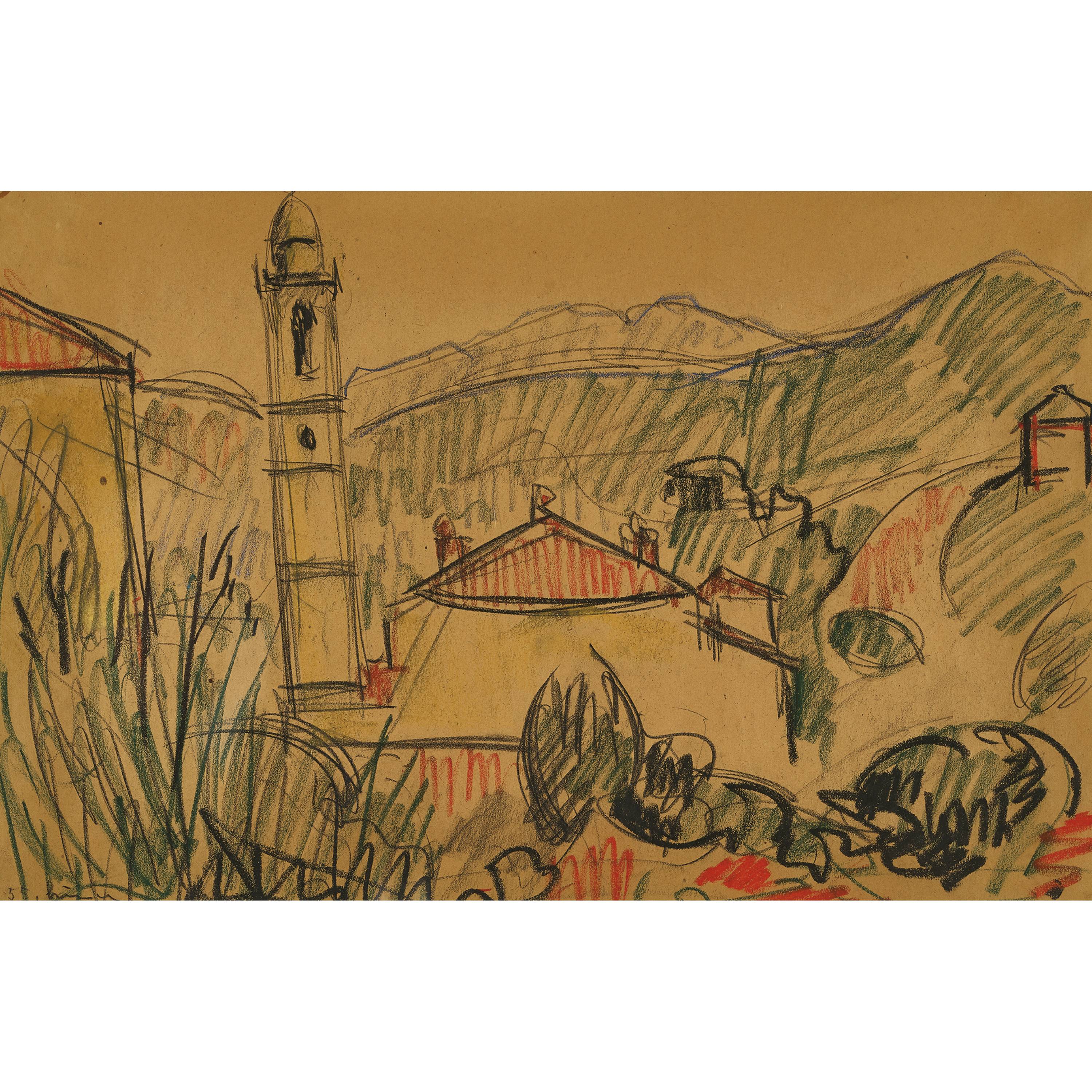
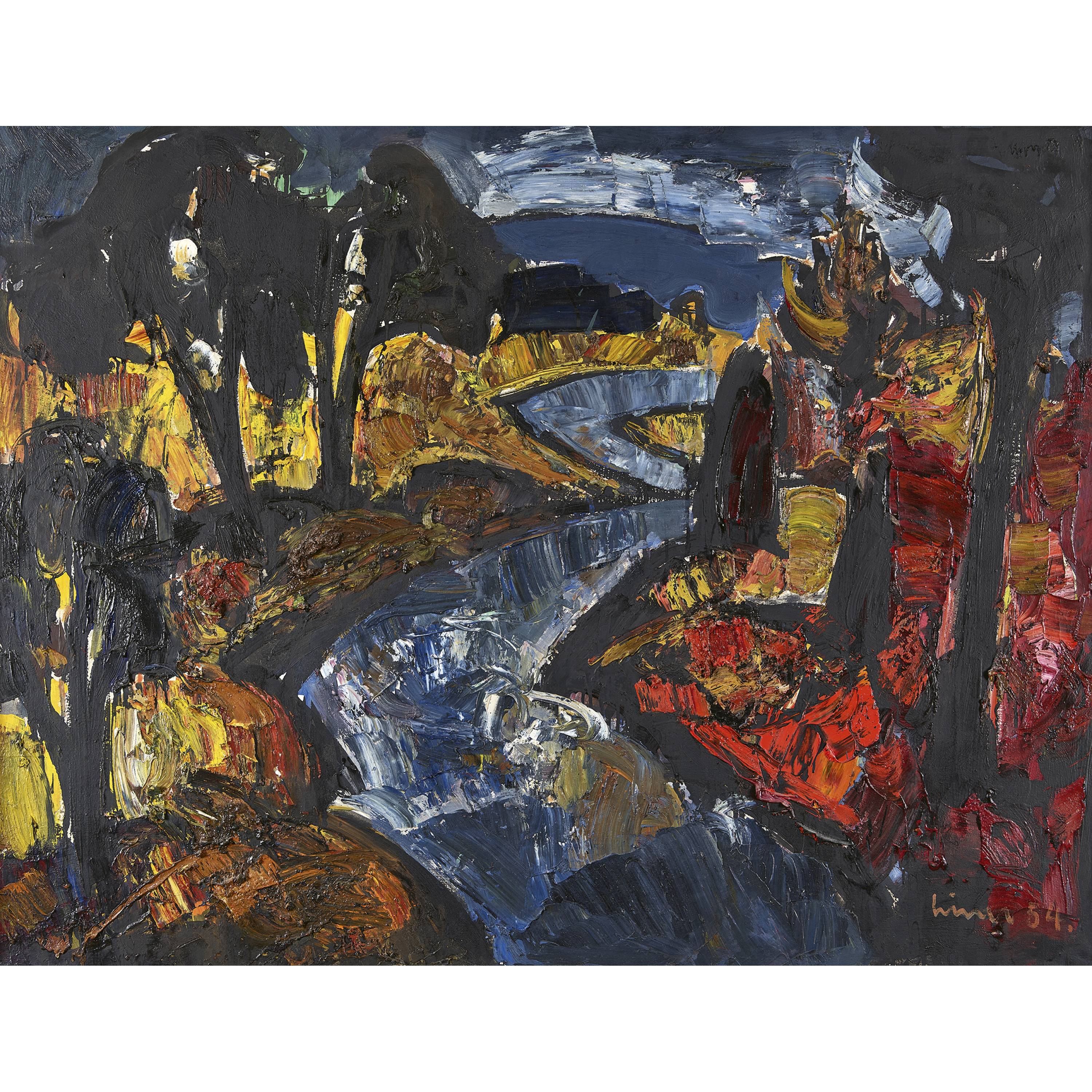
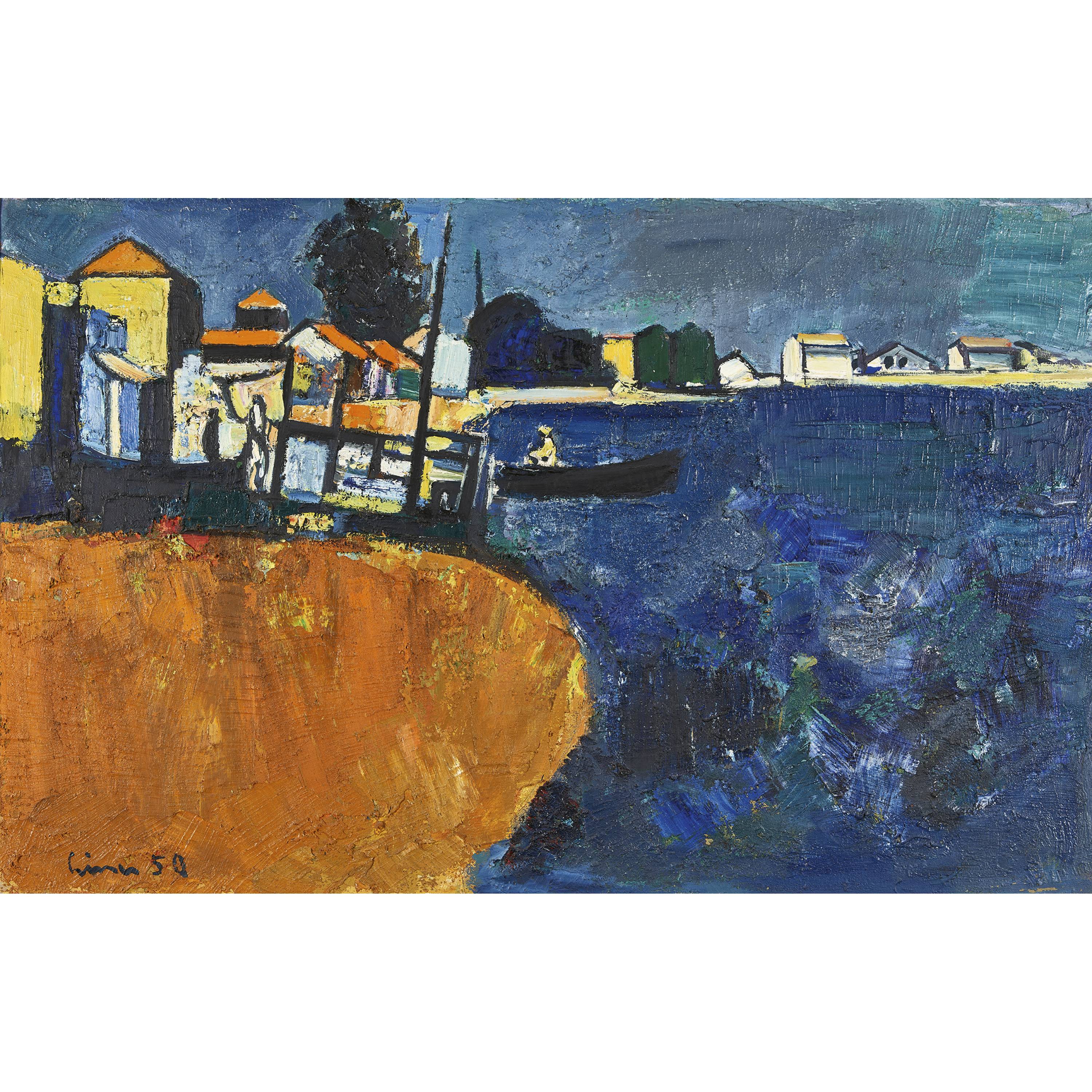
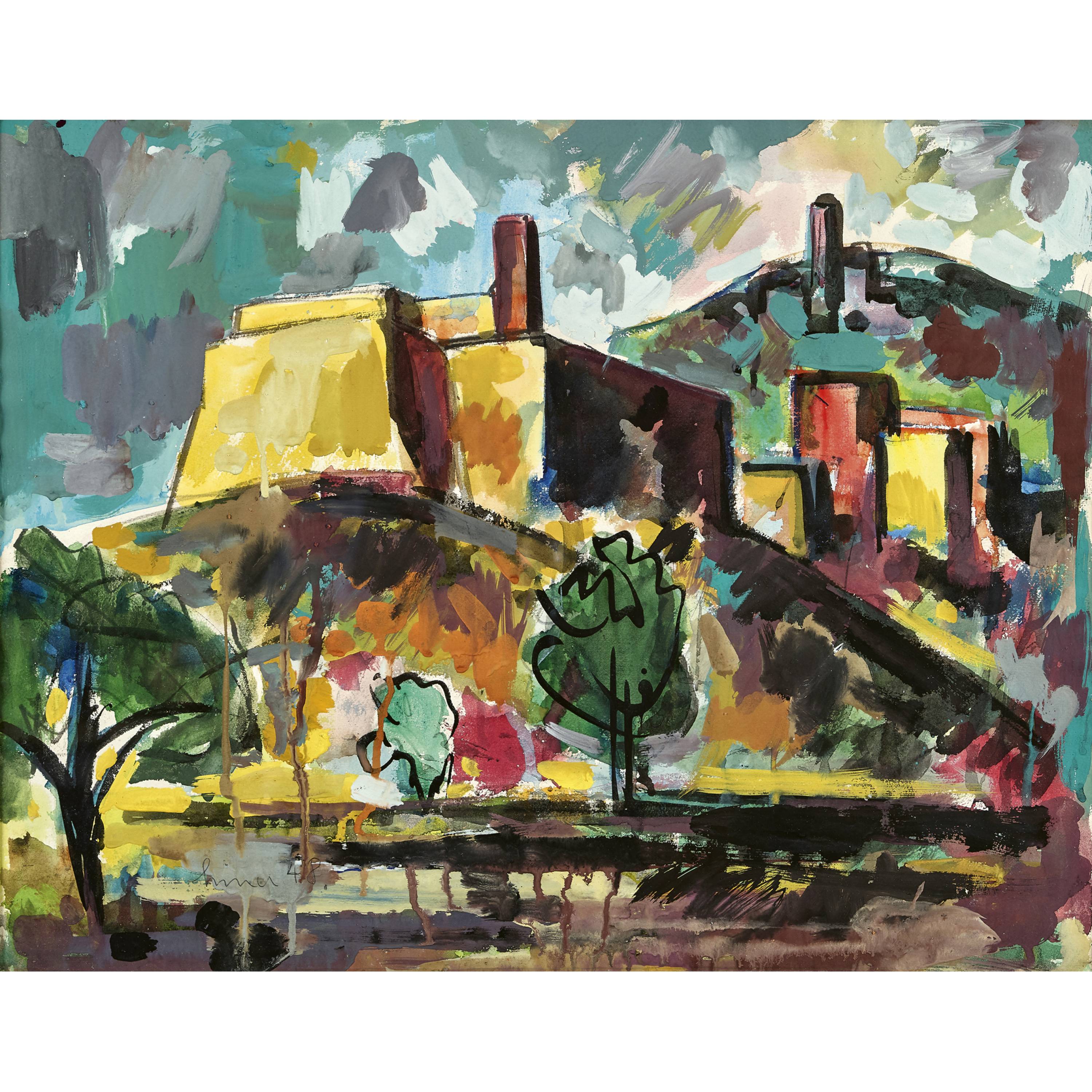
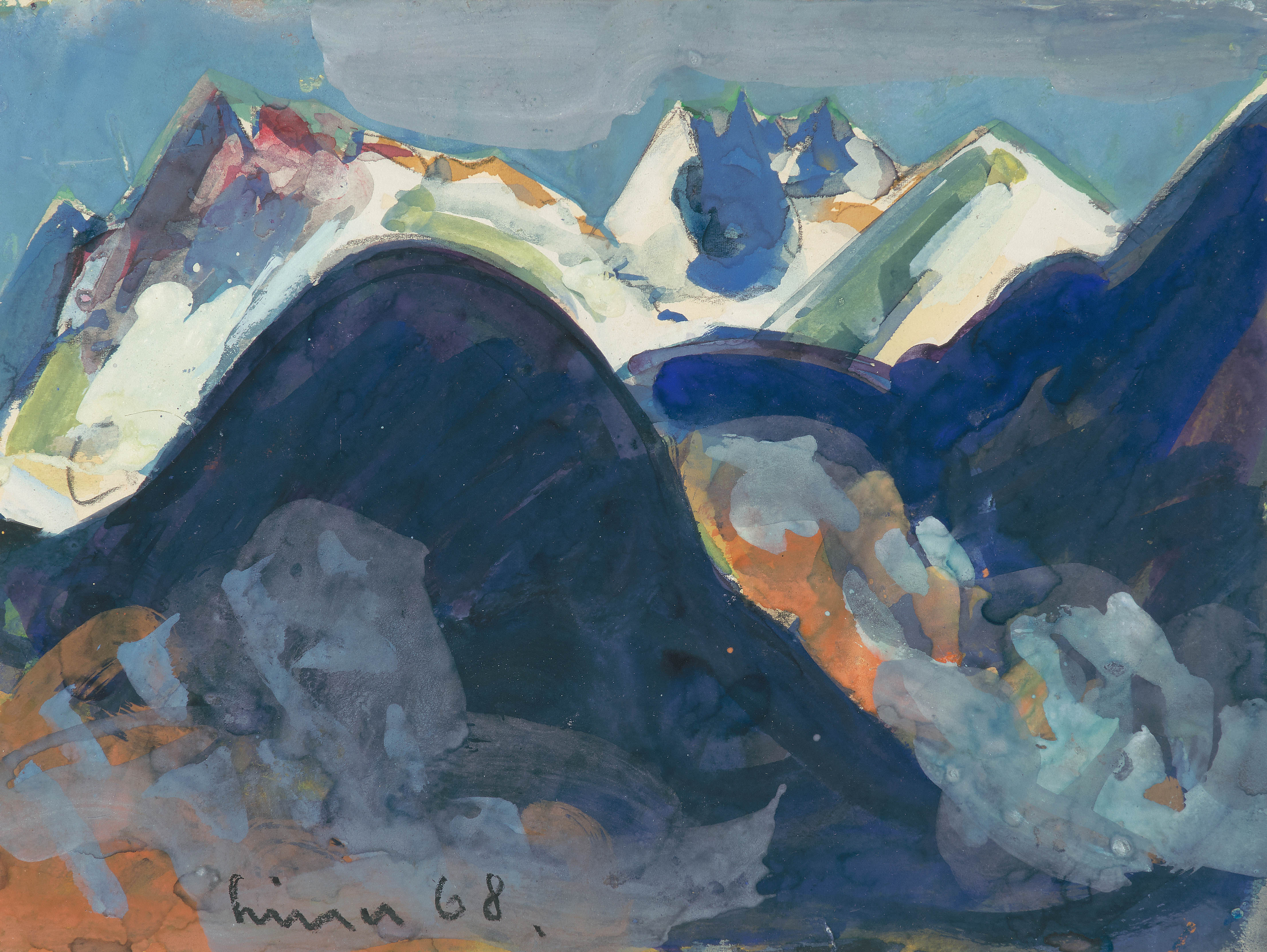
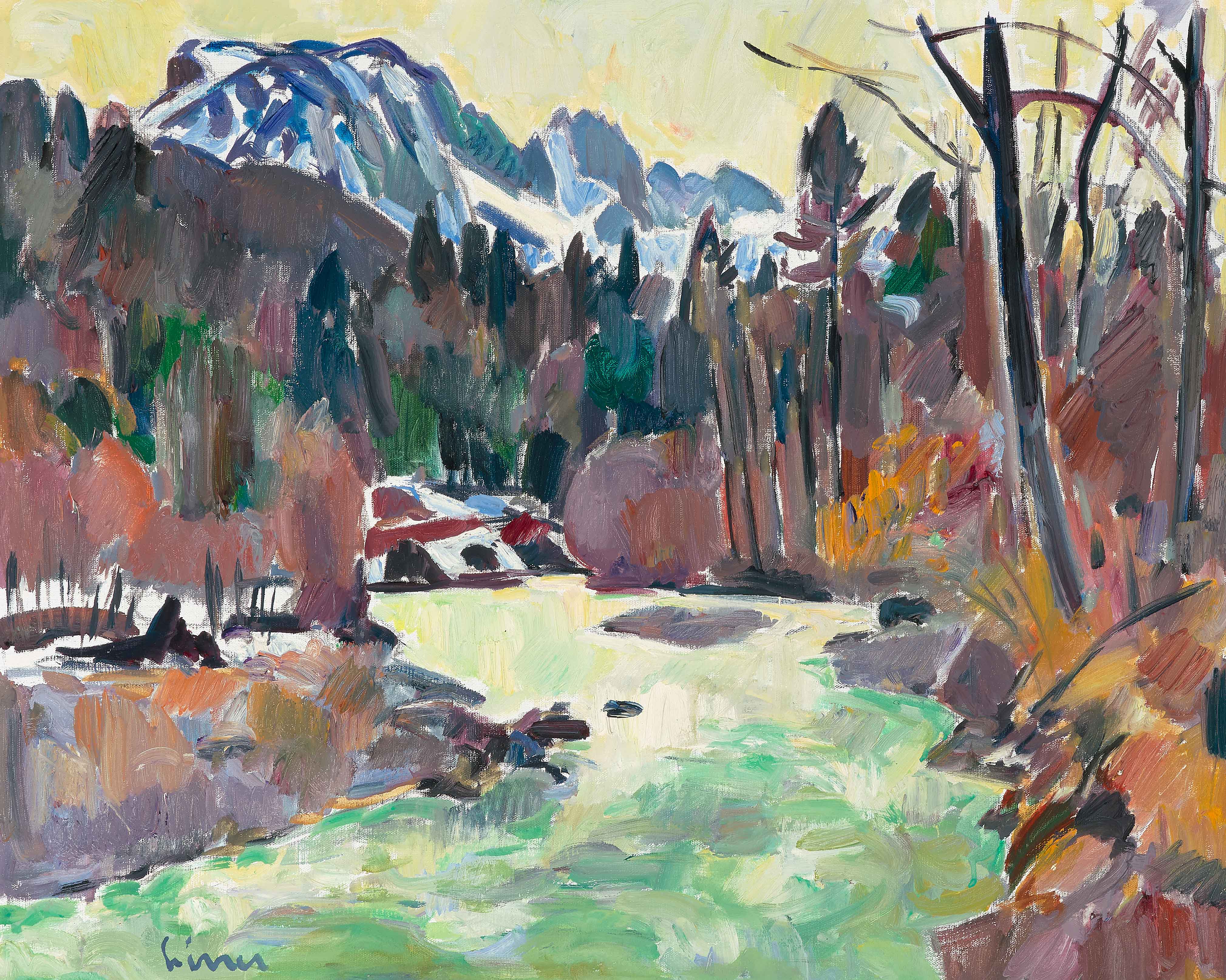
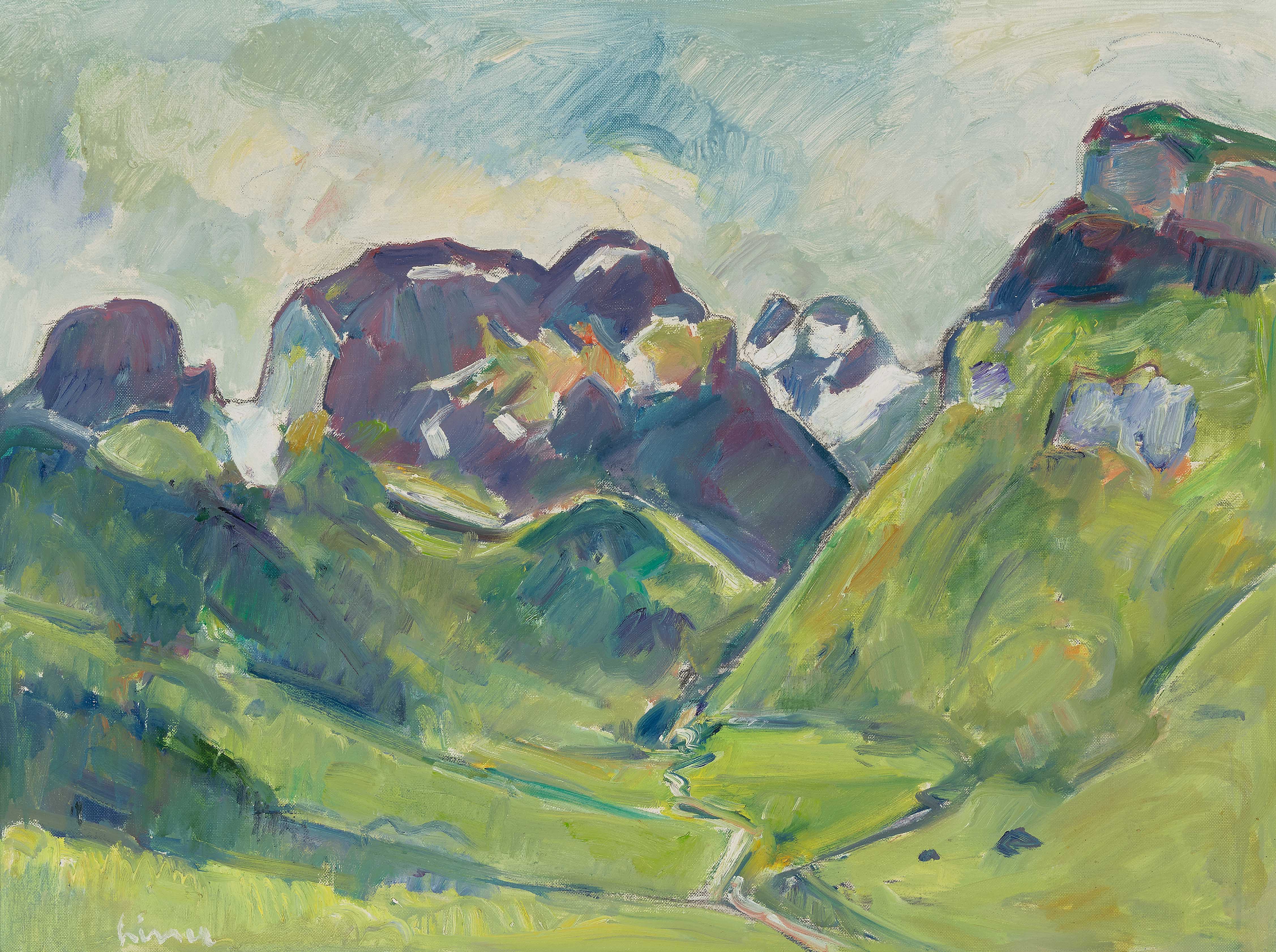
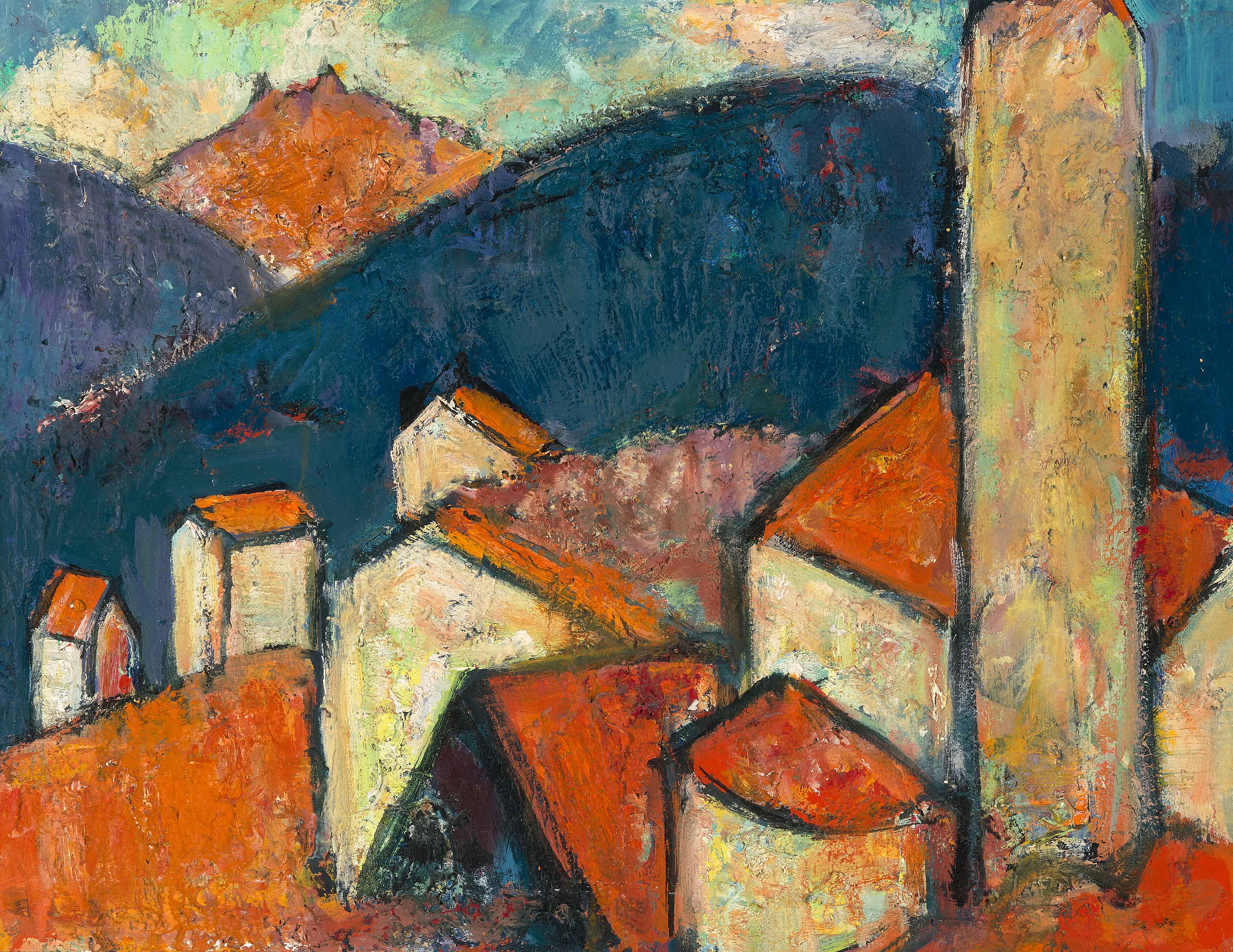
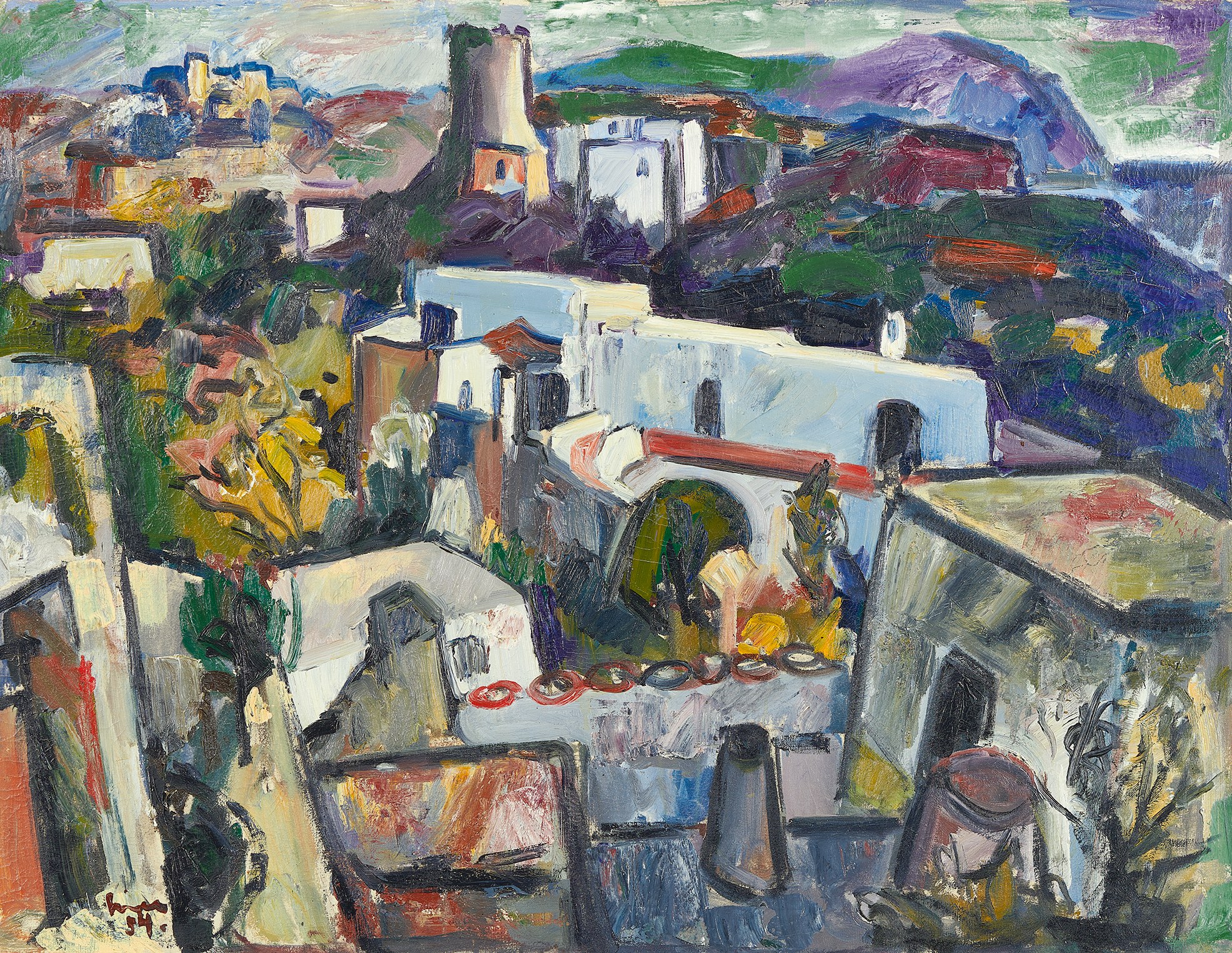
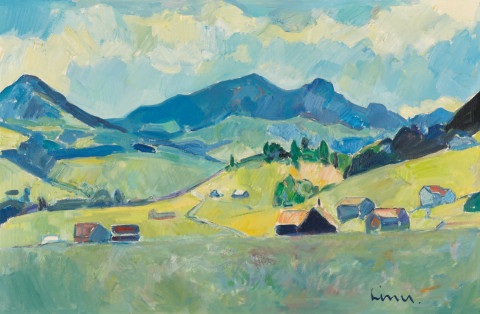
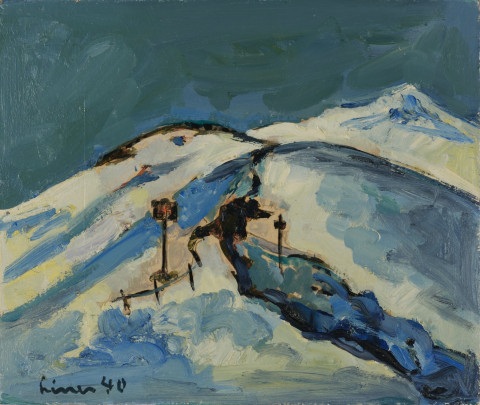
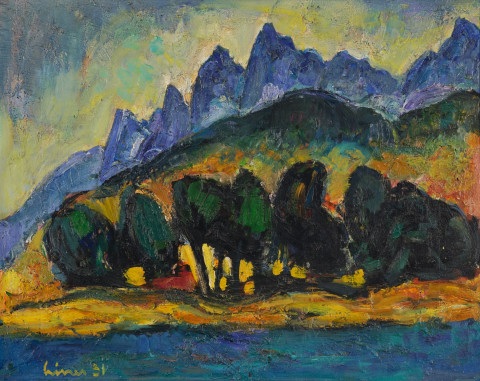
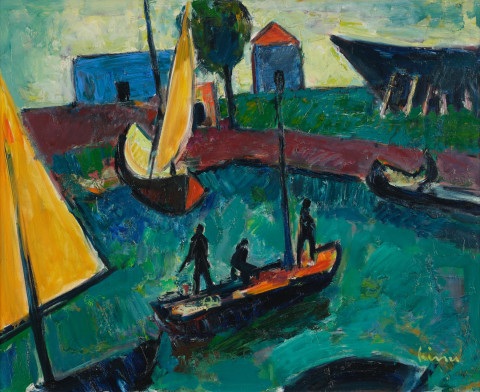
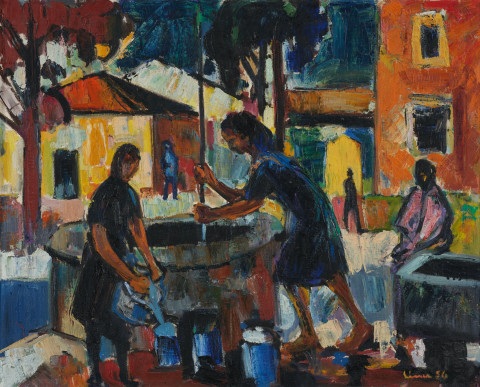
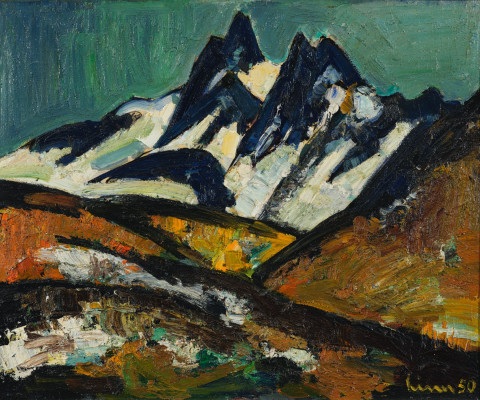
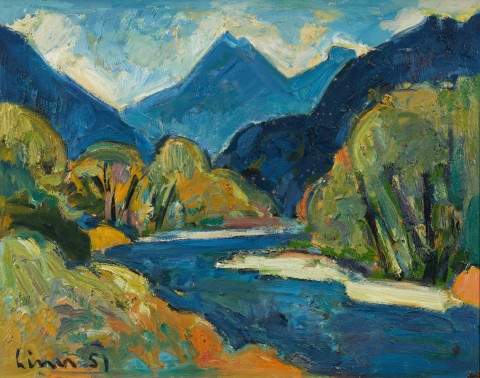
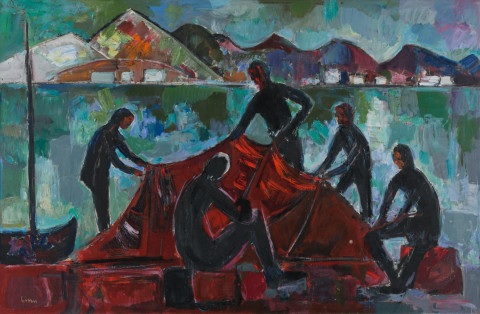
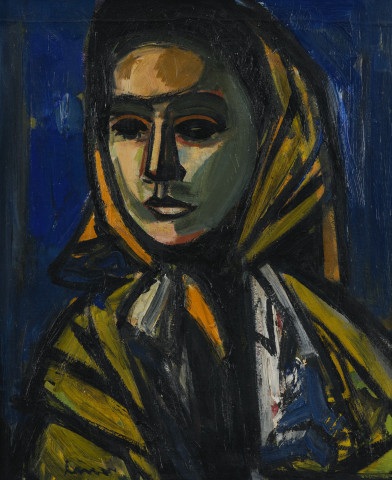
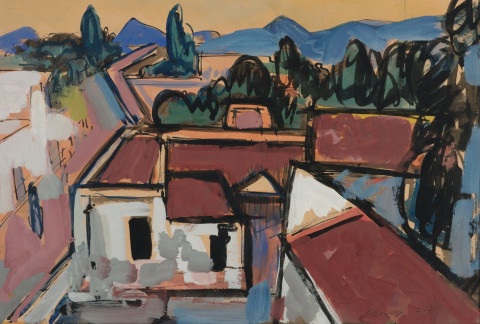
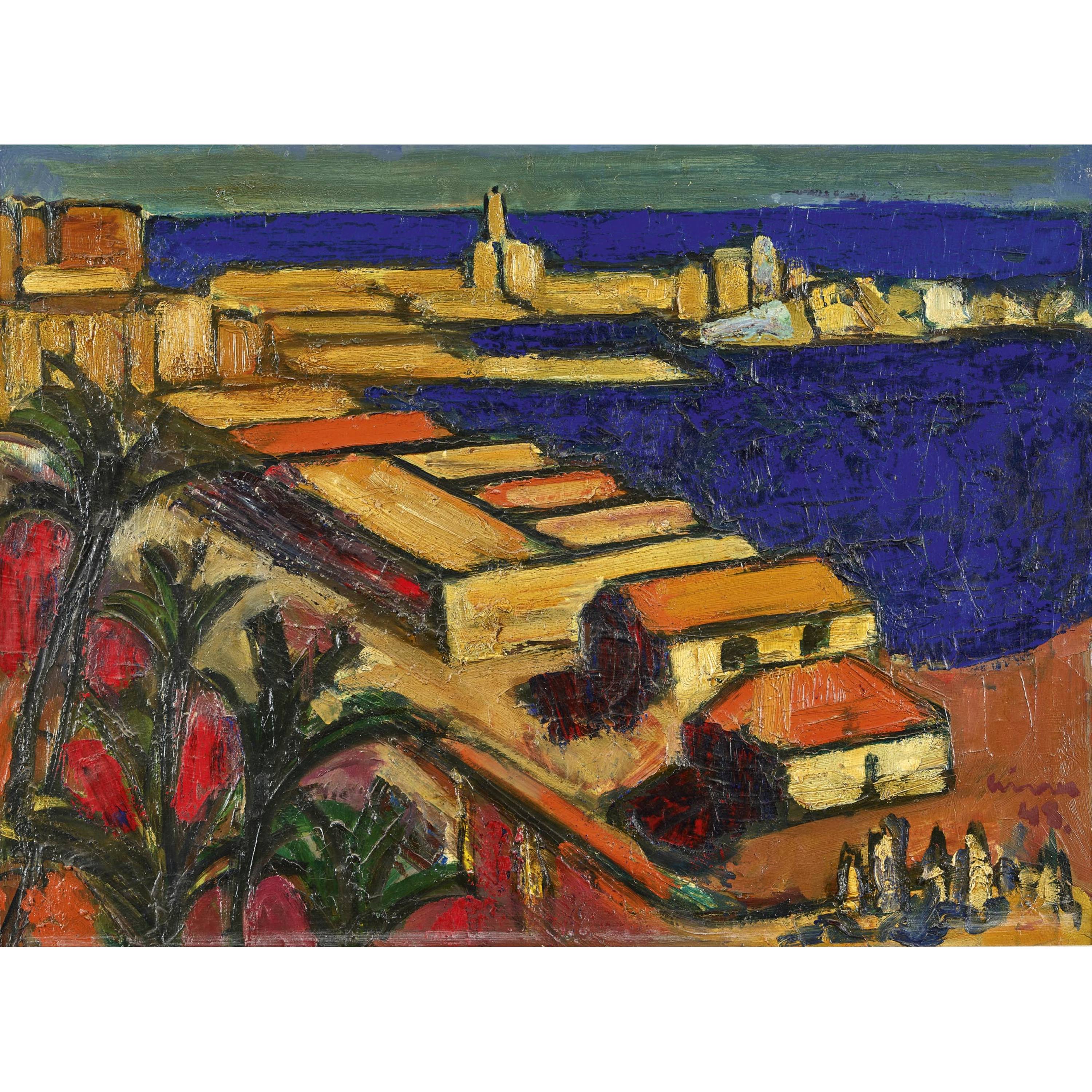
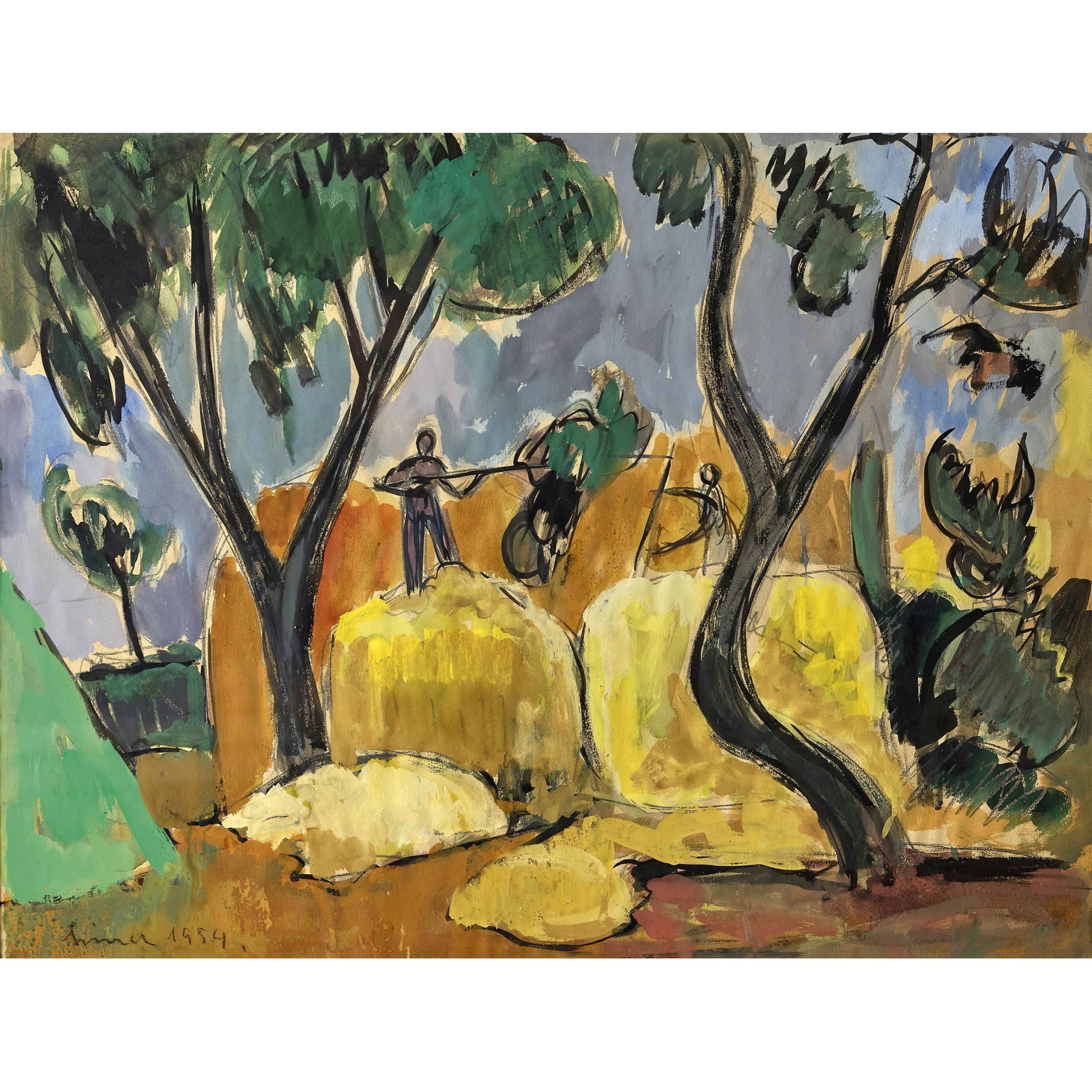
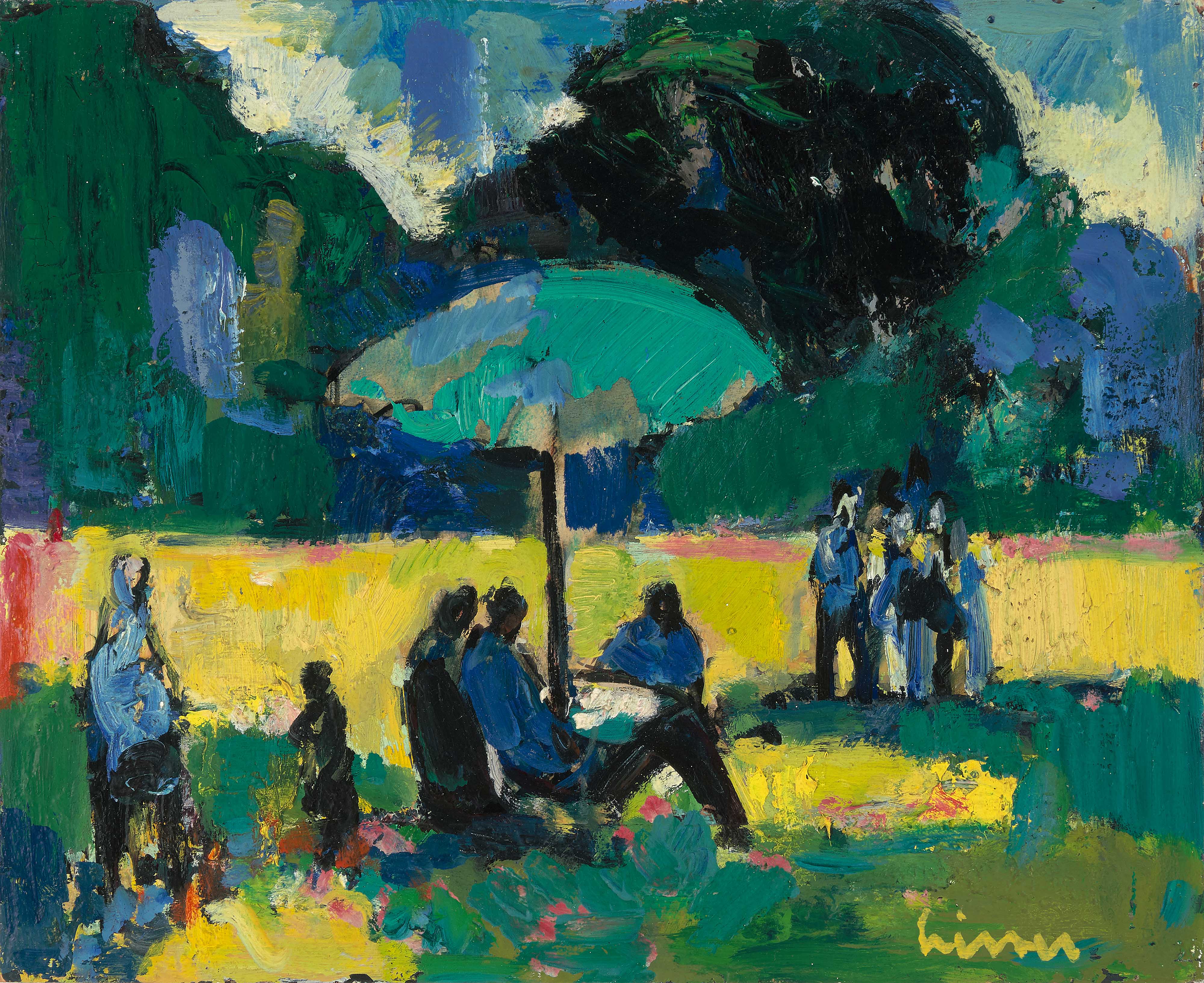
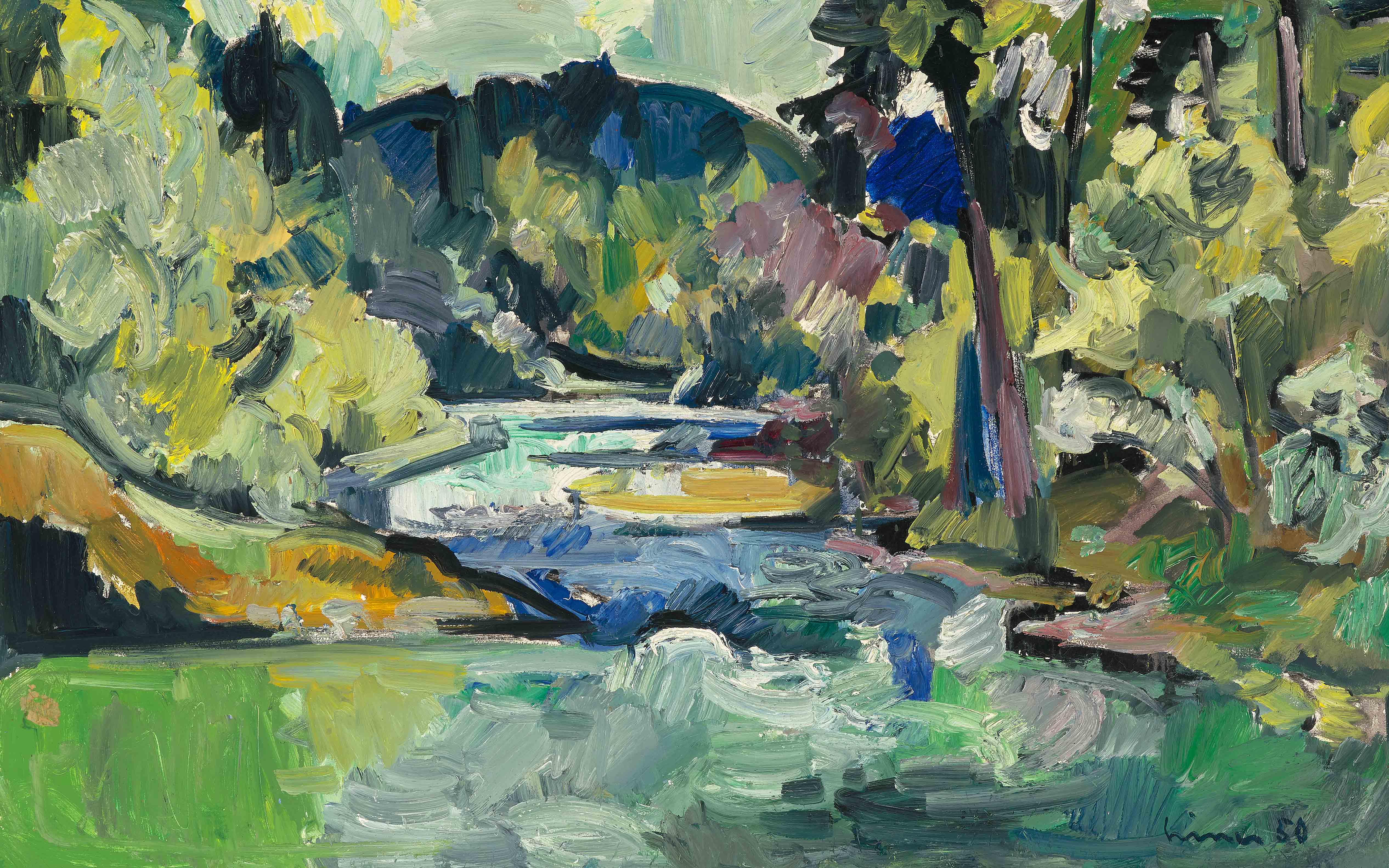
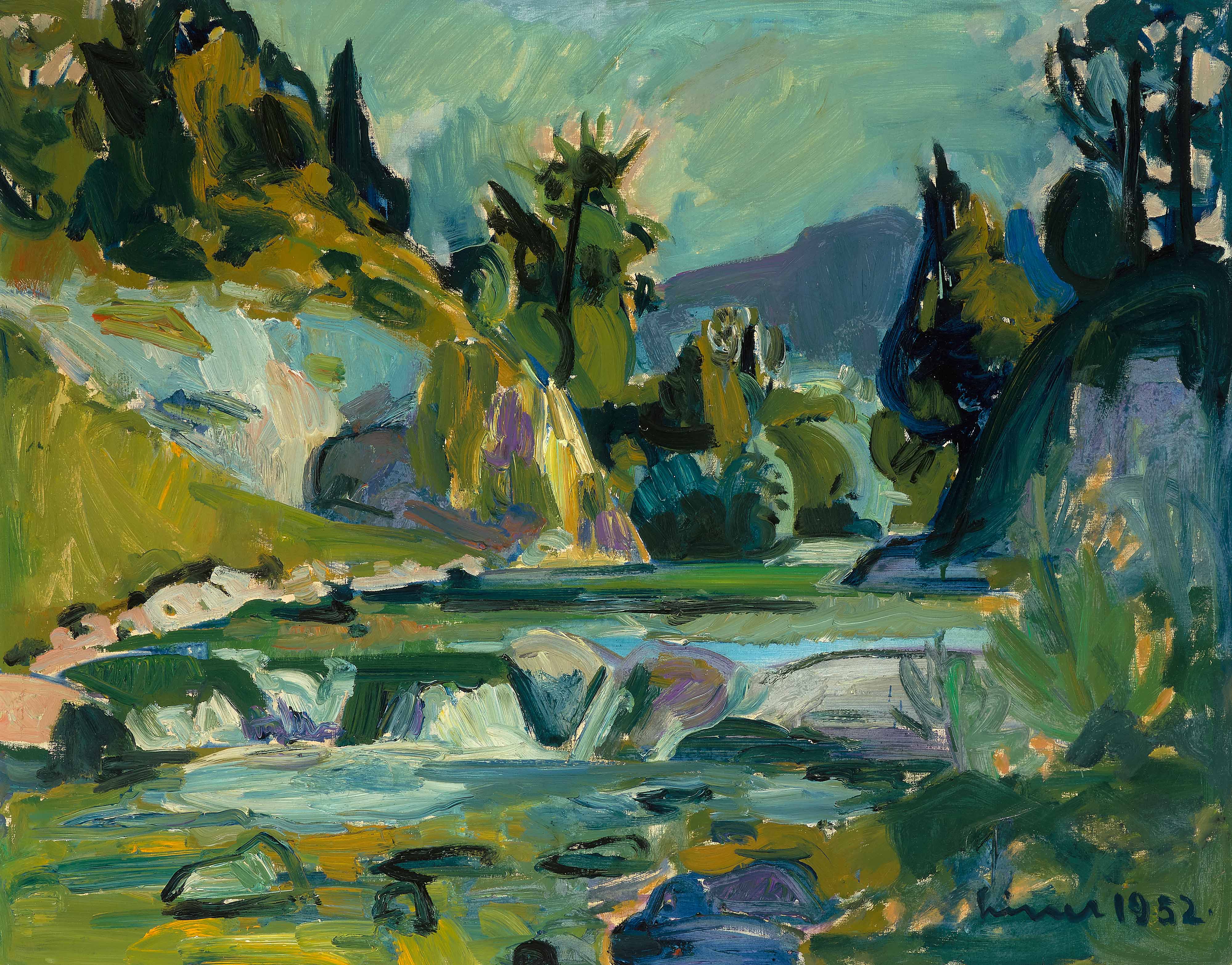
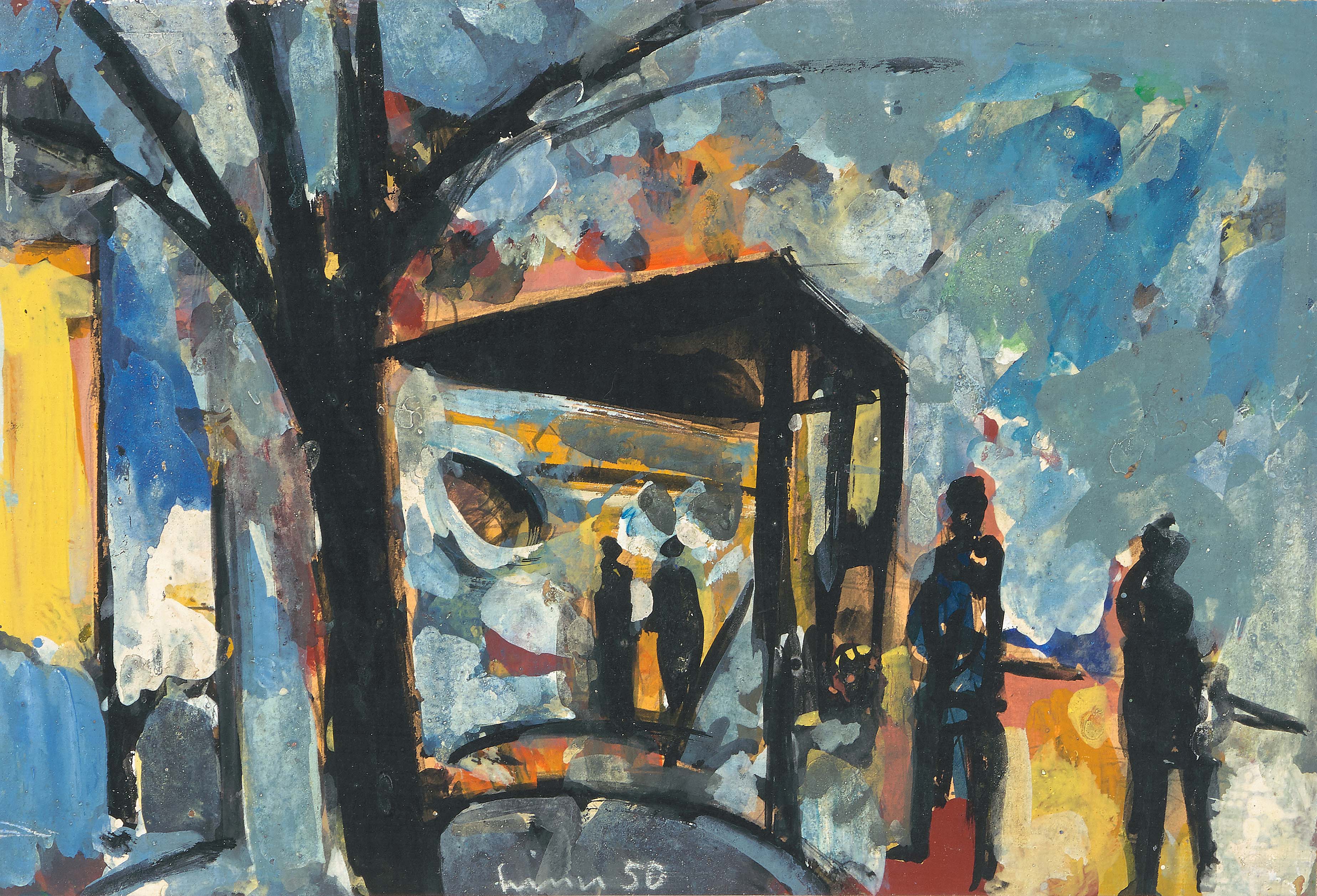
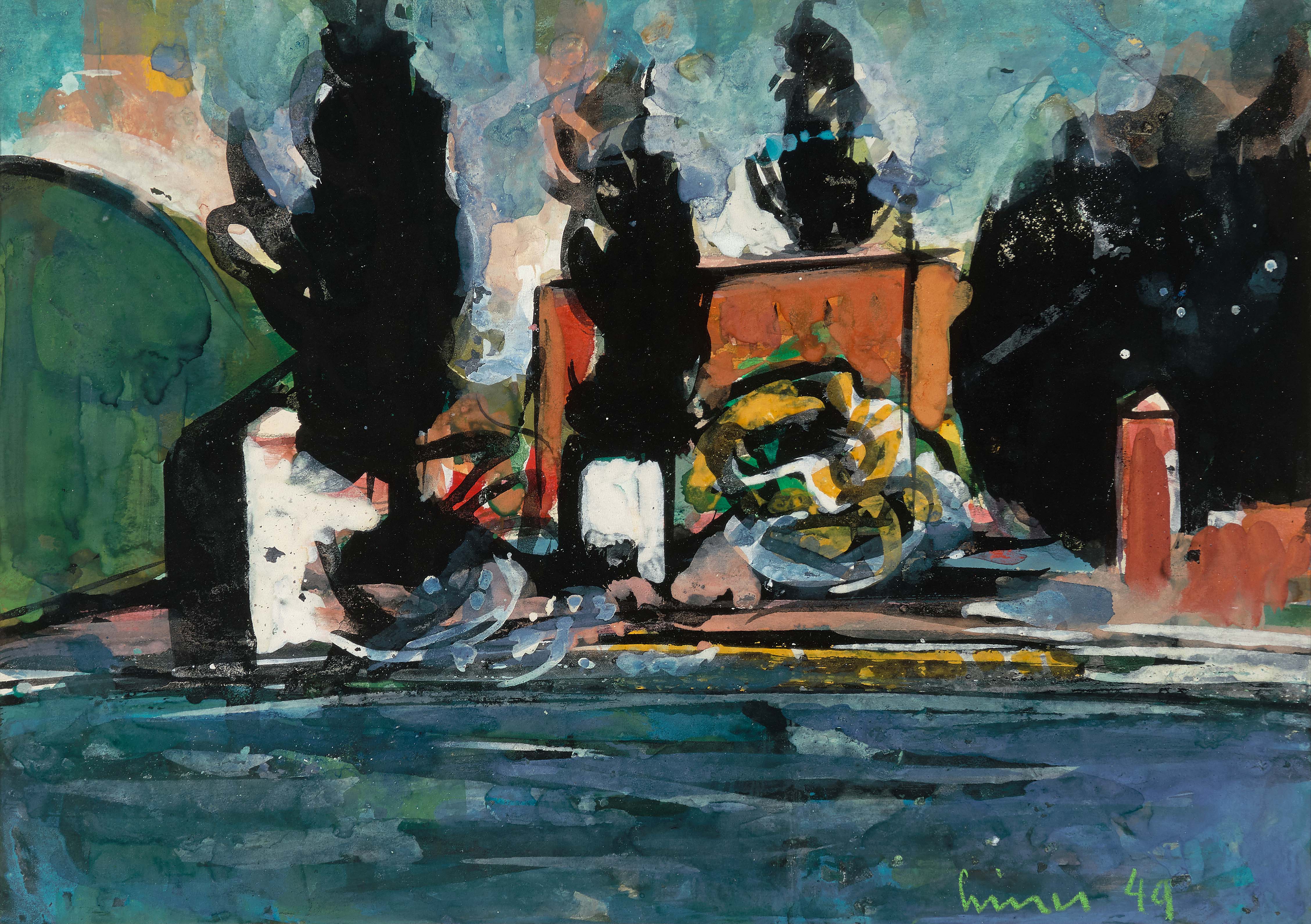
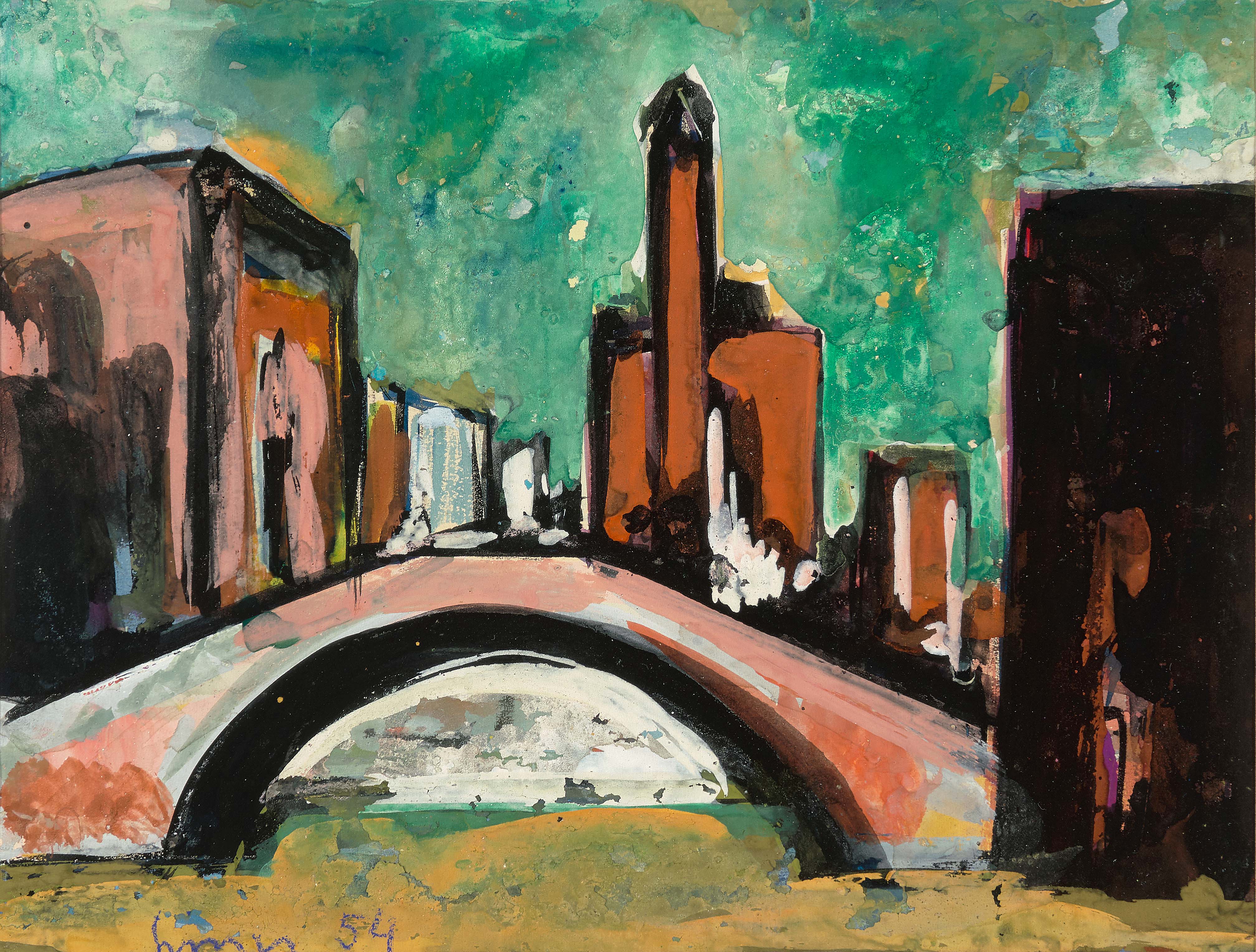
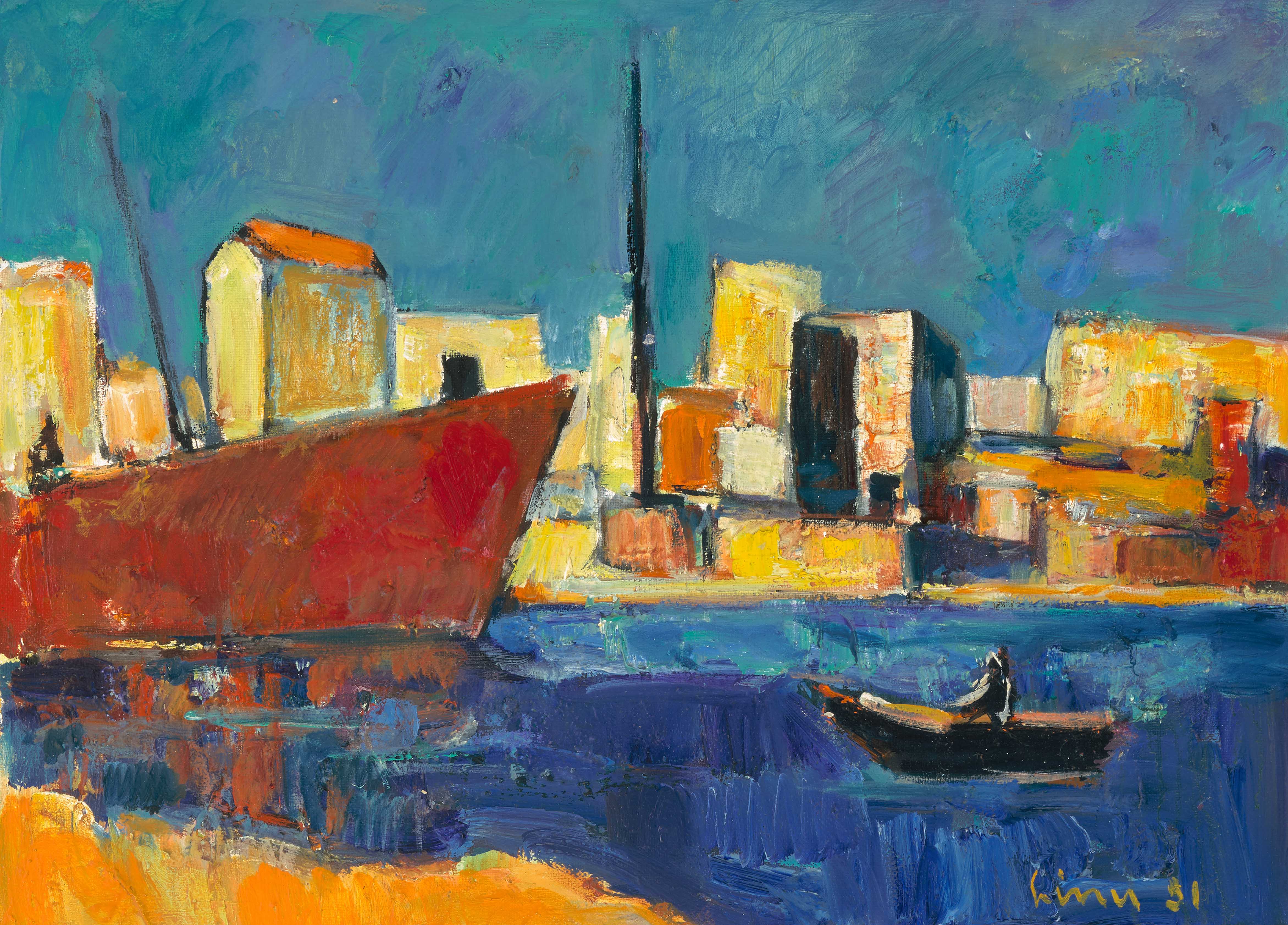
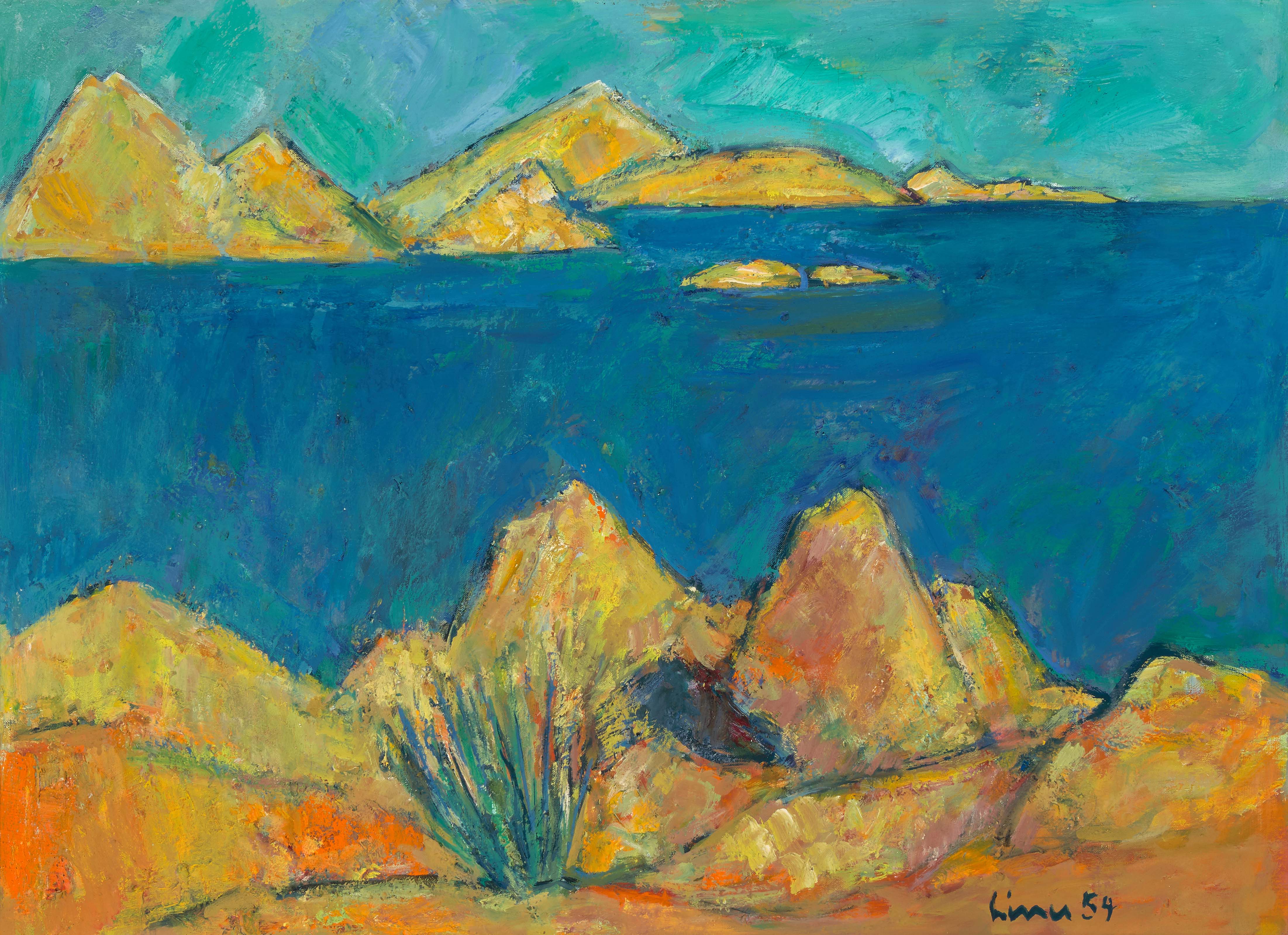
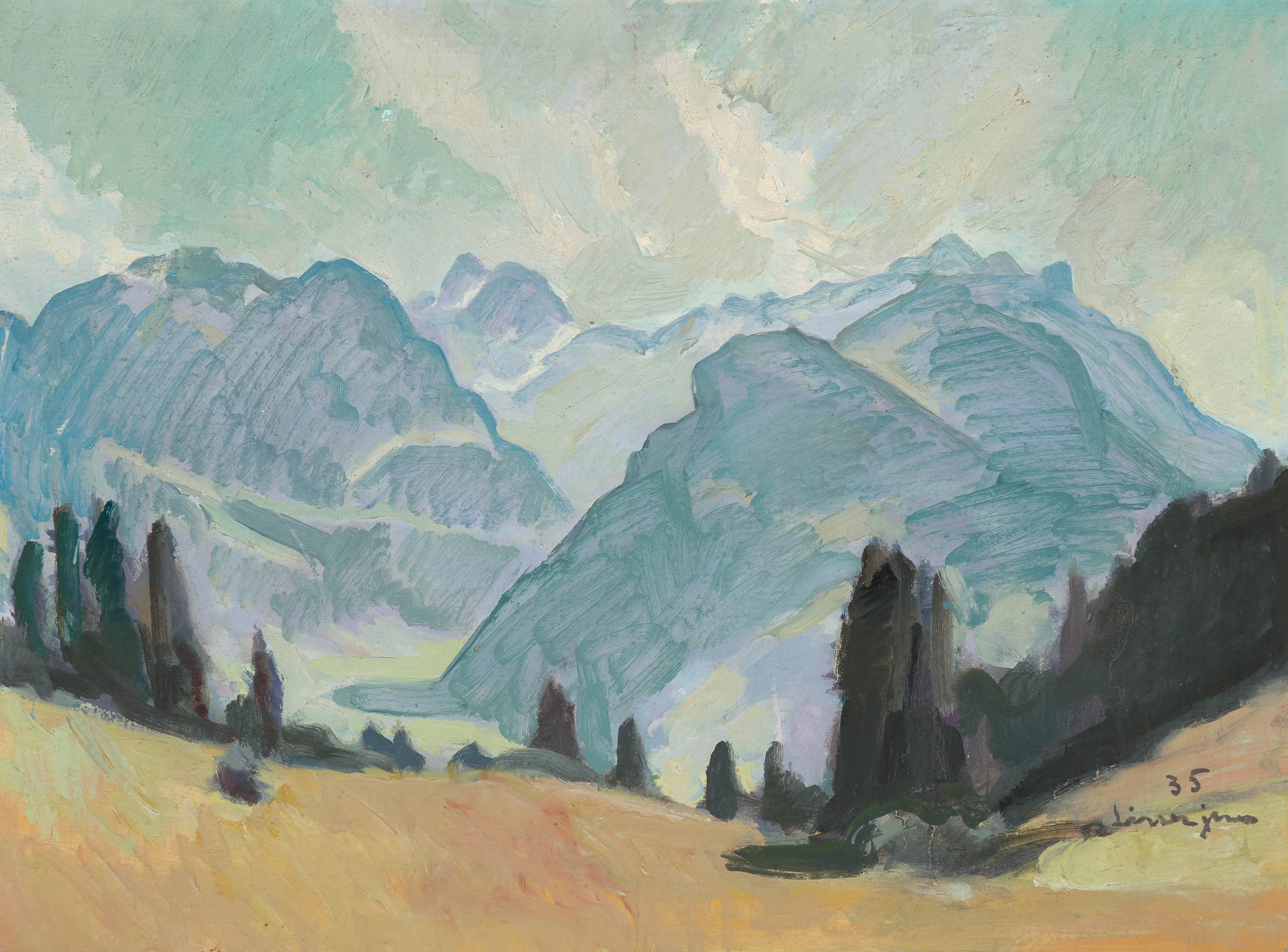
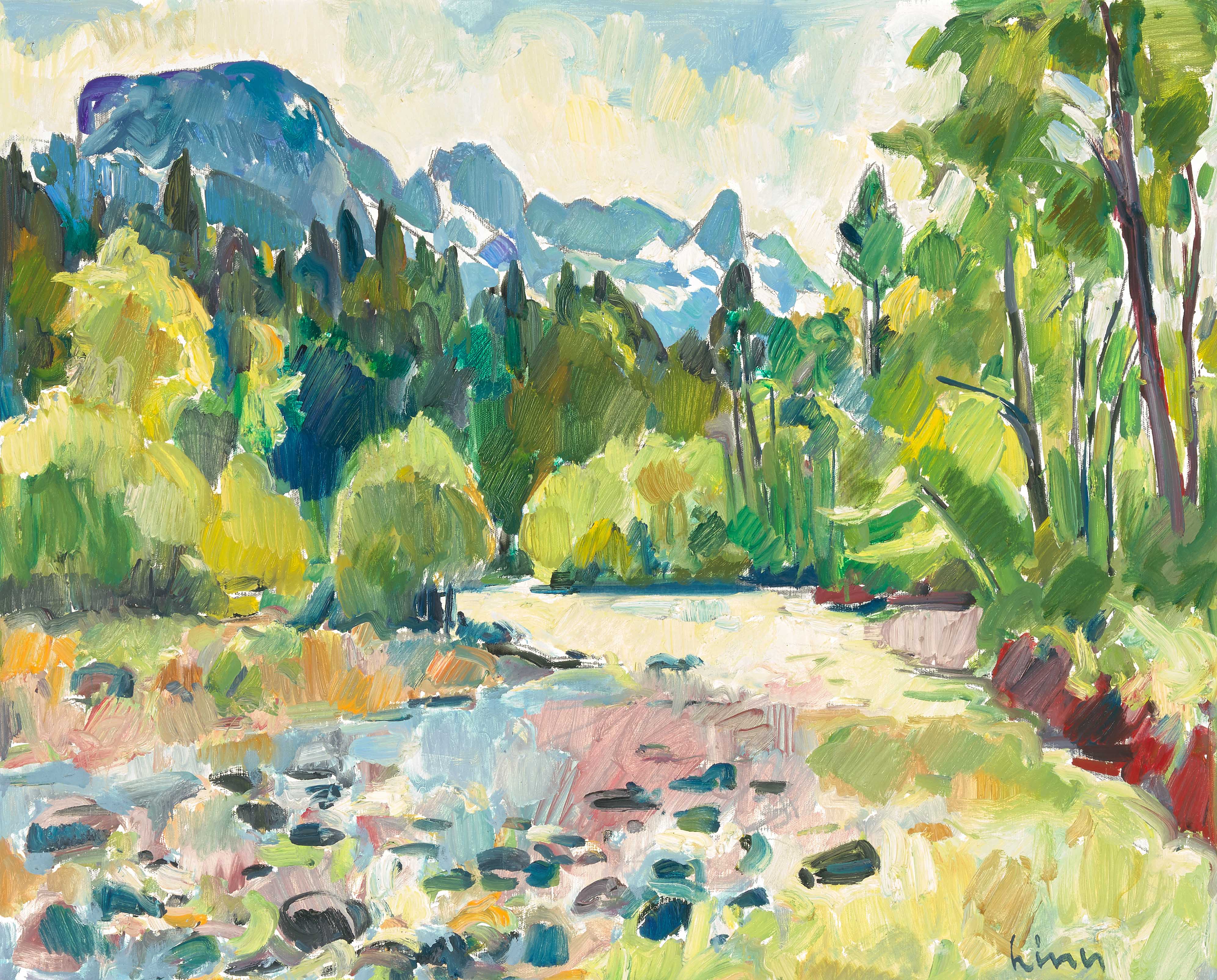
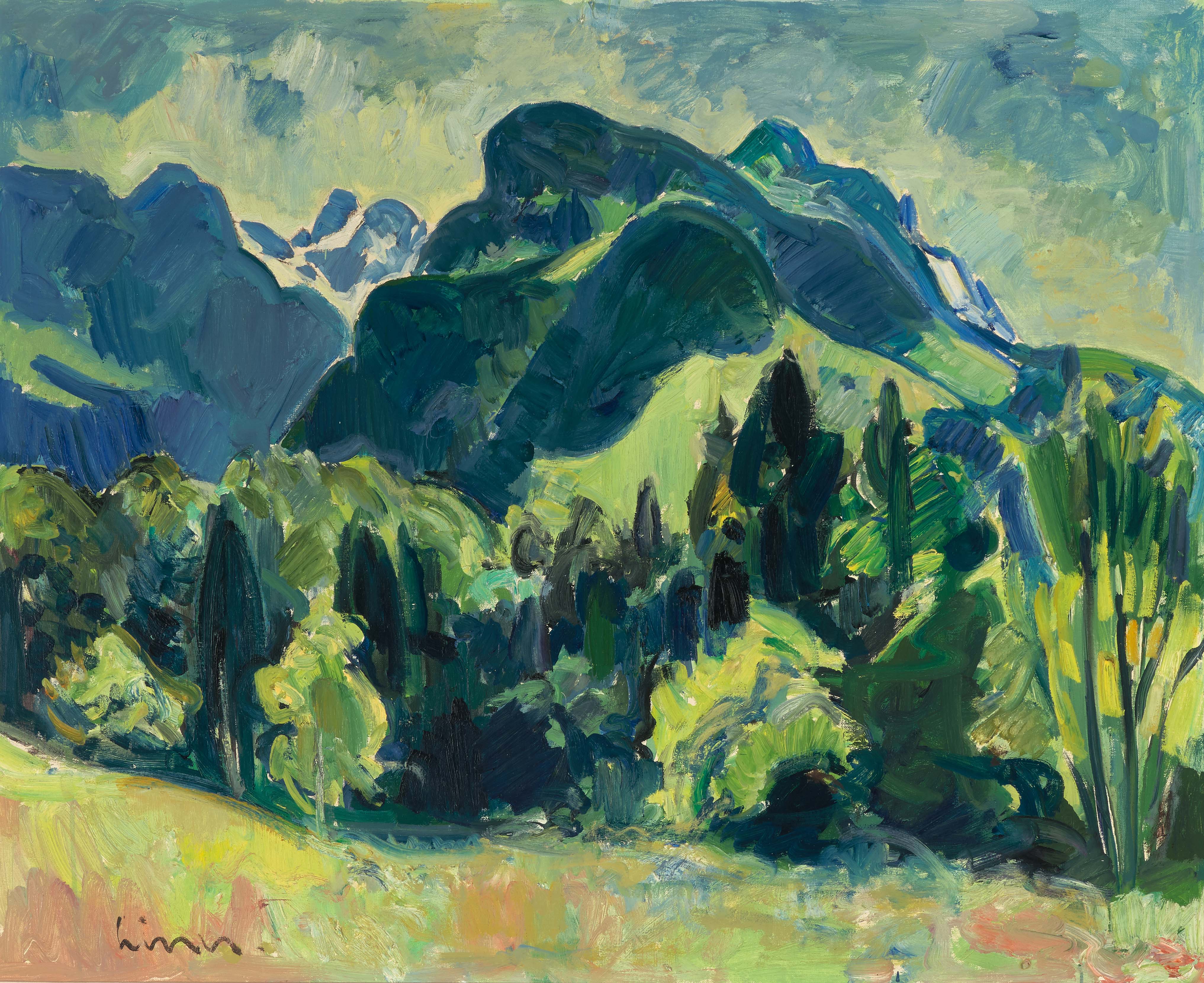
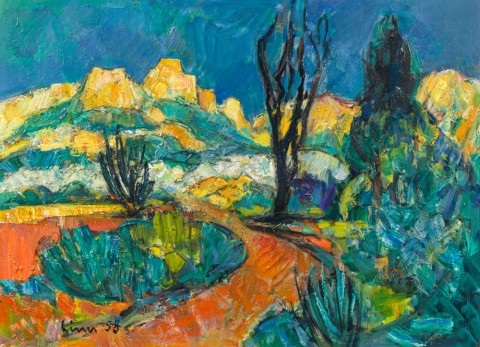
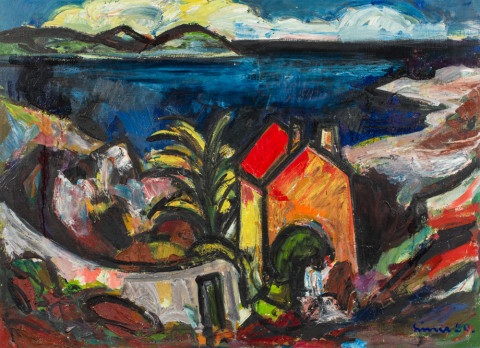
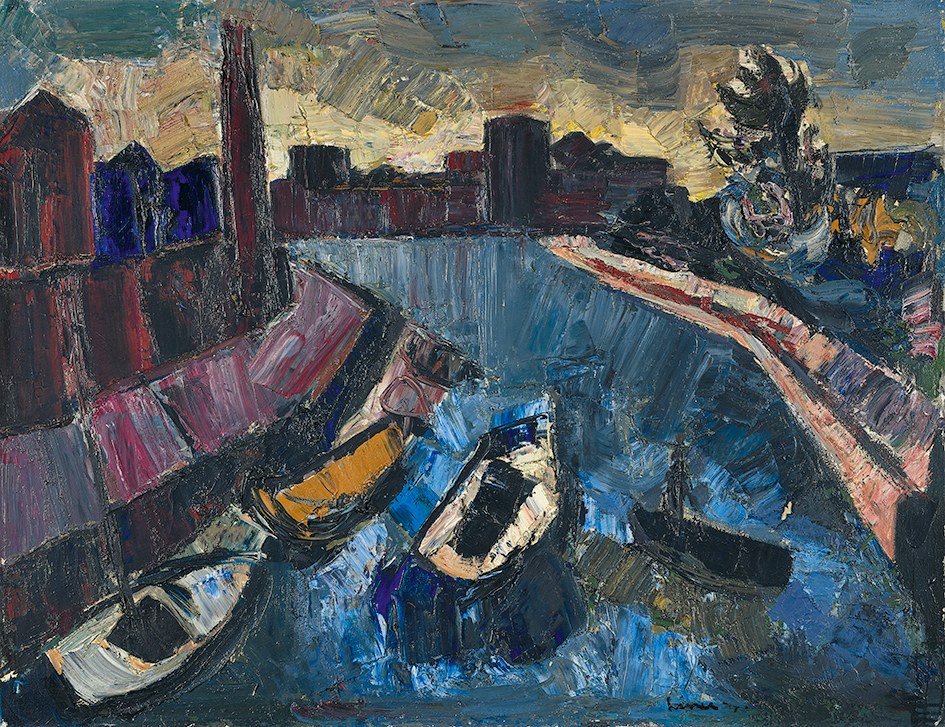
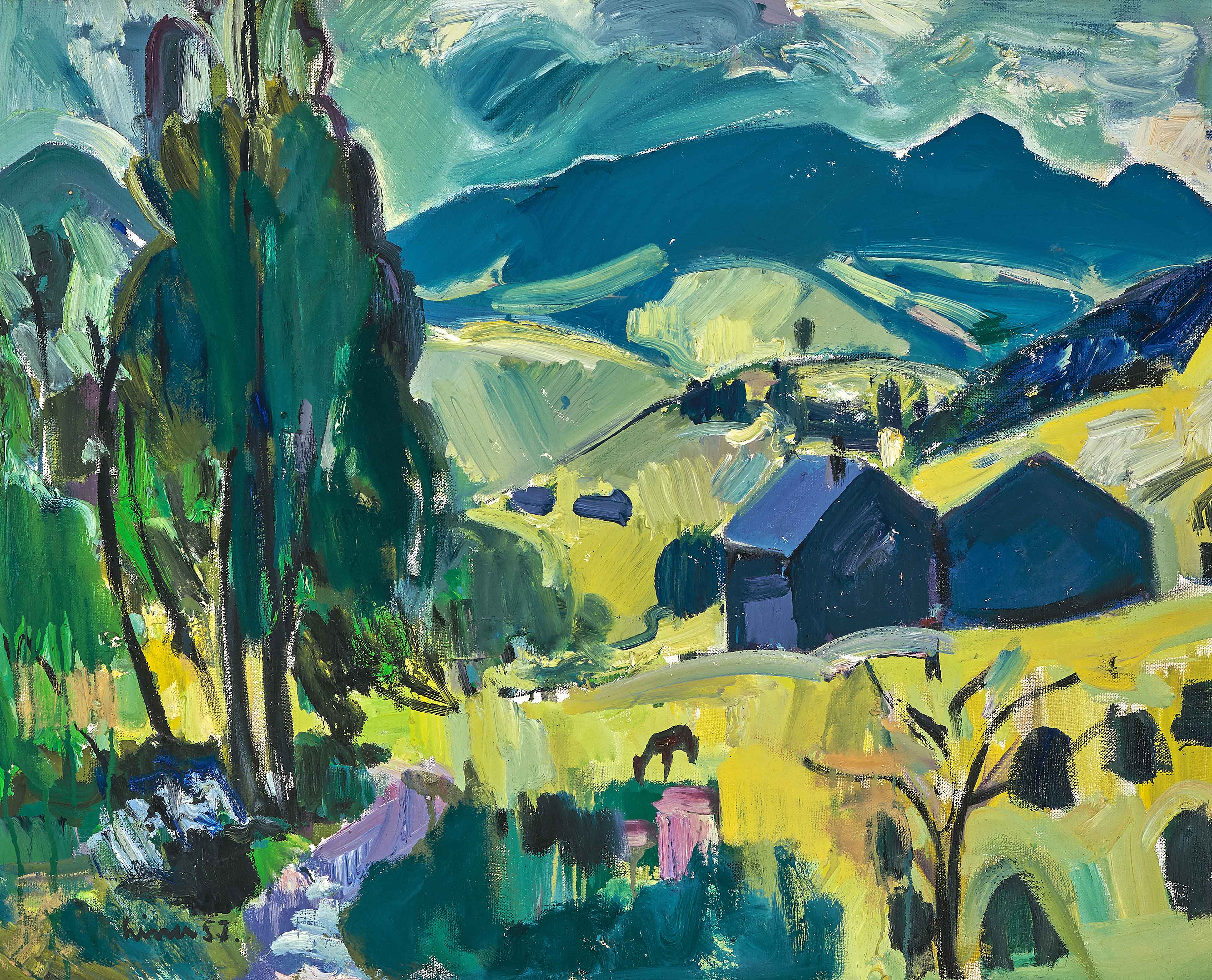
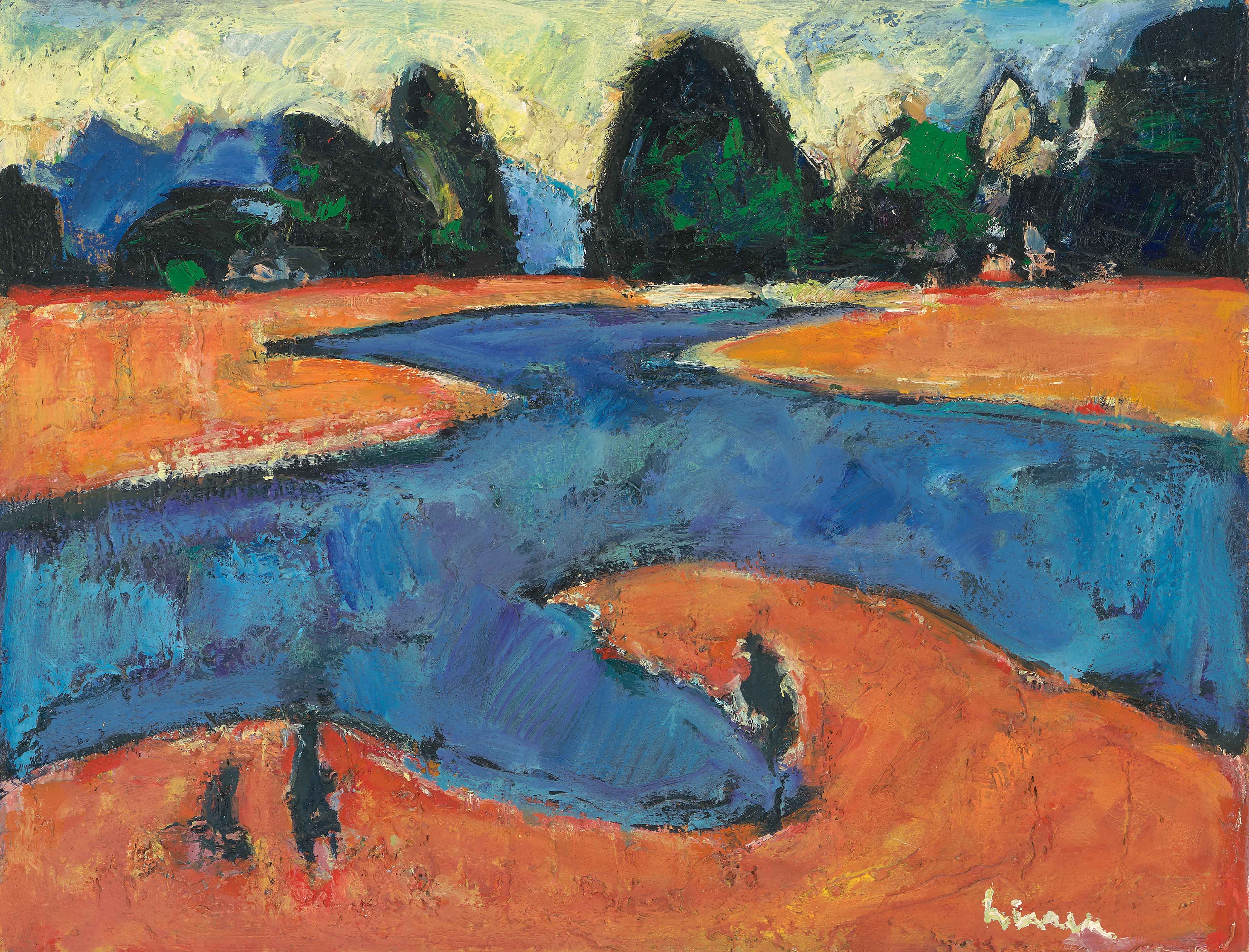
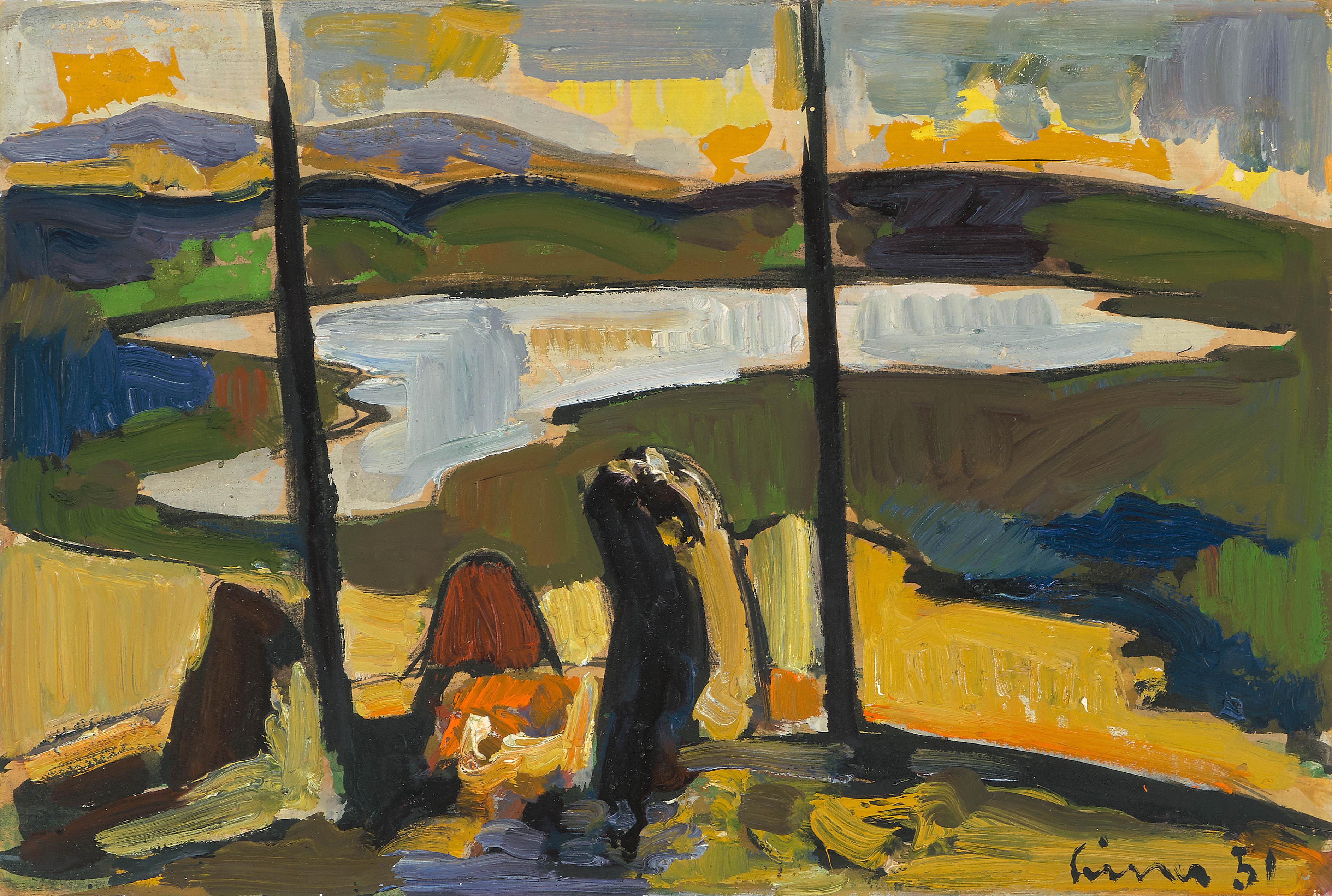
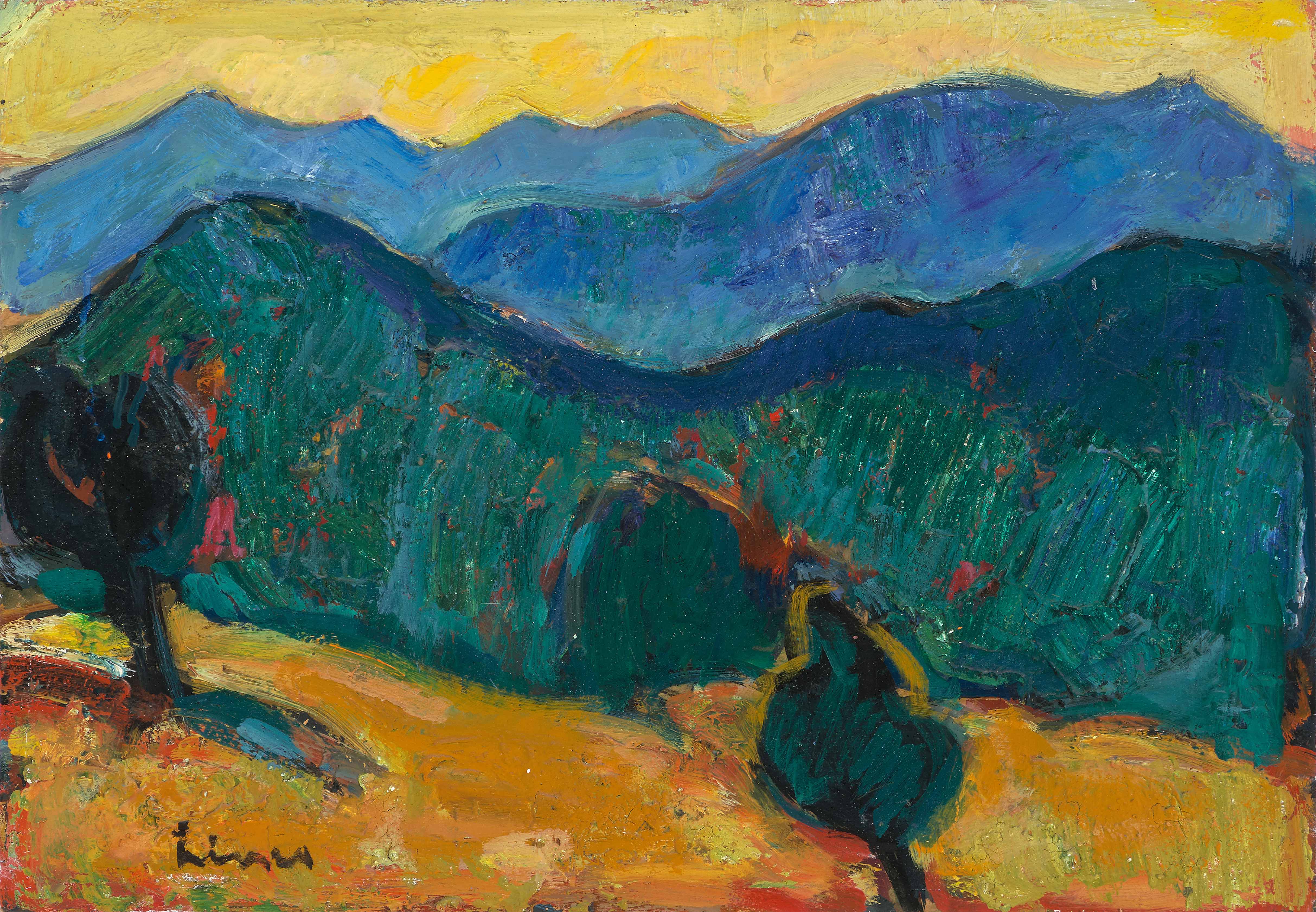
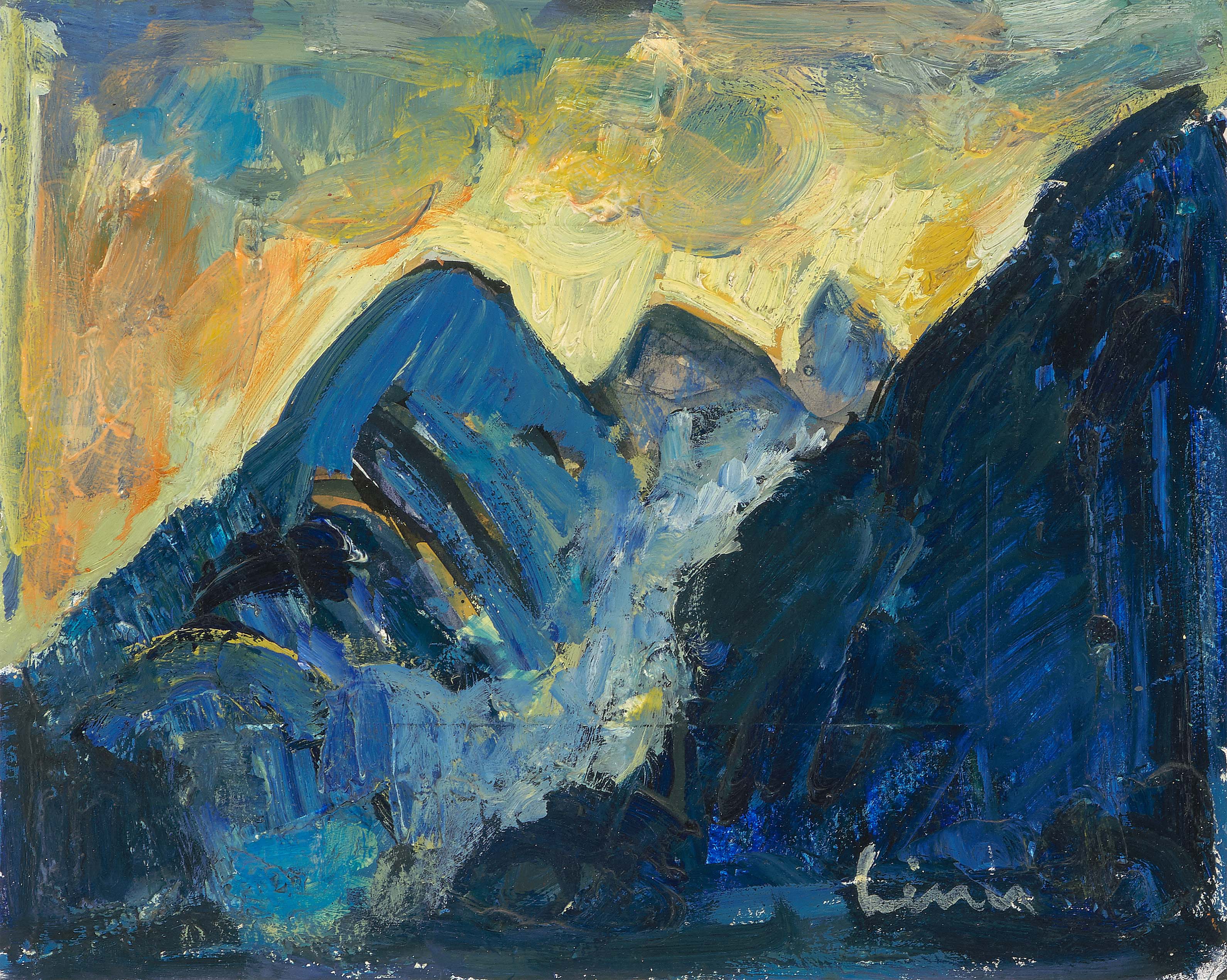
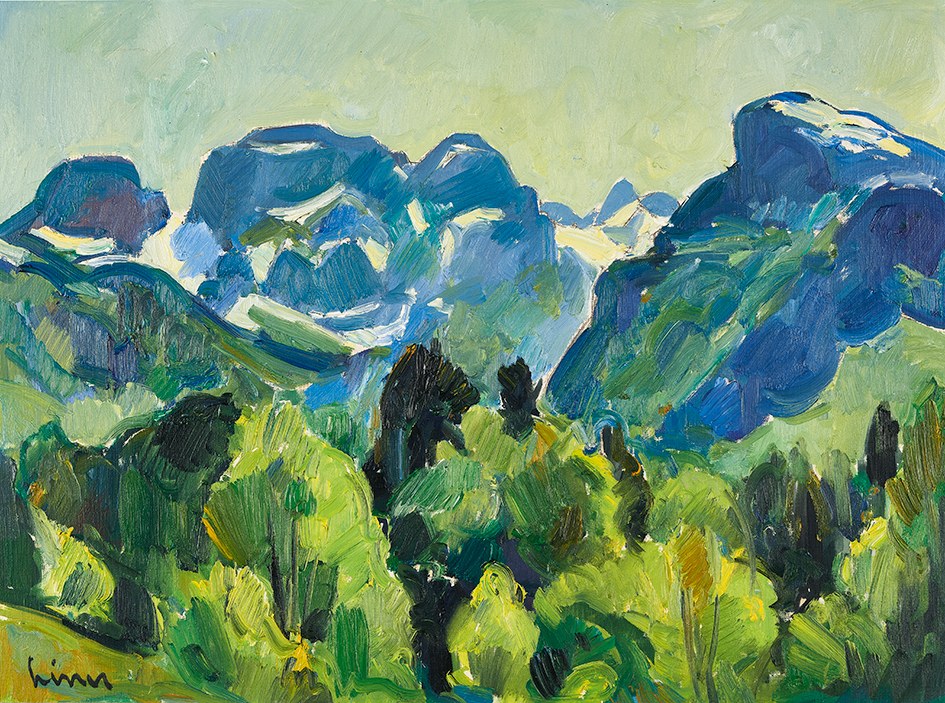
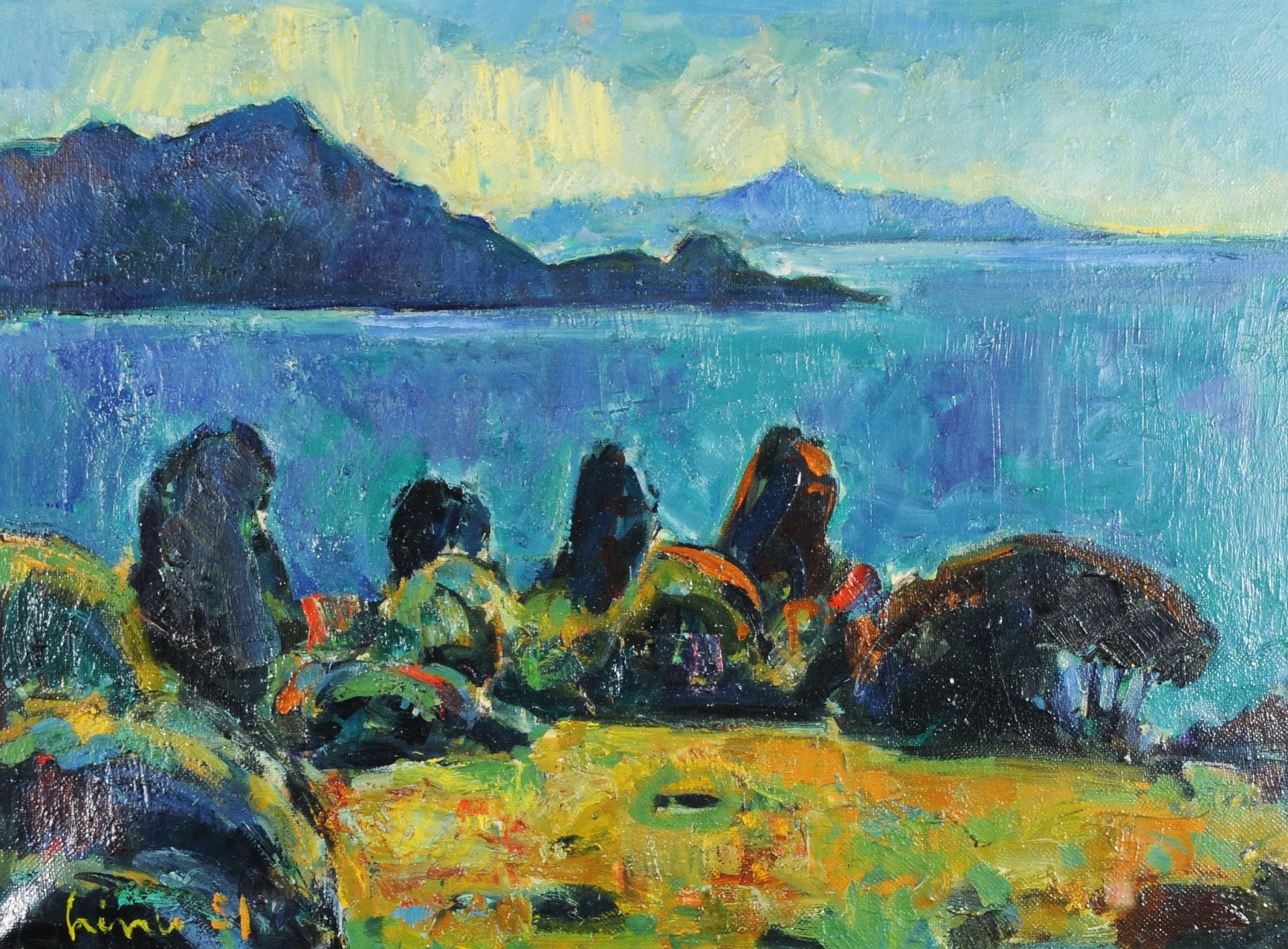
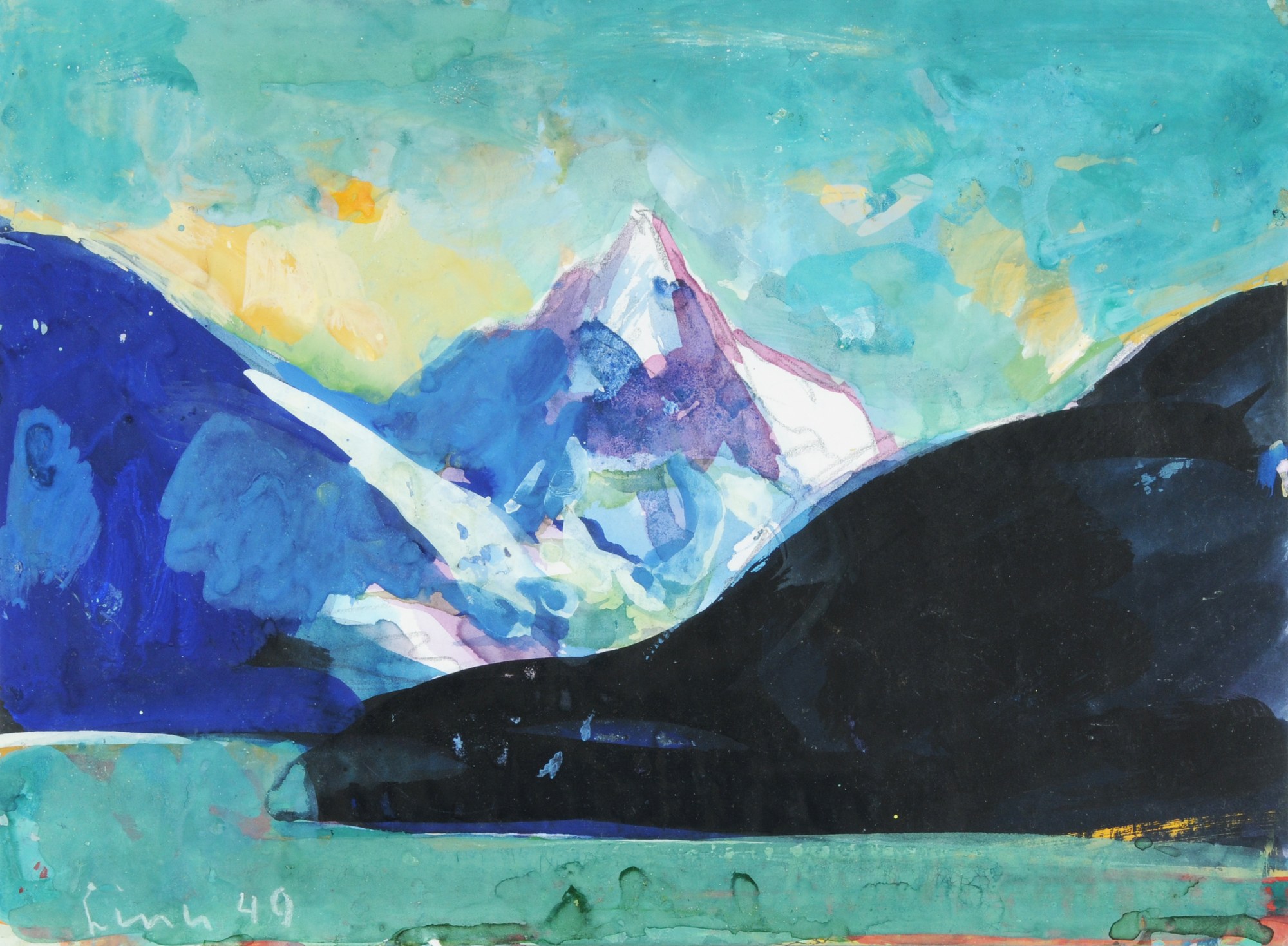
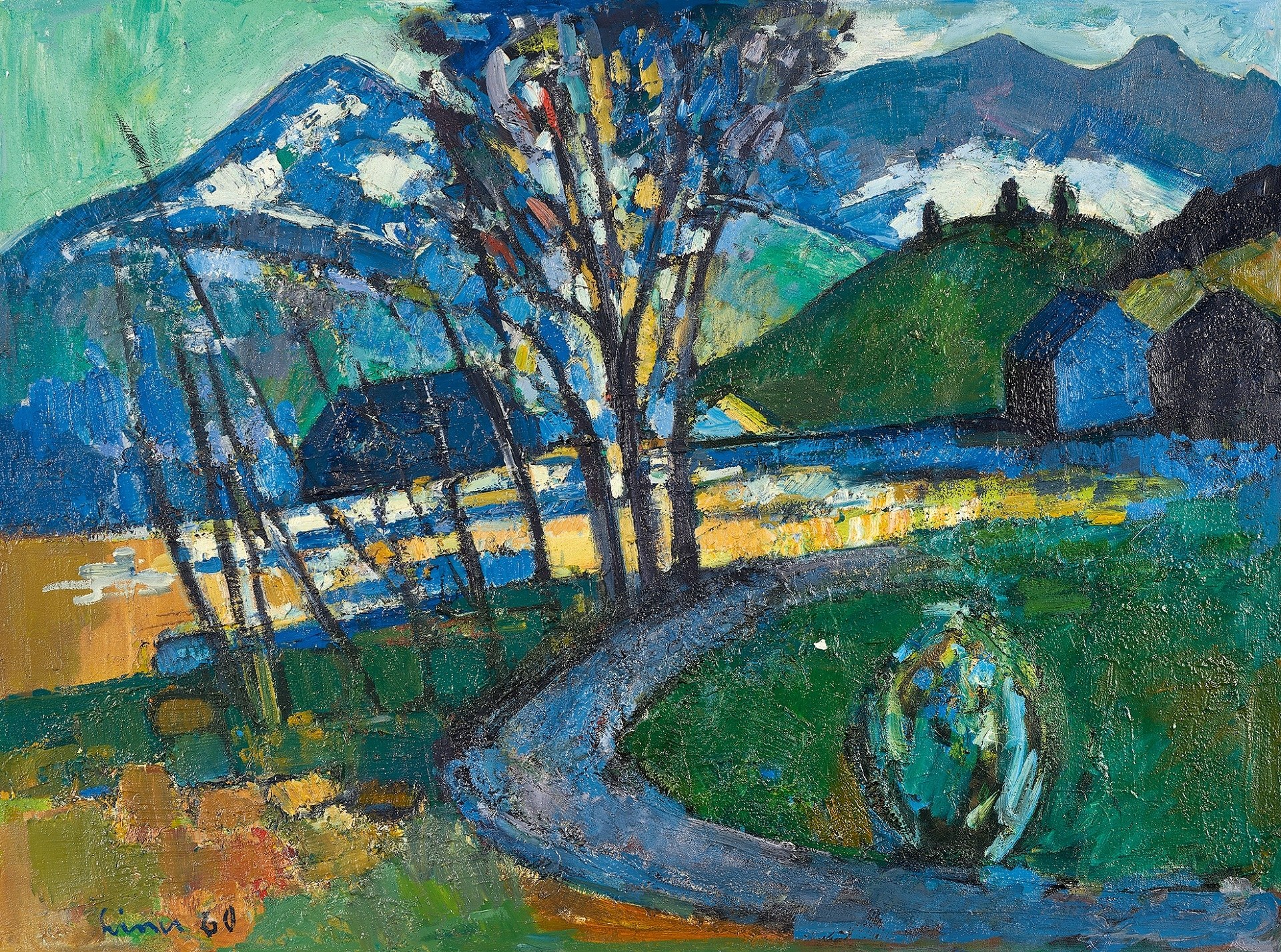
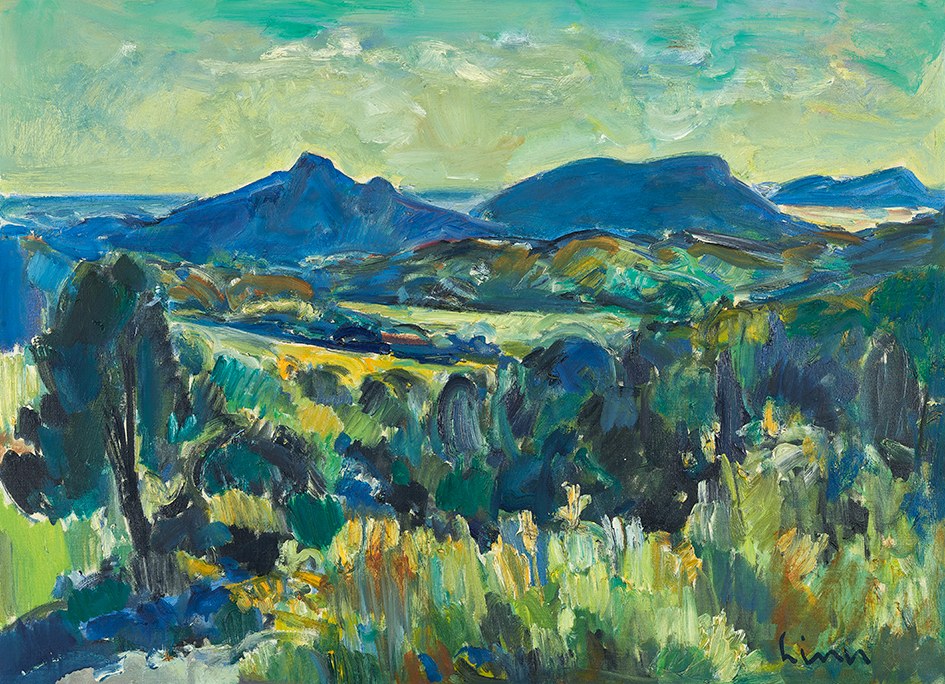
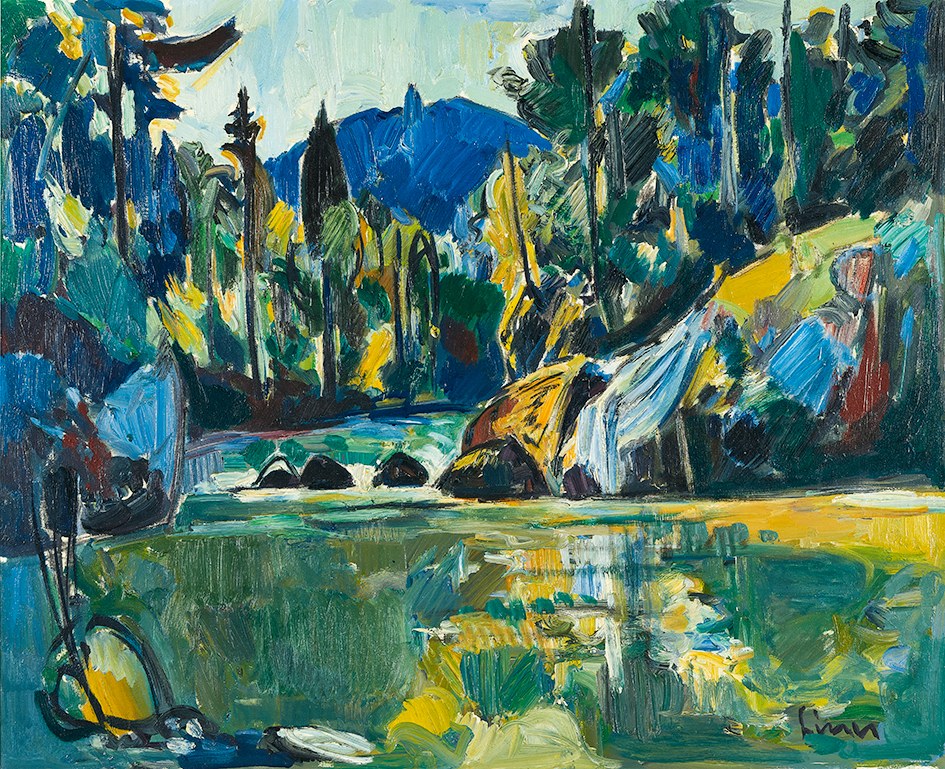
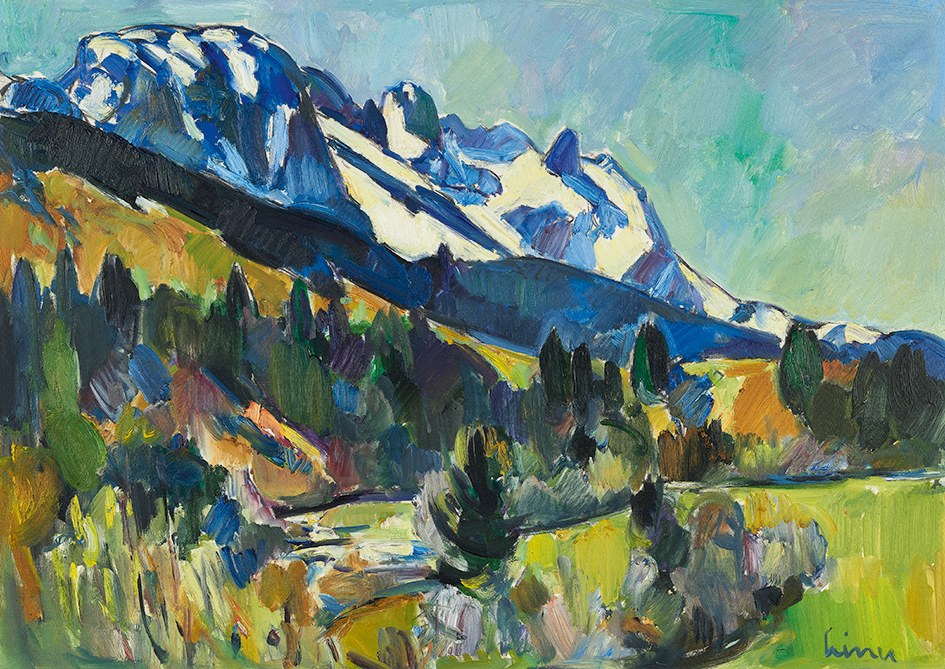
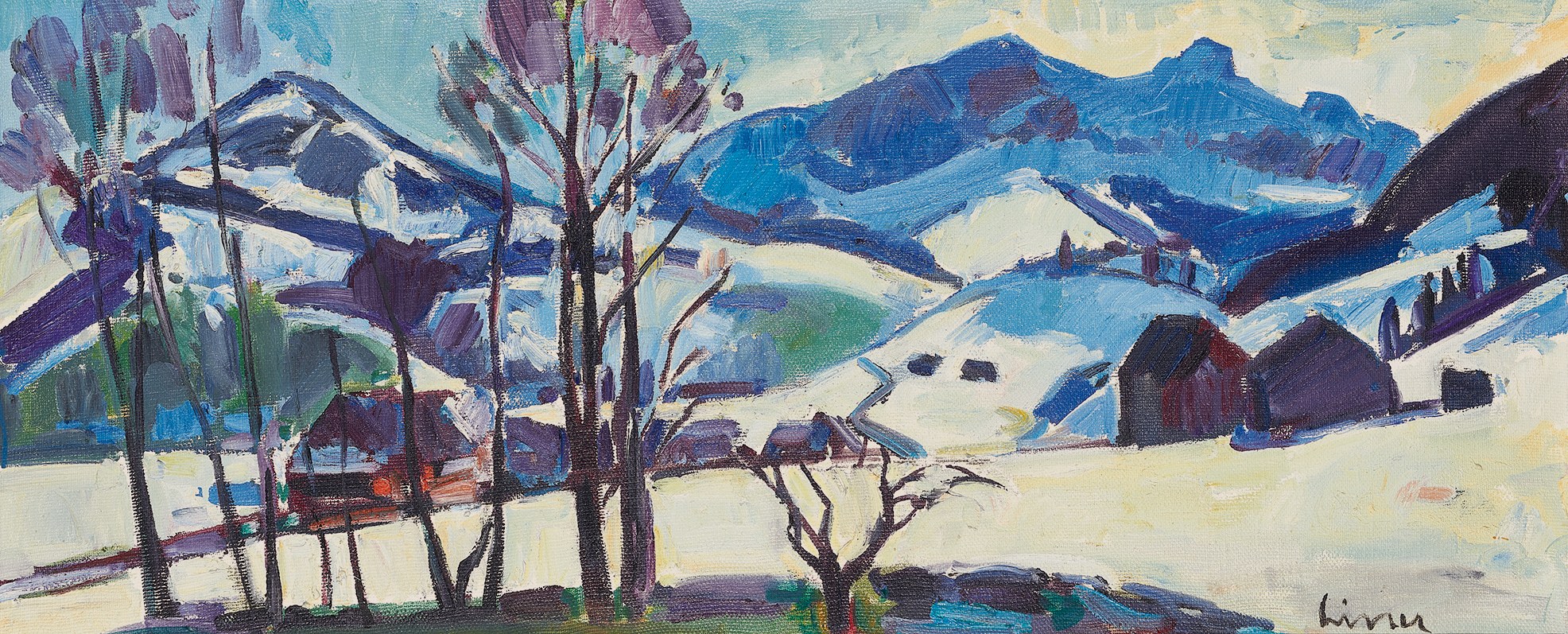
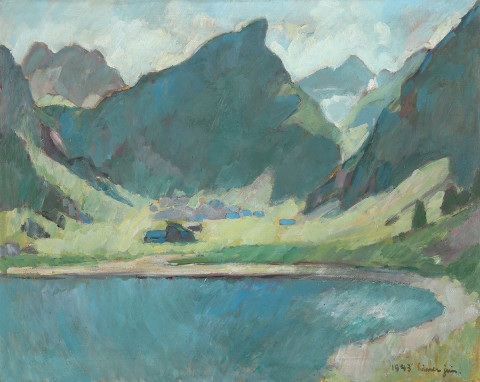
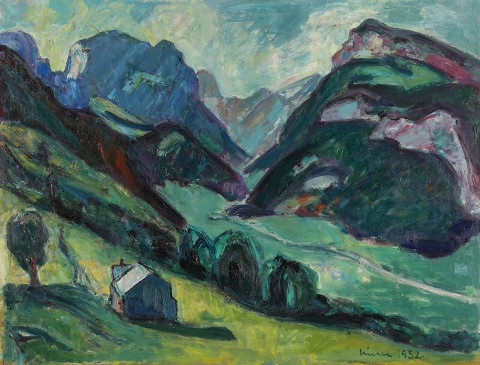
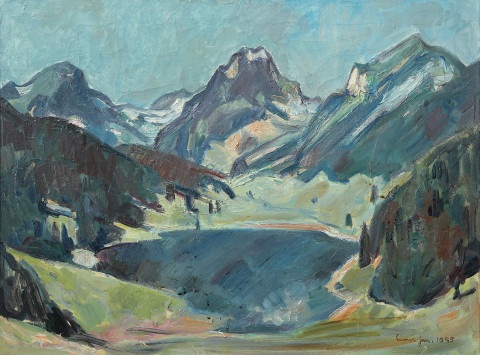
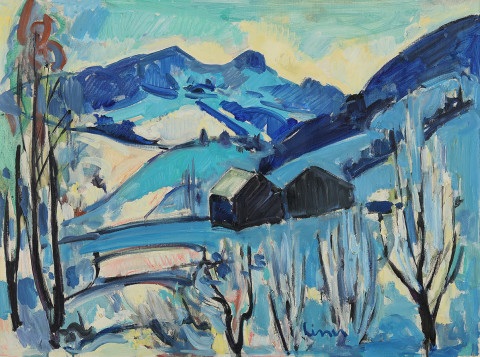
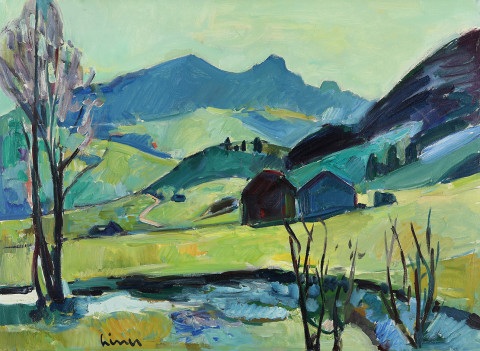
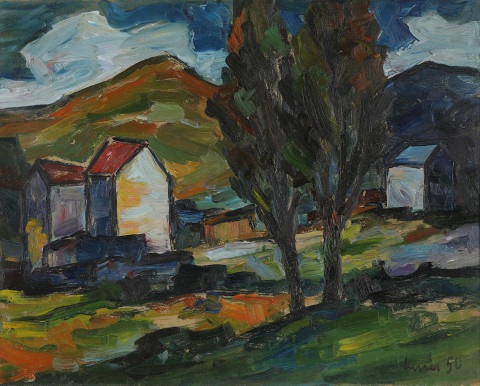
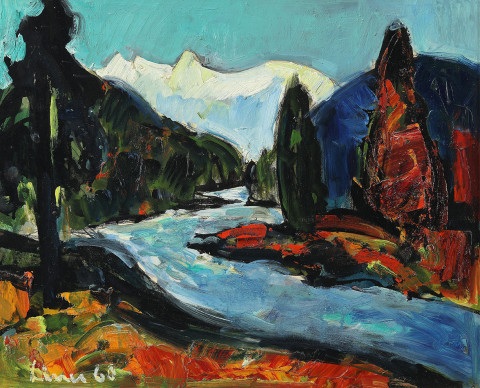
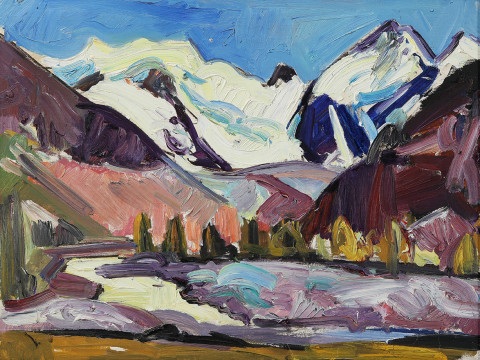
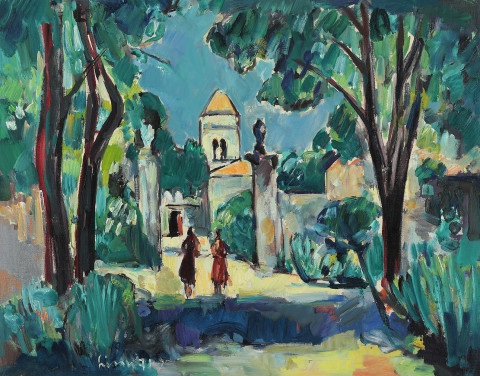
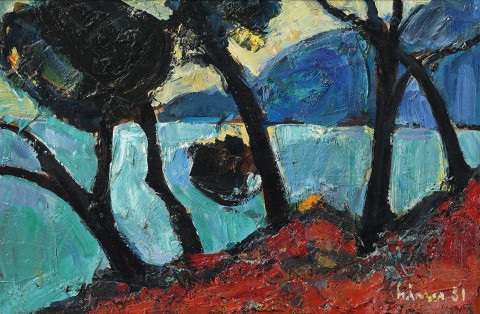
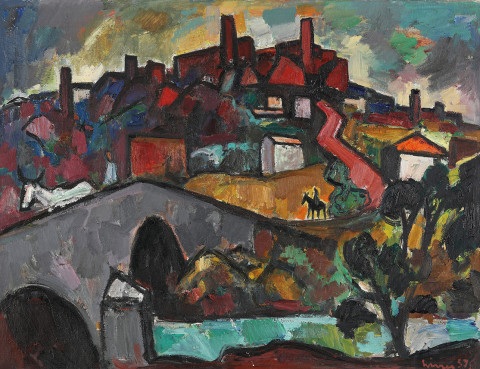
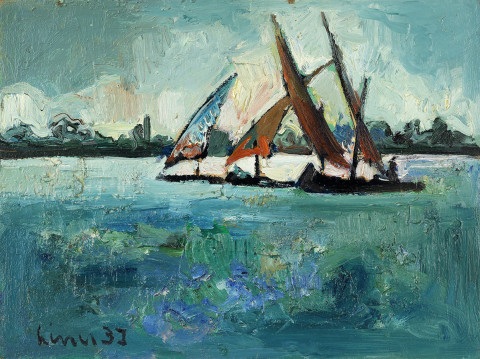
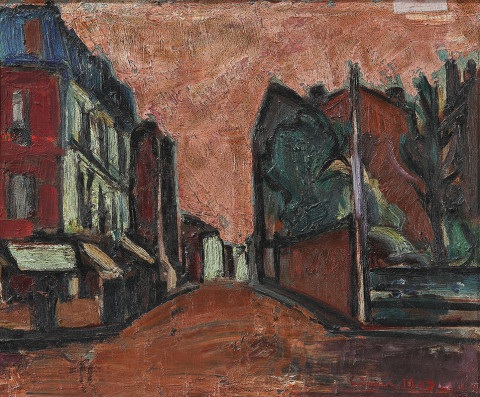
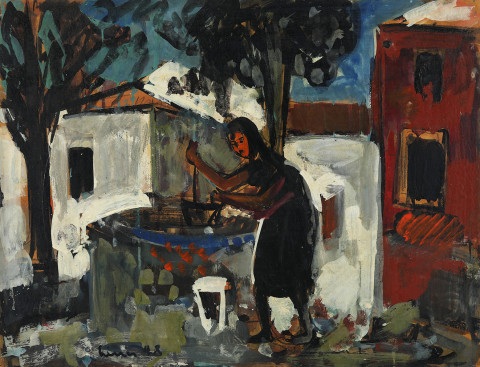
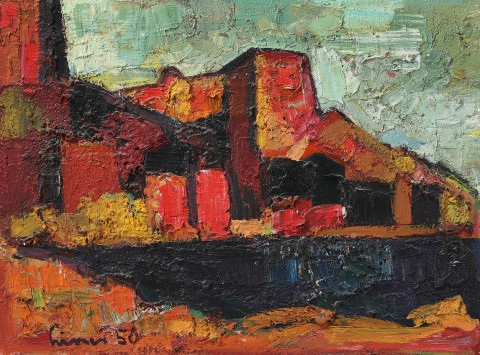
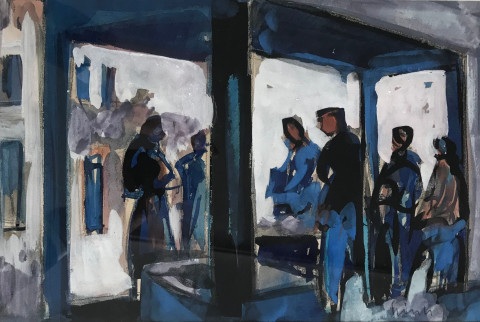
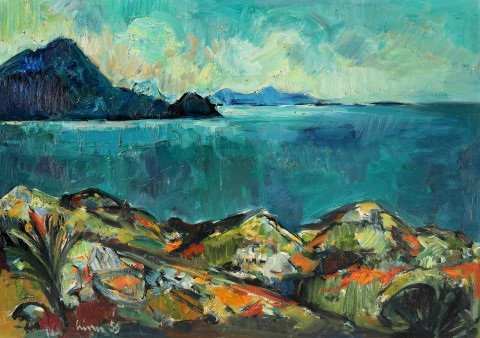
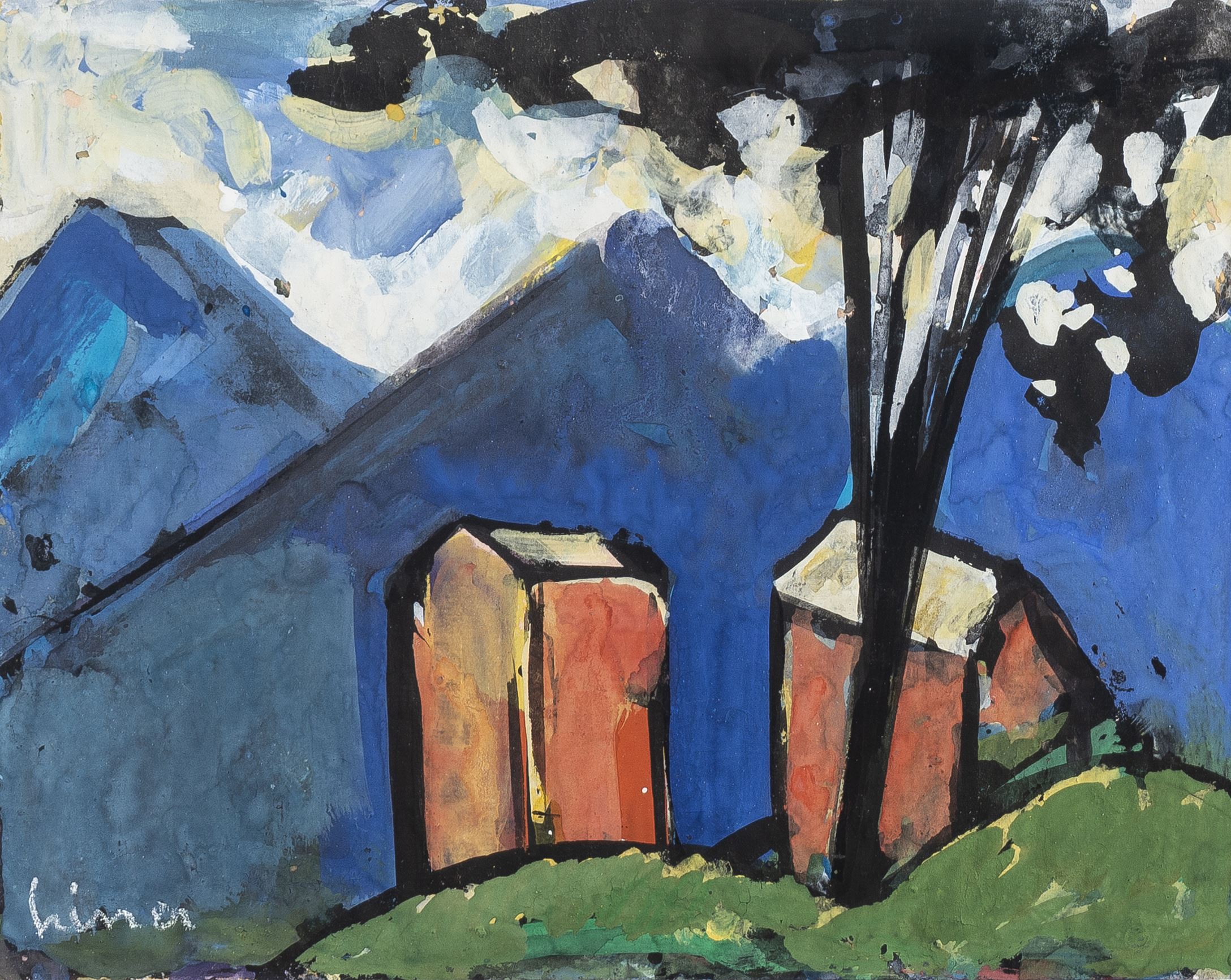
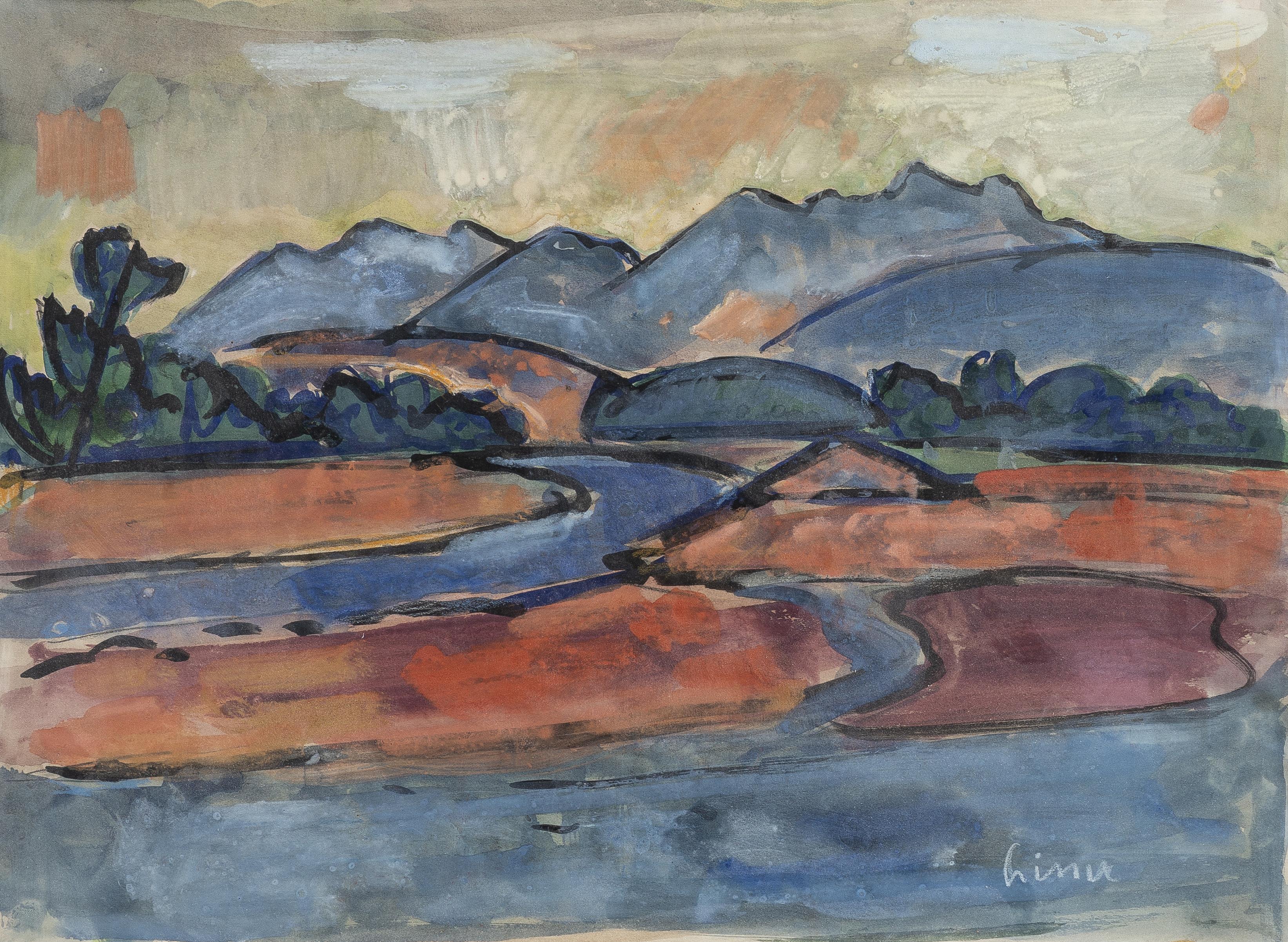
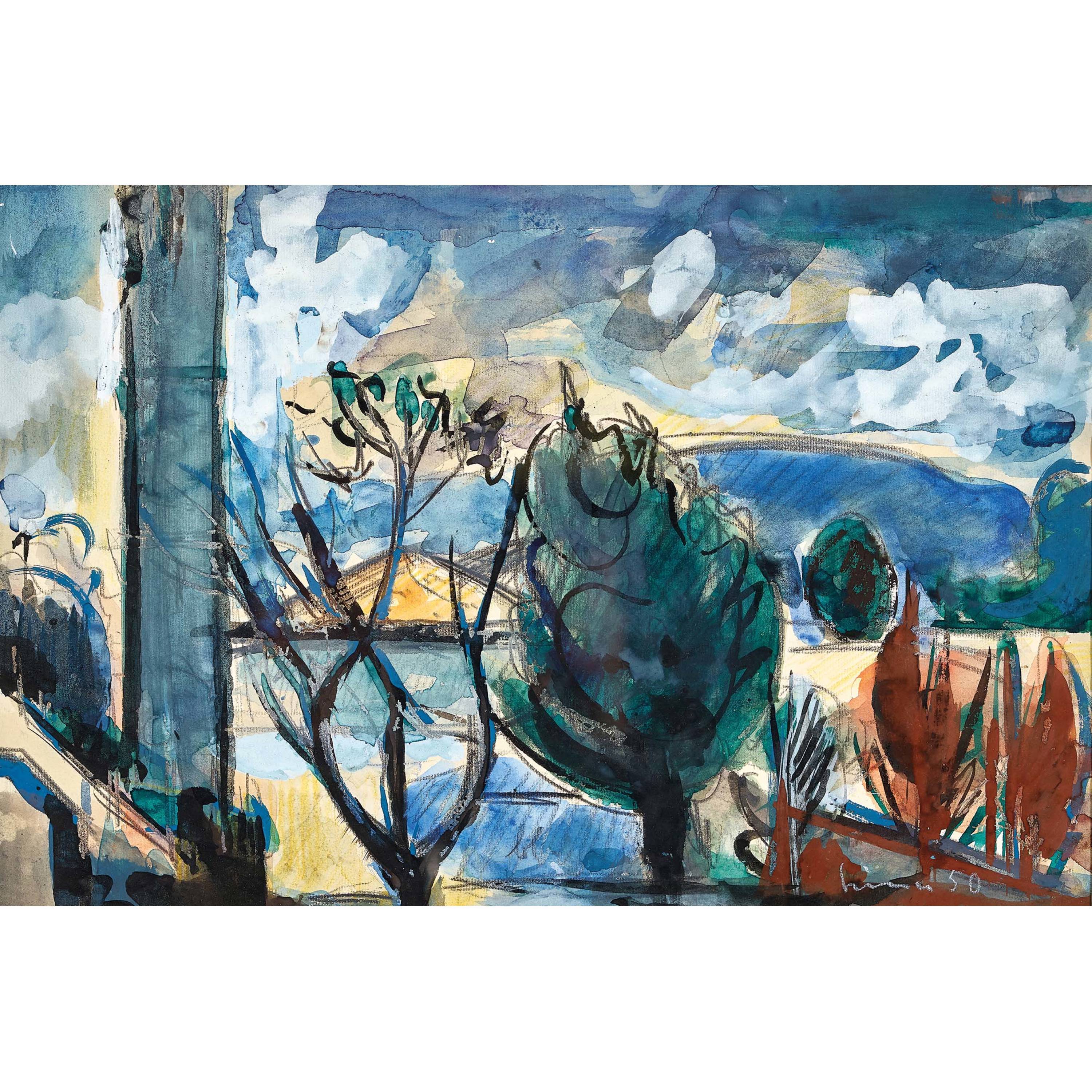
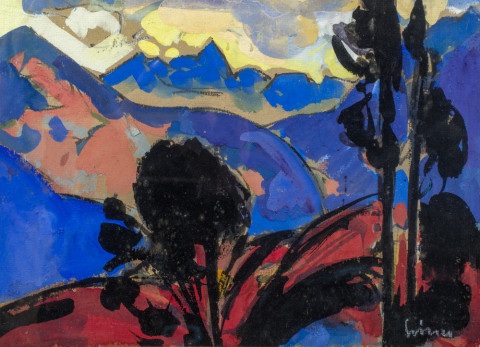
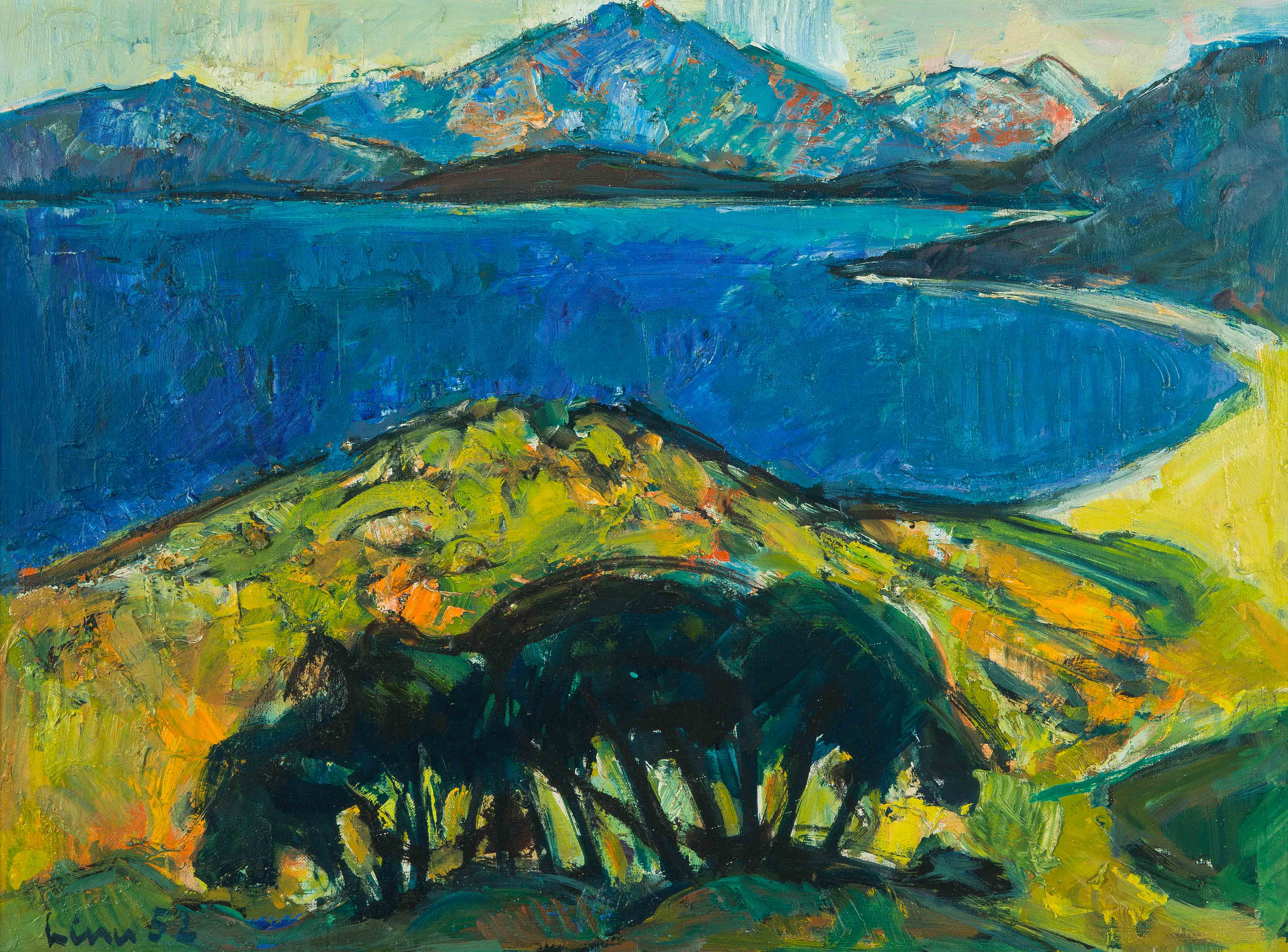
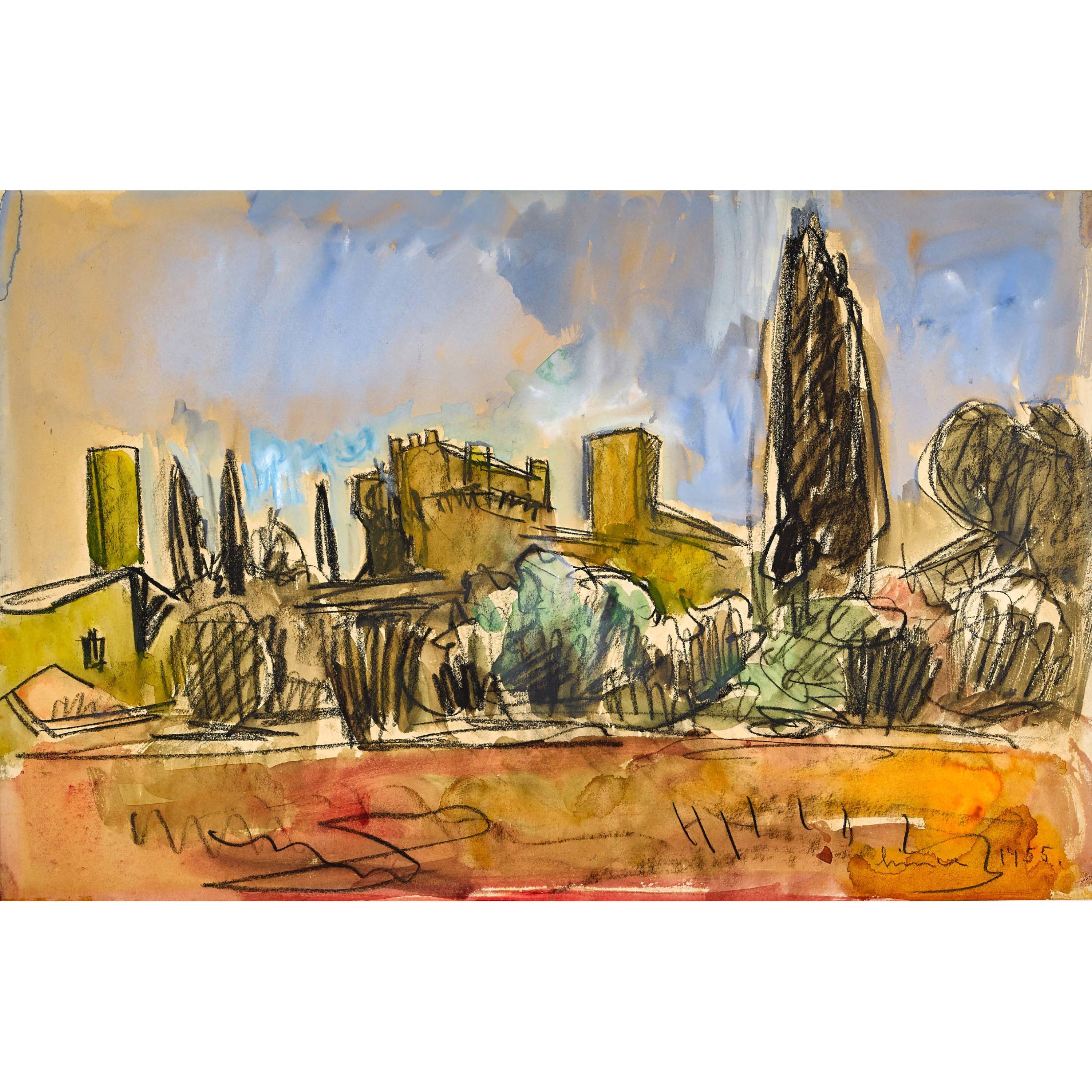
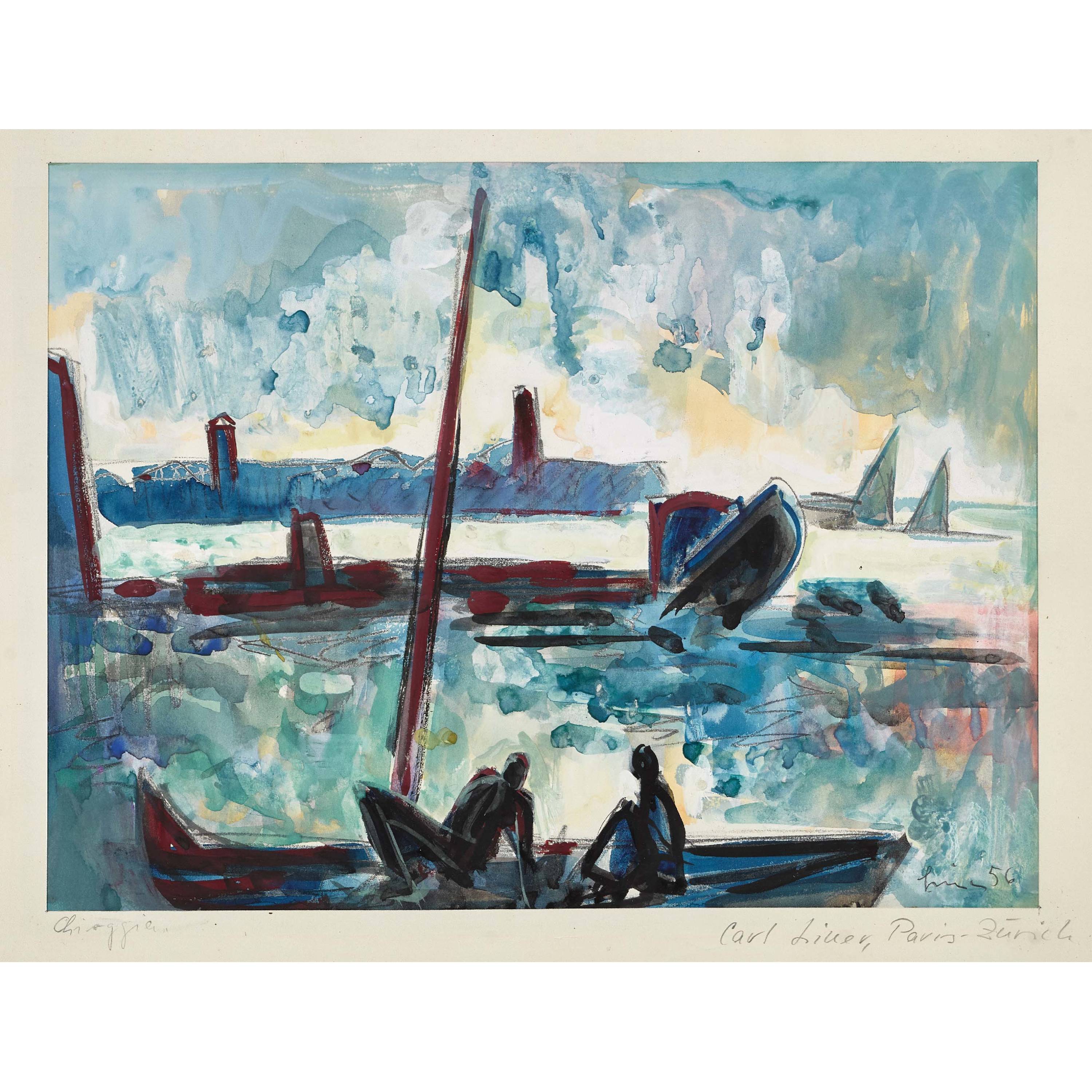
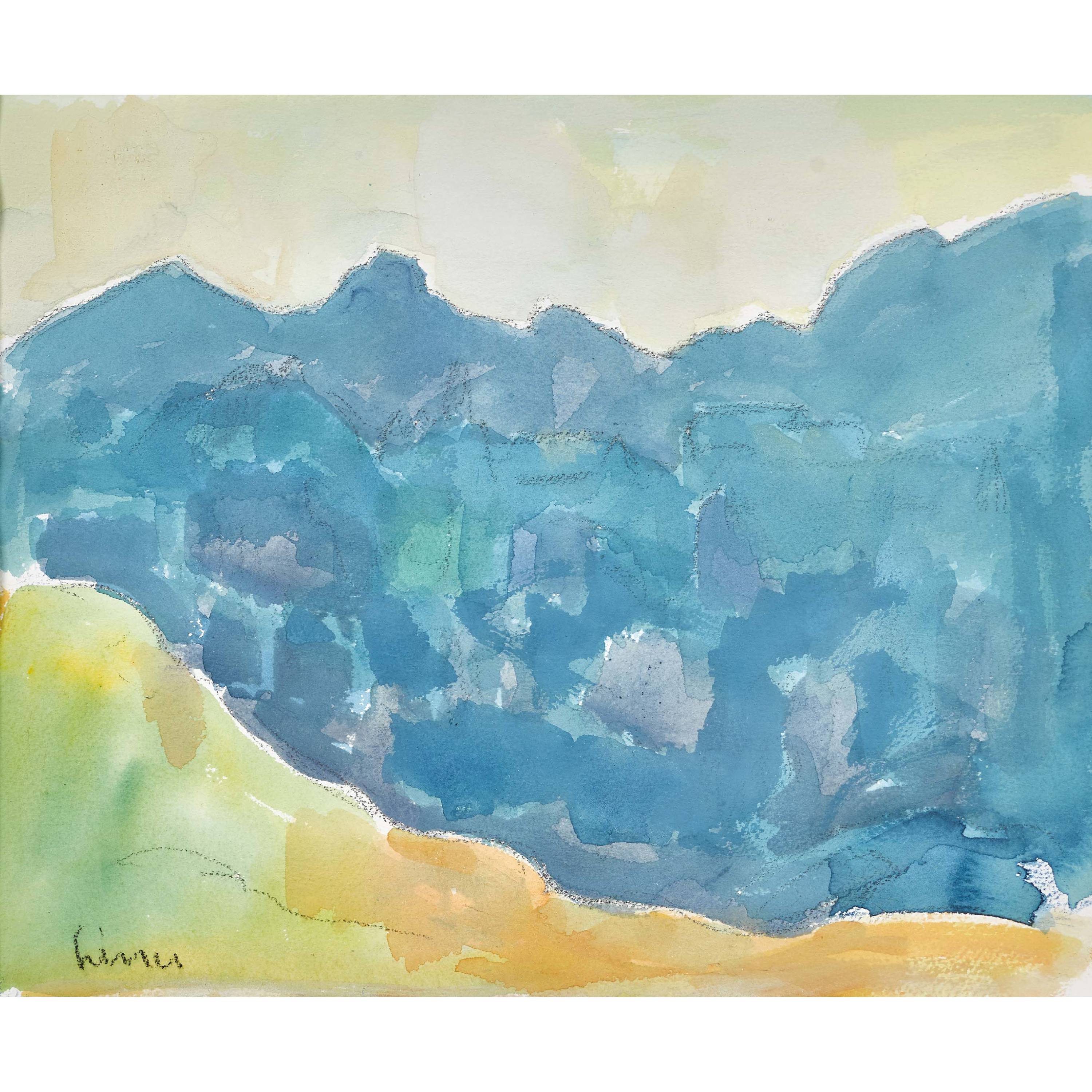
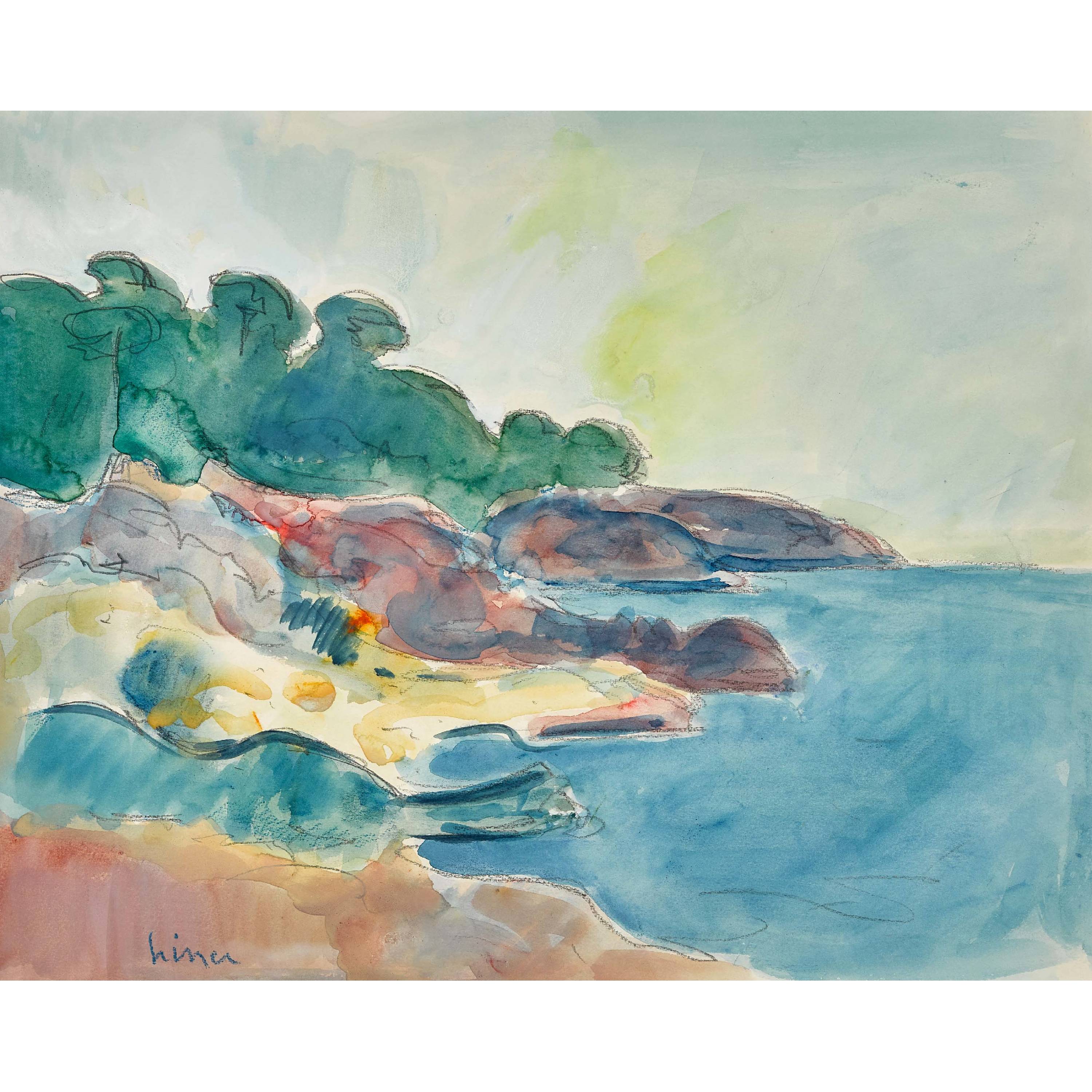
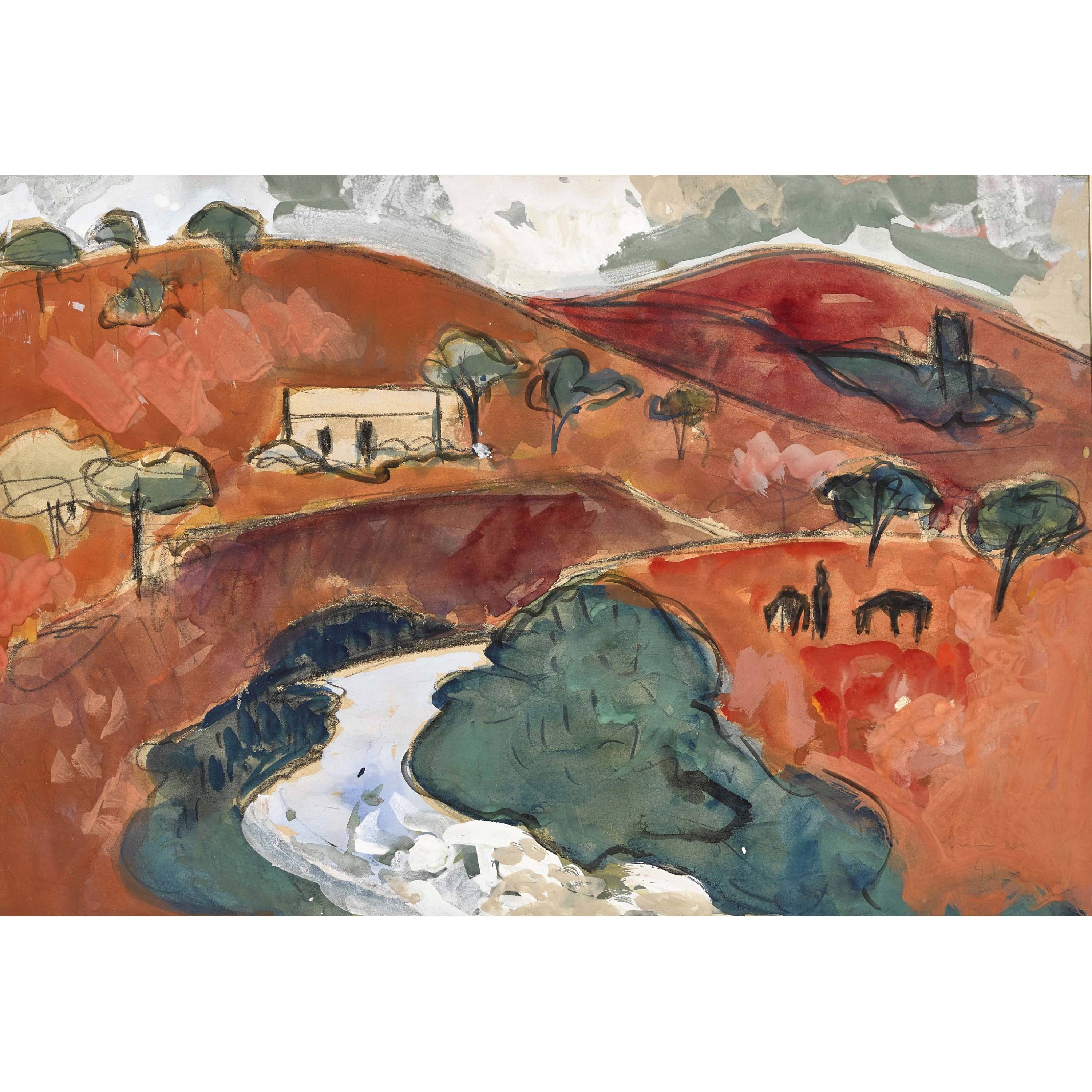
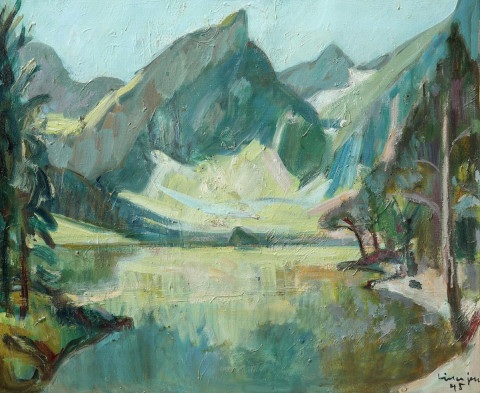
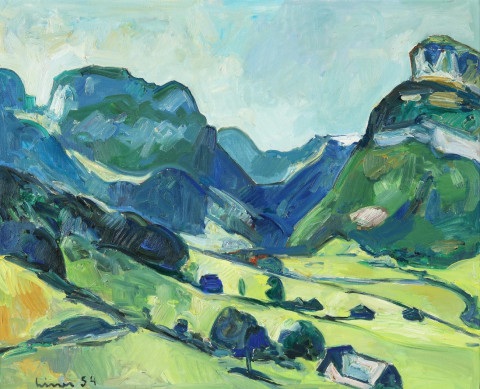
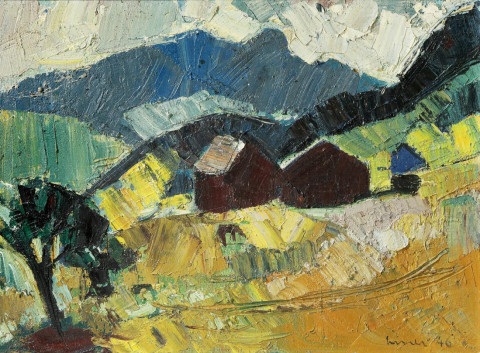
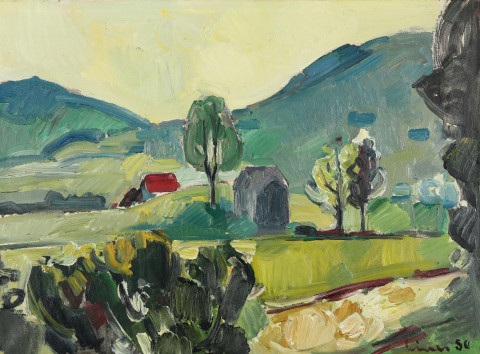
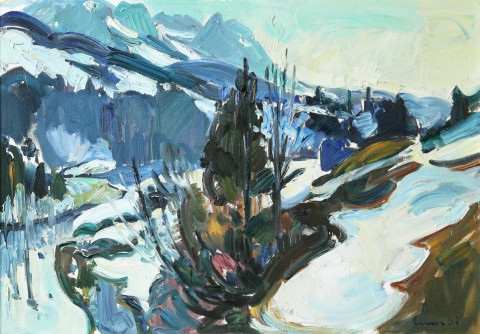
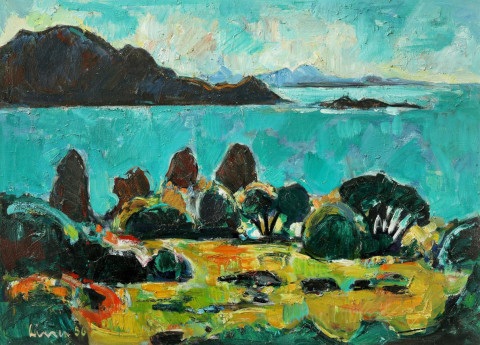
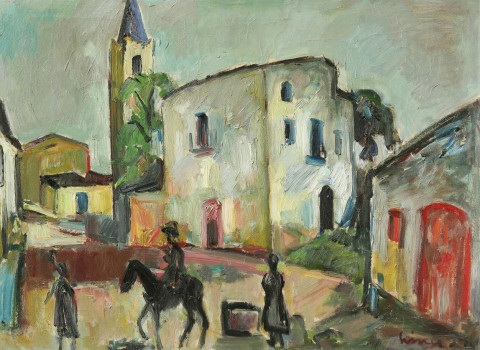
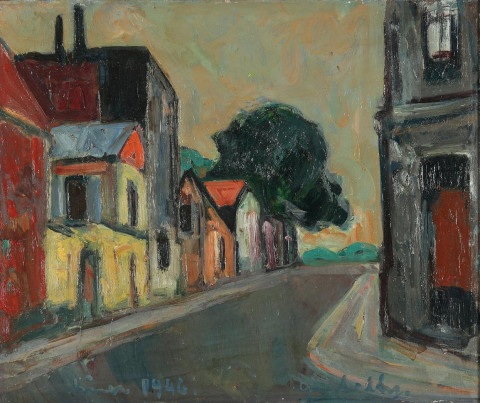
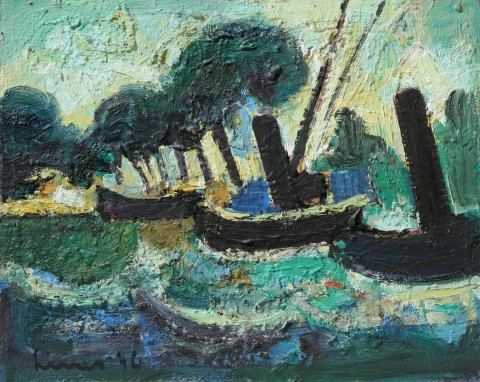
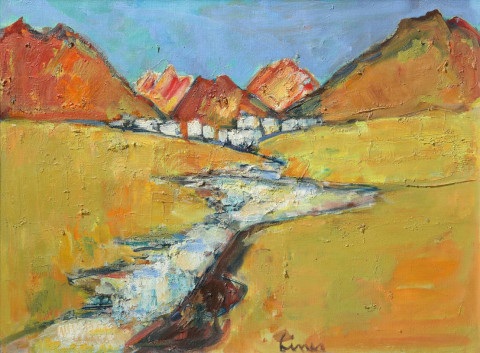
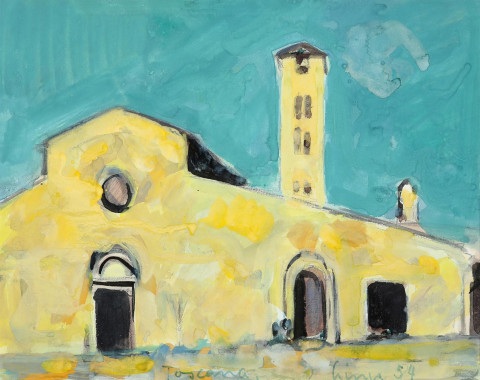
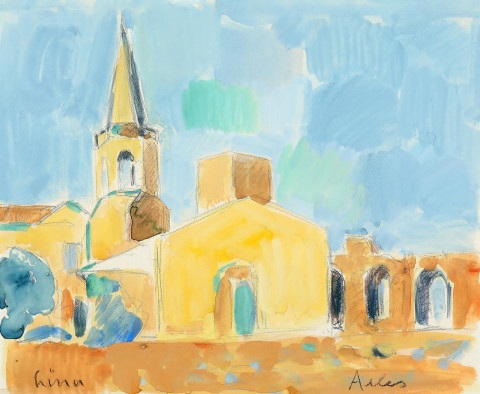
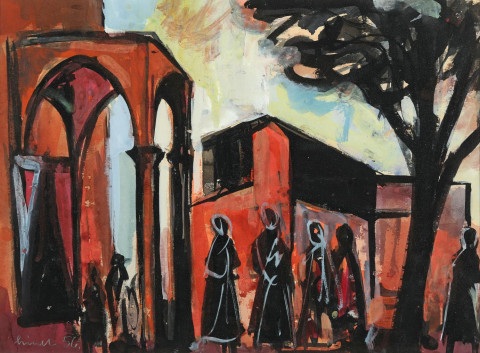
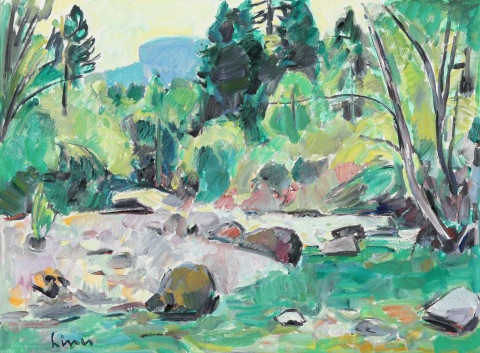
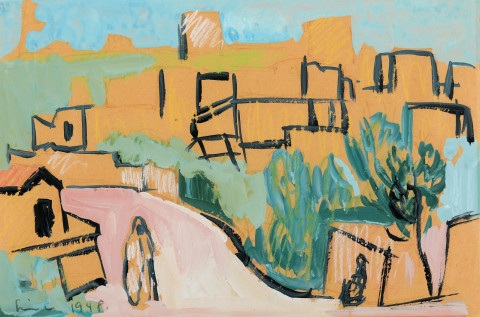
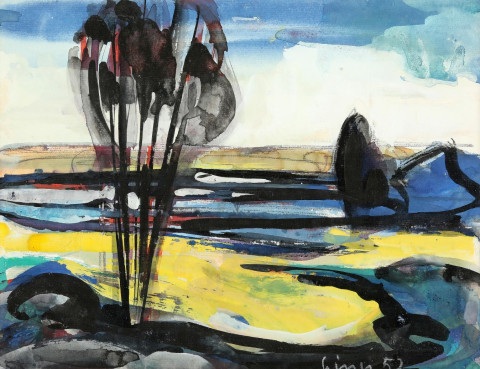
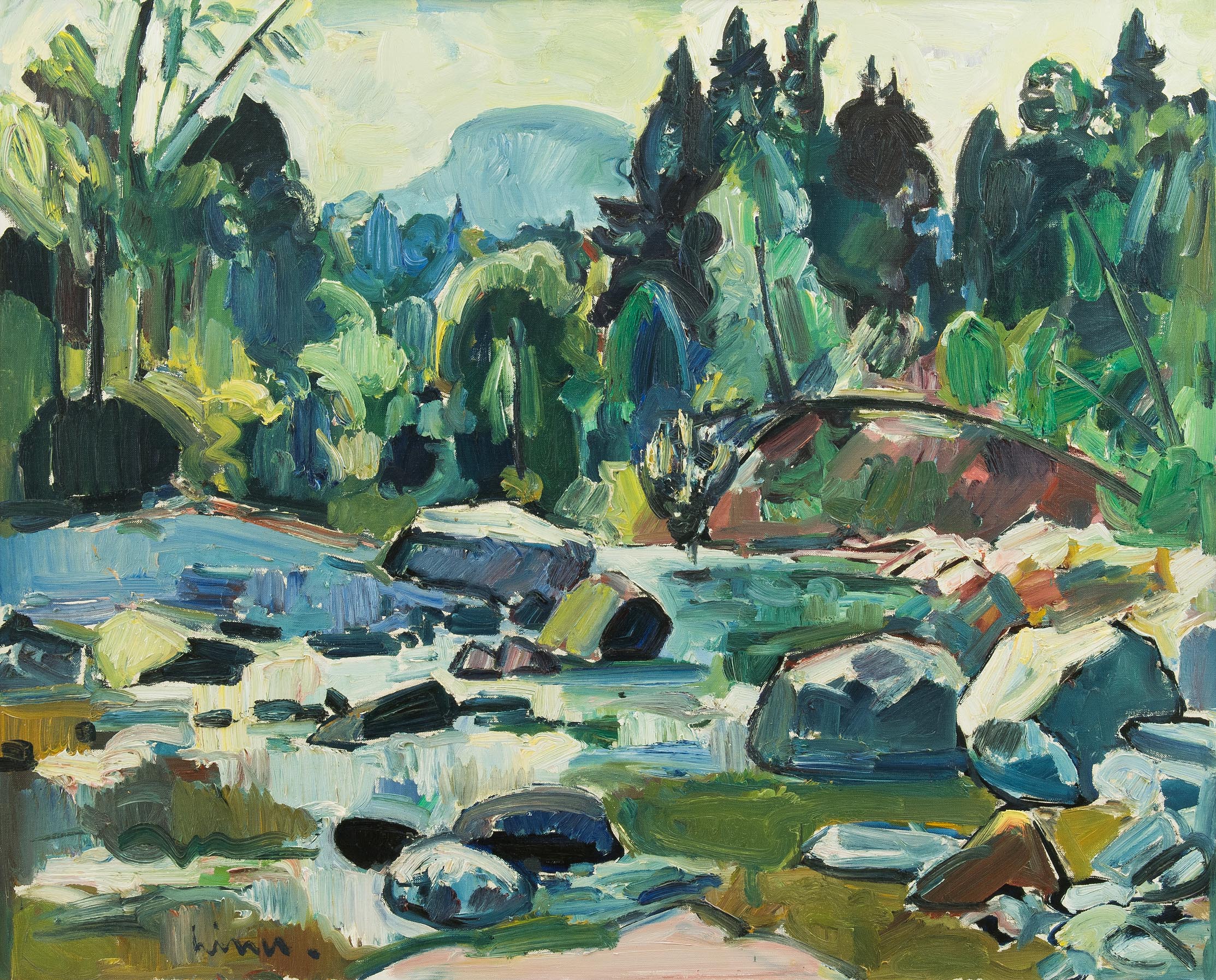
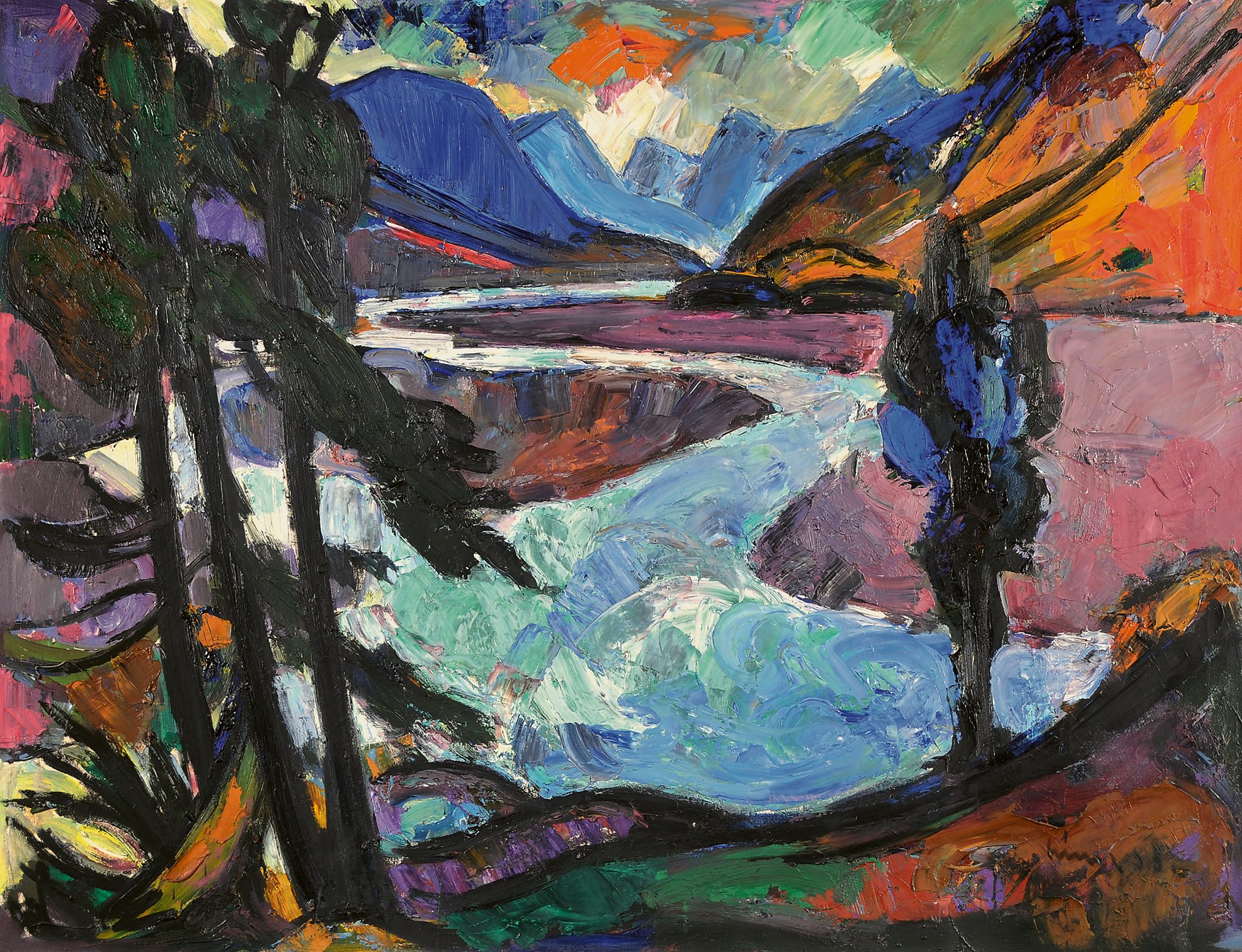
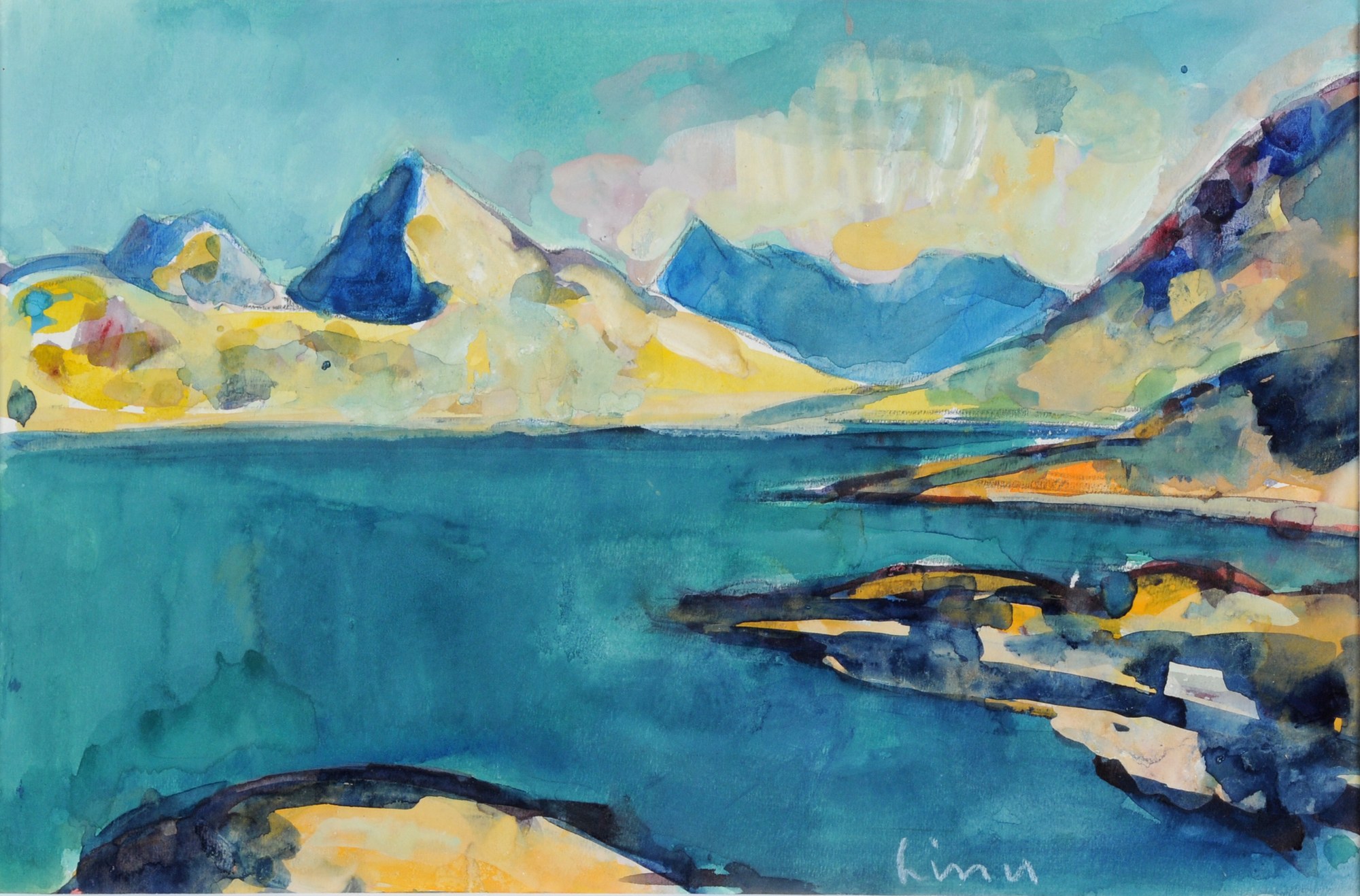
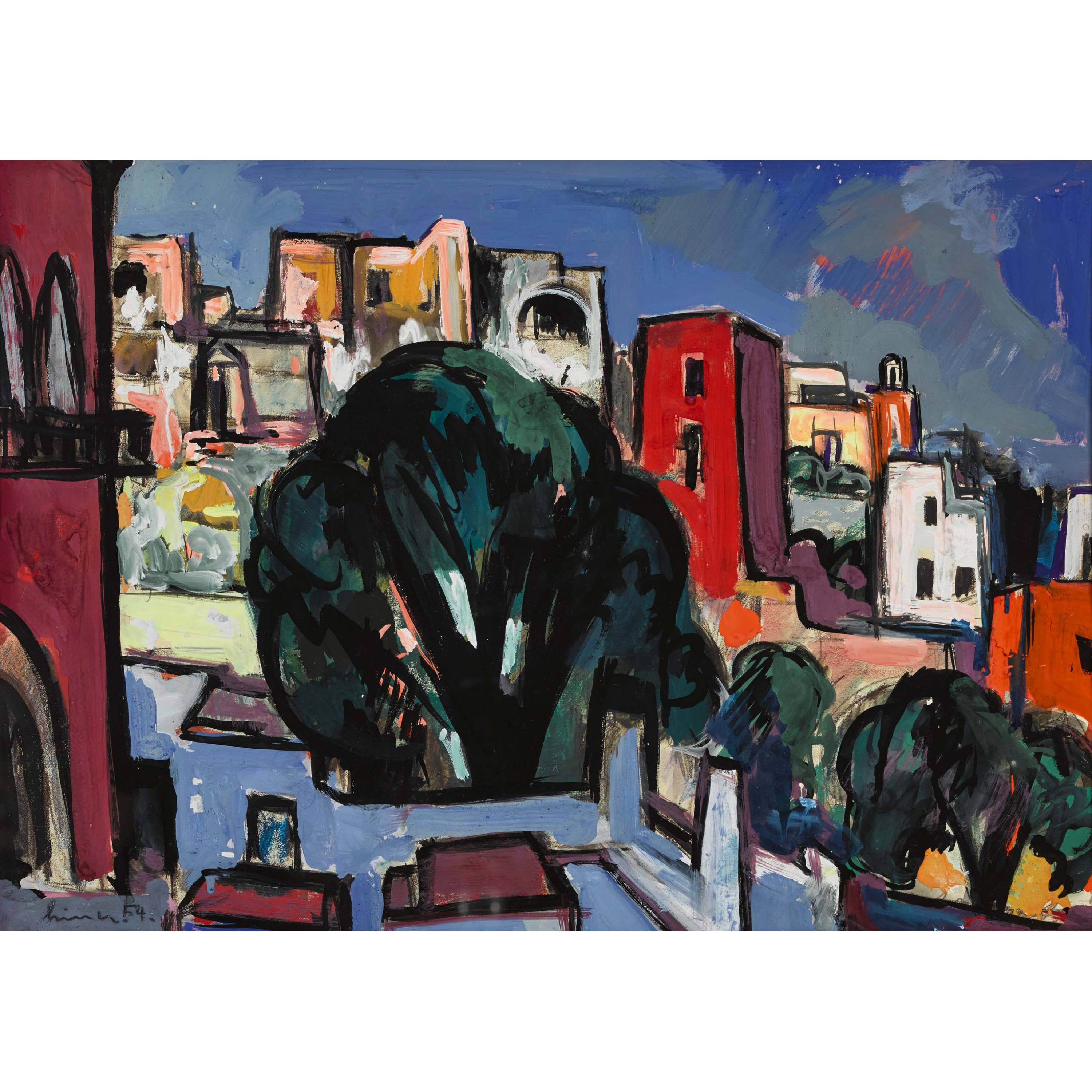
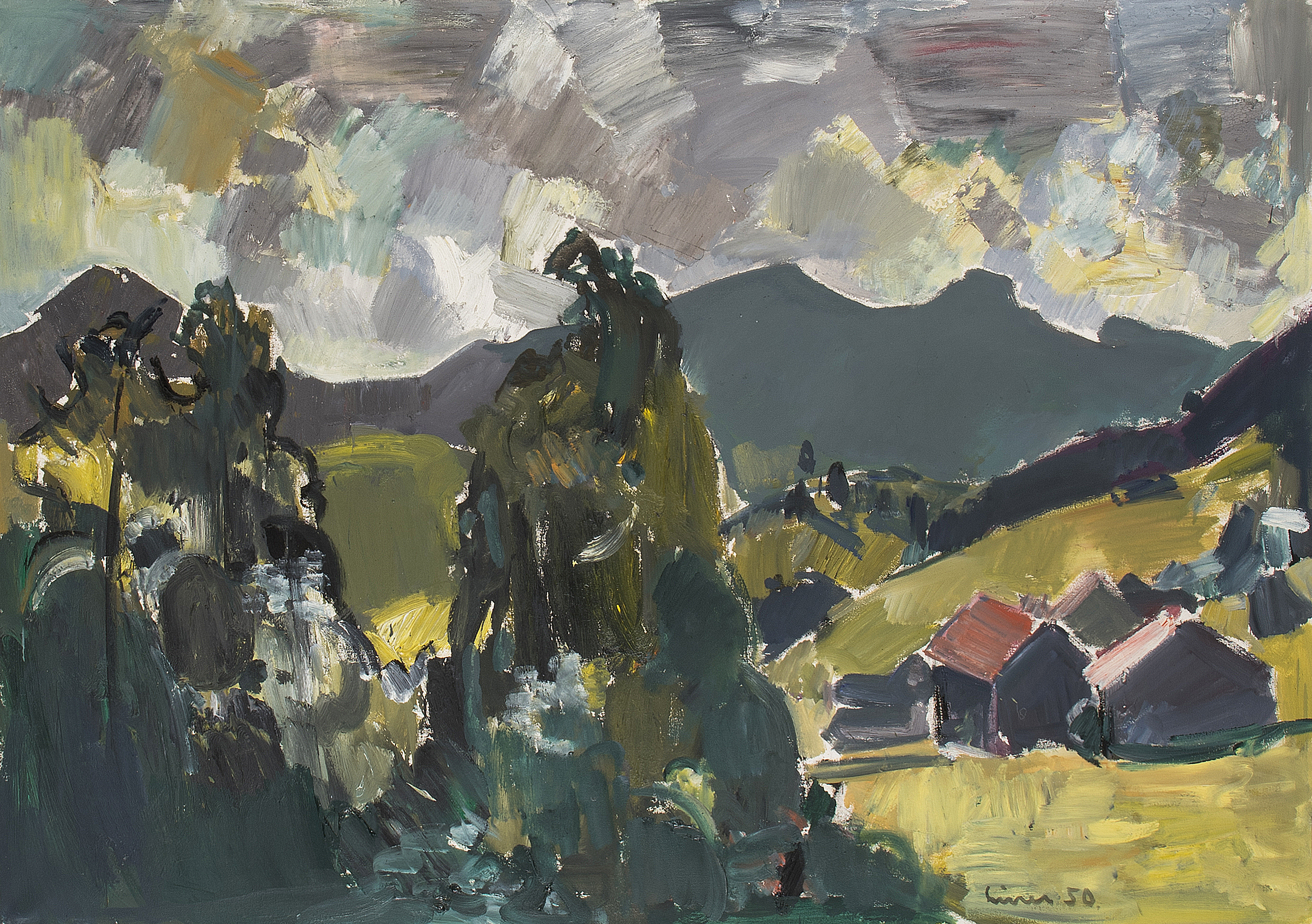
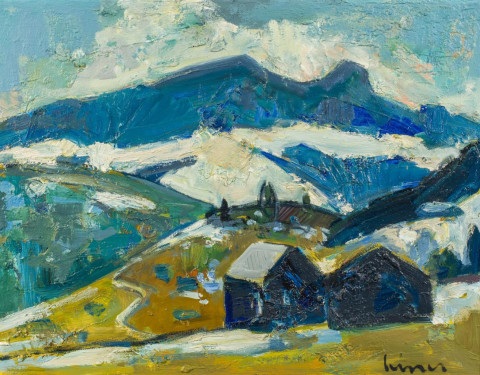
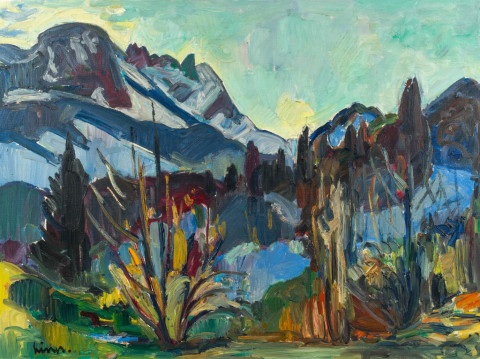
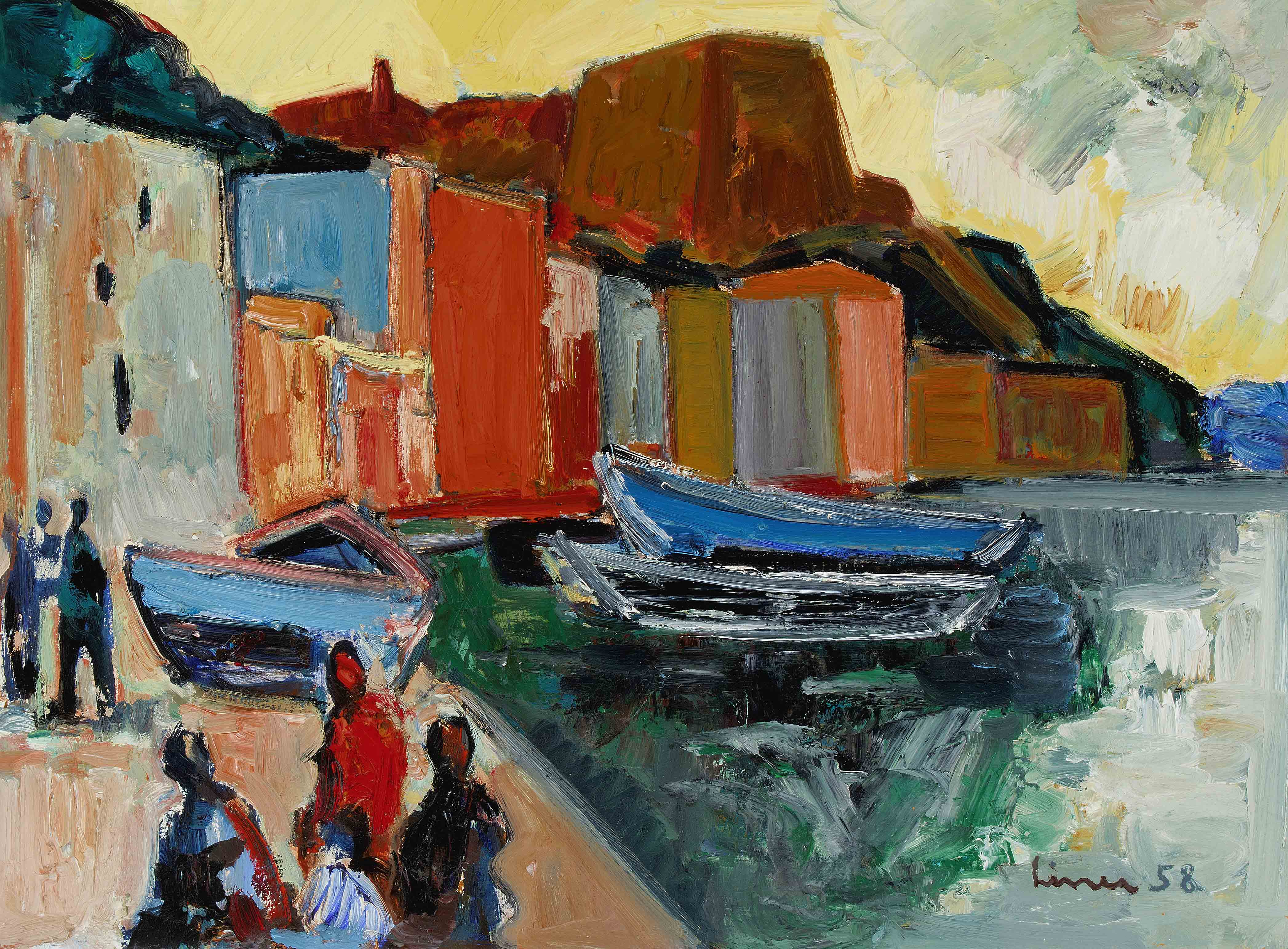
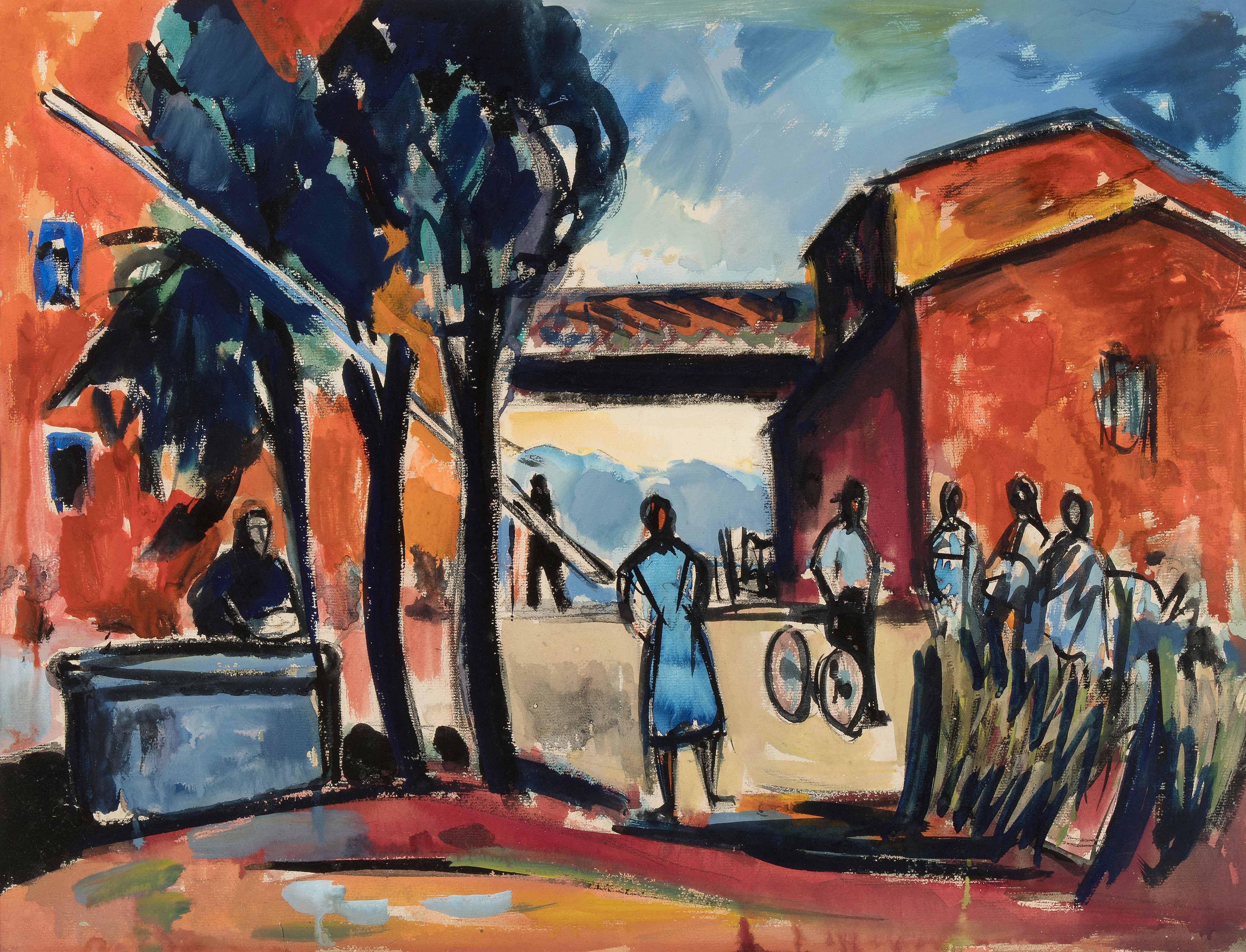
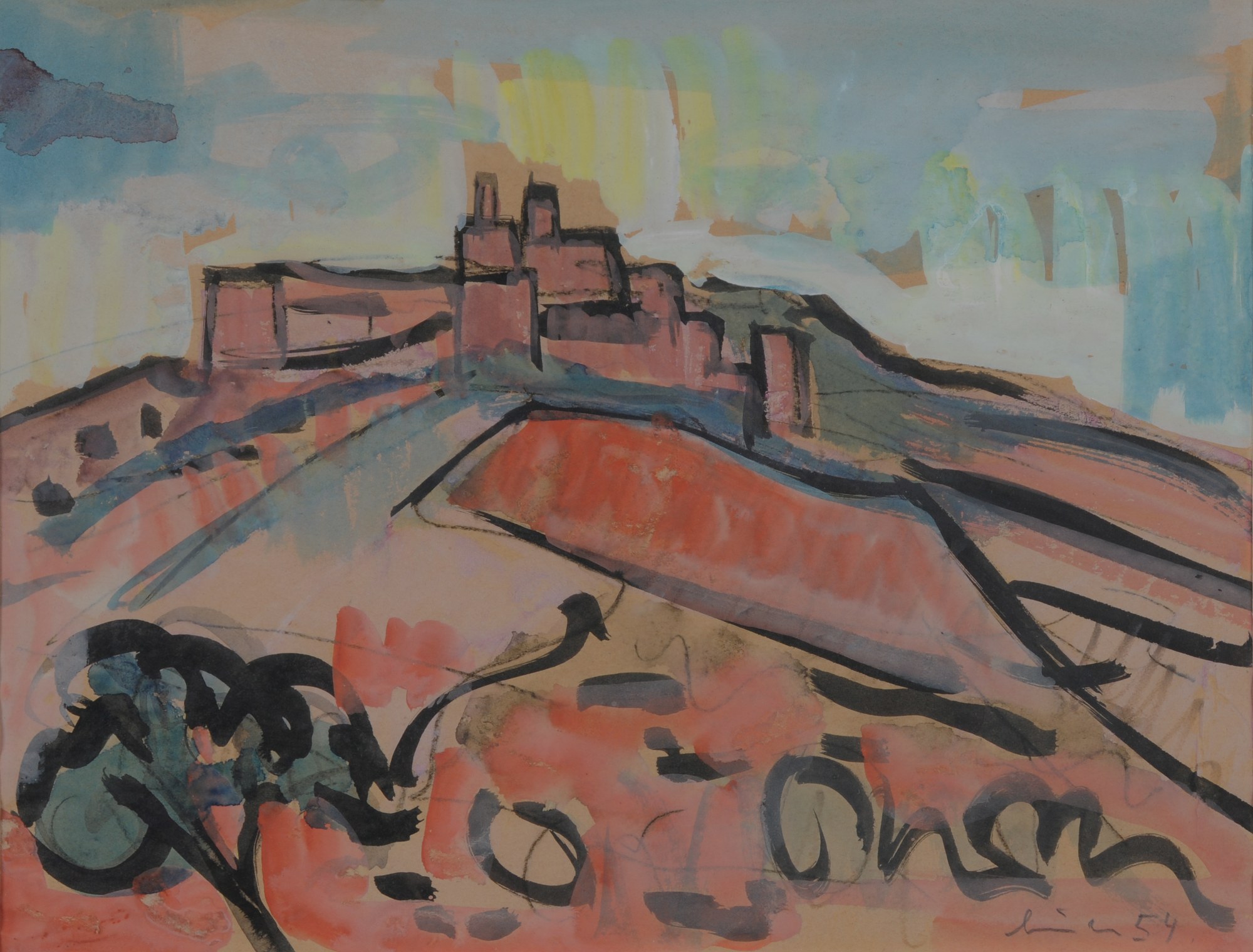
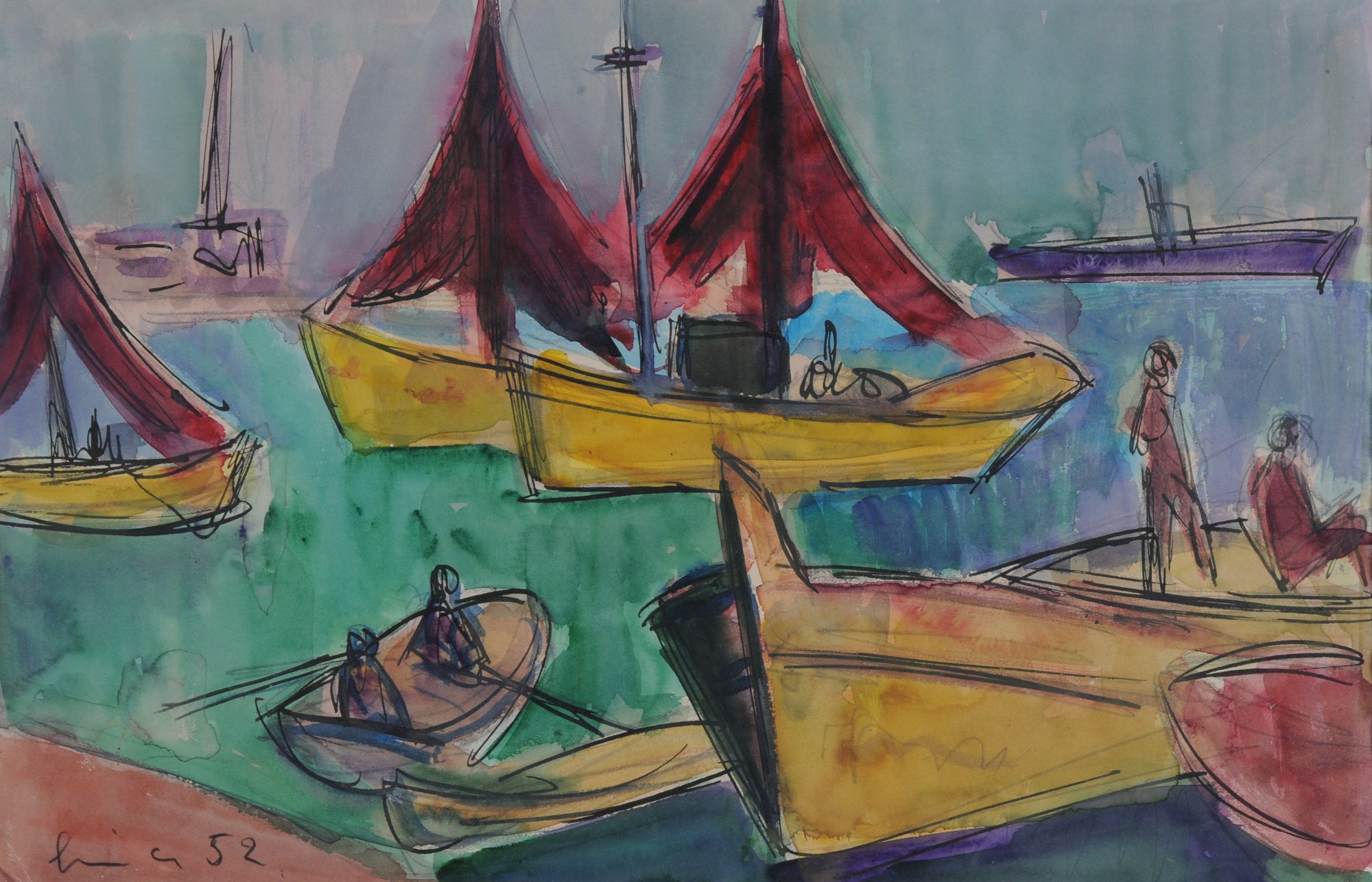
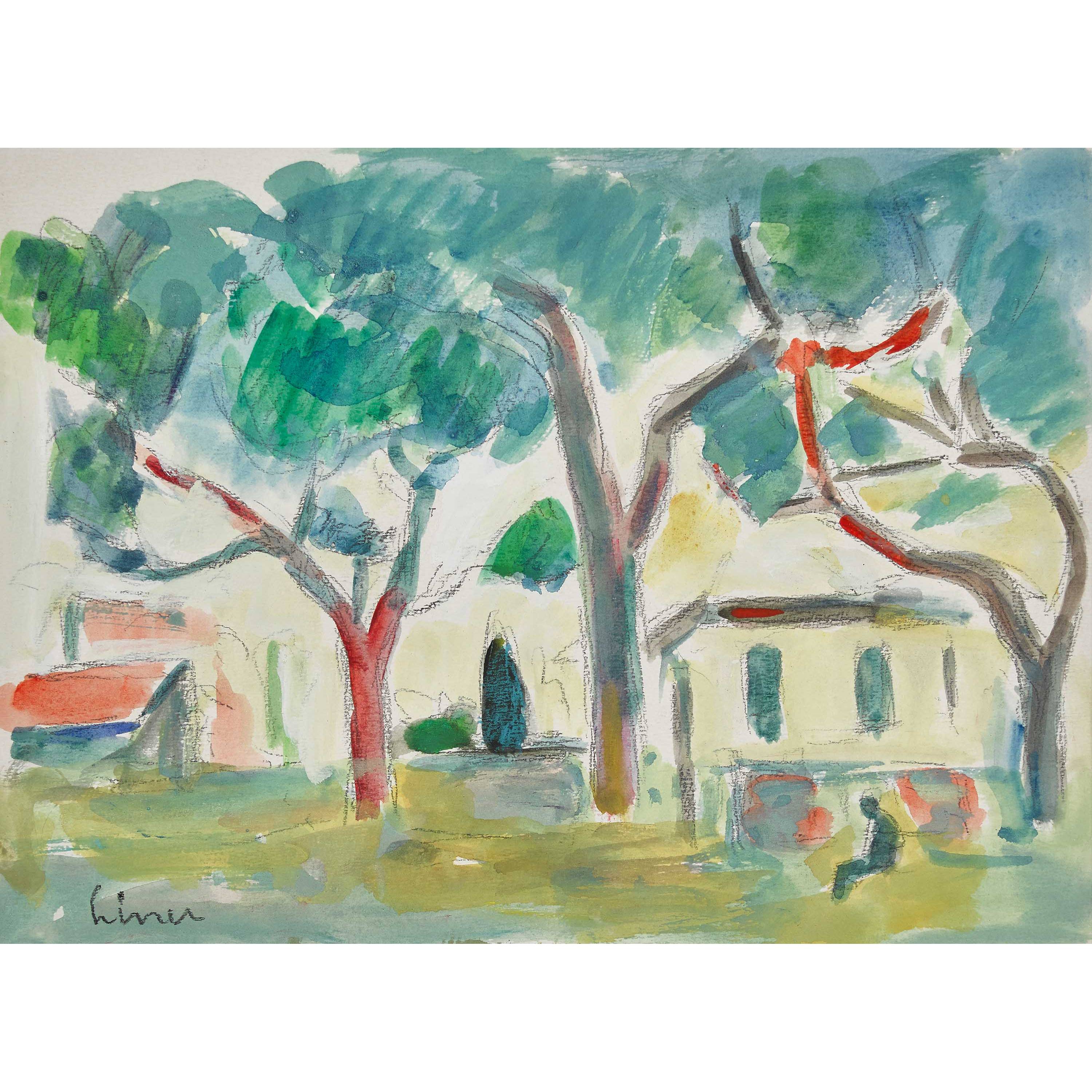
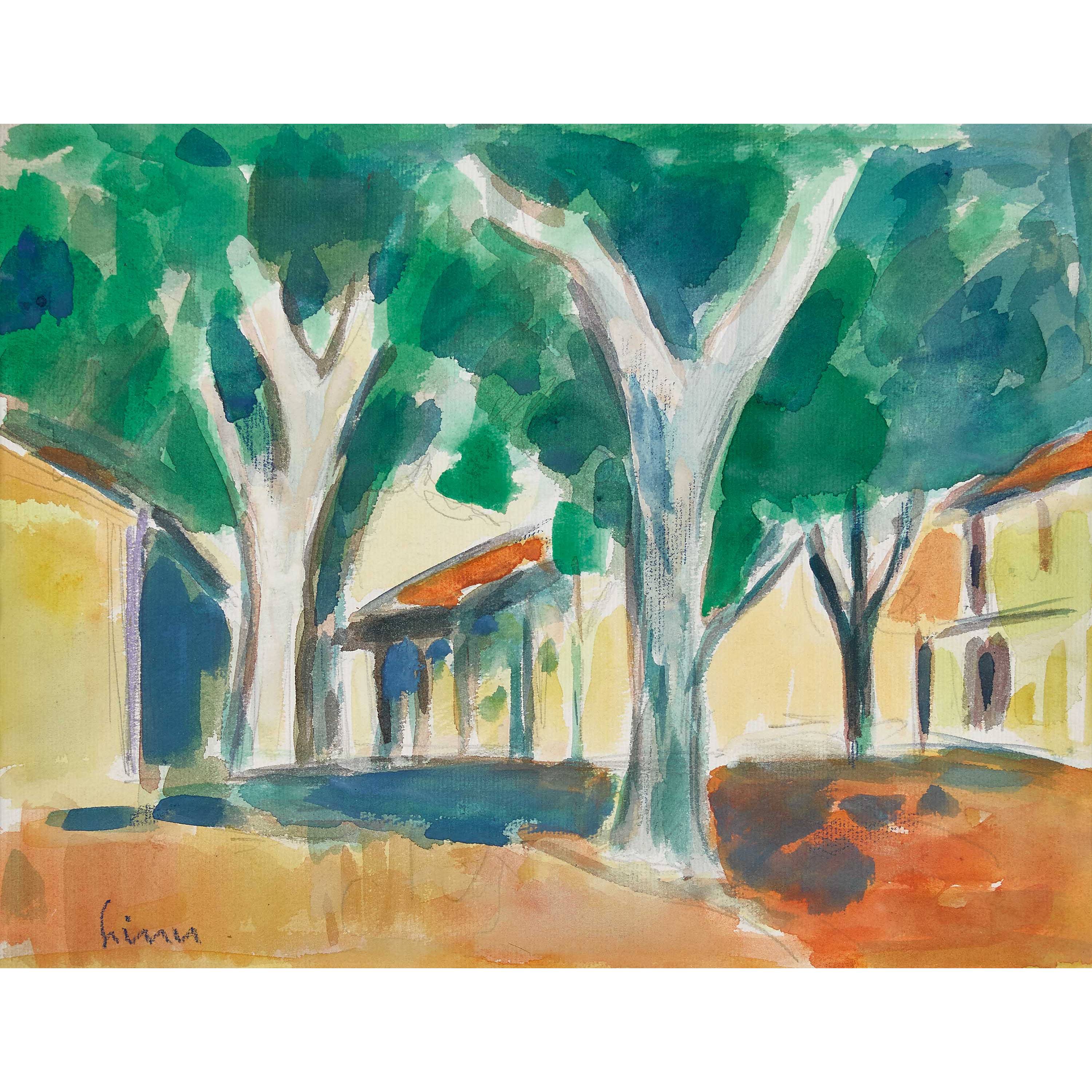
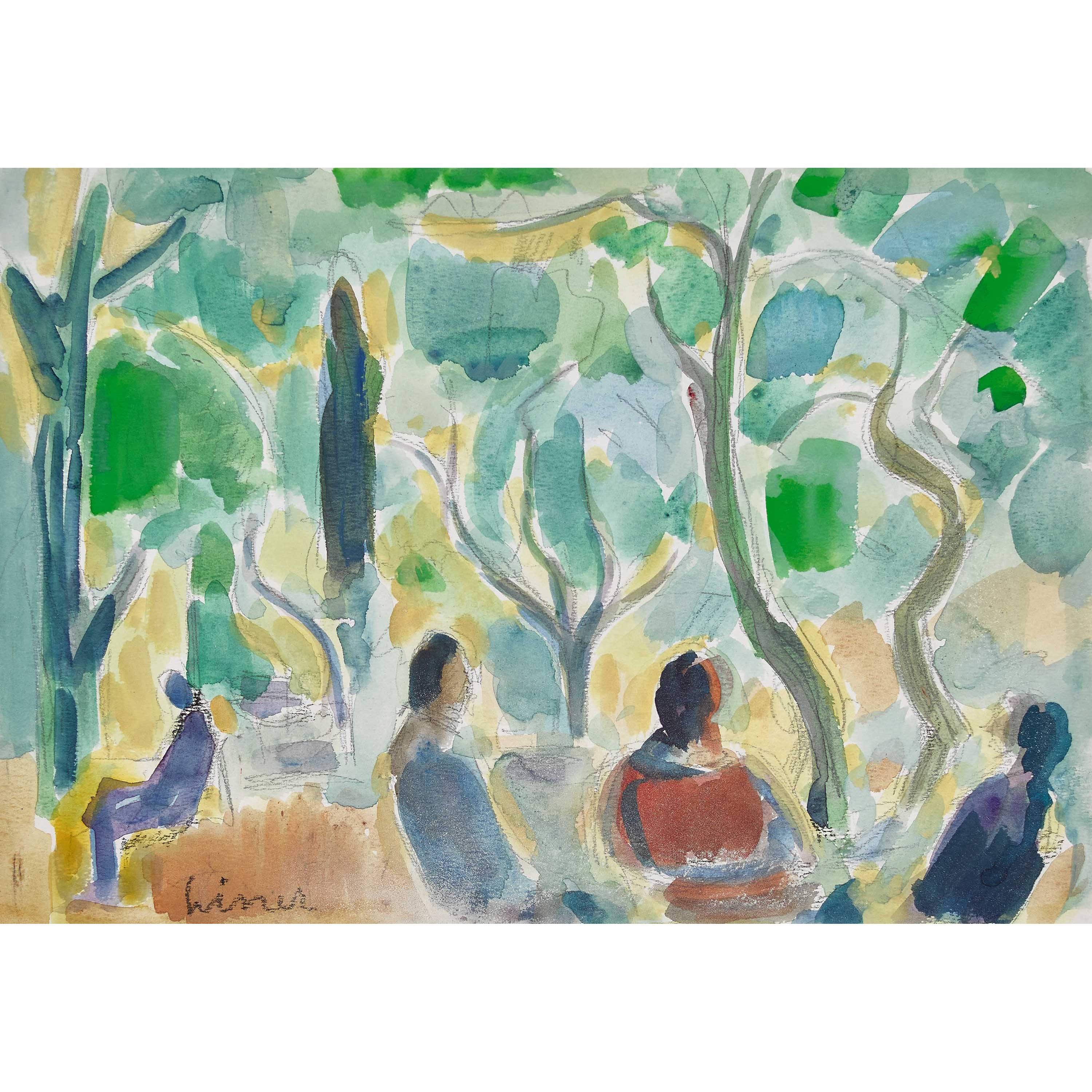
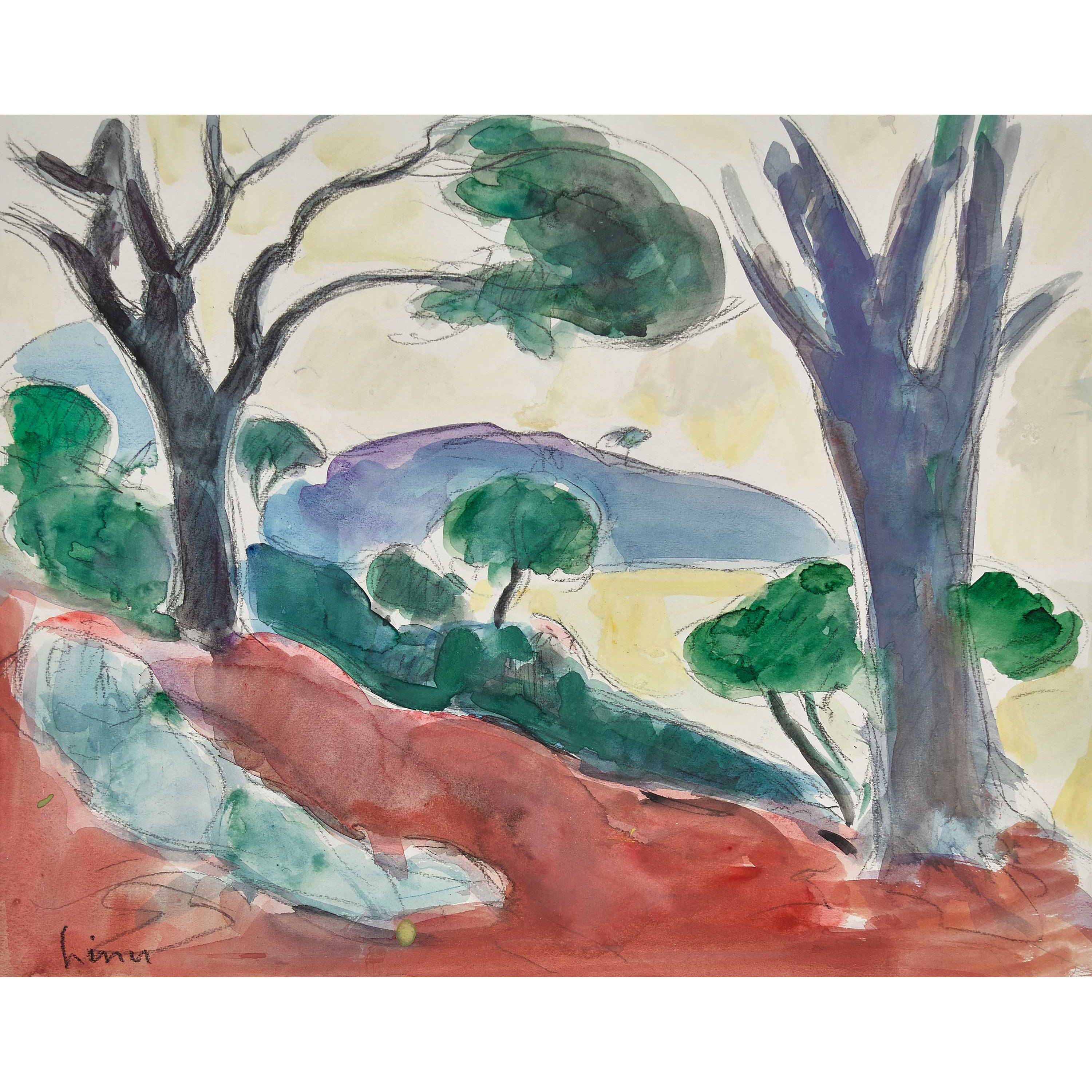
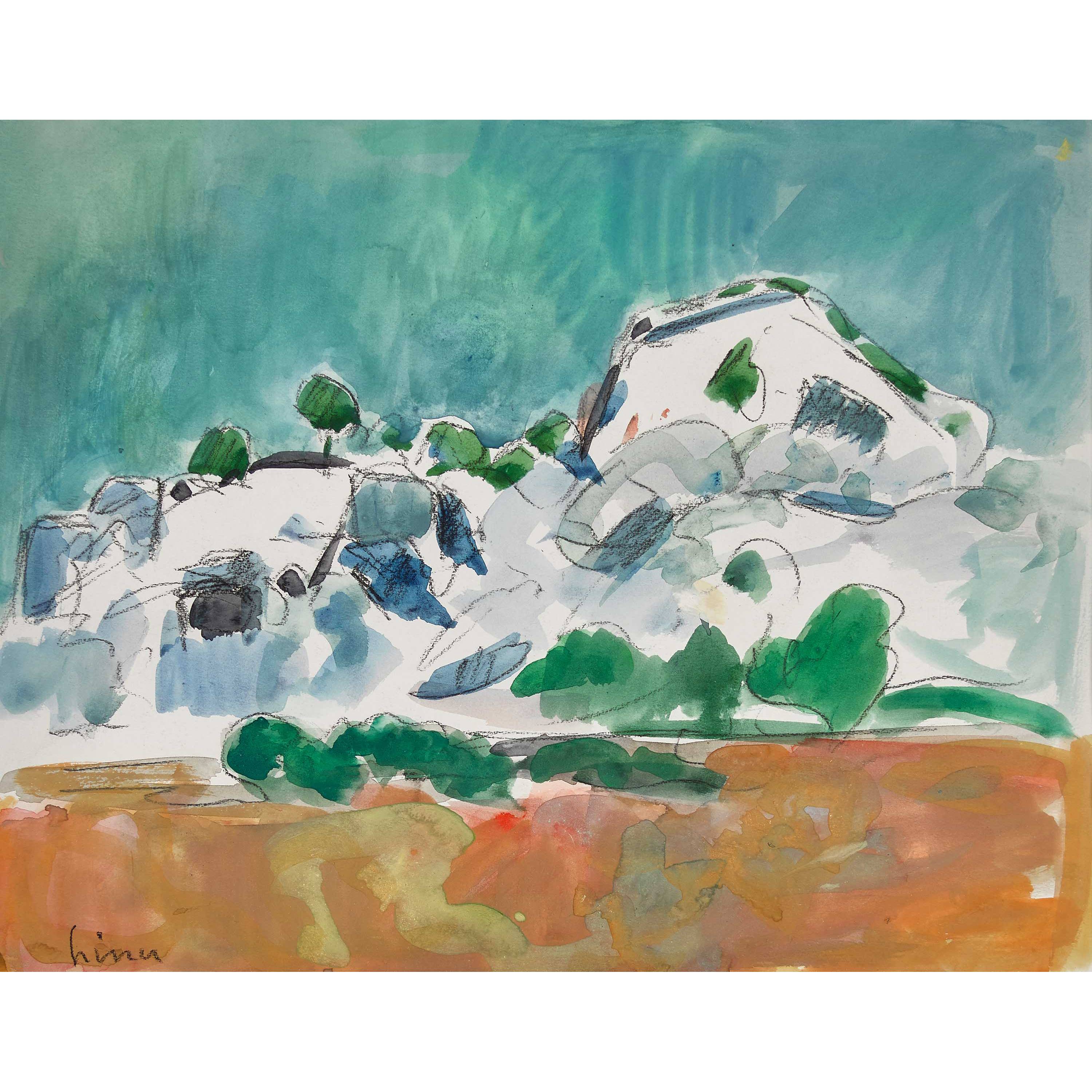
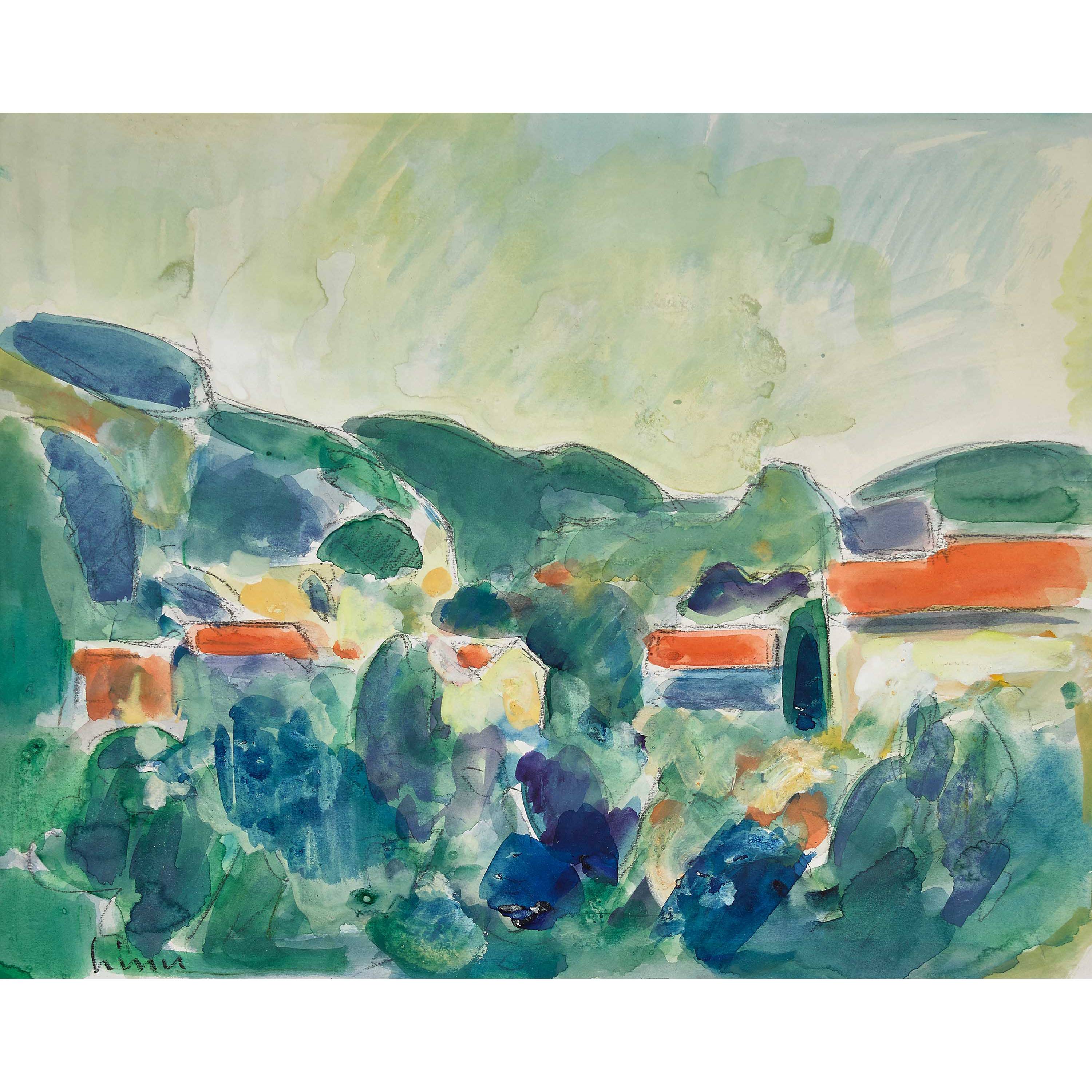
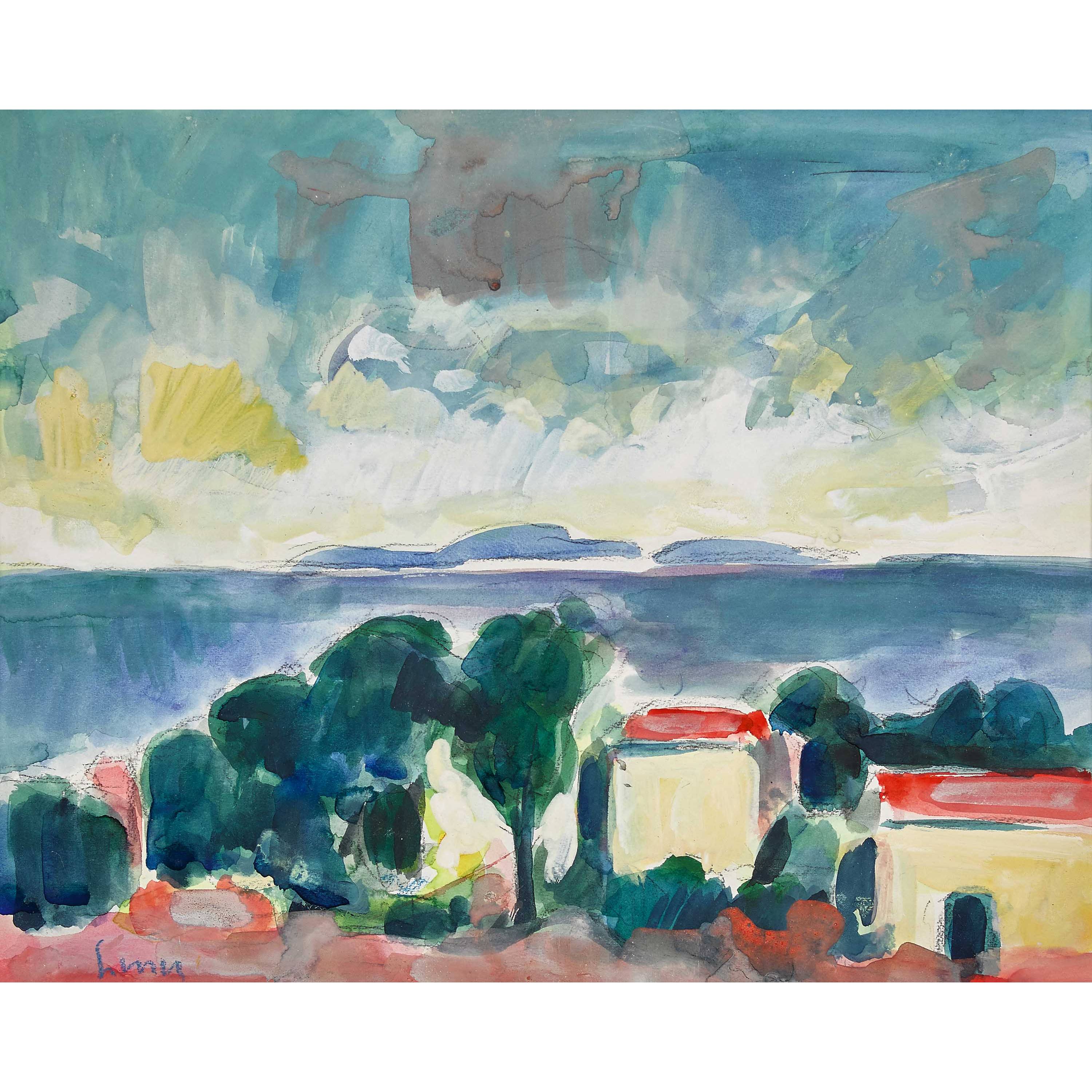
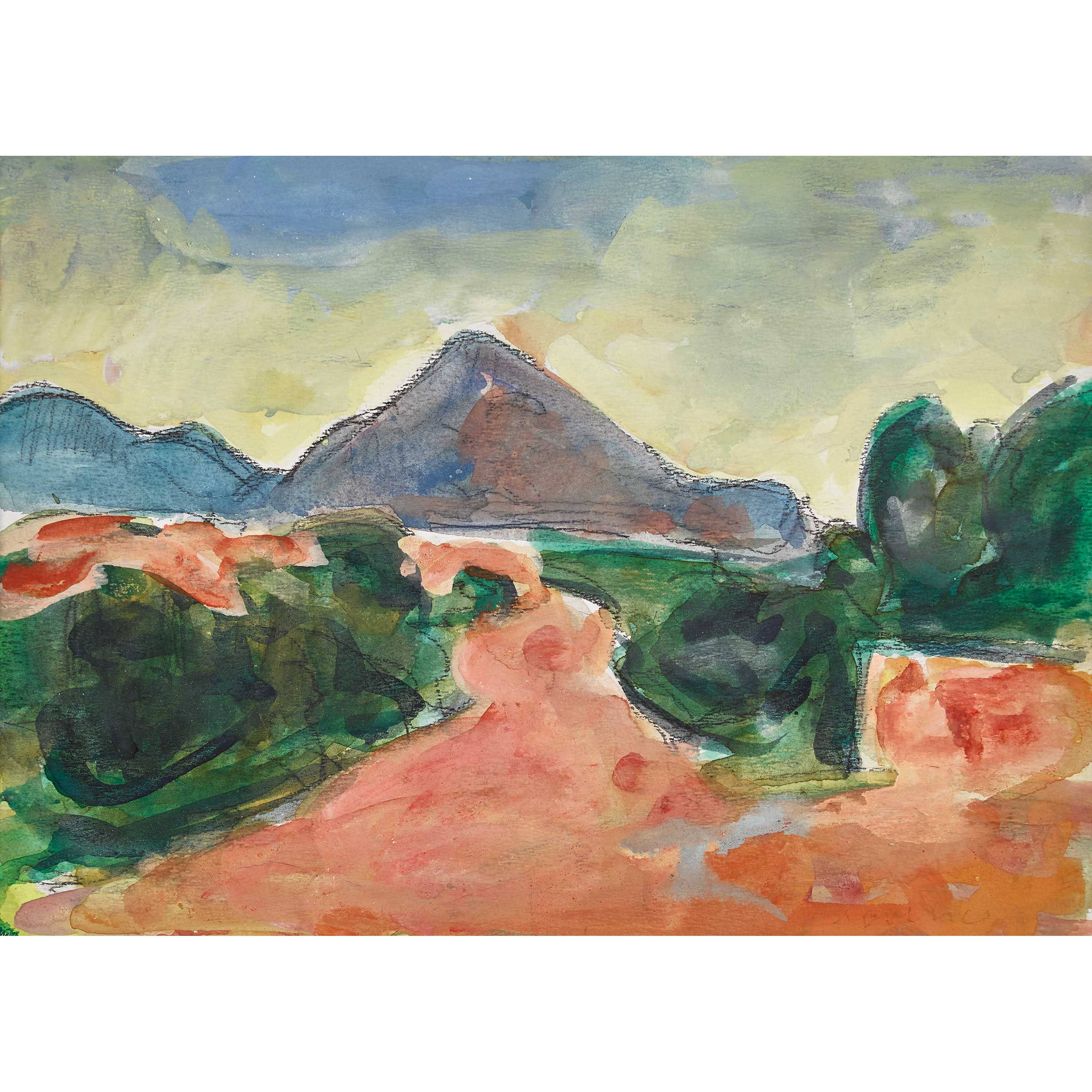
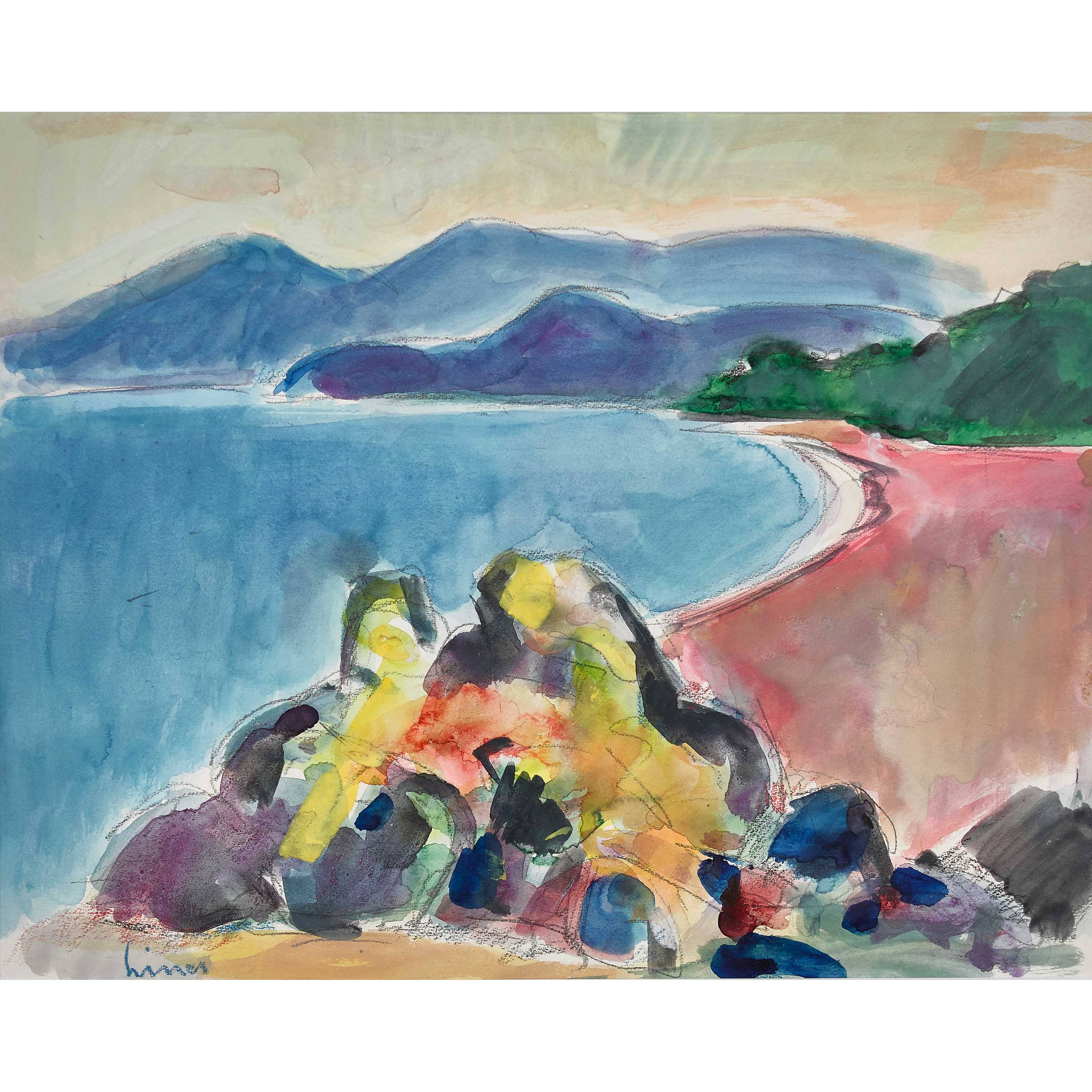
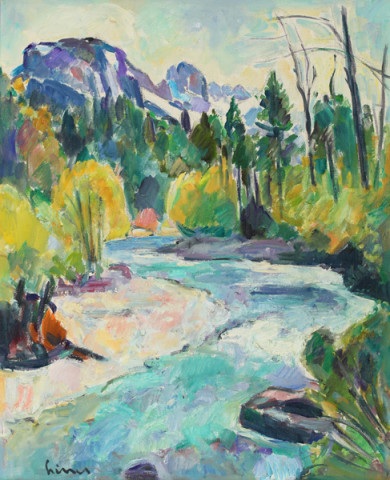
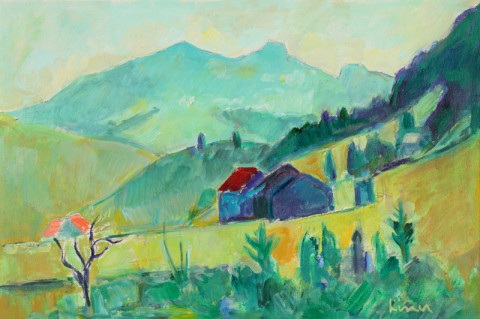
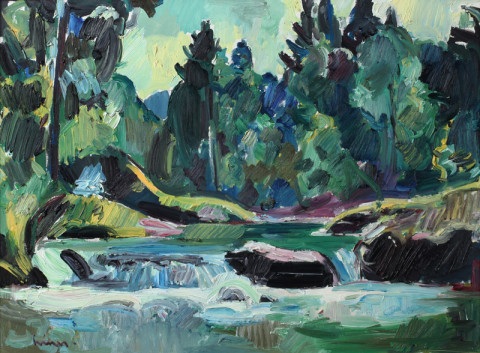
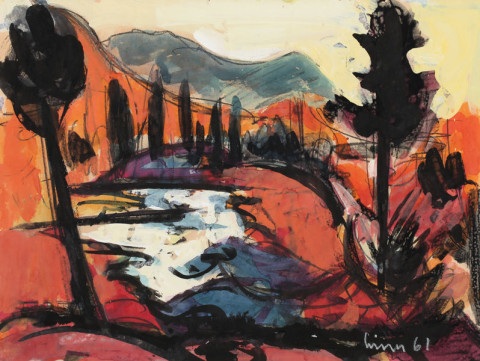
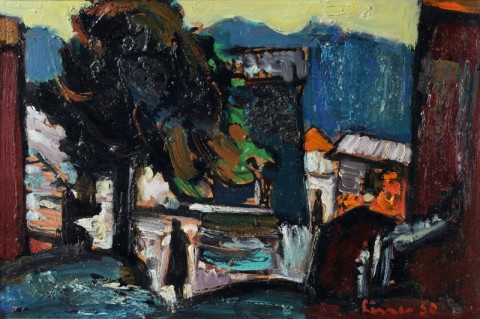
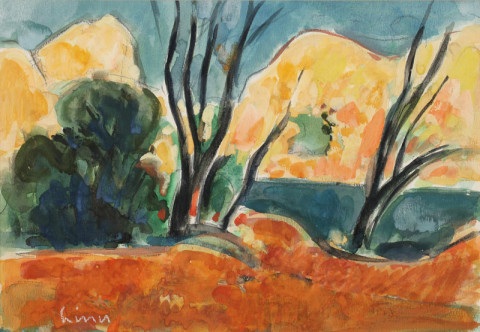
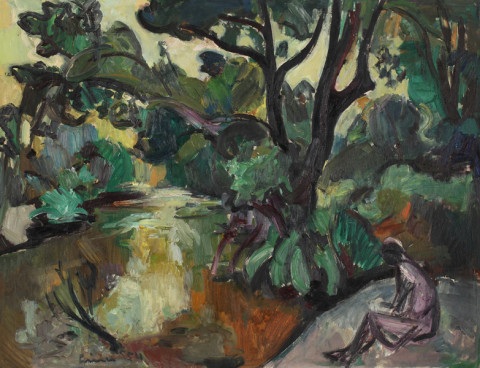
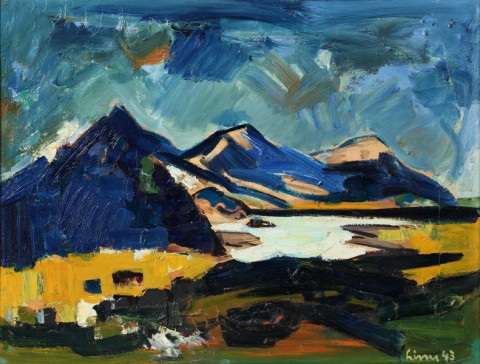
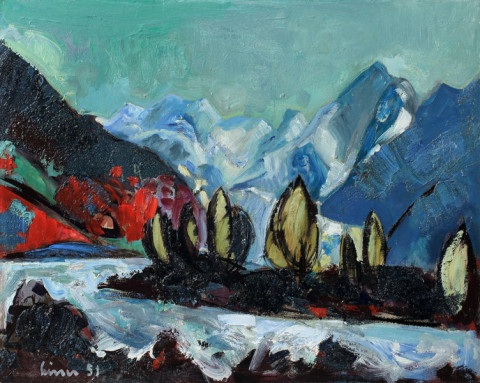
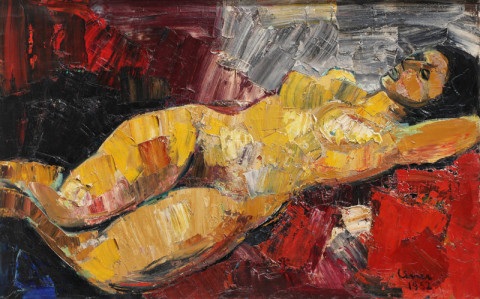
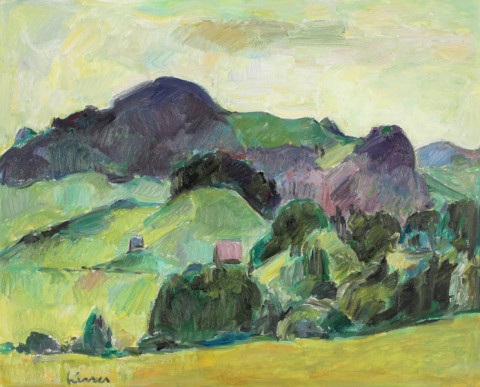
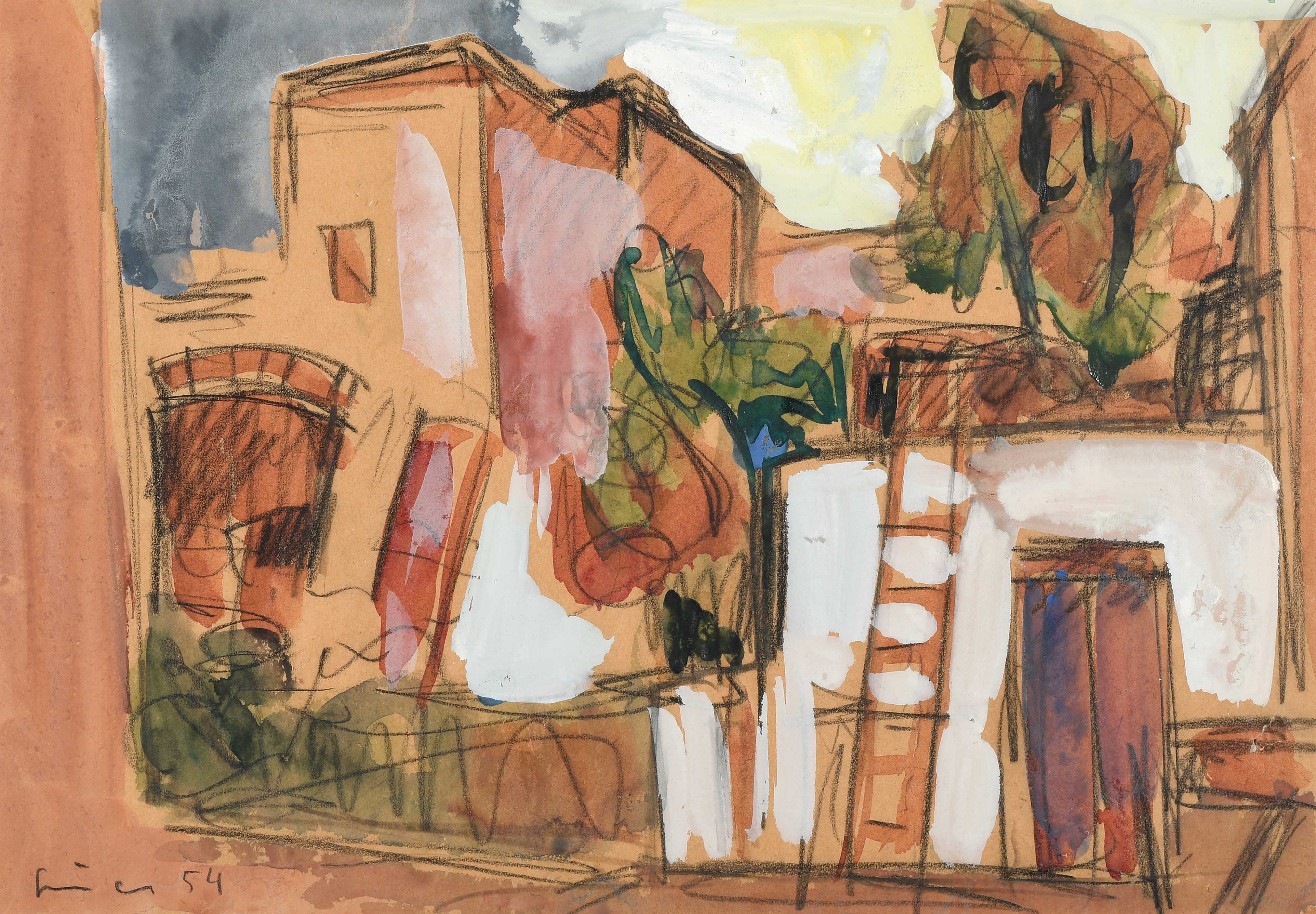
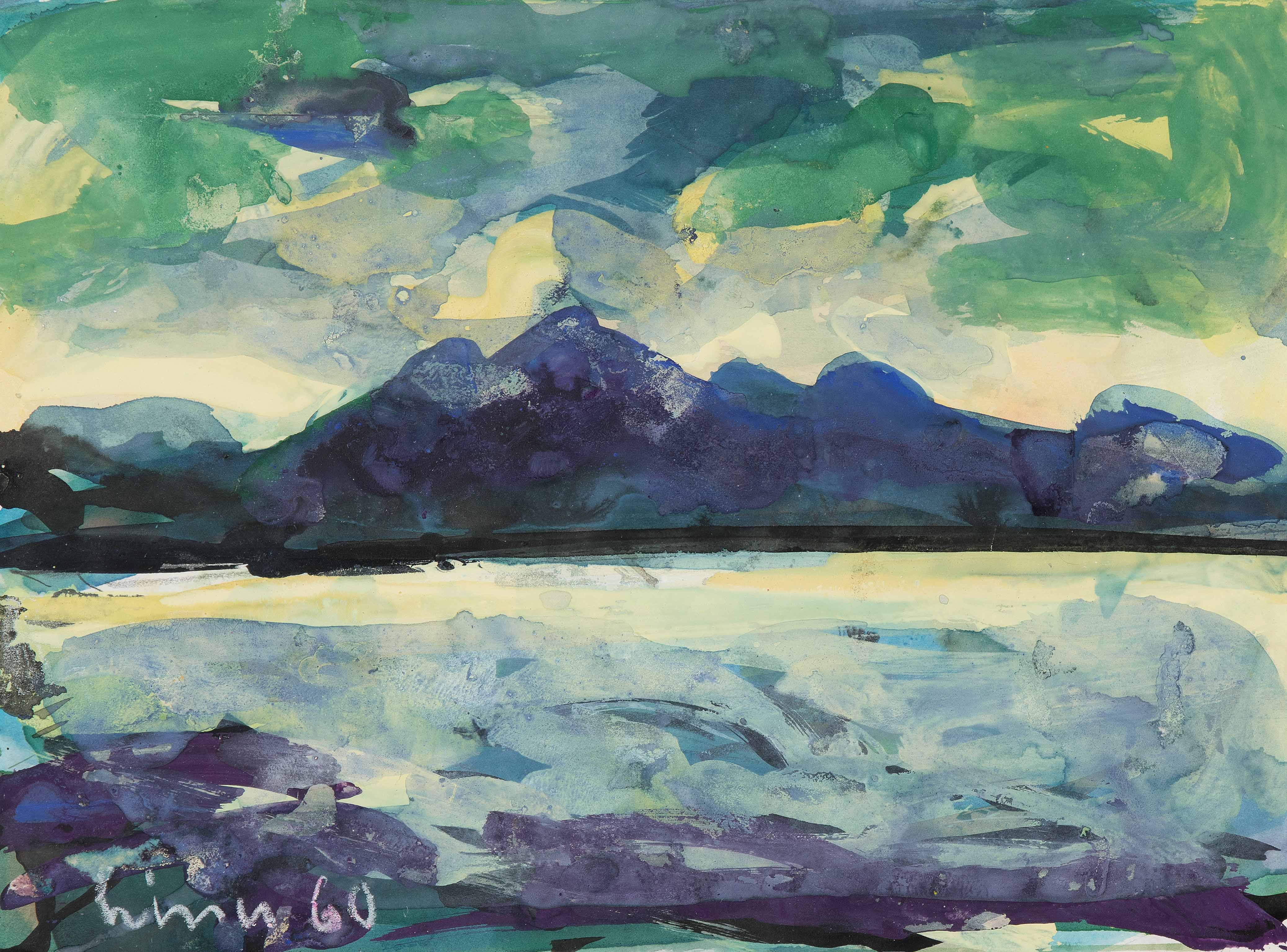
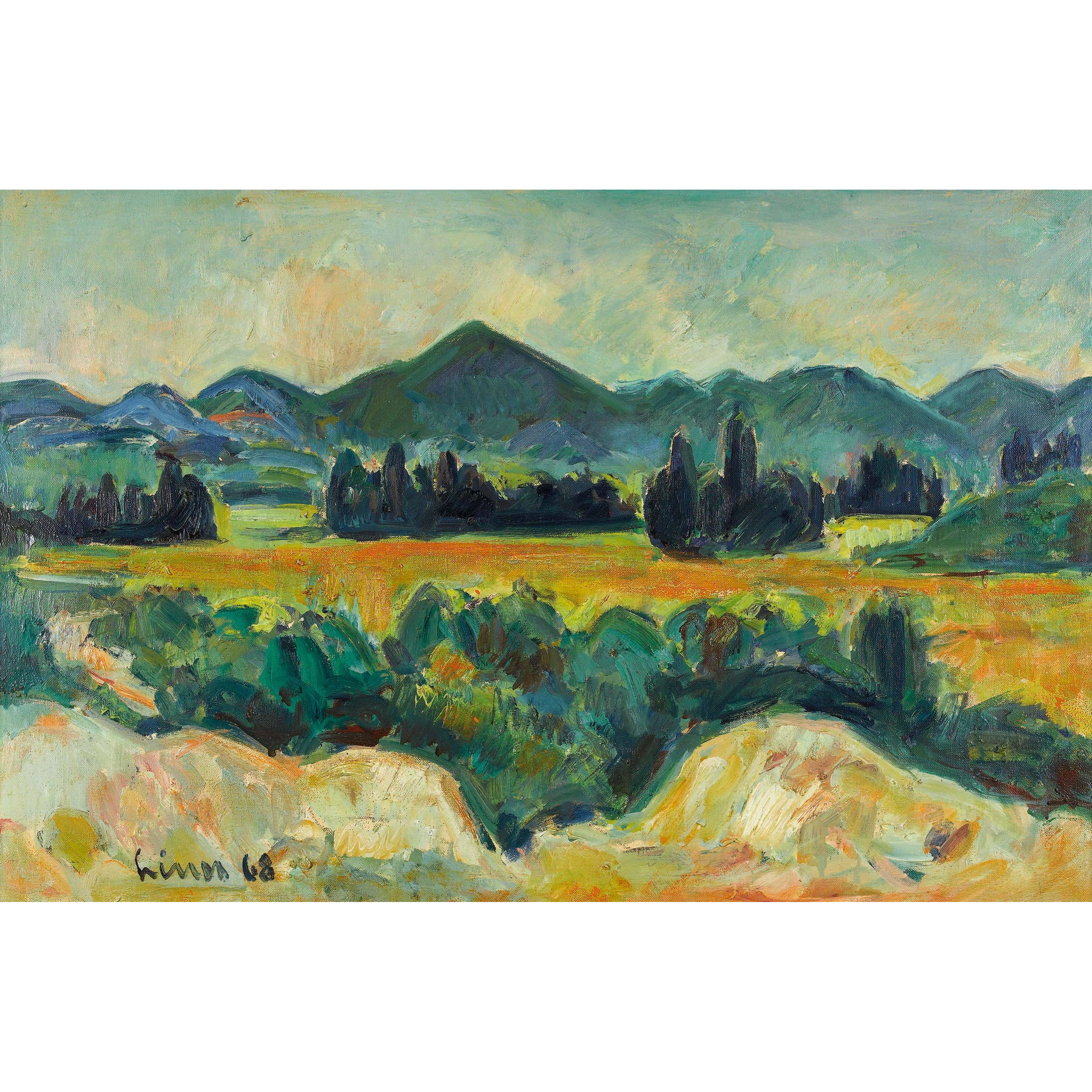
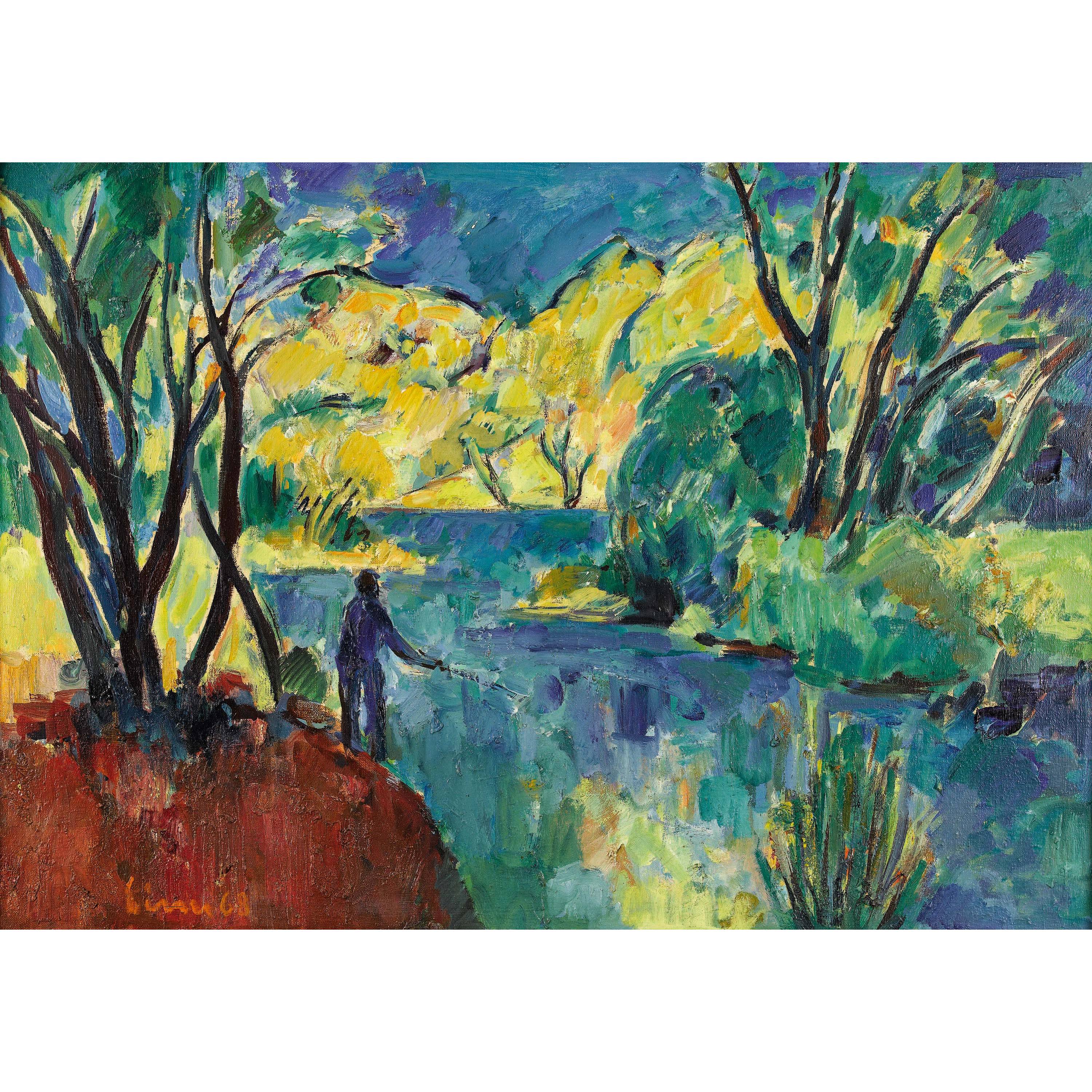
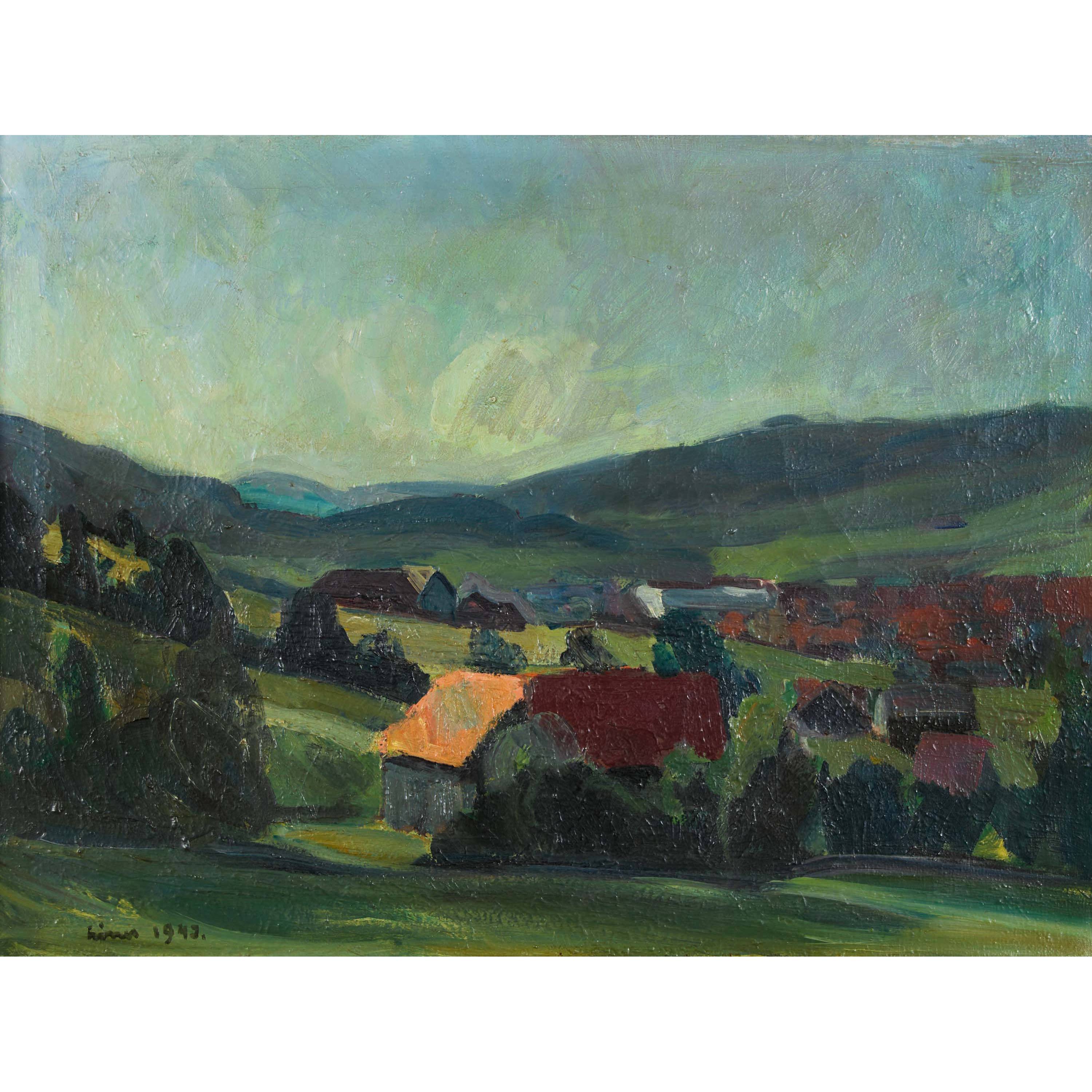
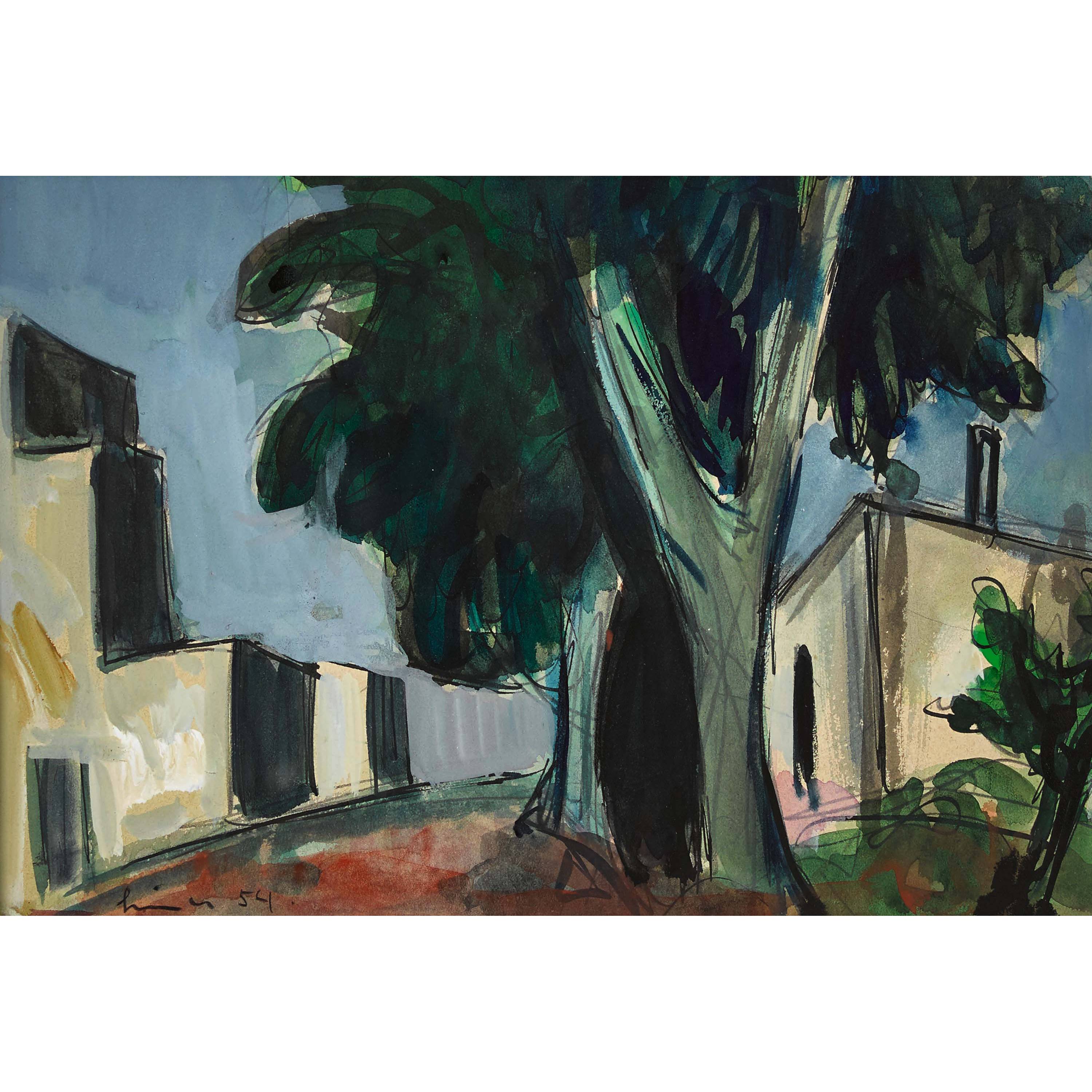
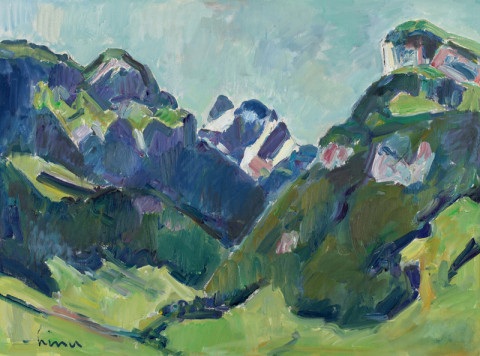
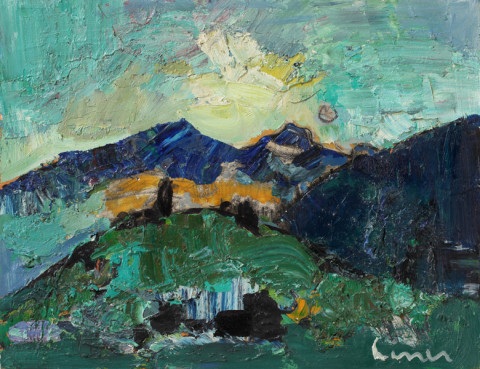
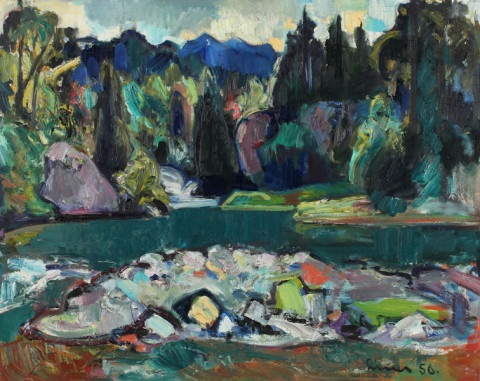
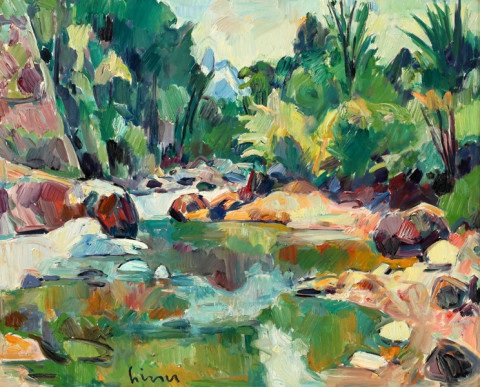
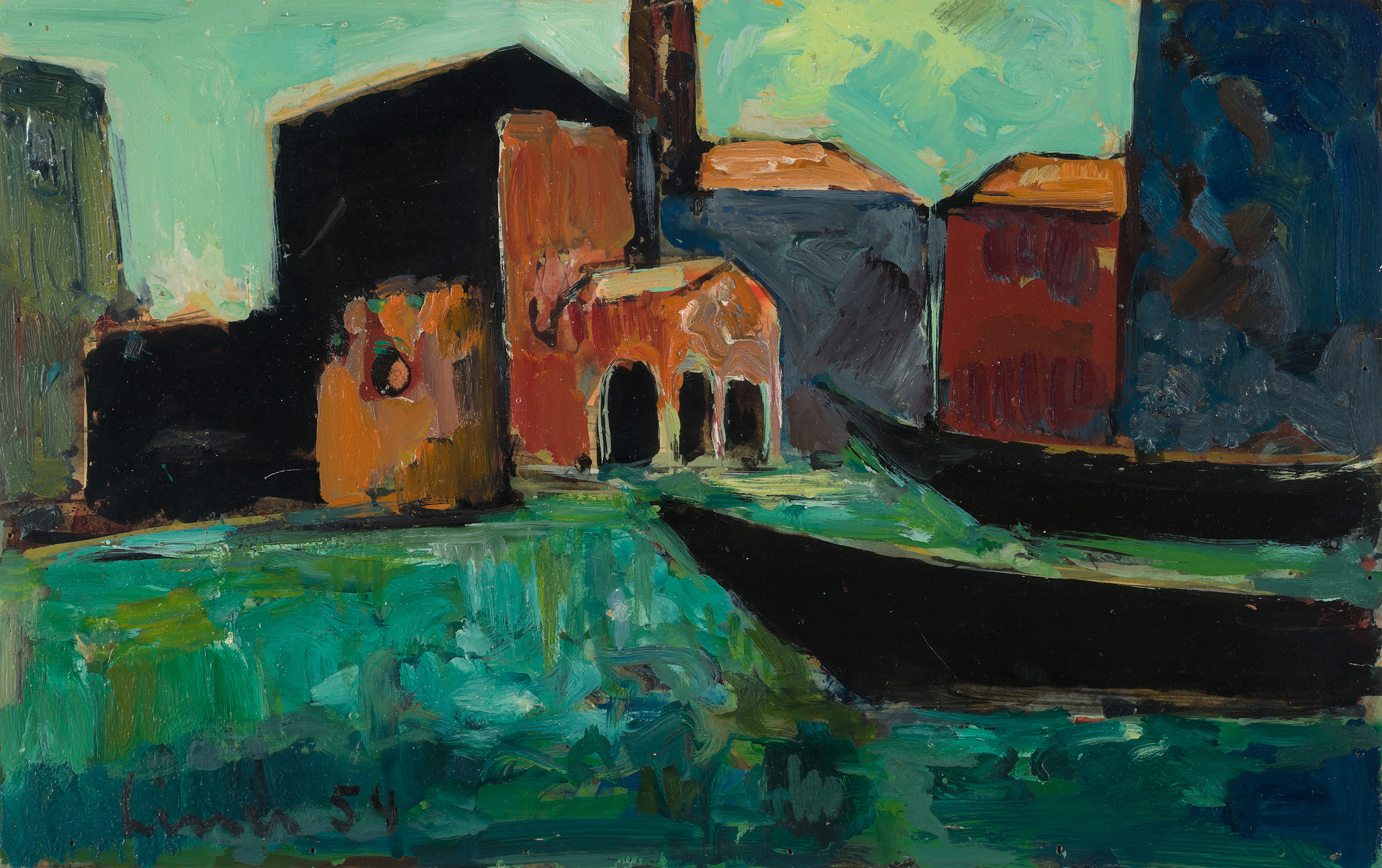
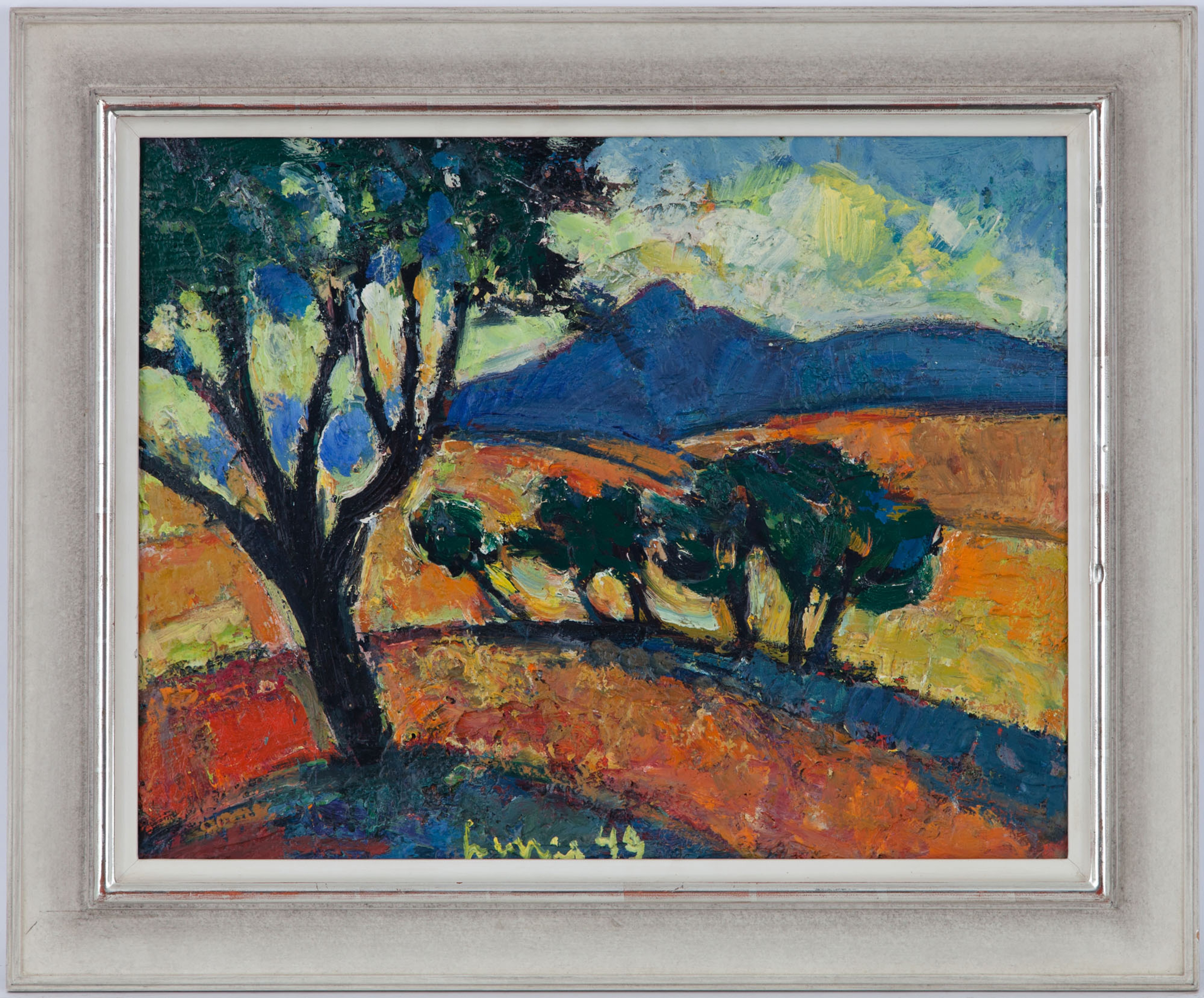
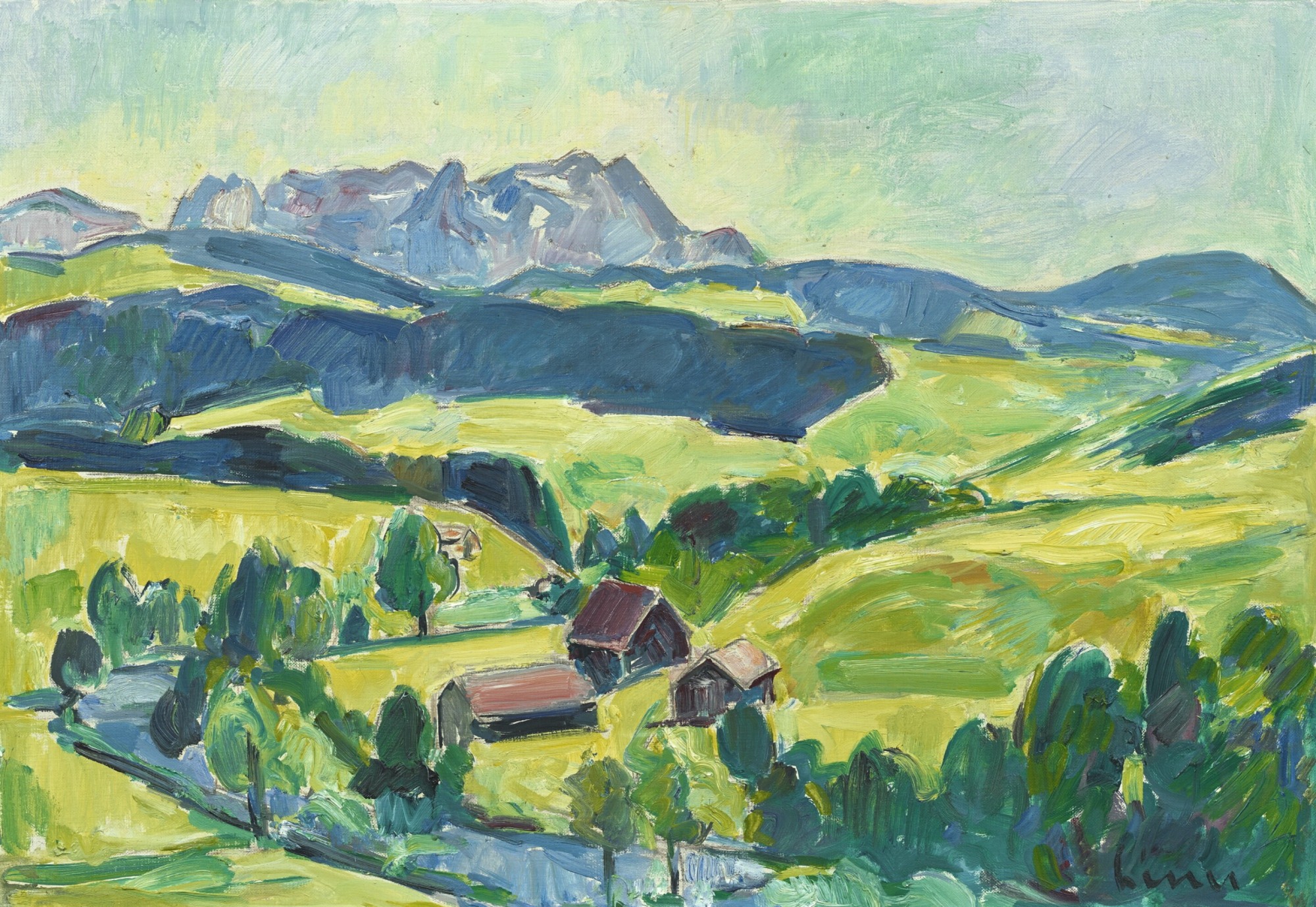
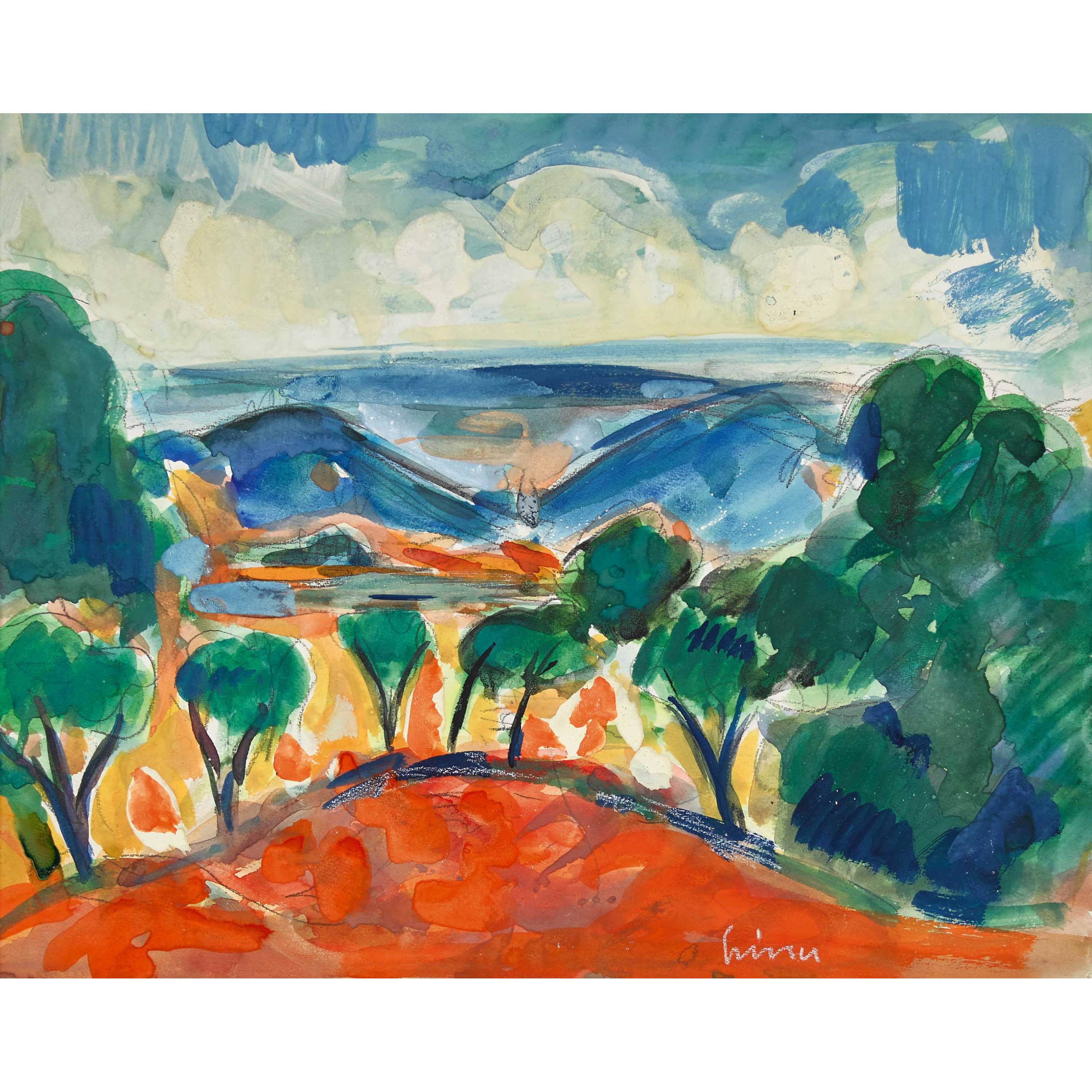
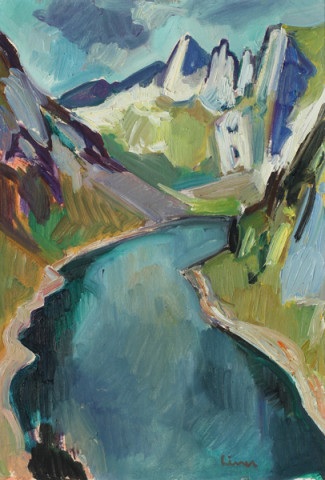
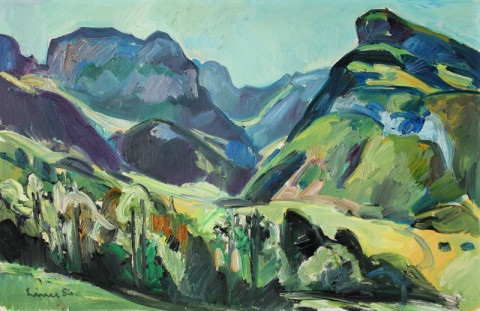
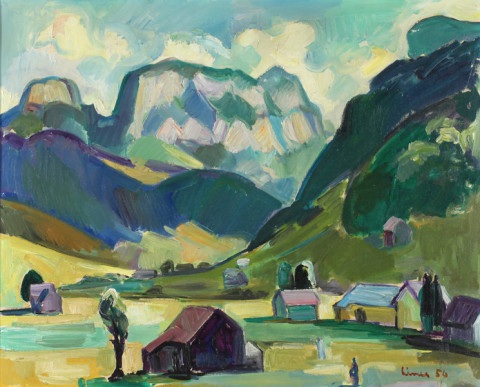
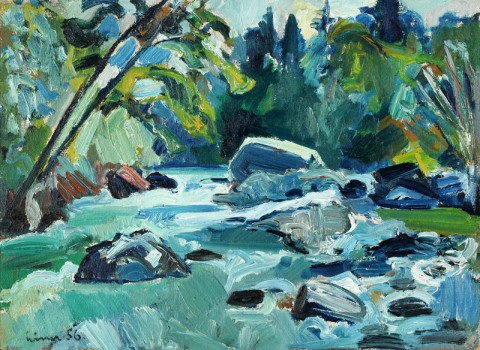
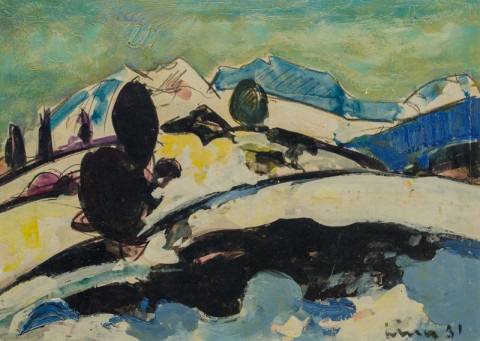
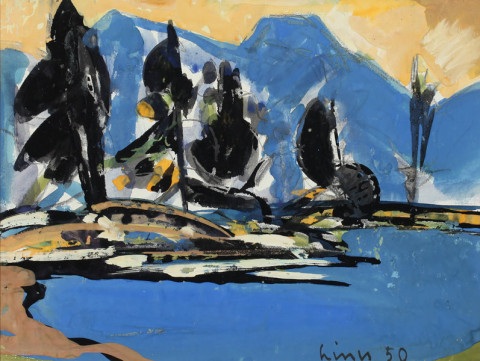
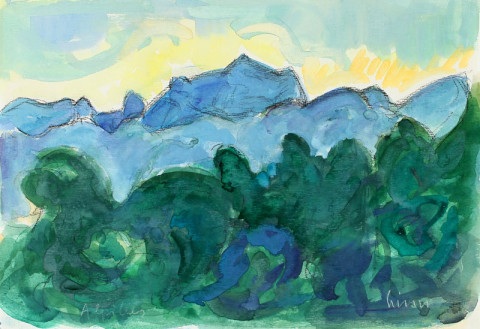
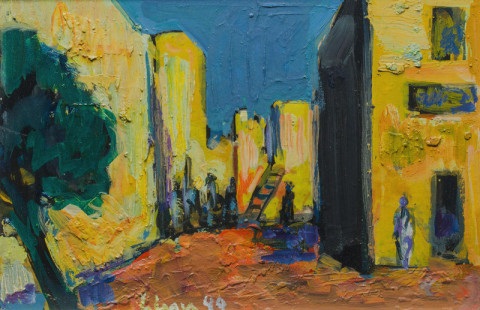
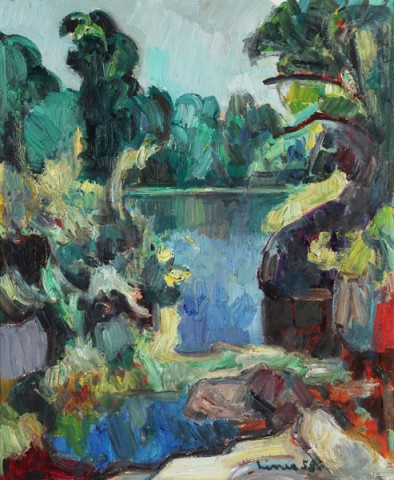
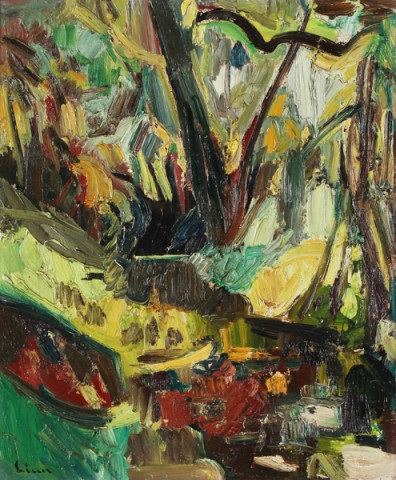
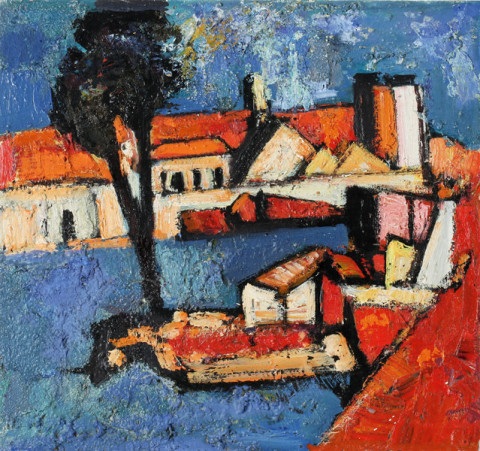
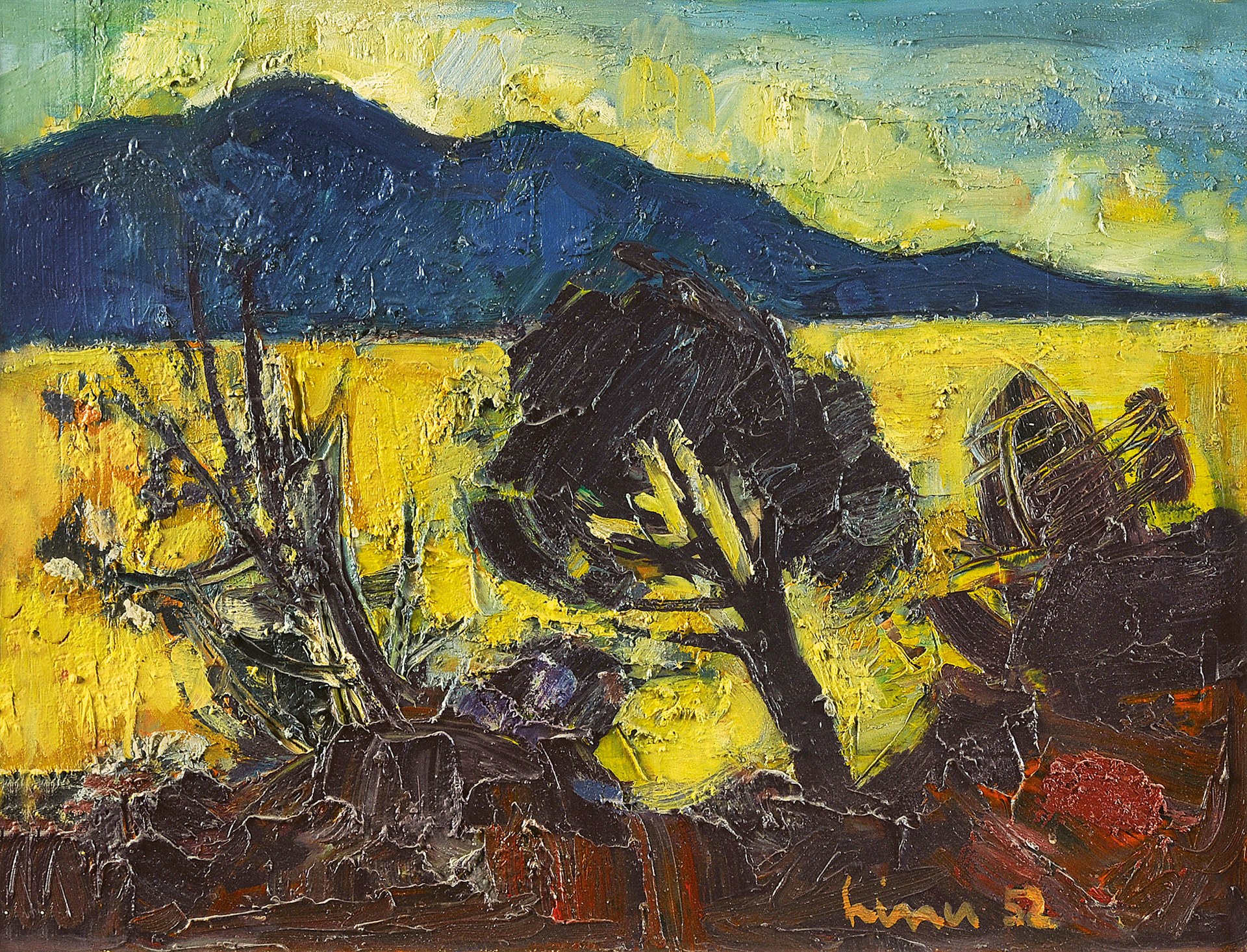
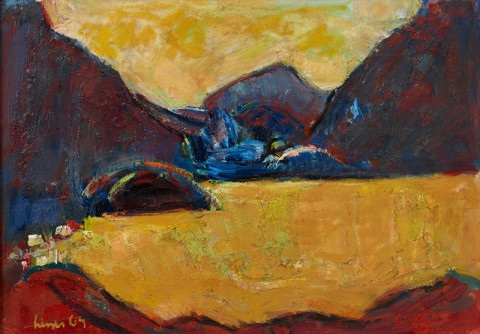
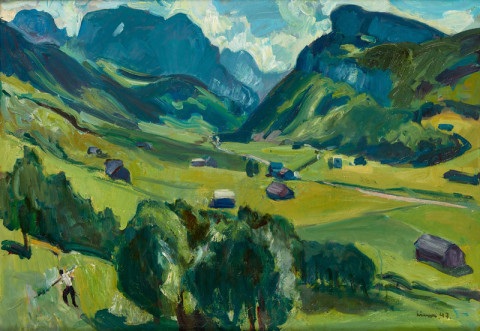
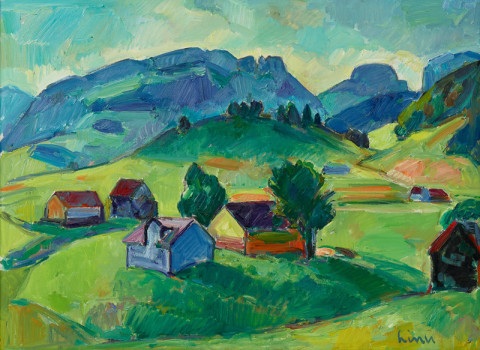
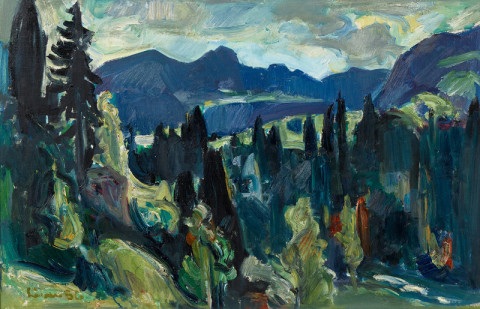
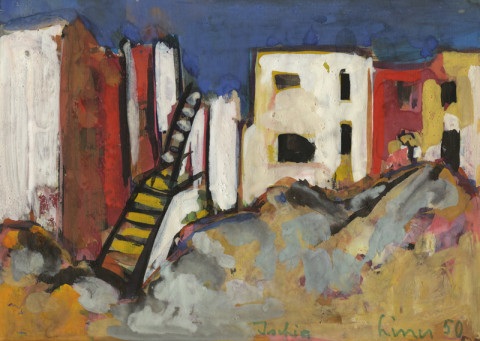
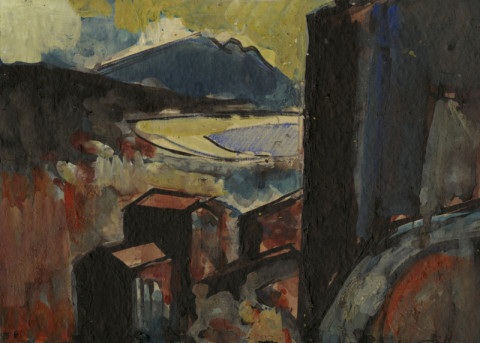
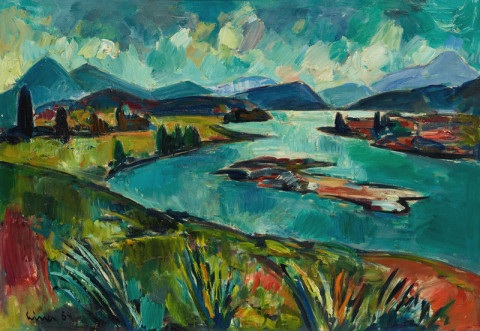
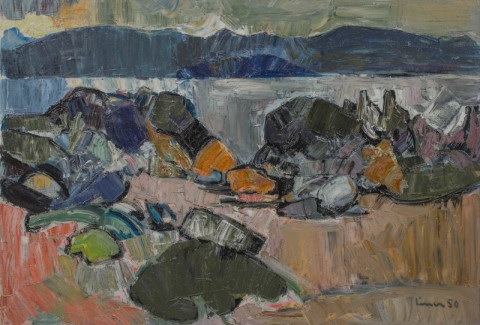
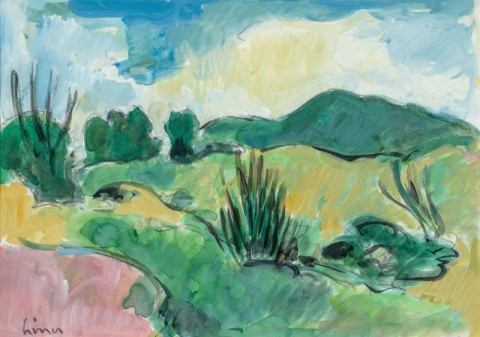
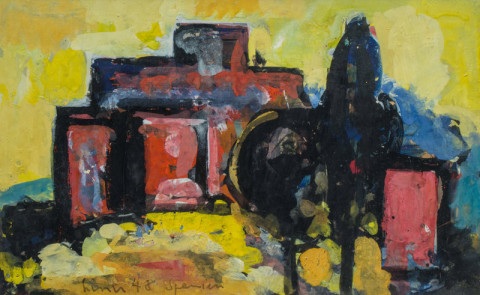
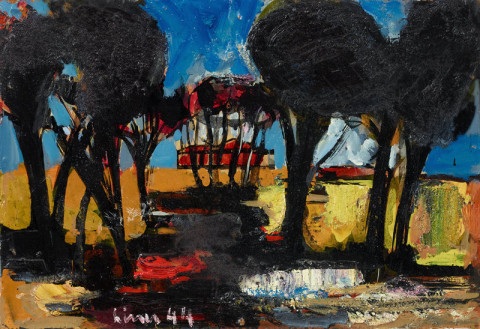
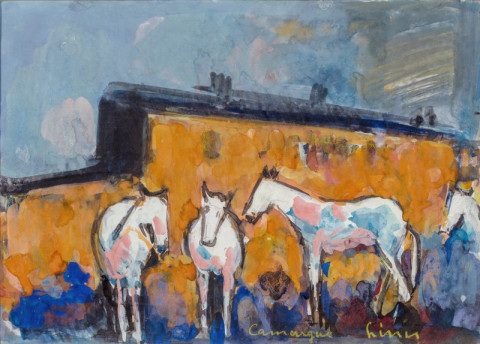
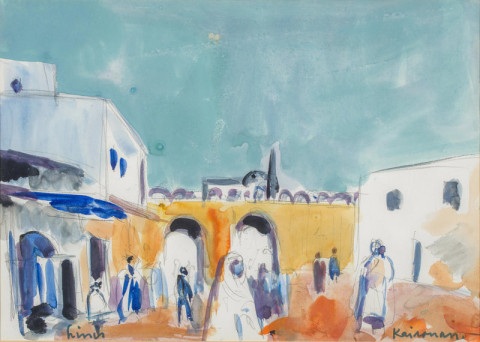
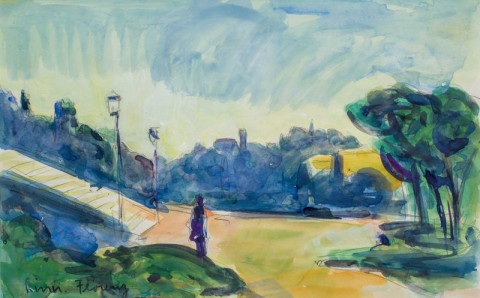
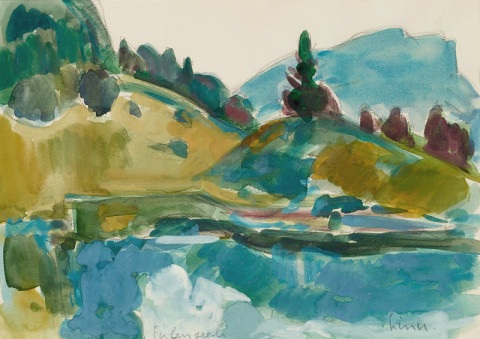
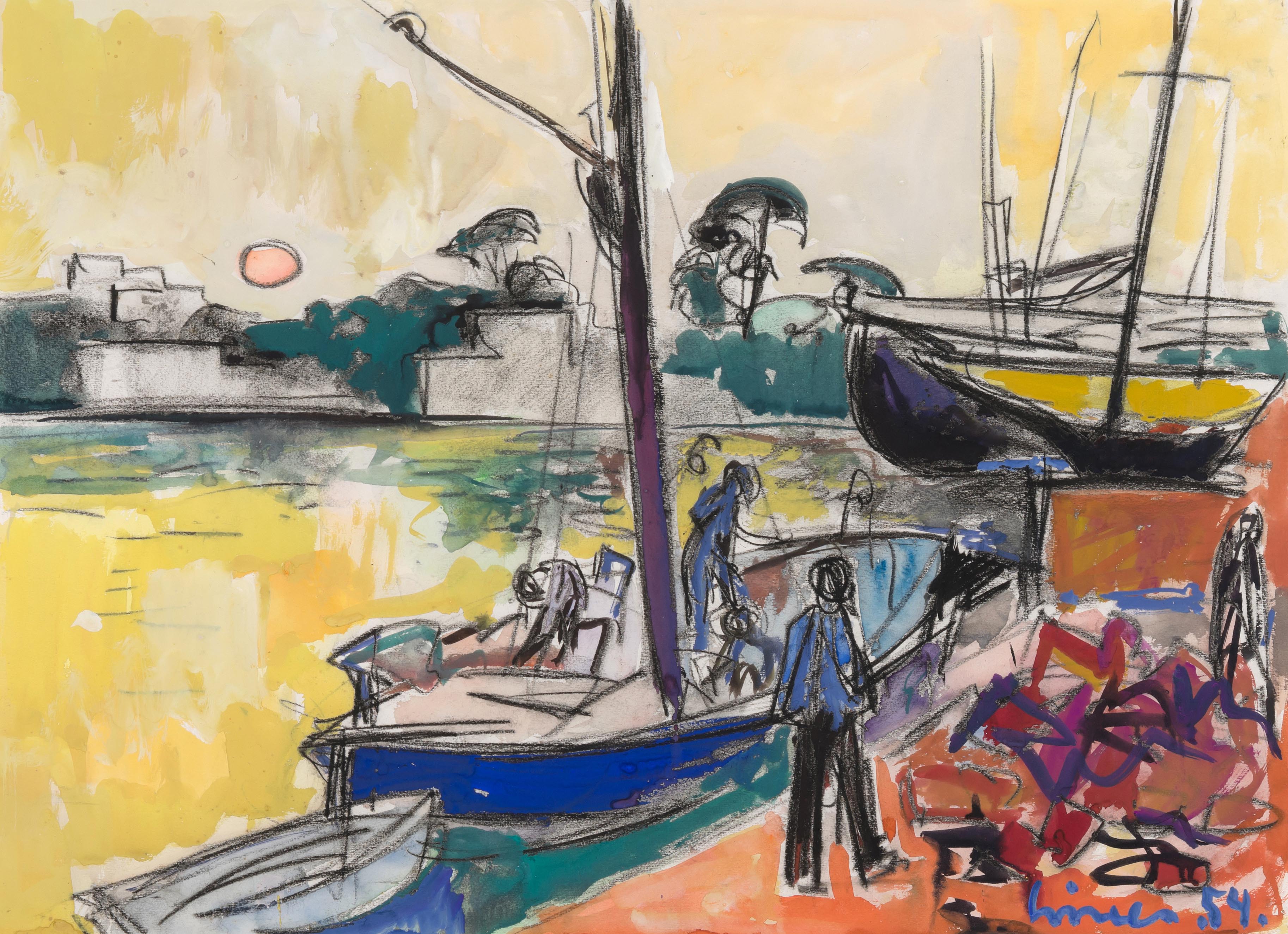
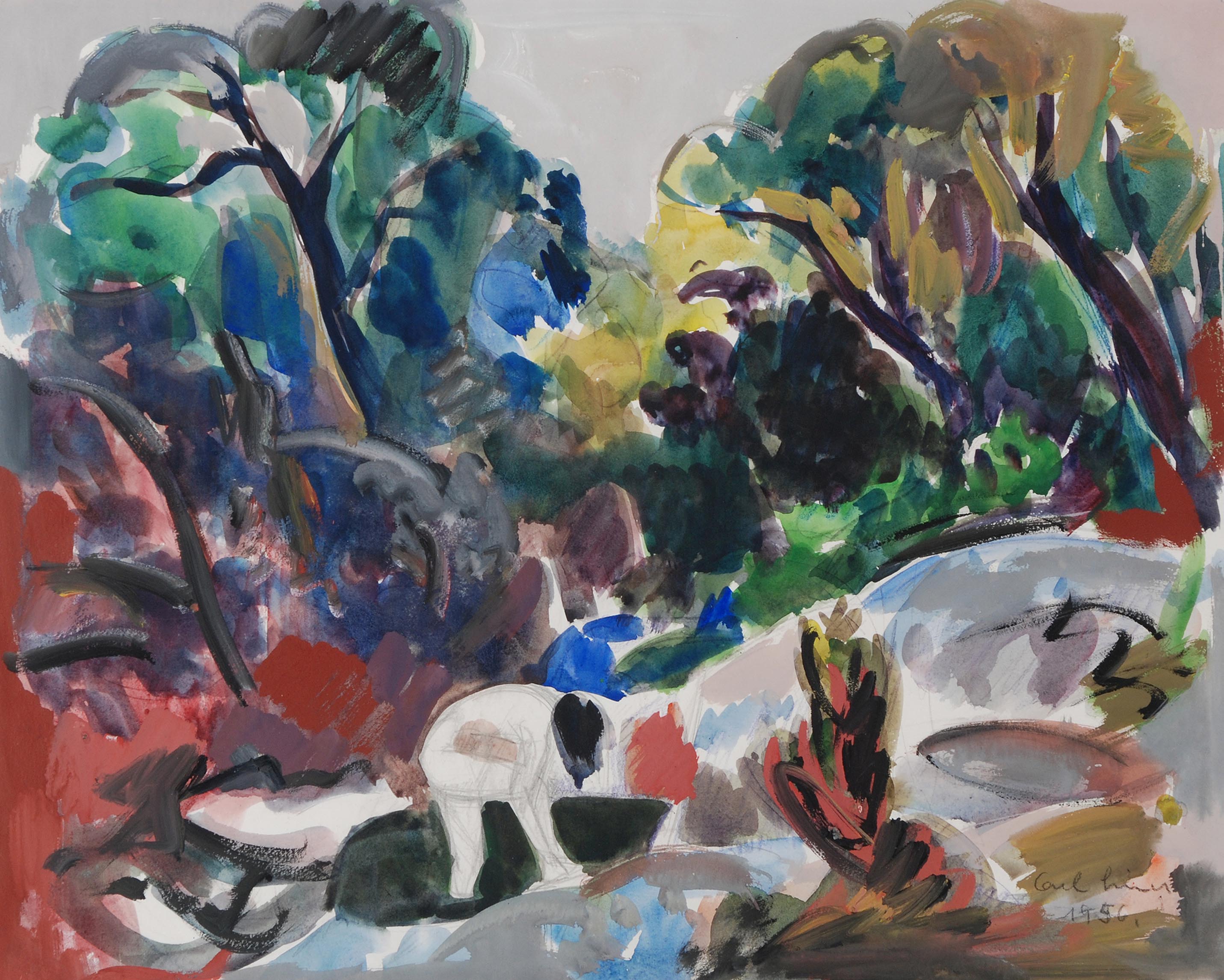
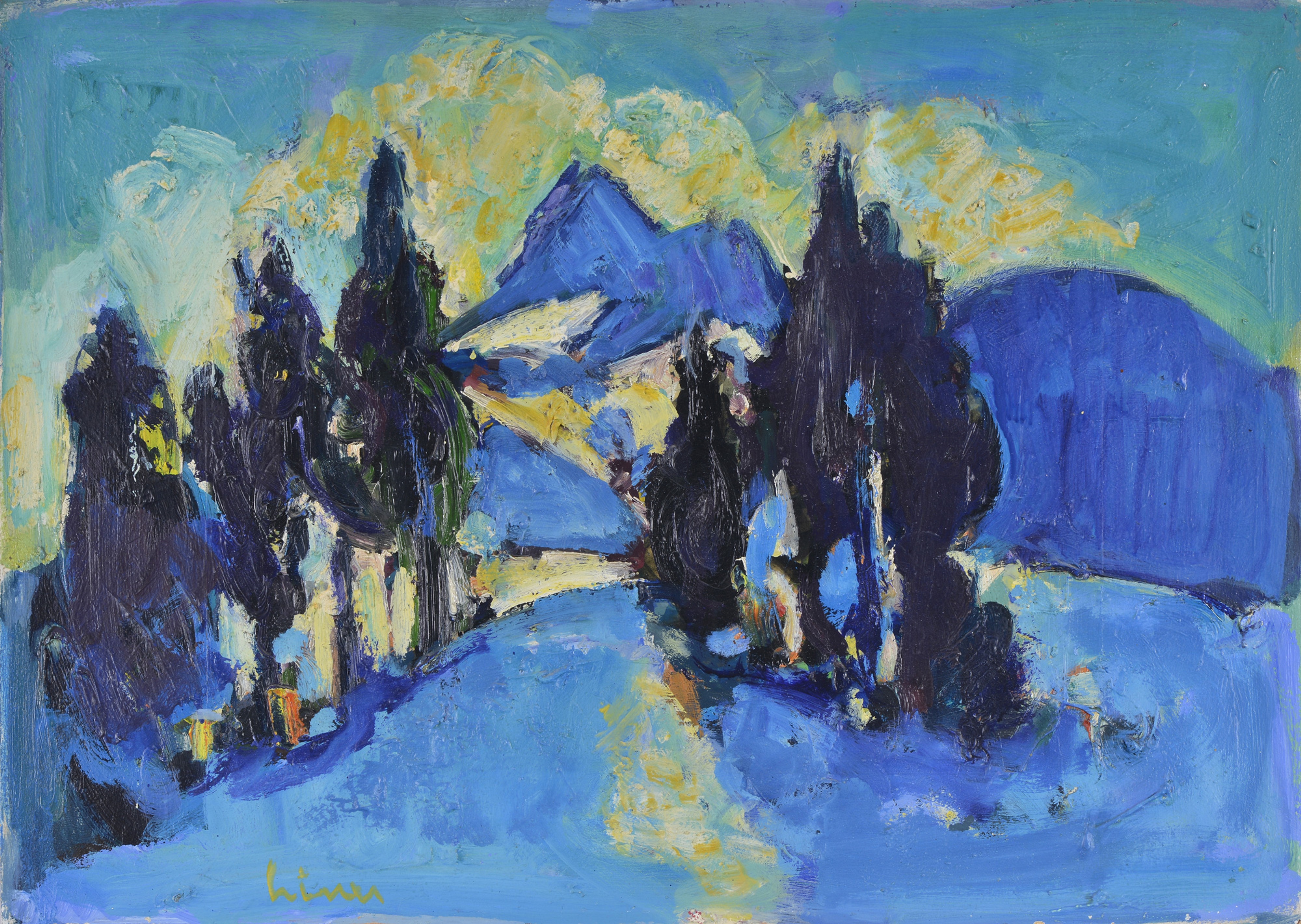
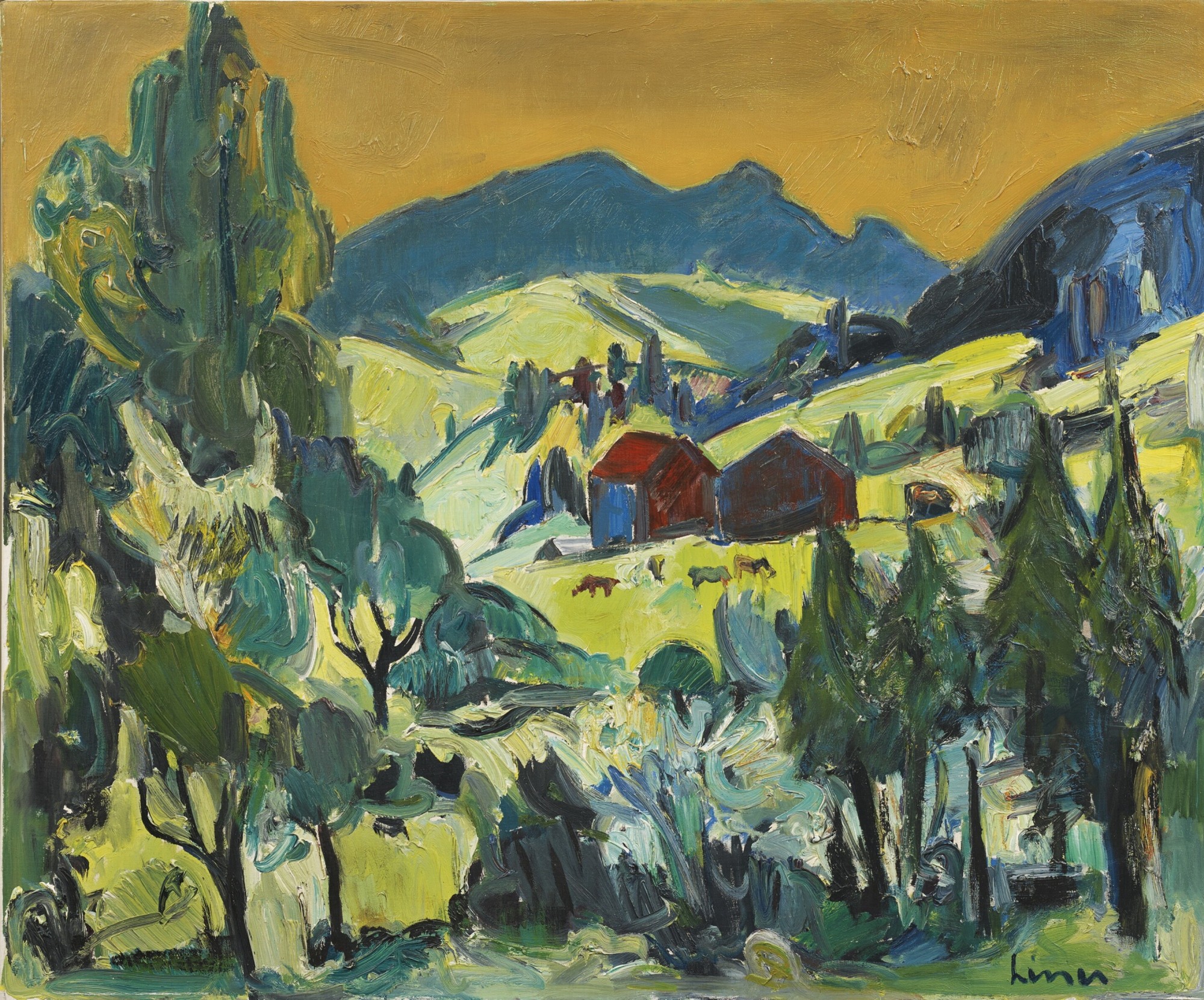
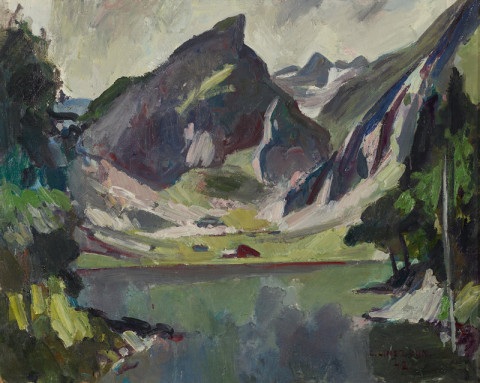
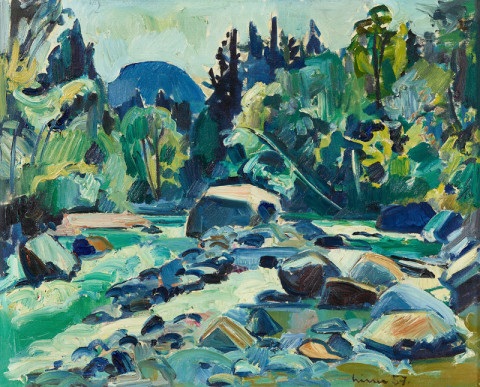
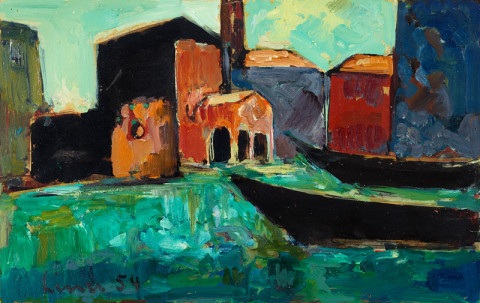
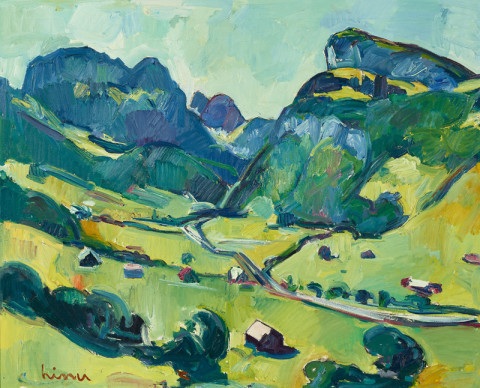
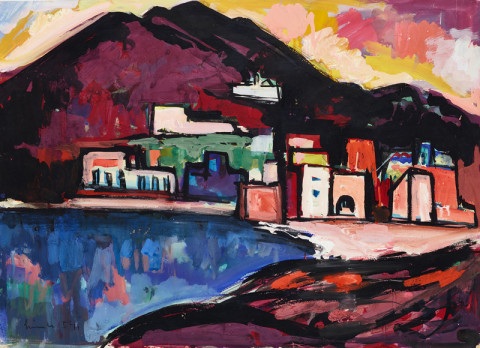
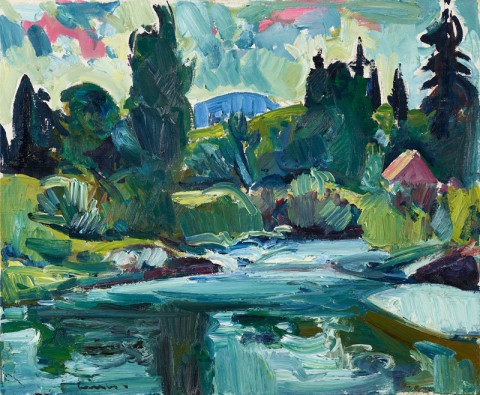
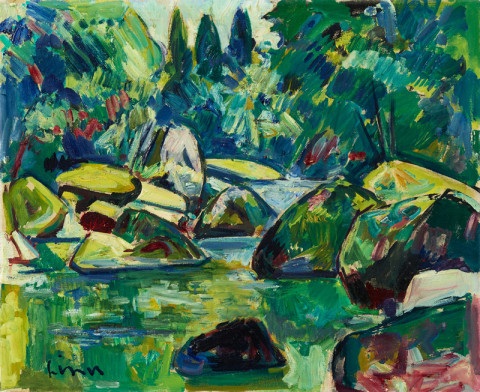
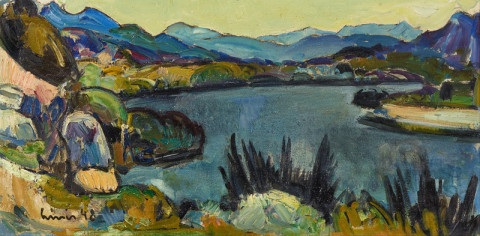
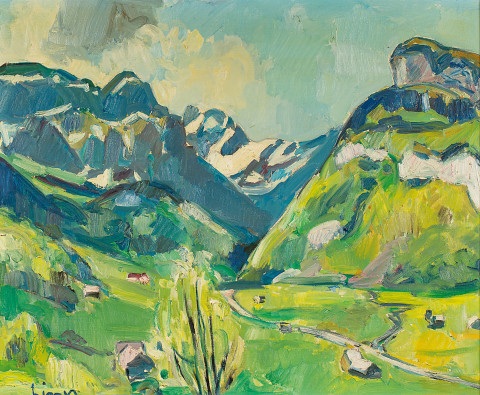
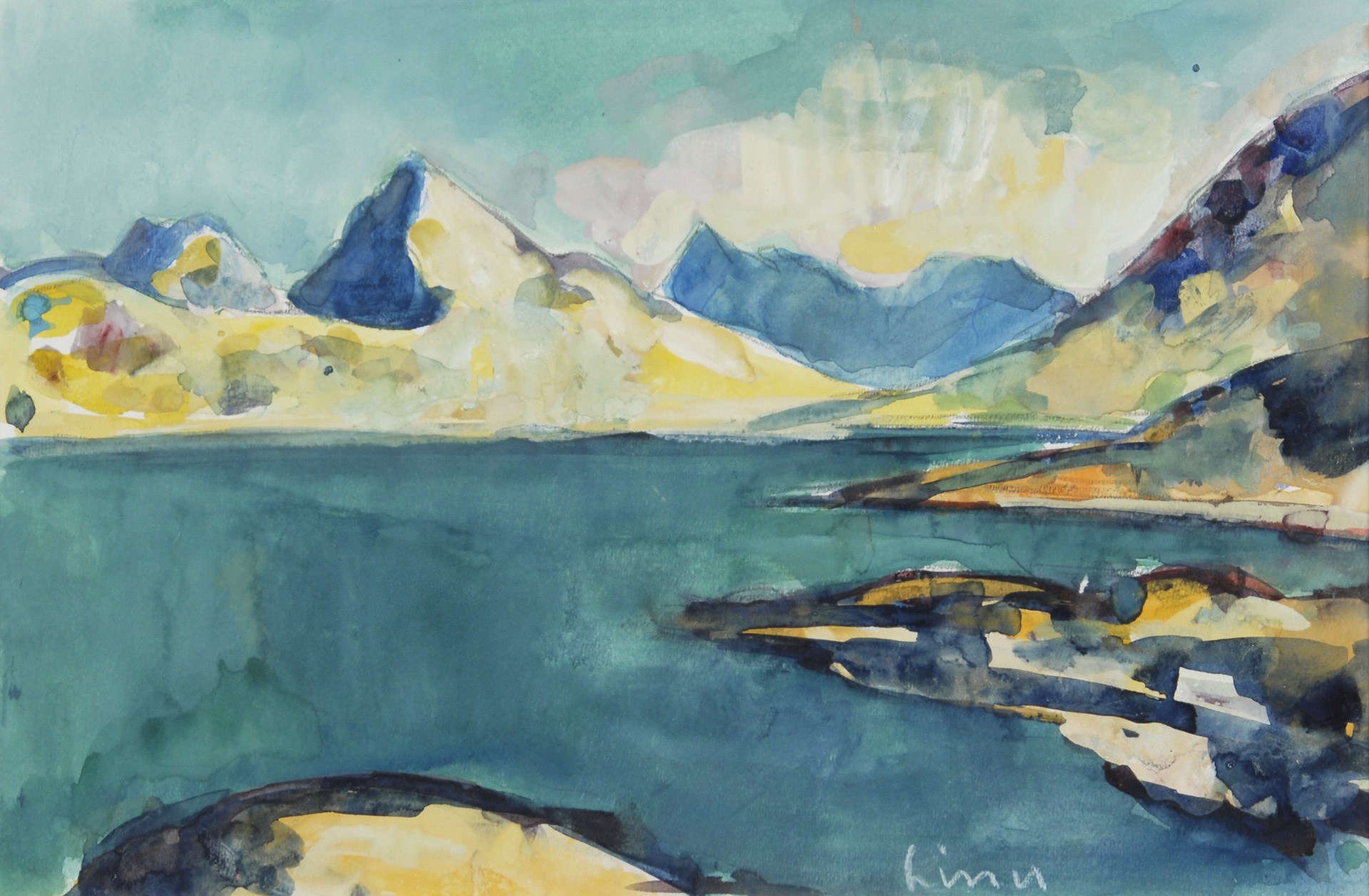
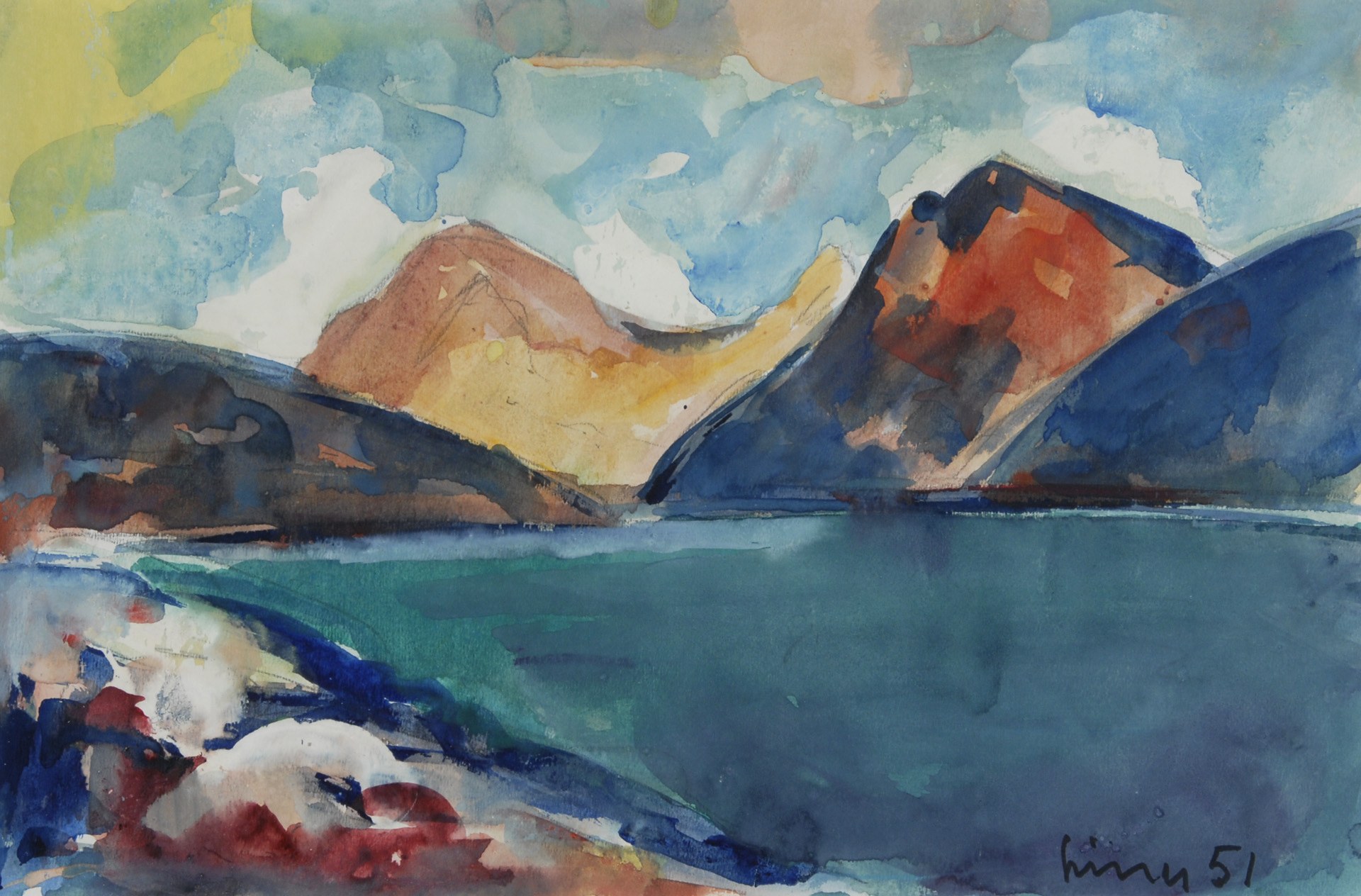
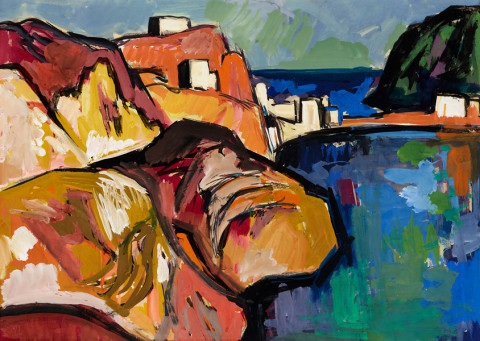
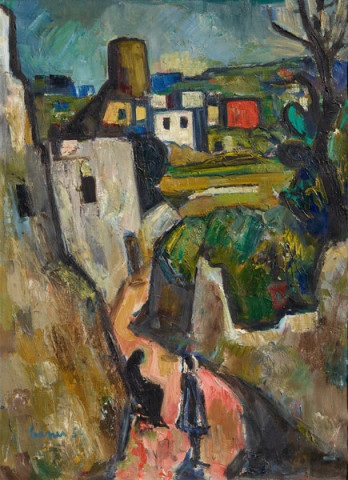
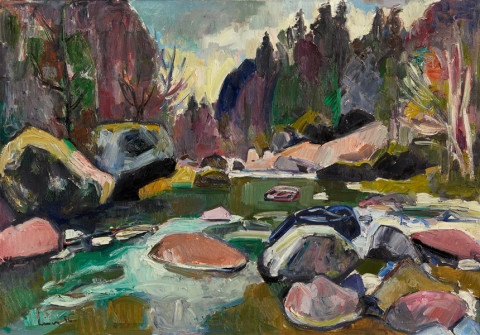
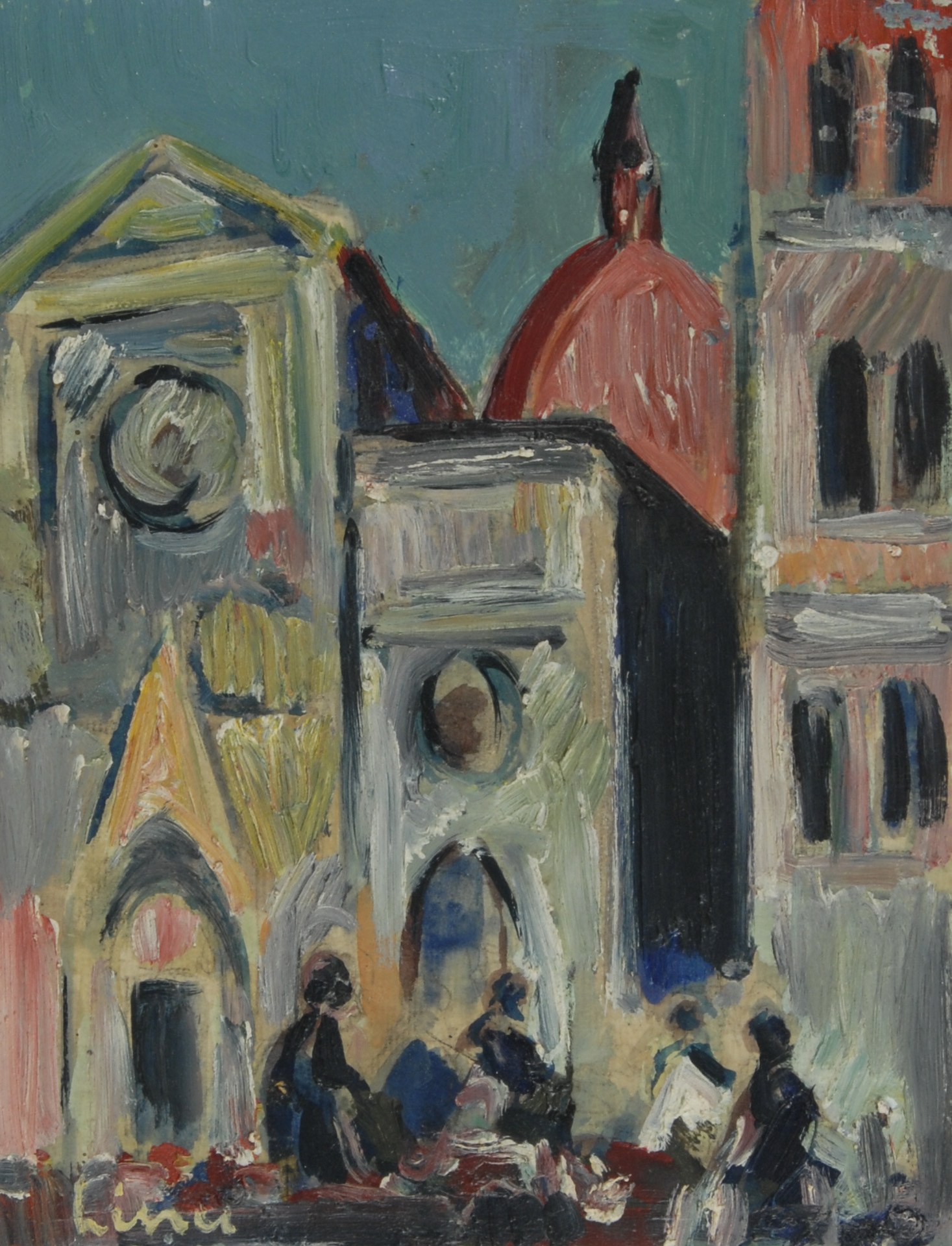
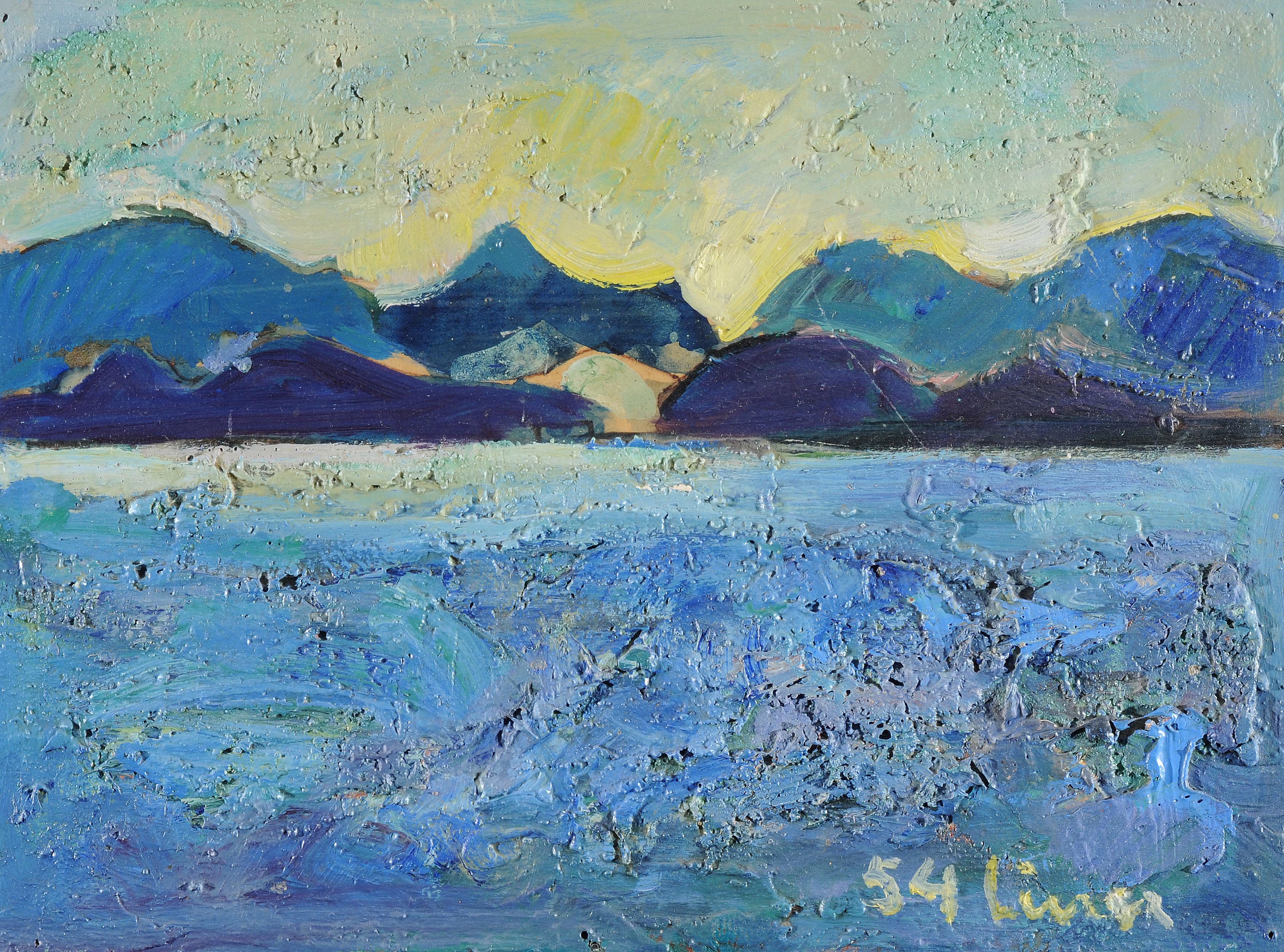
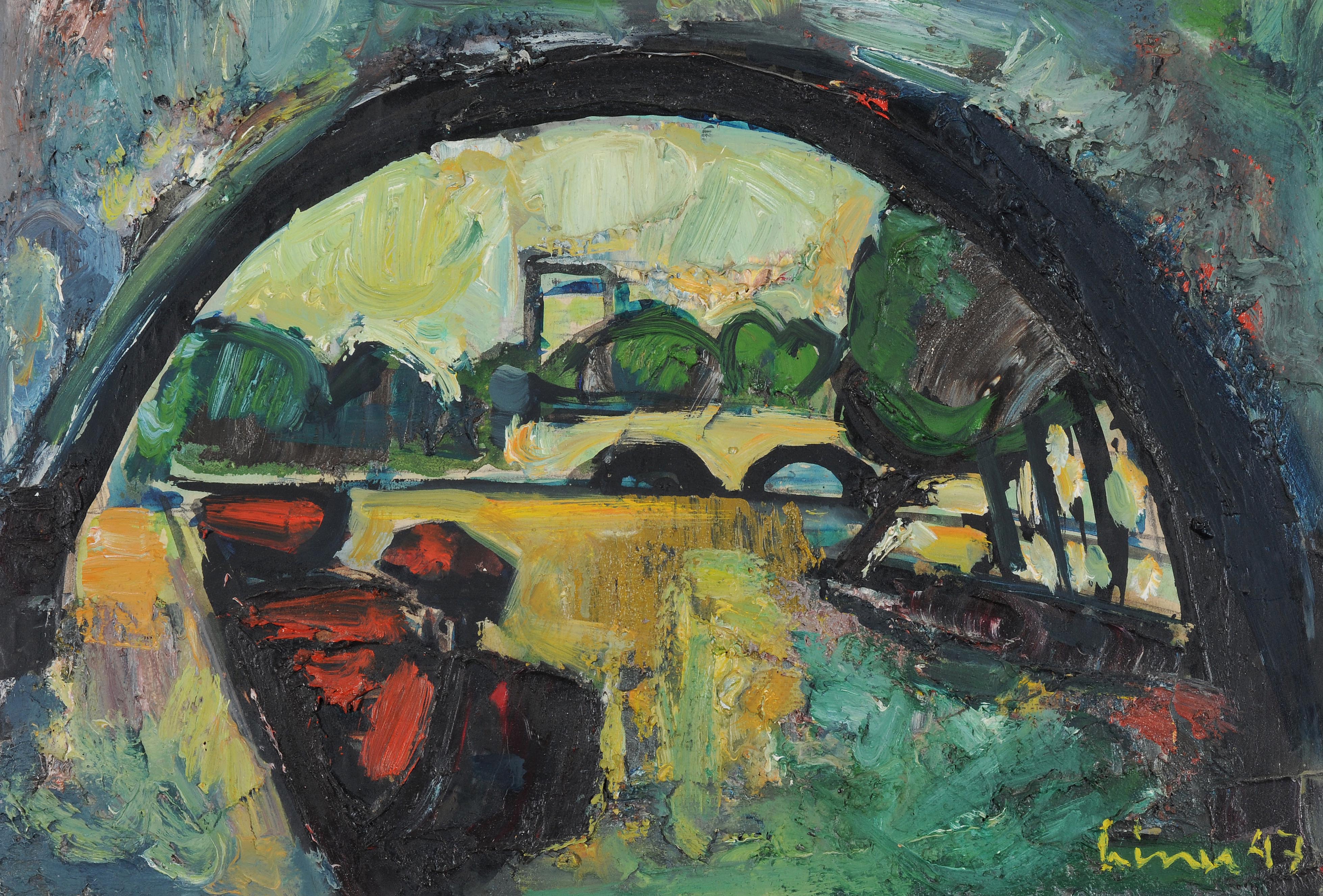
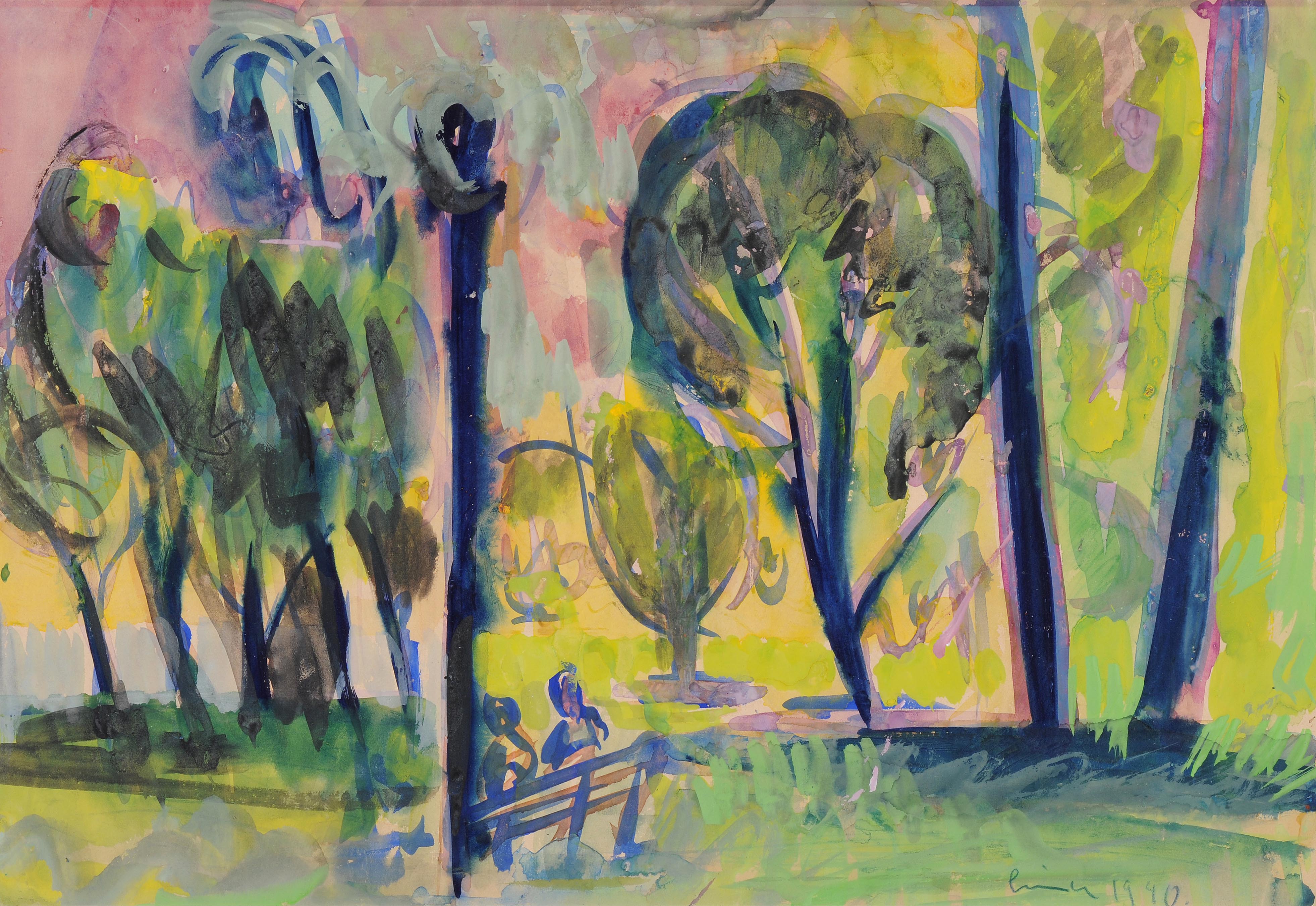
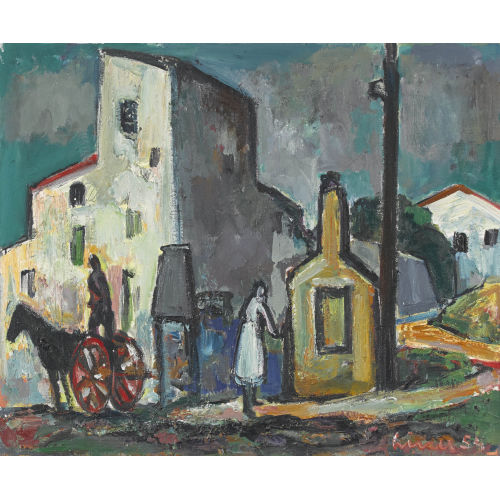
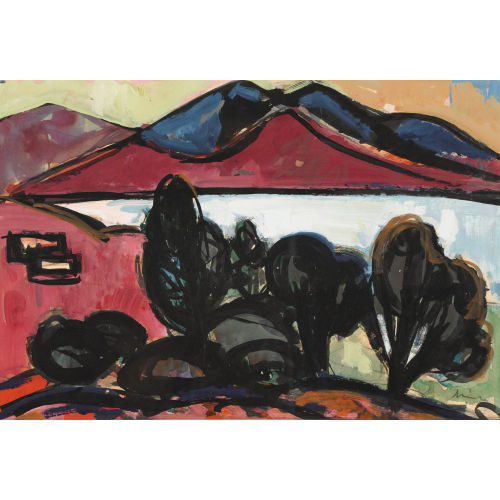
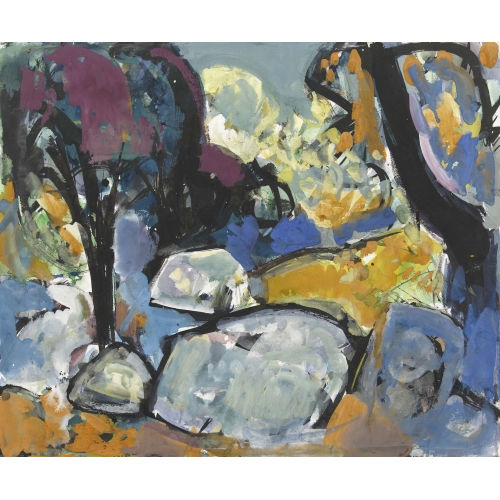
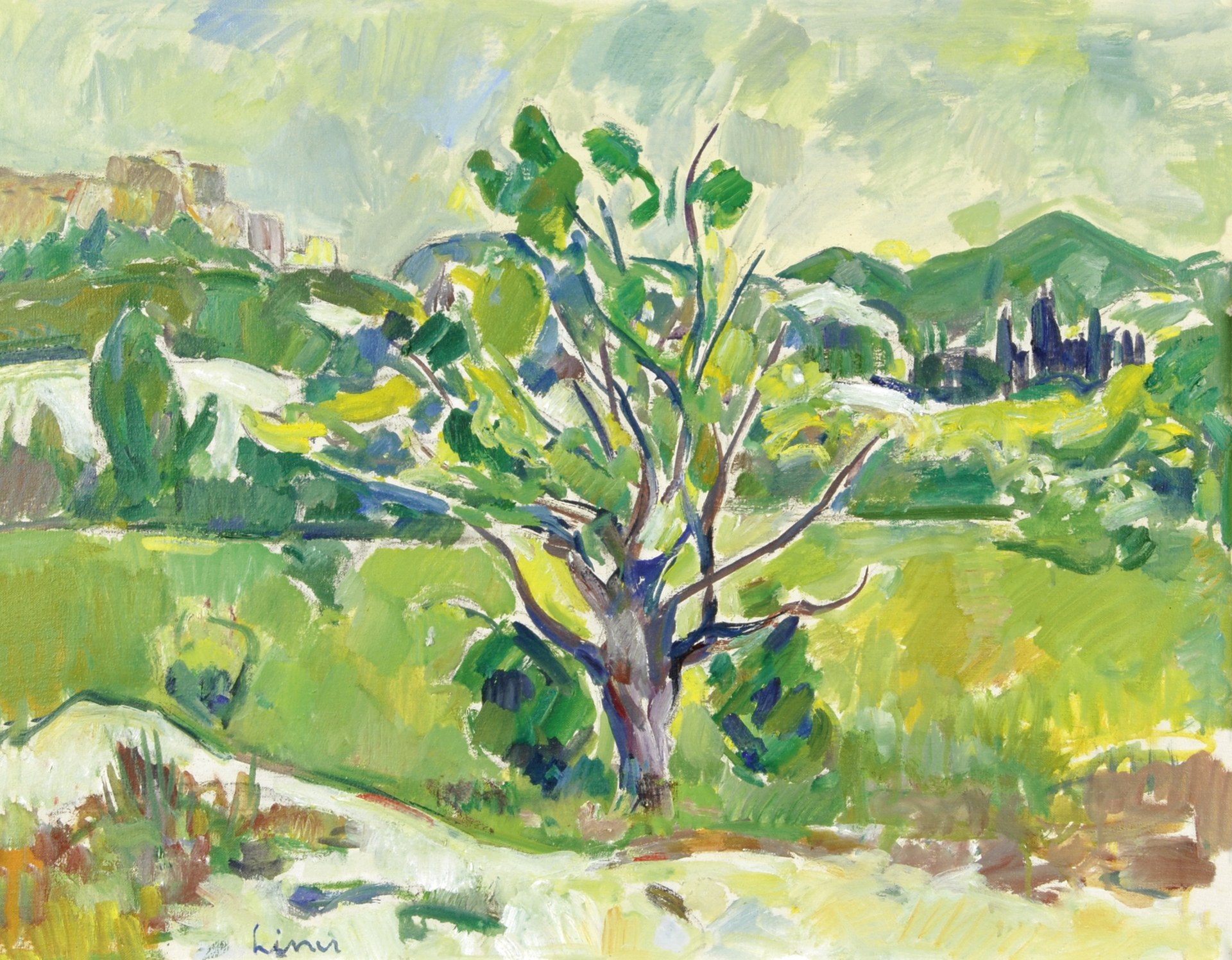
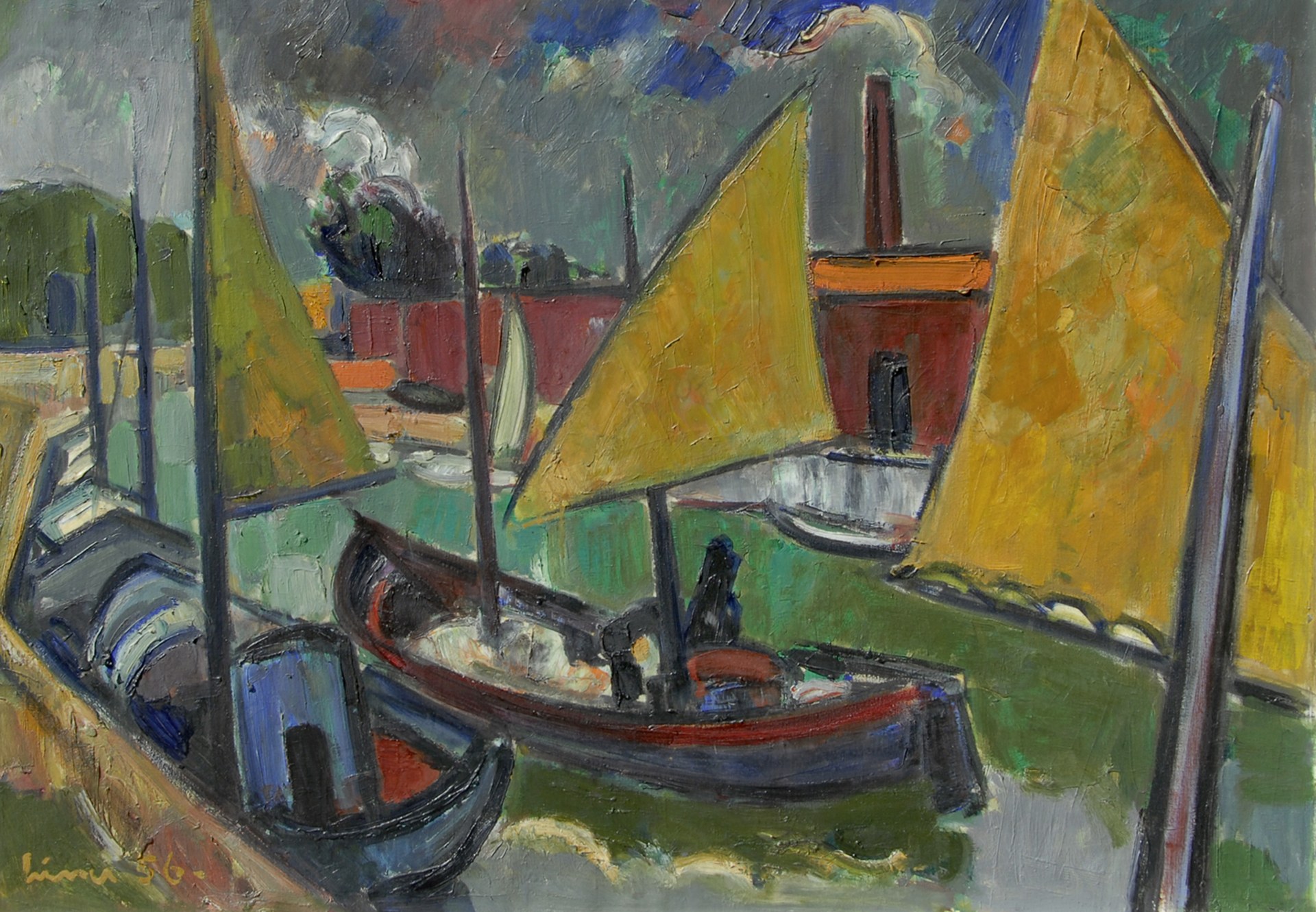
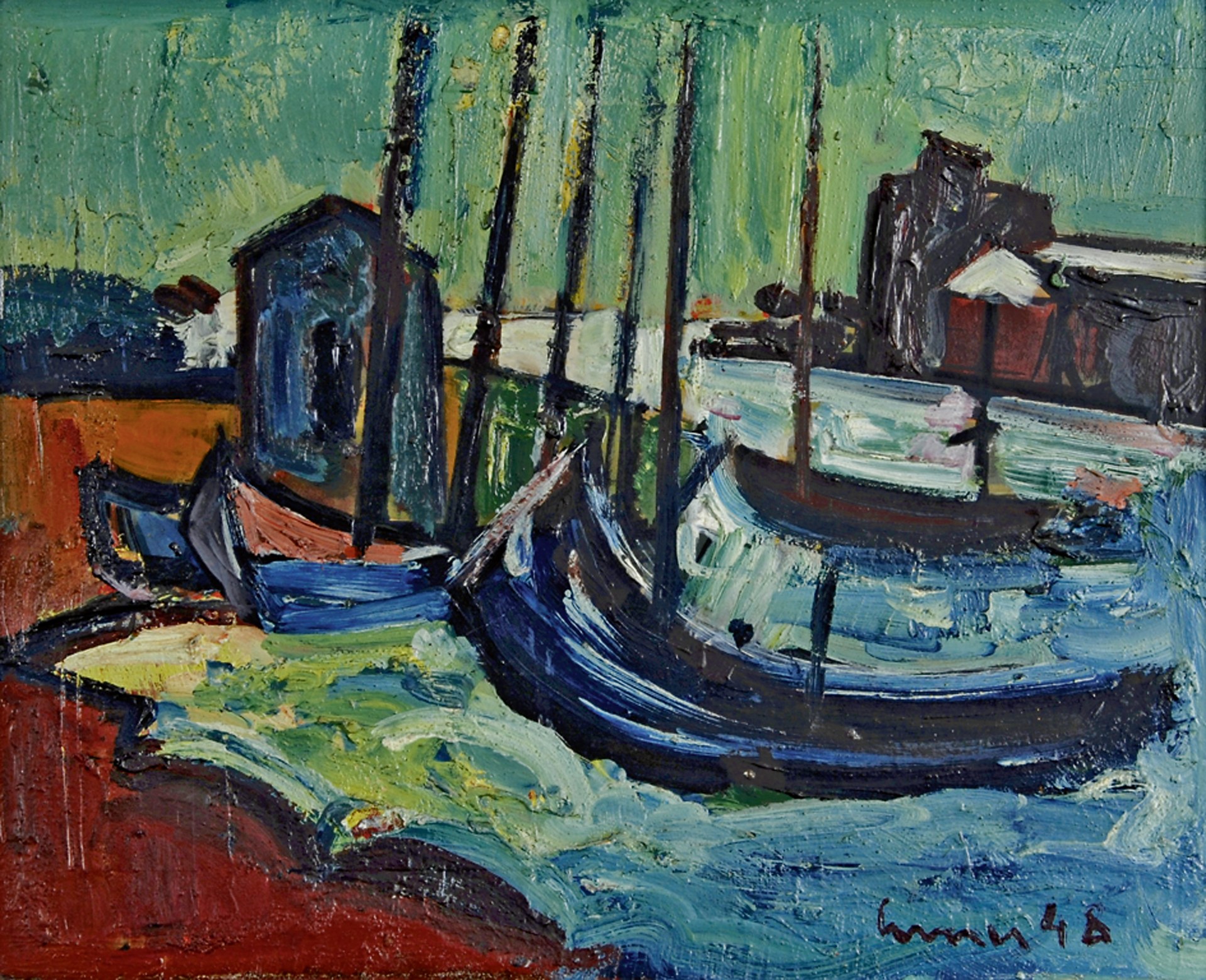
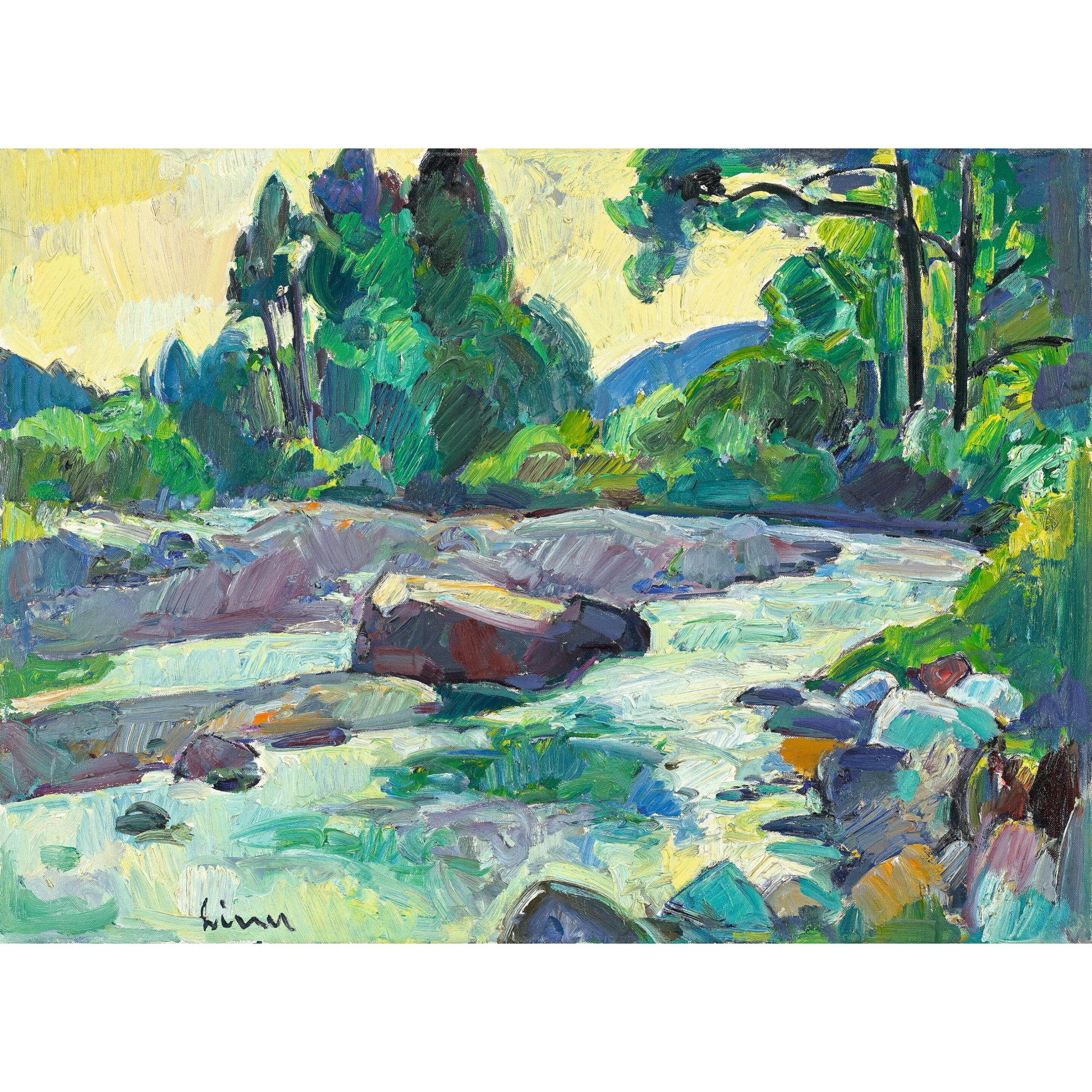
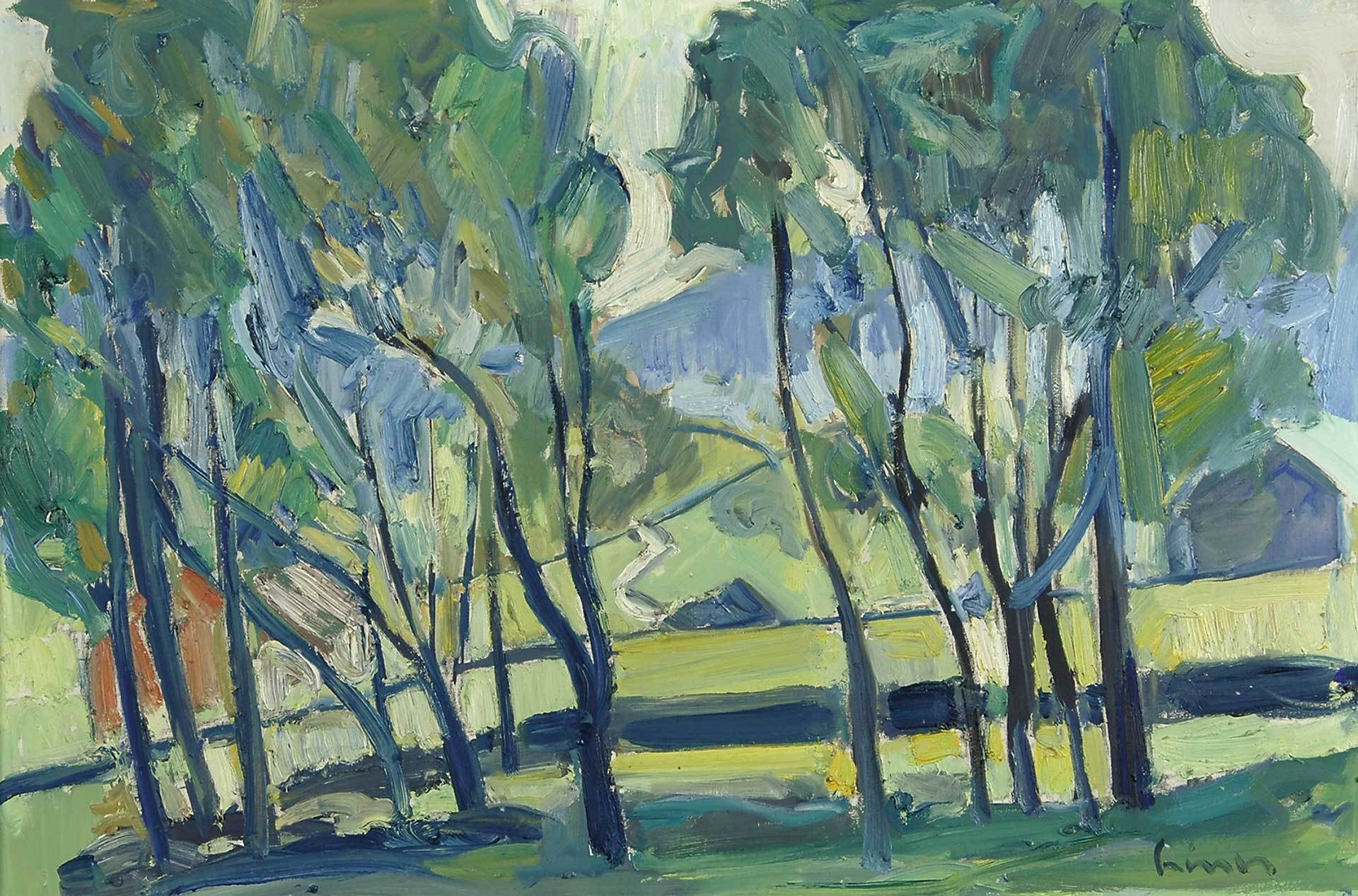
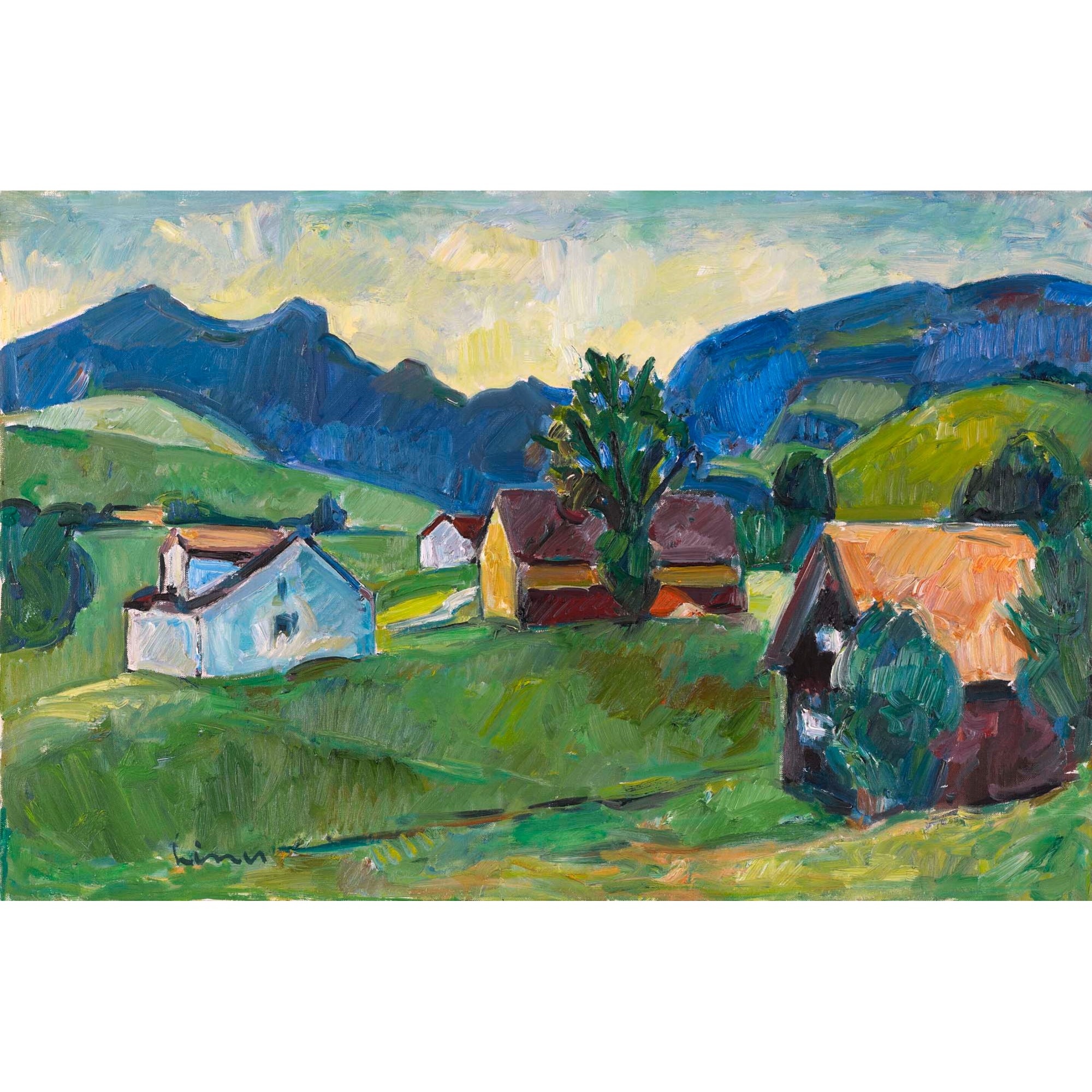
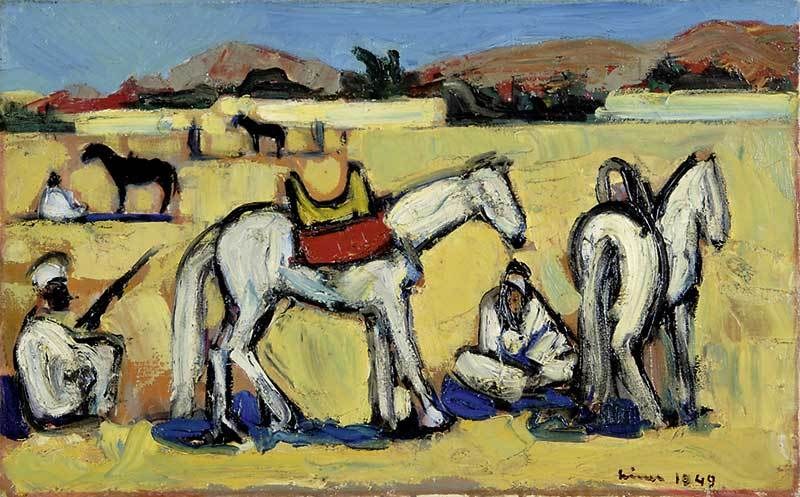
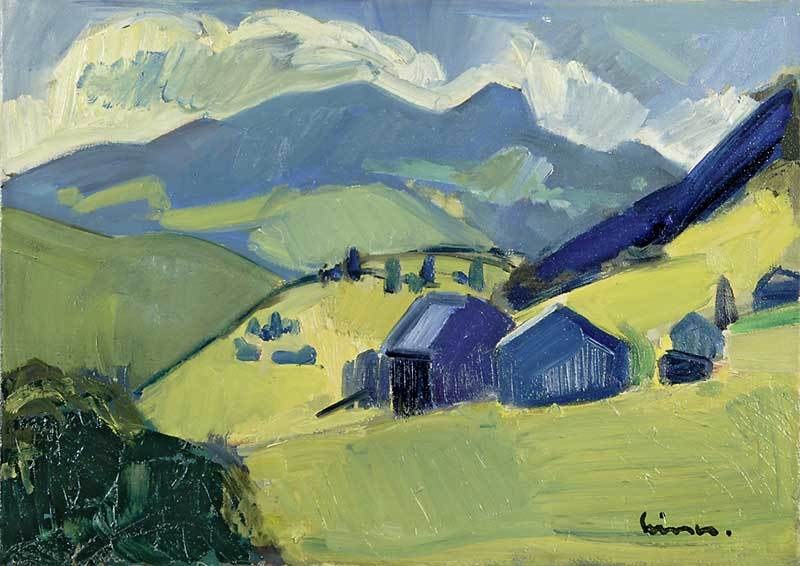
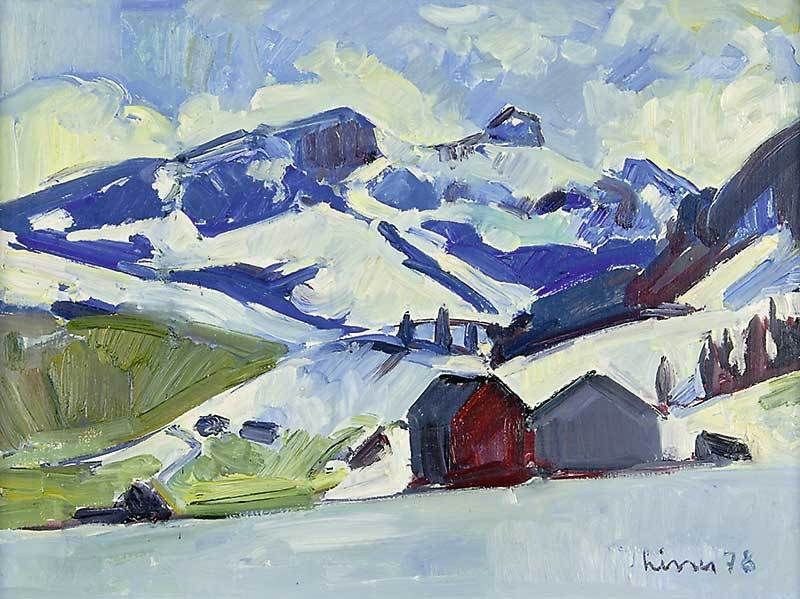
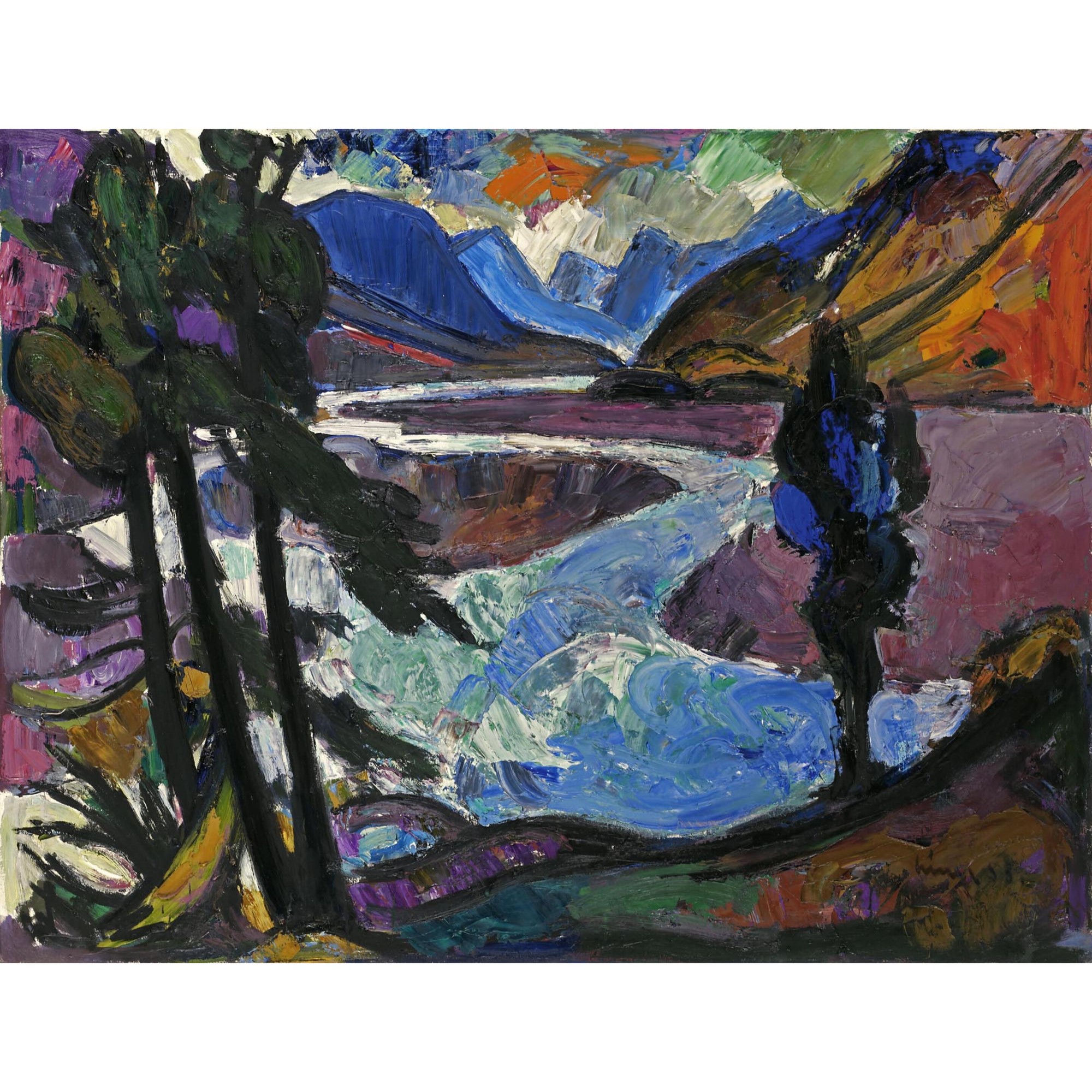
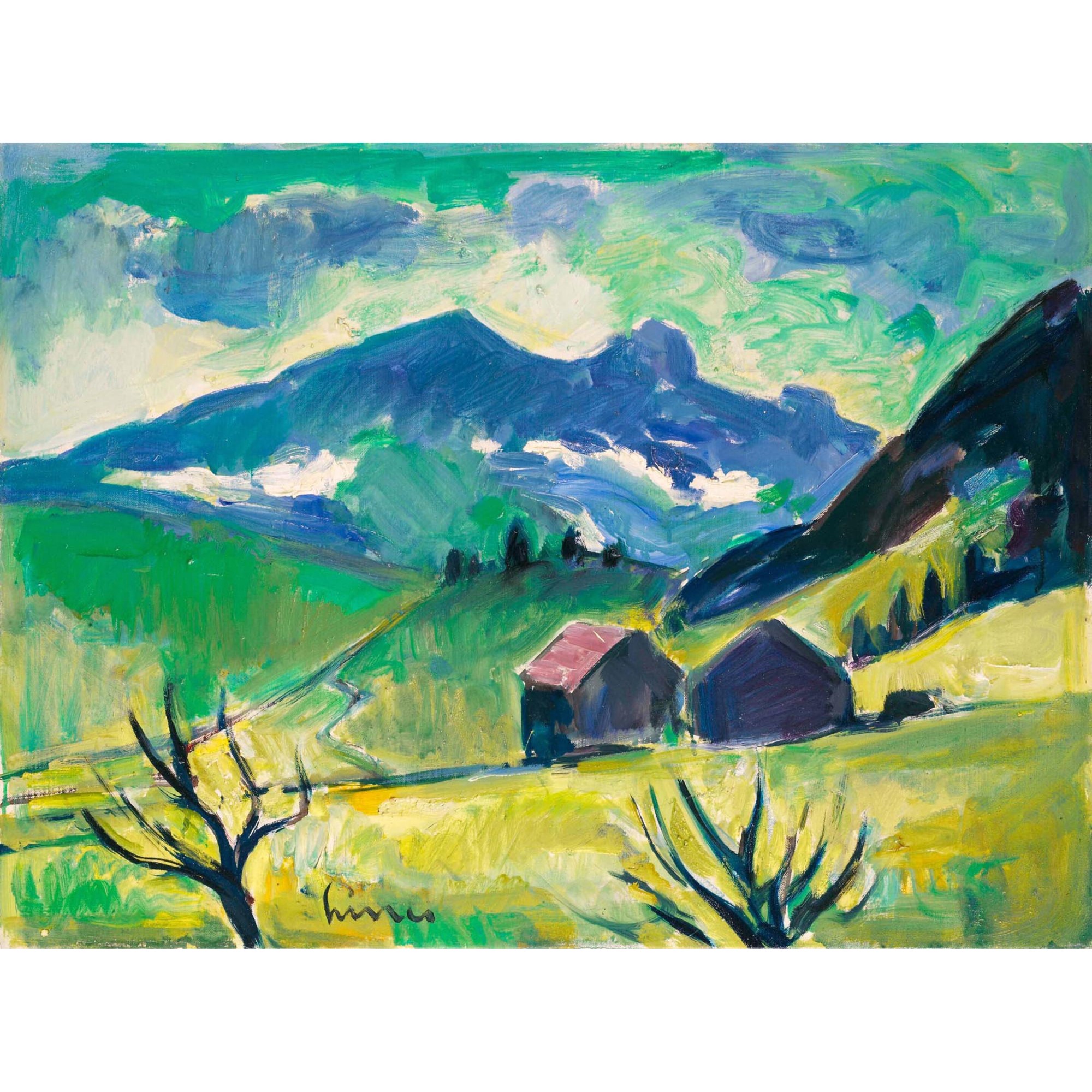
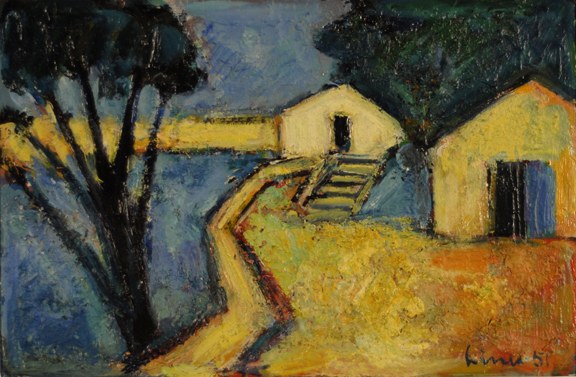
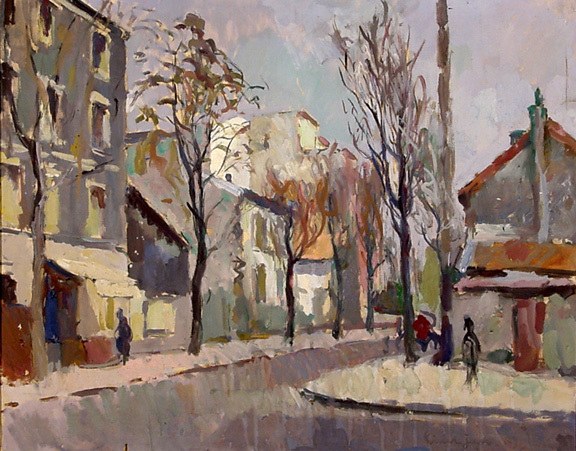
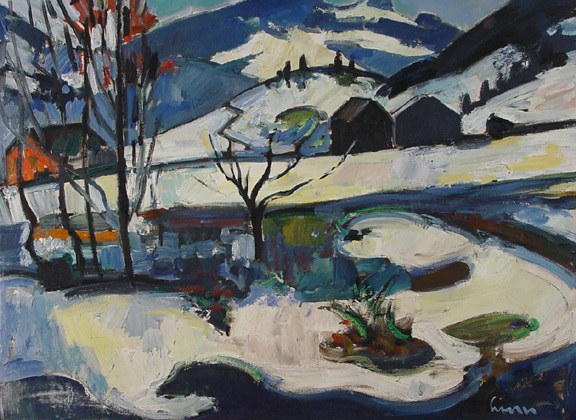
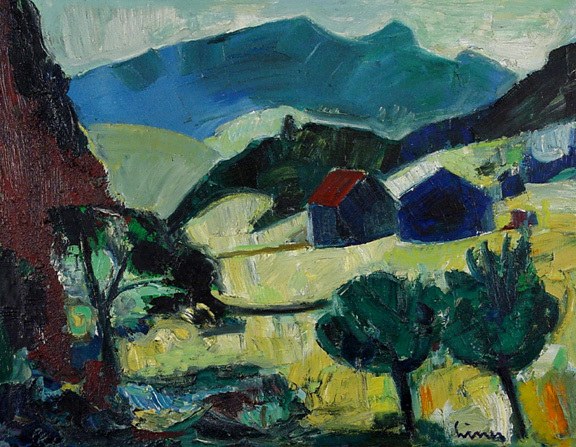
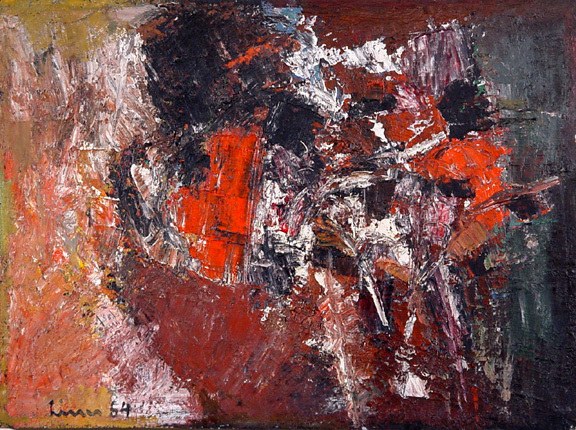
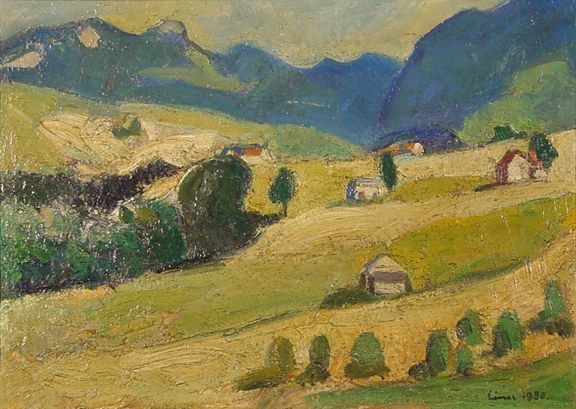
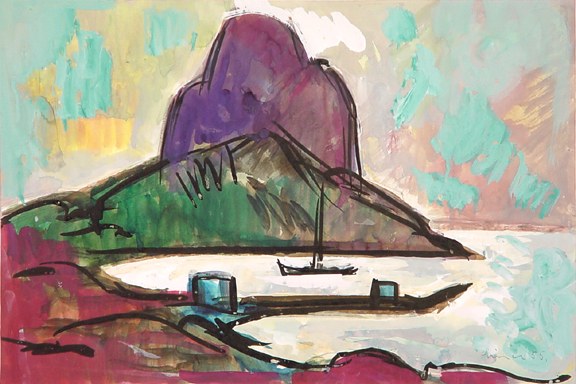
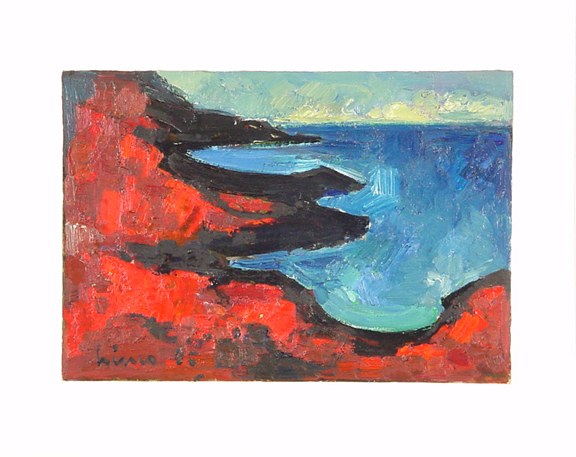
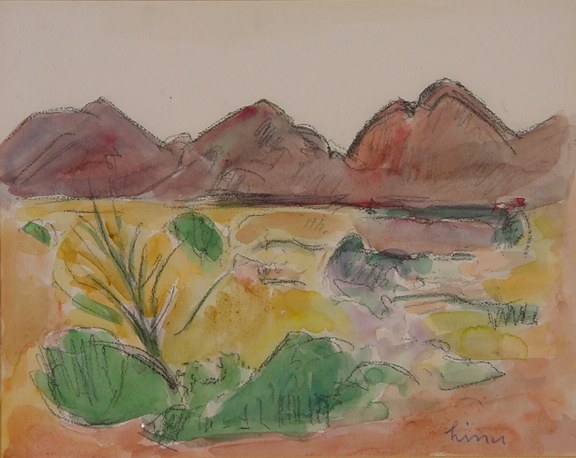
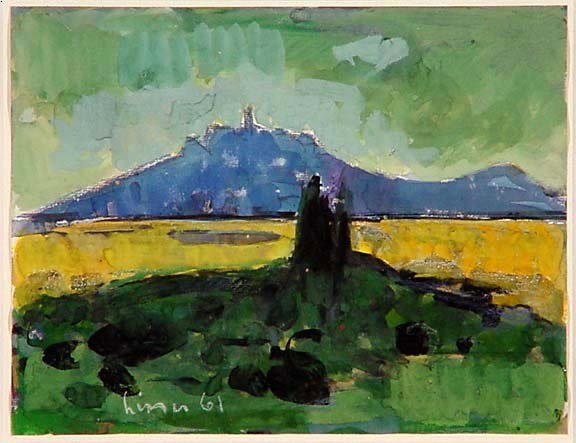
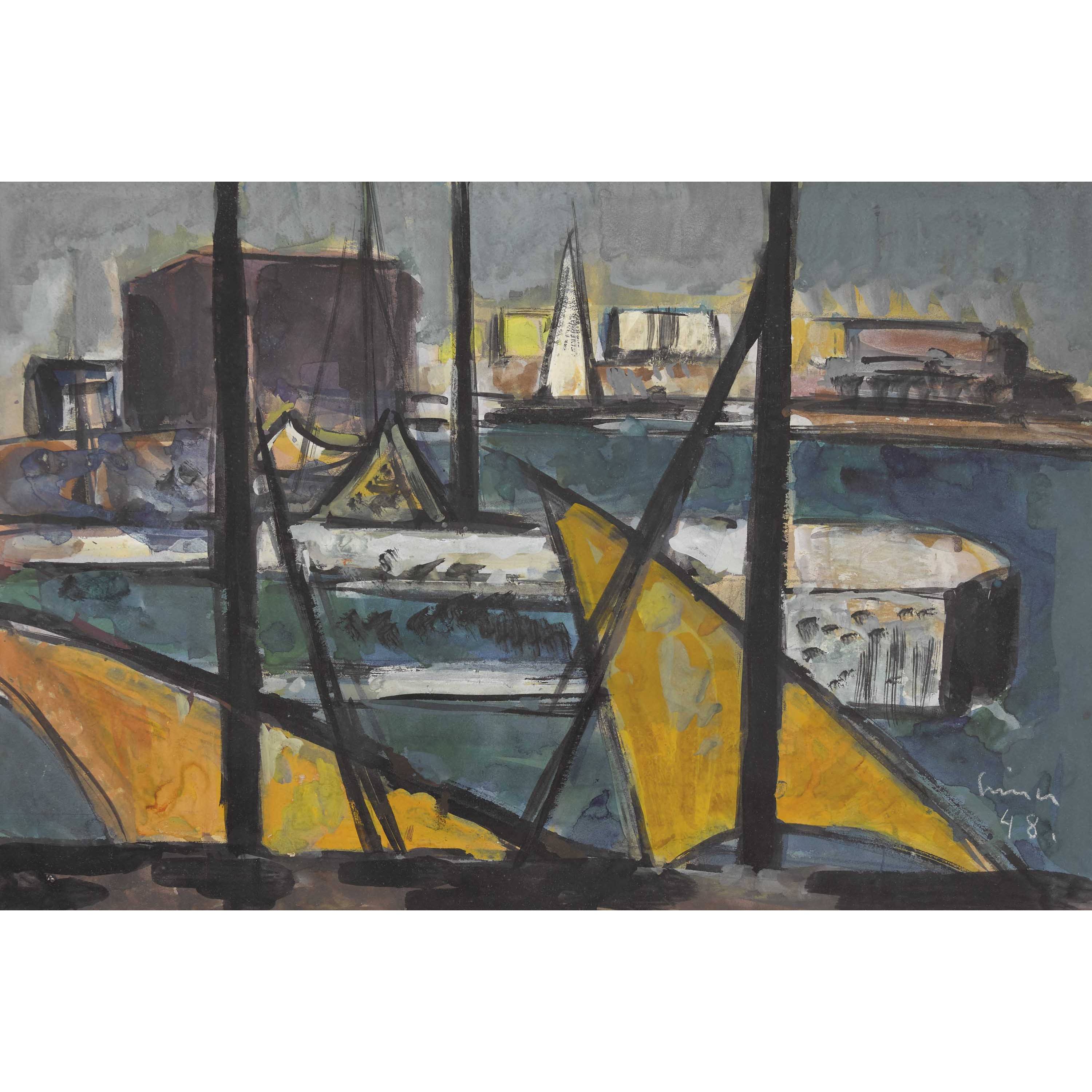
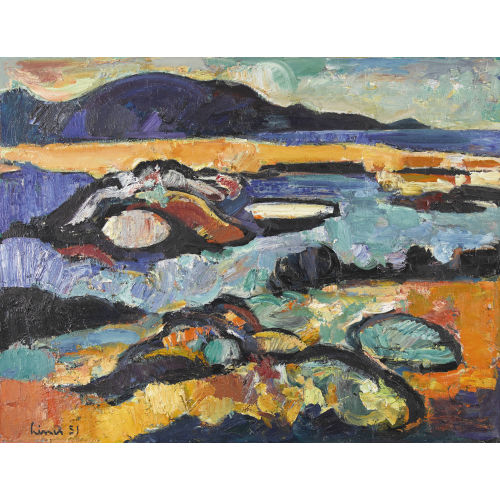
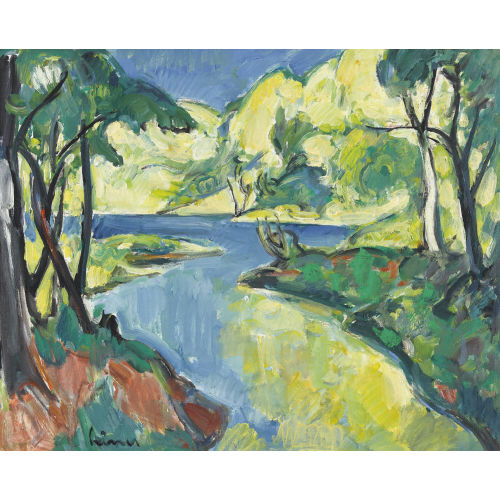
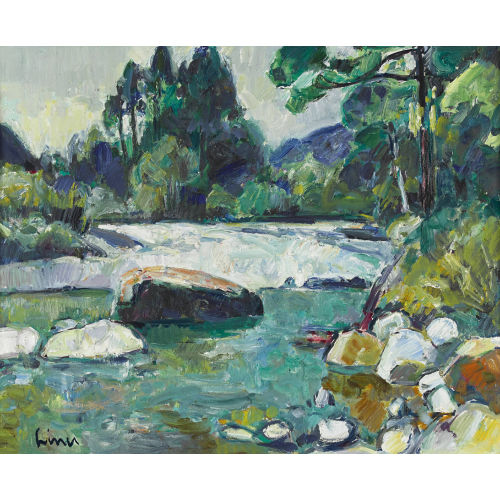
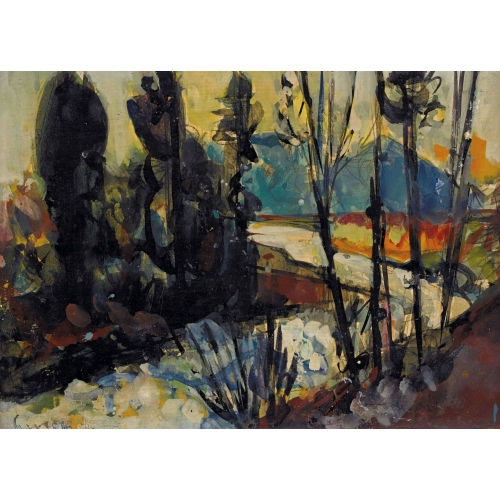
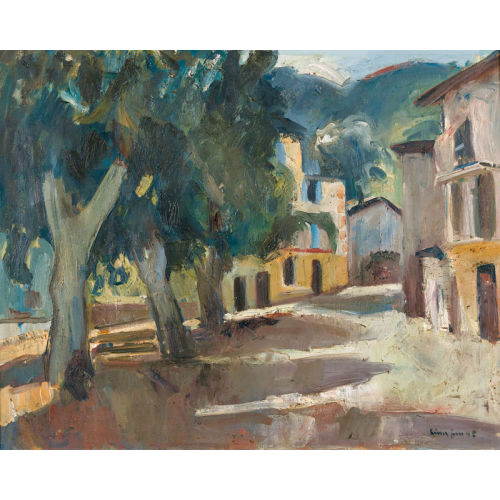
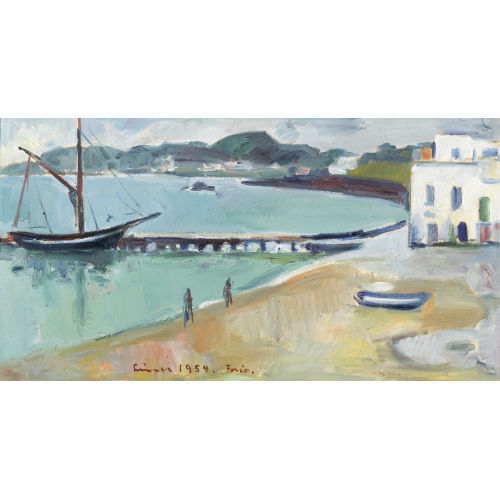
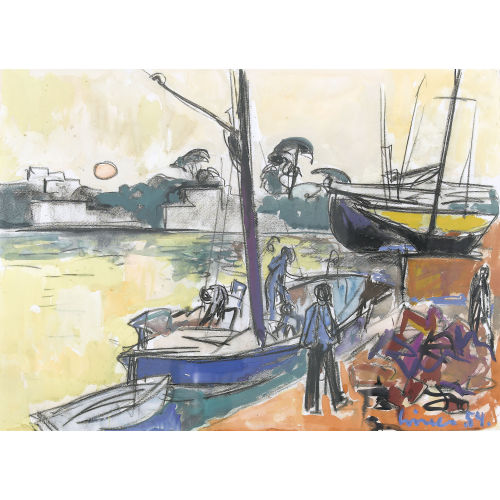
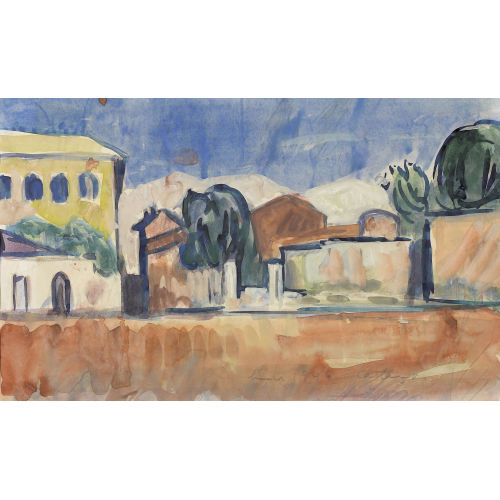
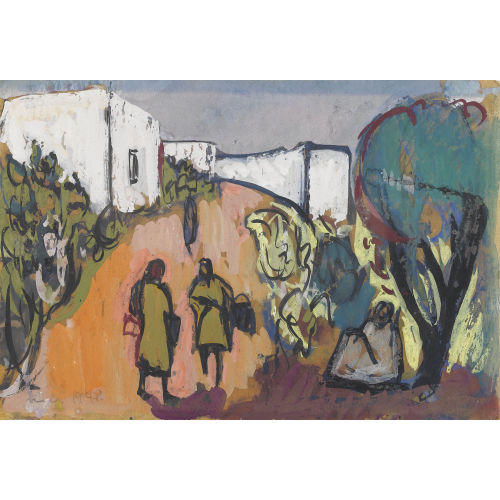
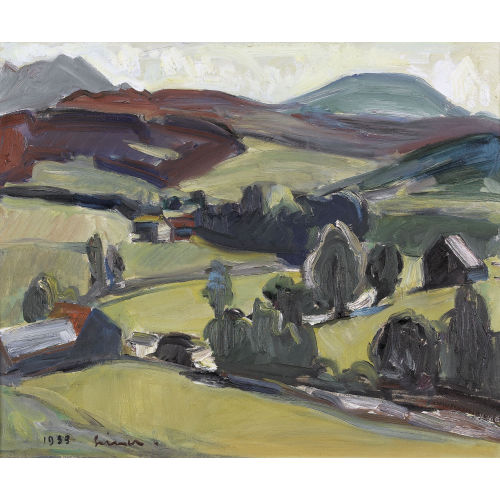
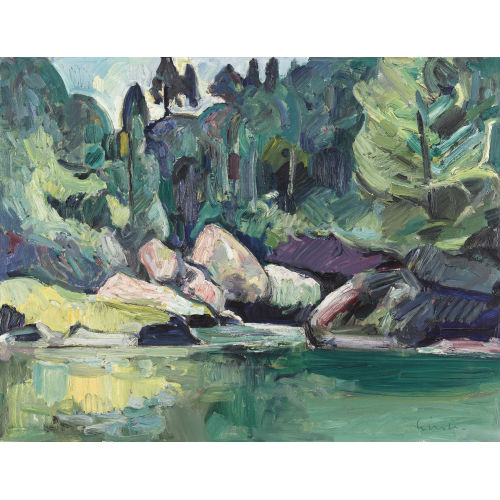
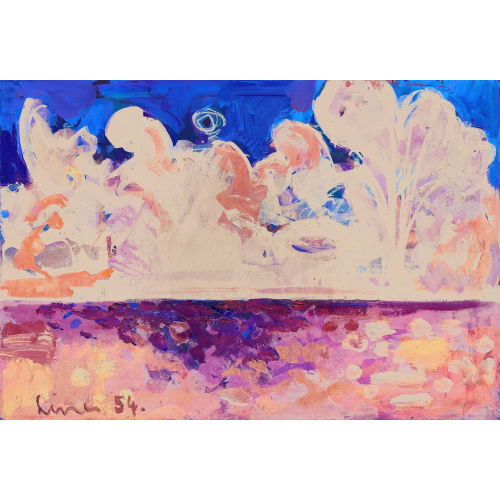
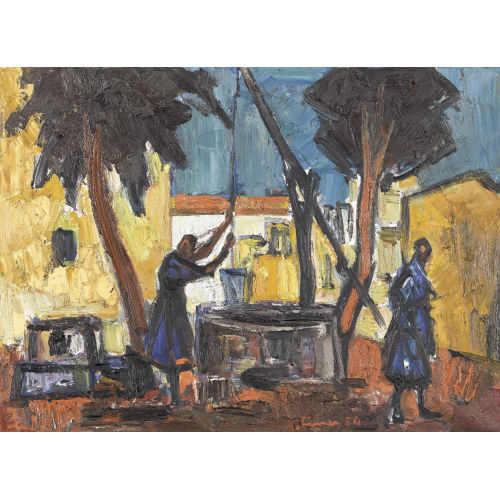
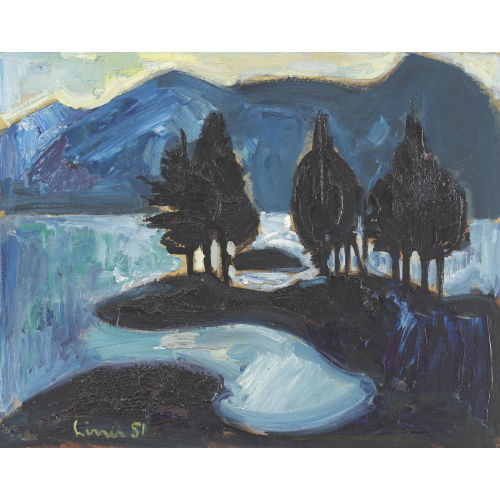
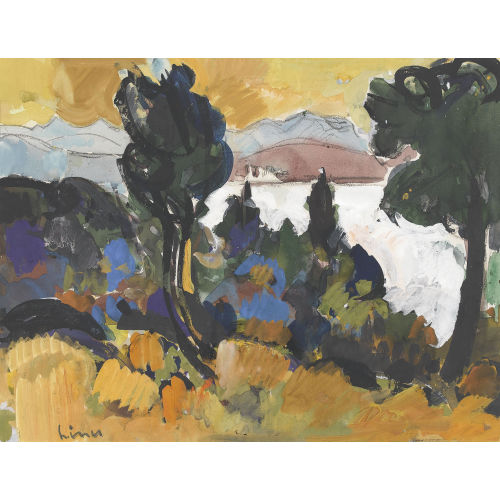
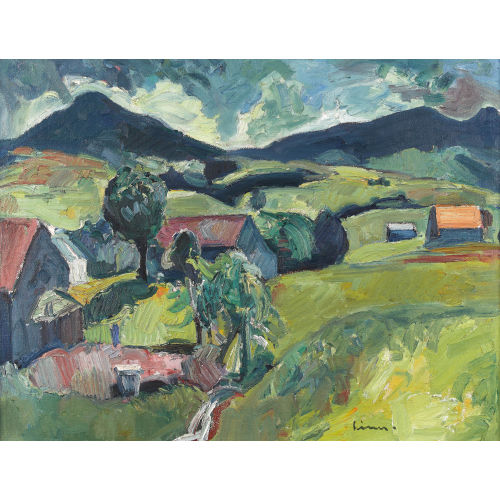
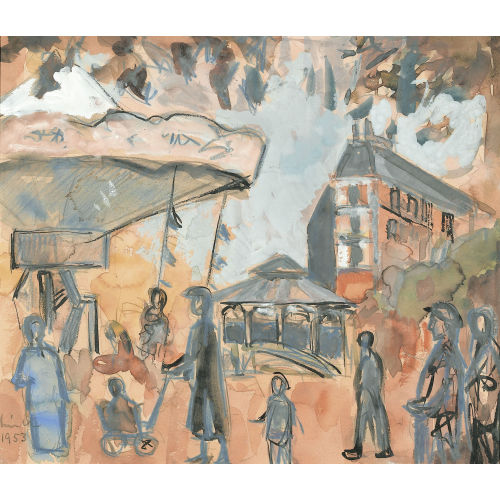
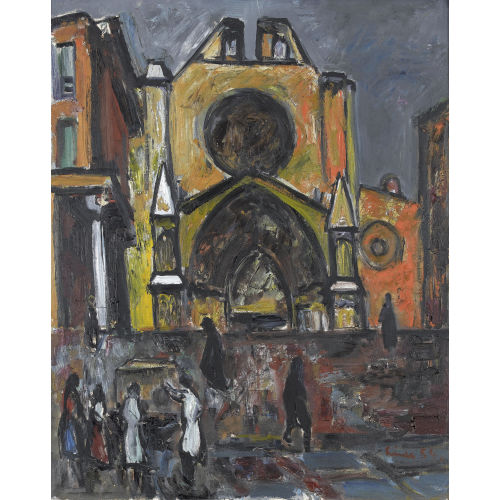
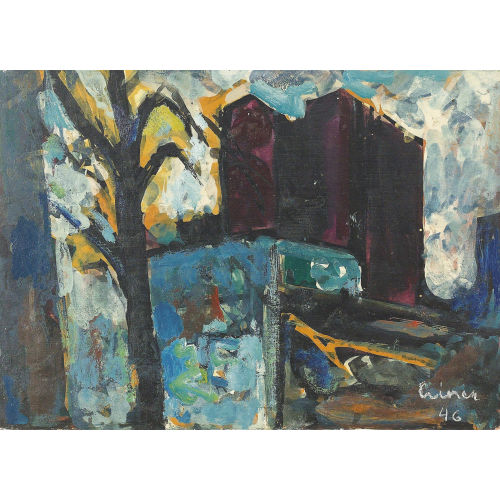
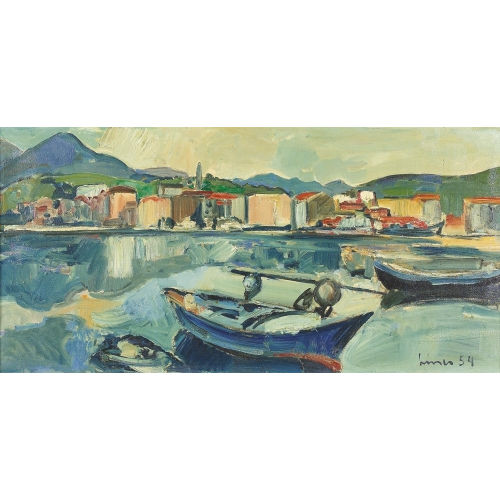
His initial Impressionist affinities evolved towards a more intense form of expression. Landscape remained an essential subject, but the brushstrokes and chromatic relationships acquired increasing autonomy. In Fulen mit Alpstein, held by the Mobilière Art Collection, the mountainous relief is constructed through fields of colour and rapid execution: the motif remains recognisable while becoming a pictorial vibration.
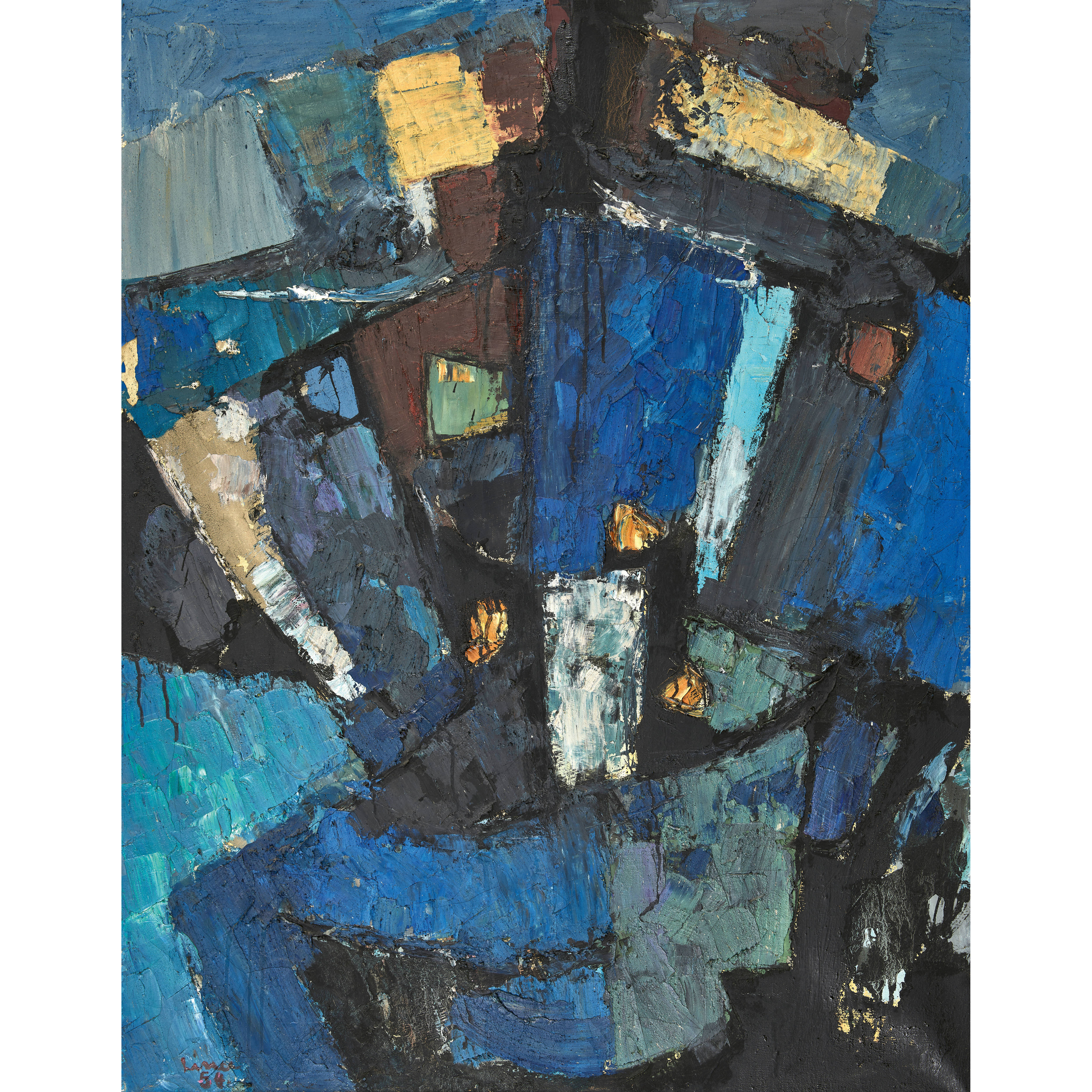
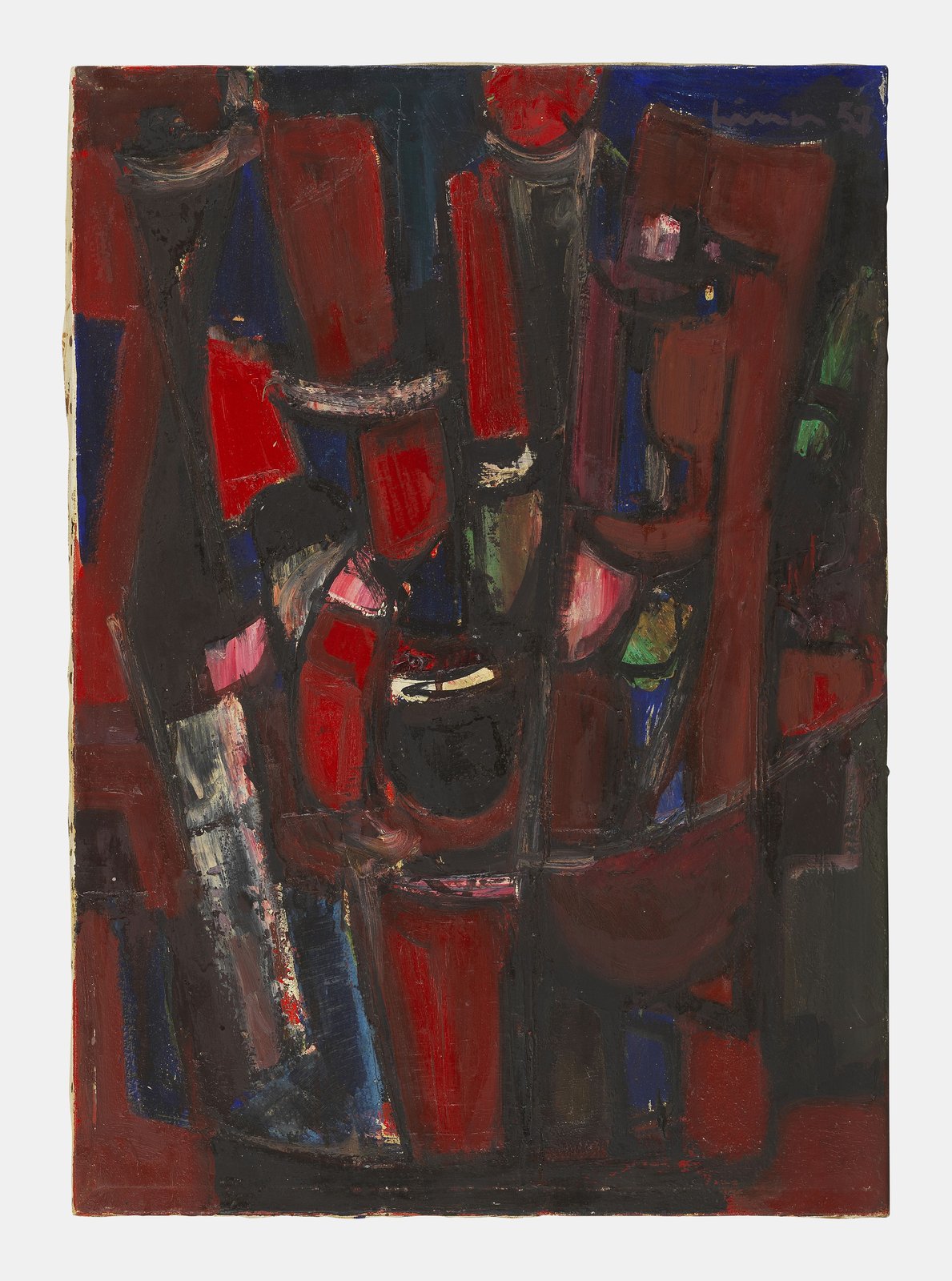
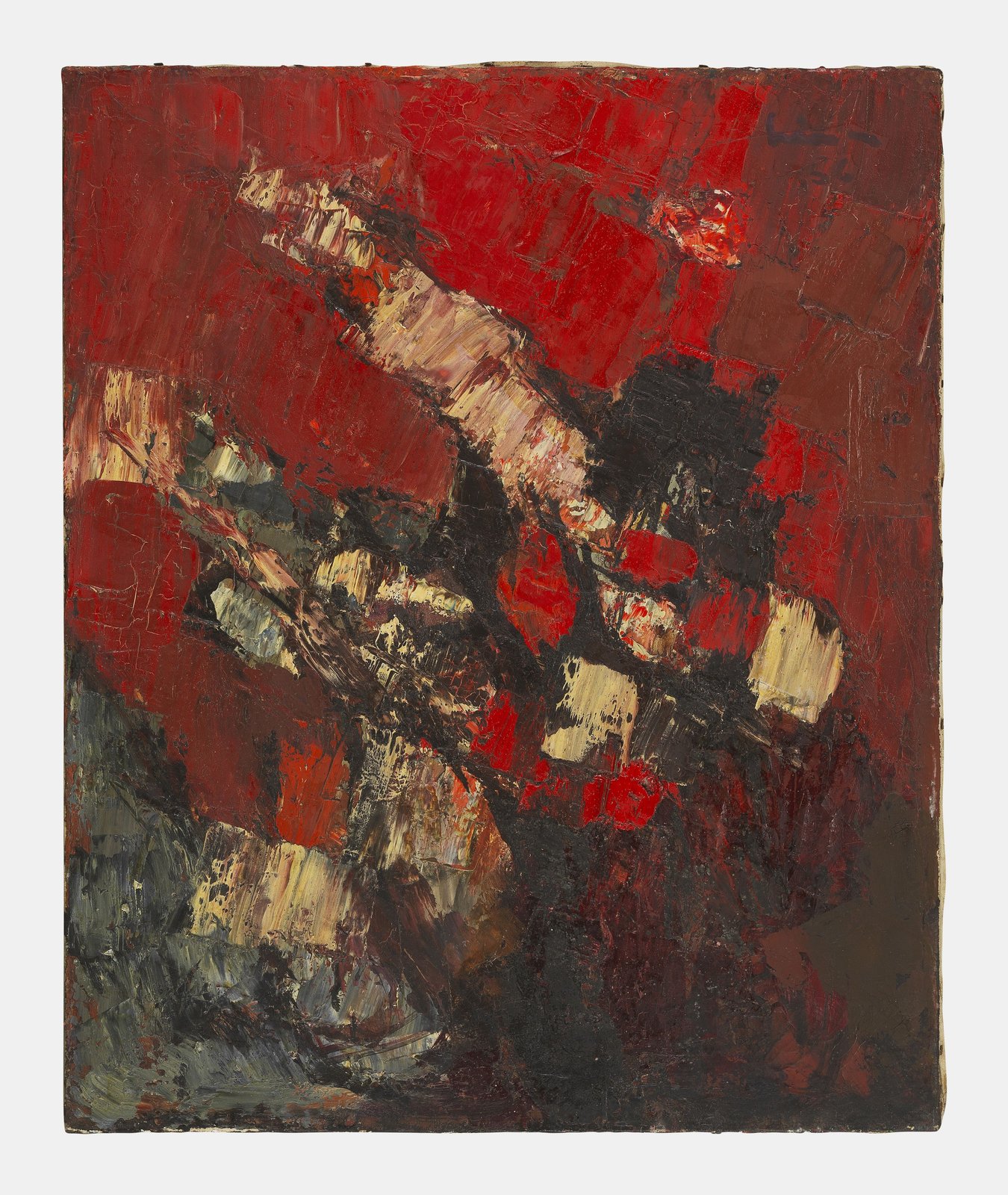
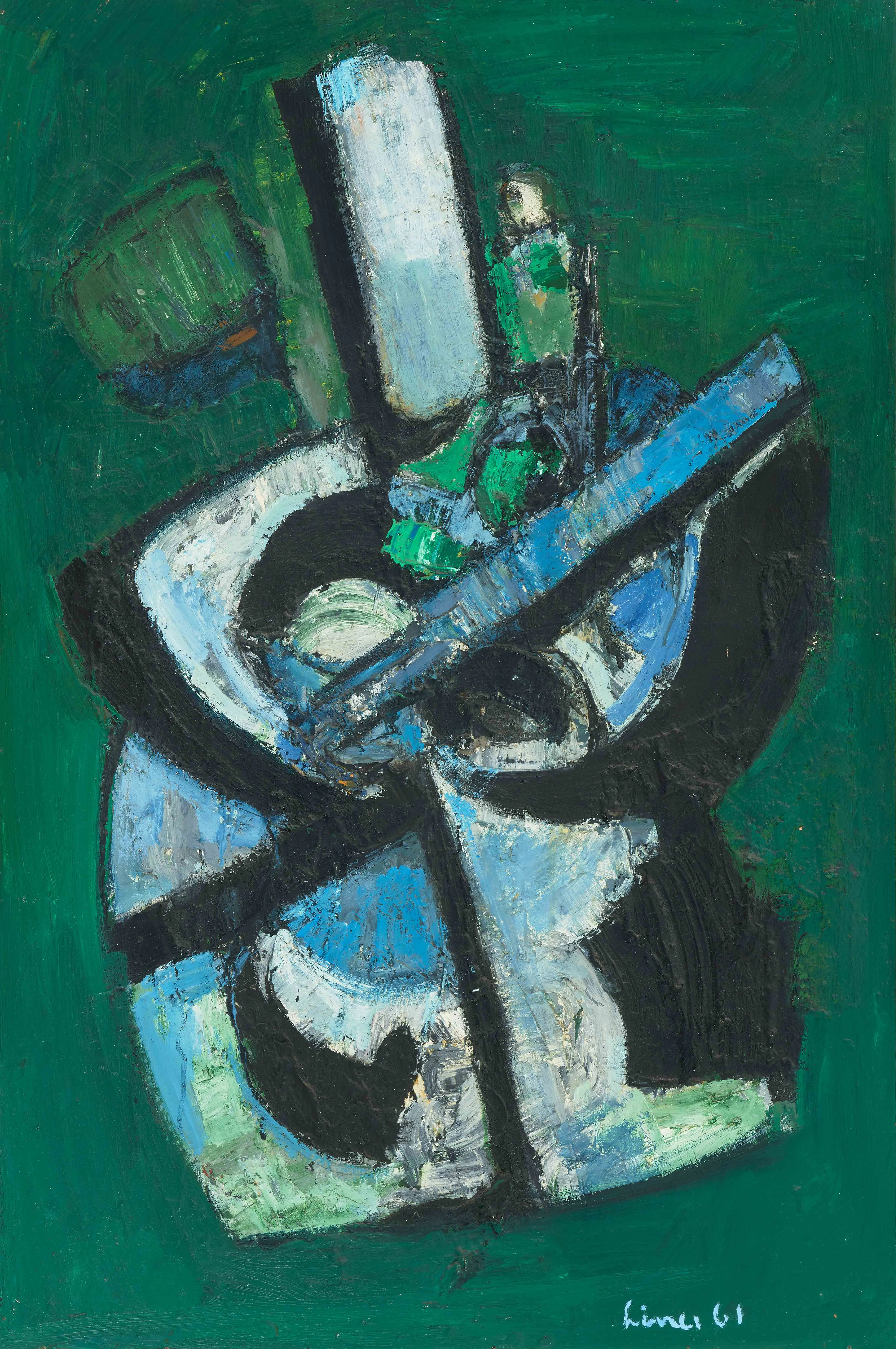
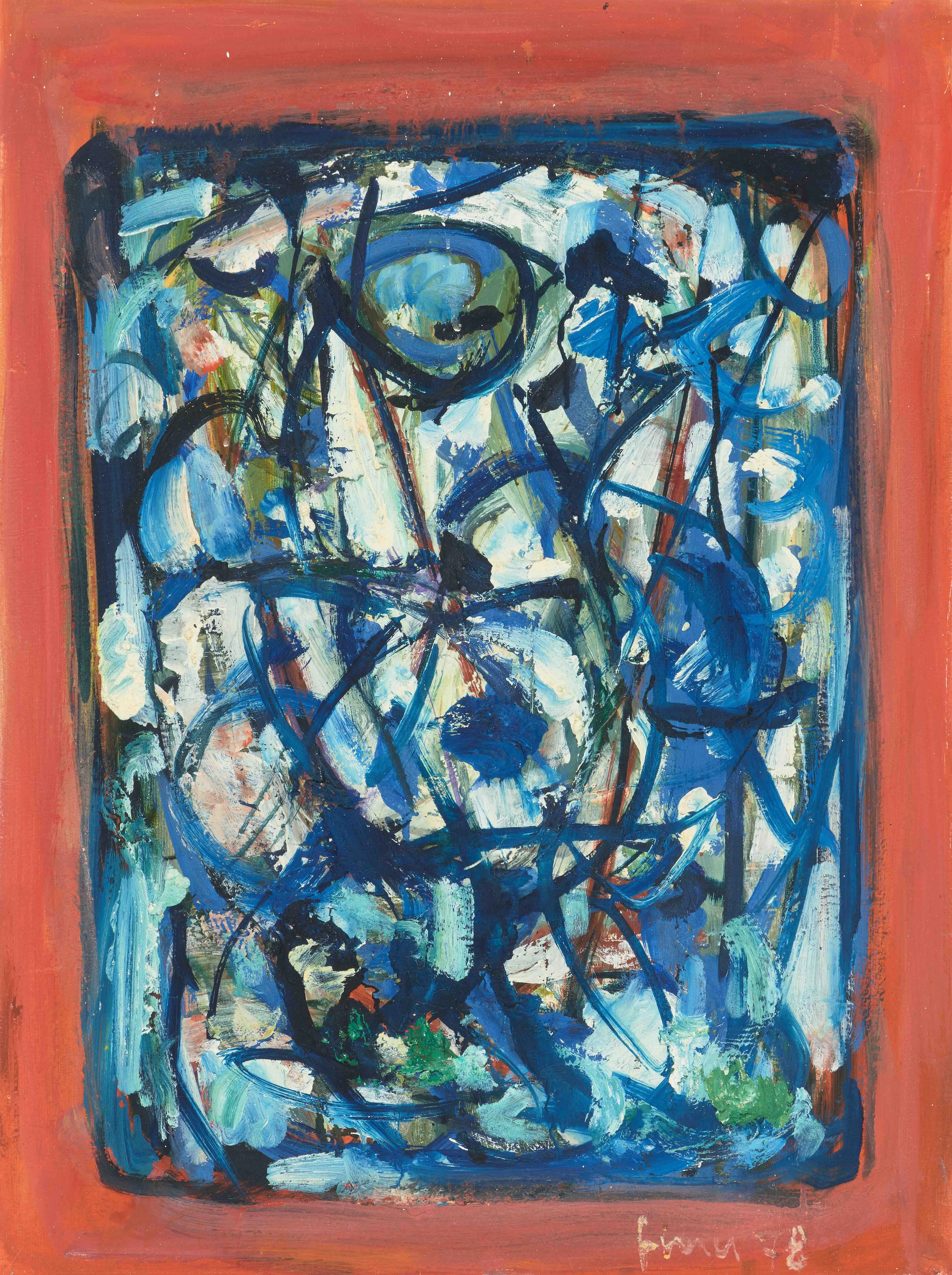
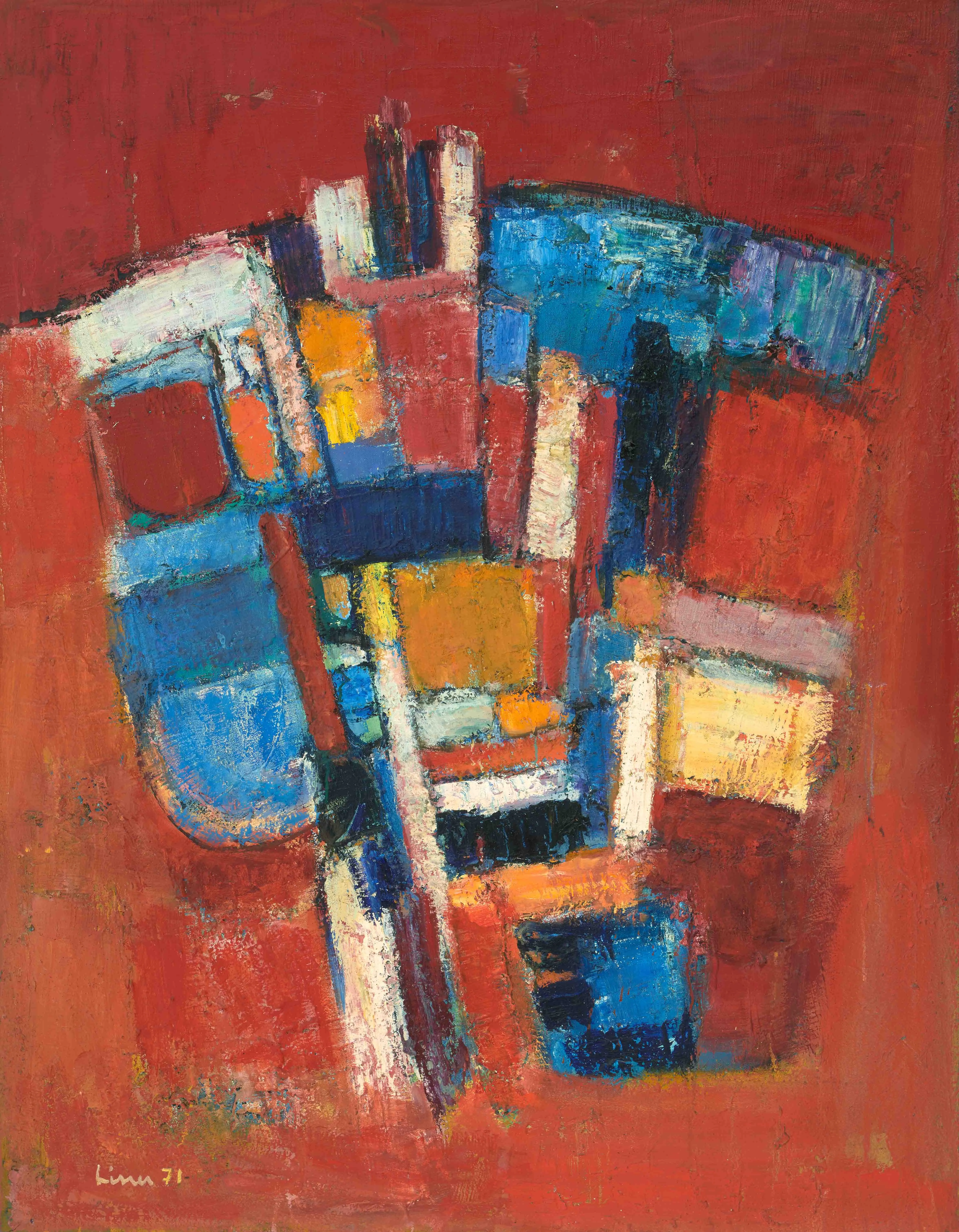
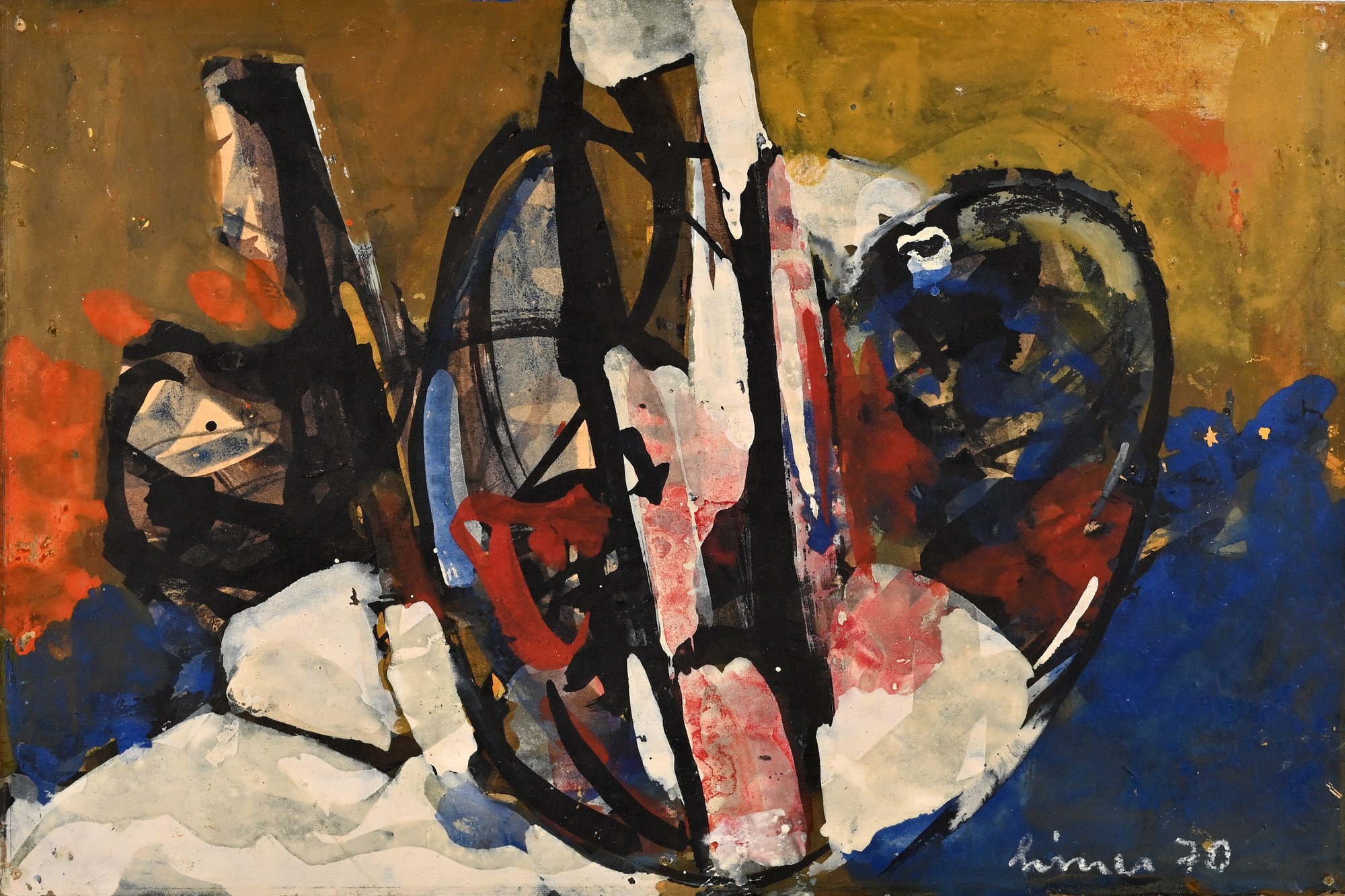
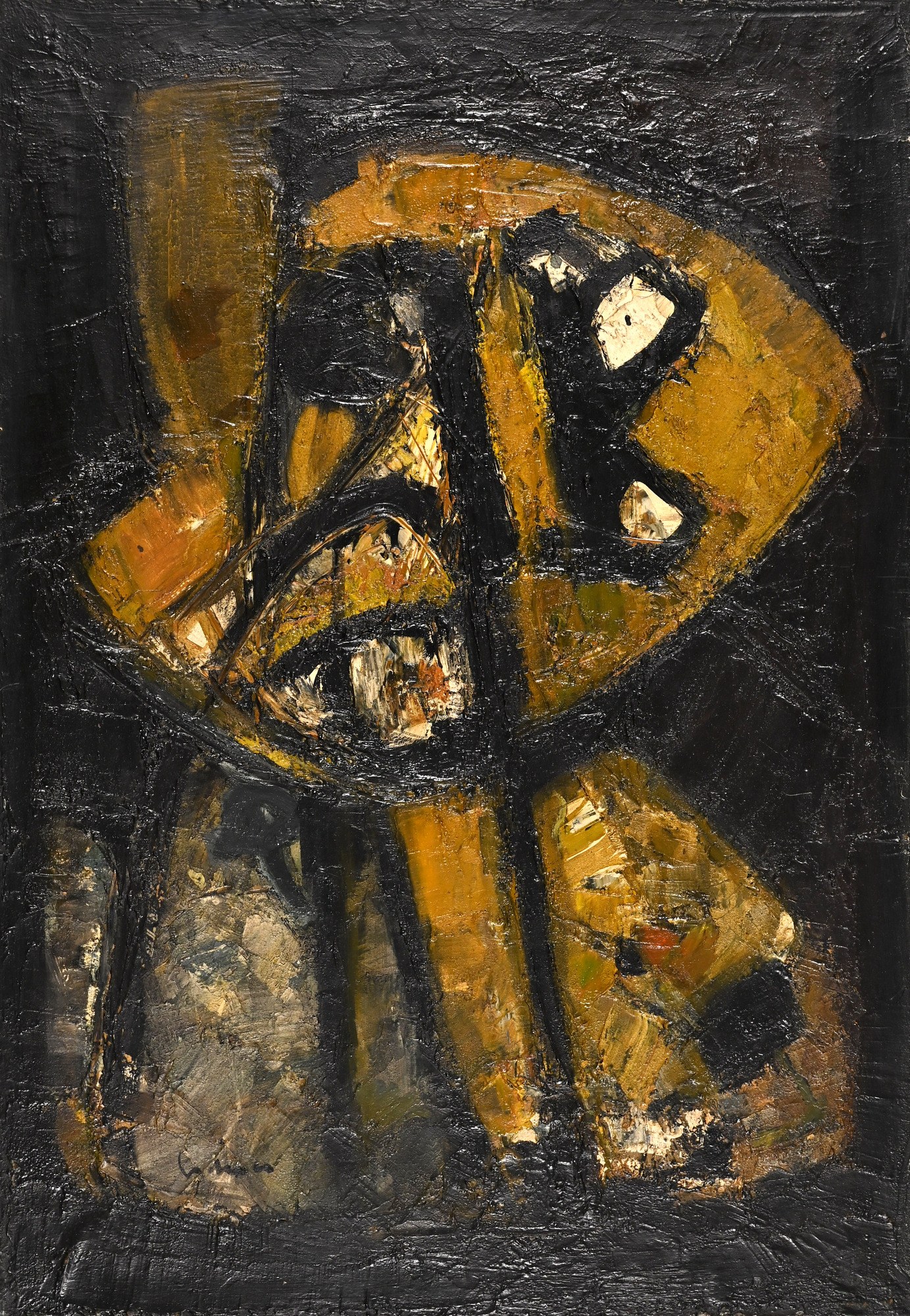
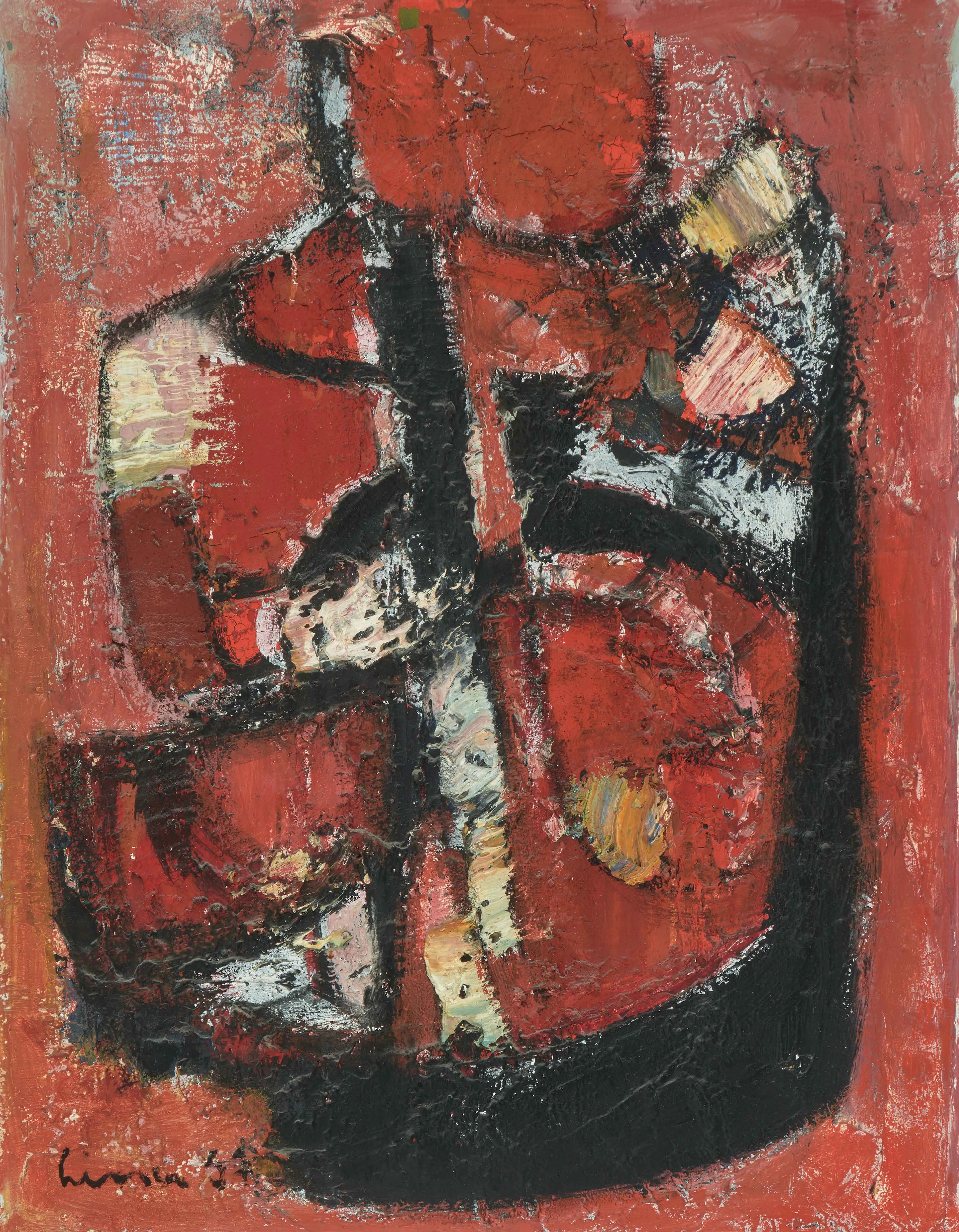
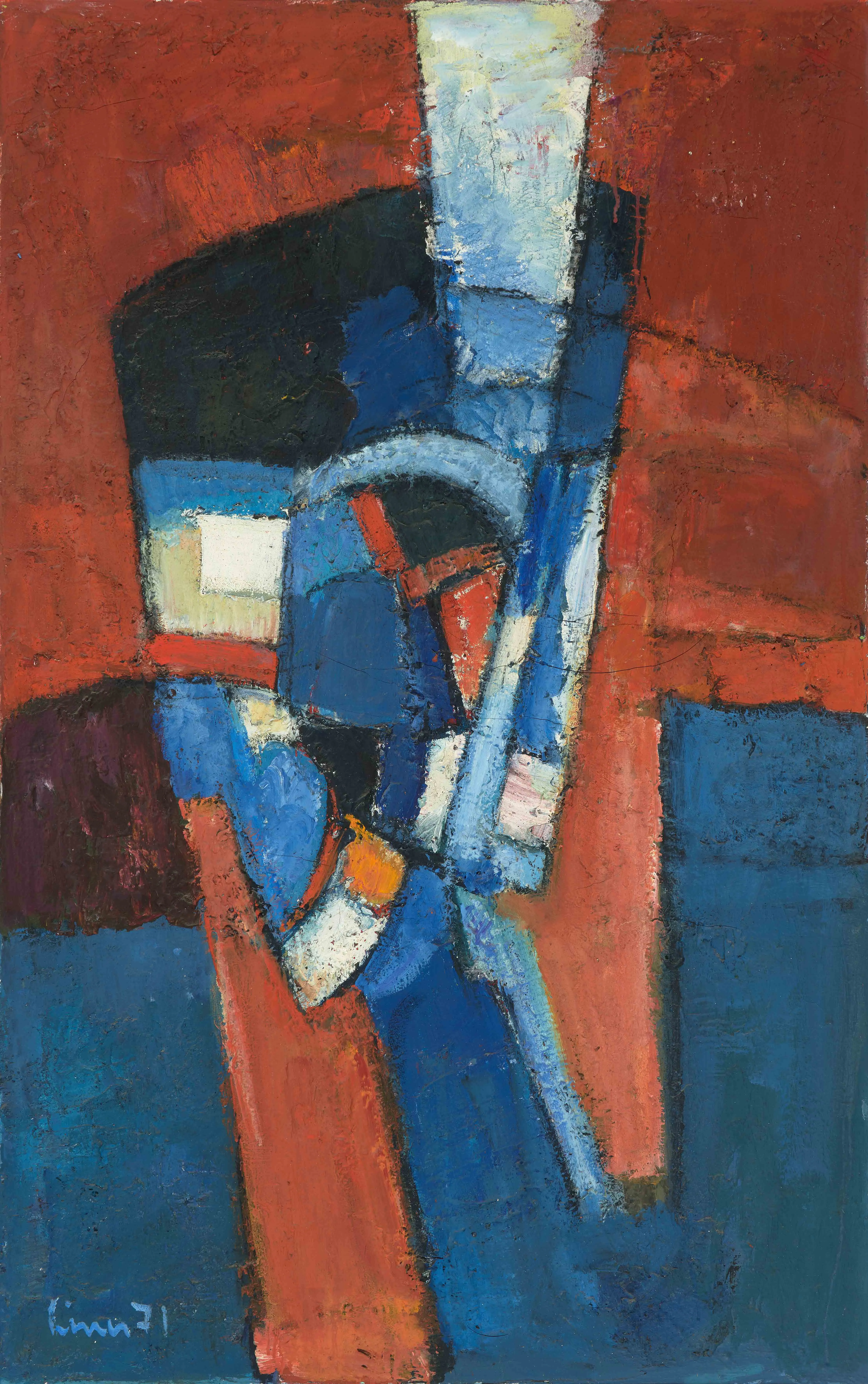
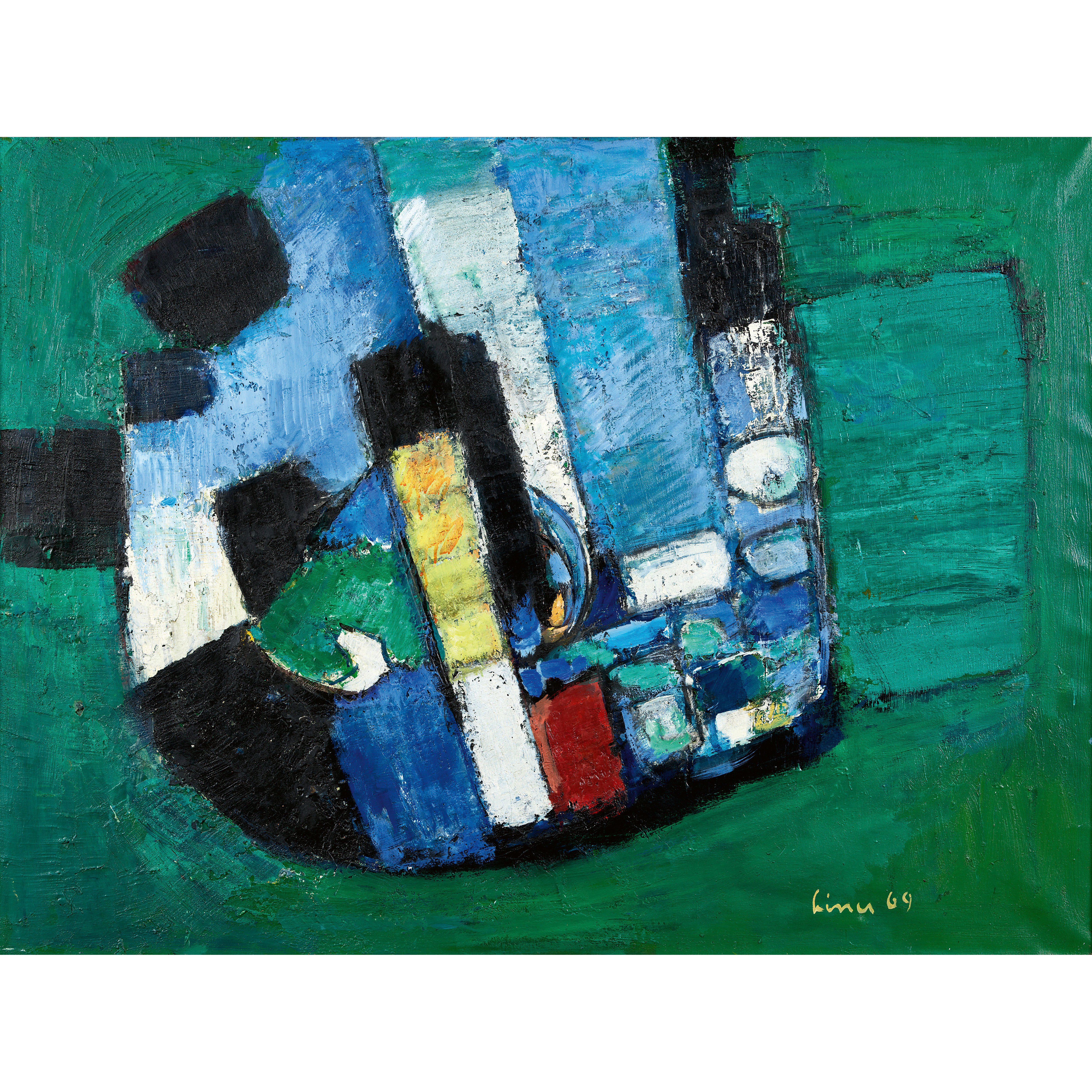
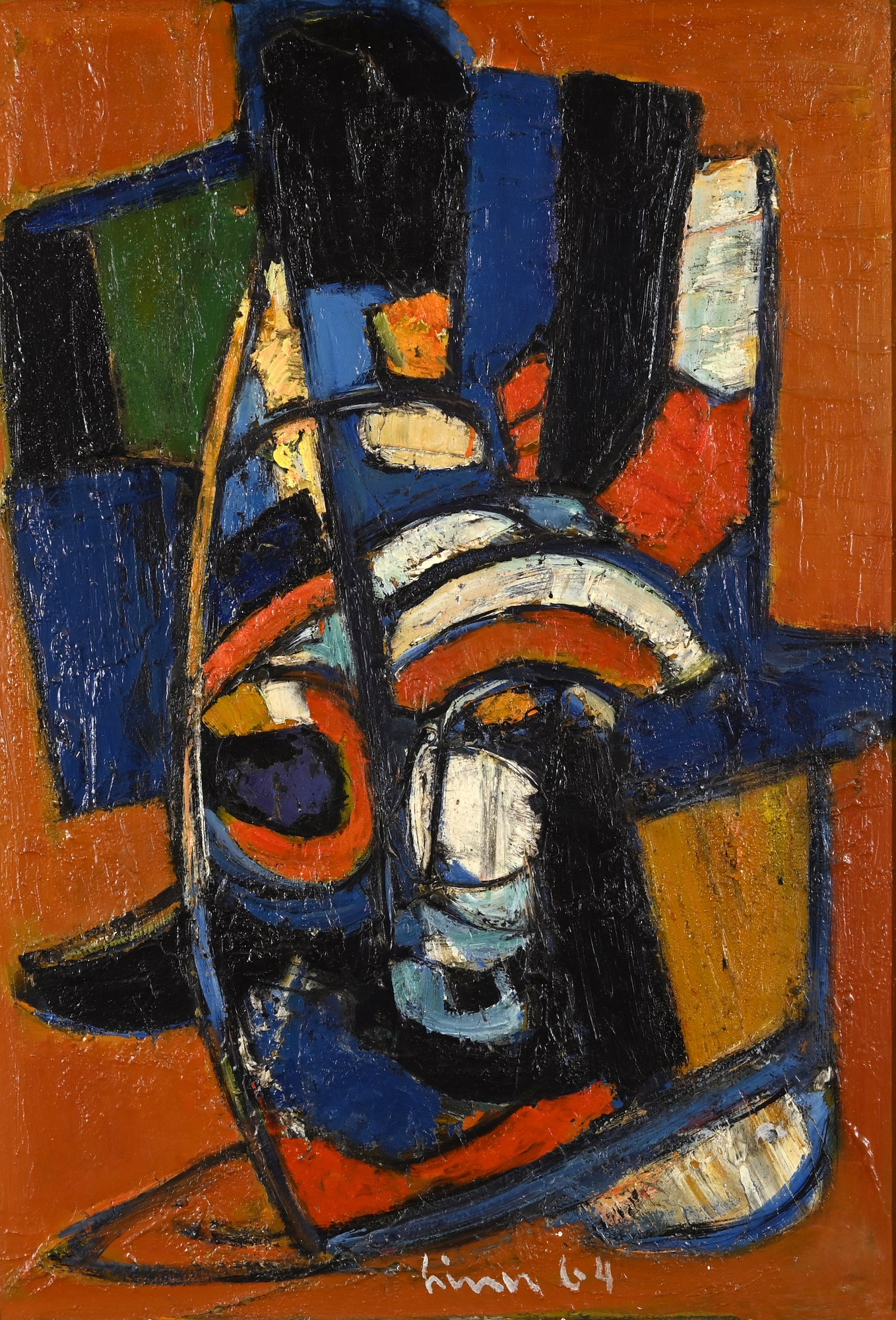
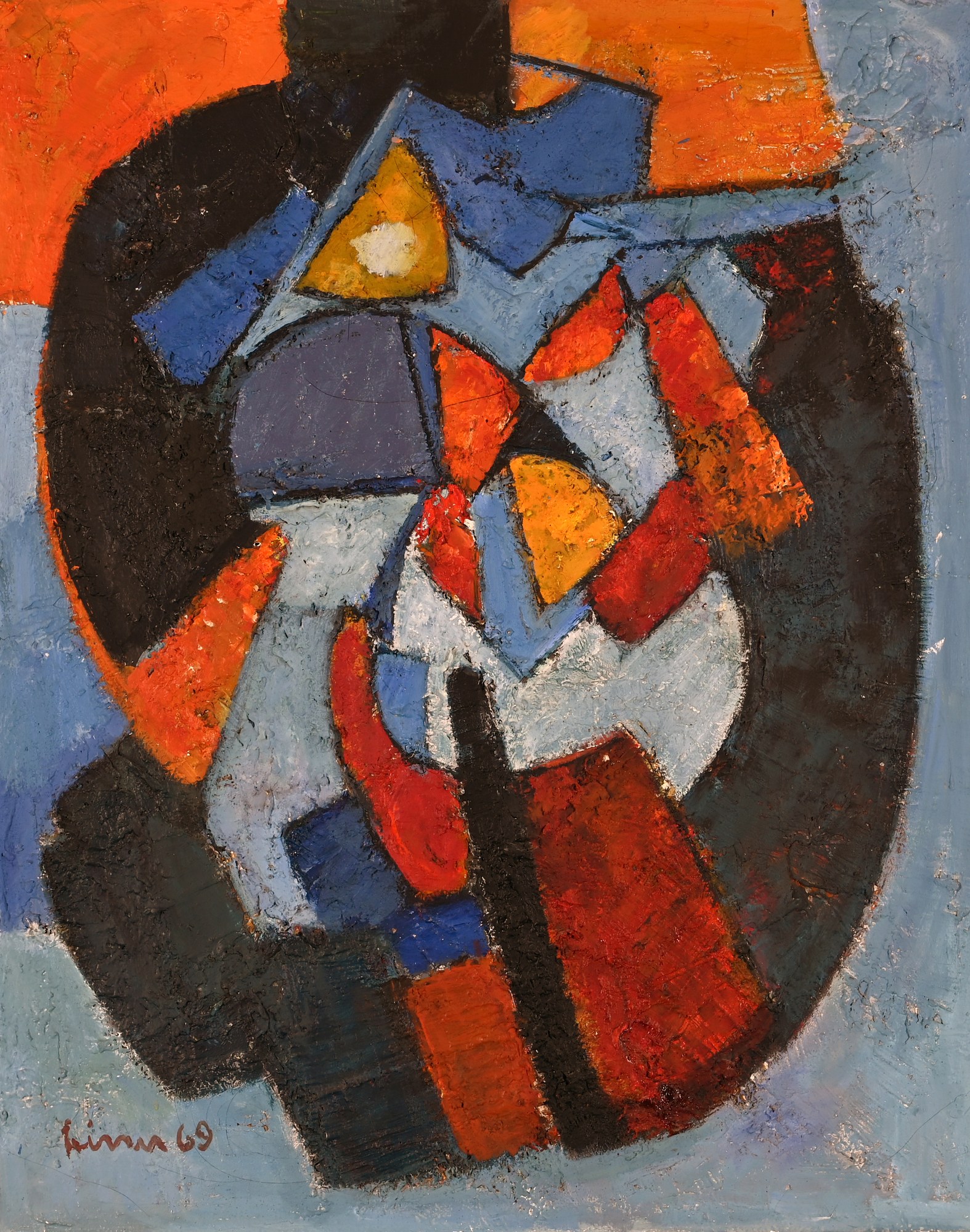
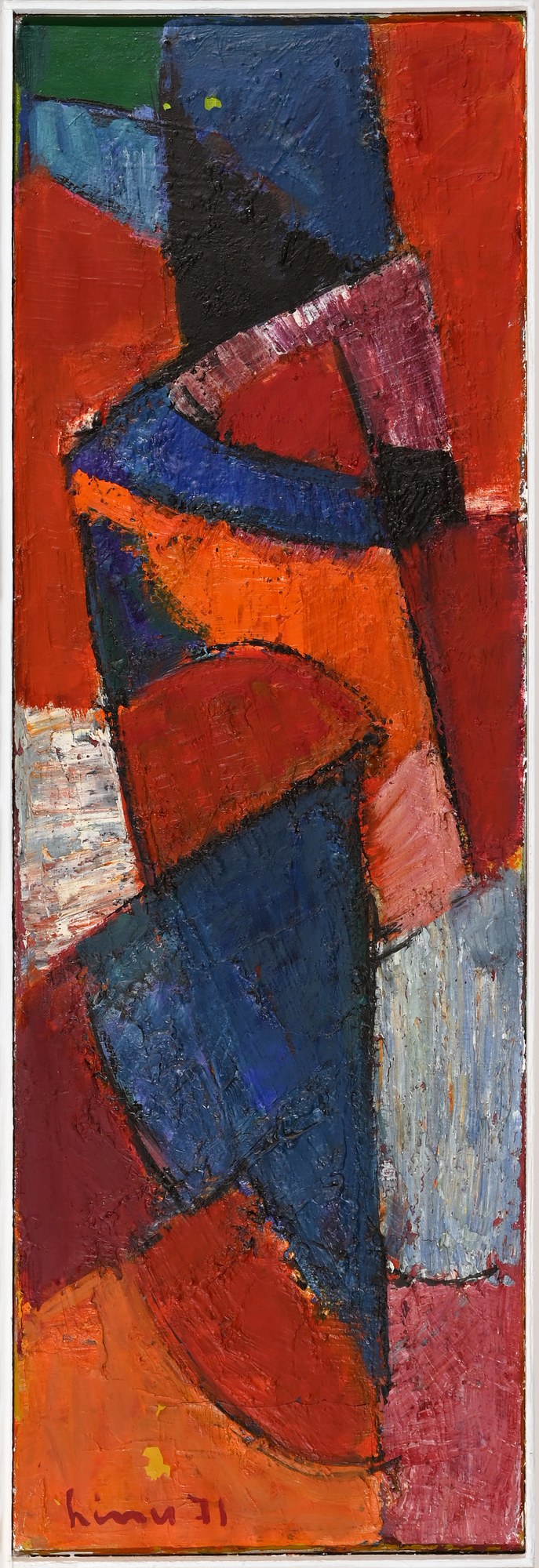
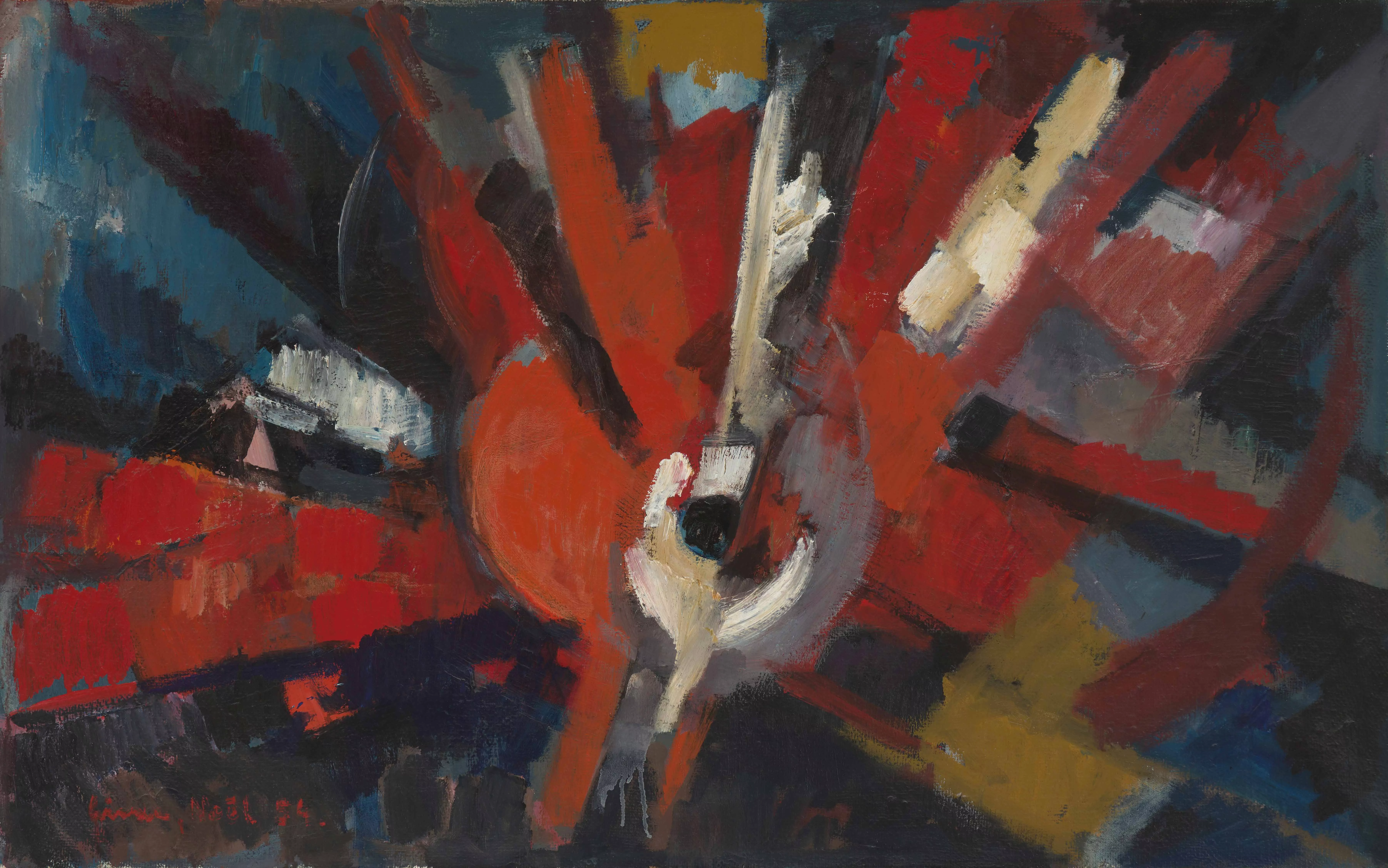
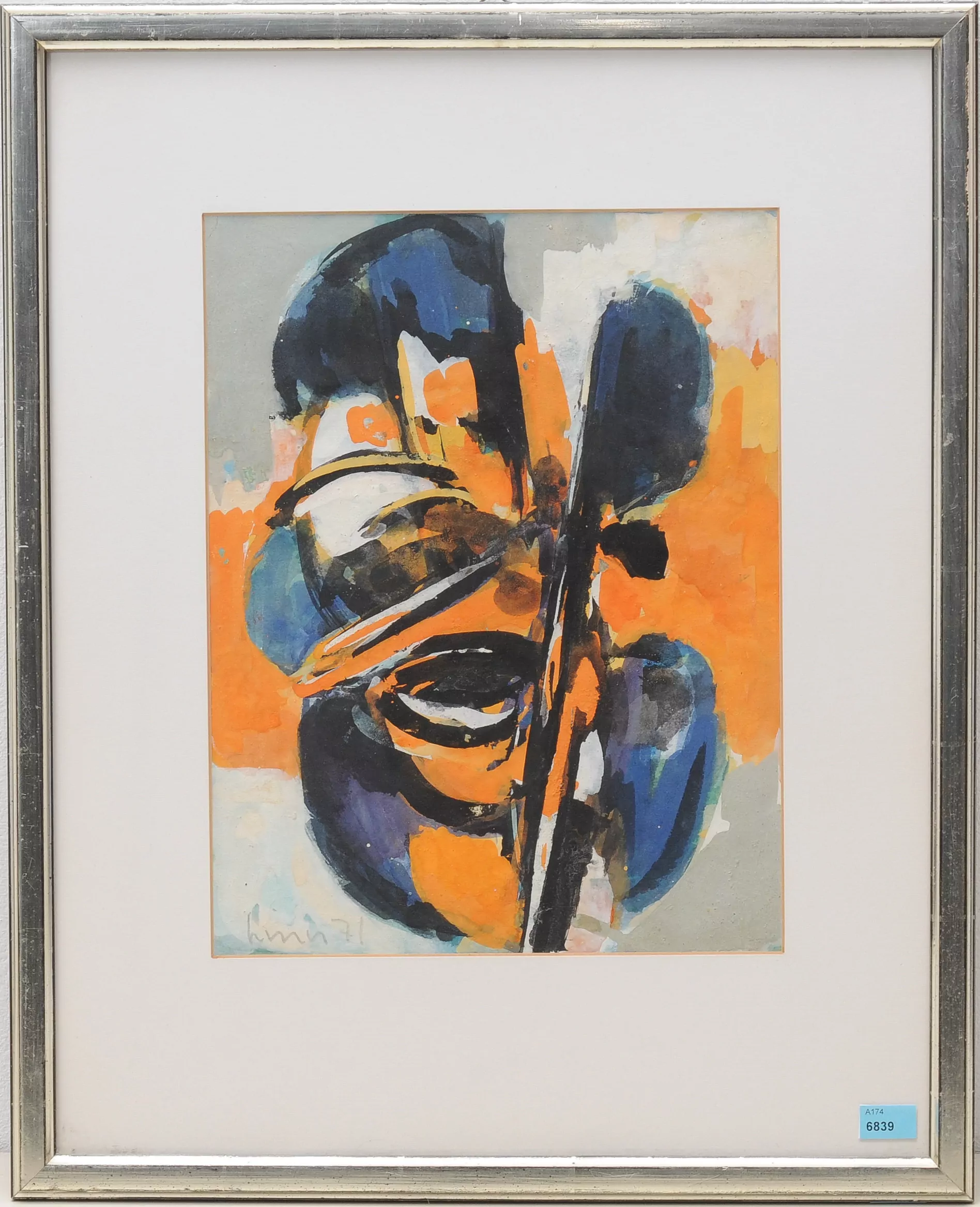
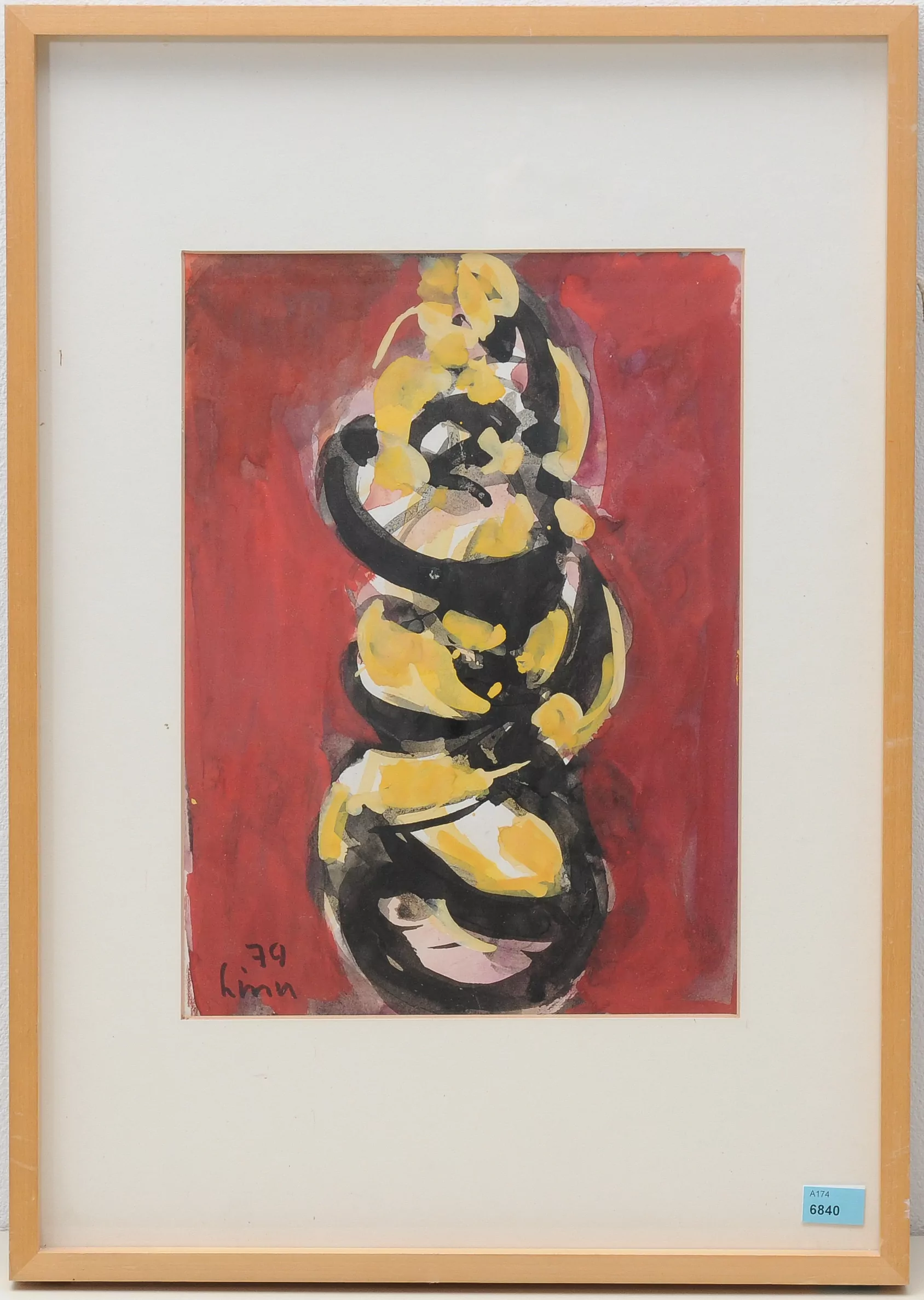
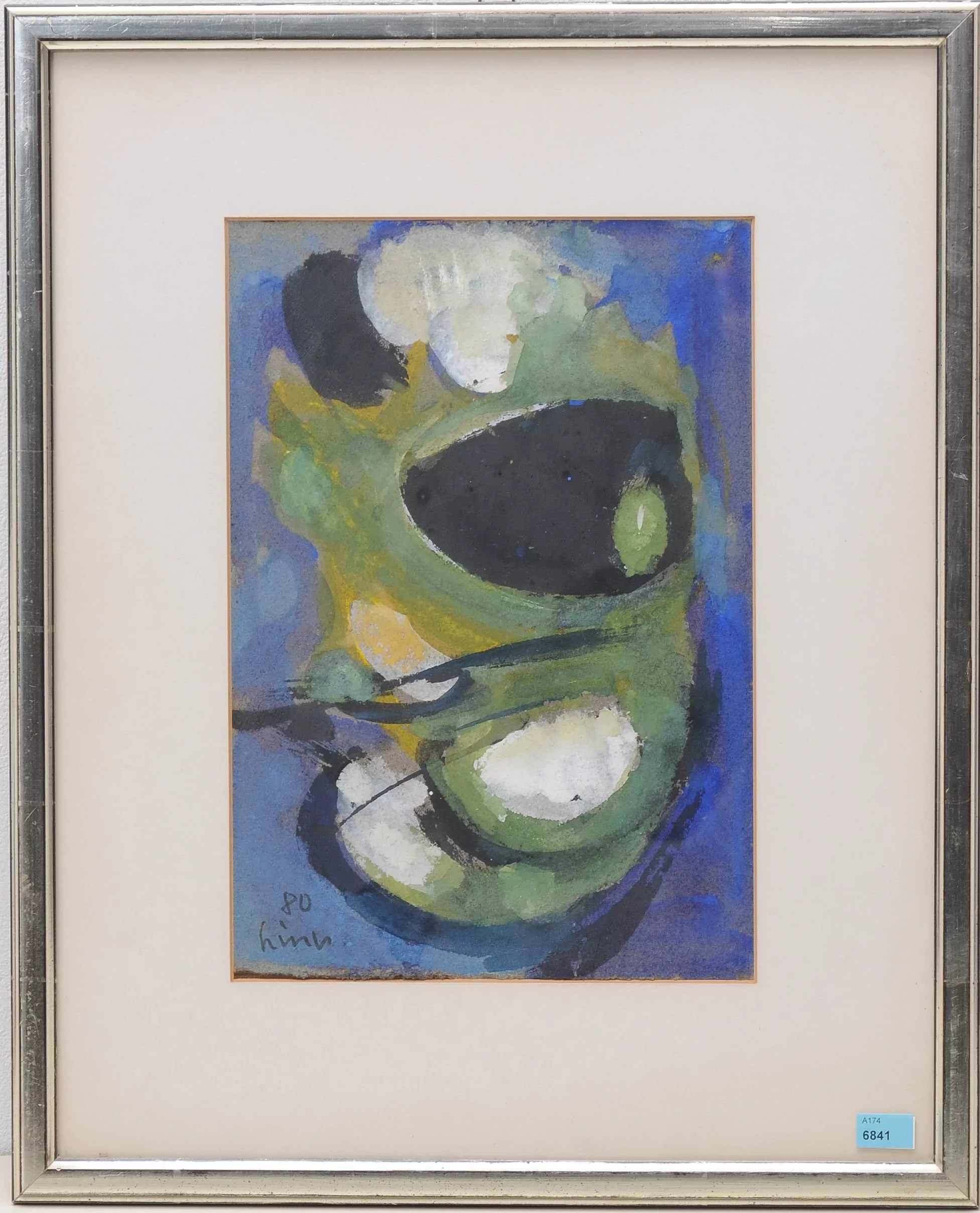
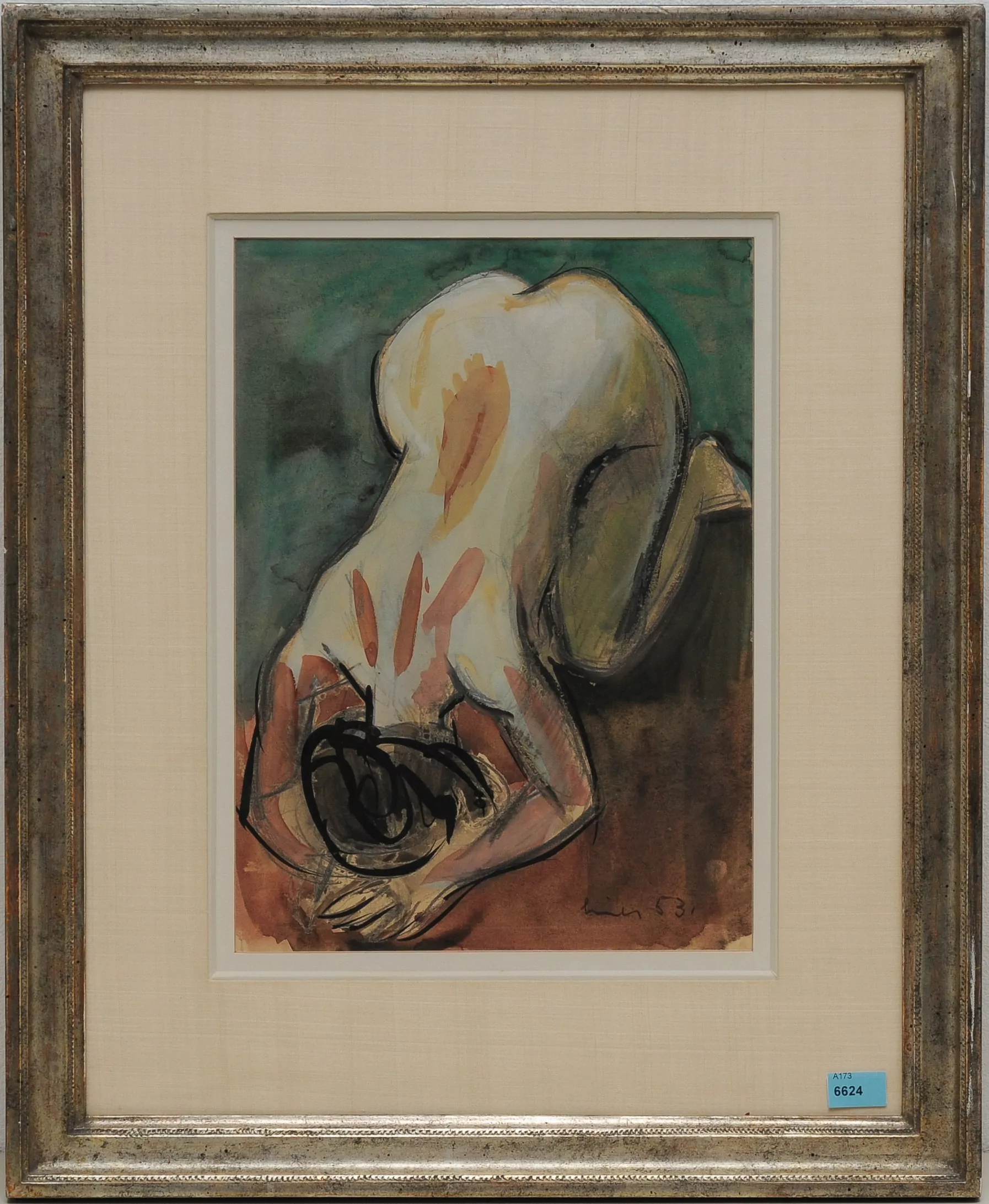
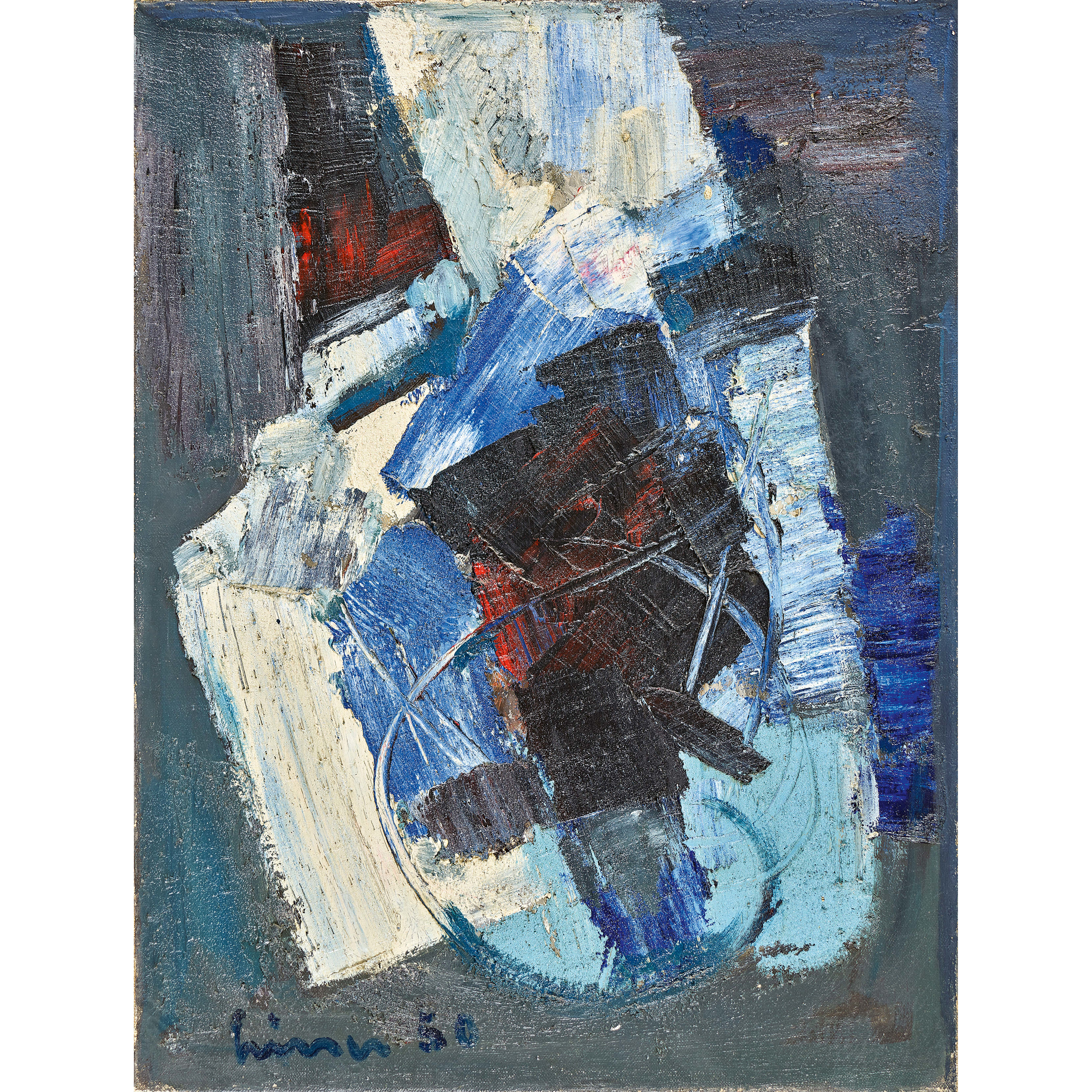
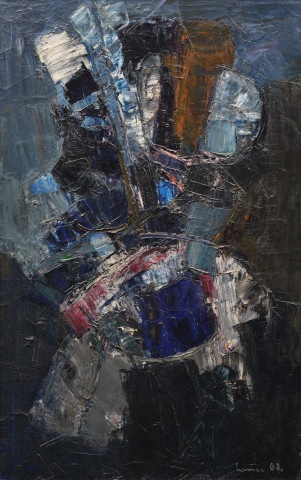
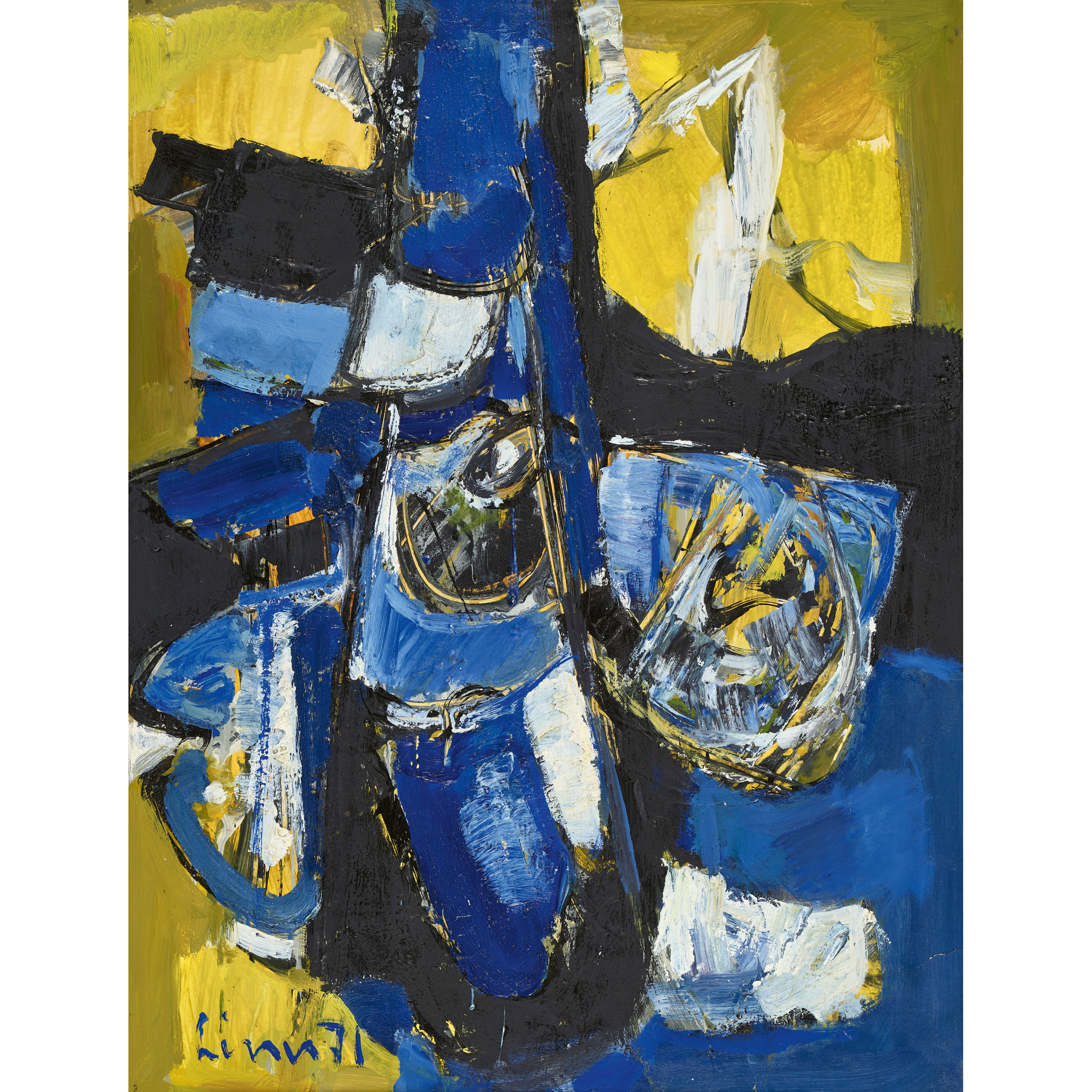
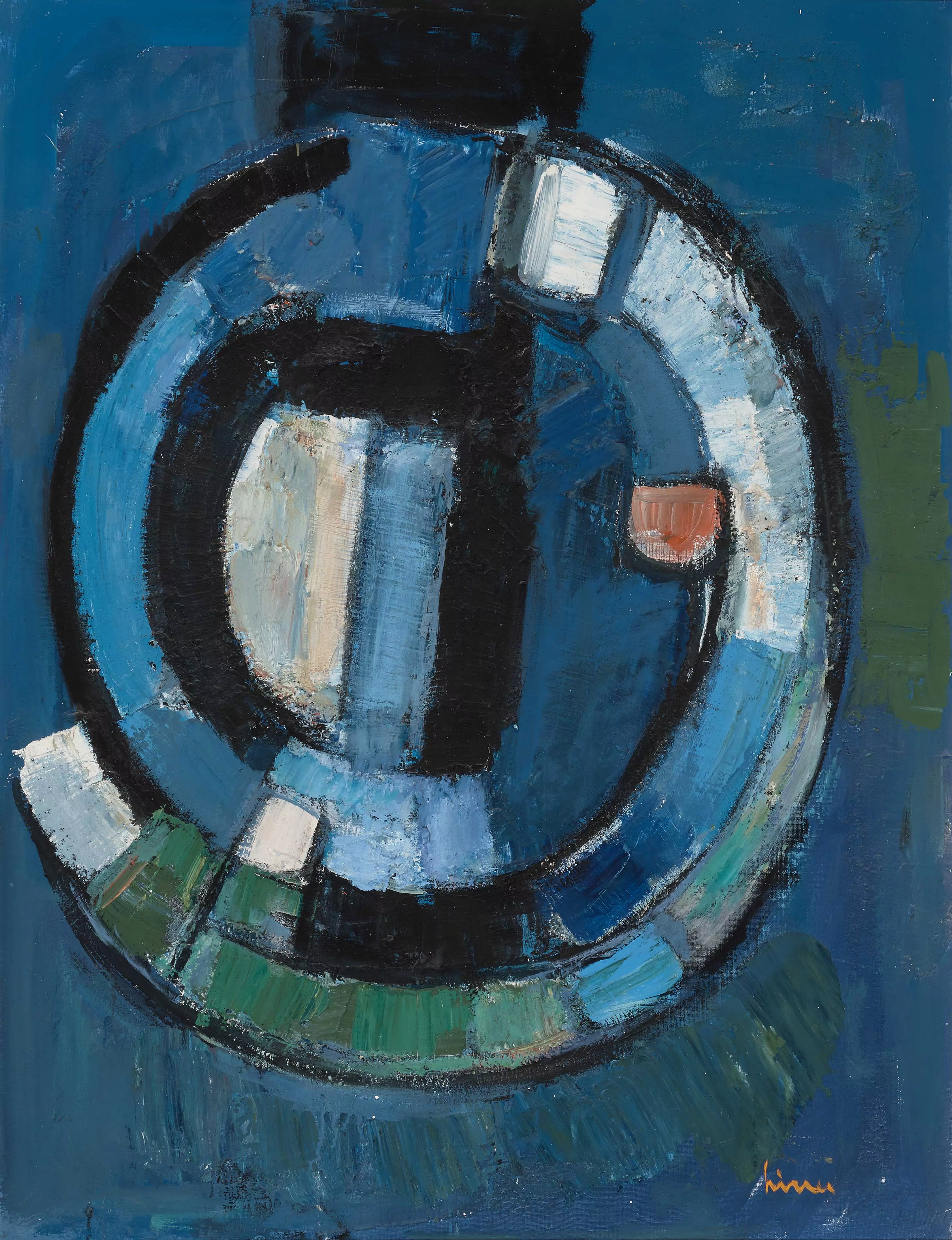
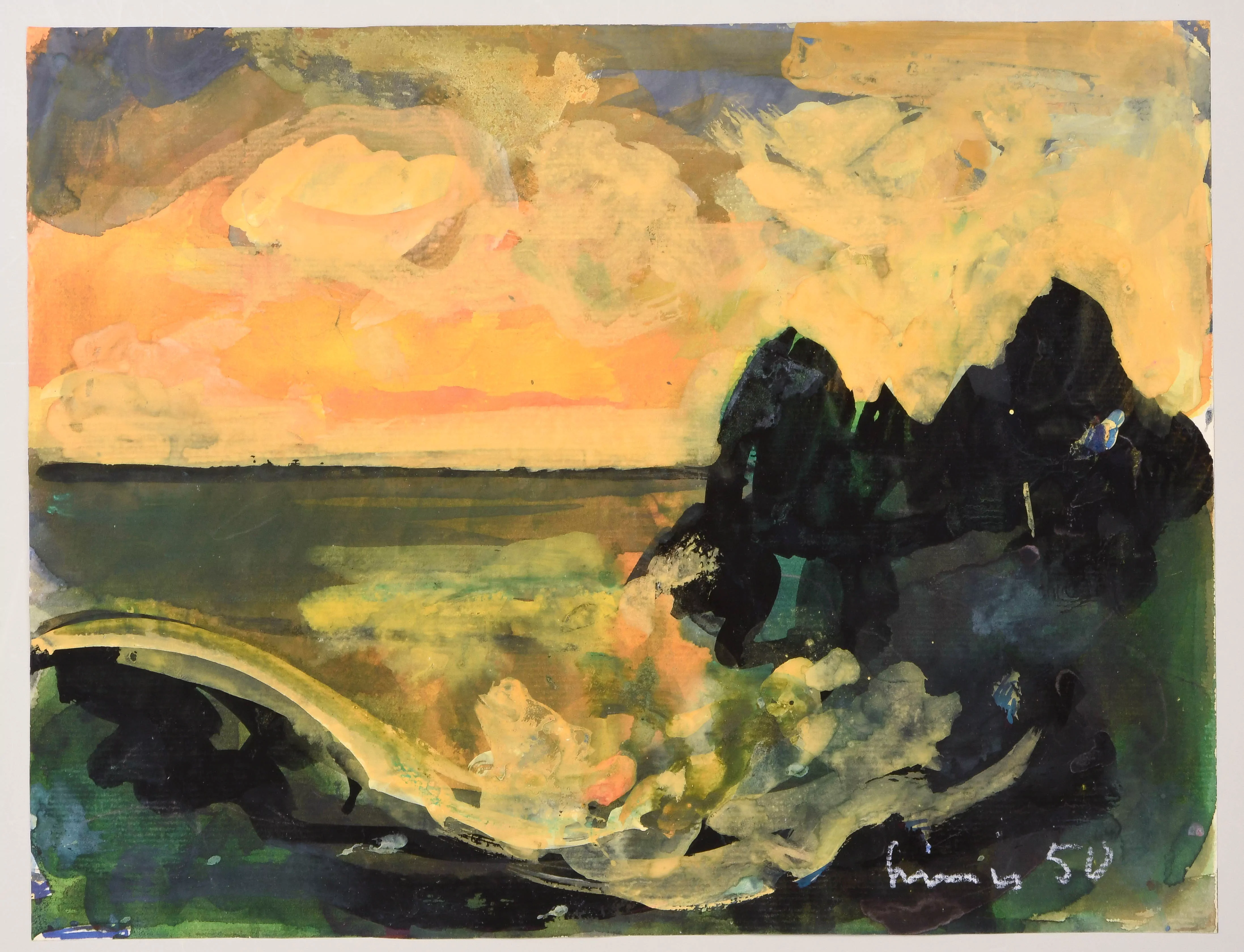
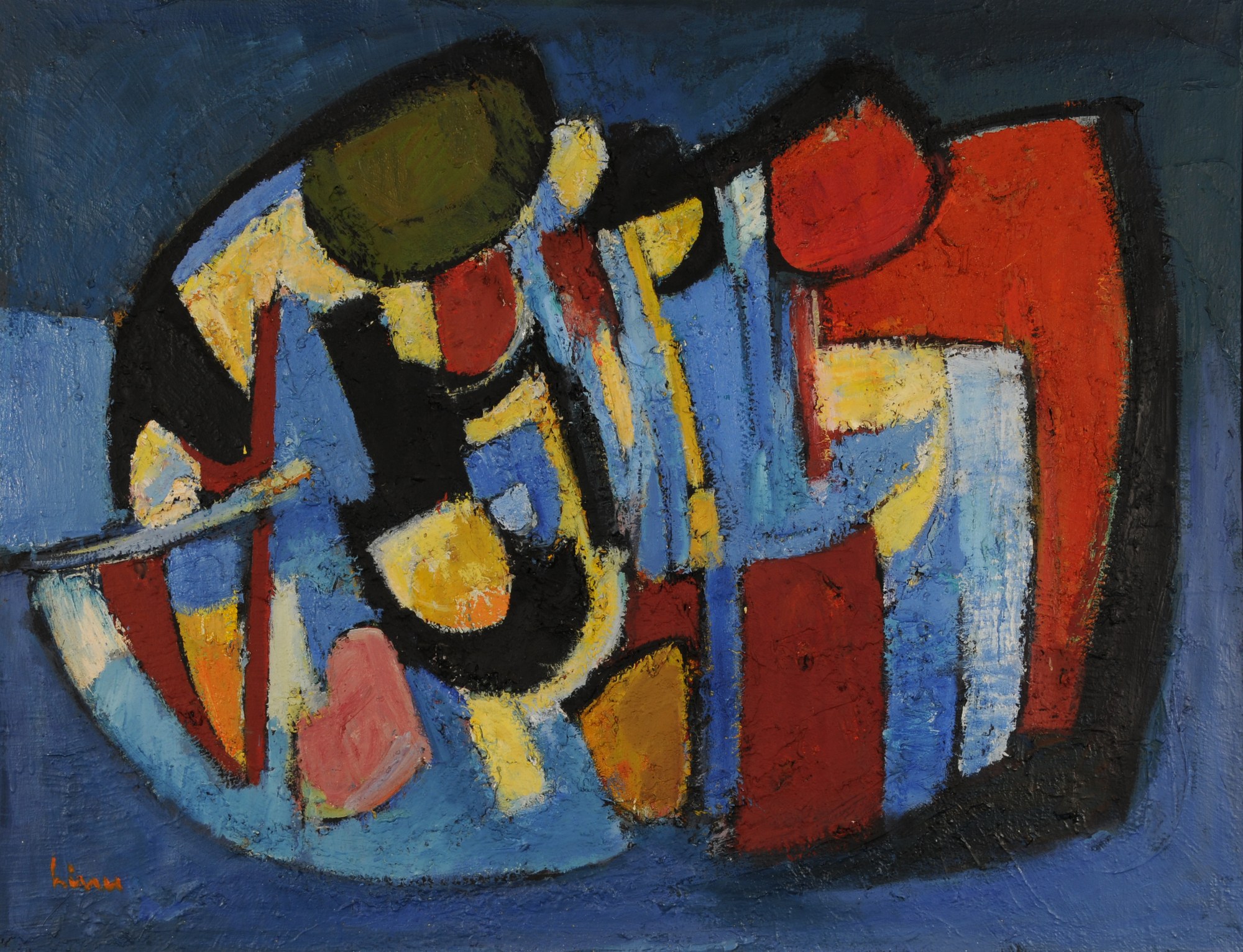
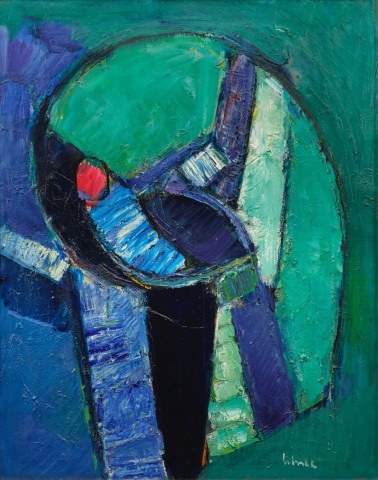
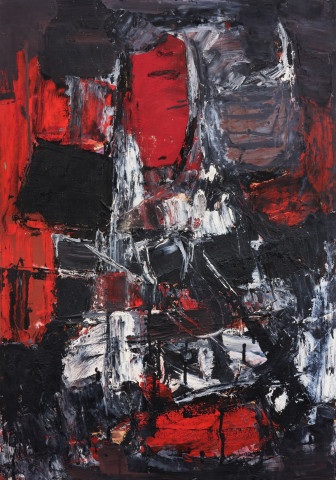
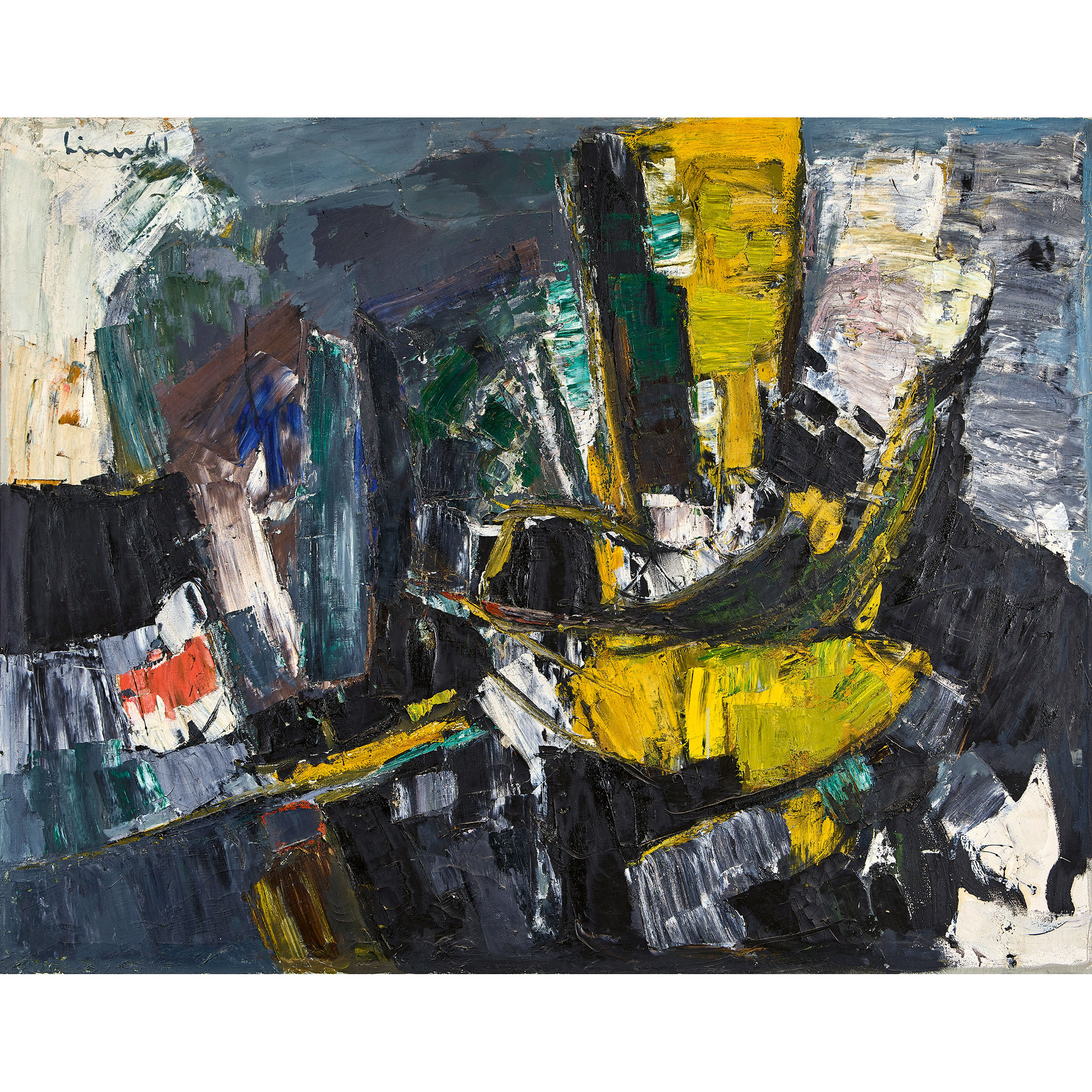
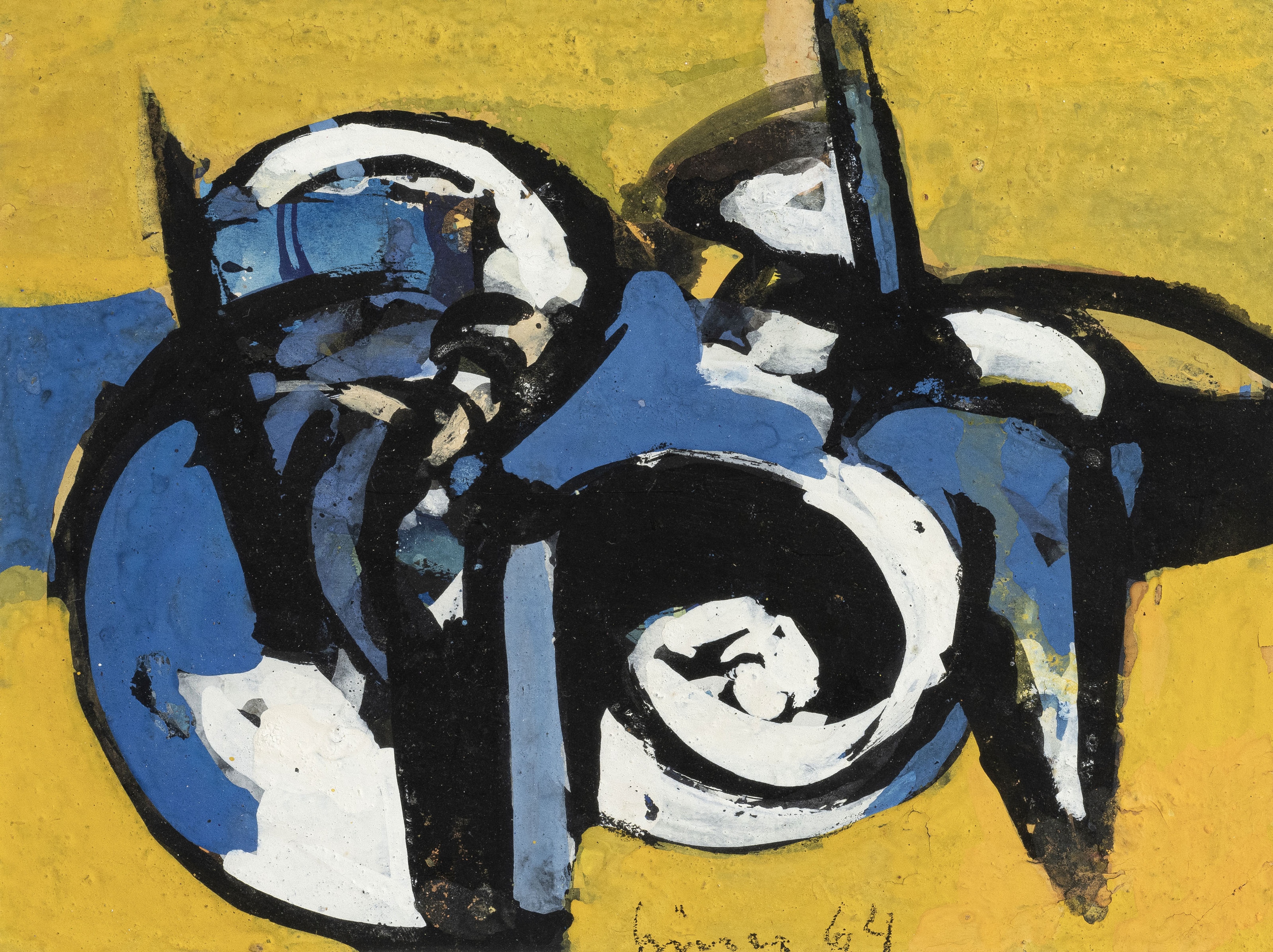
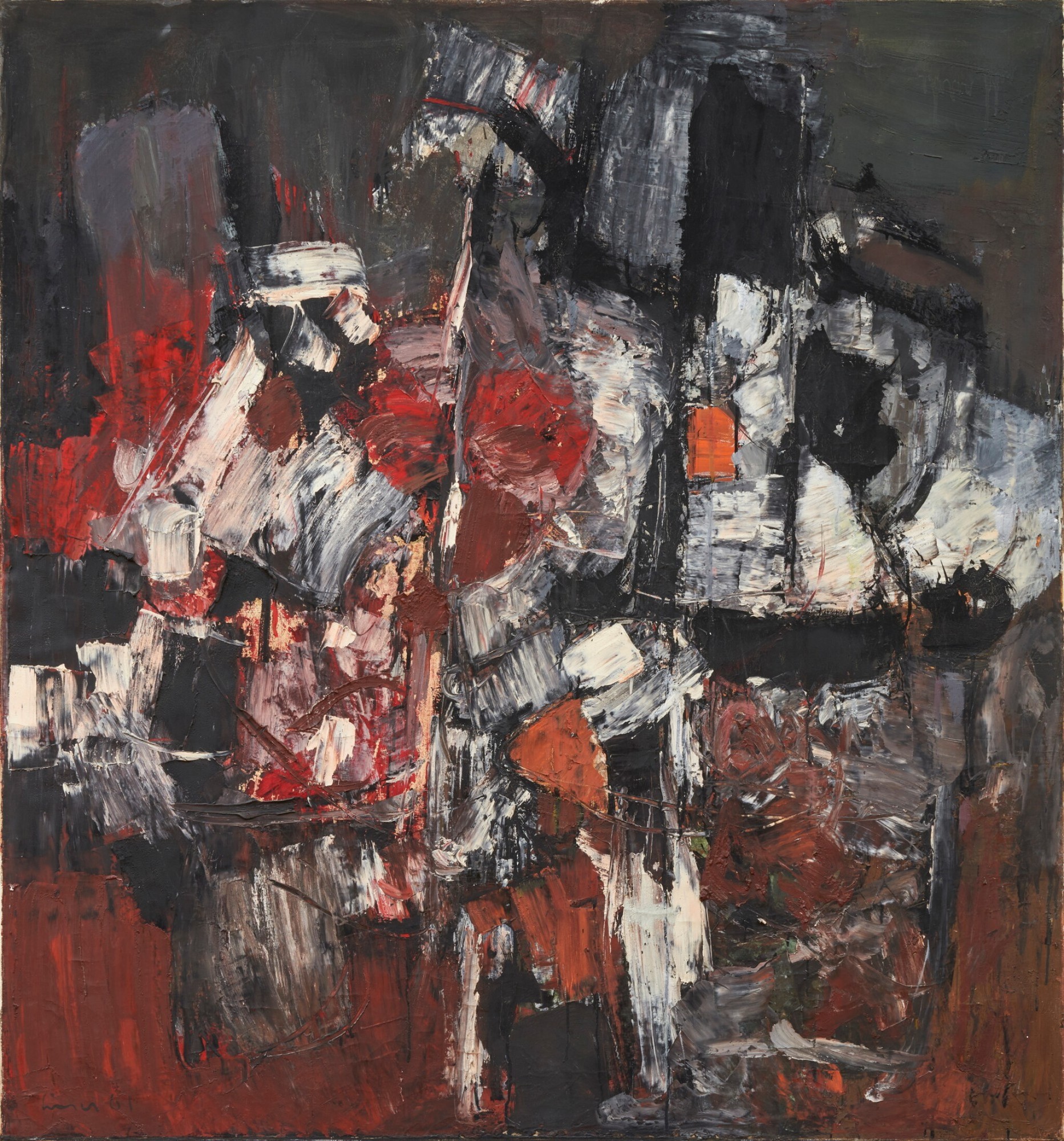
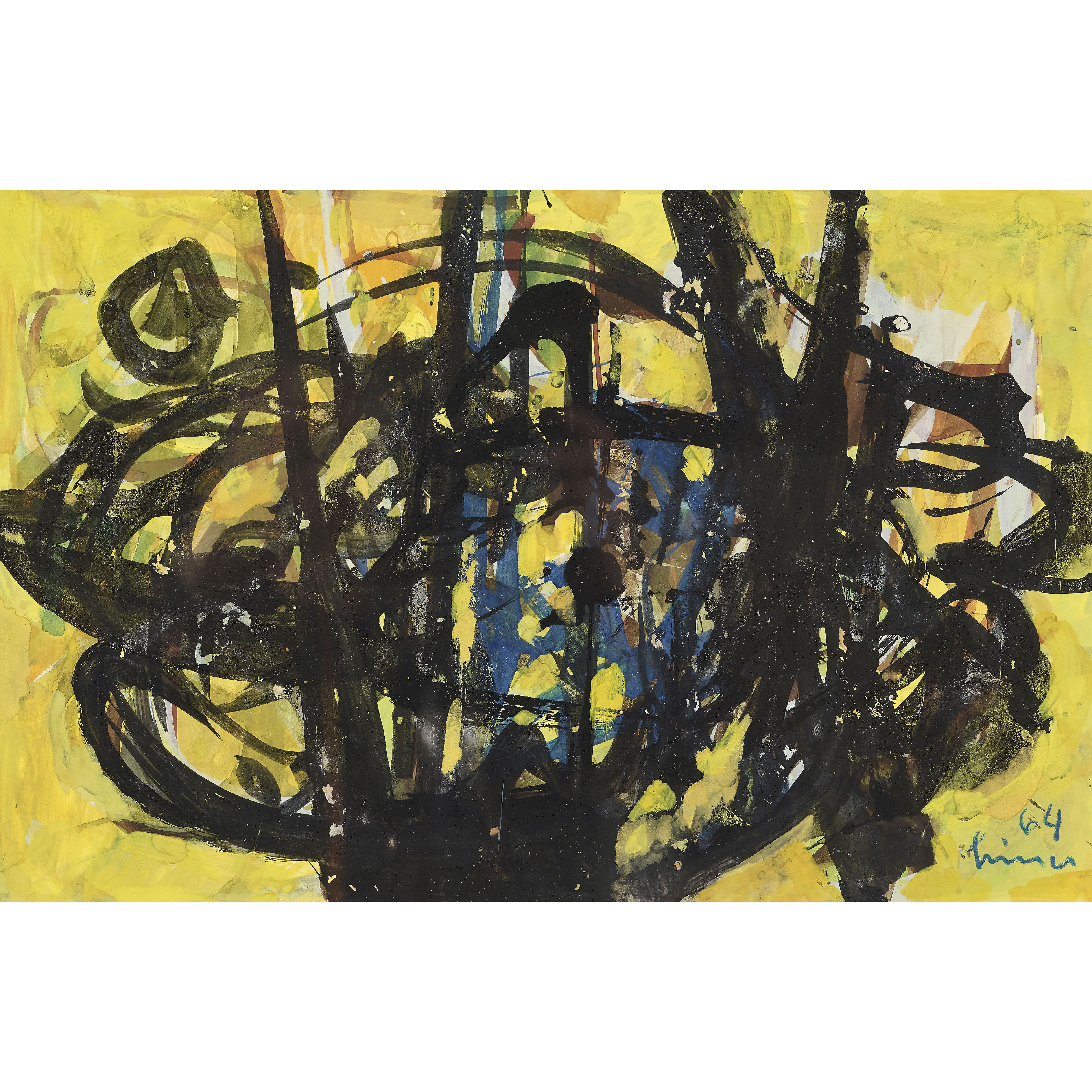
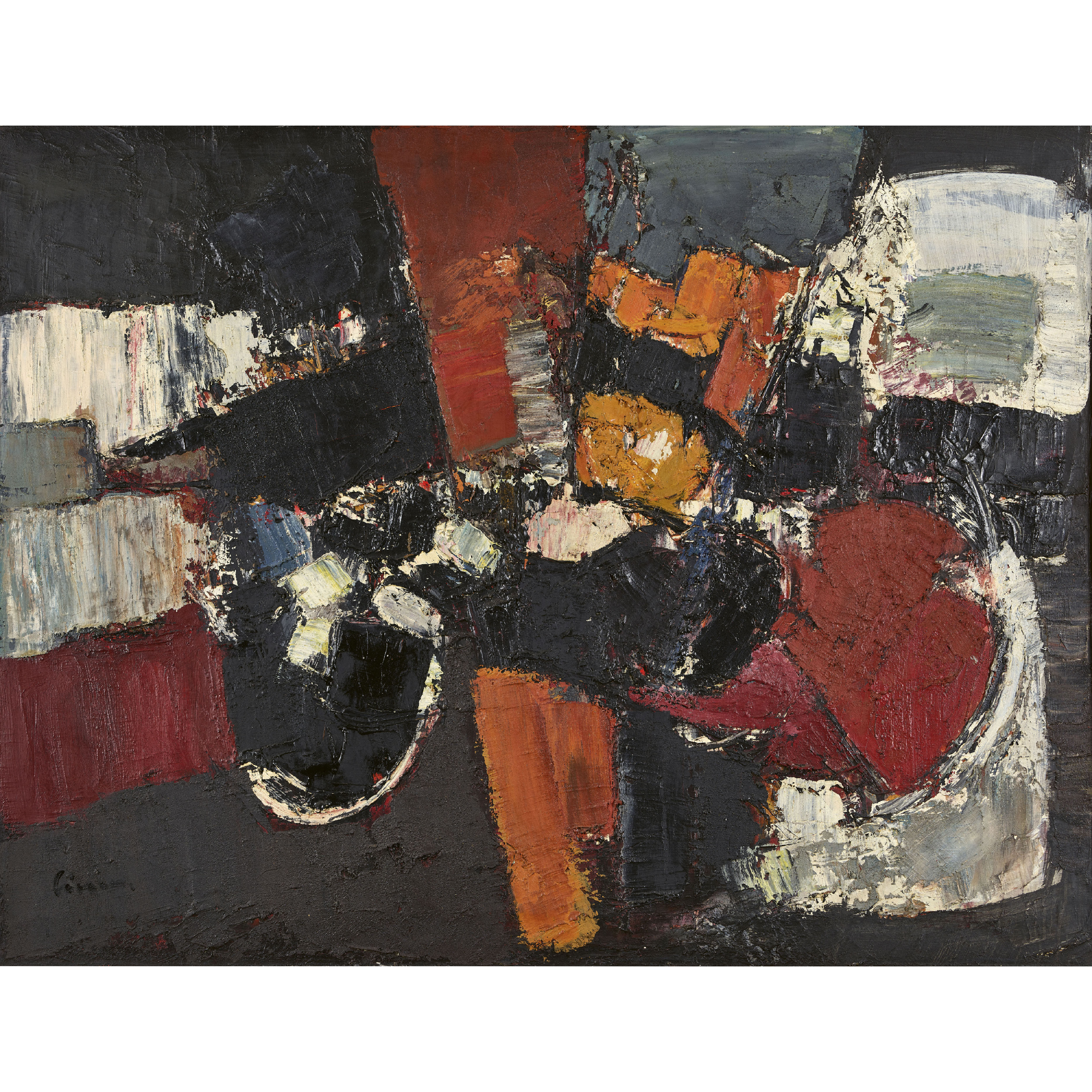
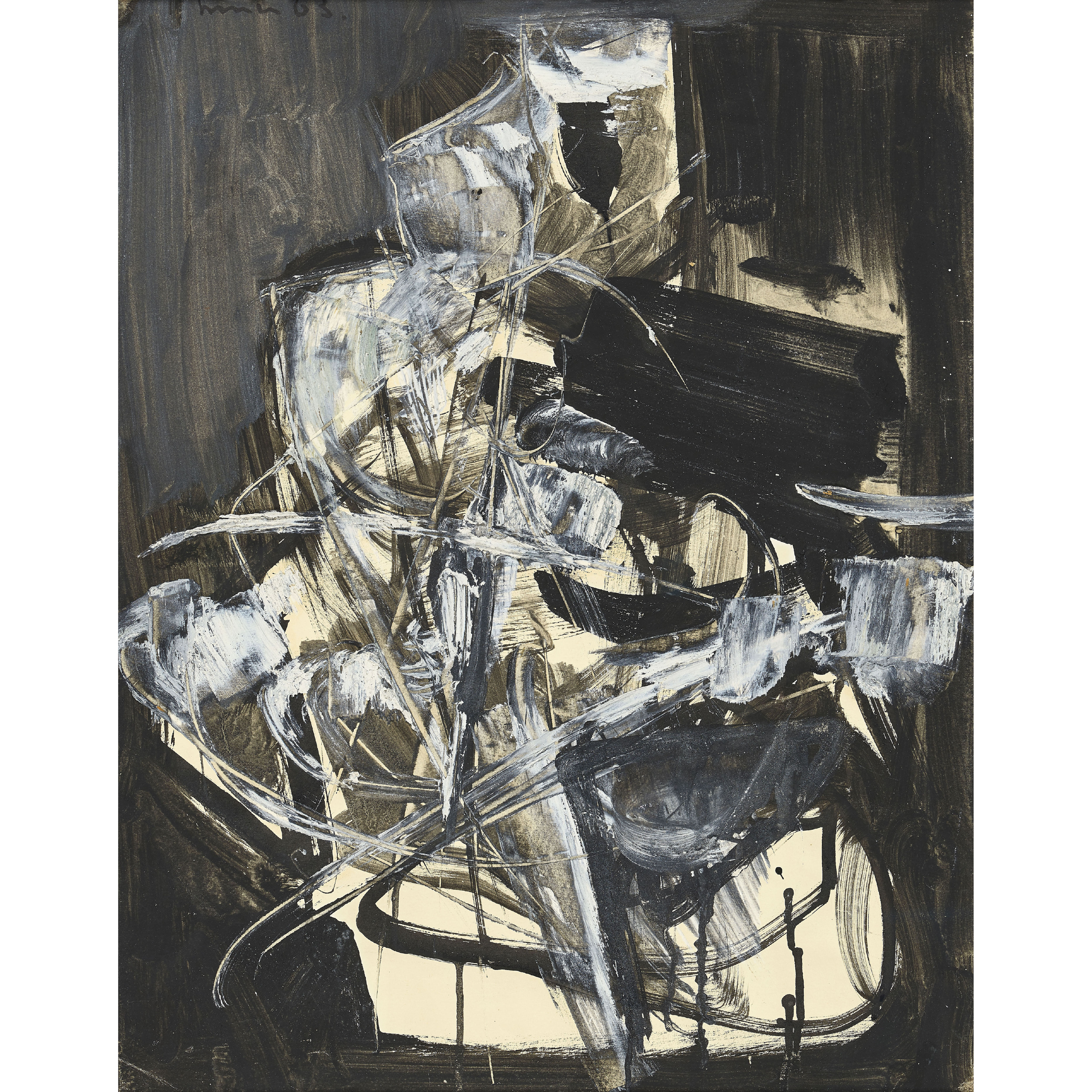
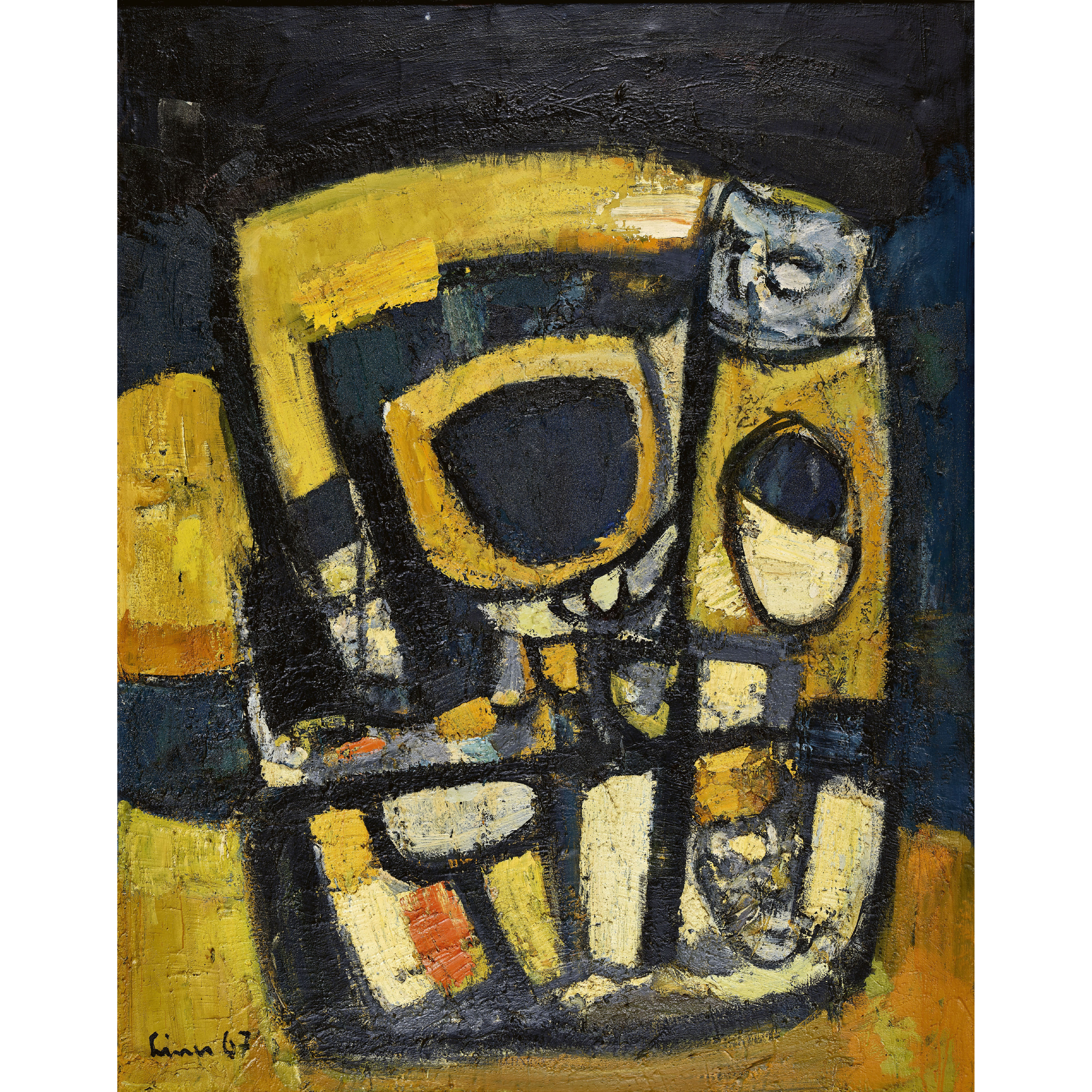
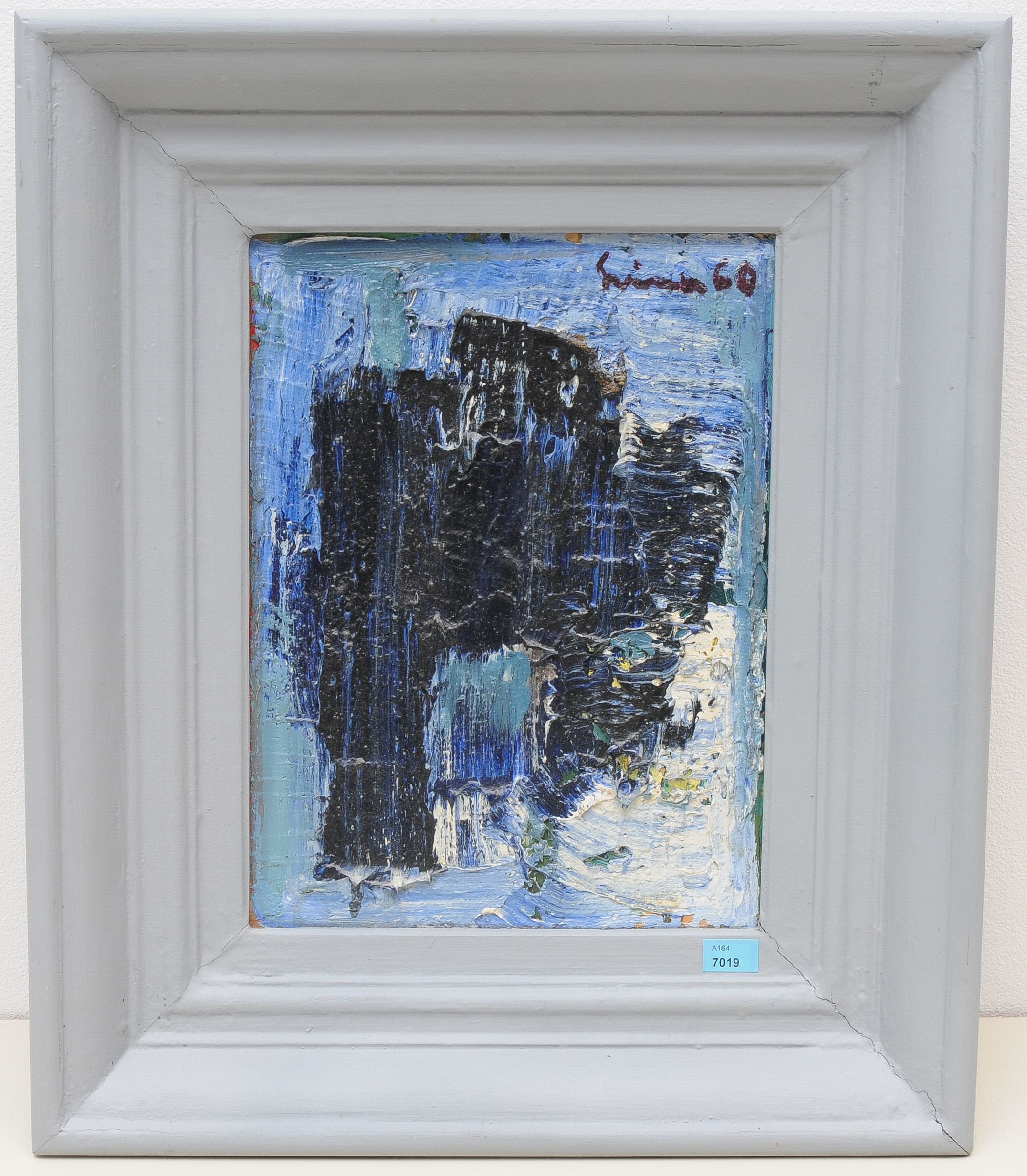
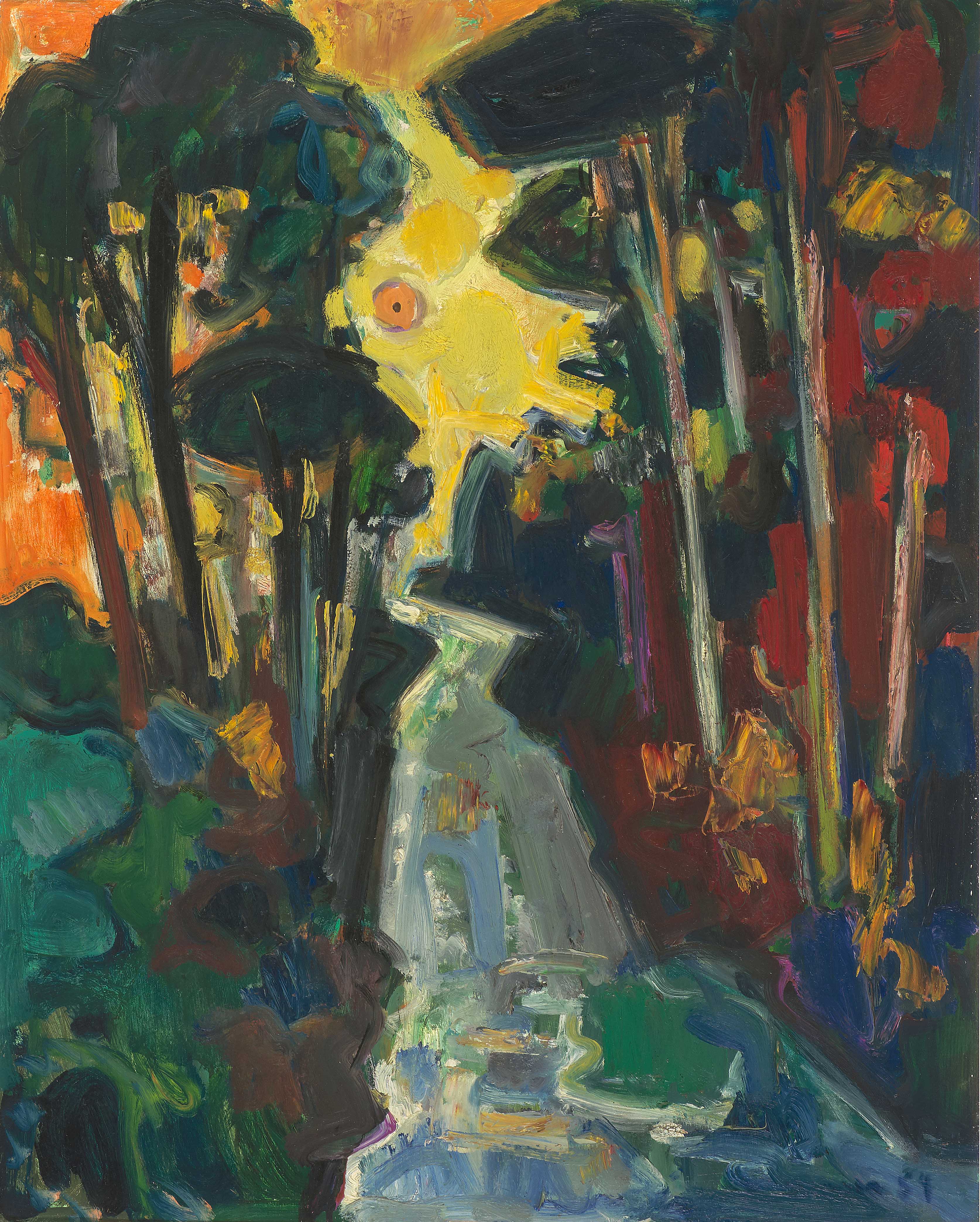
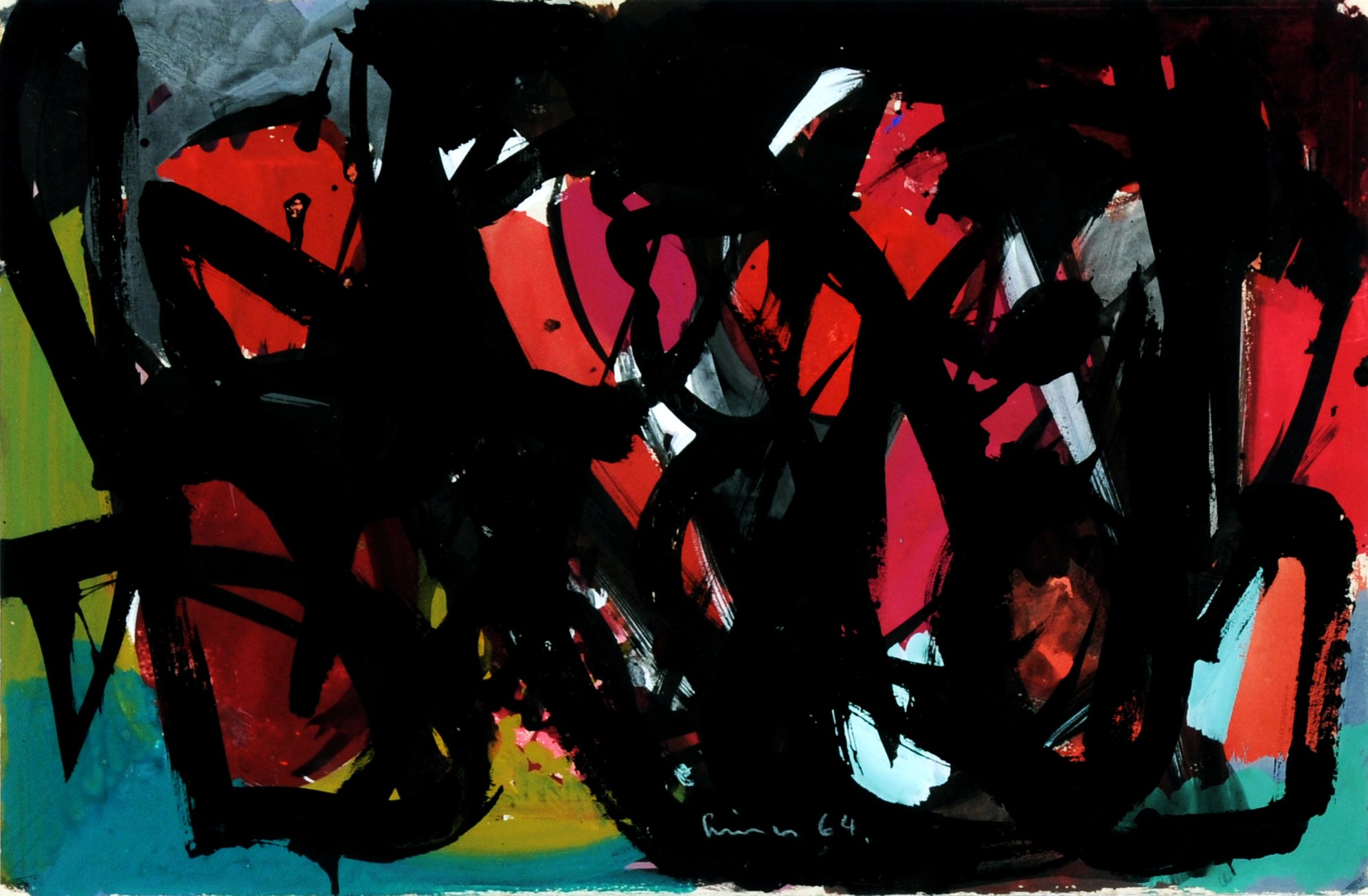
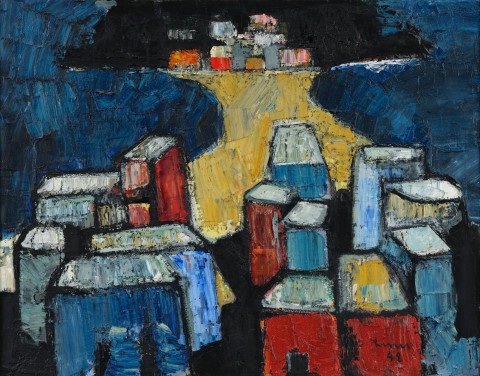
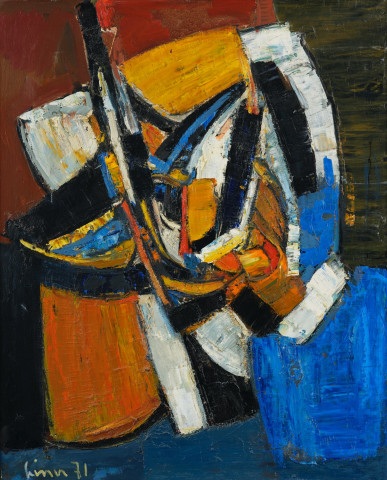
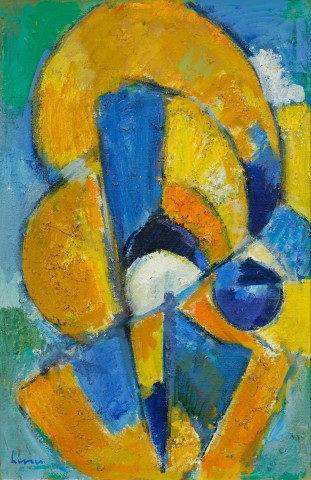
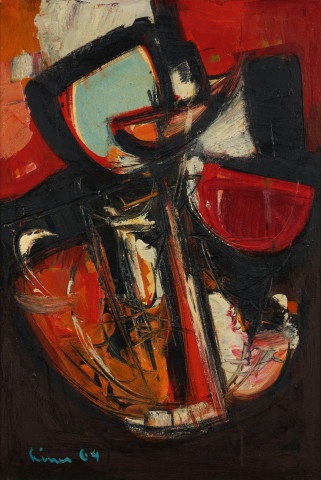
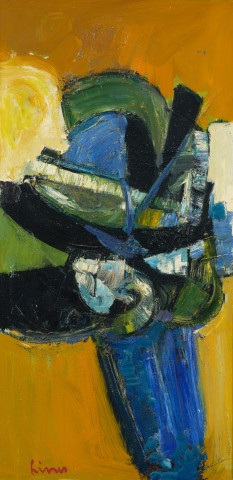
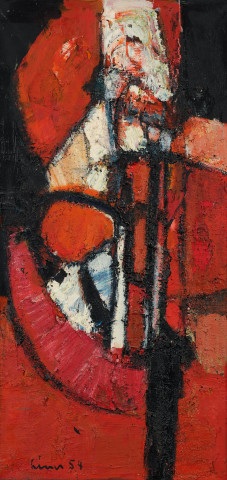
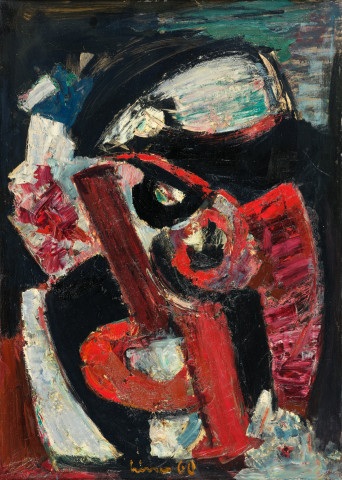
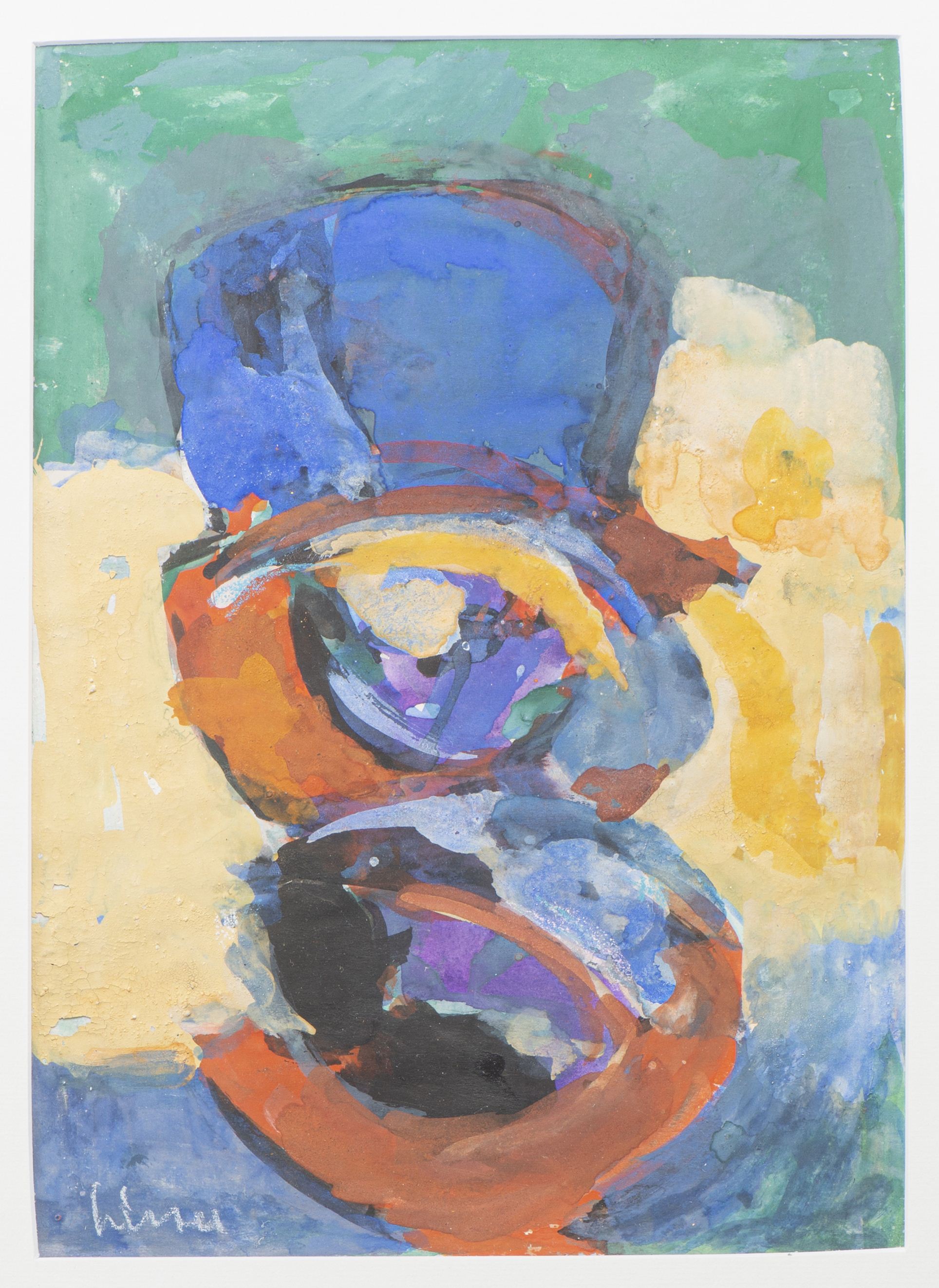
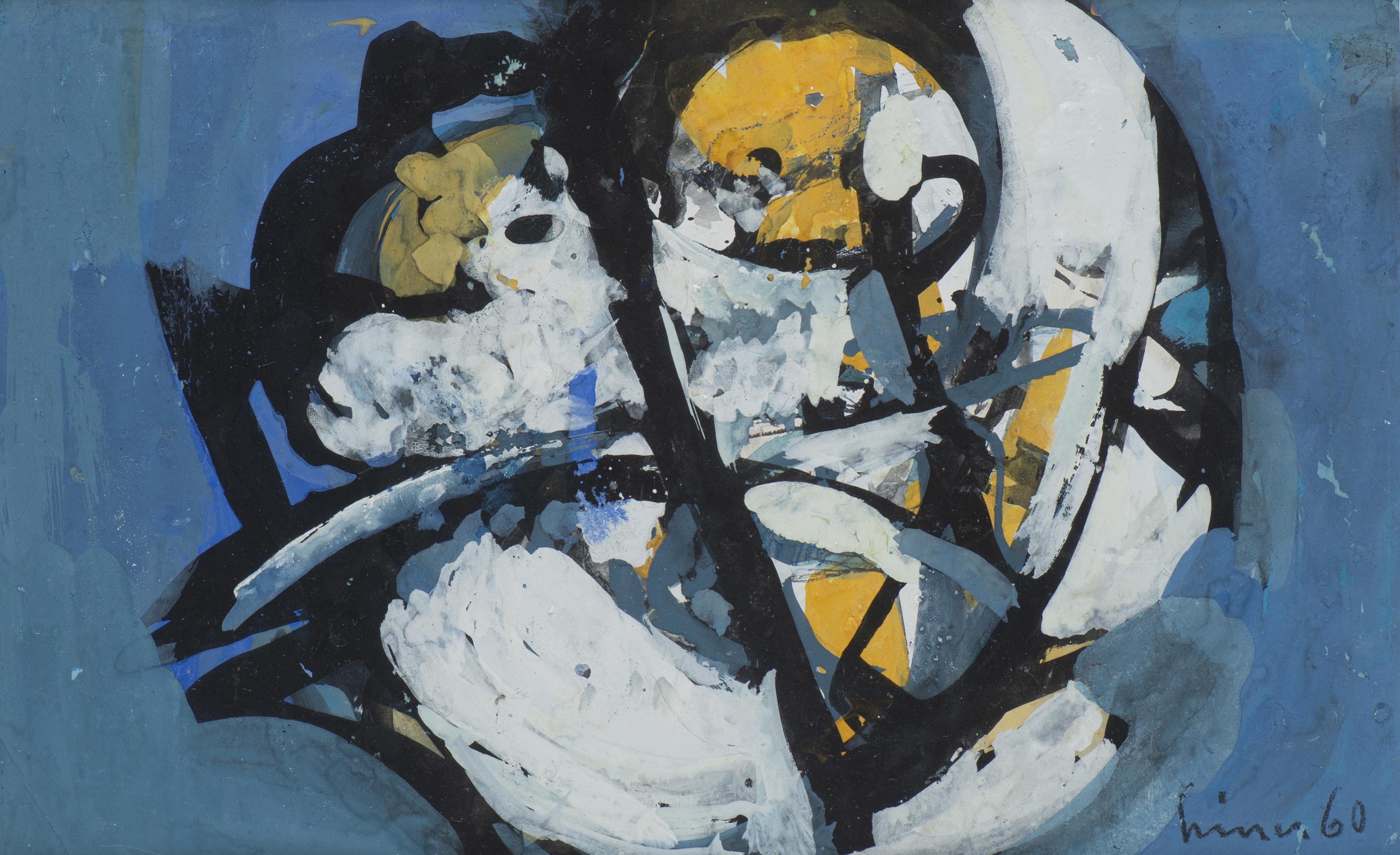
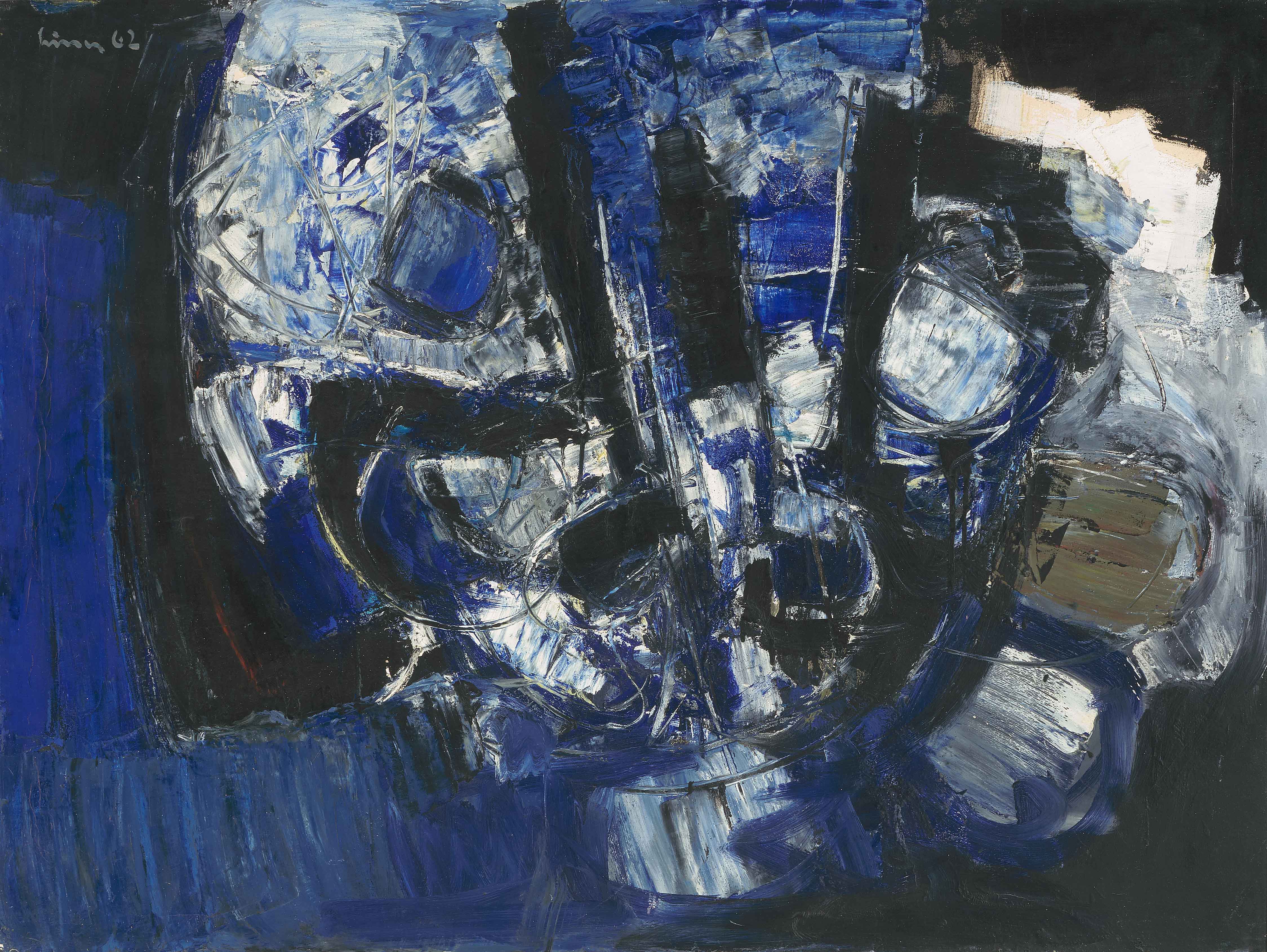
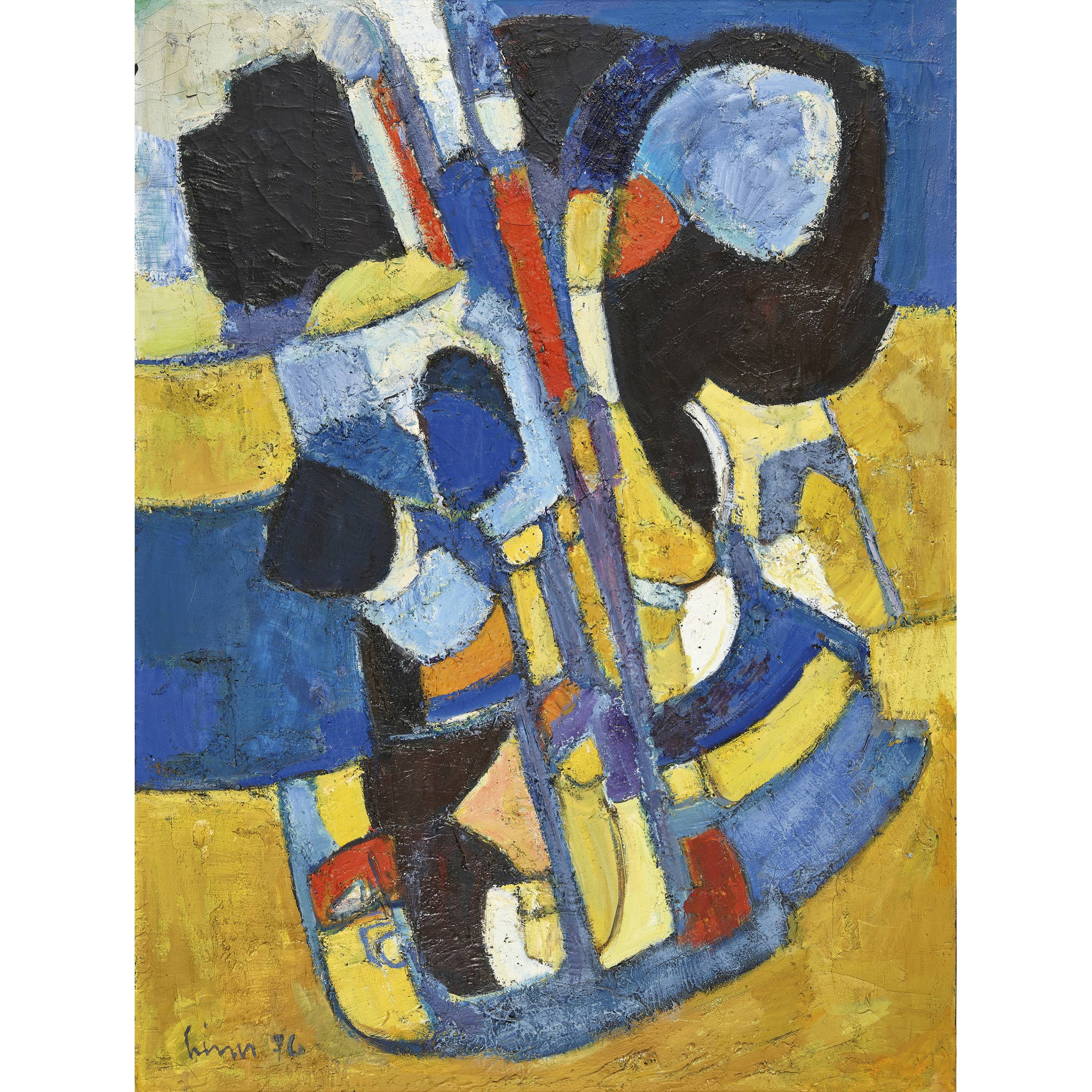
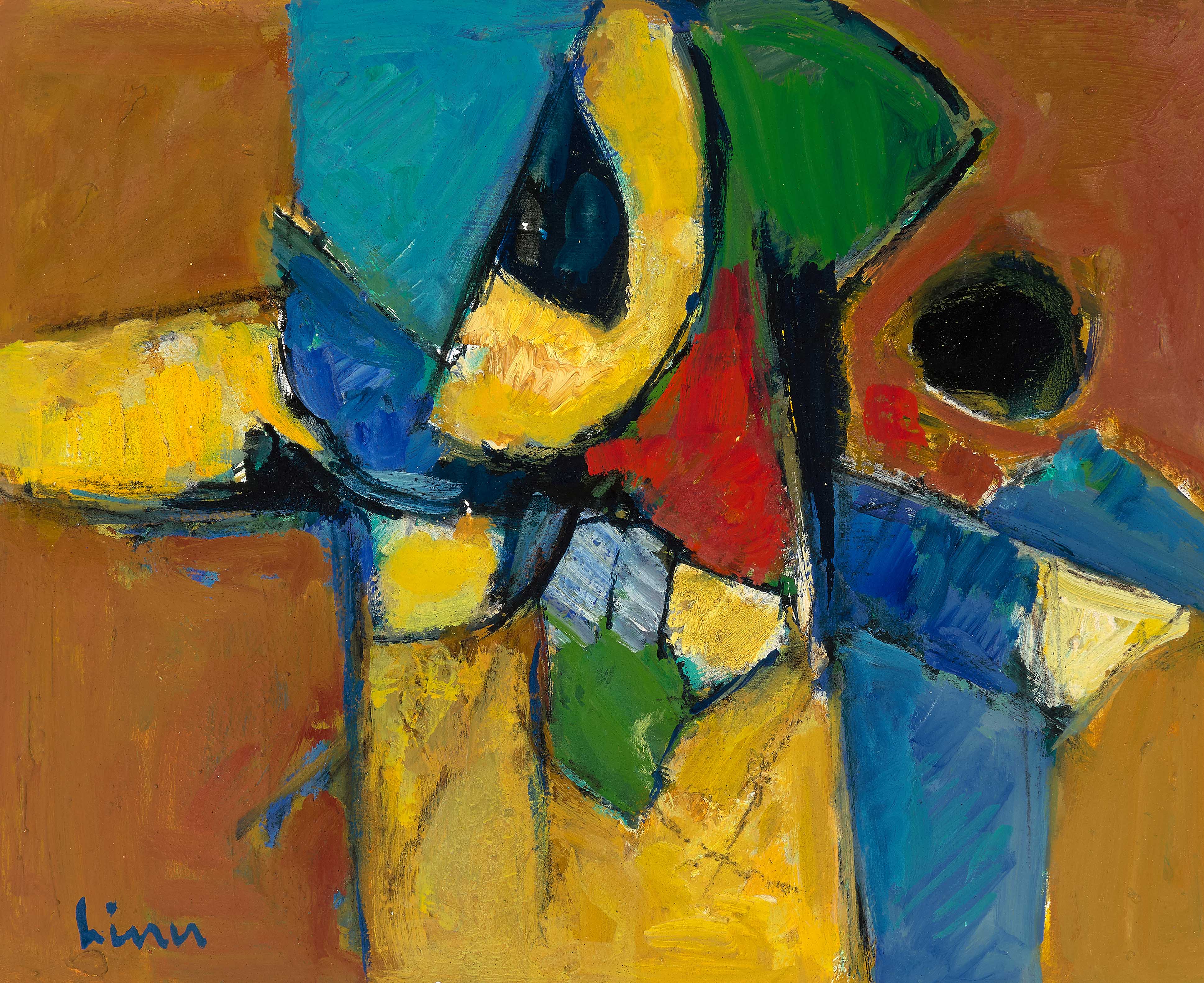
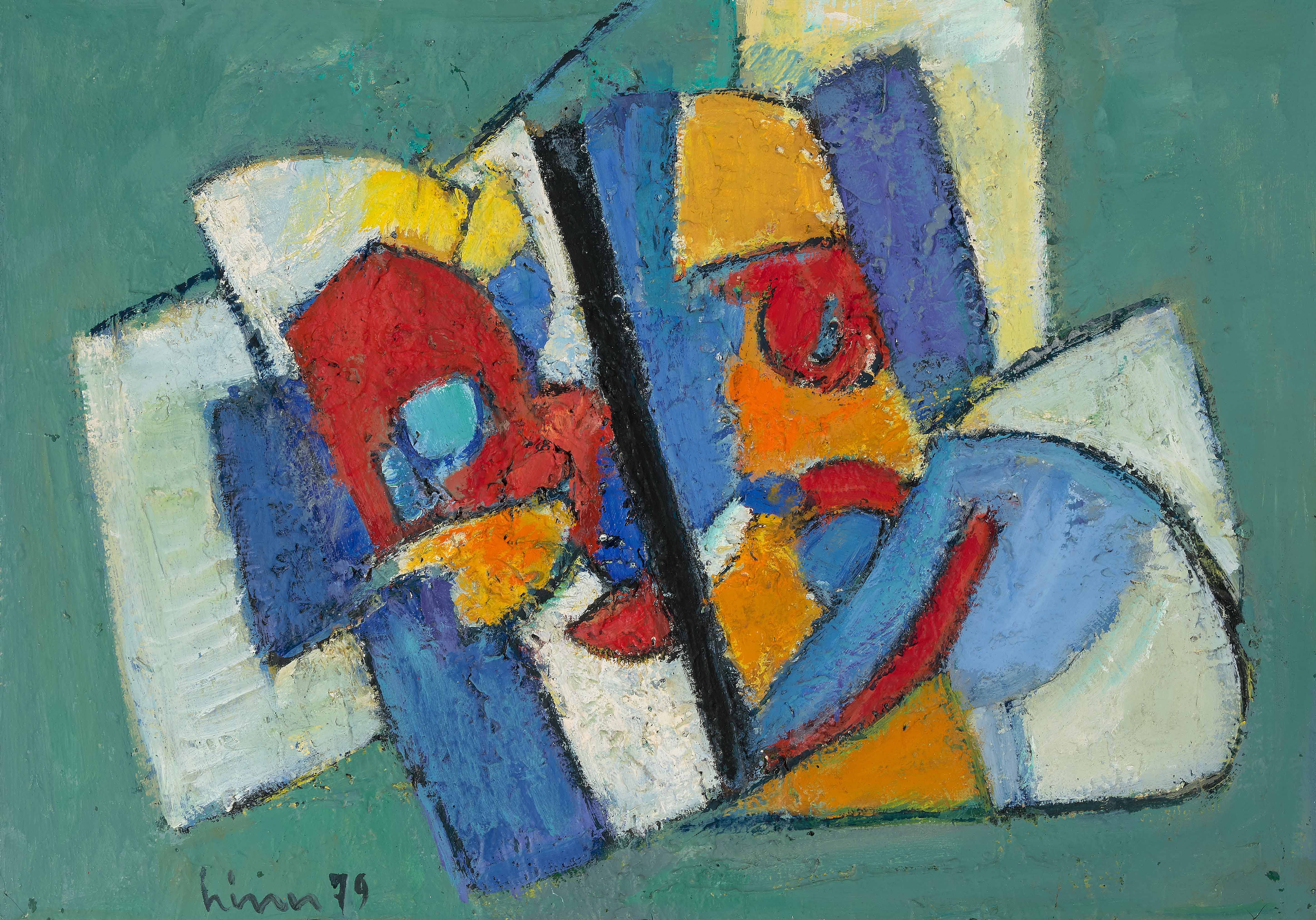
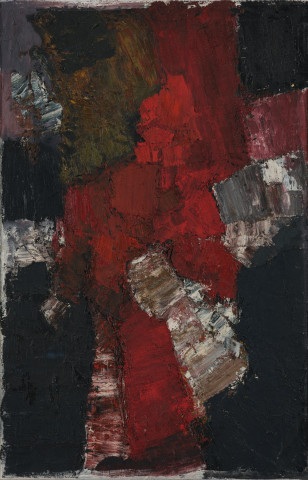
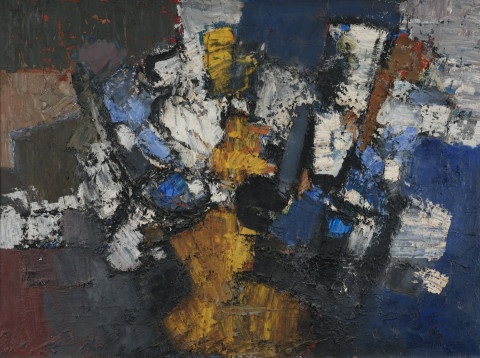
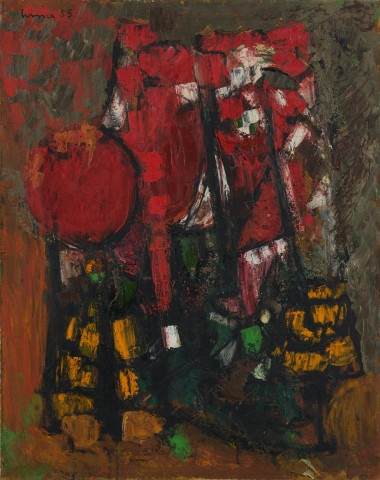
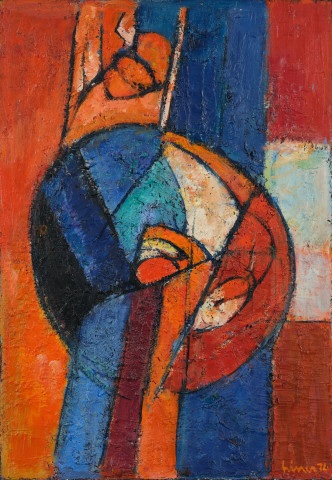
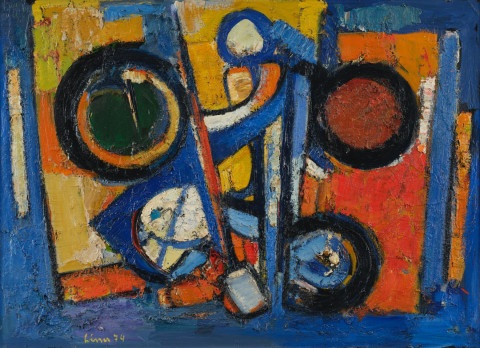
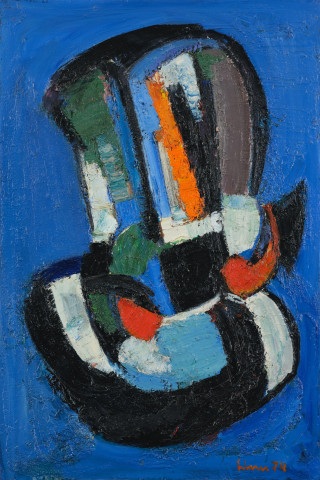
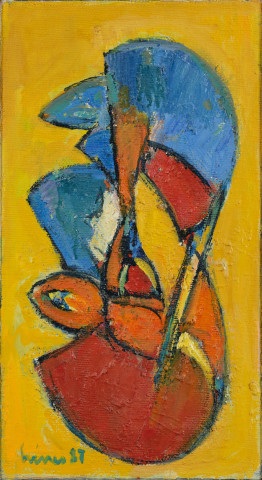
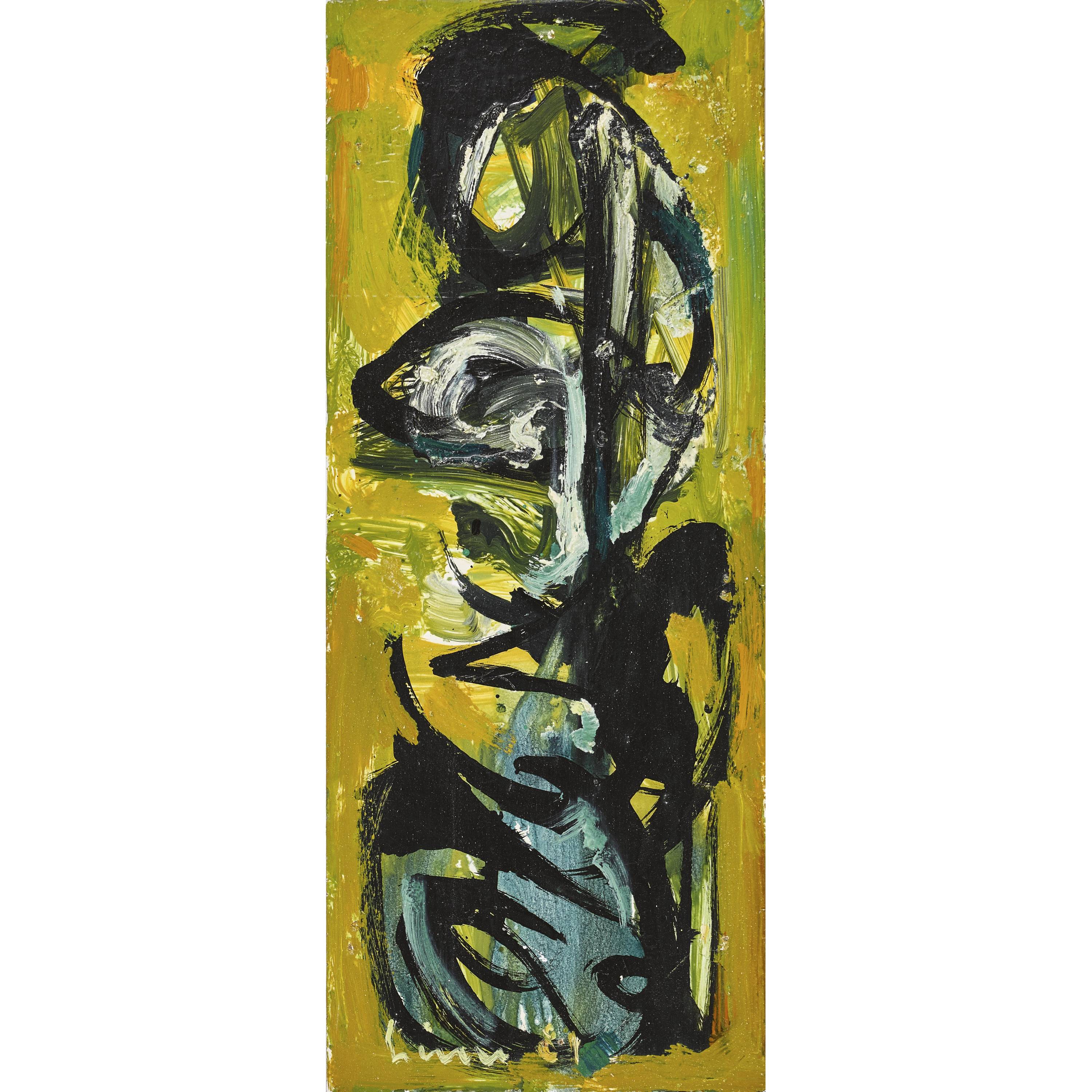
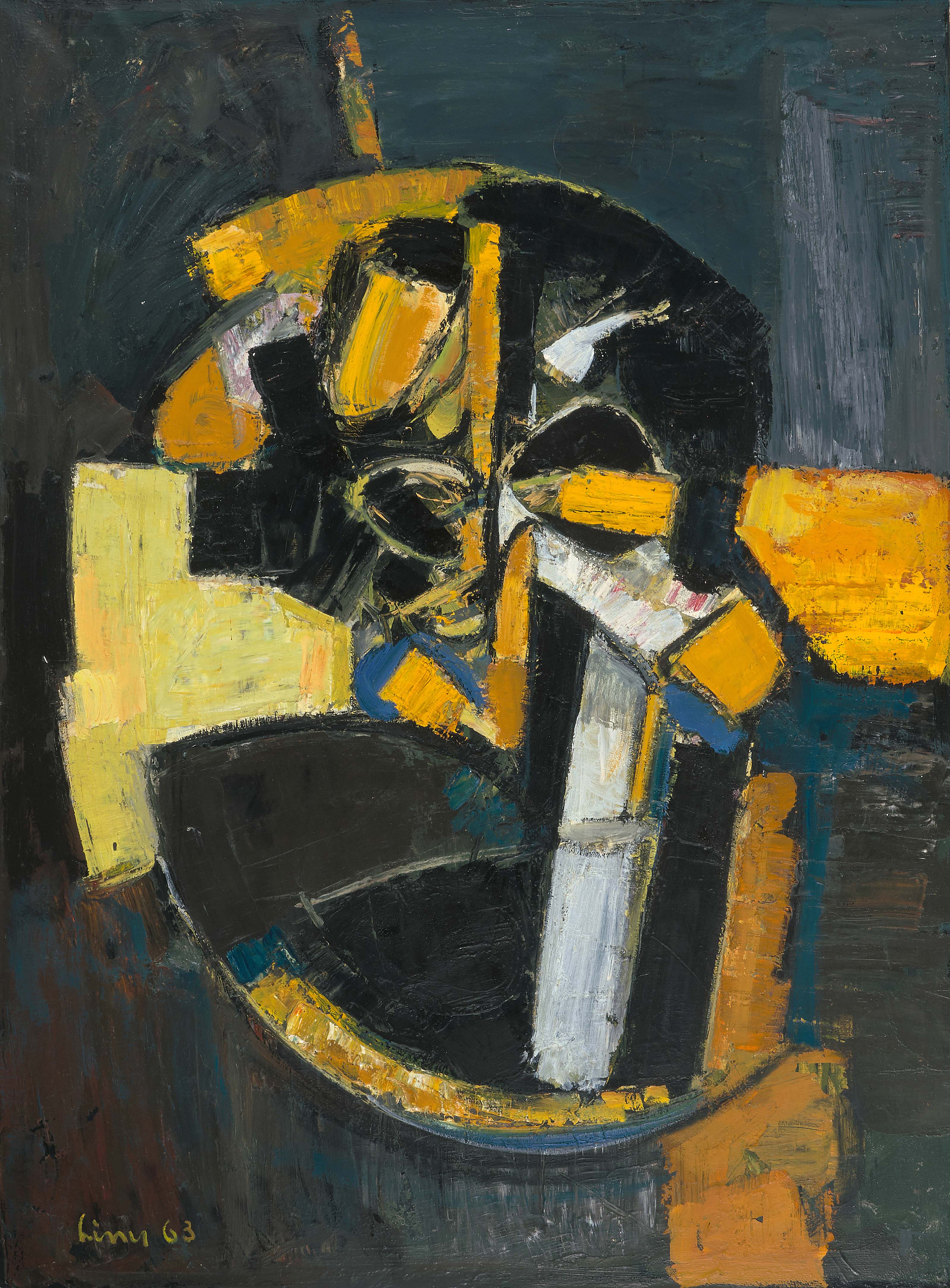
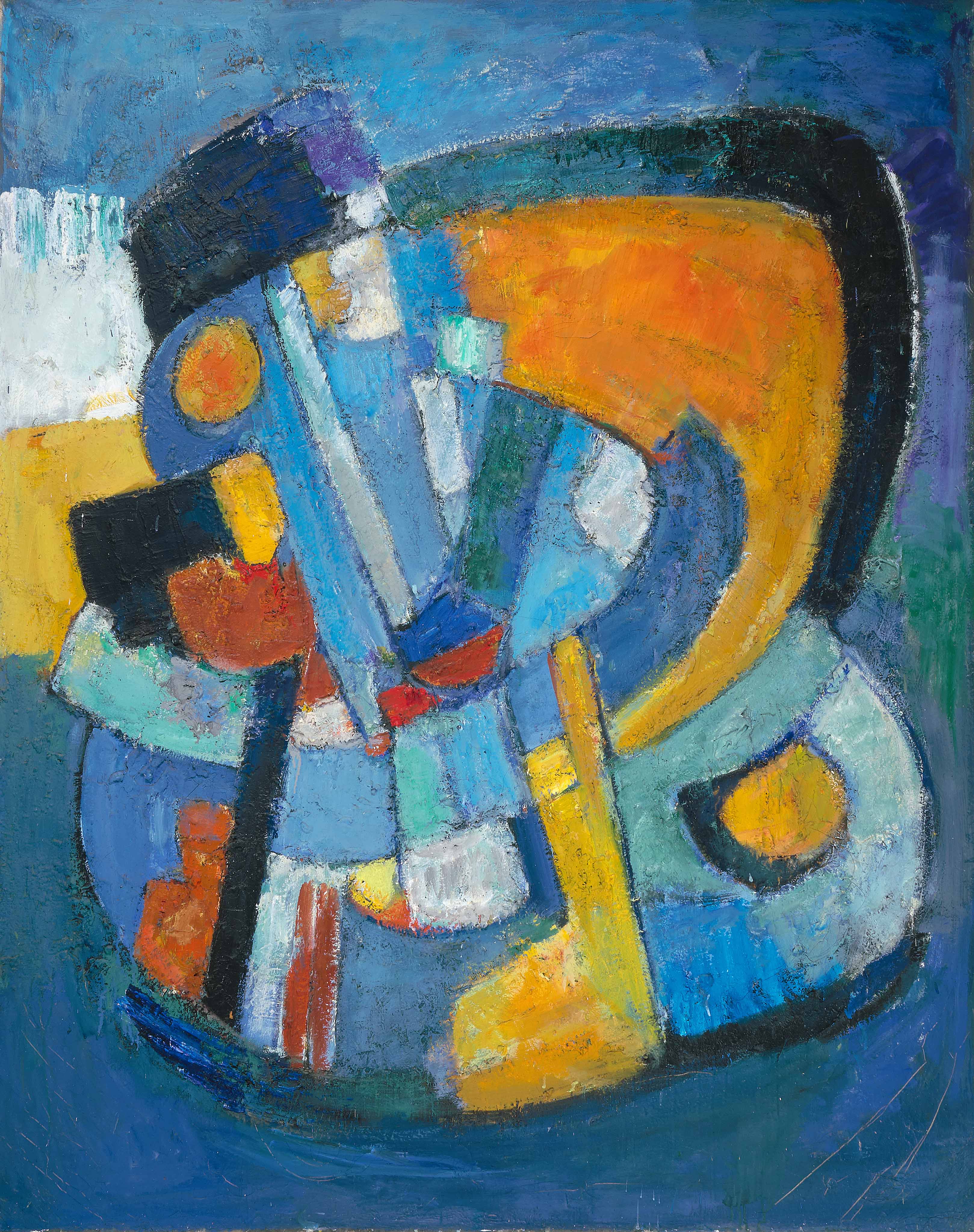
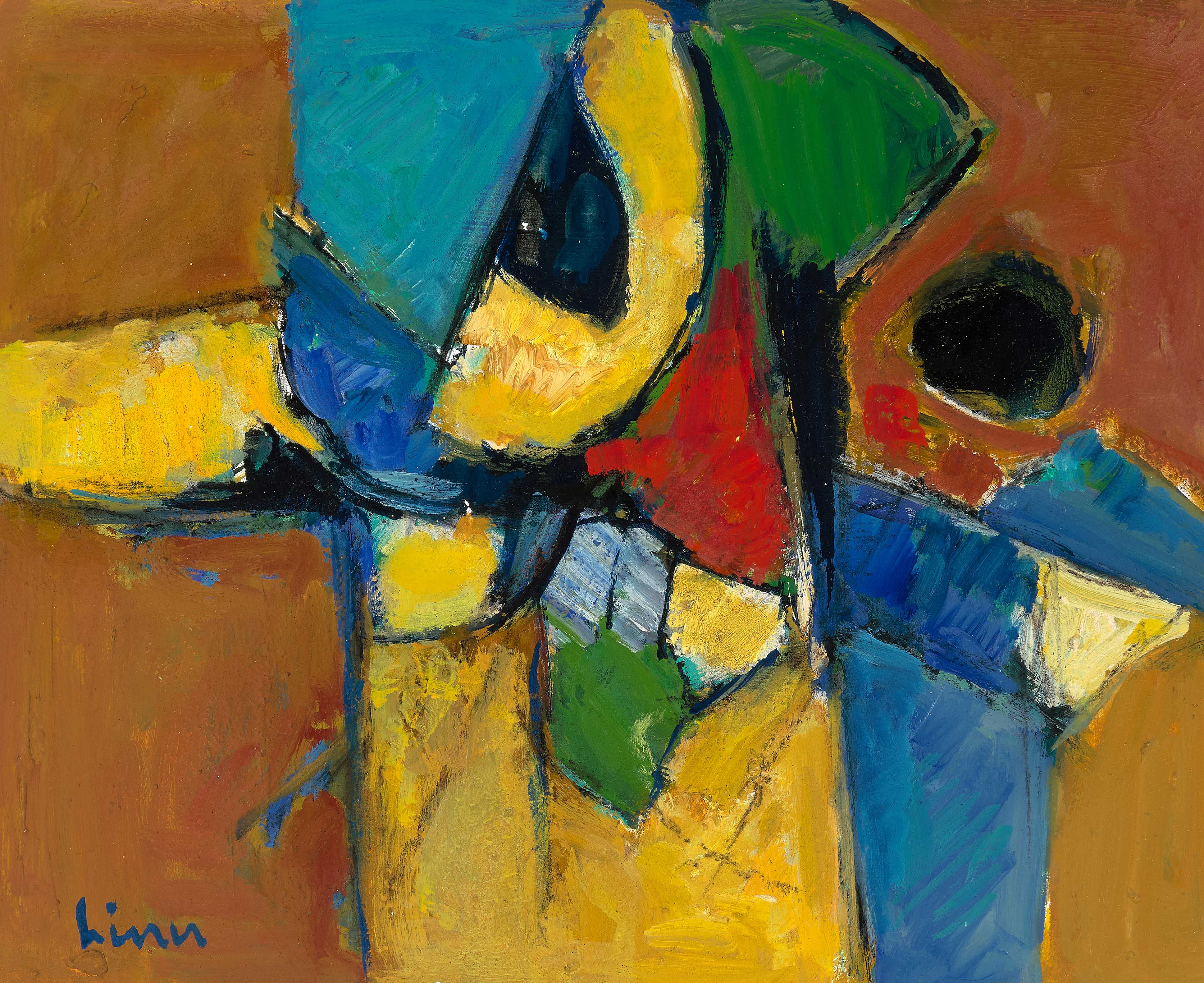
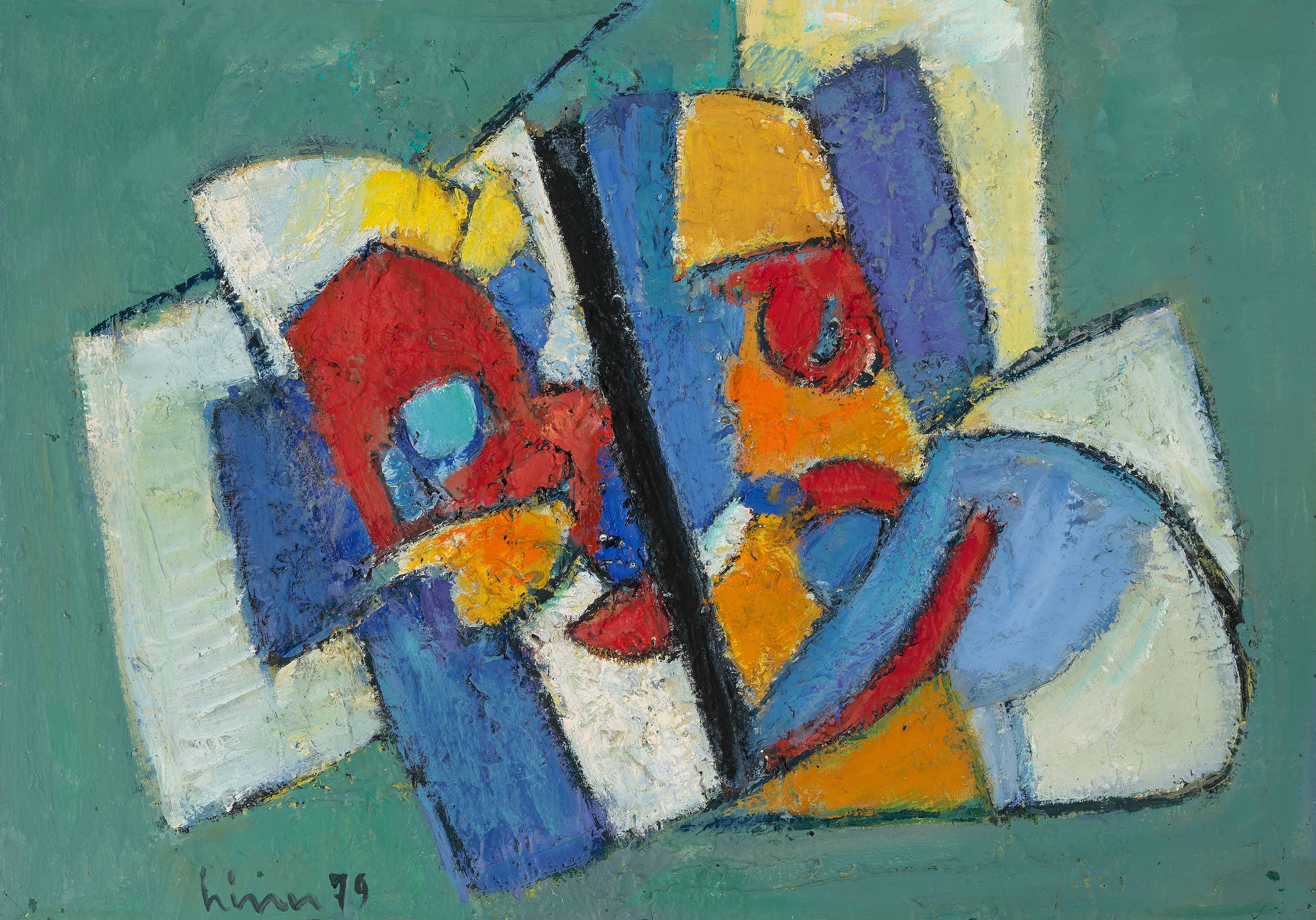
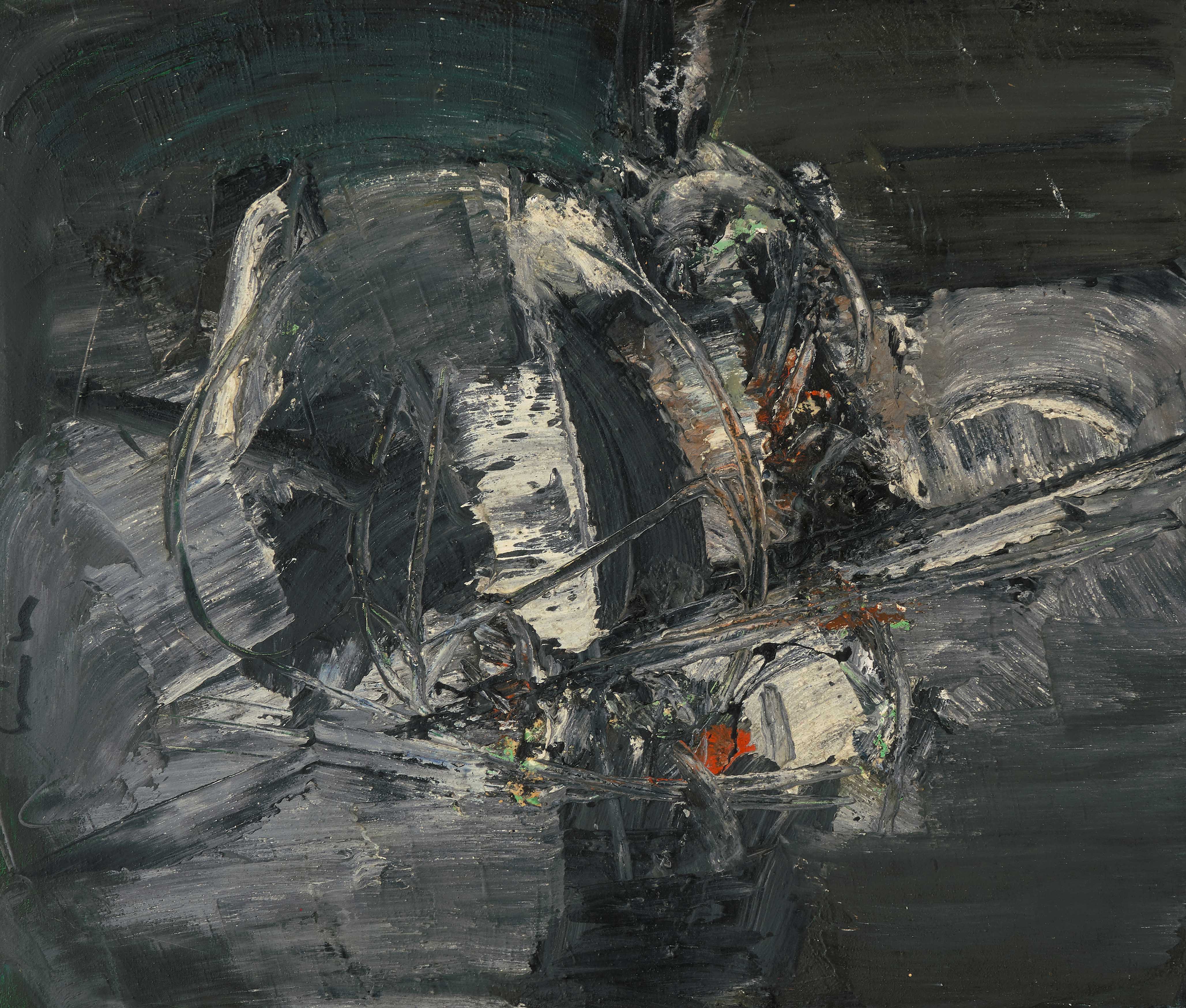
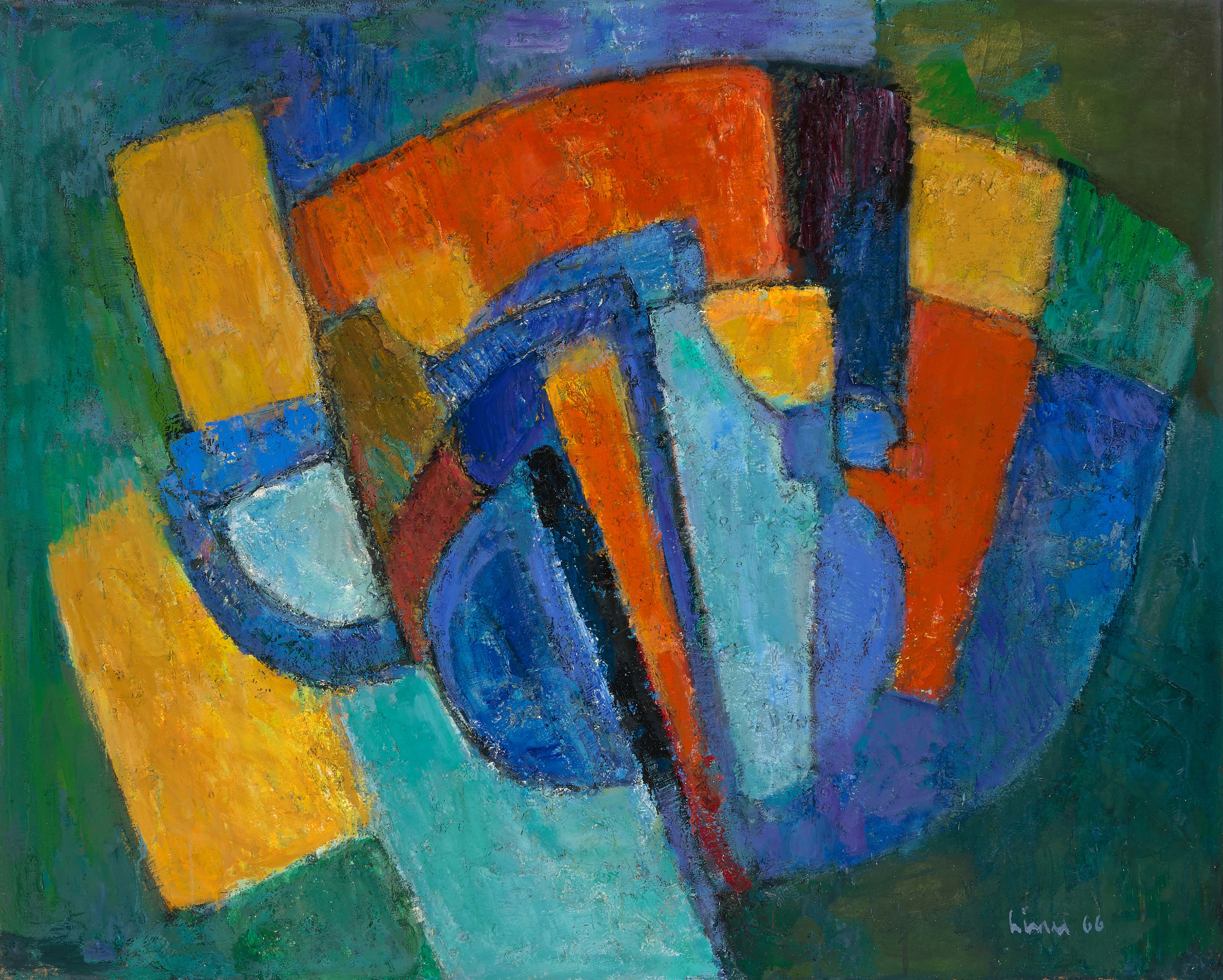
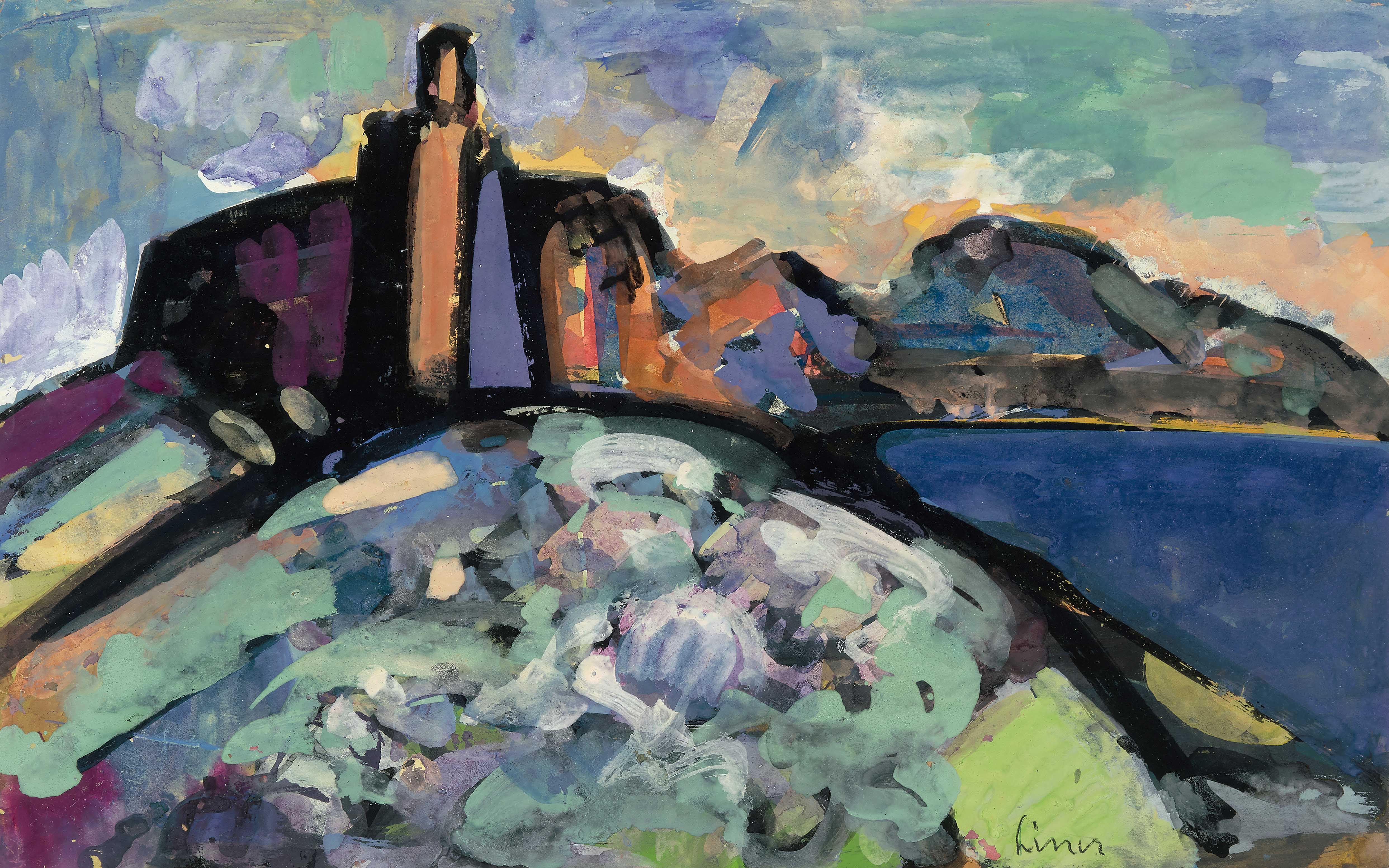
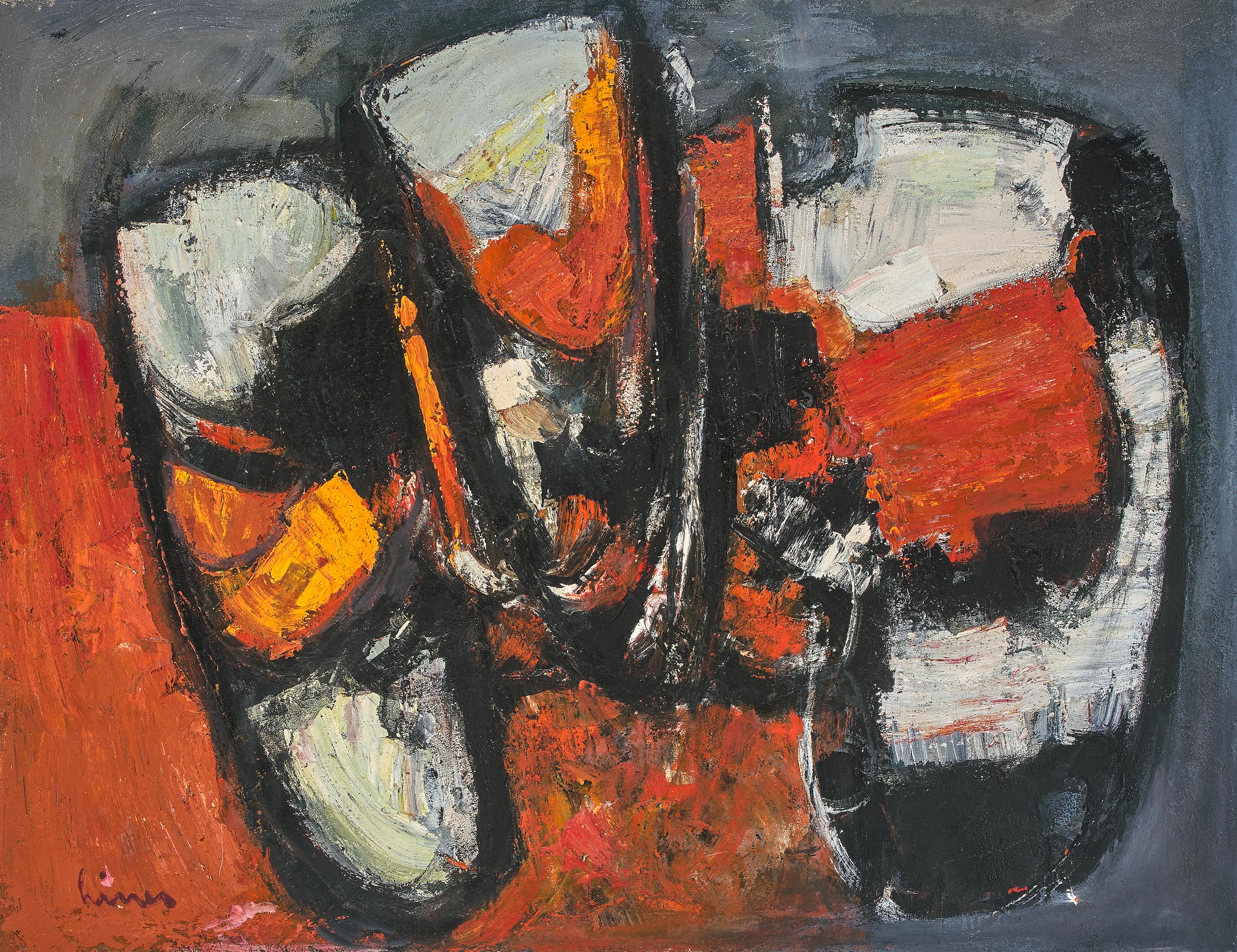
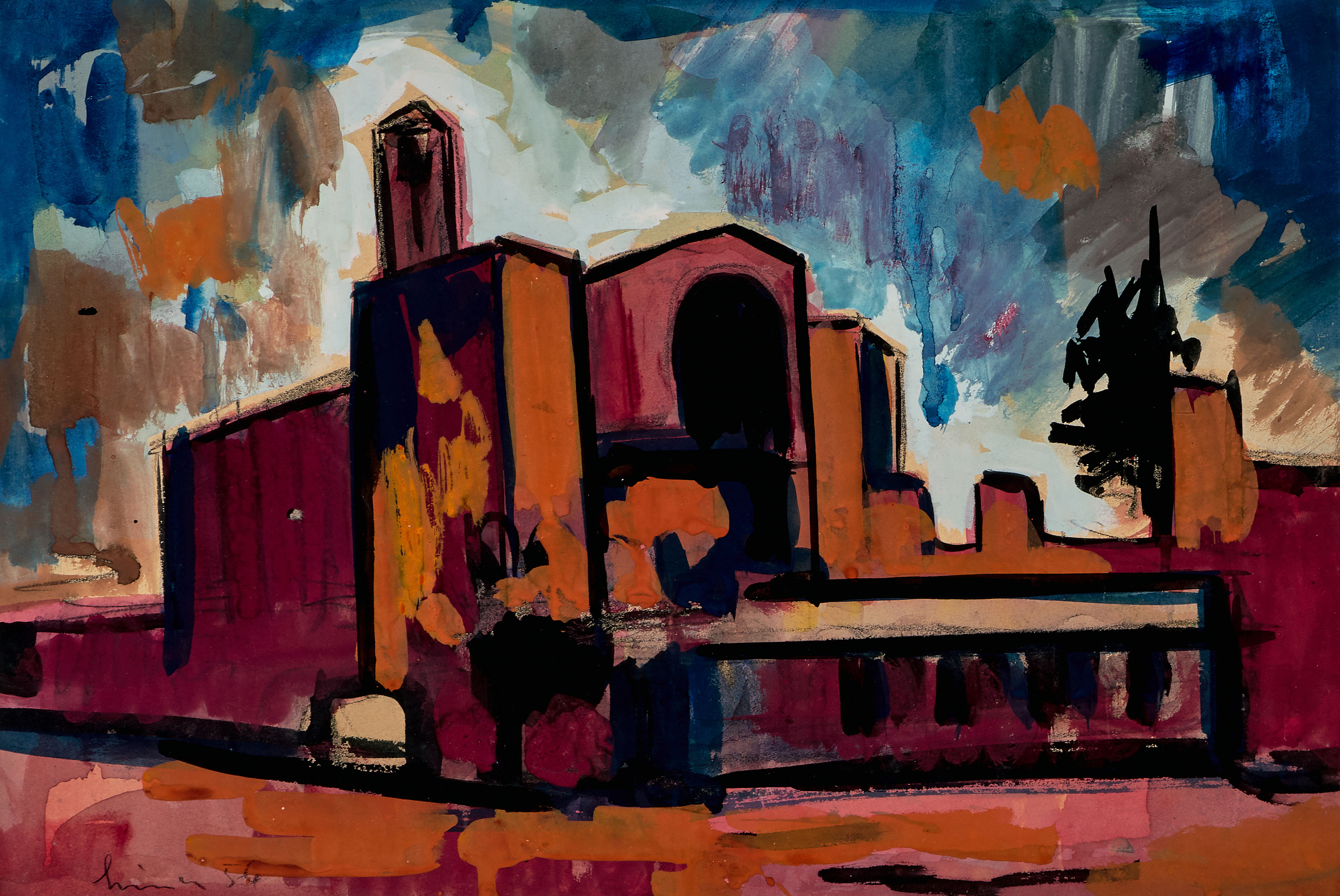
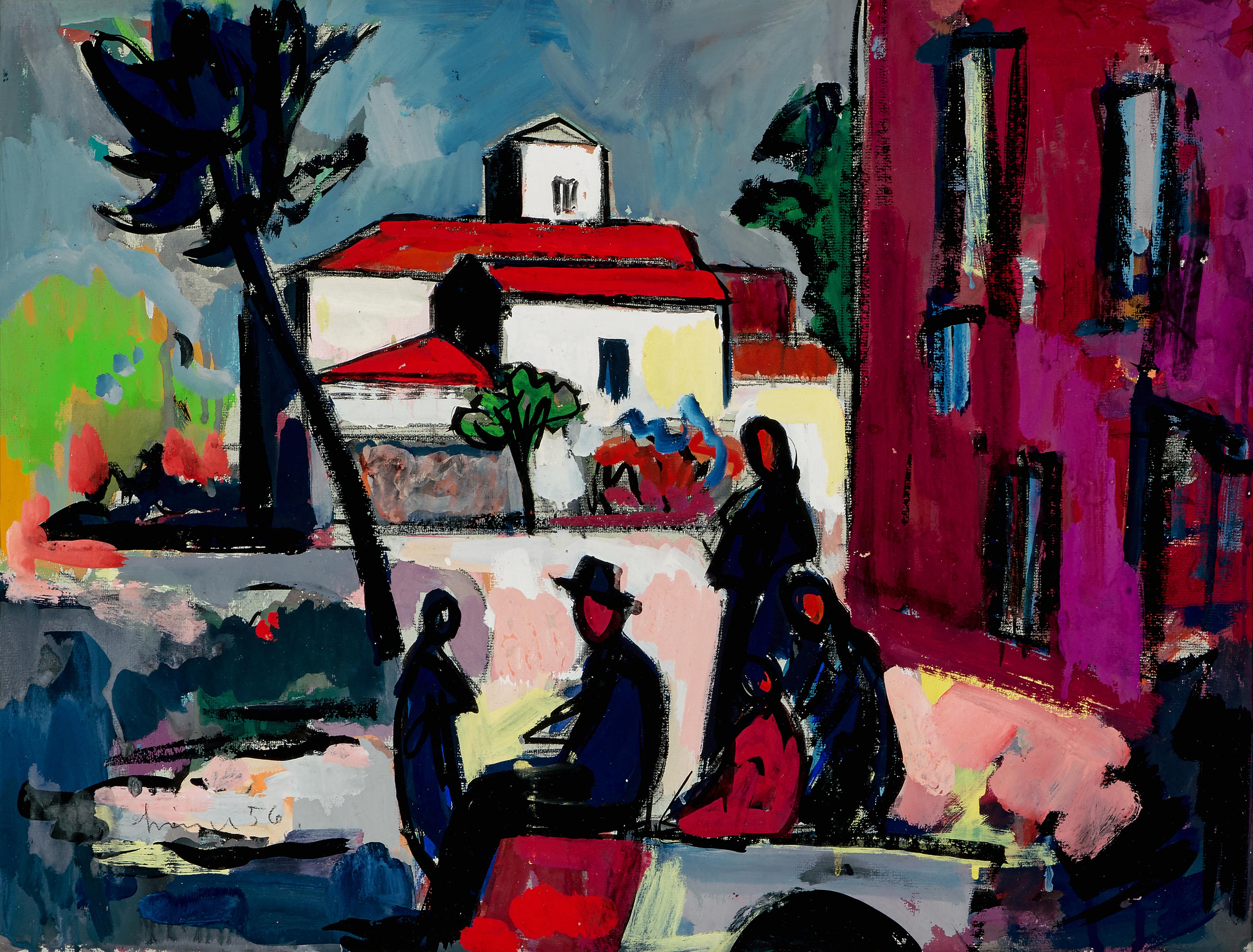
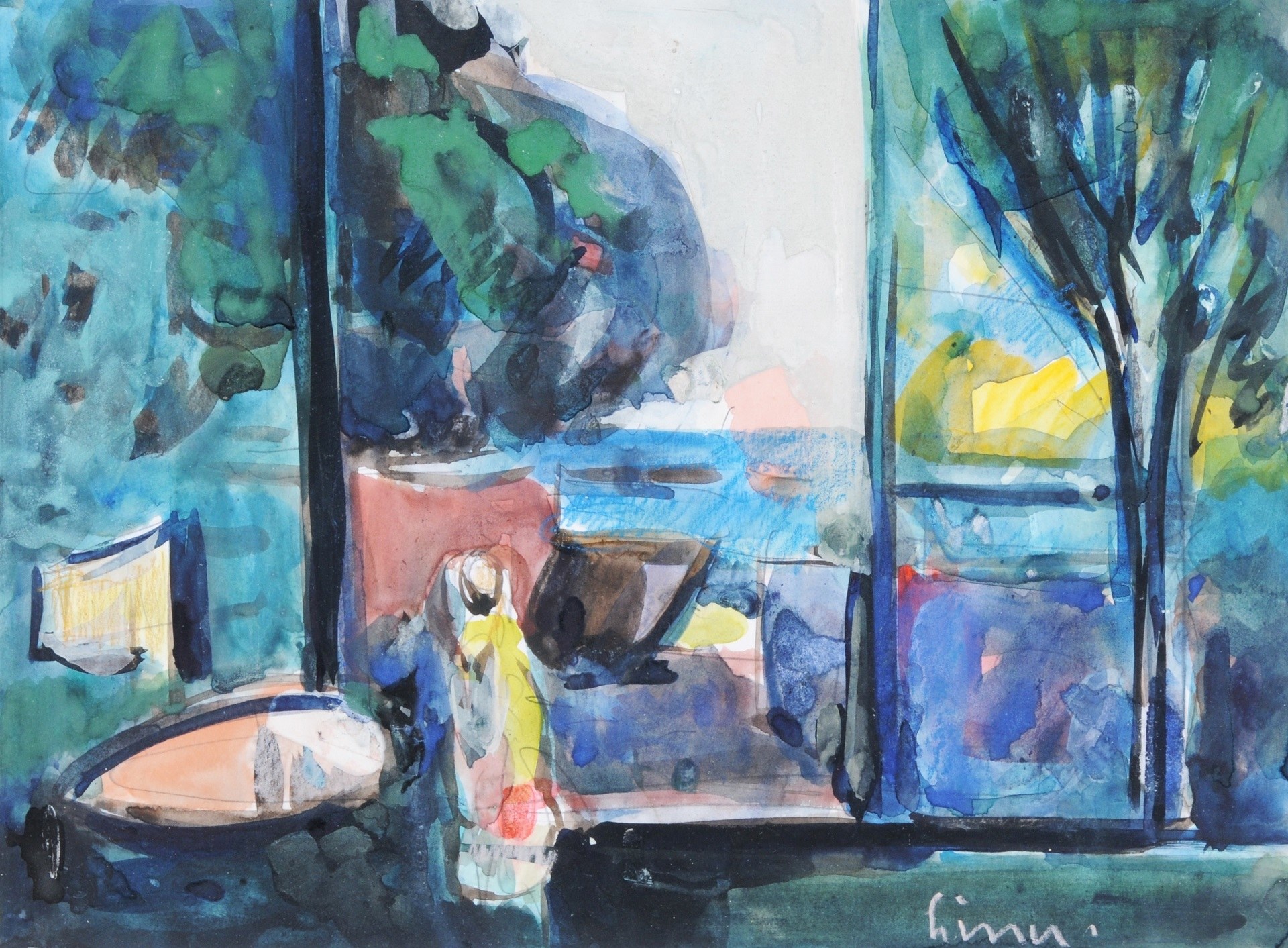
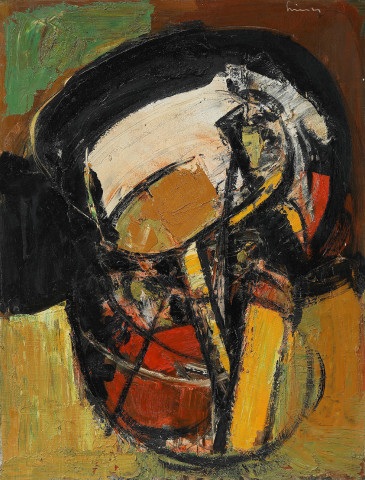
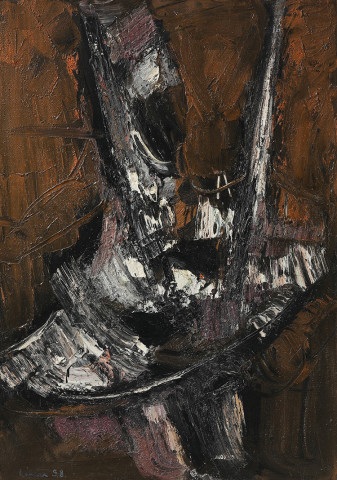
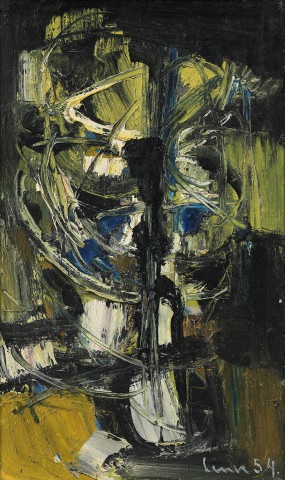
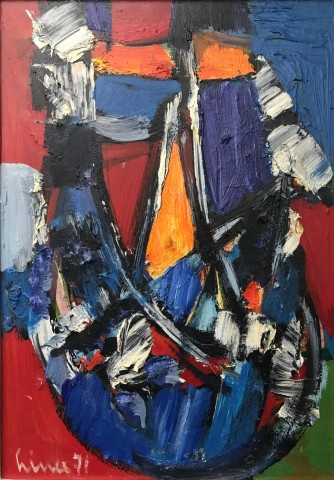
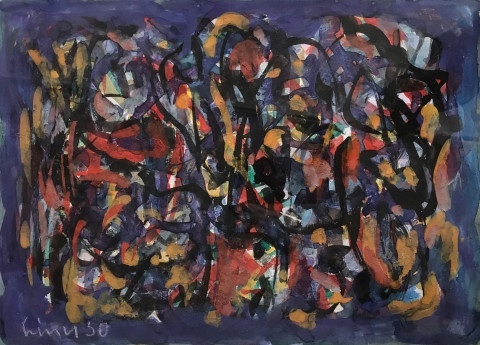
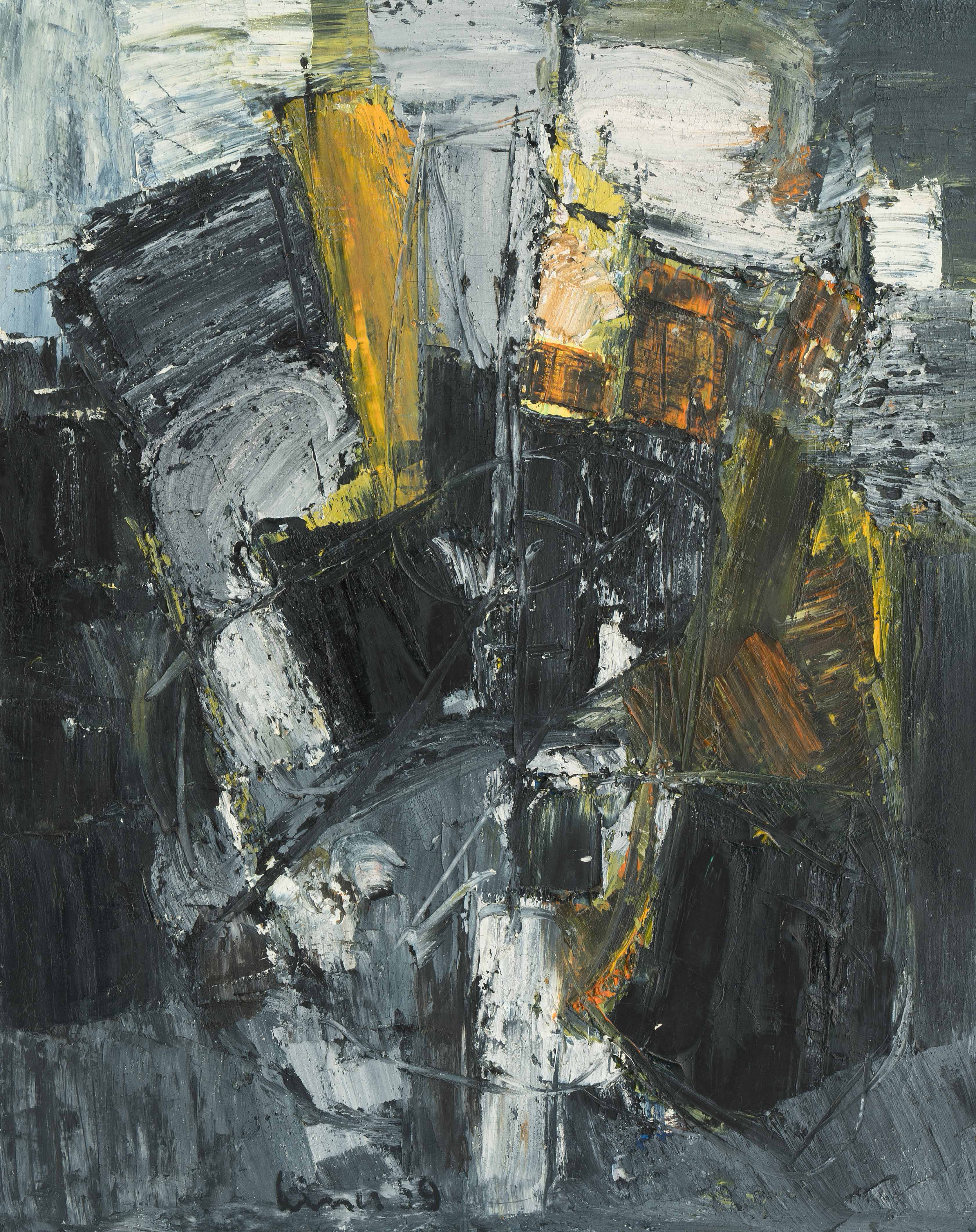
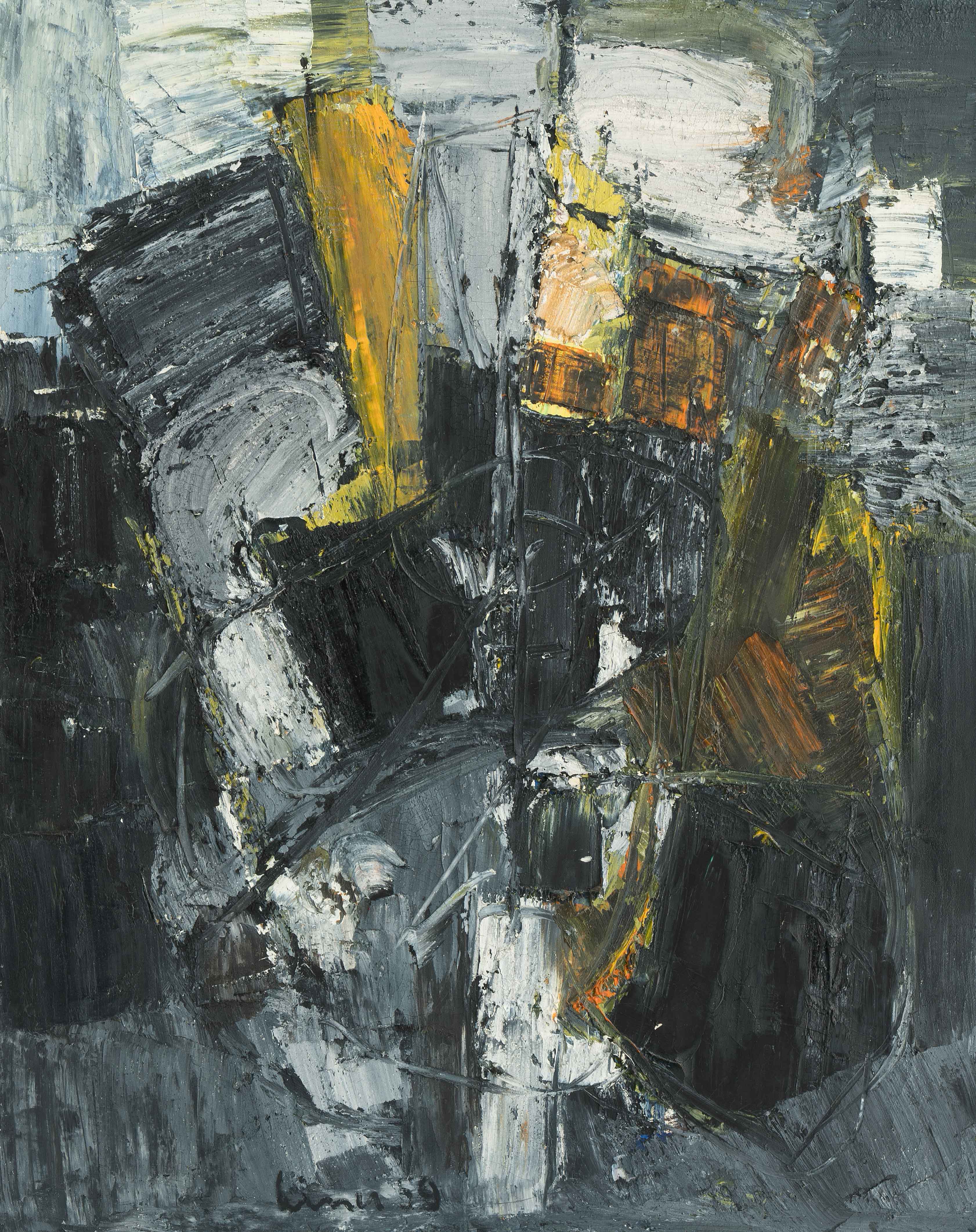
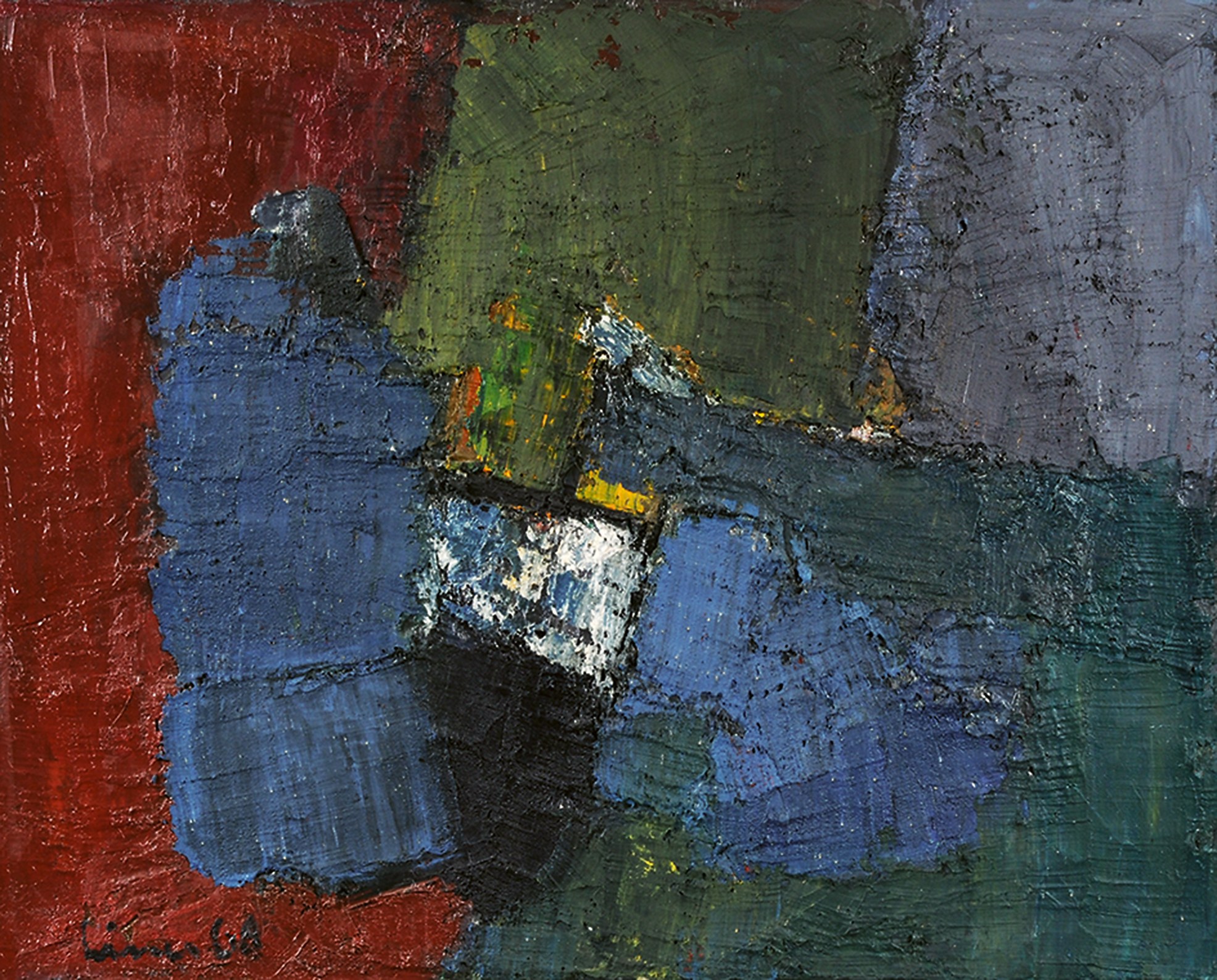
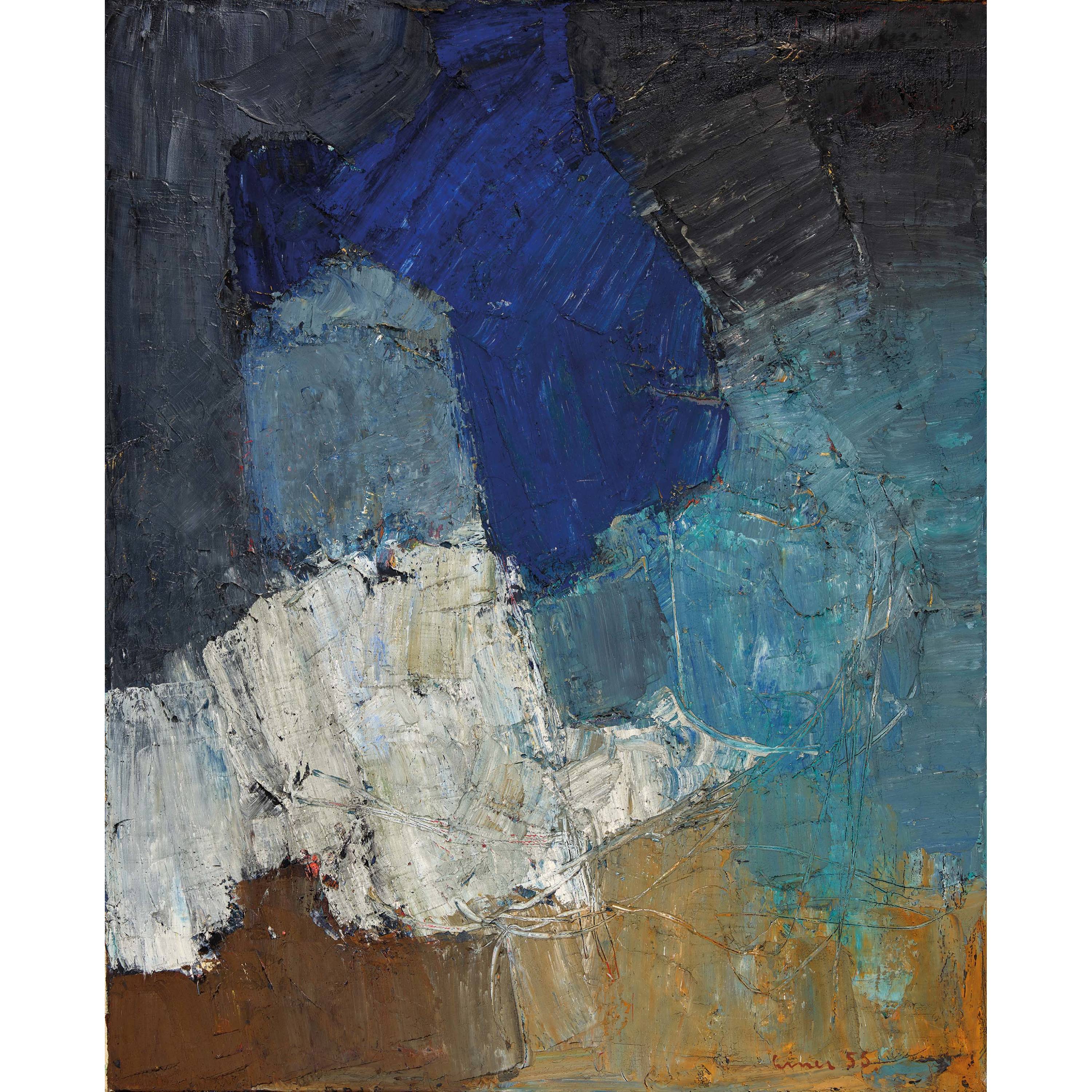
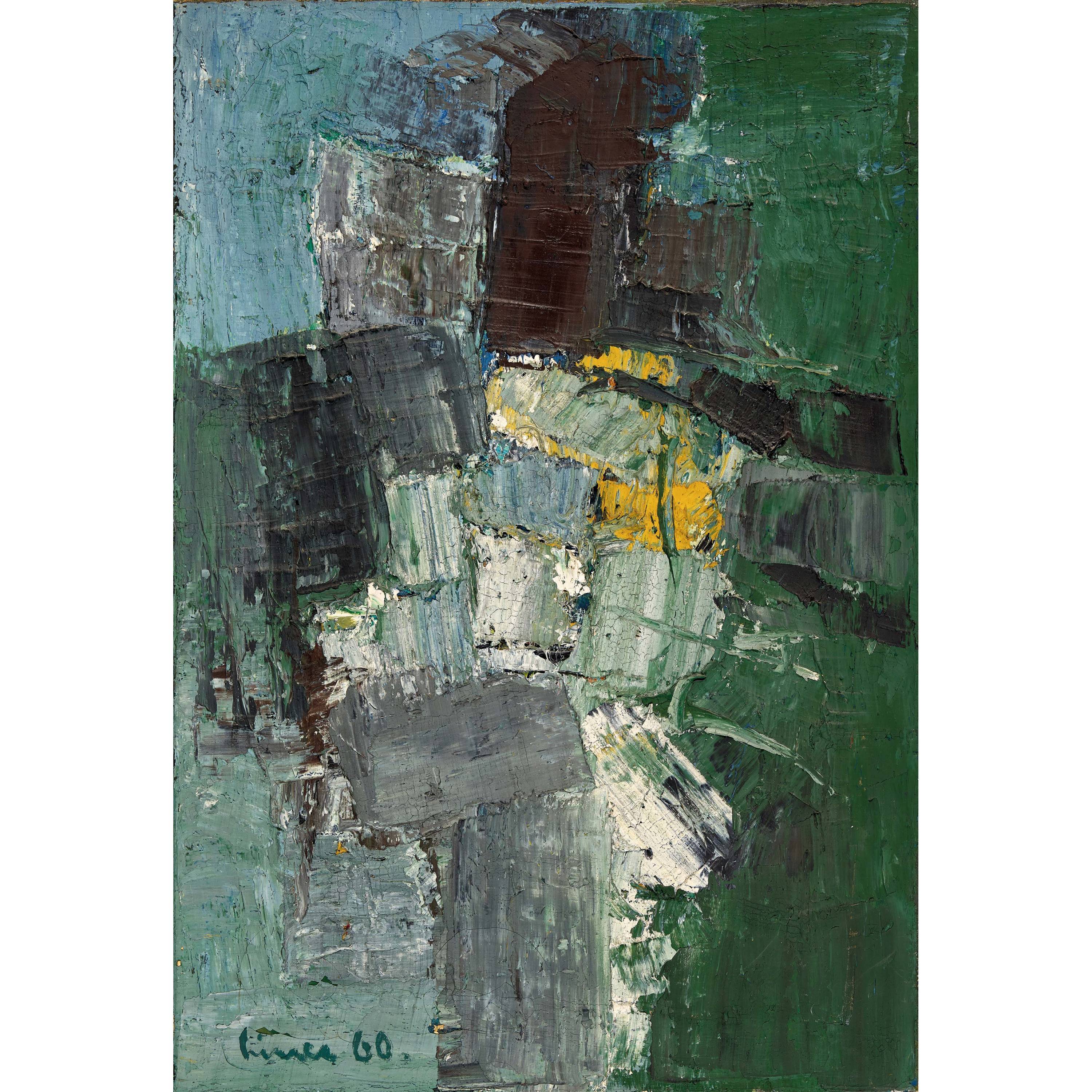
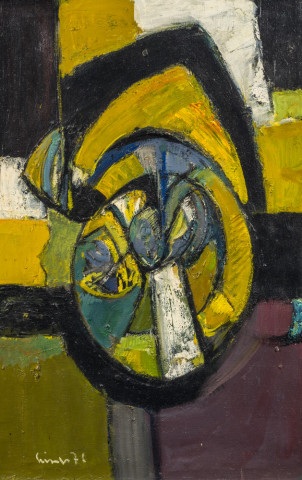
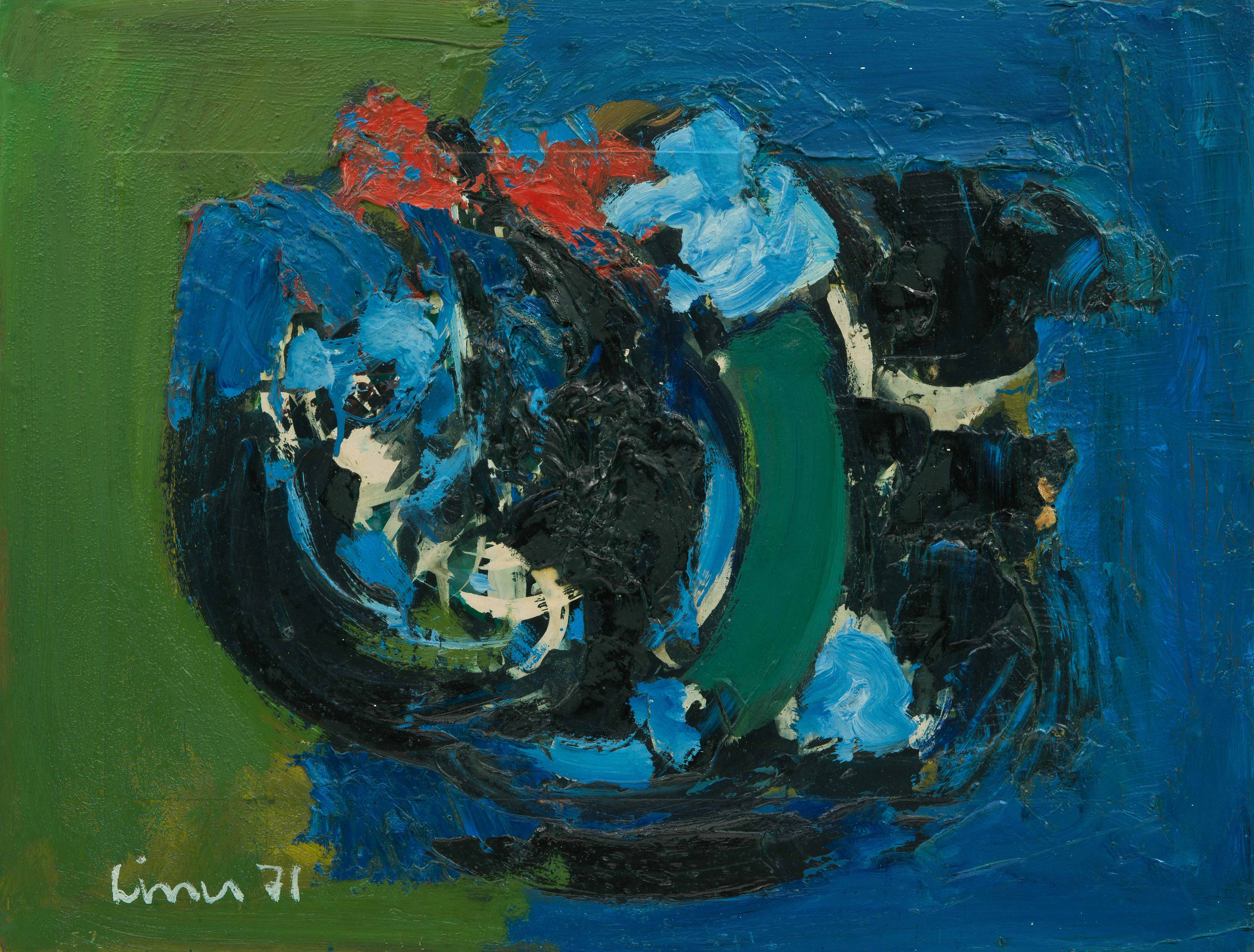
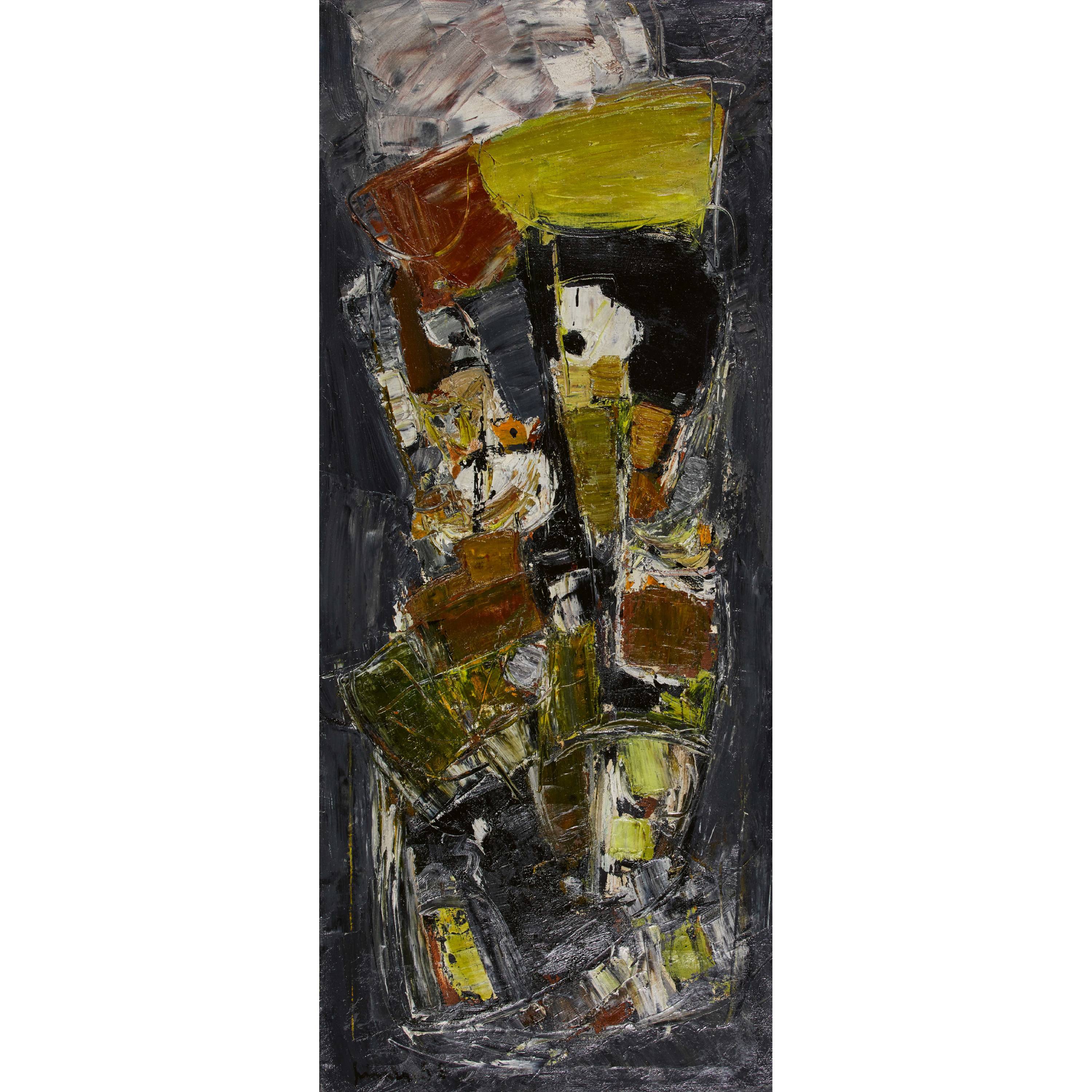
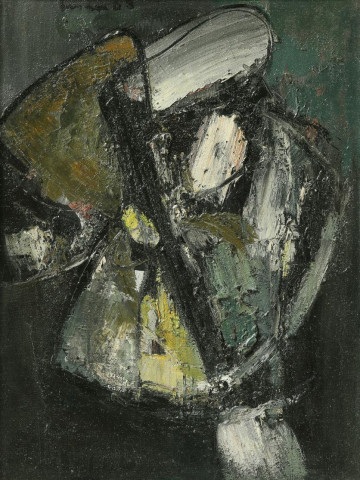
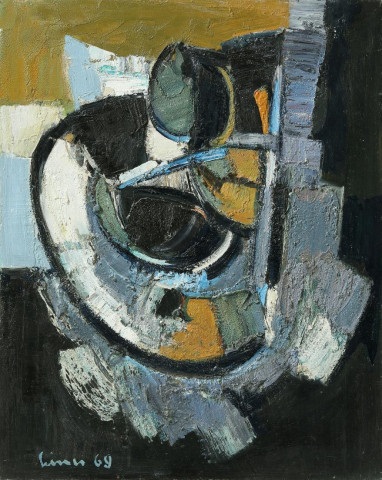
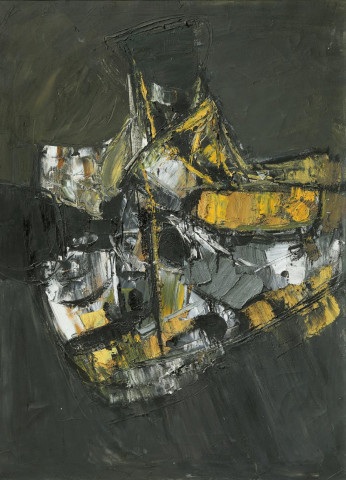
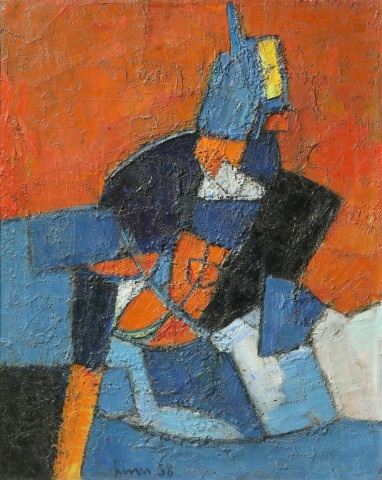
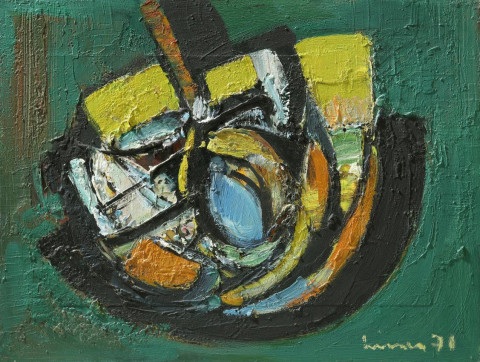
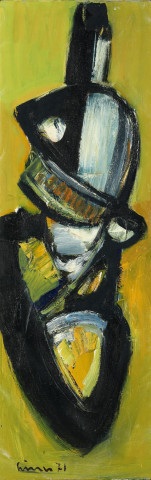
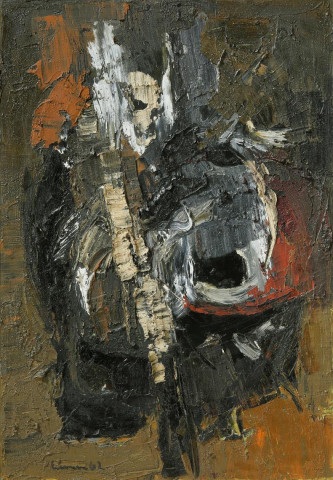
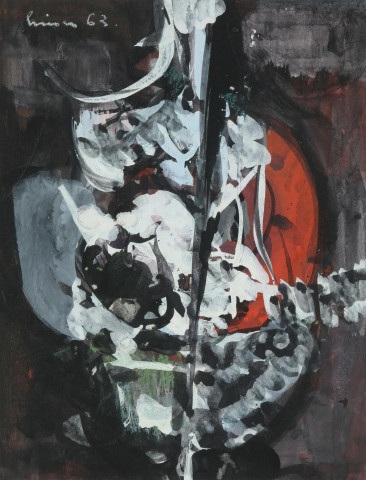
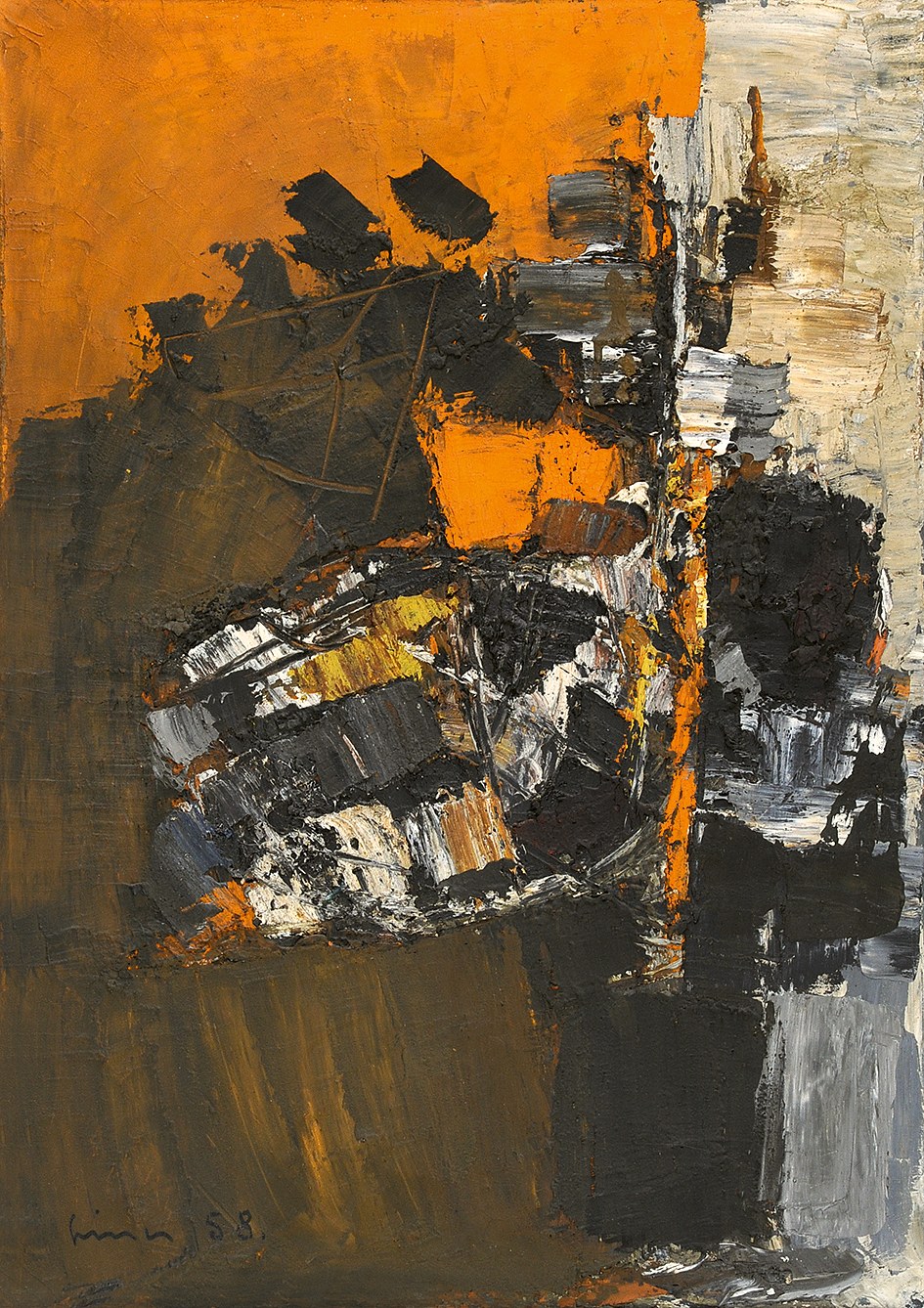
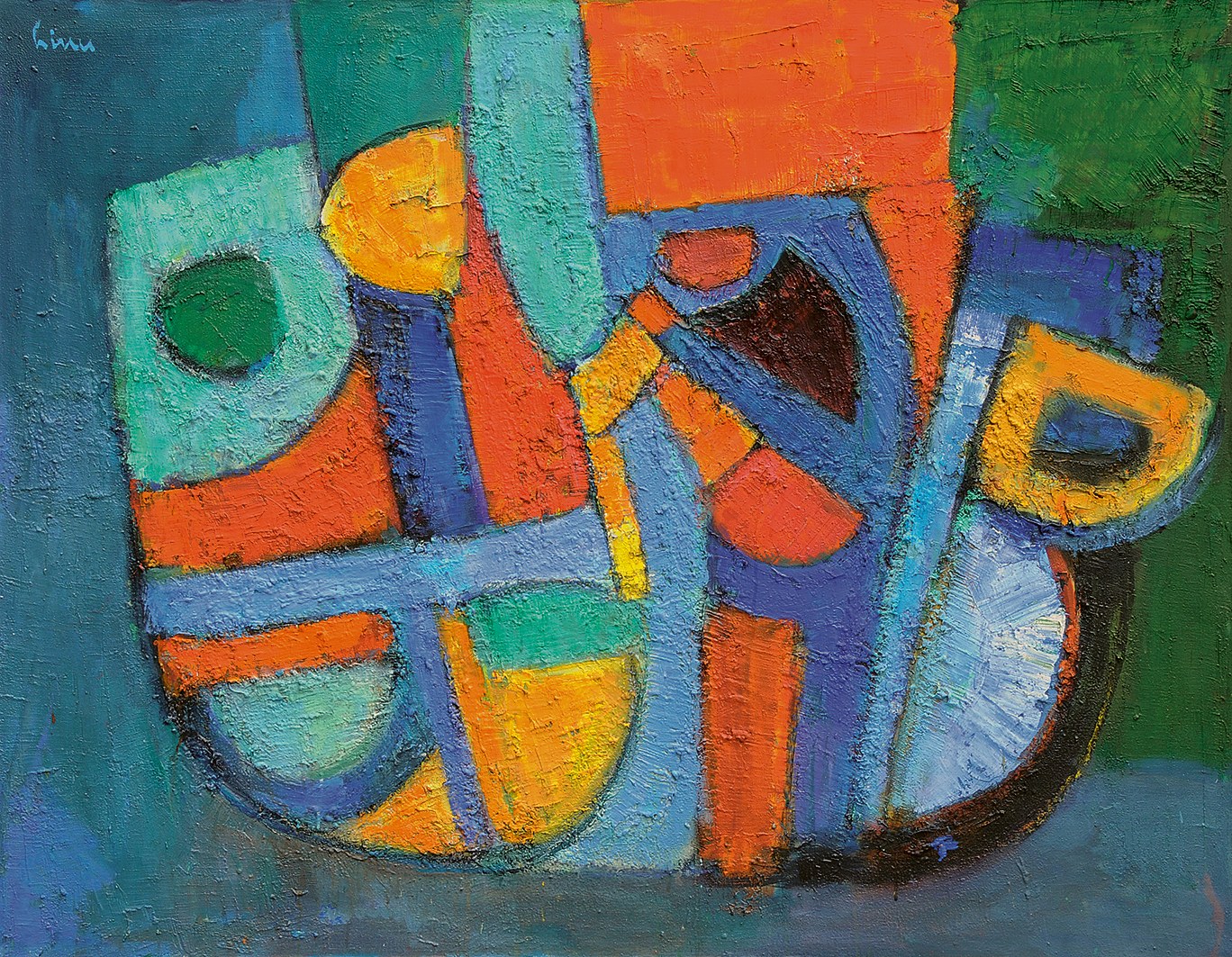
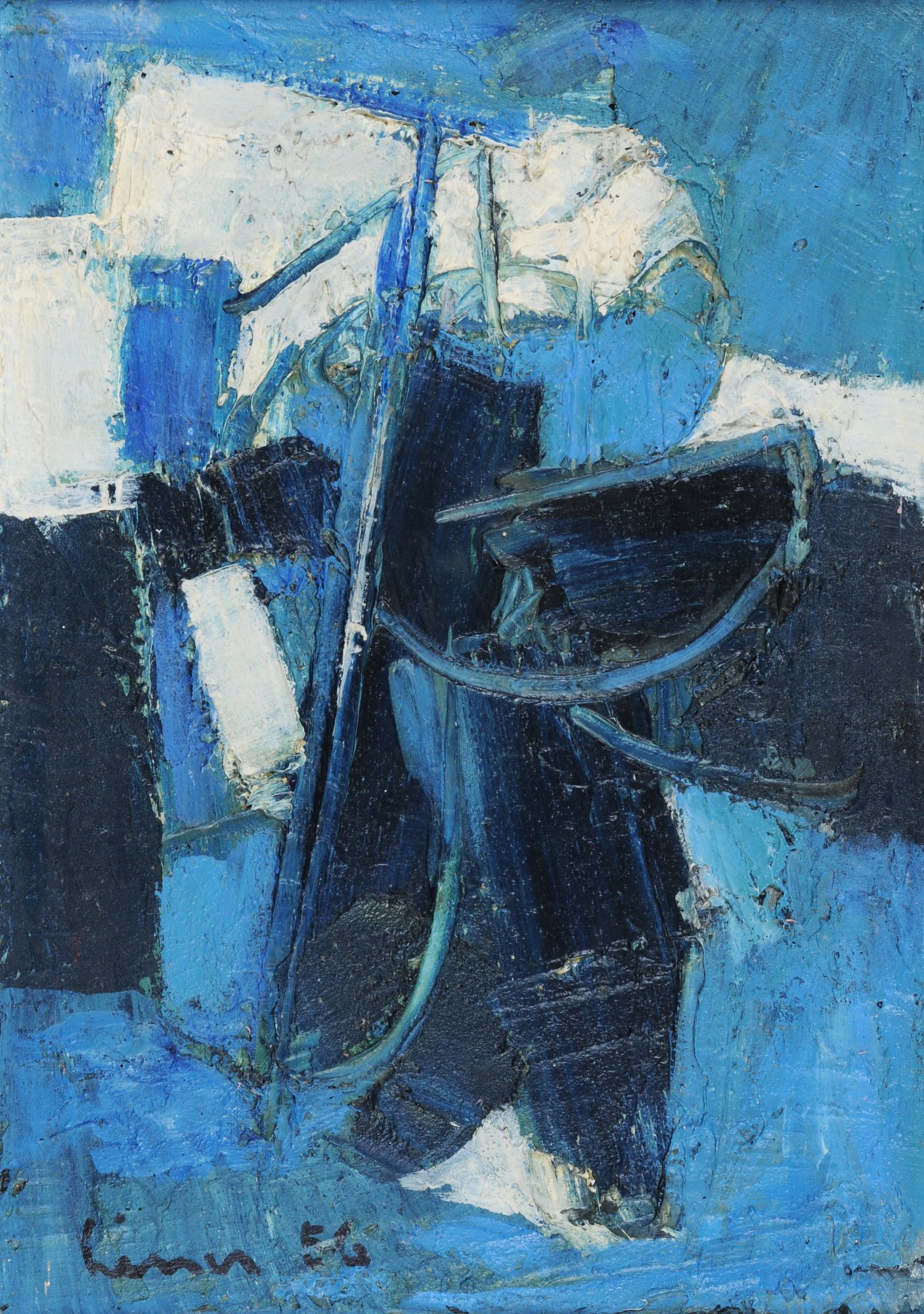
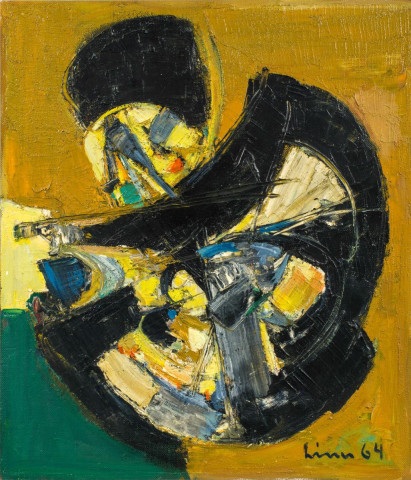
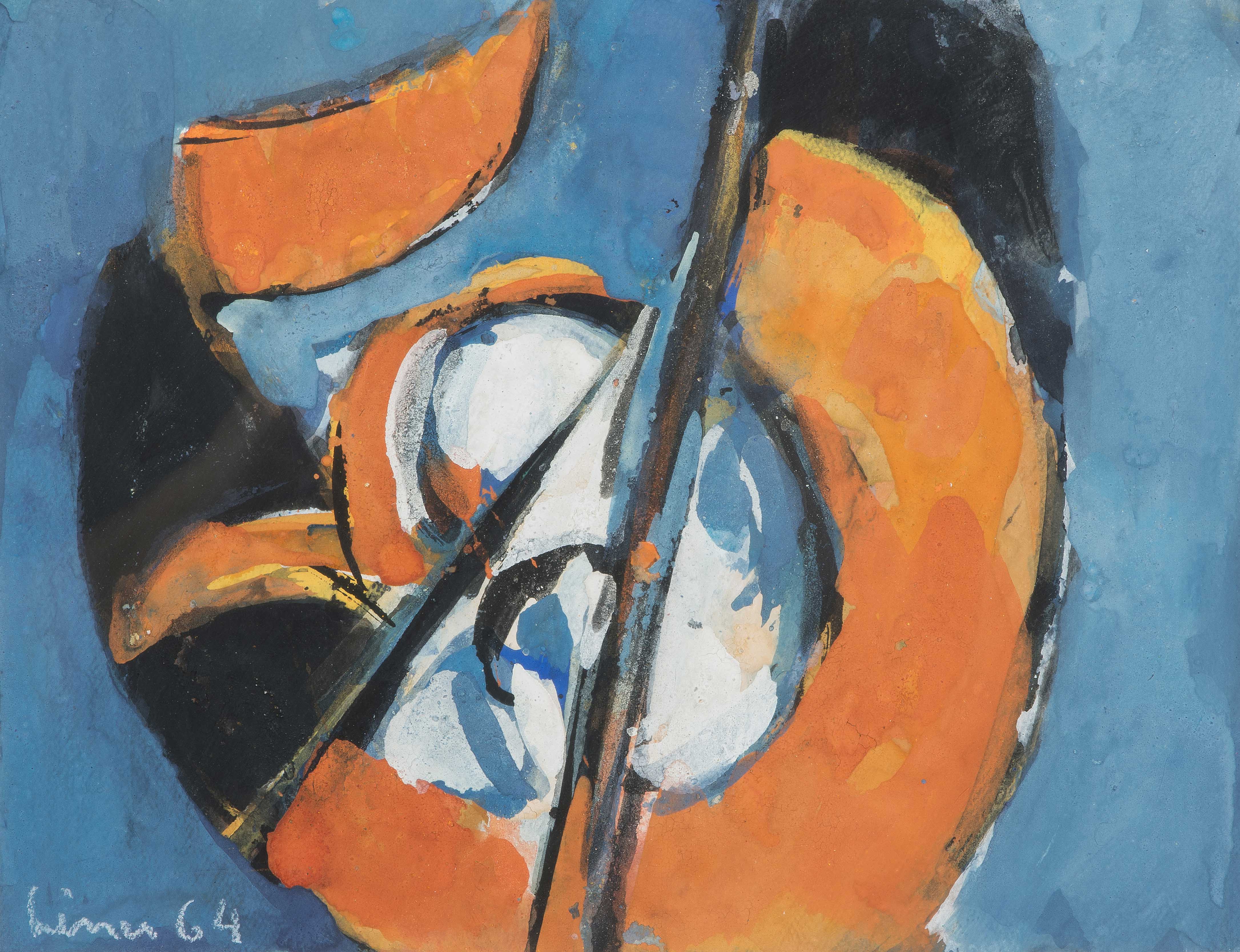
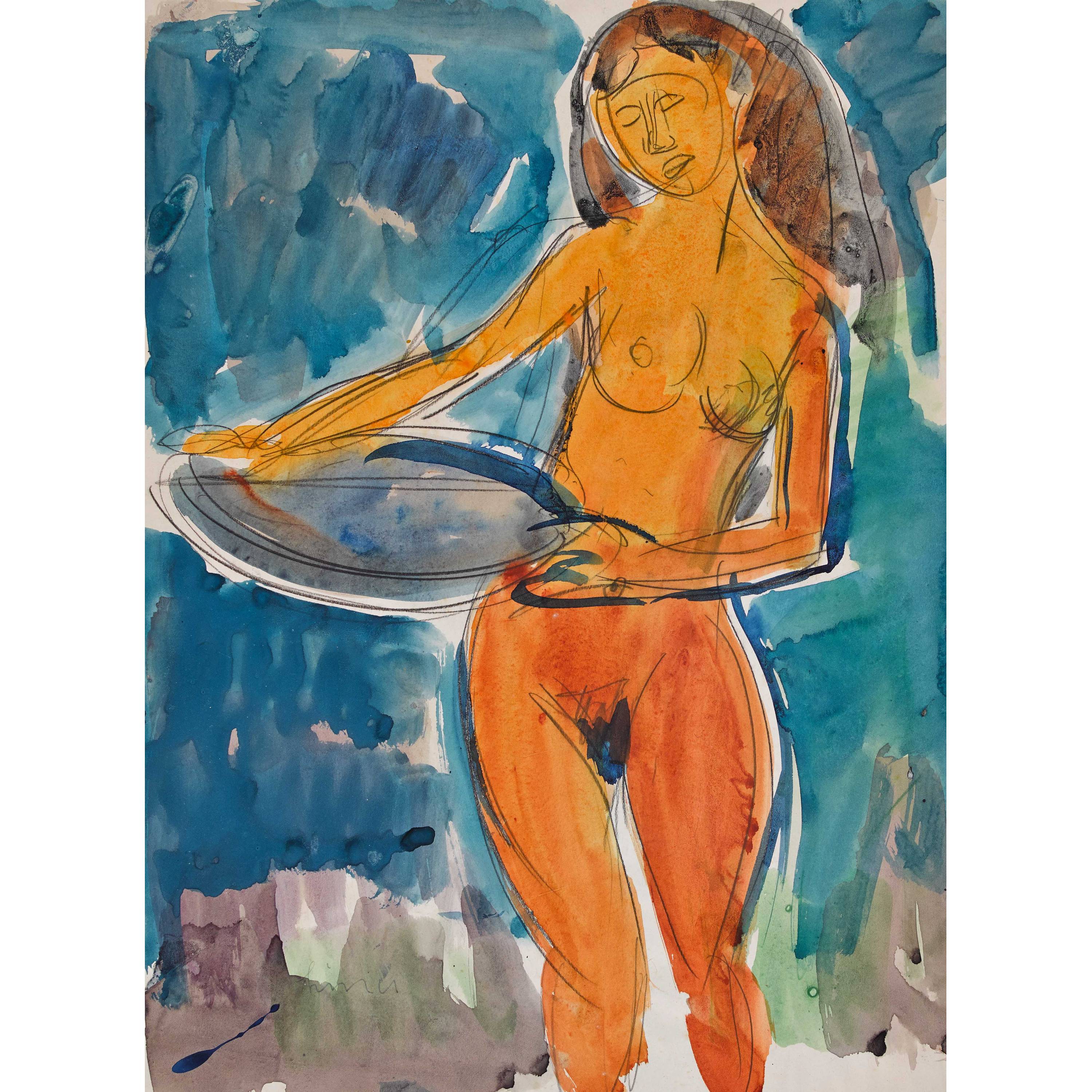
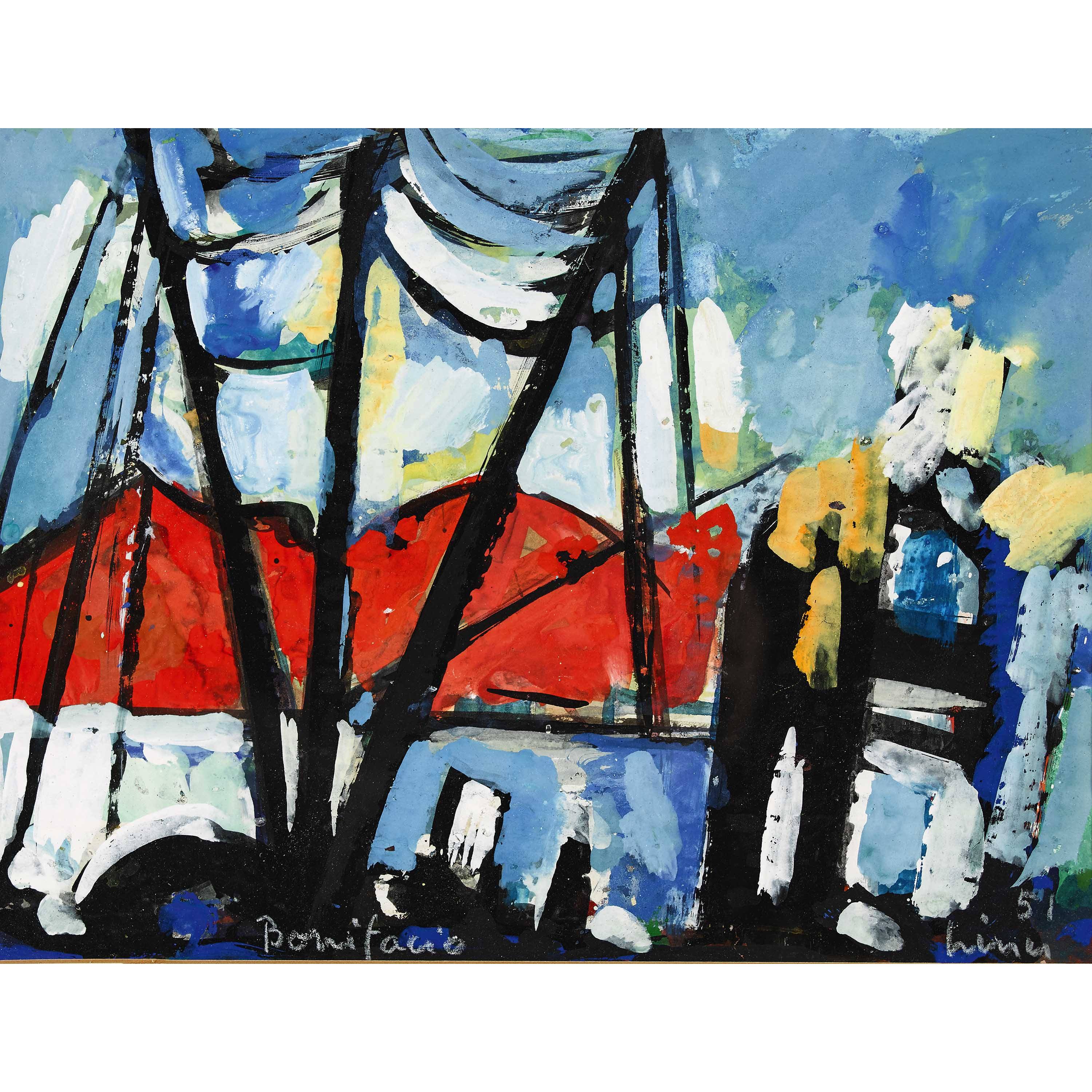
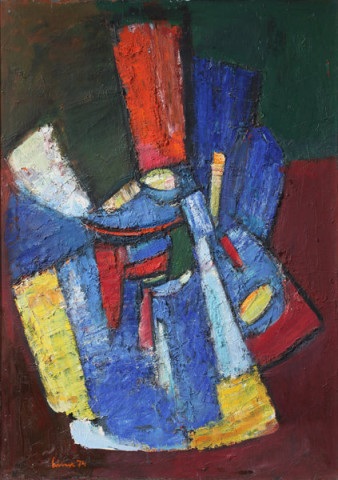
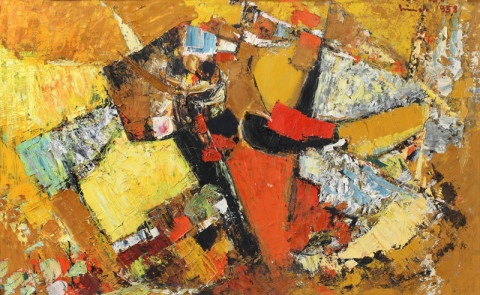
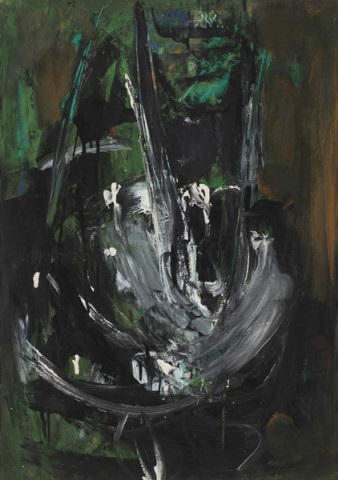
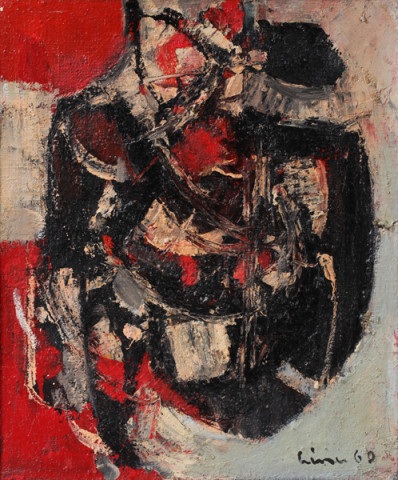
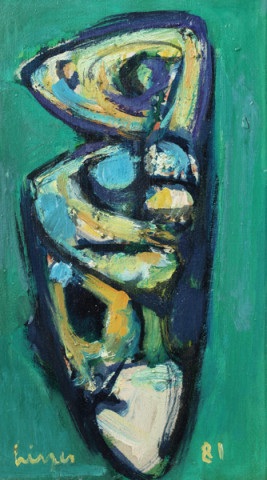
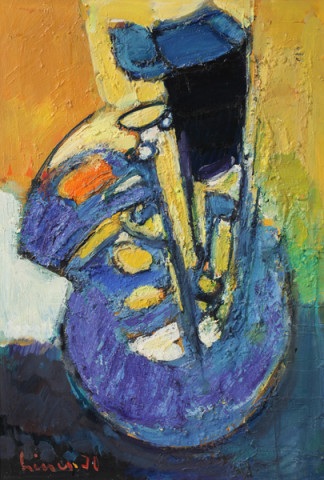
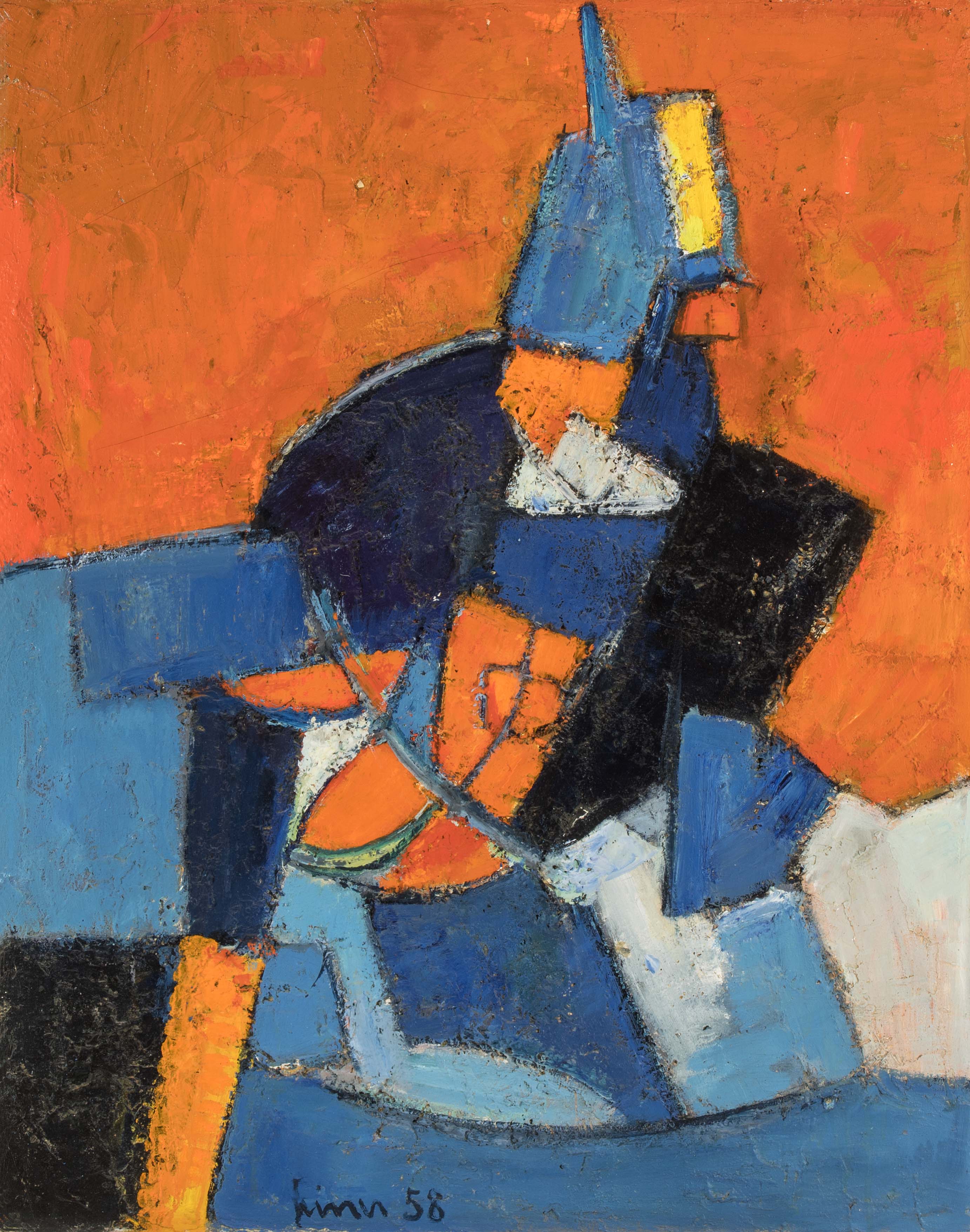
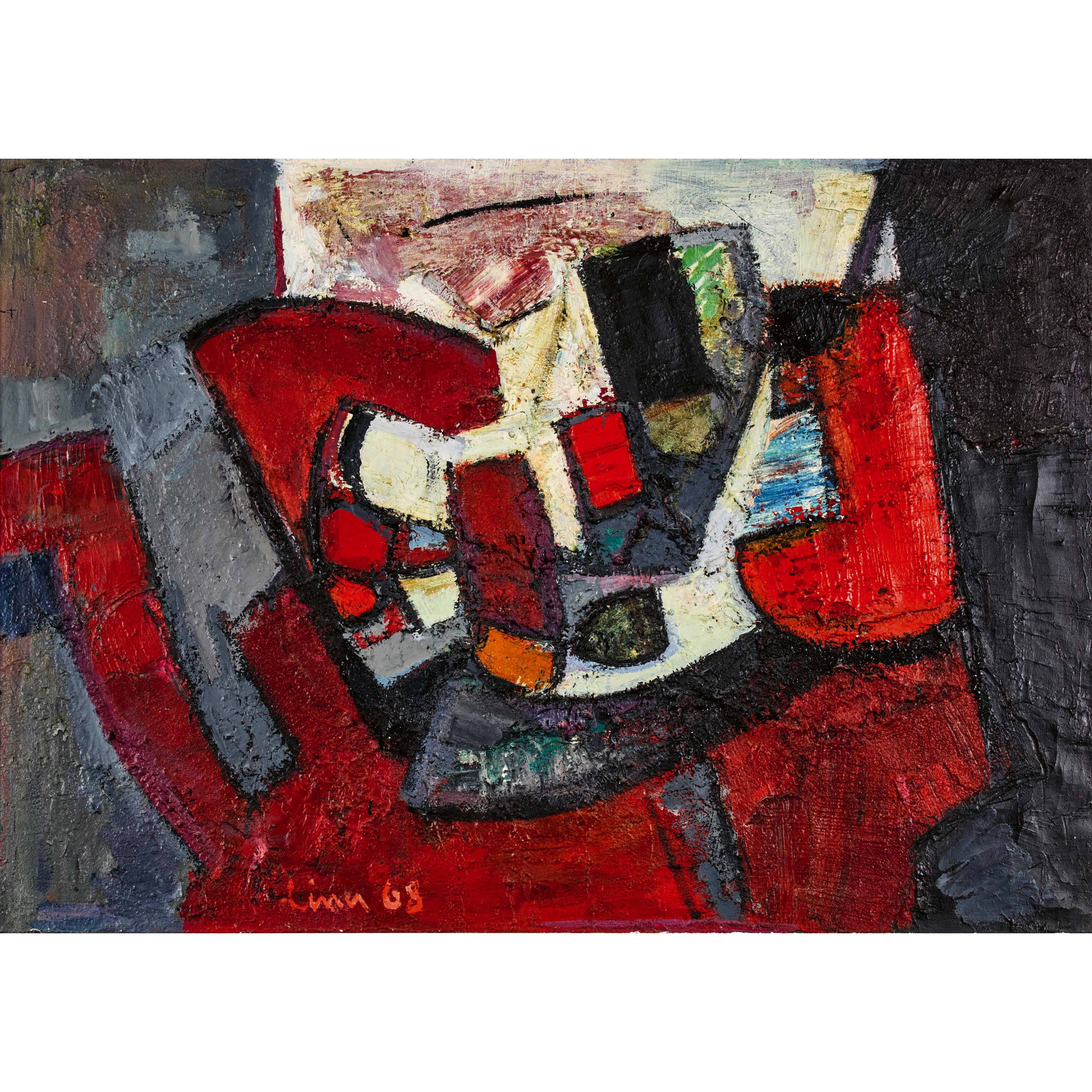
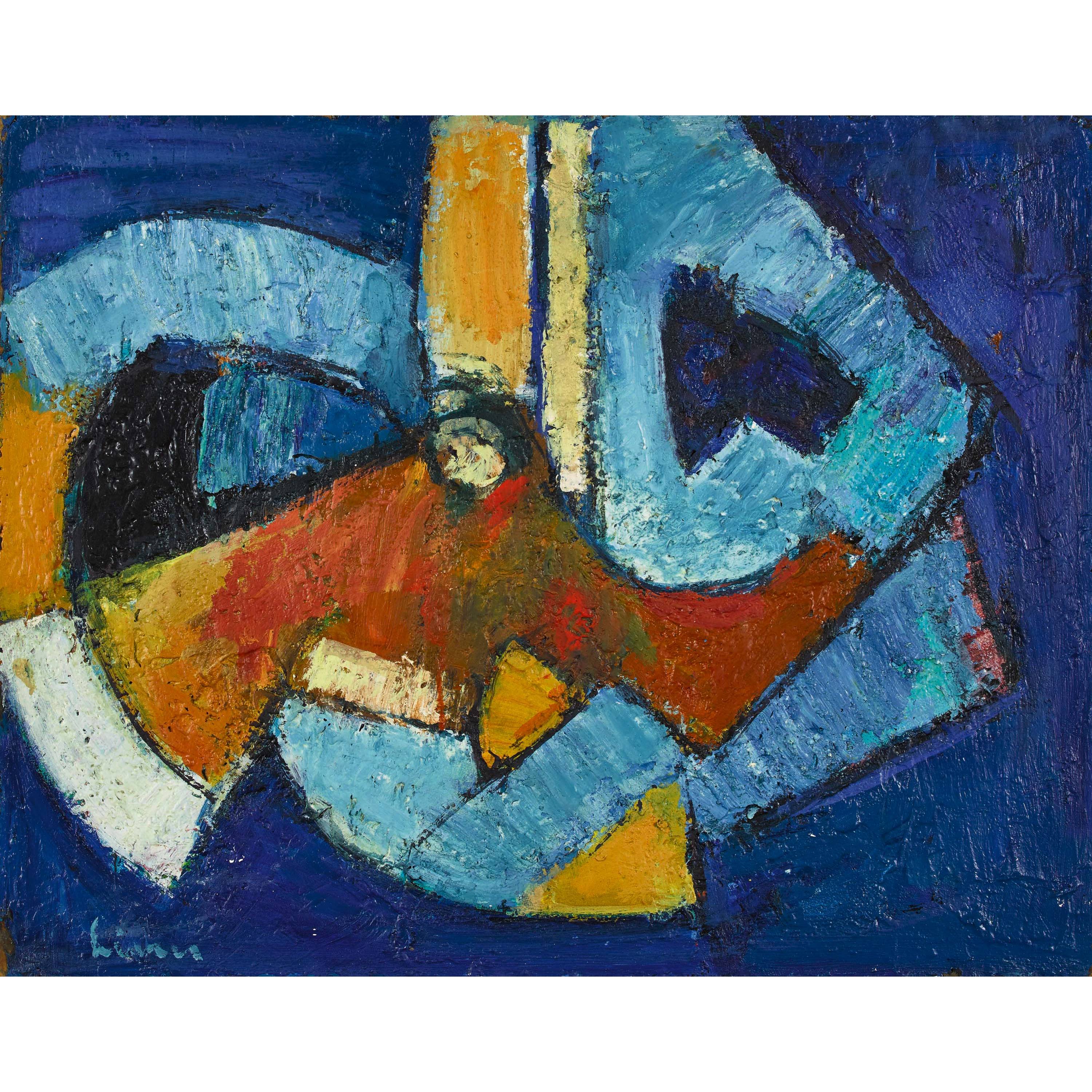
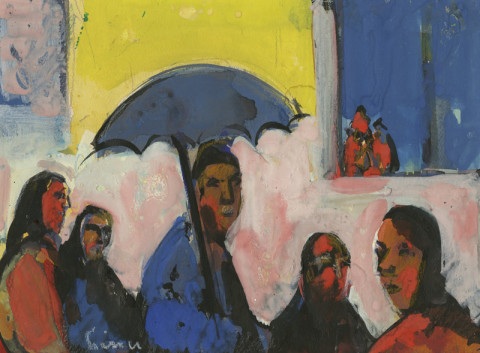
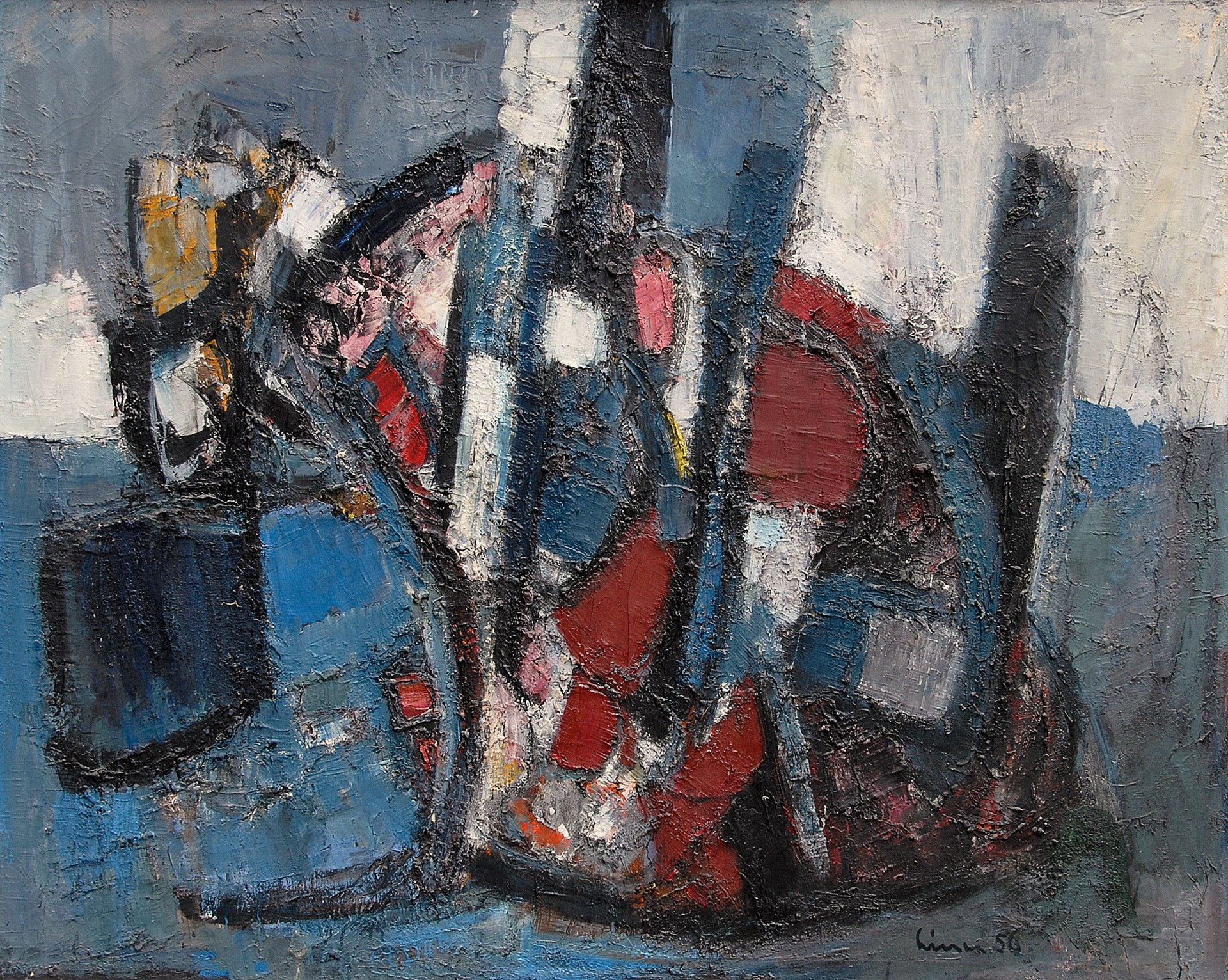
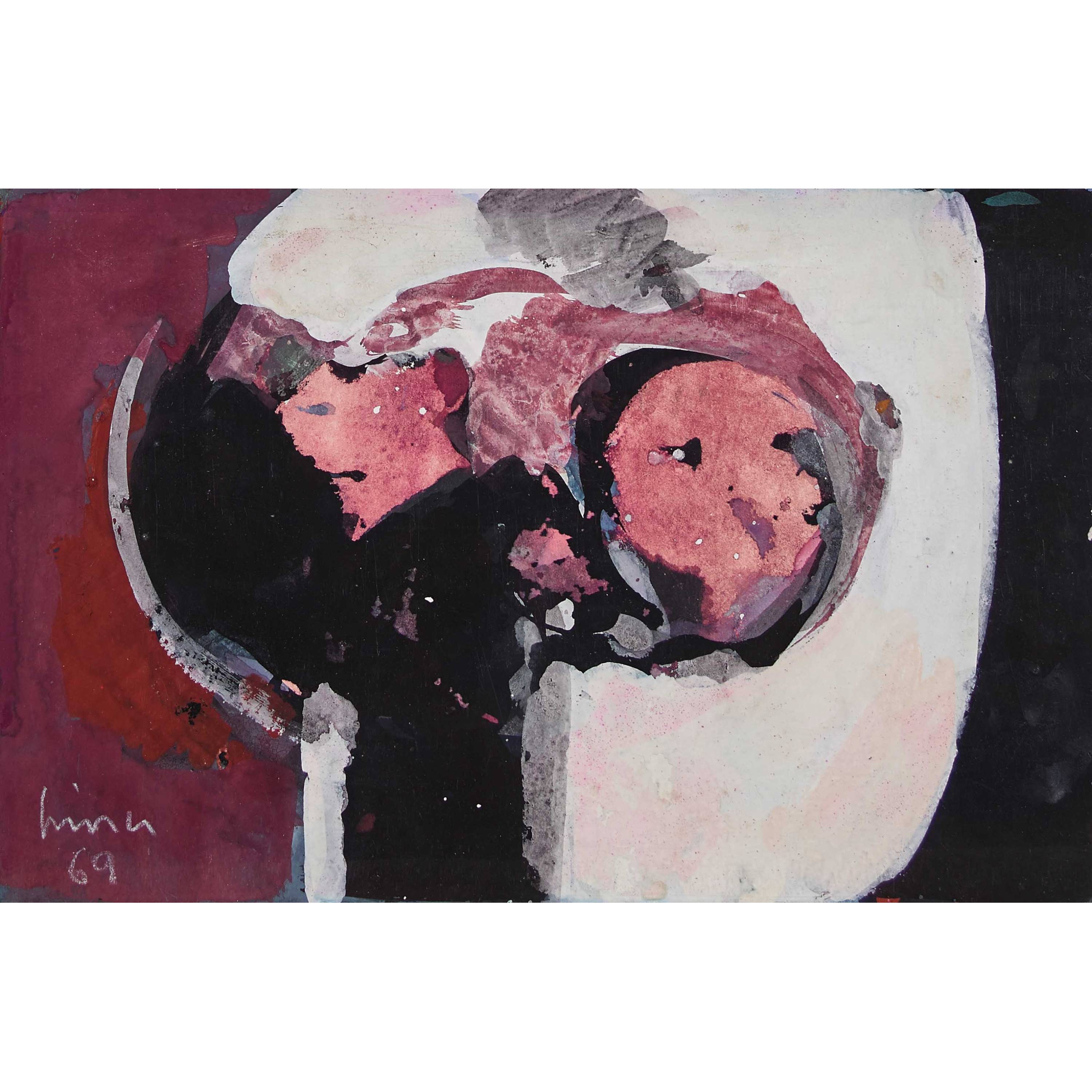
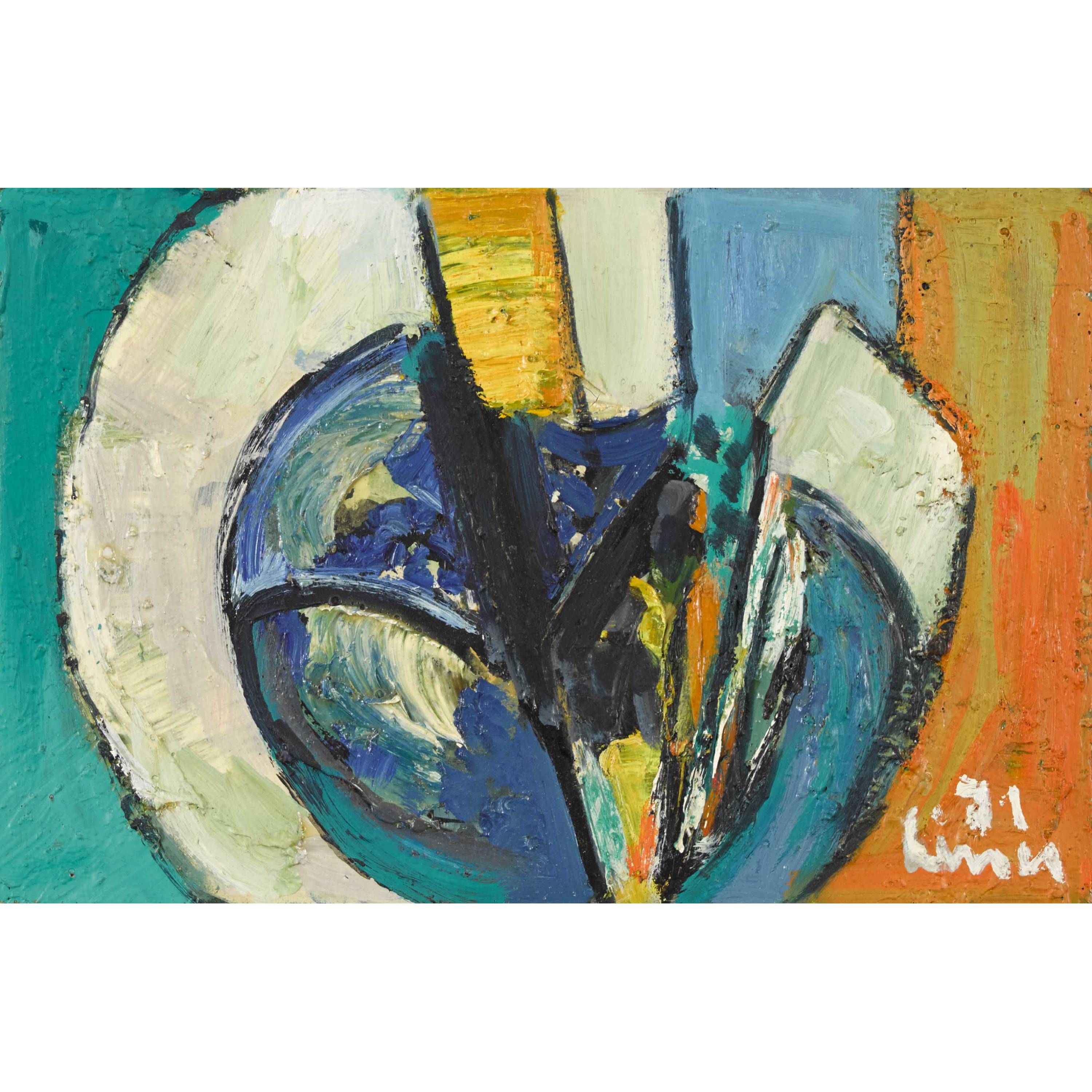
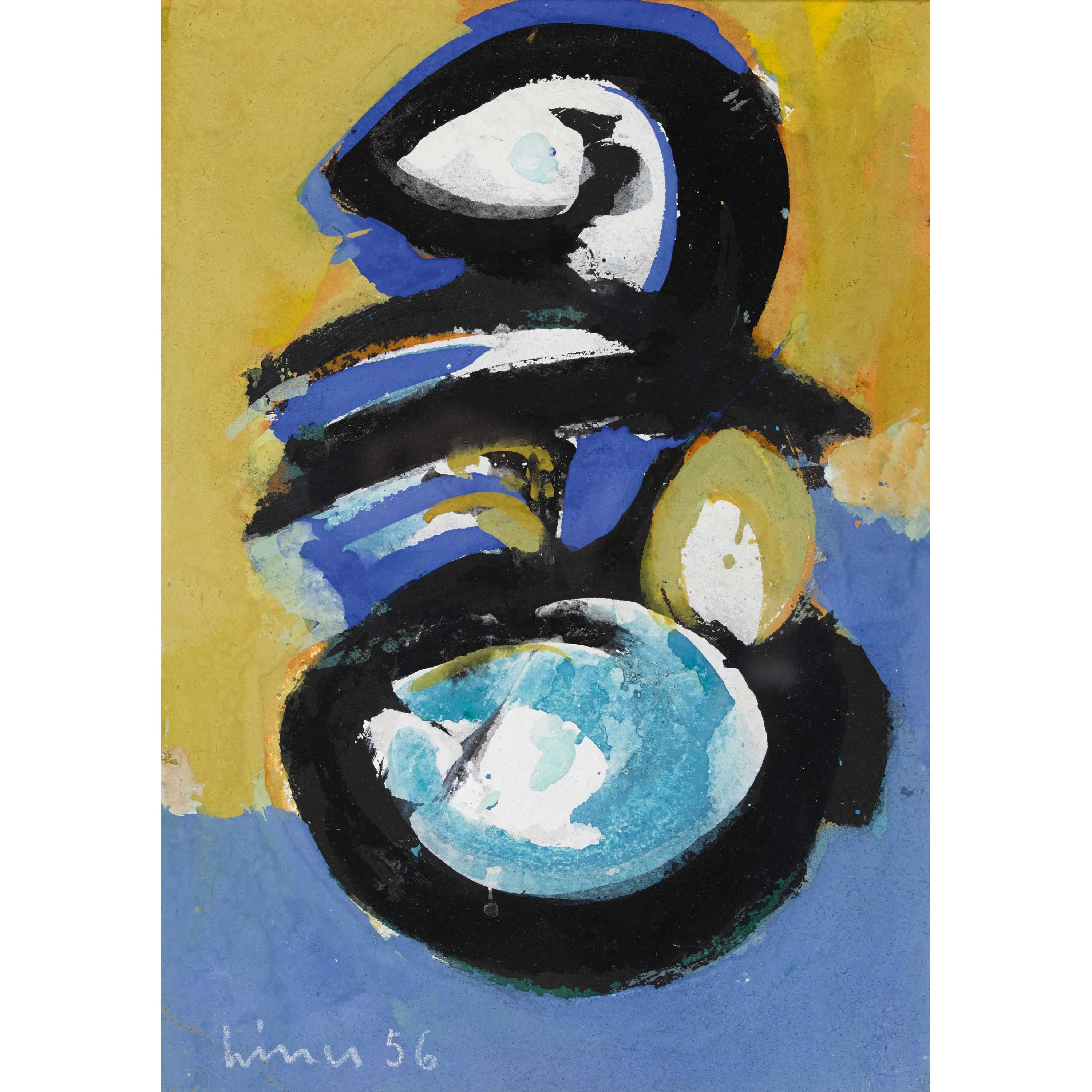
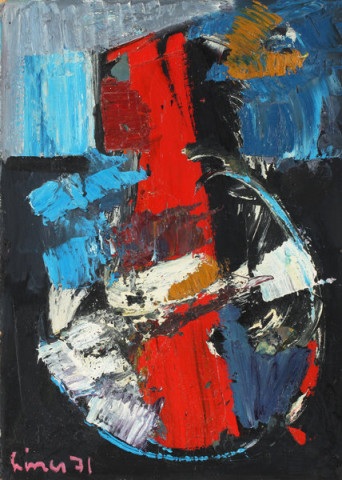
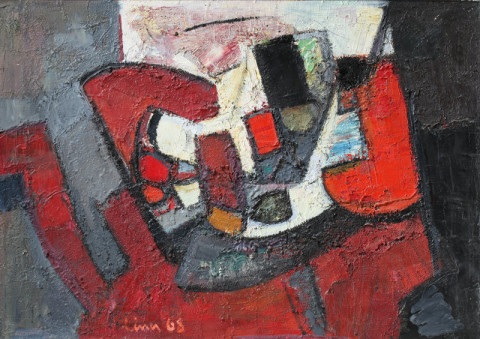
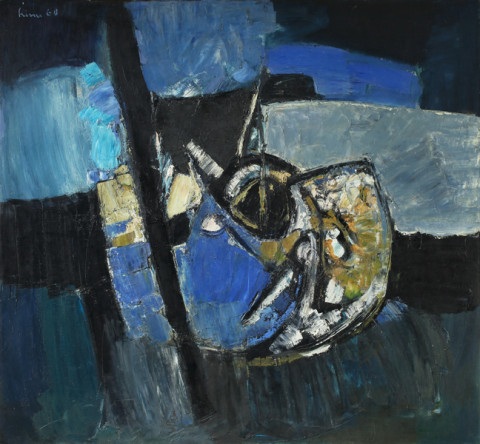
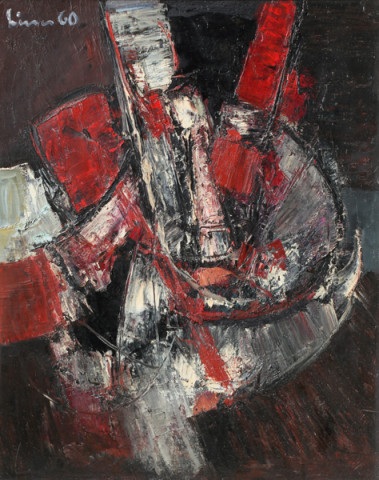
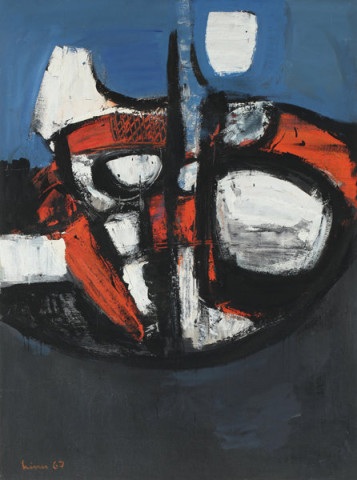
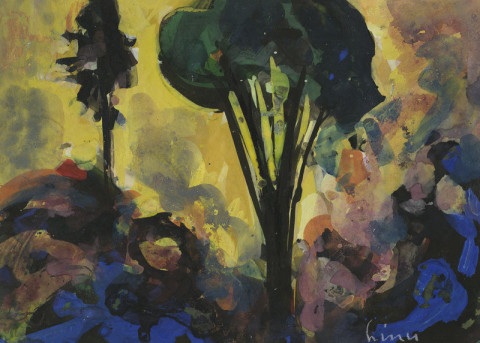
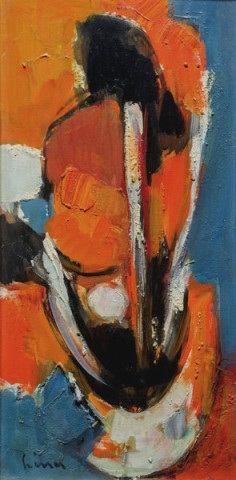
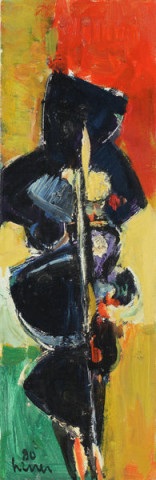
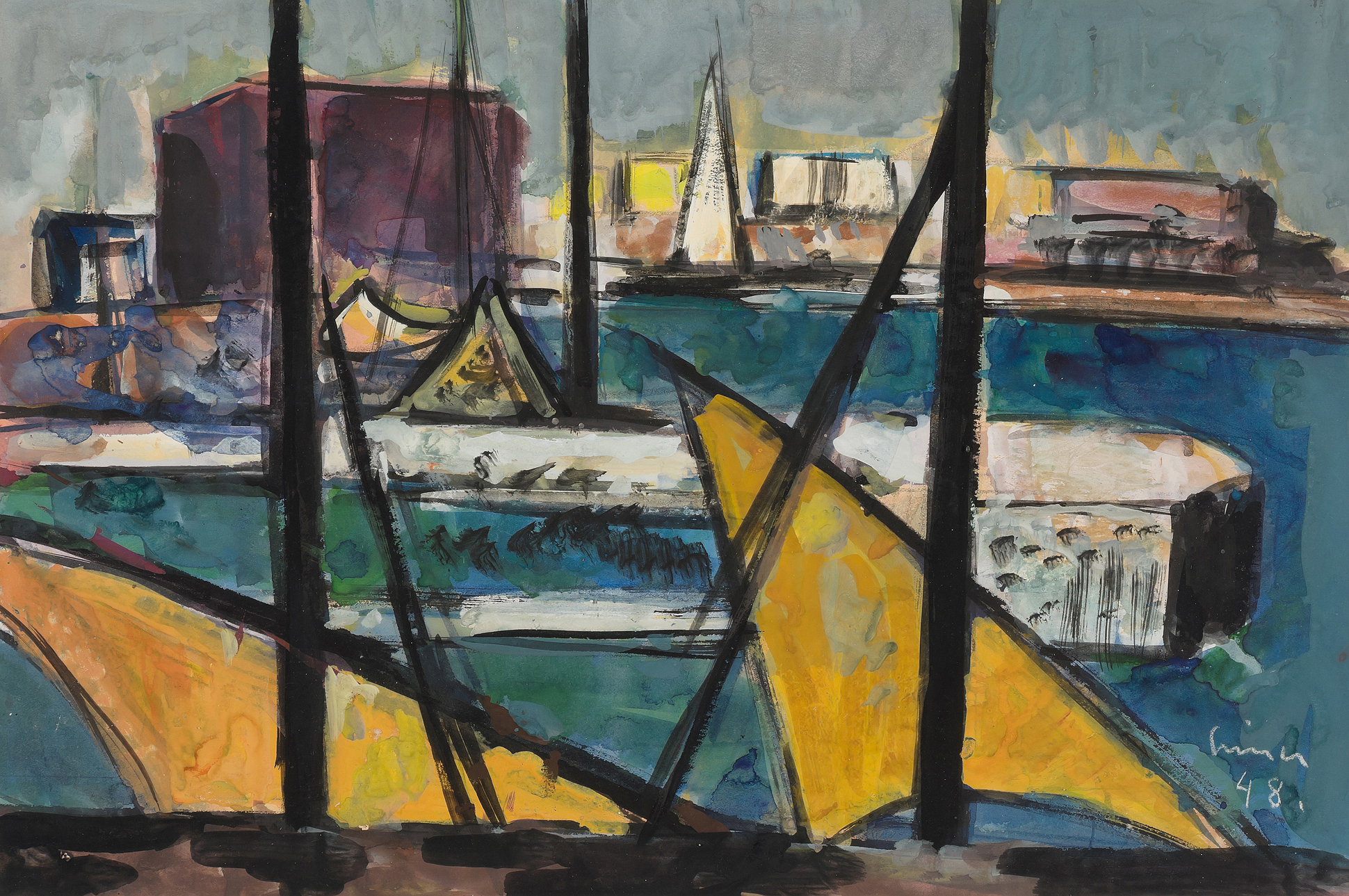
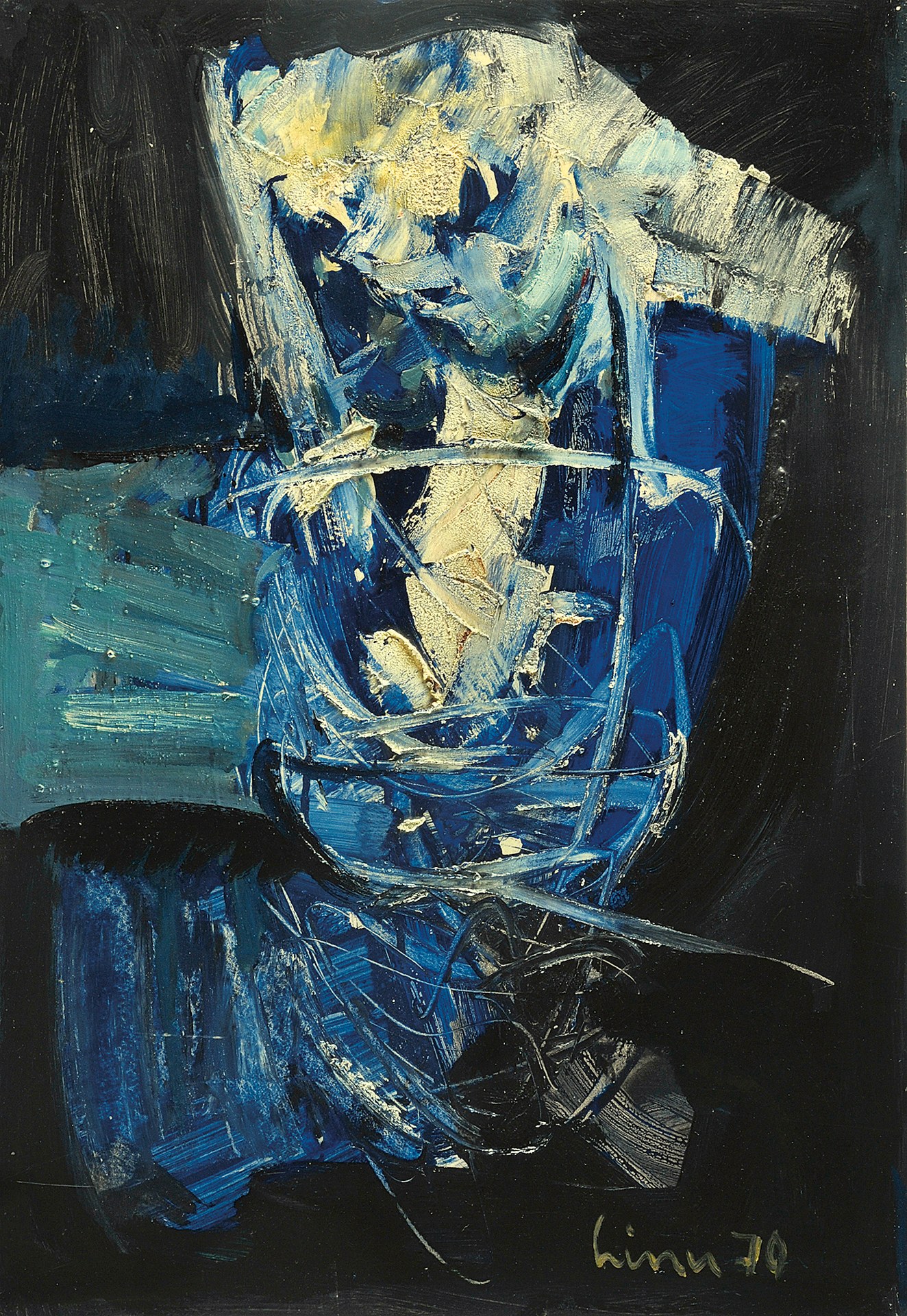
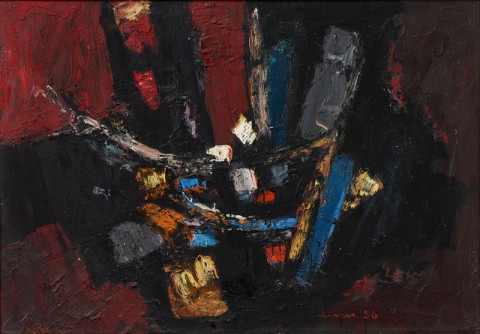
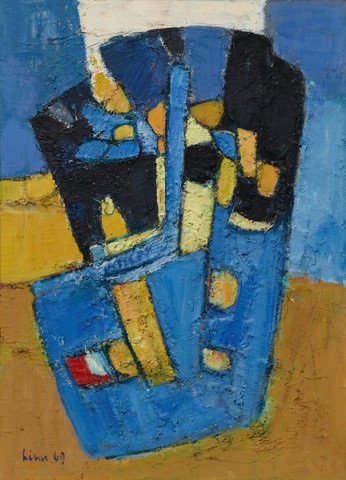
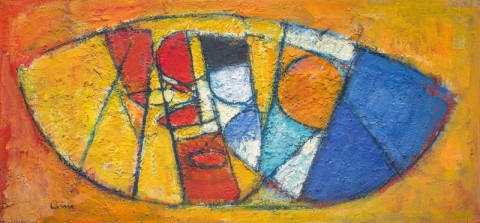
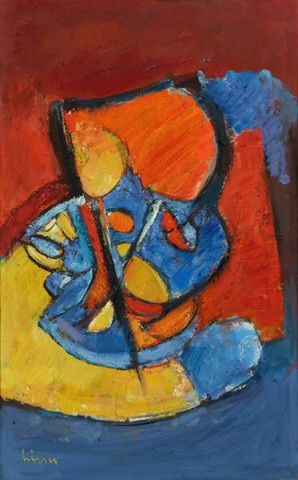
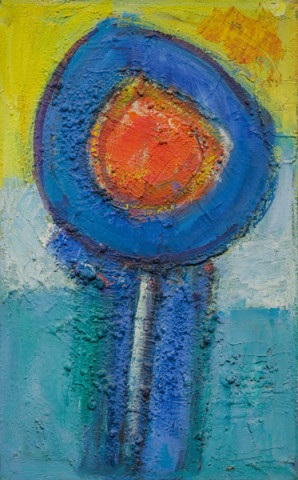
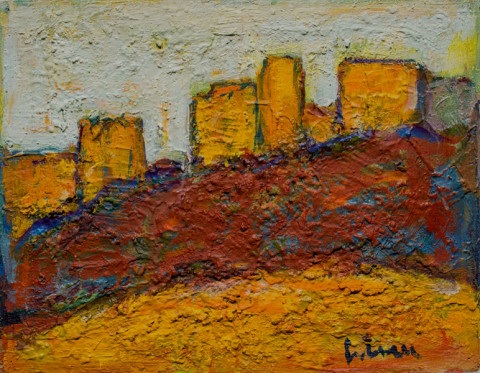
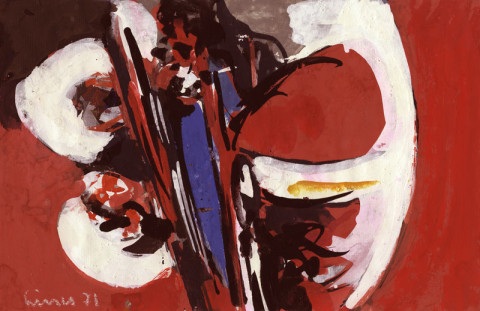
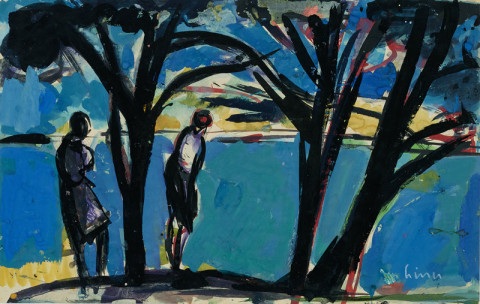
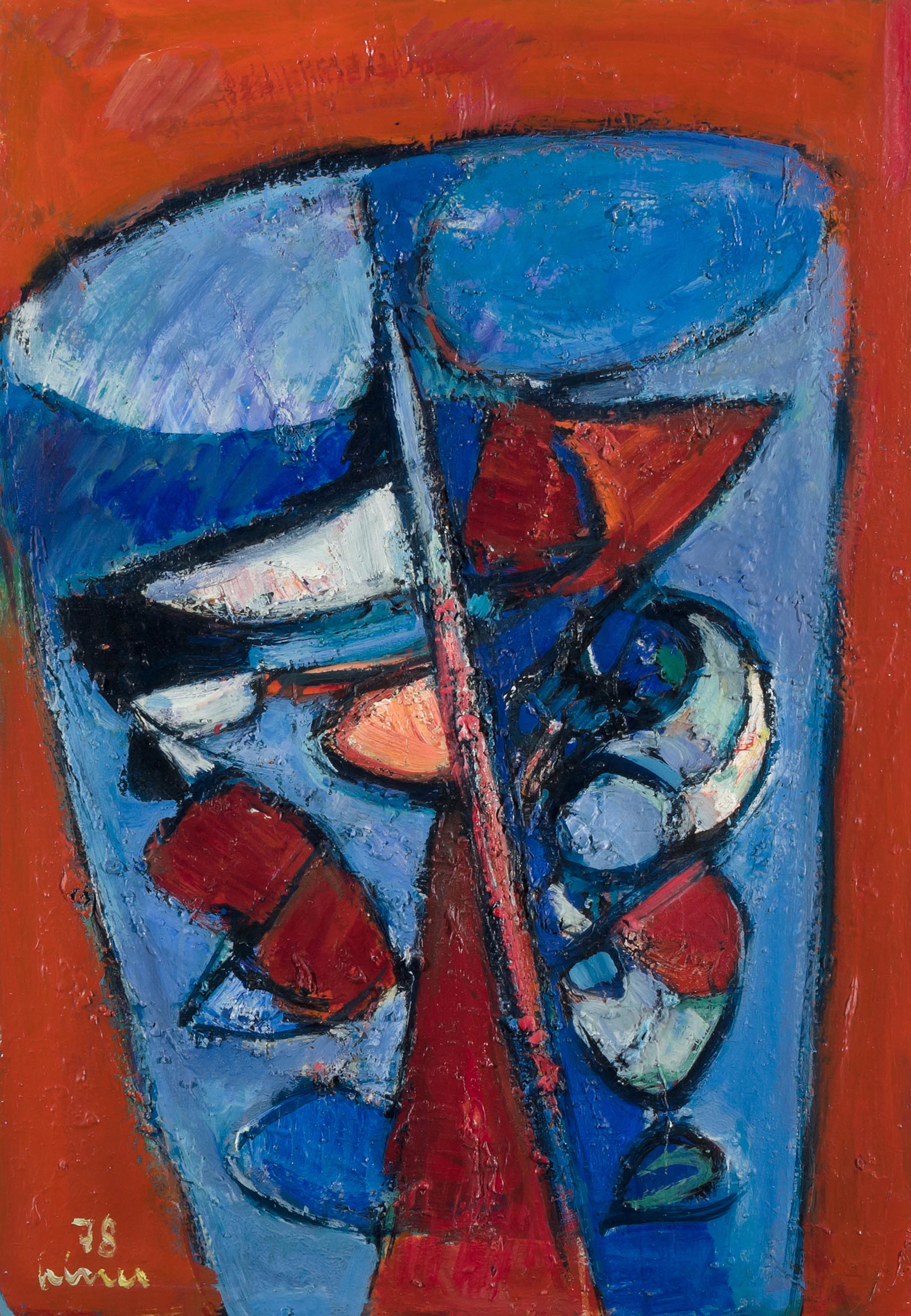
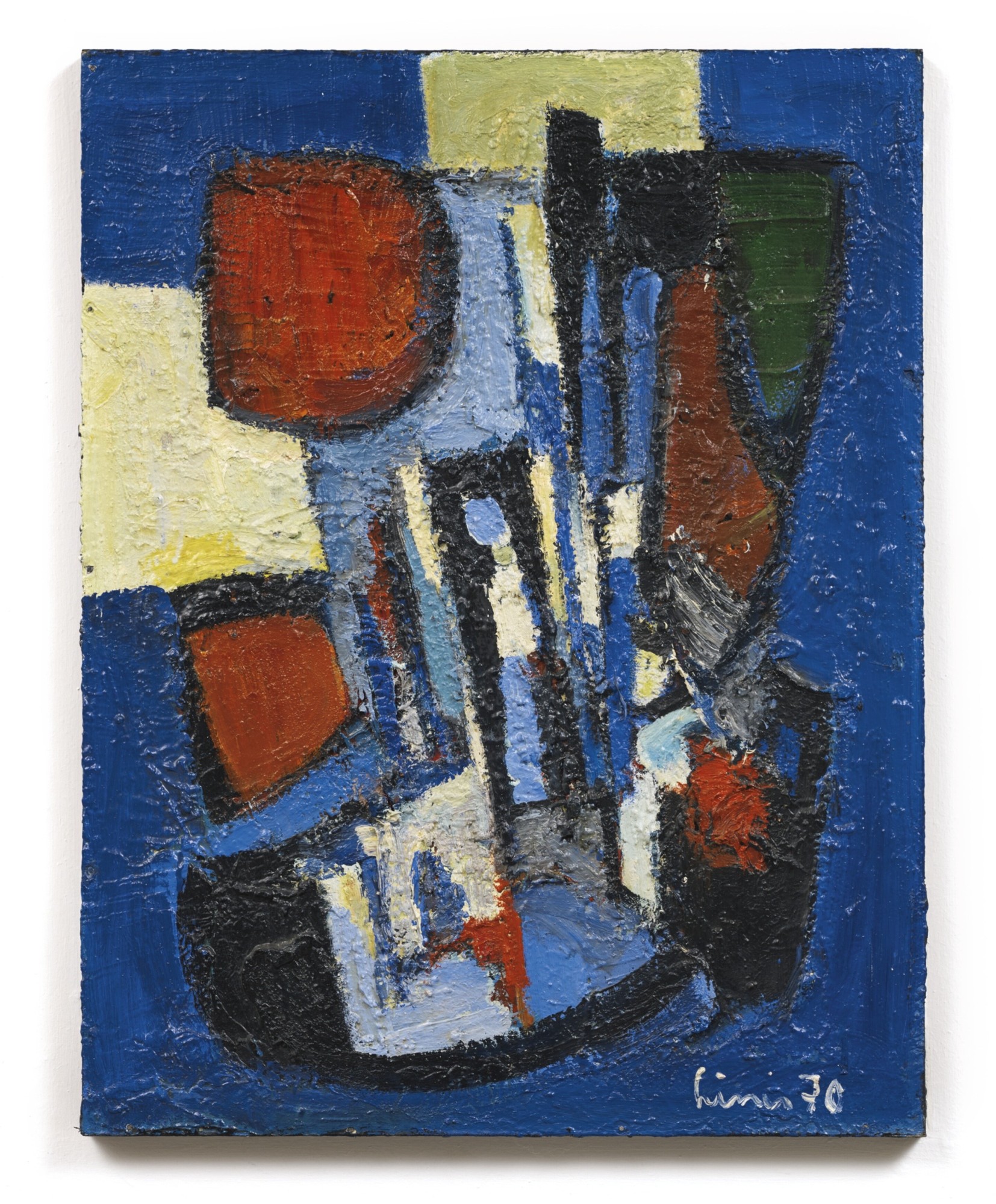
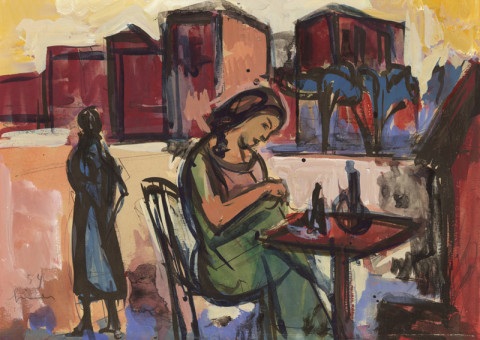
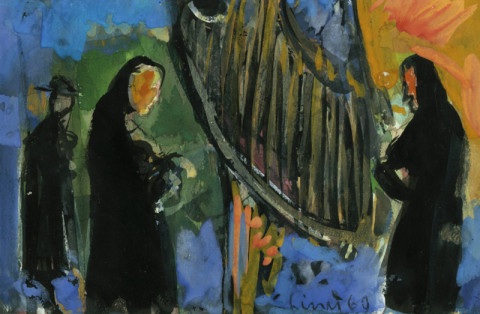
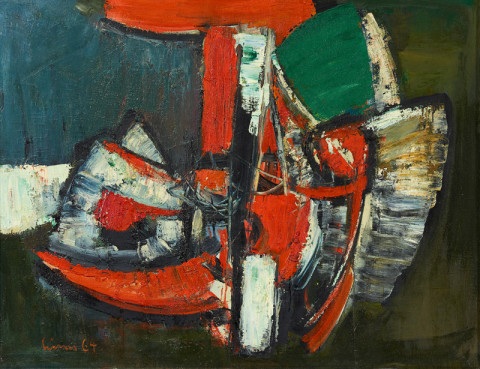
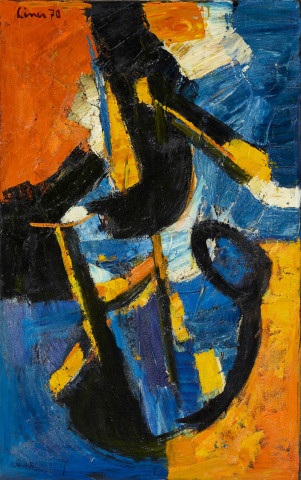
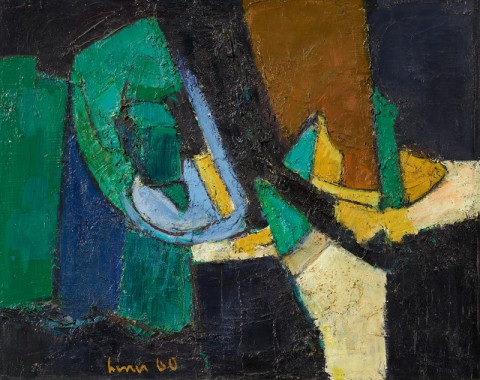
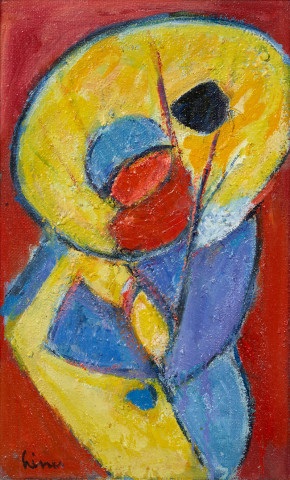
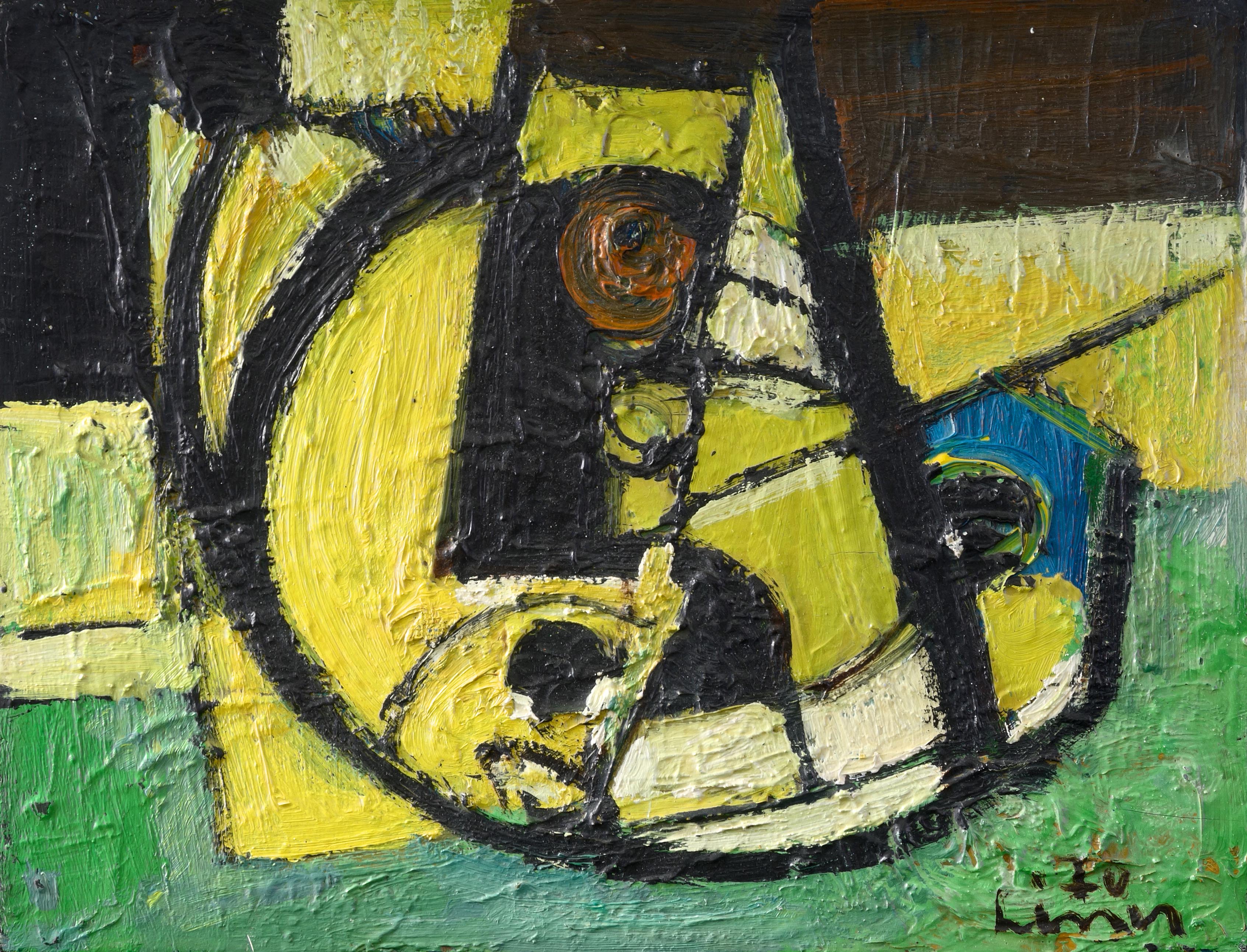
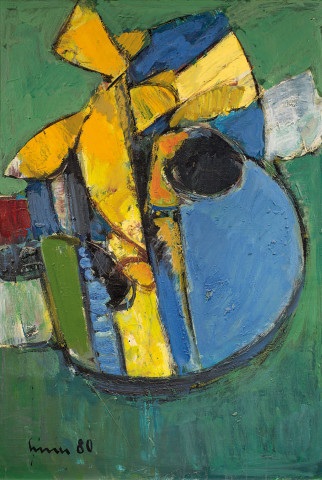
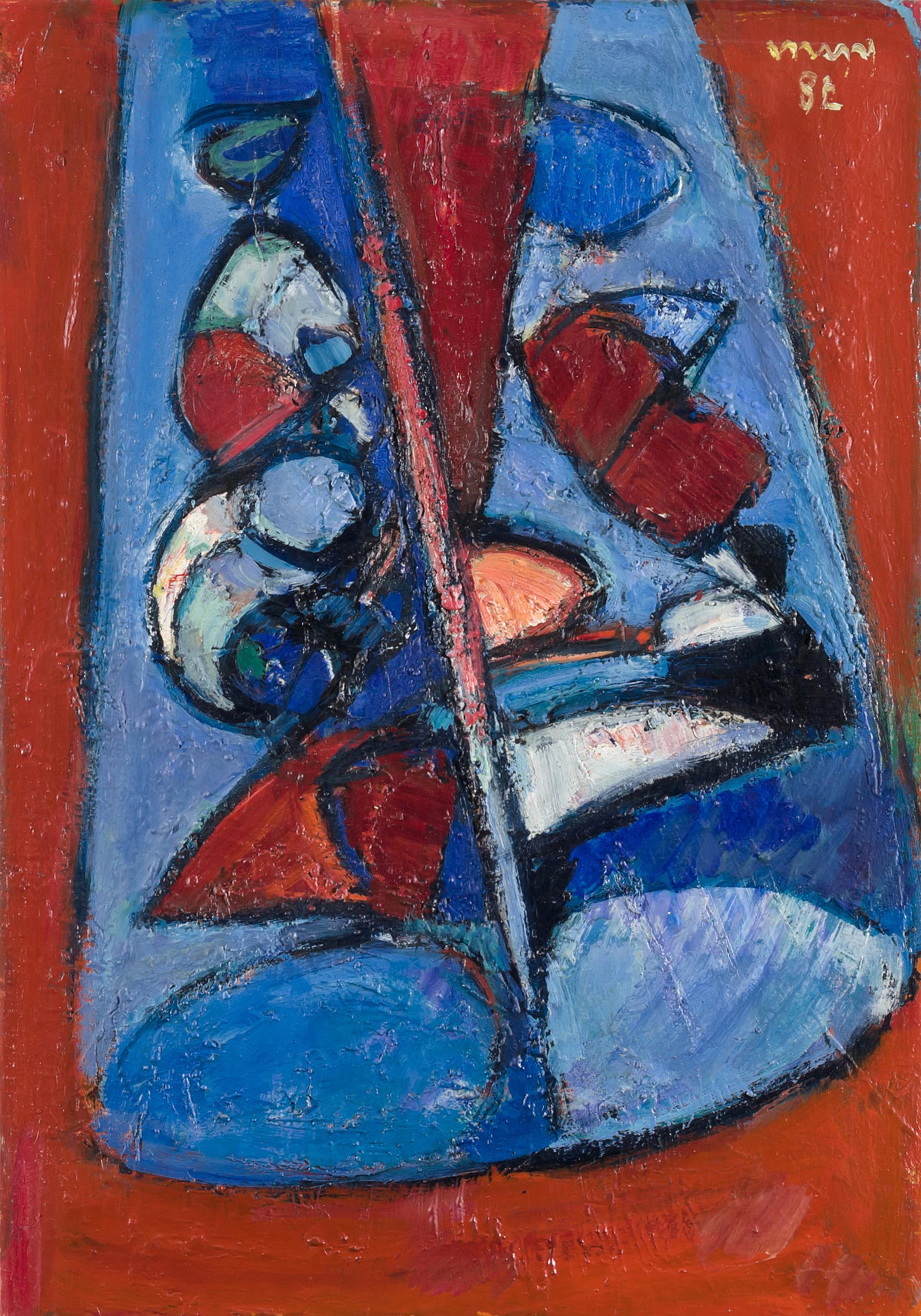
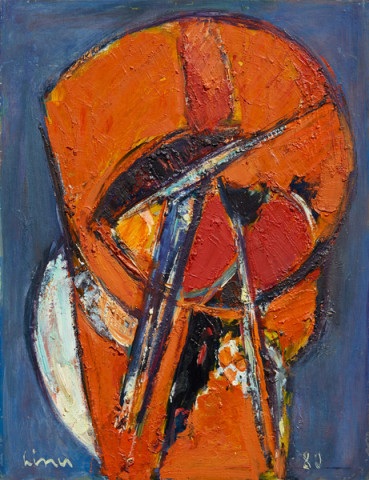
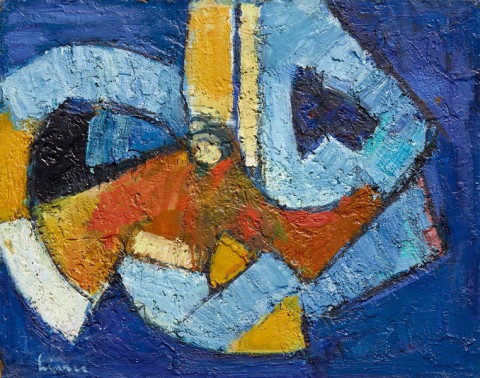
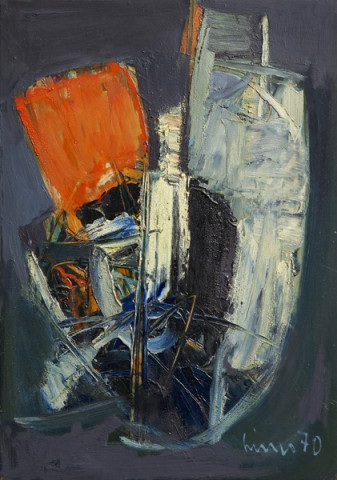
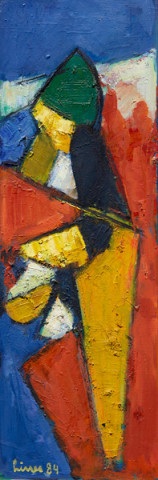
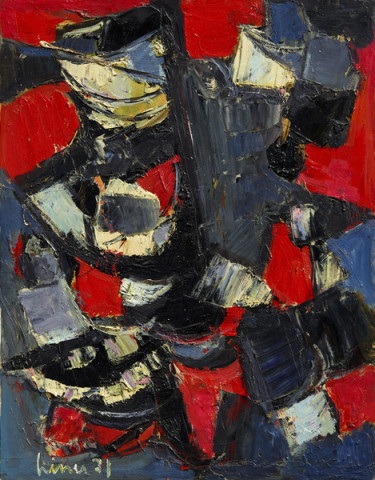
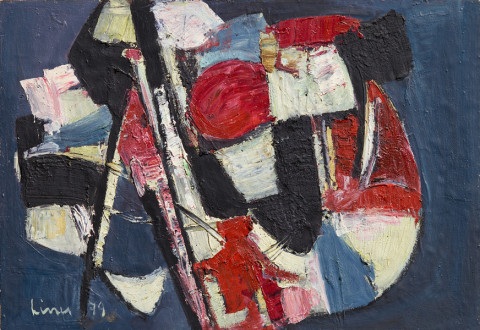
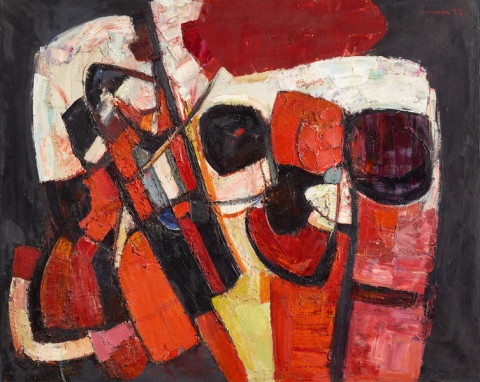
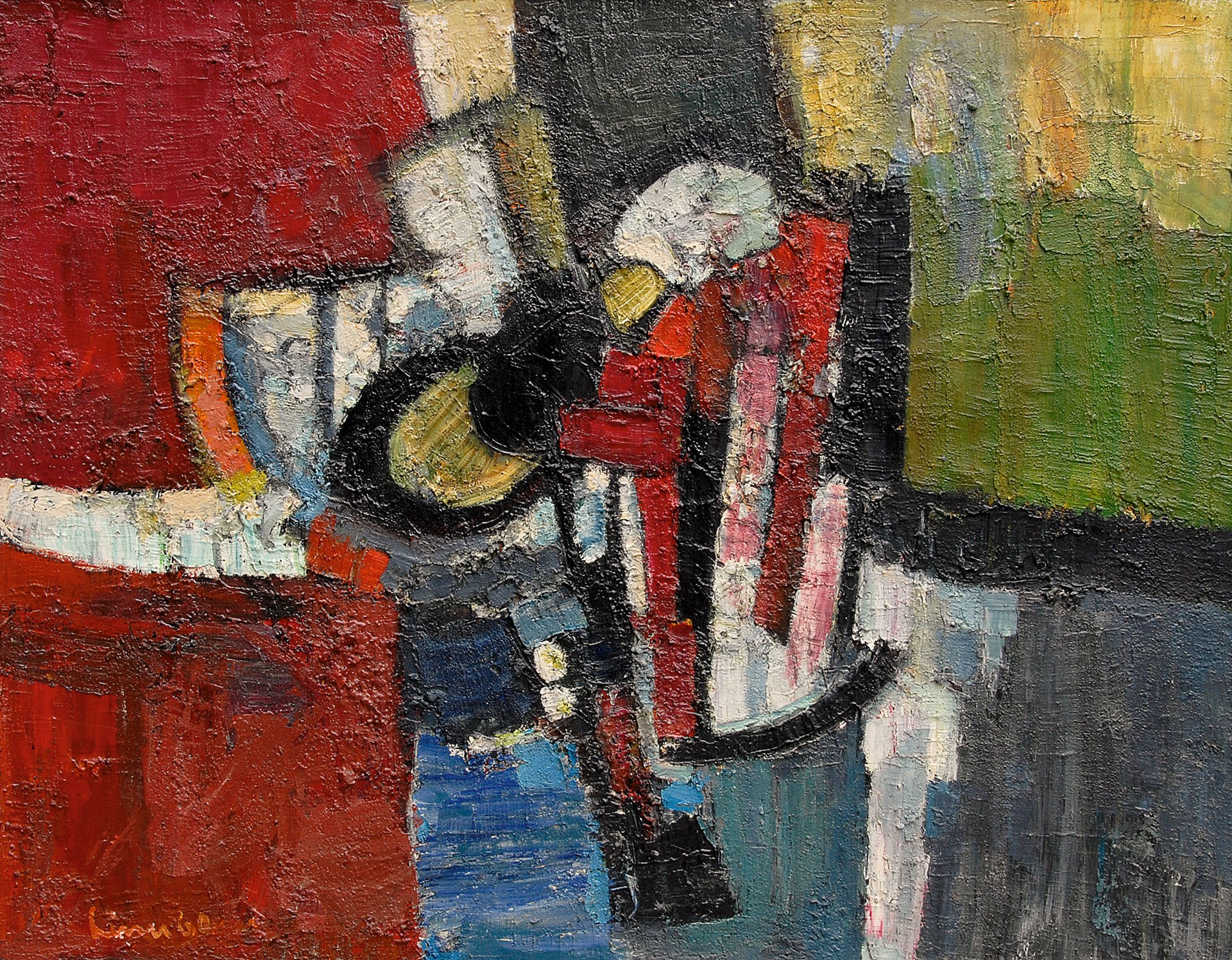
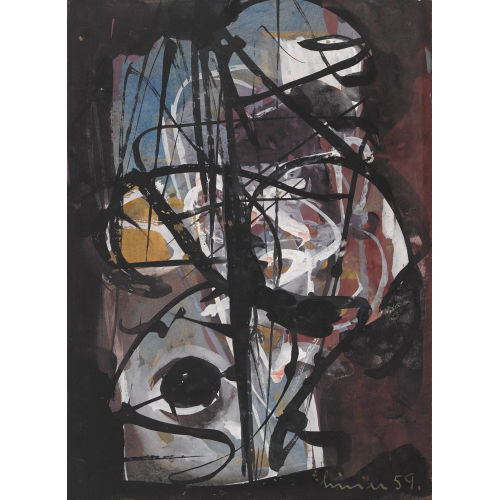
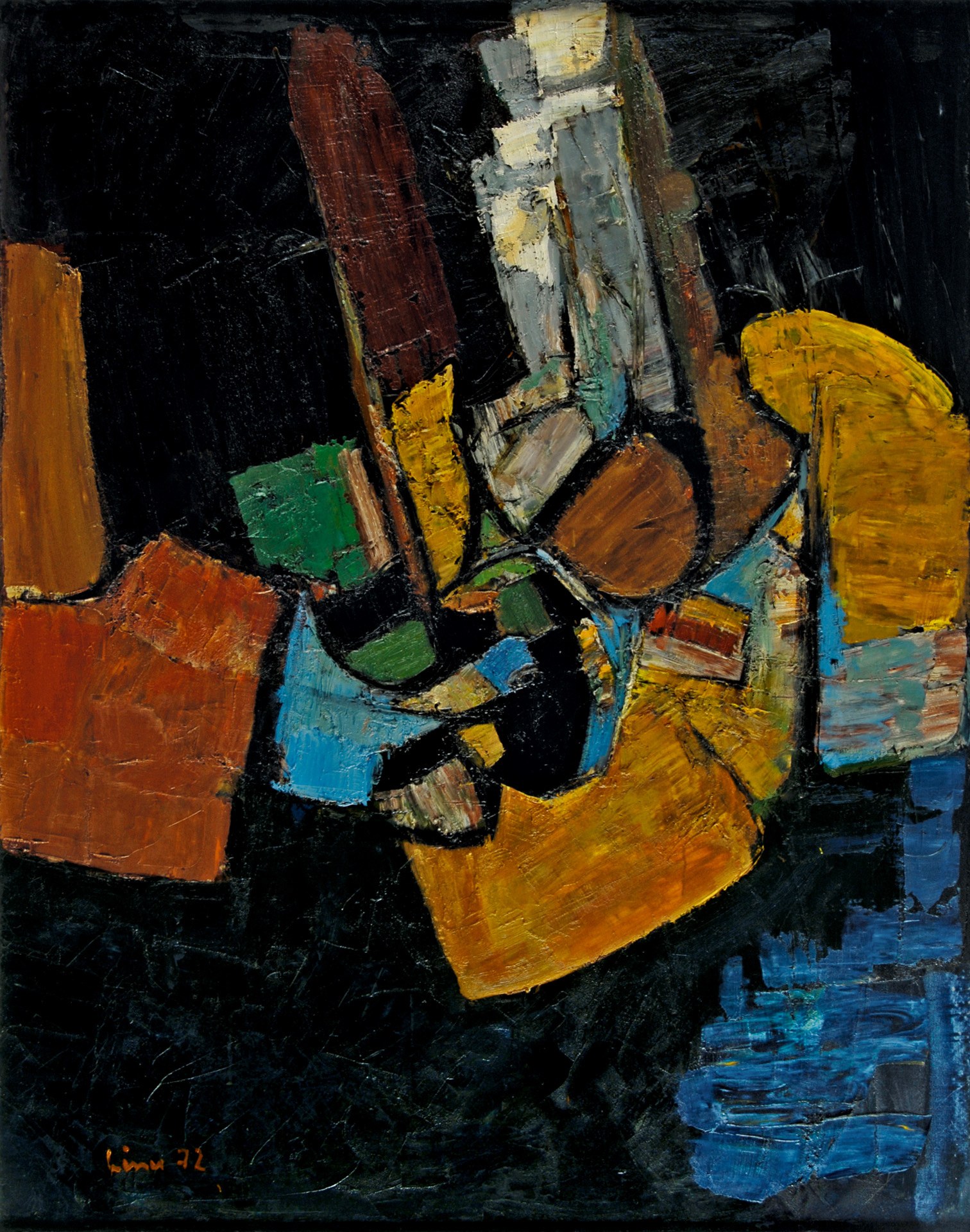
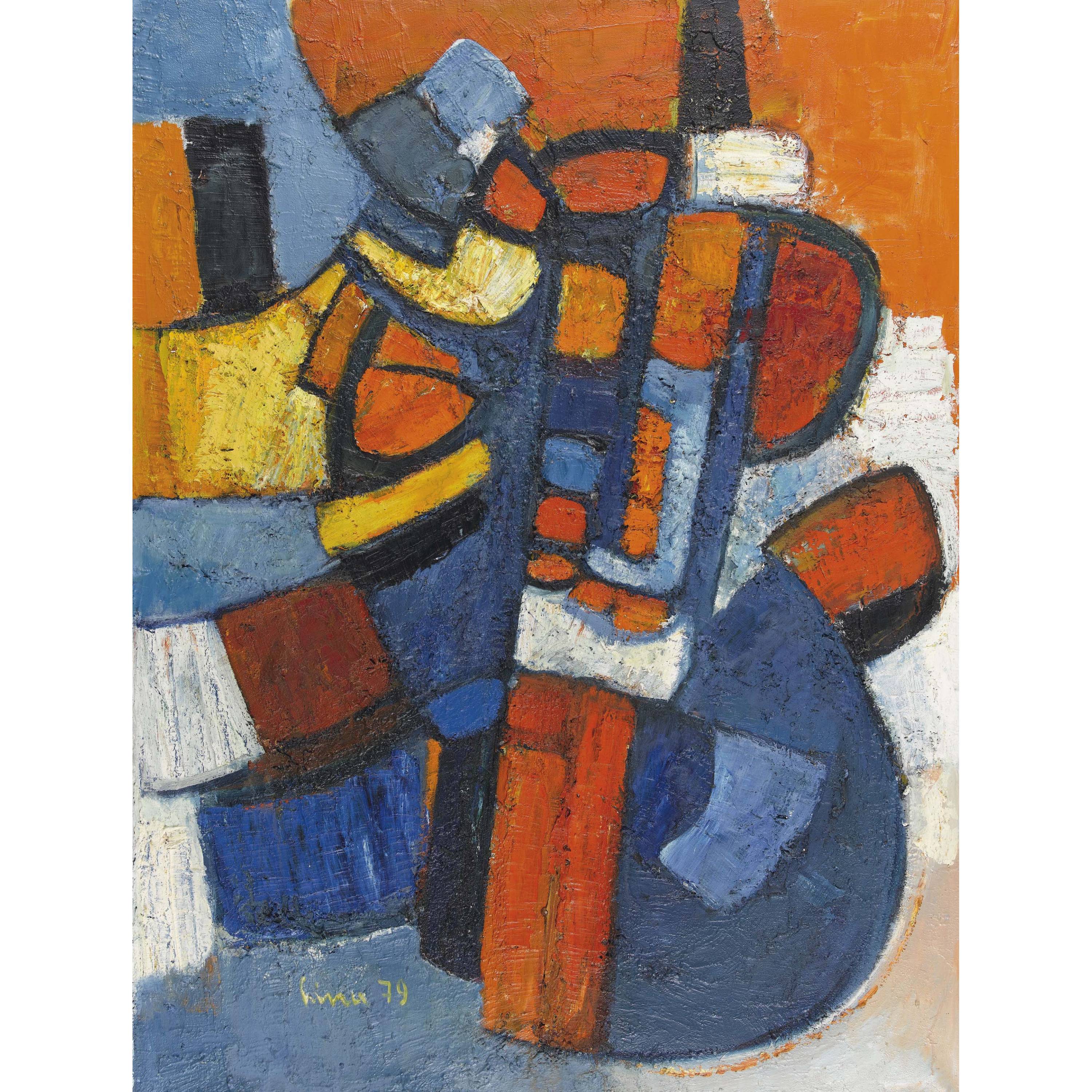
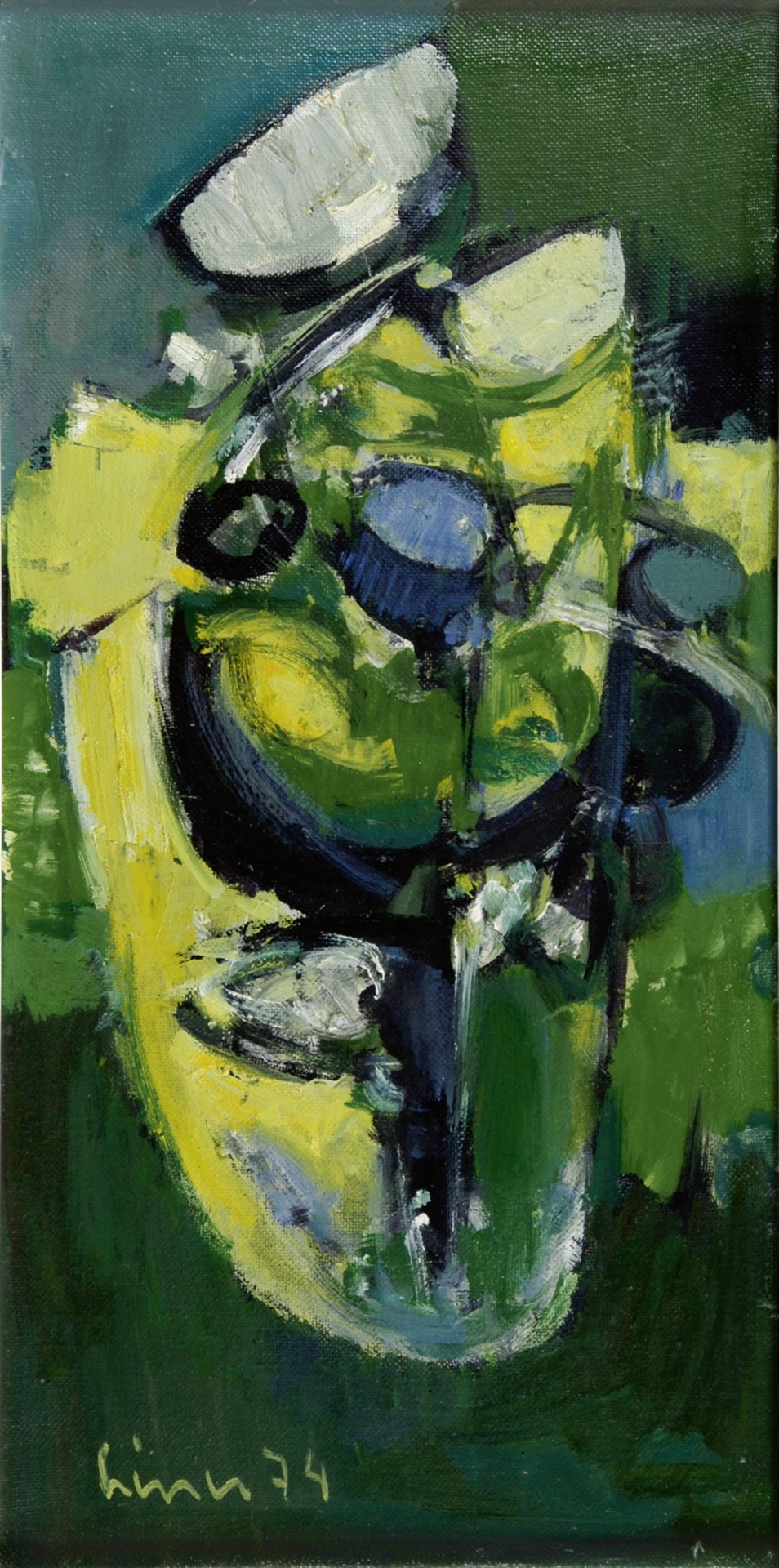
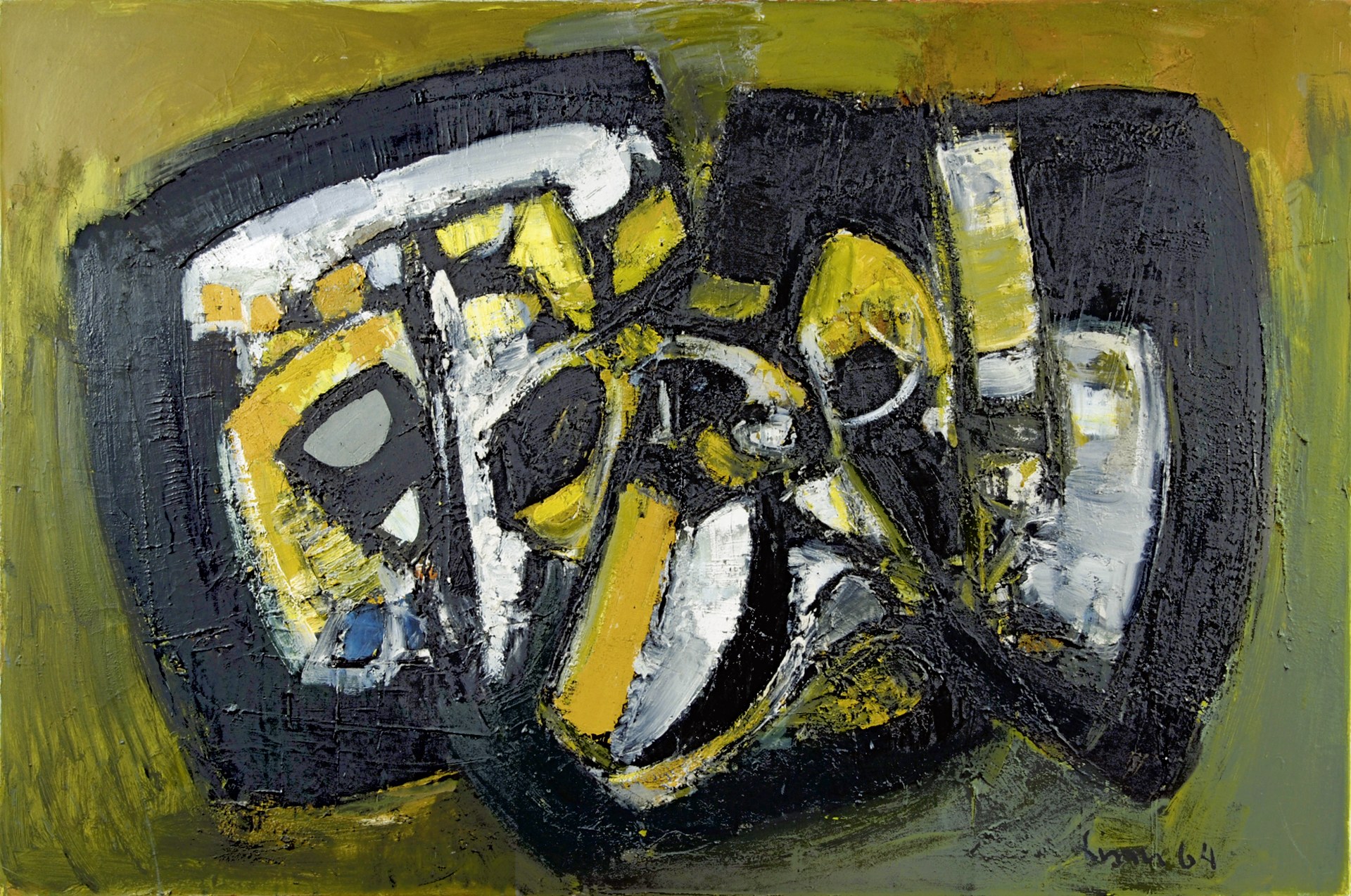
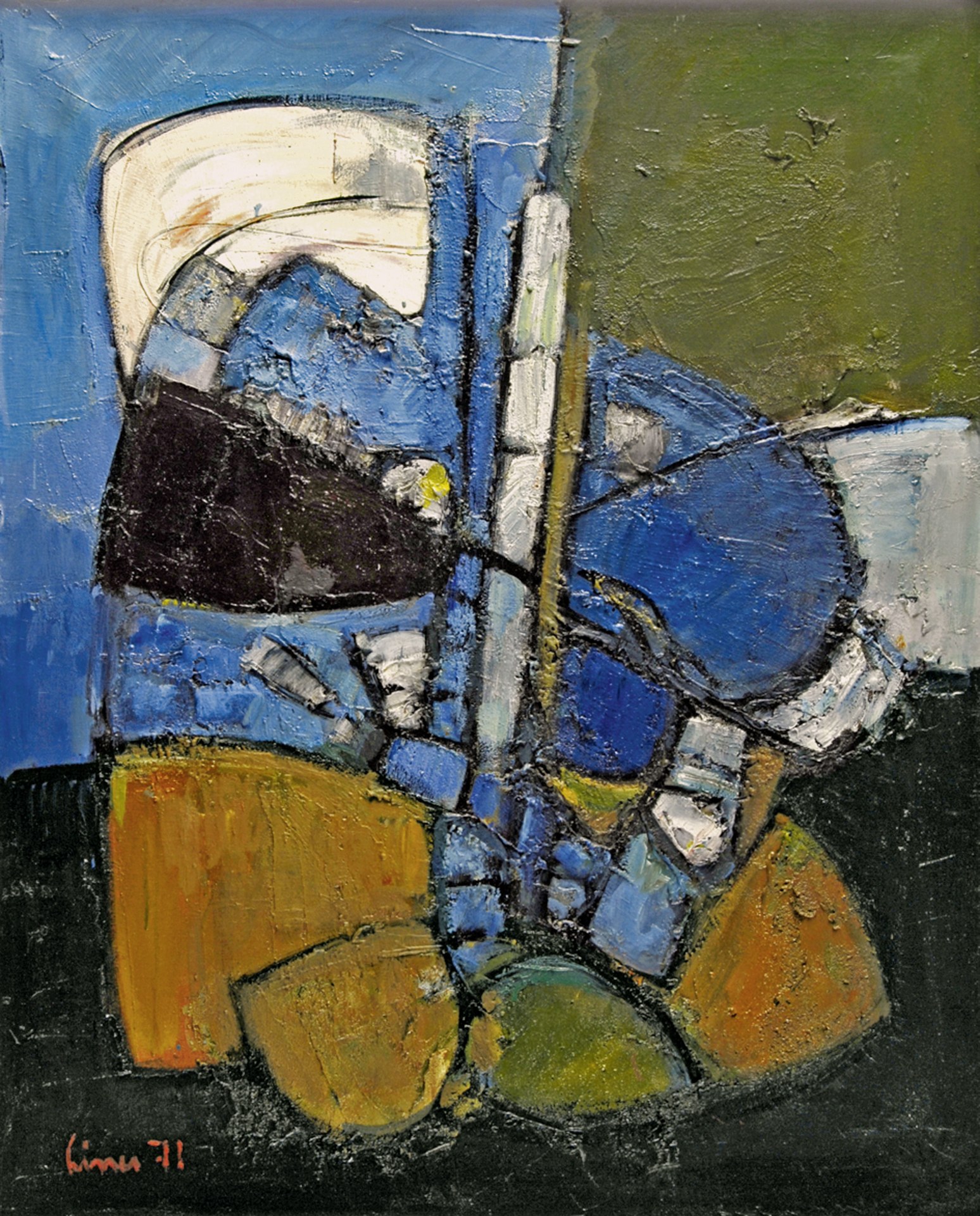
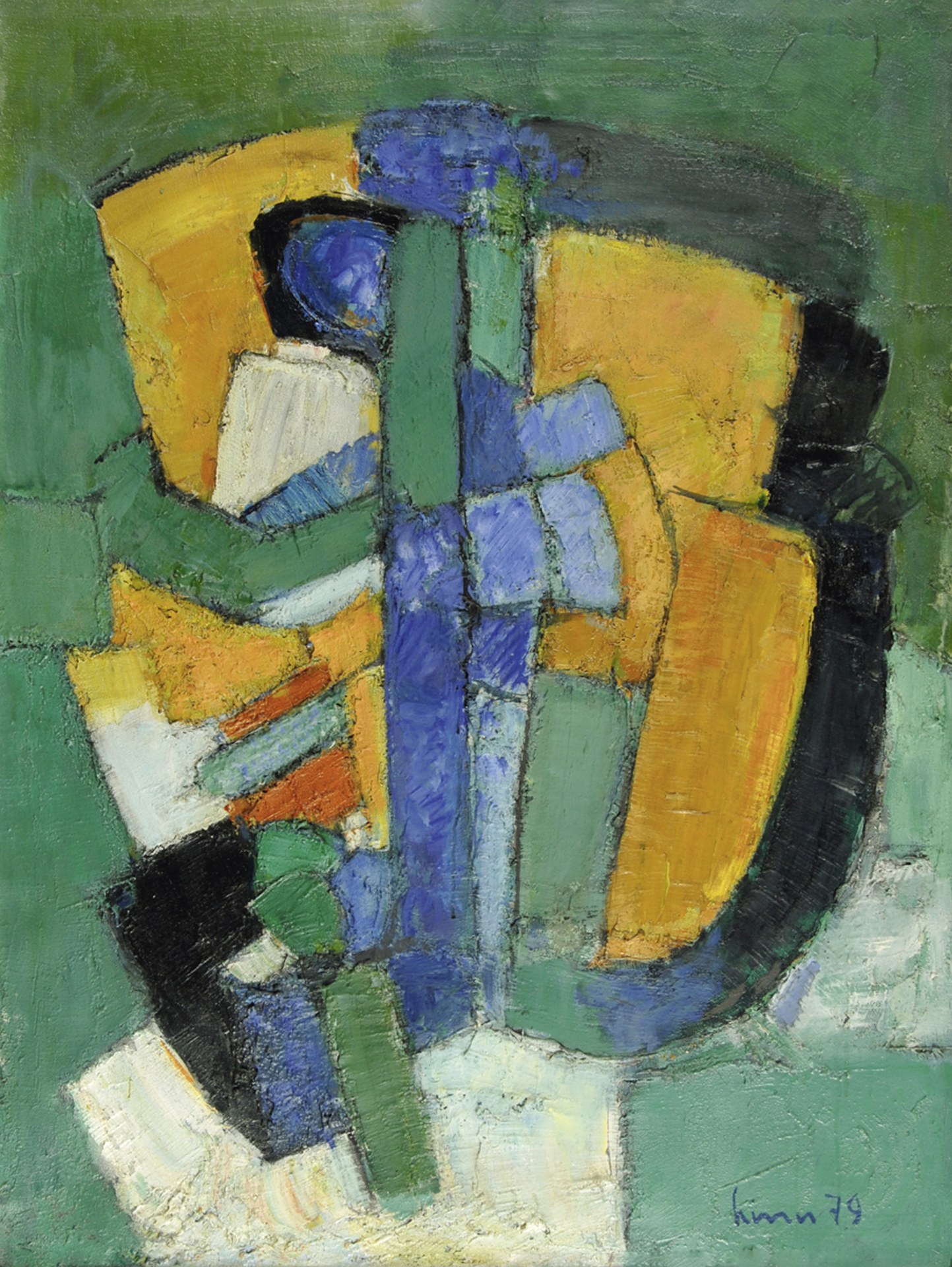
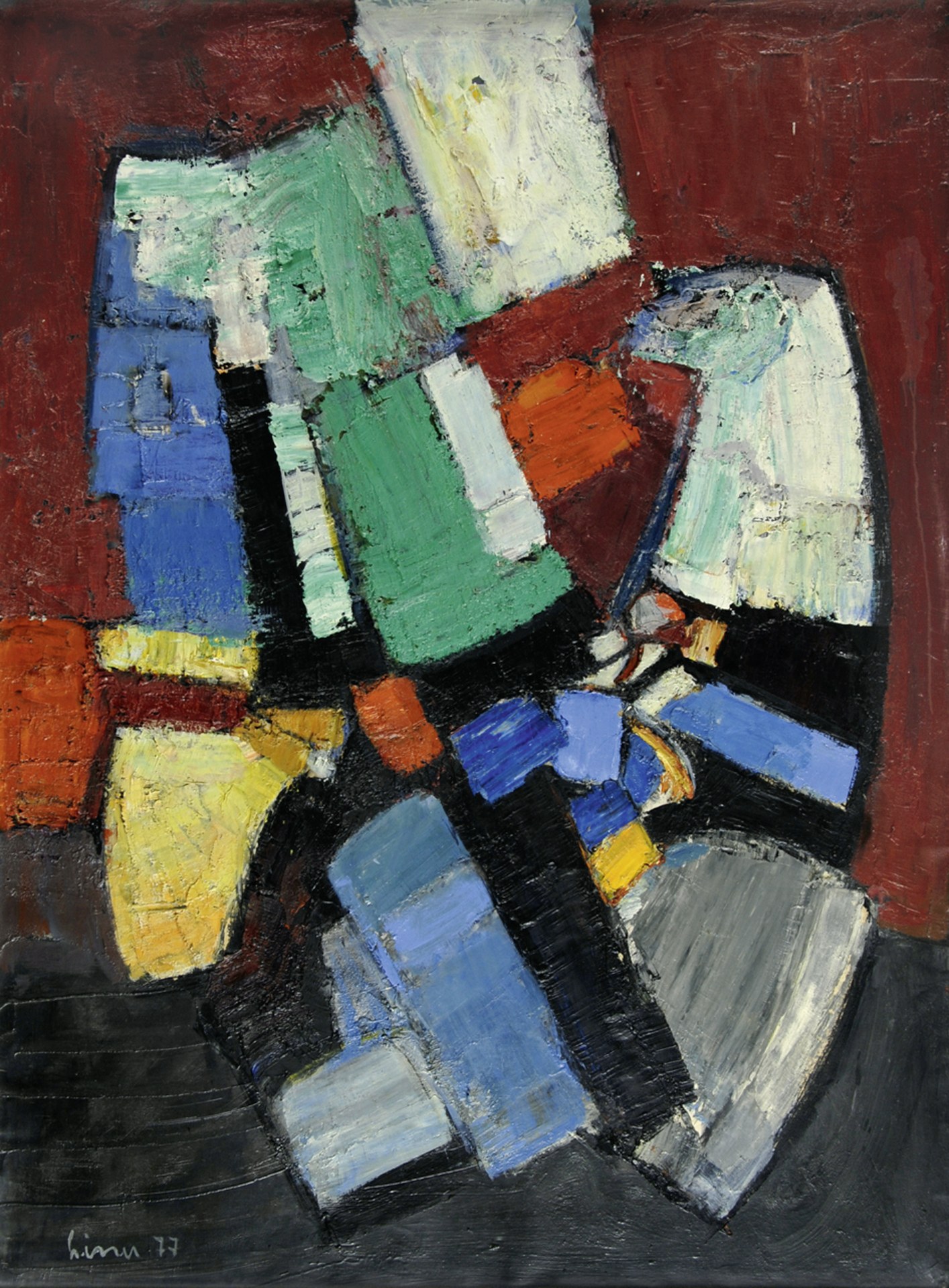
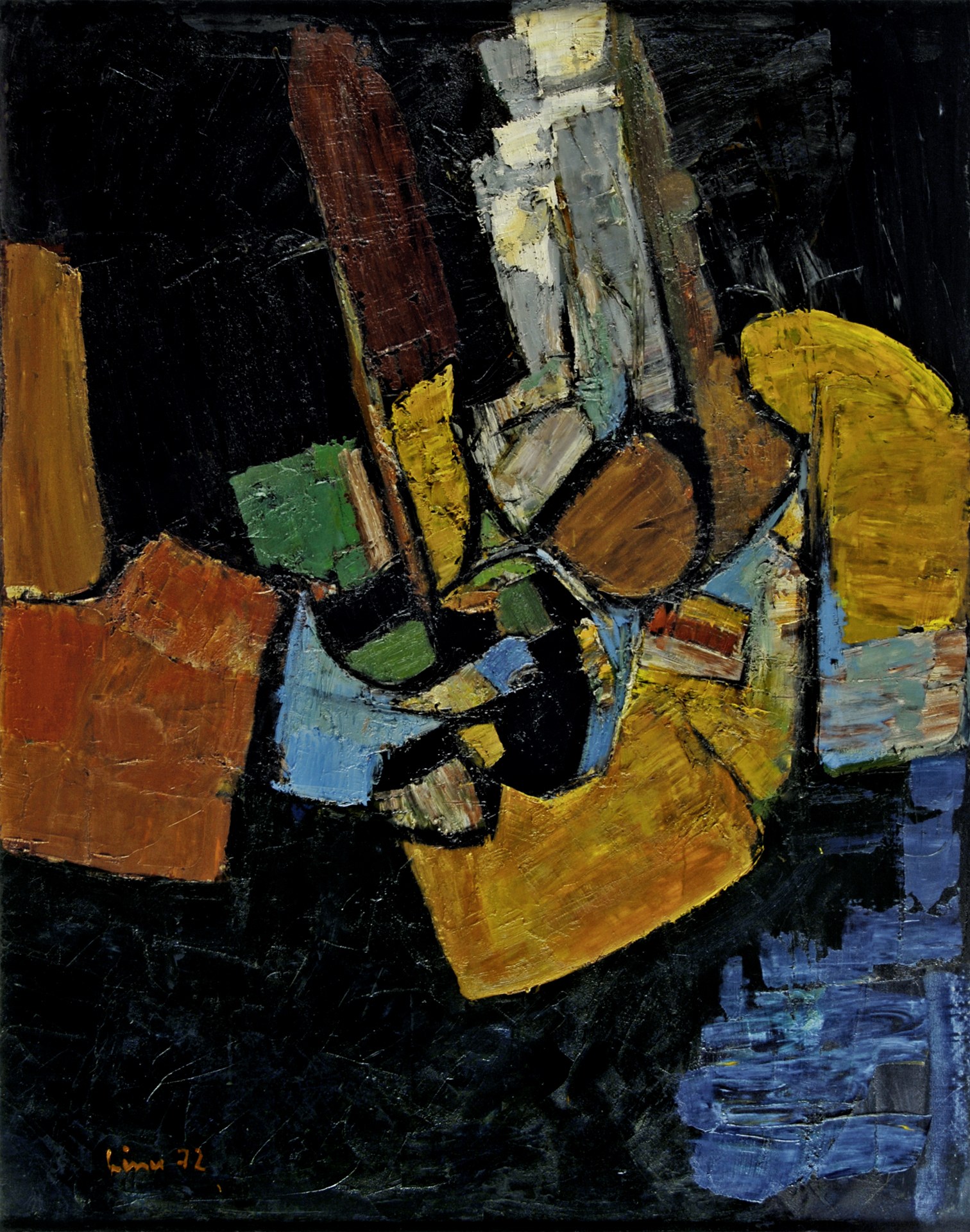
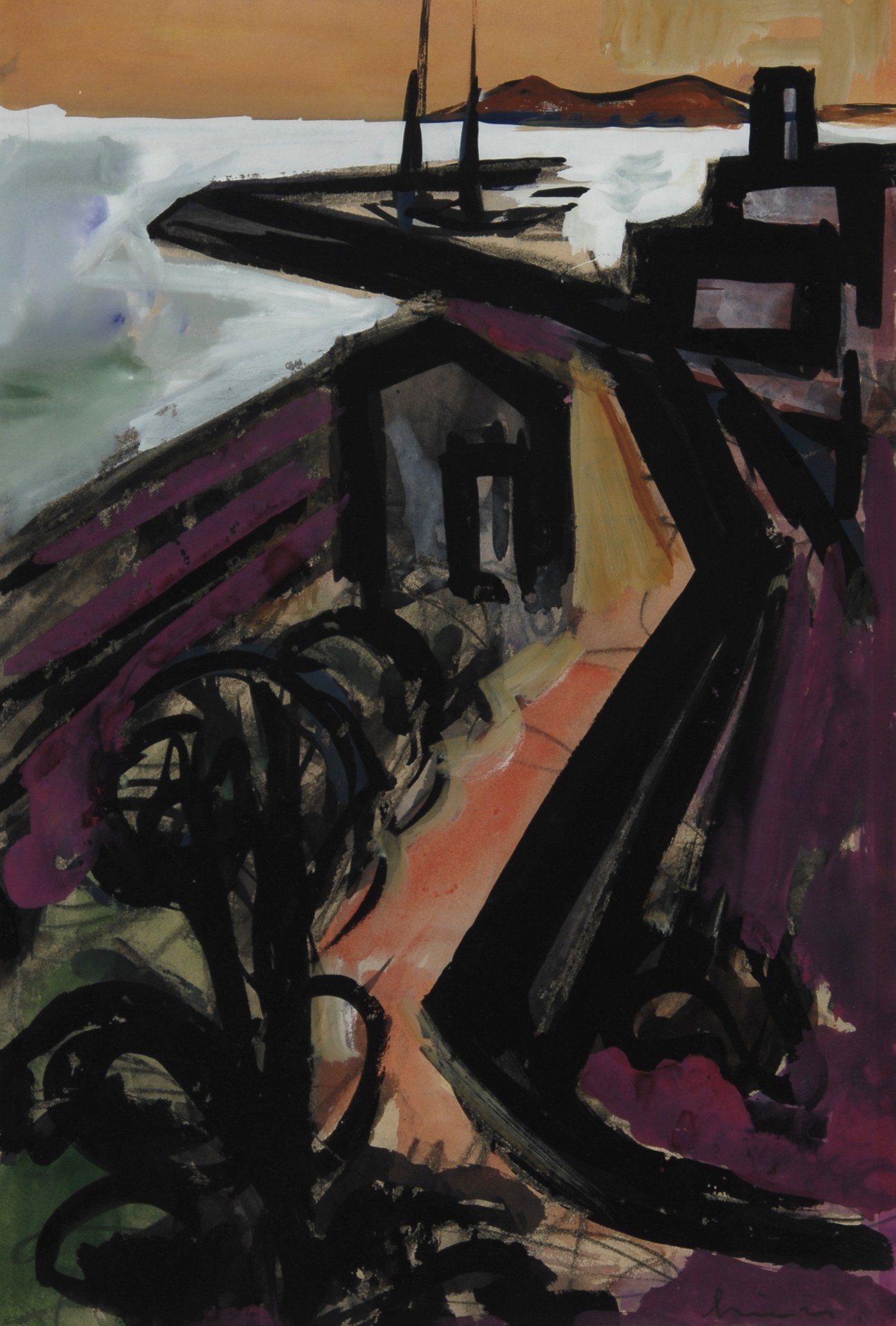
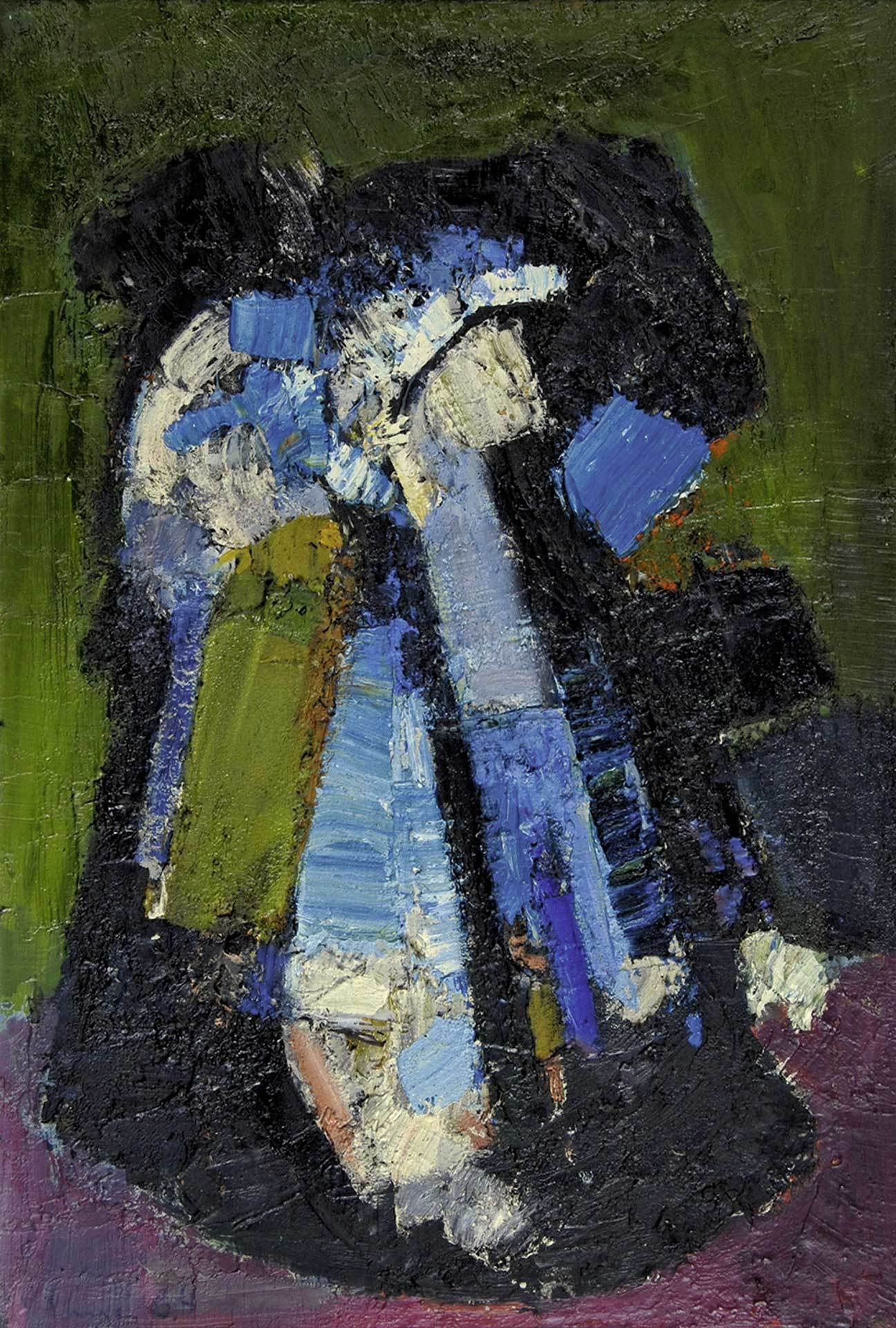
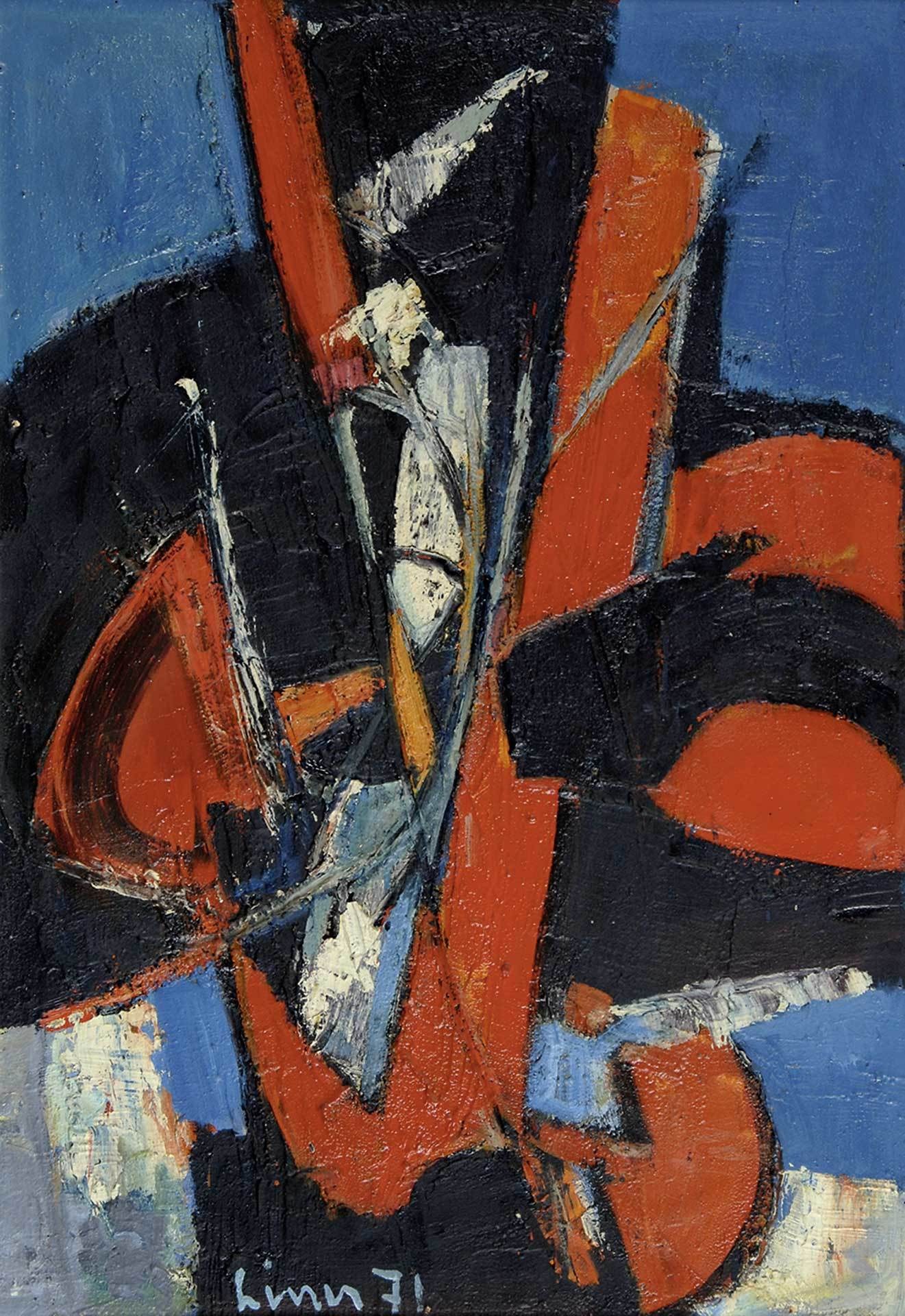
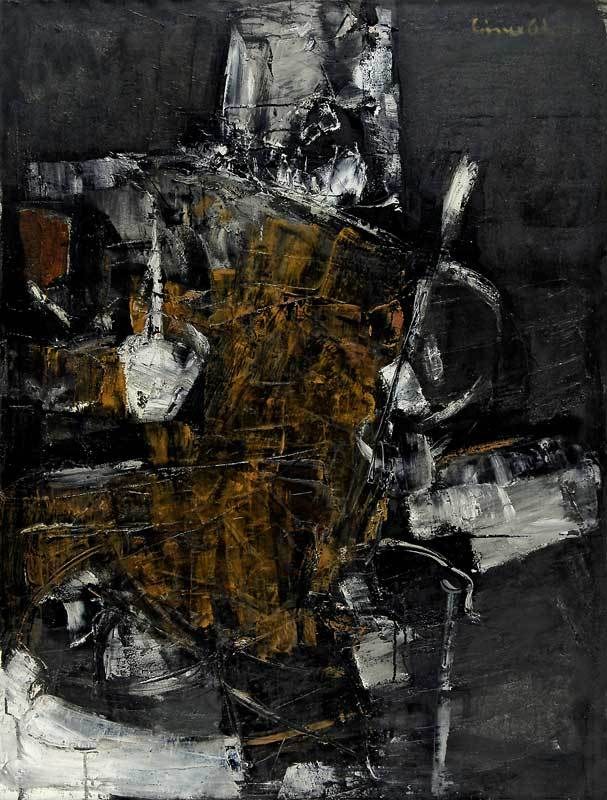
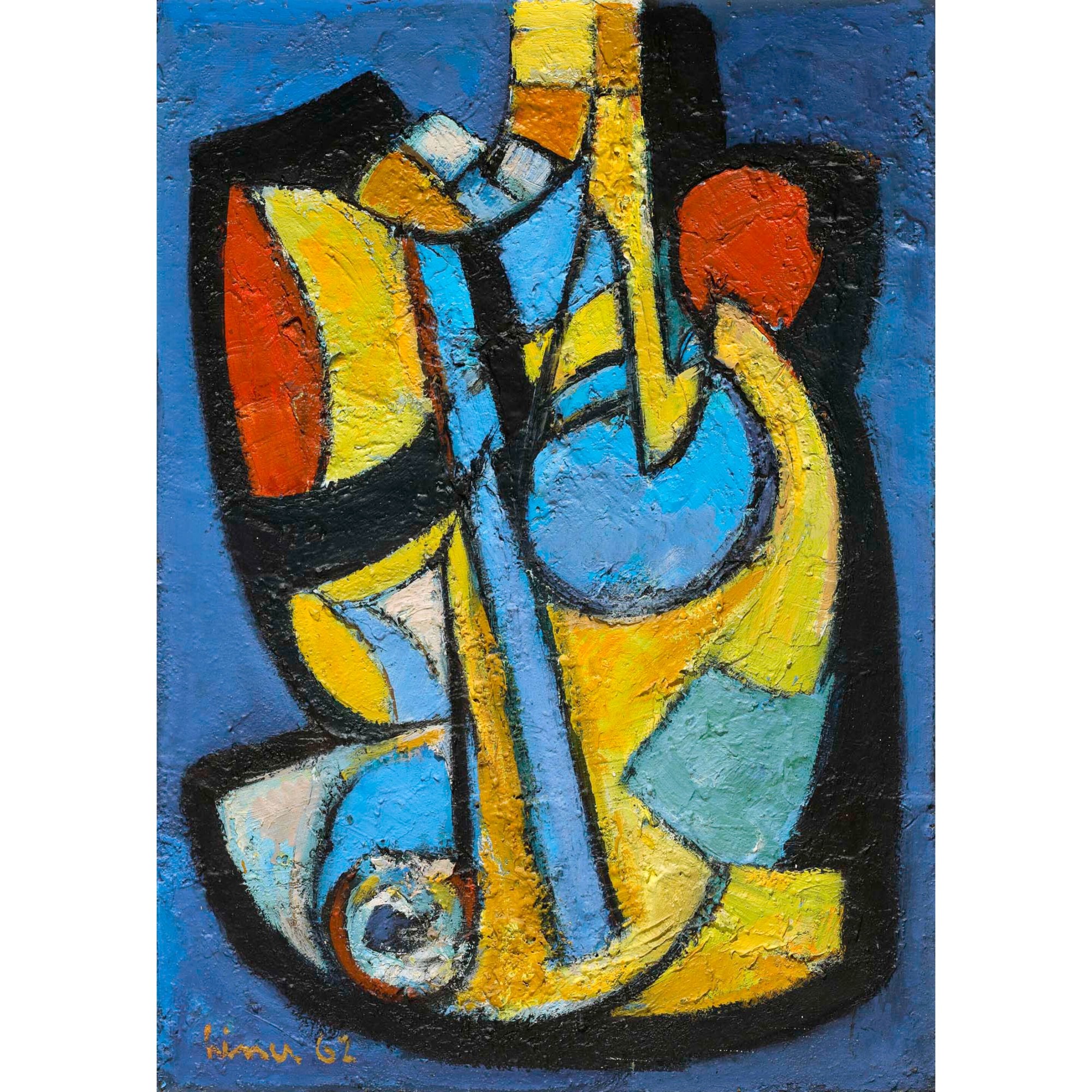
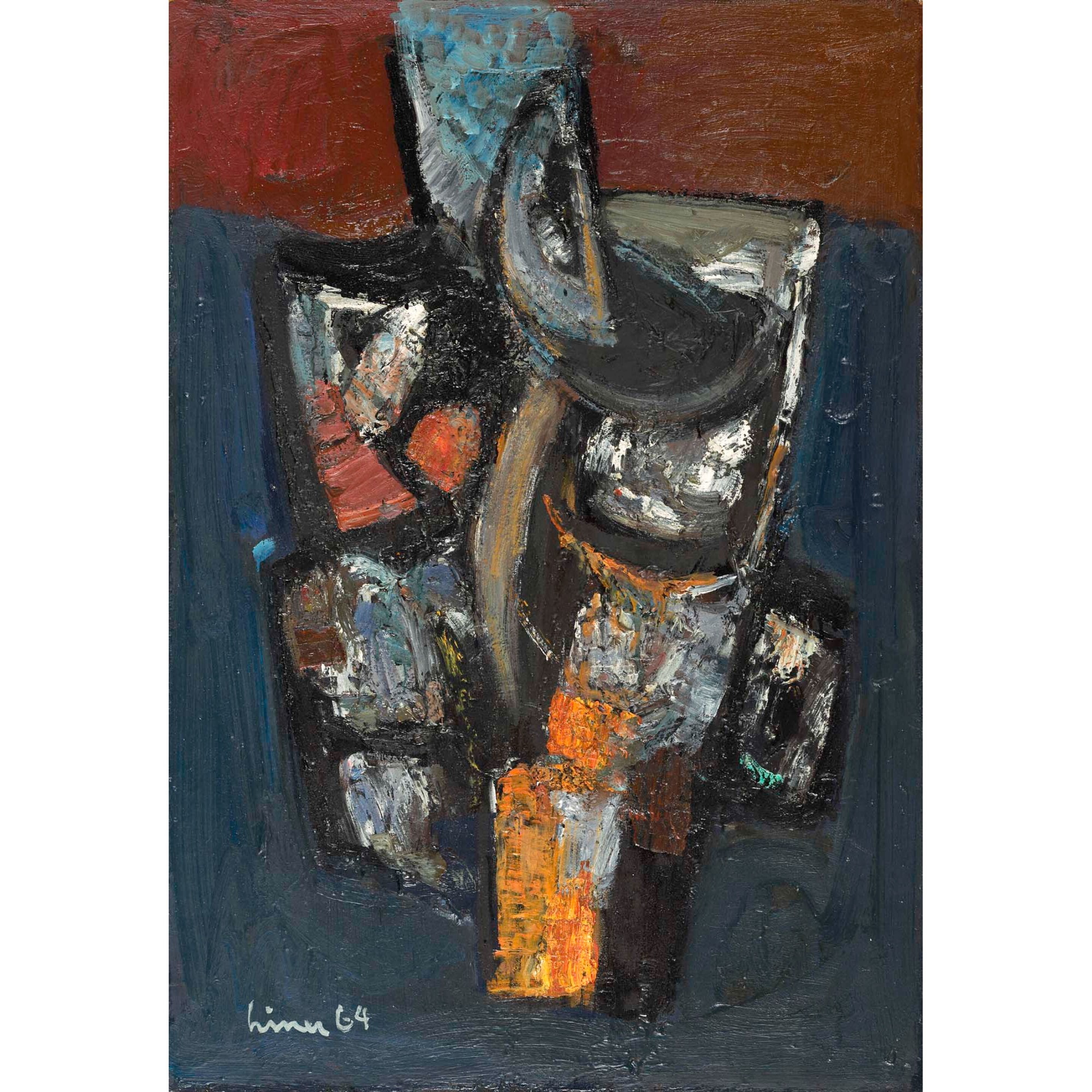
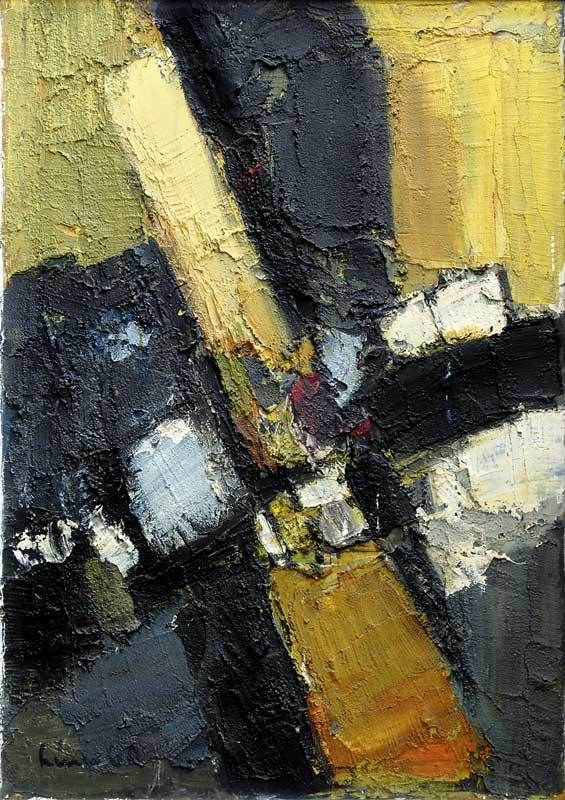
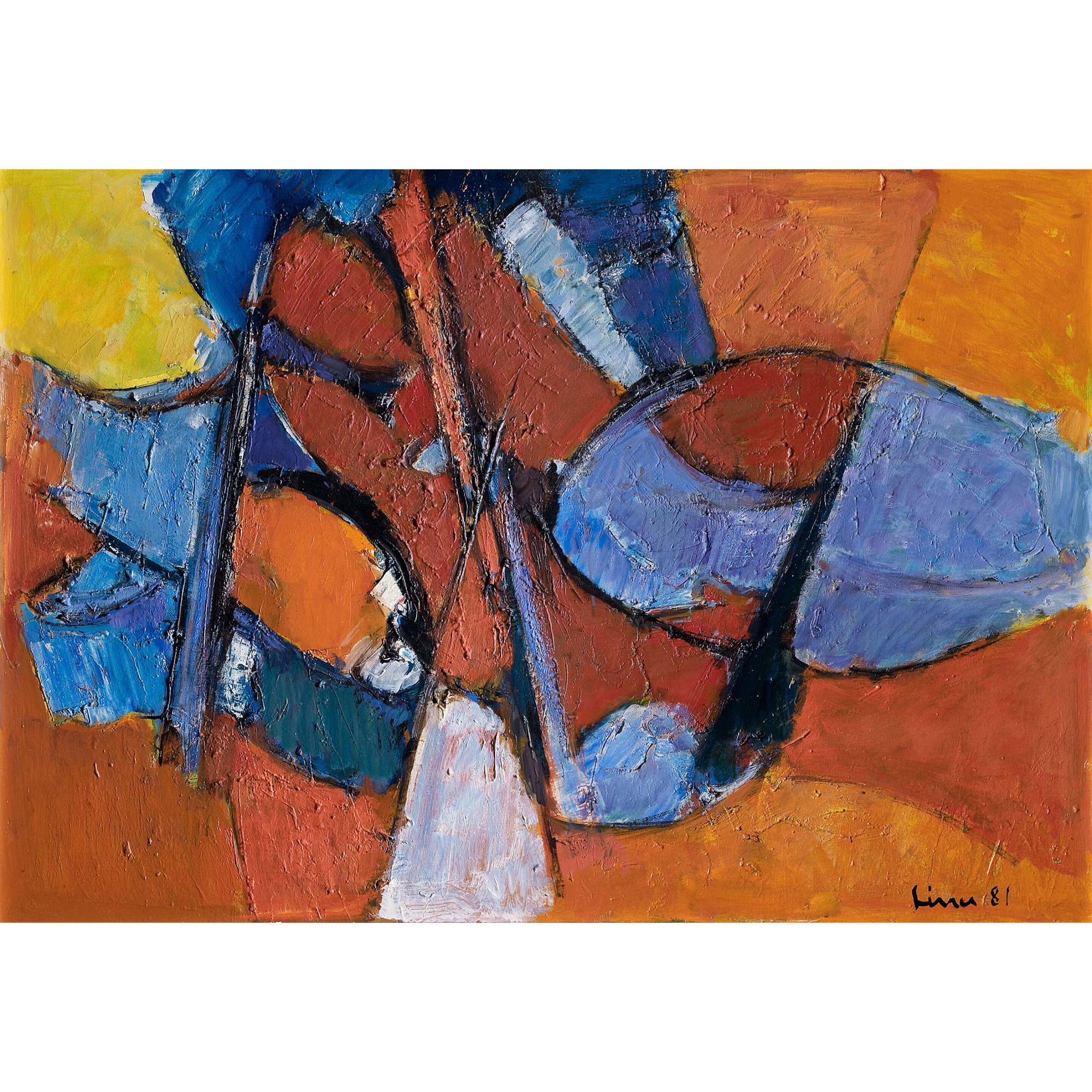
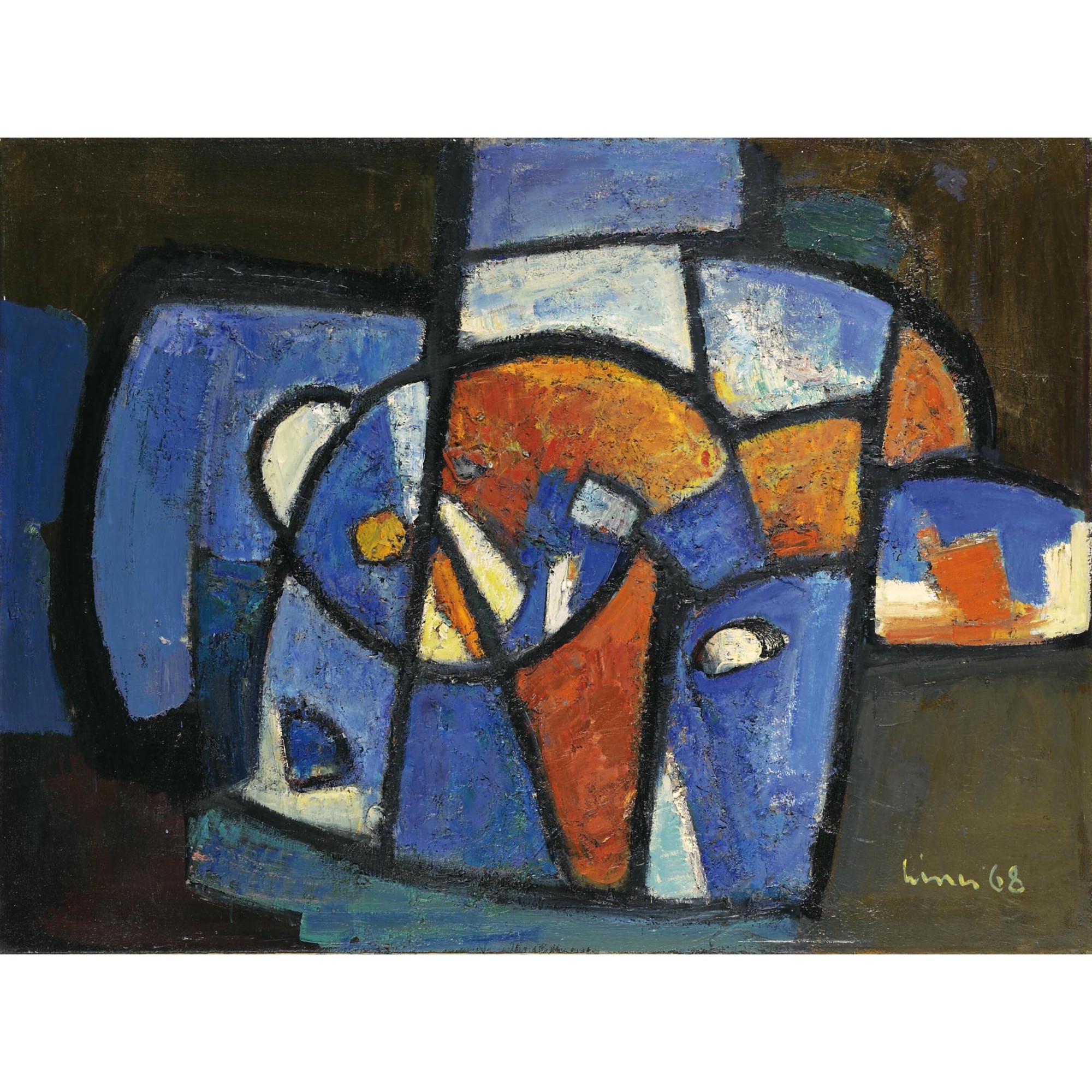
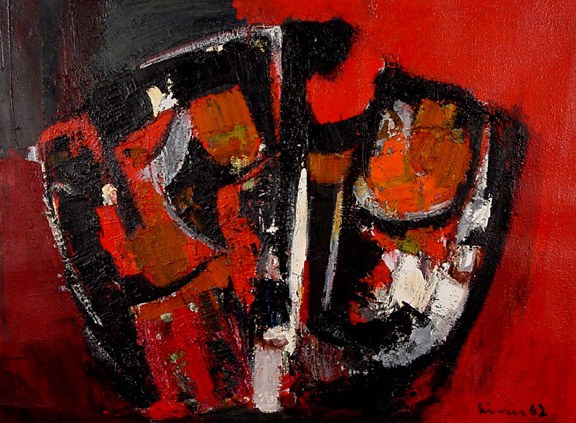
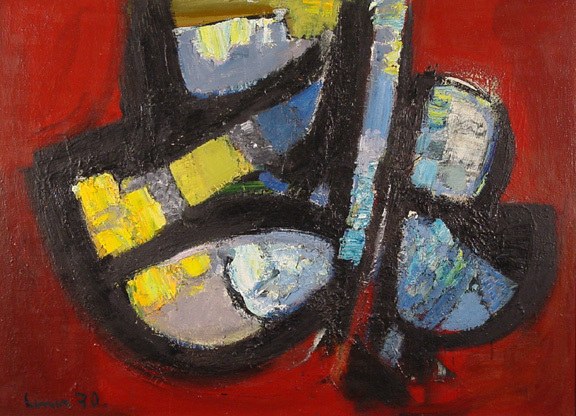
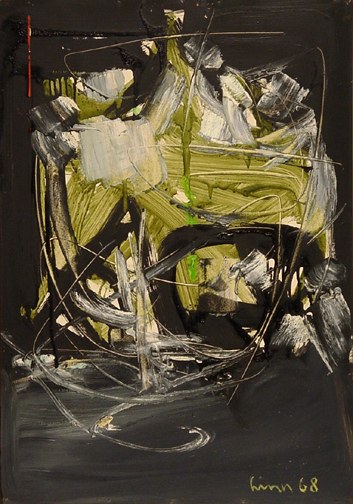
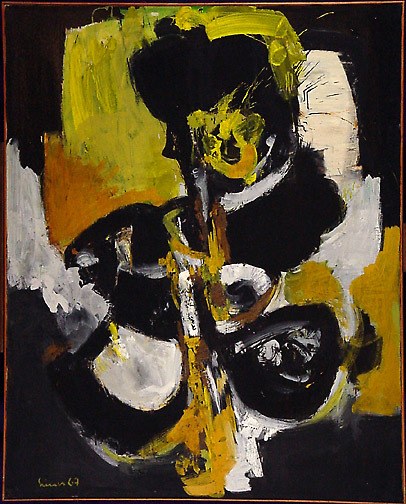
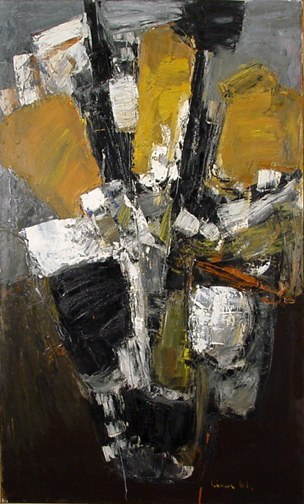
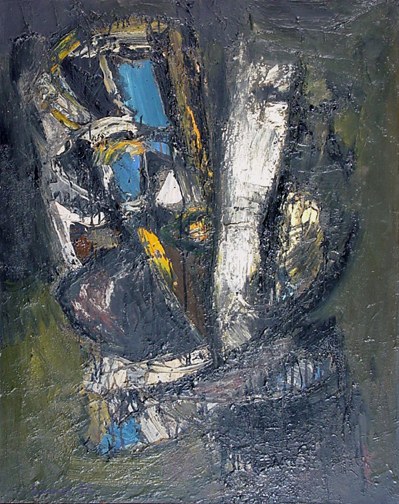
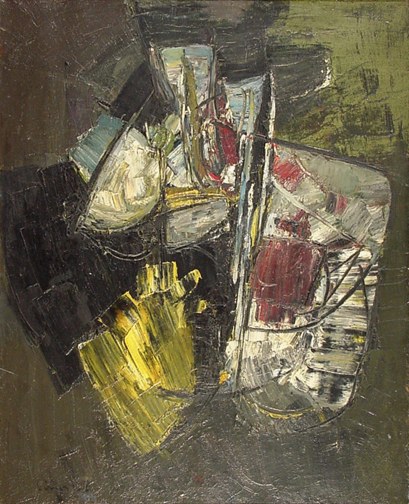
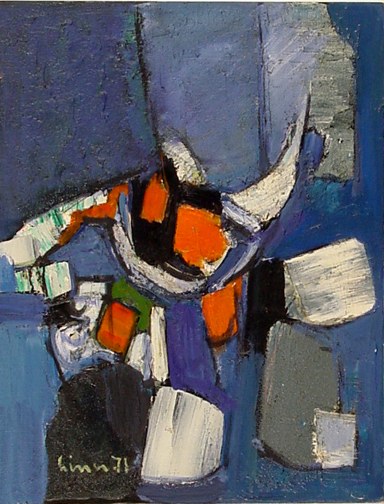
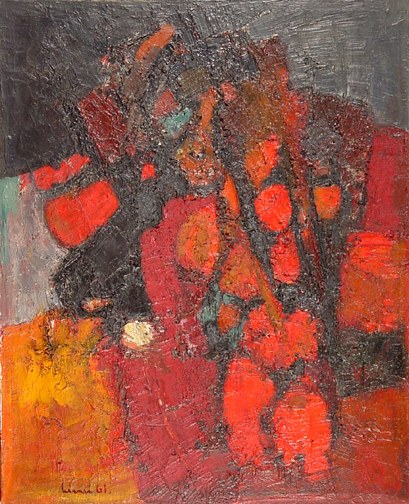
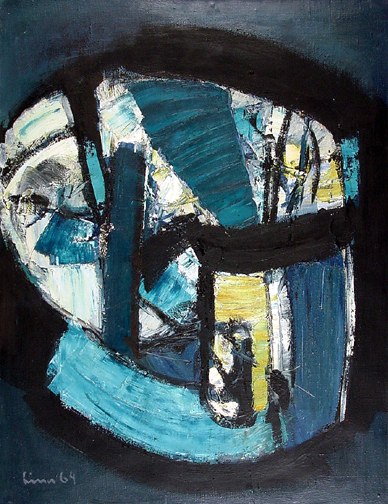
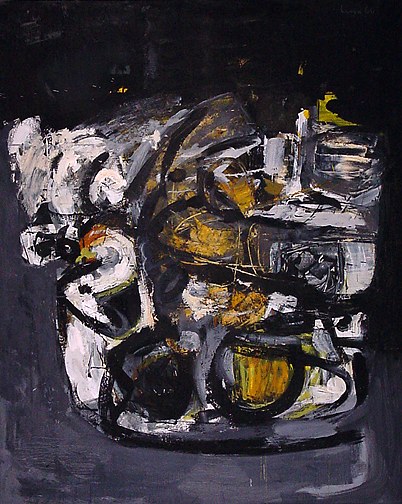
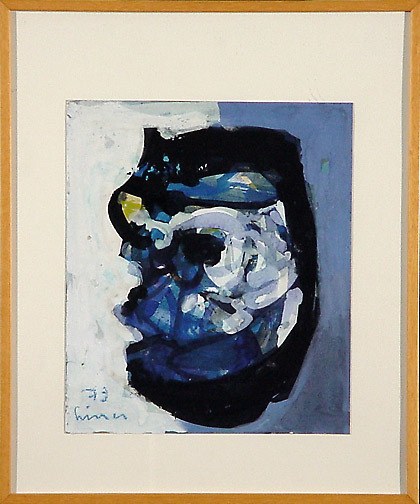
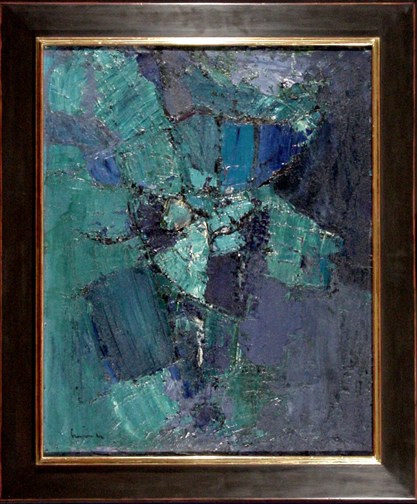
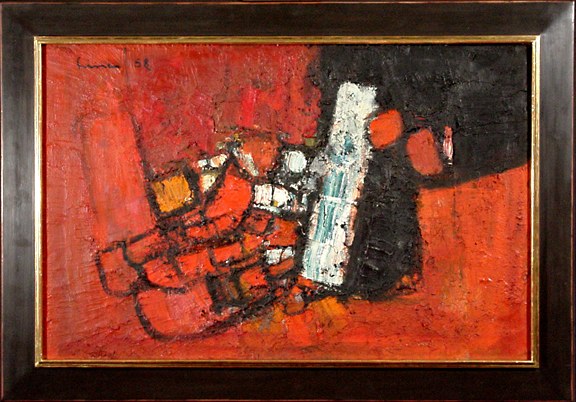
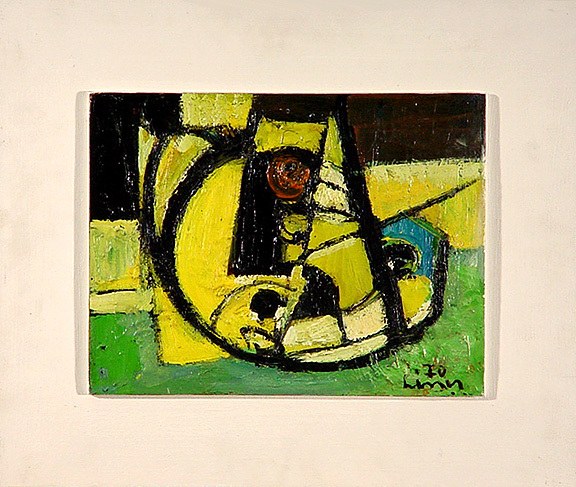
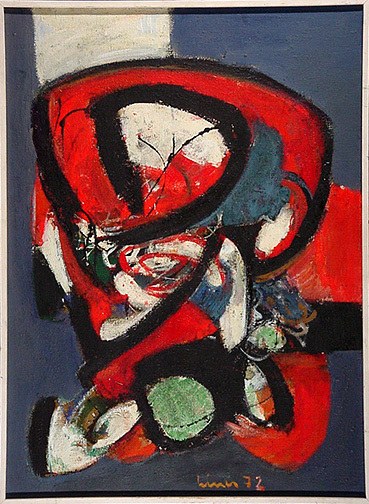
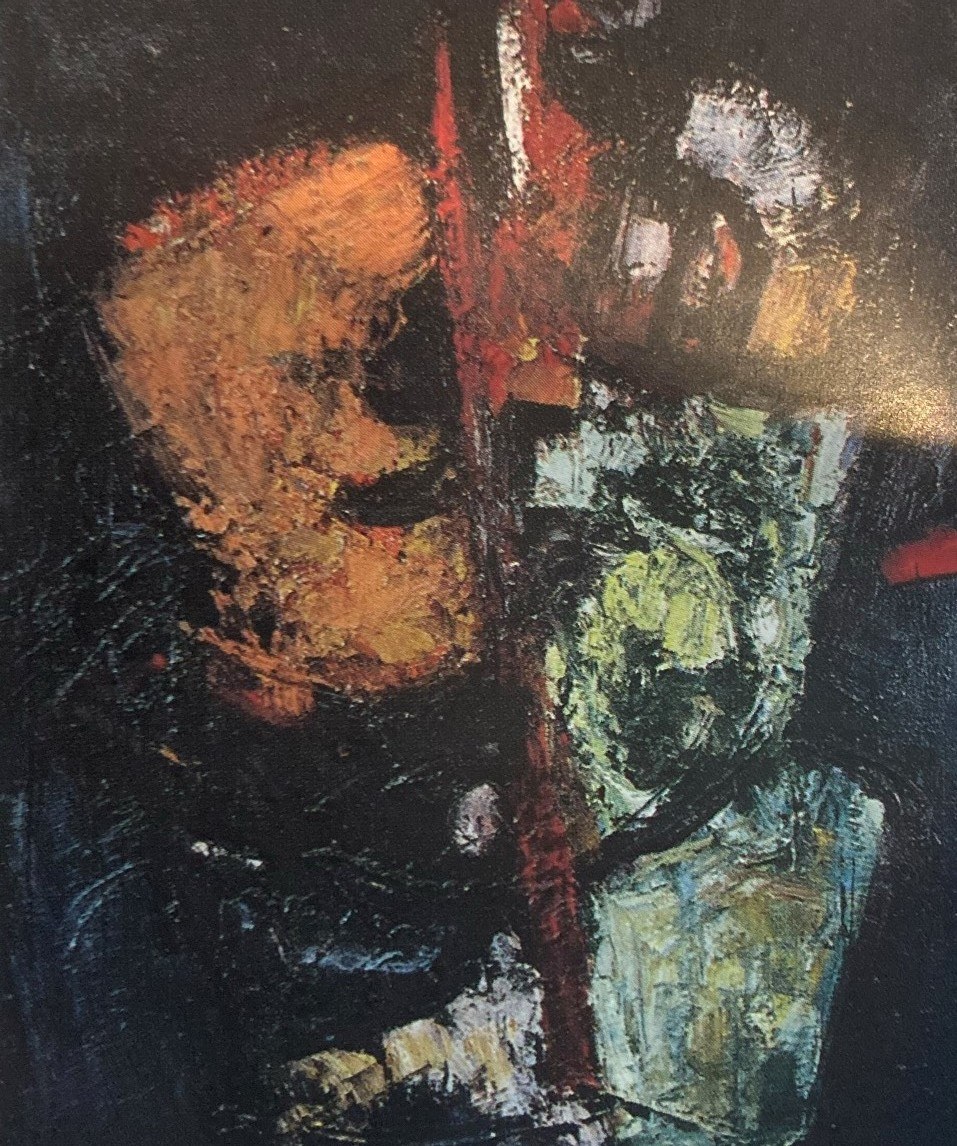
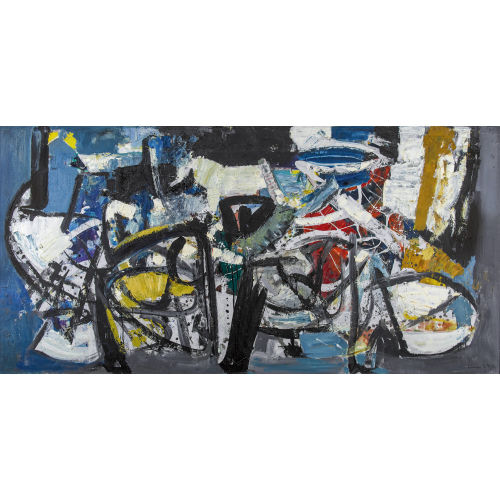
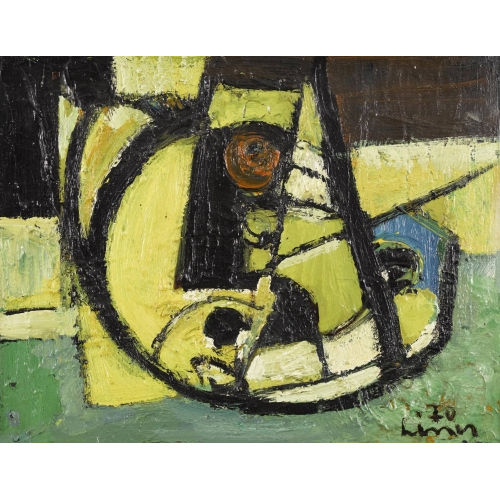
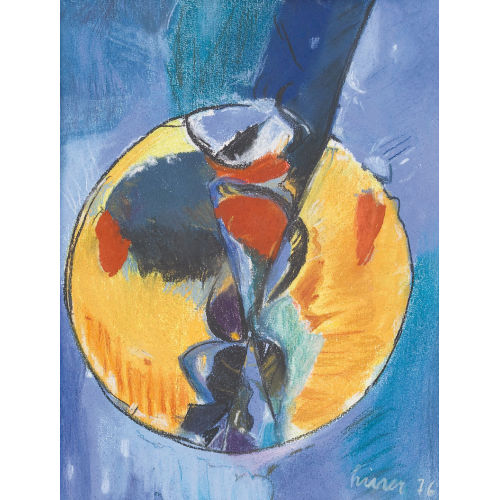
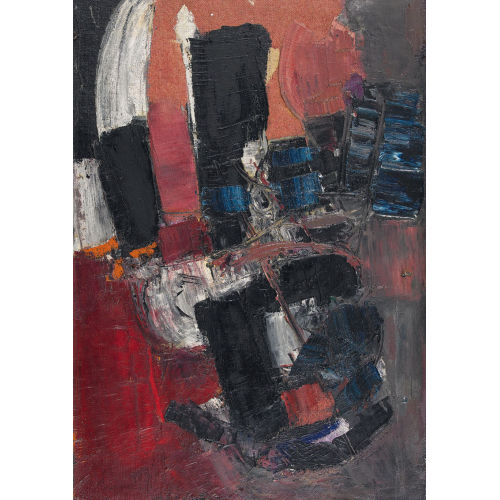
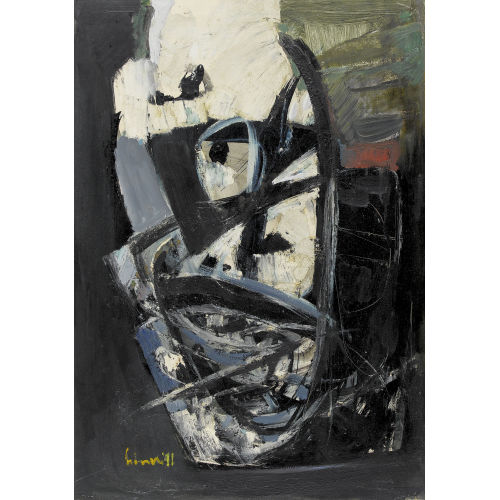
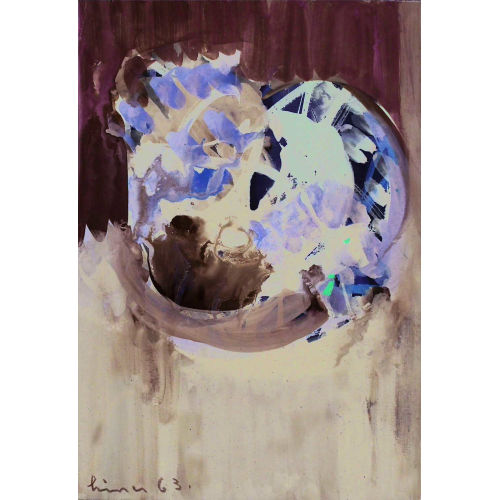
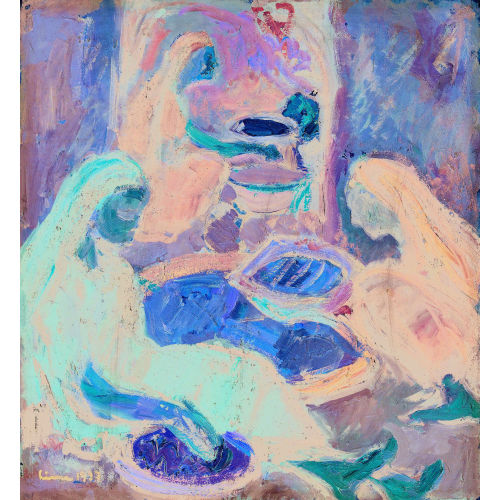
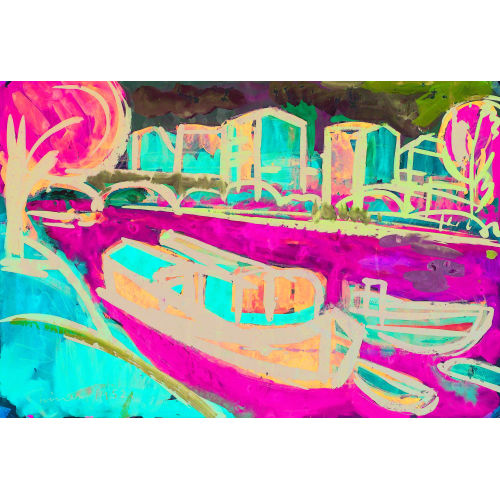
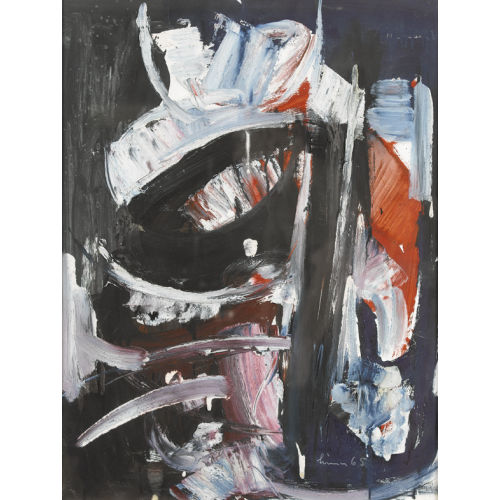
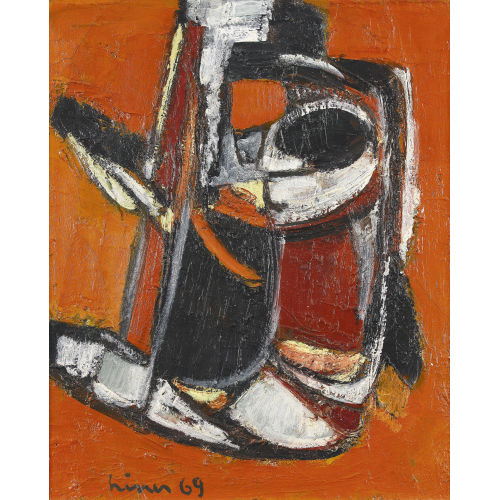
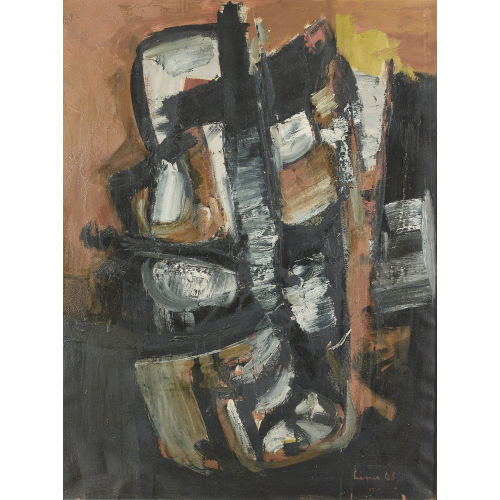
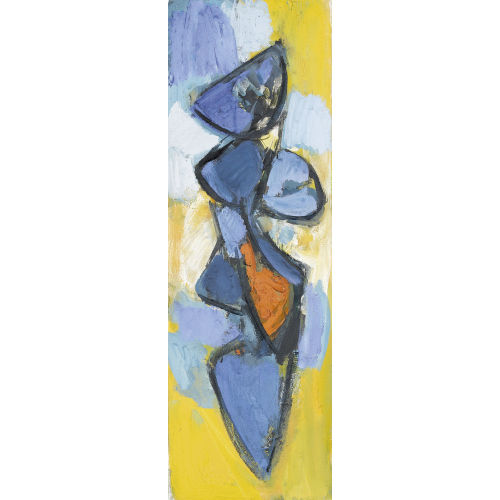
From the mid-1950s onwards, Liner developed a non-figurative painting in parallel. His compositions may privilege the lyrical gesture or geometric structures. This diversity does not signify an abandonment of nature; rather, it extends an enquiry into the sensations nature arouses and their transformation through the imagination.
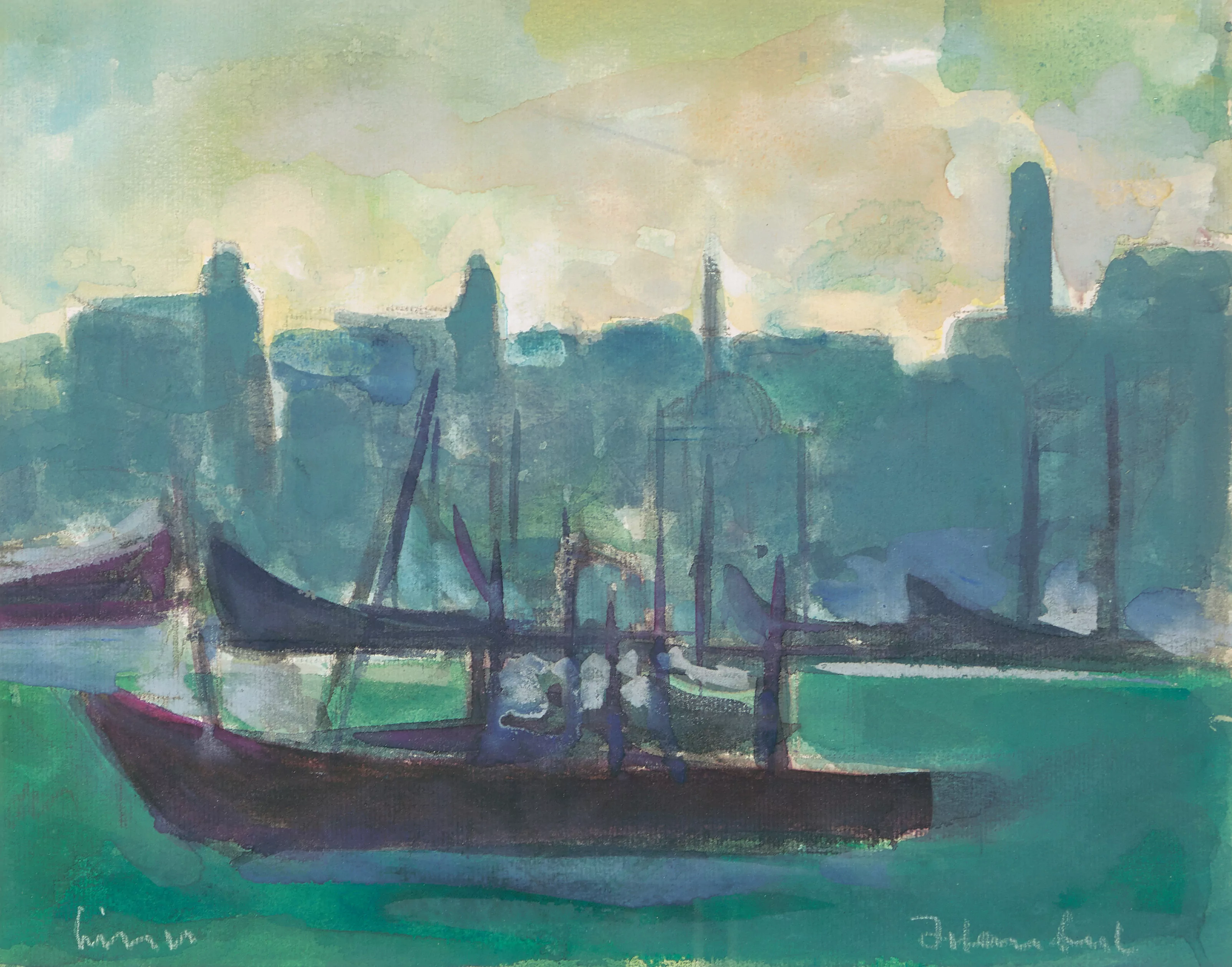
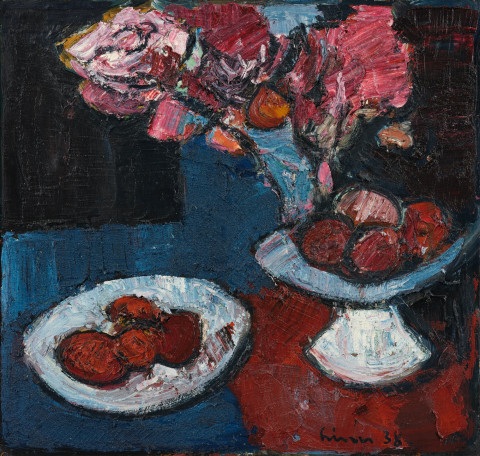
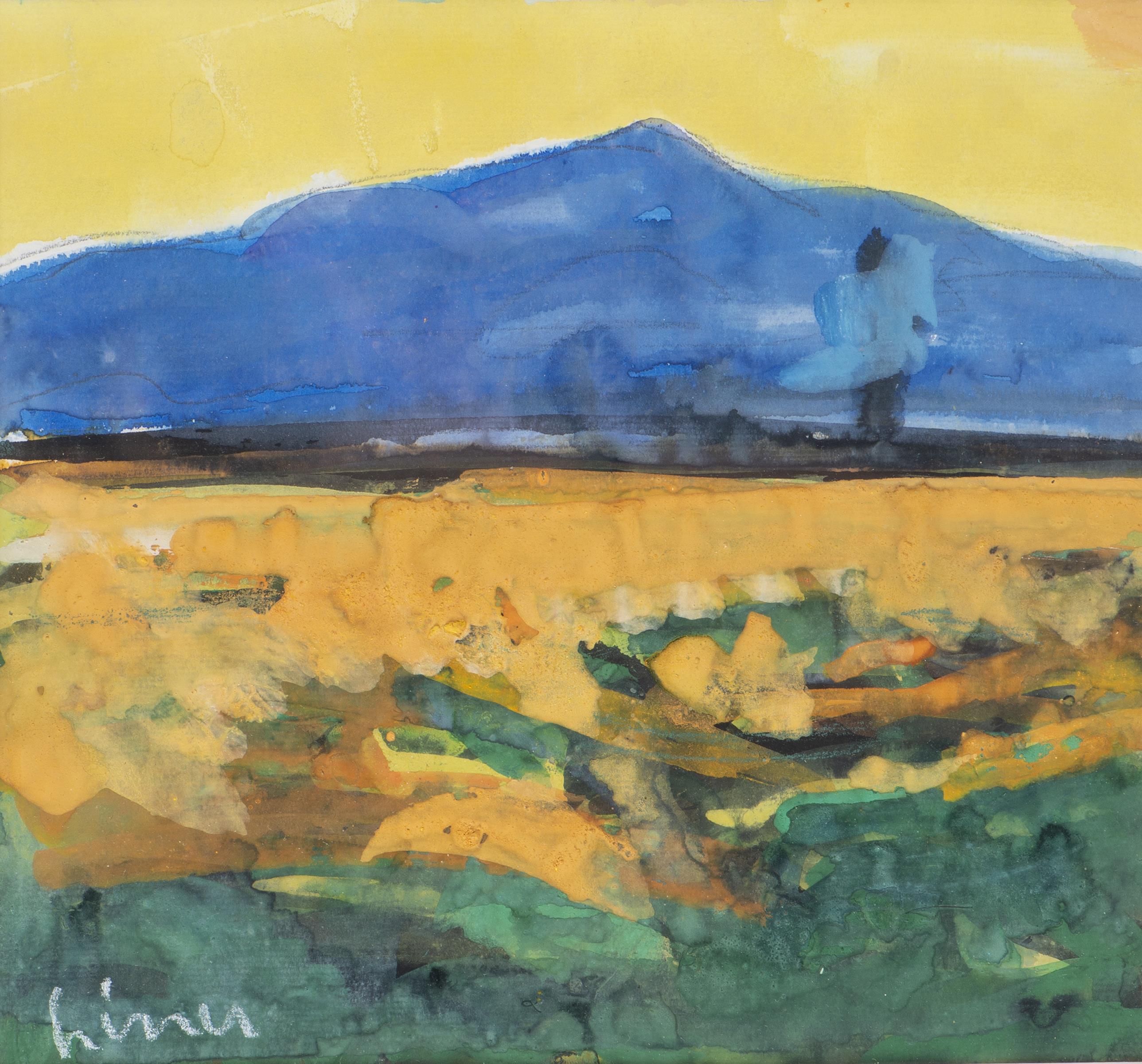
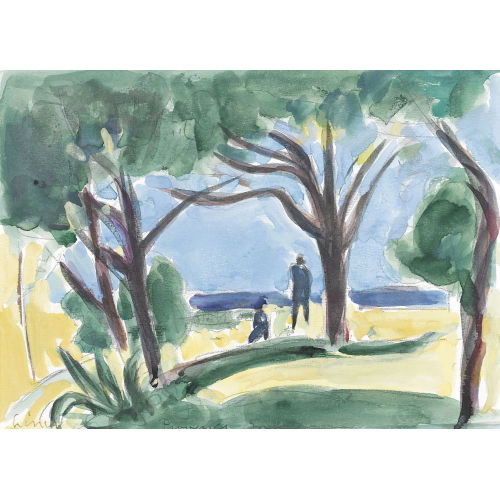
His work and that of his father were the origin of the Museum Liner Appenzell, which opened in 1998 and became the Kunstmuseum Appenzell. To discover his singularity, one can observe how one colour responds to another, how a brushstroke animates a surface. The passage from landscape to abstraction then appears as a continuous dialogue between observation and pictorial freedom.