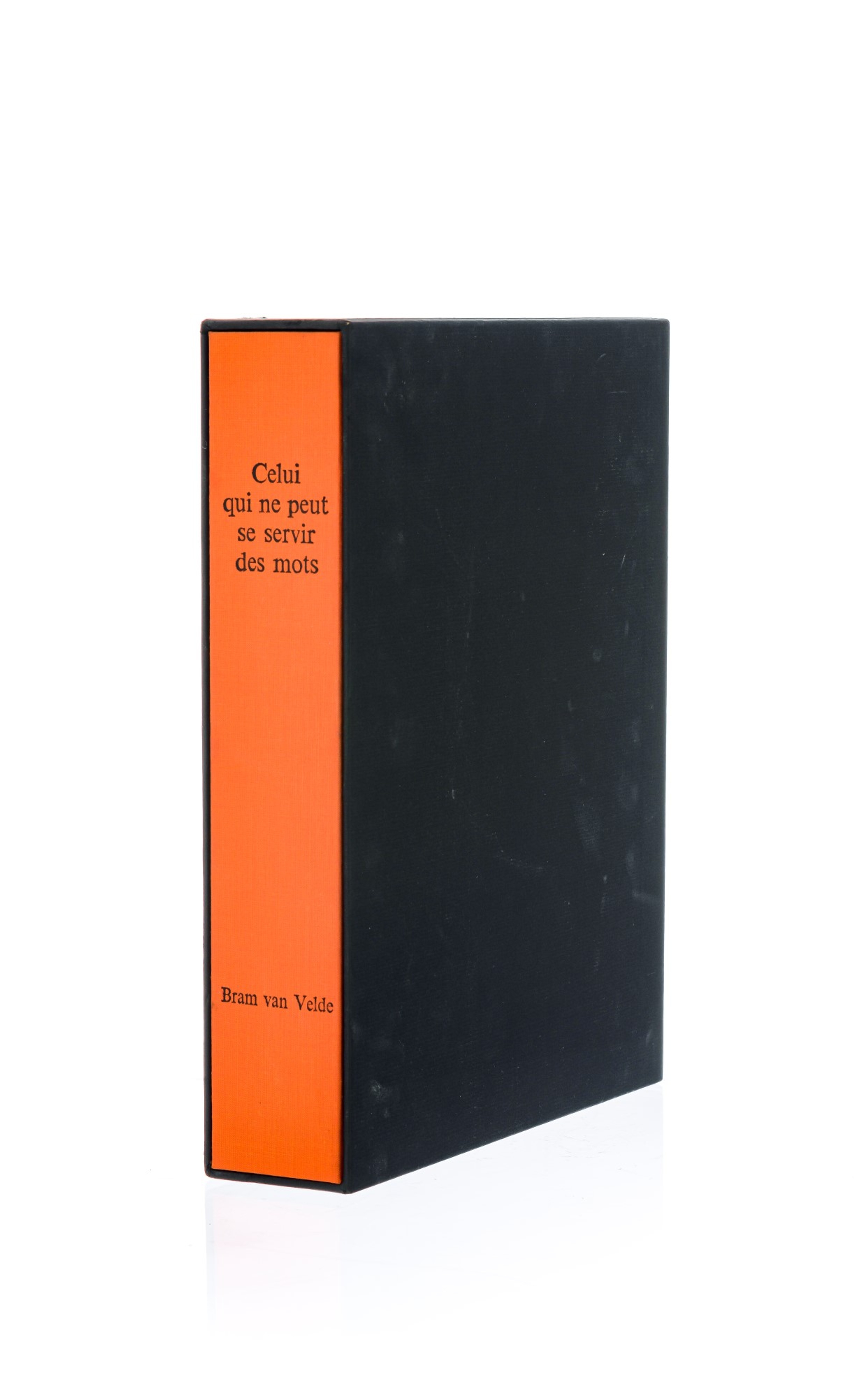
Bram van Velde
Born in Zoeterwoude (Netherlands) in 1895.
Died in Grimaud (France) in 1981.
Dutch · From early Expressionism to a lyrical, gestural post-war abstraction.
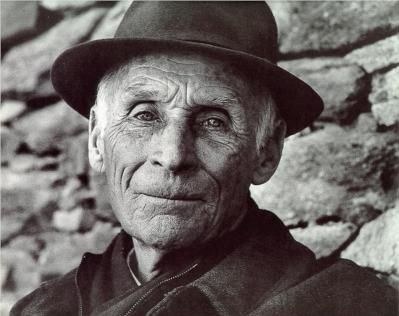
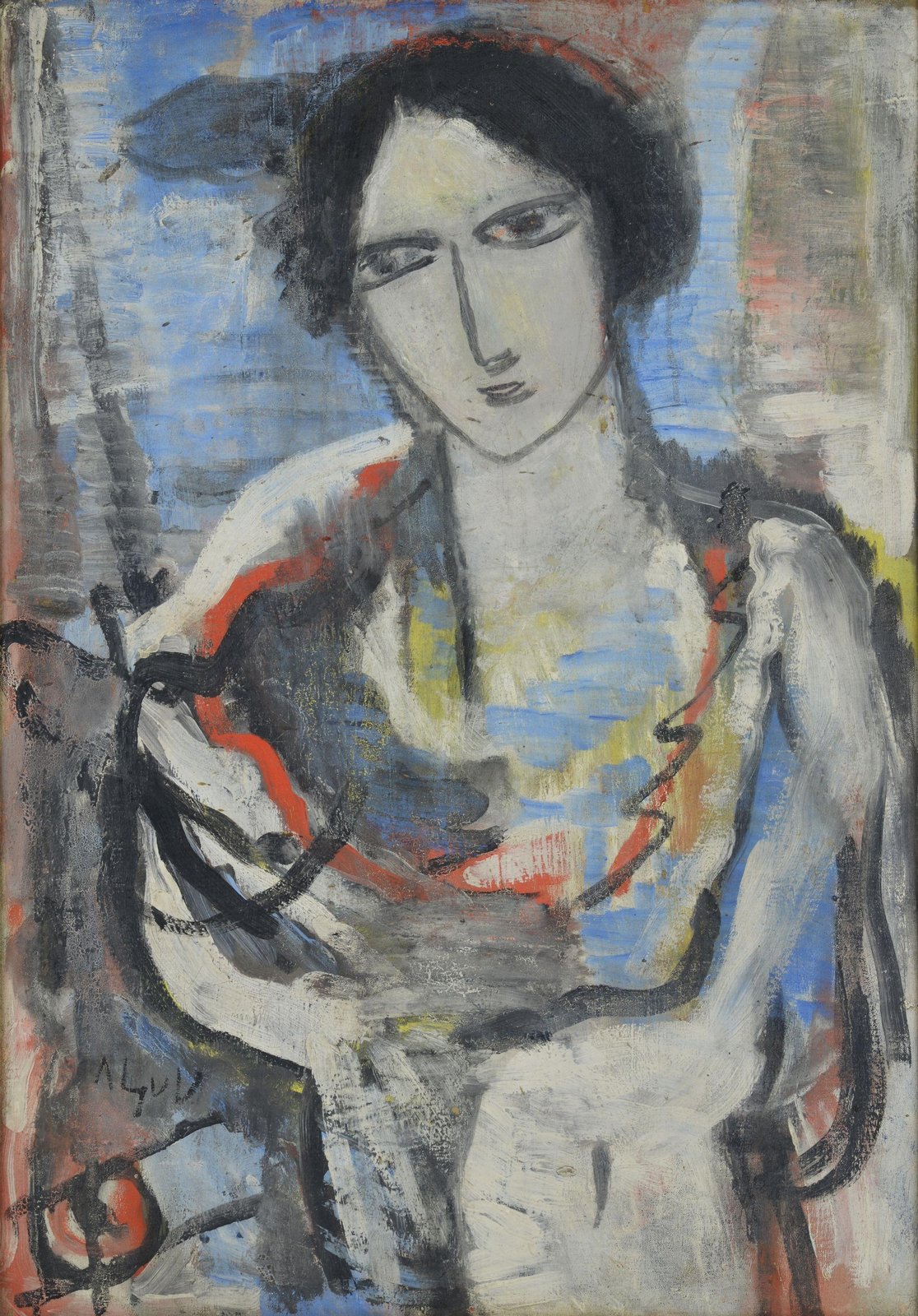
Bram van Velde developed a painting of intense concentration, nourished by practical training in decoration and by the study of the old masters at the Mauritshuis in The Hague. The support of the collector Eduard H. Kramers enabled him to travel and deepen his visual culture in Europe; his stay in Worpswede at the beginning of the 1920s marked a decisive stage in his encounter with Expressionism.
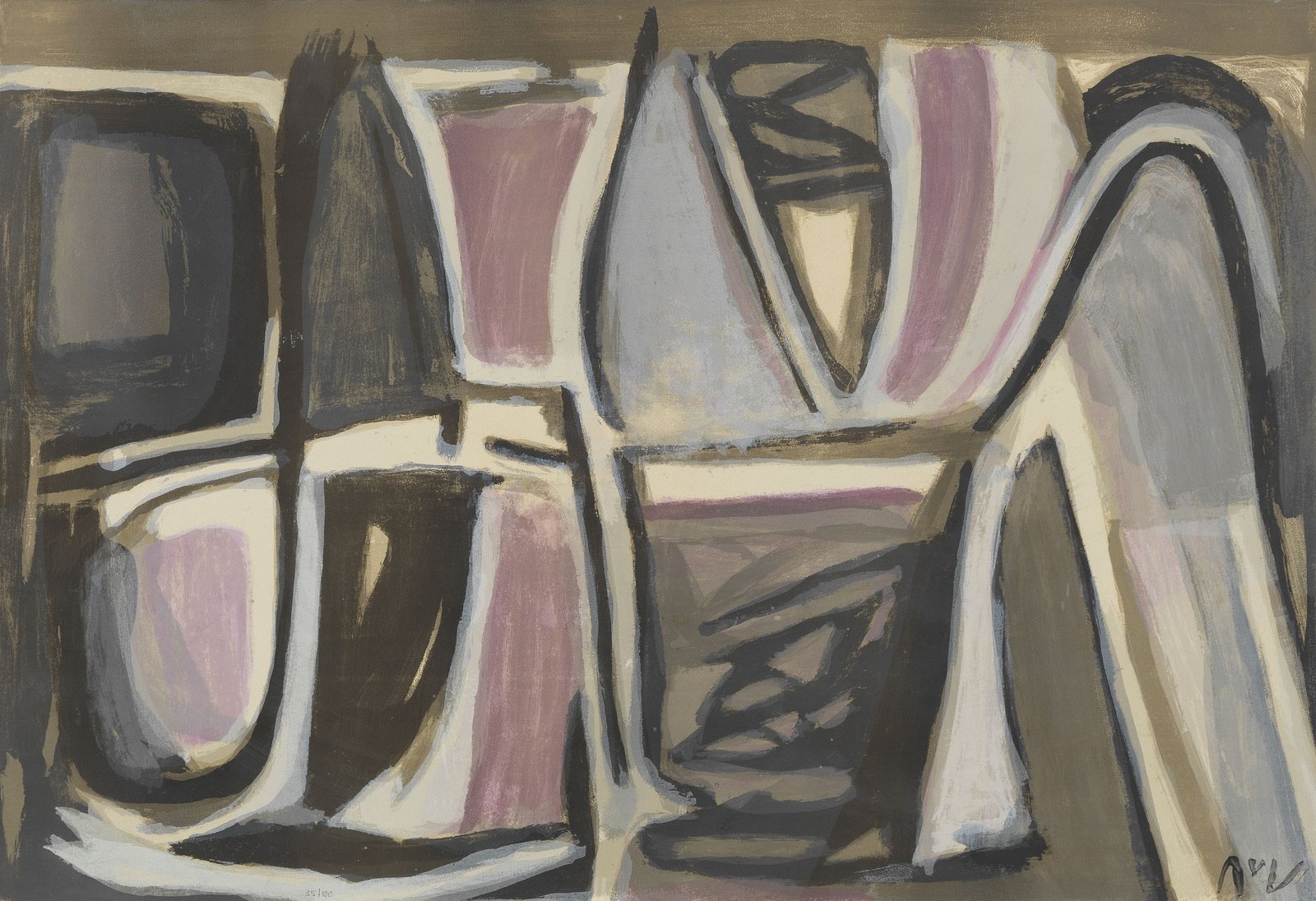
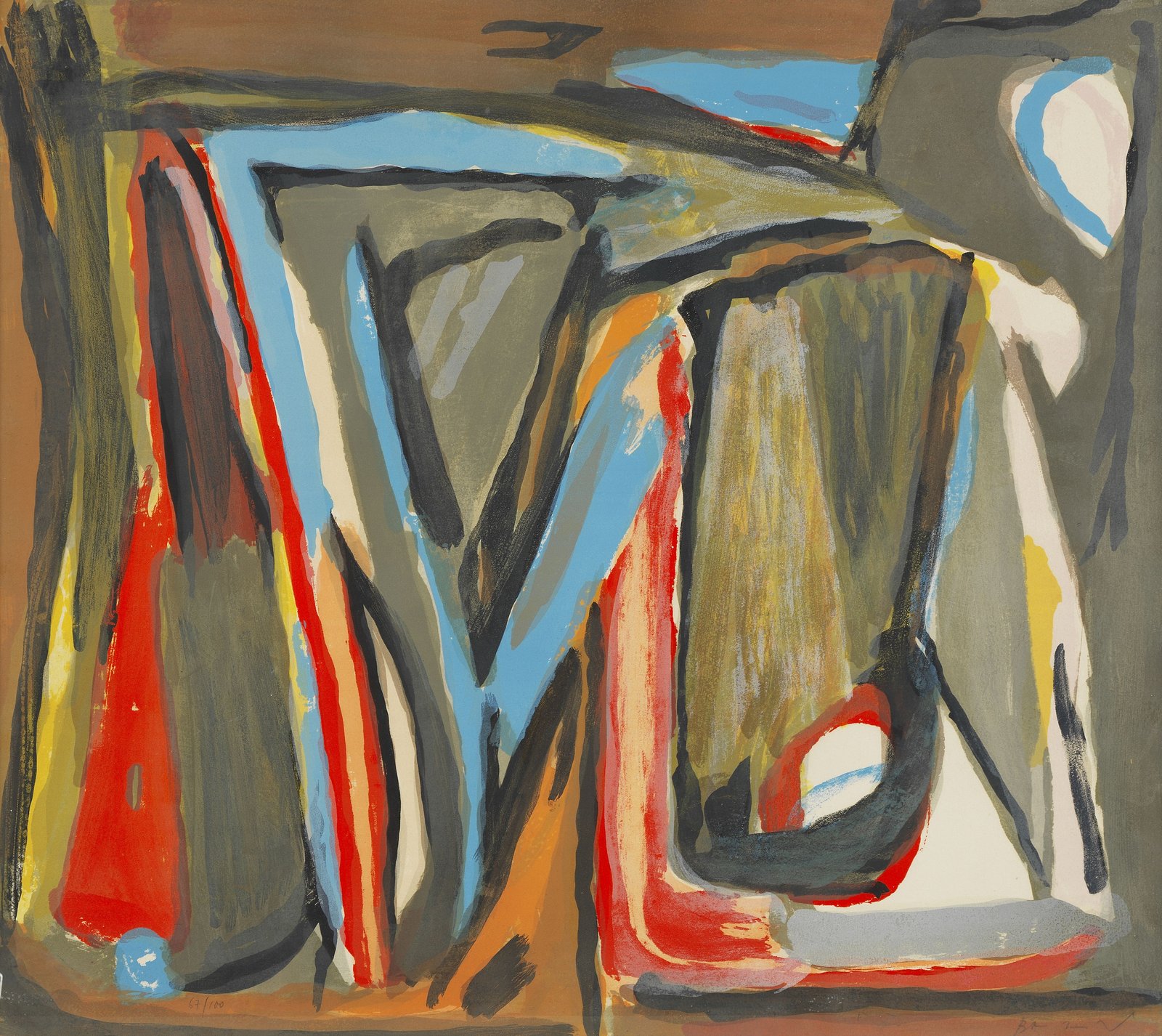
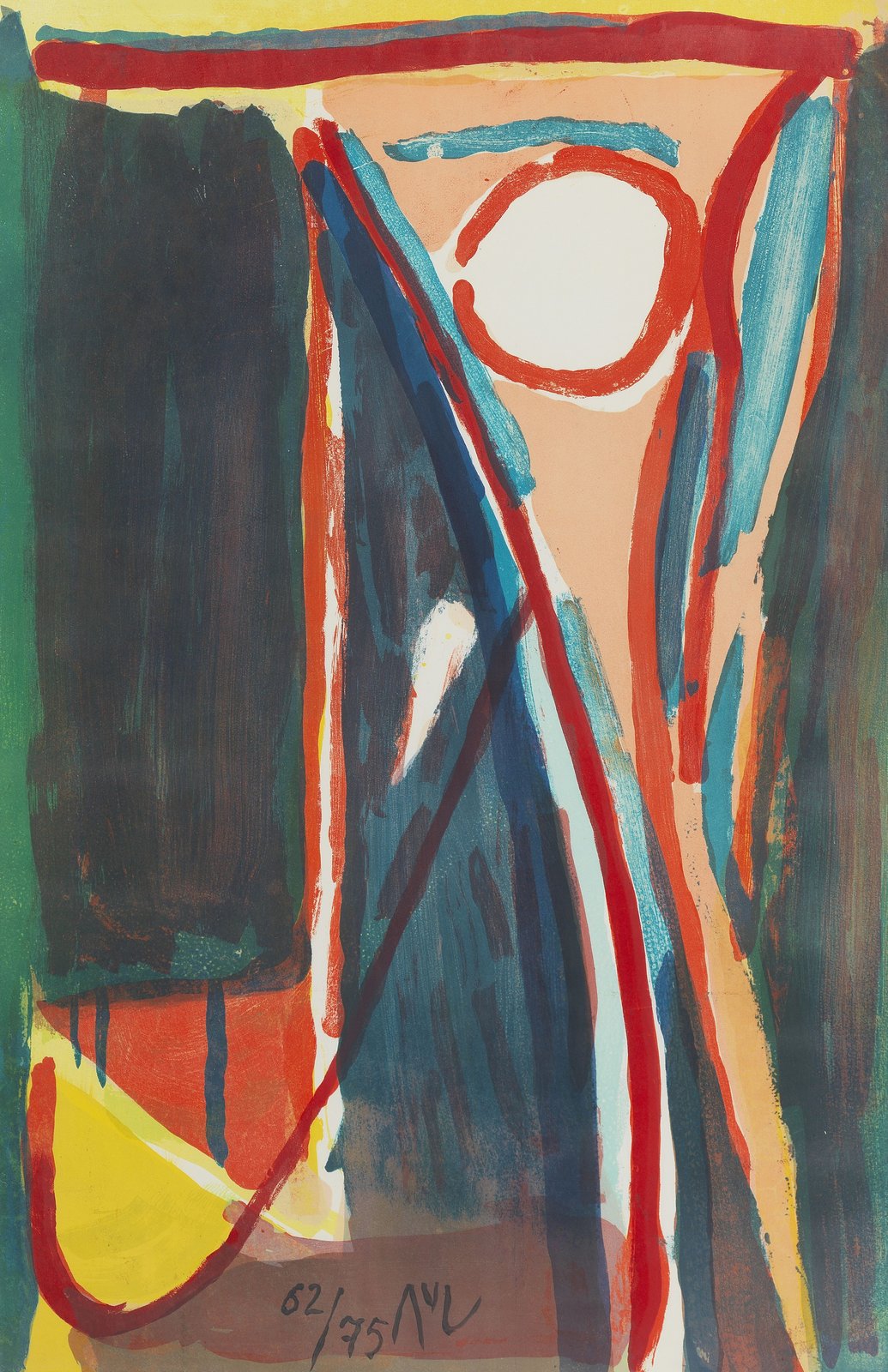
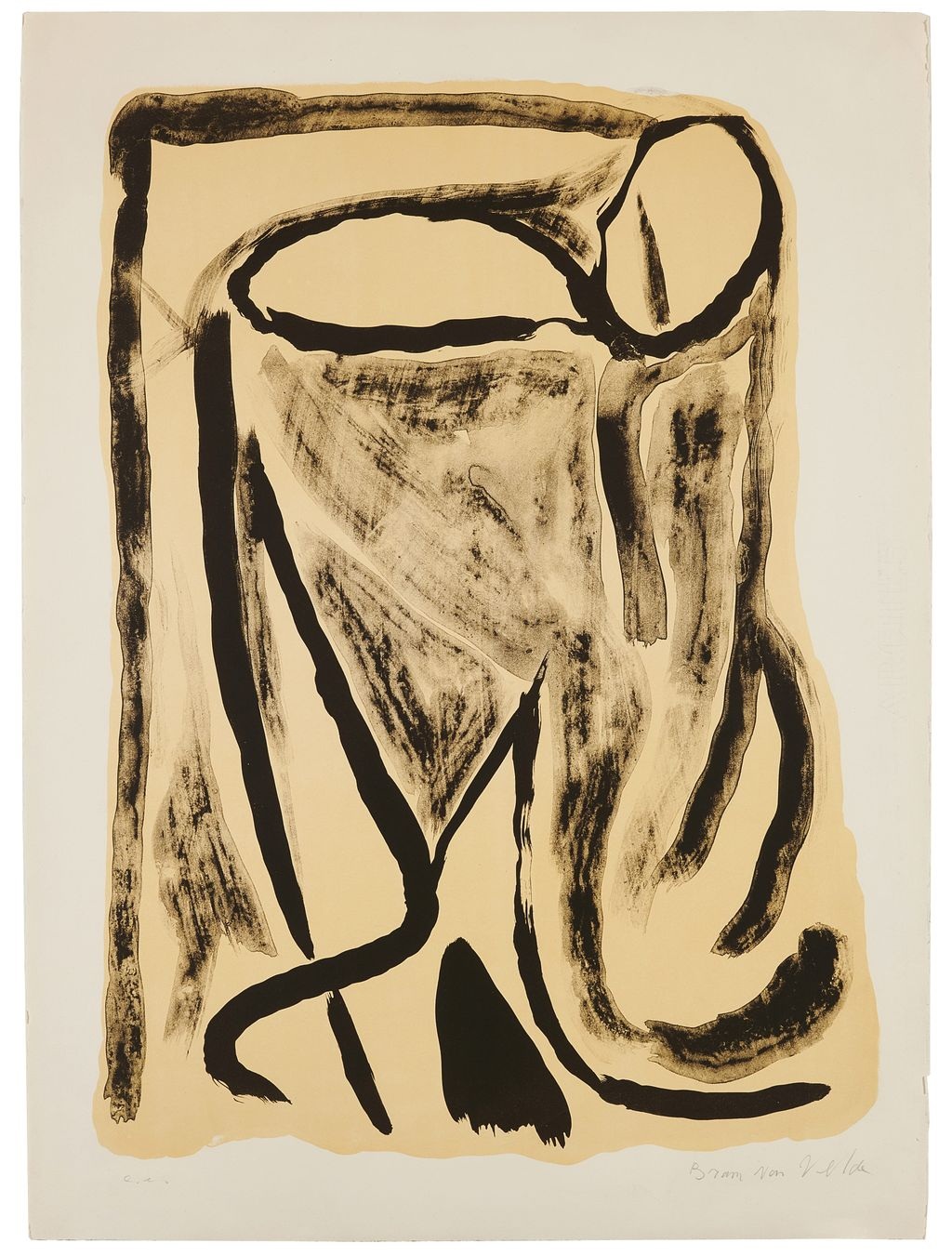
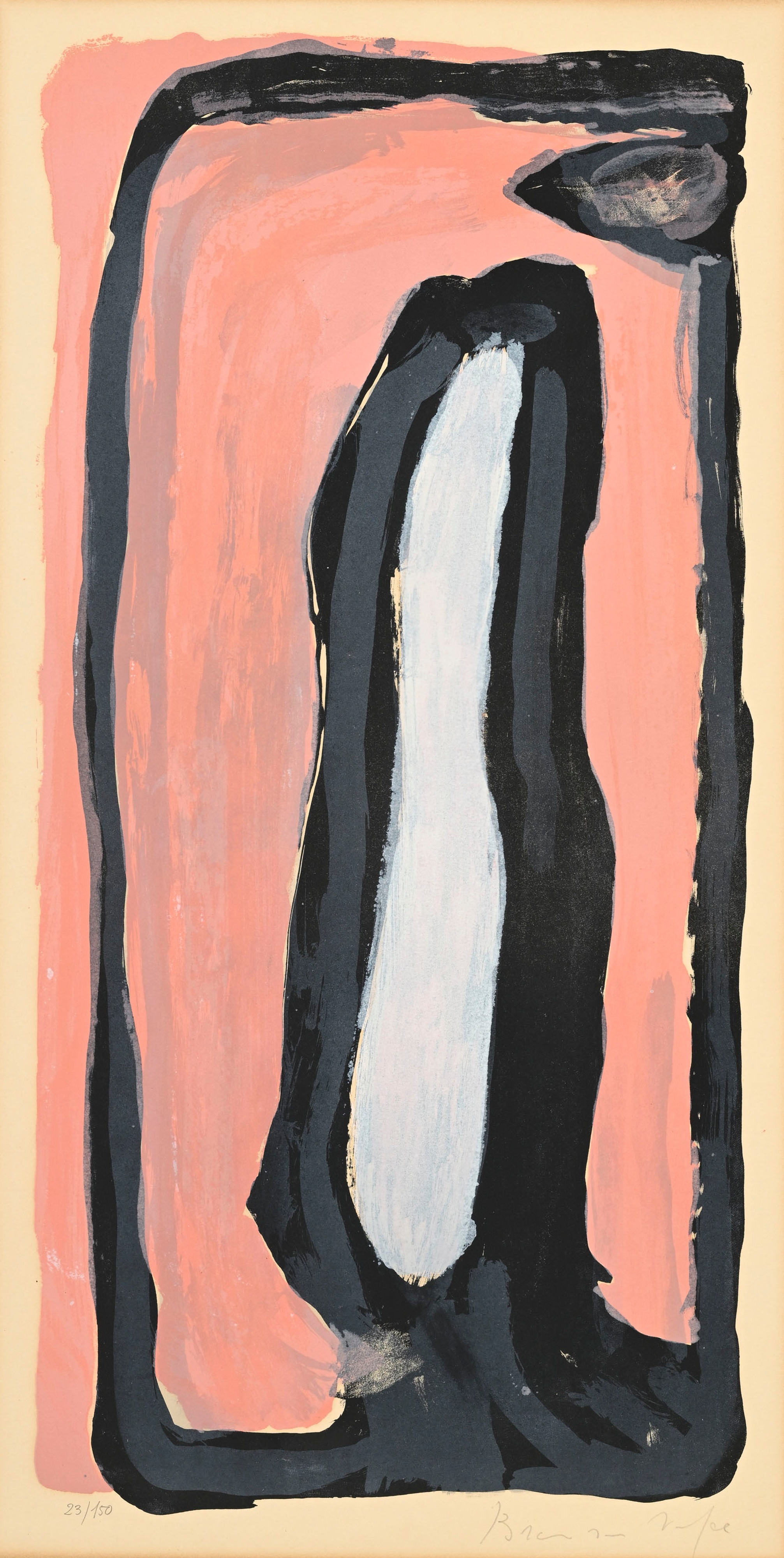
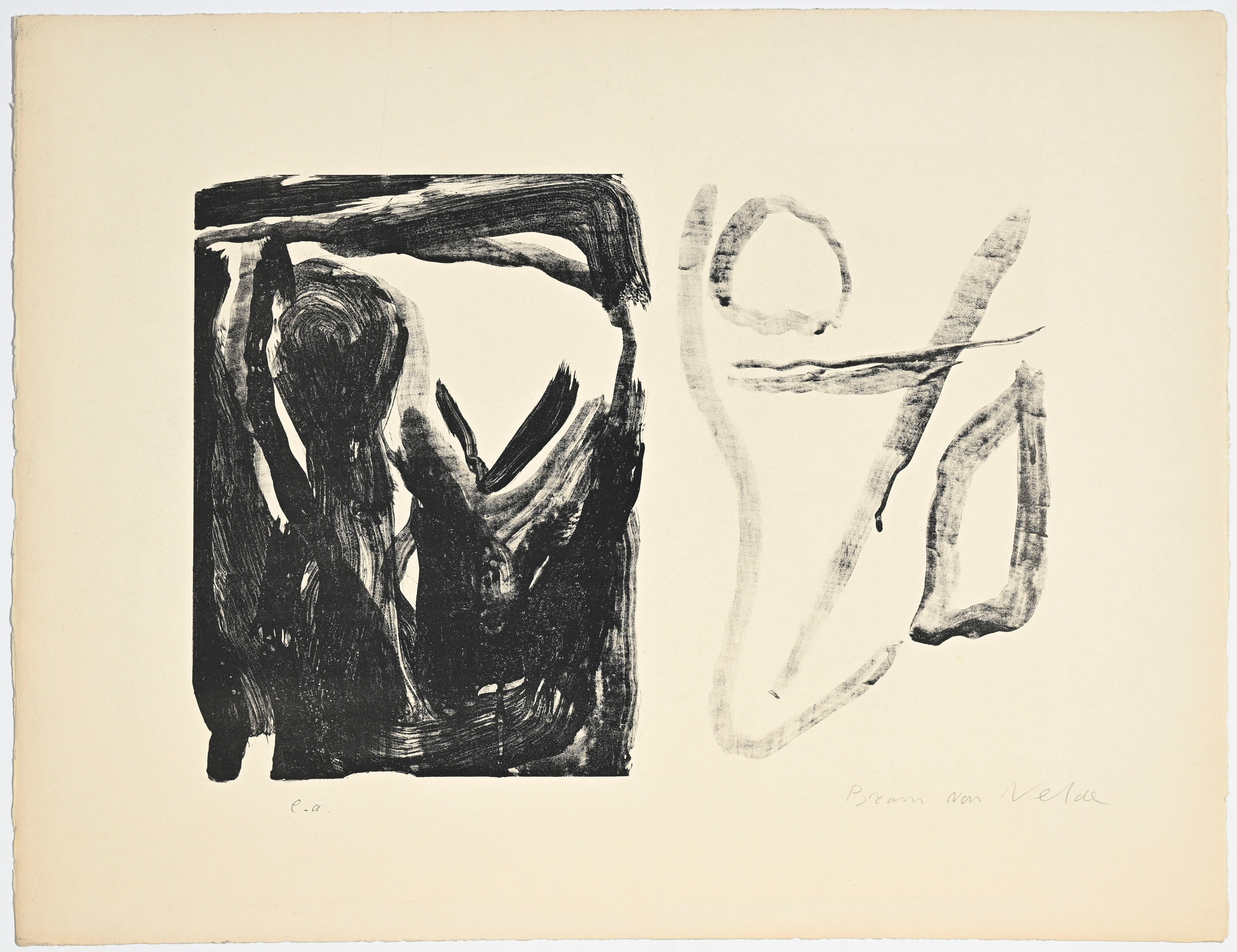
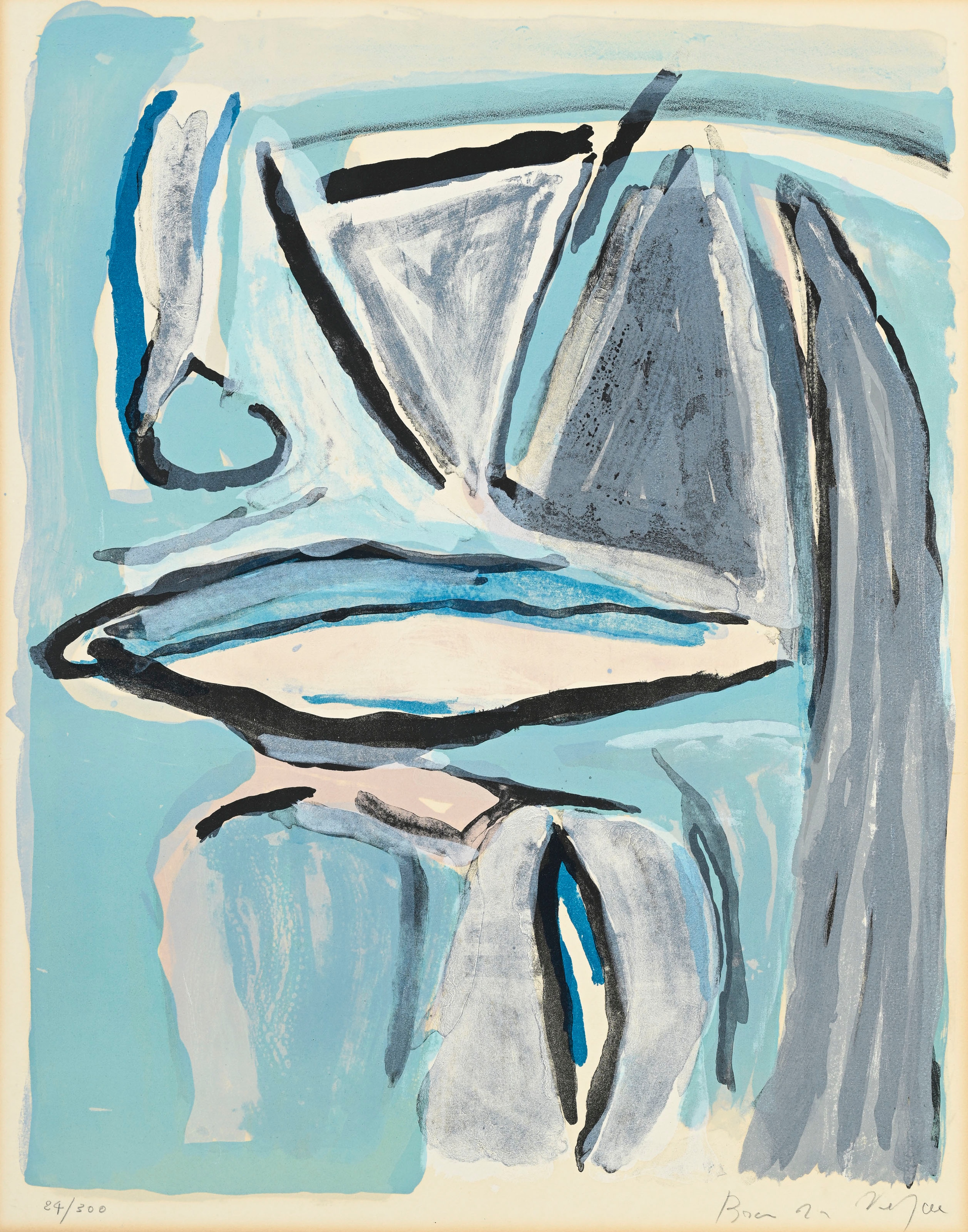
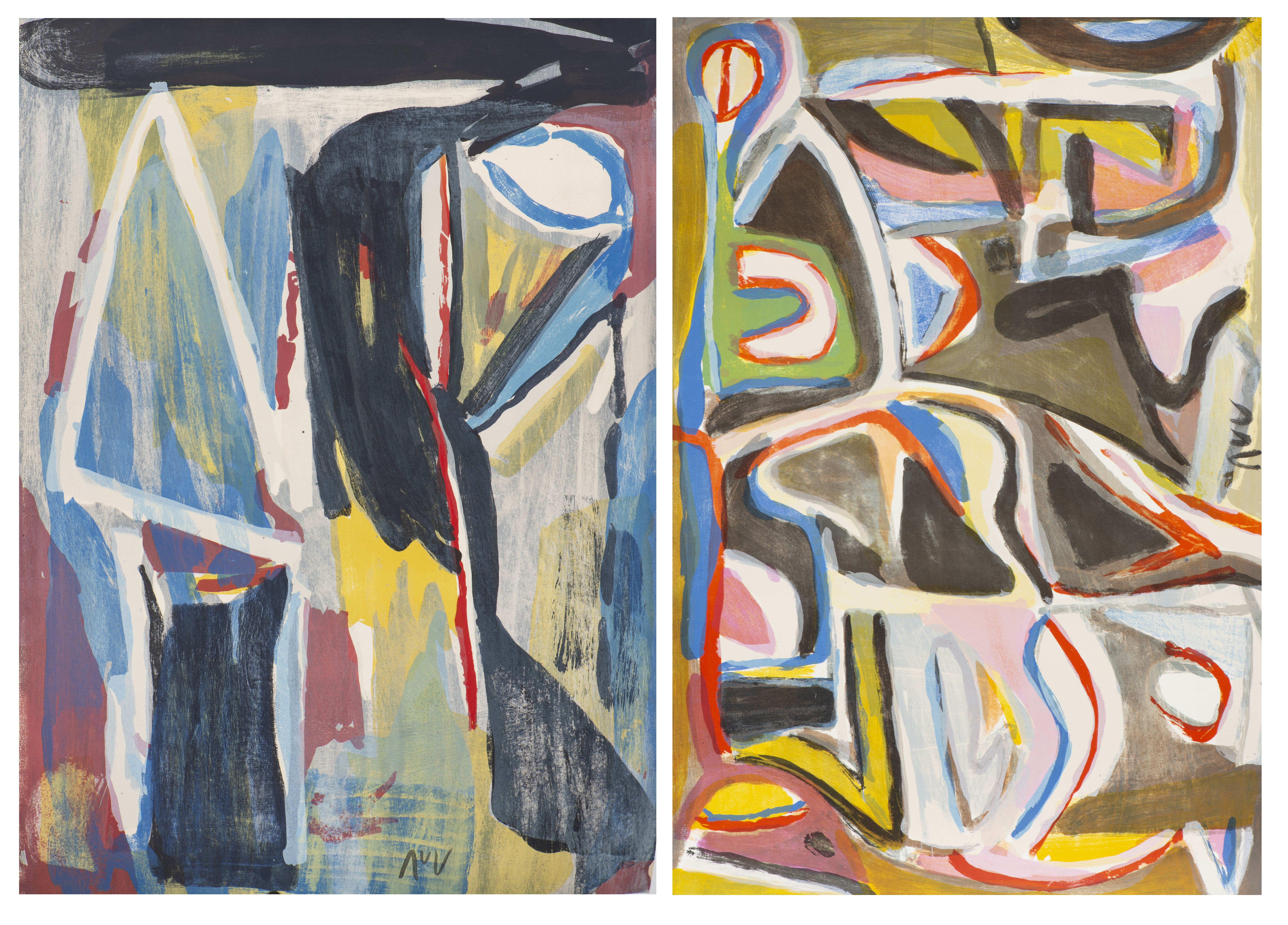
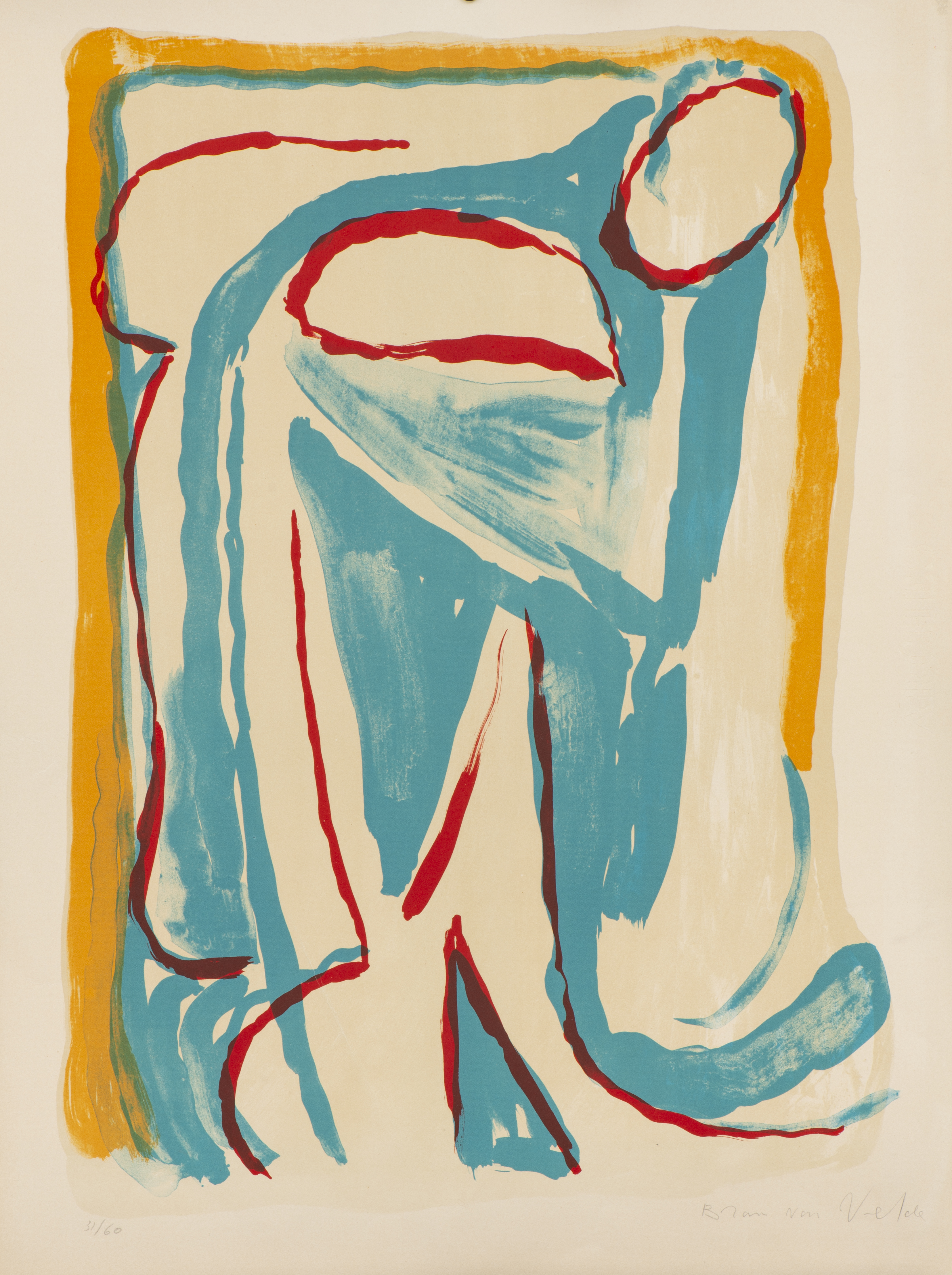
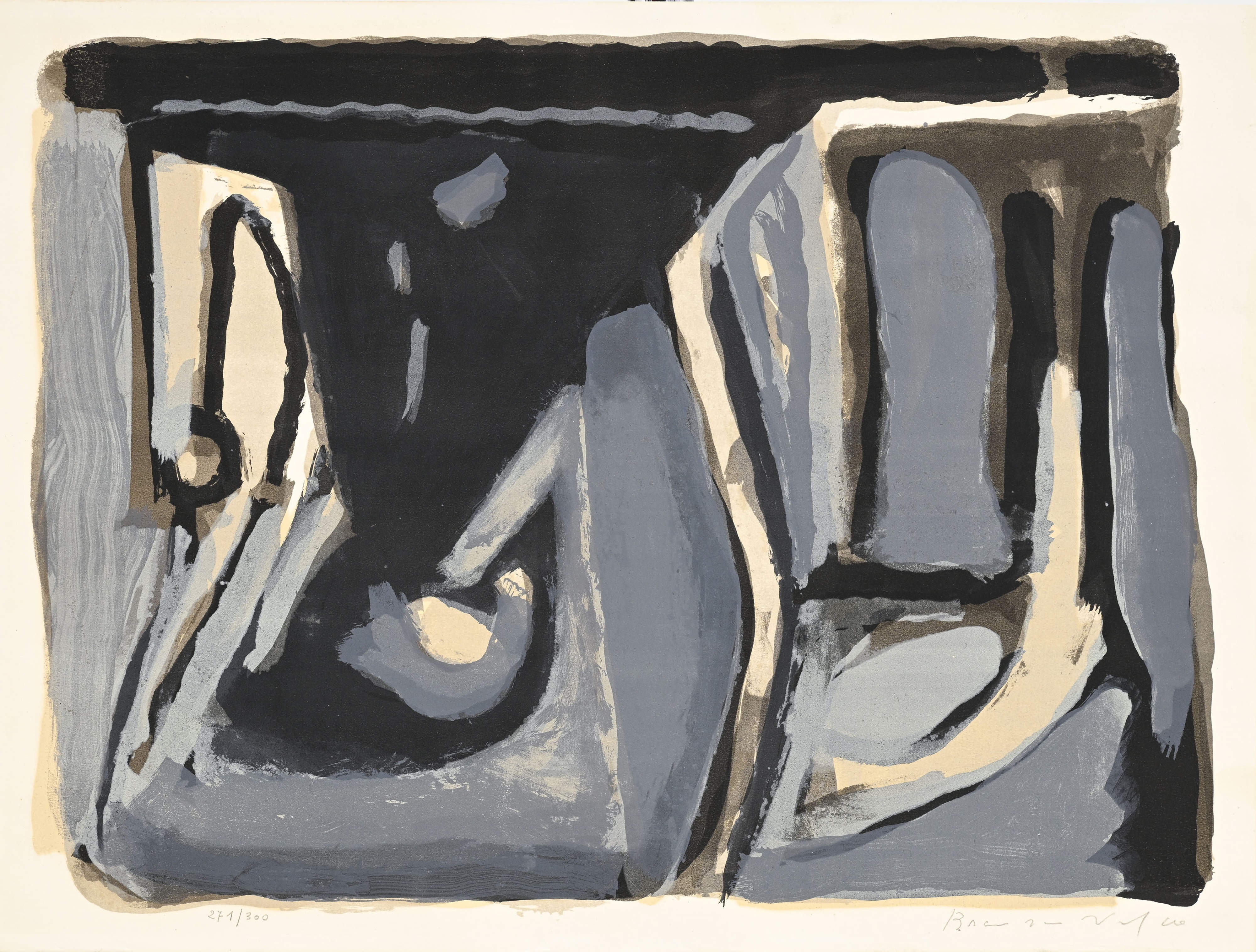
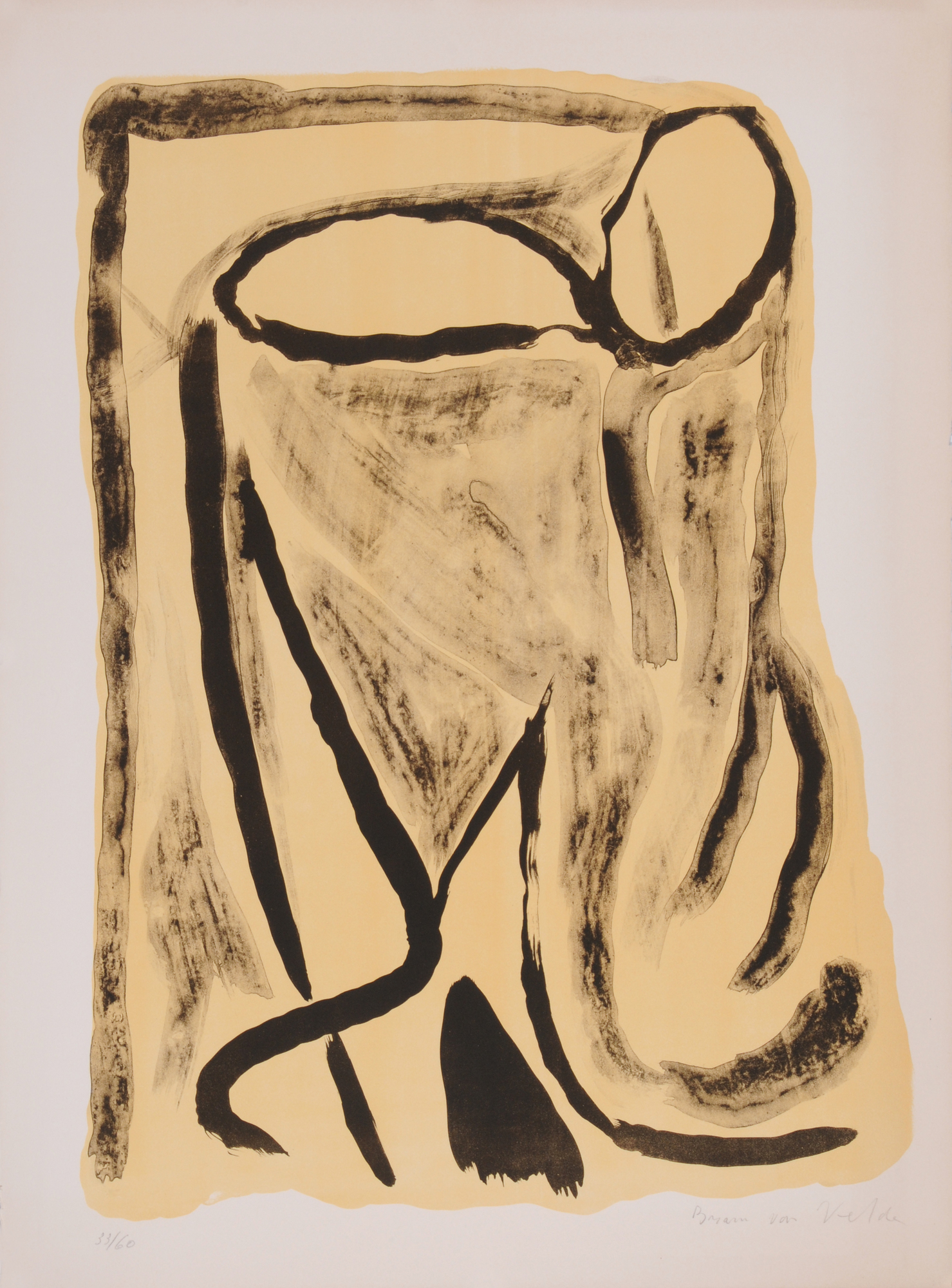
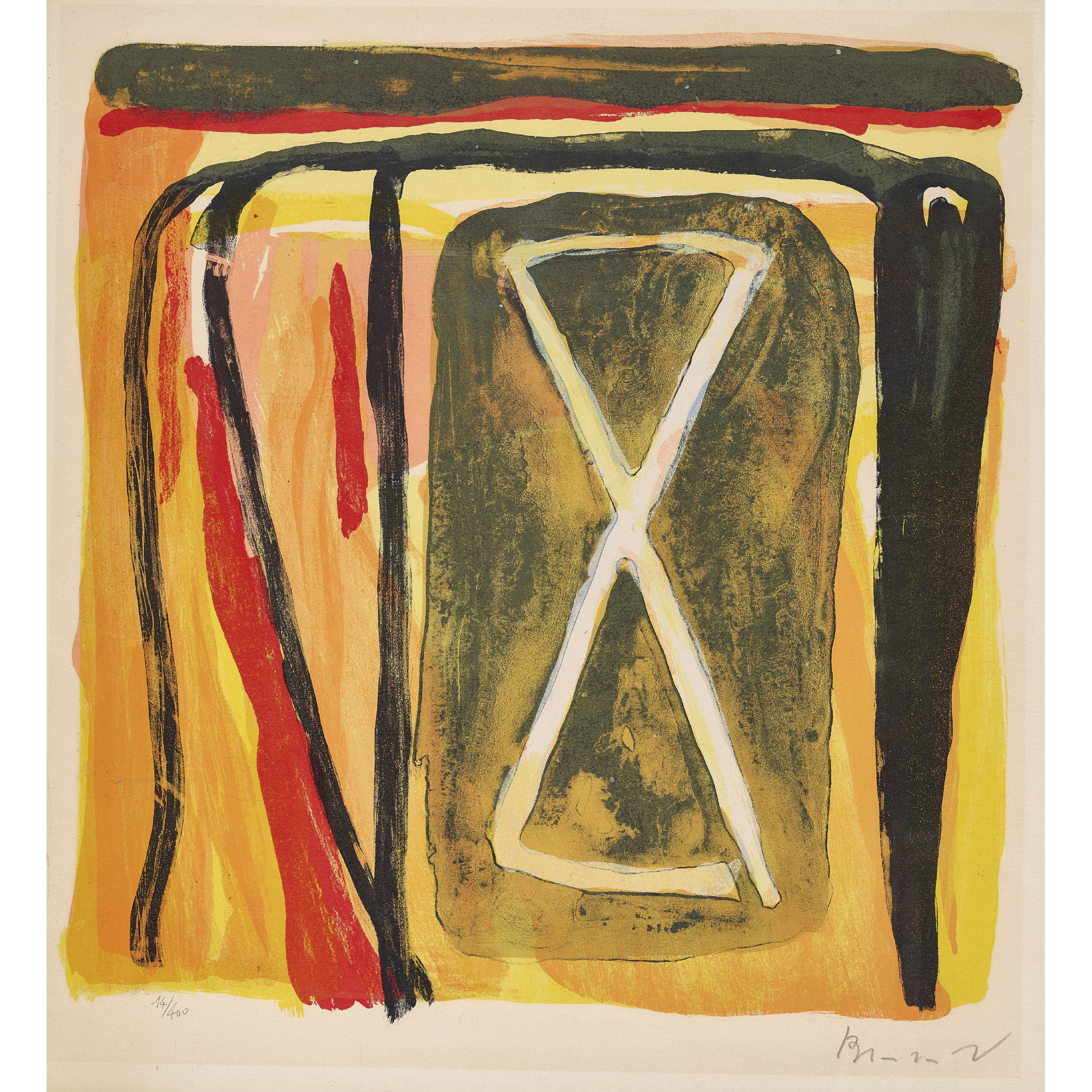
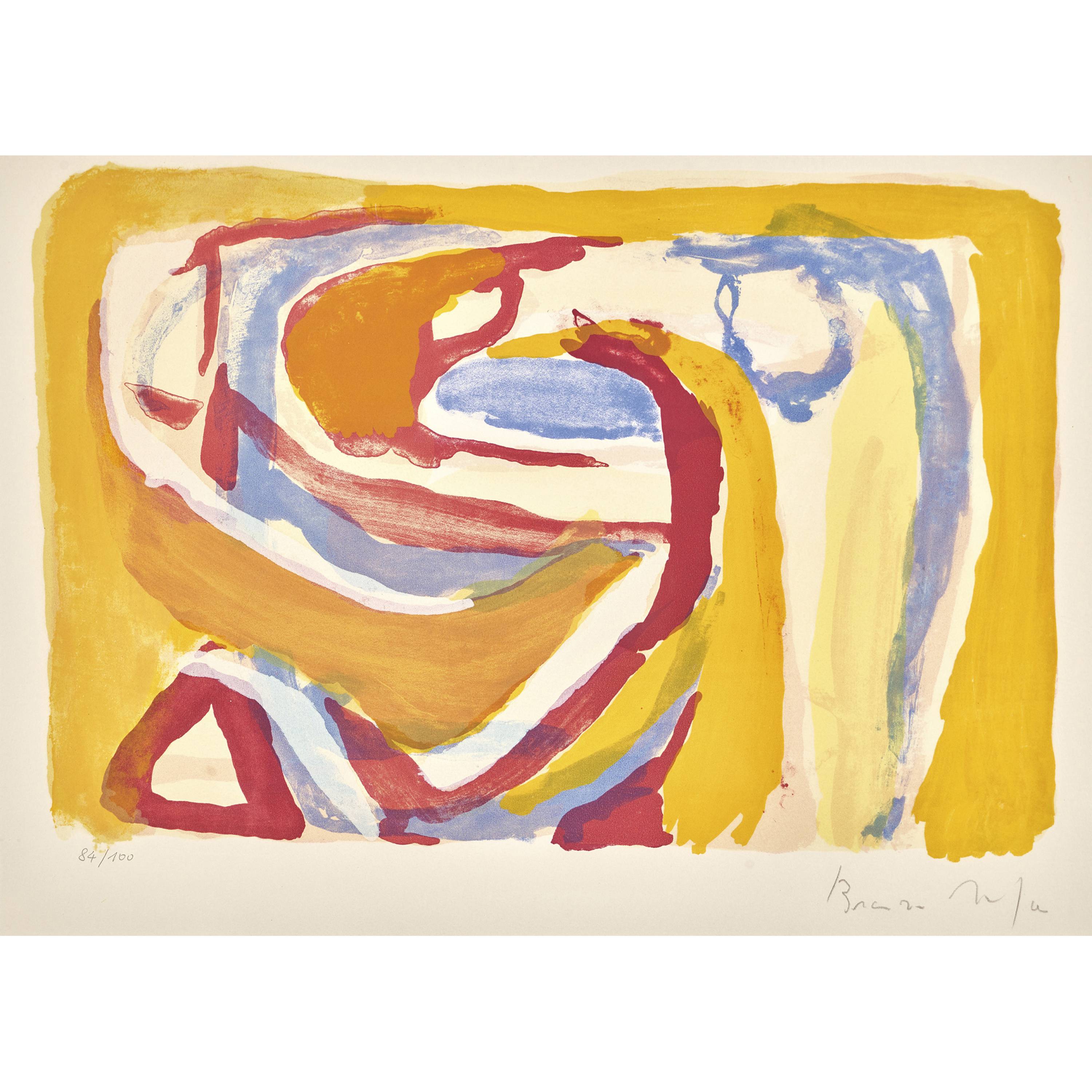
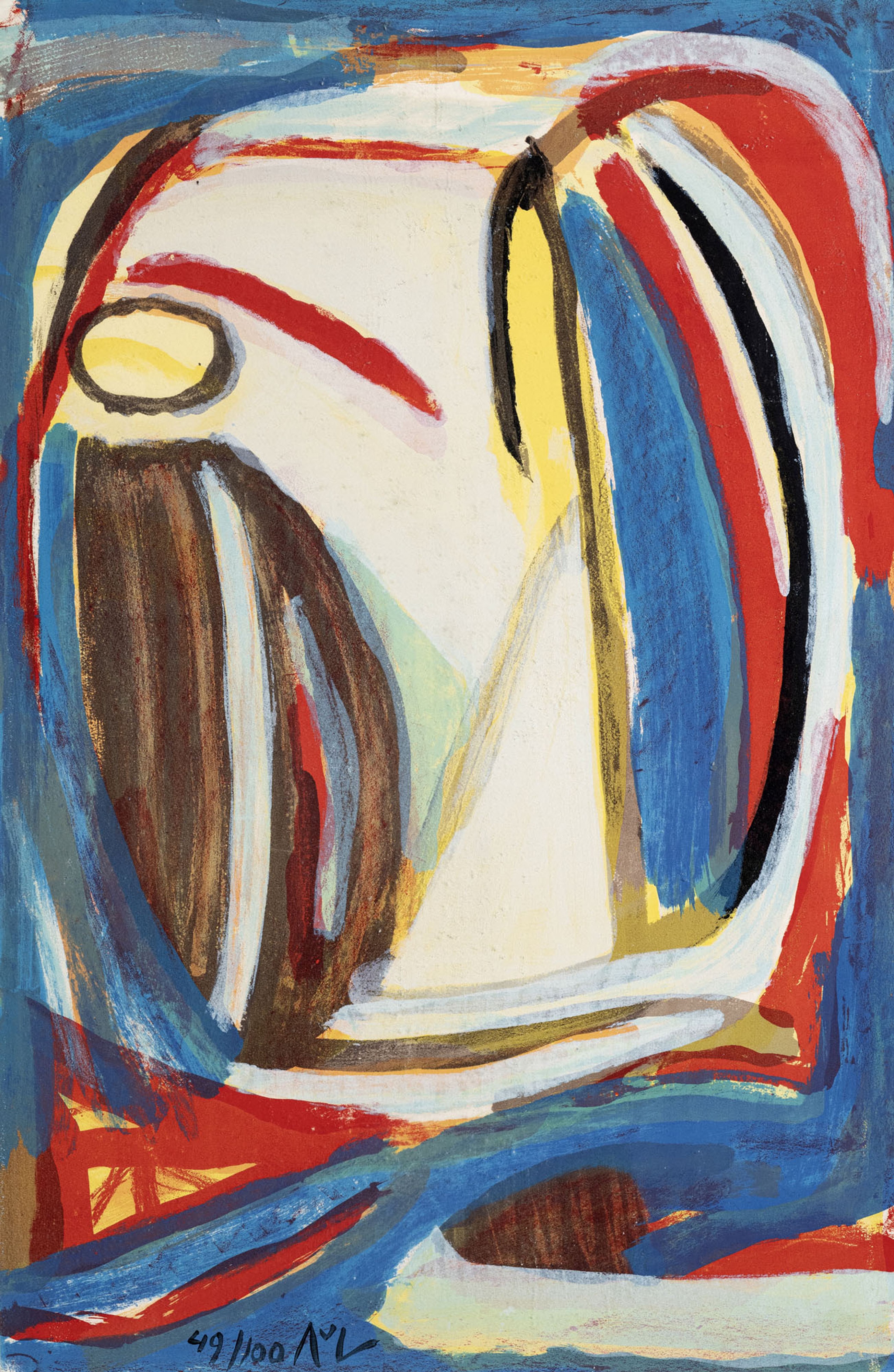
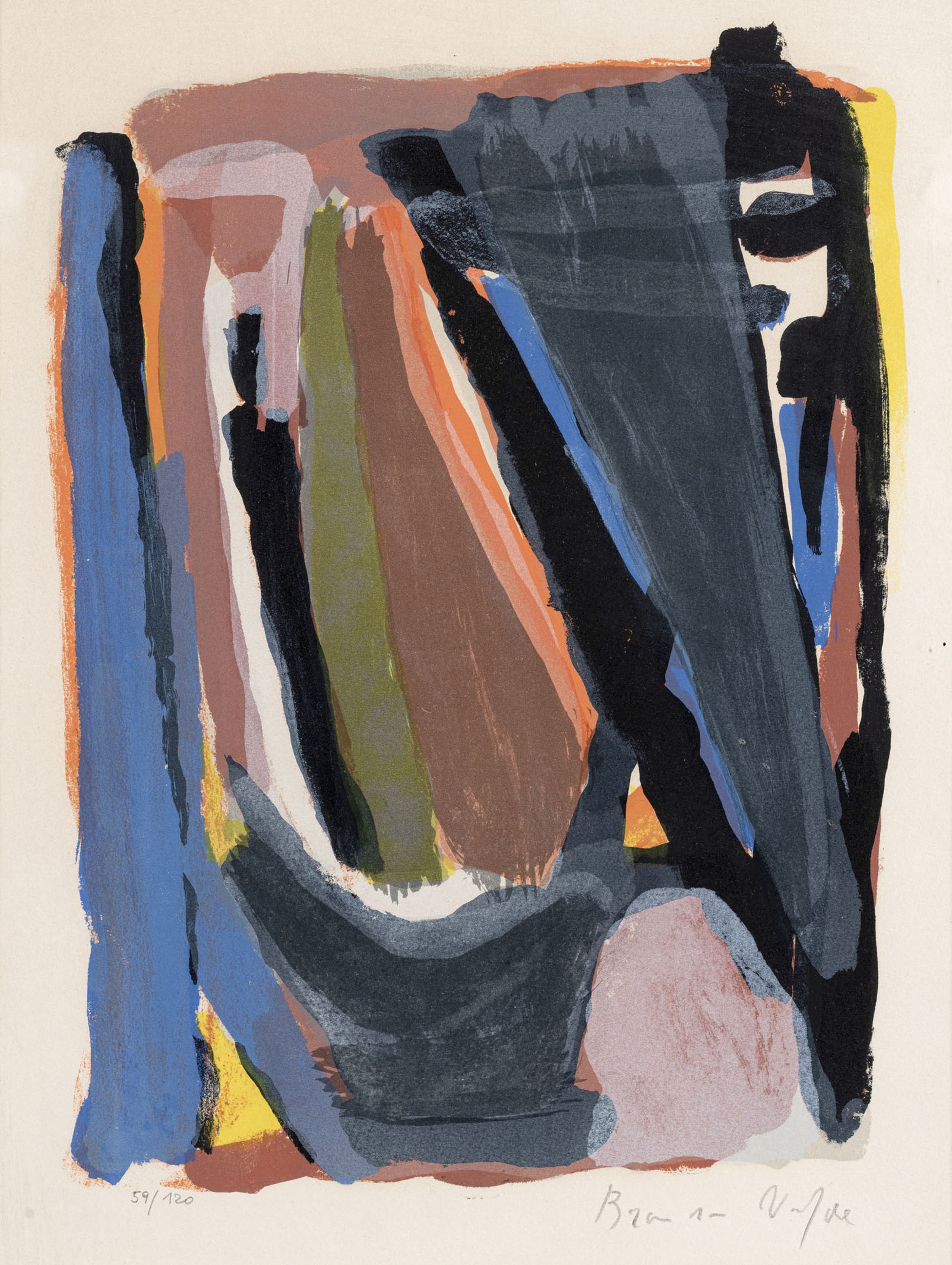
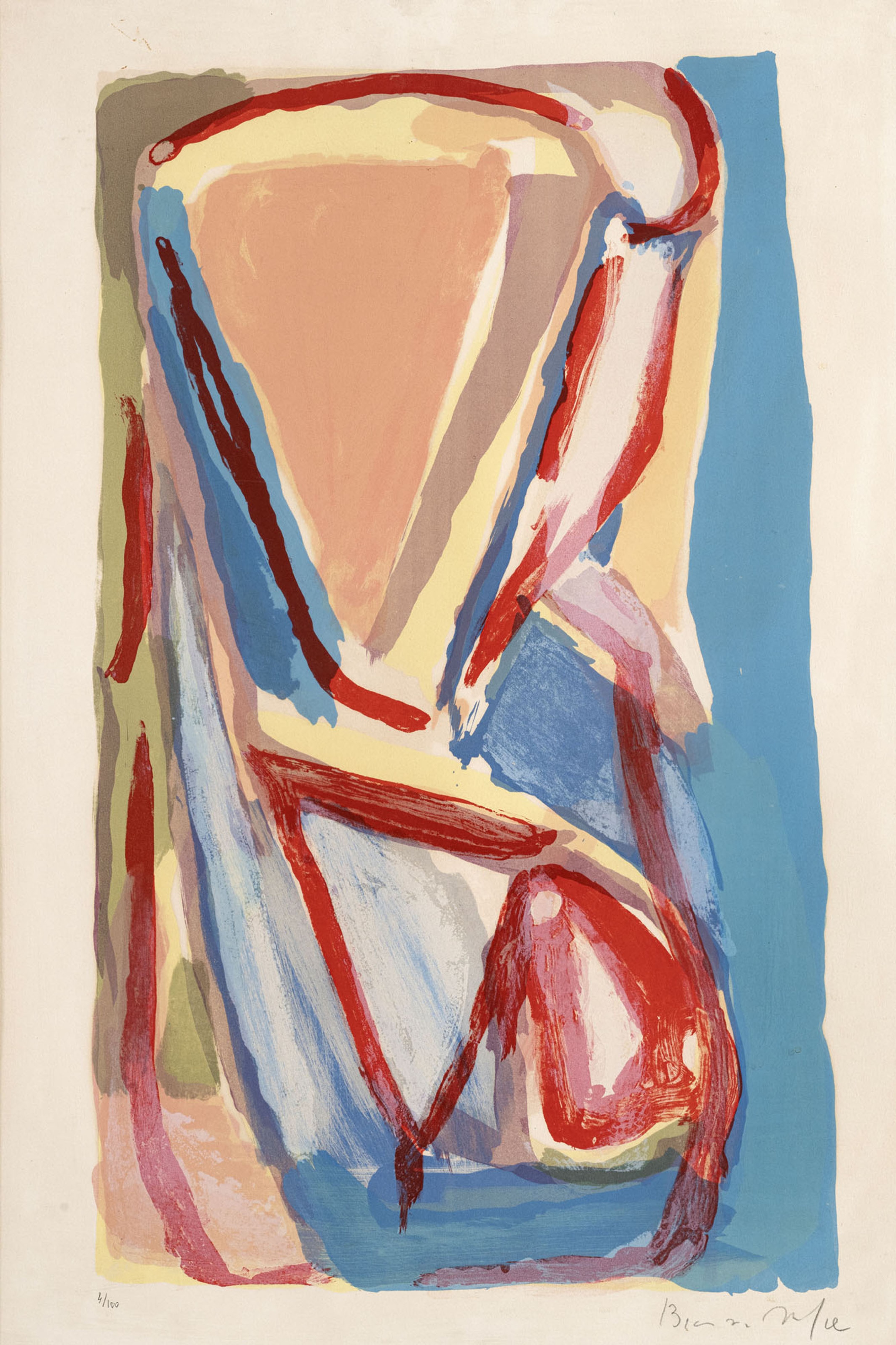
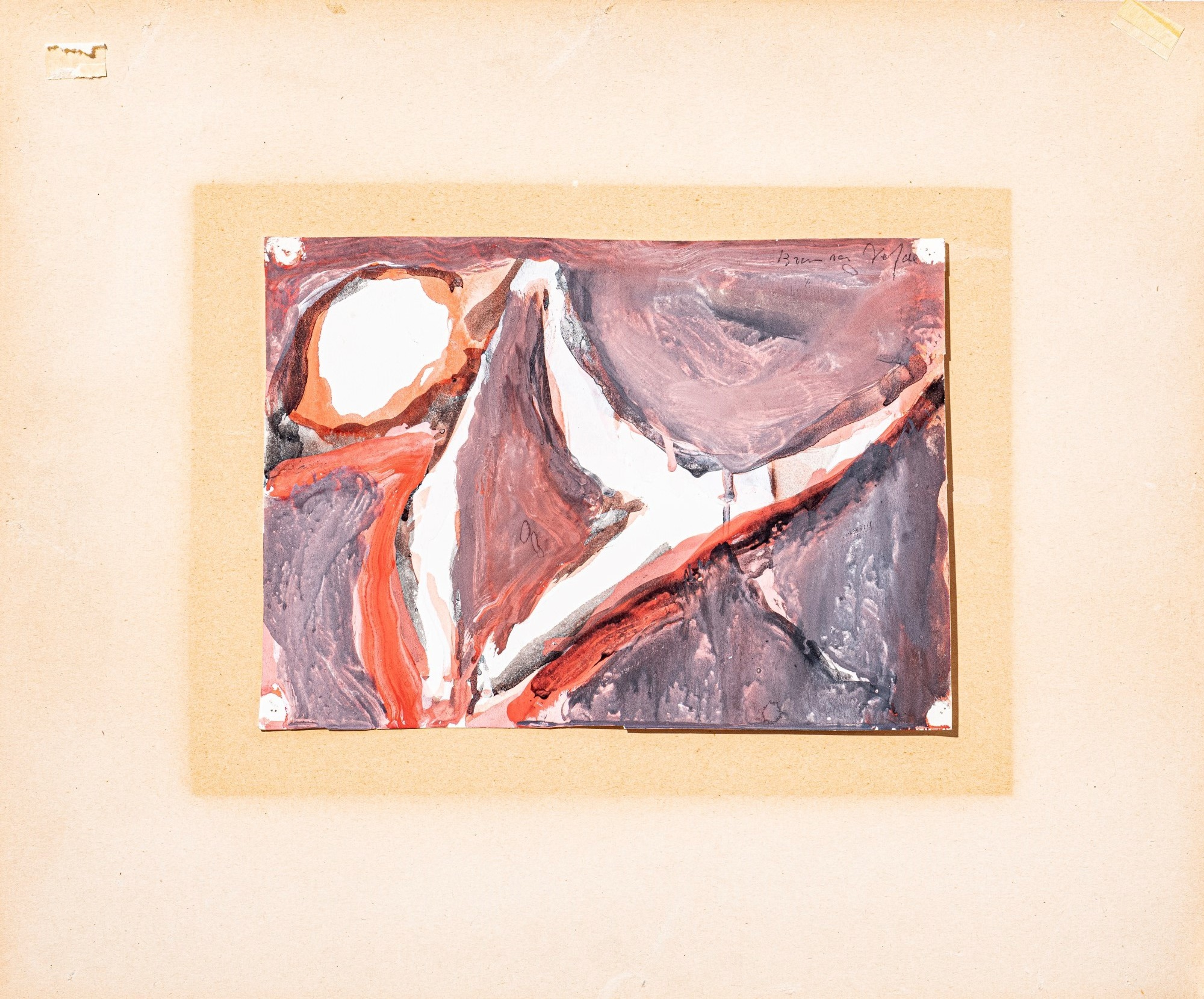
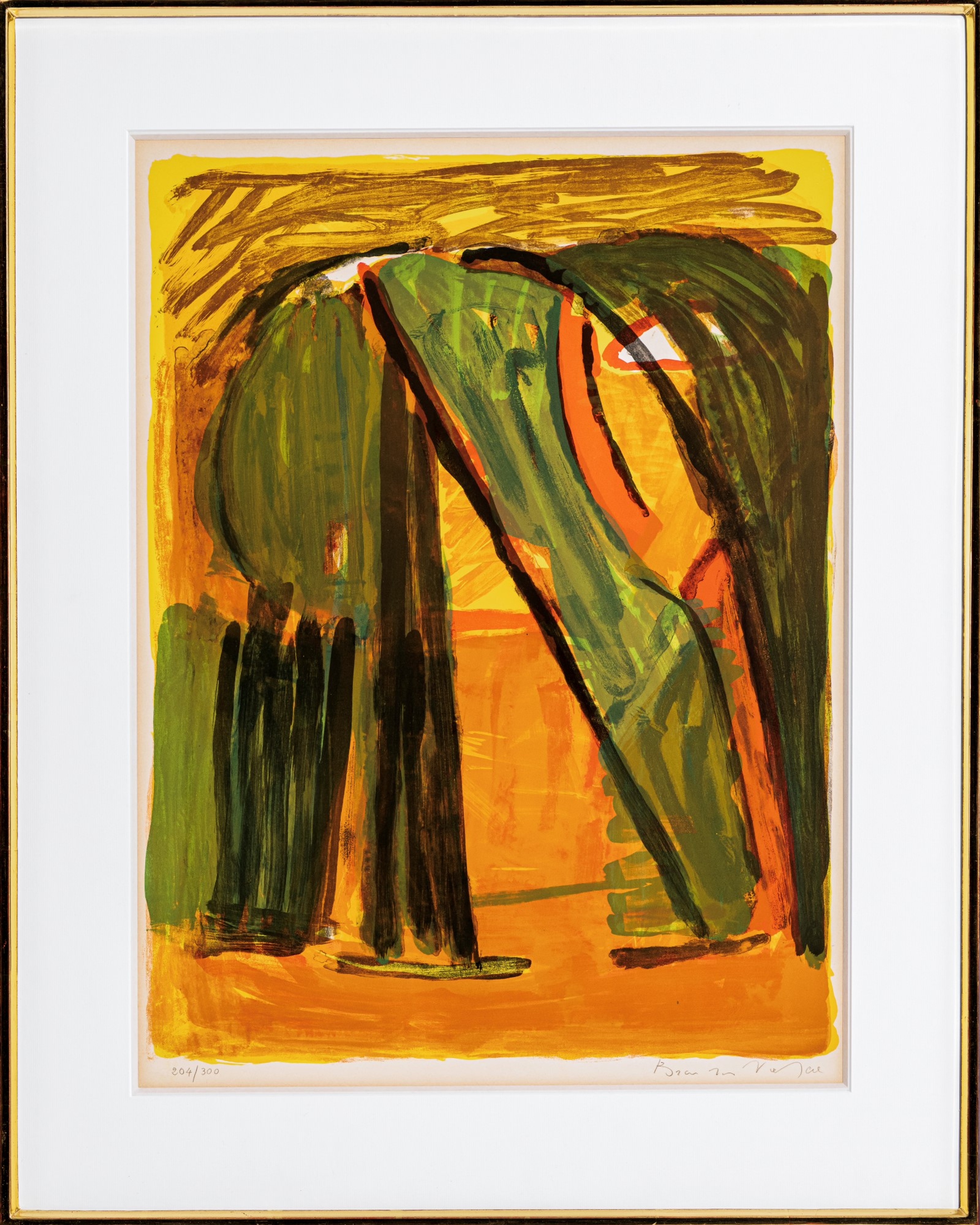
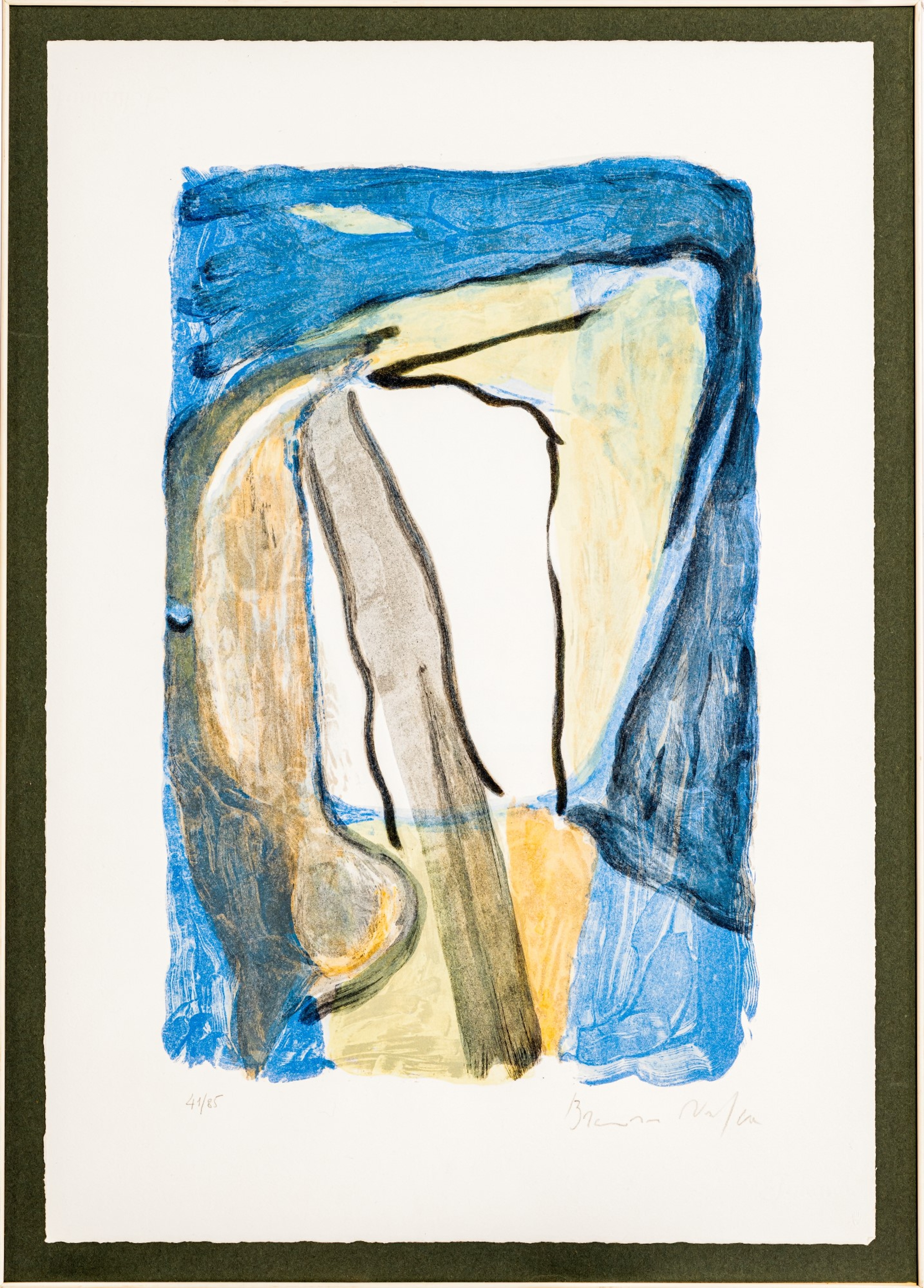
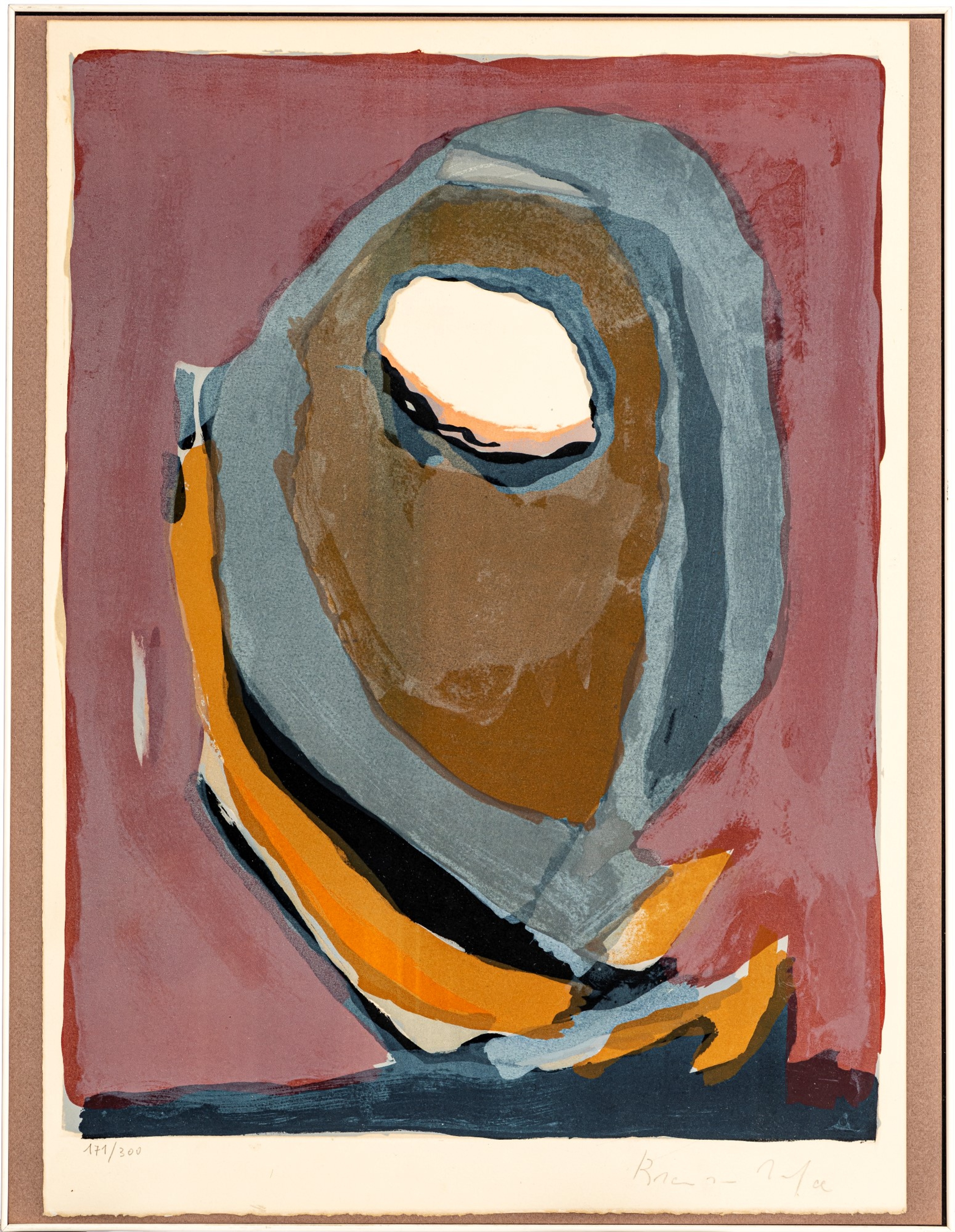
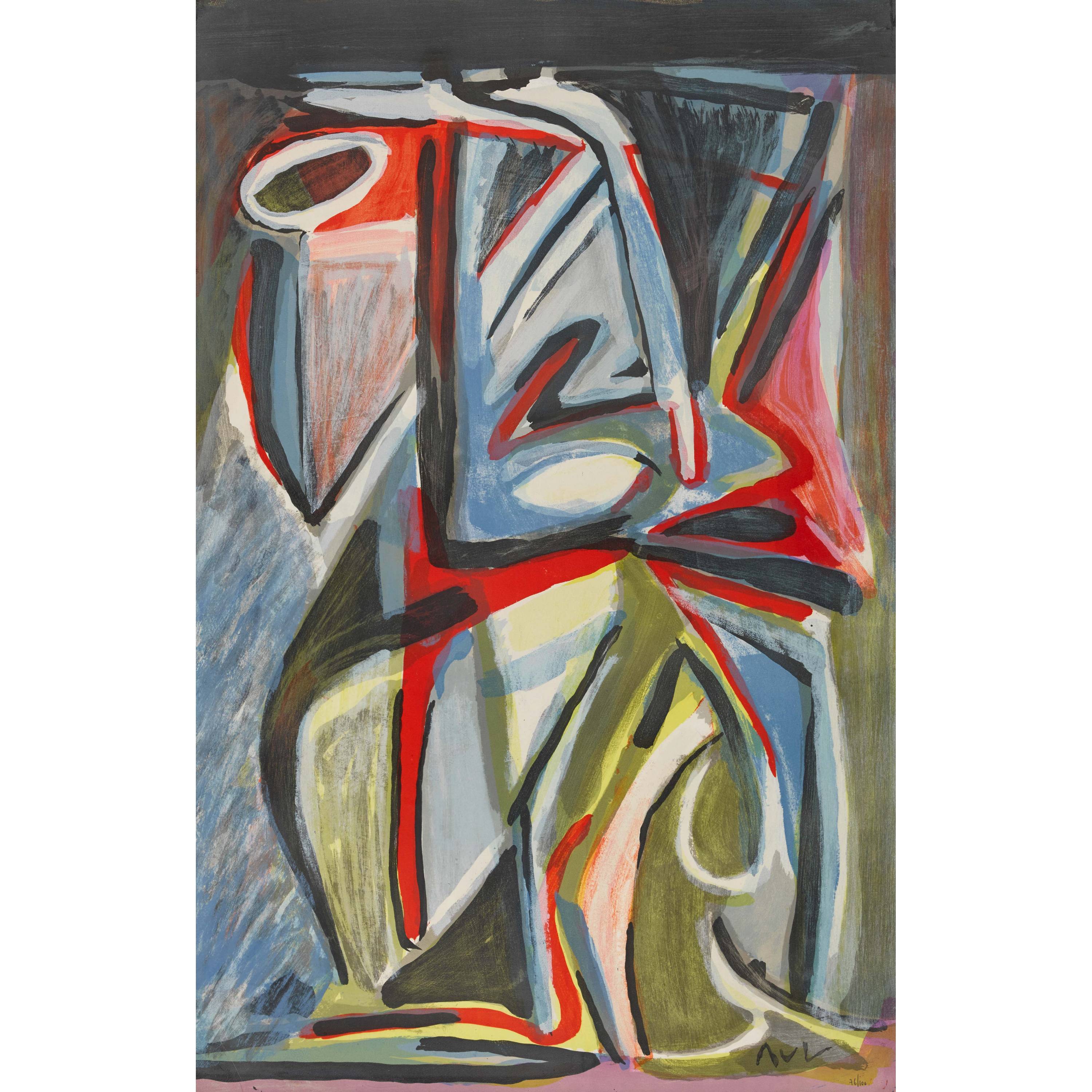
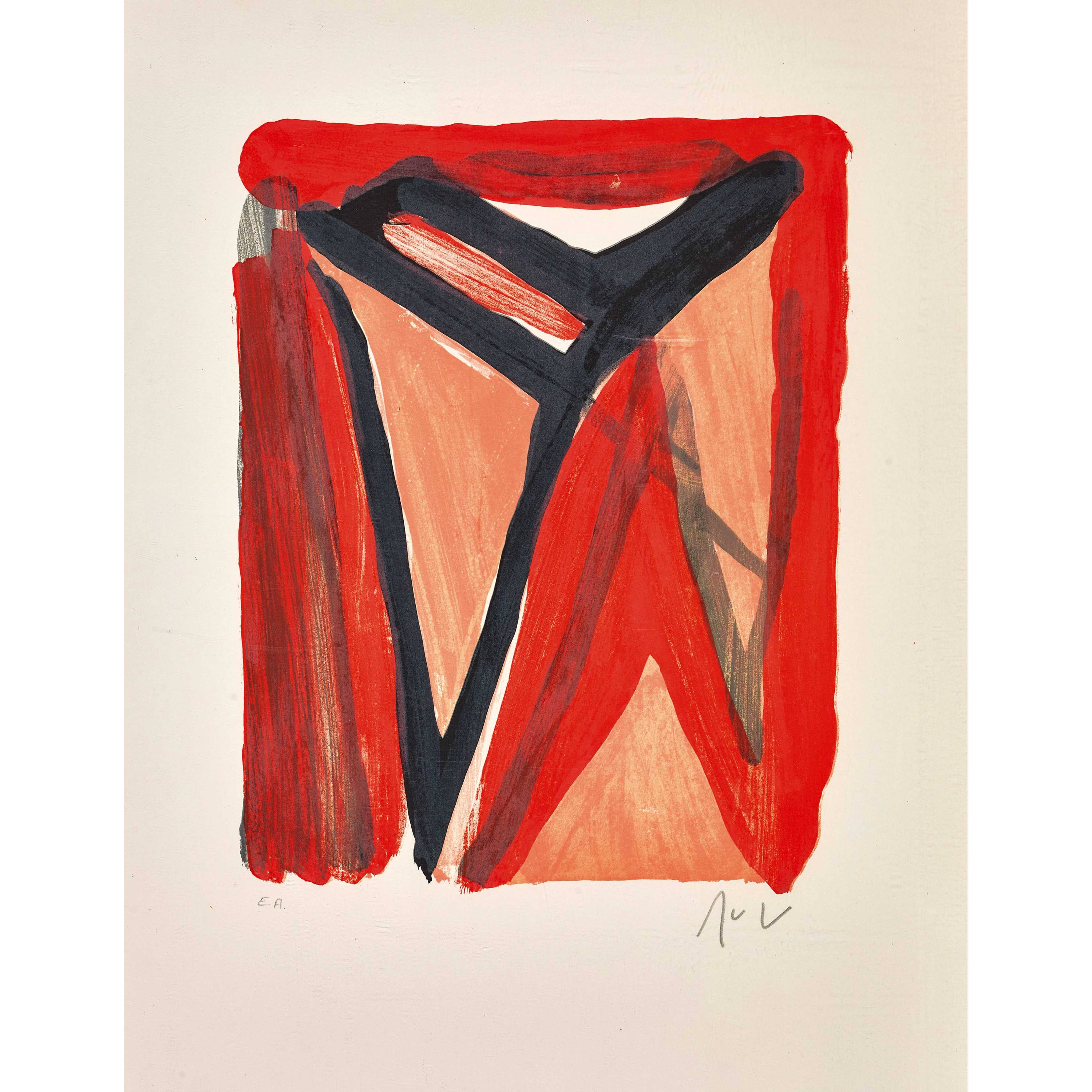
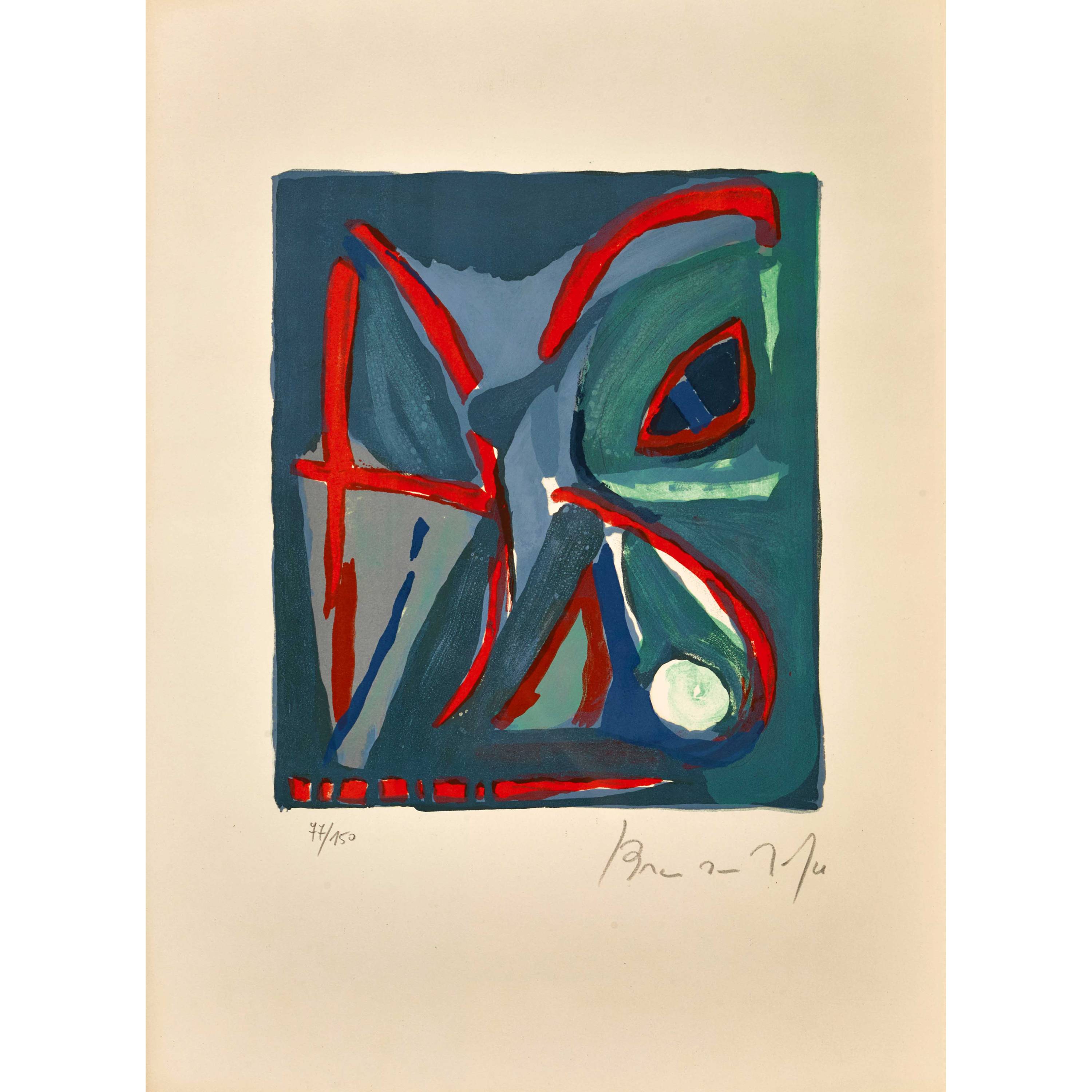
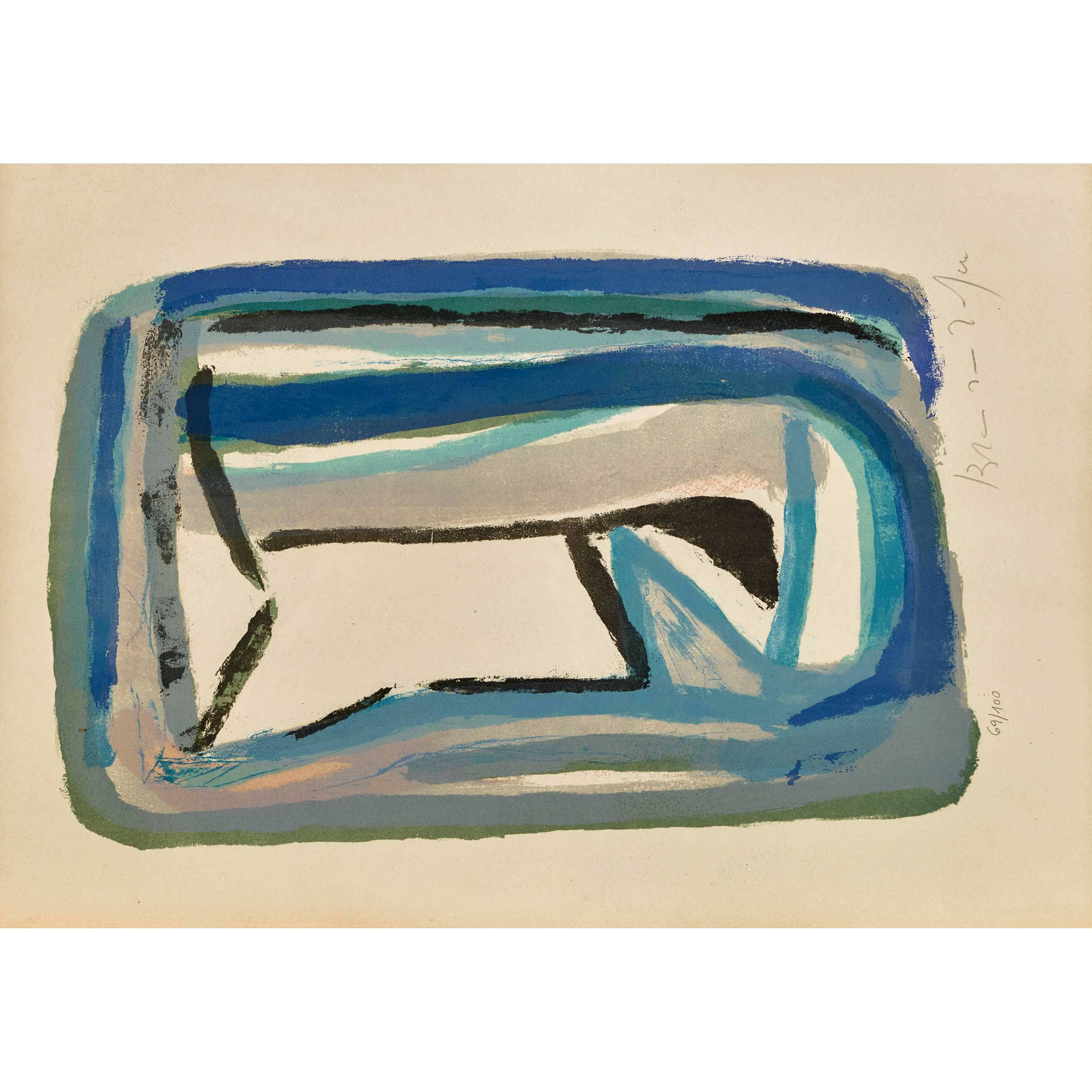
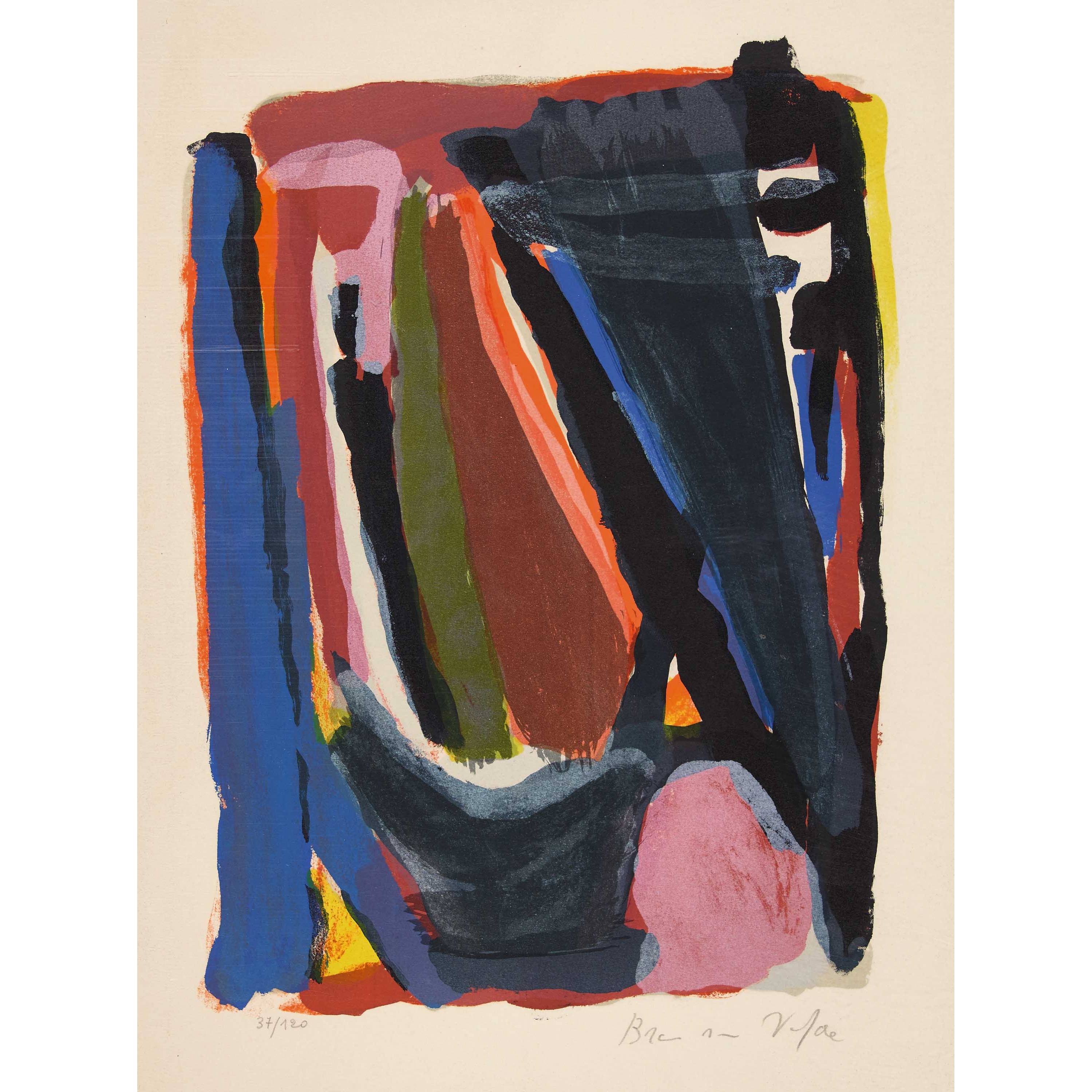
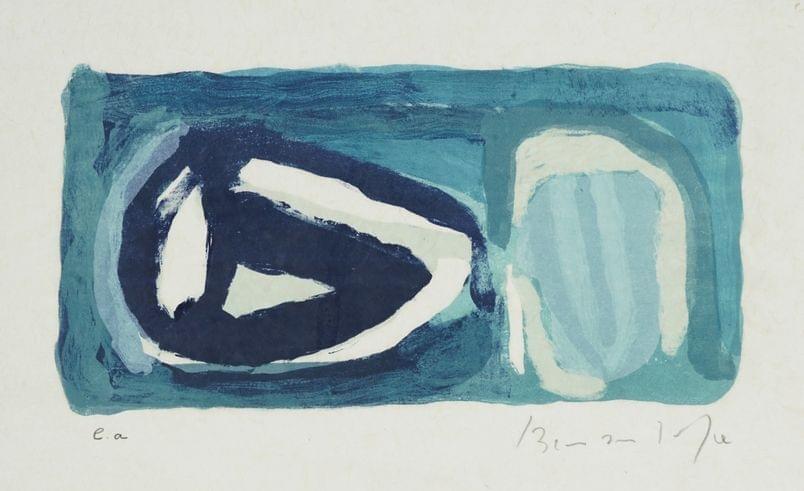
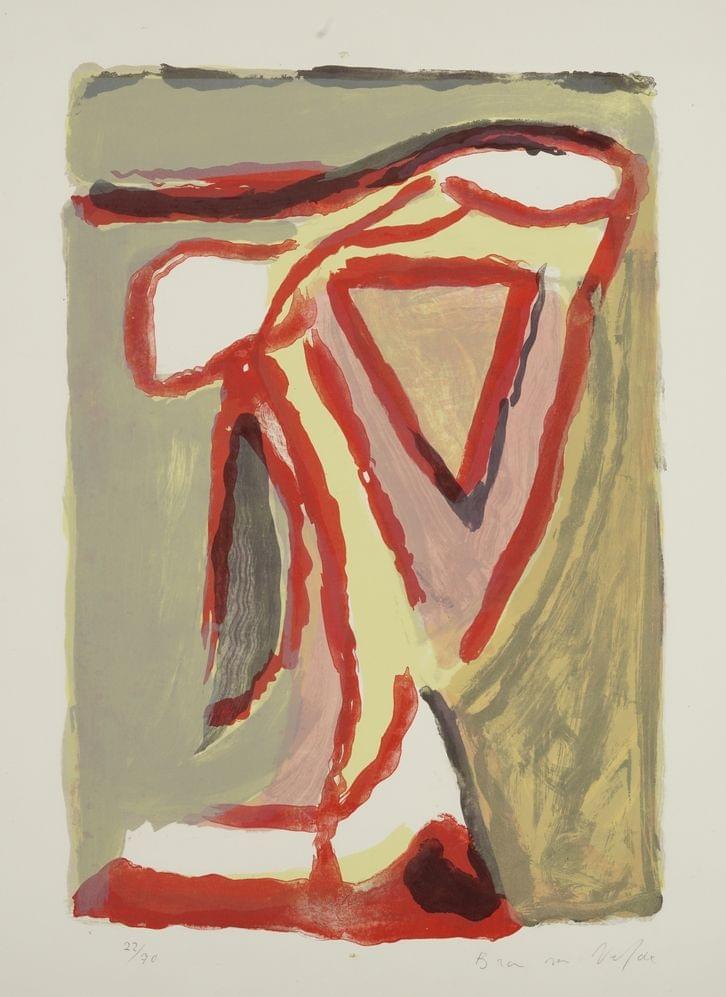
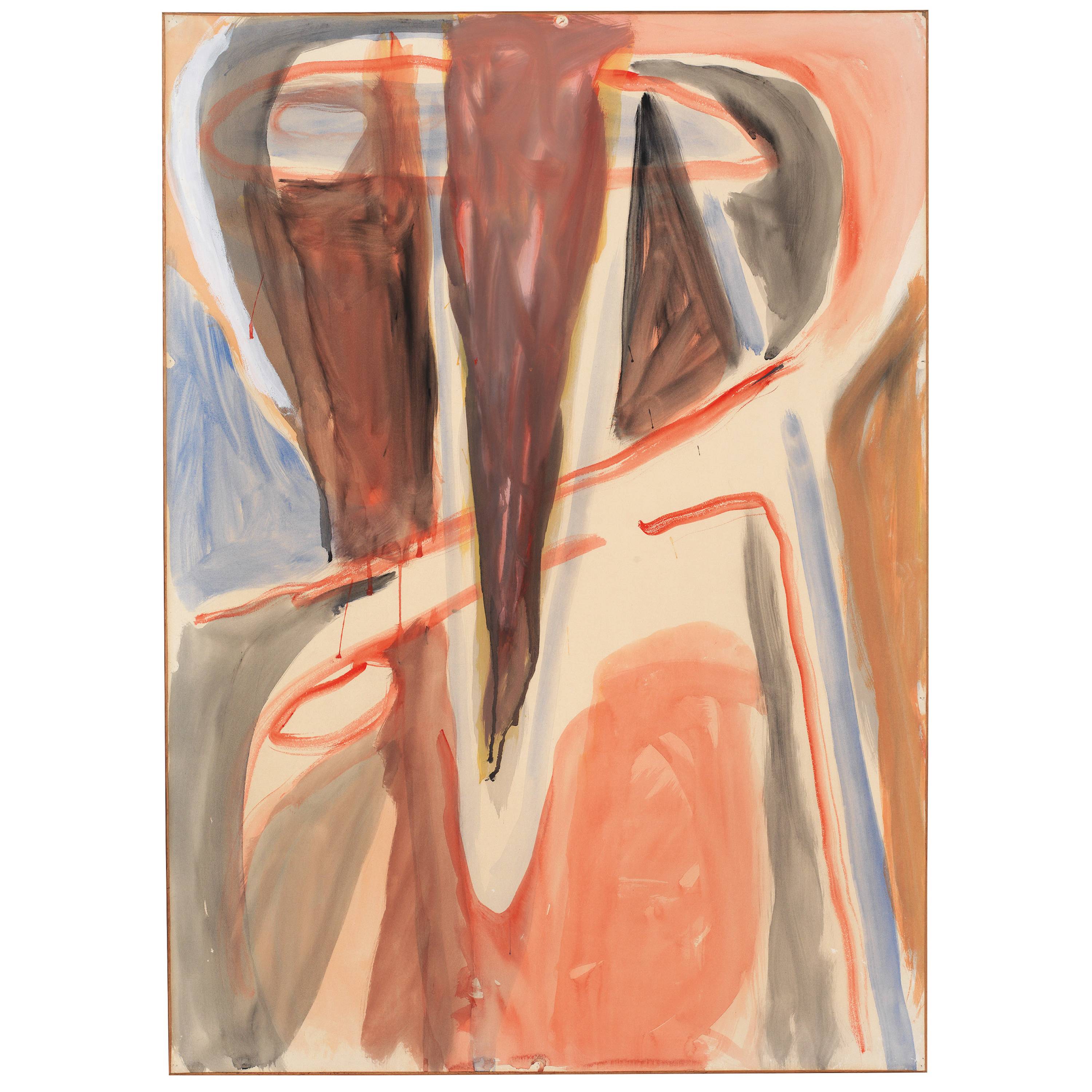
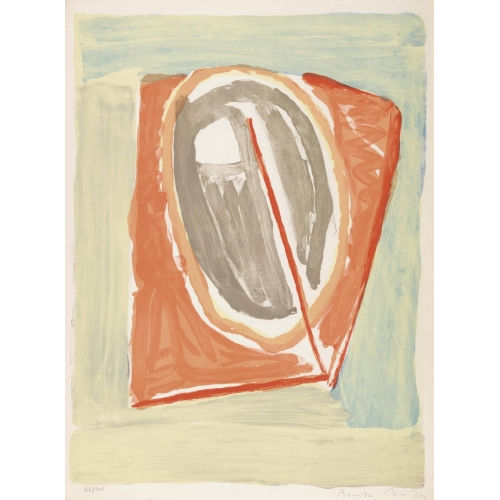
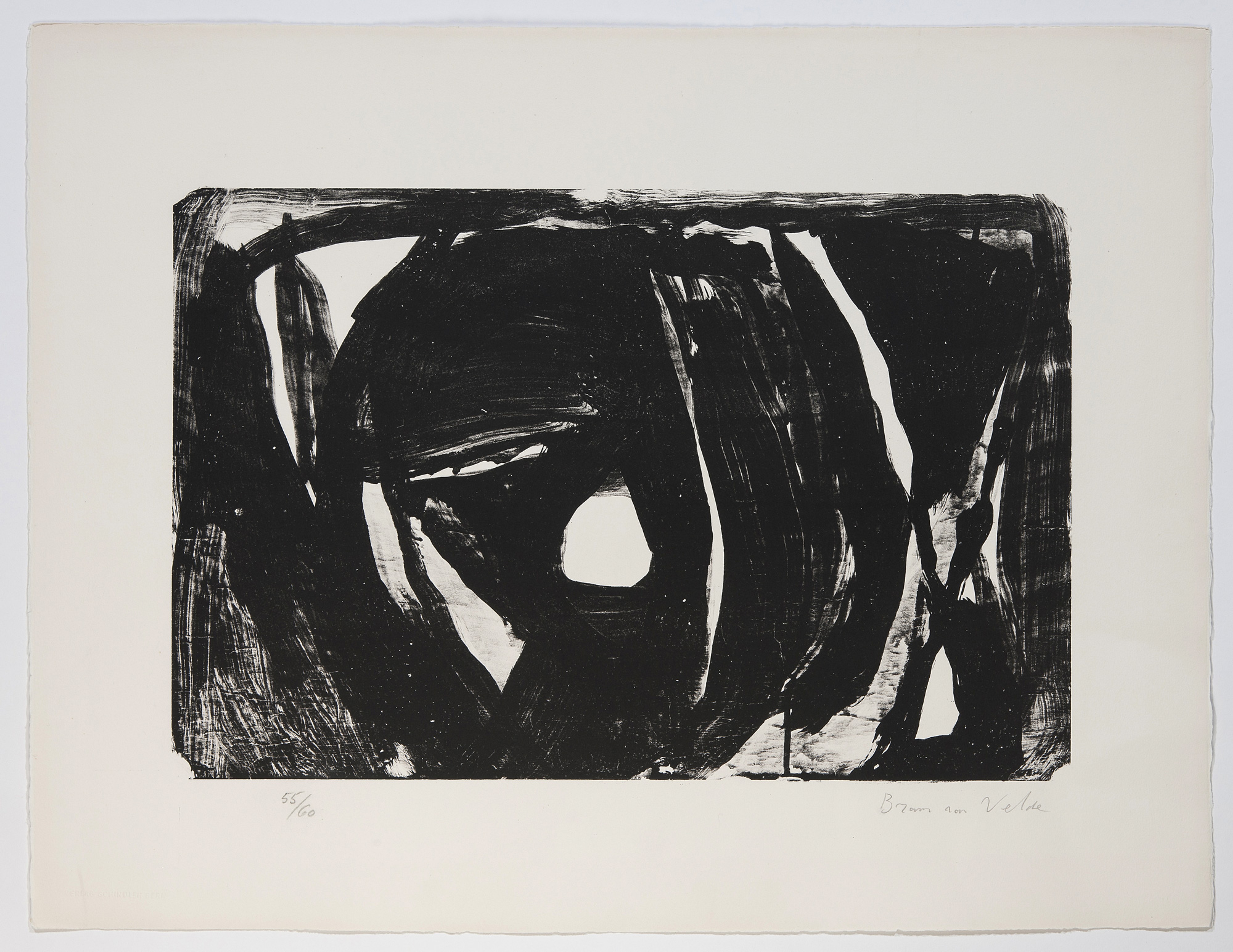
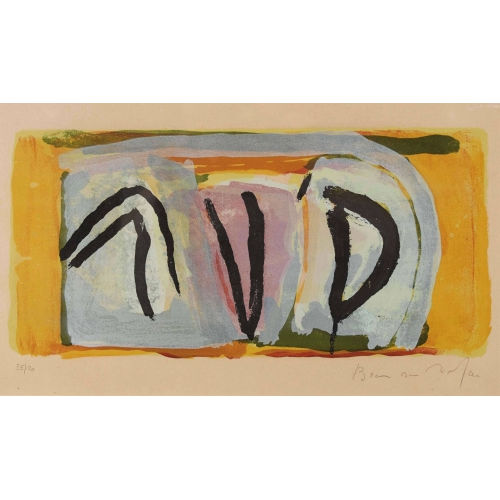
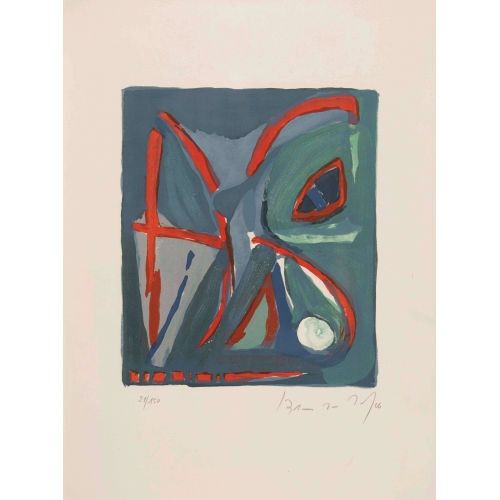
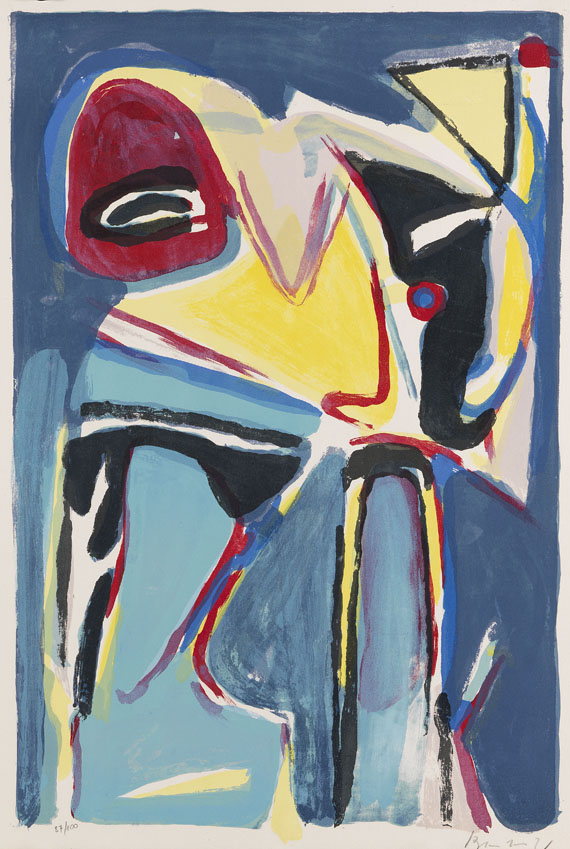
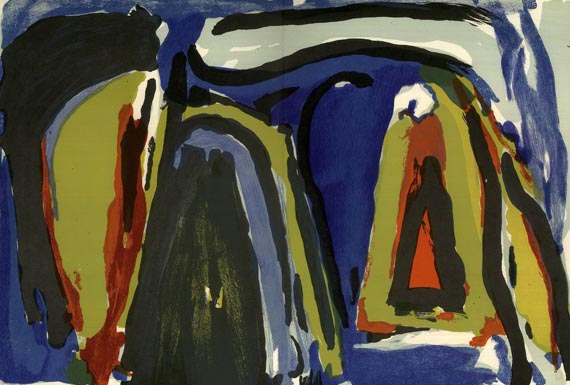
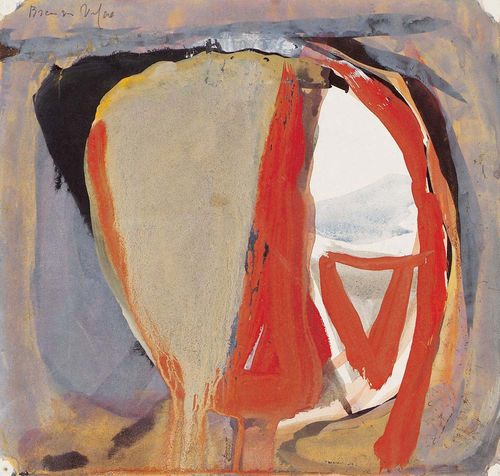
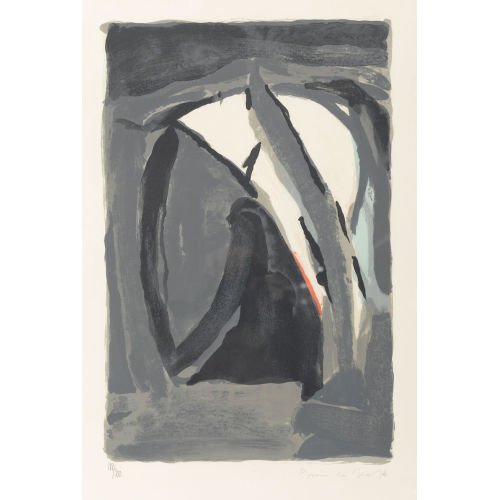
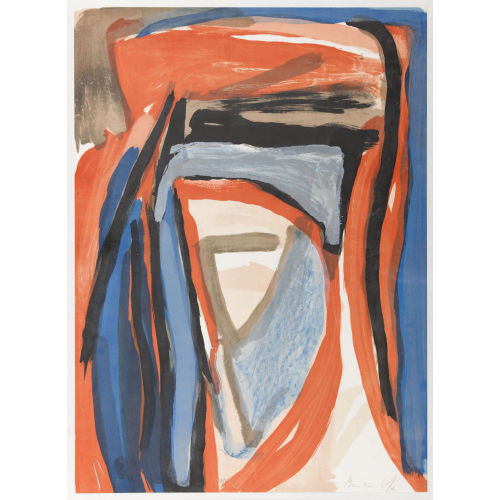
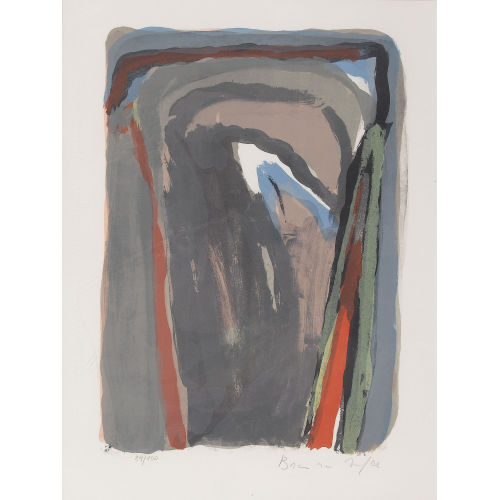
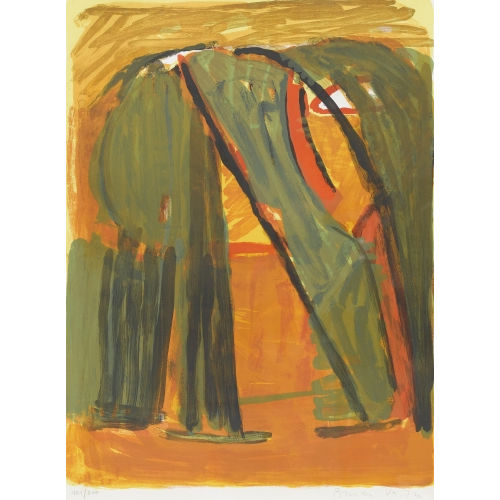
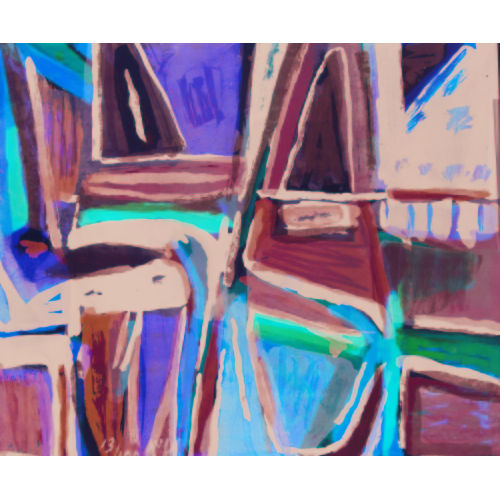
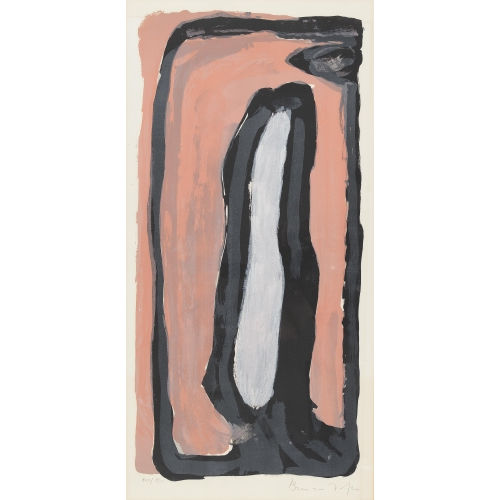
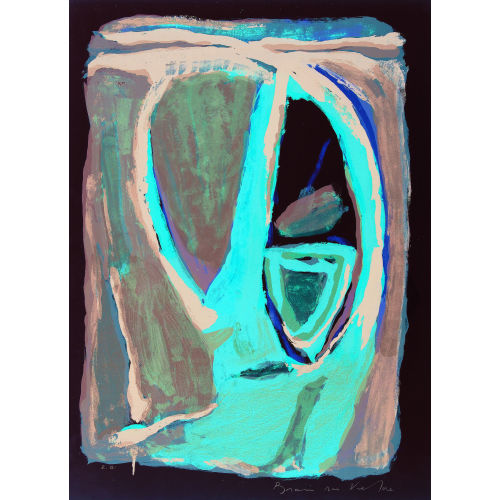
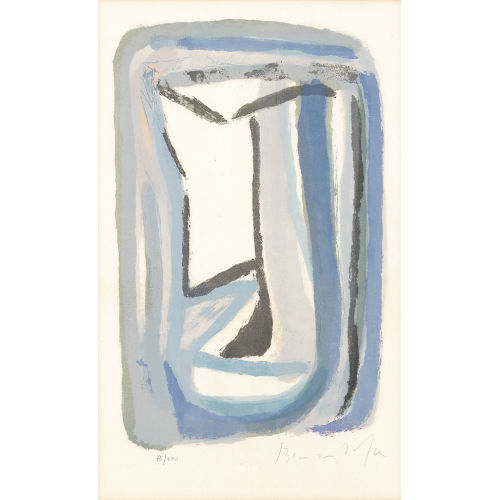
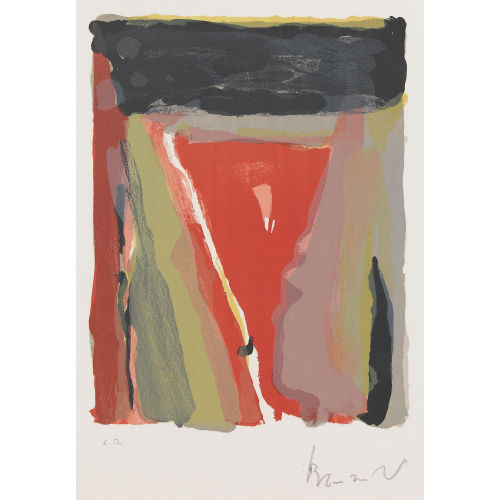
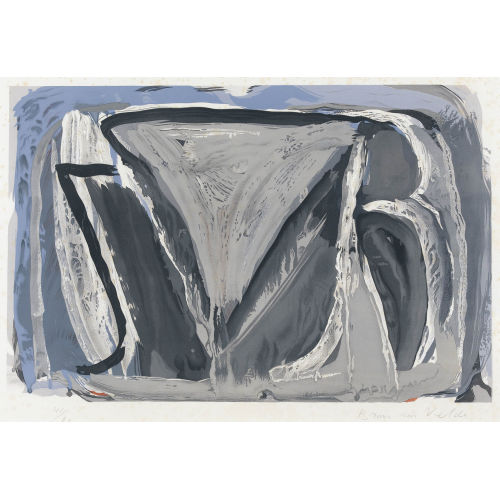
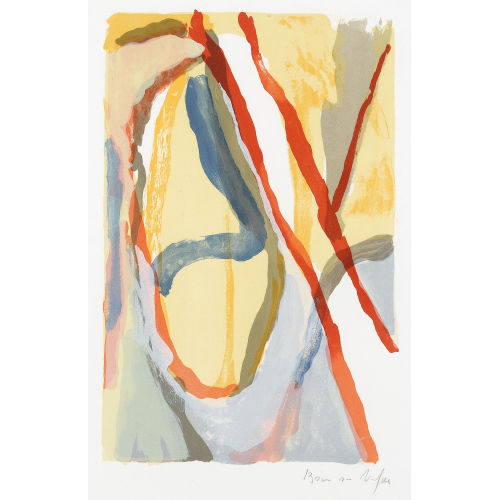
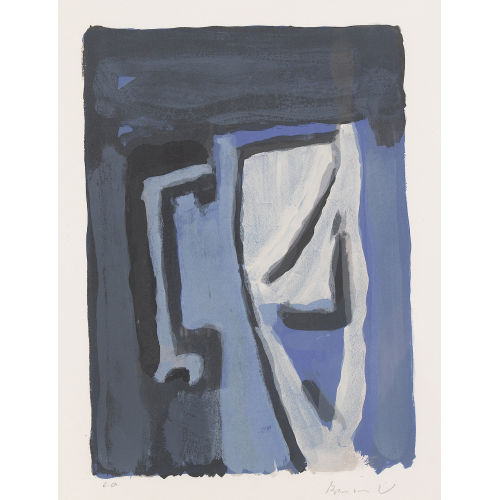
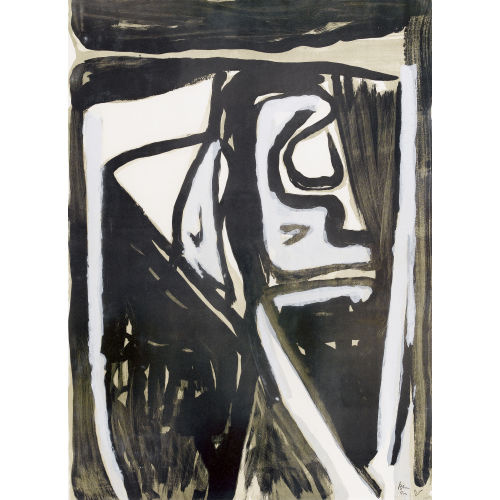
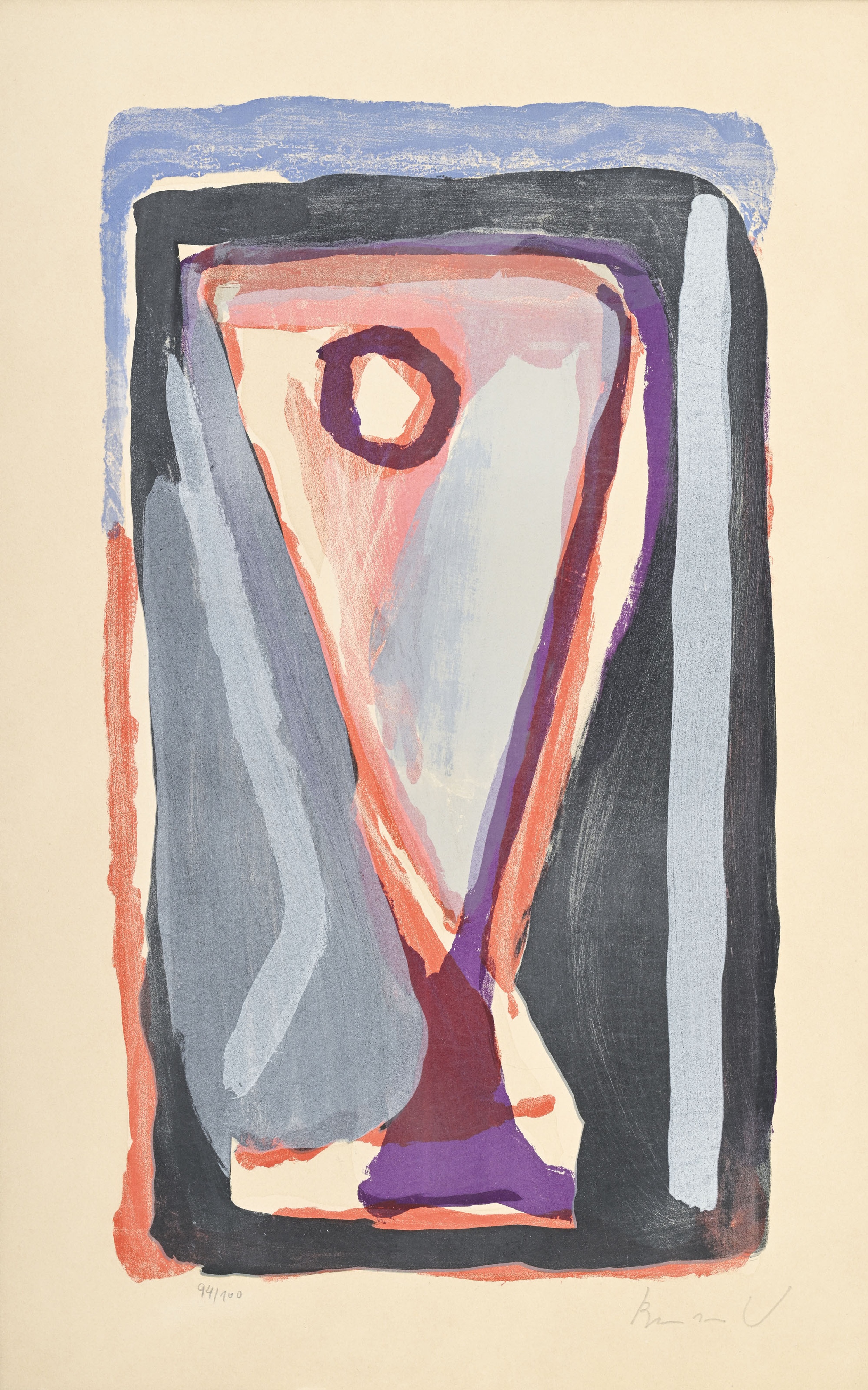
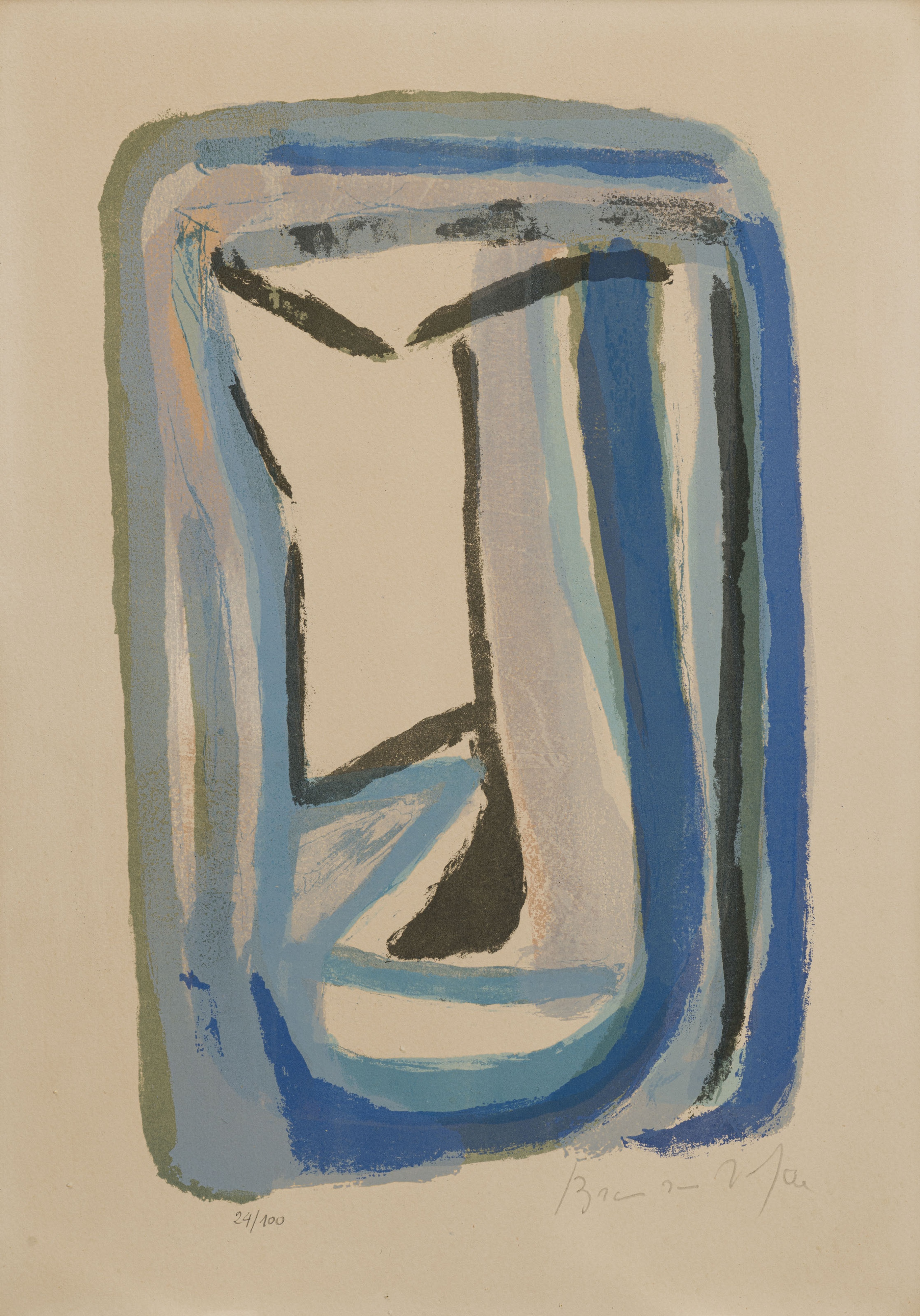
After his early experiences between The Hague, Paris and Corsica, his practice gradually freed itself from the motif. Colour, the density of the material and a construction through fields held in tension became the instruments of a painting in which the figure gave way to suspended, open and powerfully rhythmic forms.
In 1947, his work was shown at the Grand Salon de Lyon; the following year, the Maeght gallery brought Bram and Geer van Velde together. His friendship with Samuel Beckett, who wrote a text for Derrière le miroir on the occasion of this exhibition, accompanied one of the essential episodes in the critical reception of his work.
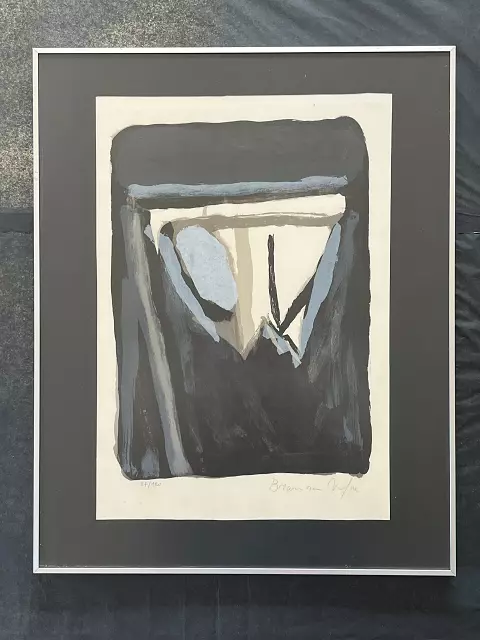
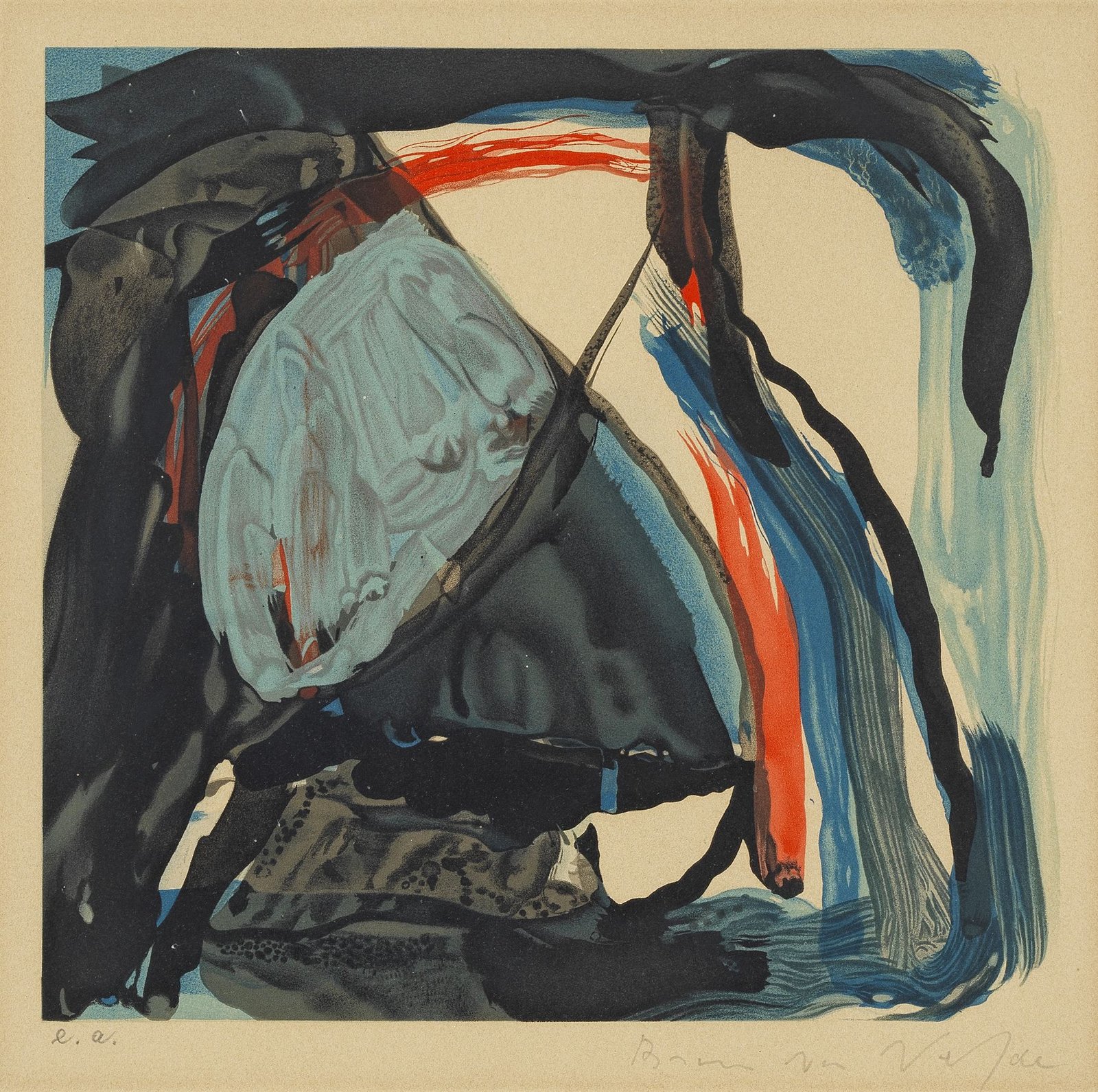
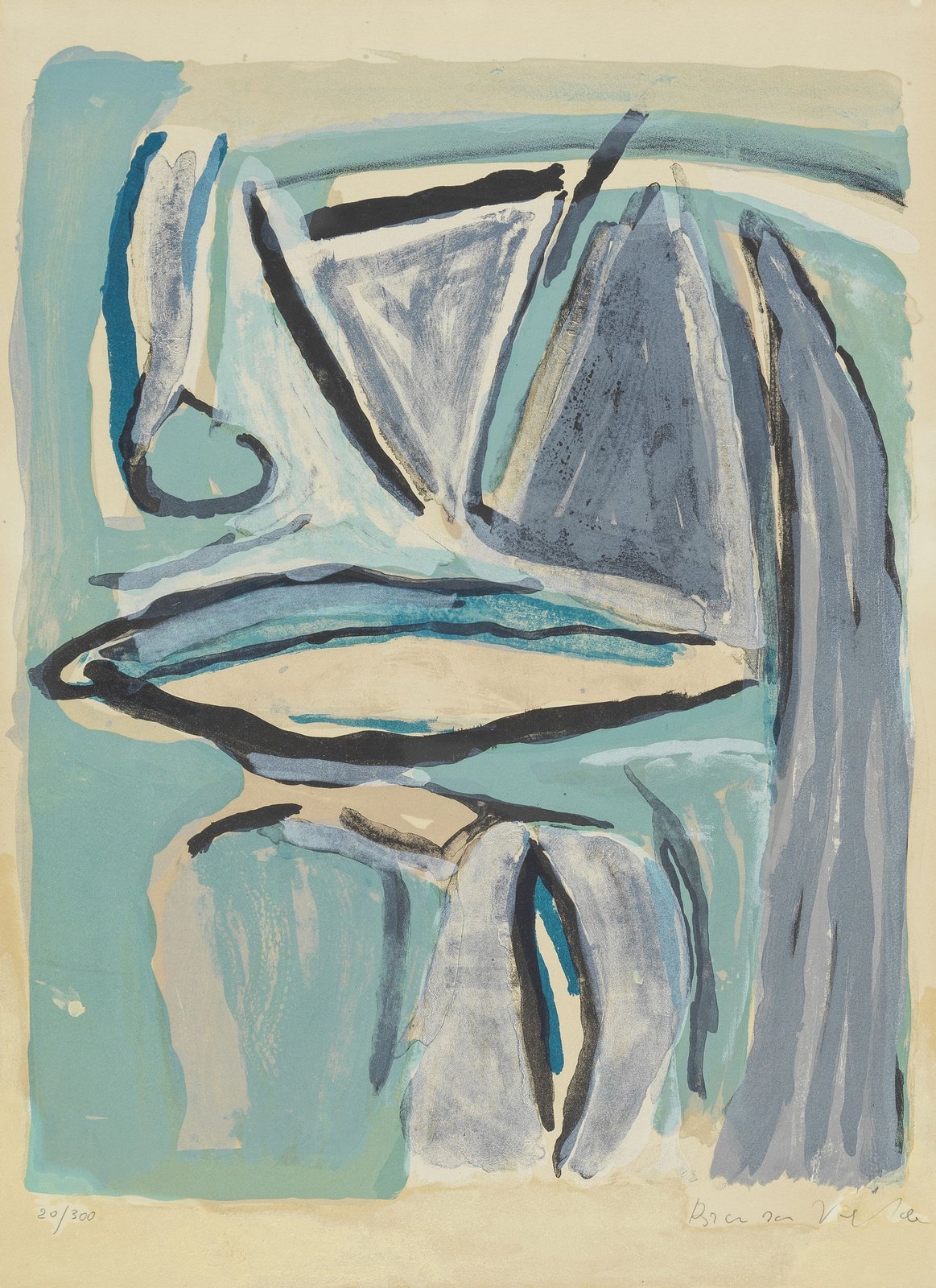
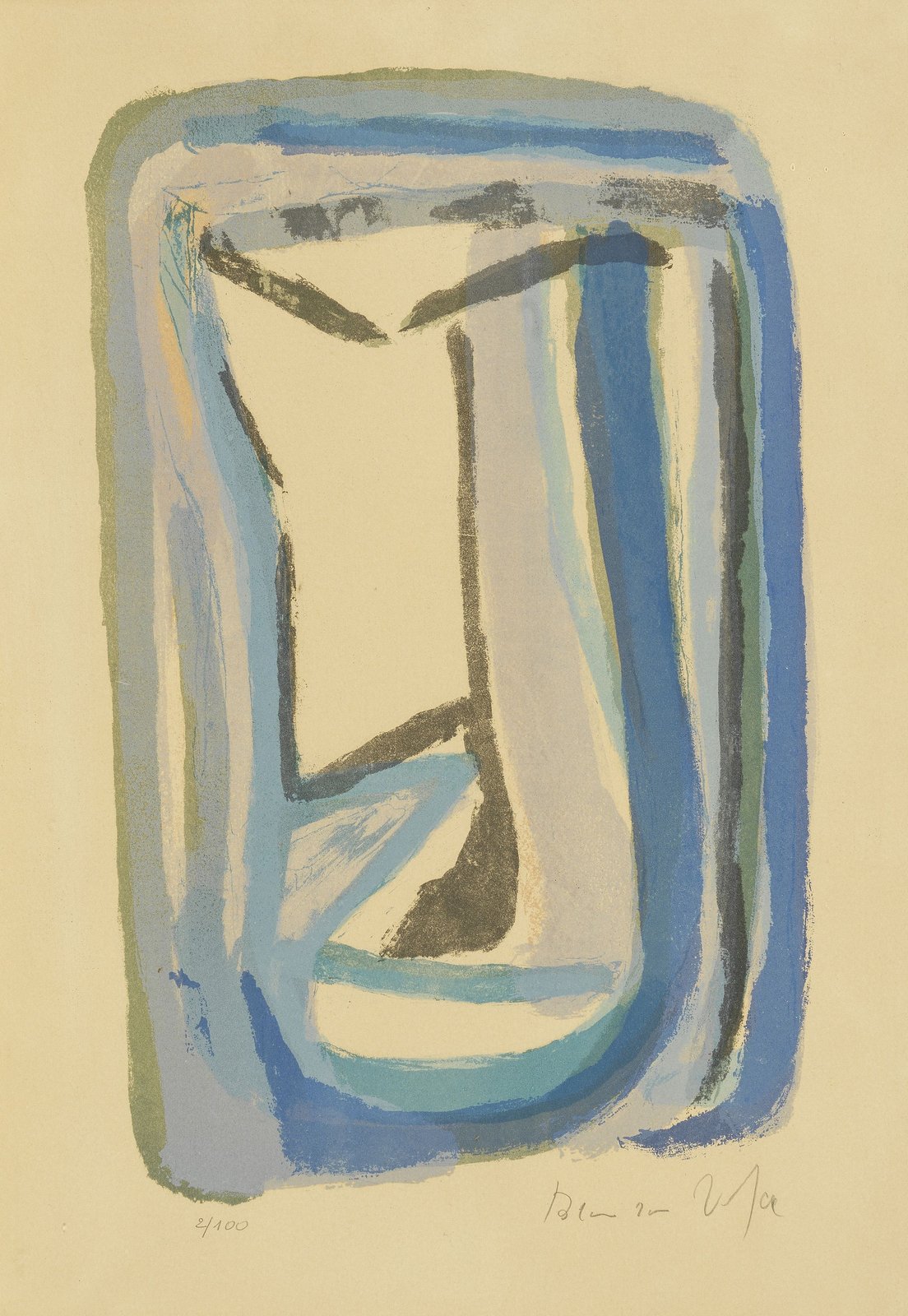
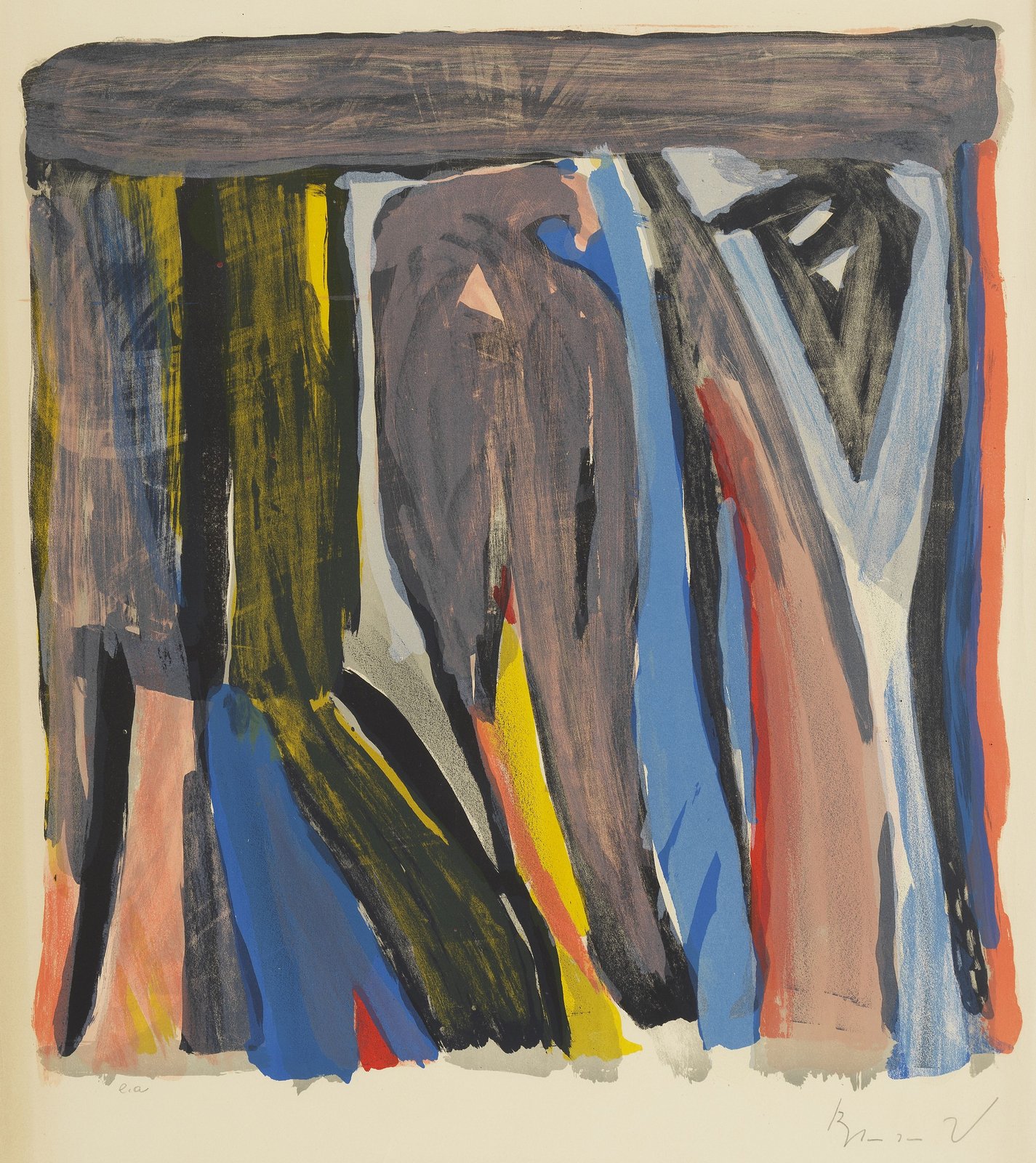
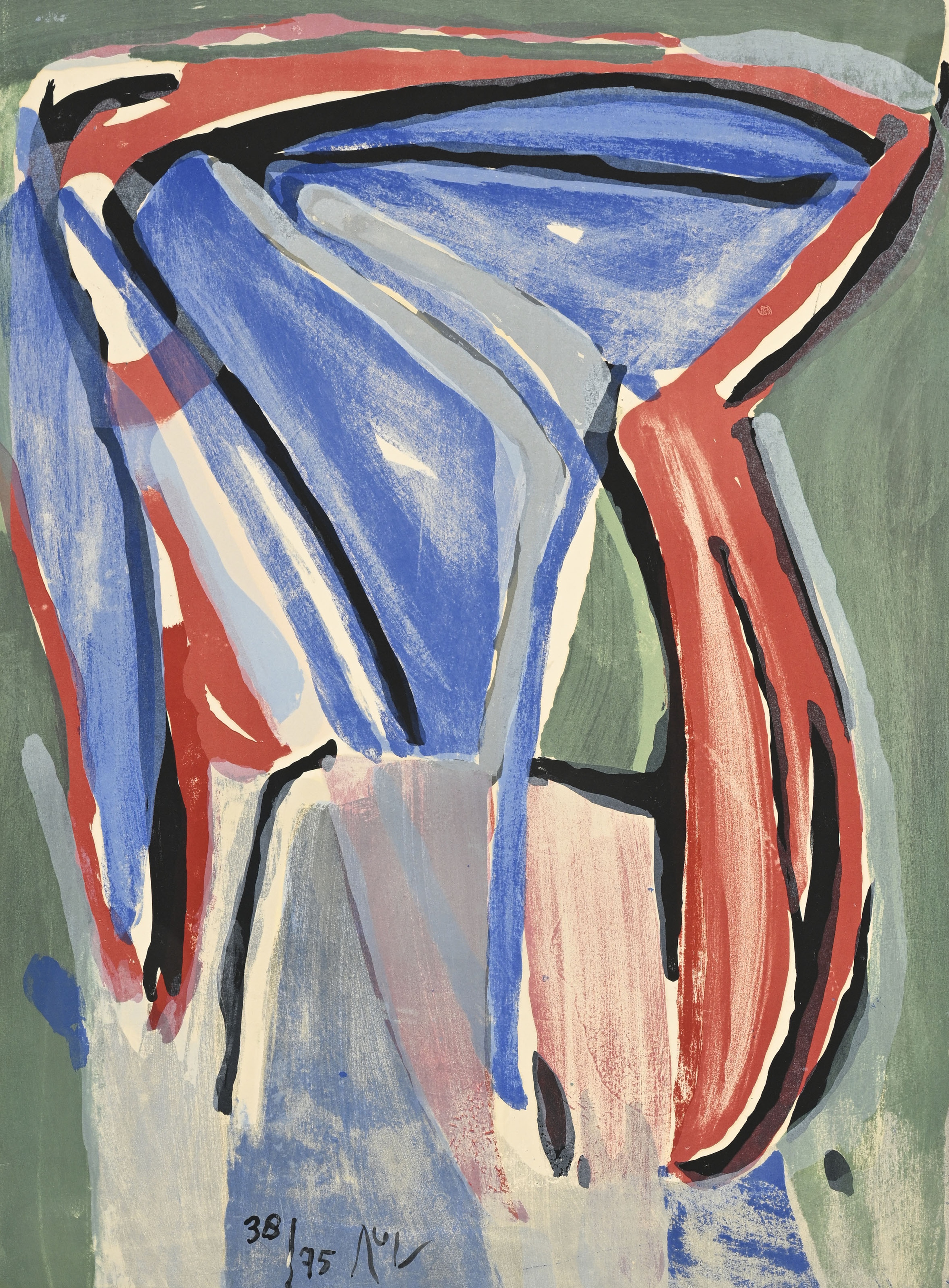
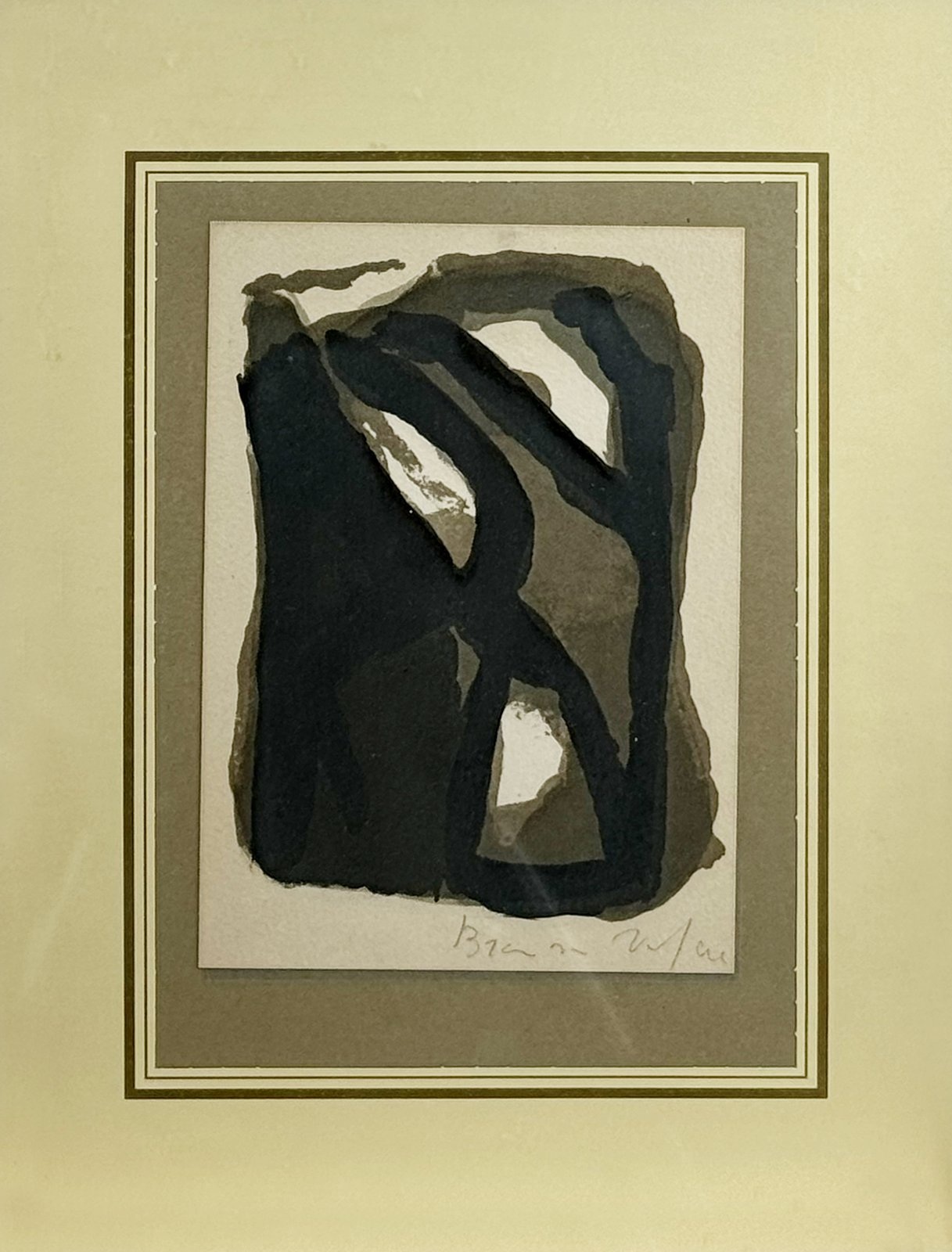
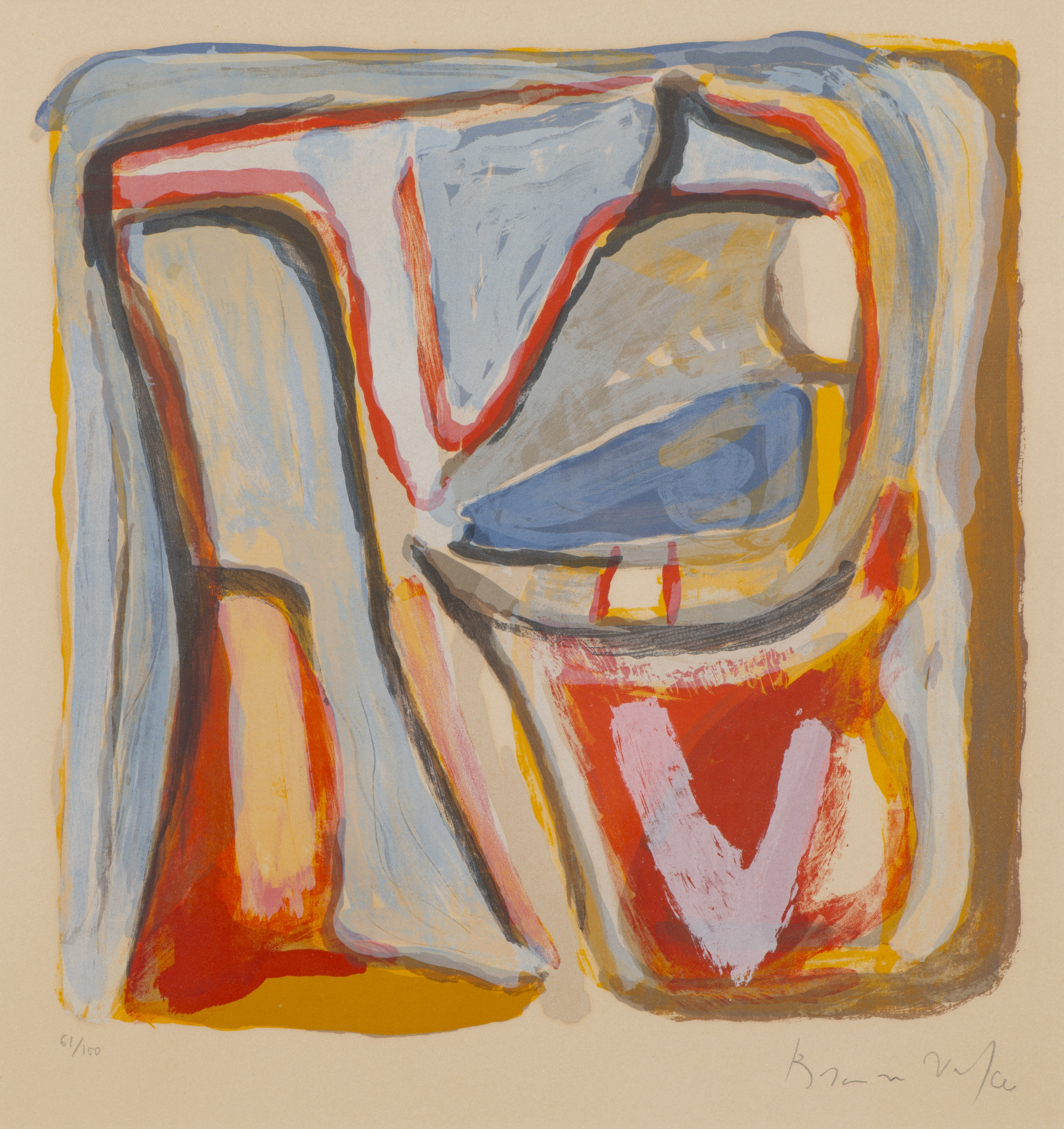
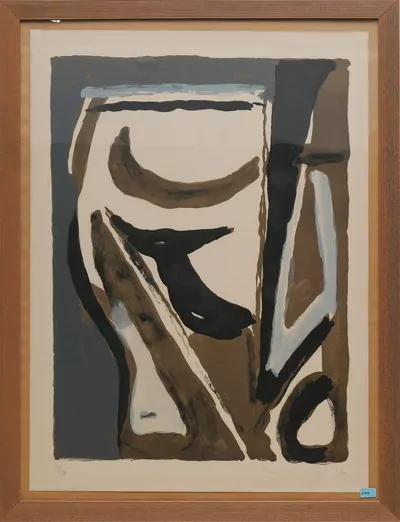
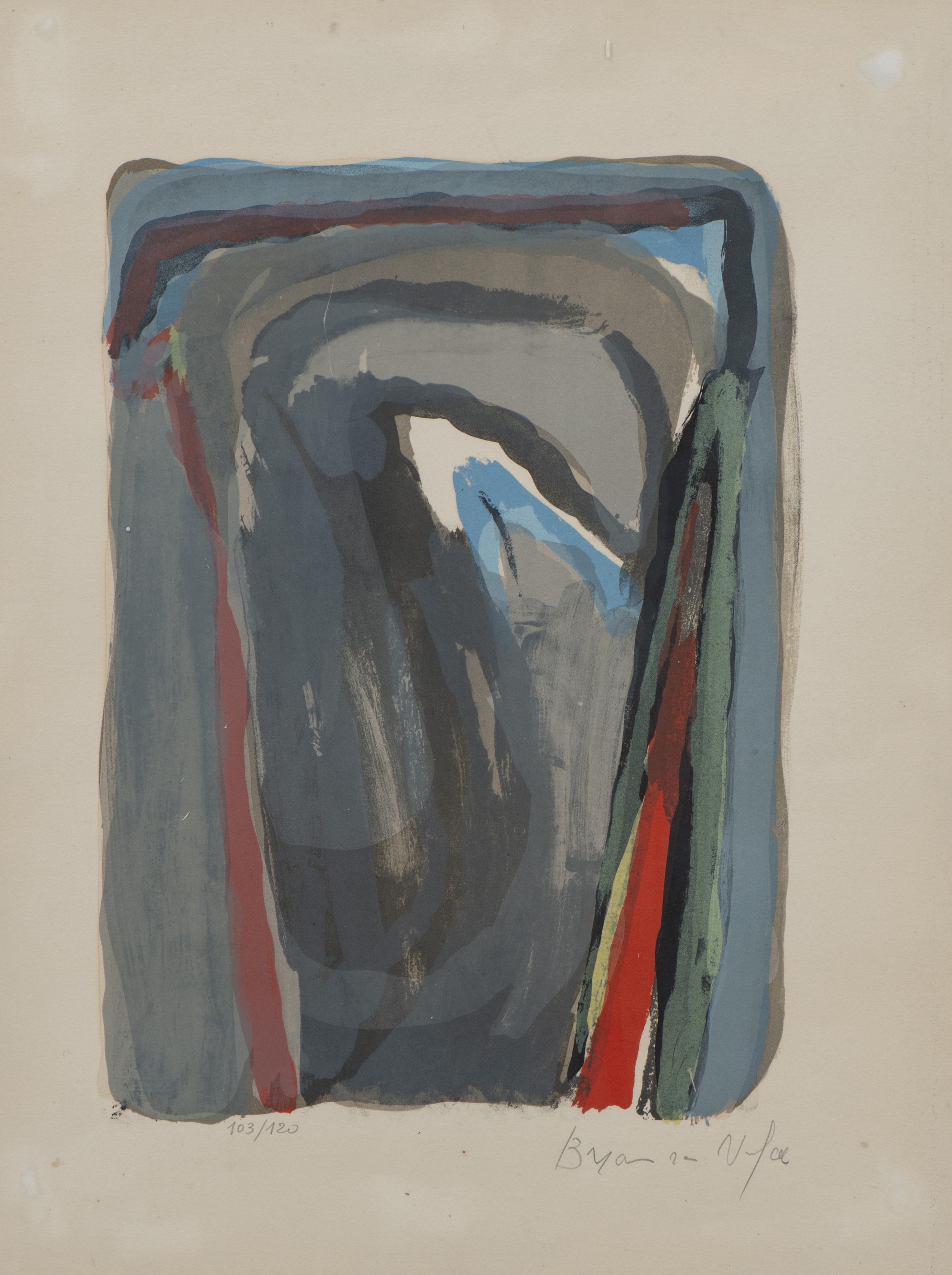
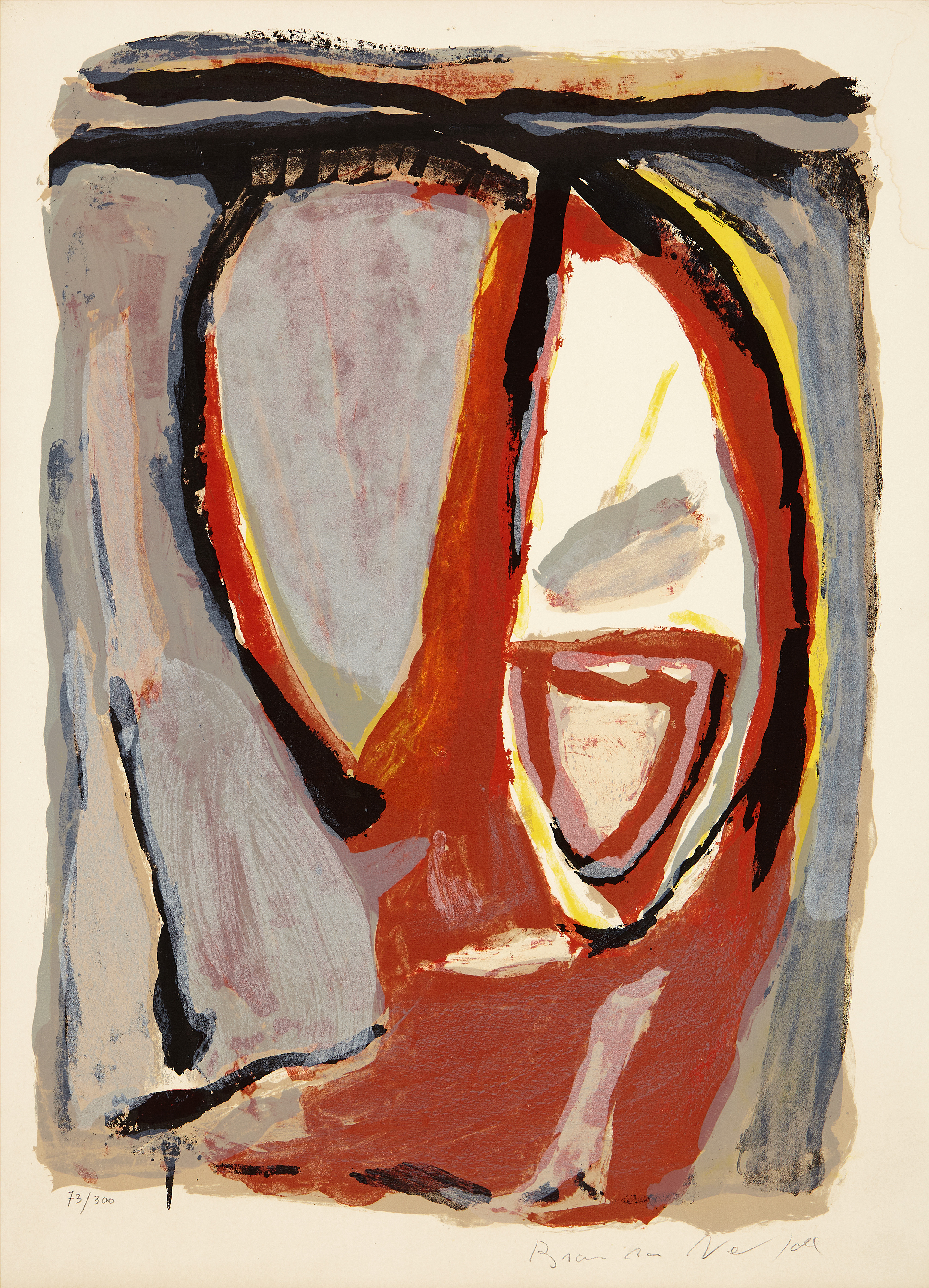
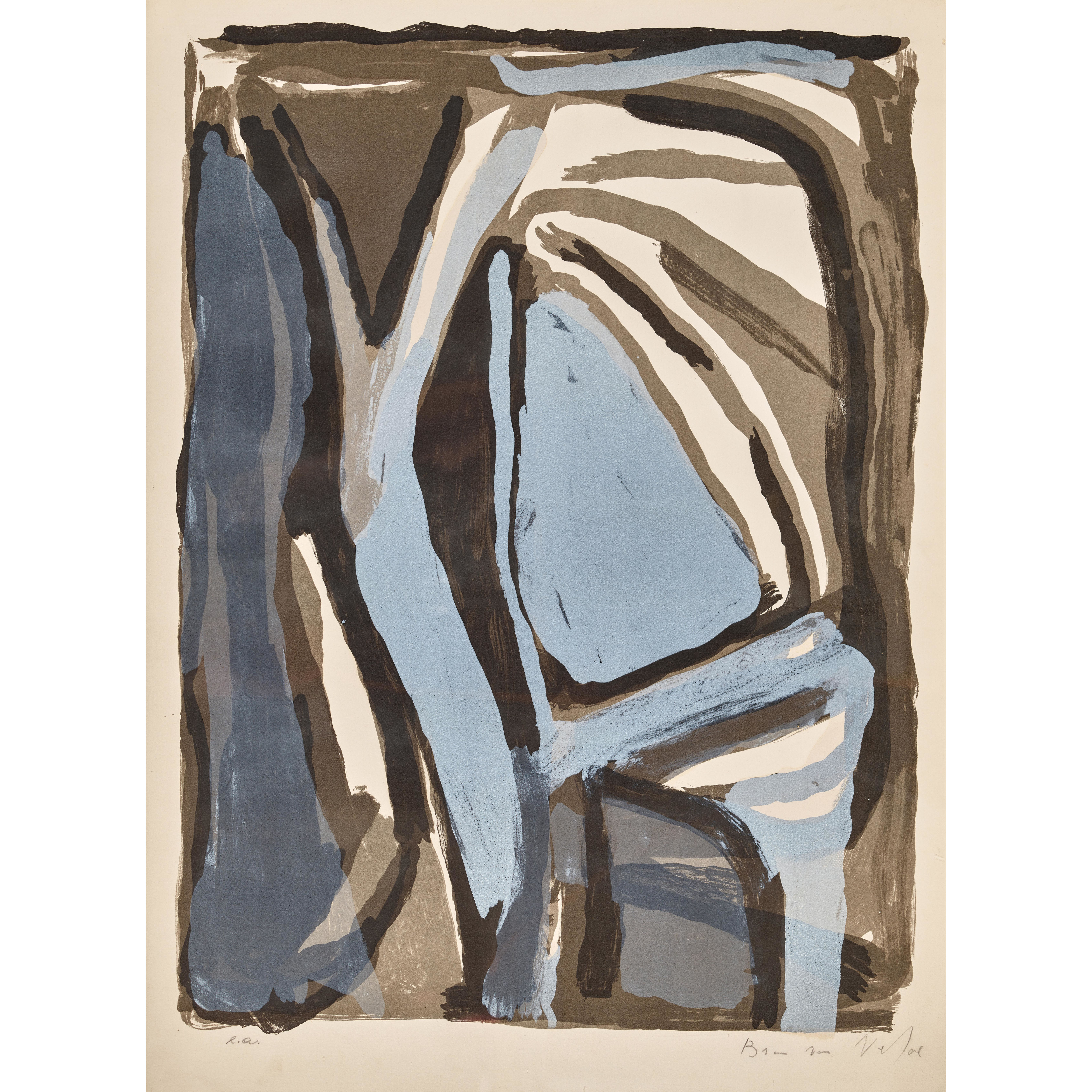
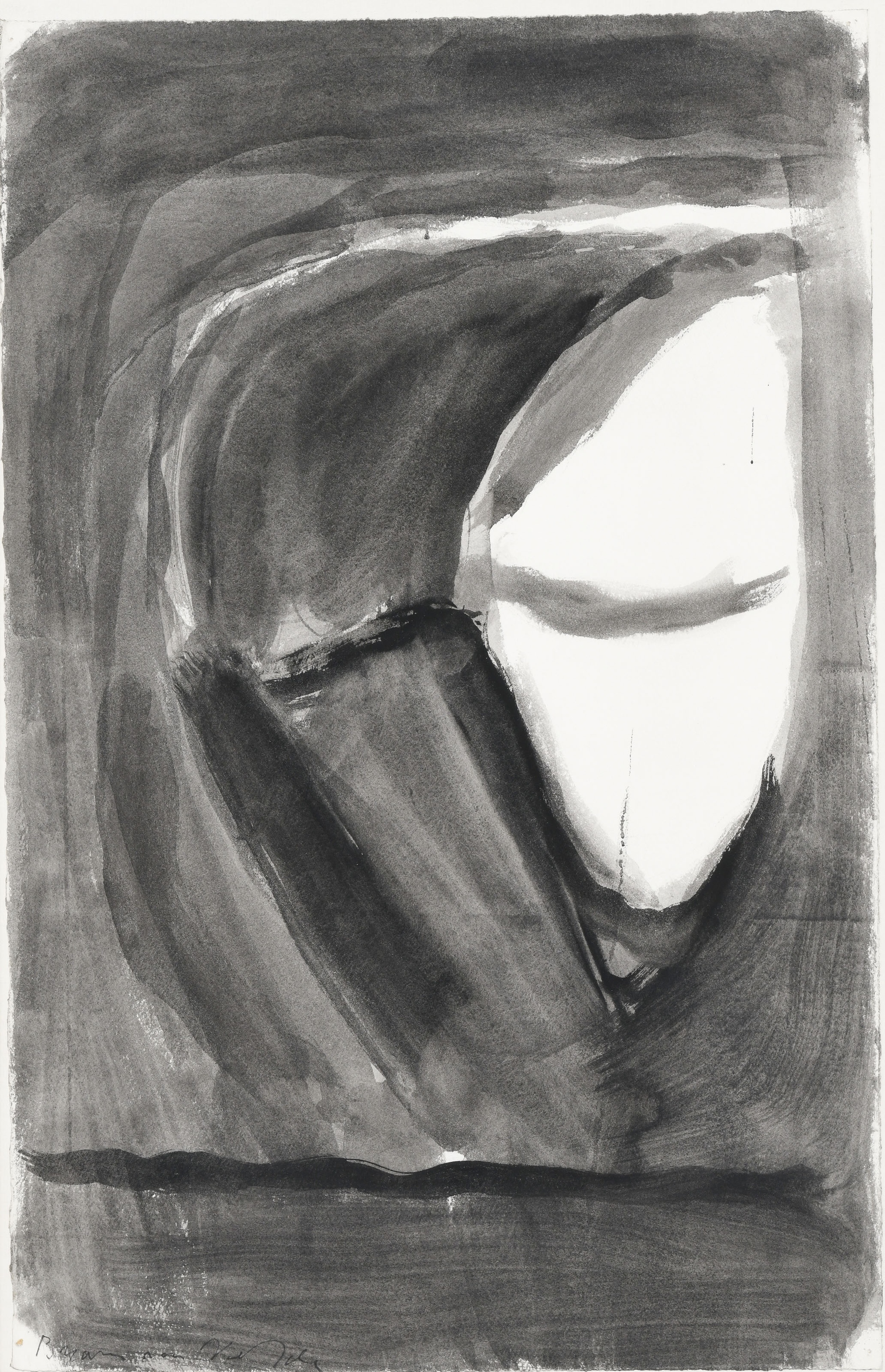
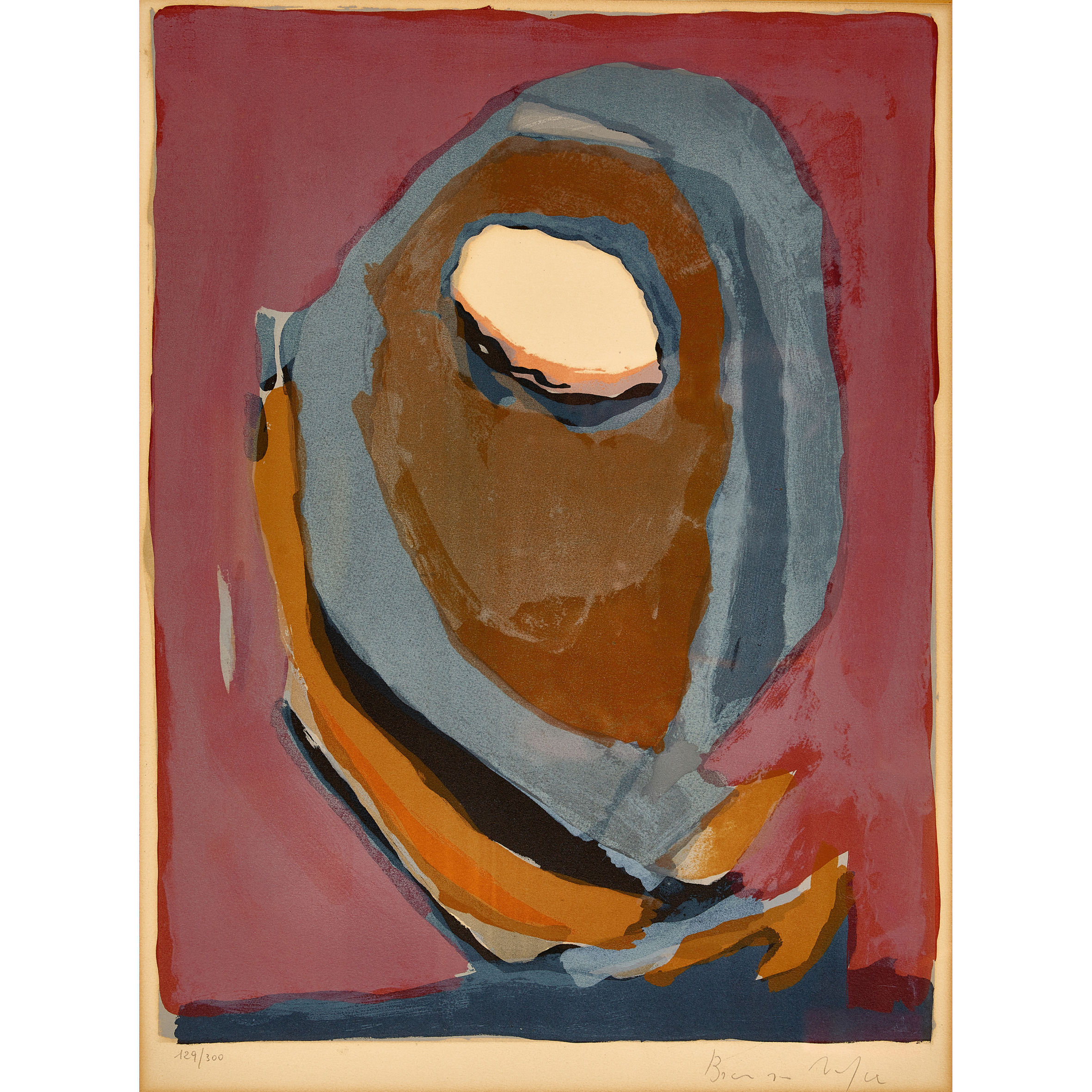
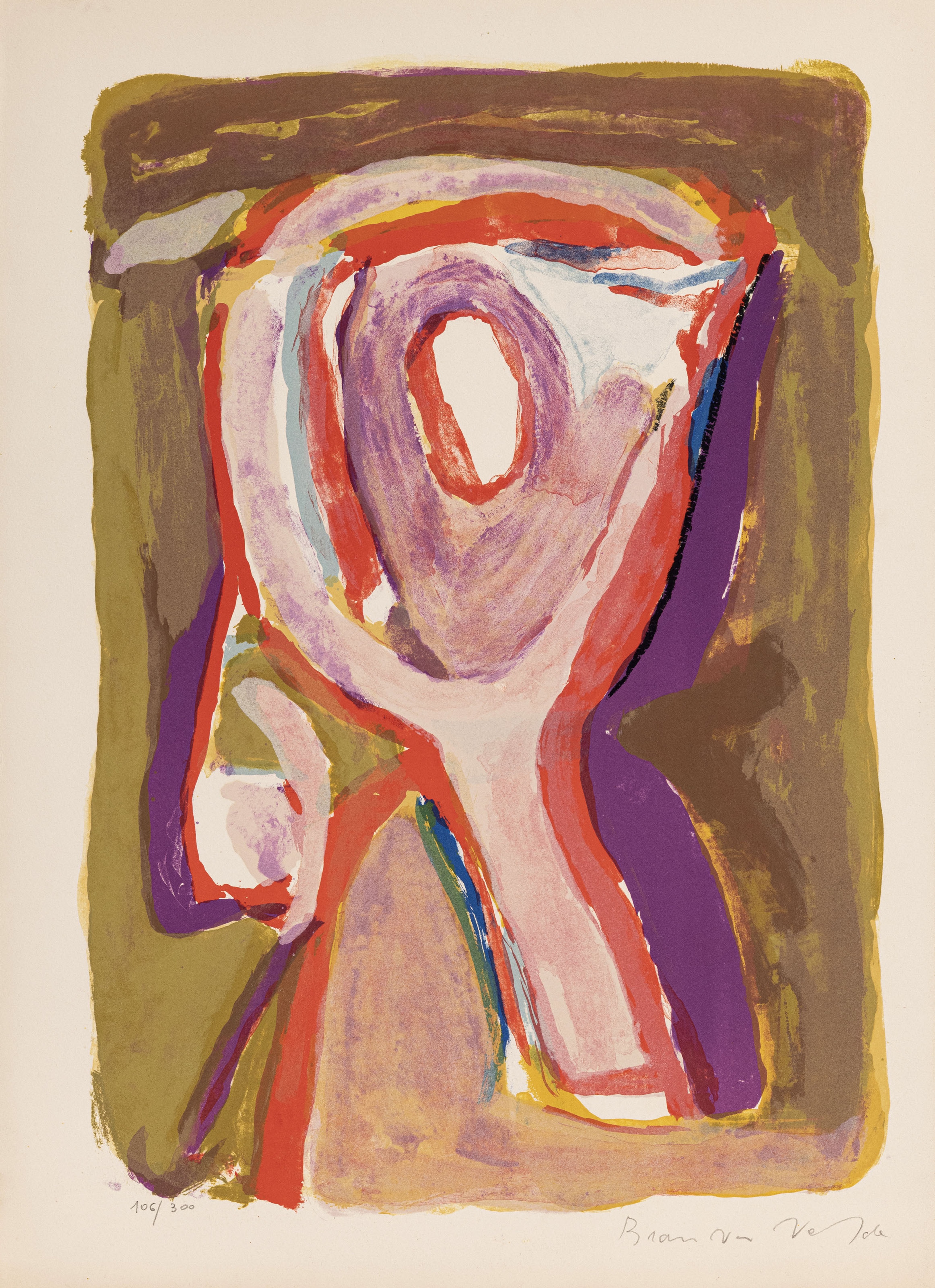
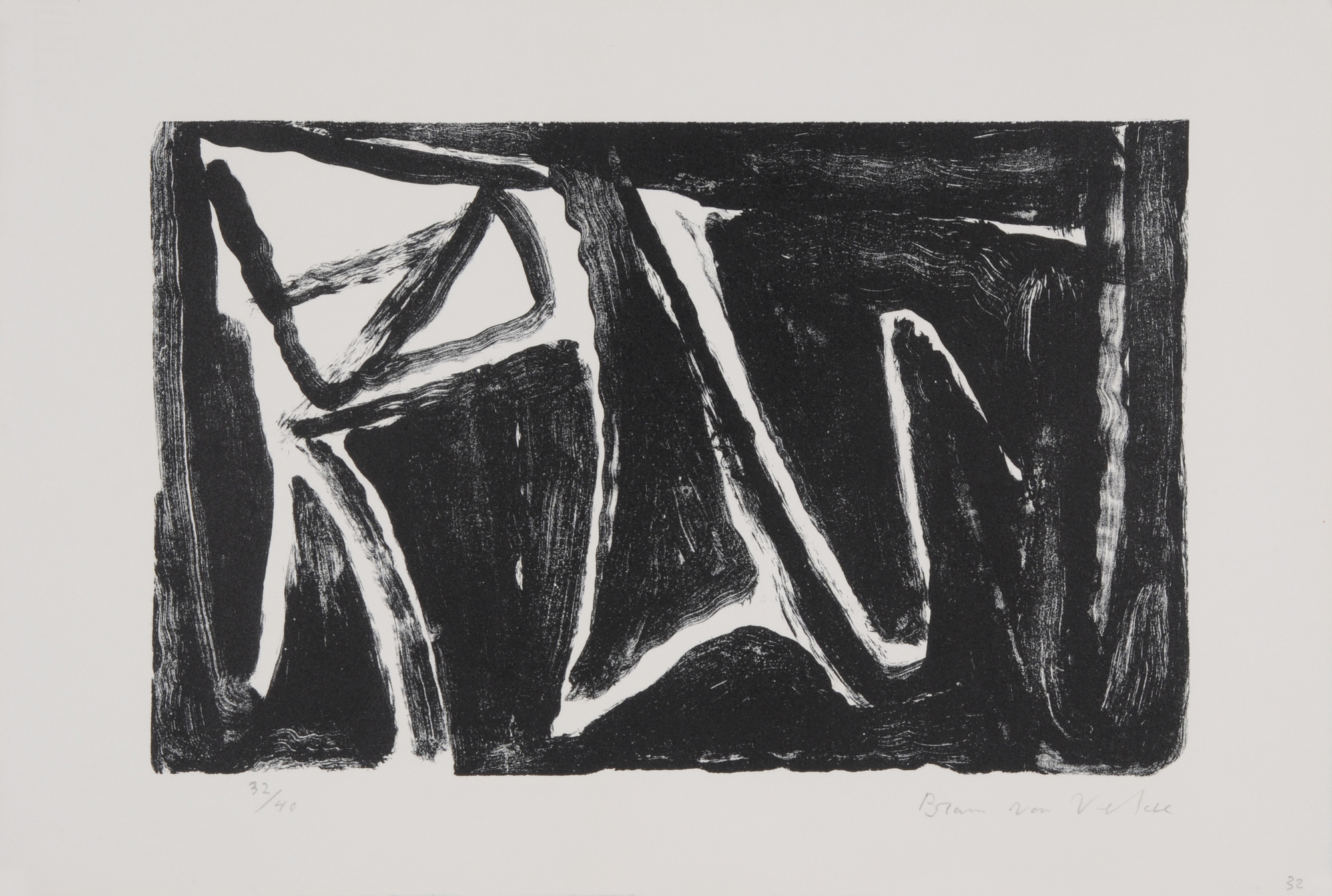
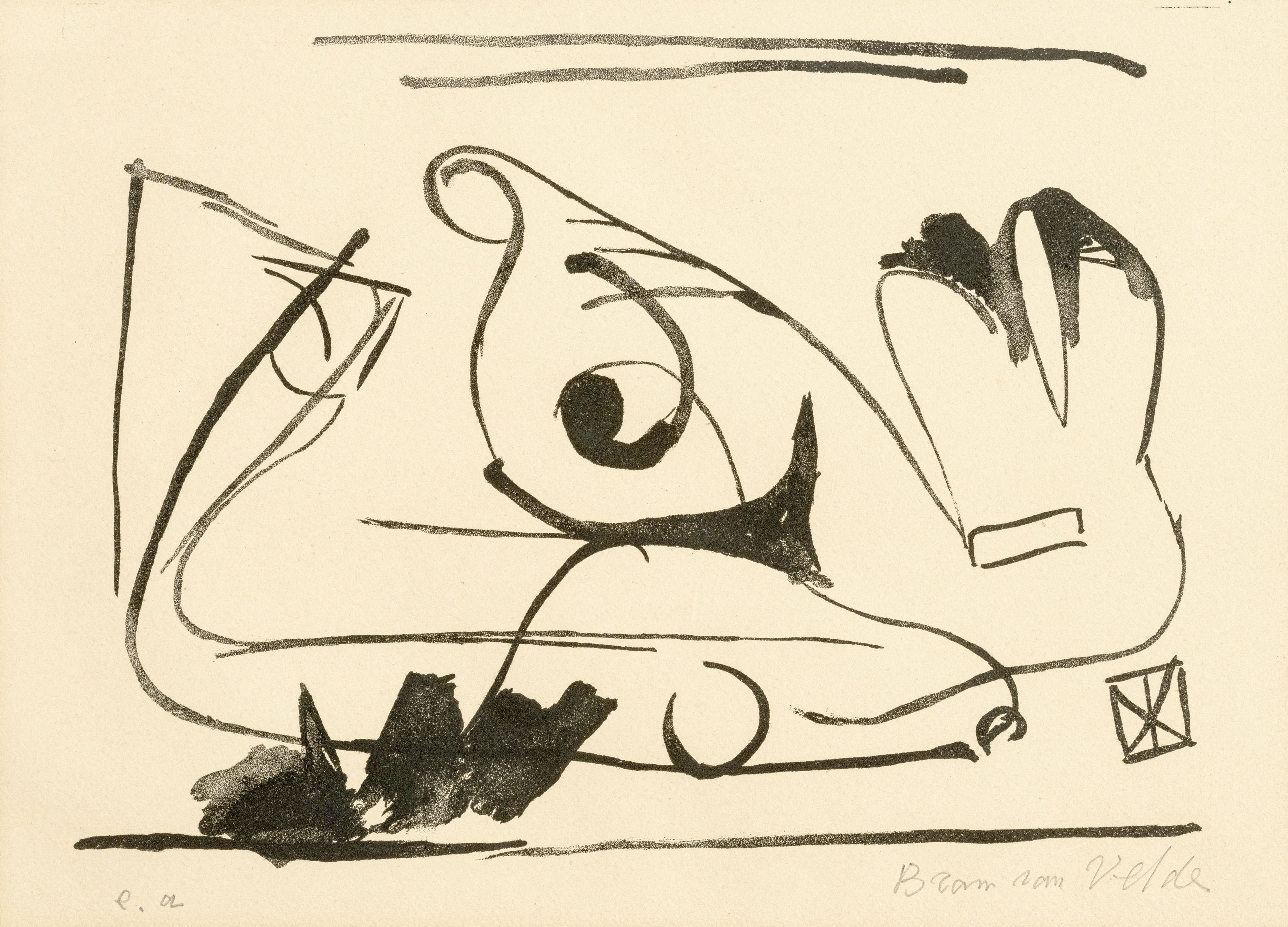
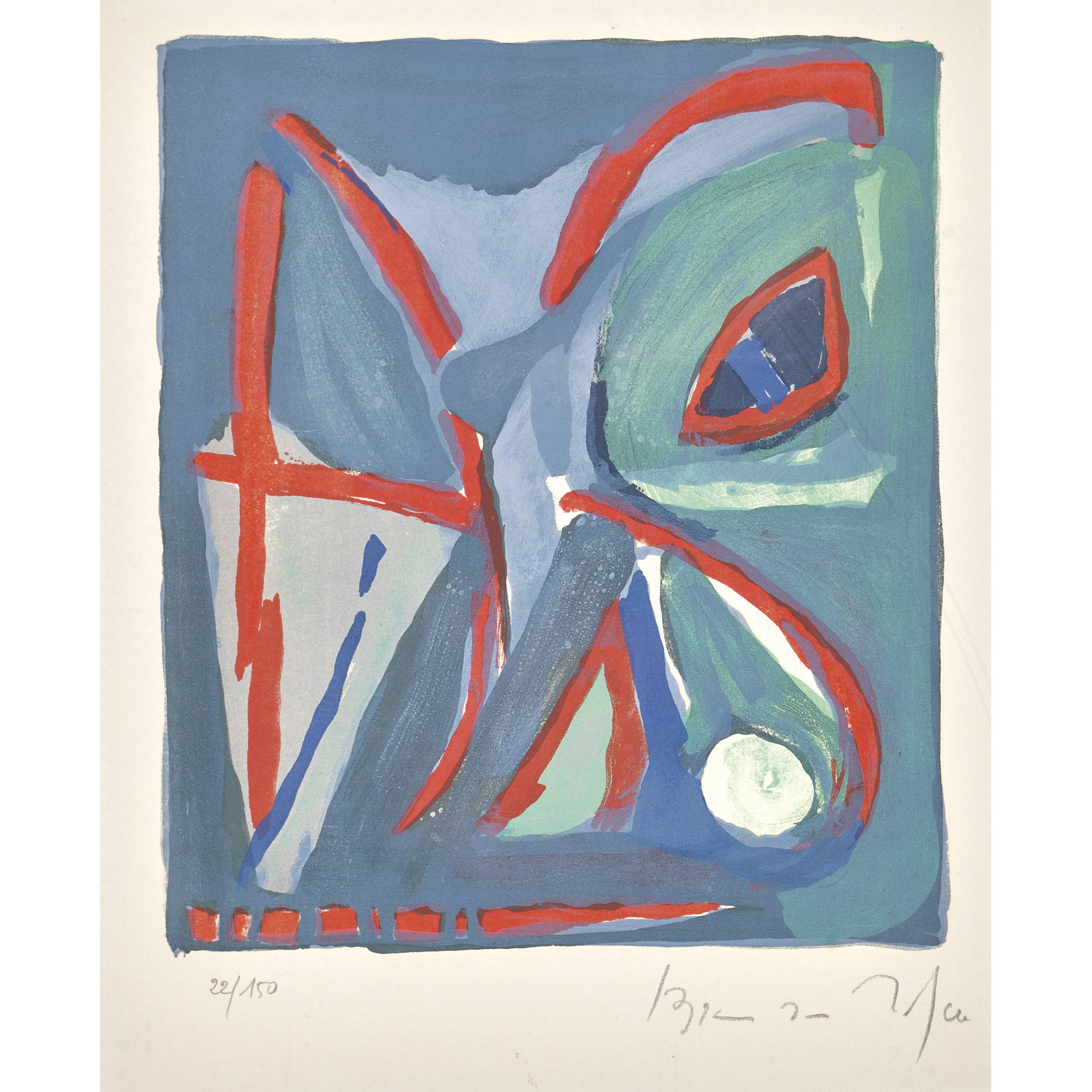
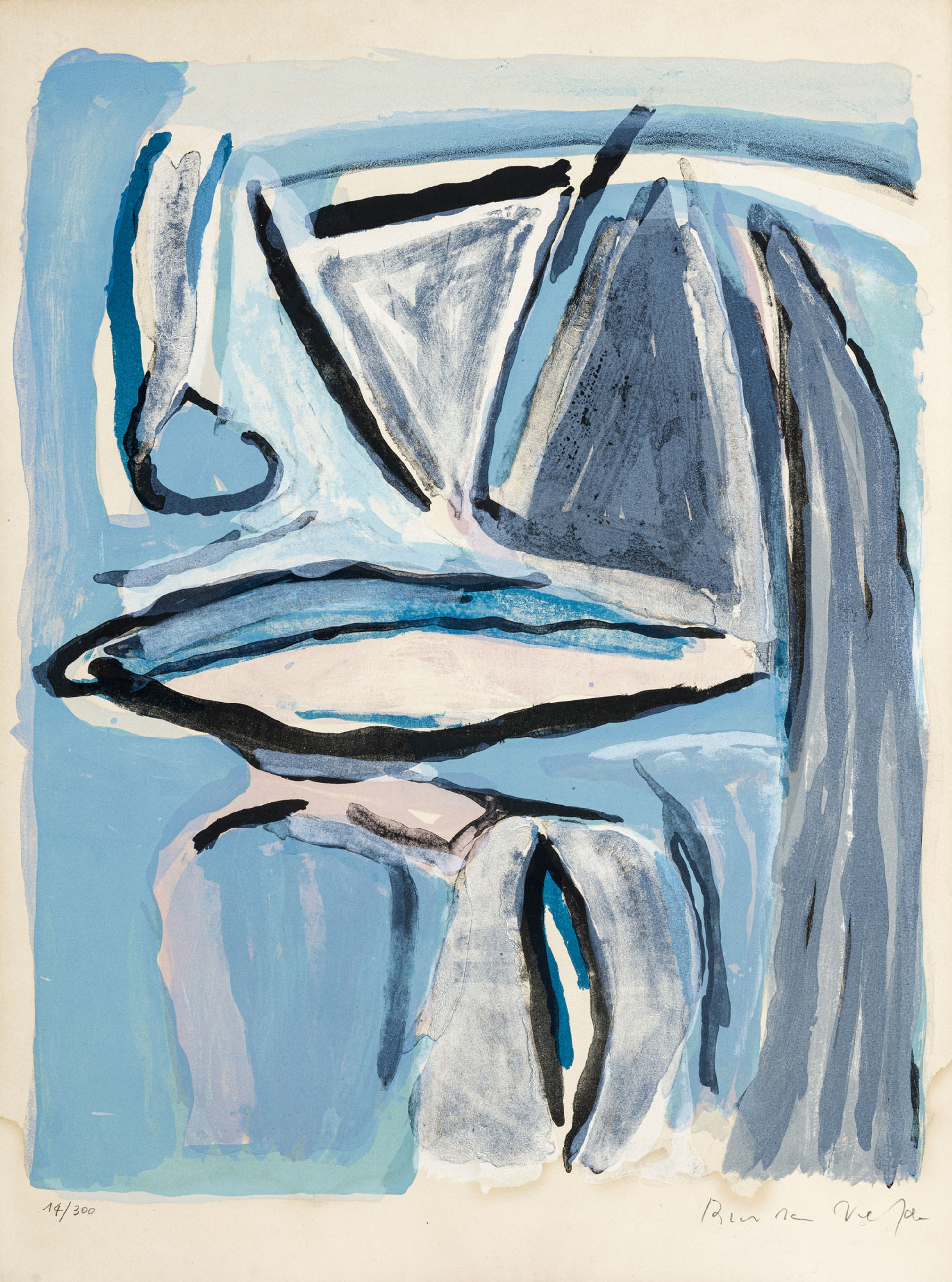
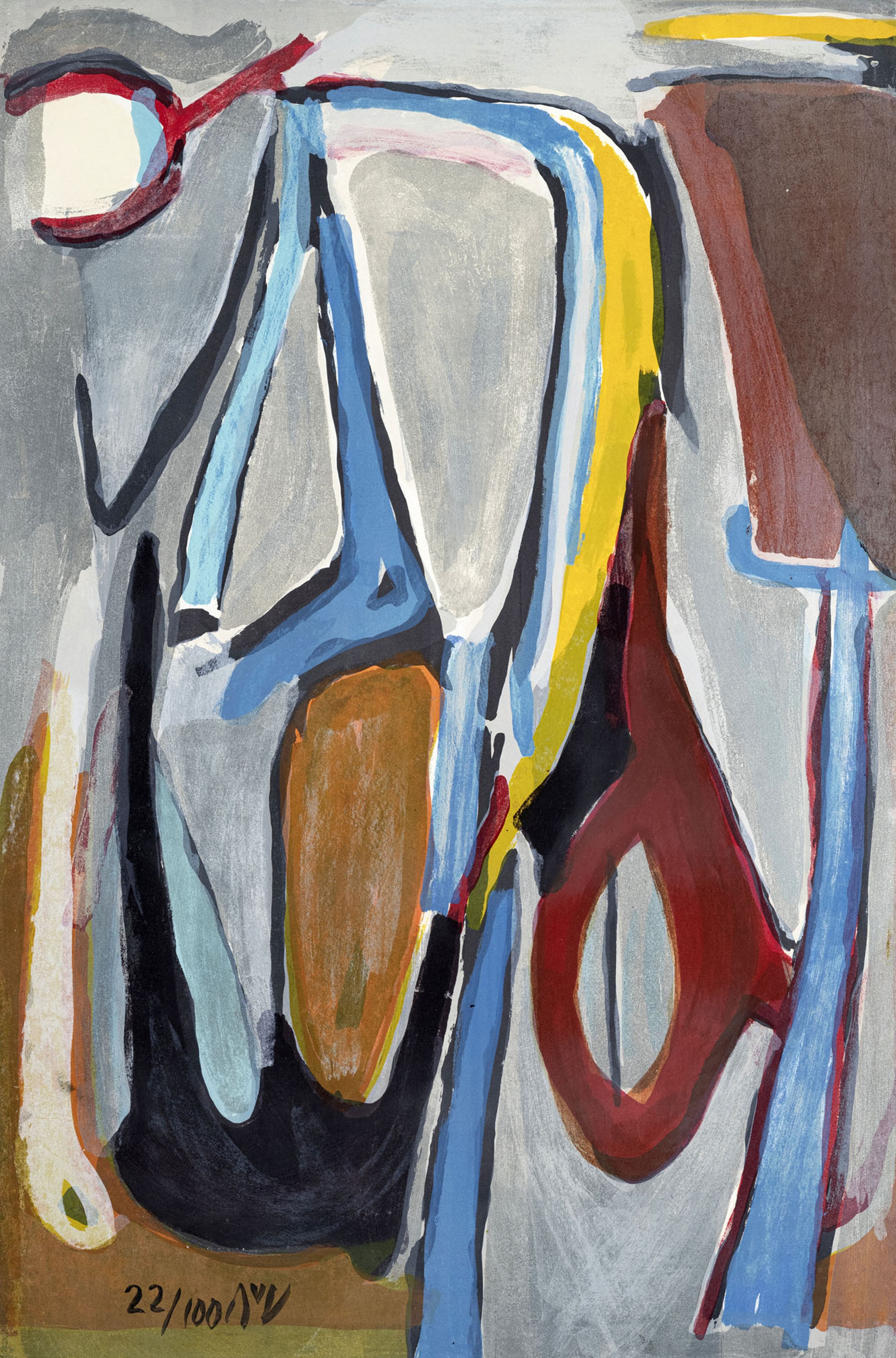
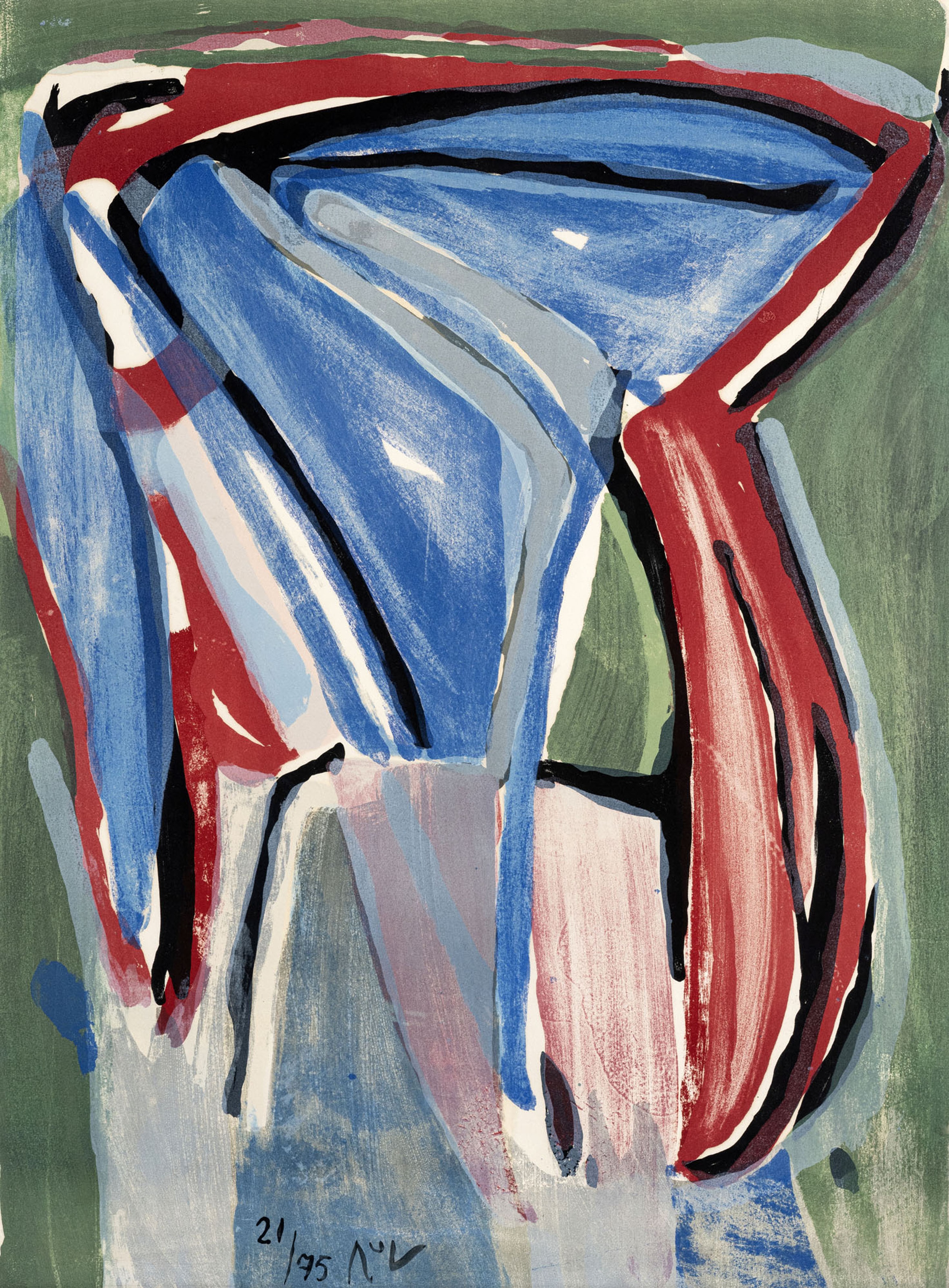
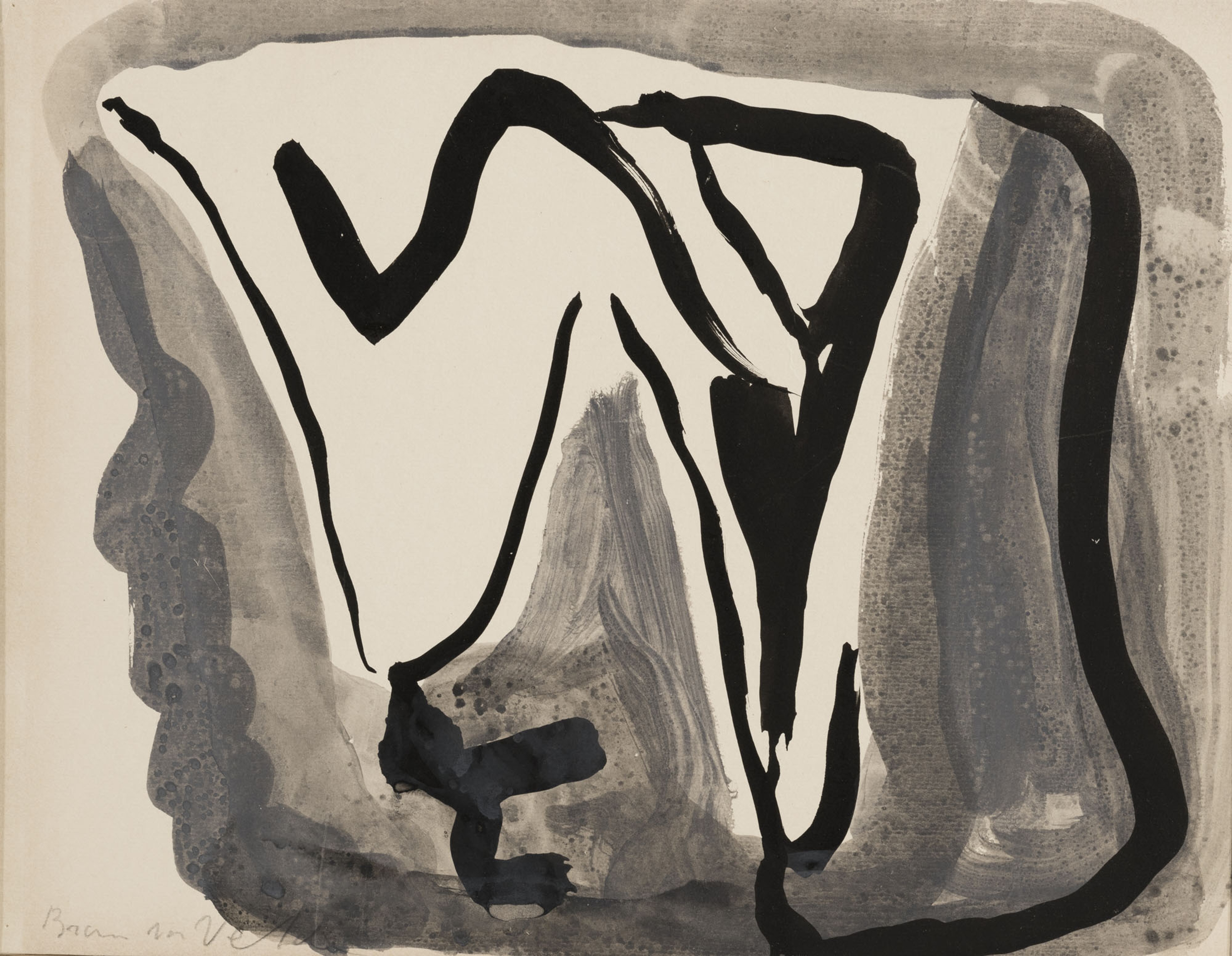
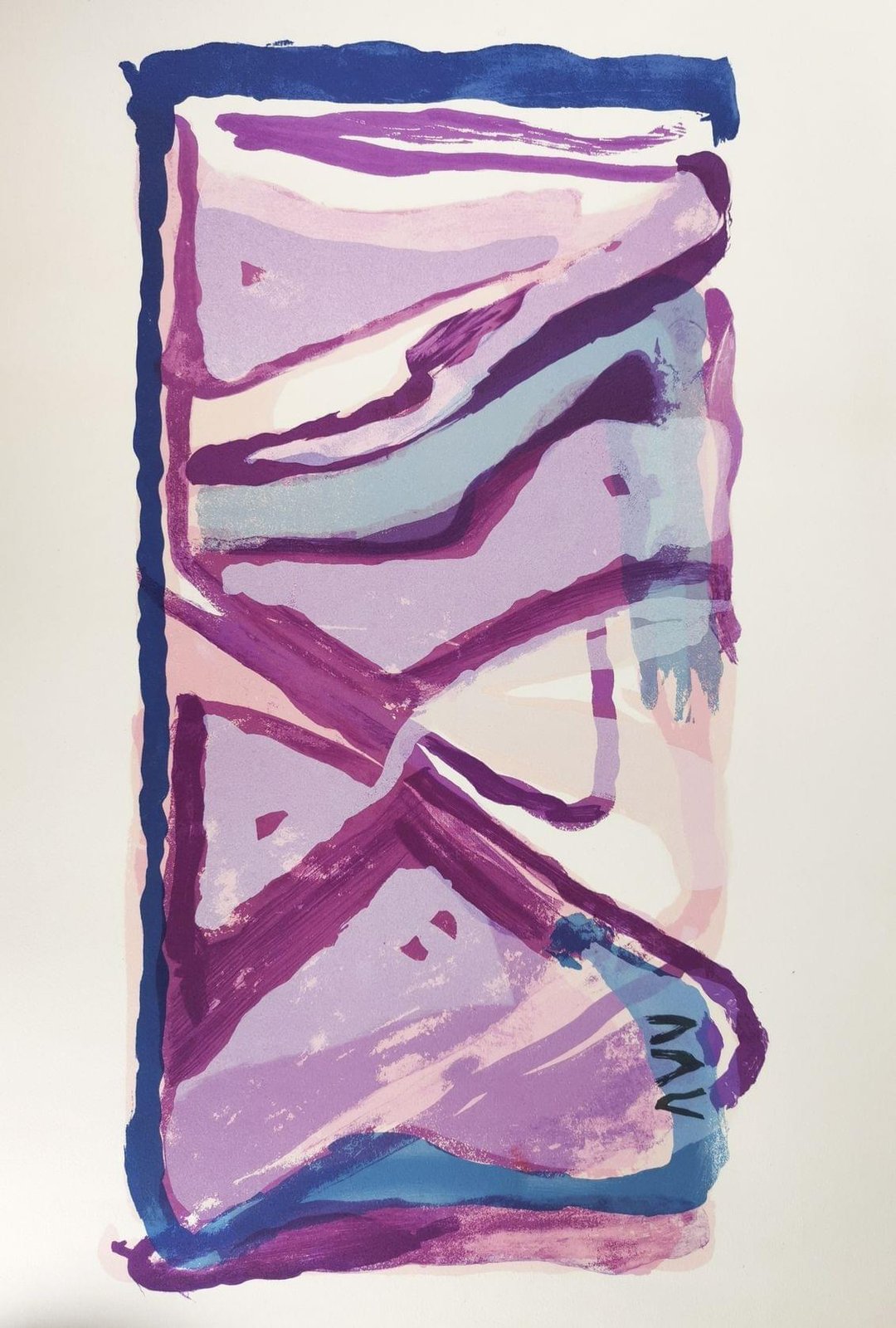
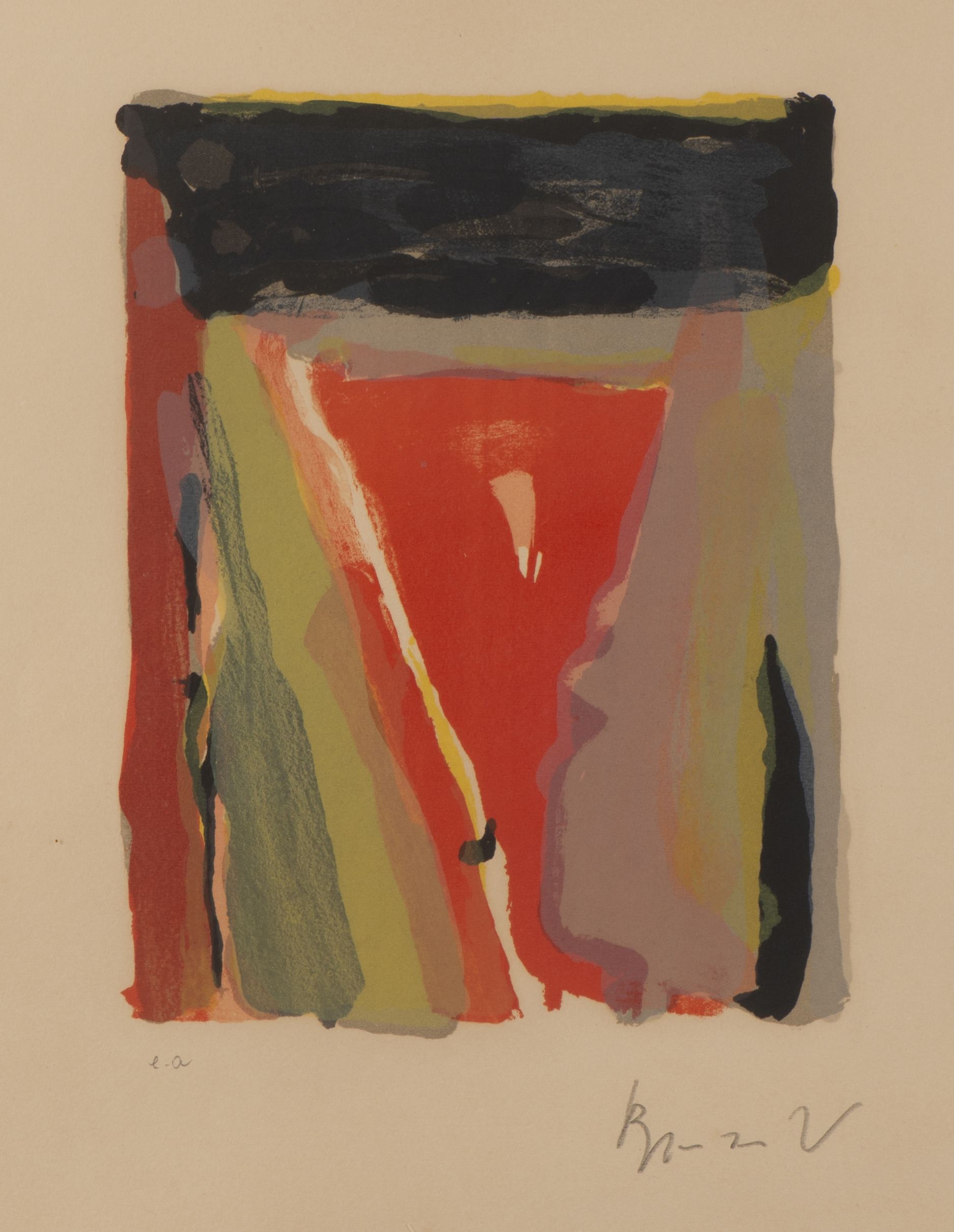
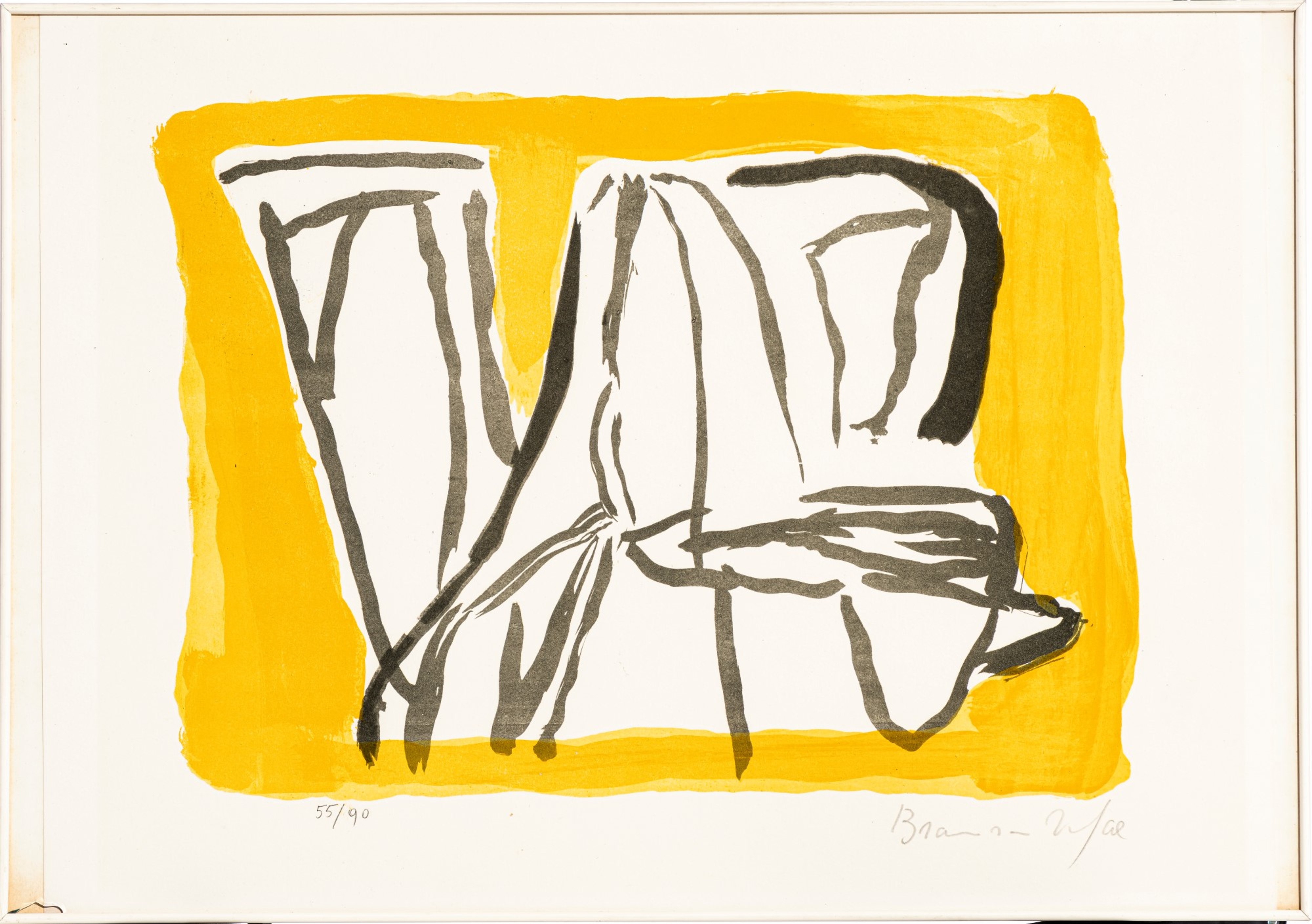
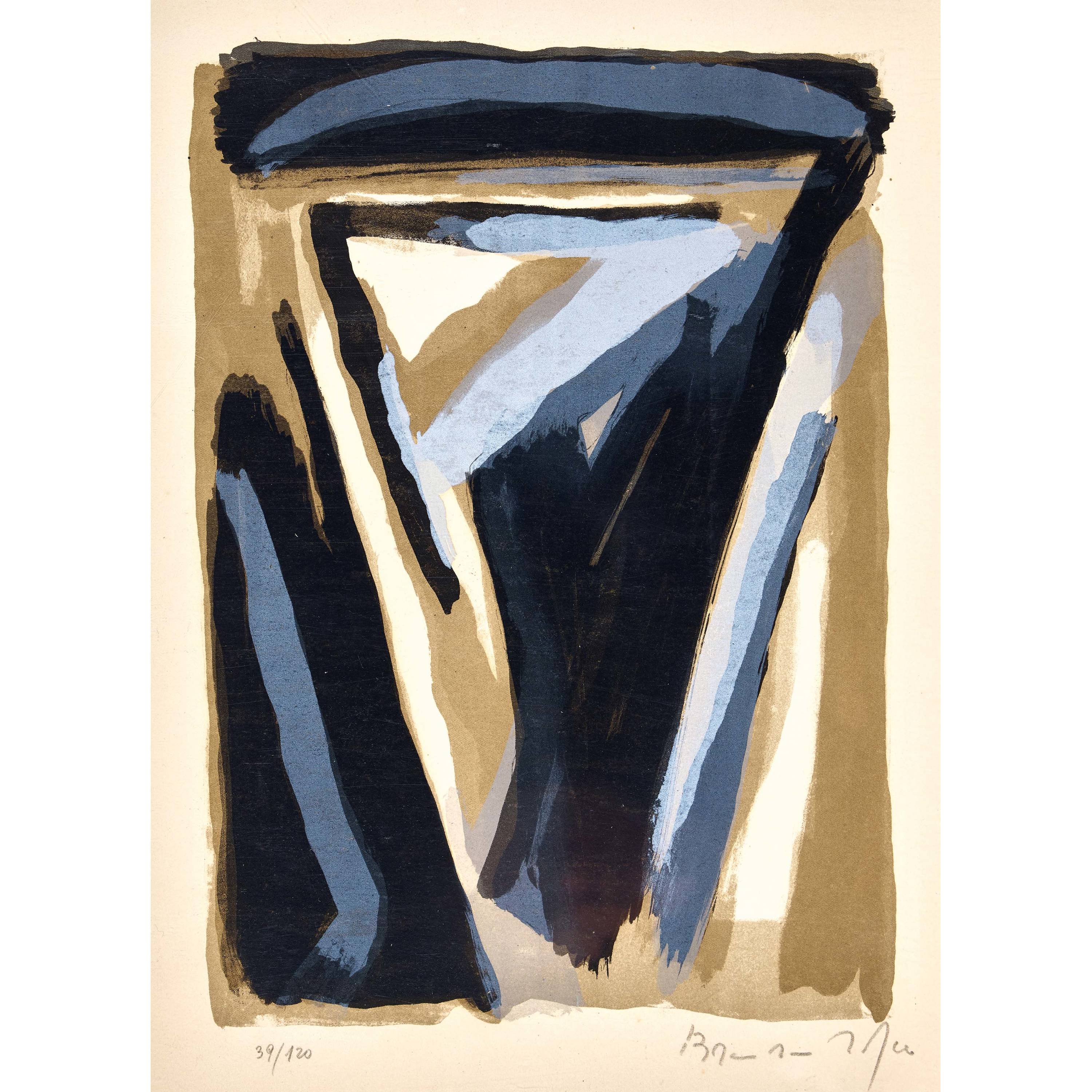
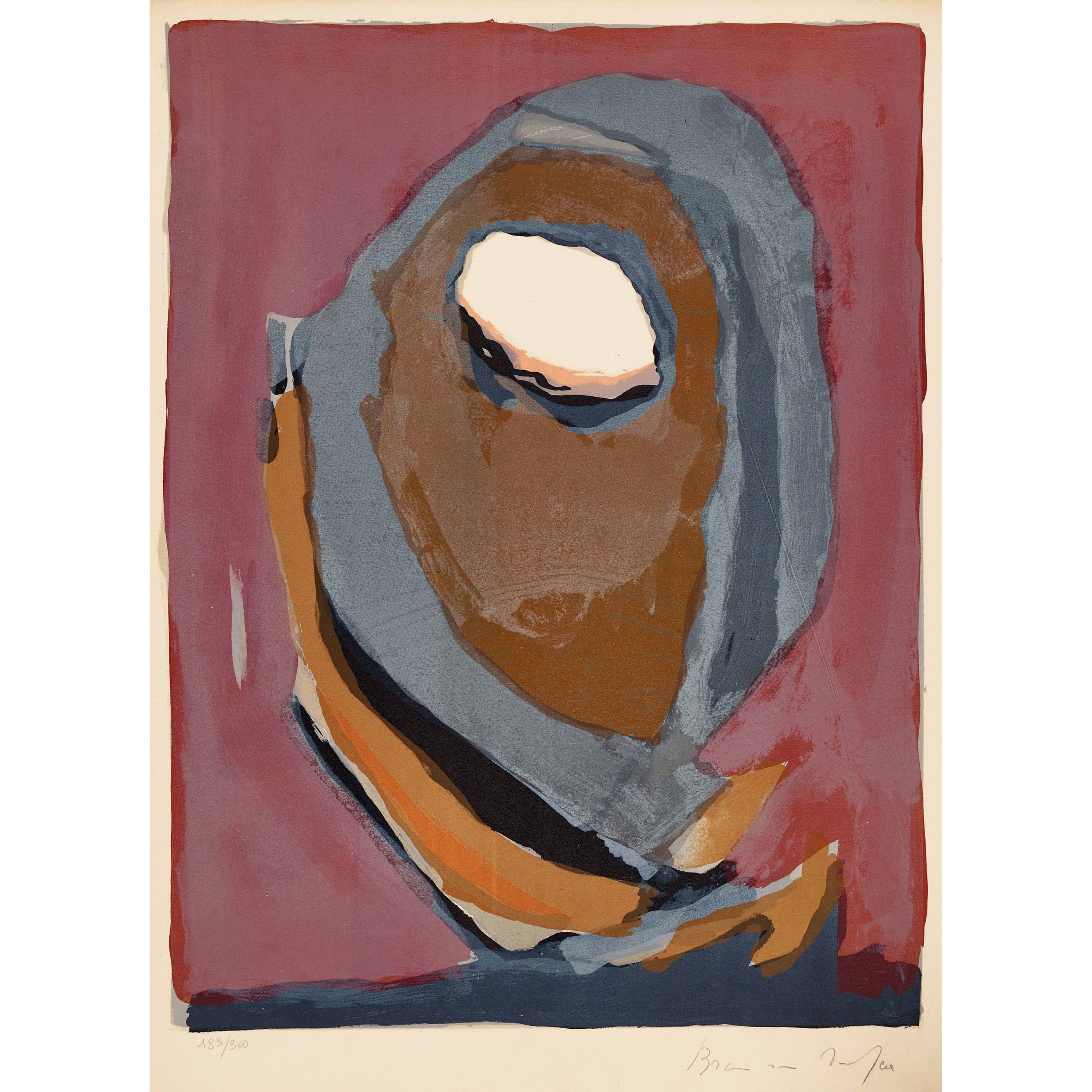
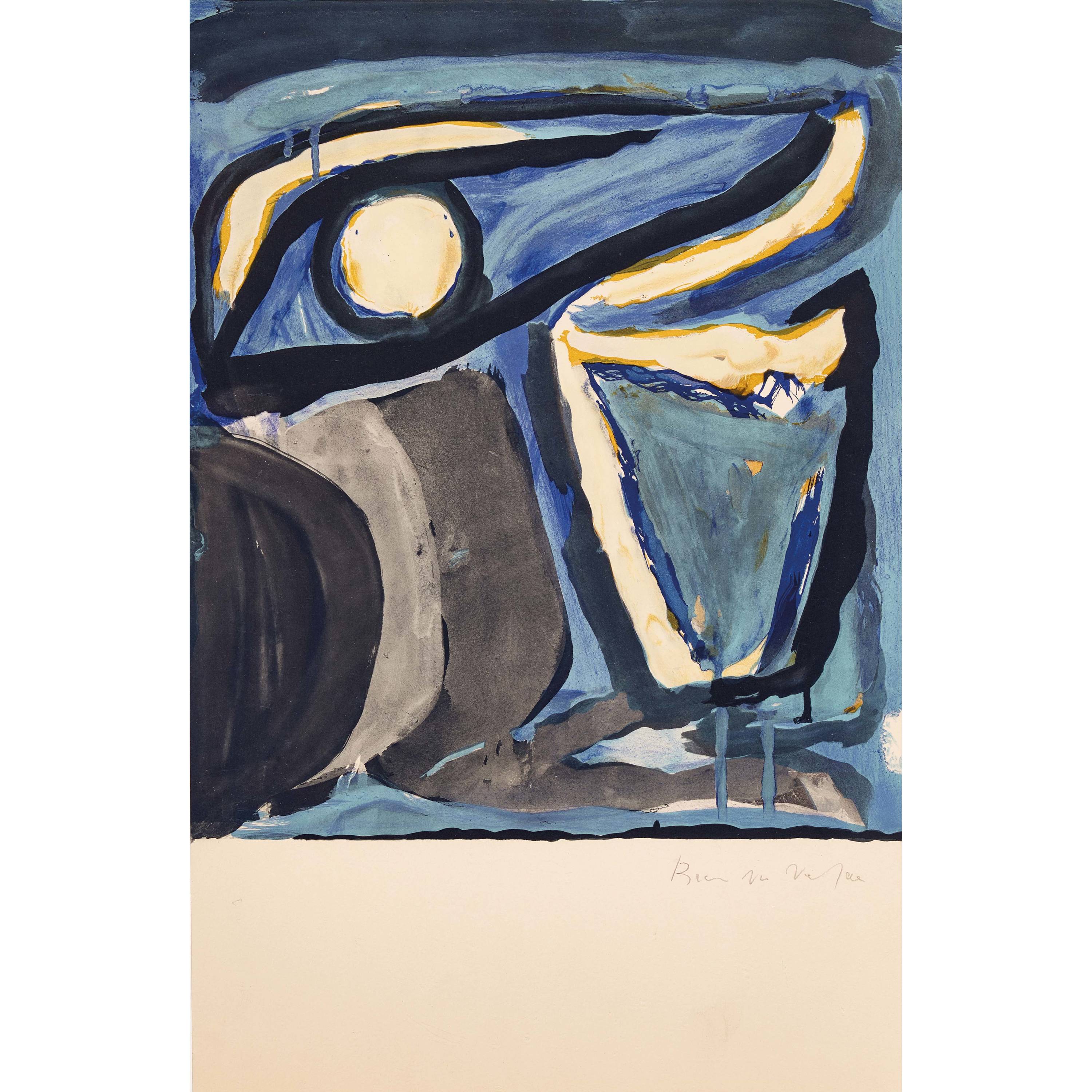
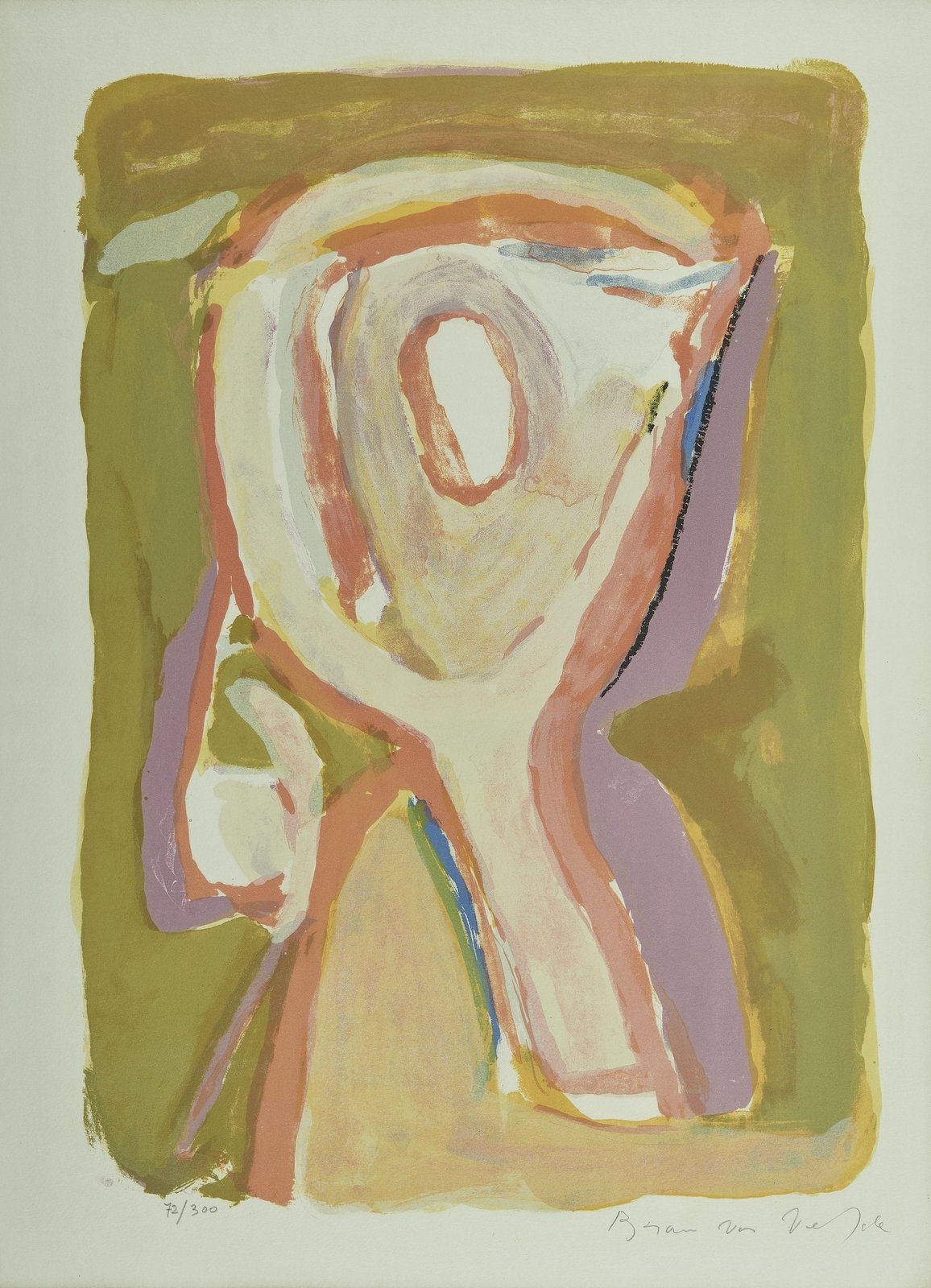
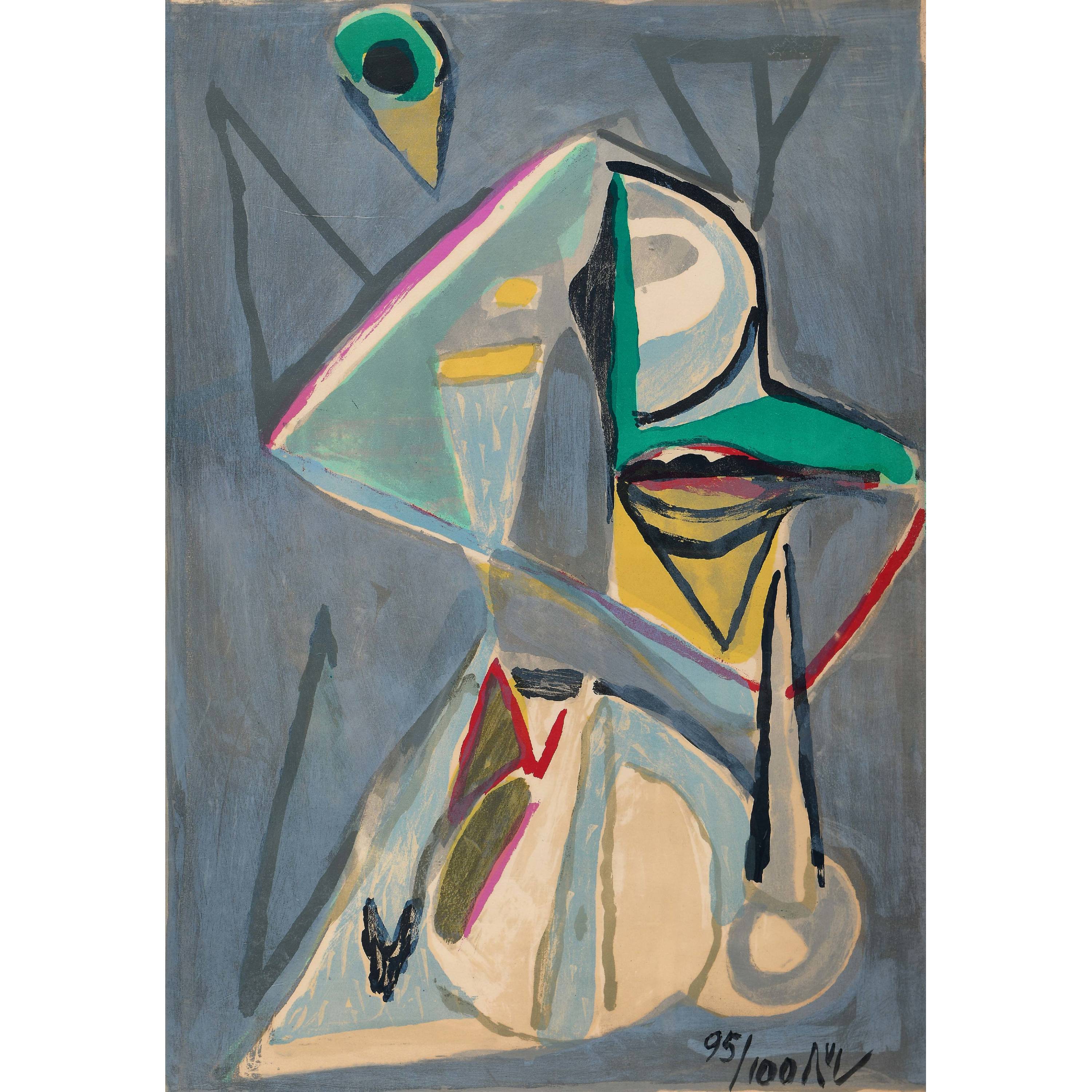
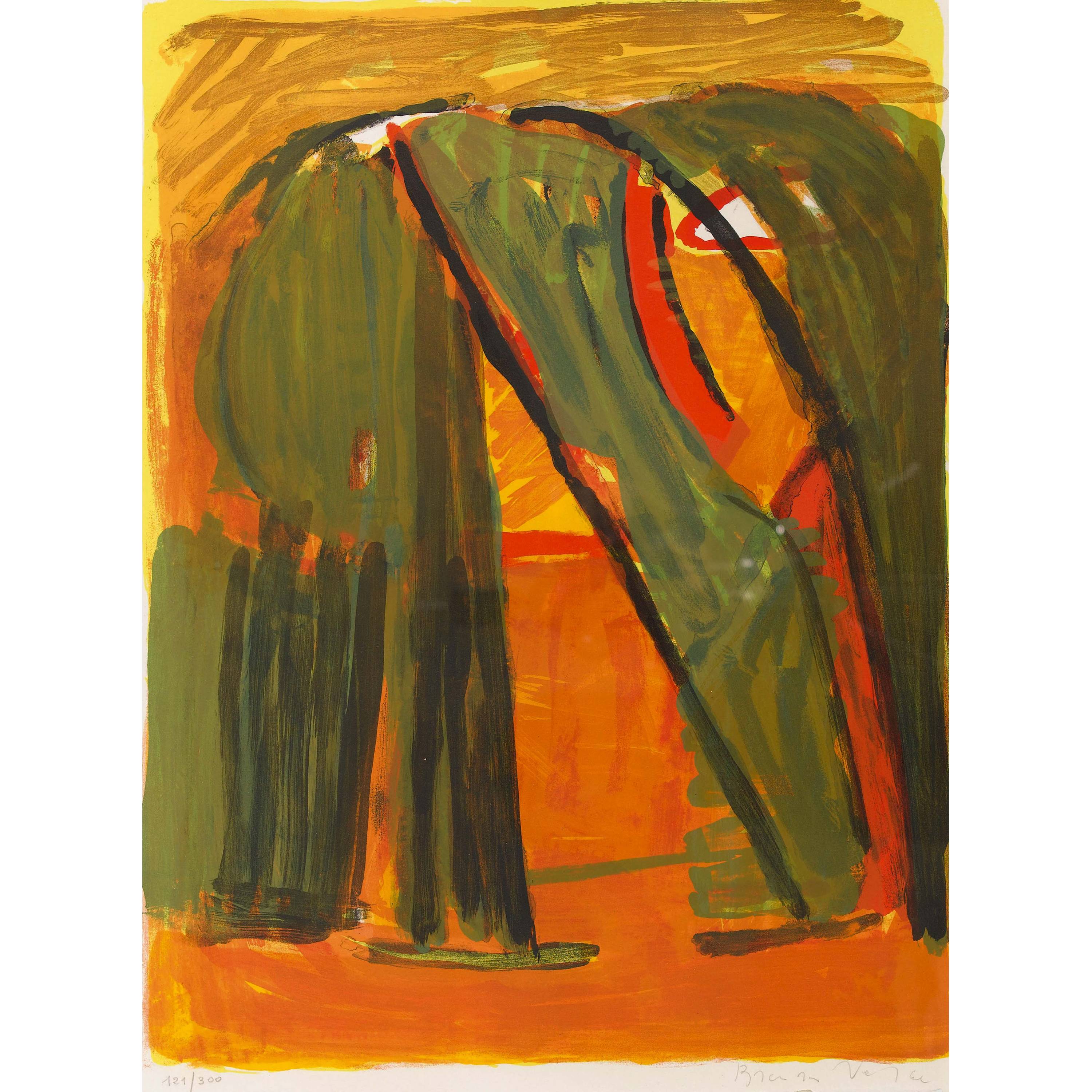
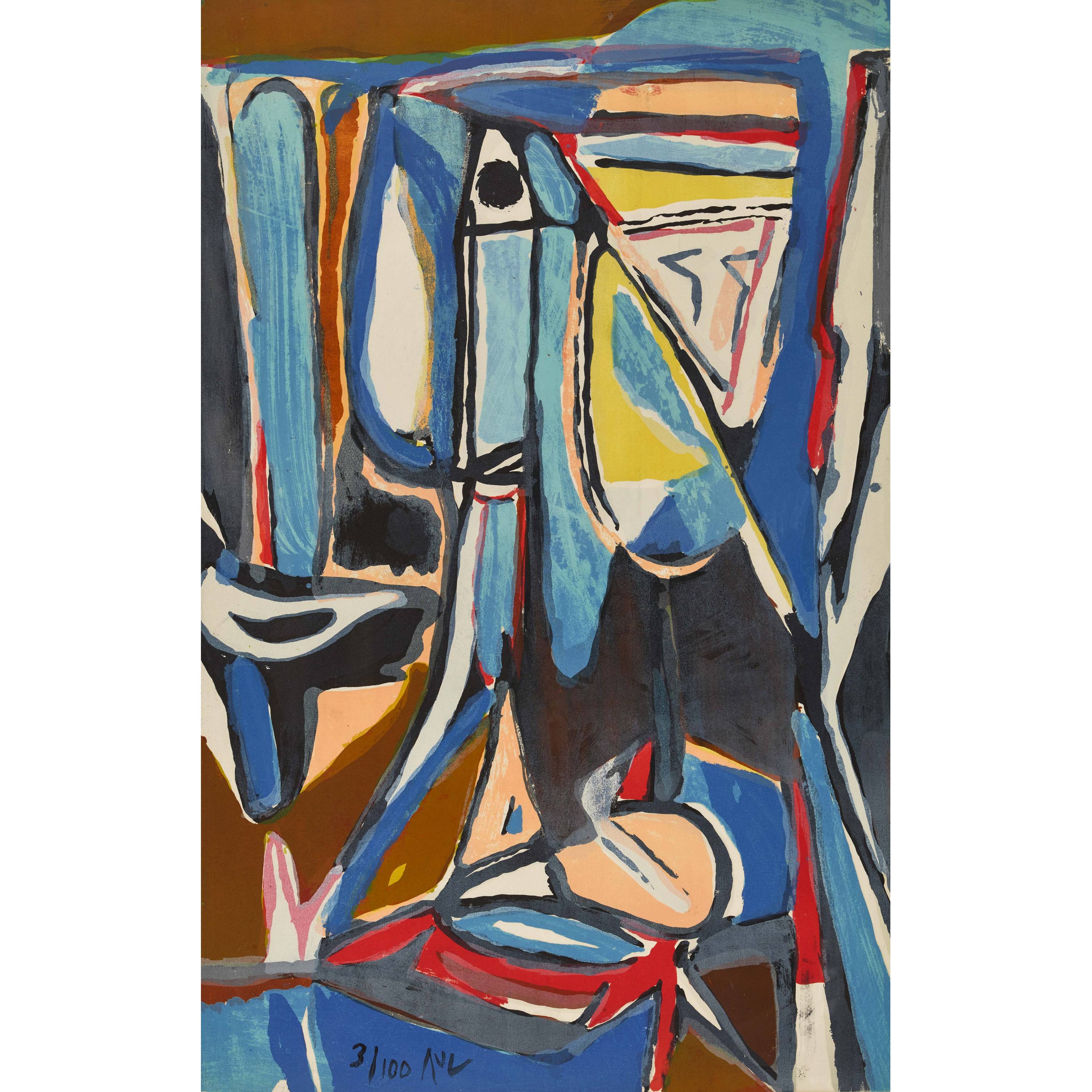
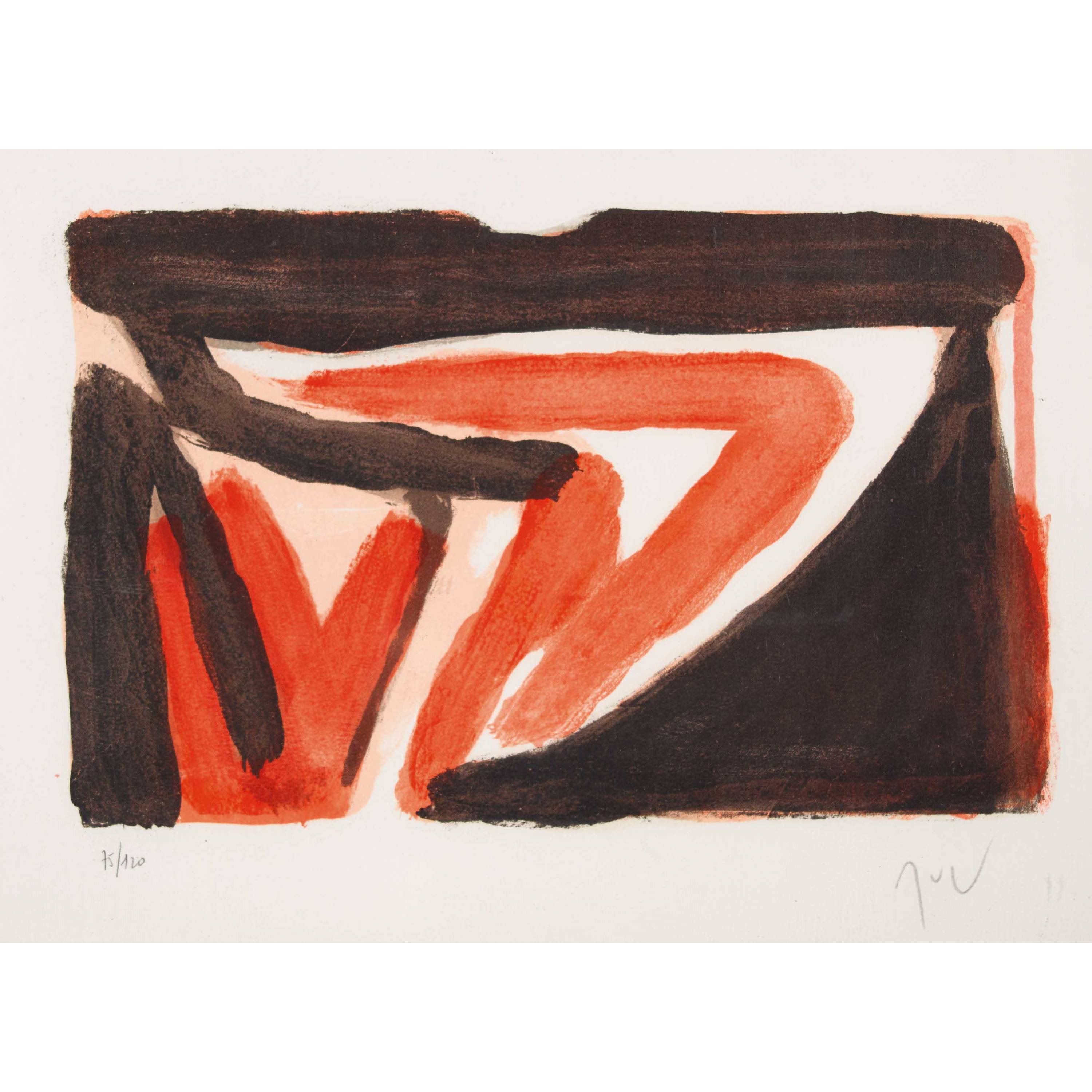
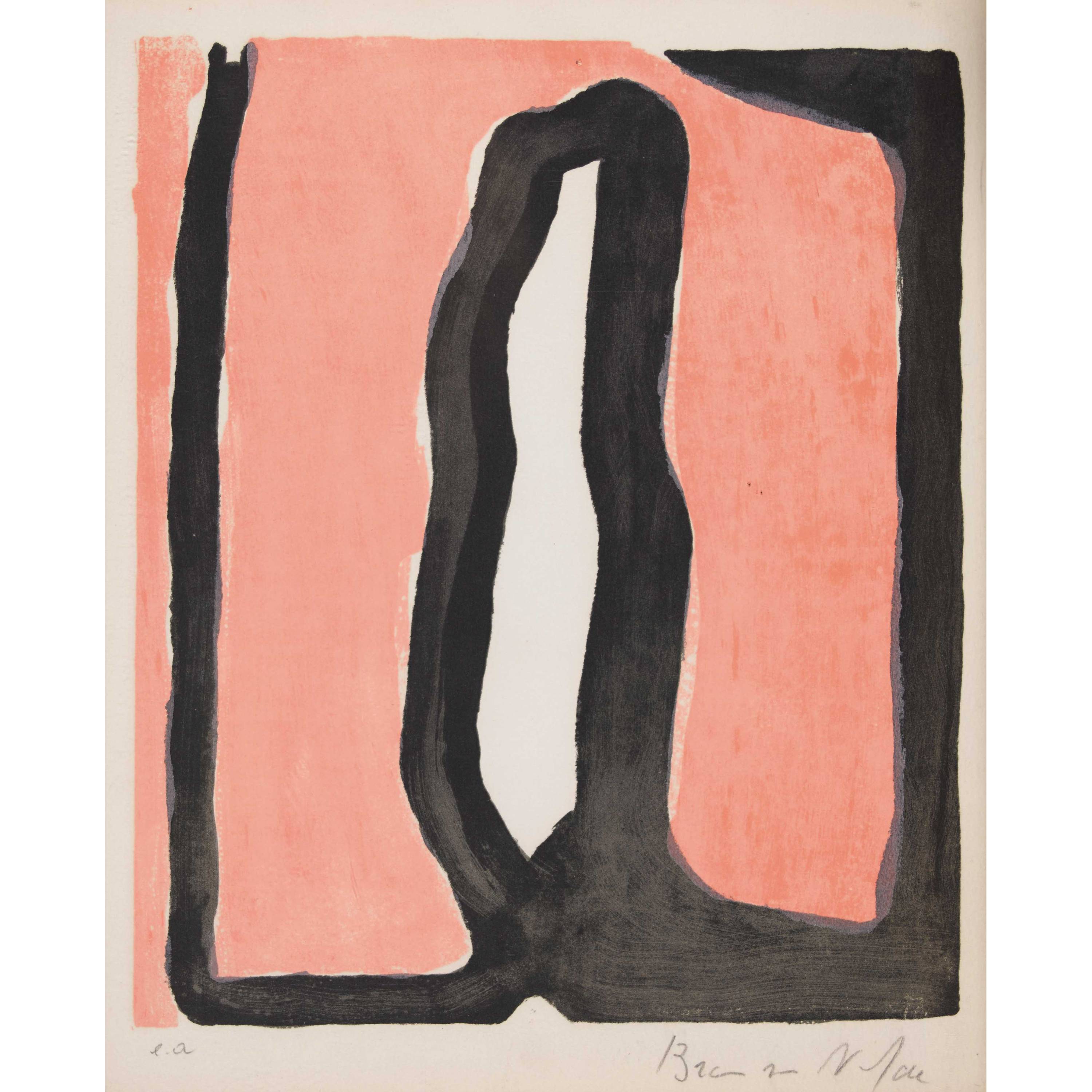
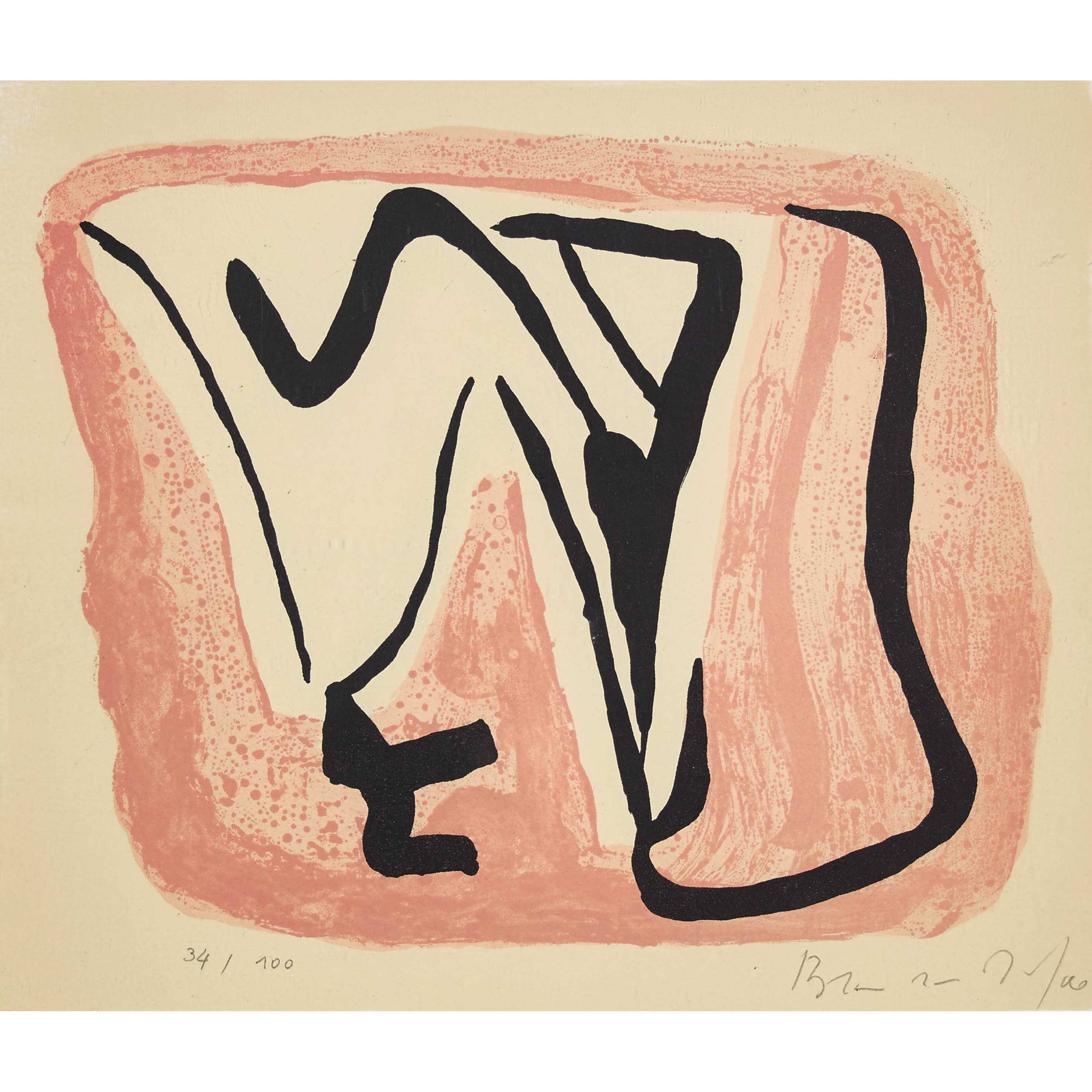
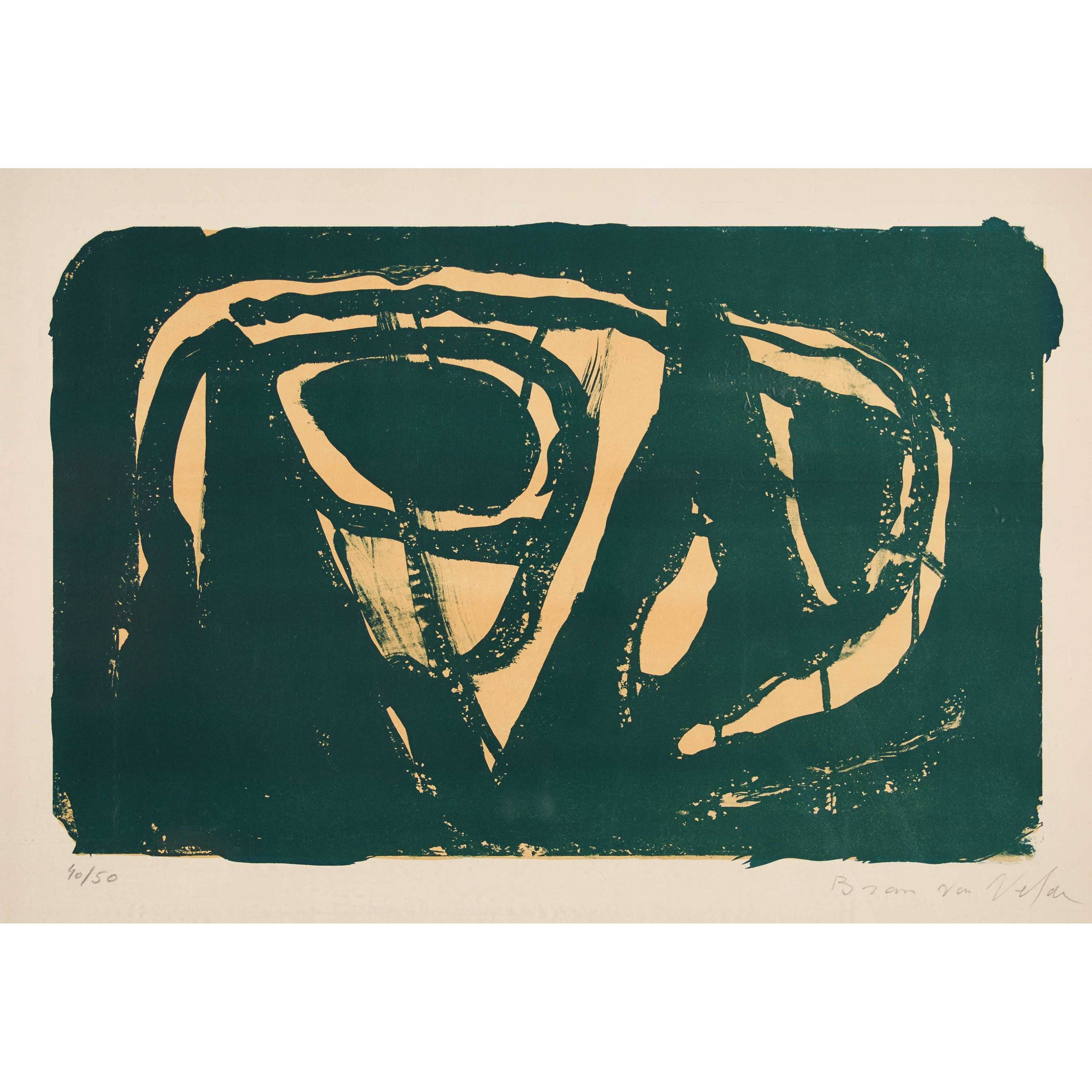
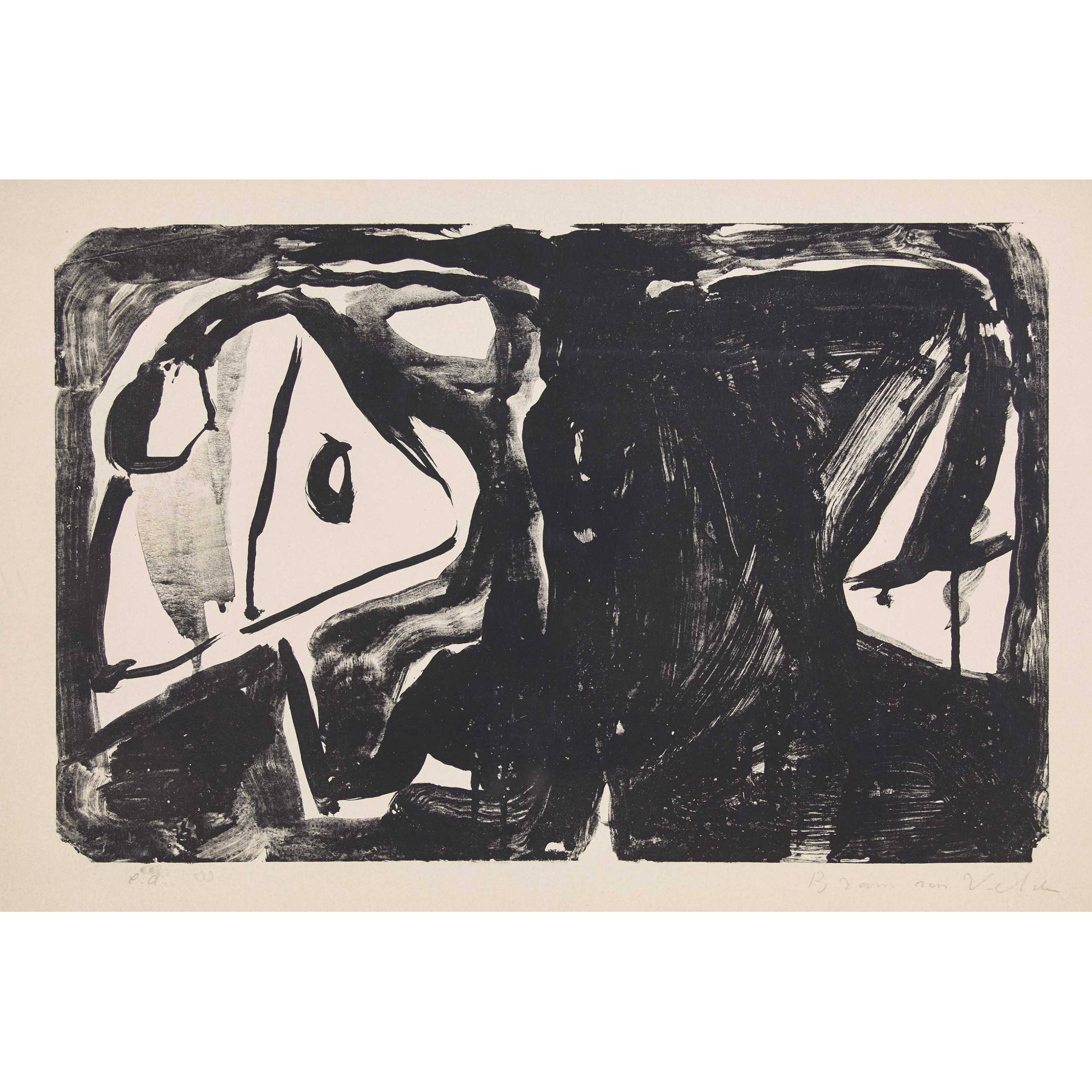
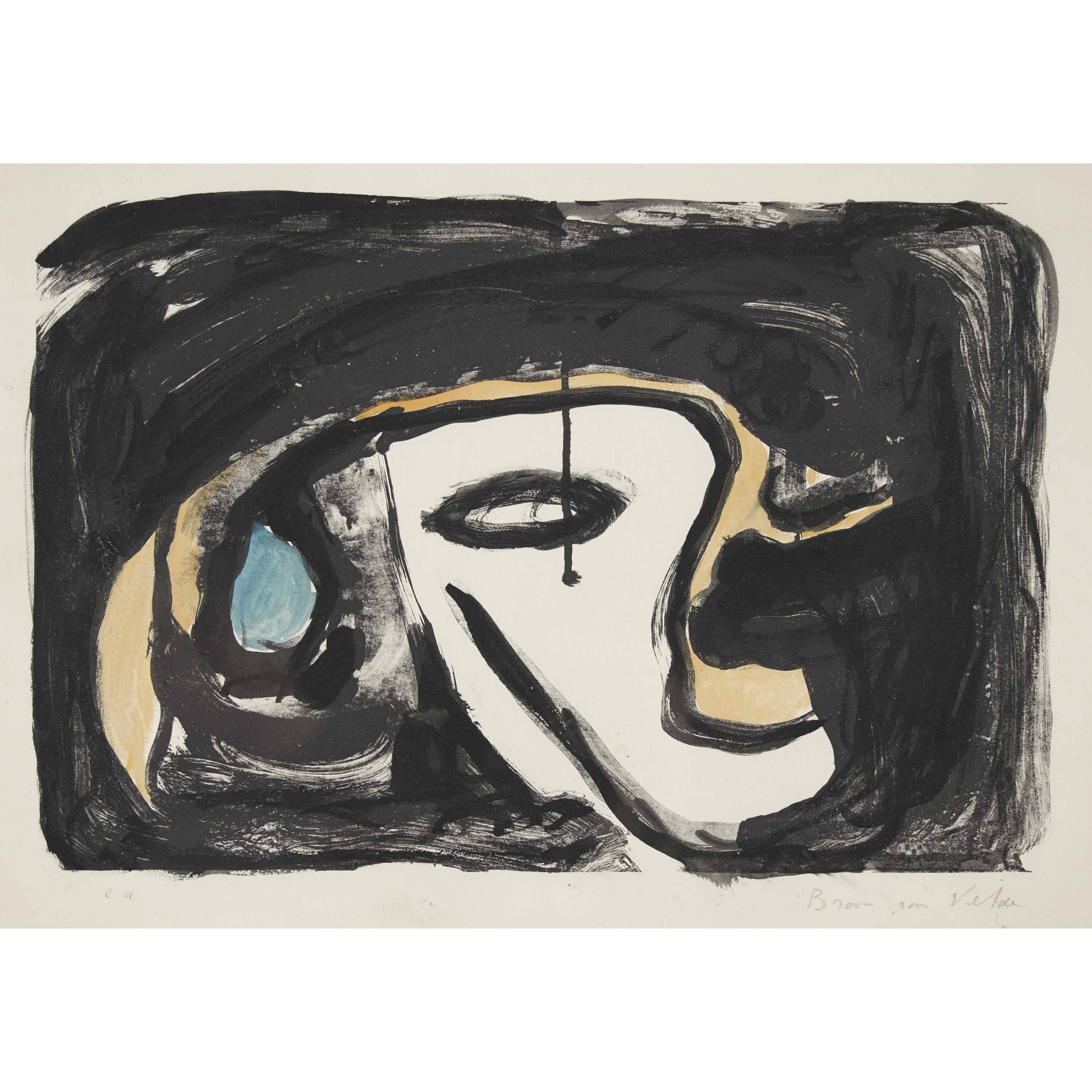
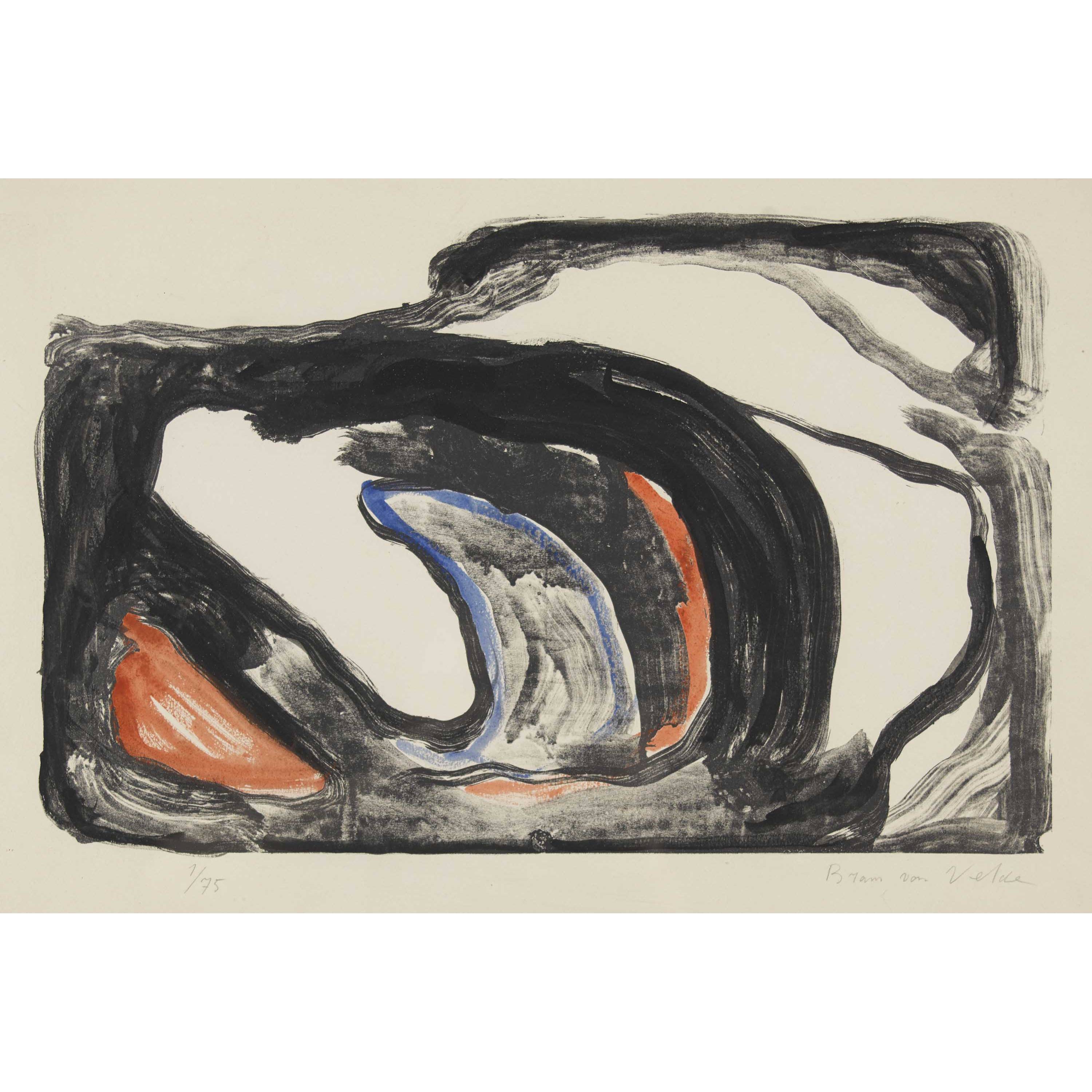
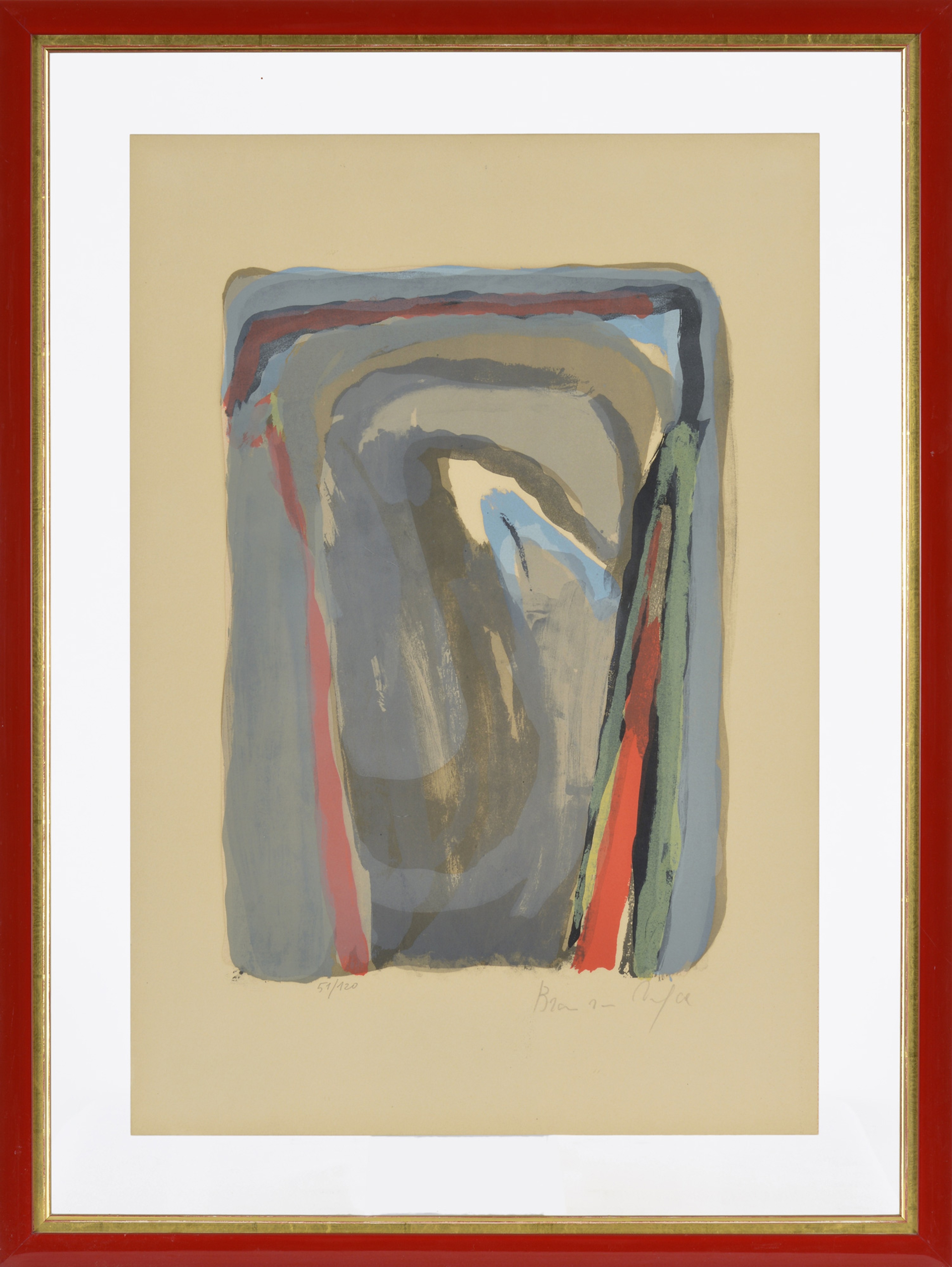
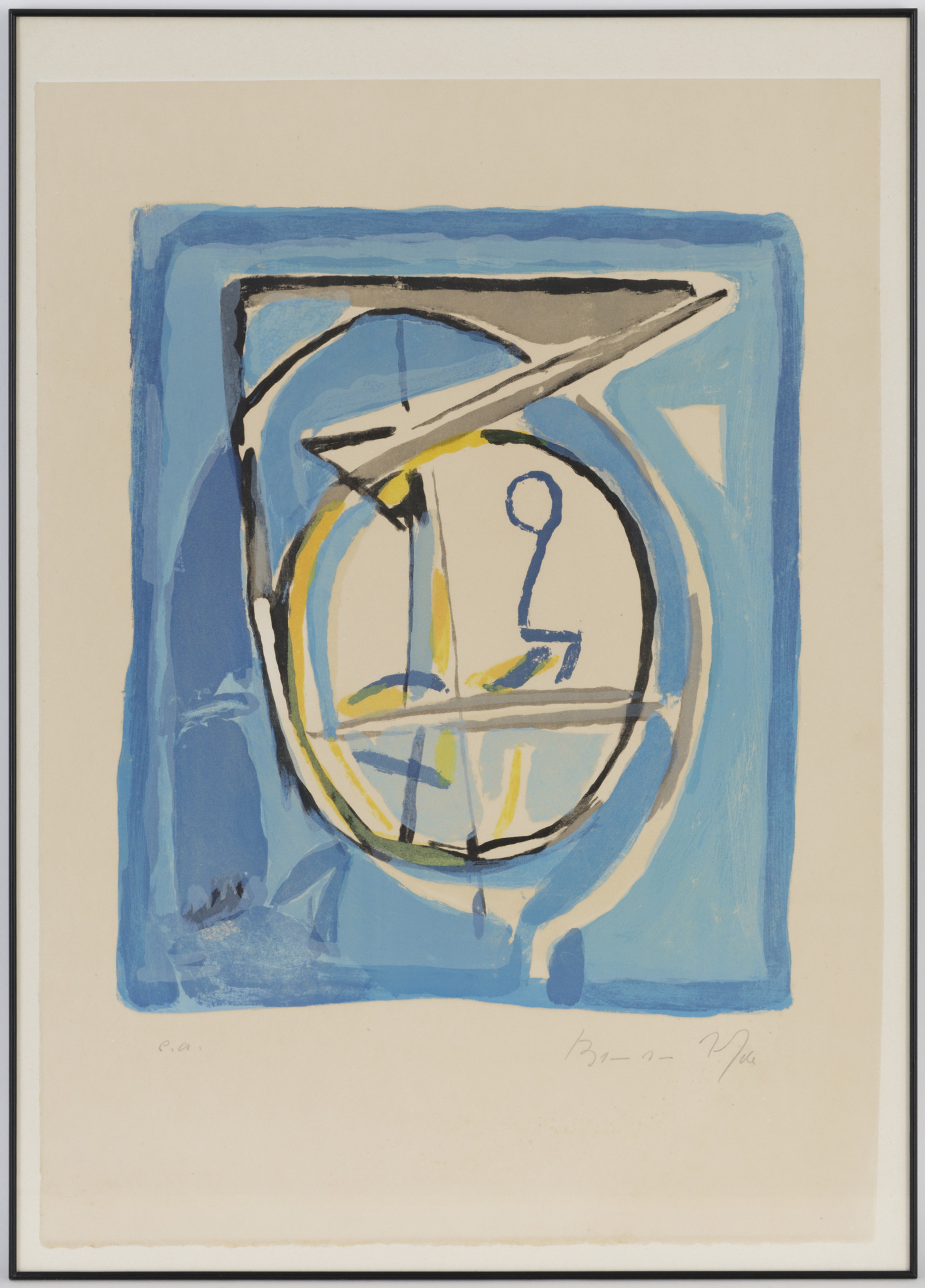
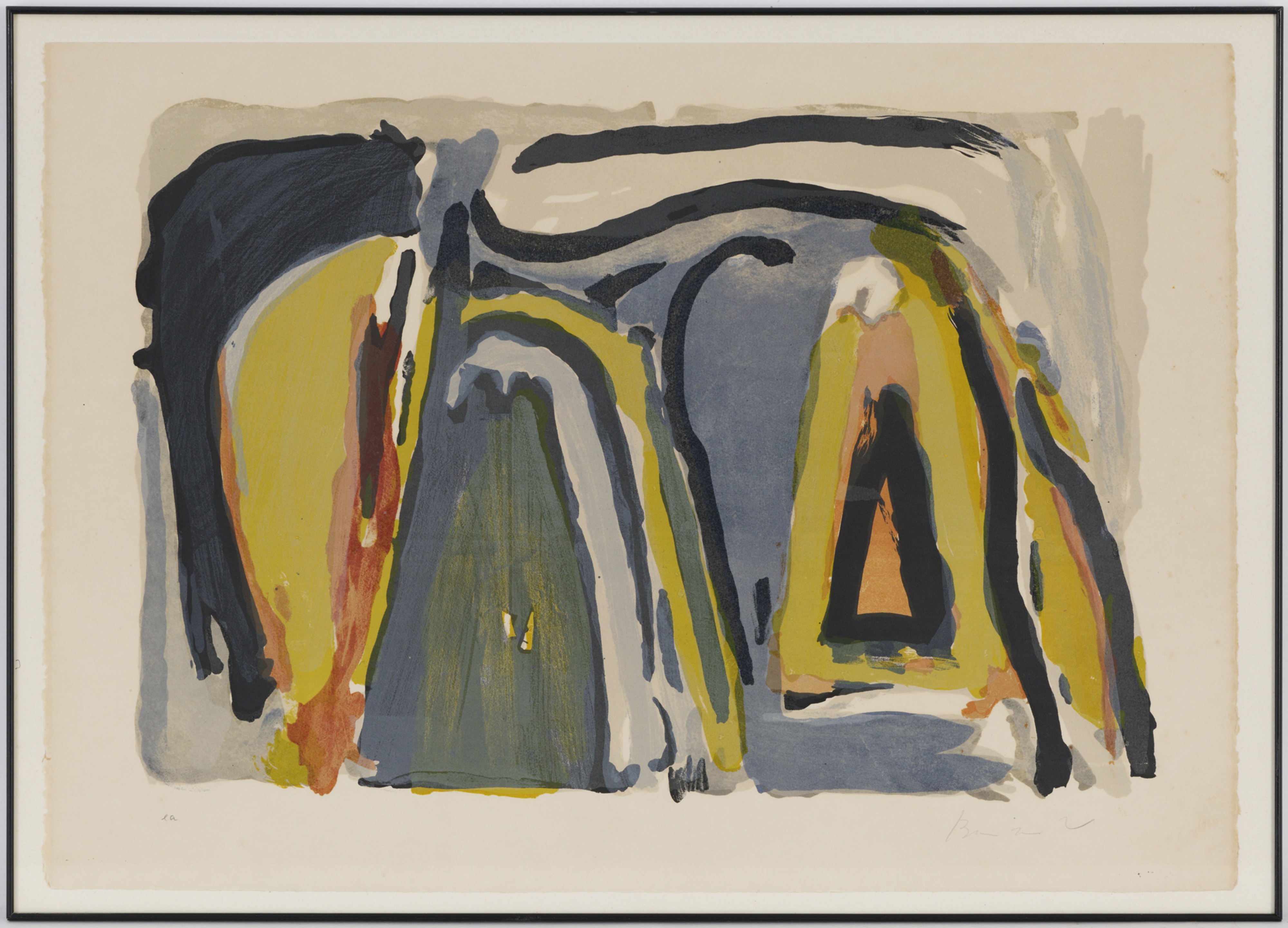
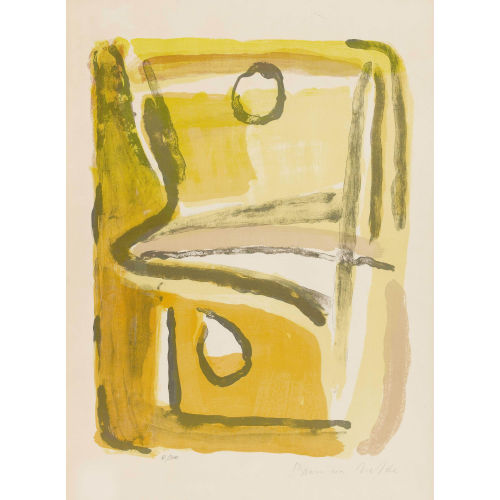
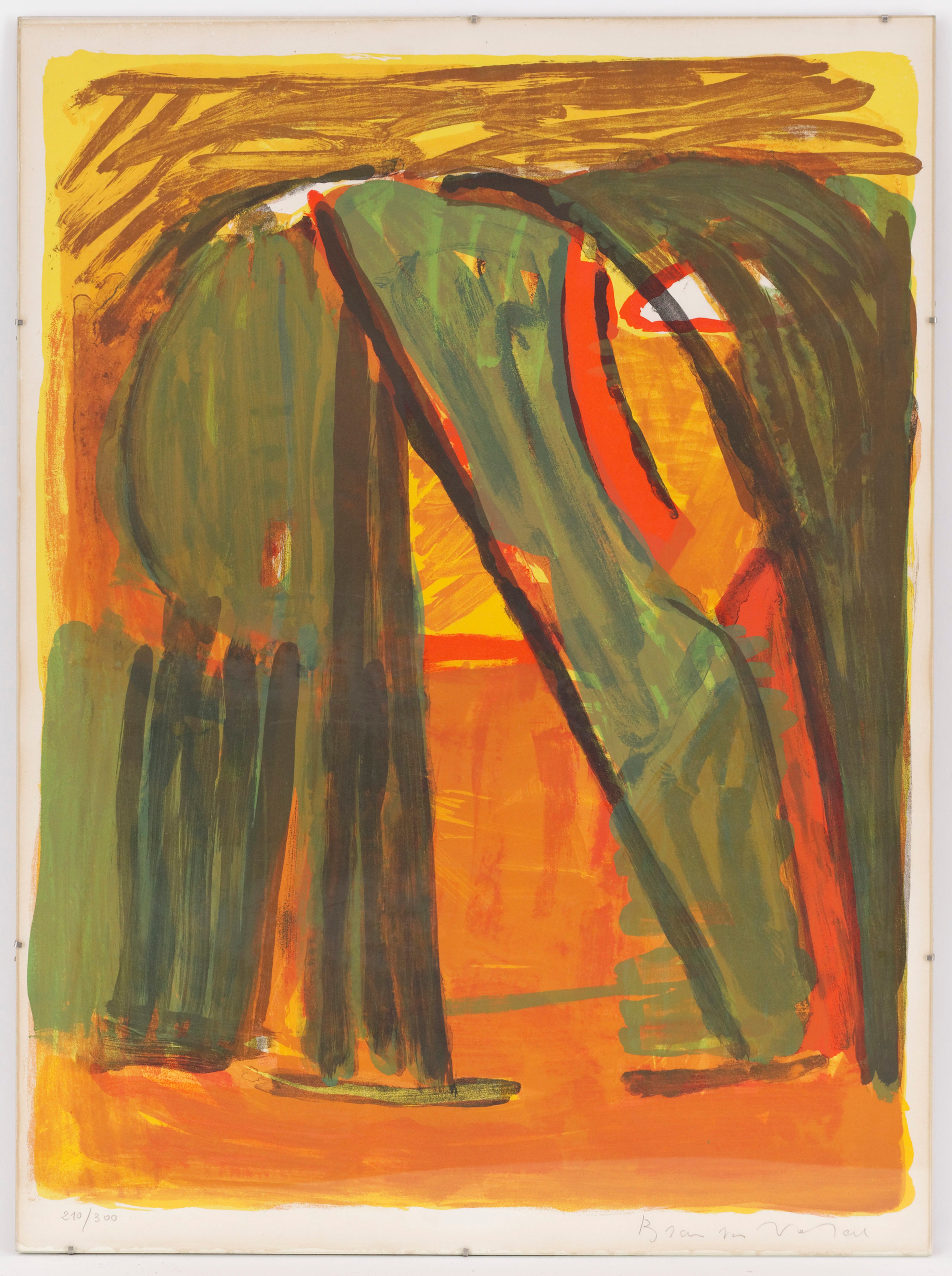
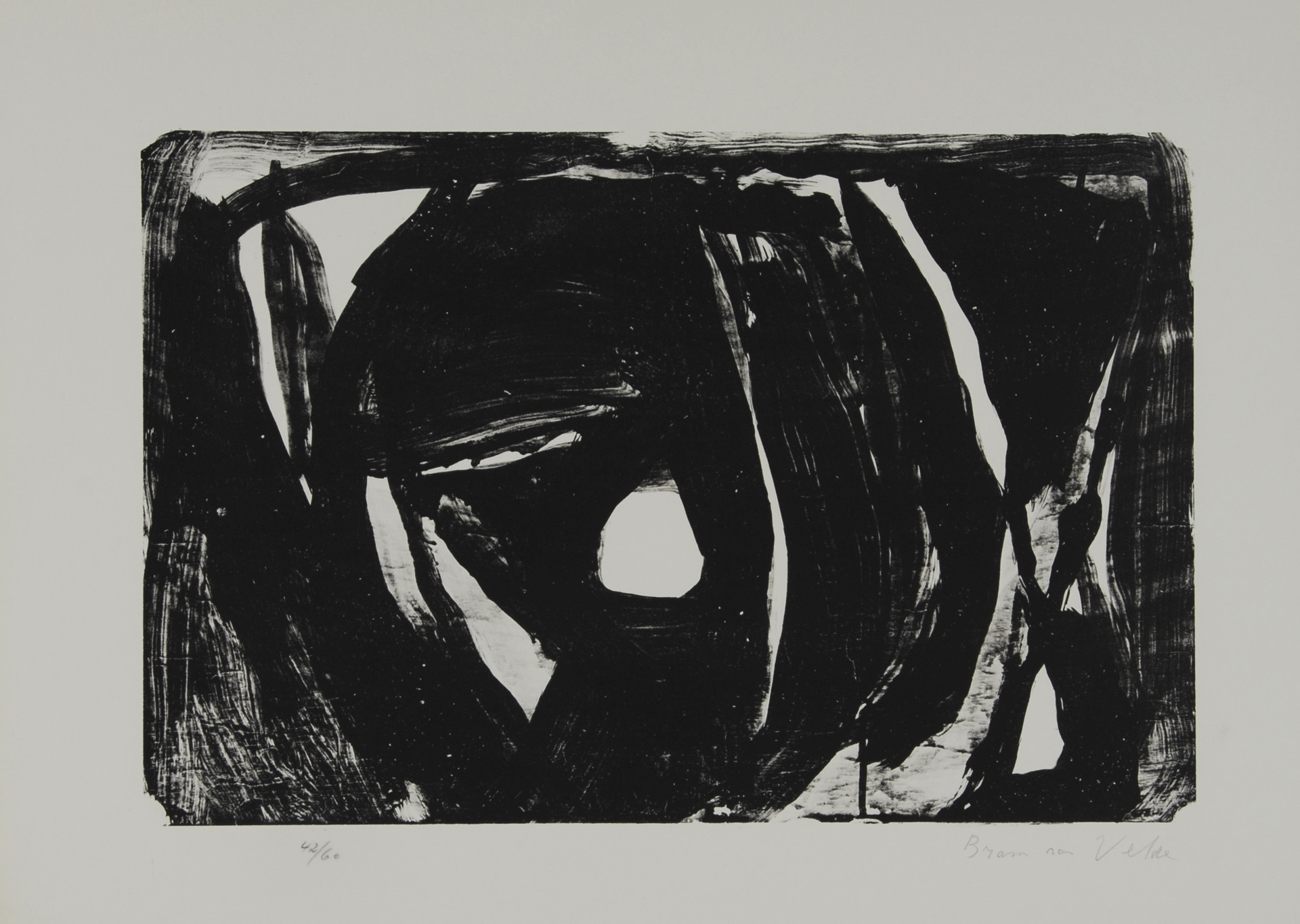
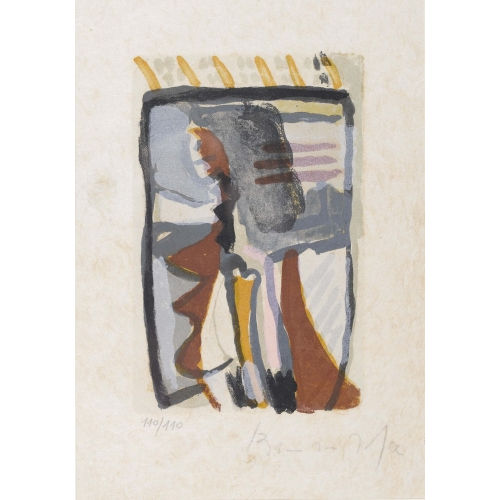
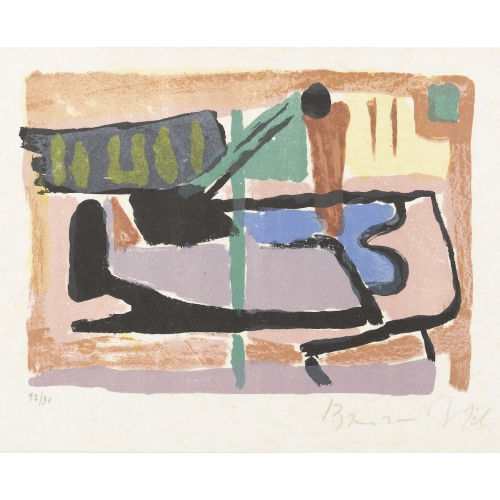
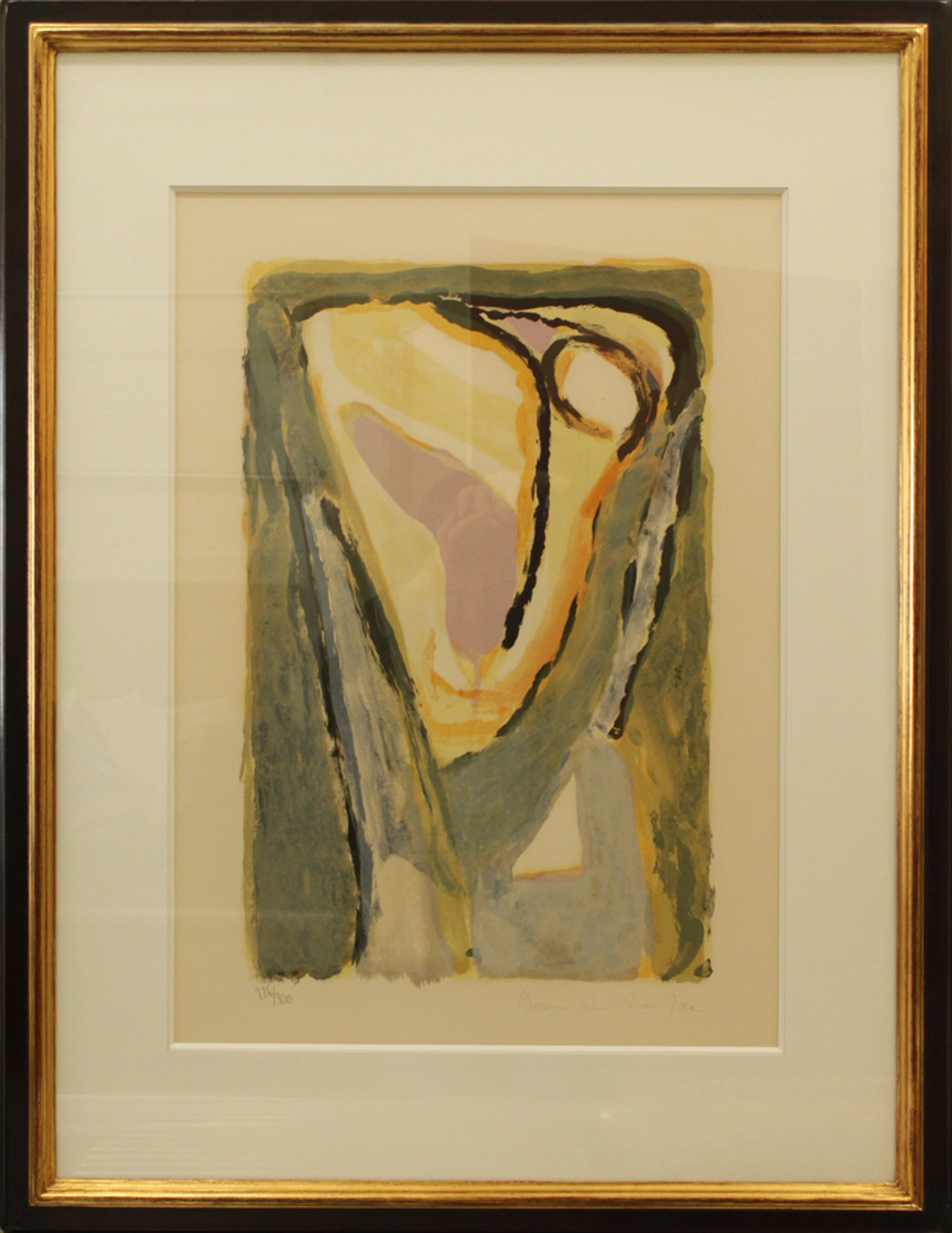
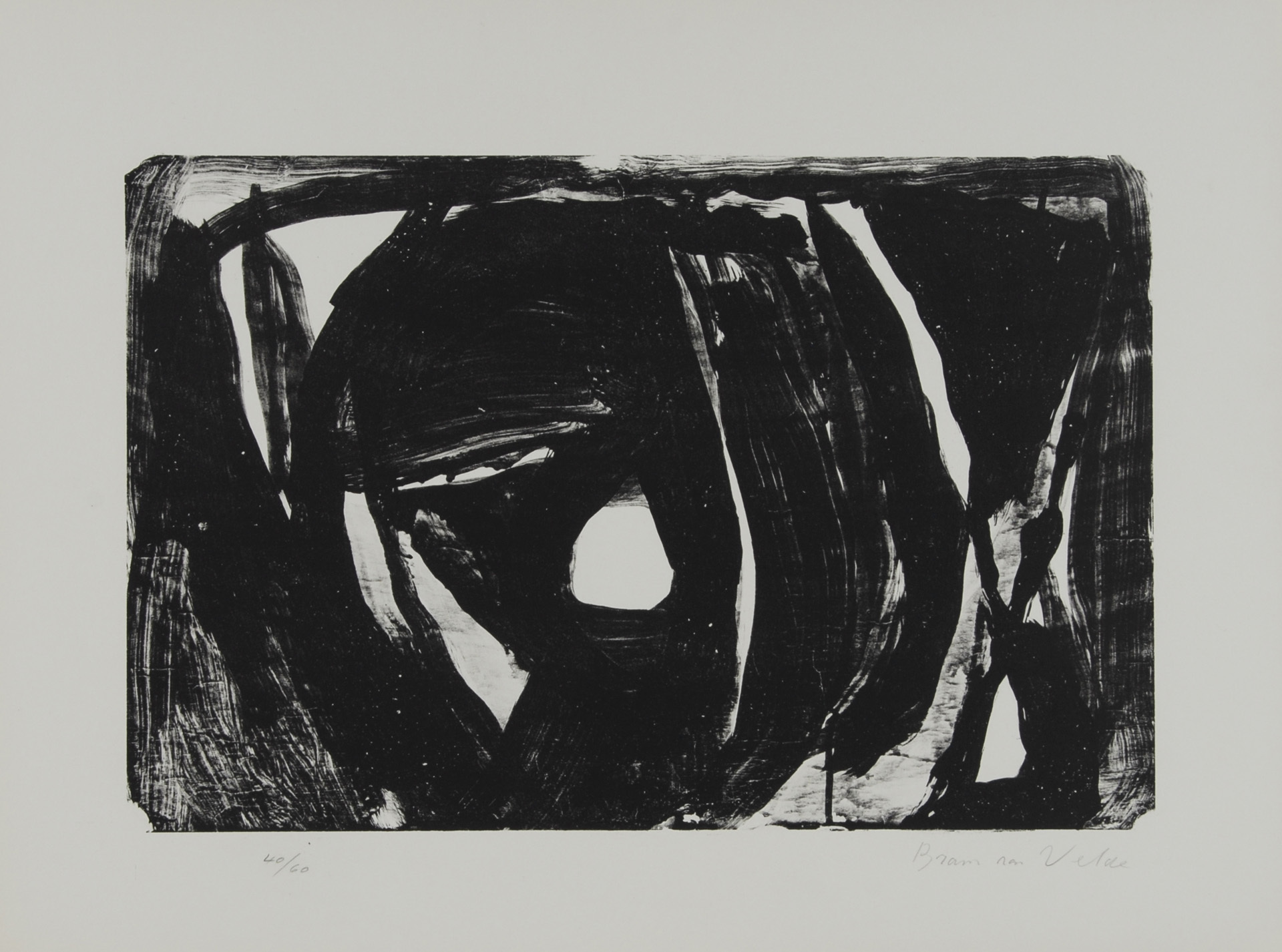
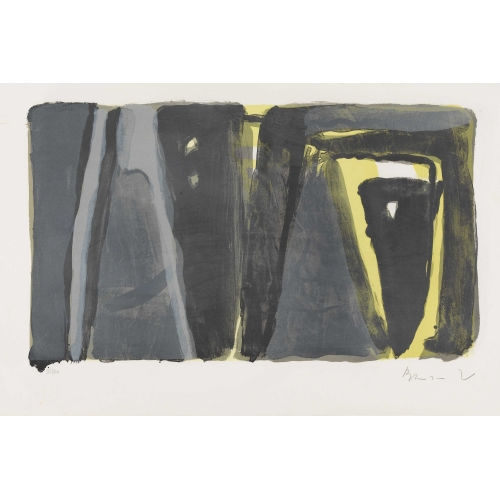
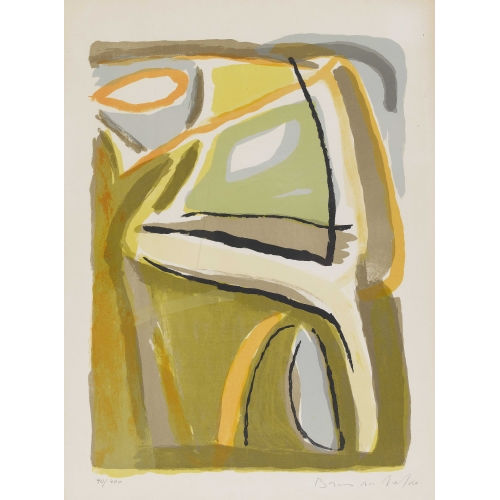
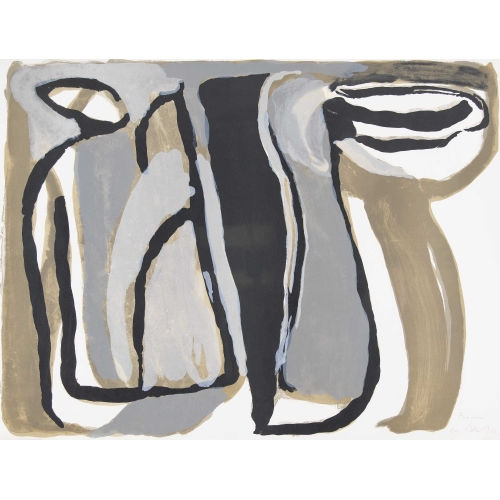
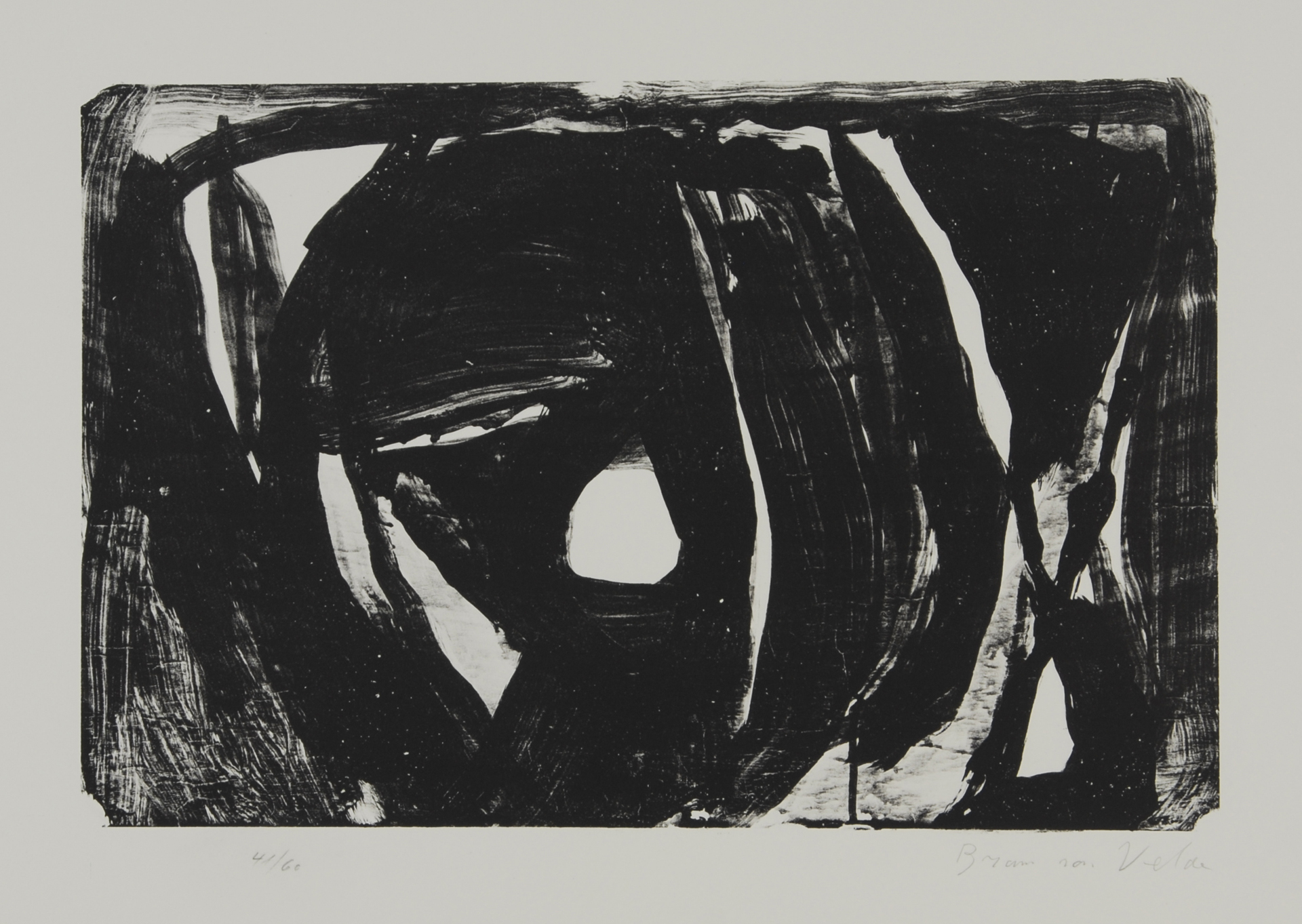
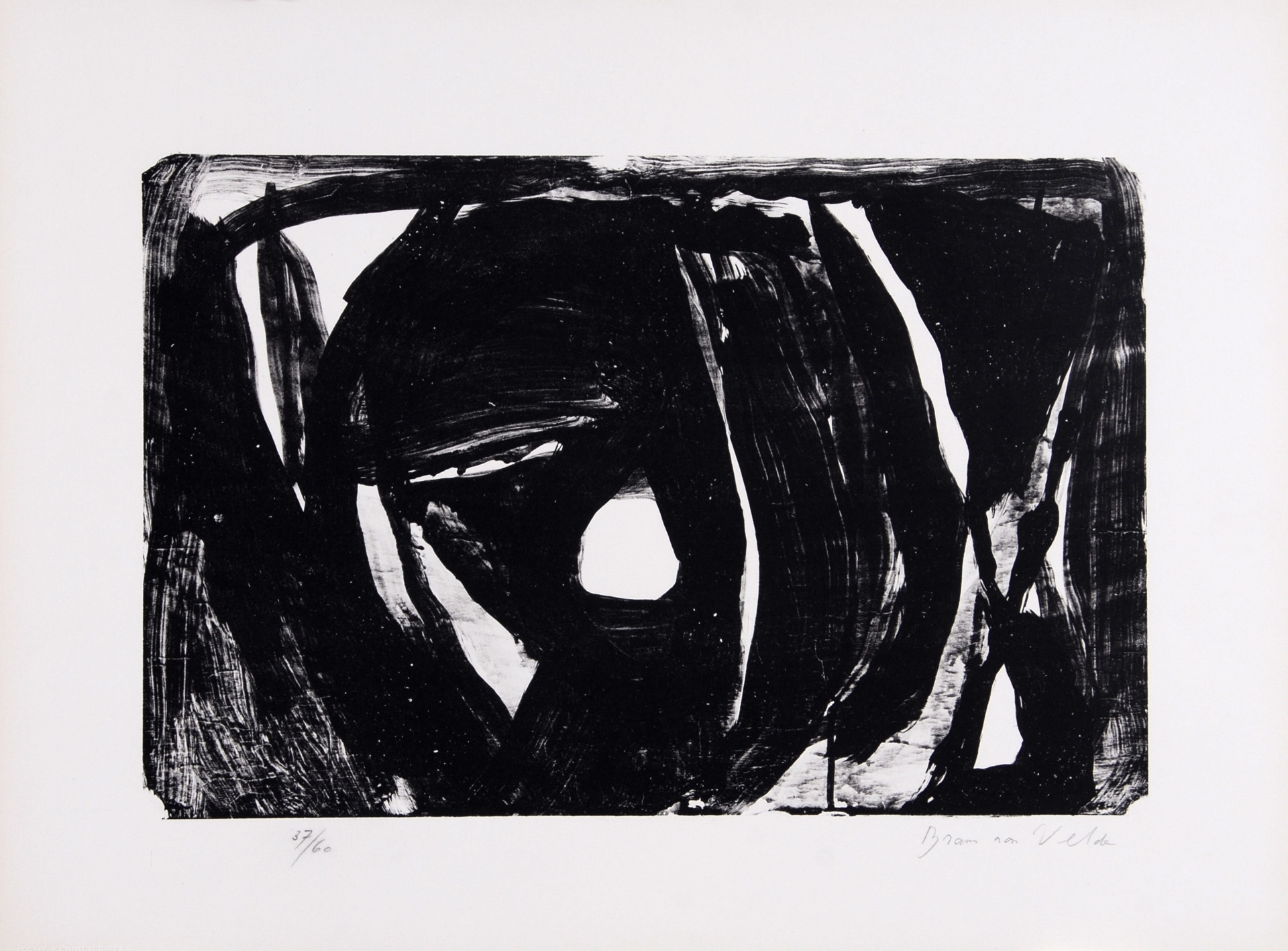
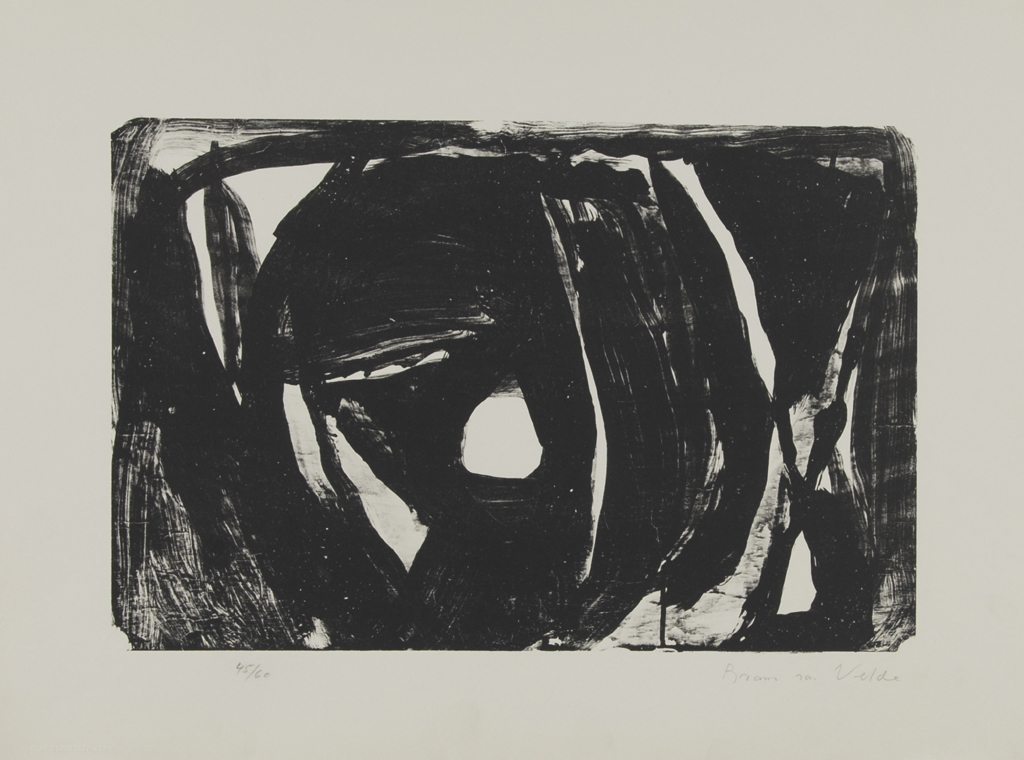
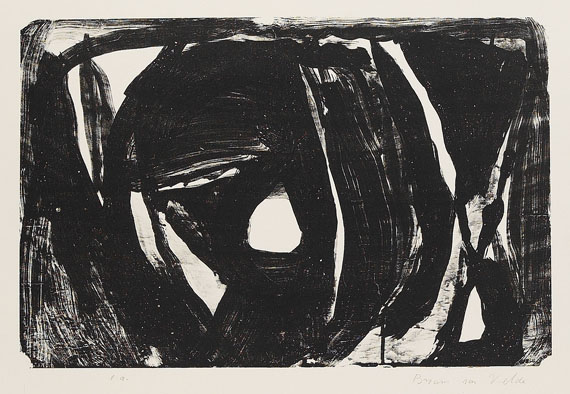
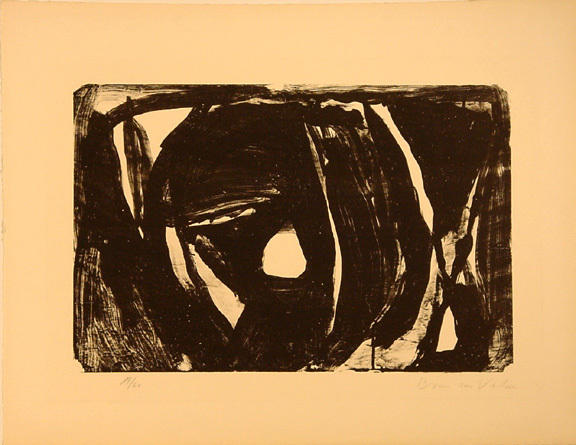
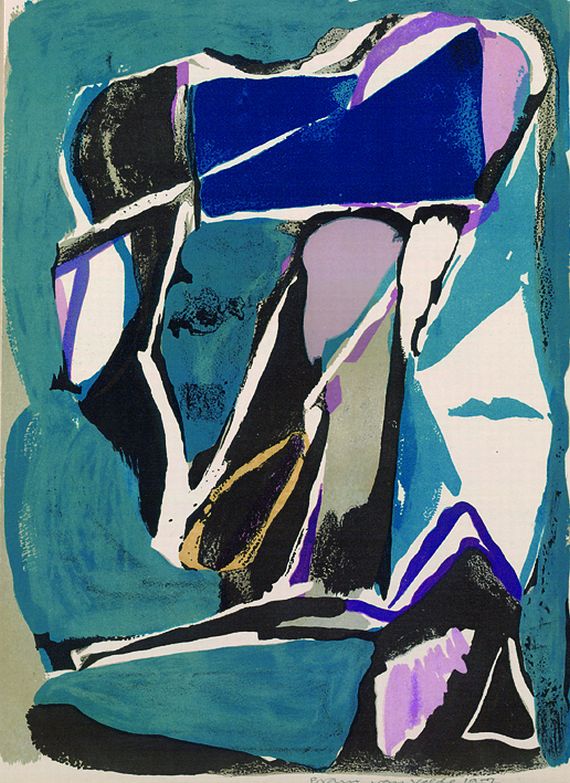
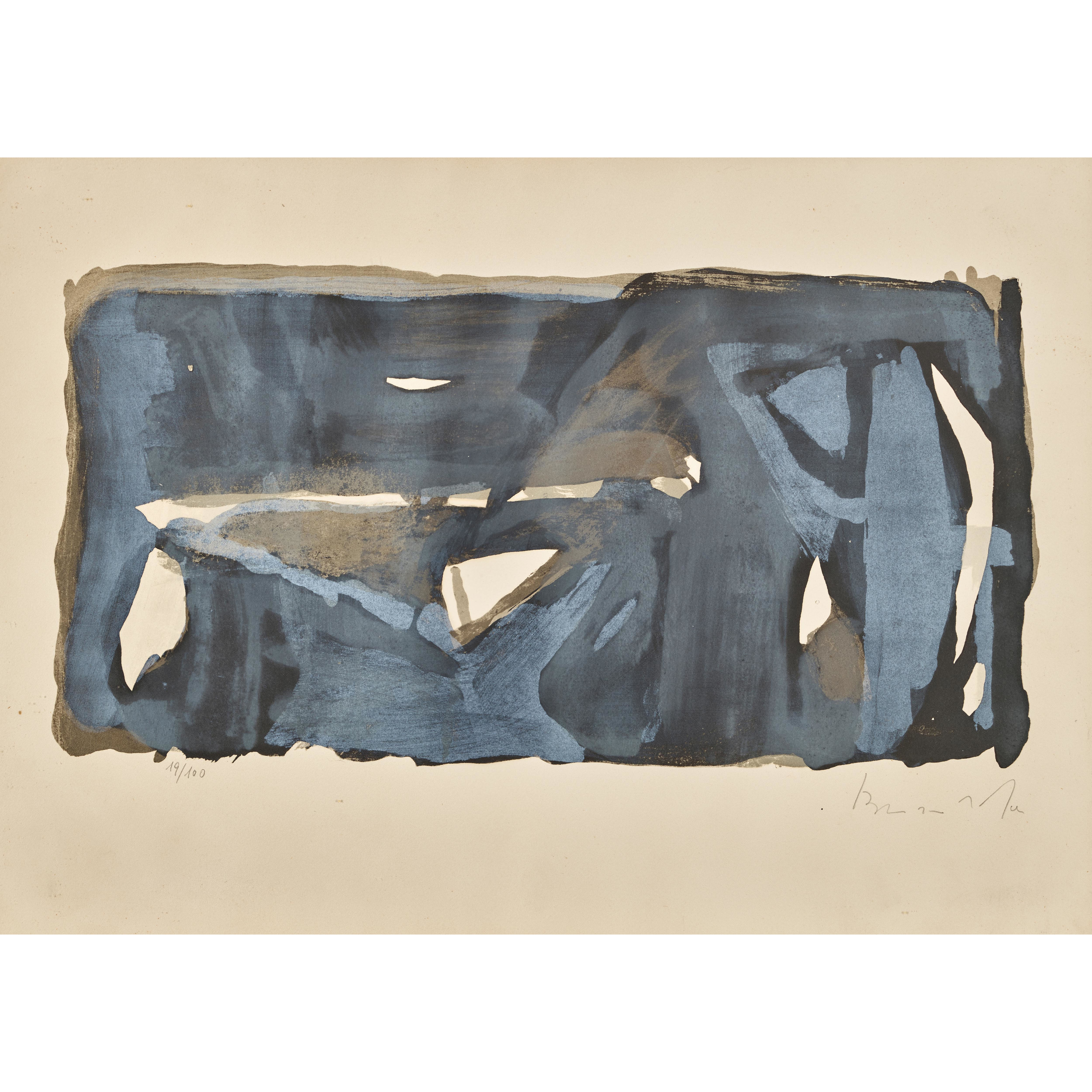
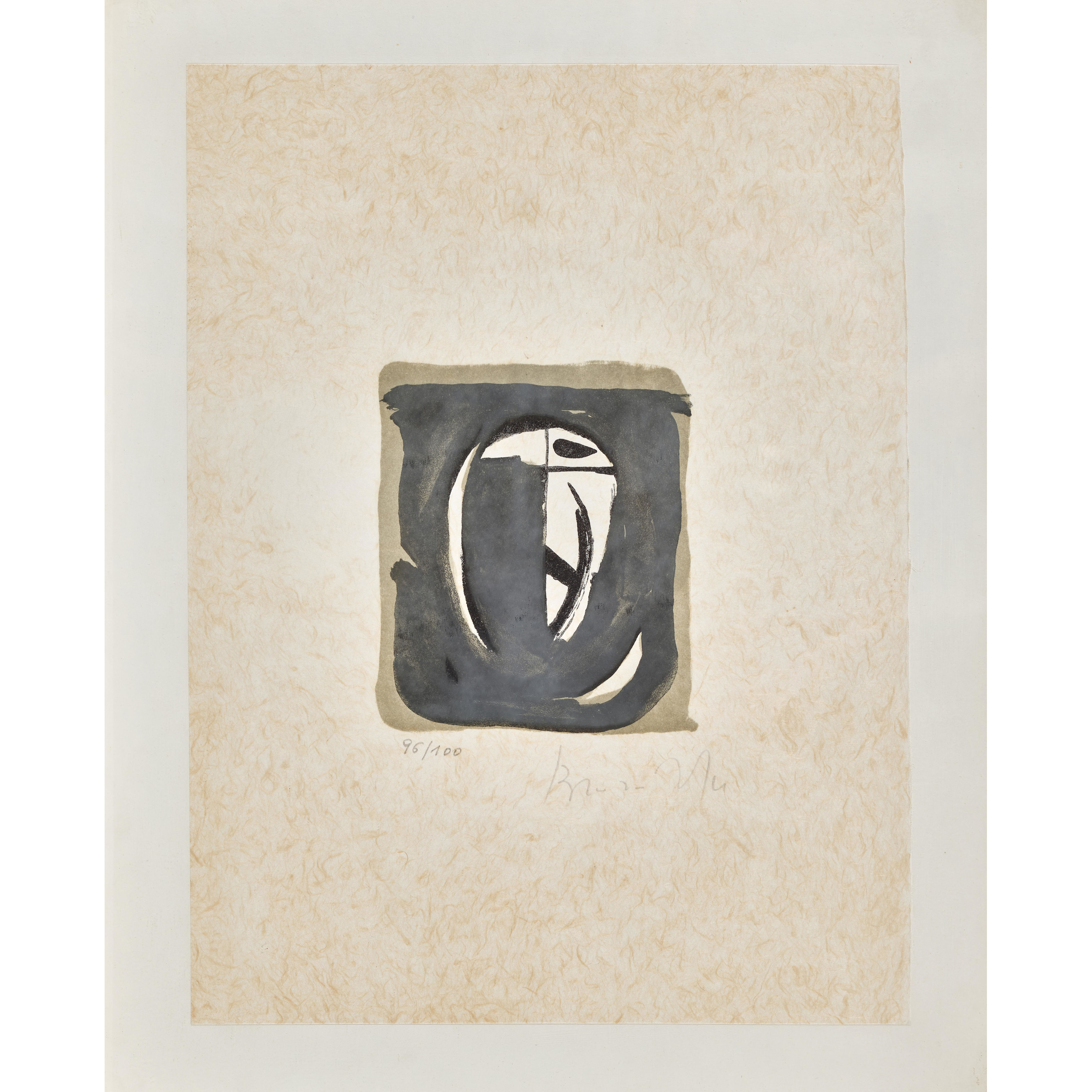
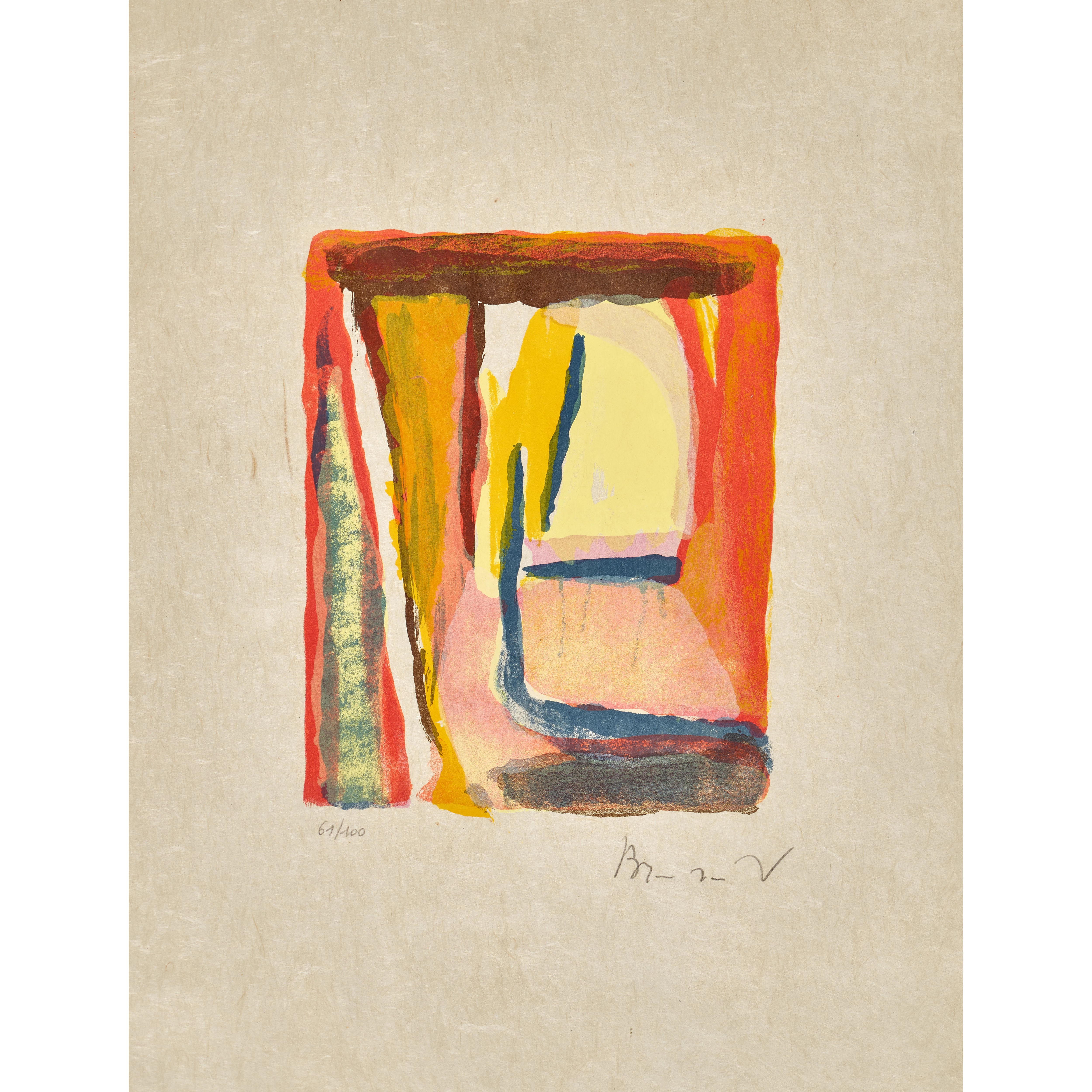
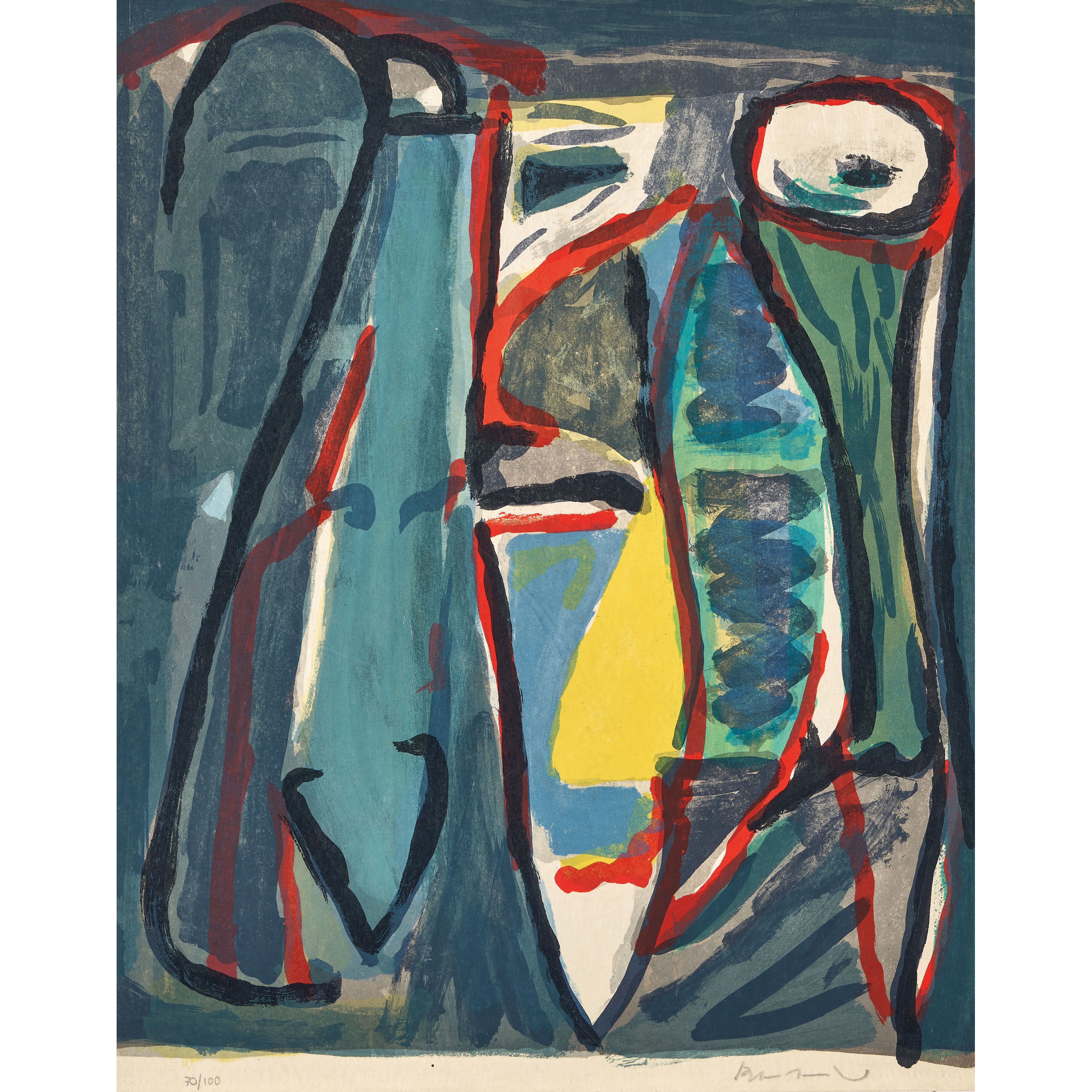
Settling in Geneva in the 1960s, van Velde gained wider recognition. The retrospectives at the Musée national d’art moderne, the Musée Rath and the Centre Pompidou, as well as works held by the Centre Pompidou, the Musée des Beaux-Arts de Lyon and MoMA, attest to the international reach of his work. Alongside painting, his ink washes and lithographs extend the same investigation of transparencies, chromatic vibrations and forms held in balance.
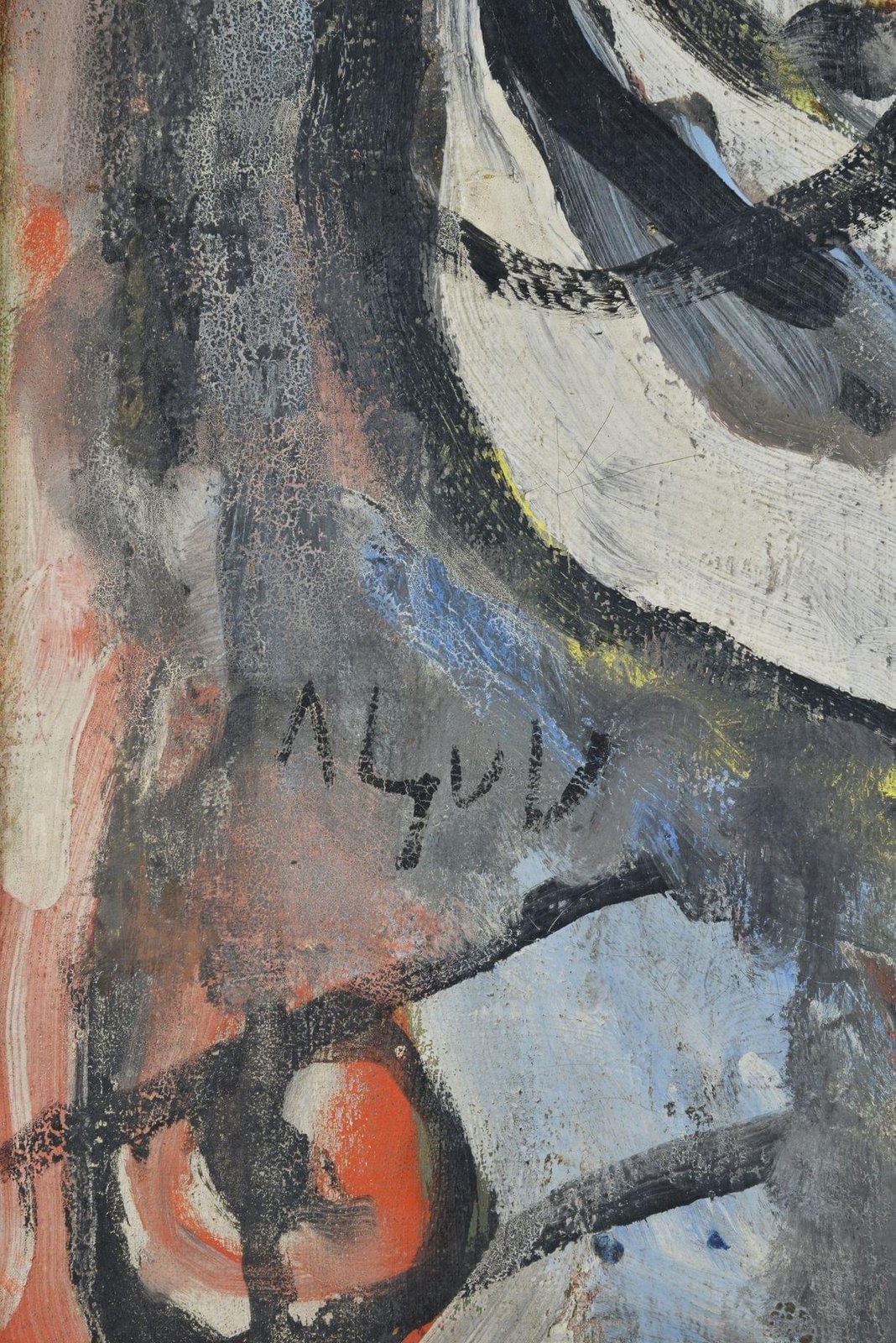
The works by Bram van Velde presented by Swiss Art Gallery extend this artistic journey and take their place naturally within this corpus.