Bernhard Luginbühl
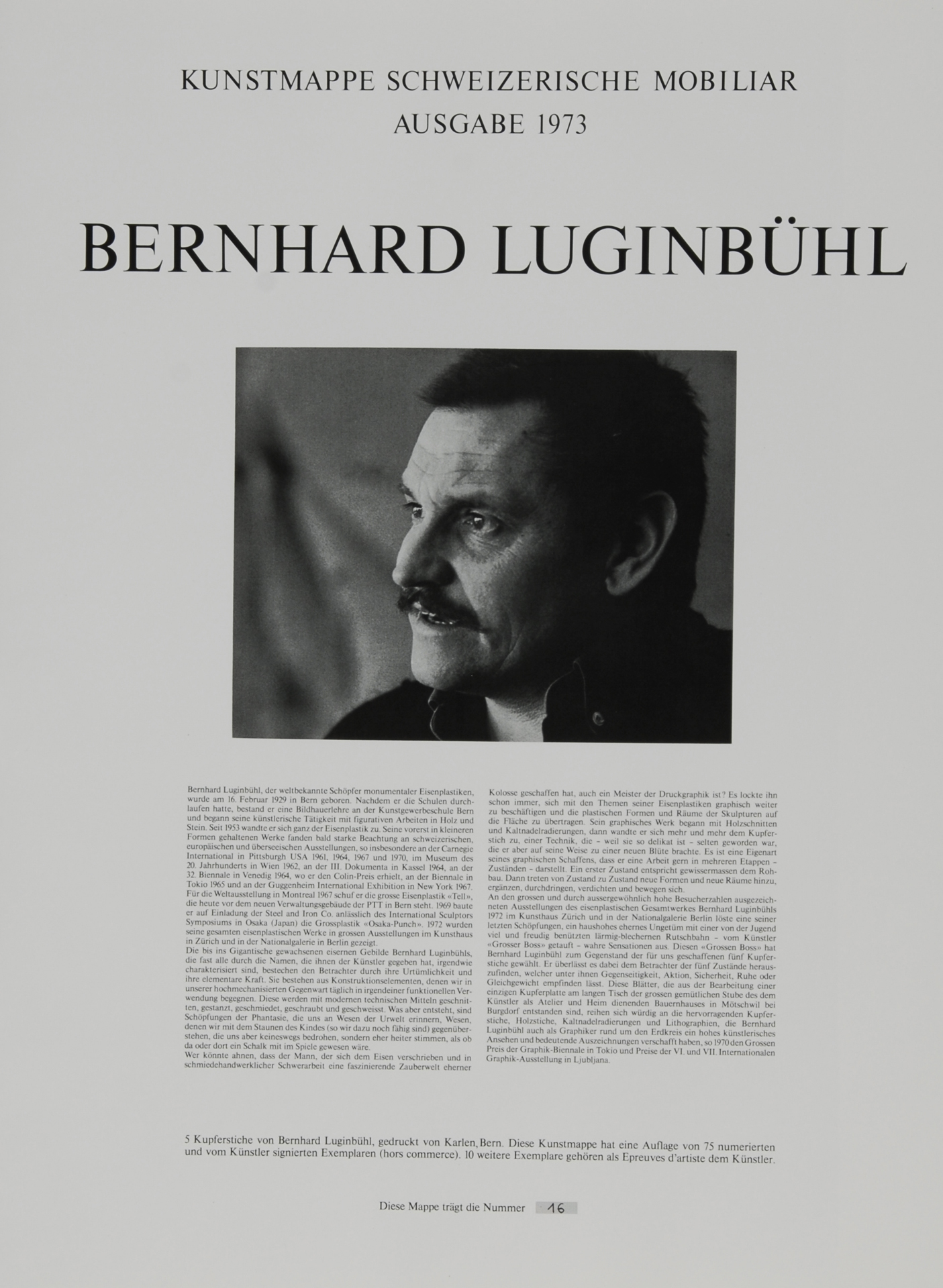
Born in 1929.
Died in 2011.
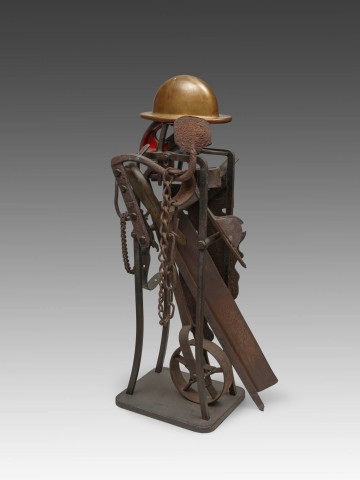
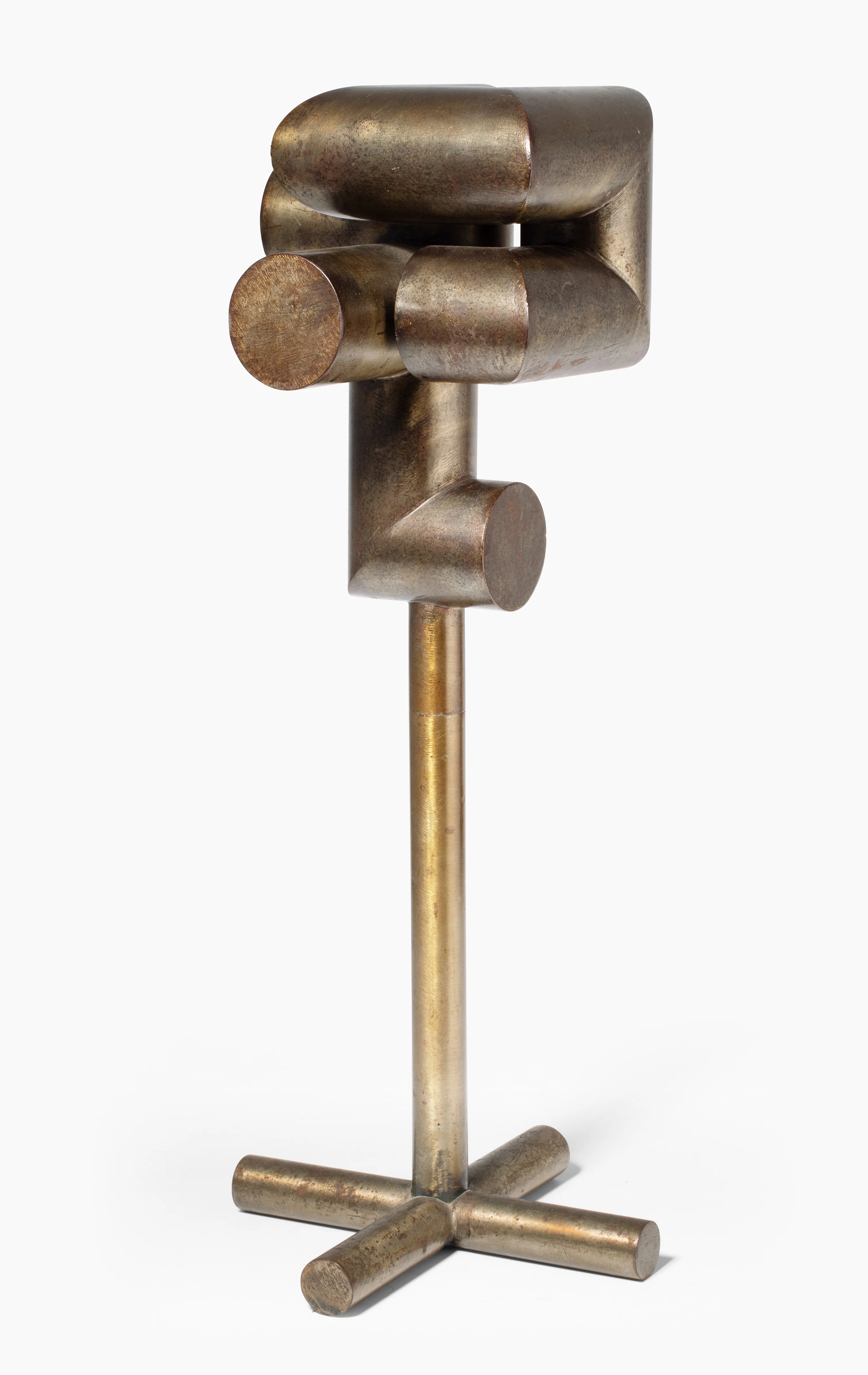
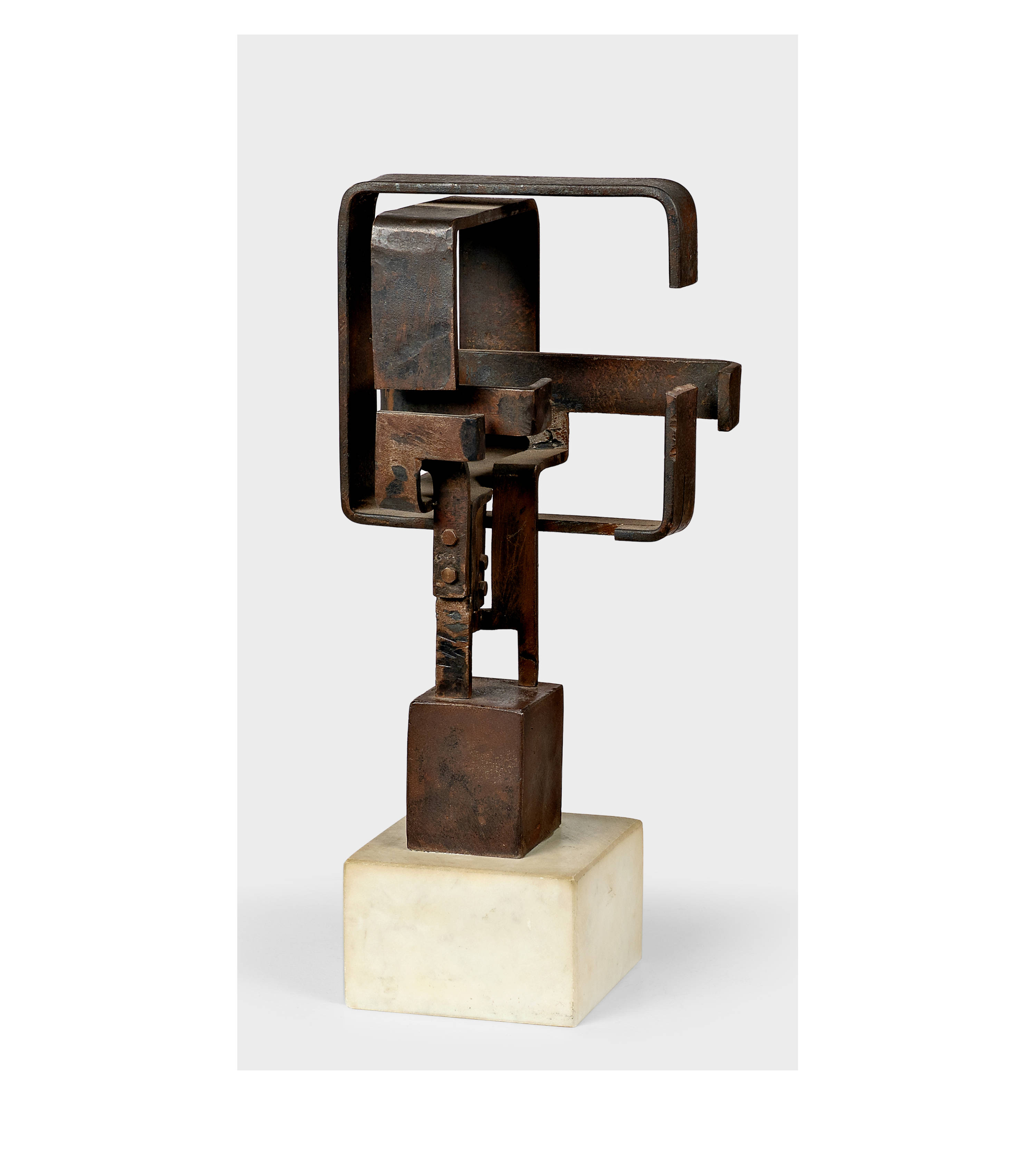
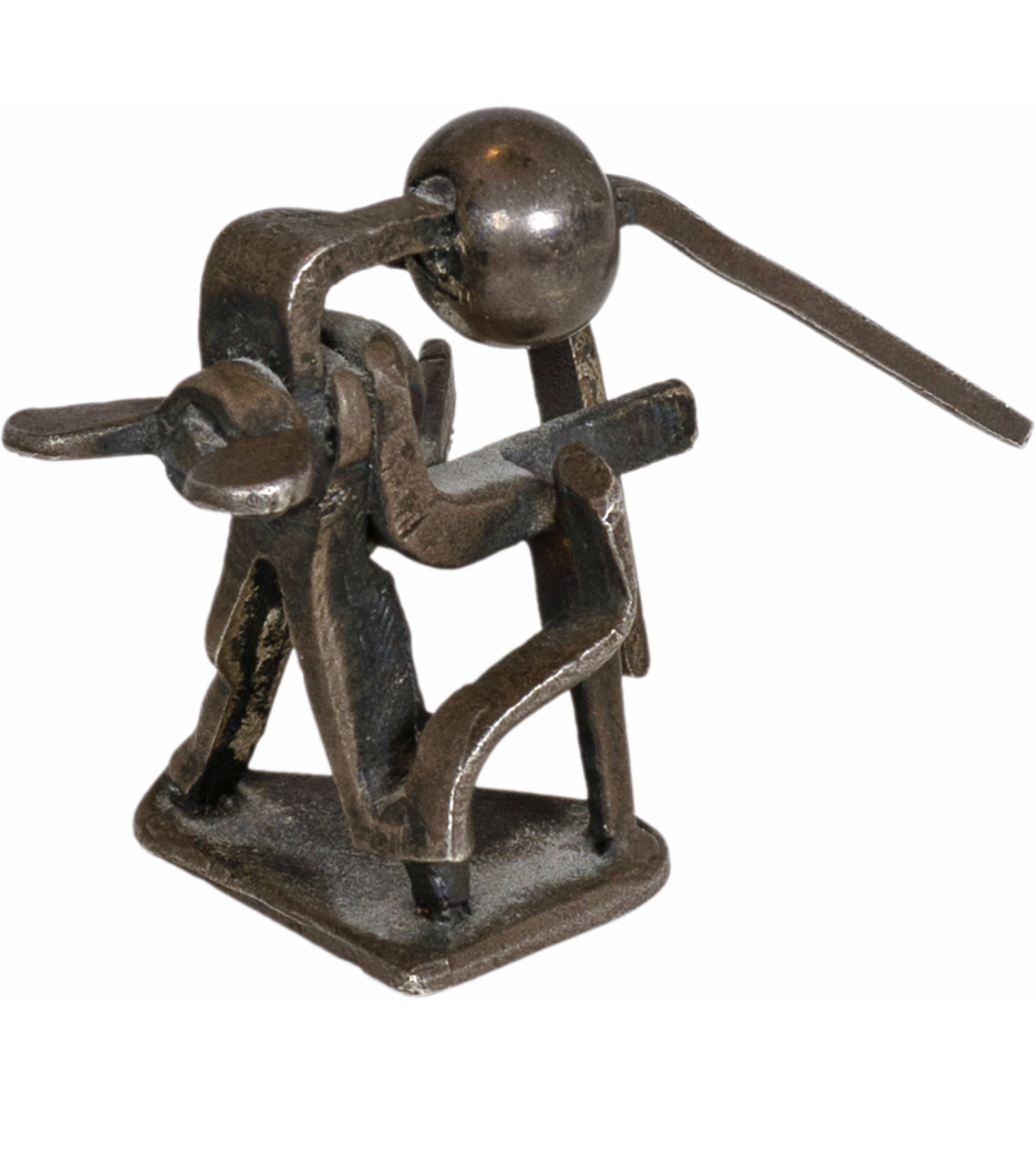
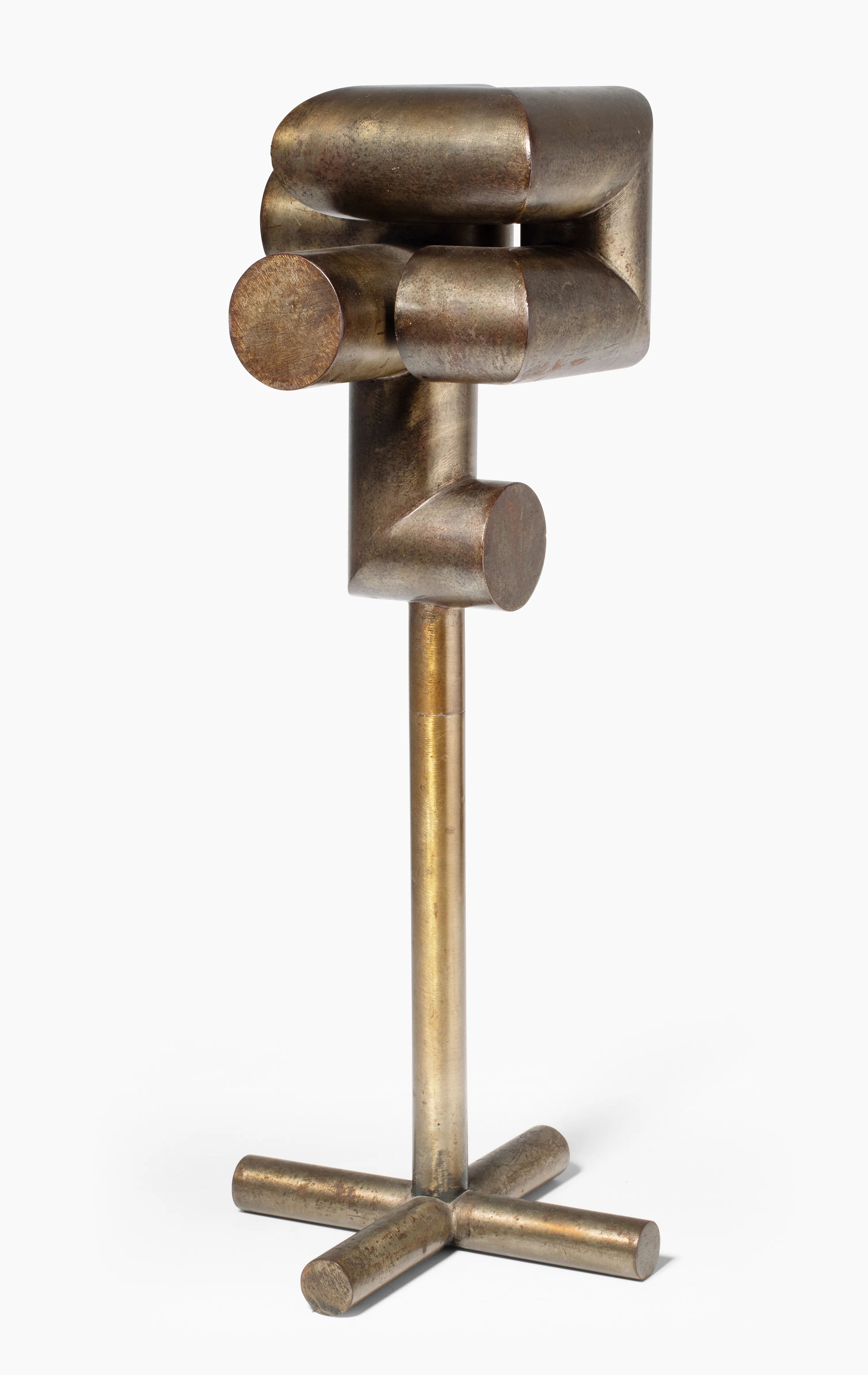
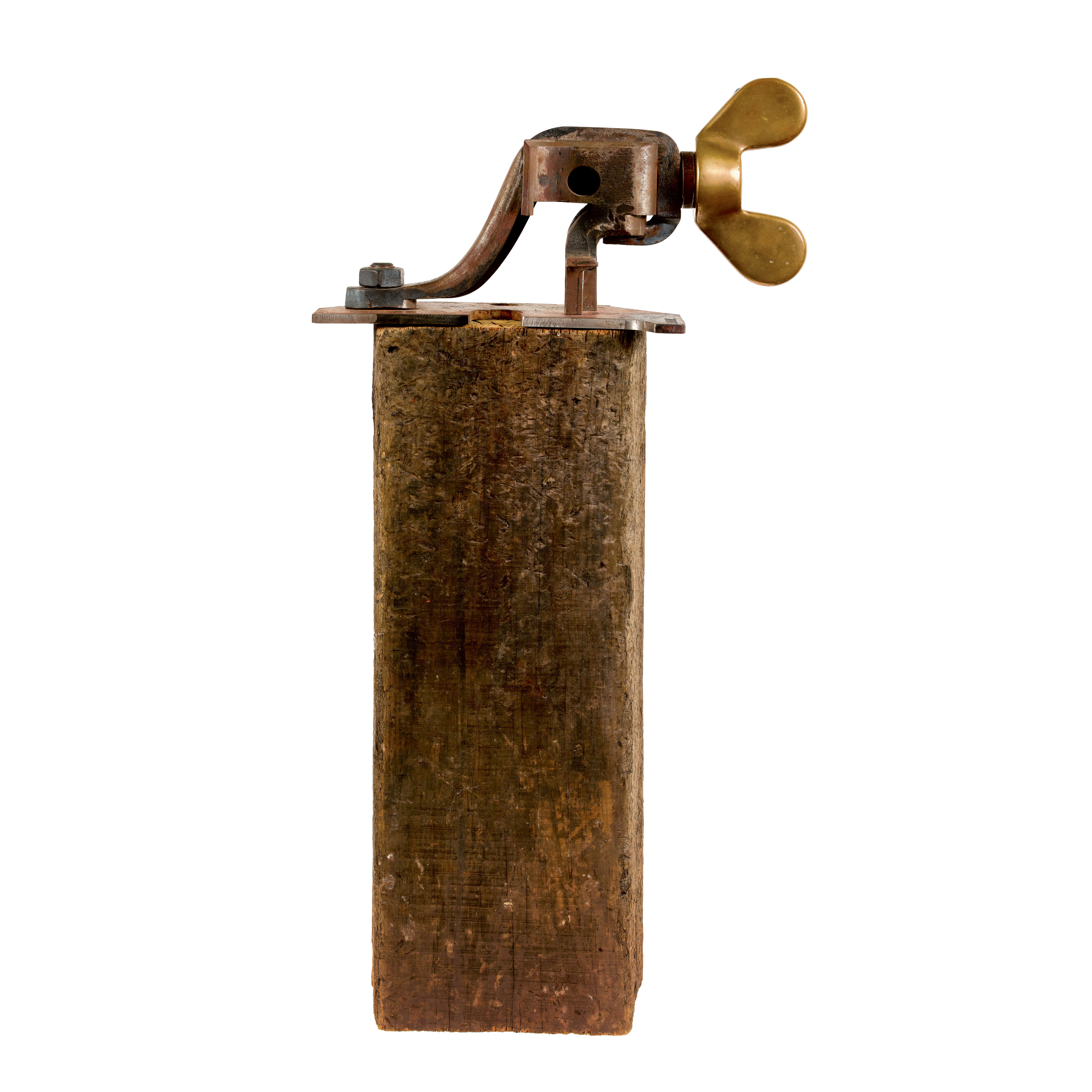
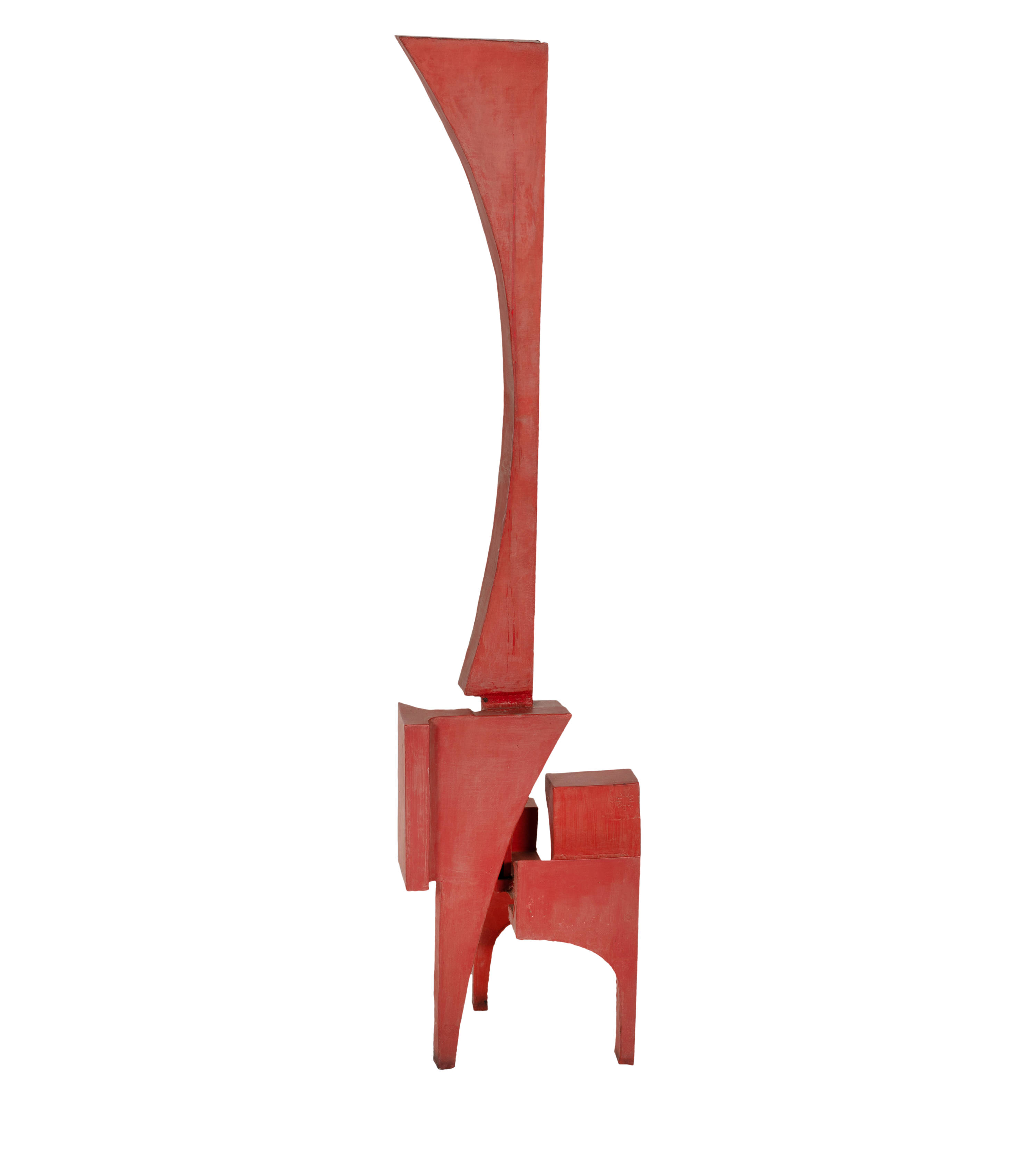
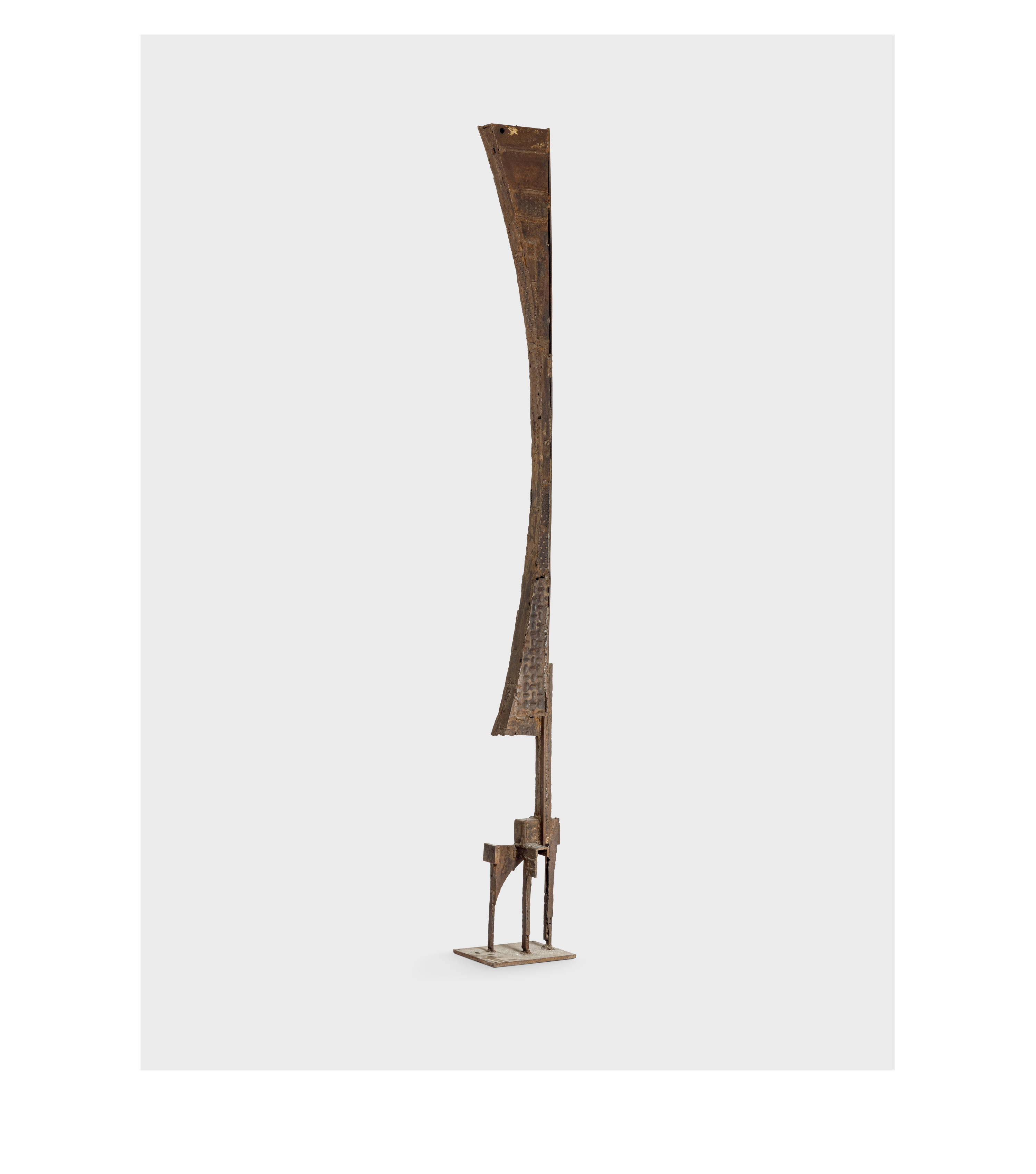
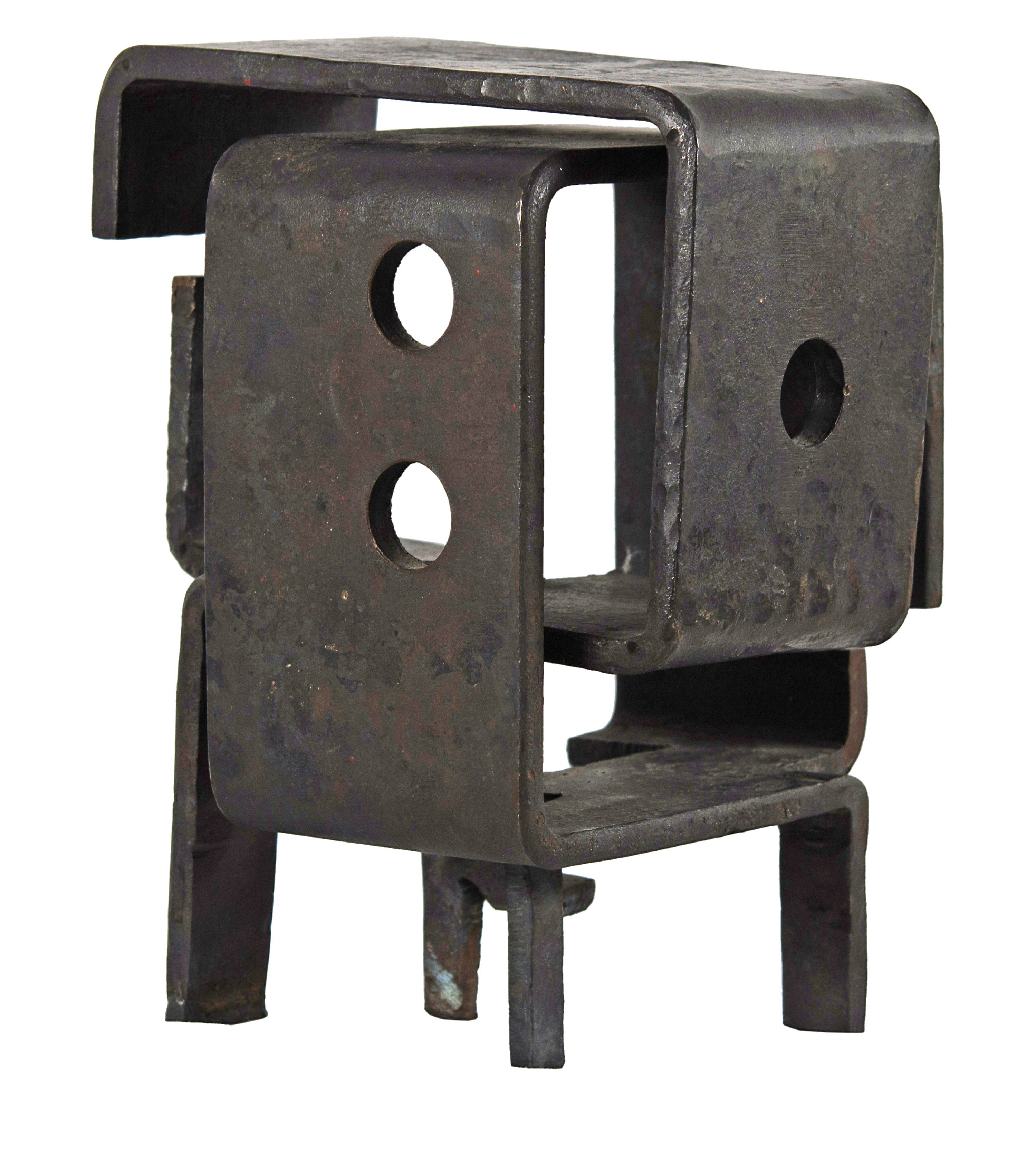
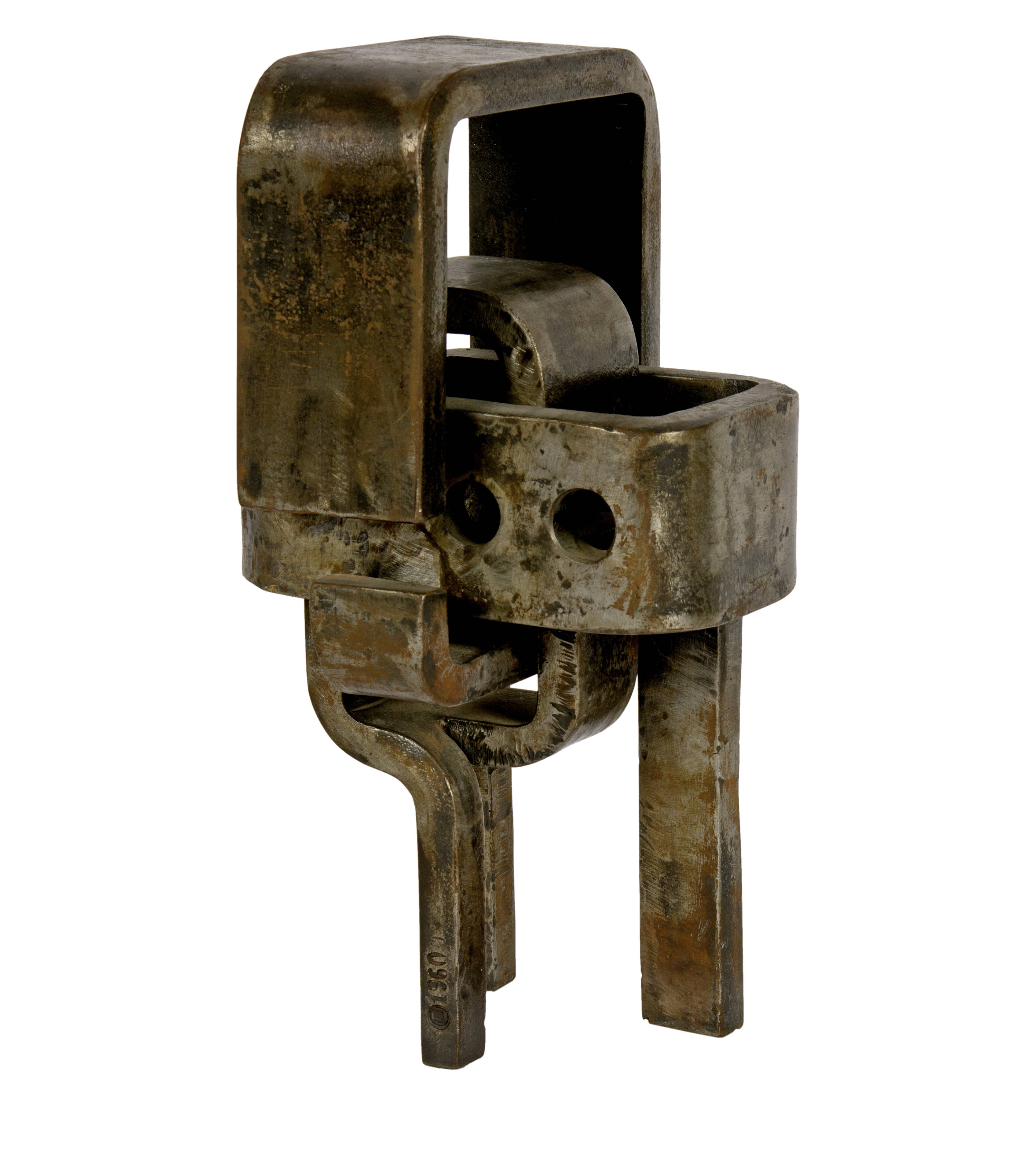
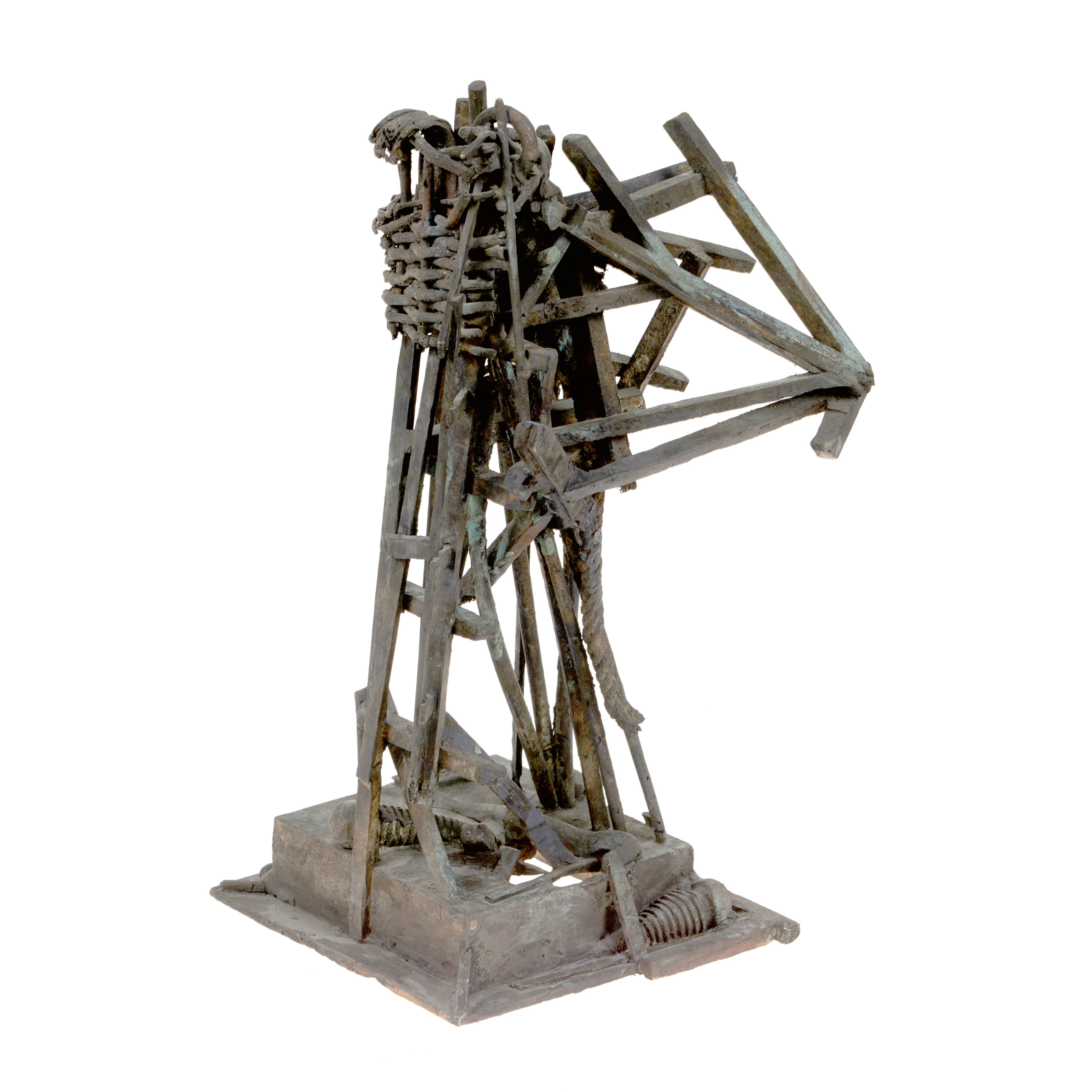
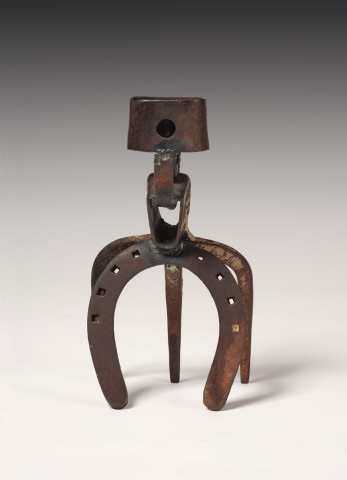
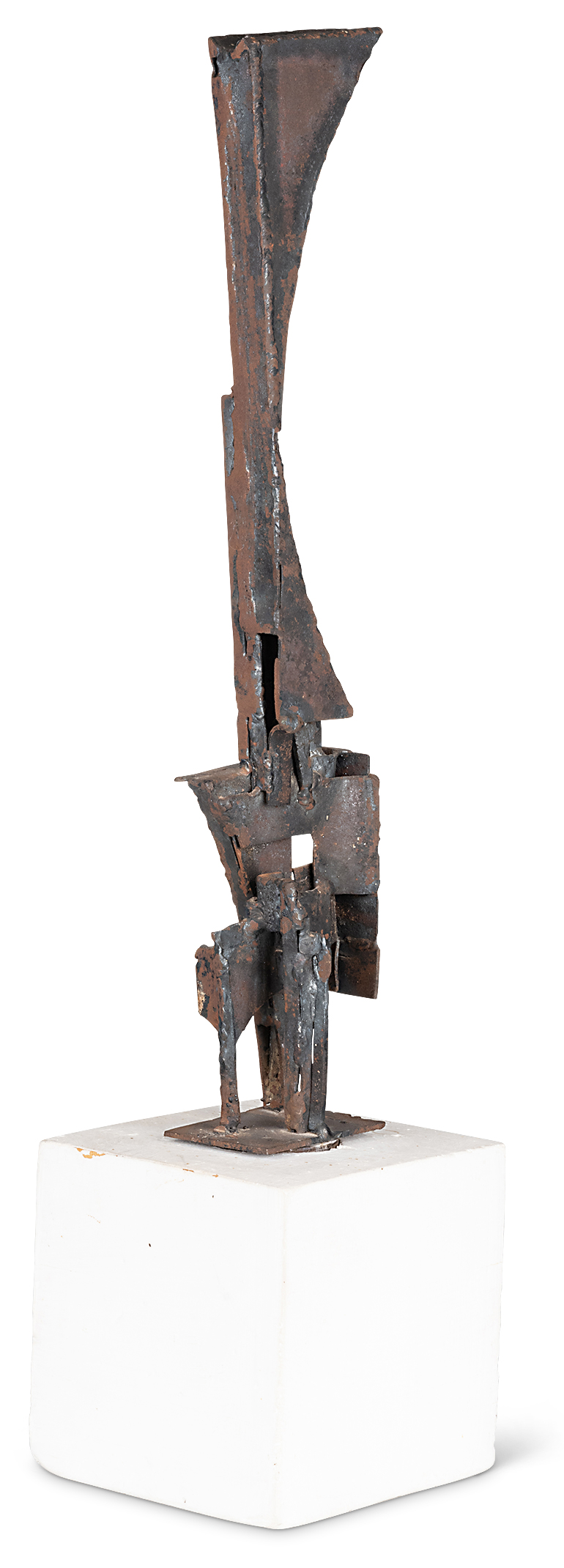
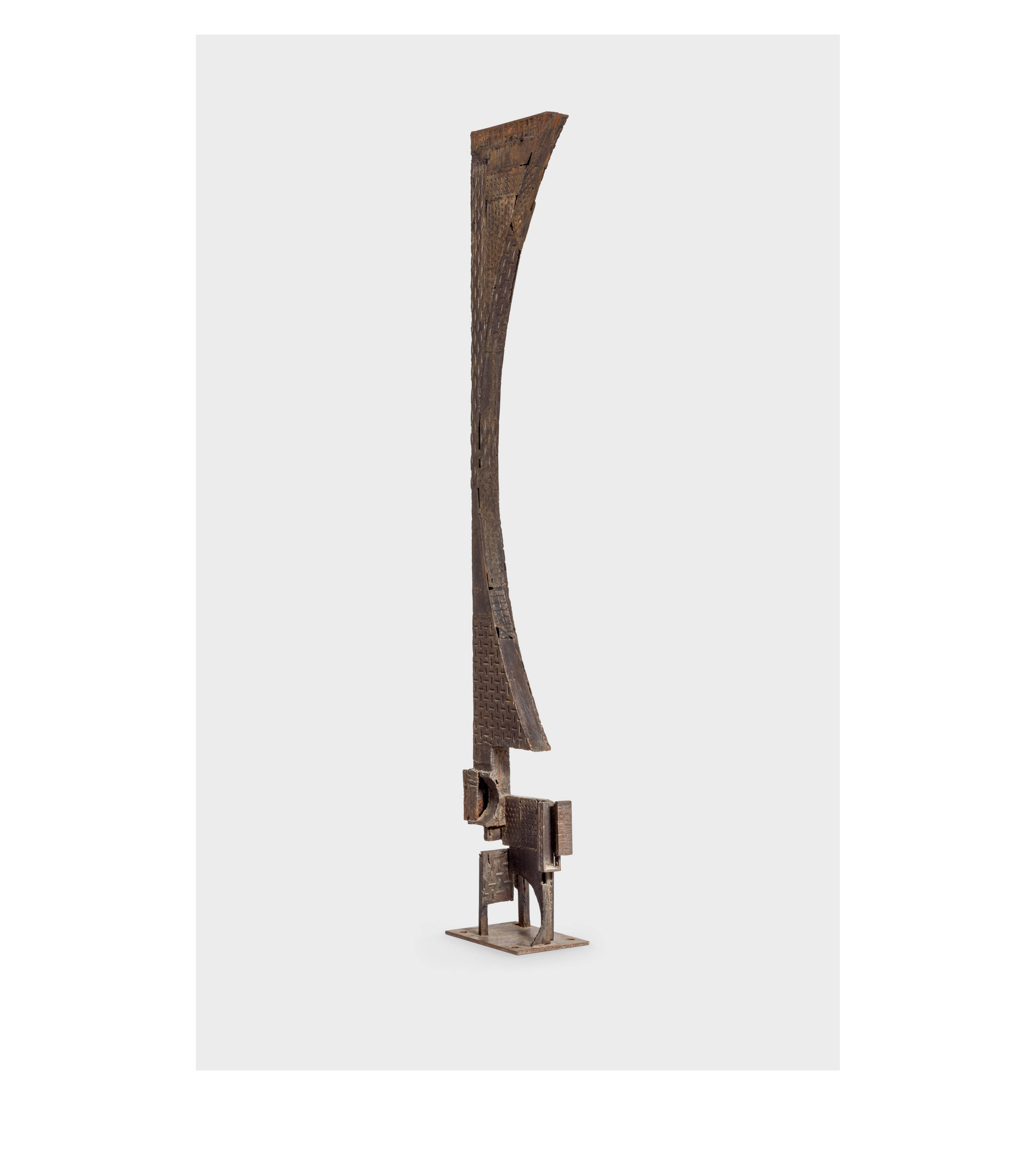
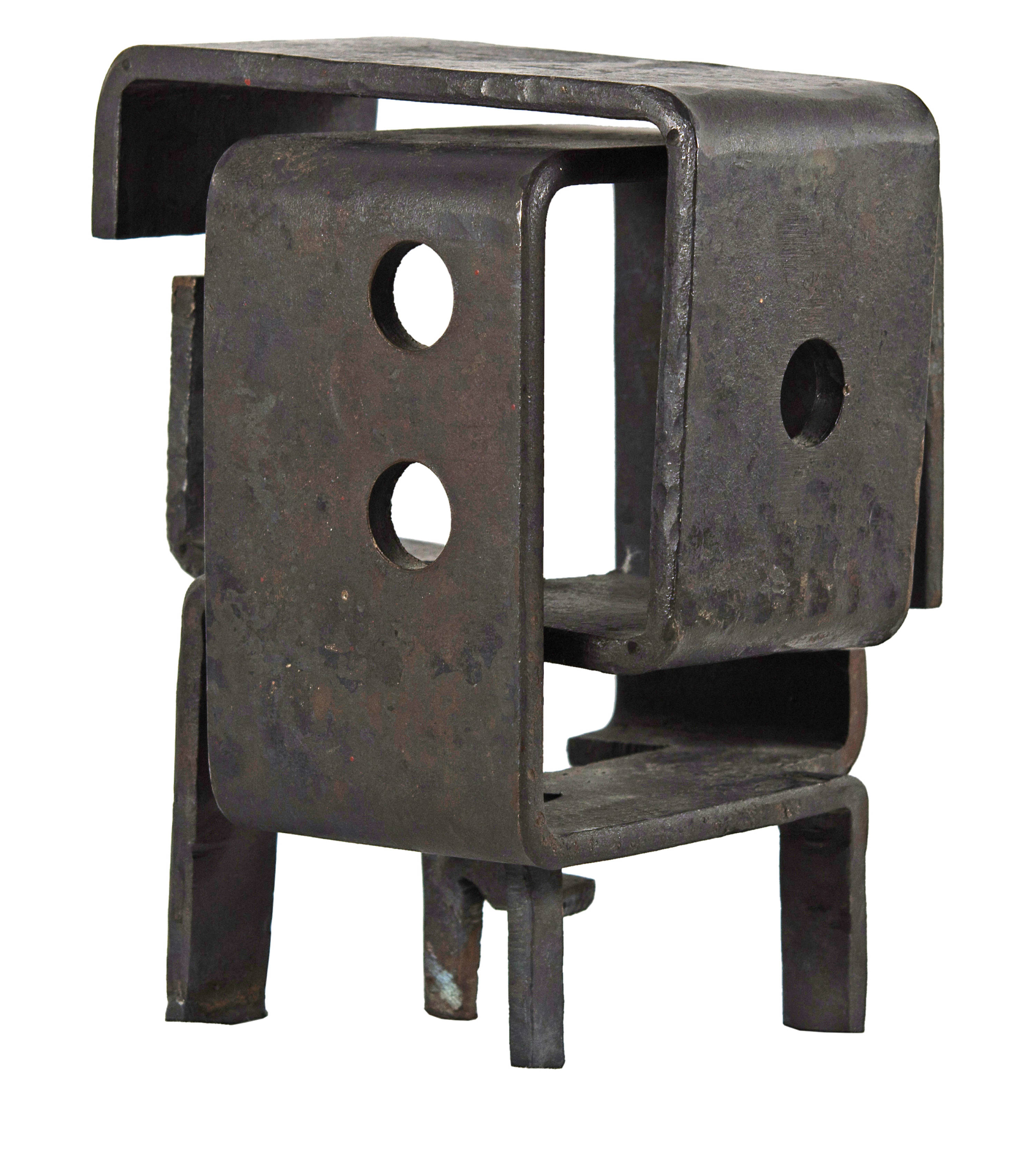
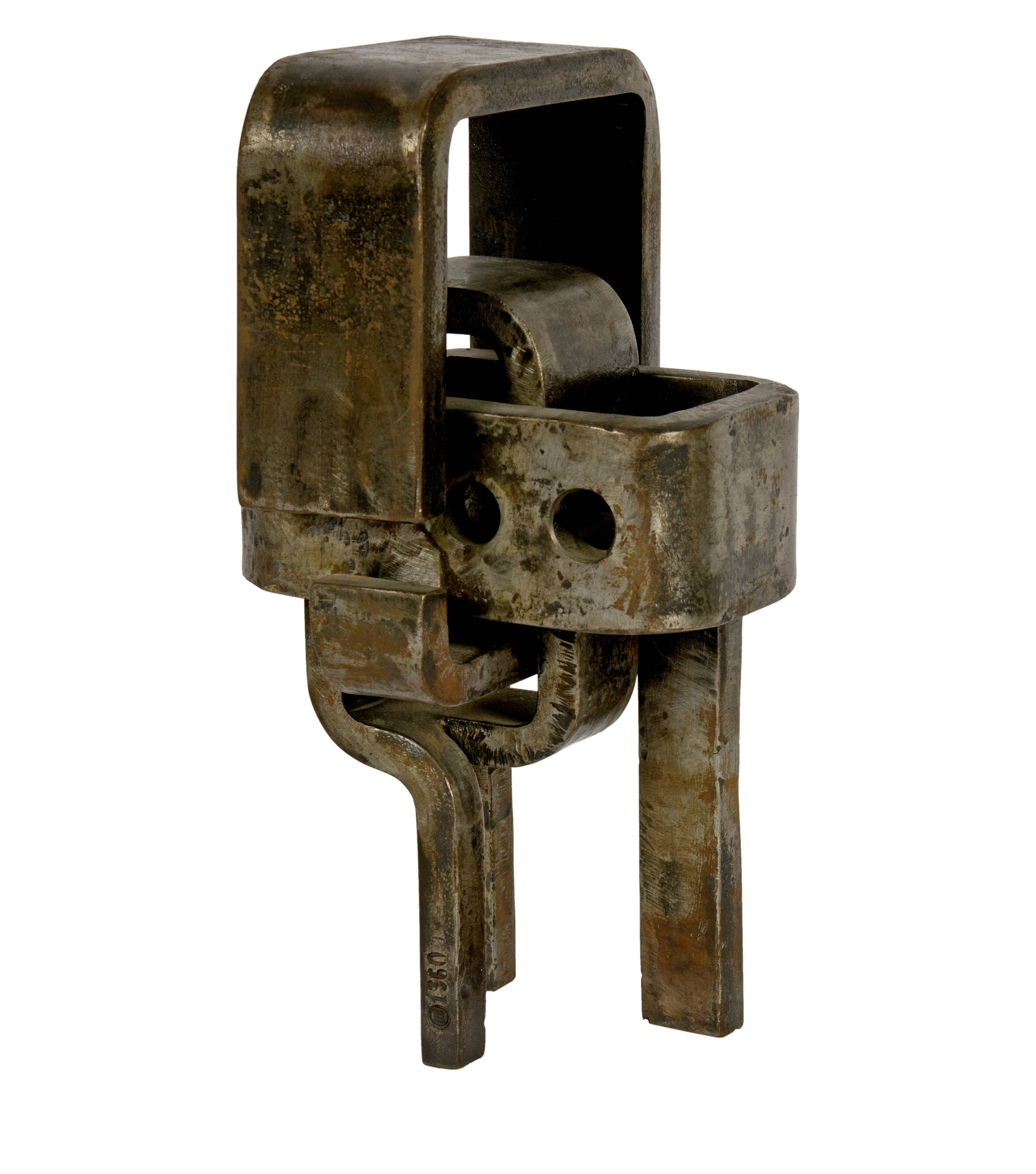
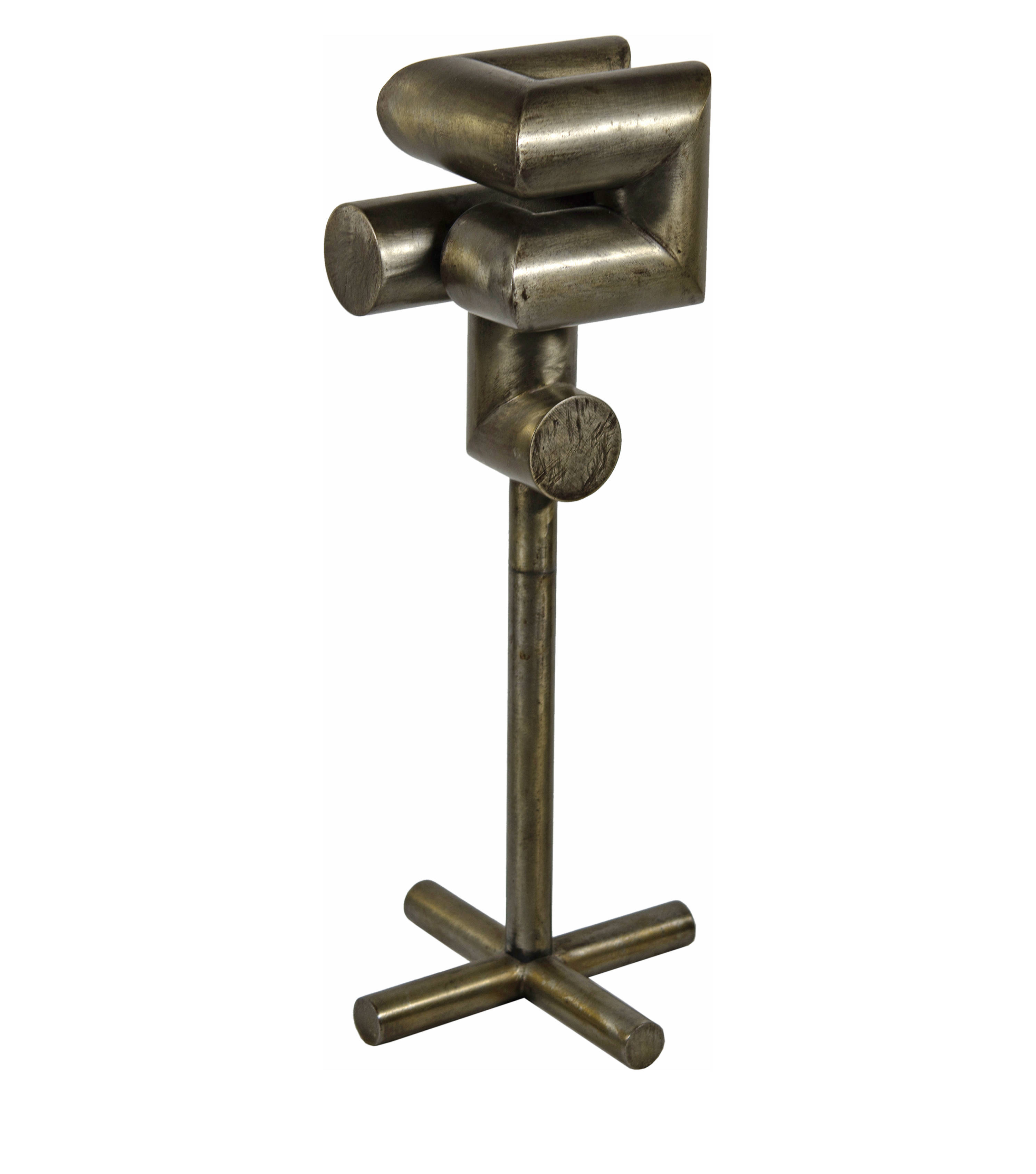
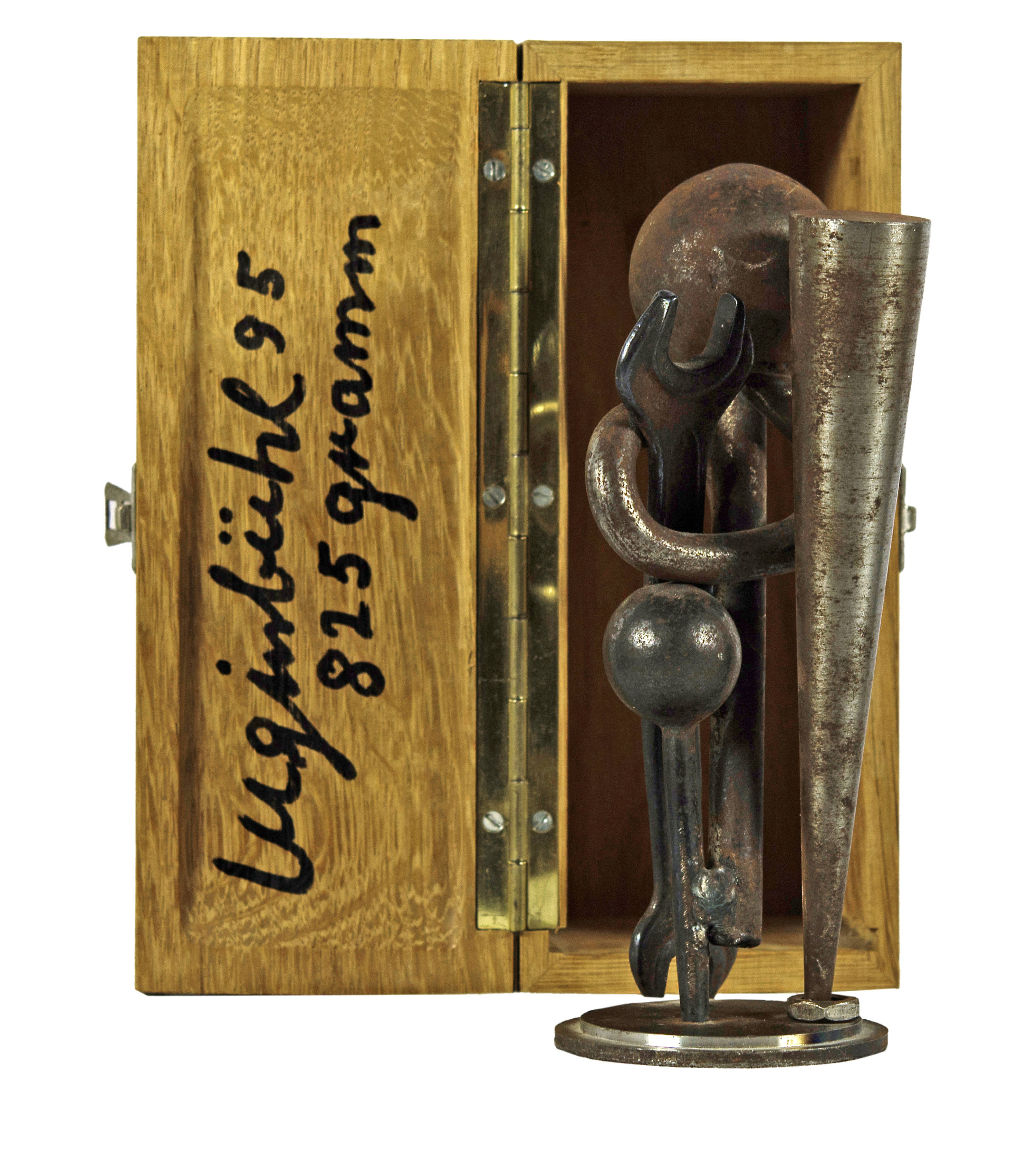
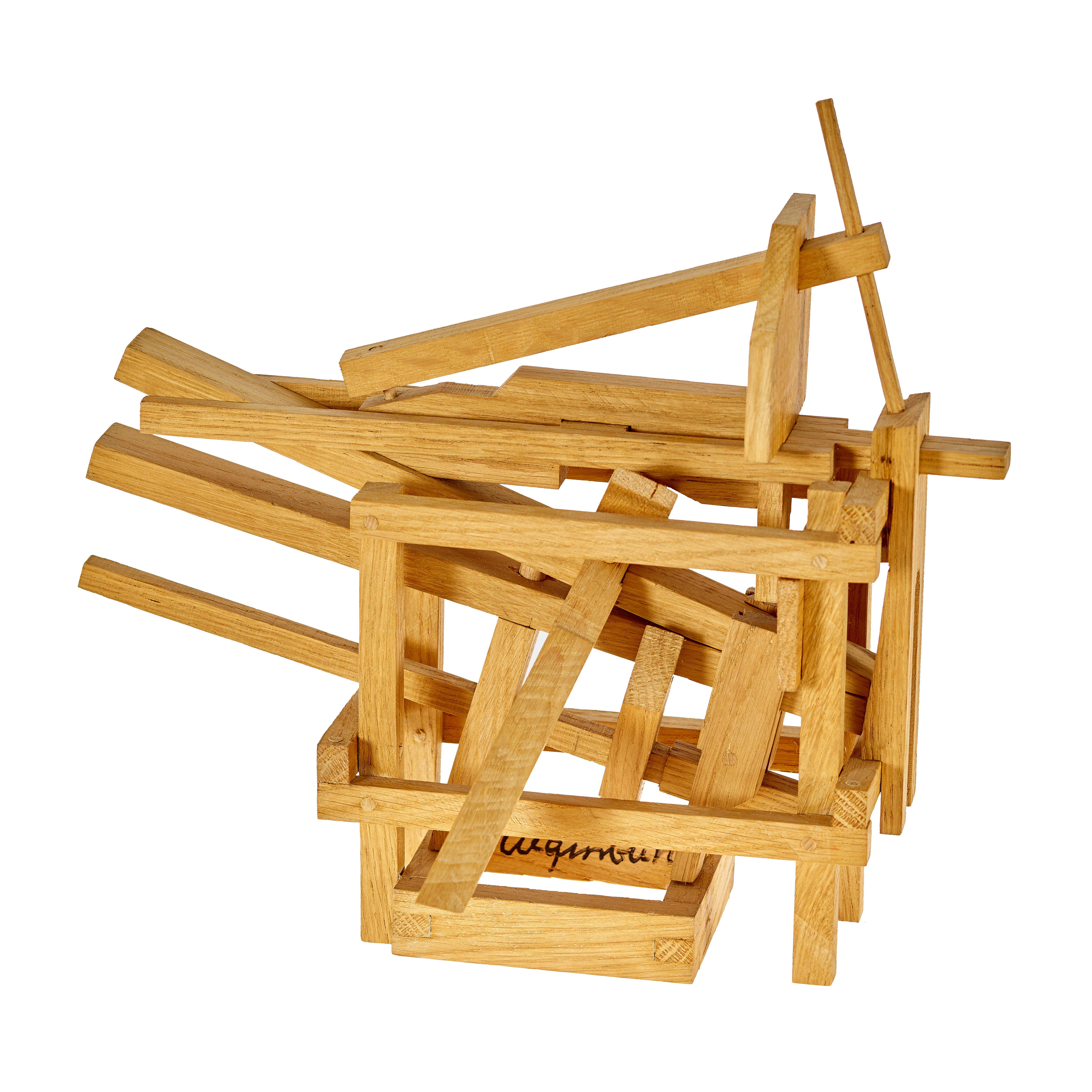
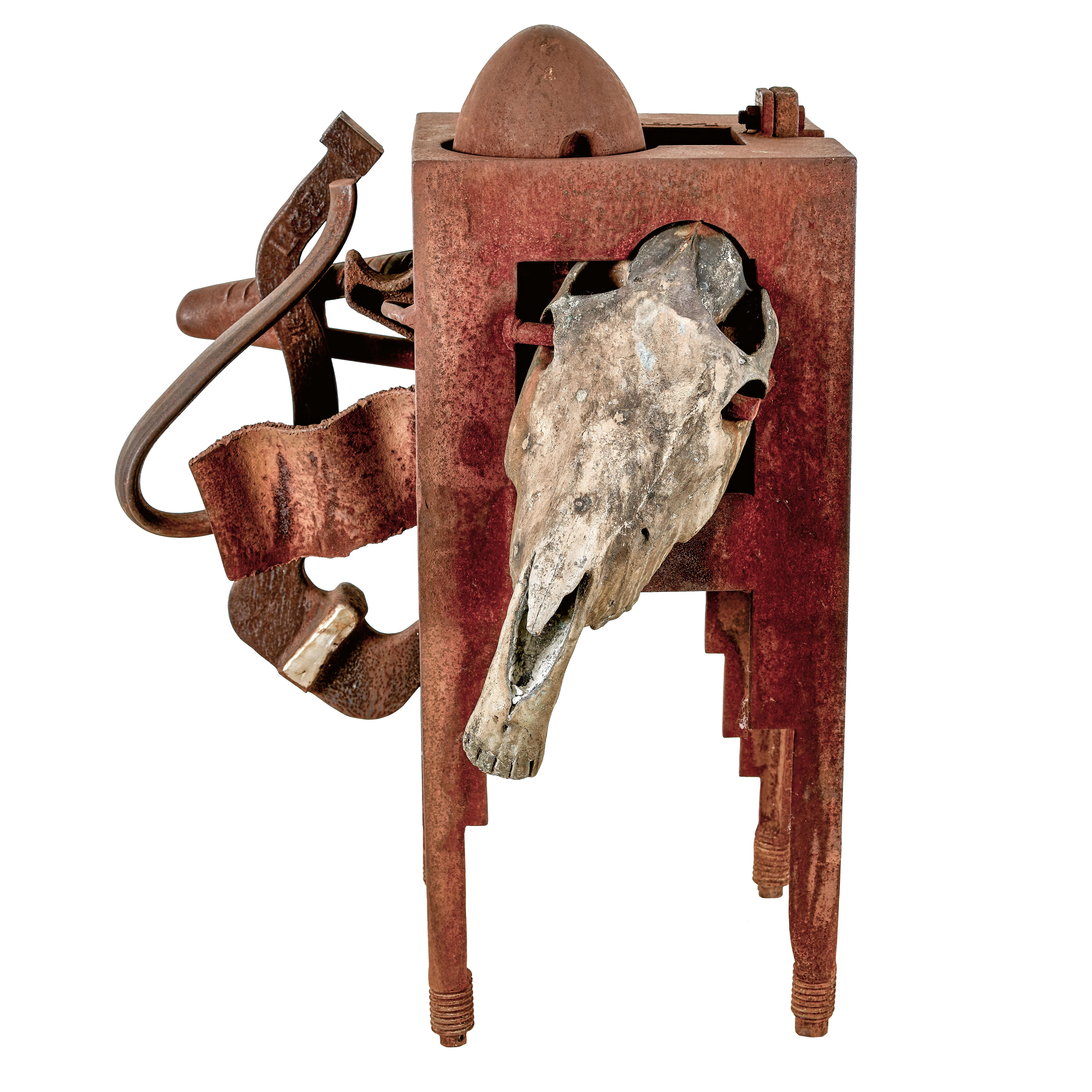
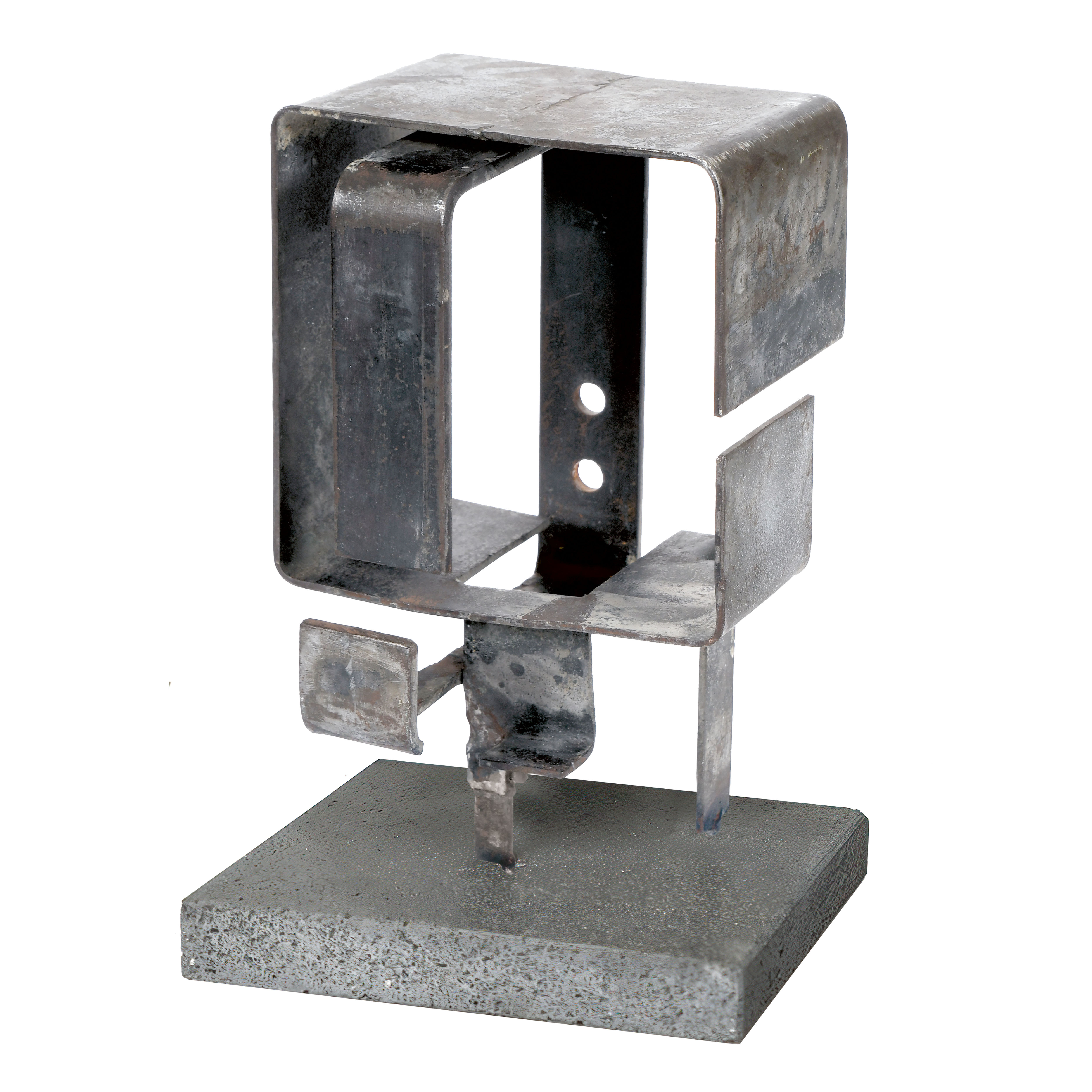
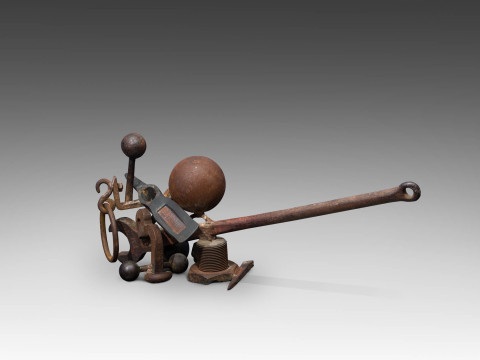
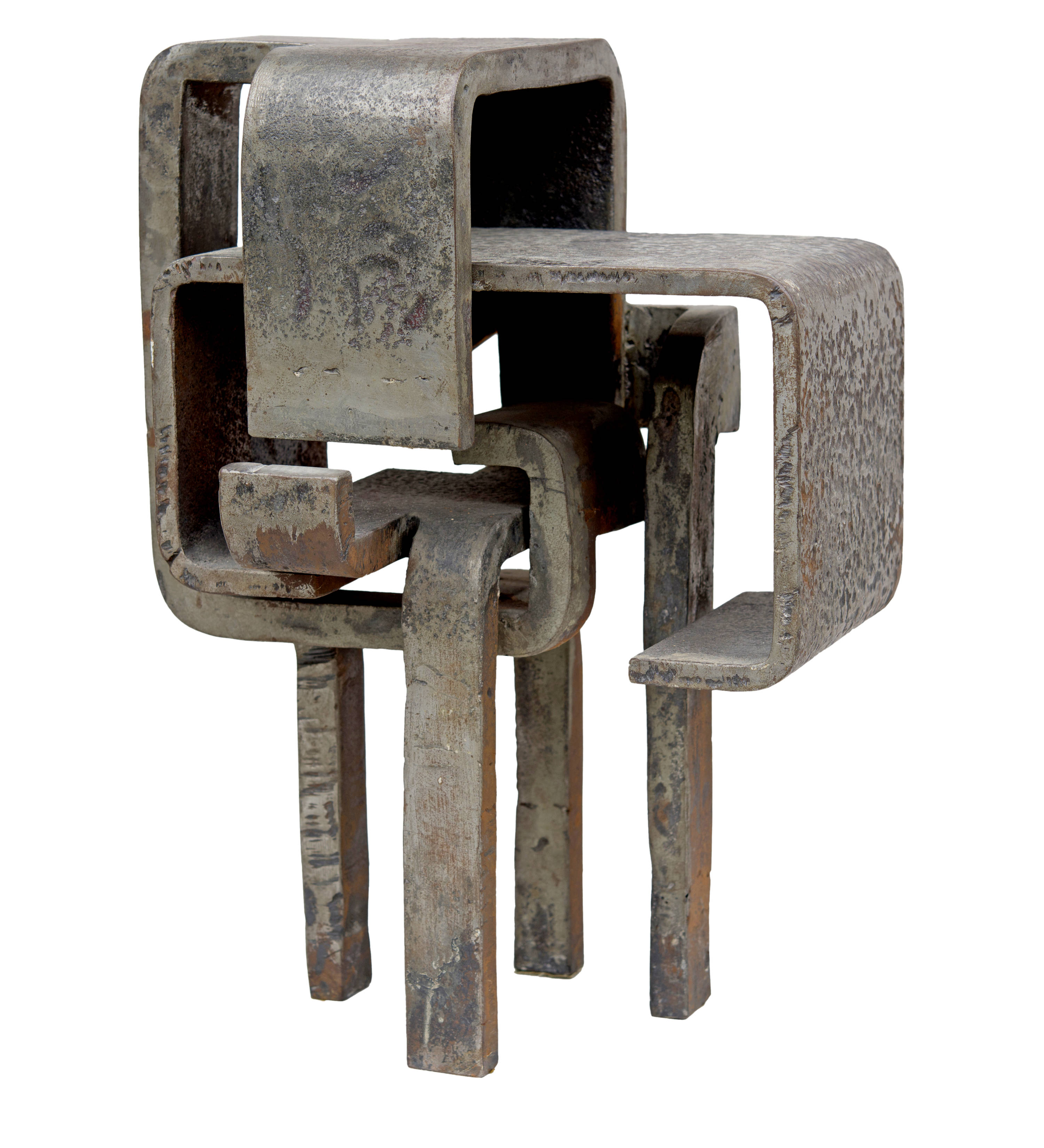
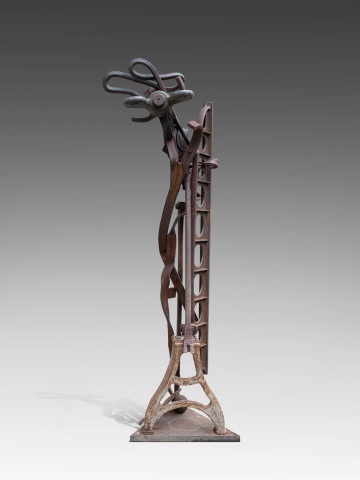
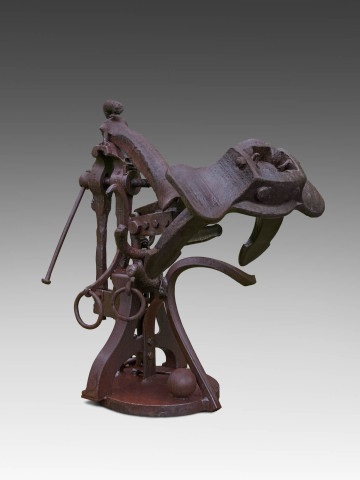
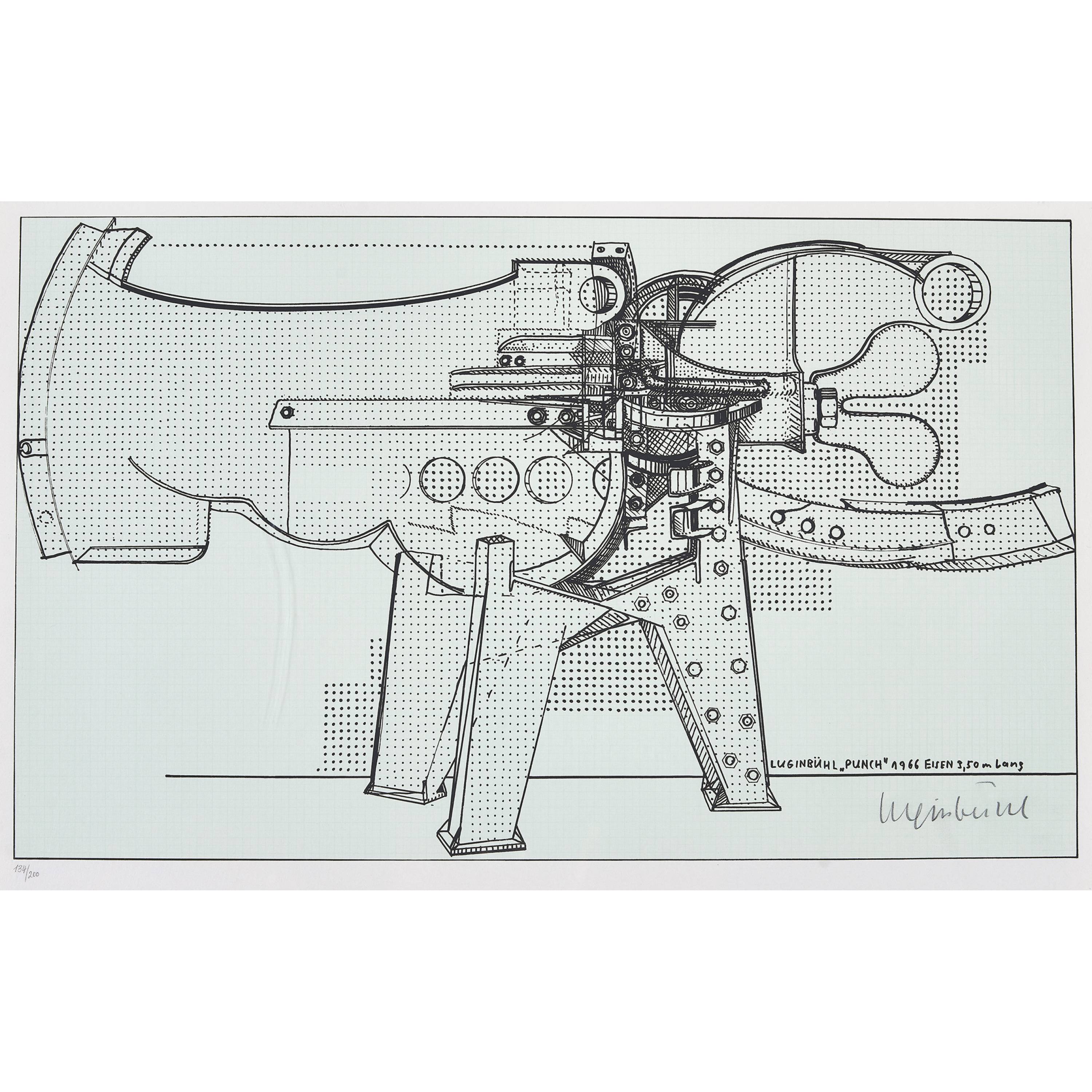
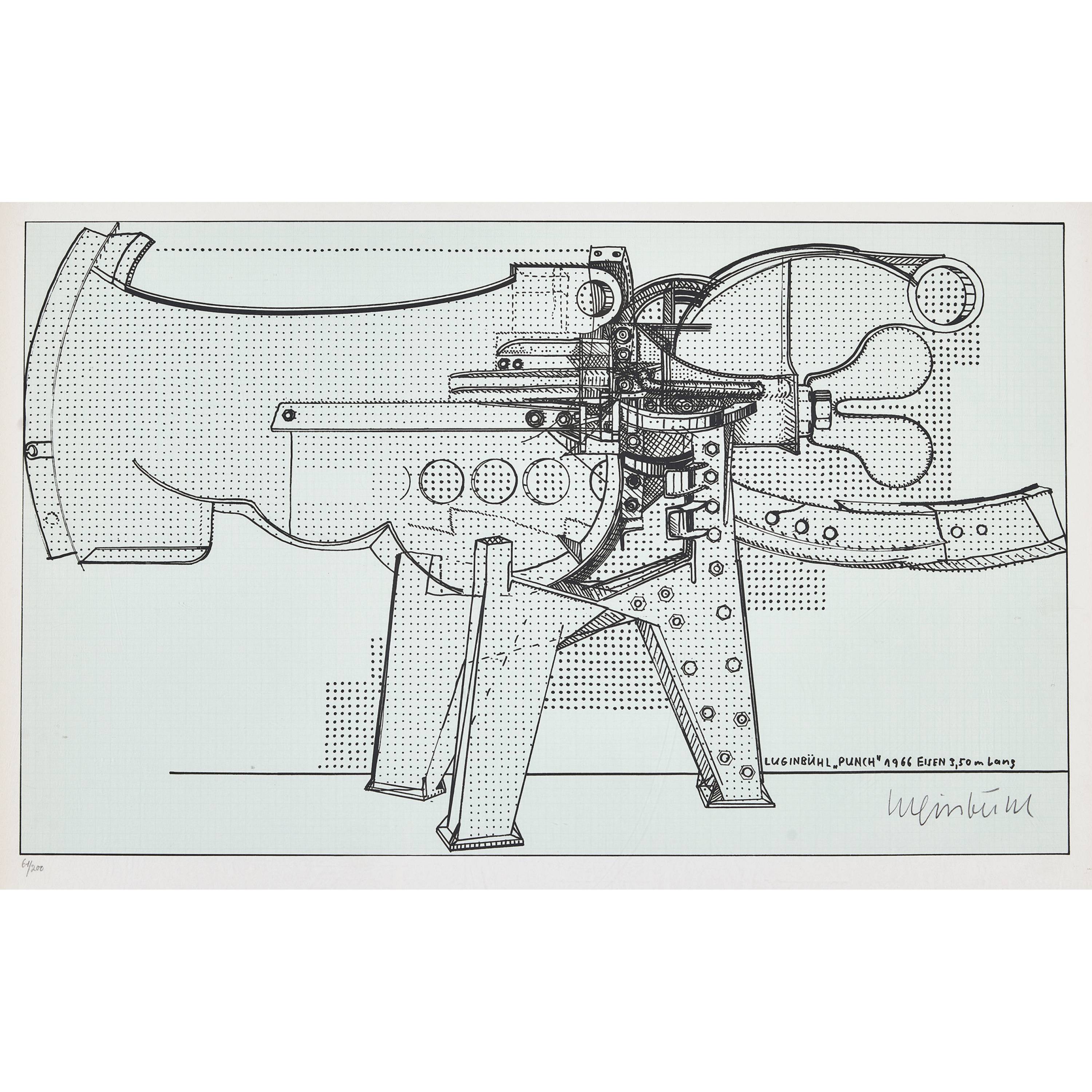
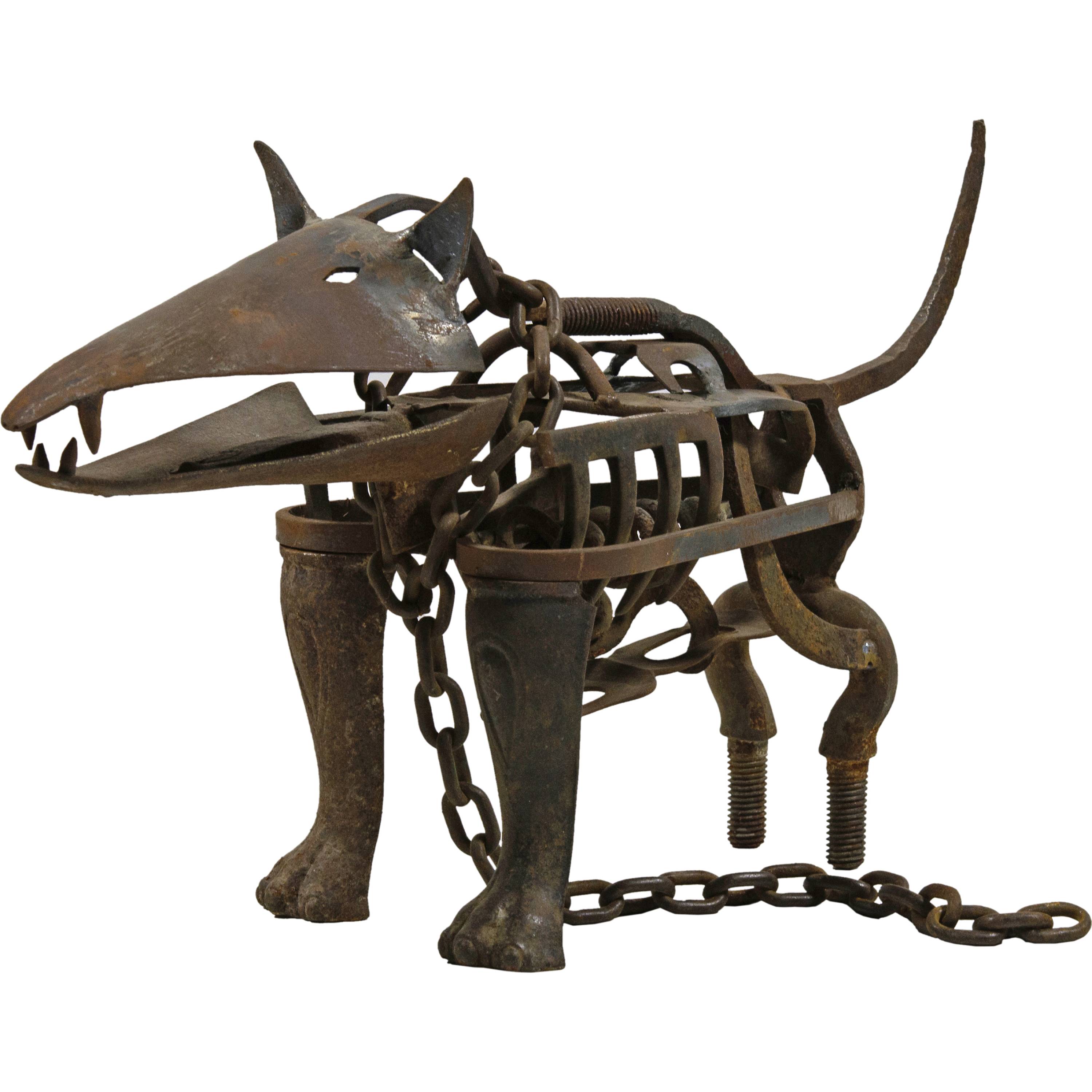
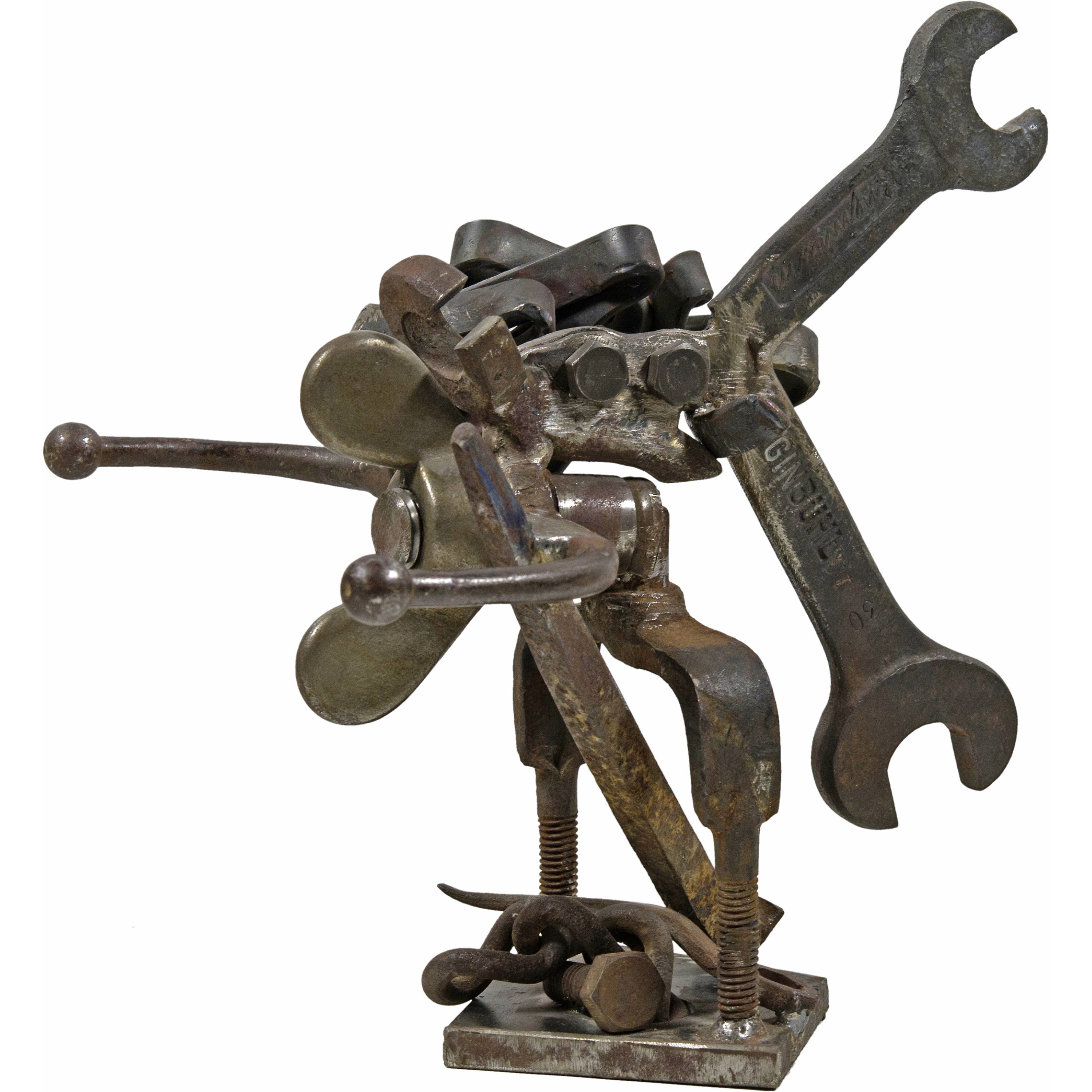
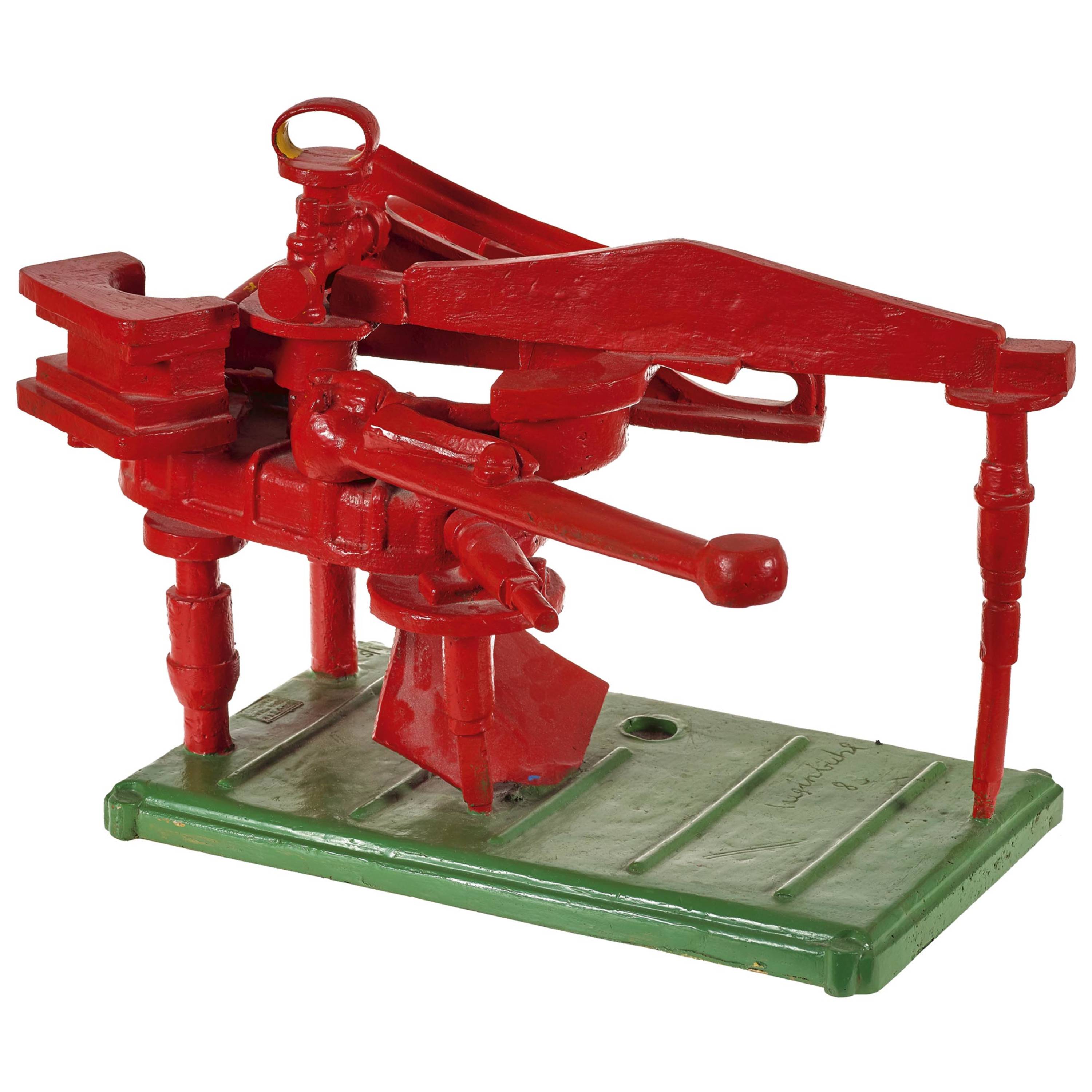
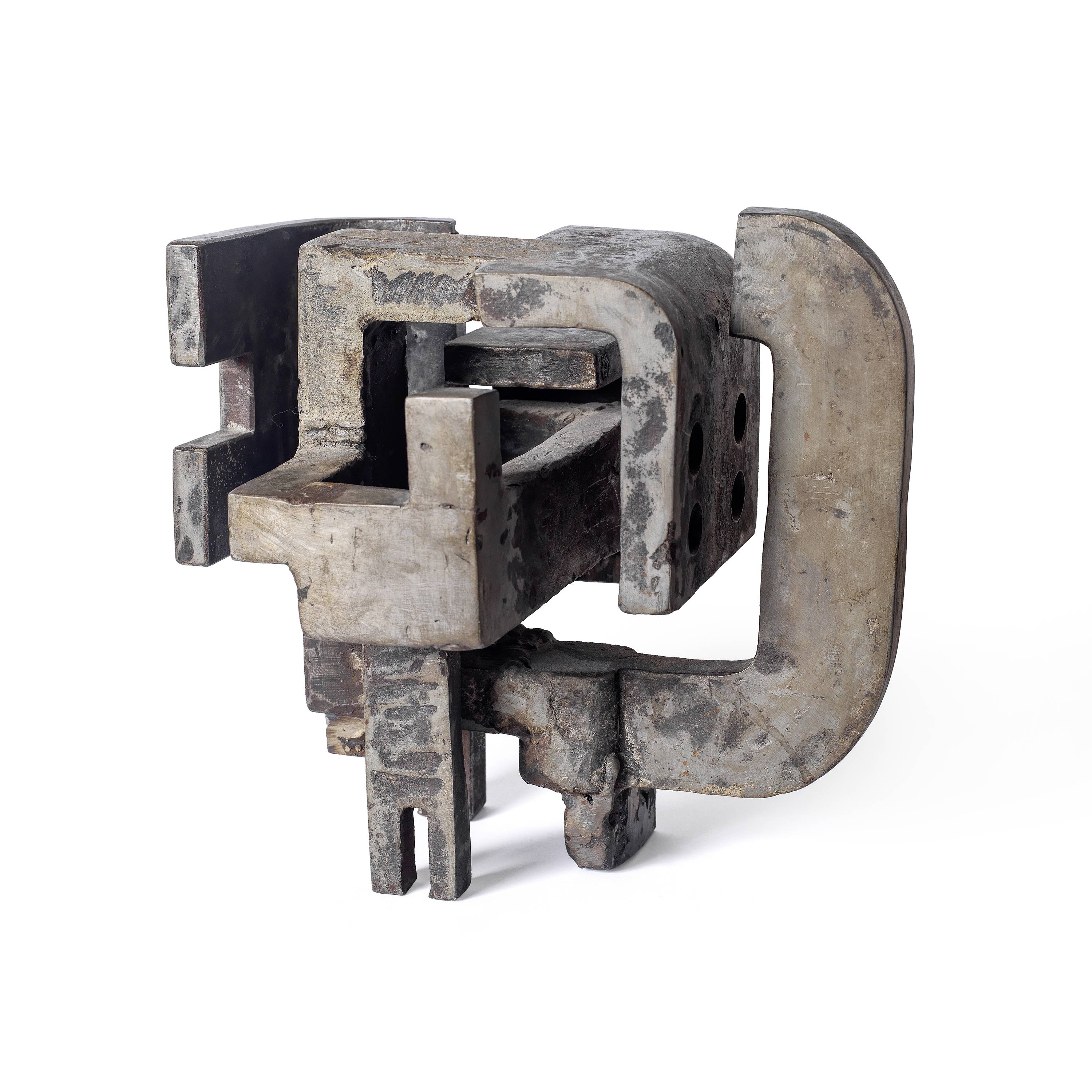
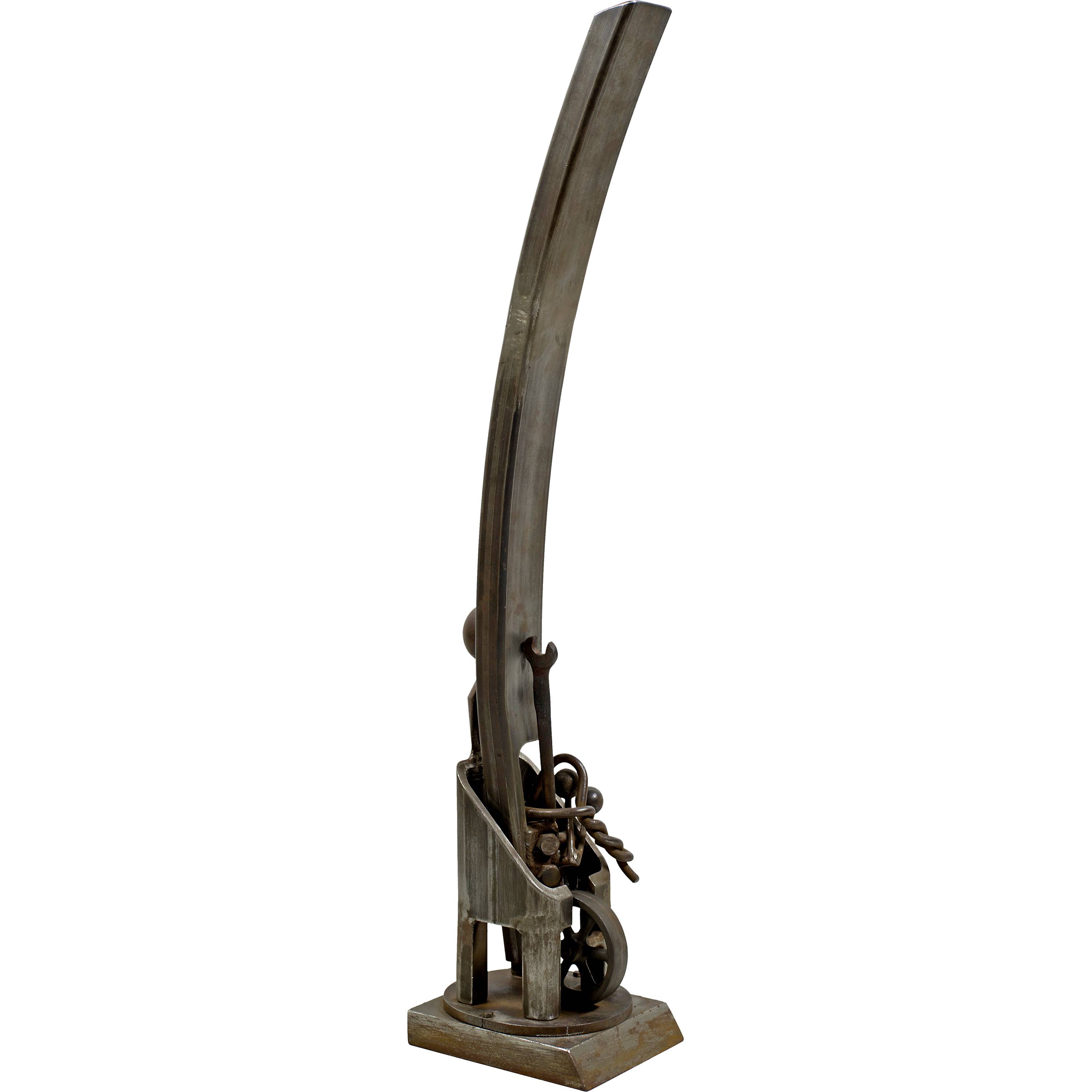
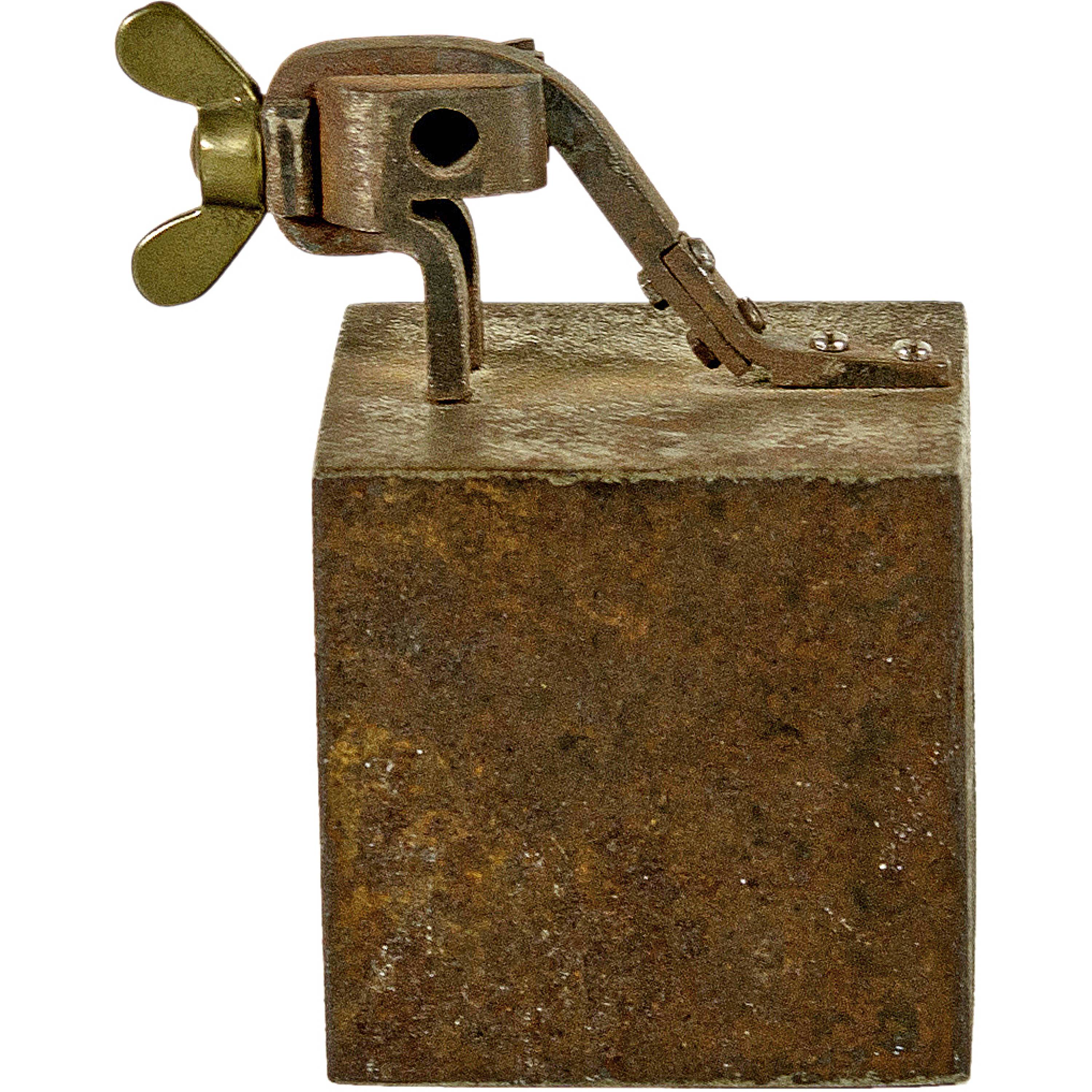
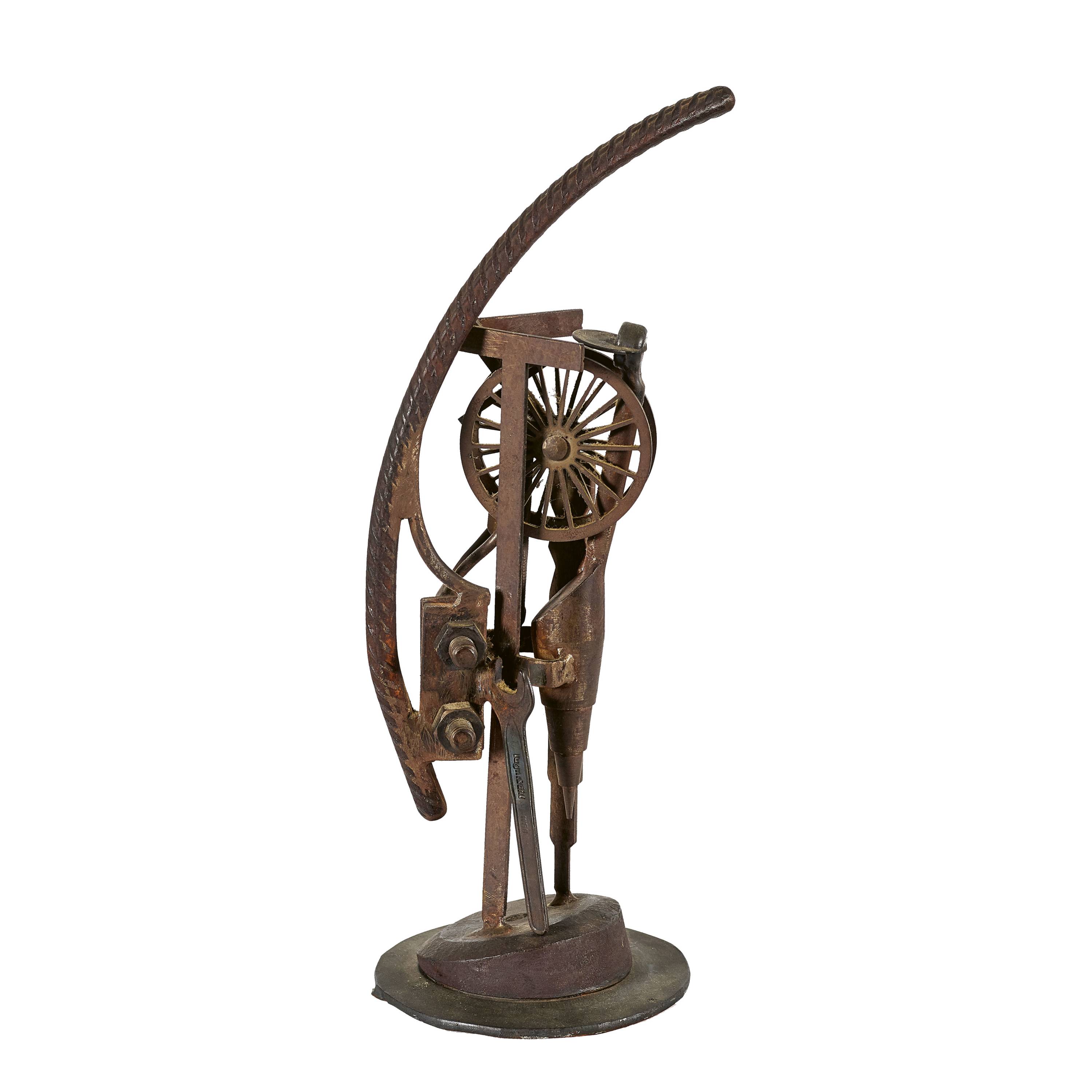
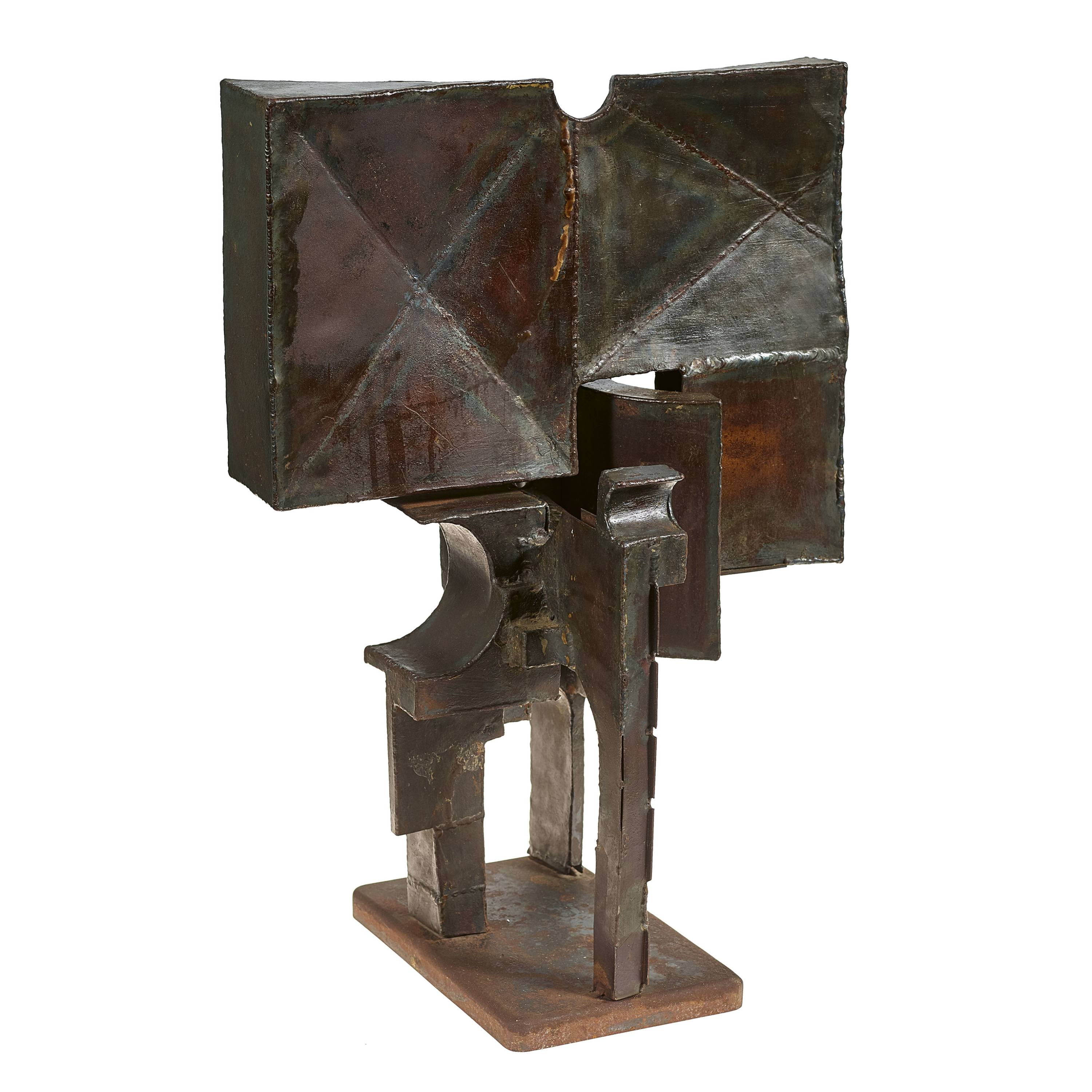
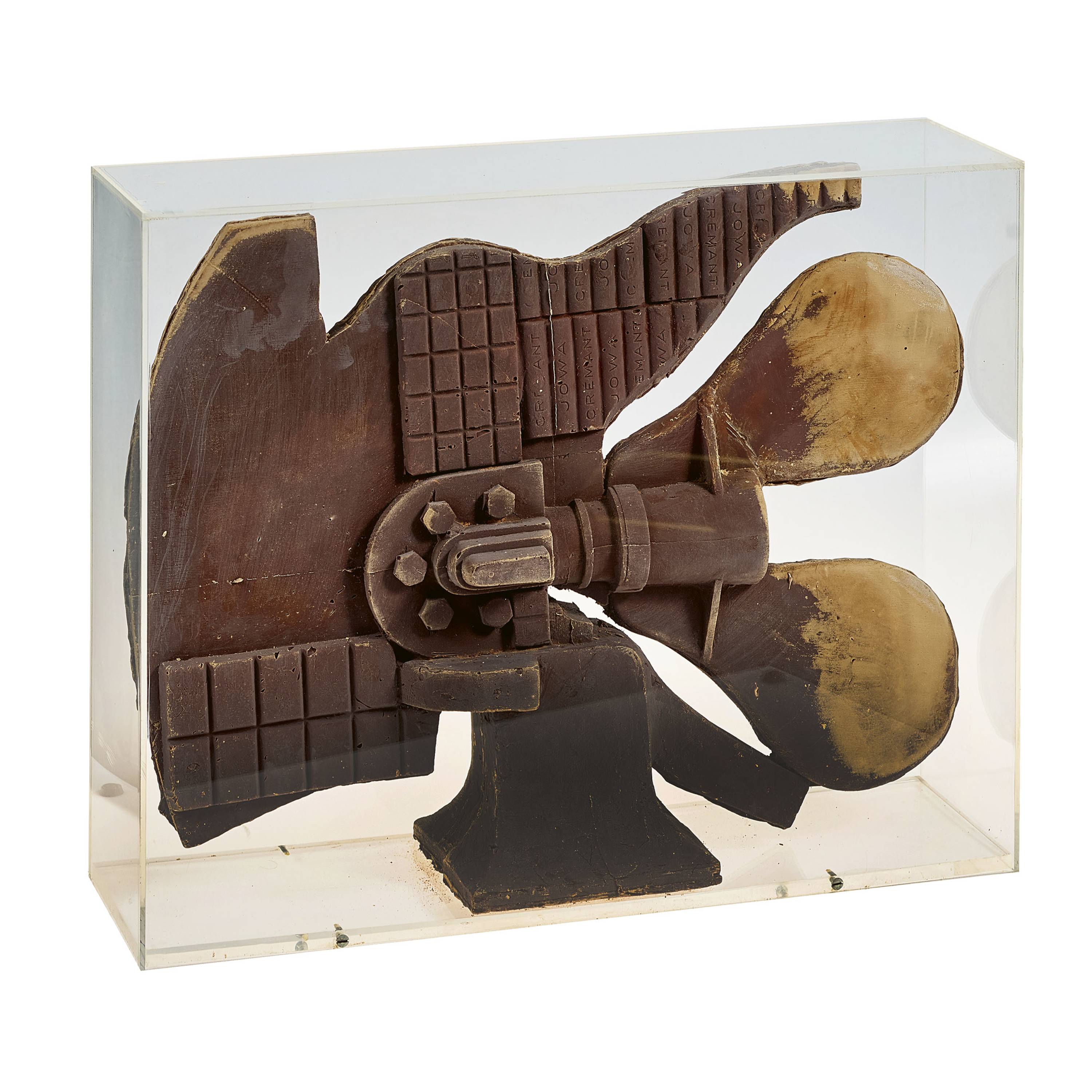
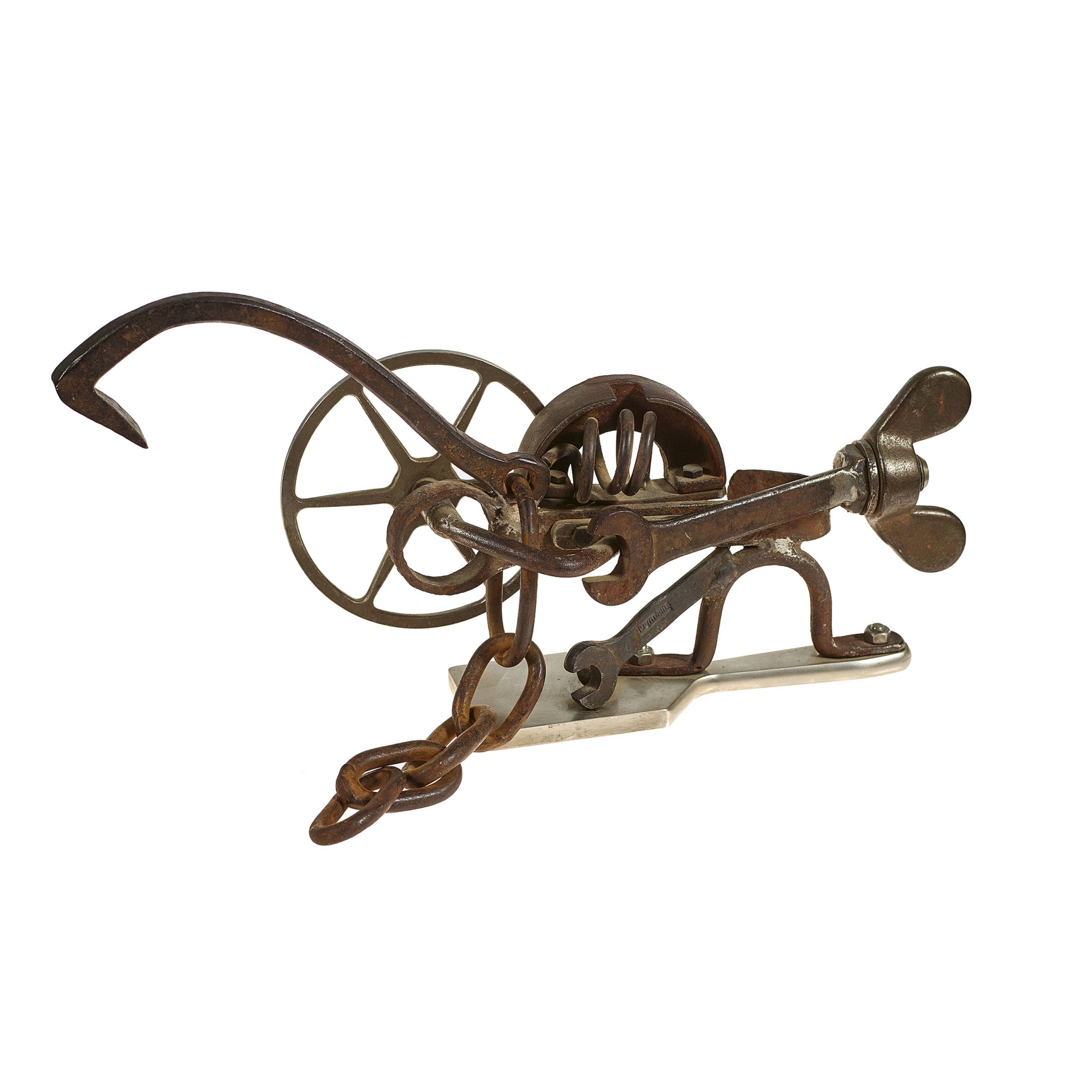
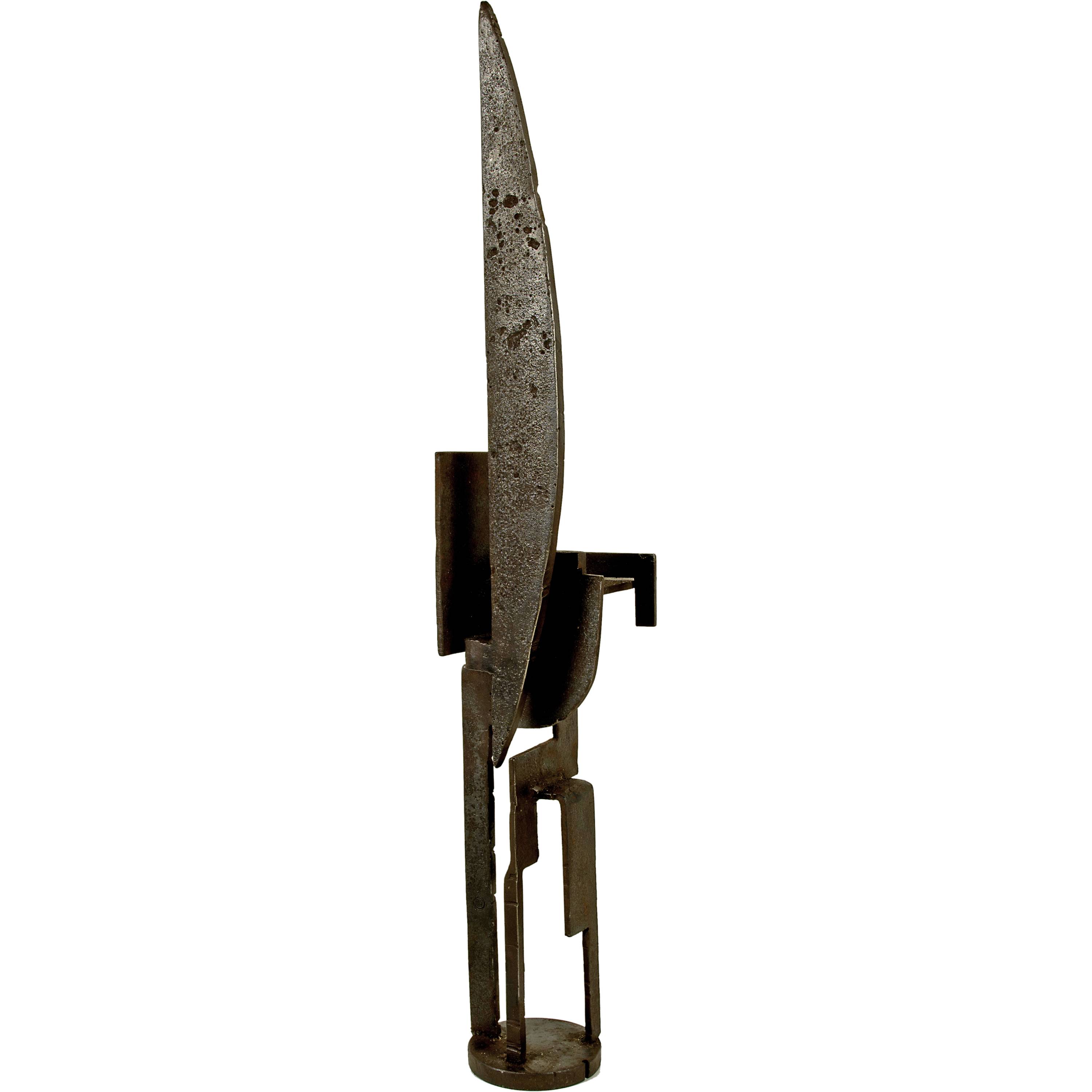
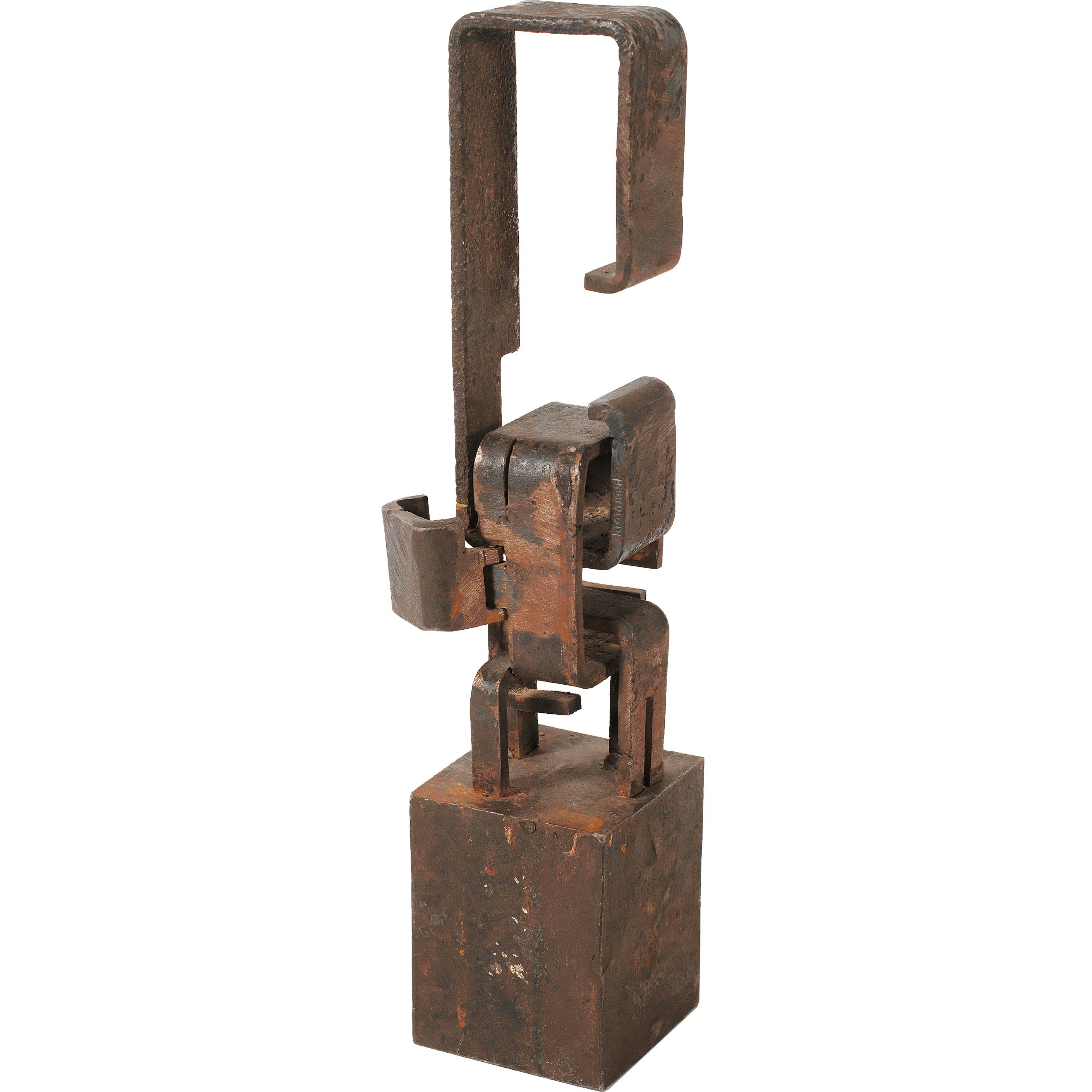
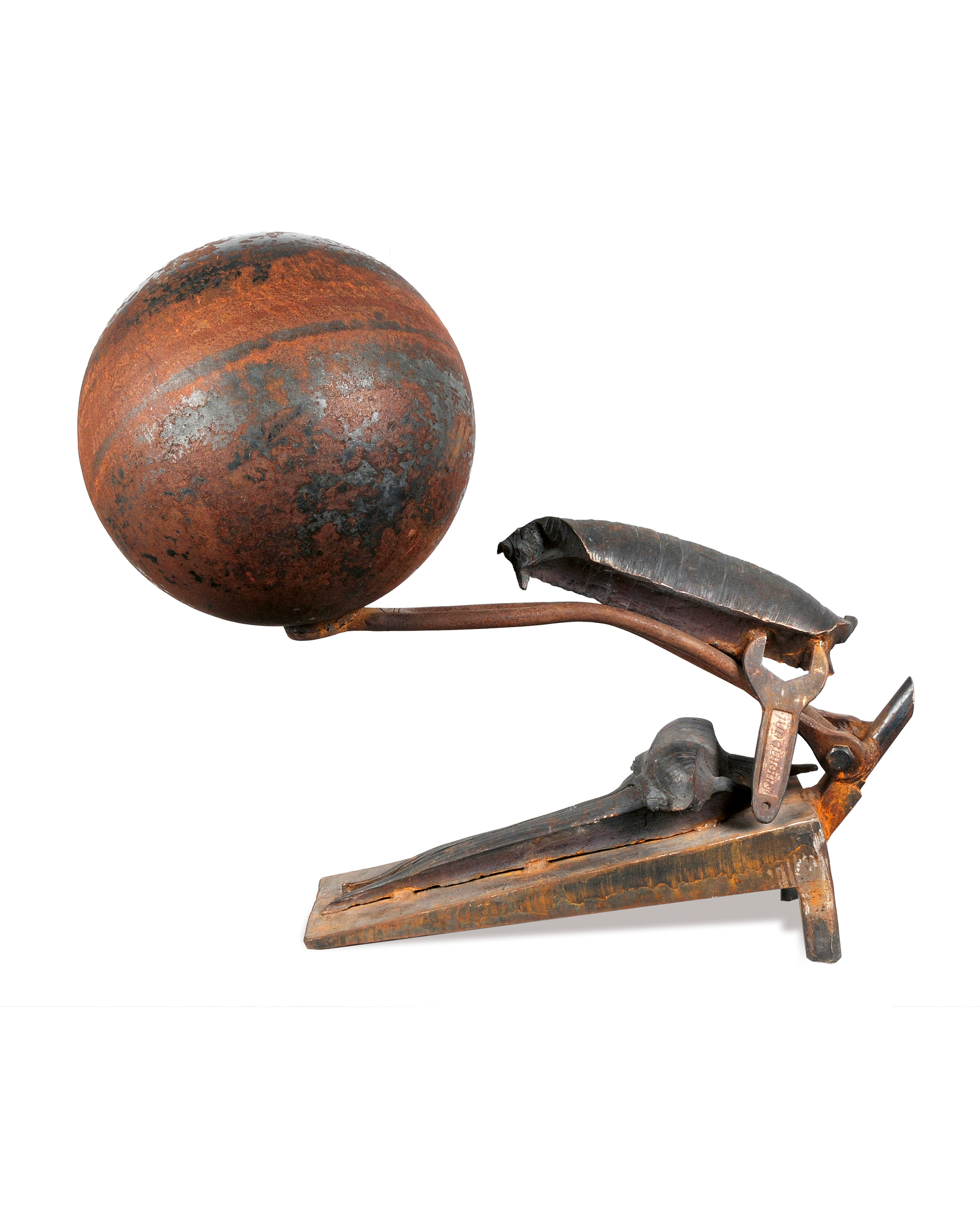
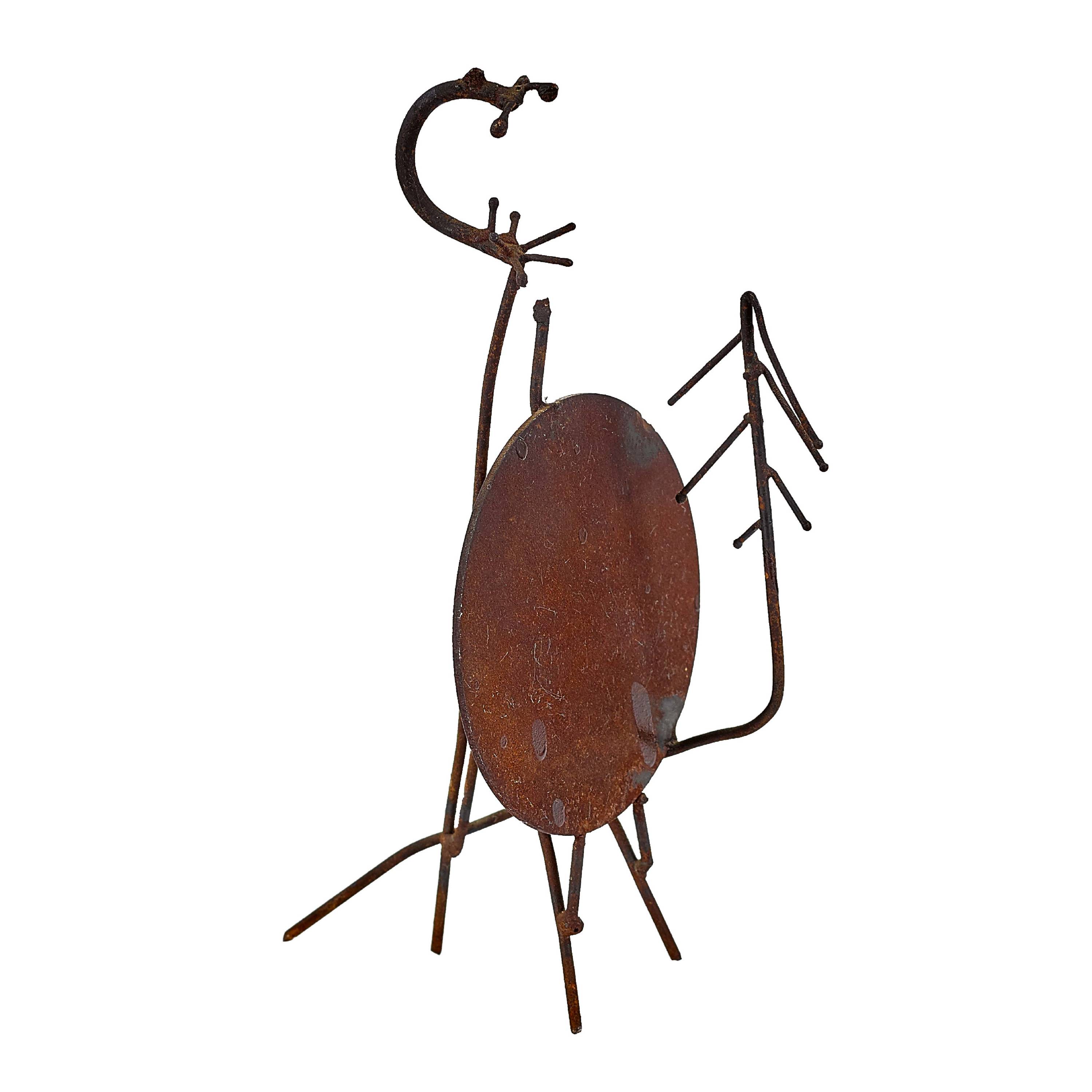
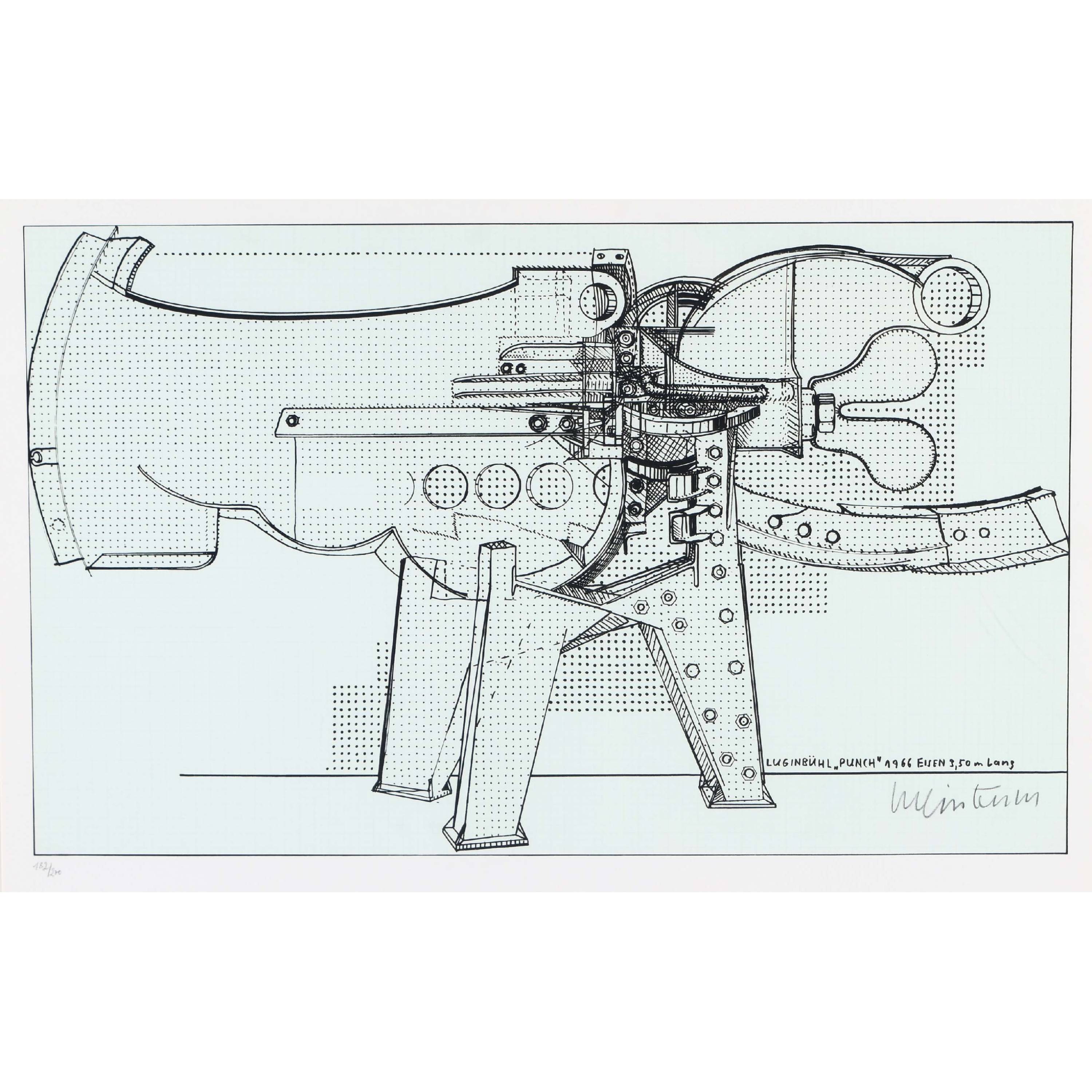
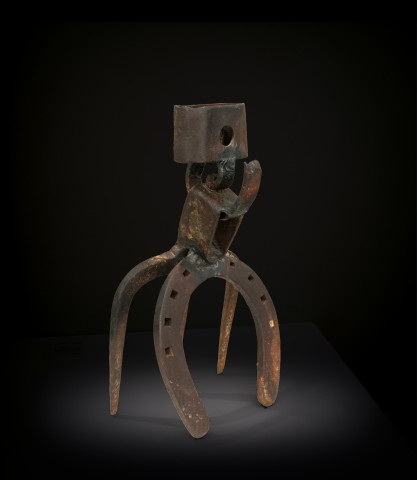
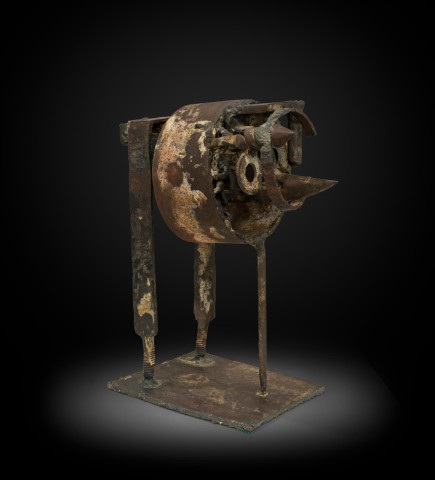
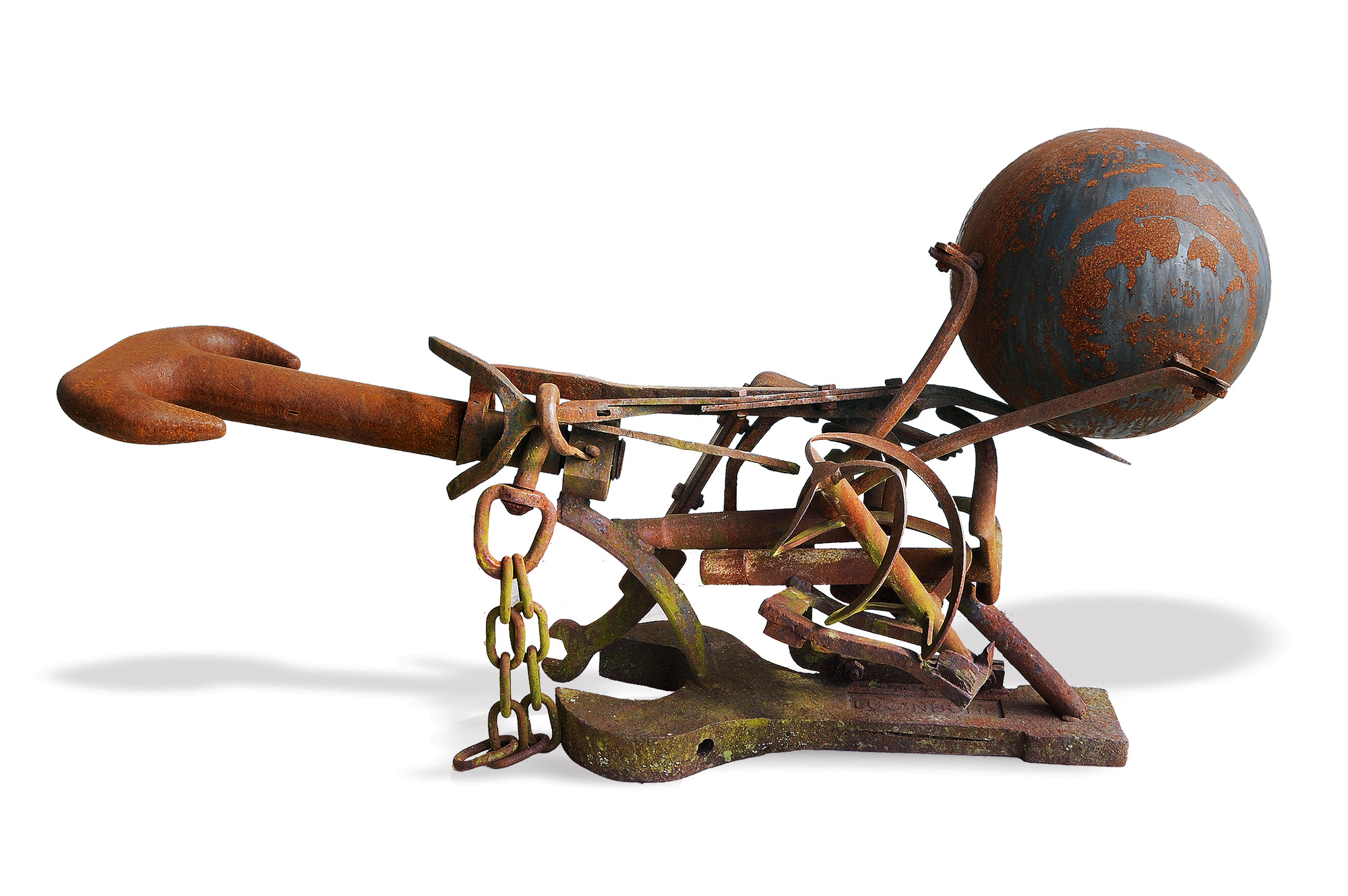
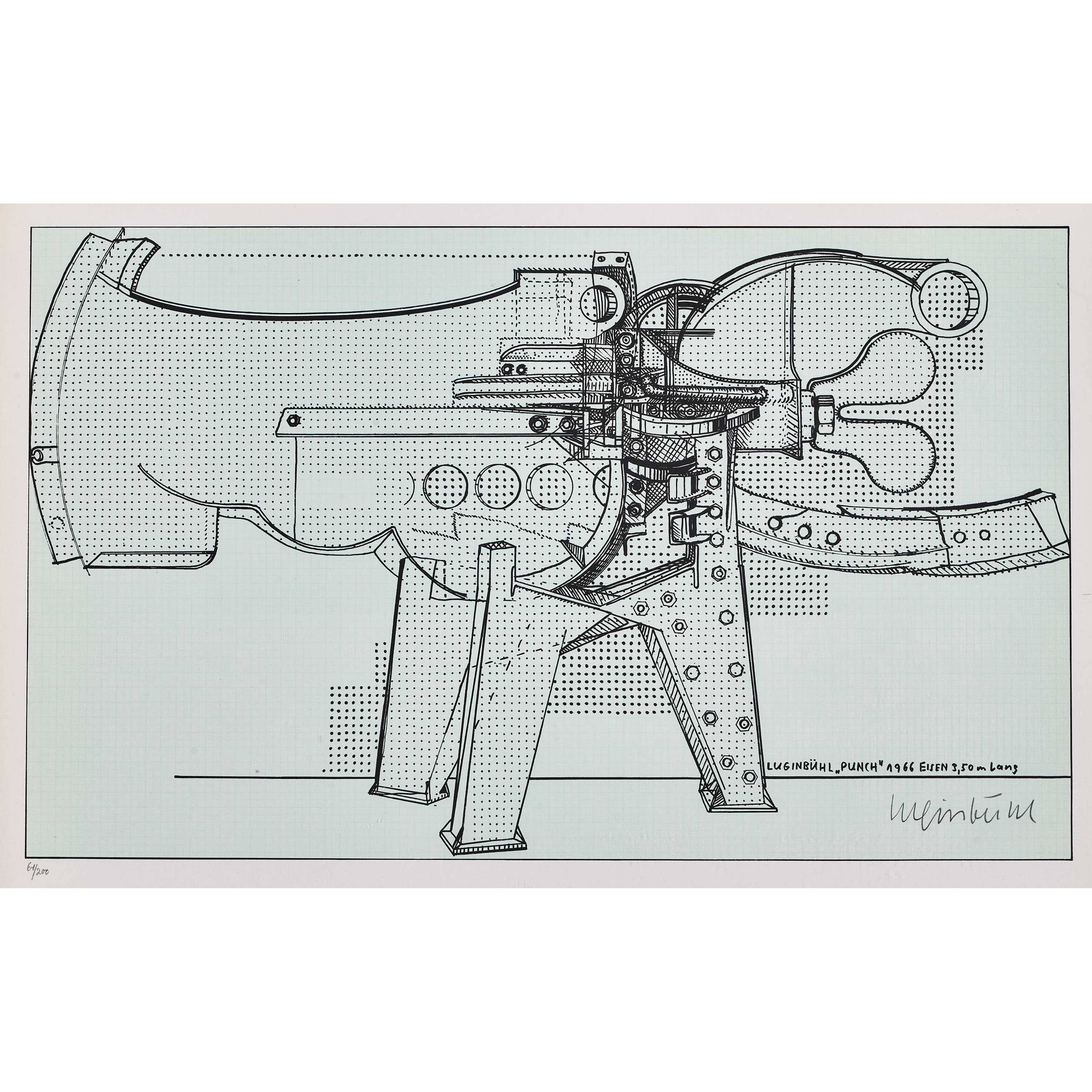
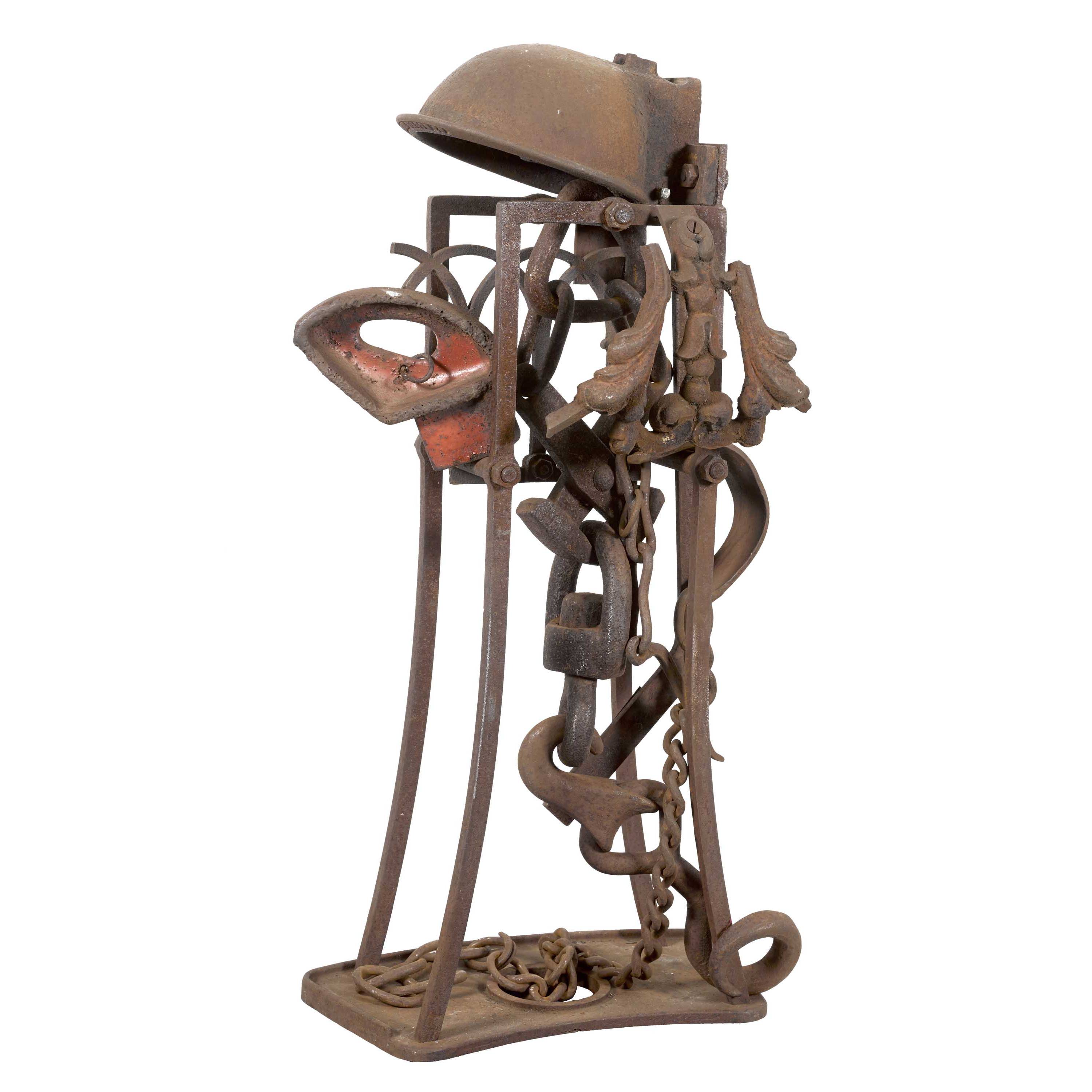
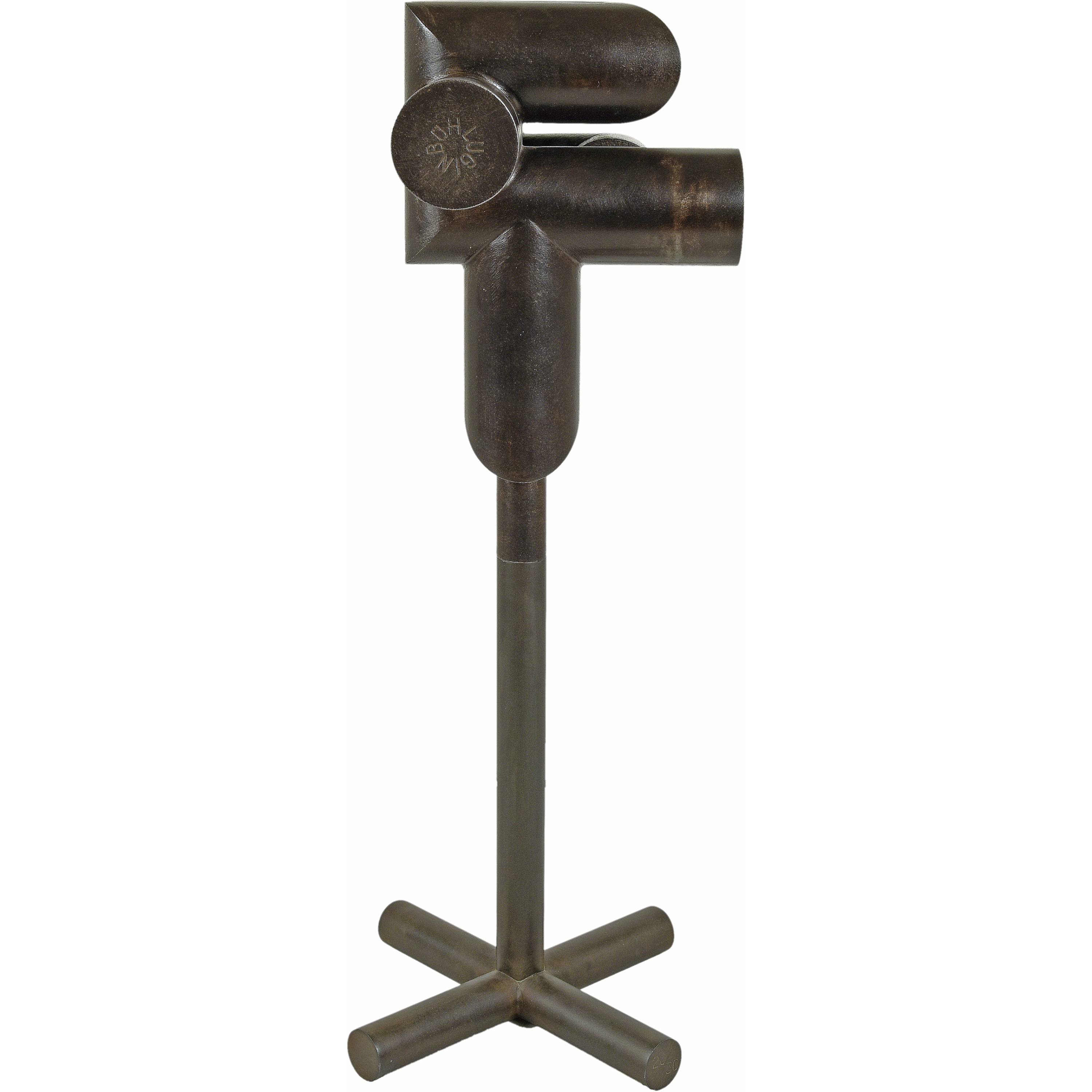
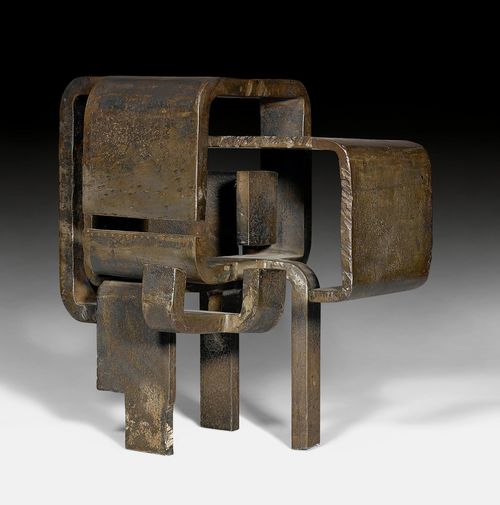
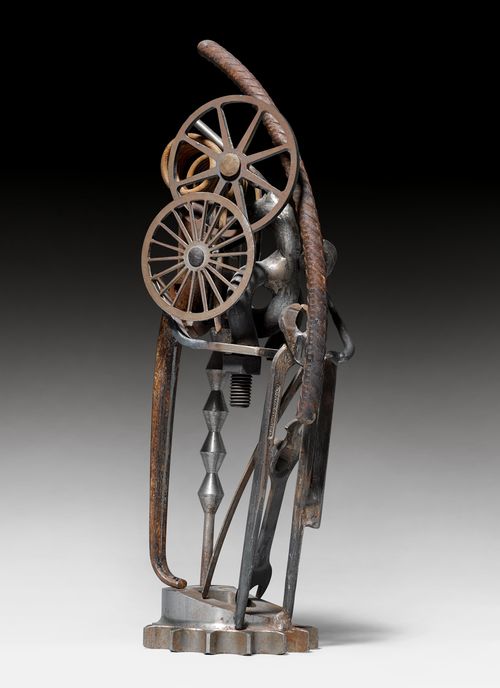
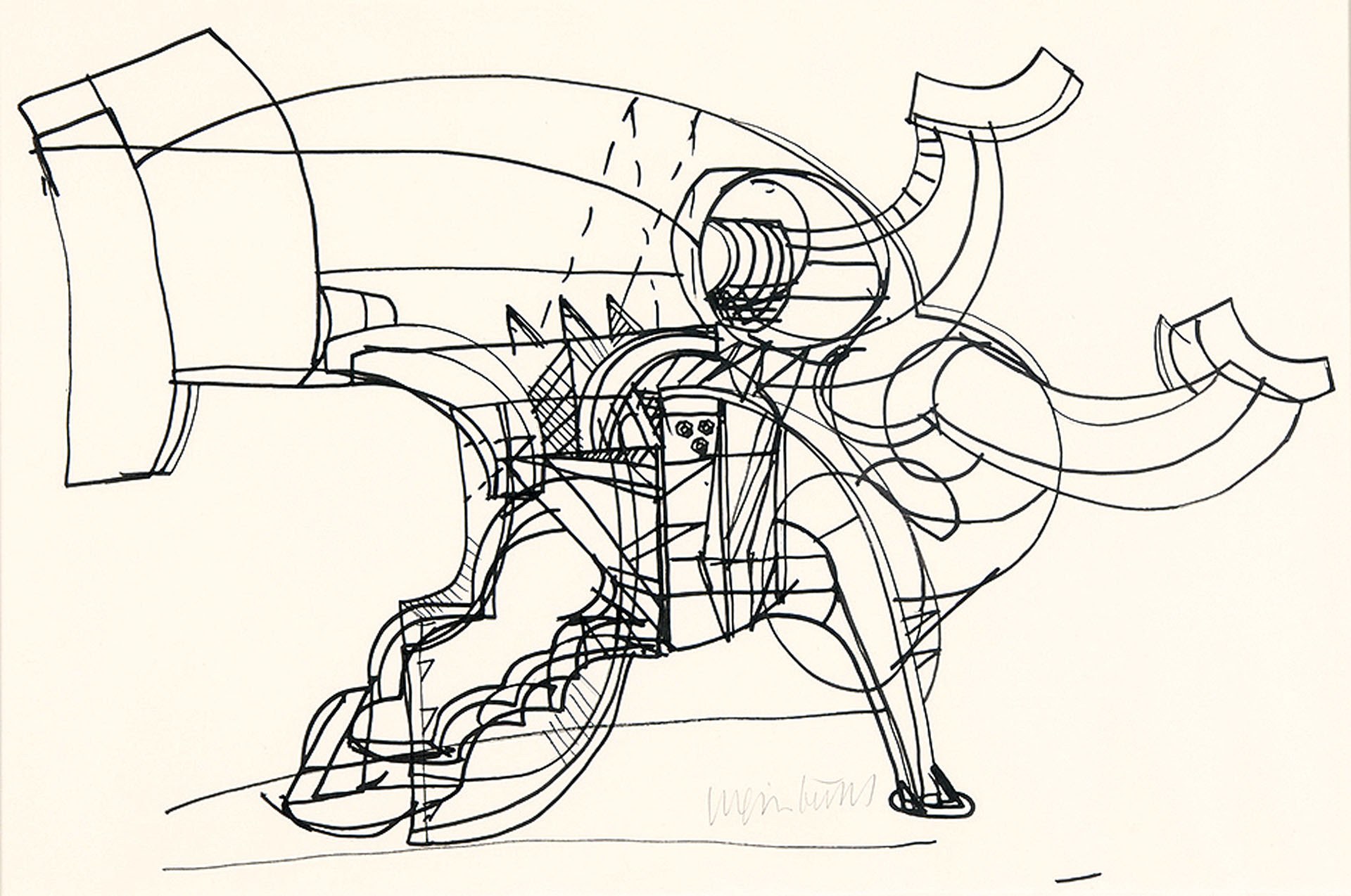
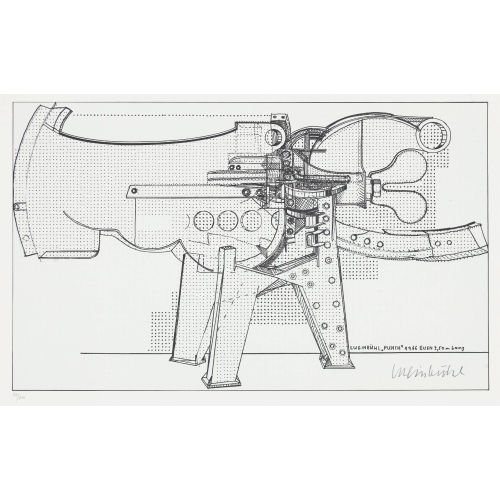
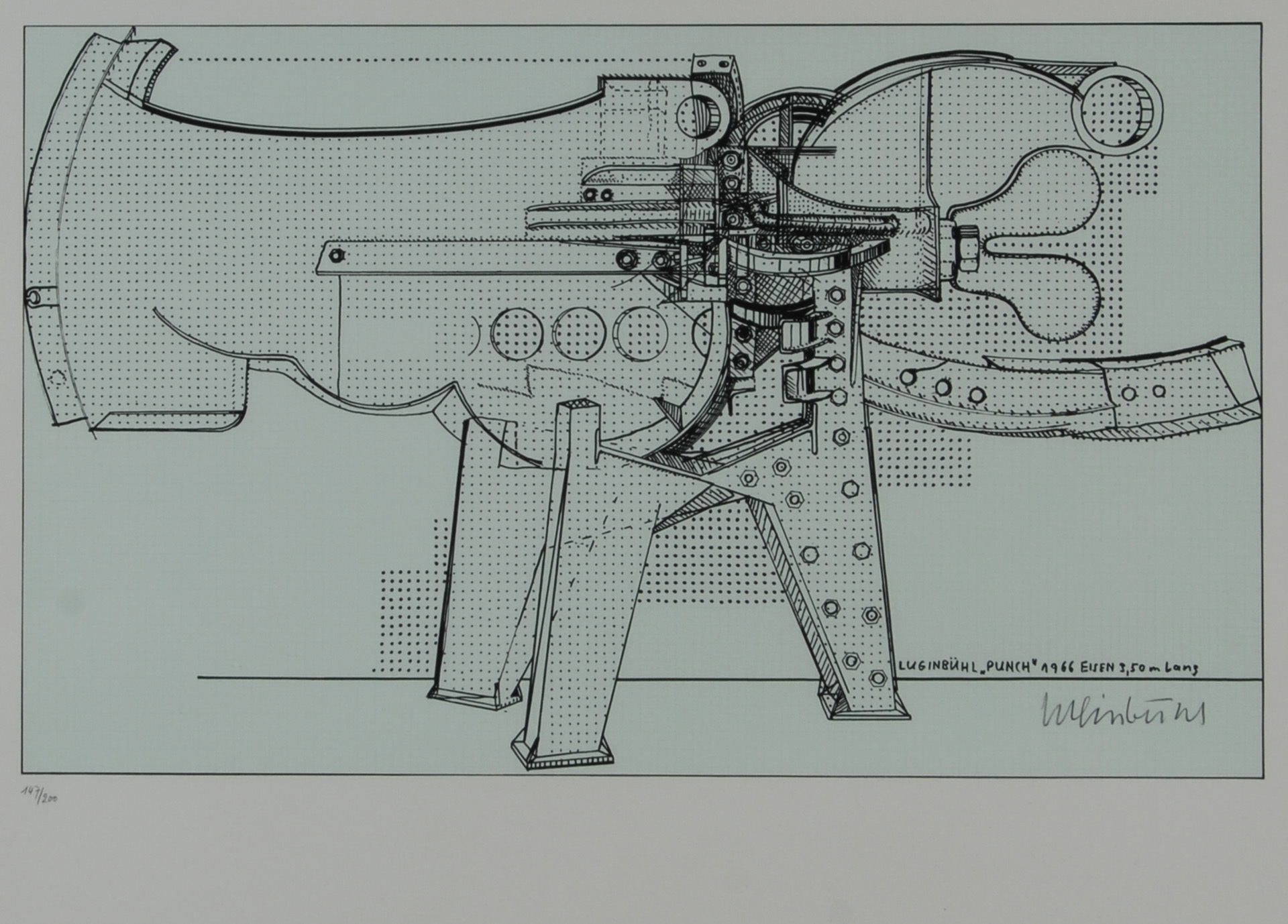
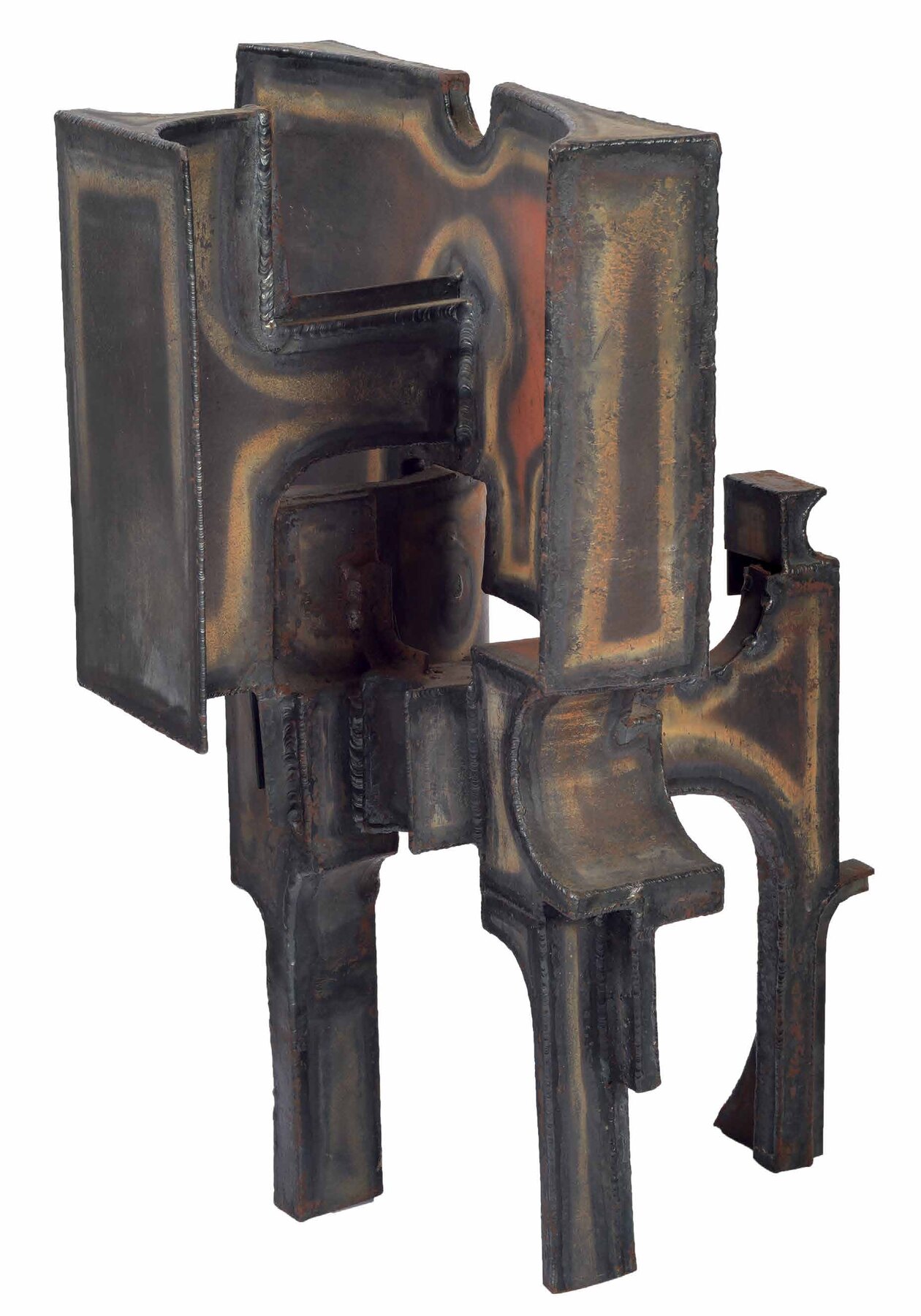
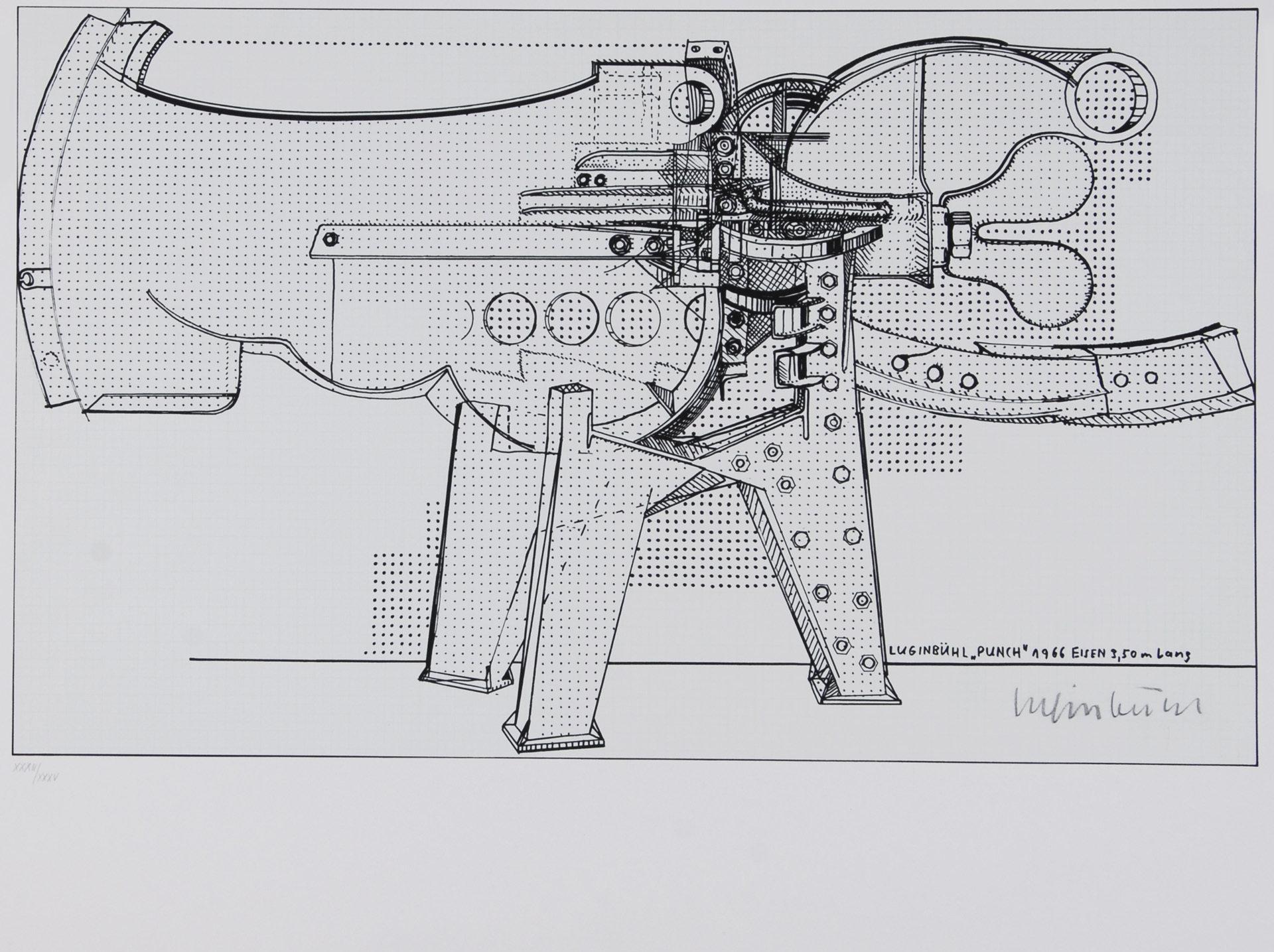
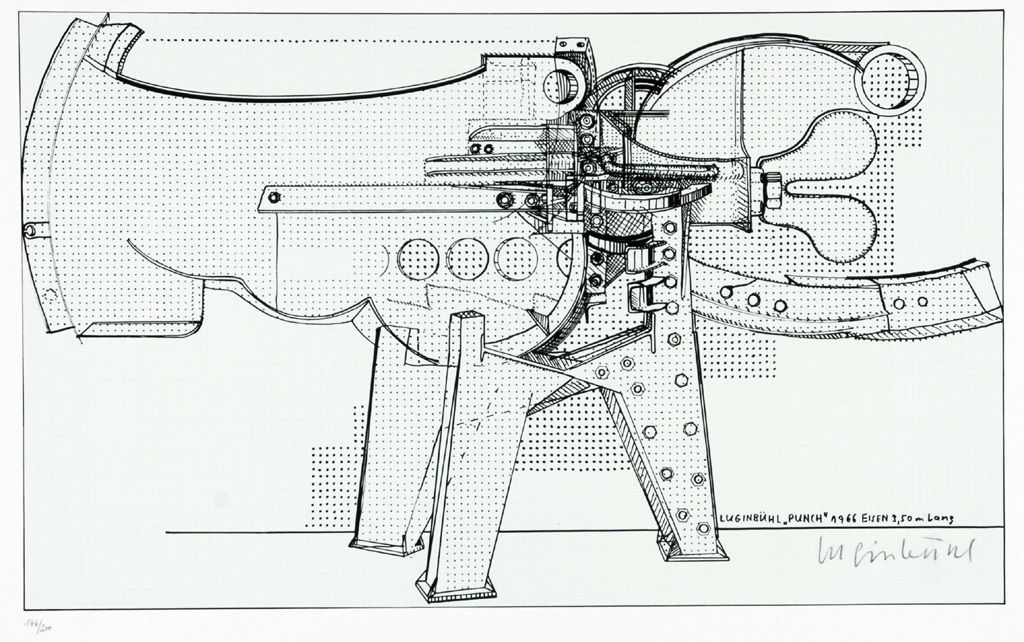
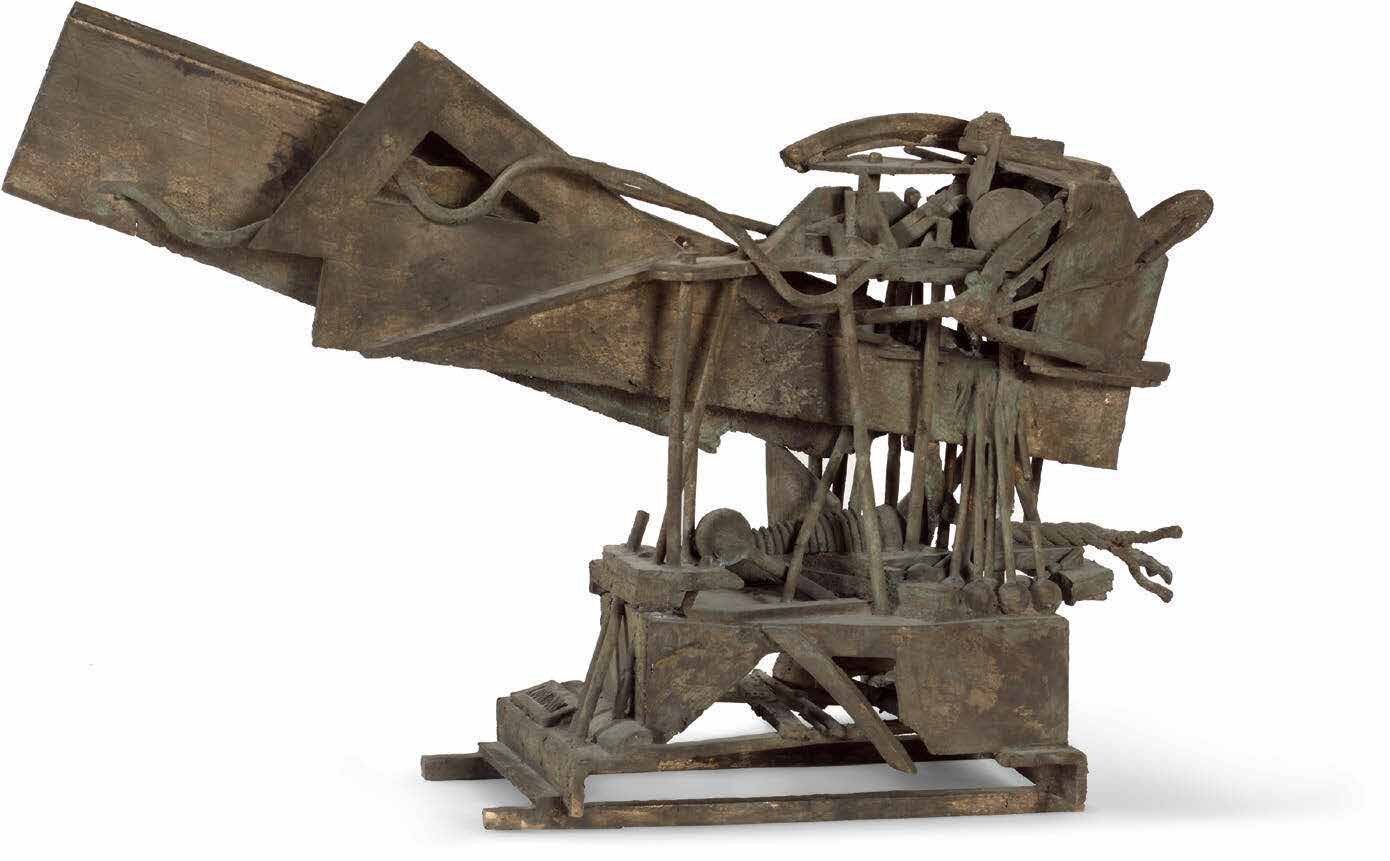
For Bernhard Luginbühl (1929–2011), iron becomes a material of invention. Massive assemblages, organic forms and silhouettes evoking animals give his sculptures an almost corporeal presence. Their apparent weight does not exclude either humour or dynamism: they invite viewers to walk around them and discover the tensions that animate them.
He combined metal elements in order to give them a new sculptural existence. In 1966, he moved with his family to a farm in Mötschwil, in the Emmental, where his work also extended into the surrounding landscape.
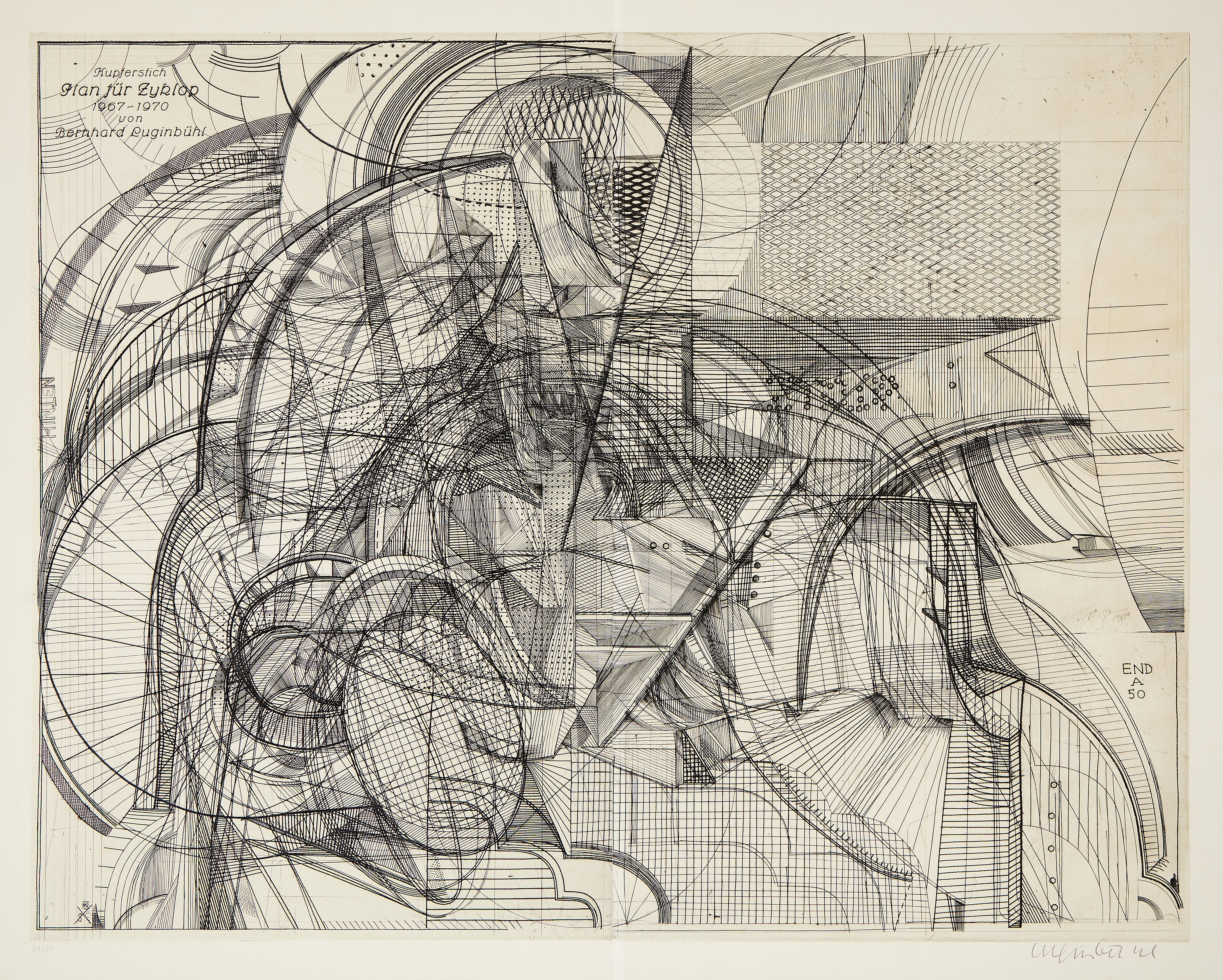
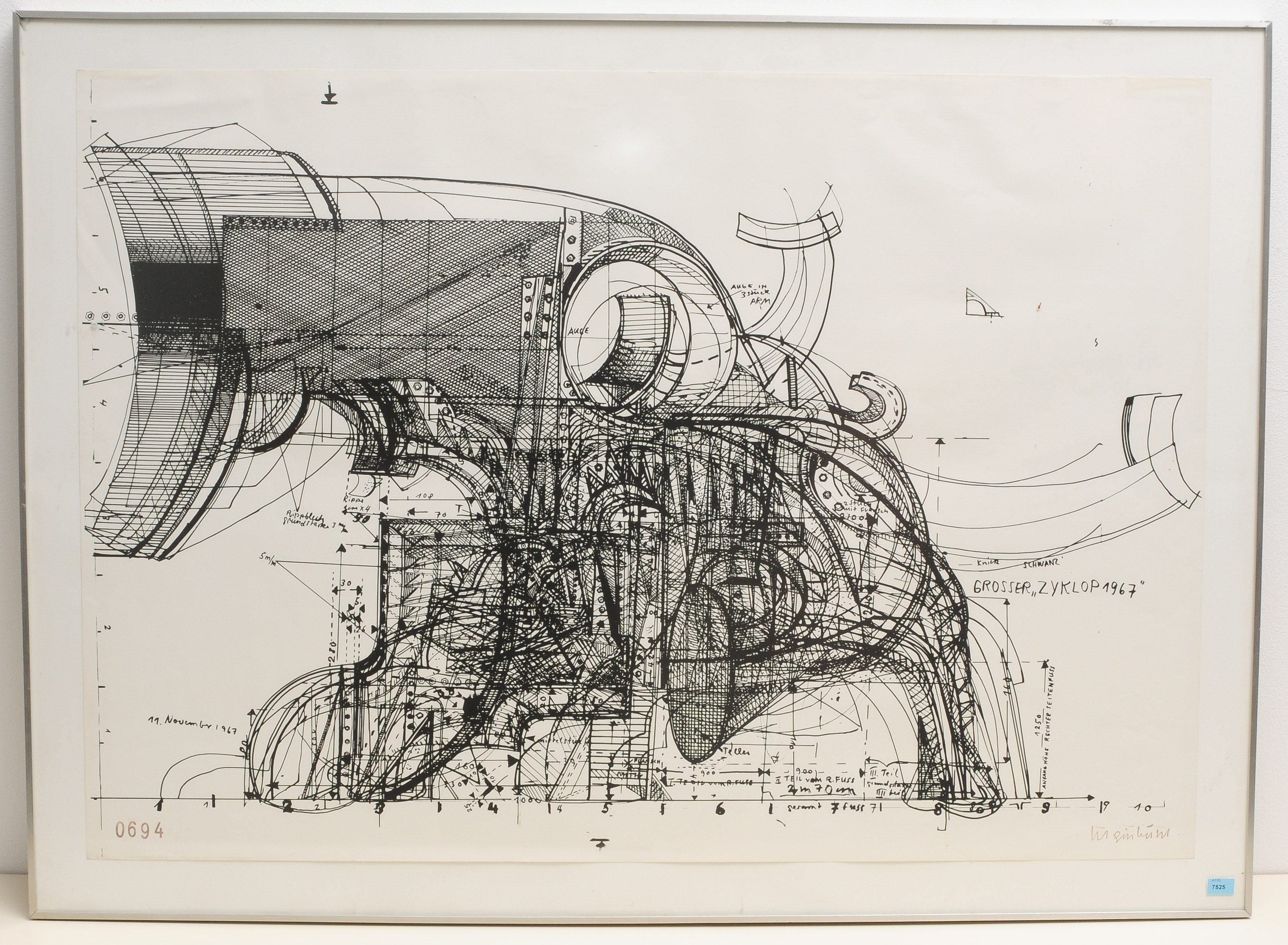
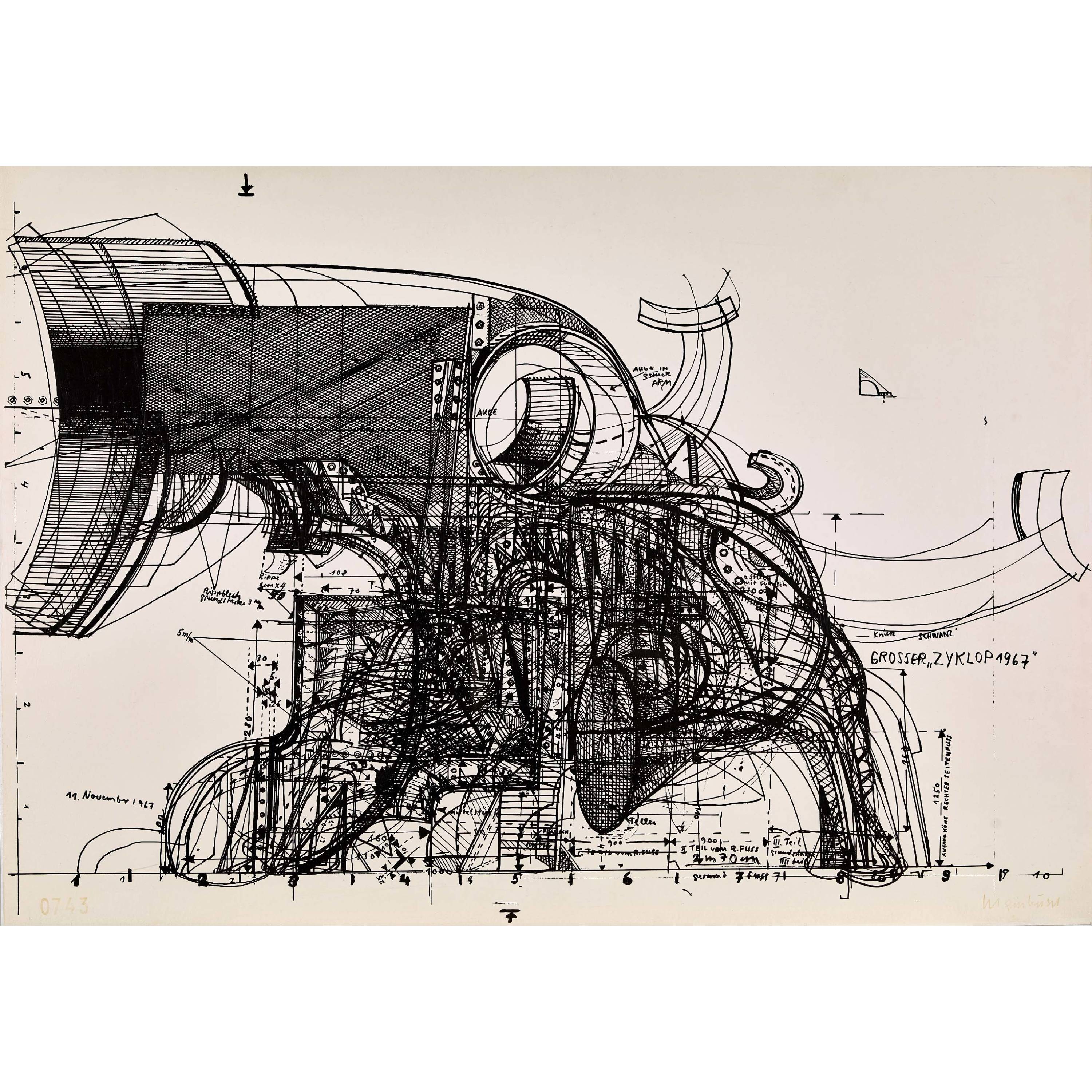
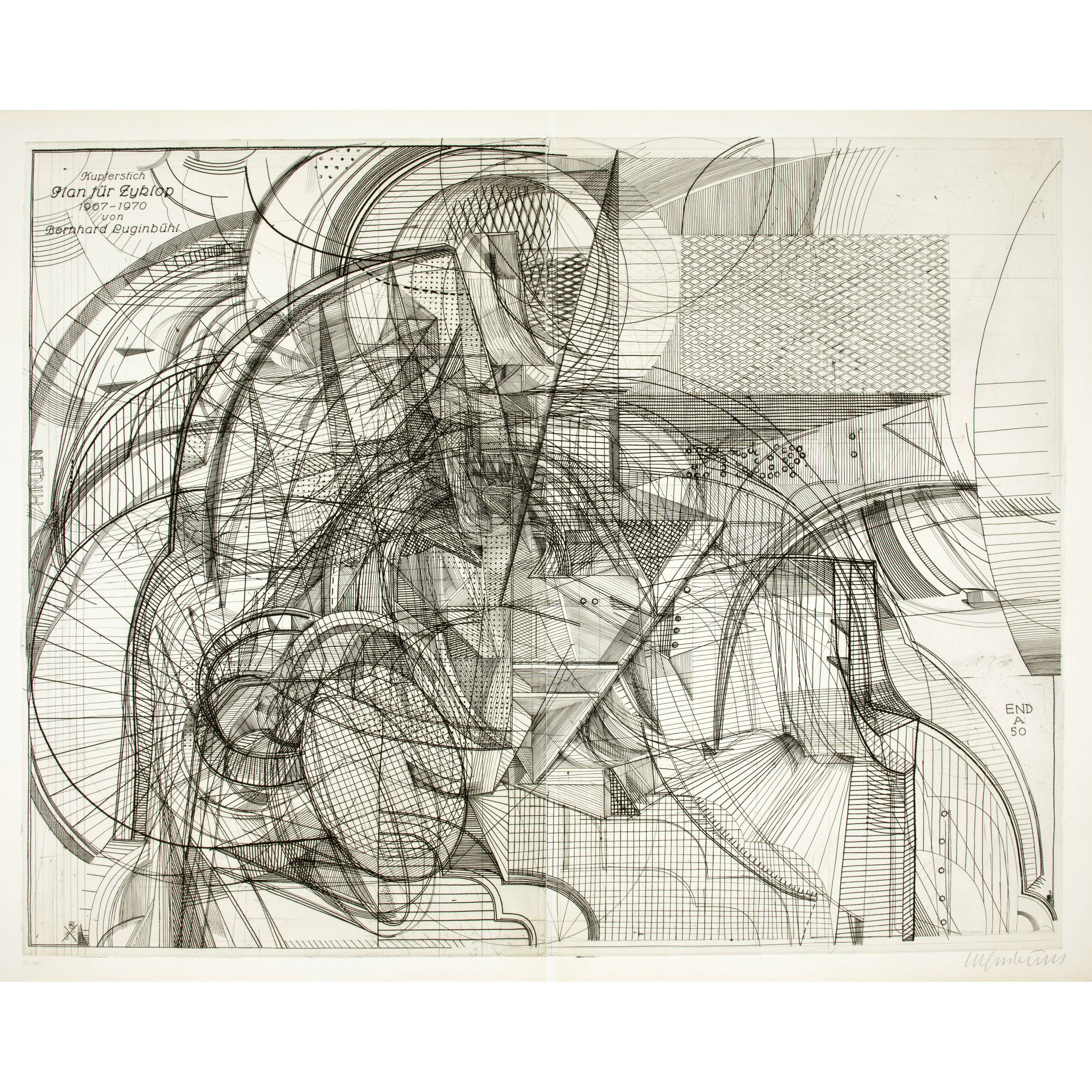
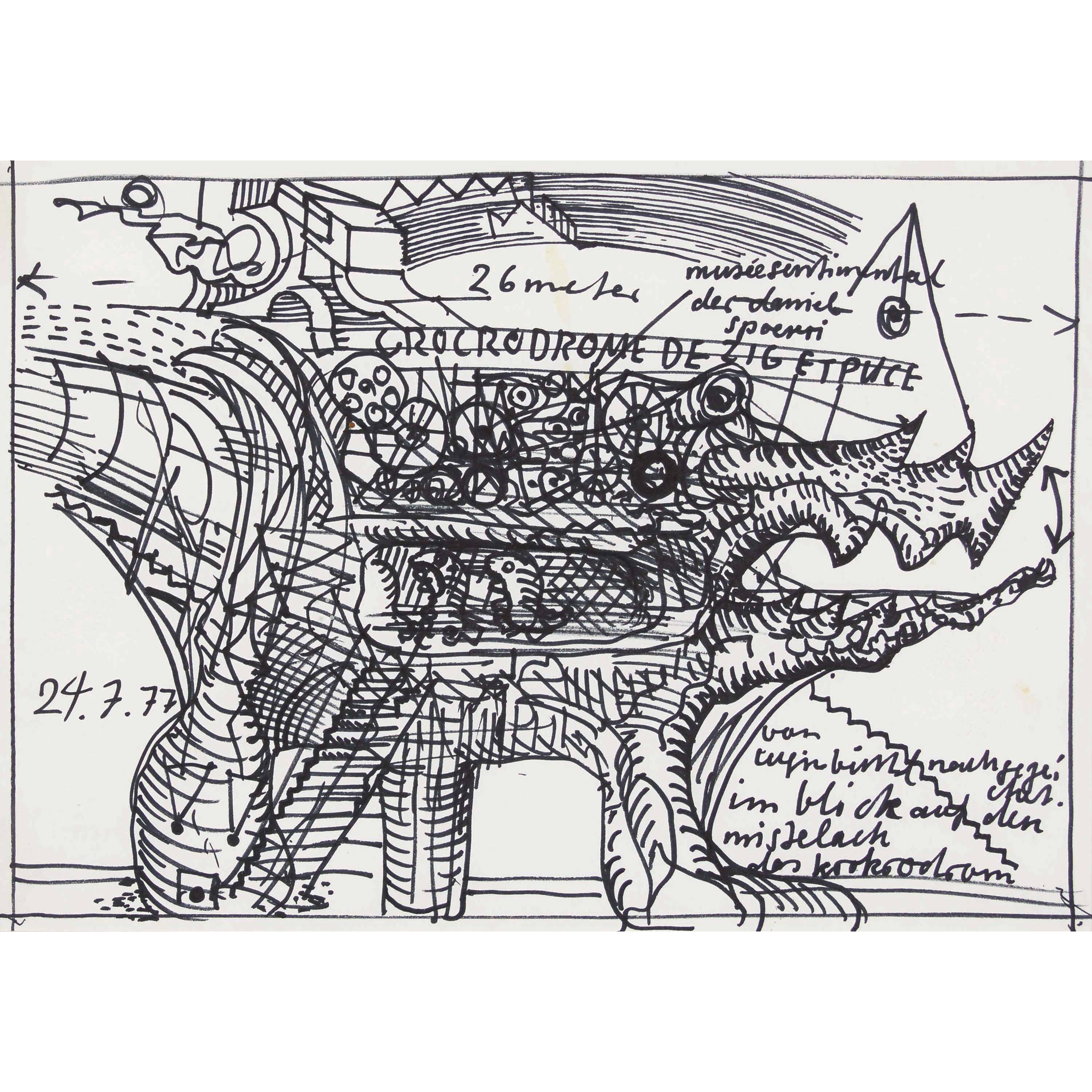
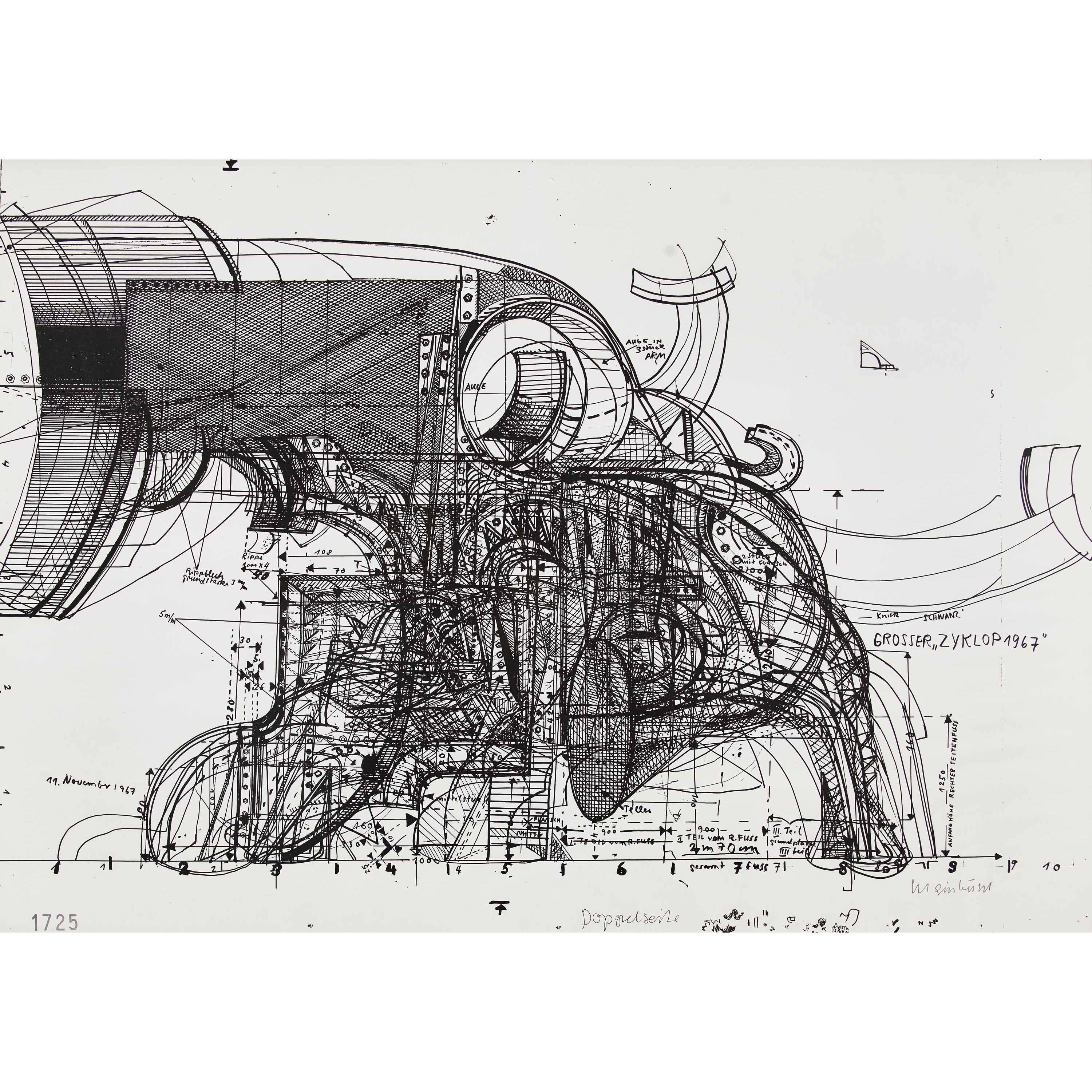
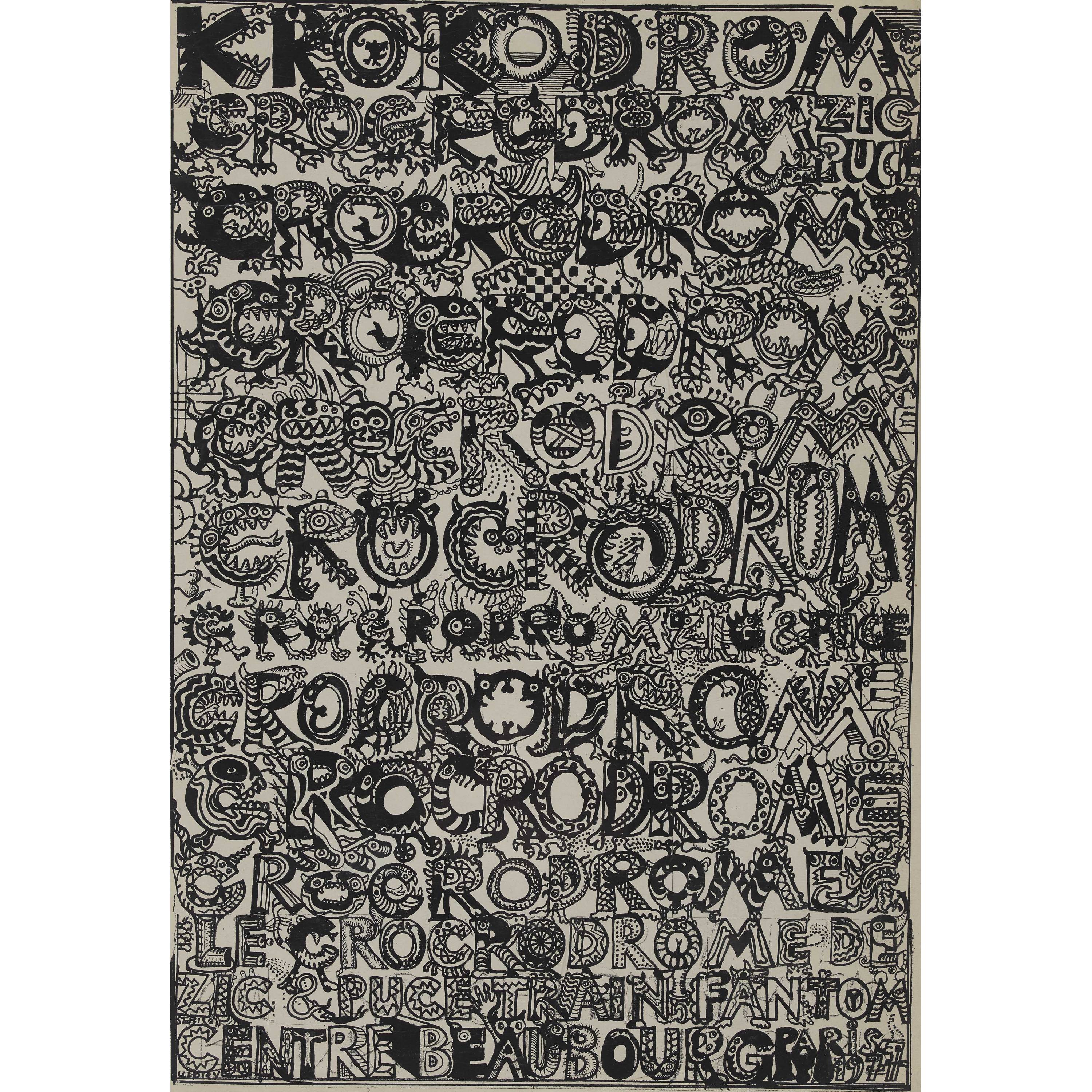
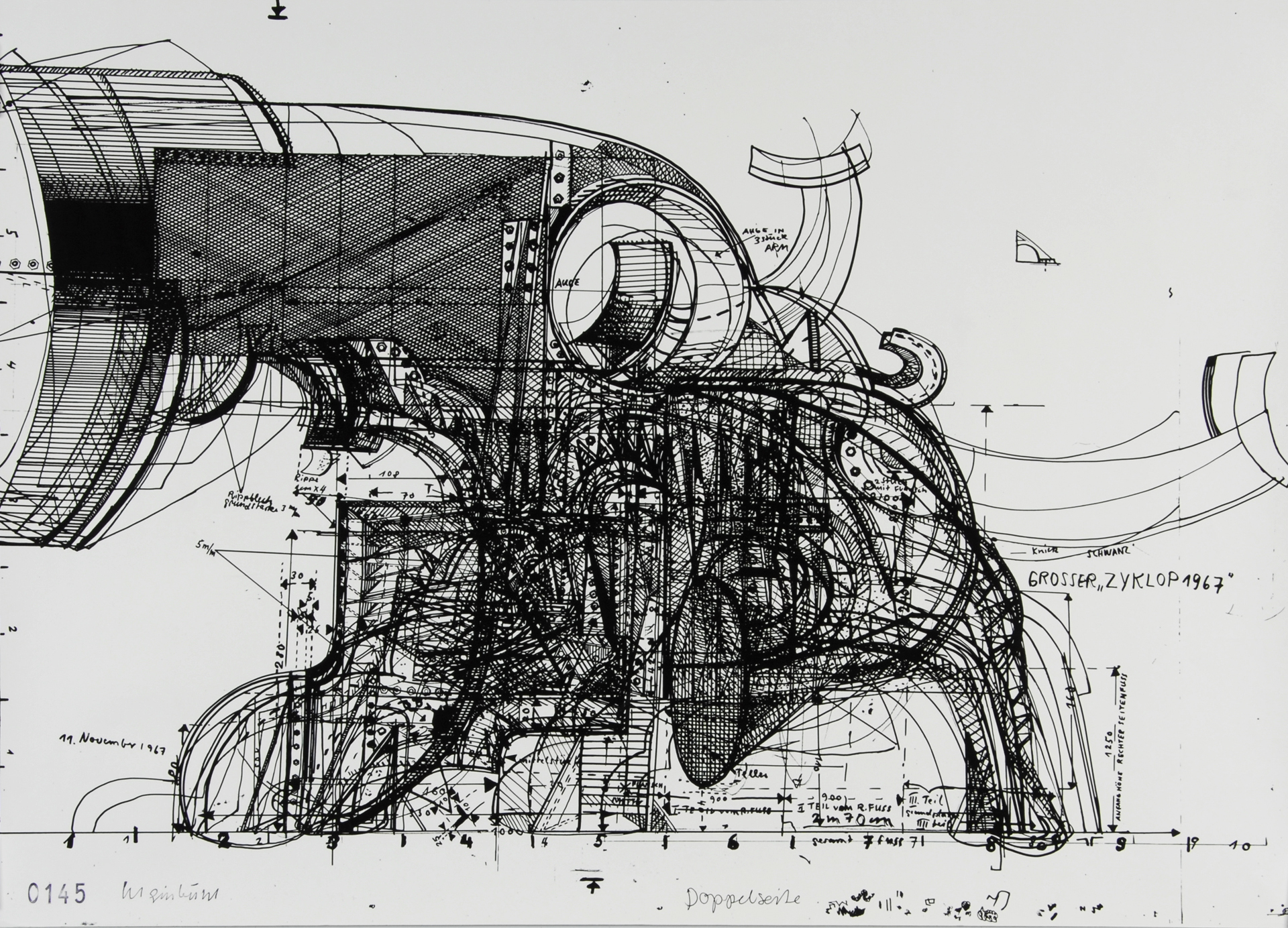
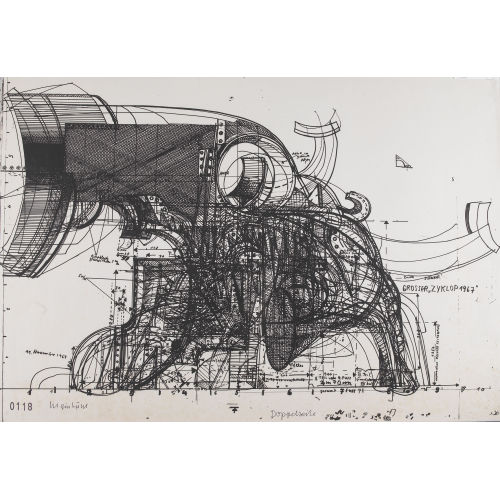
His meeting with Jean Tinguely in 1957 opened the way to a lasting and fruitful friendship. The two artists exhibited together and took part in collective ventures, notably the Crocrodrome at the Centre Pompidou in 1977 and Le Cyclop at Milly-la-Forêt. Their collaborations made the work a space of exchange and shared experience.
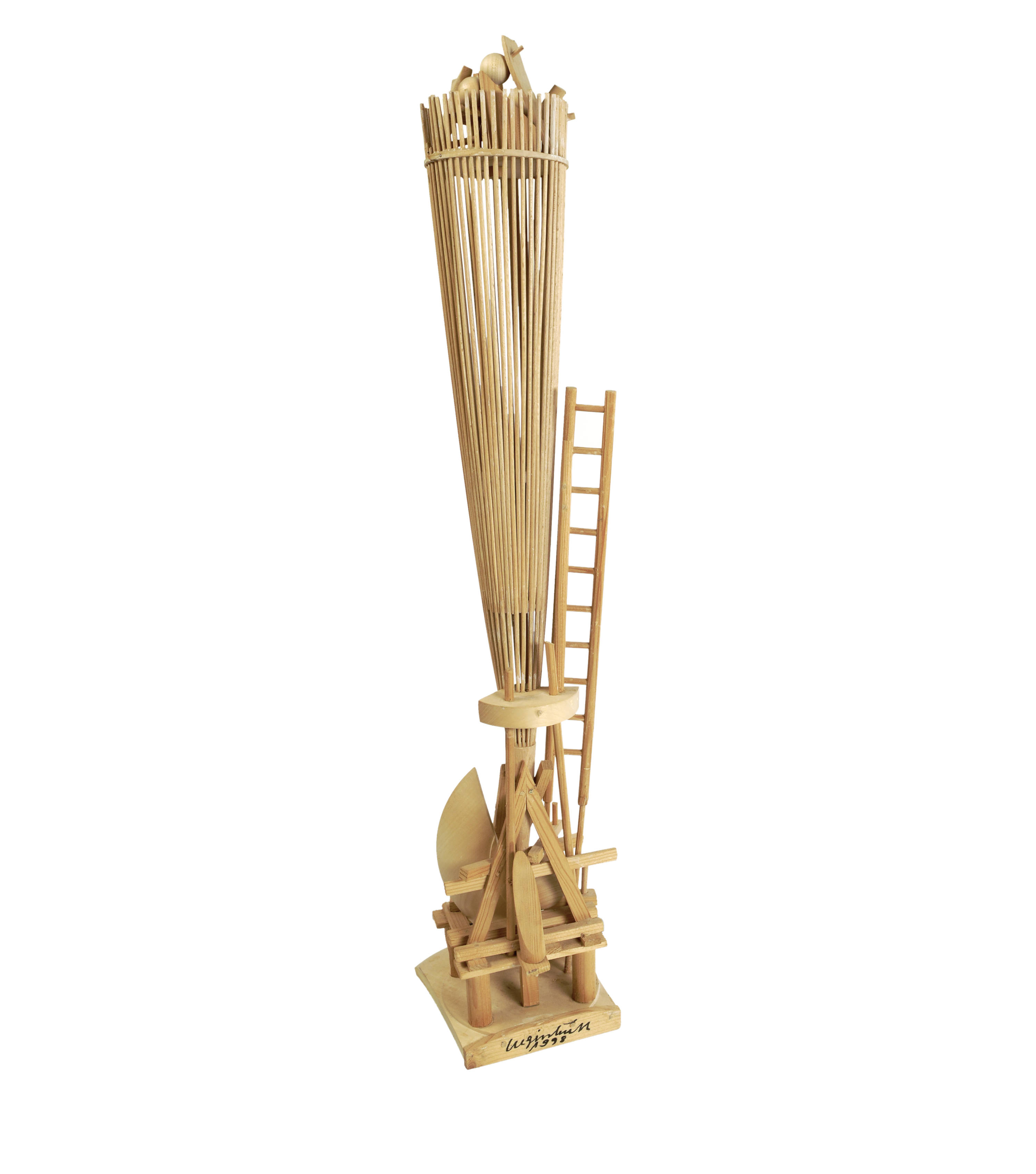
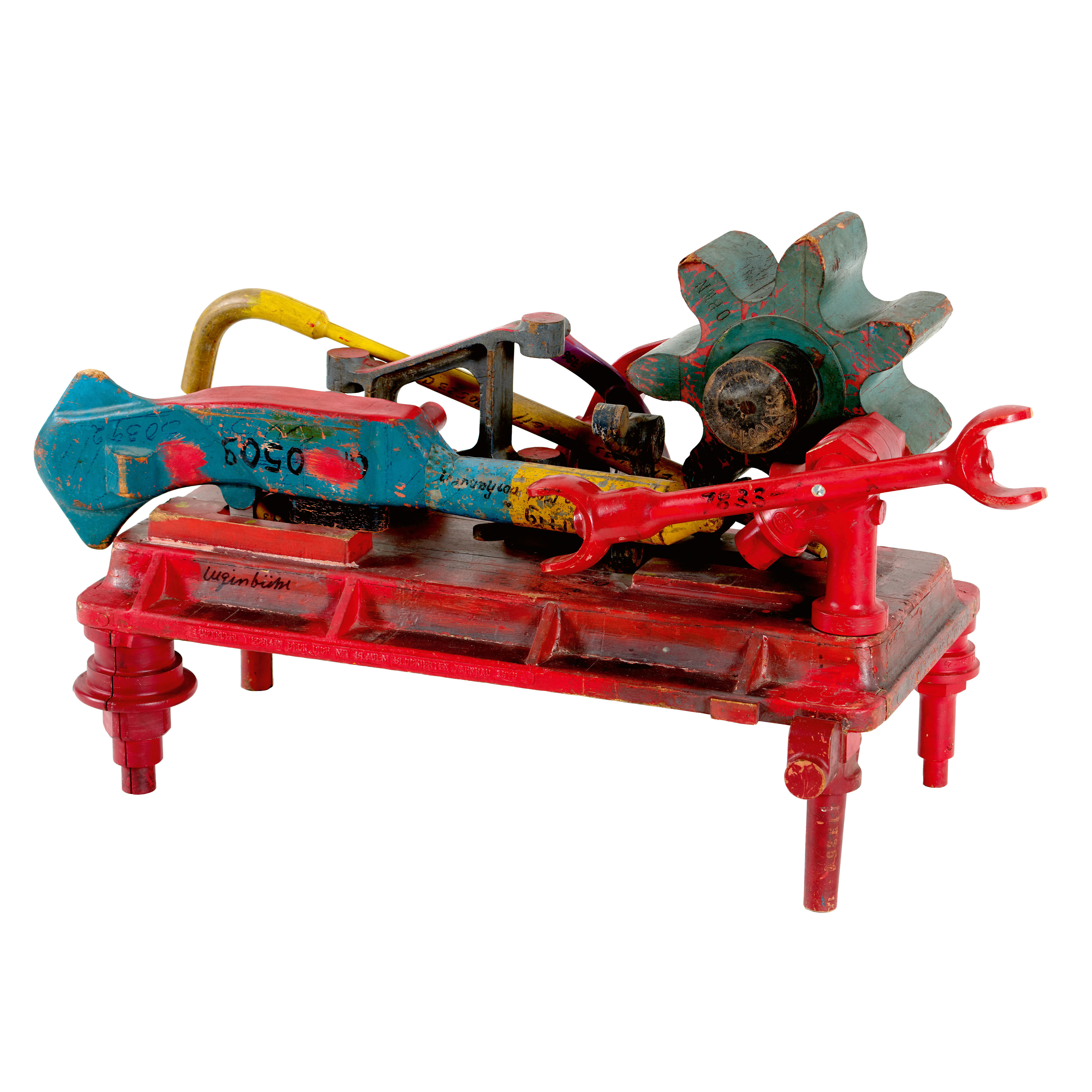
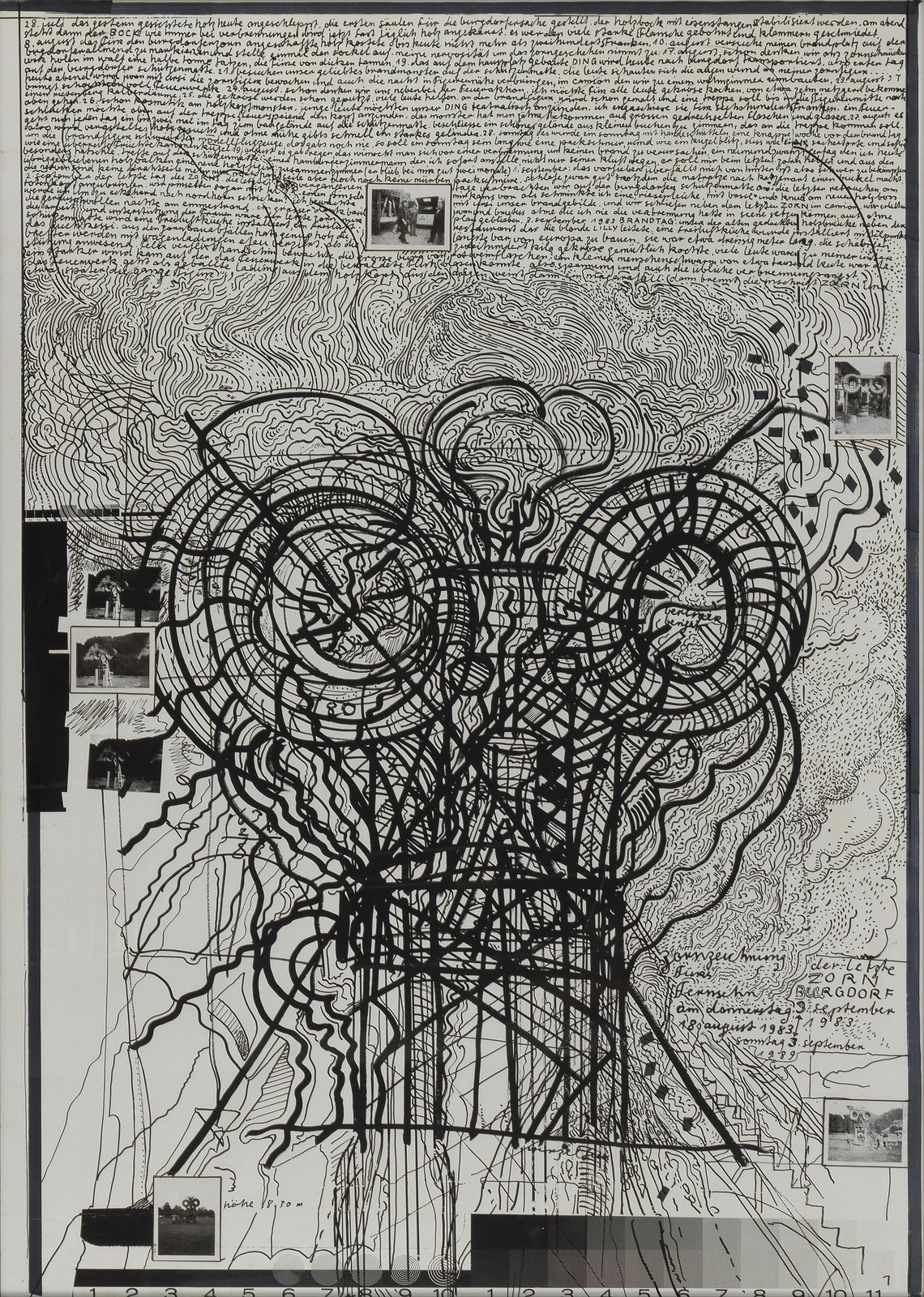
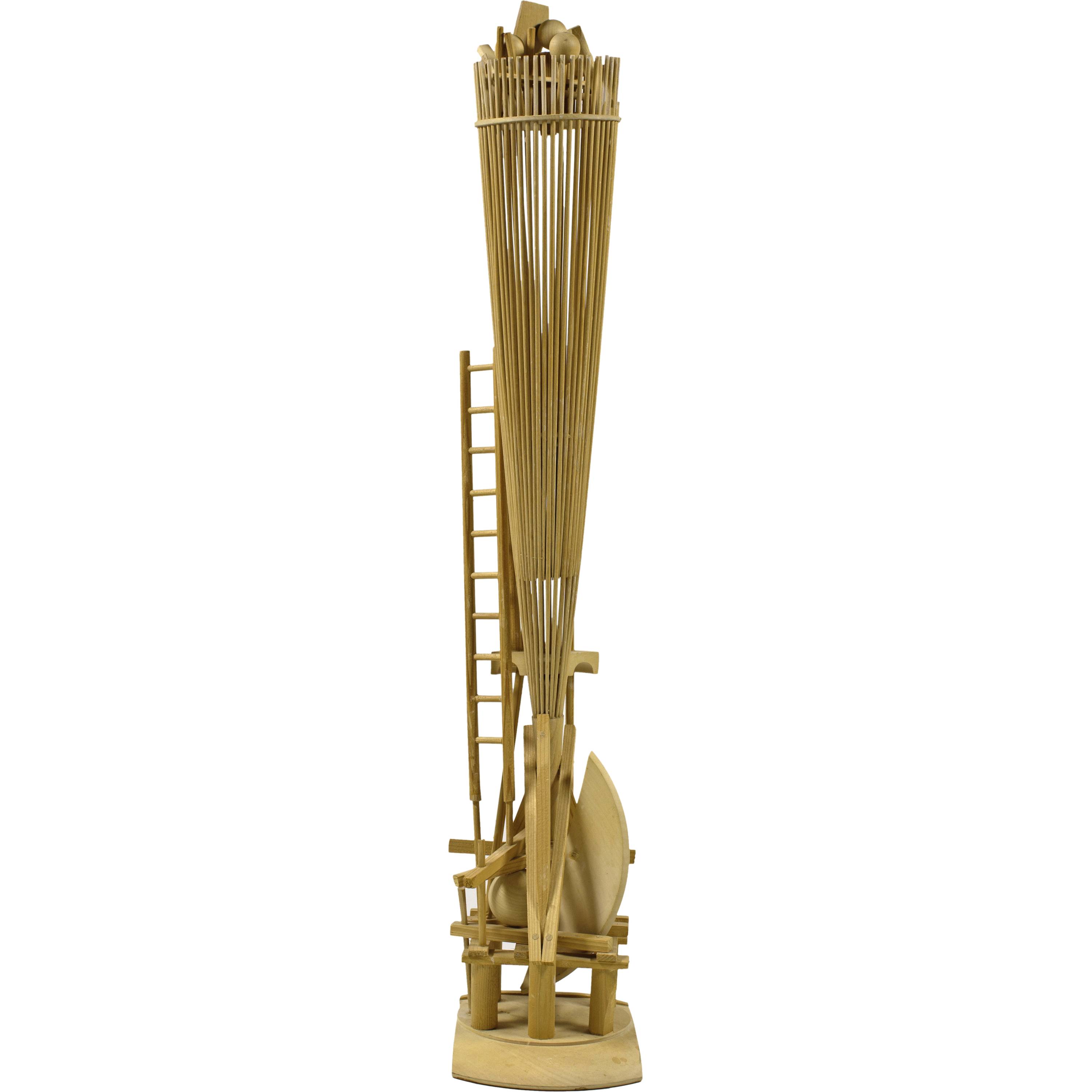
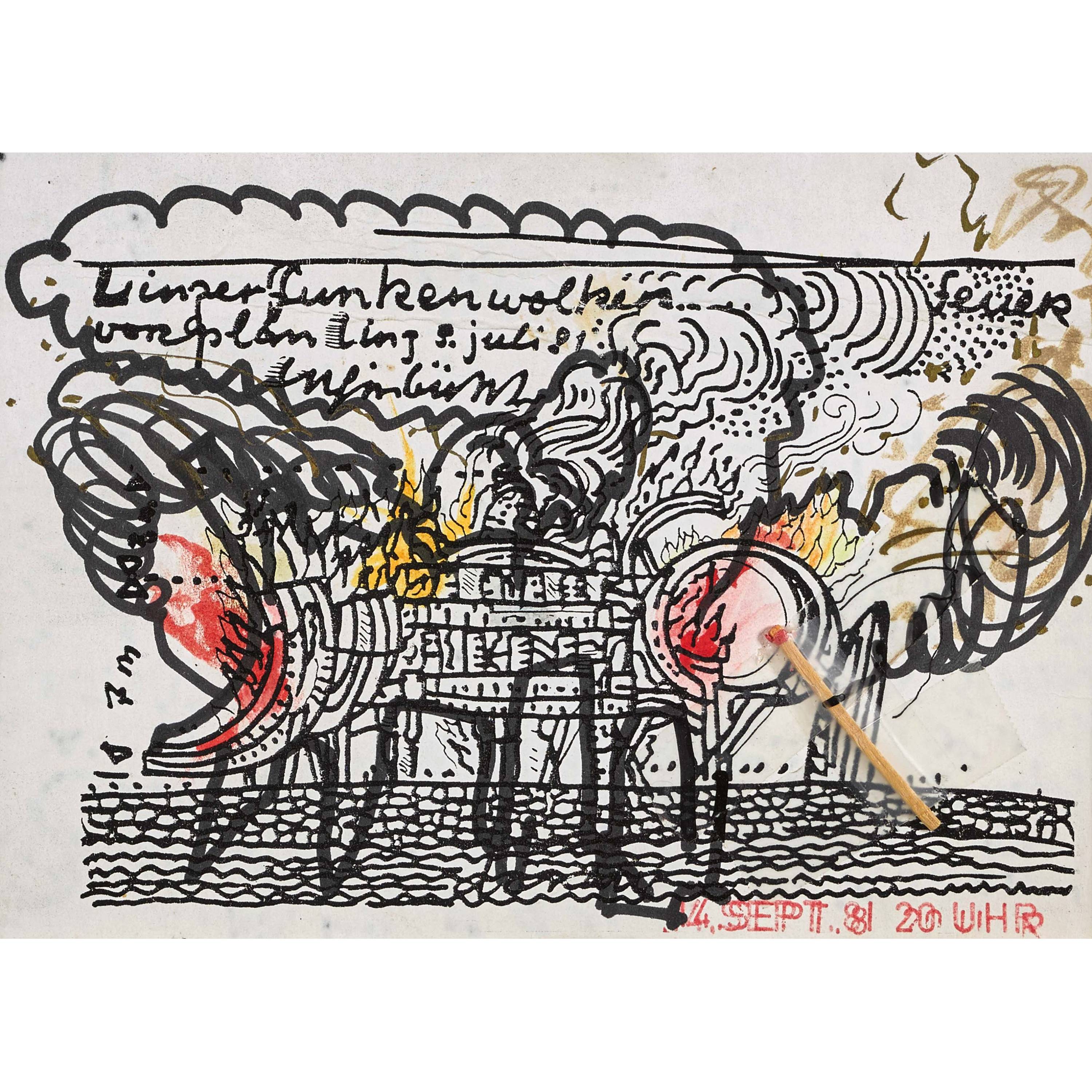
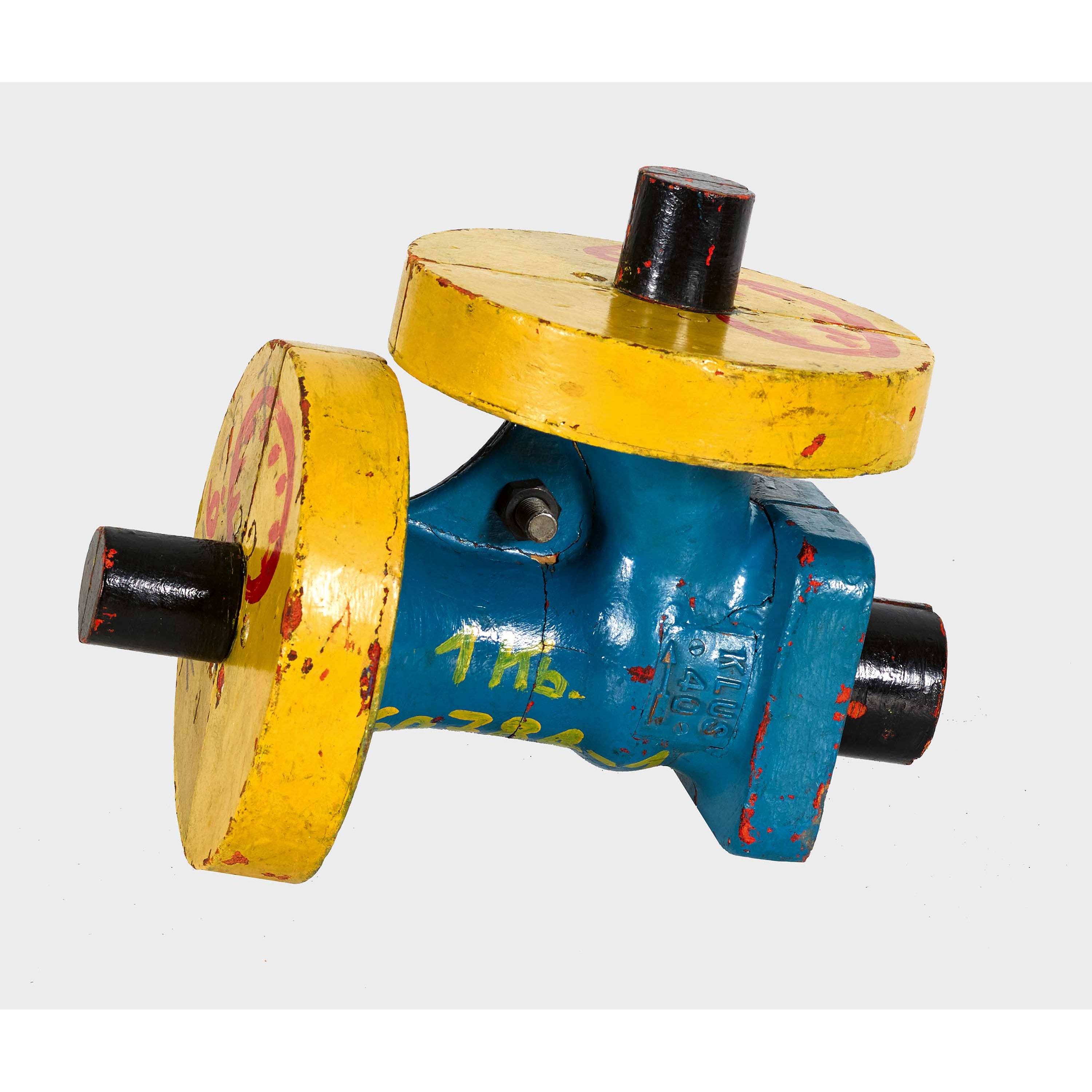
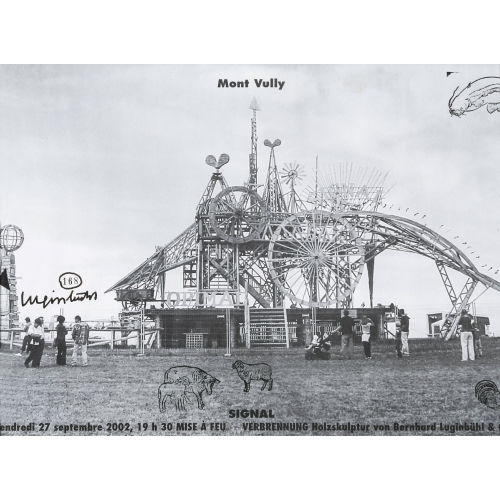
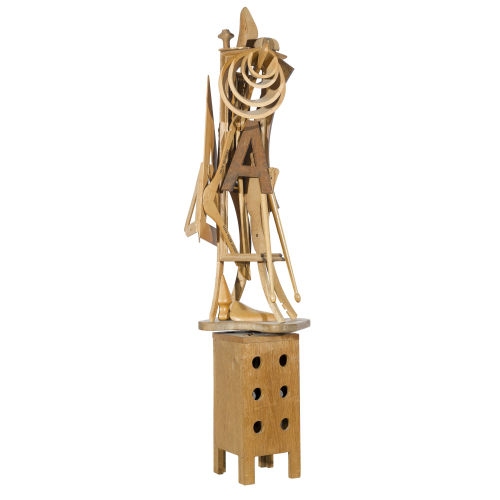
In the 1970s, Luginbühl discovered old wooden foundry models, which he in turn transformed into sculptures. His actions involving fire introduced another temporality: a construction could be conceived in order to disappear in the flames. Some of these events also expressed his protest against the destruction of old houses and the brutal transformations of the landscape.
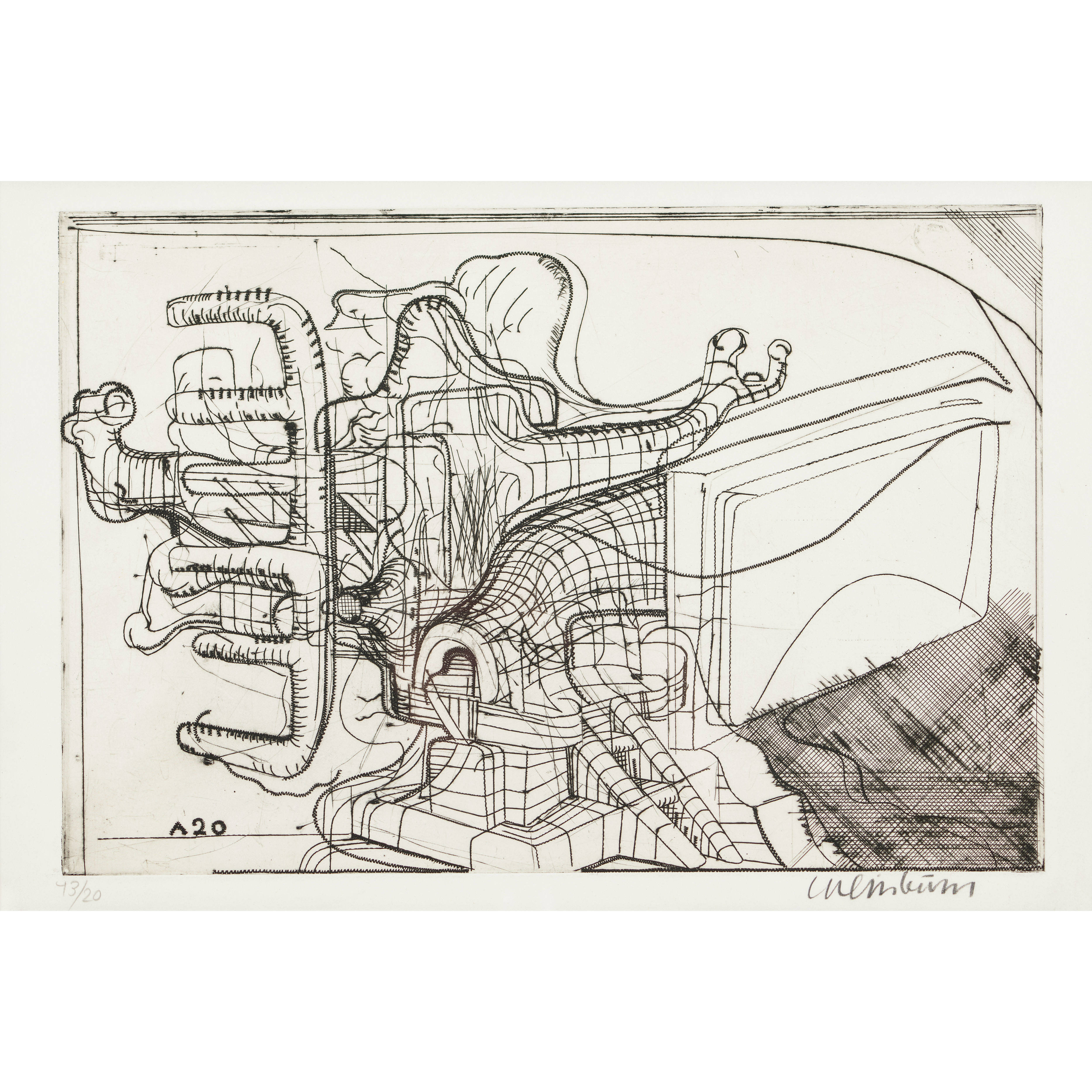
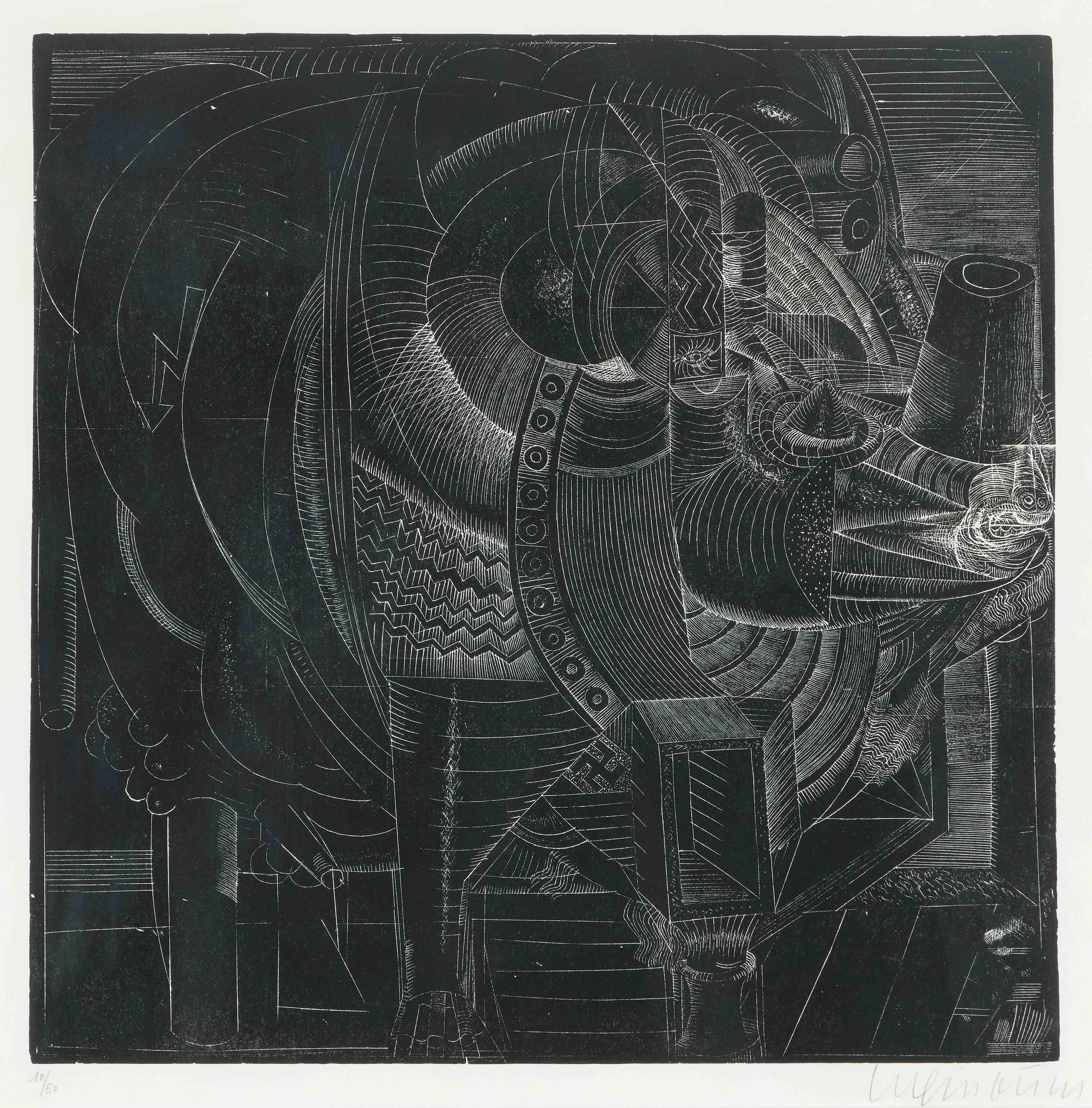
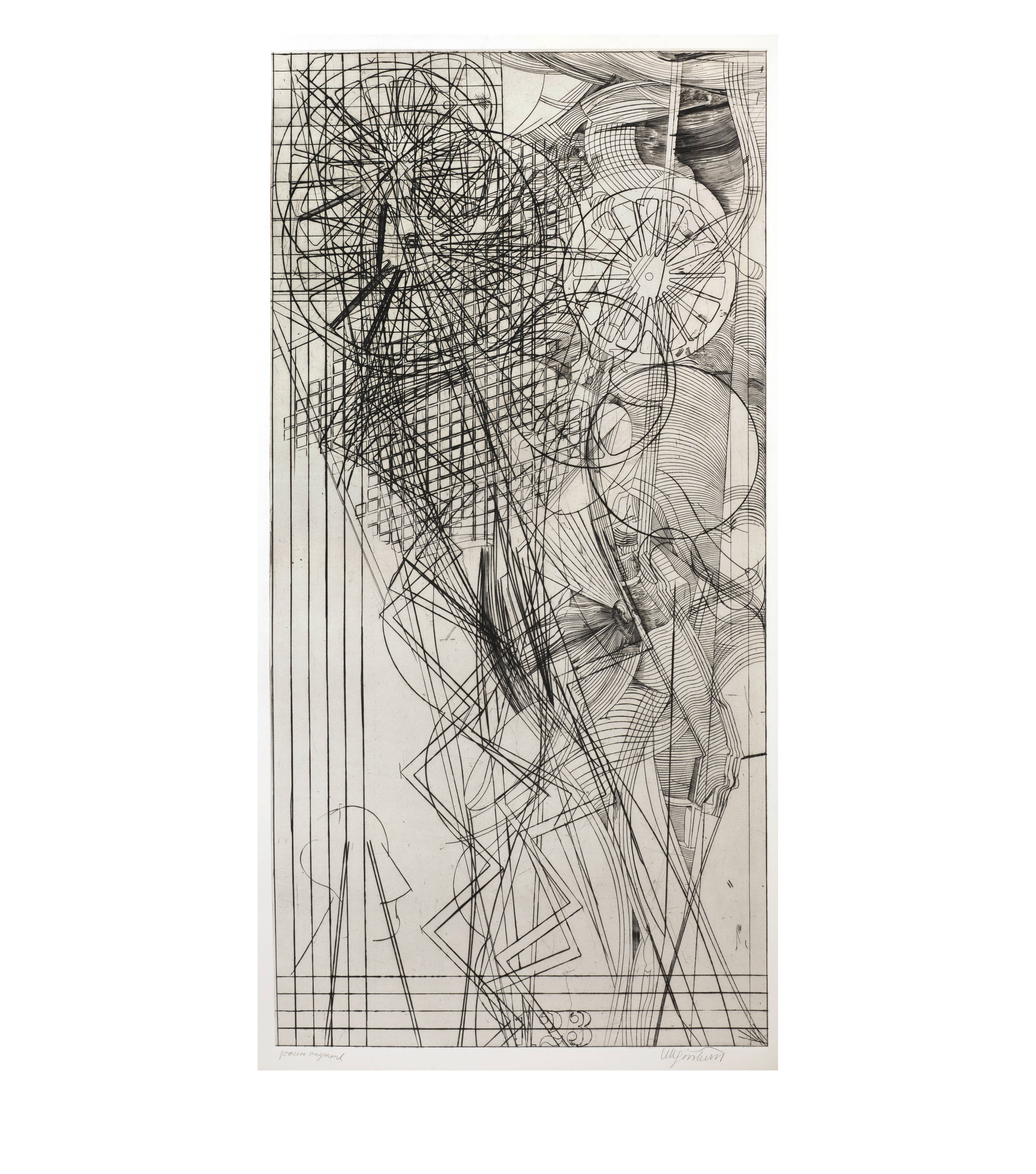
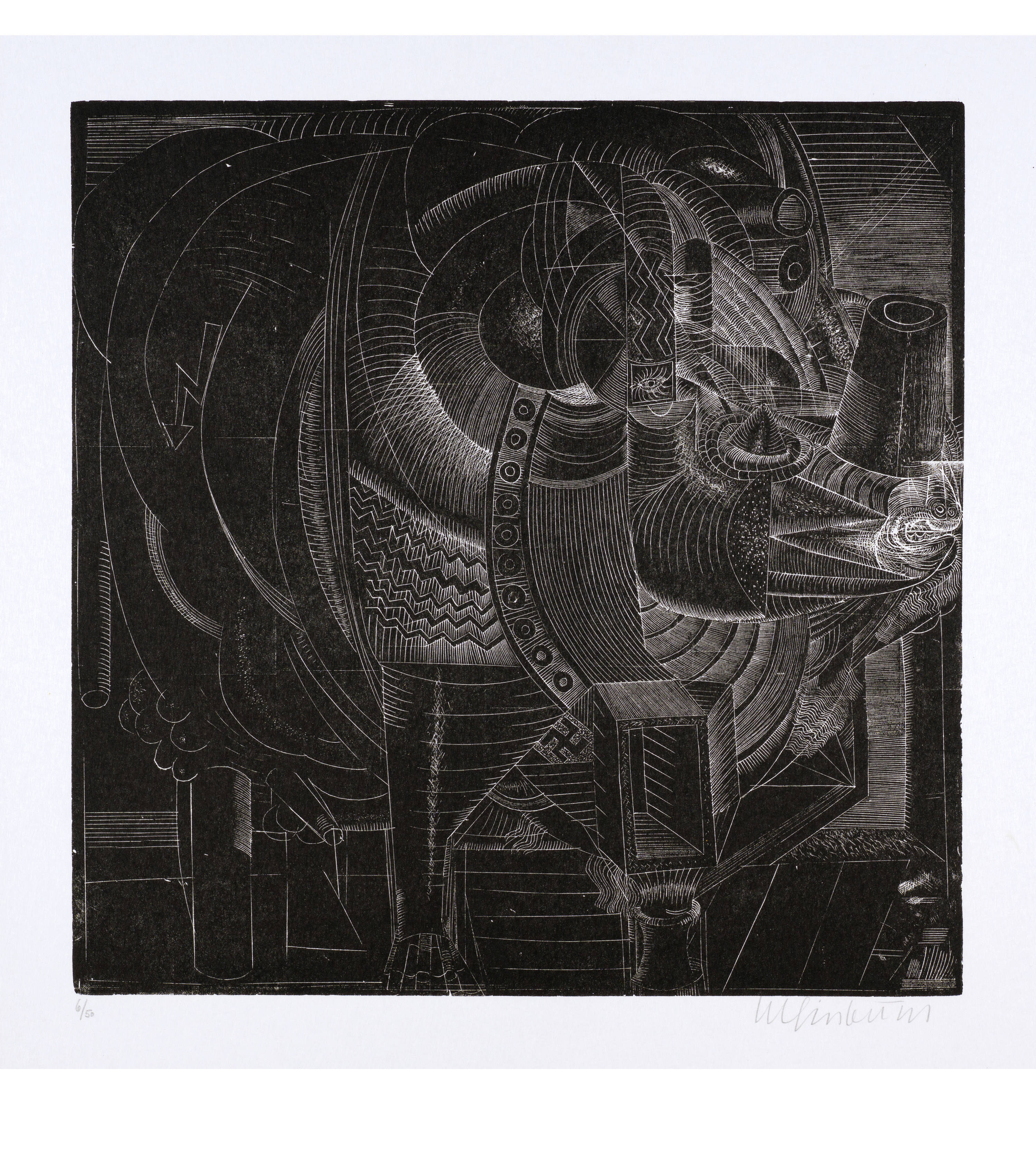
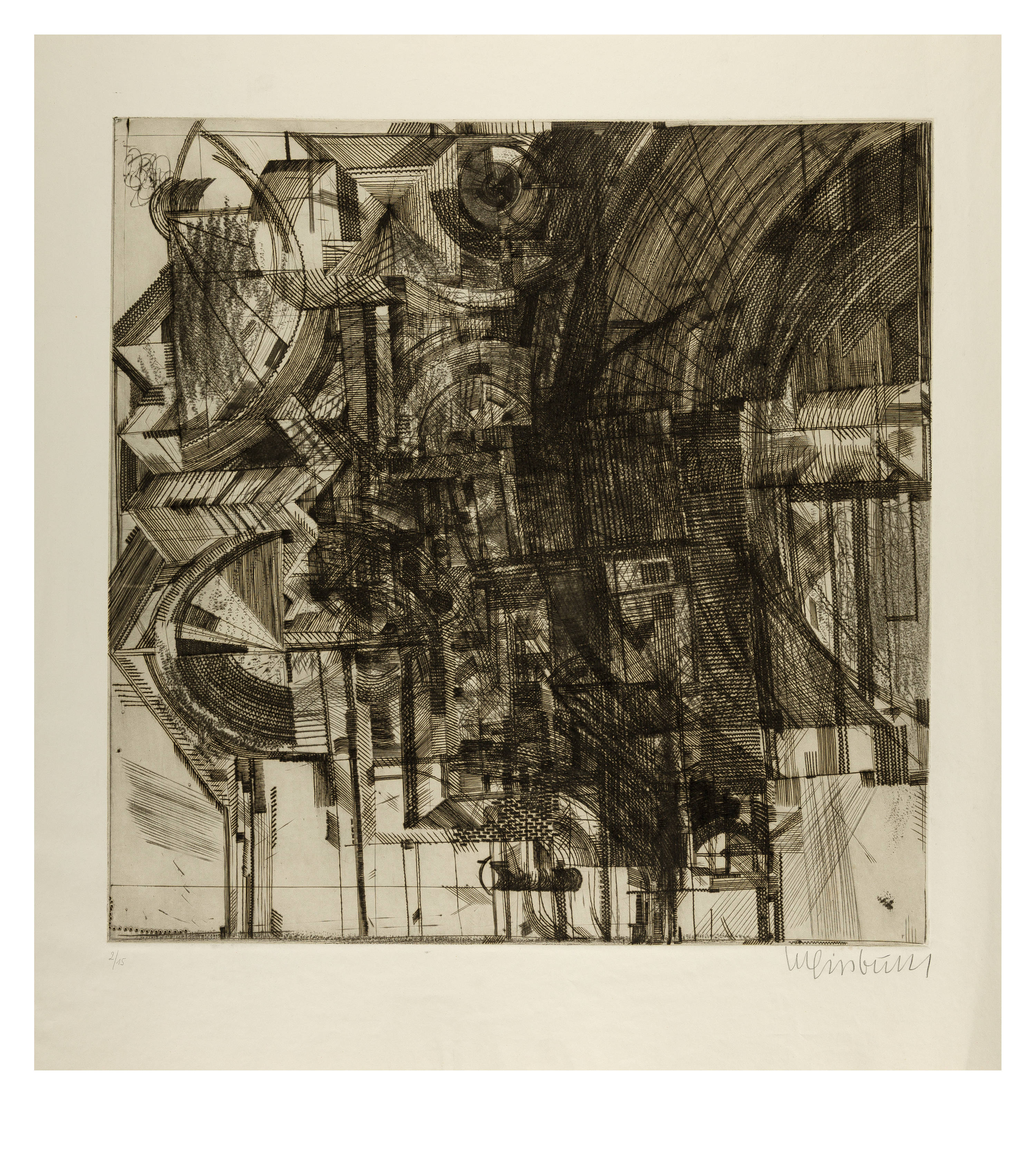
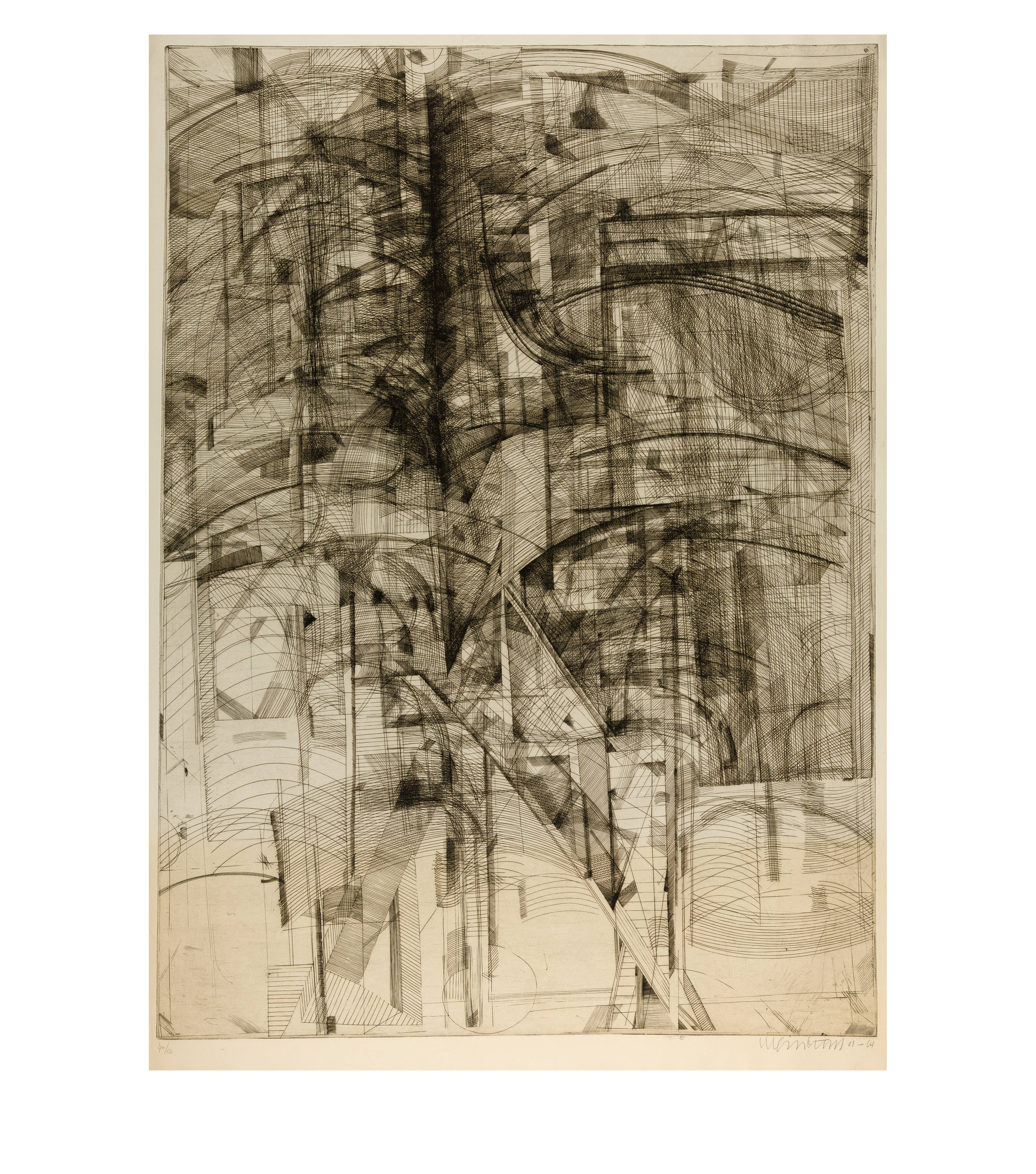
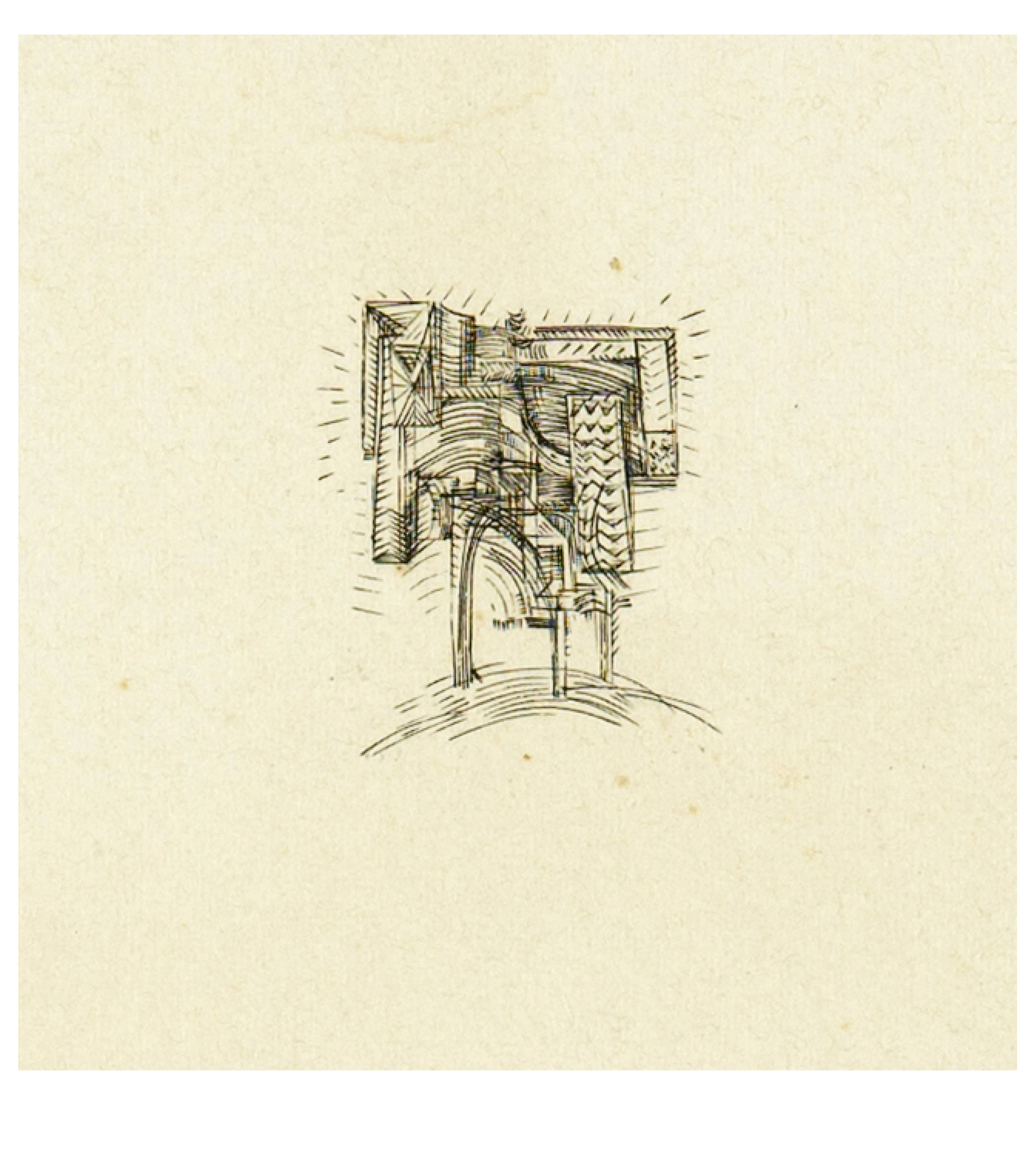
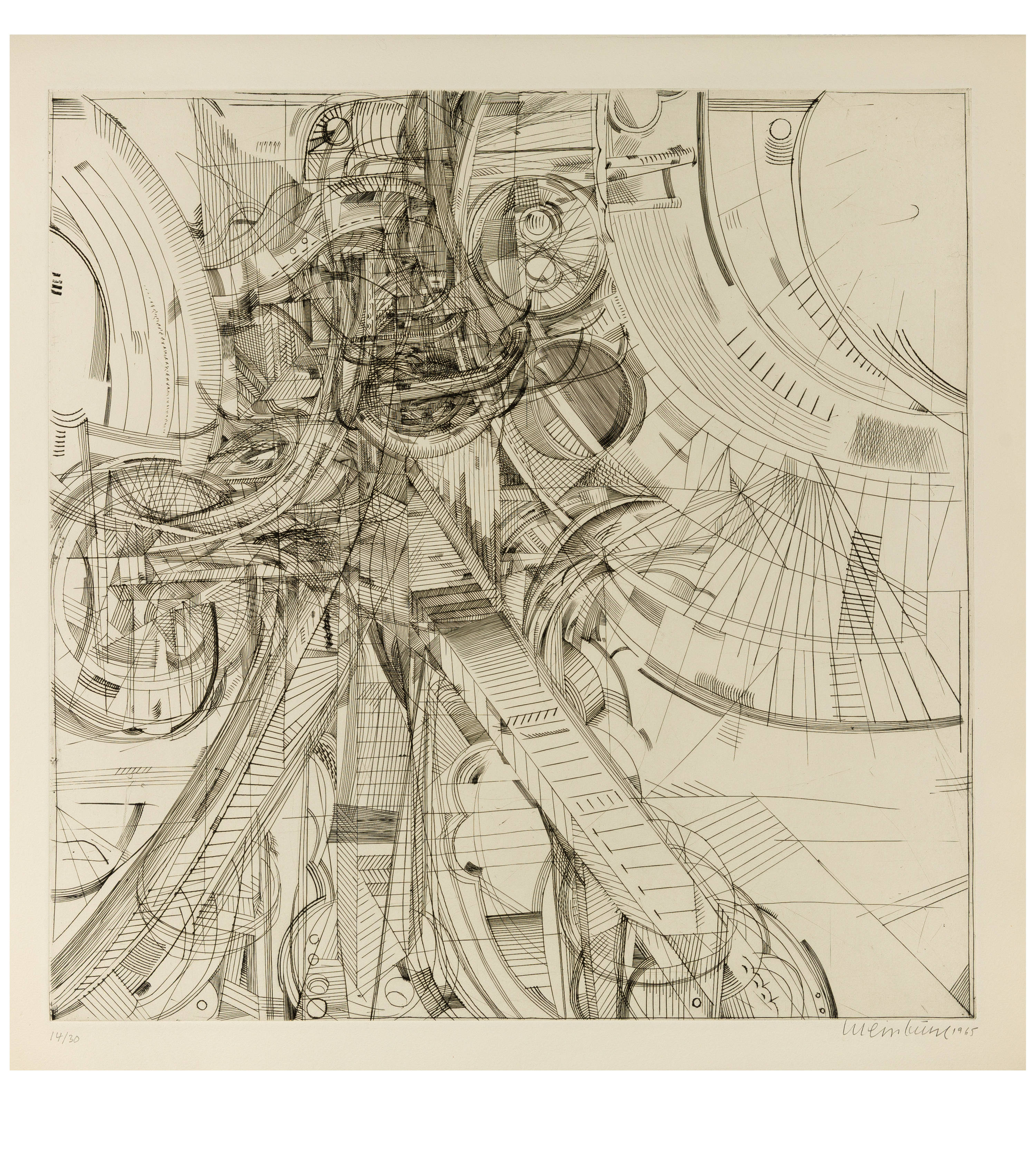
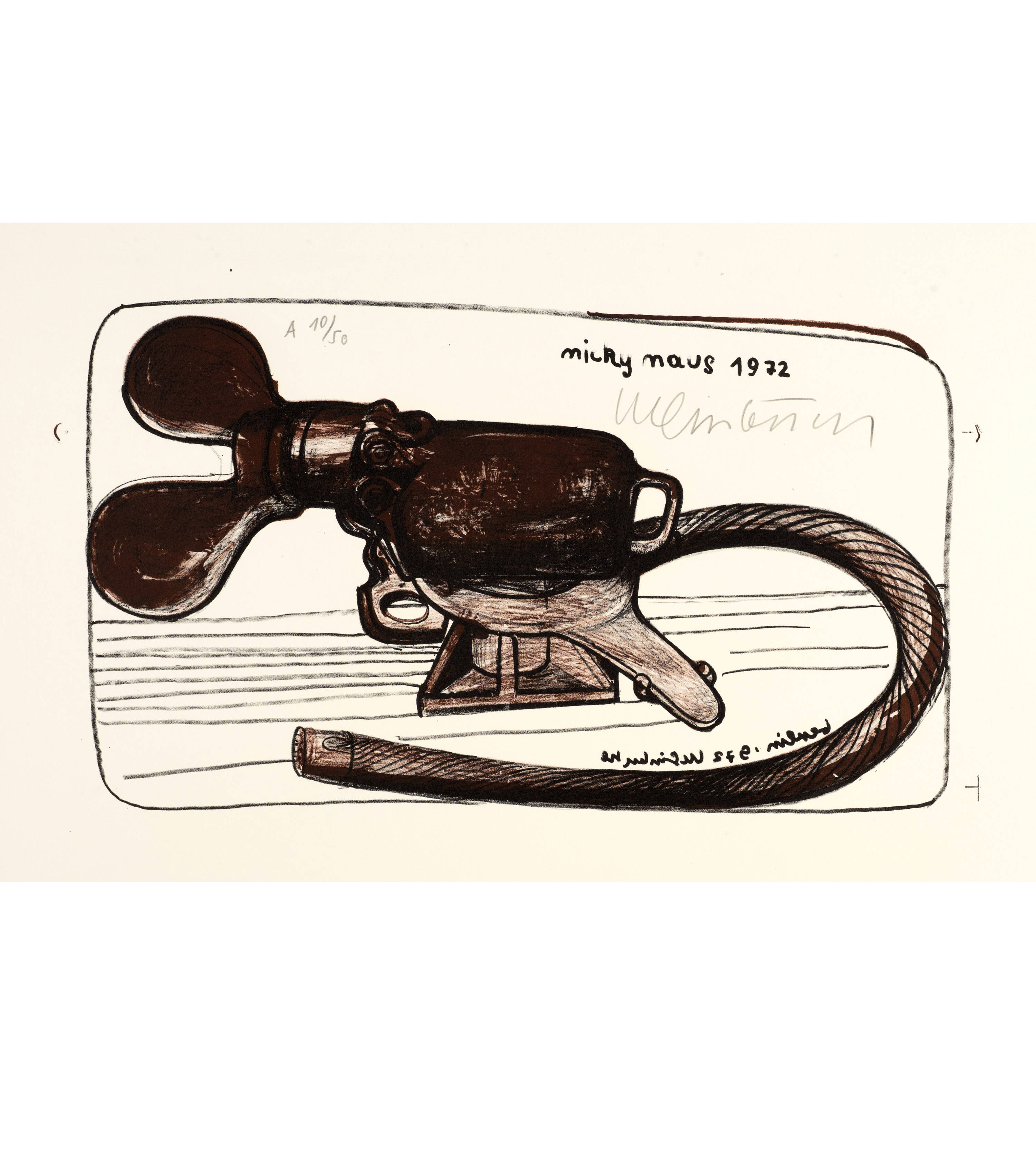
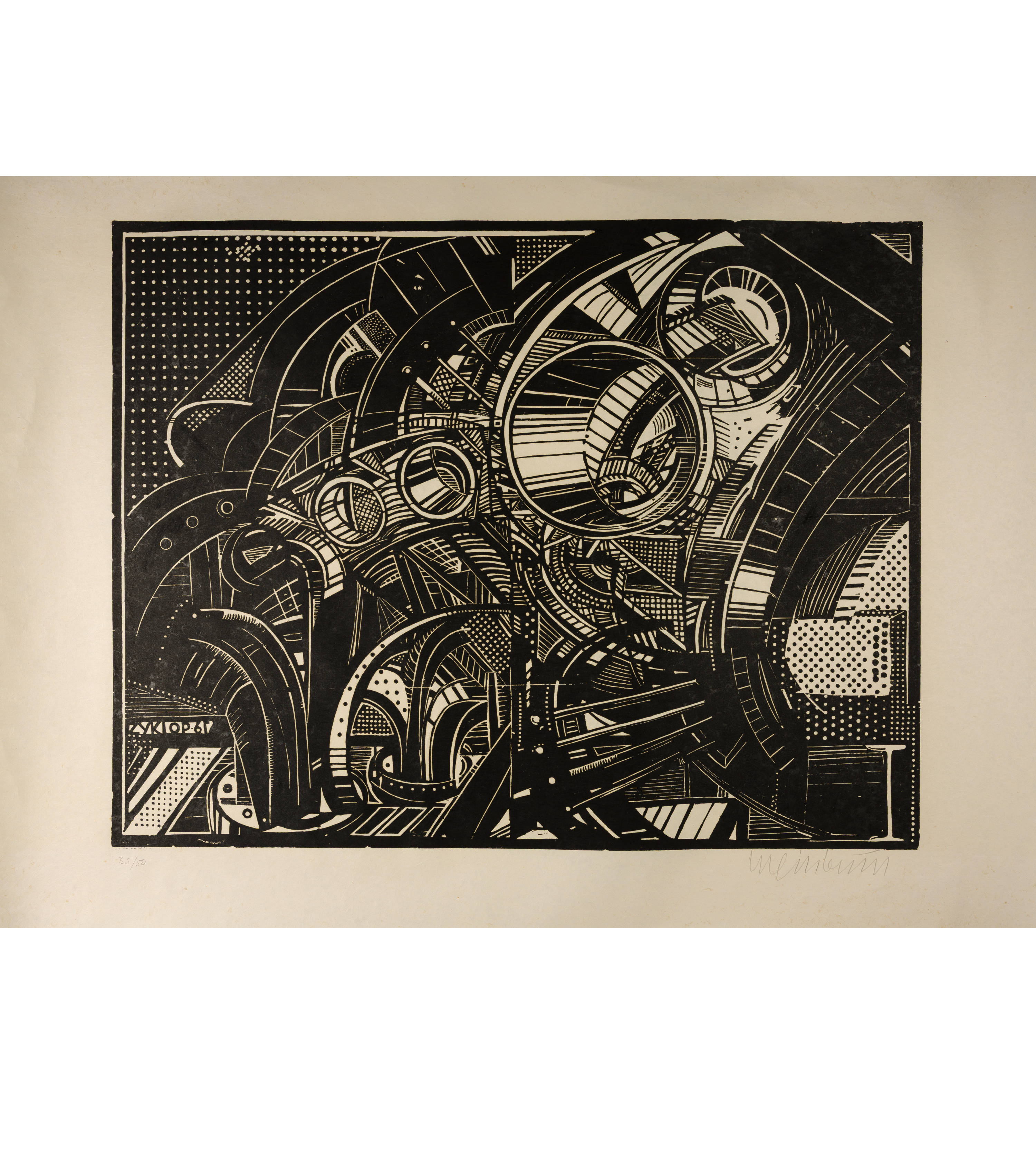
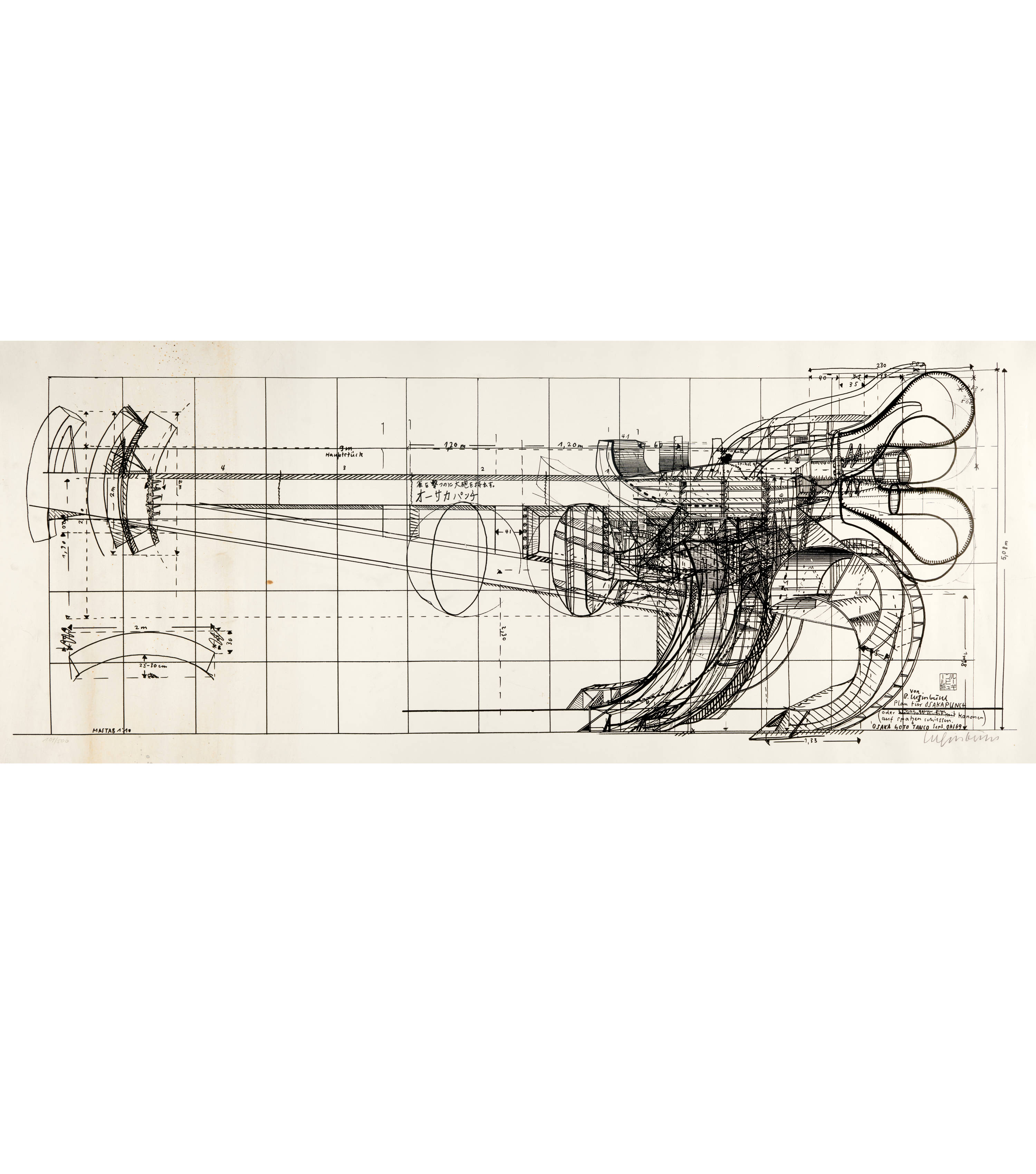
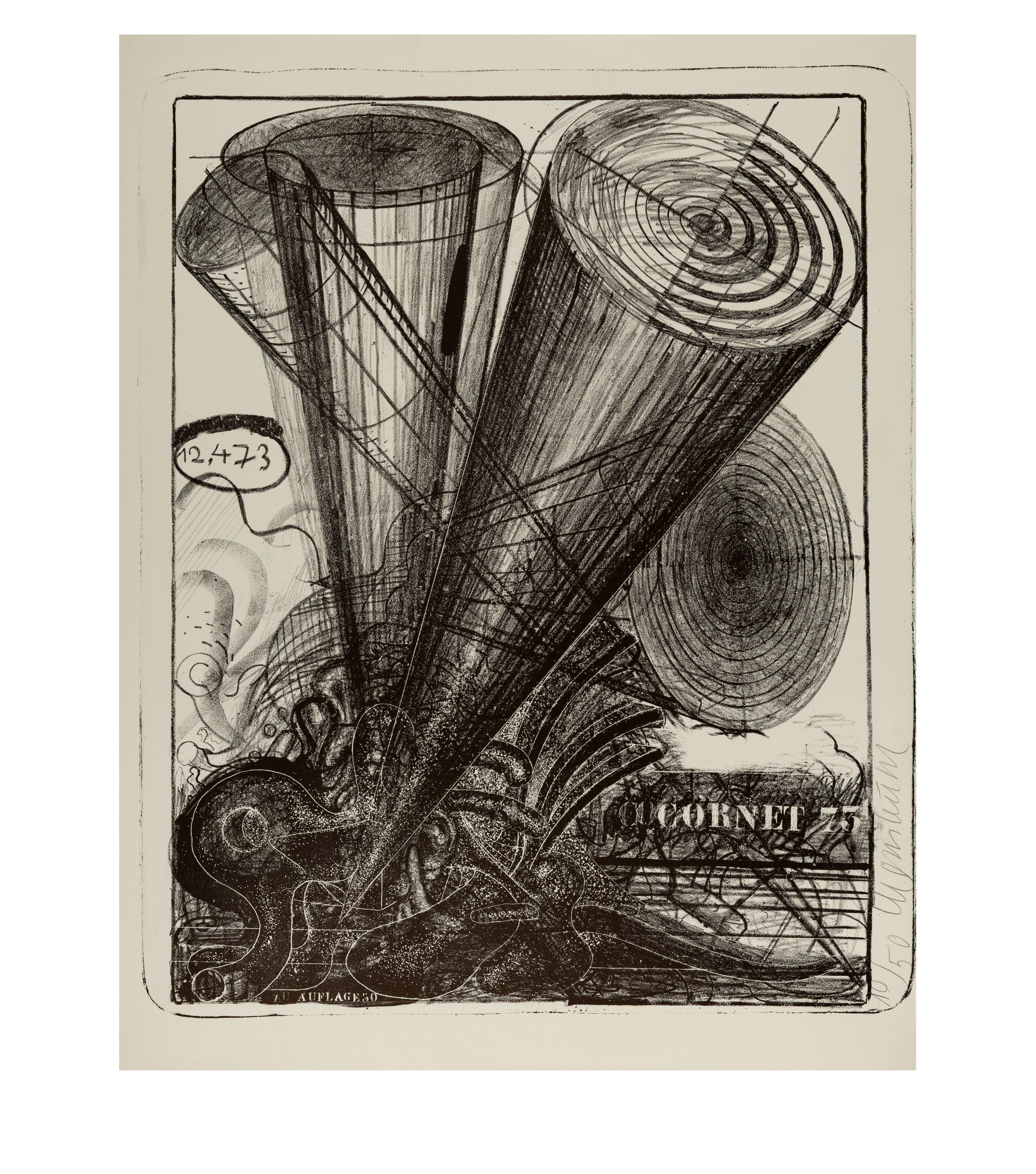
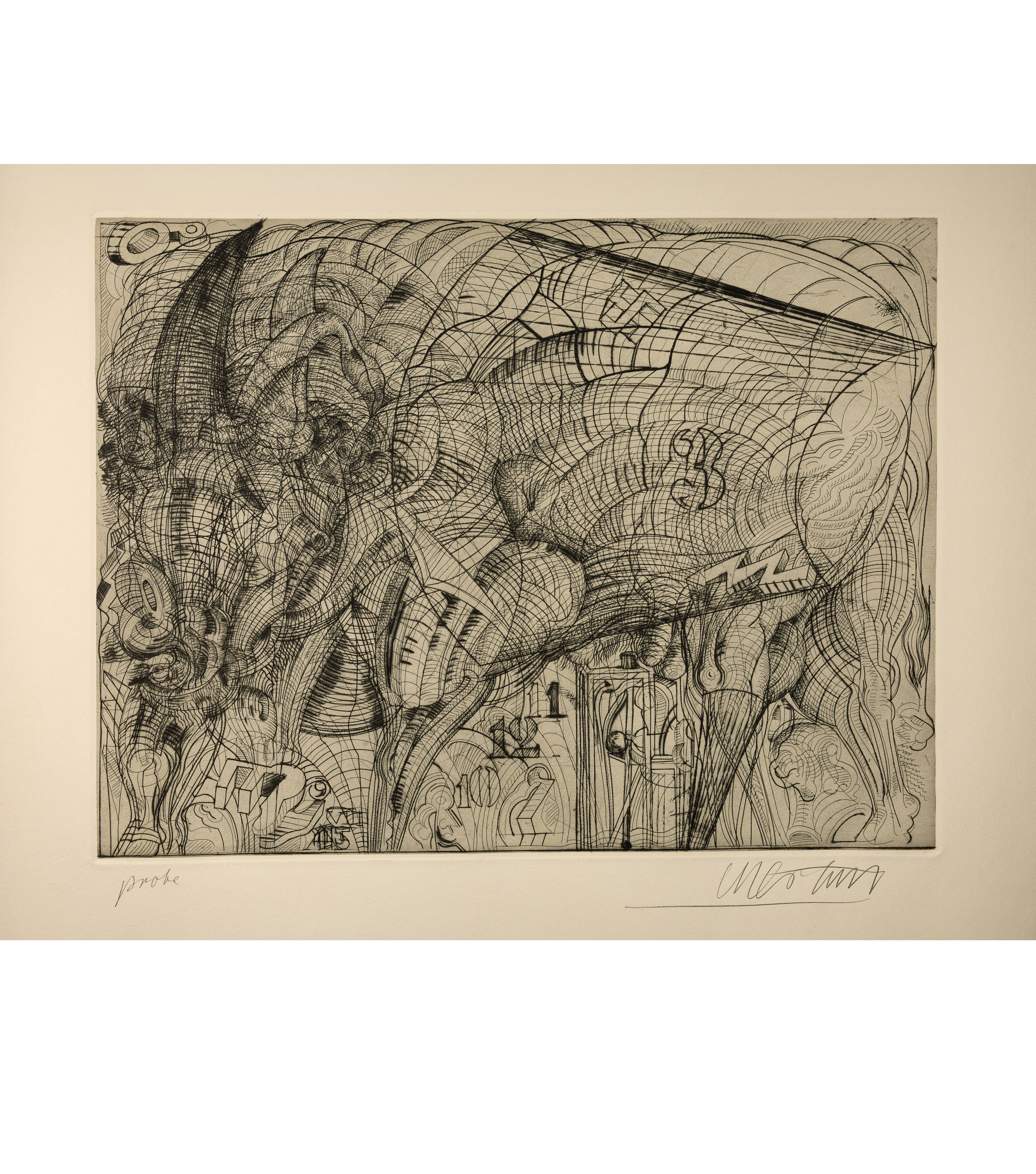
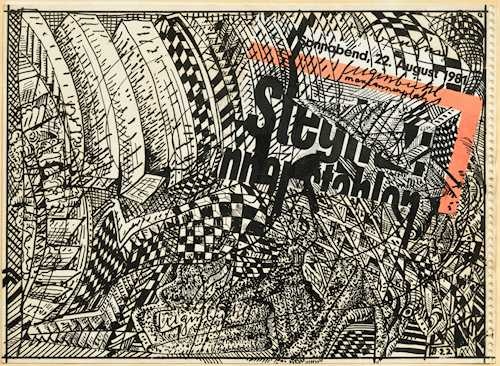
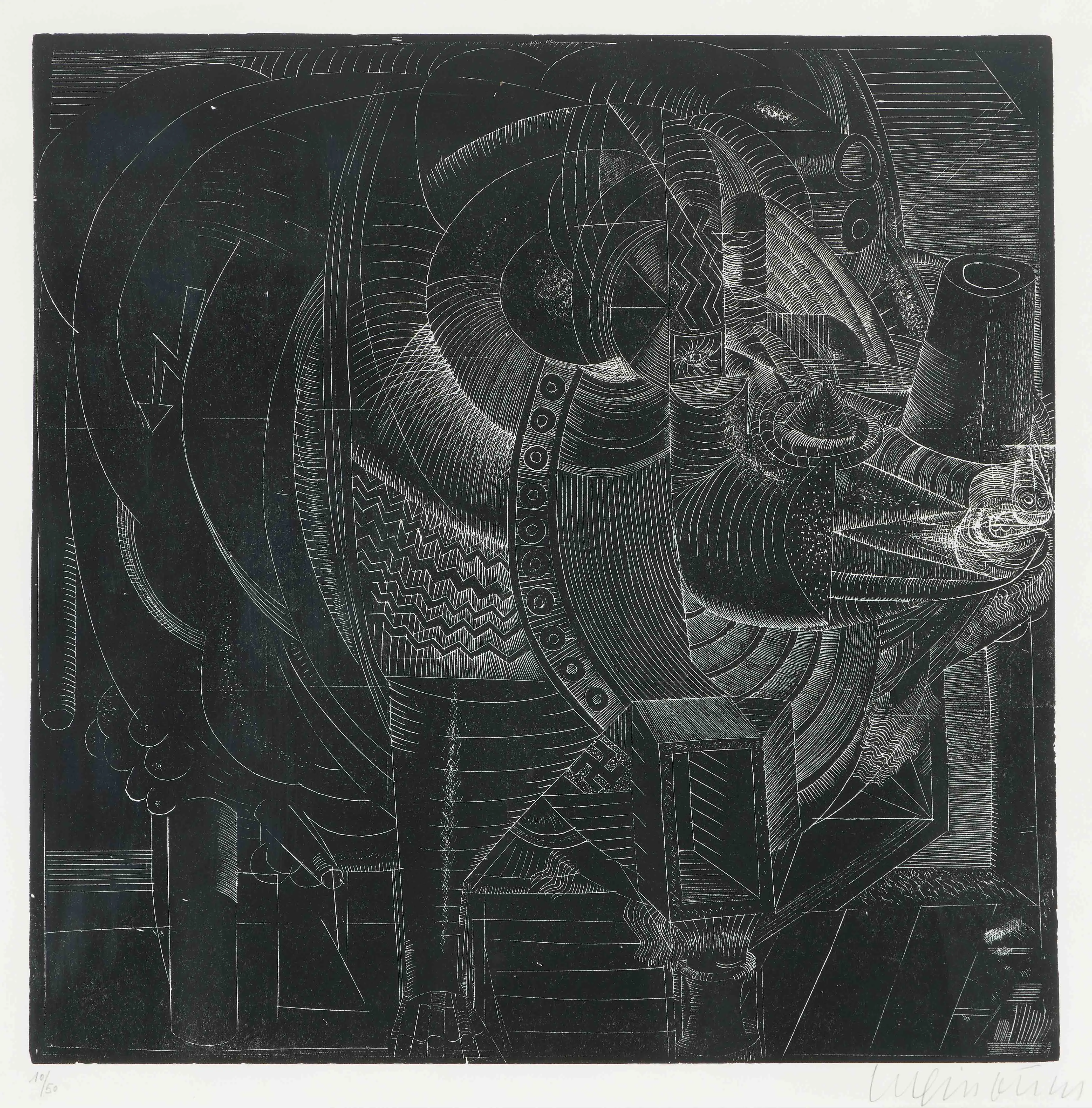
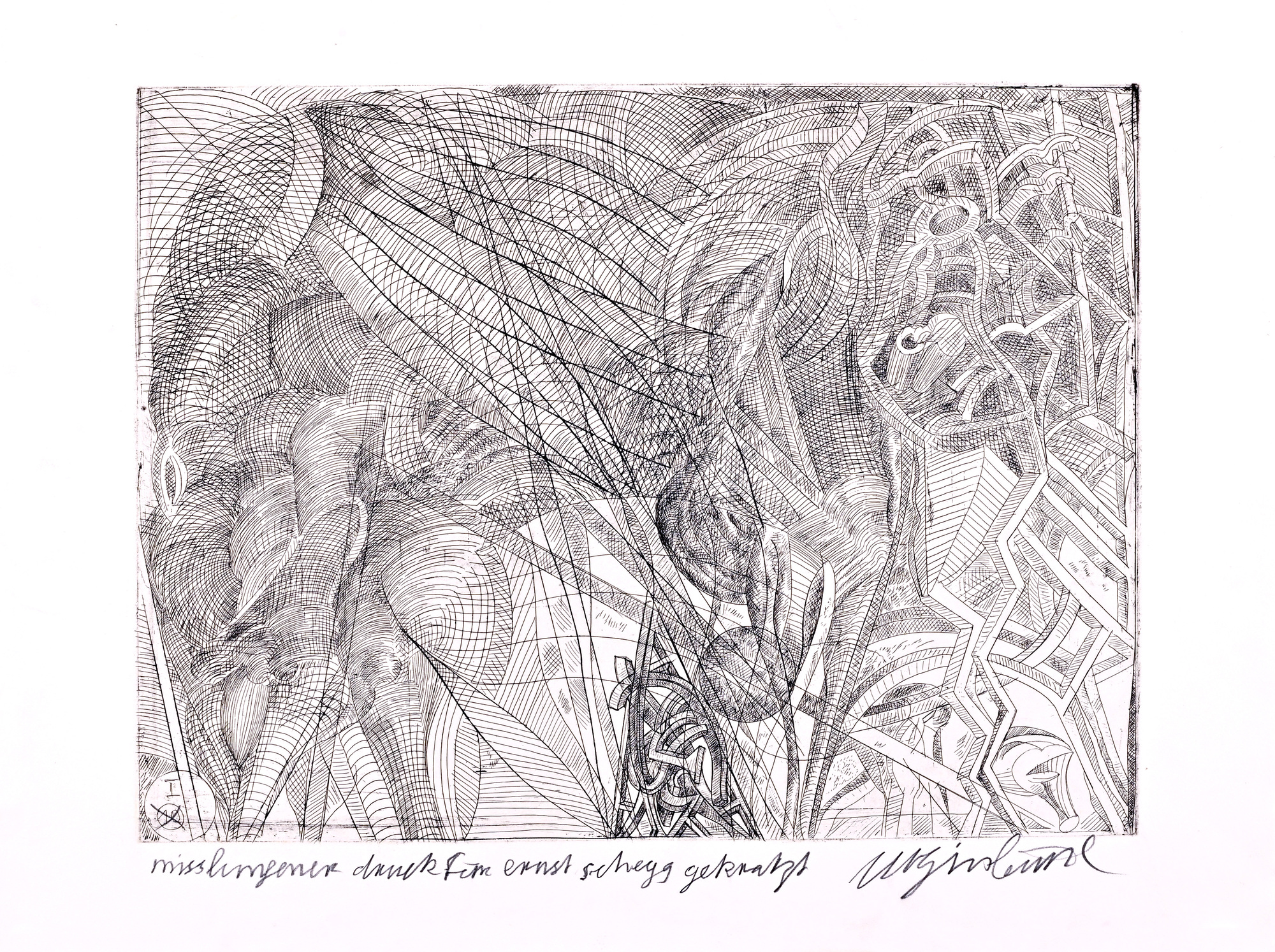
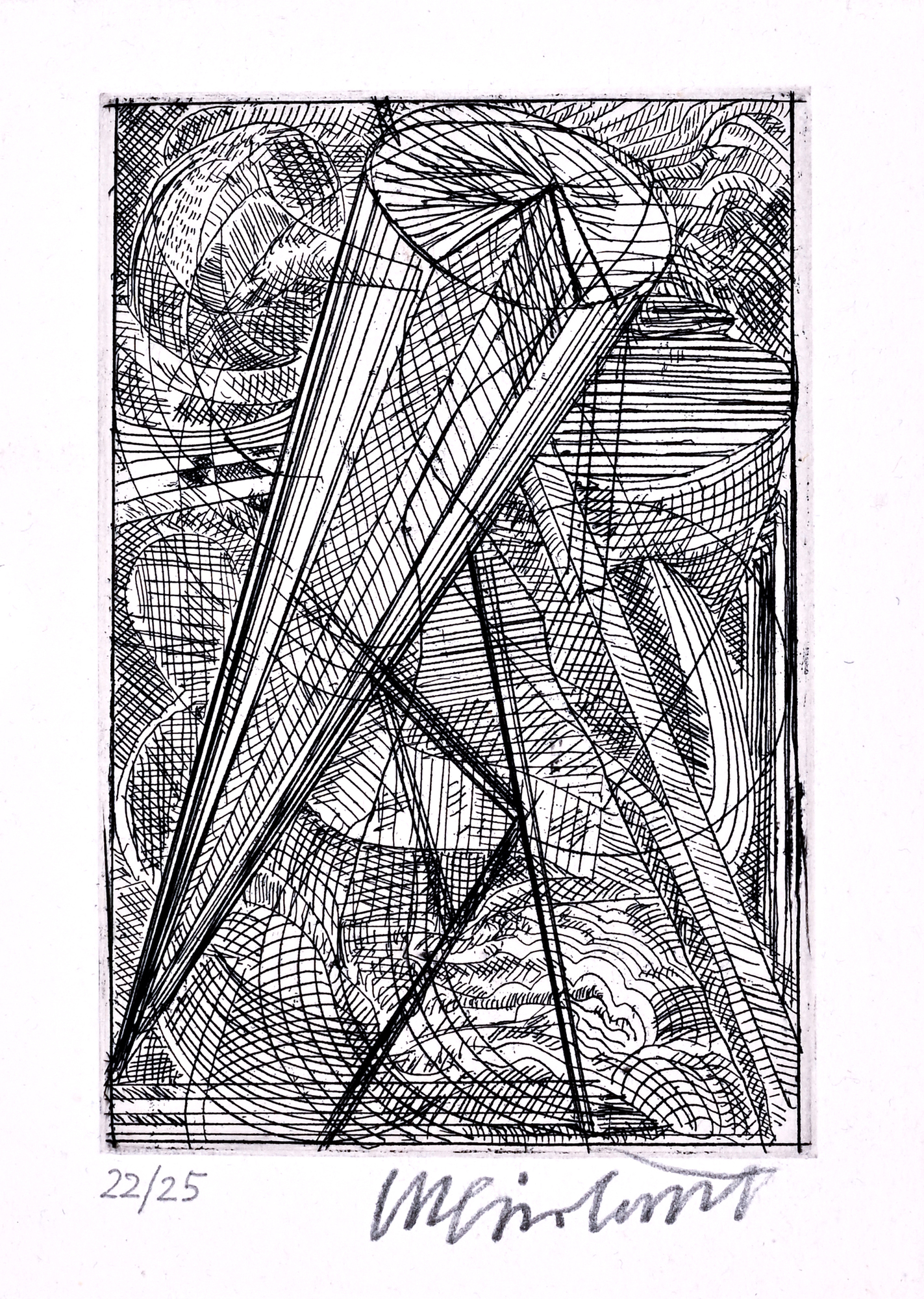
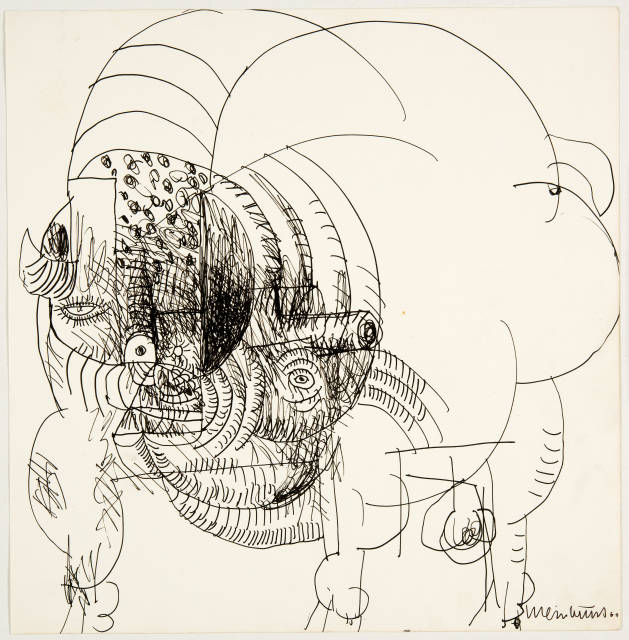
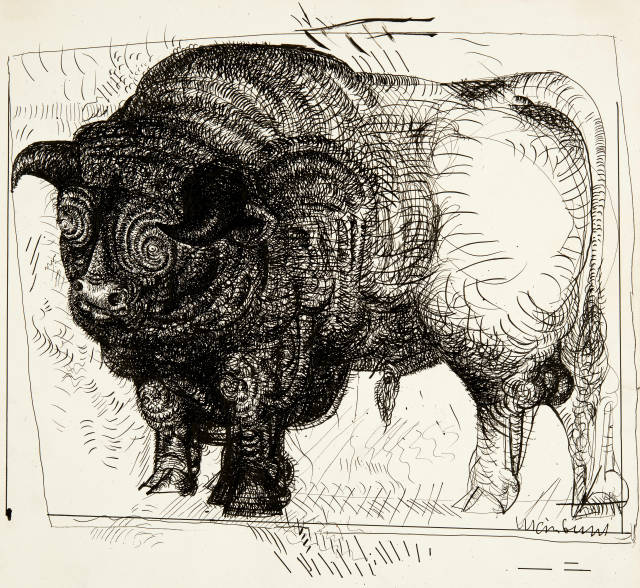
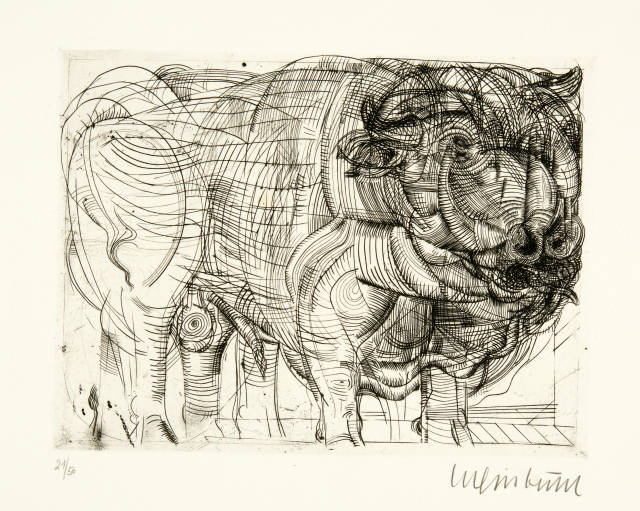
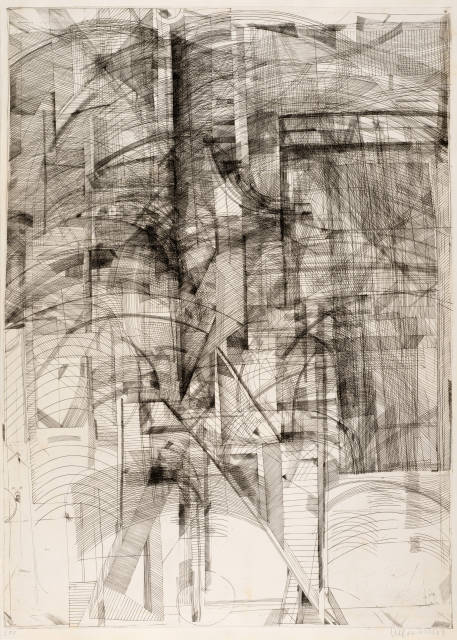
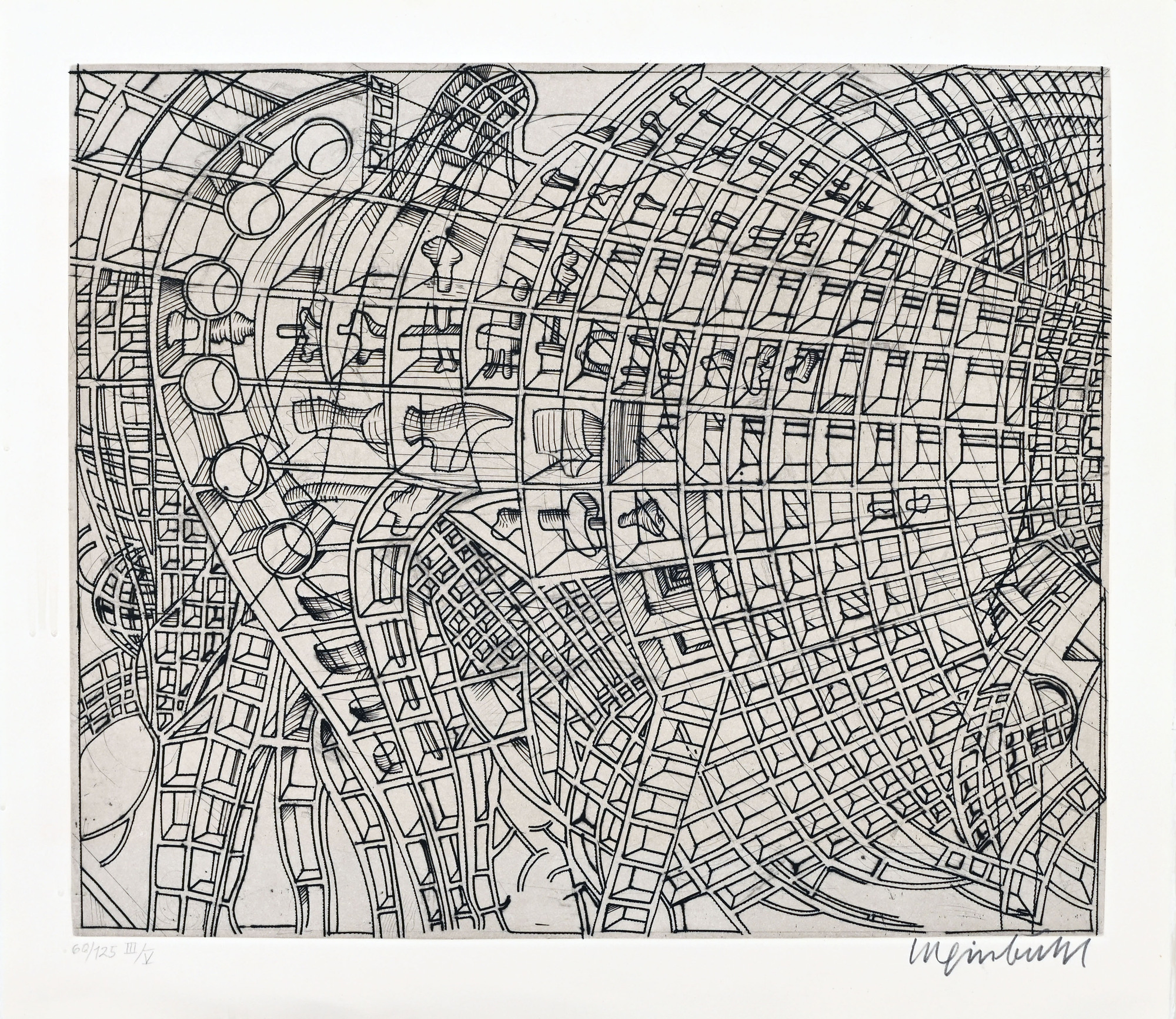
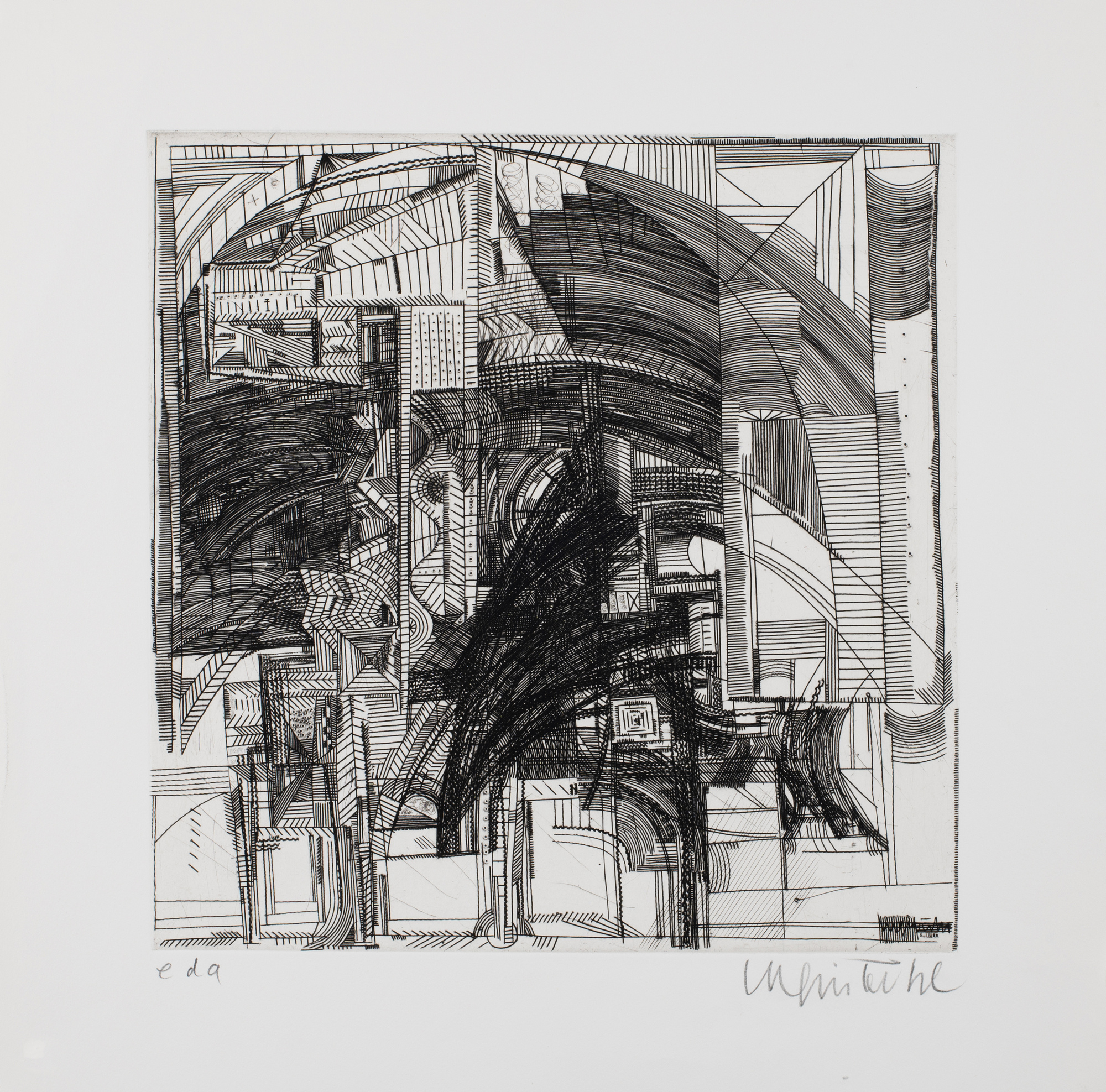
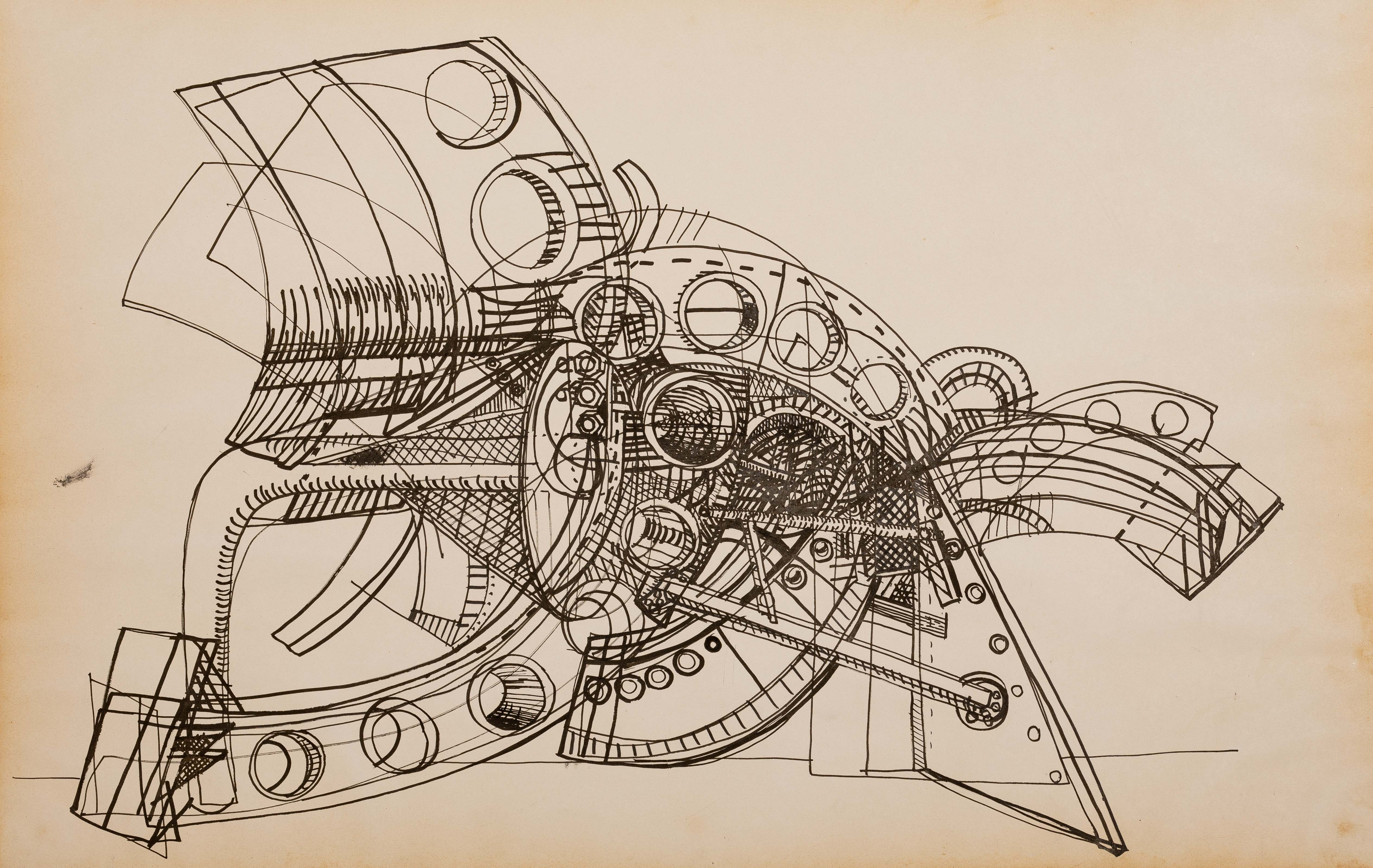
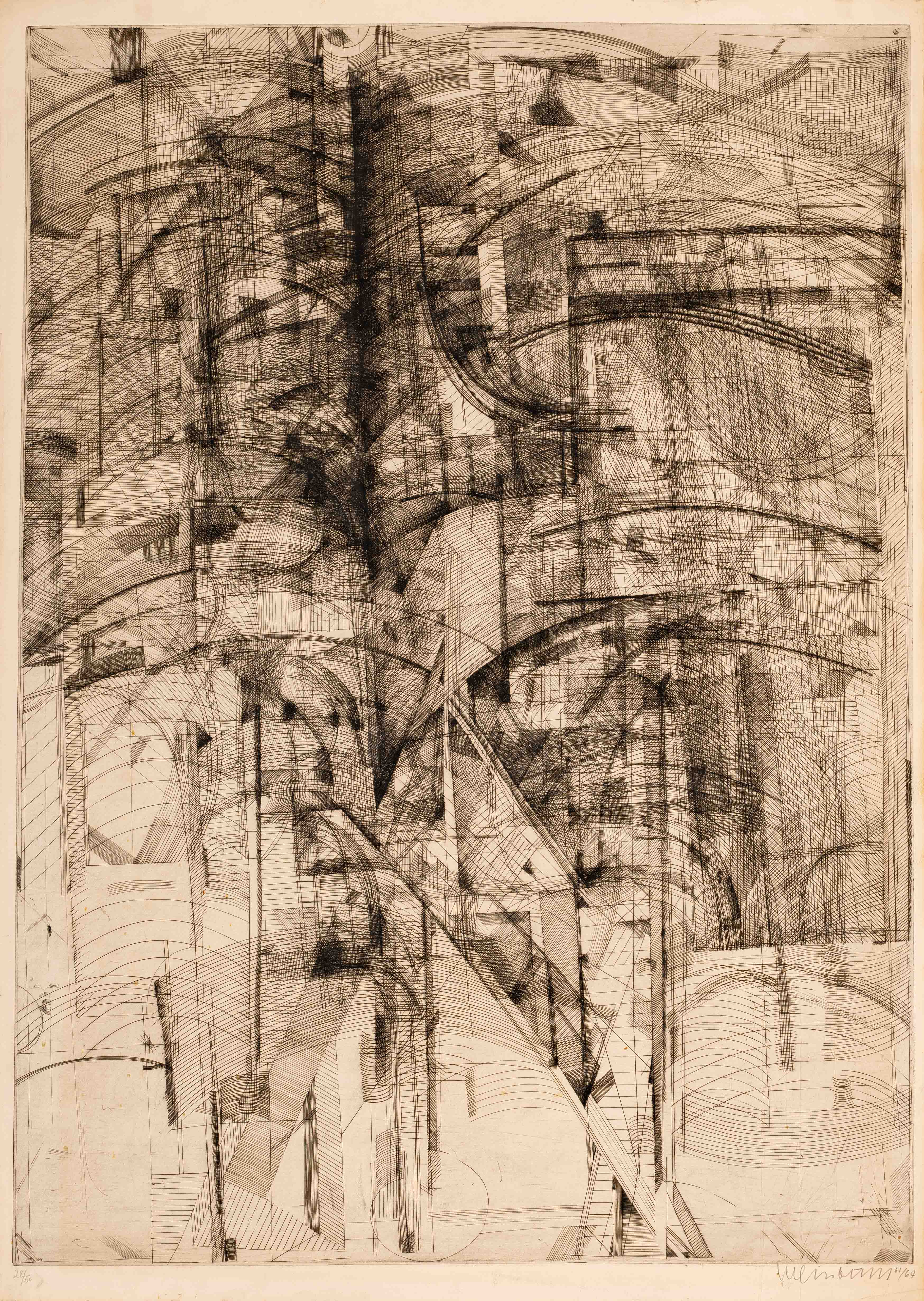
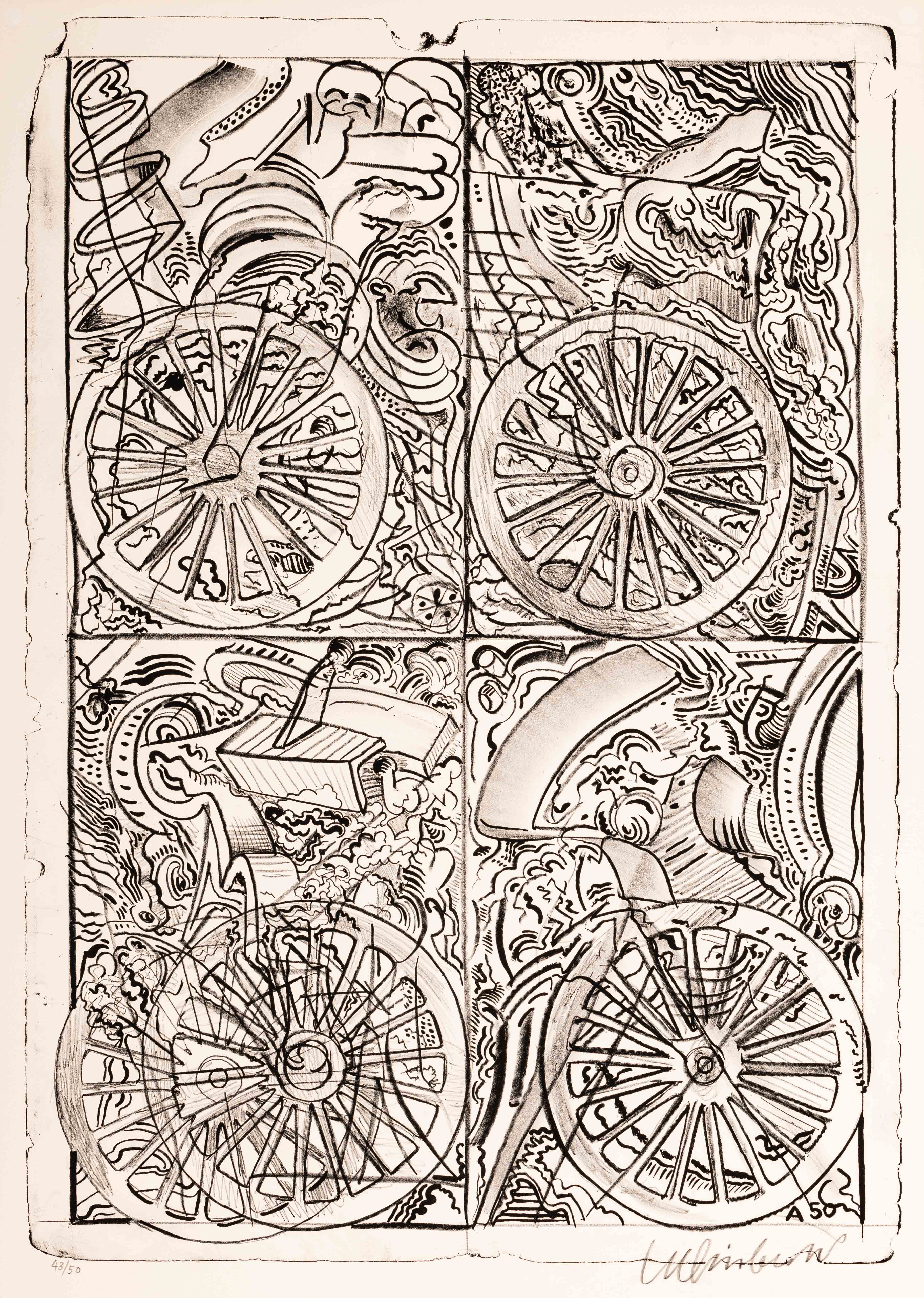
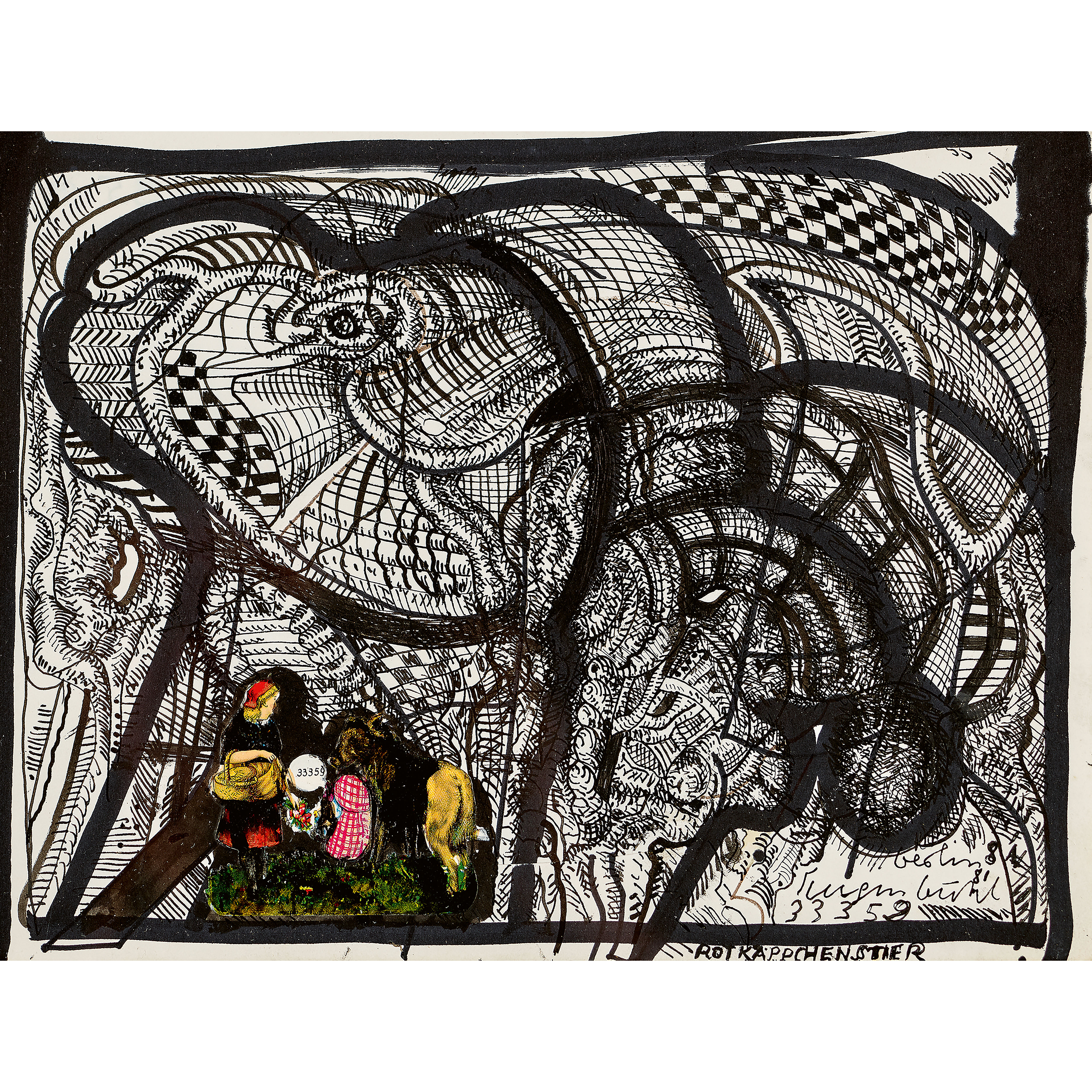
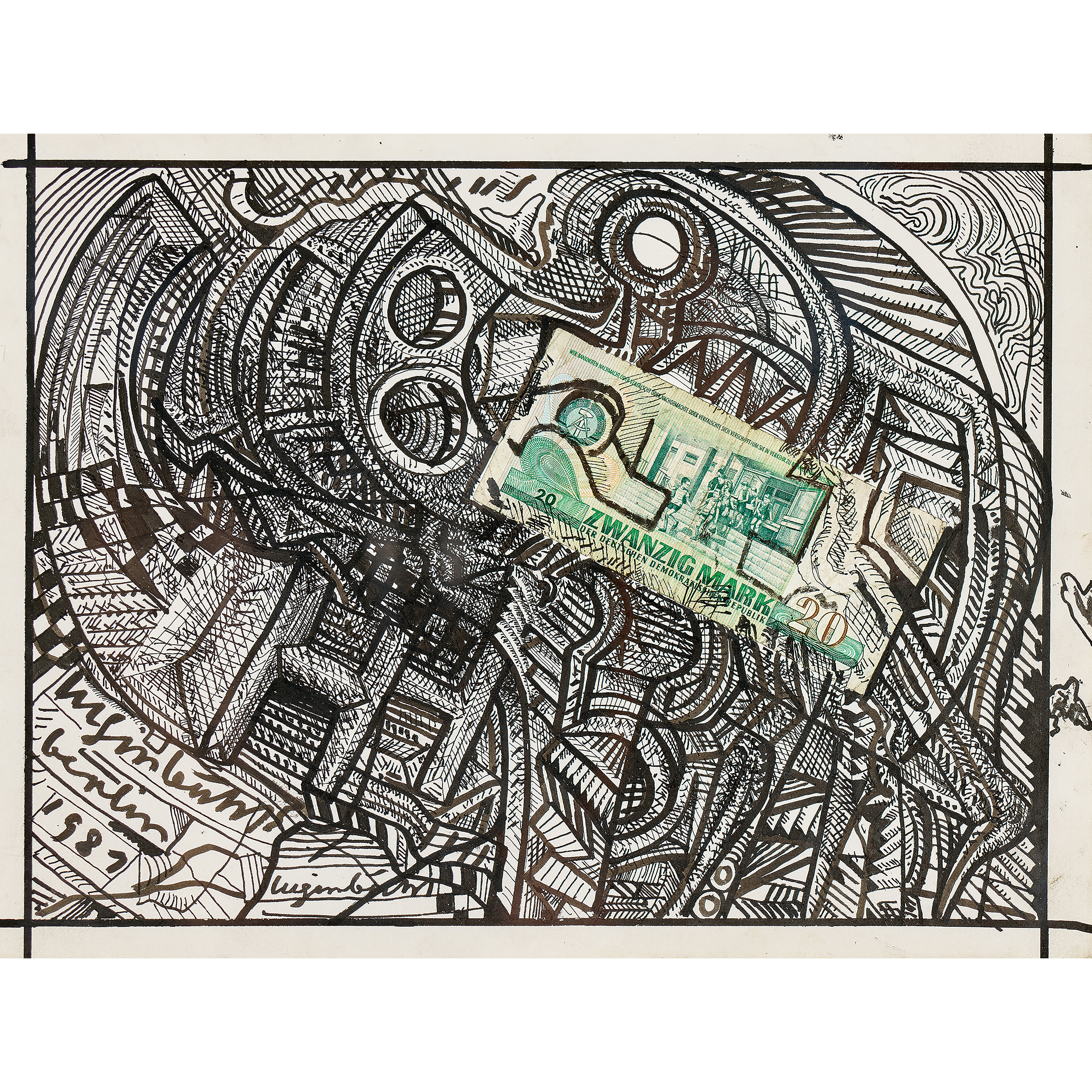
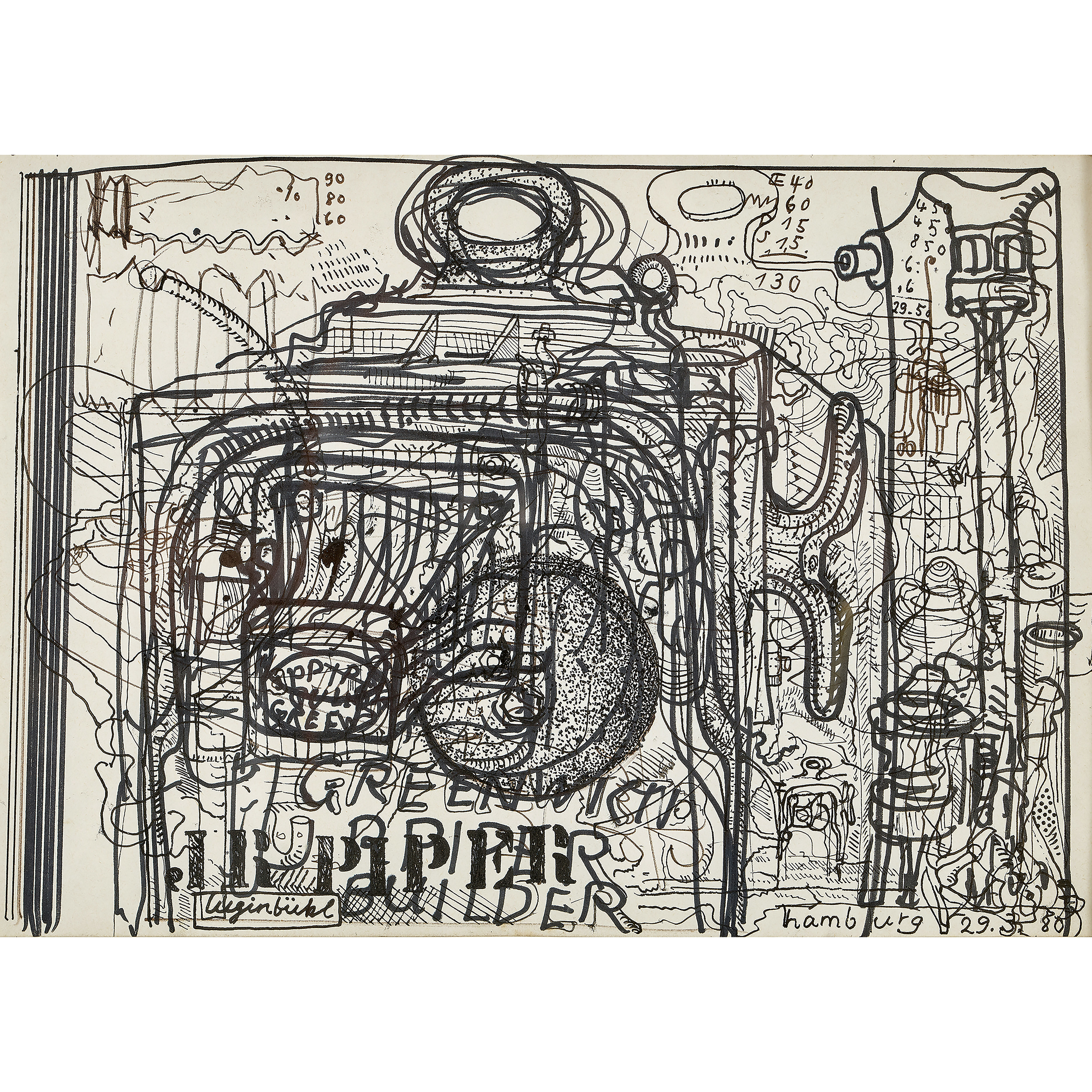
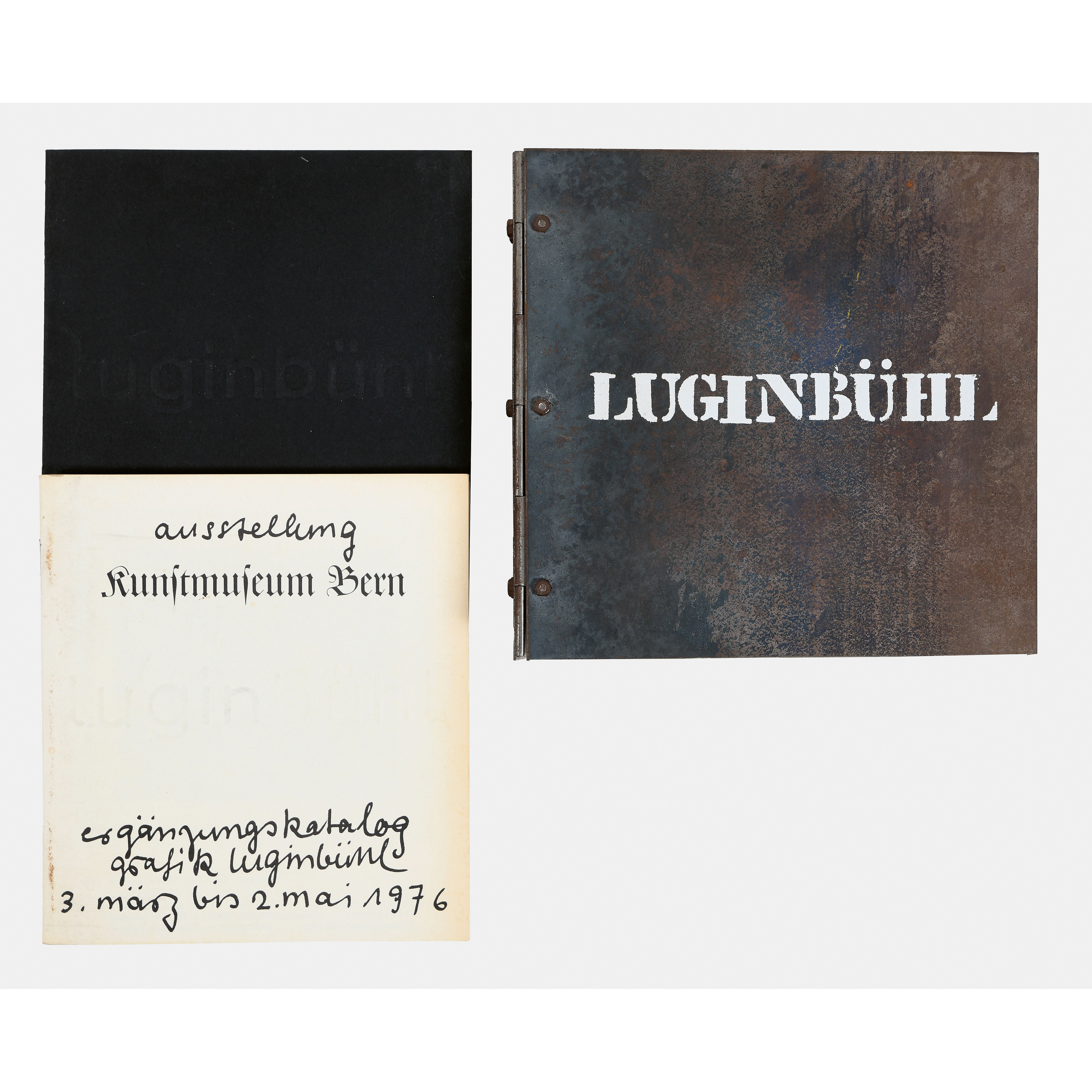
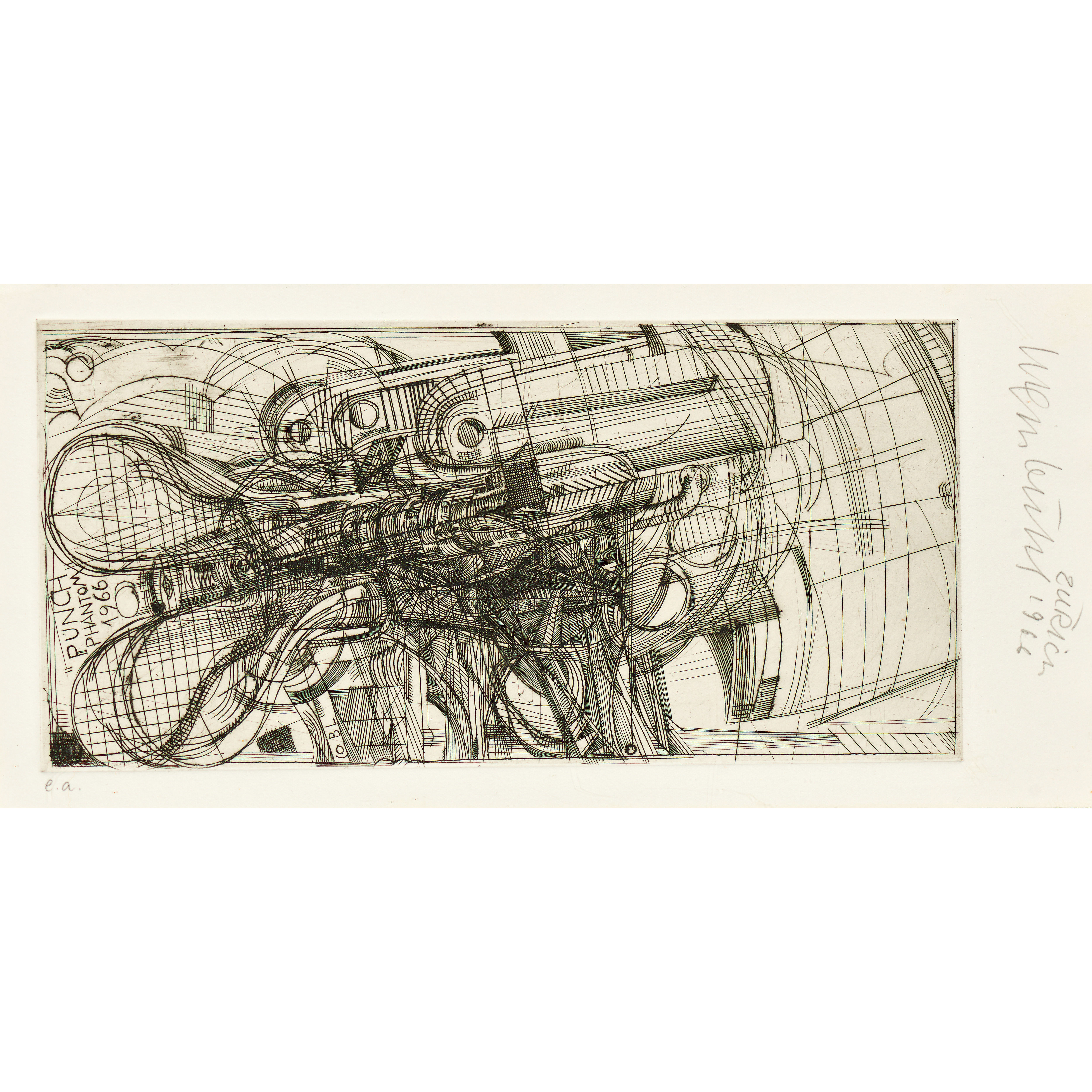
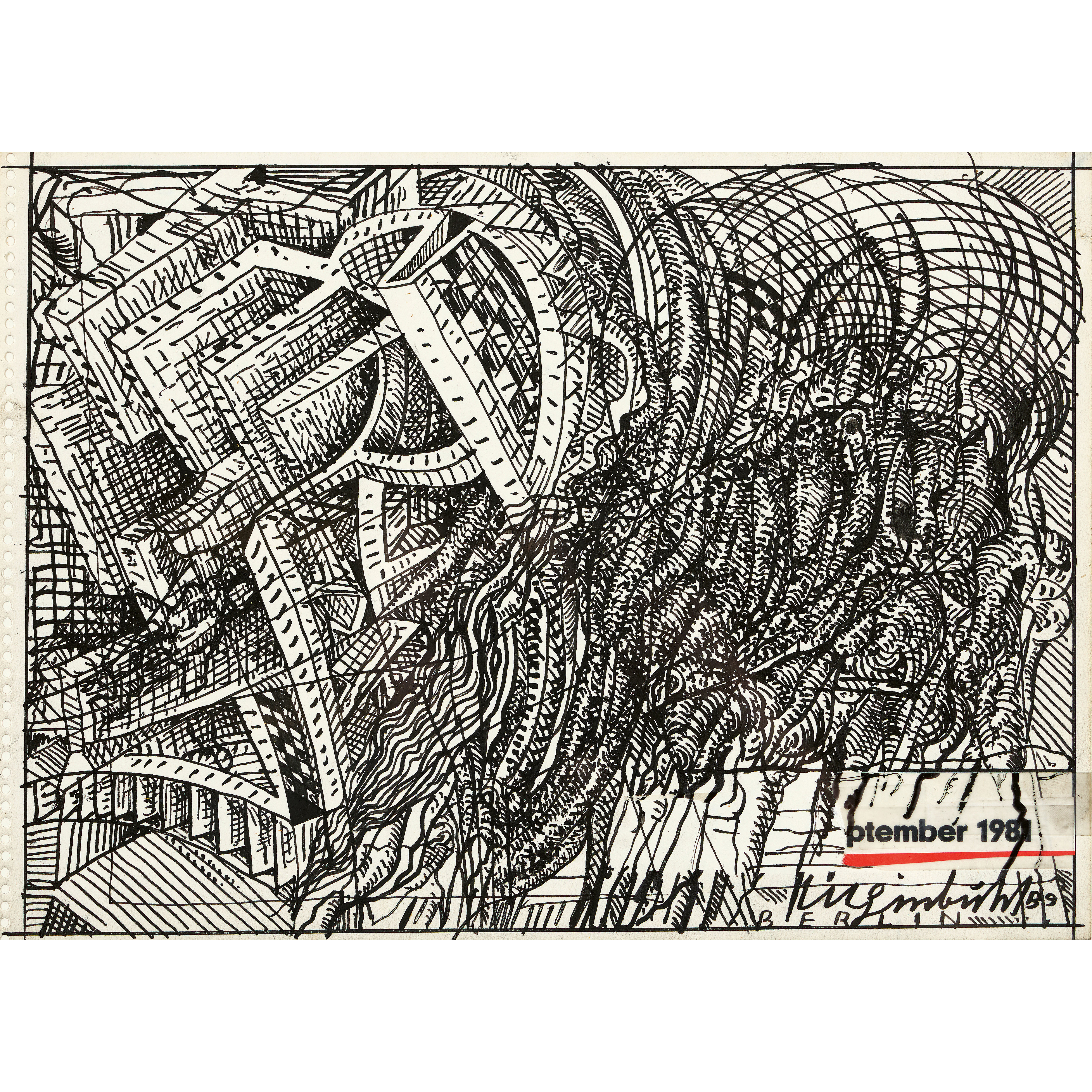
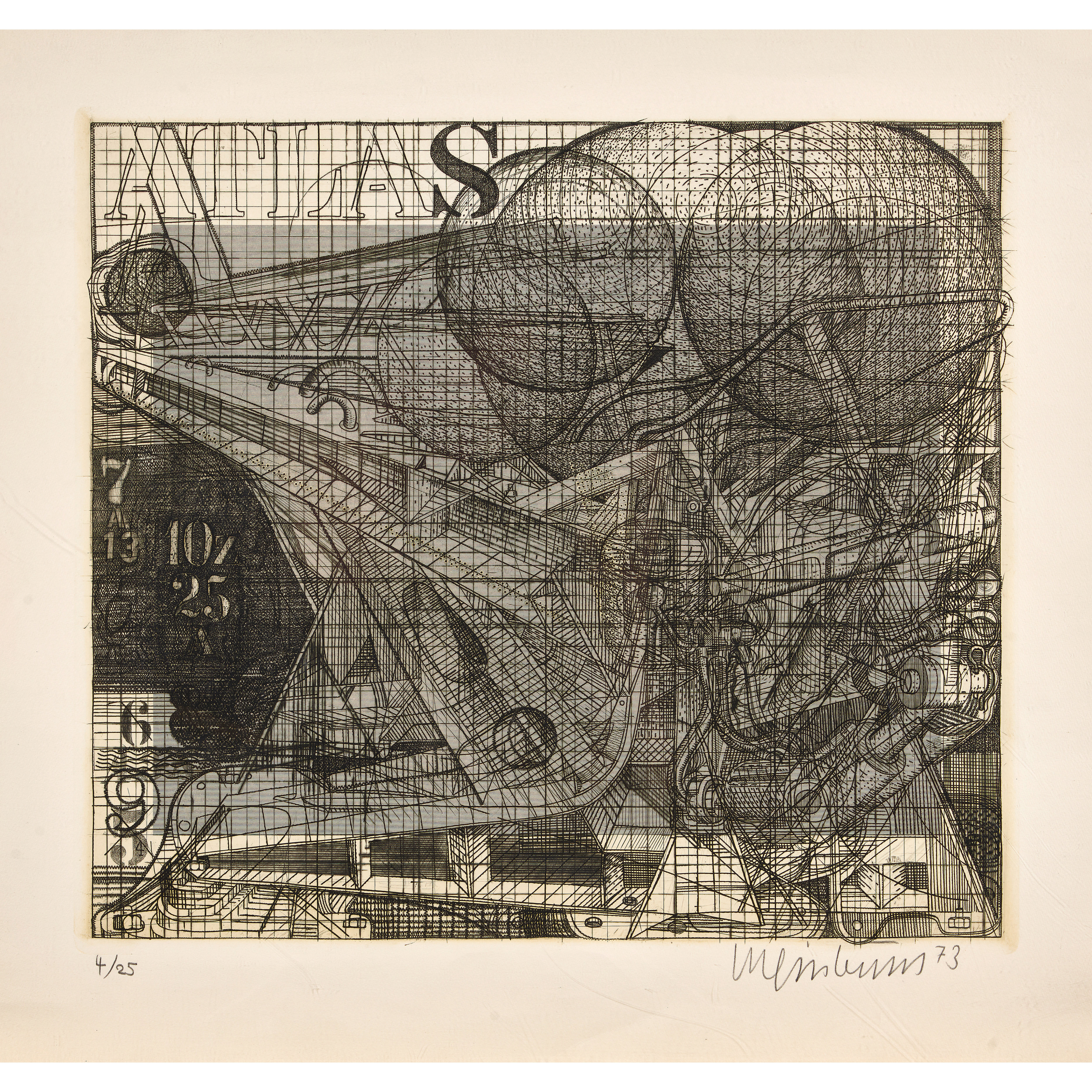
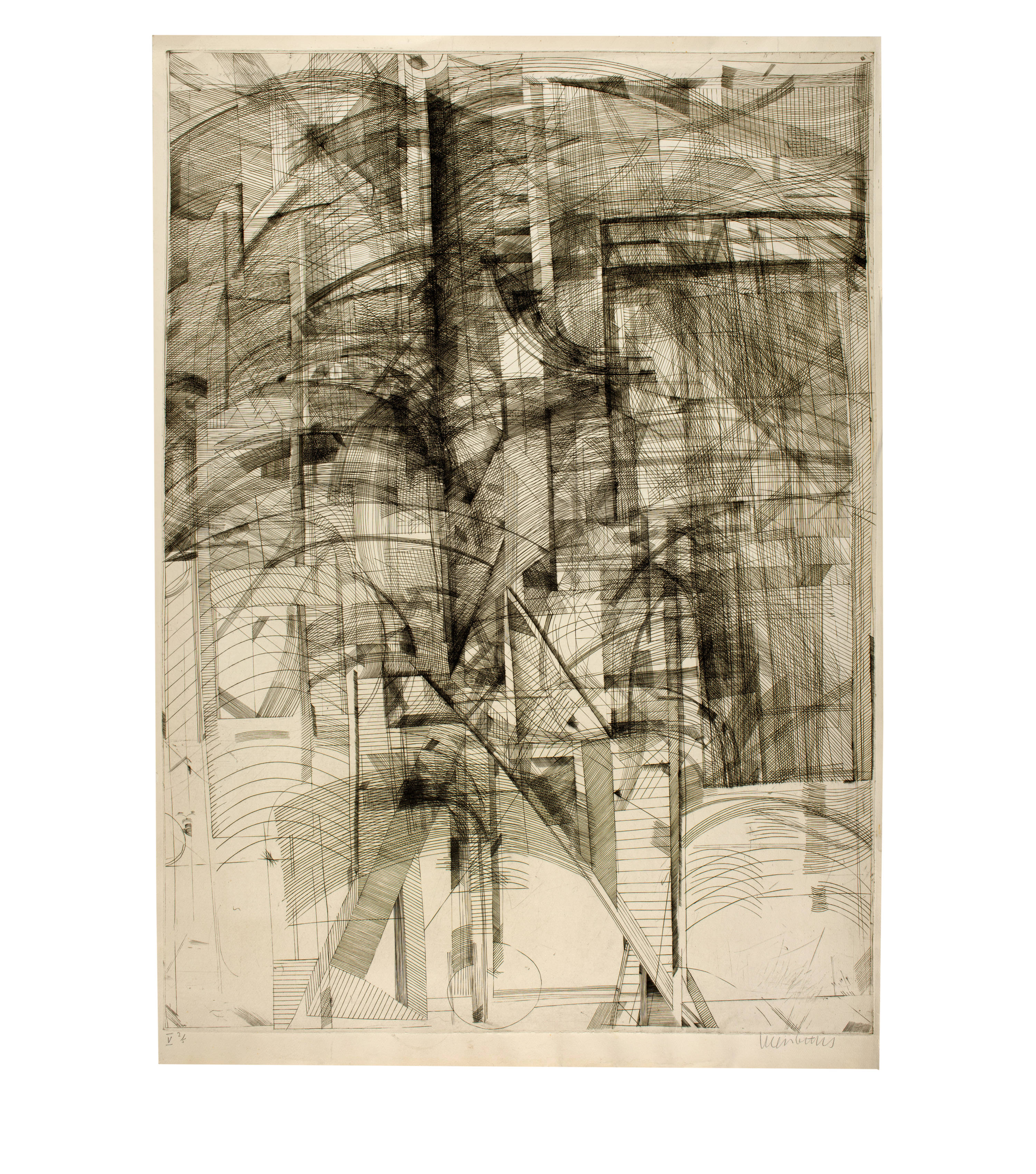
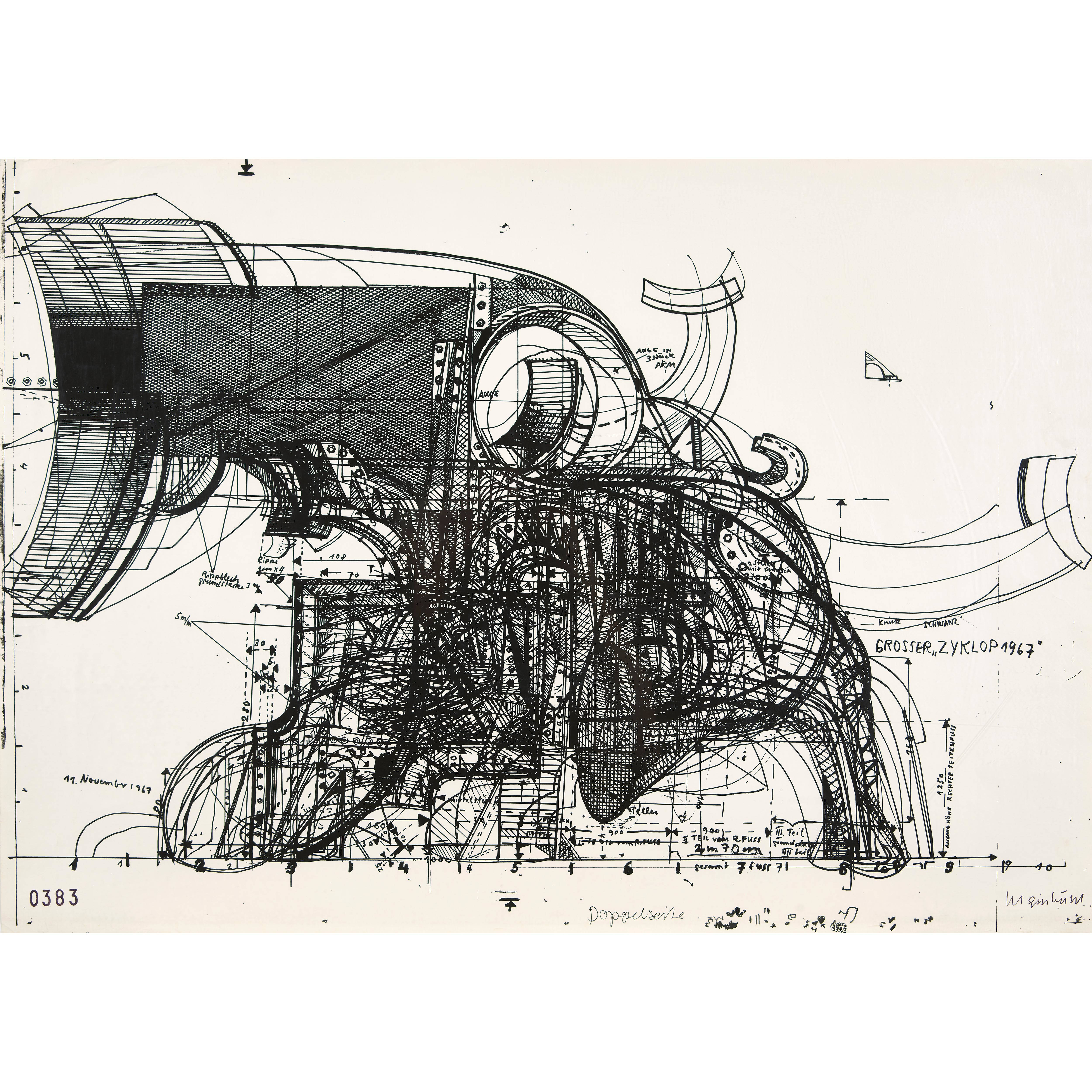
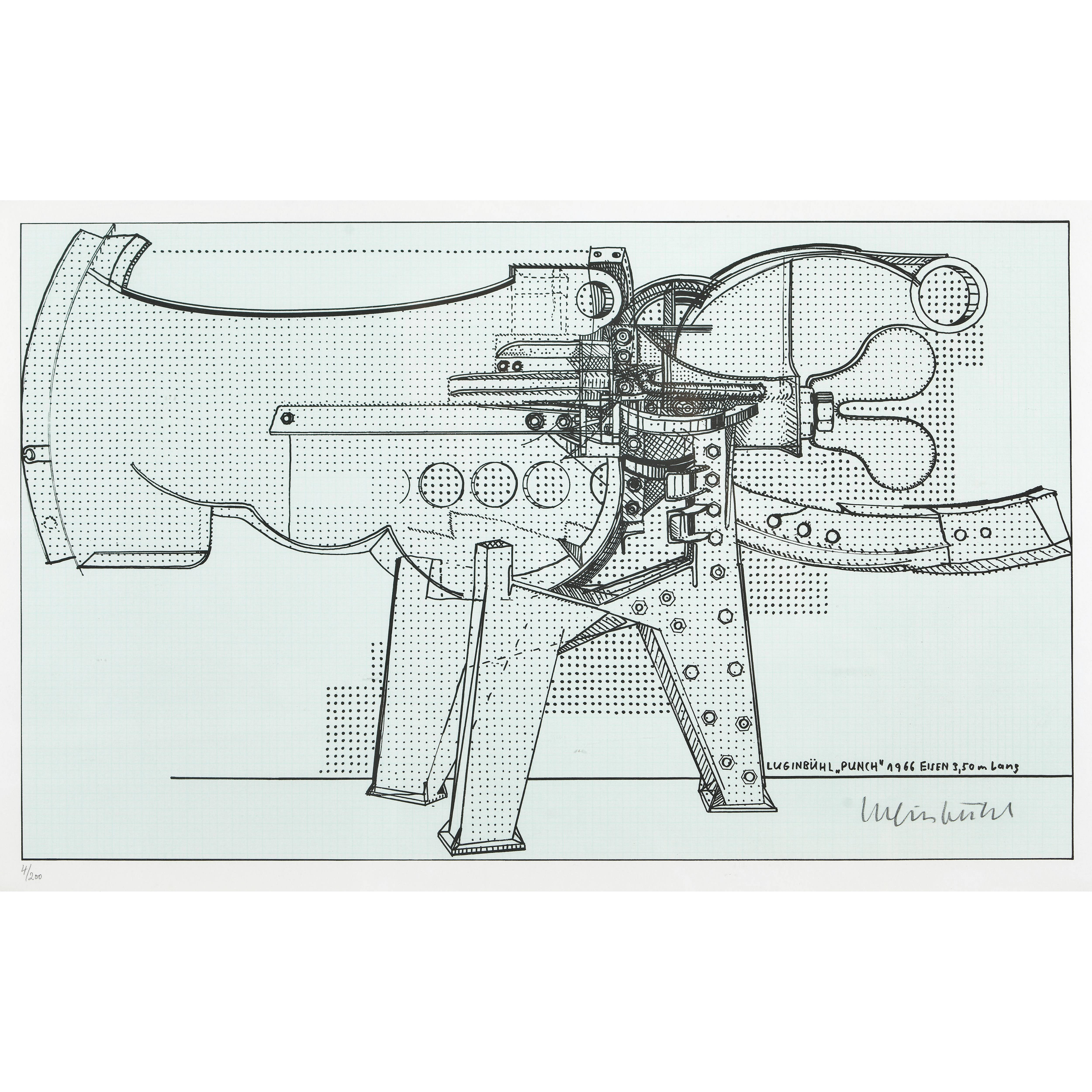
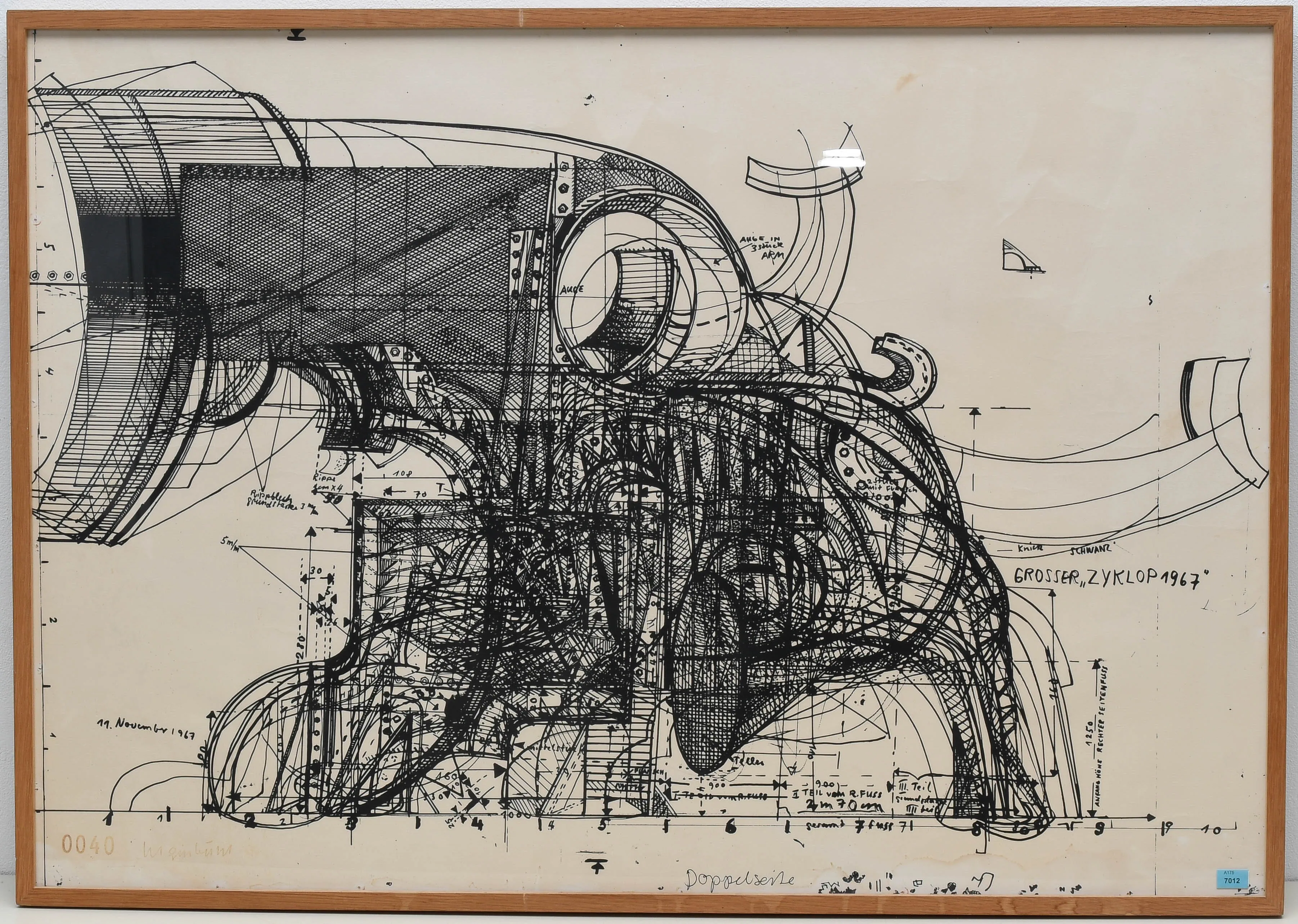
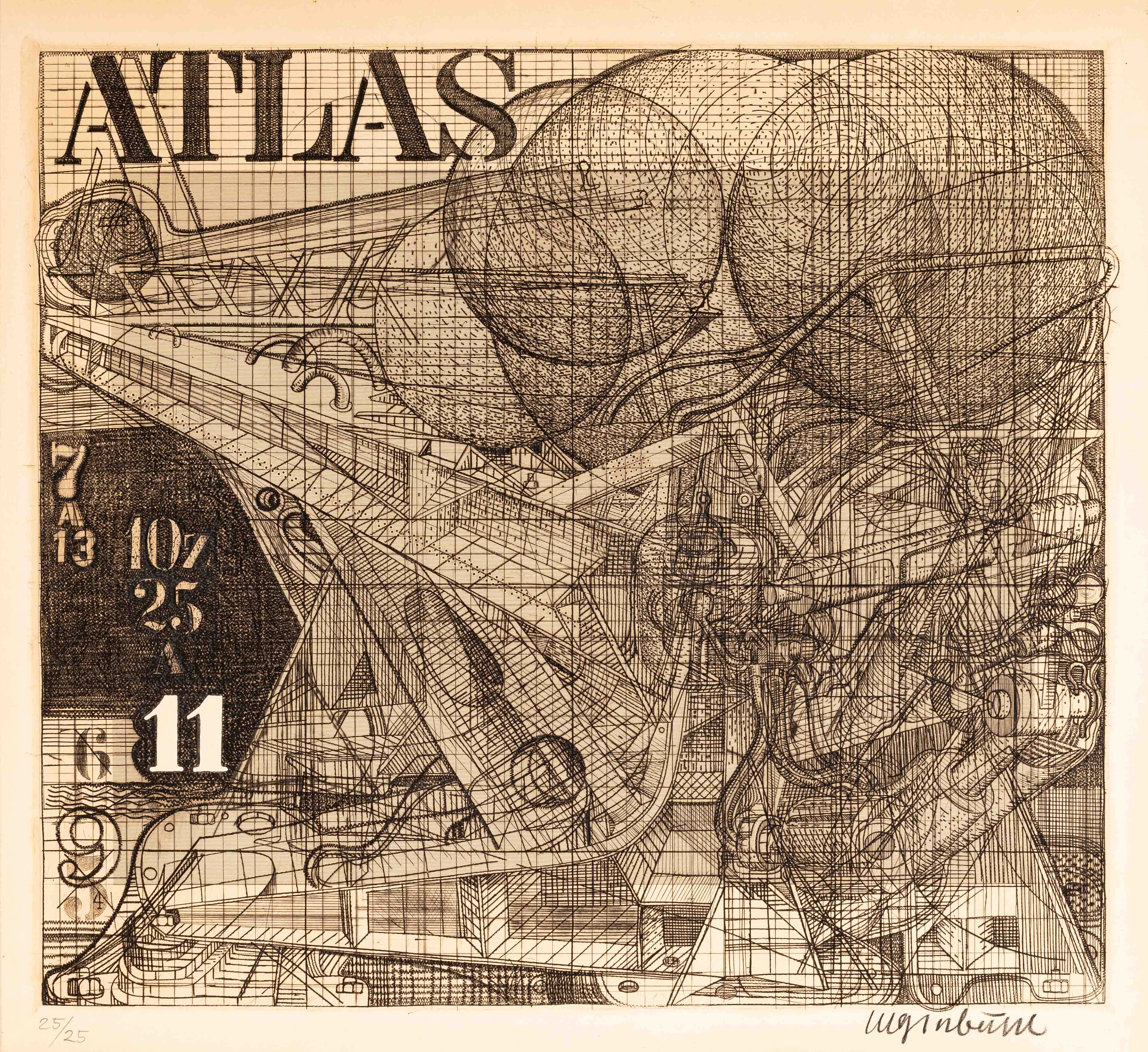
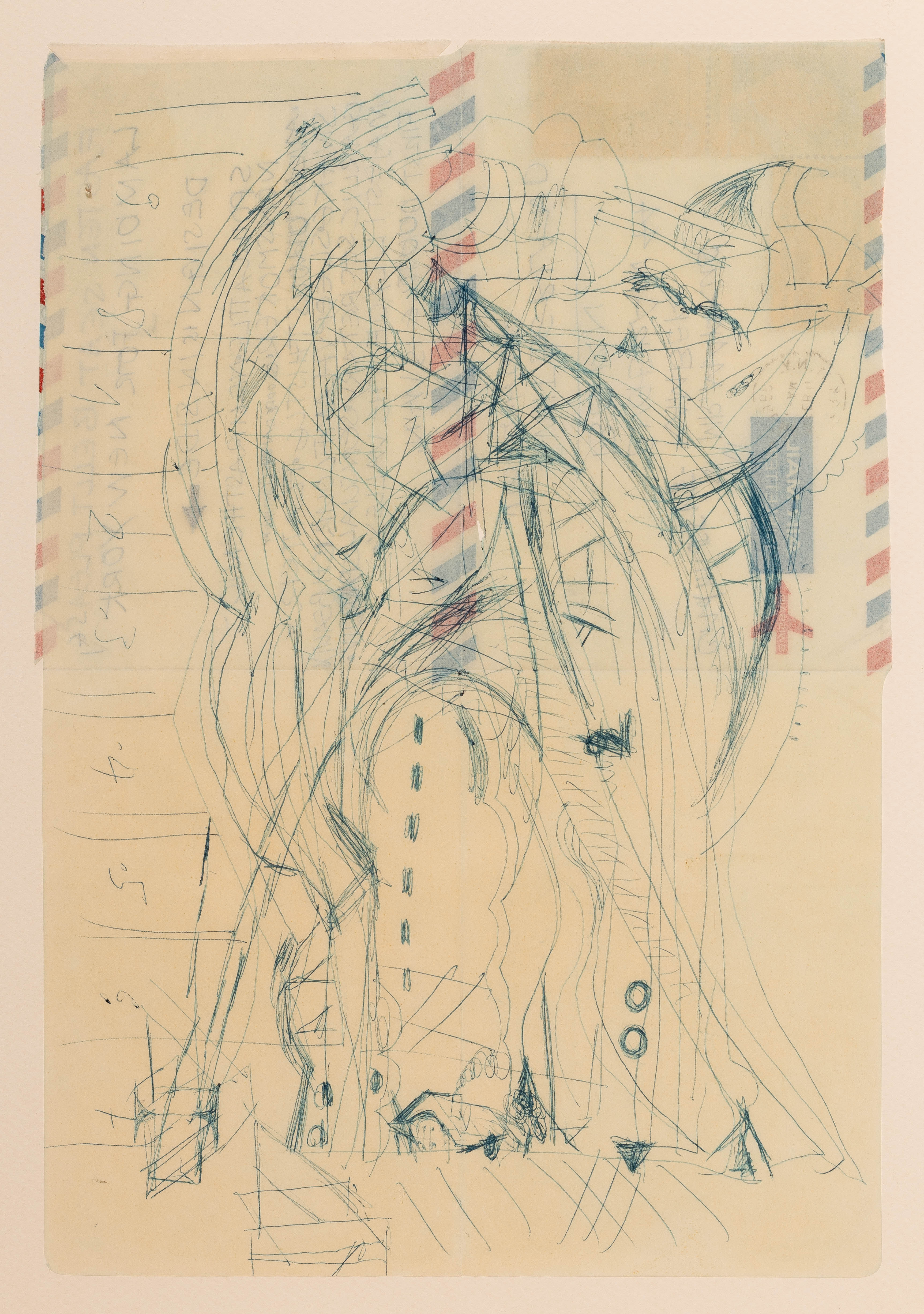
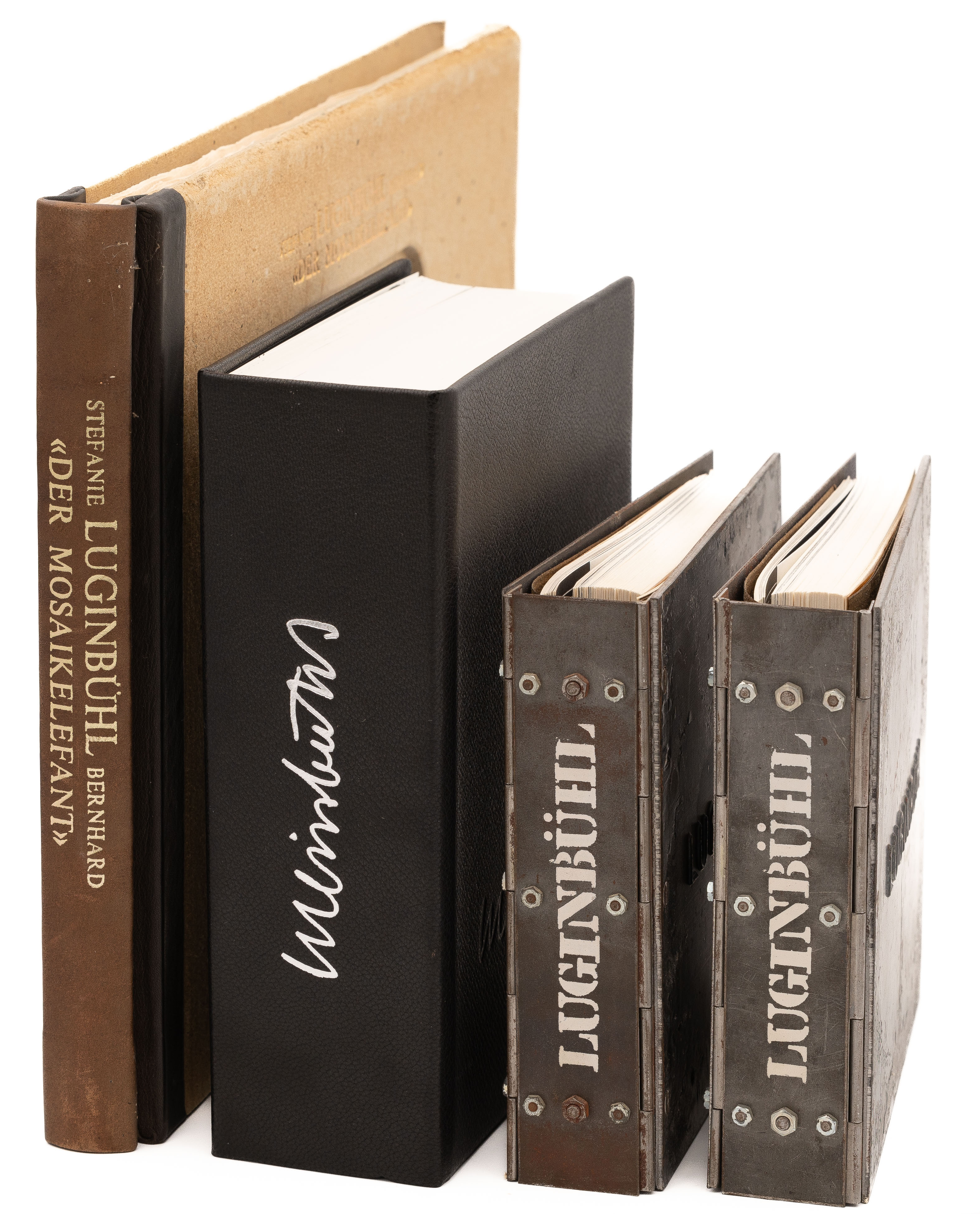
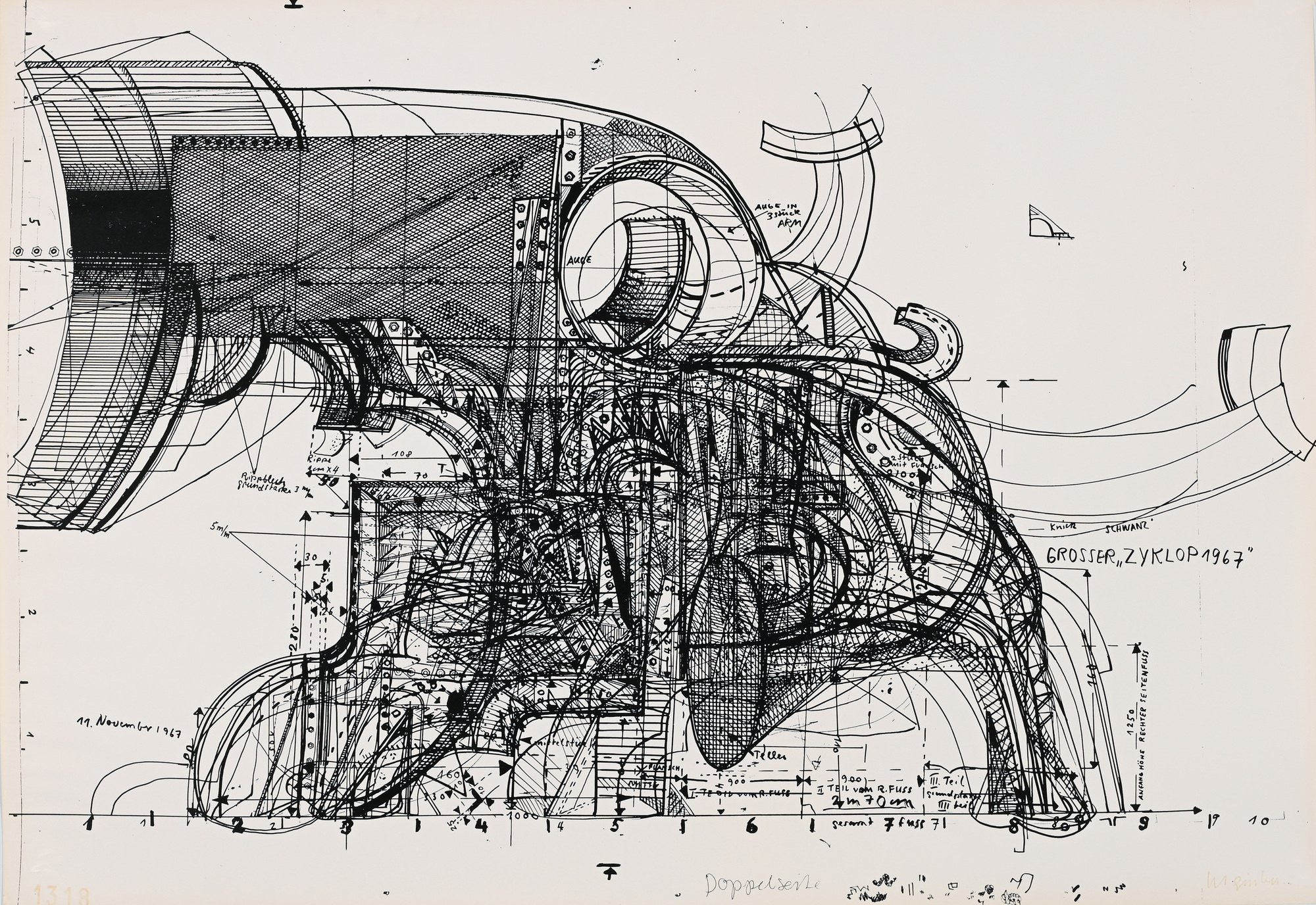
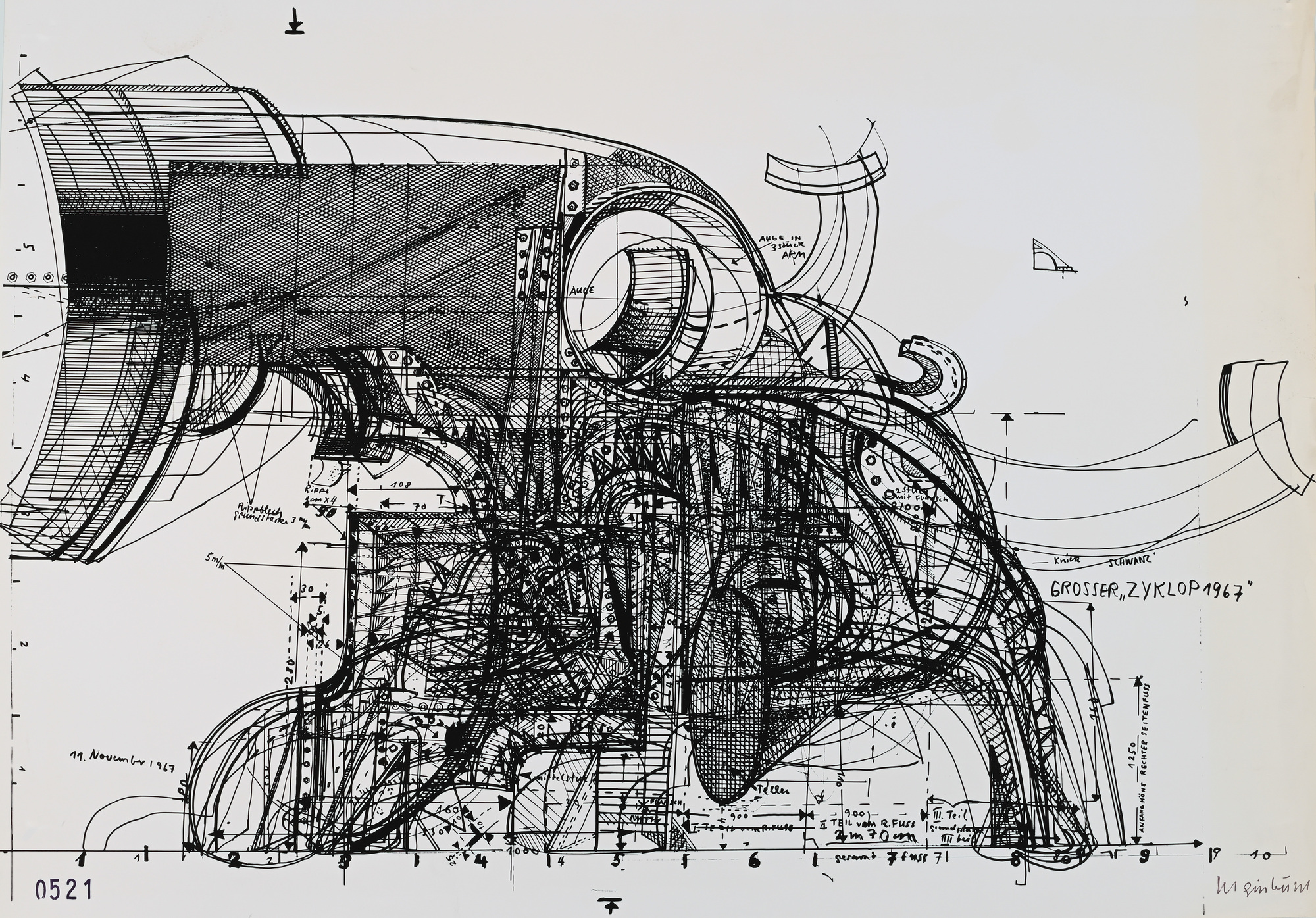
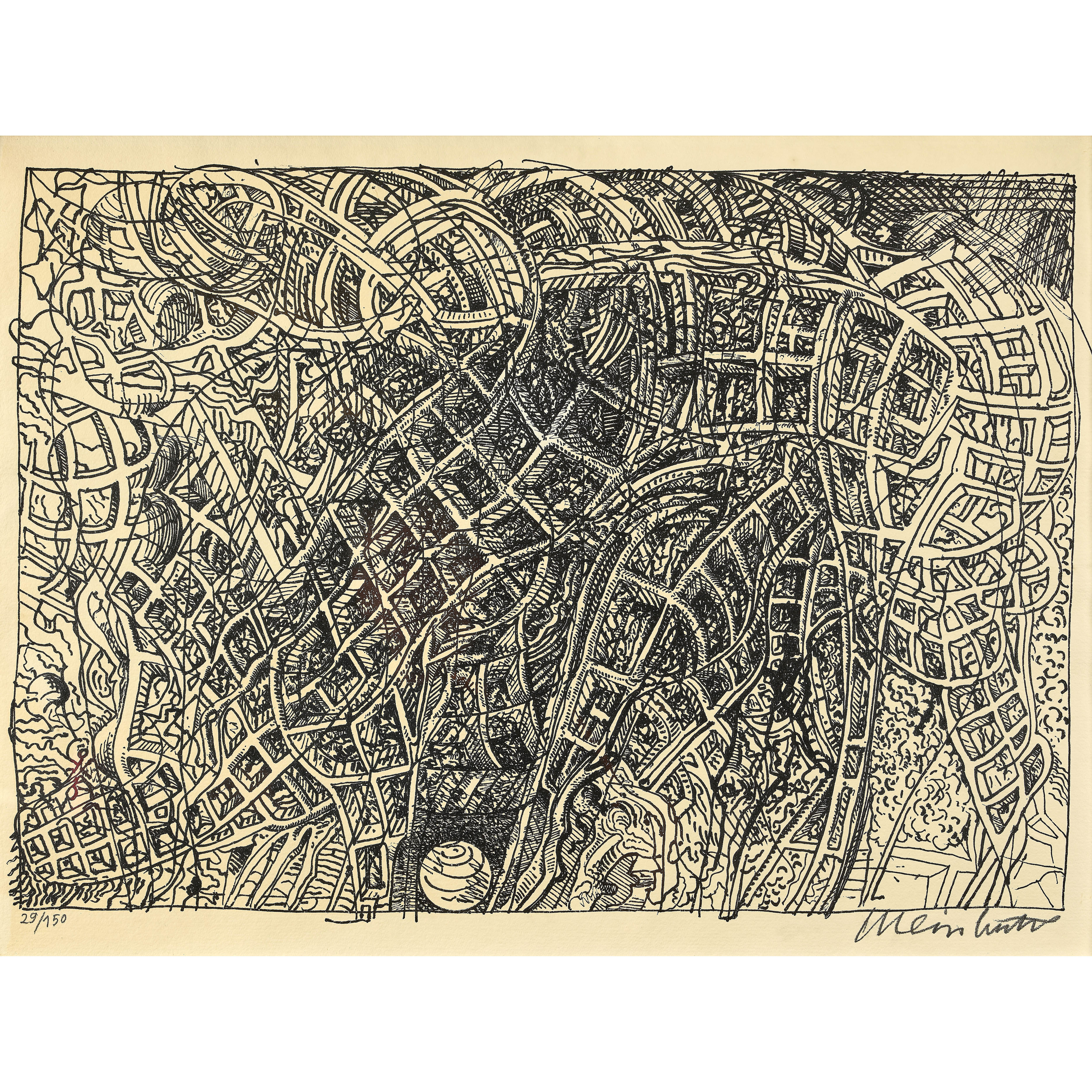
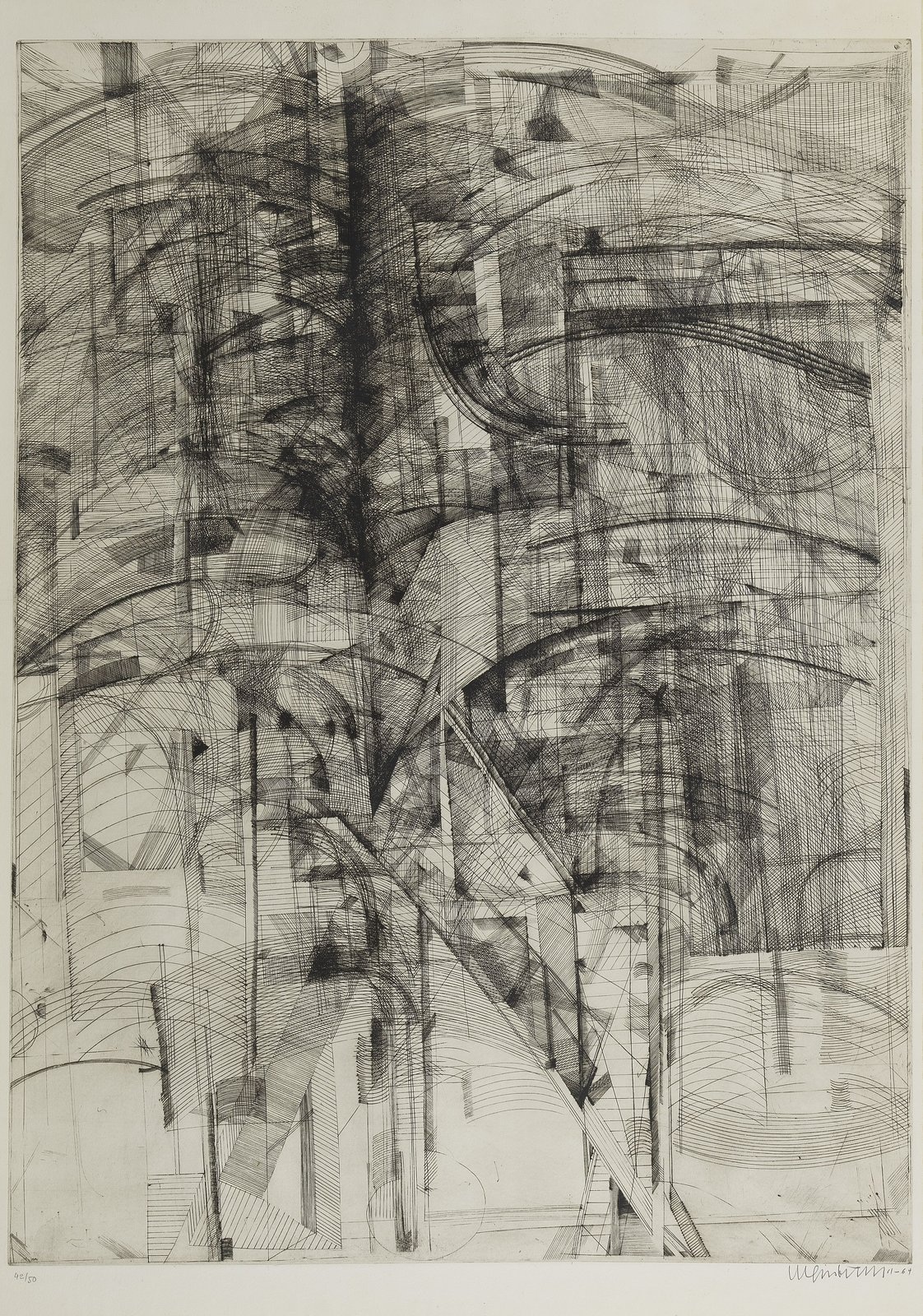
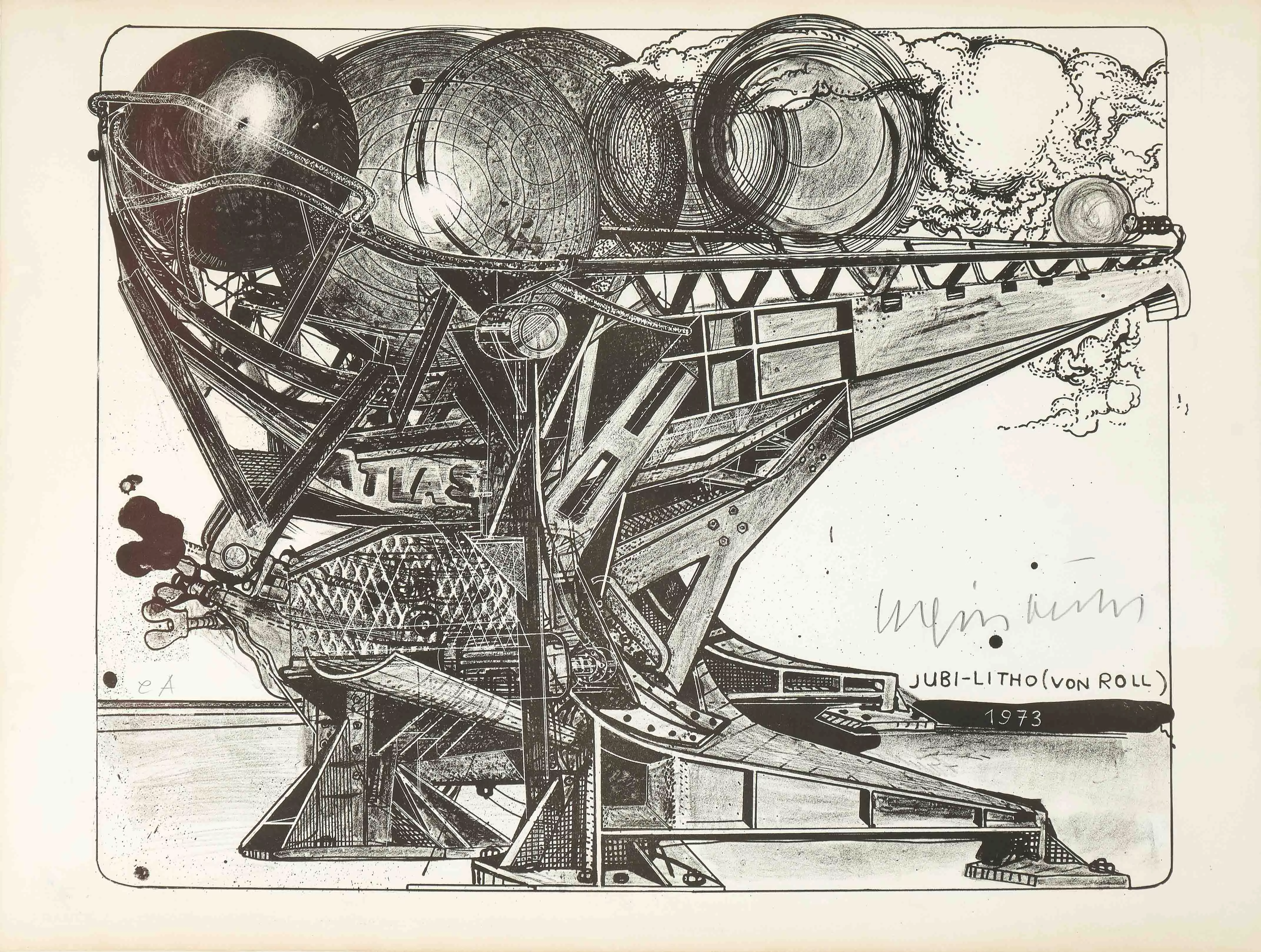
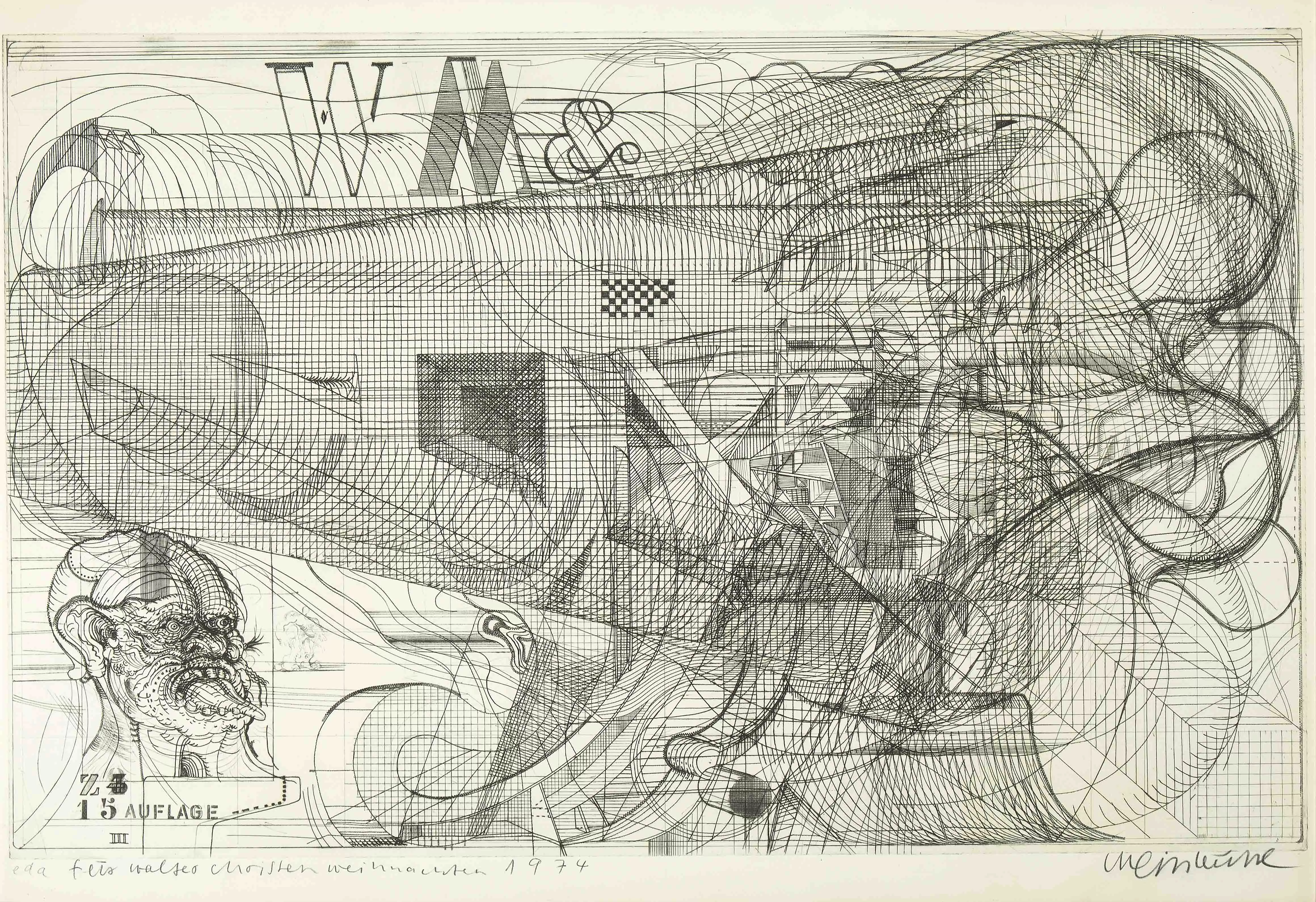
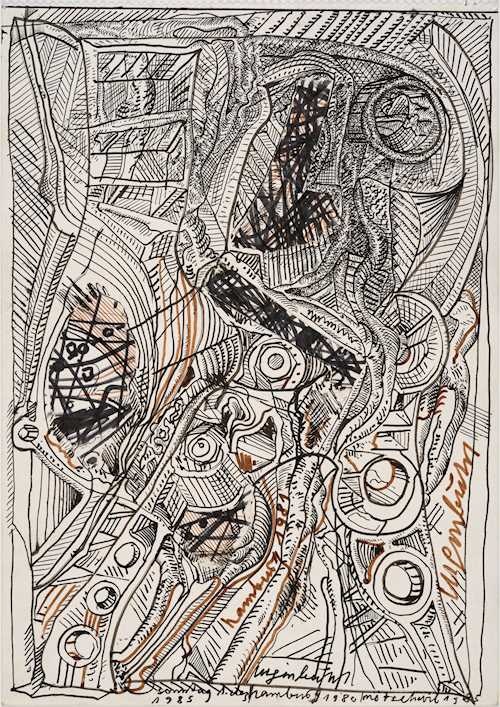
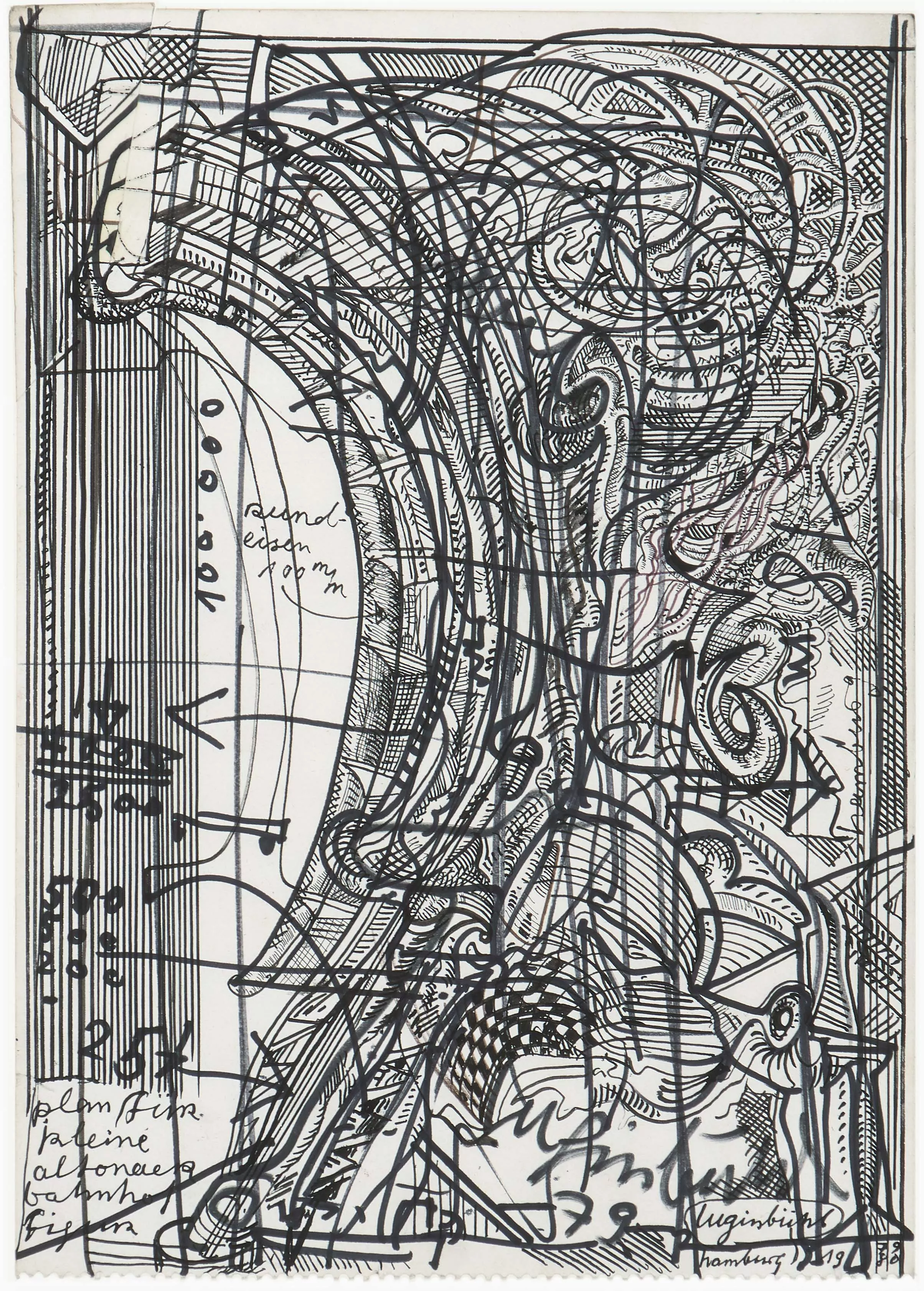
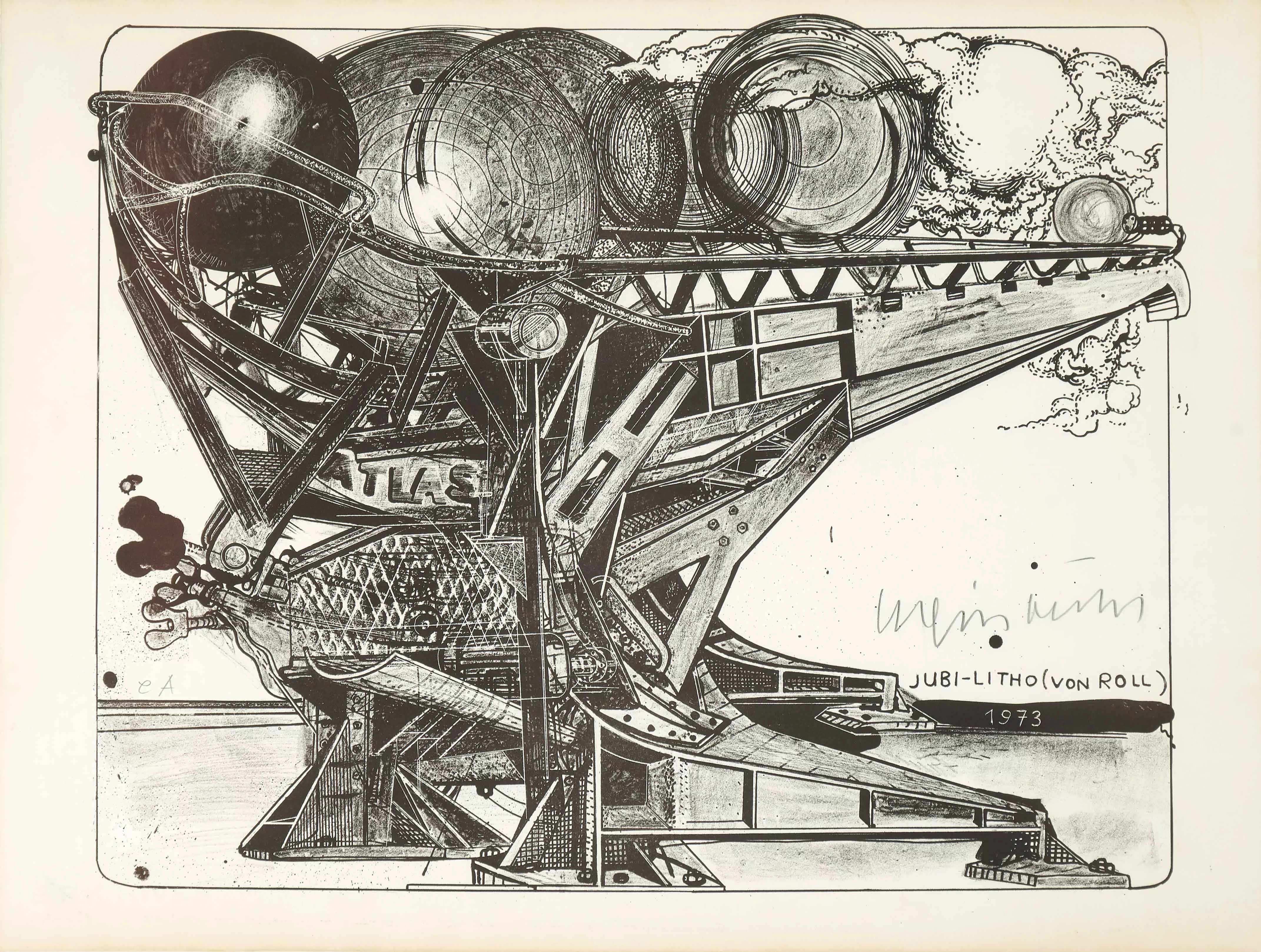
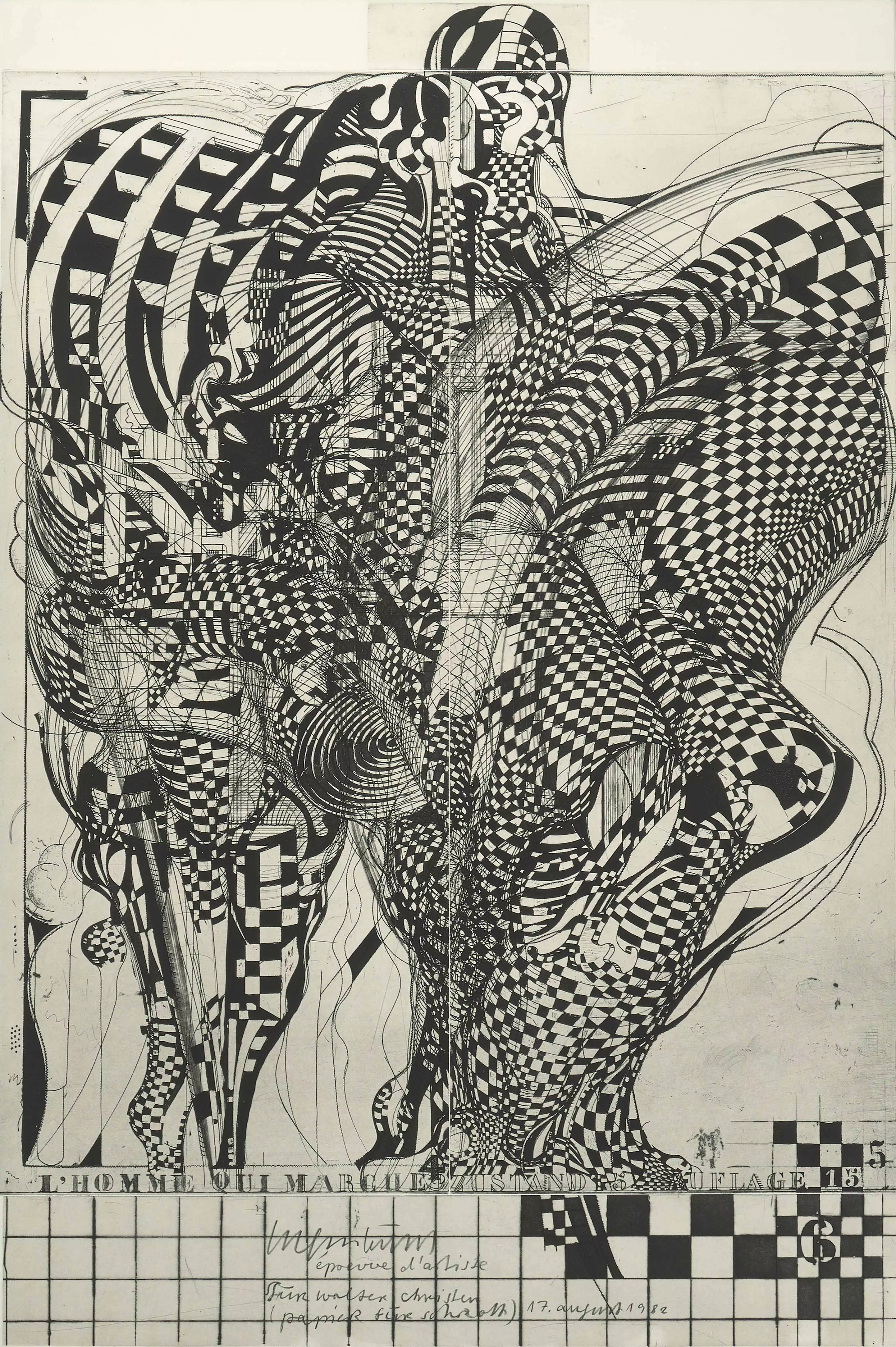
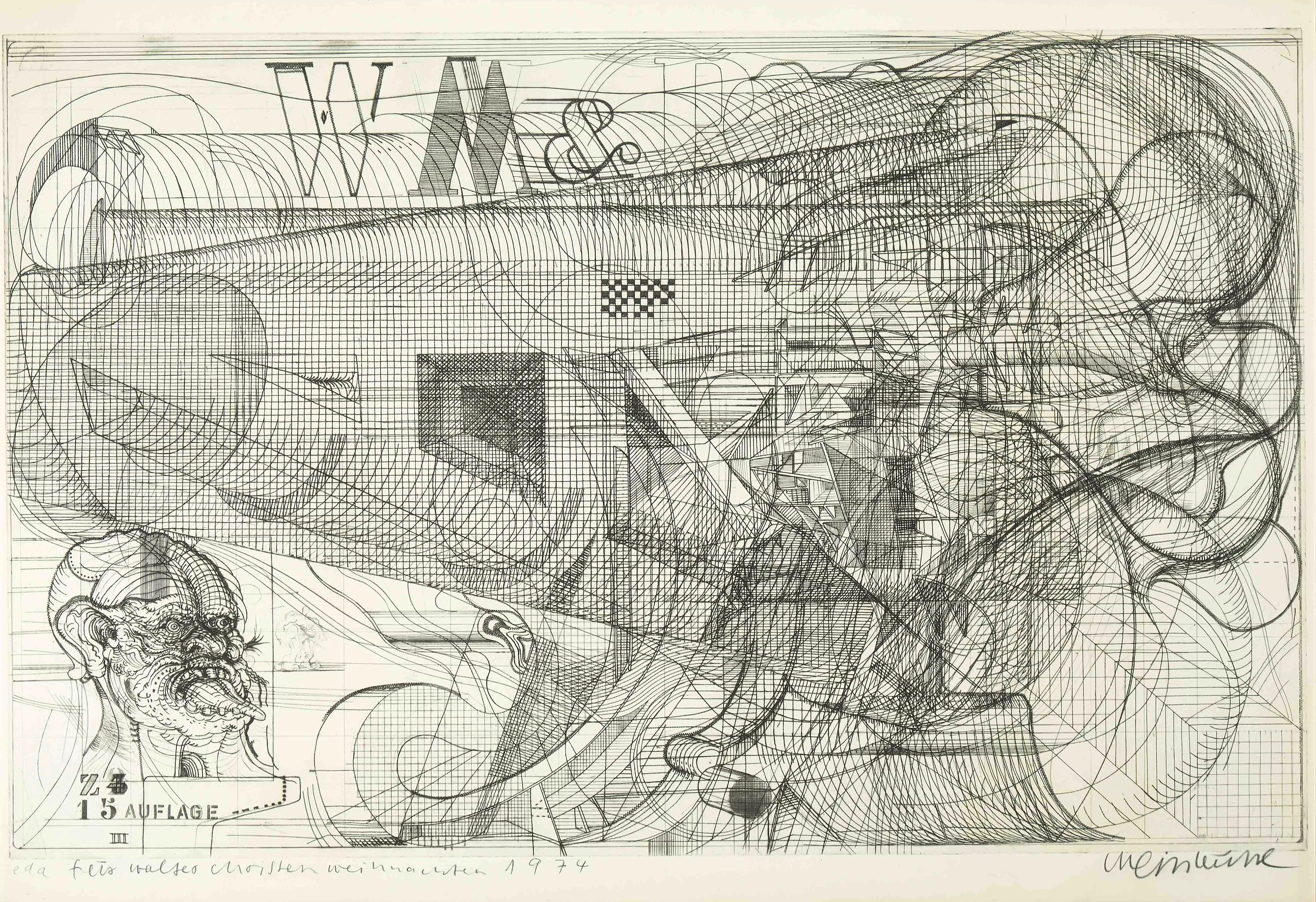
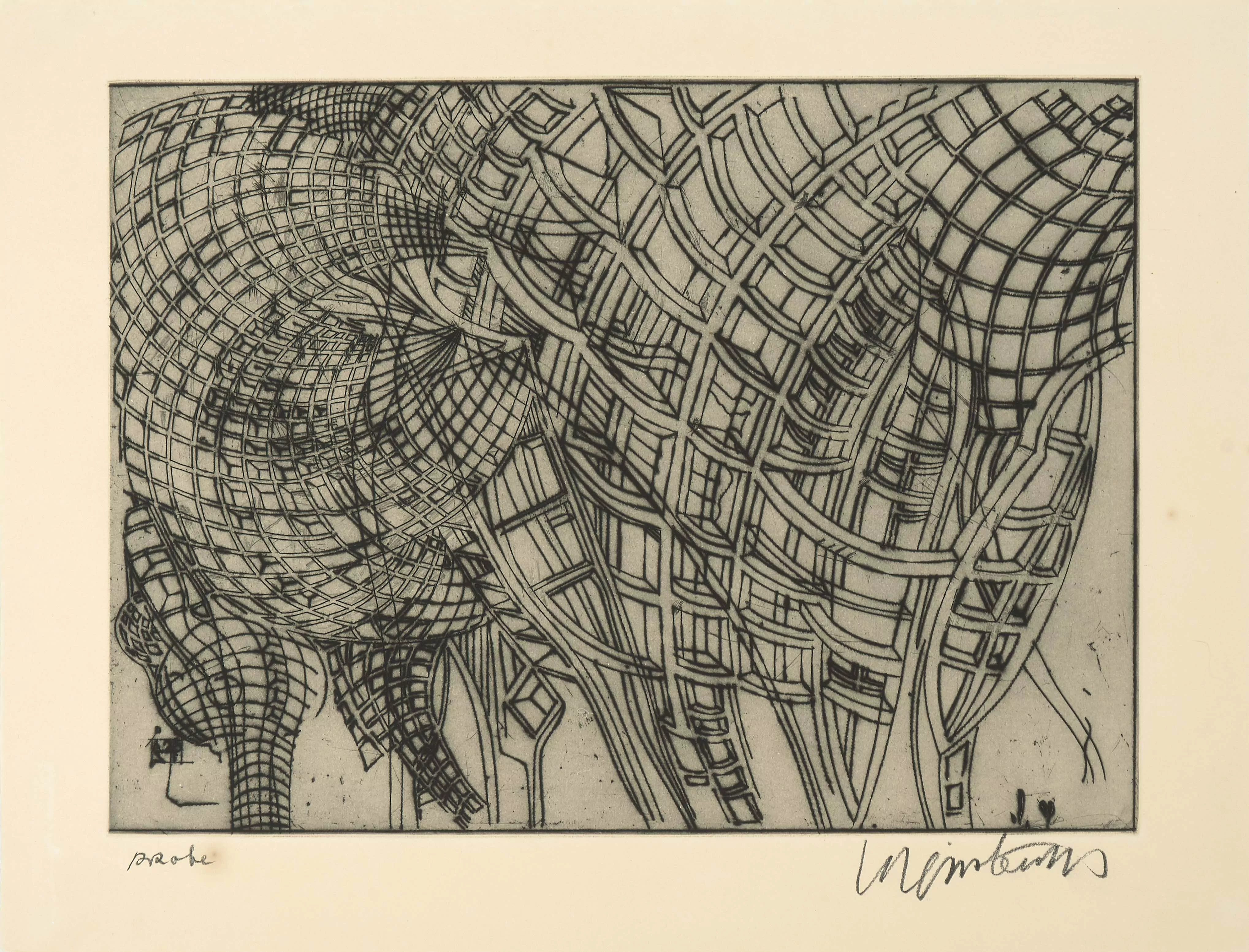
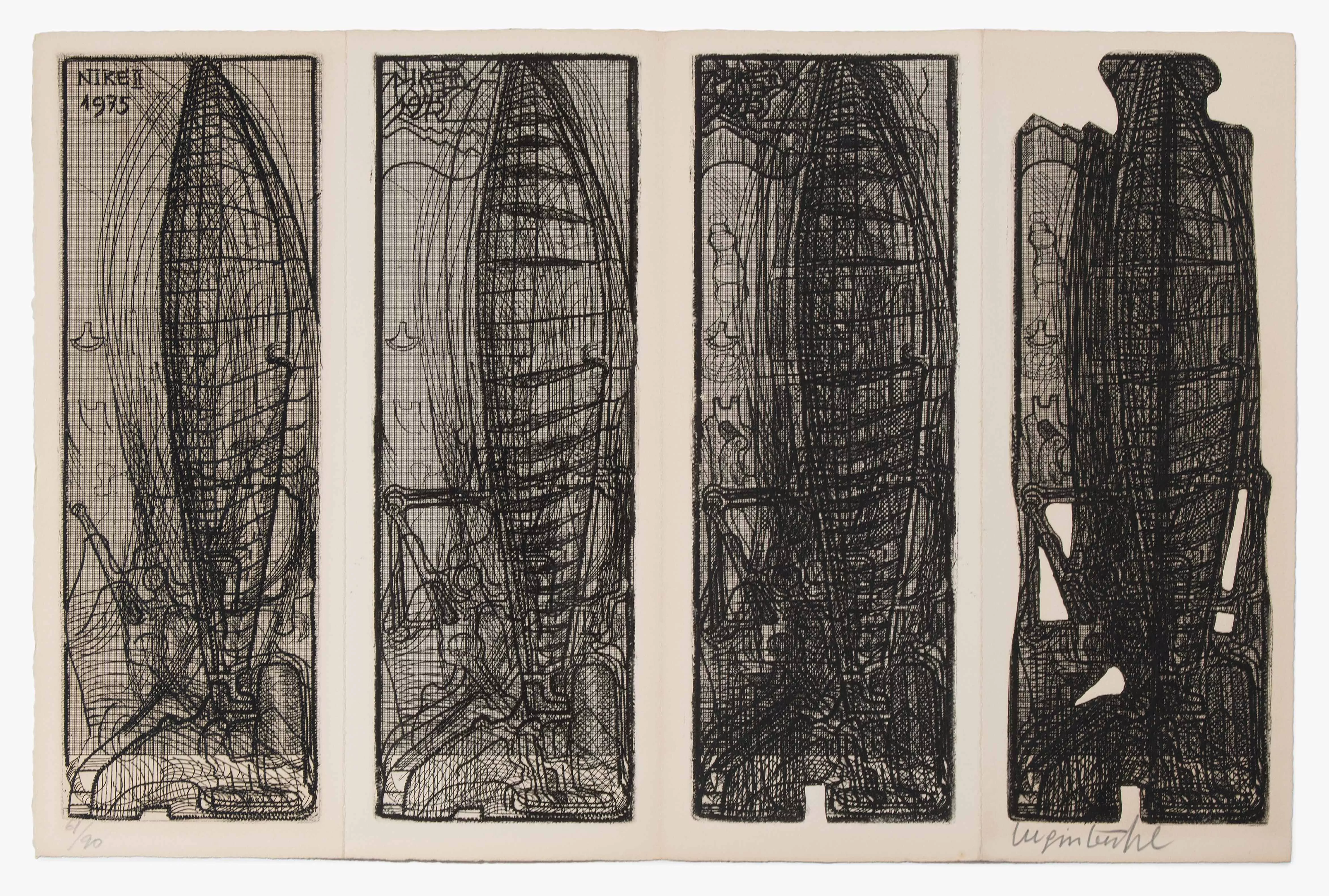
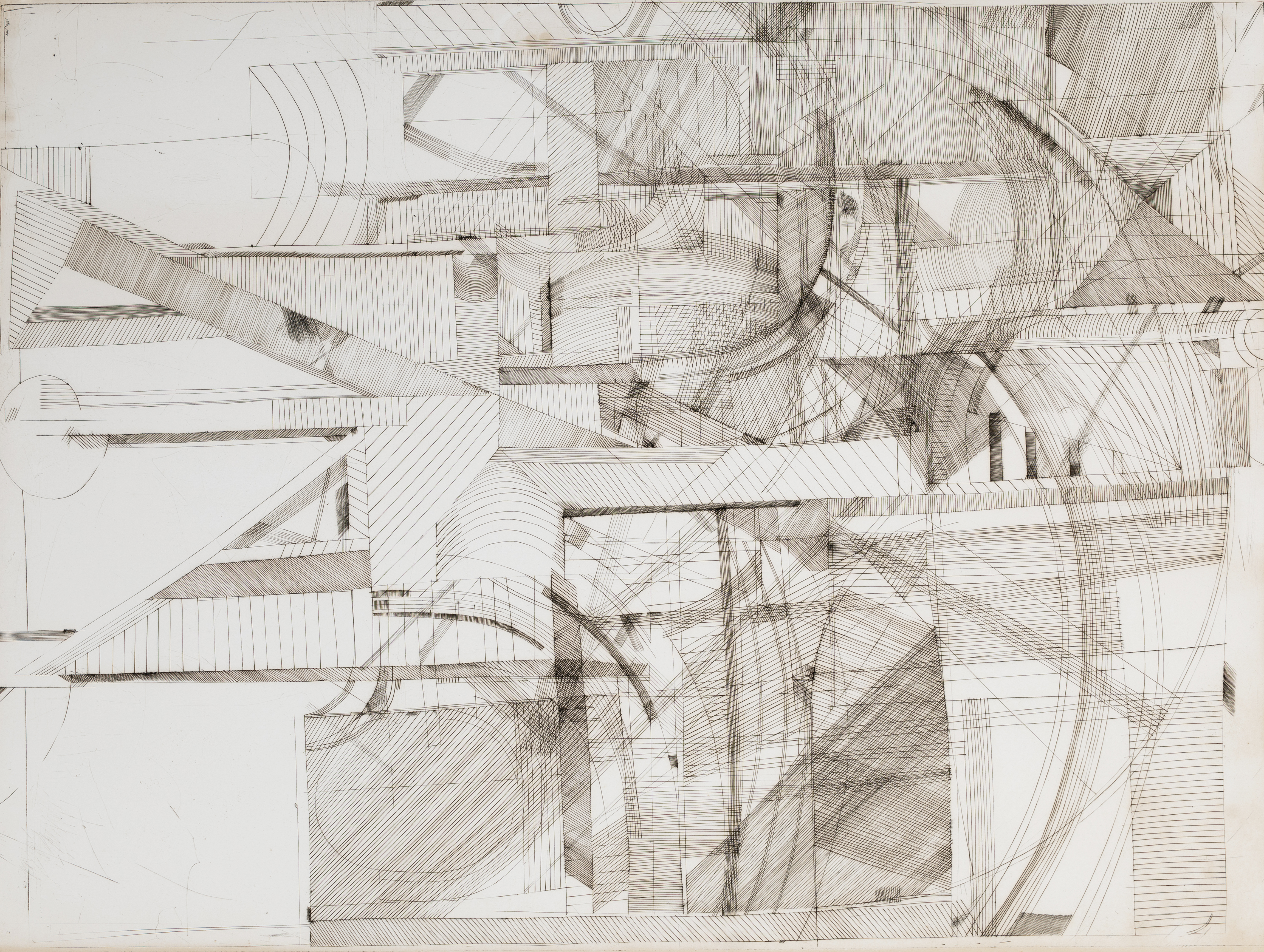
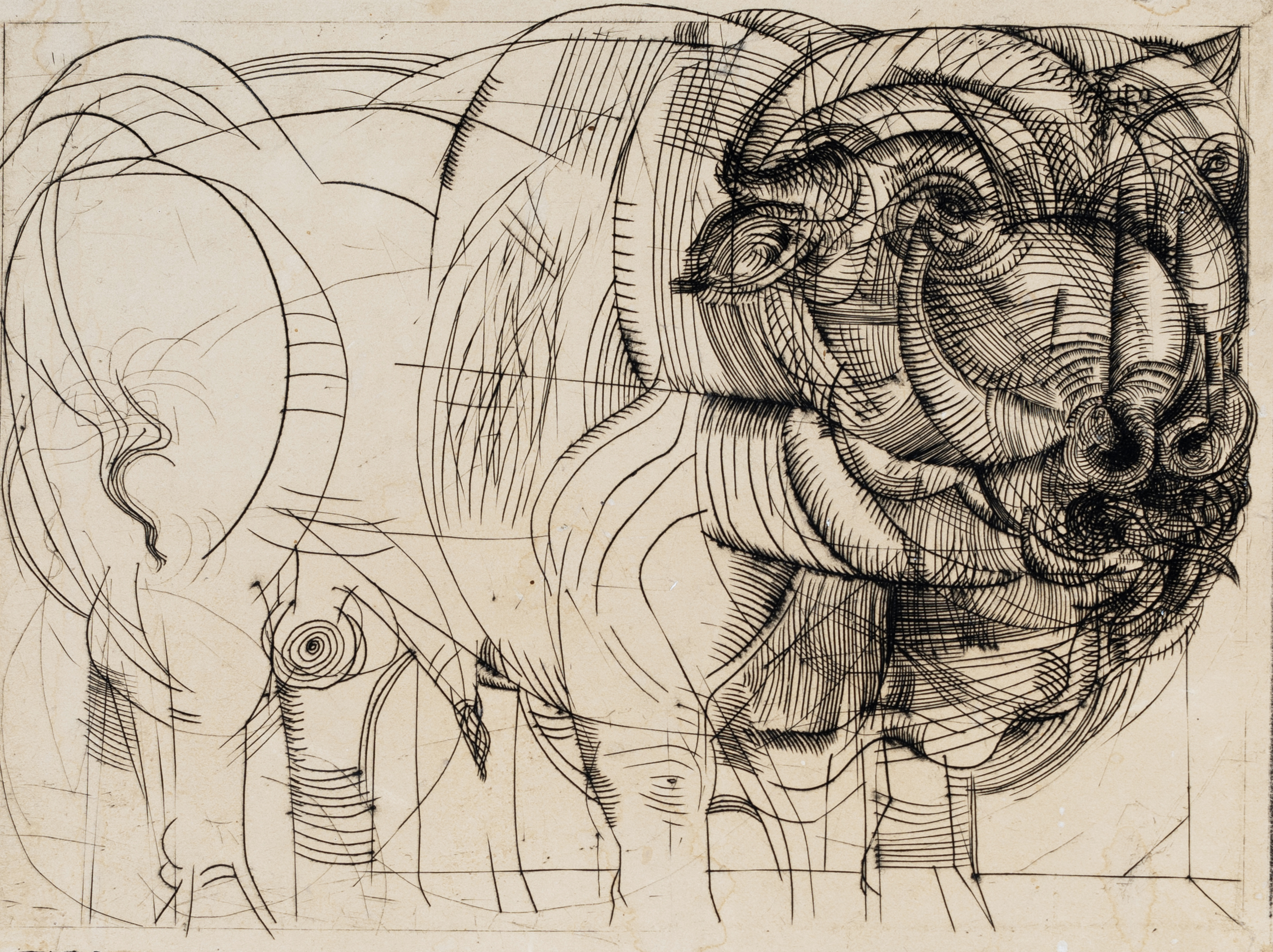
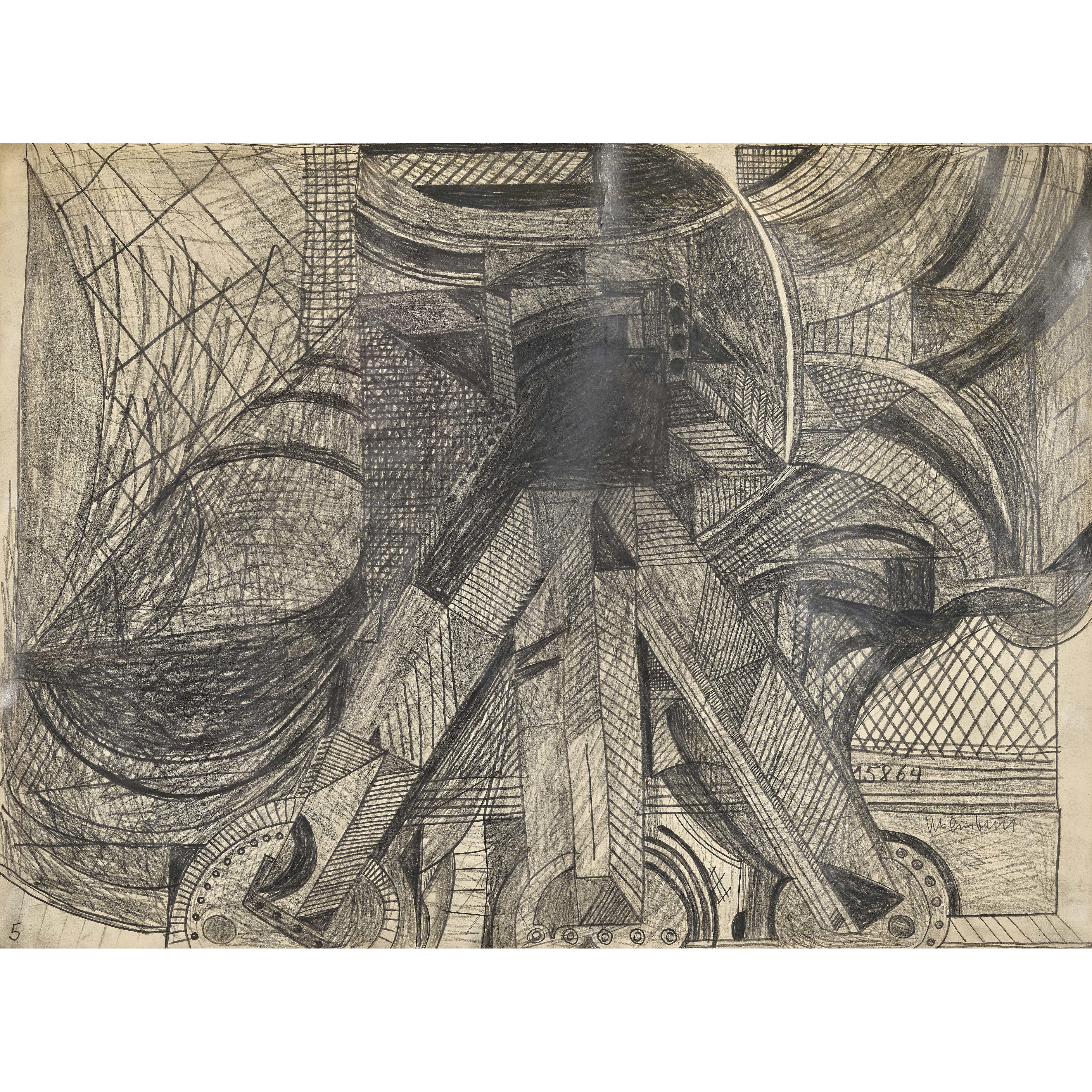
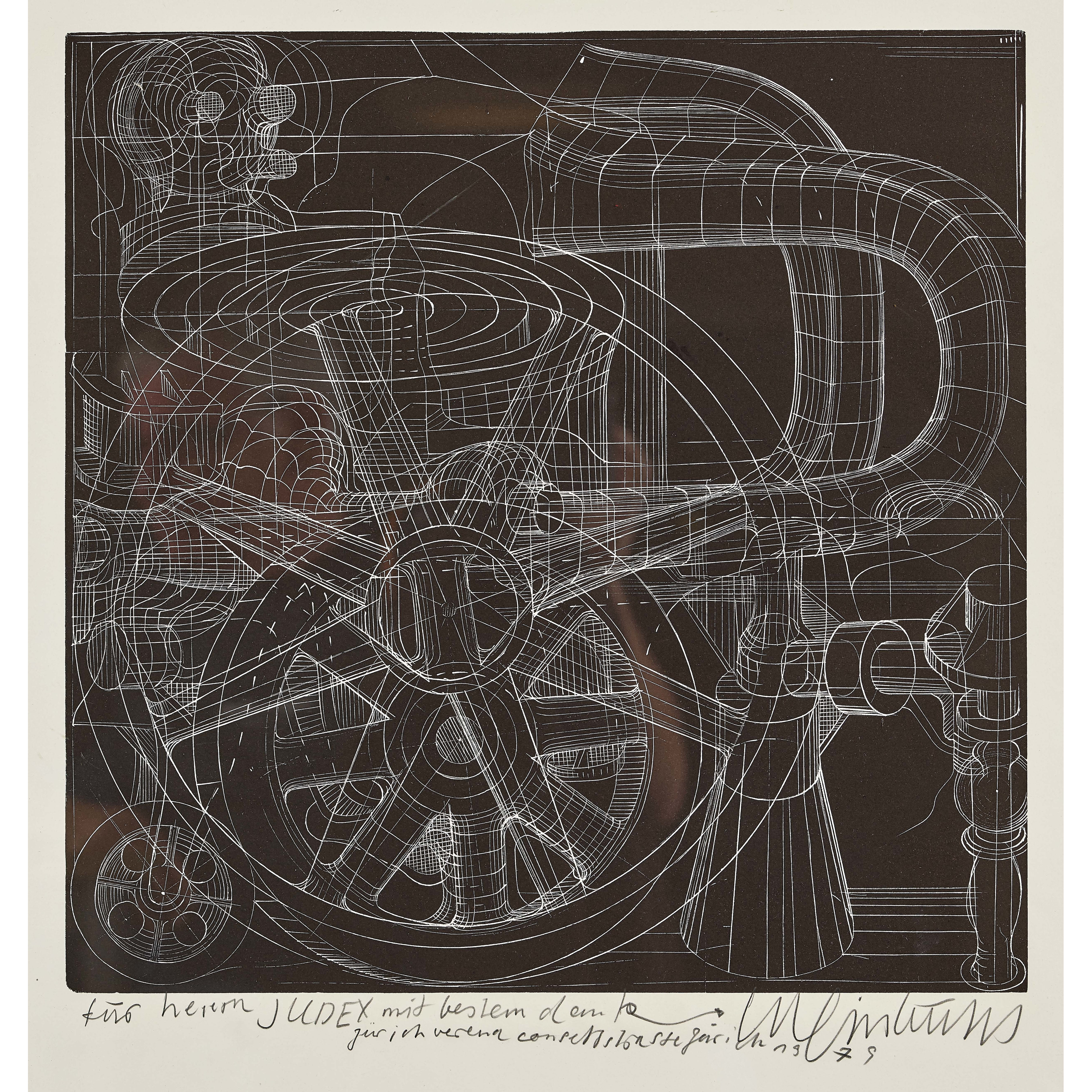
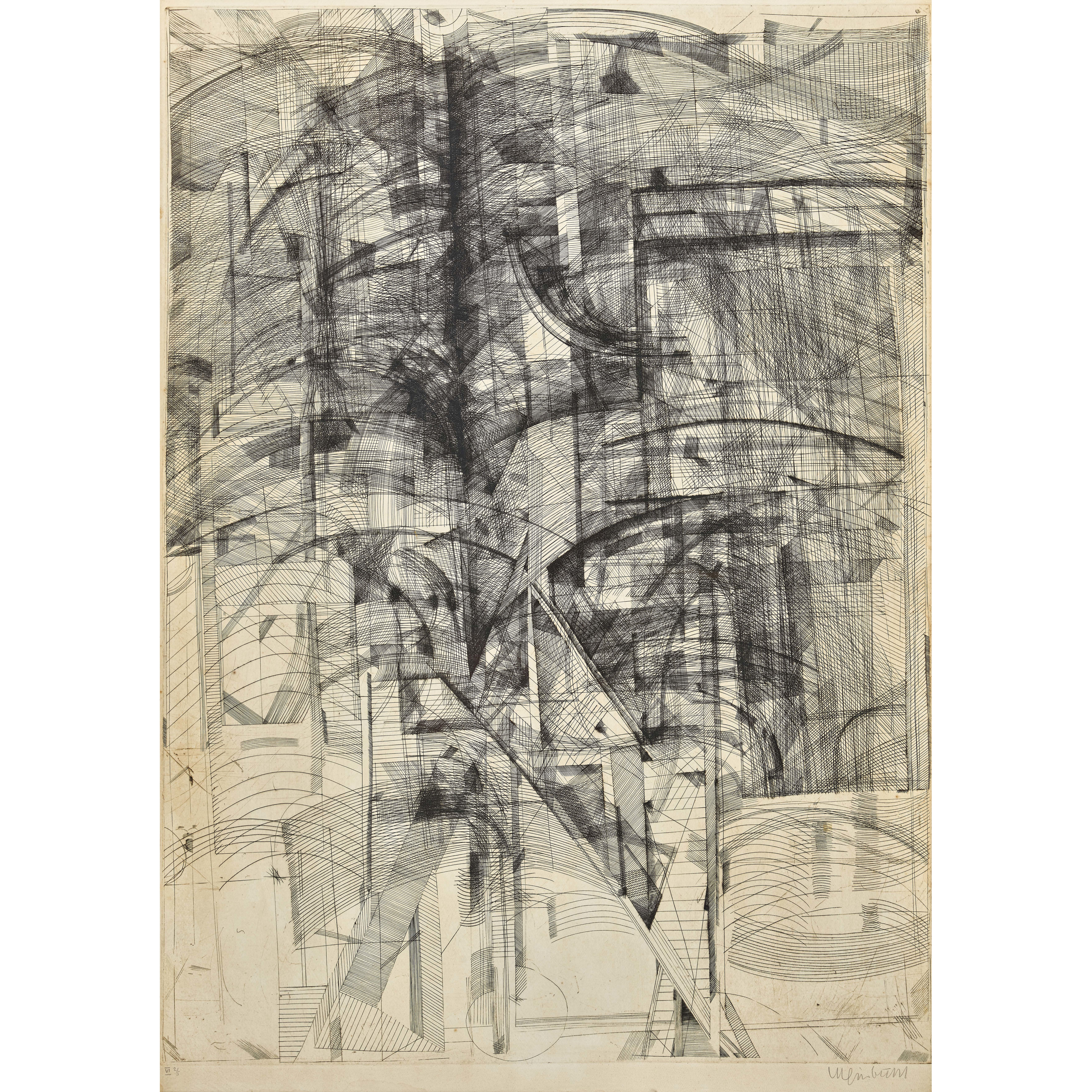
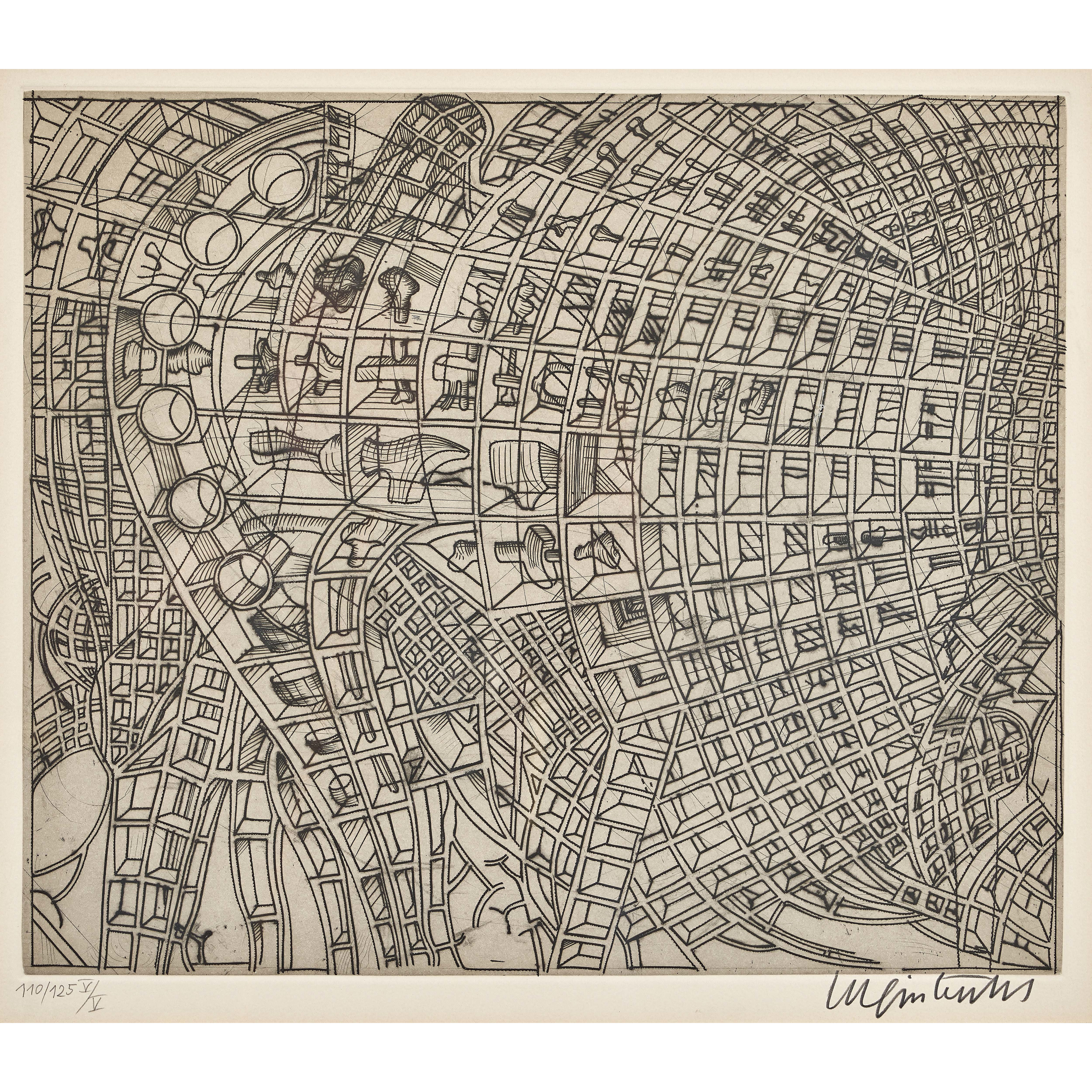
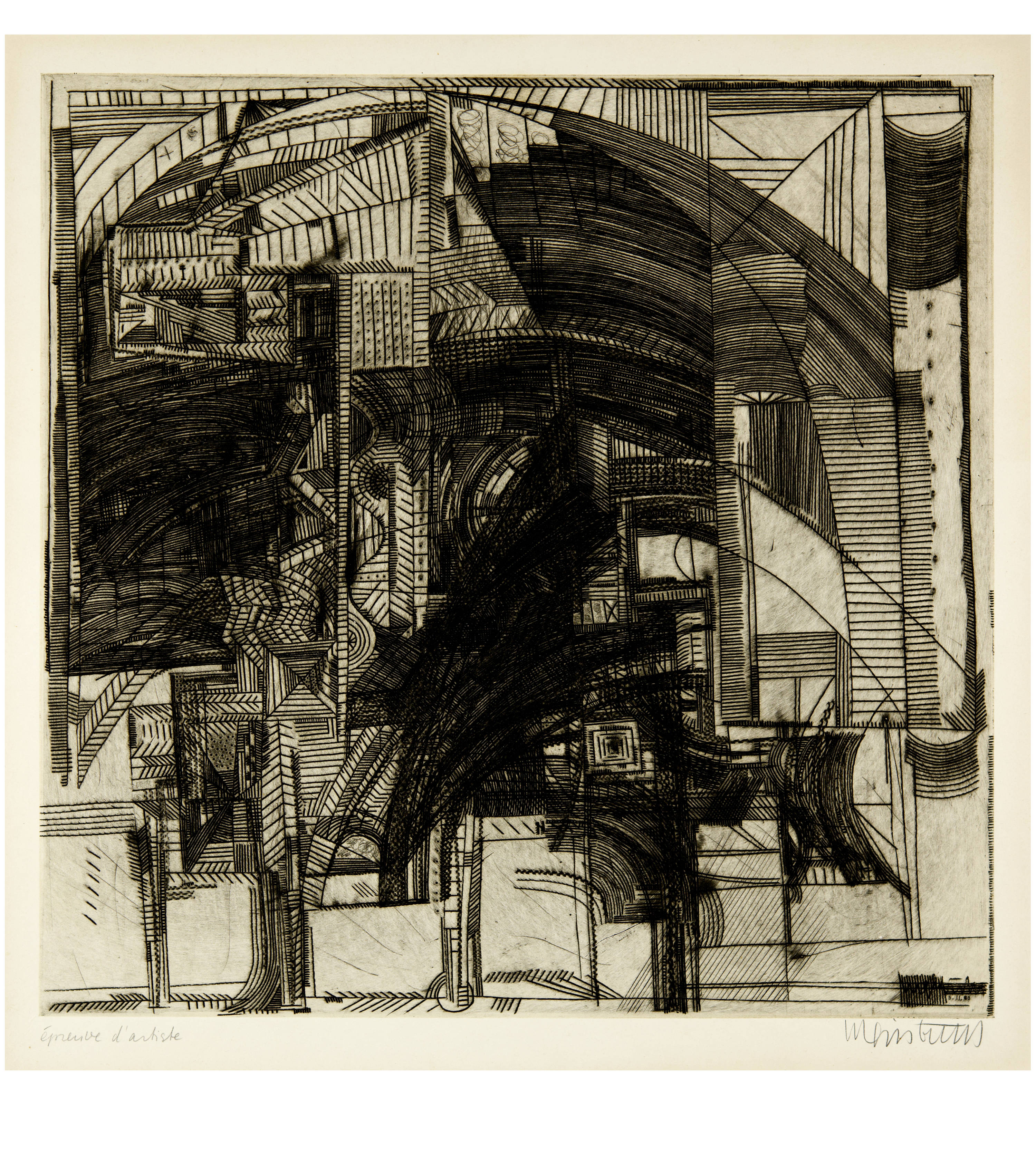
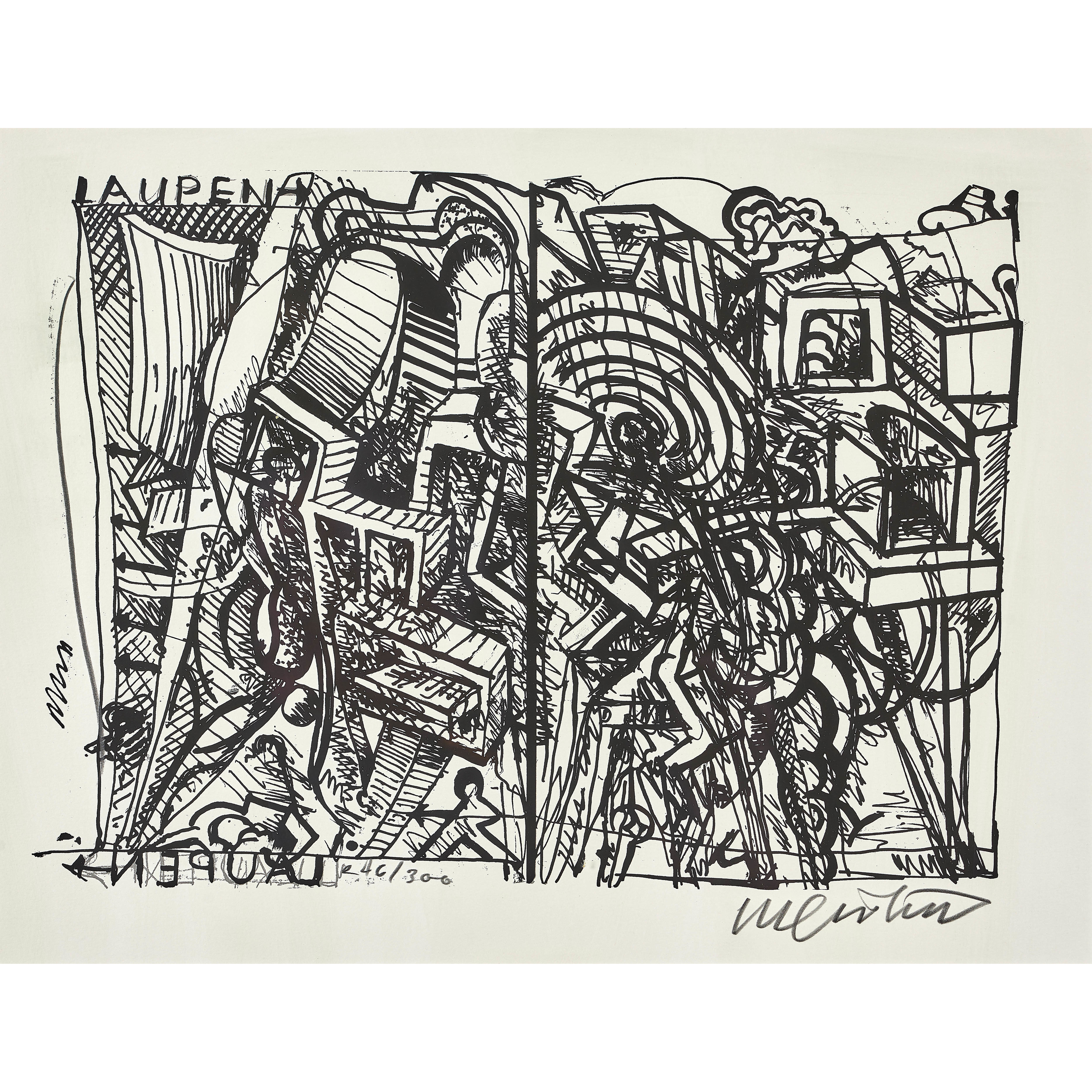
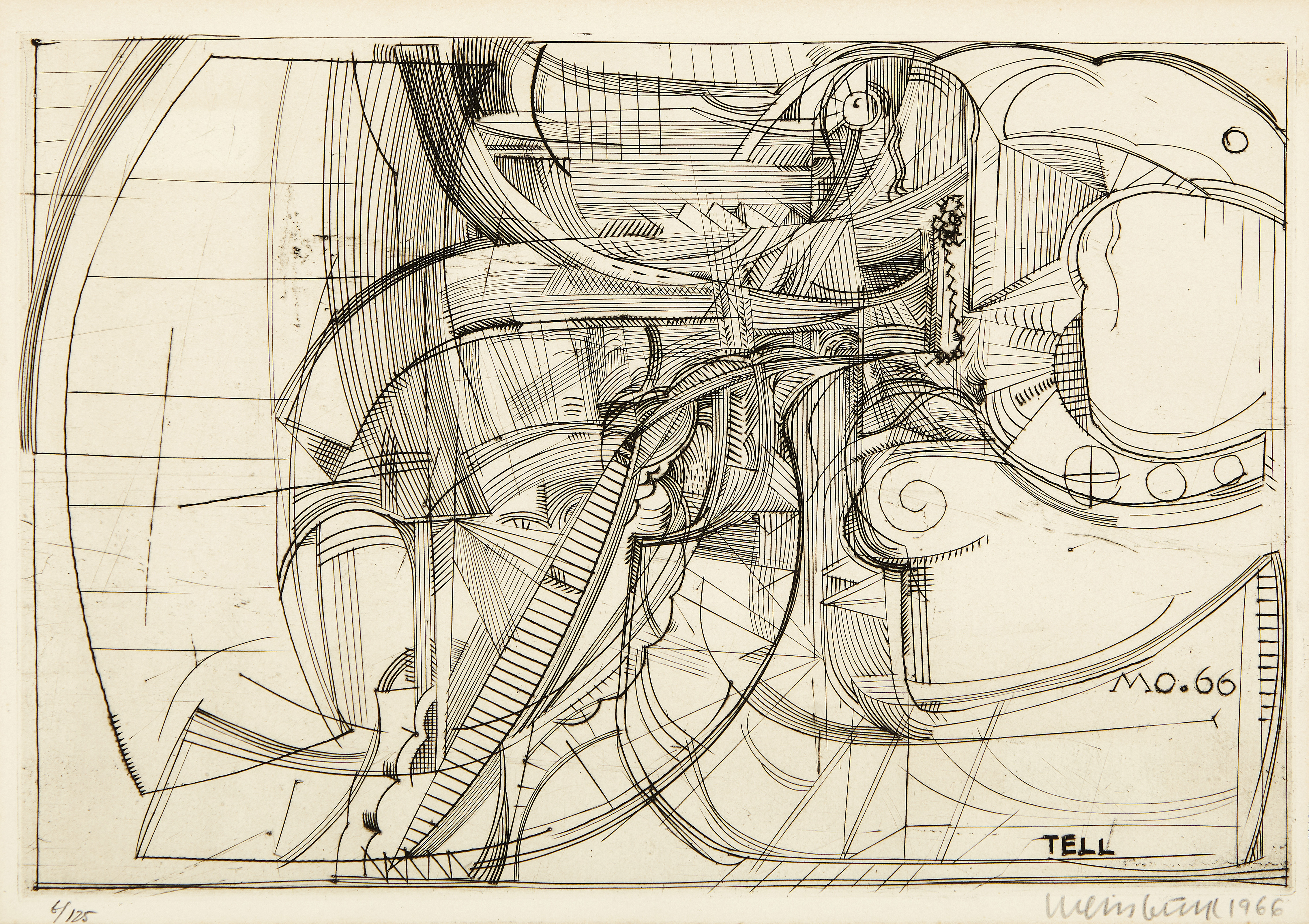
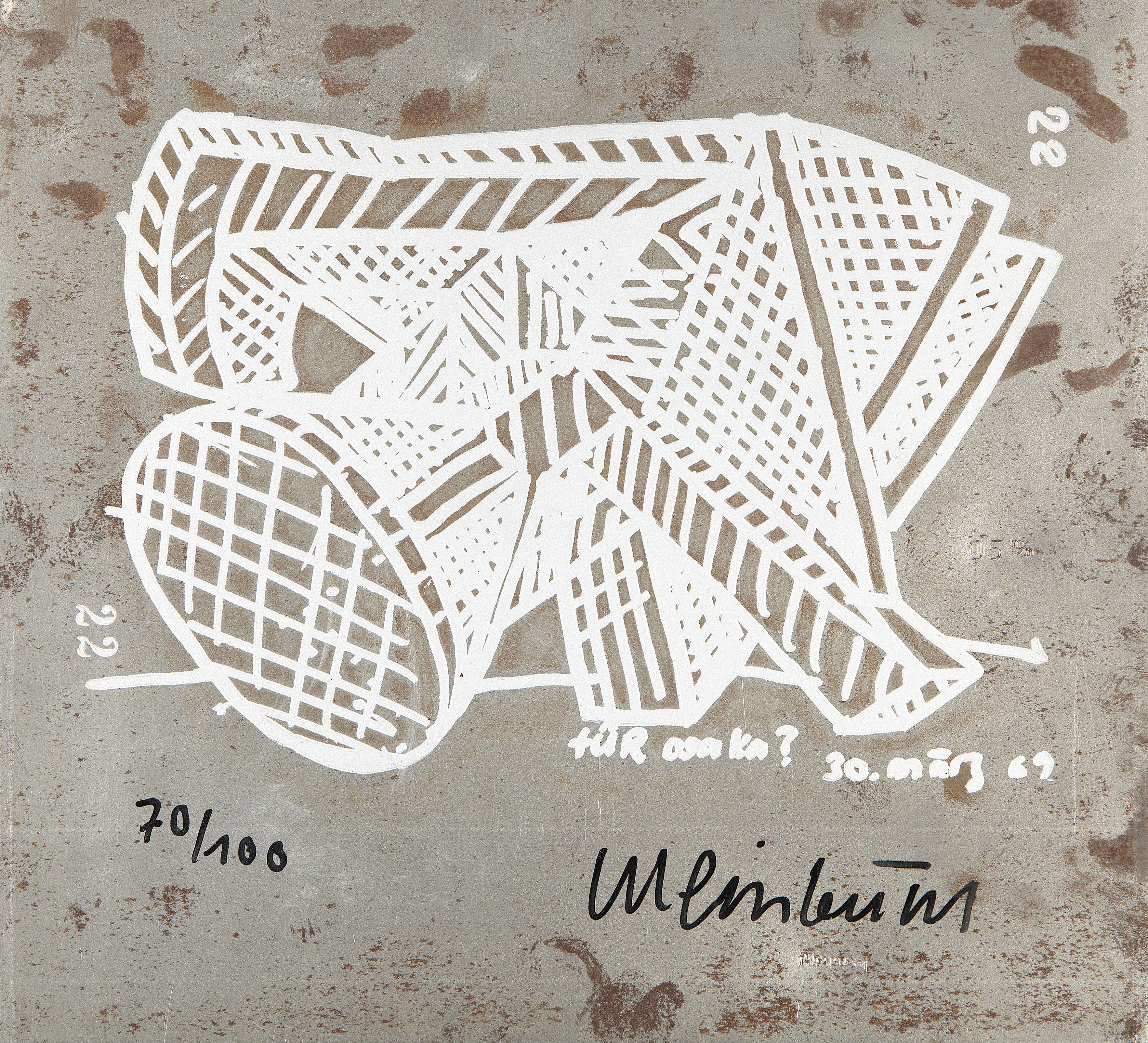
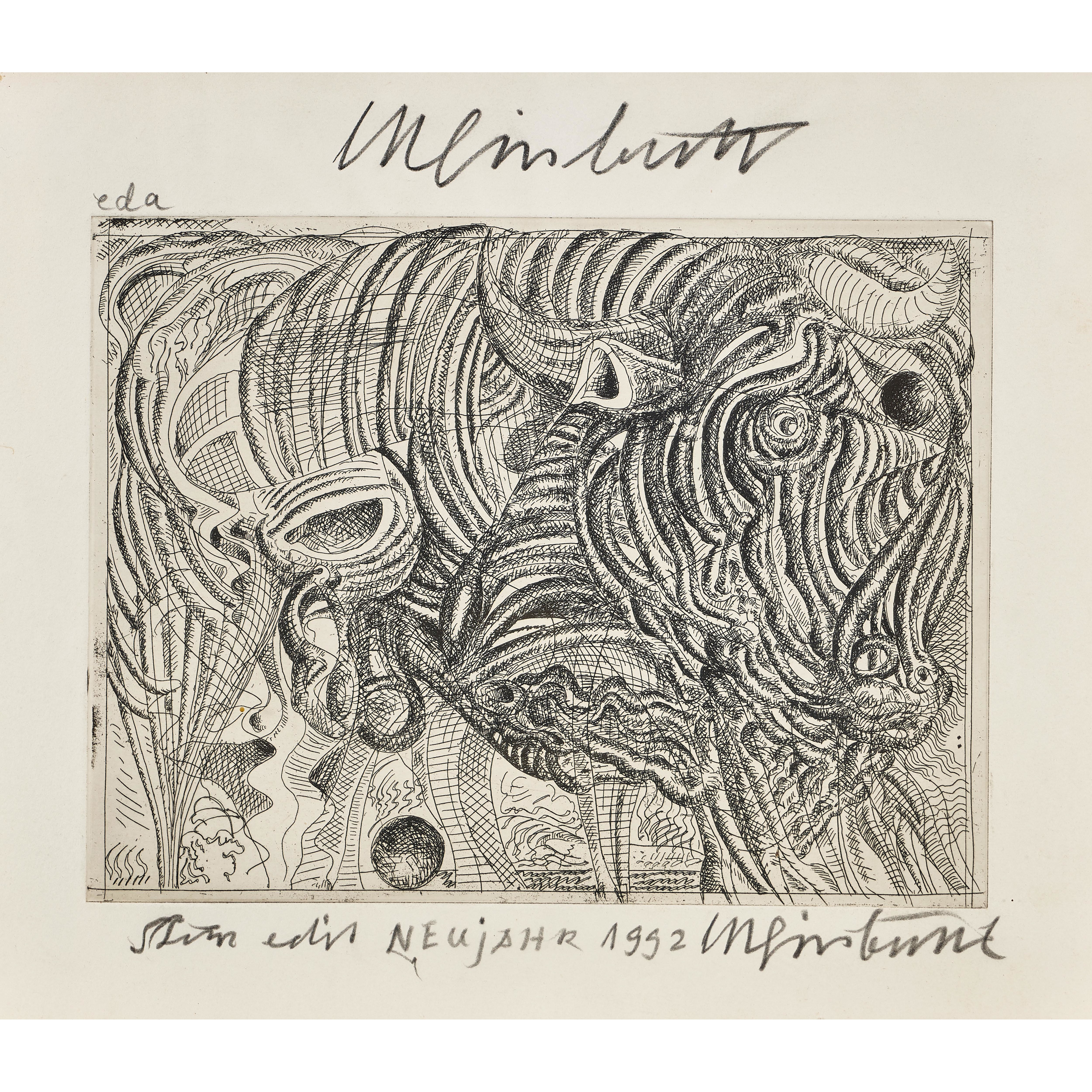
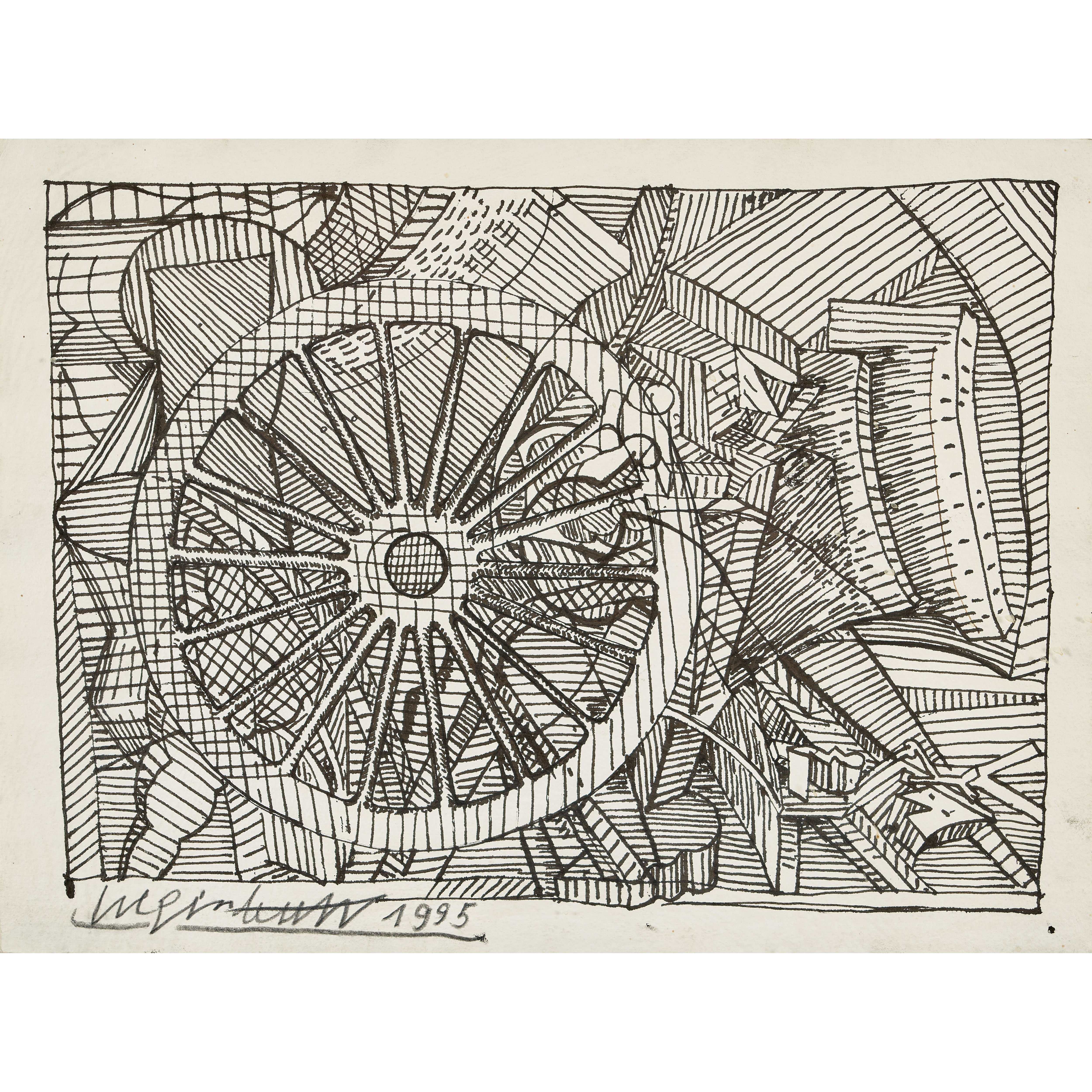
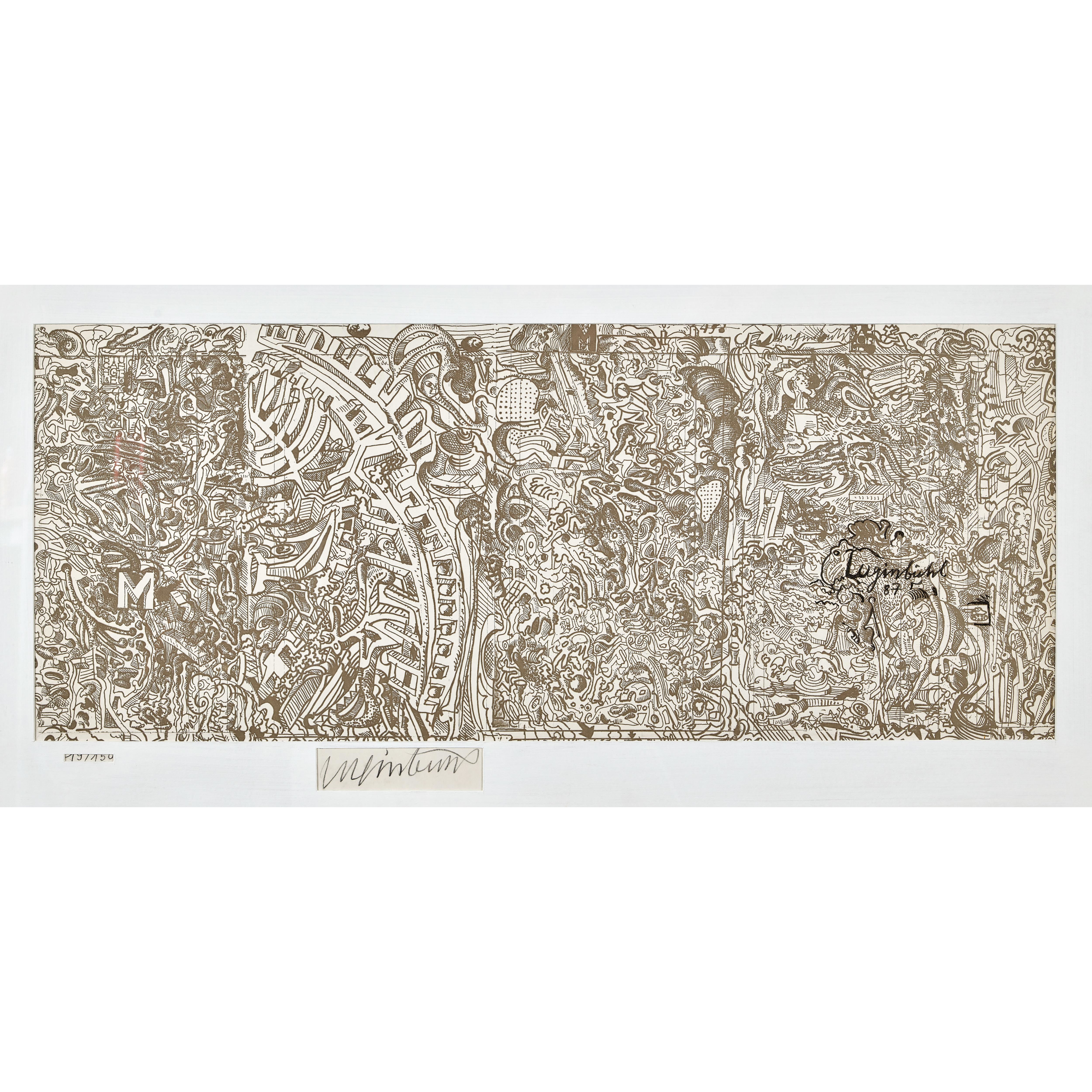
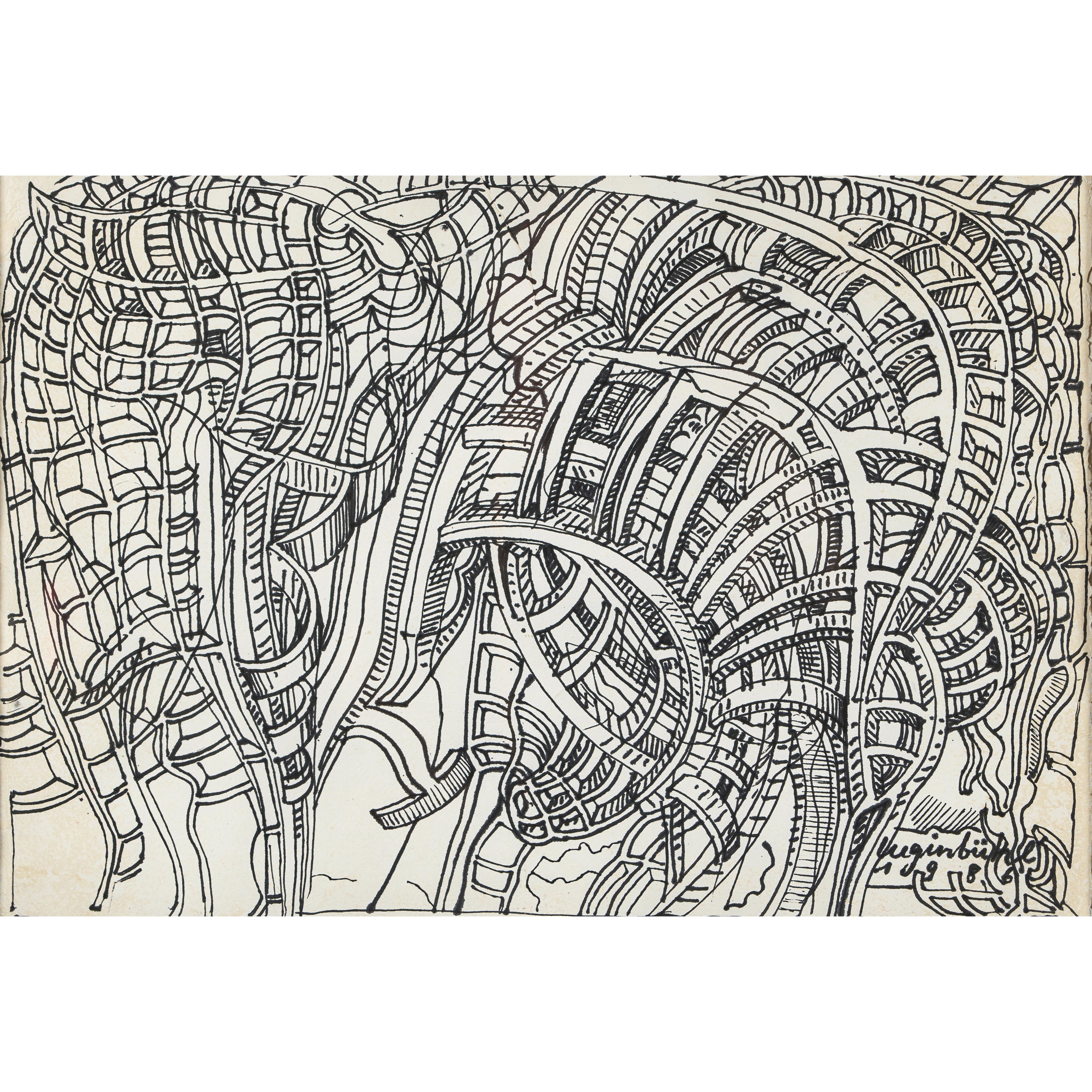
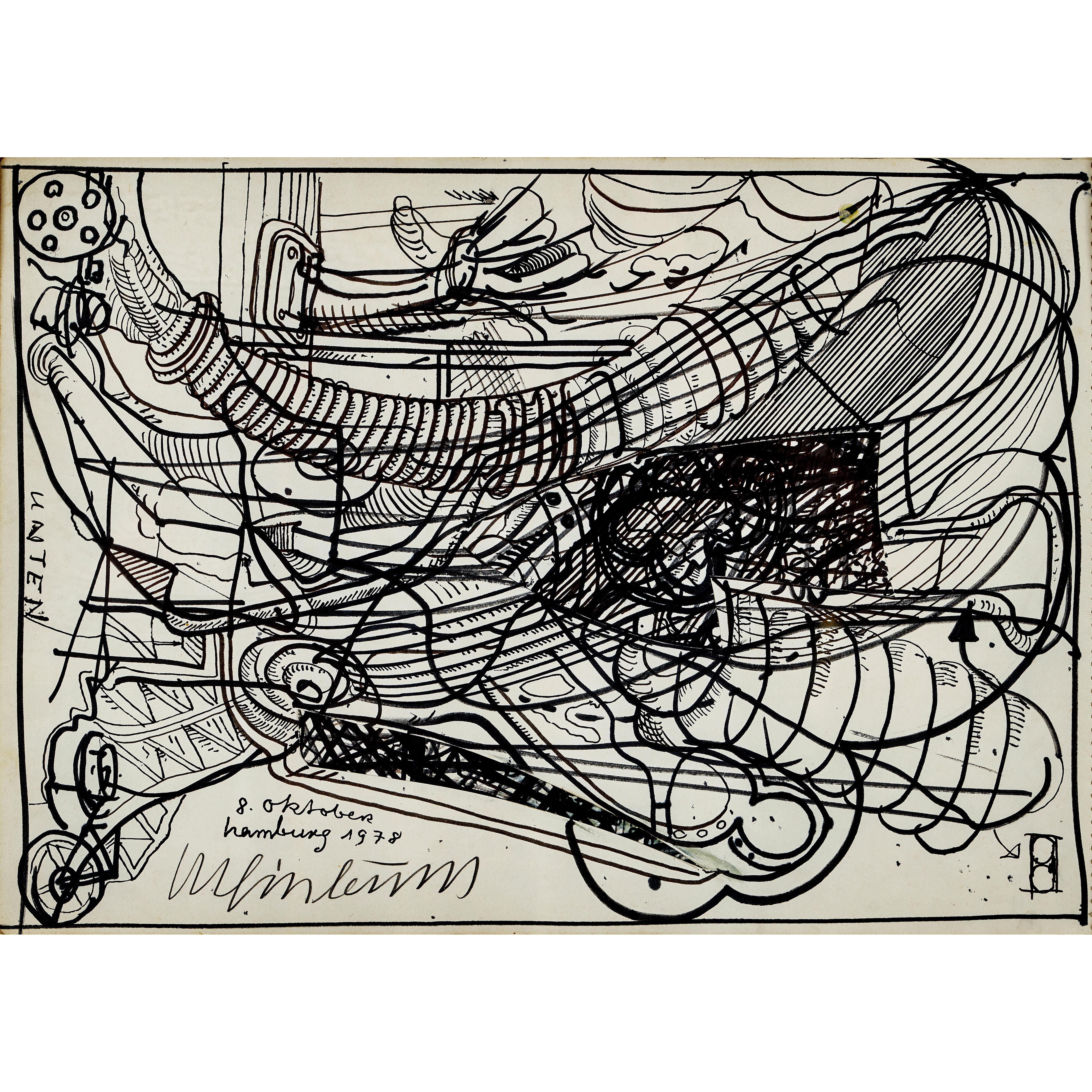
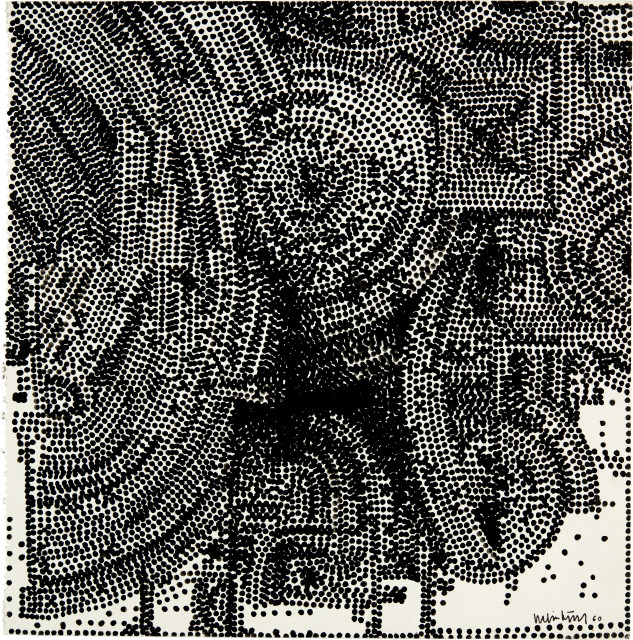
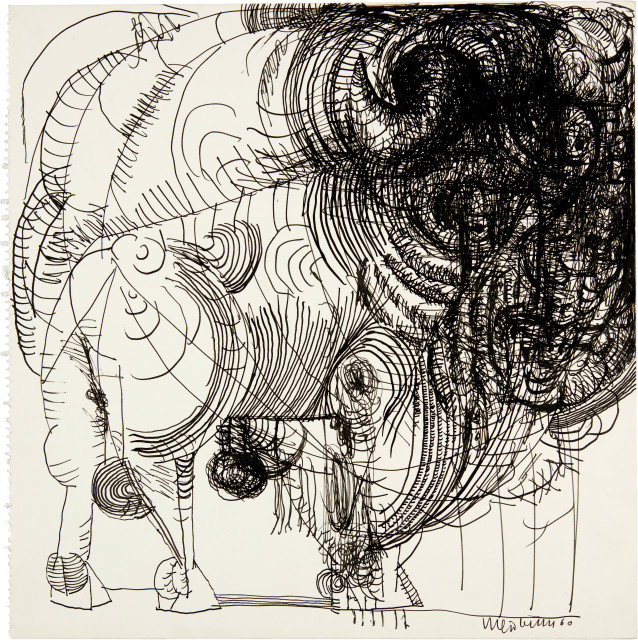
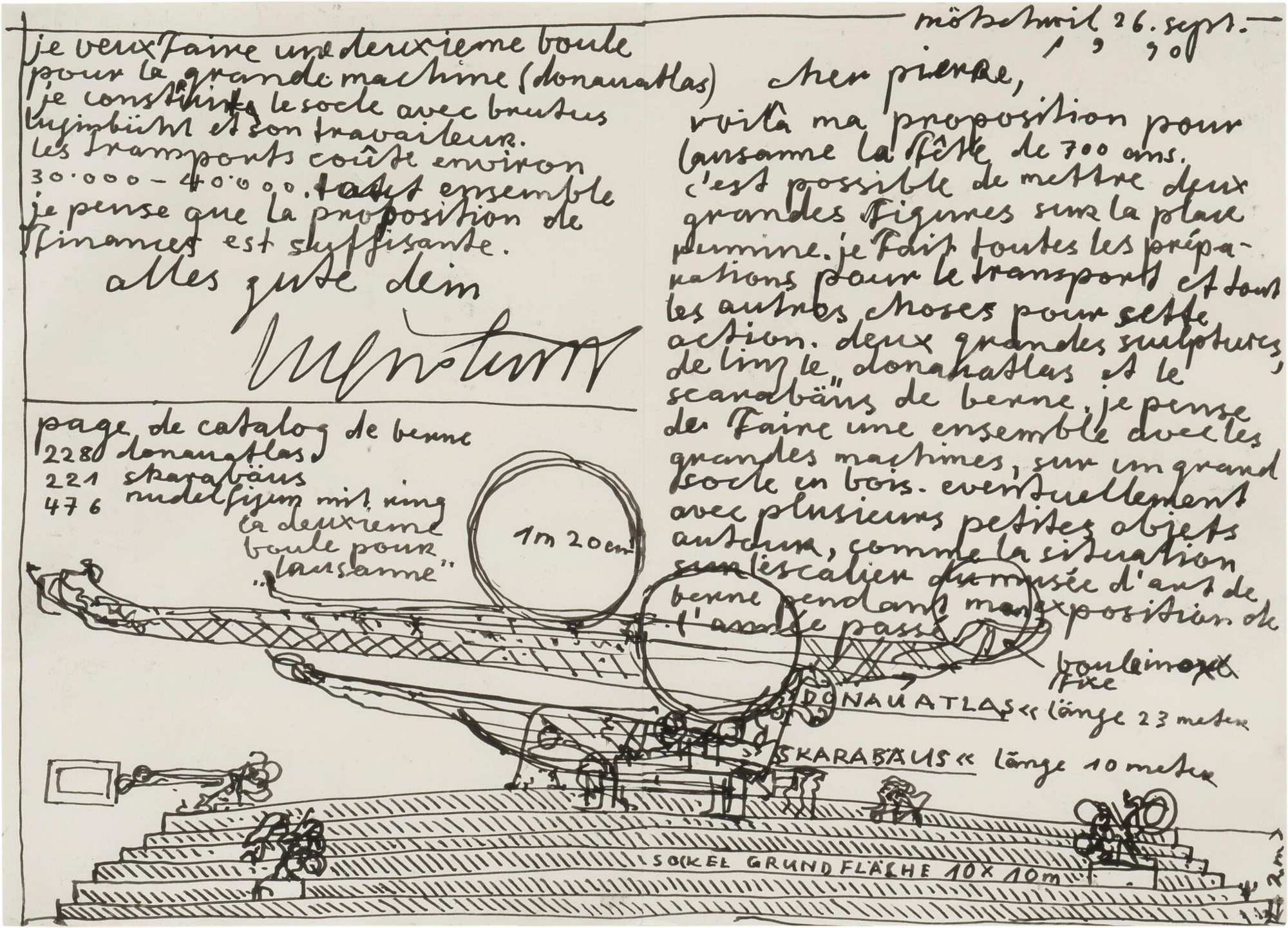
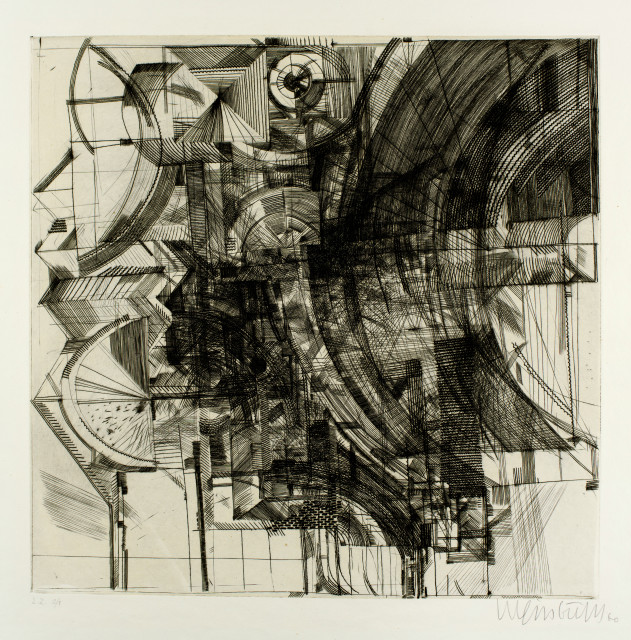
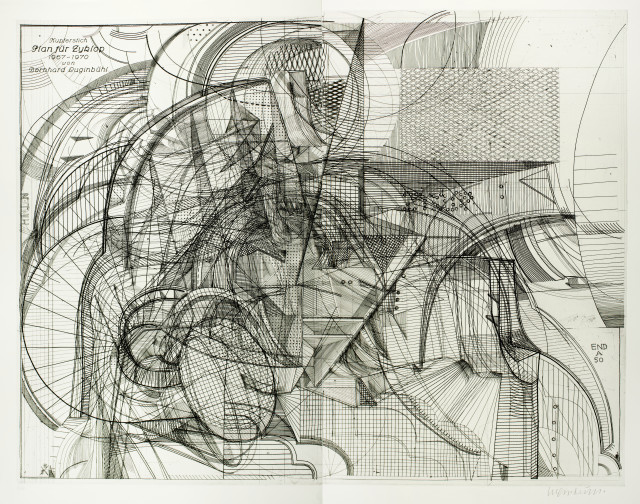
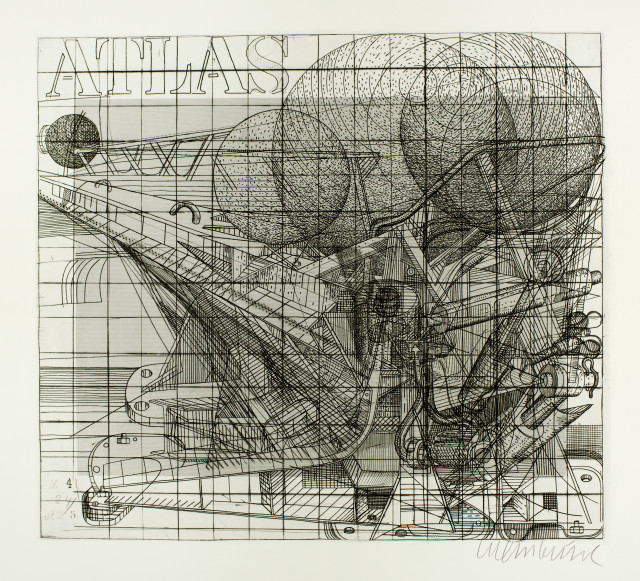
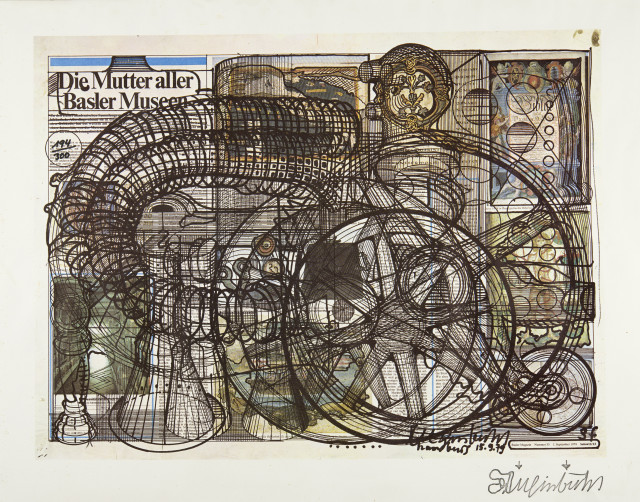
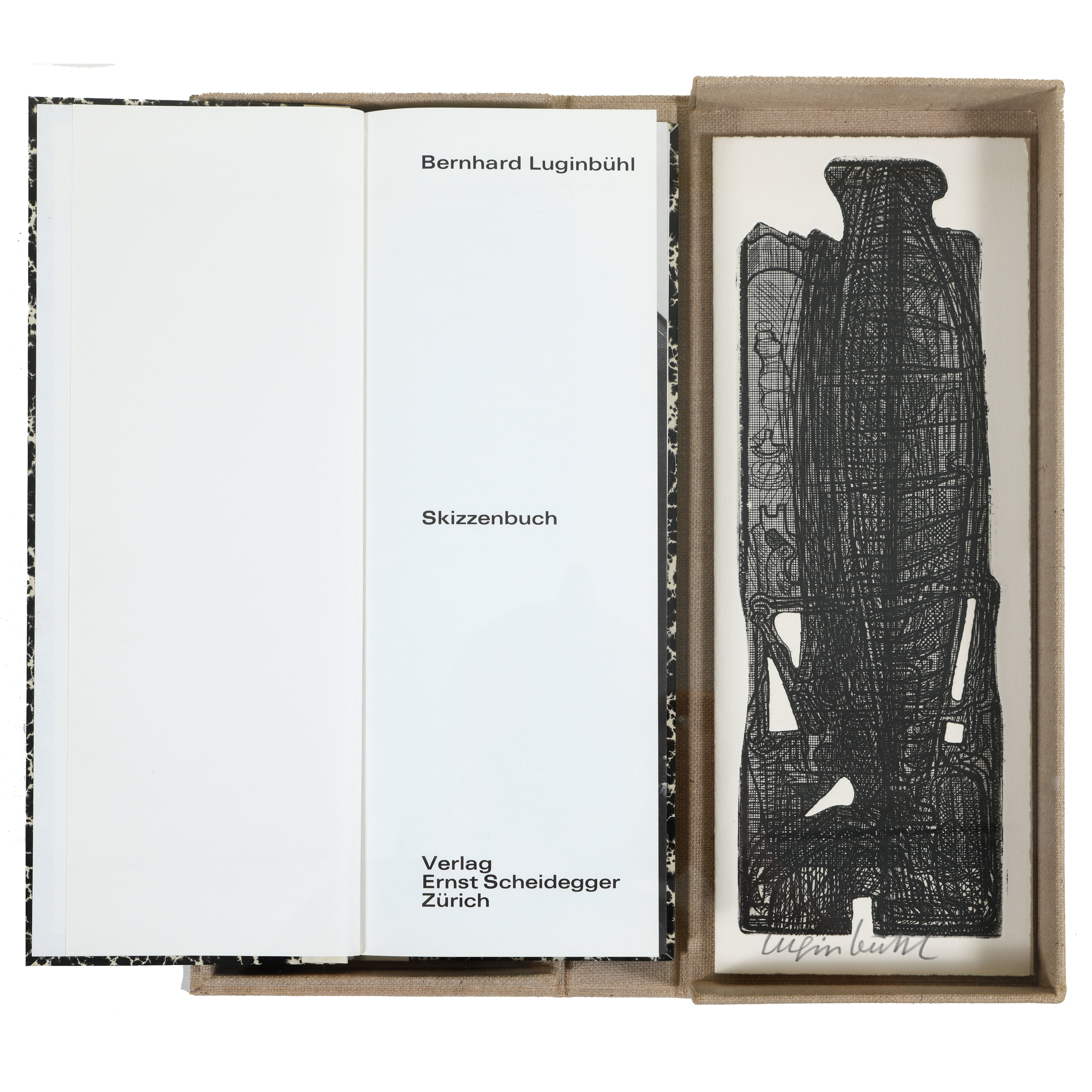
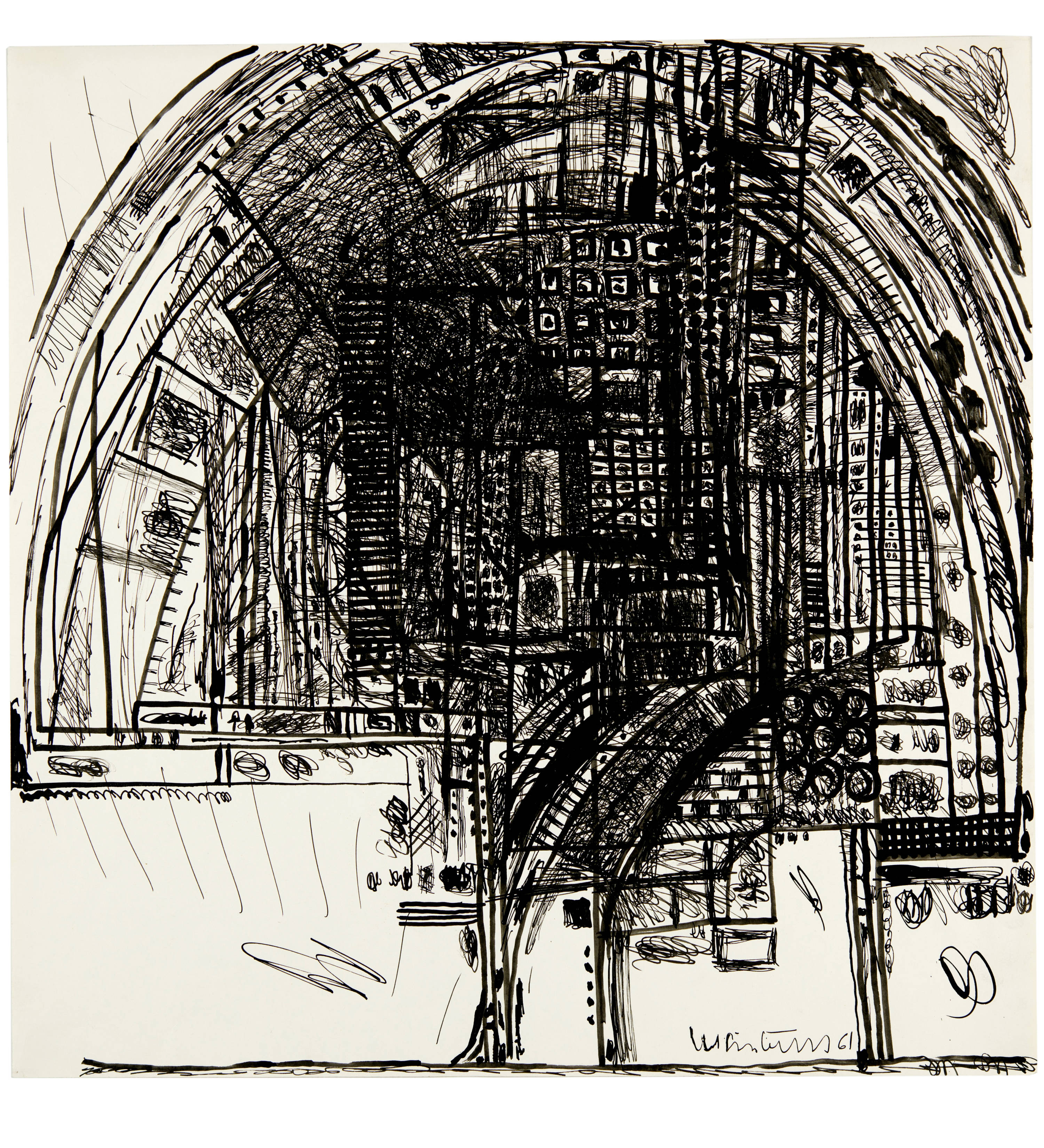
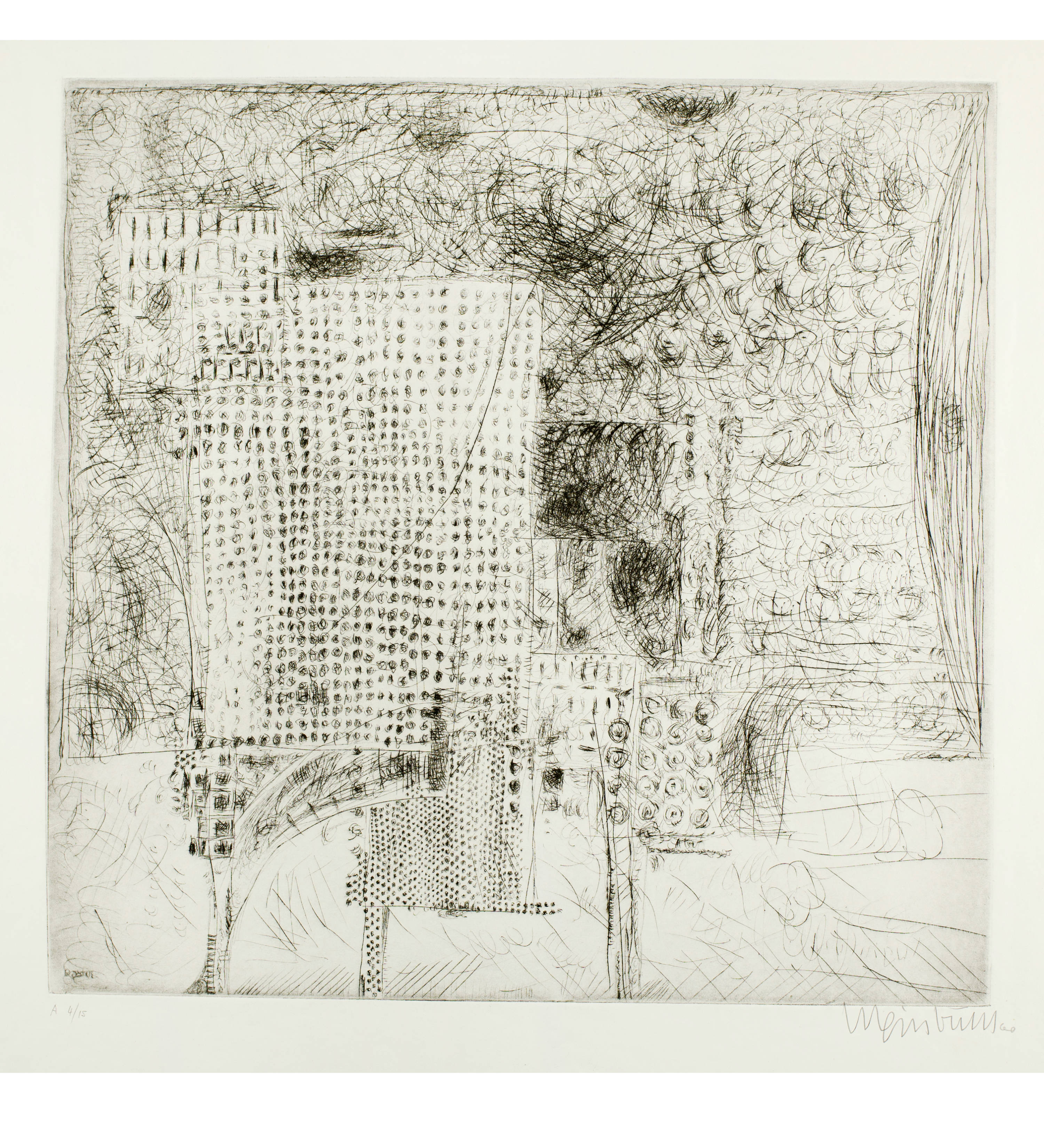
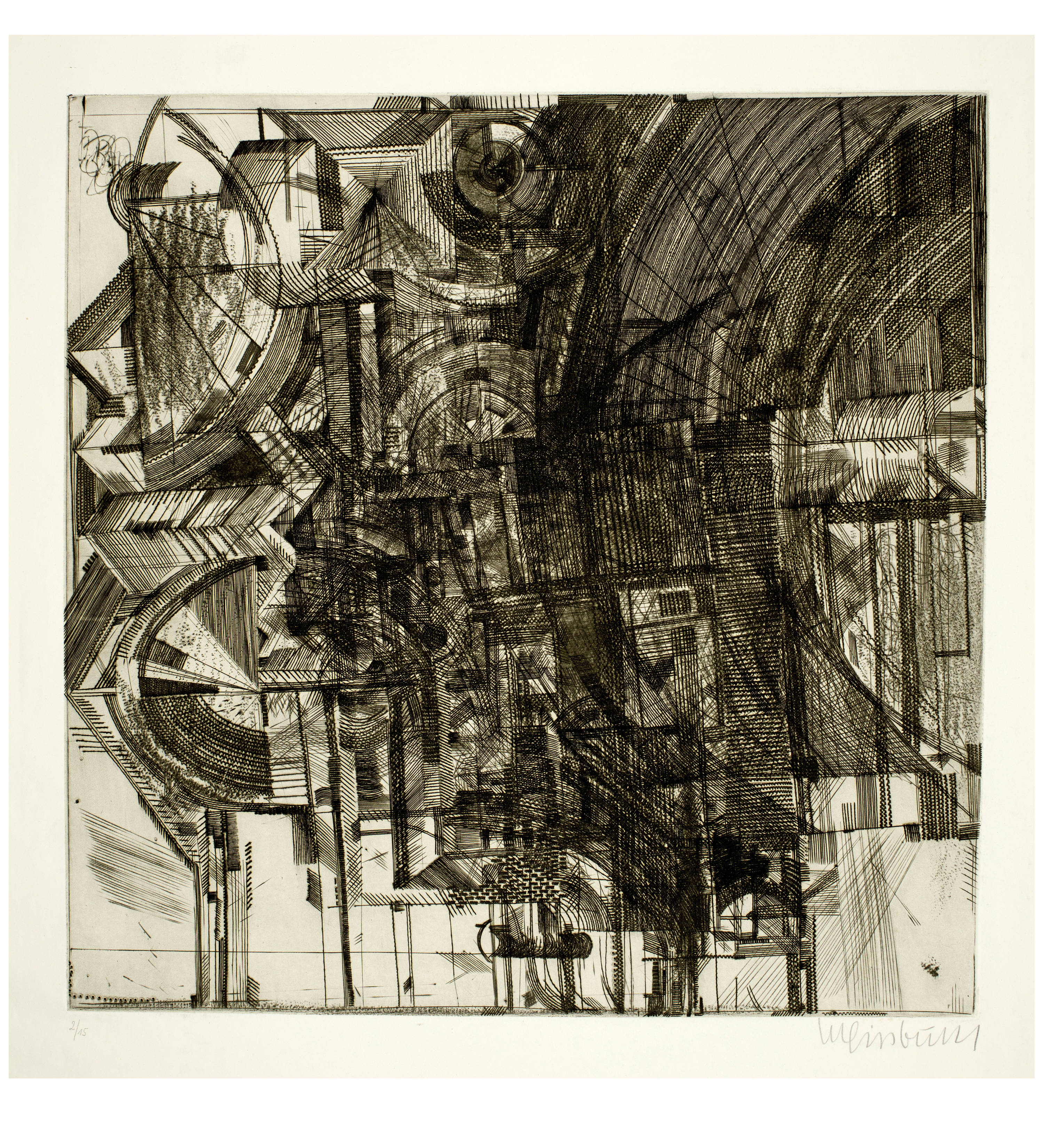
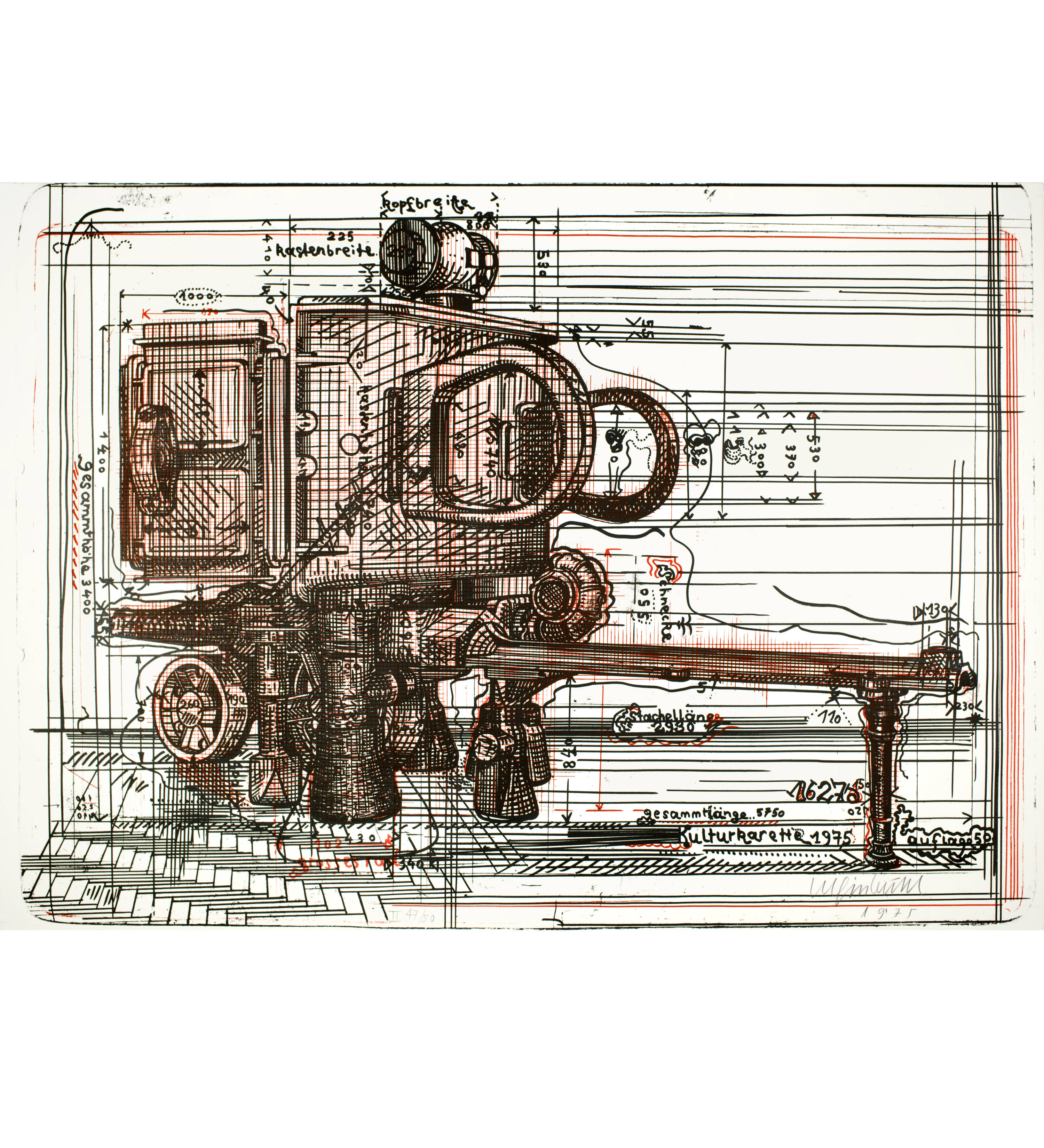
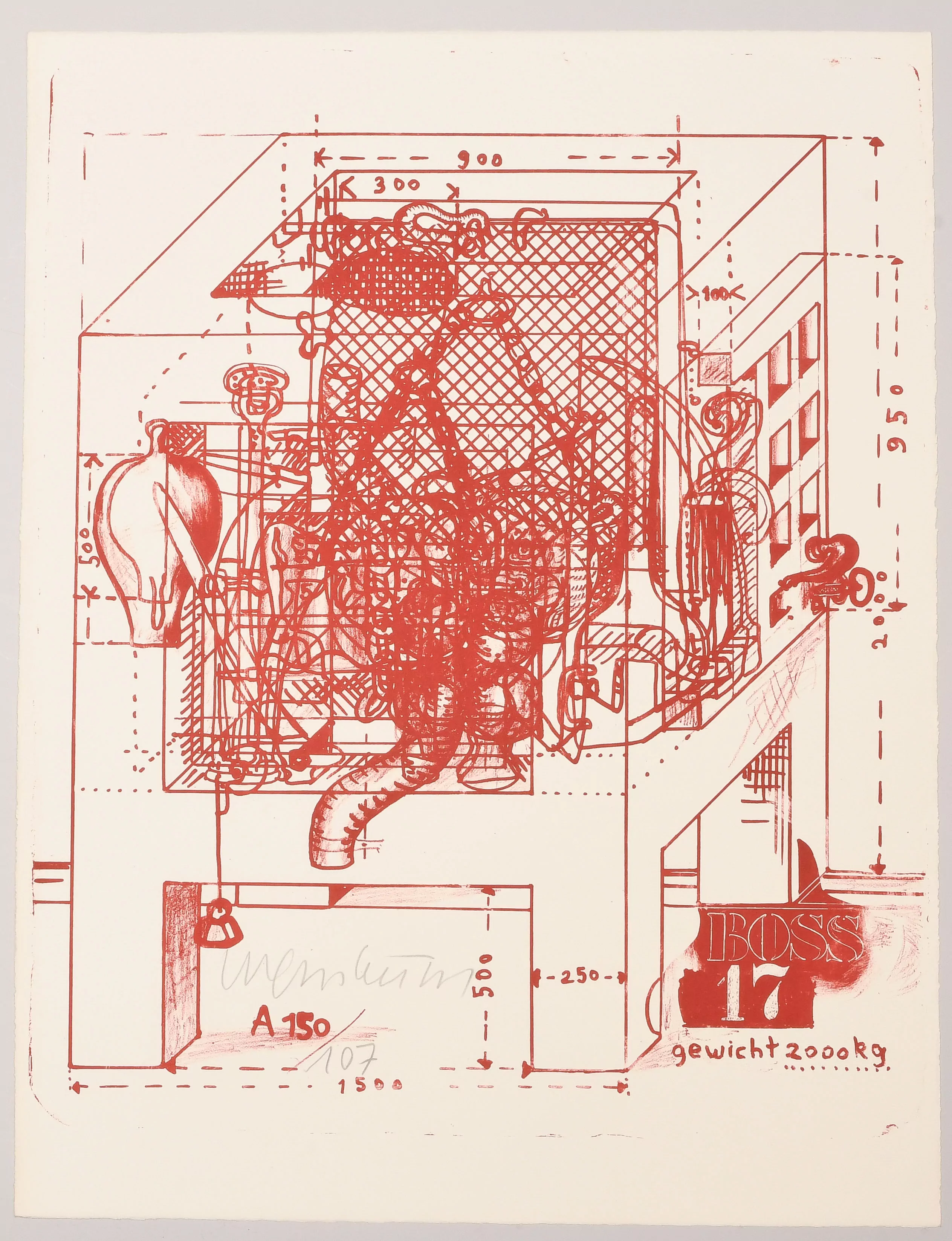
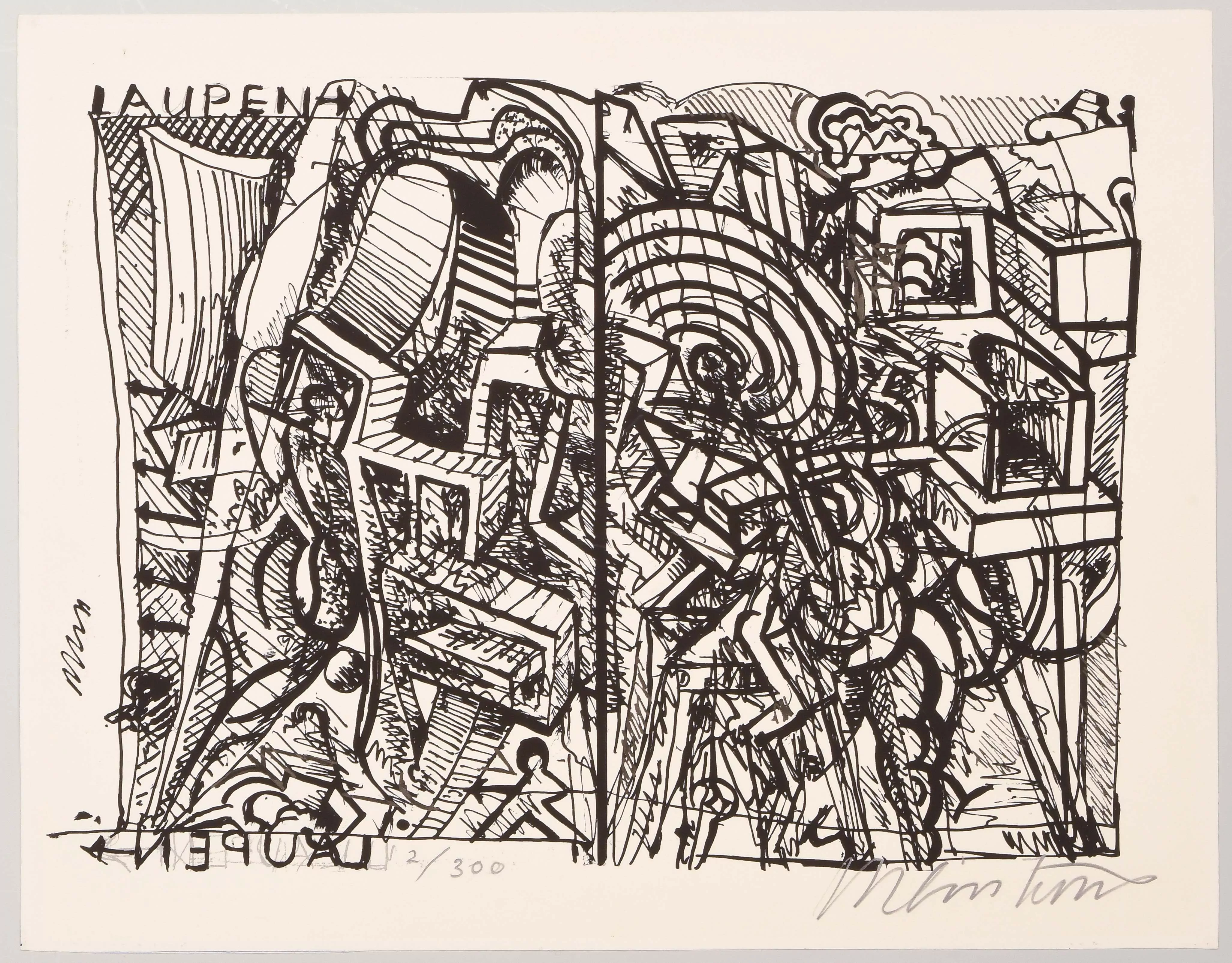
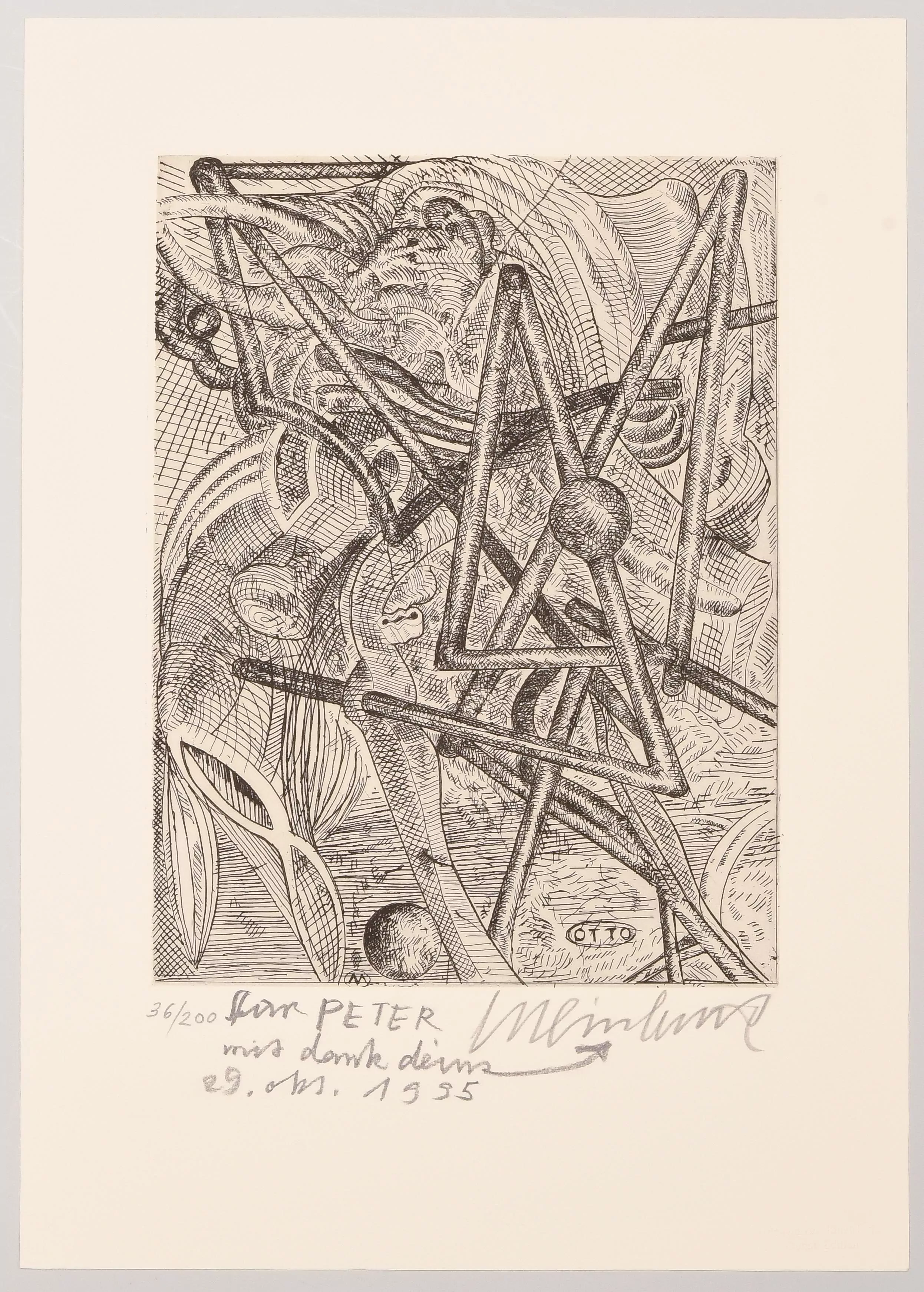
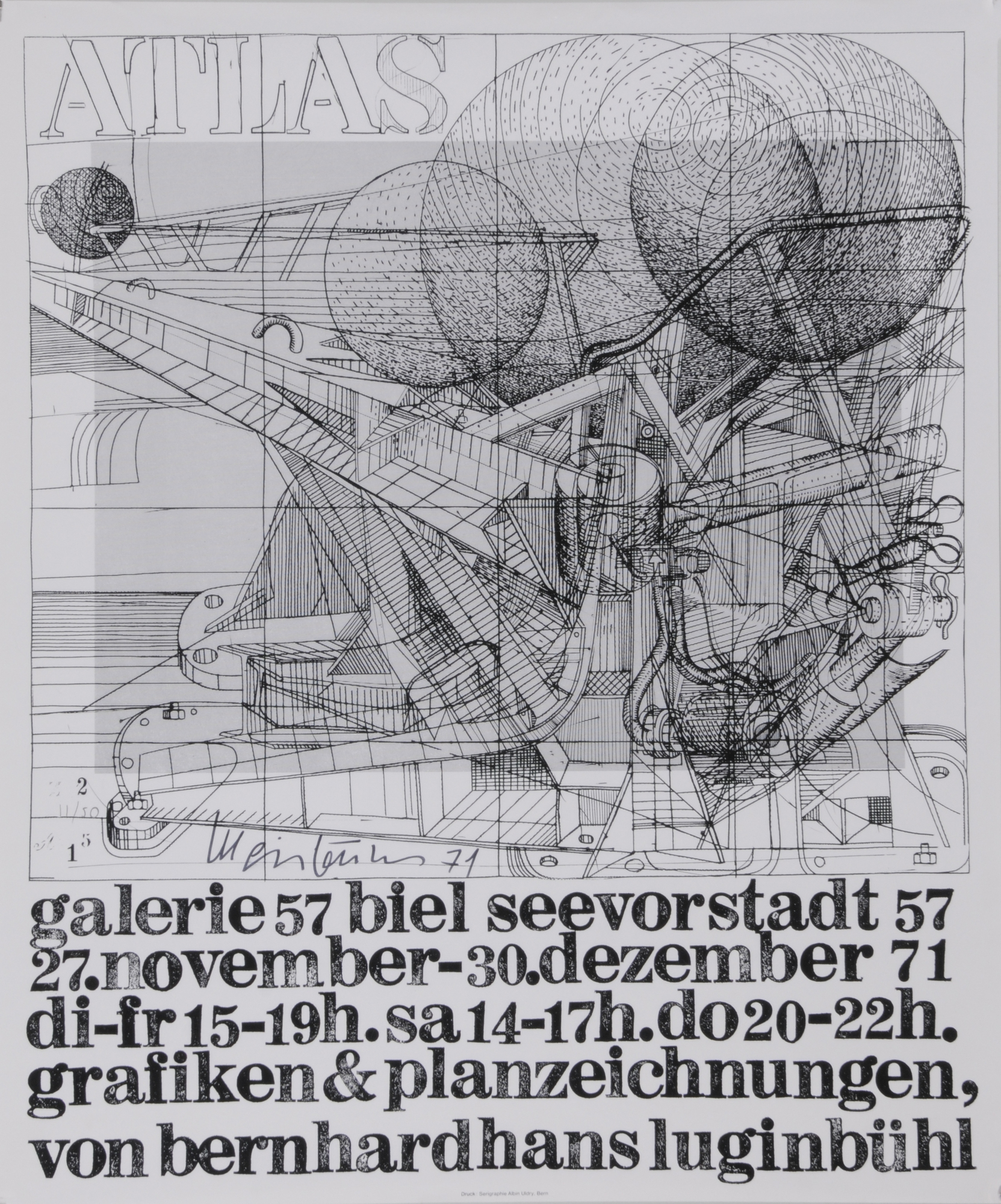
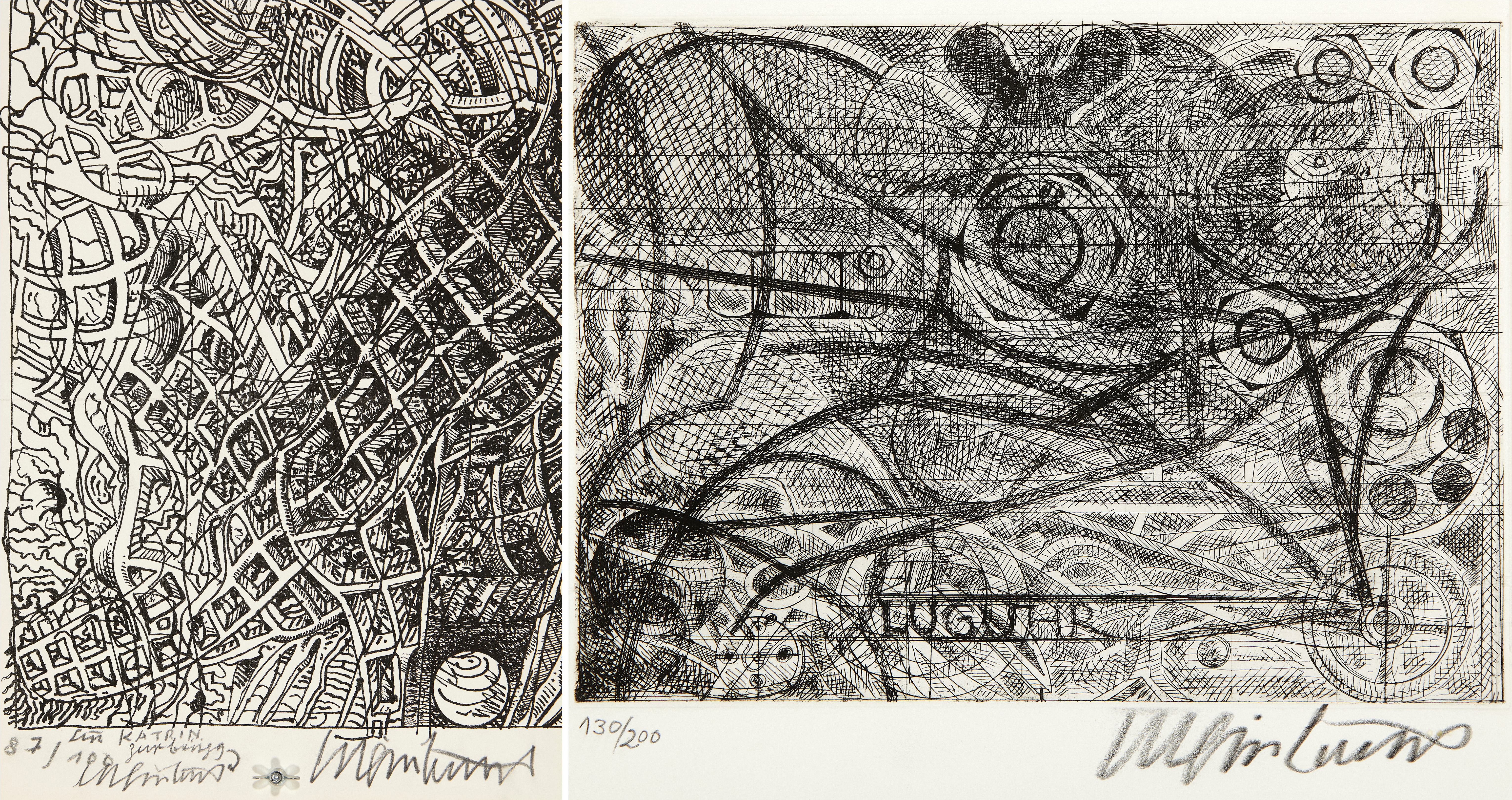
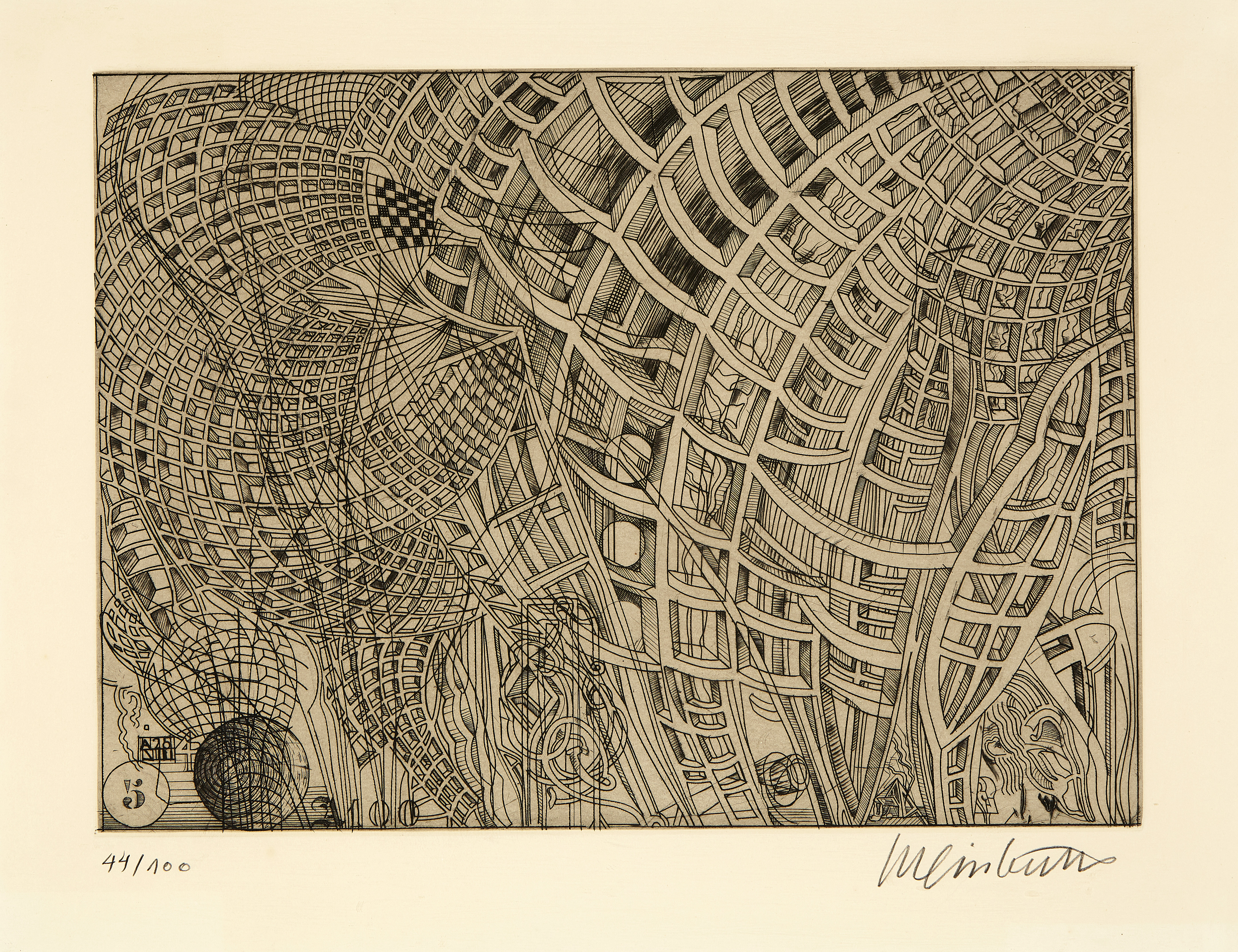
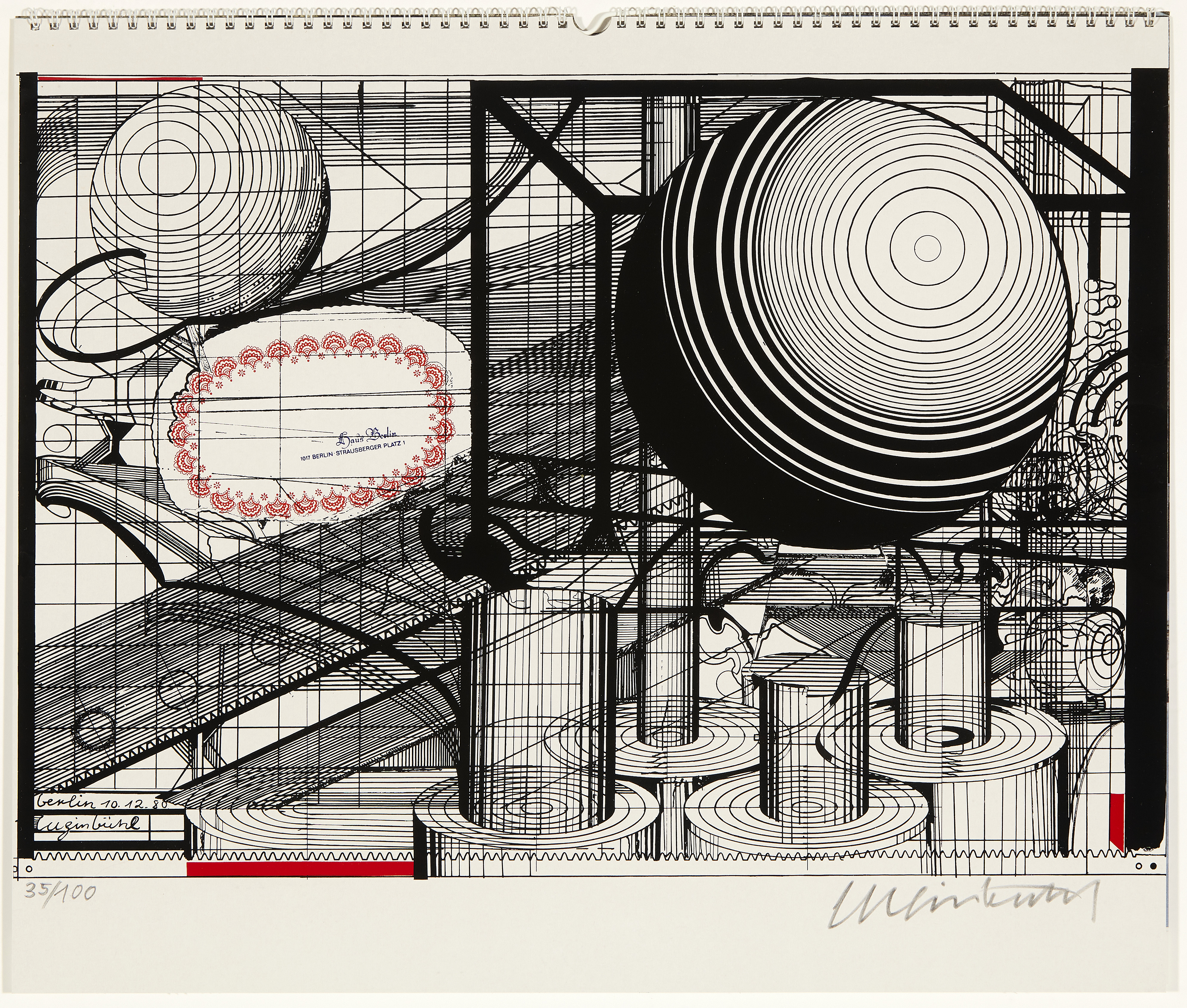
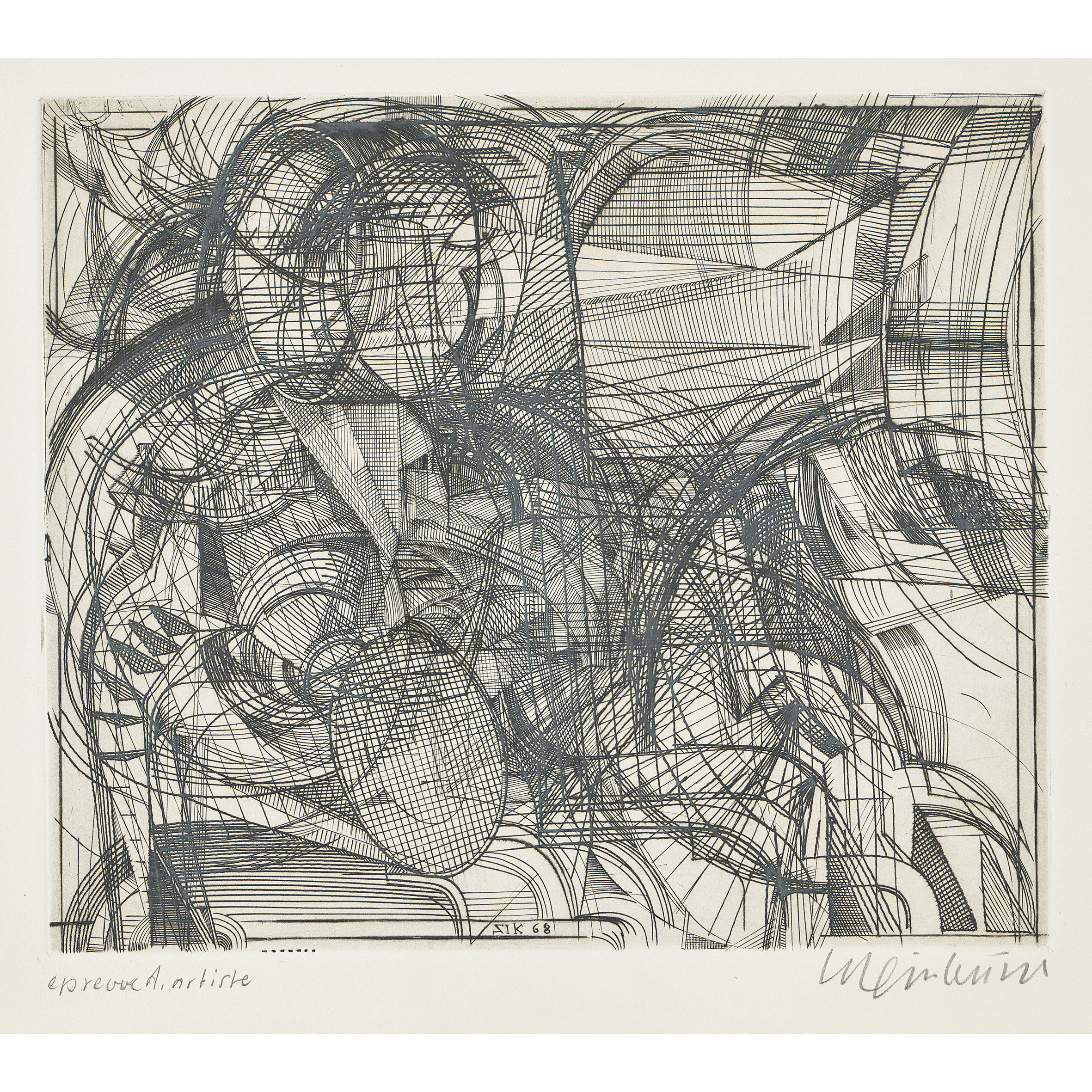
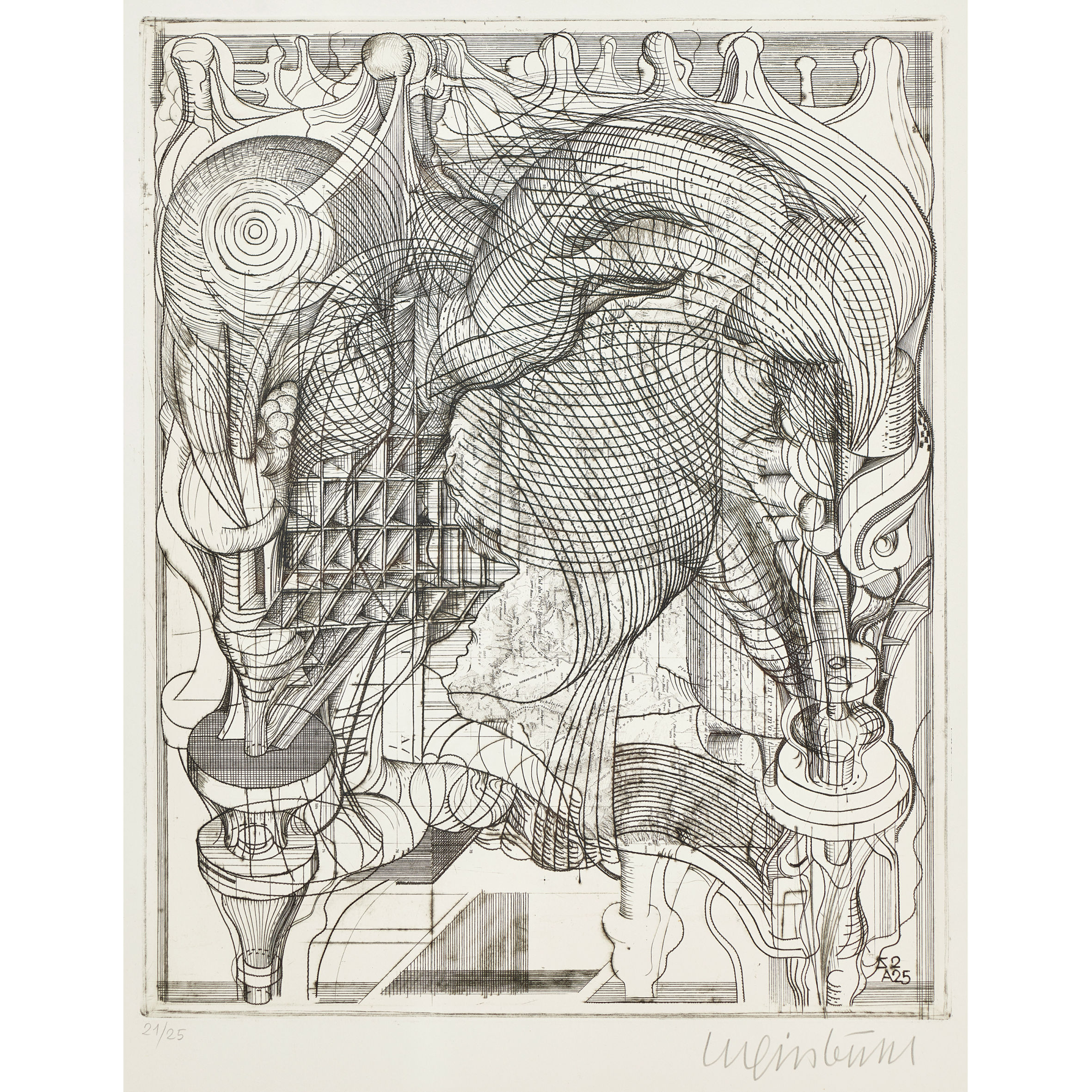
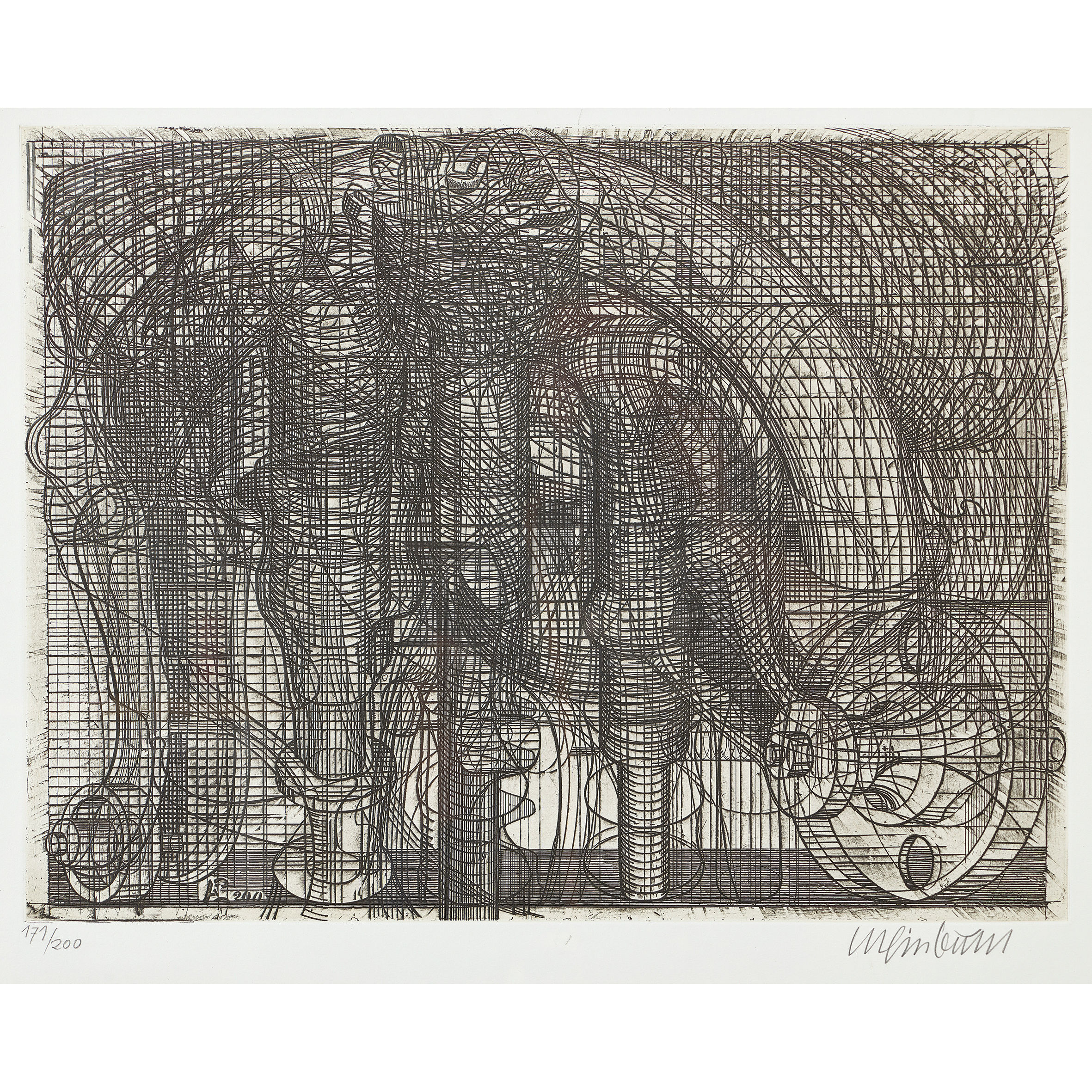
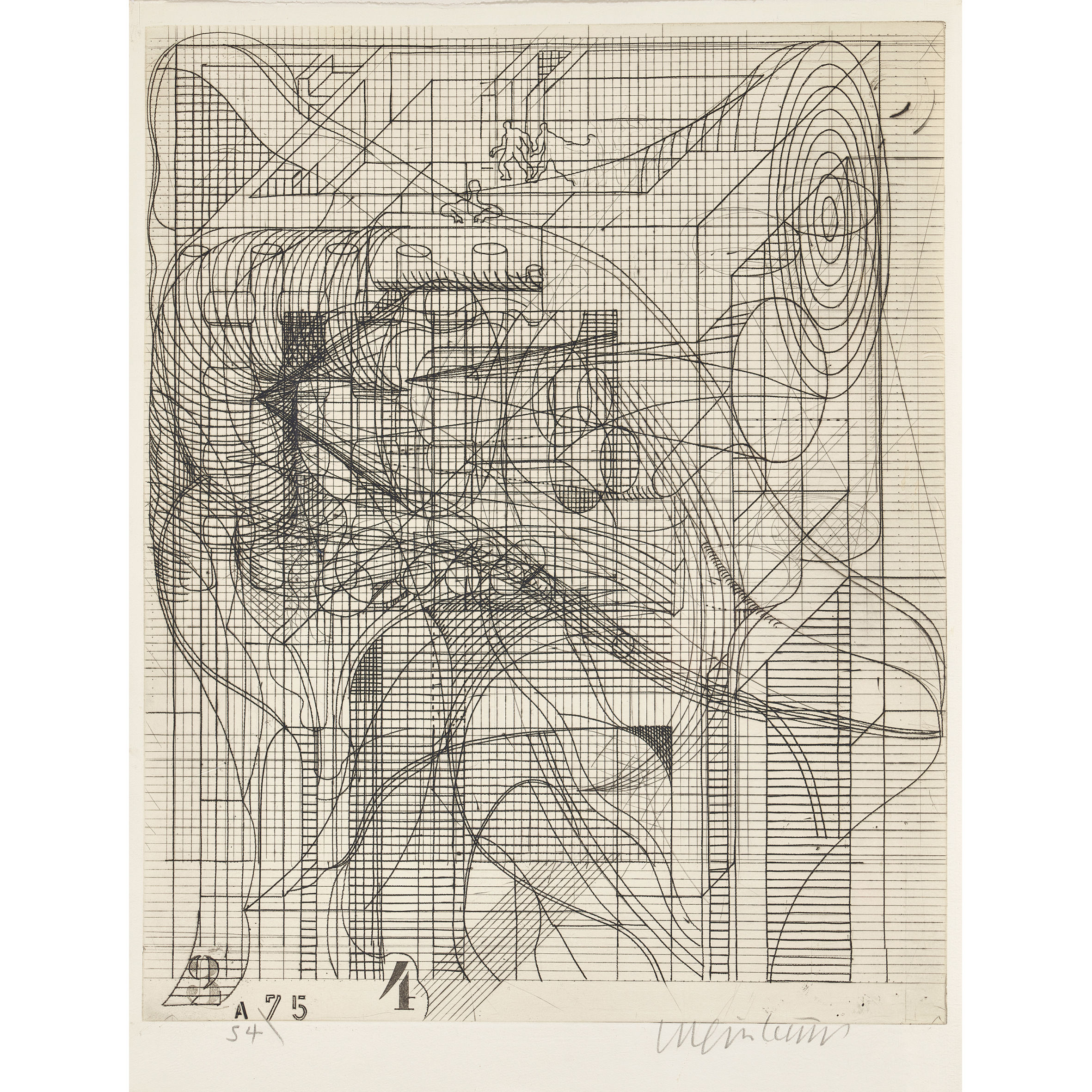
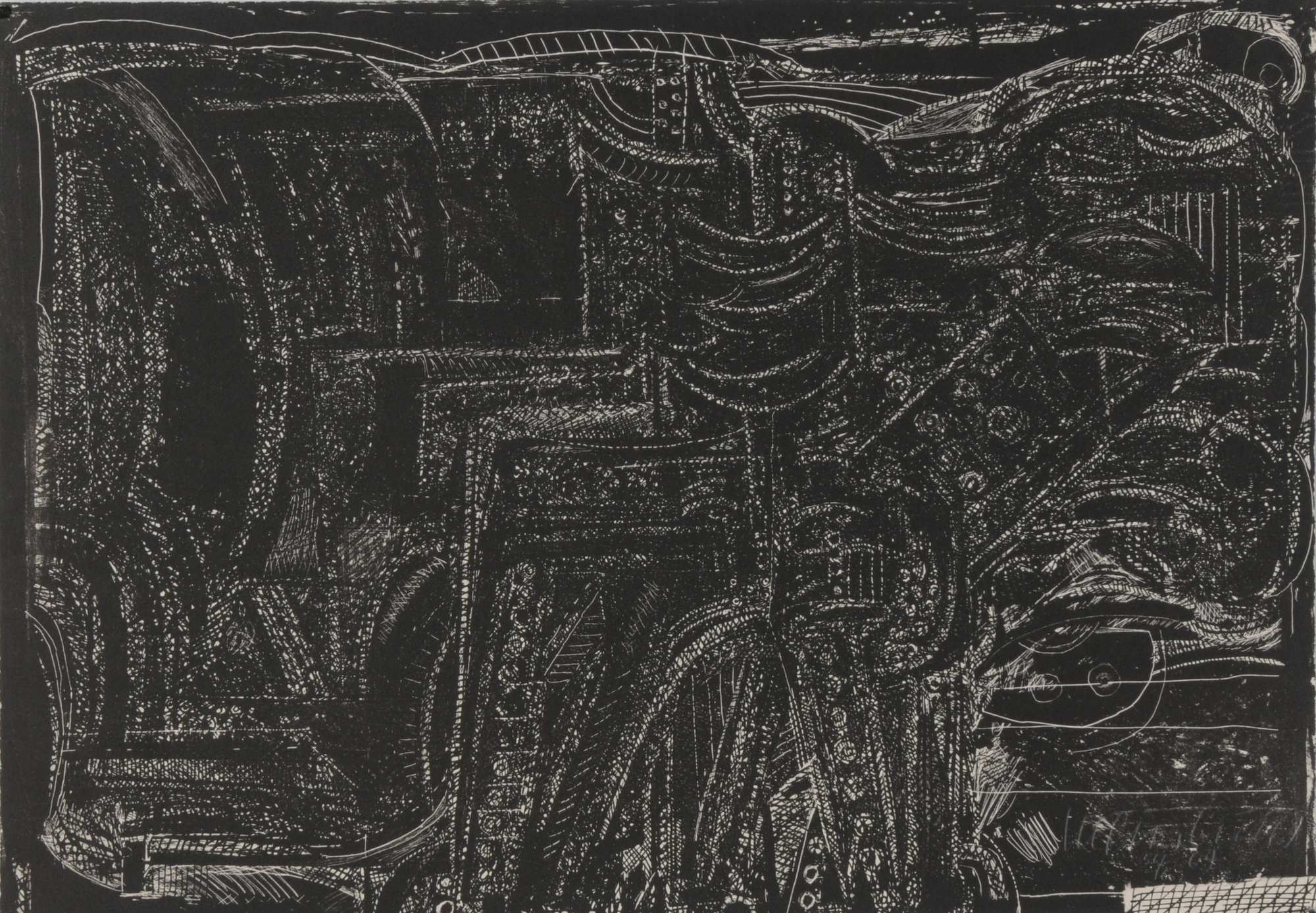
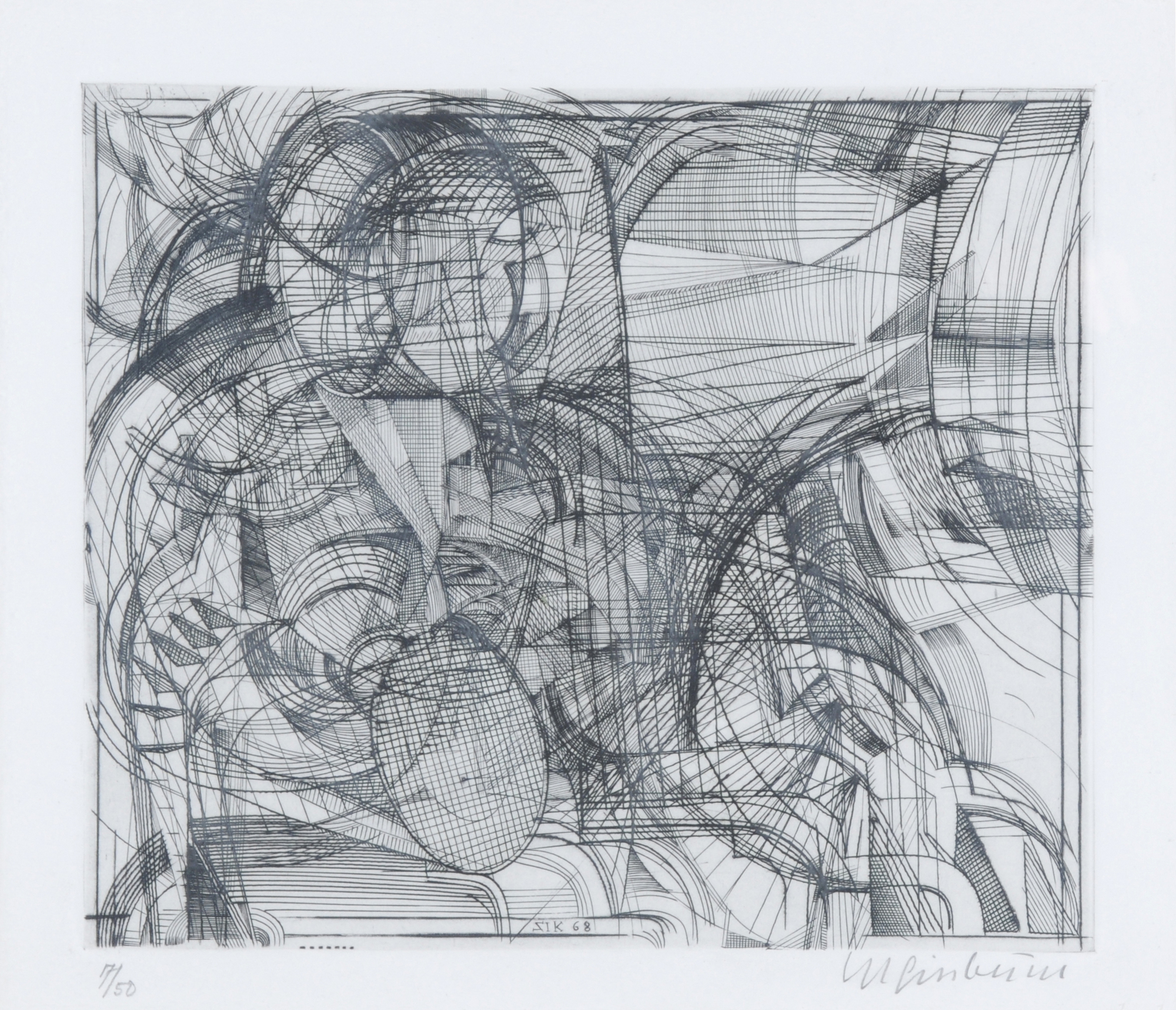
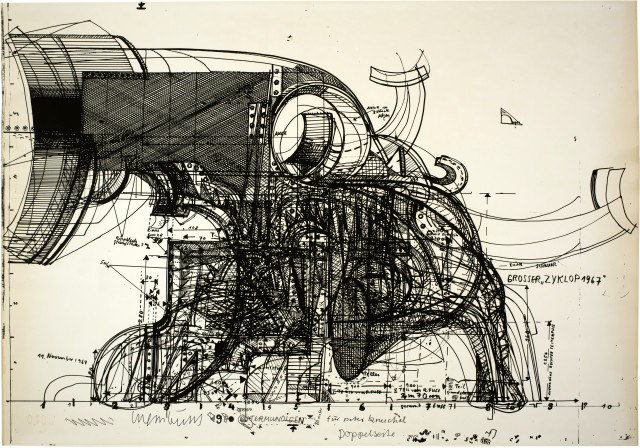
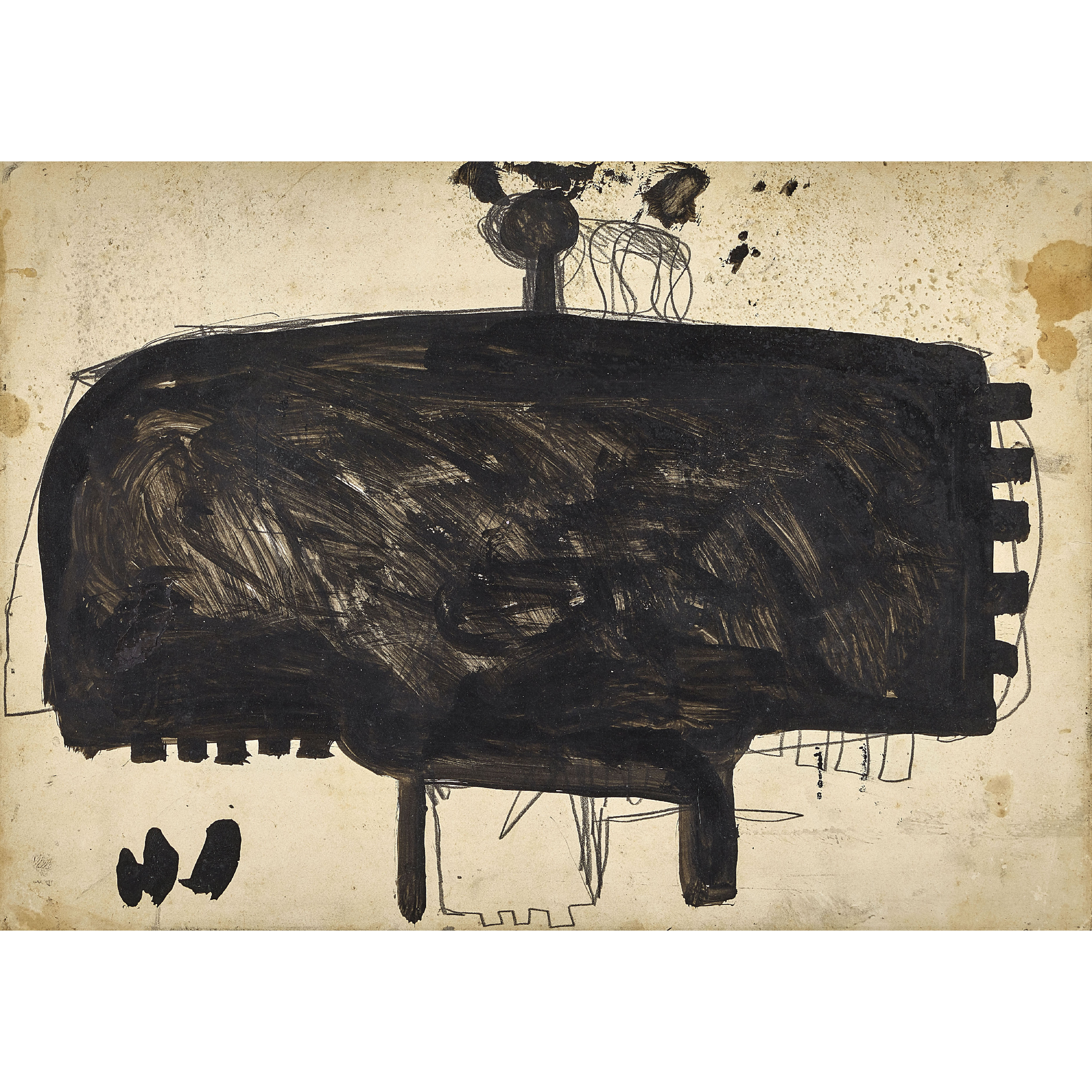
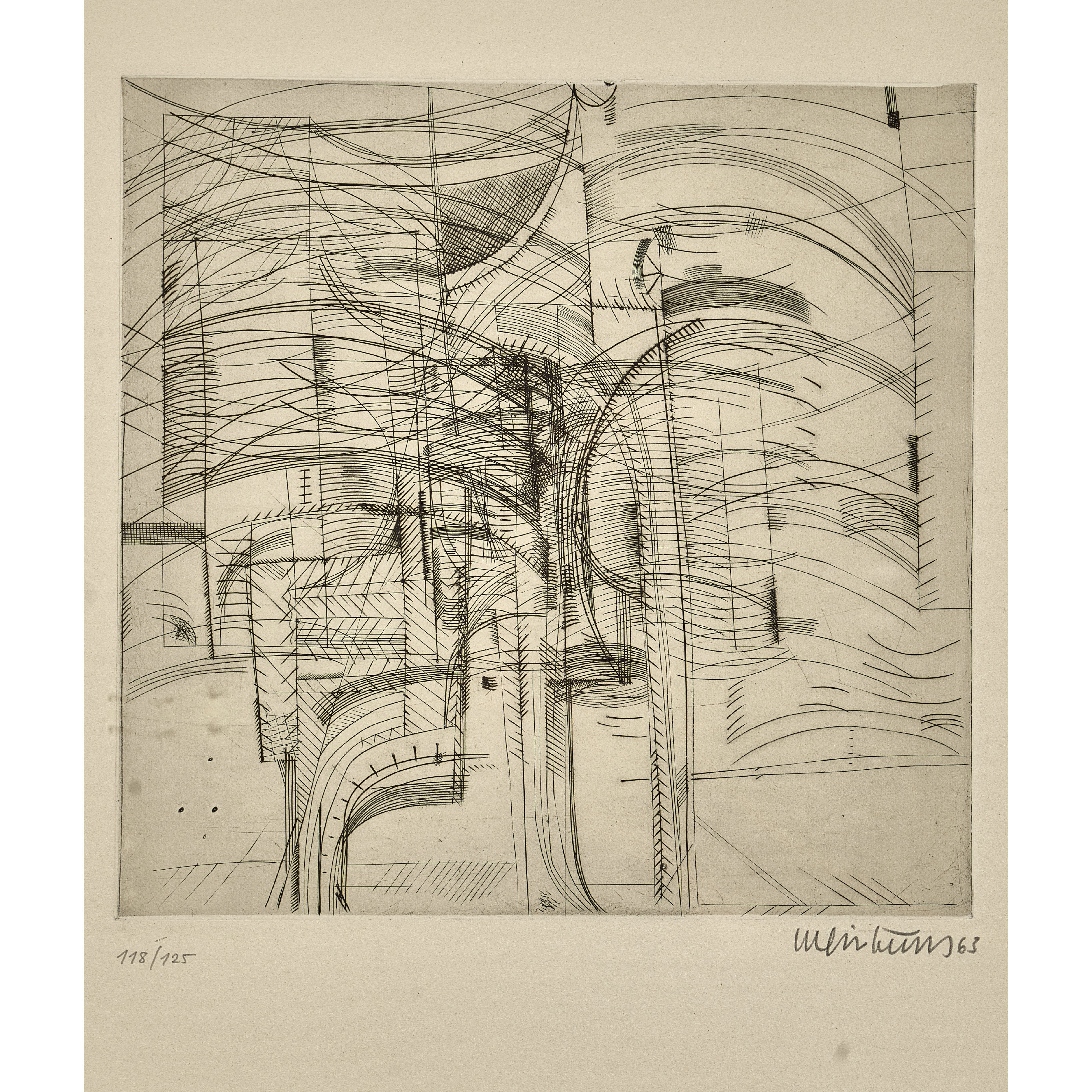
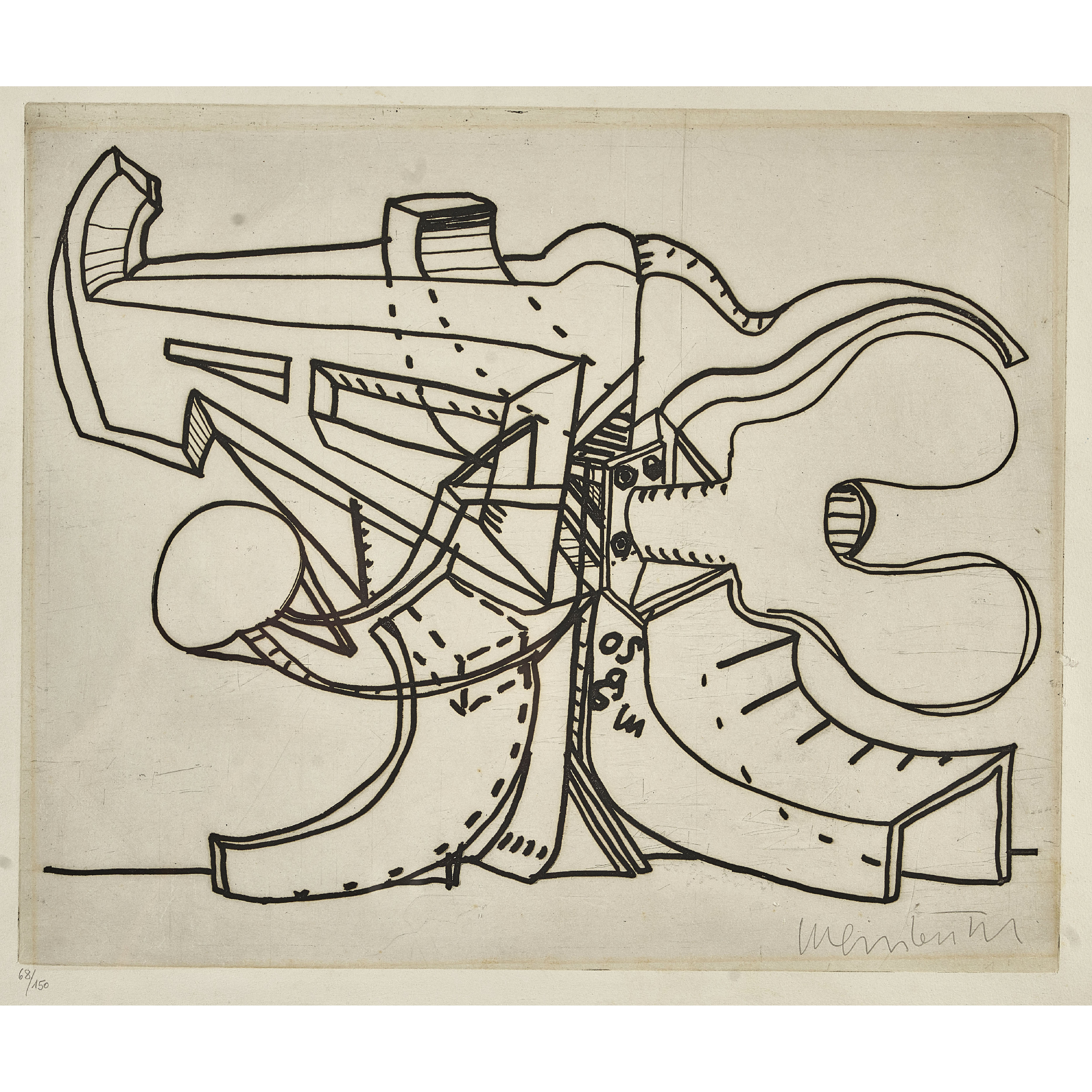
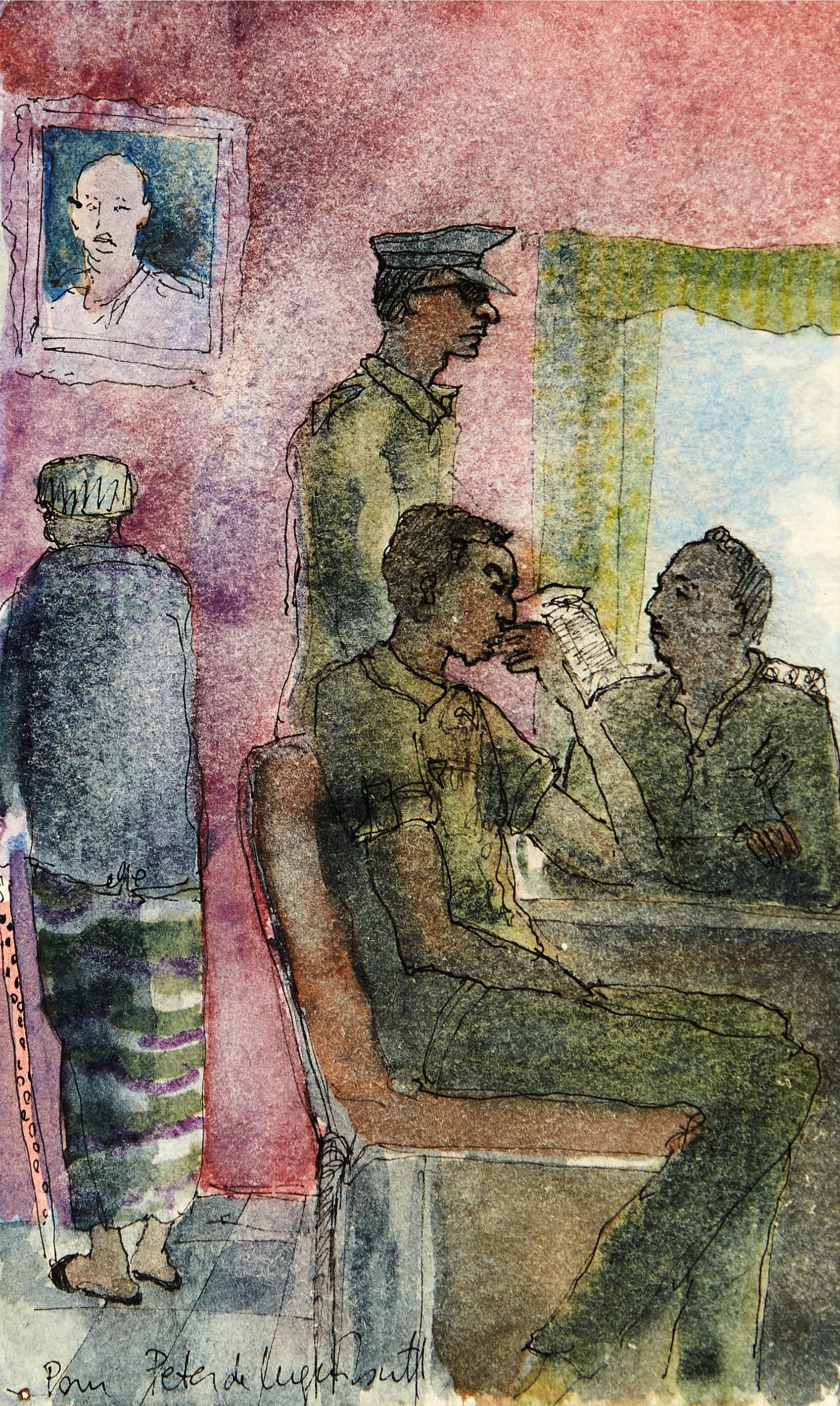
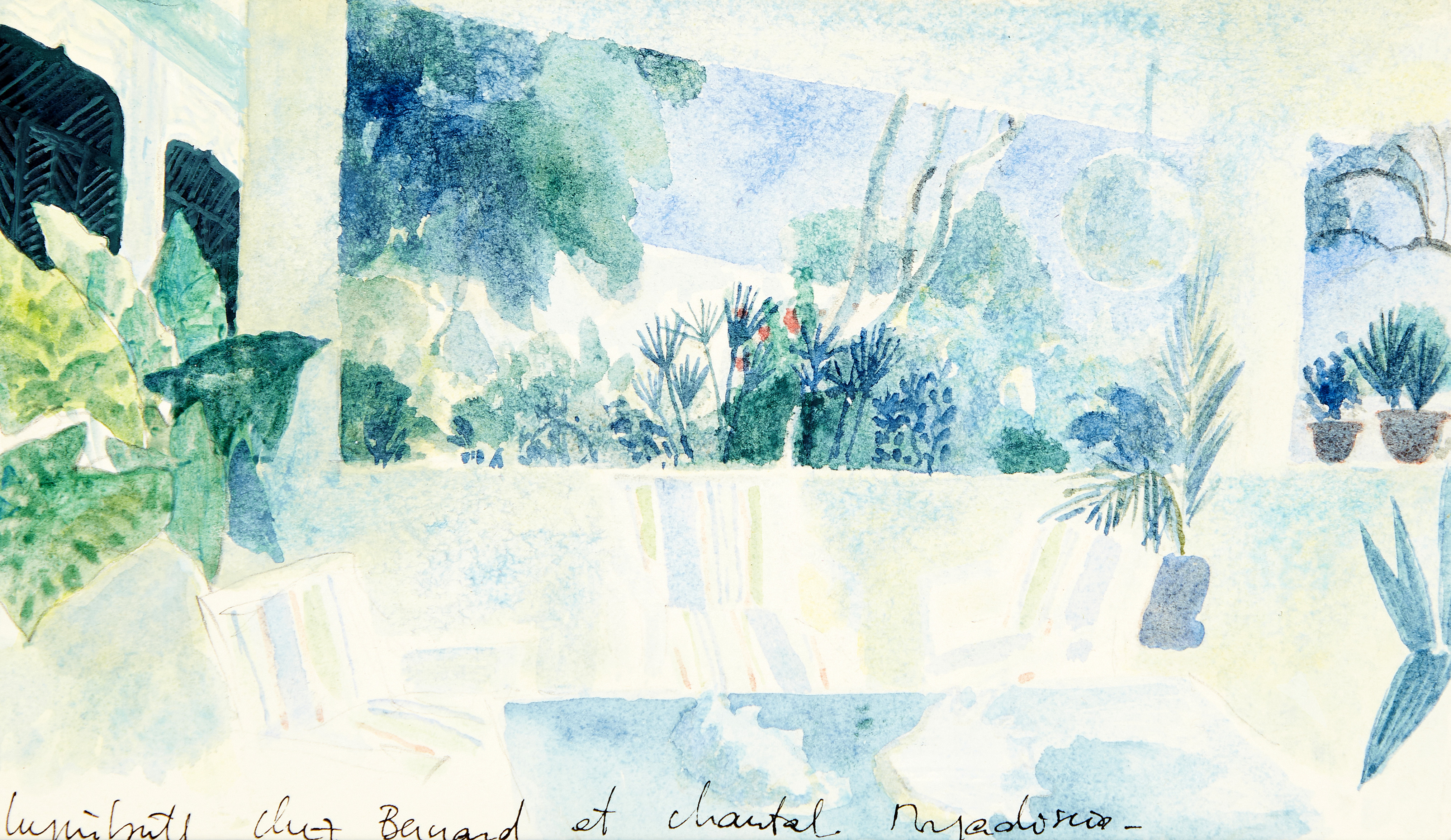
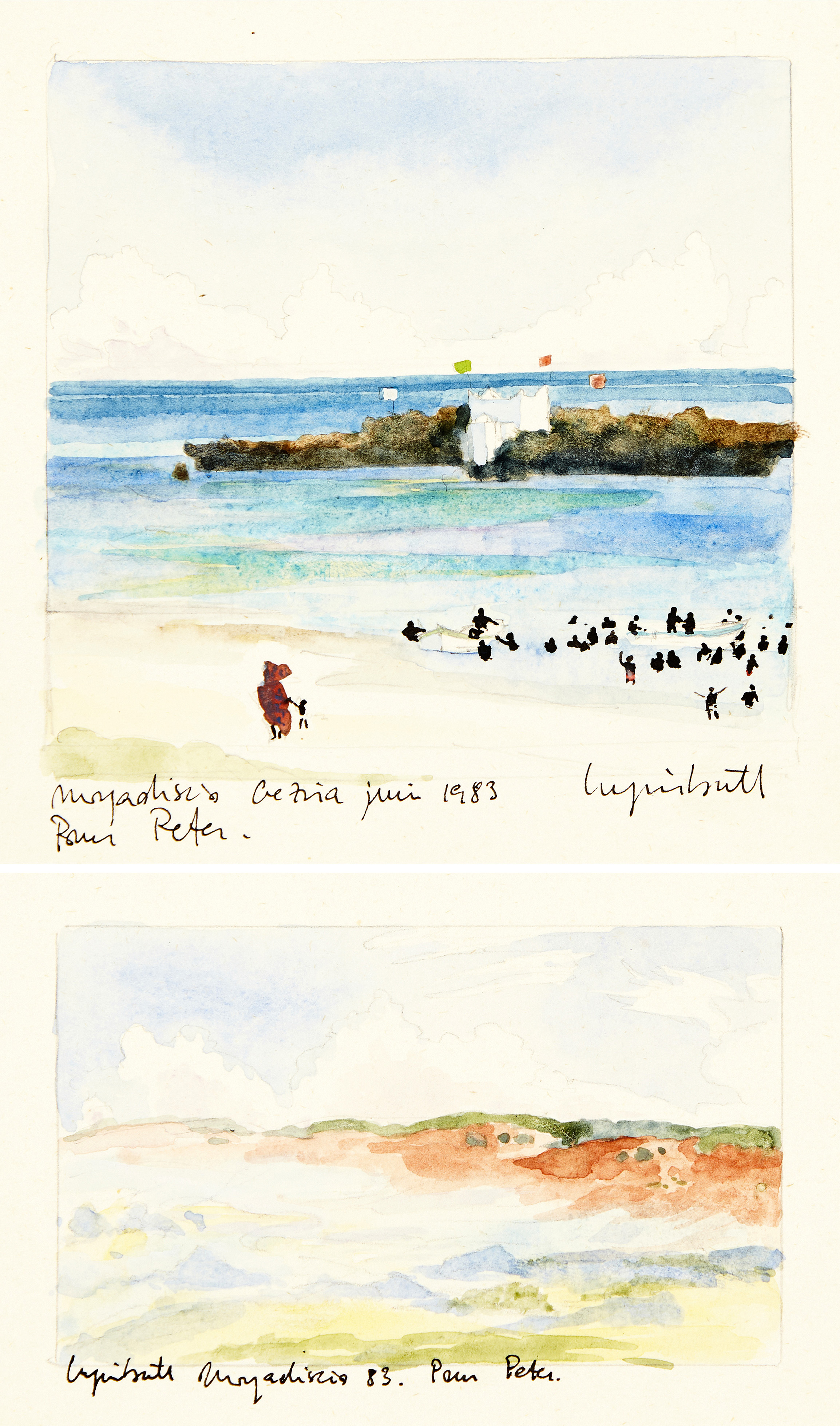
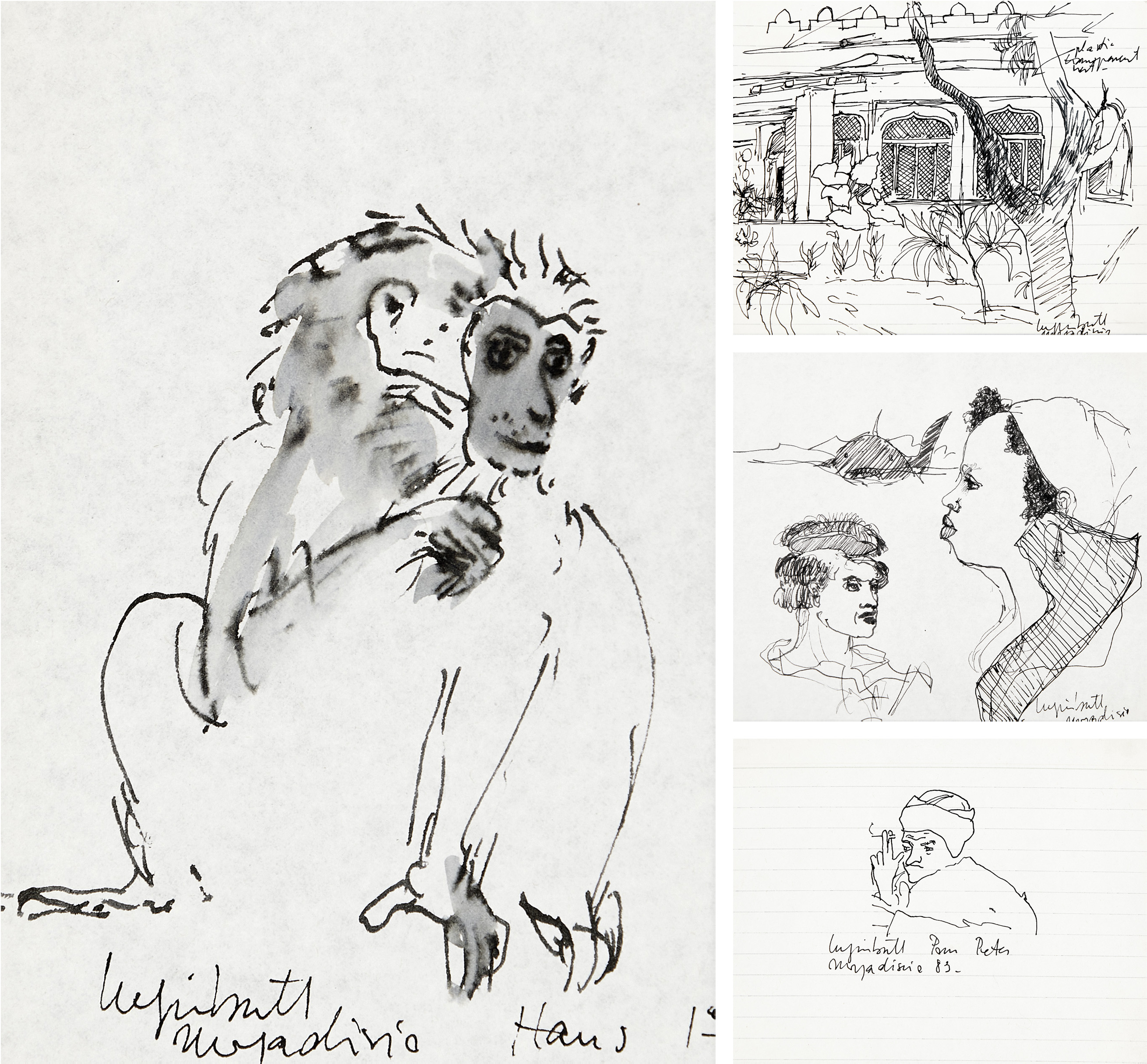
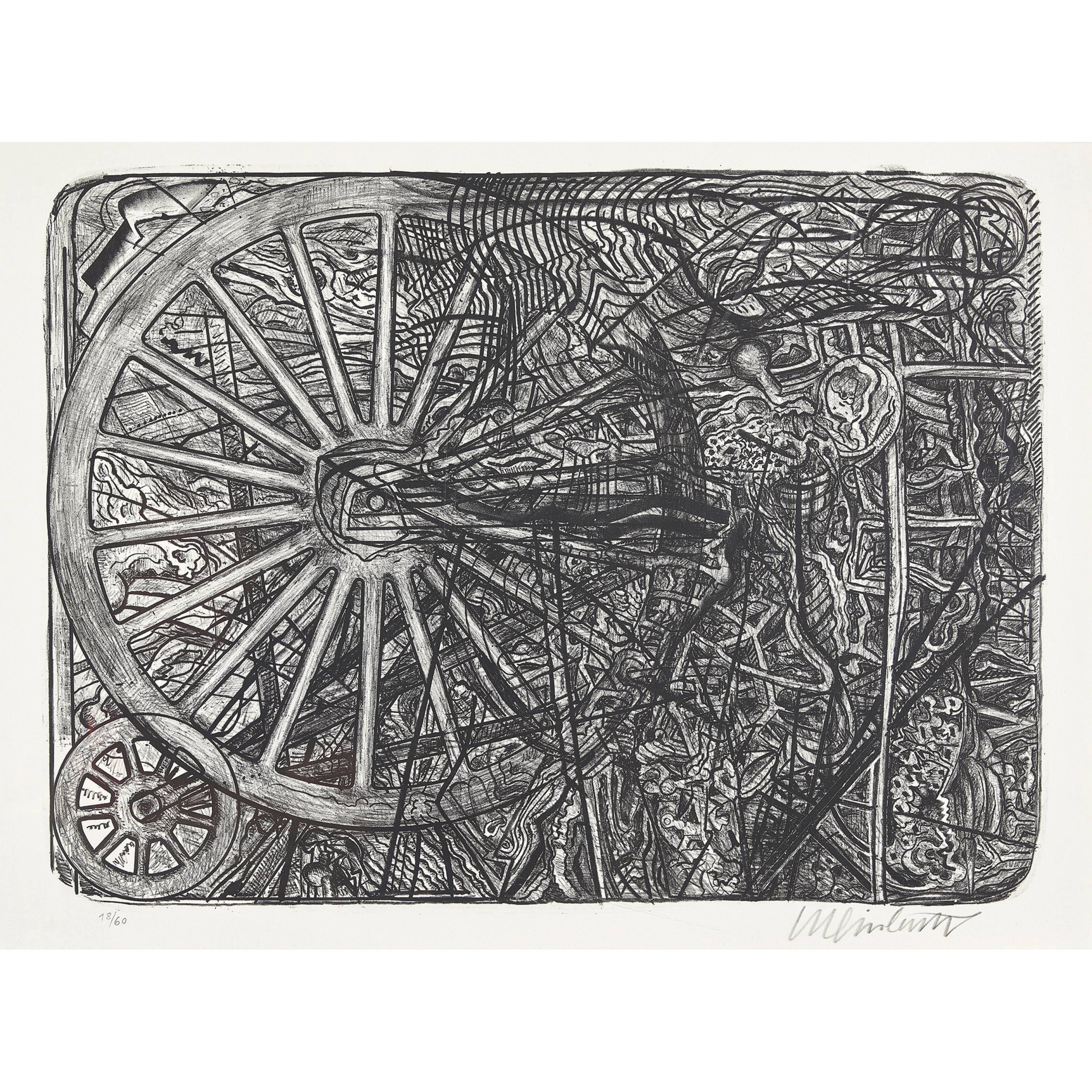
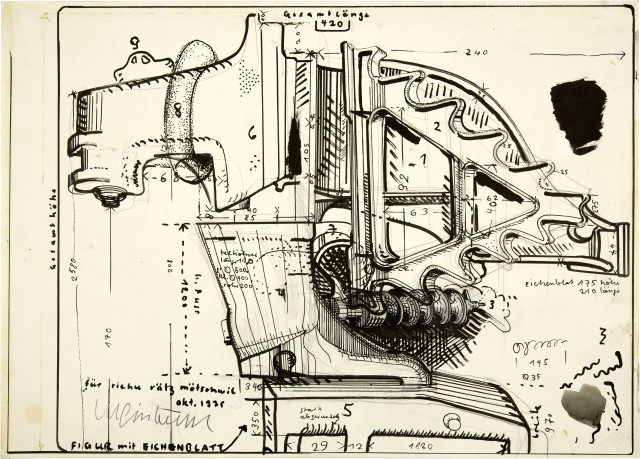
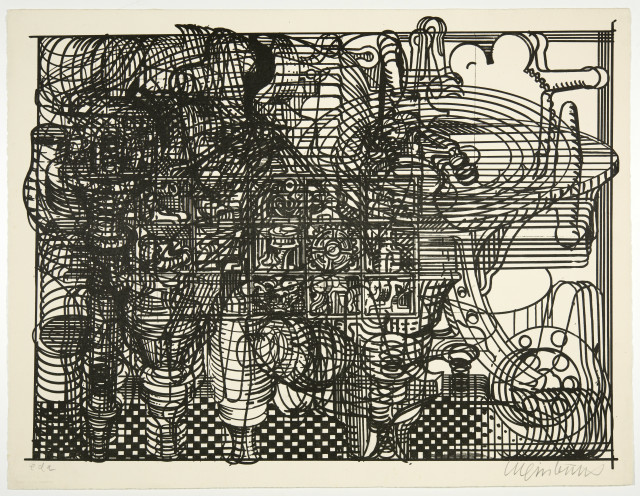
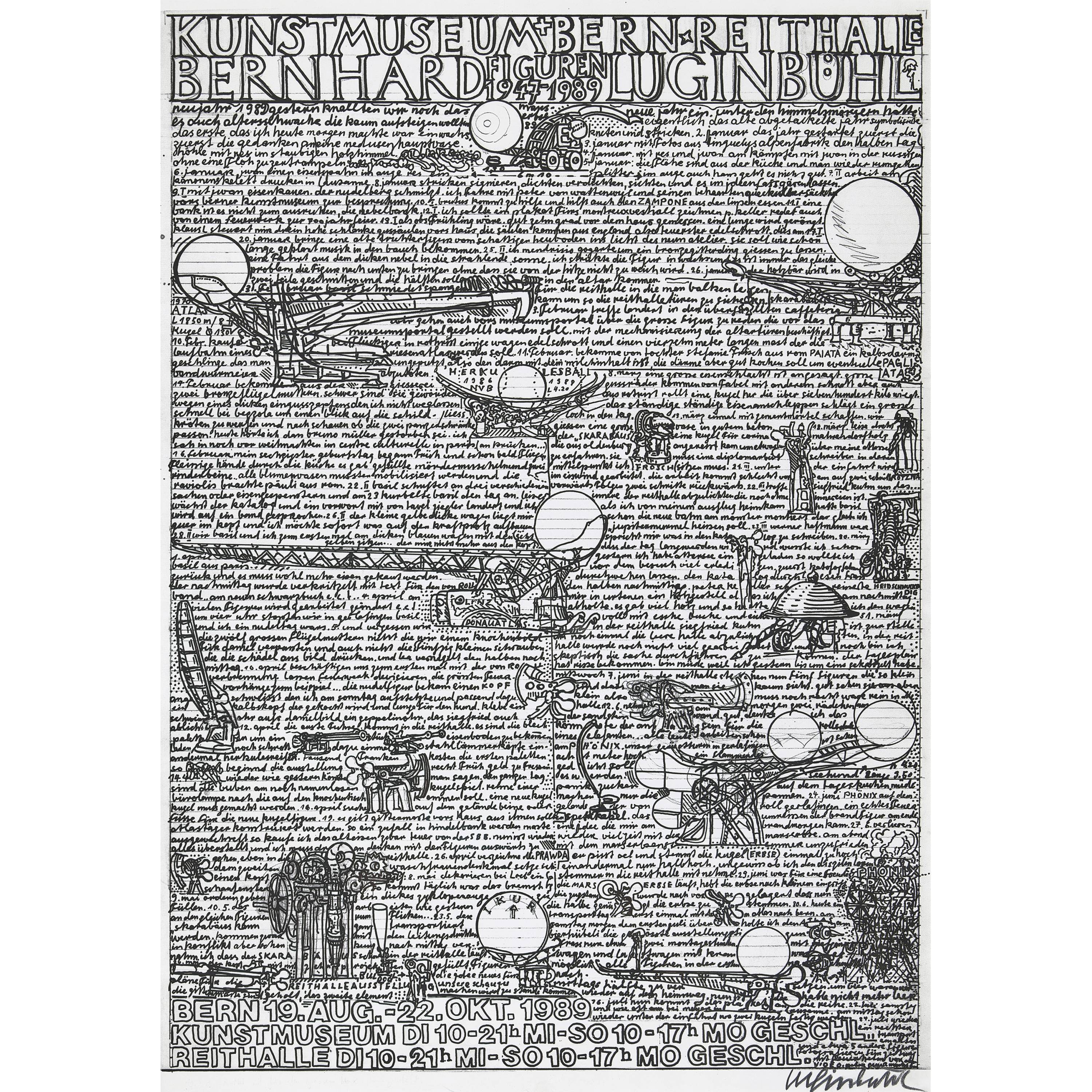
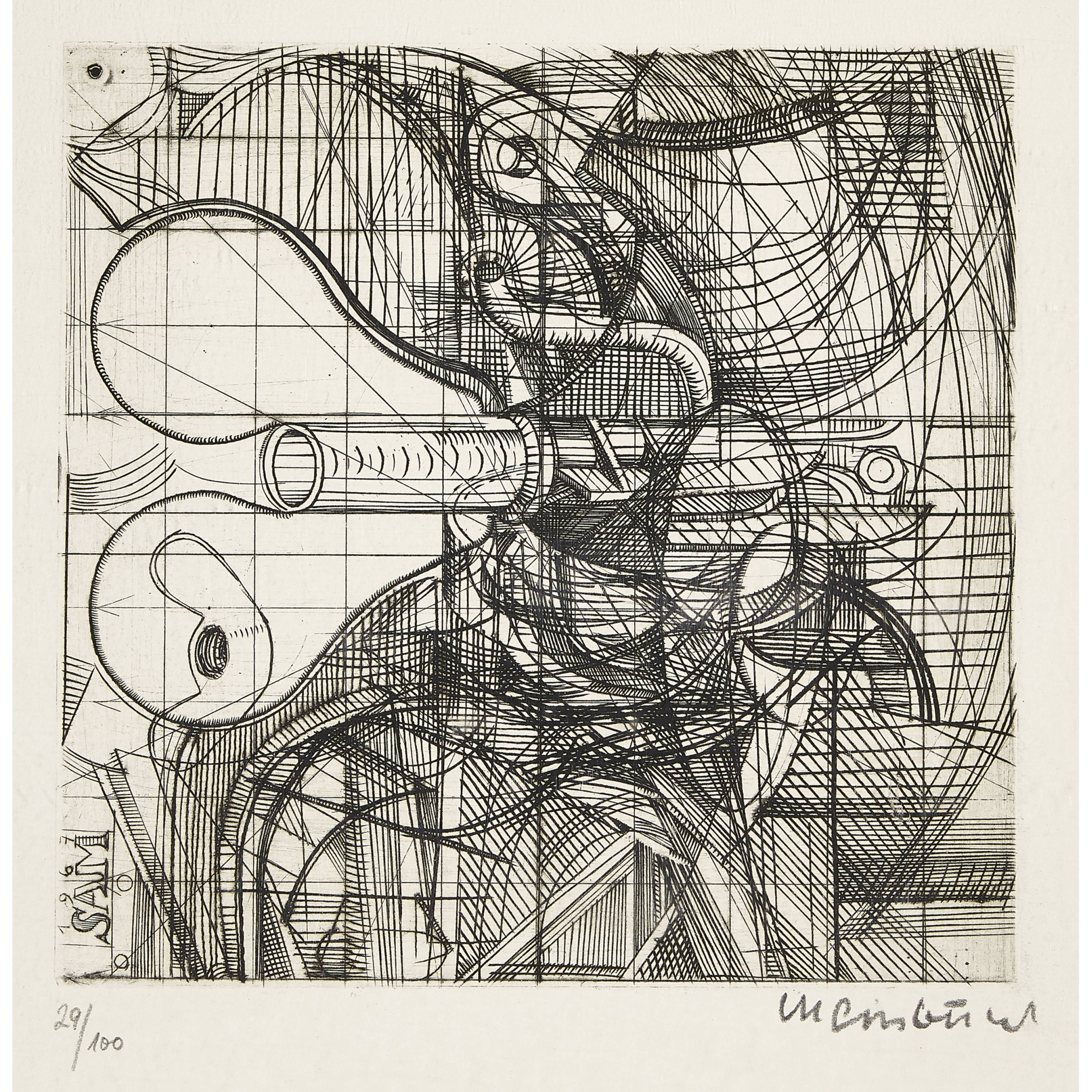
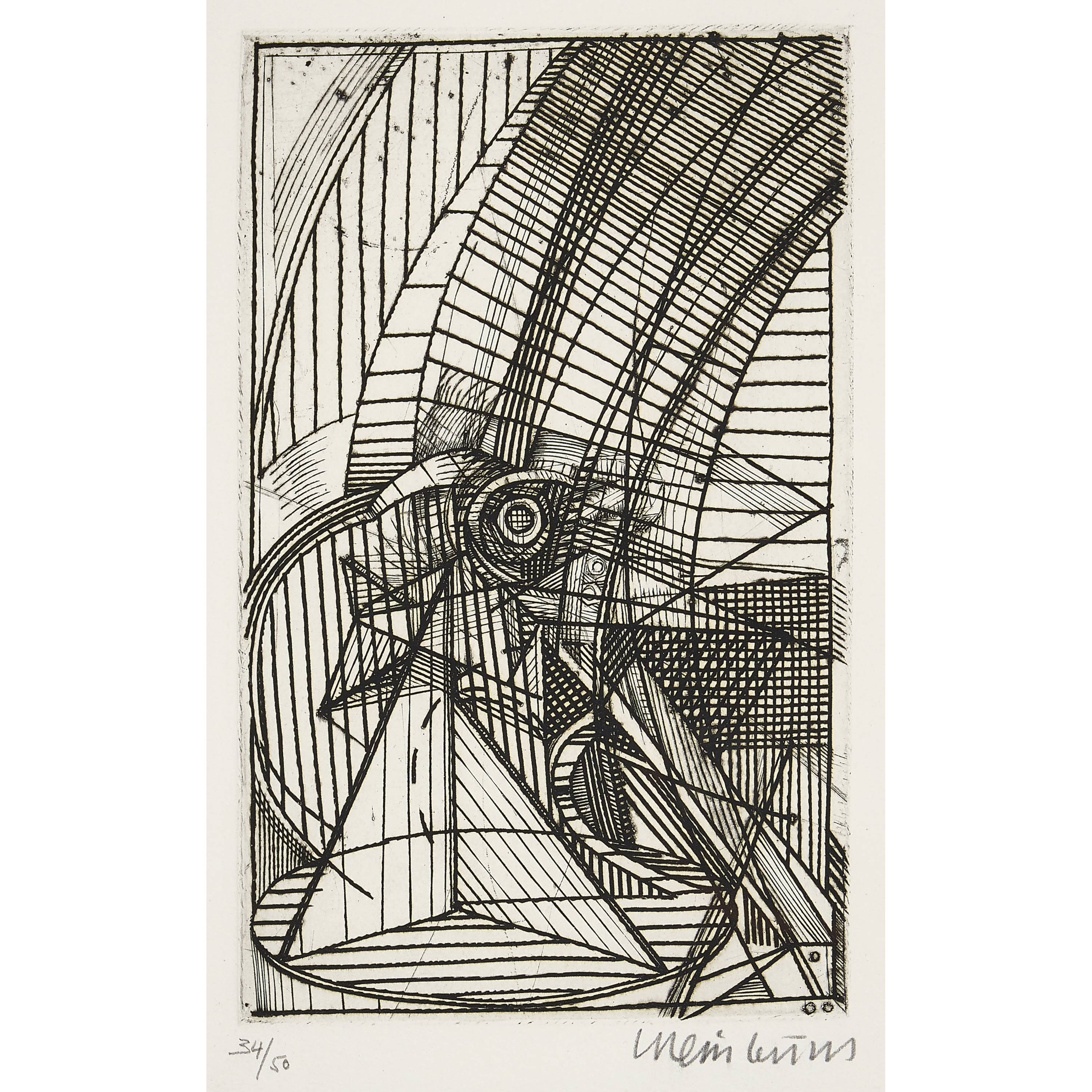
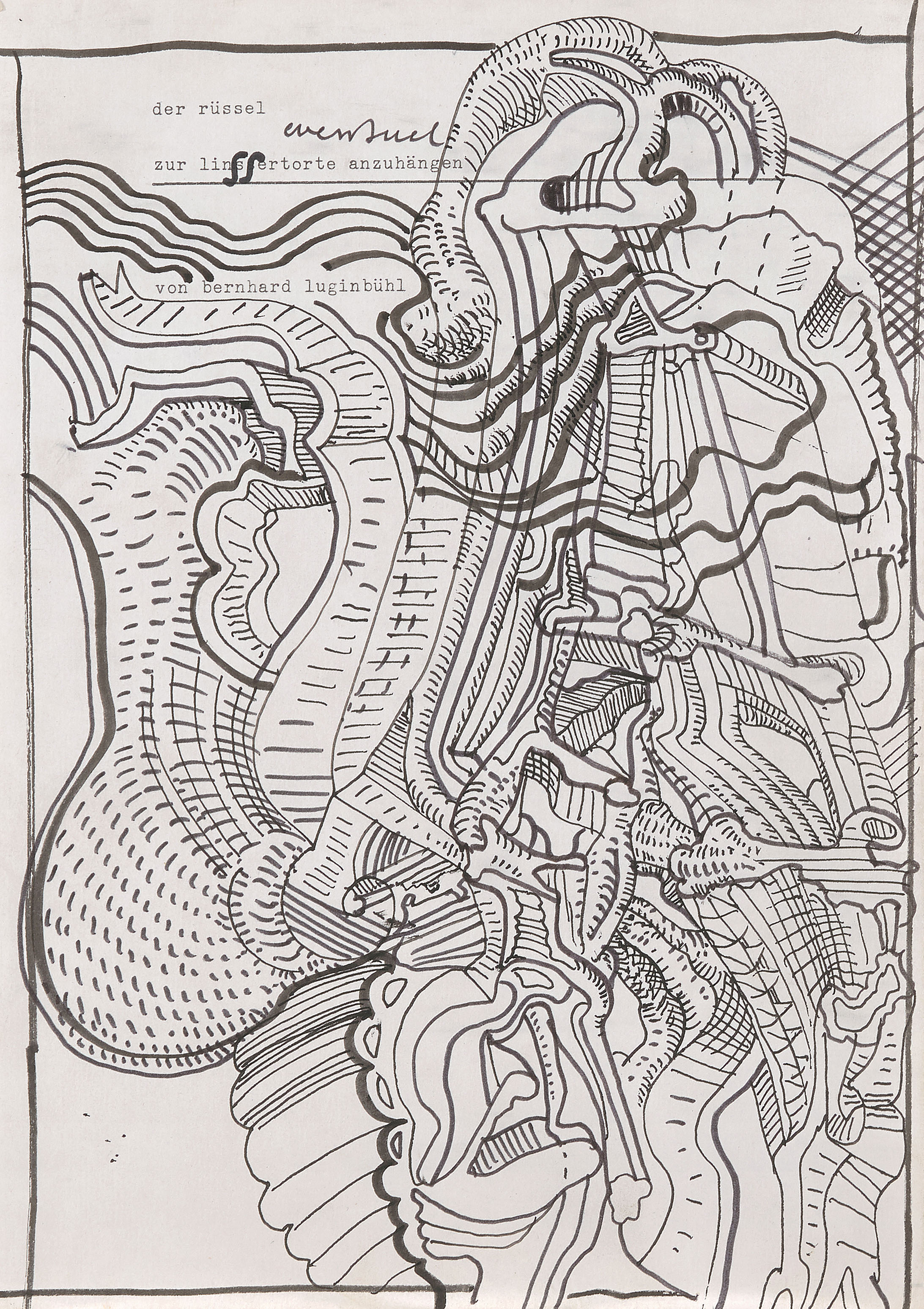
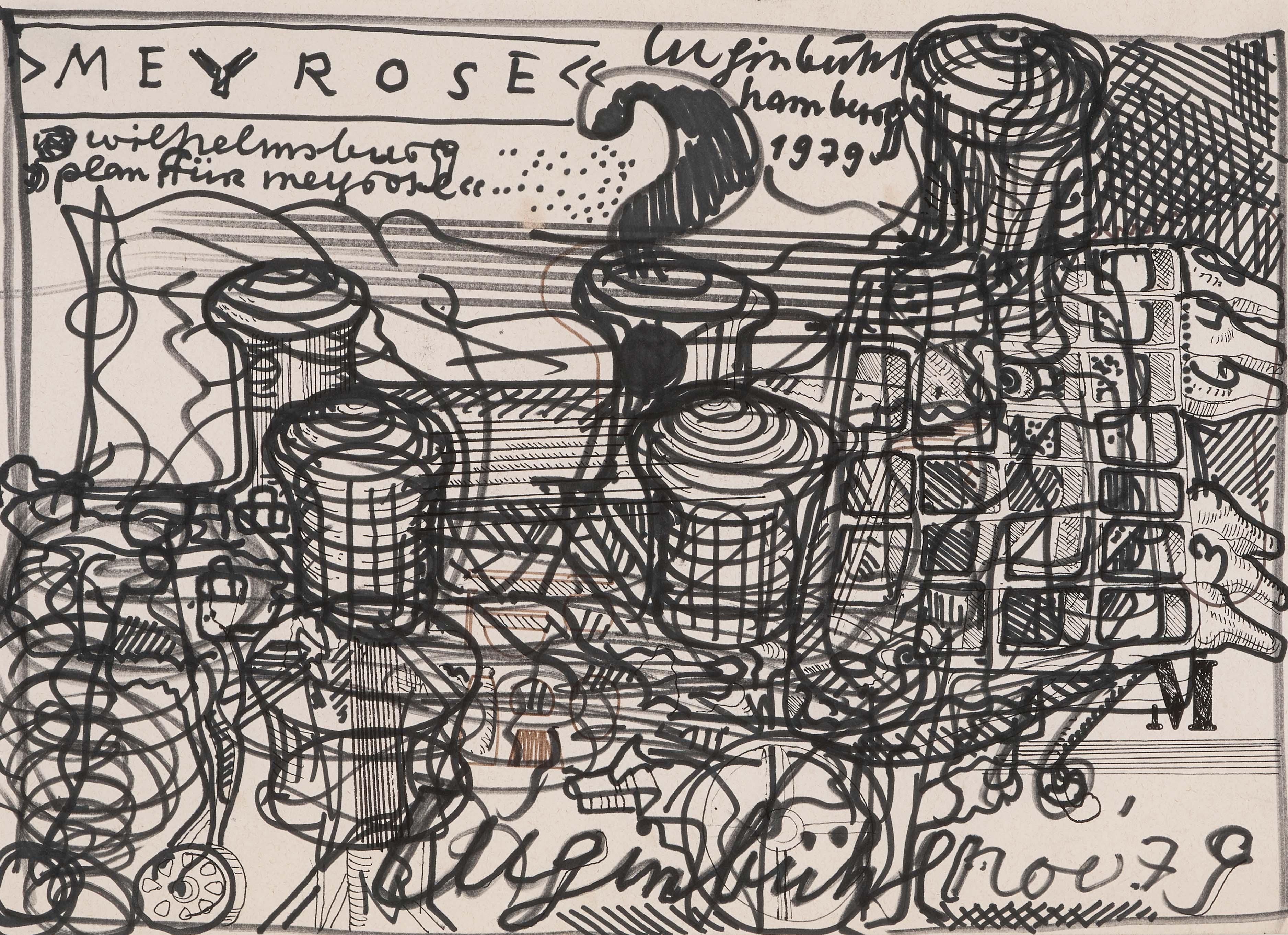
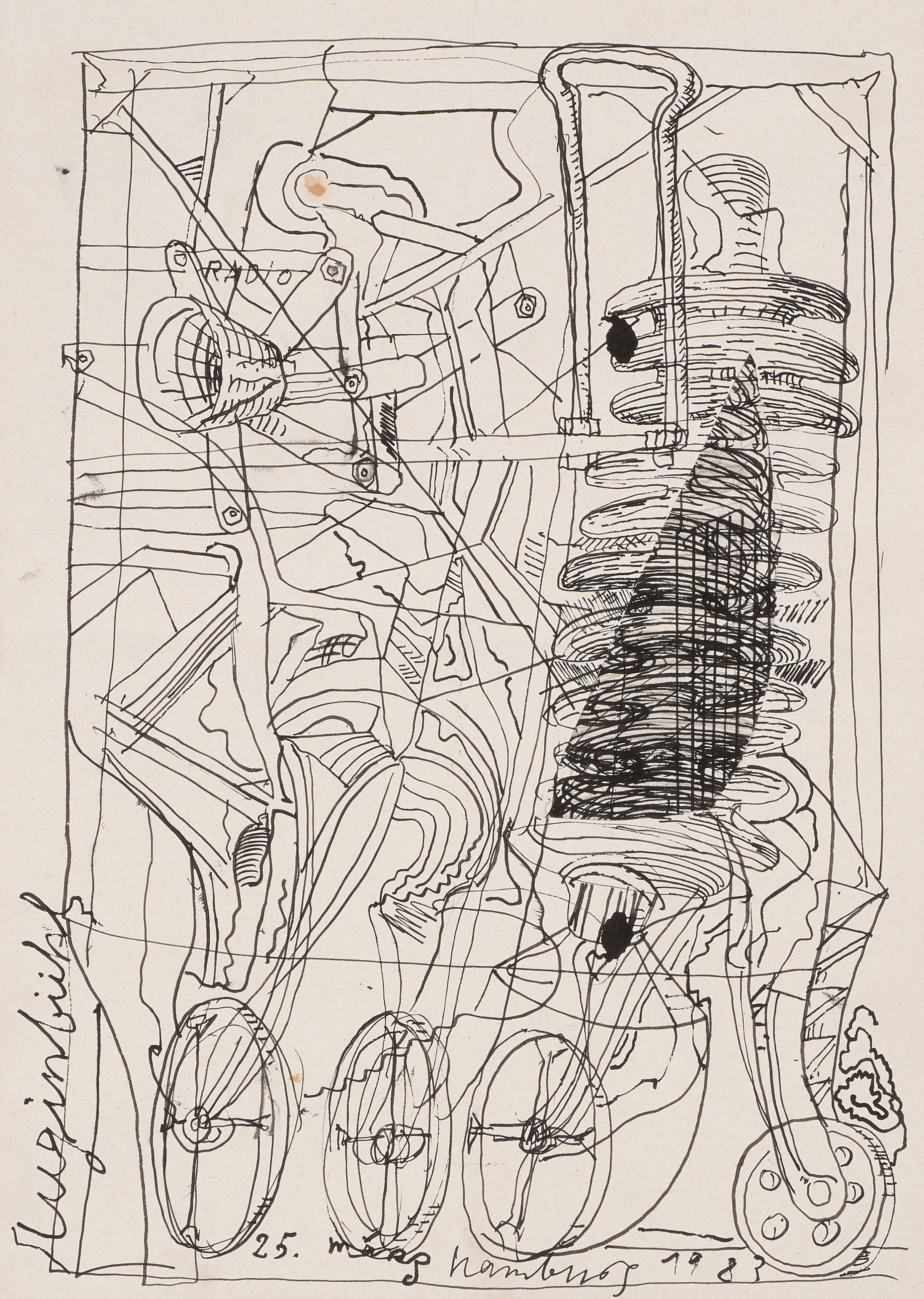
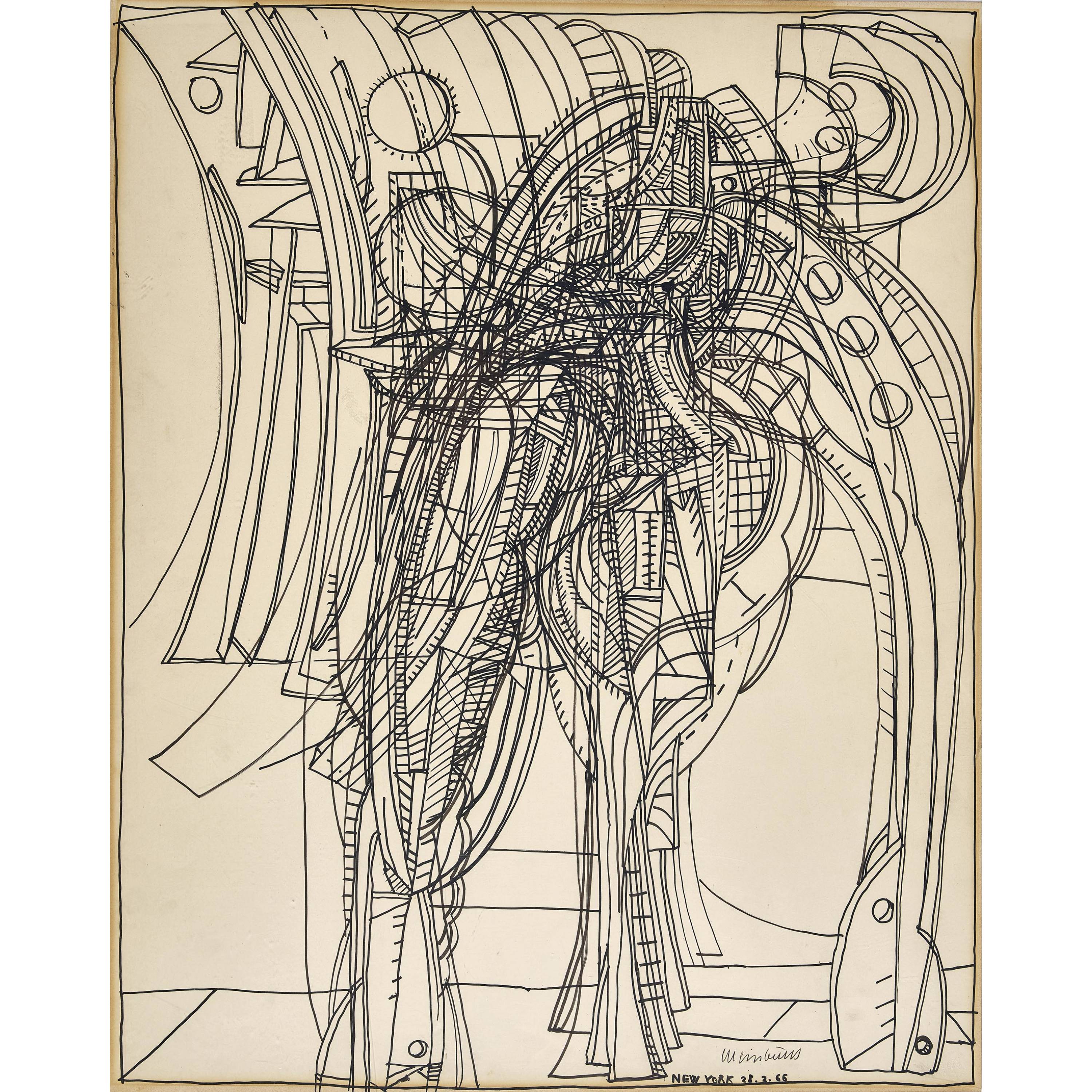
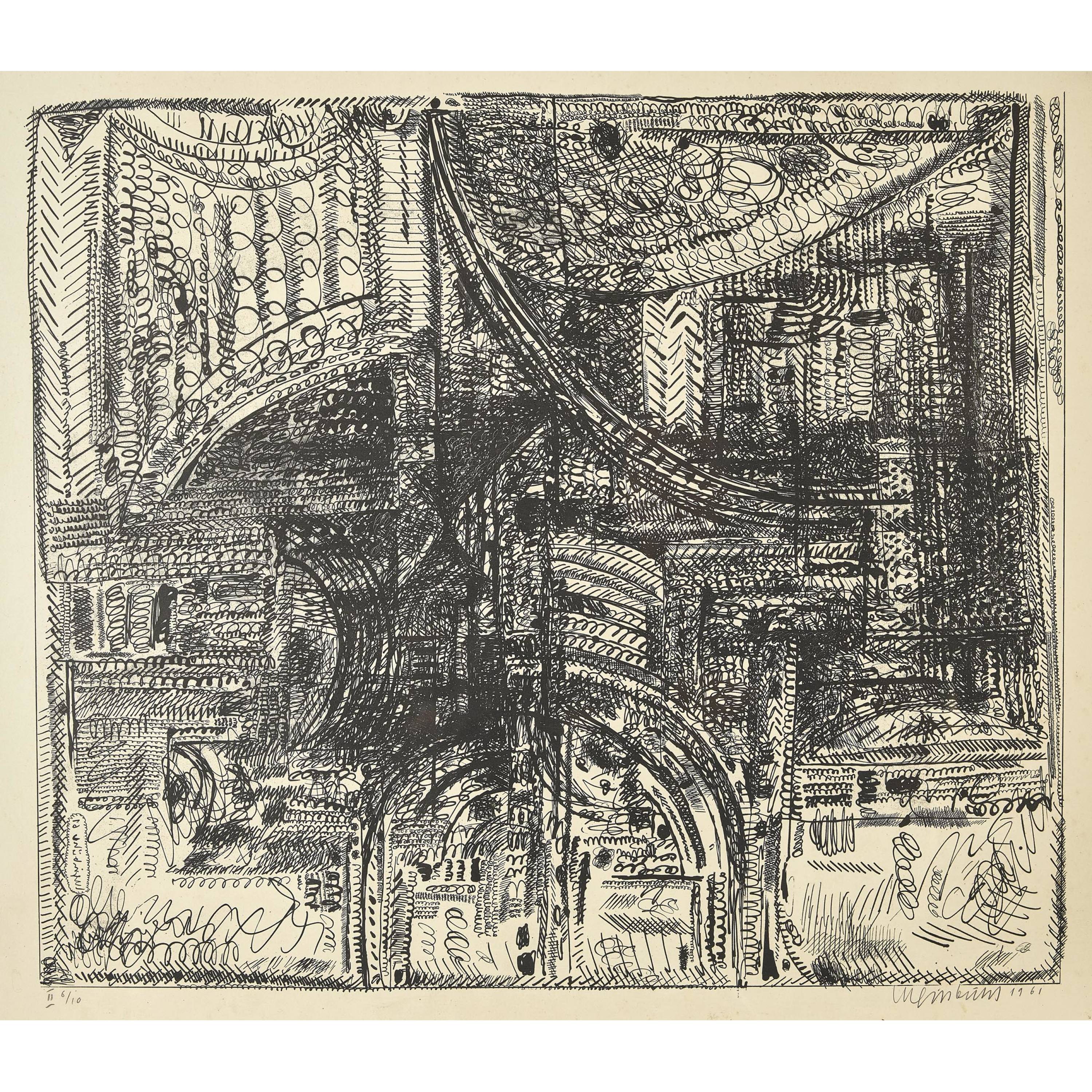
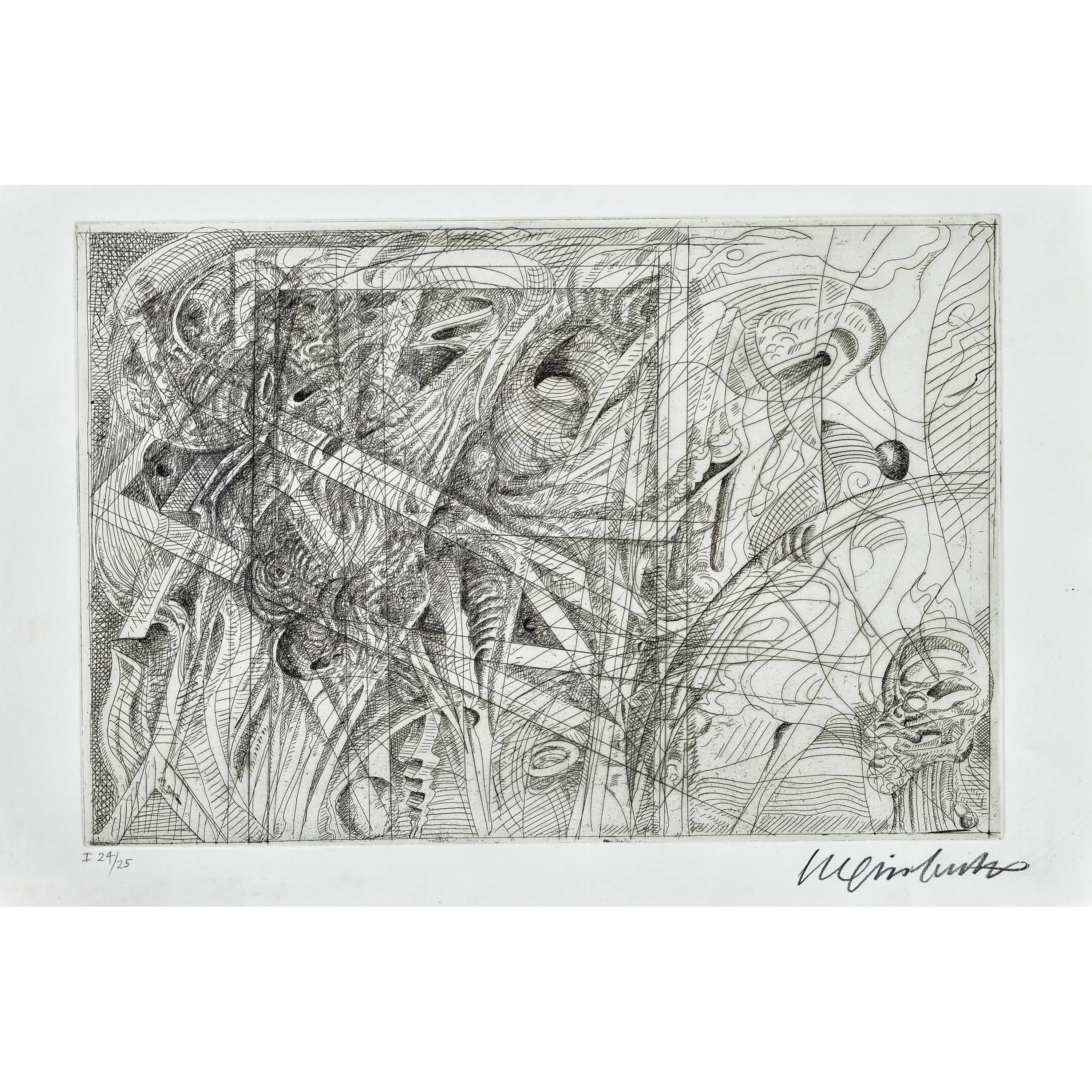
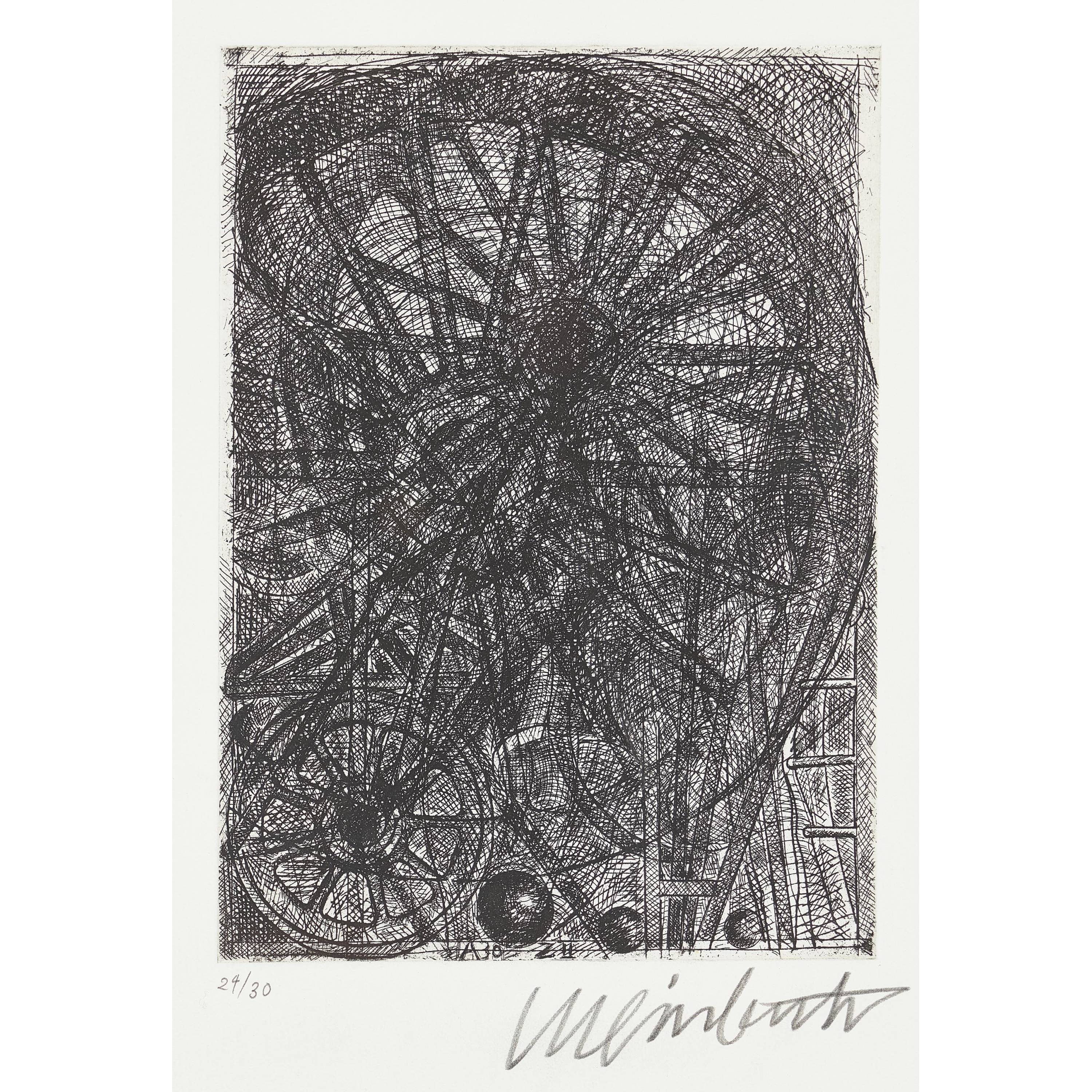
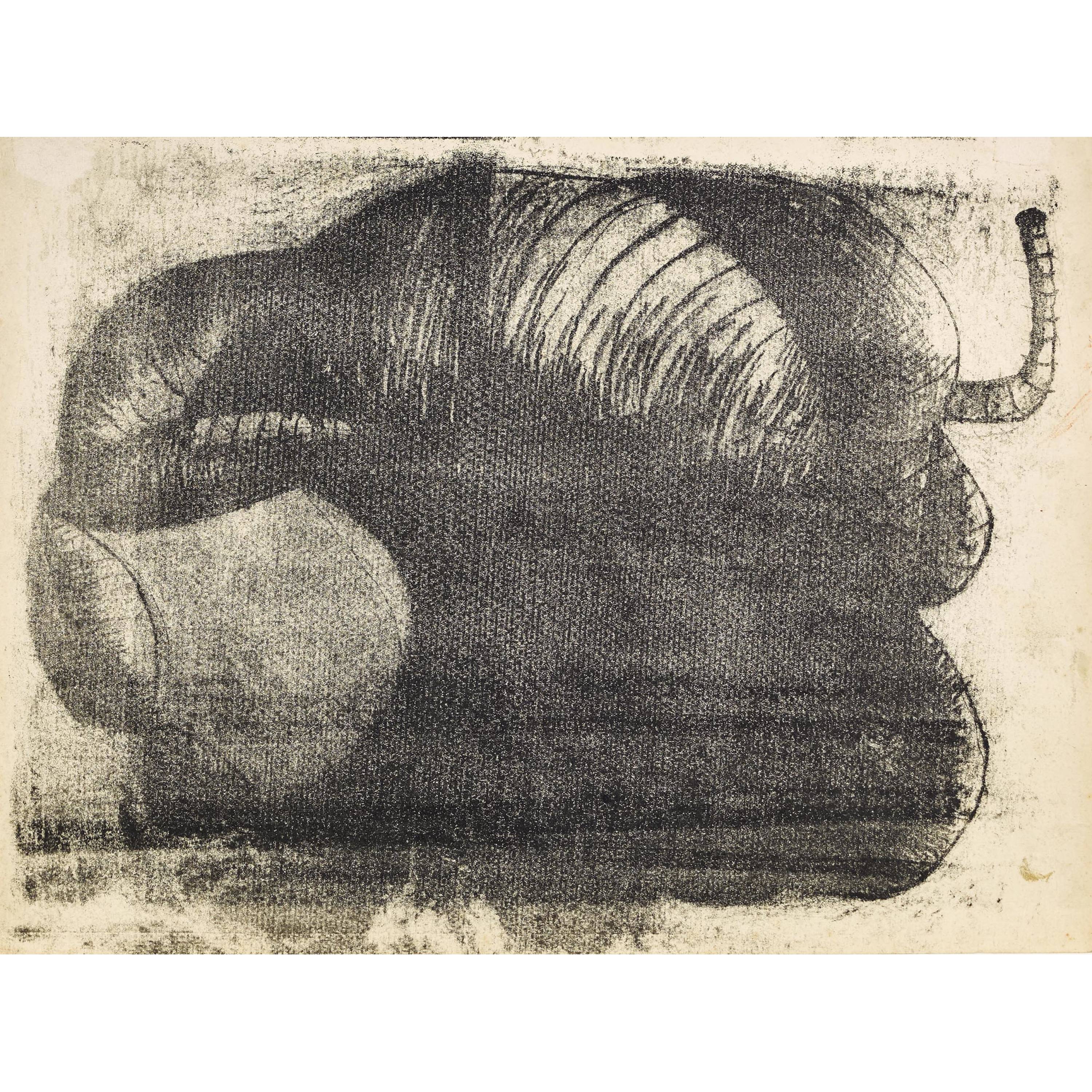
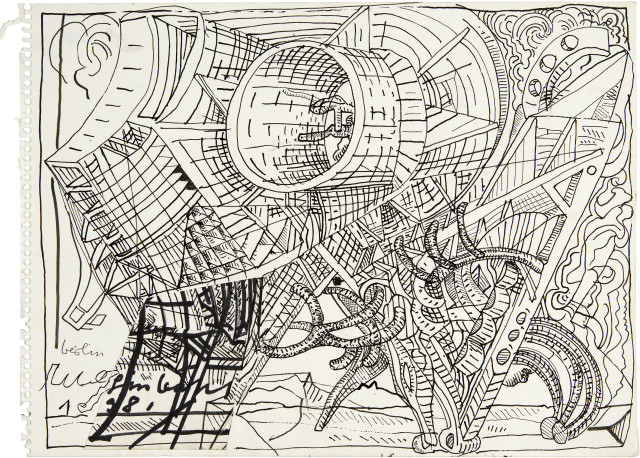
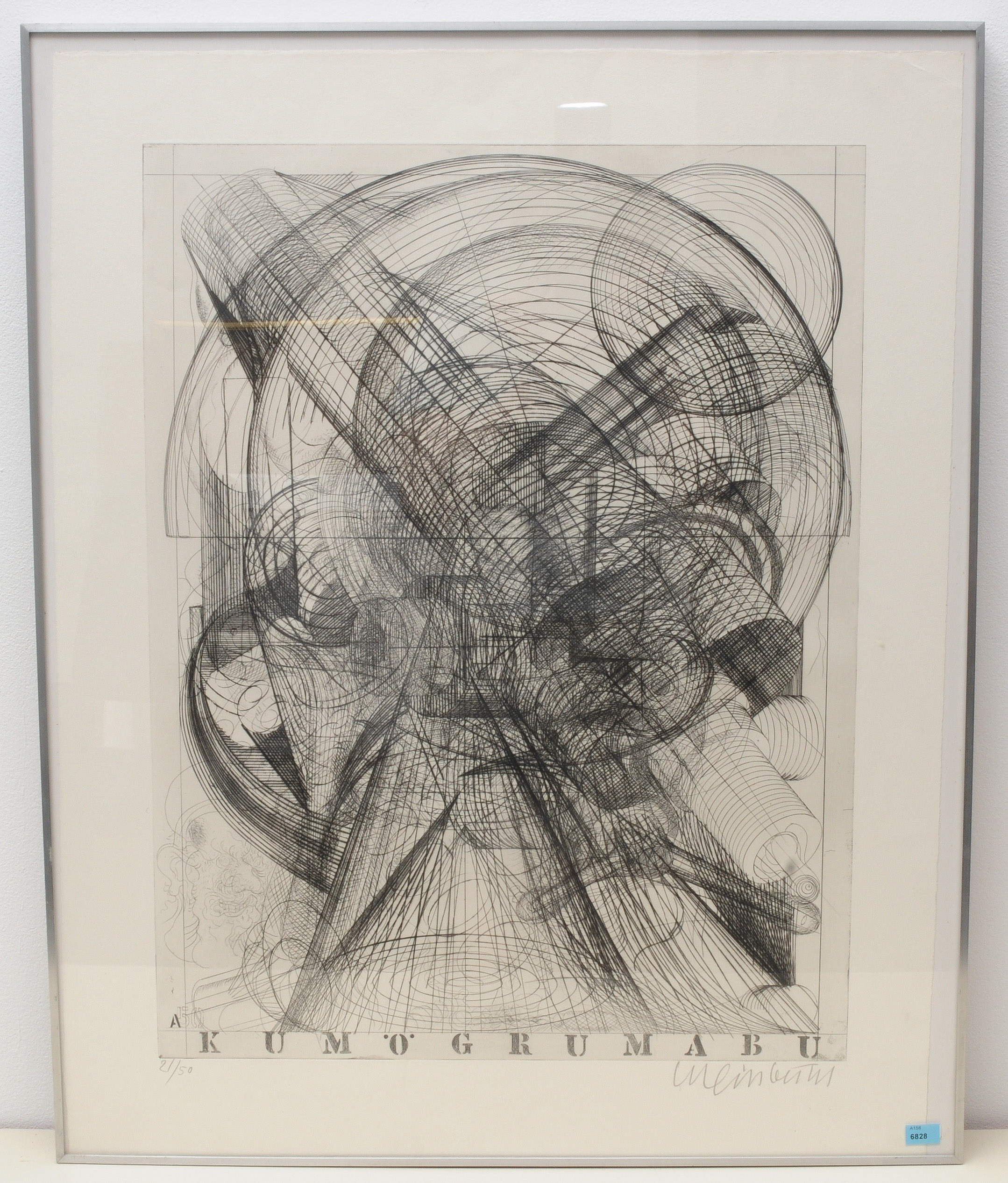
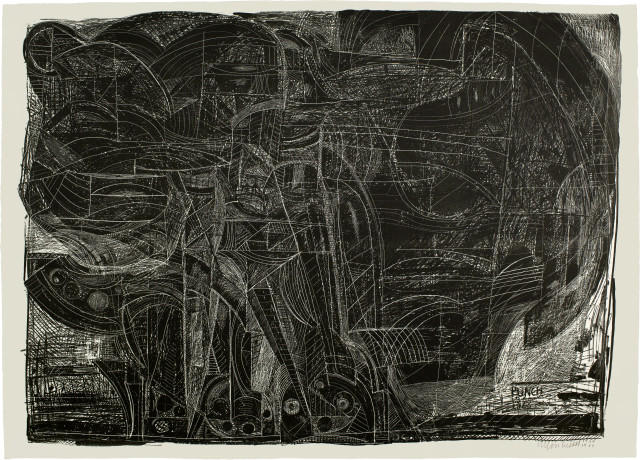
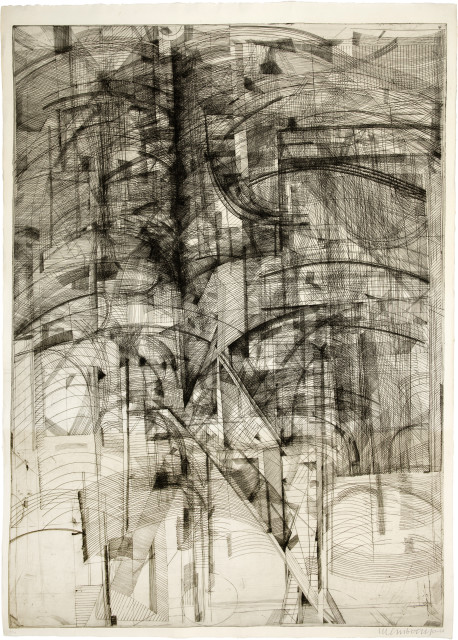
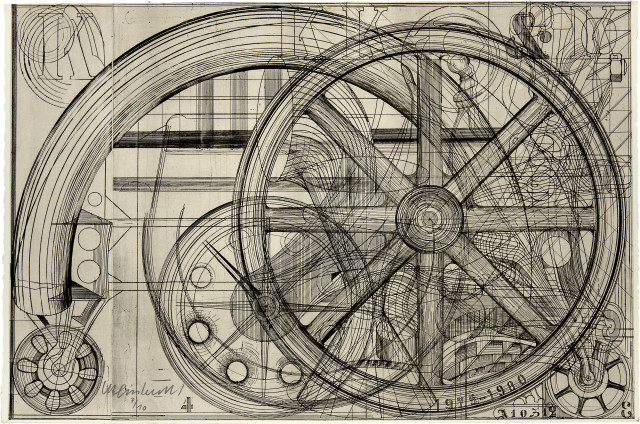
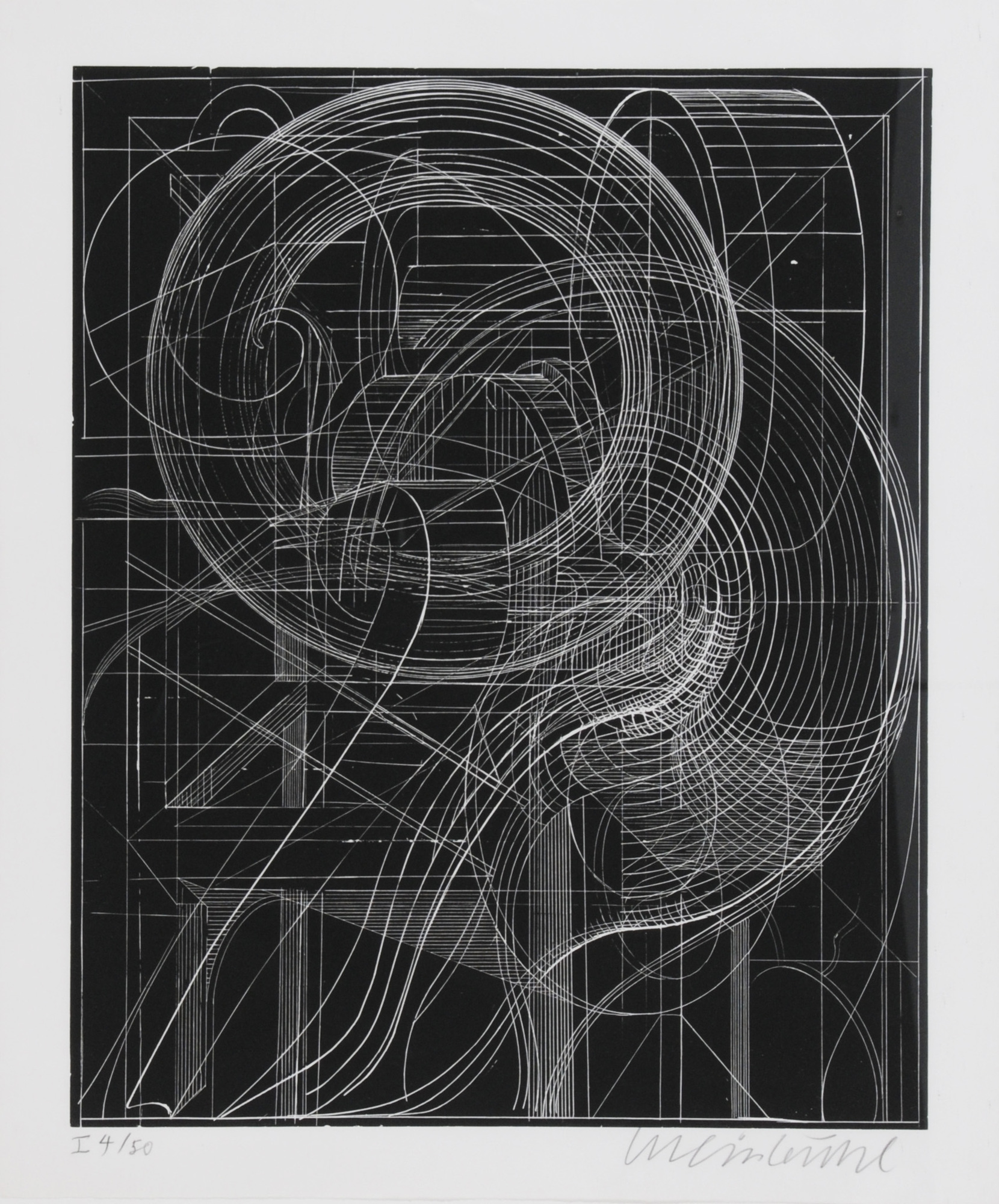
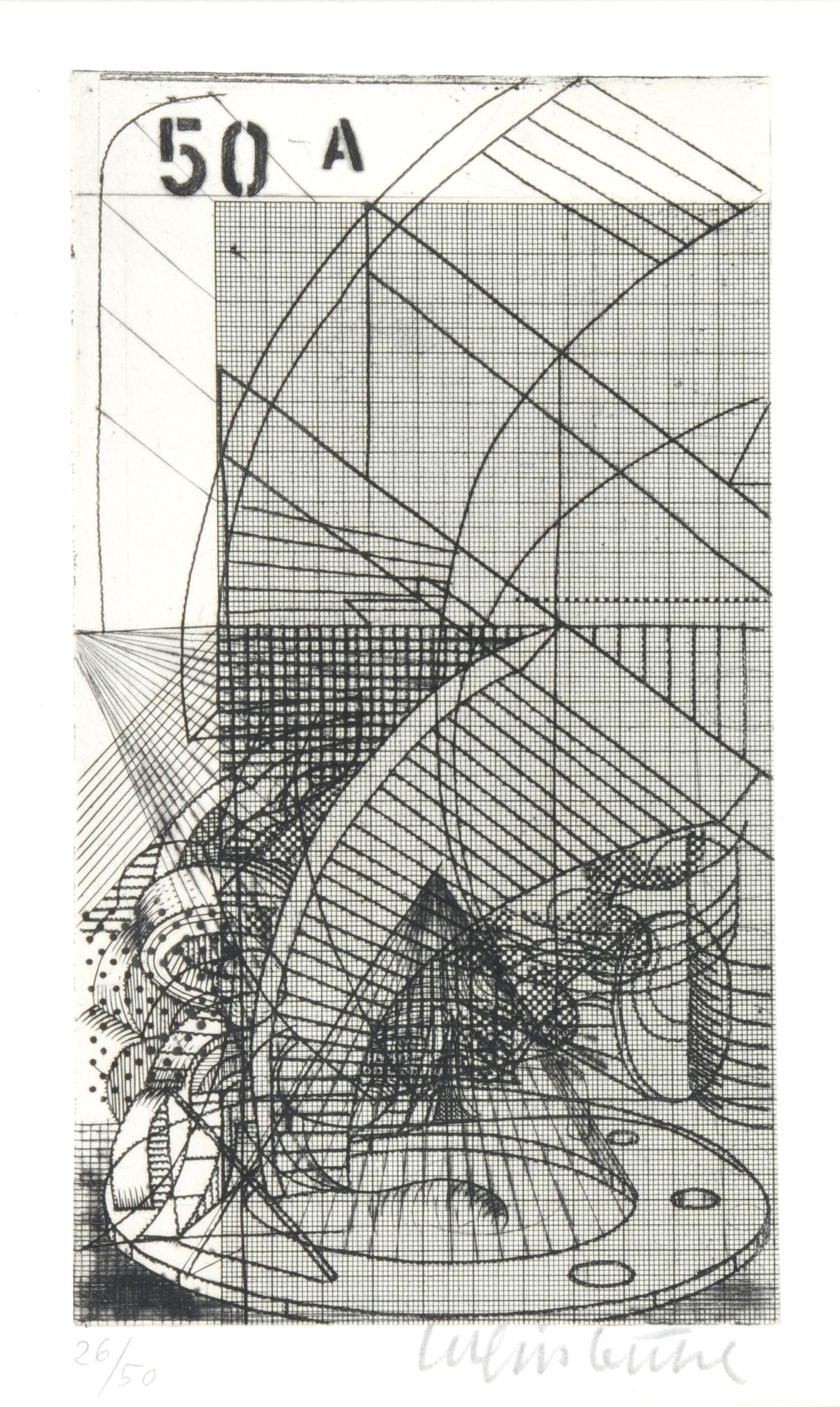
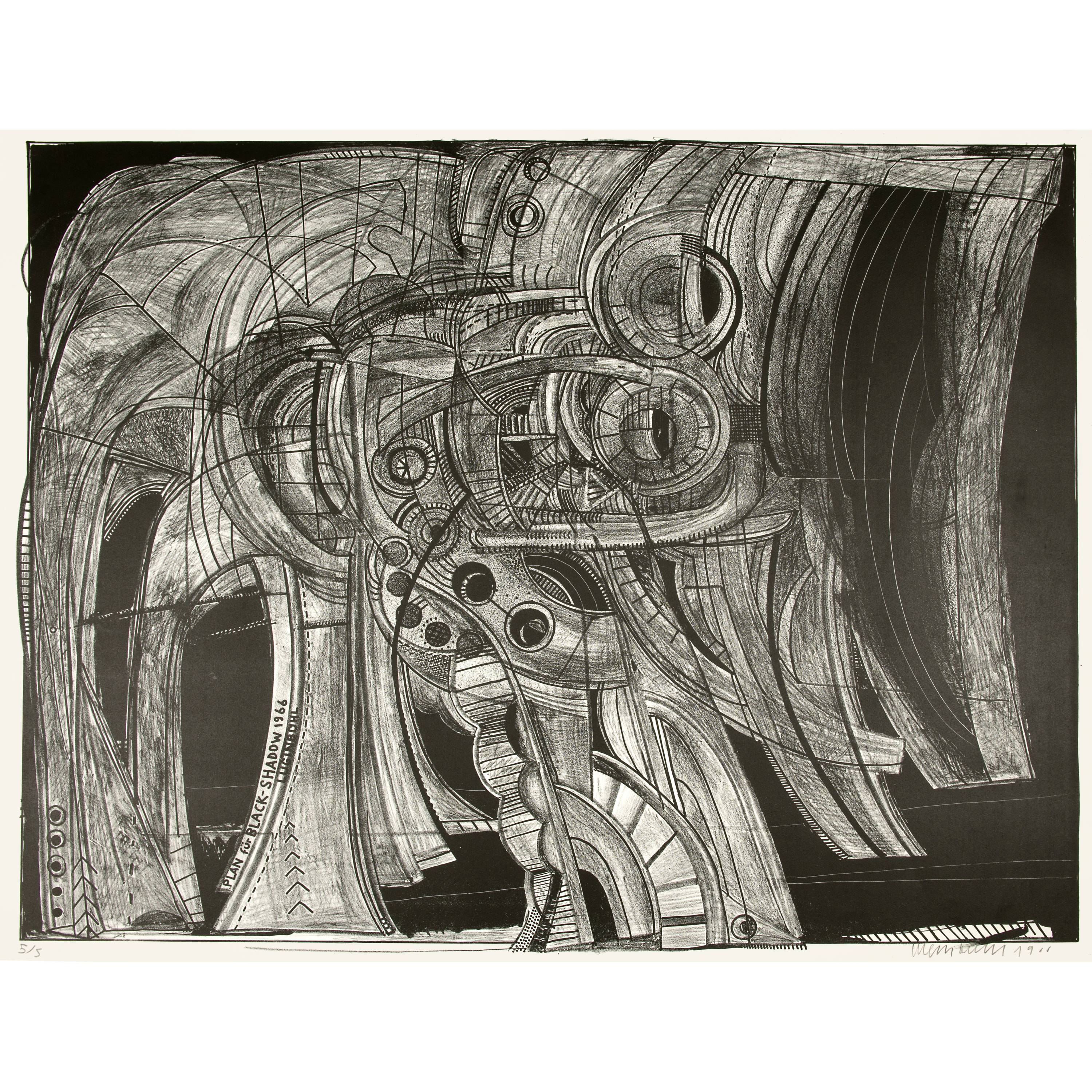
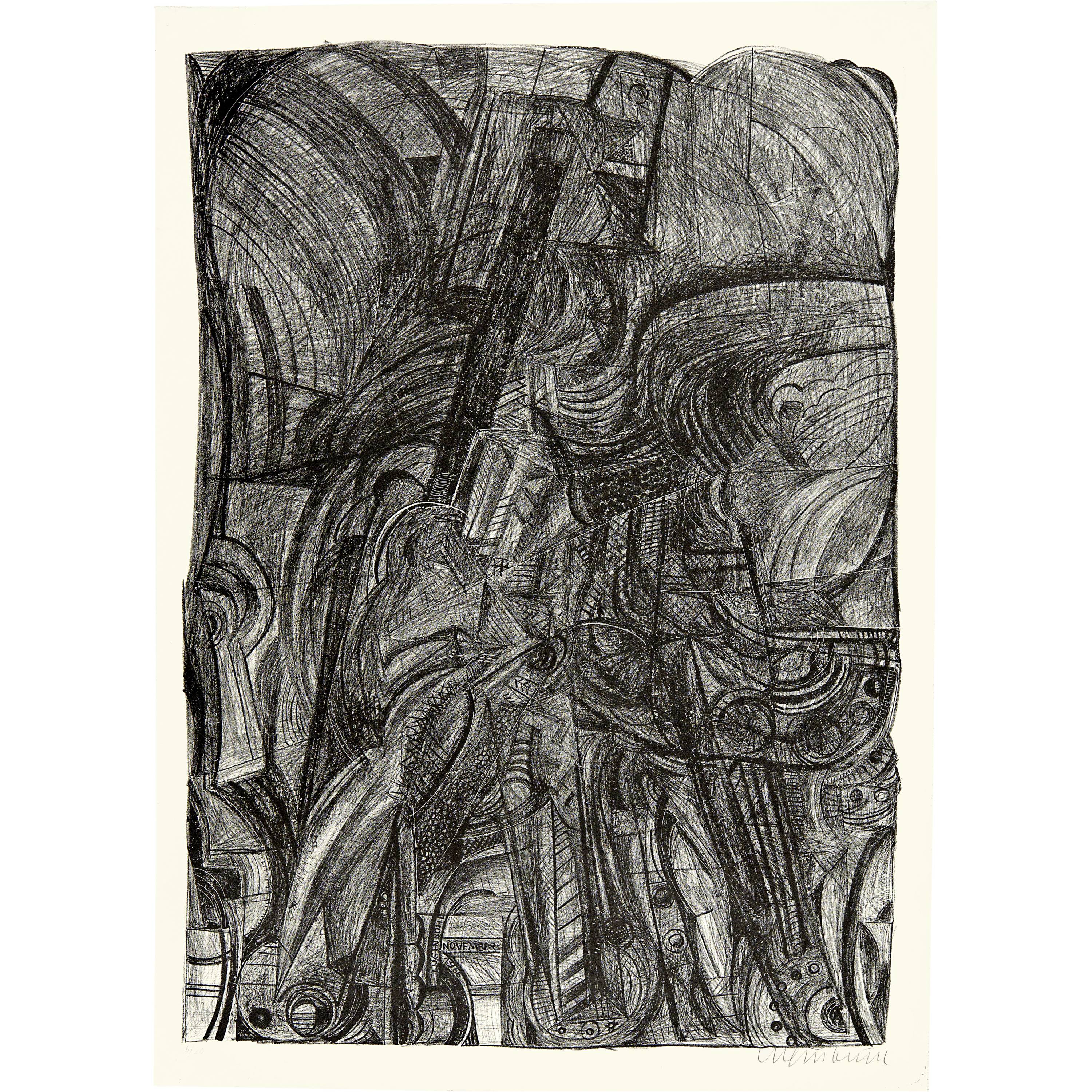
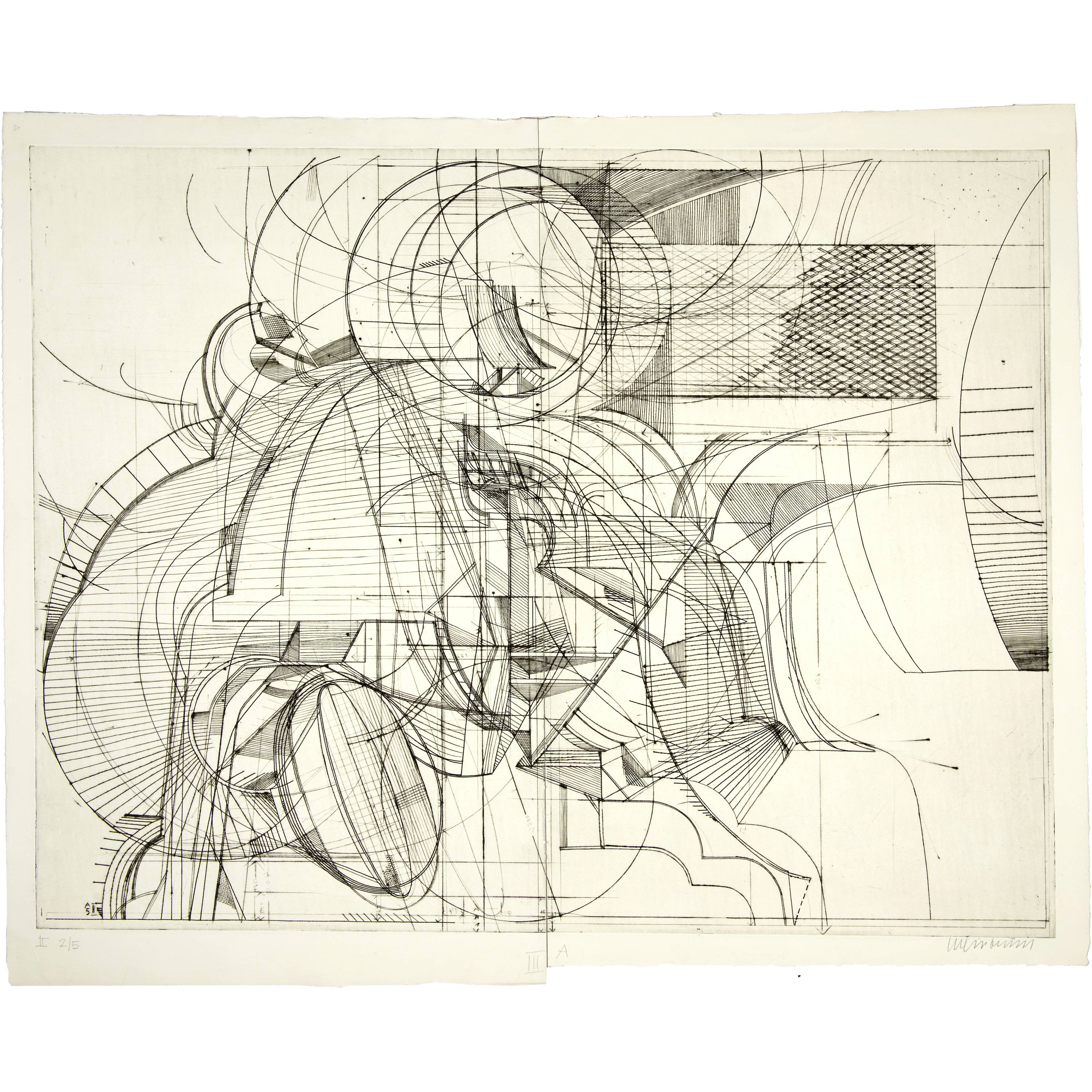
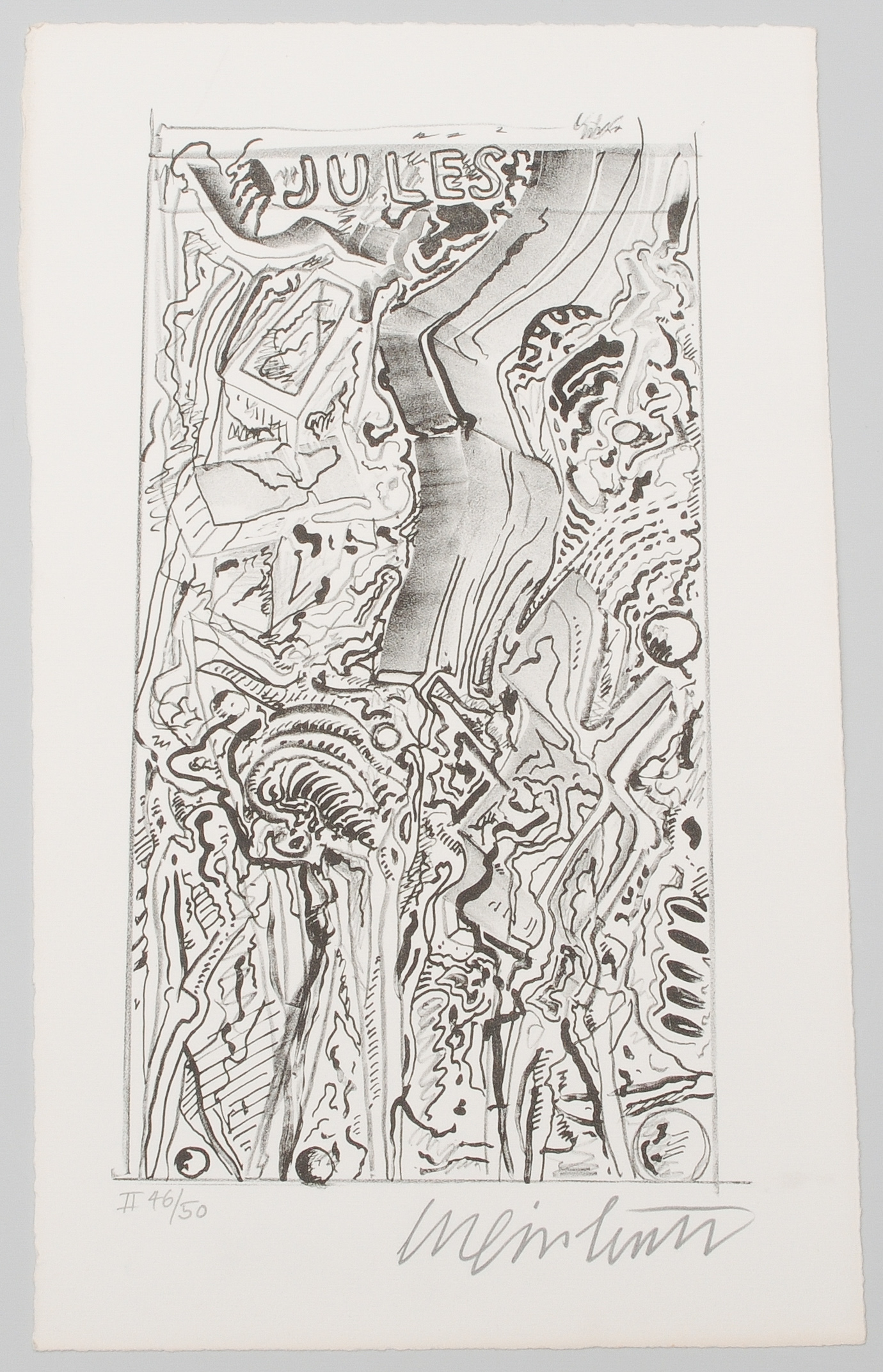
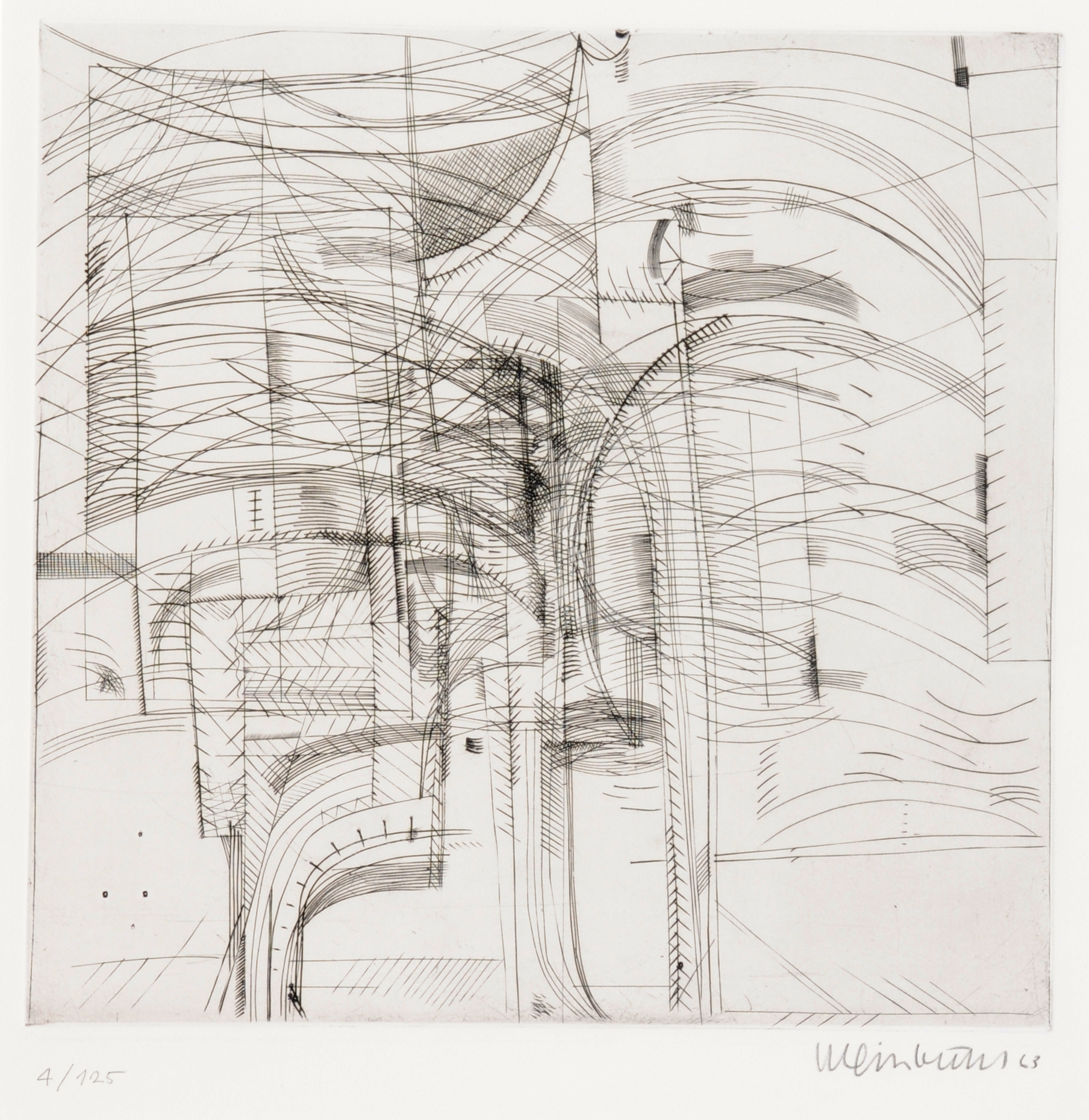
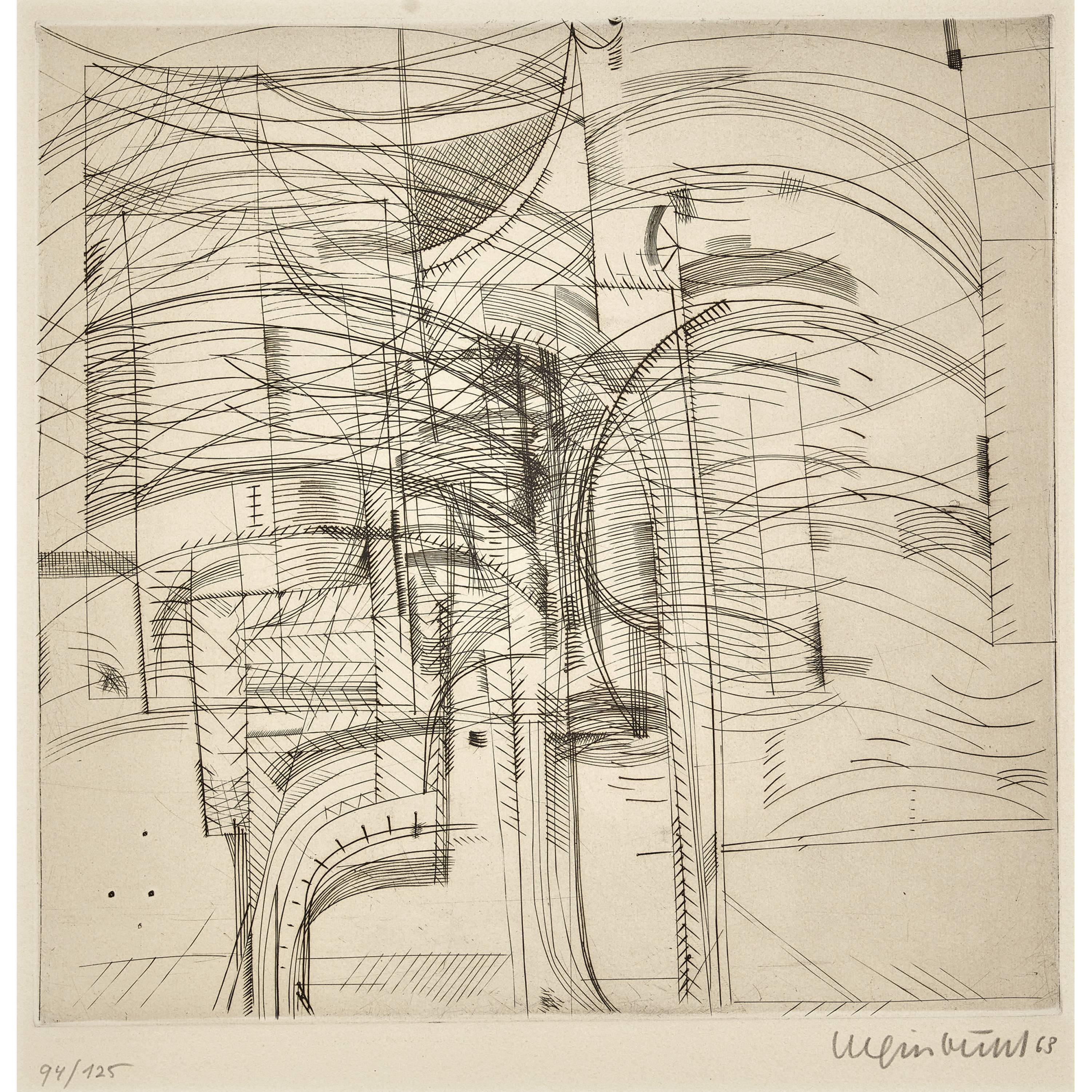
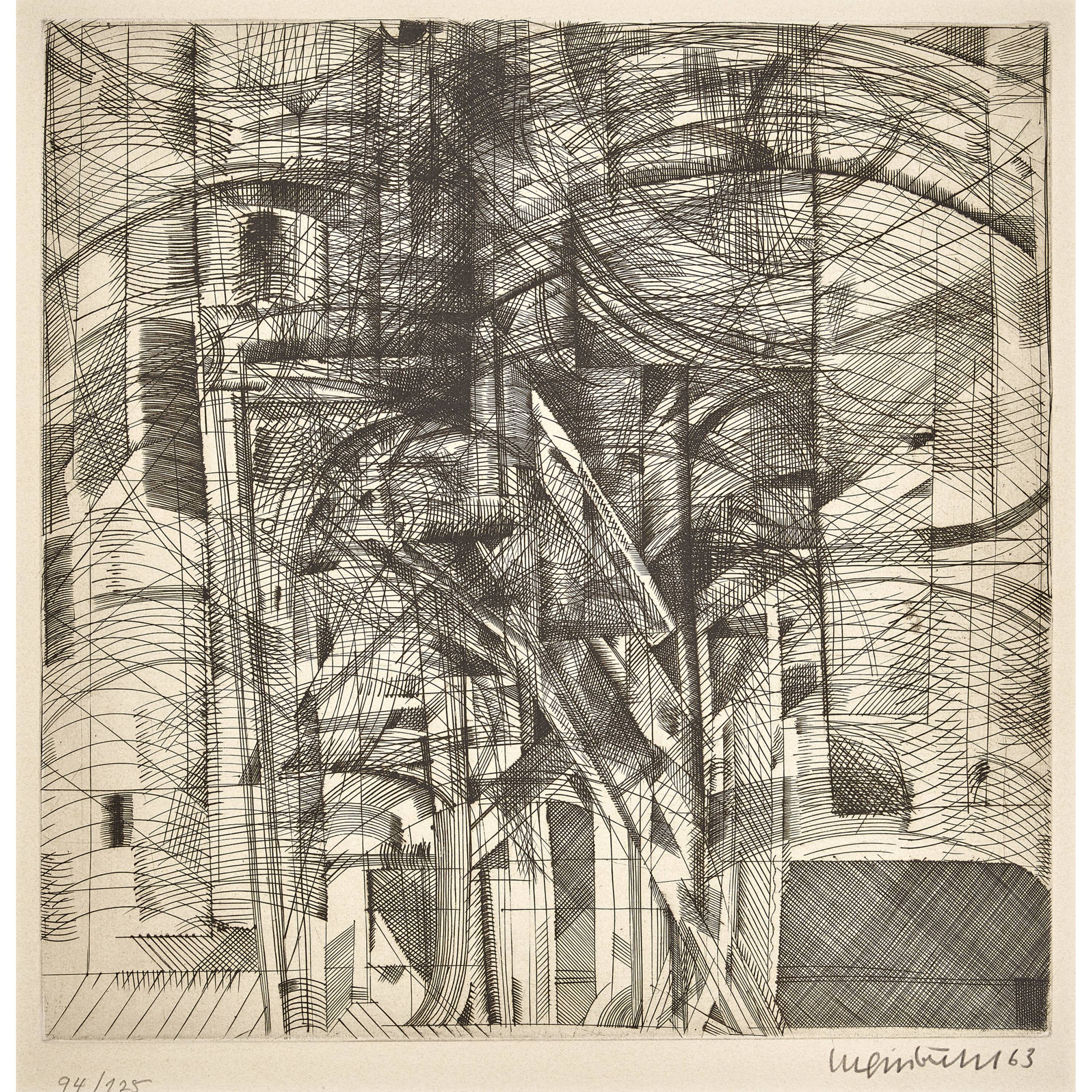
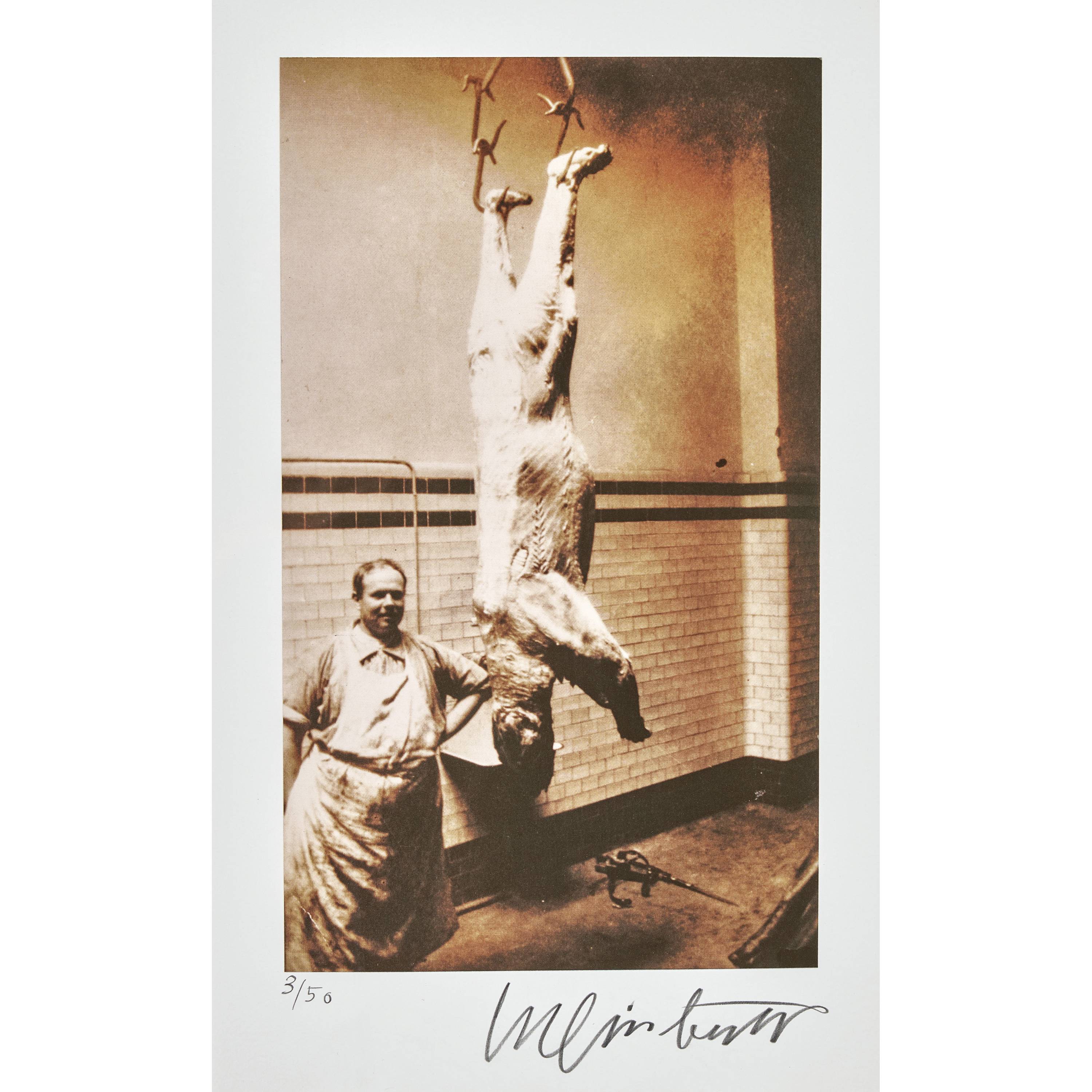
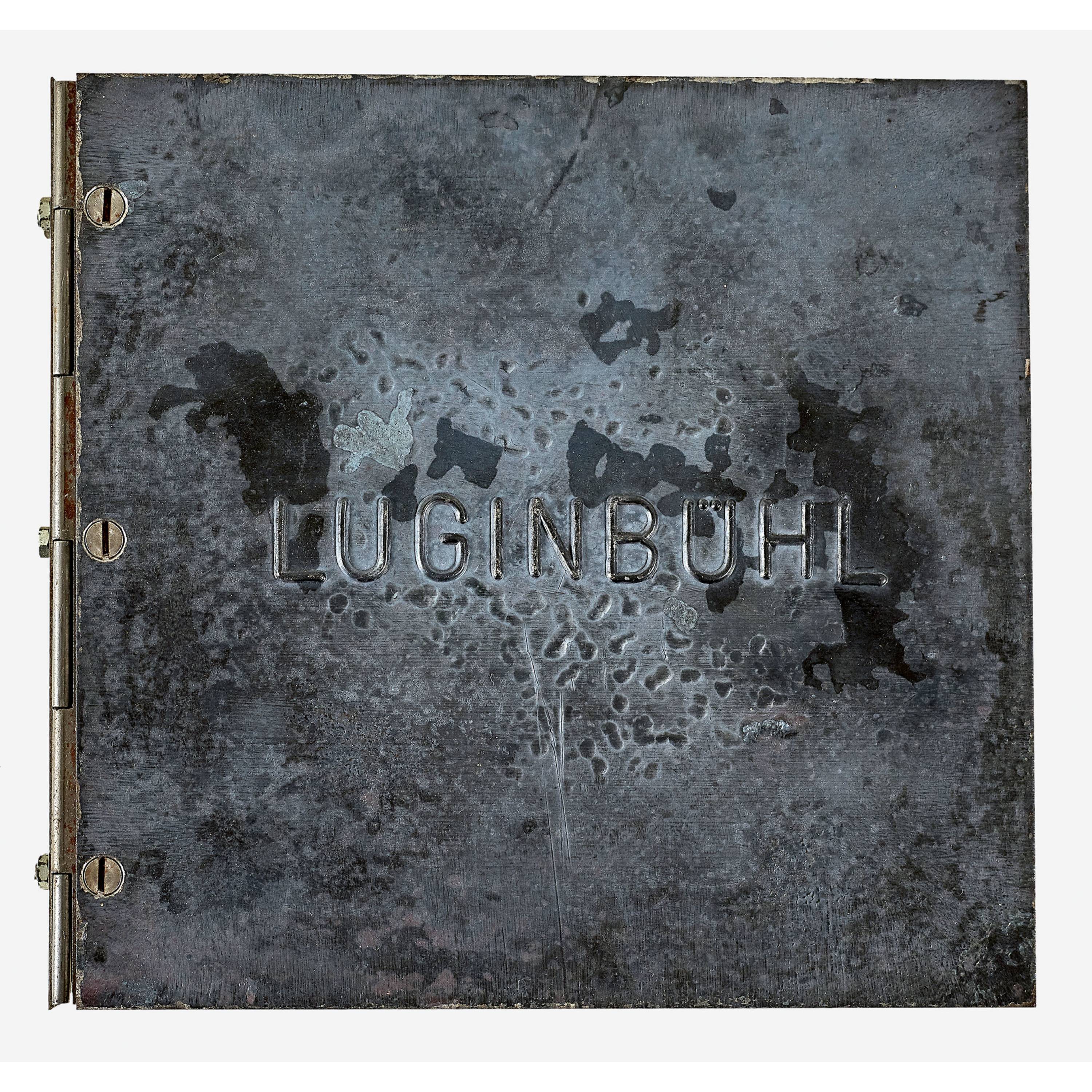
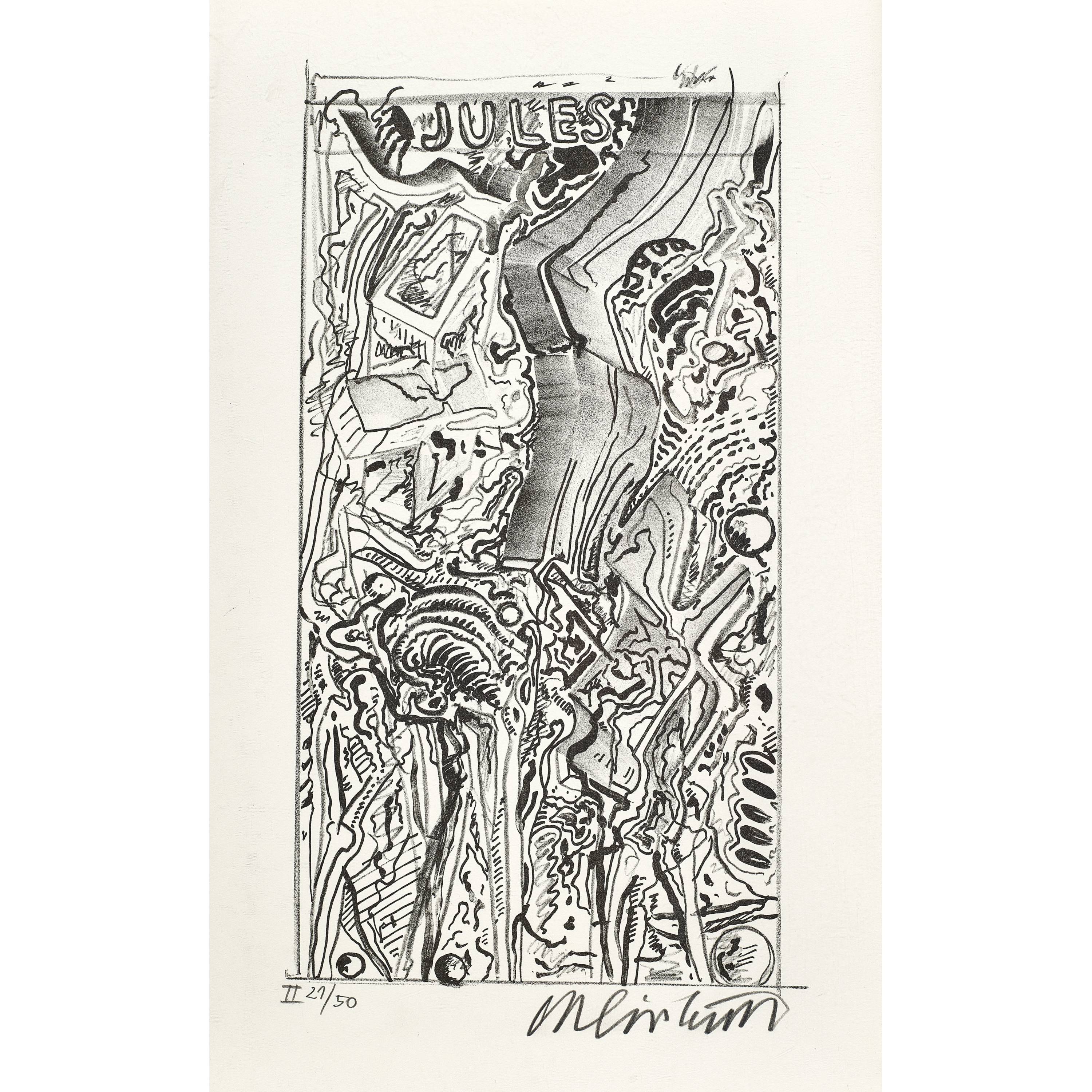
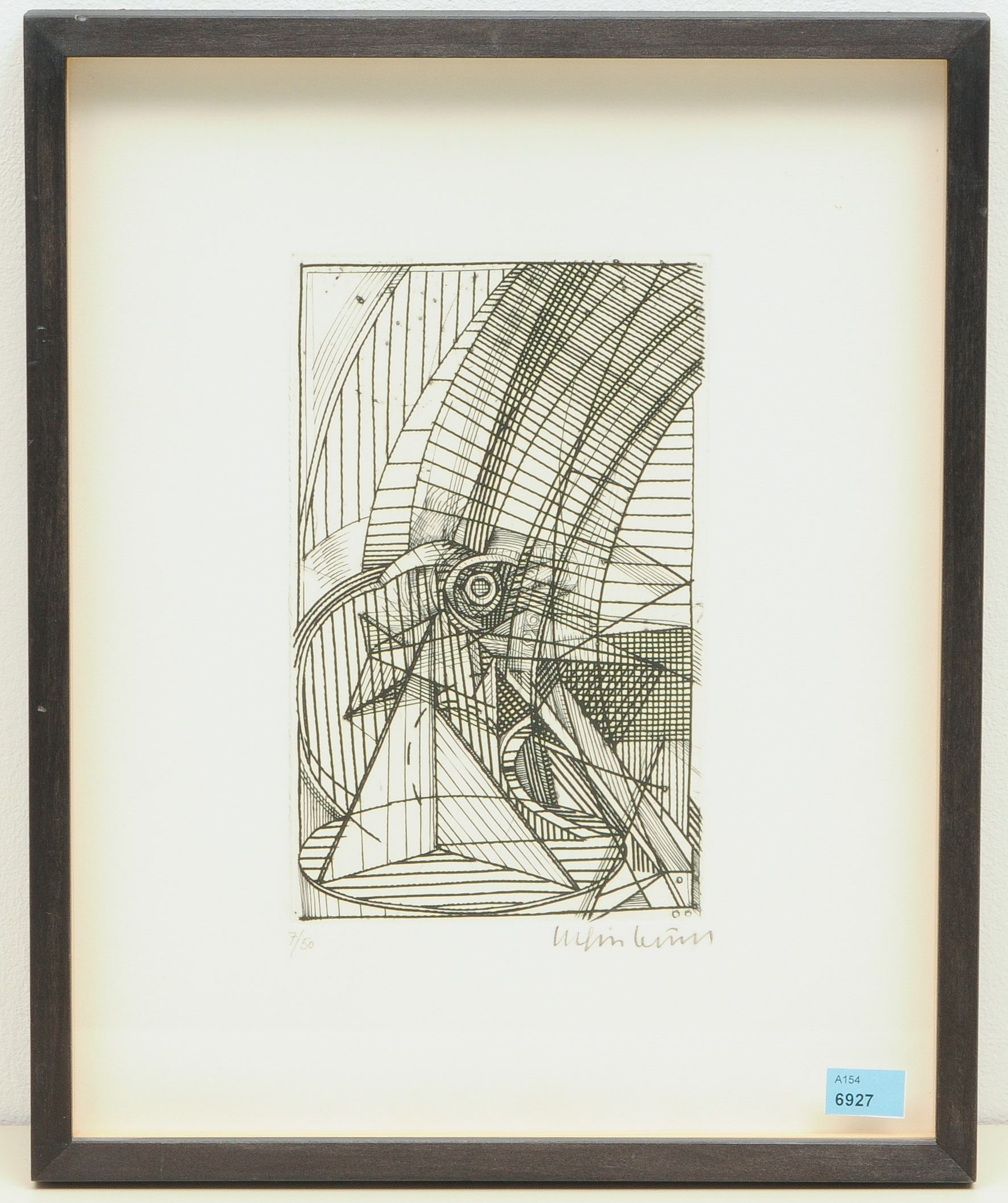
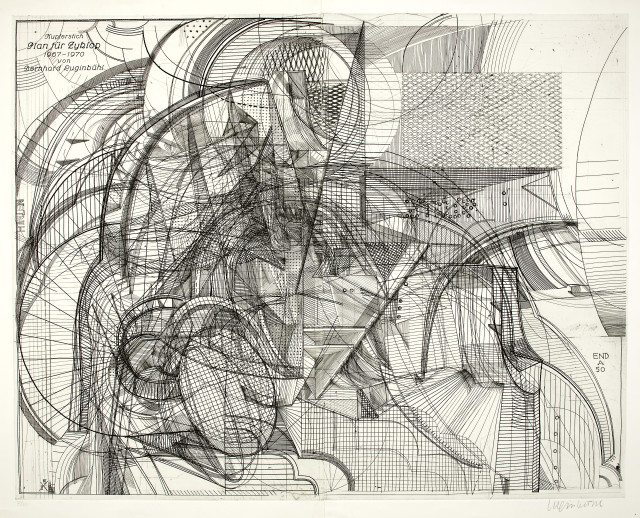
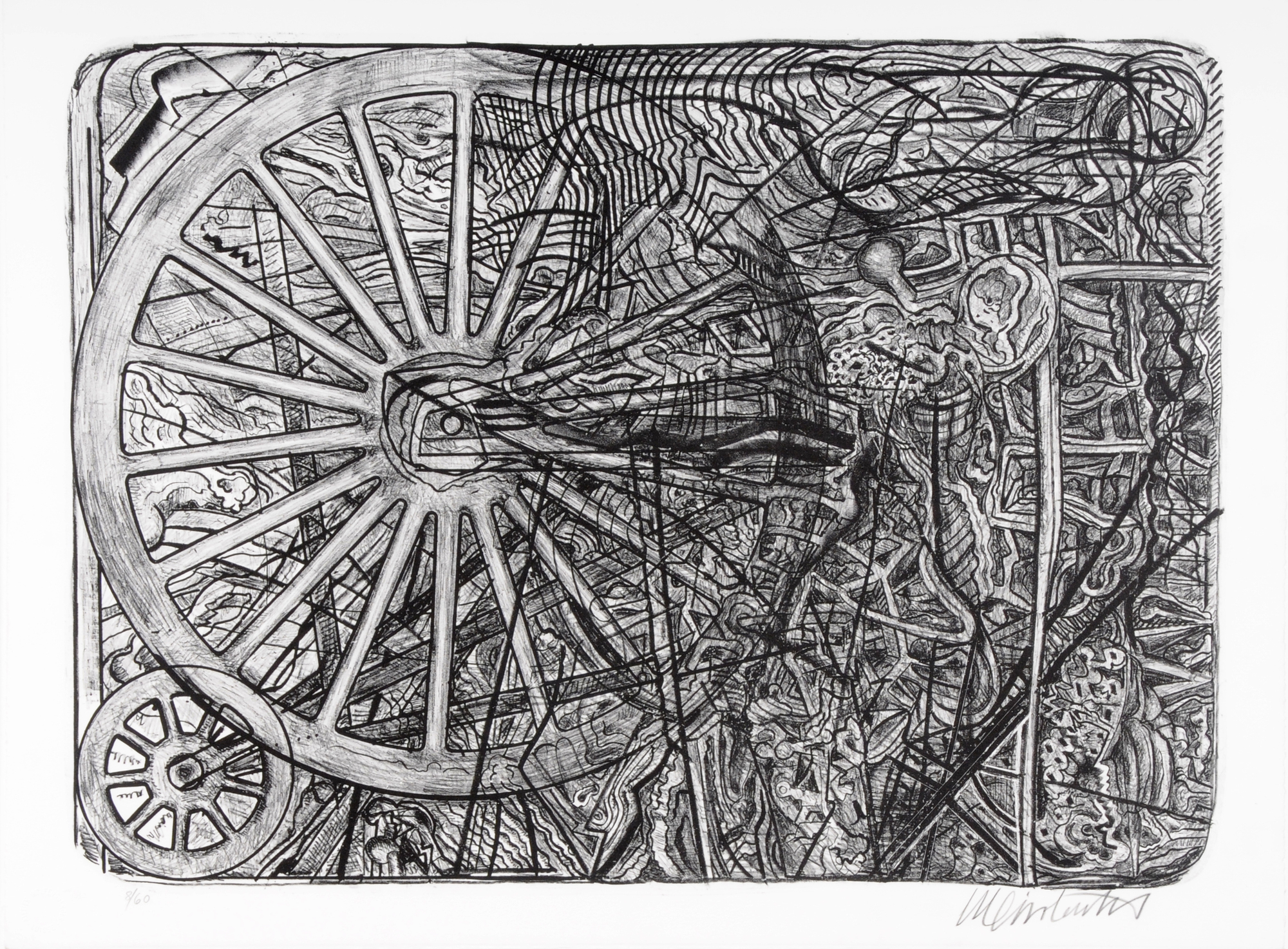
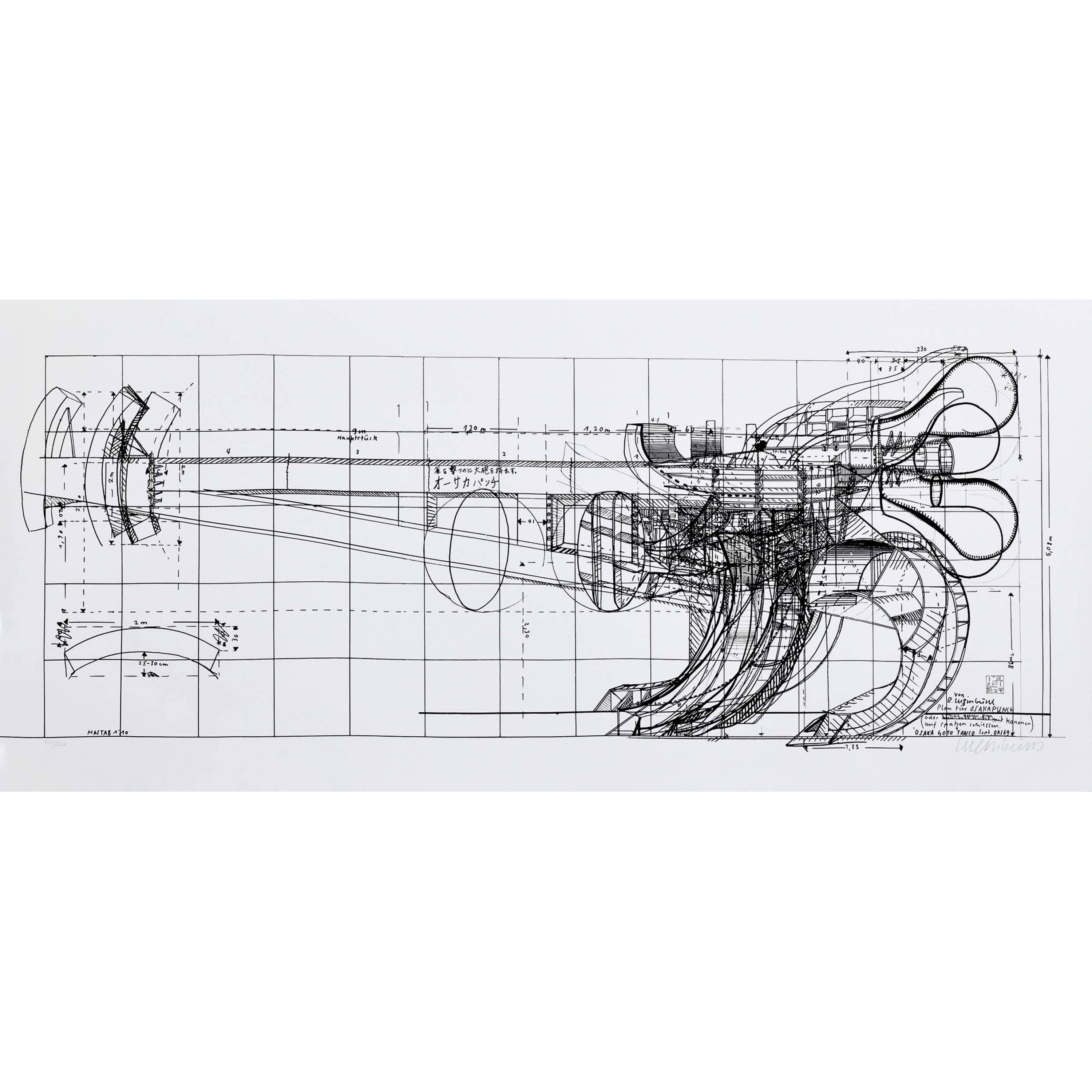
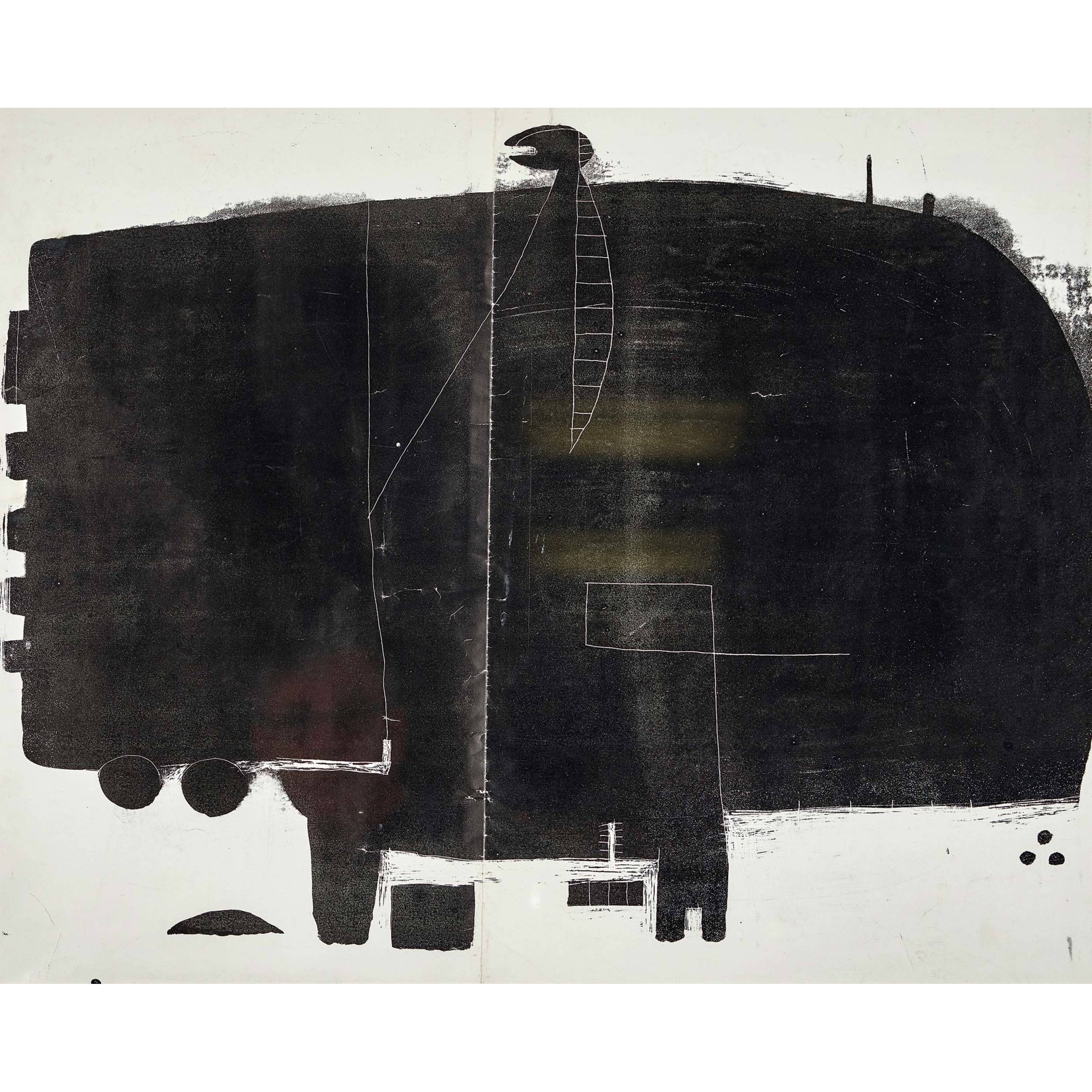
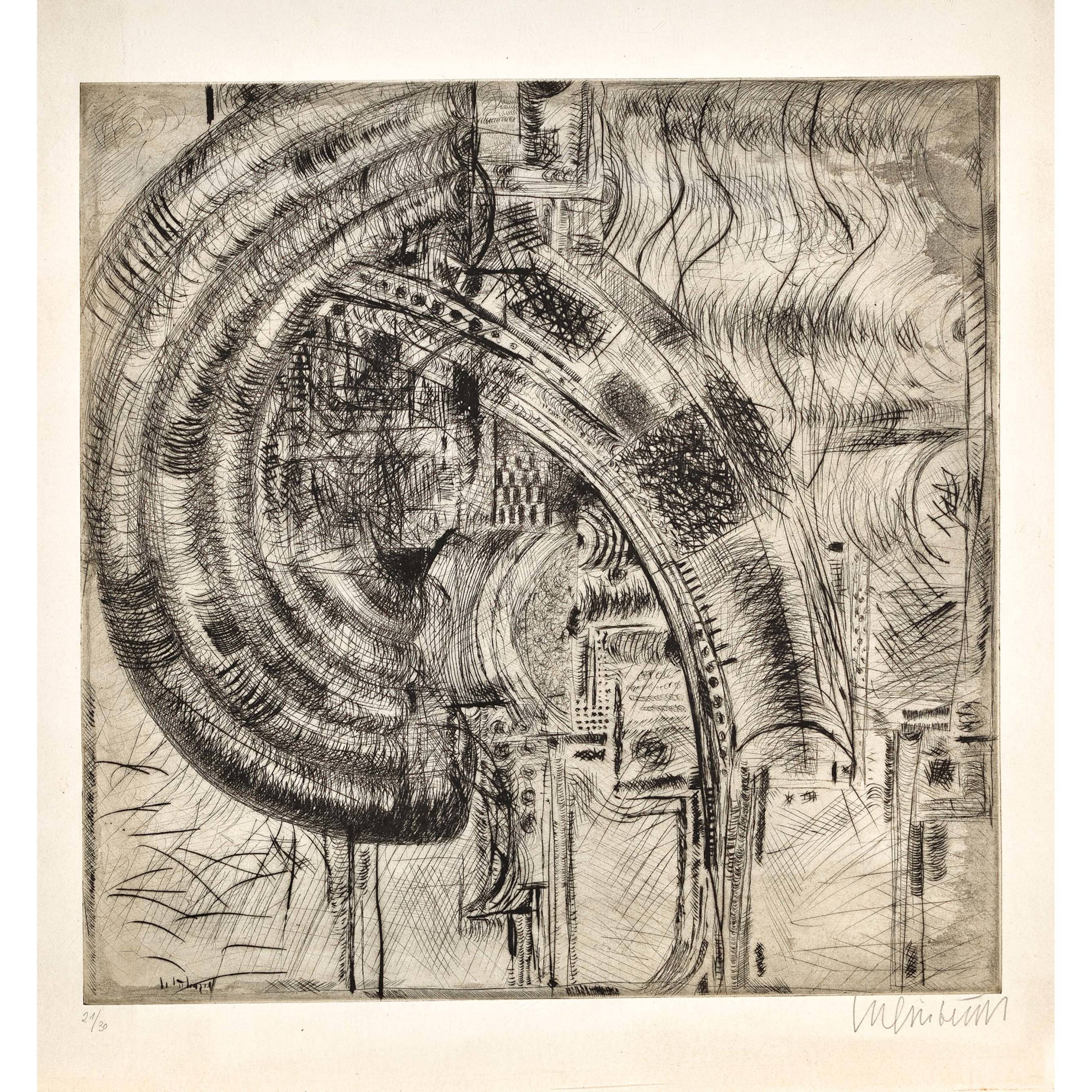
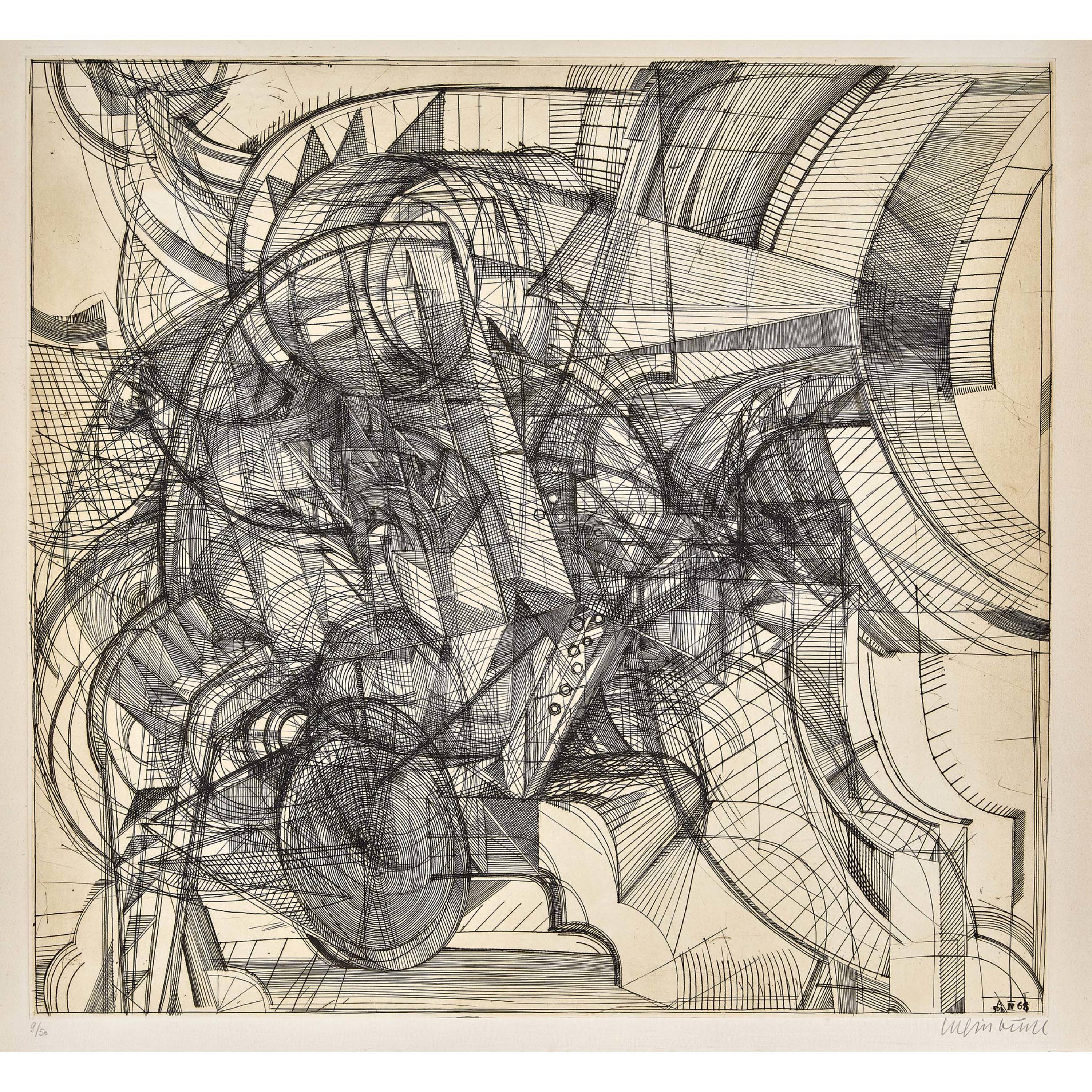
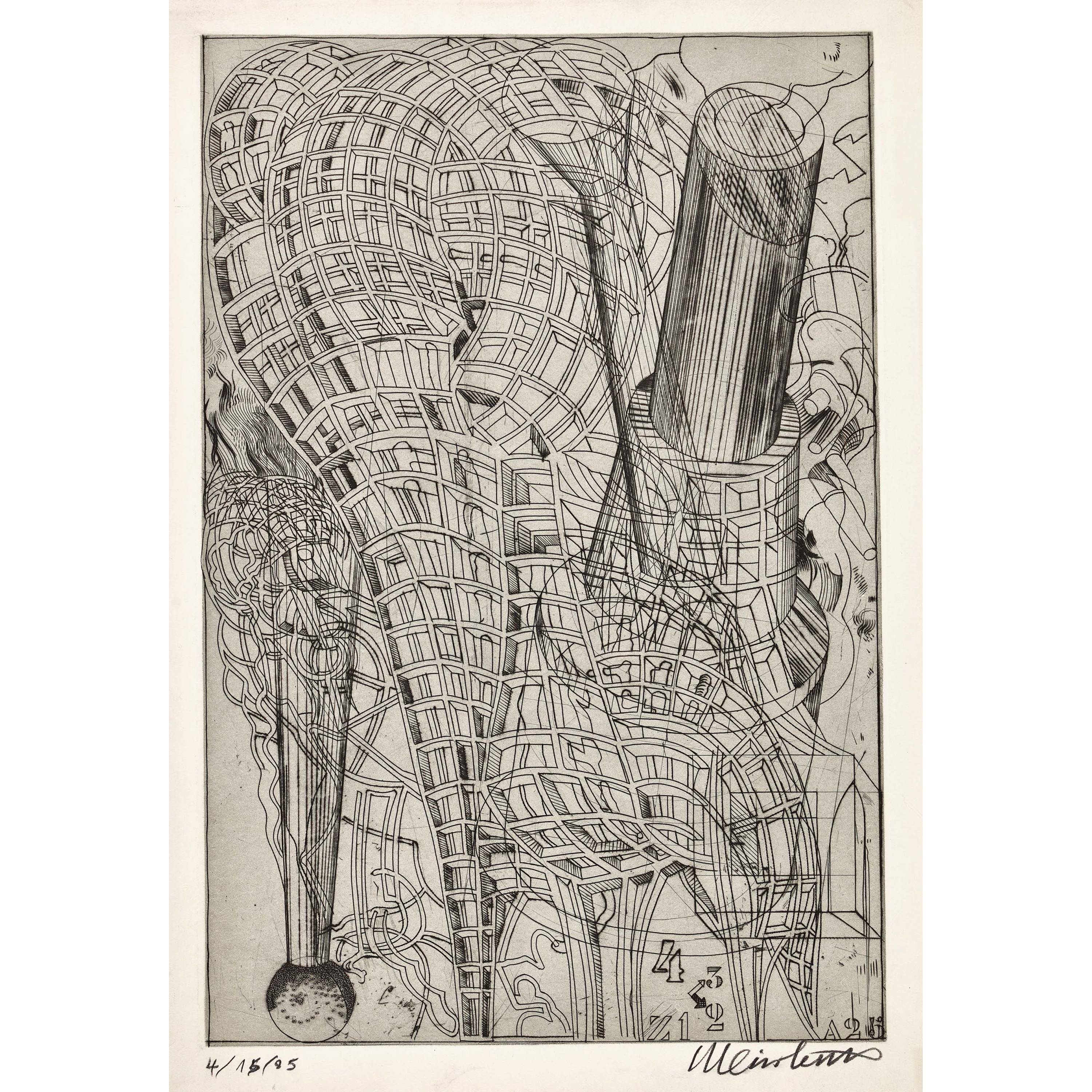
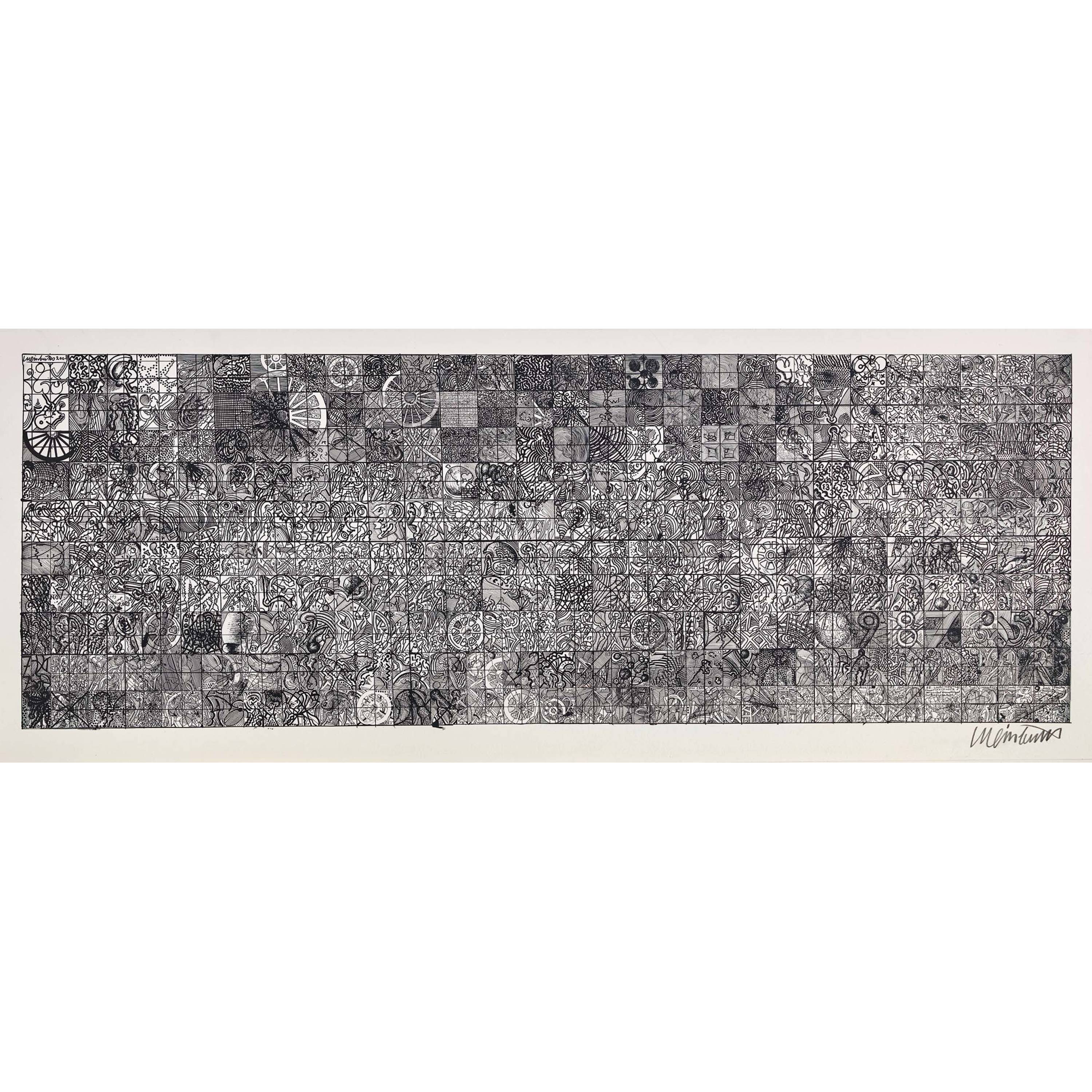
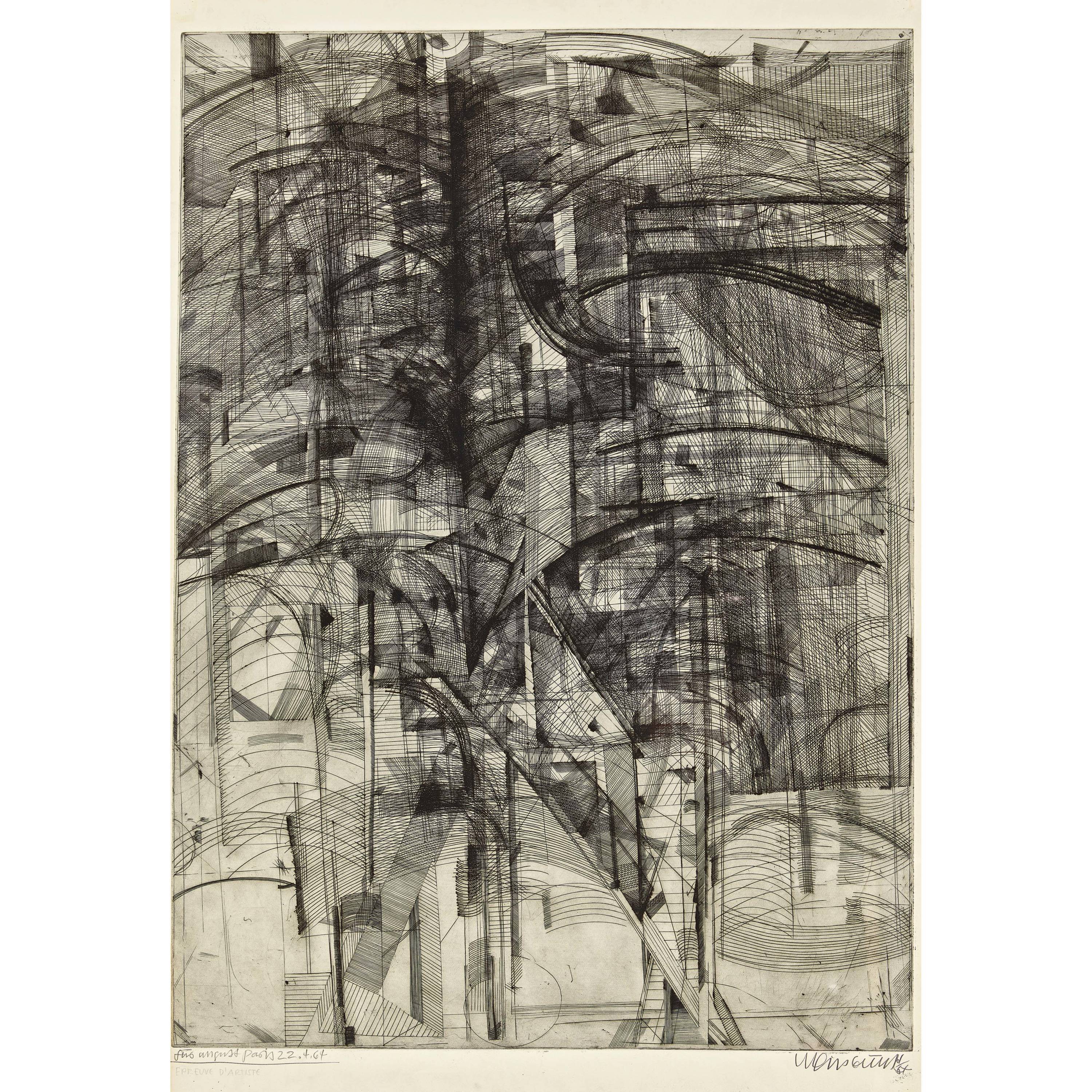
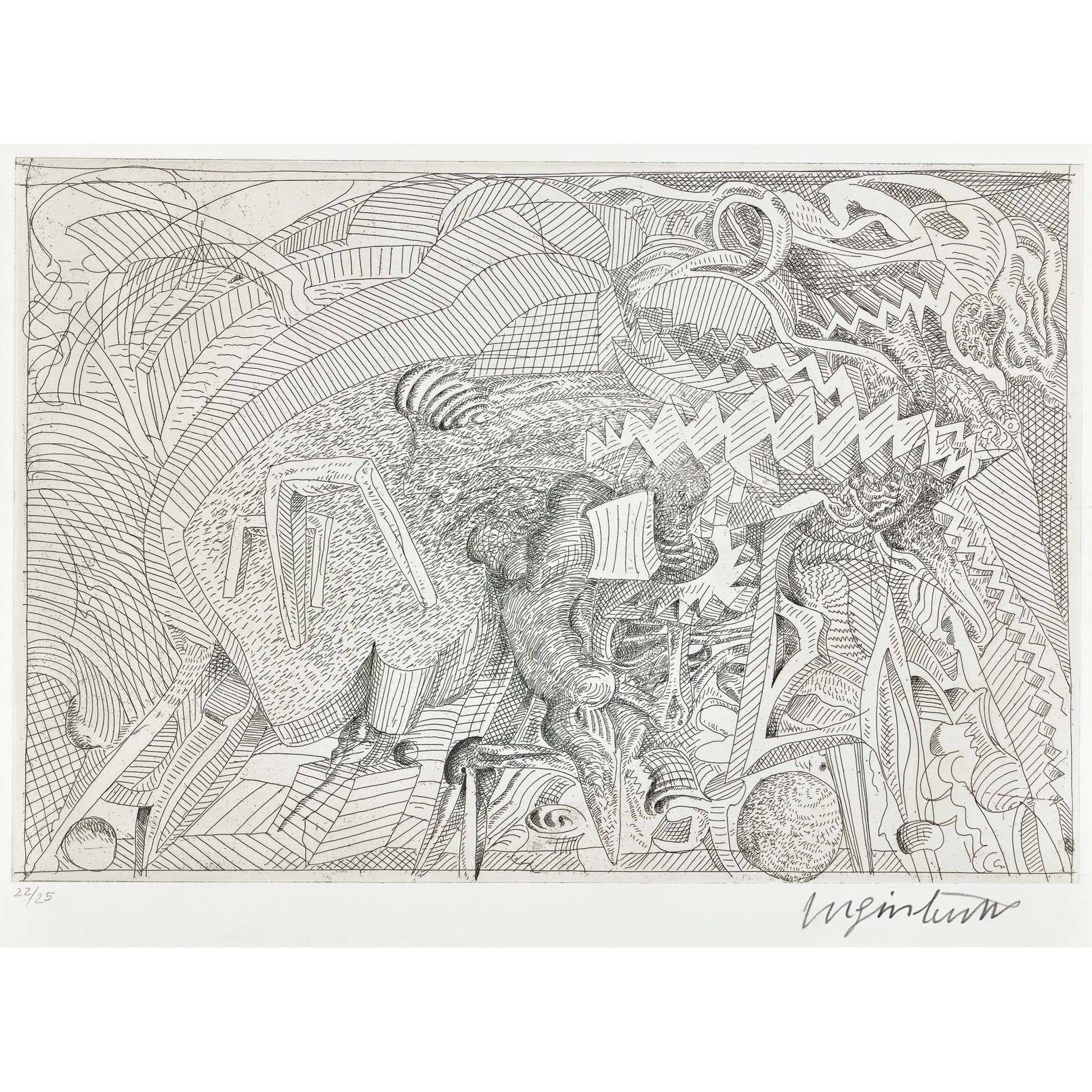
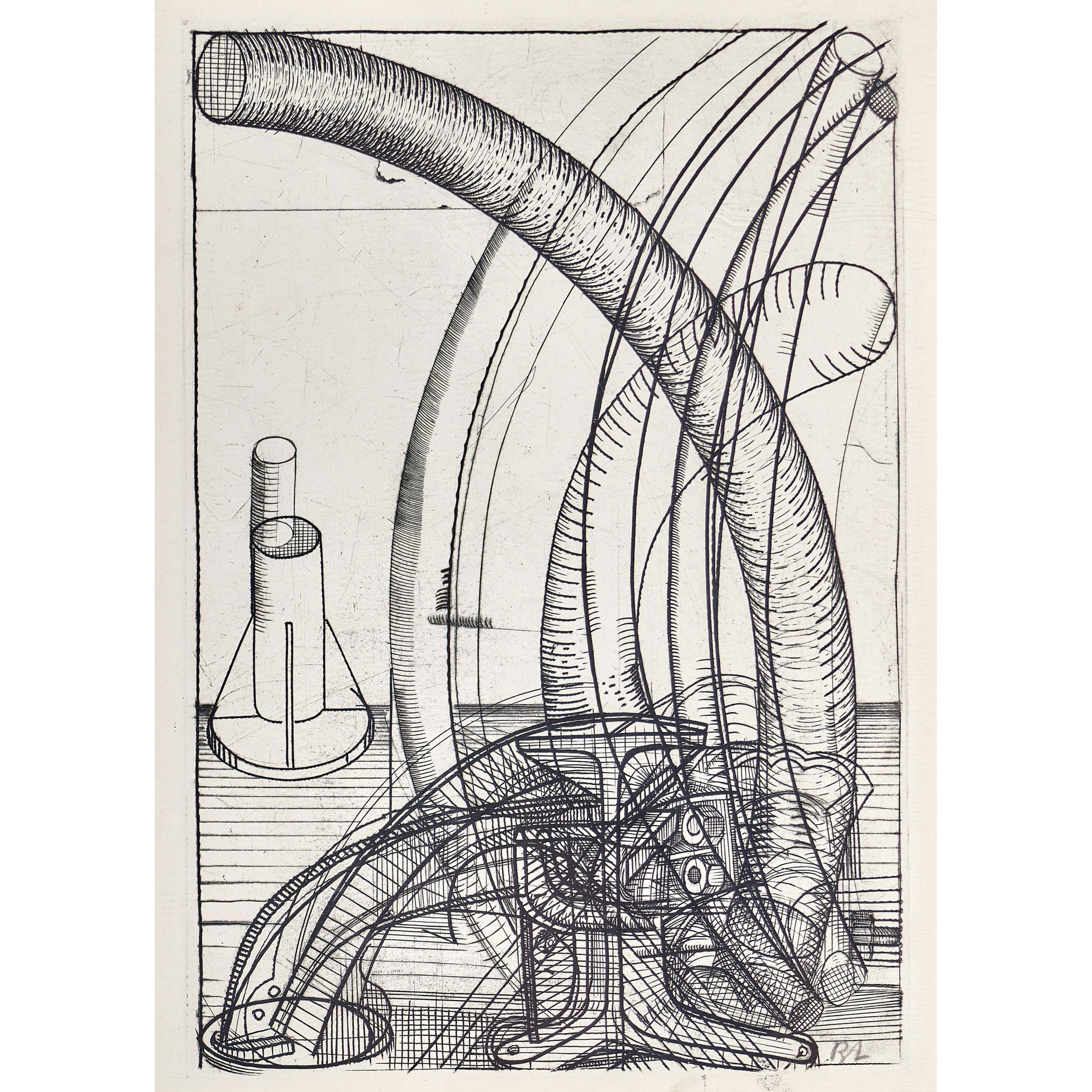
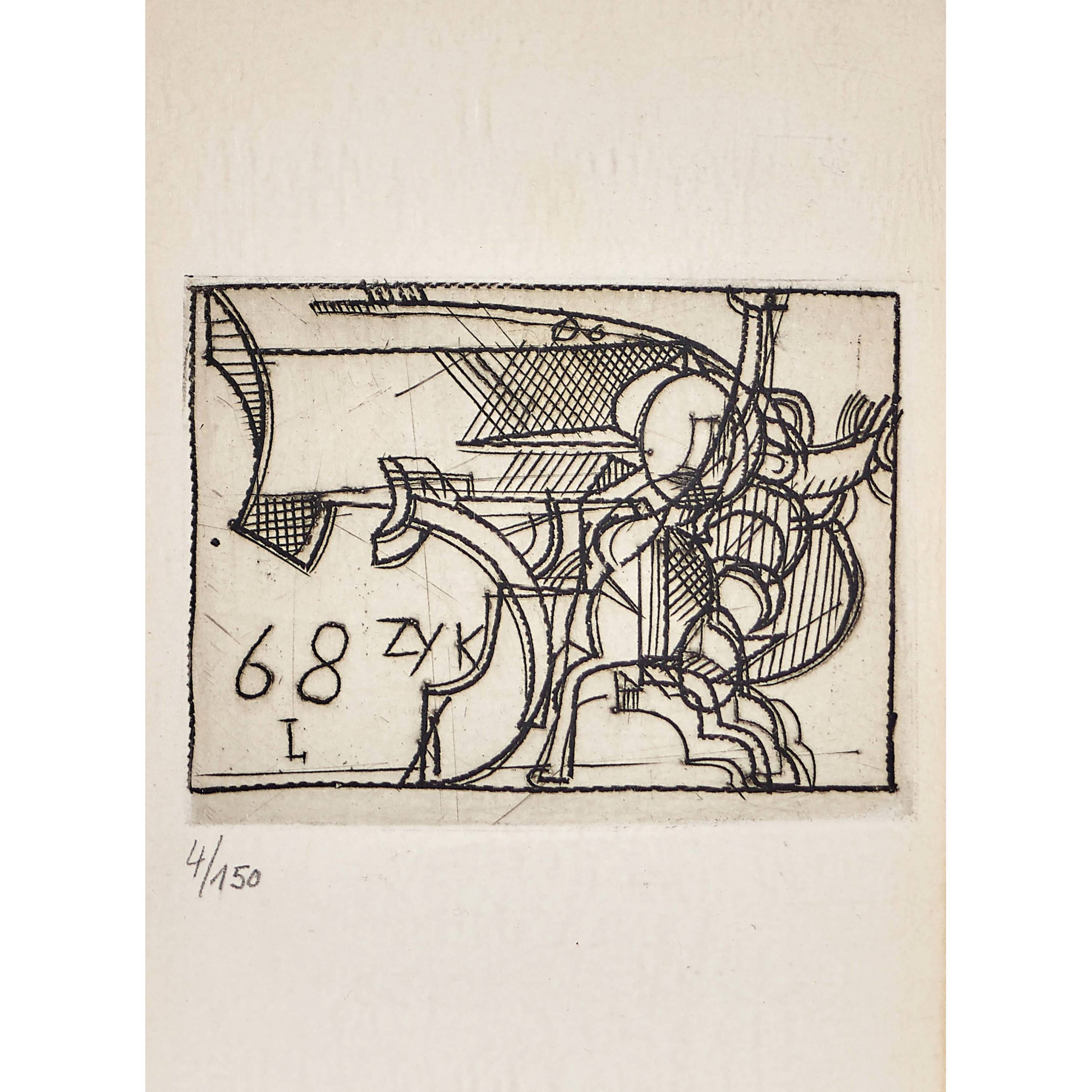
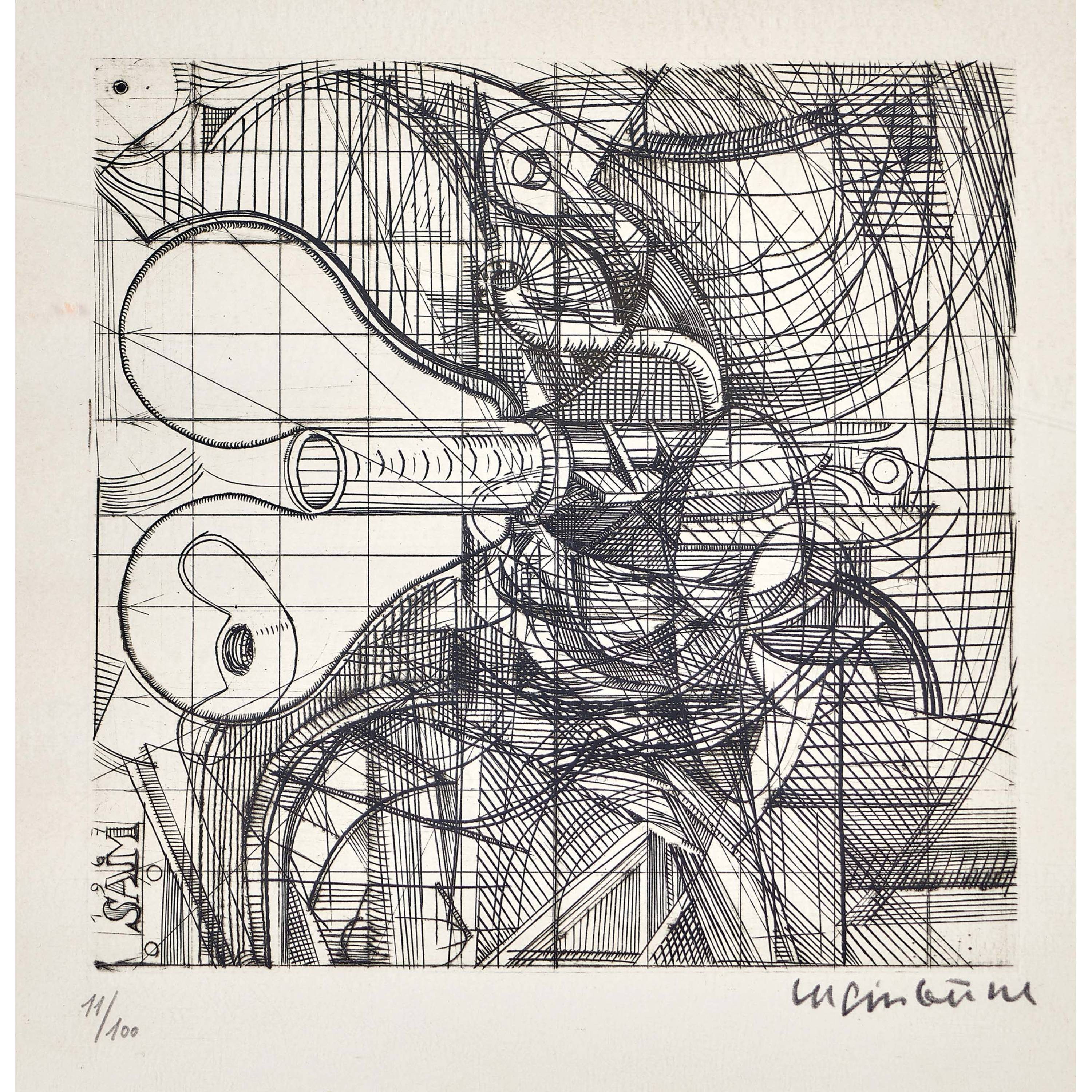
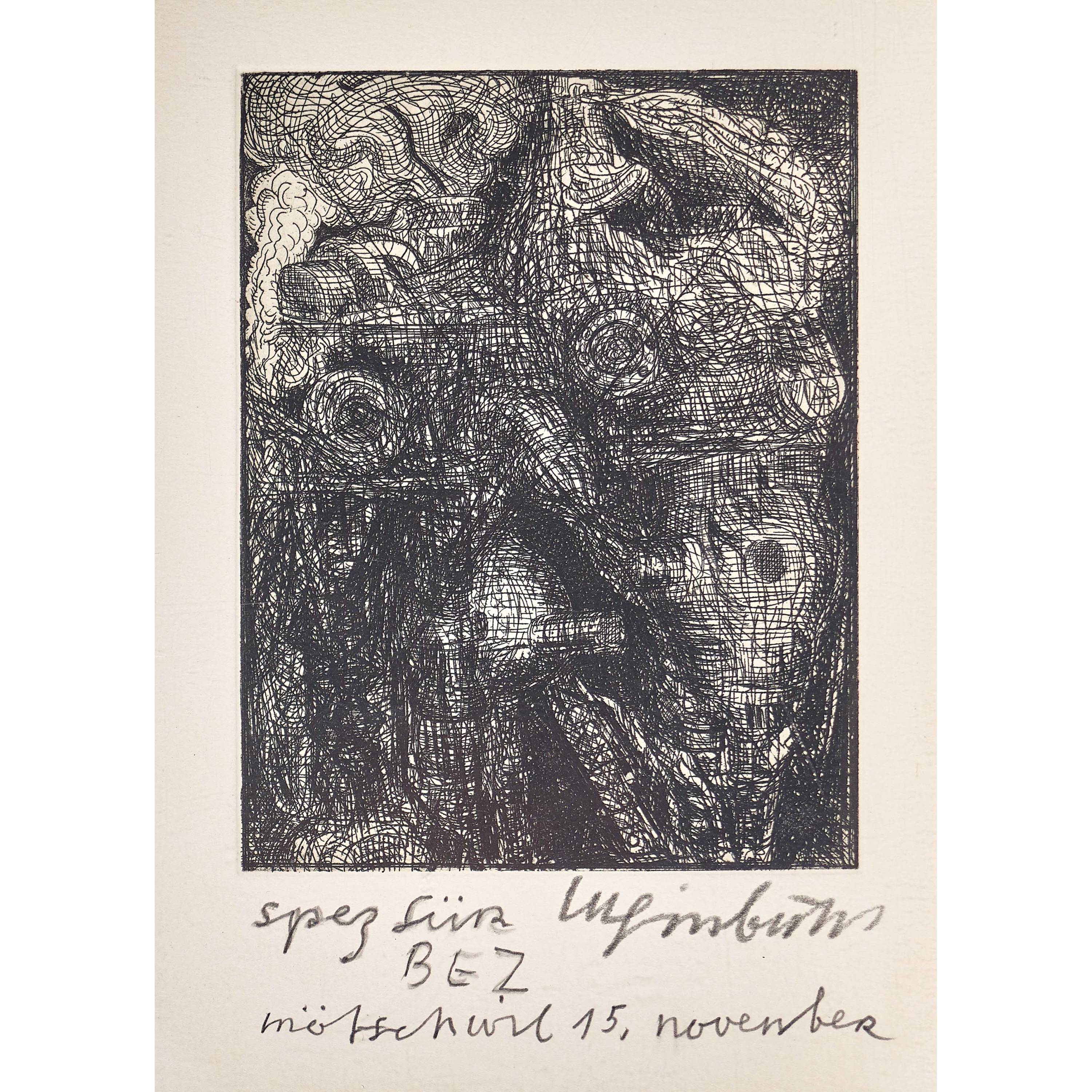
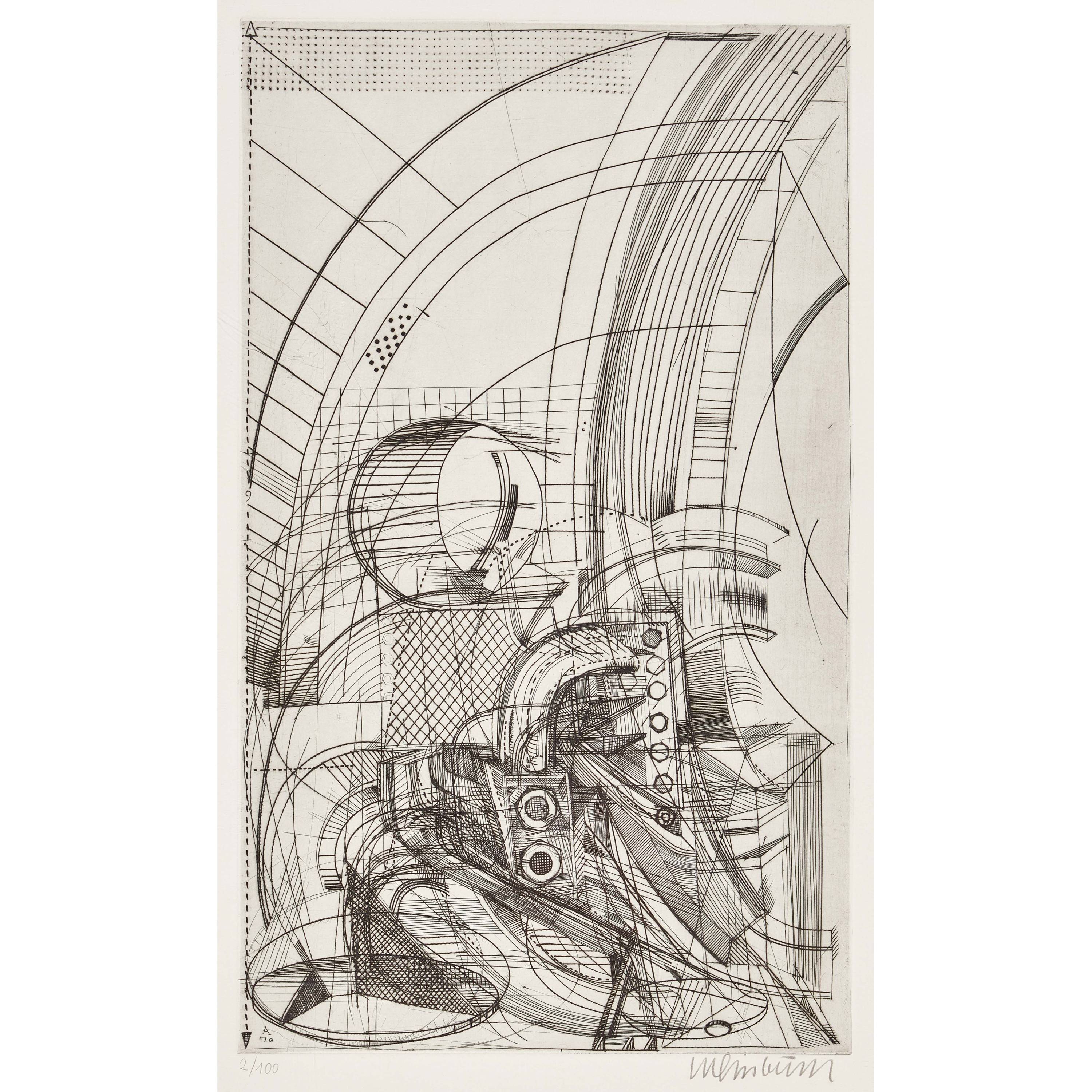
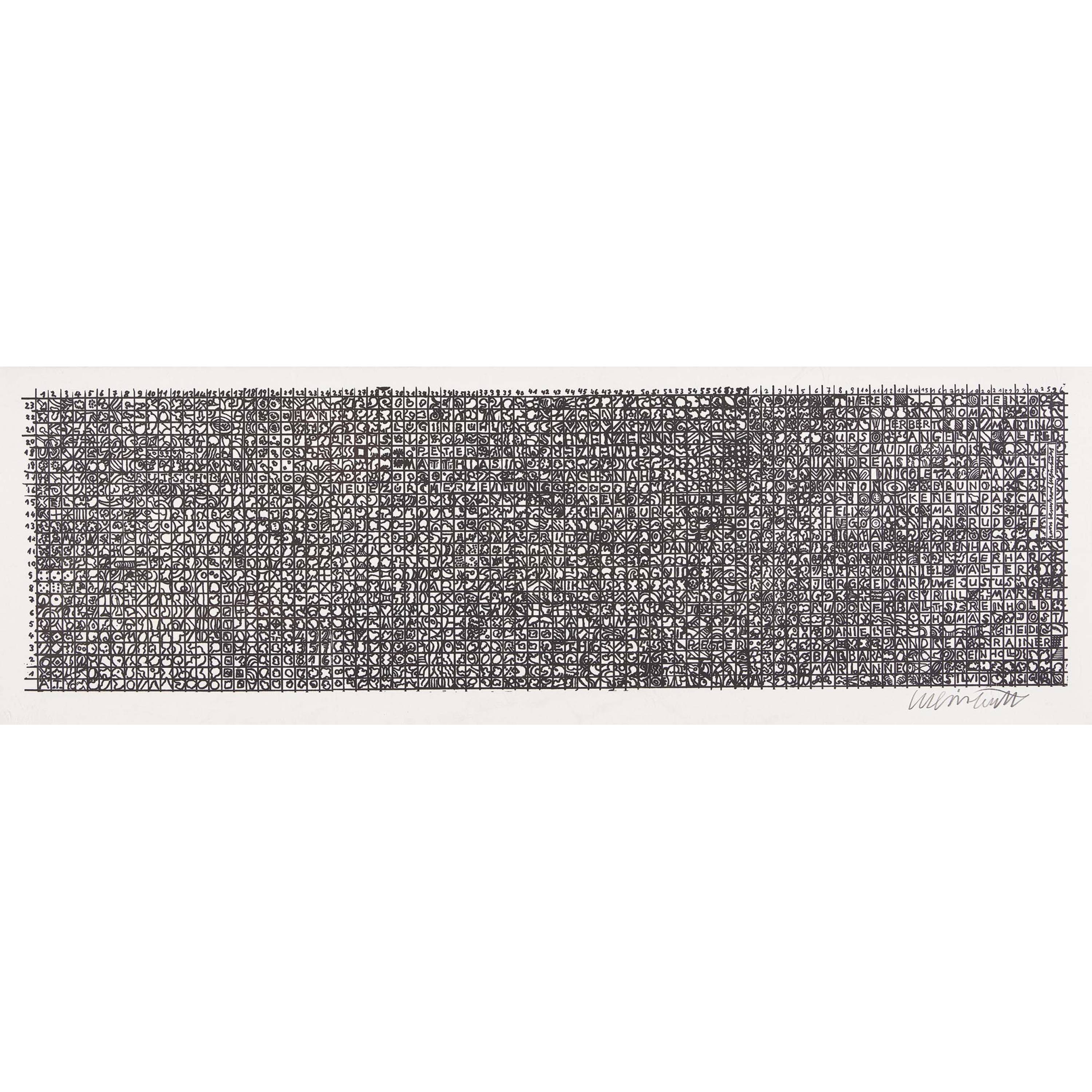
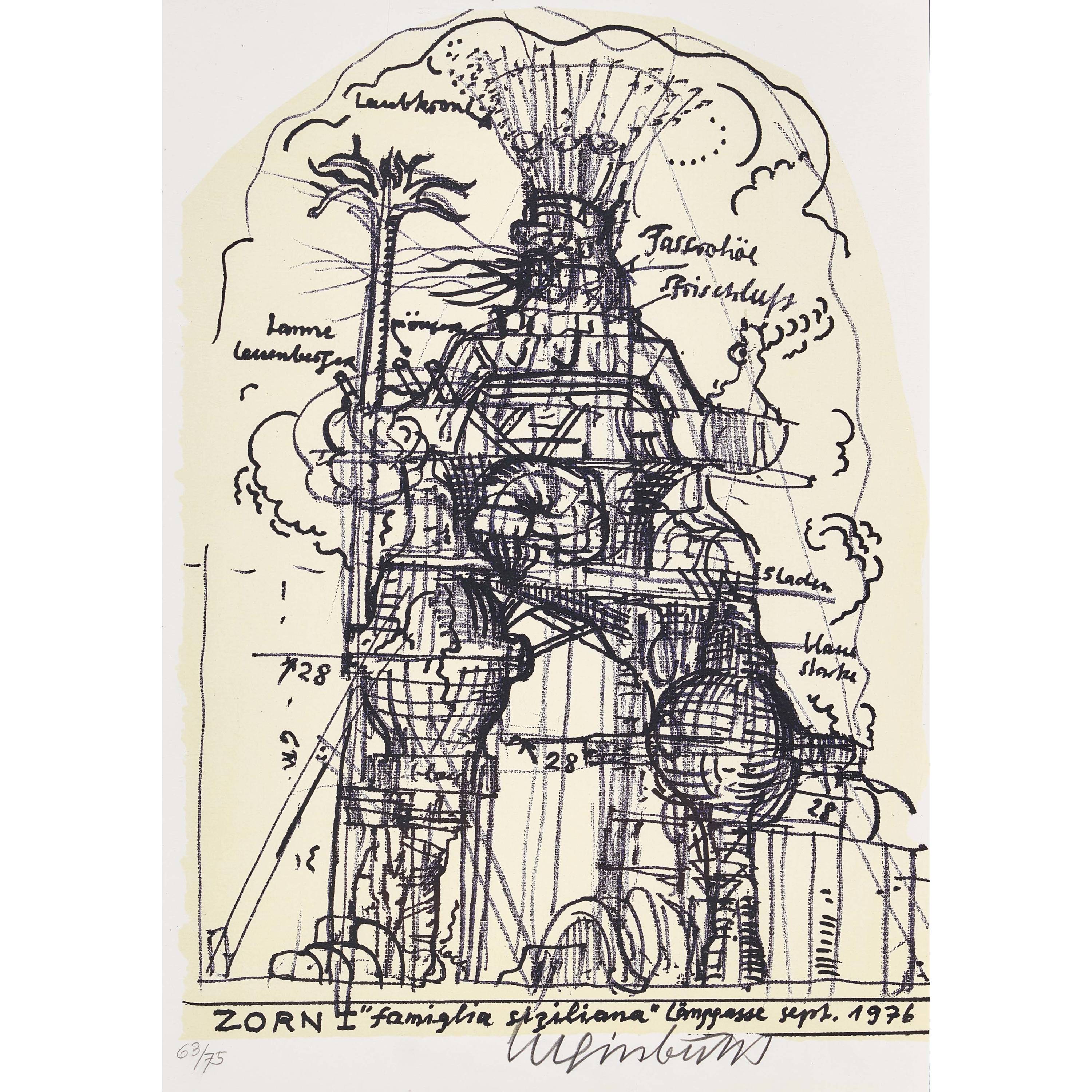
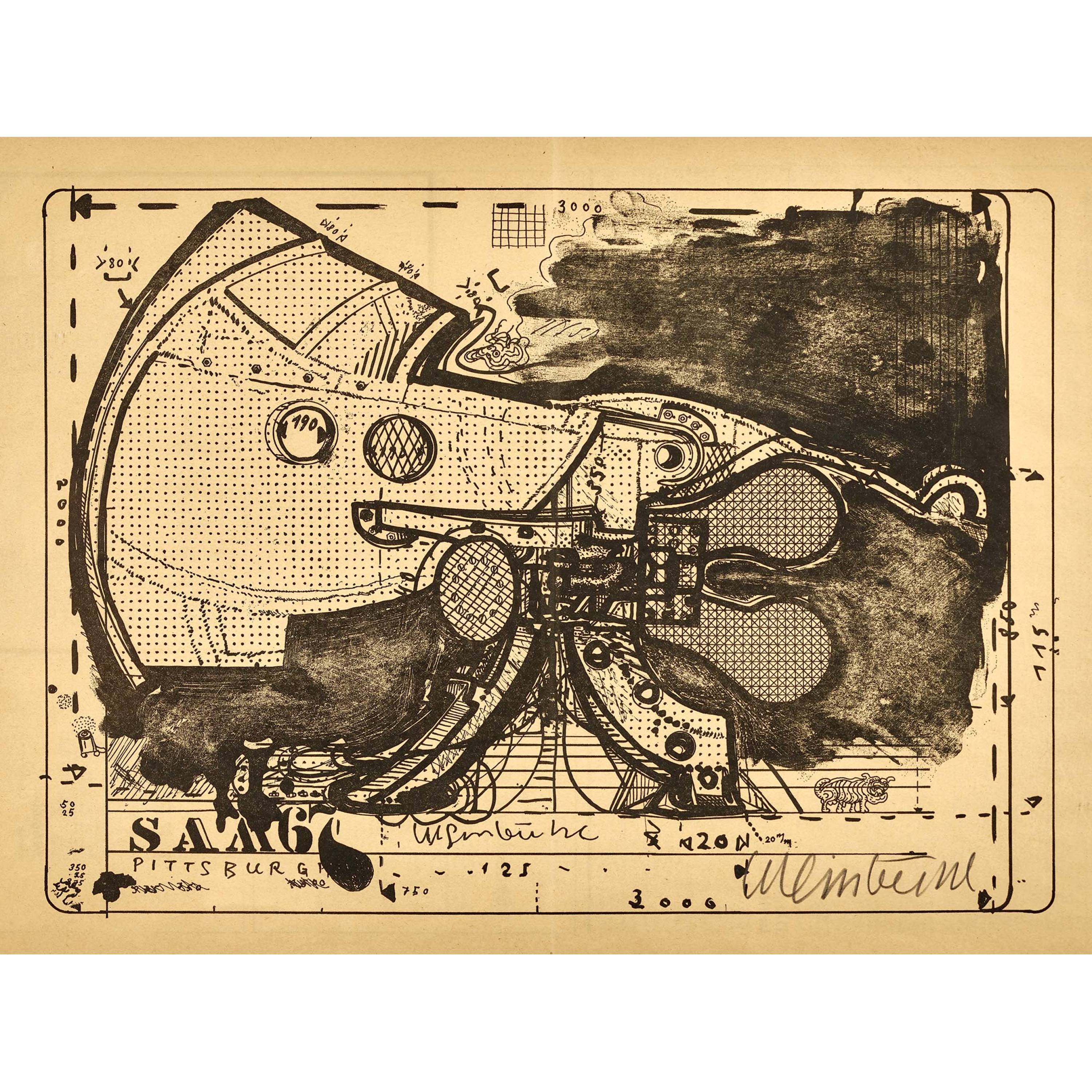
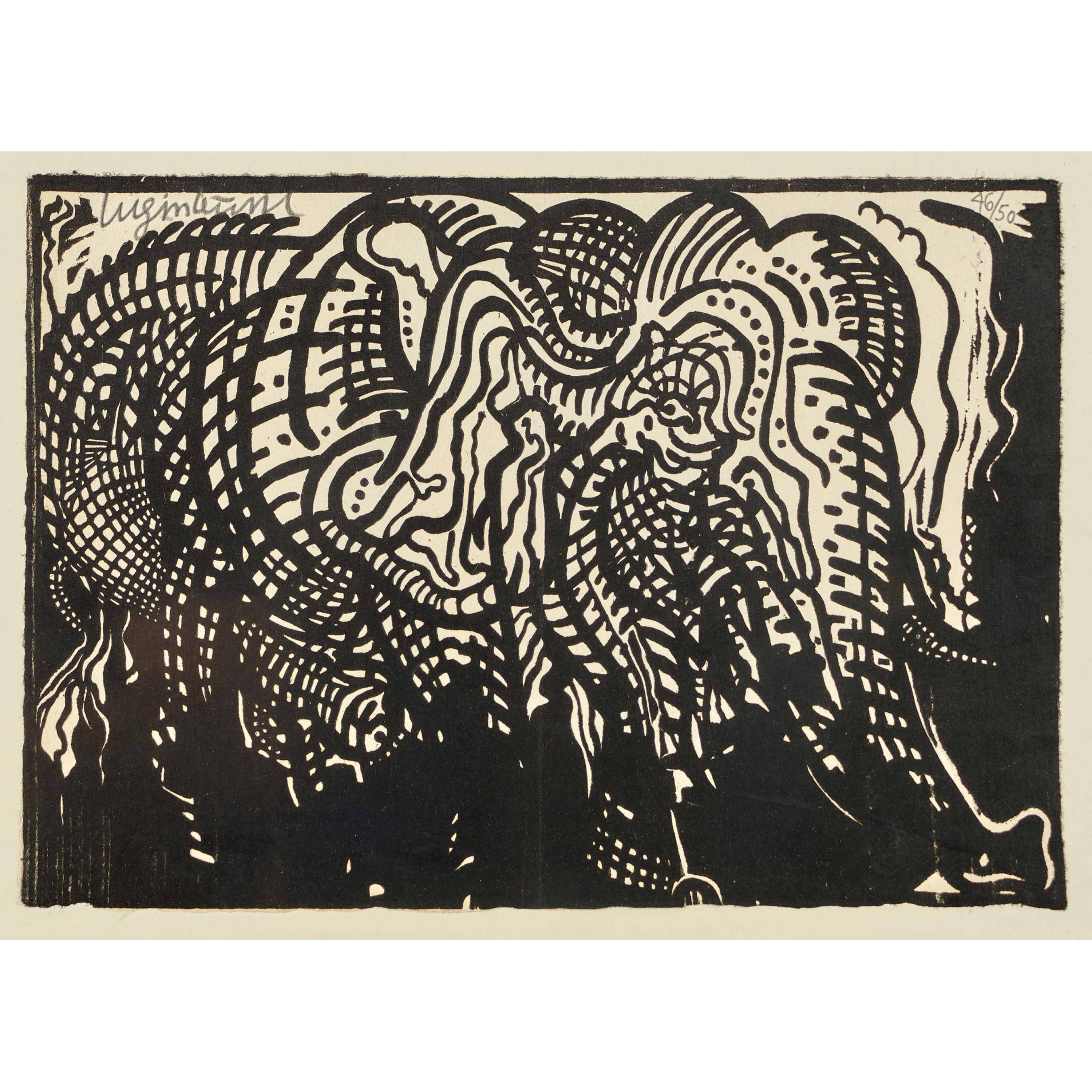
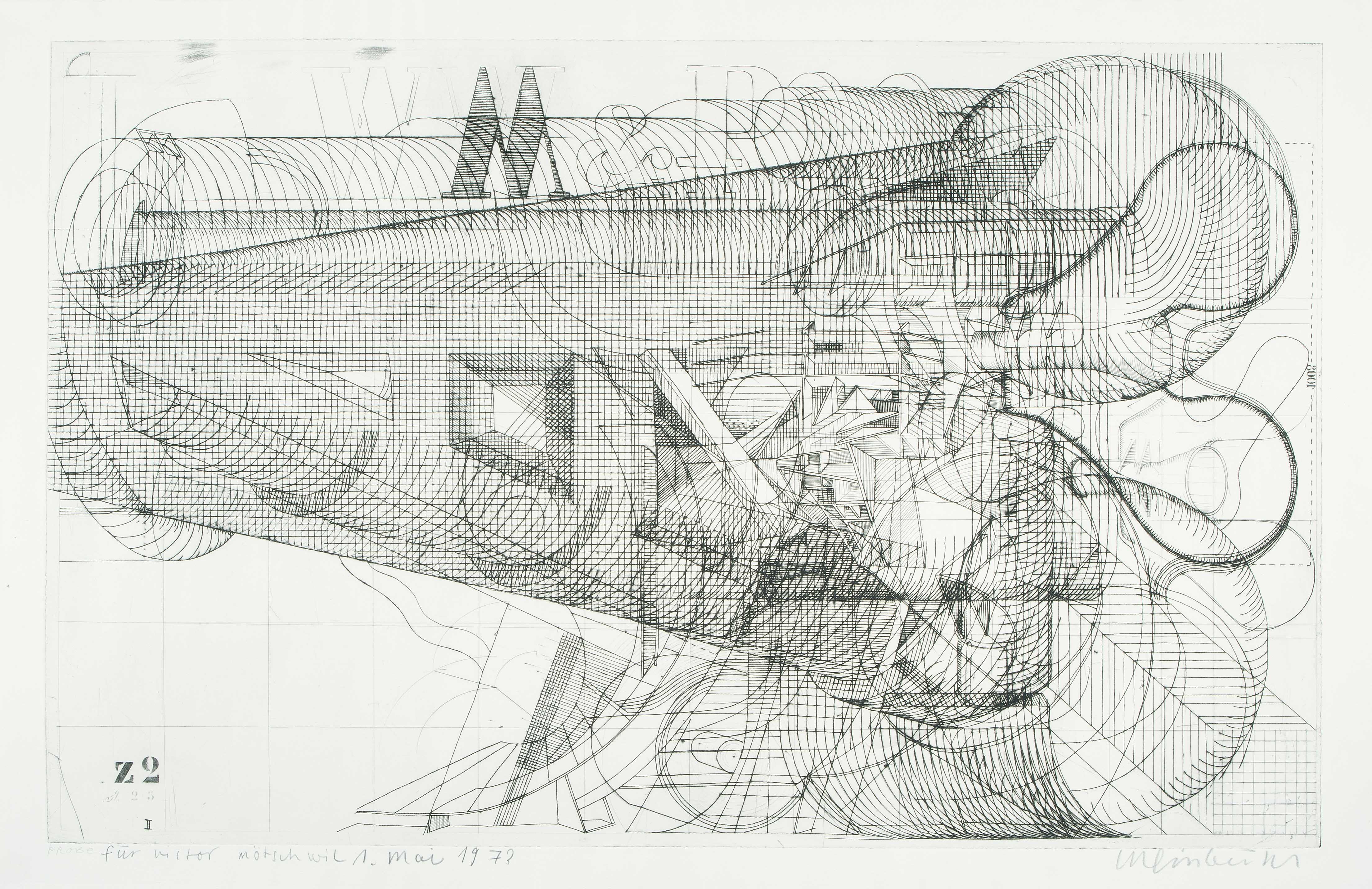
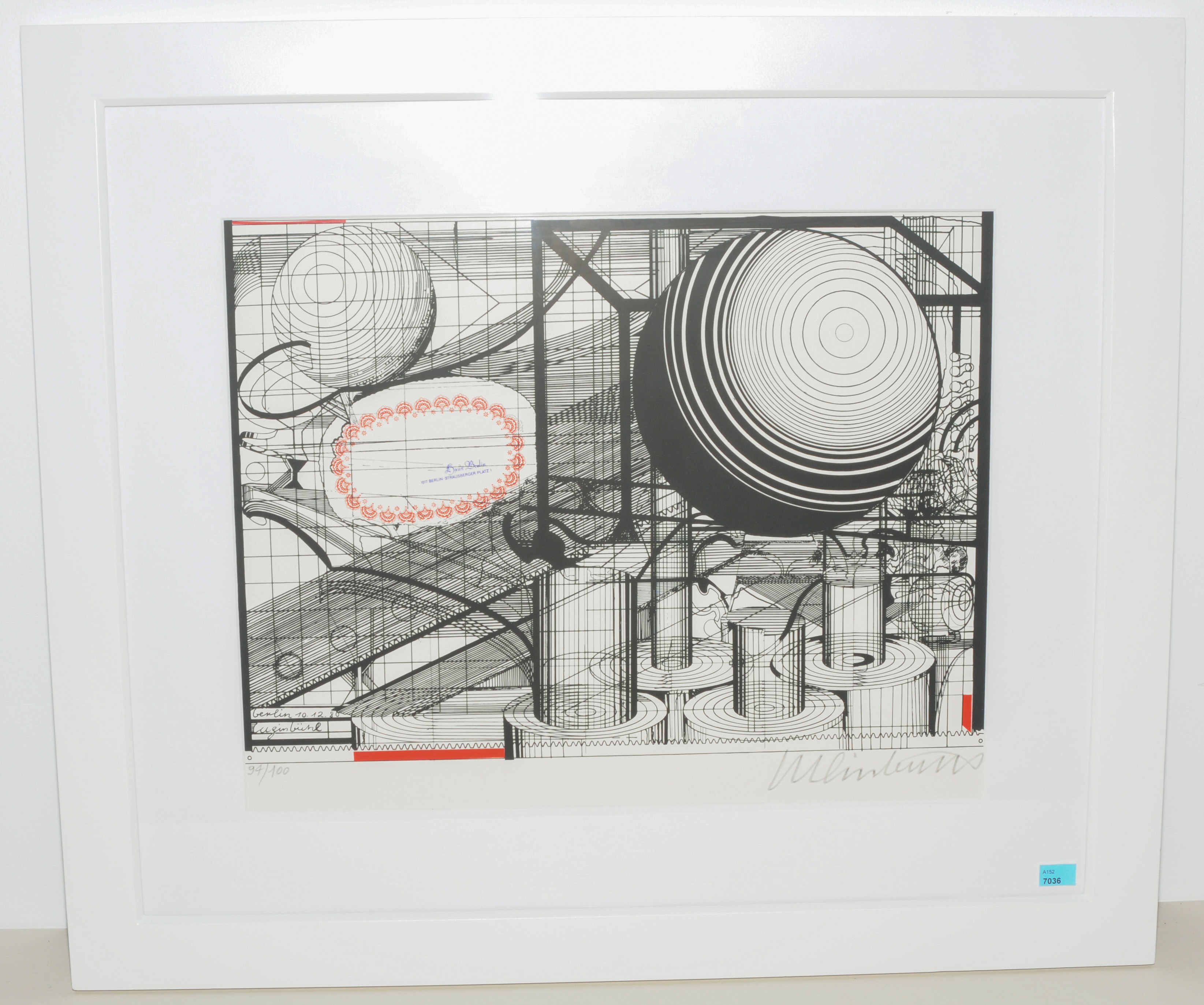
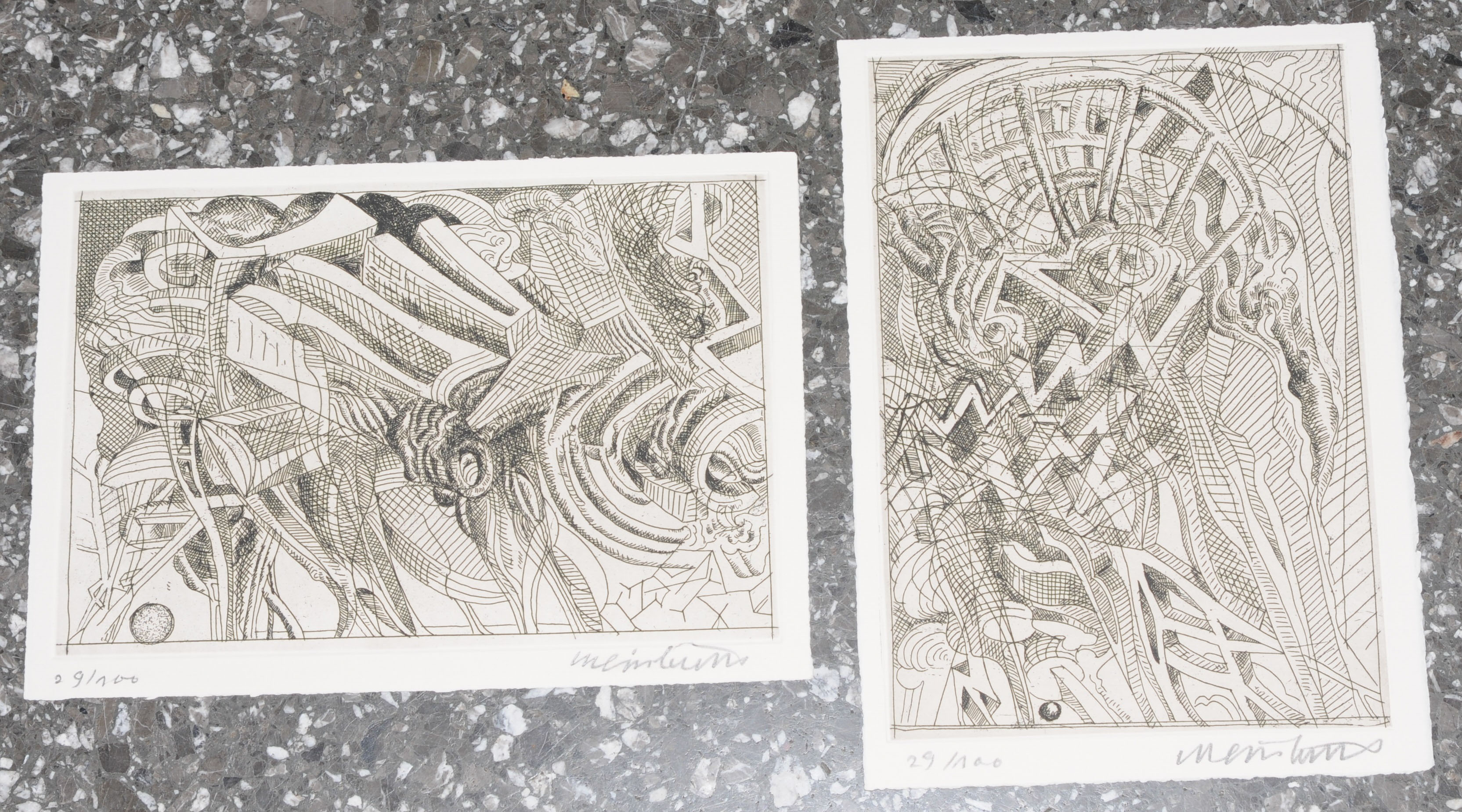
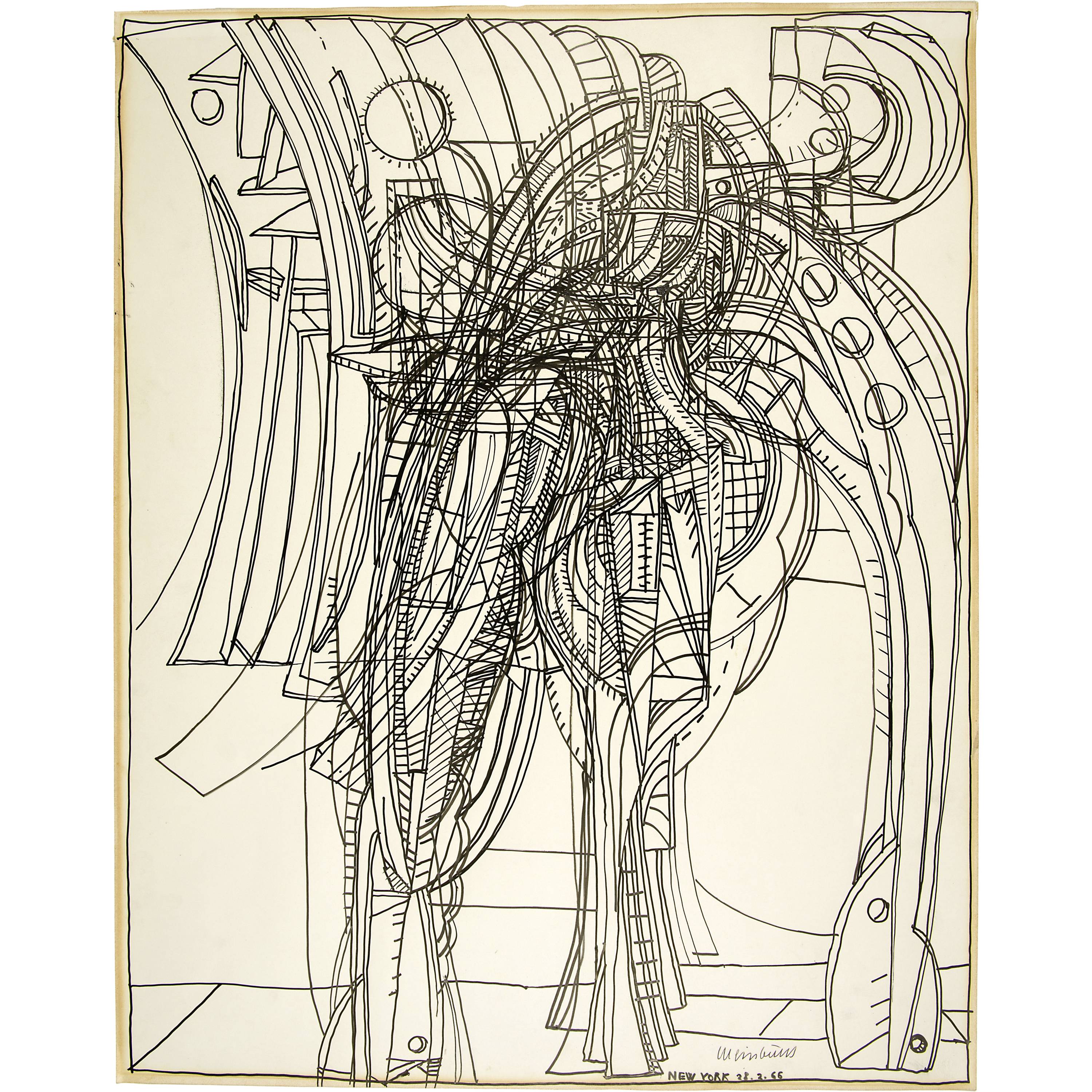
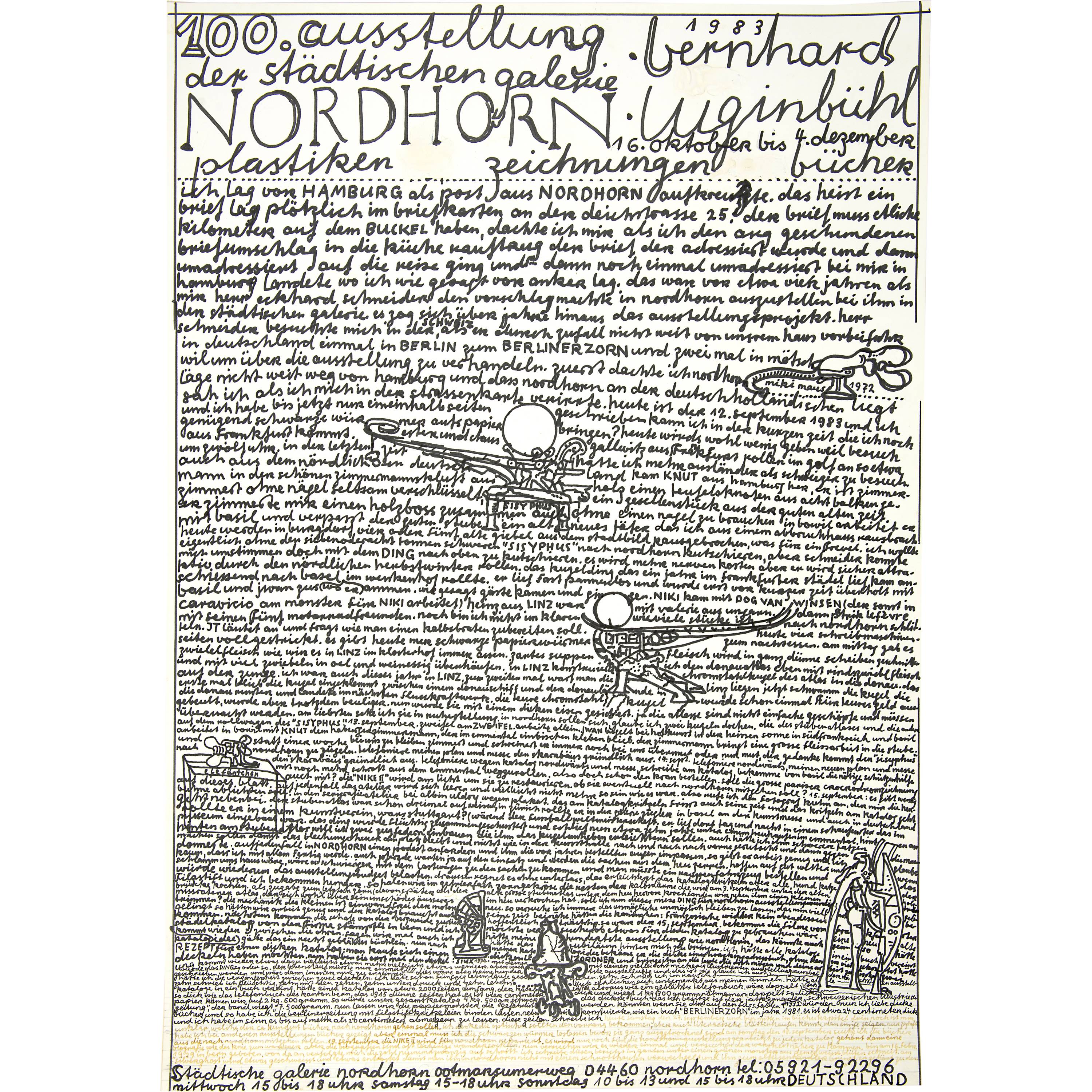
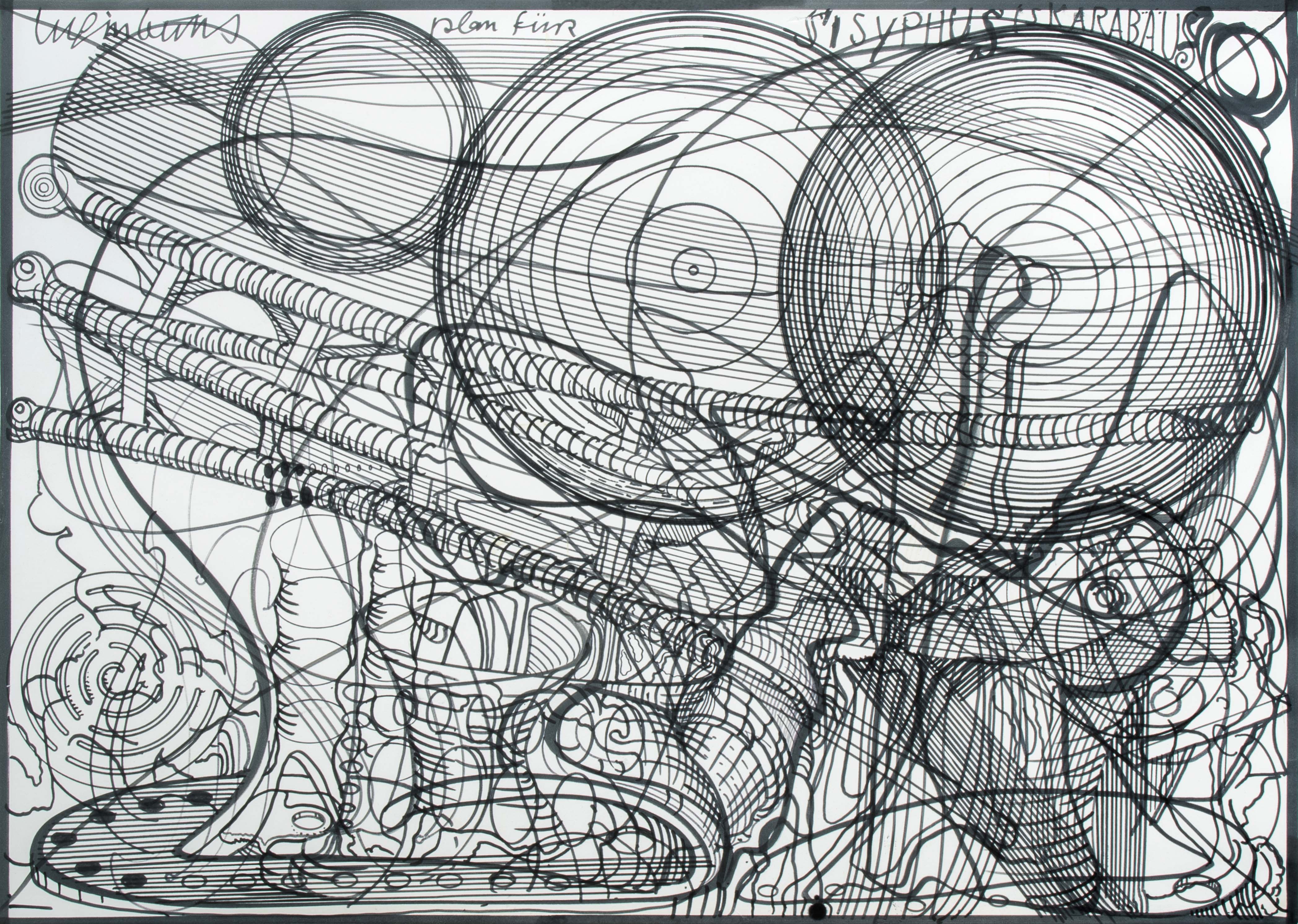
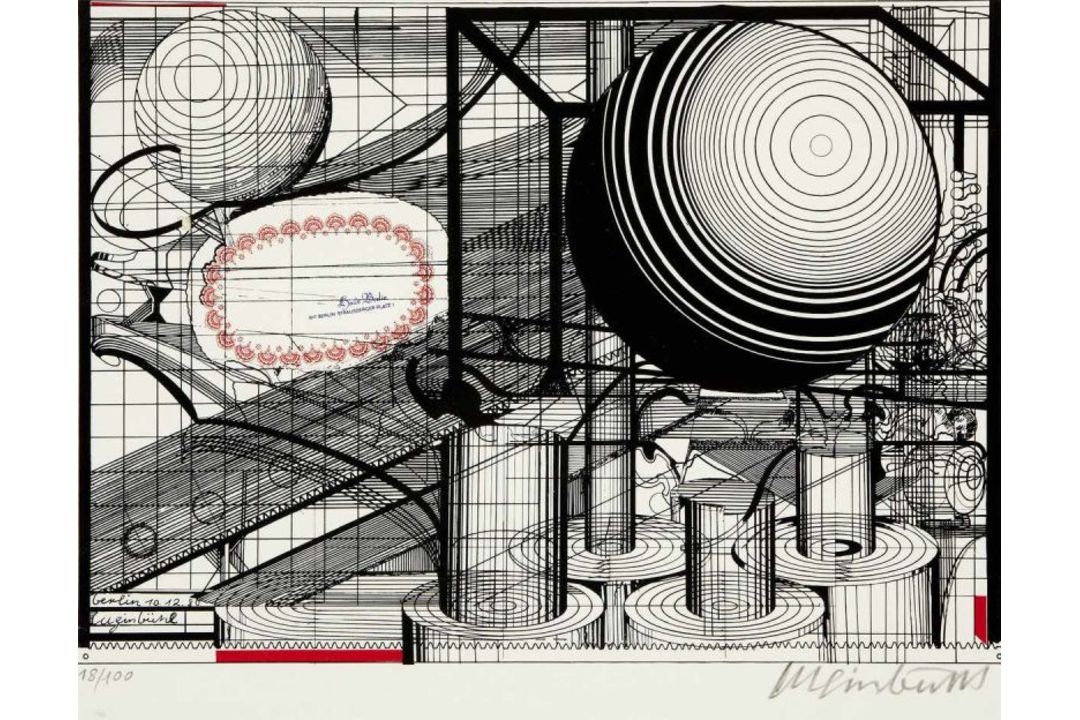
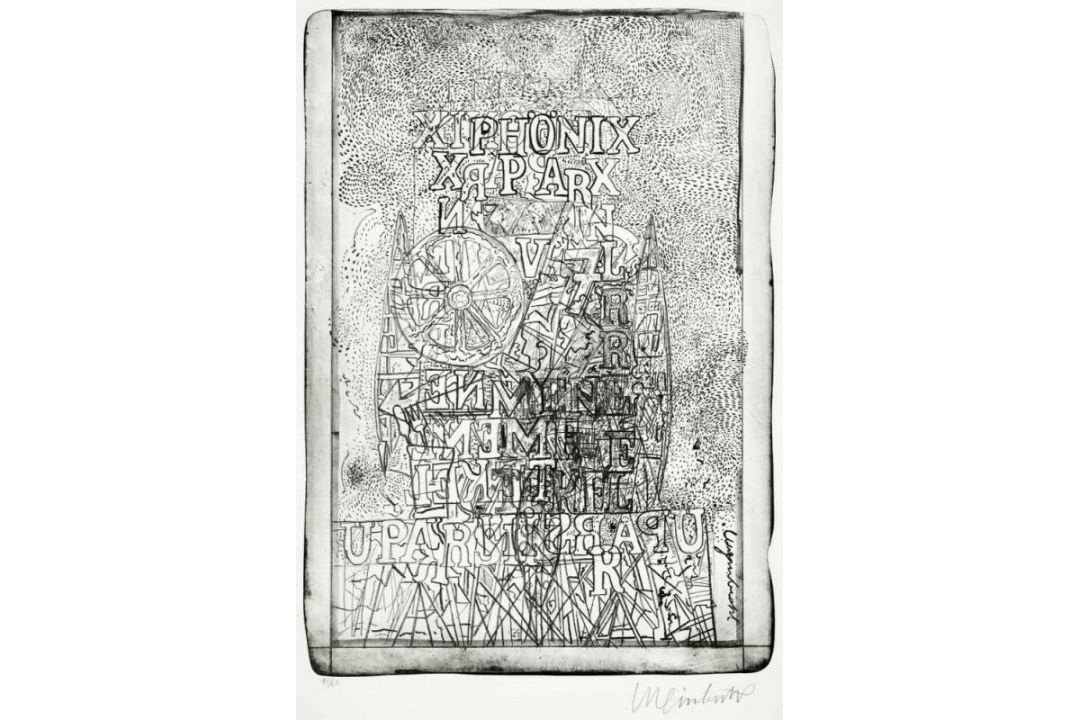
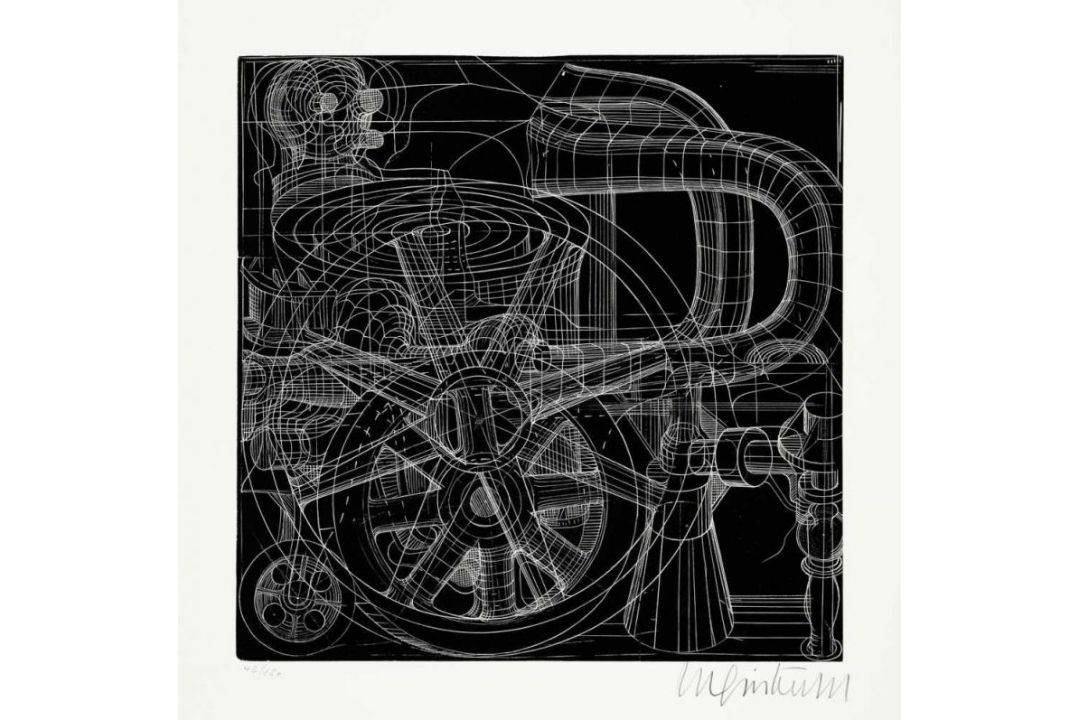
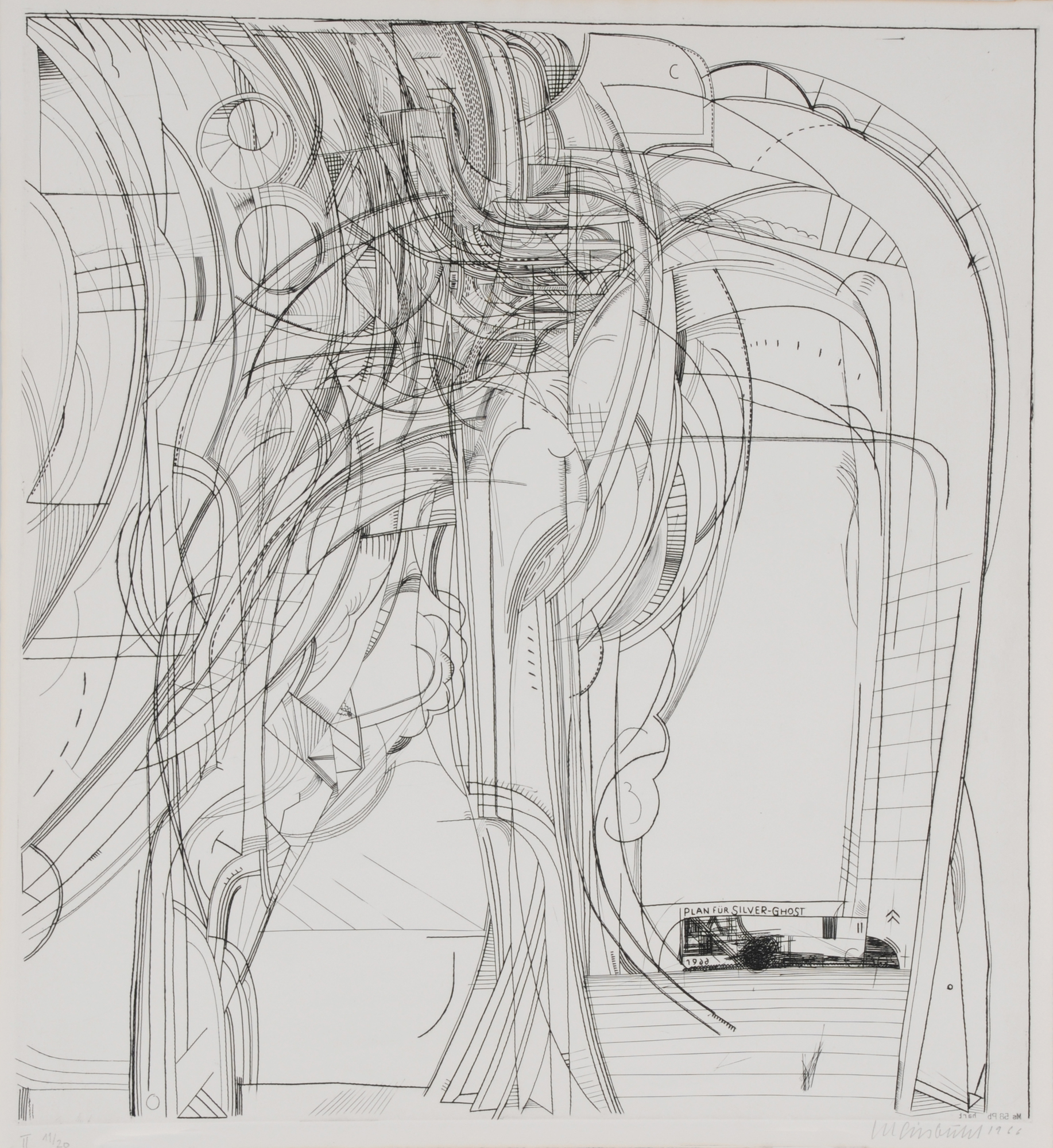
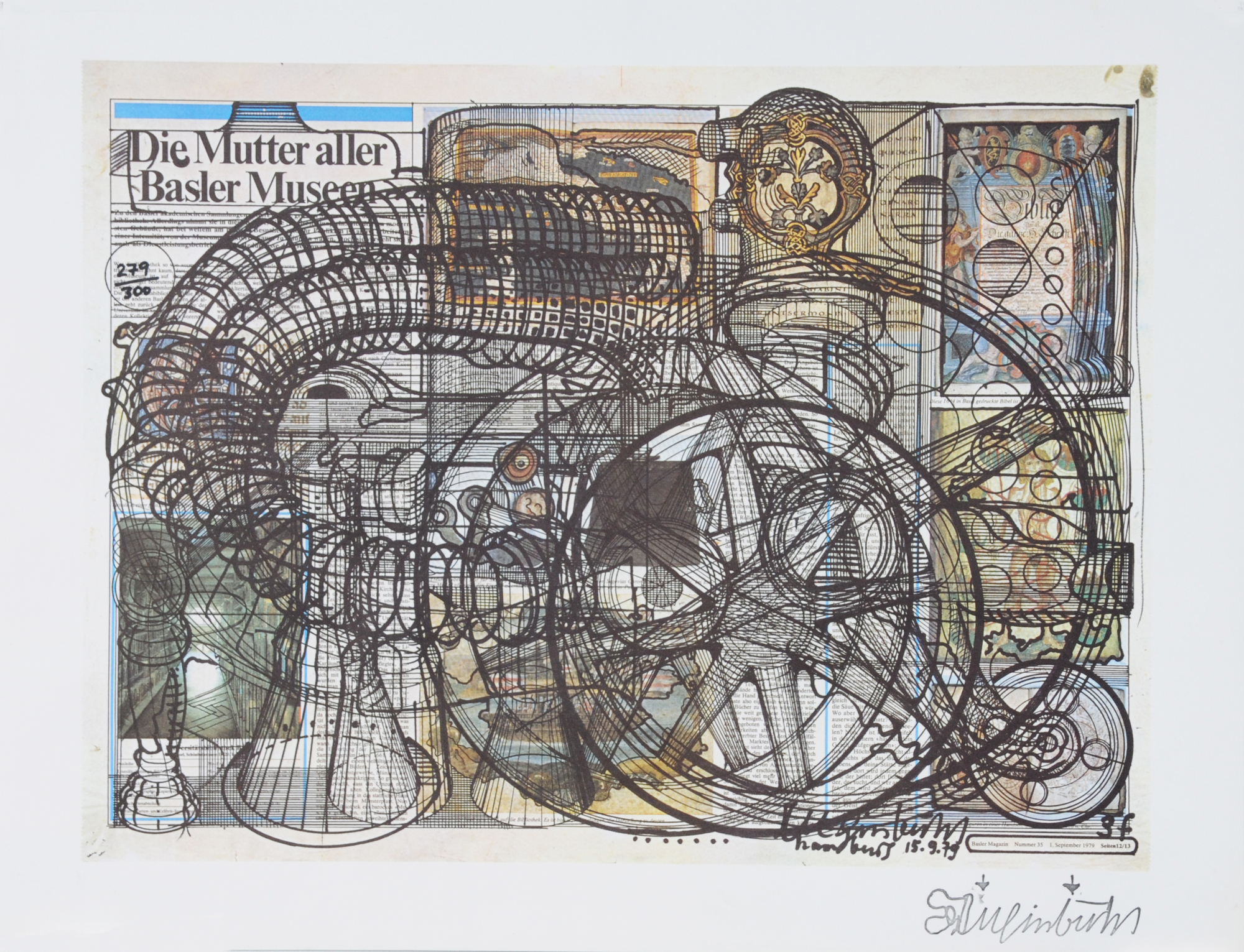
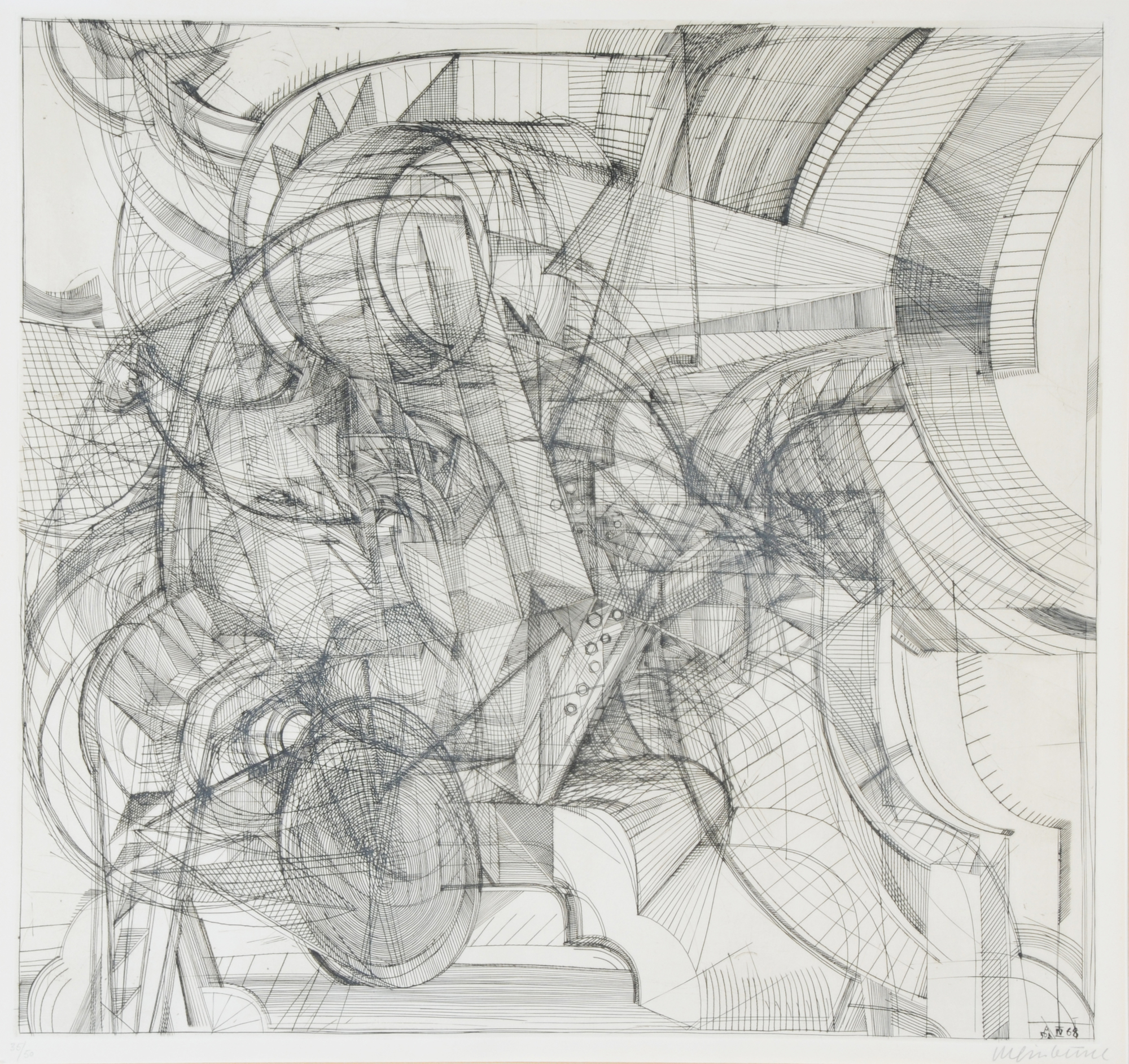
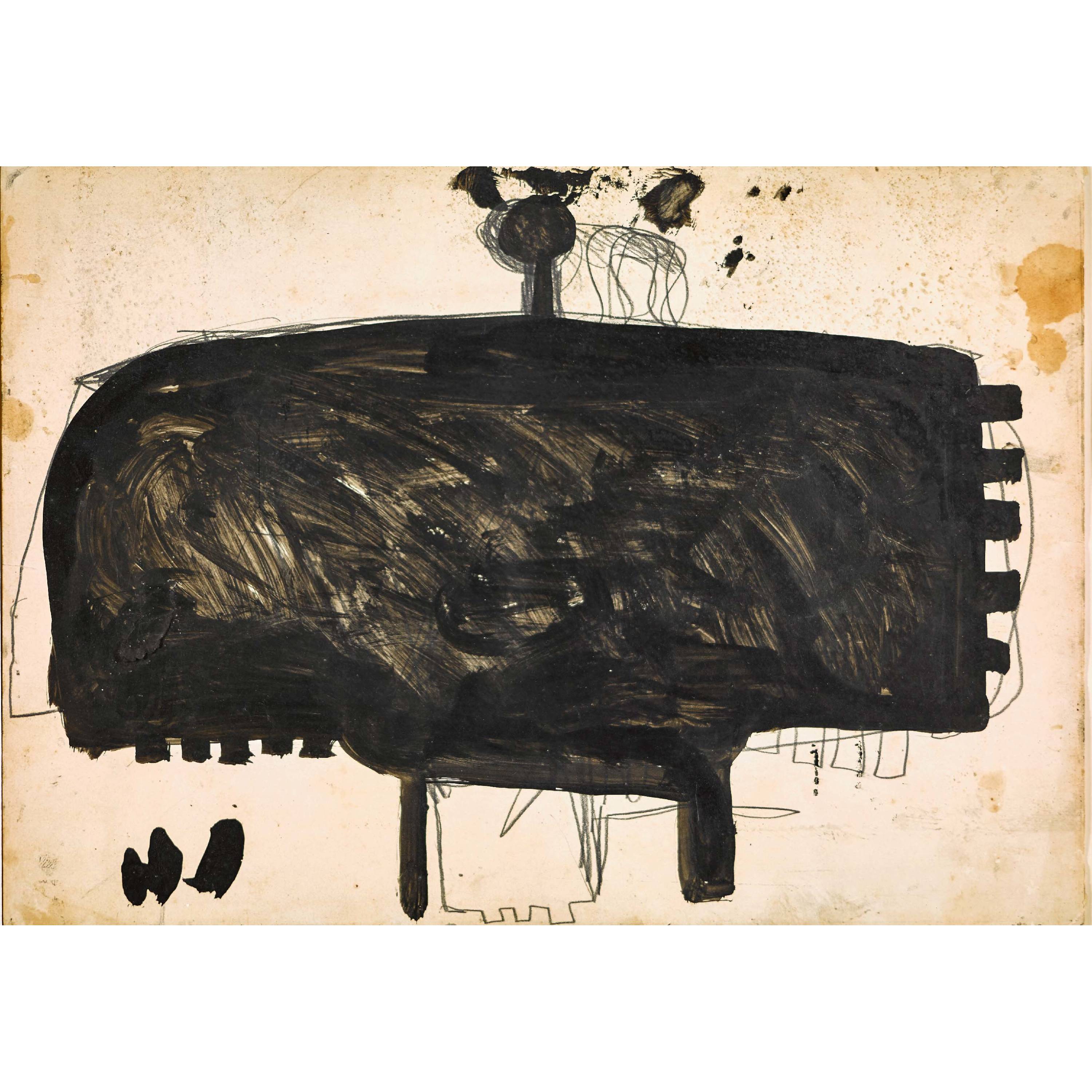
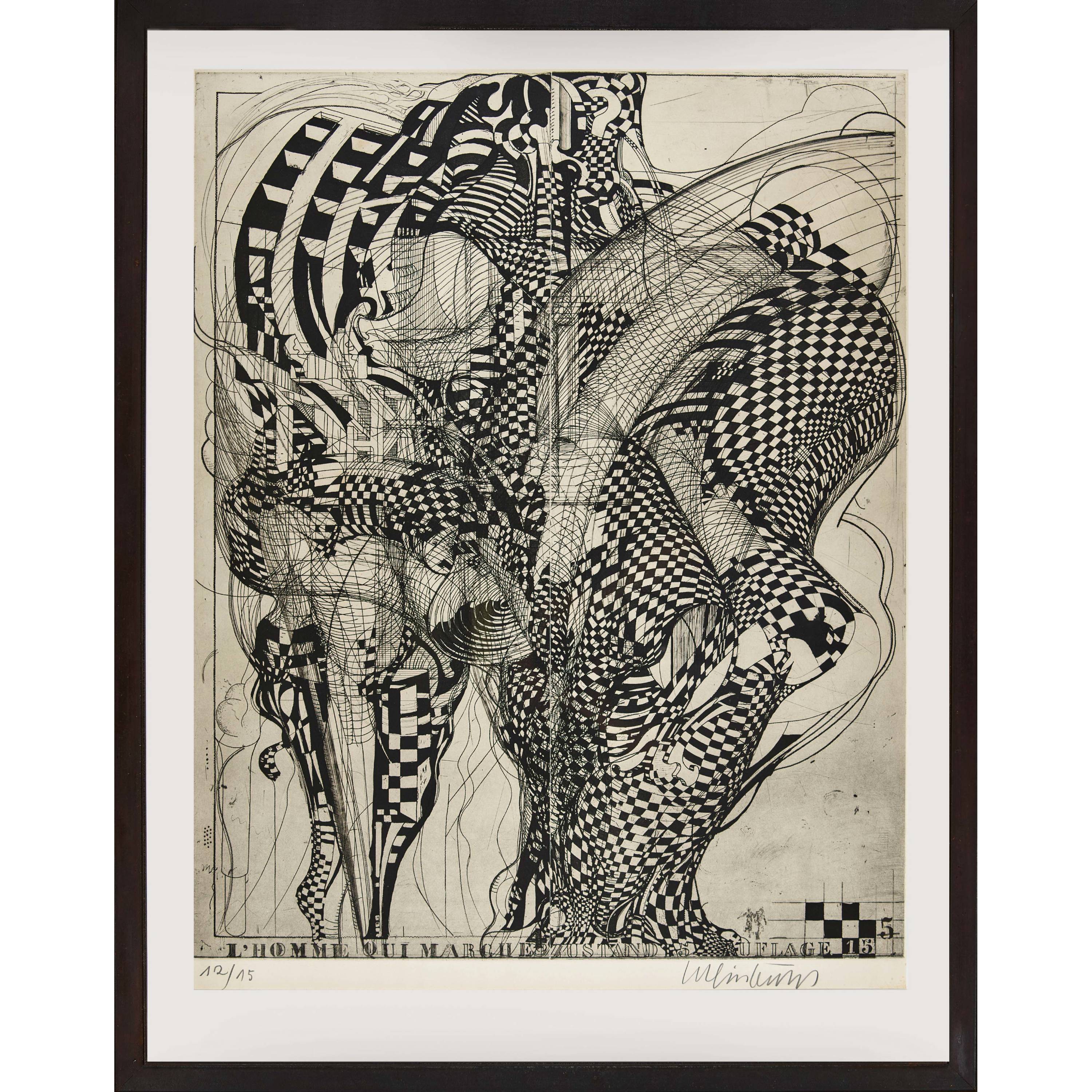
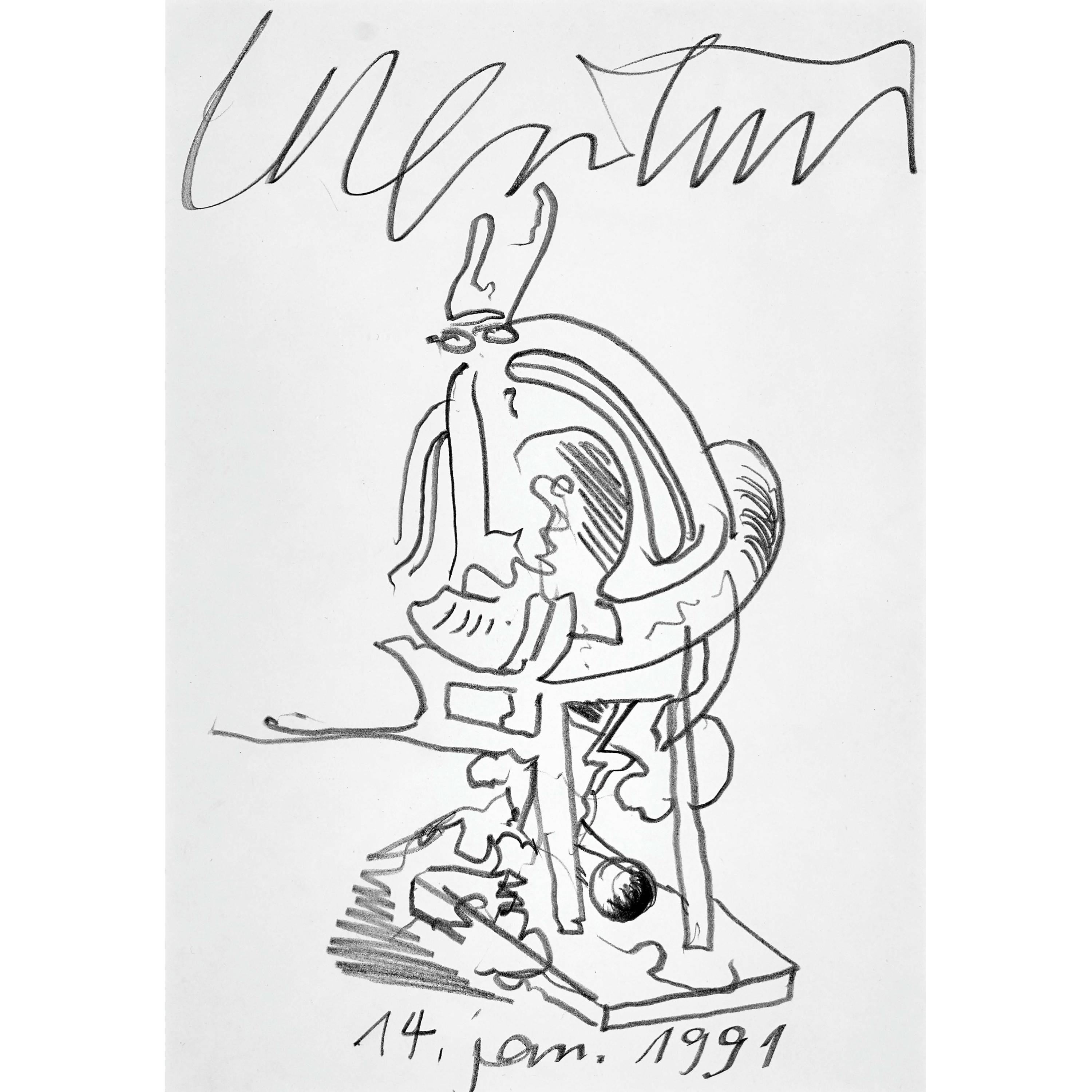
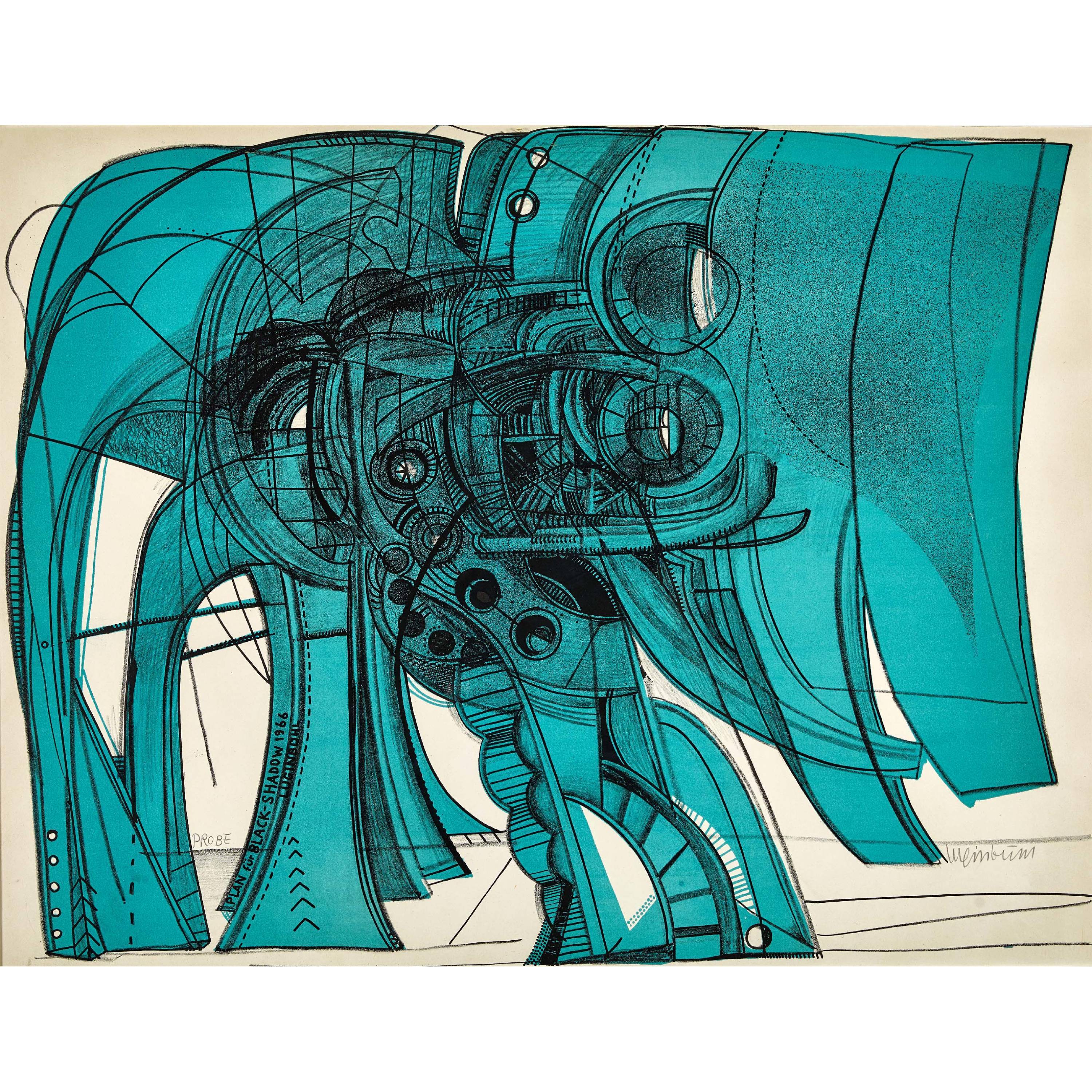
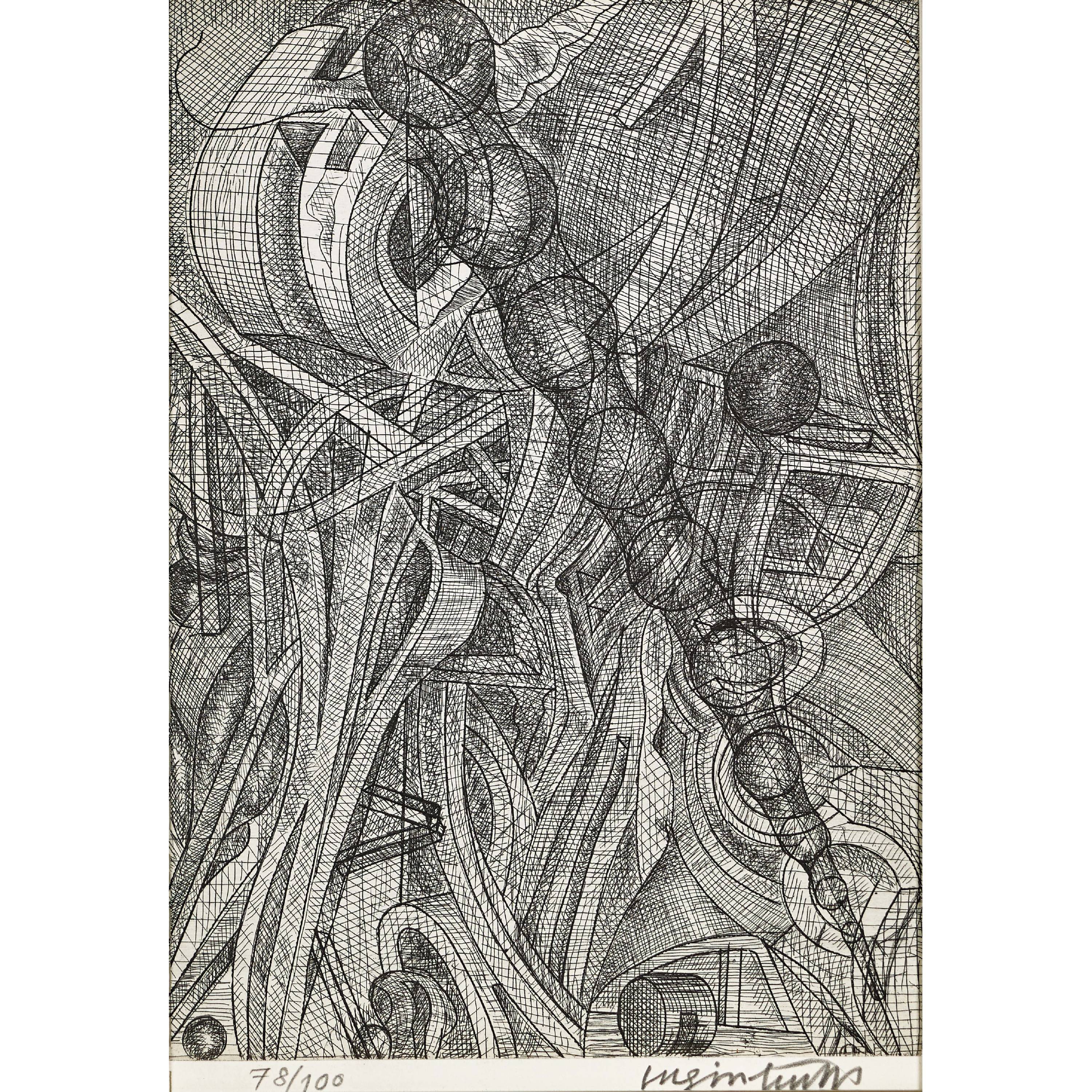
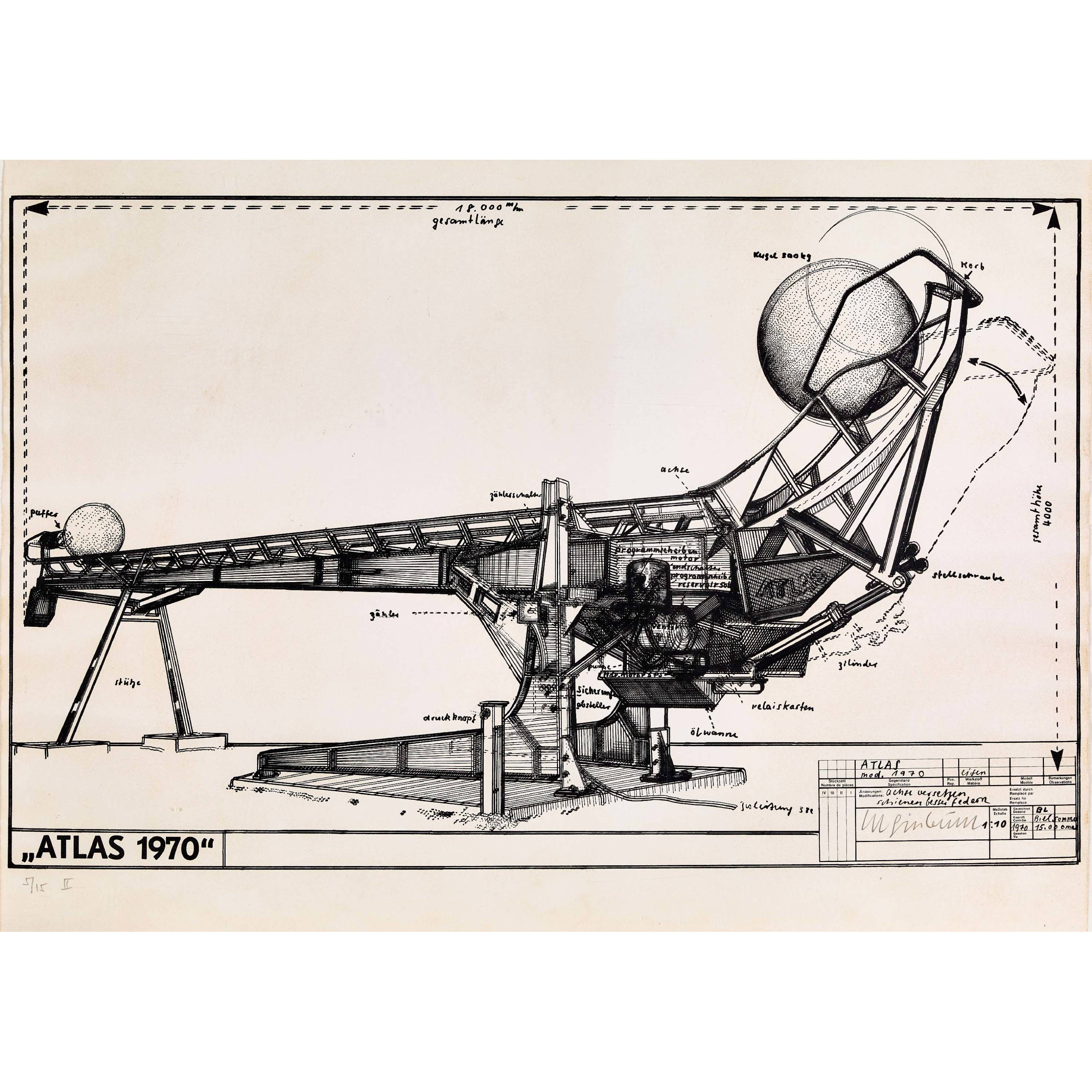
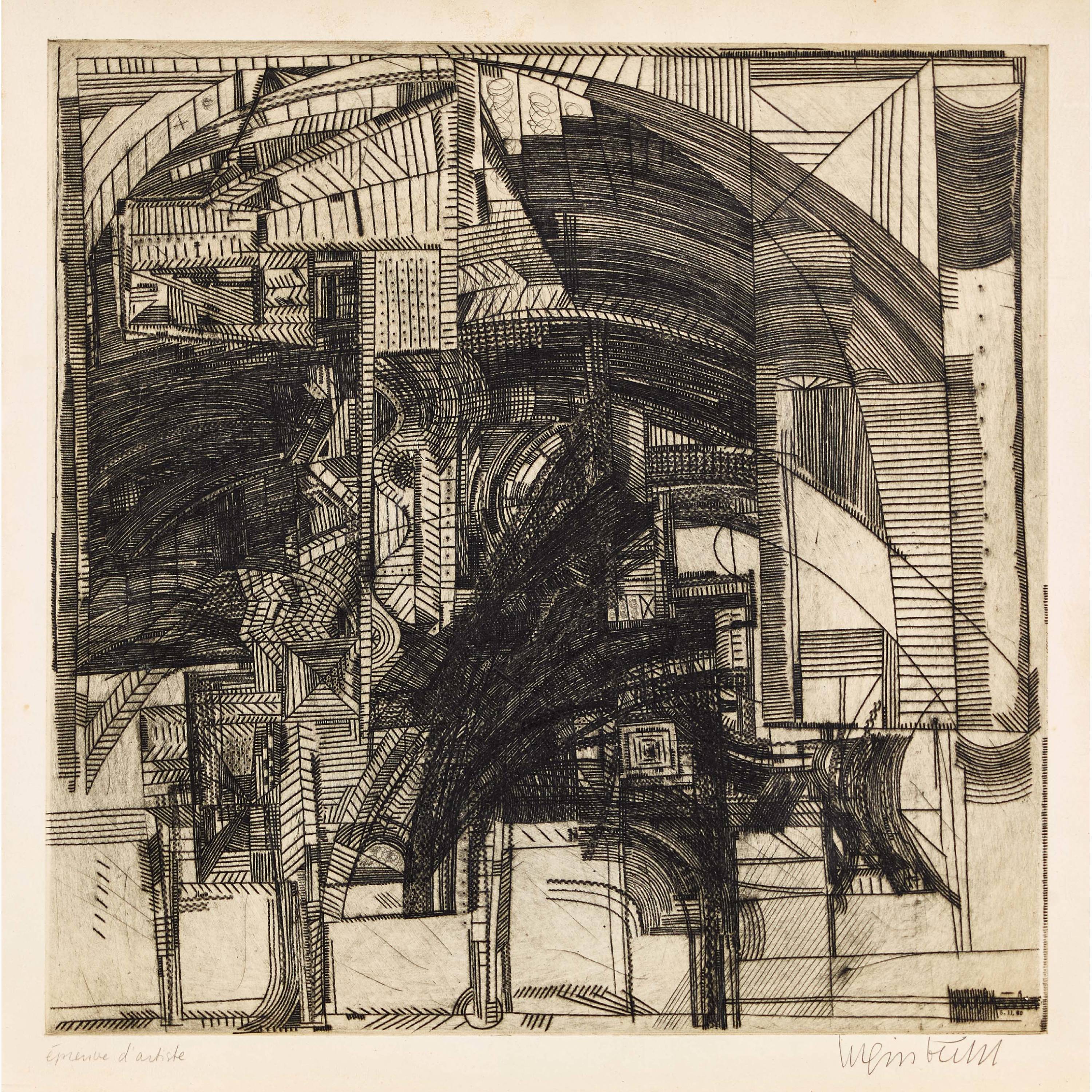
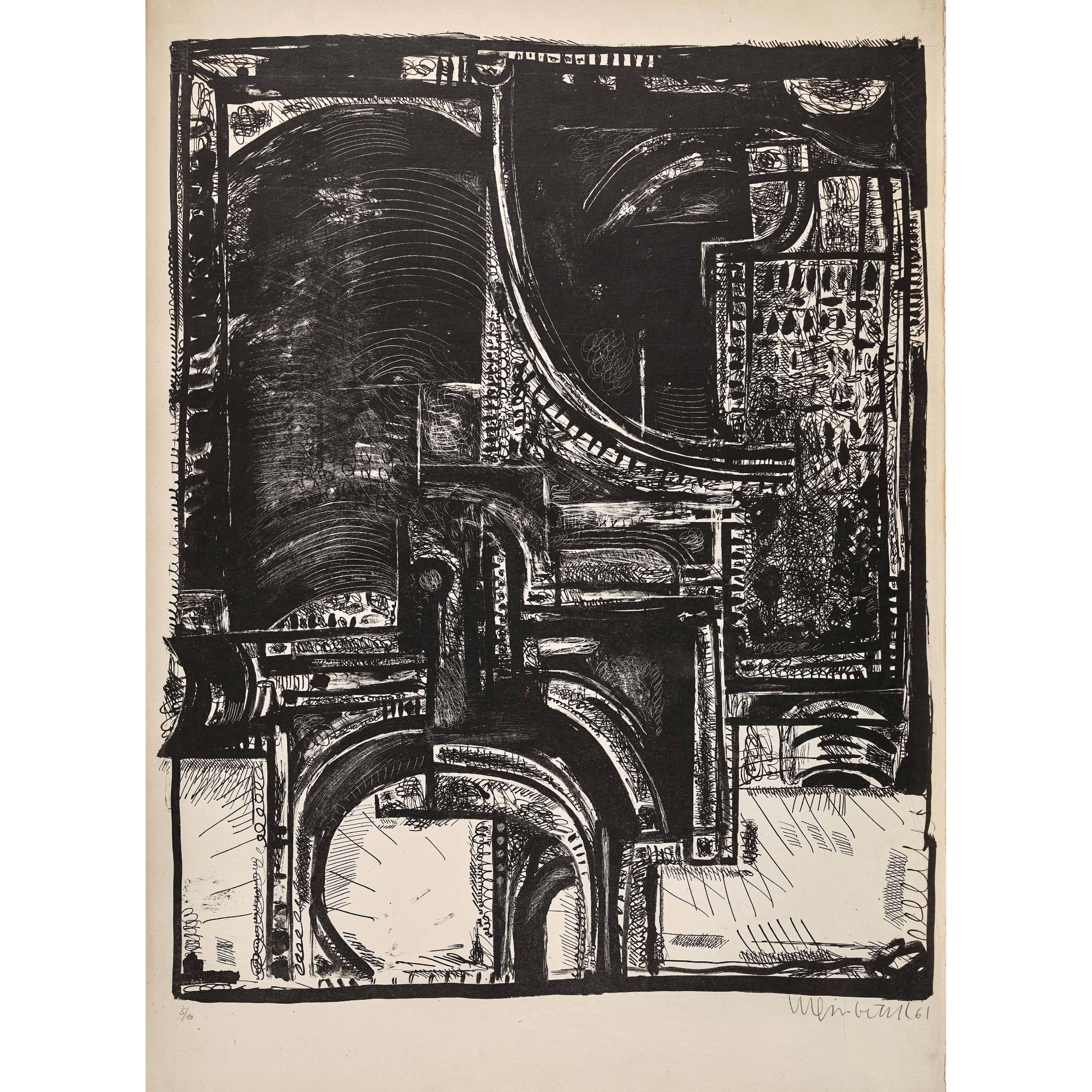
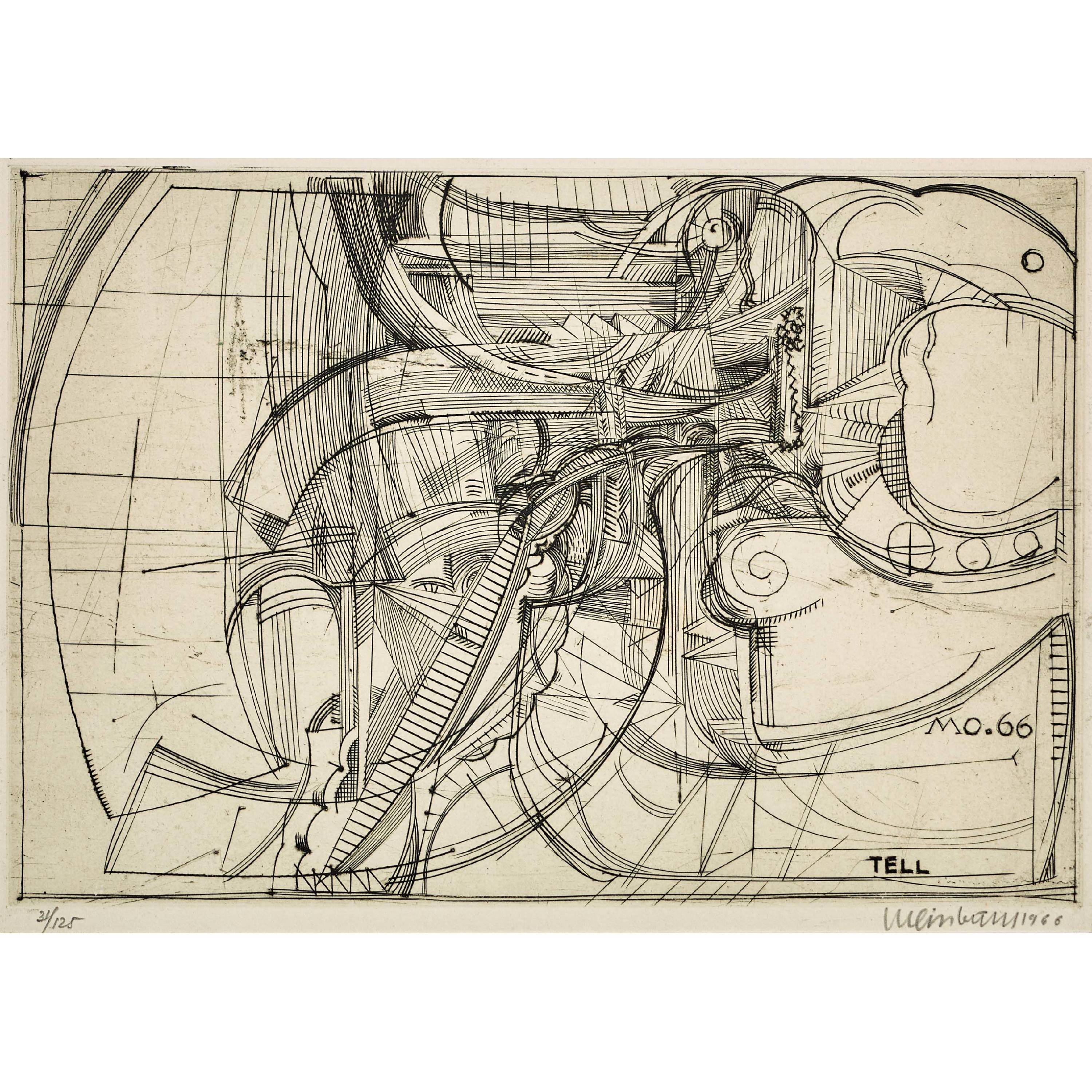
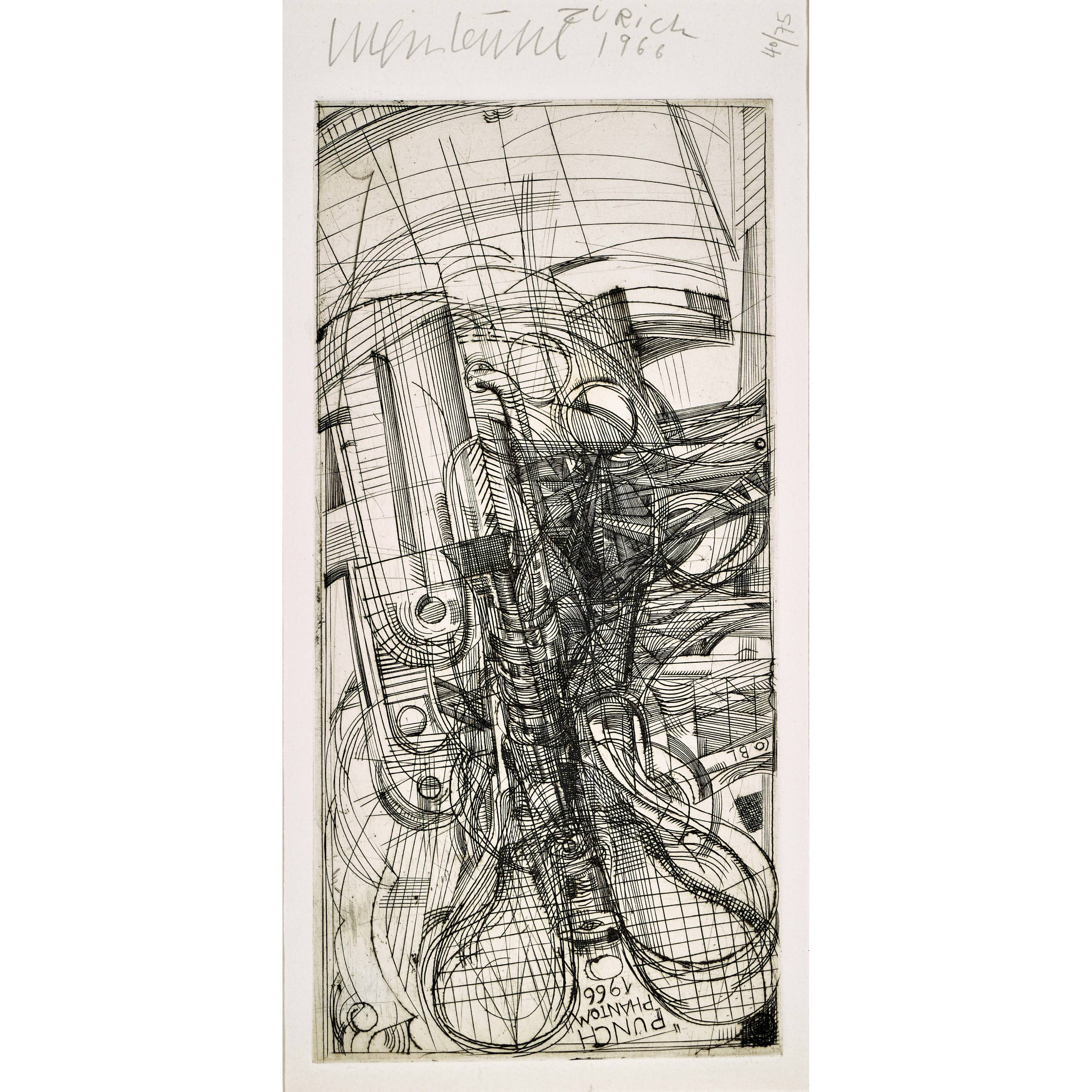
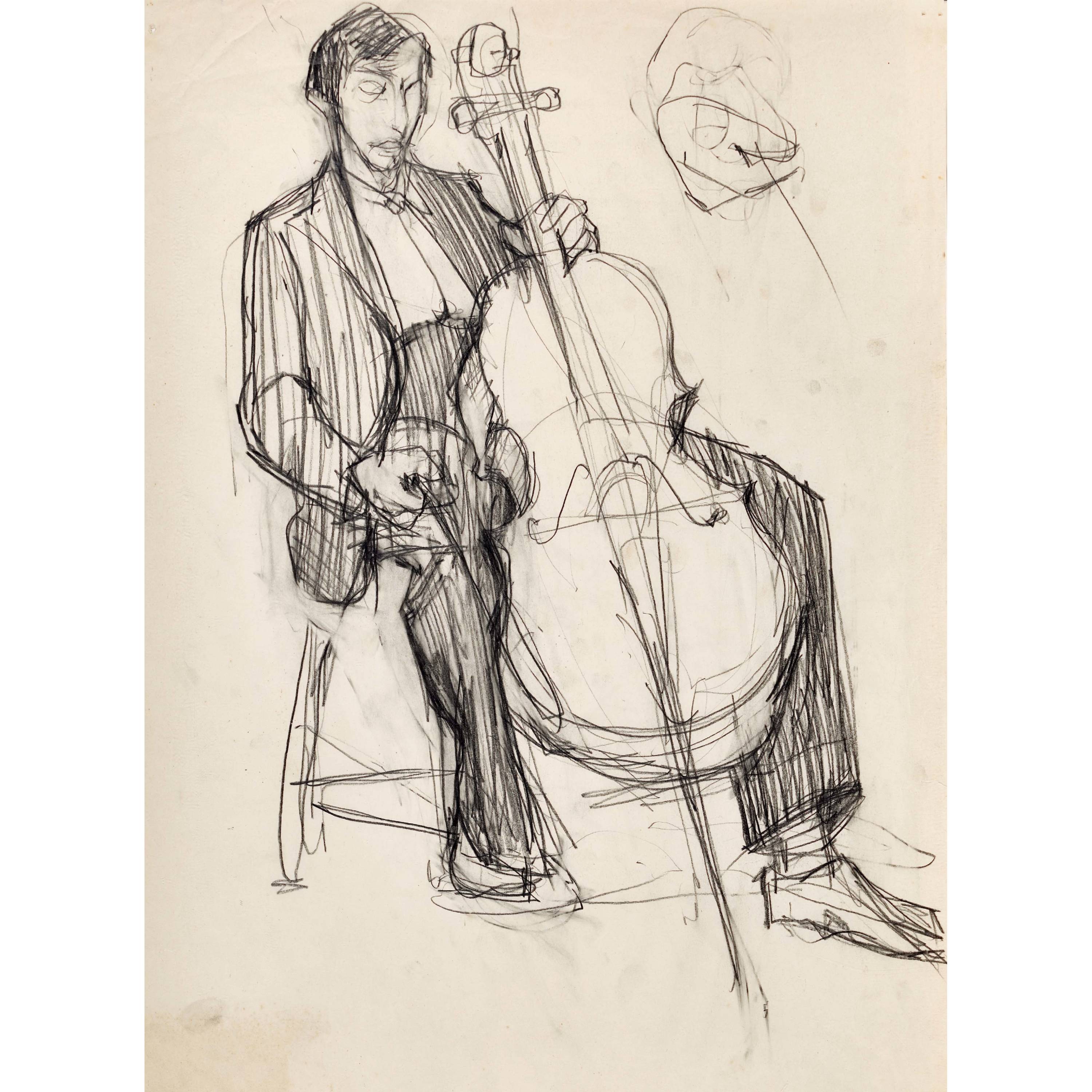
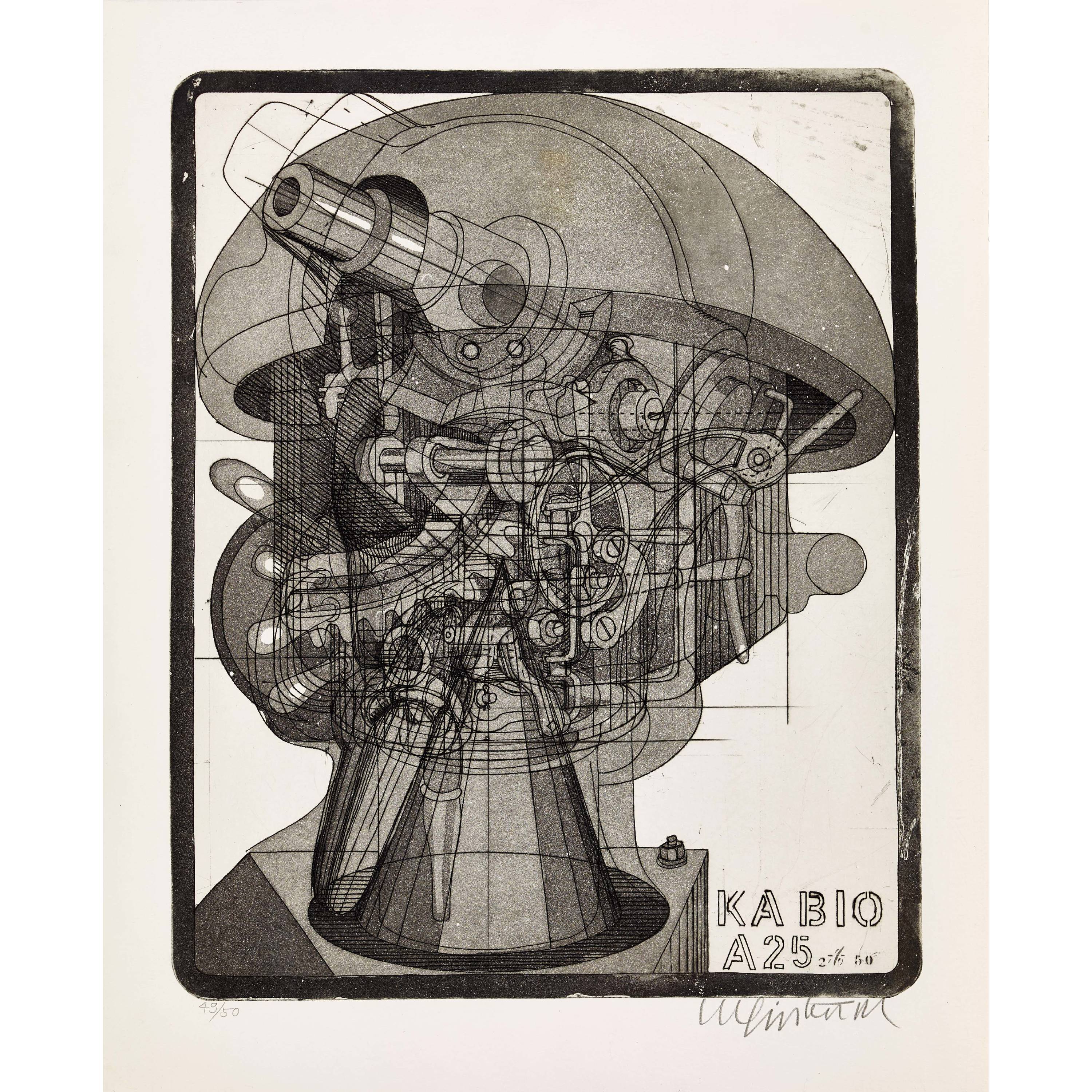
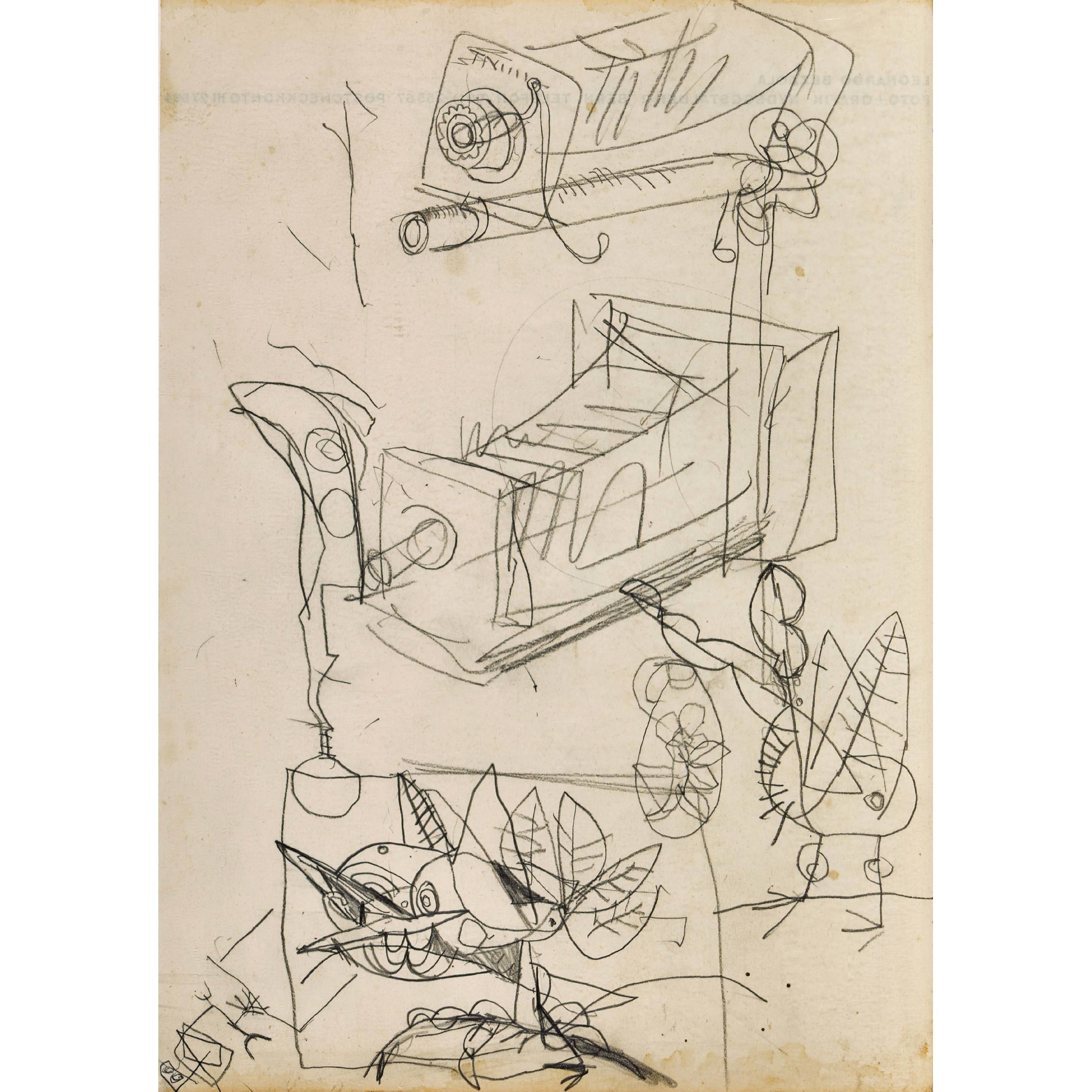
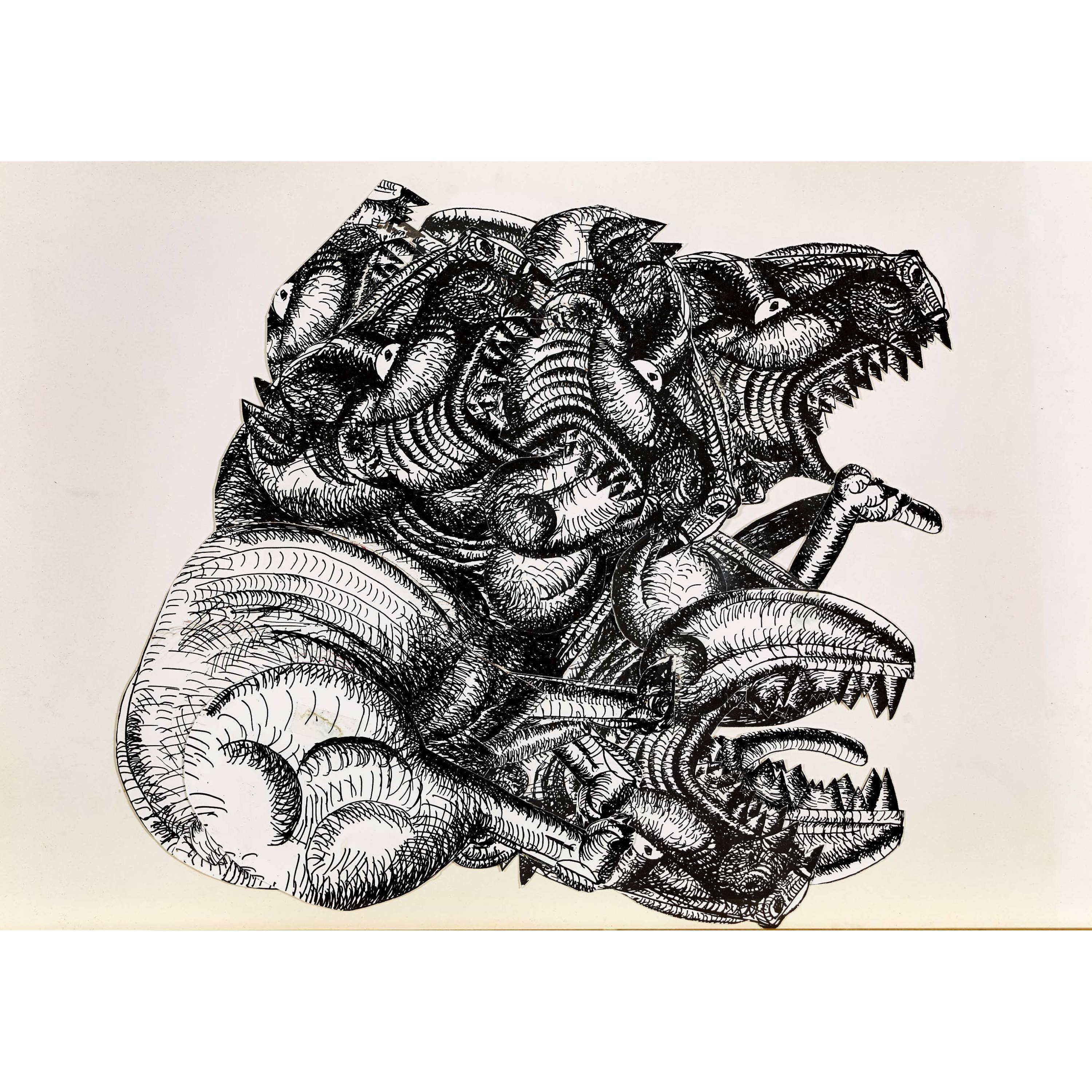
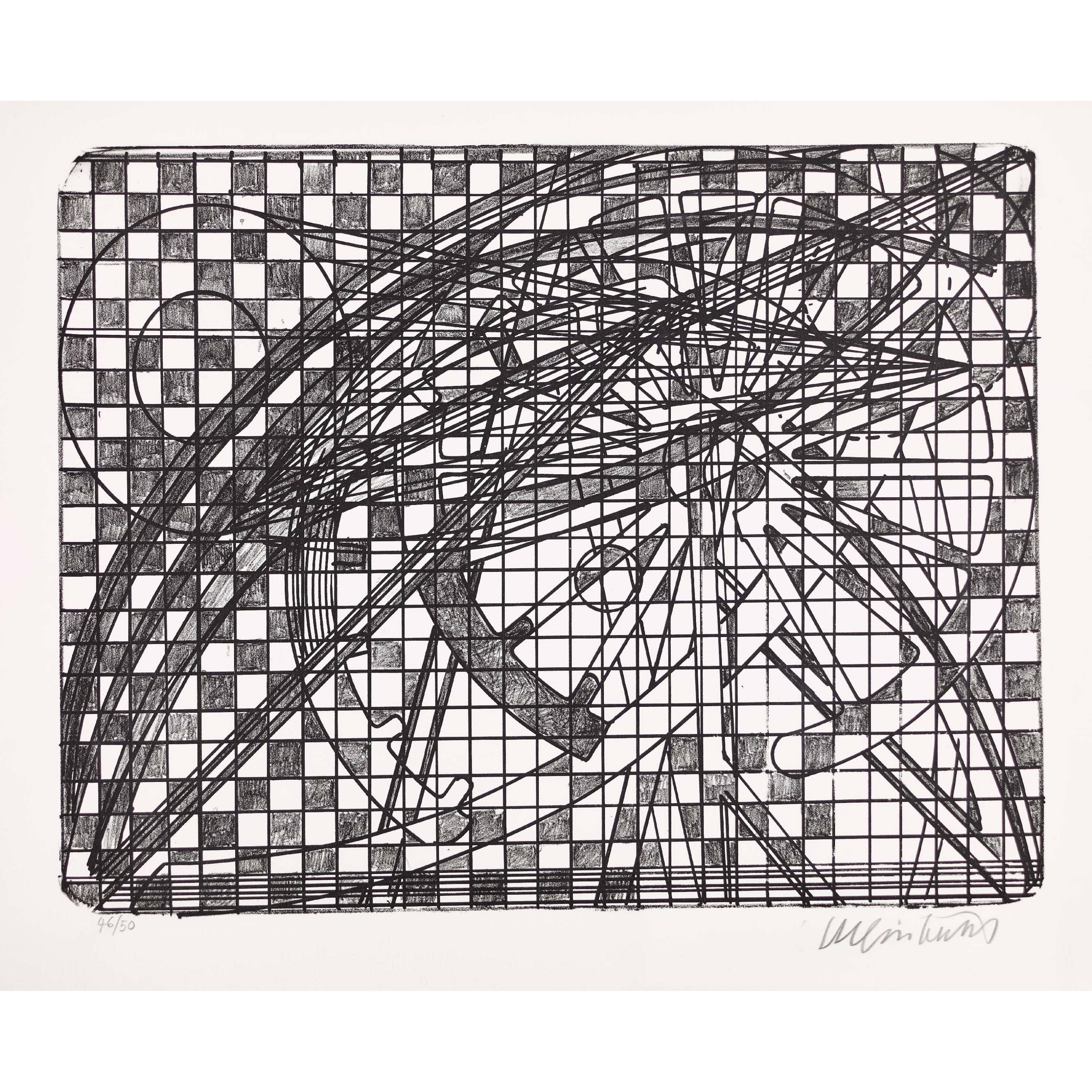
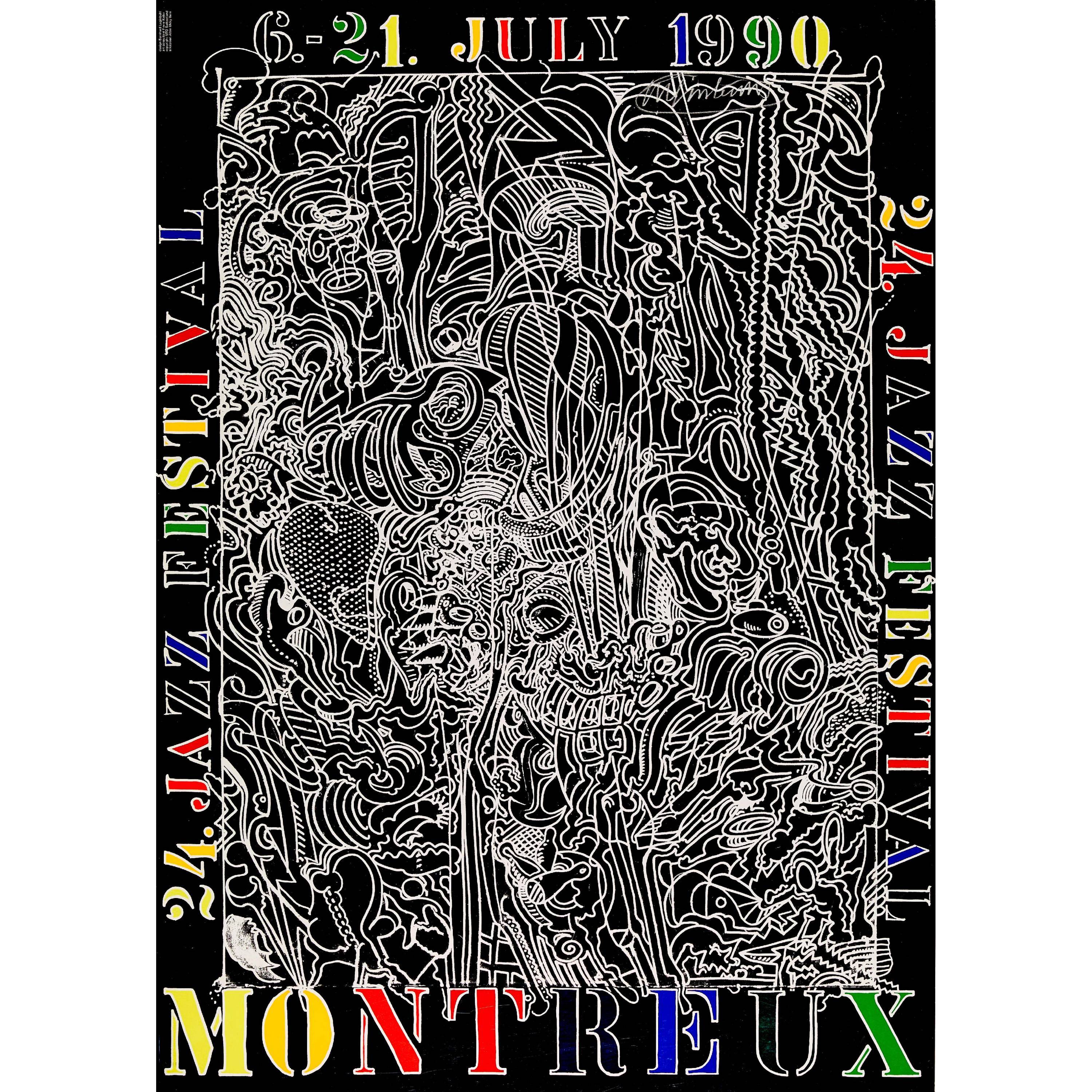
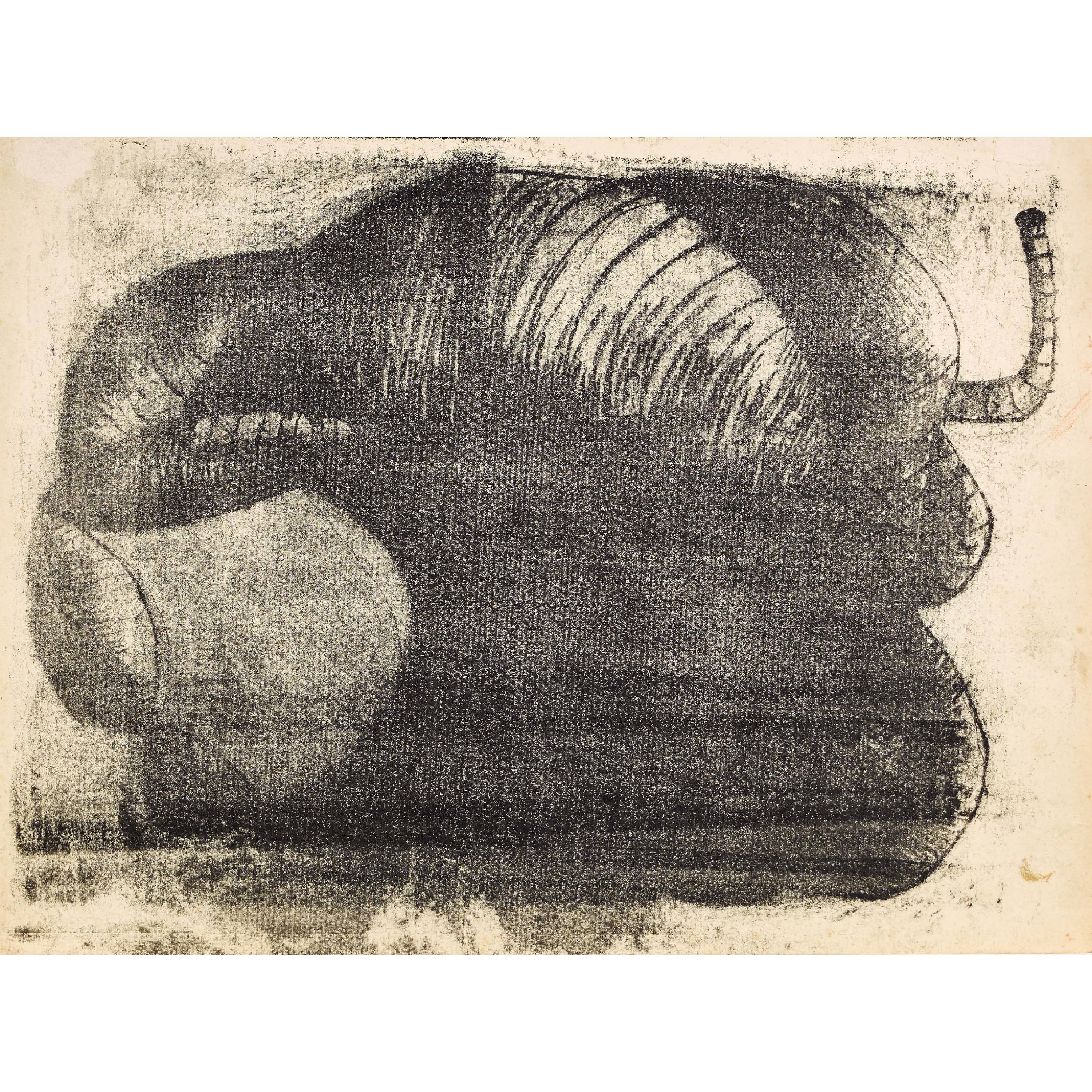
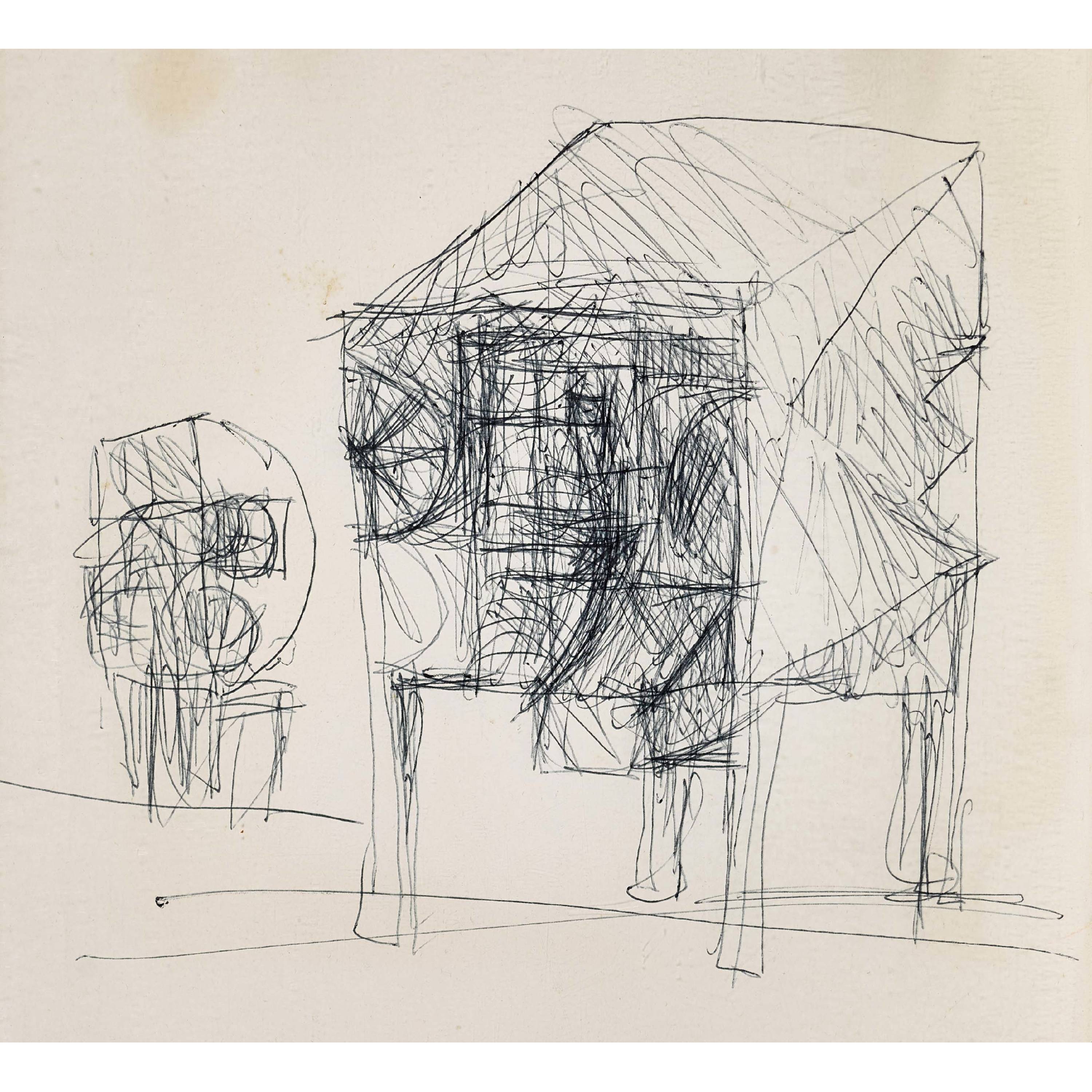
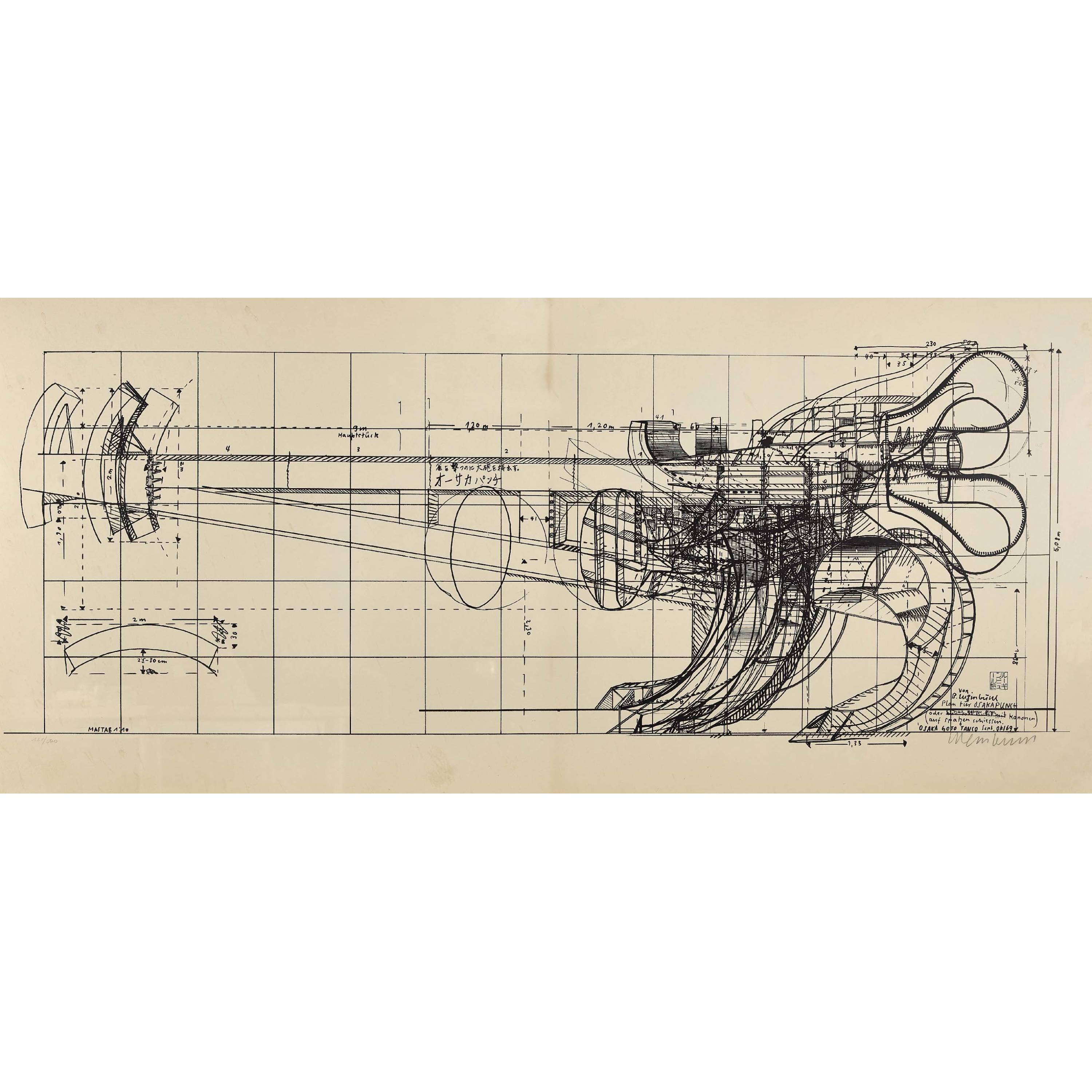
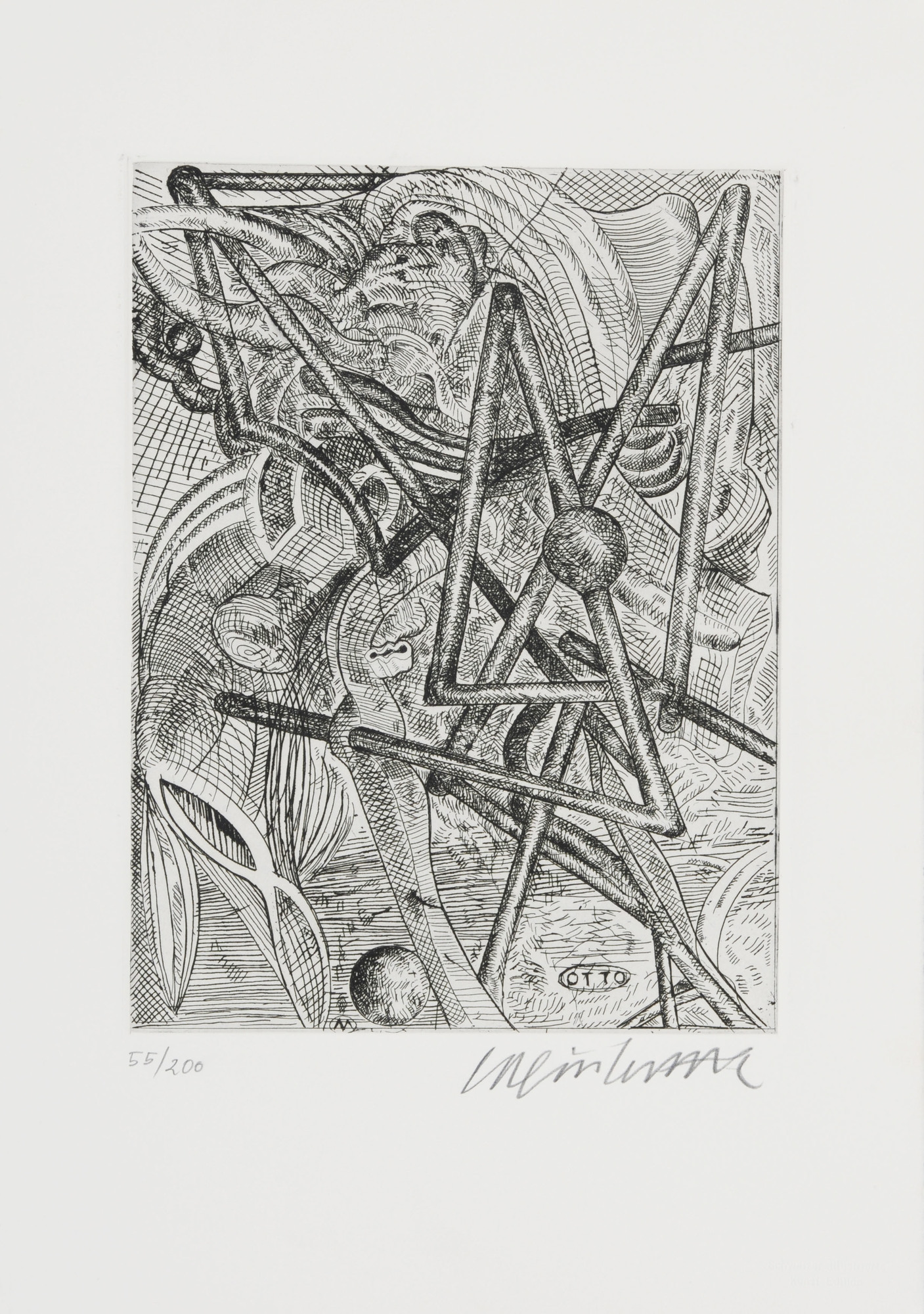
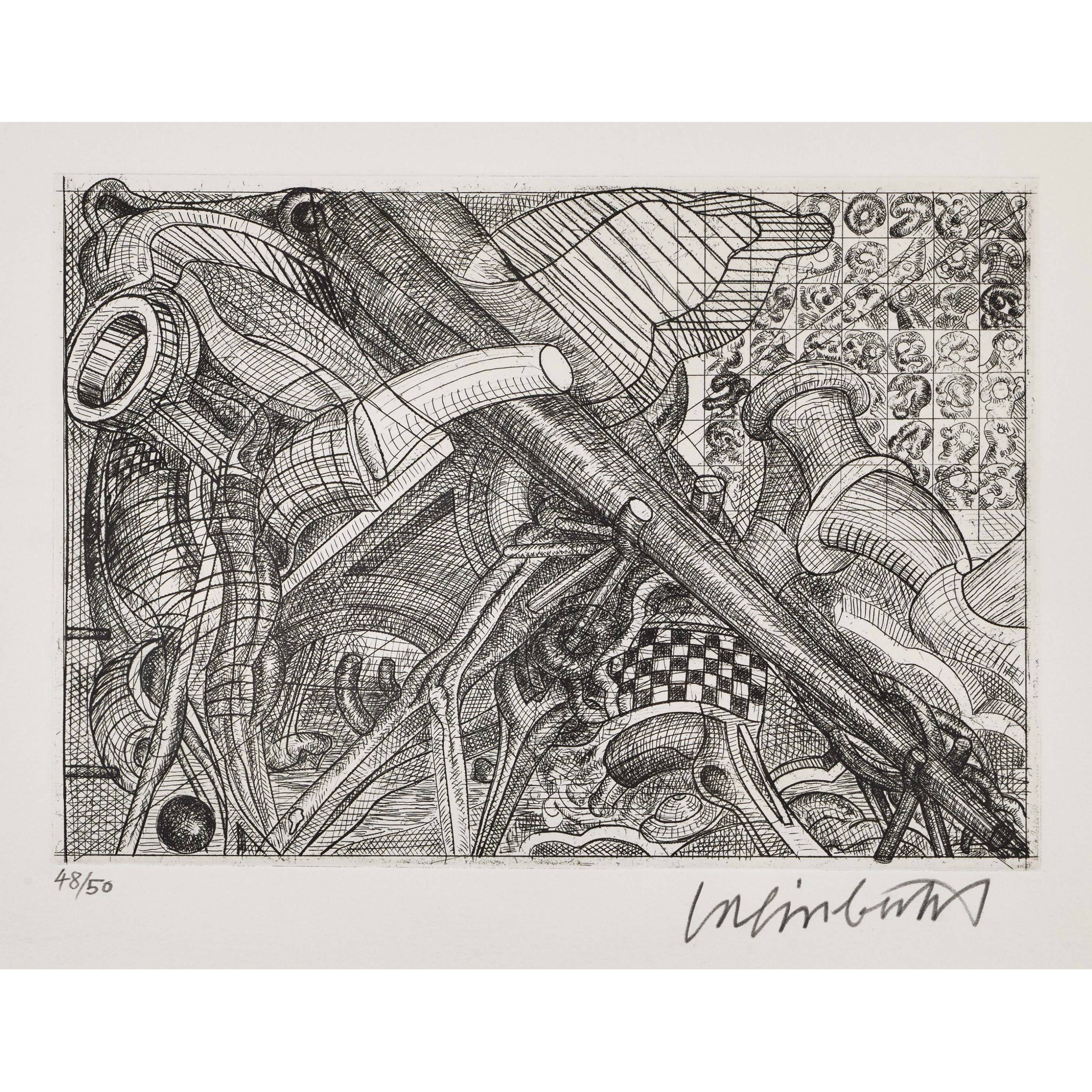
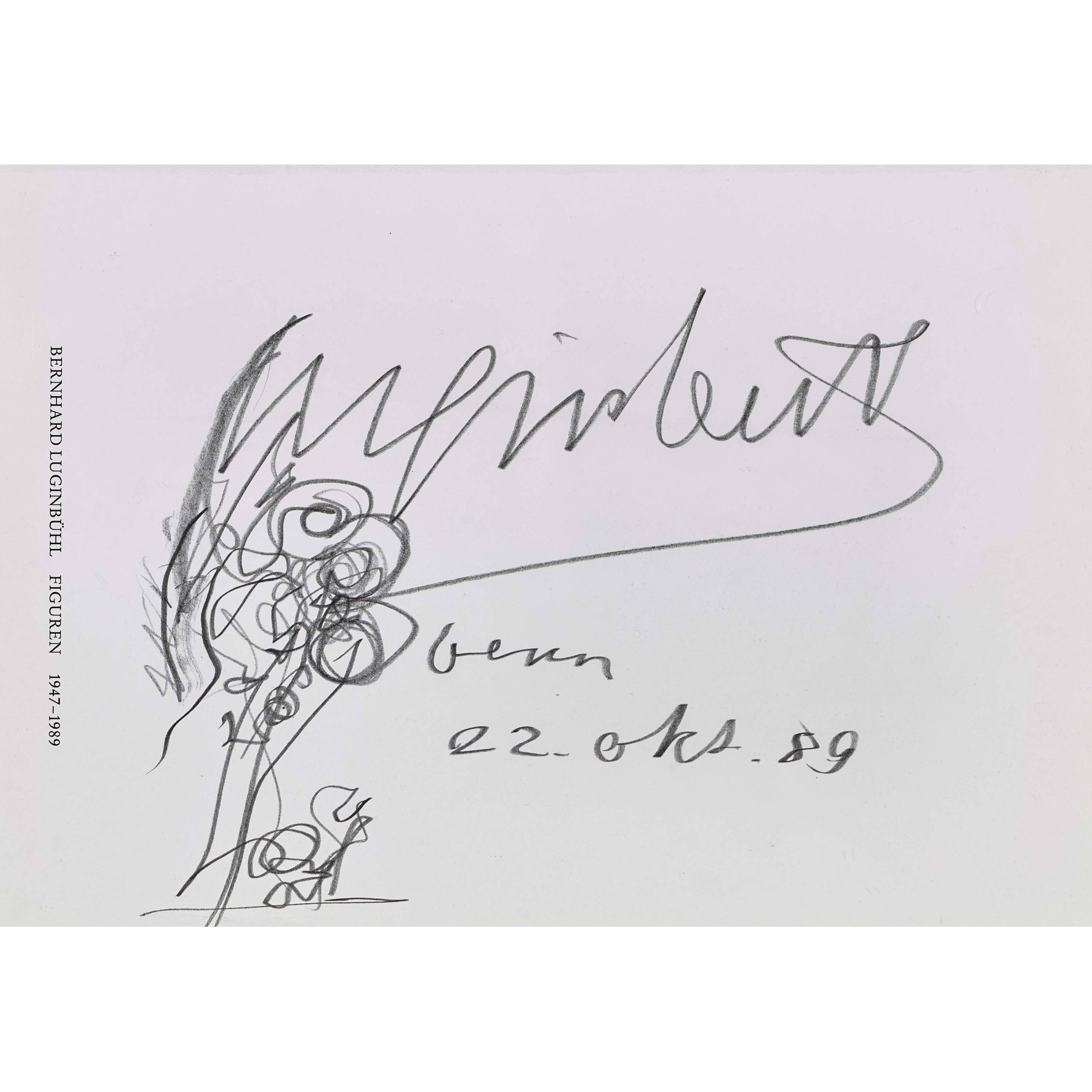
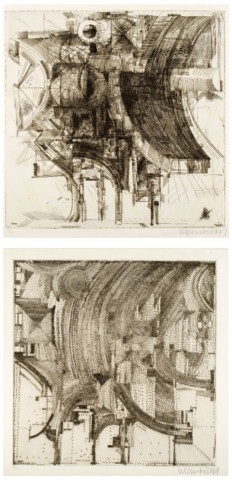
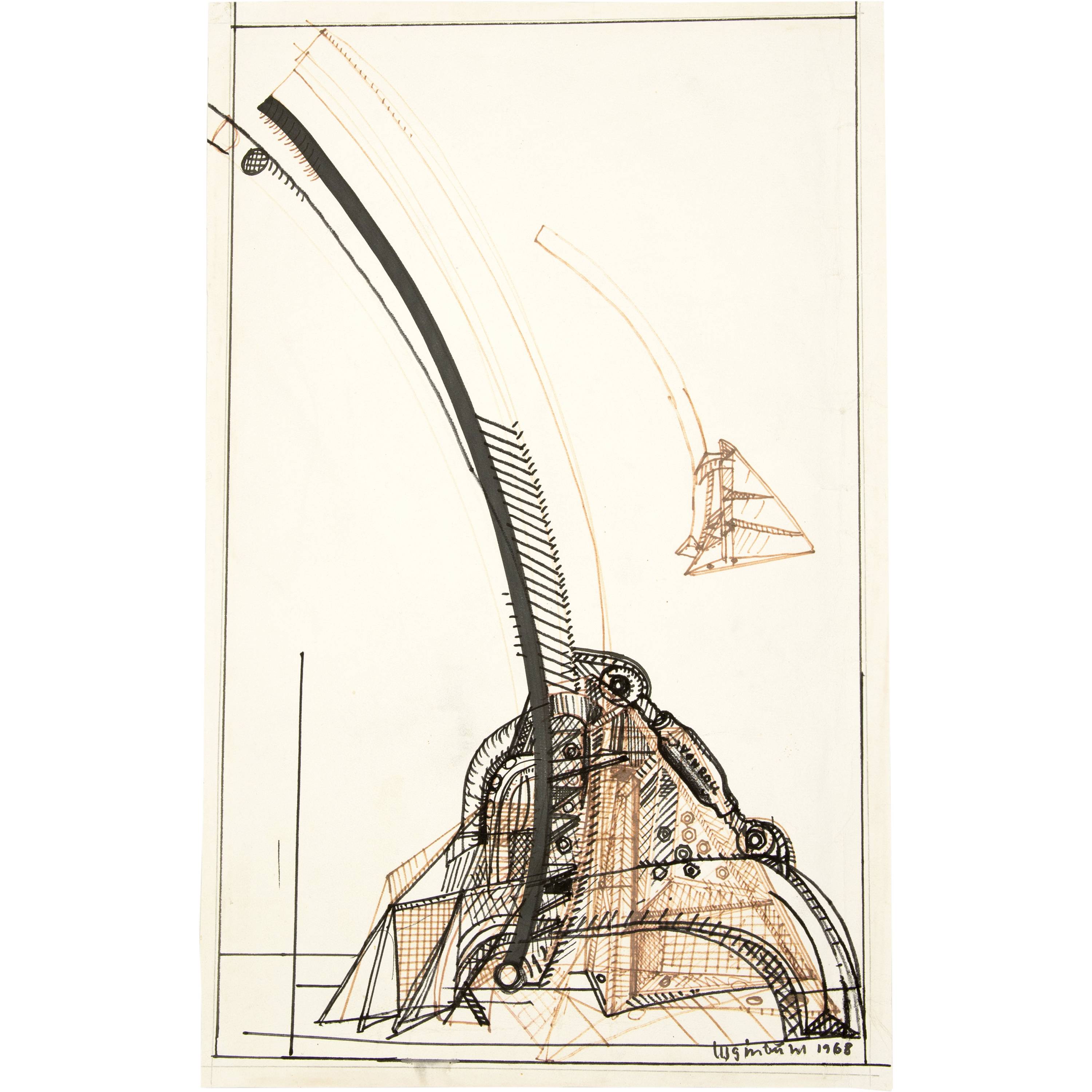
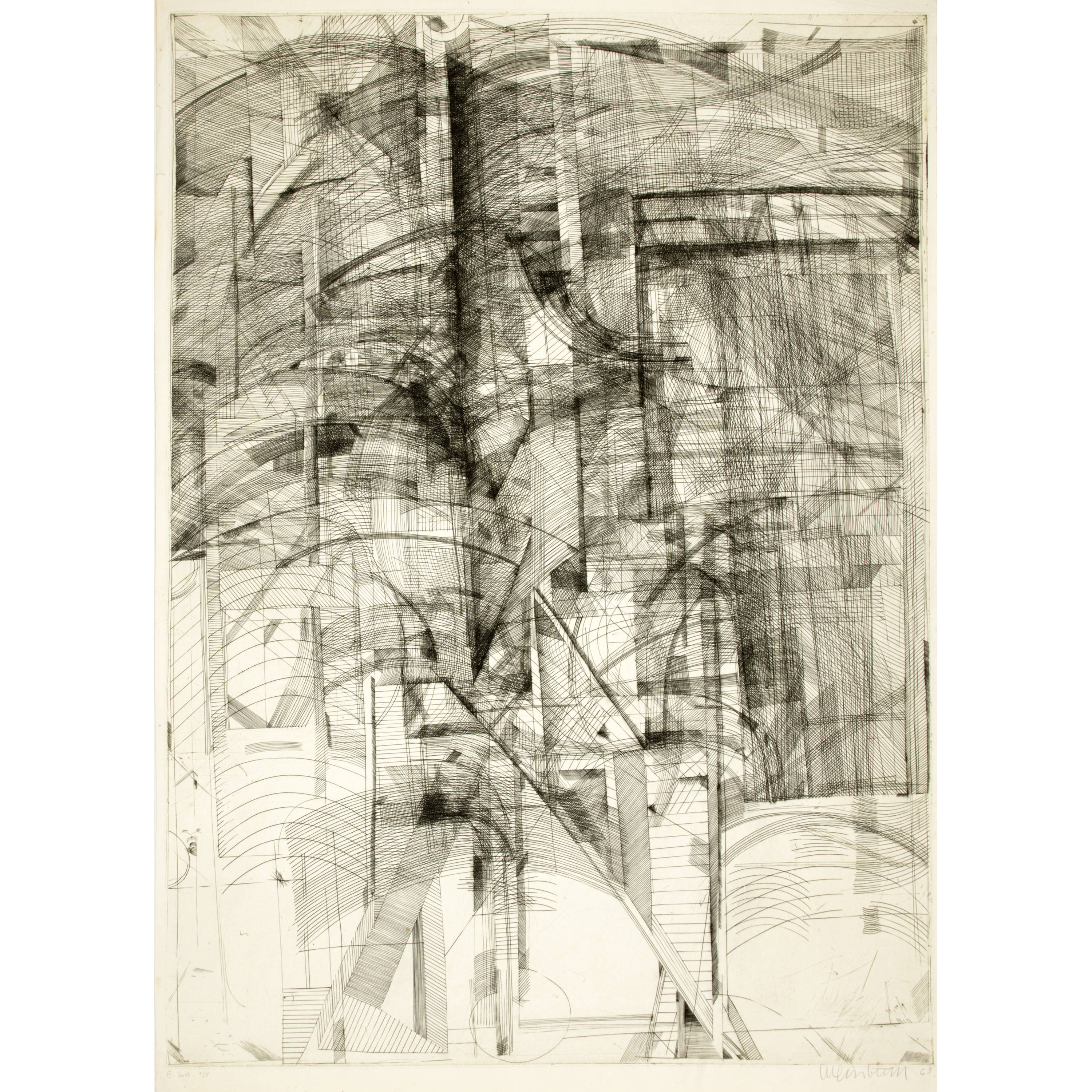
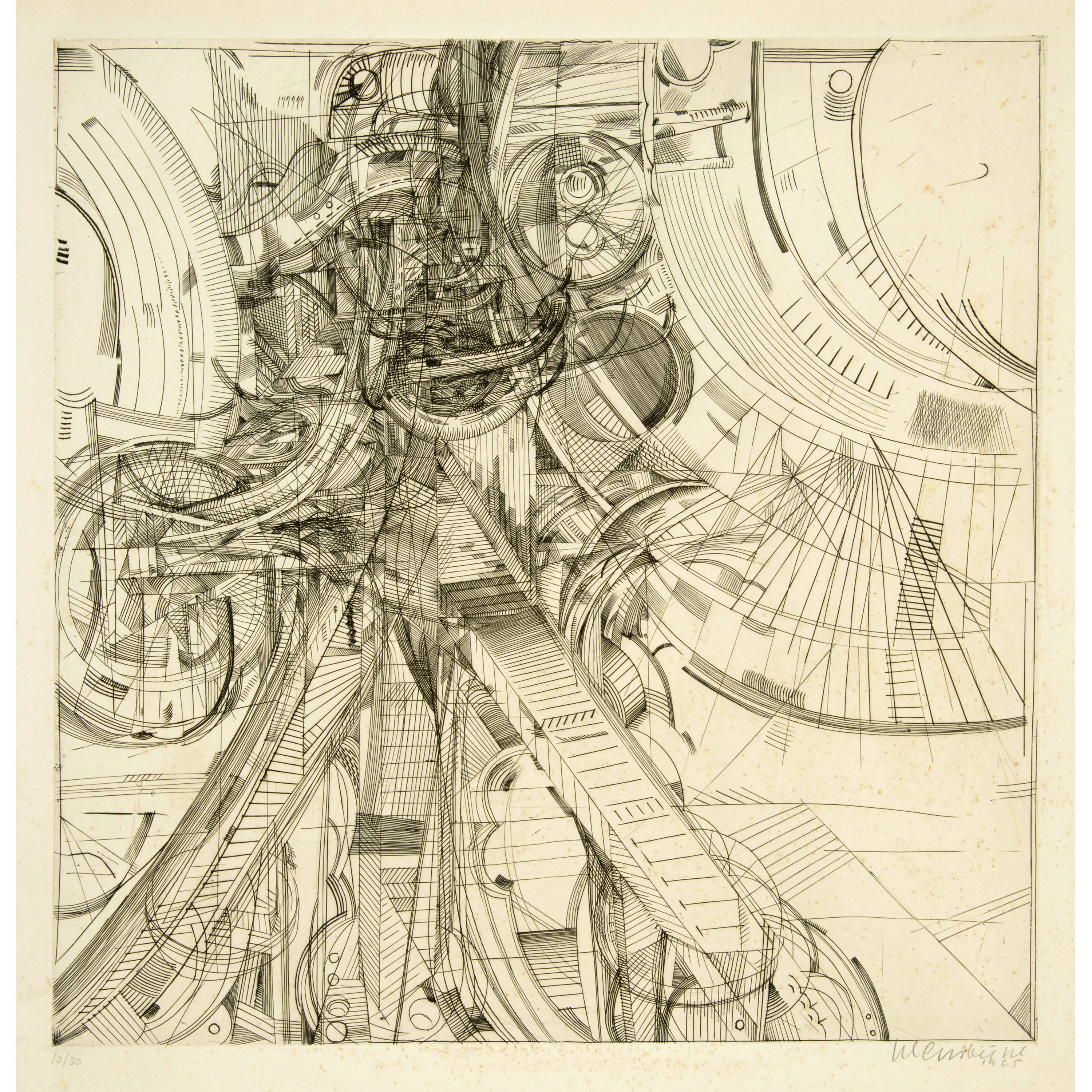
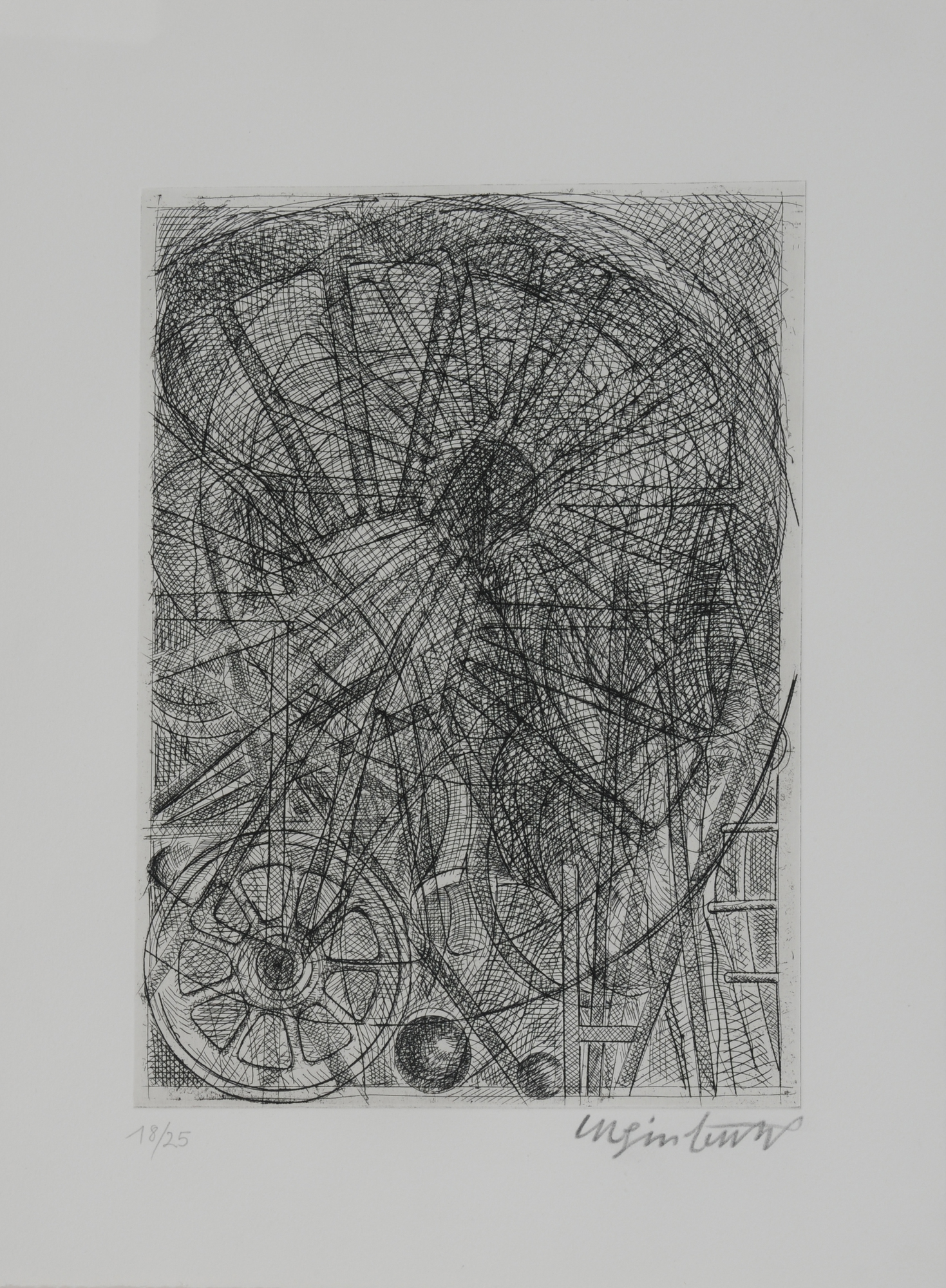
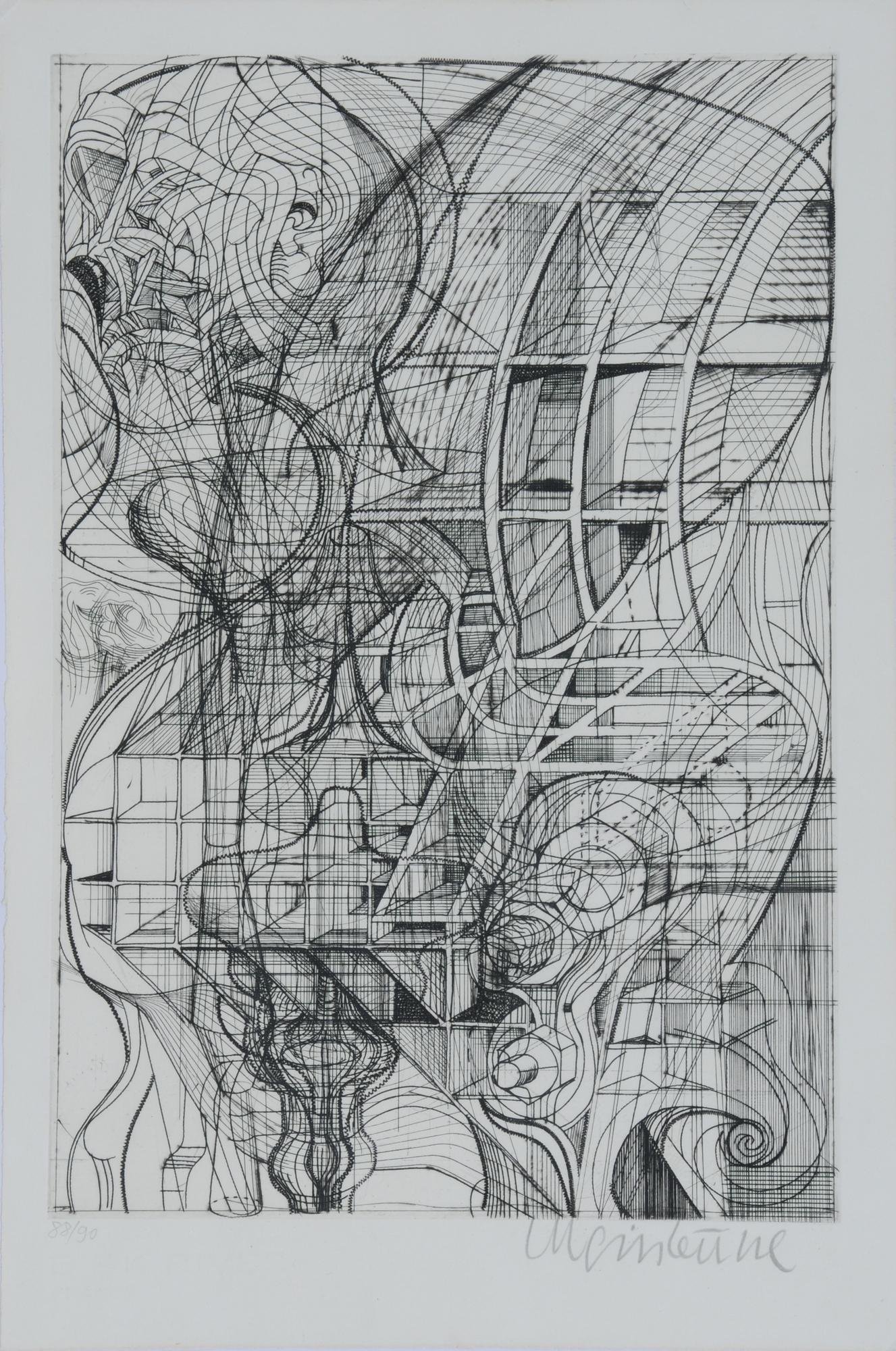
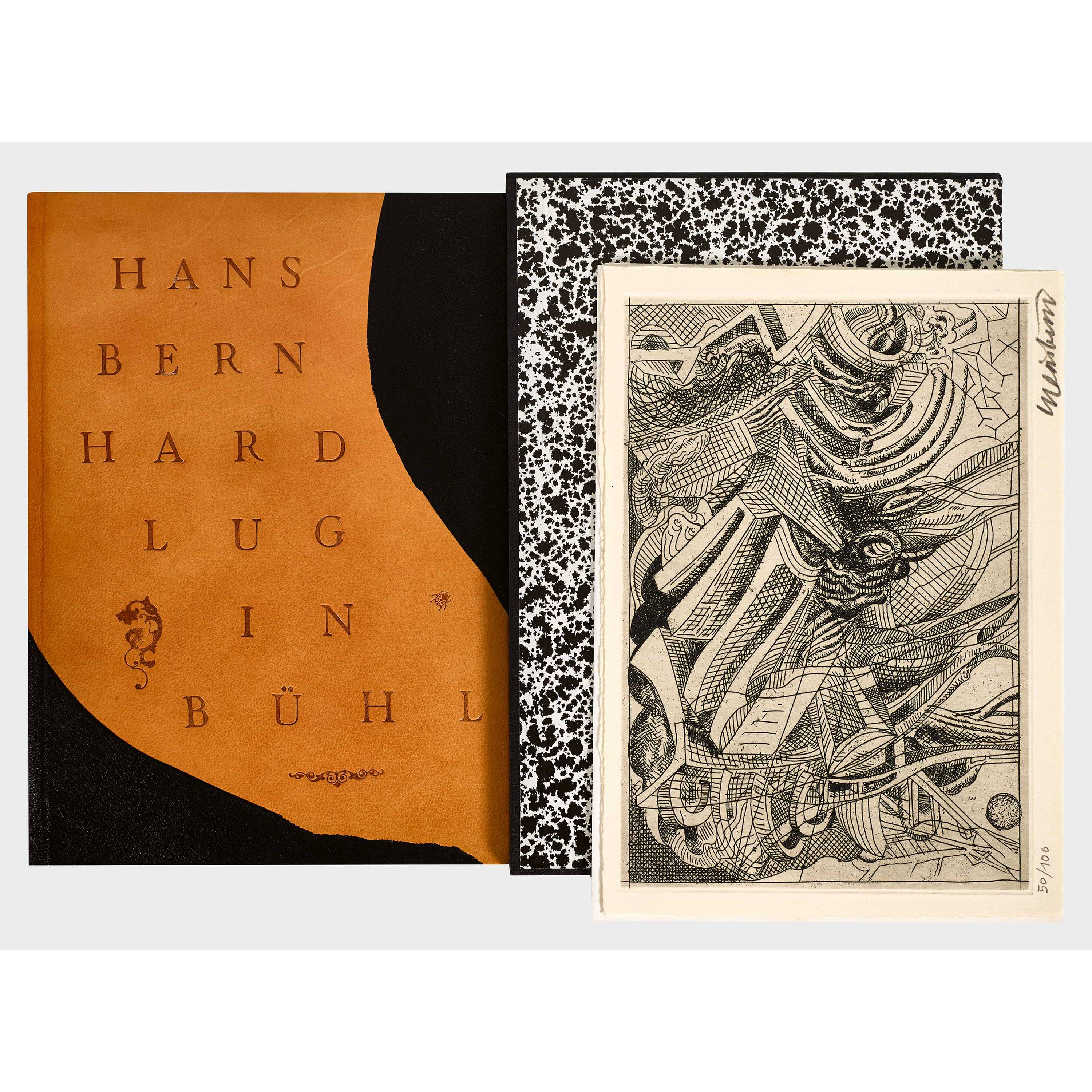
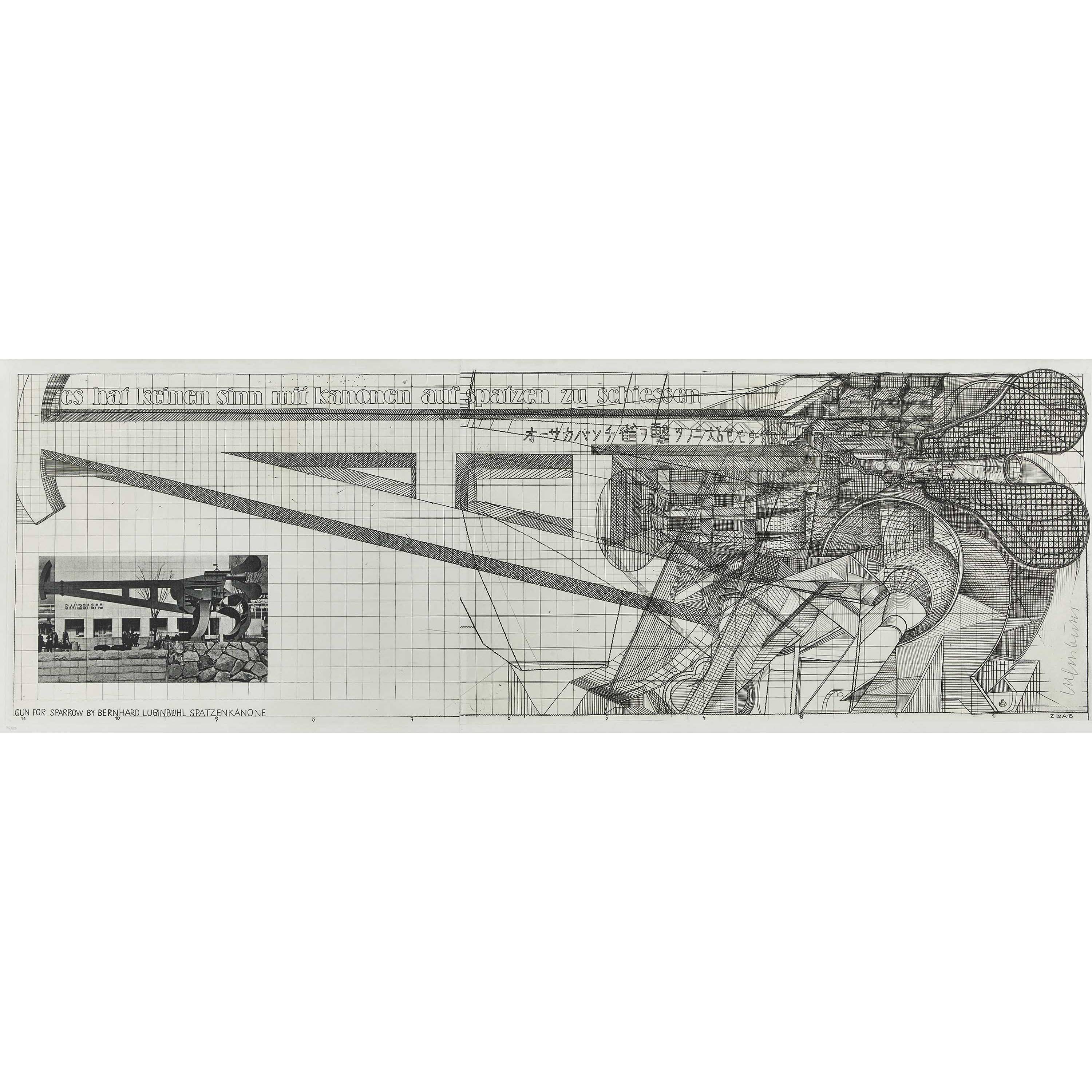
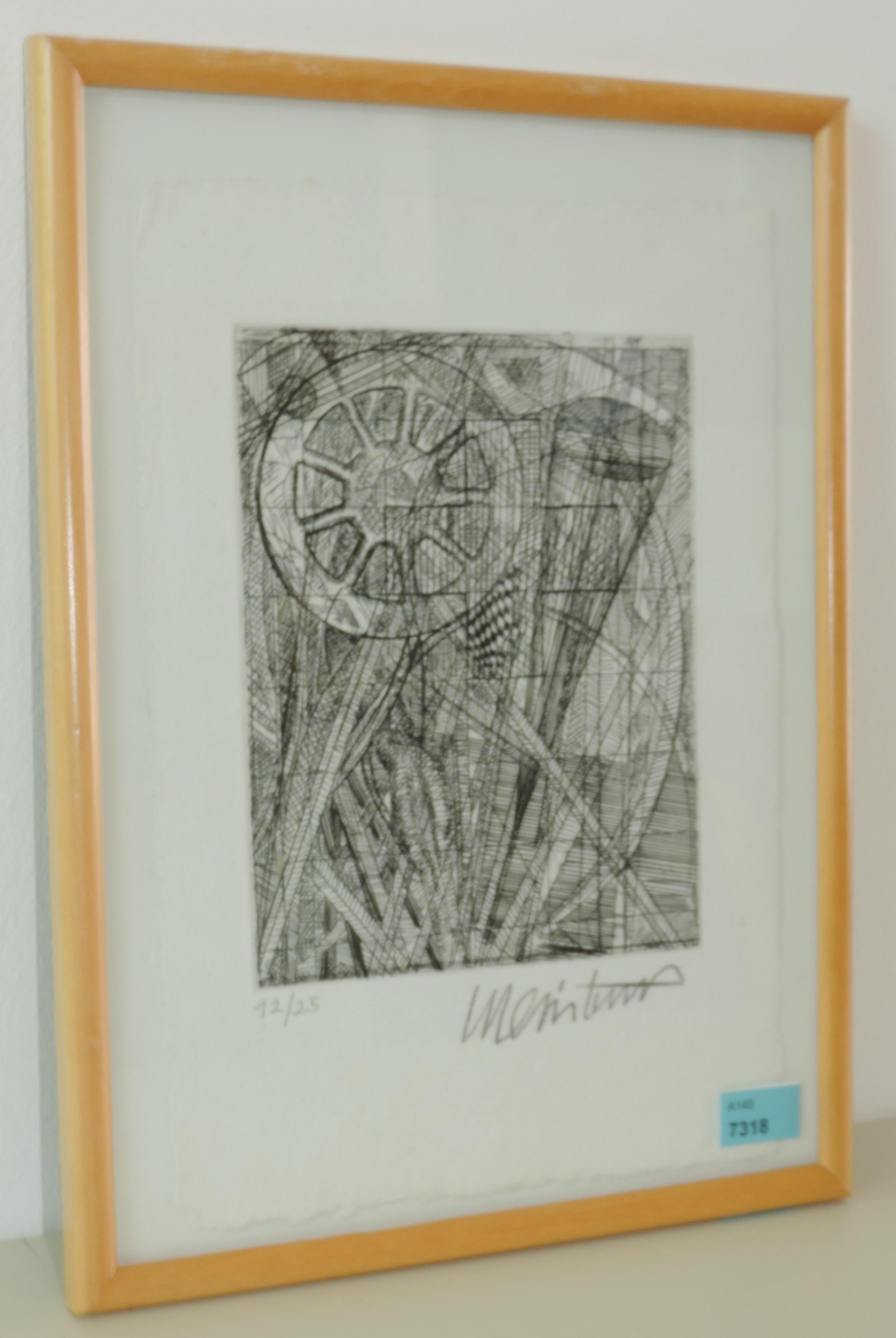
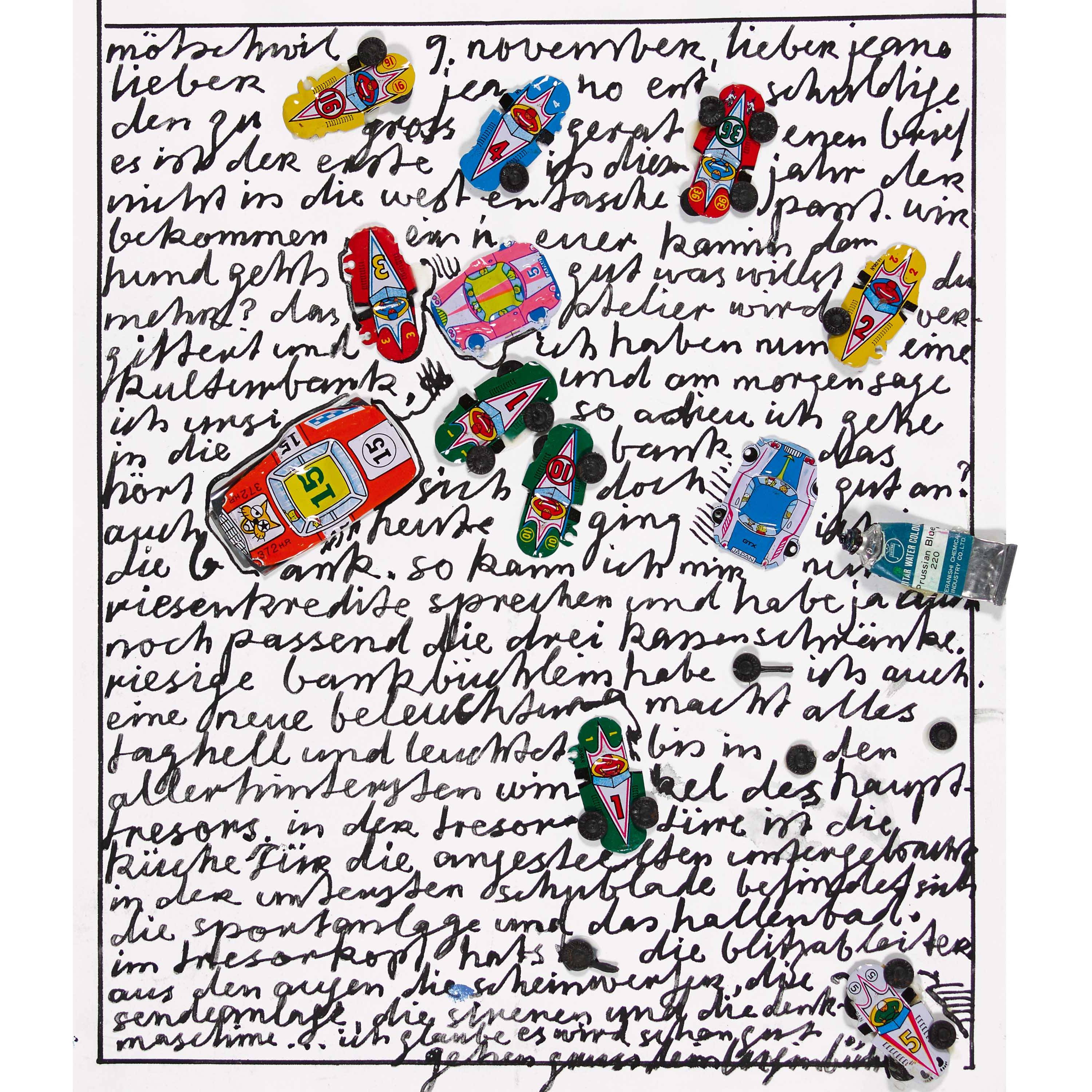
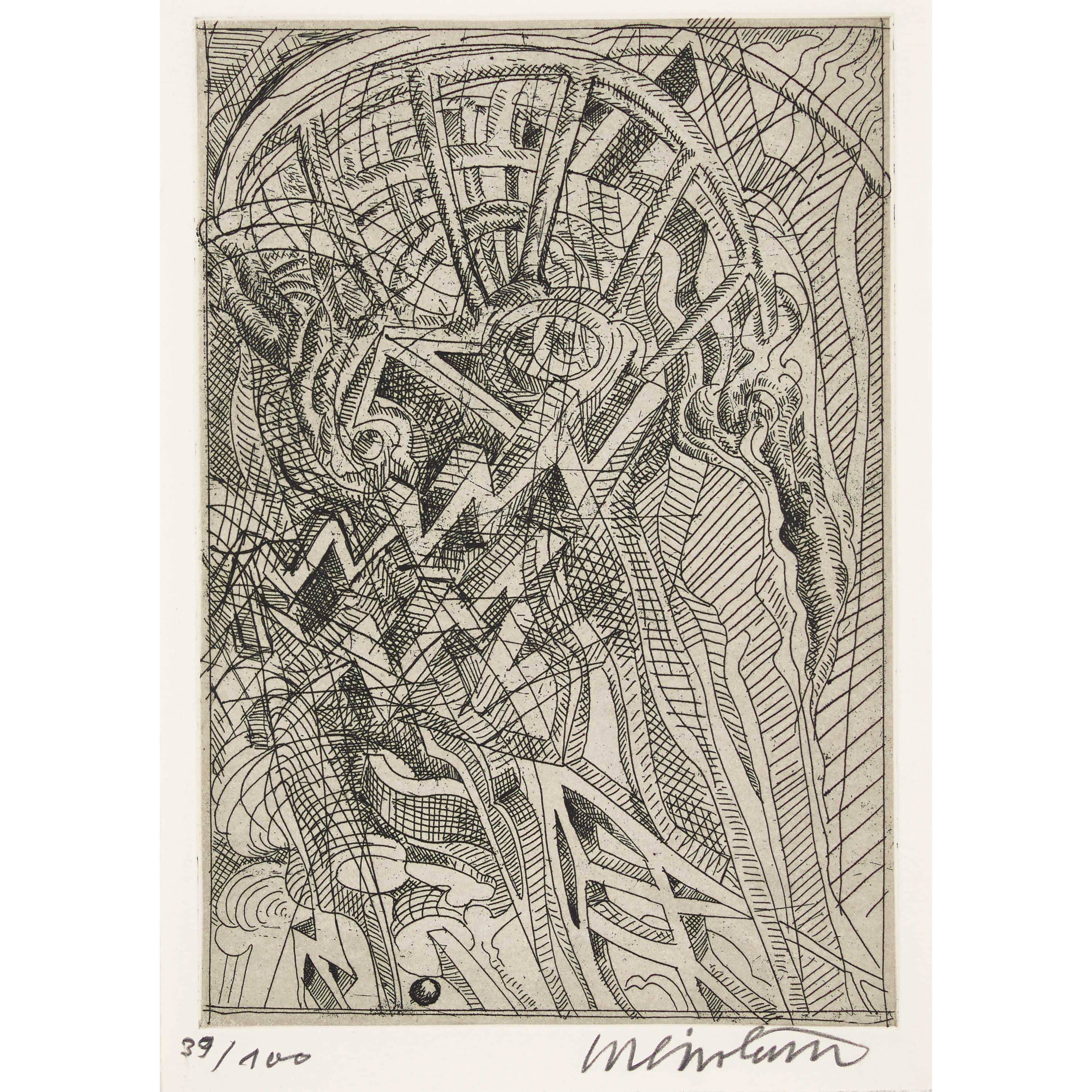
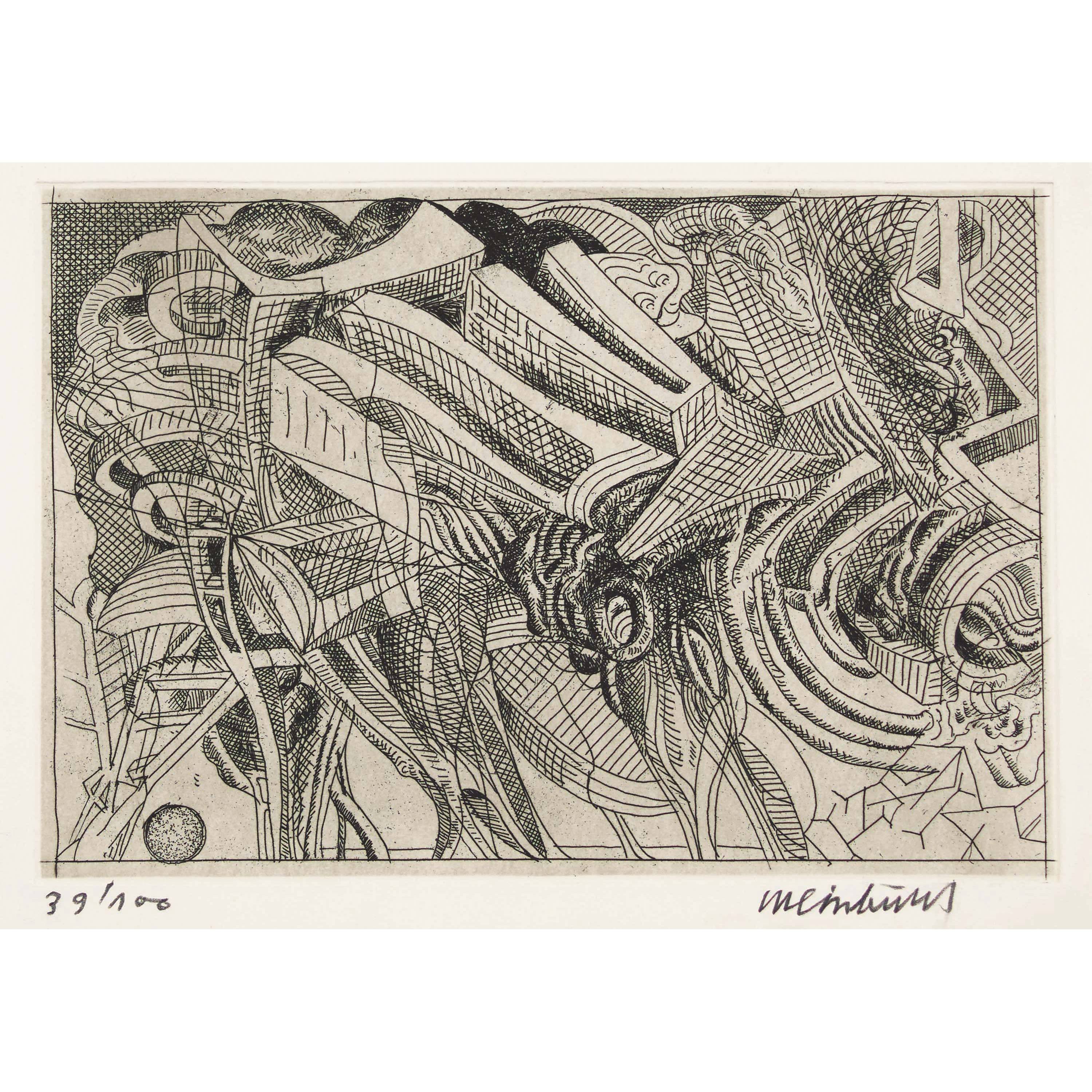
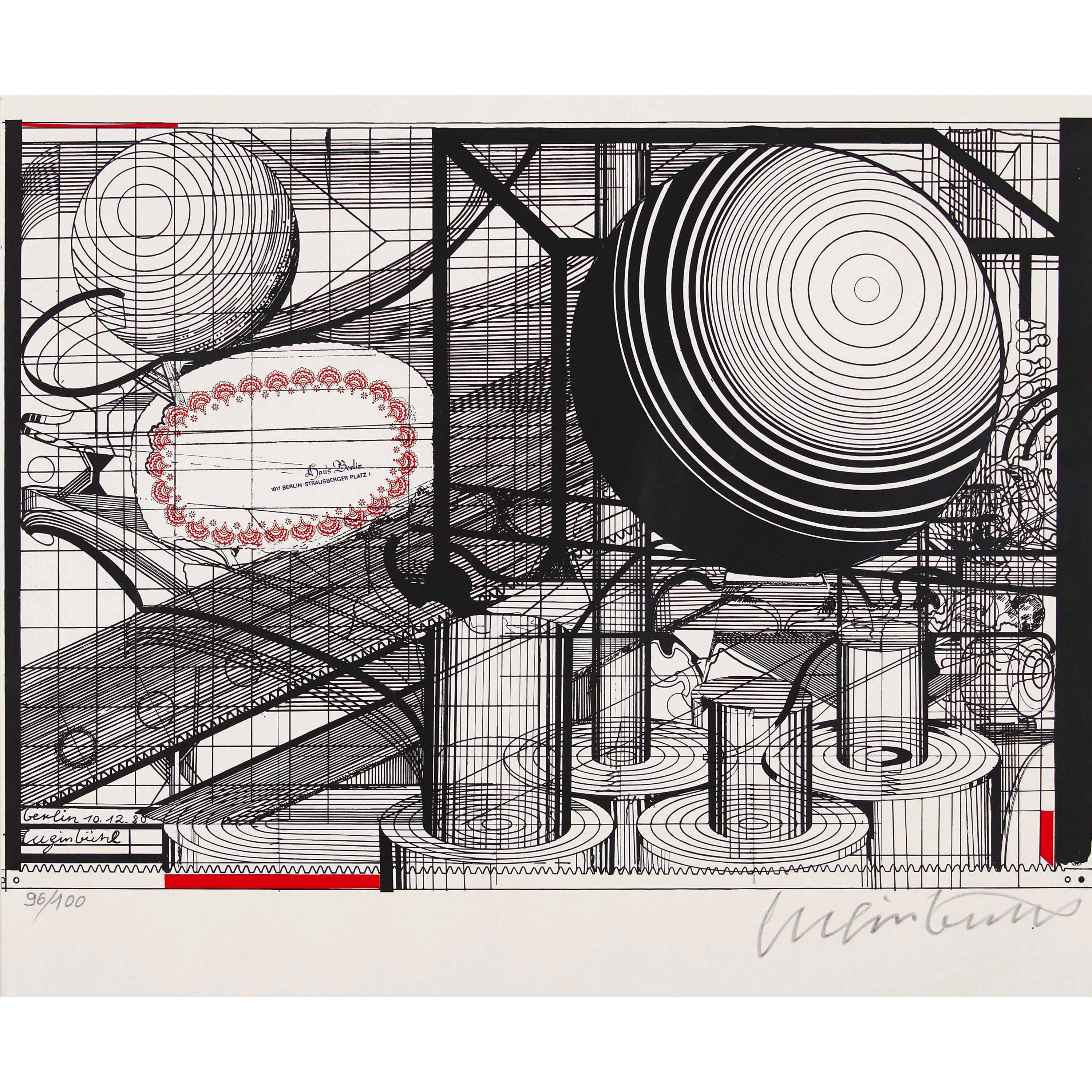
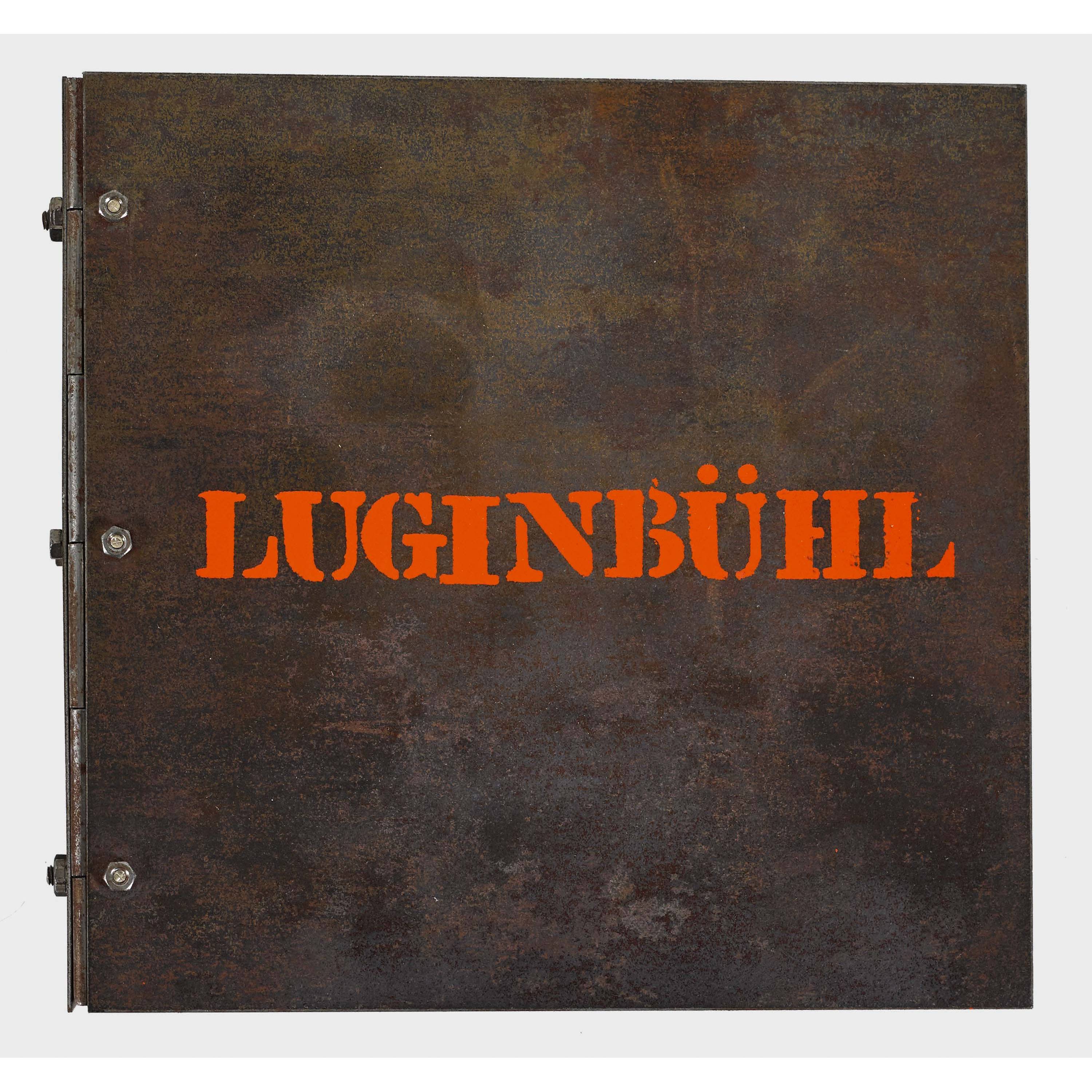
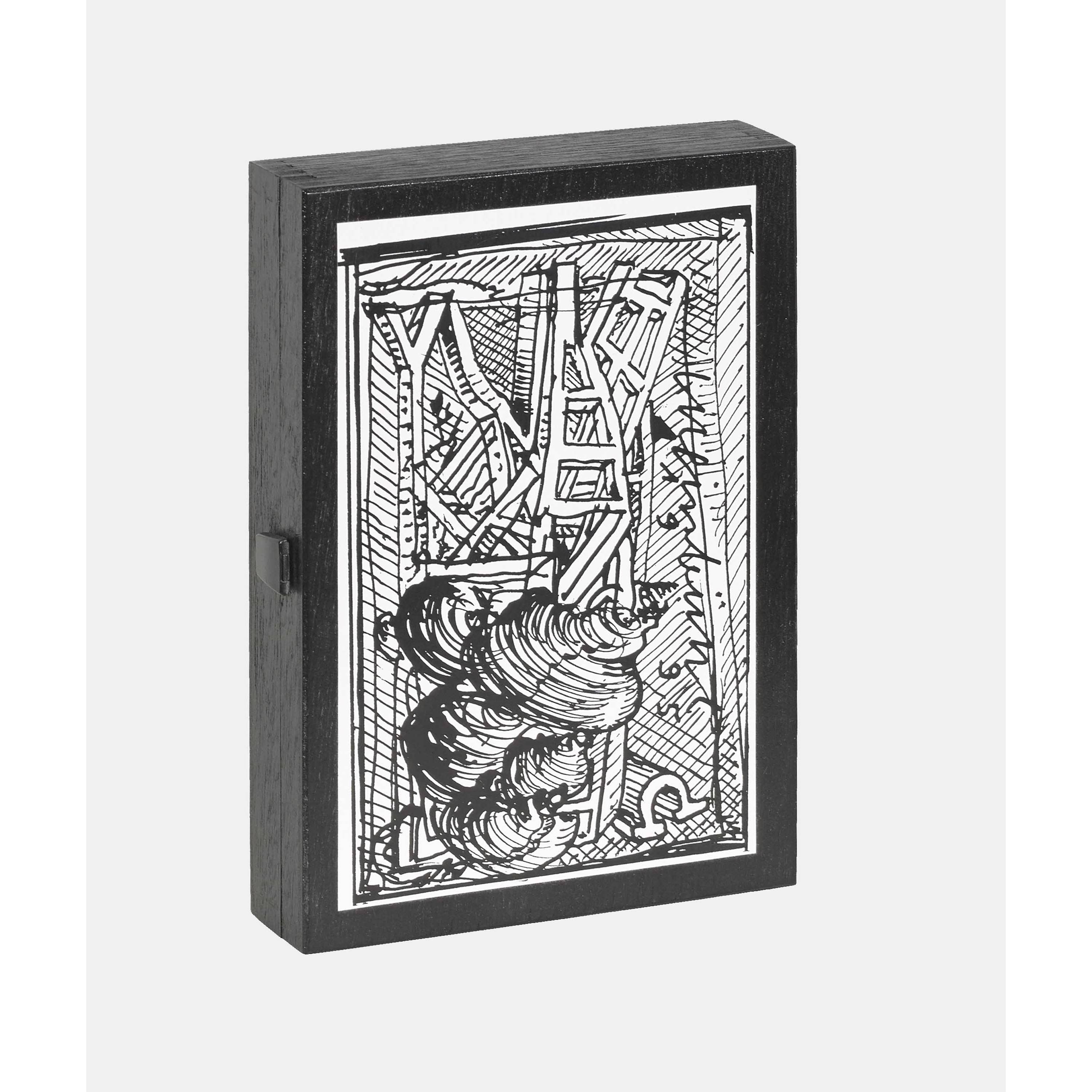
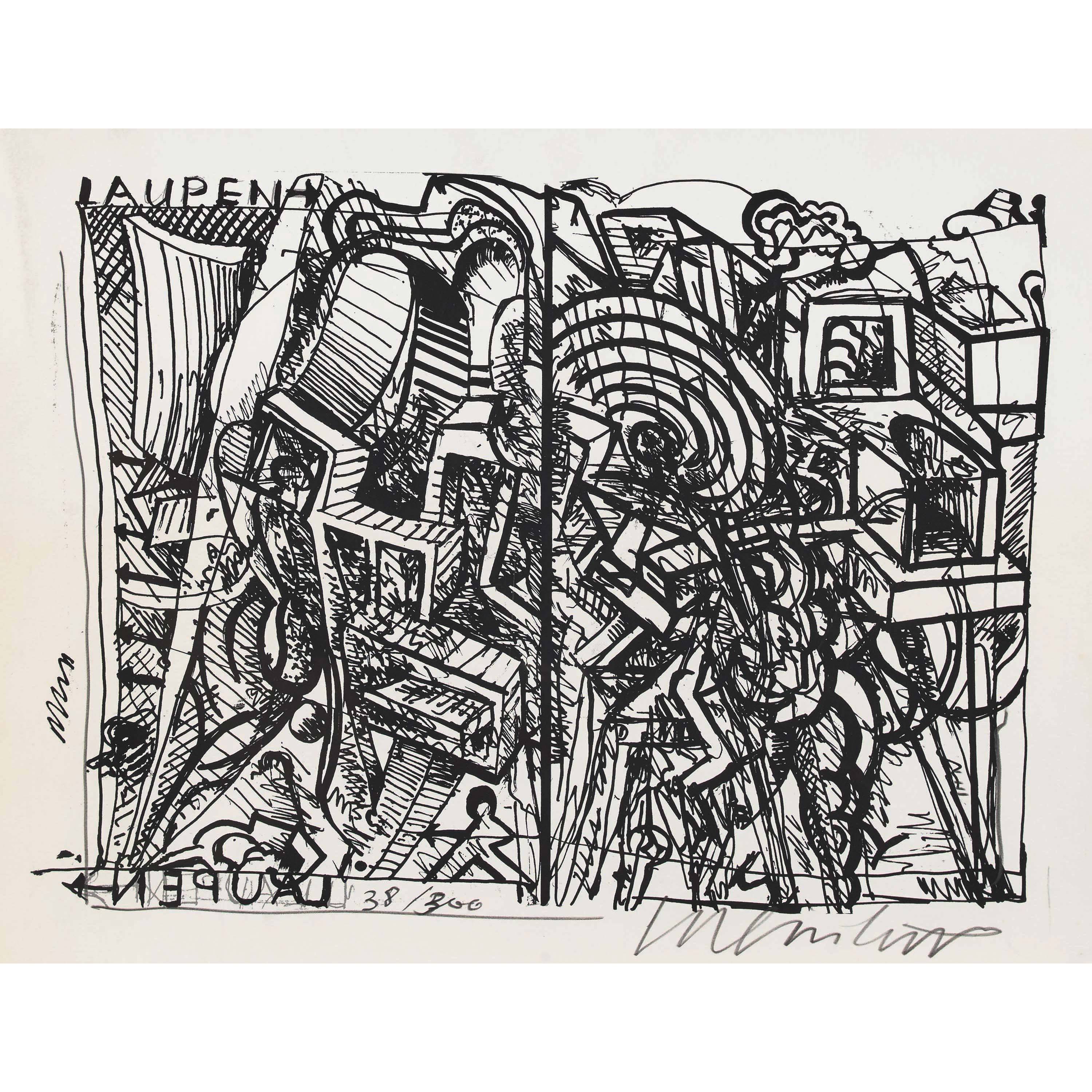
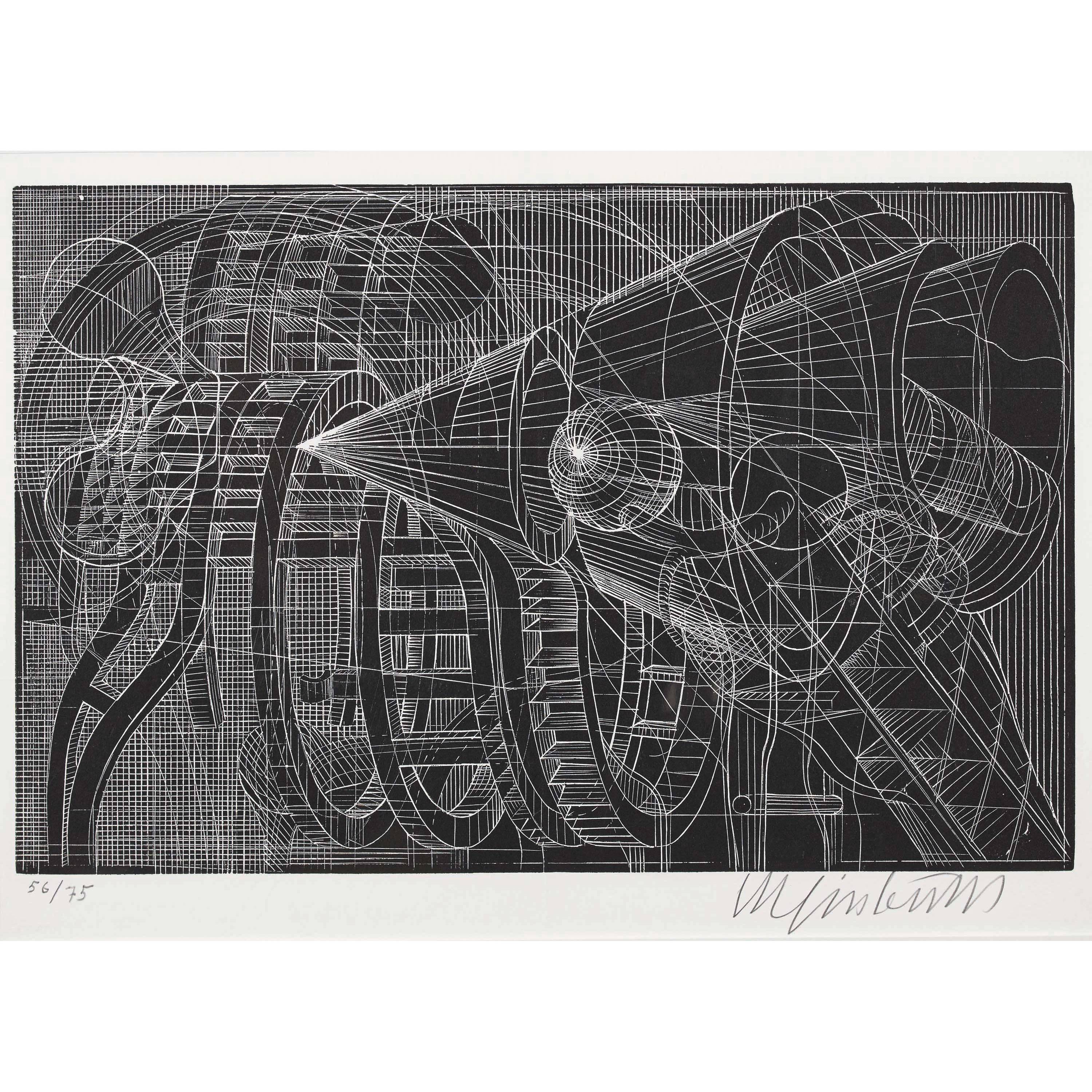
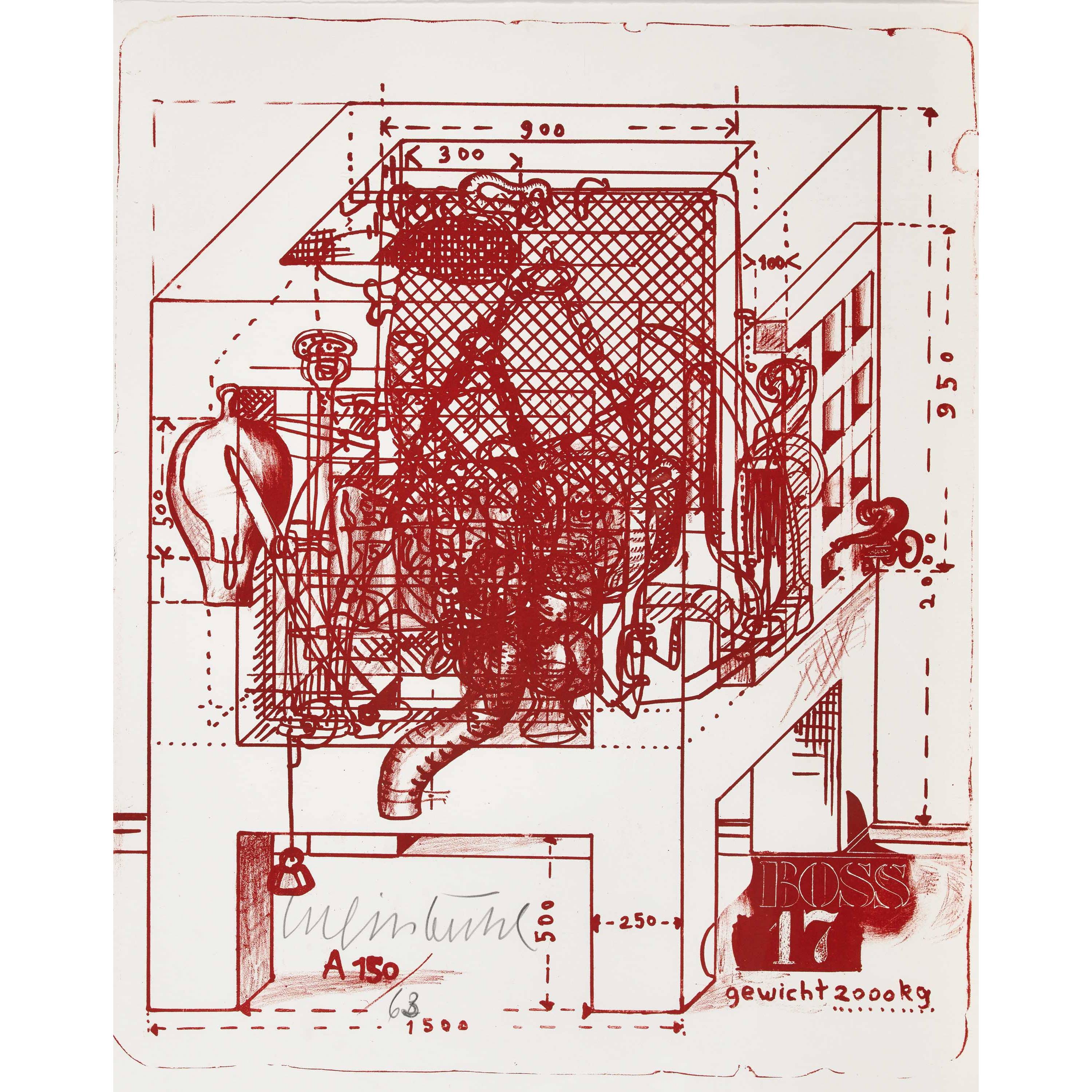
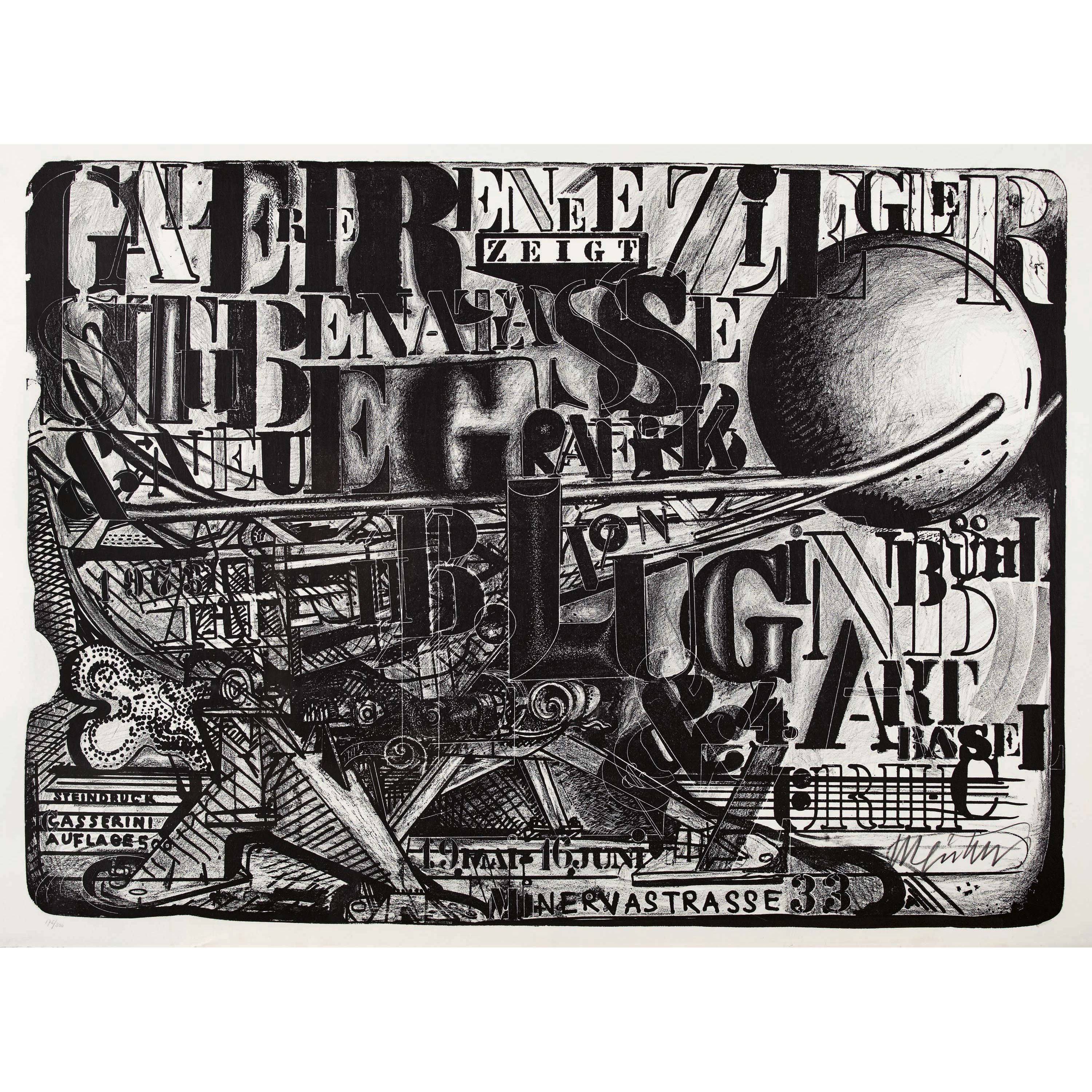
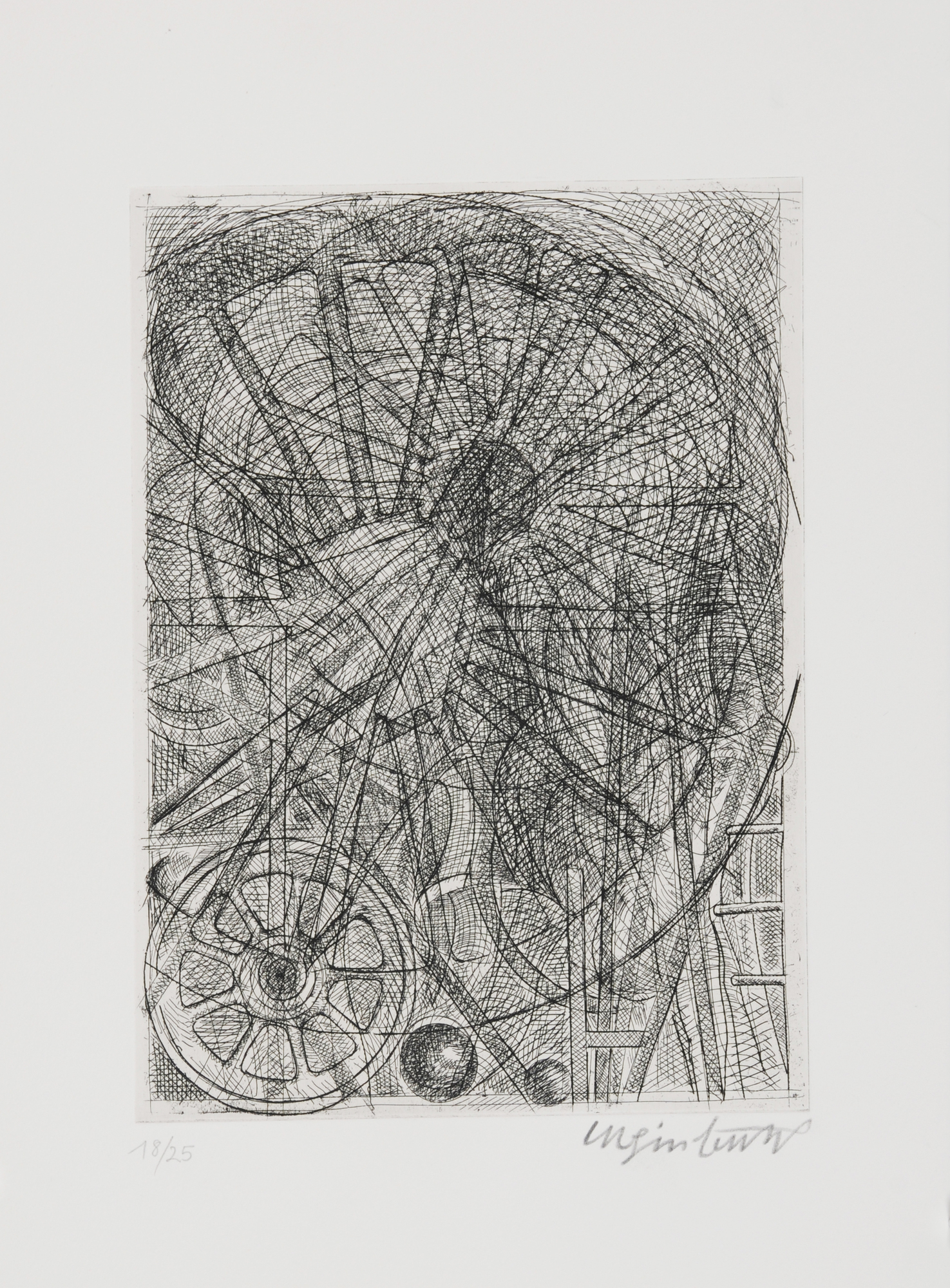
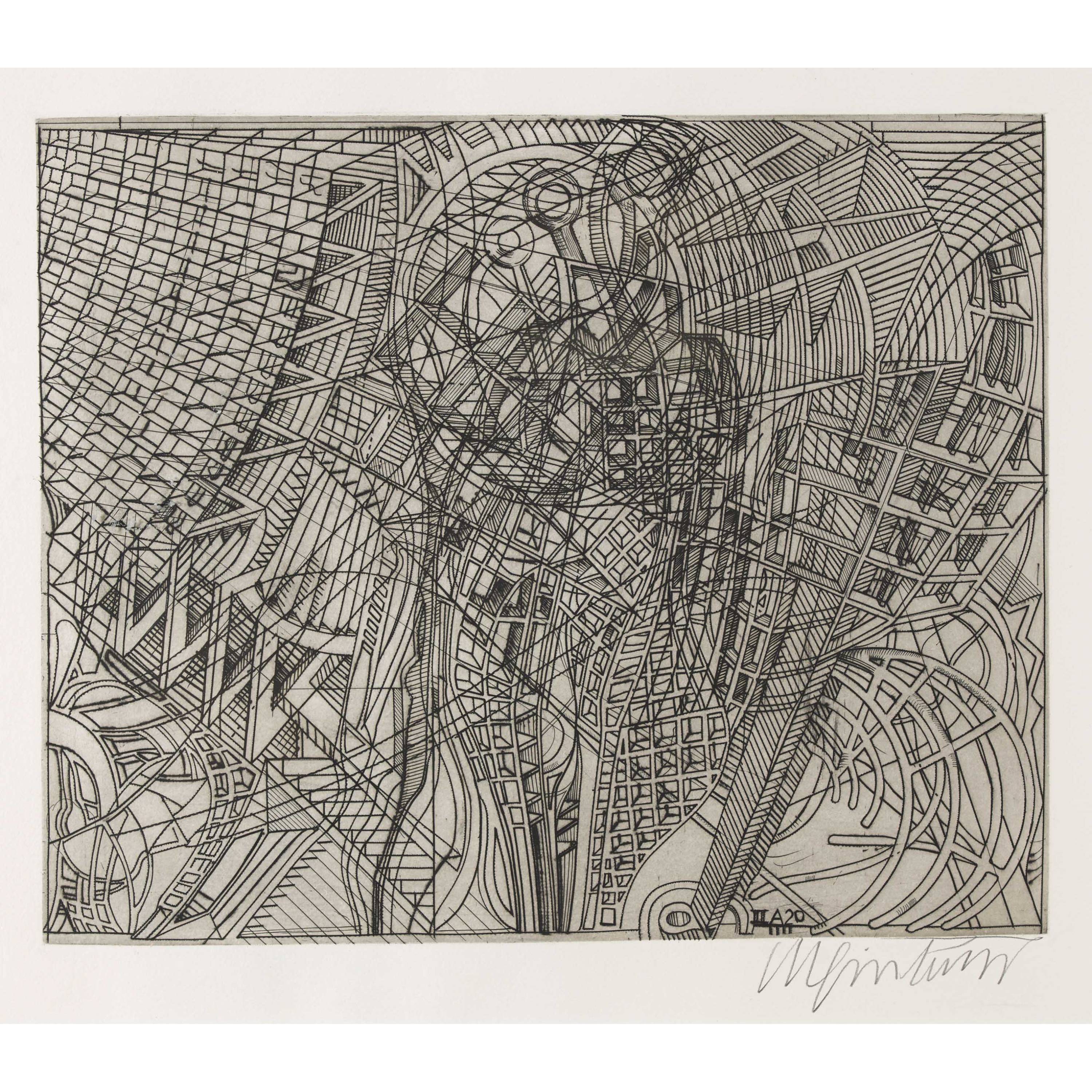
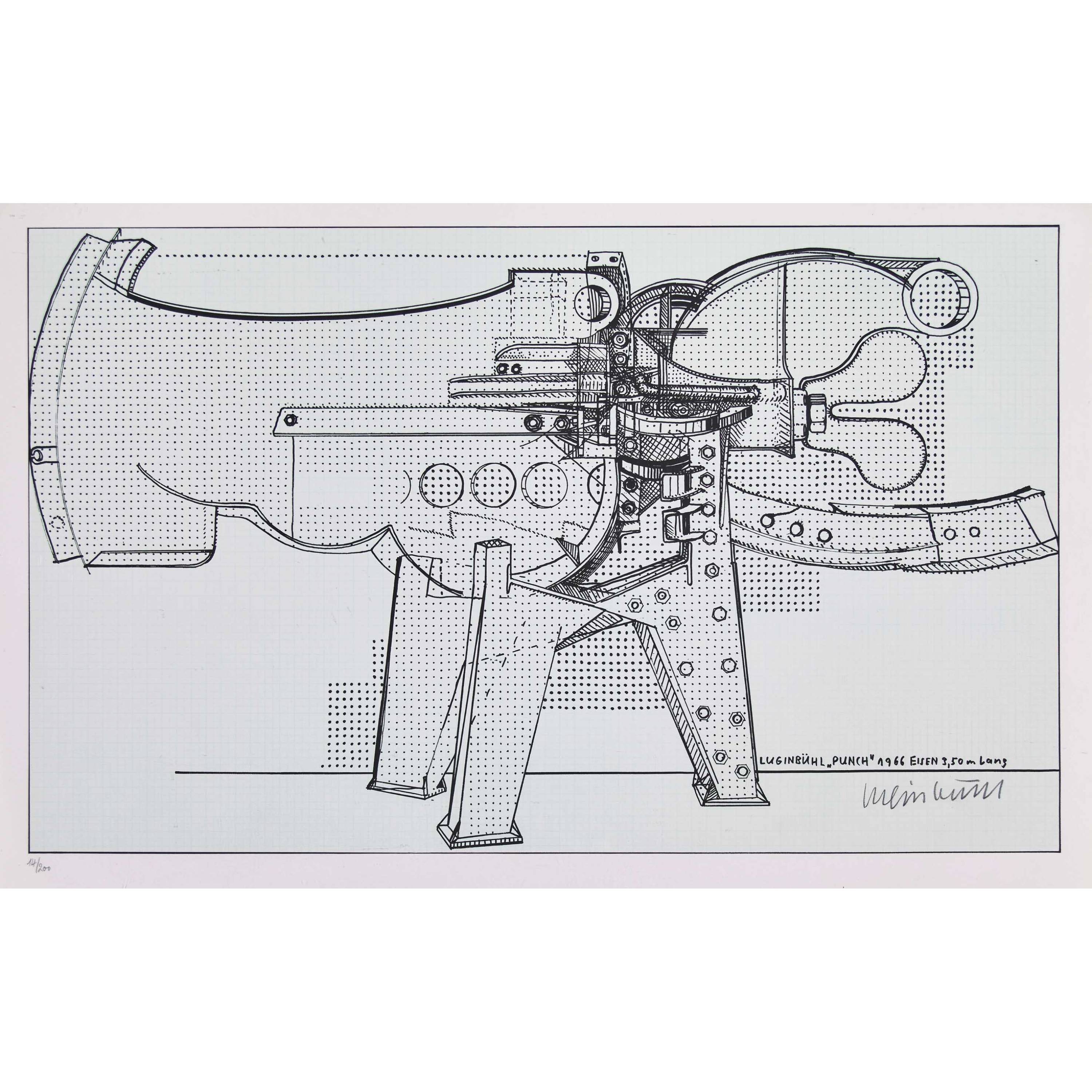
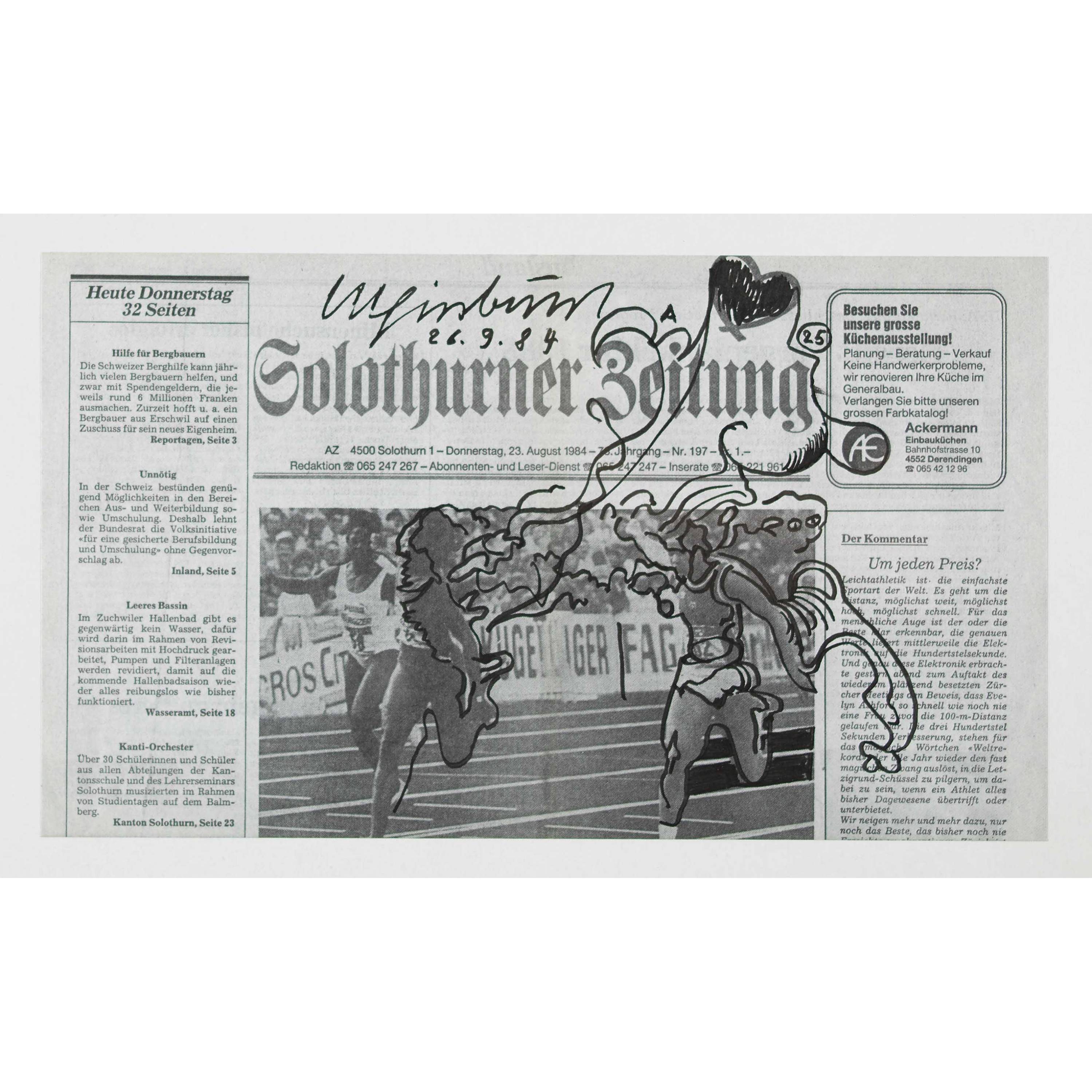
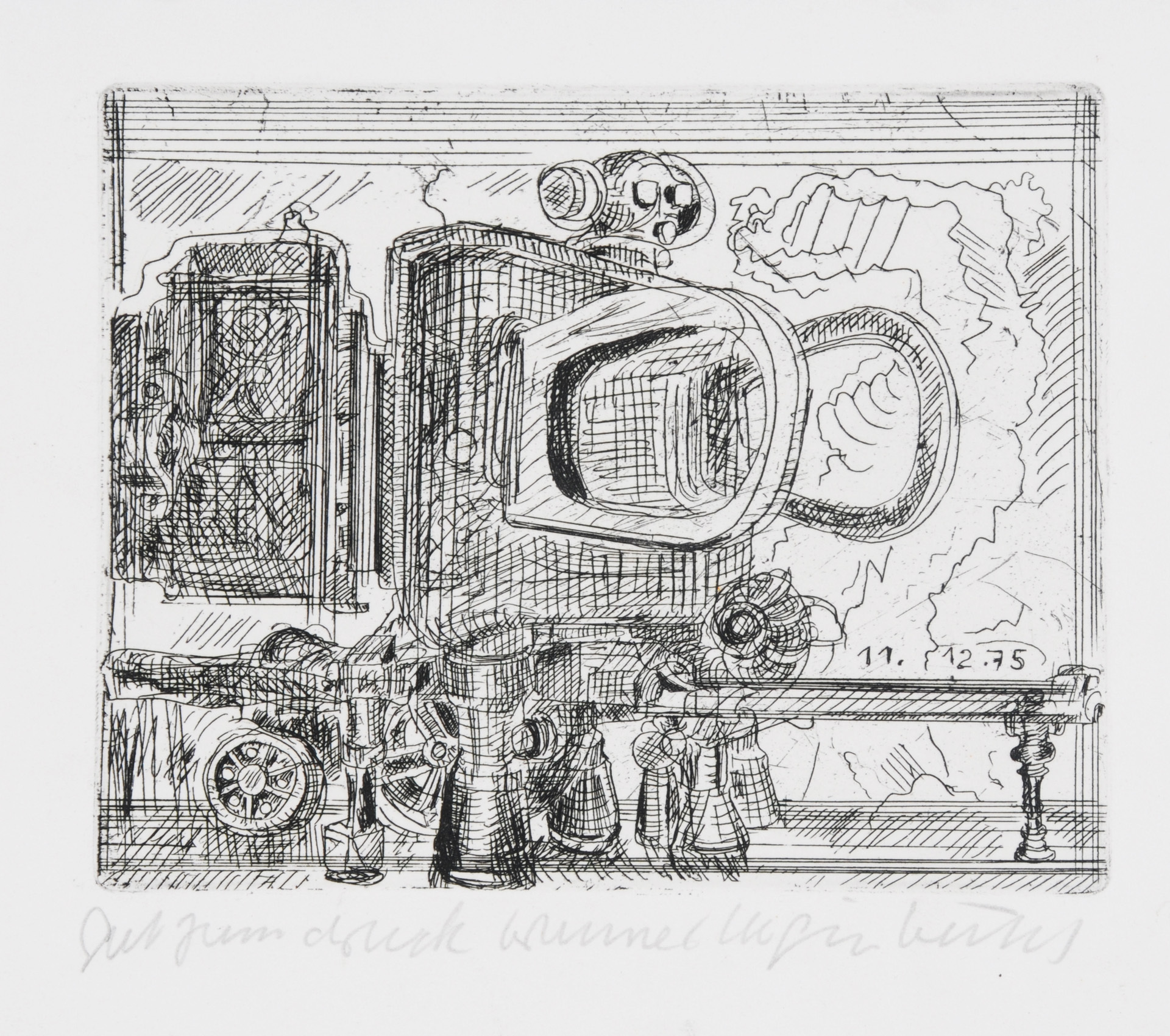
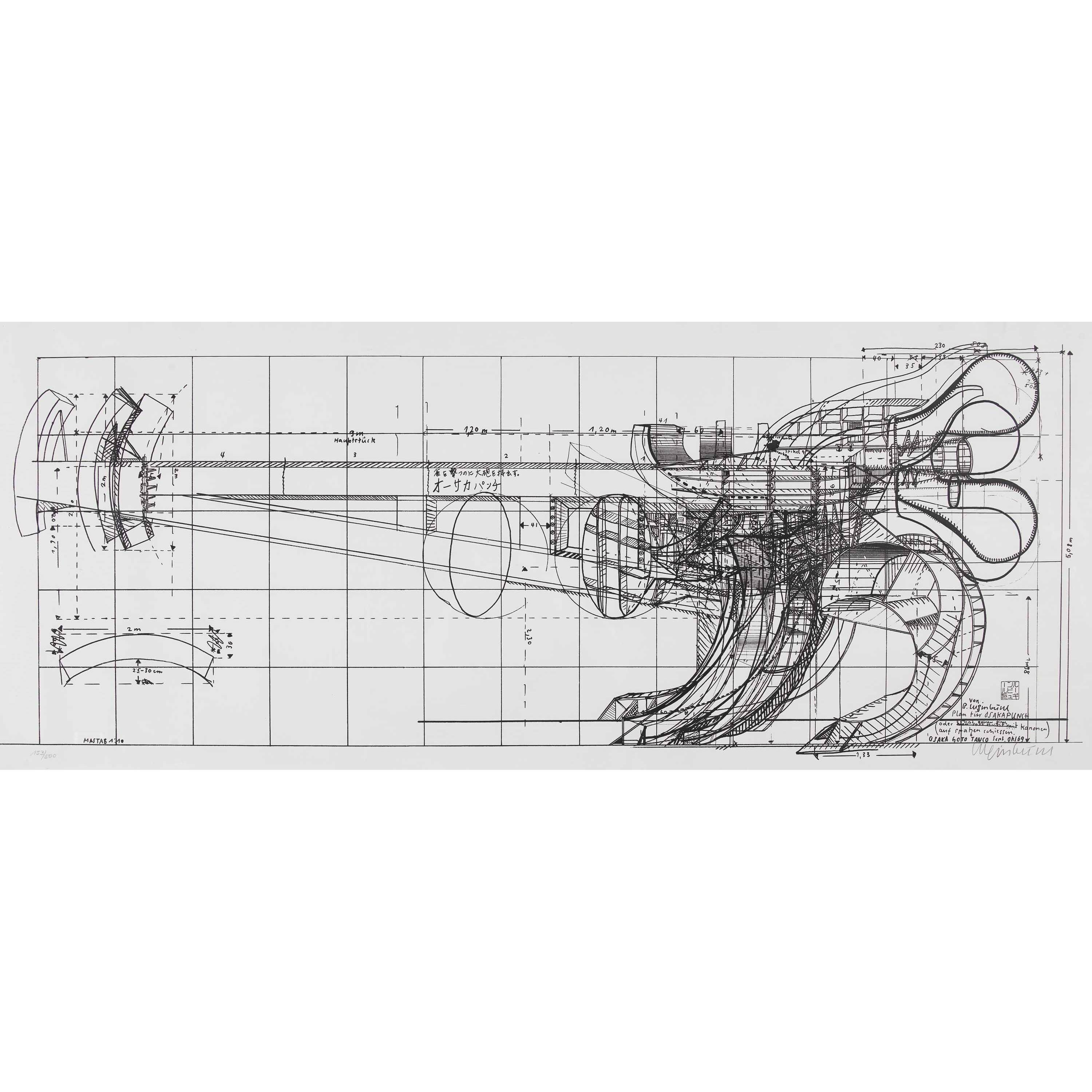
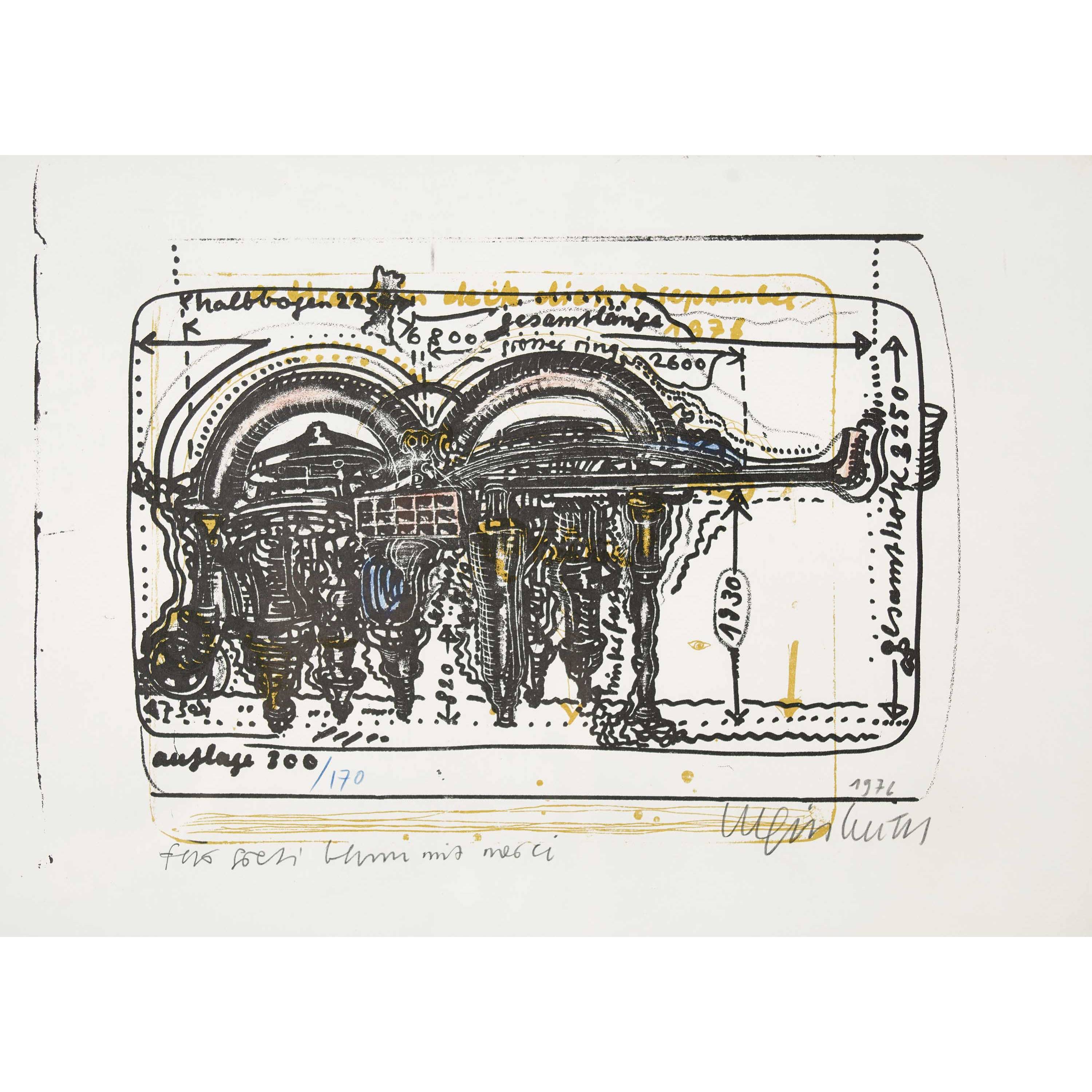
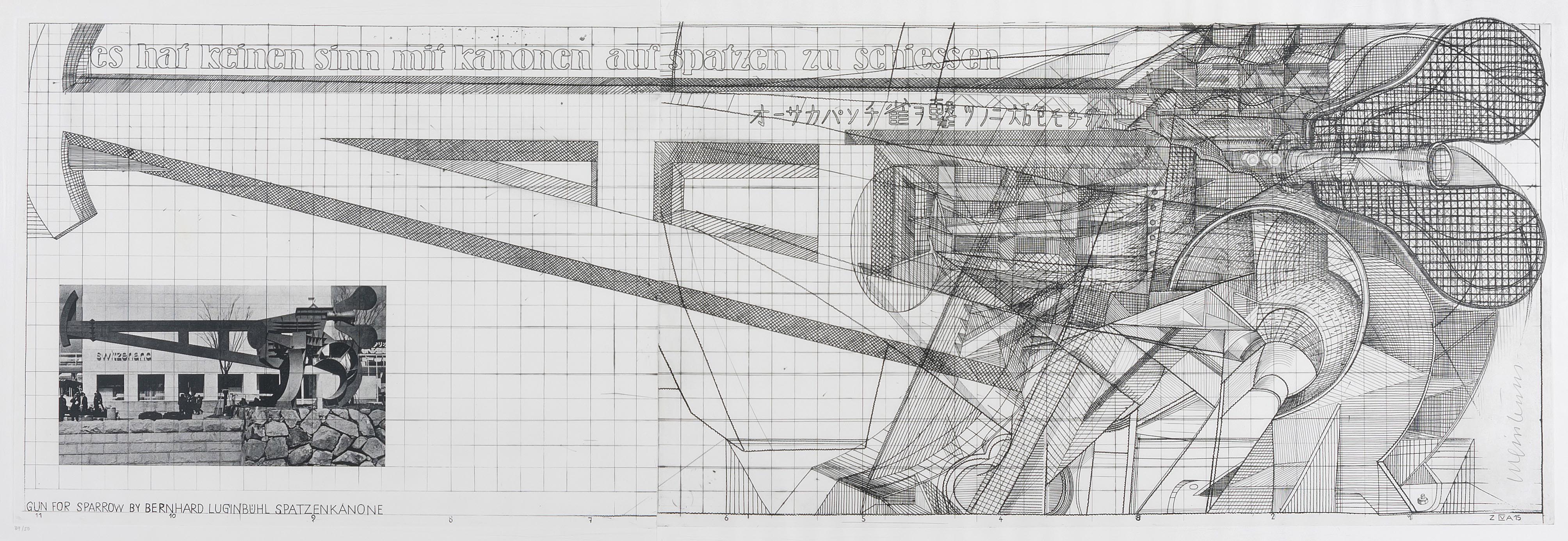
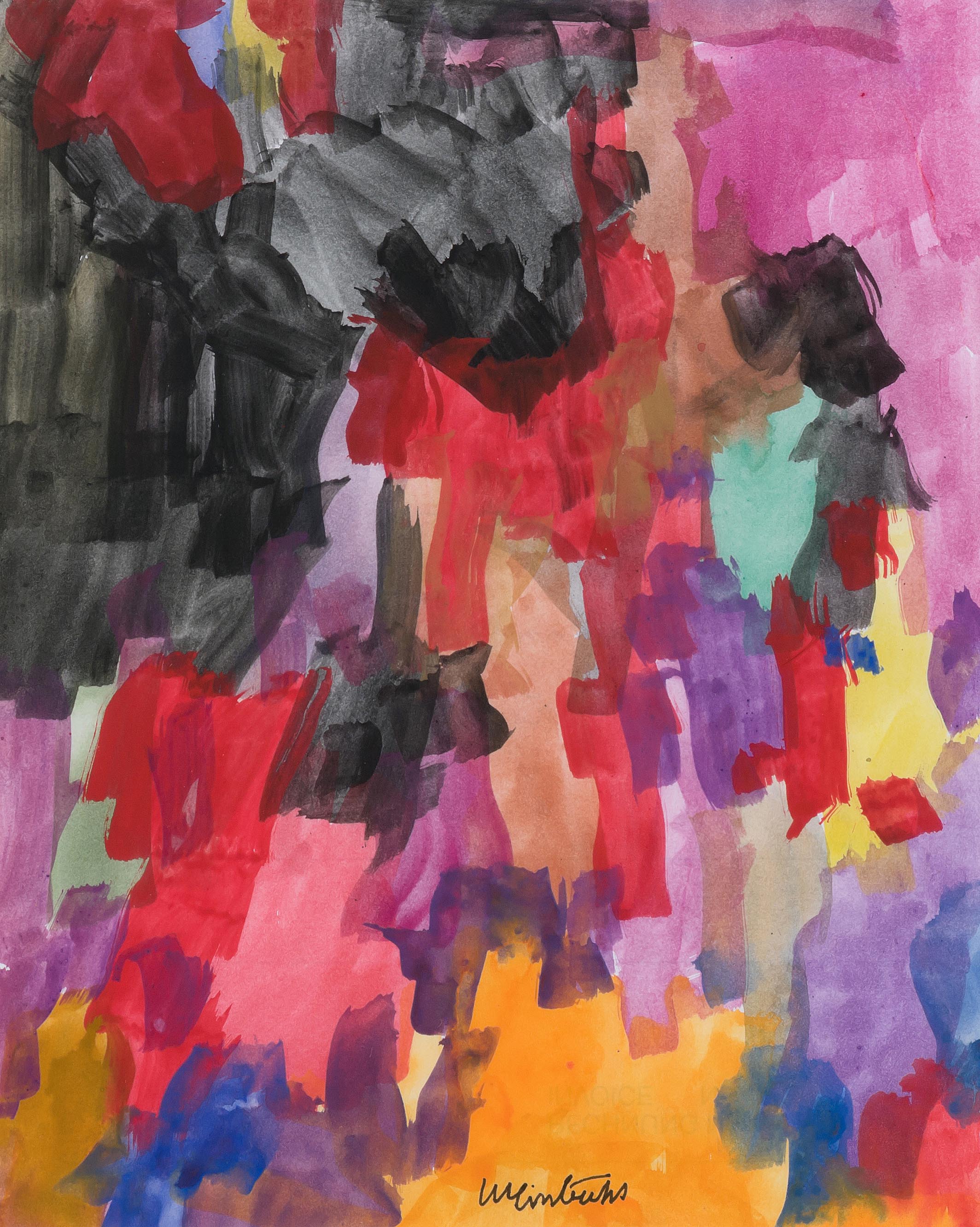
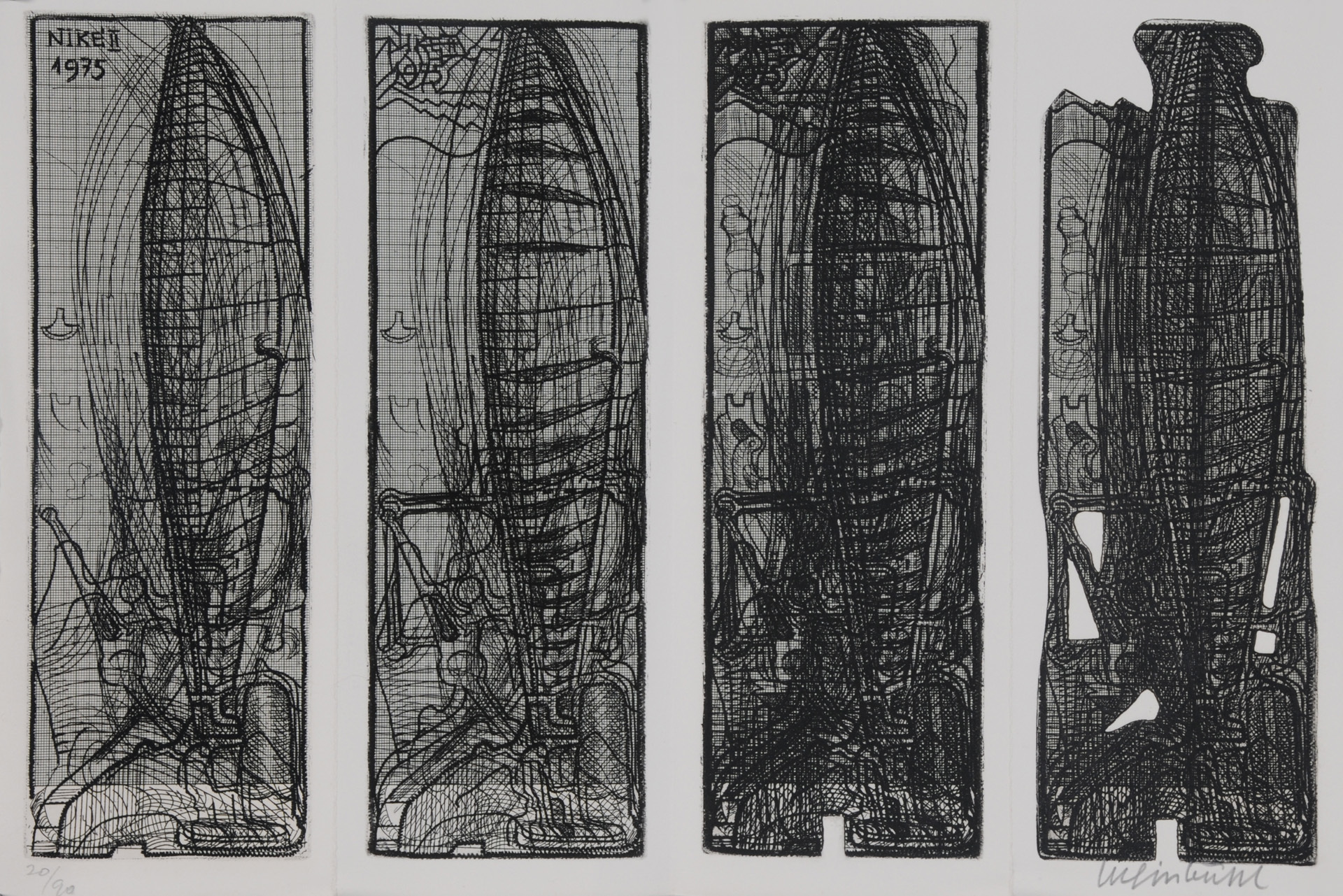
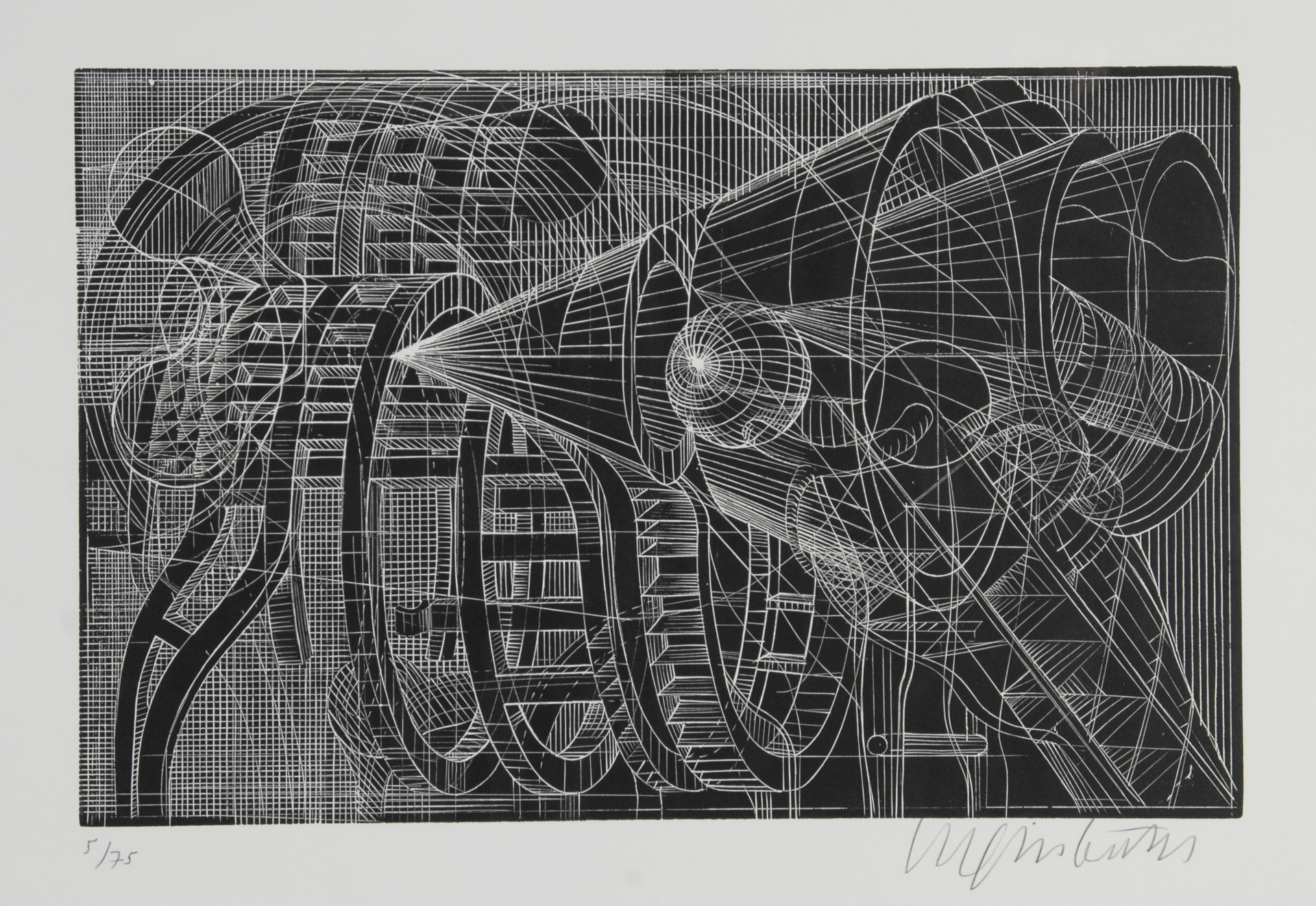
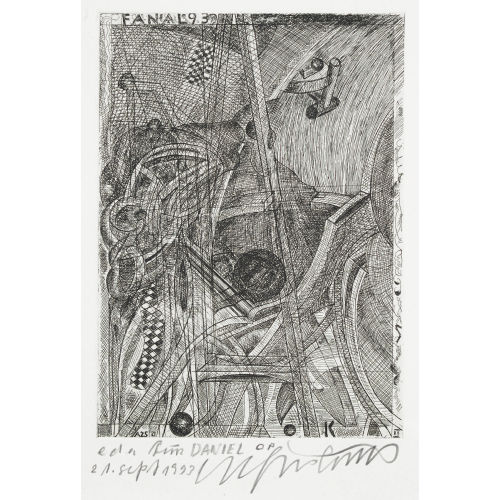
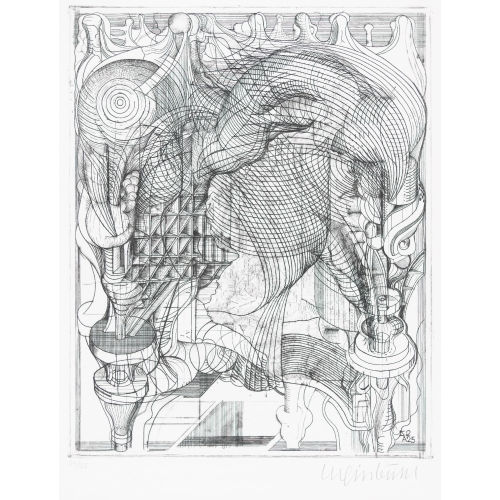
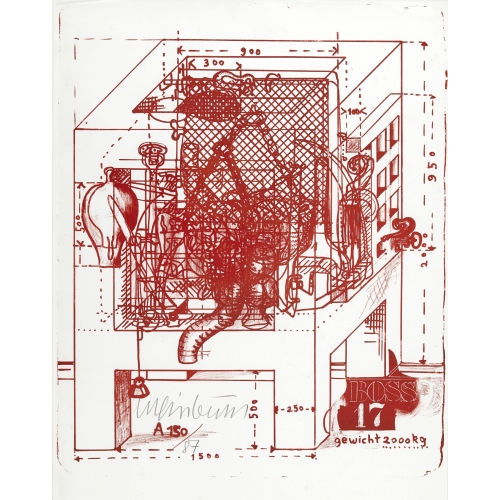
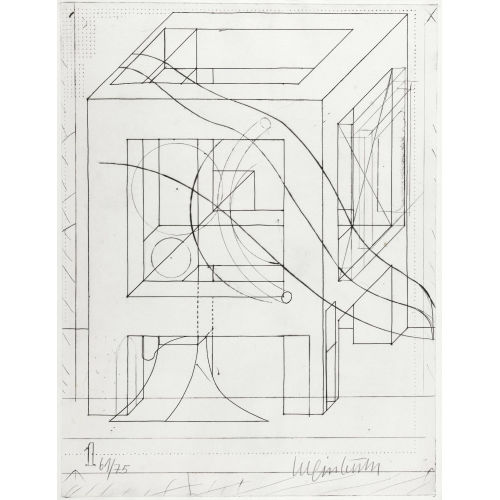
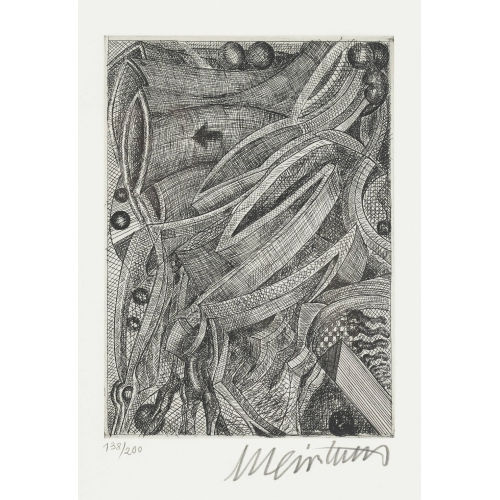
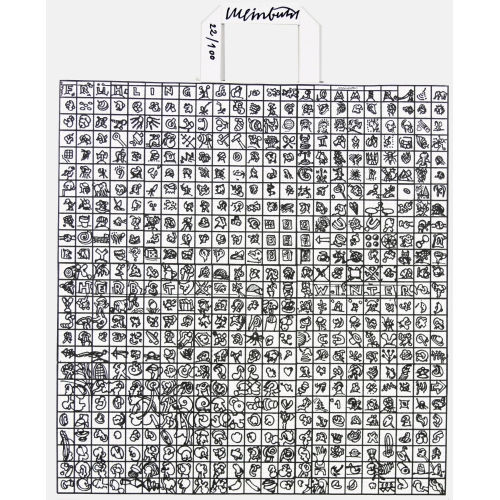
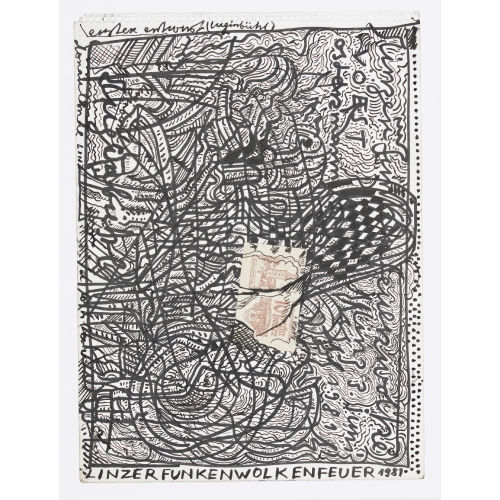
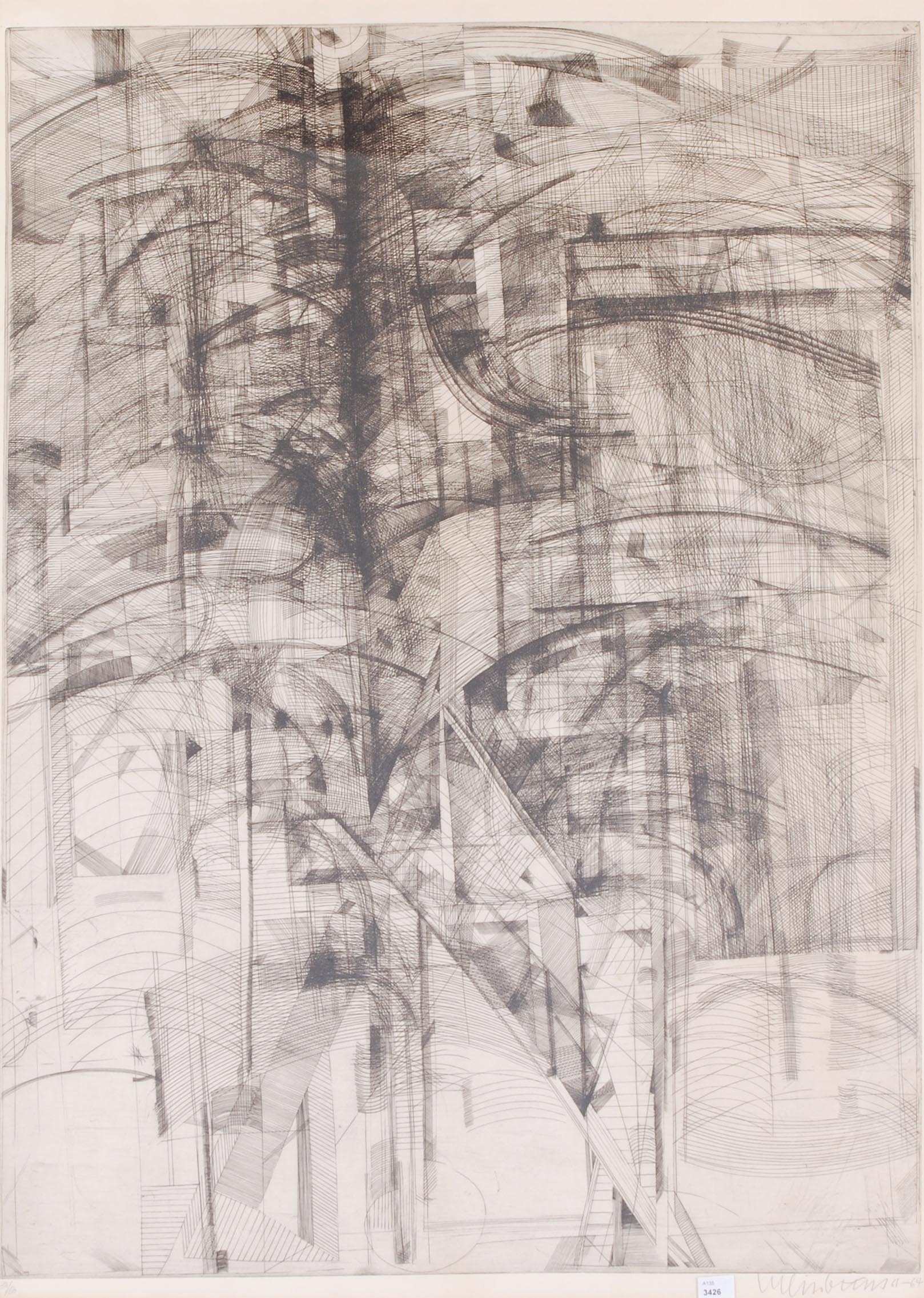
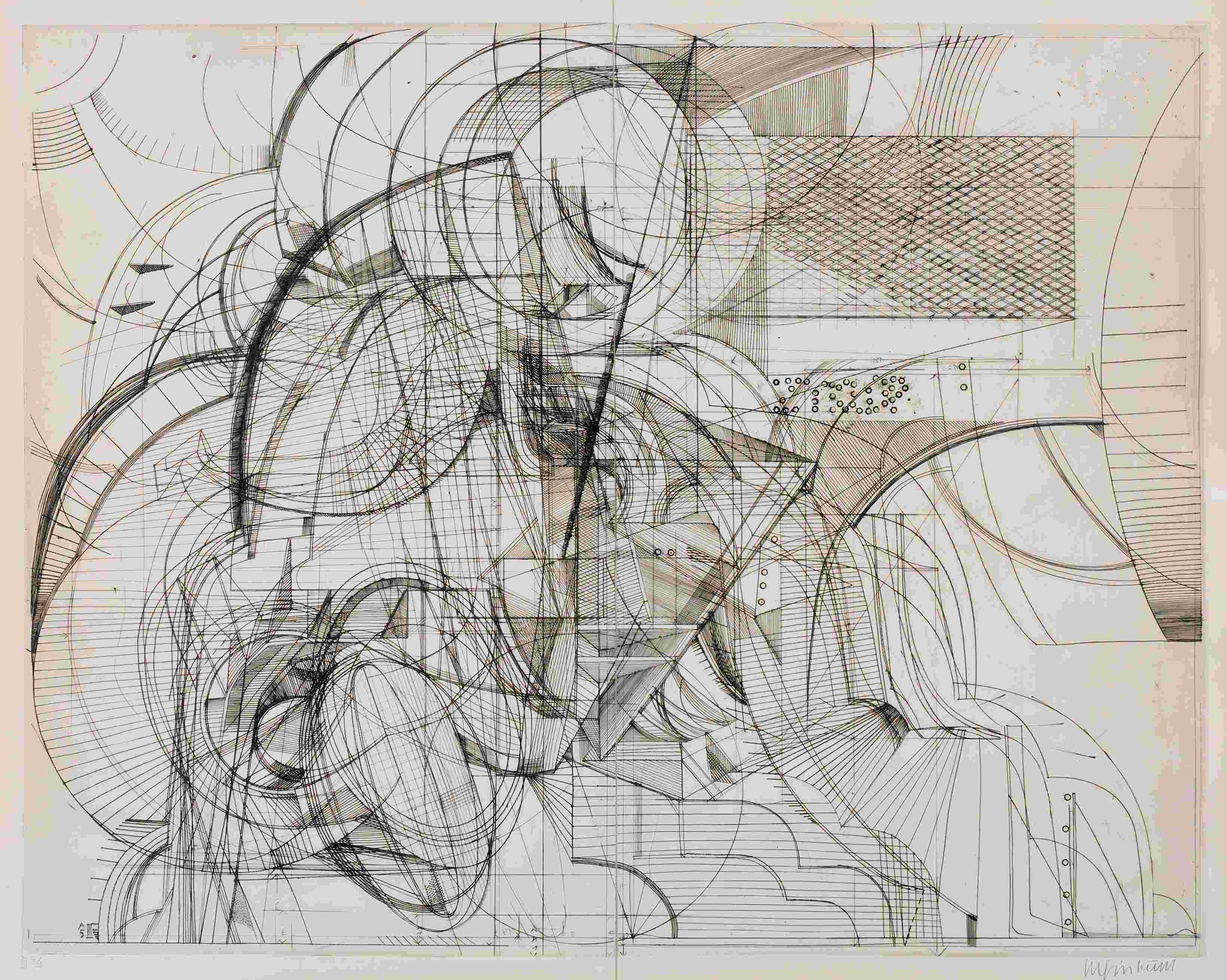
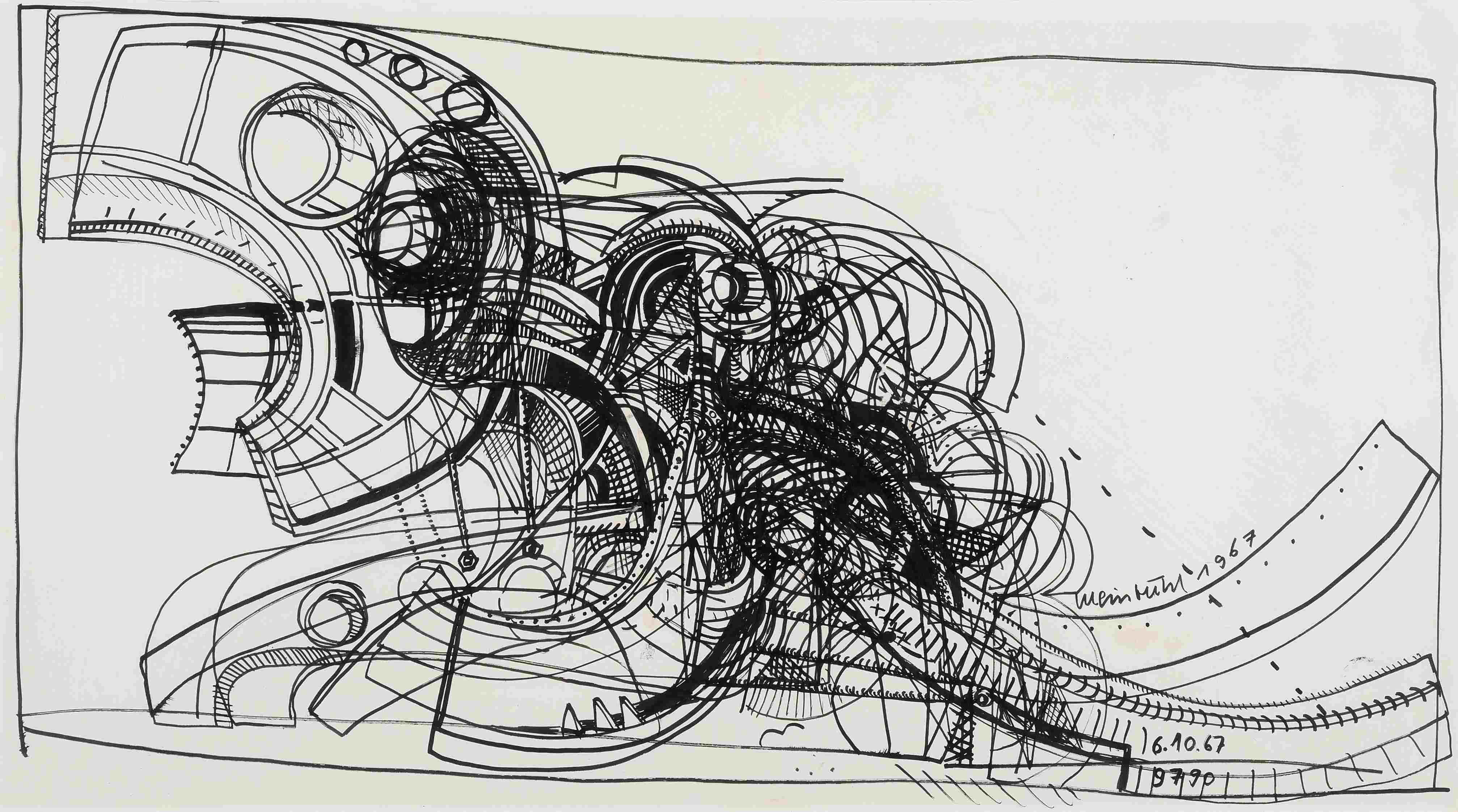
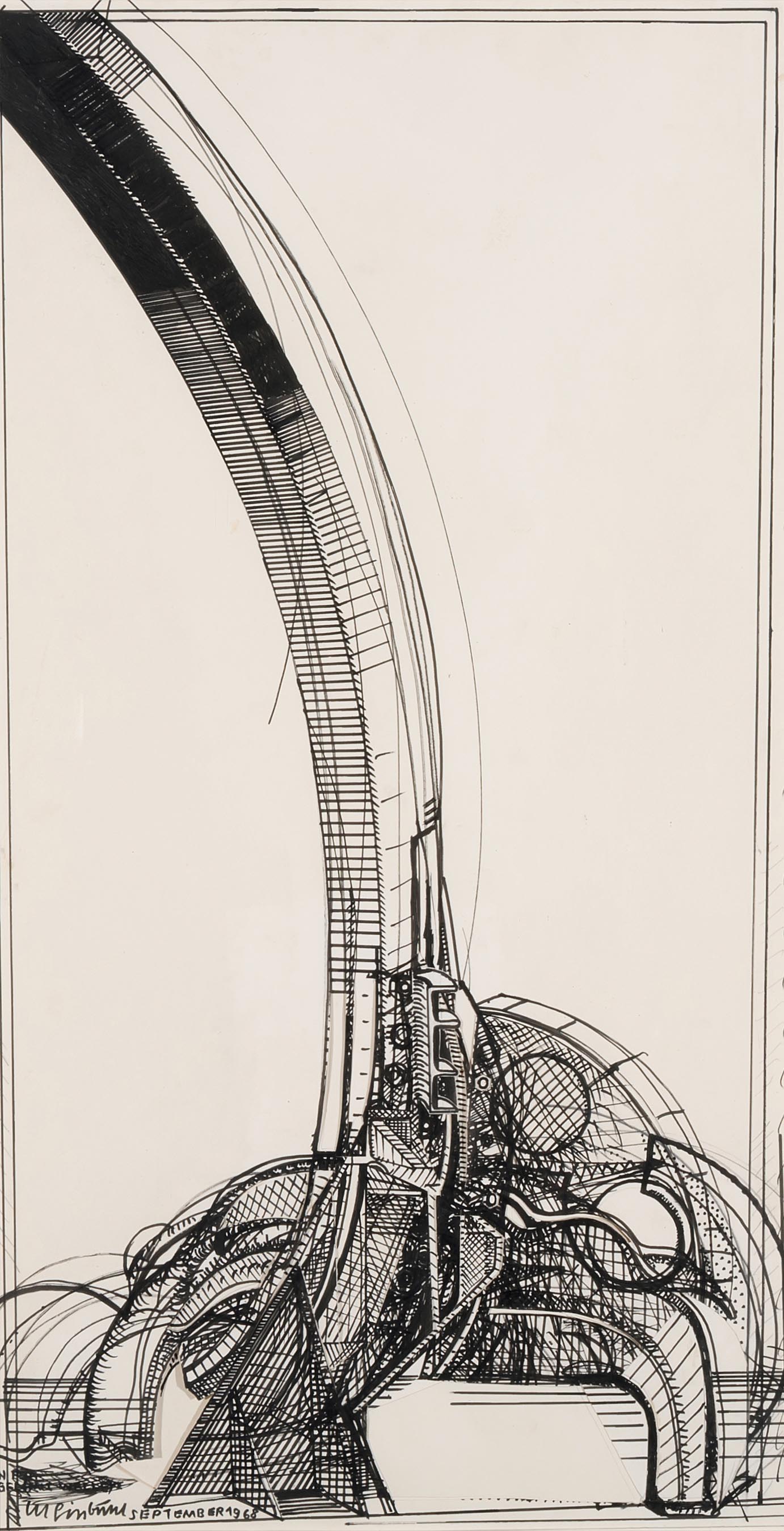
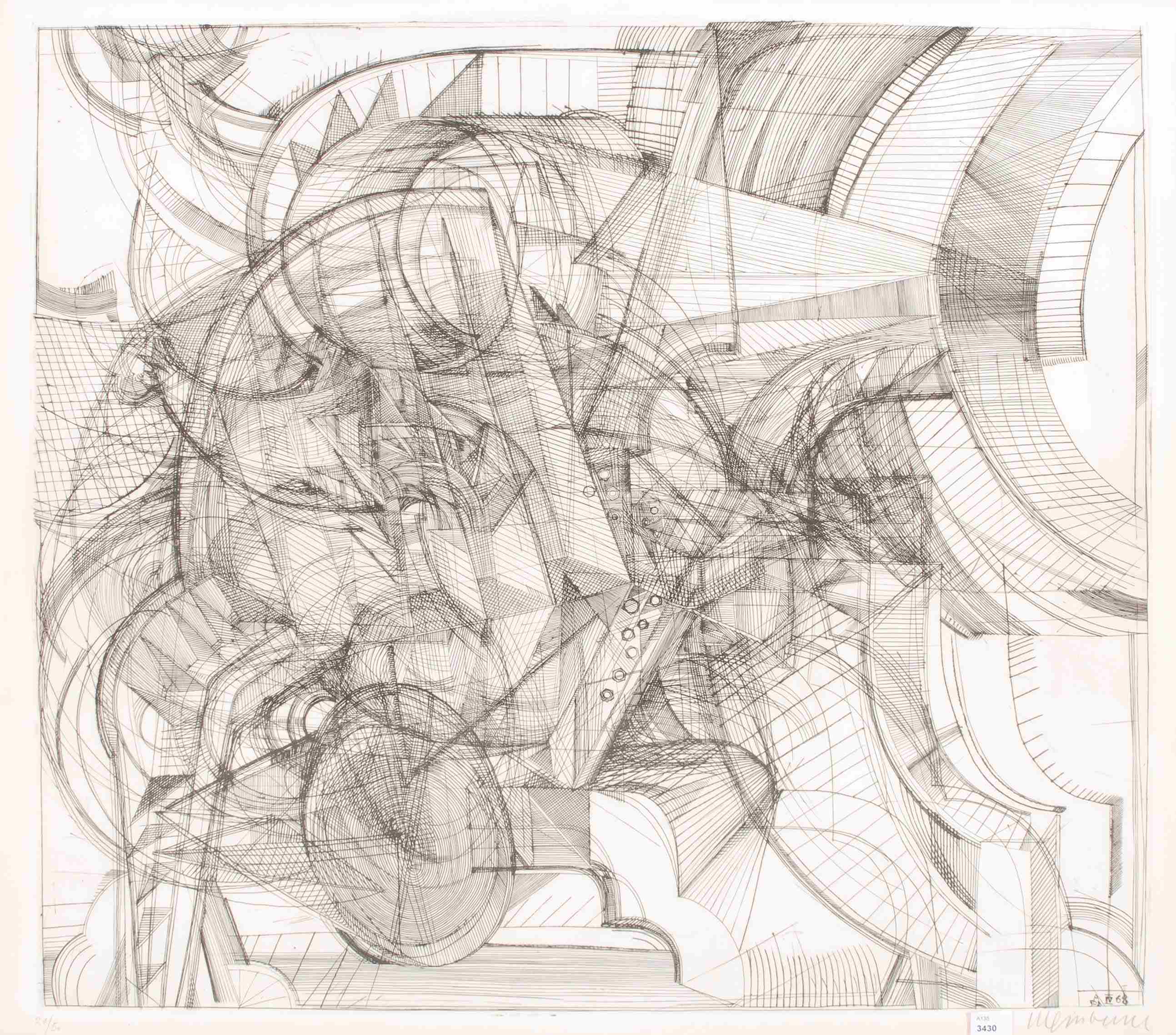
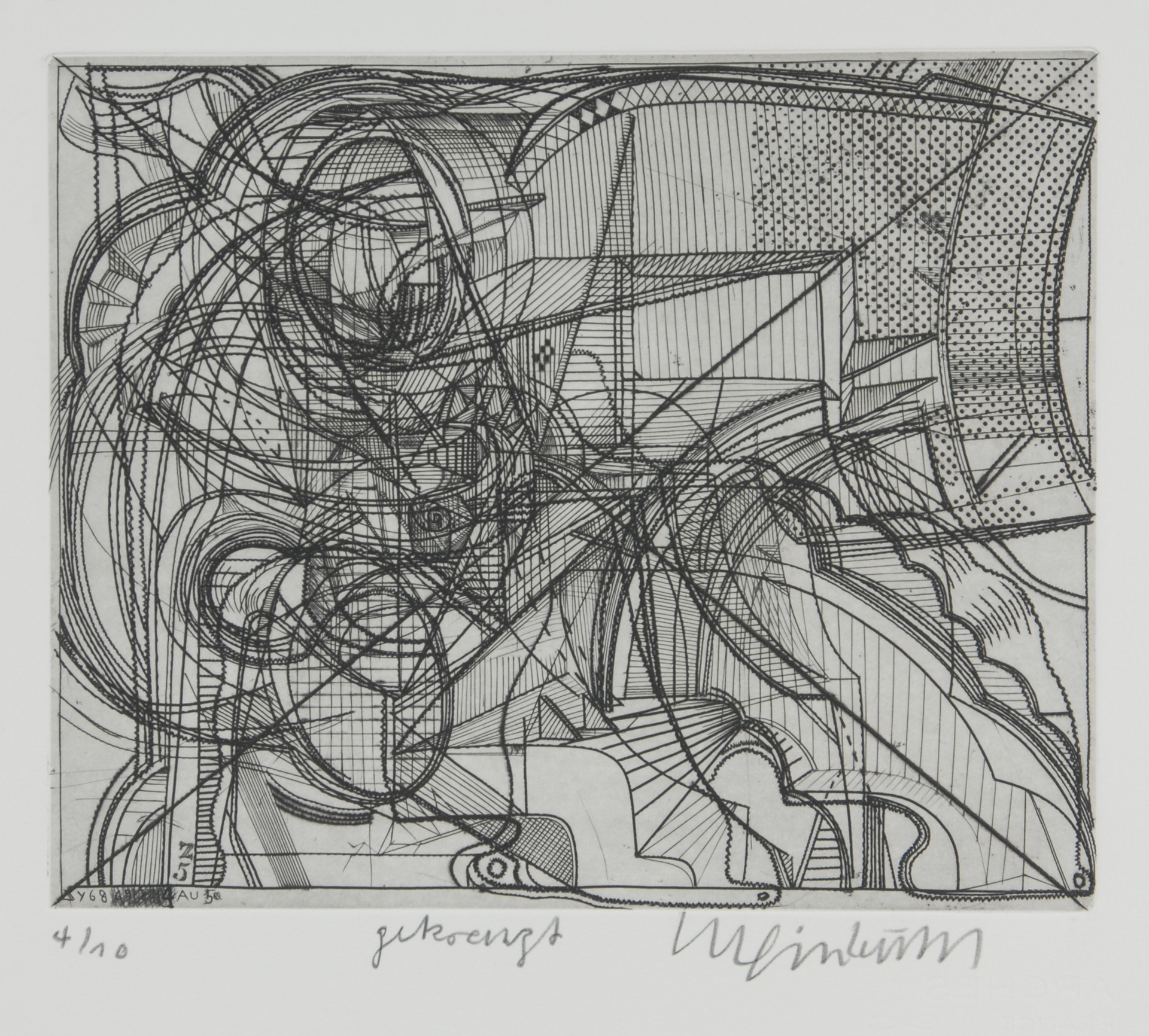
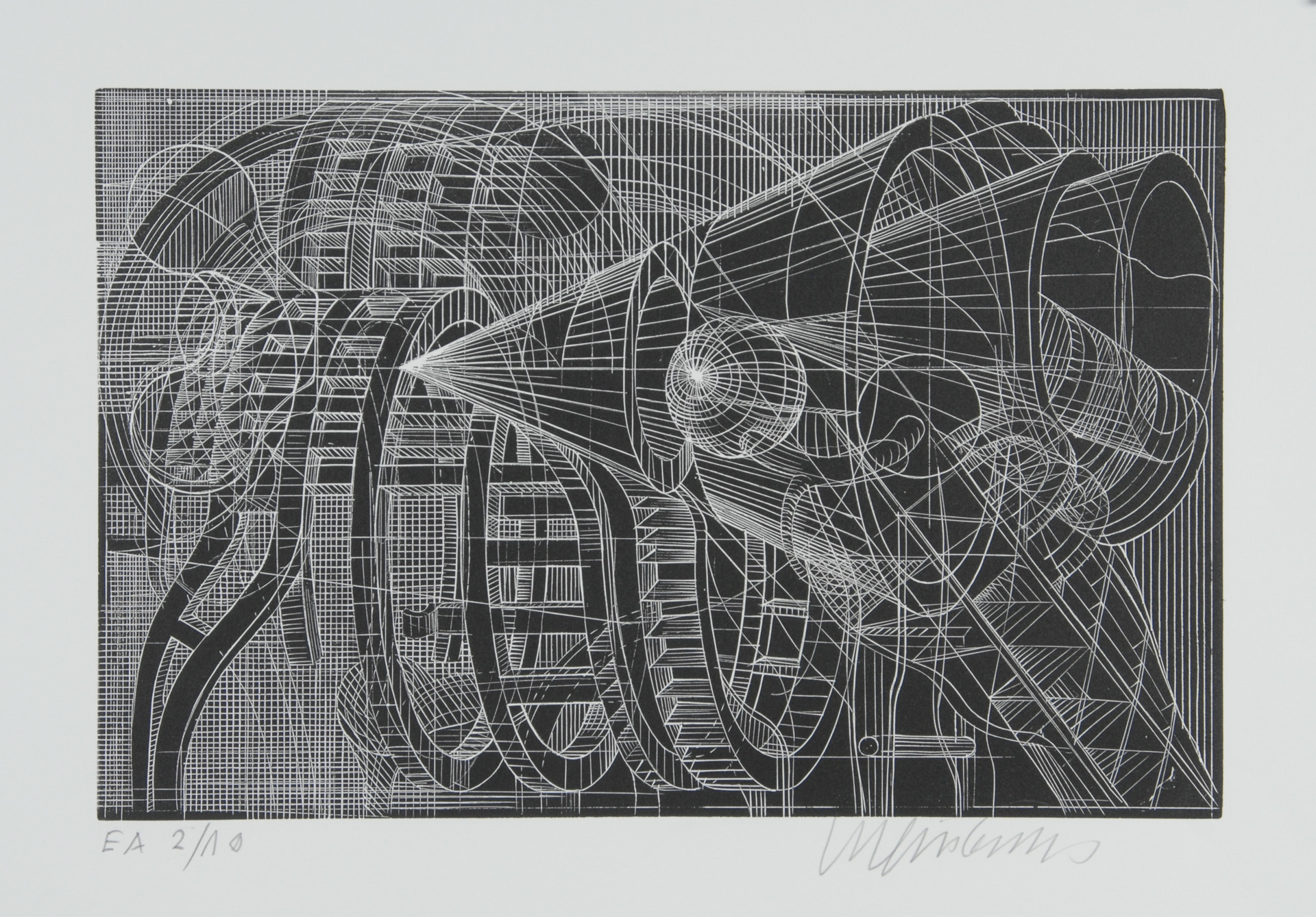
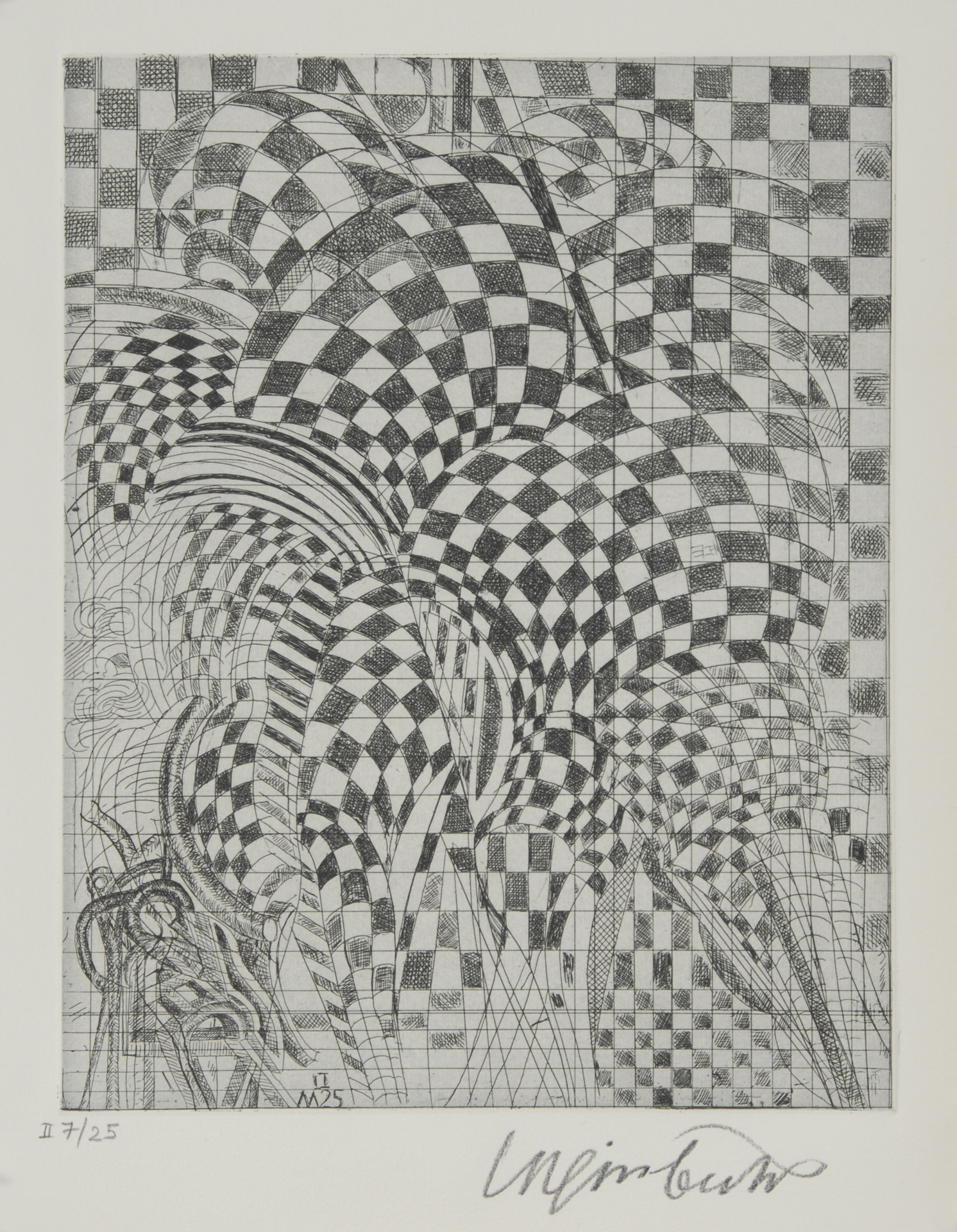
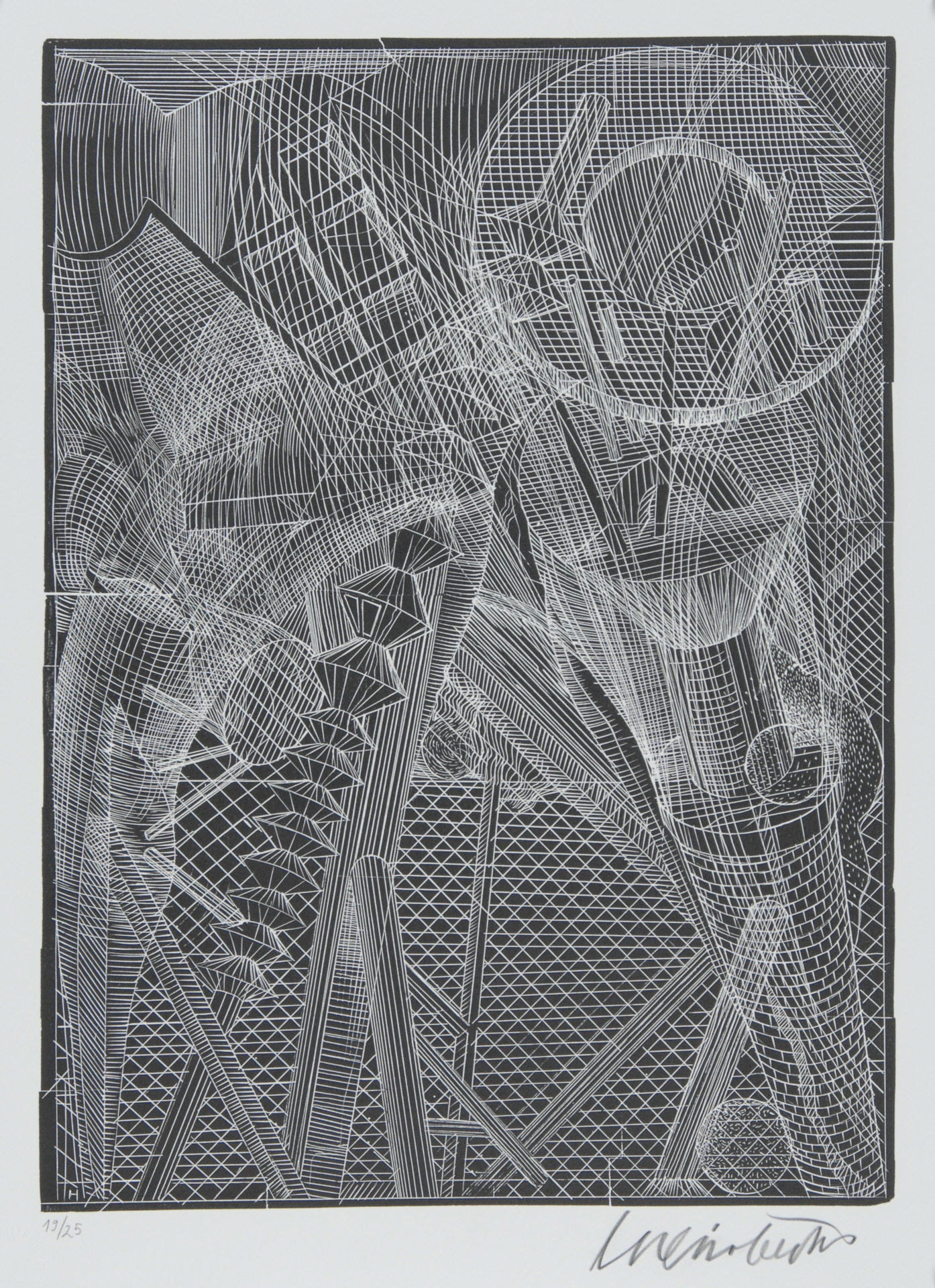
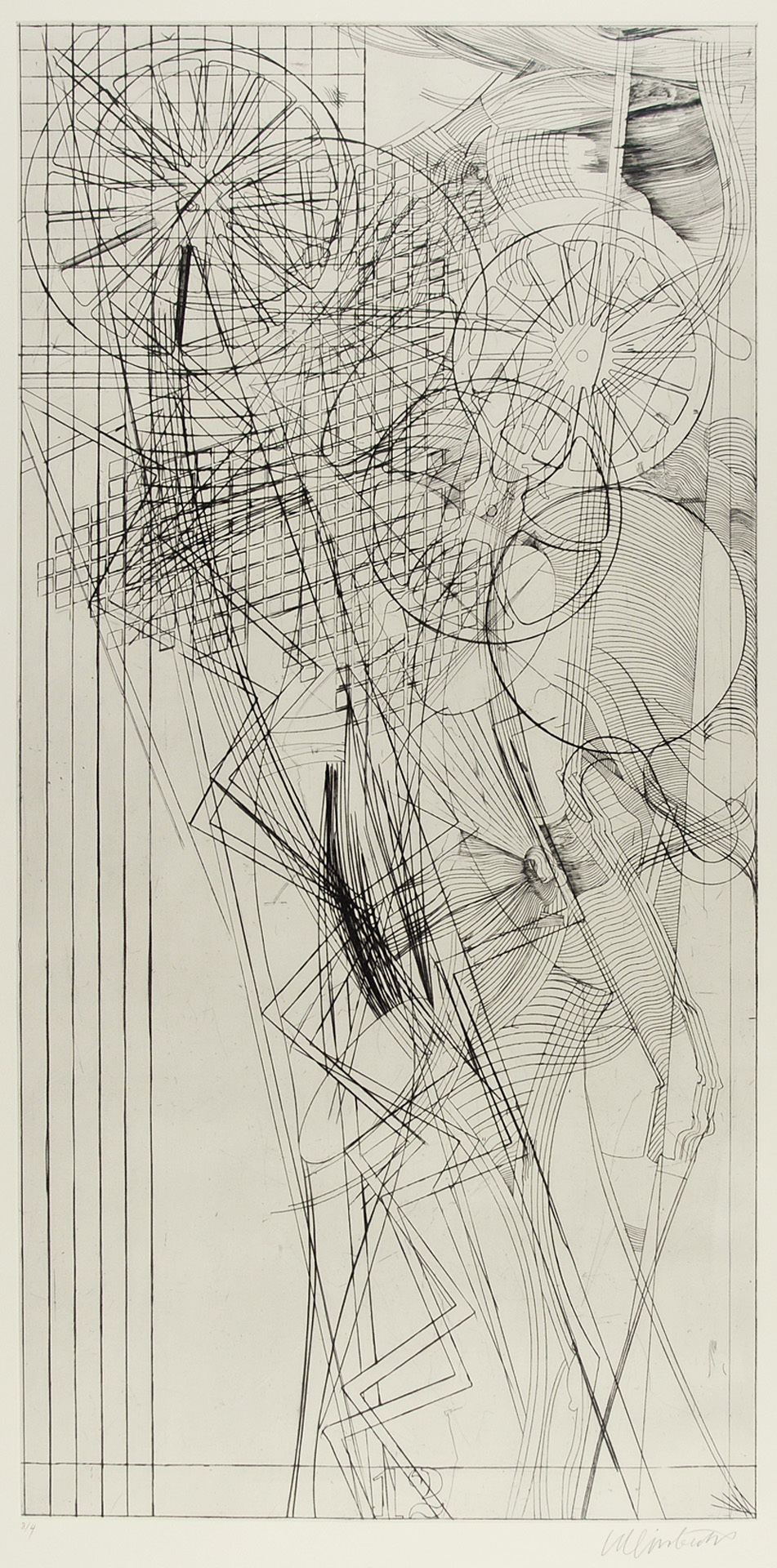
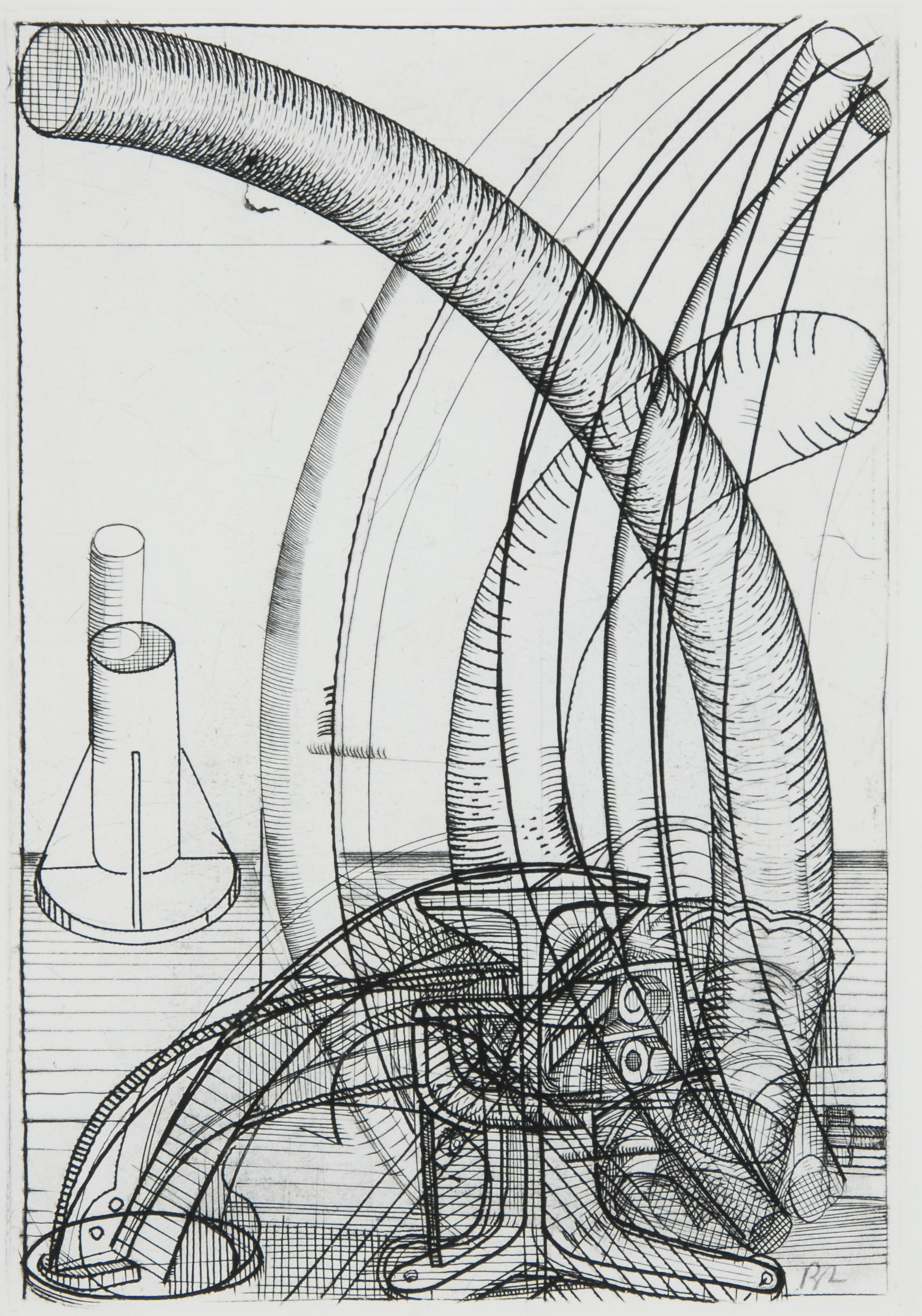
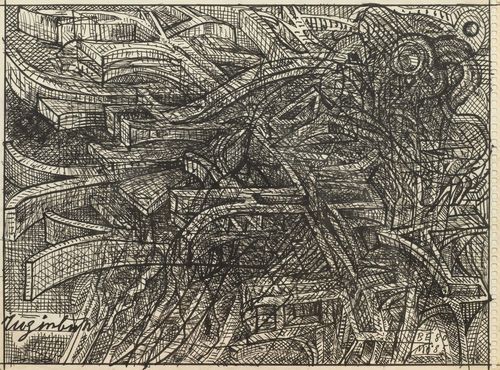
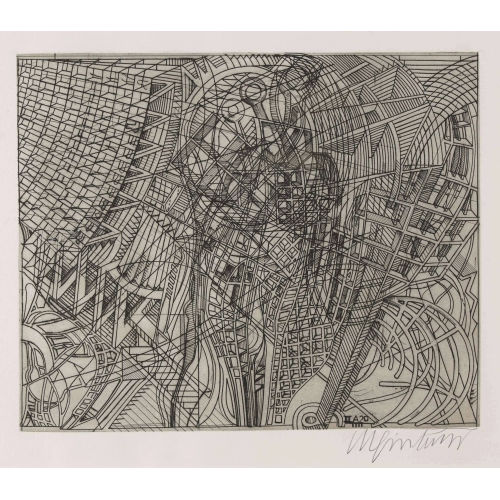
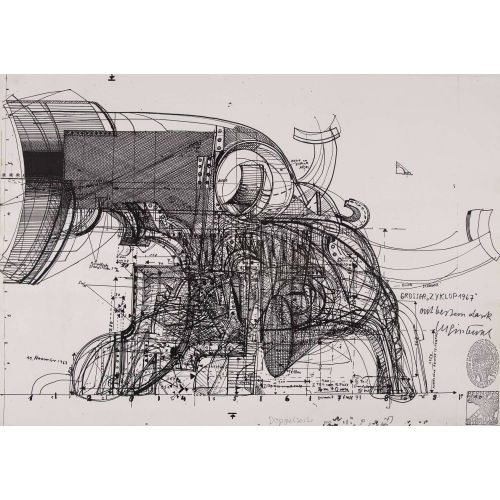
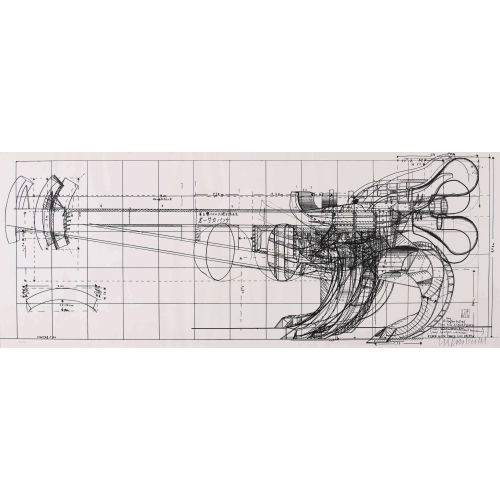
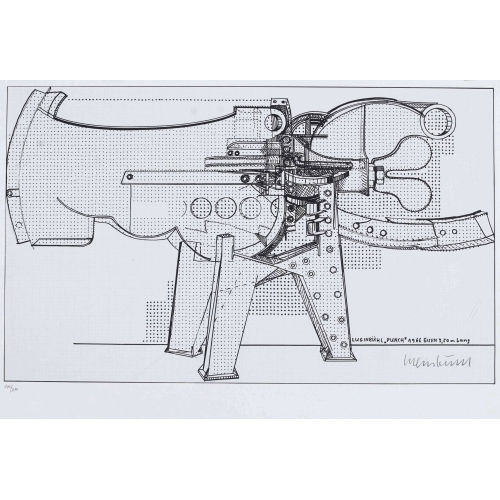
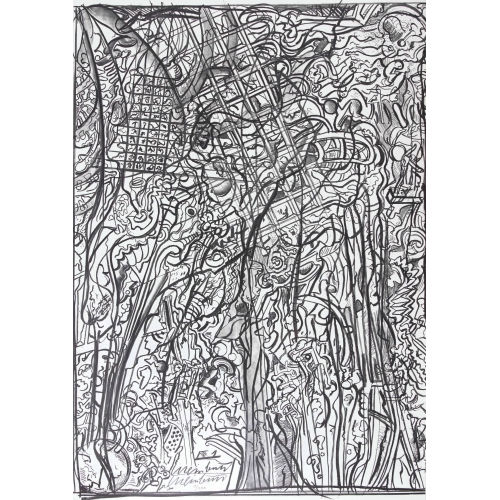
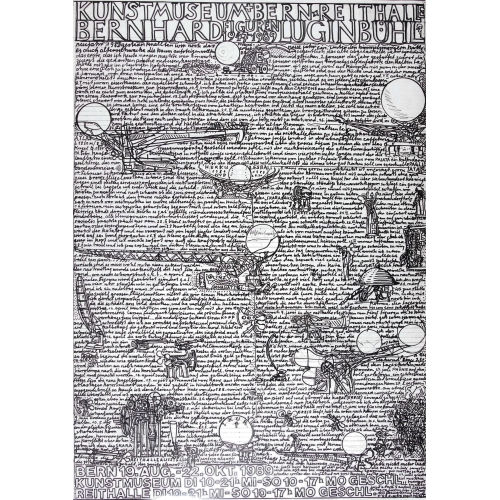
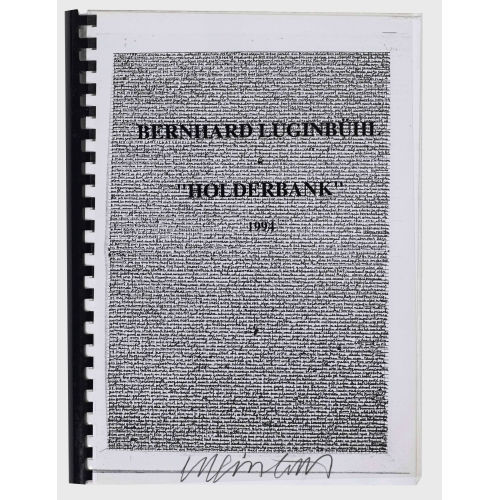
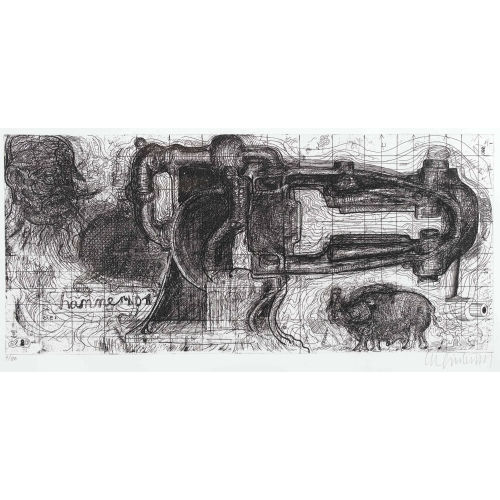
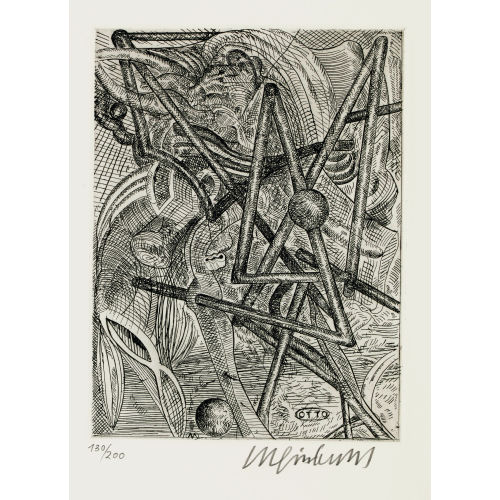
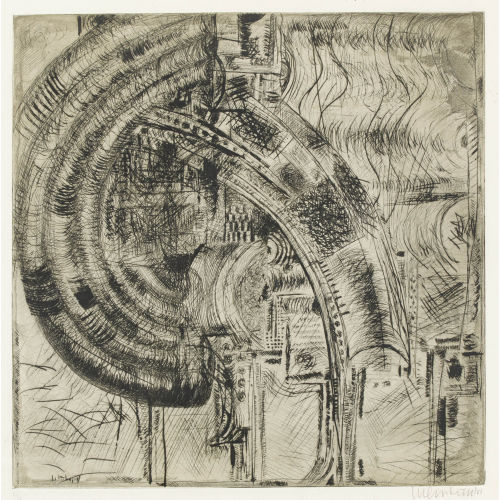
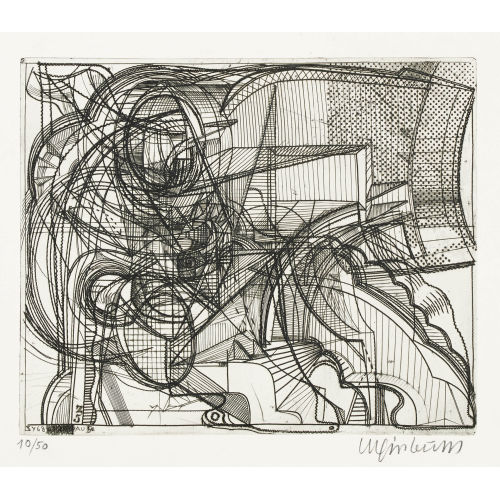
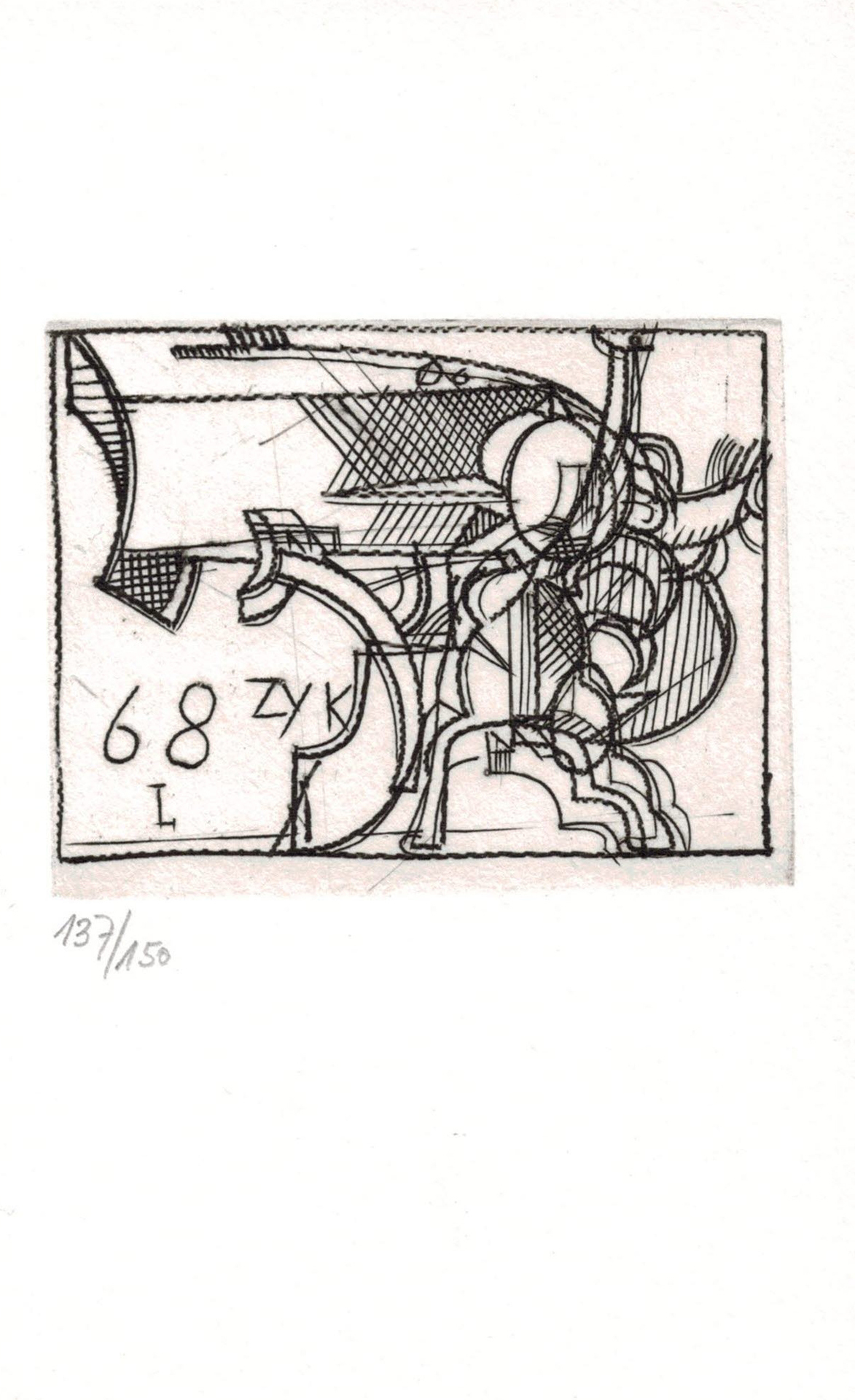
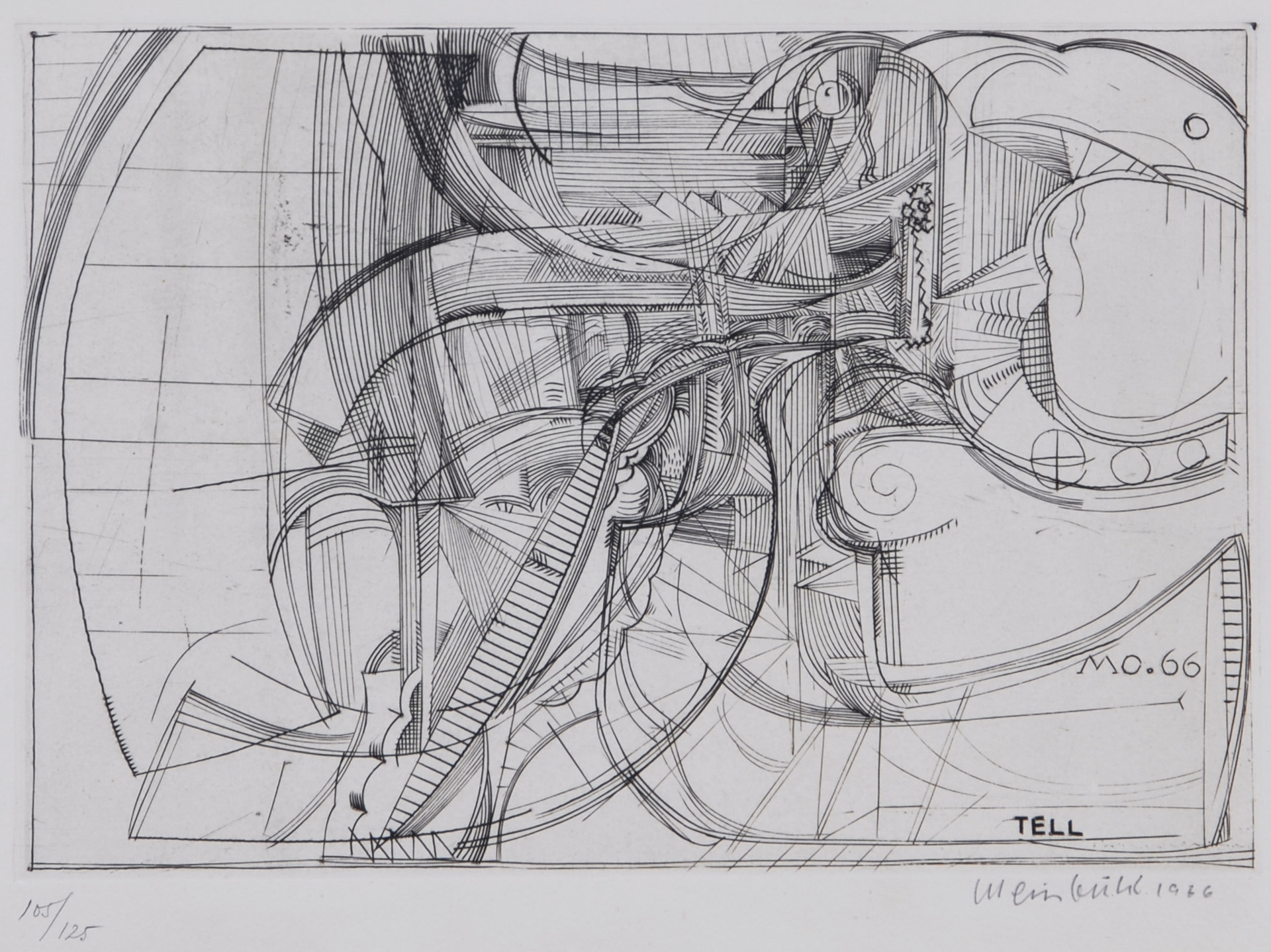
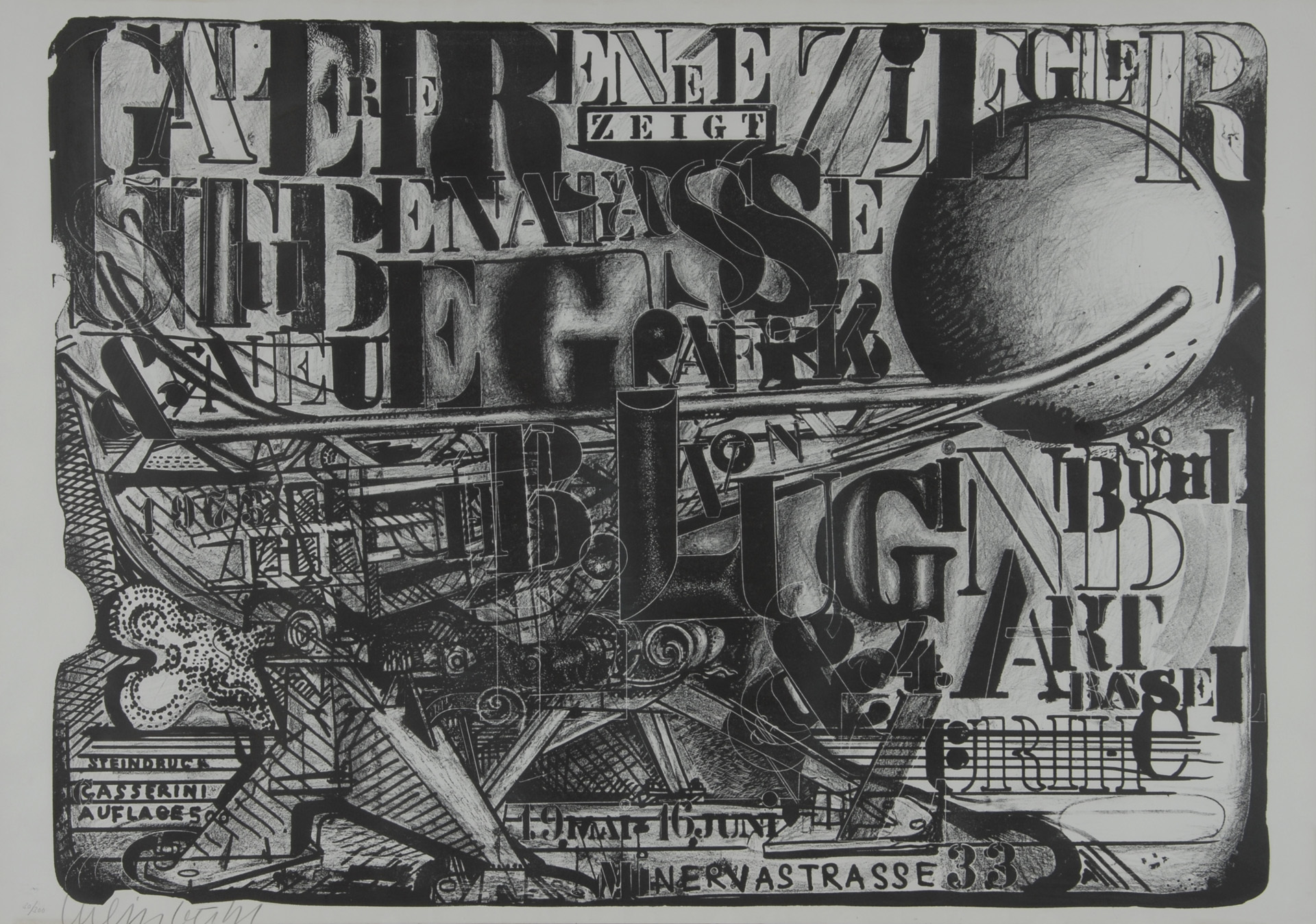
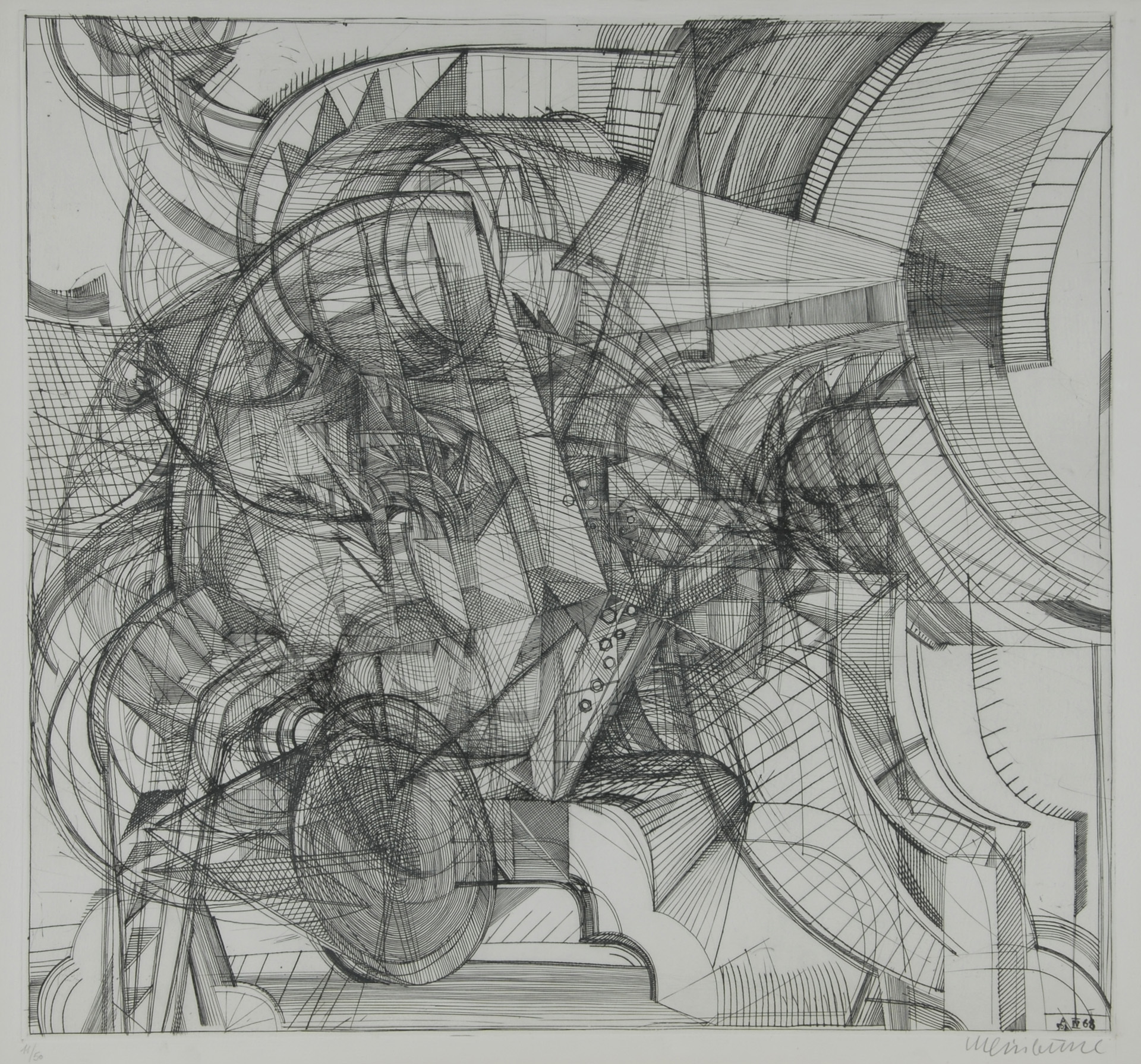
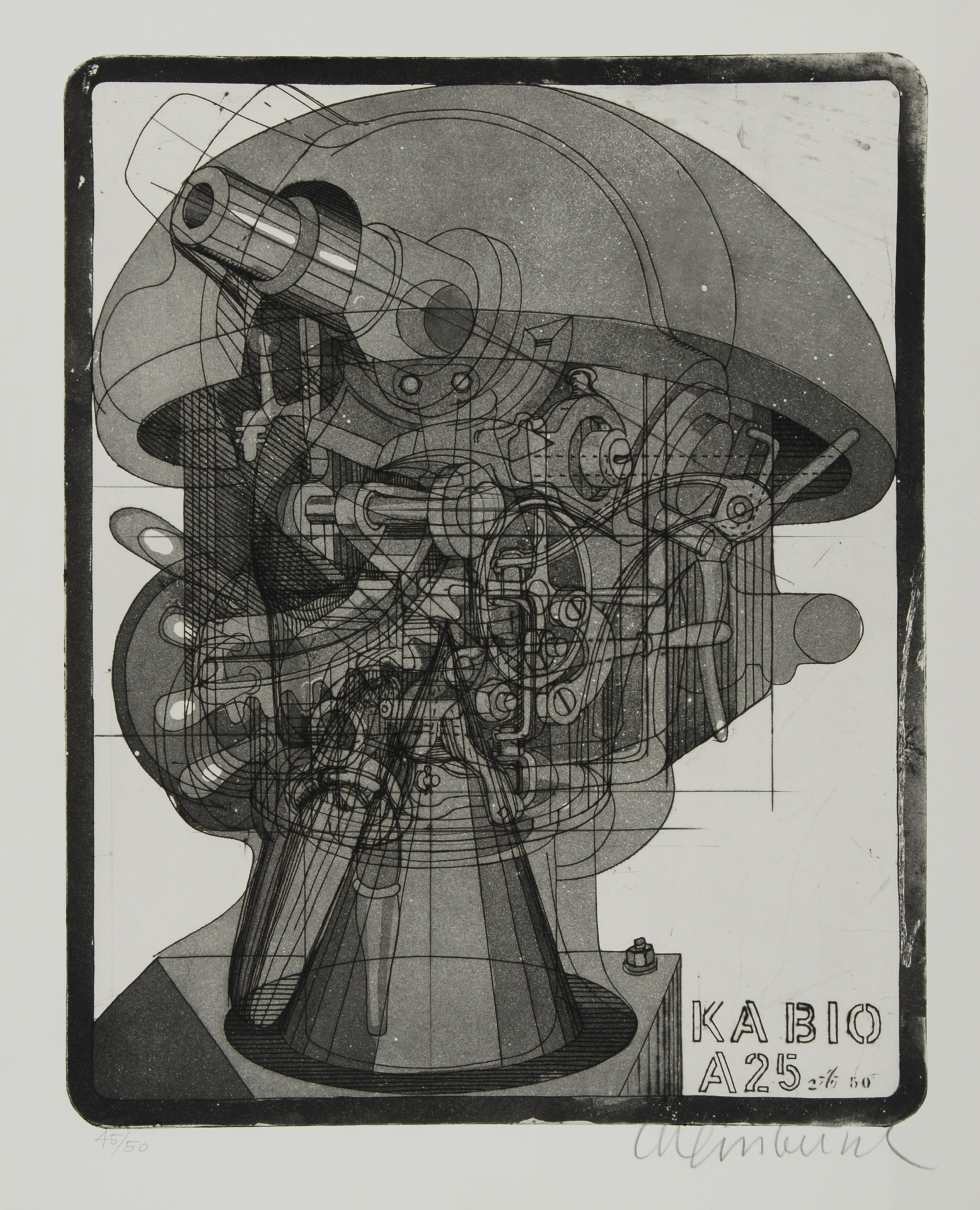
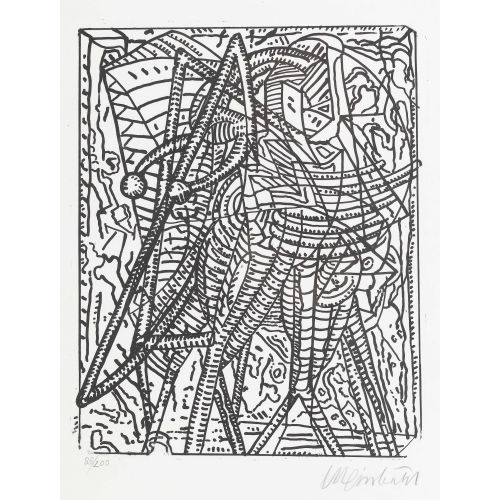
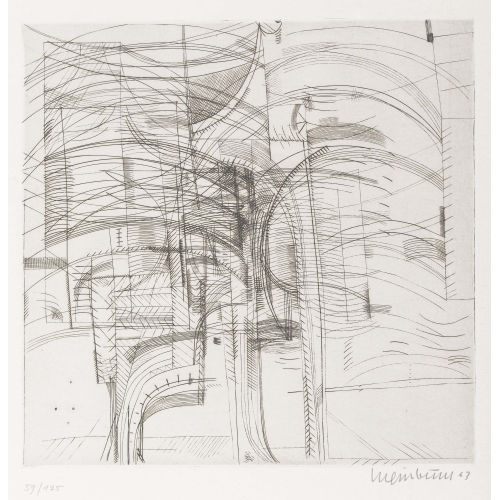
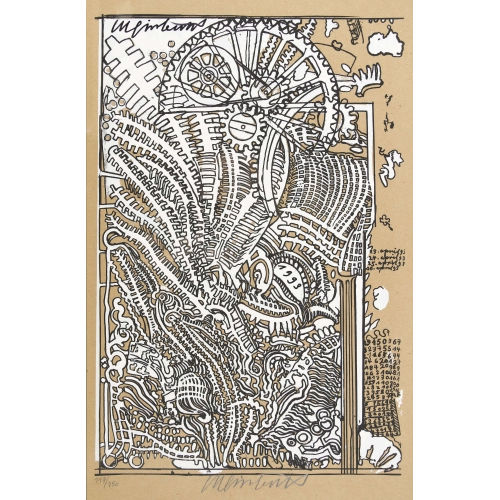
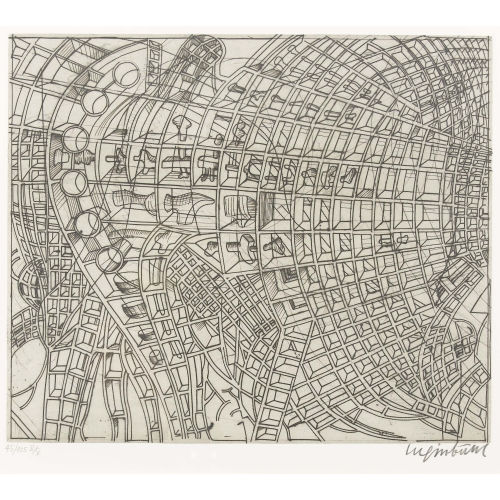
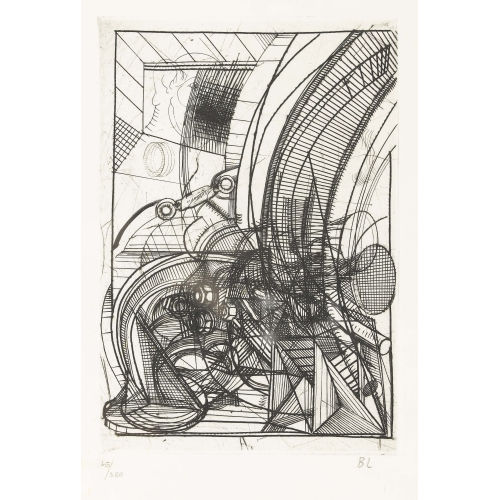
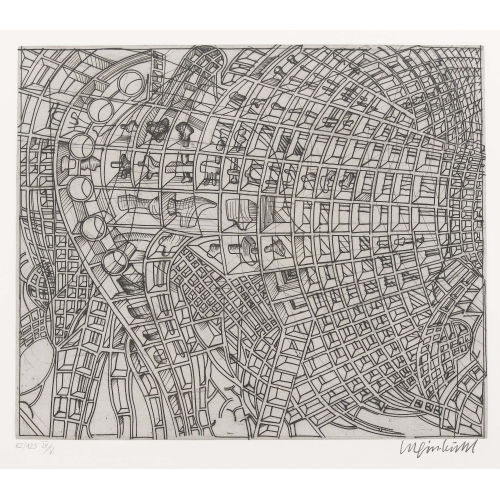
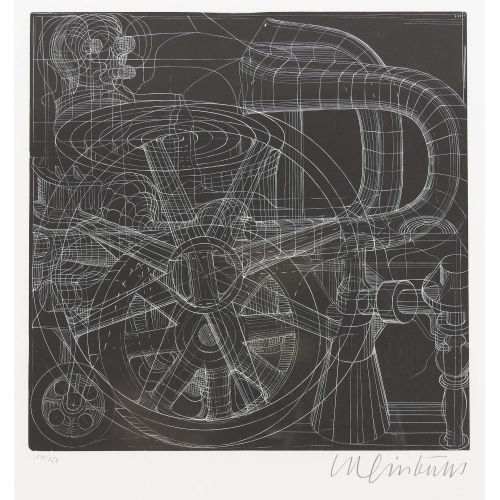
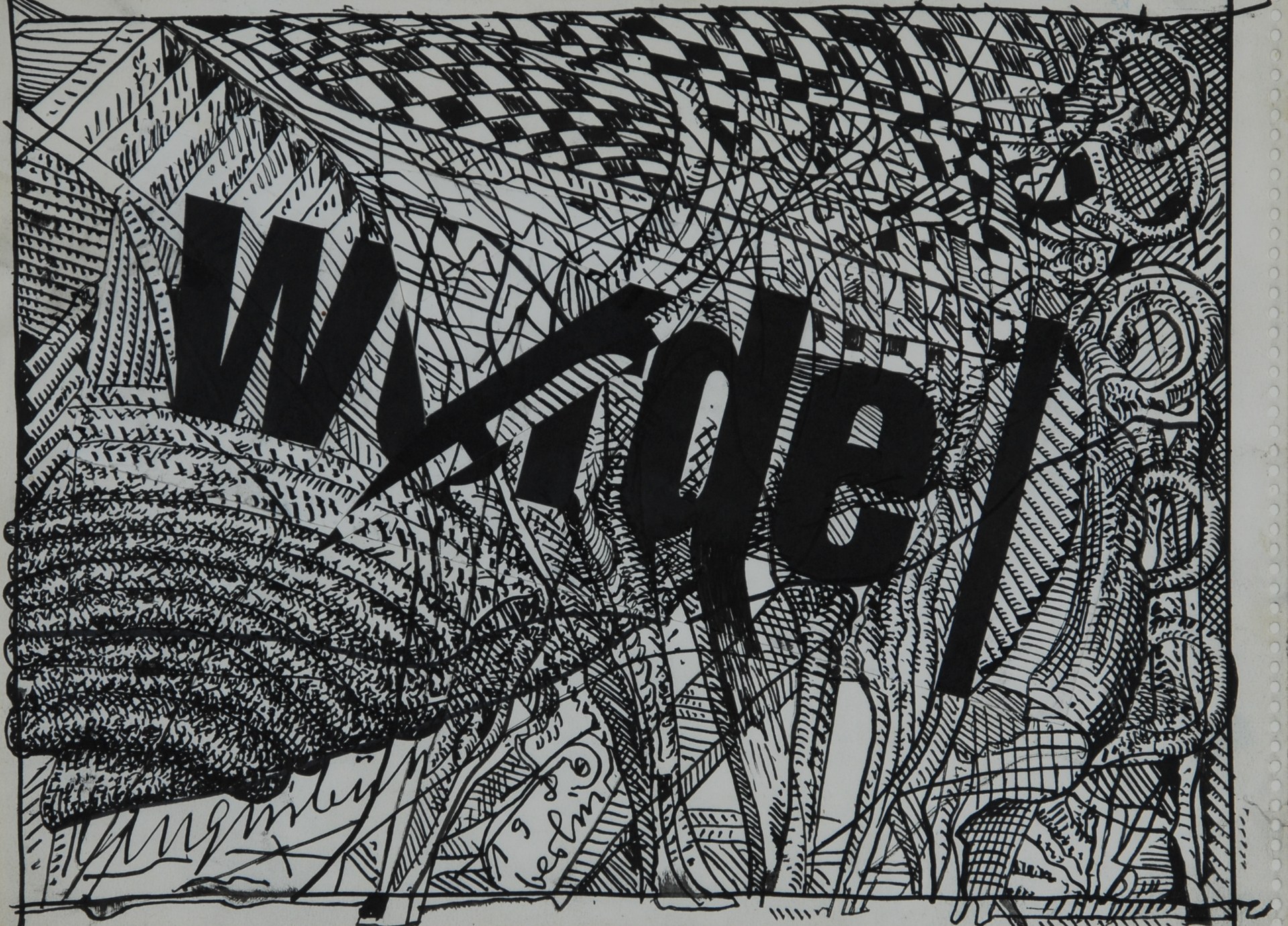
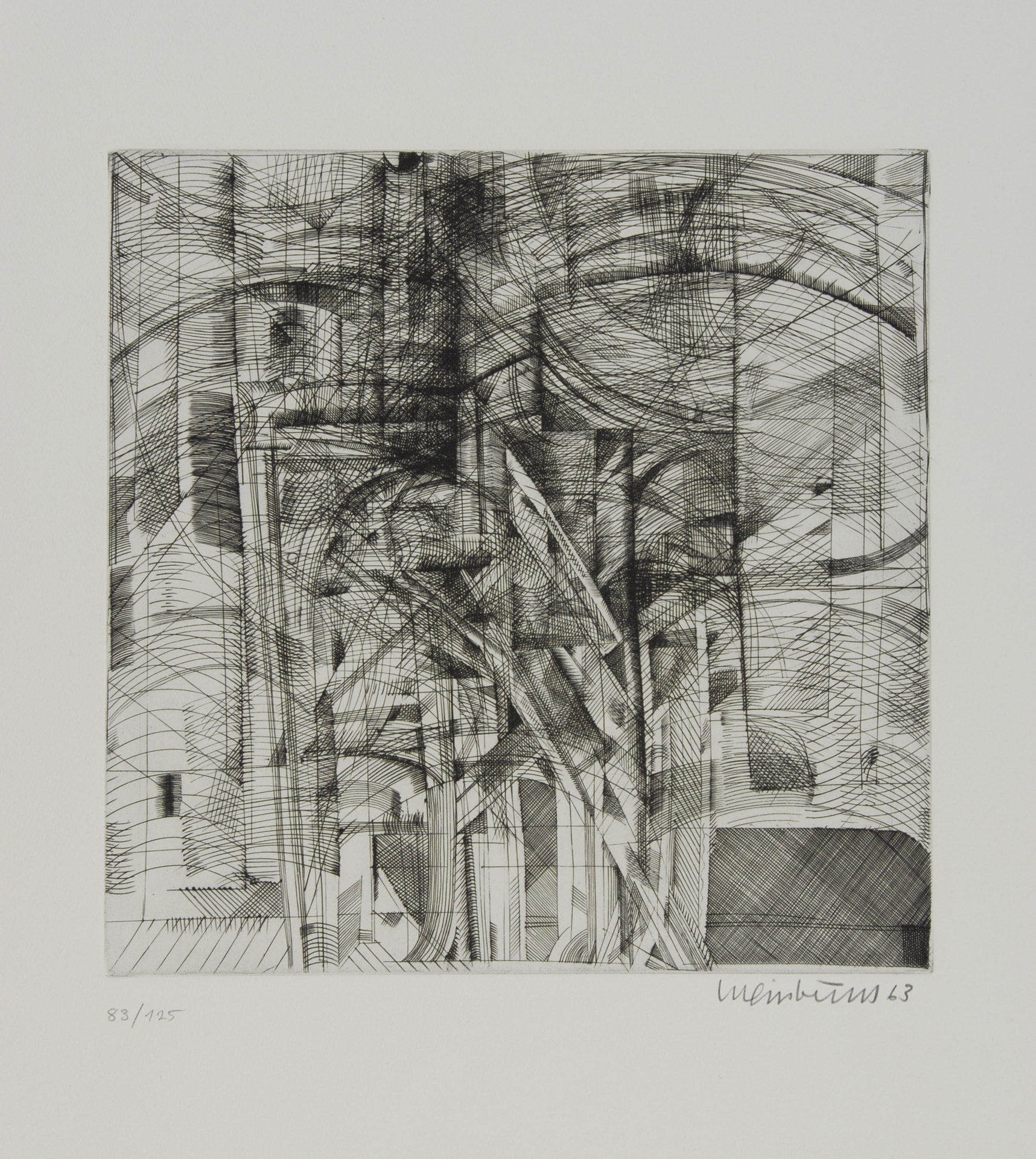
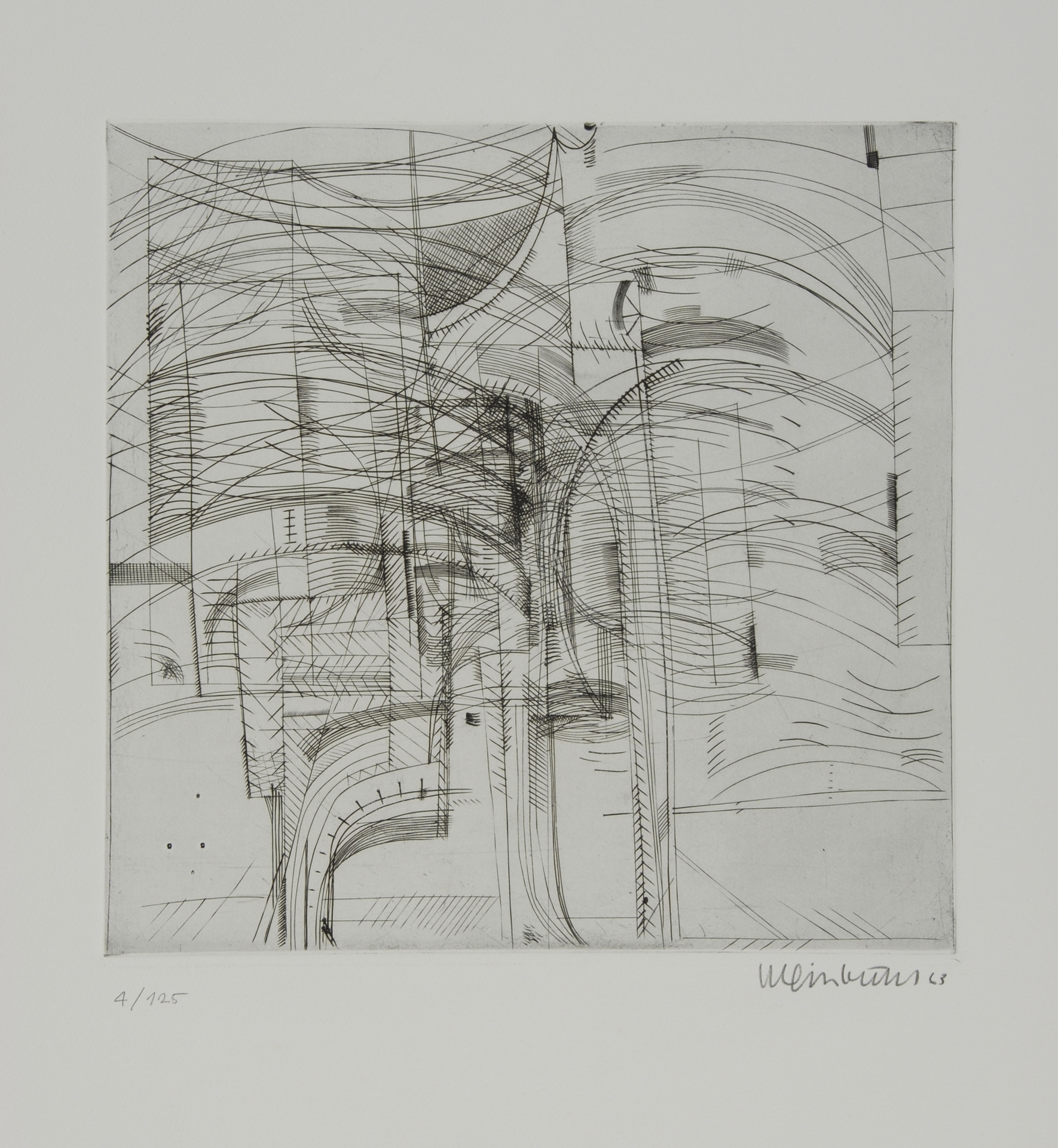
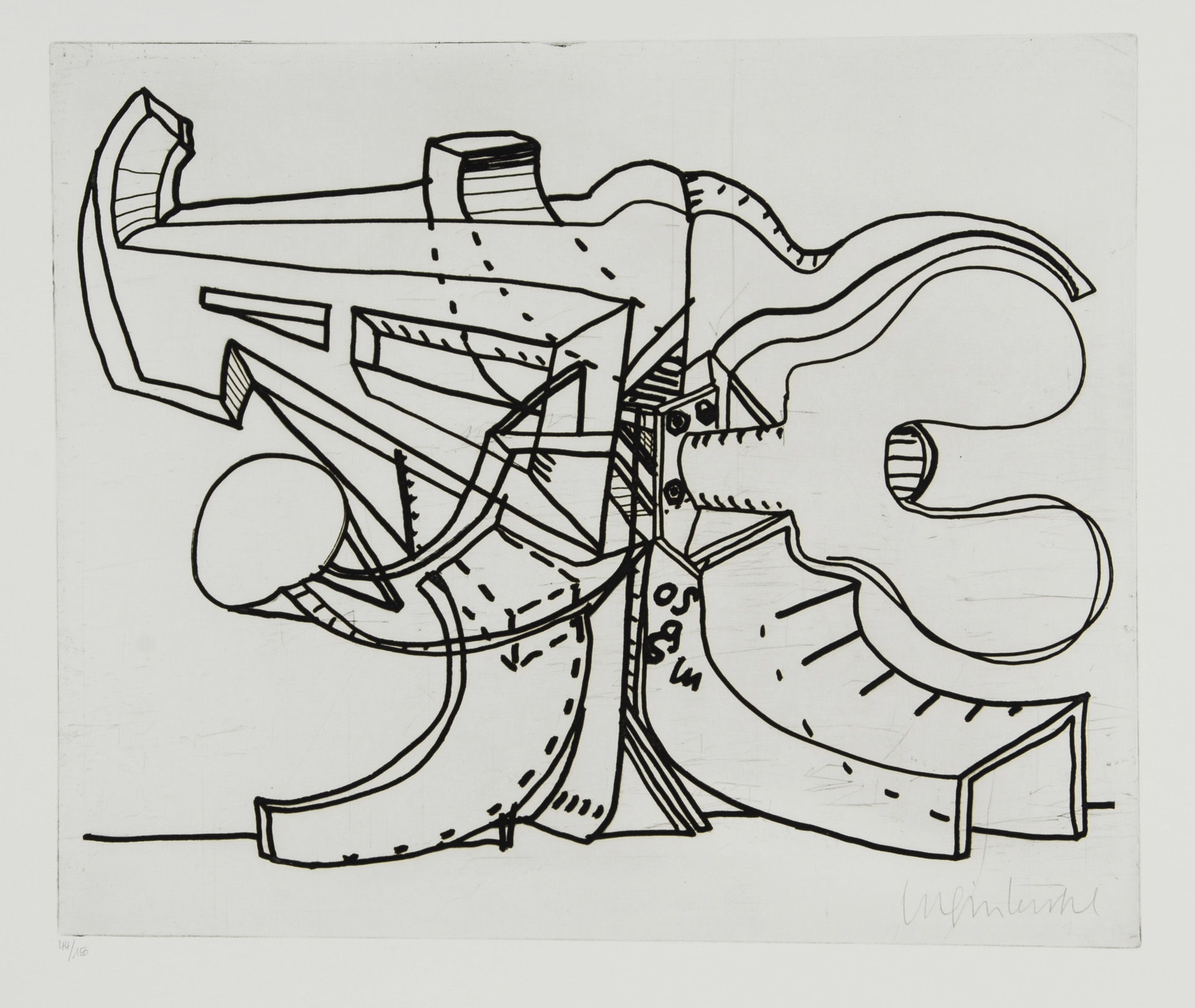
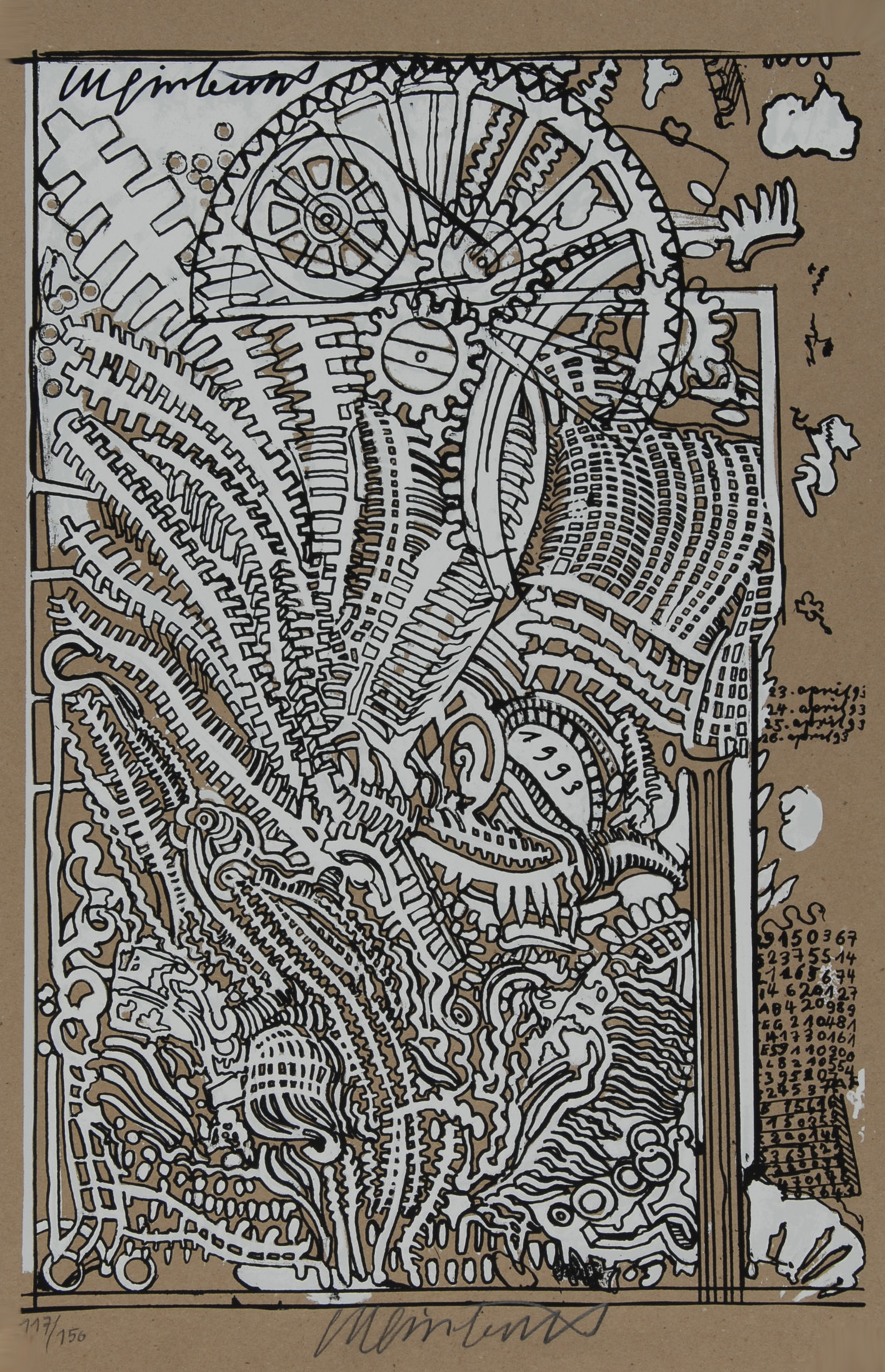
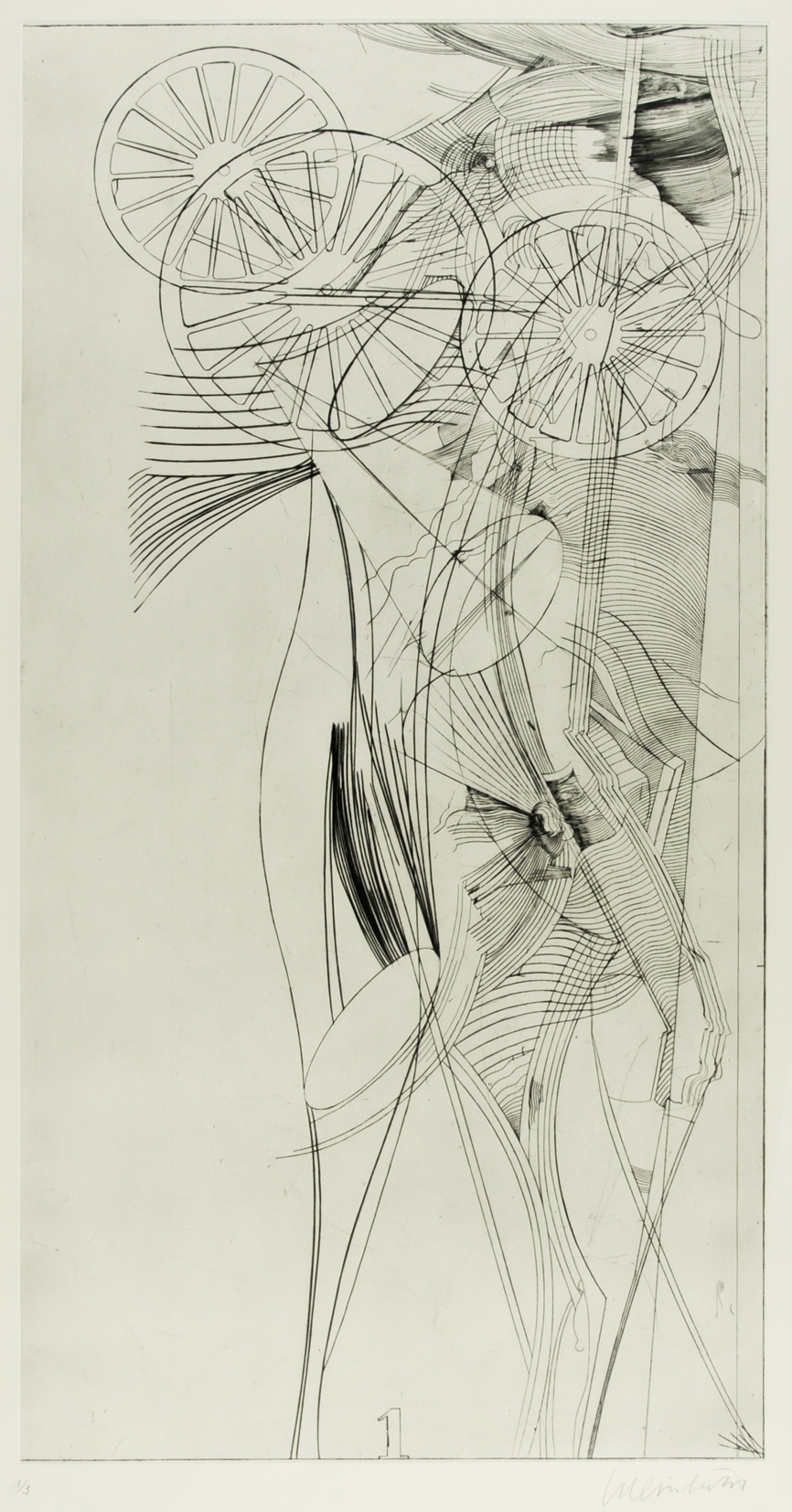
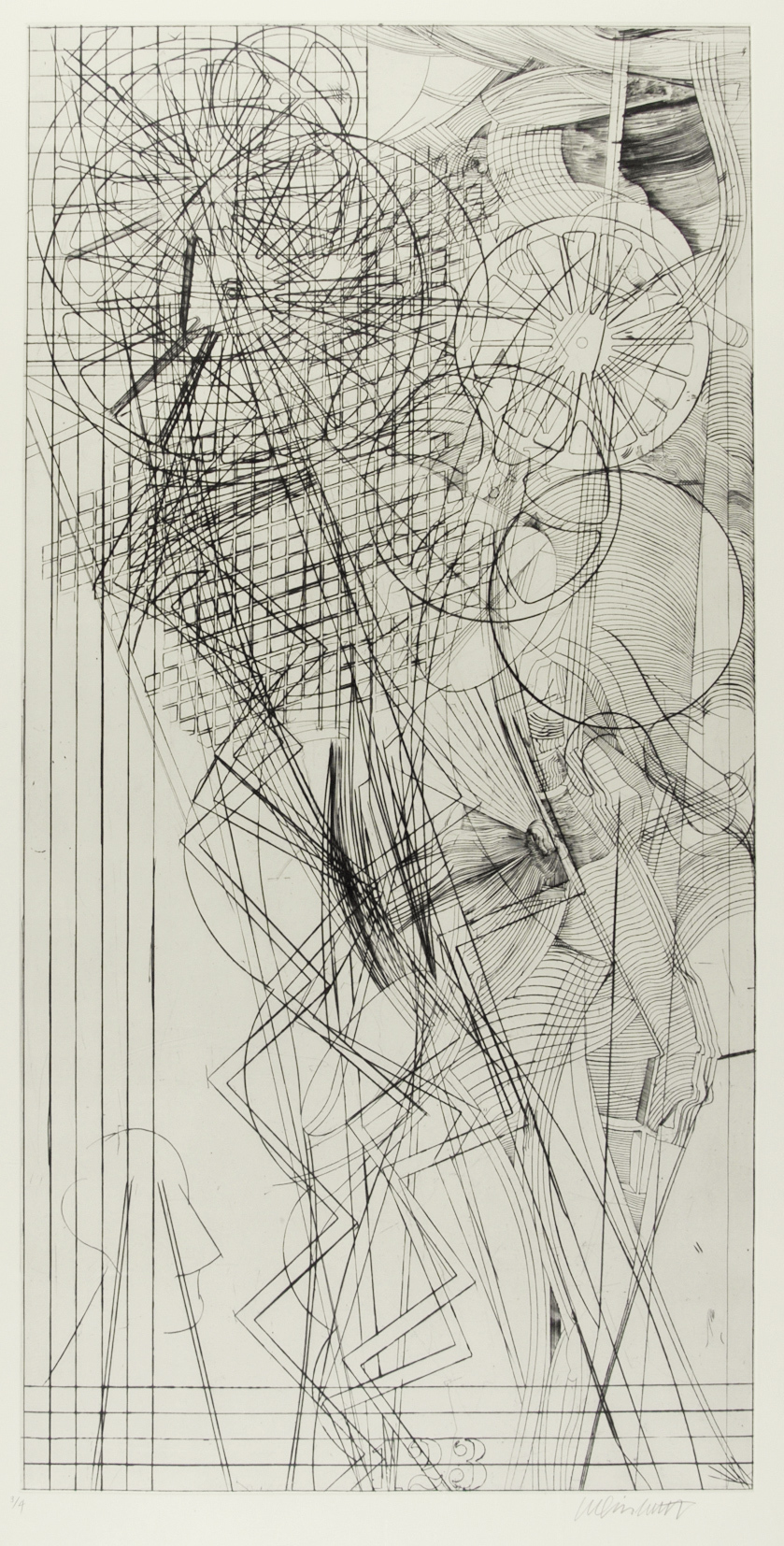
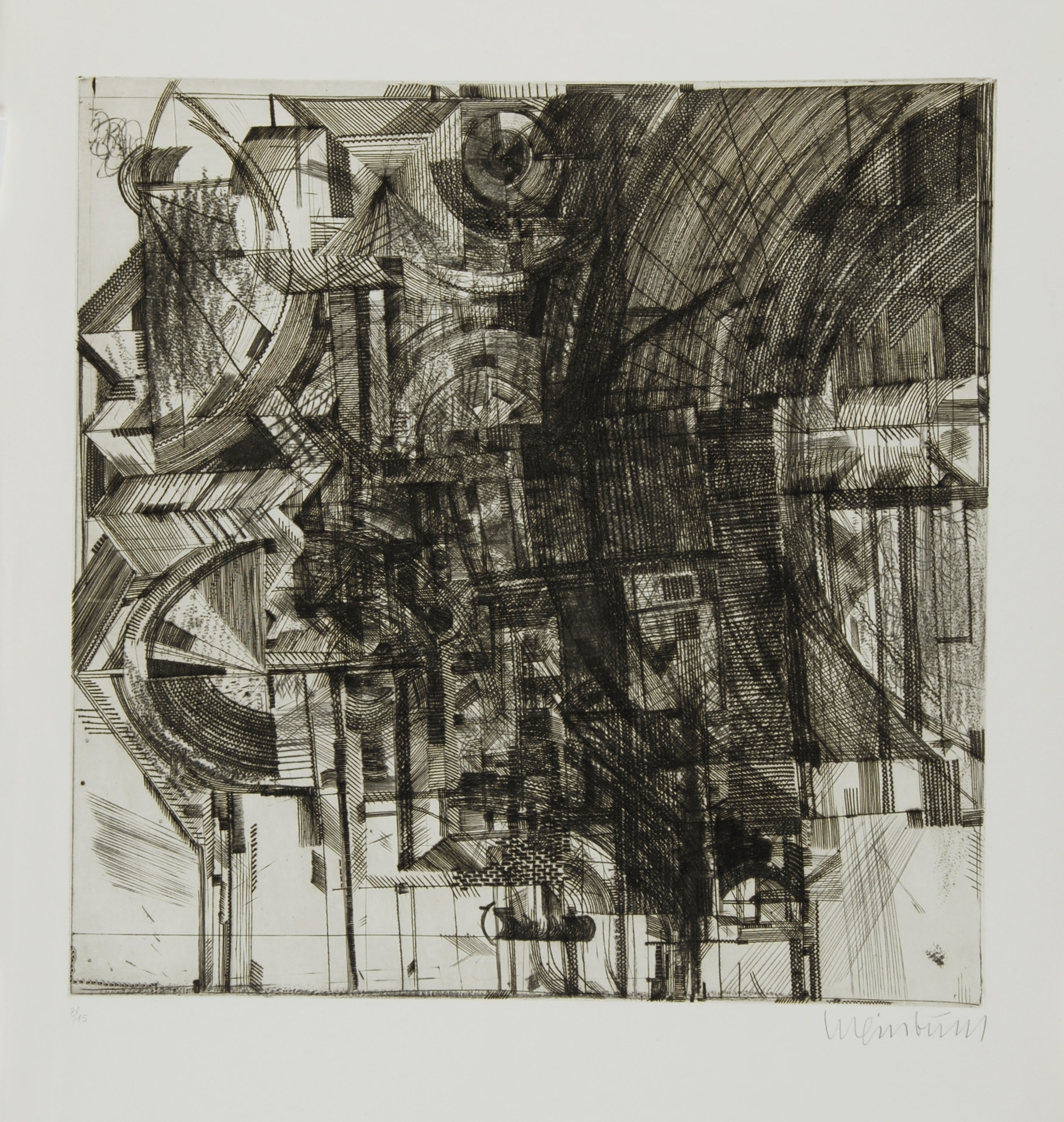
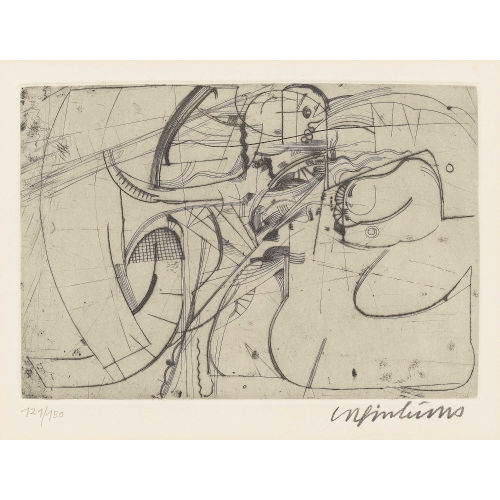
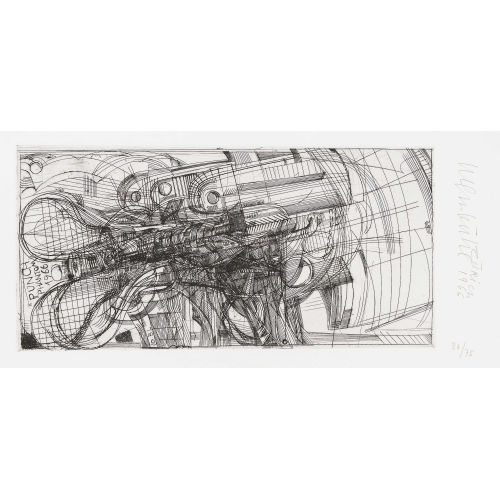
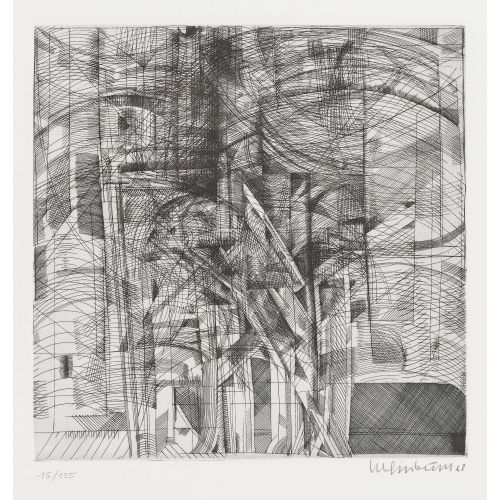
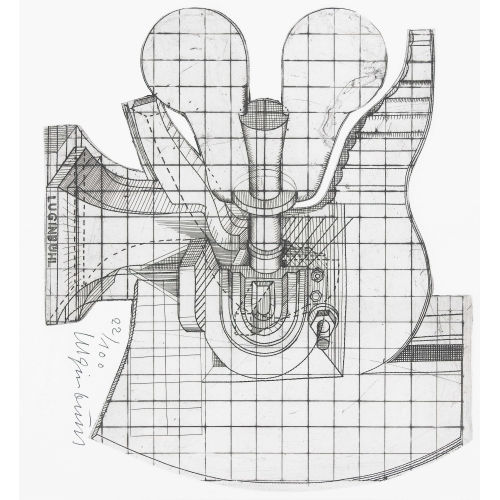
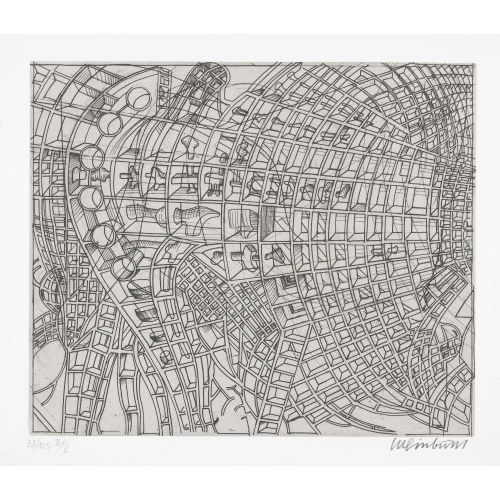
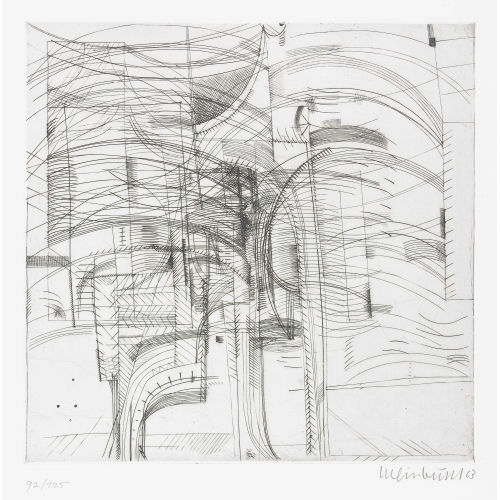
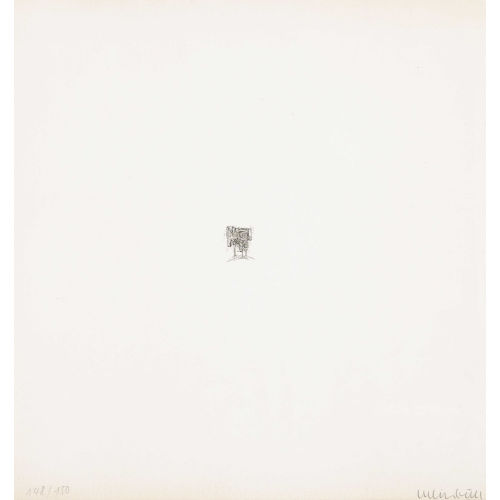
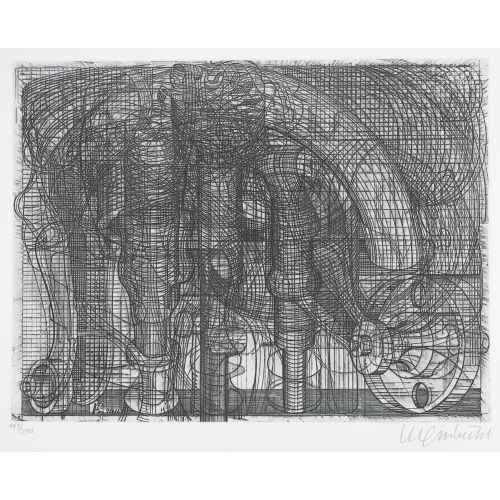
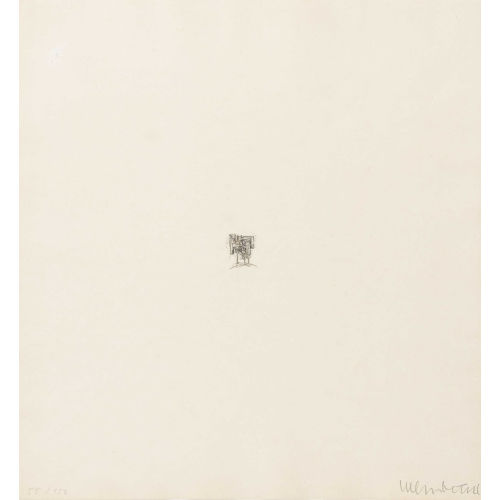
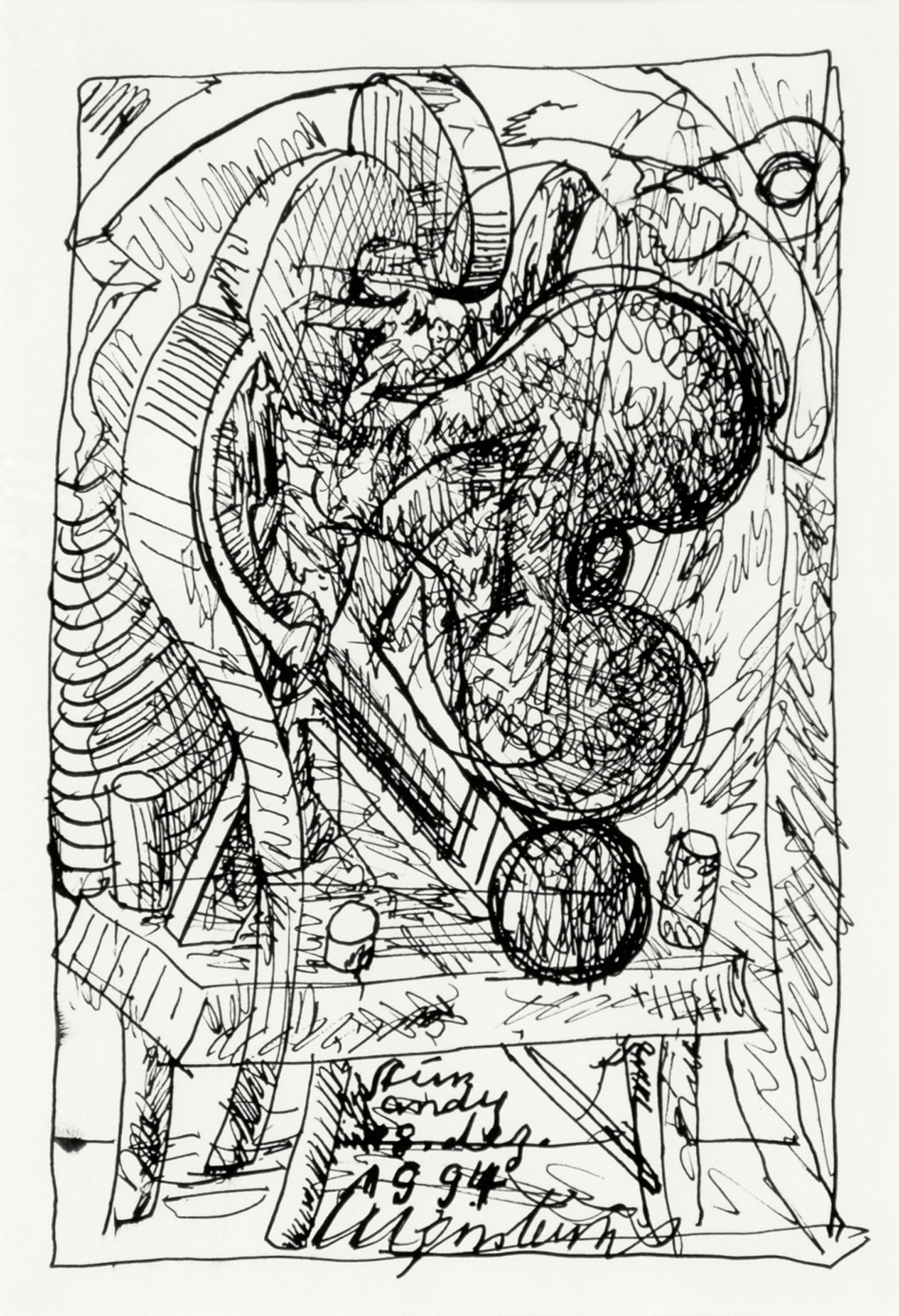
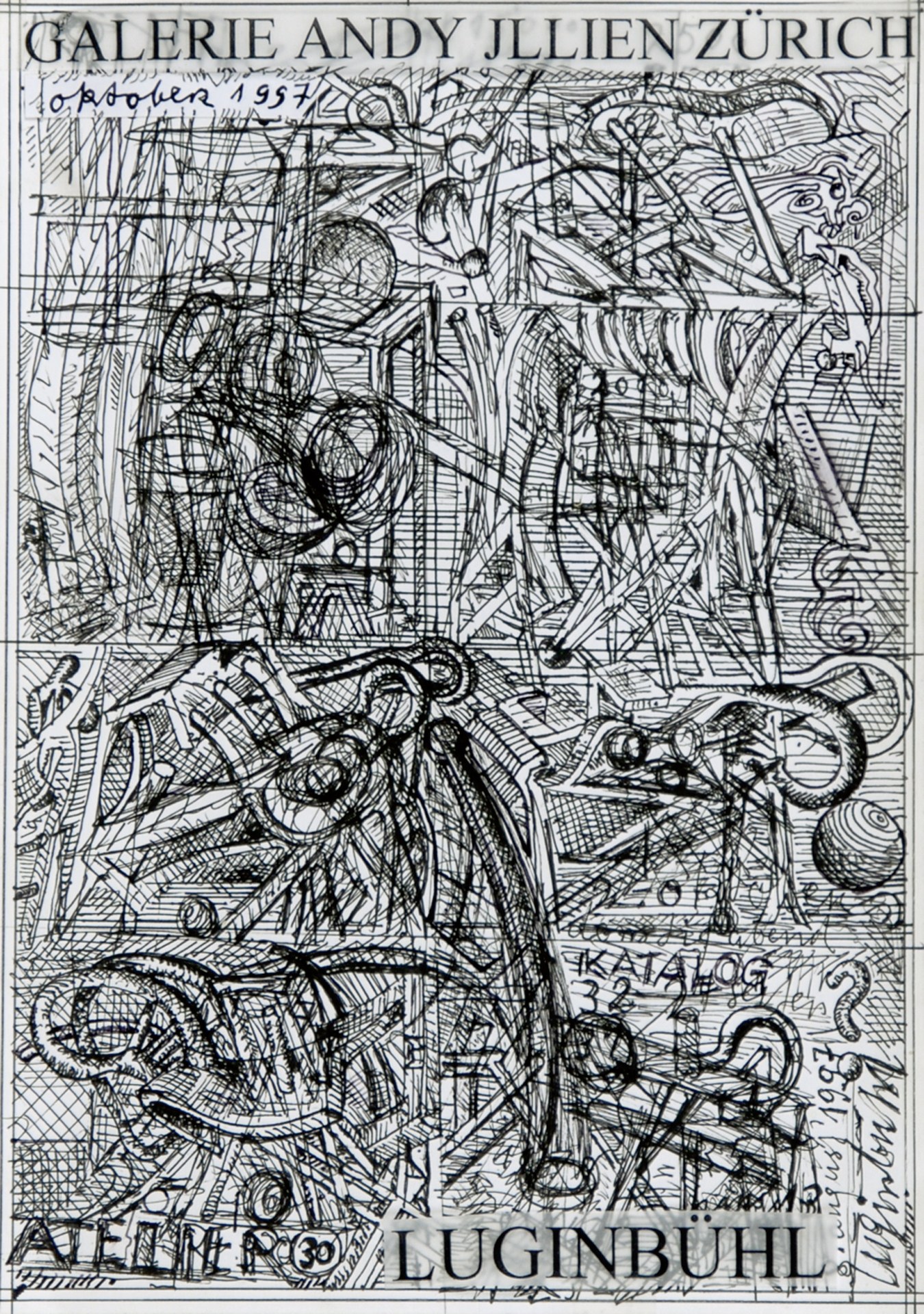
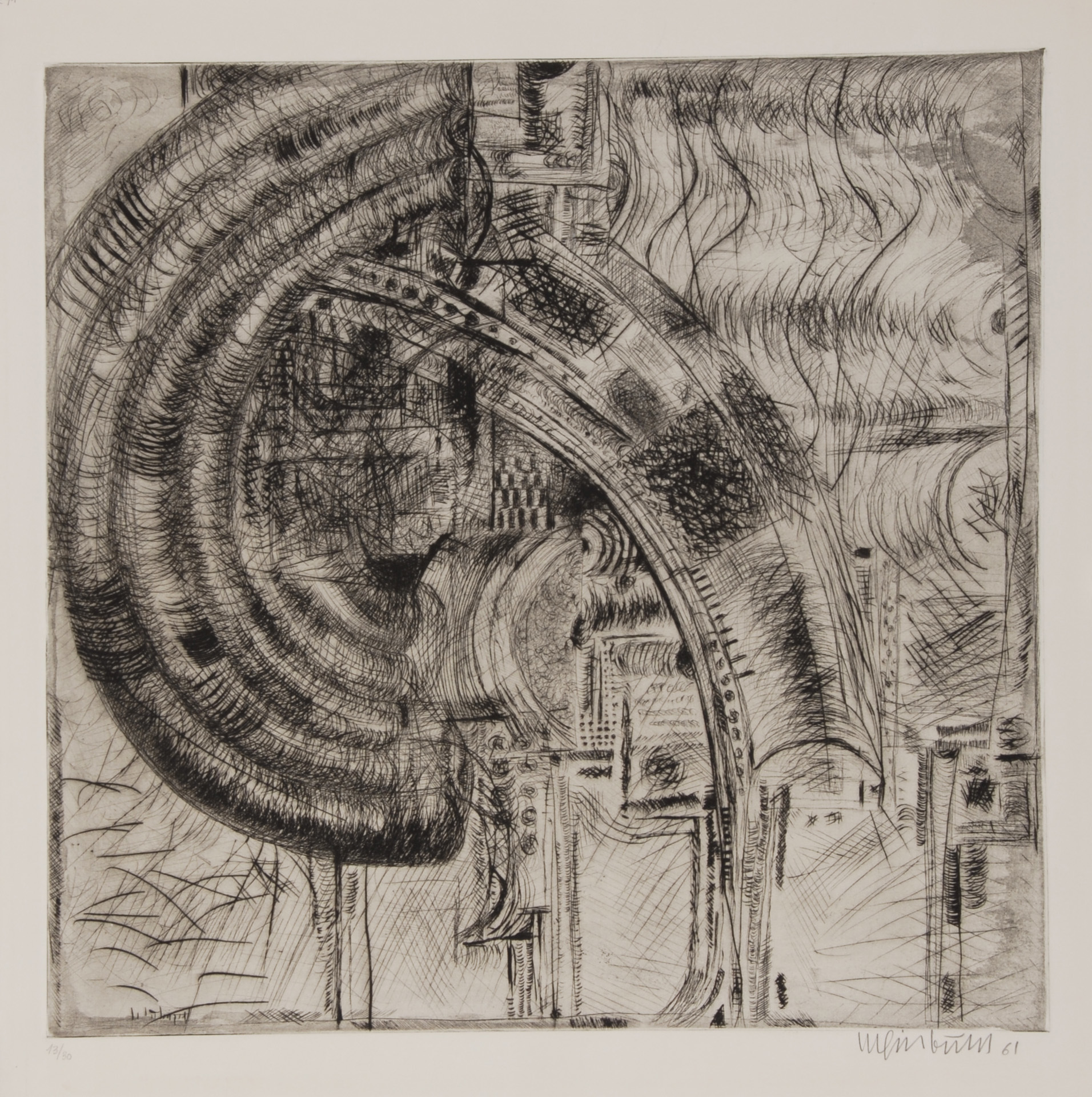
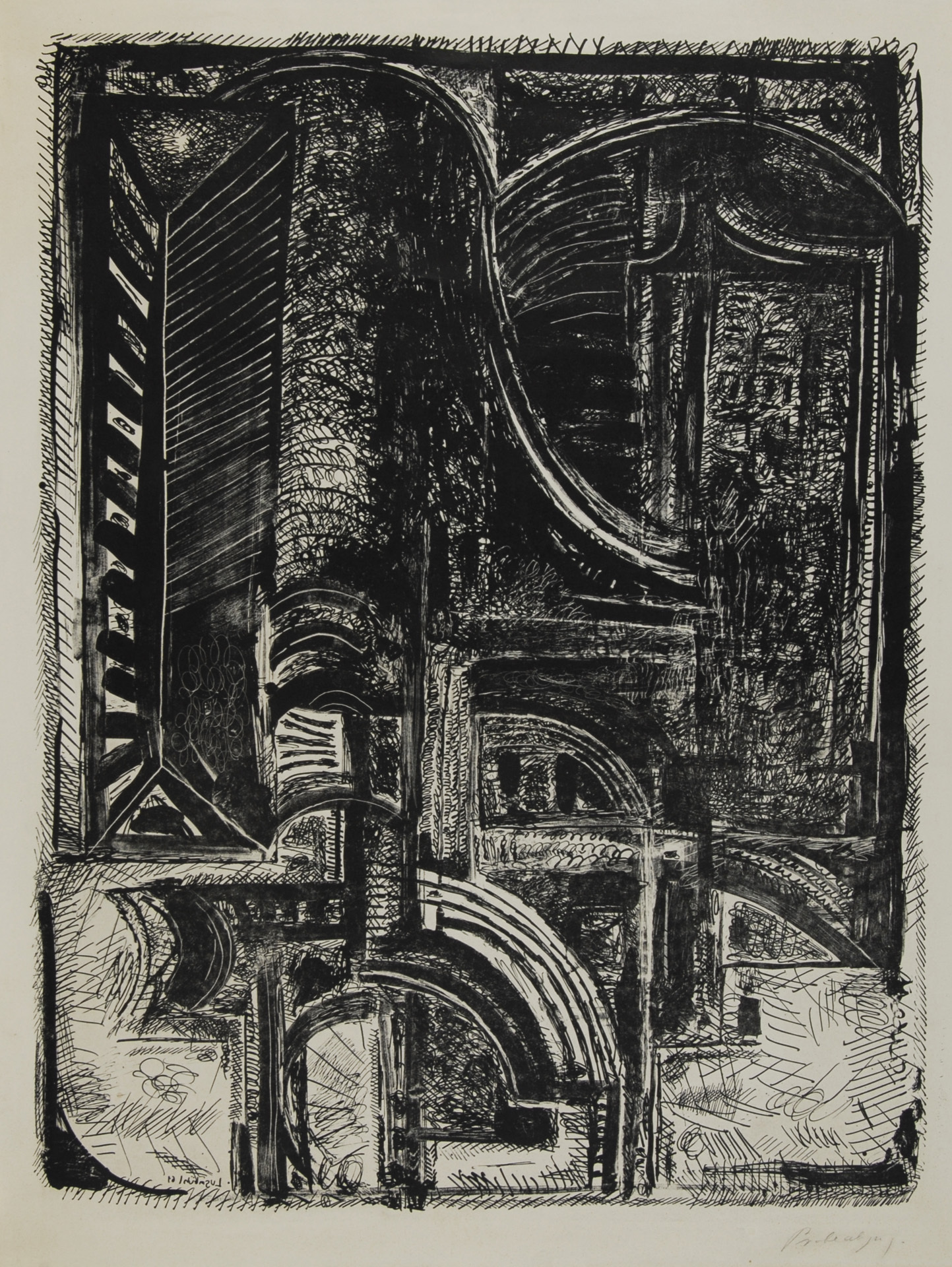
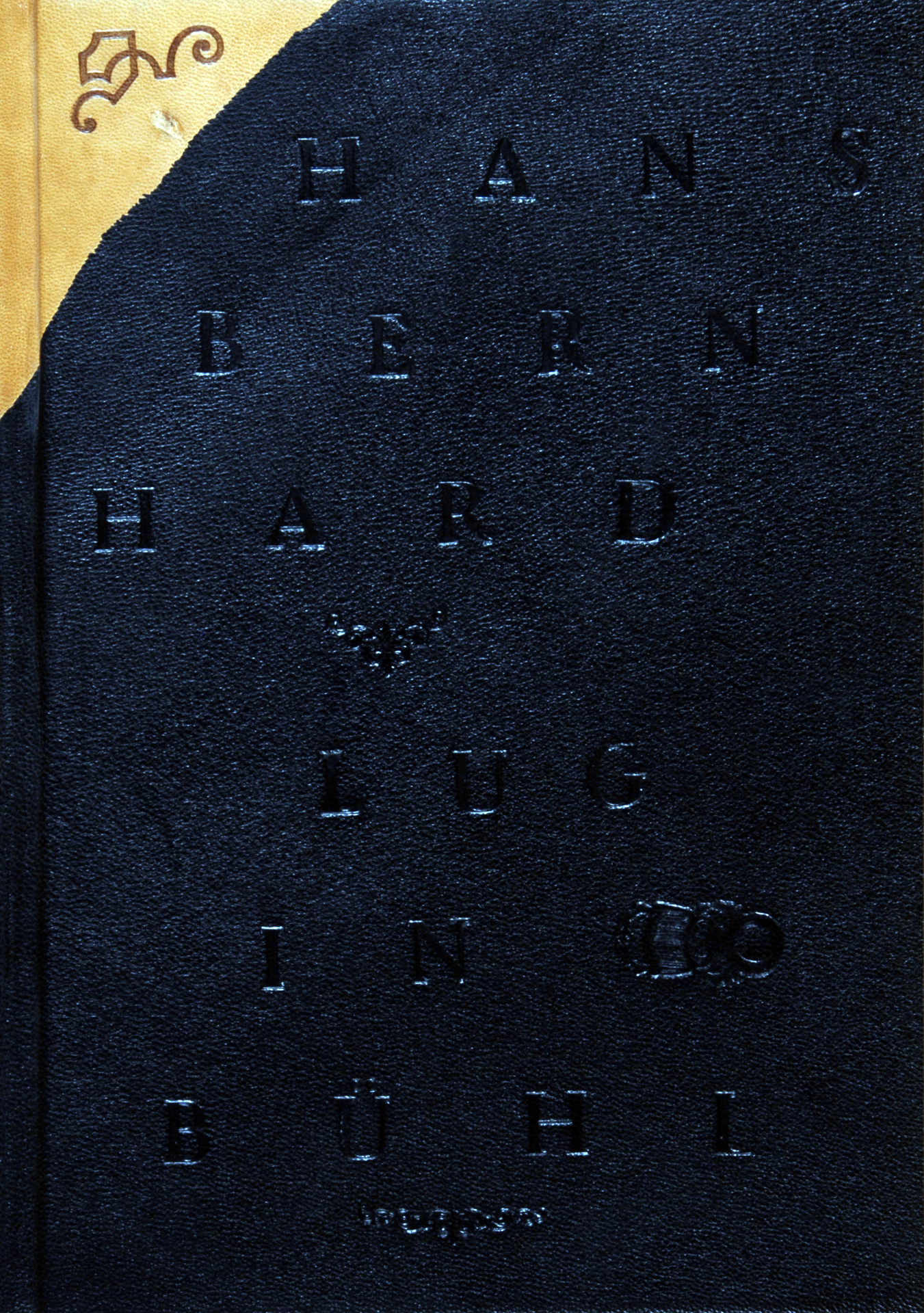
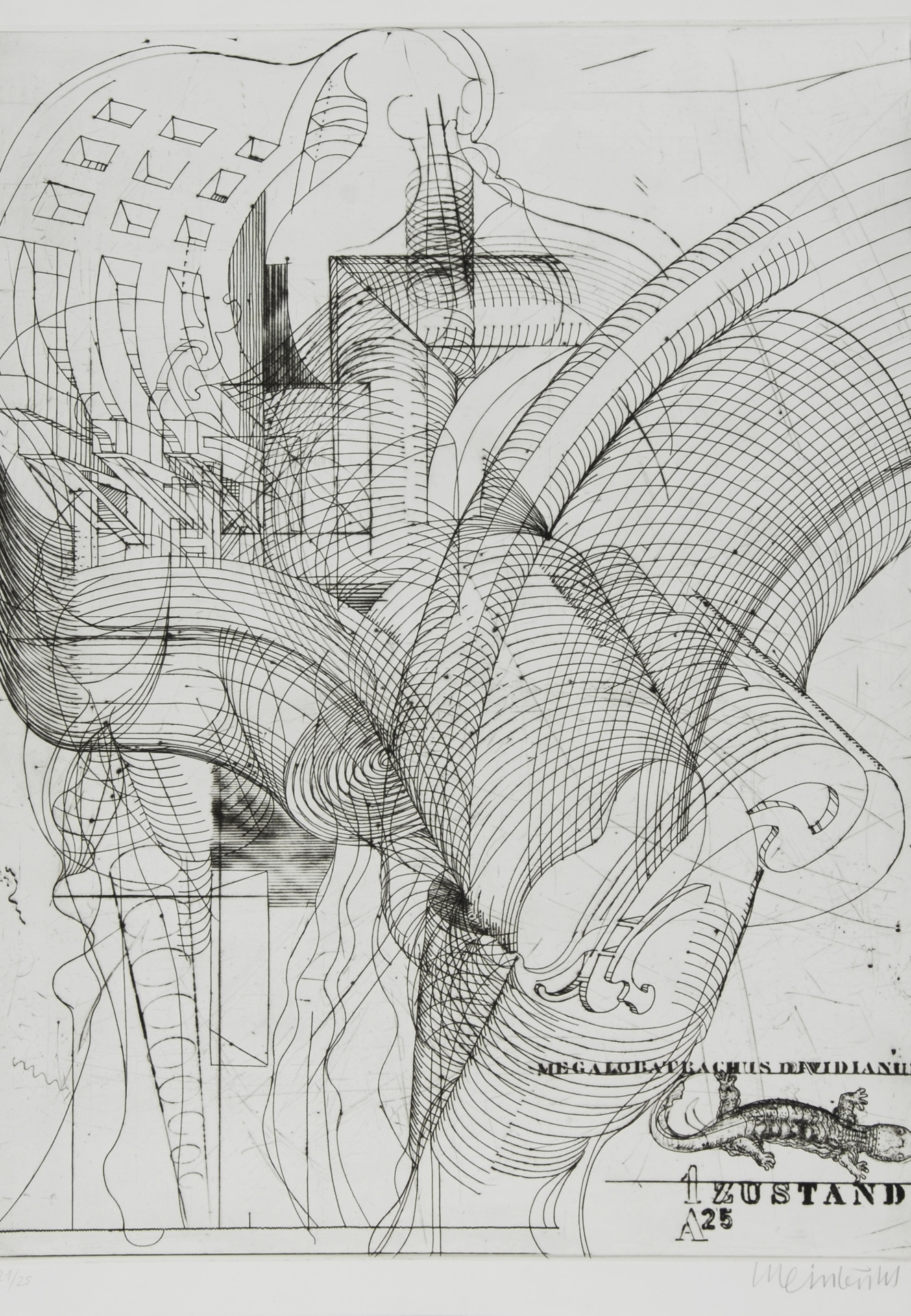
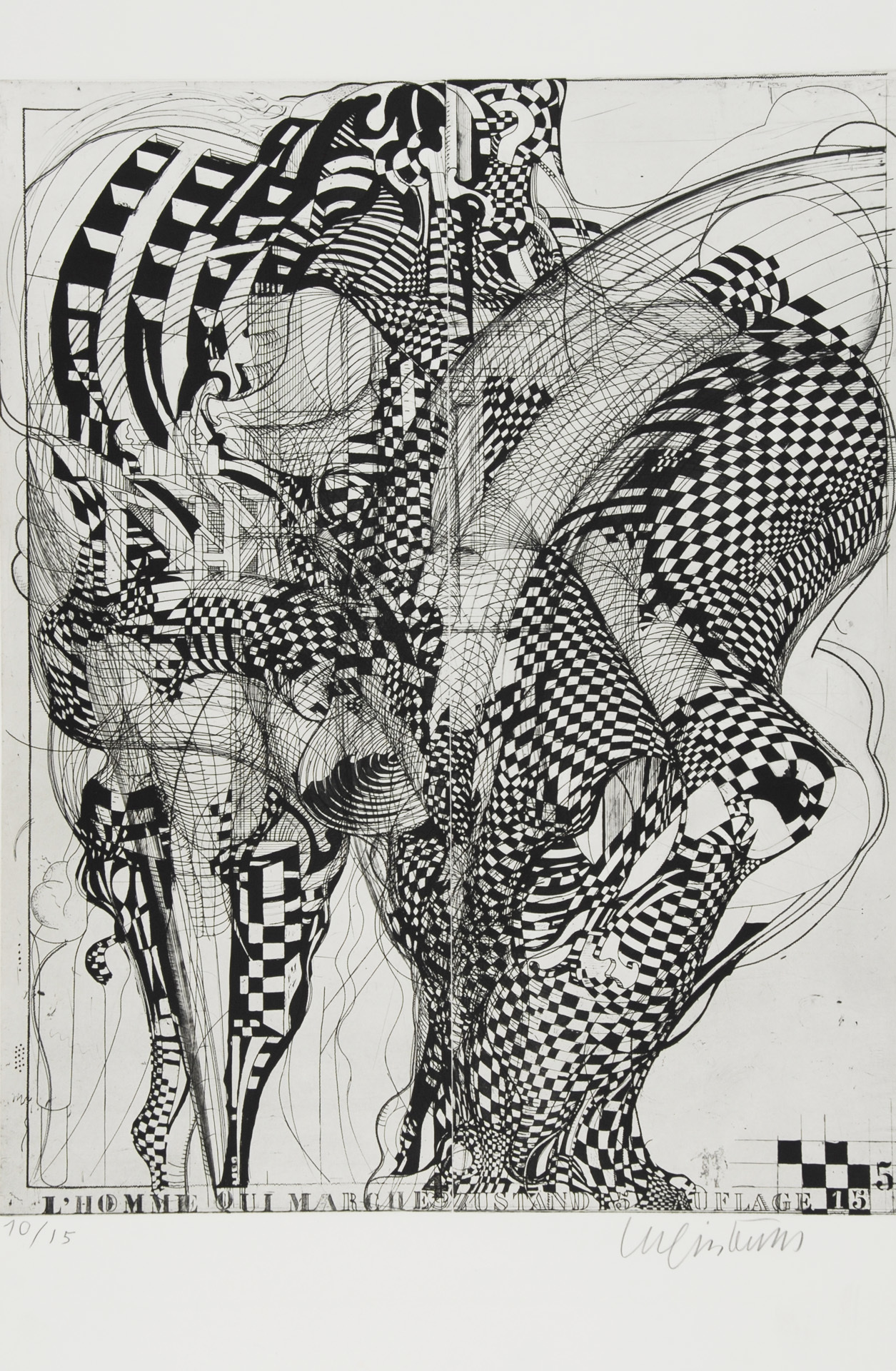
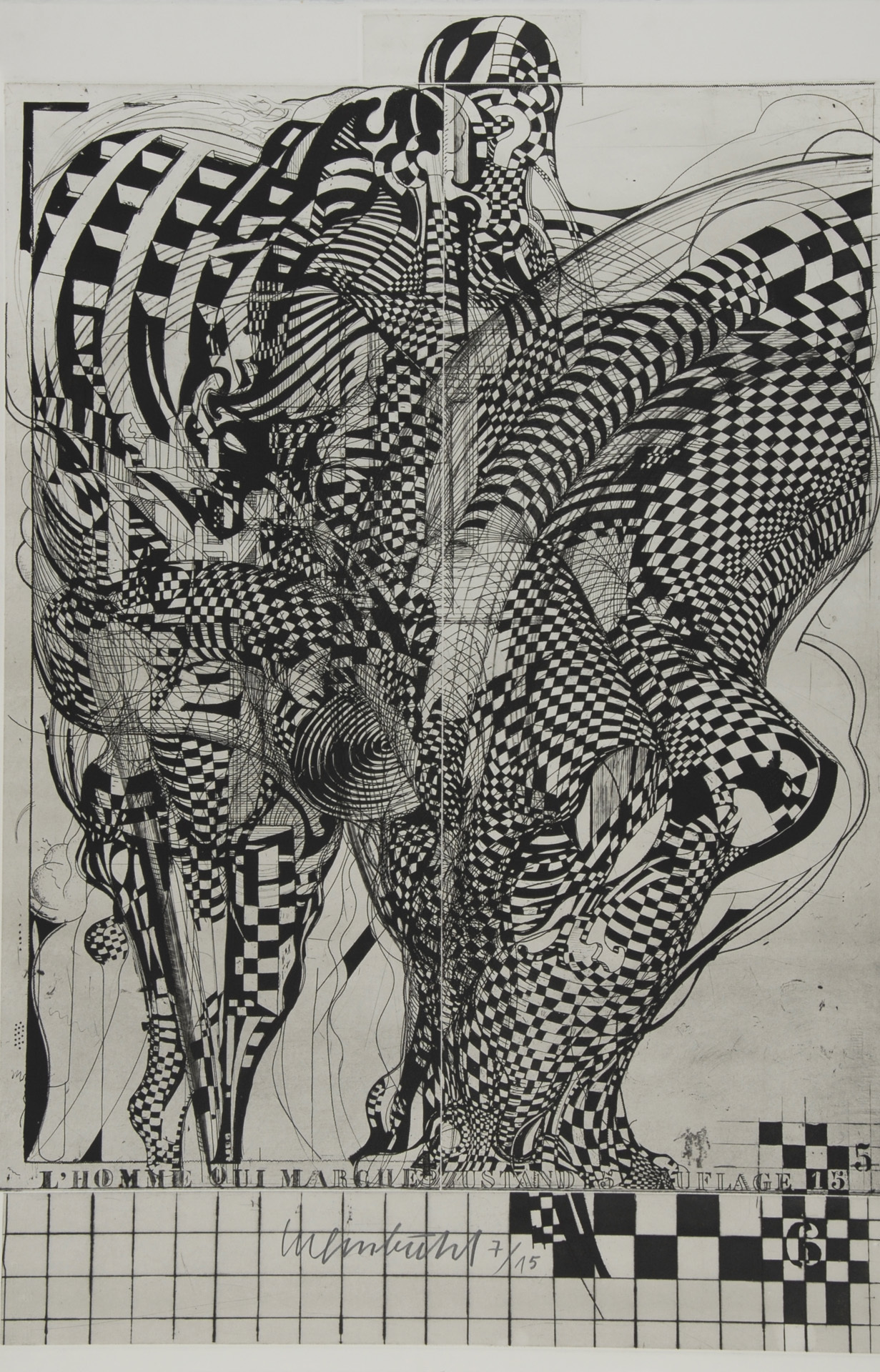
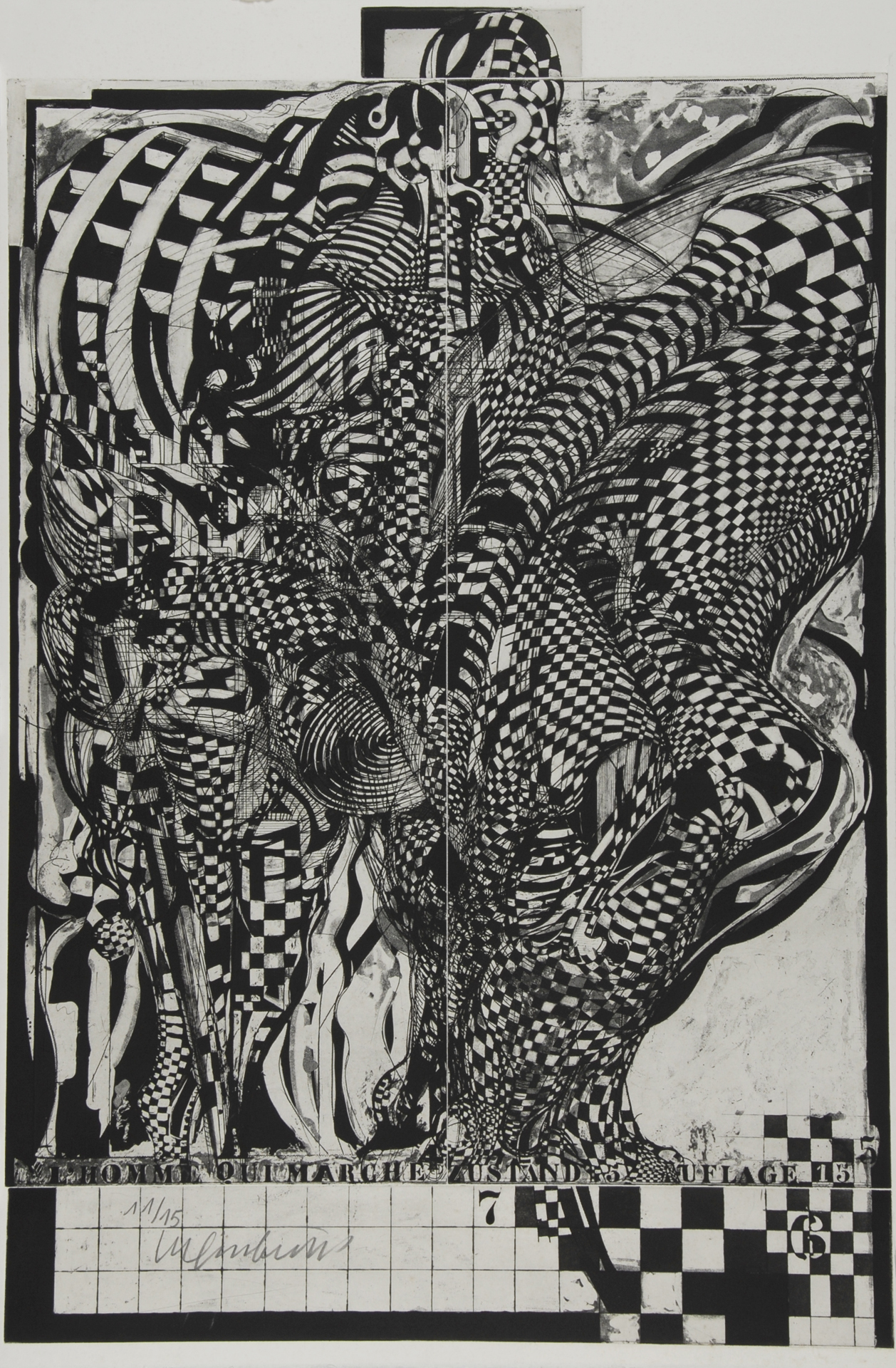
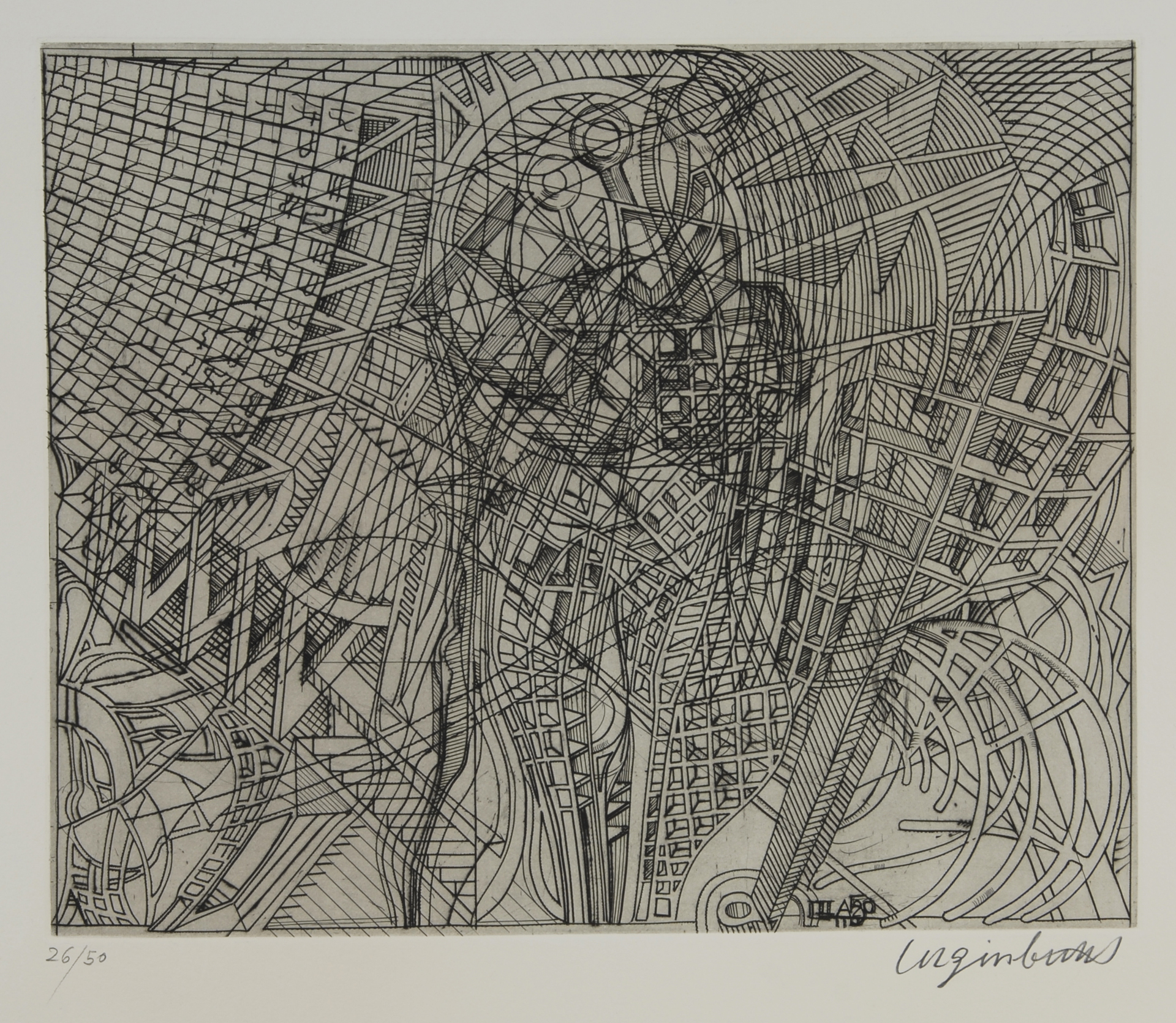
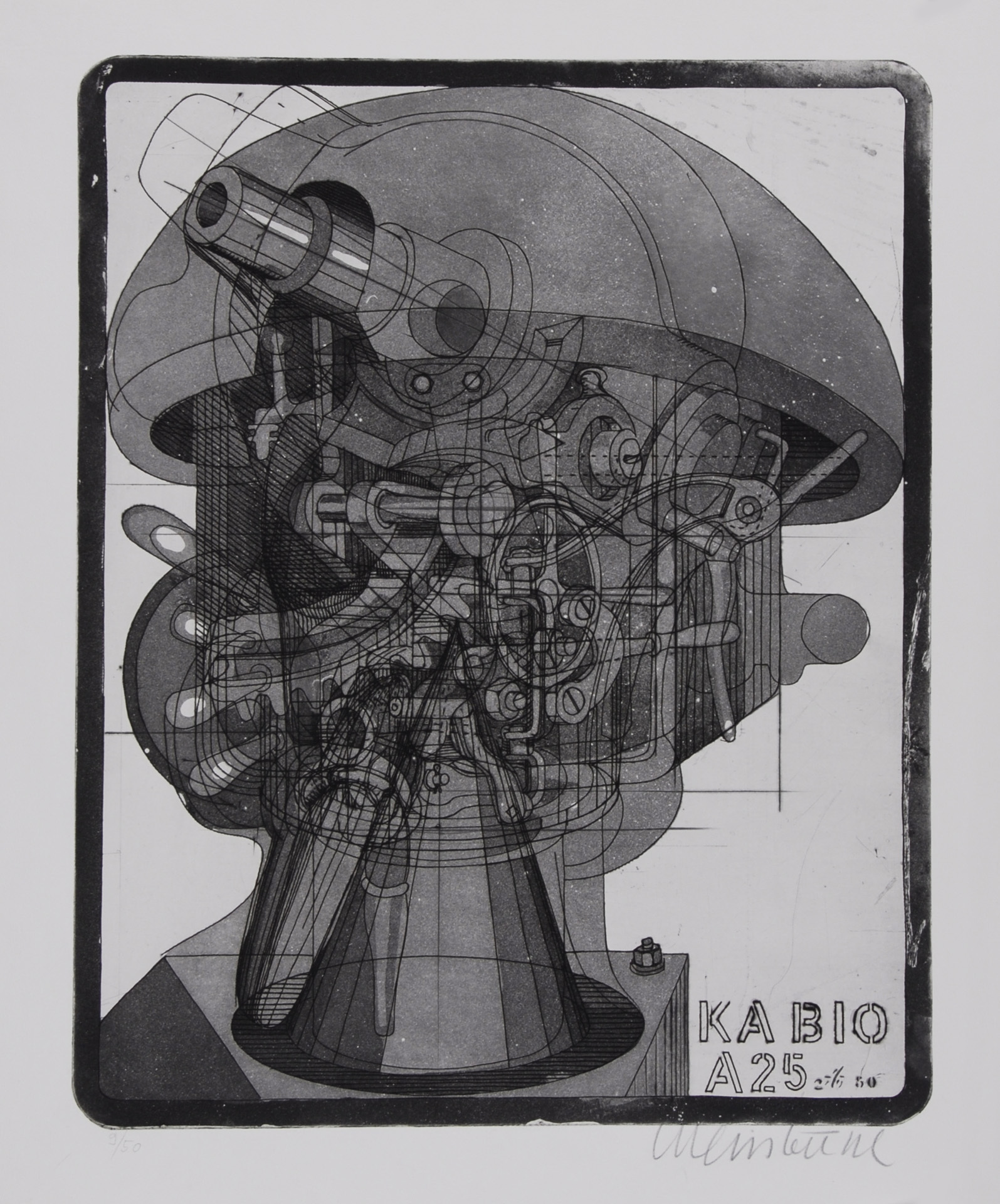
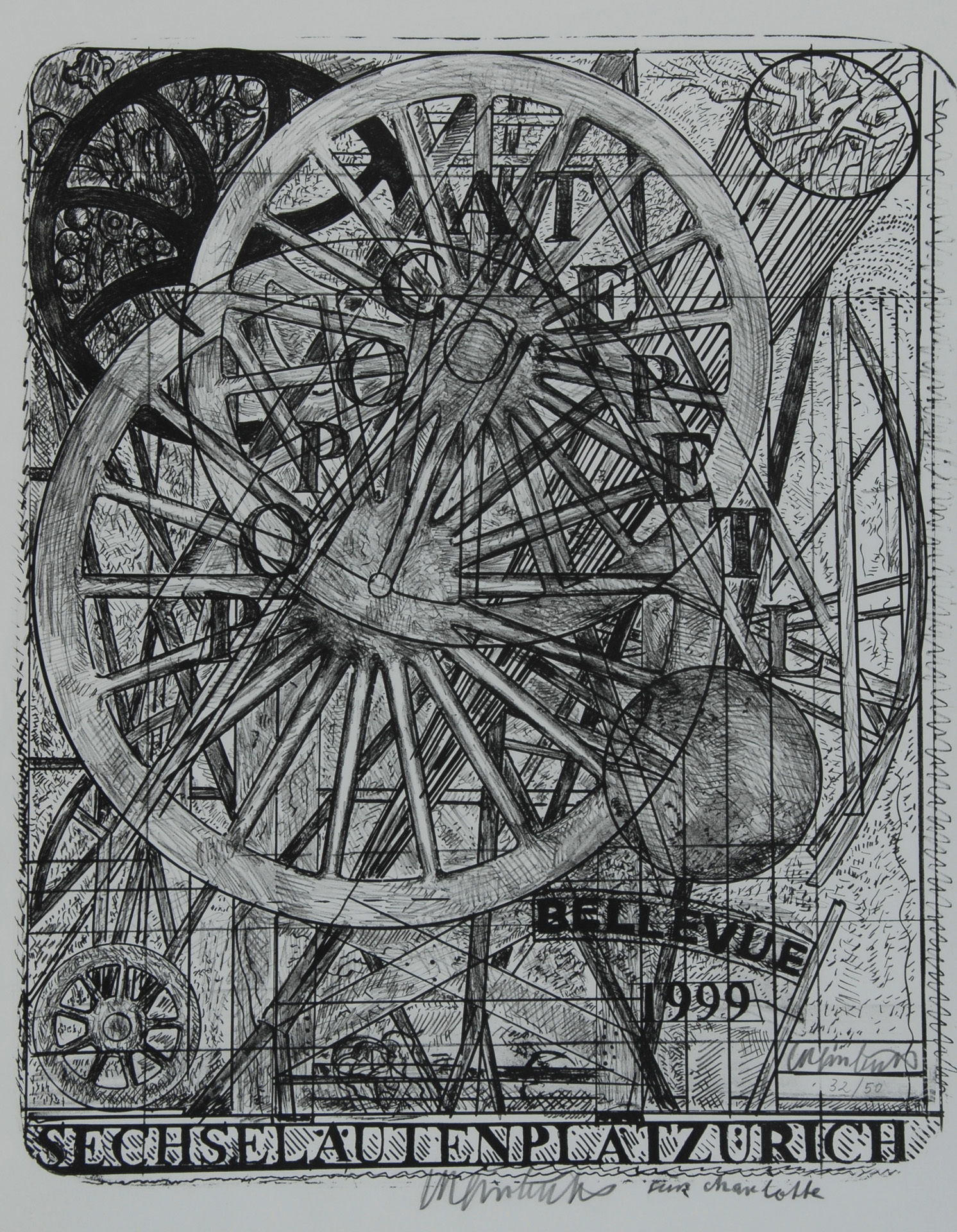
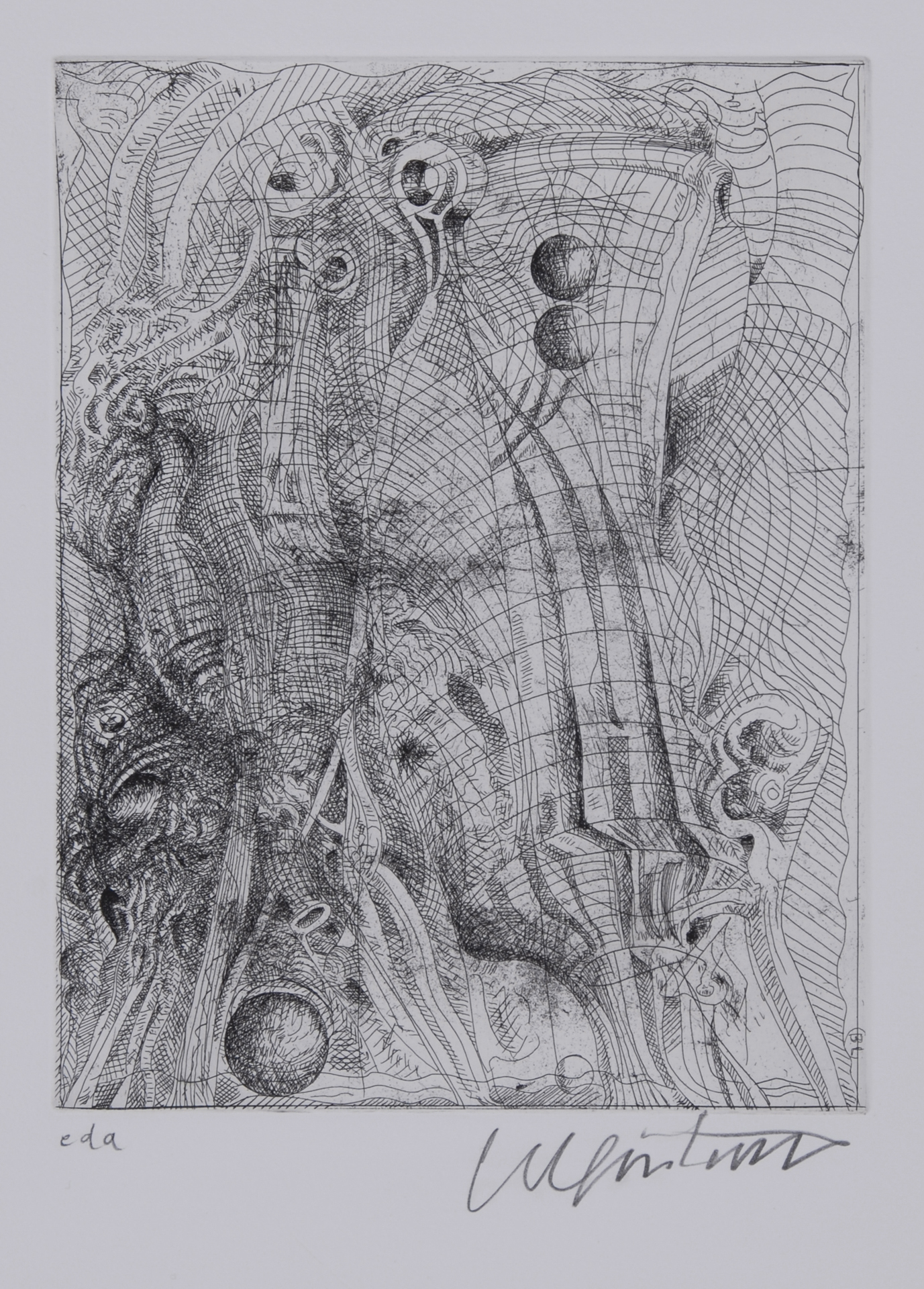
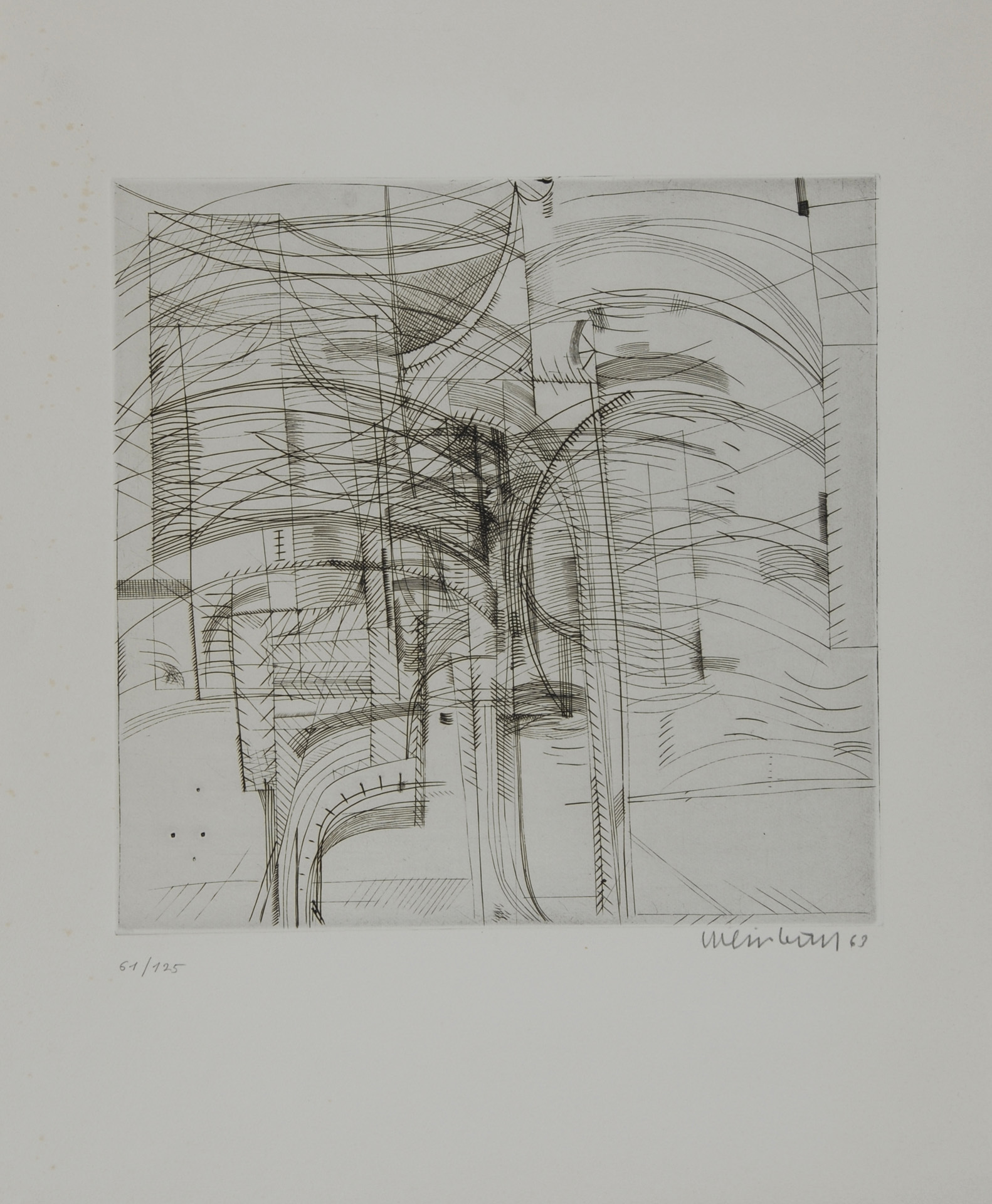
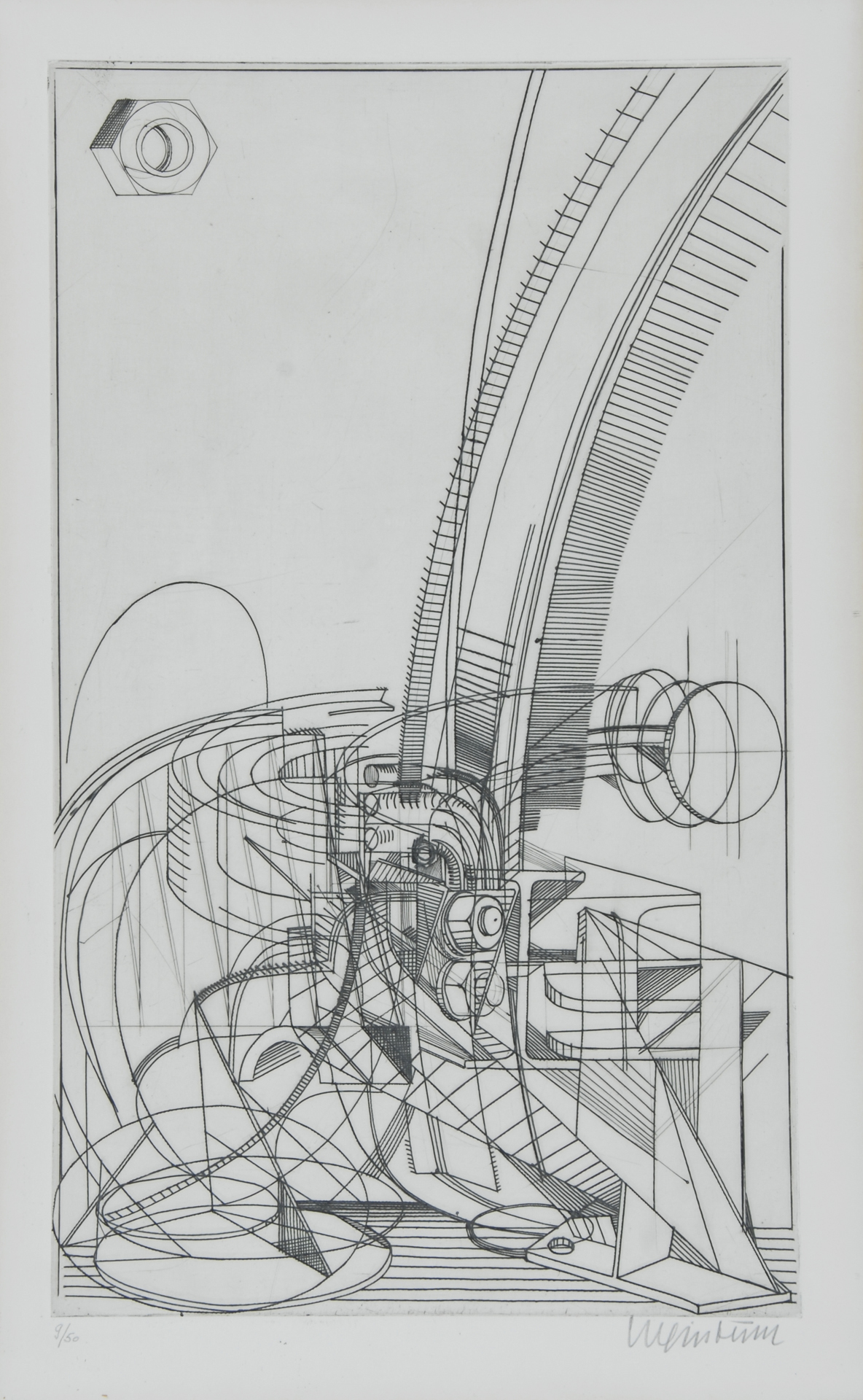
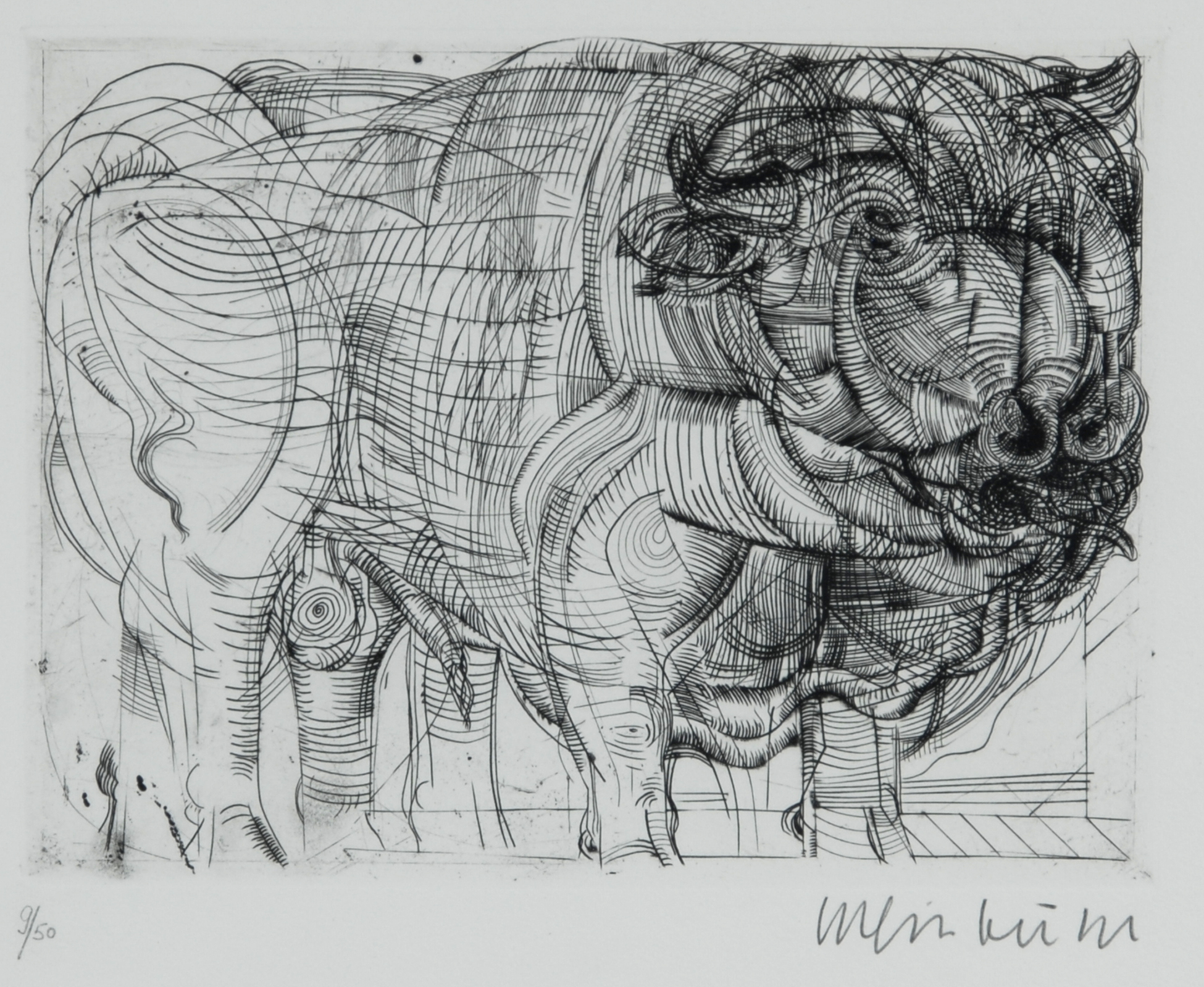
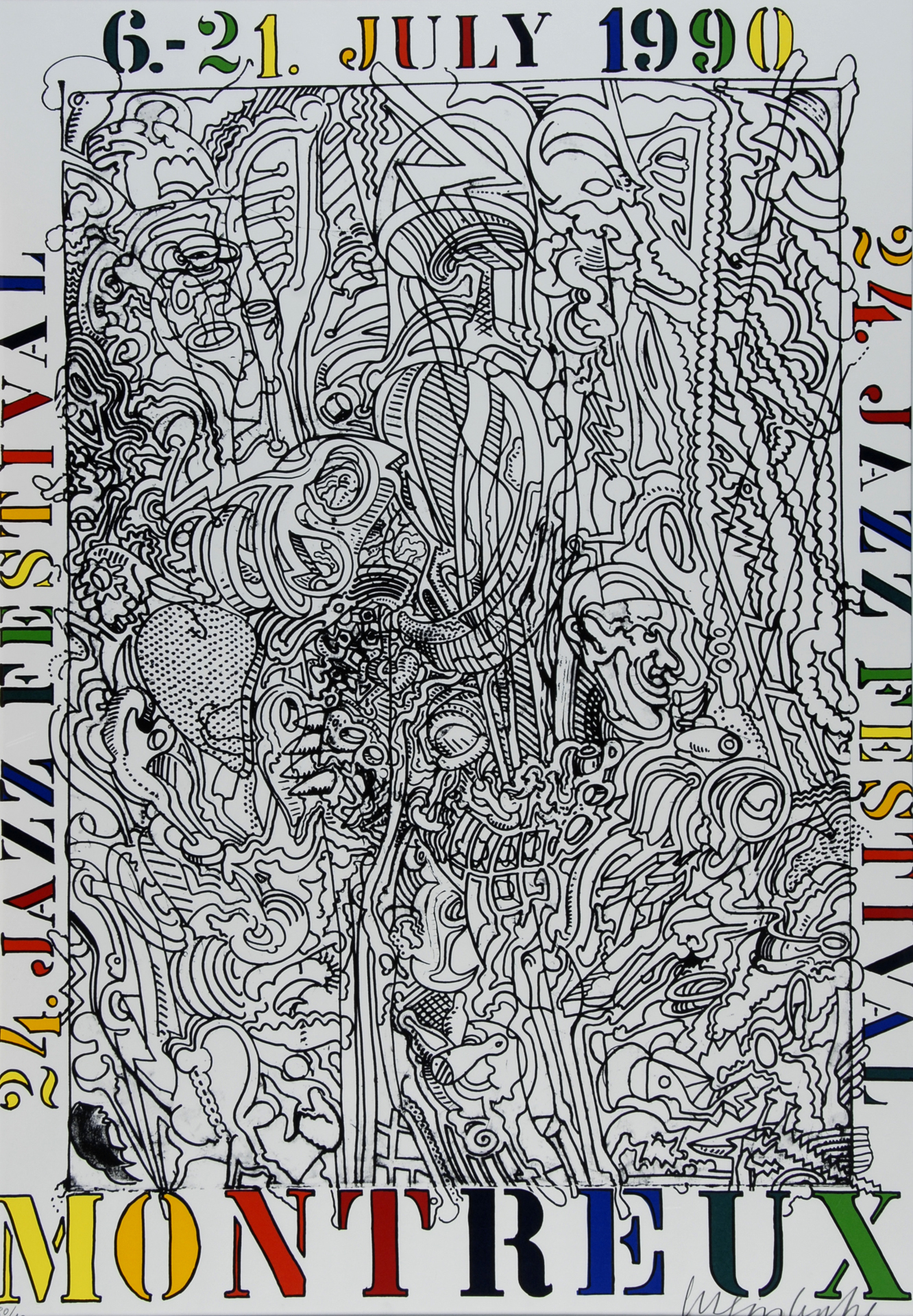
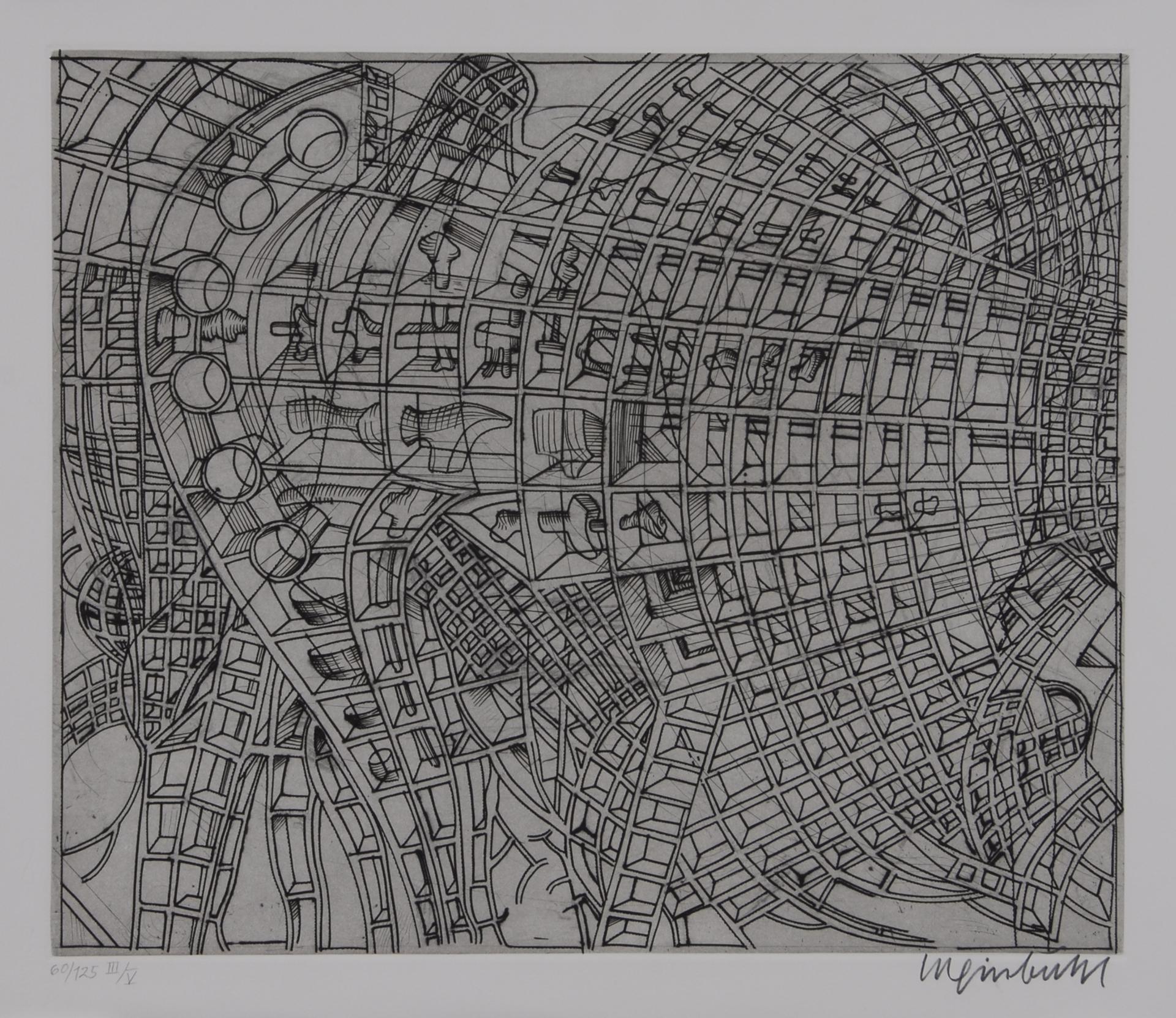
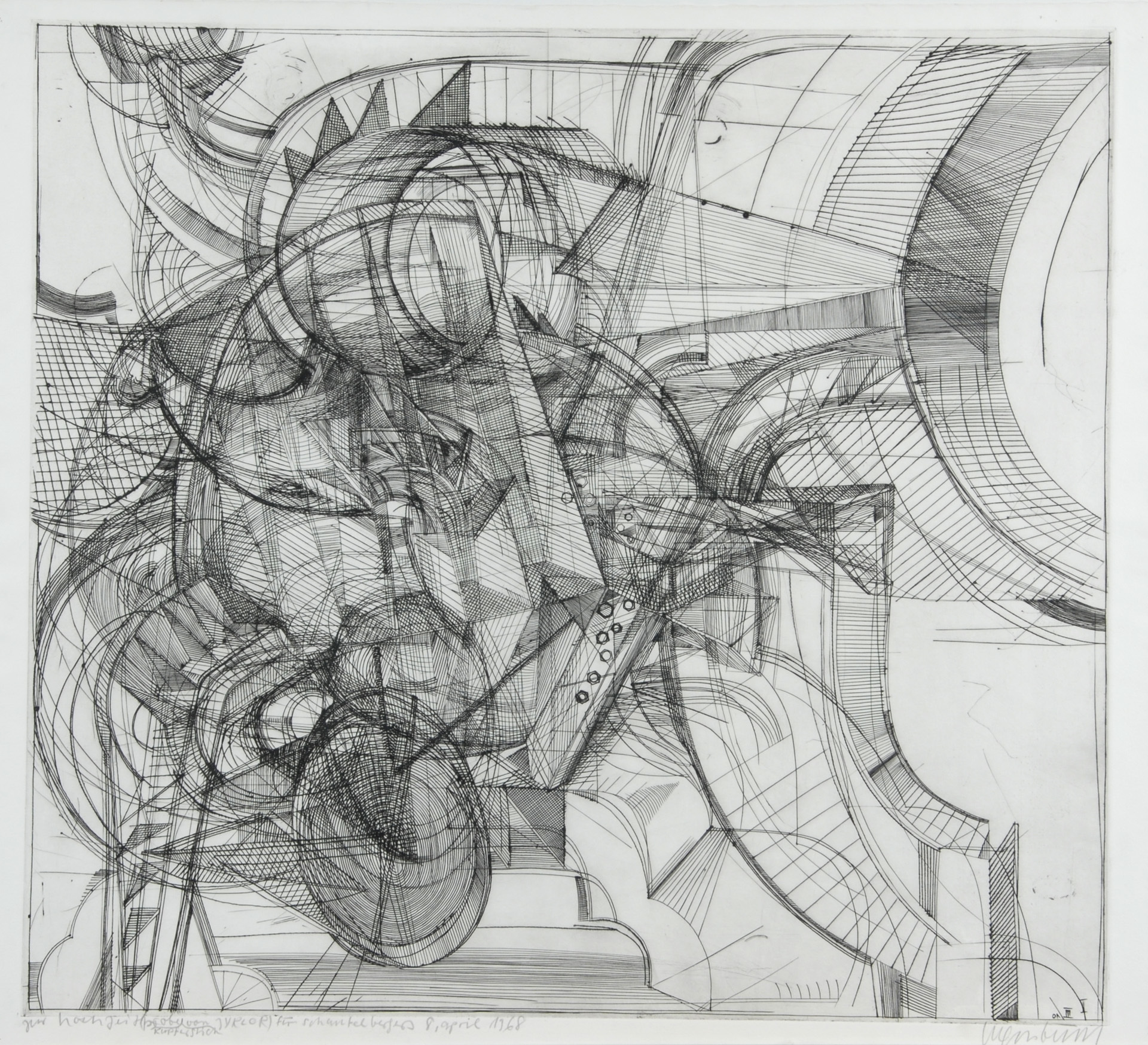
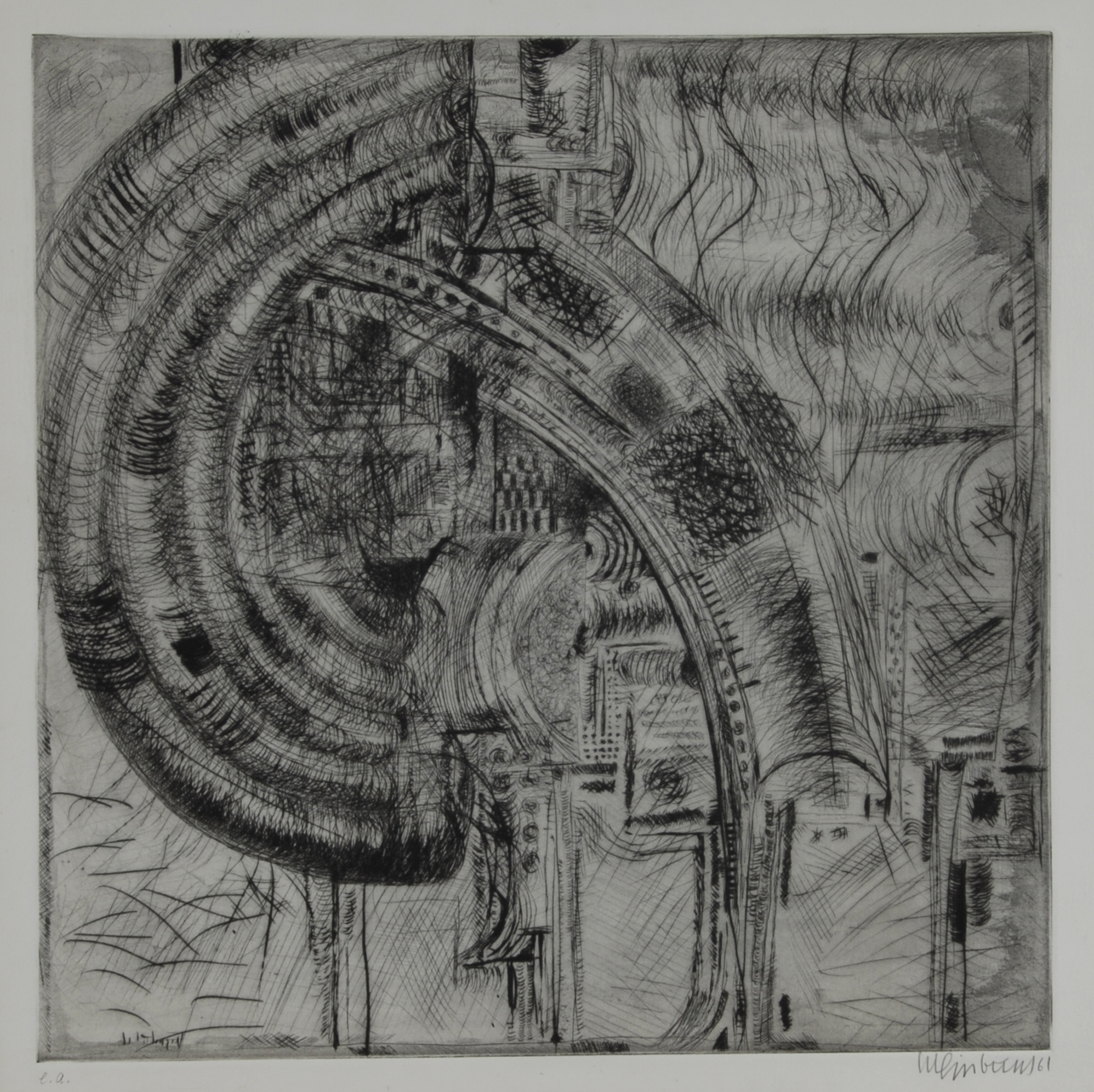
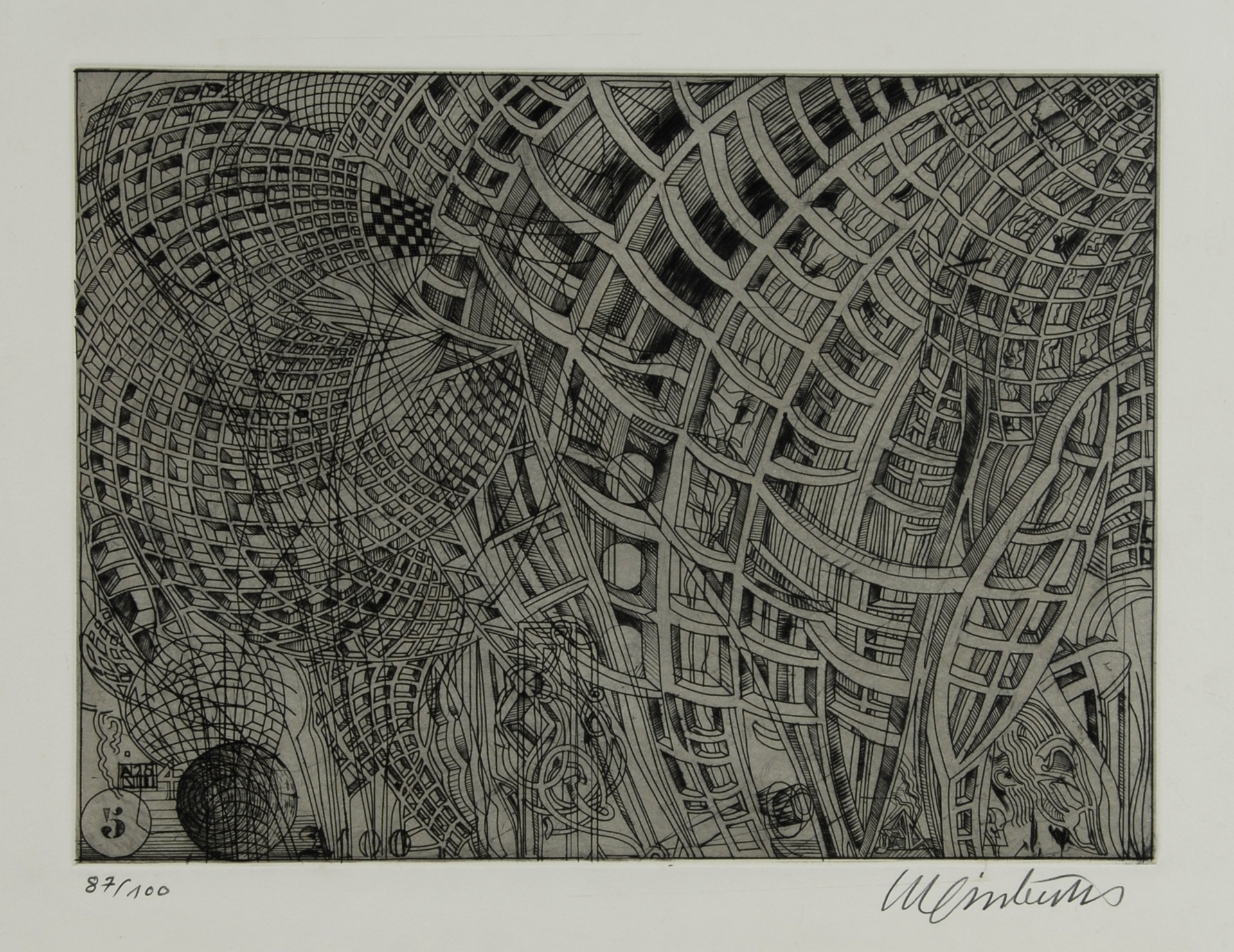
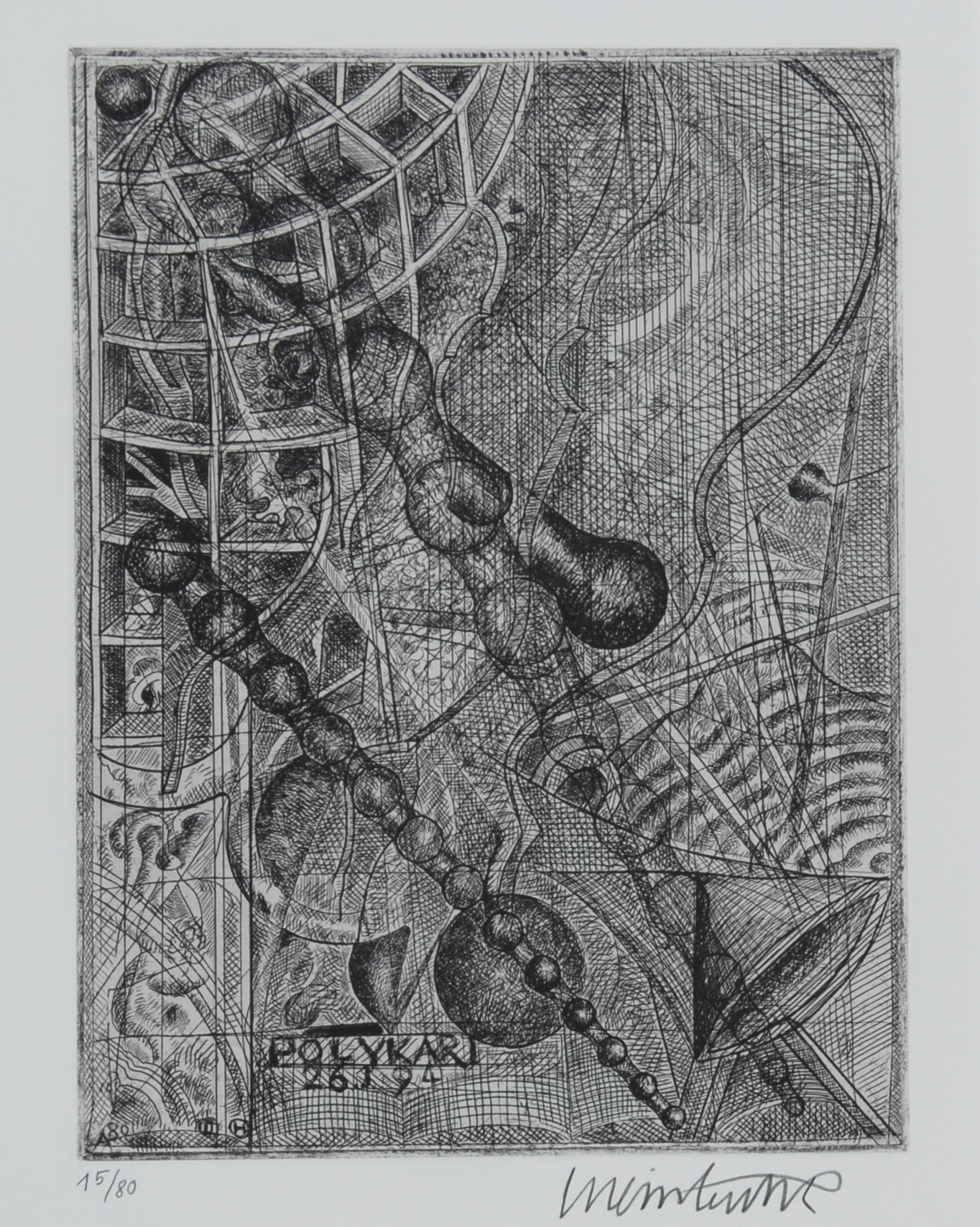
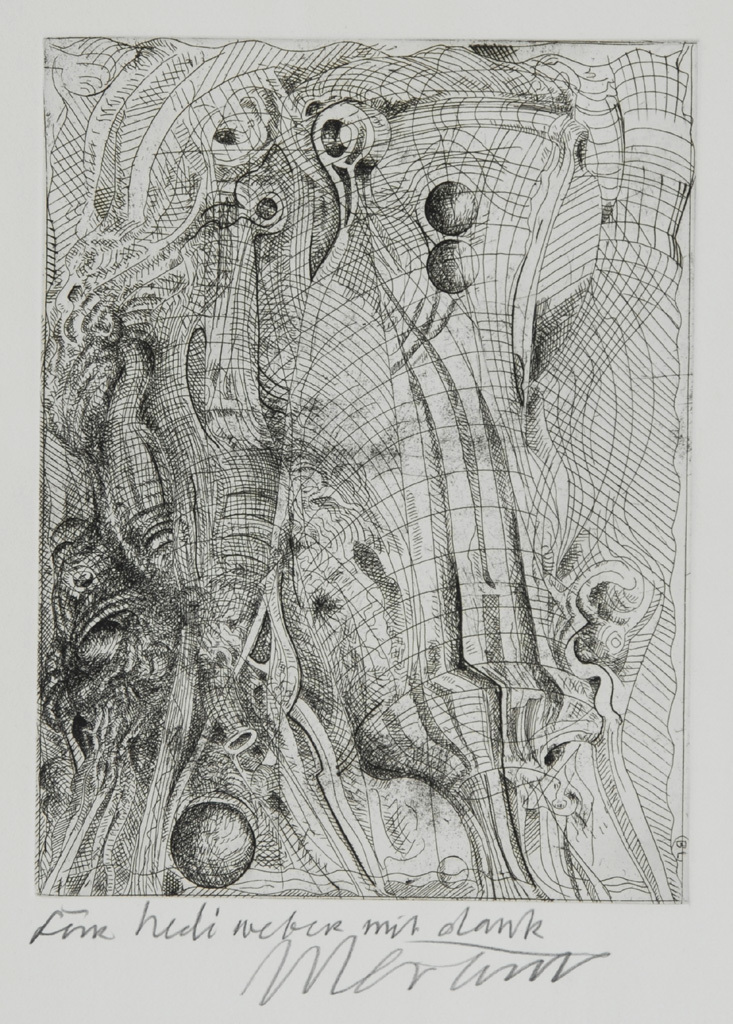
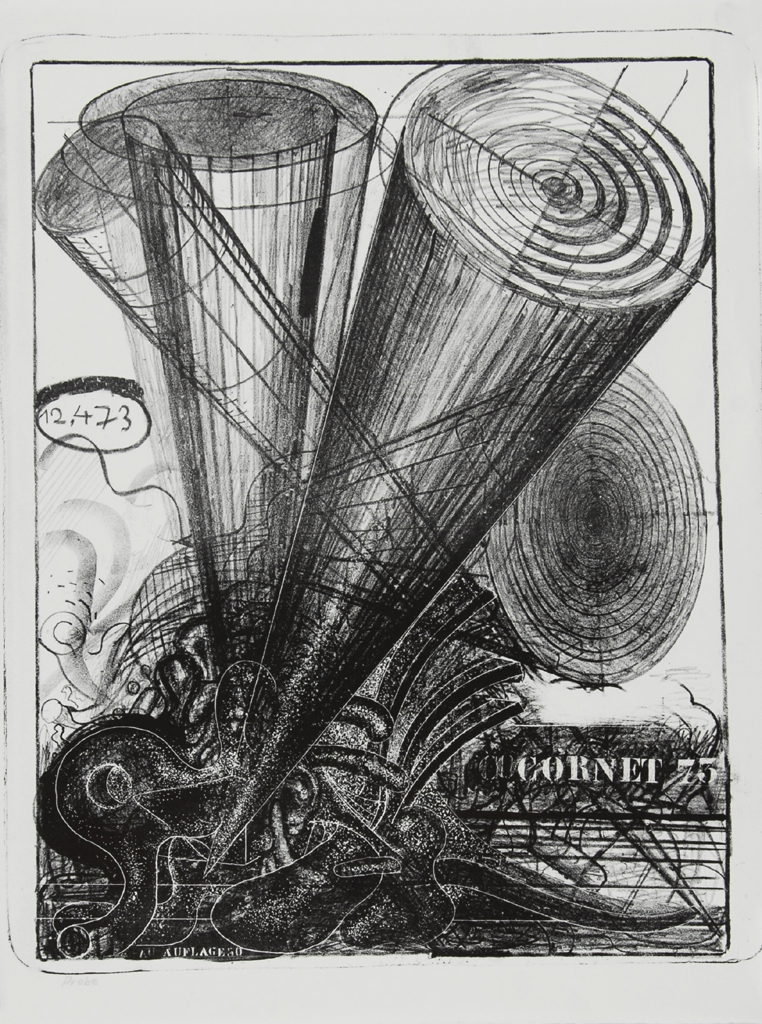
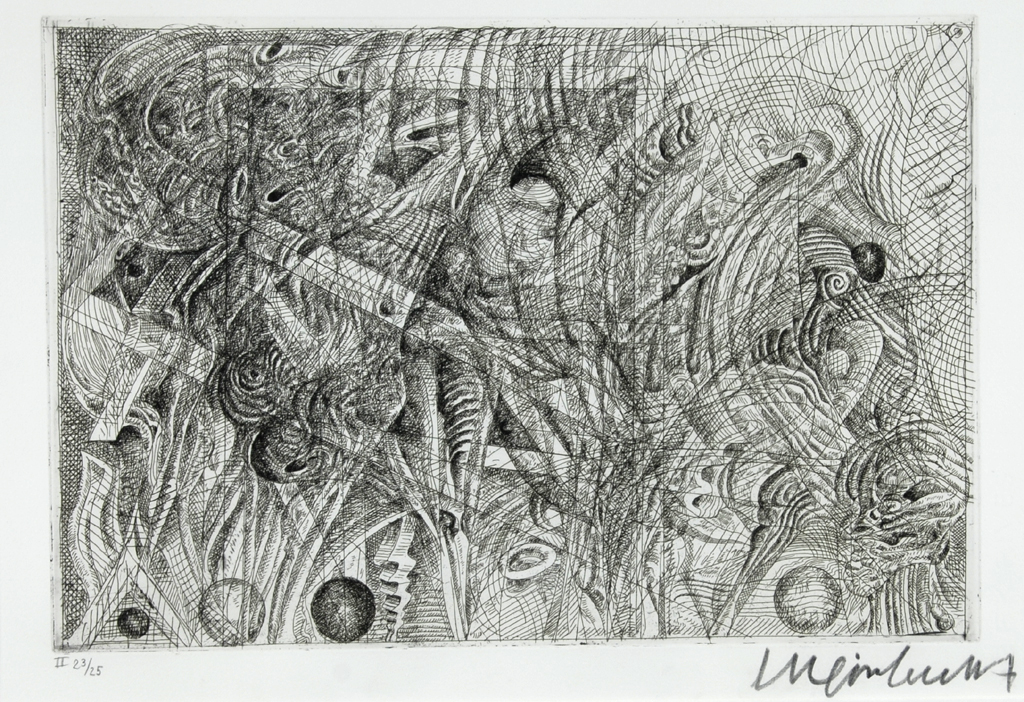
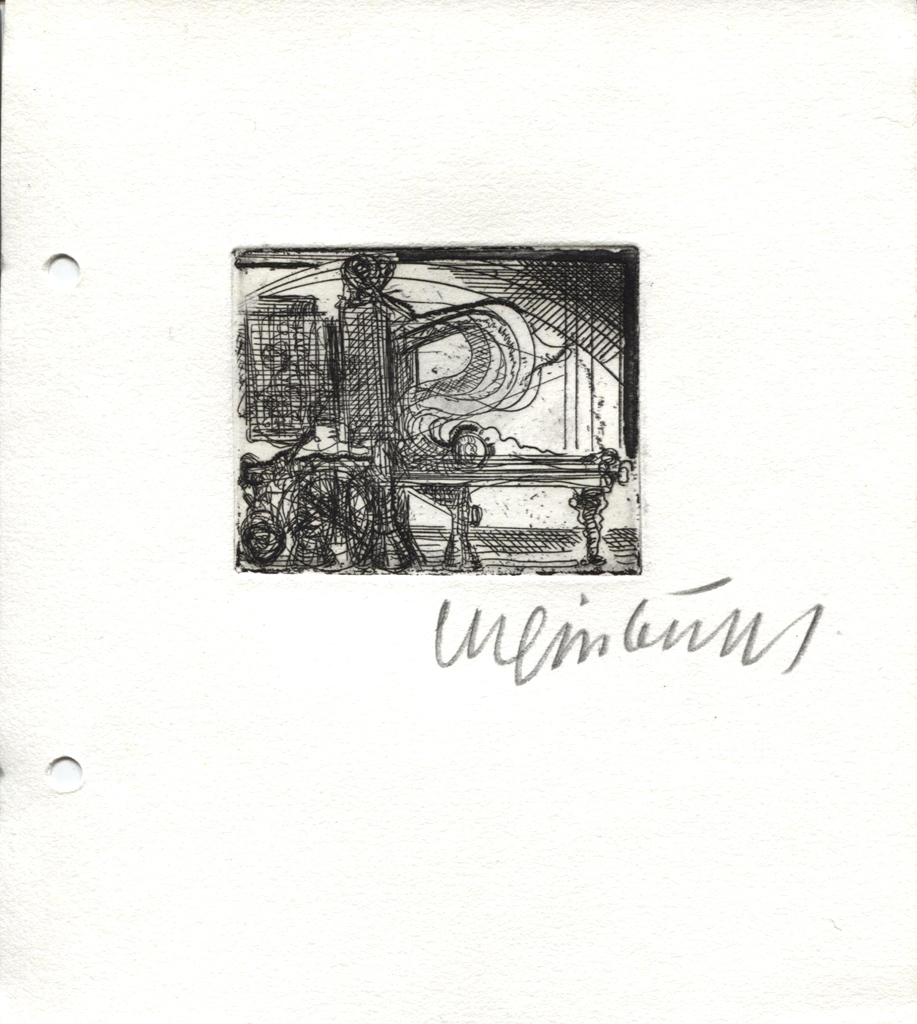
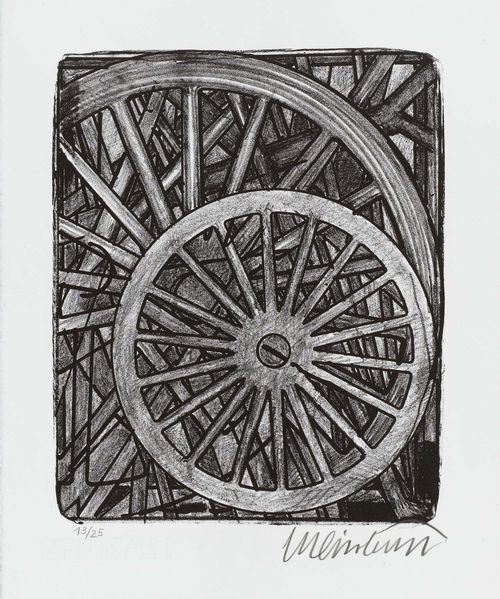
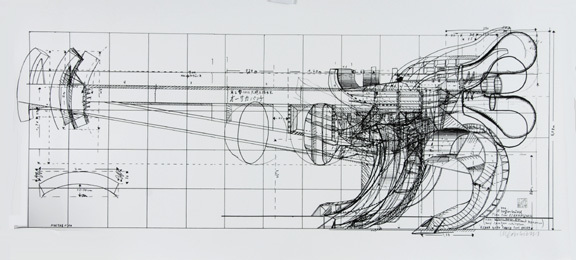
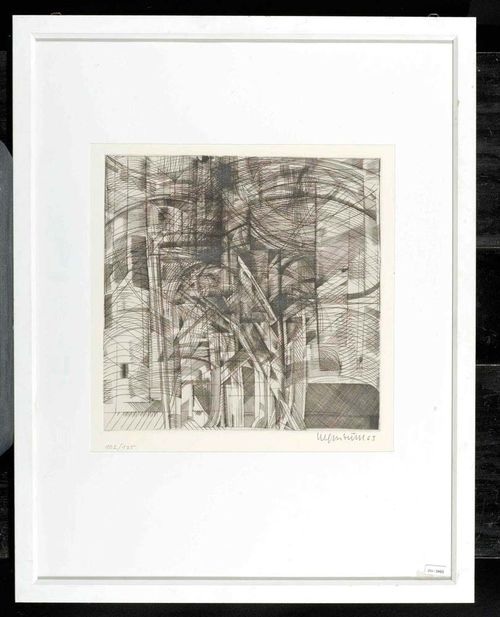
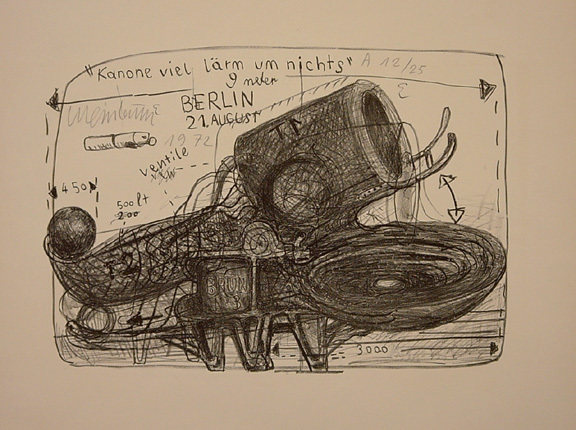
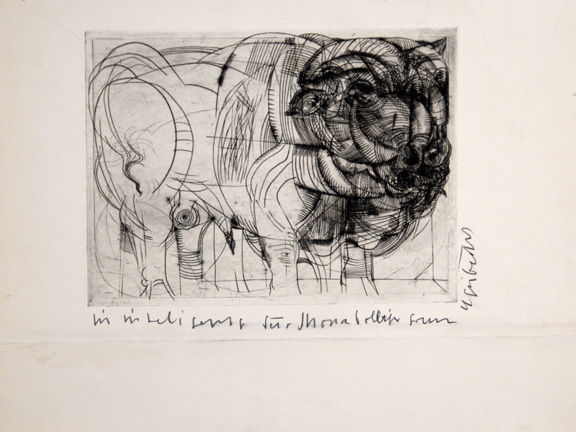
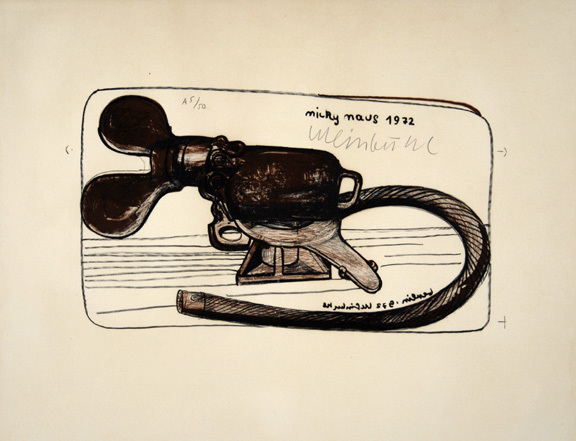
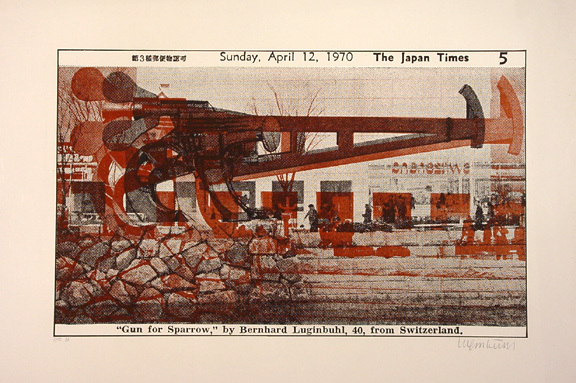
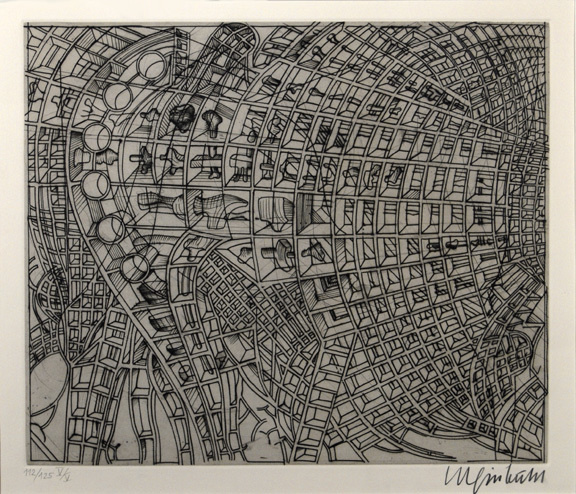
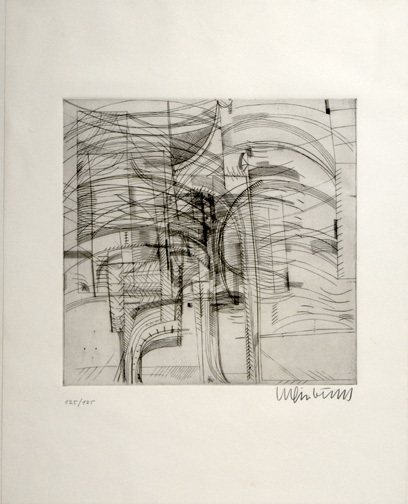
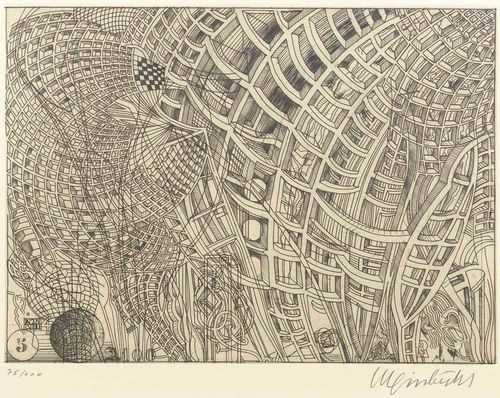
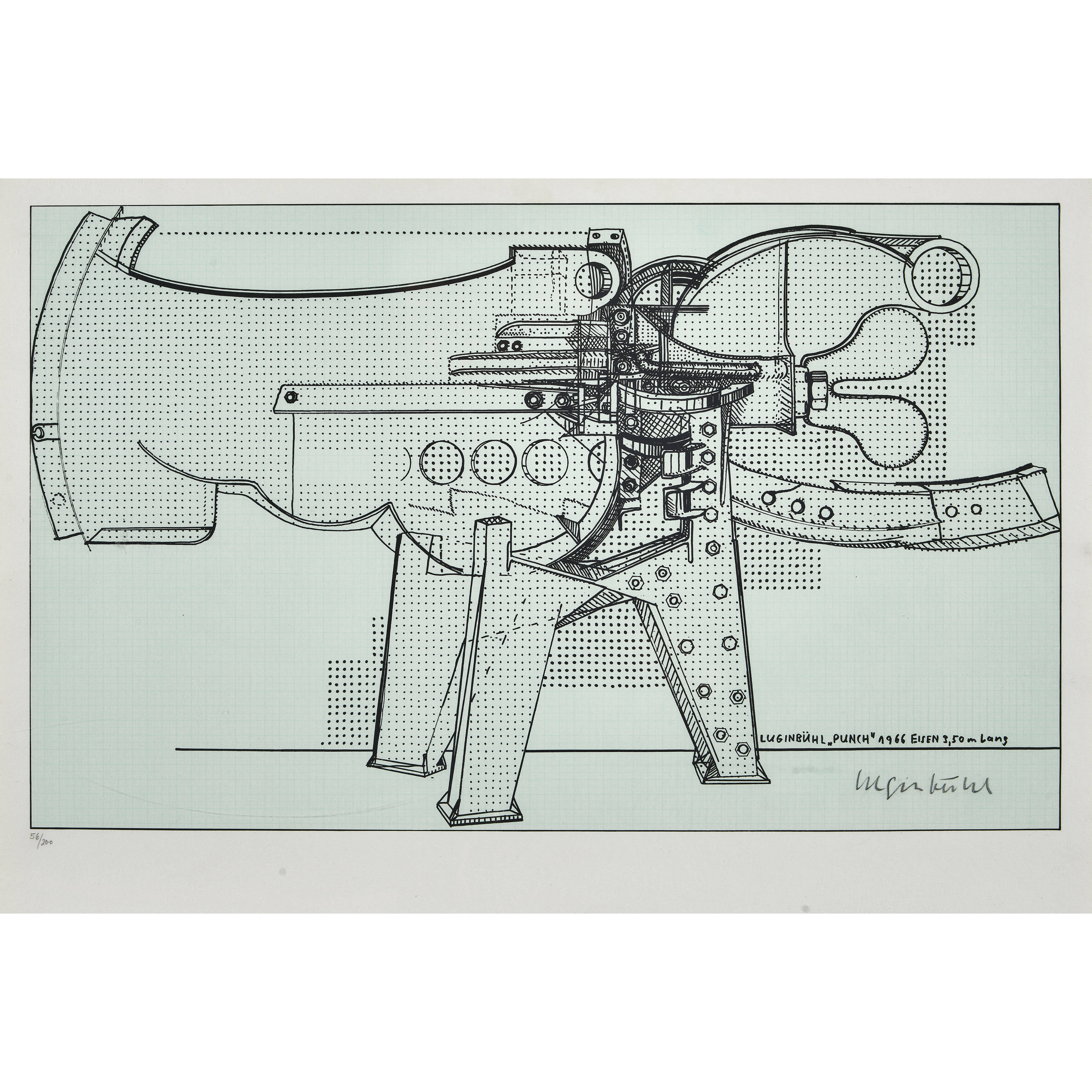
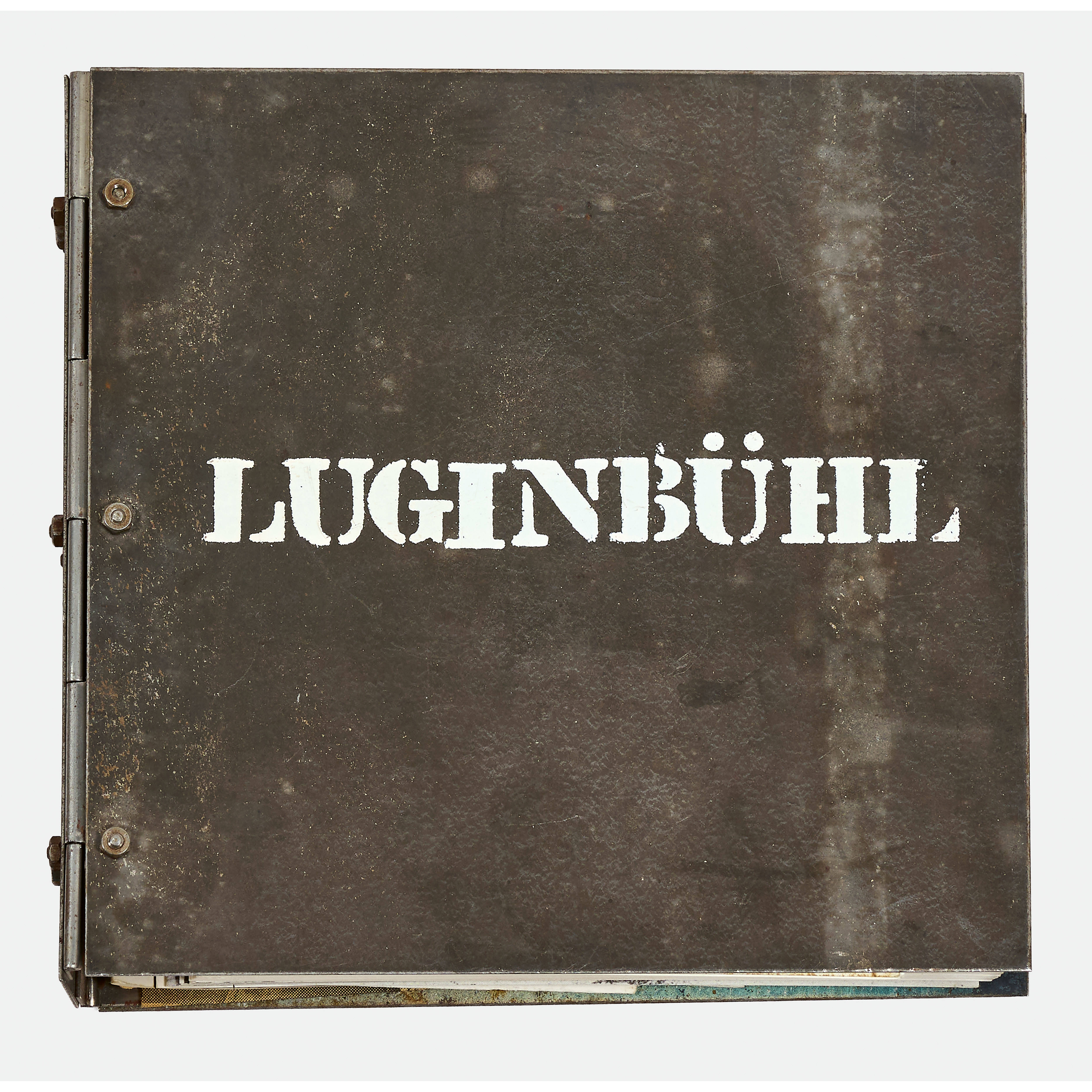
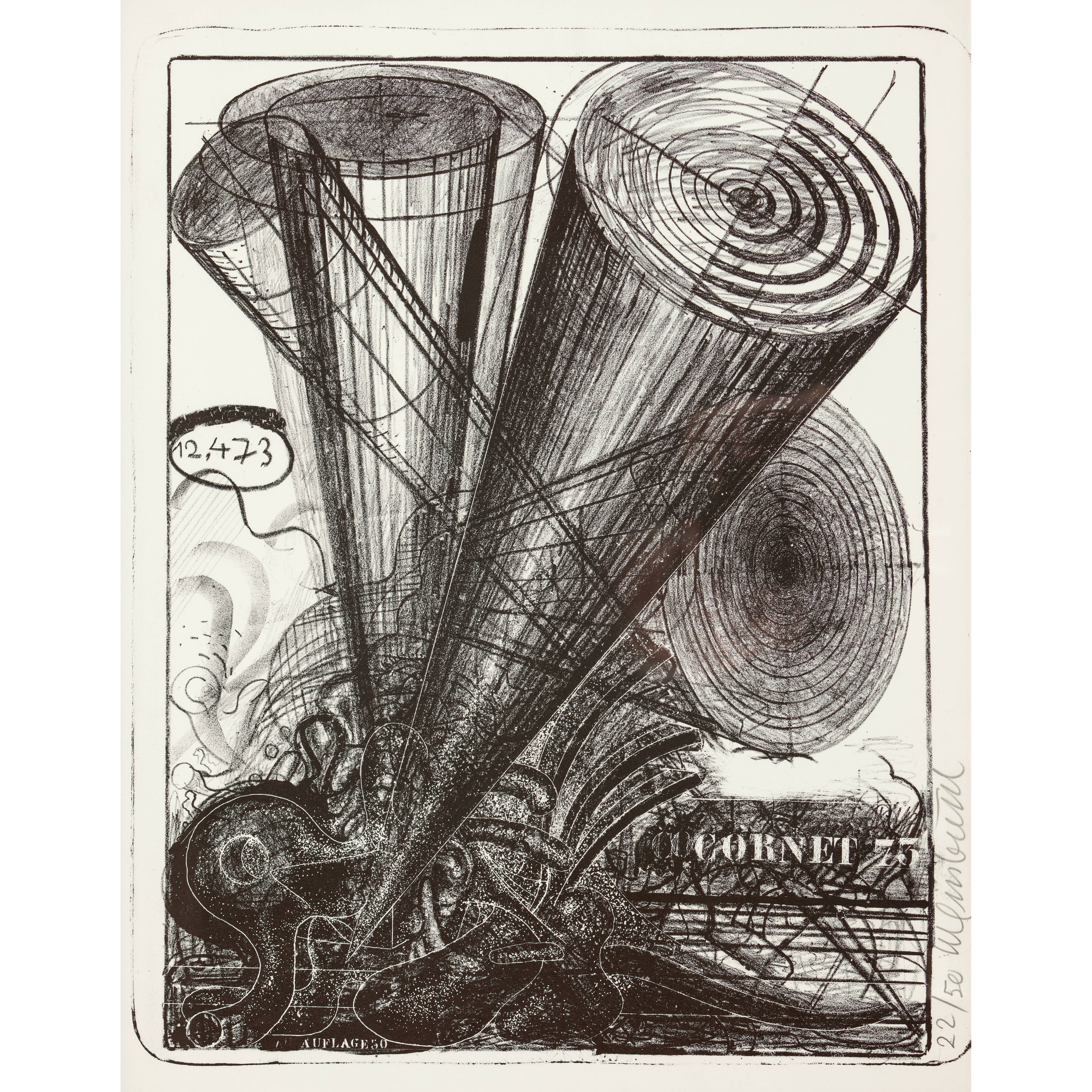
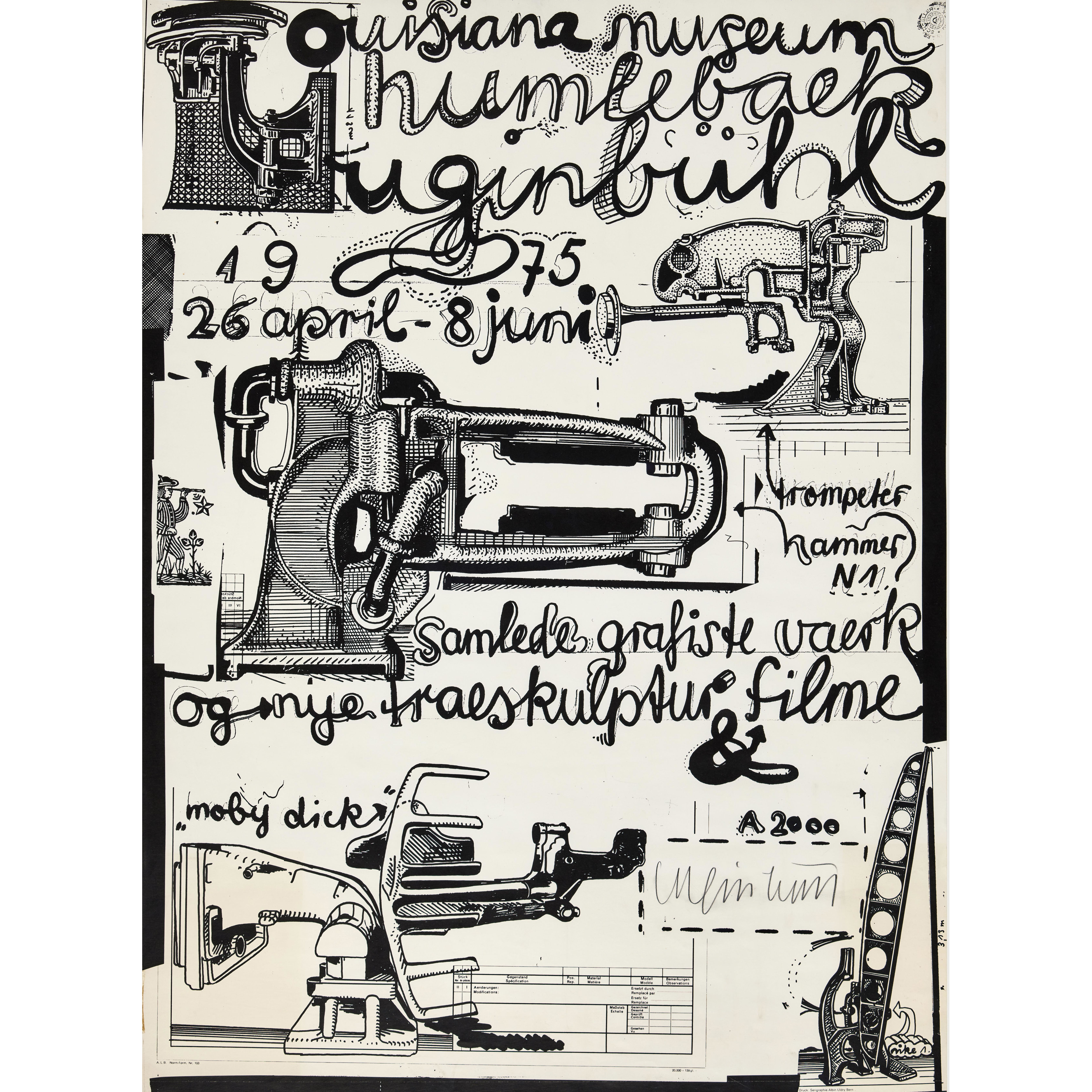
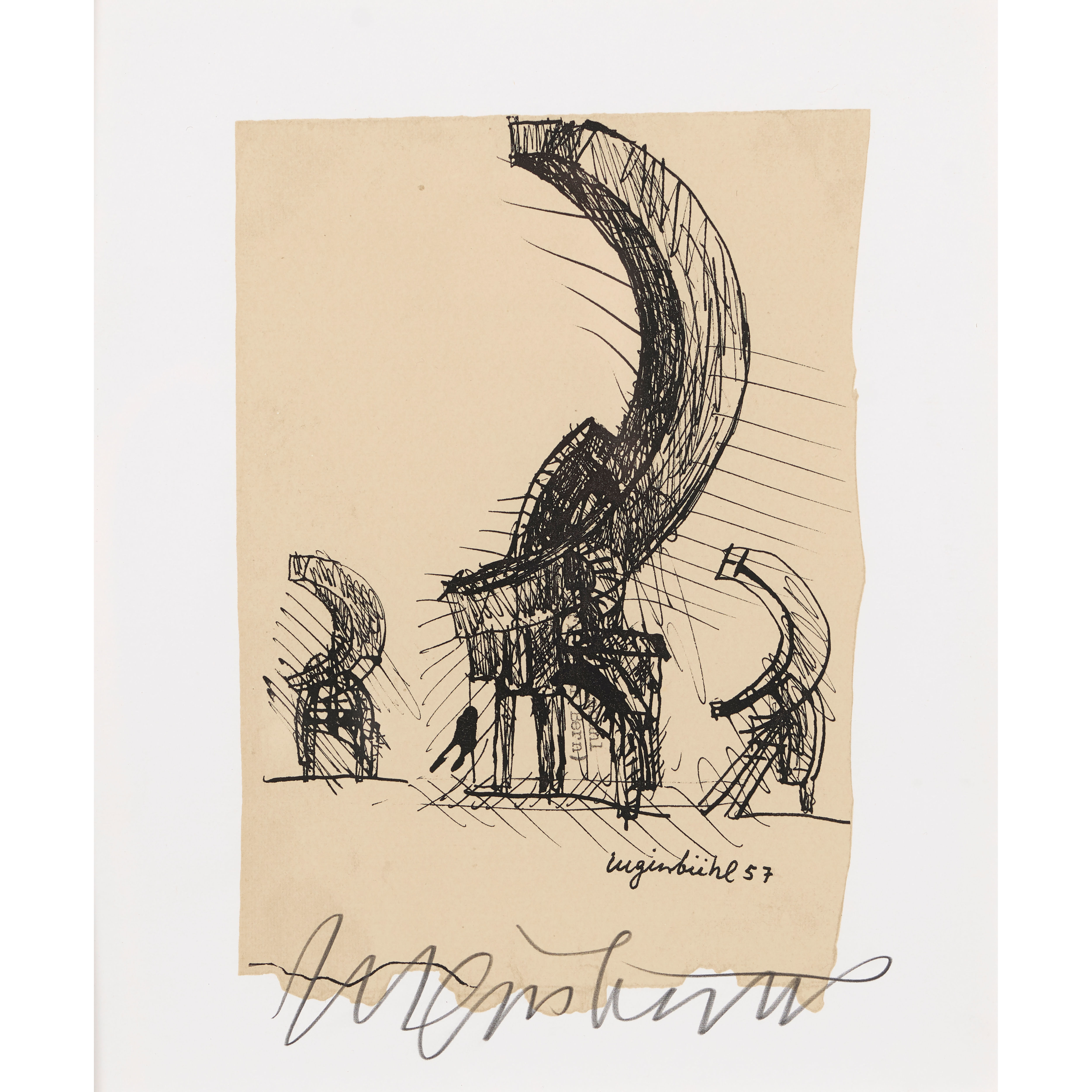
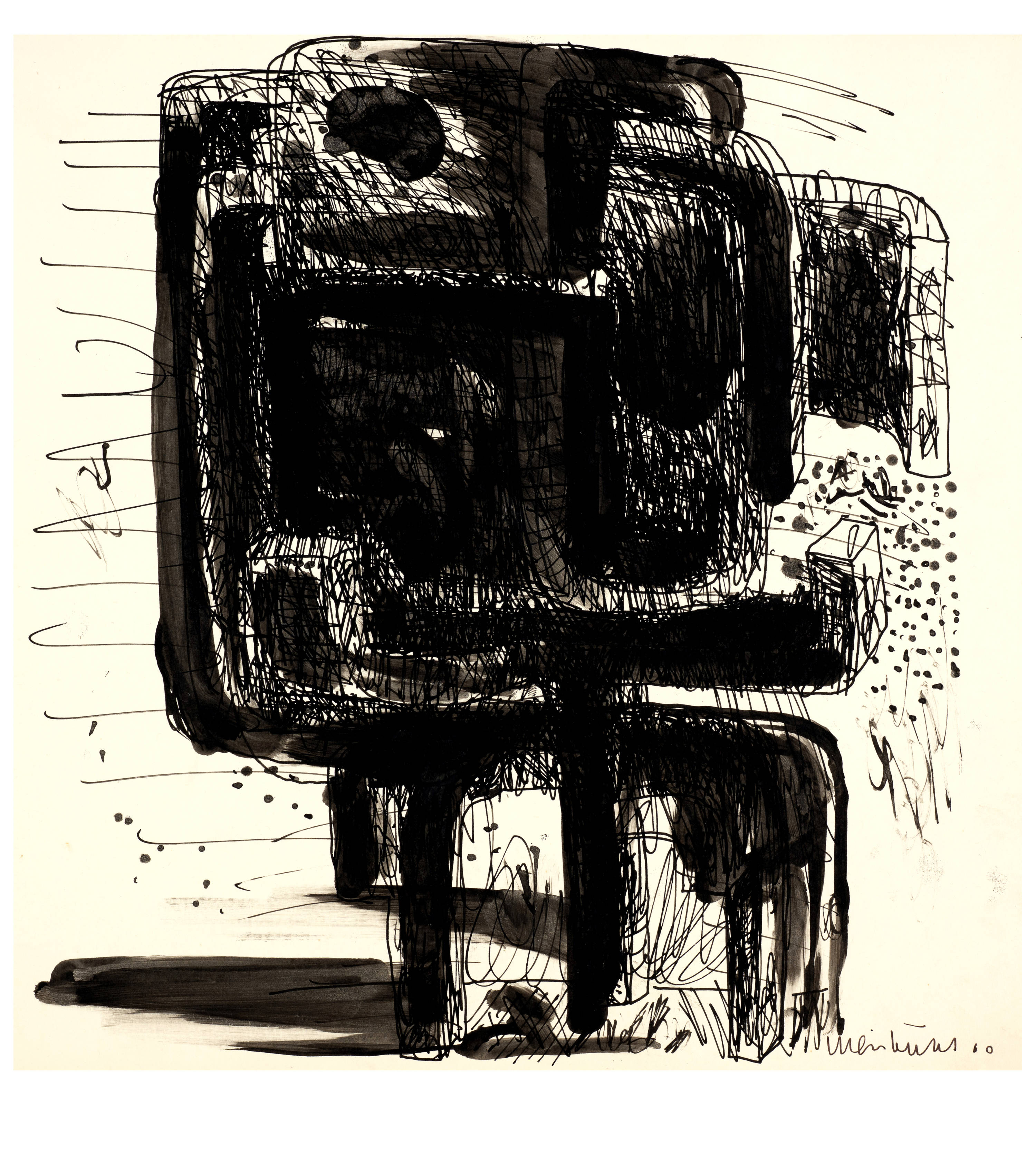
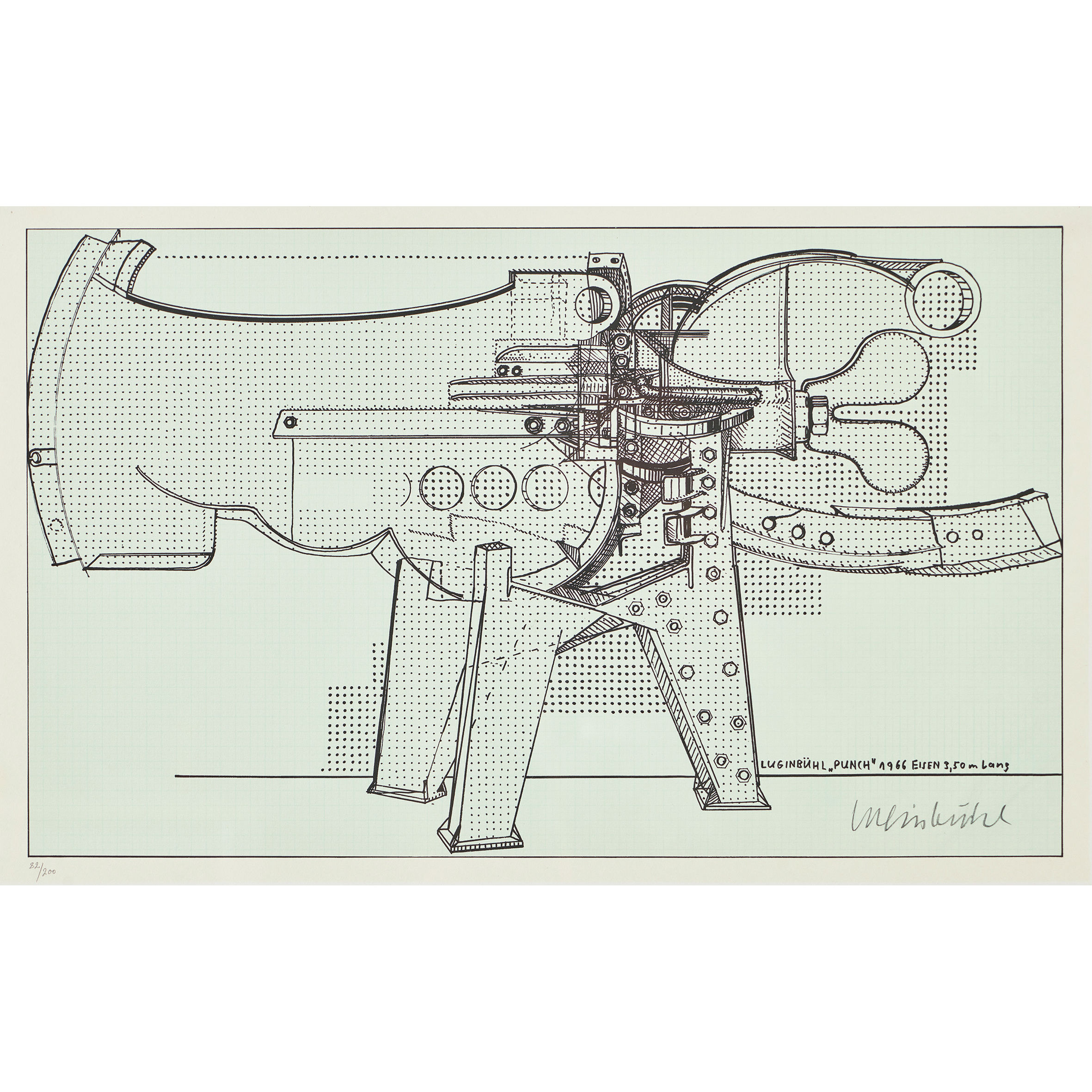
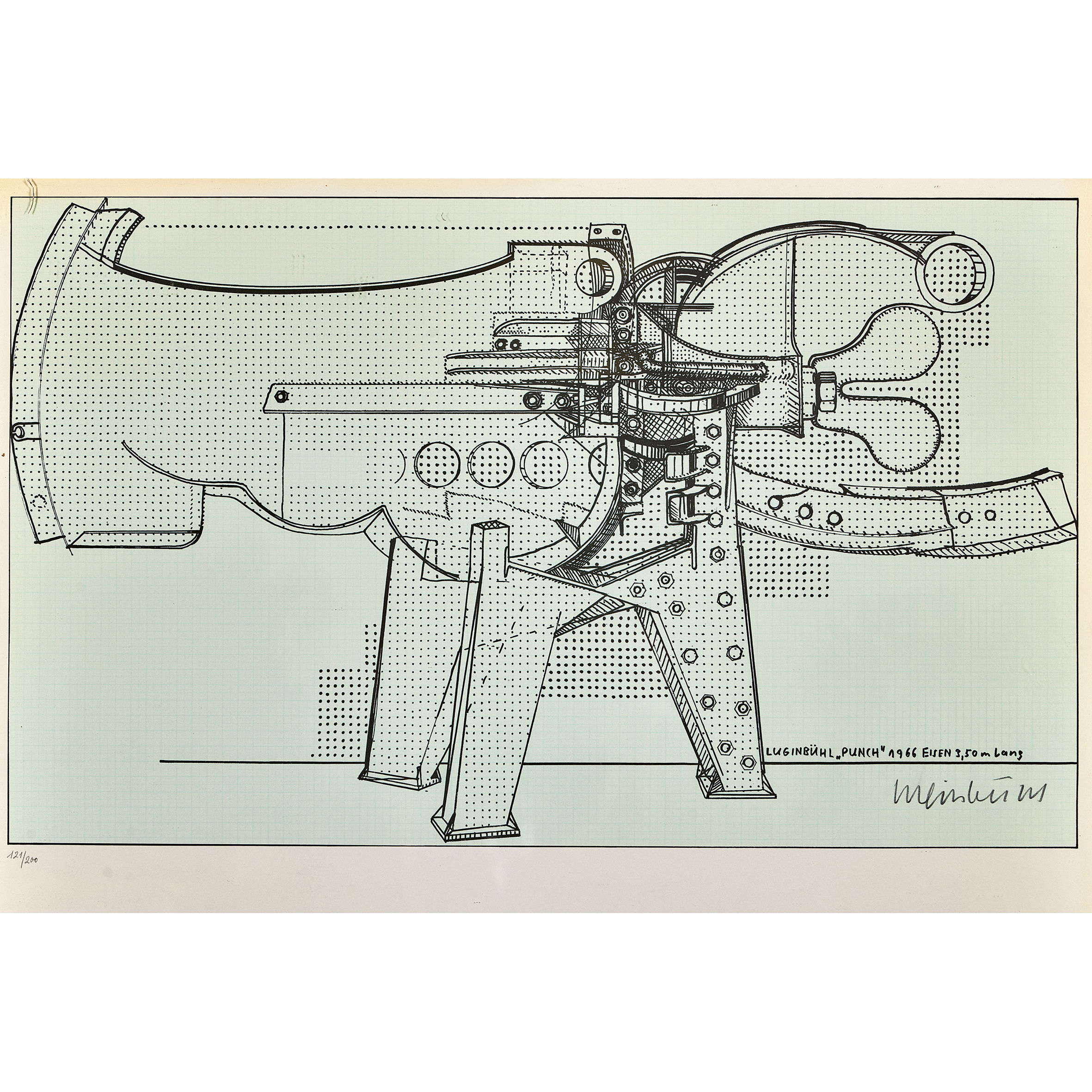
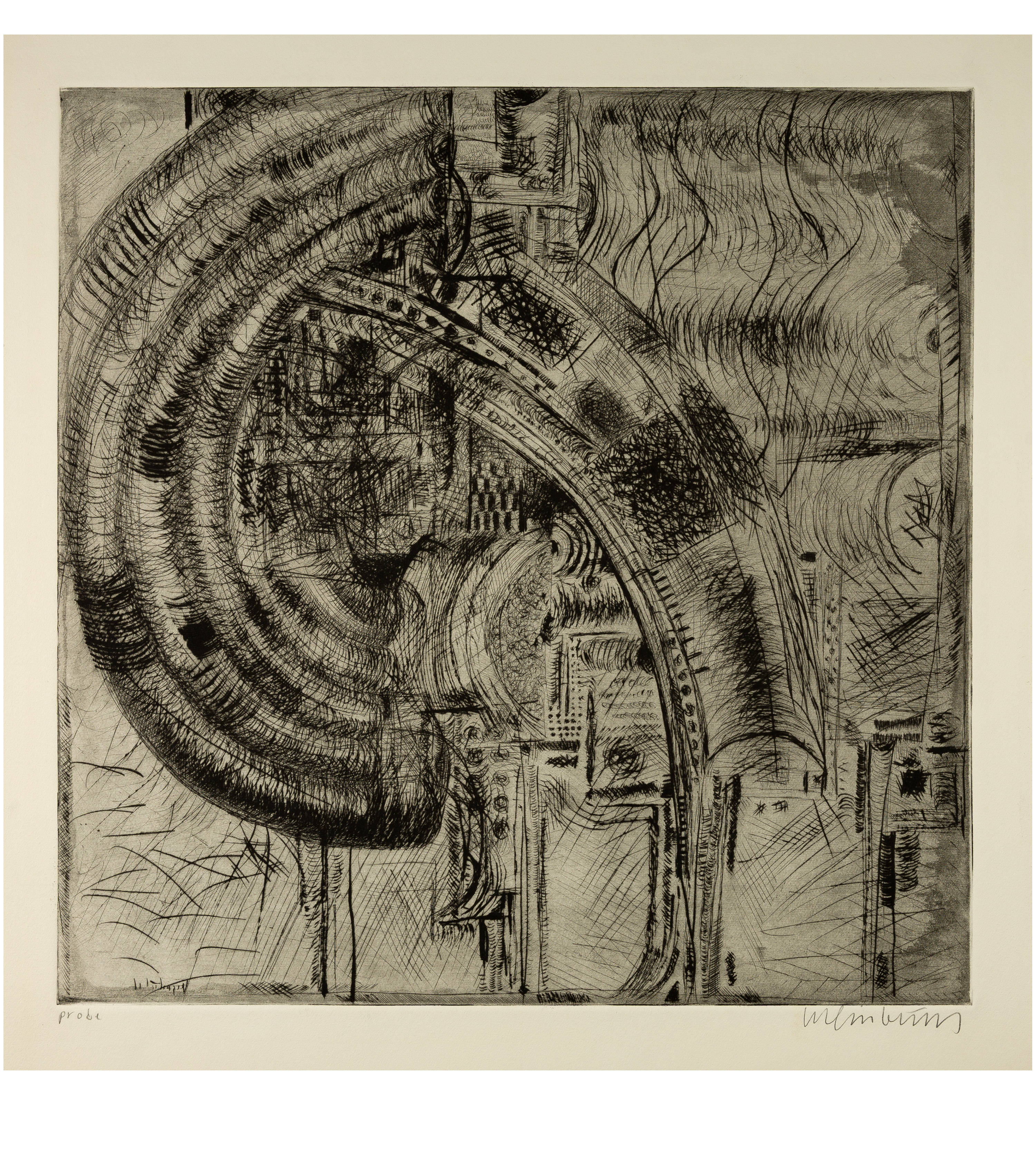
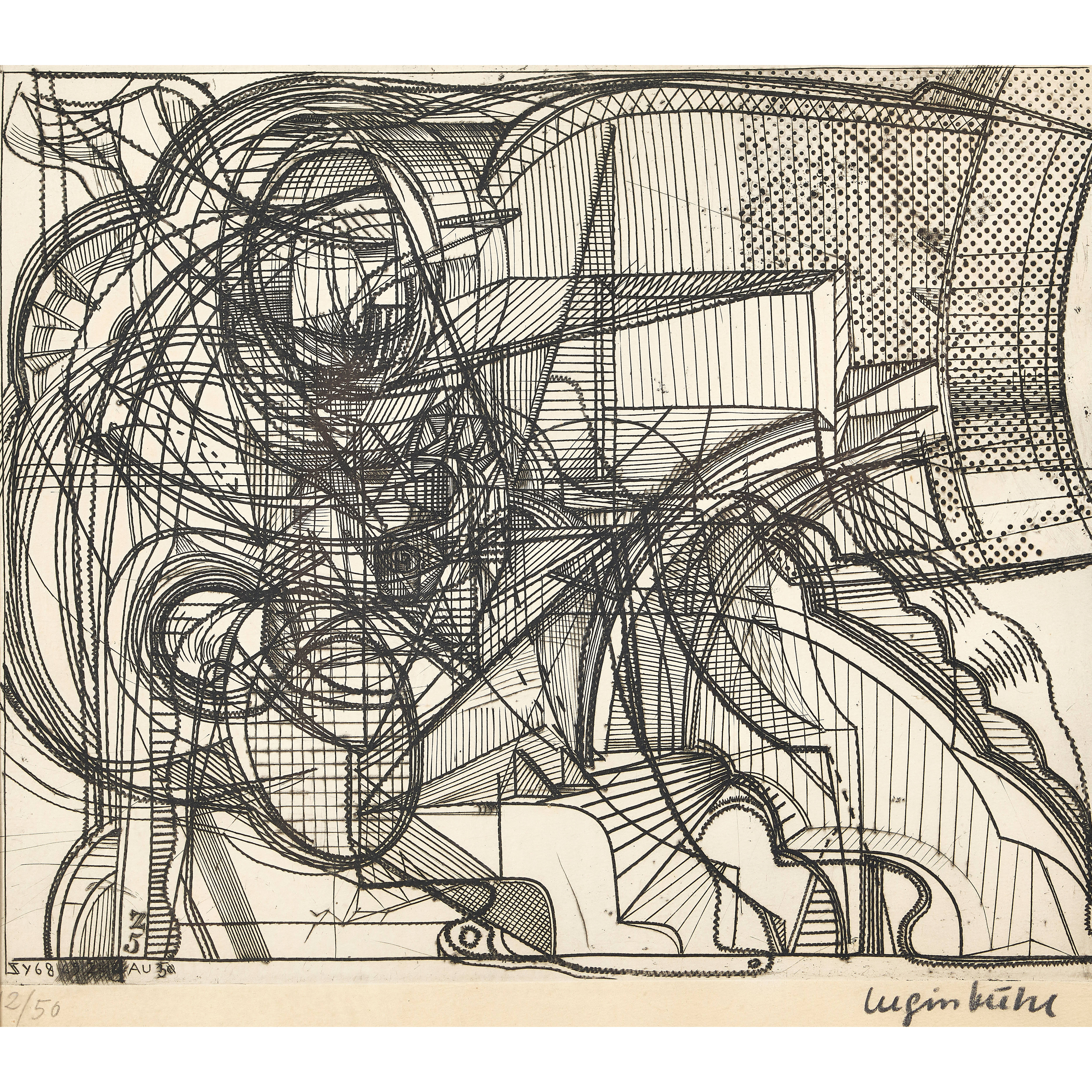
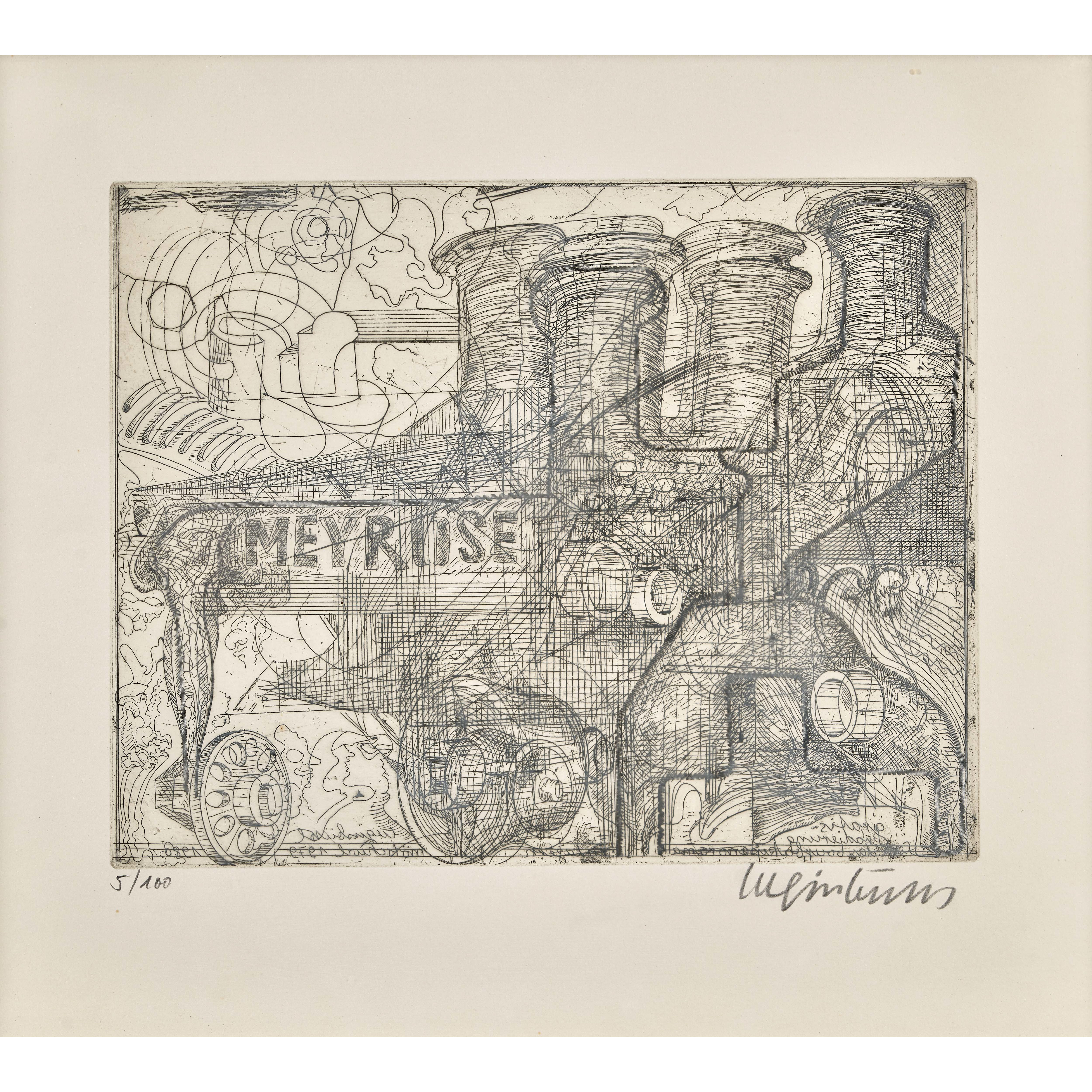
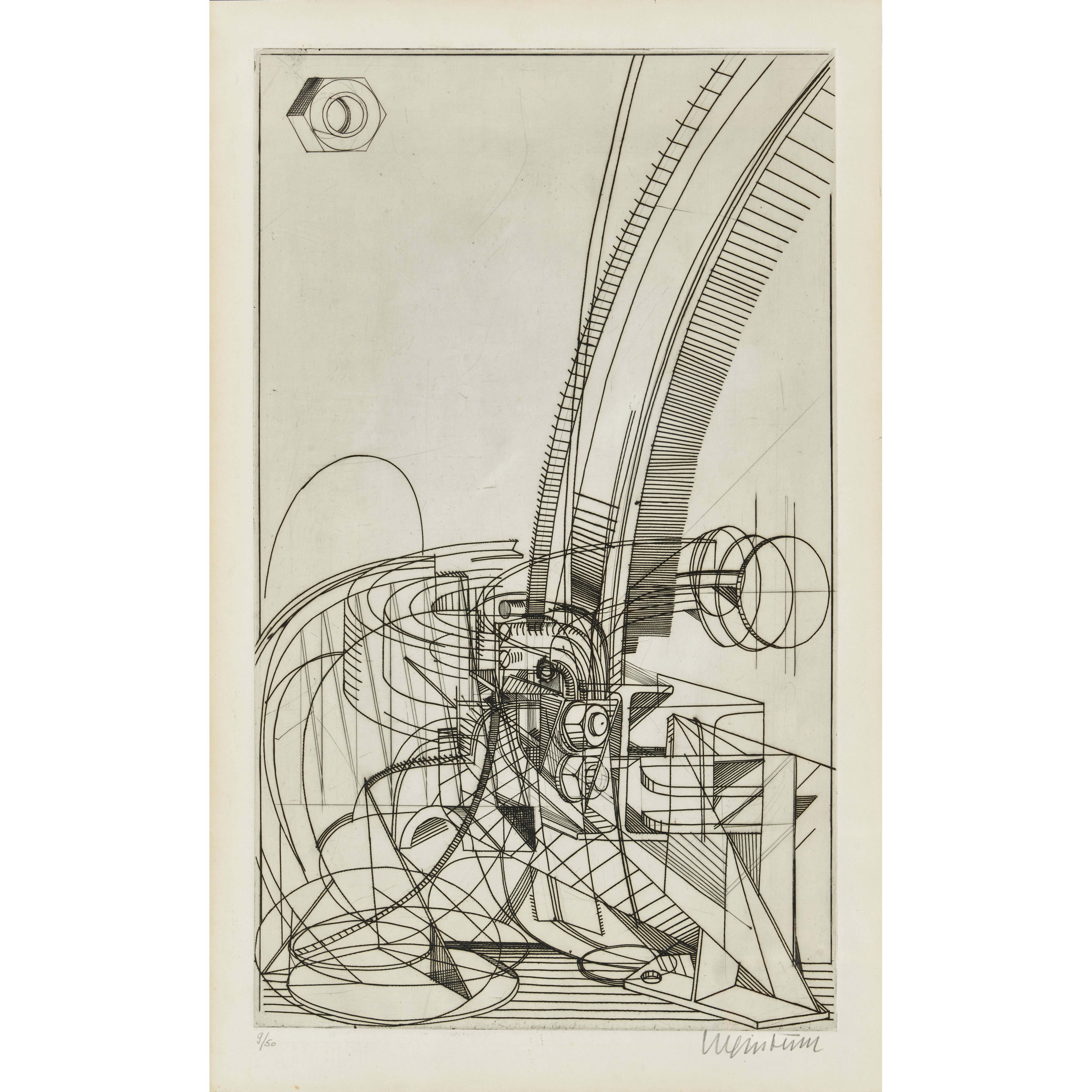
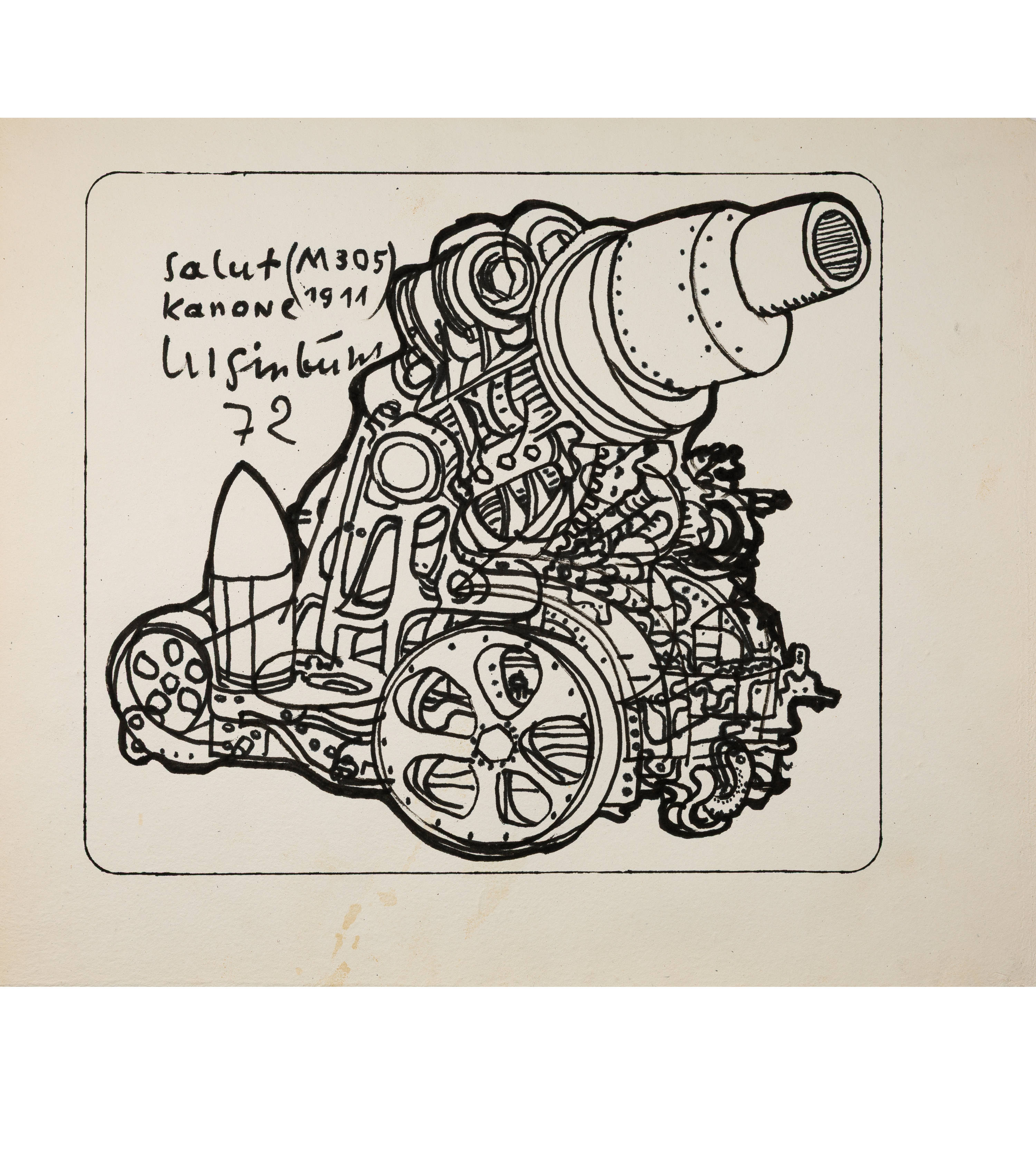
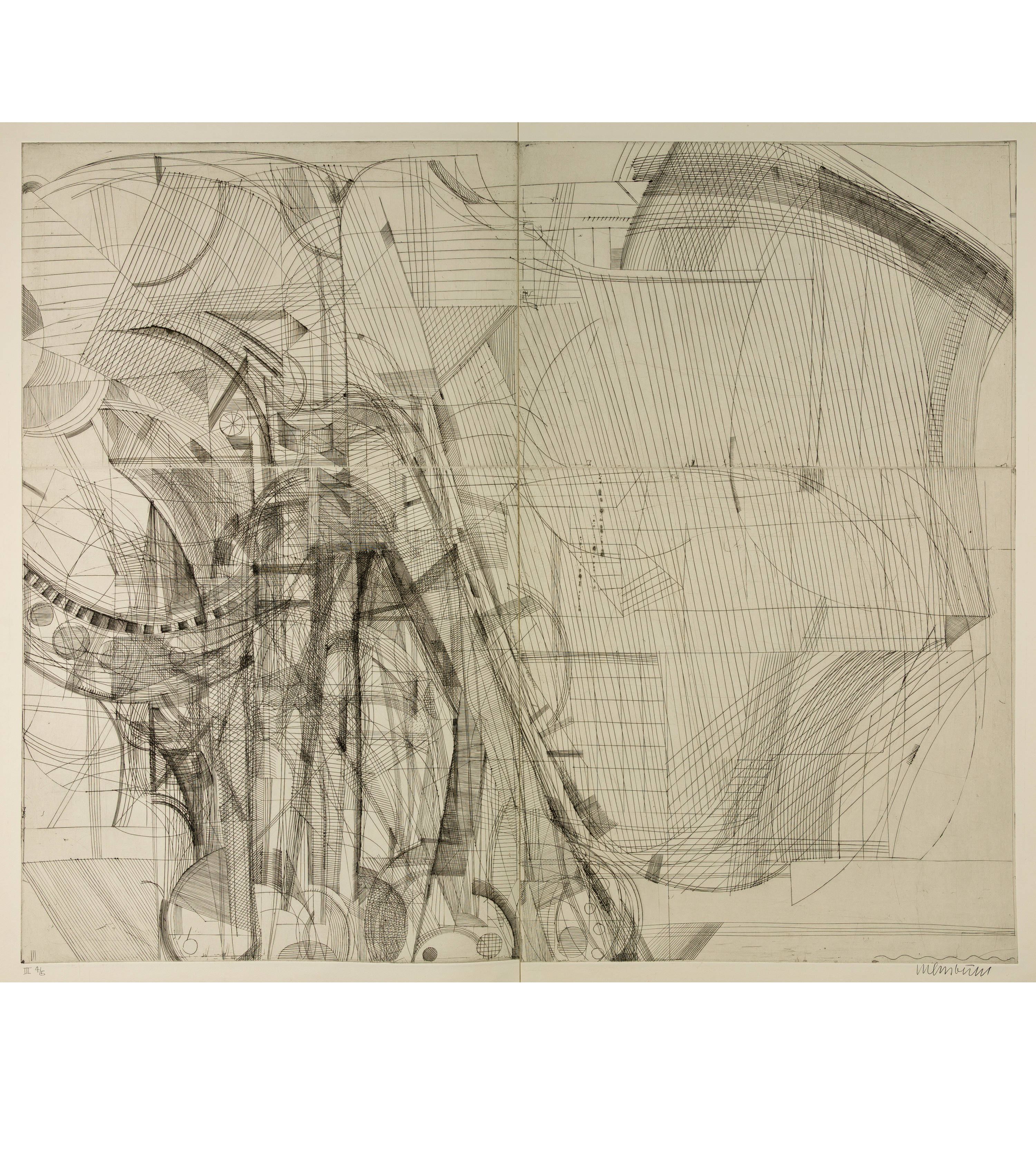
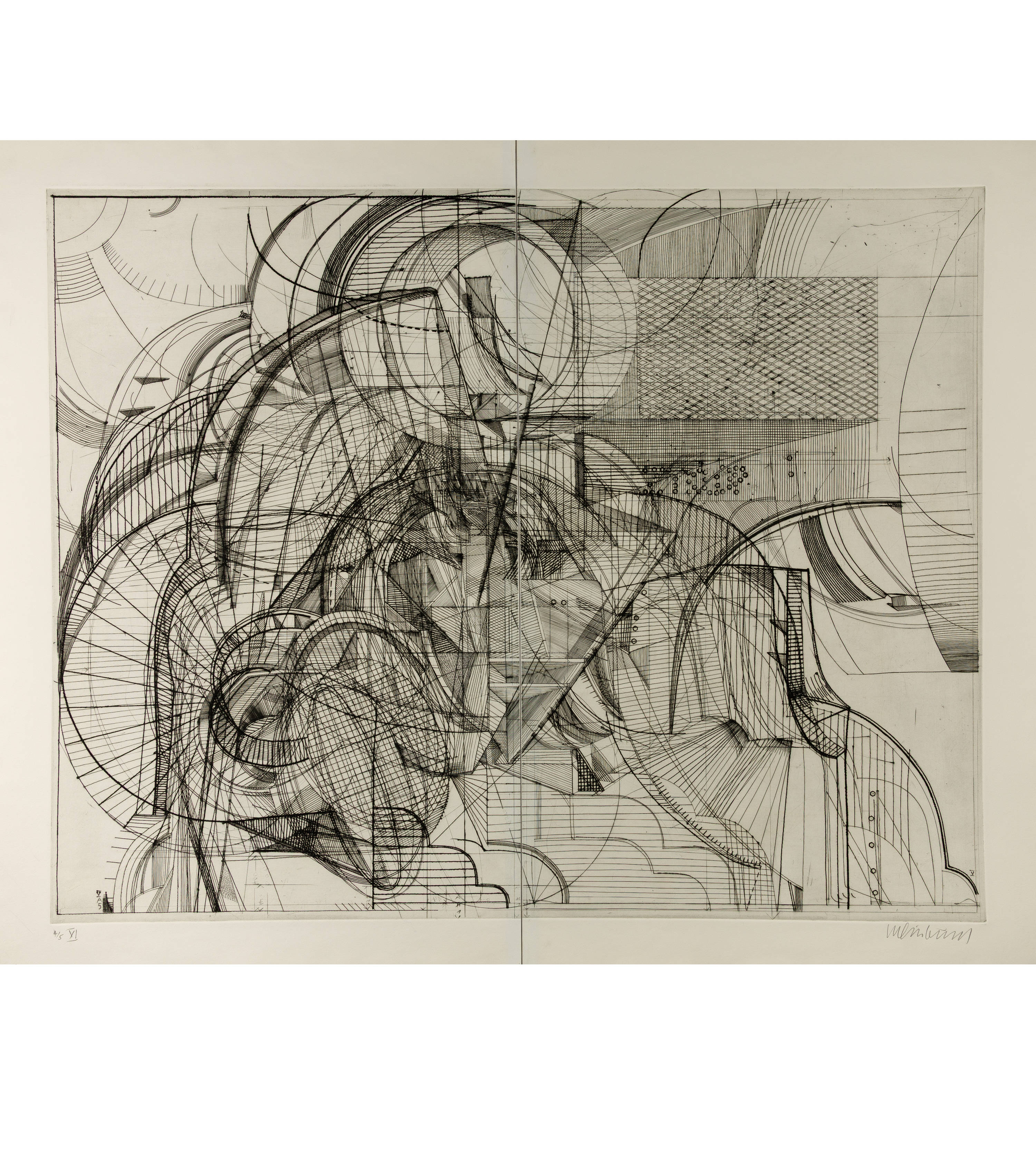
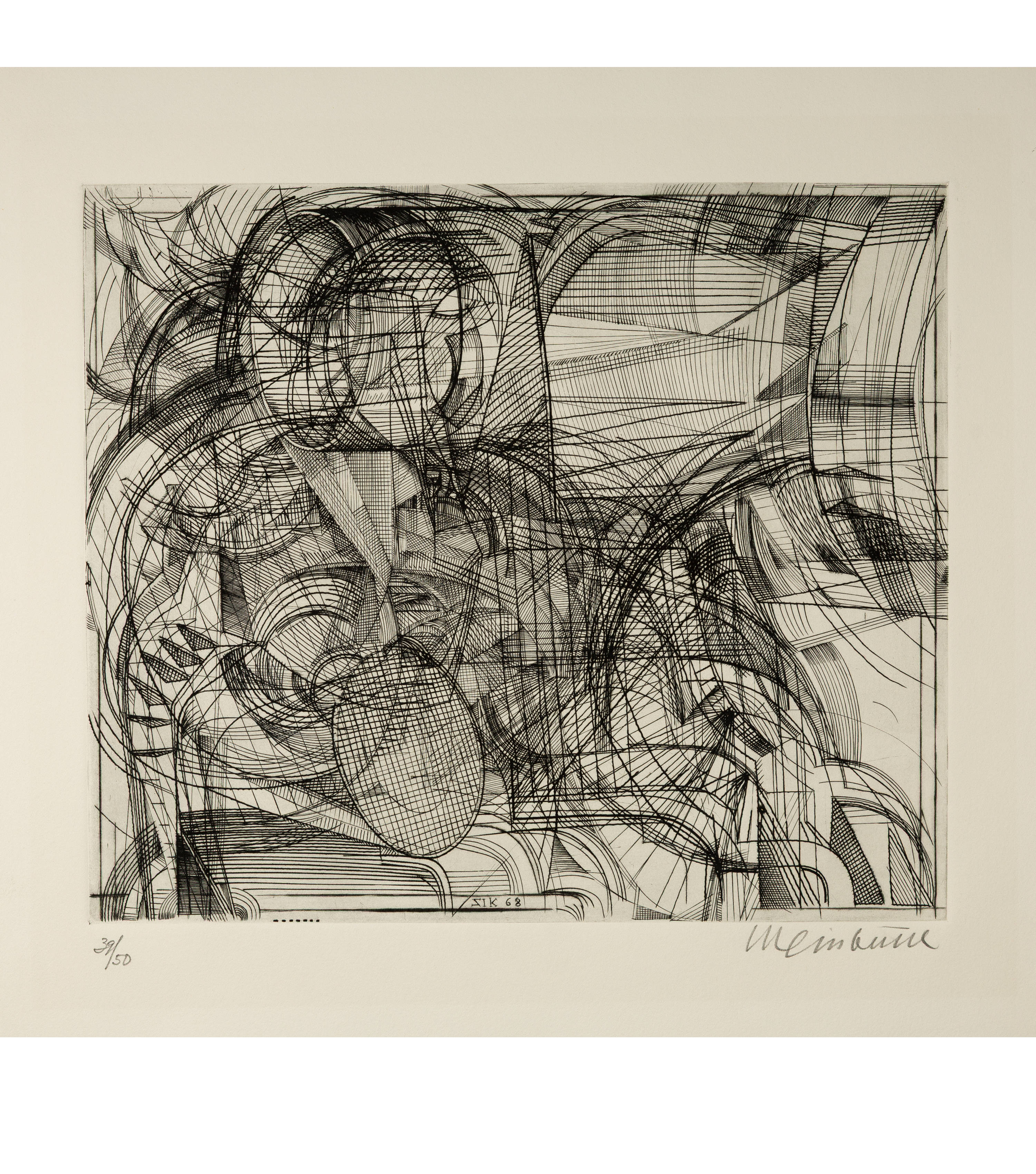
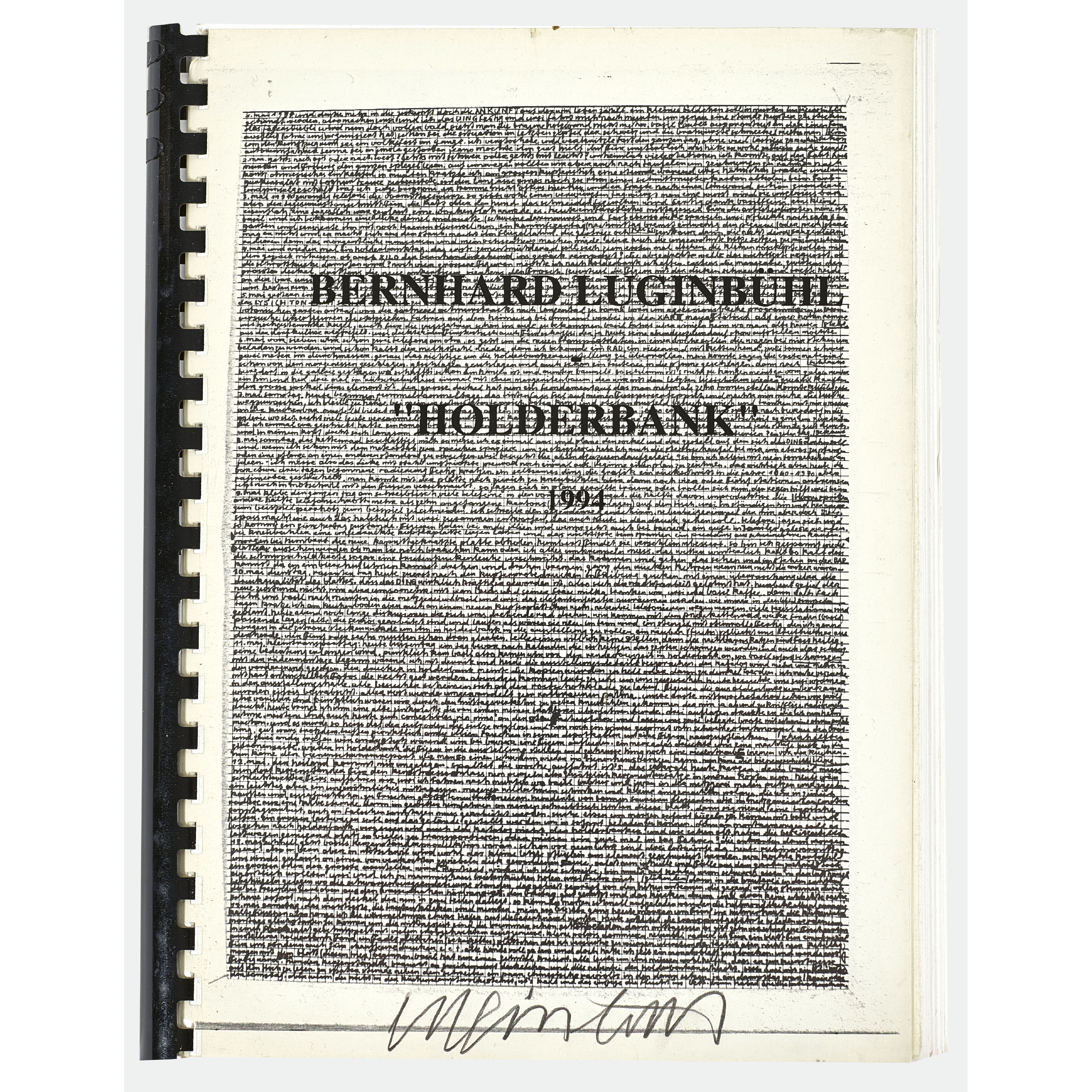
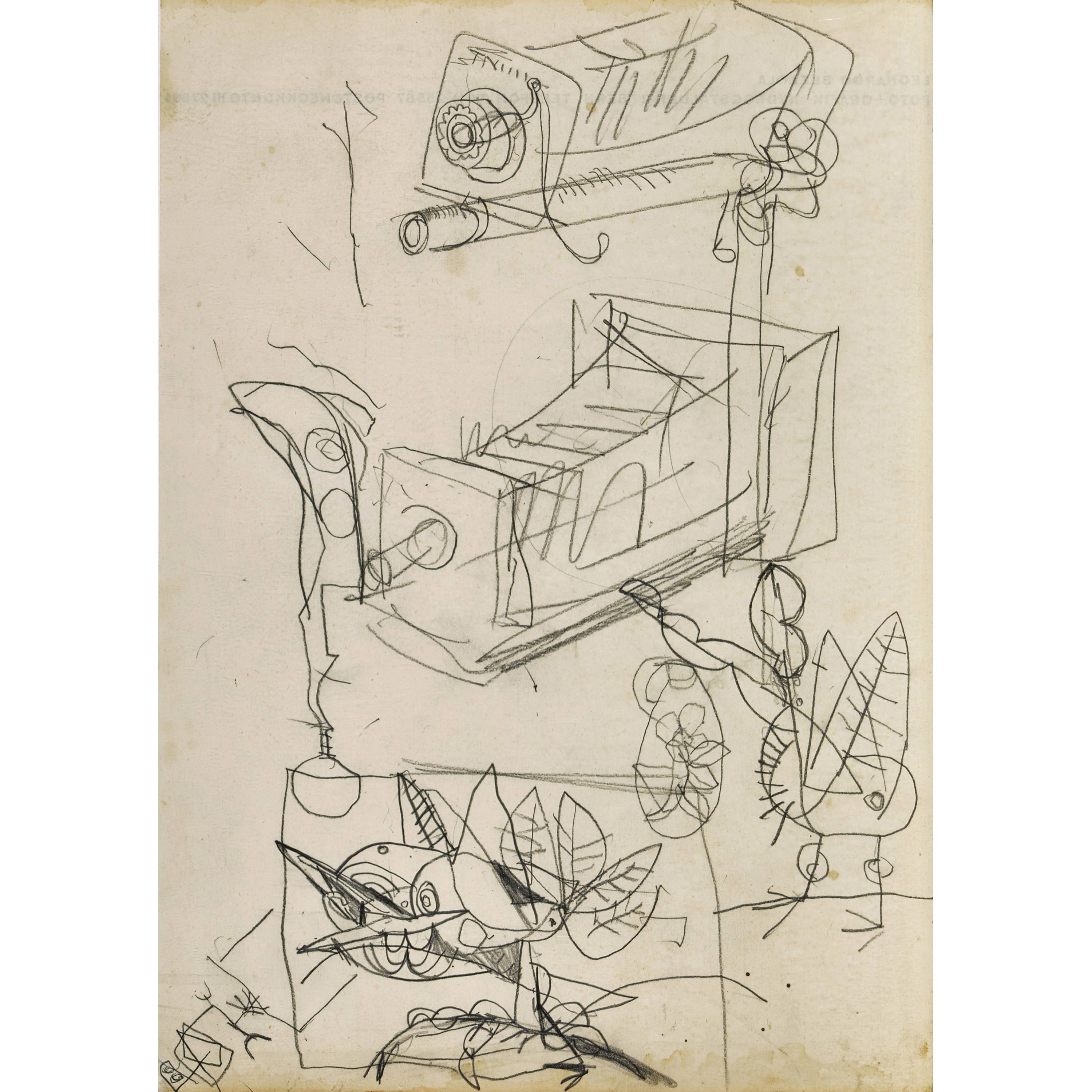
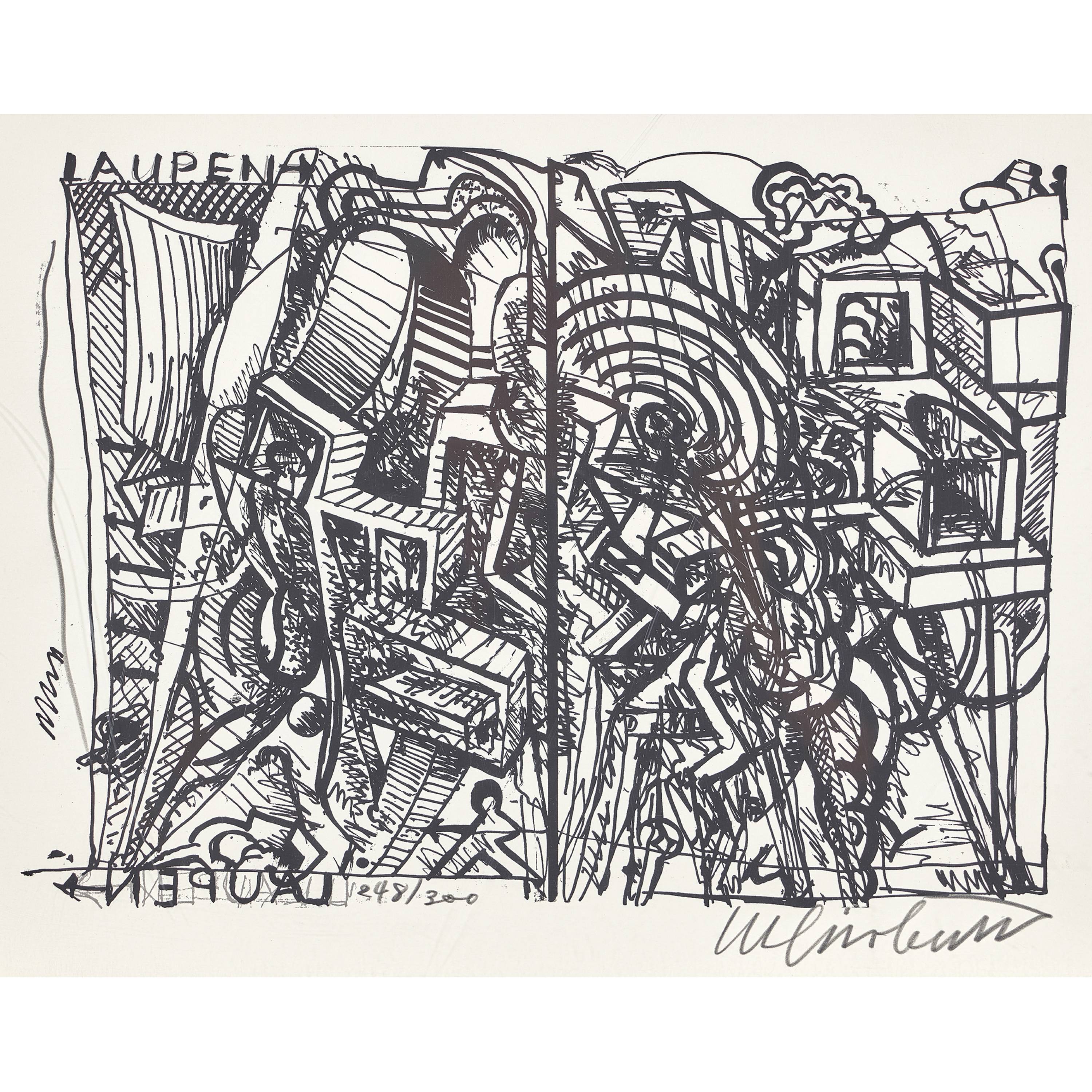
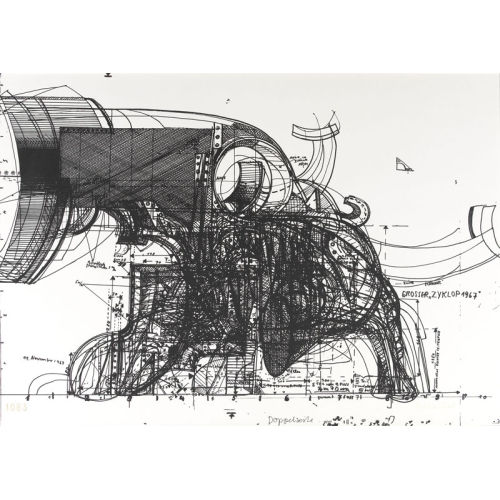
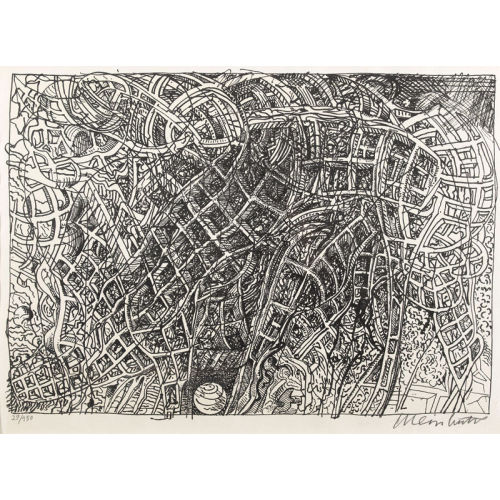
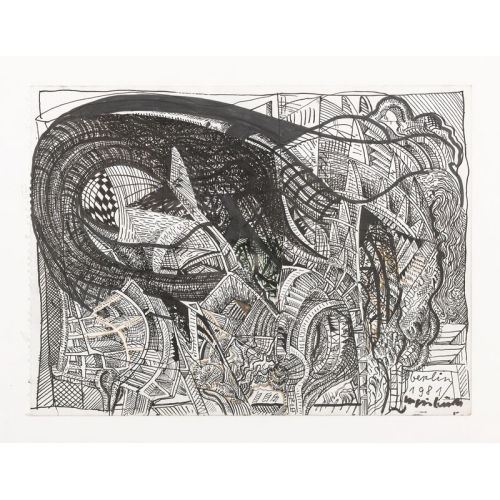
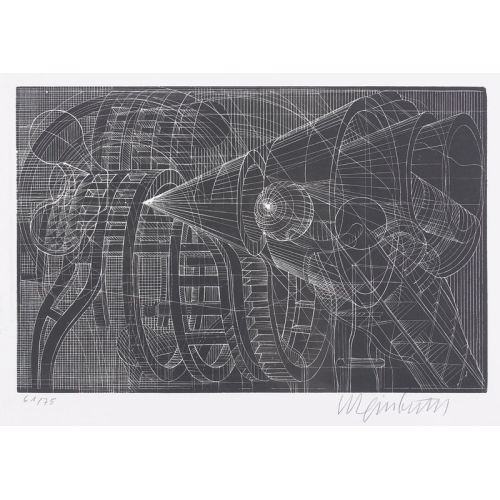
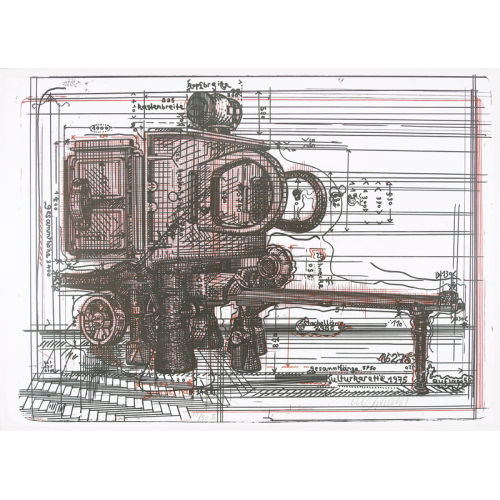
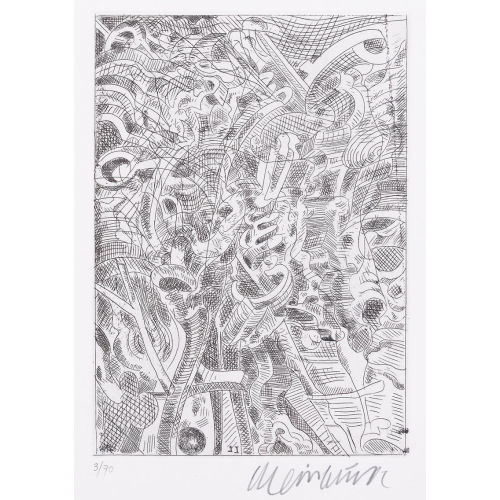
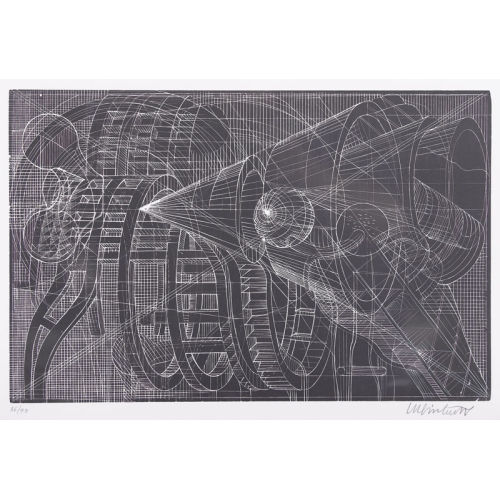
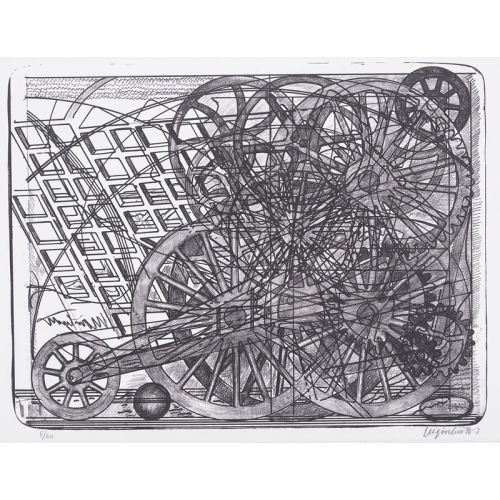
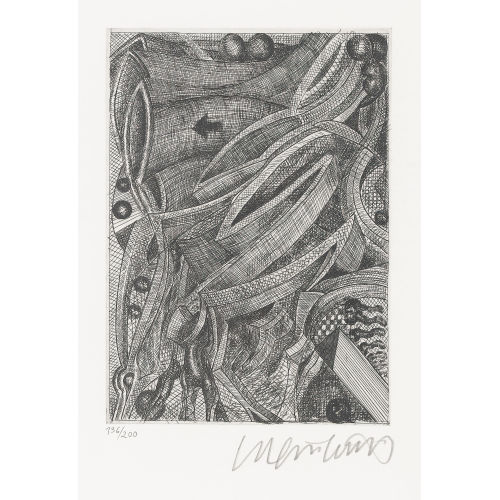
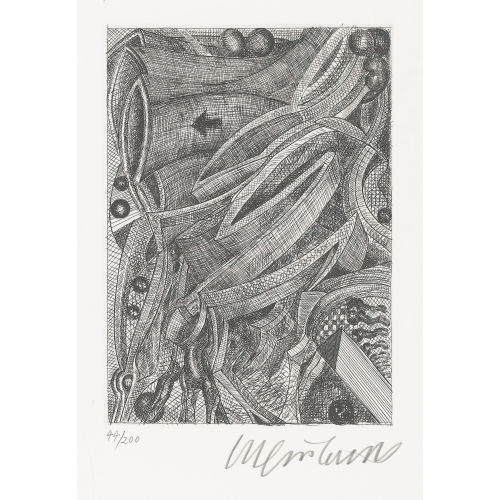
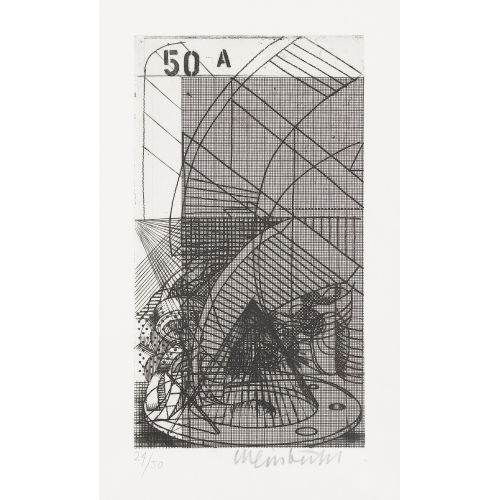
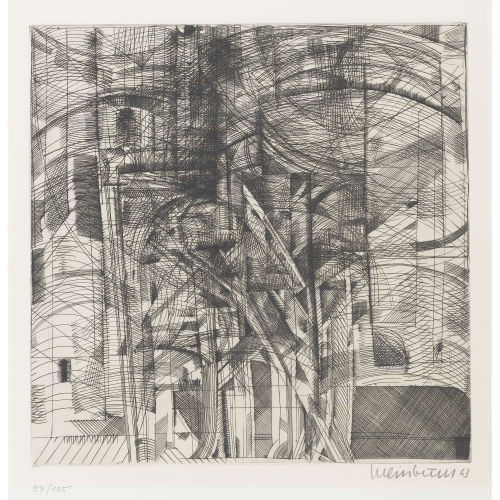
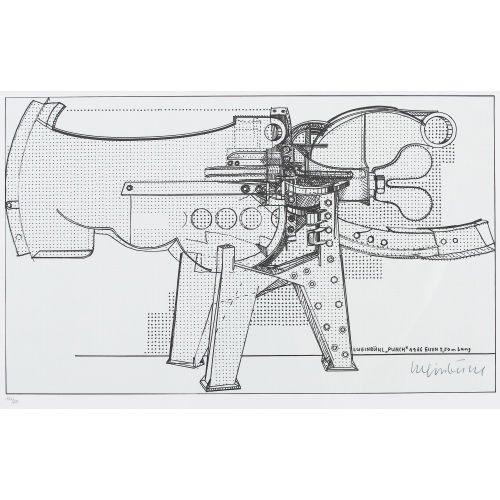
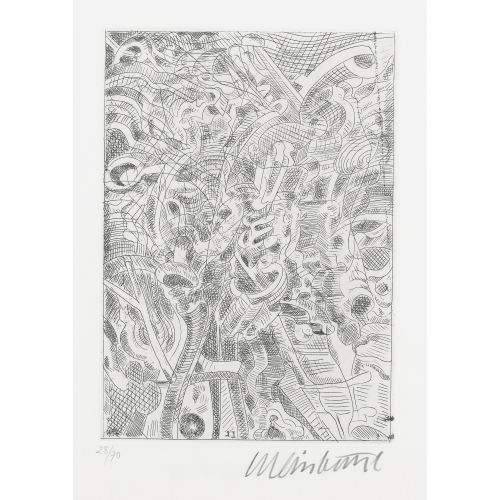
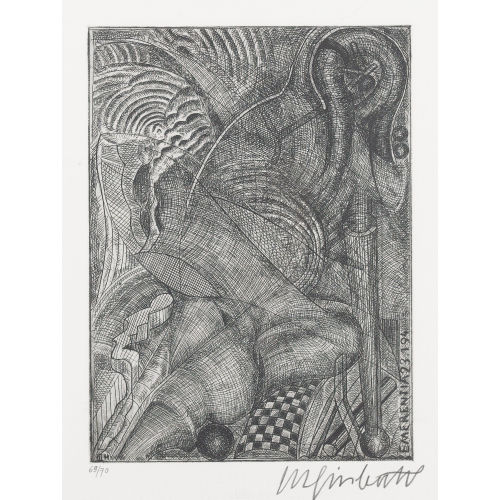
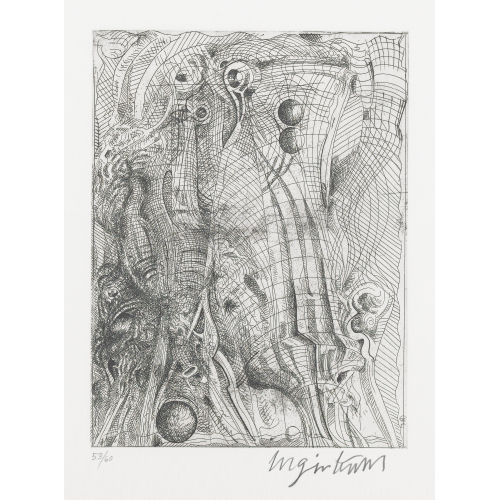
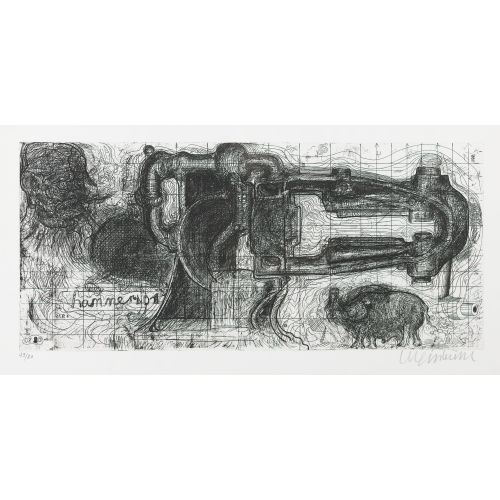
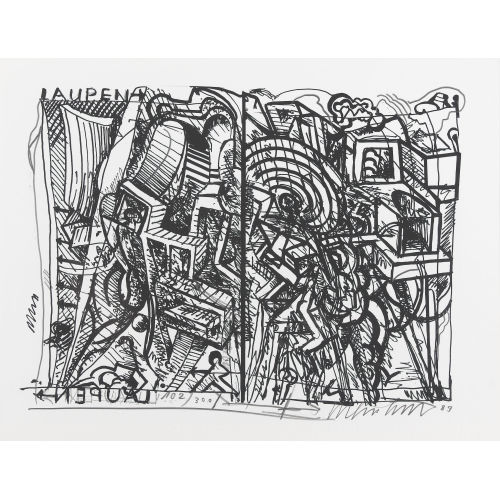
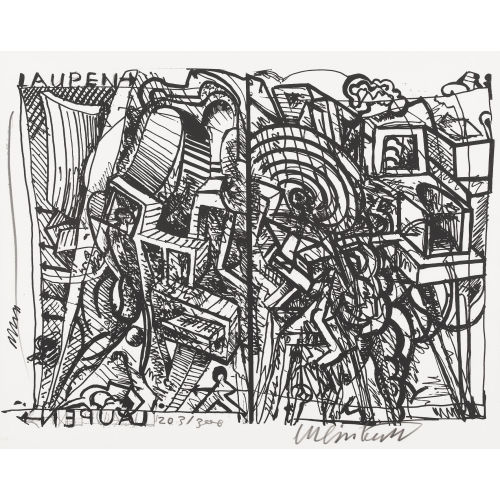
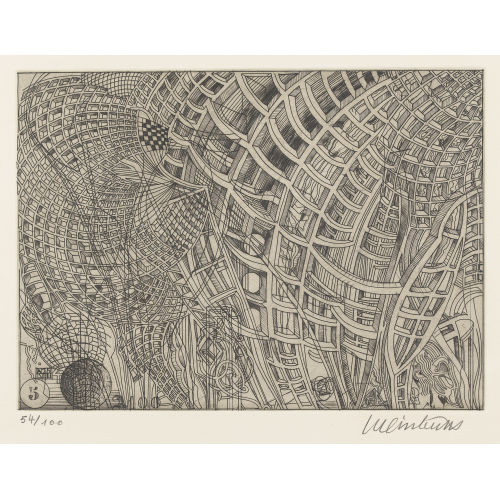
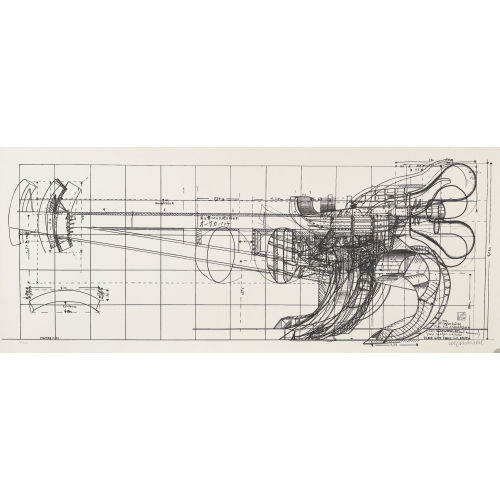
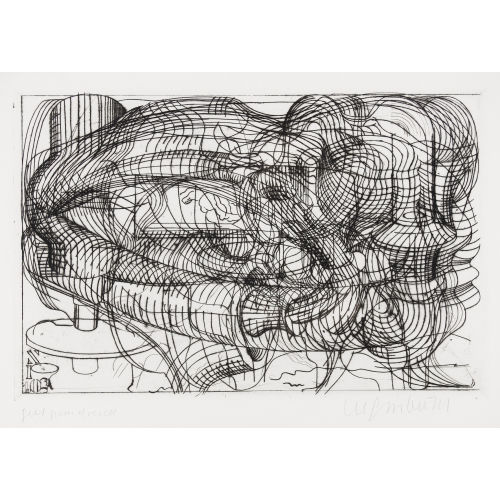
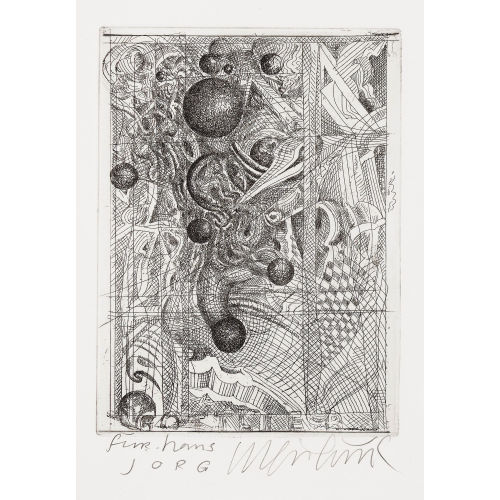
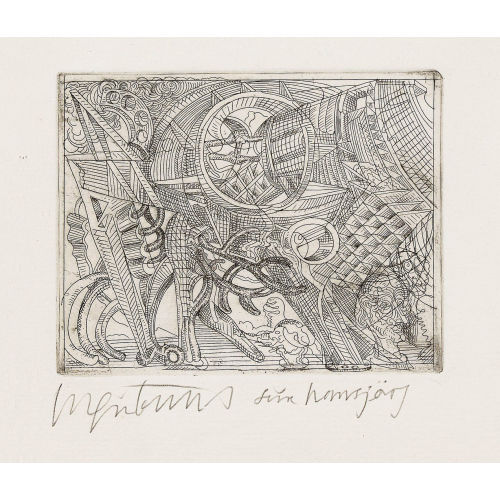
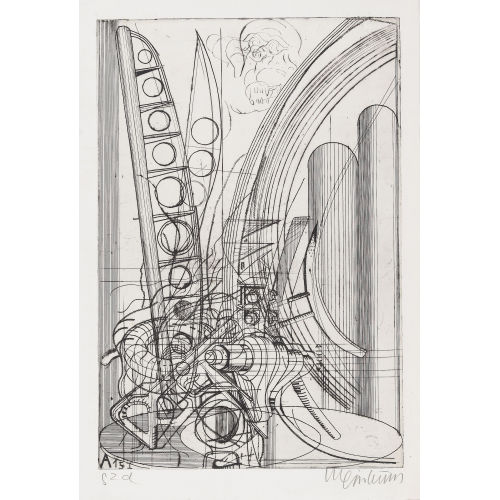
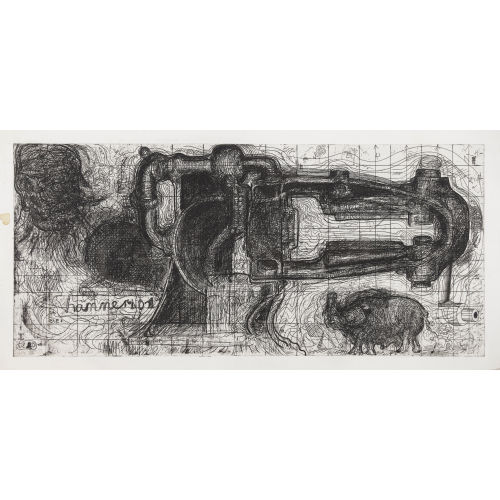
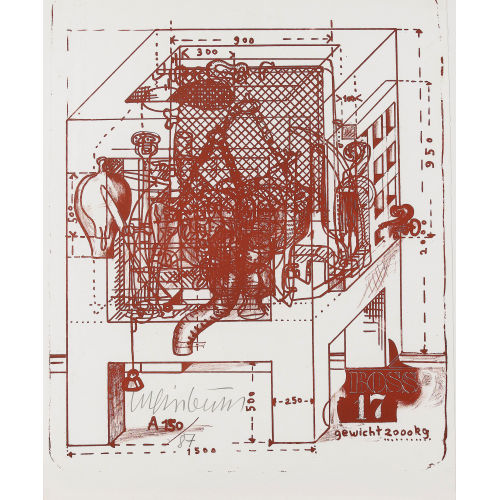
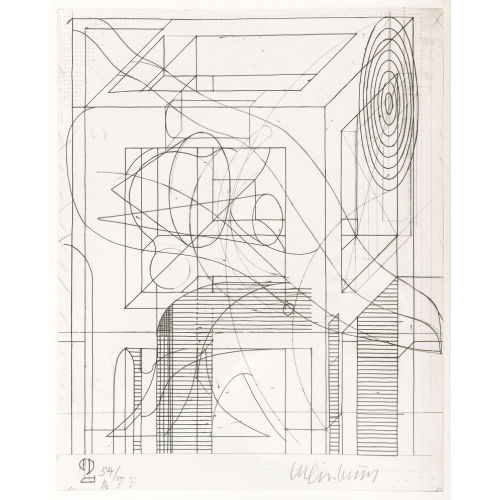
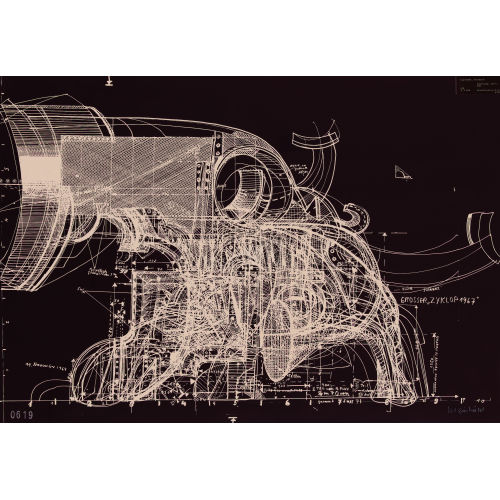
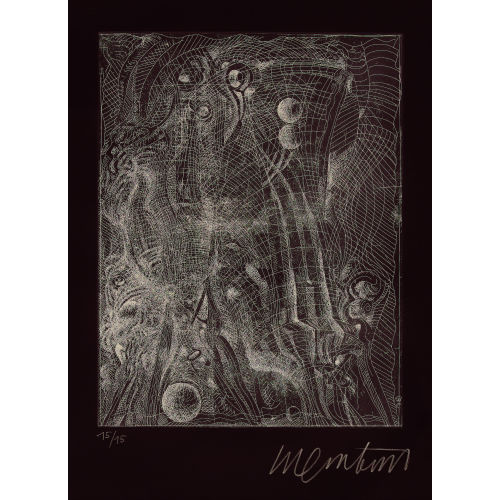
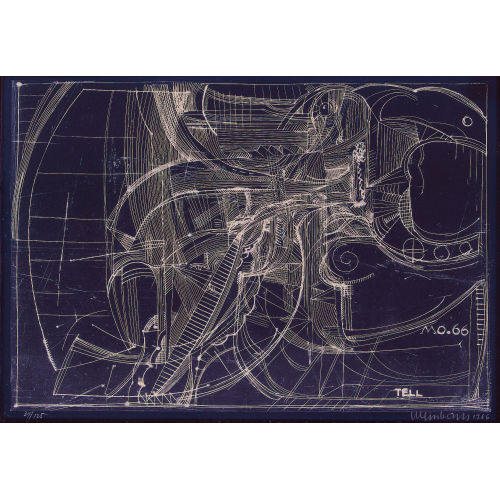
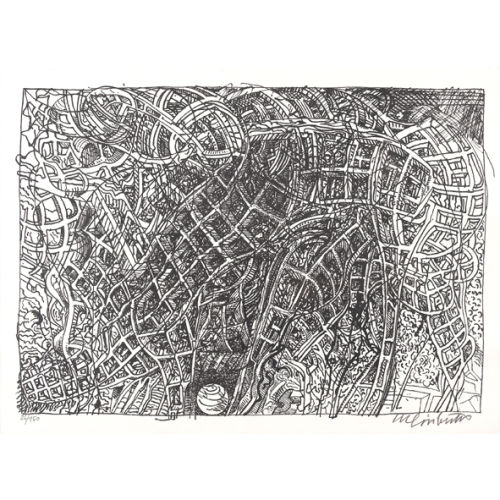
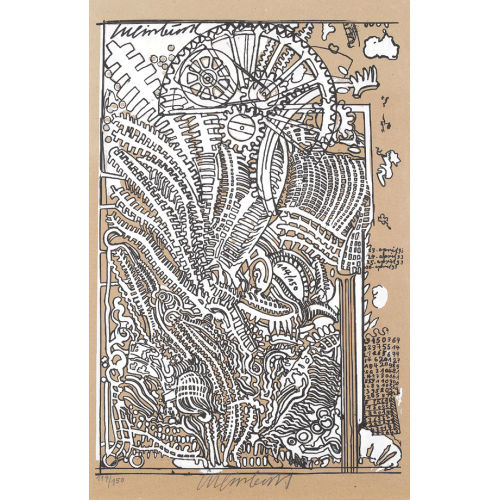
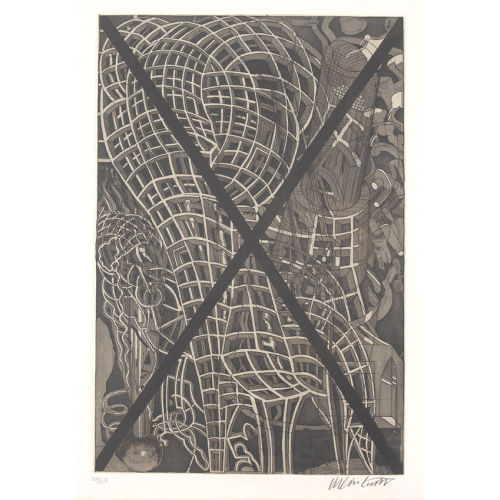
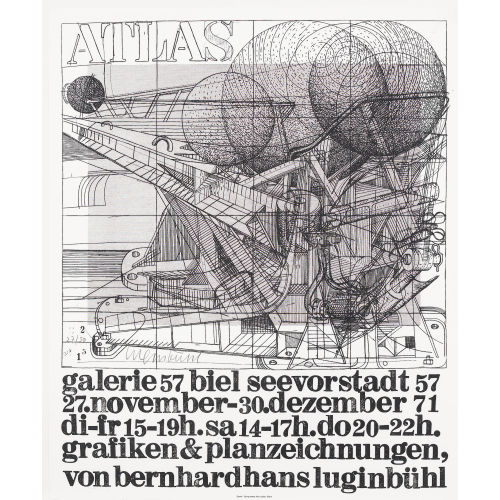
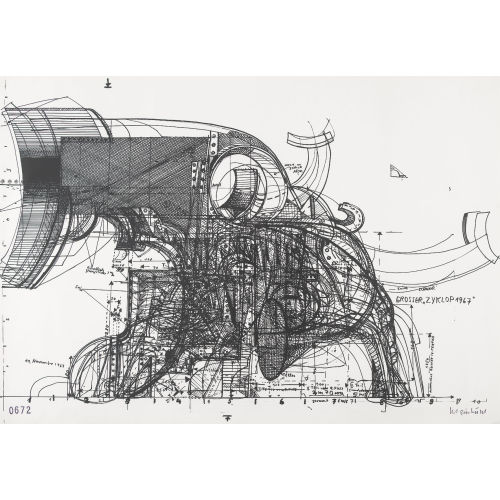
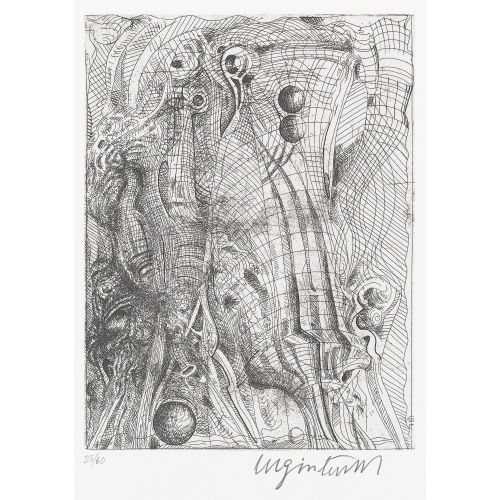
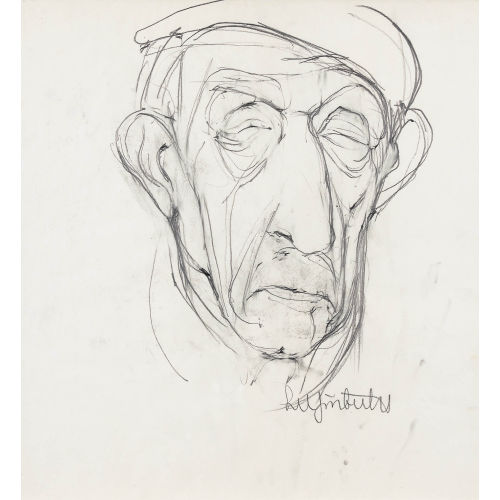
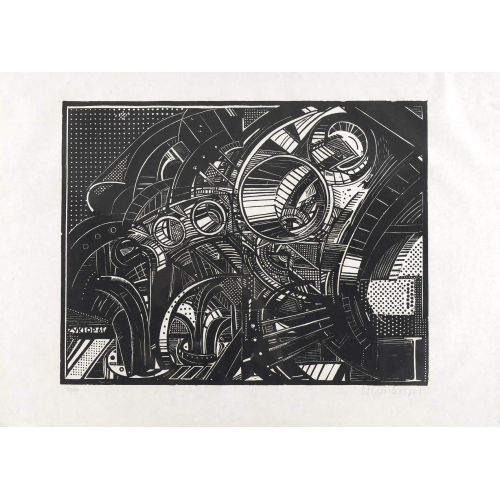
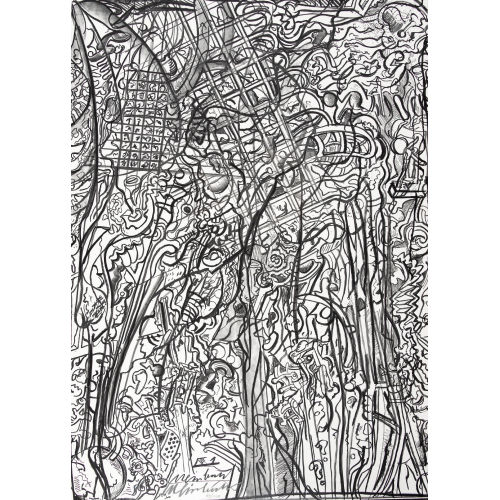
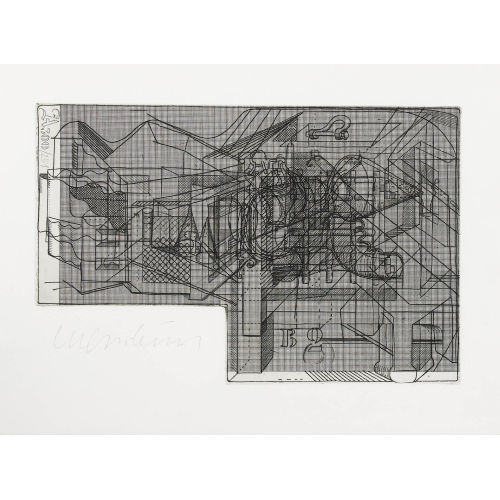
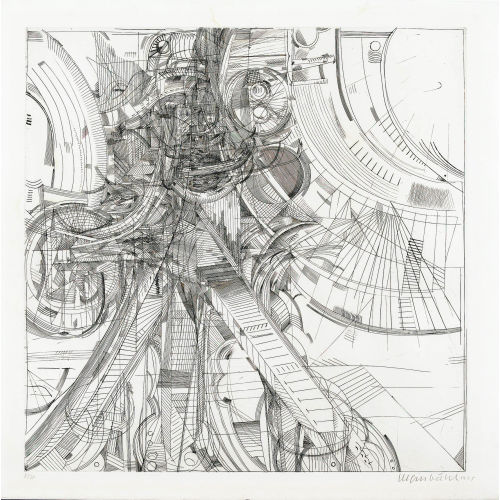
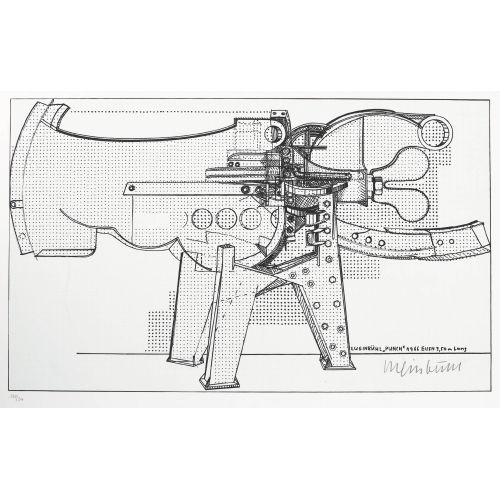
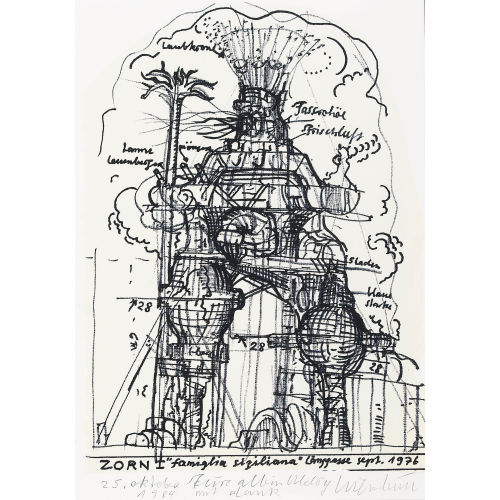
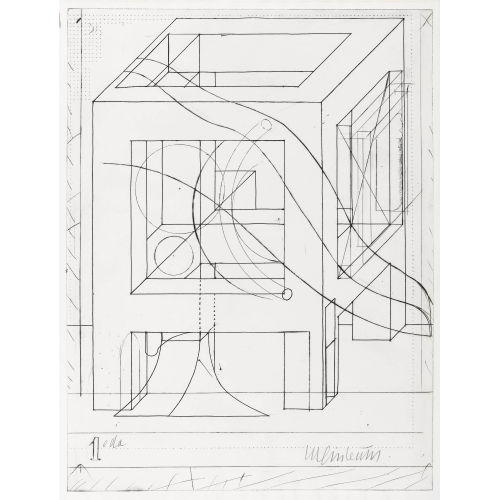
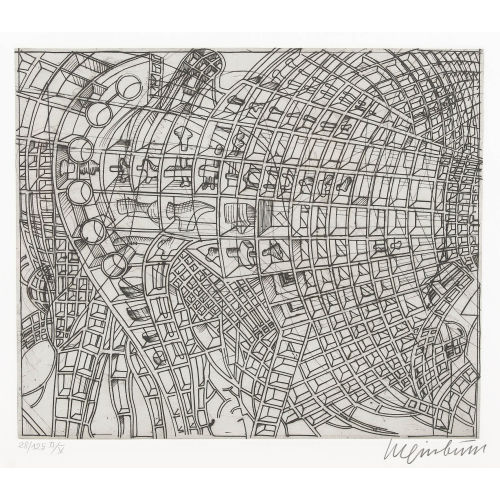
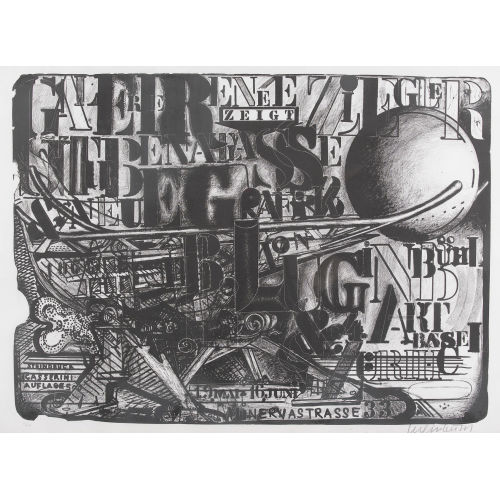
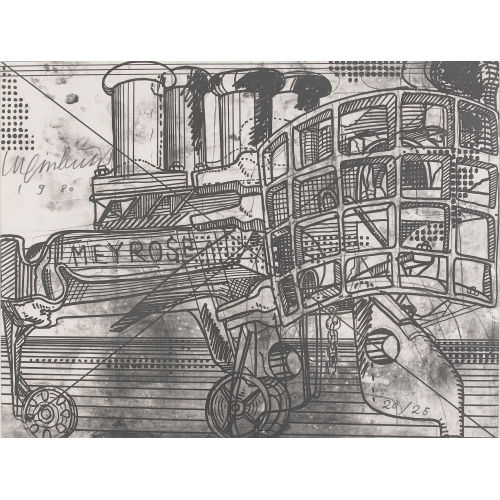
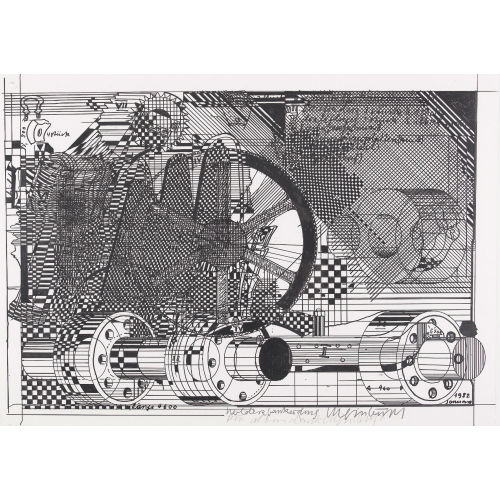
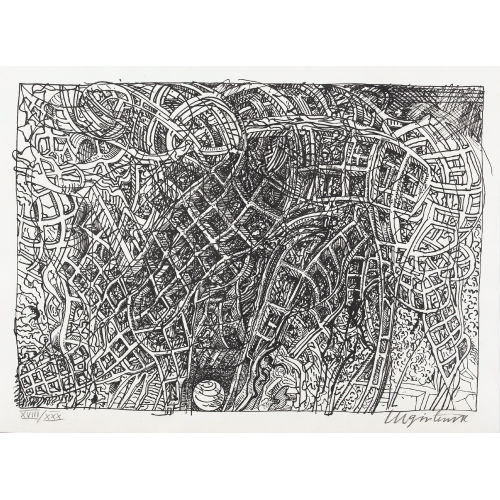
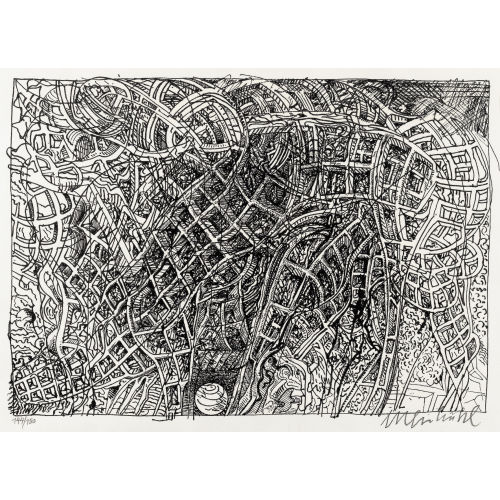
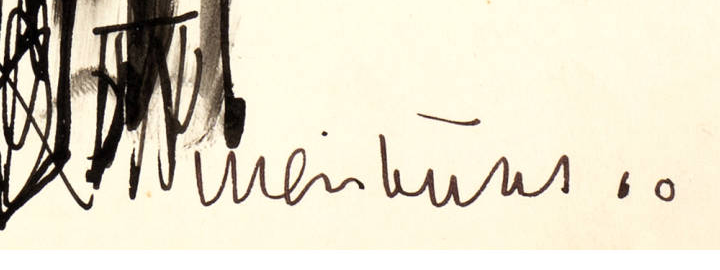
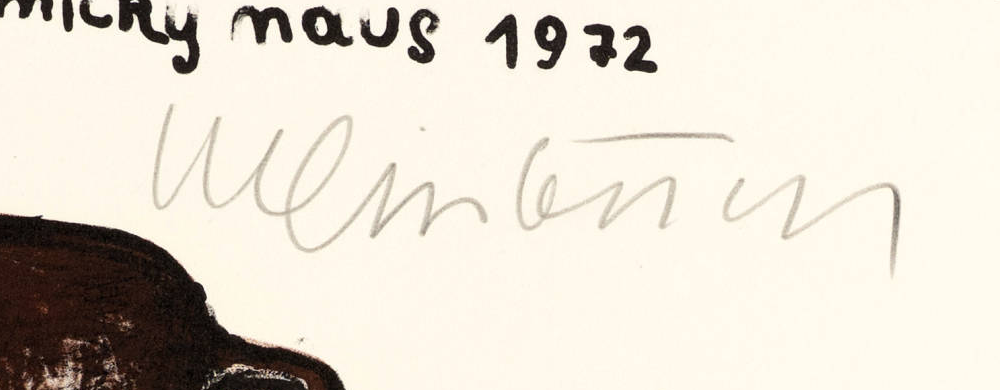
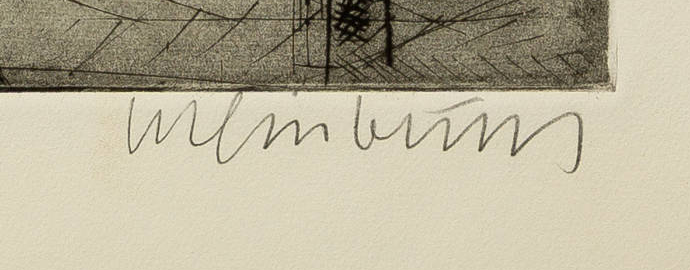
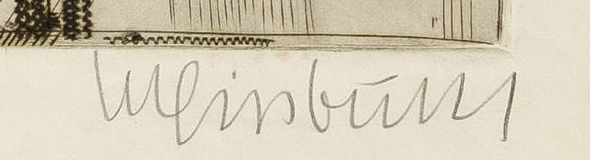
The draughtsman and printmaker constantly accompany the sculptor. His artist’s books and journals bring together writing, drawings and collages; they record the events of everyday life as much as his responses to the world. Preserved at the Swiss National Library, these documents reveal an activity more intimate than that of the large public sculptures.
To approach his work, it is fruitful to bring these different scales into relation: the energy of a line on paper, the balance of an assemblage and the occupation of a space belong to a single investigation, in which matter retains a decisive place.