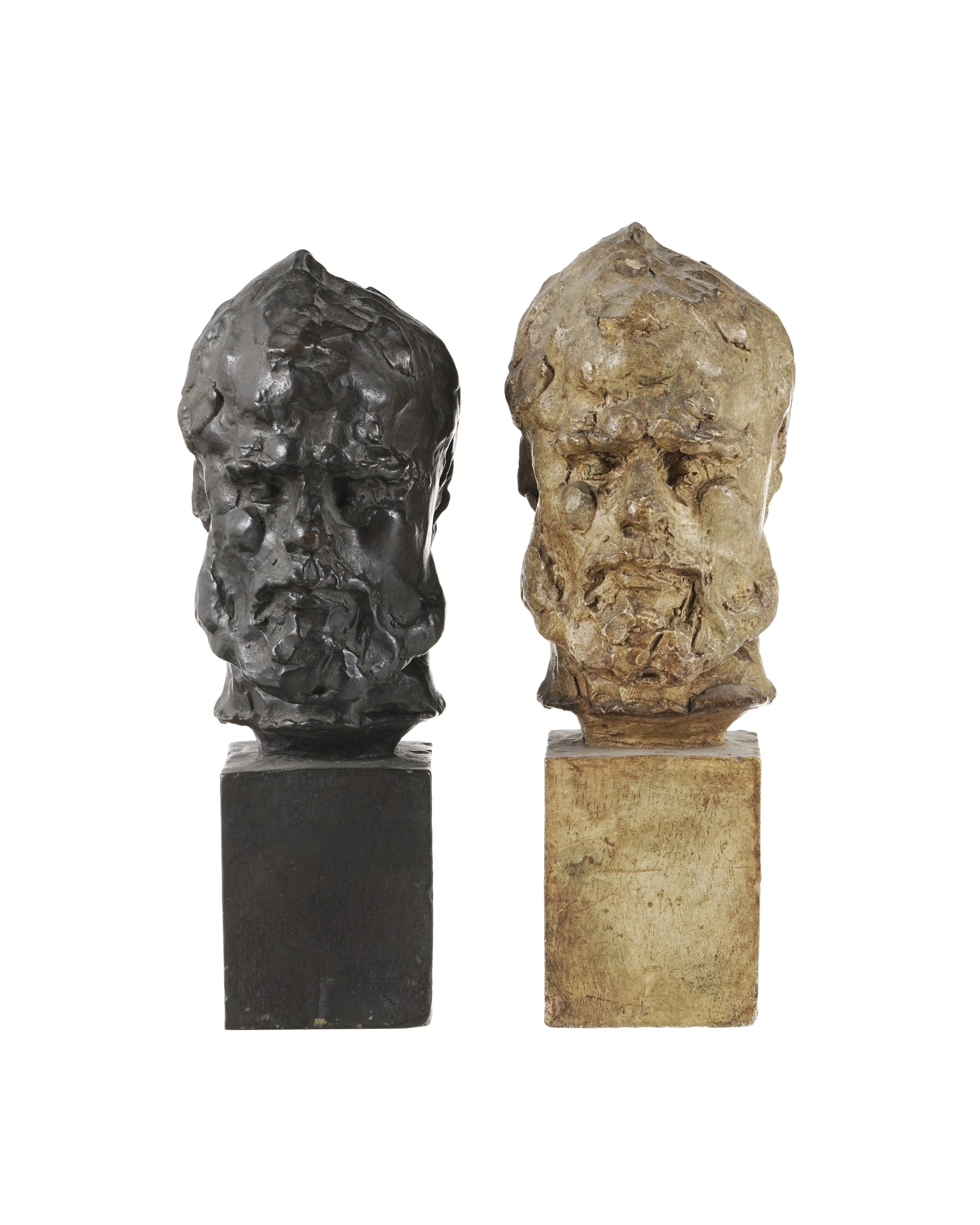
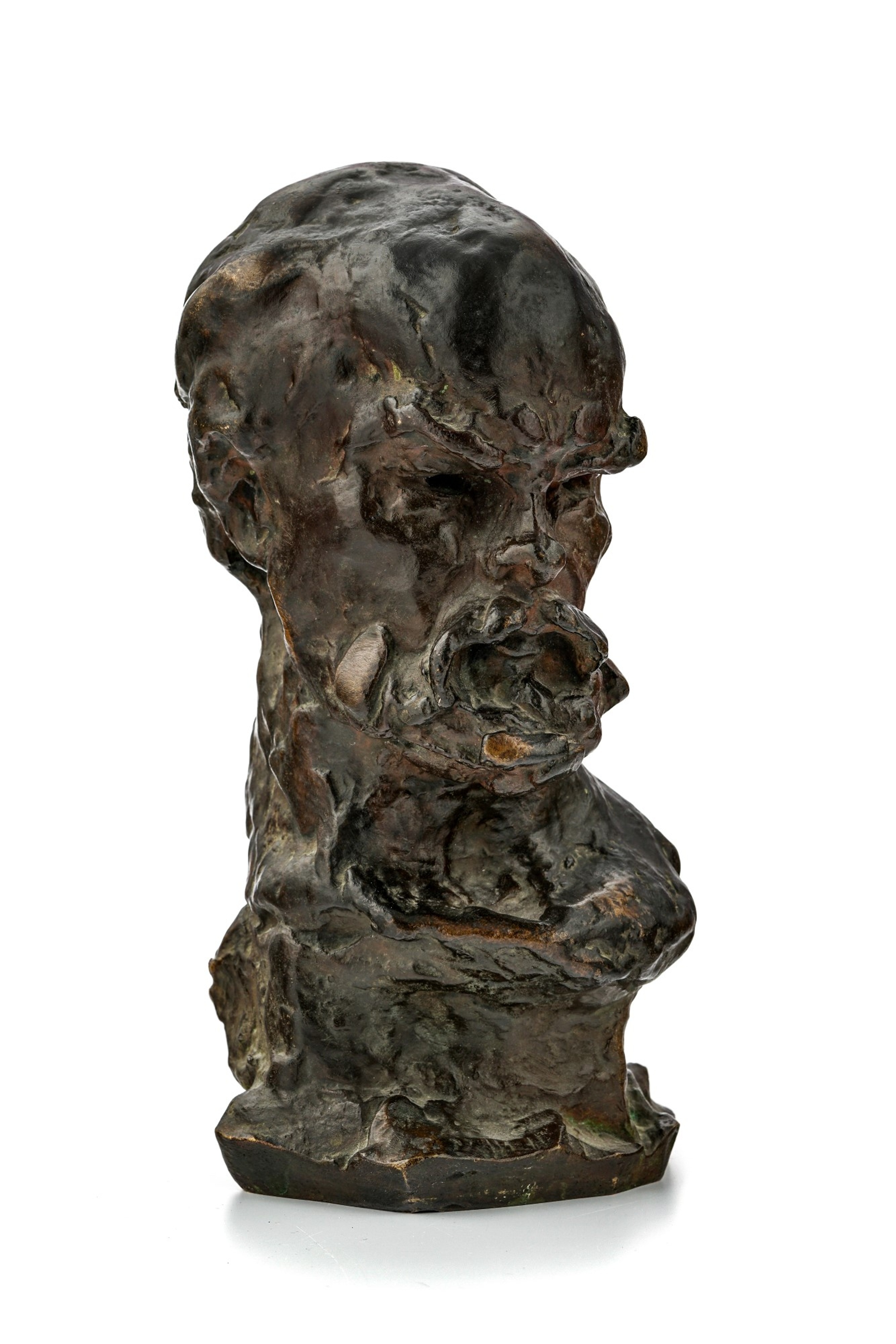
Auguste de Niederhäusern — Rodo
Born in 1863.
Died in 1913.
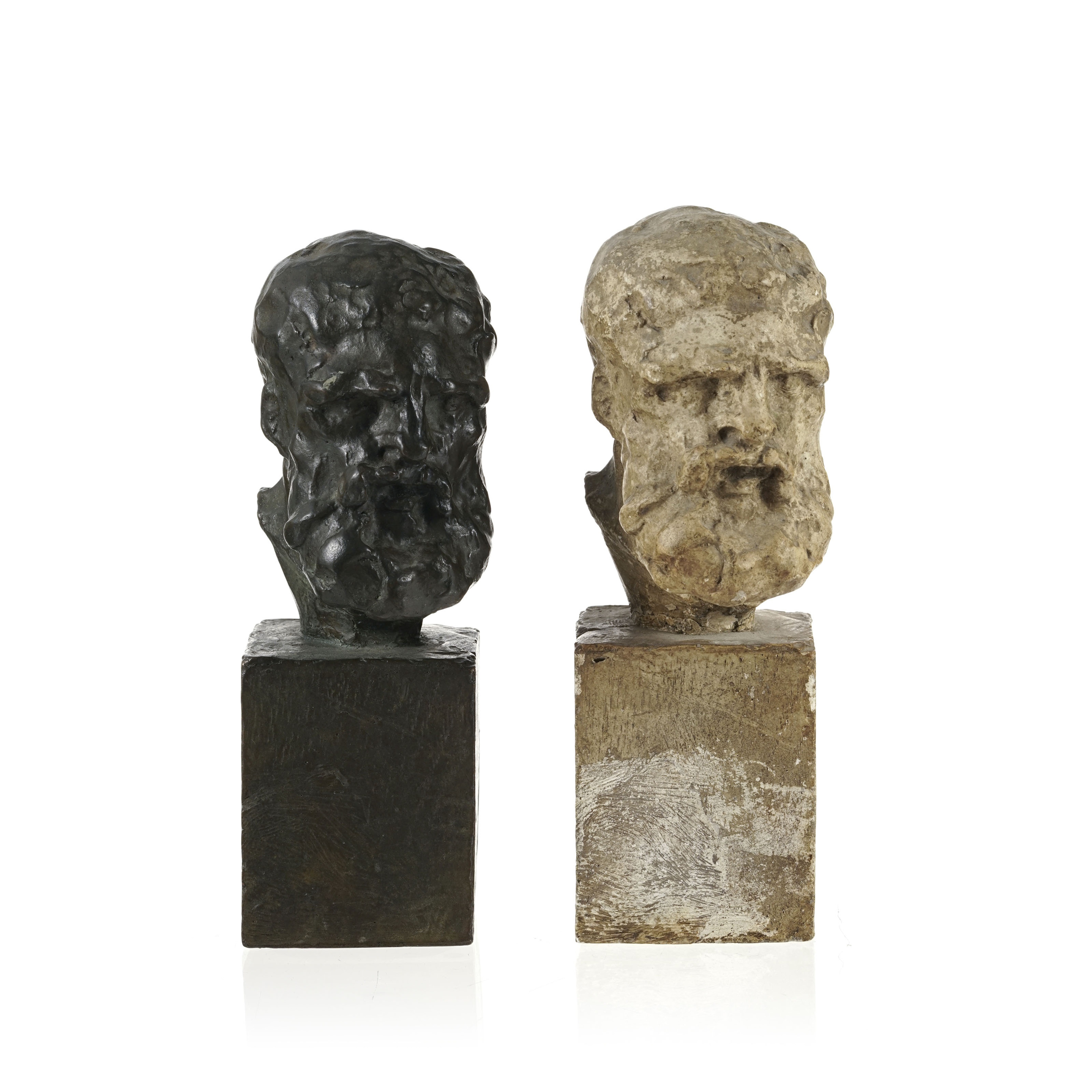
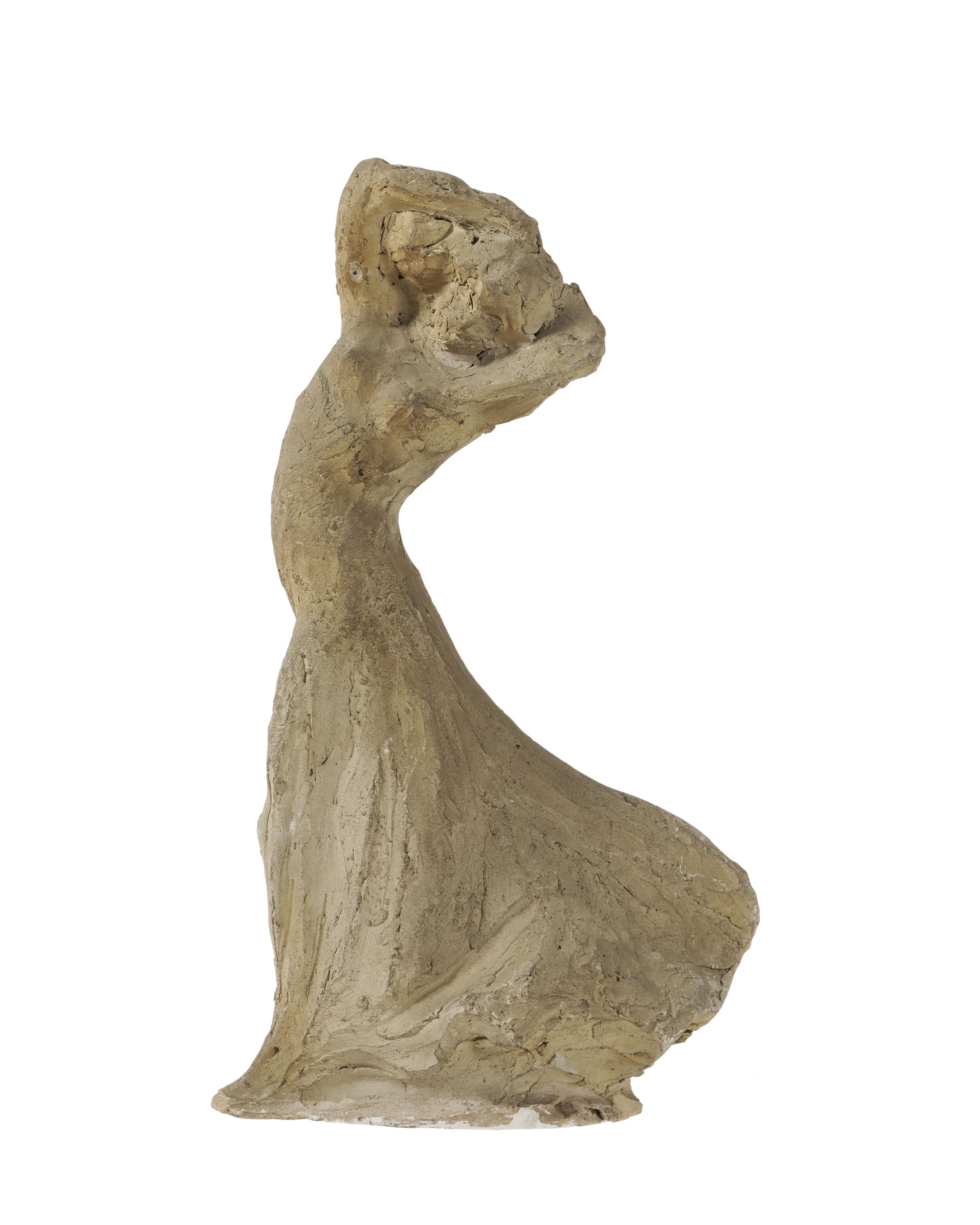
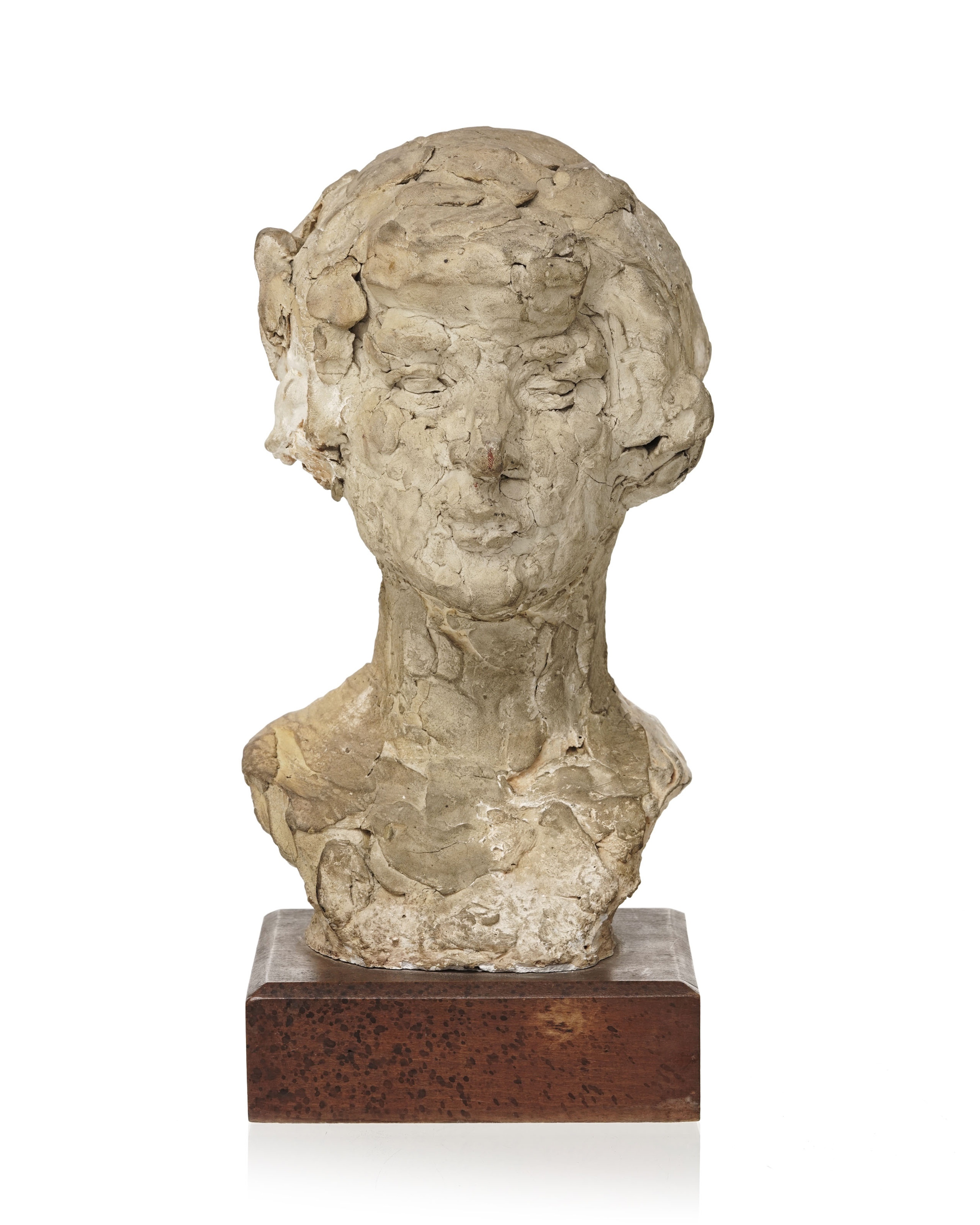
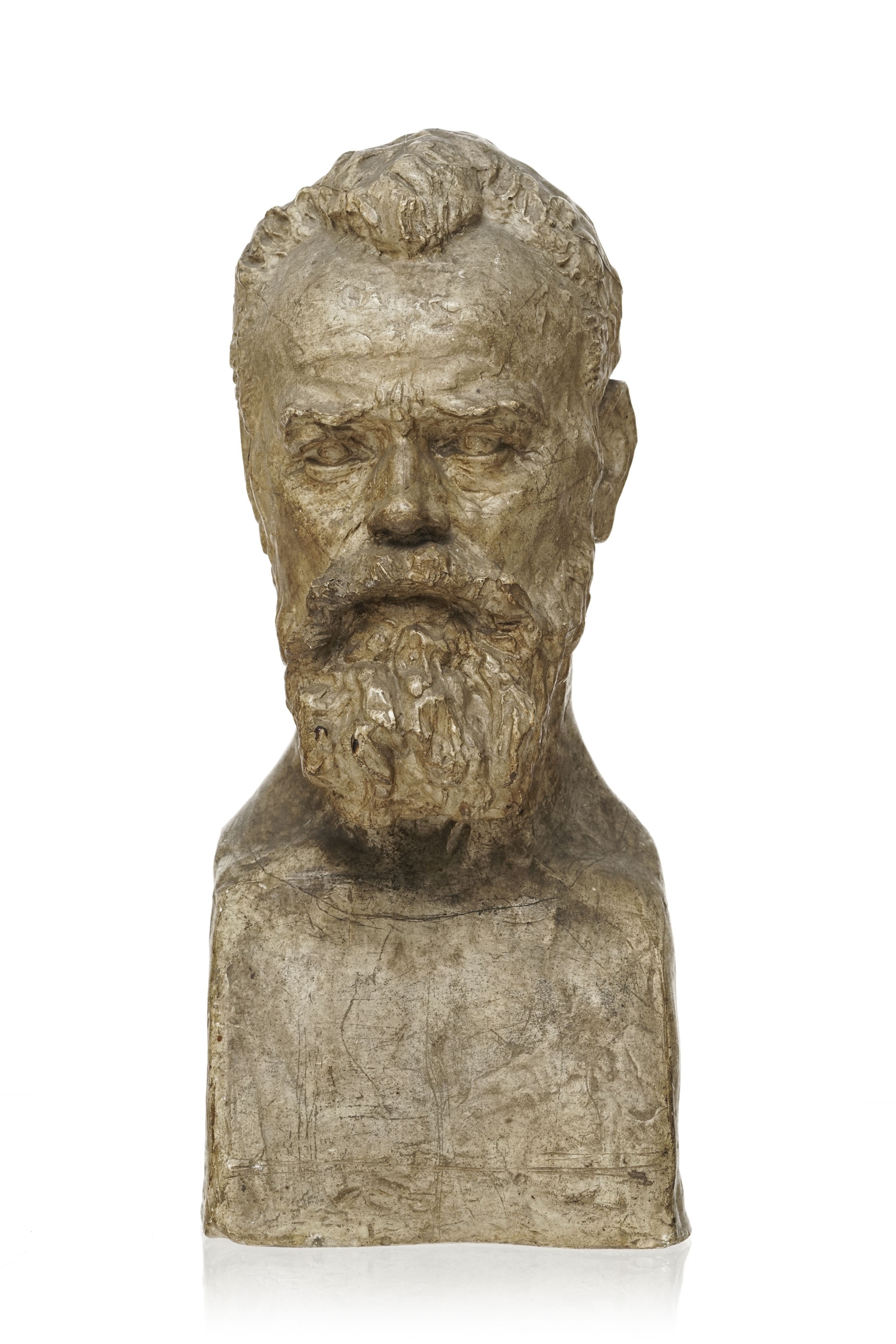
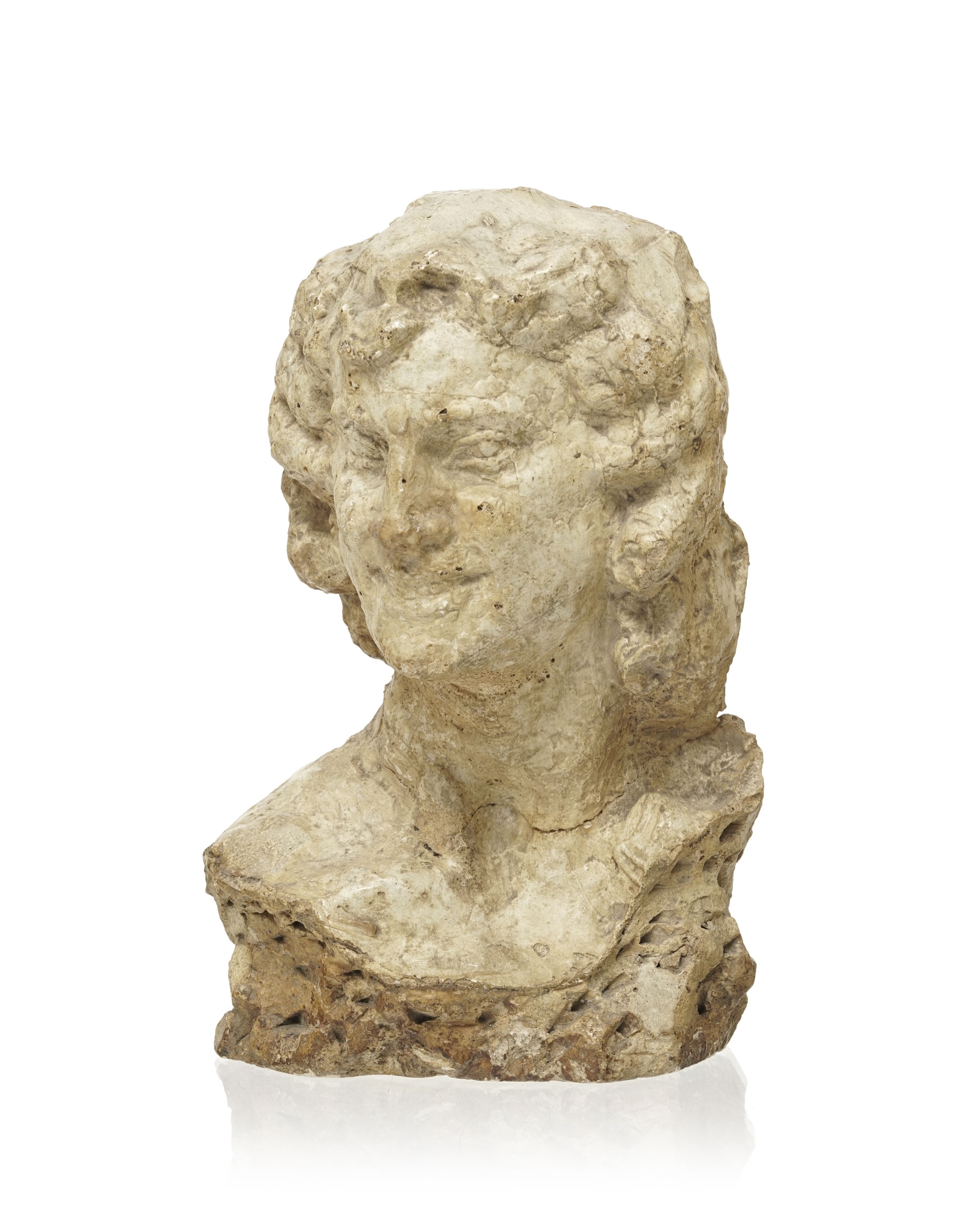
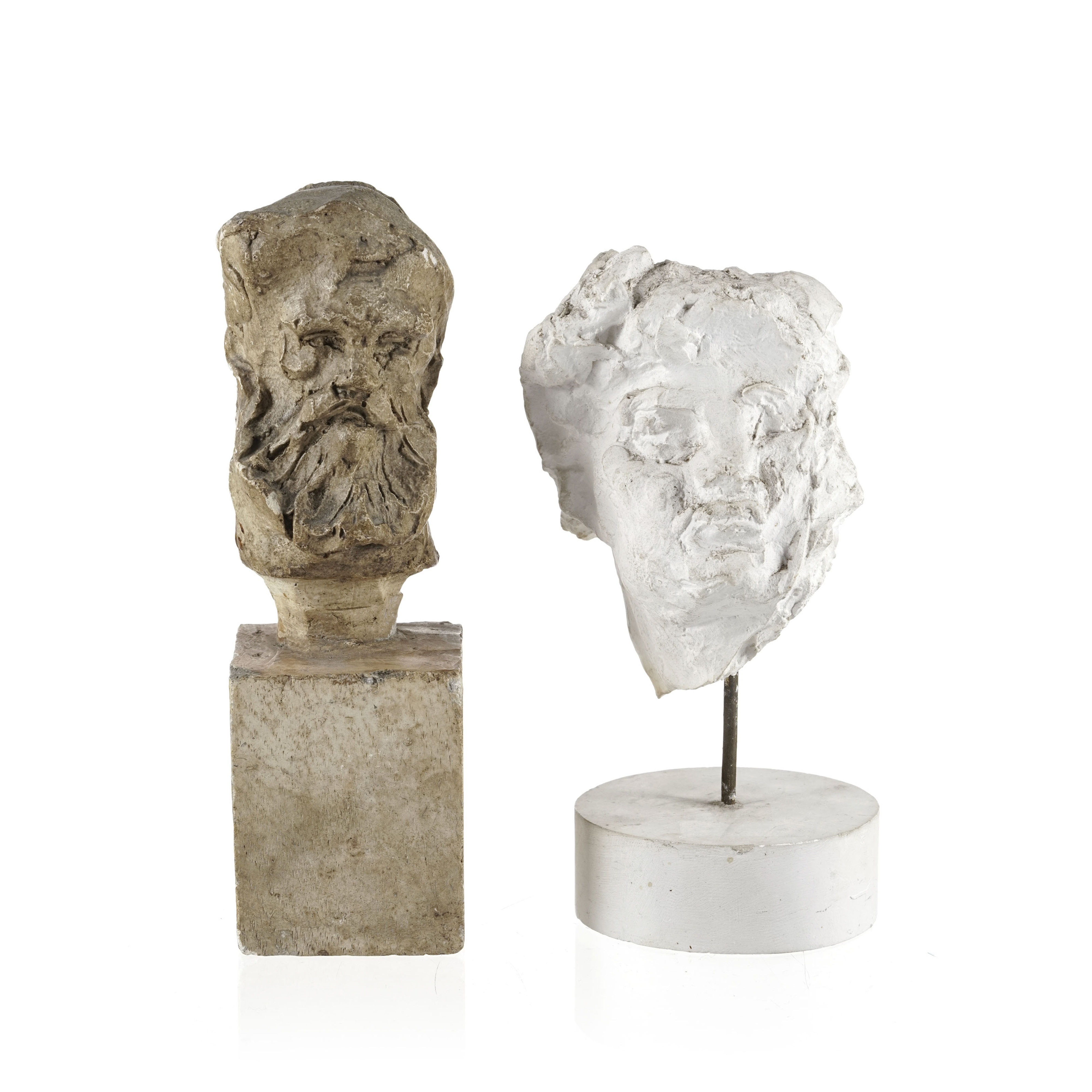
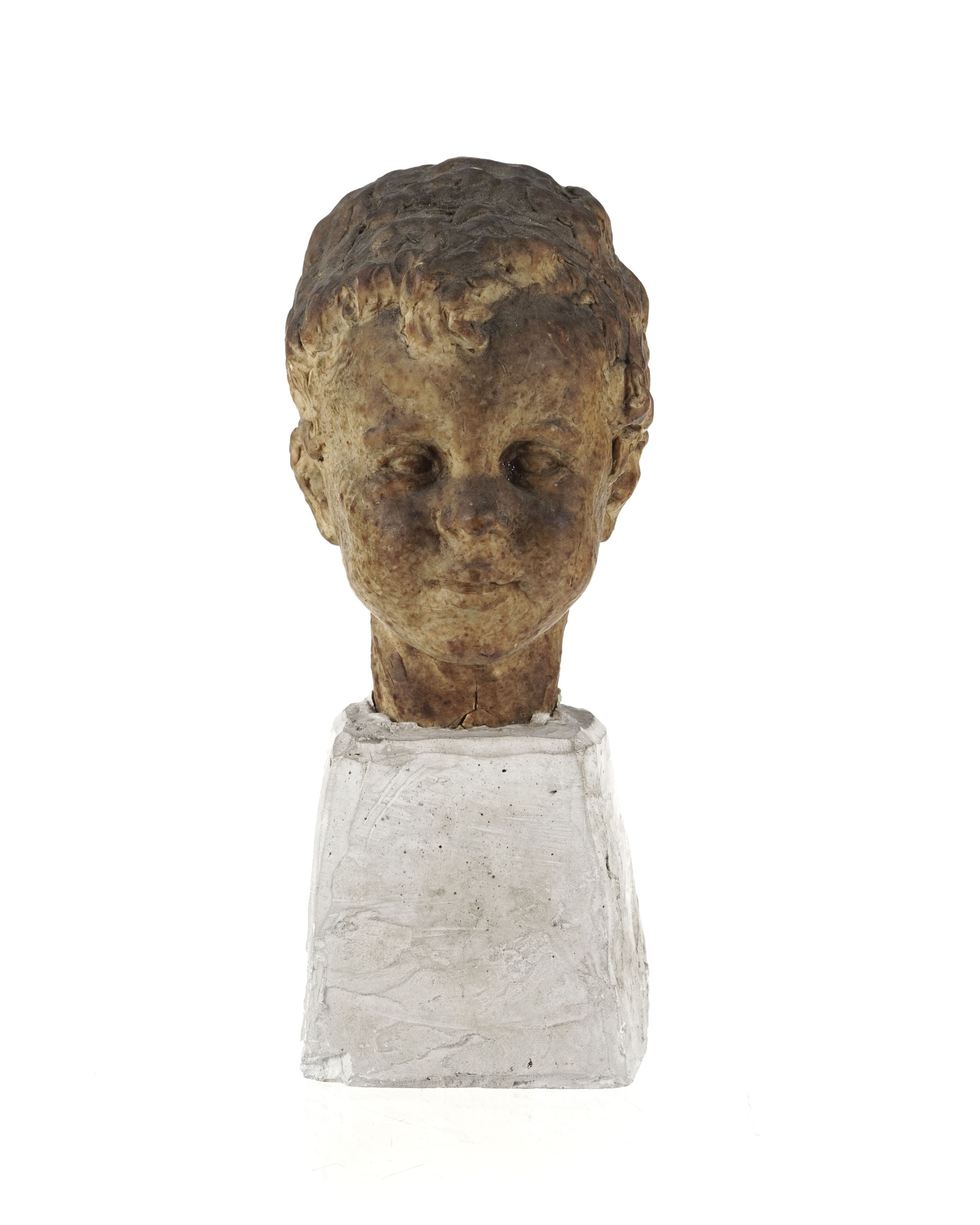
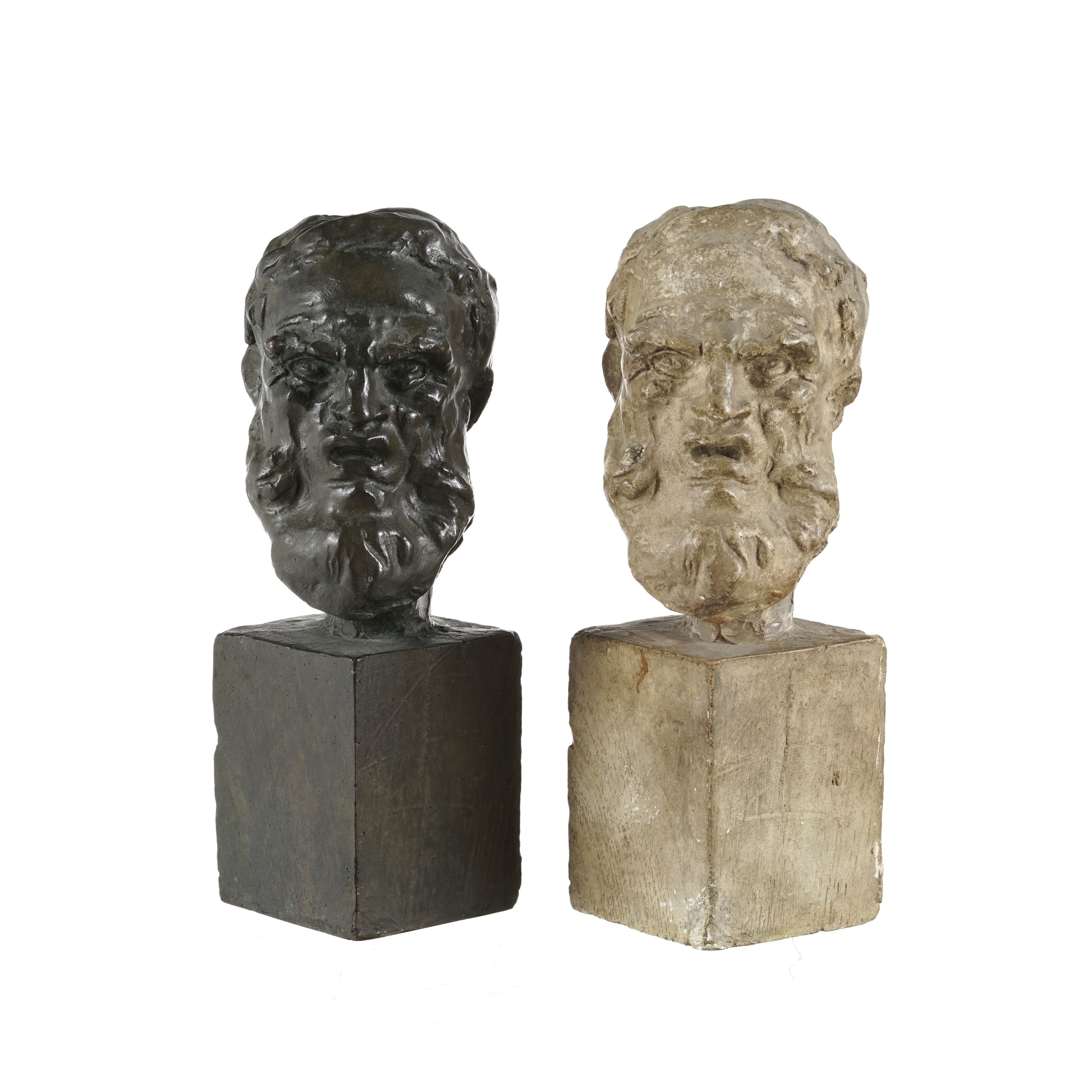
Auguste de Niederhausern, known as Rodo (born in Vevey on 2 April 1863 — died in Munich on 21 May 1913), was a sculptor identified as “Swiss” who pursued the greater part of his career in Paris and worked as a collaborator of Auguste Rodin between 1892 and 1898.
Initially trained in Geneva, he was a pupil of Jules Salmson at the École des arts industriels in 1881, continued his studies at the École des beaux-arts de Genève, attended the Académie Julian in 1886, and then entered the École des beaux-arts de Paris in 1887.
In Paris, he associated with Swiss artists such as Ferdinand Hodler, Eugène Grasset, Alexandre Perrier, and Albert Trachsel, and became close to Parisian Symbolist, bohemian, and anarchist circles. At the same time, documentary sources identify him as a member of the Rose-Croix; he described himself as an occultist and a follower of Theosophy.
His output included public commissions in Switzerland, notably the three allegorical figures (Helvetia and the executive and legislative powers) adorning the summit of the façade of the Federal Palace in Bern, executed in 1900. In France, he notably produced the monument to Paul Verlaine — a friend of the sculptor according to the source — which was inaugurated in 1911 in the Jardin du Luxembourg in Paris. The statue entitled Jérémie, conceived in 1913, was cast in 1918 and installed near Geneva’s Saint-Pierre Cathedral in 1939.
A bust of Paul Verlaine dated 1902 and attributed to Rodo is among the works held in a public collection (Musée d’Orsay, Paris).
He also taught; identified pupils include the sculptors Léonie de Marolles and Suzanne Tranchant, as well as the sculptor Maurice Sarkissoff, known as Sarki.
For a monographic study, see Claude Lapaire, Auguste de Niederhäusern‑Rodo (1863–1913). Un sculpteur entre la Suisse et Paris, ISEA / Éditions Benteli, 2001.