Arnold Böcklin
Born in 1827.
Died in 1901.
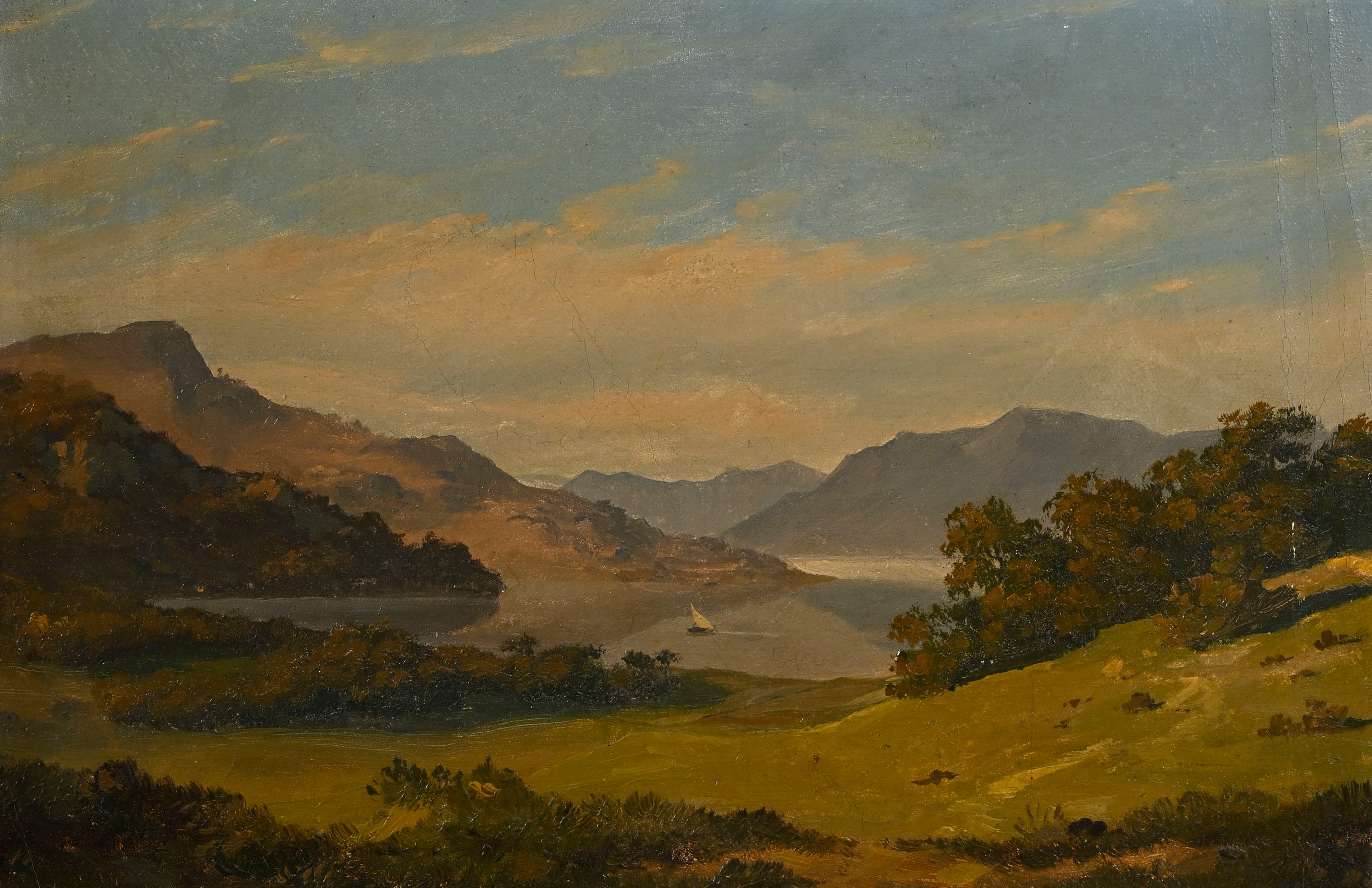
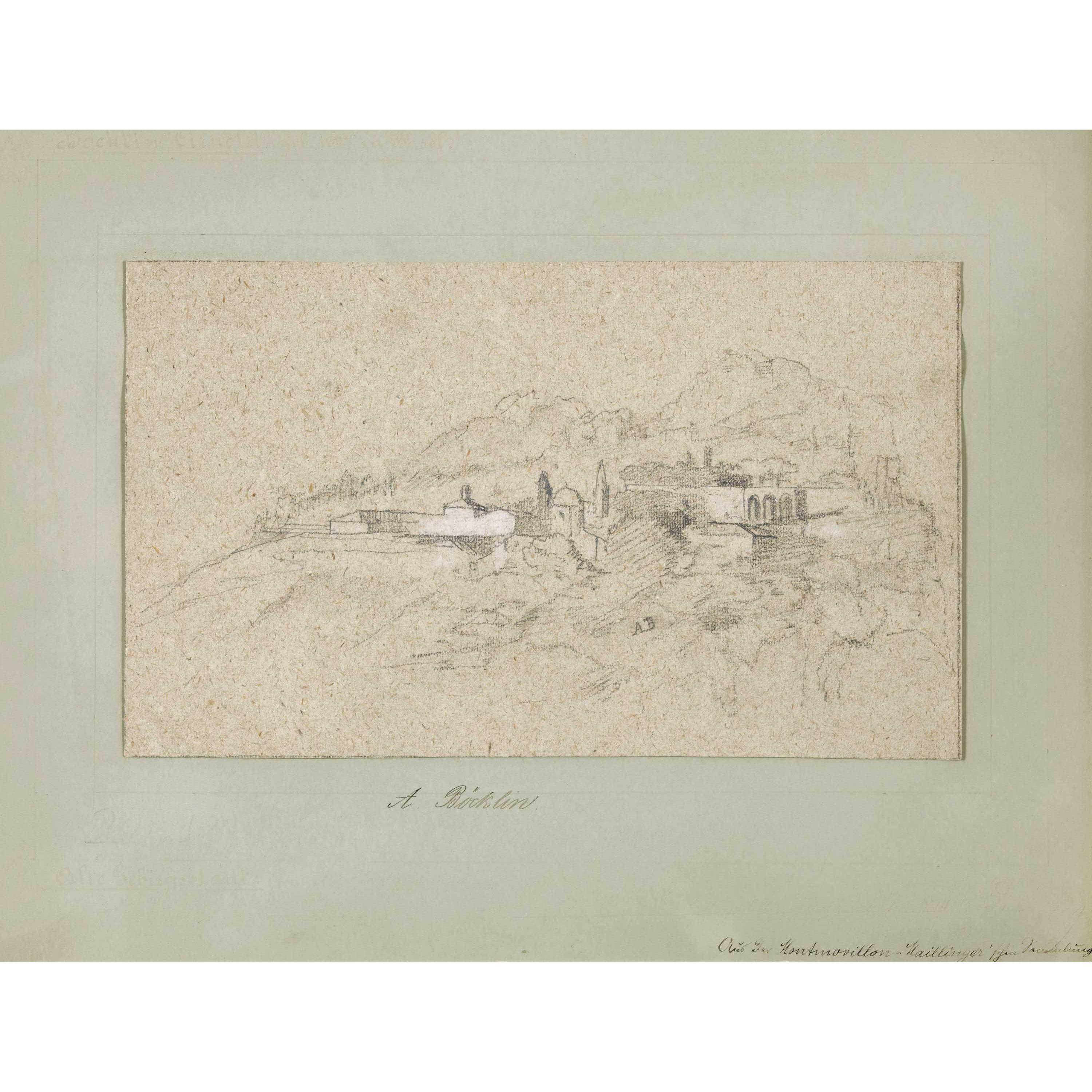
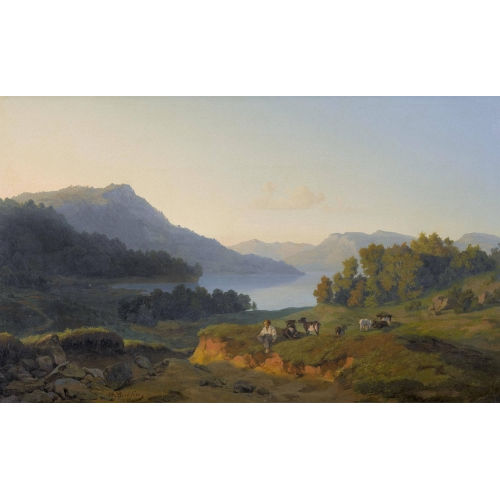
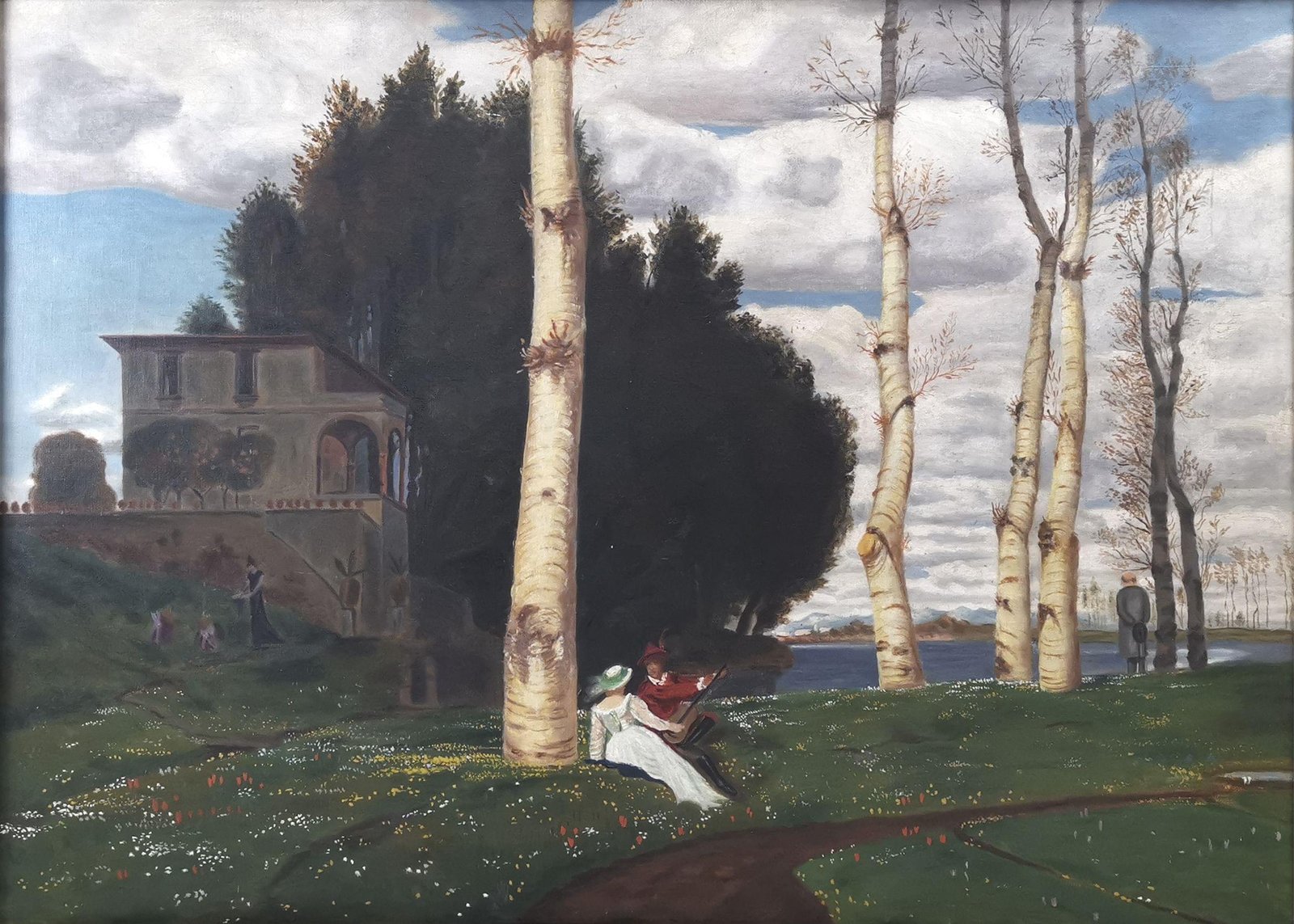
A Swiss painter and sculptor, he first trained in his native city and then studied landscape painting under Johann Wilhelm Schirmer at the Düsseldorf Academy of Art. His travels took him to Paris, the Alps and Belgium. He also lived in Rome, Weimar, Munich, Basel, Florence and Zurich; these stays nourished a body of work inspired by nature, mythology and literature.
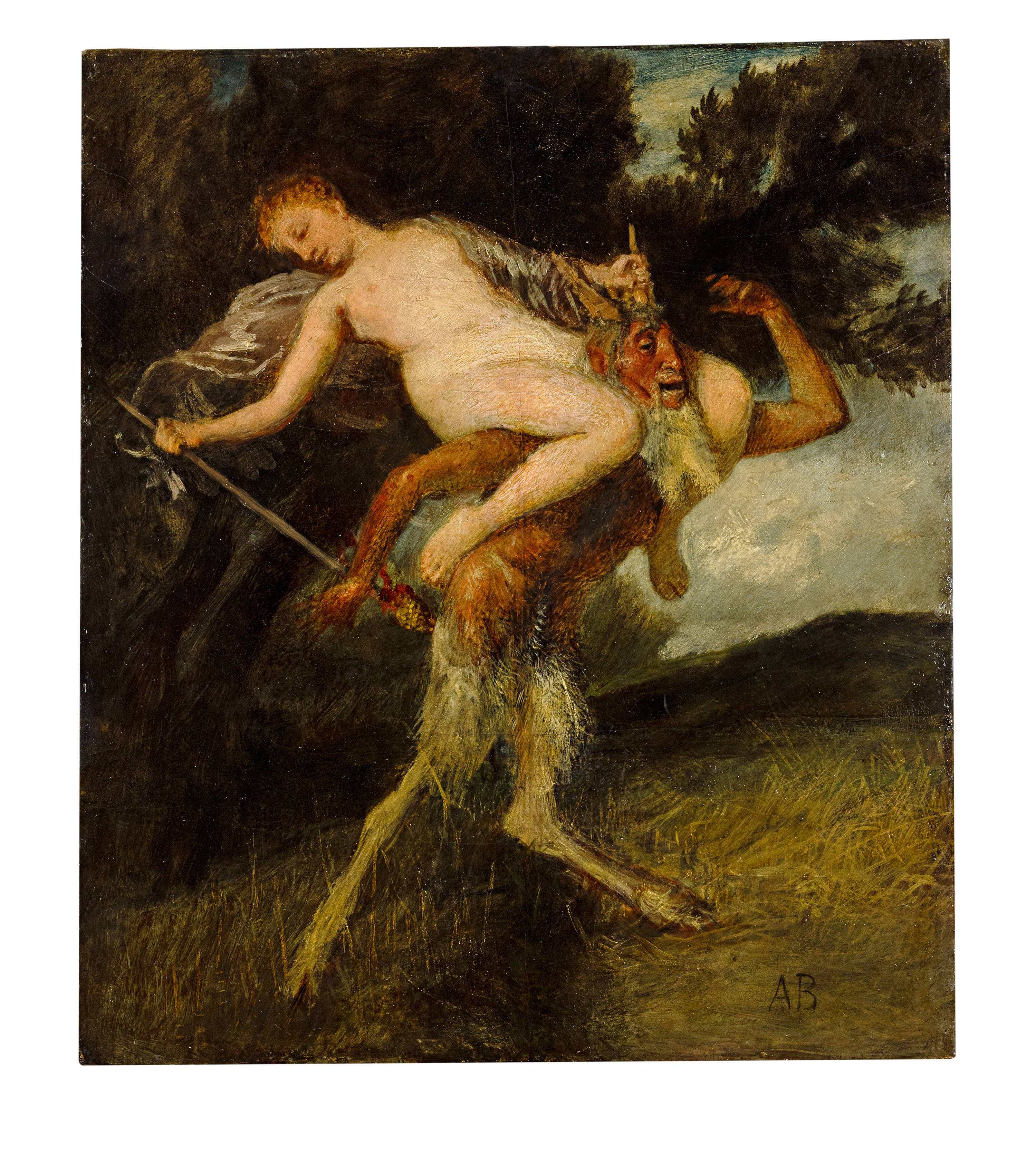
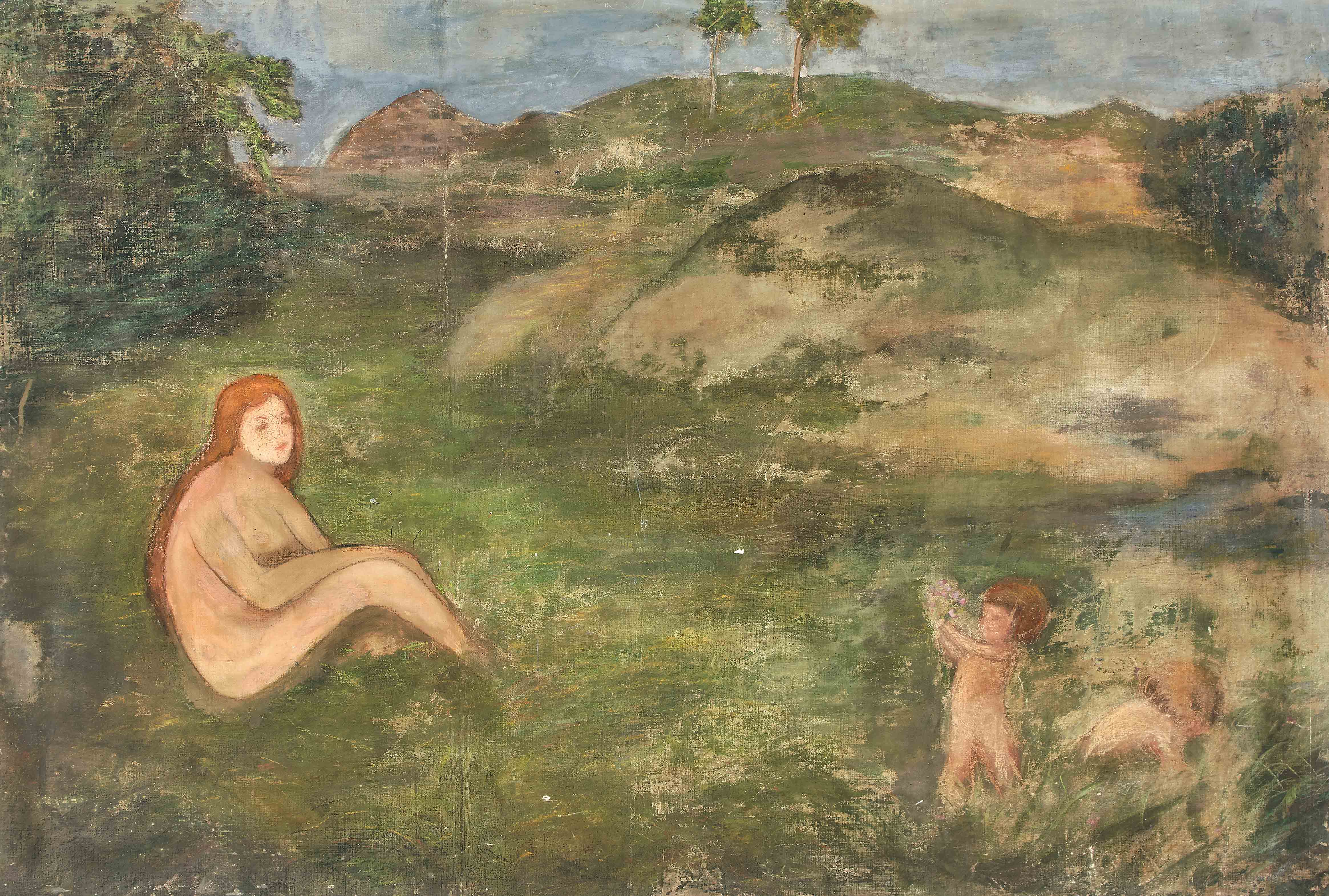
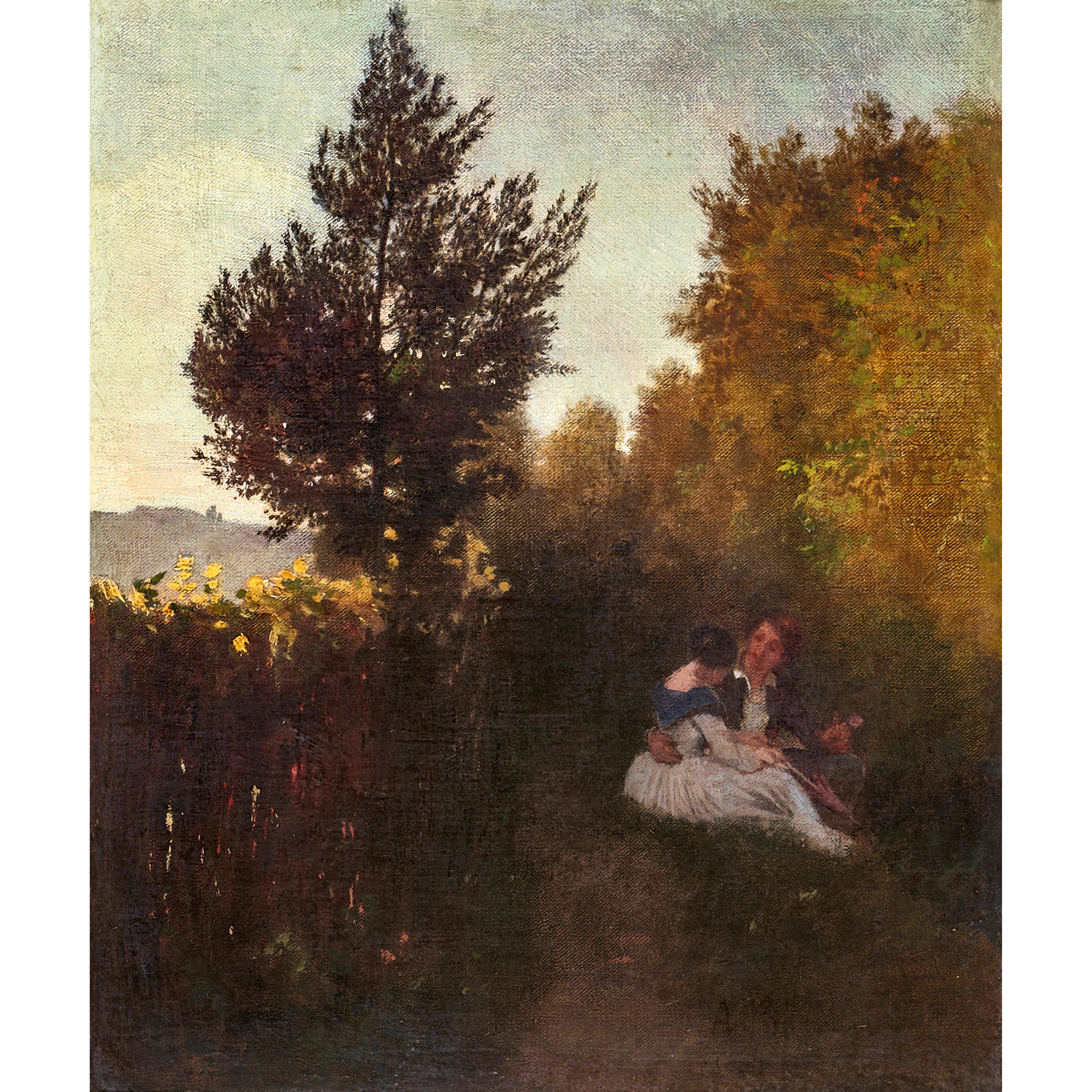
Initially a landscape painter, from the 1850s onwards Böcklin gave an increasingly prominent place to figures and mythological narratives. His first major success, Pan dans les roseaux, dates from 1859. The artist did not treat ancient subjects as mere historical reconstructions: he transformed them into emotionally charged, at times strange or ironic scenes, in which intense colour and landscape create the atmosphere.
Today he is regarded as a major figure of Symbolism, even though his work was debated during his lifetime.
L’Île des morts is his most famous motif. Between 1880 and 1886, he painted five versions; four survive. The Kunstmuseum Basel holds the first, while the Metropolitan Museum of Art holds the second, executed in 1880 at the request of Marie Berna.
In the latter, Böcklin added a boat carrying a veiled figure and a coffin towards the rocky island: a detail that gives the painting a dimension of personal mourning. The two works share the island and the cypresses, but their variations show how the painter revisited and transformed the same imaginative world.
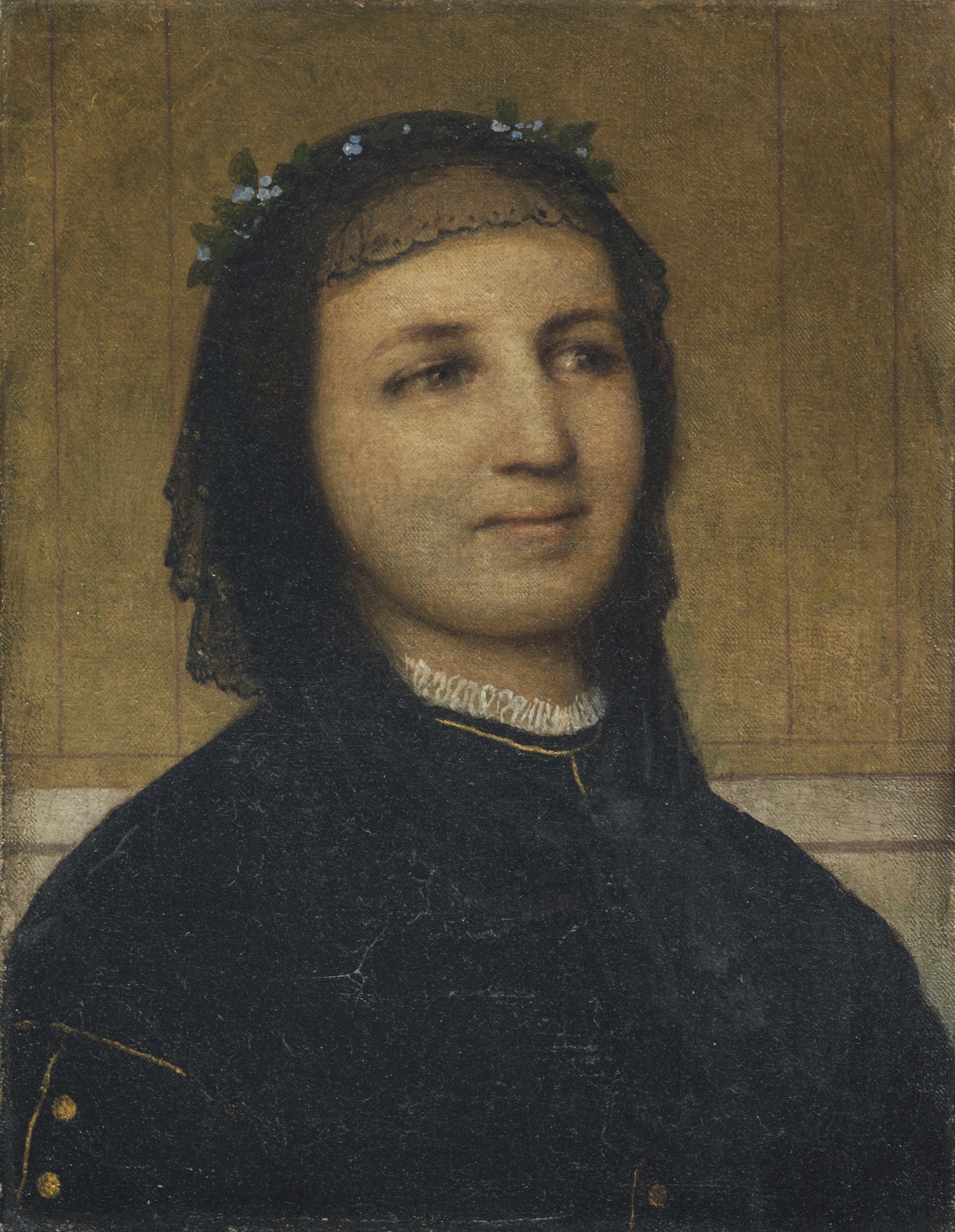
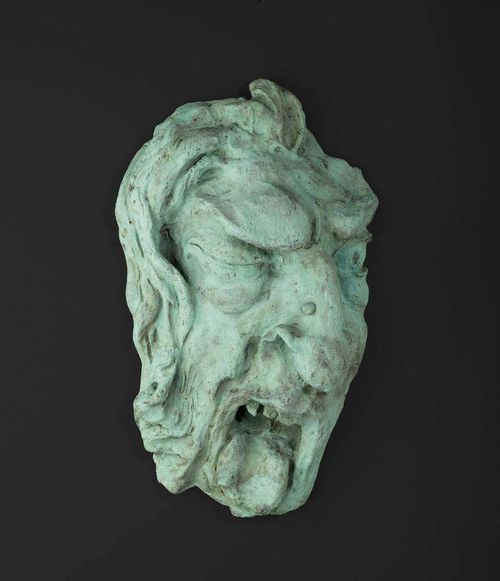
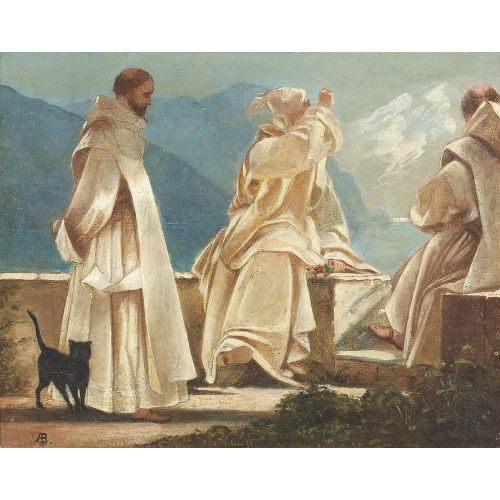
The Kunstmuseum Basel holds more than 90 paintings and sculptures by Böcklin, the most important collection of his work. His portraits, fantastic landscapes, mythological paintings and monumental compositions testify to a practice in which imagination is grounded in precise observation of nature. His influence on twentieth-century artists extended the strangeness of these images beyond their initial success.