Annemie Fontana
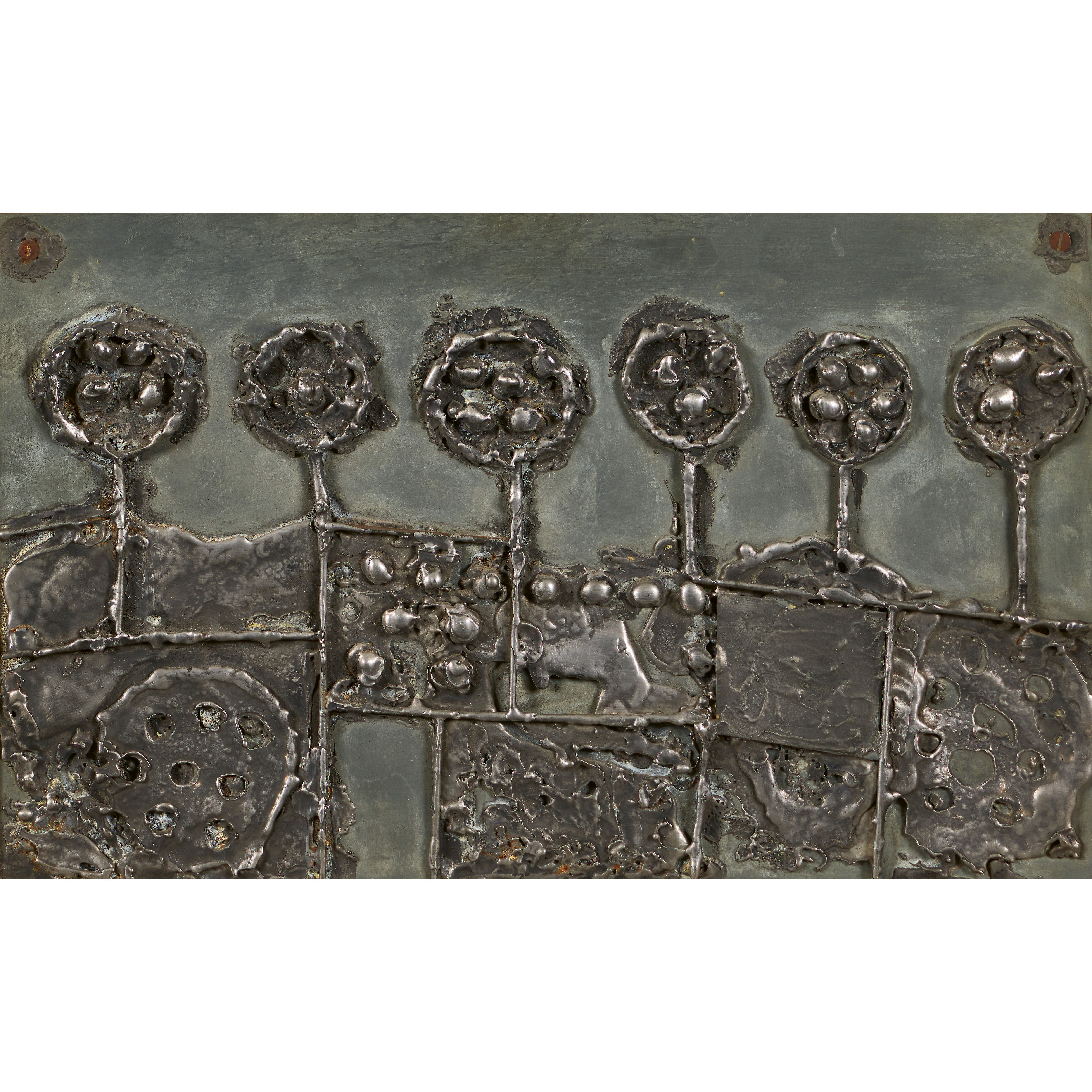
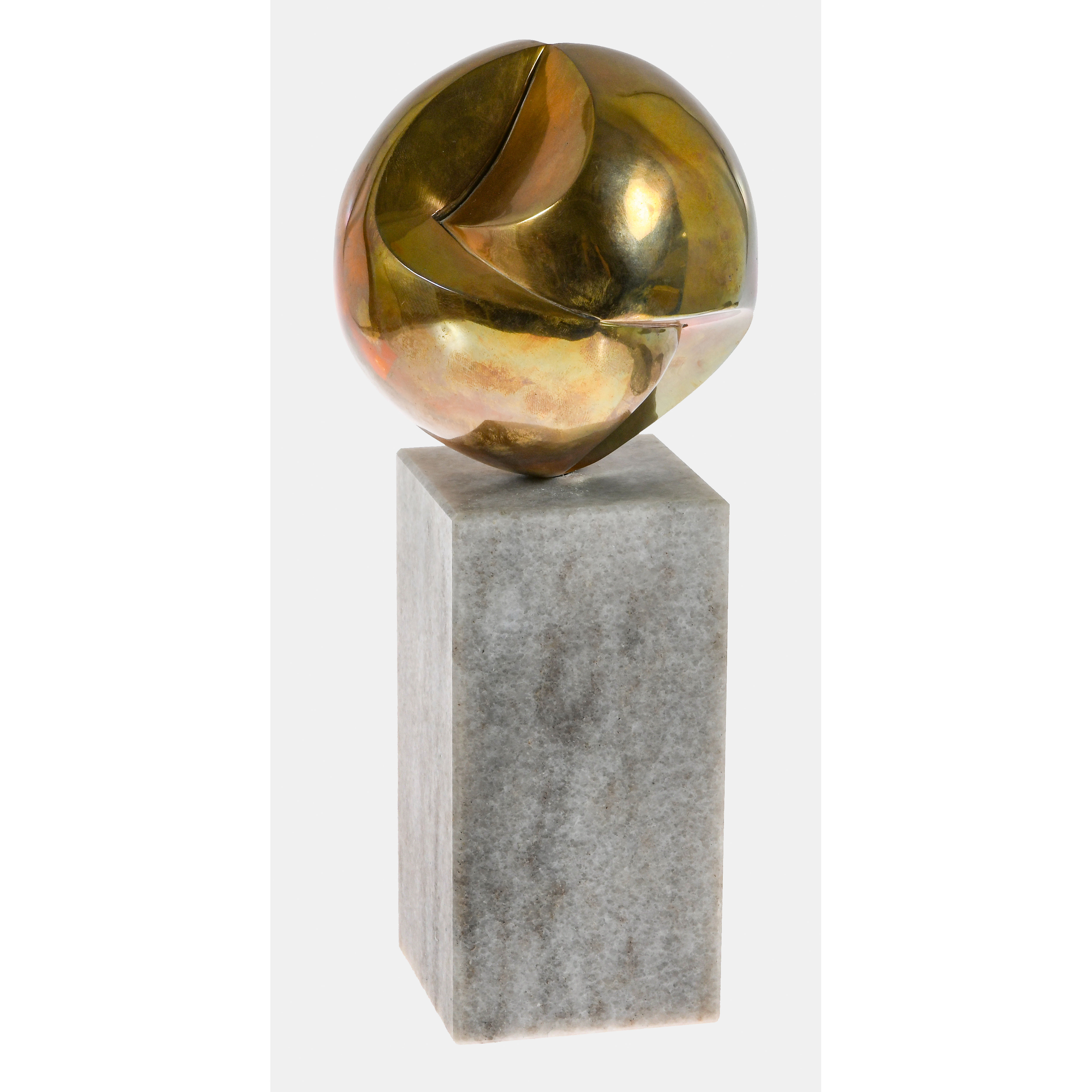
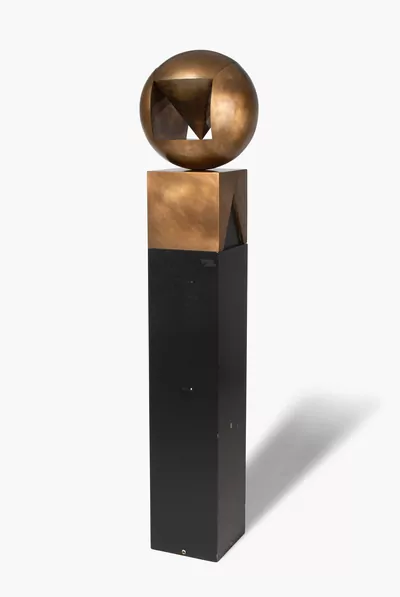
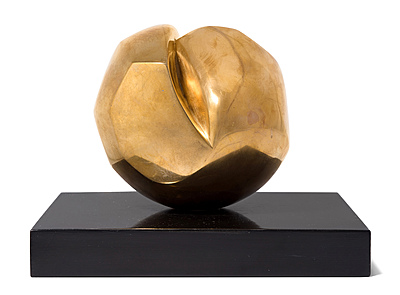
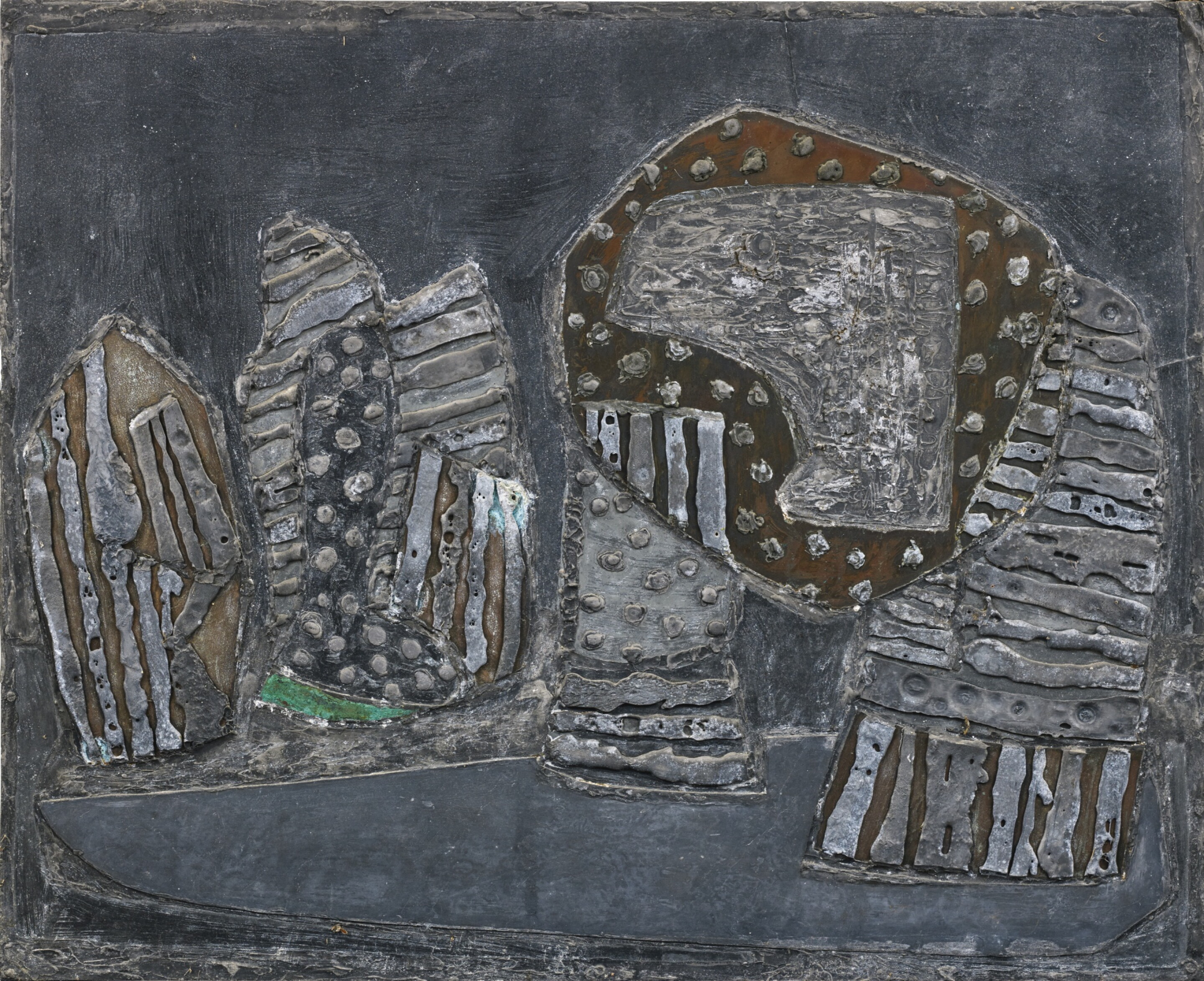
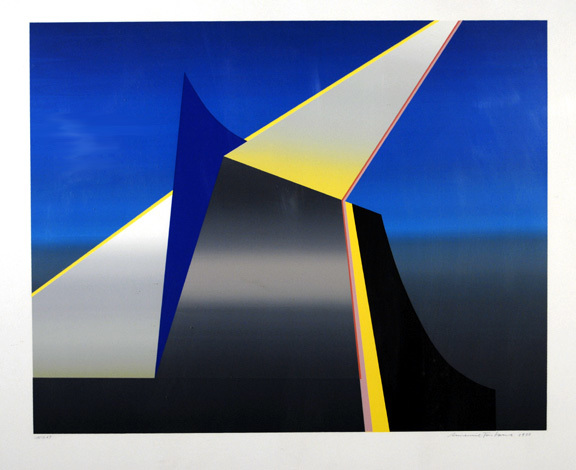
Annemie Fontana (Jacqueline Annamarie Fontana) was a sculptor whose documented career intersected at an early stage with the clothing trades, ceramic expertise, and a versatile sculptural practice employing bronze, metal, aluminium, wood, marble, and later polyester resins (the “ghosts”) and screen printing for pictorial works.
Initially trained in haute couture with the fashion designer Gaby Jouval in Zurich, she acquired a sensitivity to materials and finish that informed her later practice. At the same time, she trained in artistic ceramics in the workshop of the Müller brothers in Lucerne, a technical experience that complemented her tactile understanding of surfaces. According to the source consulted, her sculptural techniques are described as largely self-taught.
At the beginning of her career, she exhibited animal figurines in 1954, received a grant from the Swiss Confederation and the City of Zurich in 1956, and participated in the execution of a wall mosaic for Zurich’s Technische Berufsschule, designed by Alois Carigiet — Fontana “selects, cuts and polishes the stones”, according to the biographical notice.
Her varied use of materials follows a visible evolution: from works in bronze, metal, aluminium, wood and marble to abstract polyester sculptures described as “ghosts”, while screen printing served her in developing a pictorial body of work.
Her practice was shown internationally — in group exhibitions in Florence (1967), The Hague (1968), Tel Aviv-Jaffa (1972), Haifa, Jerusalem, Budapest and Antwerp (1973), Lindau (1977), and Budapest (1978) — and her works are held in the public collections mentioned, including the Museum of Design Zurich, the Kunsthaus Zurich, the Municipal Museum of The Hague, and the Tel Aviv Museum of Art, as well as in several Swiss municipalities (Zumikon, Zurich, Chur, Bülach, Kloten).
She is also identified as the daughter of the painter Alois Fontana, a genealogical detail appearing in the biography consulted.