Alexandre Cingria
Born in 1879.
Died in 1945.
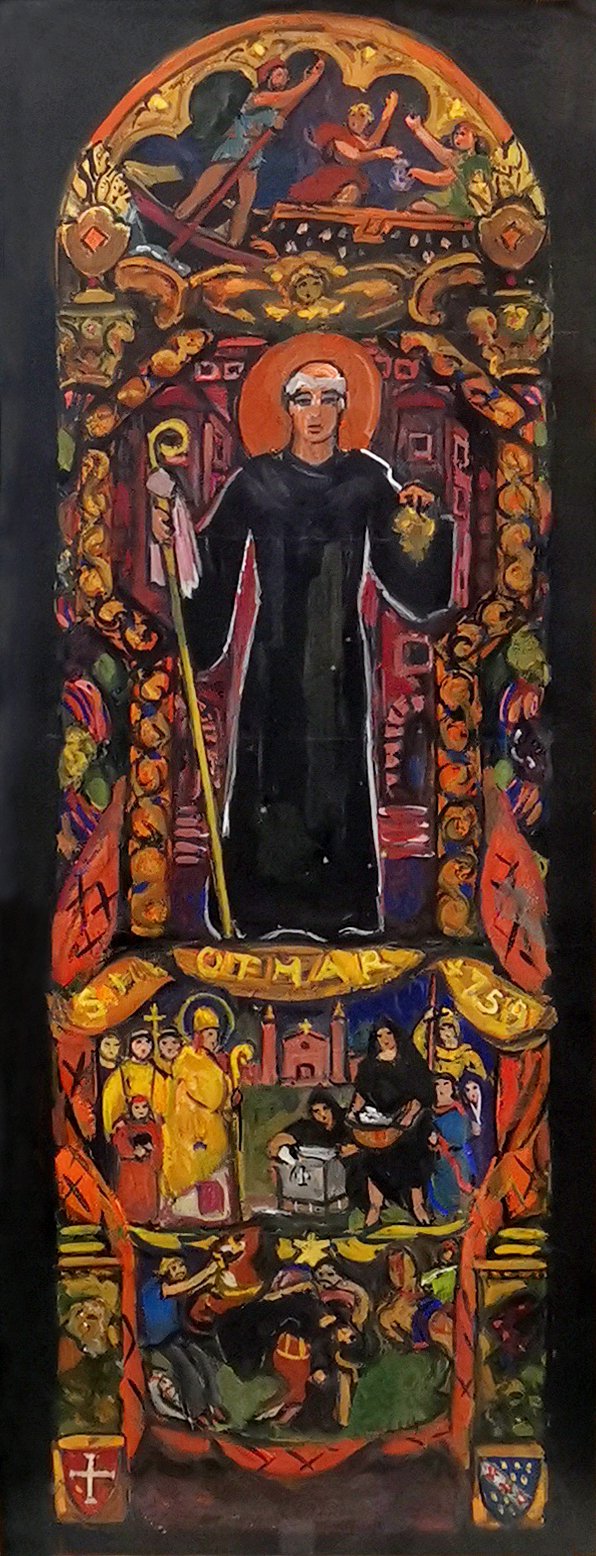
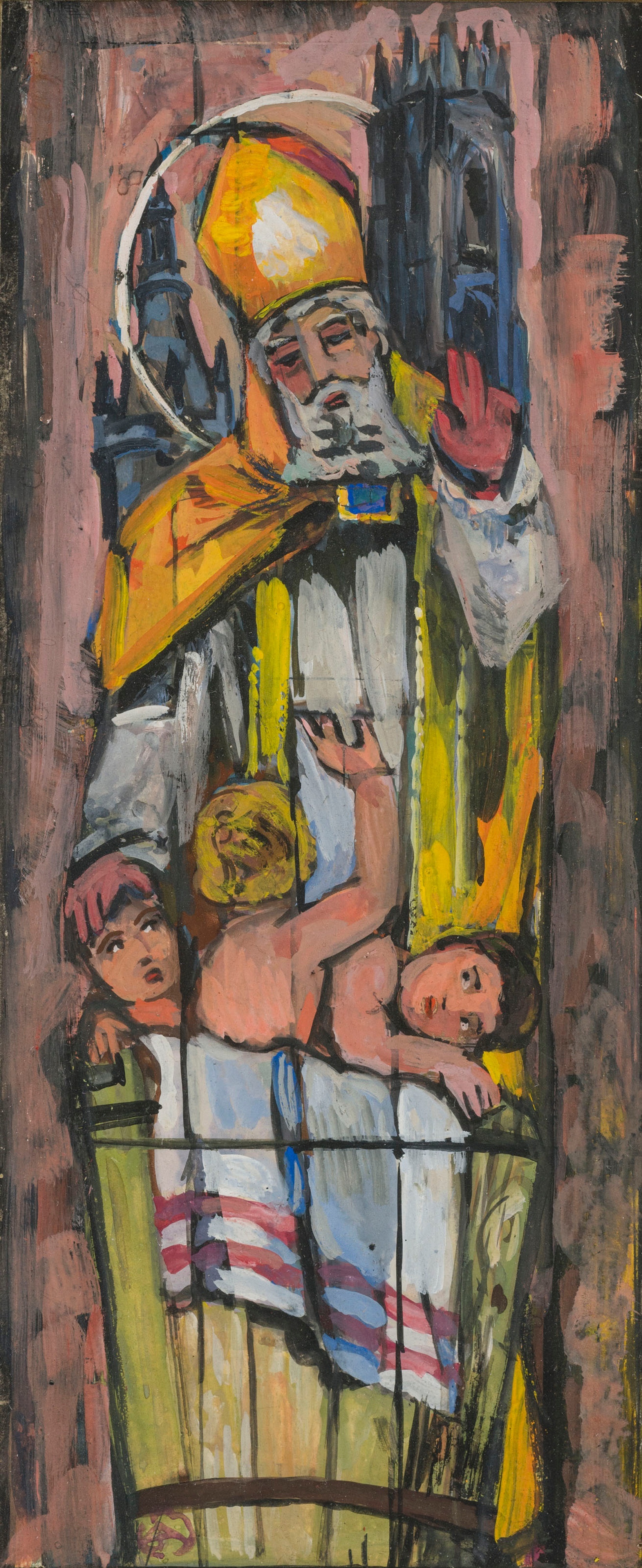
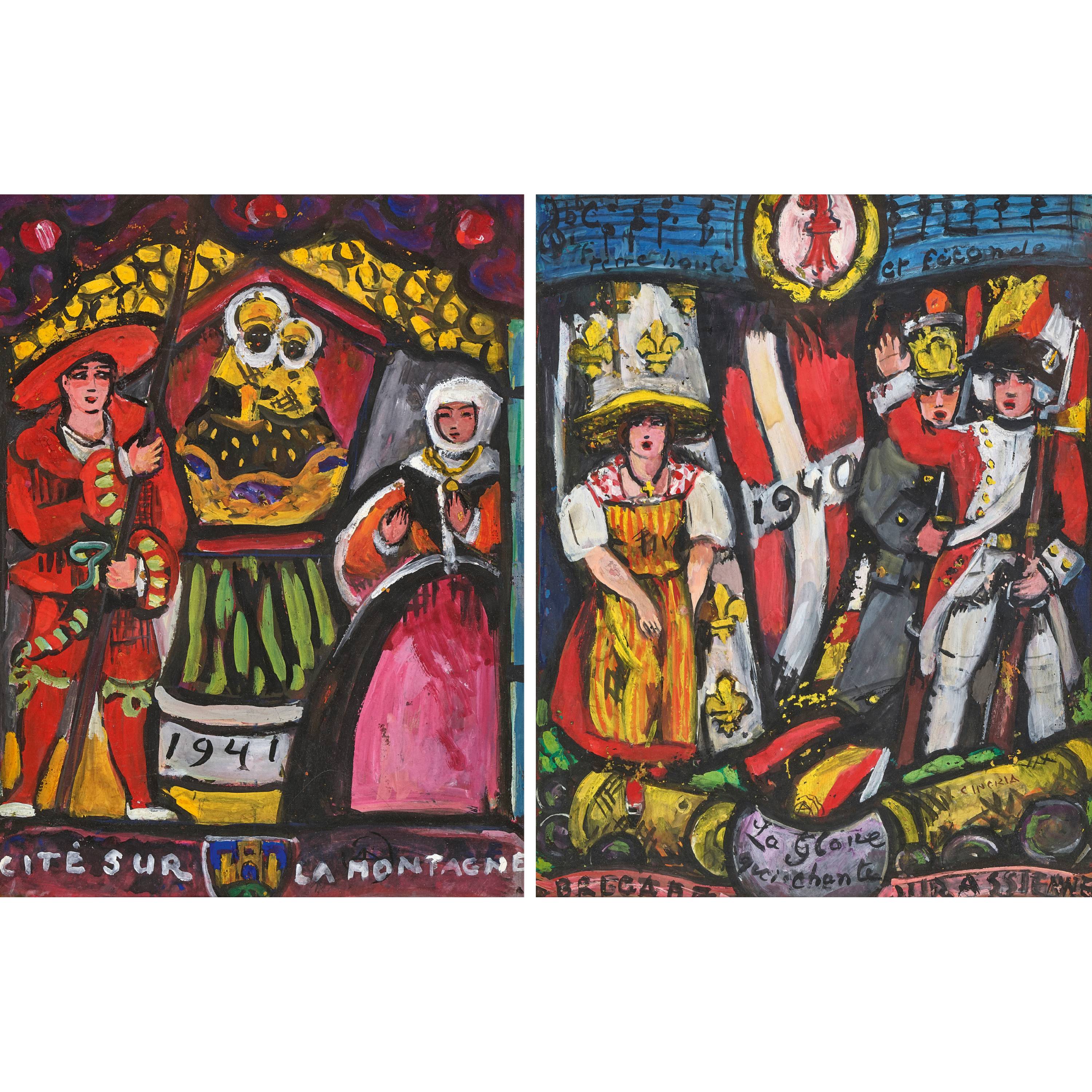
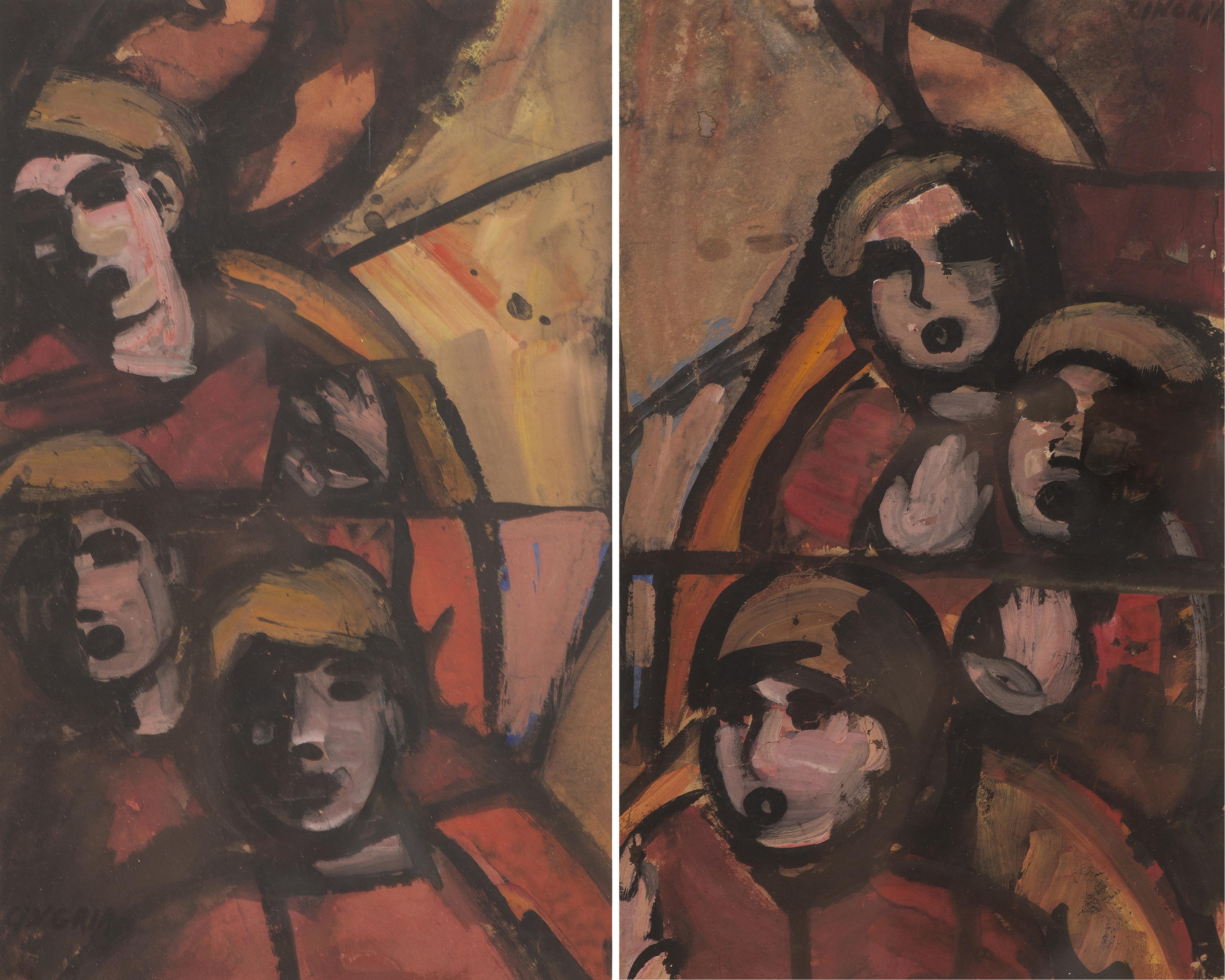
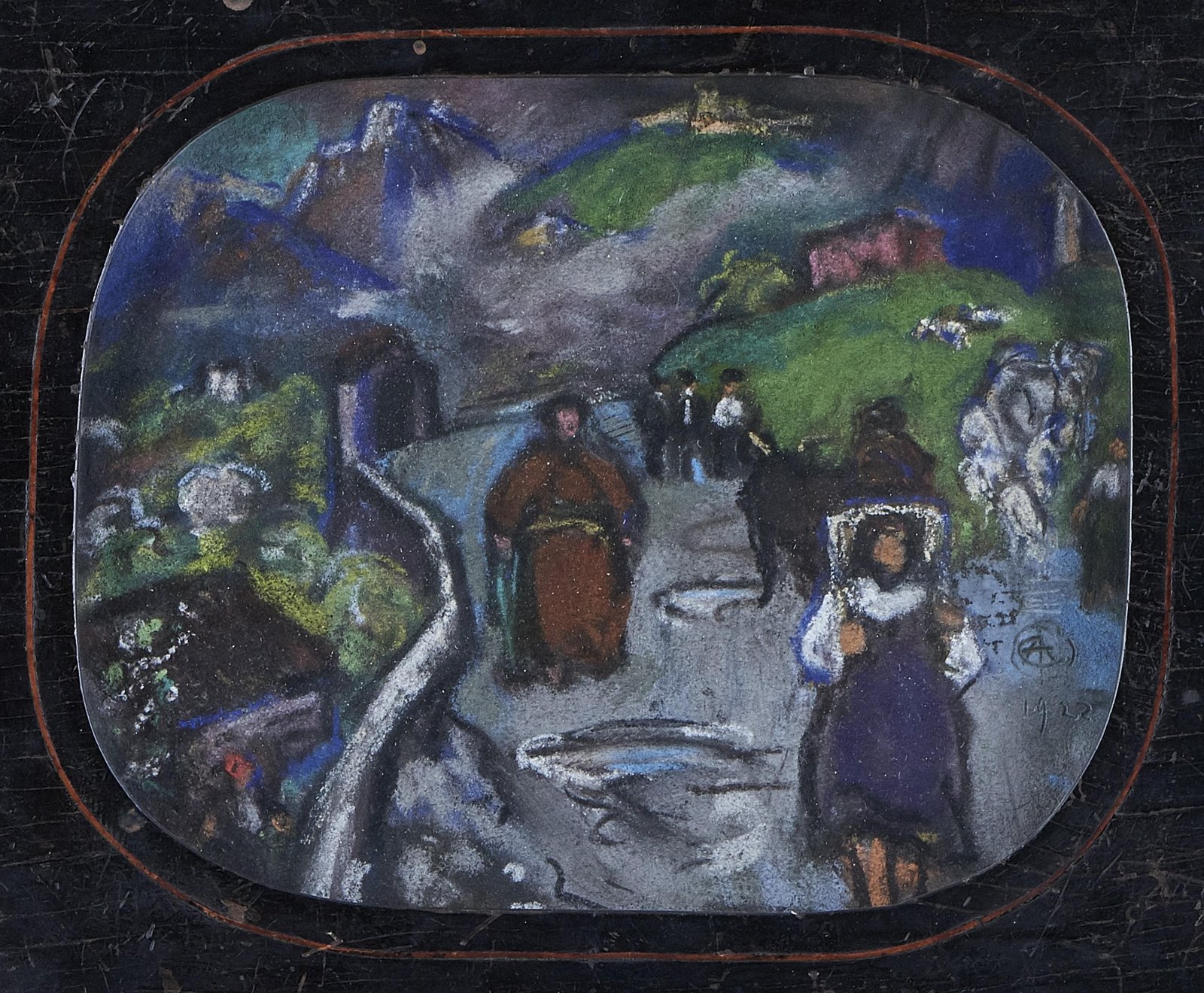
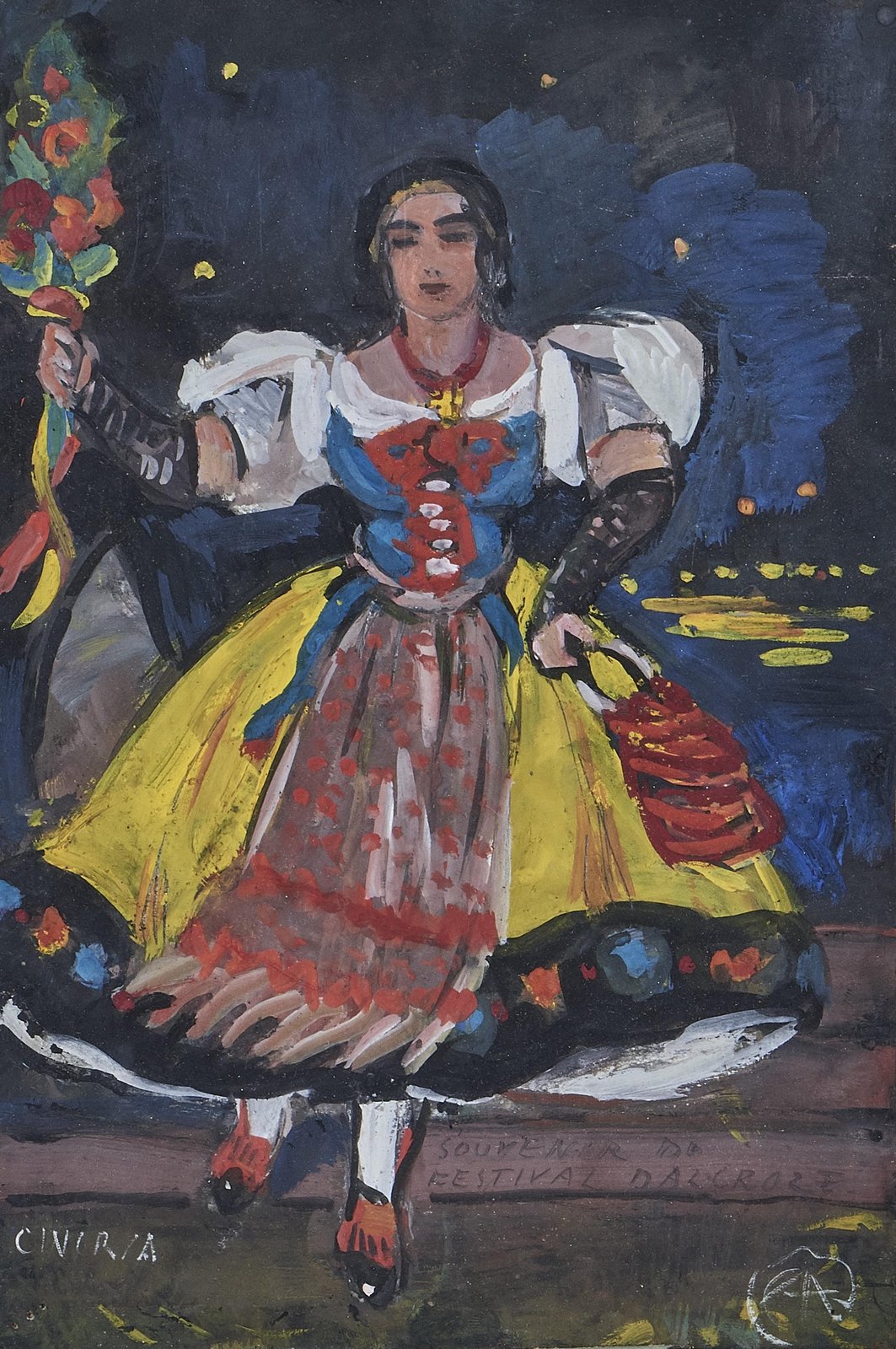
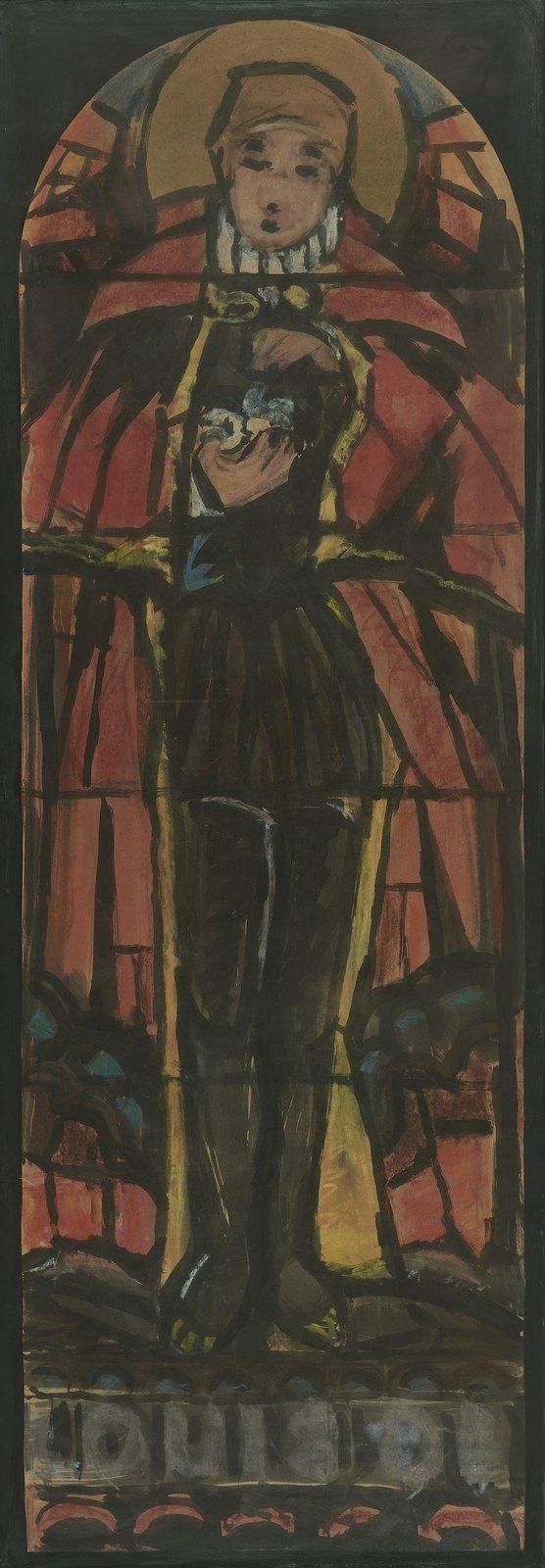
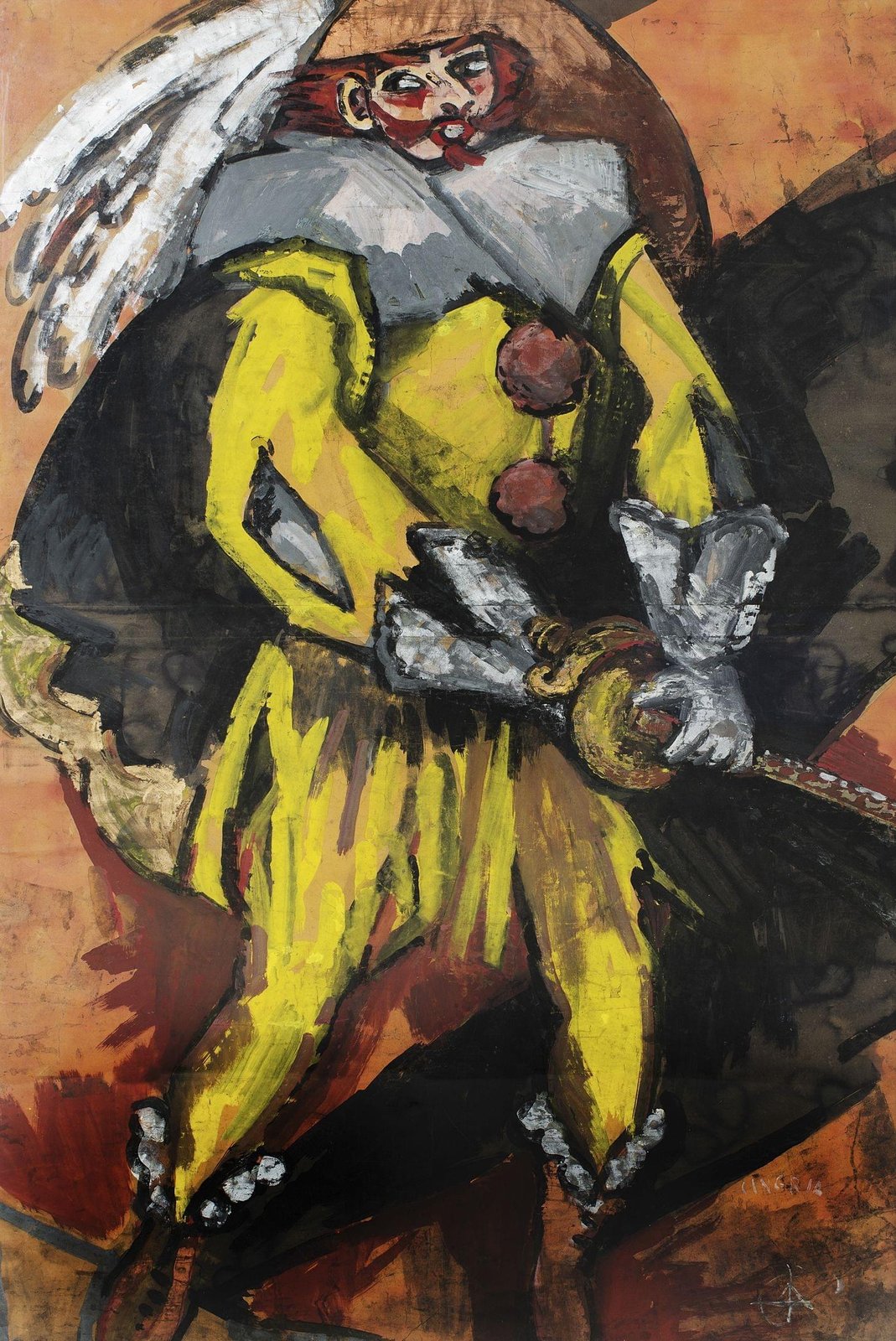
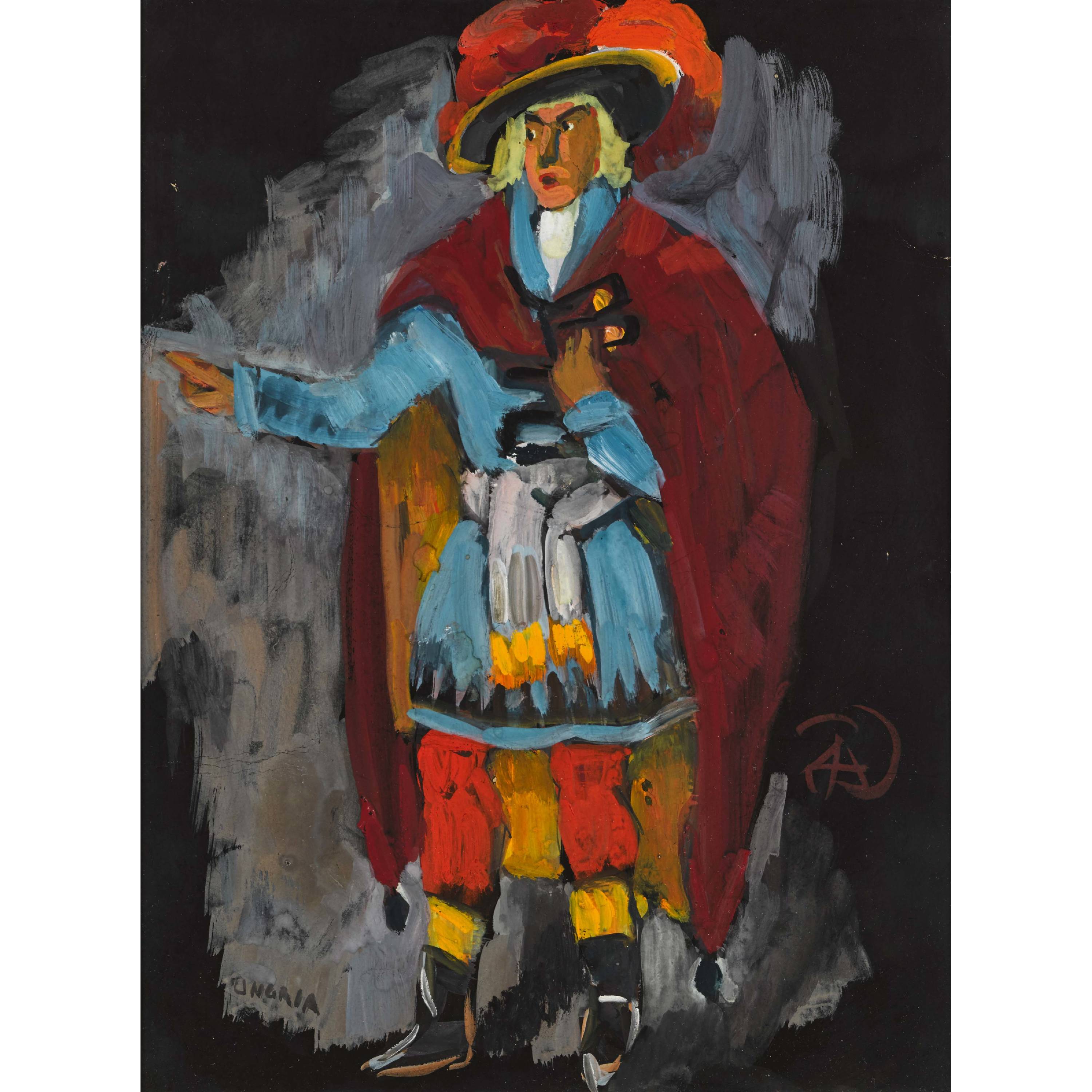
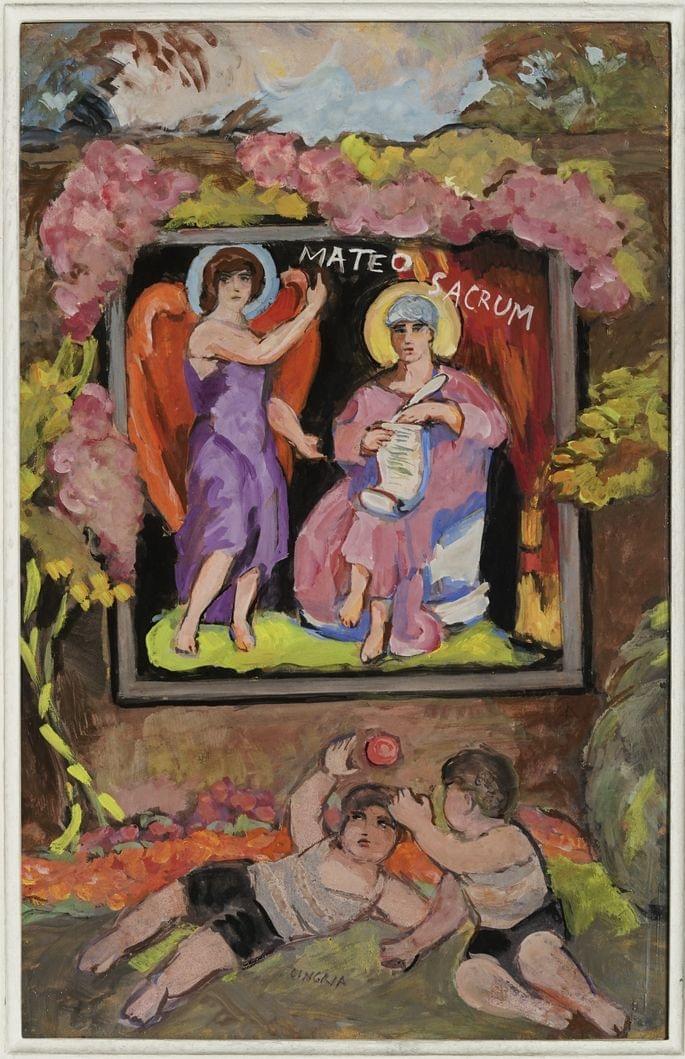
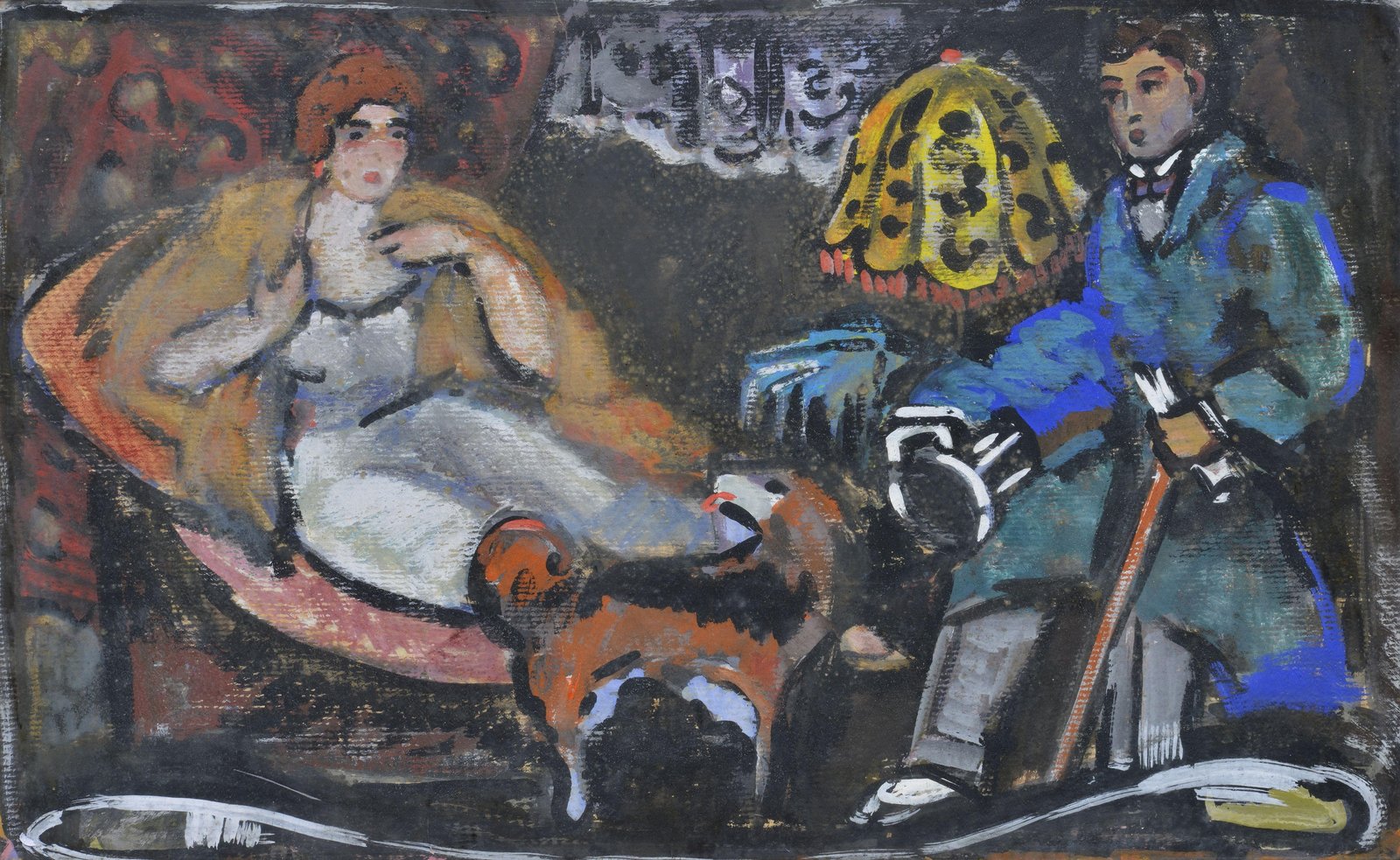
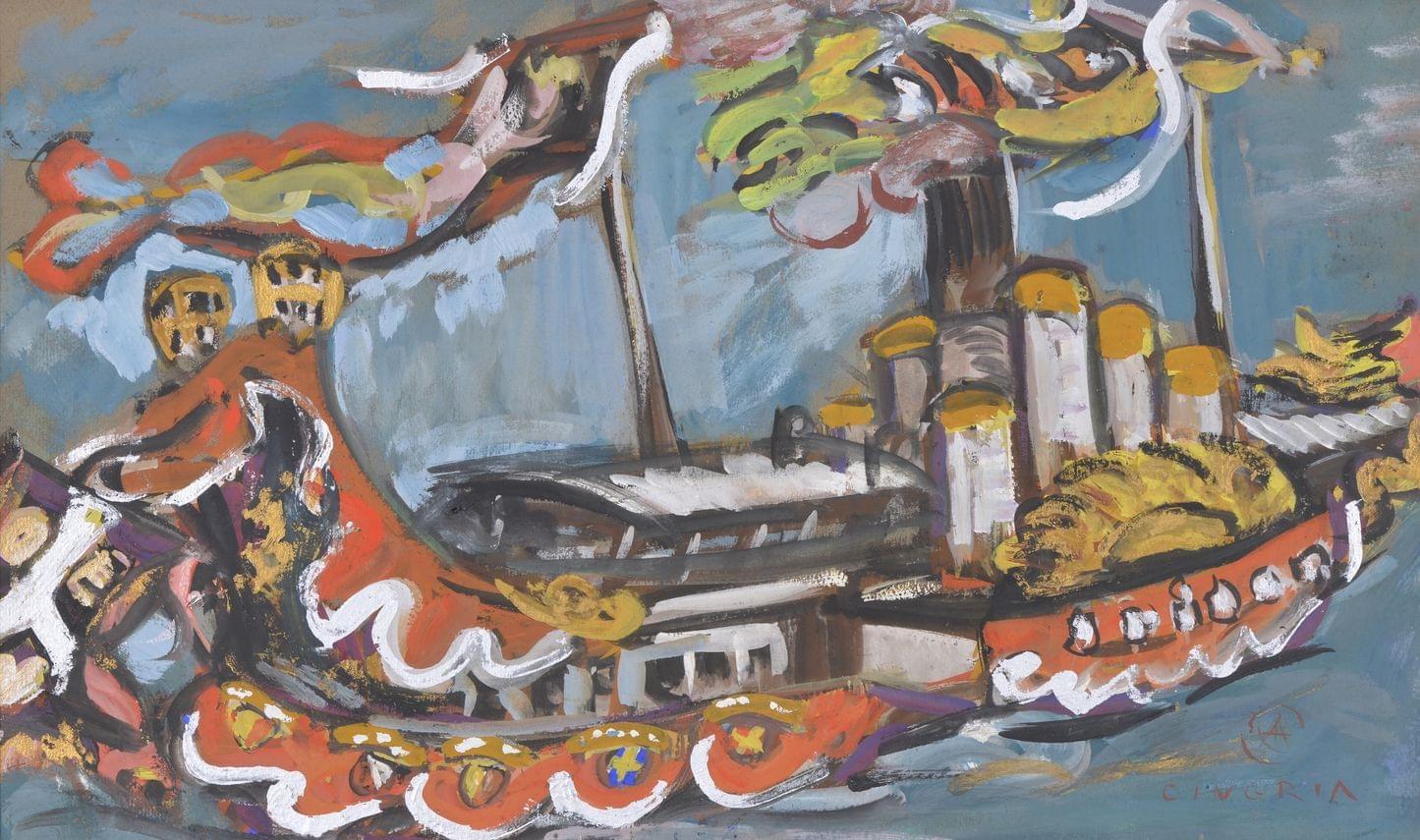
Alexandre Cingria (born 22 March 1879 in Geneva, died 8 November 1945 in Lausanne) is presented in the sources as a pioneer of the revival of Catholic sacred art in French-speaking Switzerland. His output includes an important series of stained-glass windows: the texts refer to more than 200 panels made for approximately thirty churches.
Born into a family with a trans-Mediterranean history—the paternal branch originating from Ragusa (present-day Dubrovnik) and having lived in Constantinople—he grew up in a milieu where artistic careers converged, his mother, Caroline Stryjenska (1846–1913), being a painter herself. His family circle also included his younger brother, Charles-Albert Cingria (1883–1954), known as a writer and musician. His academic training included attendance at the École des Beaux-Arts de Genève between 1898 and 1900.
The sources indicate, however, that he was chiefly self-taught during travels abroad, notably in Munich and Paris.
Alongside his studio practice, he was involved in collective initiatives: in 1919, he founded the Groupe de Saint‑Luc (et de Saint‑Maurice) and took part in publishing ventures such as the journal La Voile latine (1904–1911) and the Cahiers vaudois in 1913.
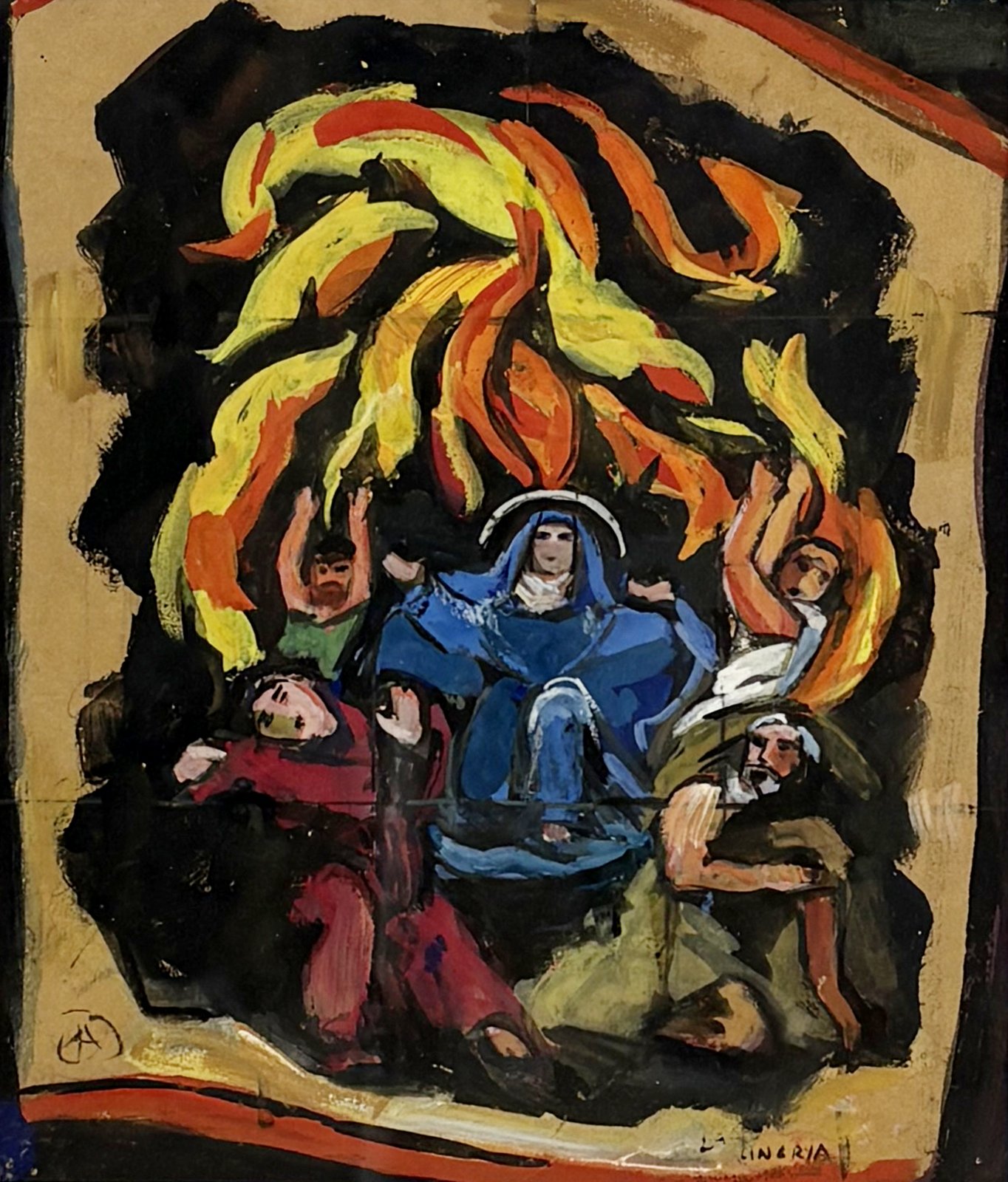
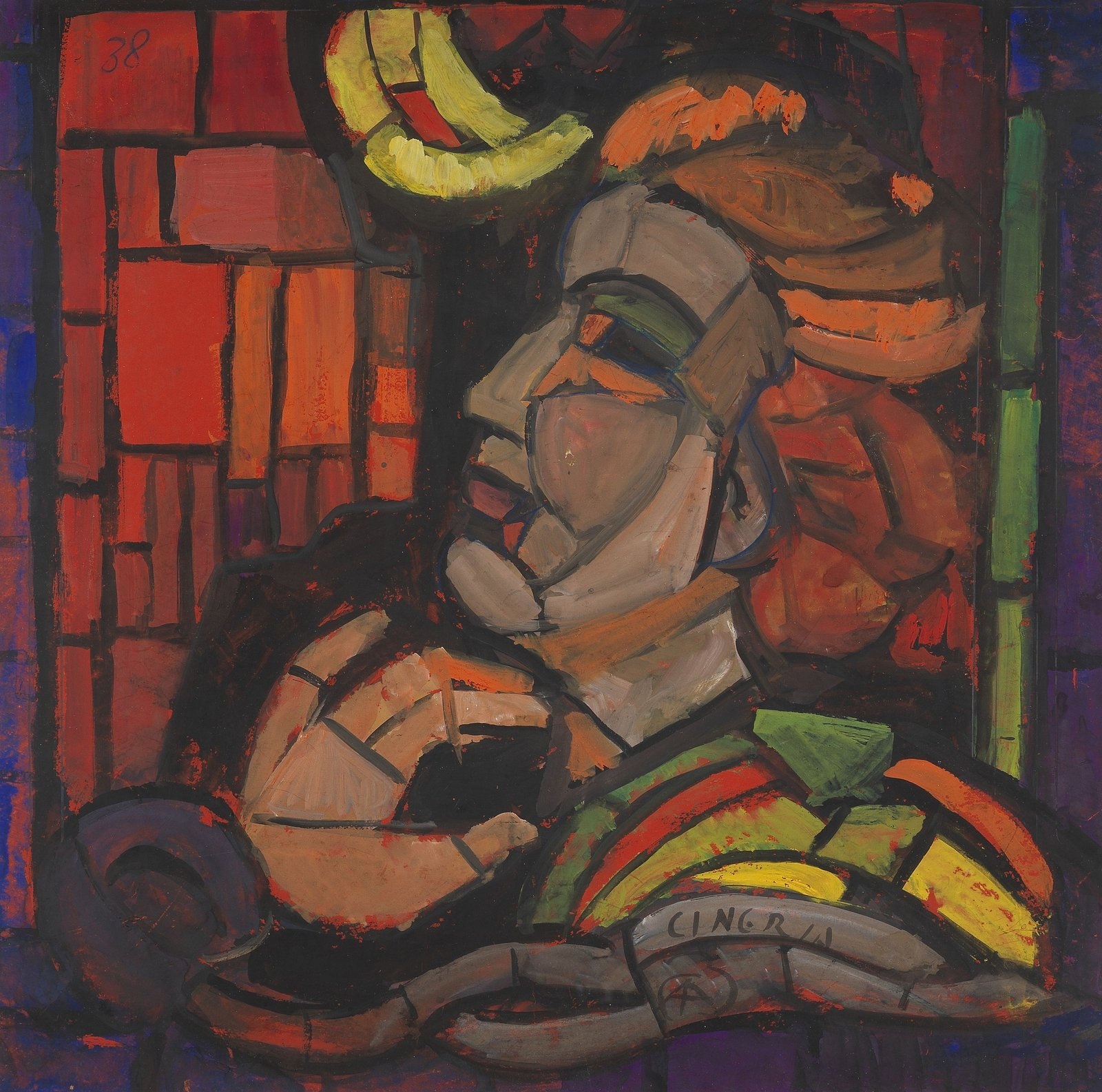
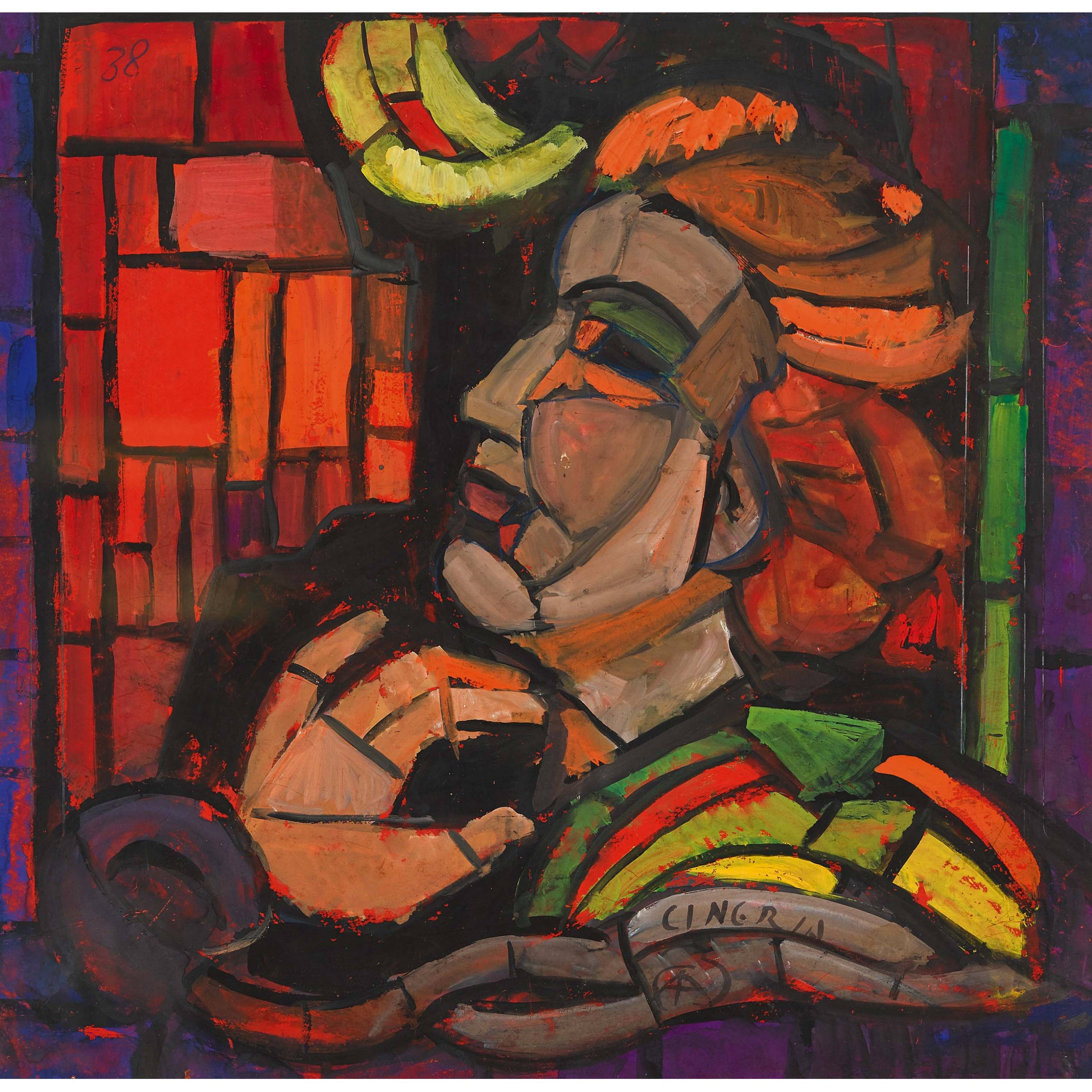
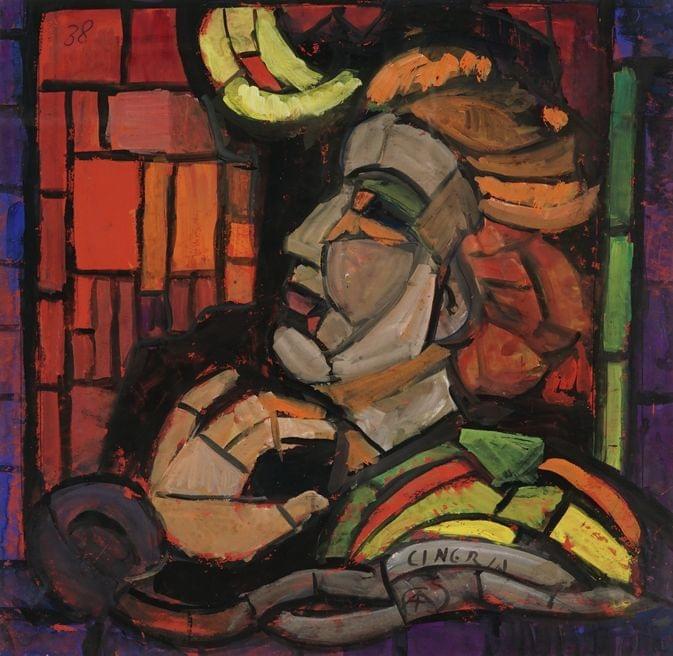
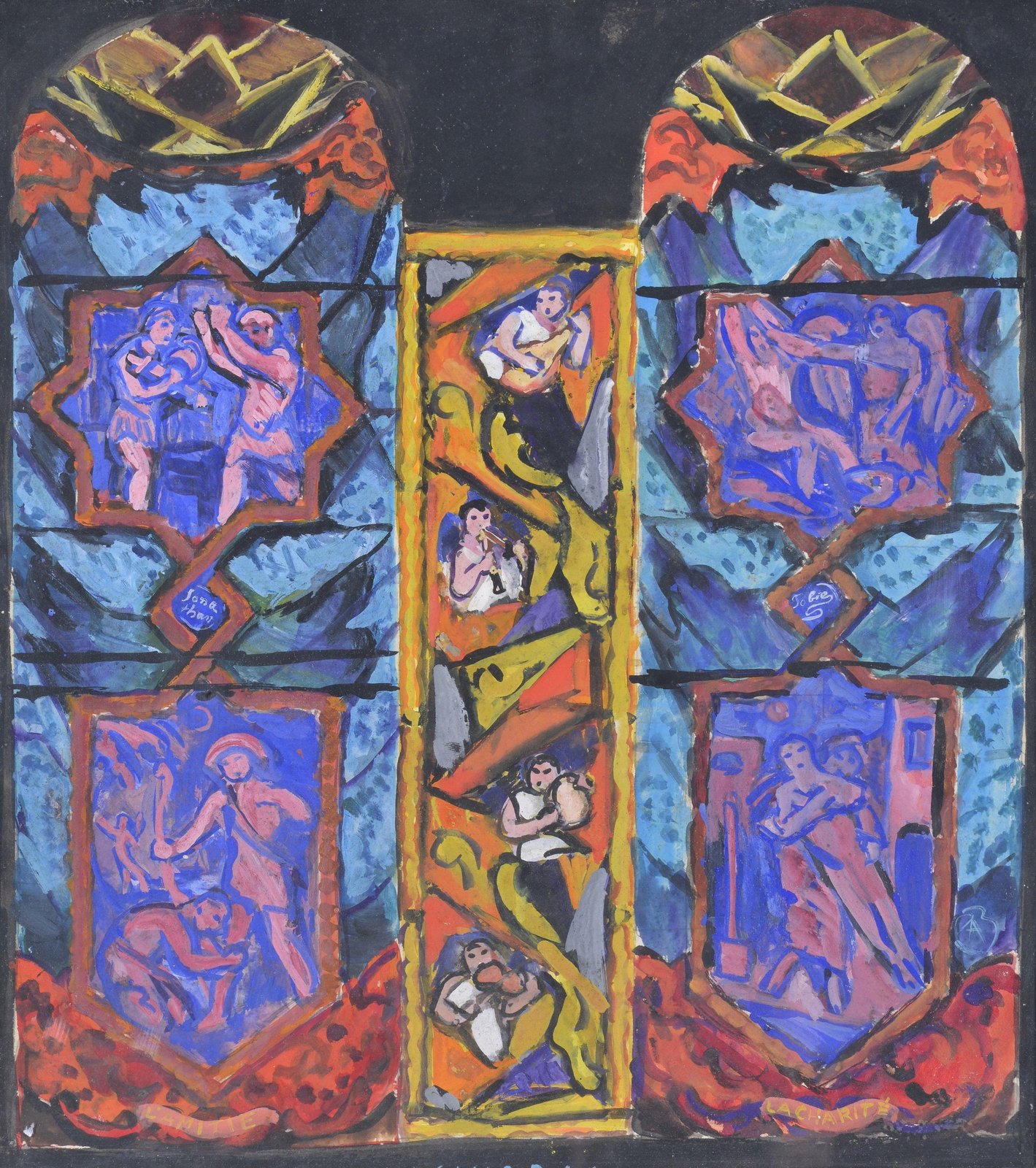
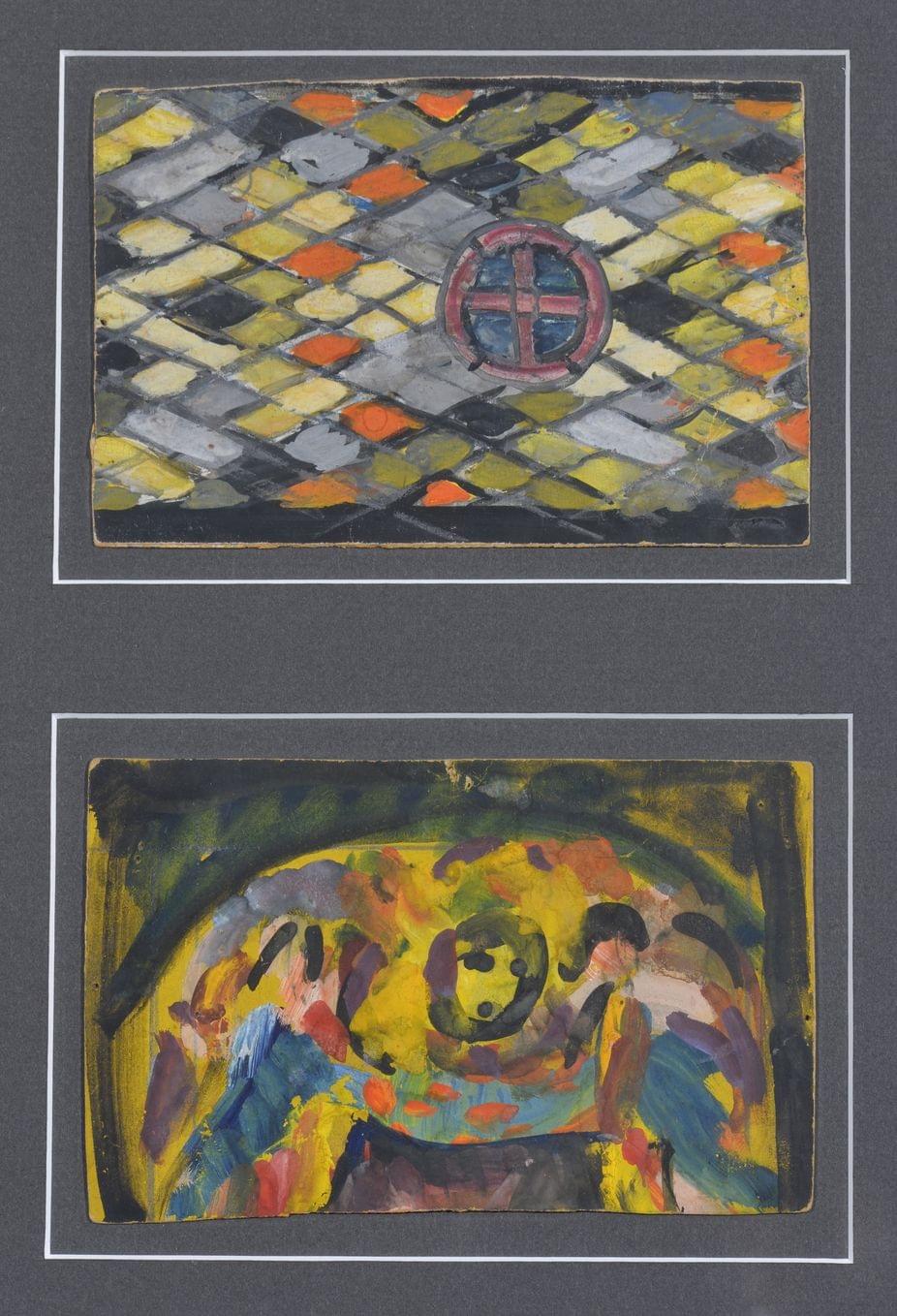
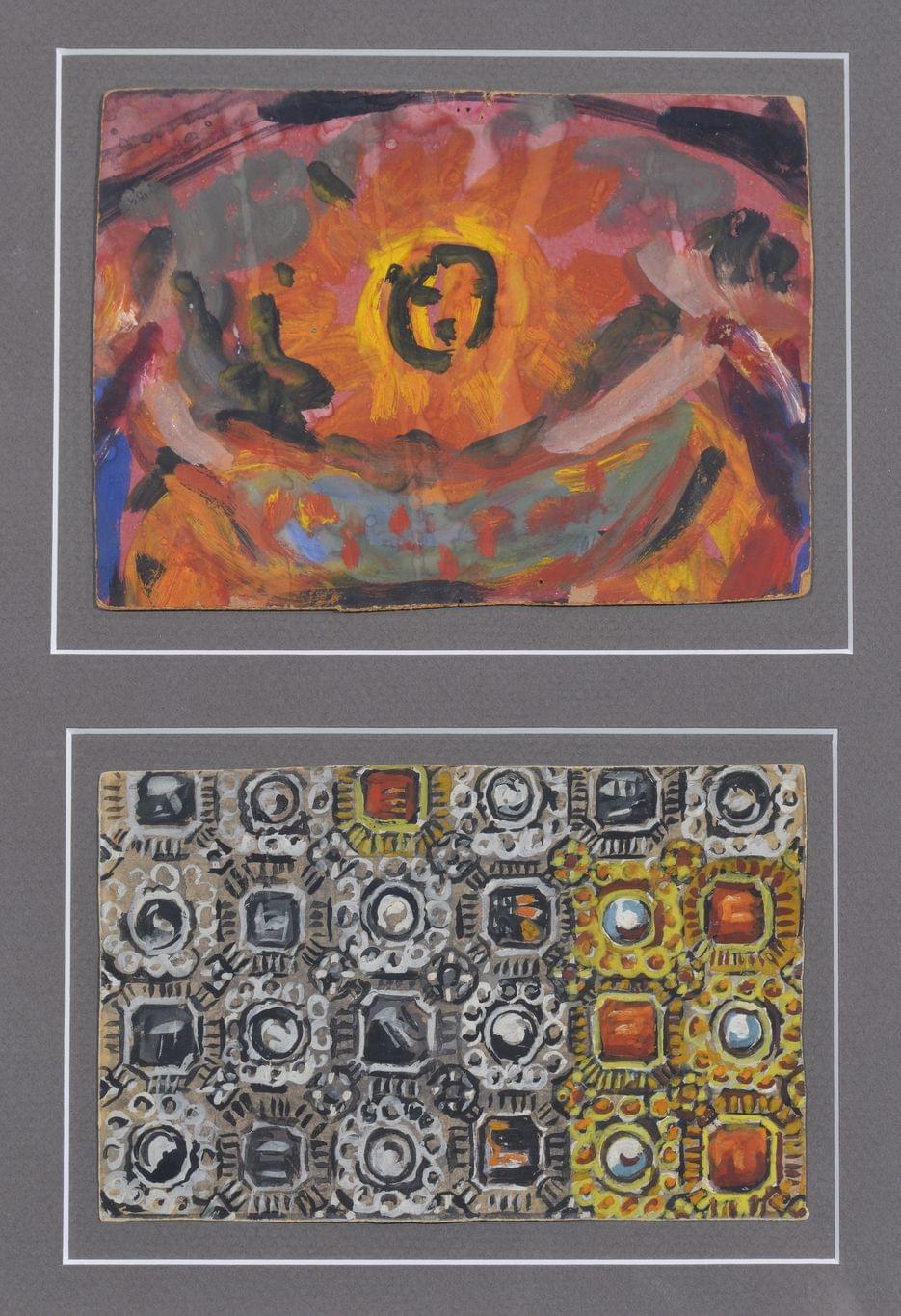
His religious commissions led to an extensive production of stained glass, notably cited in connection with the chapel of the University of Fribourg. His first work in slab glass is recorded between 1934 and 1935 at the church of Sorens, a moment marking his lasting adoption of this technique. He subsequently executed two slab-glass ensembles for the church of Saints‑Pierre‑et‑Paul in Orsonnens, dated in the sources to 1936 and 1939.
In 1937, one of his slab-glass works was shown at the Pavillon du vitrail during the Exposition internationale des arts et techniques in Paris, an event noted by the sources.
In the following years, his slab-glass idiom evolved: the stained-glass windows made in 1941–1942 for the chapel of the Université Miséricorde de Fribourg are described as drawing on Oriental and Byzantine inspiration.