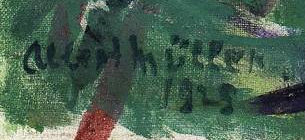
Albert Müller
Born in 1897.
Died in 1926.
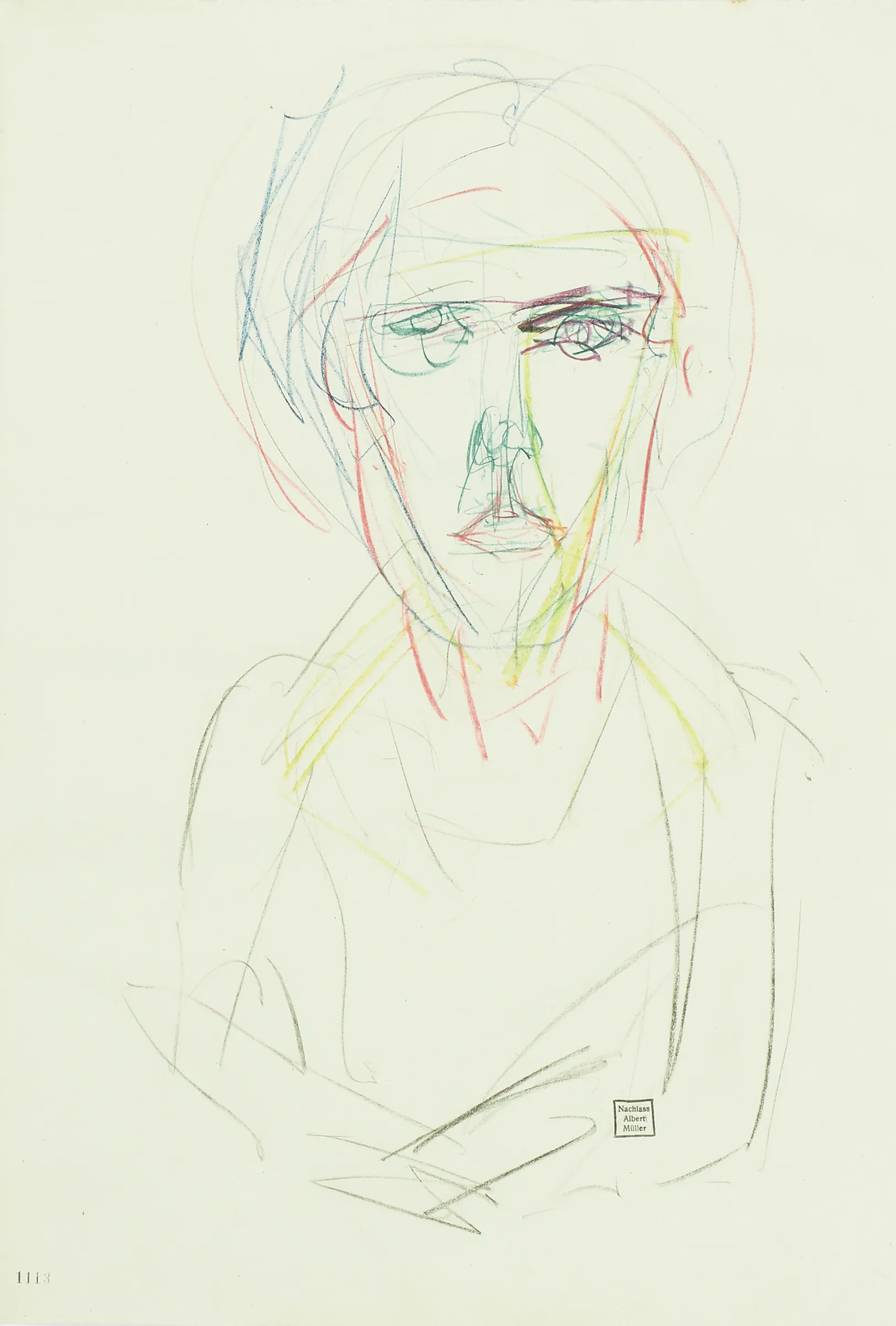
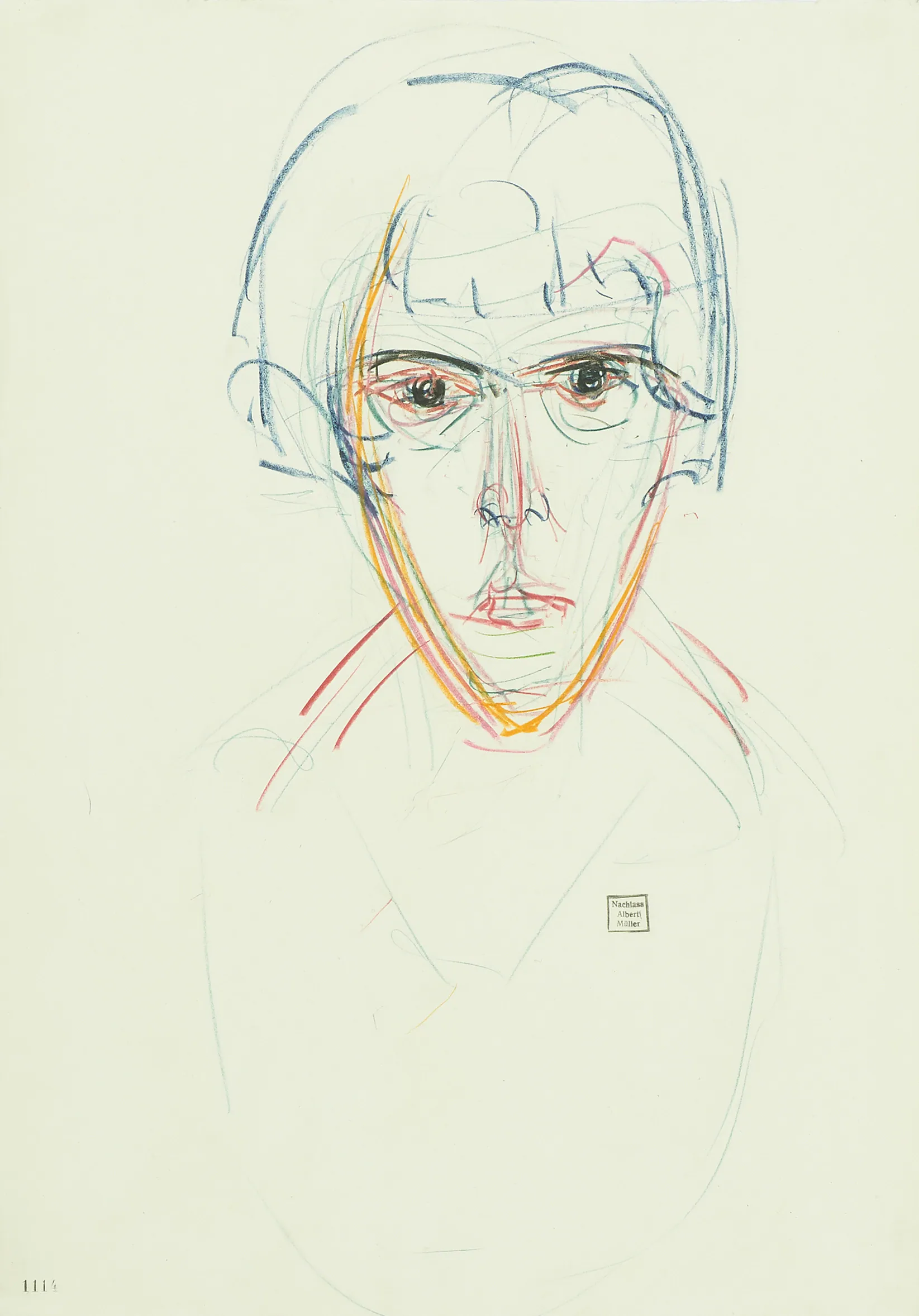
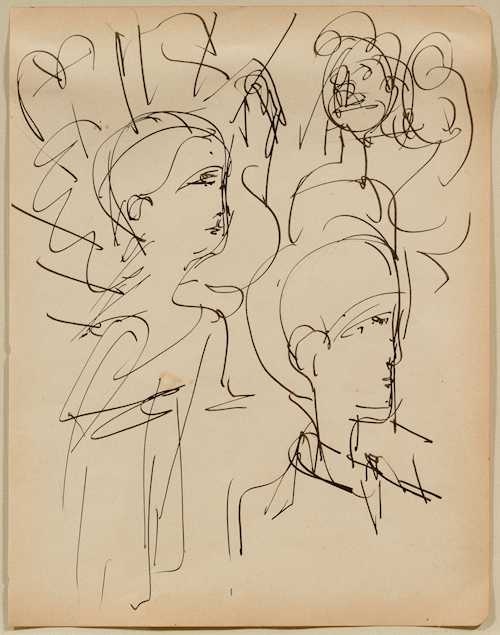
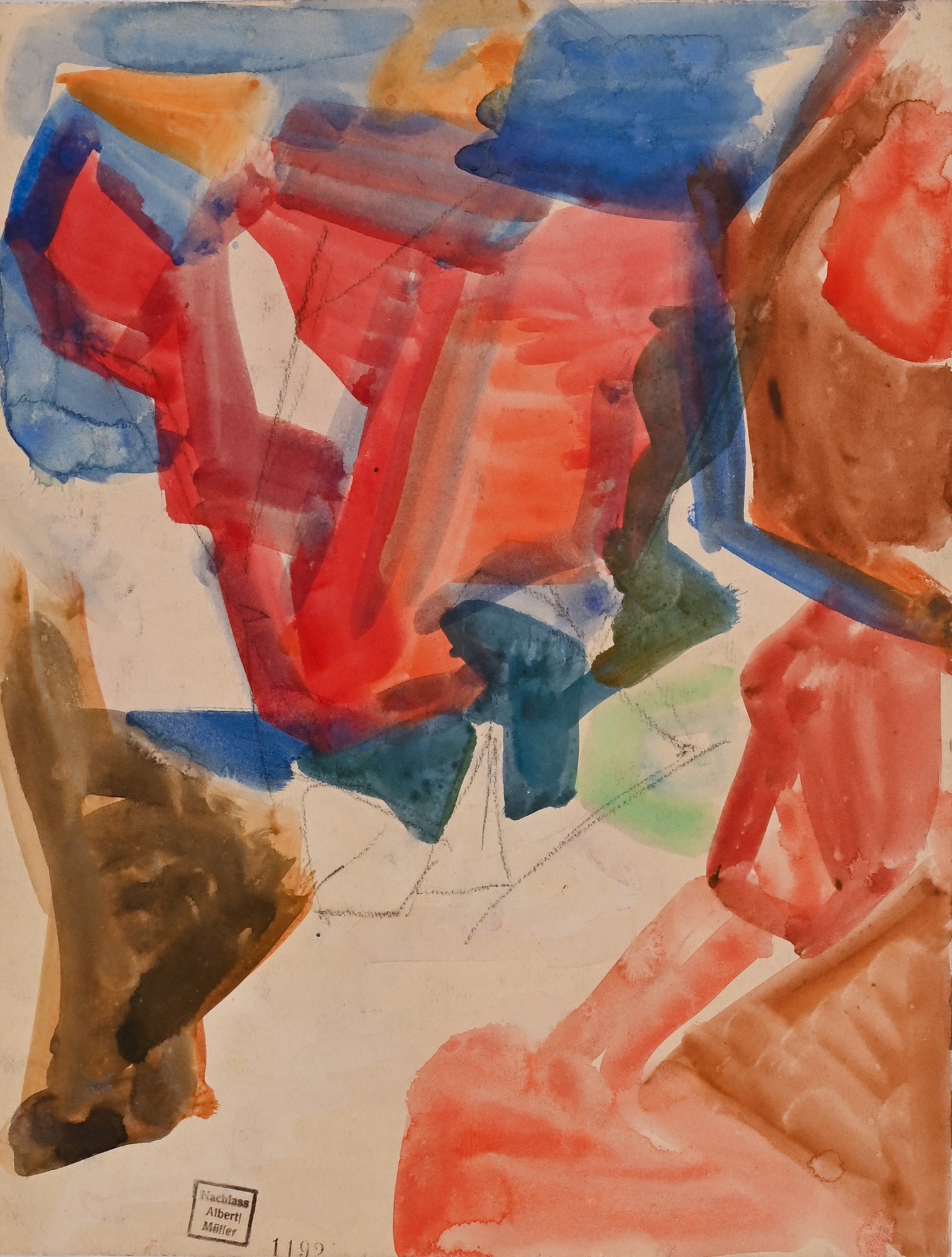
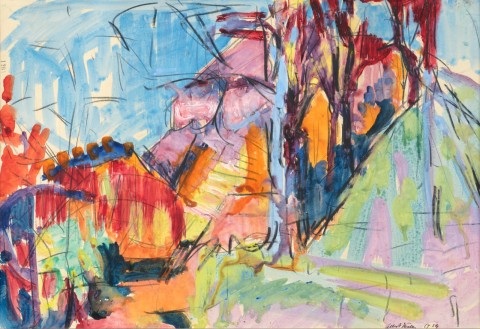
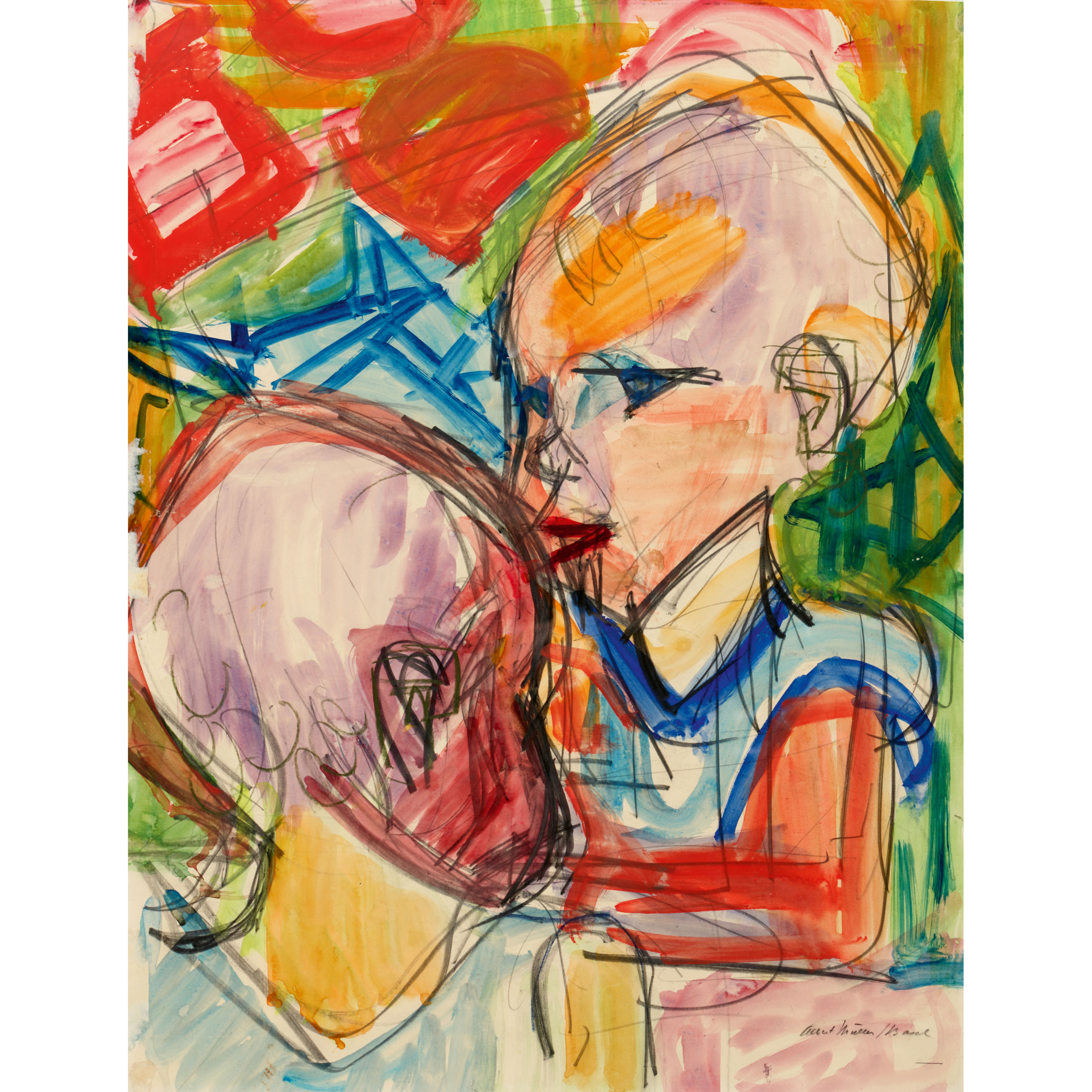
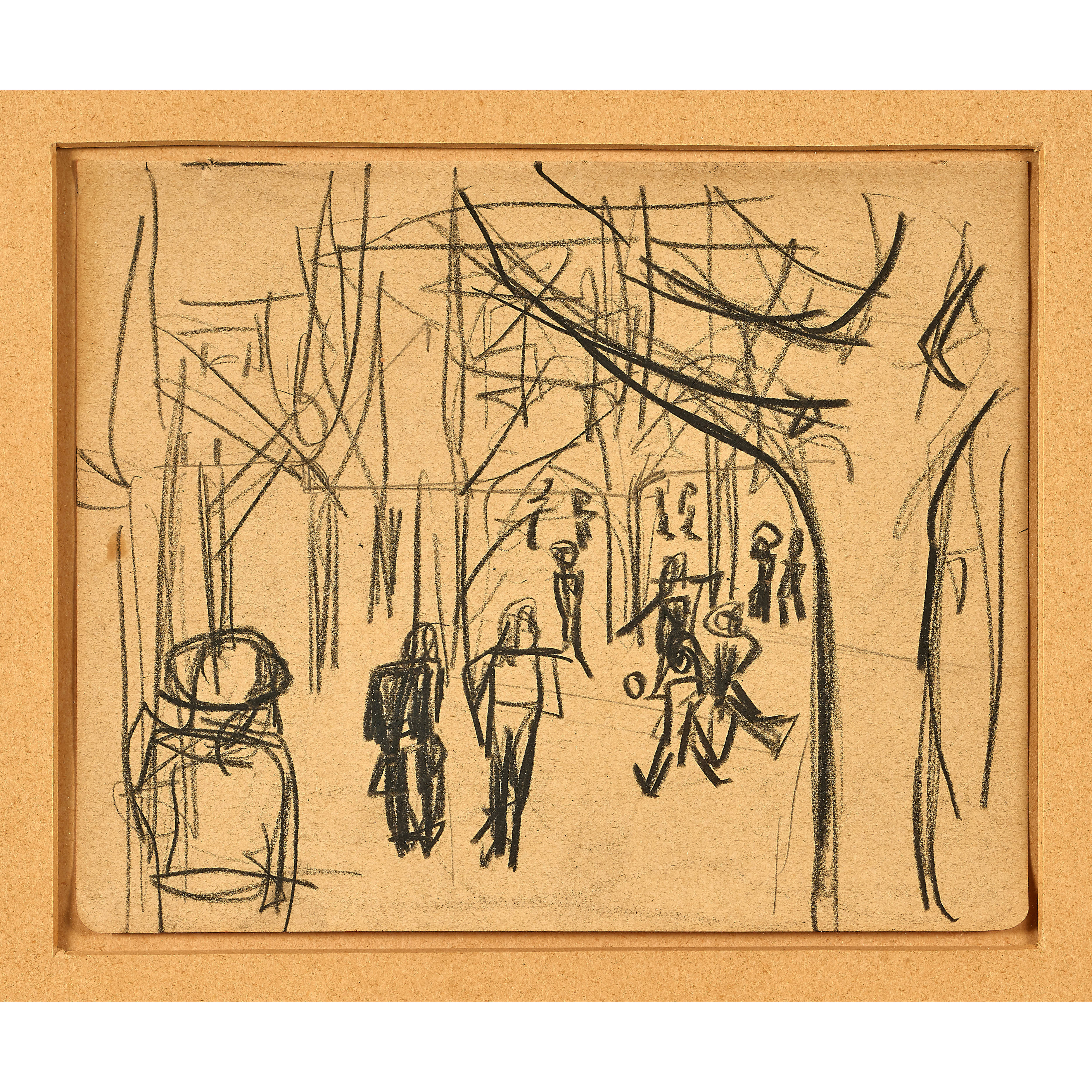
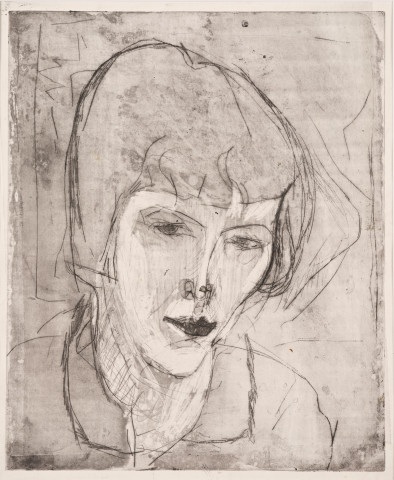
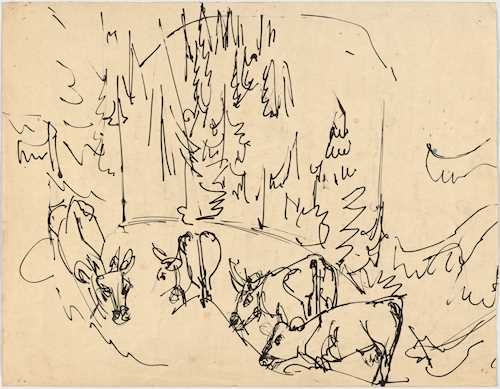
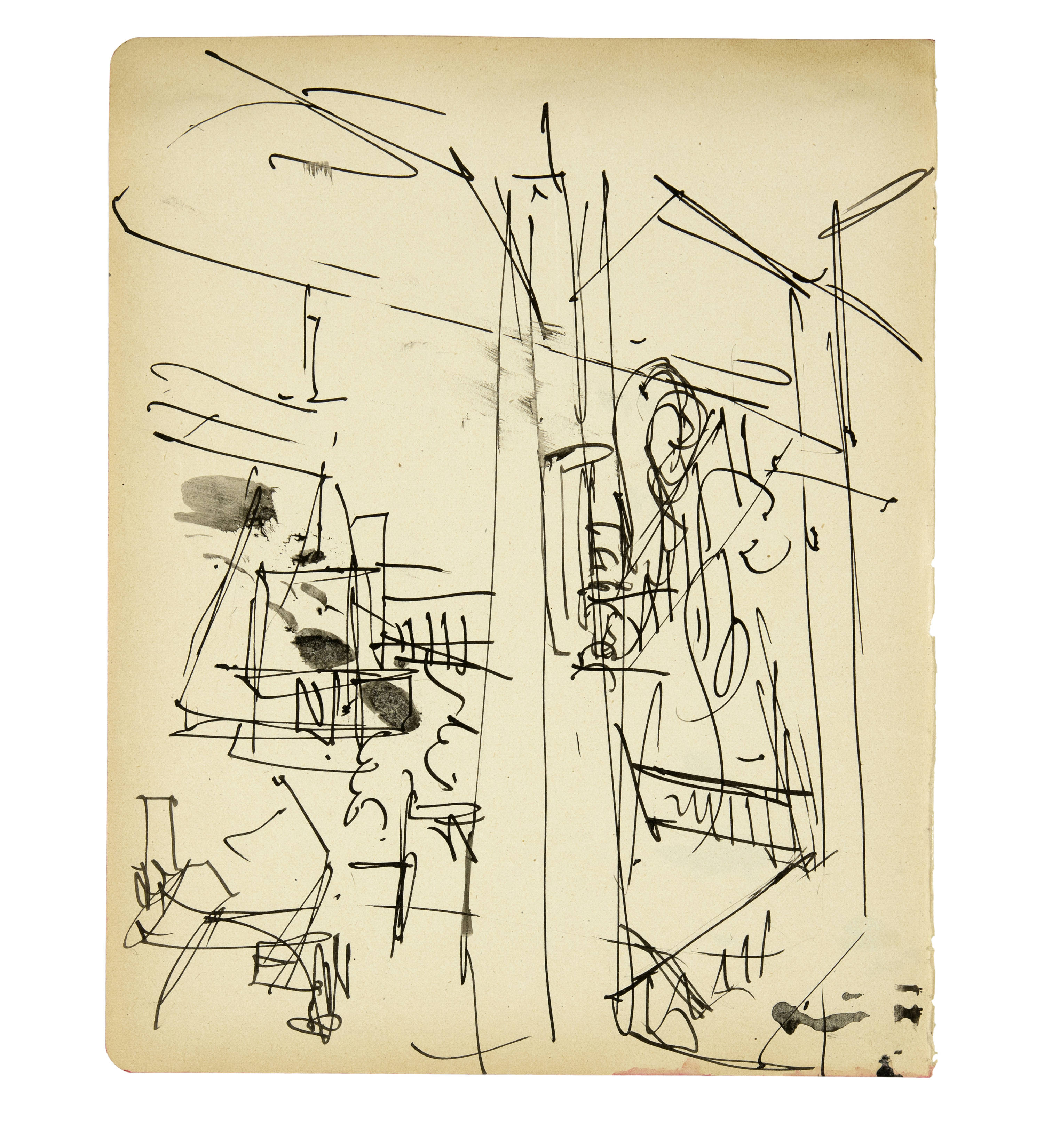
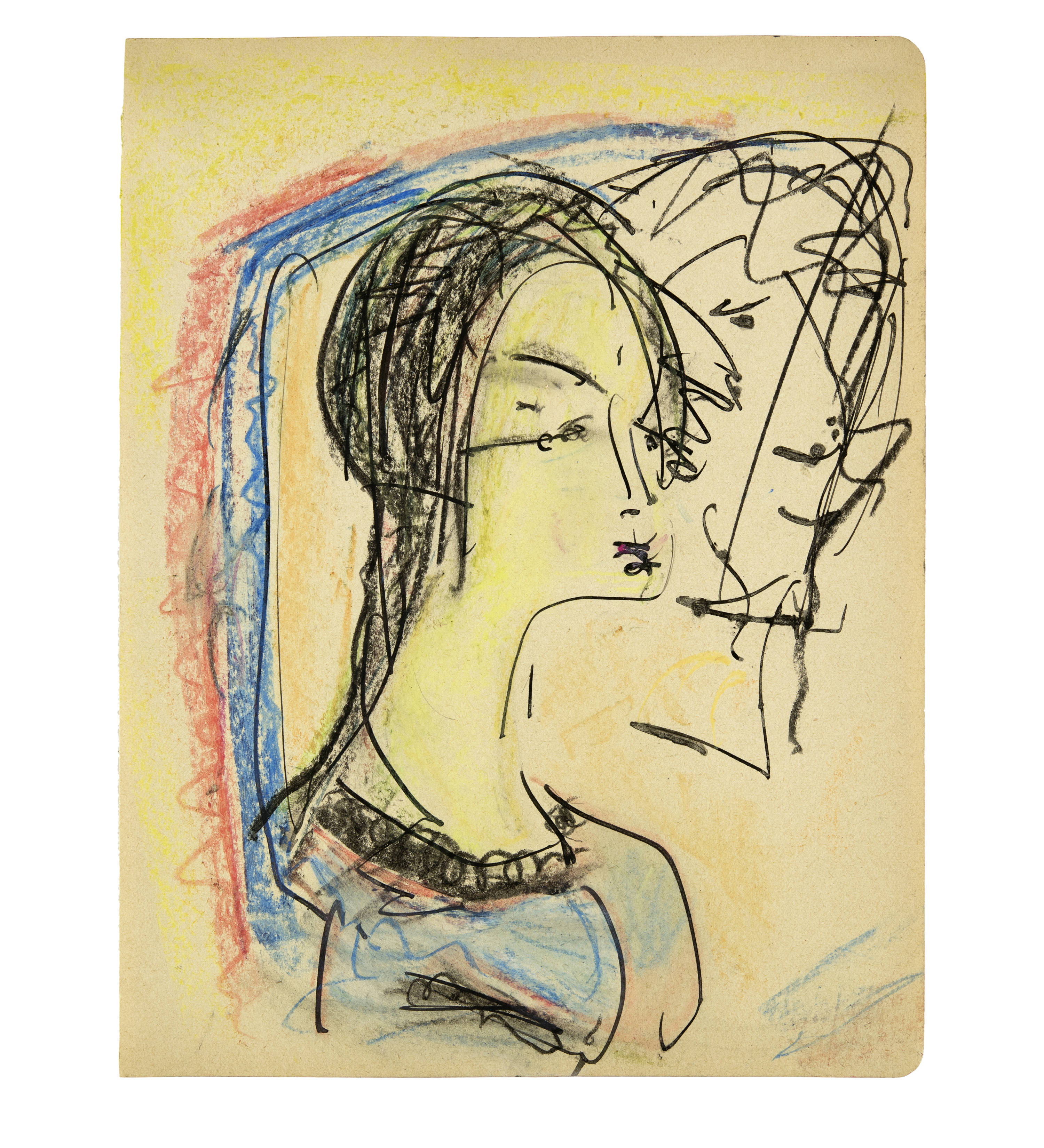
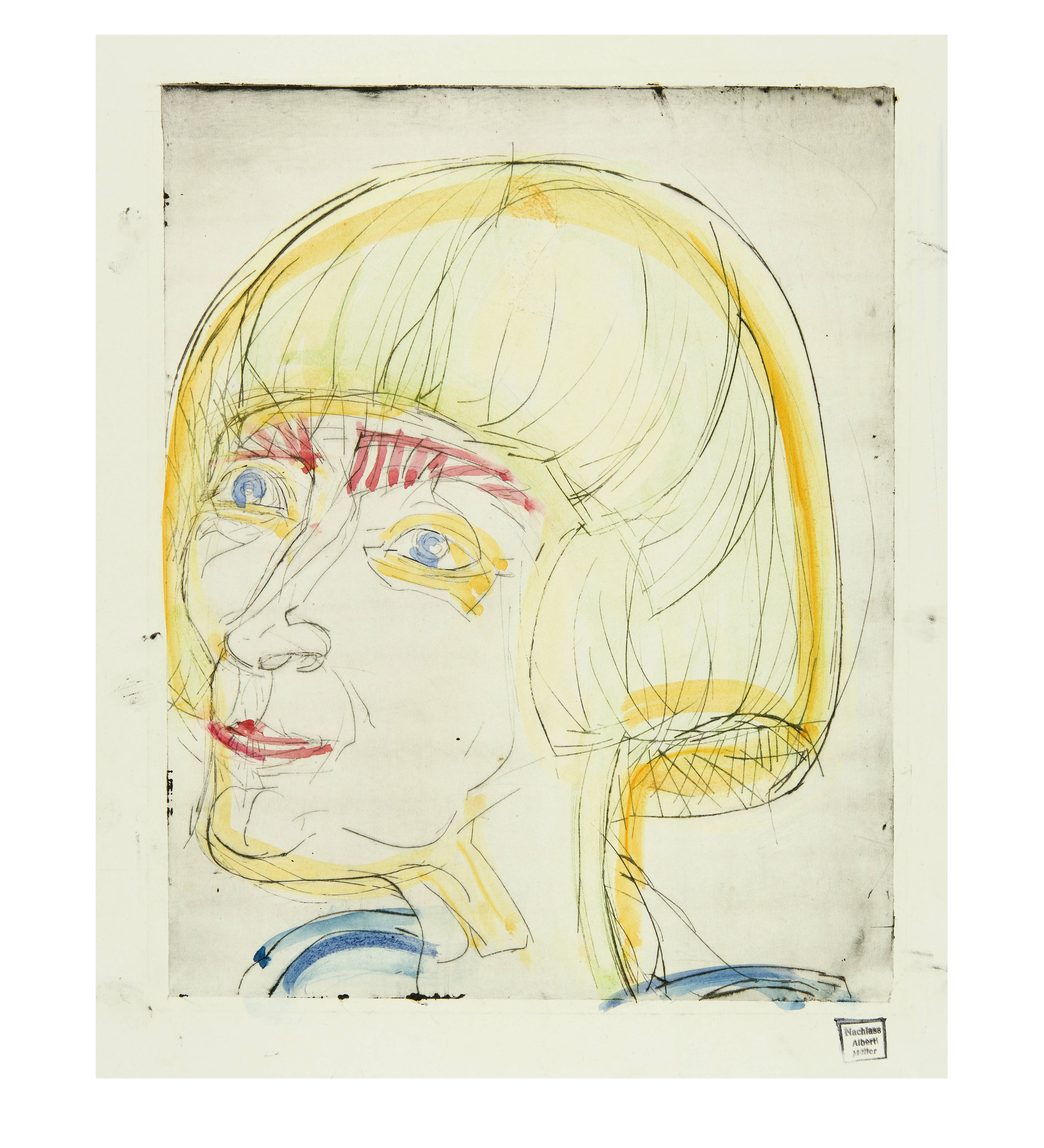
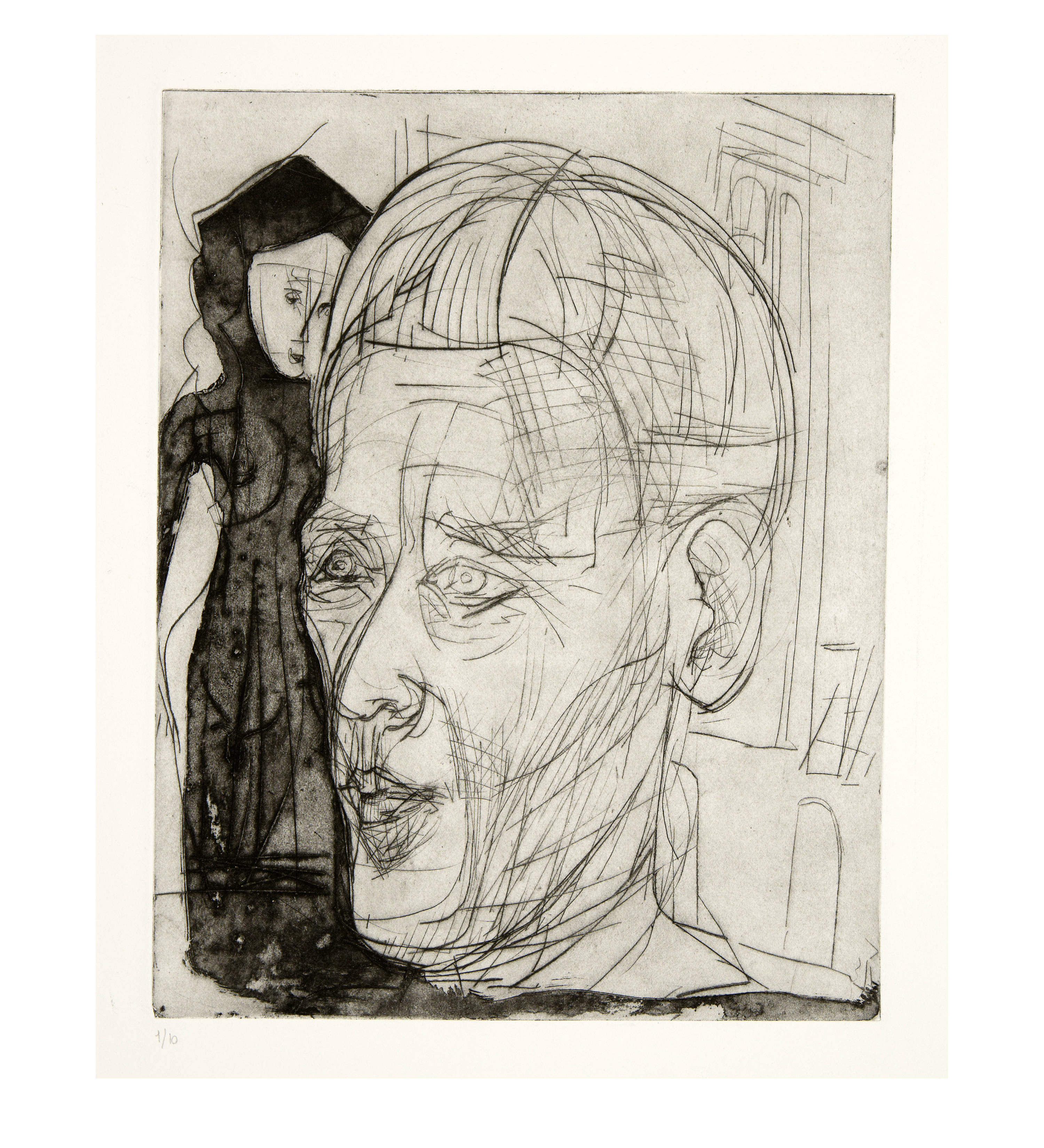
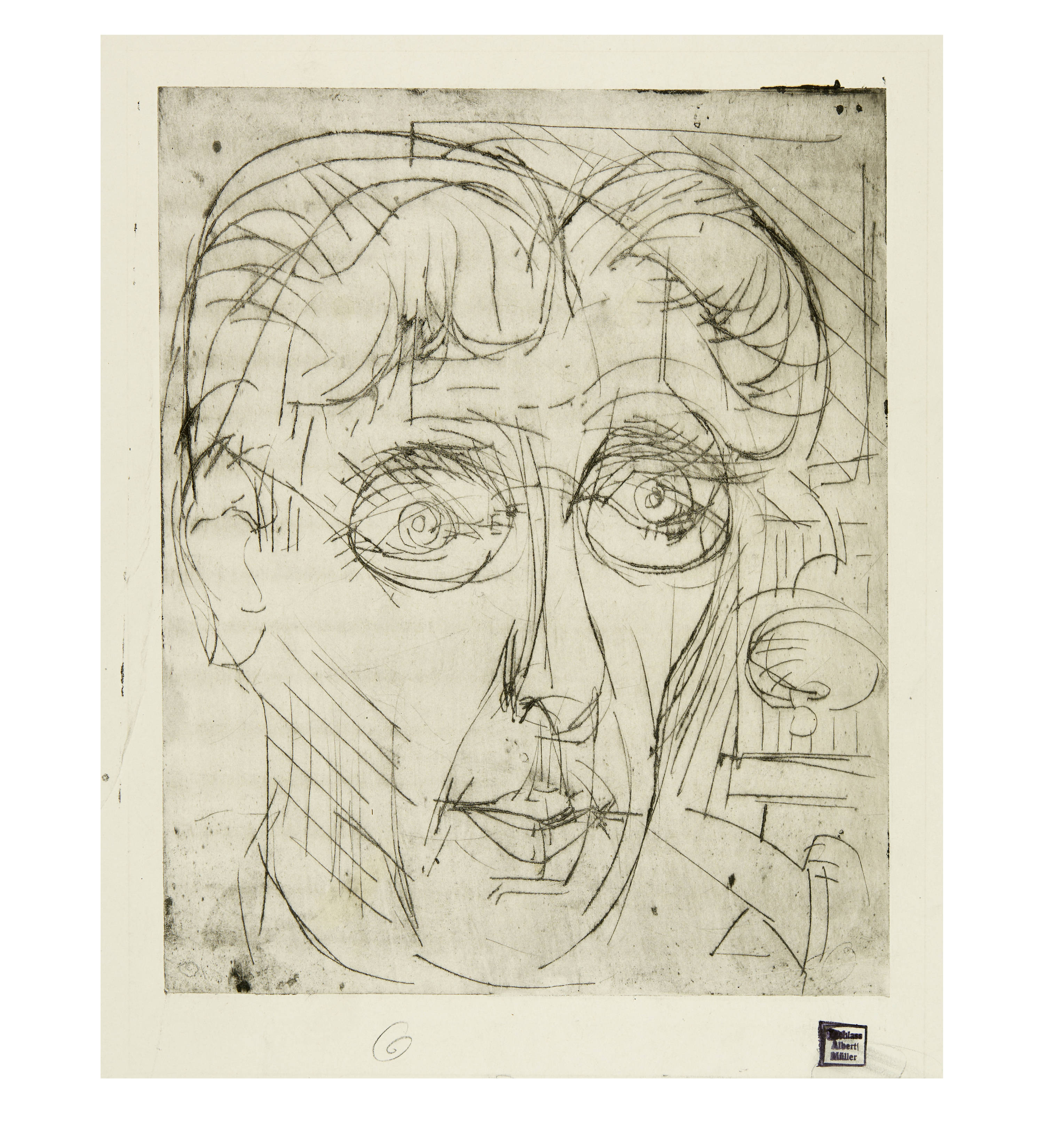
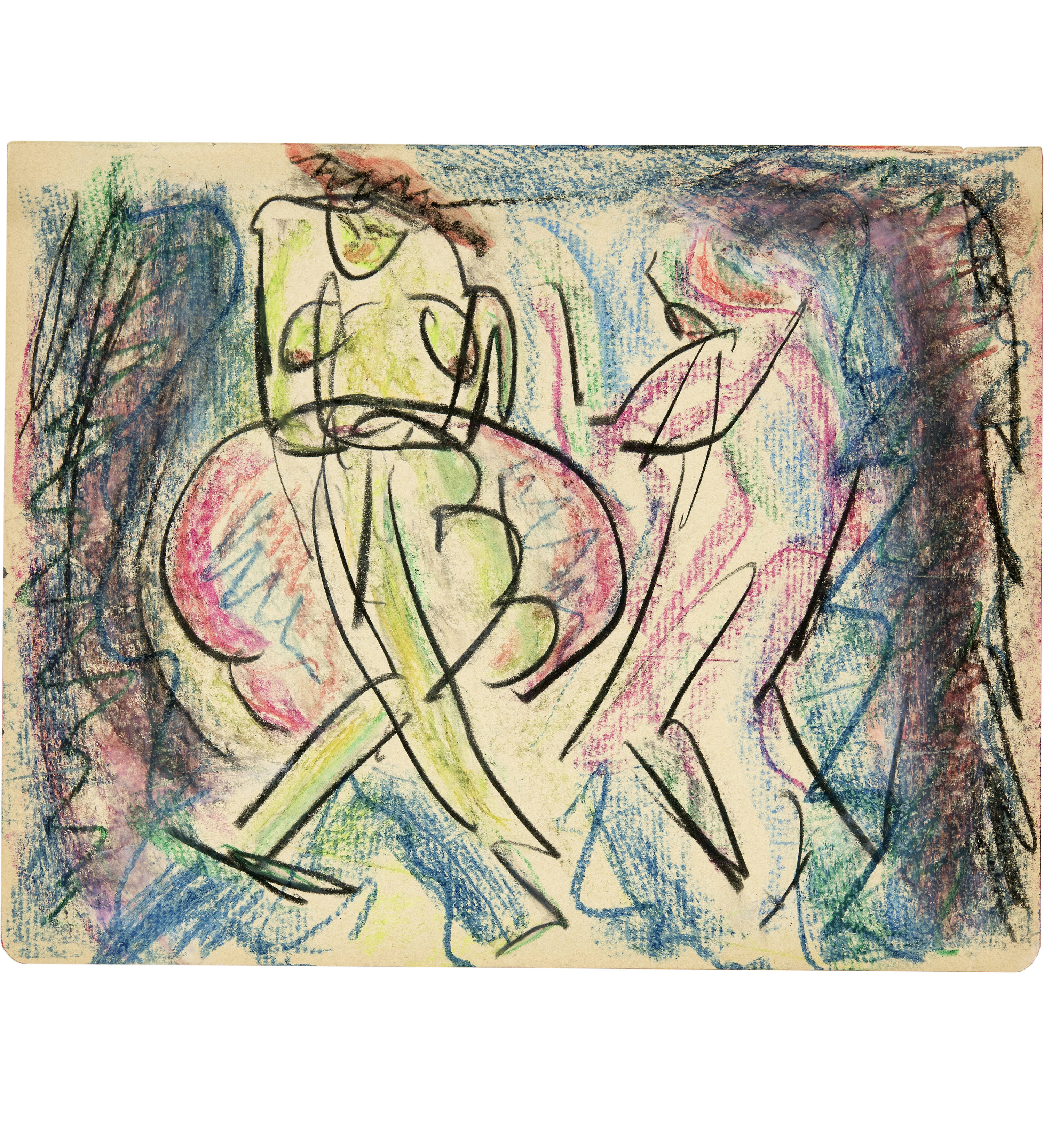
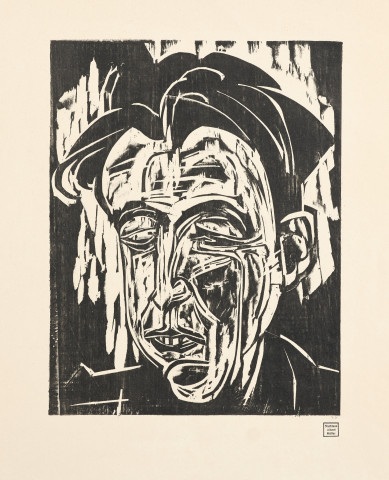
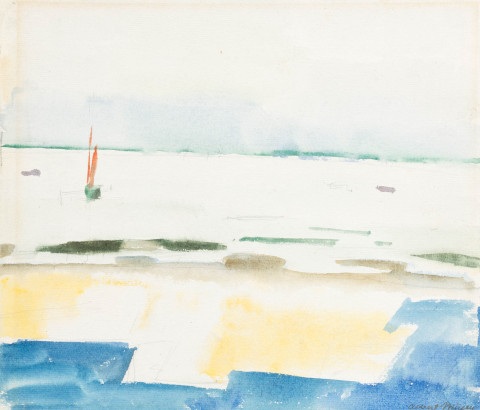
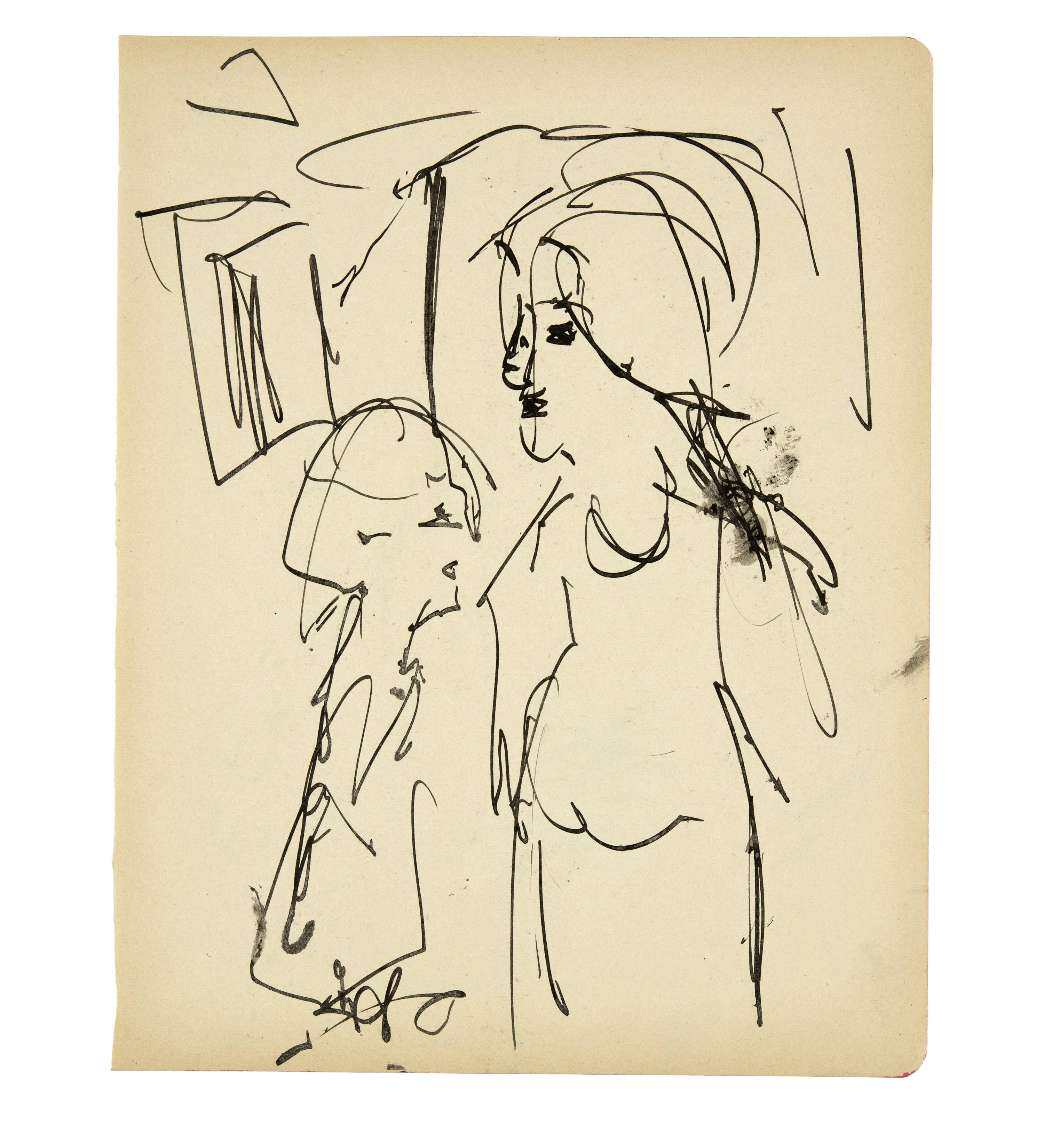
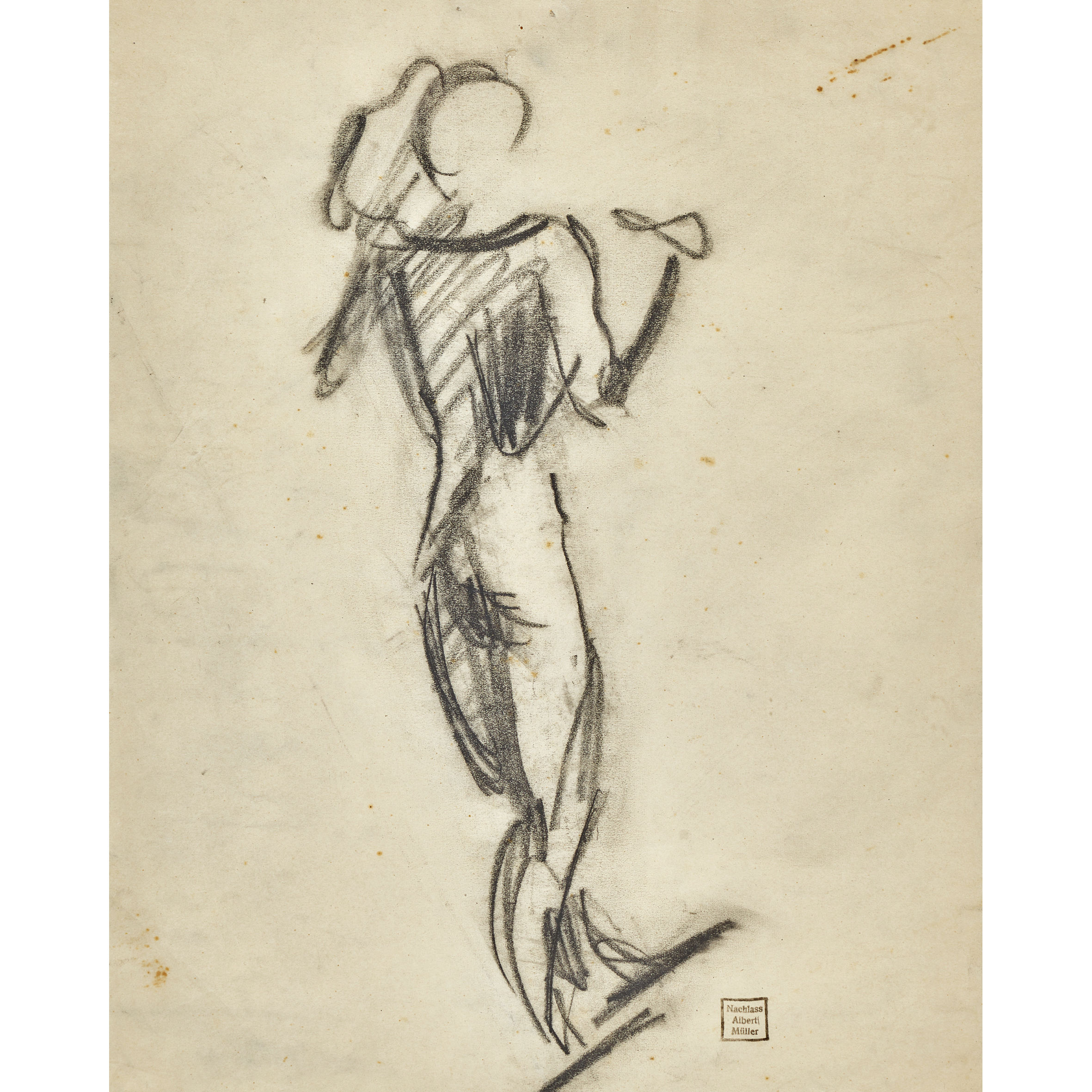
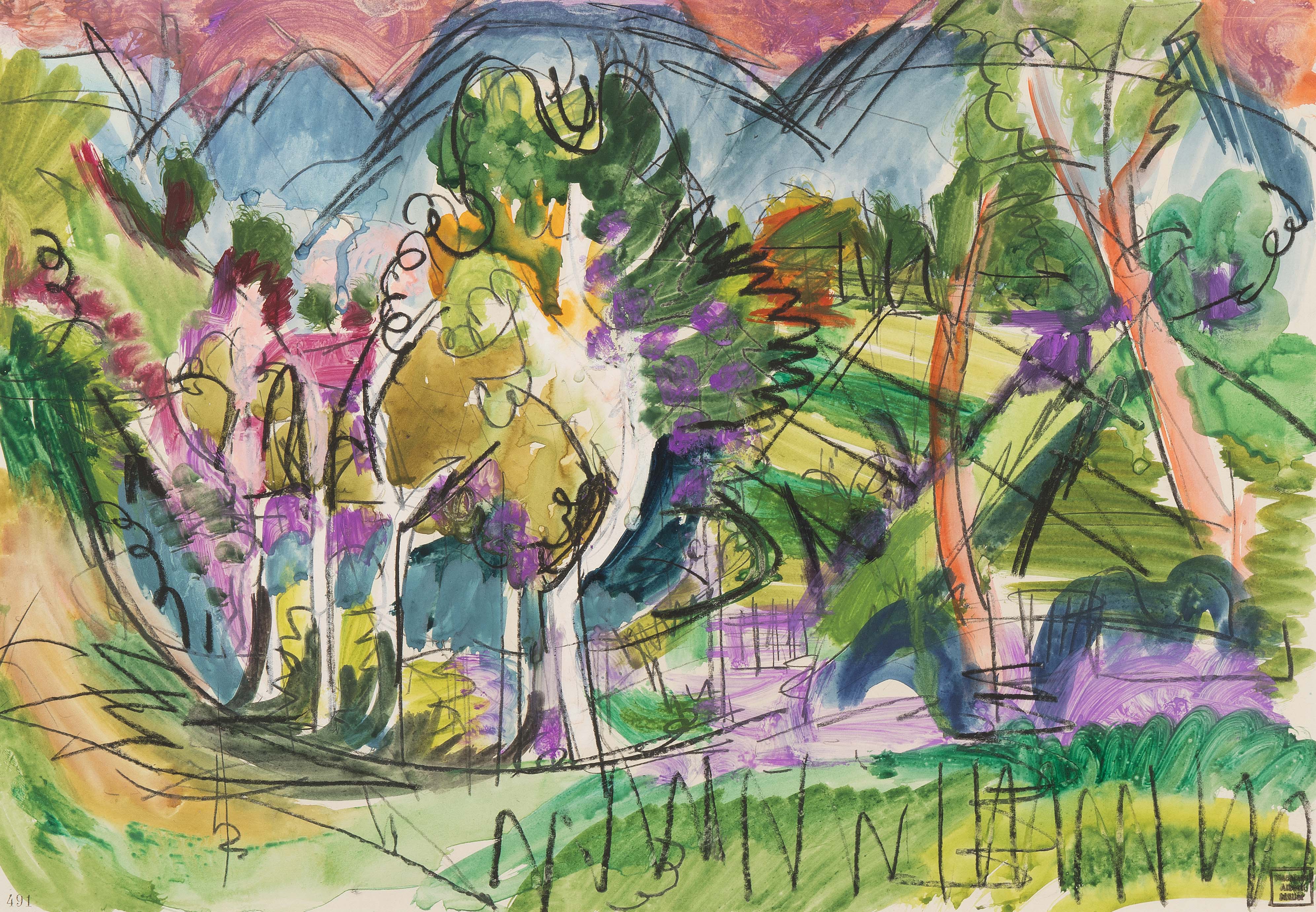
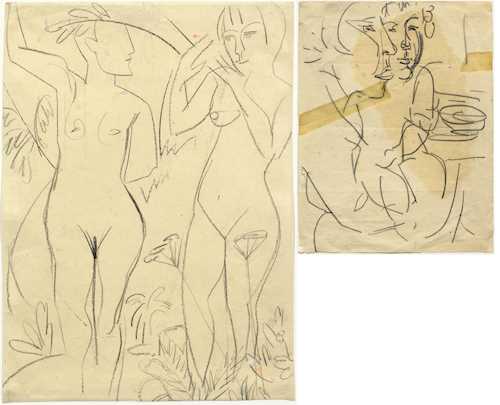
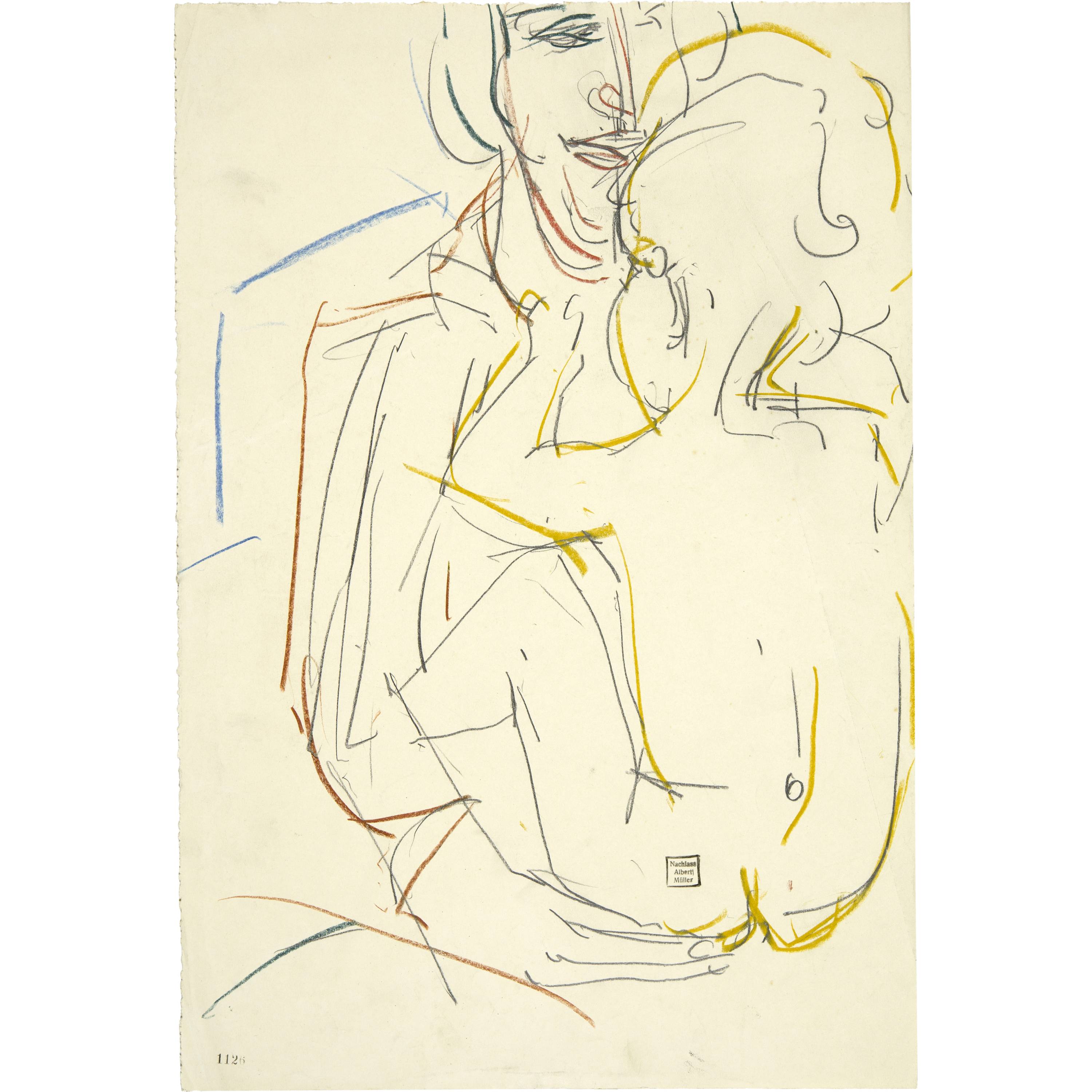
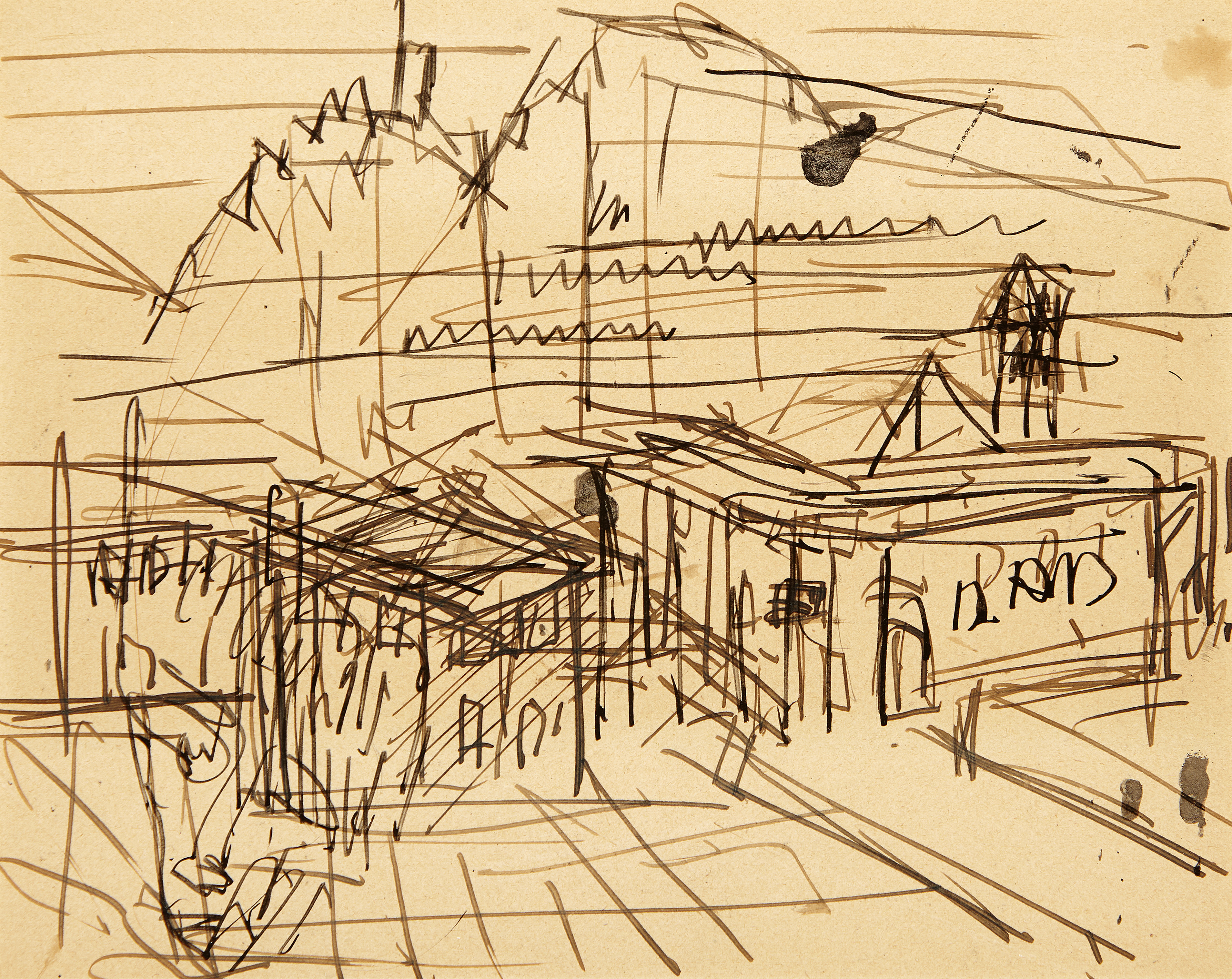
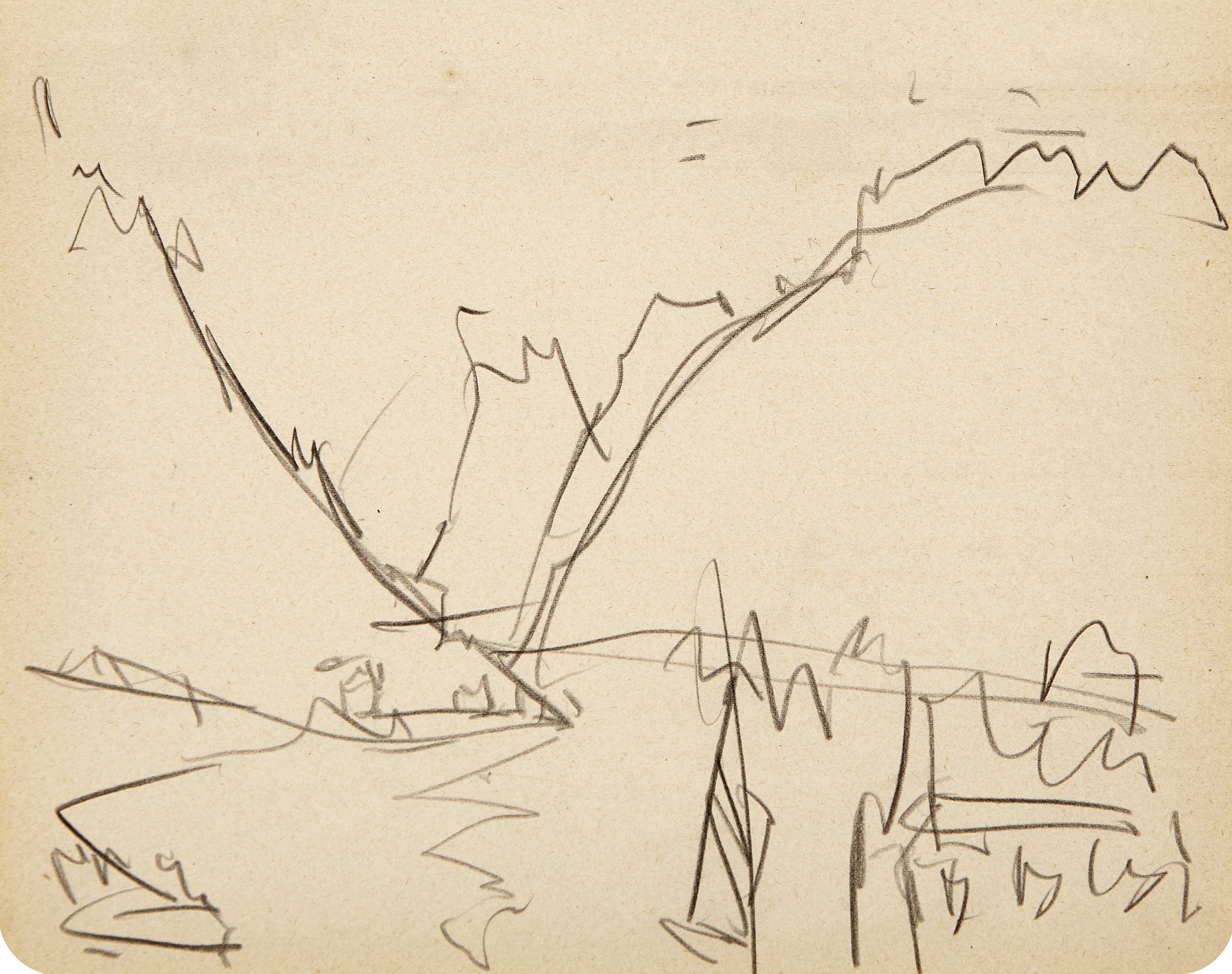
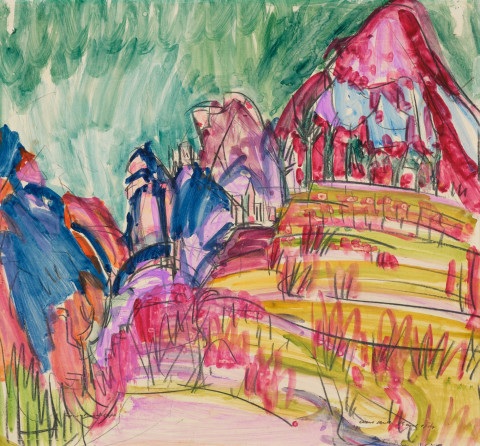
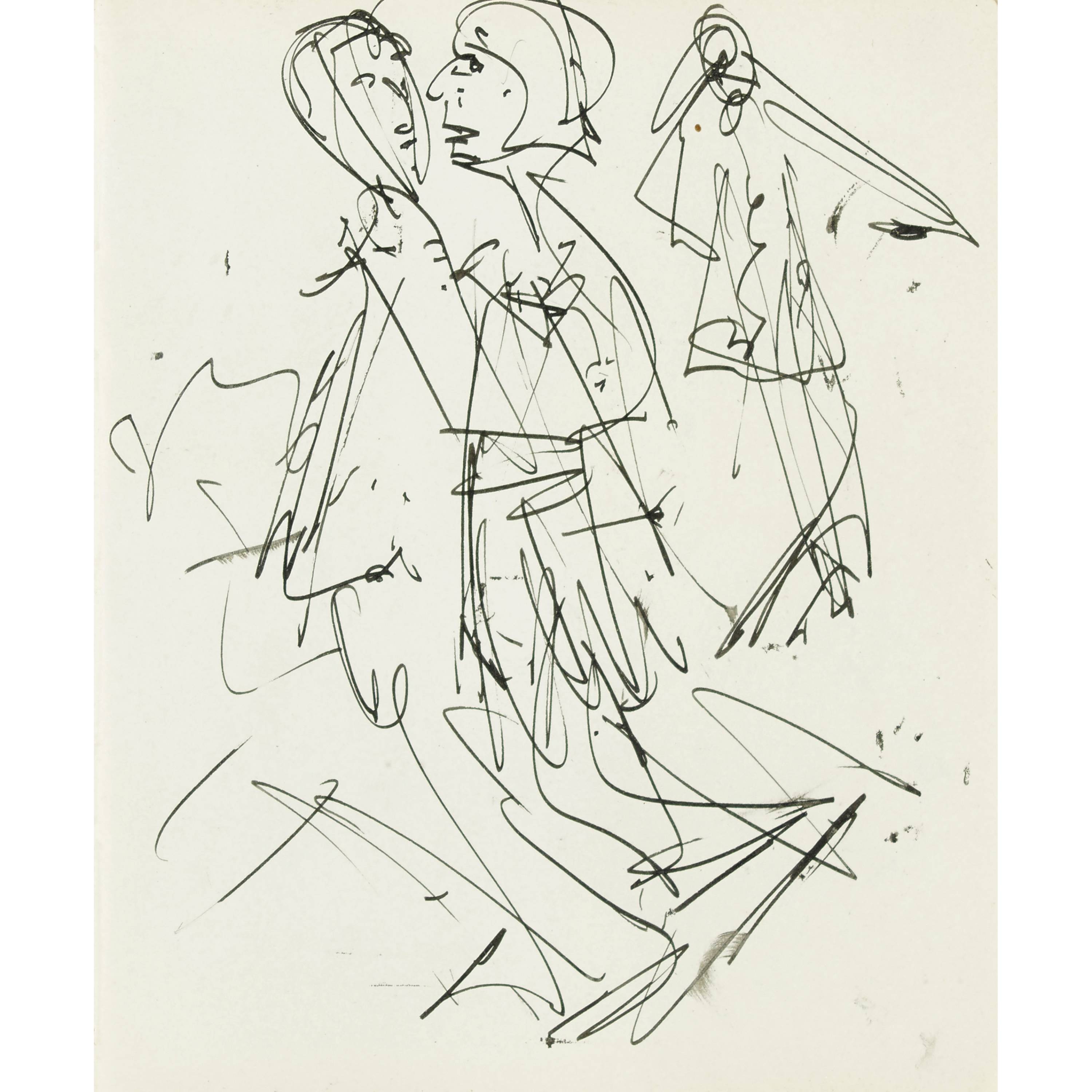
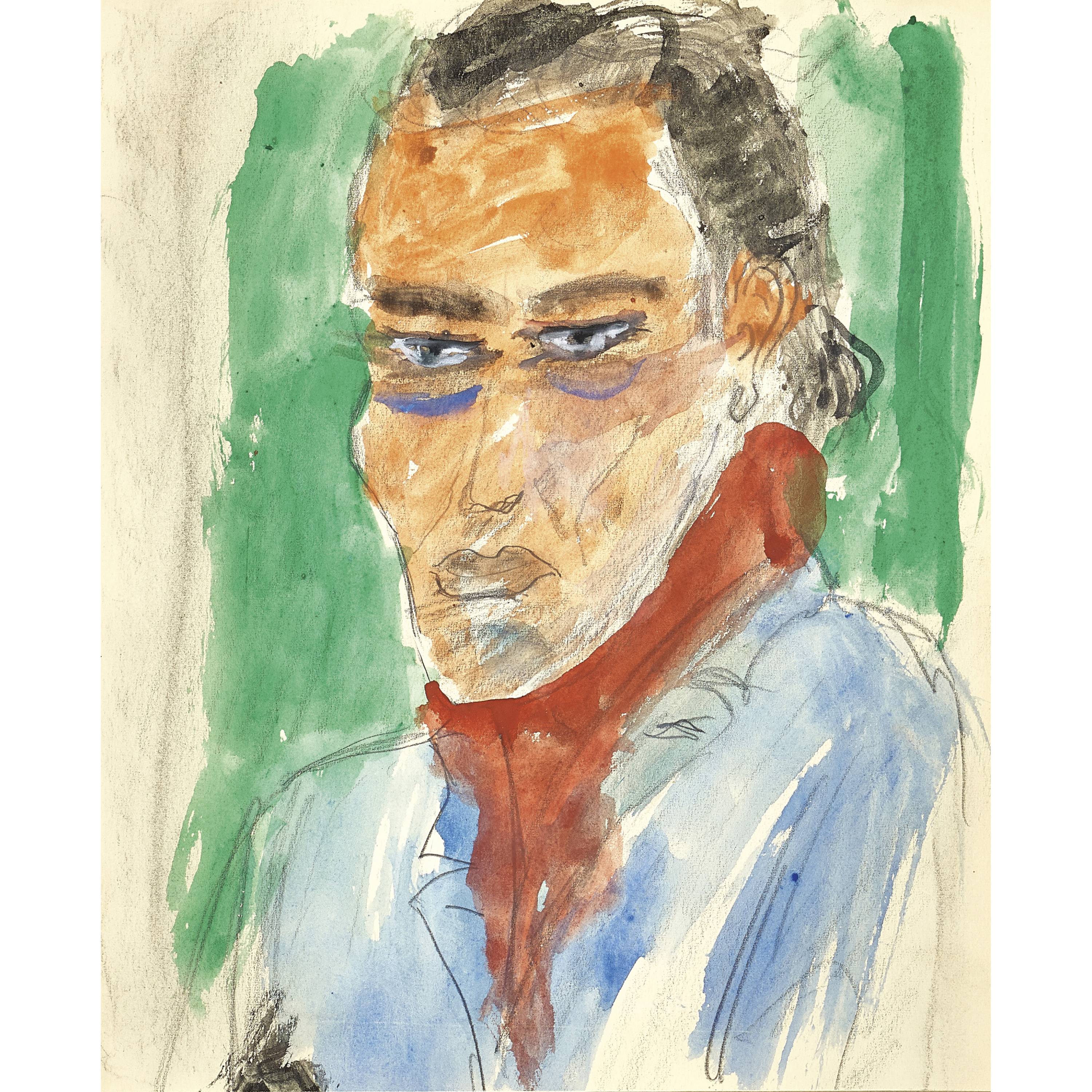
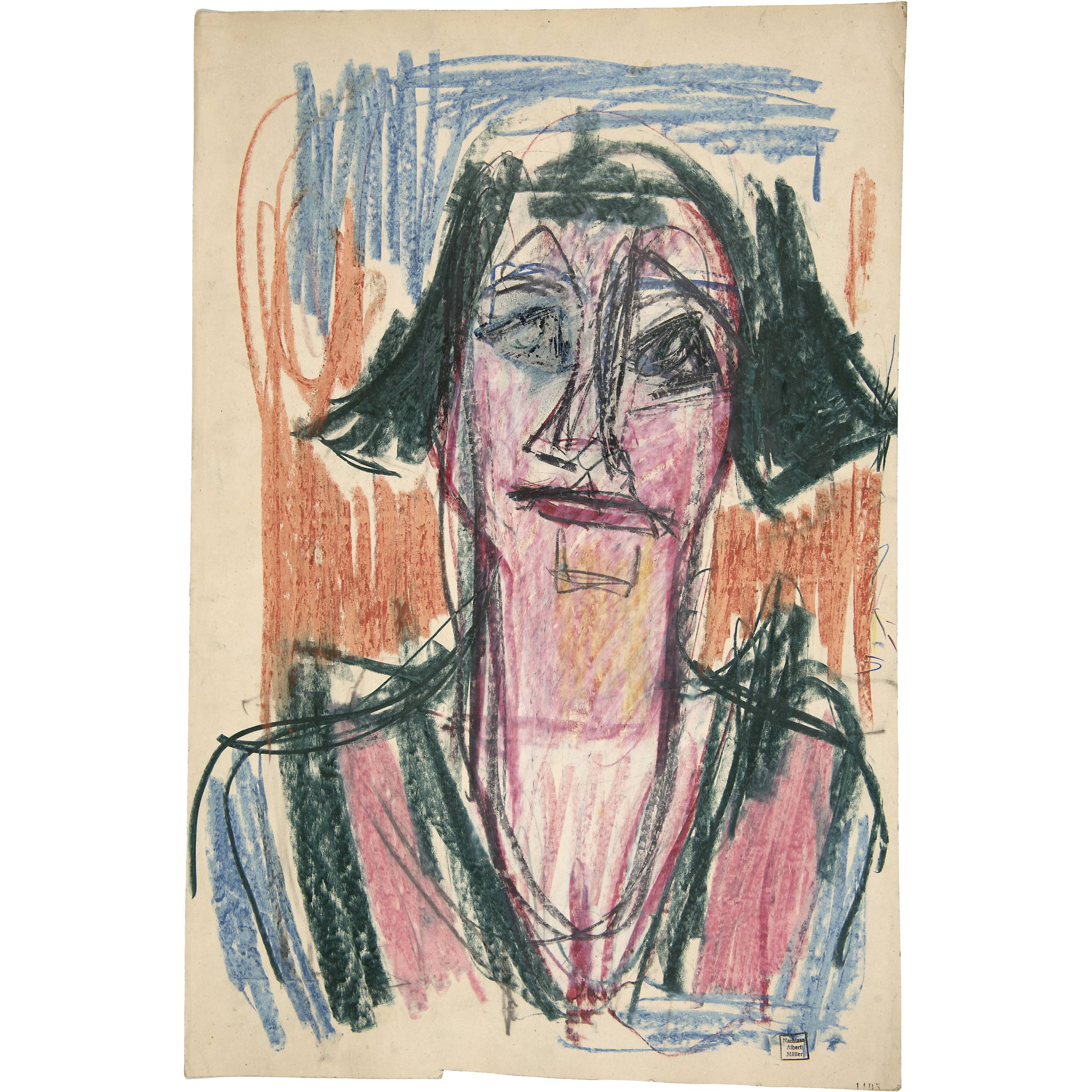
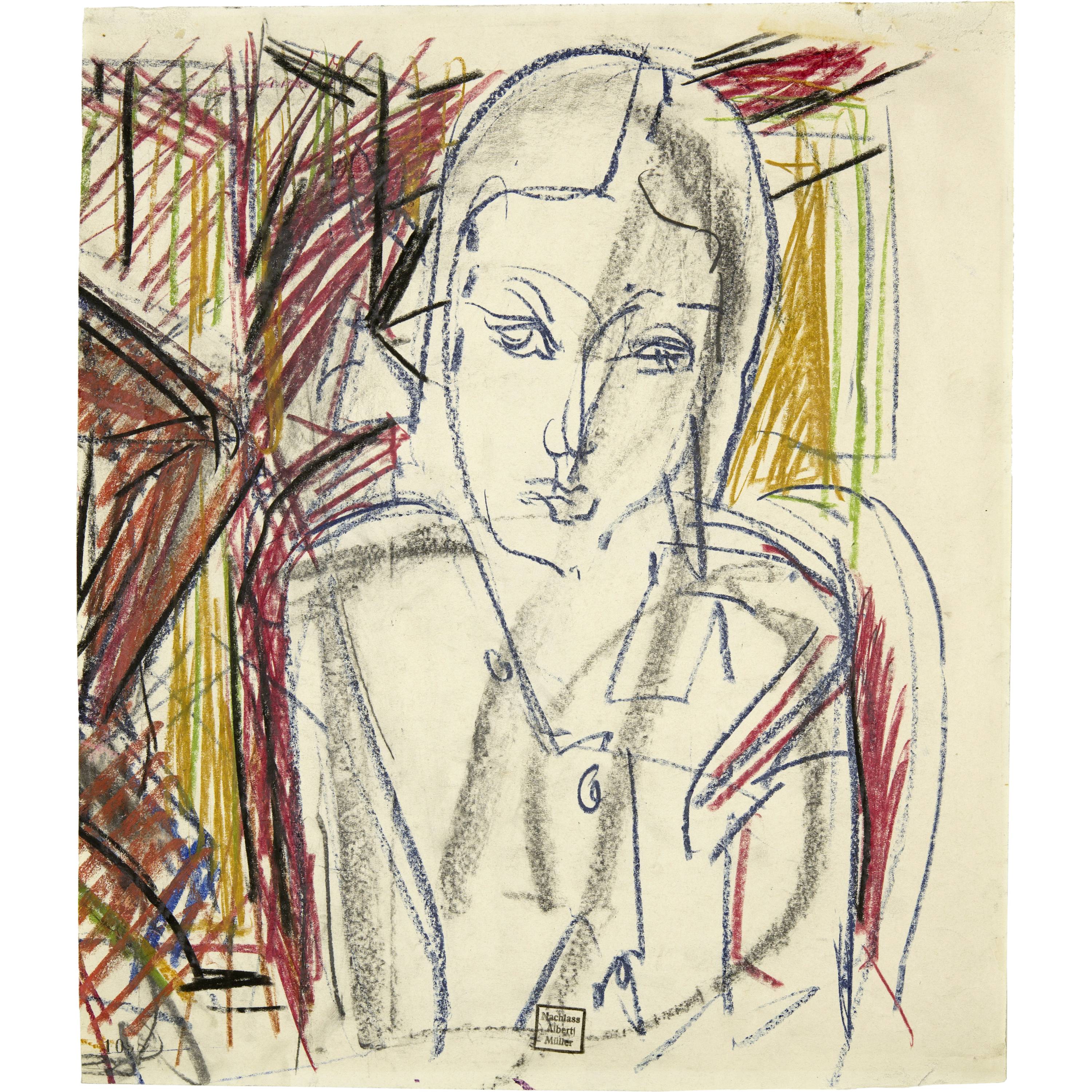
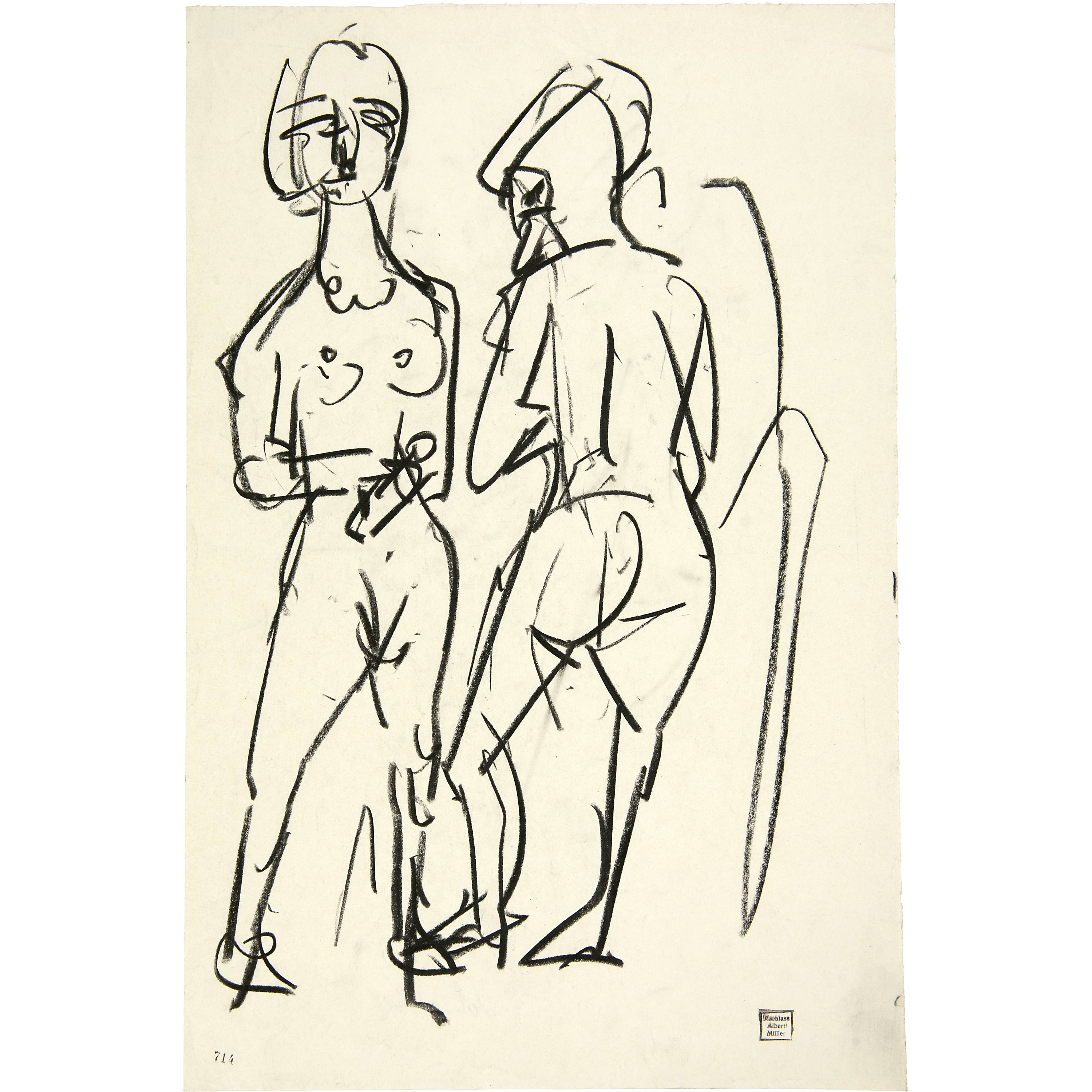
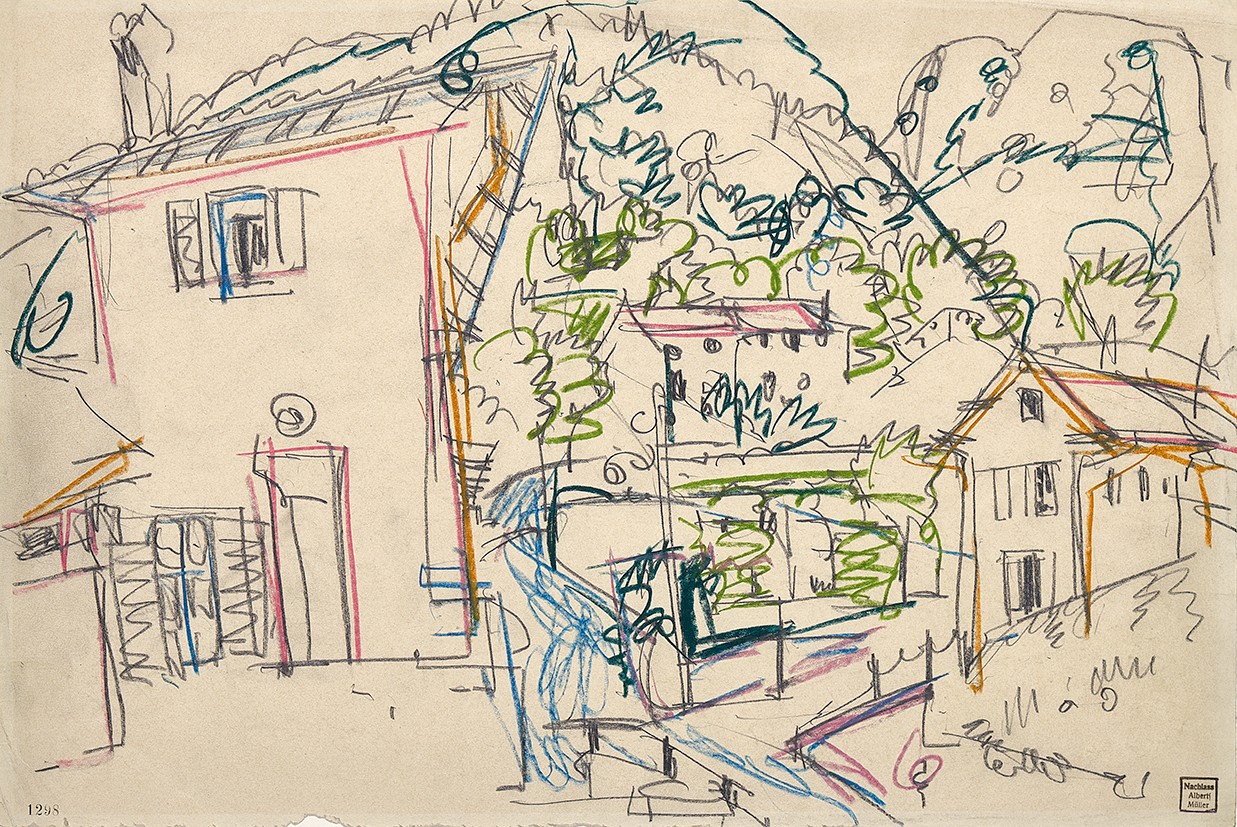
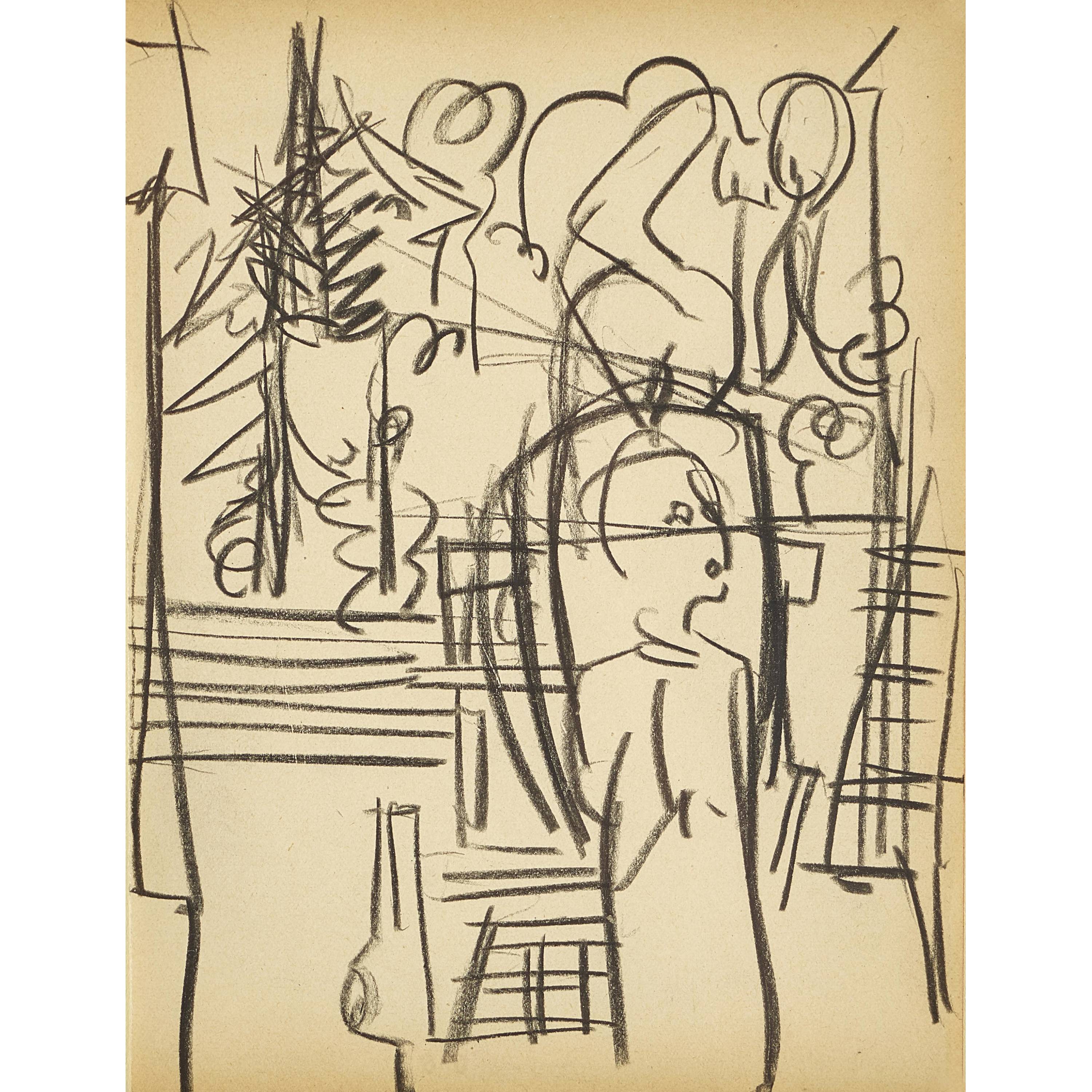
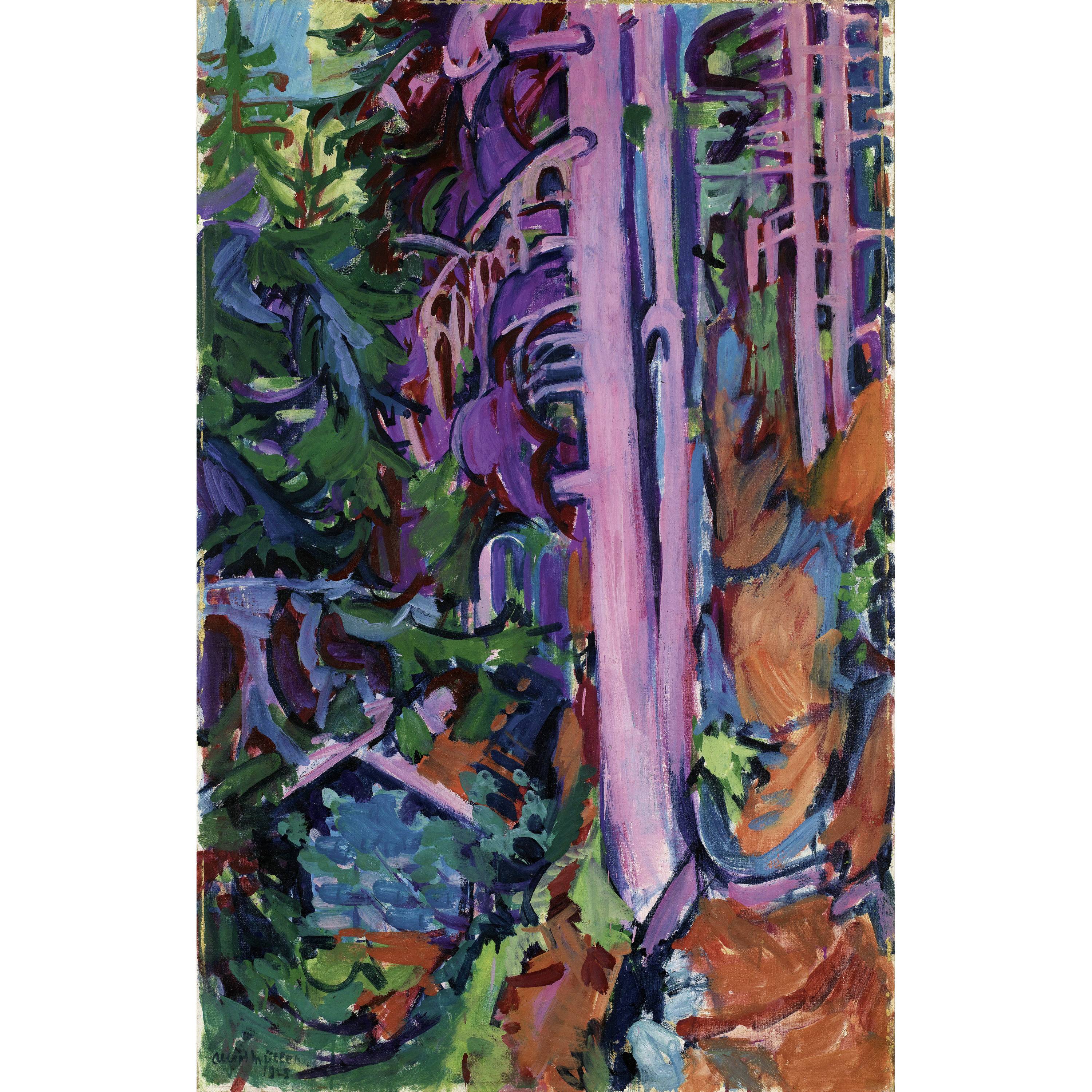
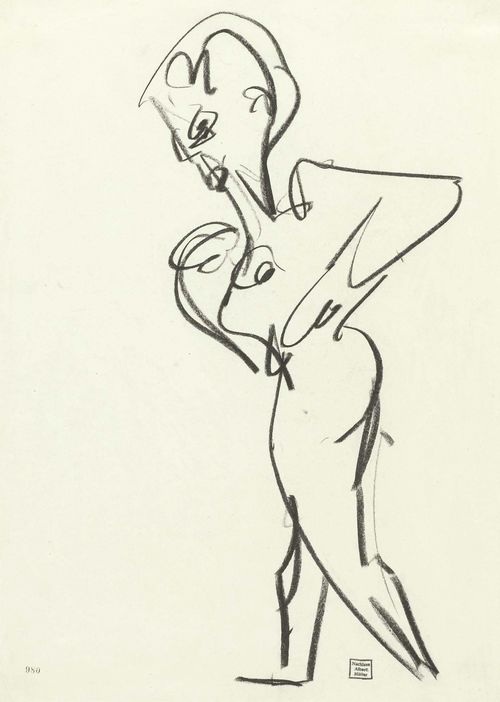
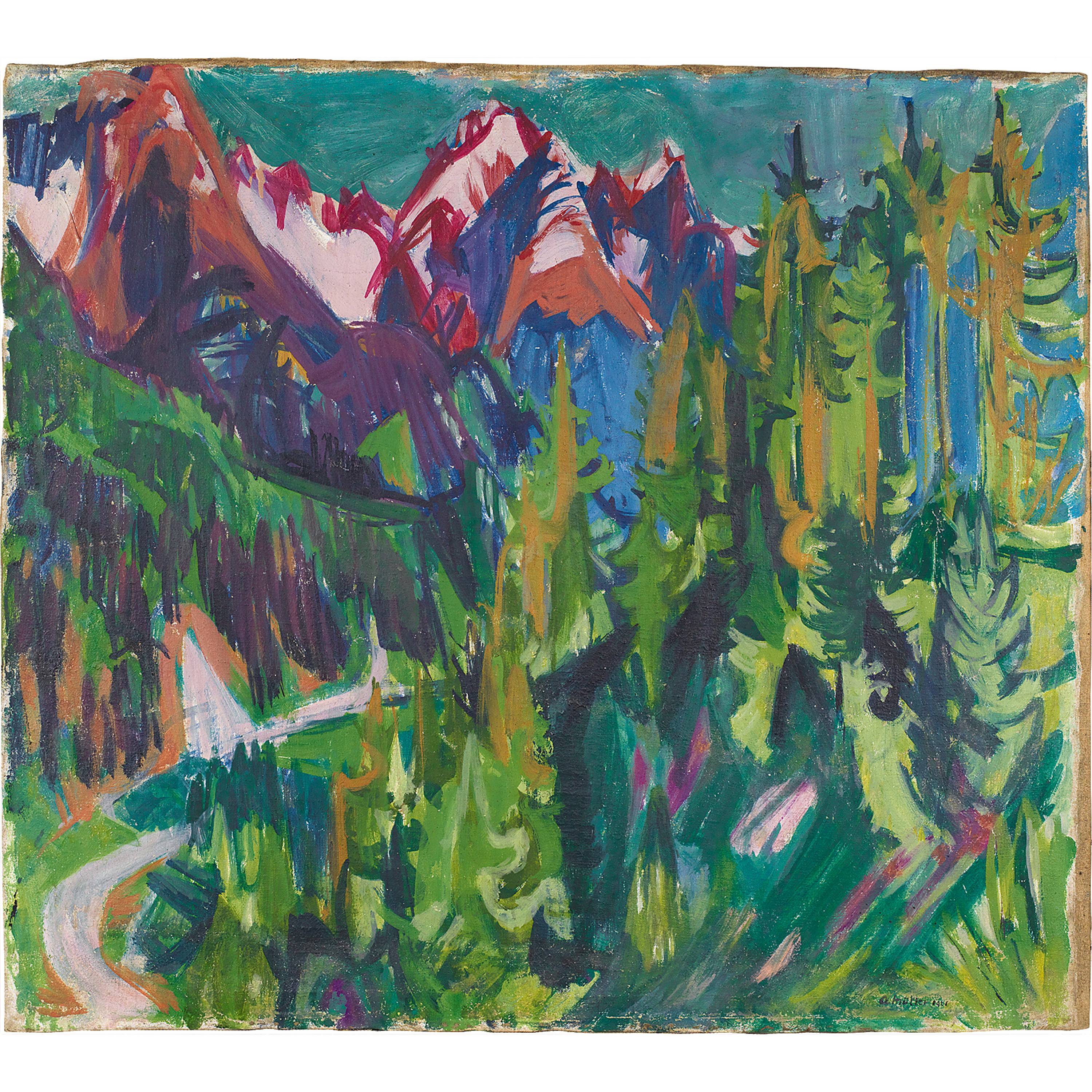
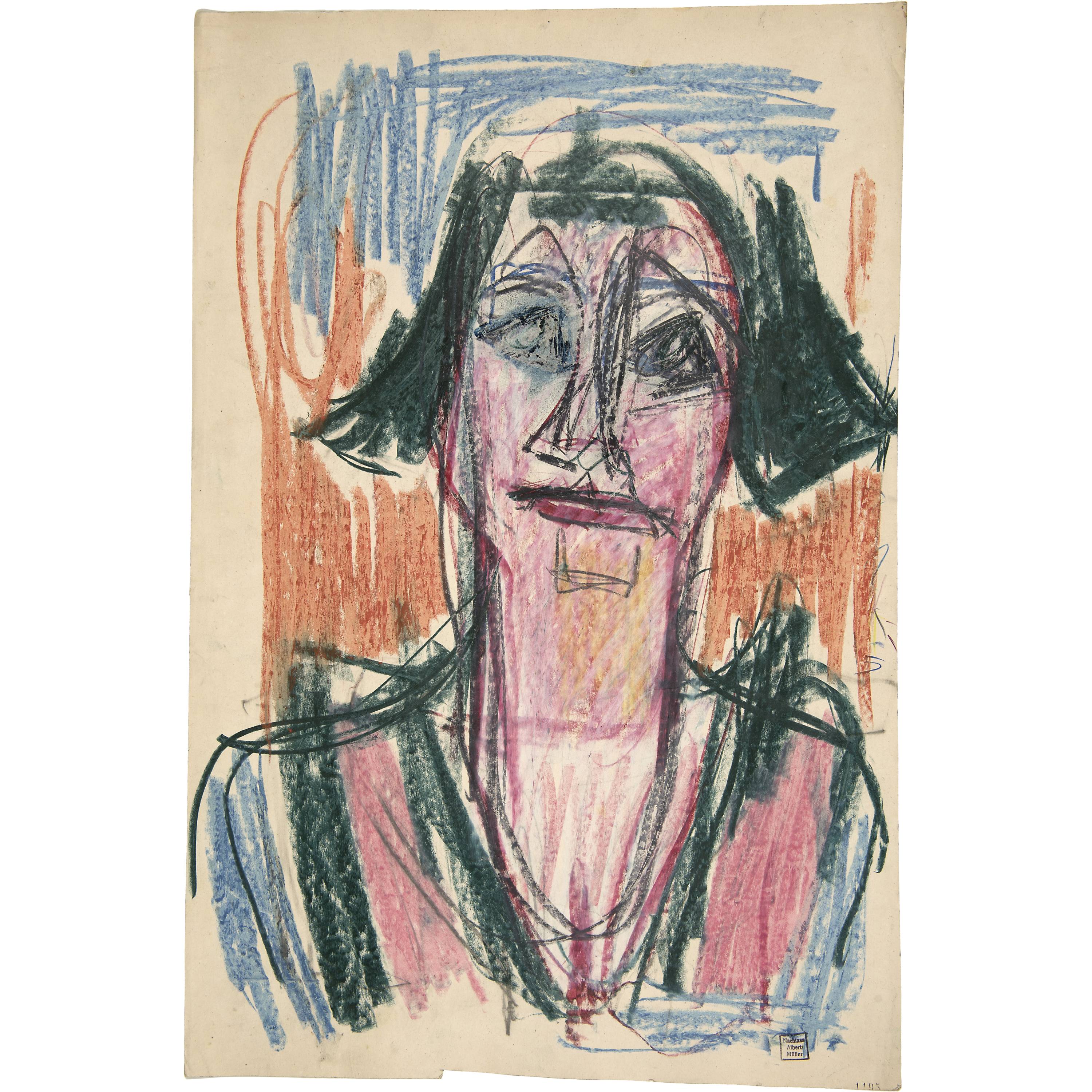
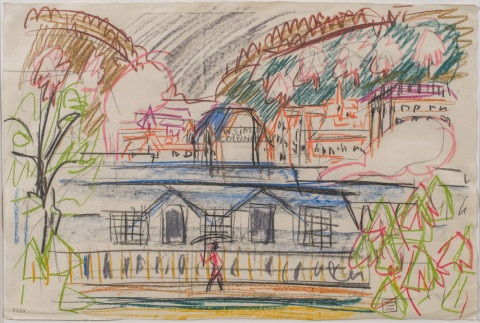
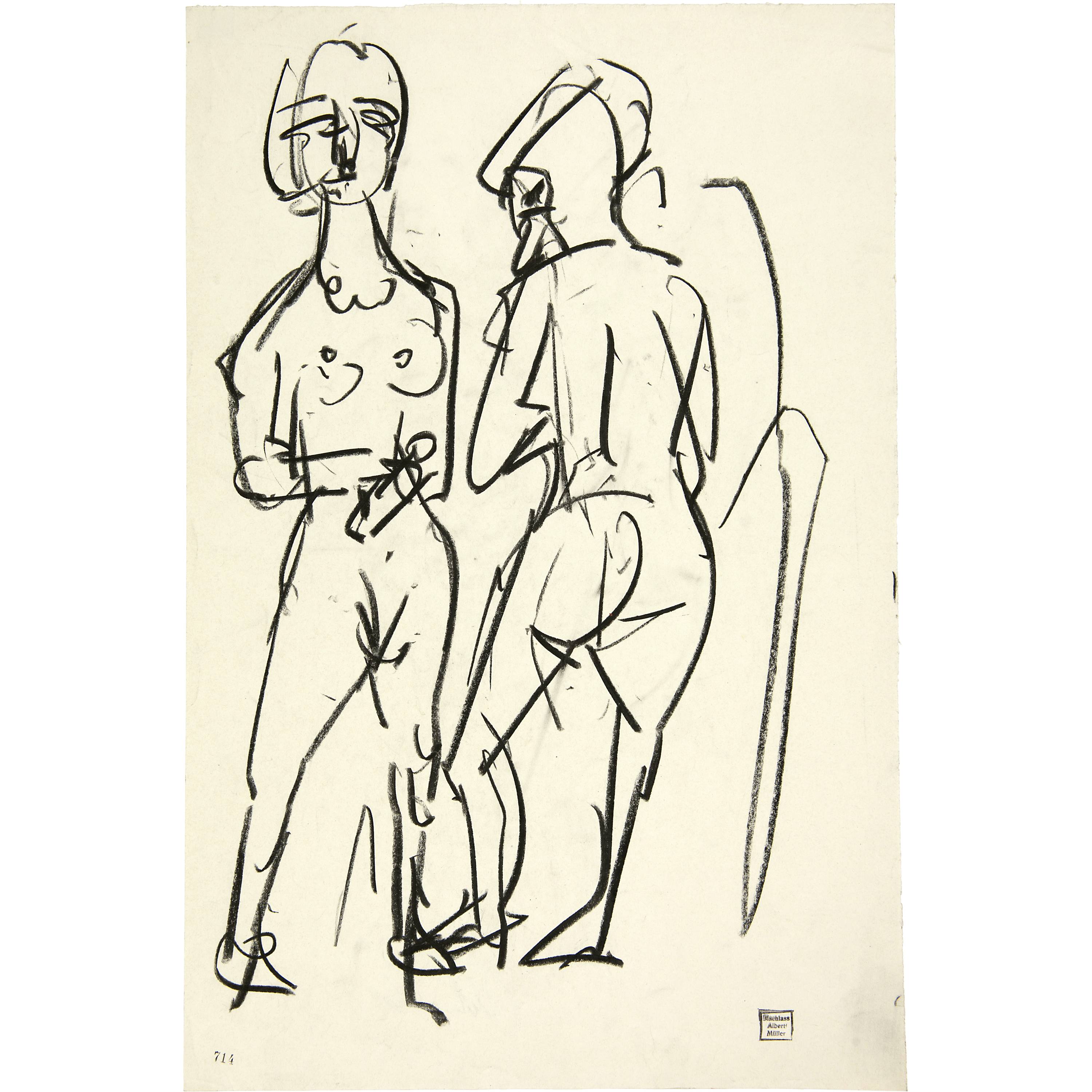
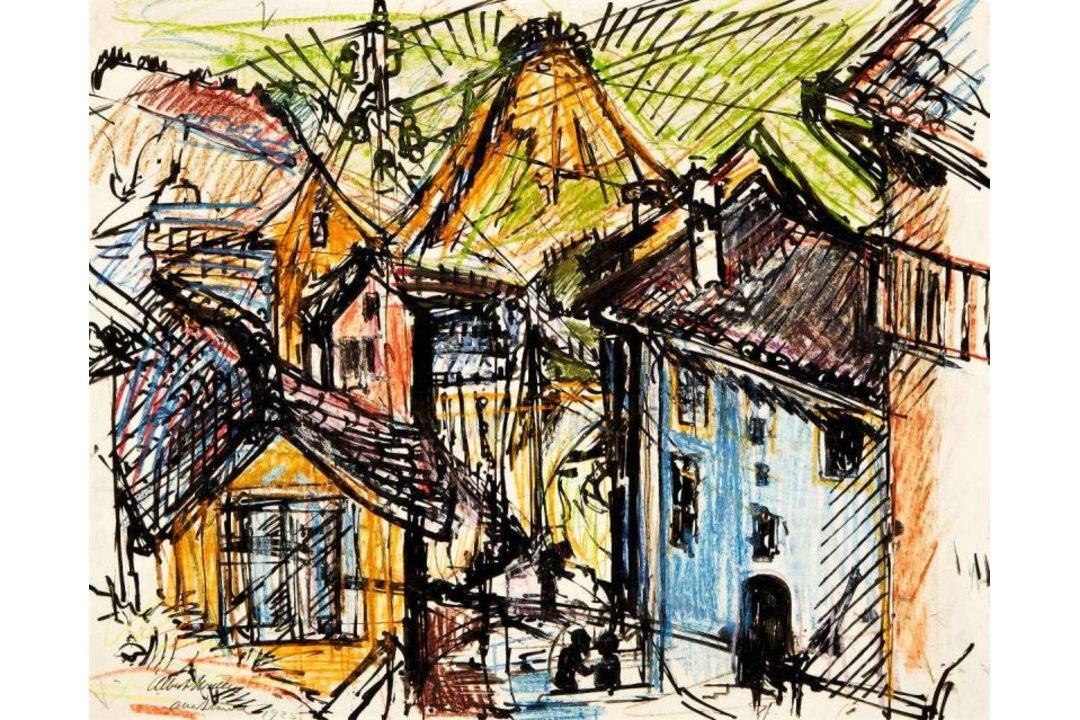
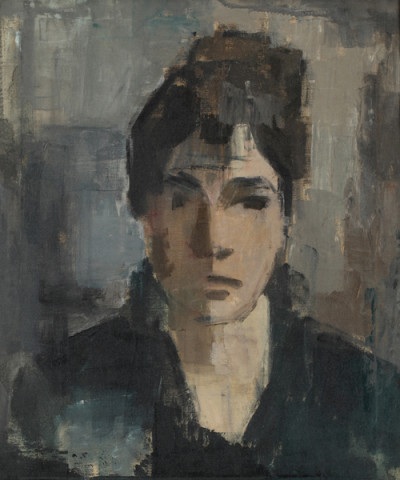
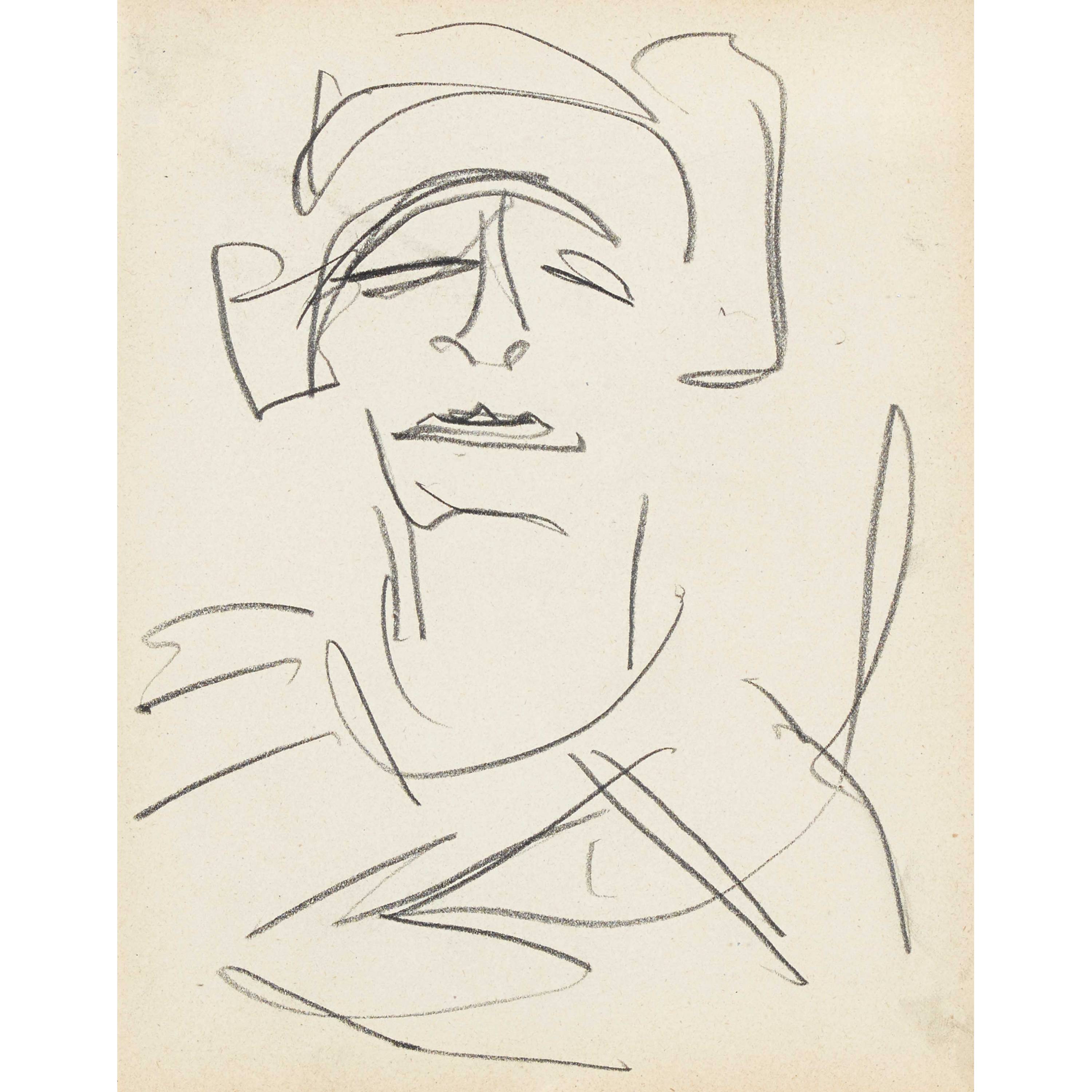
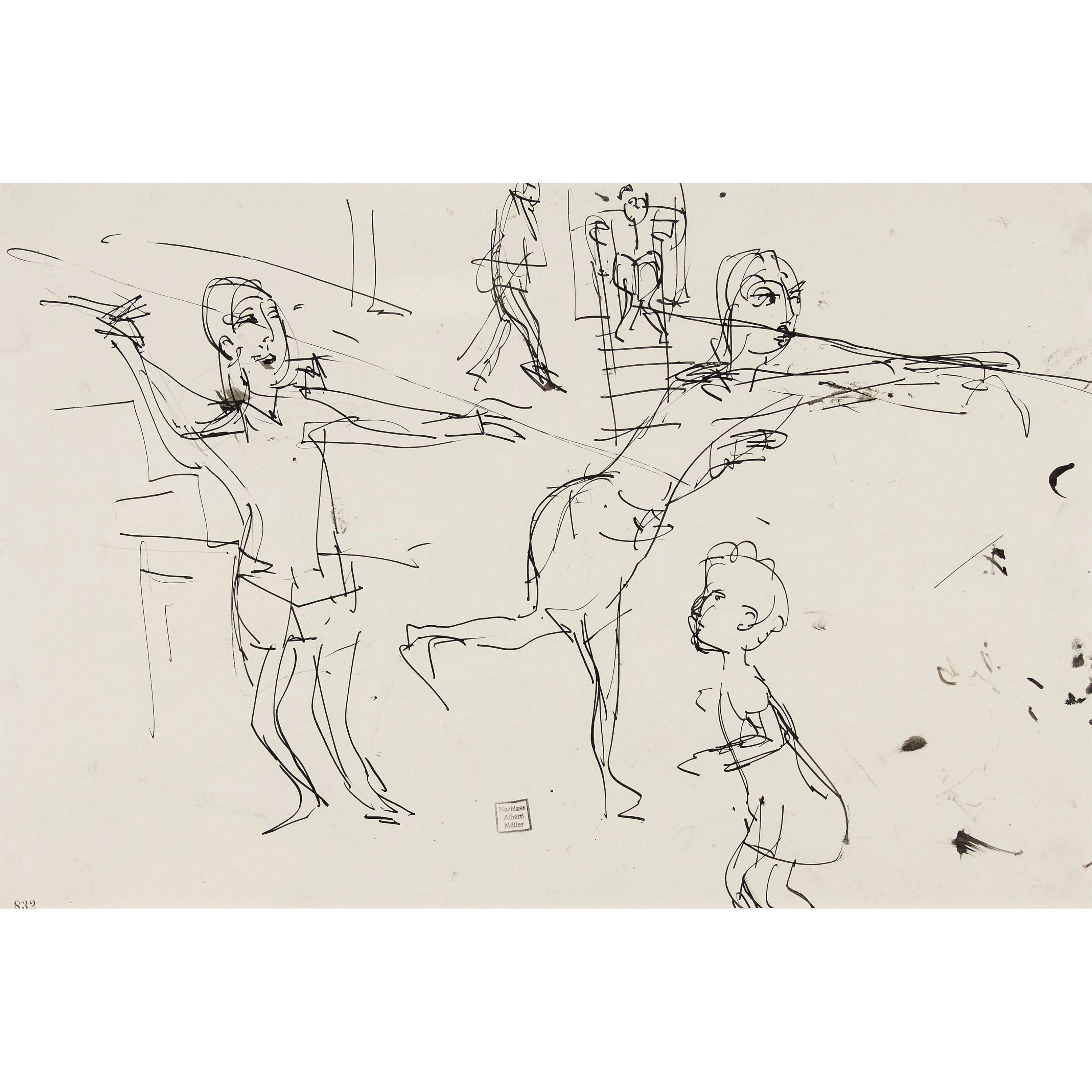
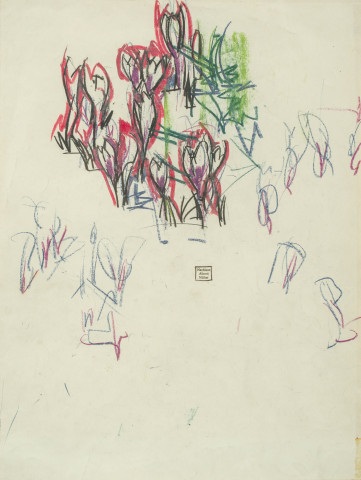
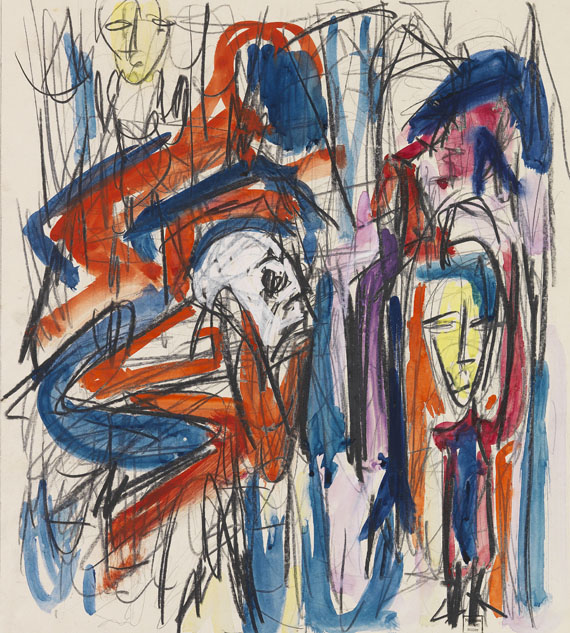
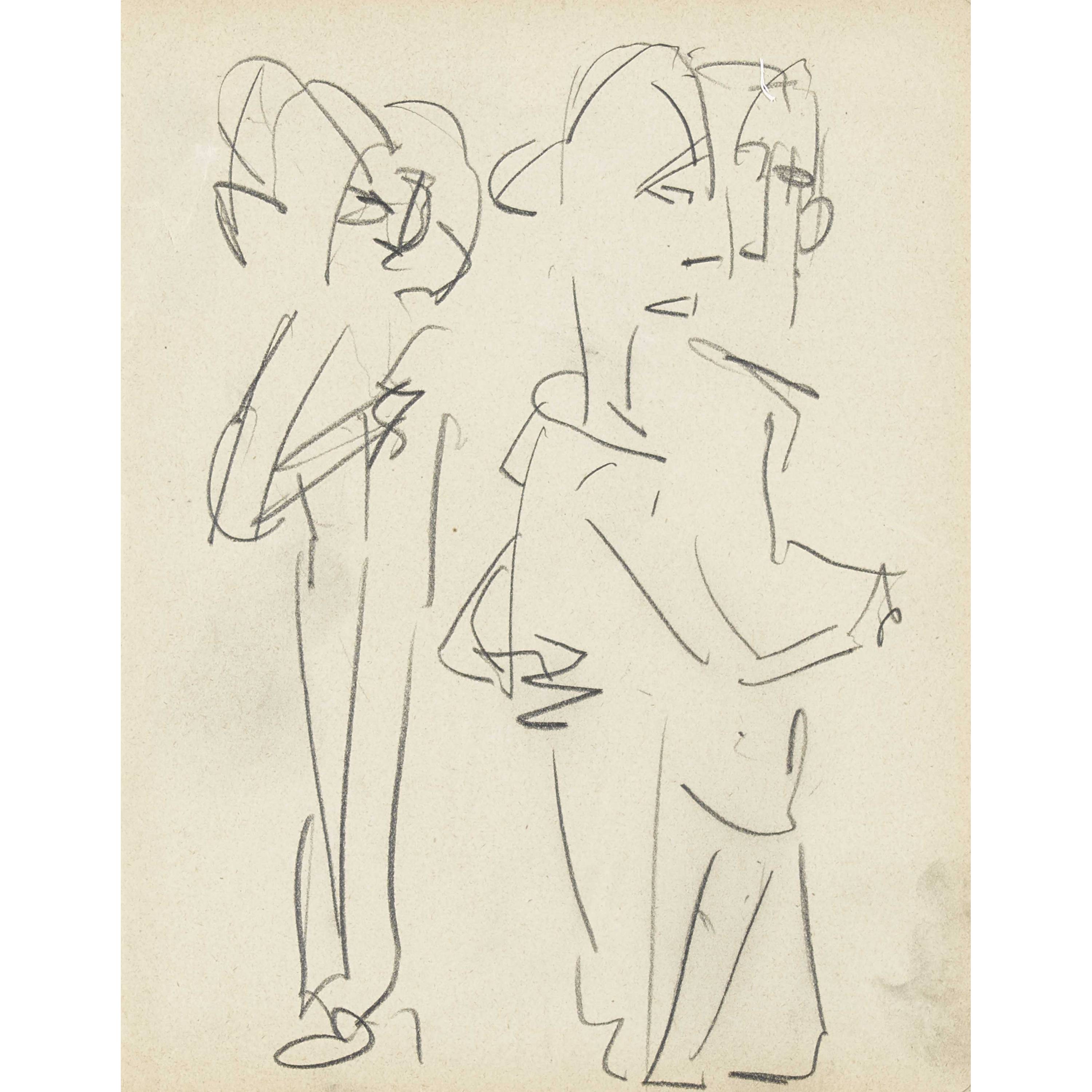
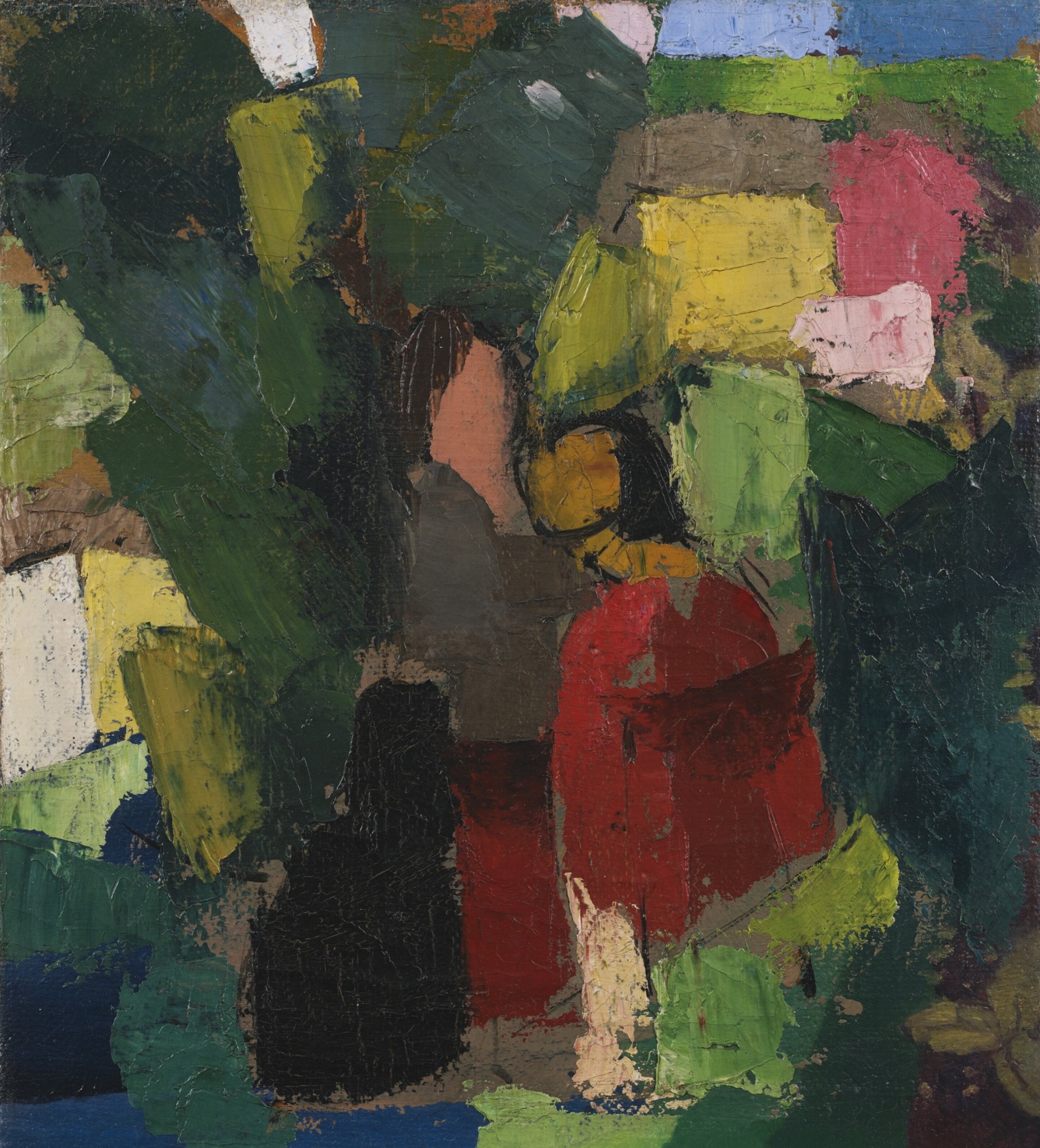
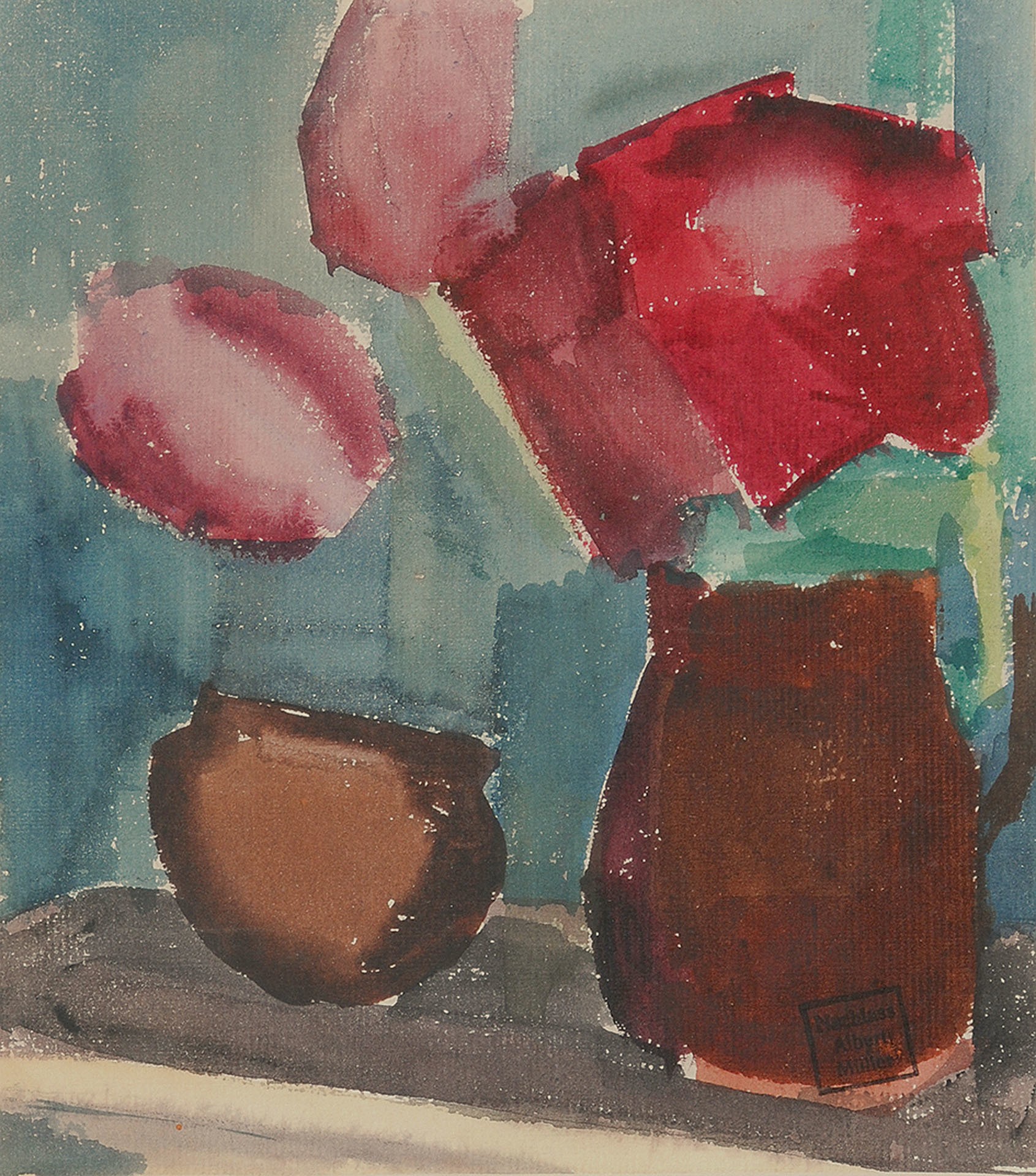
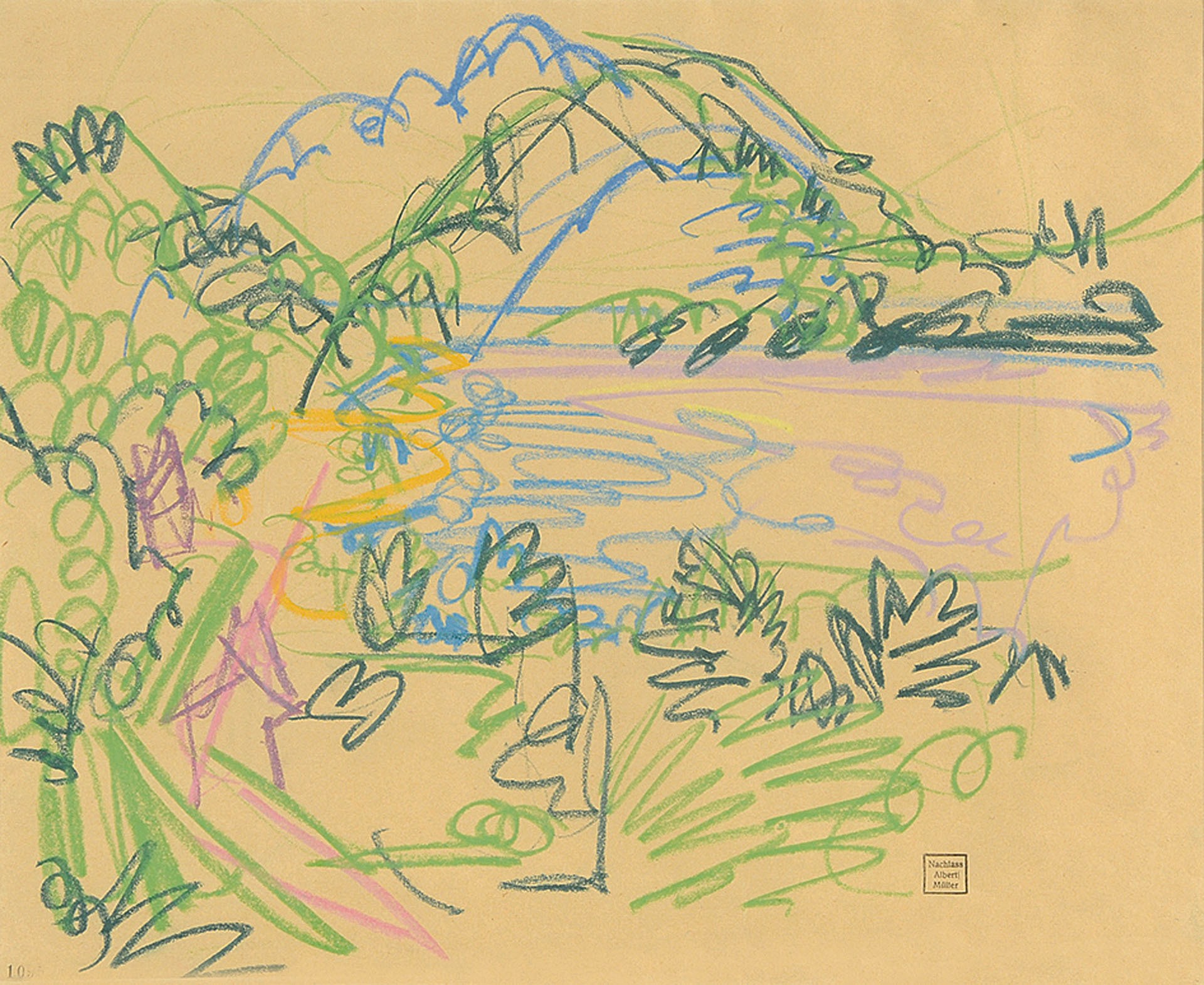
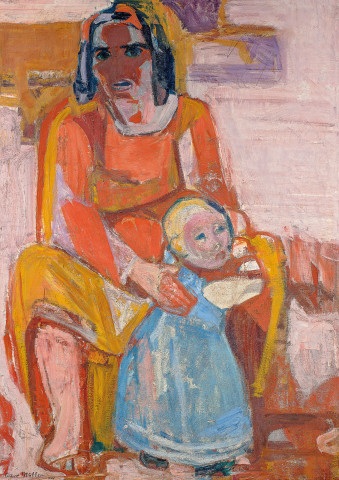
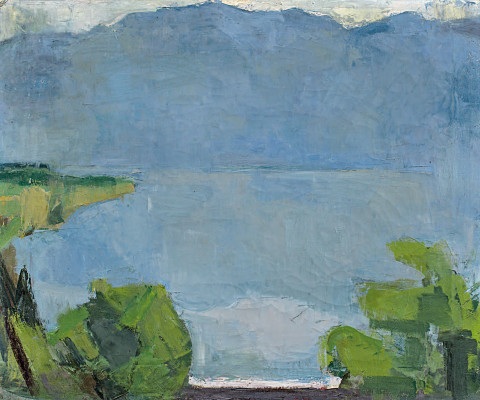
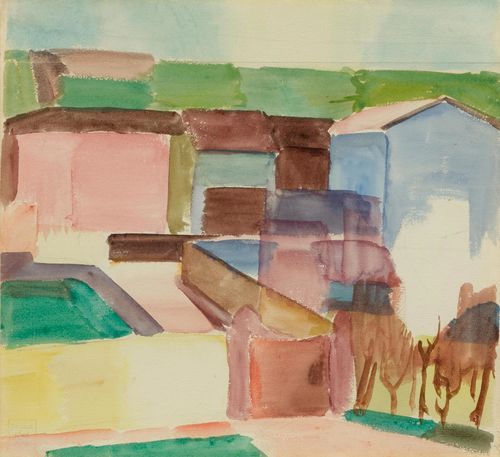
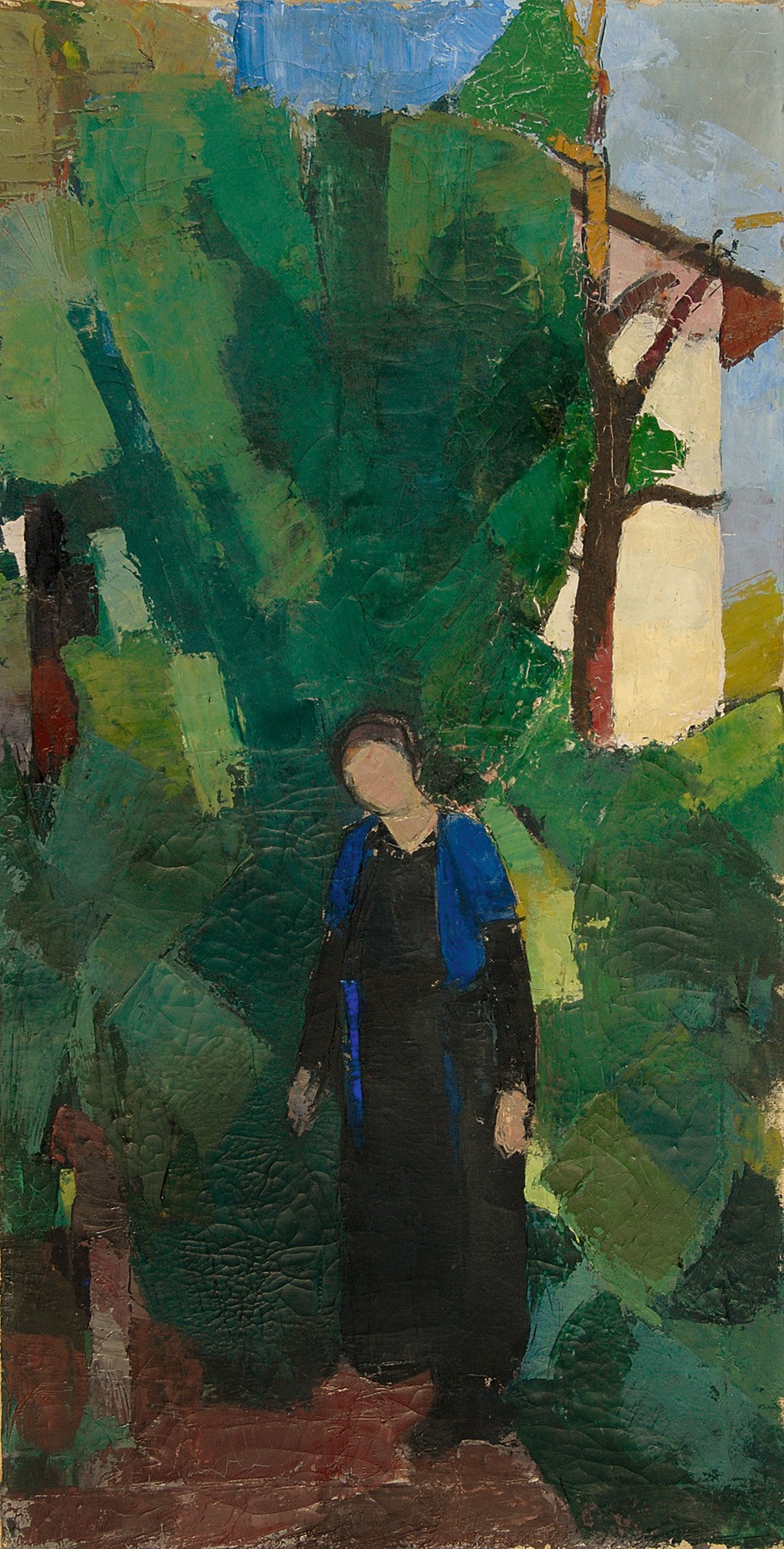
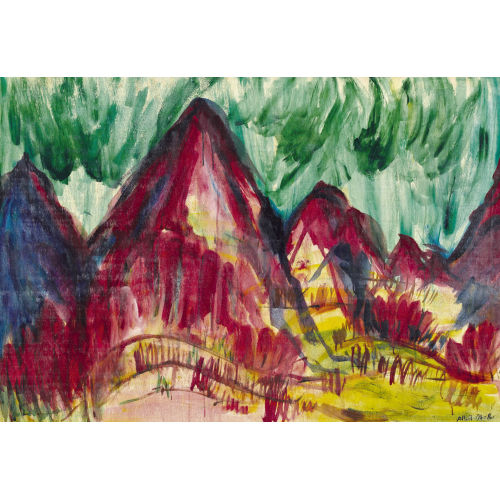
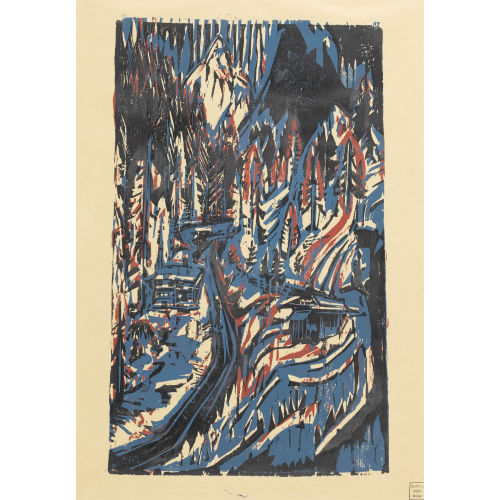
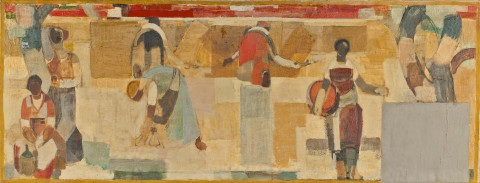
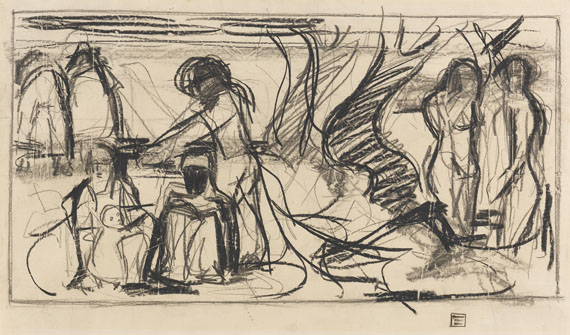
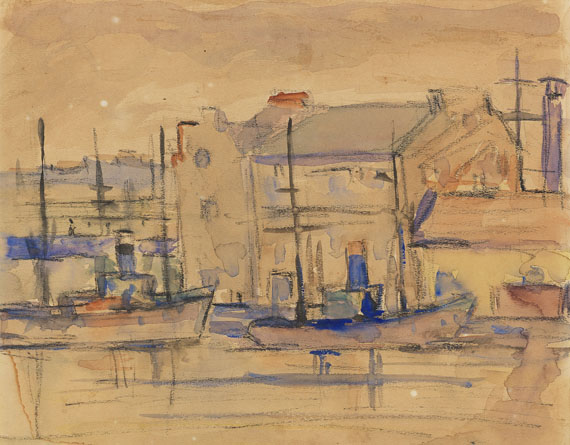
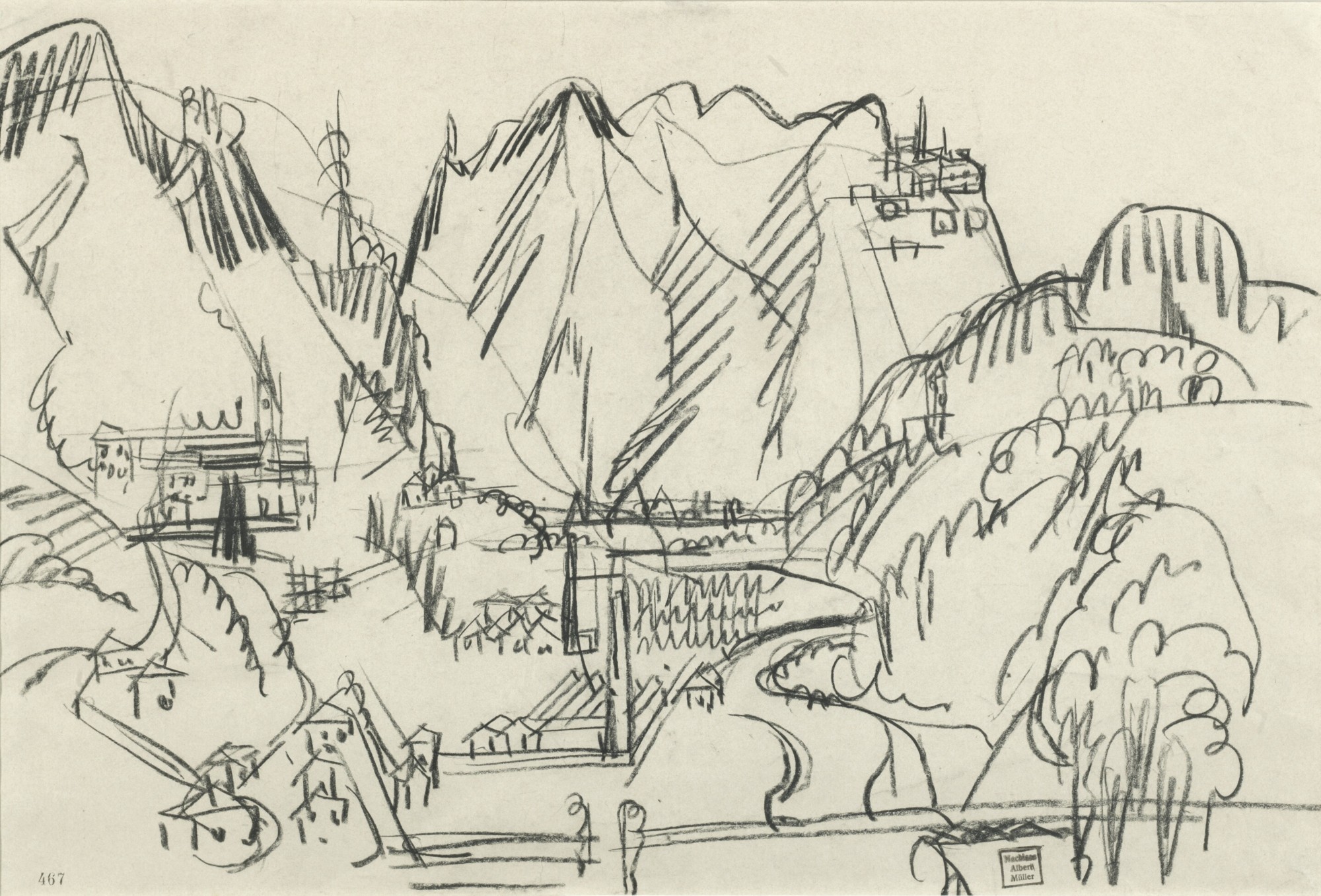
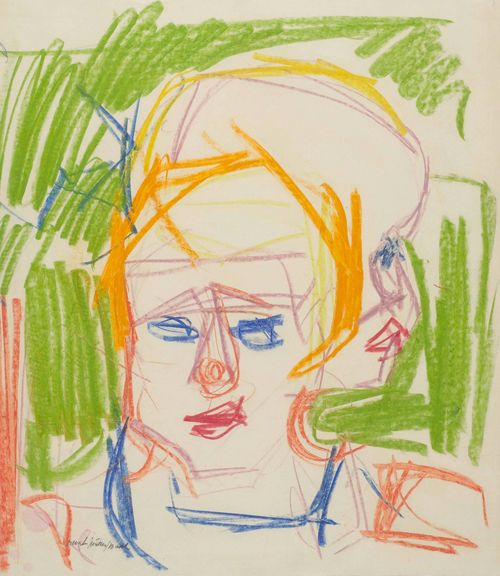
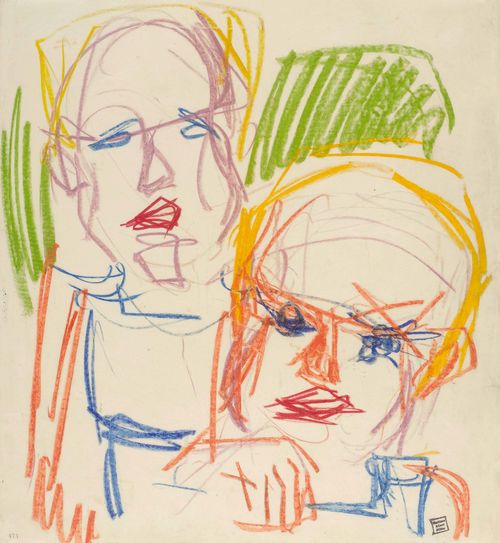
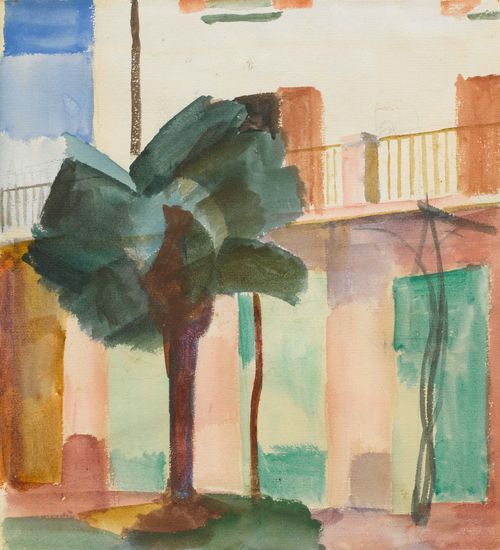
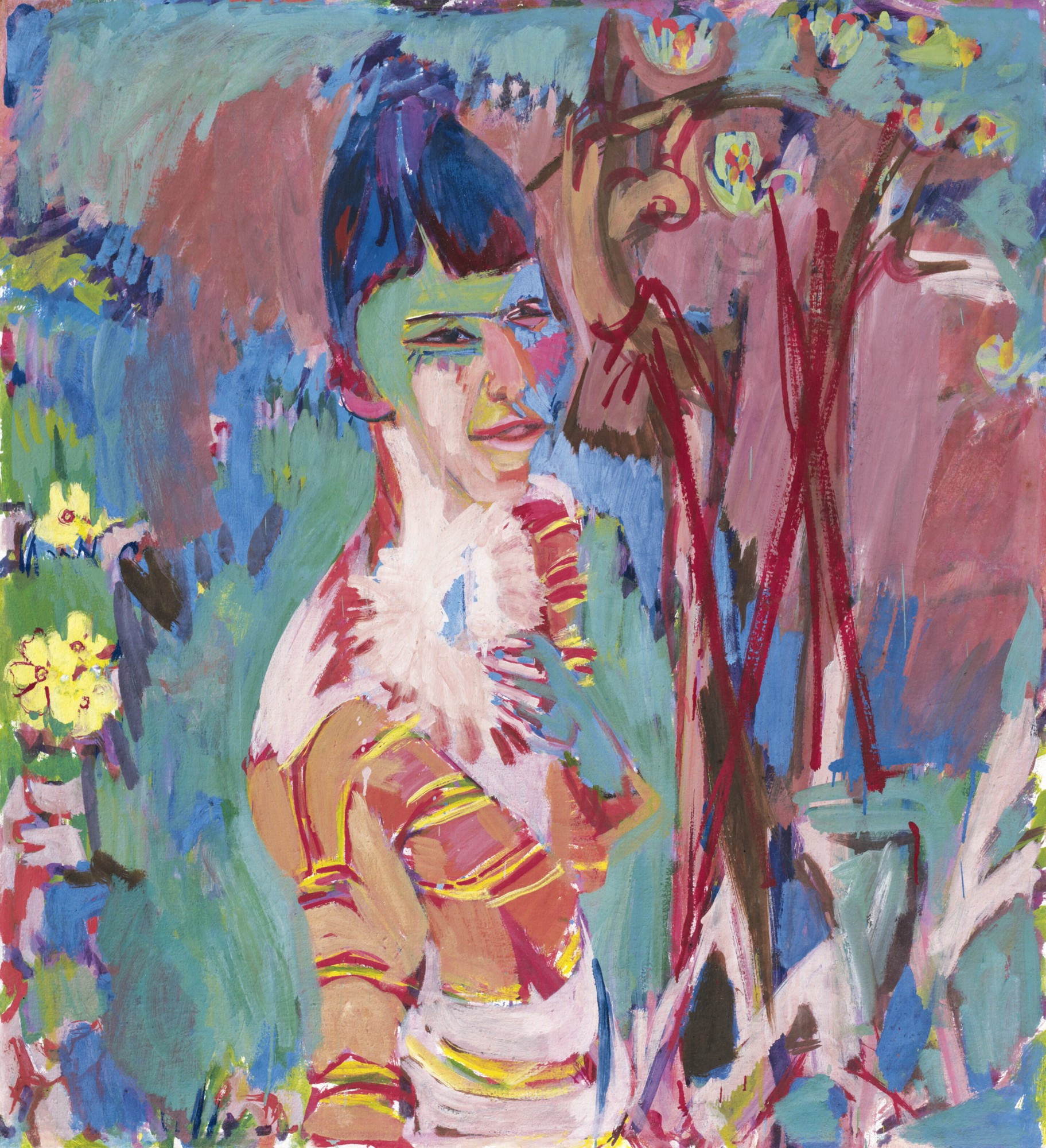
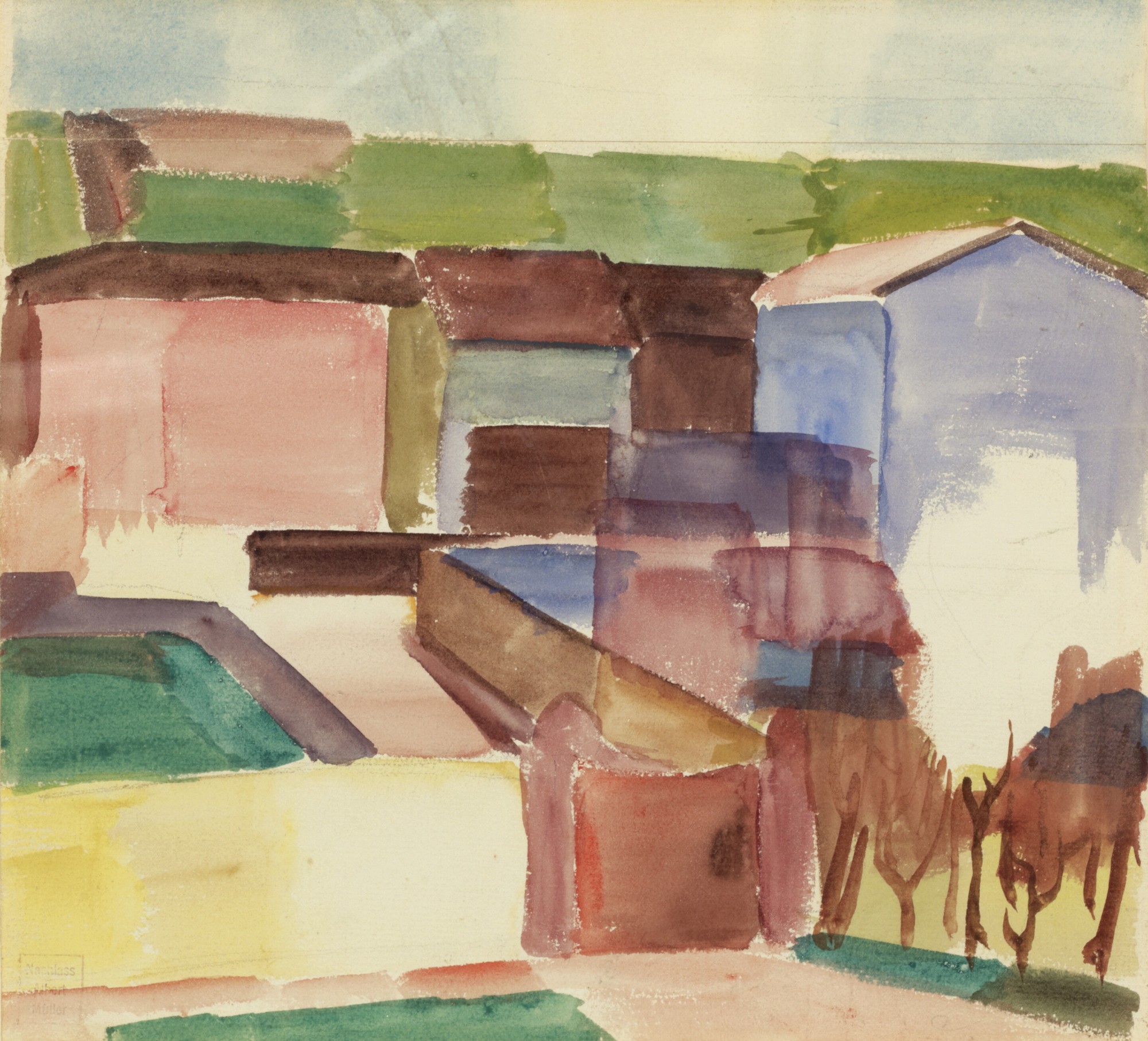
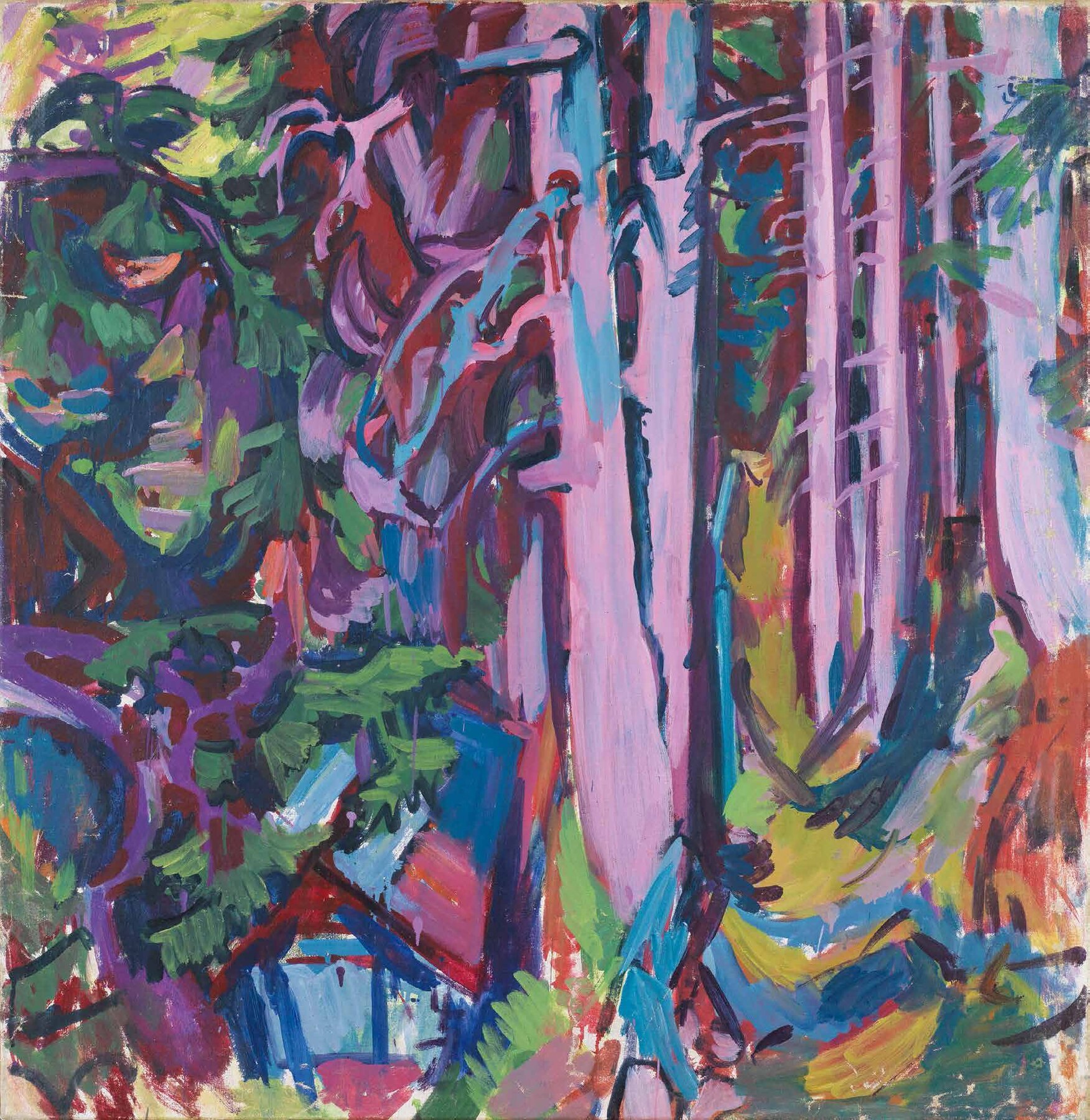
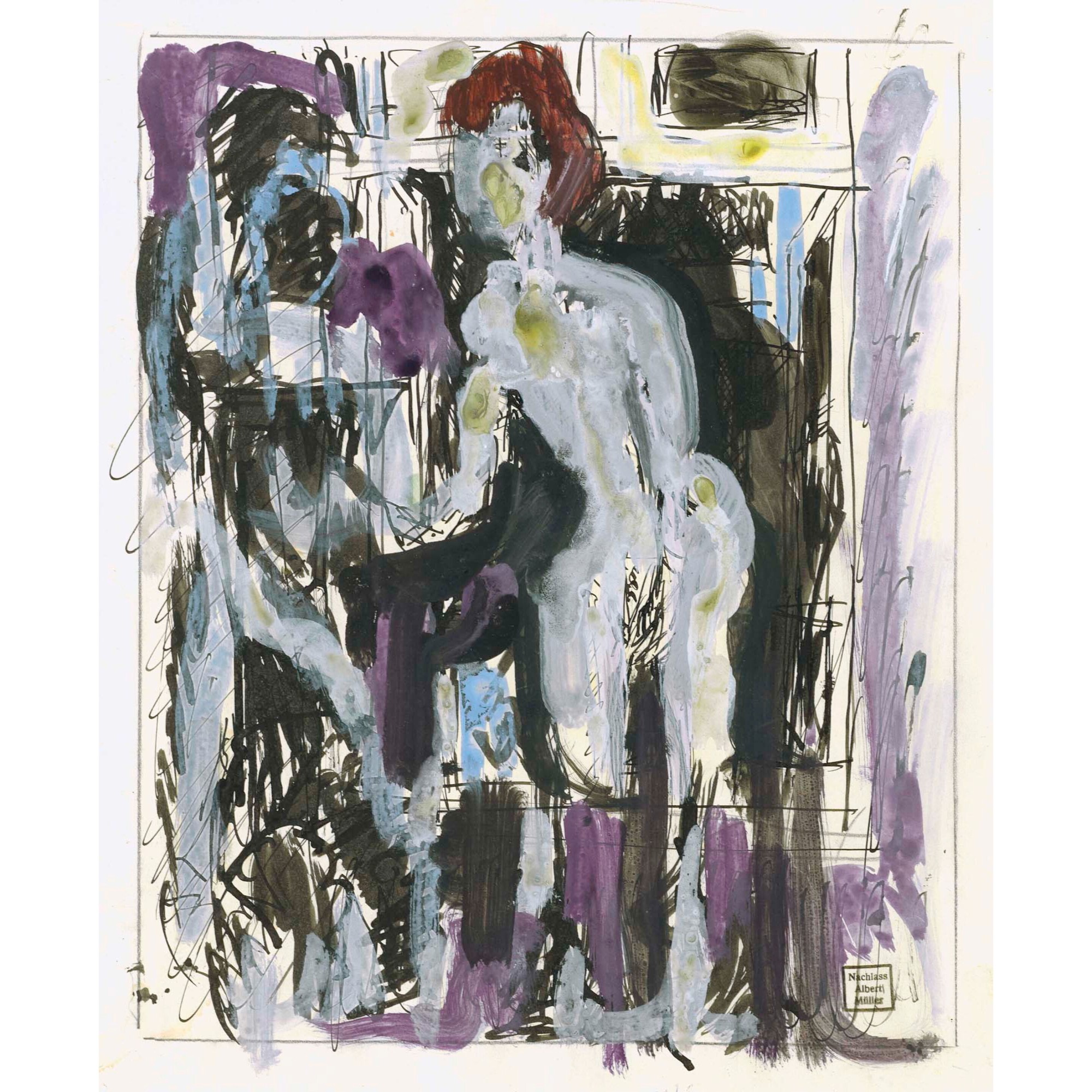
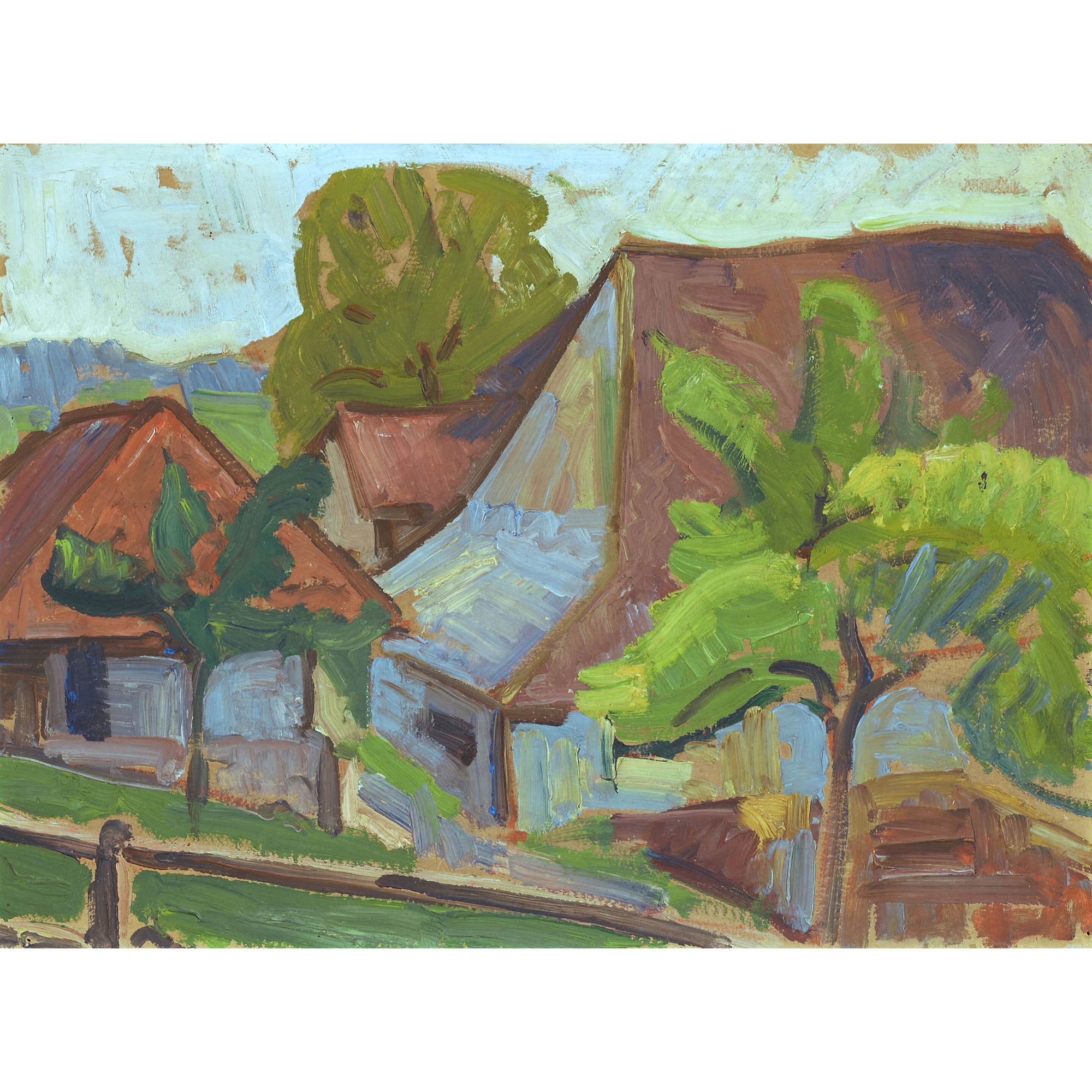
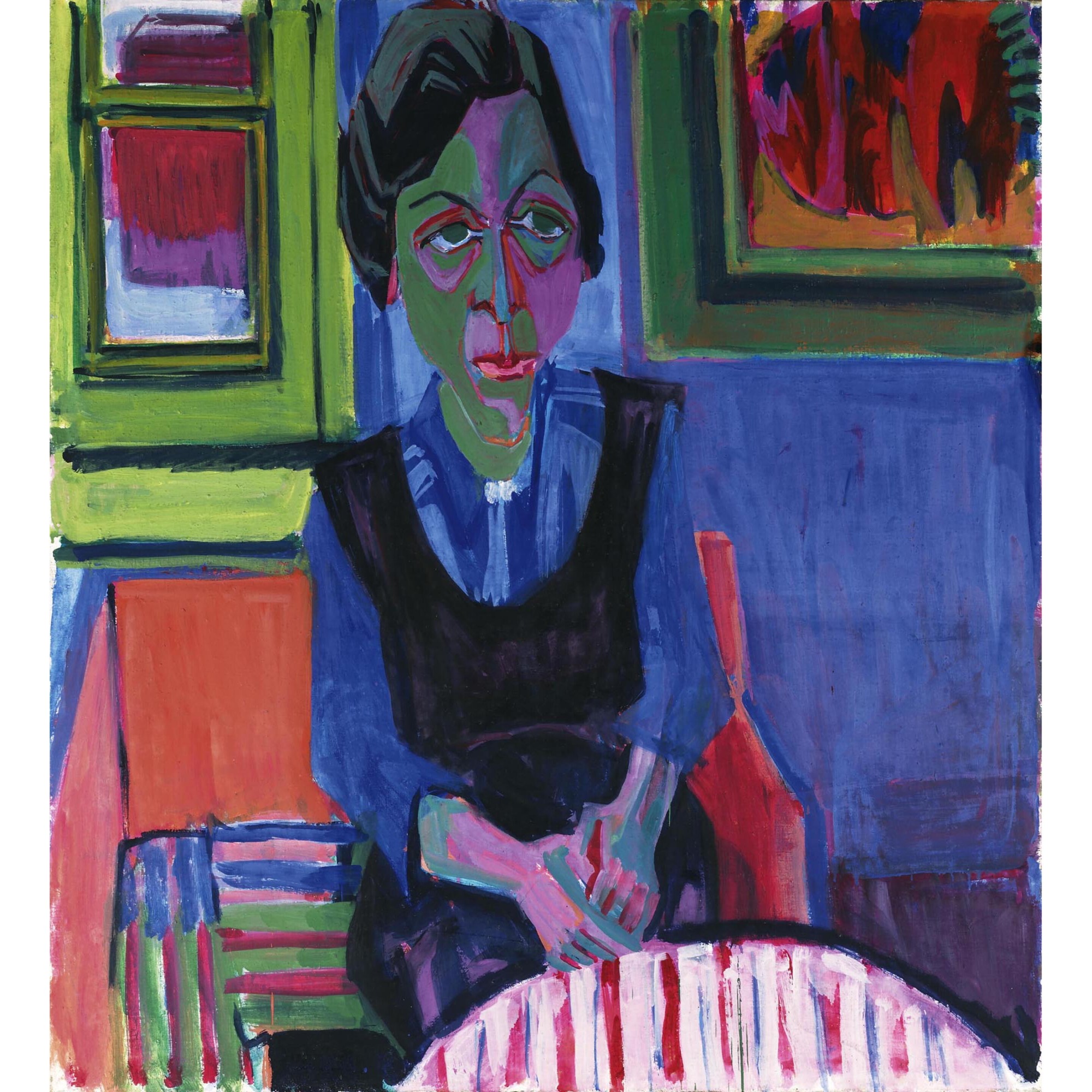
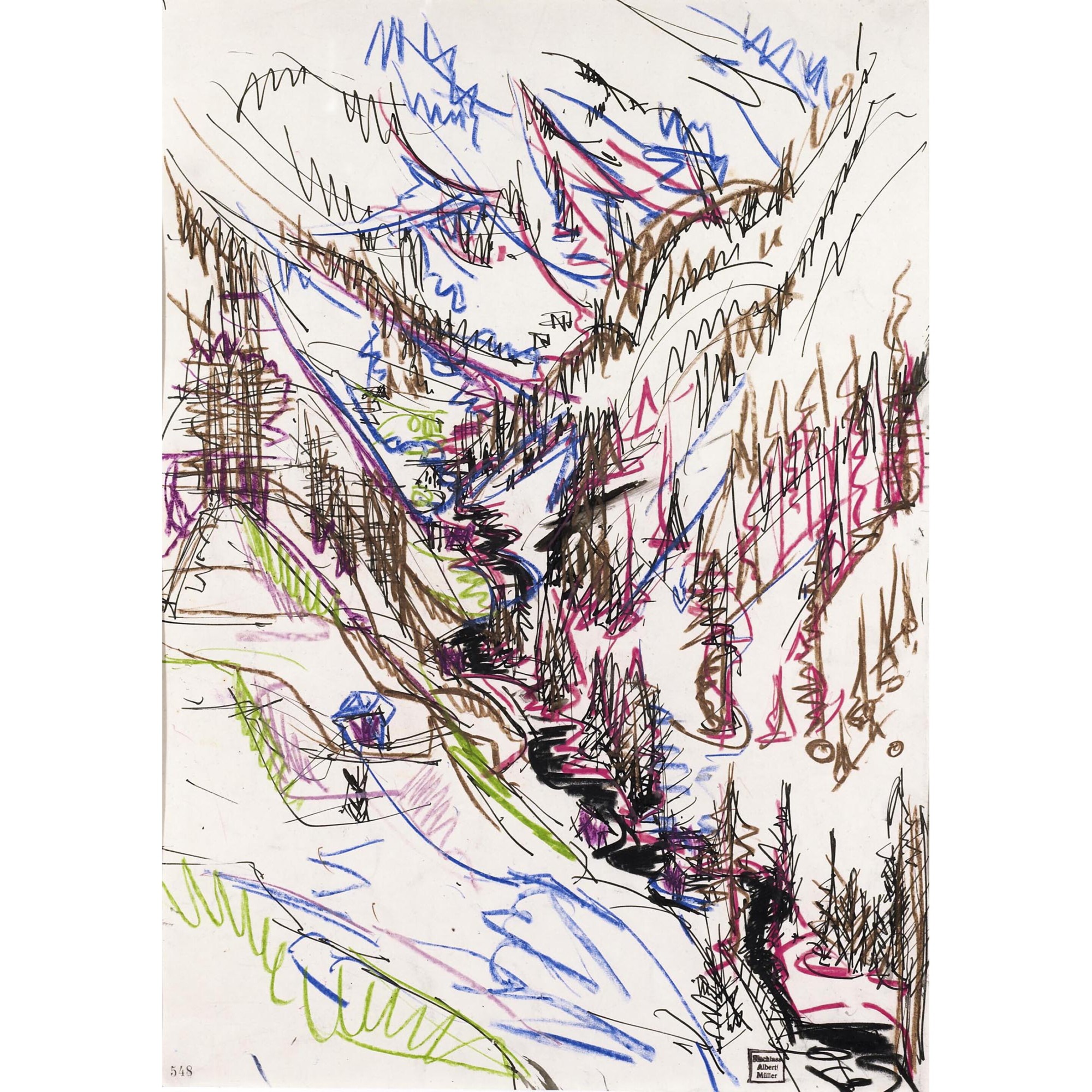
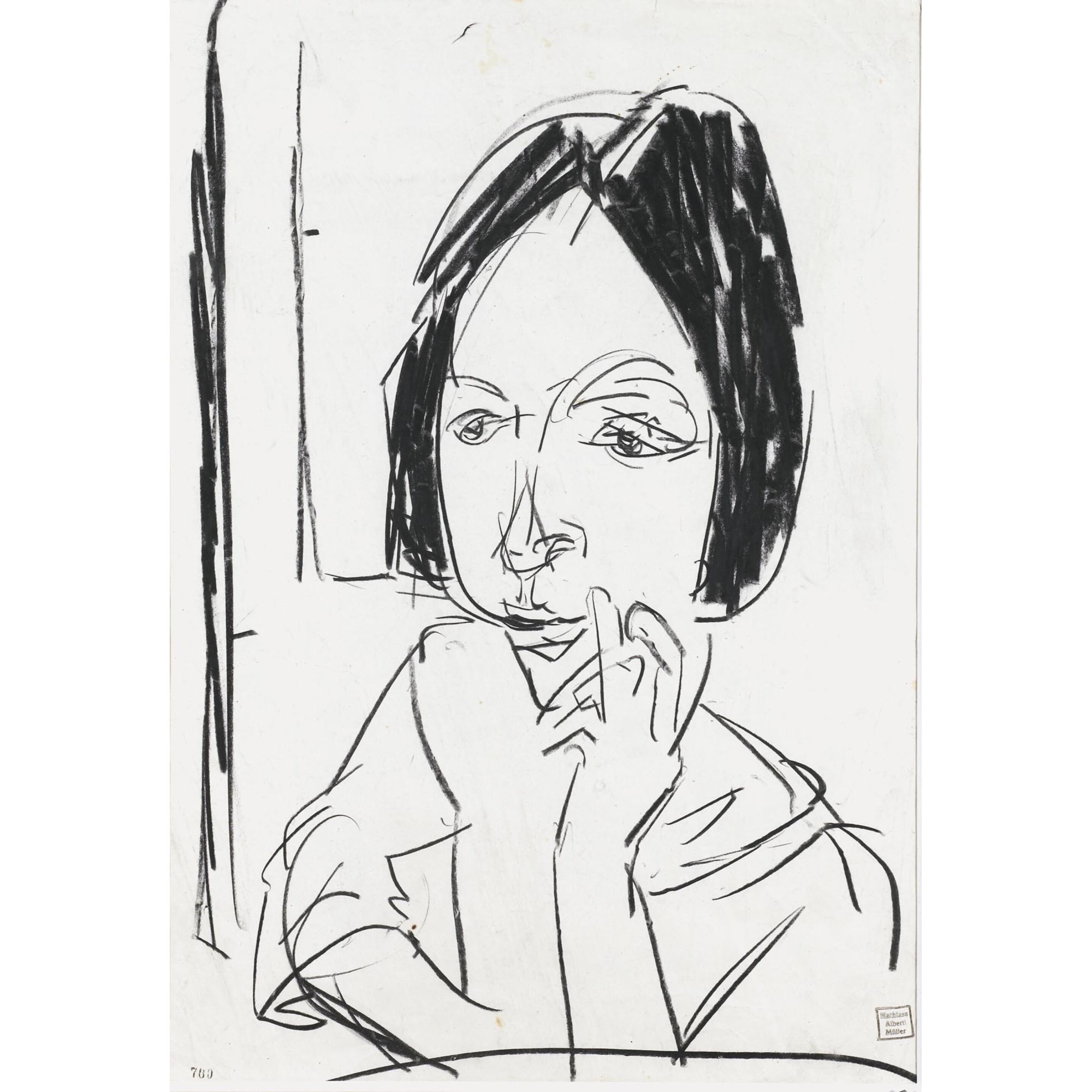
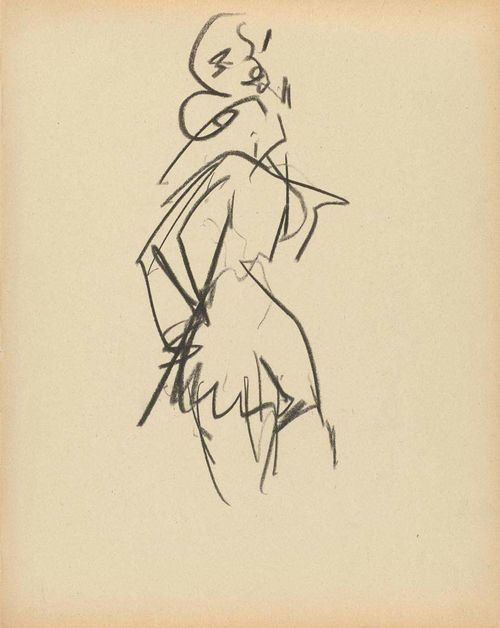
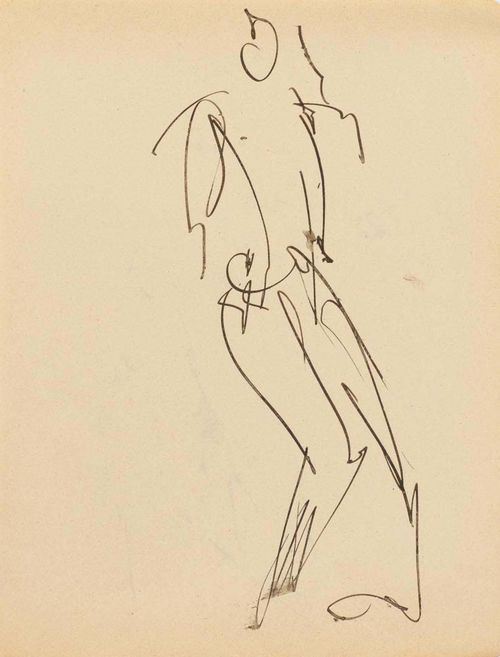
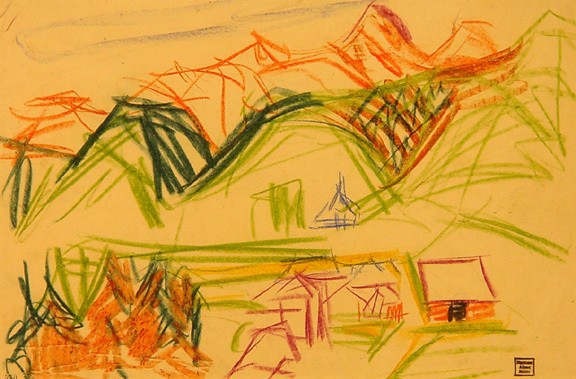
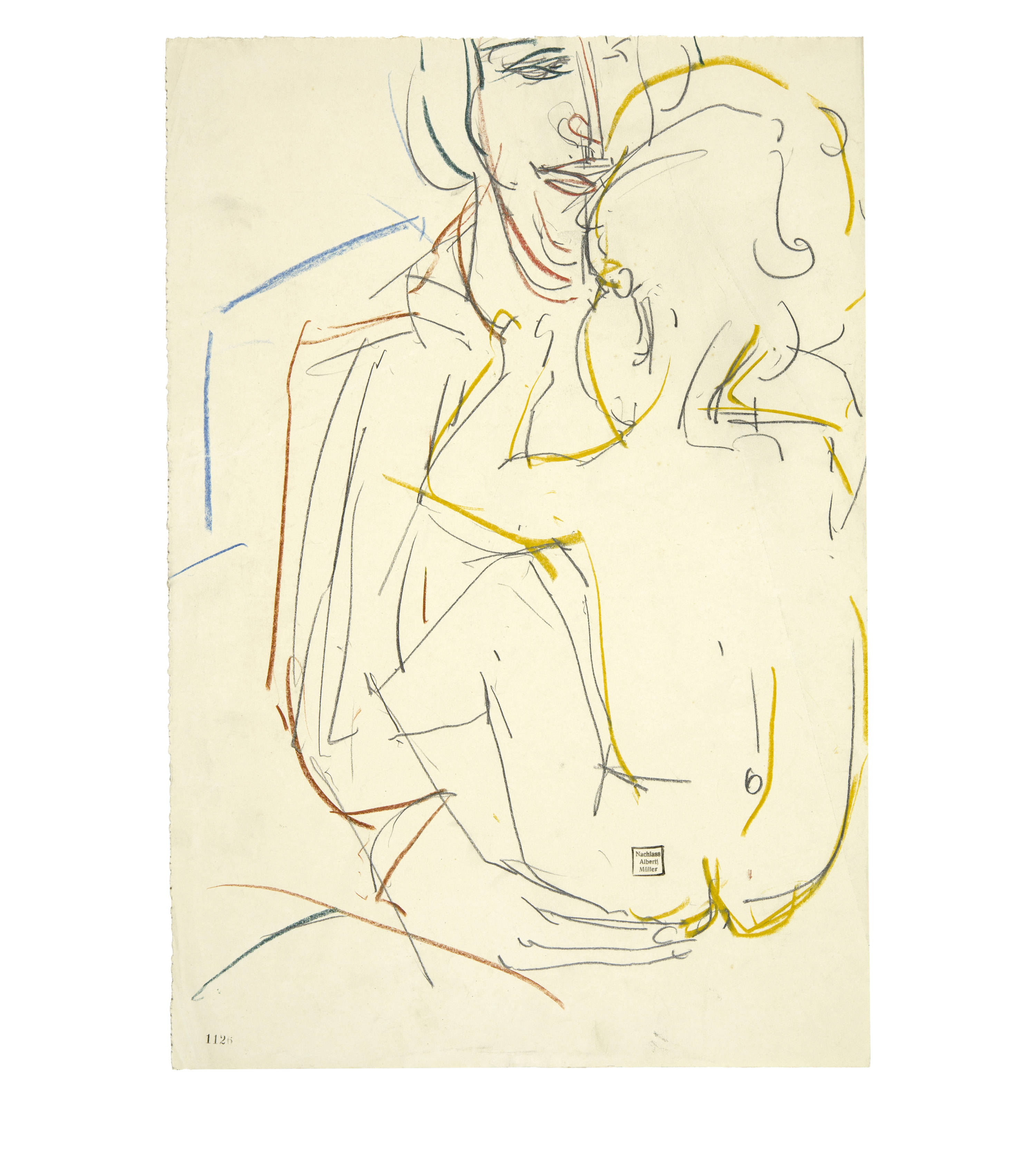
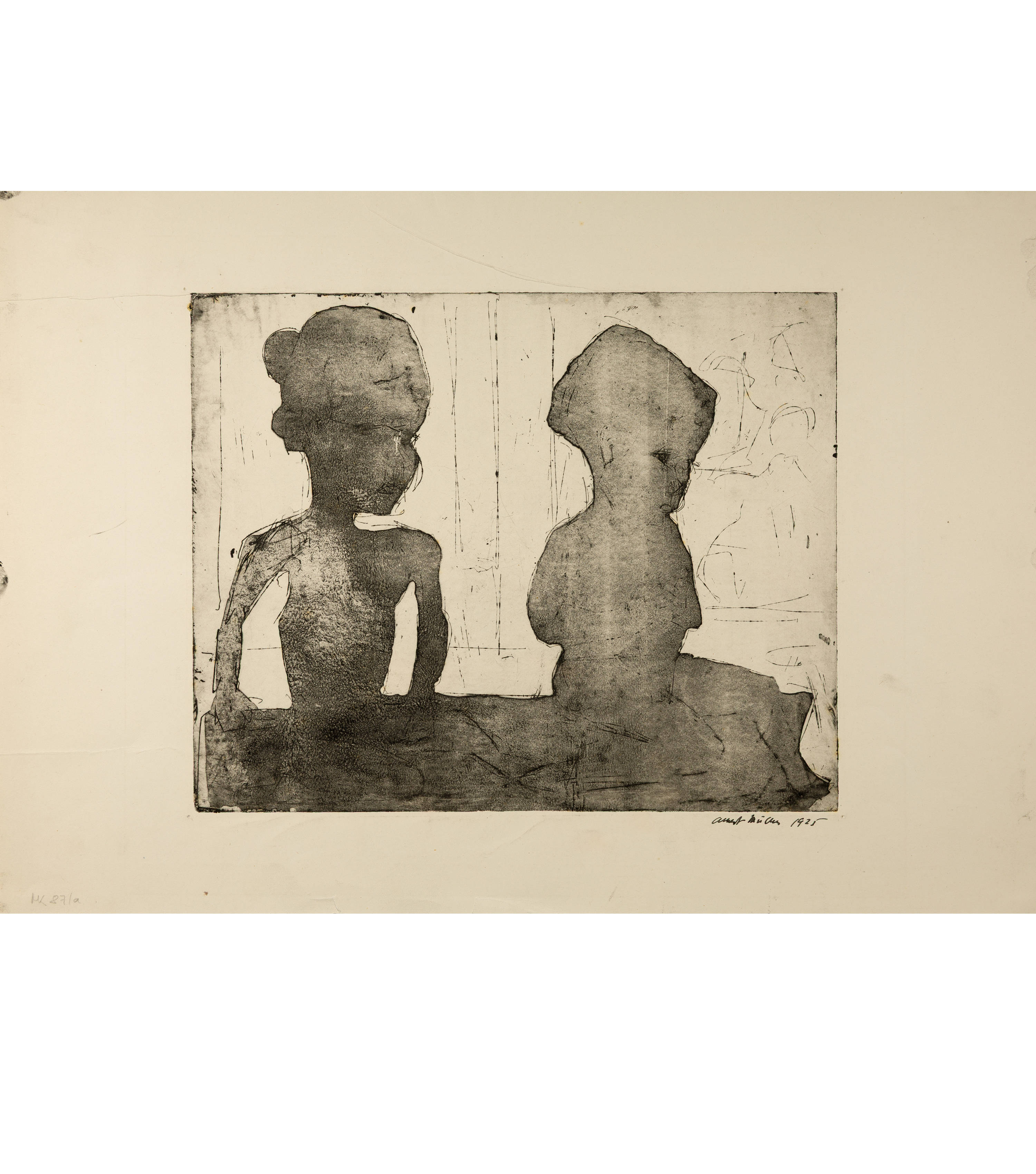
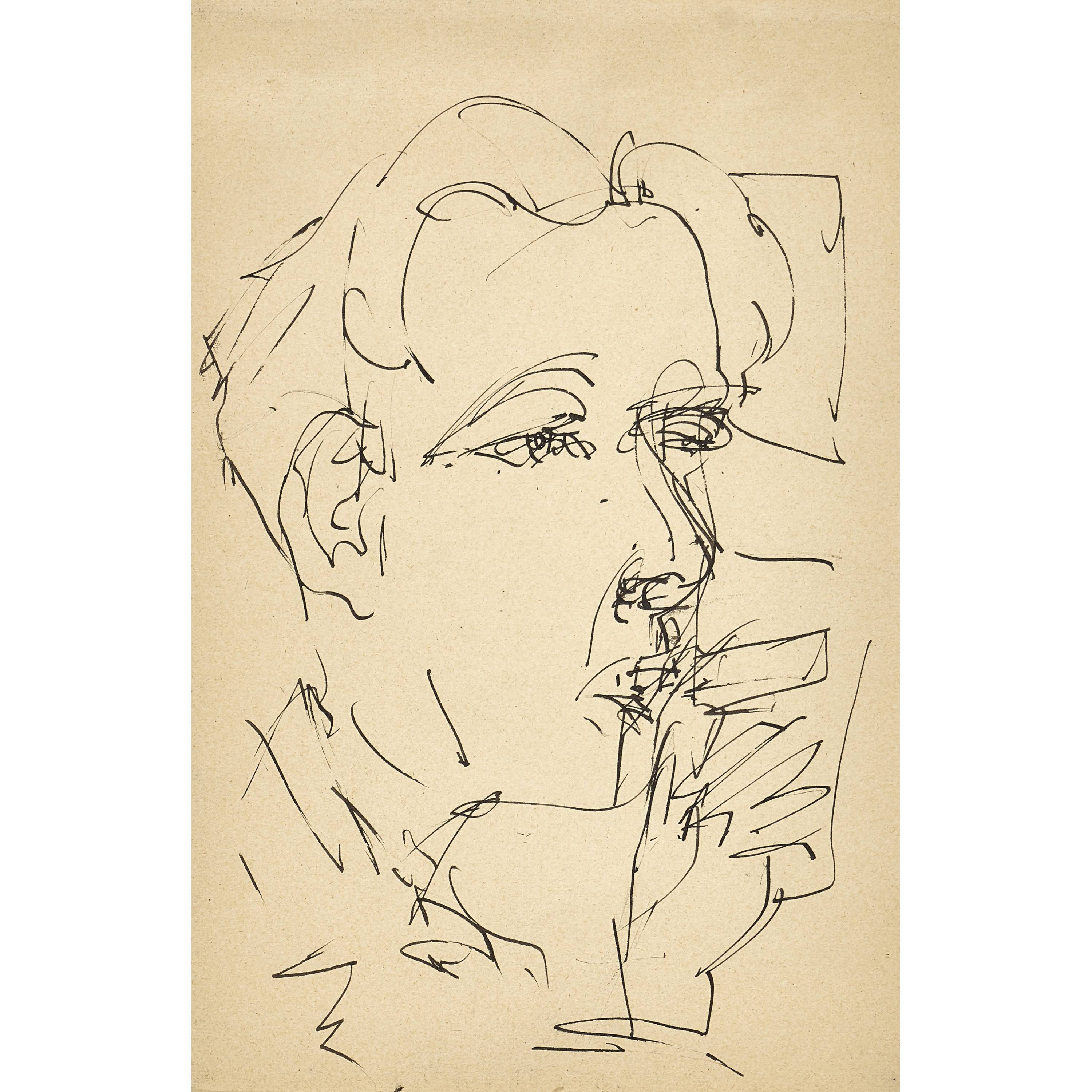
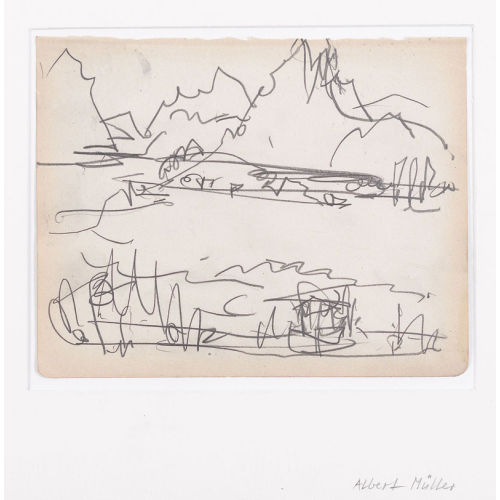
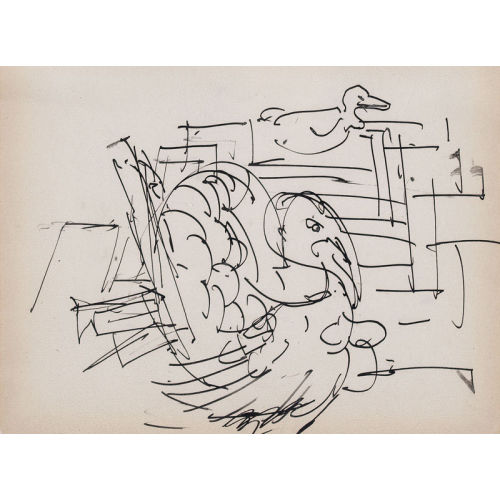
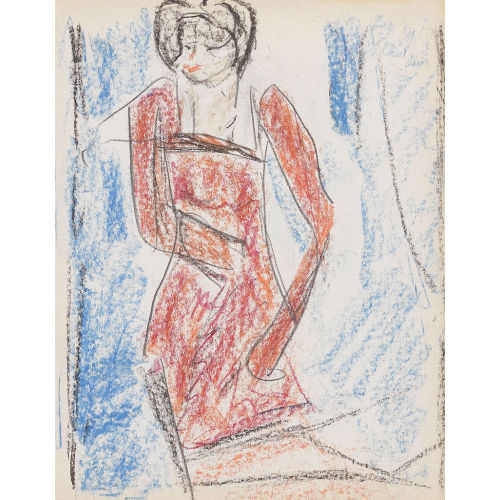
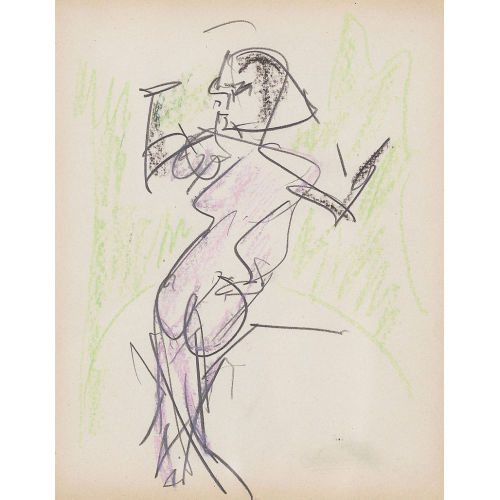
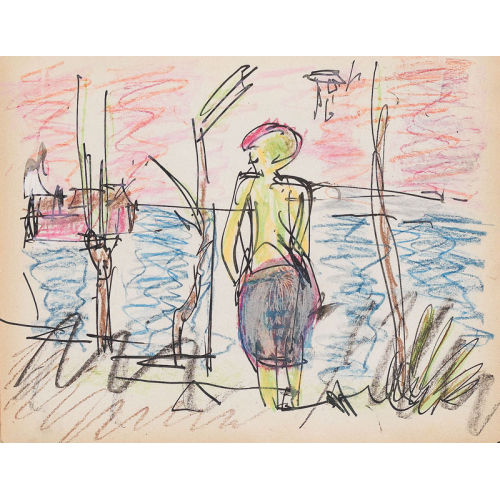
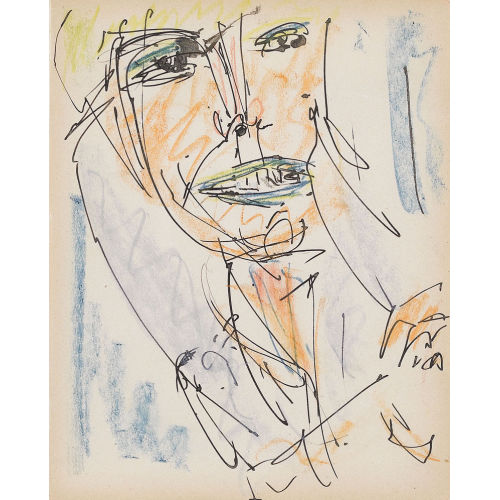
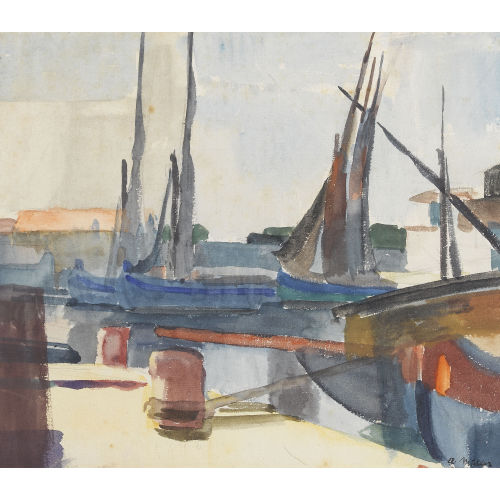
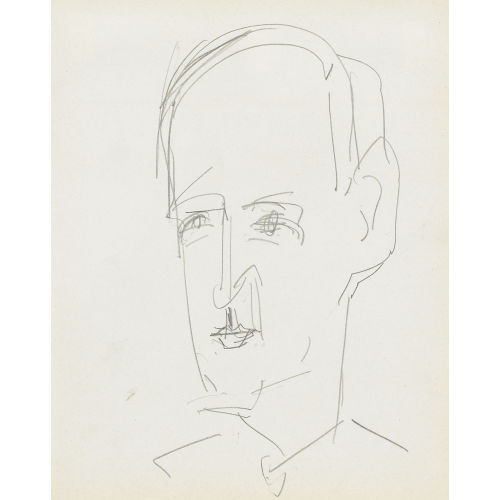
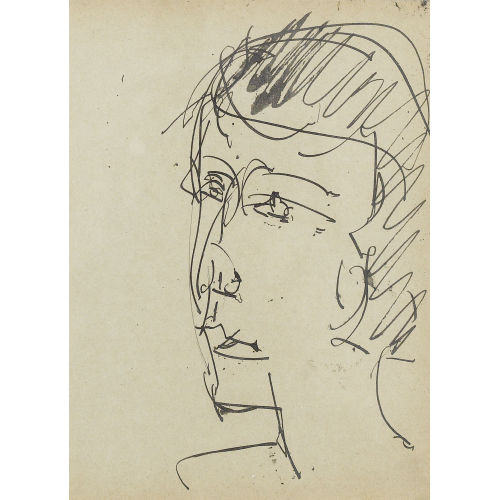
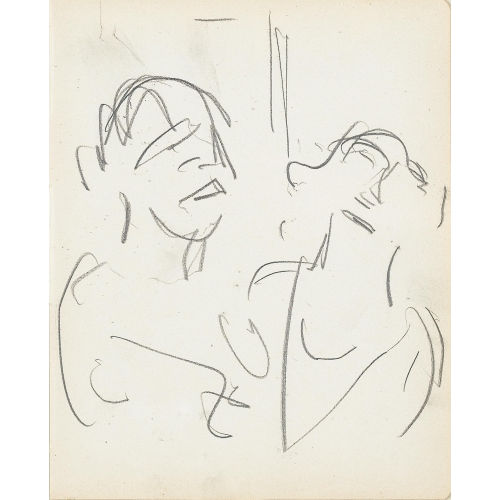
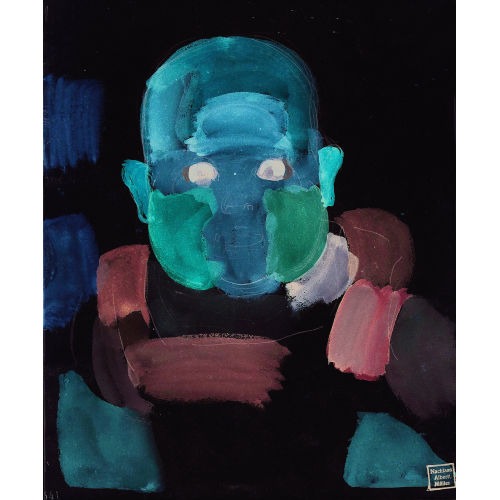
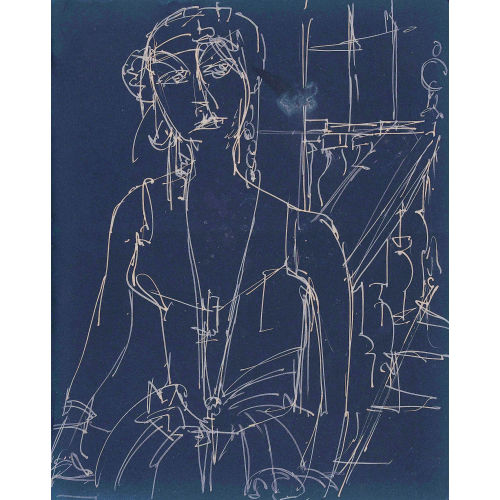
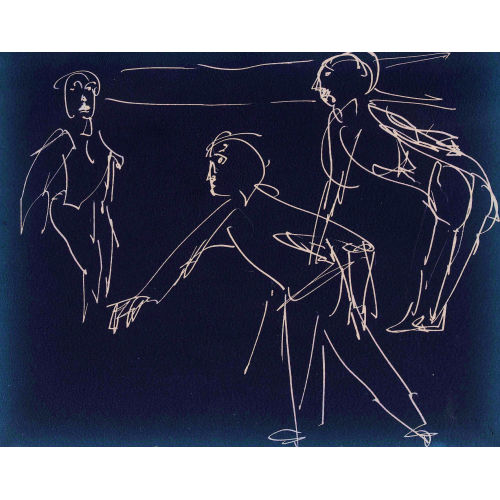
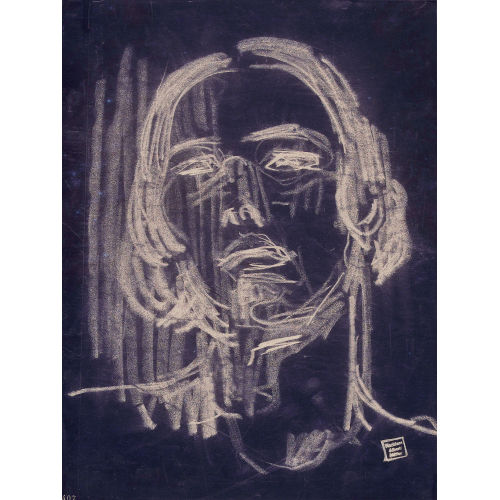
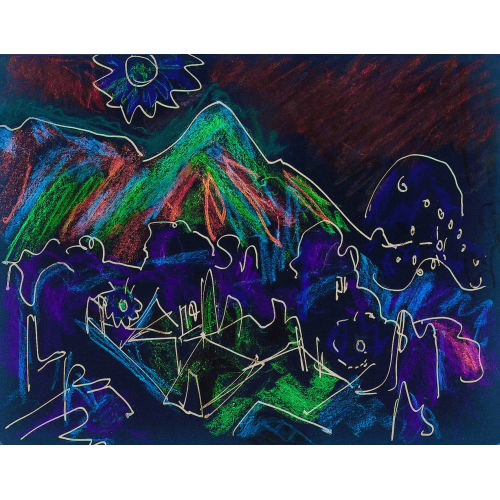
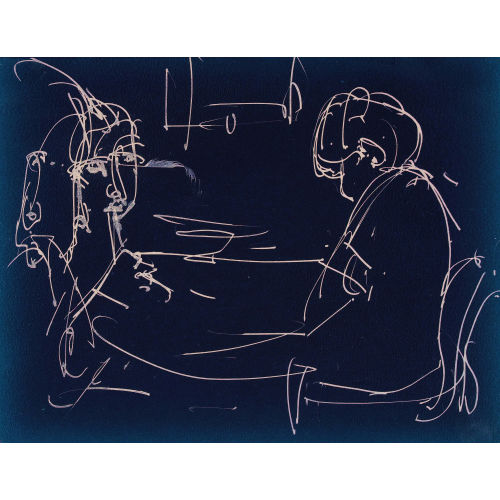
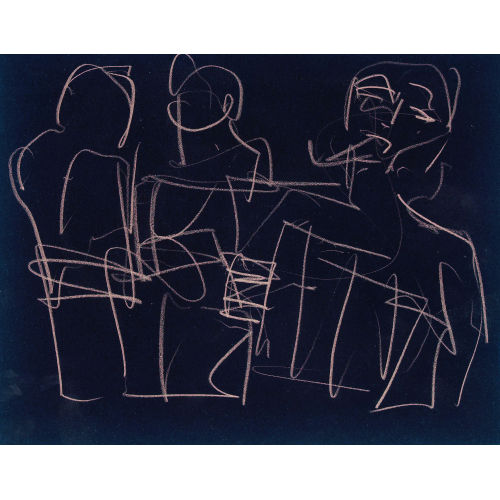
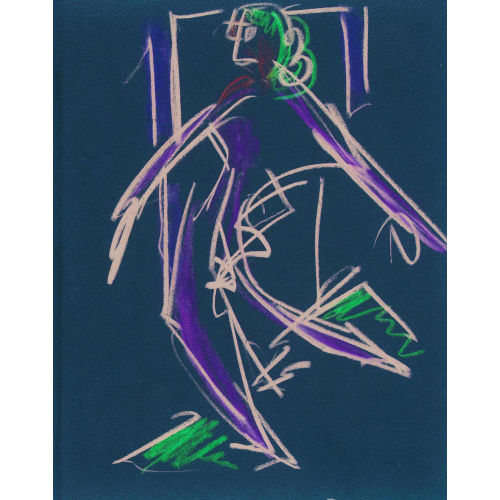
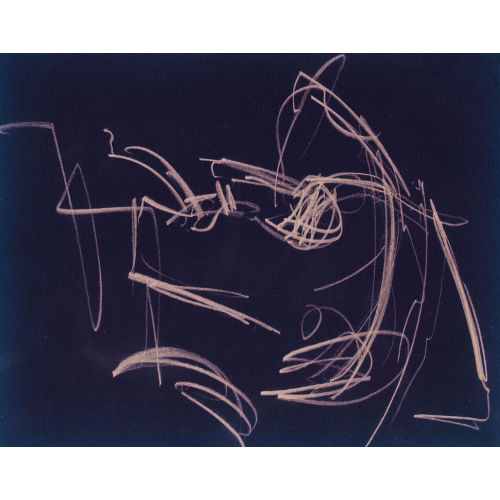
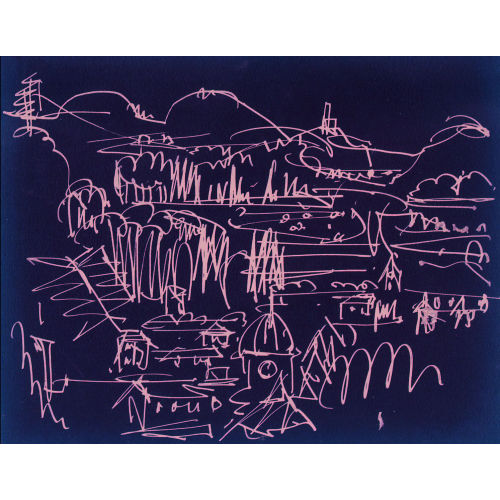
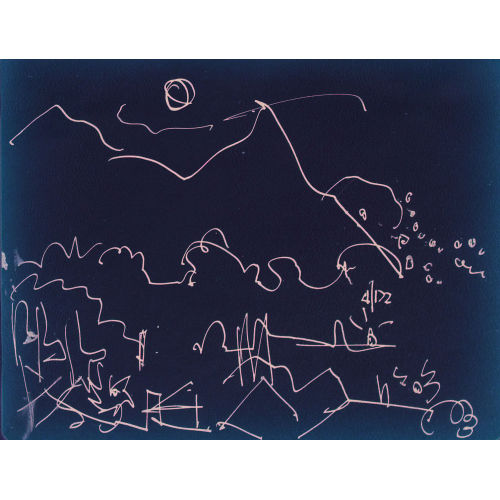
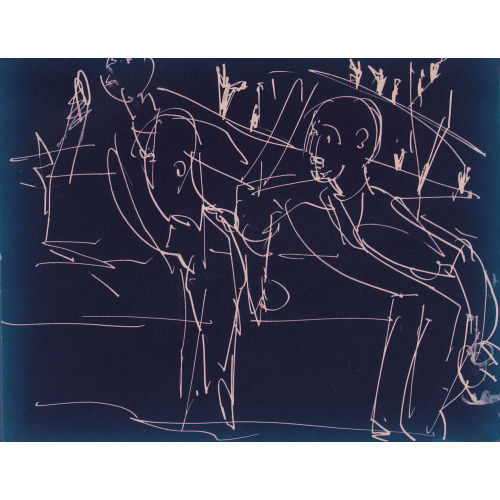
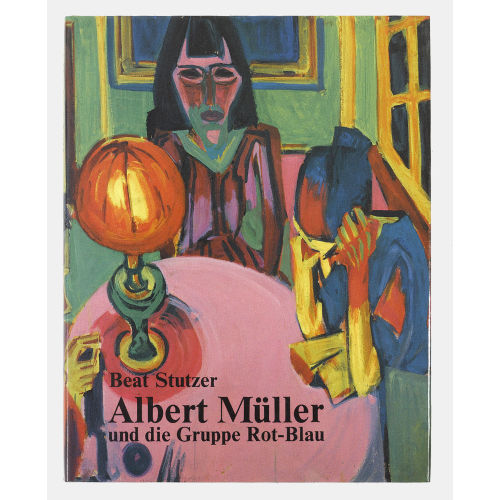
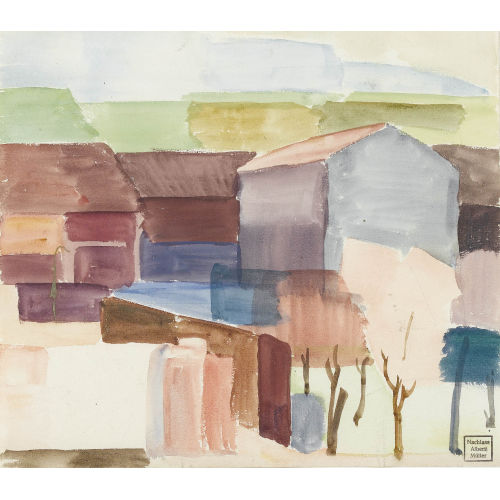
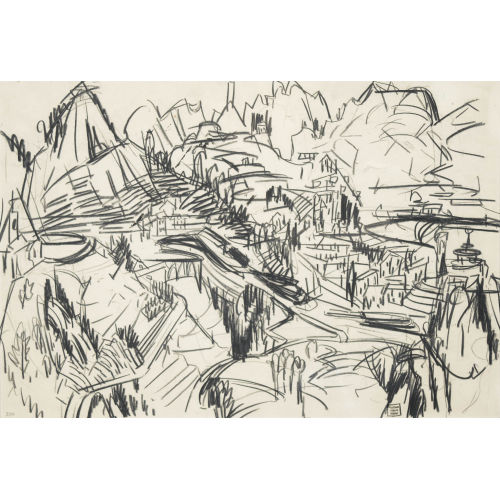
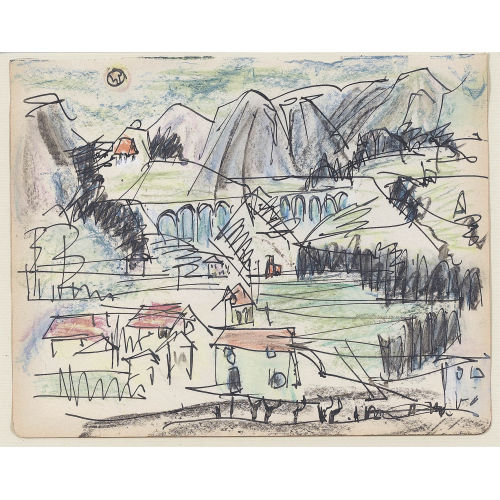
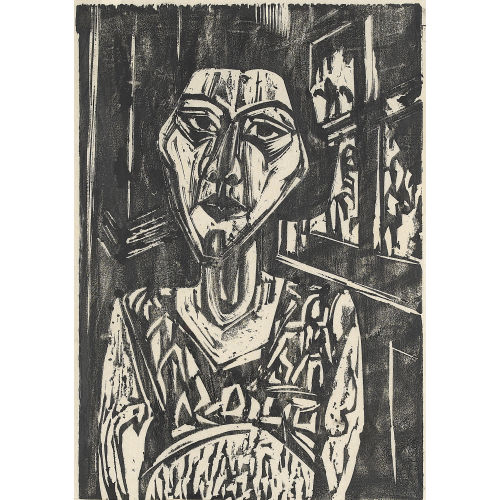
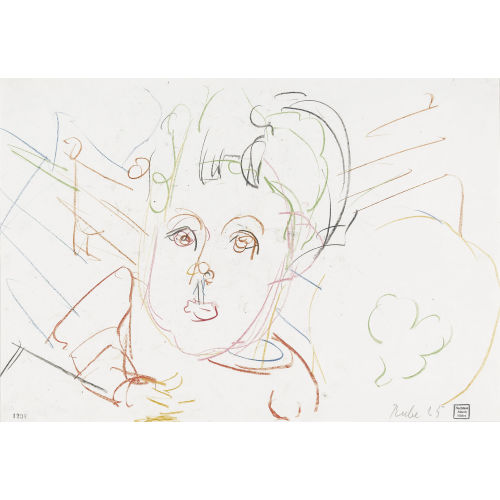
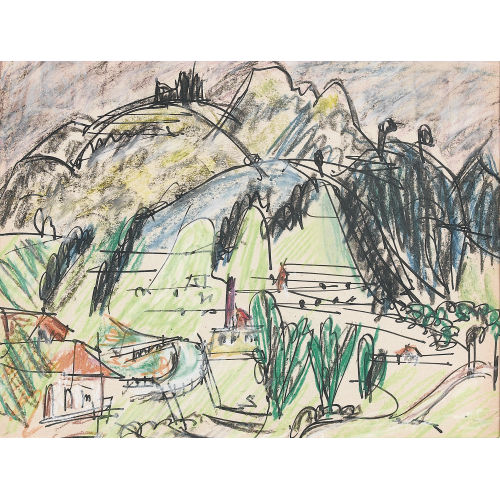
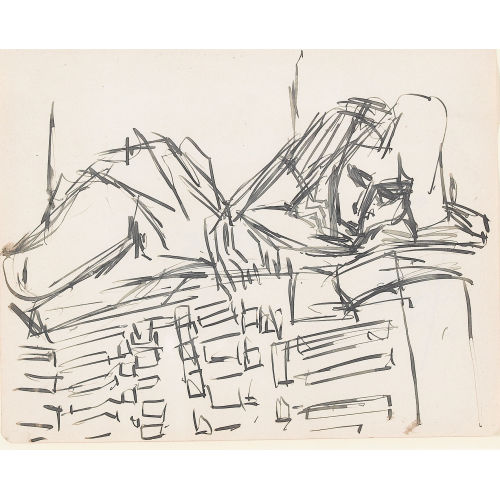
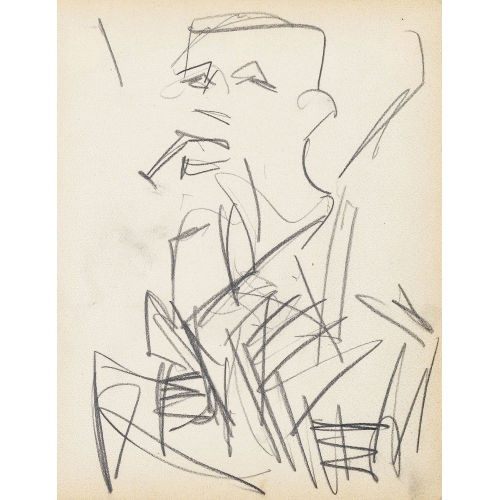
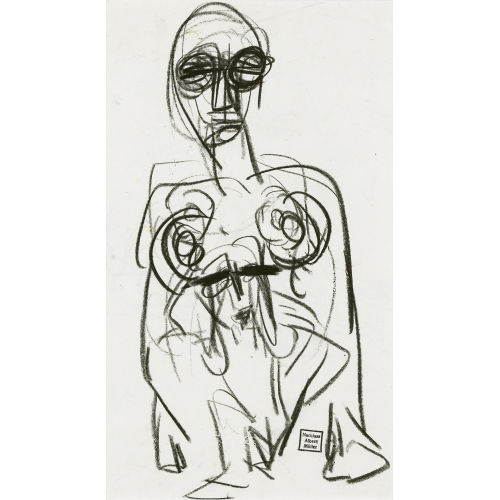
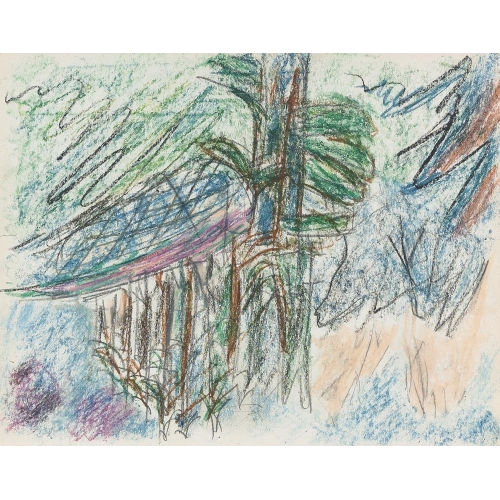
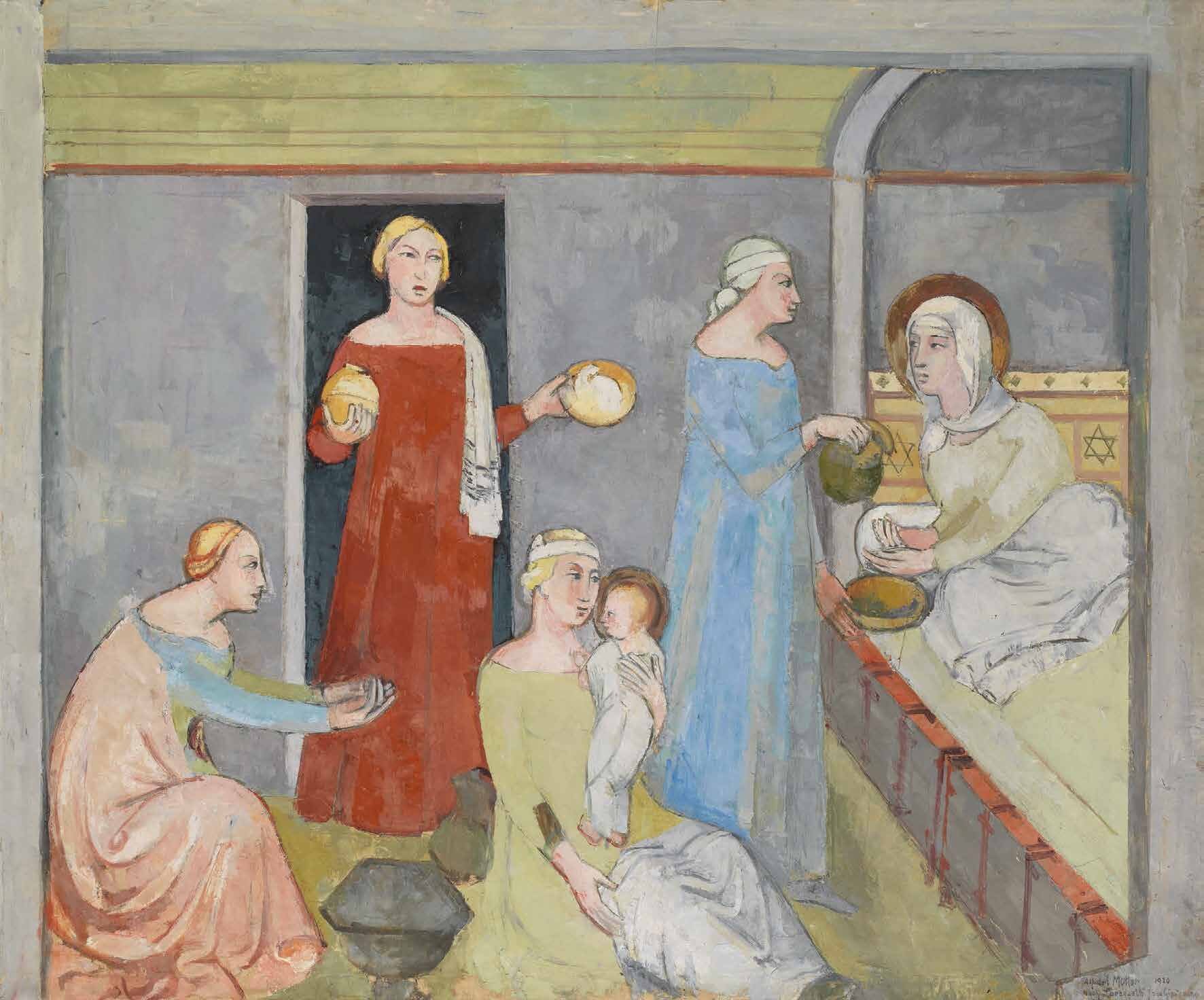
For Albert Müller (1897–1926), colour does not merely describe the world: it intensifies its presence. Vigorous contours, contrasts and vividly juxtaposed surfaces lend landscapes and figures alike a particular energy. Despite his short life, this Basel painter made an important contribution to Swiss Expressionism—in painting as well as in drawing, printmaking and sculpture.
Müller received his initial training in a glass-painting workshop and at the School of Arts and Crafts in Basel. His contact with Cuno Amiet, with whom he stayed in Oschwand in 1918, encouraged his openness to a luminous palette. Noticed at the Christmas exhibition of the Kunsthalle Basel in 1919, he subsequently took part in the cantonal art competitions.
Settling in Ticino in 1921, he nevertheless maintained close ties with his home city. His explorations drew nourishment from Louis Moilliet and Edvard Munch, and later from his discovery of the work of Ernst Ludwig Kirchner. His friendship with the latter accompanied the affirmation of a personal artistic language.
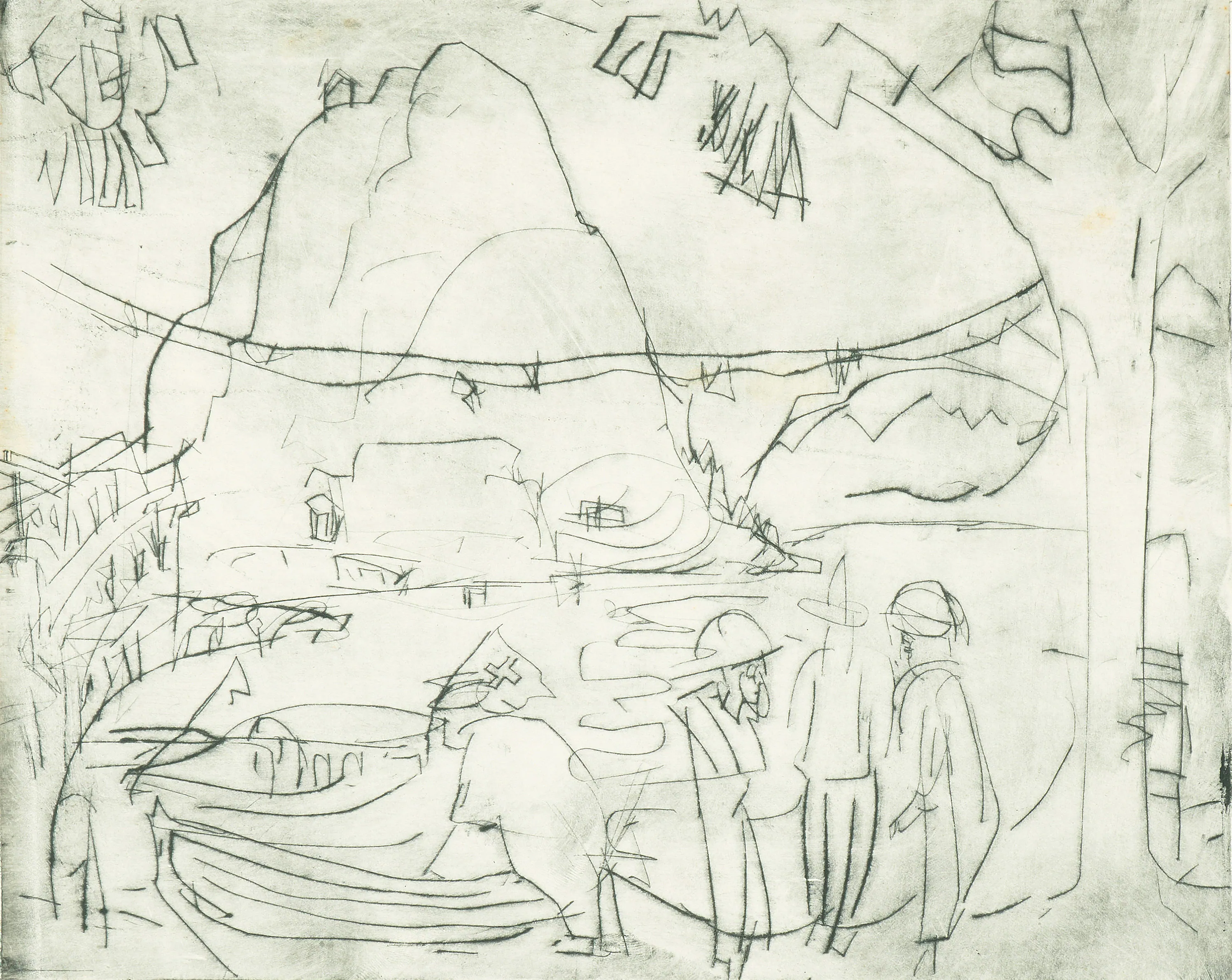
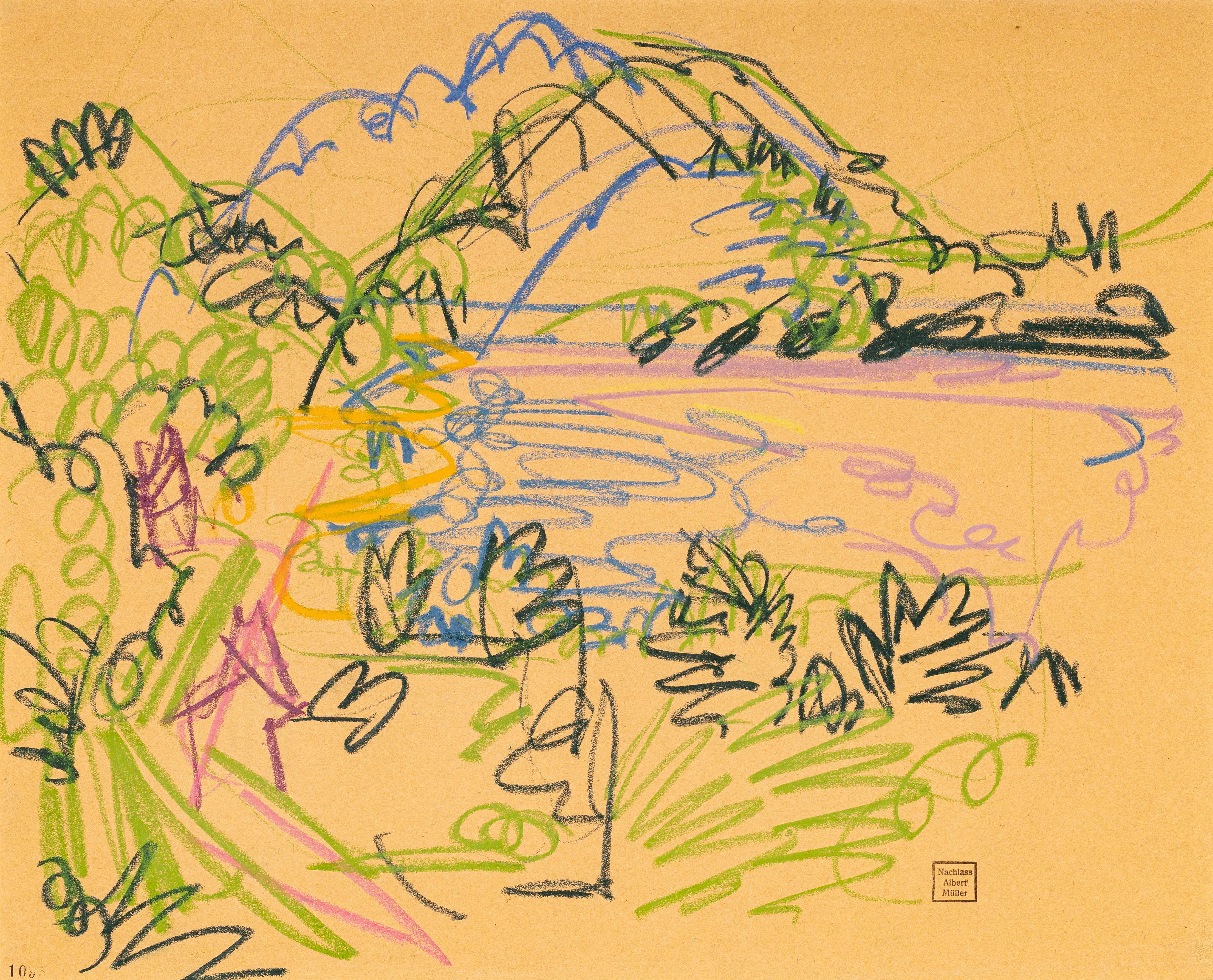
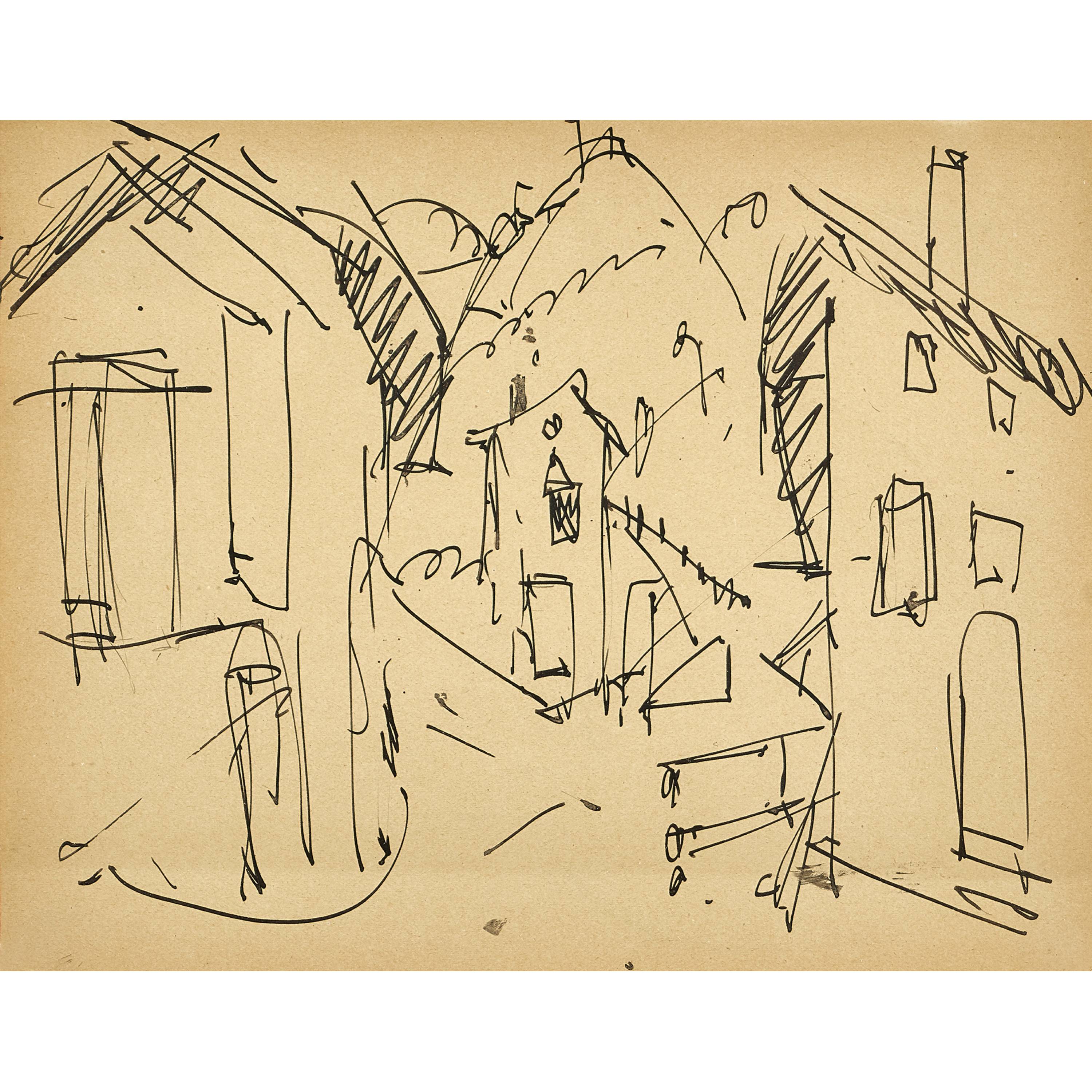
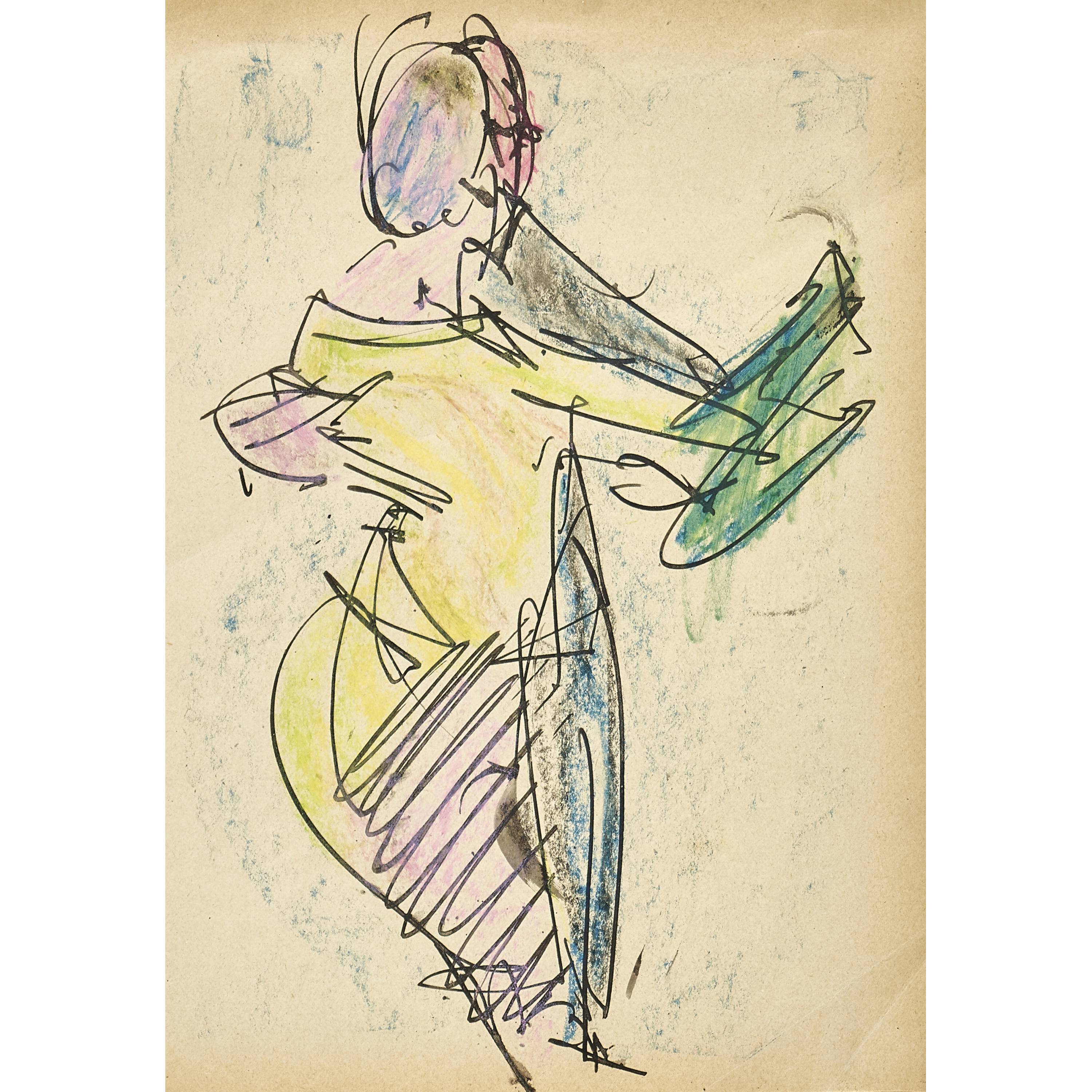
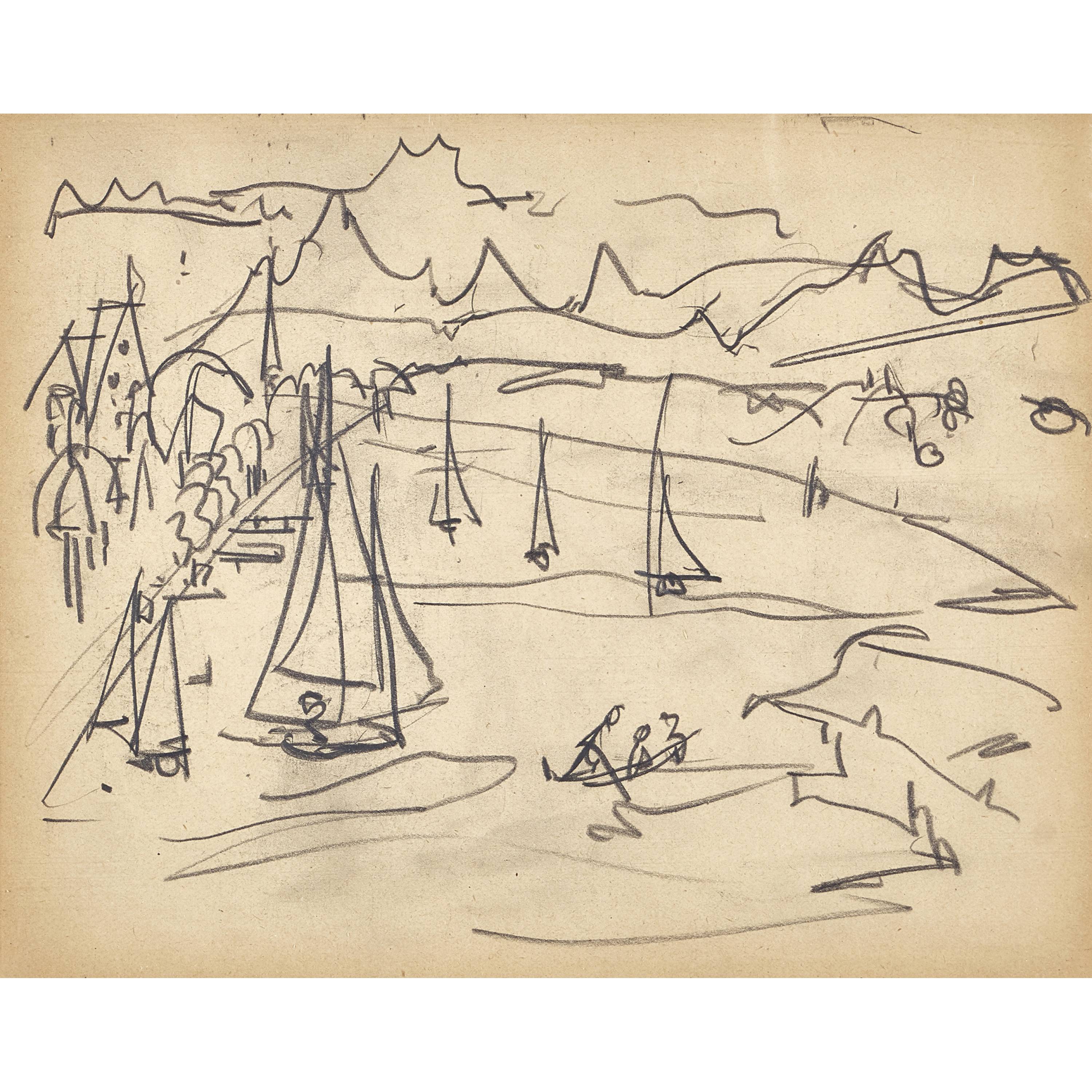
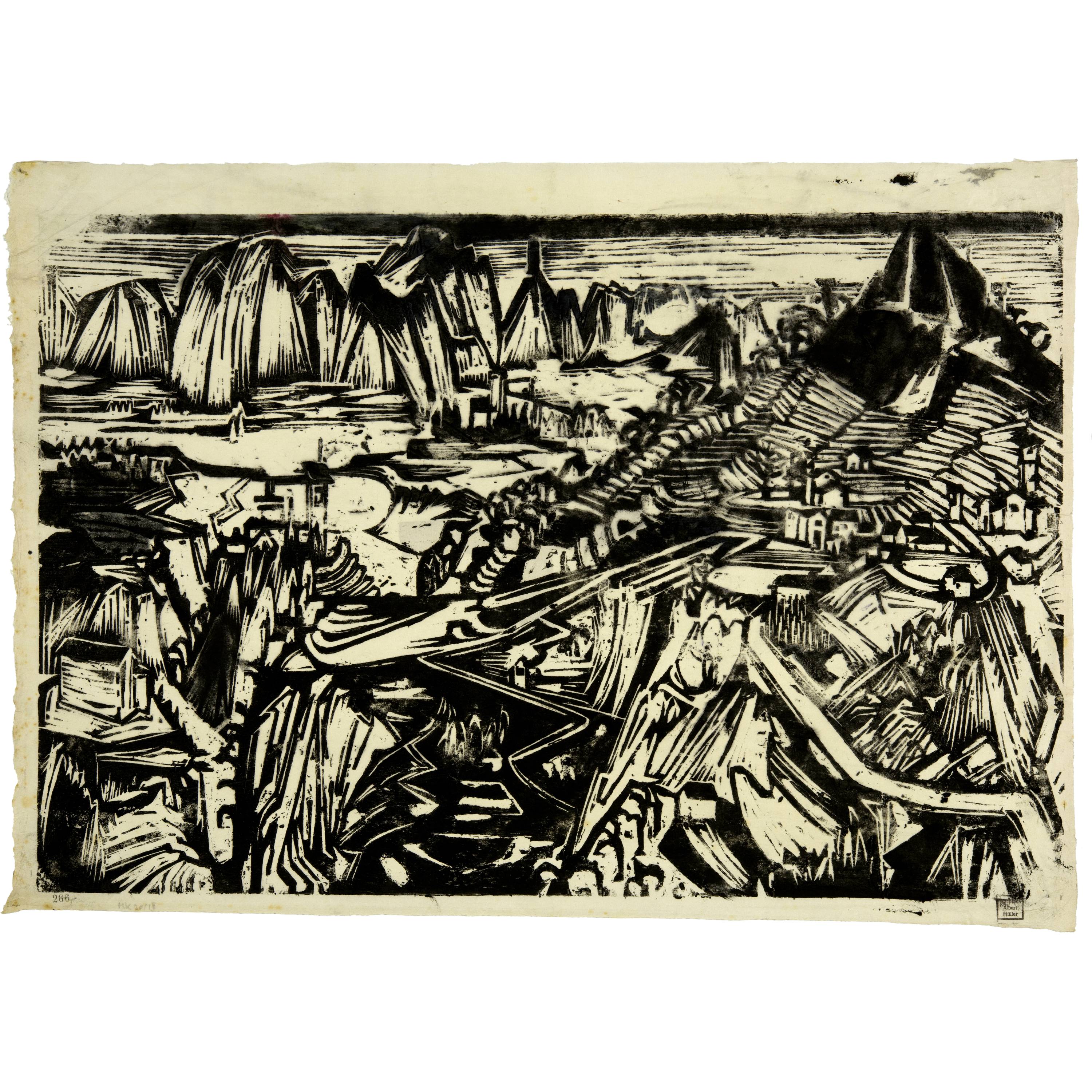
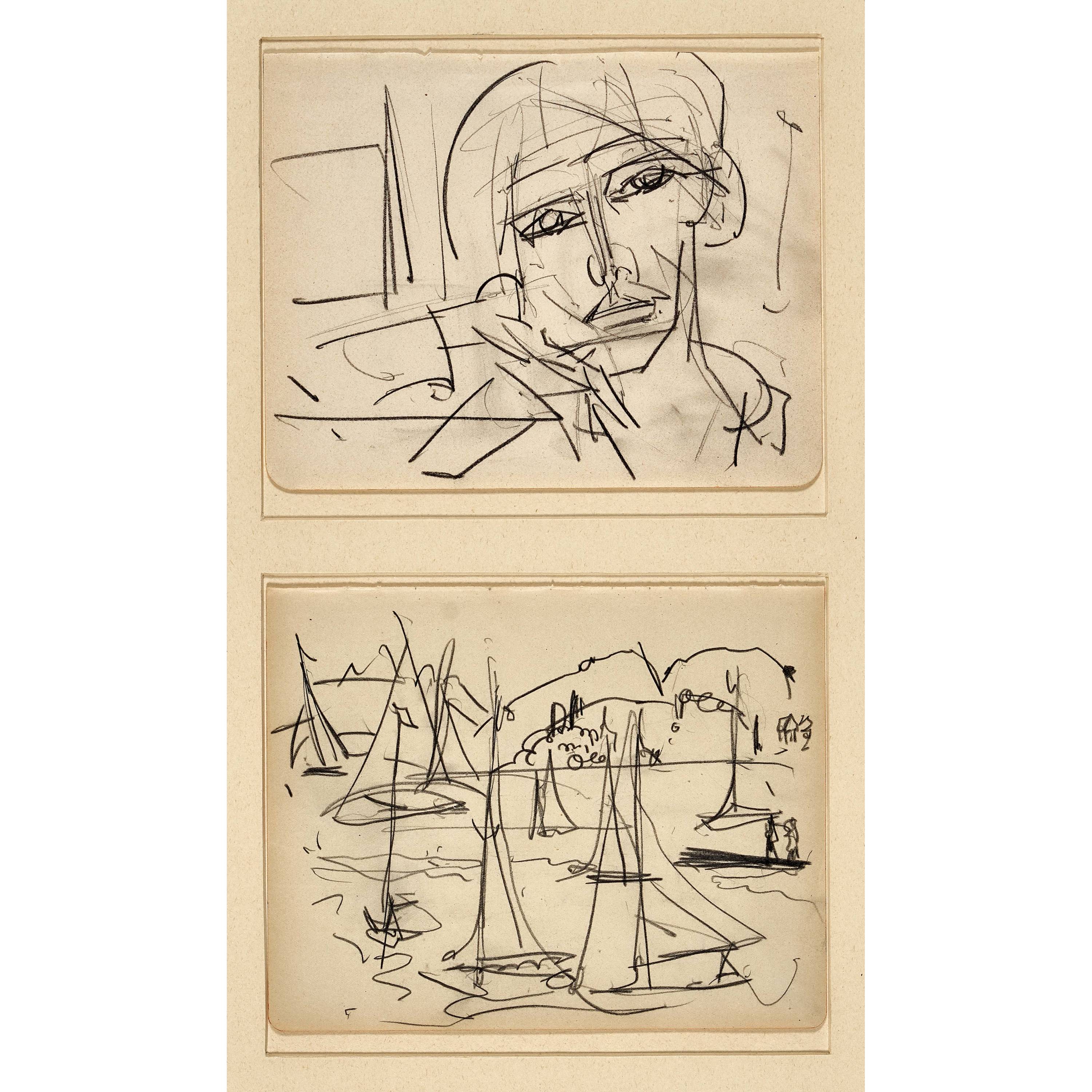
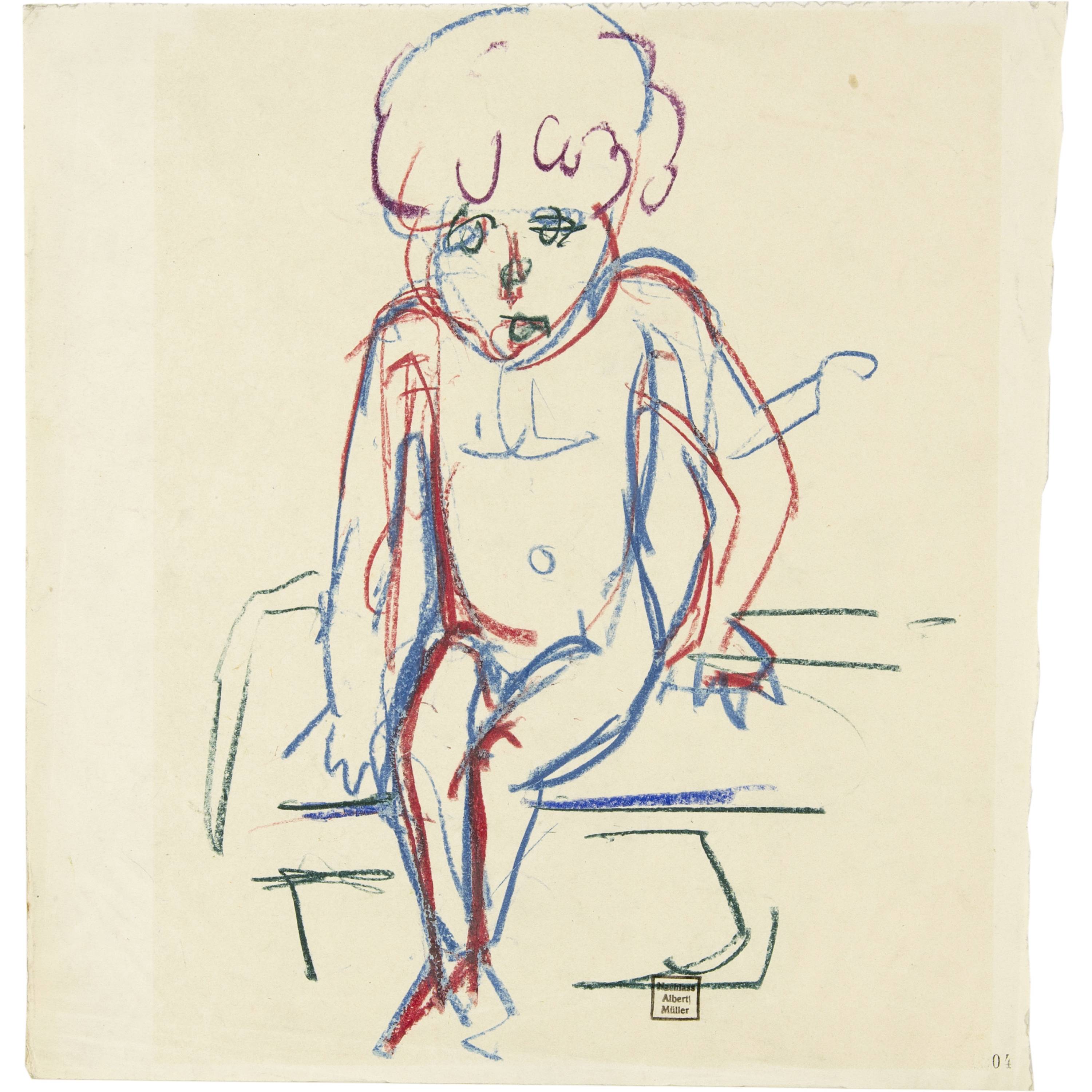
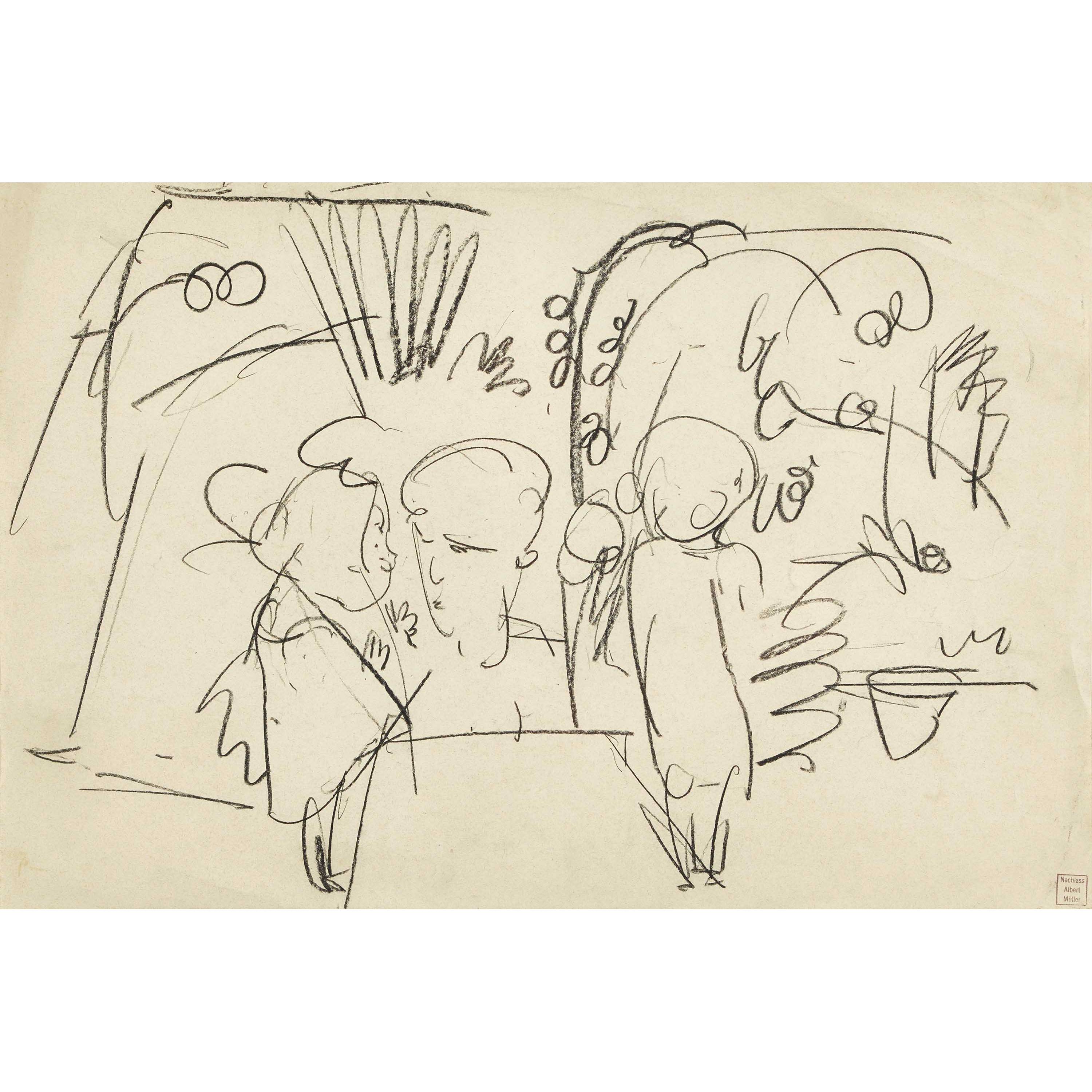
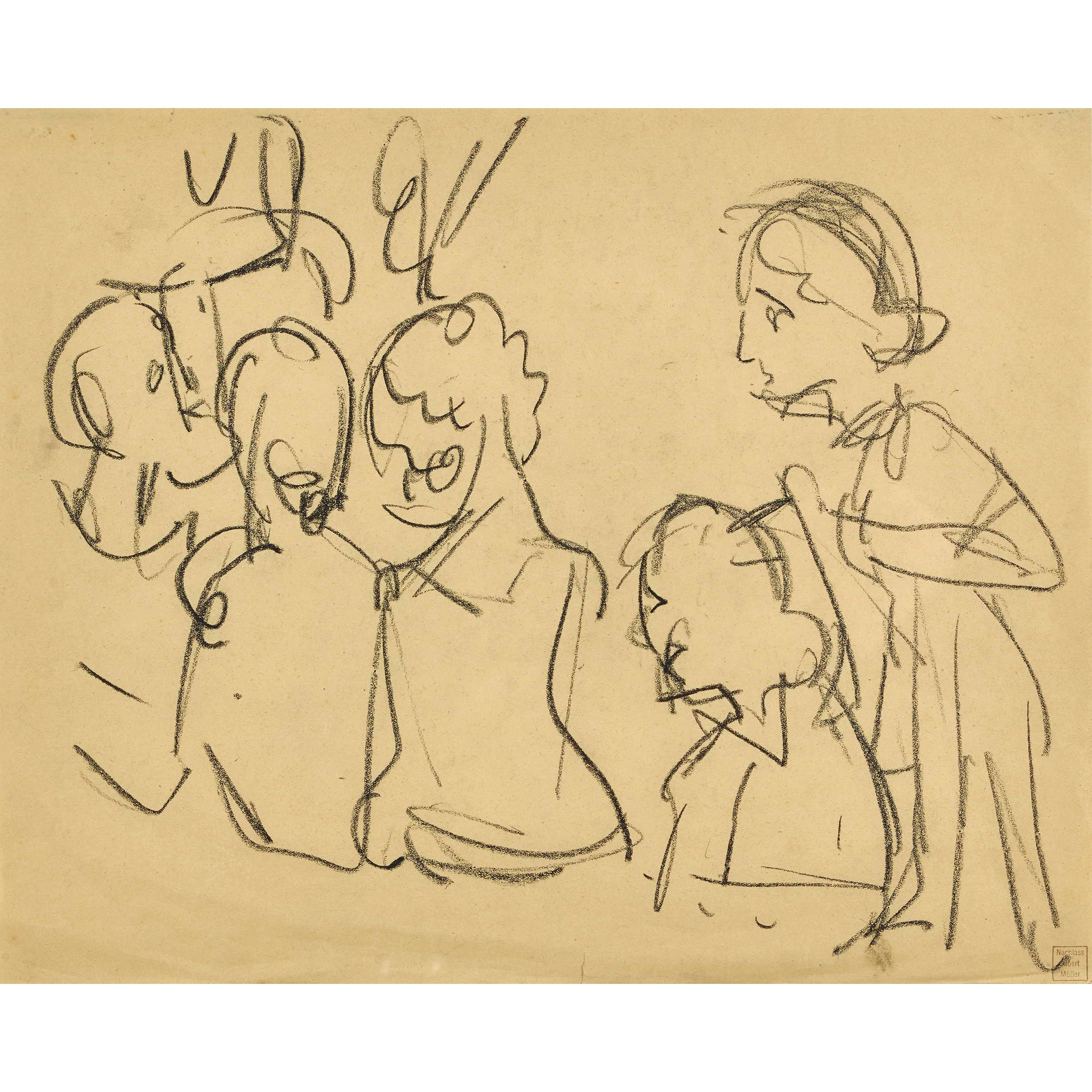
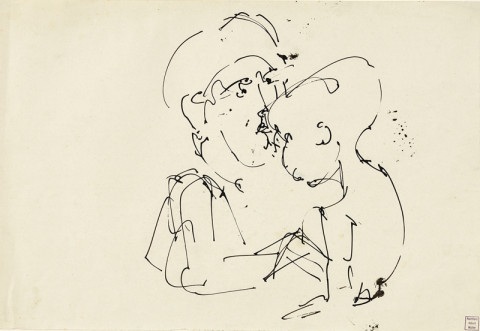
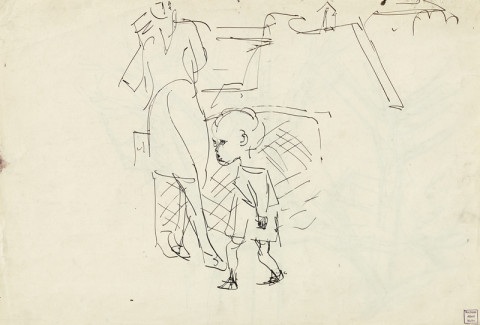
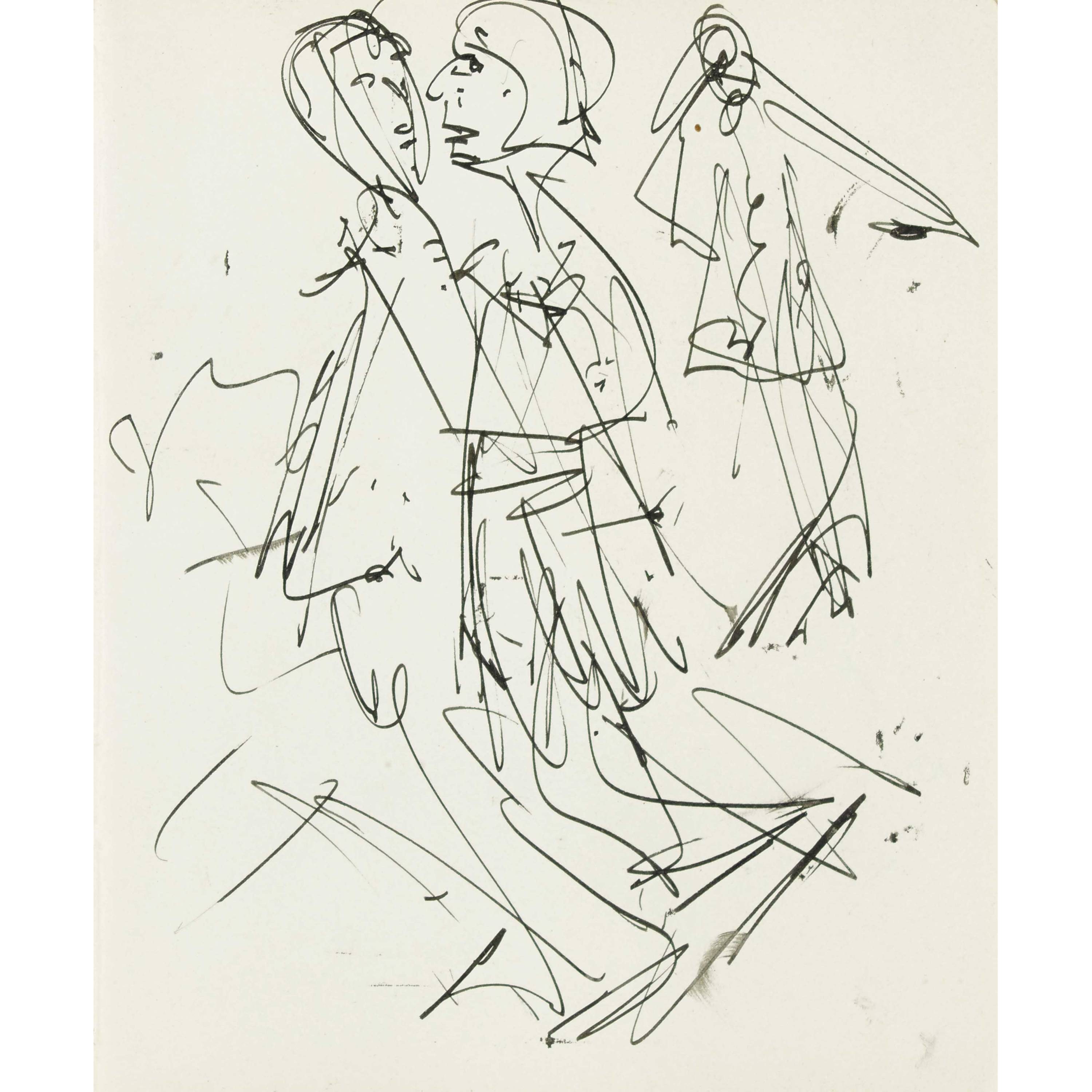
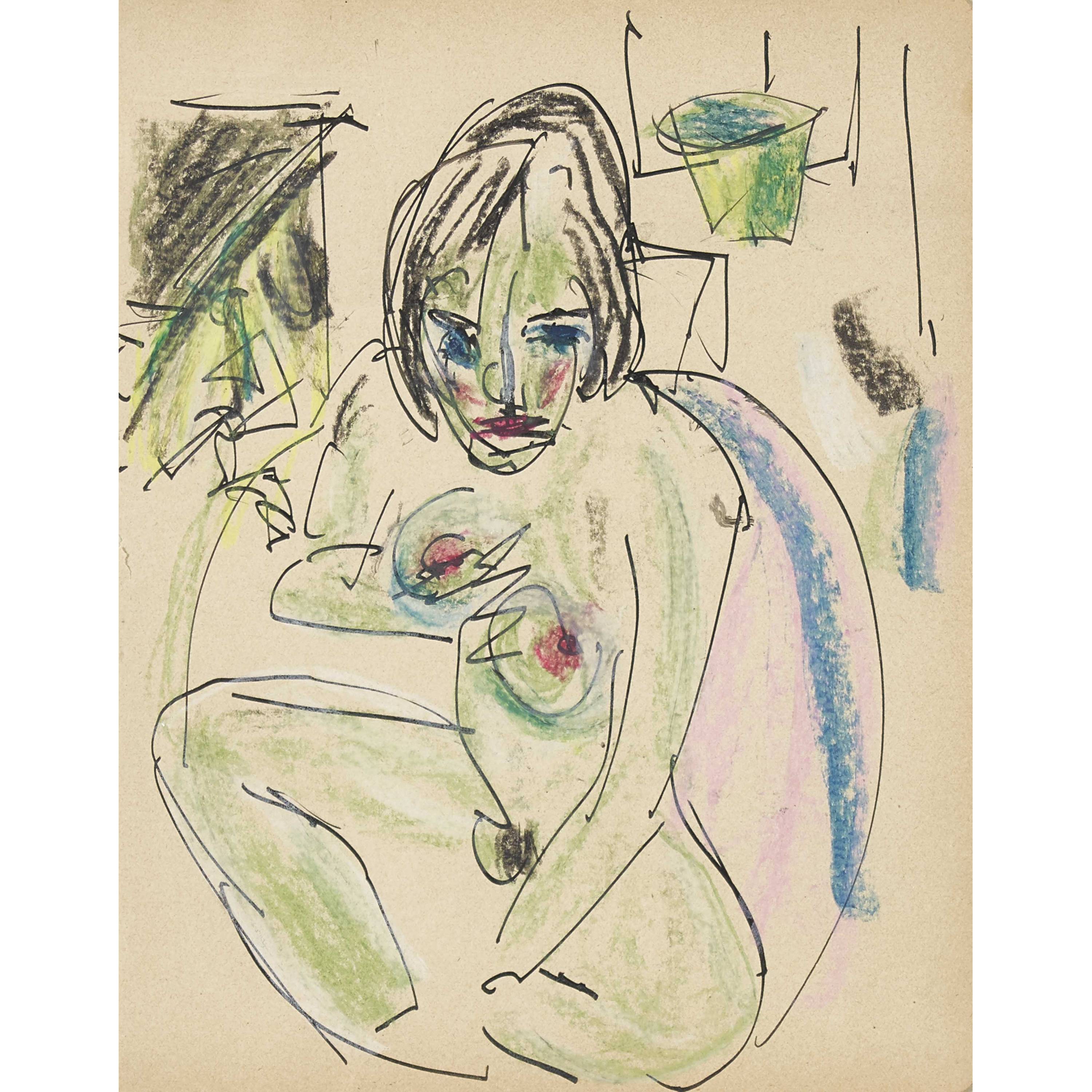
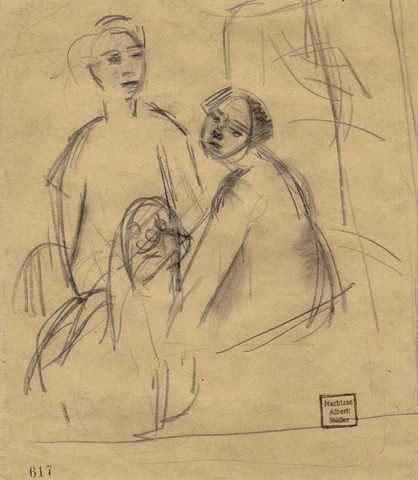
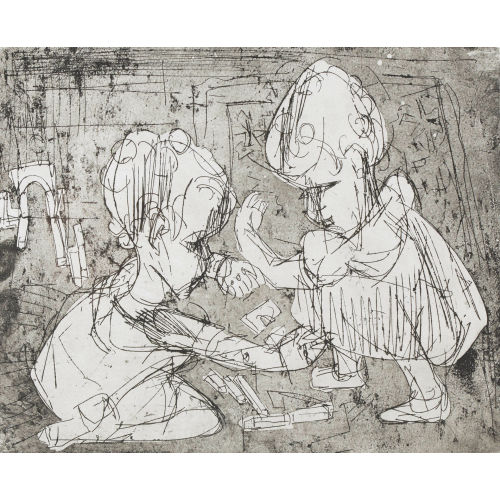
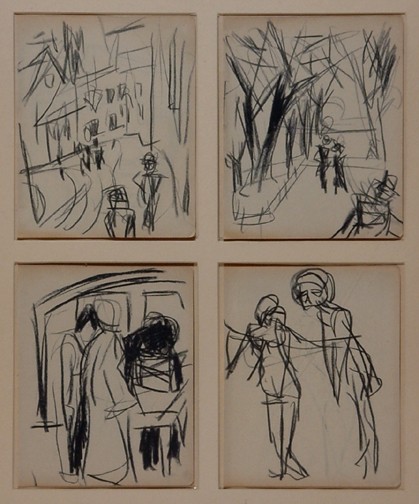
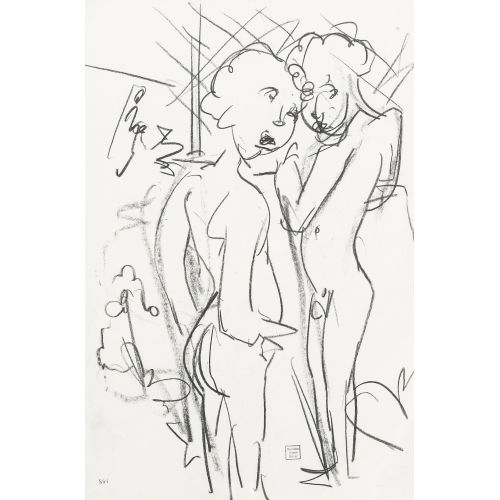
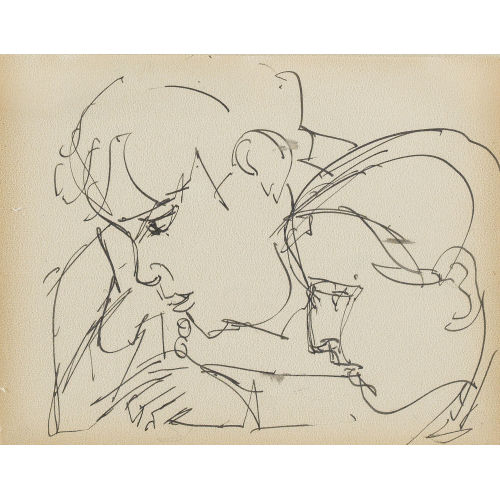
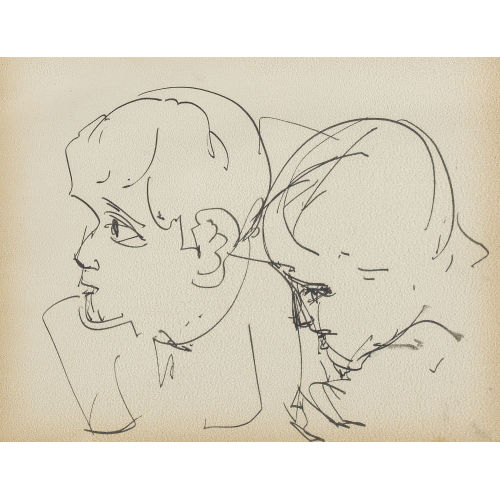
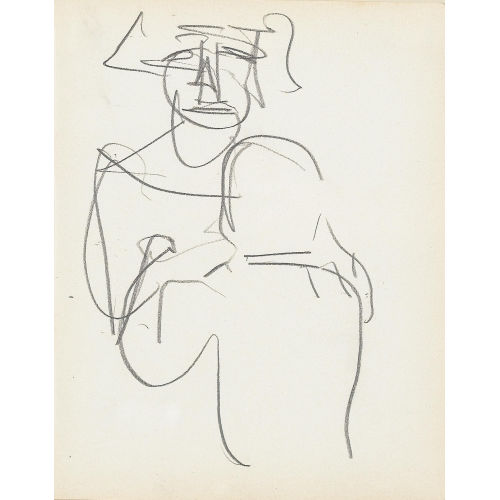
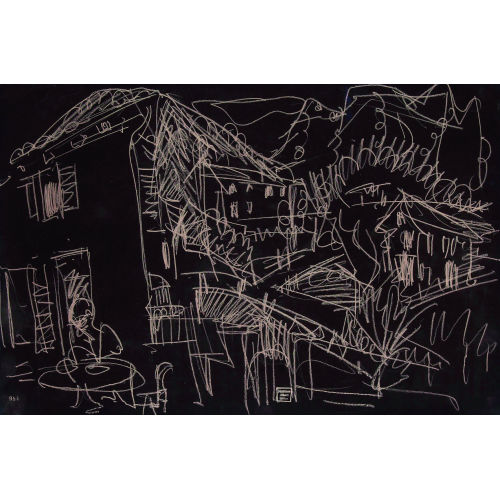
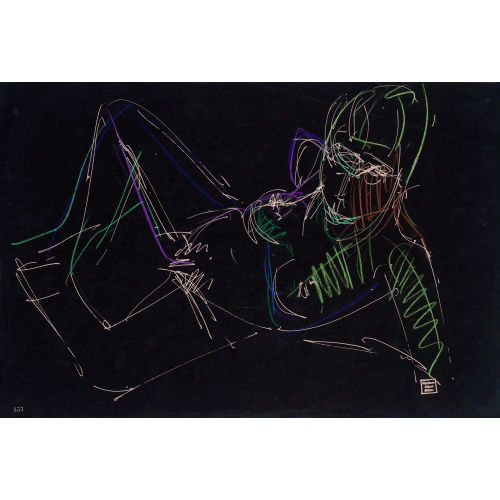
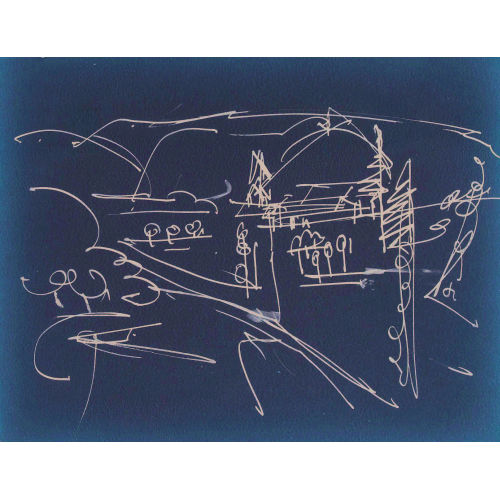
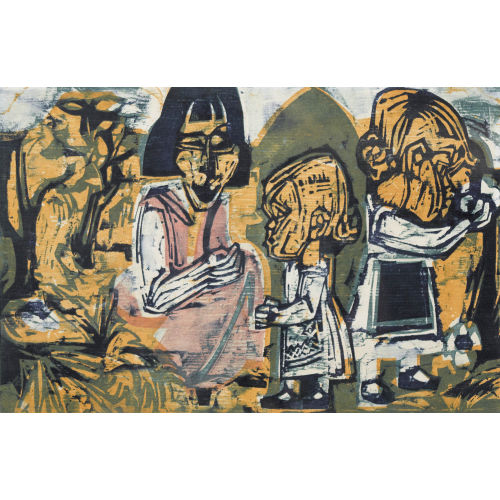
Landscapes and depictions of his family became fields of experimentation, in which observation was transformed through the action of line and colour.
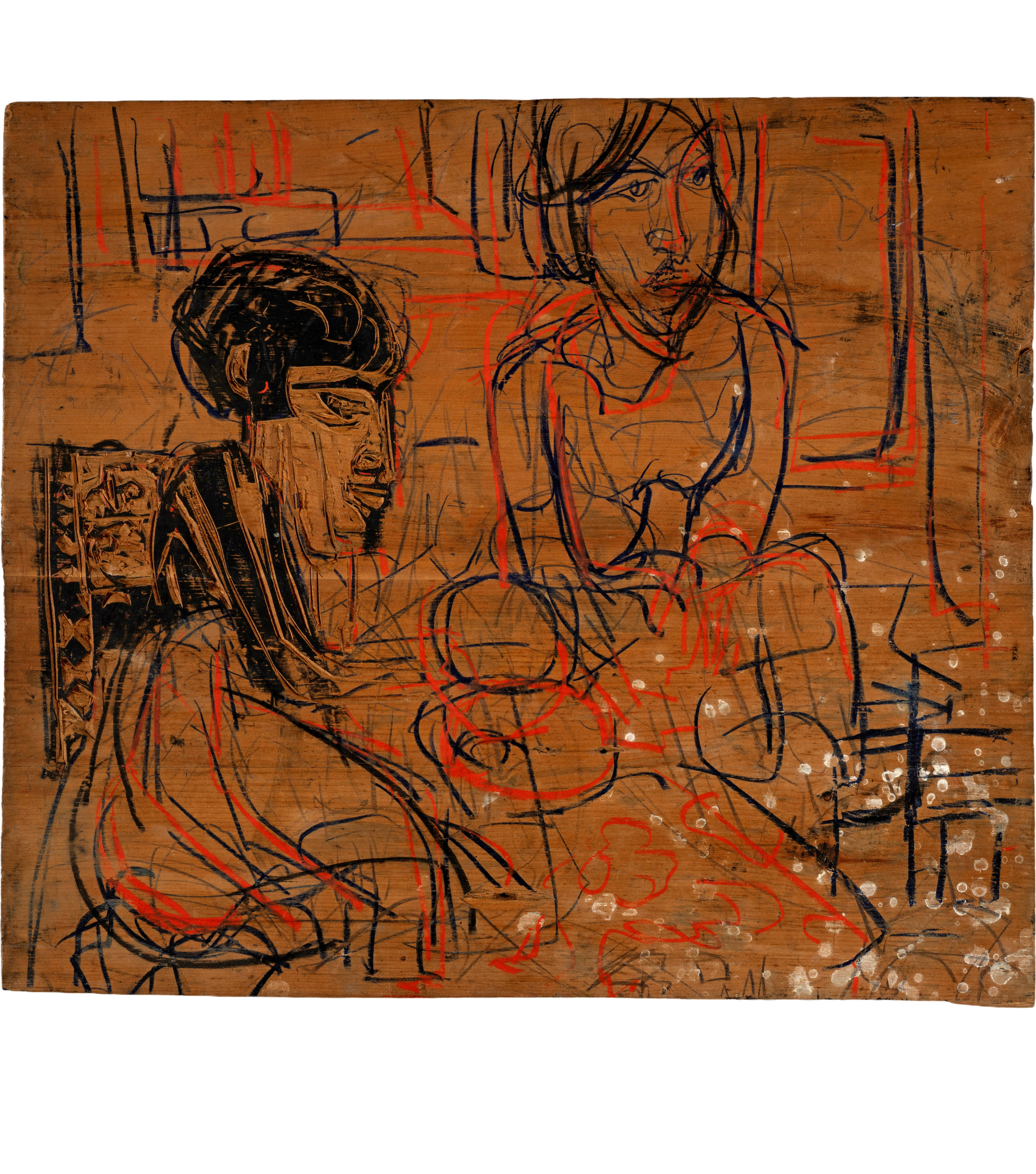
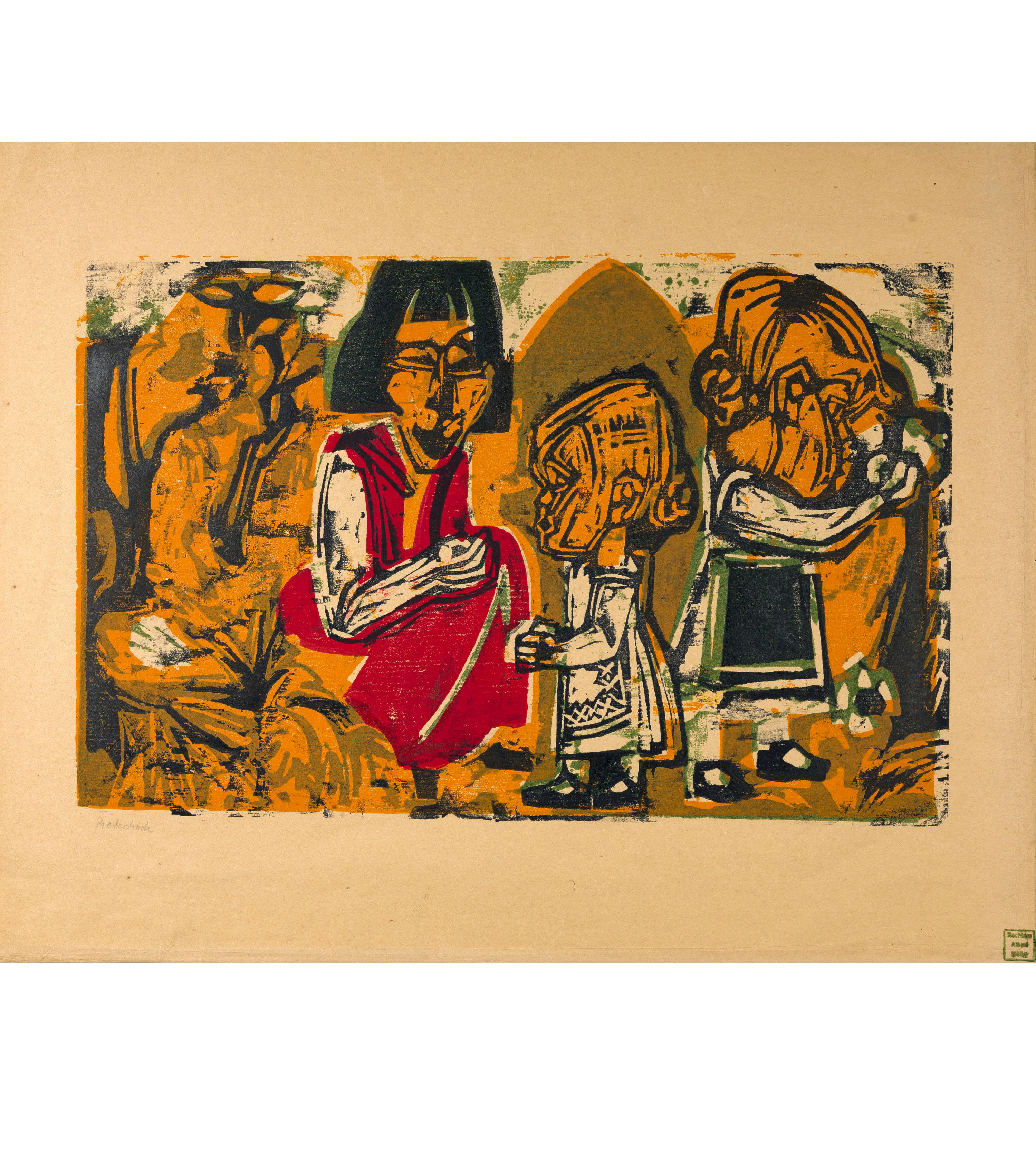
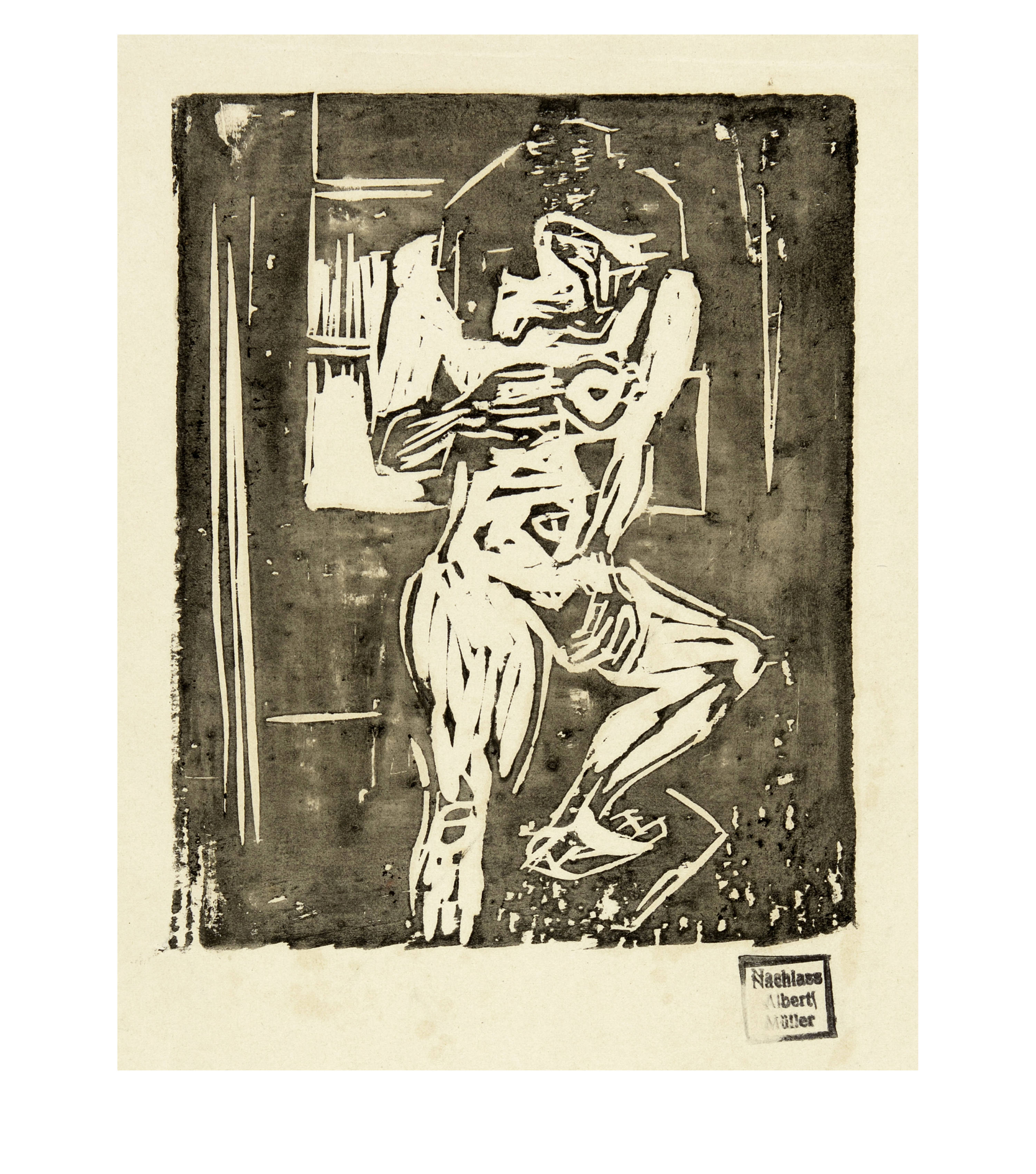
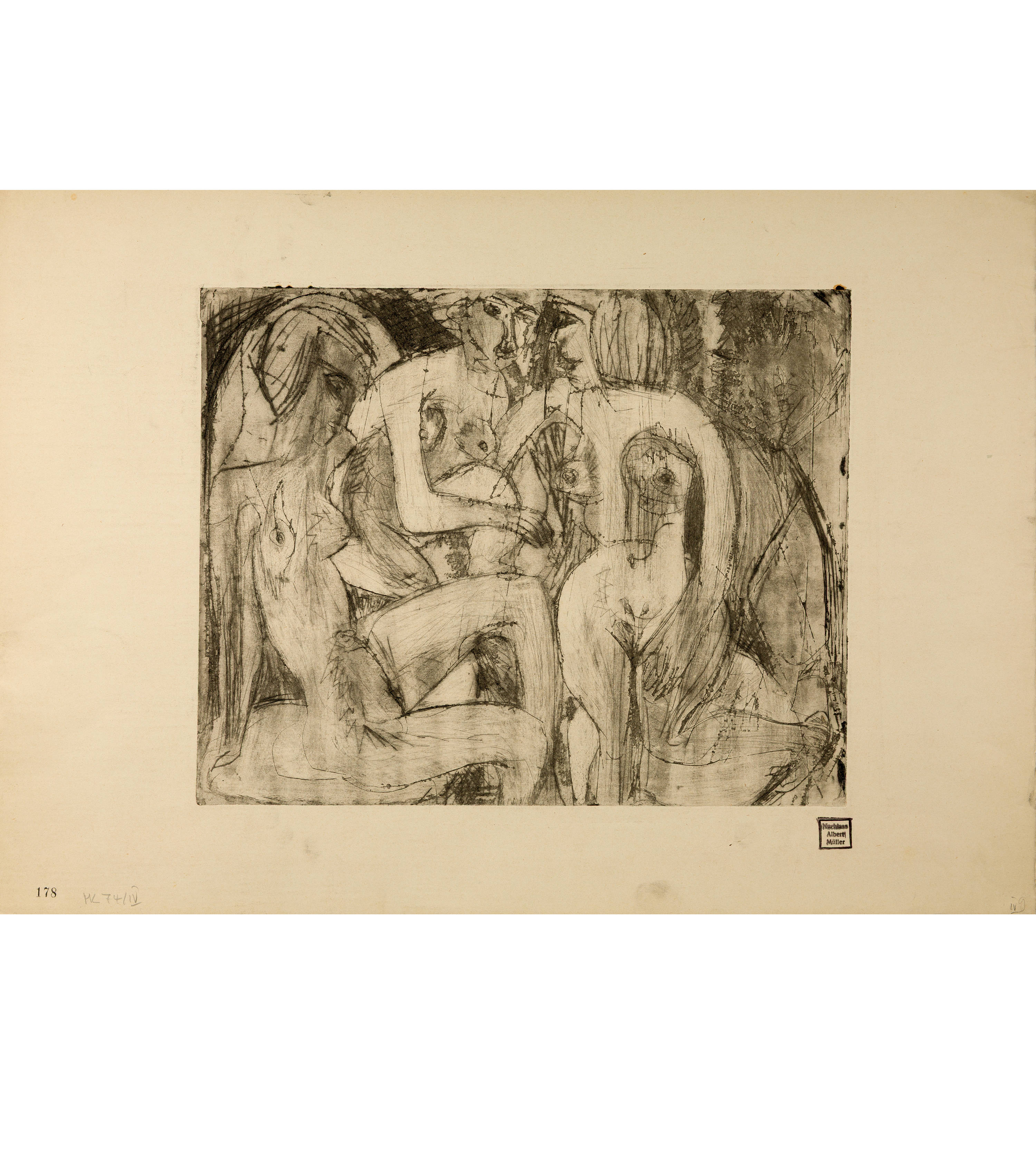
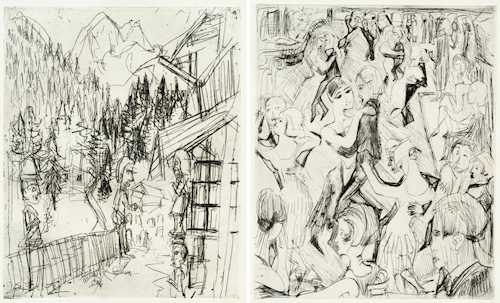
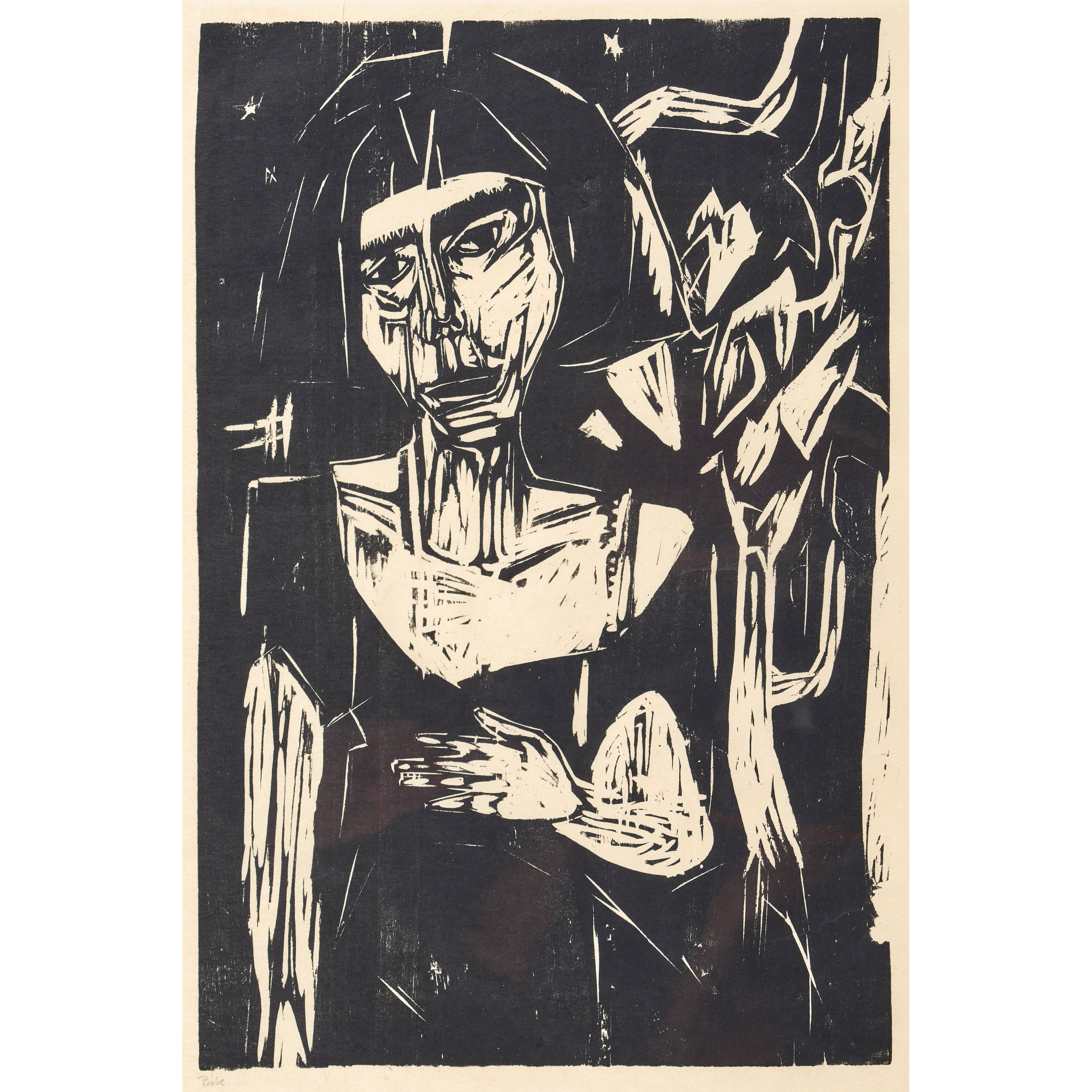
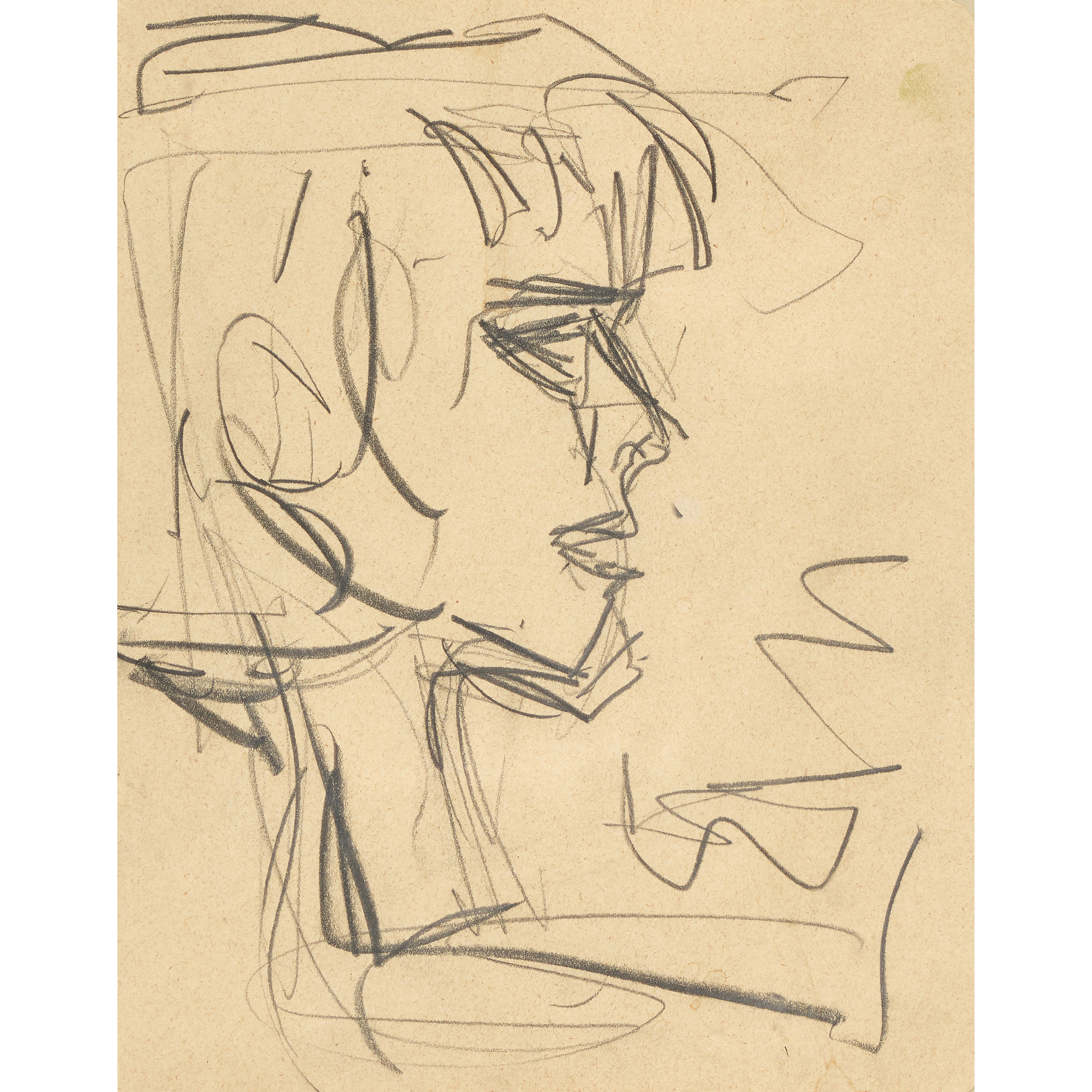
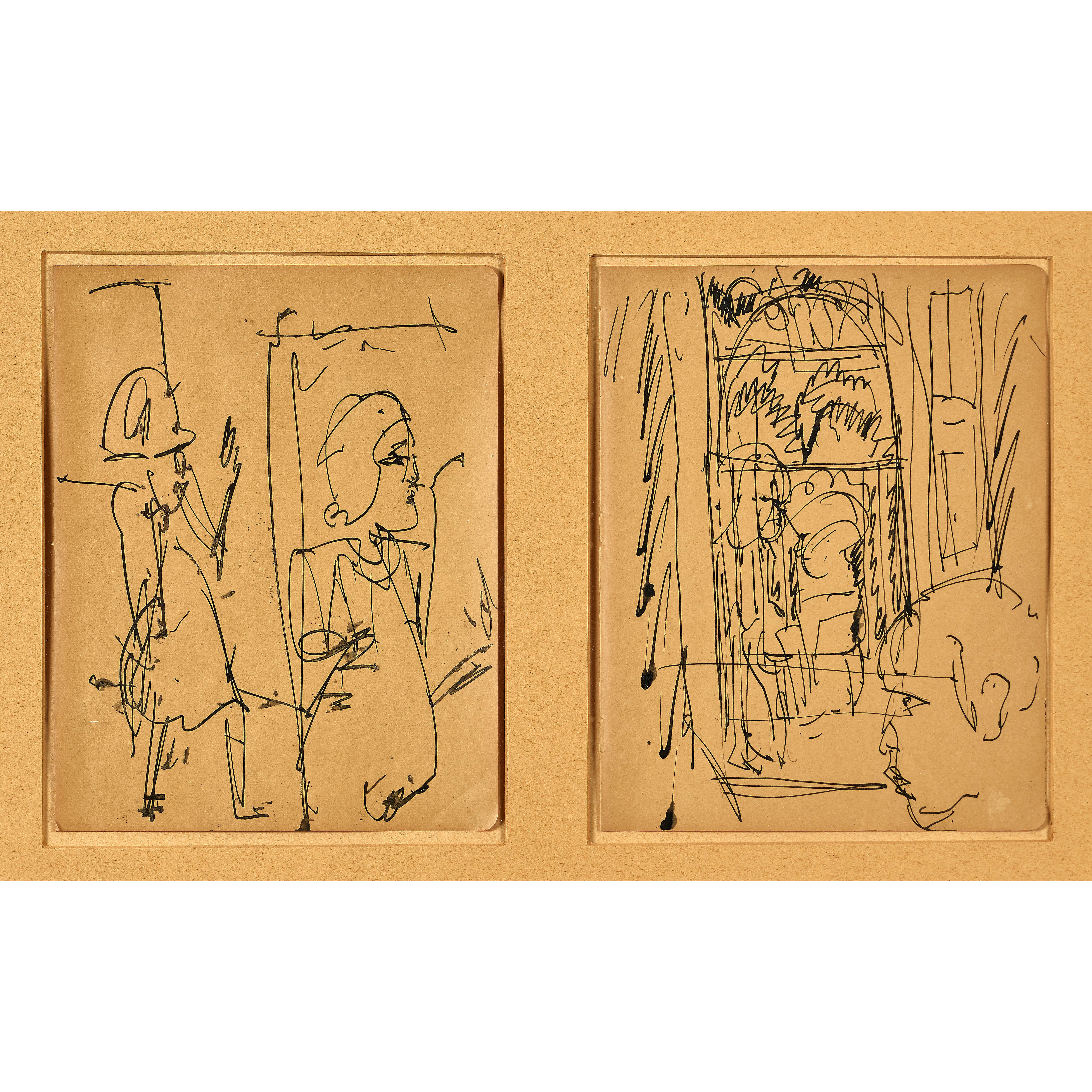
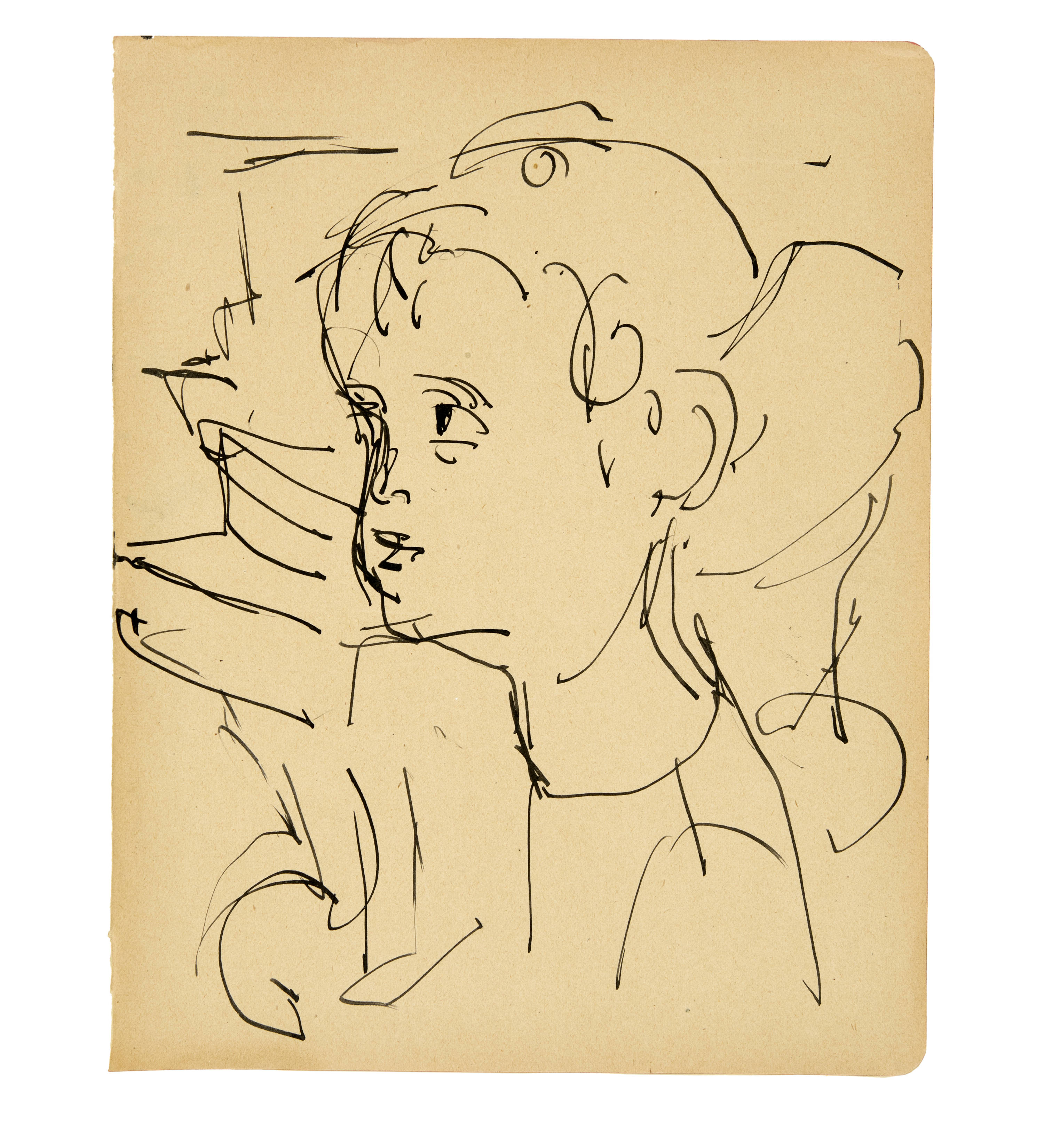
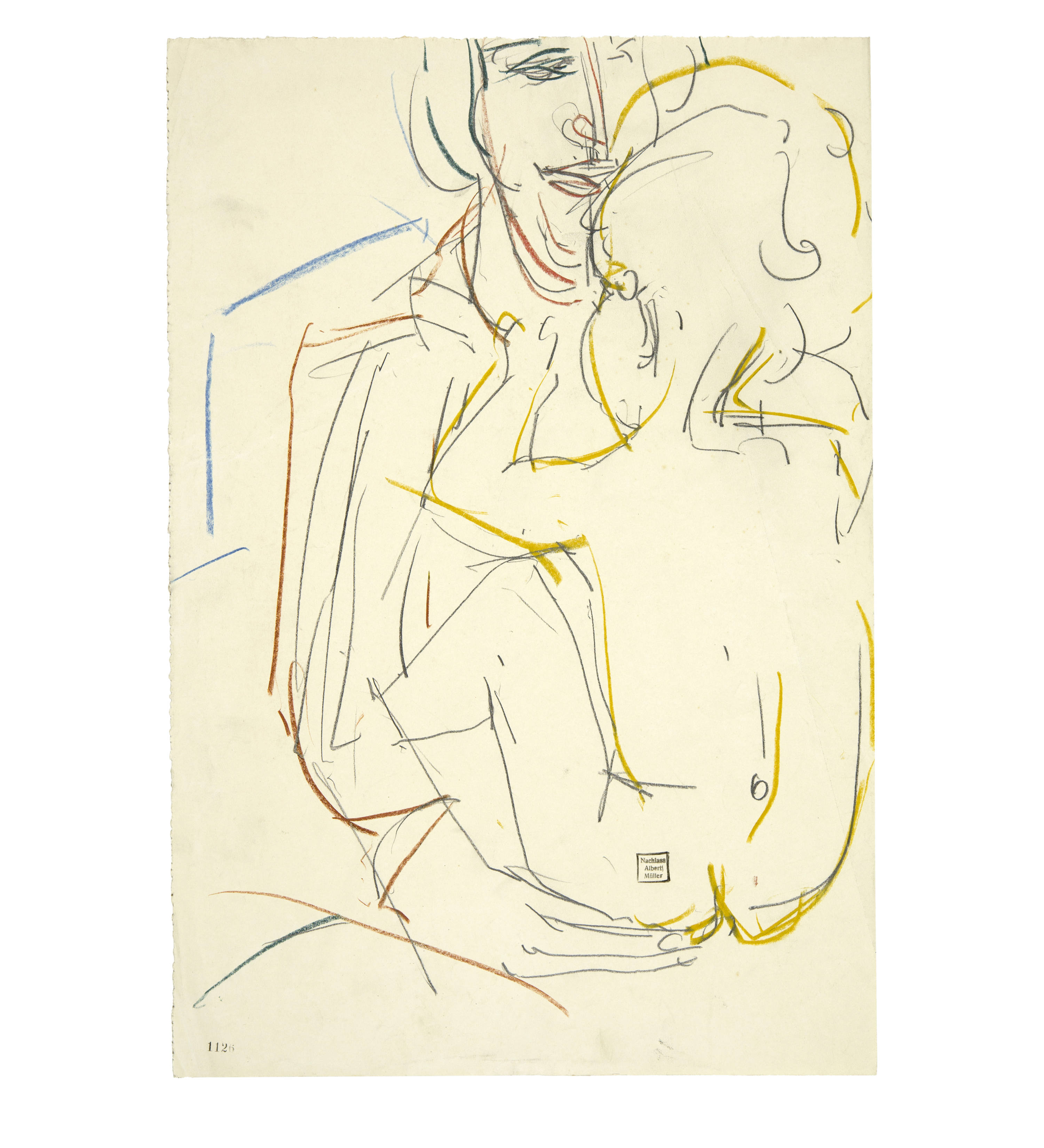
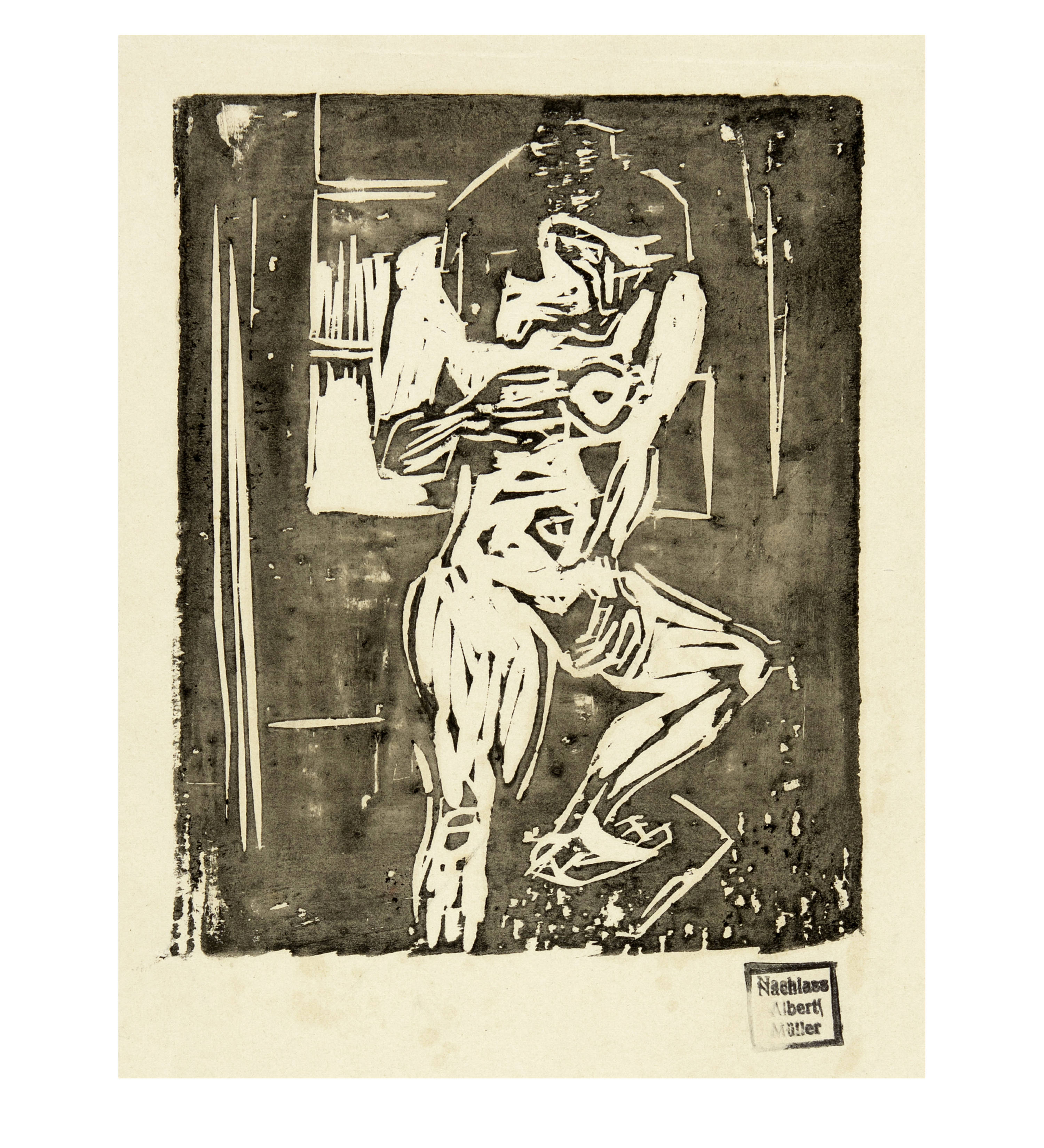
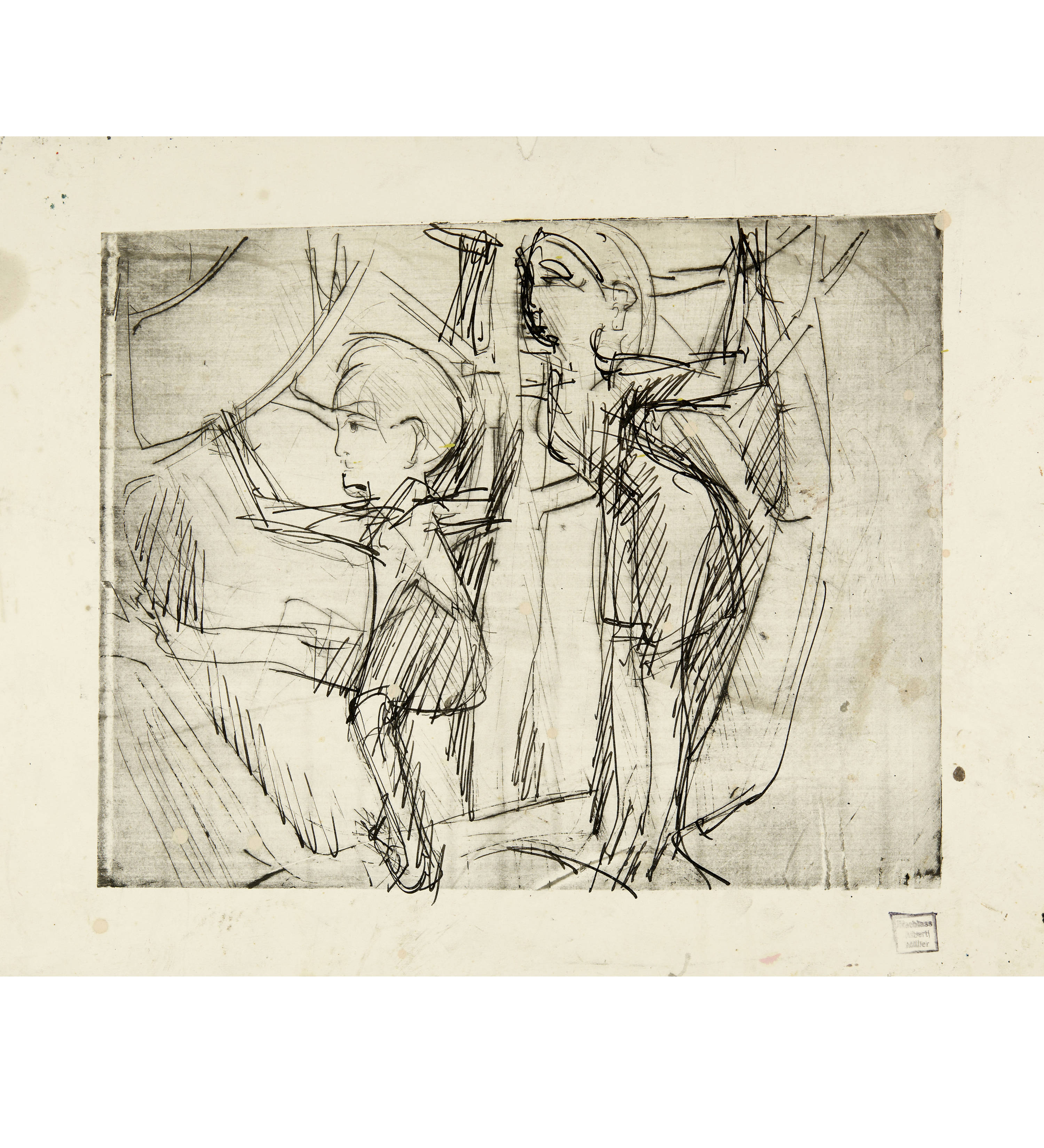
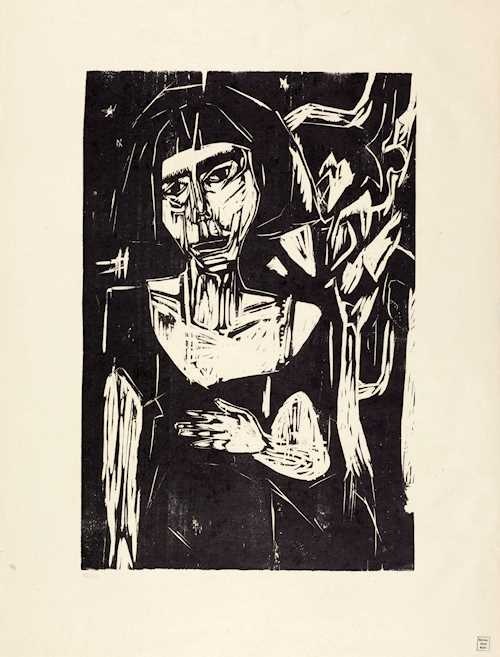
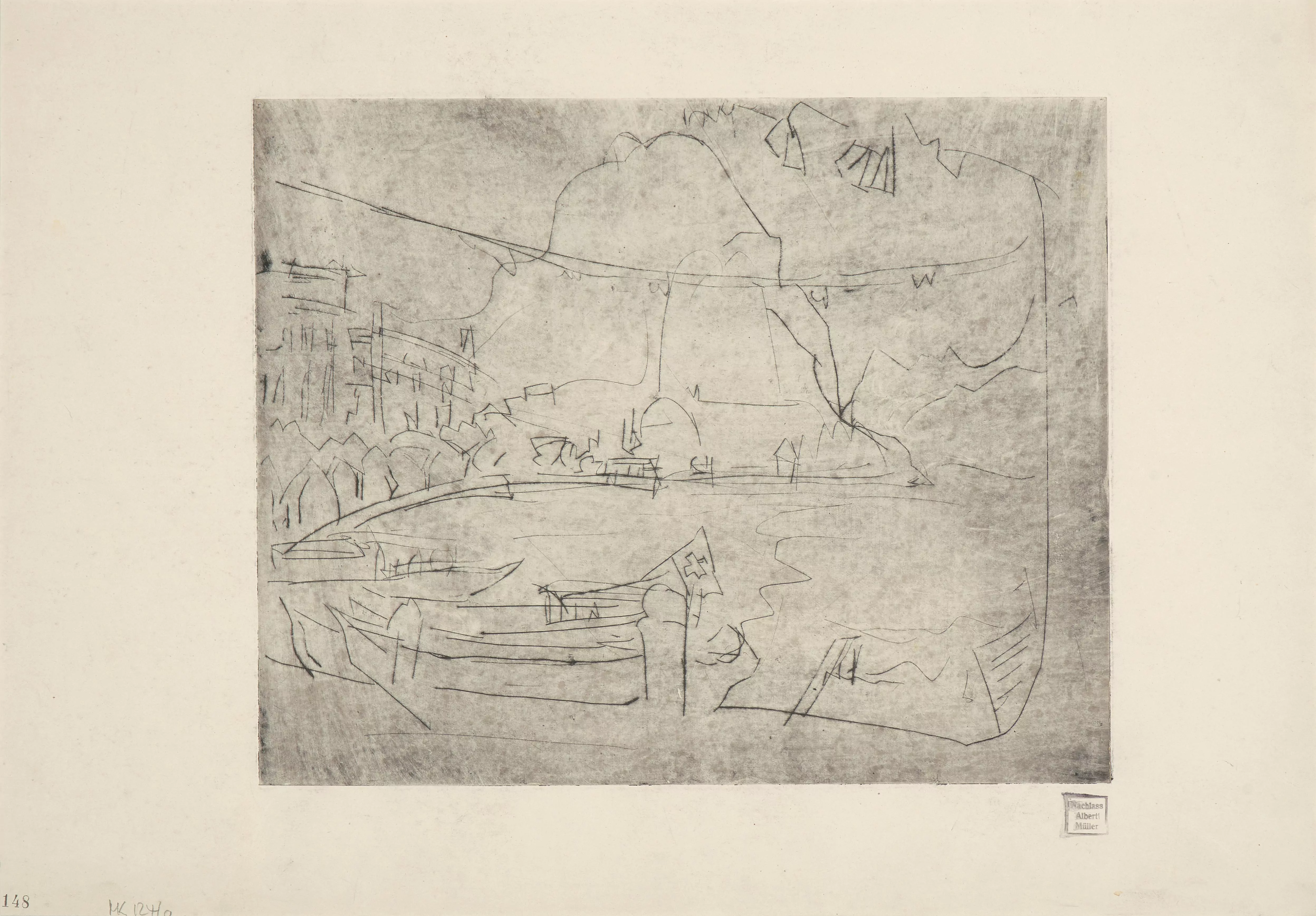
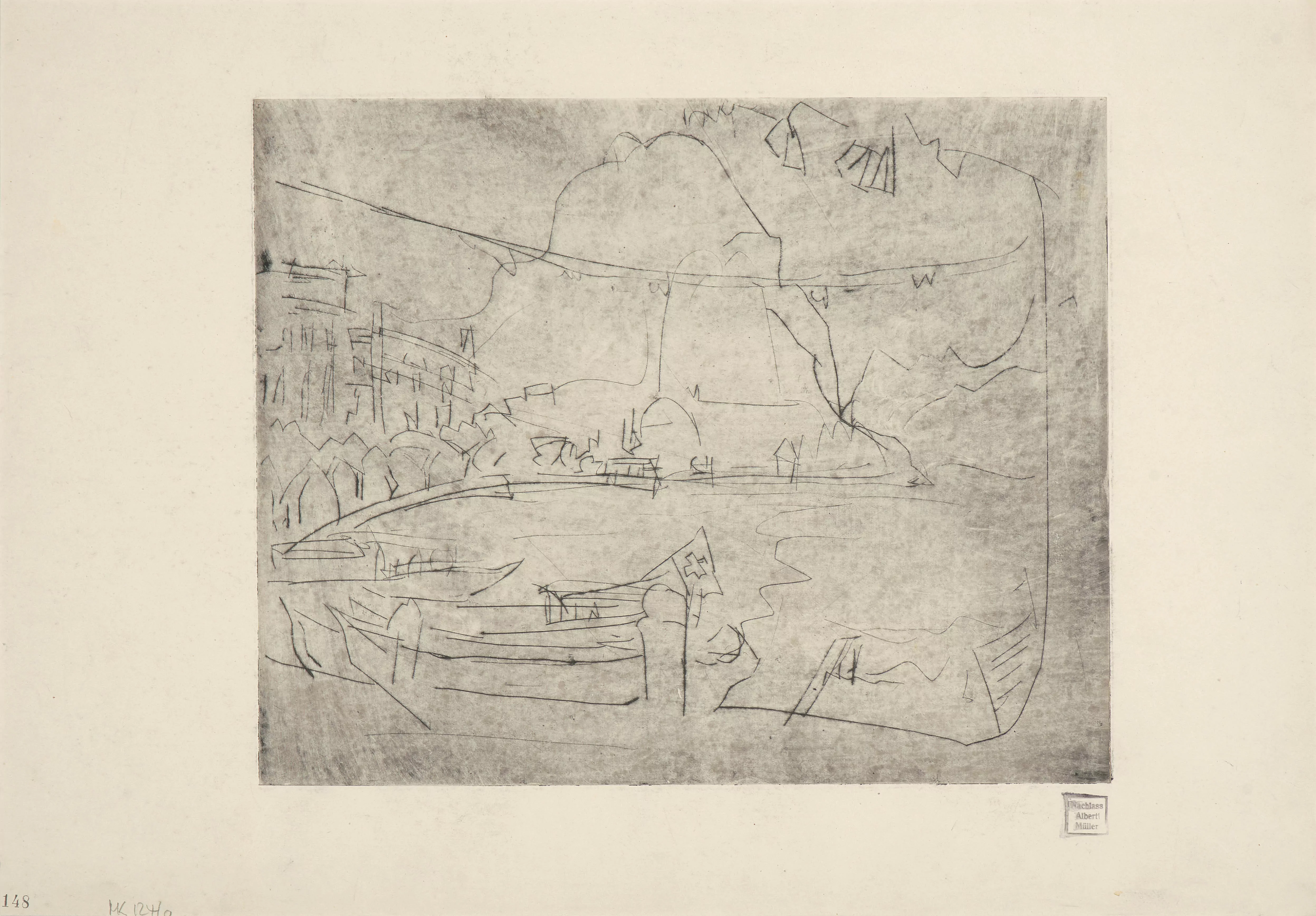
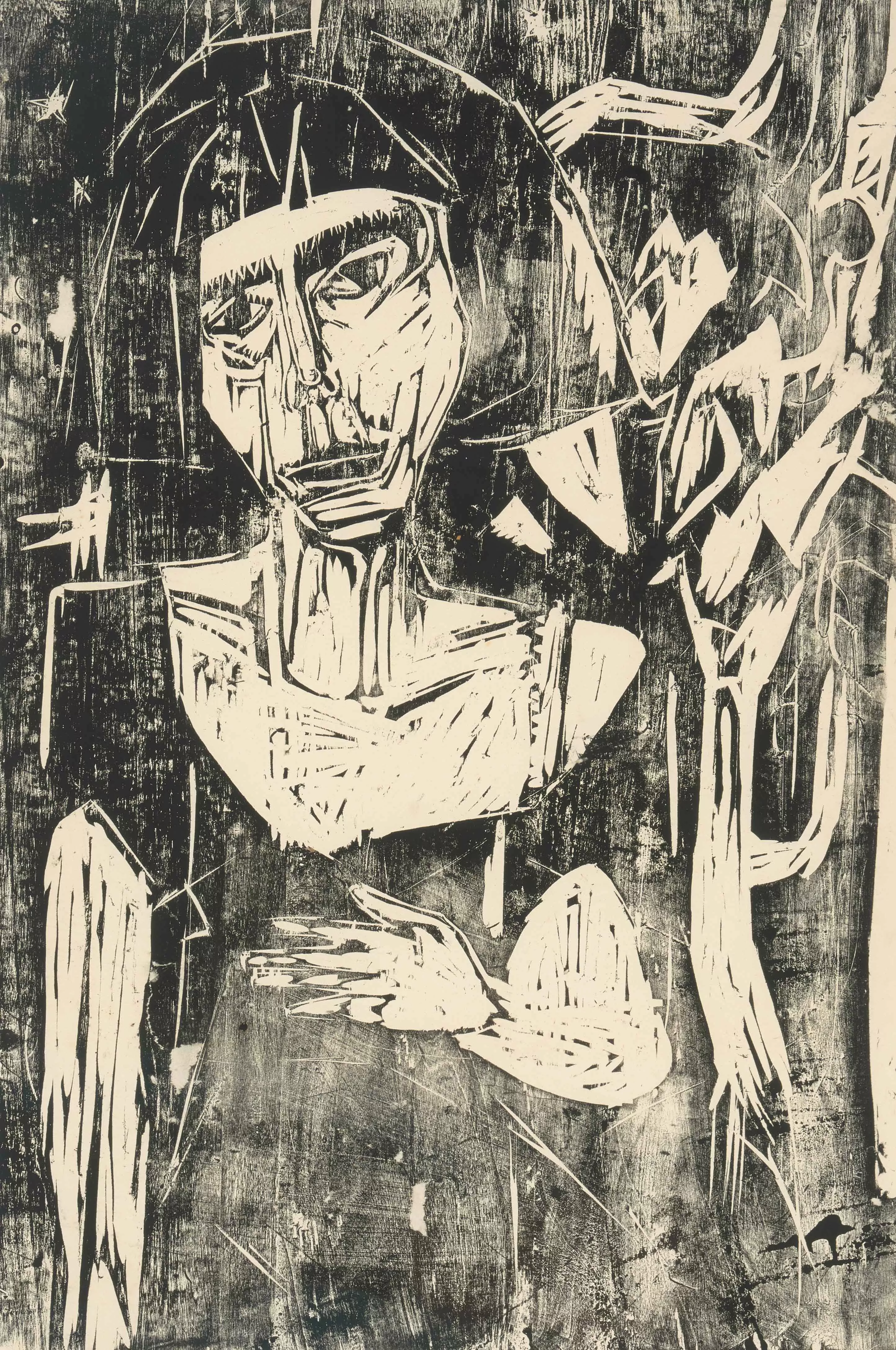
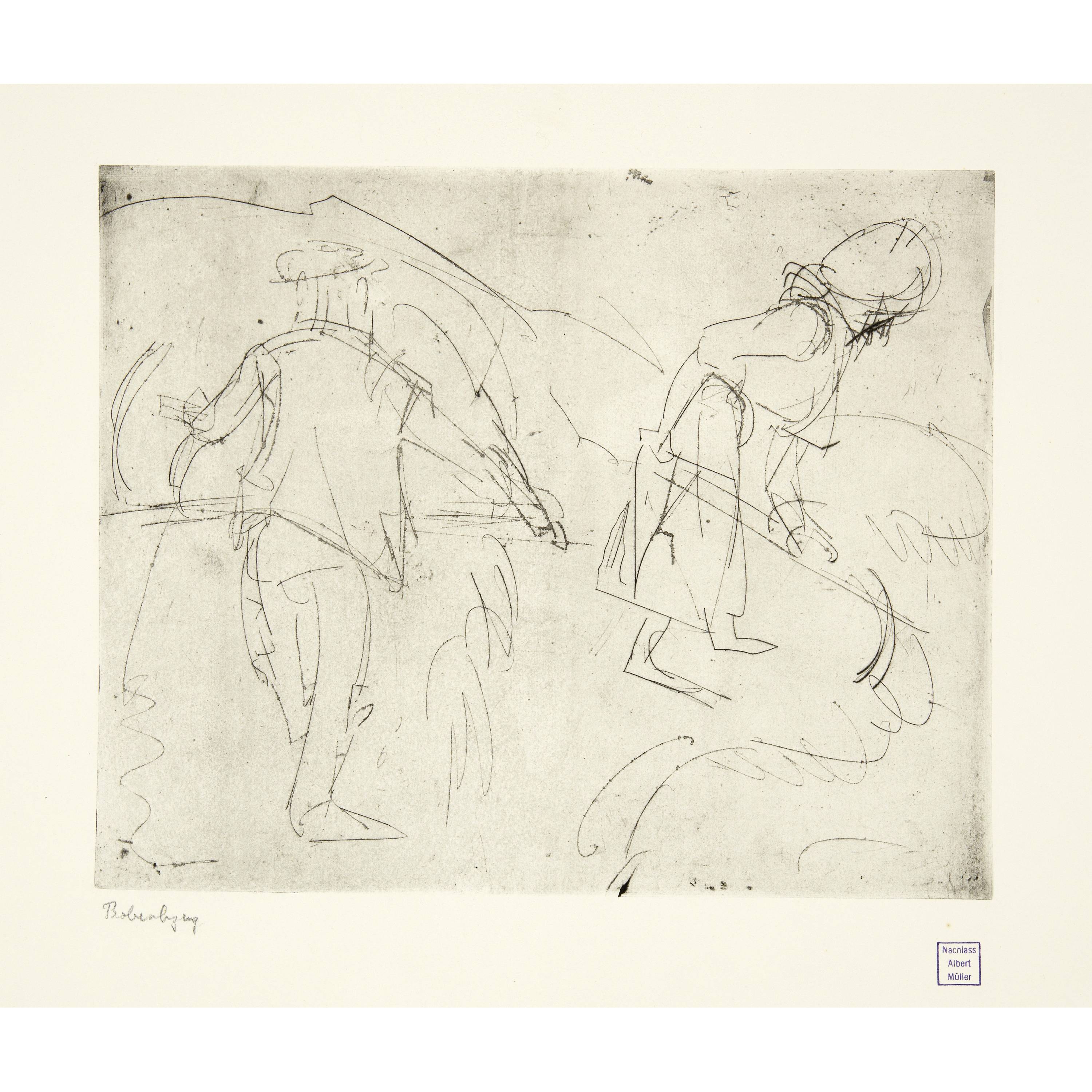
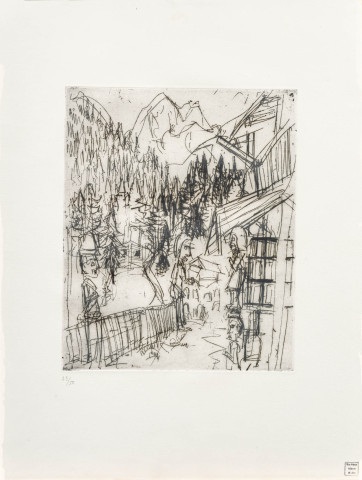
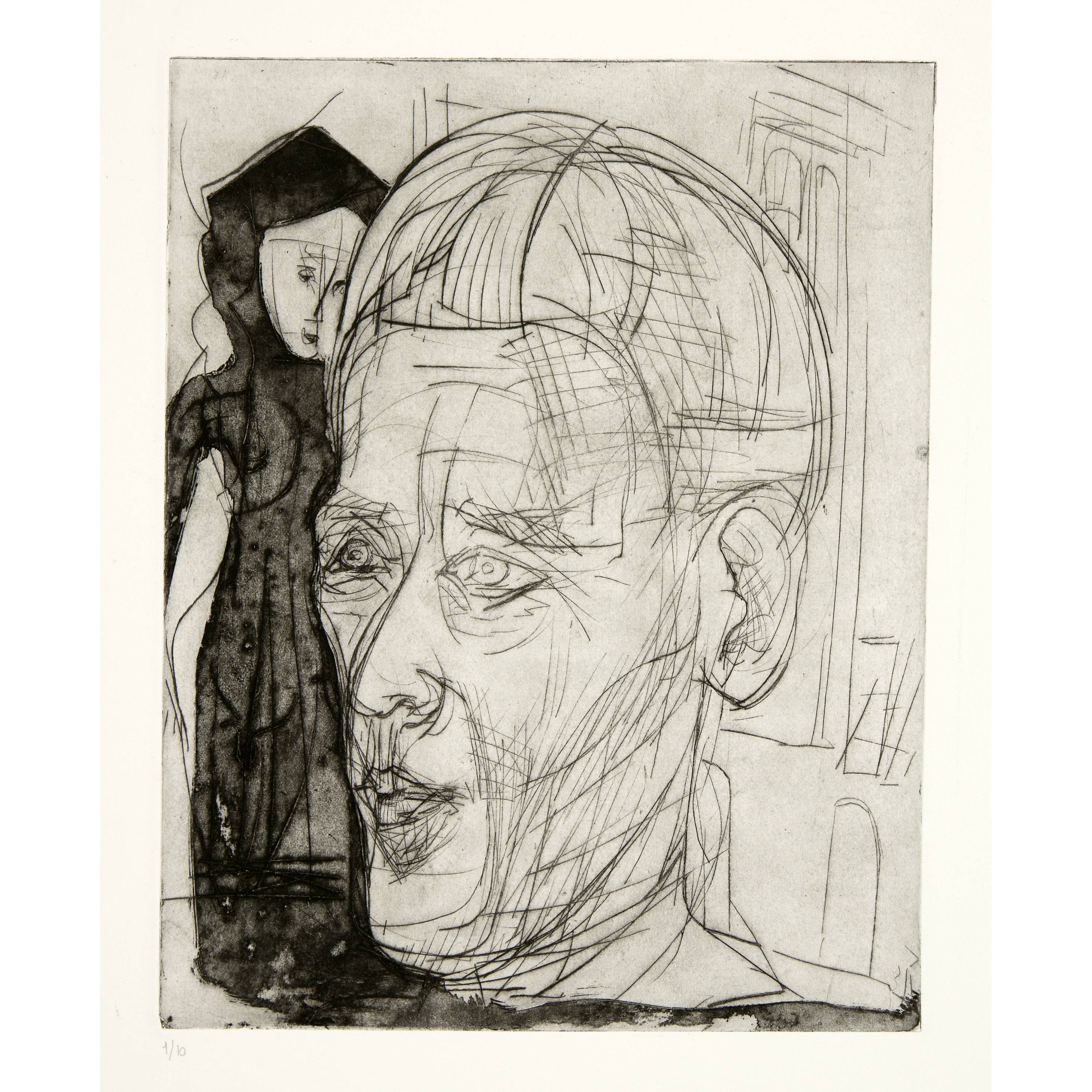
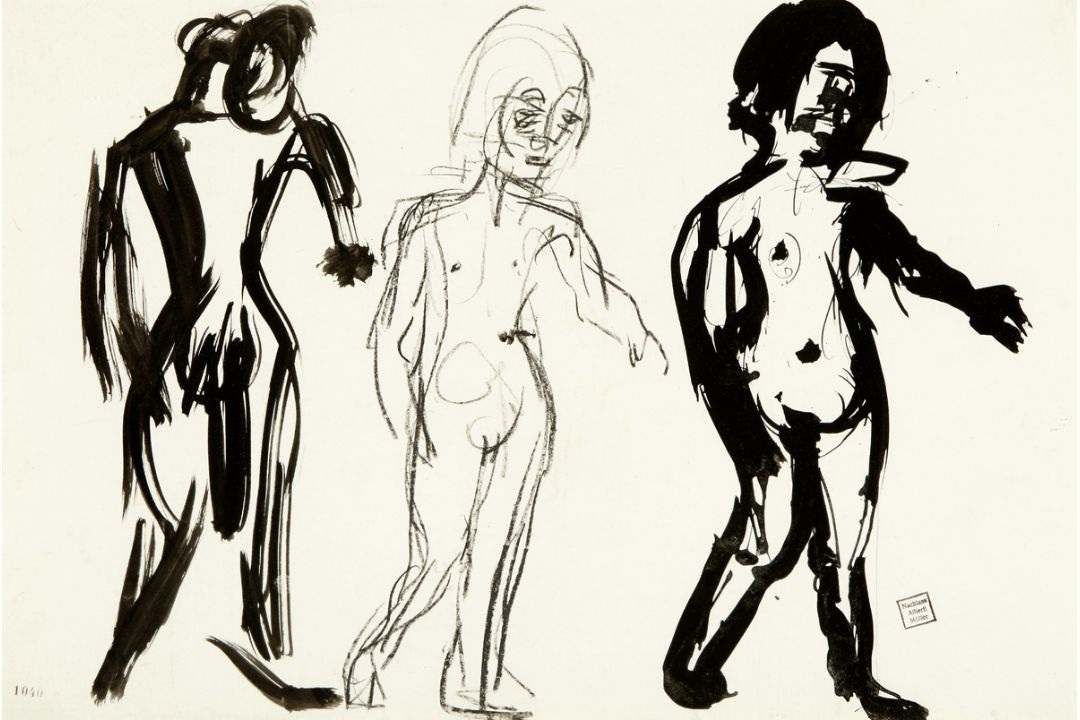
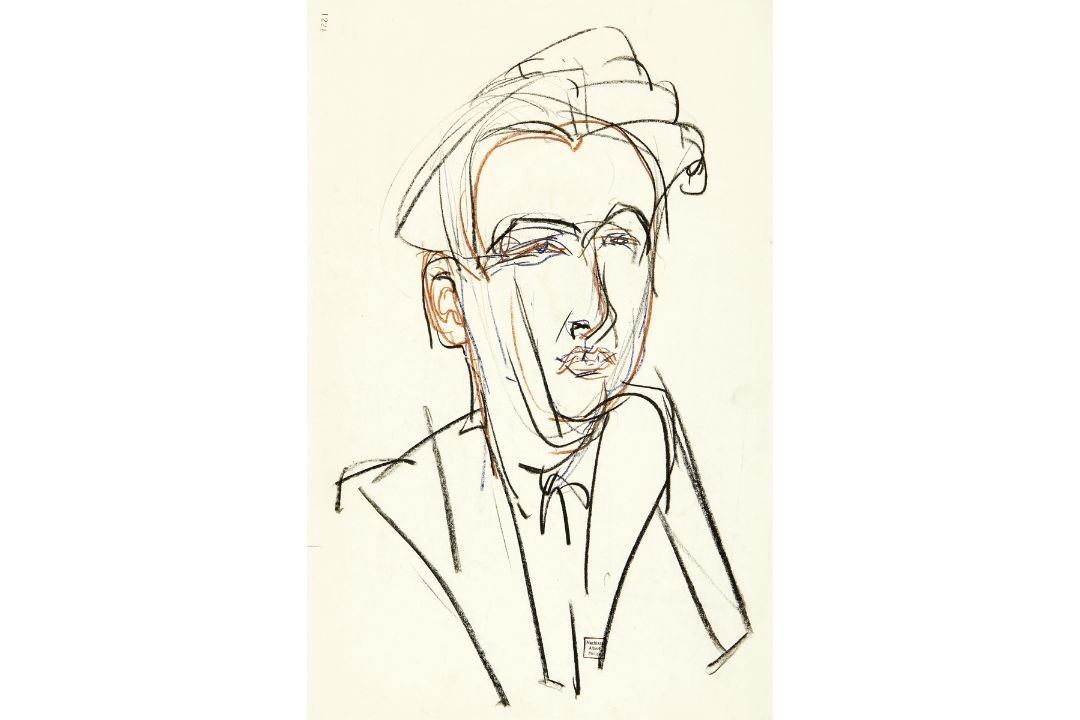
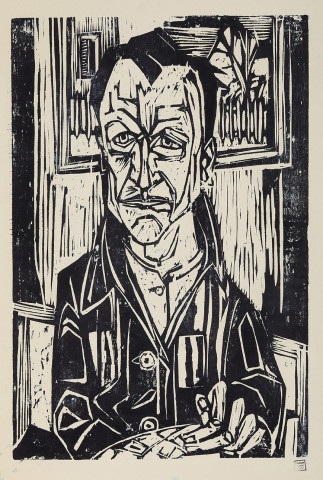
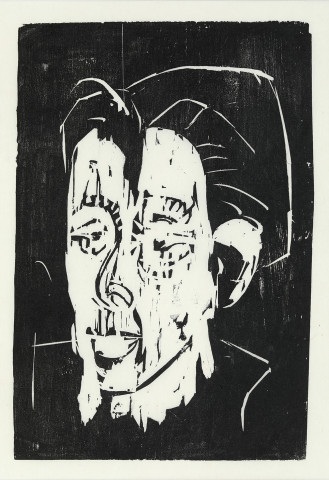
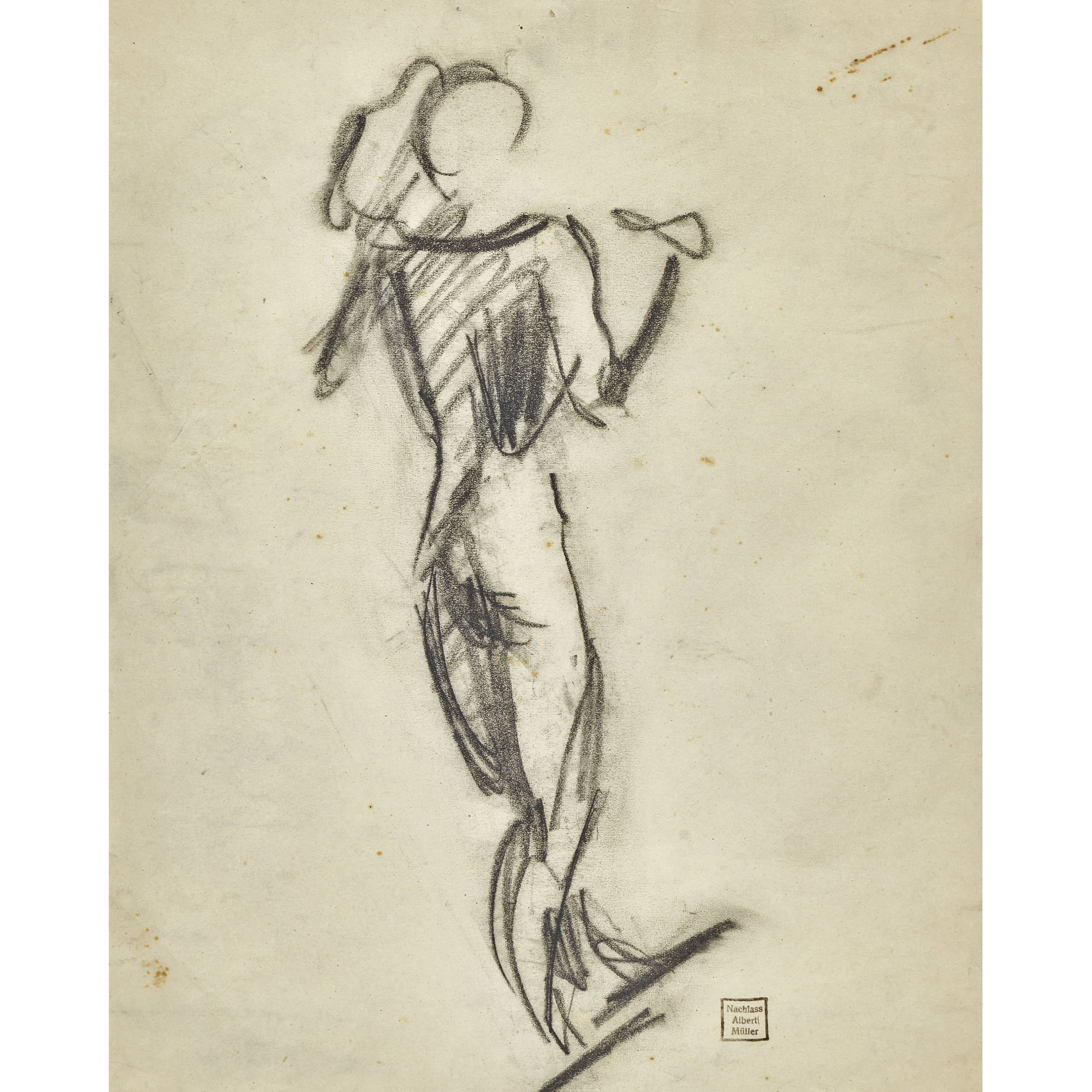
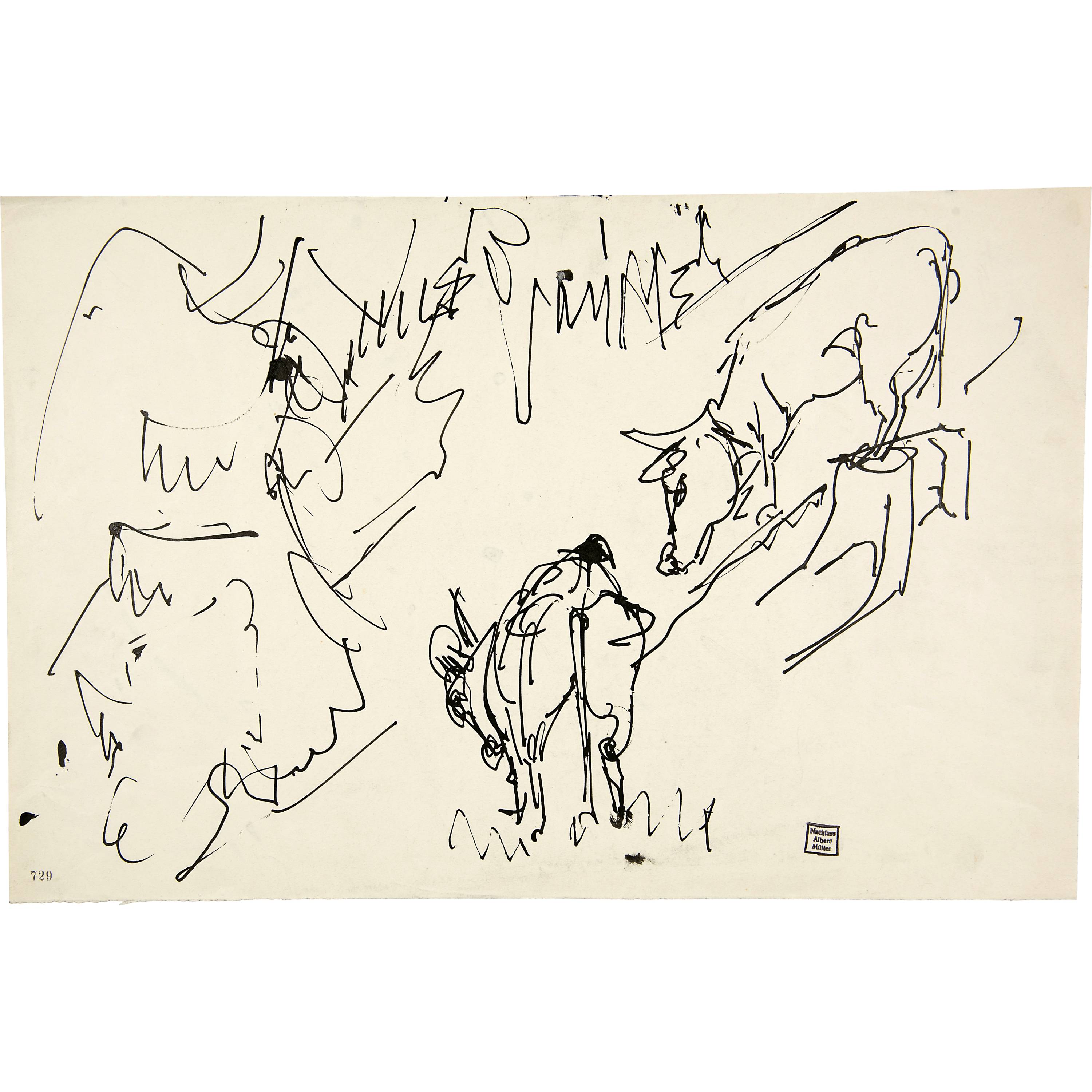
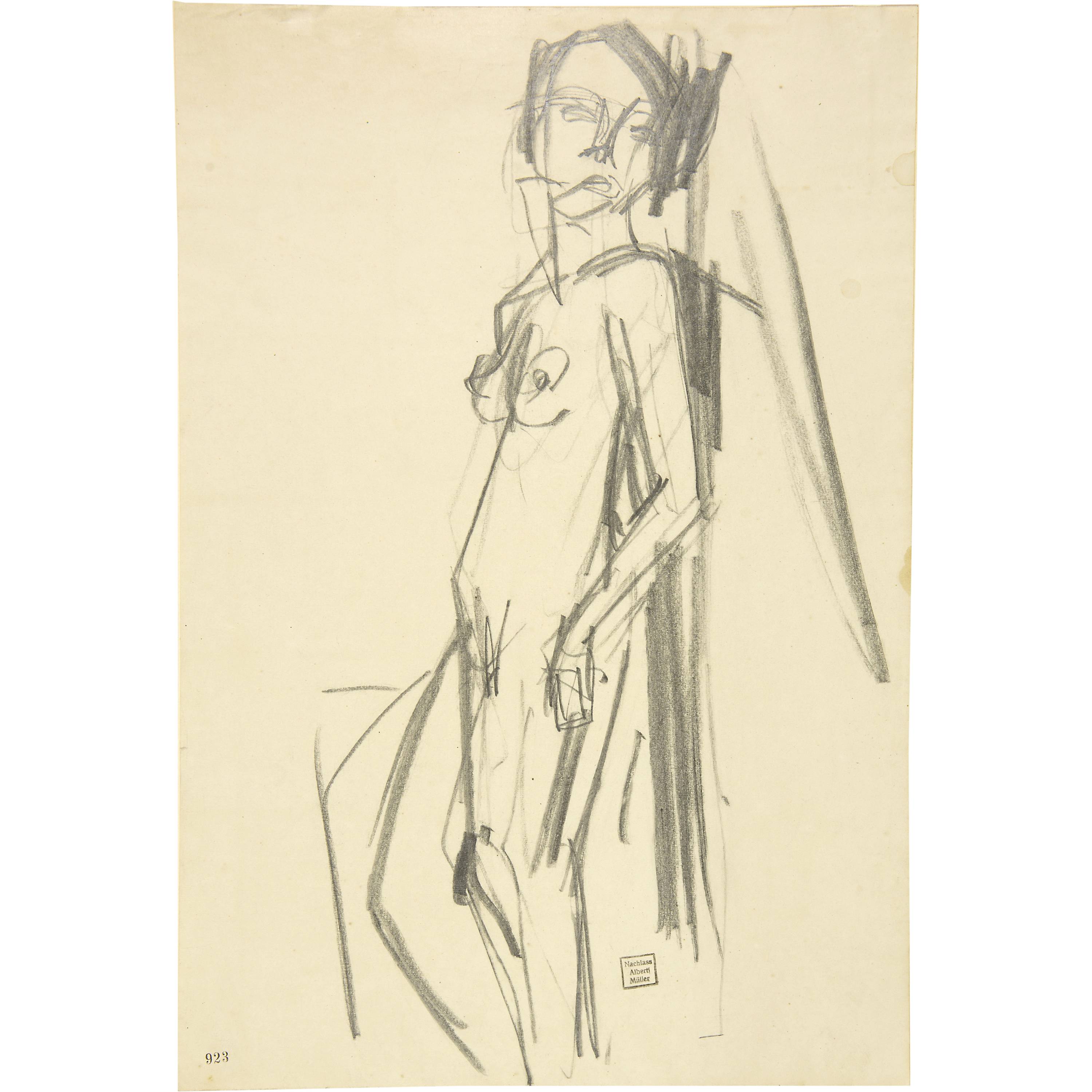
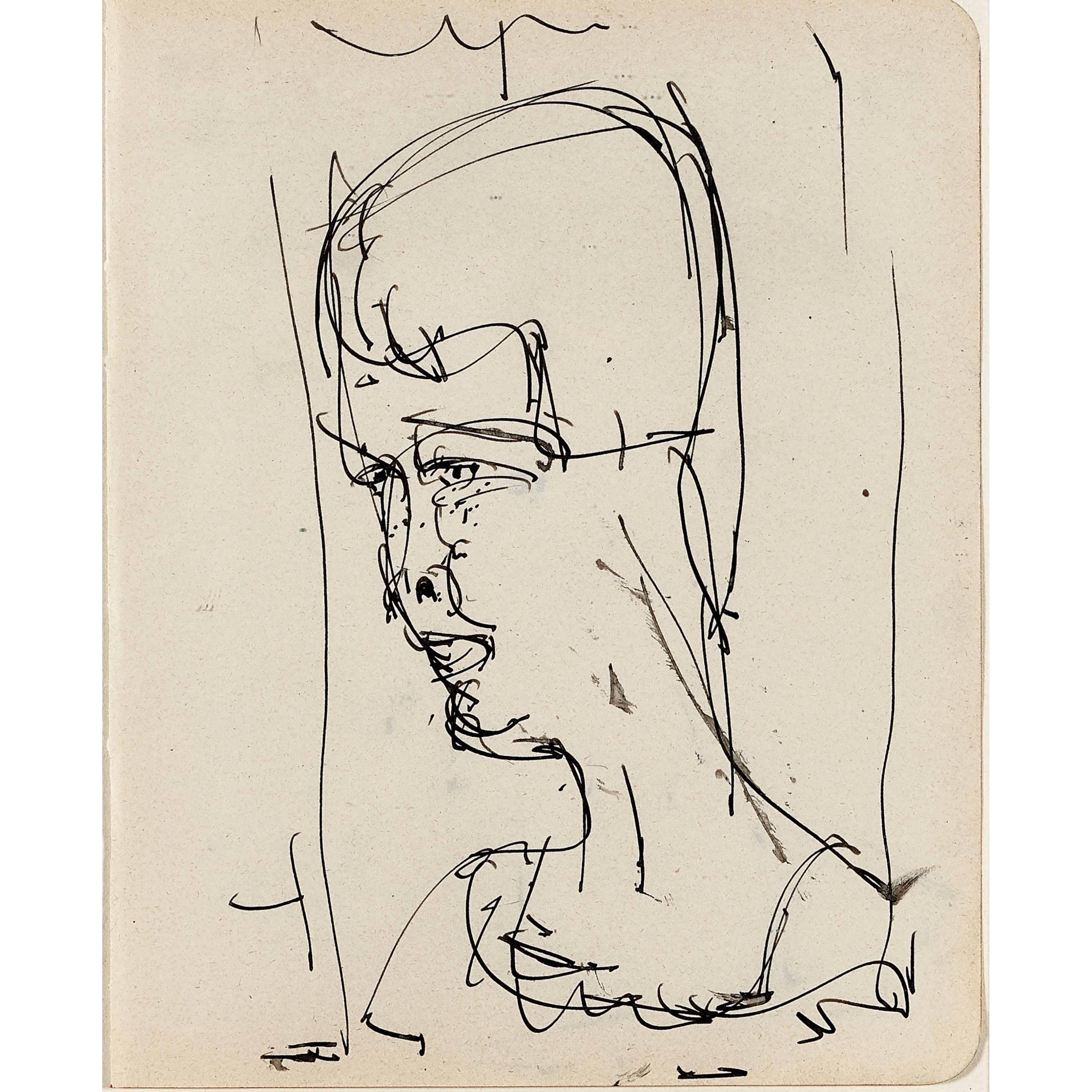
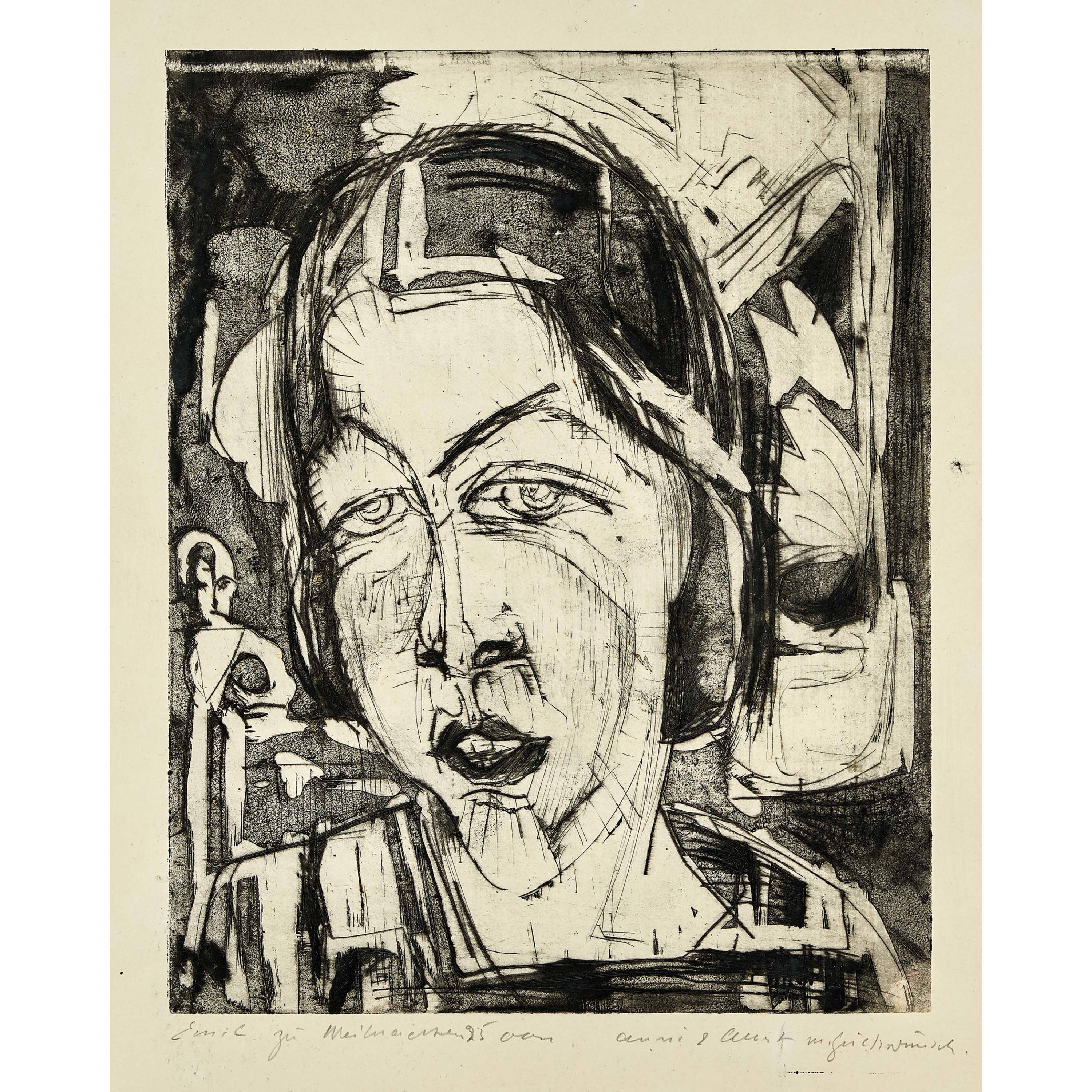
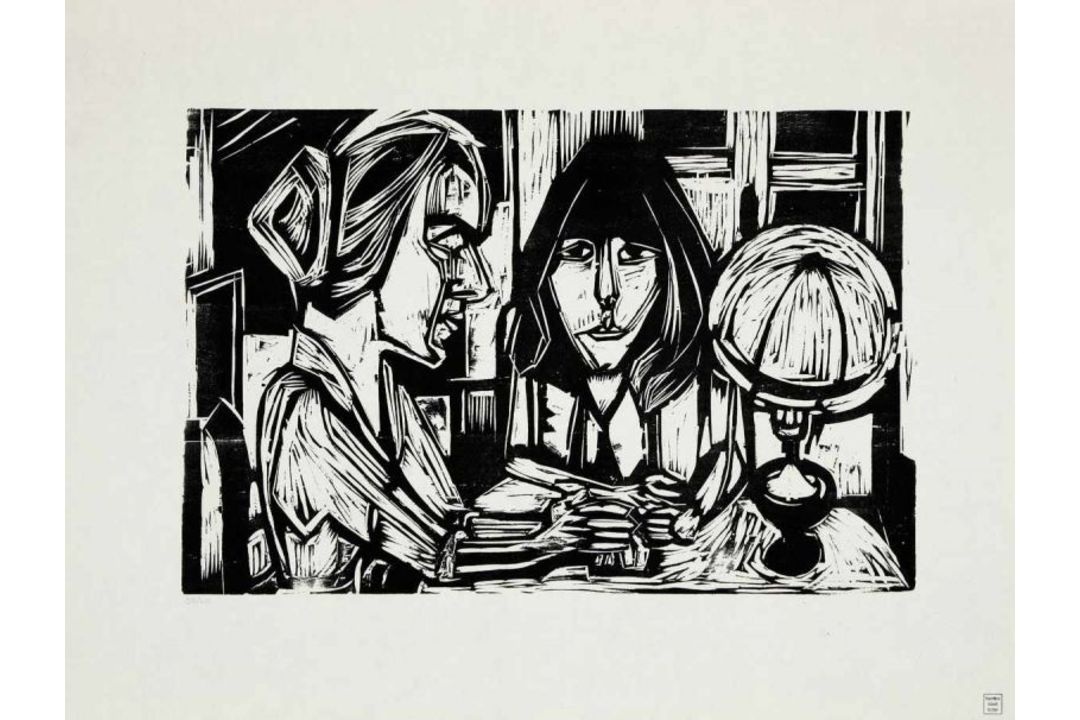
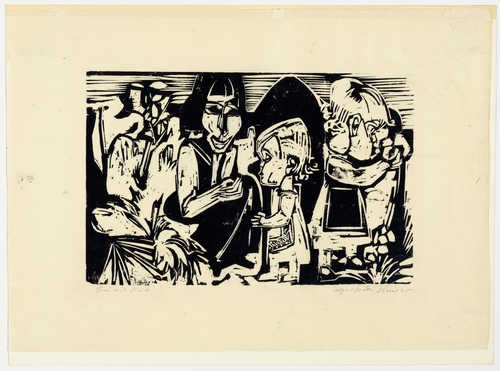
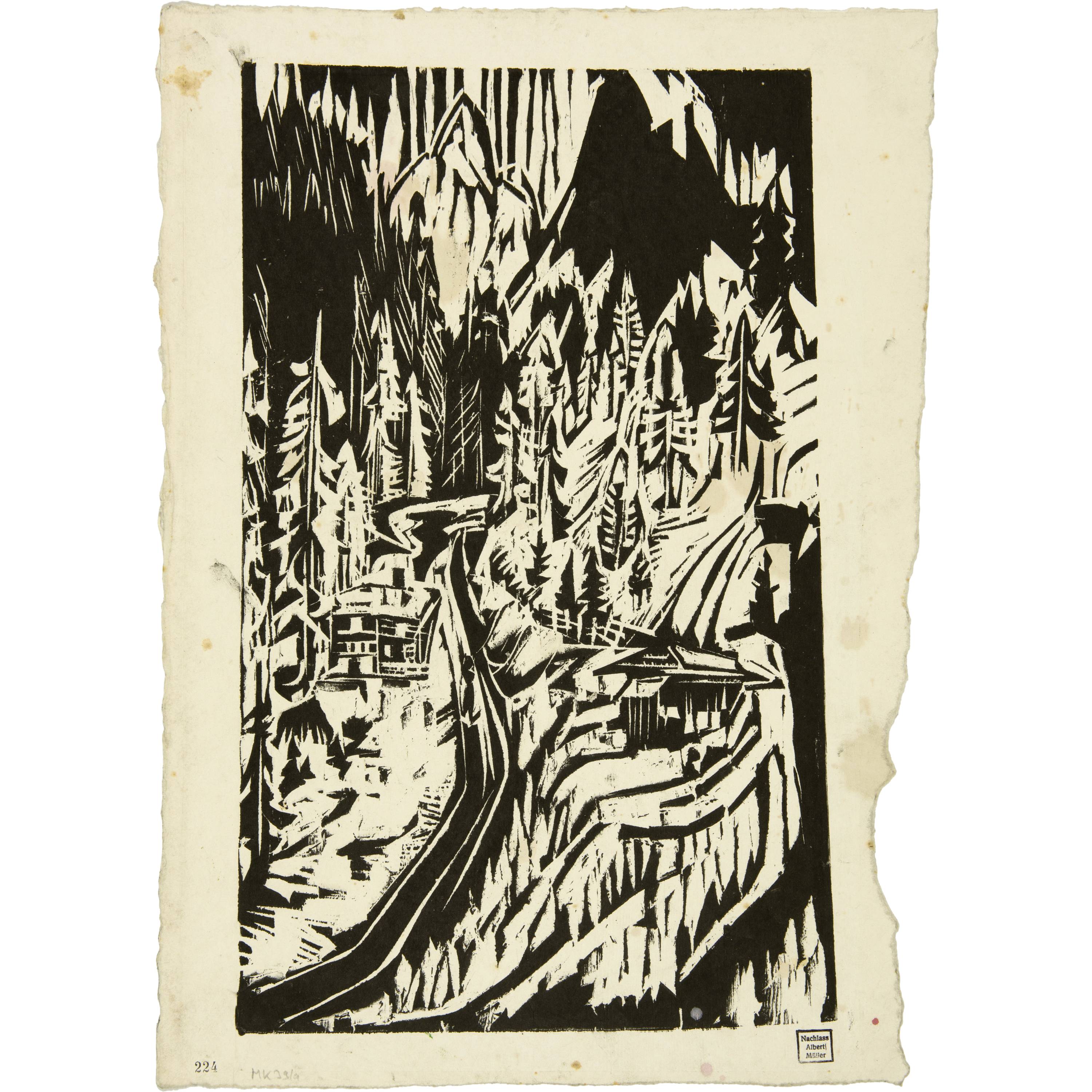
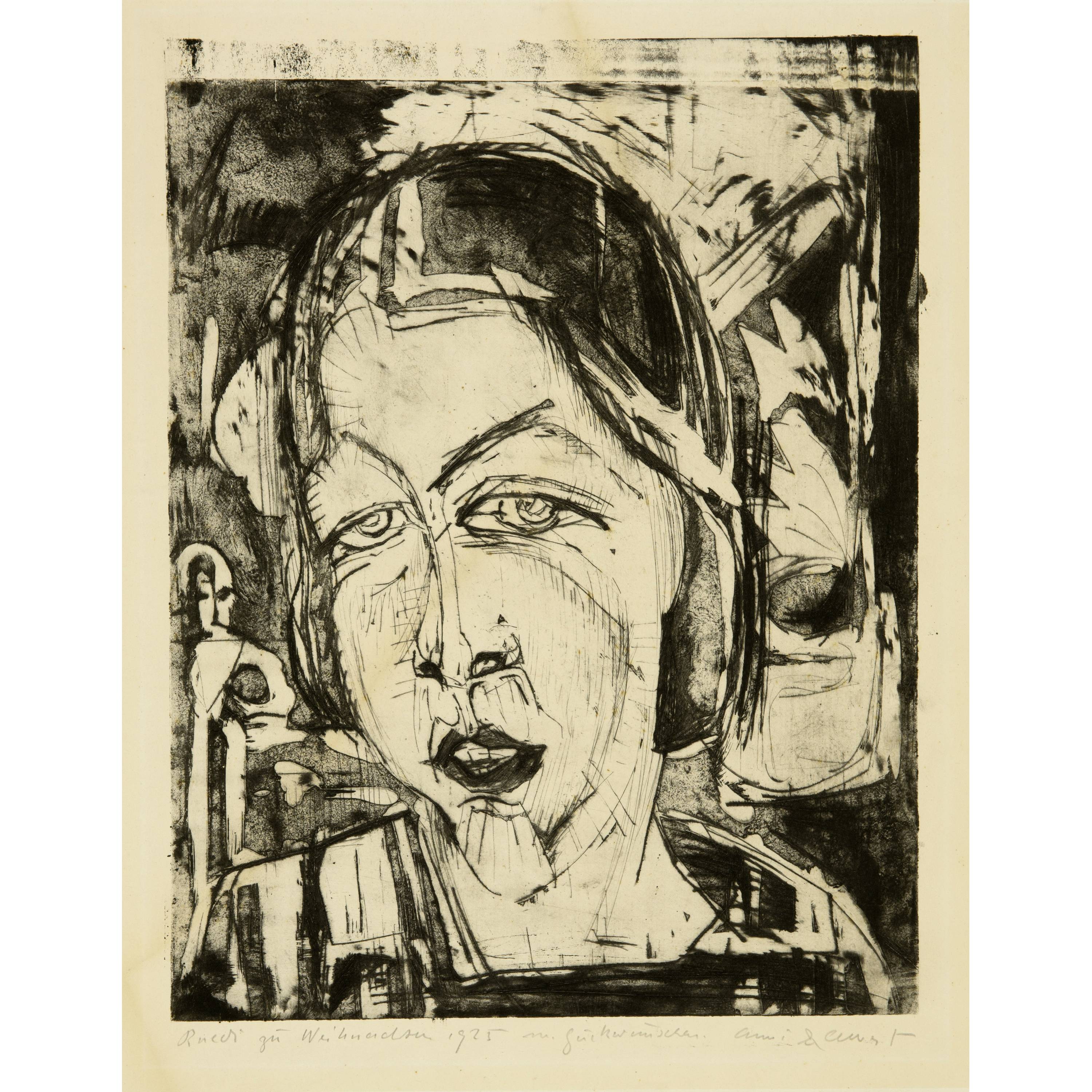
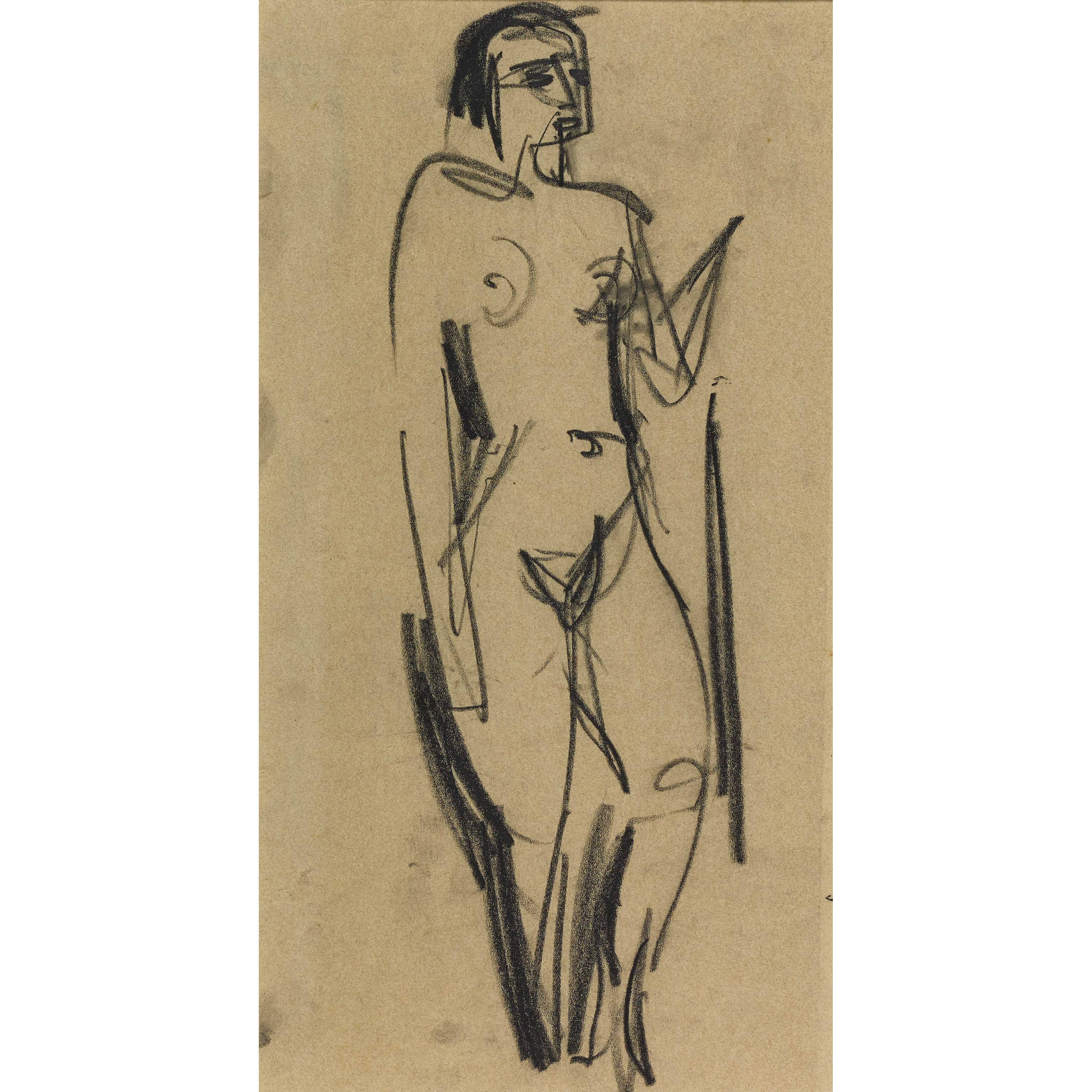
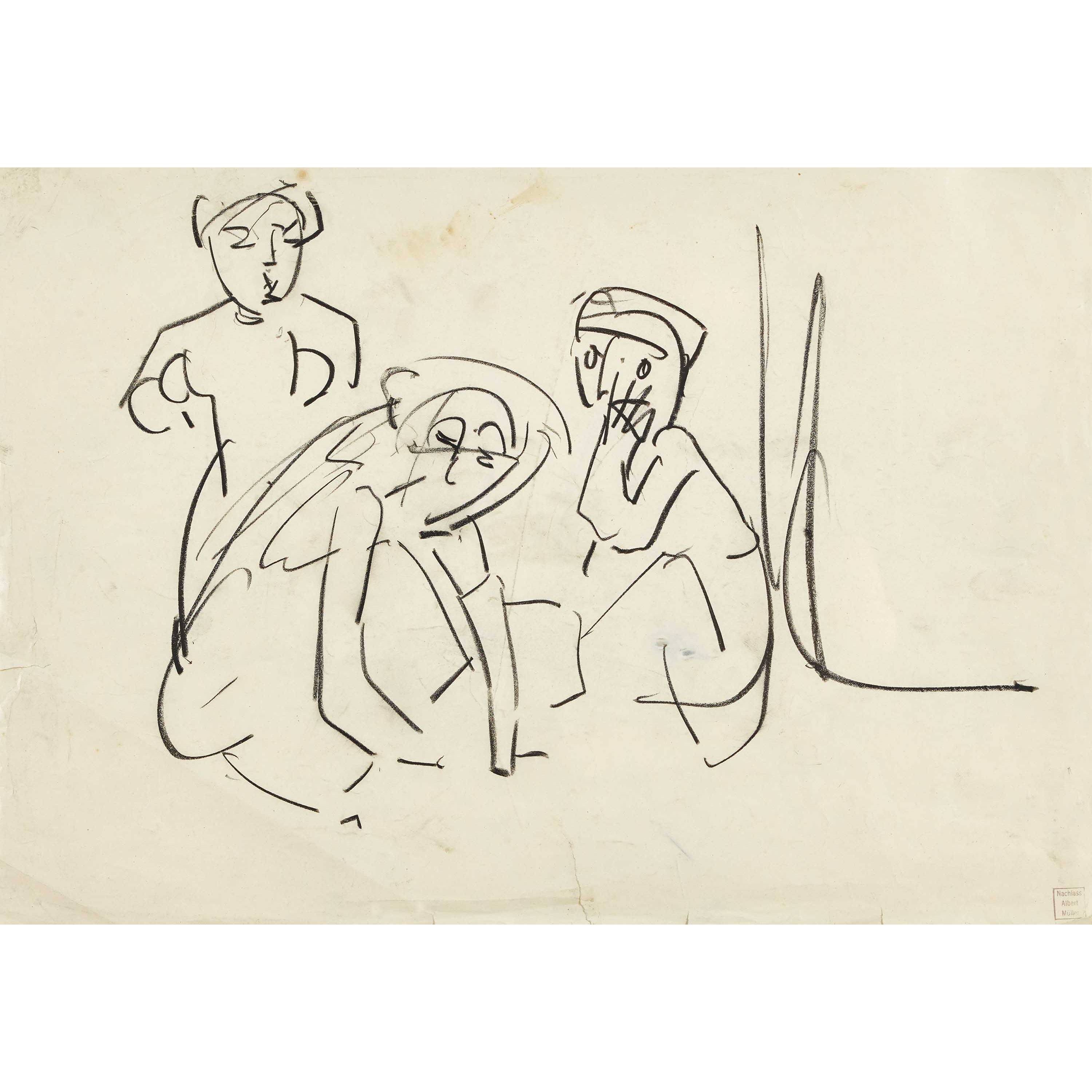
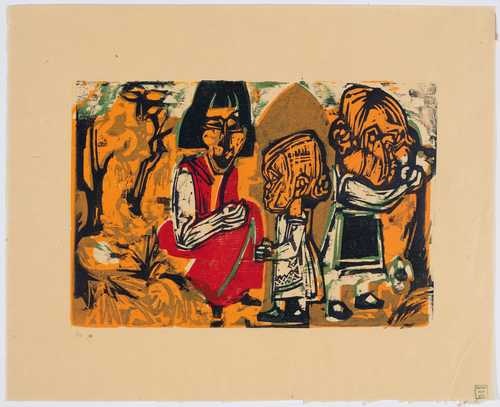
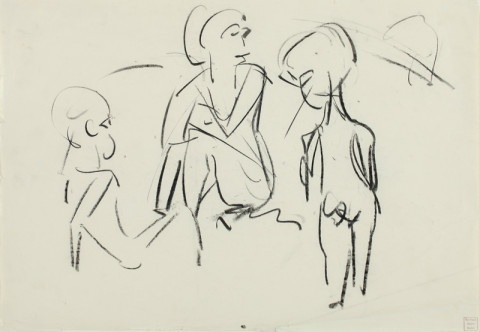
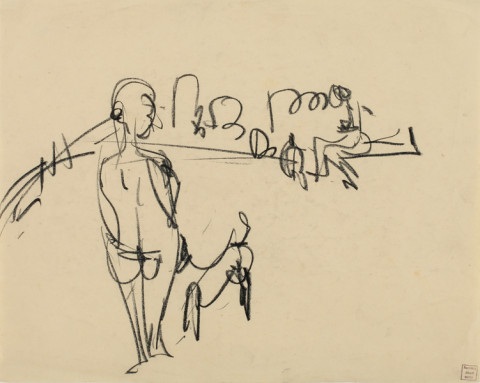
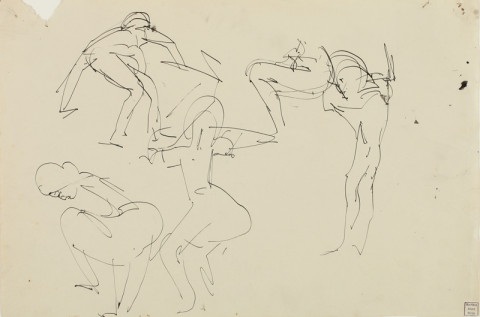
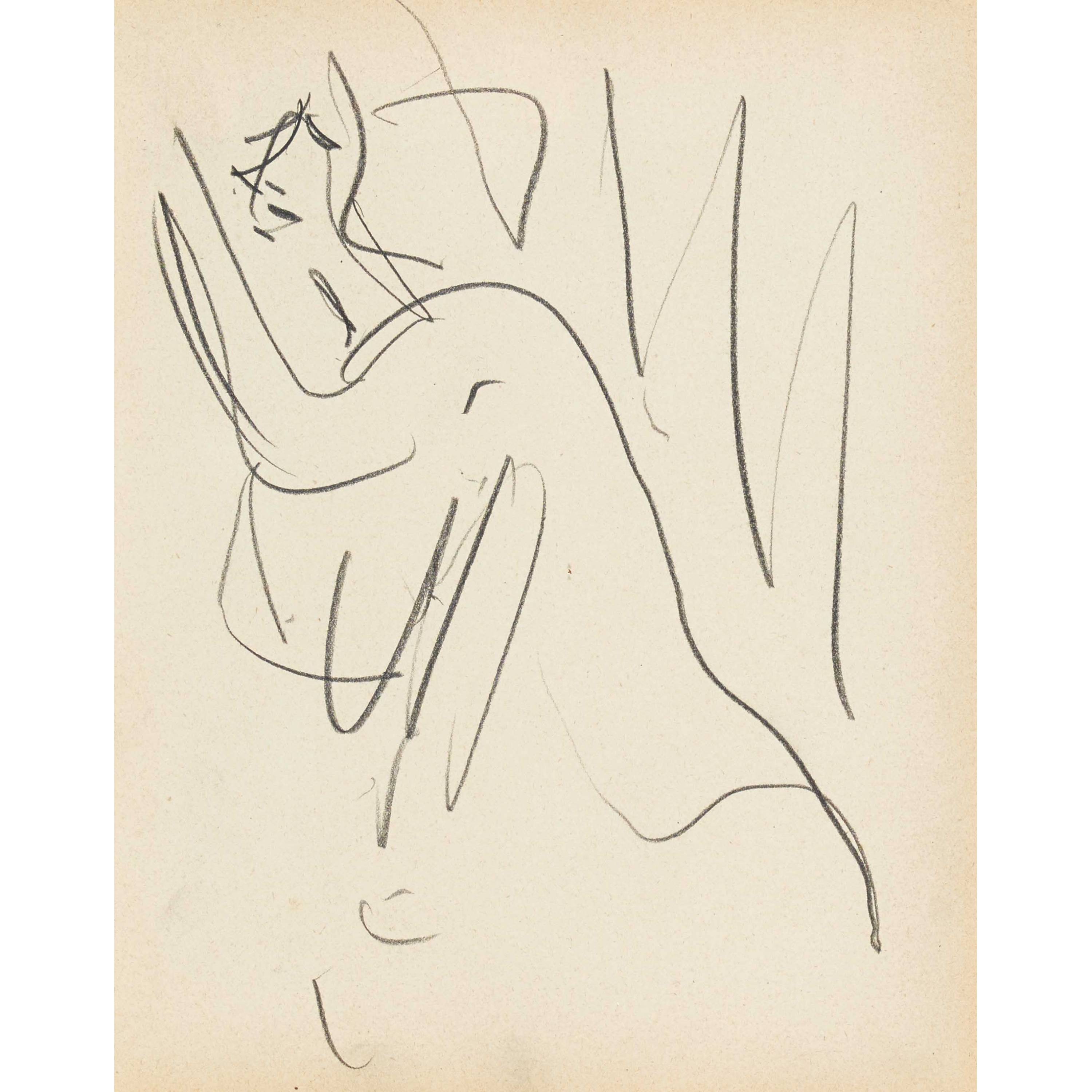
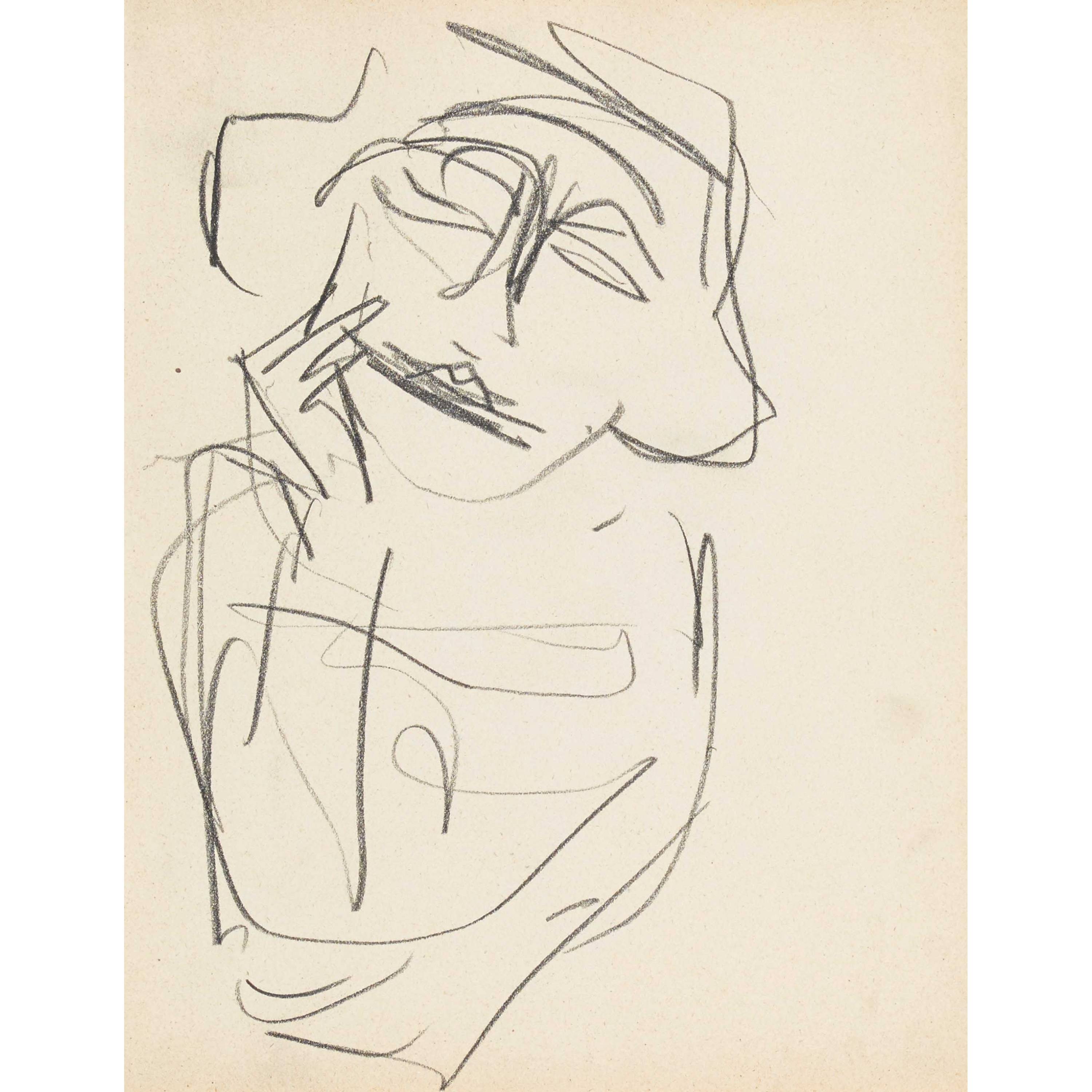
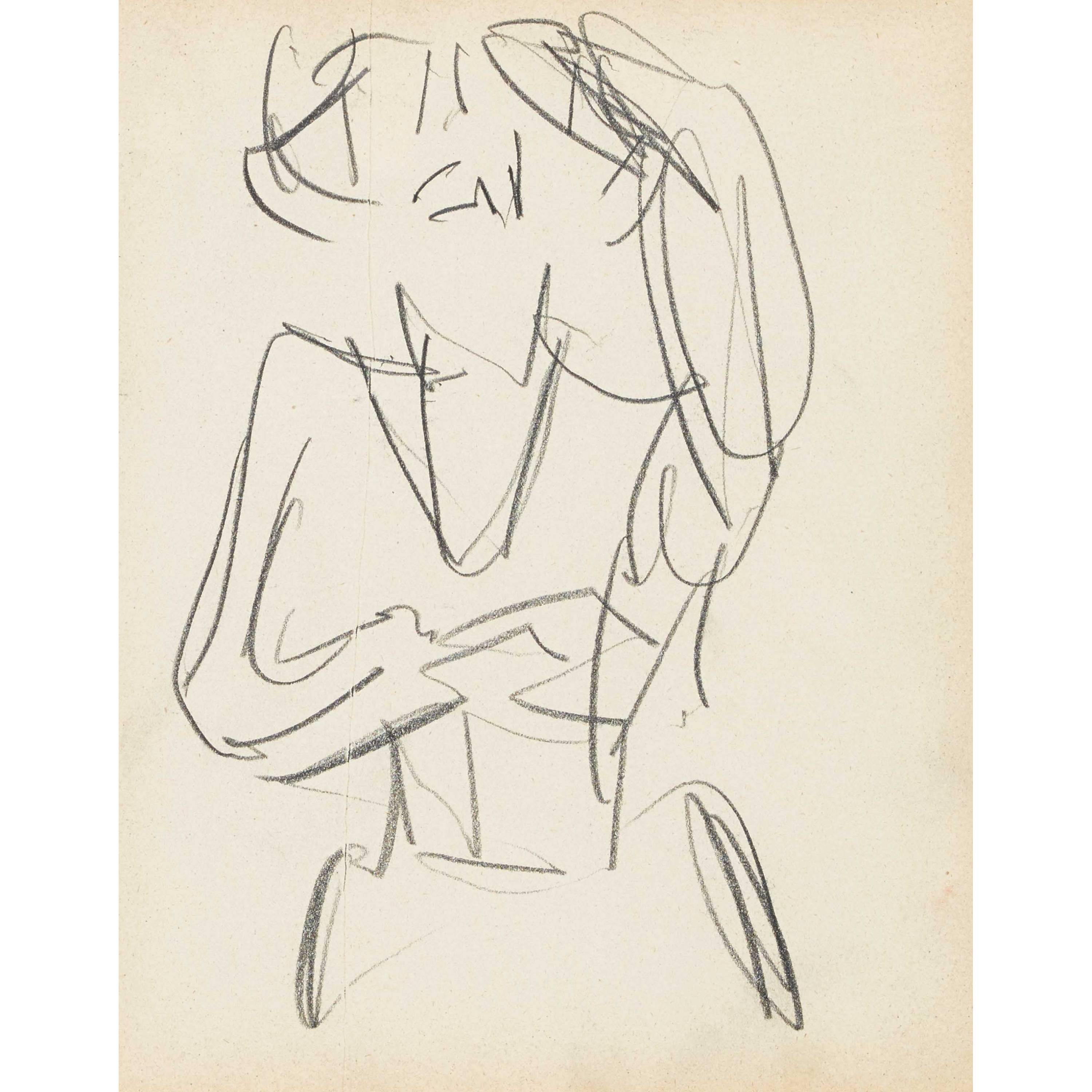
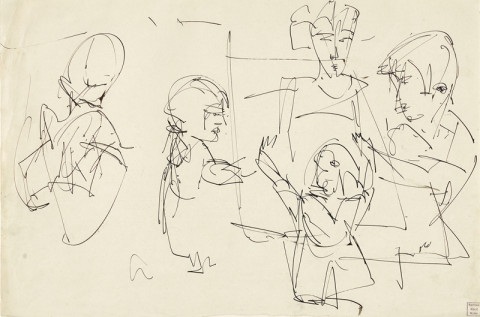
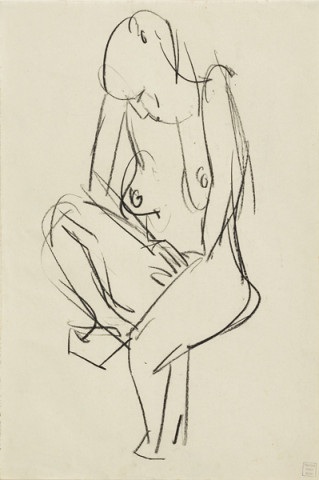
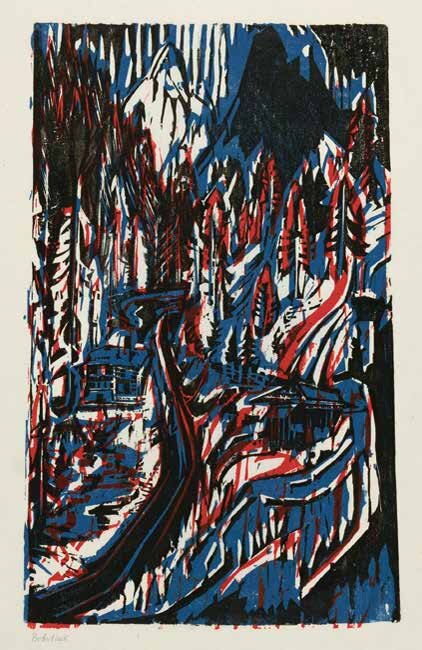
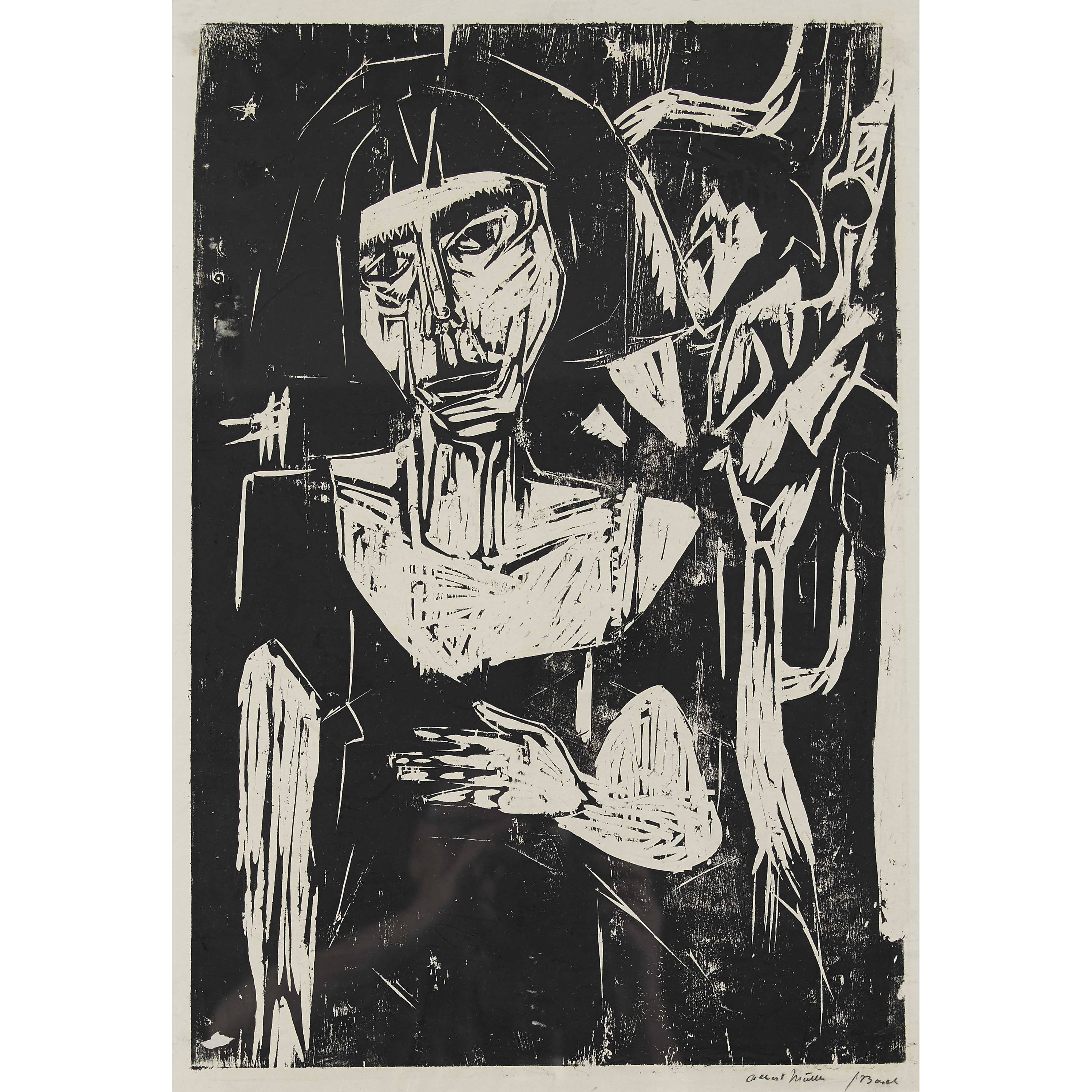
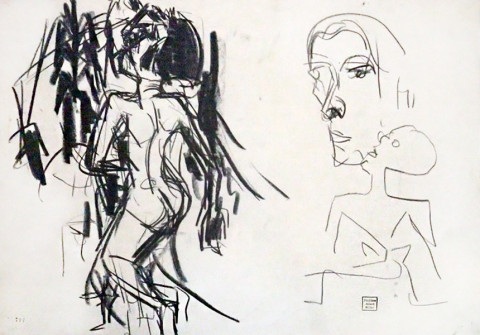
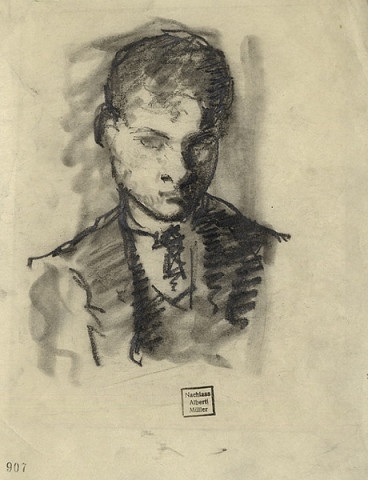
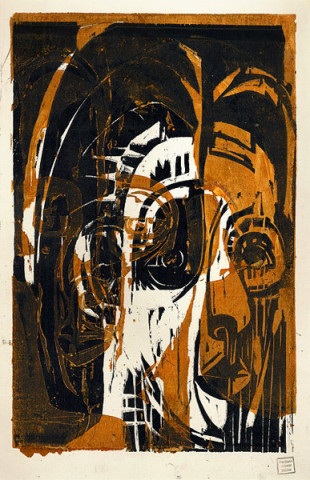
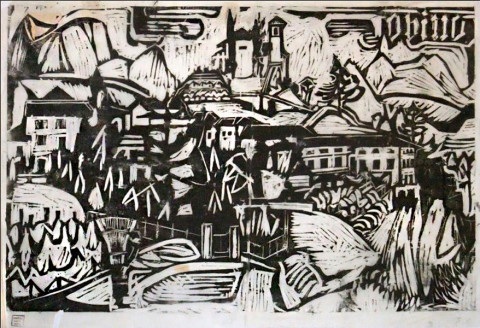
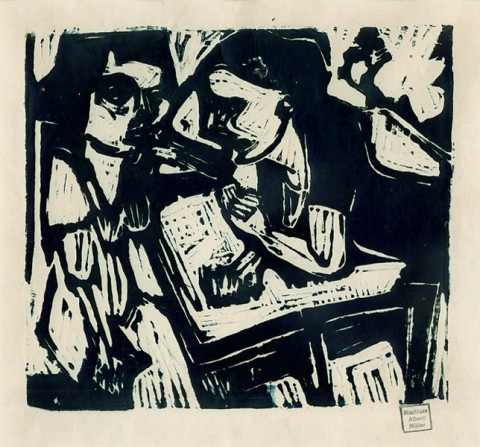
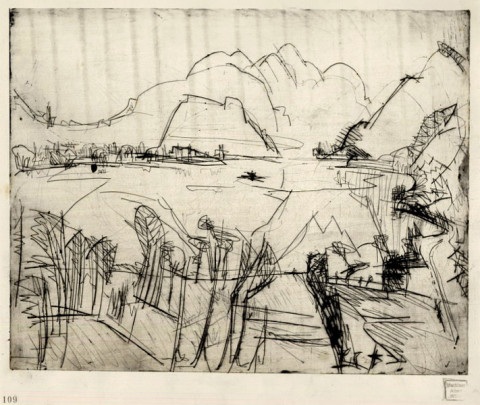
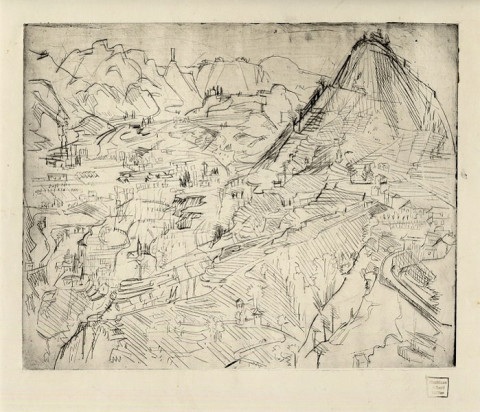
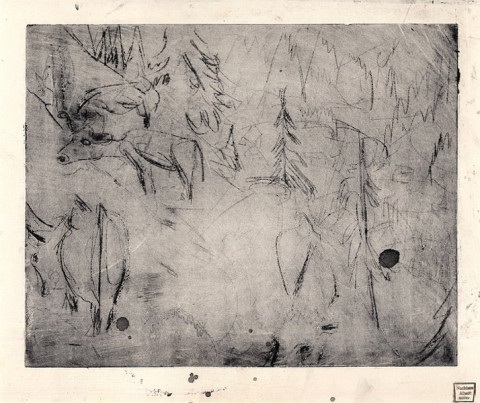
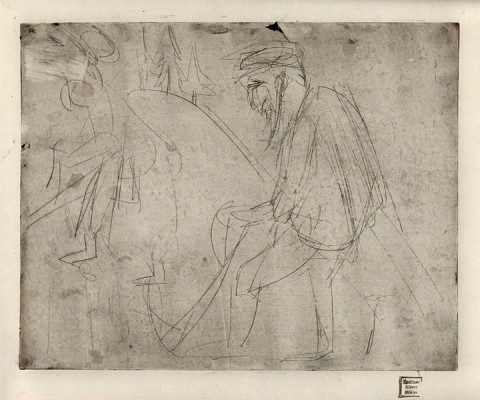
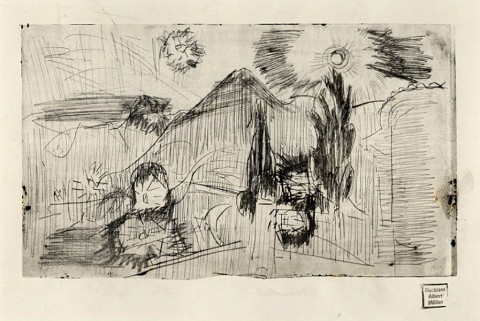
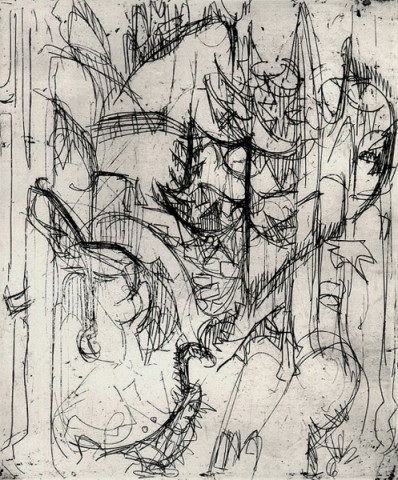
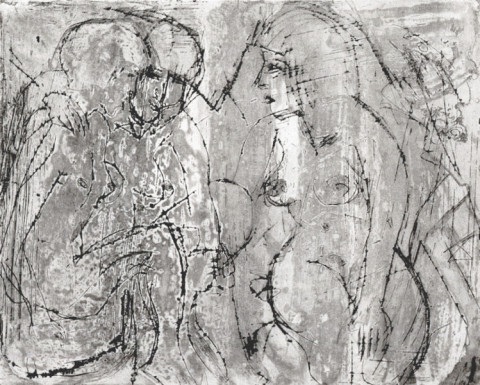
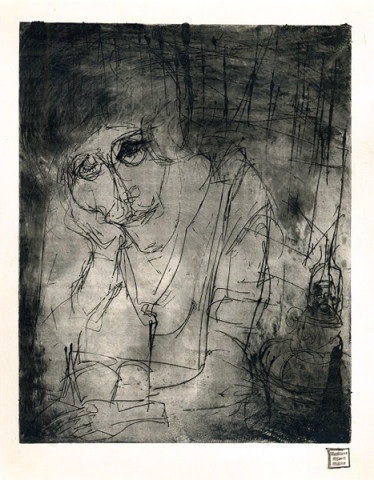
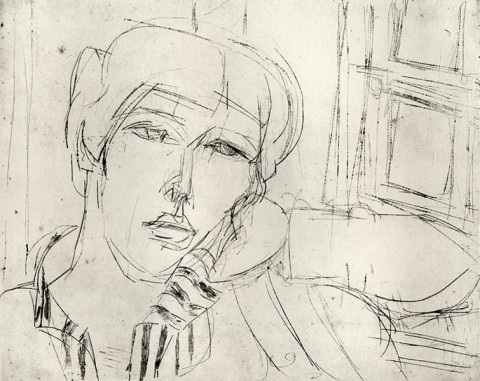
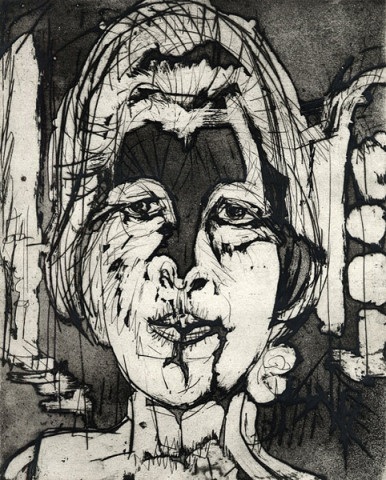
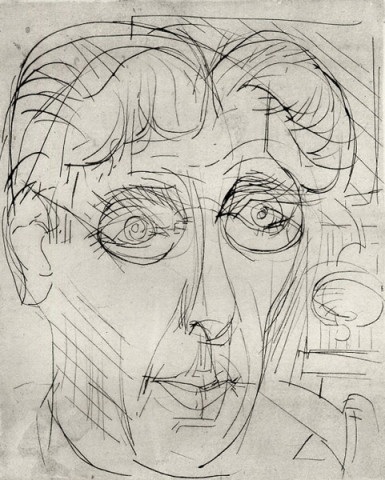
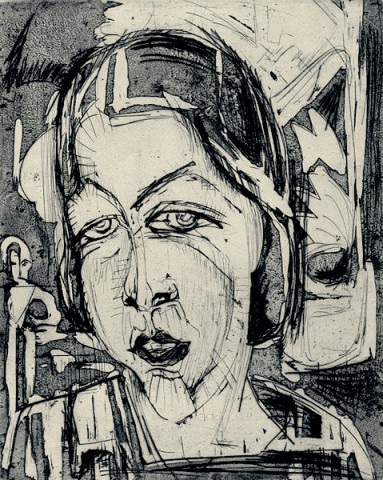
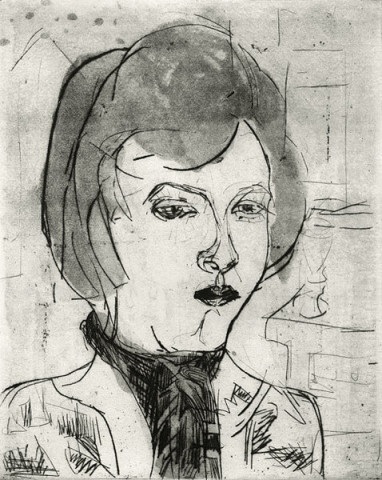
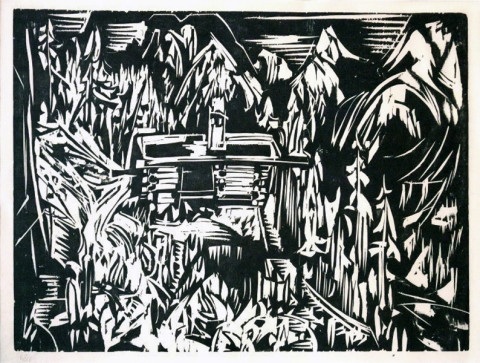
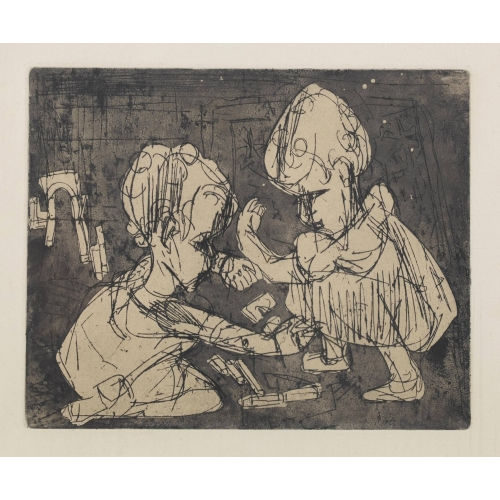
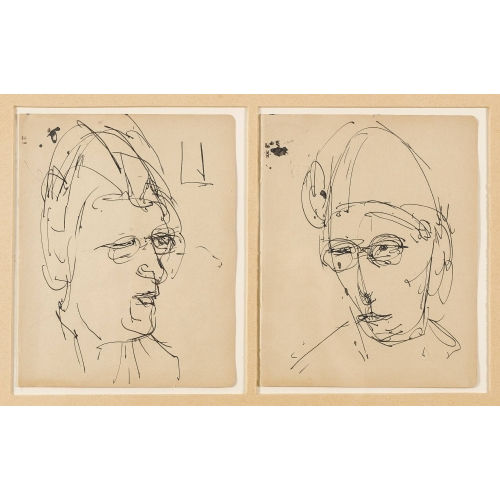
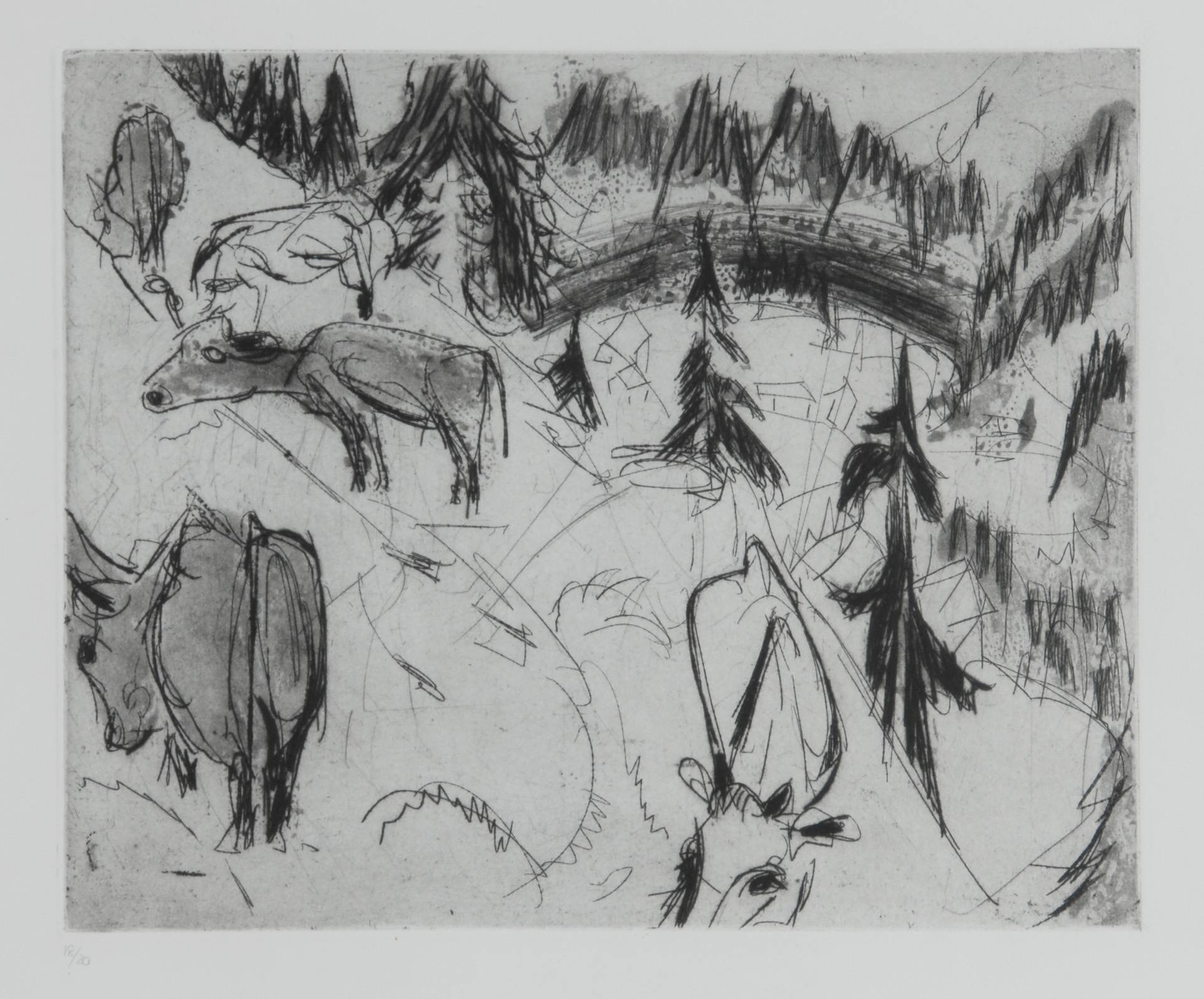
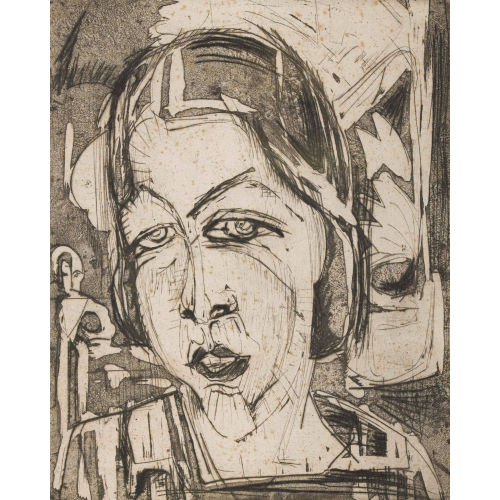
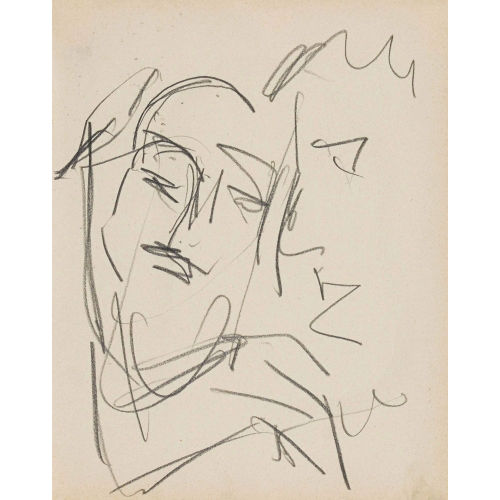
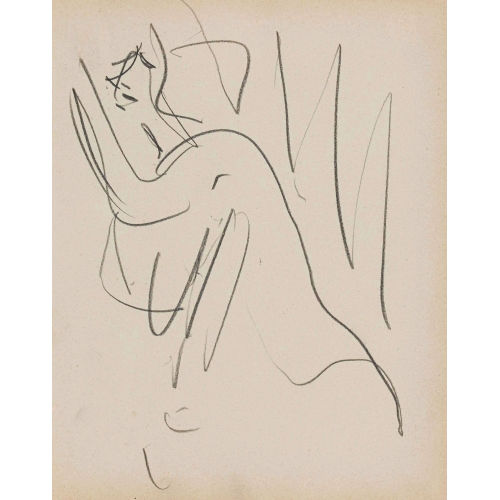
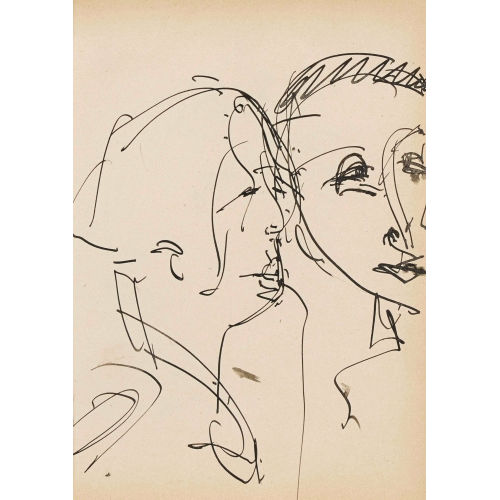
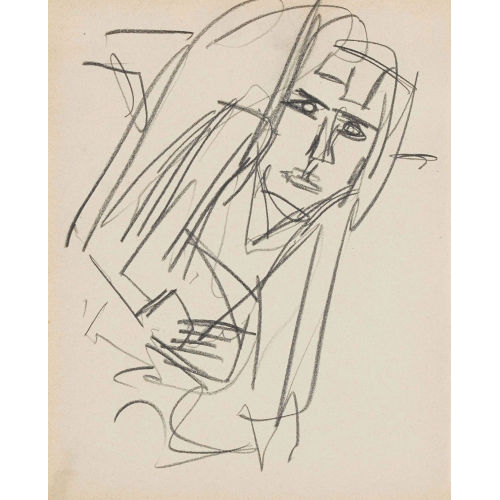
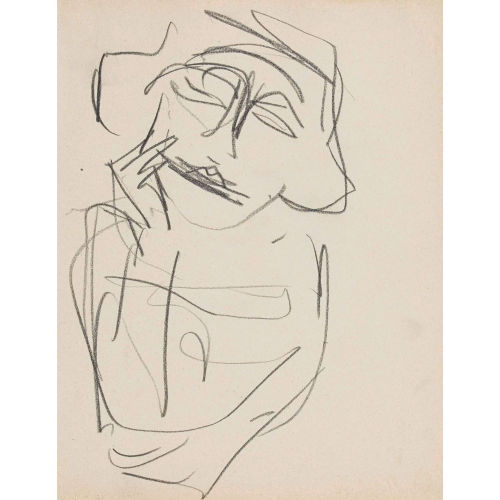
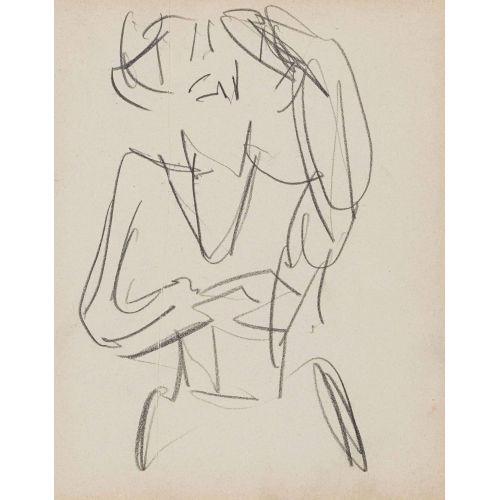
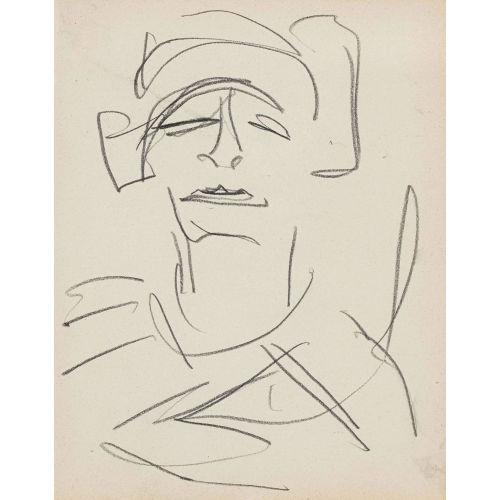
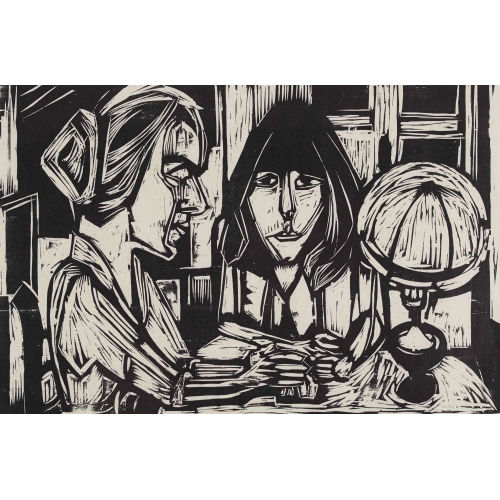
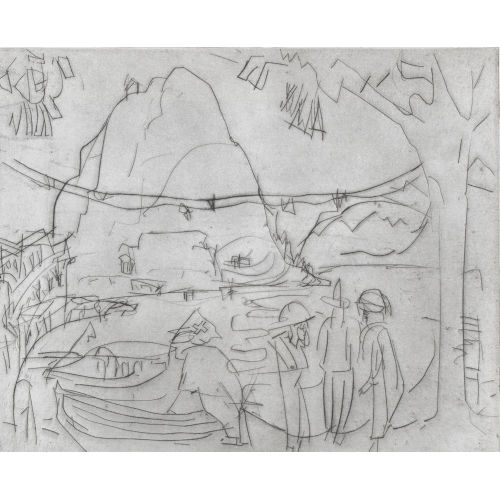
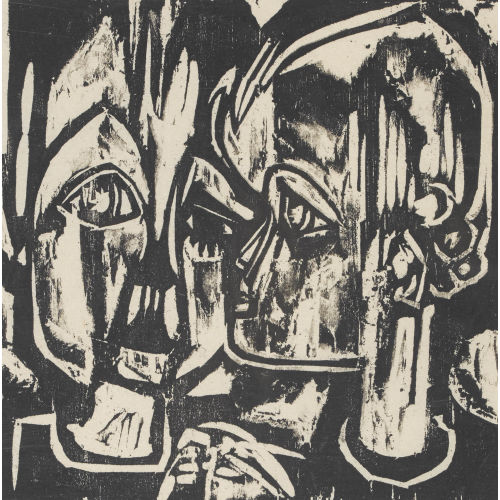
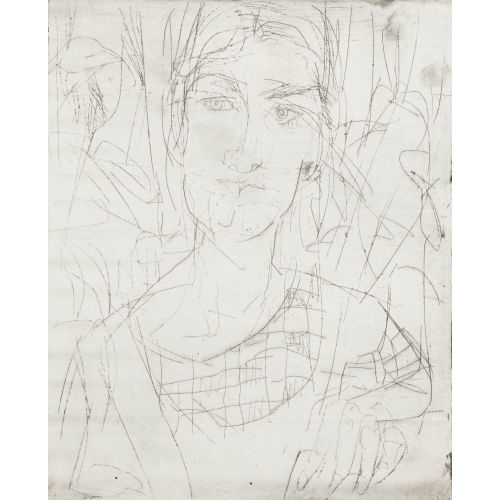
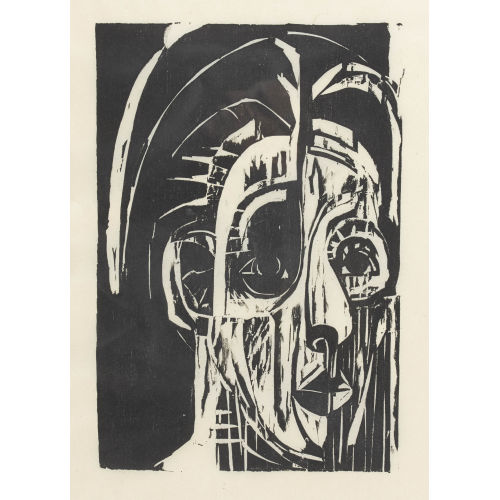
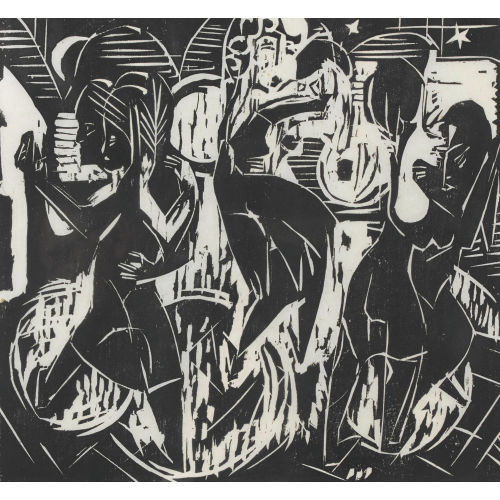
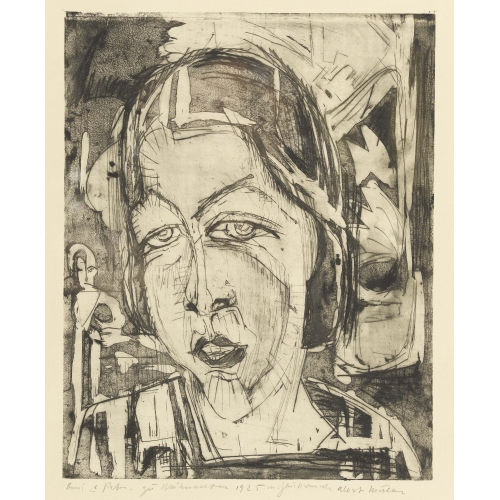
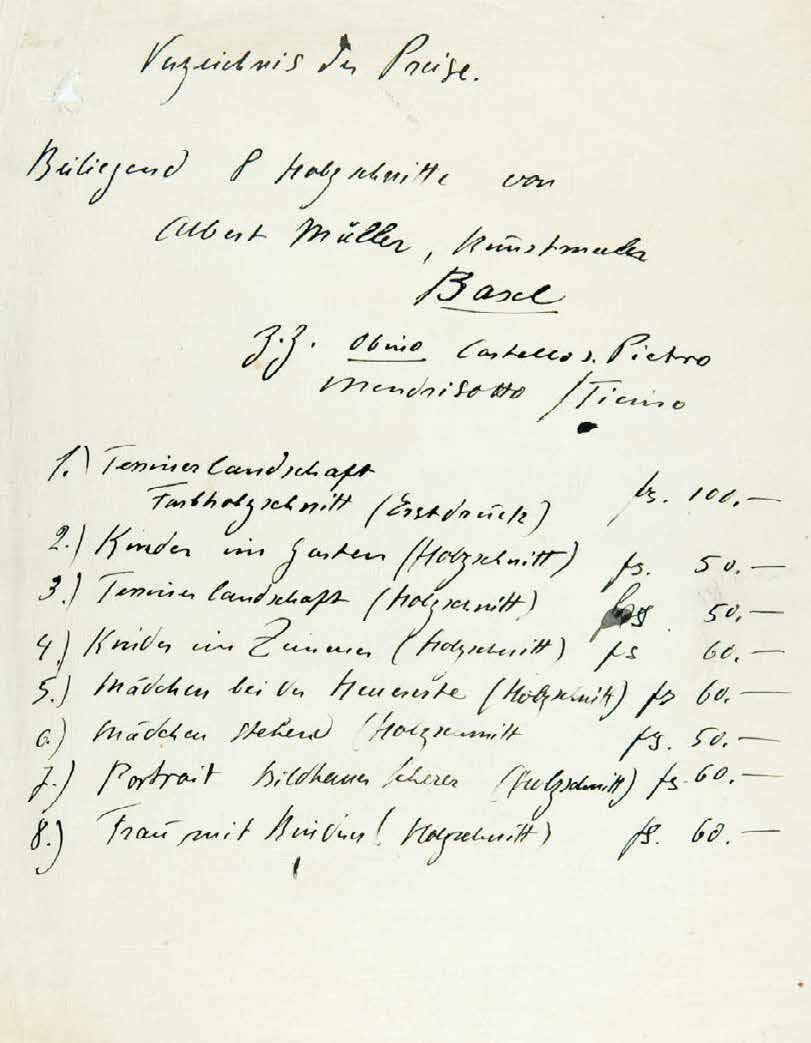
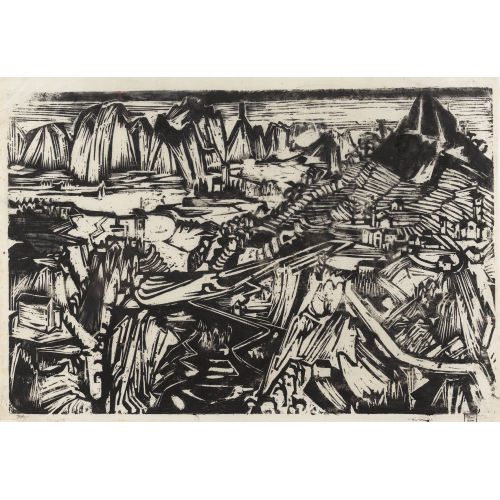
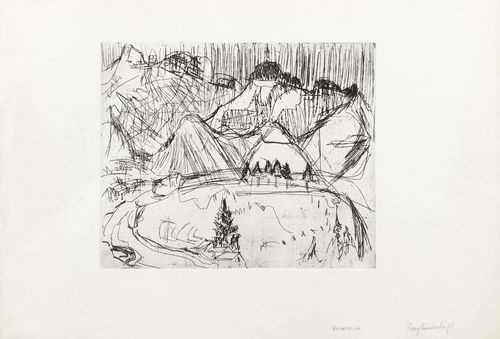
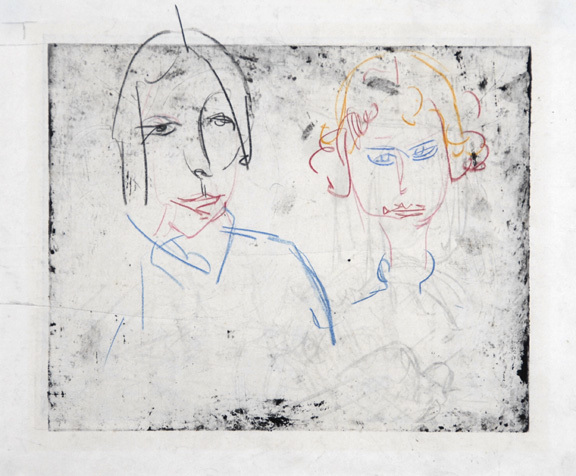
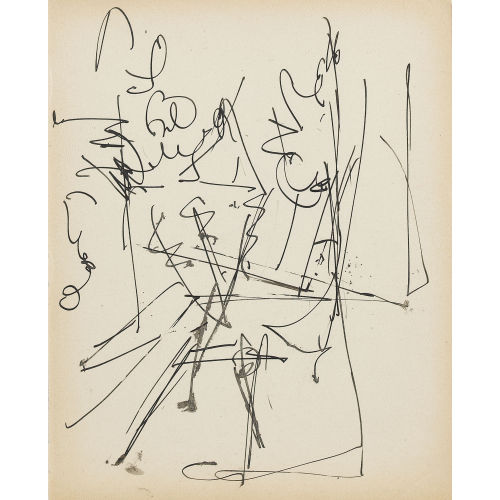
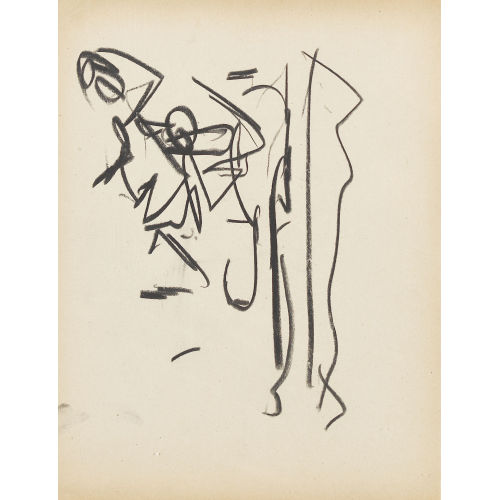
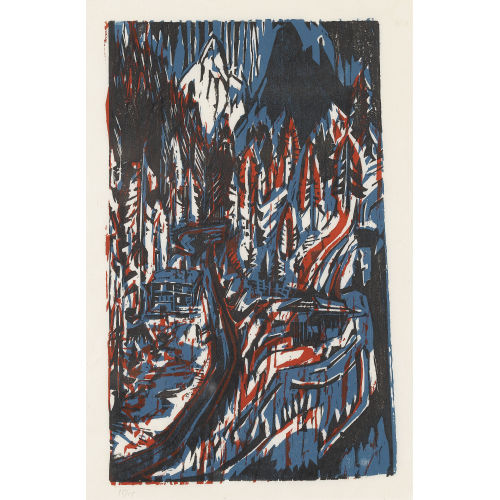
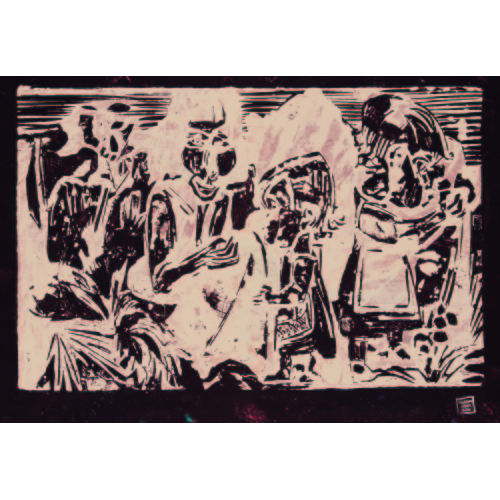
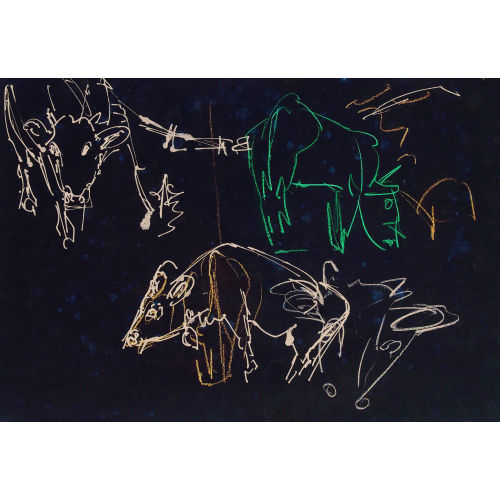
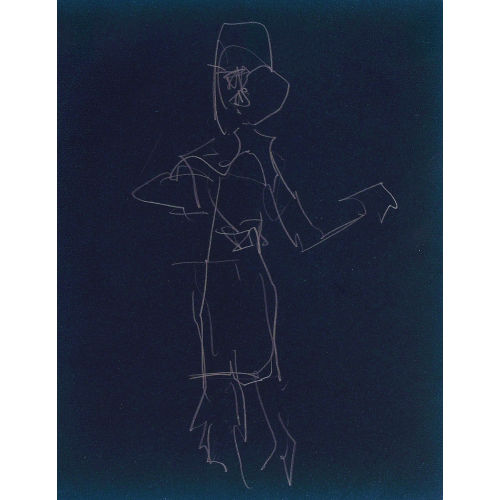
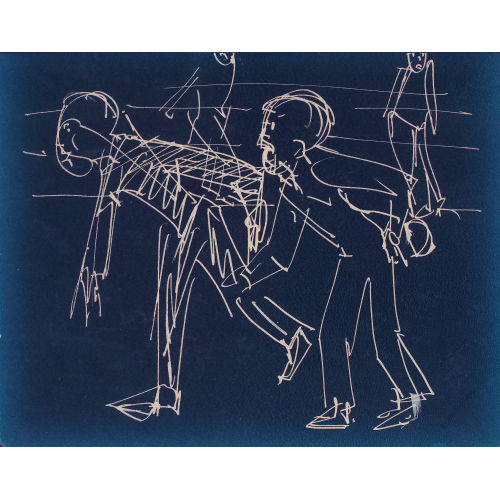
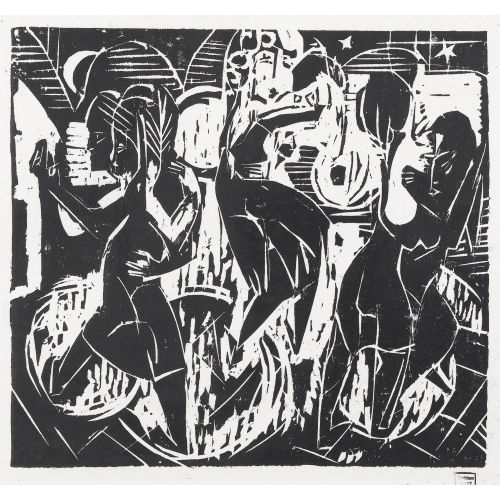
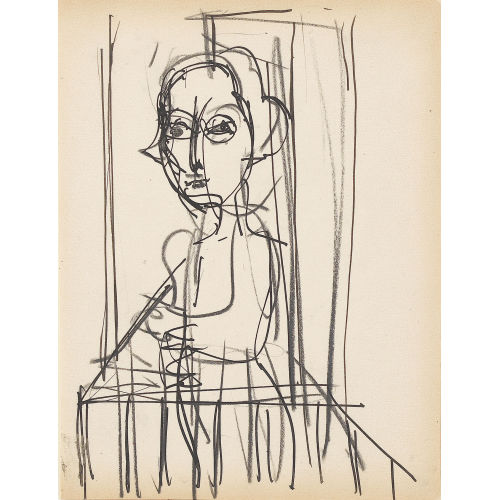
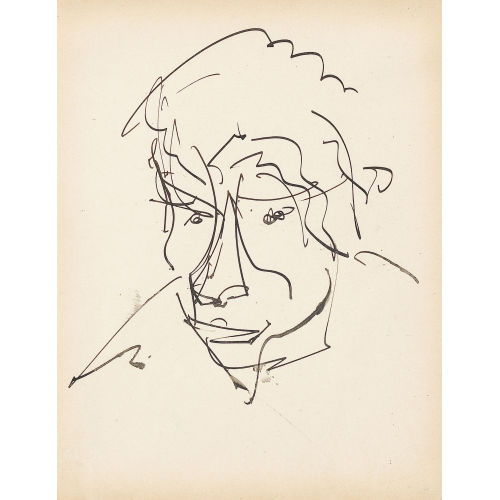
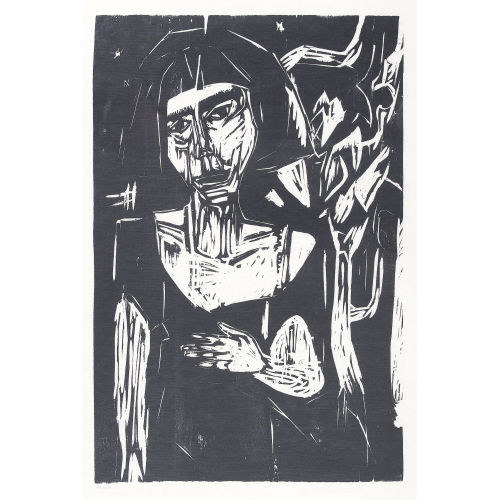
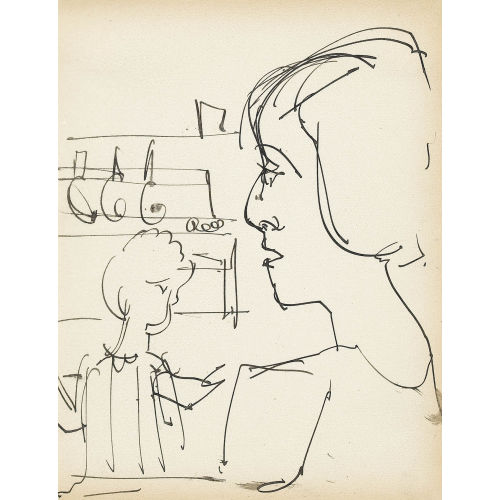
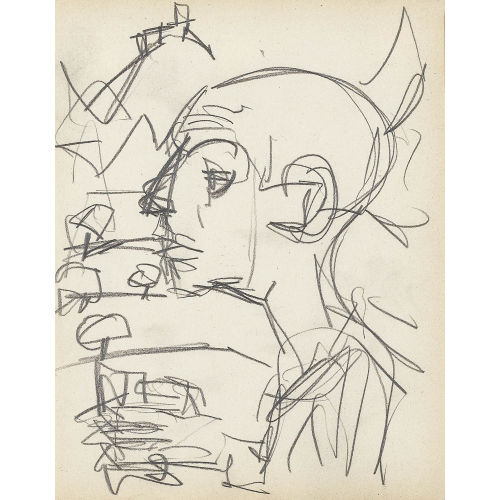
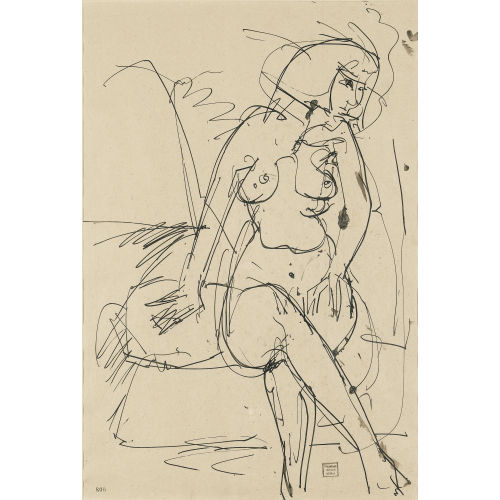
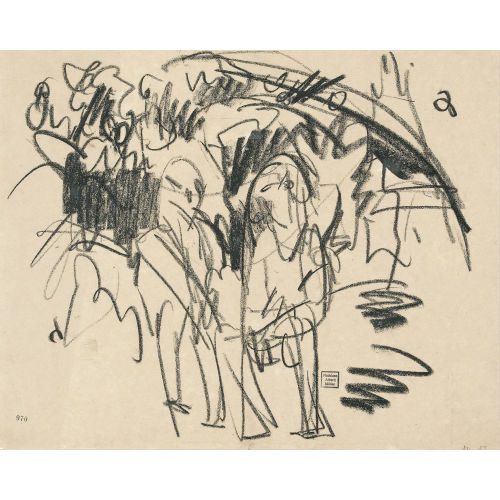
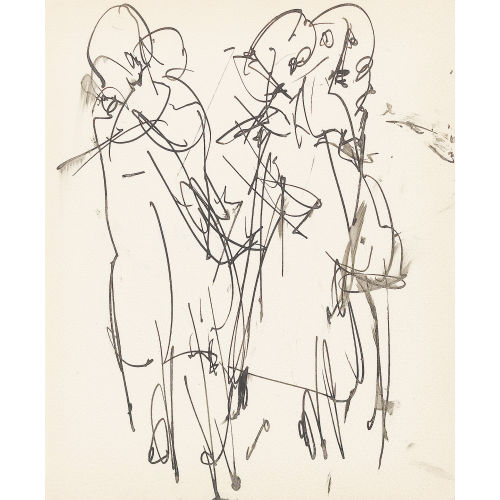
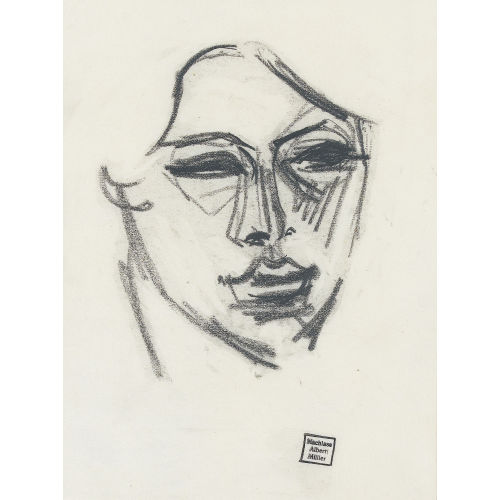
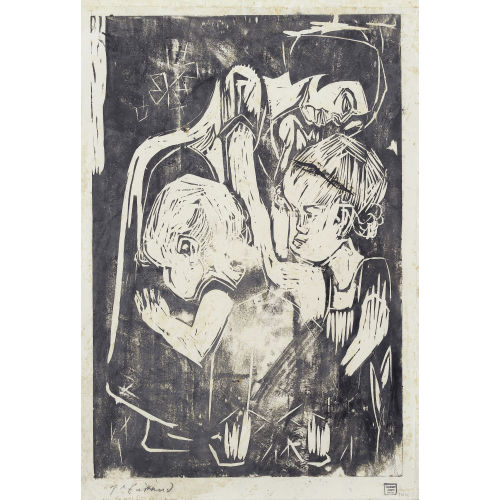
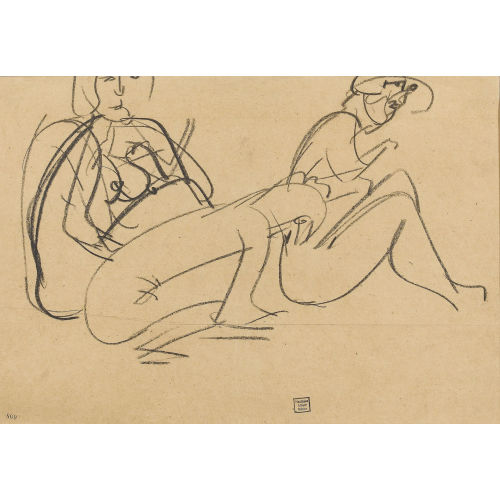
His graphic work deserves equal attention. The woodcuts set stark oppositions into play, while etching and aquatint allow for more modulated nuances. His wooden sculptures, often painted, deliberately retain a rough-hewn finish that intensifies their expressiveness.
These transitions between techniques reveal a sustained inquiry extending beyond the individual painting.
At the end of 1924, Müller joined Hermann Scherer and Paul Camenisch in founding Rot-Blau, a group seeking better exhibition opportunities and public commissions. He left it as early as 1925. His work invites us to follow how the same visual intensity can move between landscape, body, paper and wood.