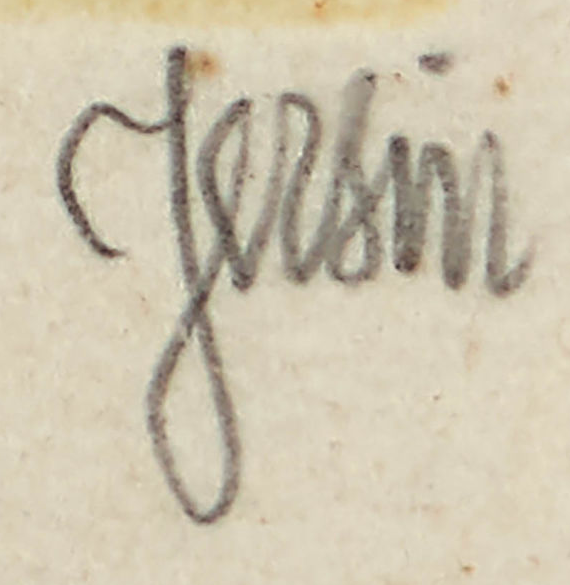
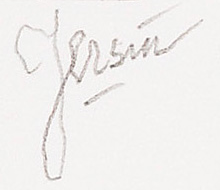
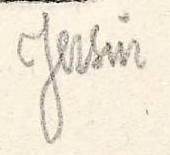
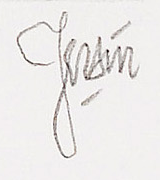
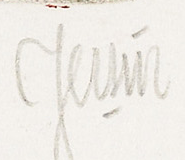
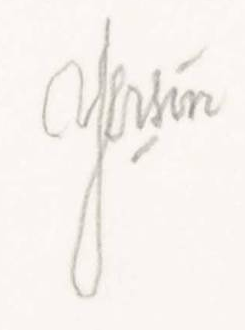
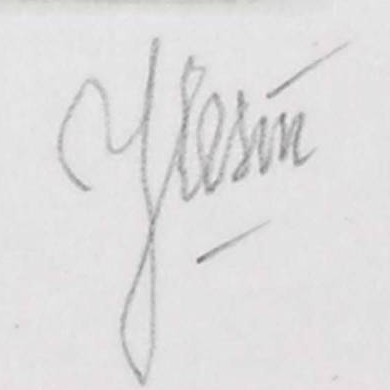
Albert-Edgar Yersin
Born in 1905.
Died in 1984.
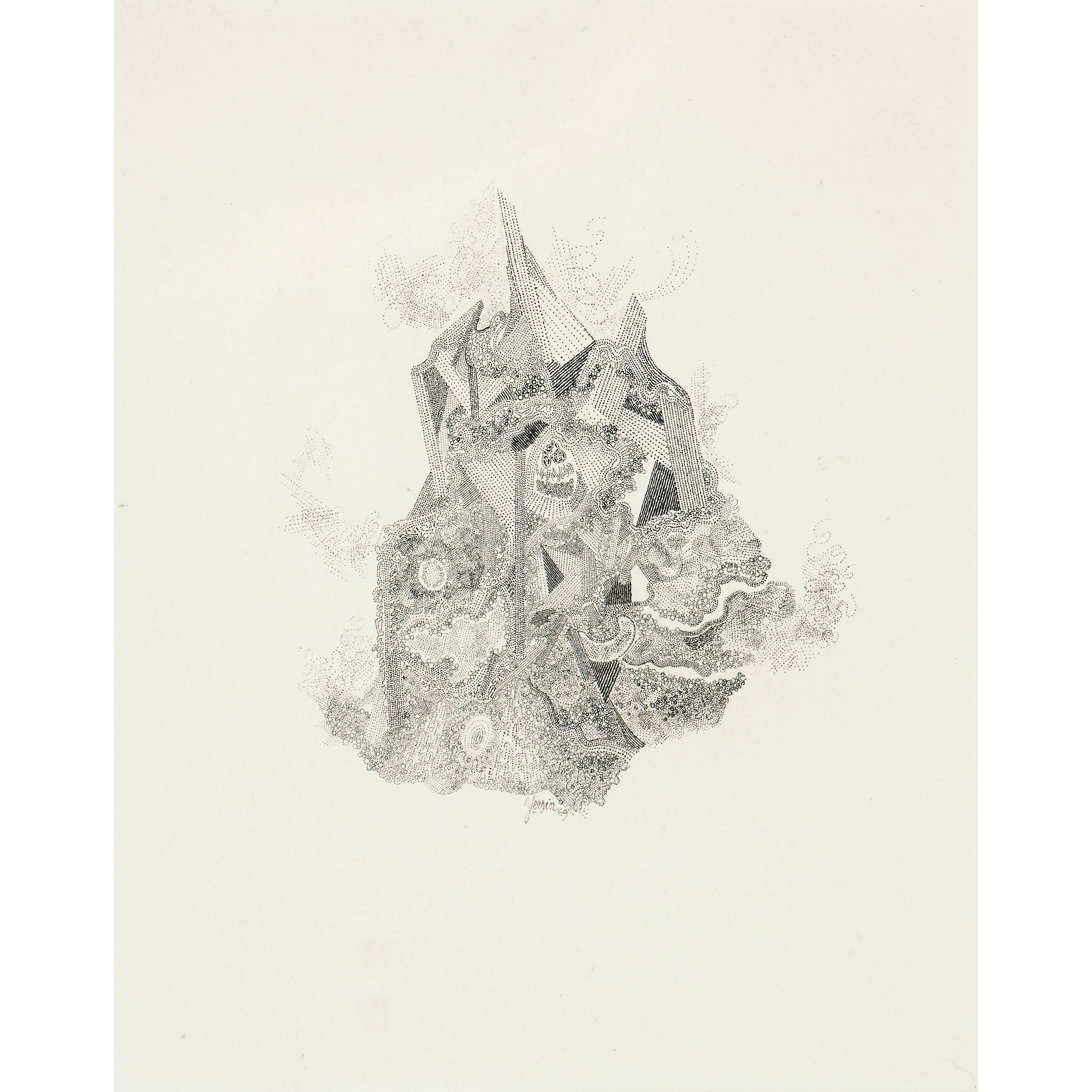
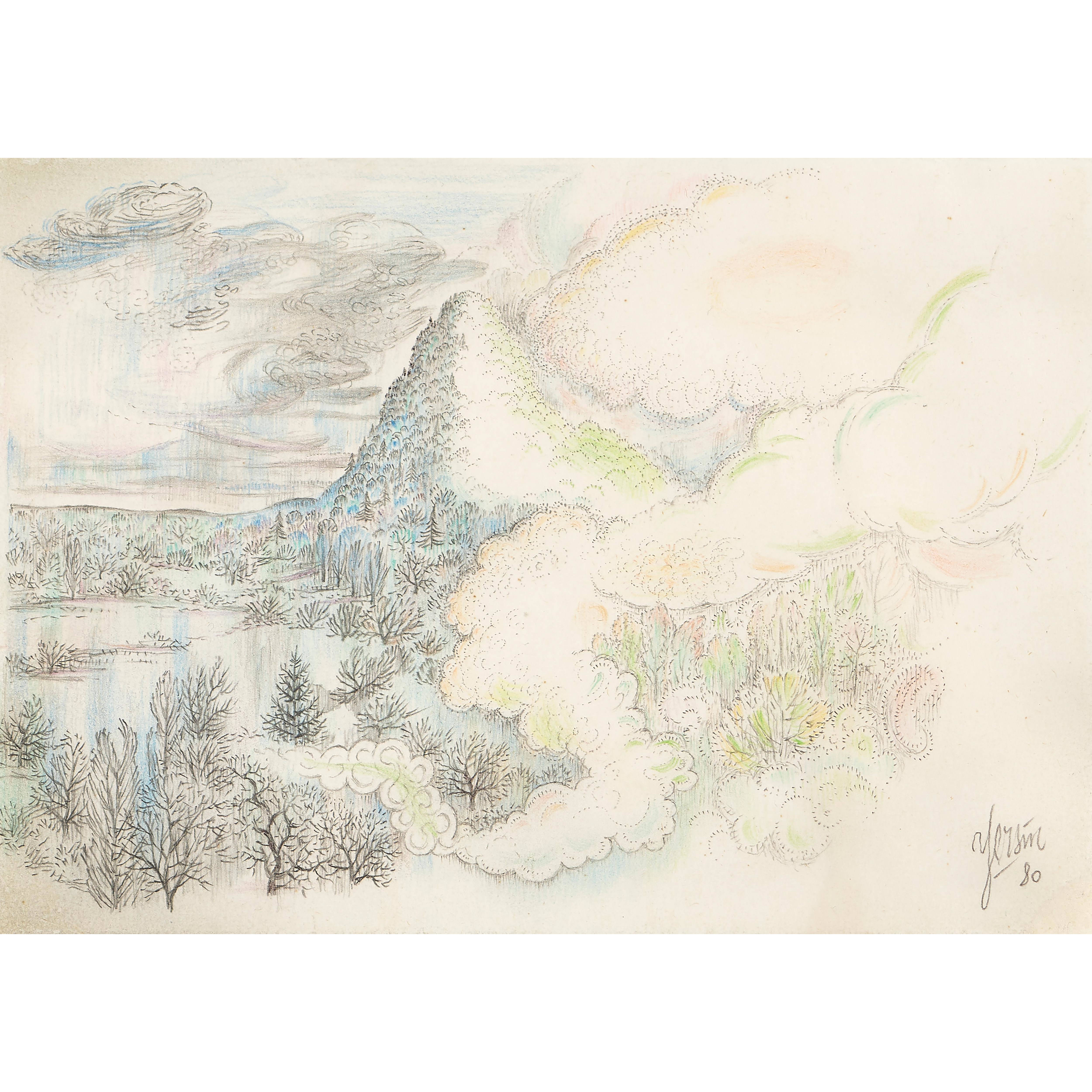
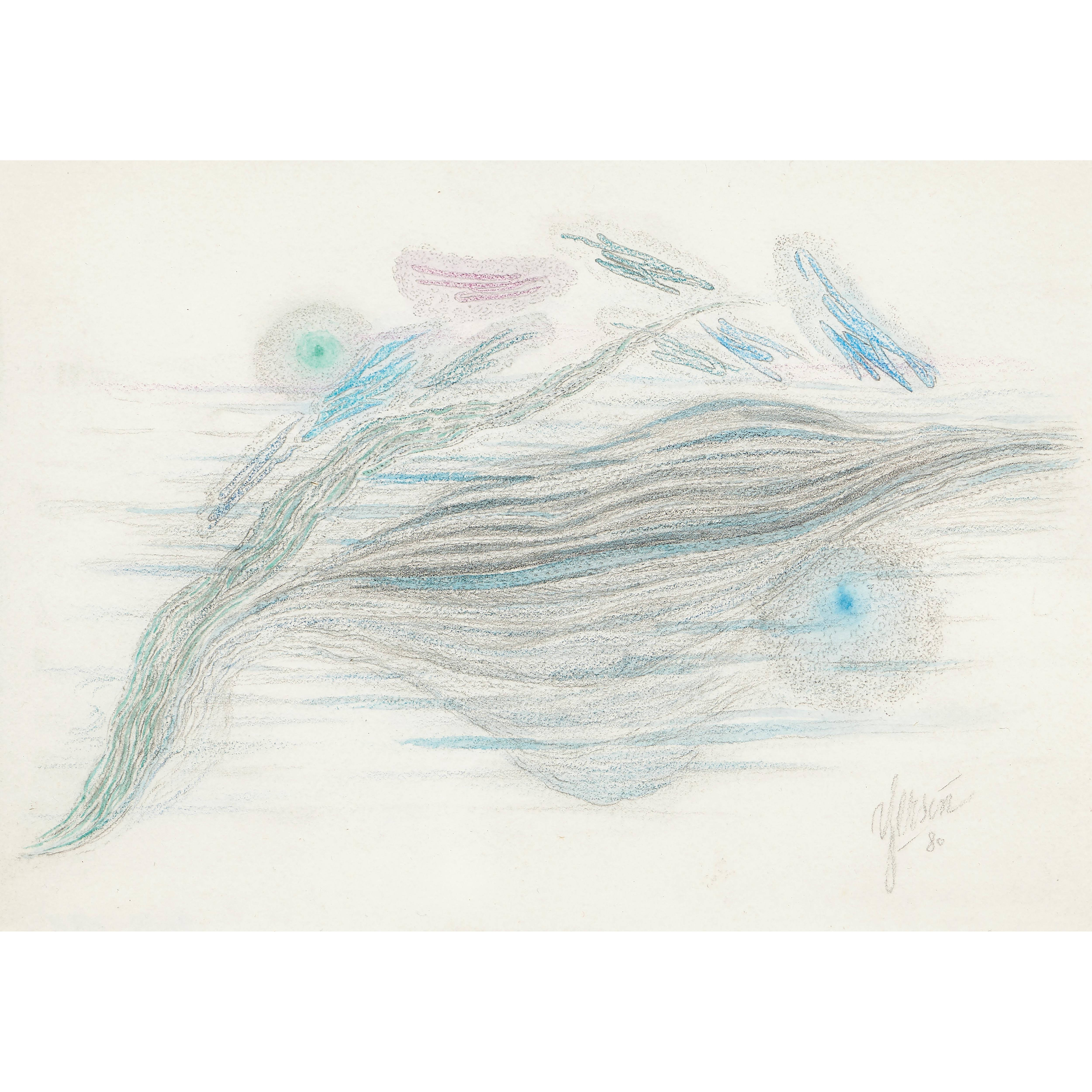
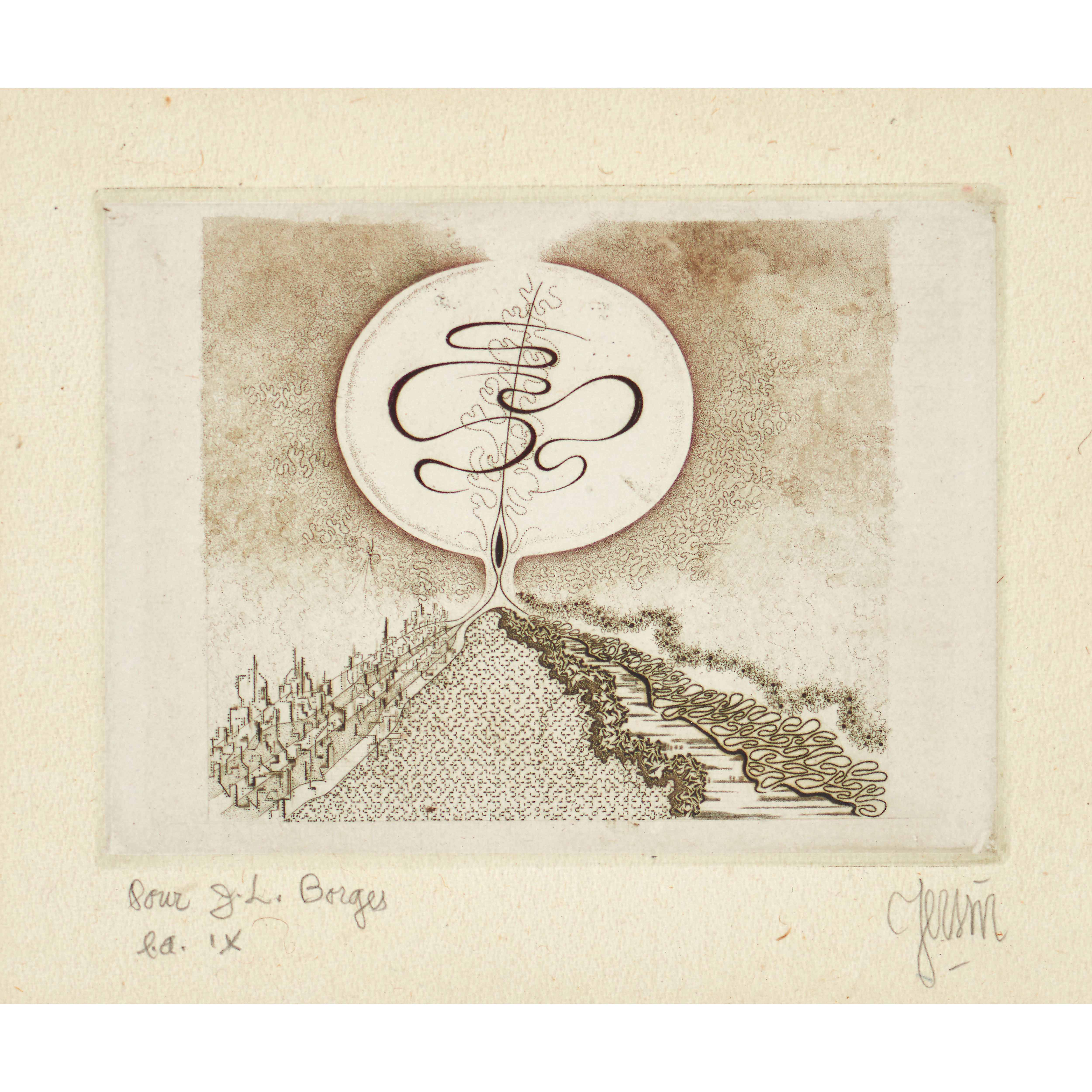
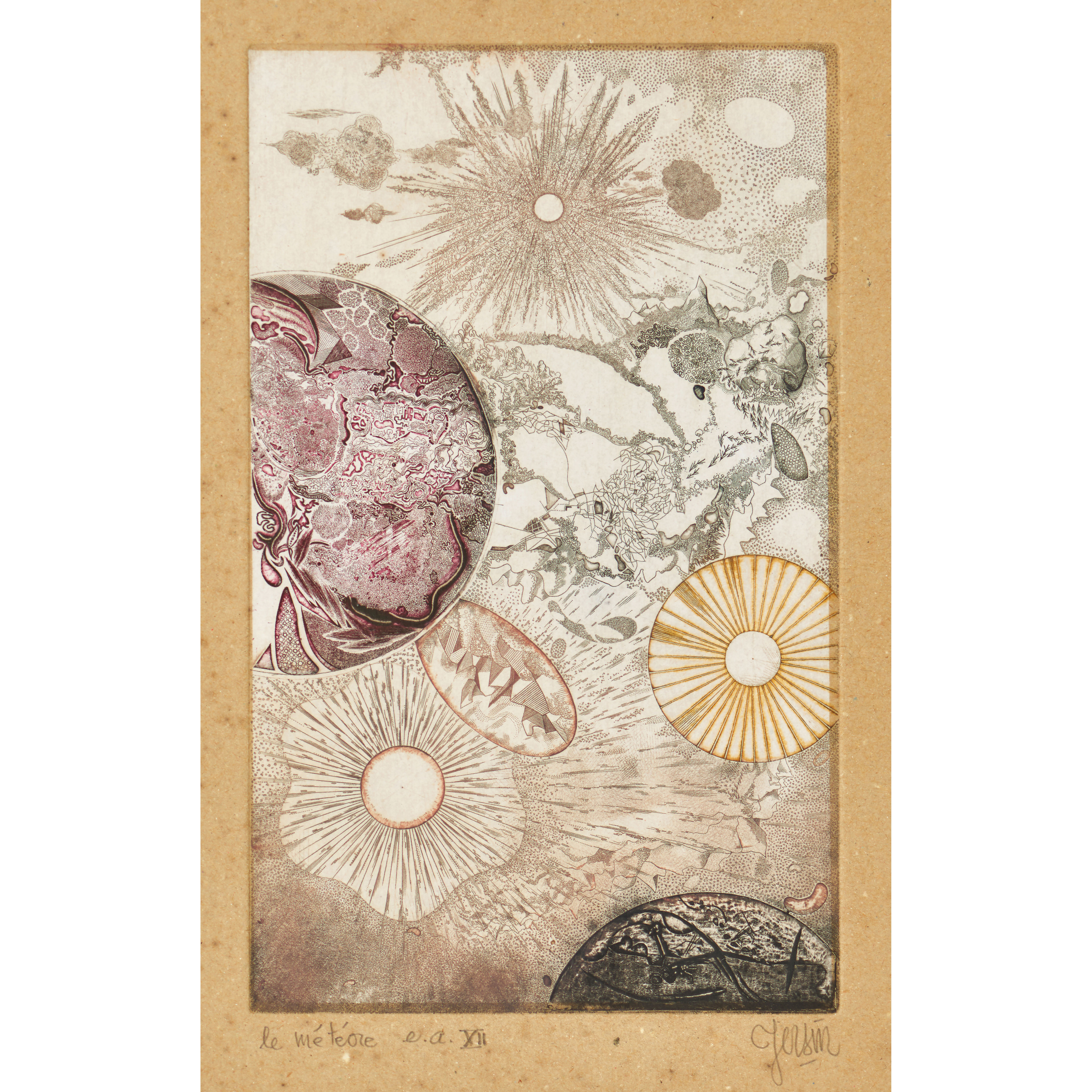
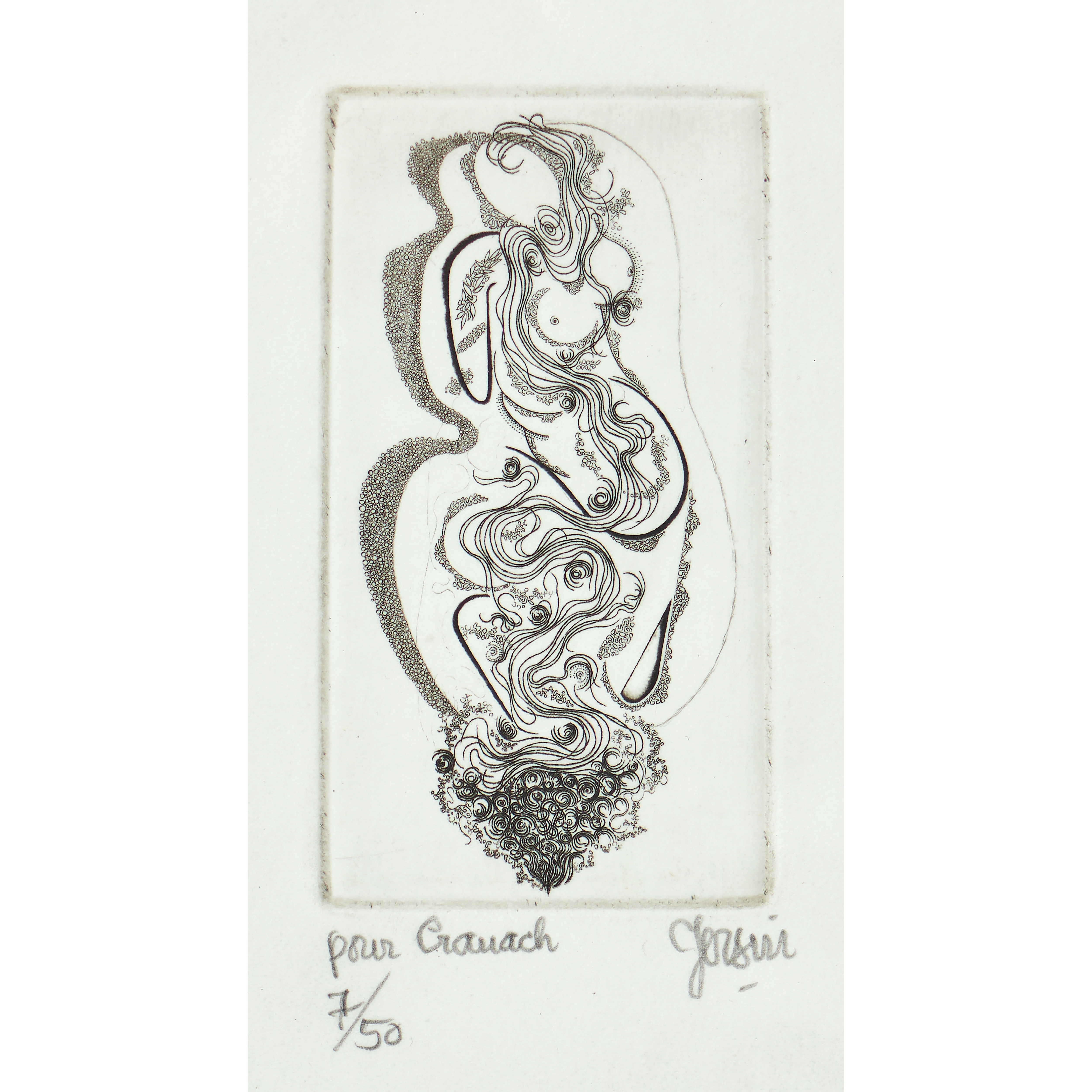
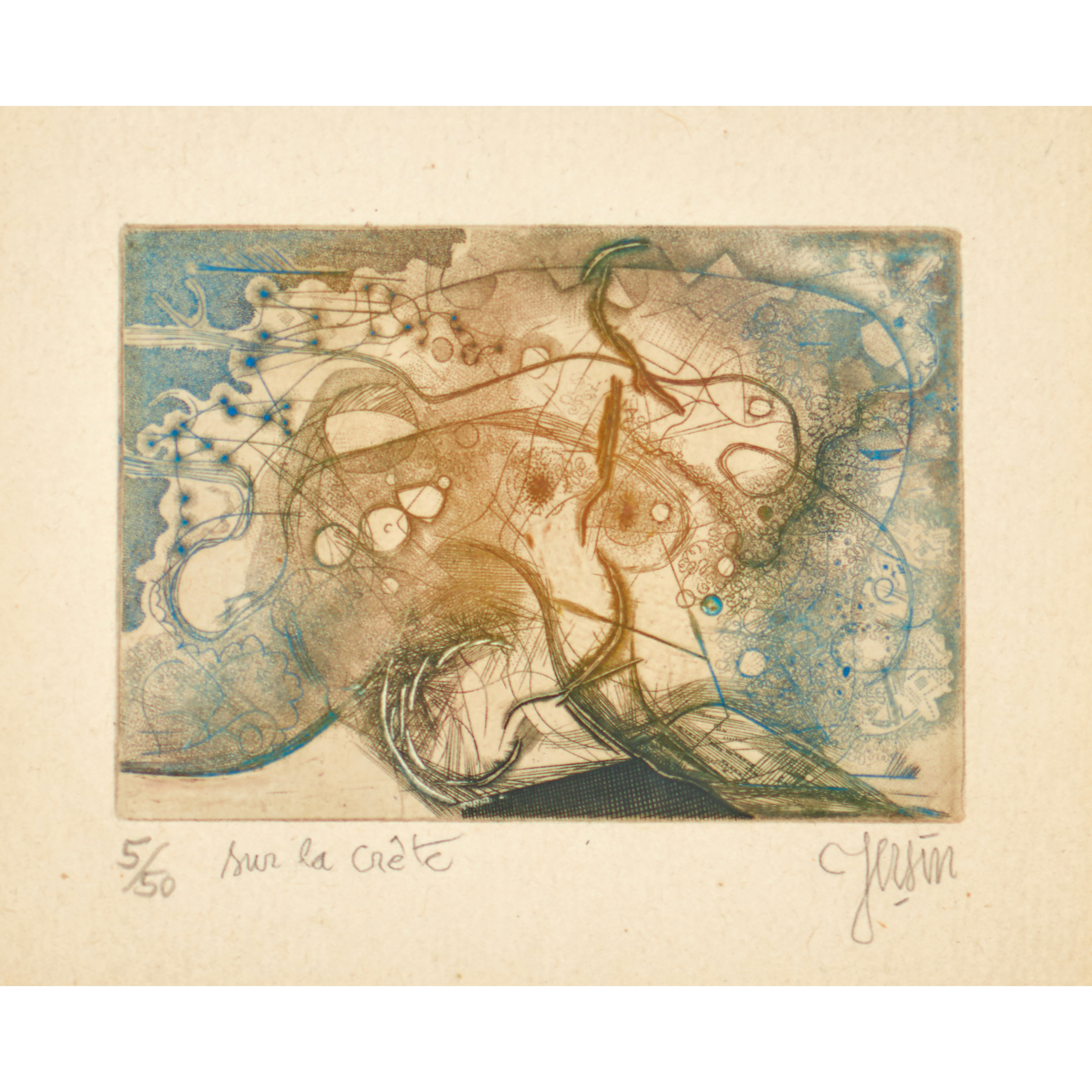
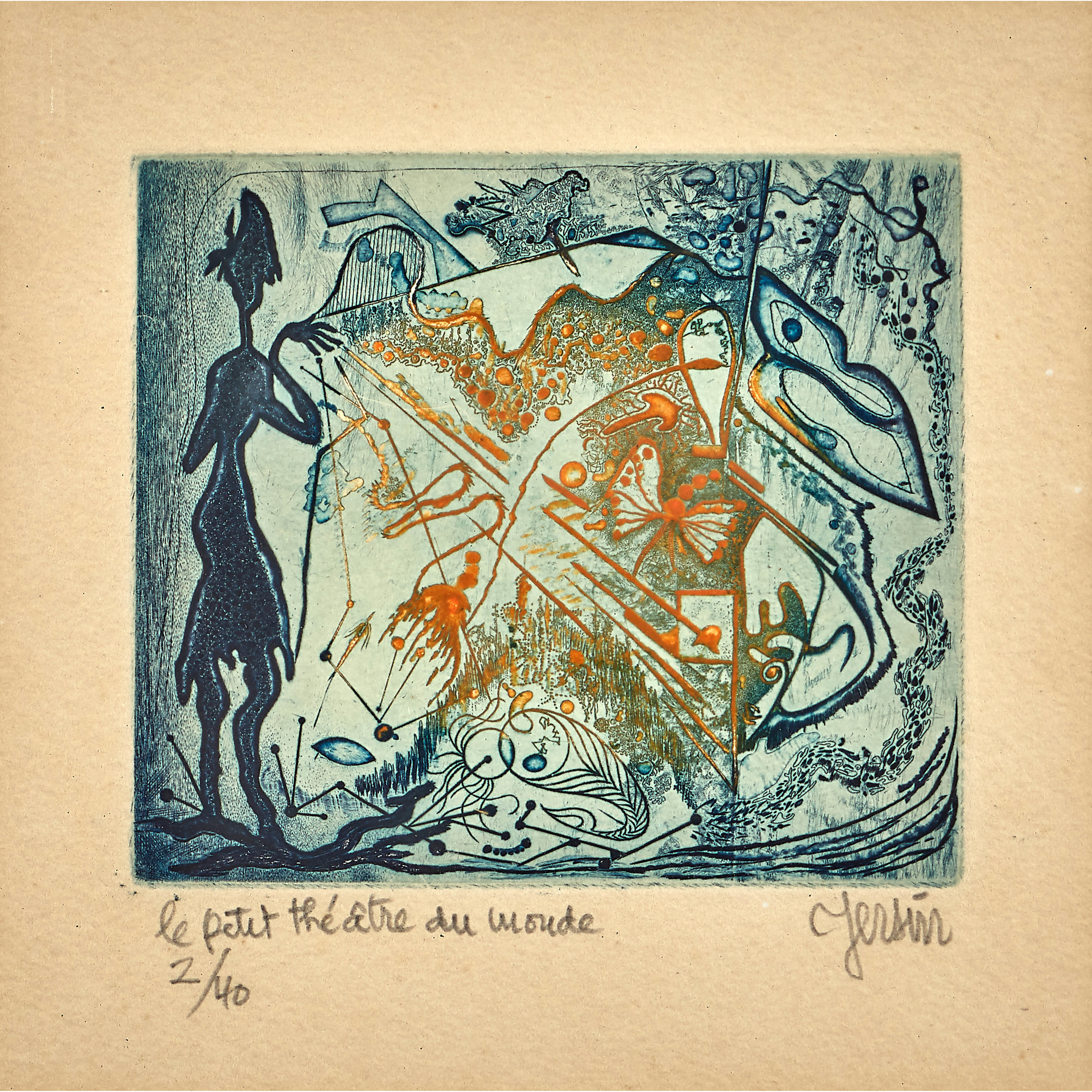
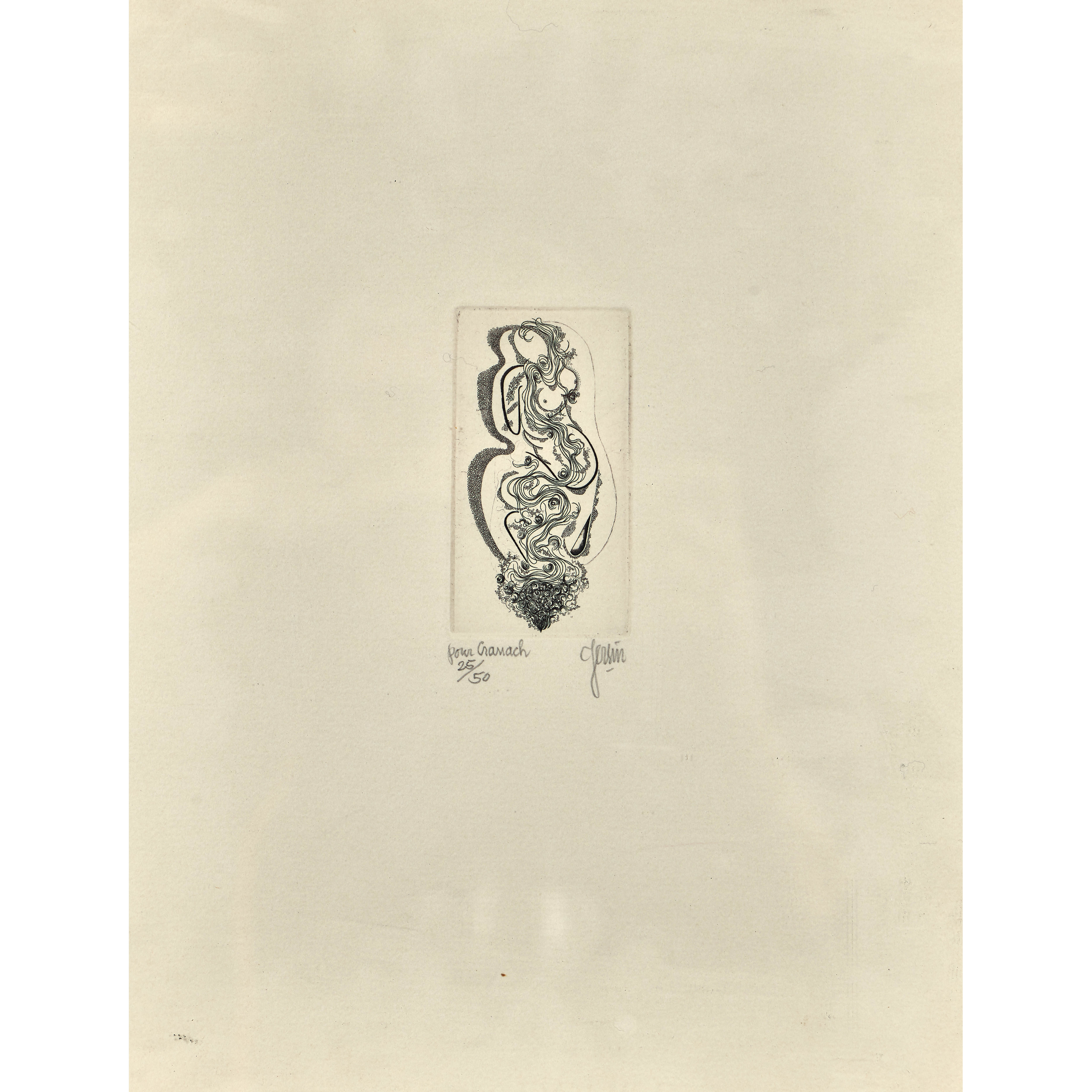
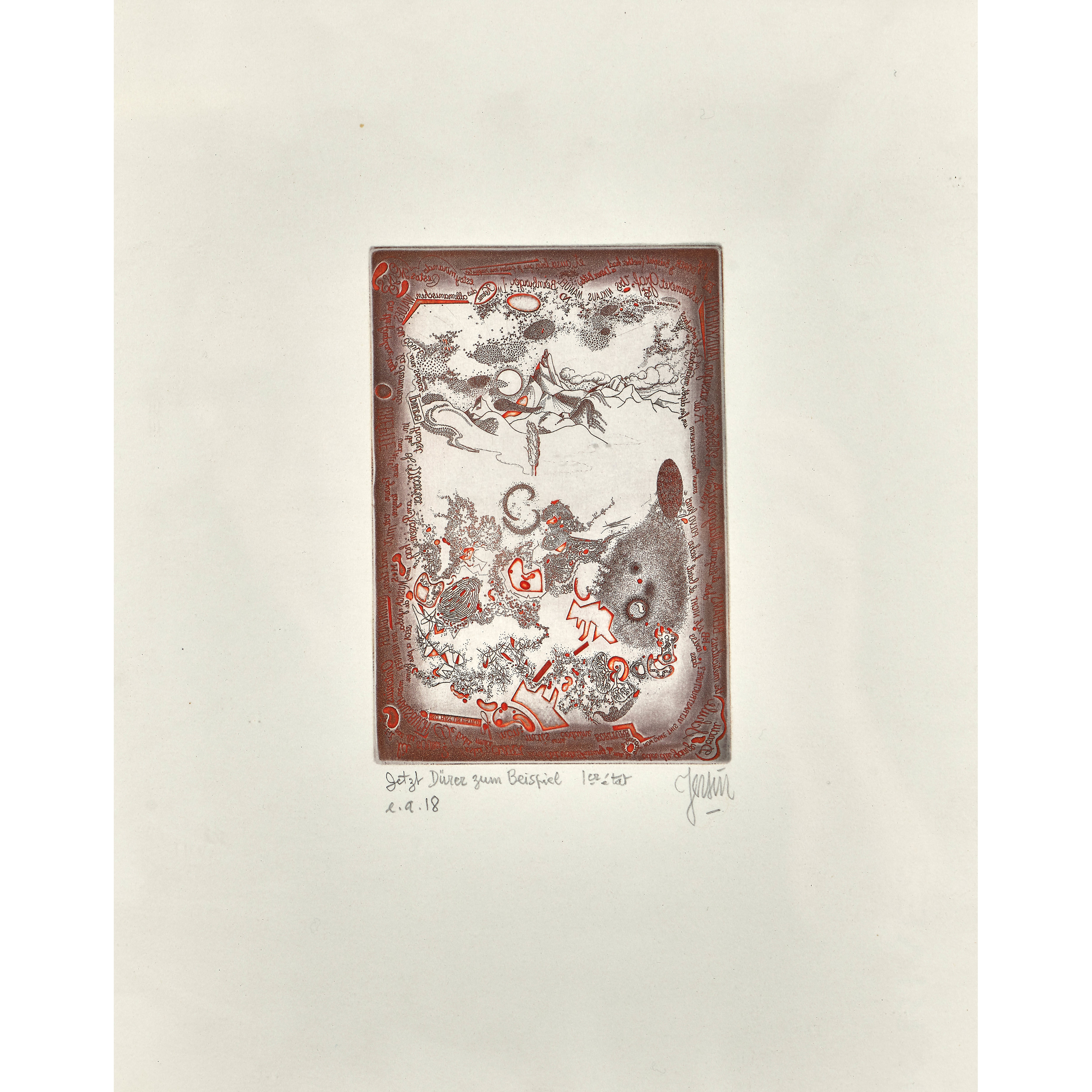
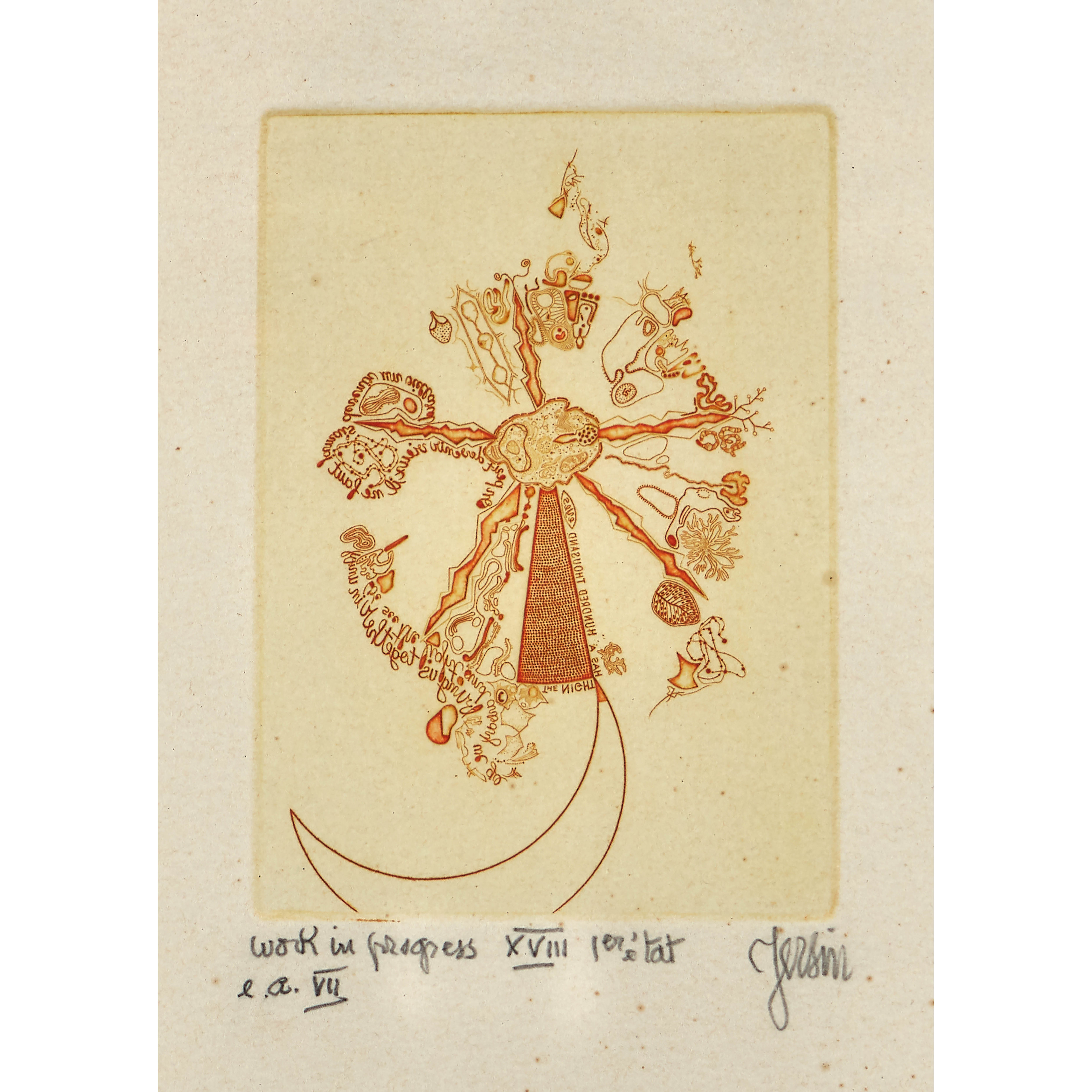
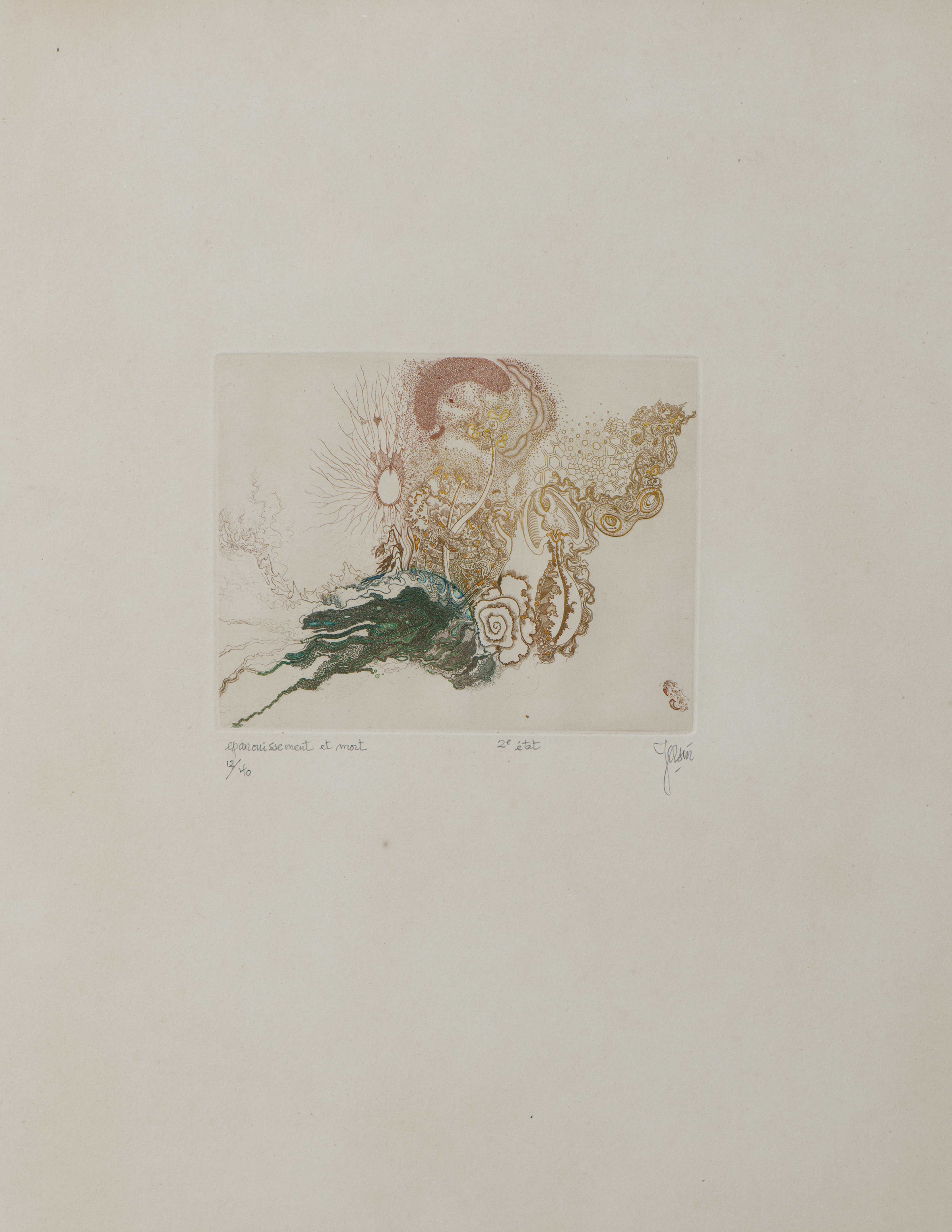
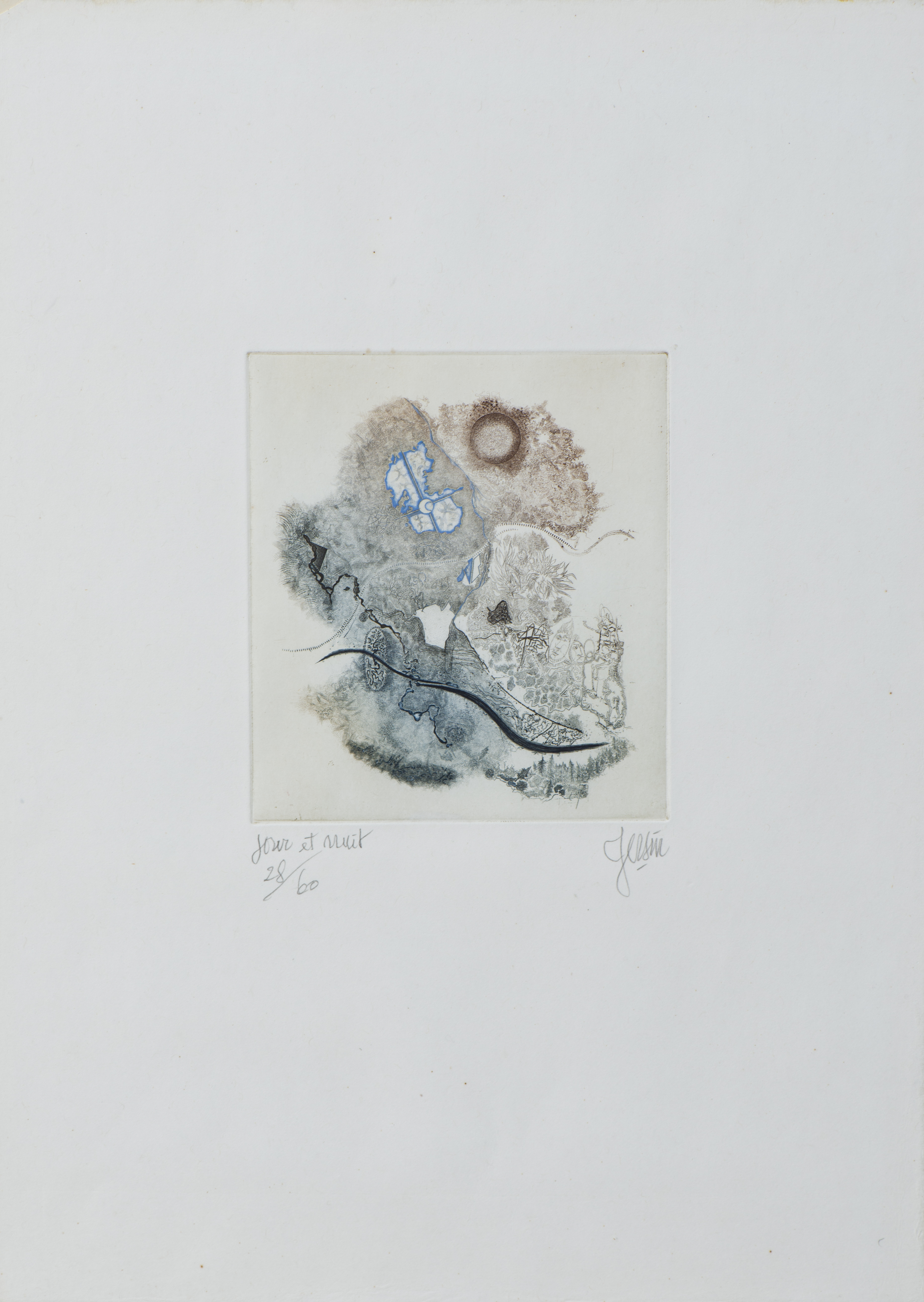
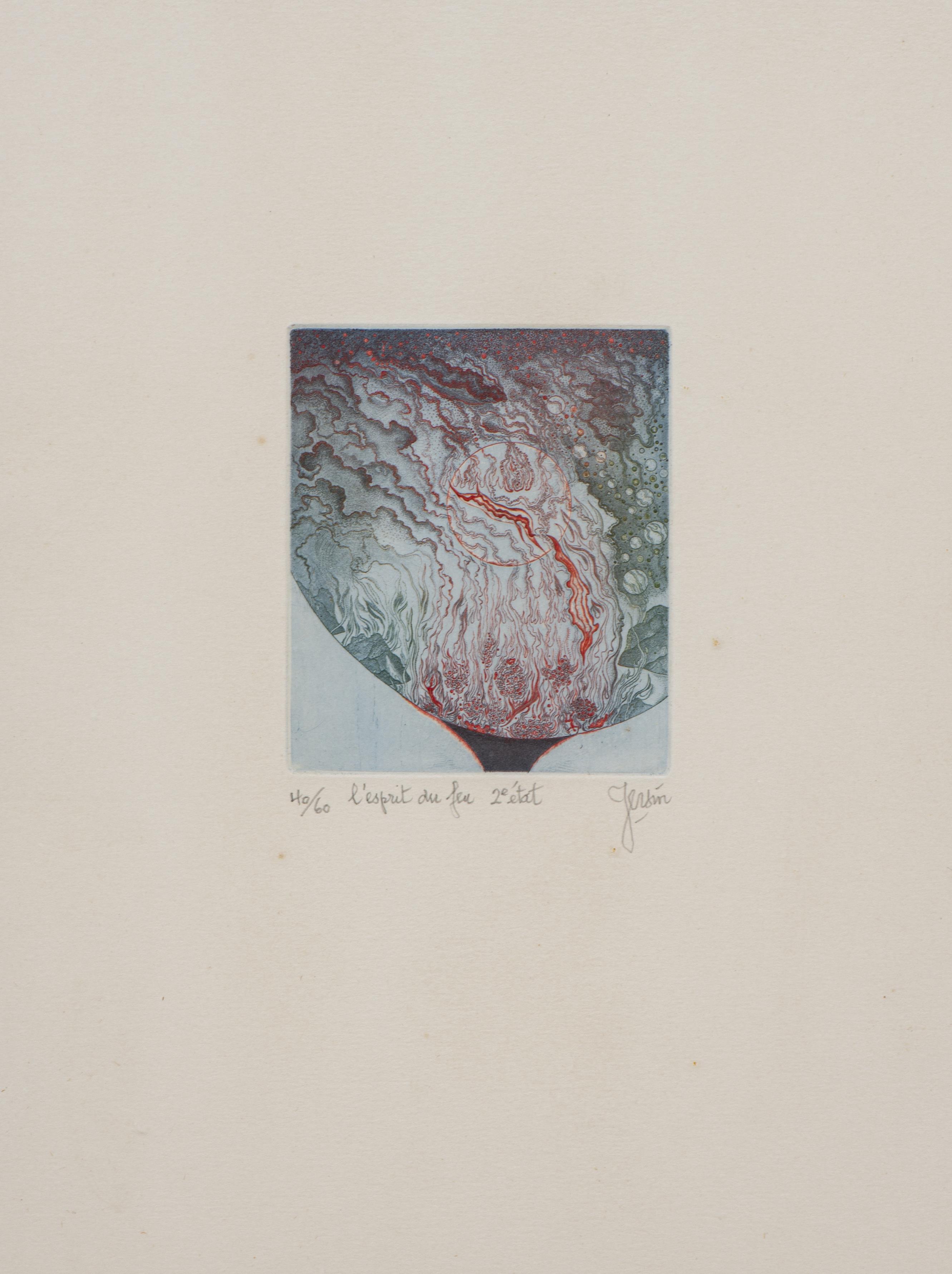
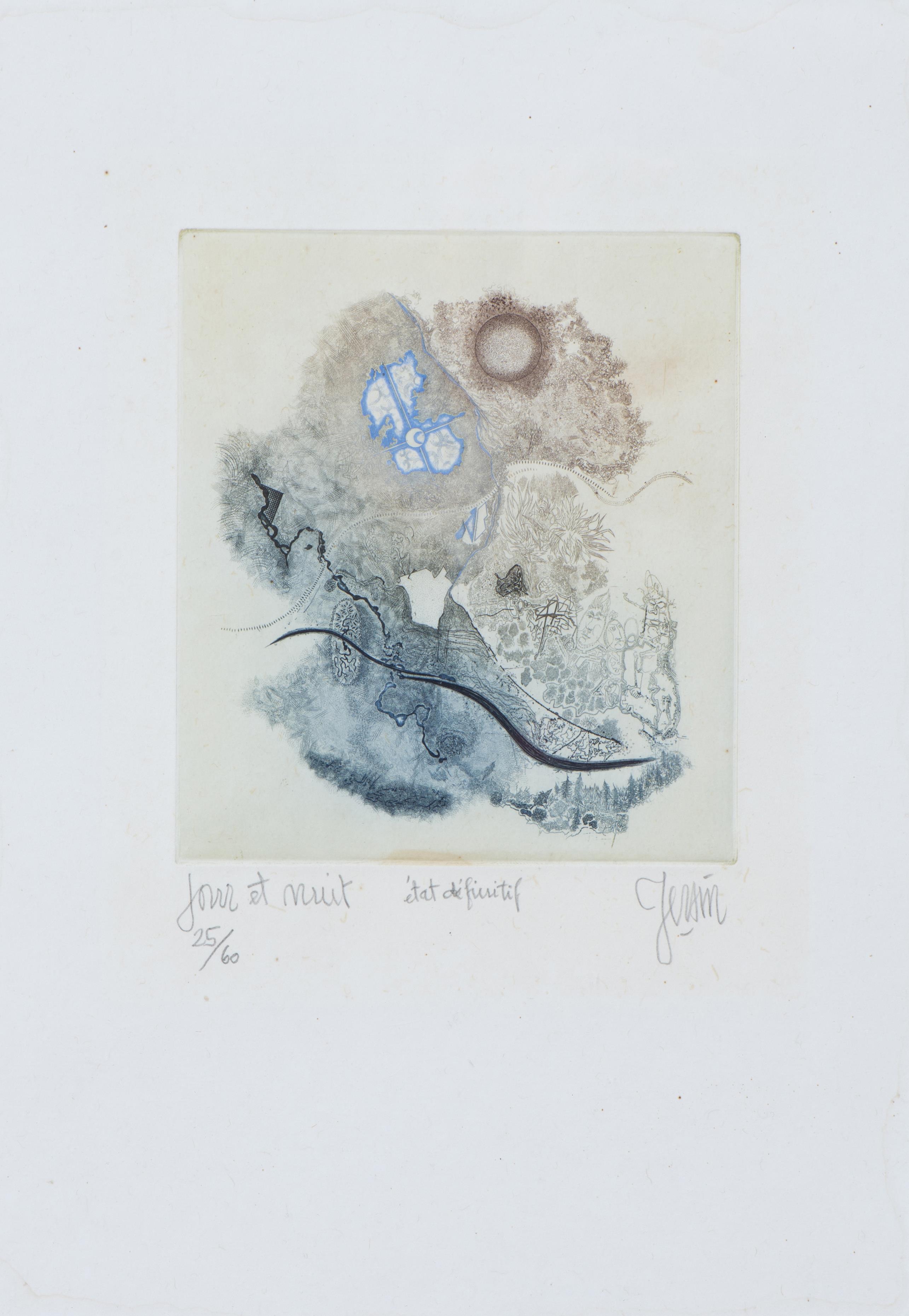
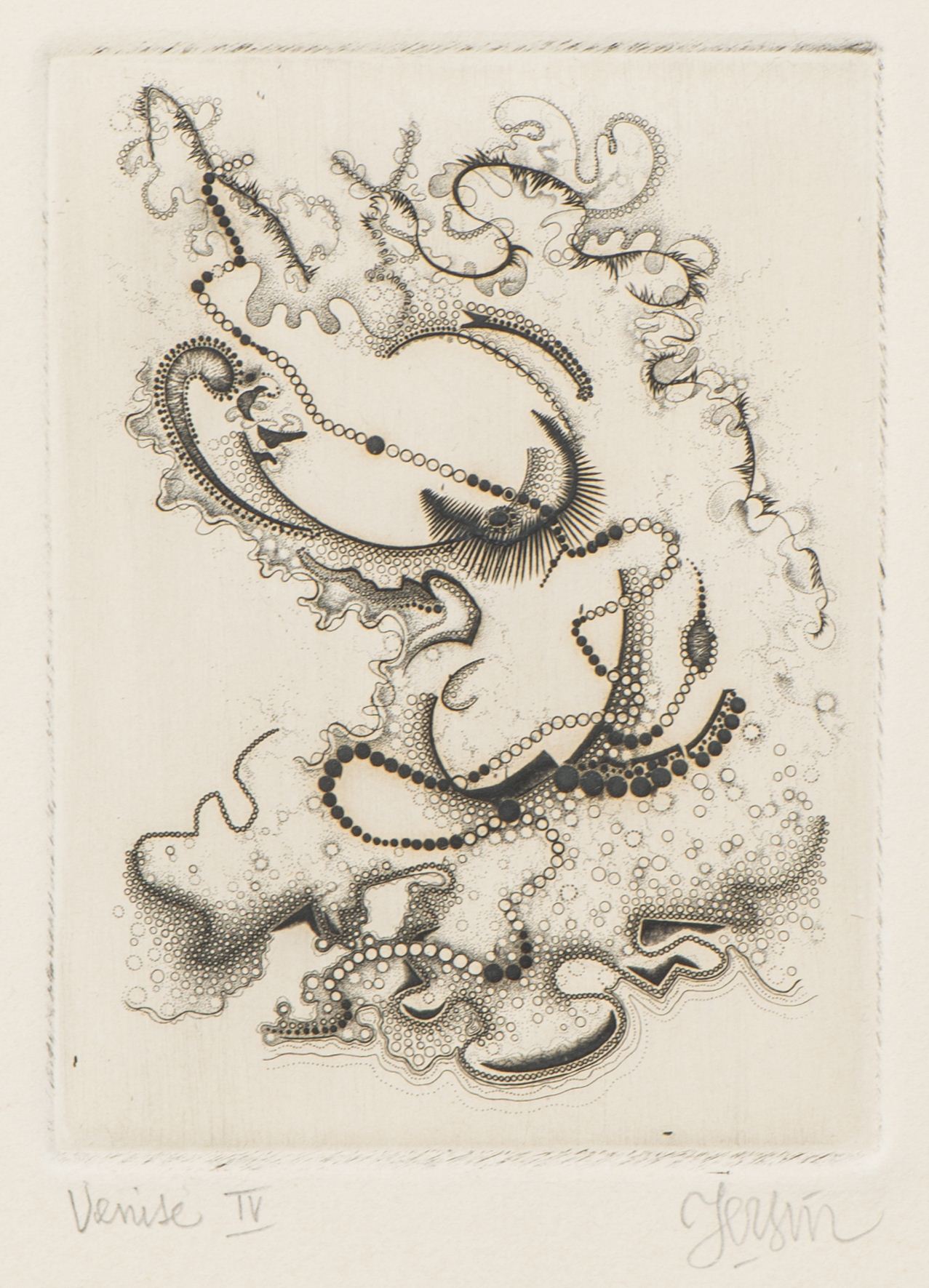
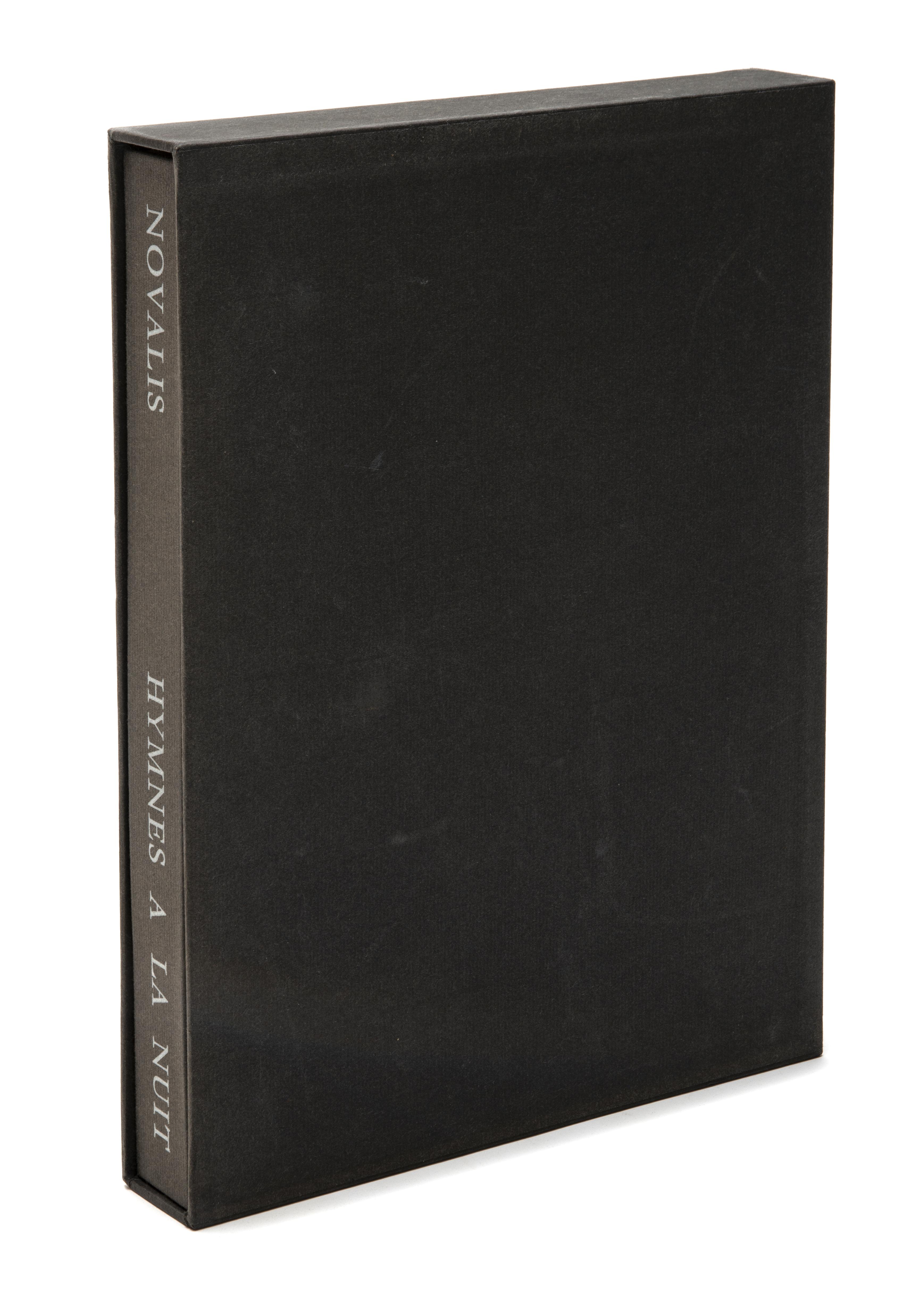
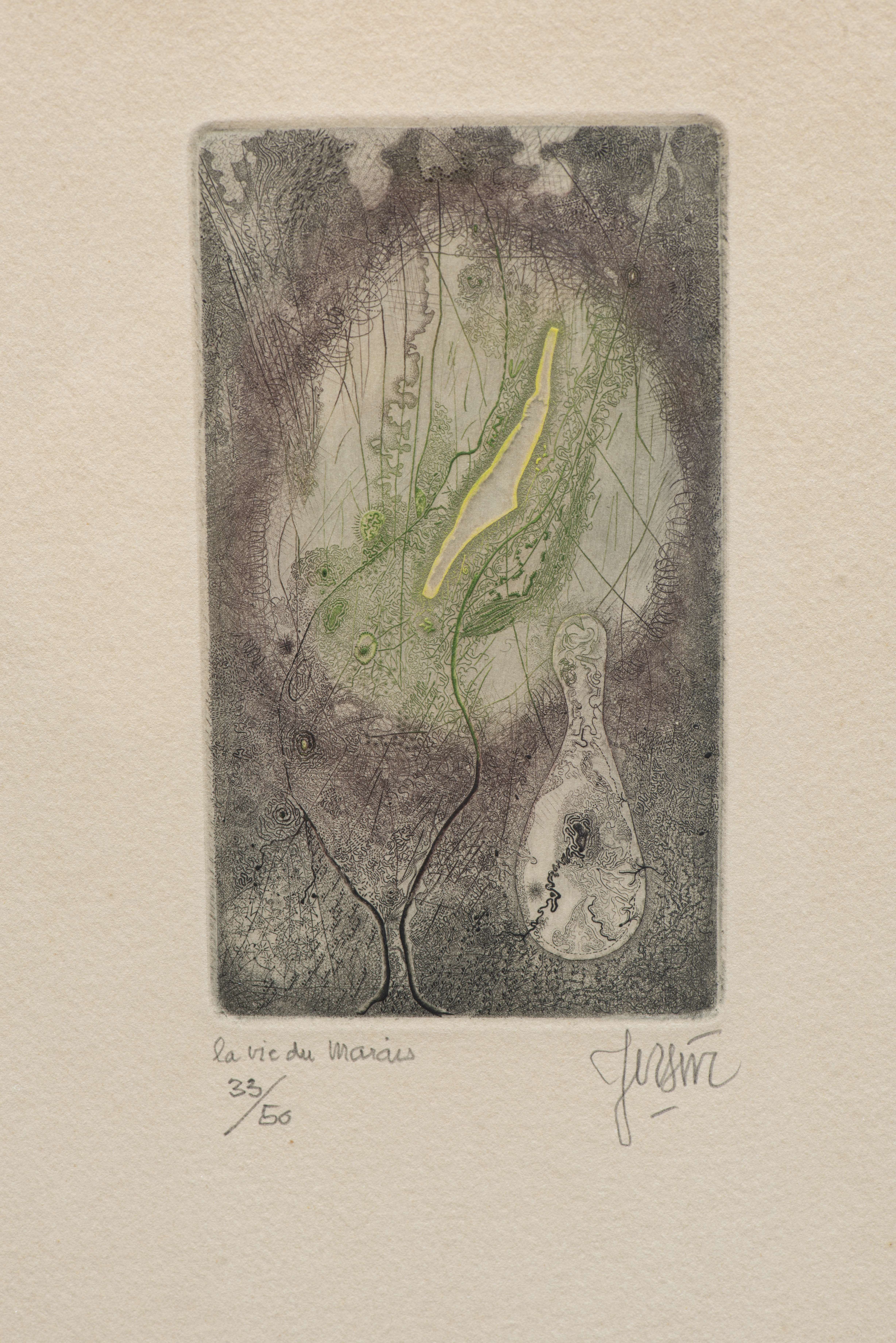
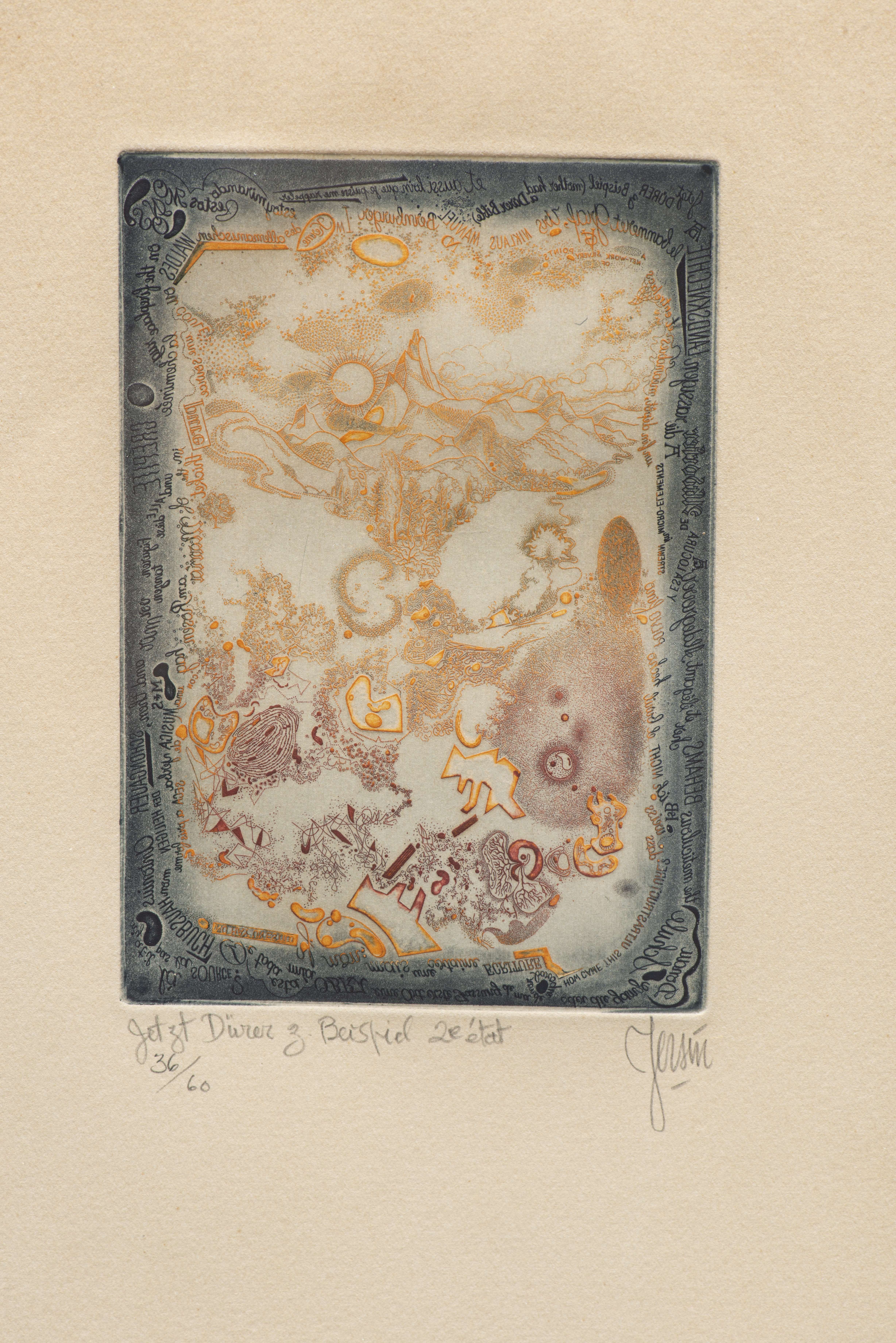
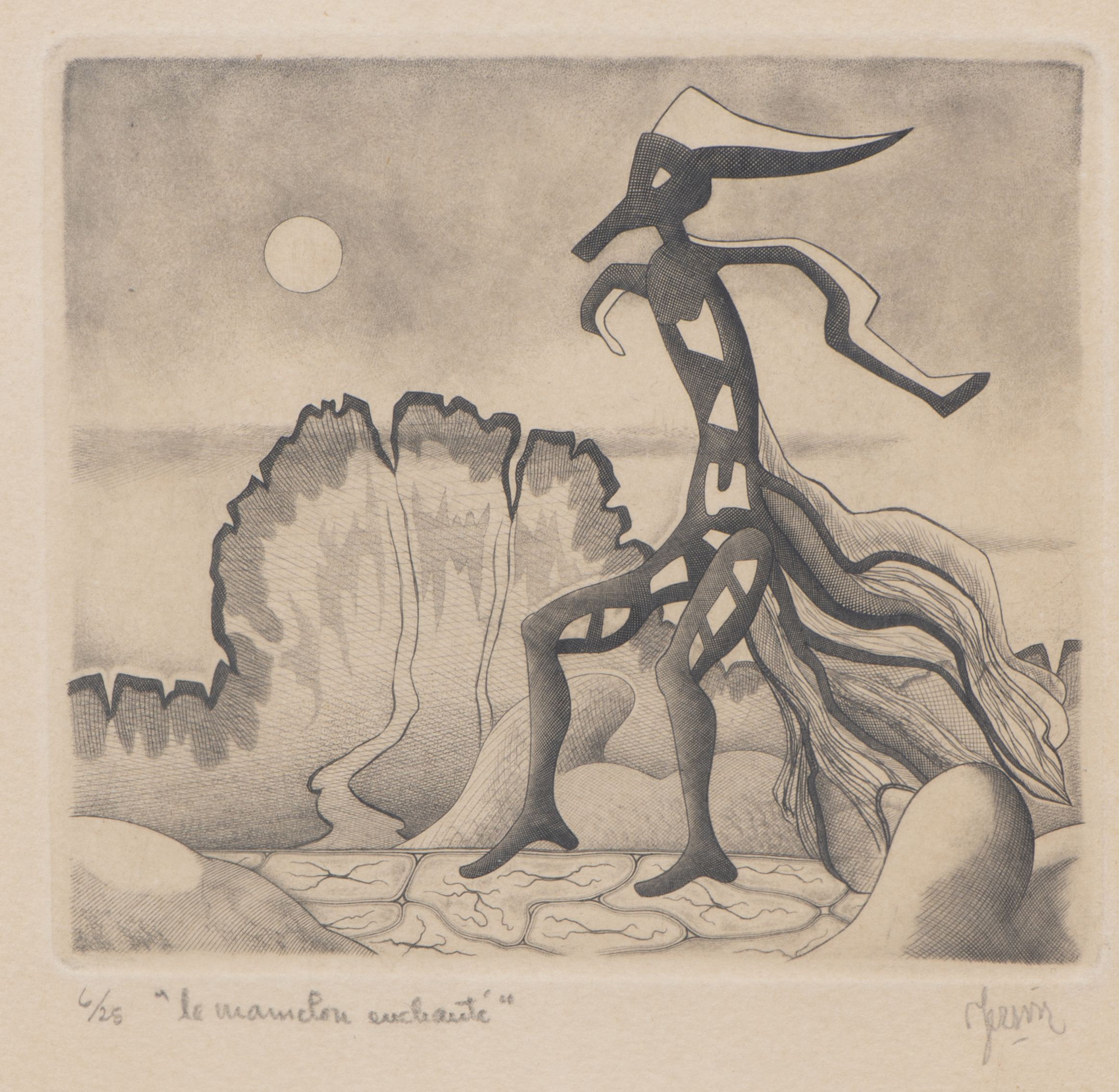
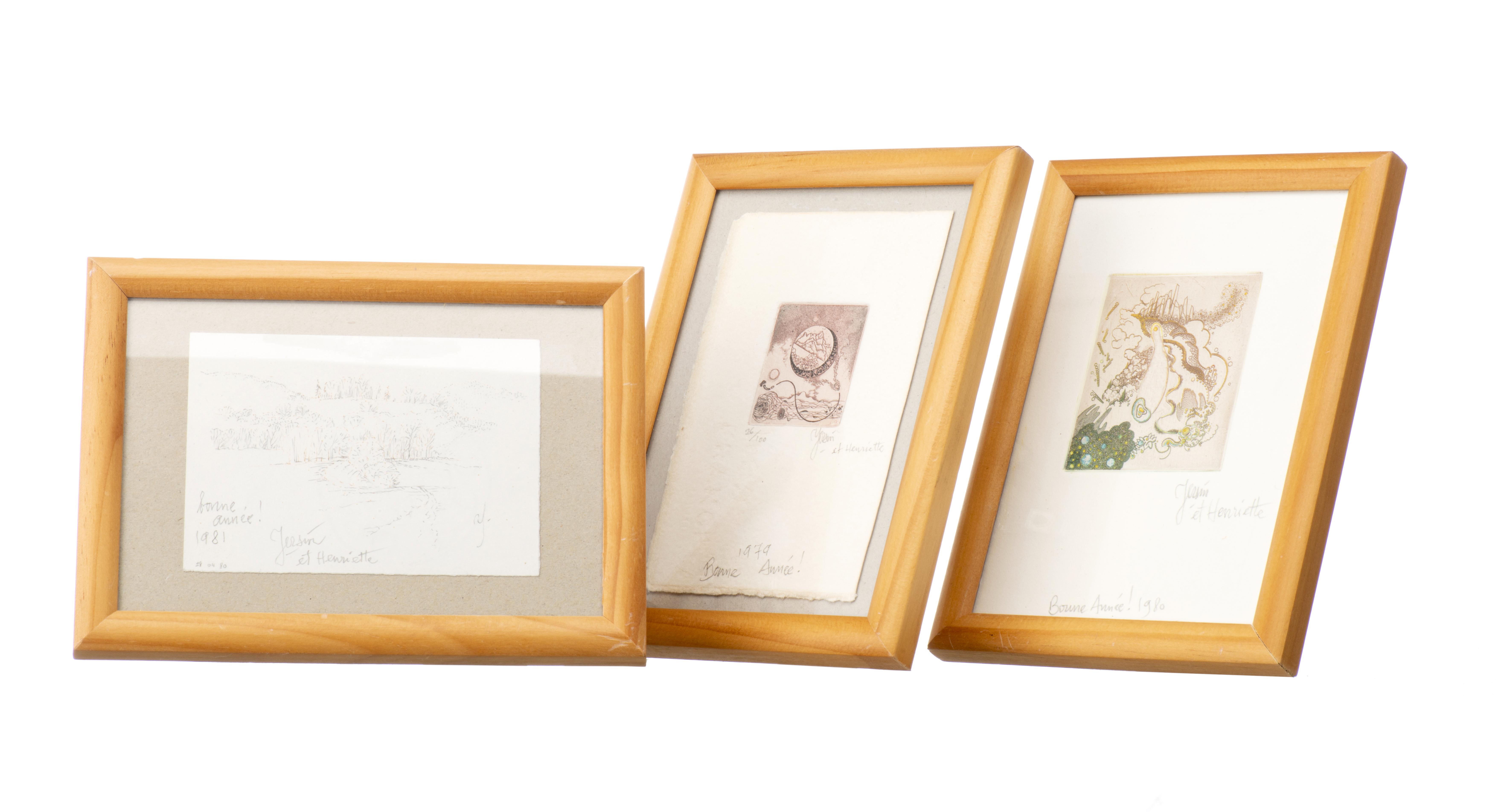
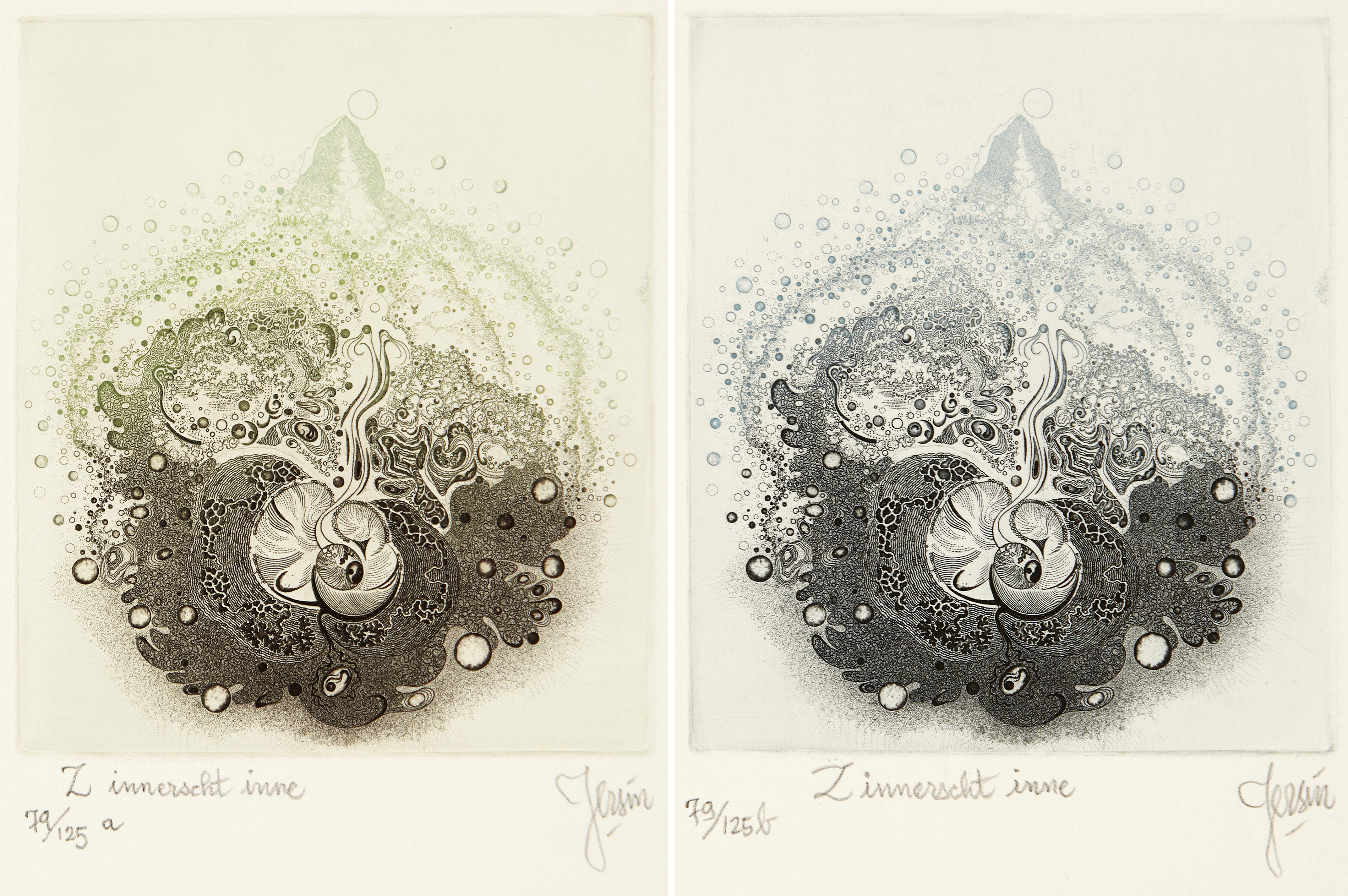
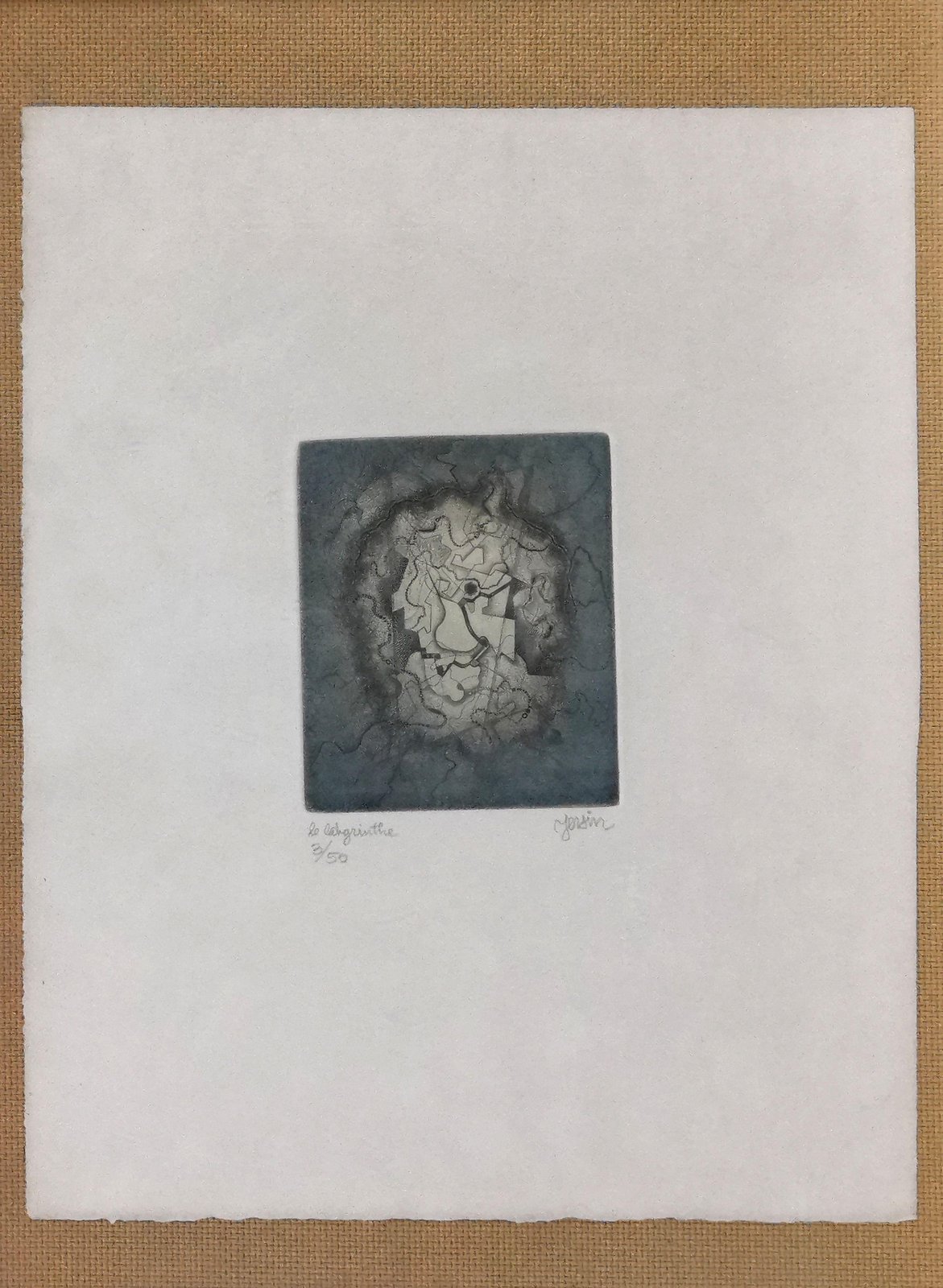
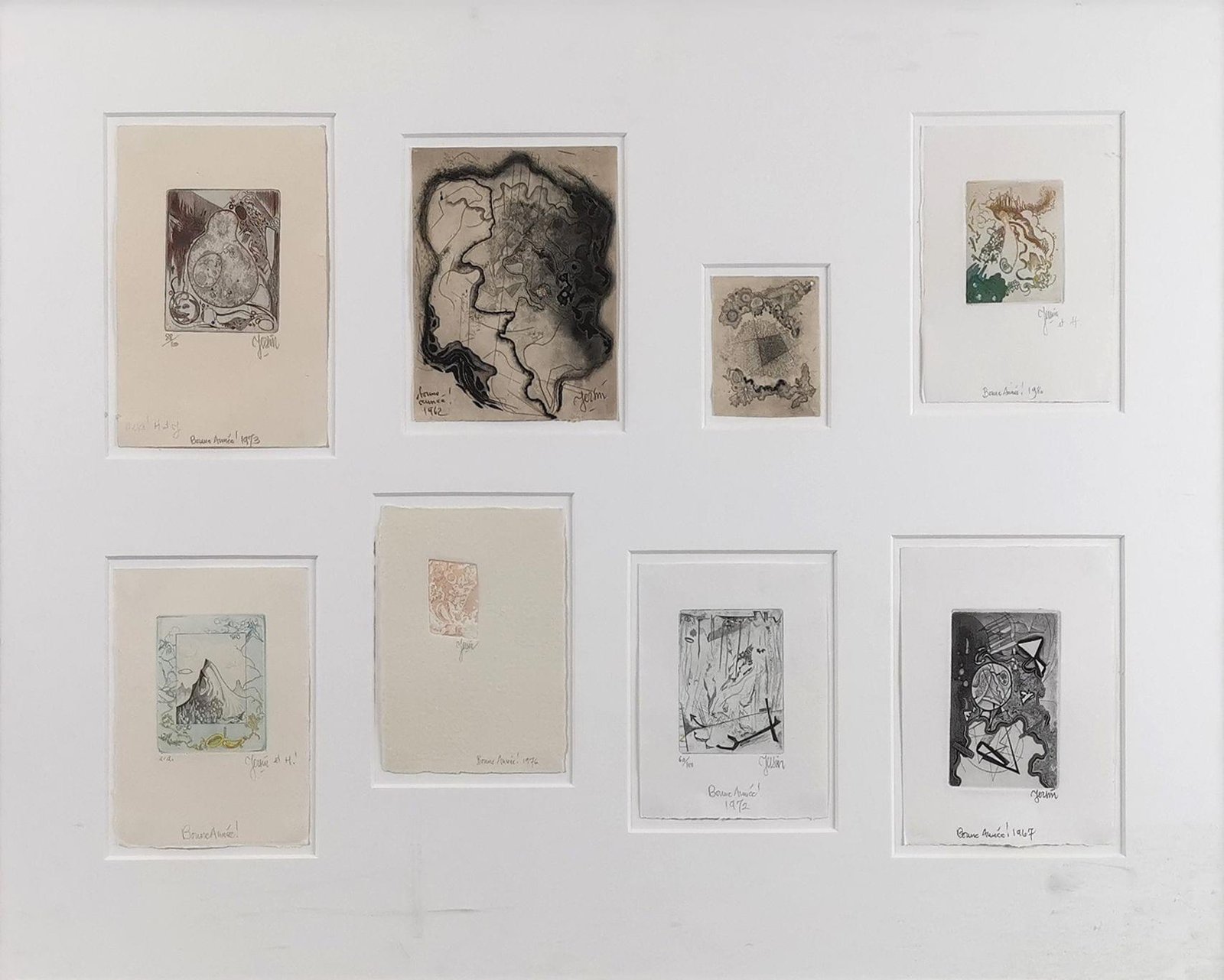
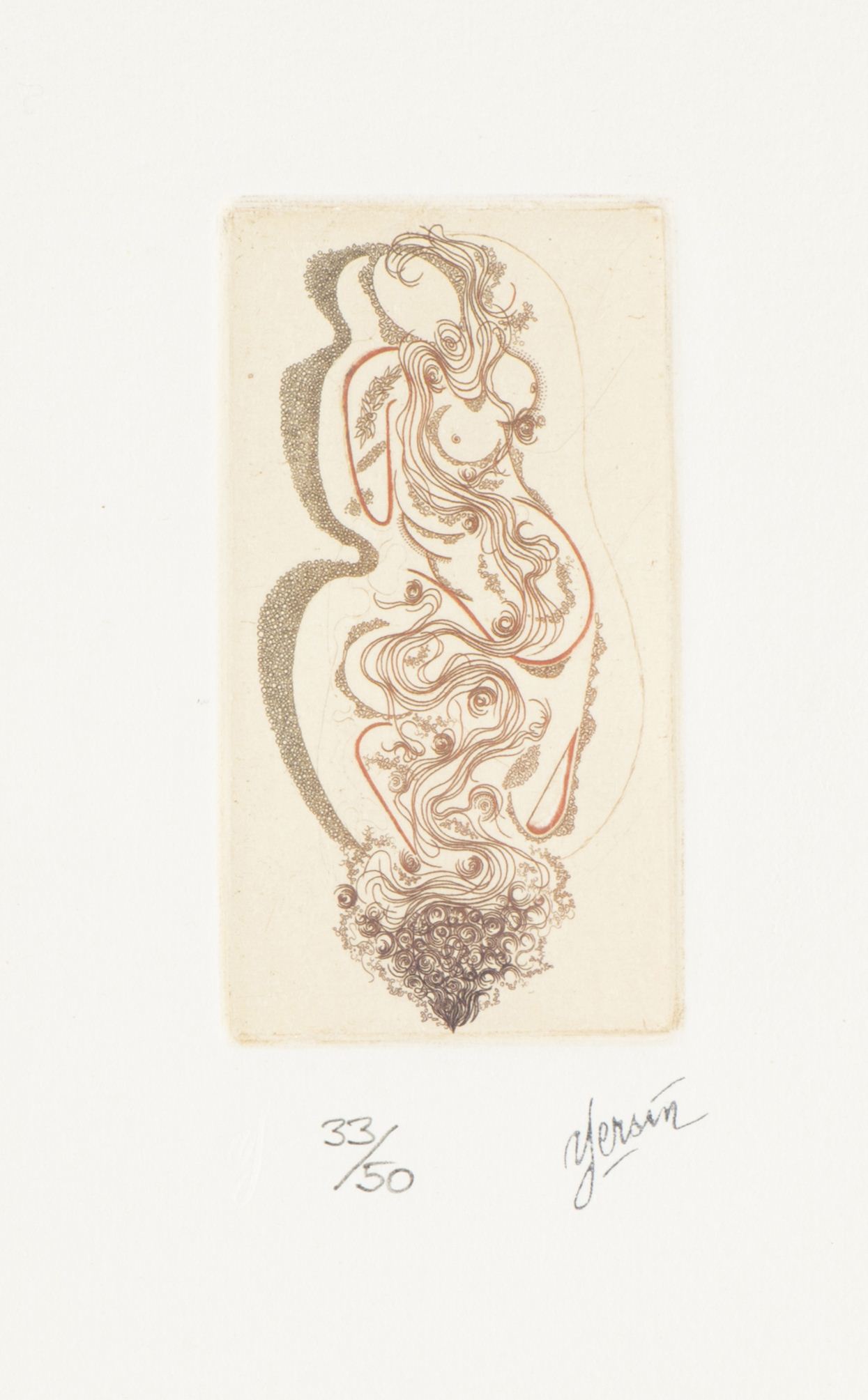
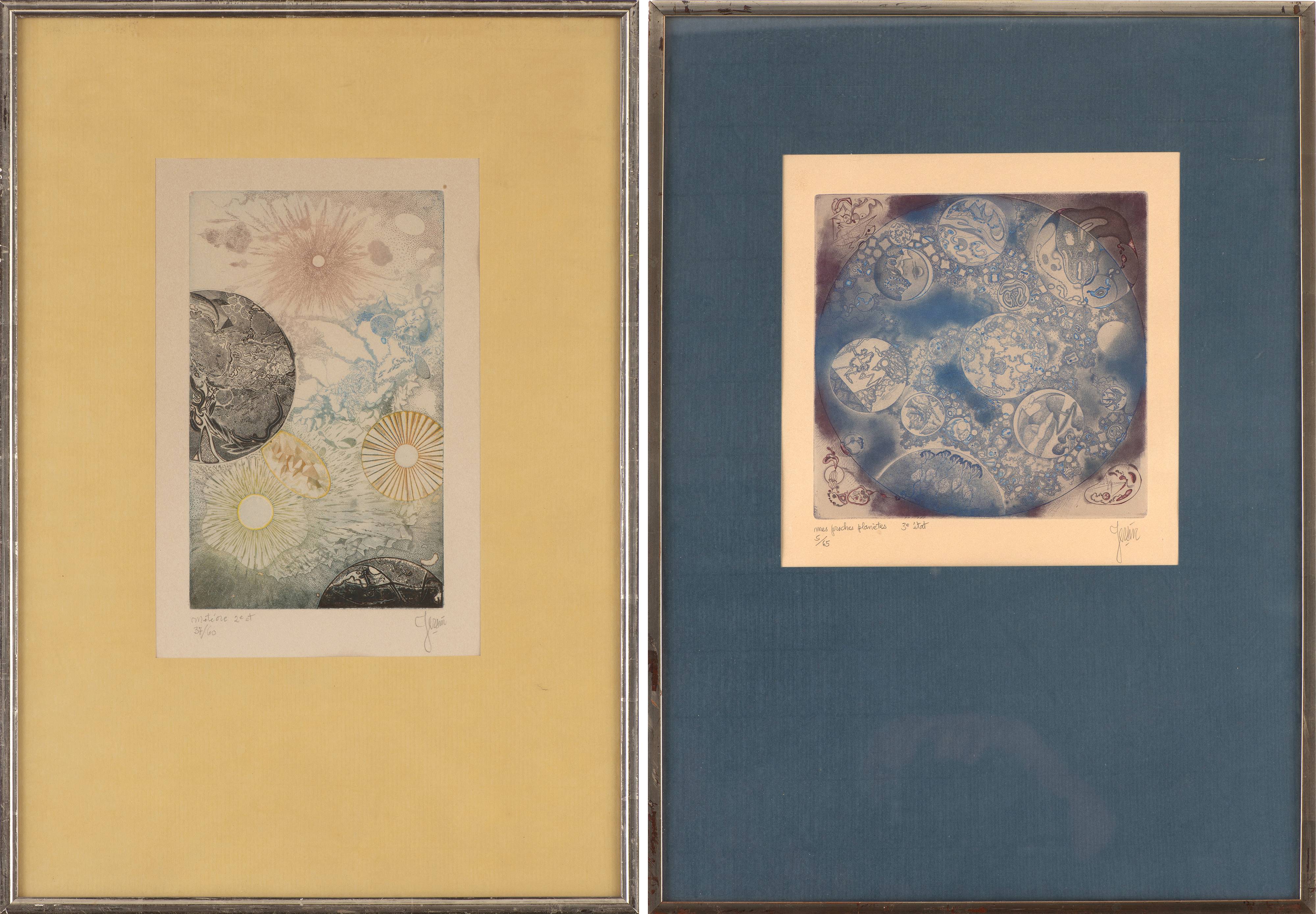
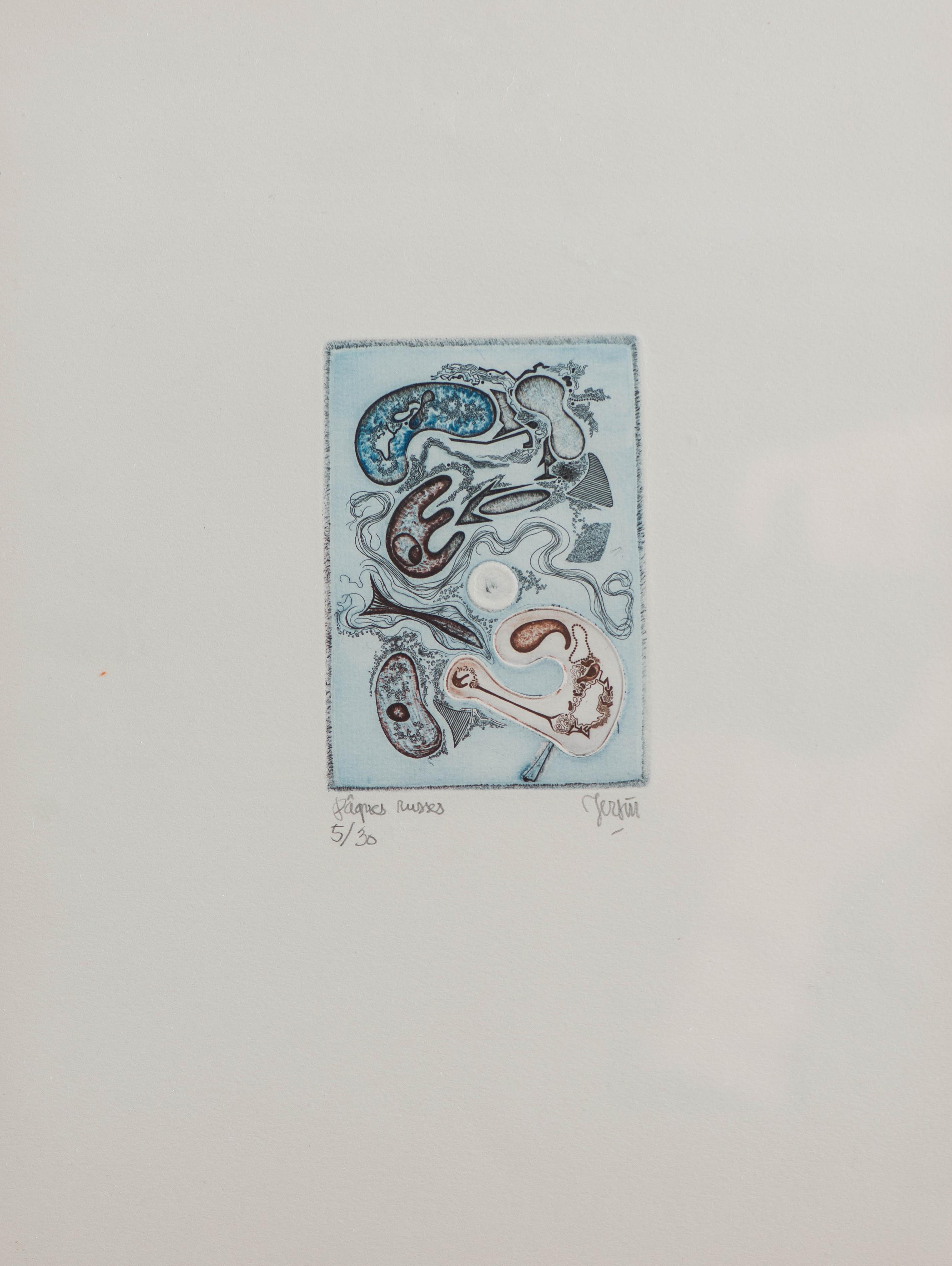
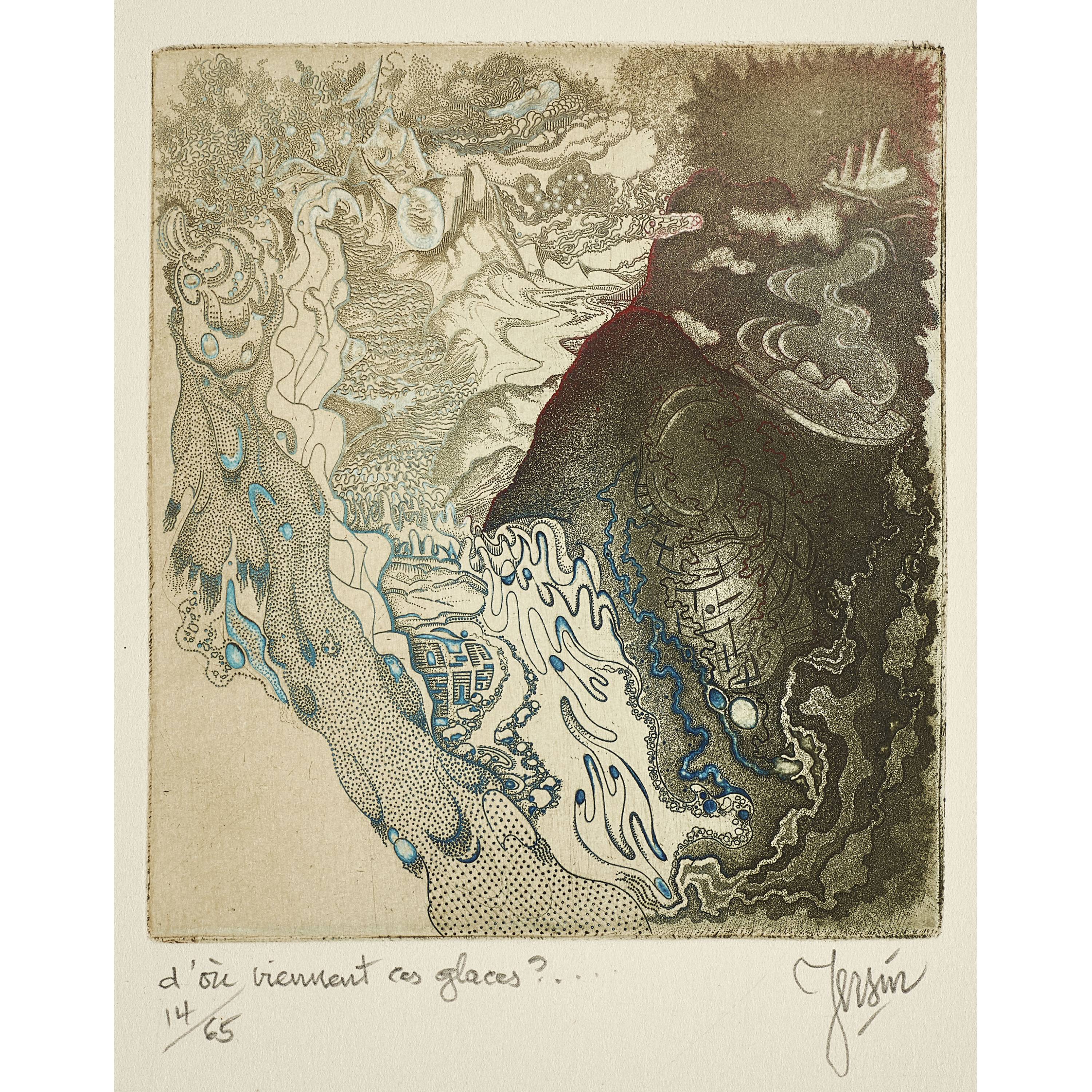
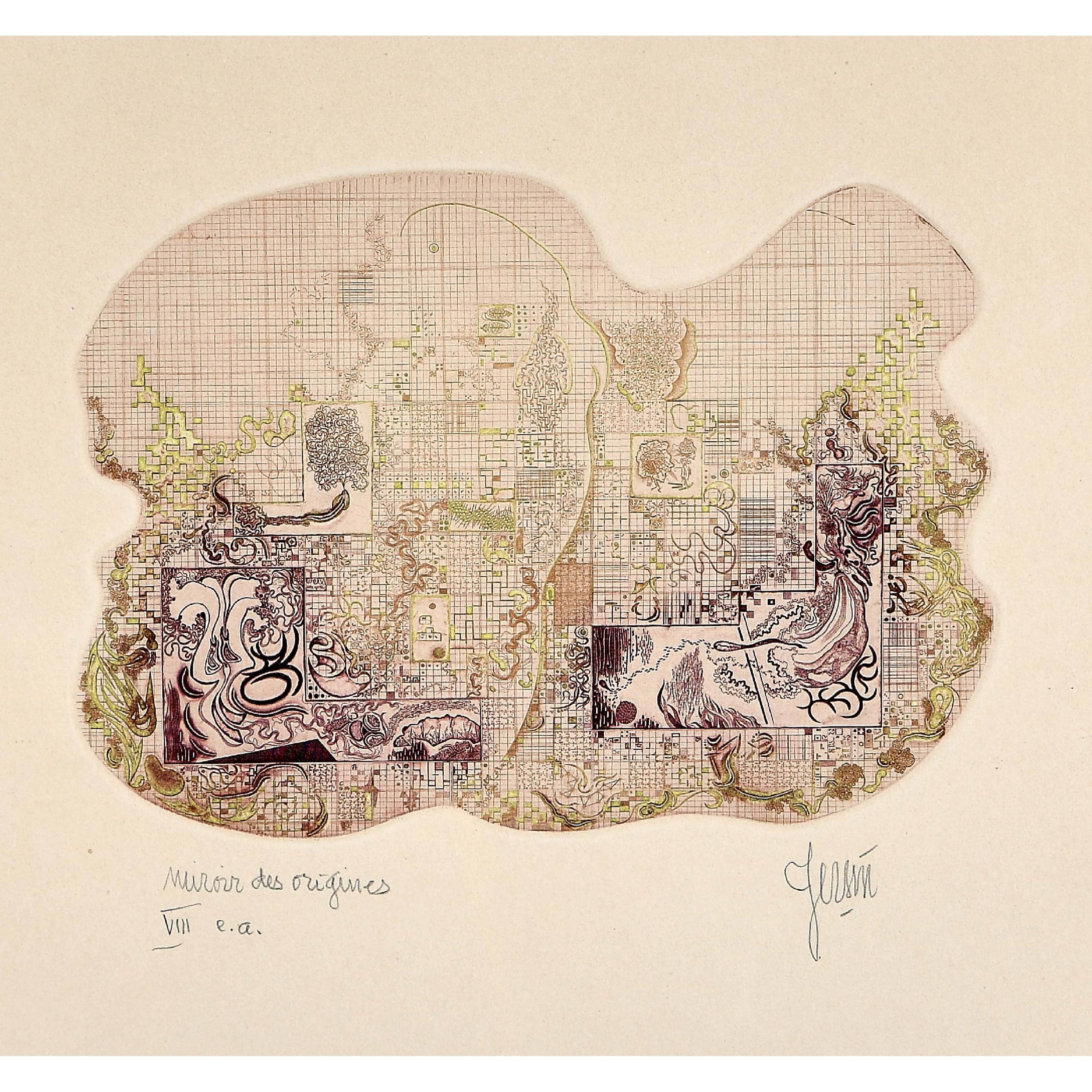
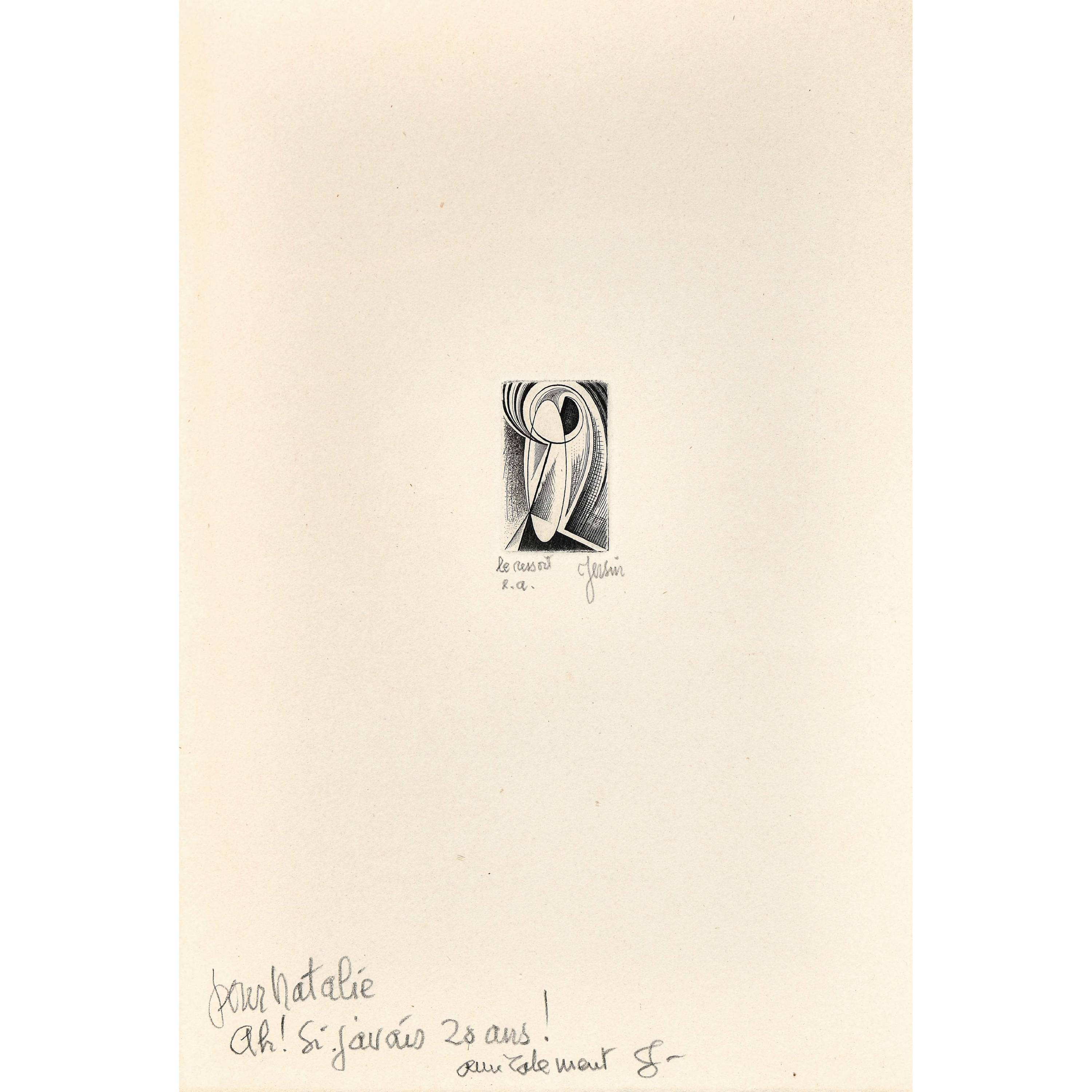
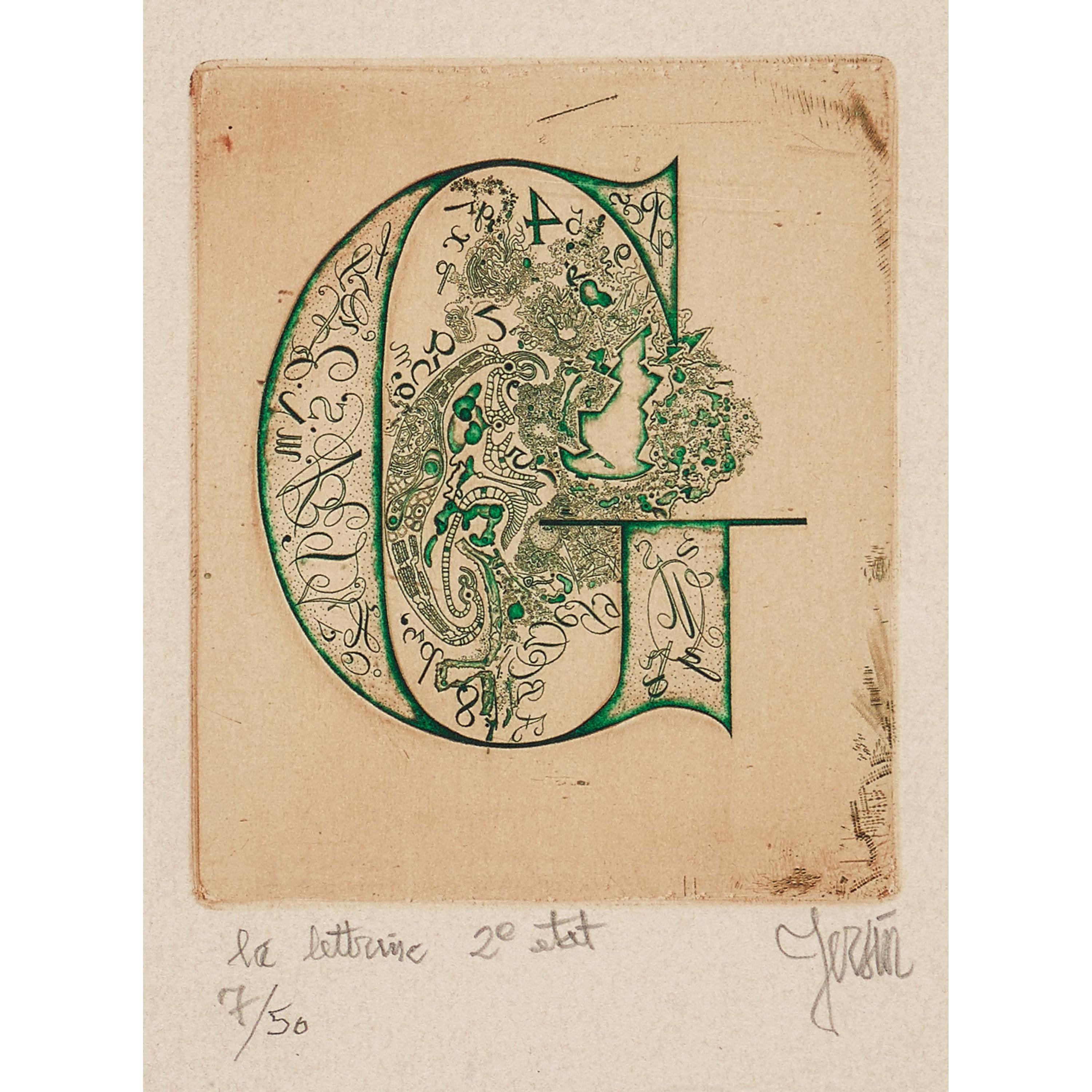
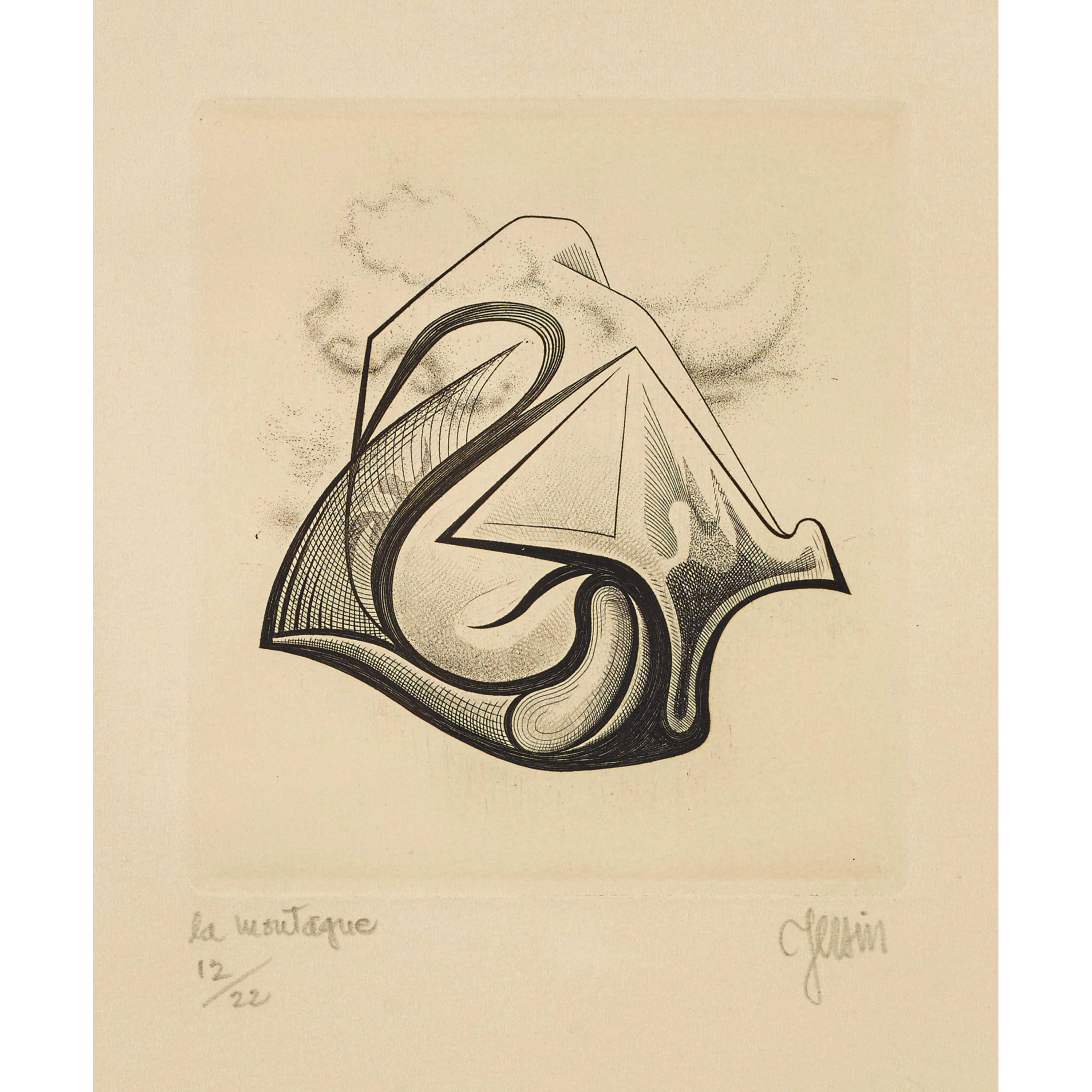
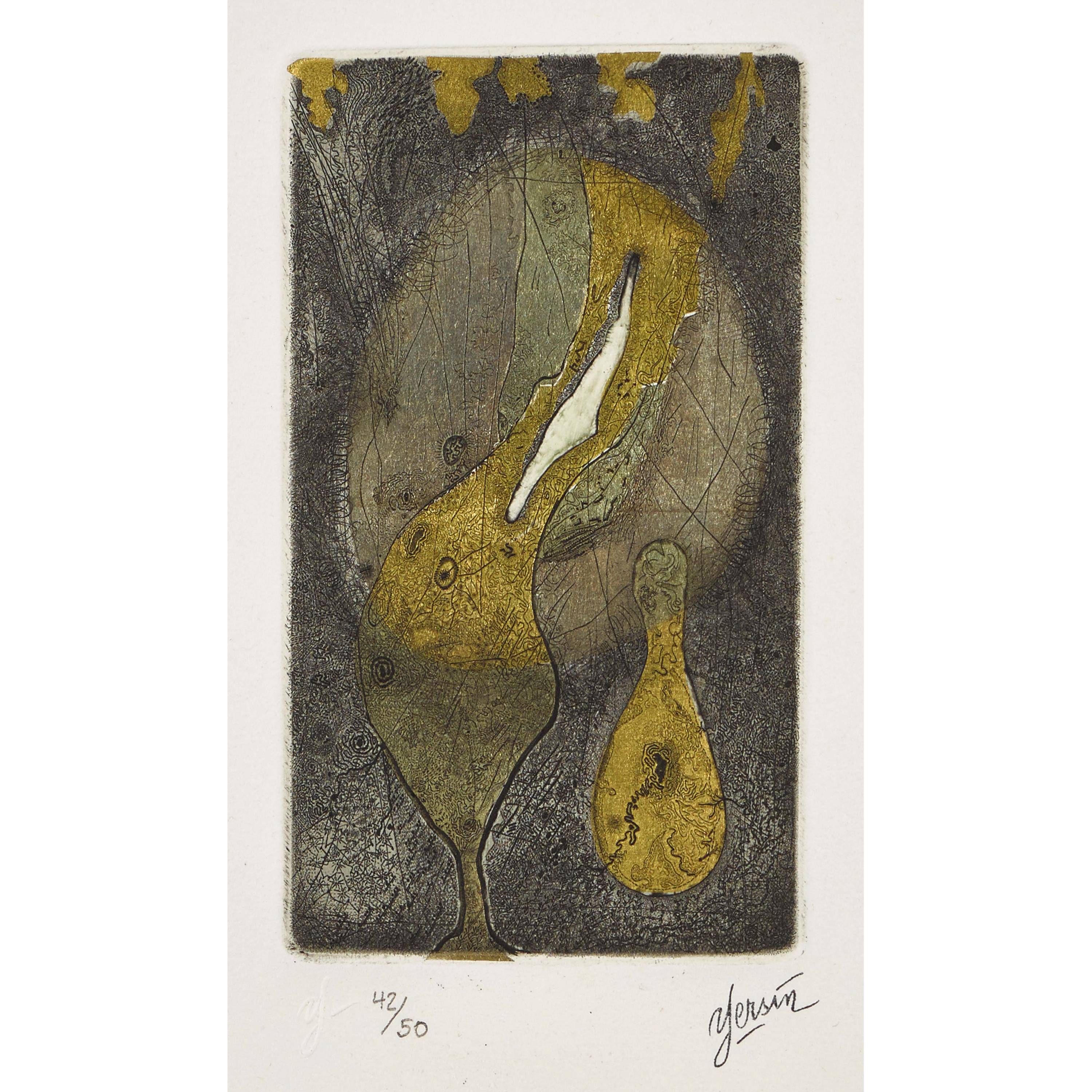
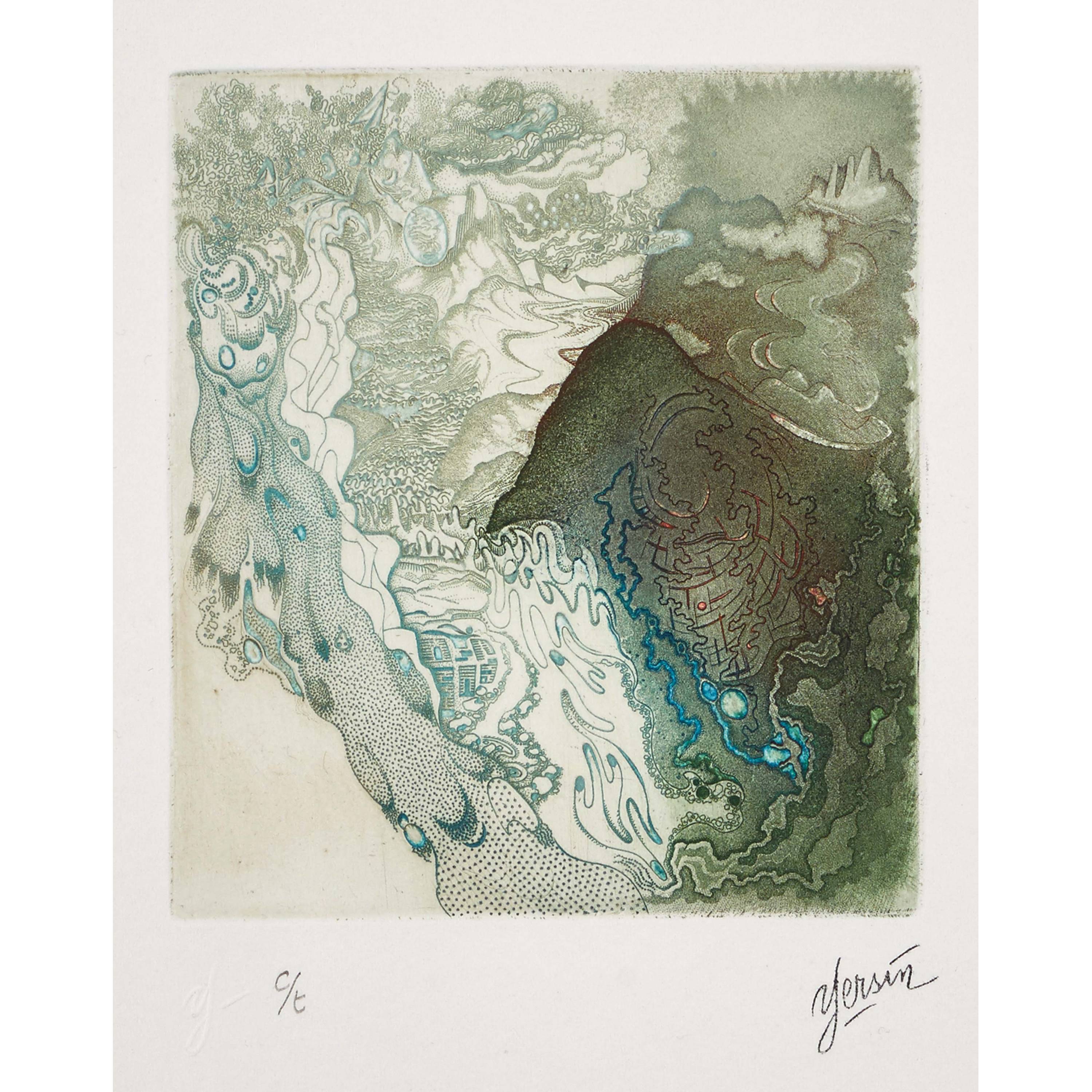
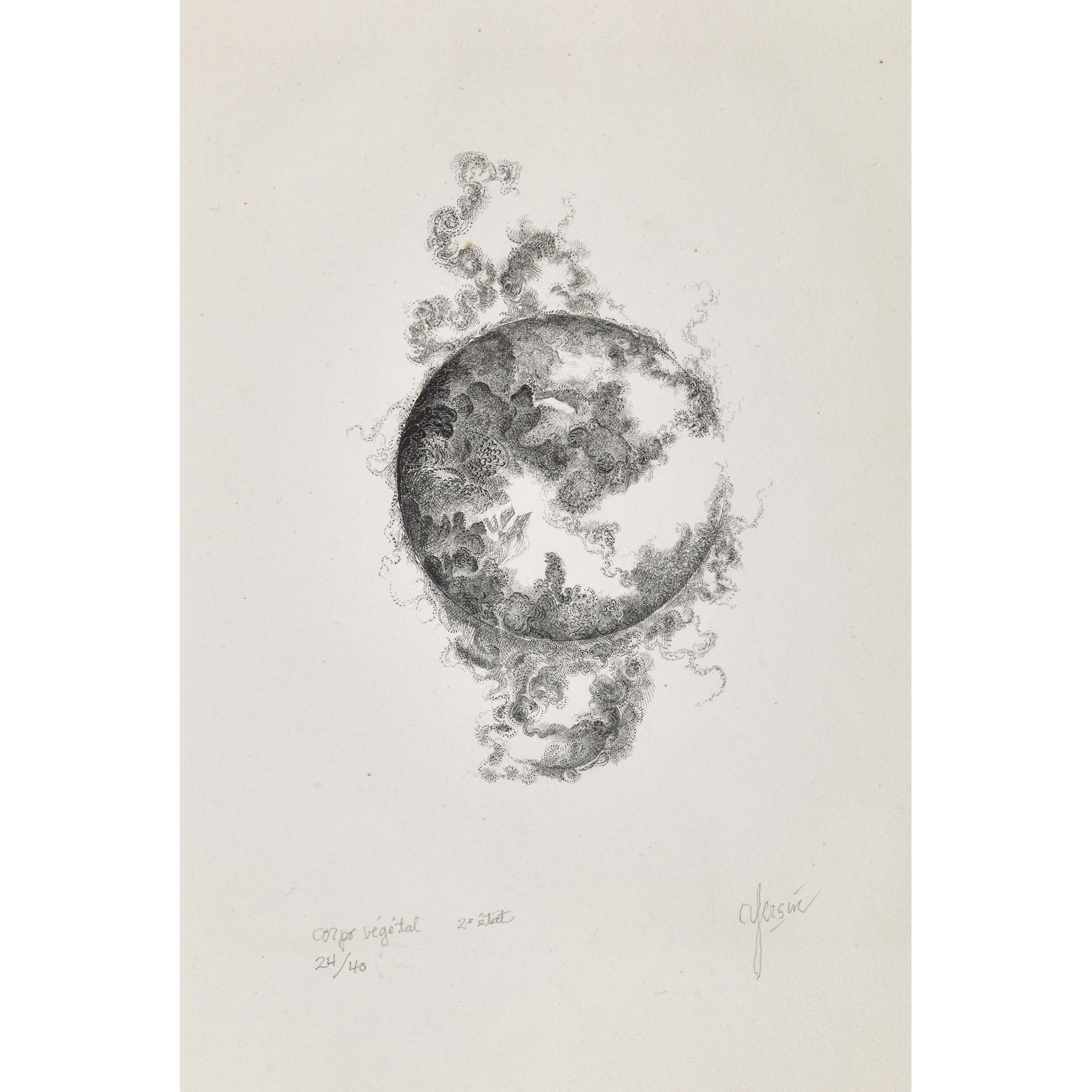
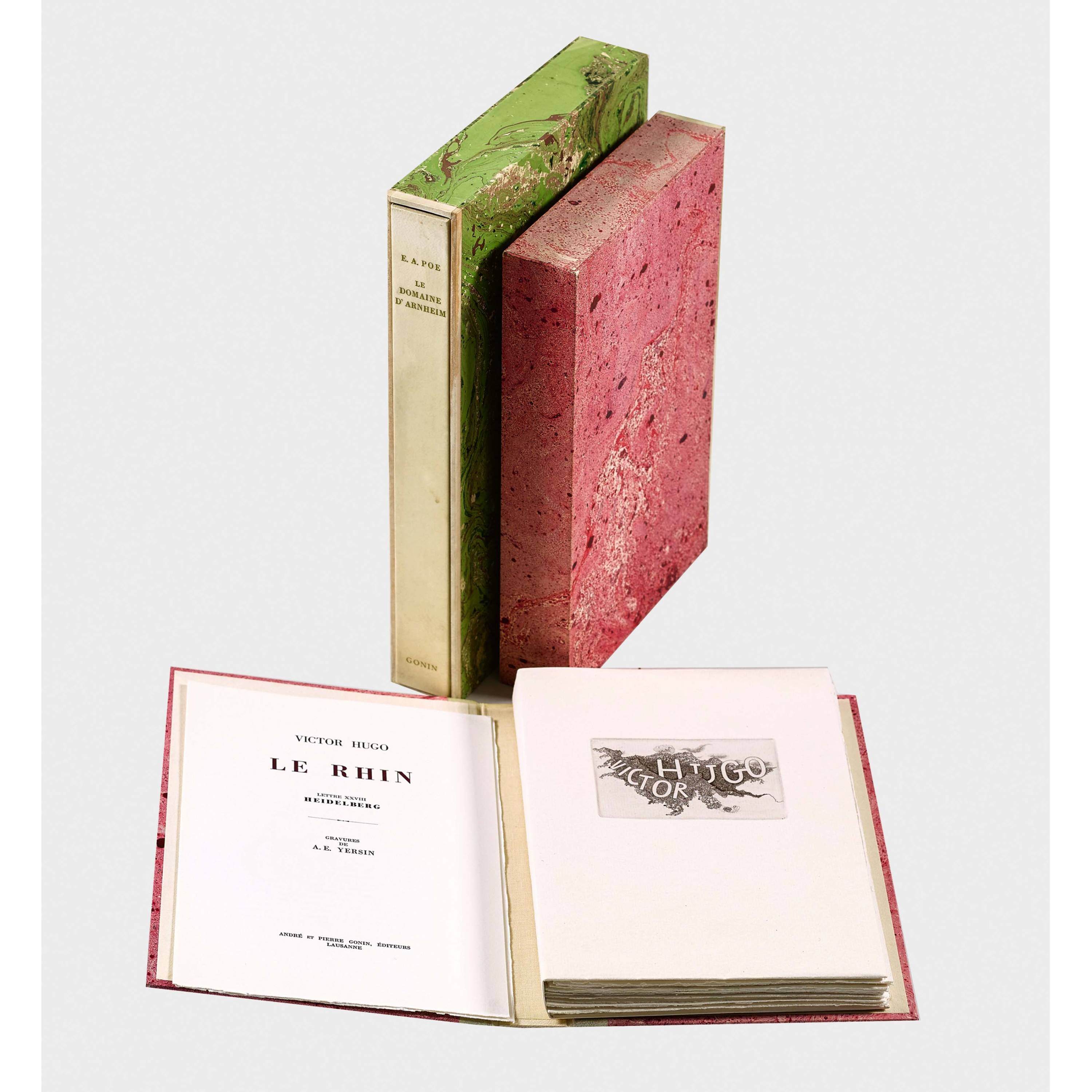
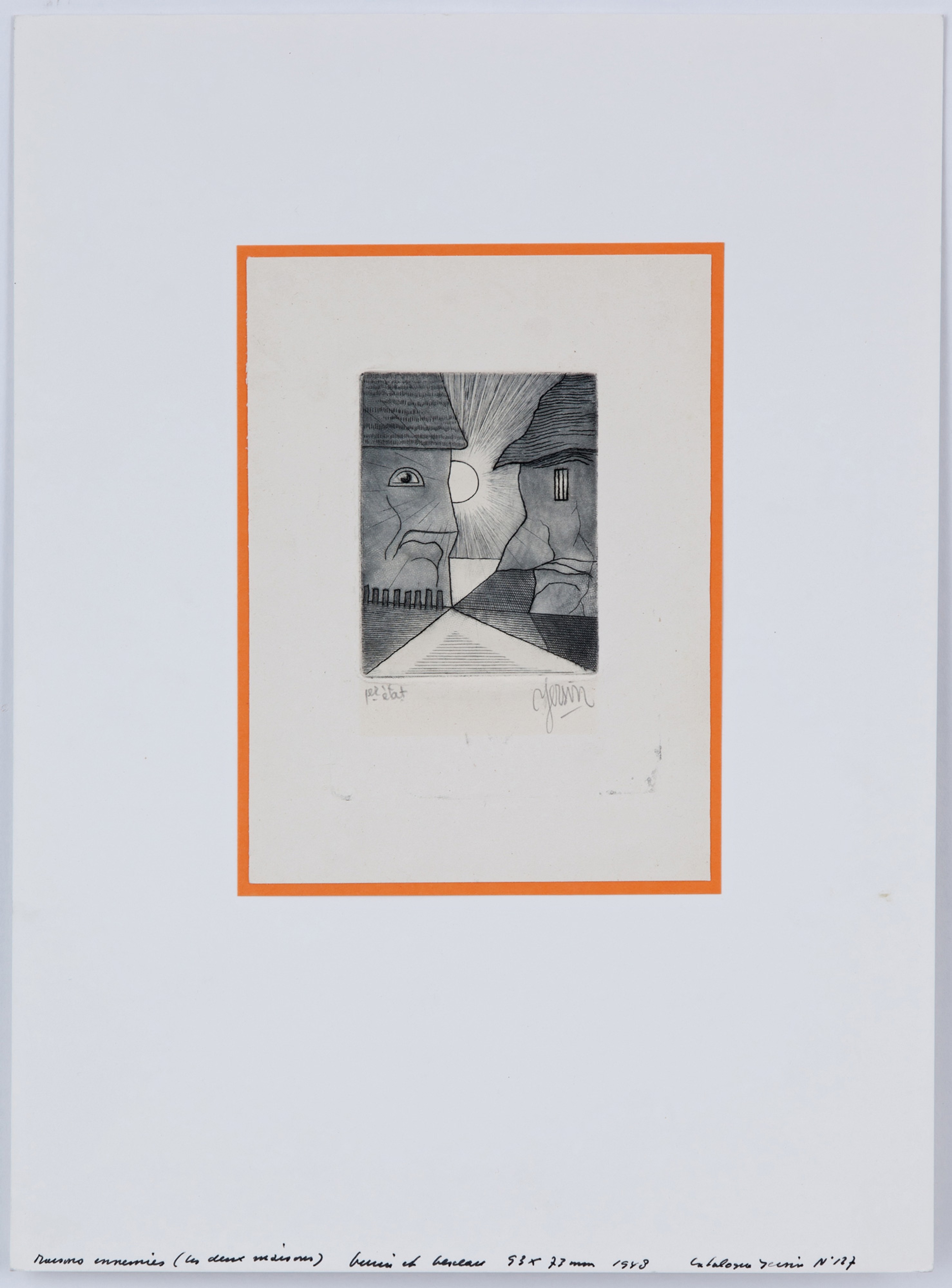
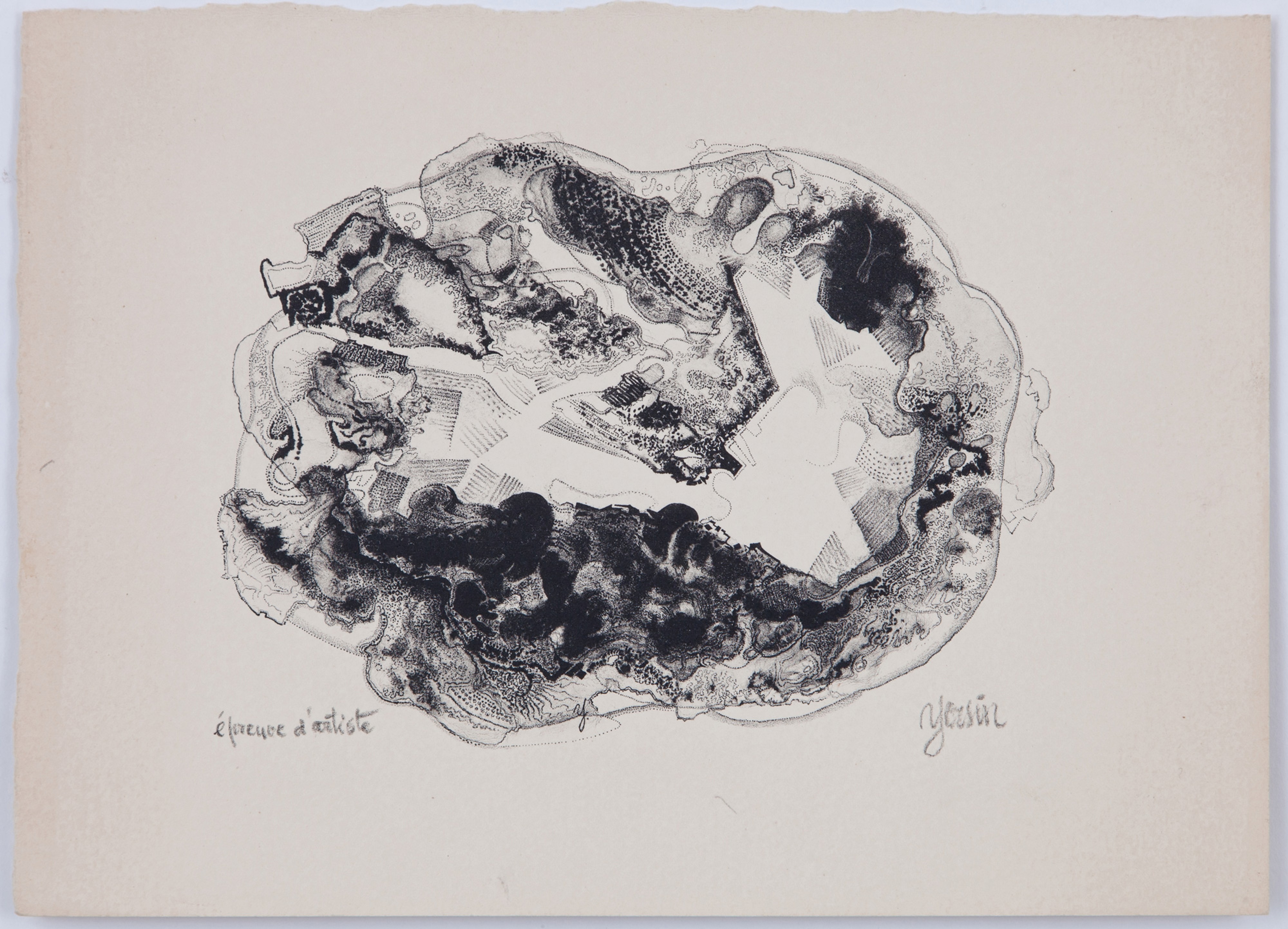
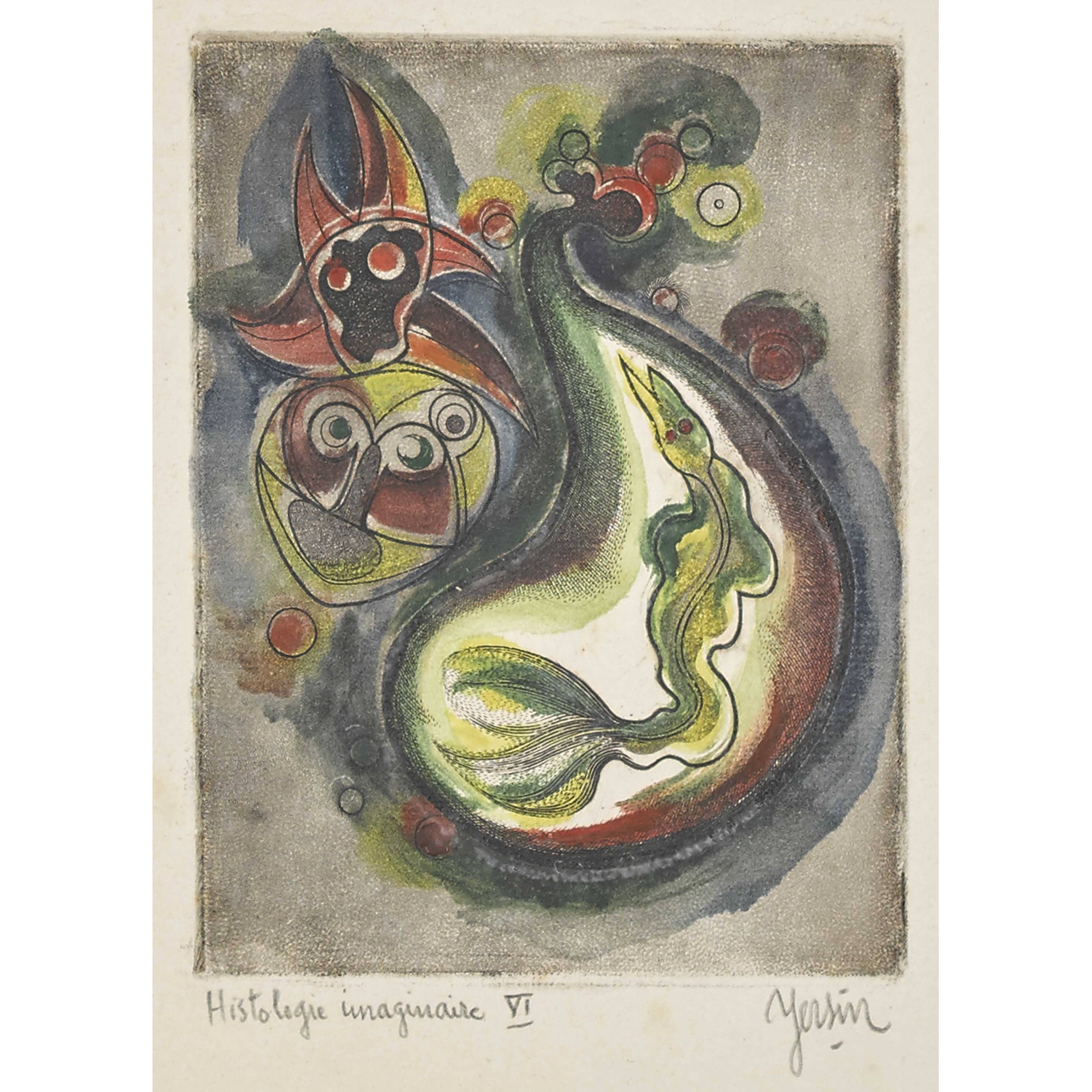
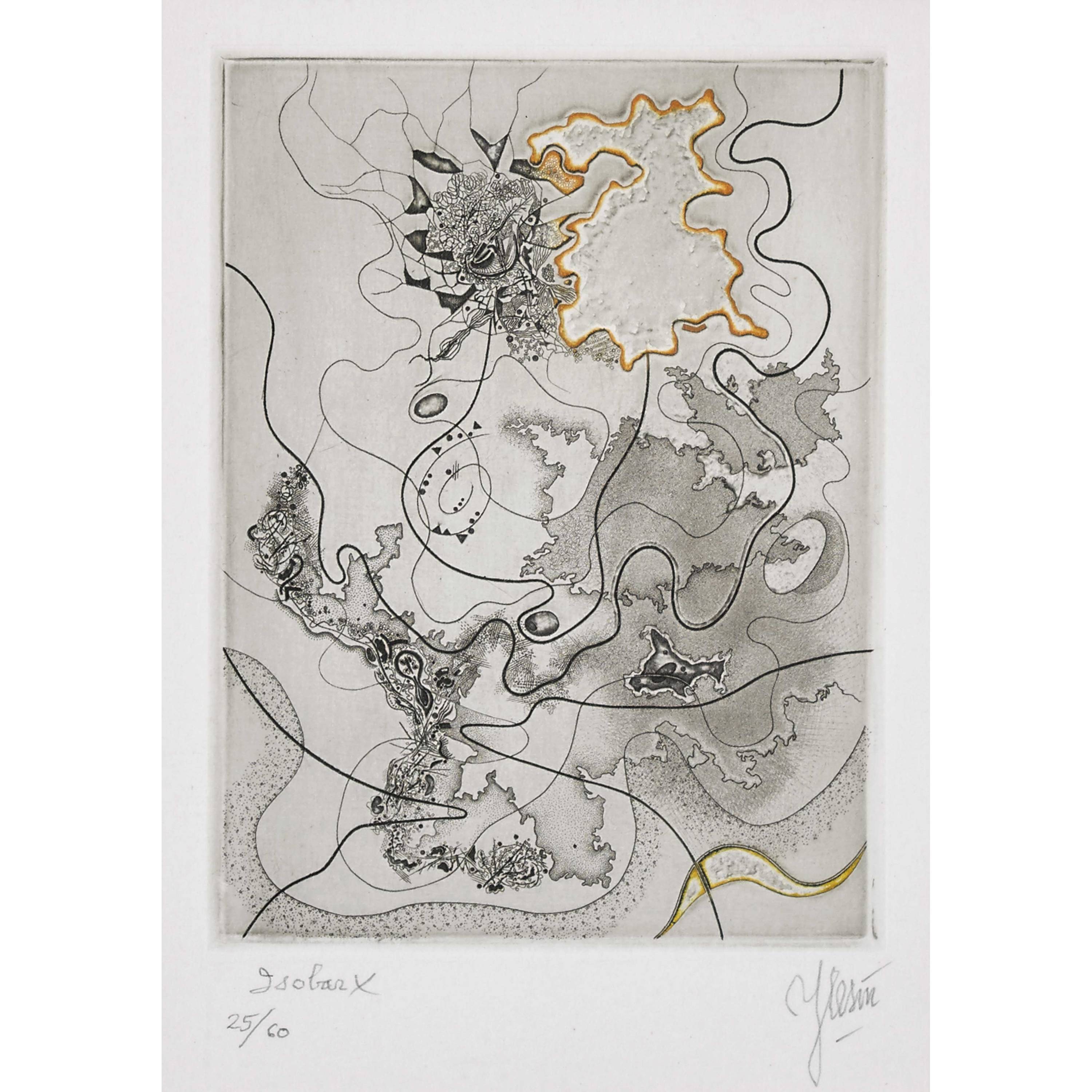
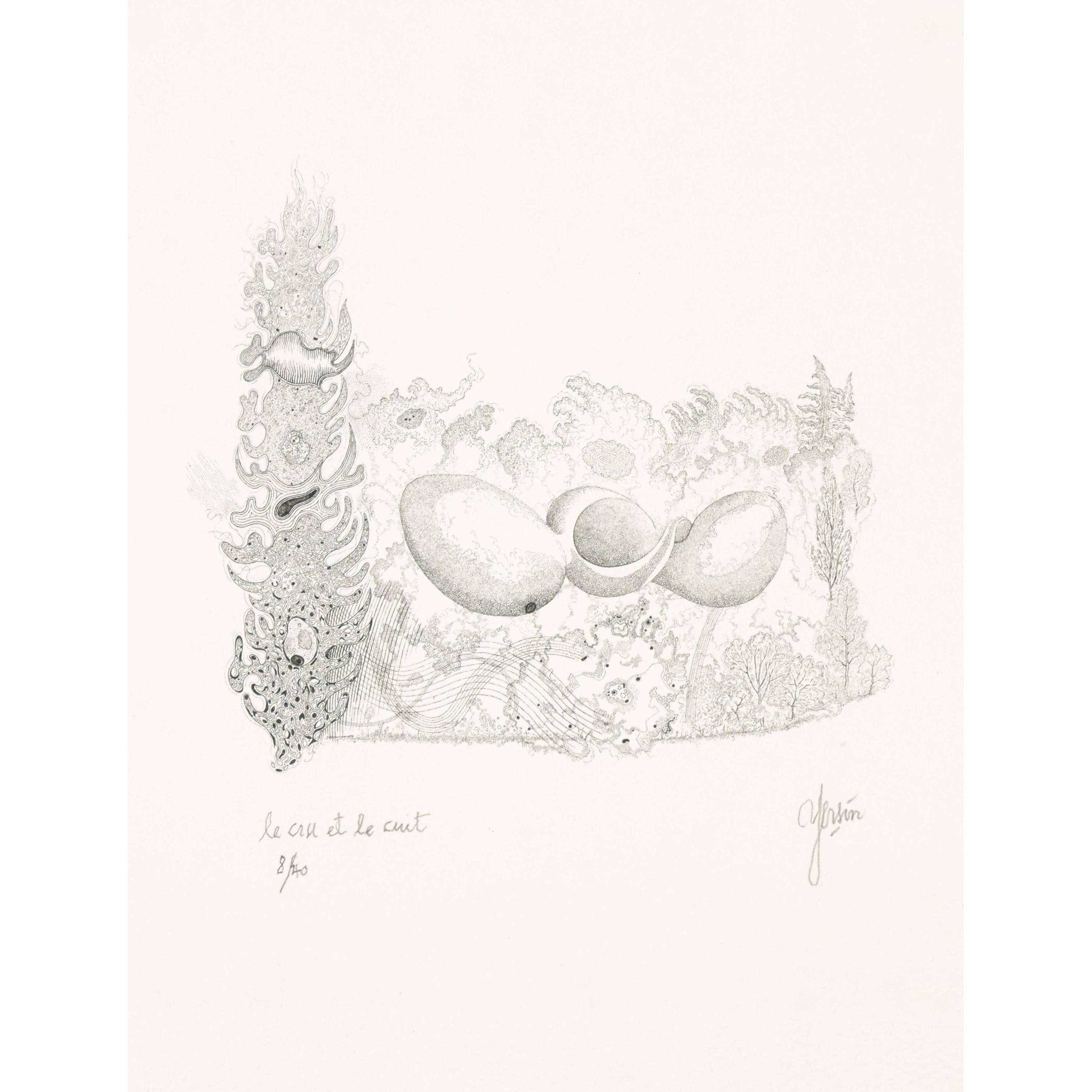
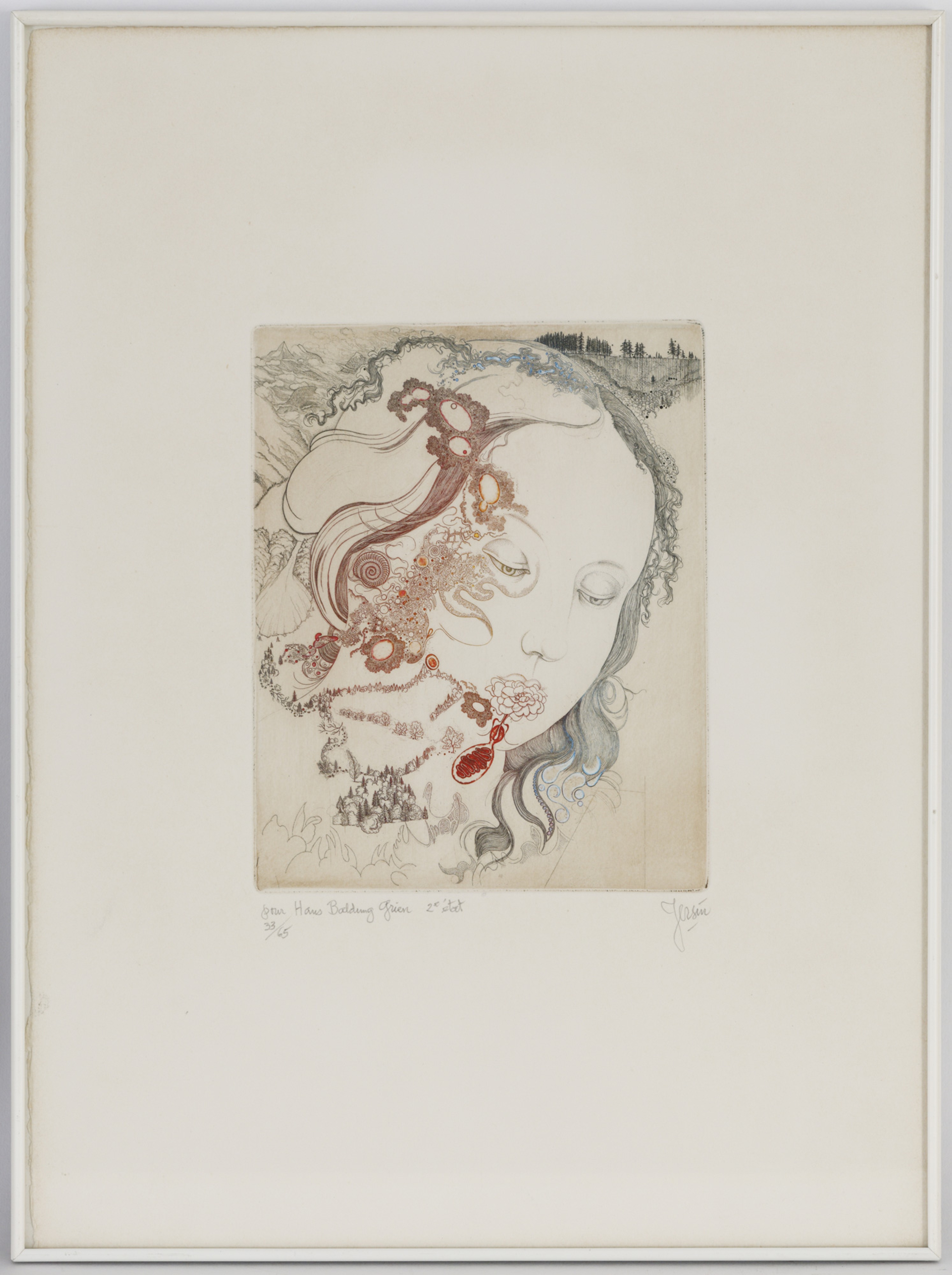
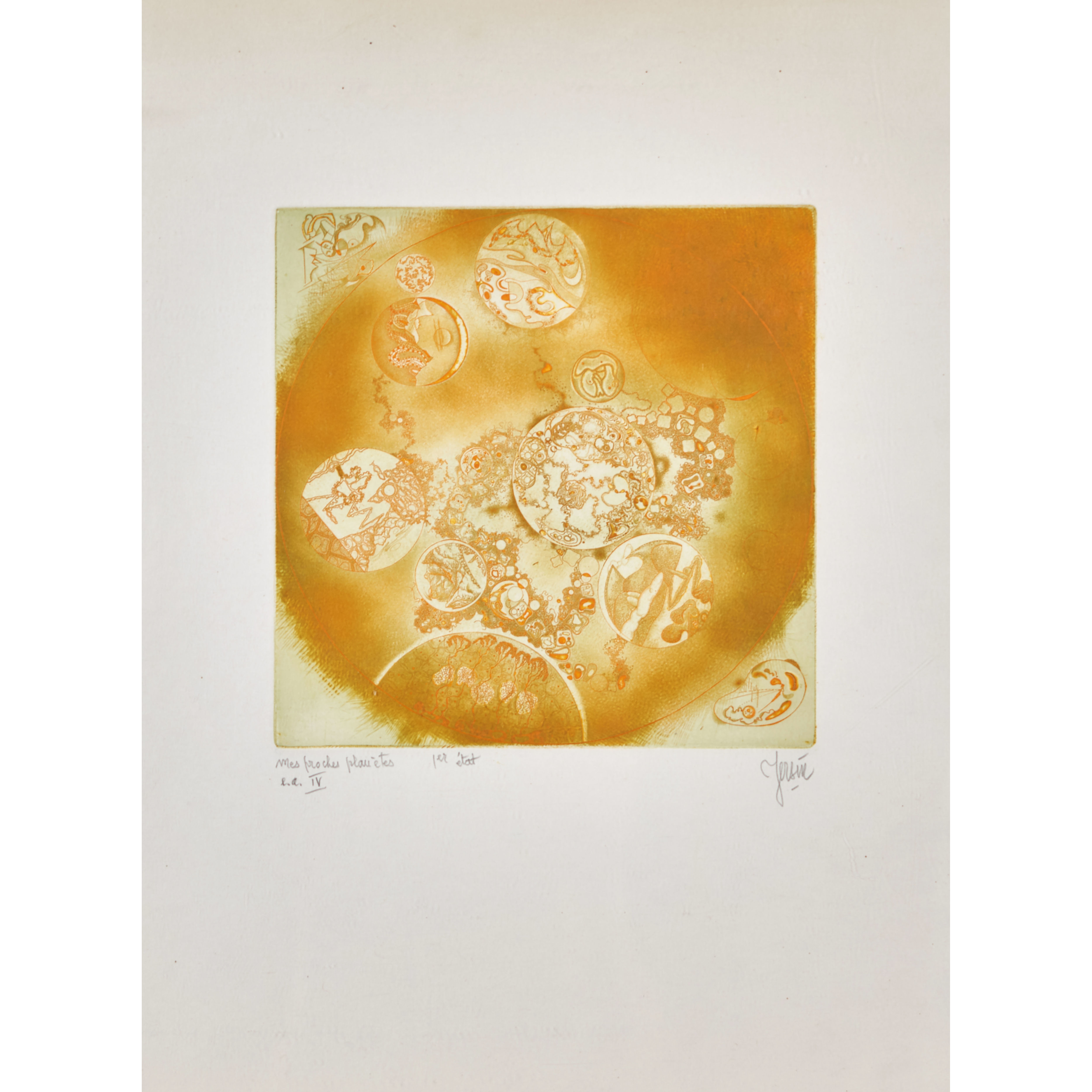
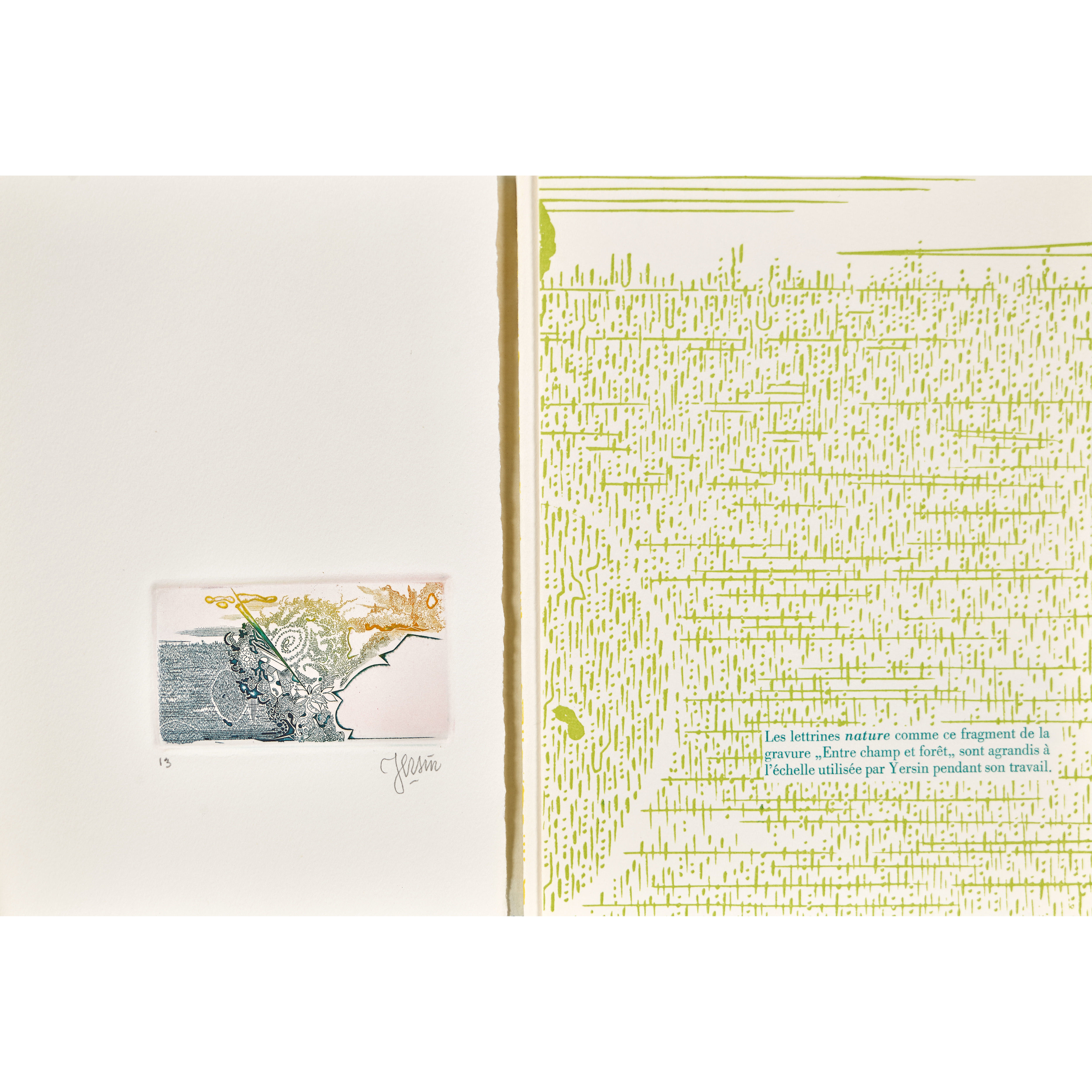
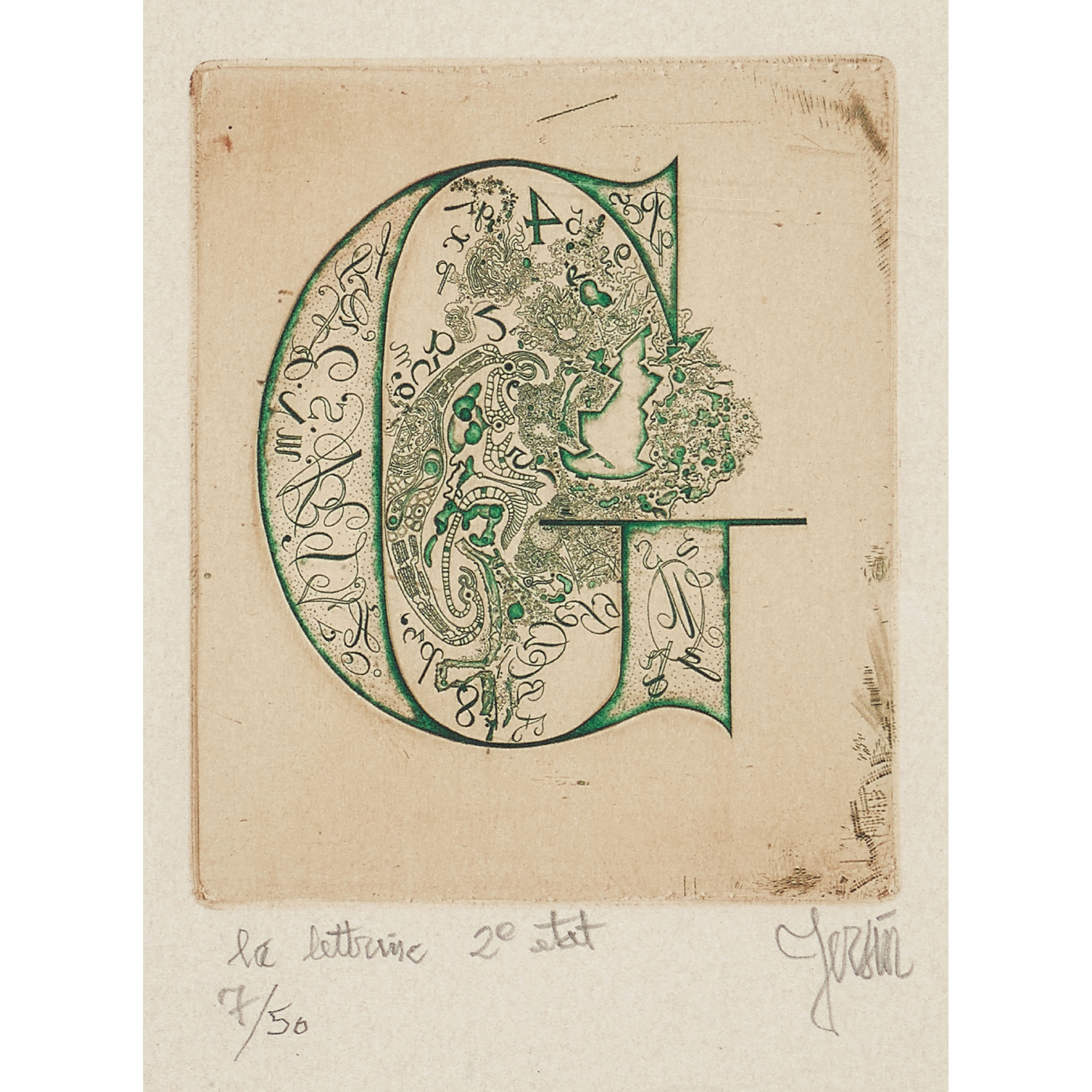
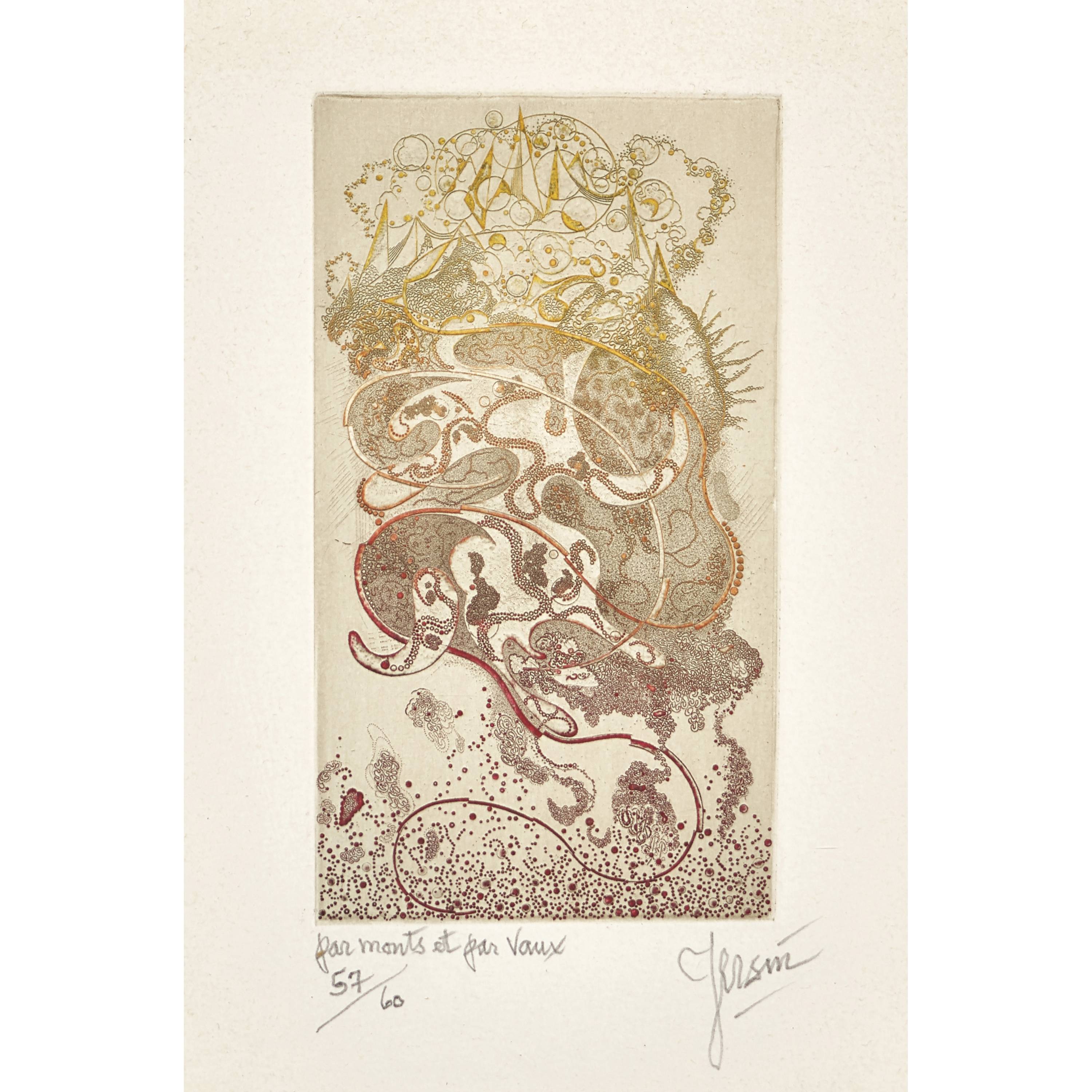
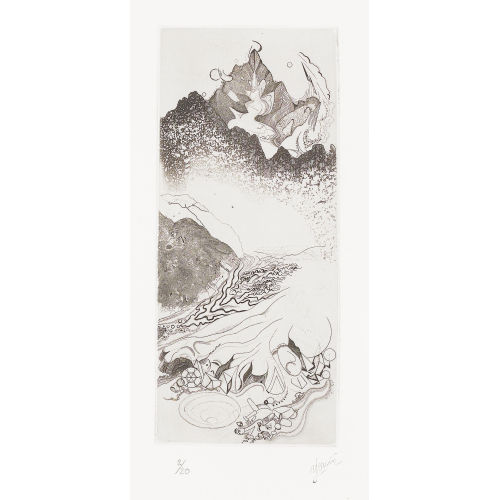
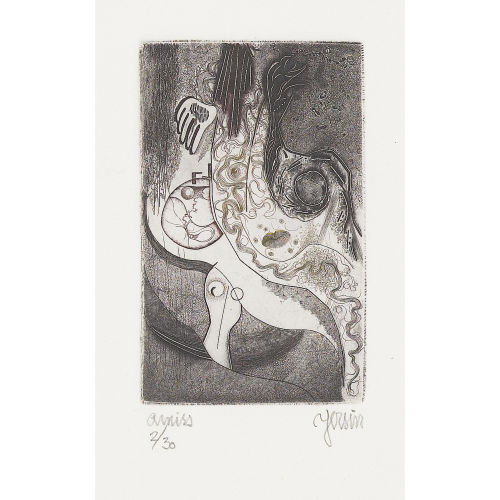
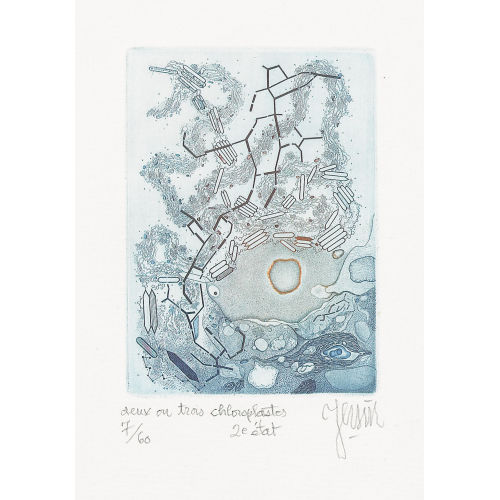
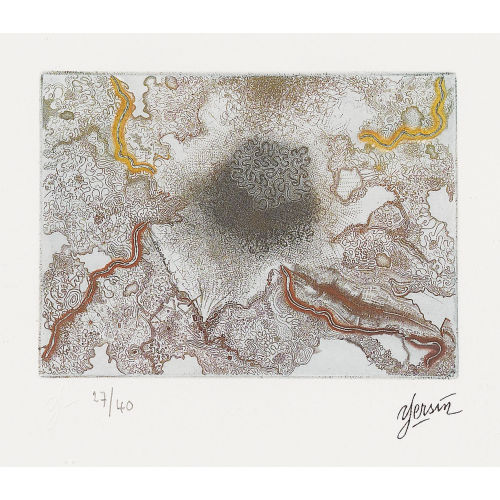
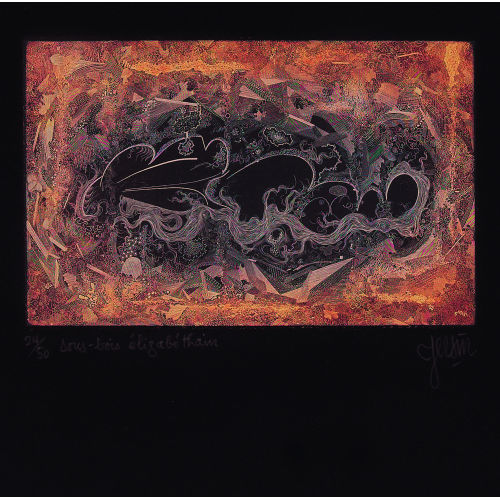
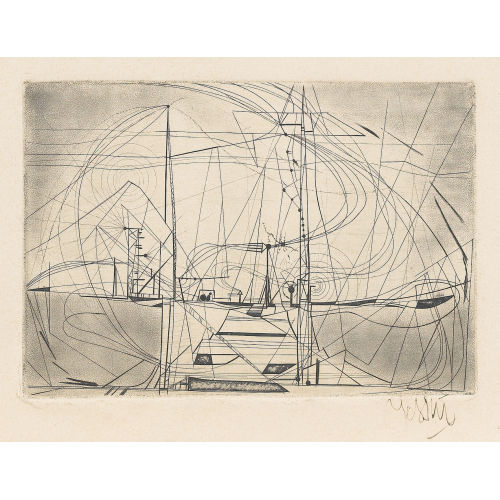
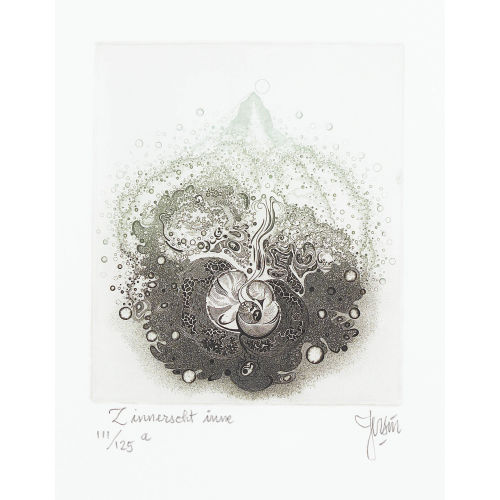
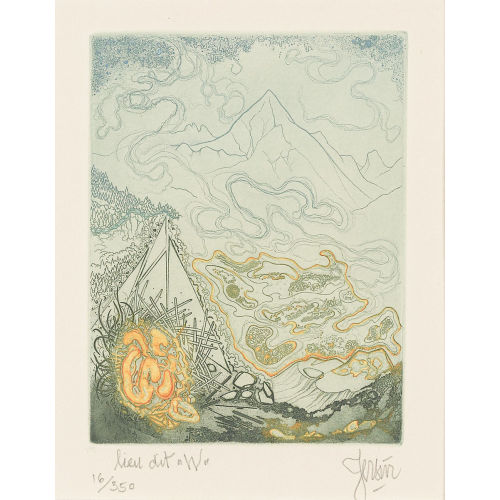
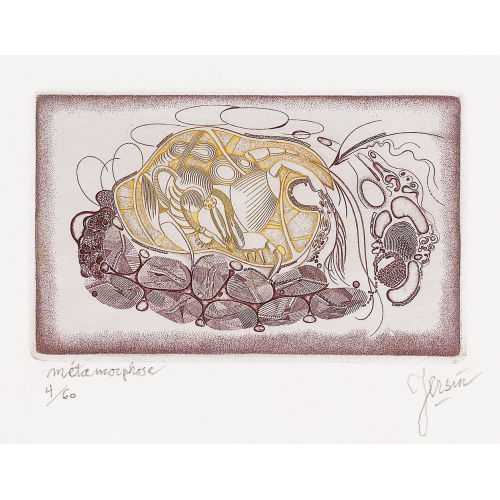
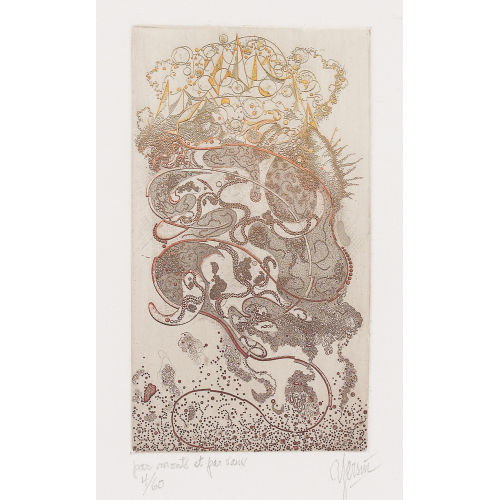
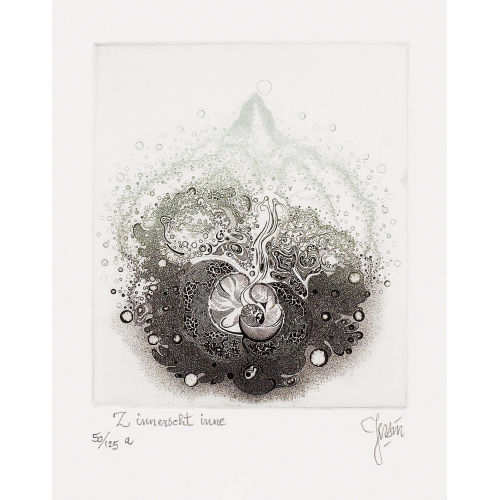
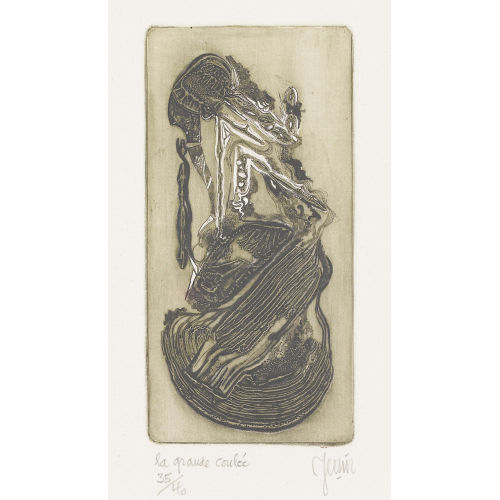
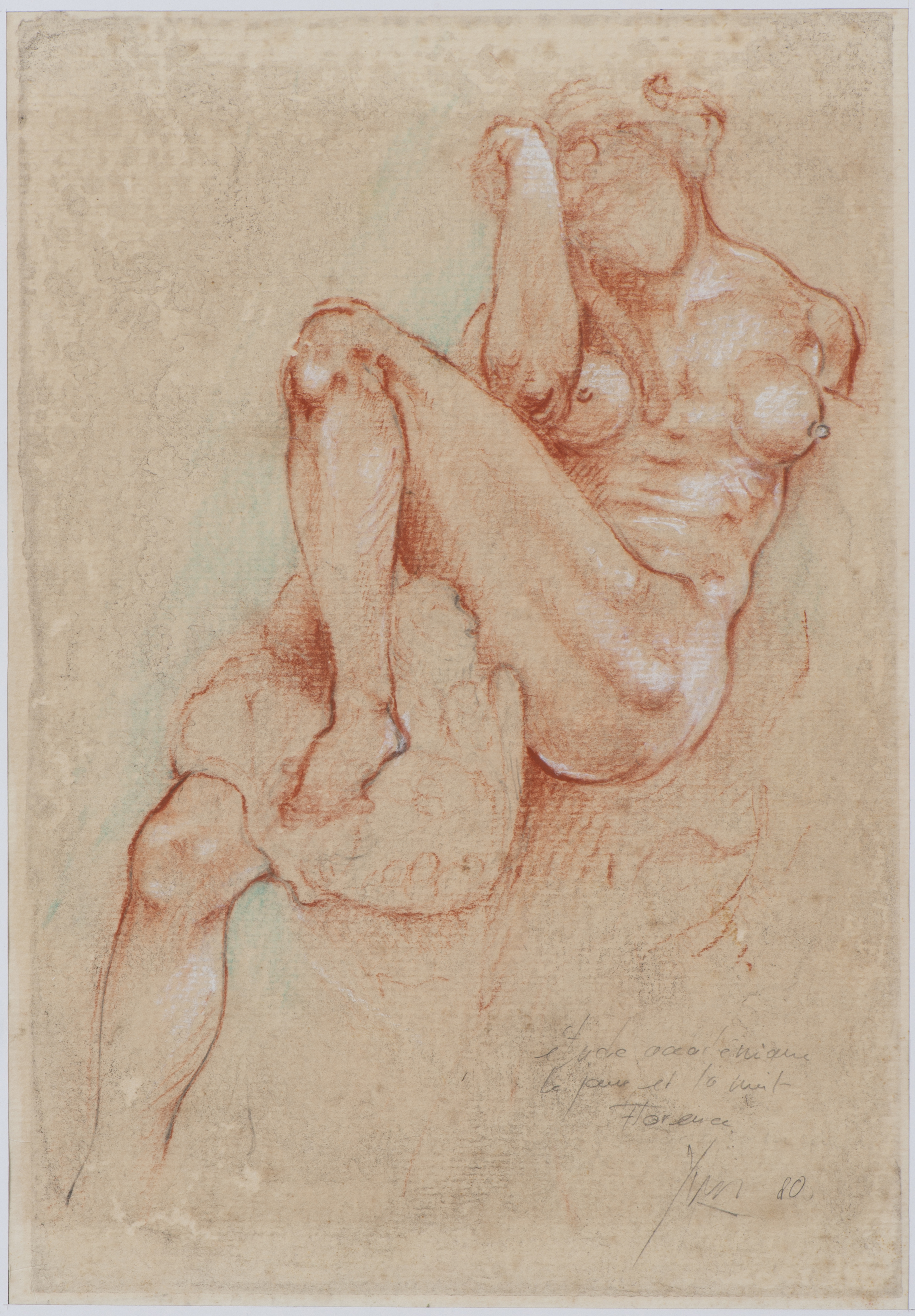
In the documentation, Albert-Edgar Yersin emerges as an artist devoted to graphic practice: an engraver, draughtsman and illustrator, he directed his work towards engraving and lithography, notably illustrating an edition of Novalis’s Hymnes à la Nuit with lithographs (1965).
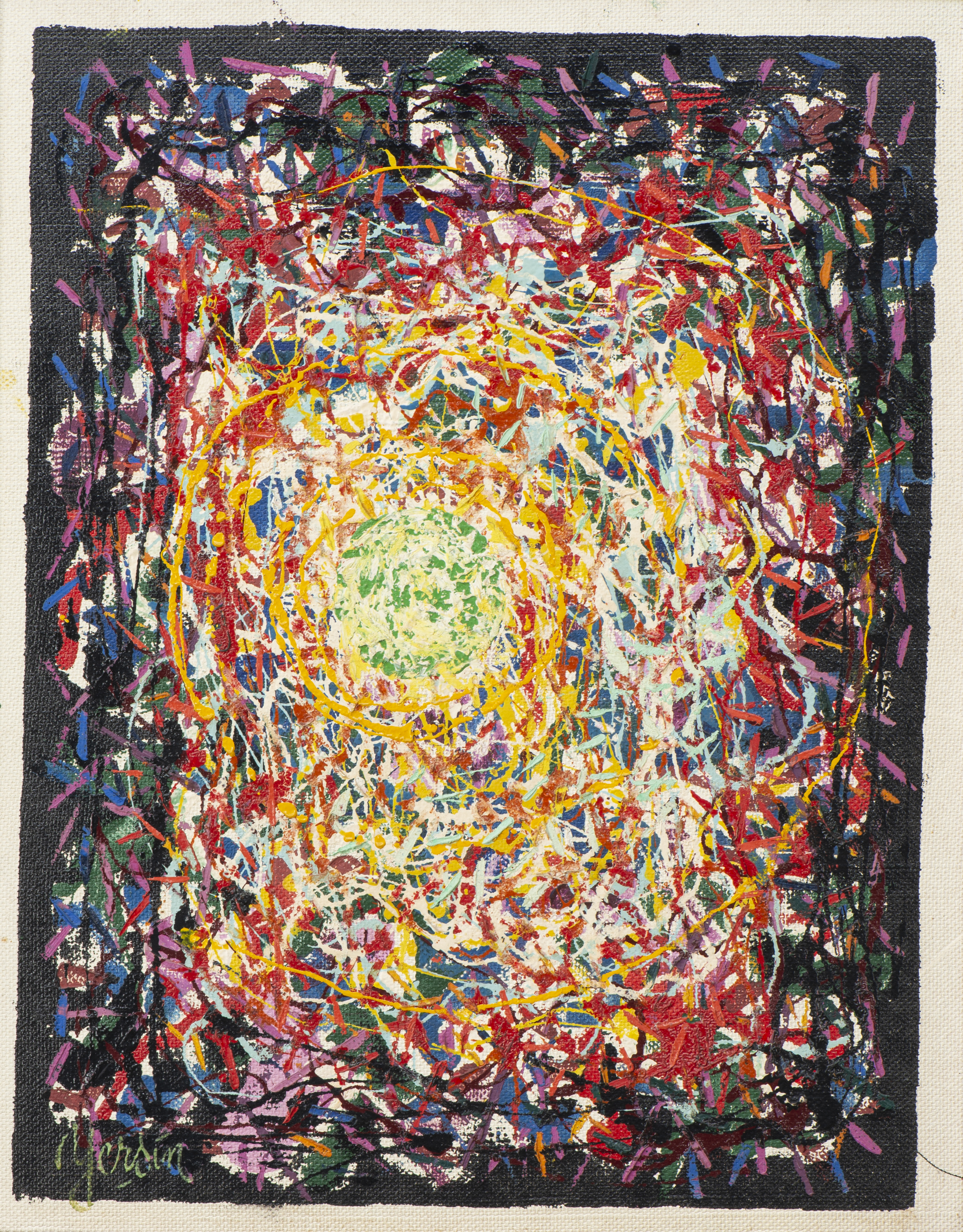
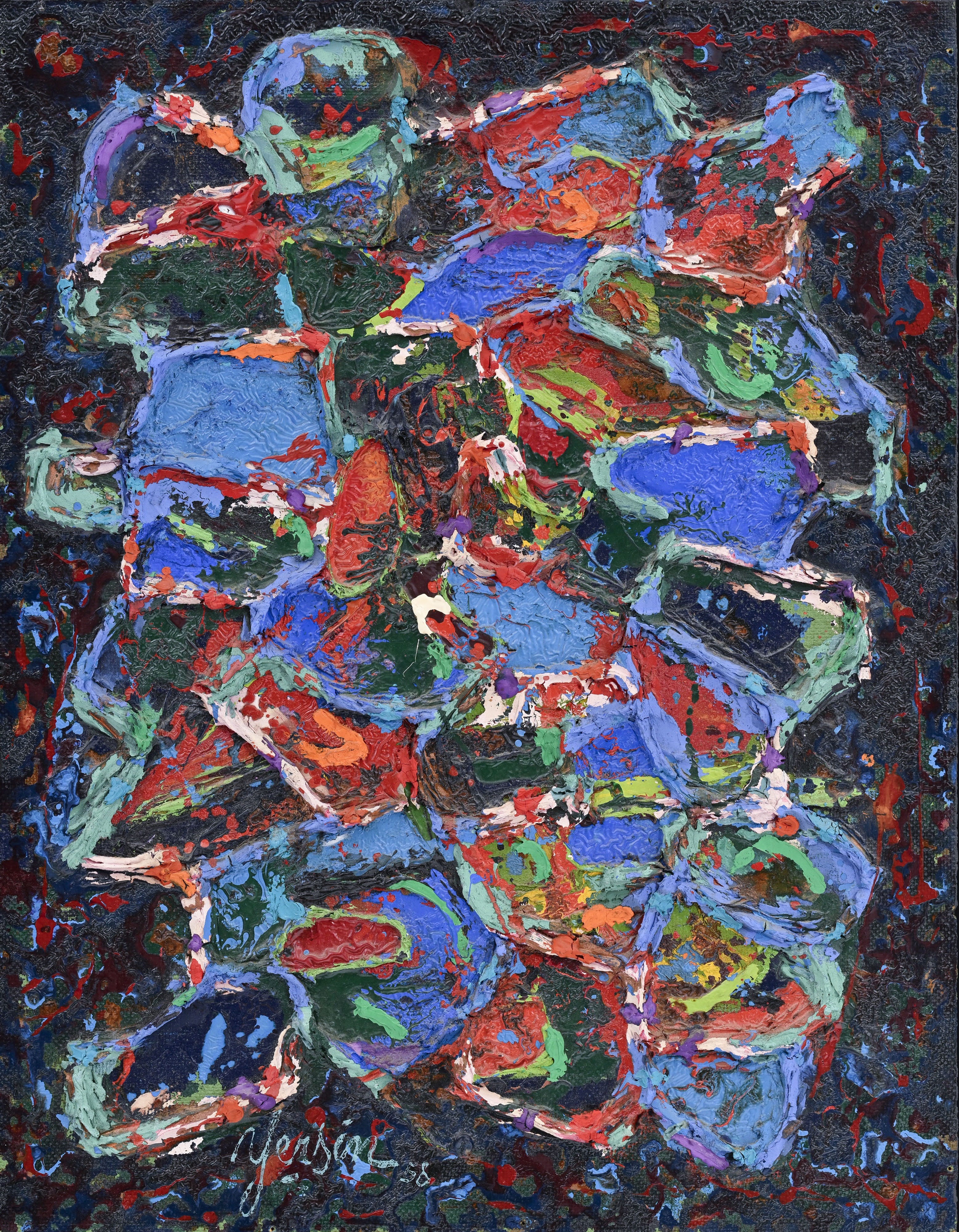
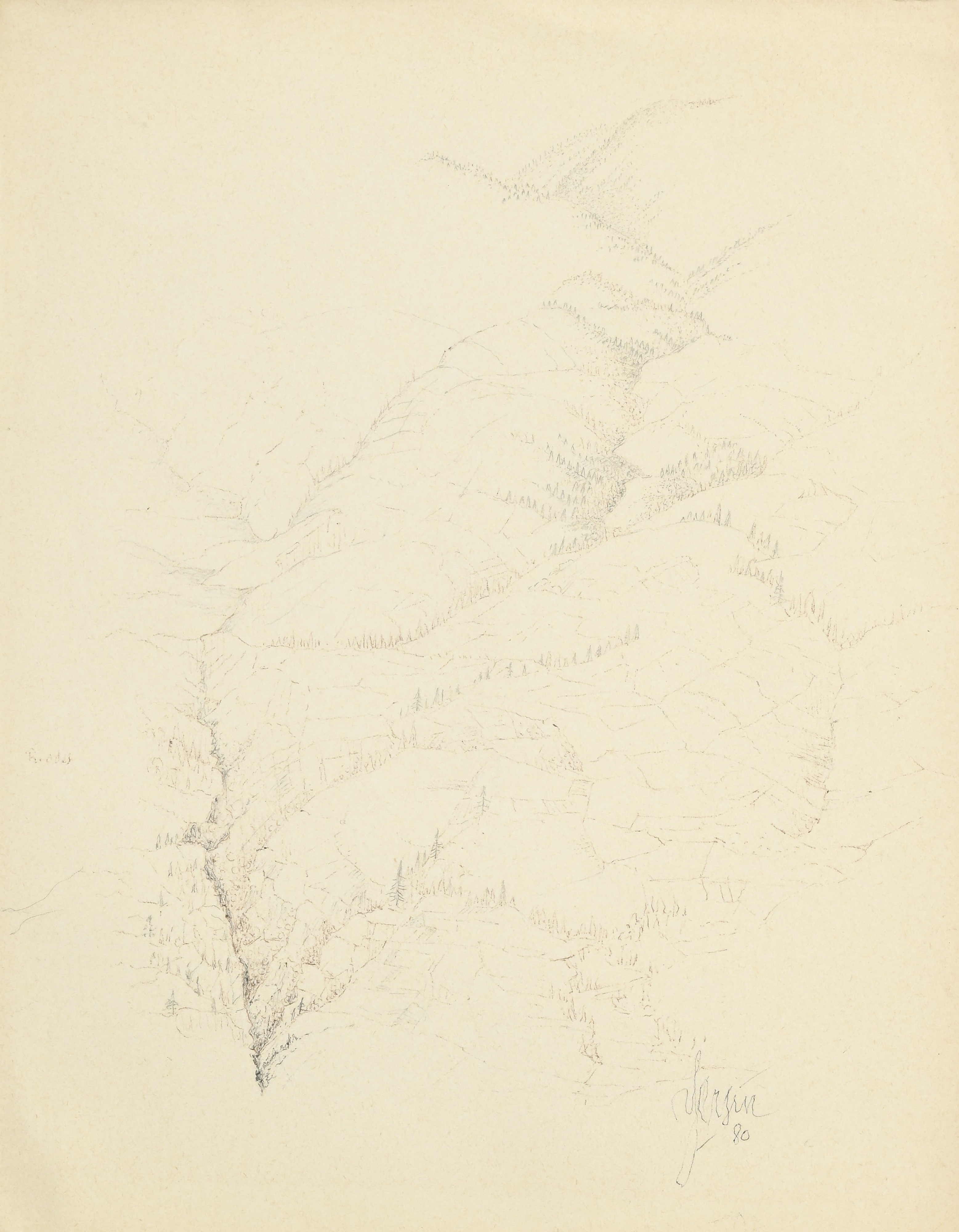
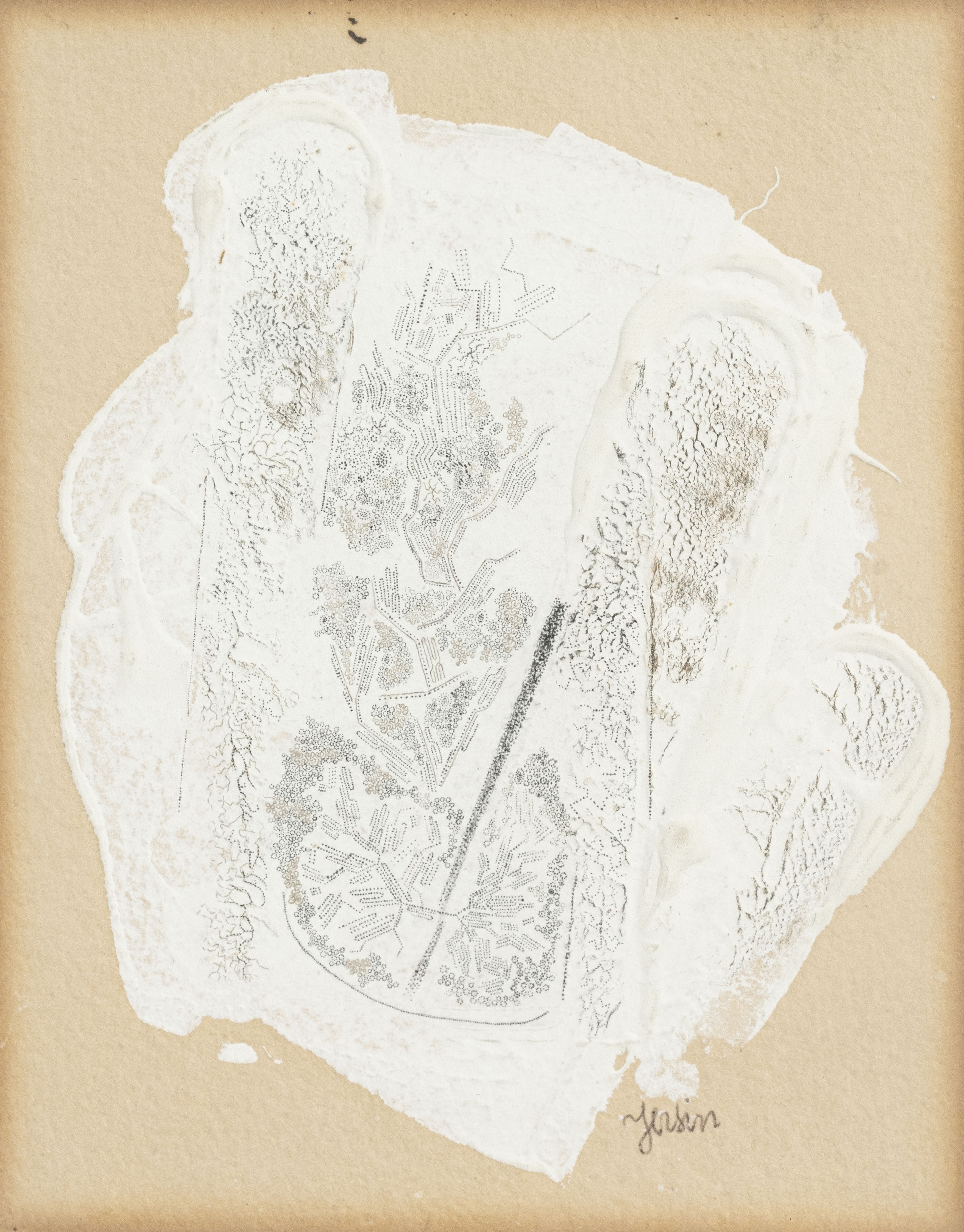
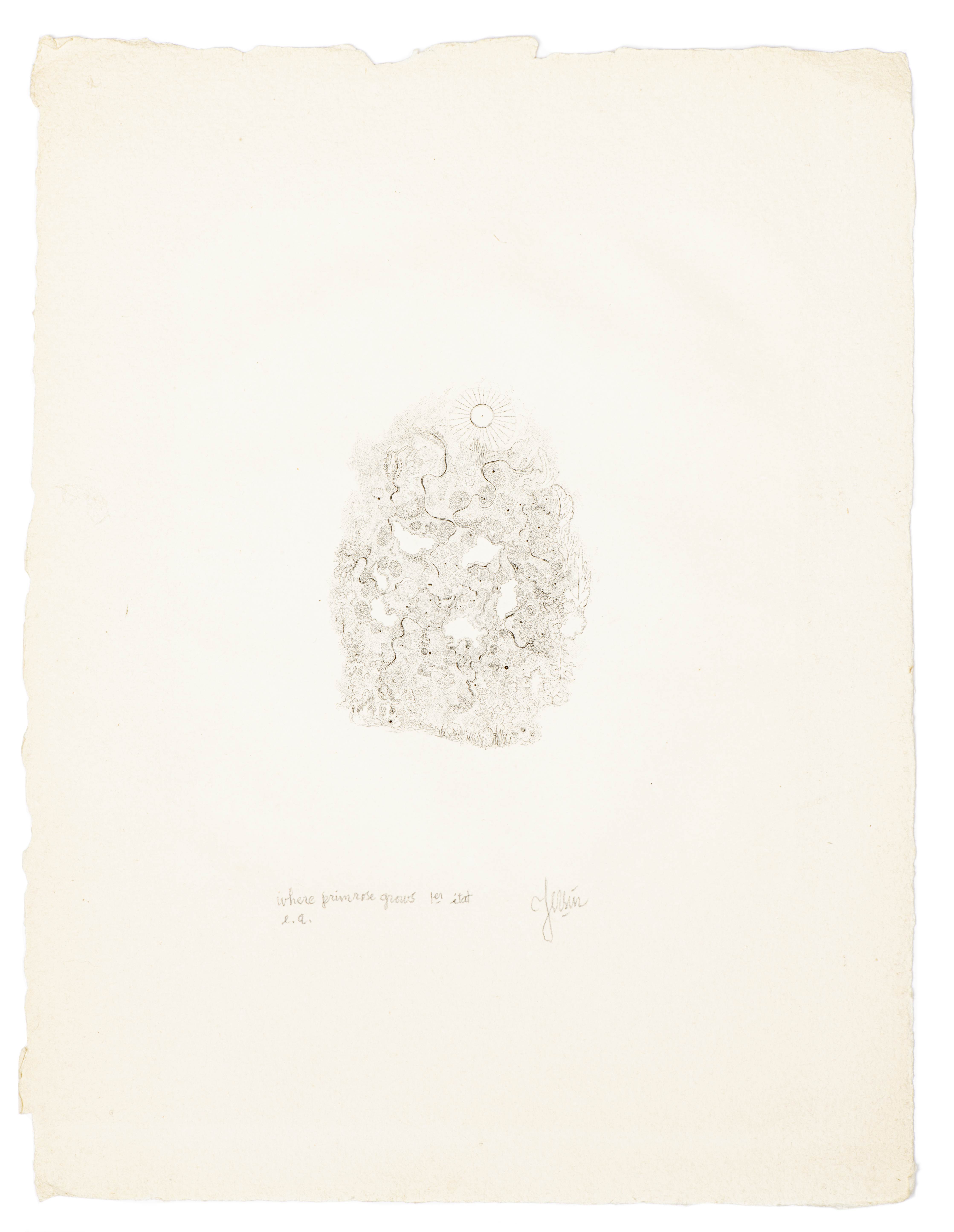
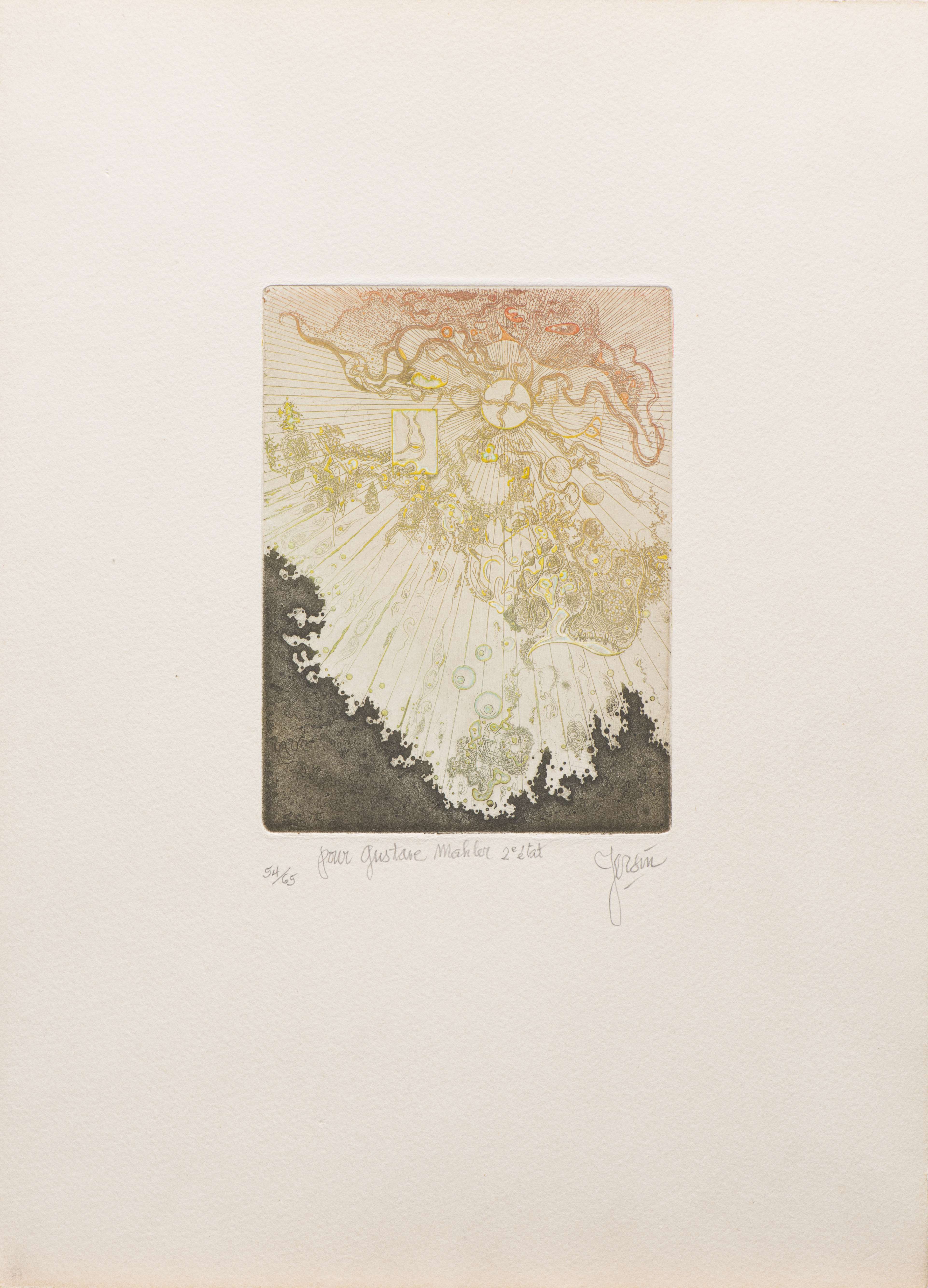
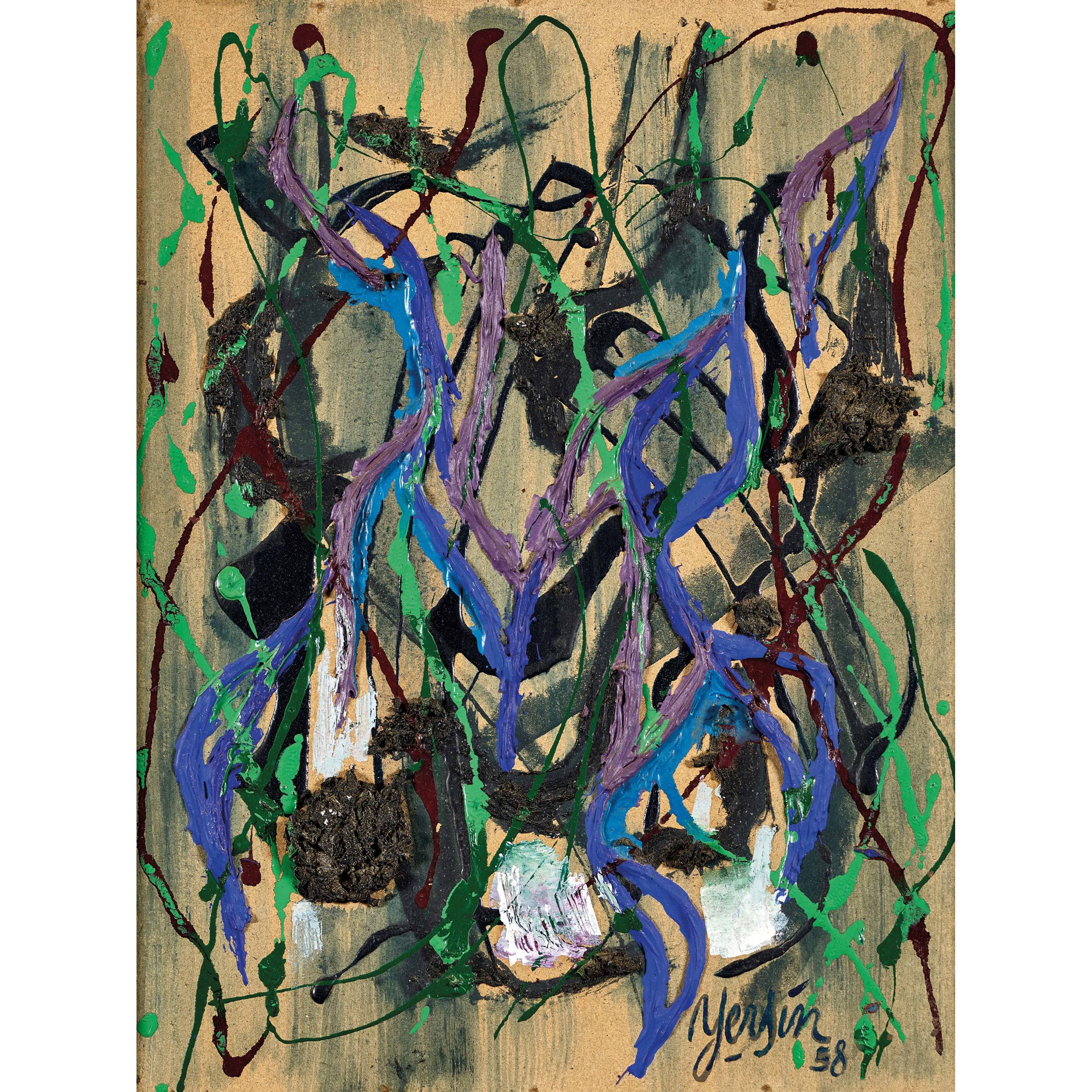
The professional trajectory traced in the documents retains a coherent line: initially a painter and sculptor, in 1960 he ceased painting and sculpting in order to devote himself more fully to drawing and engraving, a practice that marks the second half of his artistic activity.
The year 1960 appears to have been a turning point in two respects: it saw the publication of Un Jardin, containing engravings and drawings by Yersin (text by Léon Prébandier), while the same period was marked by the creation of the lower garden of the Derrière‑Bourg promenade in Lausanne, demonstrating an engagement with public projects concurrent with the evolution of his practice towards drawing and engraving.
The documentation also records a commission connected with monetary iconography: Yersin made a drawing for a banknote of the Swiss National Bank, based on a design by Hans Erni; this banknote, described as a reserve note, was ultimately not put into circulation.
On a personal level, the files indicate that he married Greti Aebi on 24 May 1939; the couple first settled in Pully, then in Lutry in 1941, and had three sons named Claude (1940), Yves (1942) and Luc (1945).
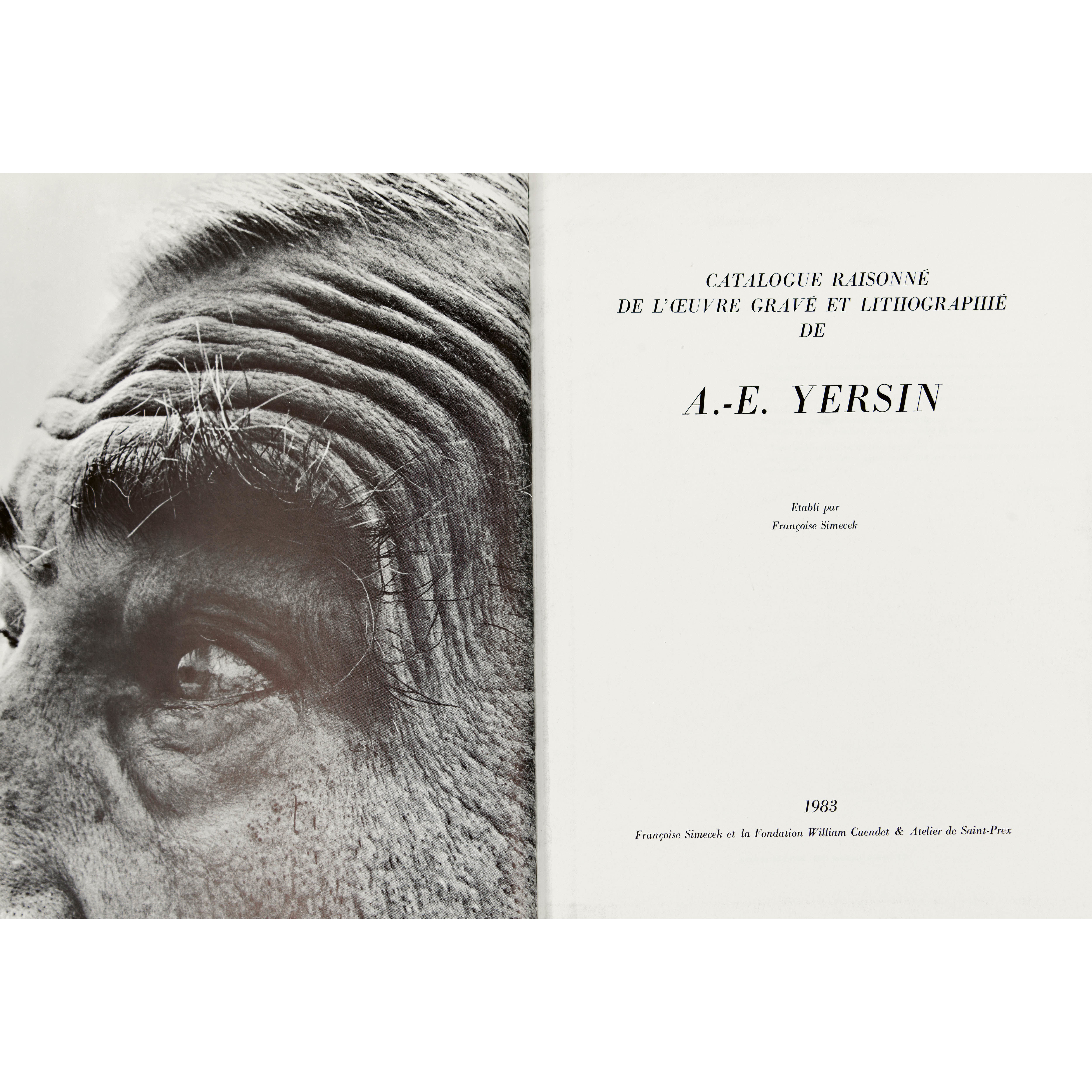
Public and editorial recognition of his work appears late in the corpus consulted: in 1983, several events were organised around the artist in Lausanne, including the publication of a catalogue raisonné and retrospectives—one at the Galerie l'Entracte and another at the Musée de l'Élysée—according to the available sources.
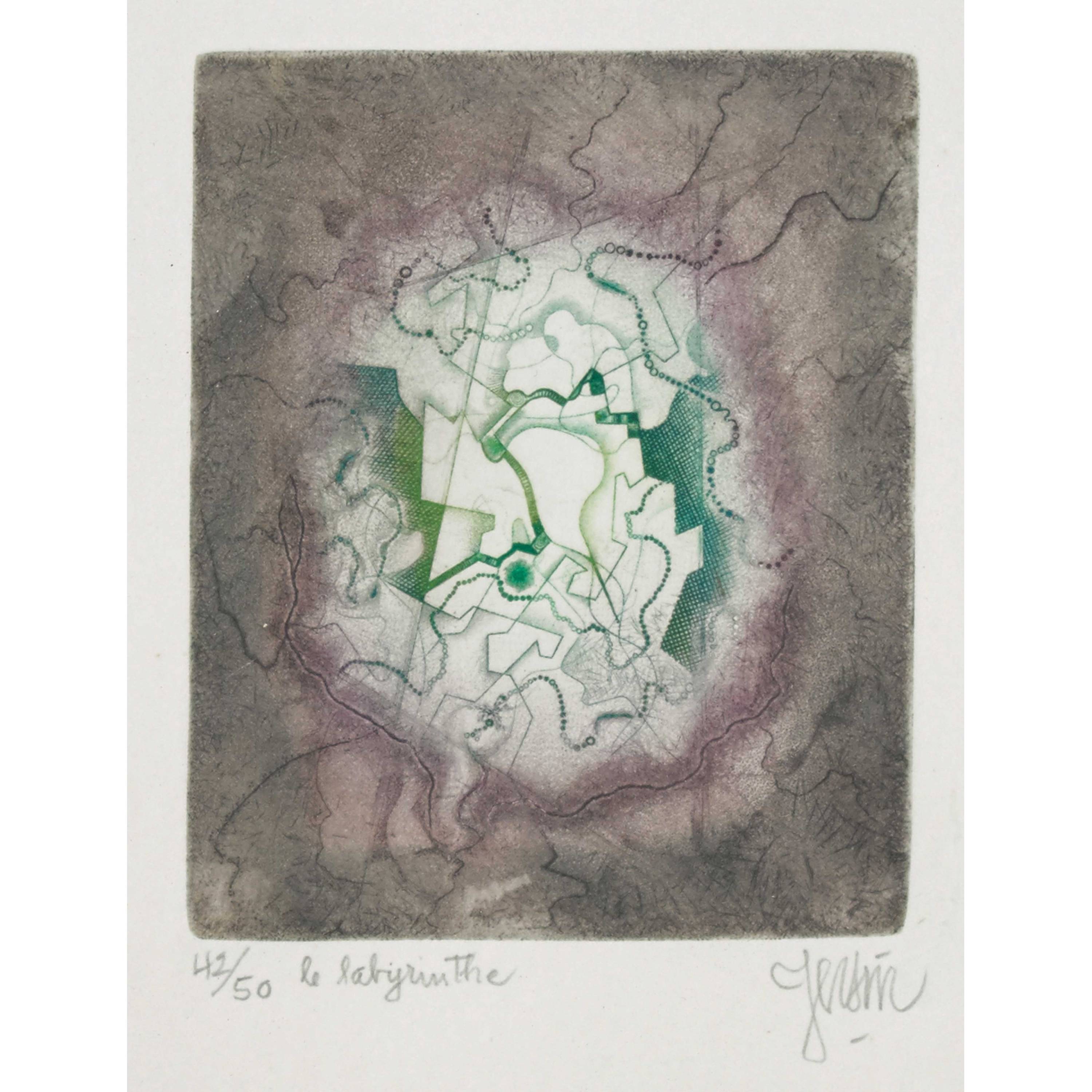
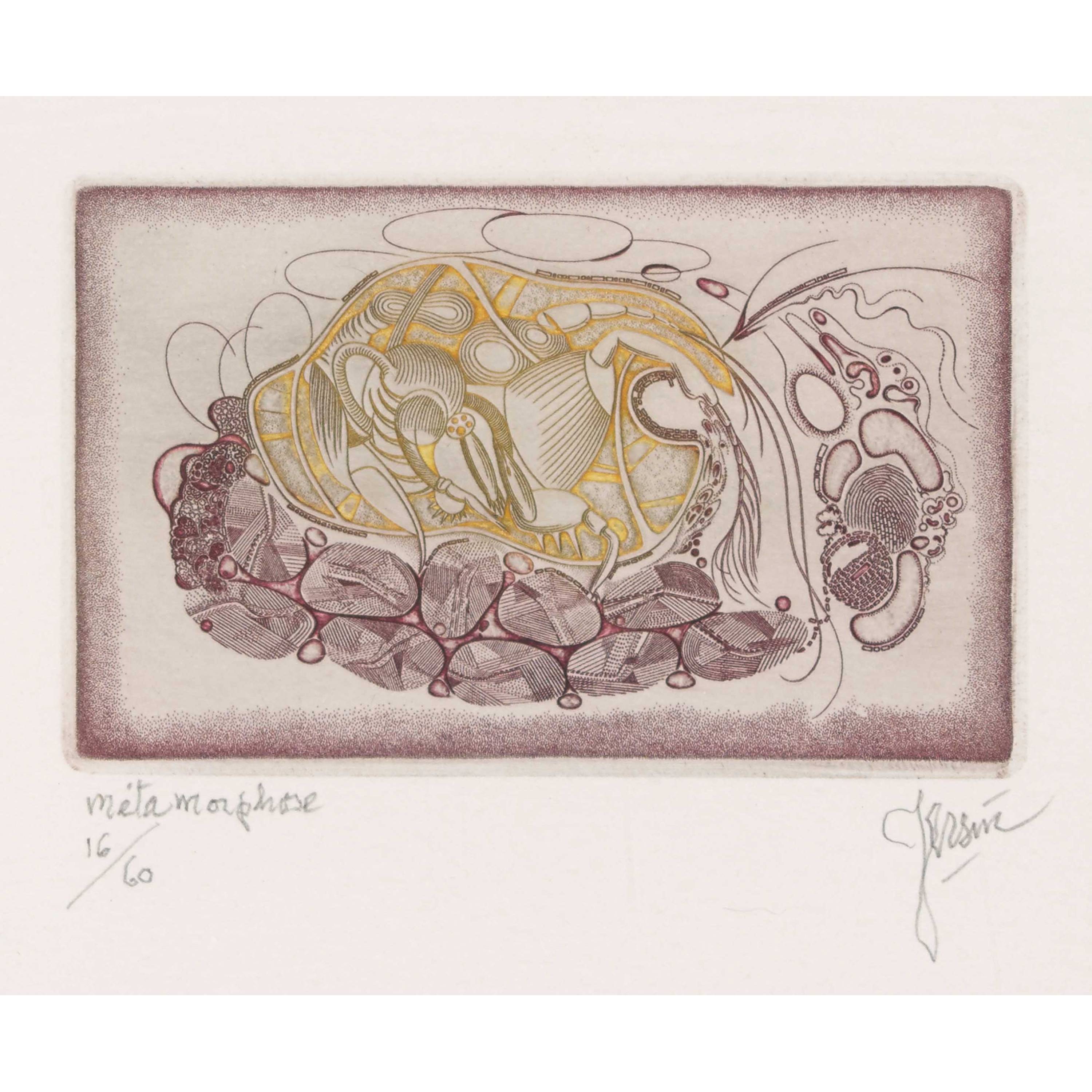
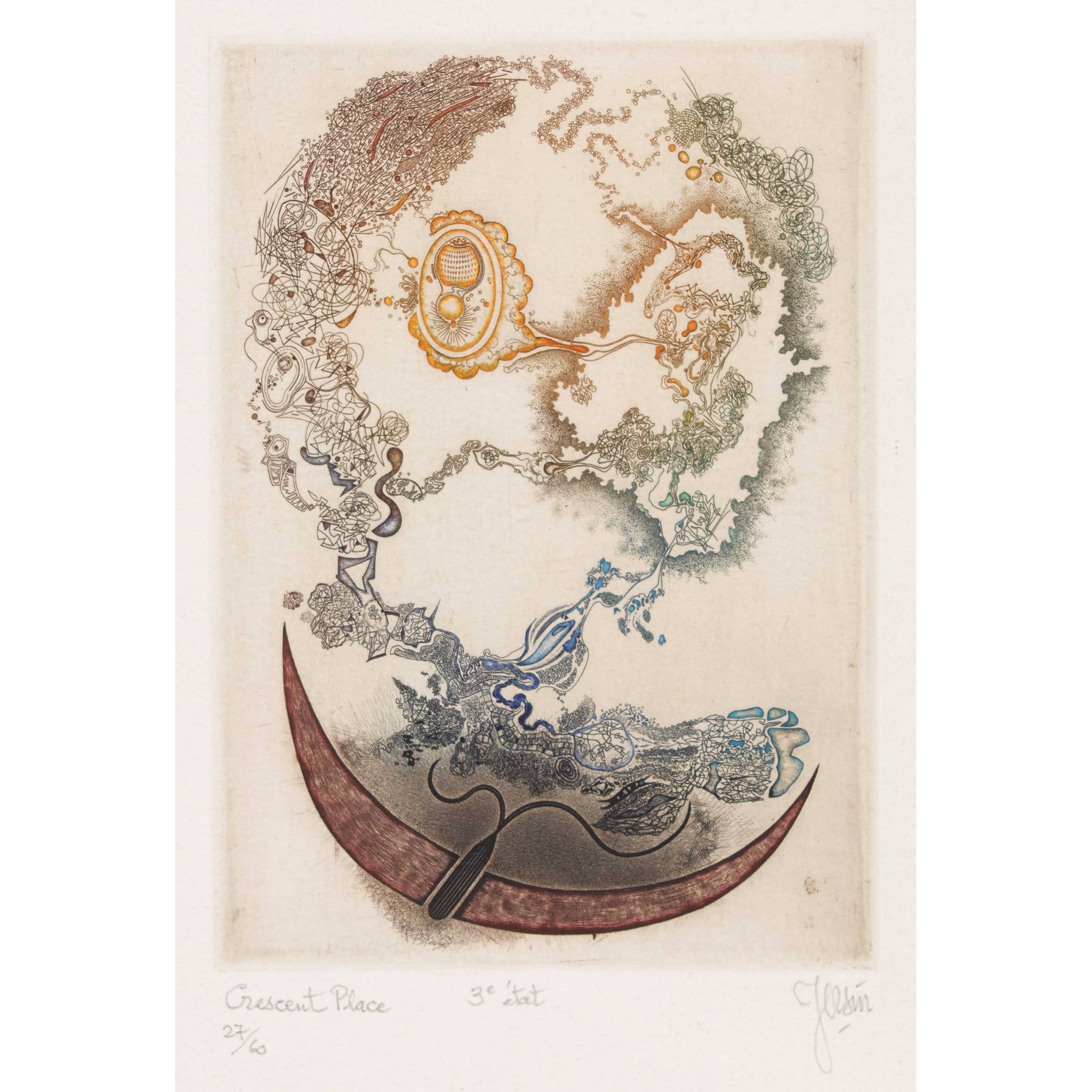
Throughout the dossier, thematic continuity lies in the importance accorded to graphic media—engraving, lithography and drawing—both in the published works and in the practical choices announced after 1960, which intentionally restricted the range of means employed by the artist.