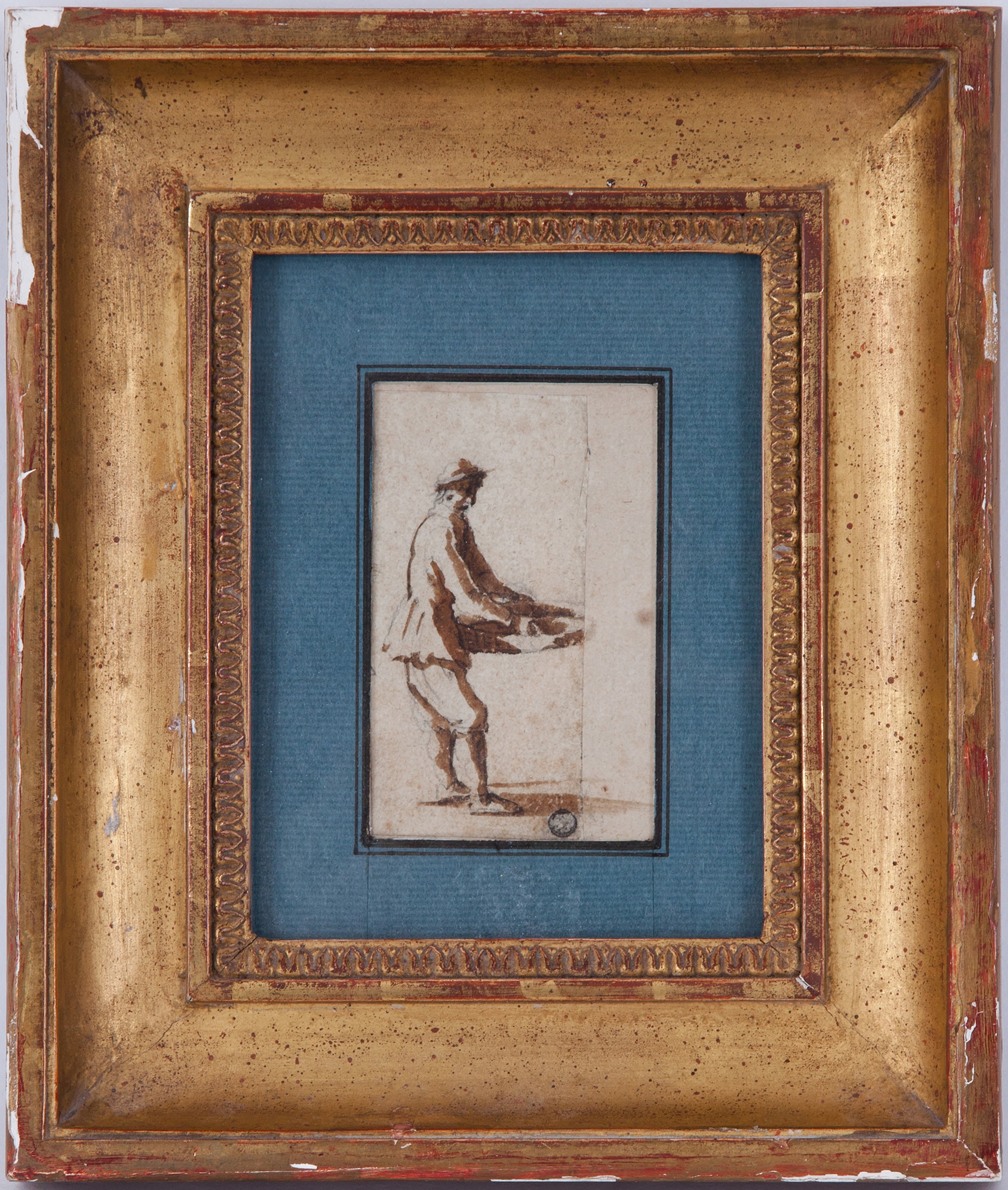
The Lorraine printmaker Jacques Callot (1592–1635) began an apprenticeship with the Nancy goldsmith Demange Crocq in 1607. His career subsequently took him to Florence, where he refined an etching practice associated with the use of a hard ground. The Fair at Impruneta belongs to the end of this Florentine period. Returning to Lorraine in 1621 after the death of Cosimo II de’ Medici, he continued a body of work in which the observation of individual figures and groups played a central role. The Beggars and The Gypsies offer access to this repertoire of characters and movement. He also stayed in Paris between 1629 and 1630. Religious imagery formed another part of his extensive practice: the Livre des Saints appeared posthumously.
This profile brings together identity references for Jacques Callot and paintings, drawings and works on paper documented in auction catalogues.
Documented auction references
2auction references
1auction house
Piguet
References include catalogue entries and available results; they do not all represent completed sales.
References excluded from statistics: attributions and special lots
These references are shown separately because of their attribution or lot composition. Each record states the reason.
Photograph : Piguet · Enlarge image ↗
Piguet
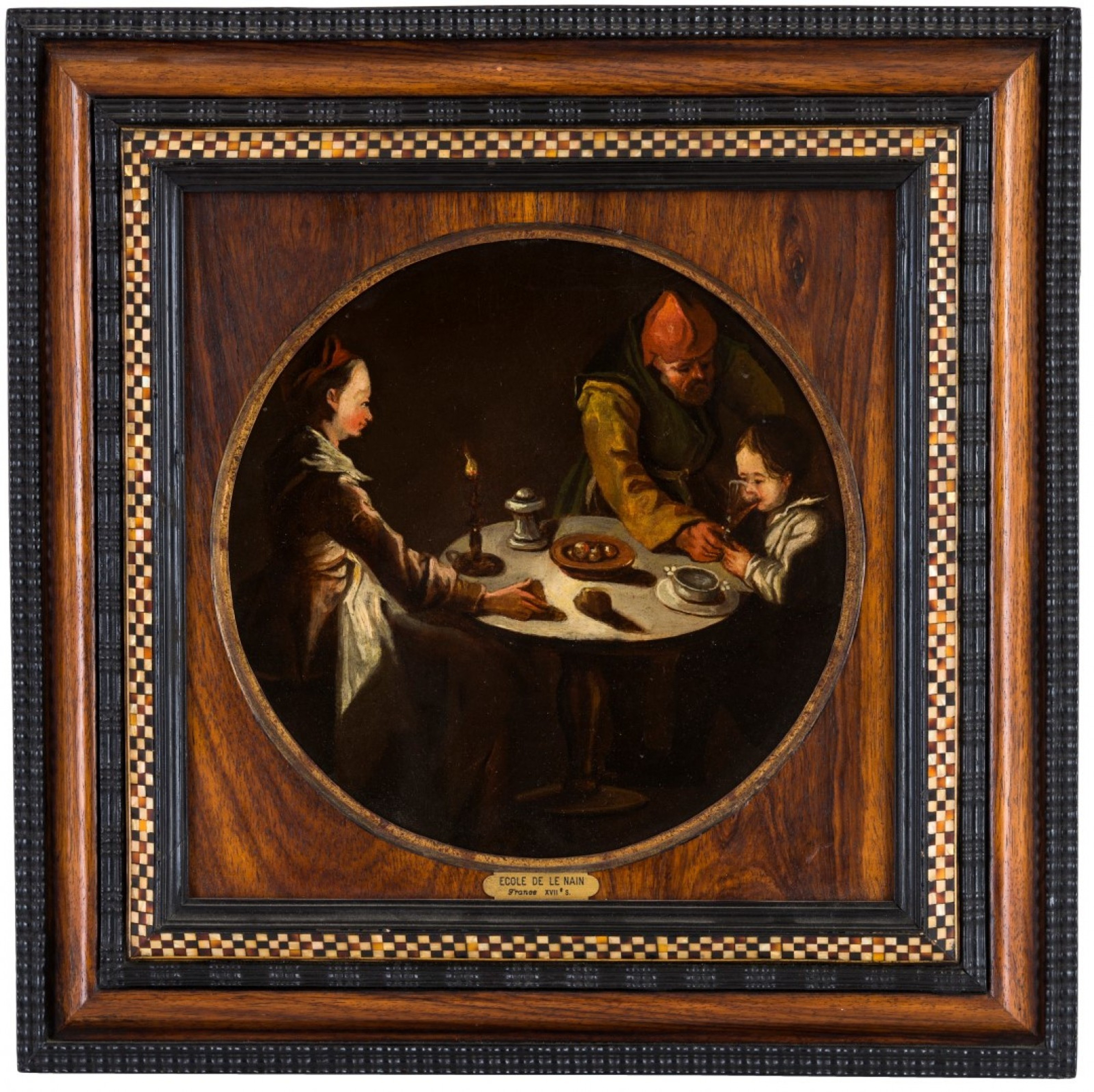
After Jacques Callot — The Holy Family at Table
Oil on panel
Original catalogue wording
D’après Jacques Callot — La Sainte Famille à table, huile sur panneau d'après
SwissArtGallery documentary note based on the cited sources. Titles, media and qualifications are provided in the profile language; the original catalogue wording remains available in each record. Profile updated :
Charles Camoin, born in Marseille in 1879, briefly trained in Gustave Moreau's studio at the École des beaux-arts in Paris. There he met Henri Matisse, Albert Marquet and Henri Mangu…
Active in sixteenth-century Nuremberg, Hans Plattner first appears in documents in 1521 and became the city painter in 1531. Portraits of the patrician community form a documented as…
Born in Paris in 1925, Yves Corbassière worked across painting, engraving, lithography, poster design, decoration and sculpture. He came from an industrial family based in Montmartre…