Alighiero Boetti: how does a map become embroidery?
Alighiero Boetti’s Mappe transformed political maps of the world into textile artworks. From the early 1970s, he commissioned Afghan craftswomen to embroider designs incorporating borders, national flags and written inscriptions. The maps bring collective labour, political change and the time required to make an object into the work itself.
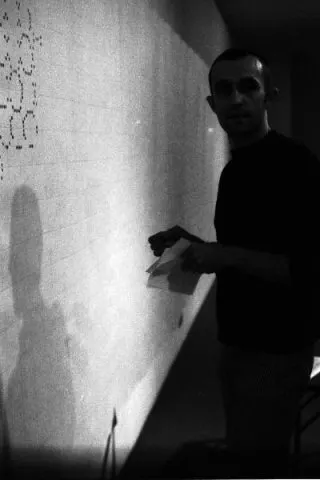 Artist portrait
Image credit and source
View artist profile →Carla Cerati
View image source · Public domain
Context and interpretation
The Pinault Collection documents a Mappa made in Kabul in 1972–73, preserving inscriptions that identify where it was produced. The series continued across decades, so maps created at different moments need not show the same states and flags after later geopolitical changes.
Gladstone Gallery organised a retrospective of the series in association with the artist’s foundation and archive. Studying these works means acknowledging the makers and workshops involved rather than describing only Boetti’s initial concept. Technique and collaboration are inseparable here.