Skip to content
Swiss Art Gallery
Gallery & collection
Swiss Art Gallery · Research and discovery

Albert Anker: how an object can change the meaning of a painting

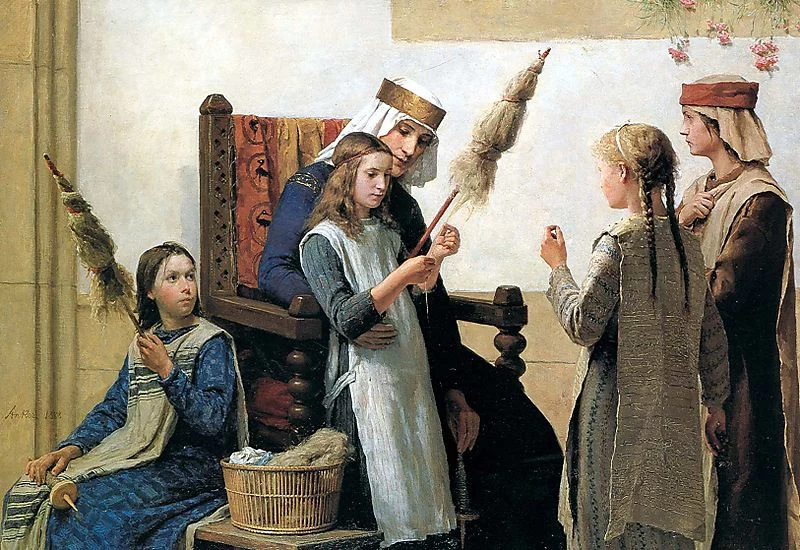
A distaff, a quill, a basket of strawberries: familiar objects play central roles in several paintings by Albert Anker. They guide the viewer’s reading but can also carry historical or literary stories layered onto the image. Three documented accounts invite us to look closely at those details before interpreting the whole scene.

Albert Anker — La reine Berthe et les fileusesIllustration from a story
Image credit and source

Albert Anker · La reine Berthe et les fileuses · Wikimedia Commons · Public domain

View image source · View licence · Licence du visuel
Read the illustrated story →

Context and interpretation

The painting of Queen Bertha raises questions of cultural memory: an attribute that became a distaff helped sustain a legend. In La Mariette aux fraises, the title, sitter and links to Gotthelf need to be distinguished carefully.

The municipal clerk has a different afterlife, appearing in reproductions and other formats. A painting’s history does not end with its creation; it includes changes of title, derivative images and shifts in the way the public understands it.

Documented stories

Albert Anker

How a sceptre became a distaff

Anker's Queen Bertha teaches spinning, but this famous image belongs to a long construction of memory. Behind the distaff lies an earlier reinterpretation of a sceptre; in front of the painting, a public subscription extends the legend's power.

Read the story →
Albert Anker

The strawberry picker whose title changed

Painted in 1884 with Rosa Zesiger as its model, Mariette with Strawberries received a name evoking Gotthelf. Distinguishing portrait, village scene and literary memory makes this painting by Anker more precise and more endearing.

Read the story →

Explore the artists

Historical sources