Wilfrid Moser
Born in 1914.
Died in 1997.
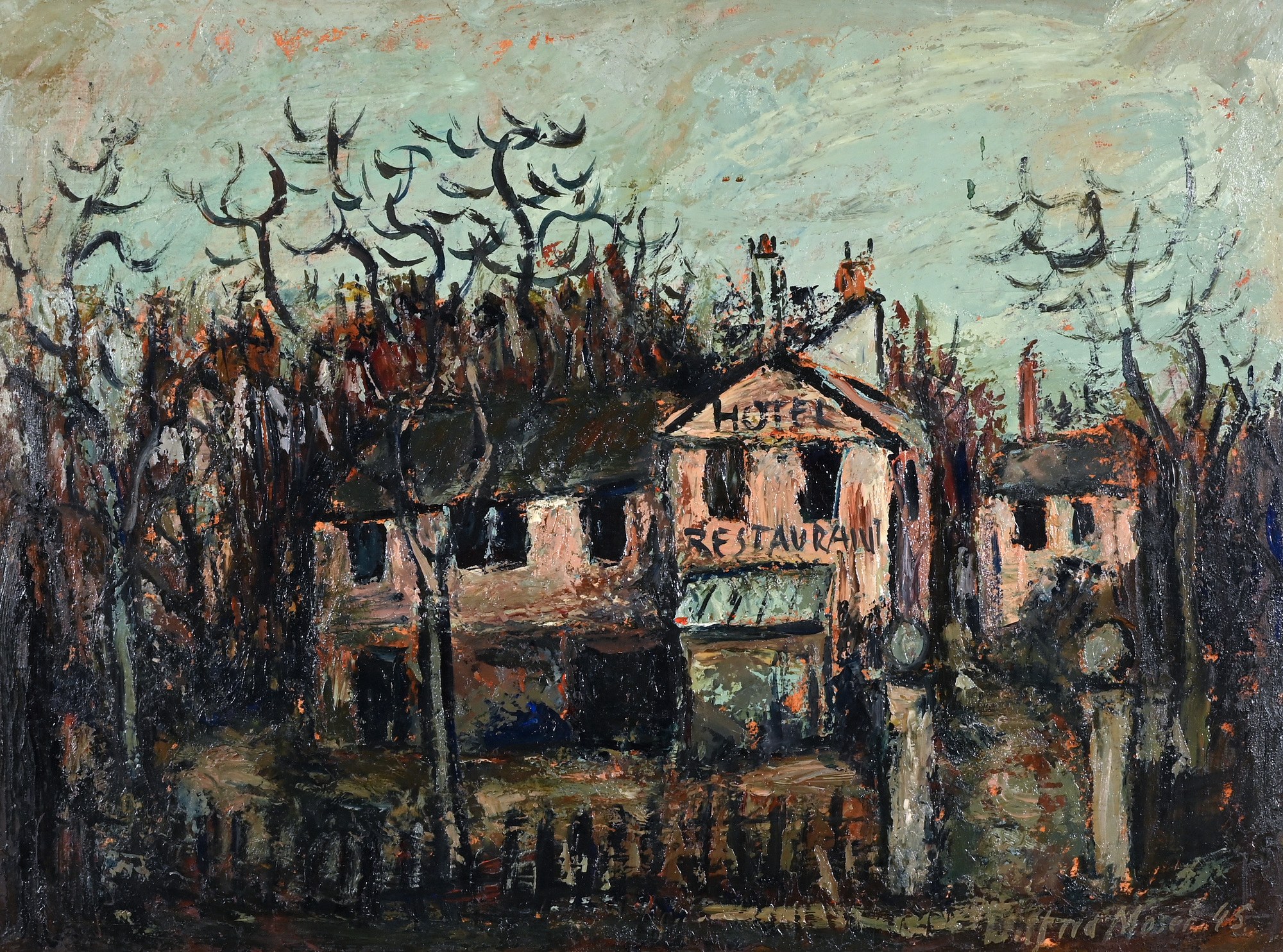
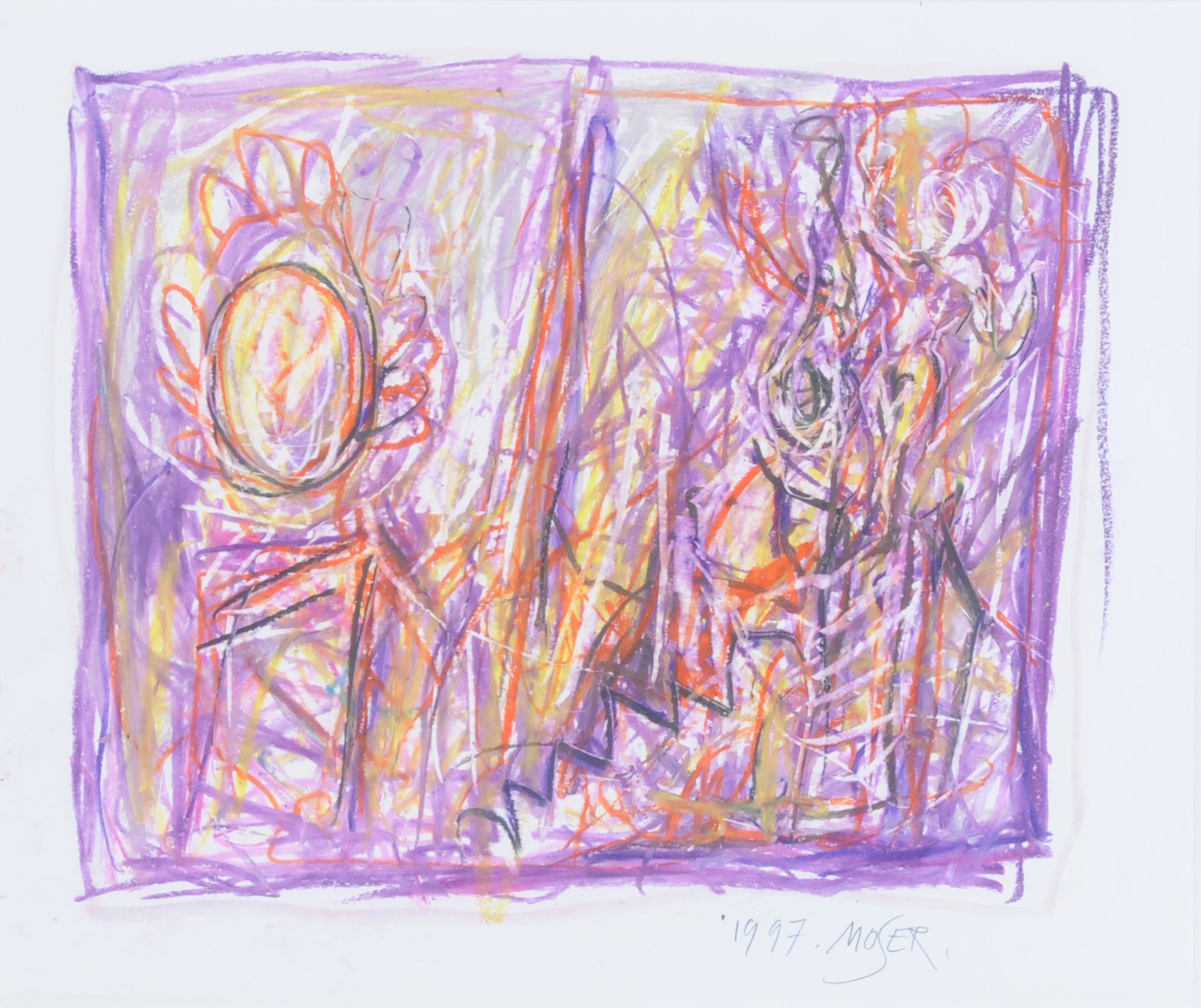
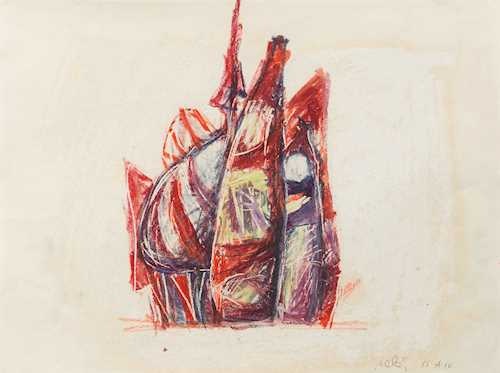
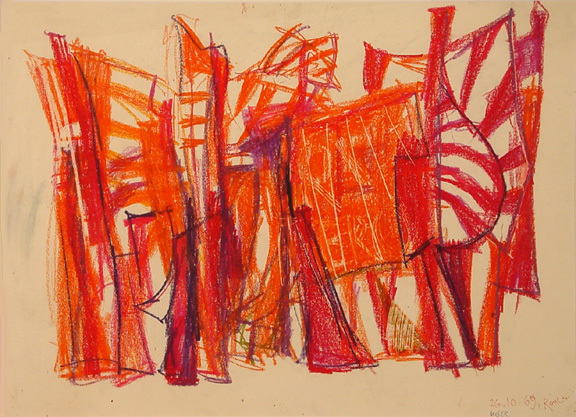
His musical training precedes his calling as a painter. After travelling to Morocco and Spain, he settles in Paris in 1945, while maintaining ties with Zurich and, later, with Ronco sopra Ascona. This personal geography nourishes a body of work that moves freely between abstraction, urban motifs and landscape.
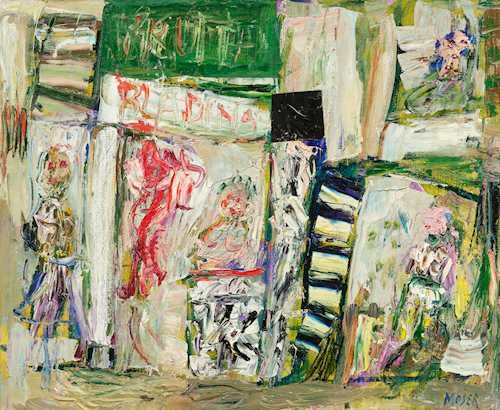
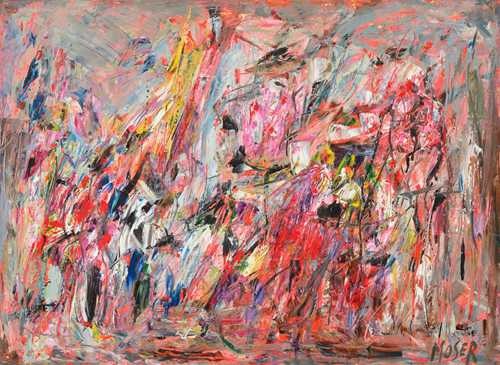
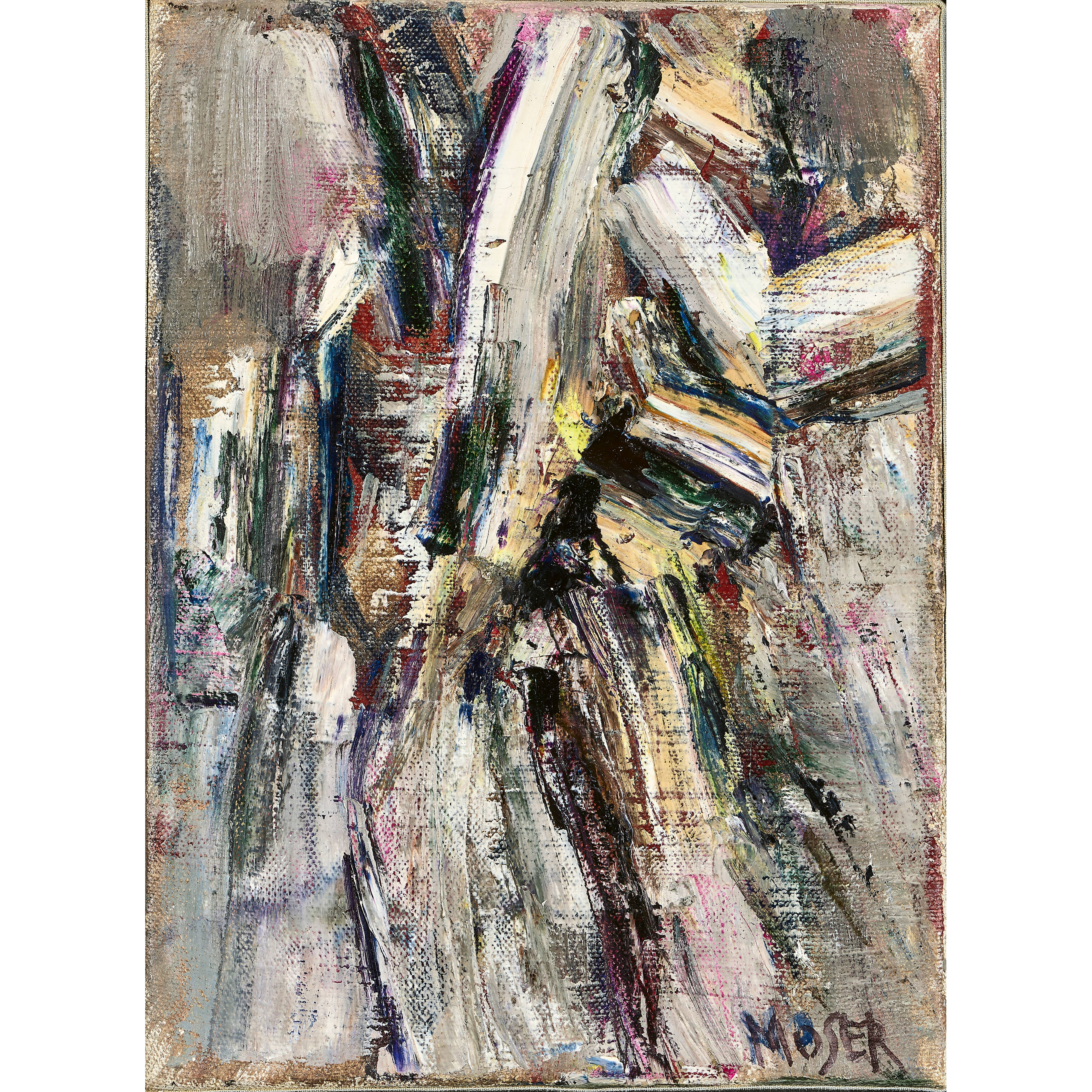
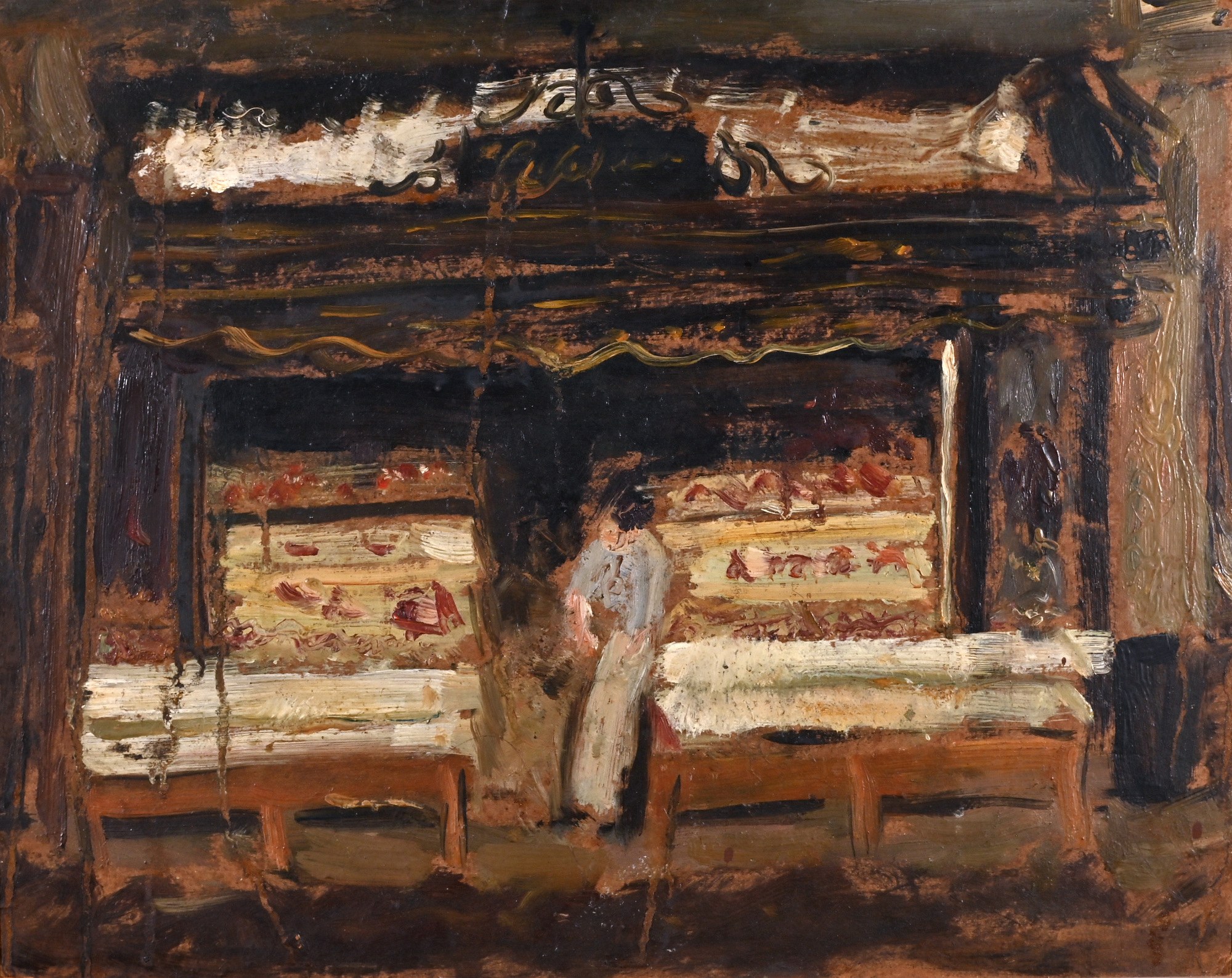
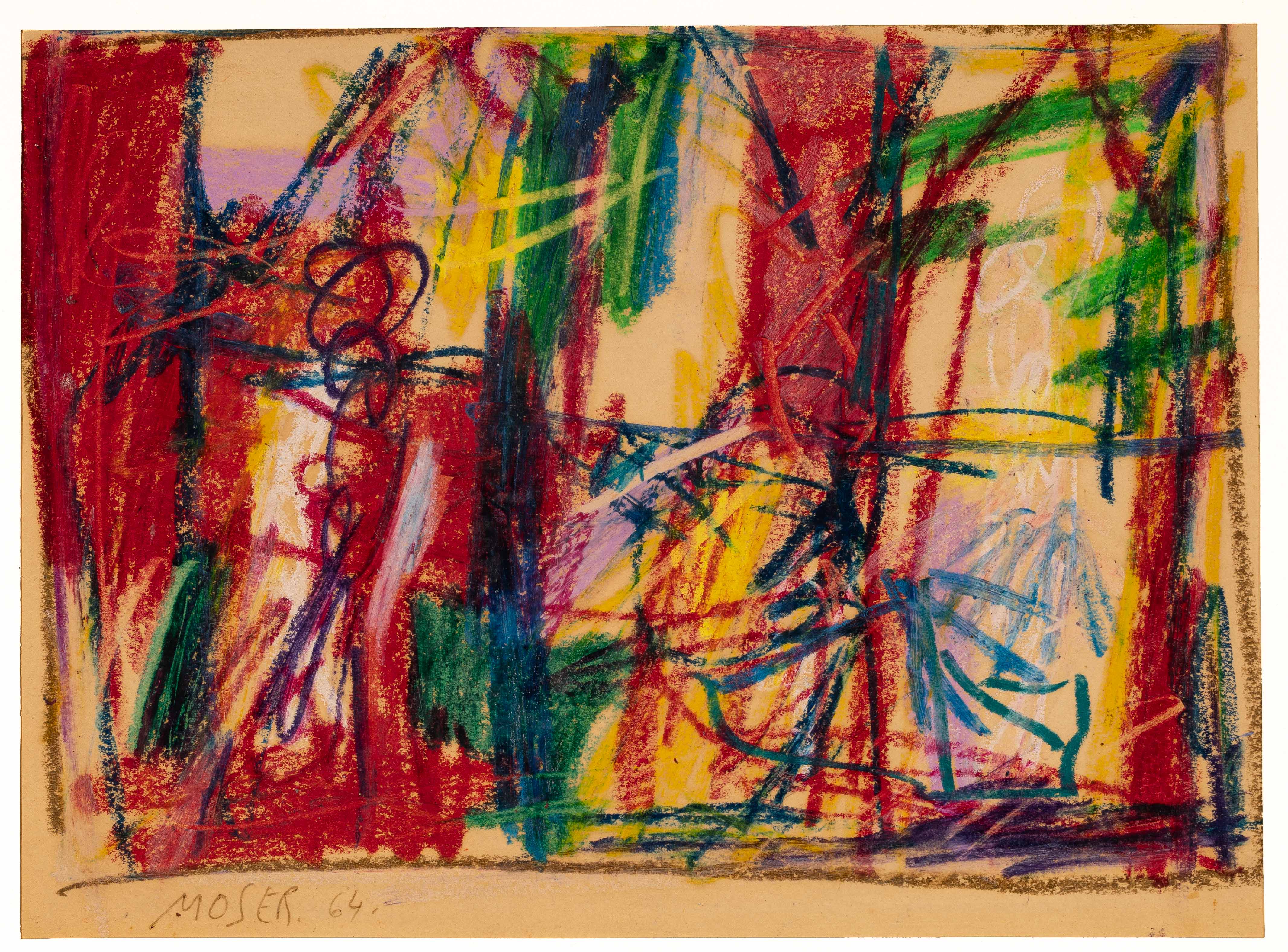
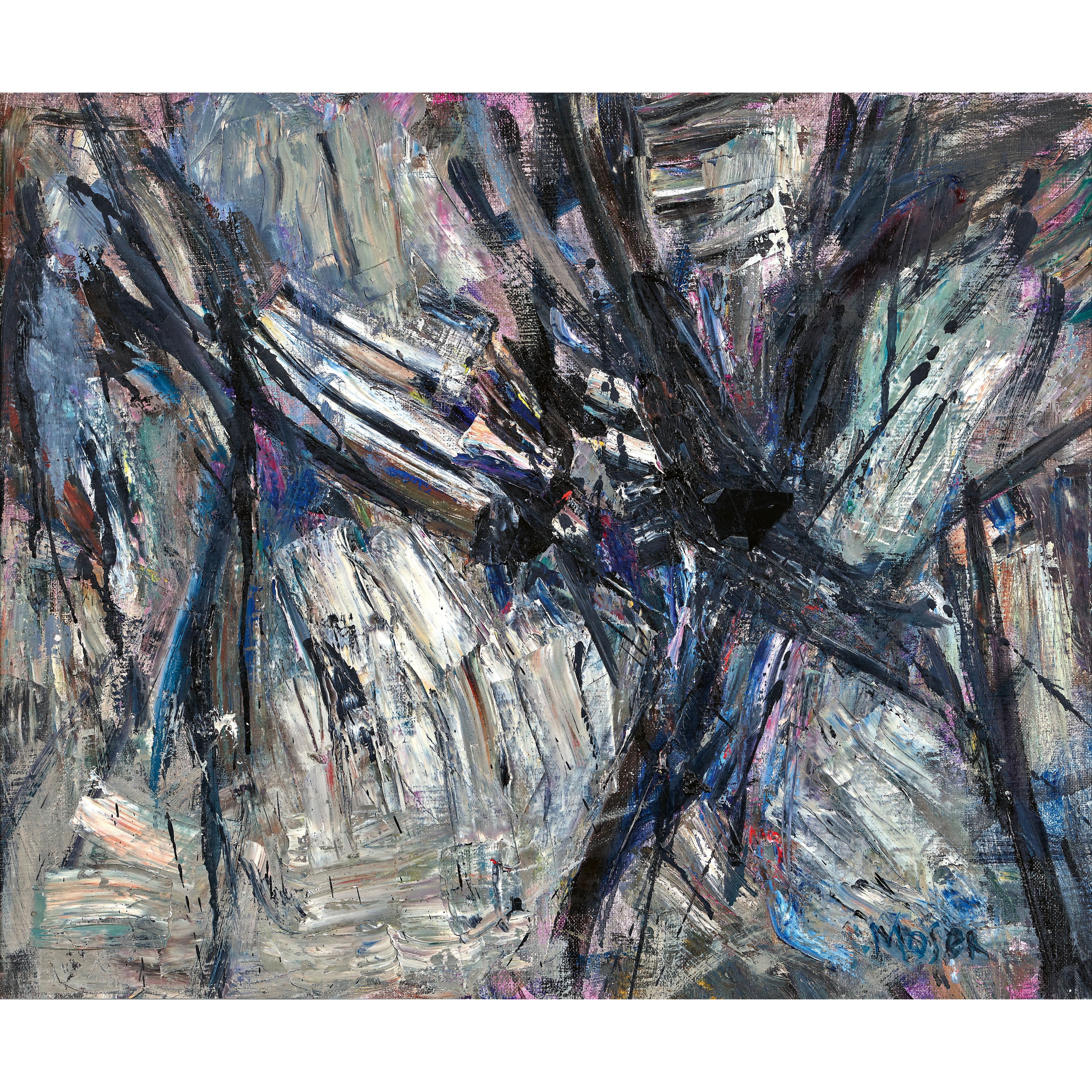
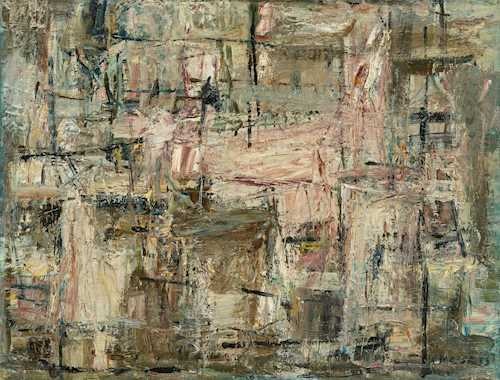
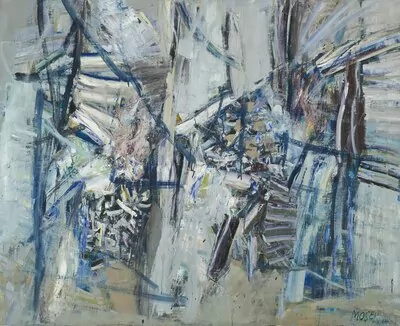
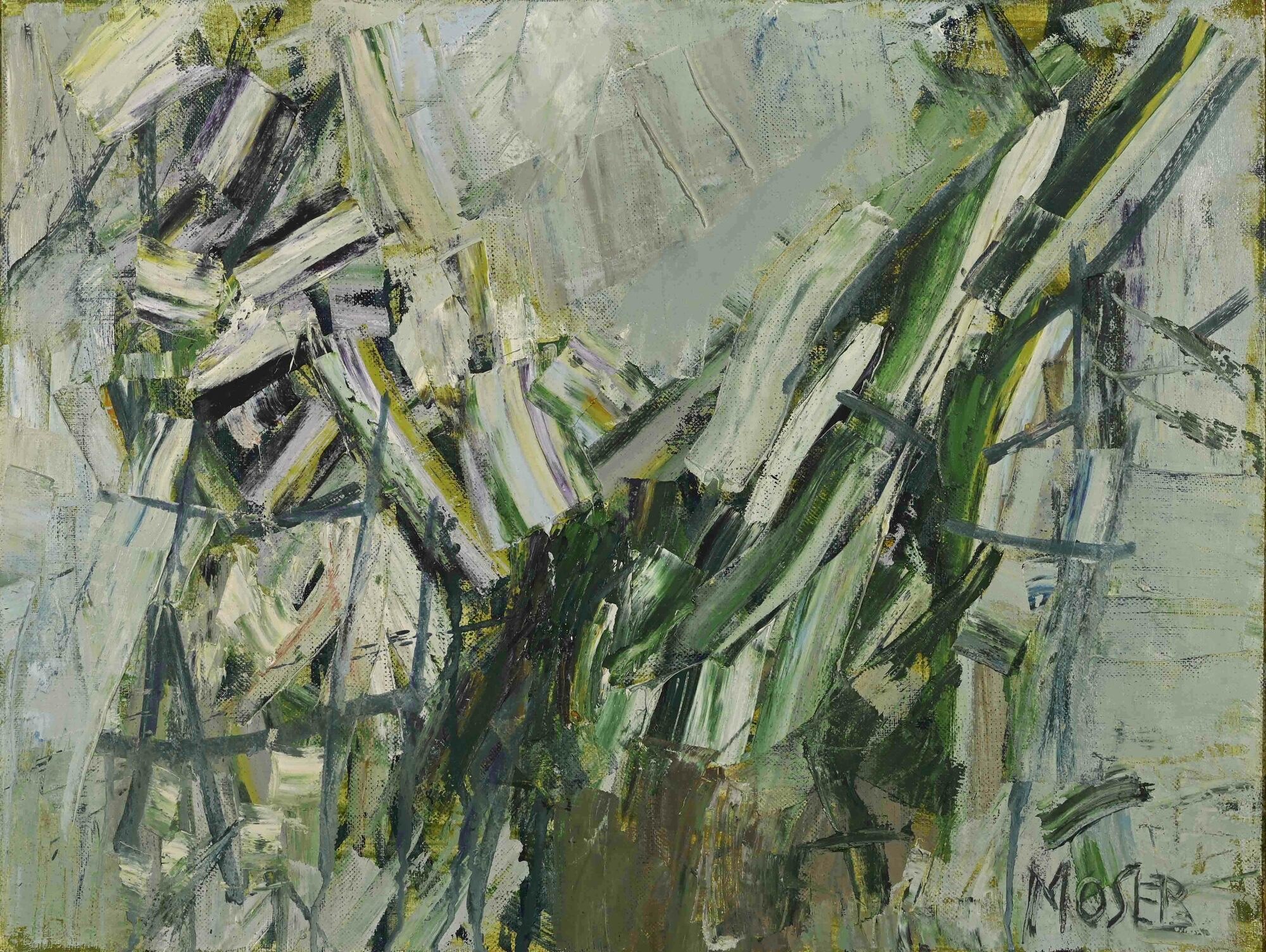
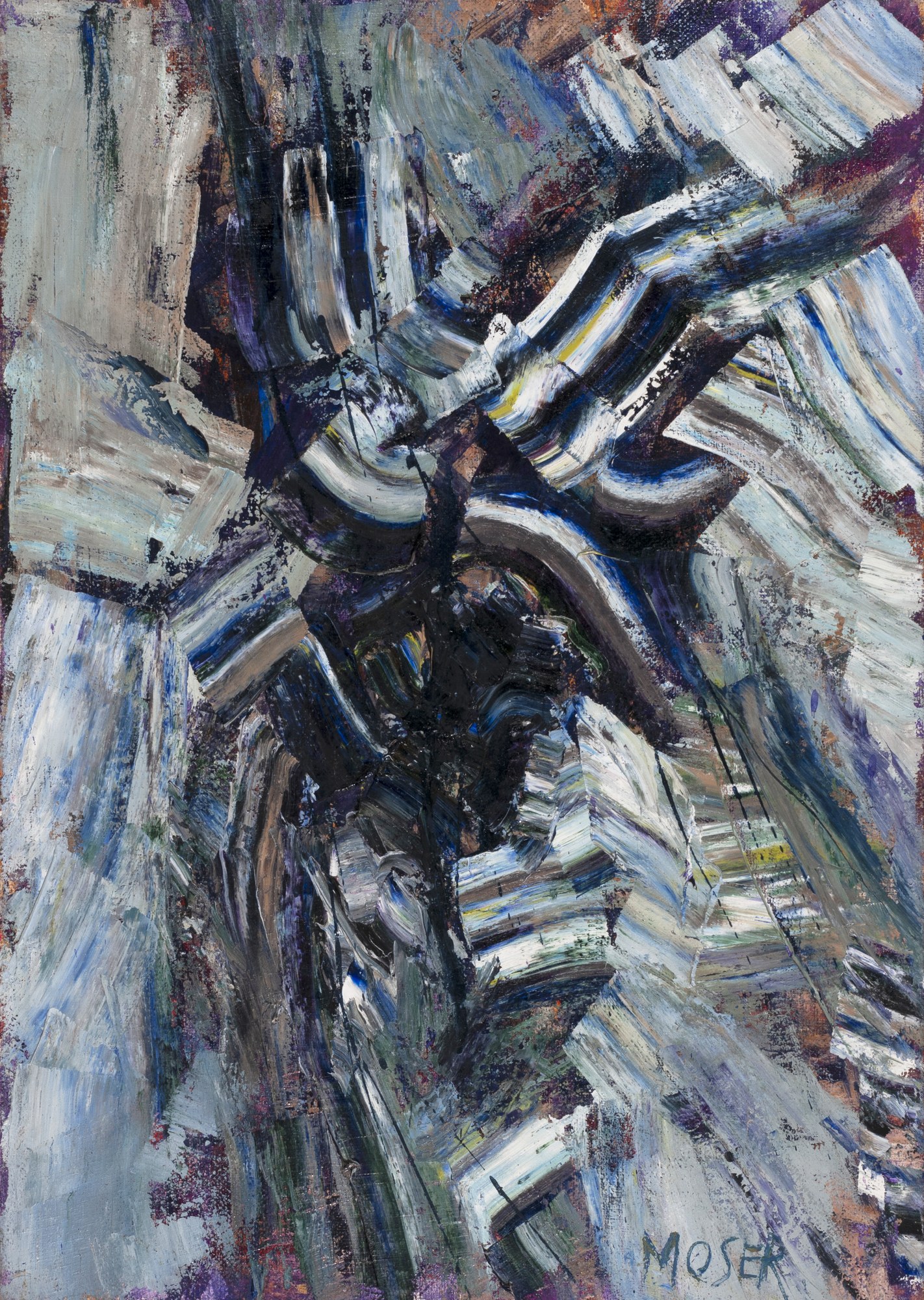
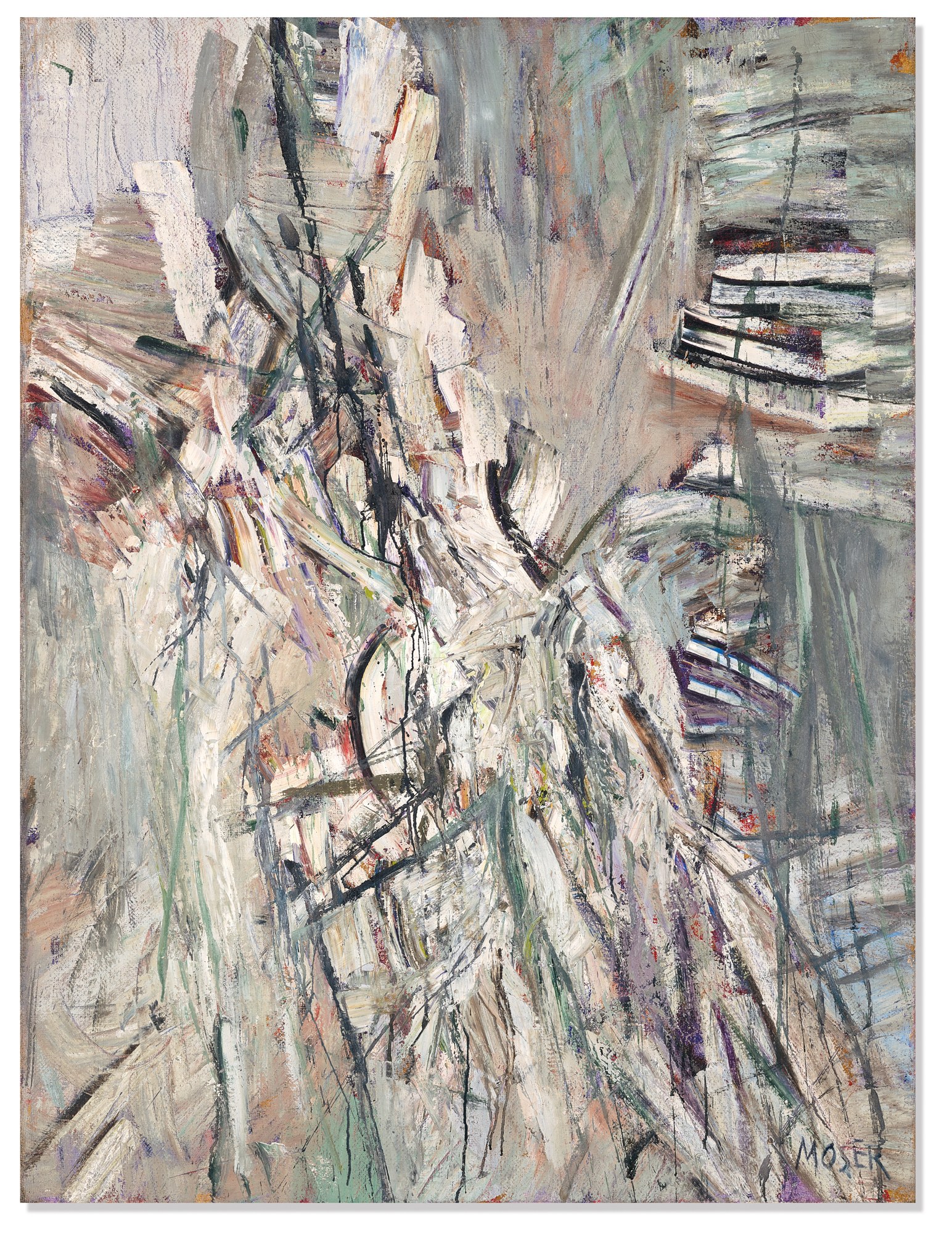
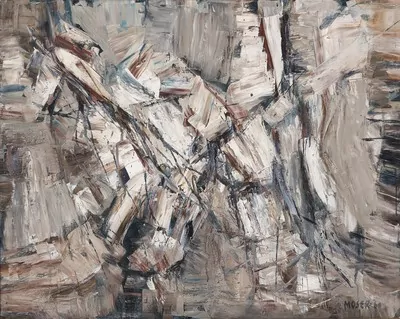
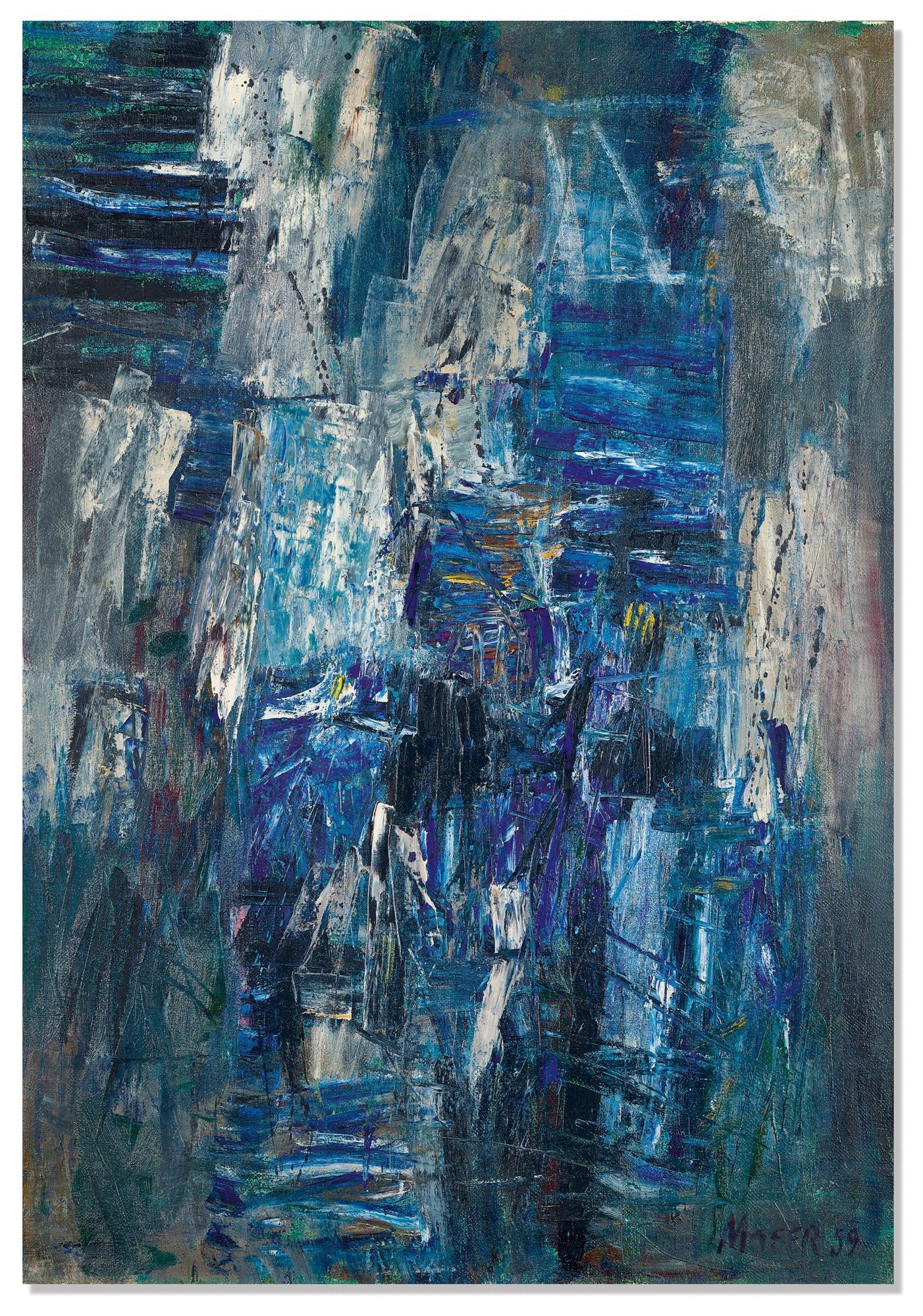
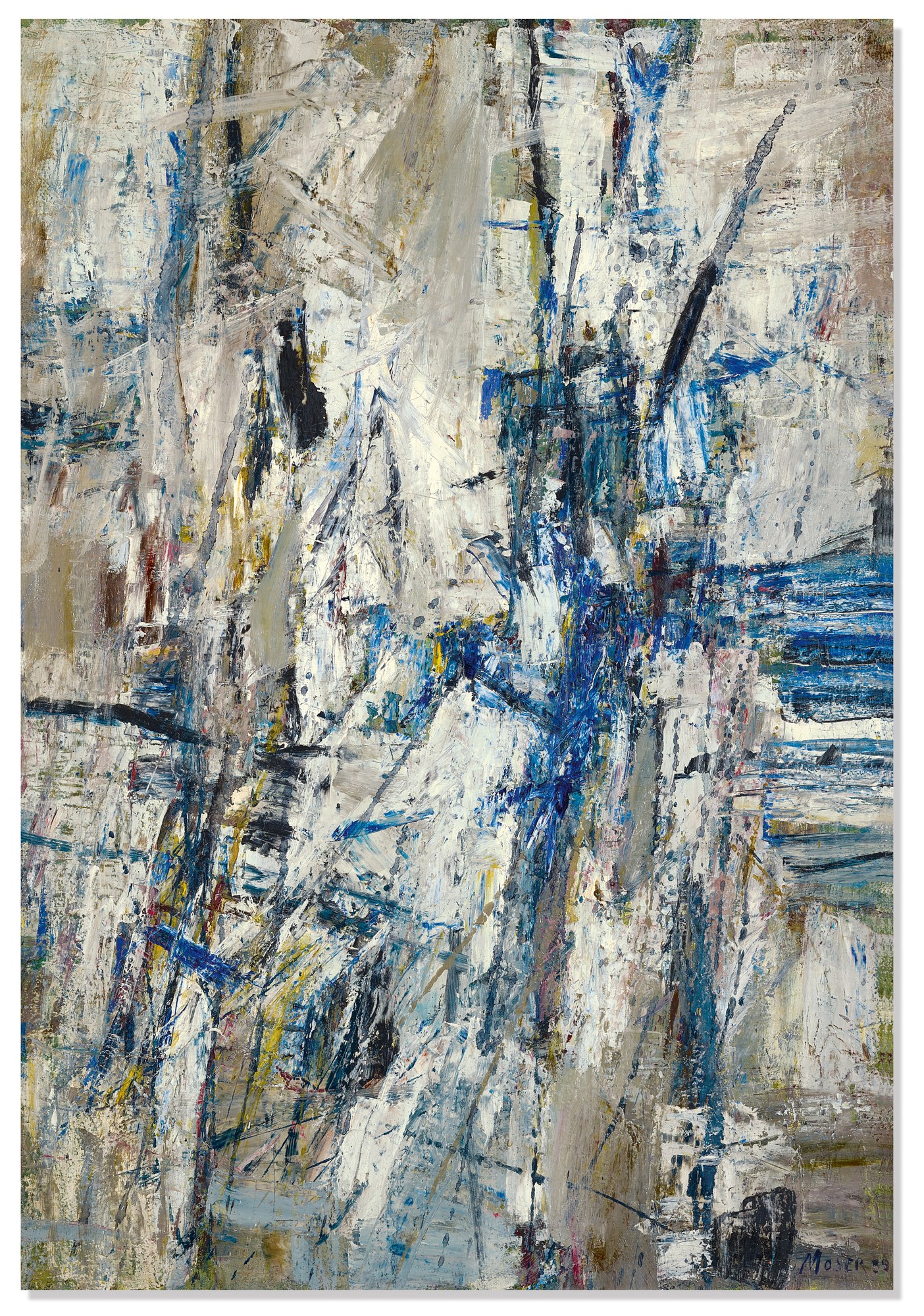
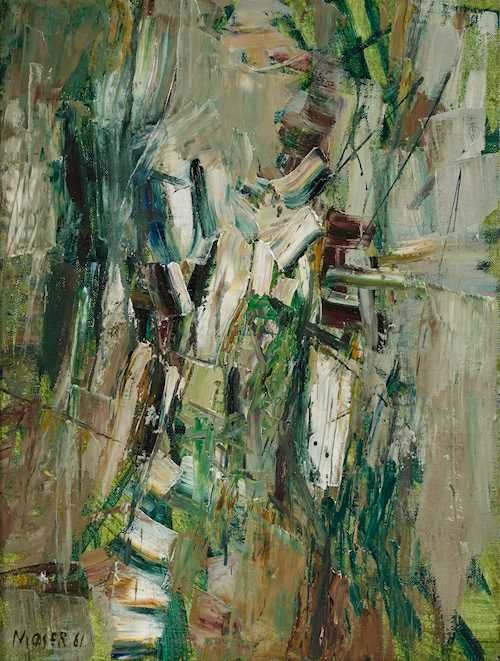
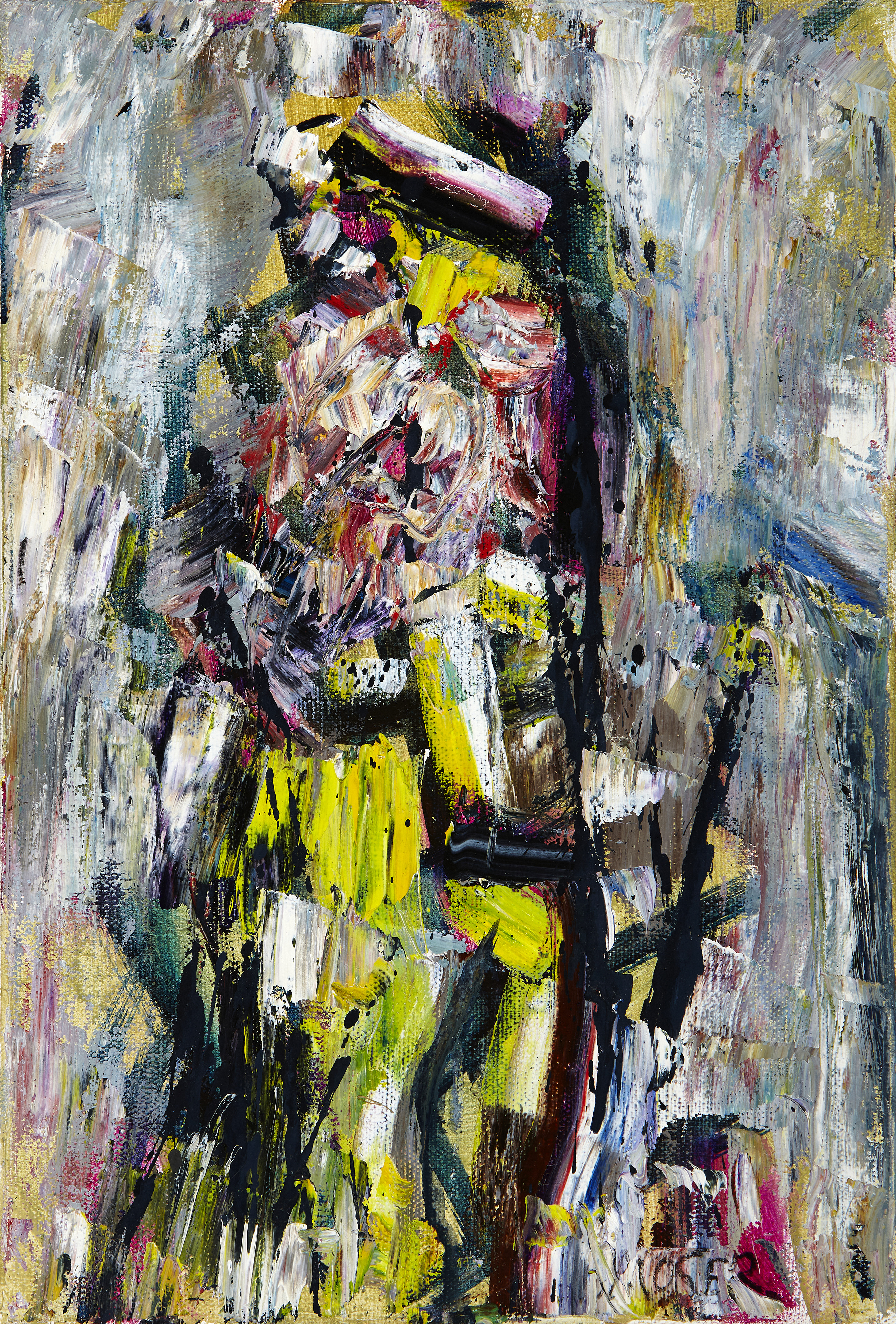
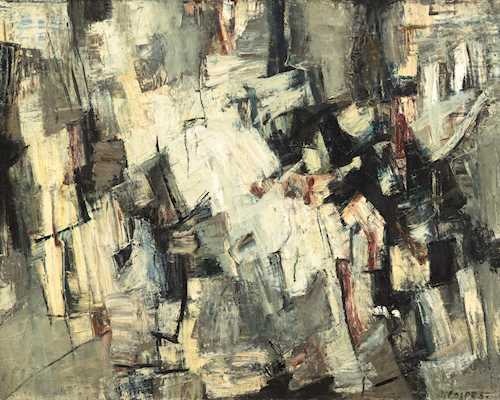
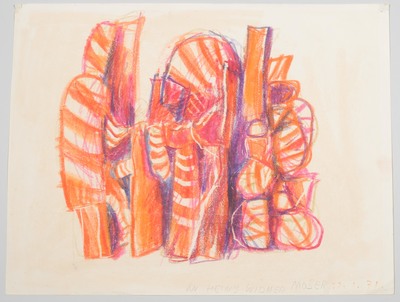
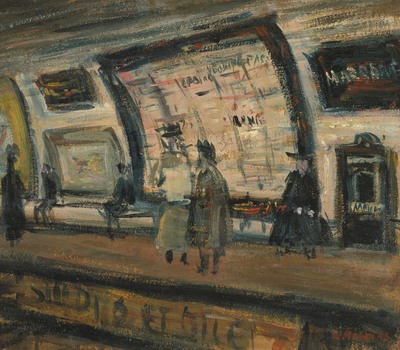
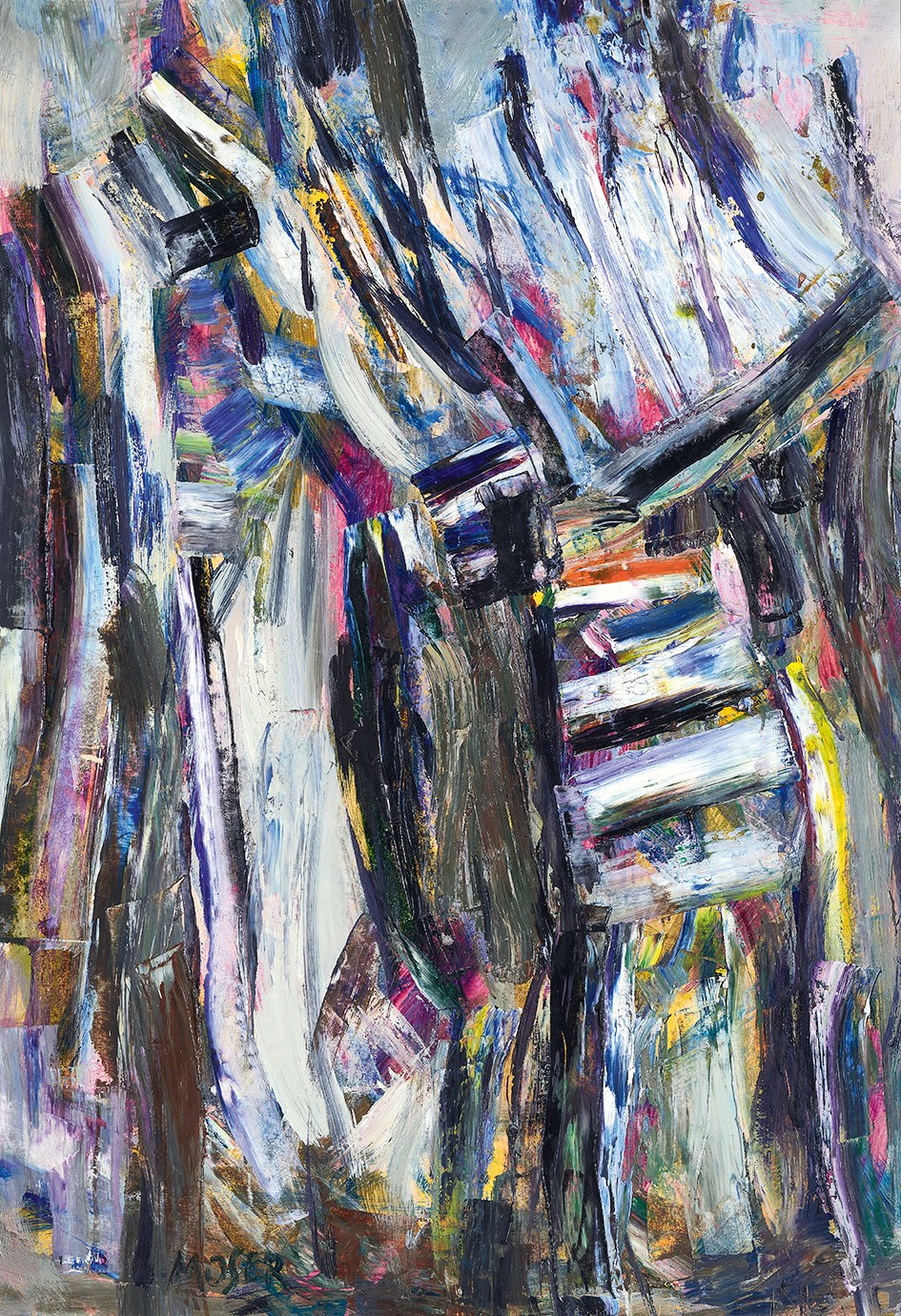
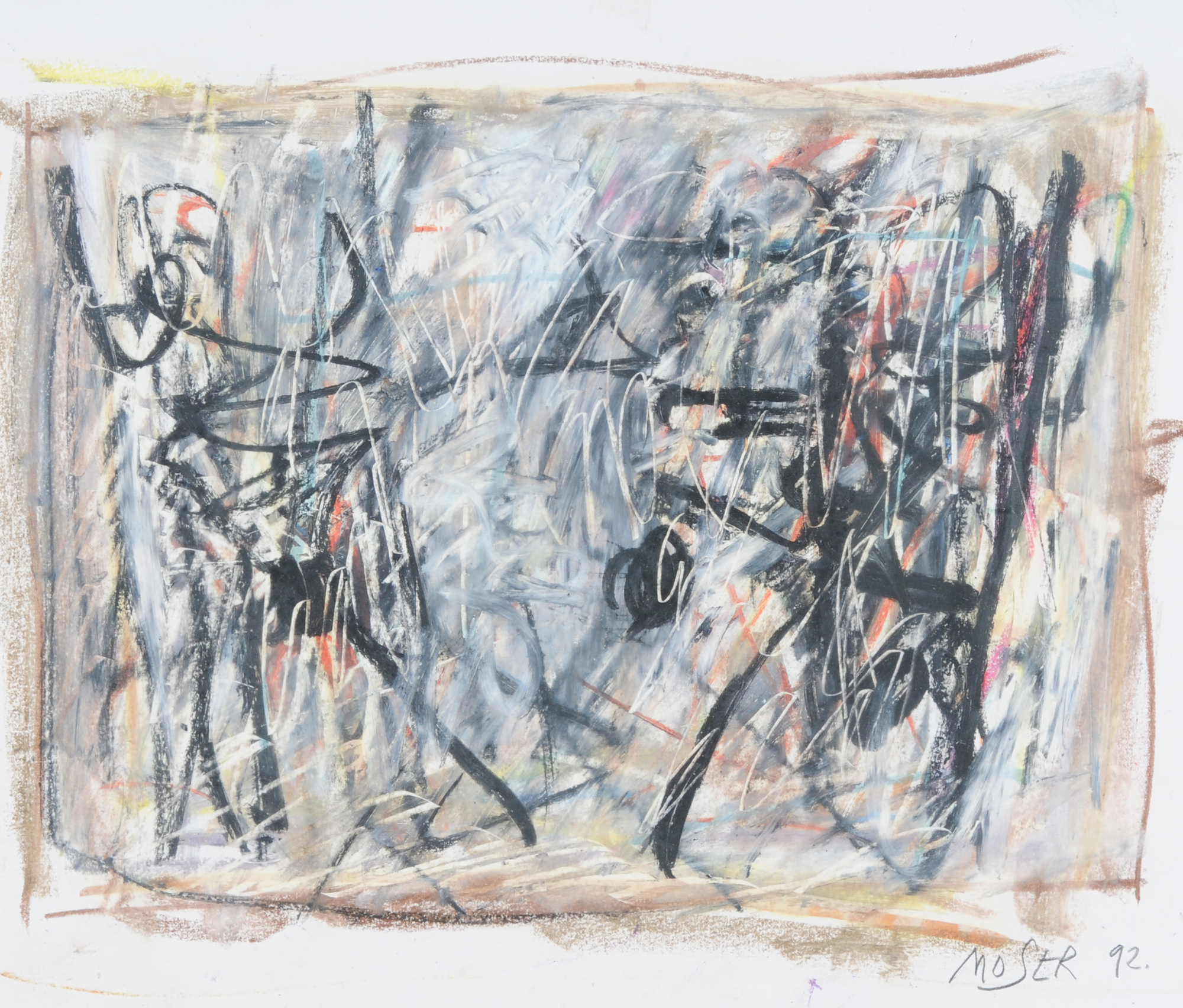
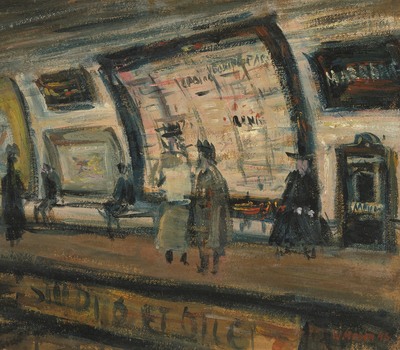
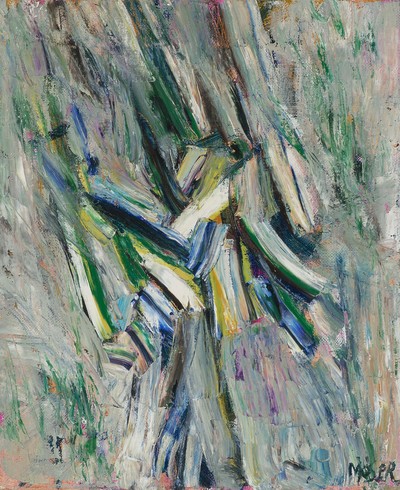
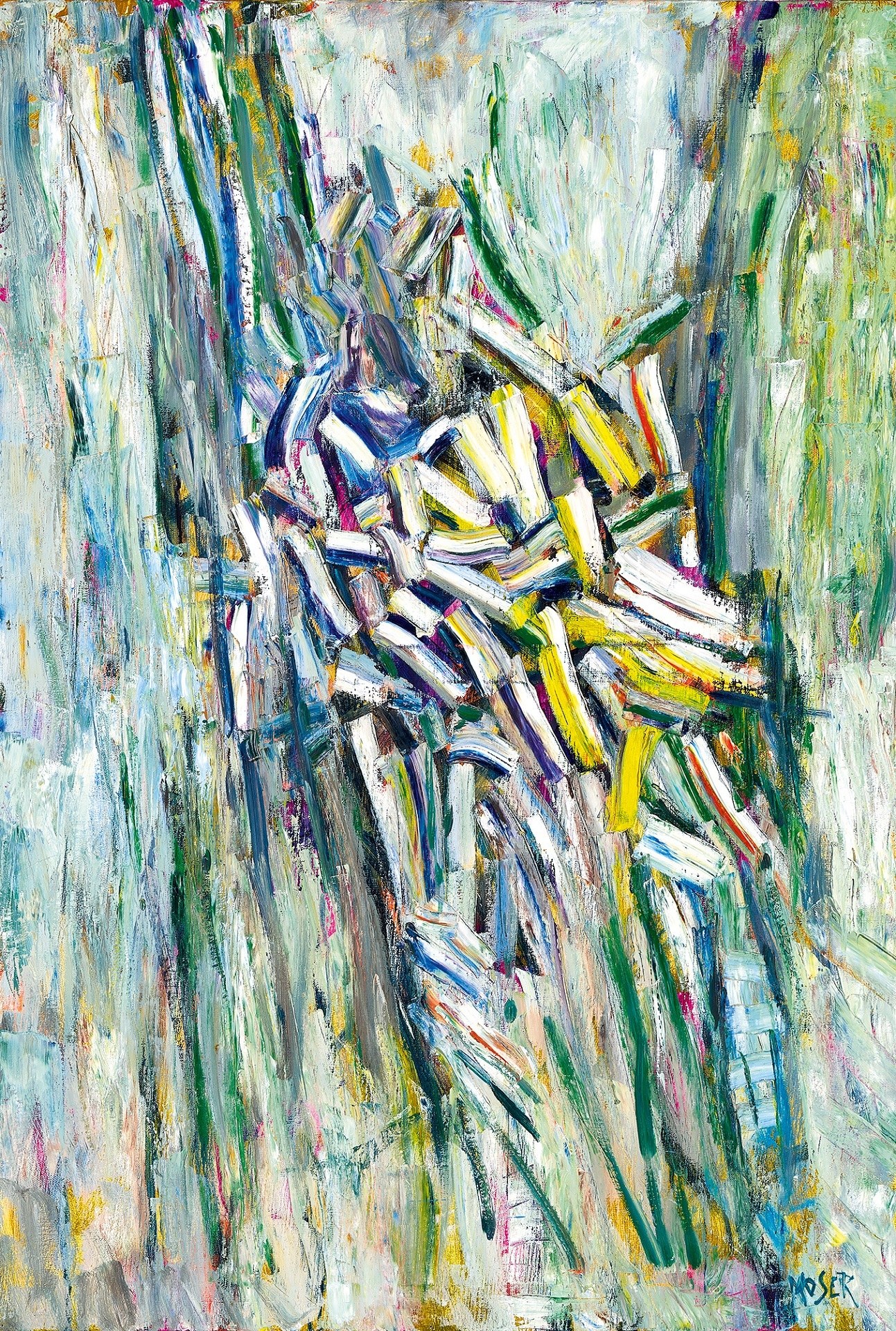
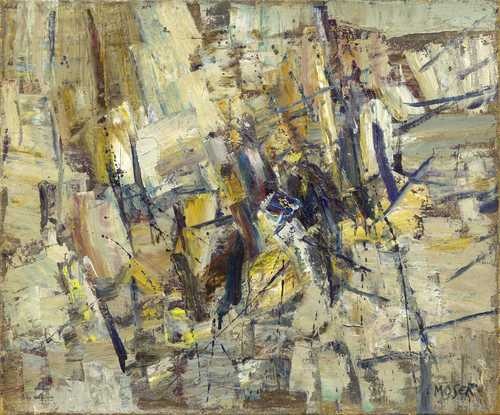
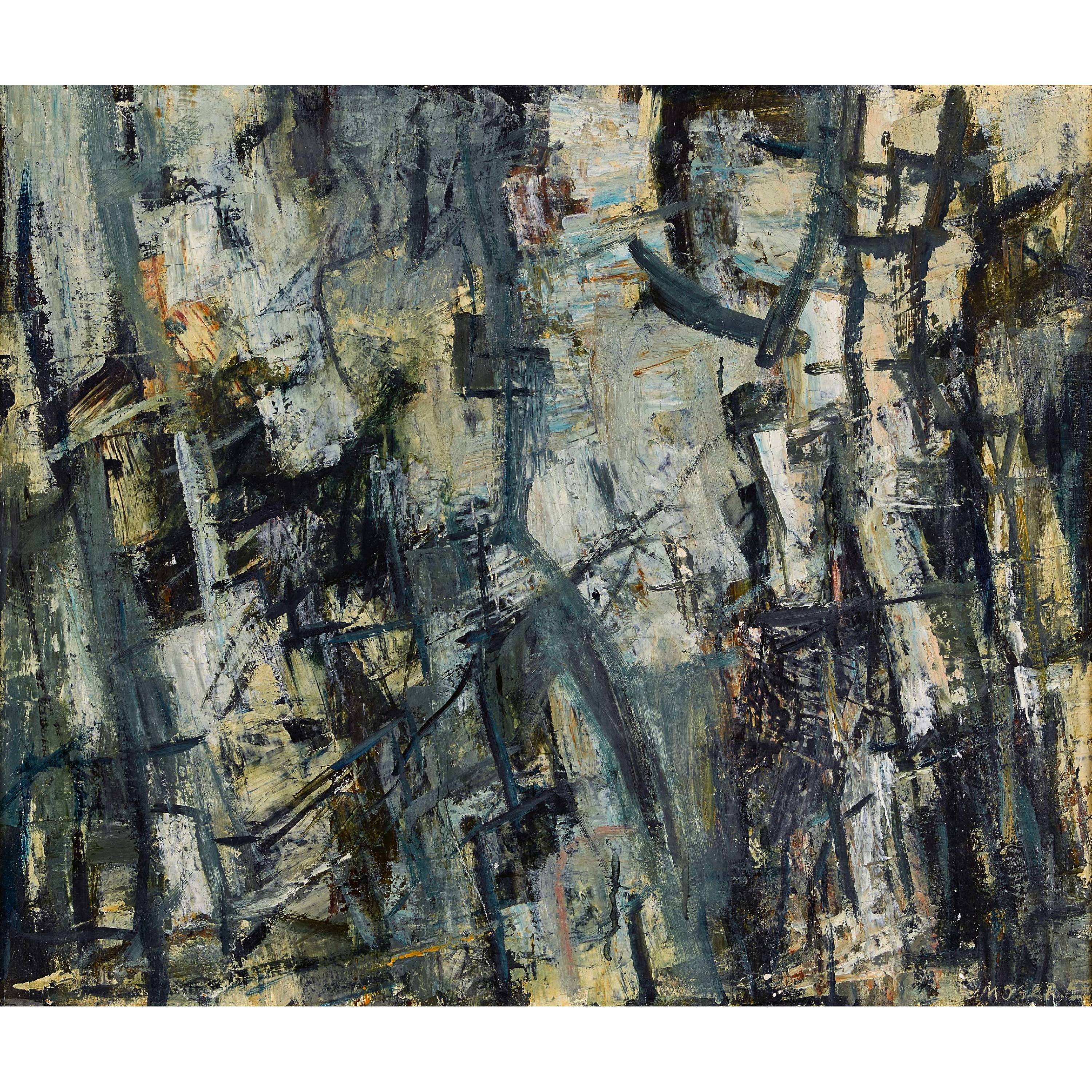
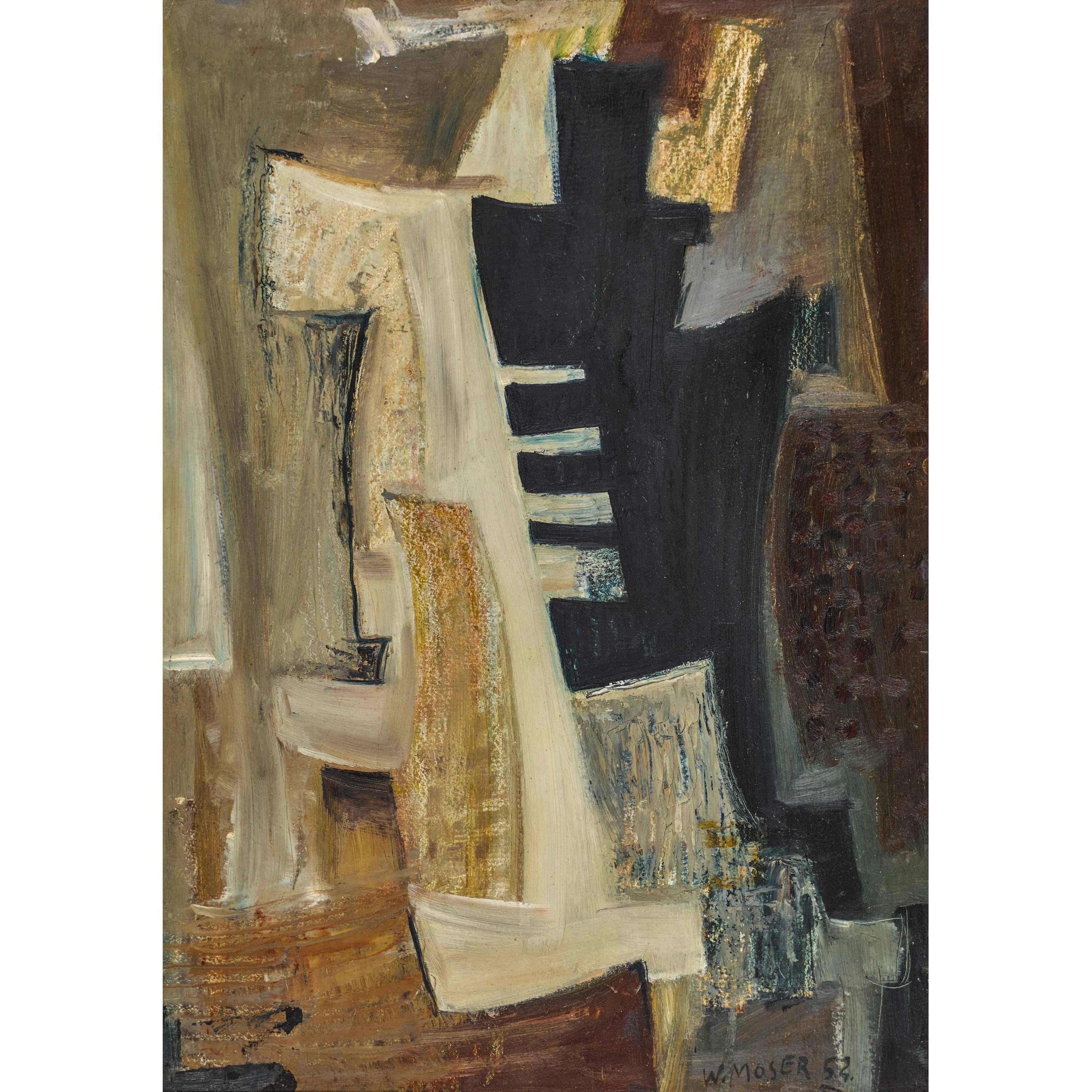
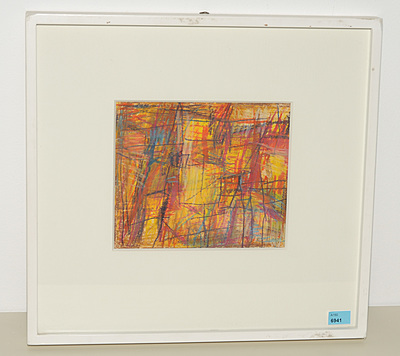
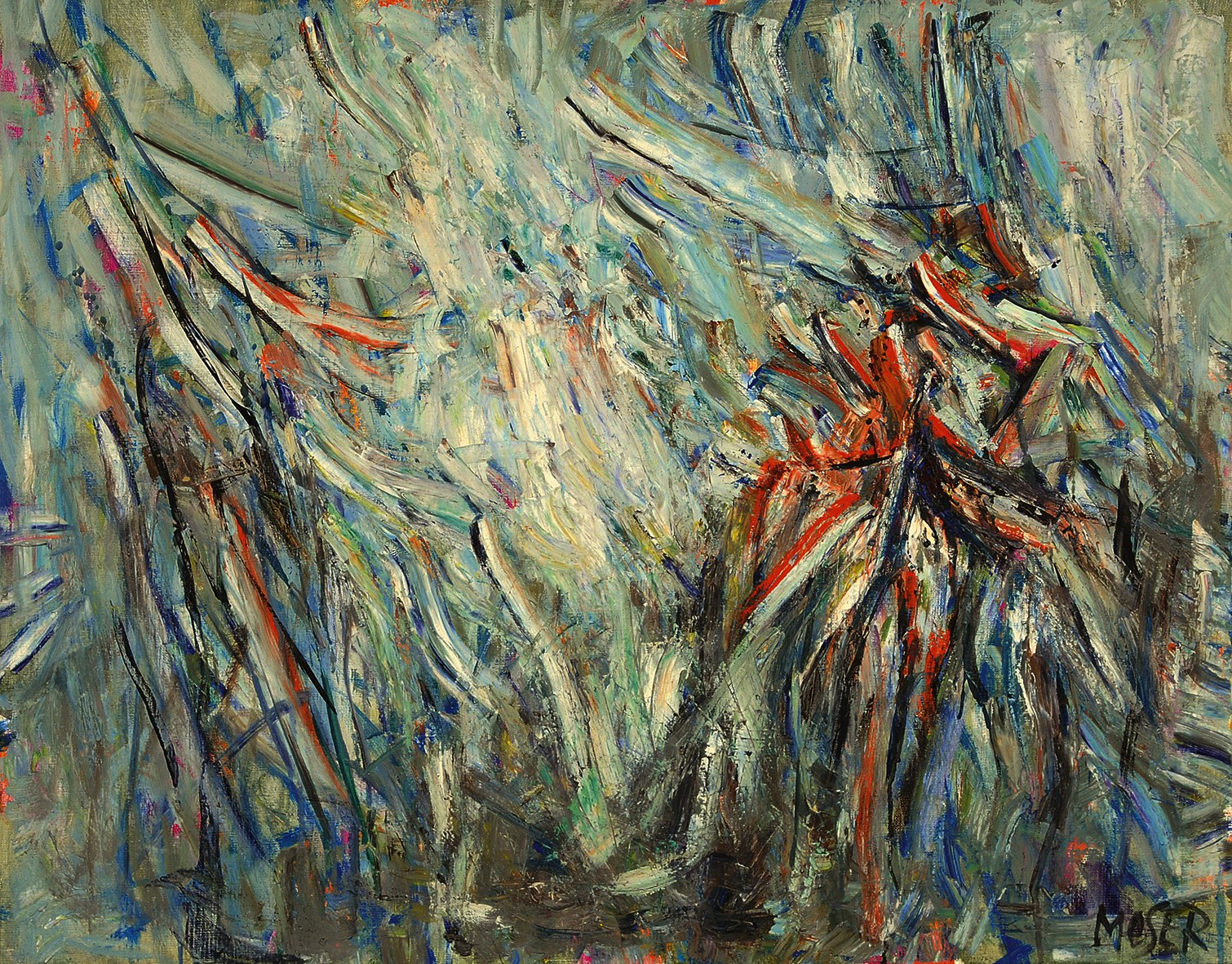
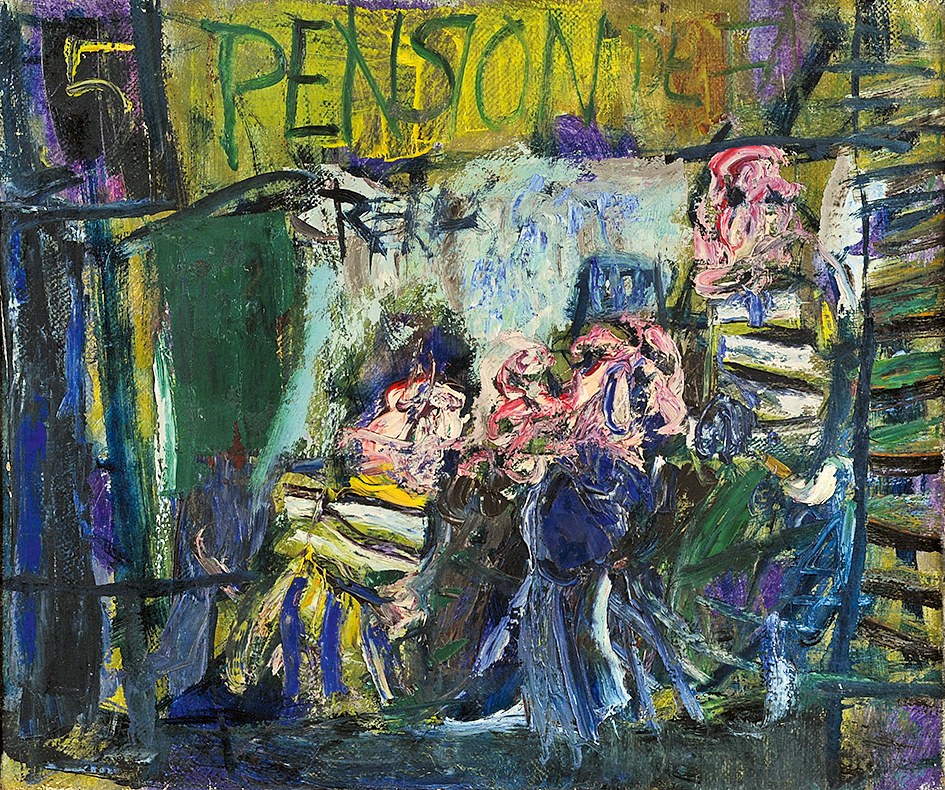
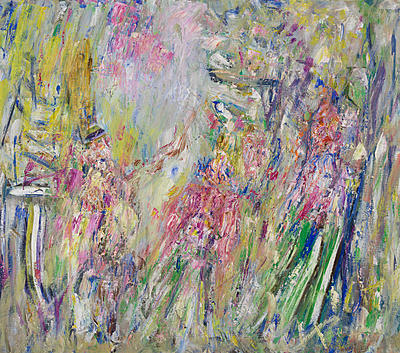
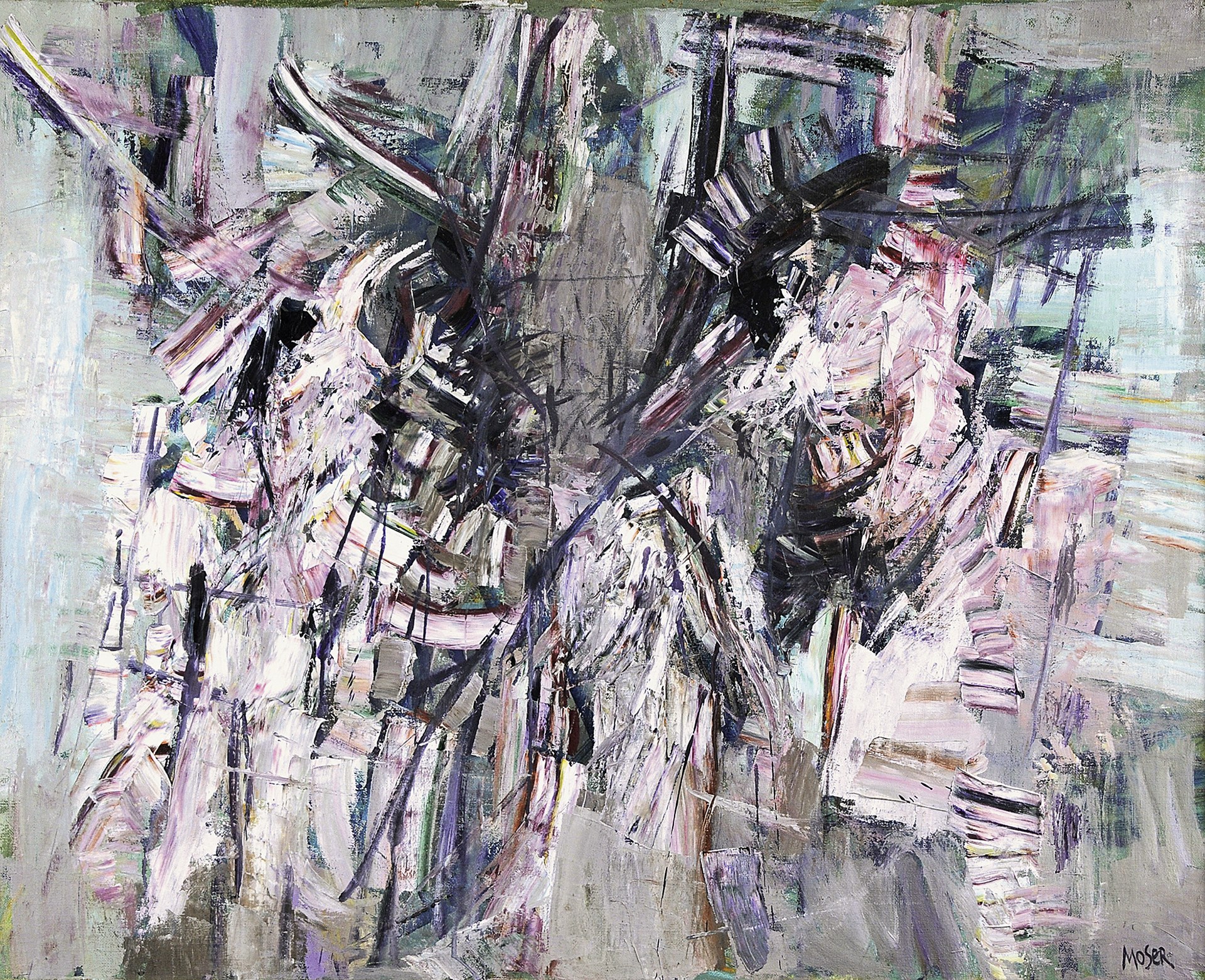
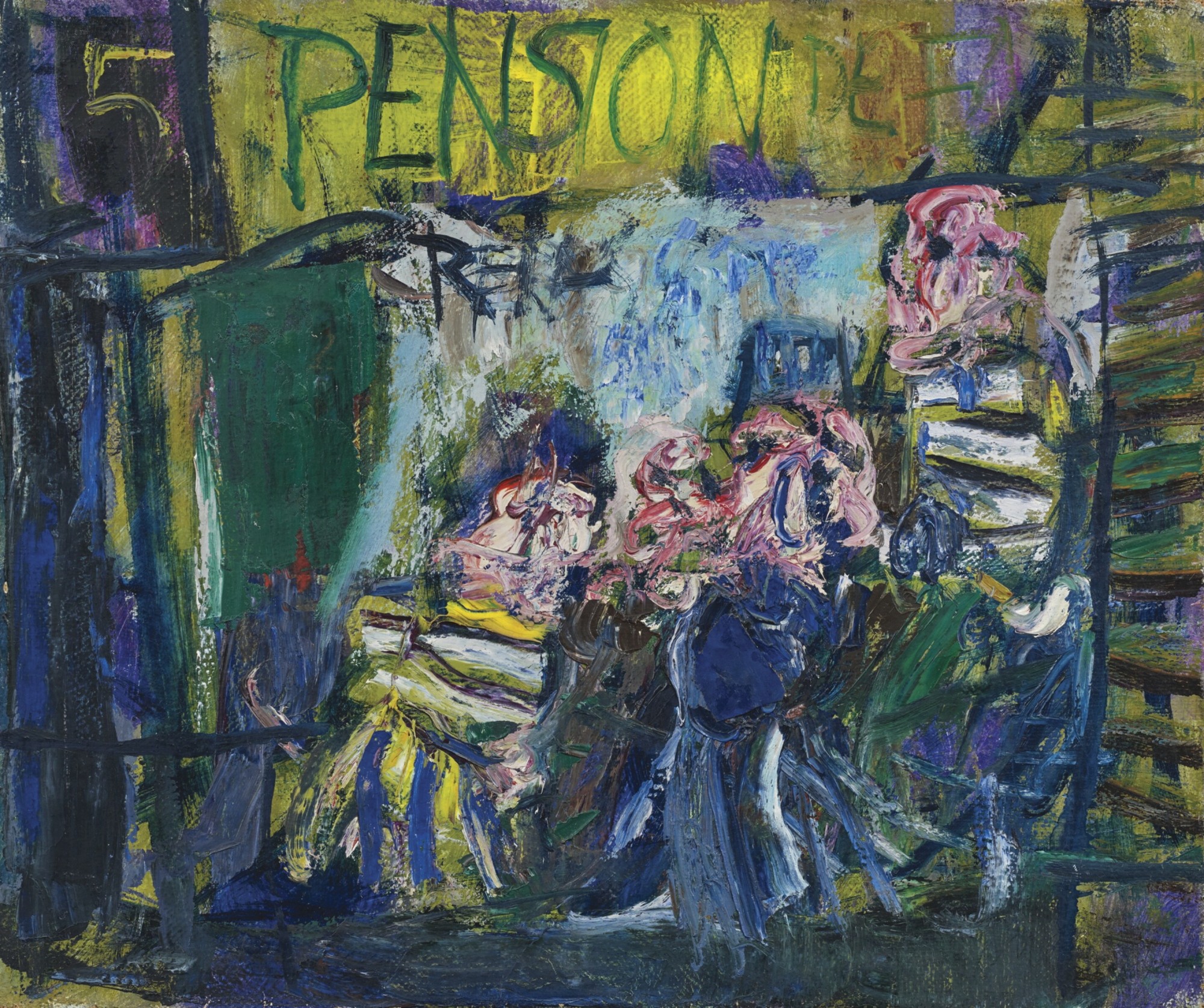
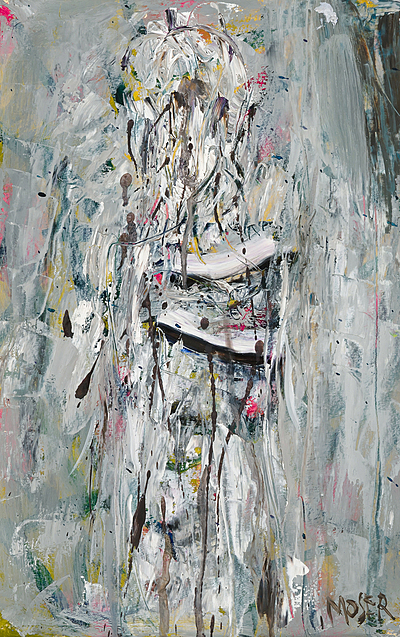
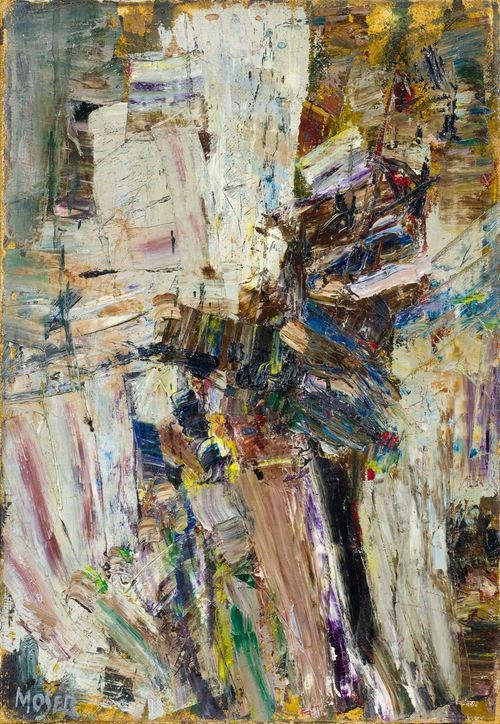
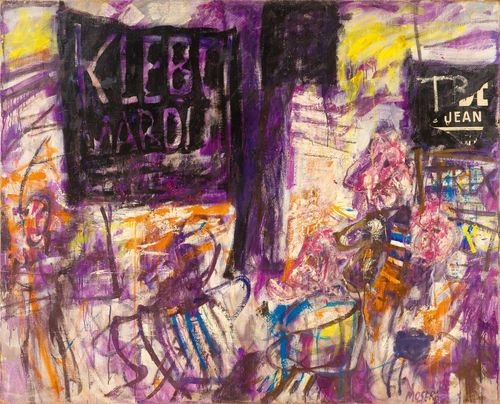
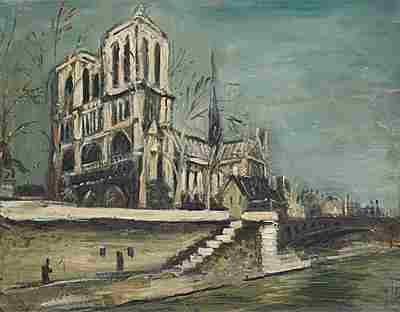
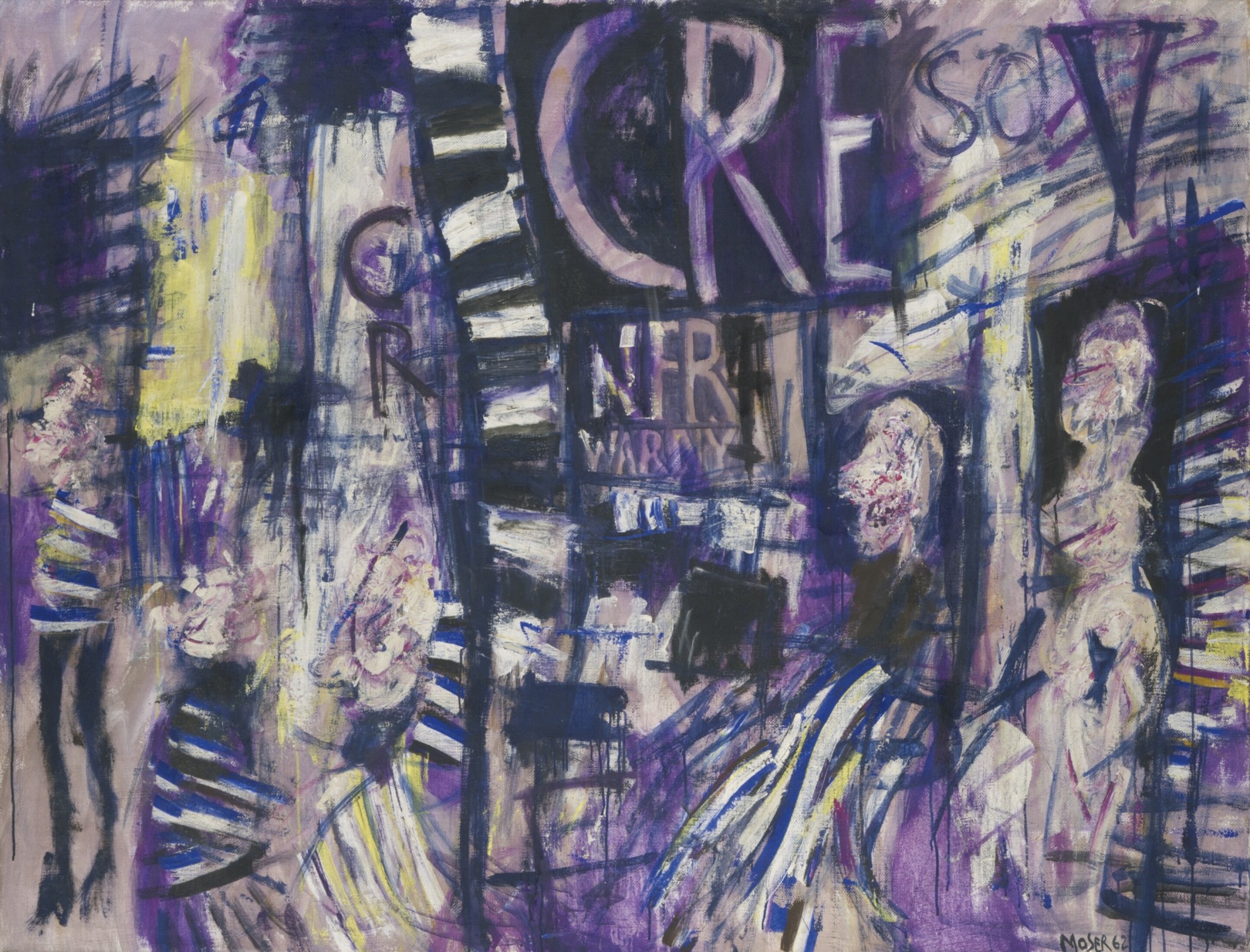
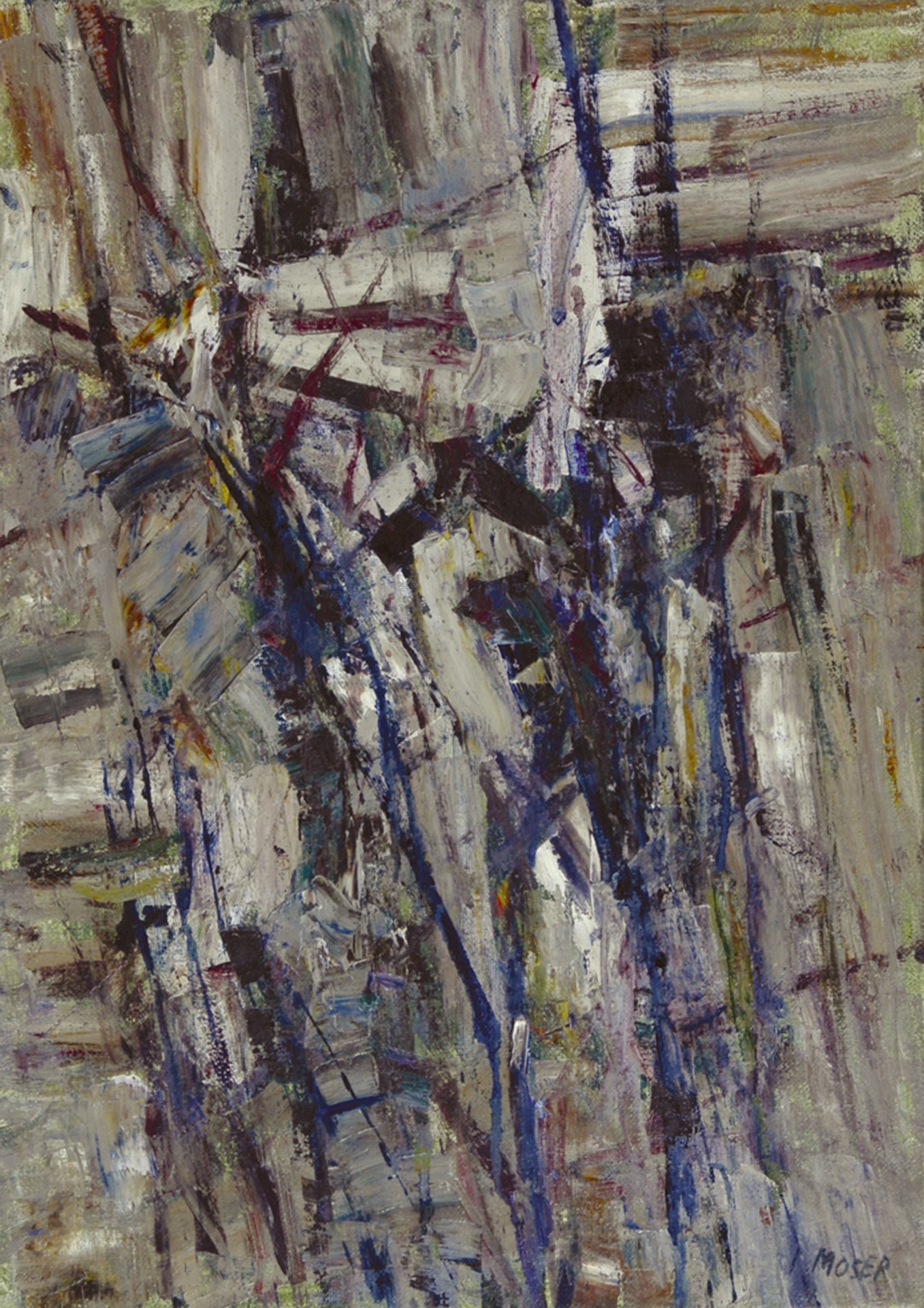
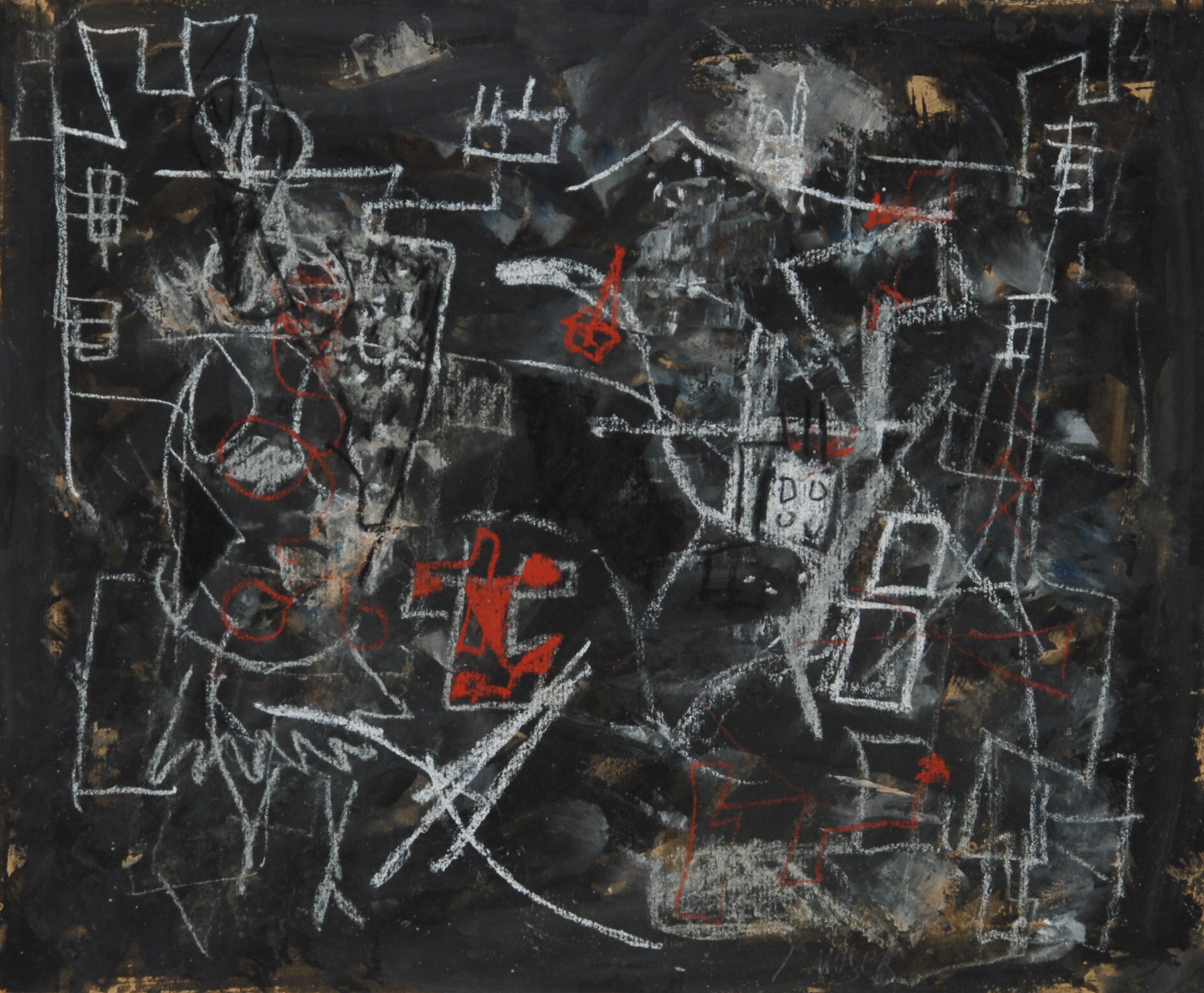
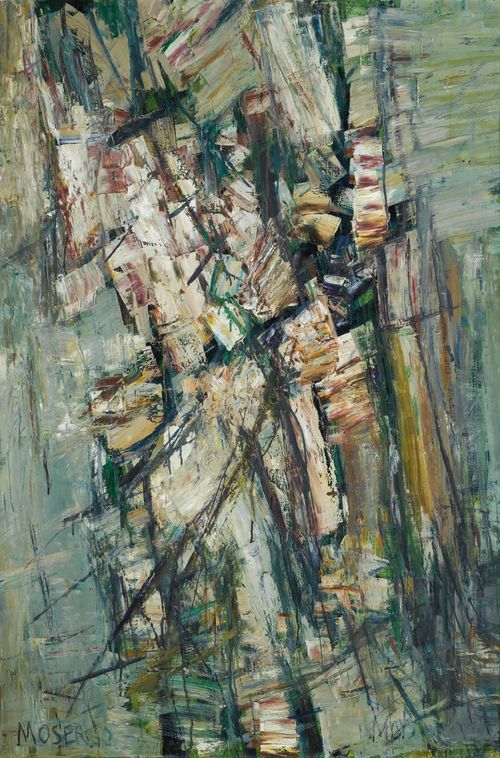
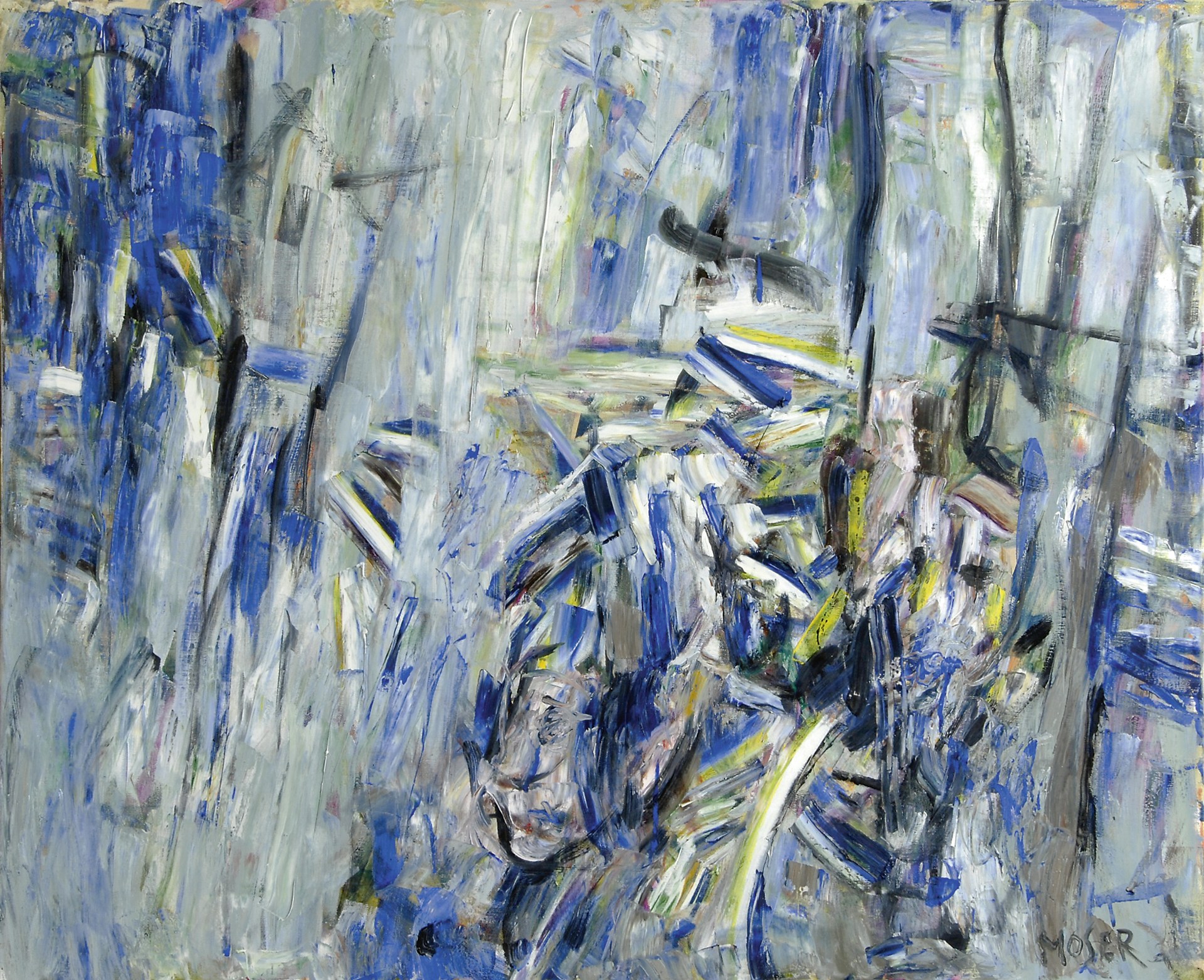
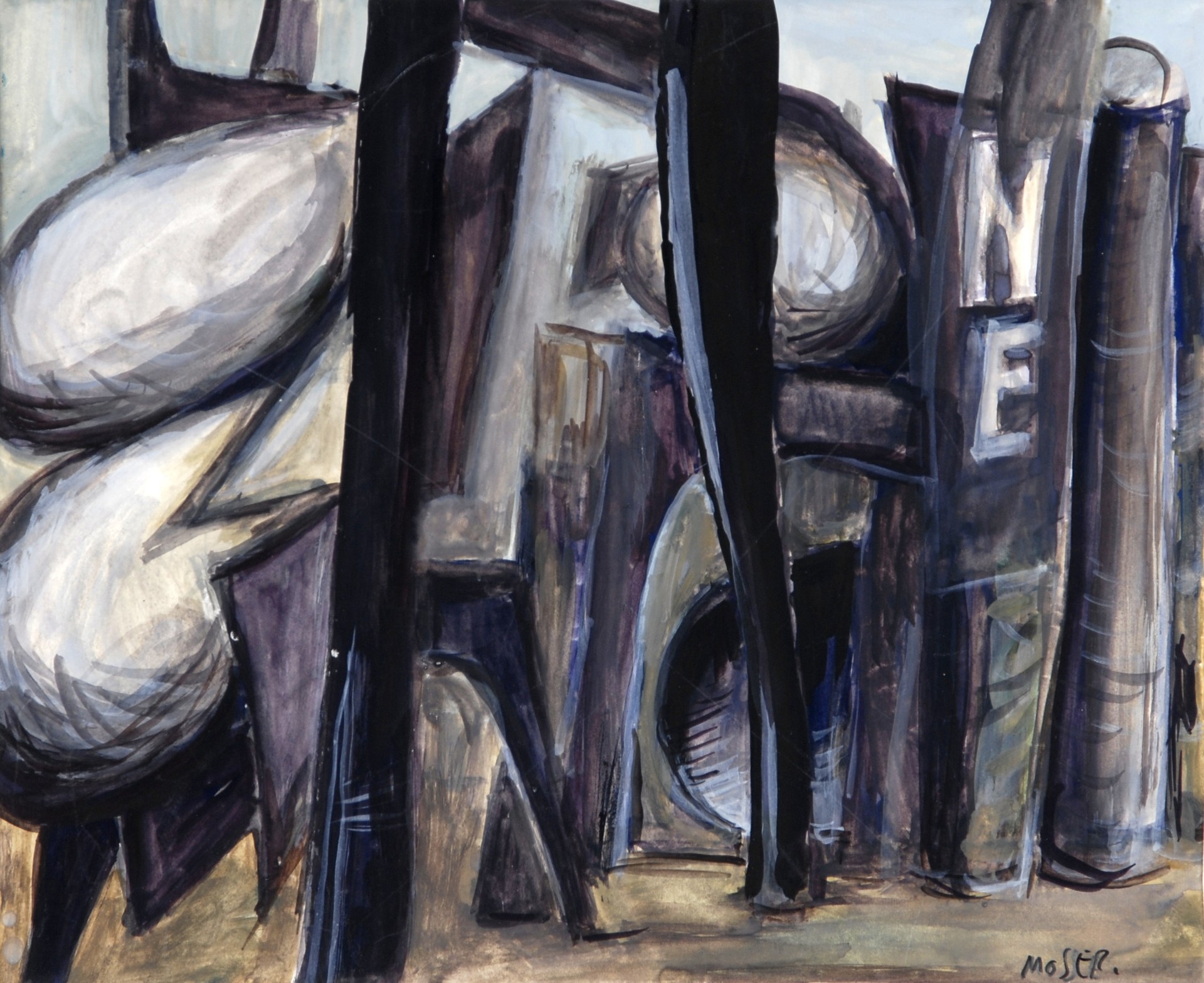
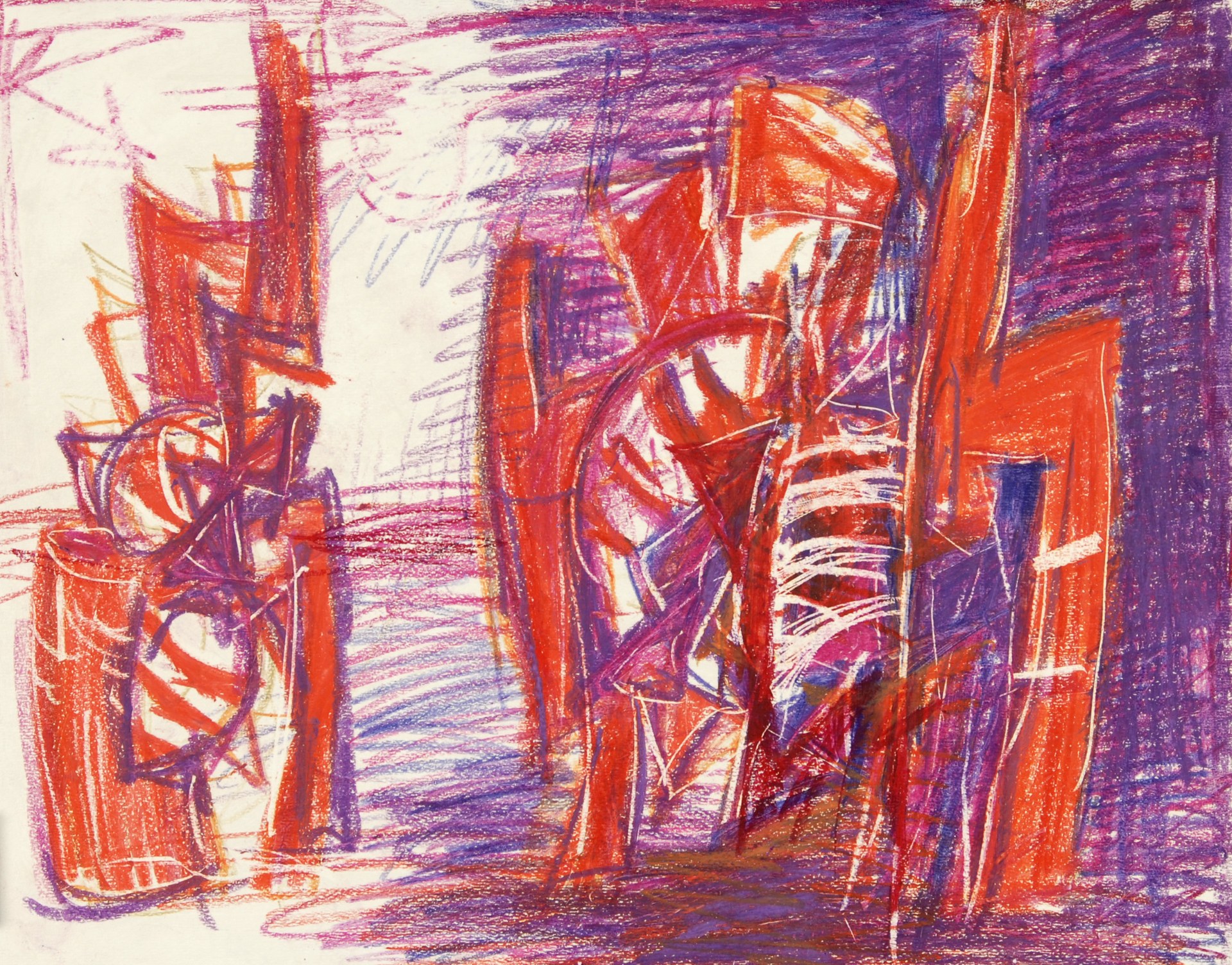
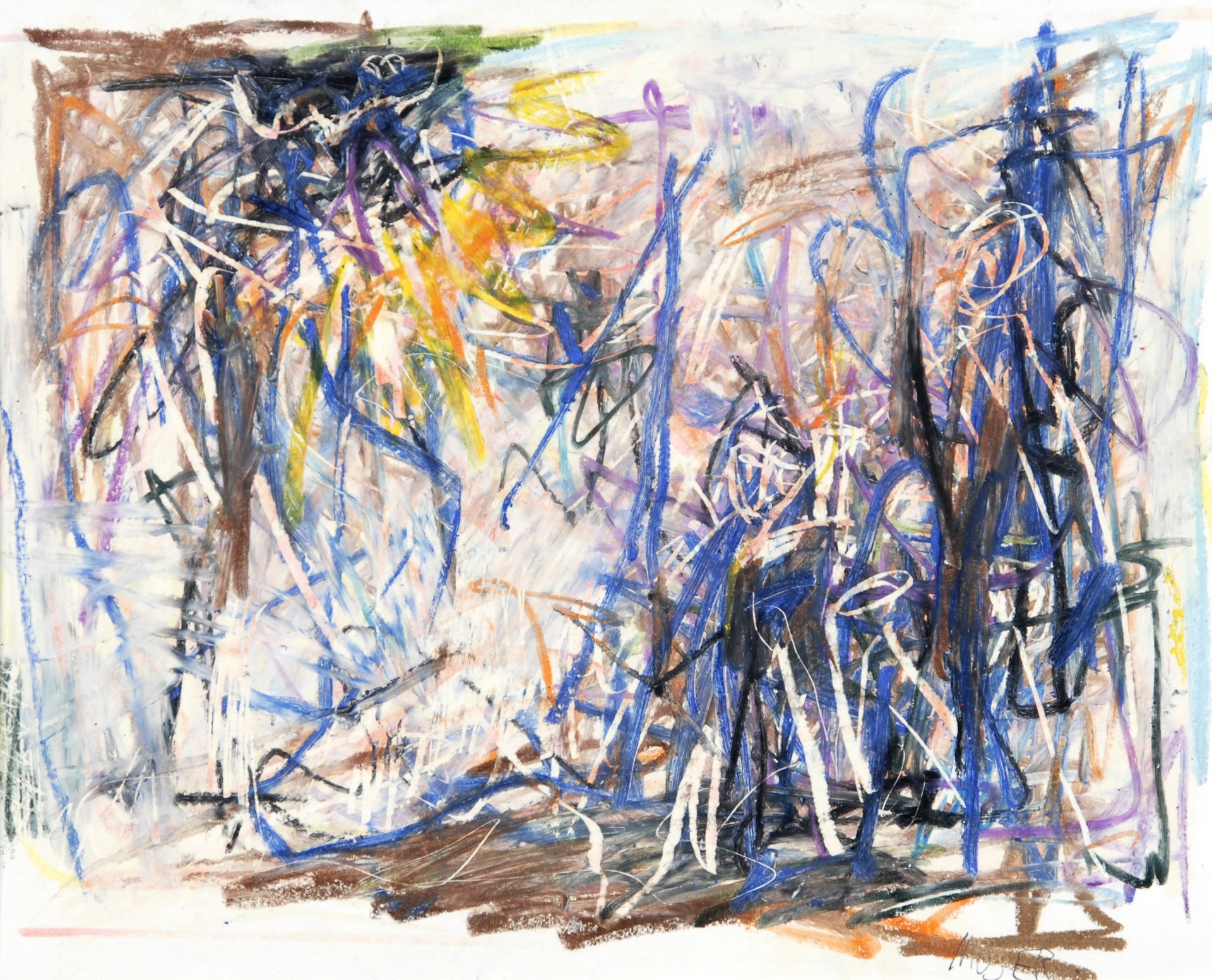
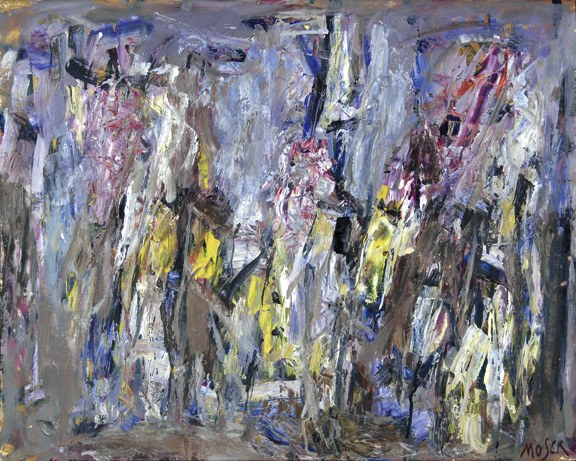
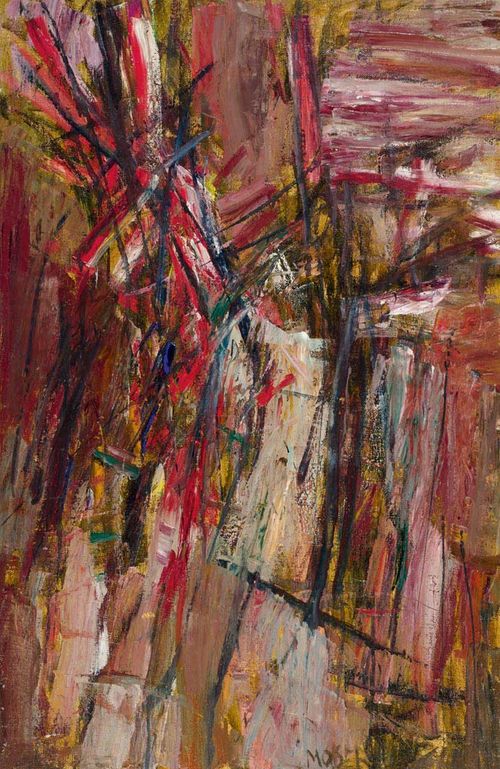
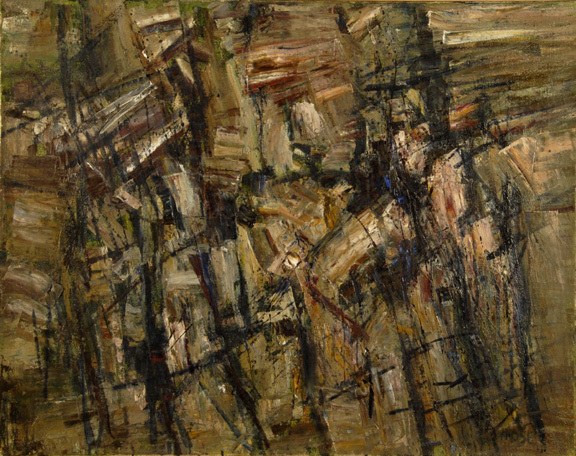
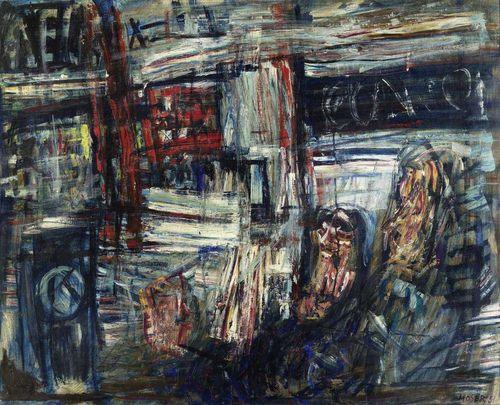
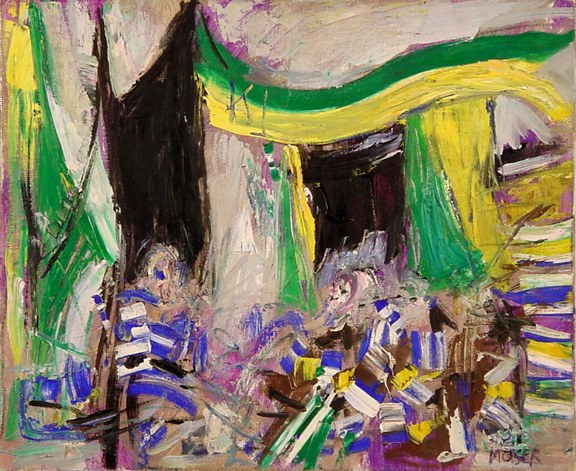
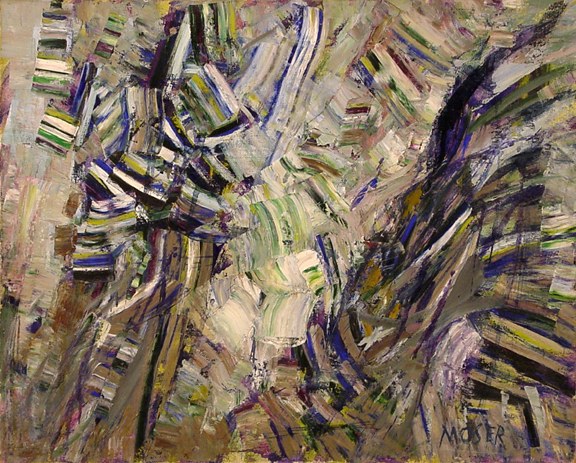
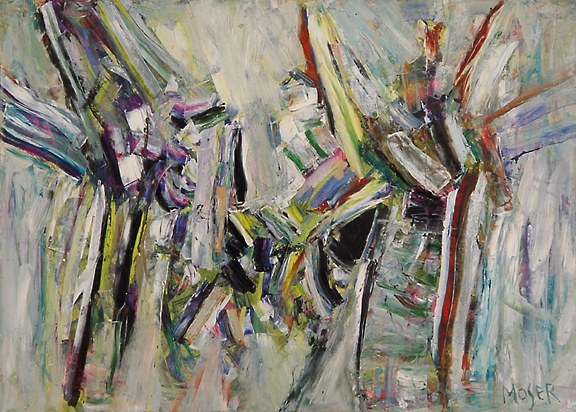
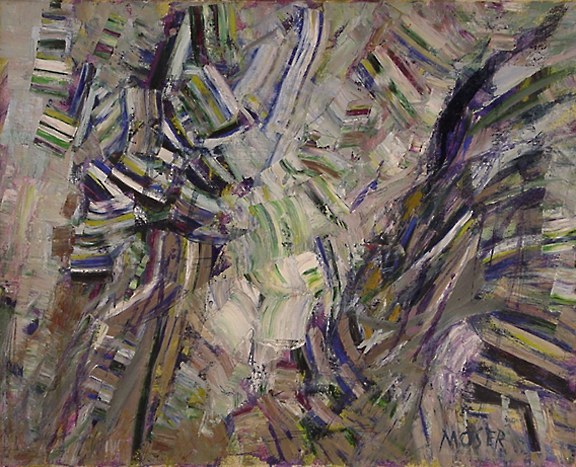
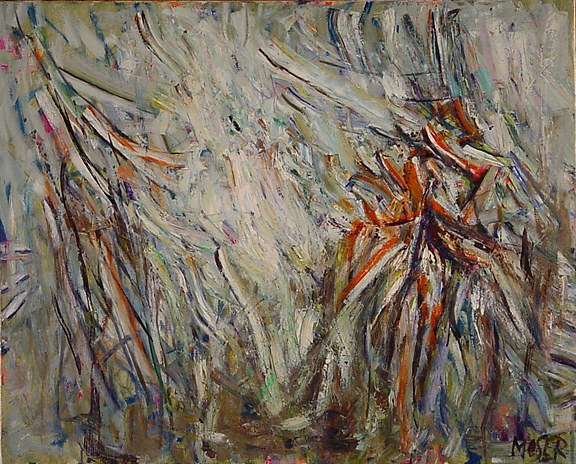
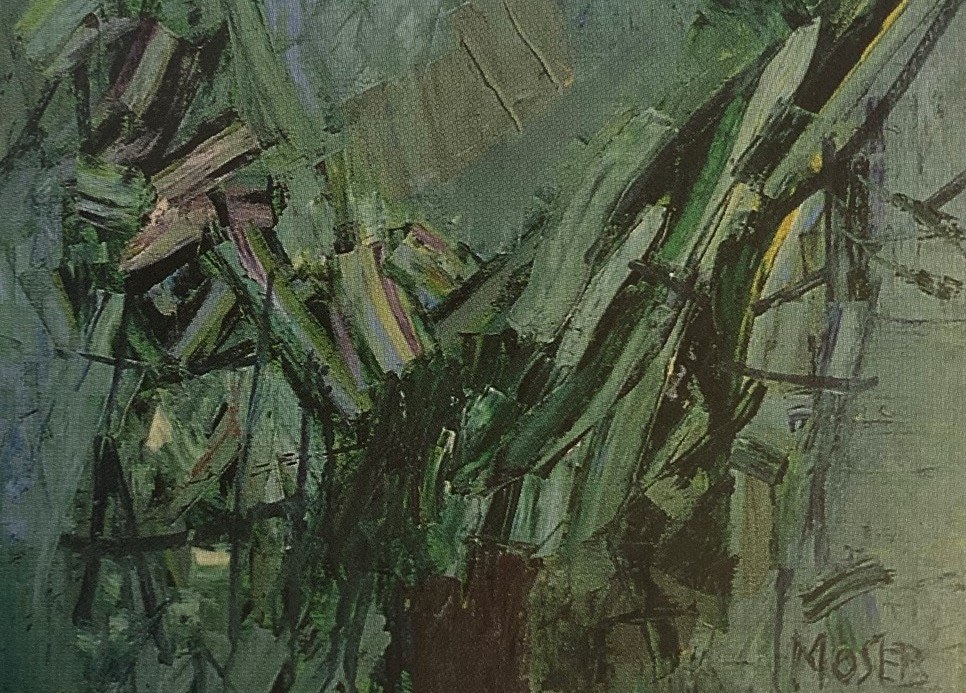
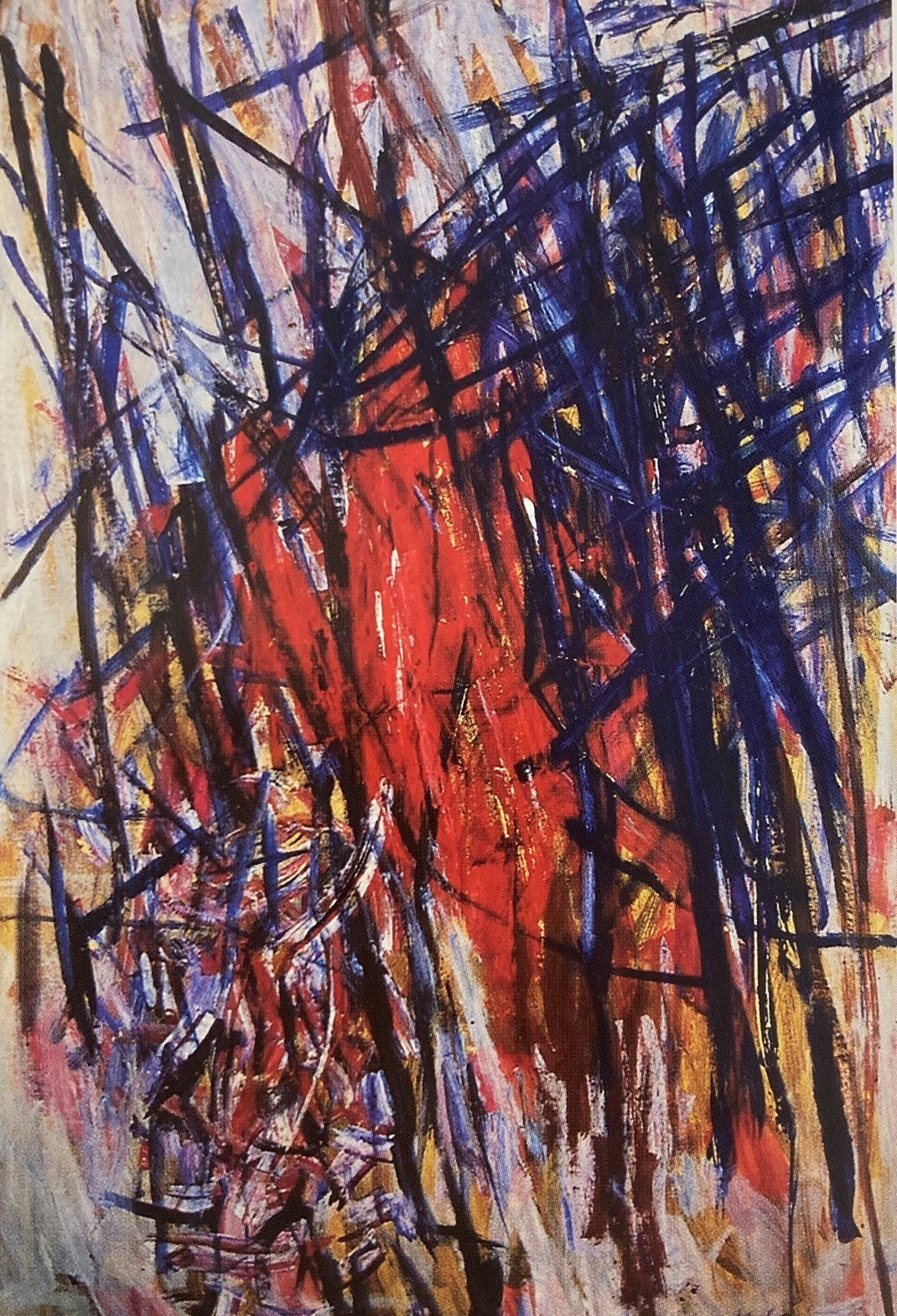
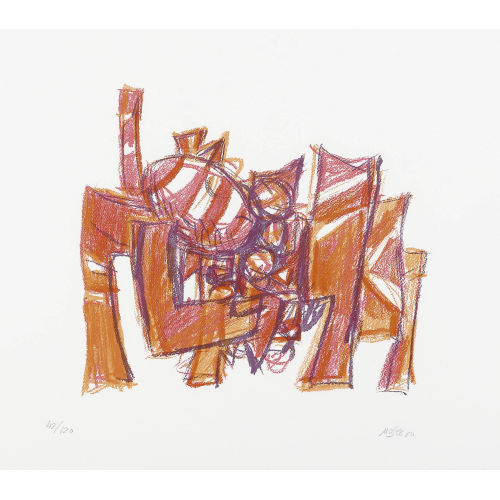
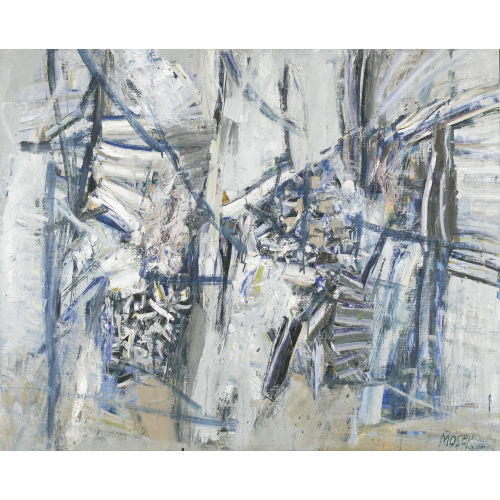
In the 1950s, Moser establishes himself among the Swiss representatives of Tachisme. He works with colour using brush and palette knife, in networks of lines and touches that seem to capture the city in motion. Behind the apparent spontaneity of these compositions remain concrete memories of Paris: streets, bridges, façades or metro entrances.
The oil on canvas «Xanadou» (1960), held by the Centre Pompidou, belongs to this period of abstract exploration. Moser represents Switzerland at the Venice Biennale in 1958, and participates there again in 1980.
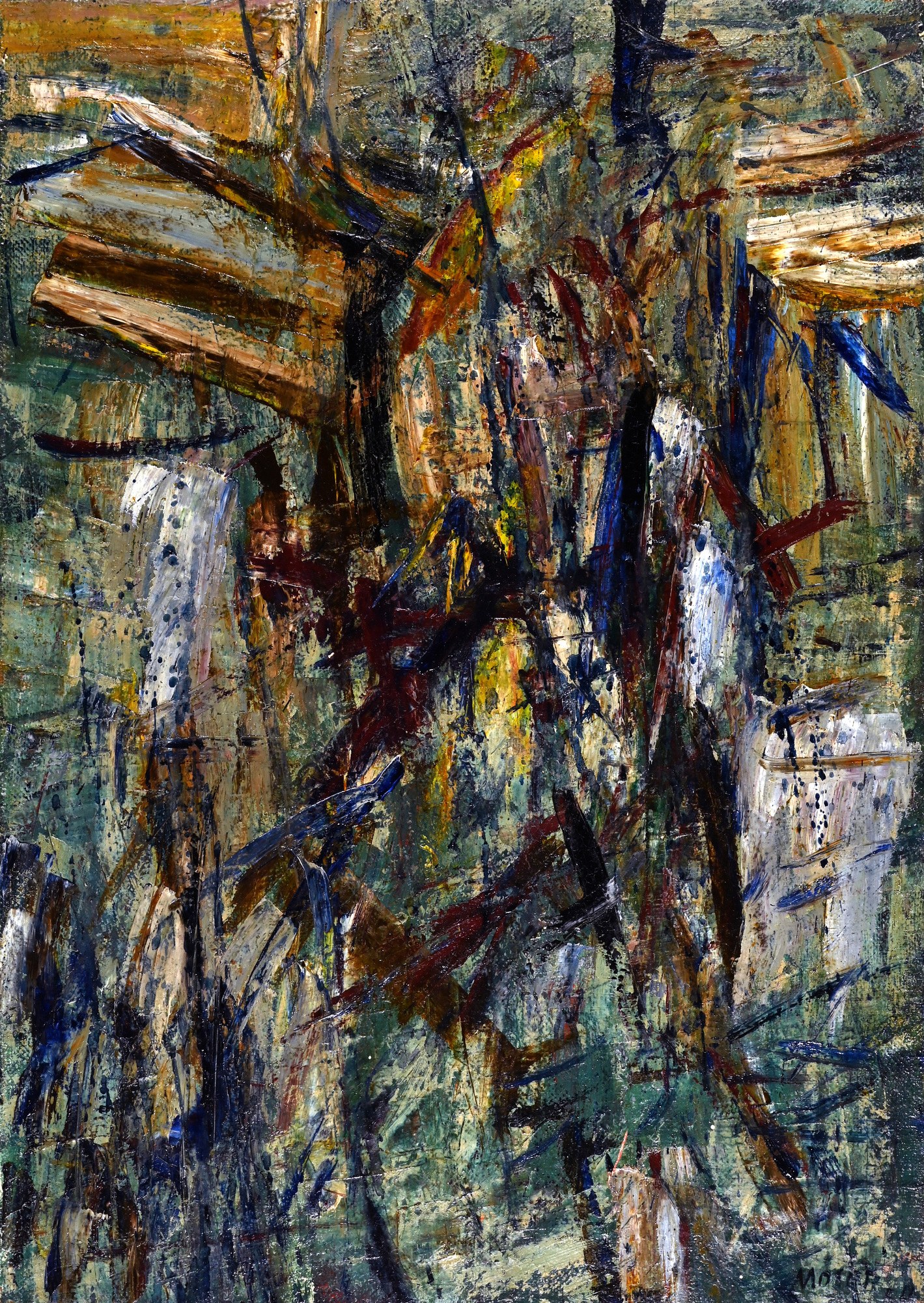
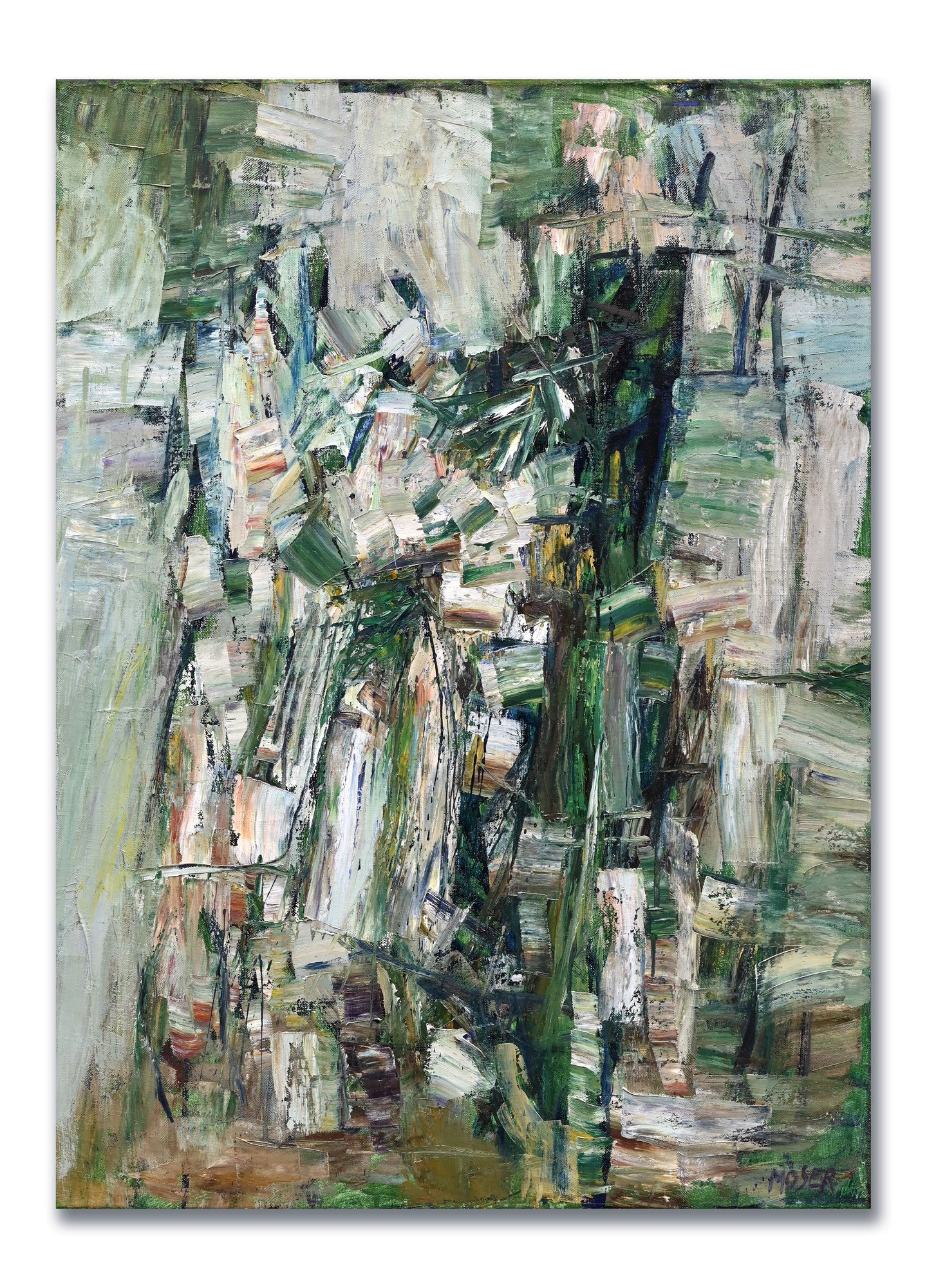
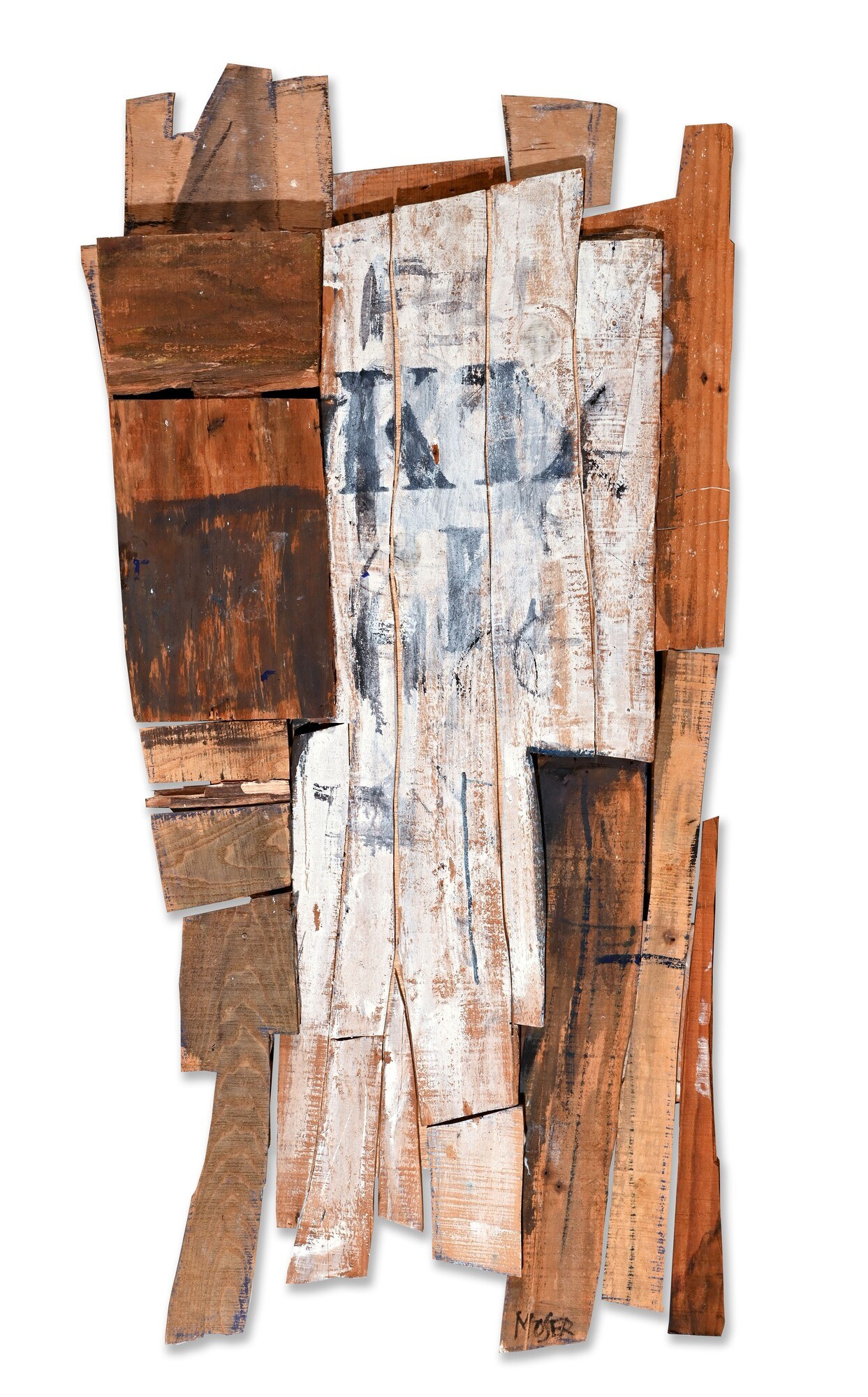
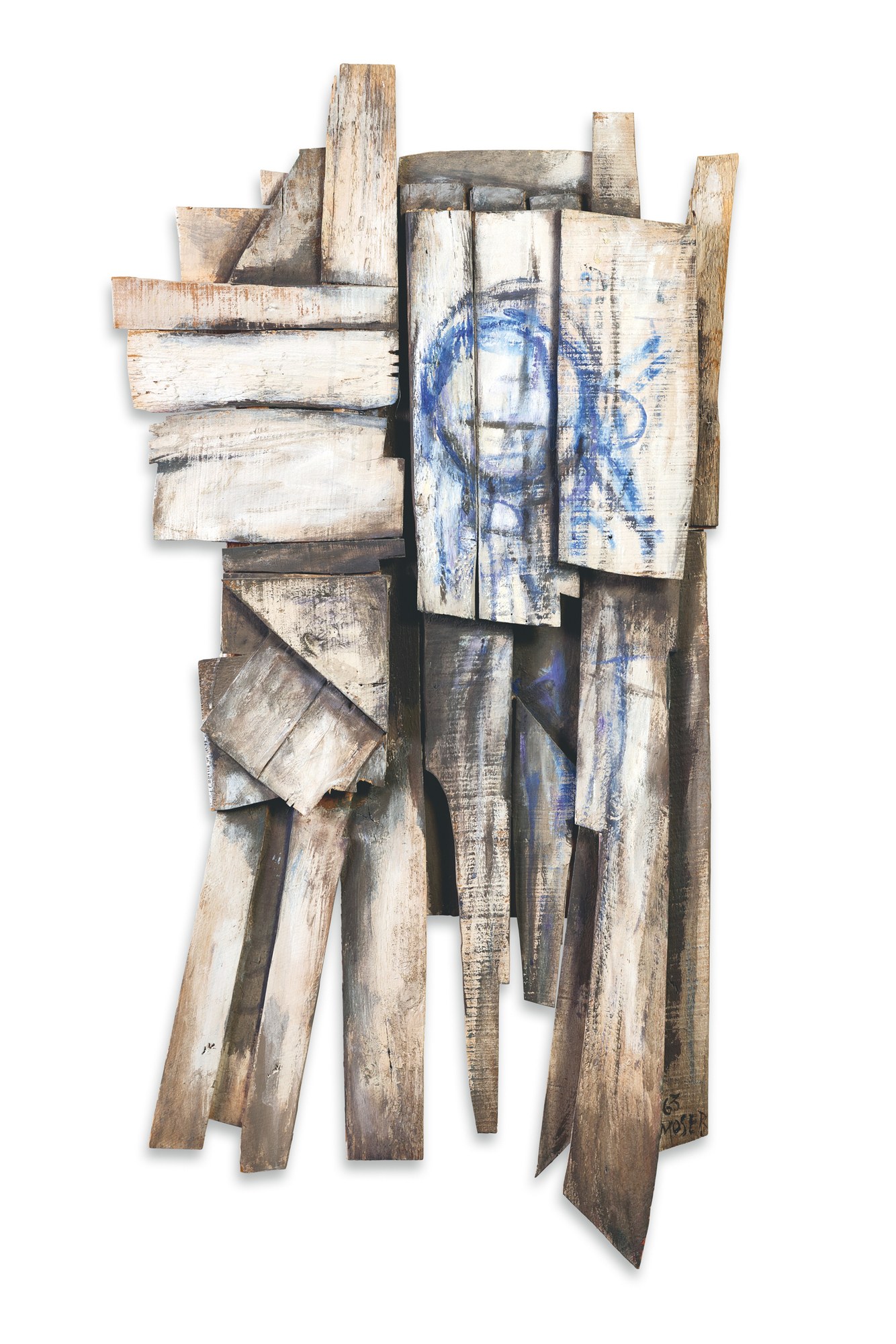
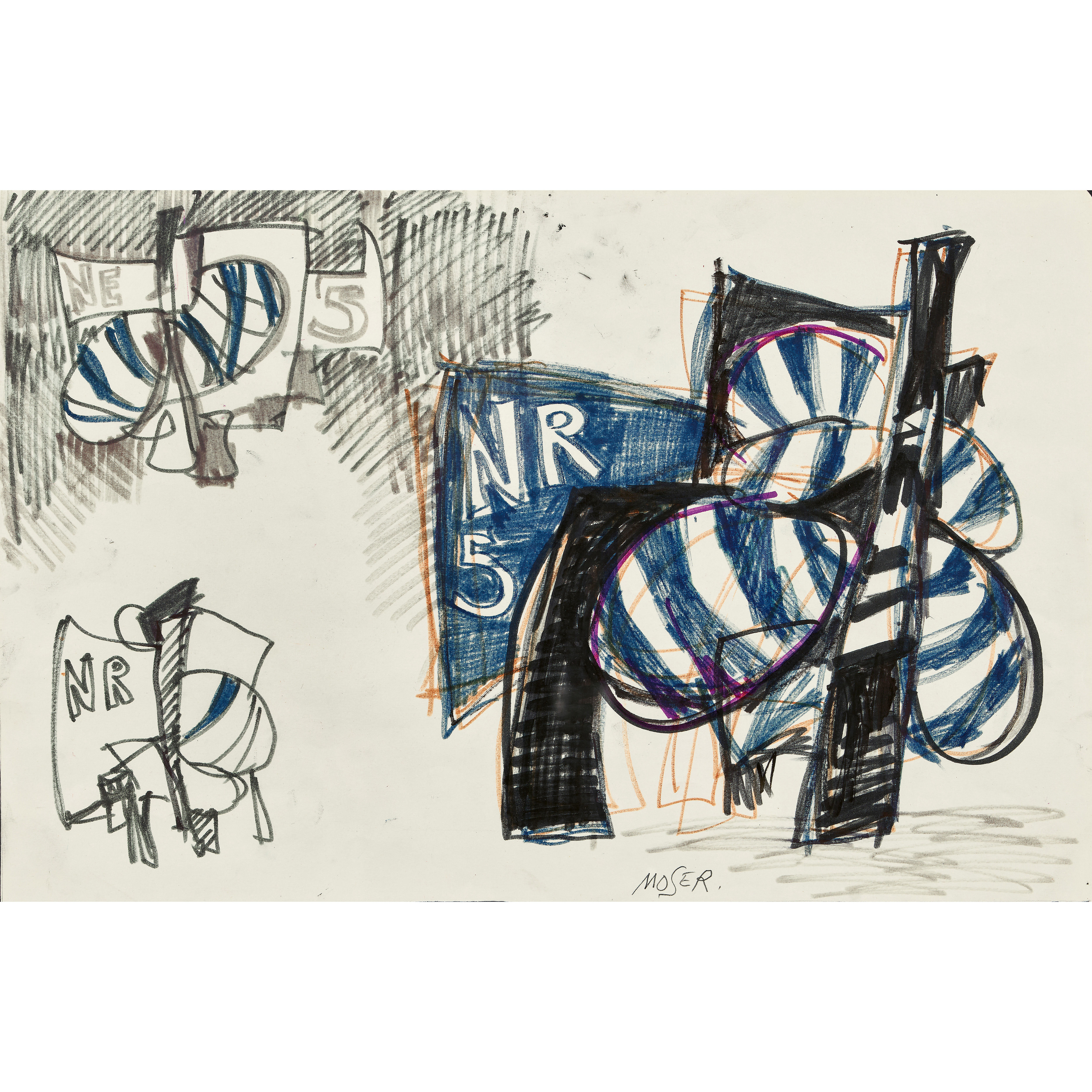
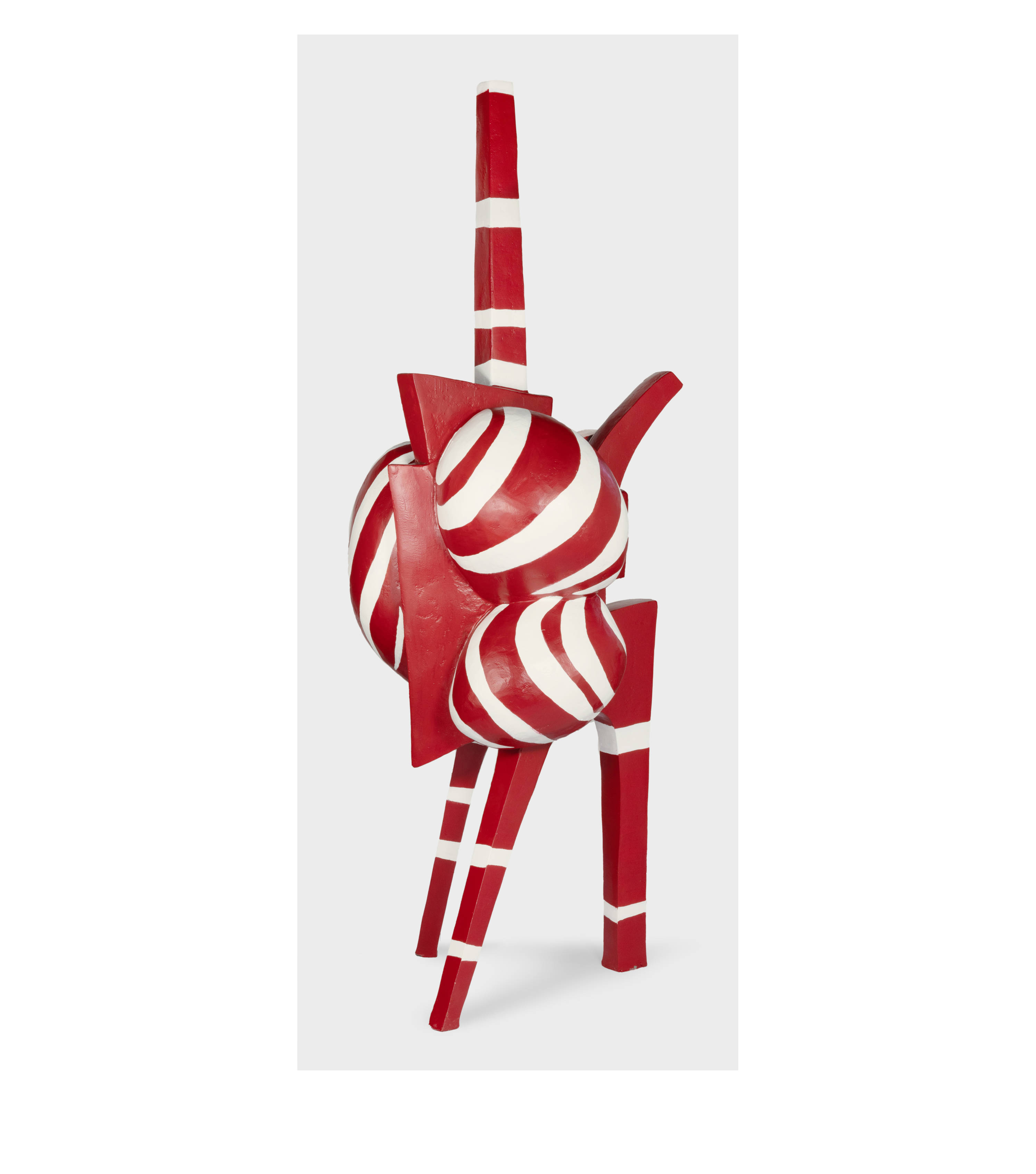
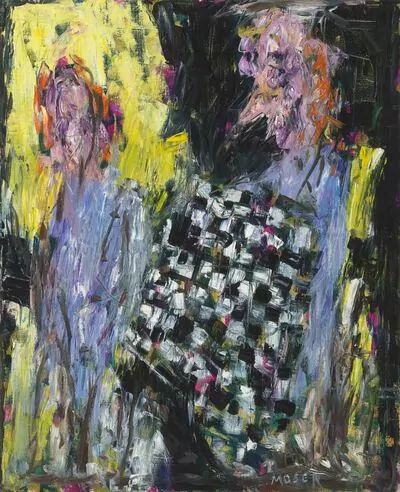
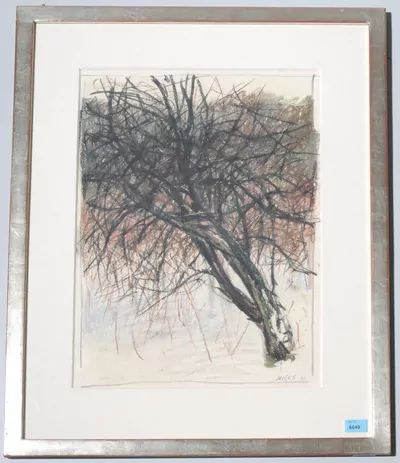
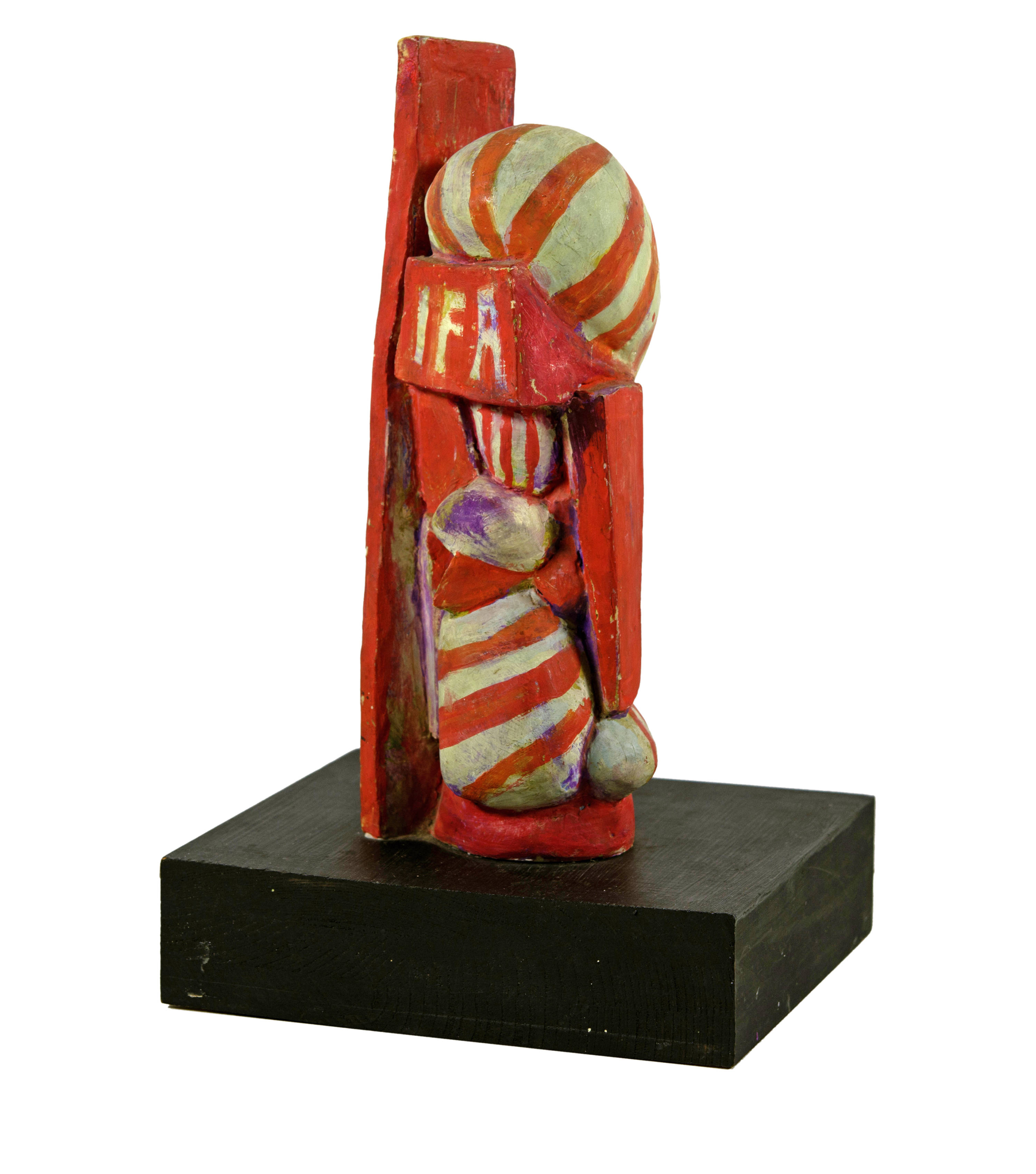
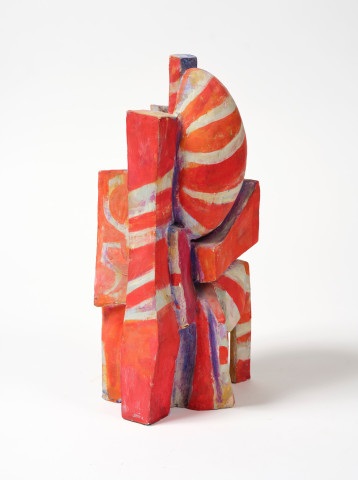
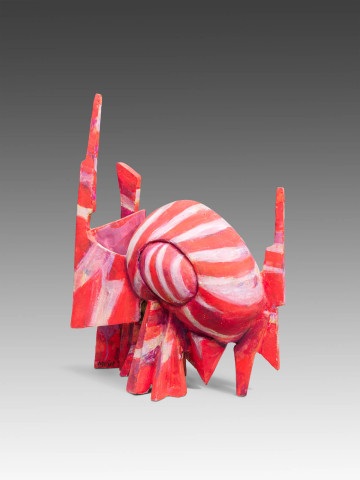
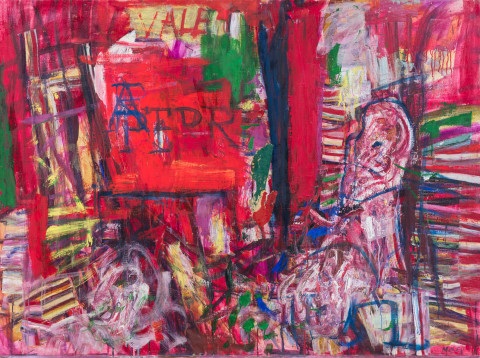
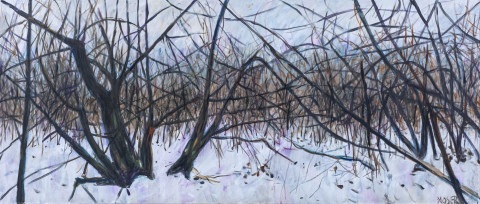
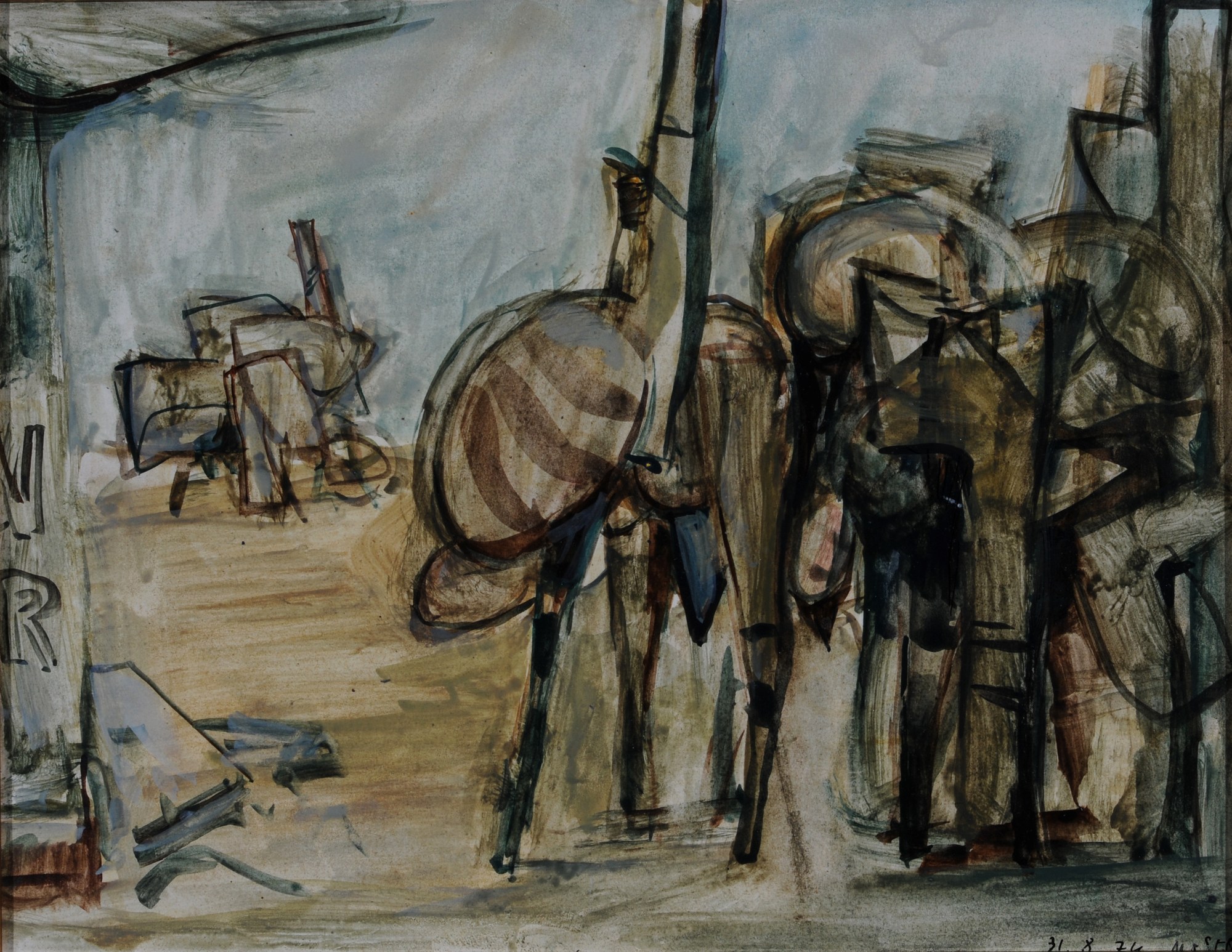
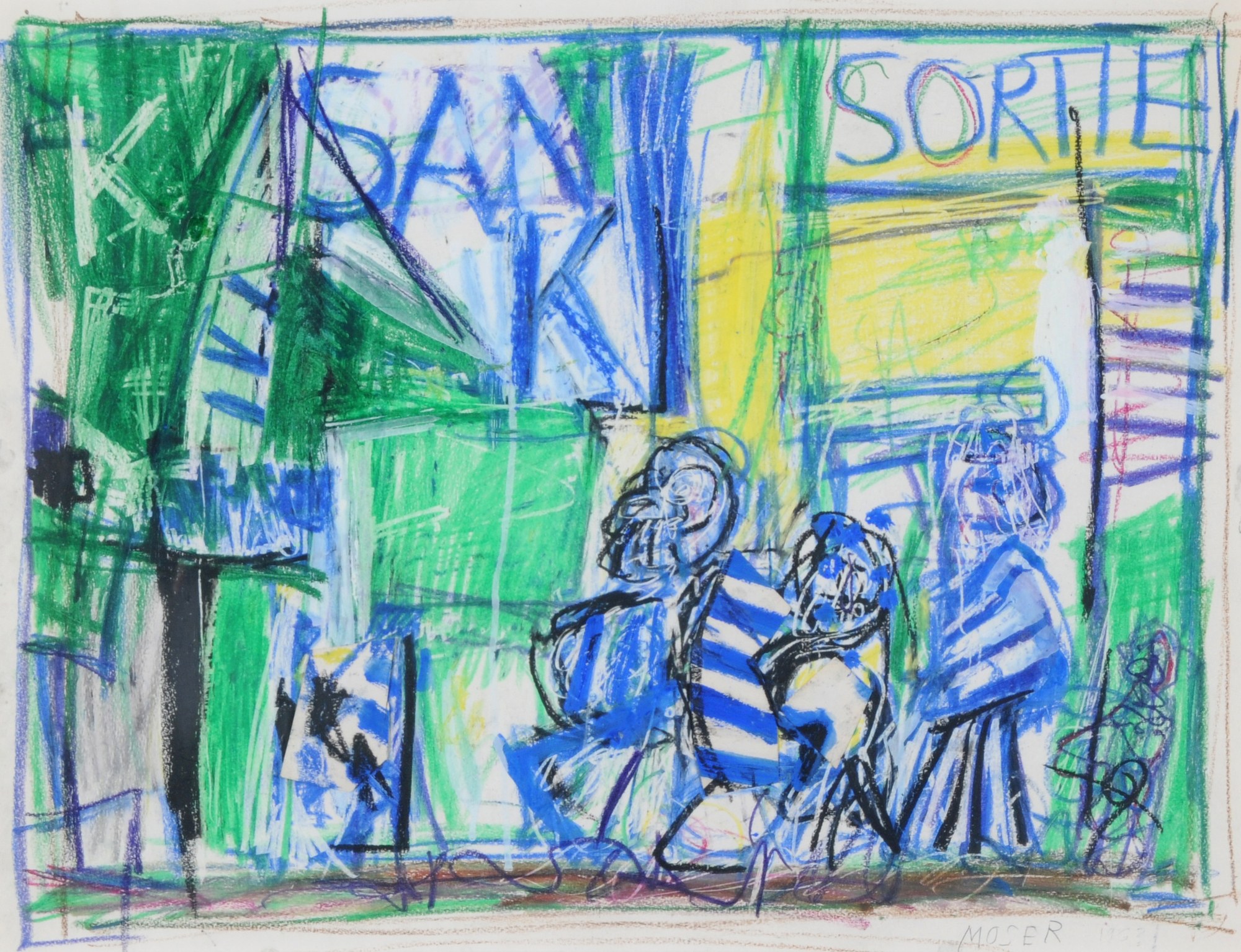
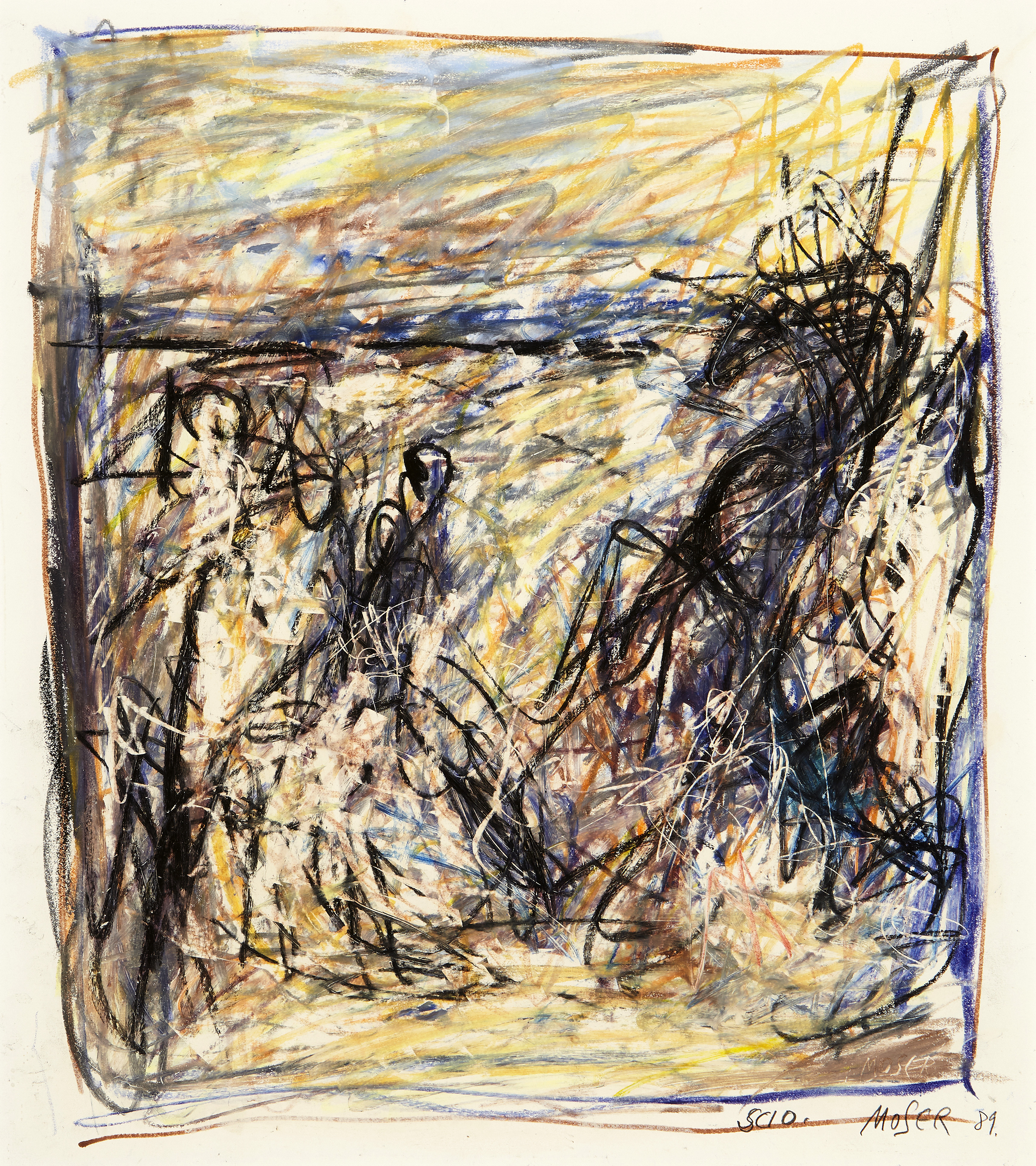
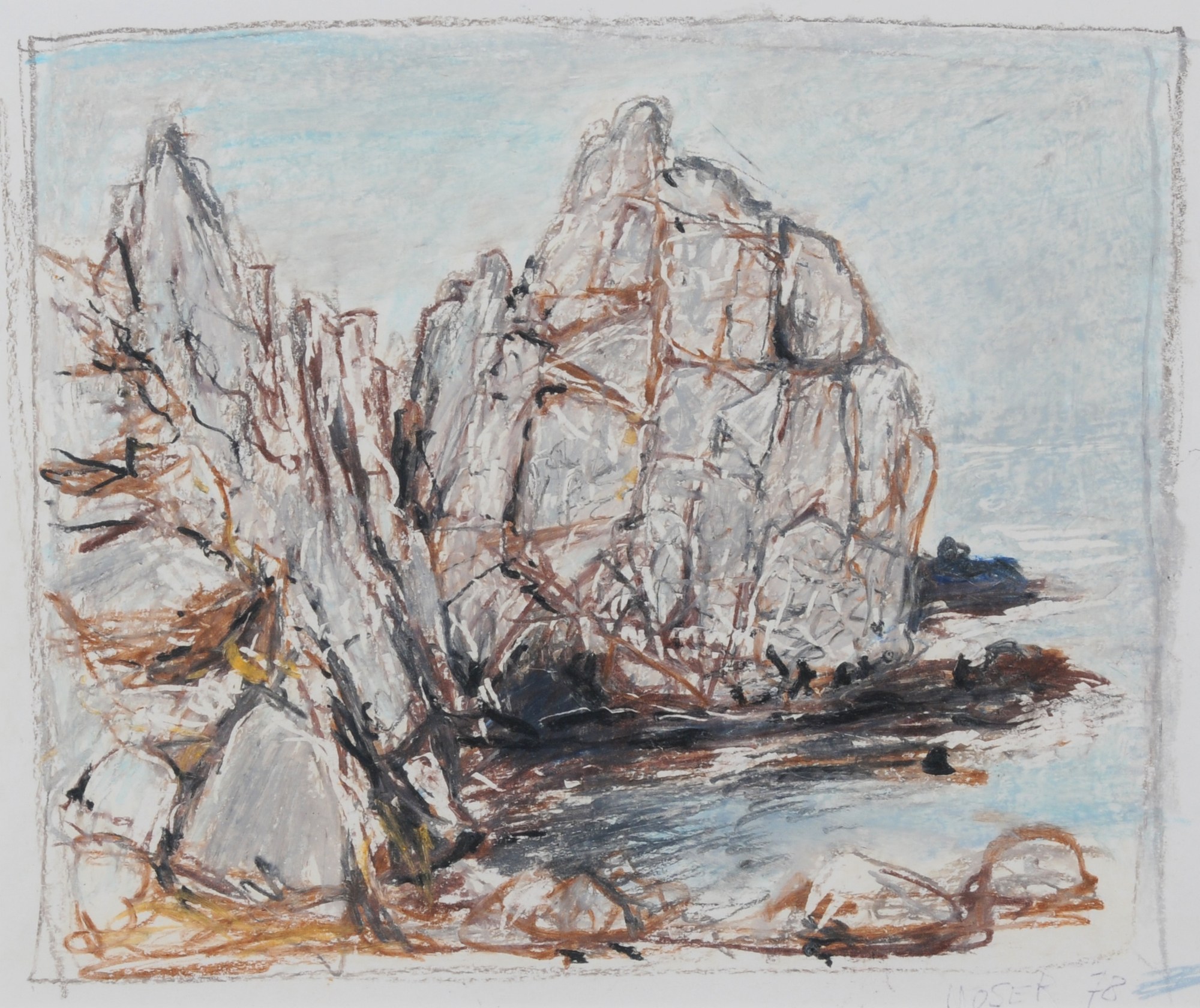
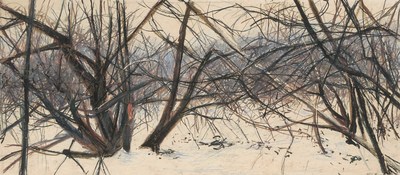
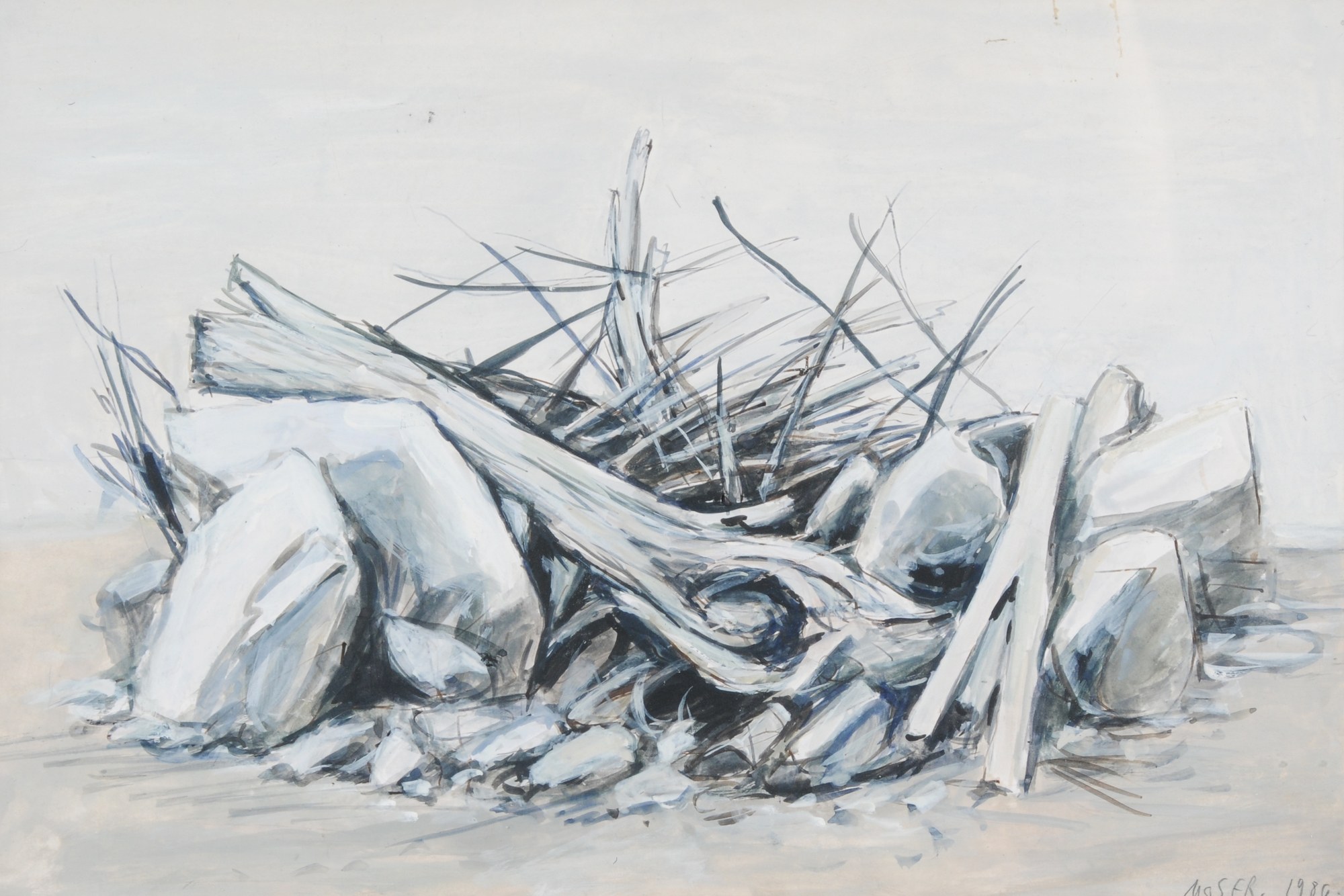
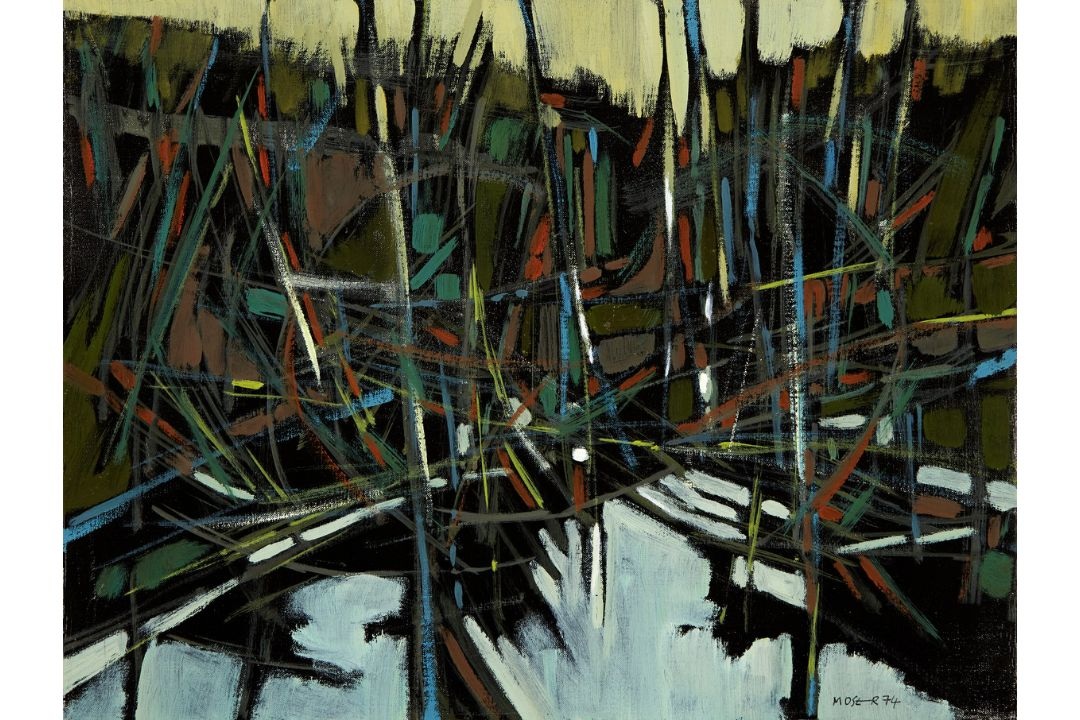
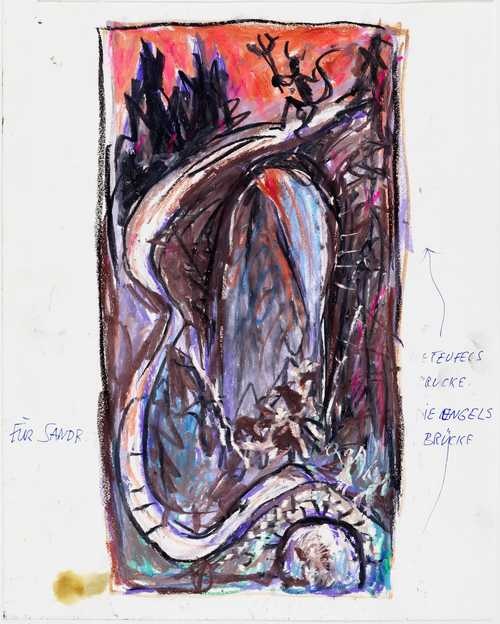
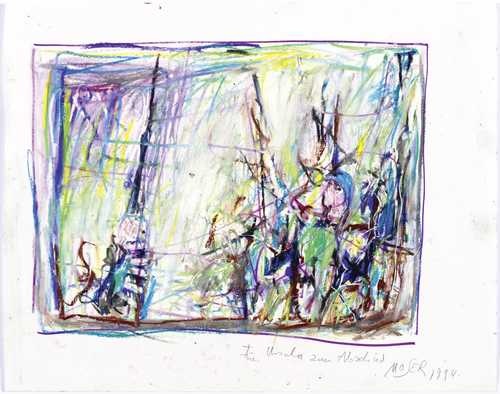
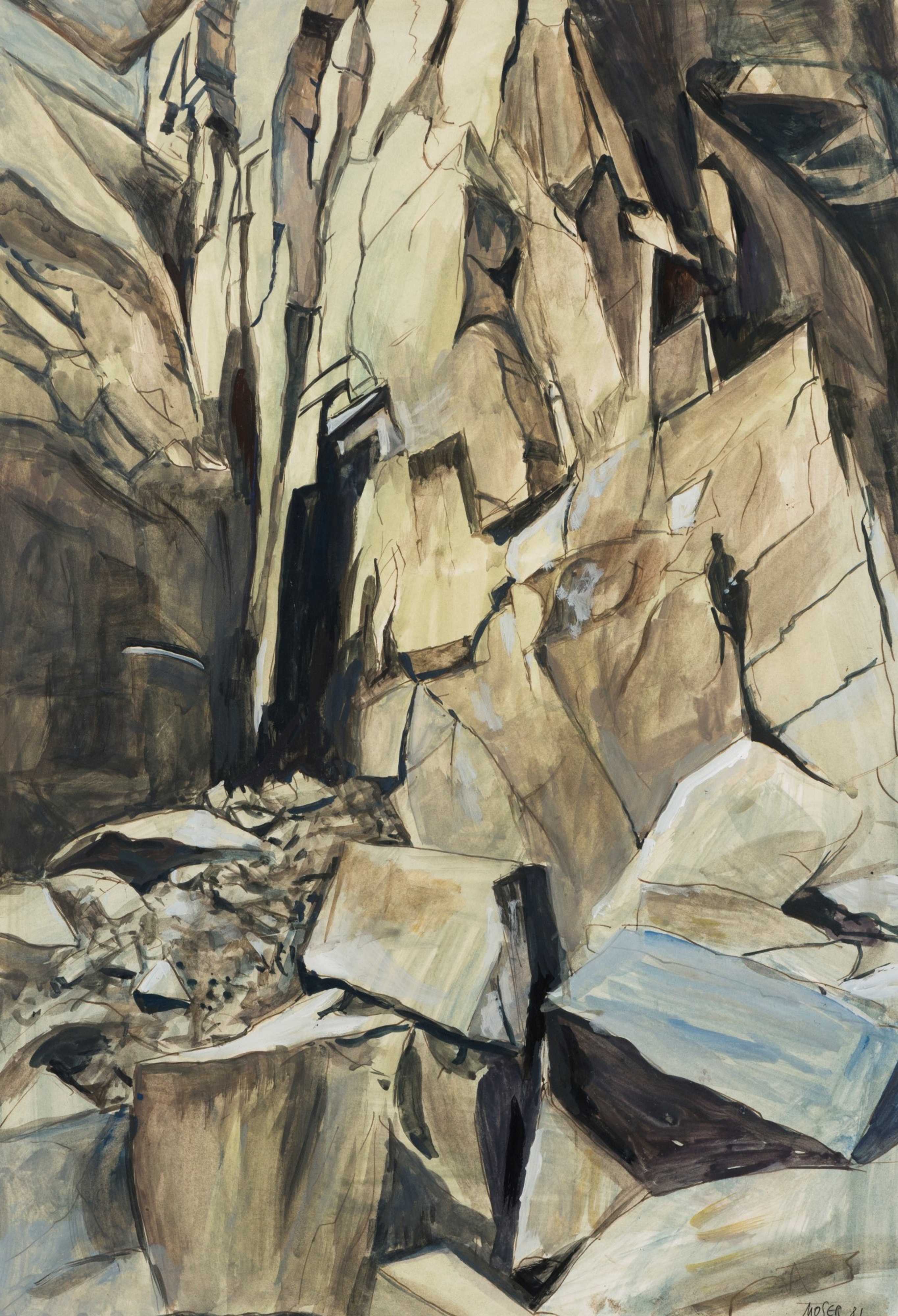
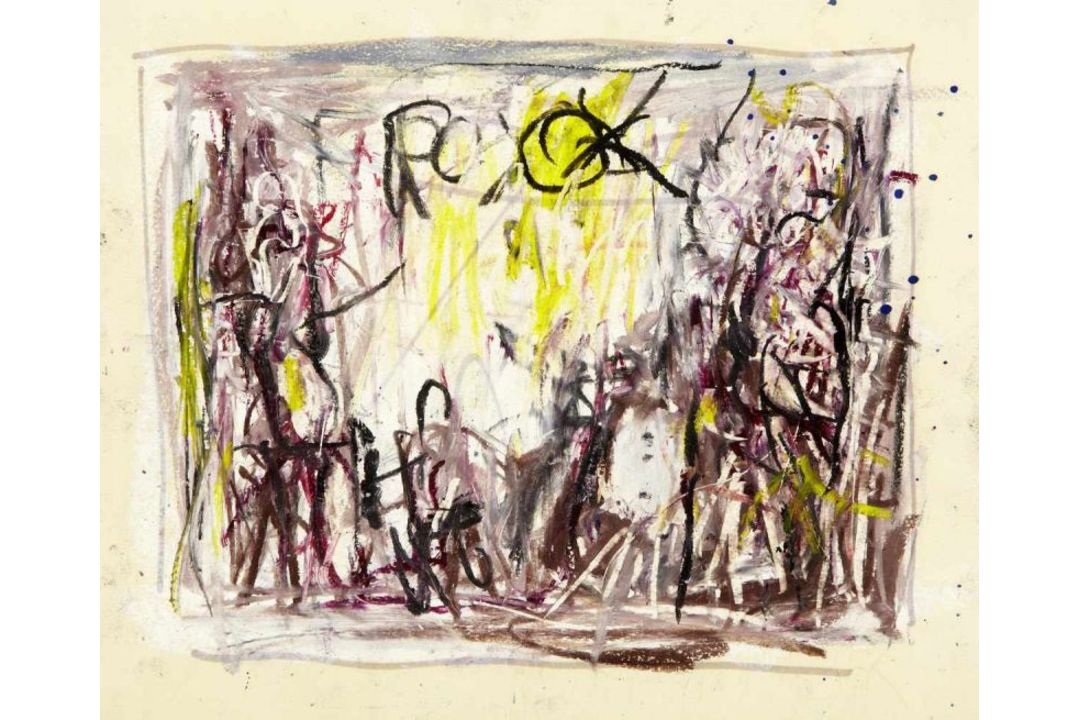
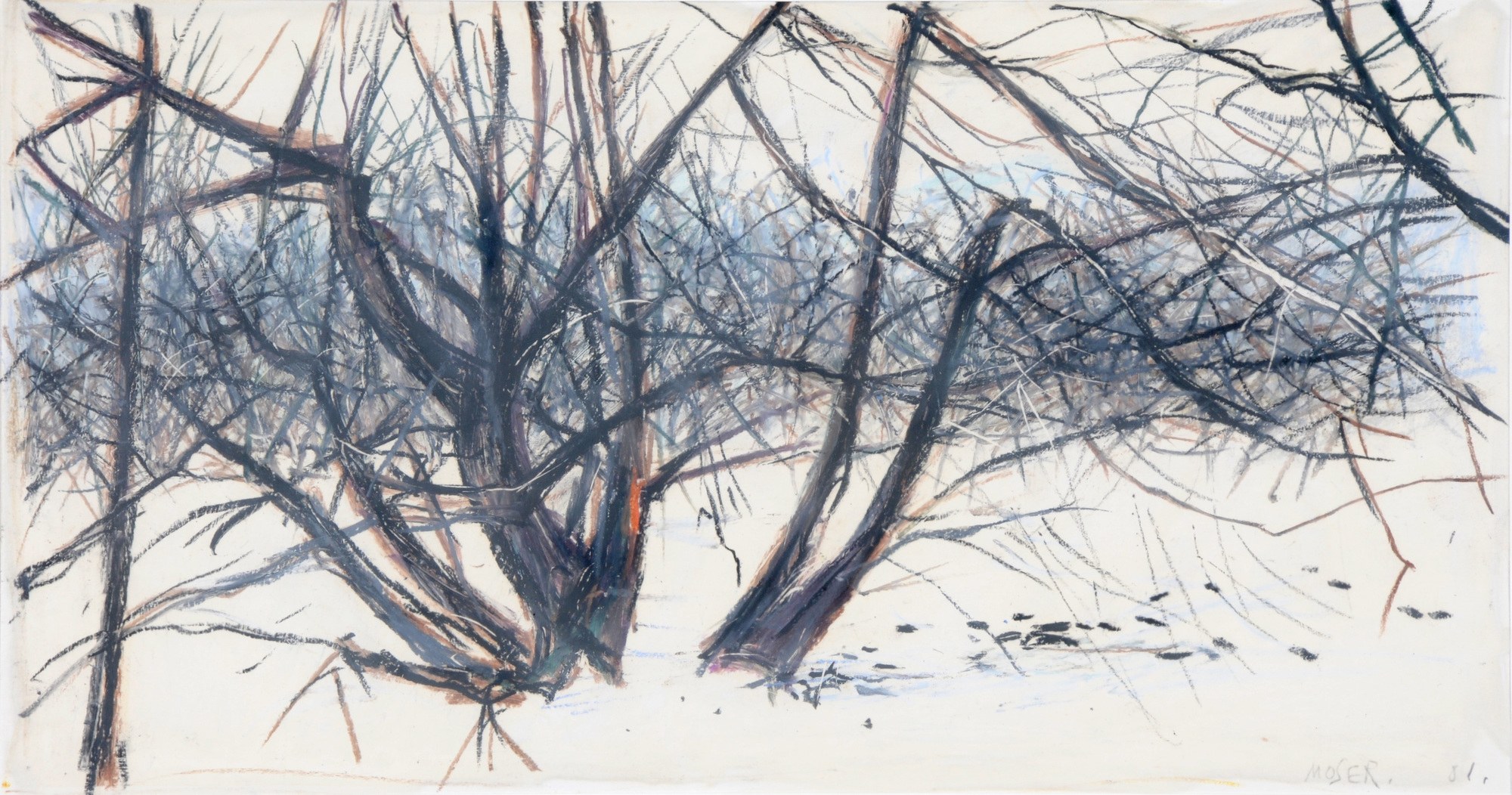
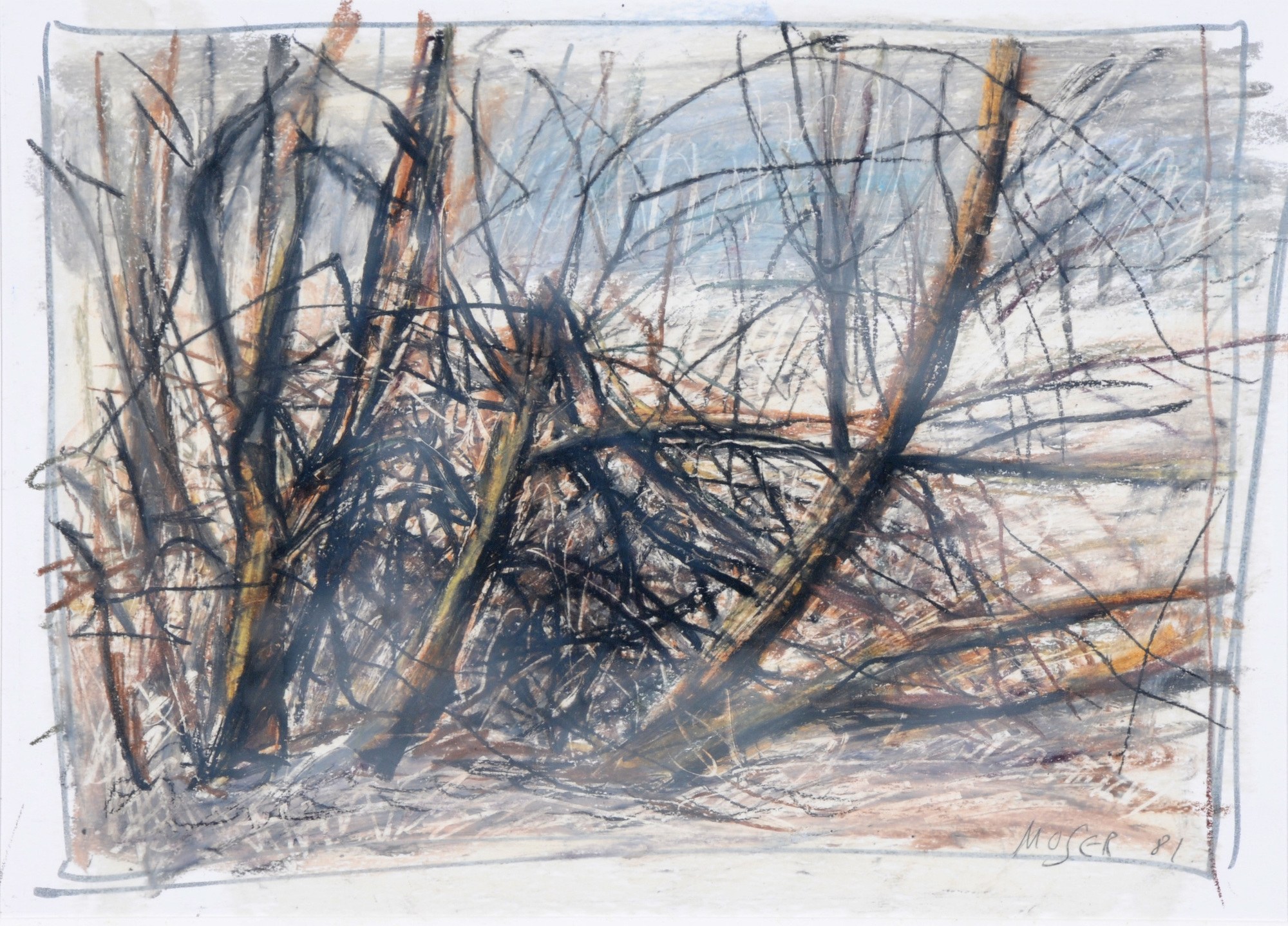
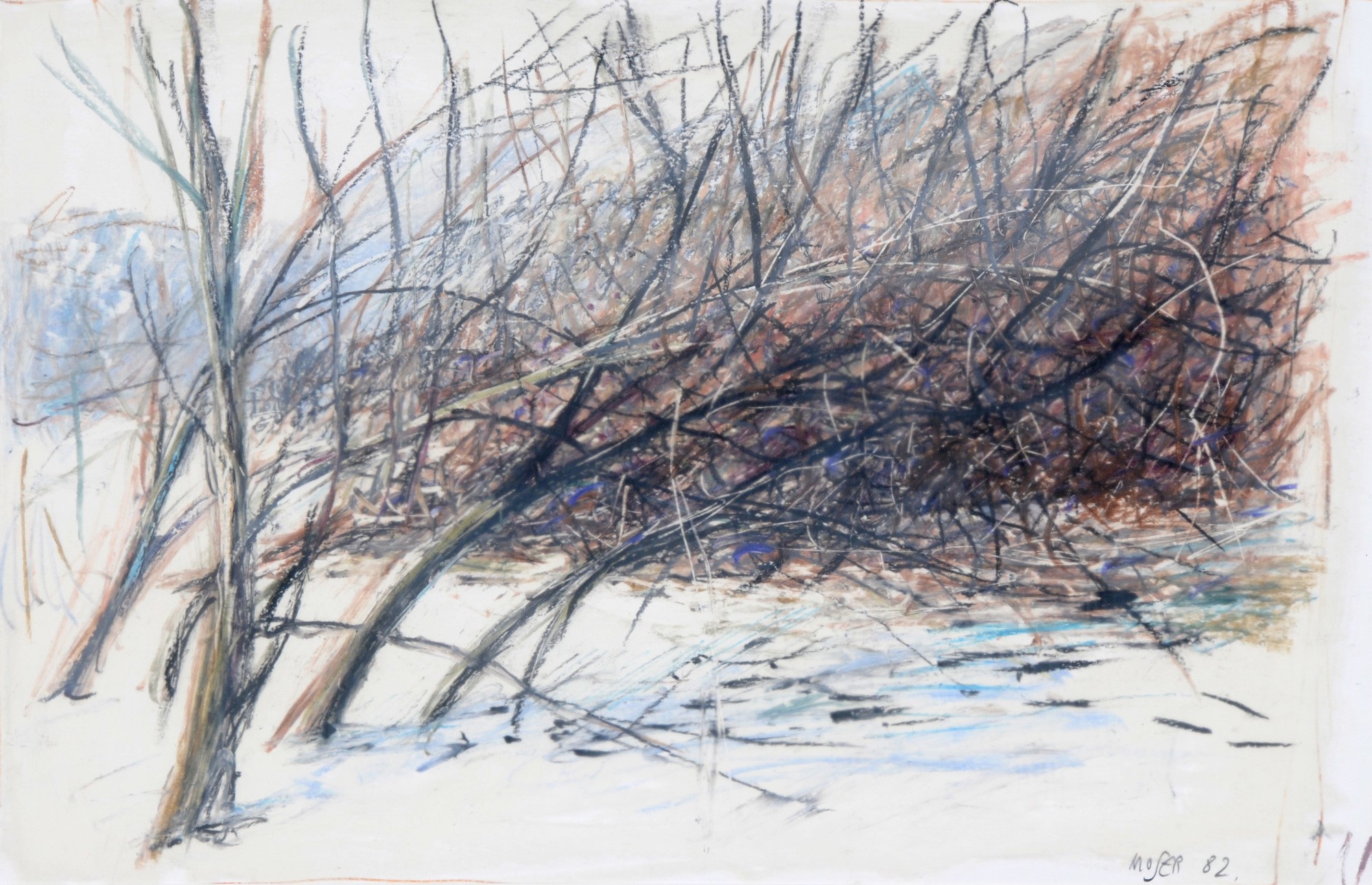
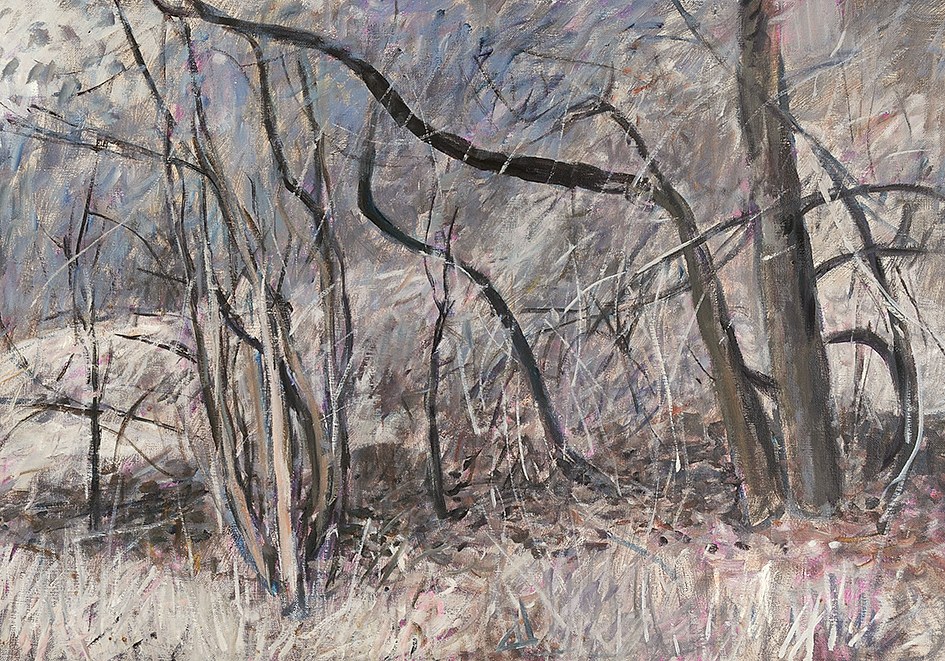
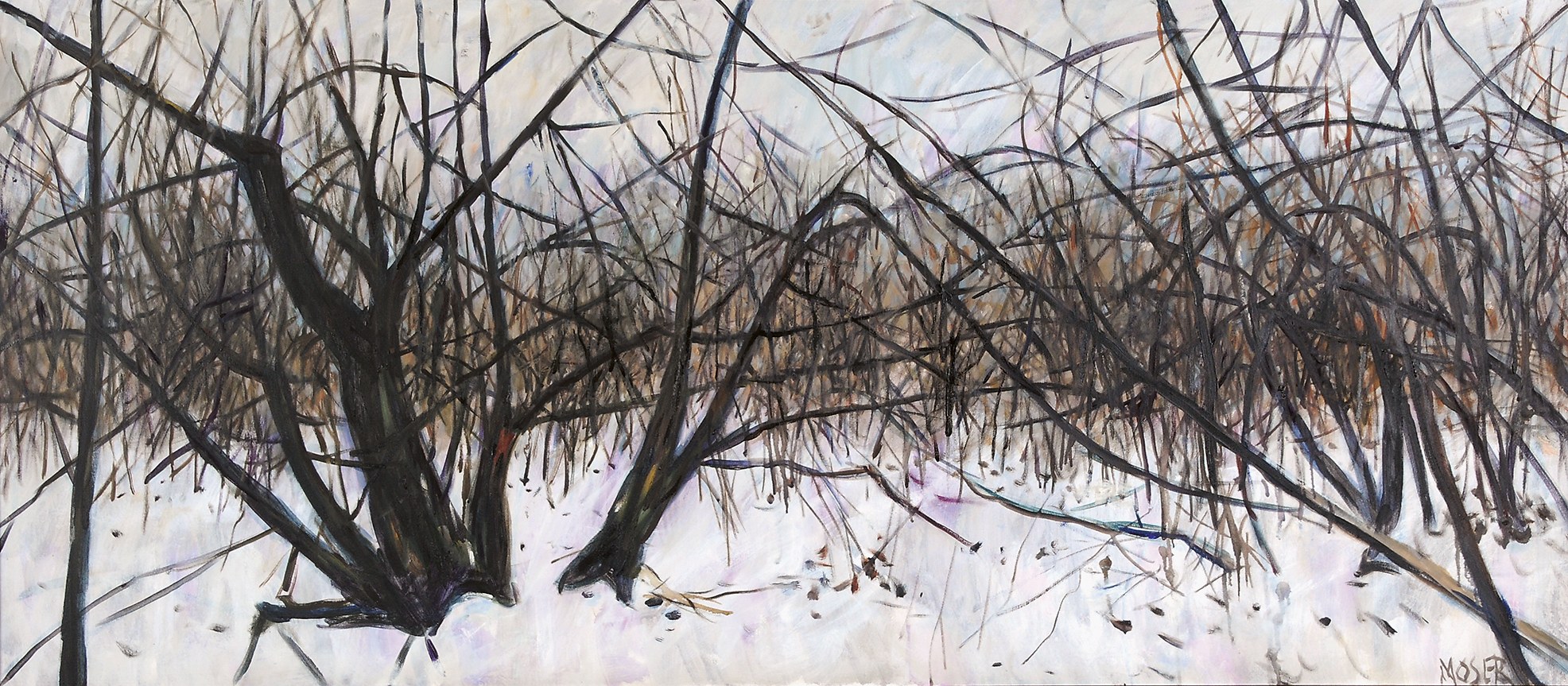
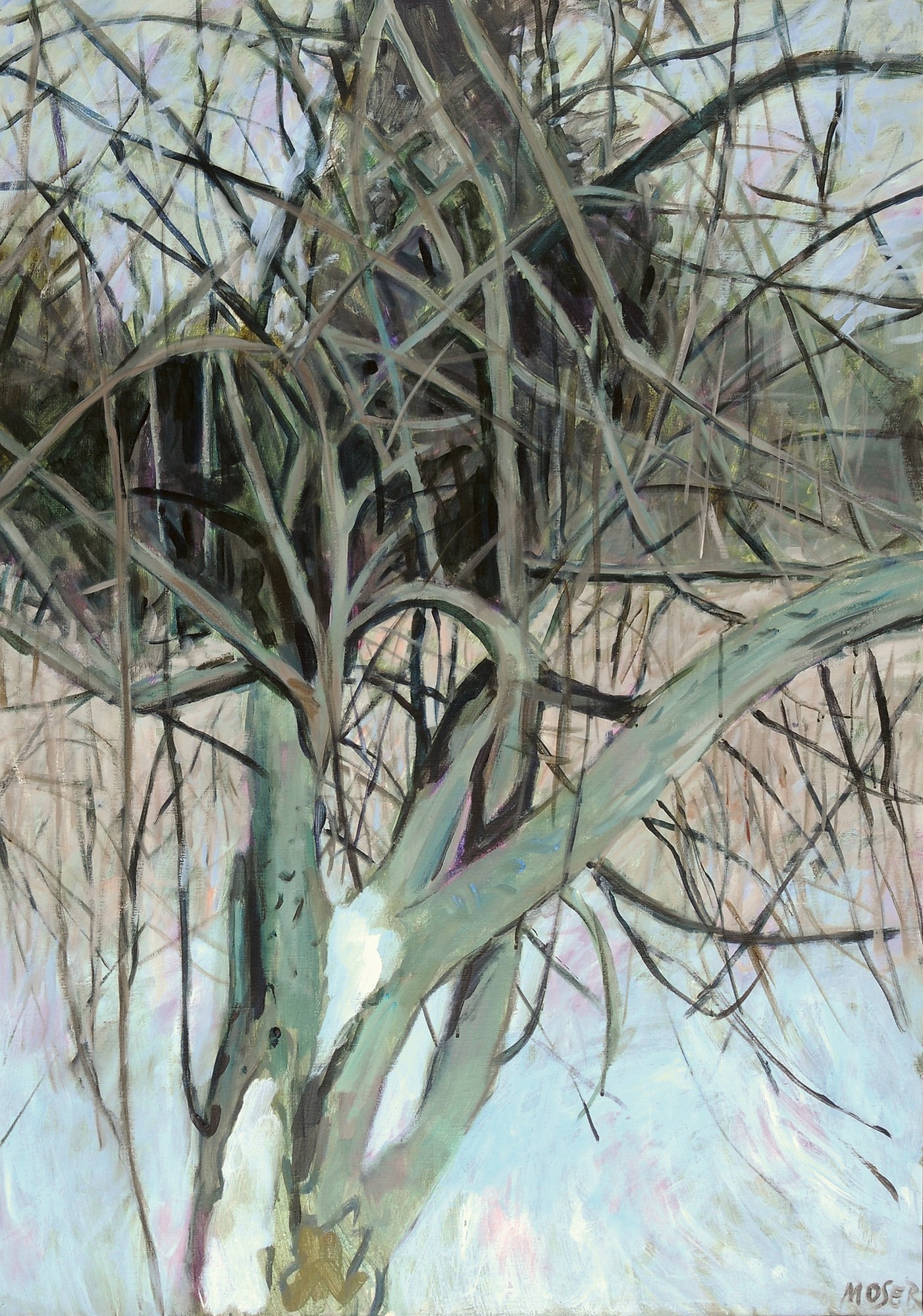
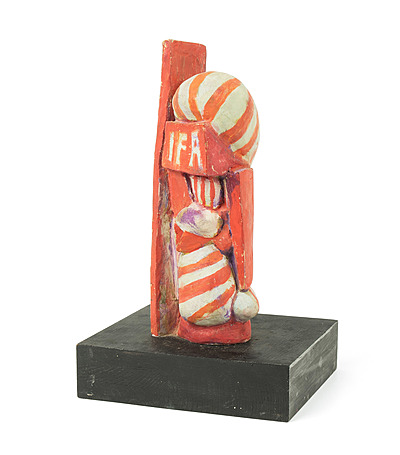
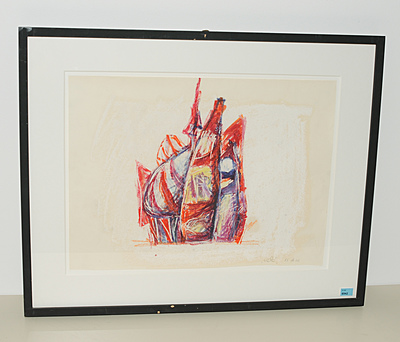
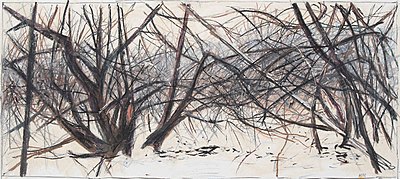
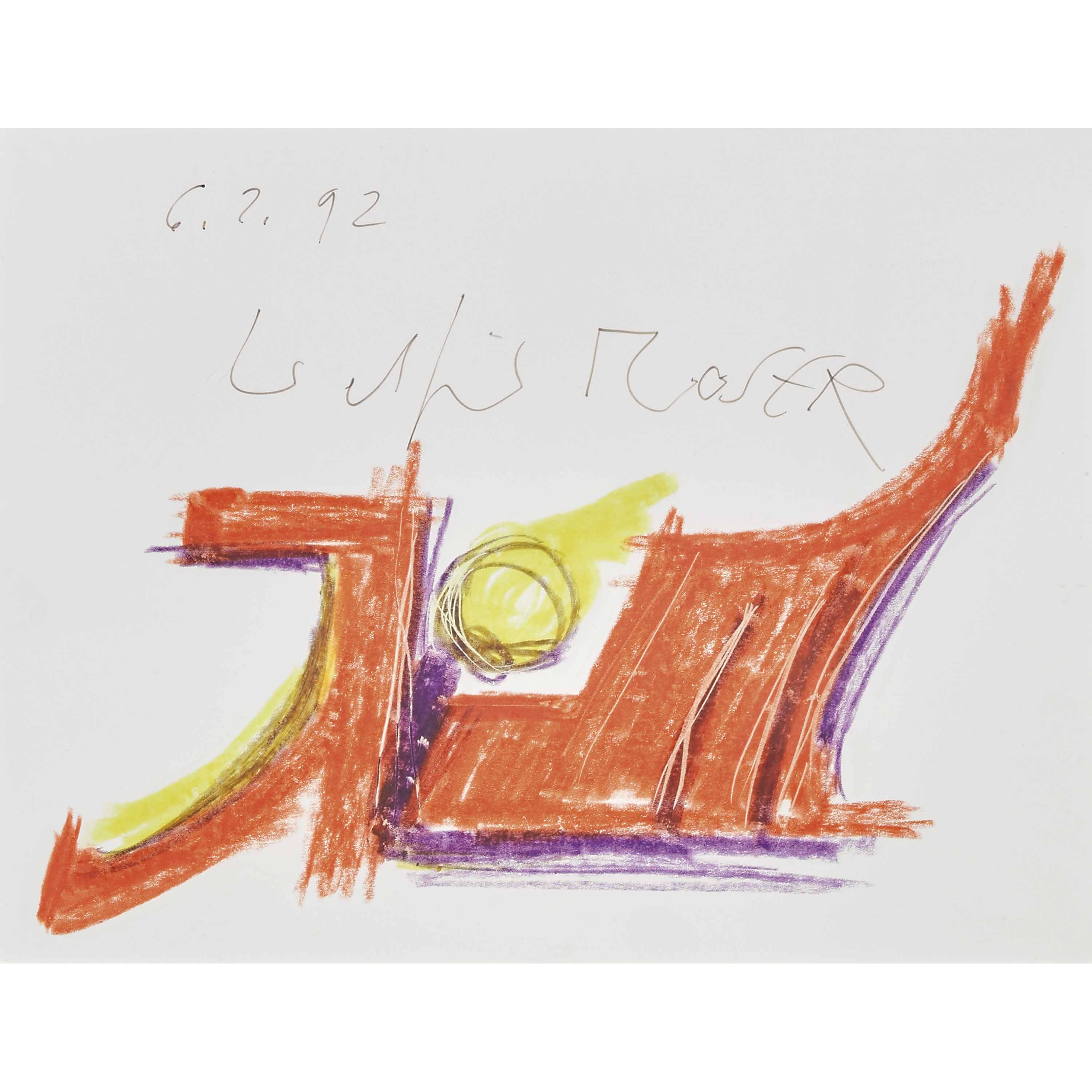
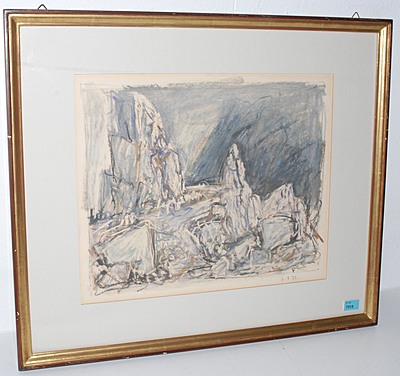
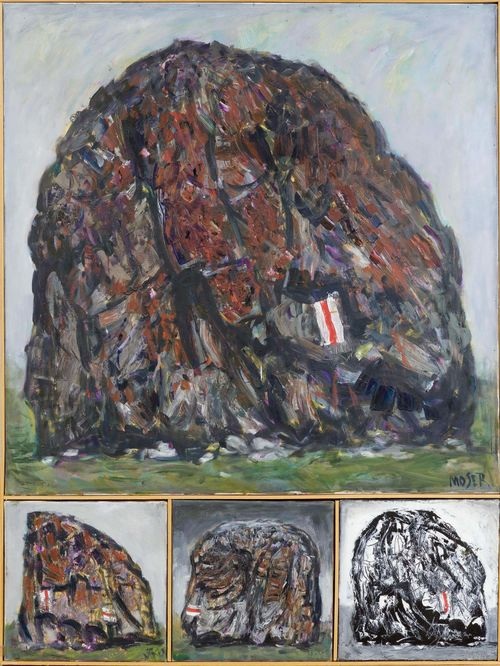
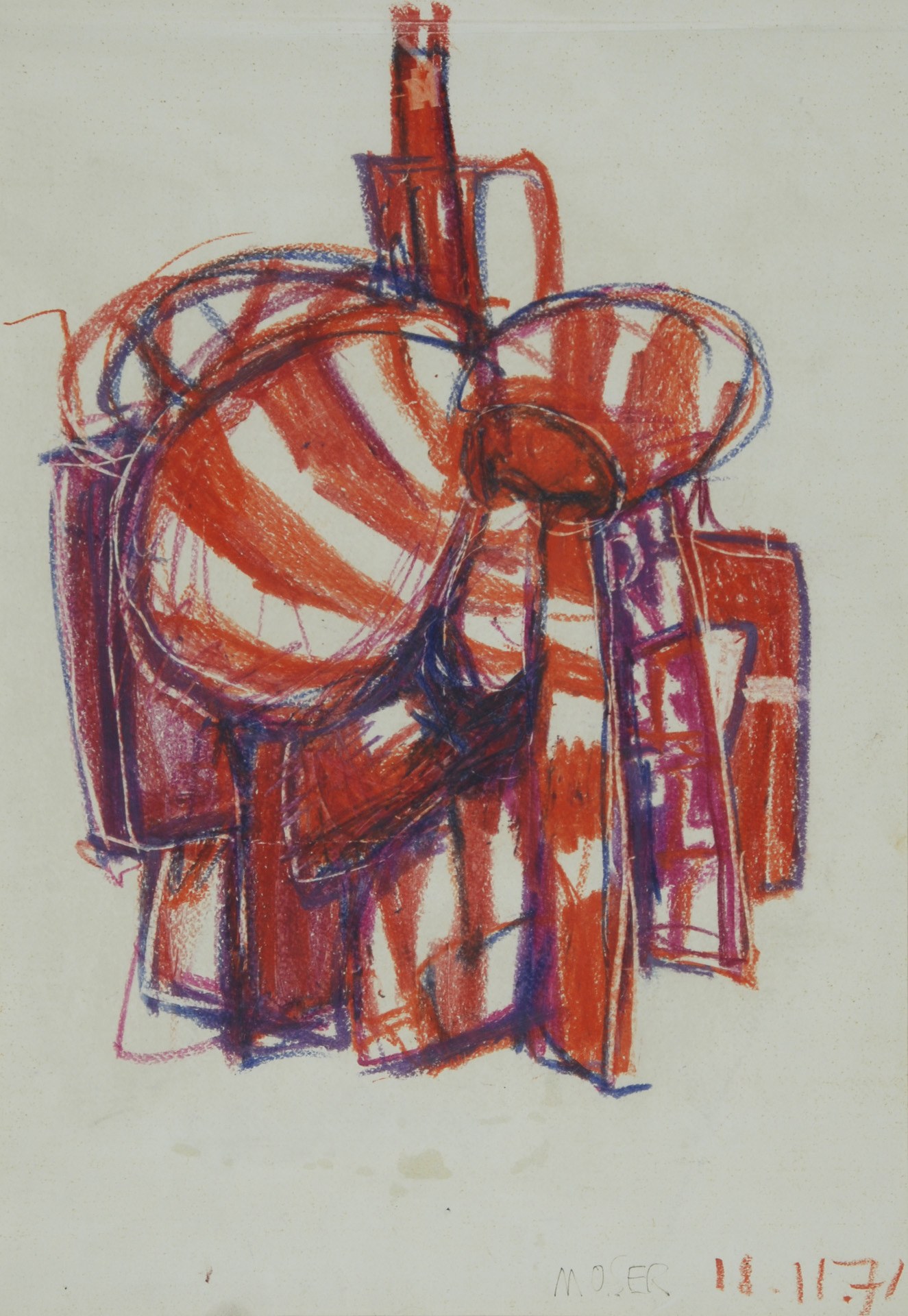
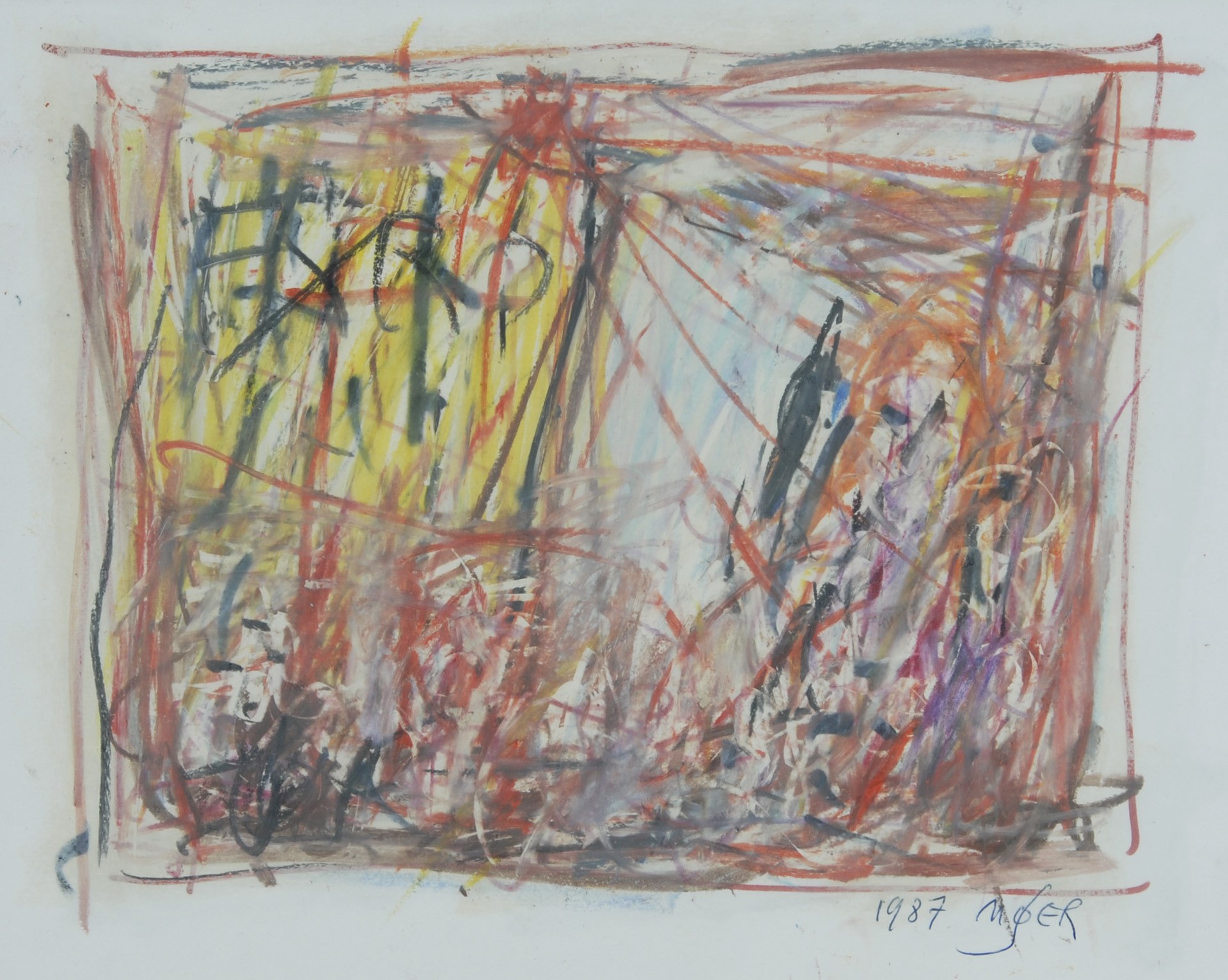
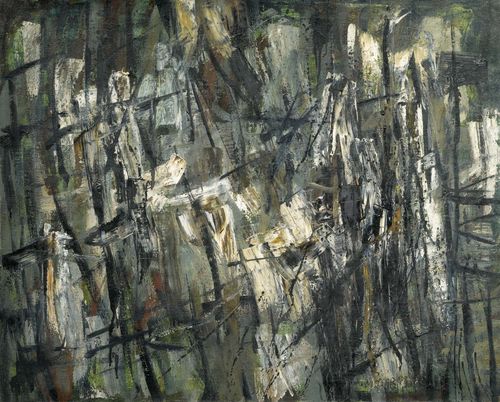
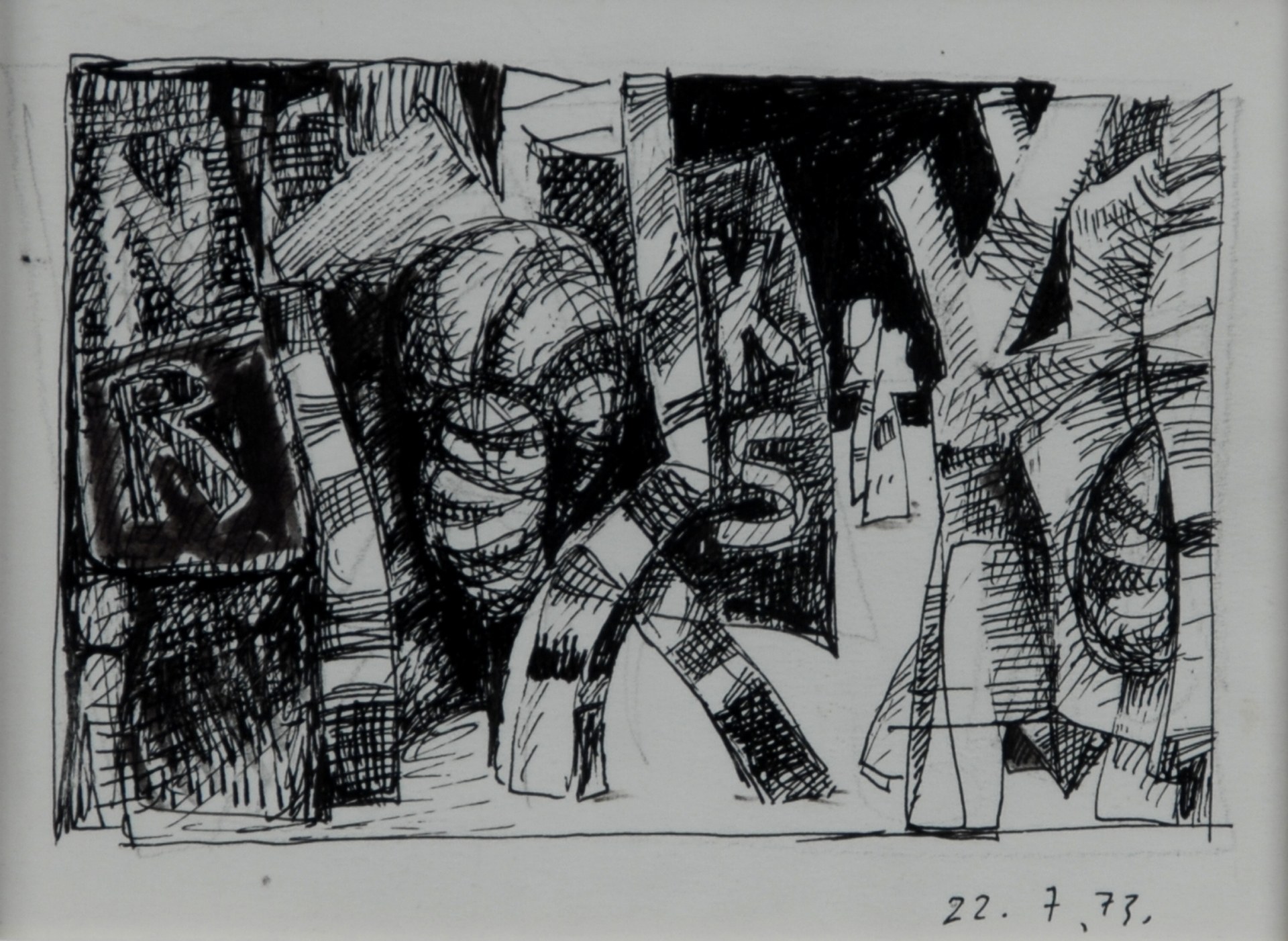
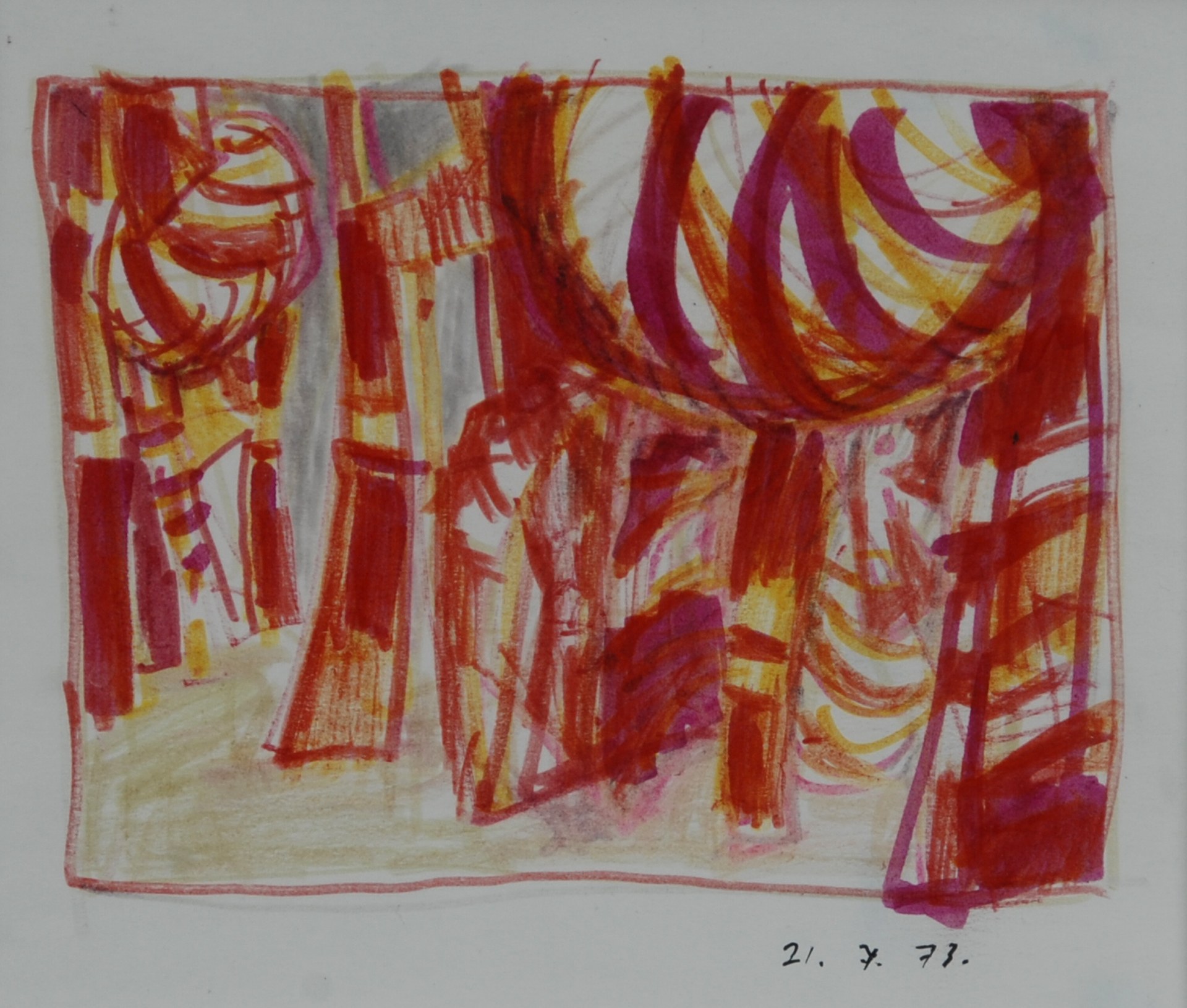
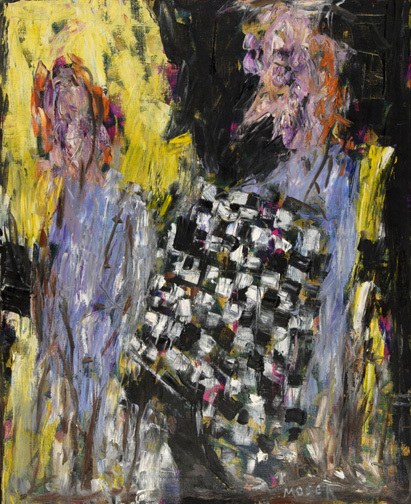
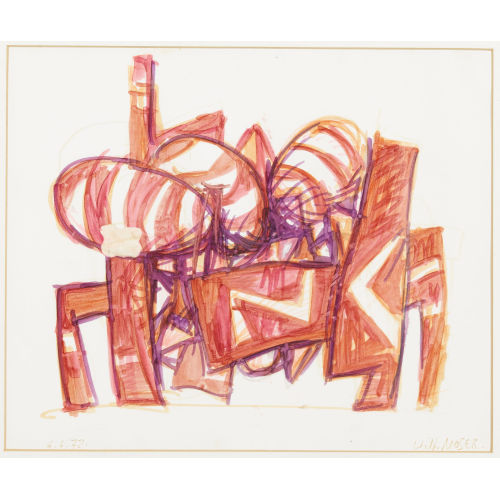
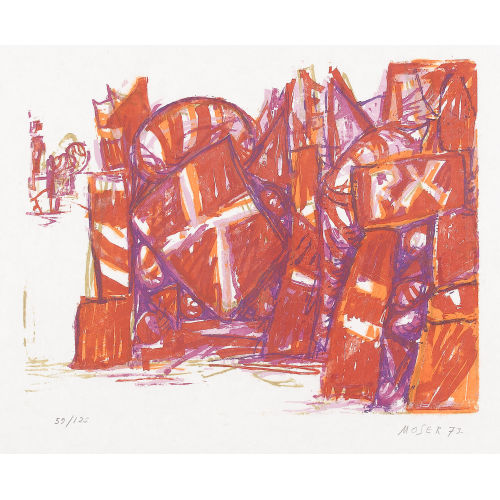
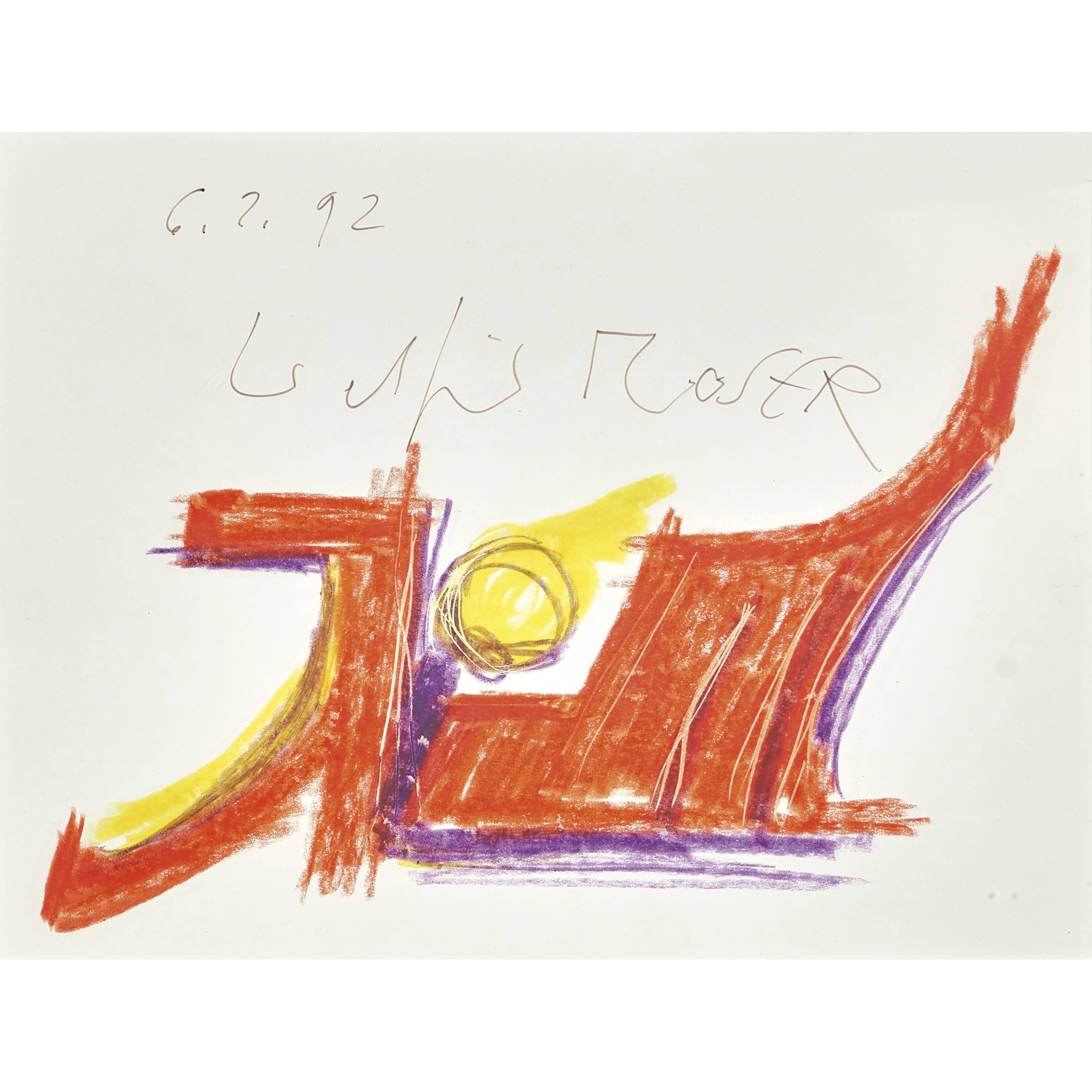
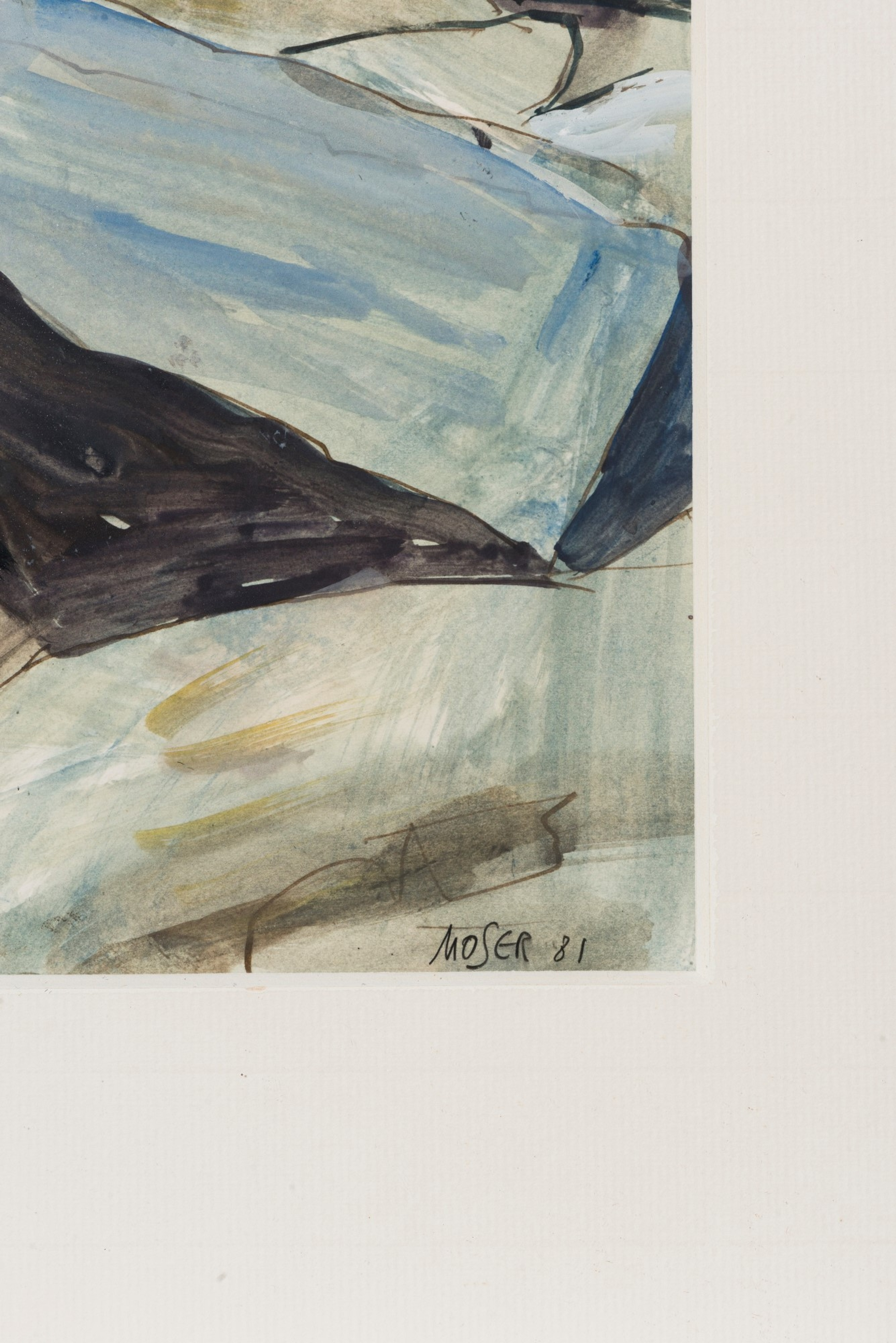
From the 1960s onwards, fragments of collage and written signs enter his paintings. Painting subsequently acquires relief and becomes sculpture, at times monumental and intended for public space. In the mid-1970s, quarries, rocks and undergrowth prompt a return to more recognisable forms, without breaking with the vigour of his brushwork.
This oscillation between pictorial matter, the construction of space and the experience of place characterises his career. Moser, who died in Zurich in 1997, leaves a body of work whose metamorphoses reveal a consistent attention to the expressive power of painting, whether it evokes the Parisian street or mineral landscapes.