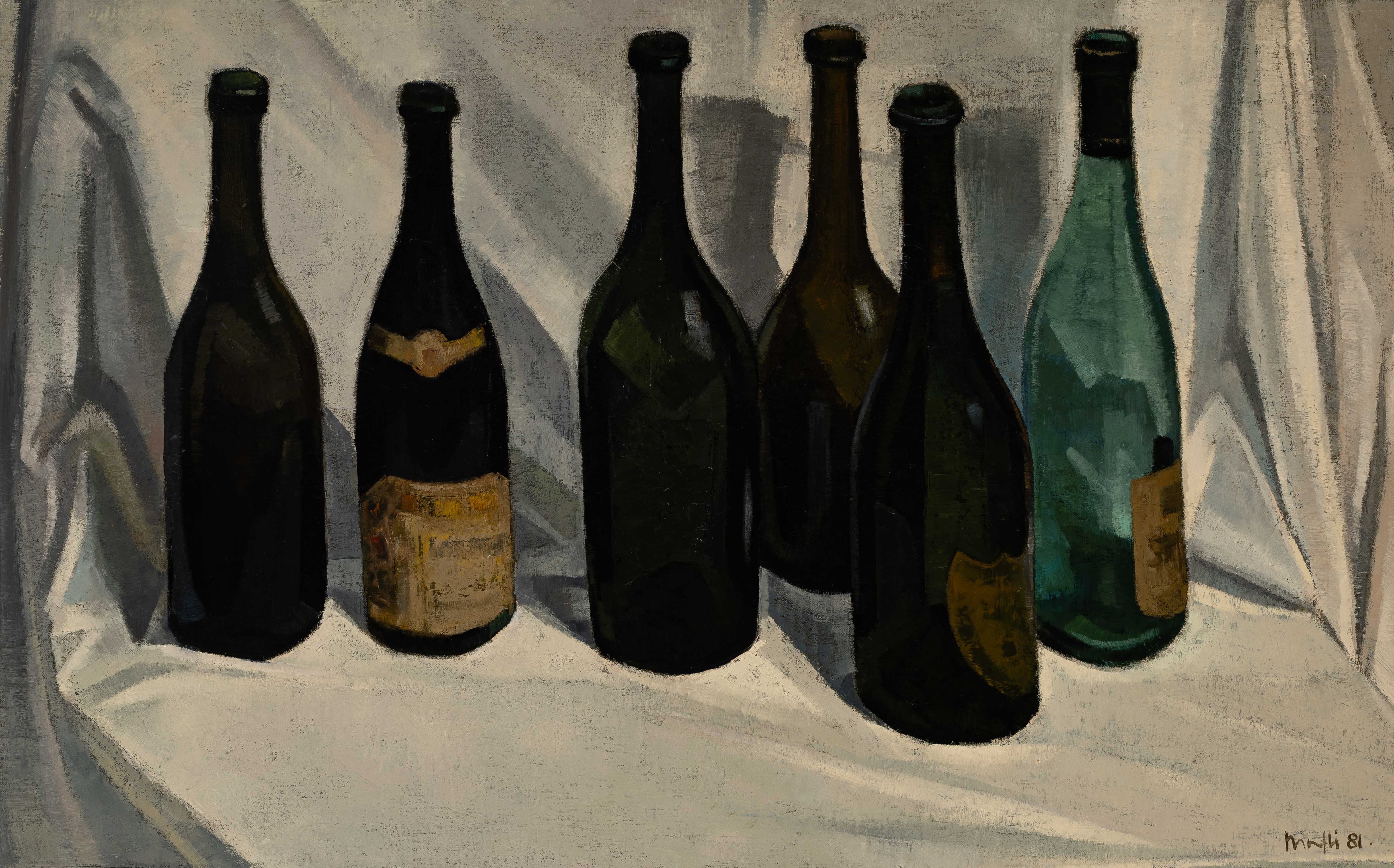
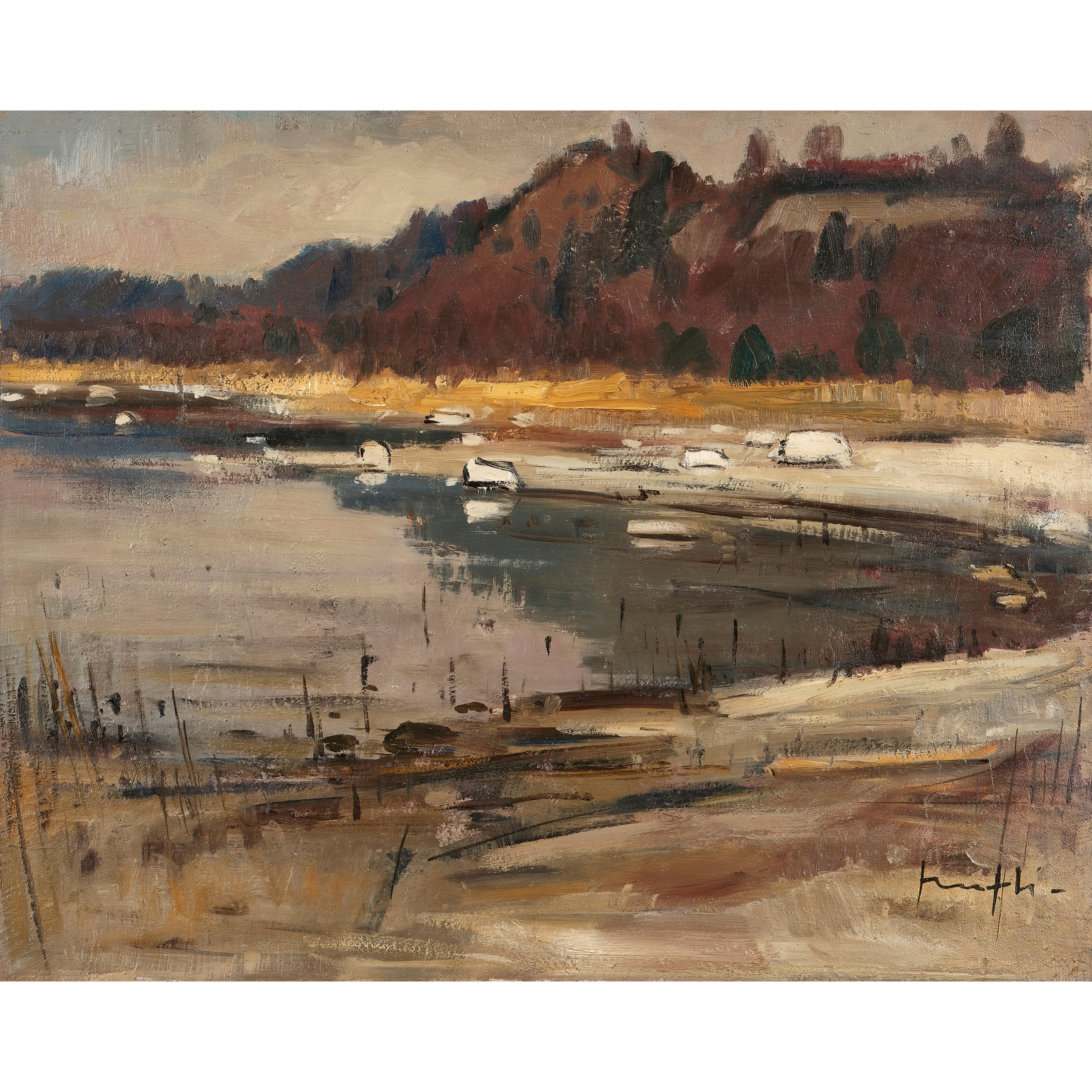
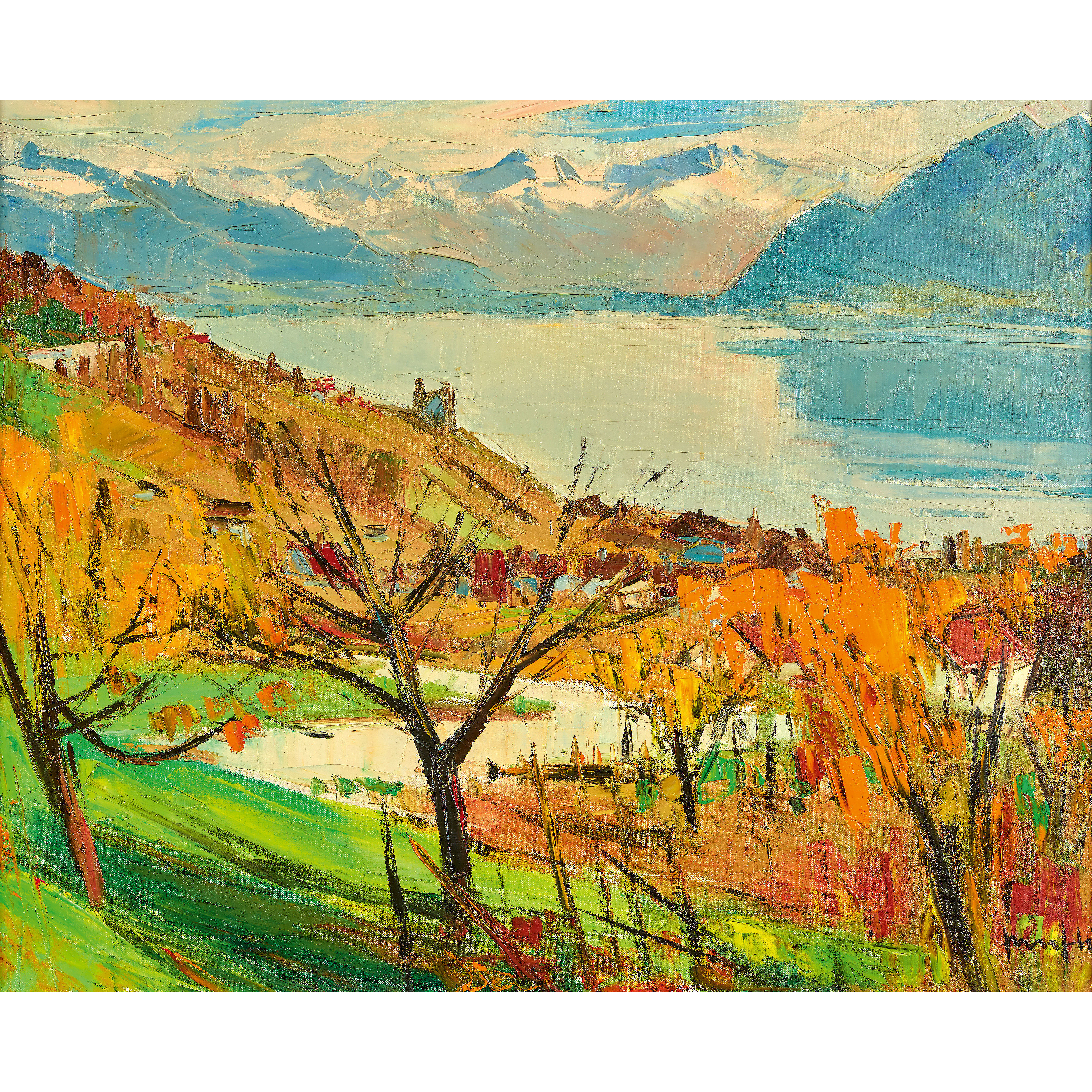
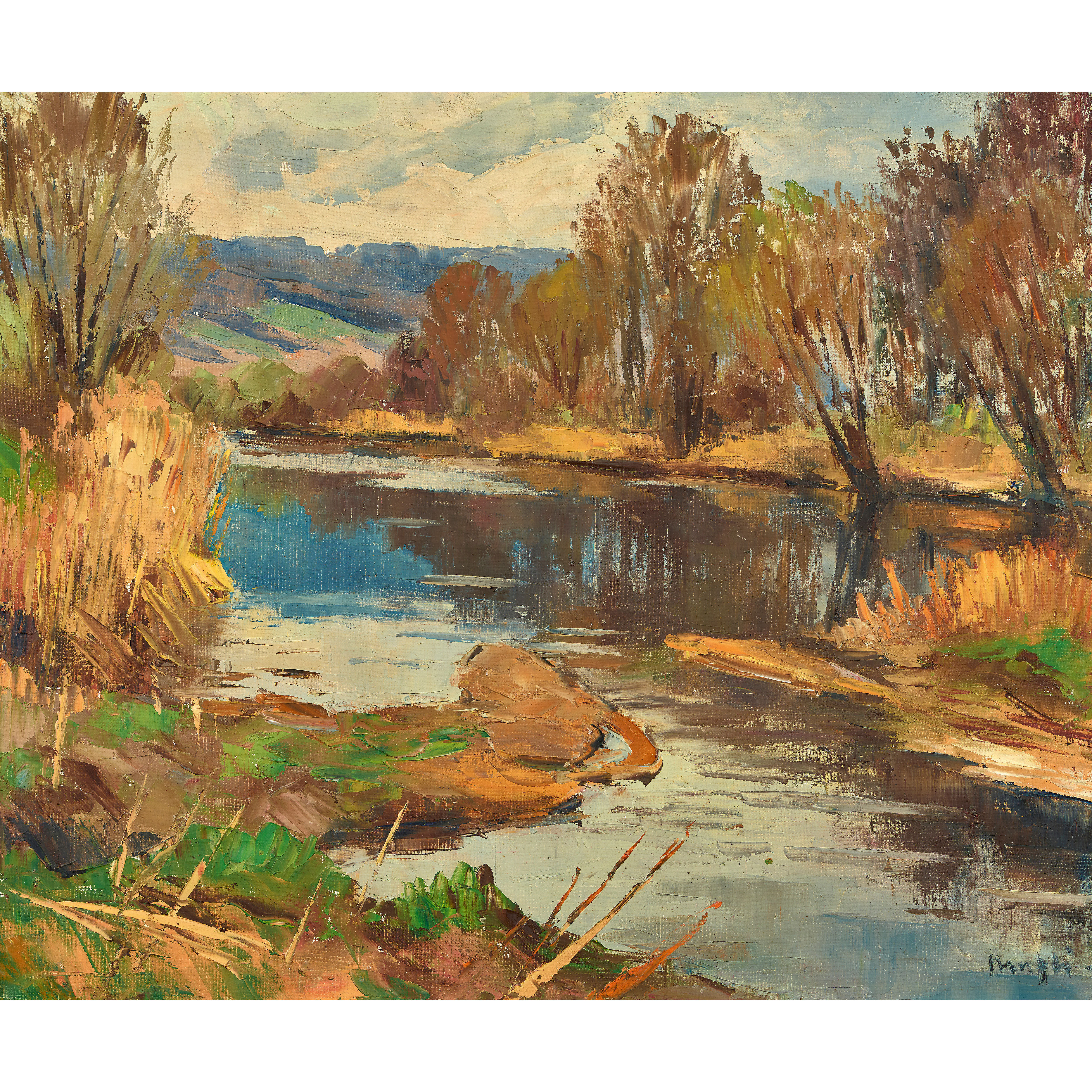
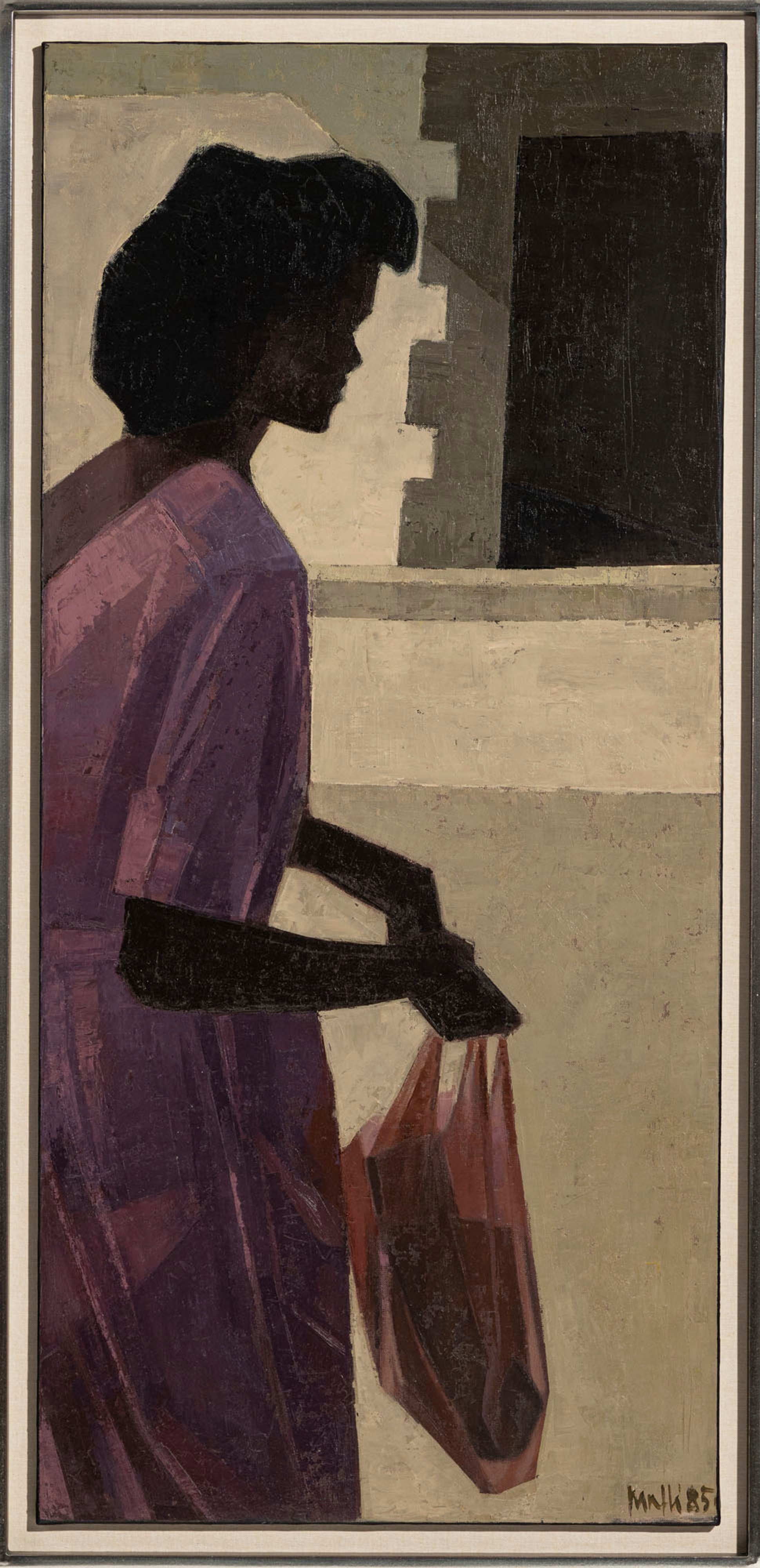
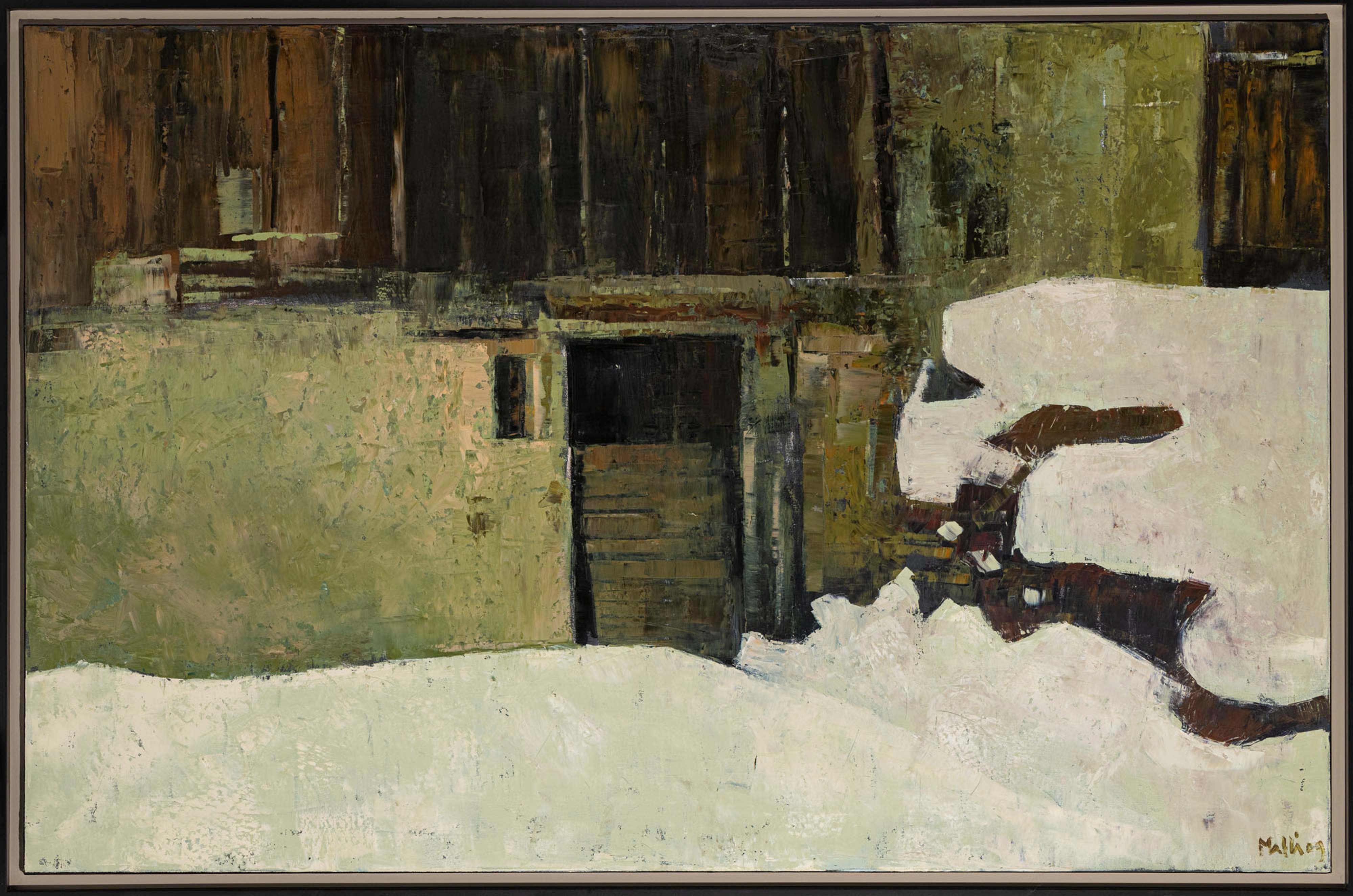
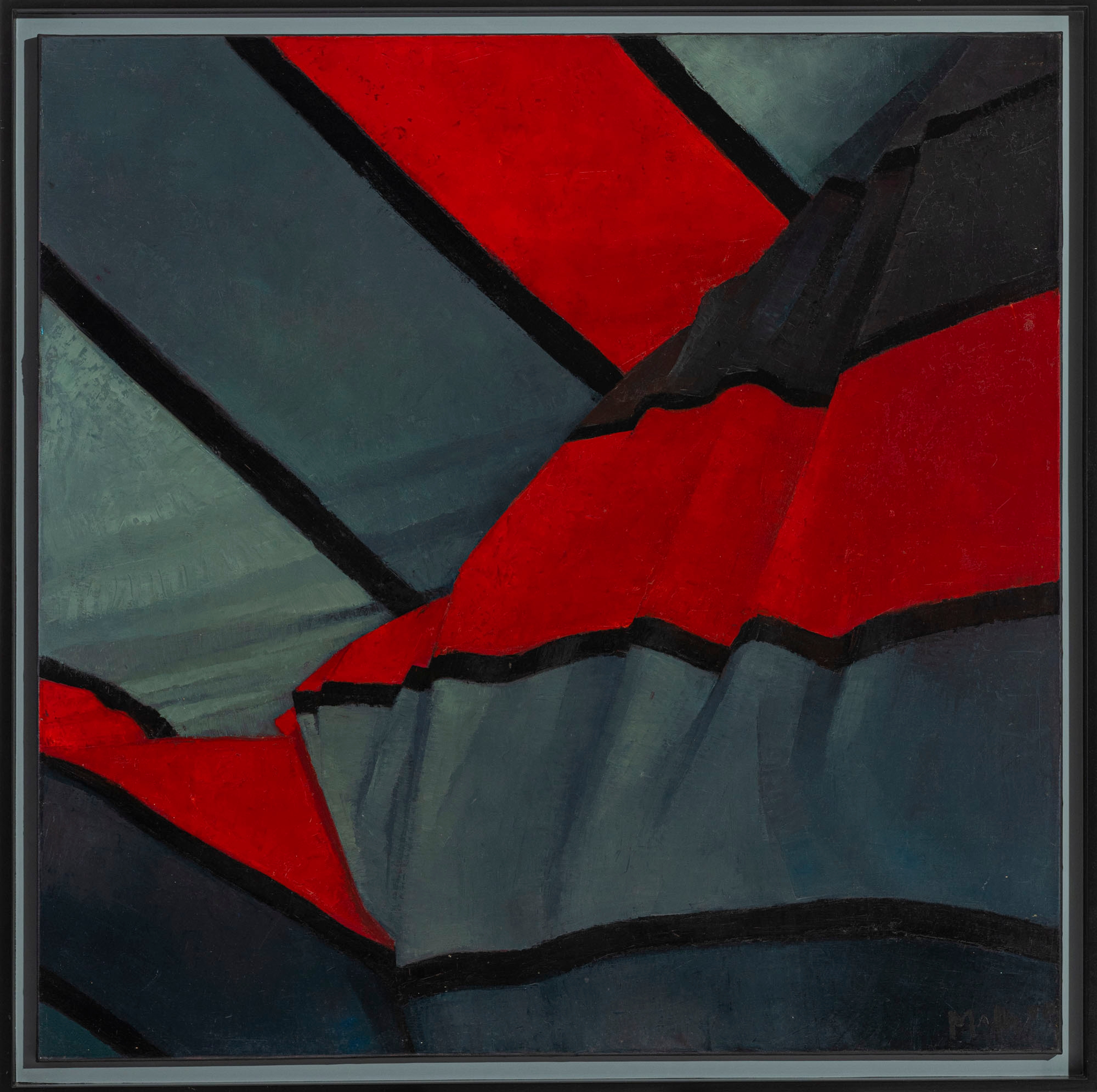
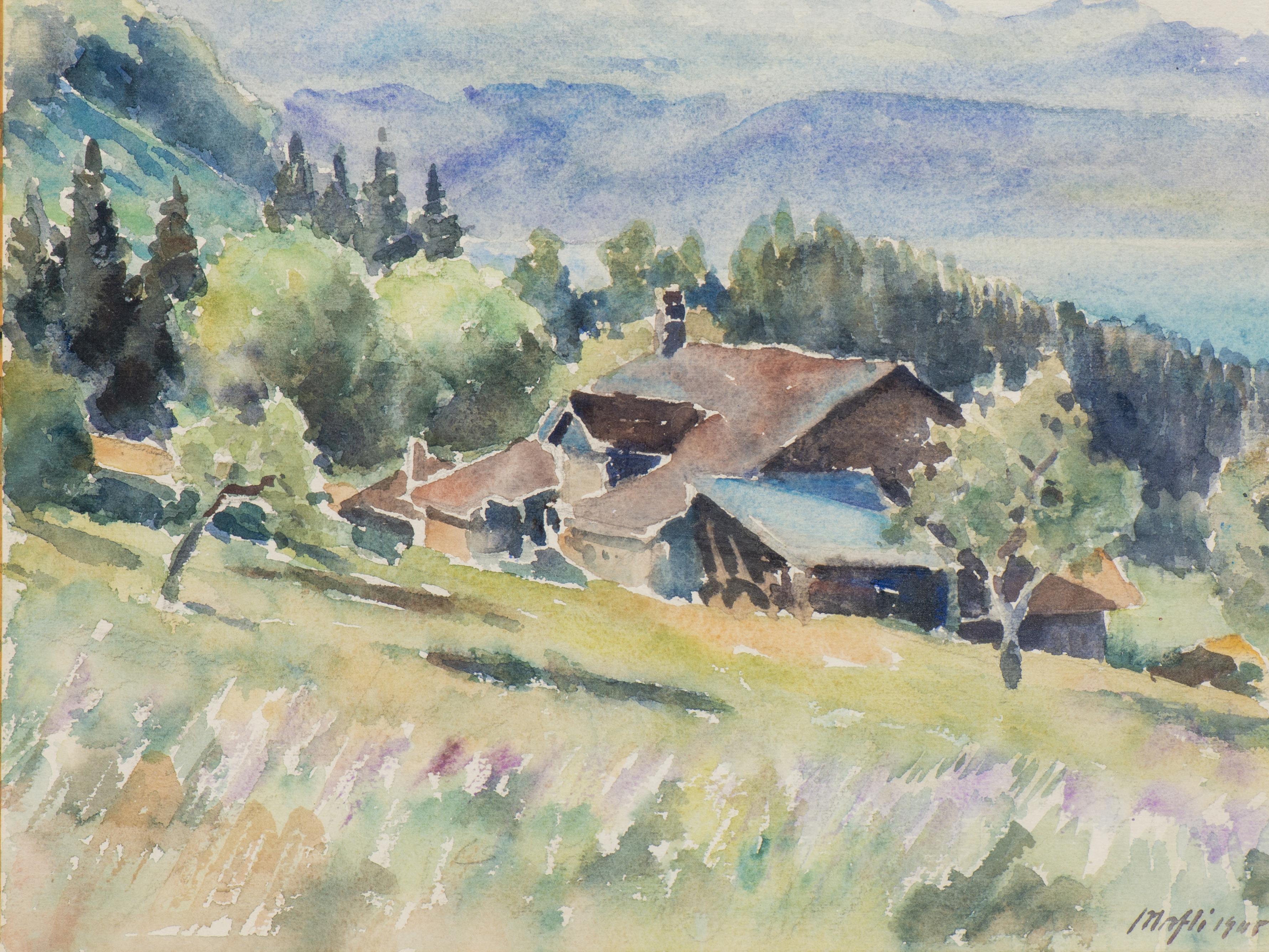
Walter Mafli
Born in 1915.
Died in 2017.
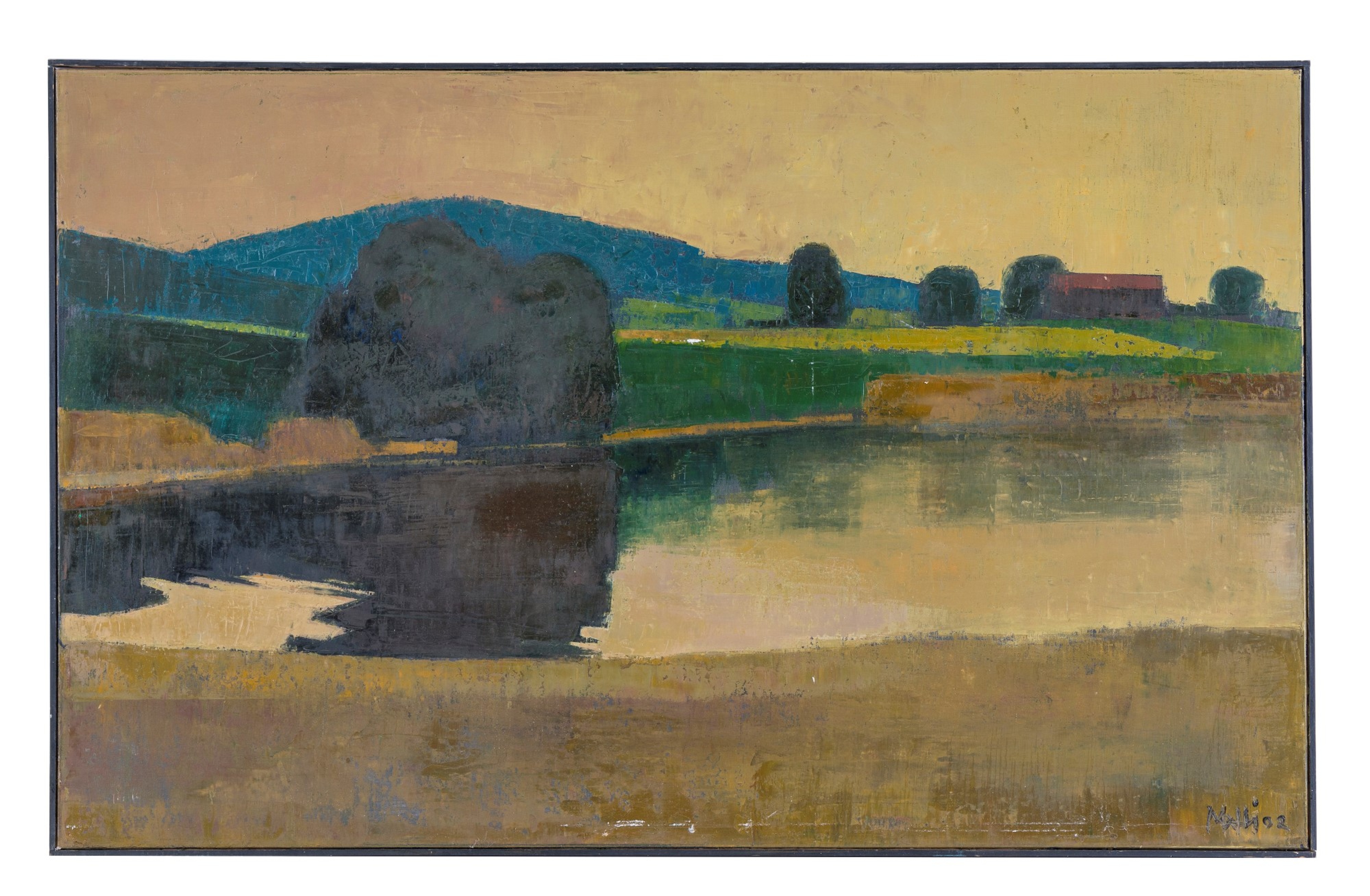
Walter Mafli (born 10 May 1915 in Rebstein; died 11 December 2017) was a Swiss painter and draughtsman who settled in Corsy, above Lutry, where he took up permanent residence in 1946.
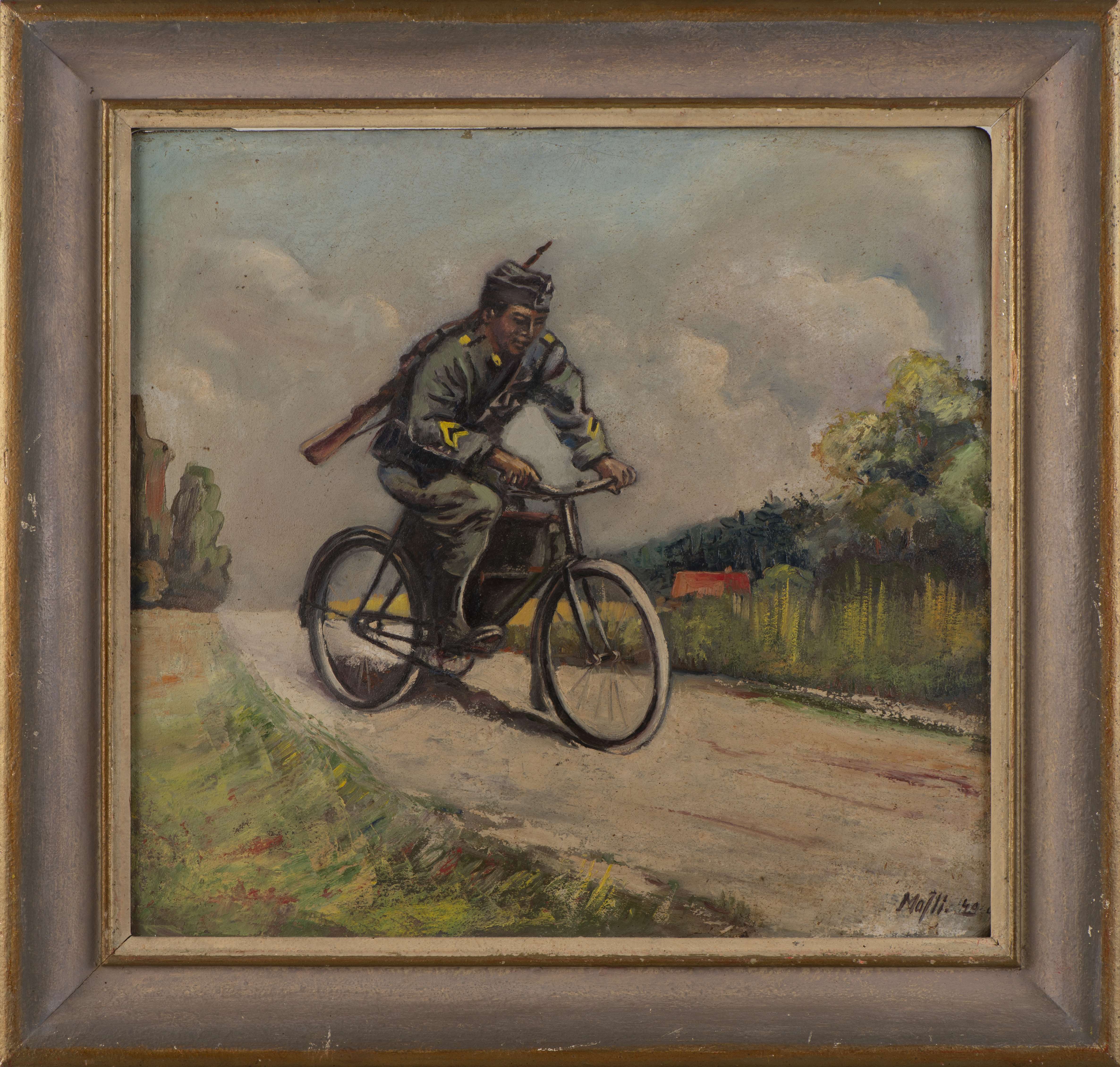
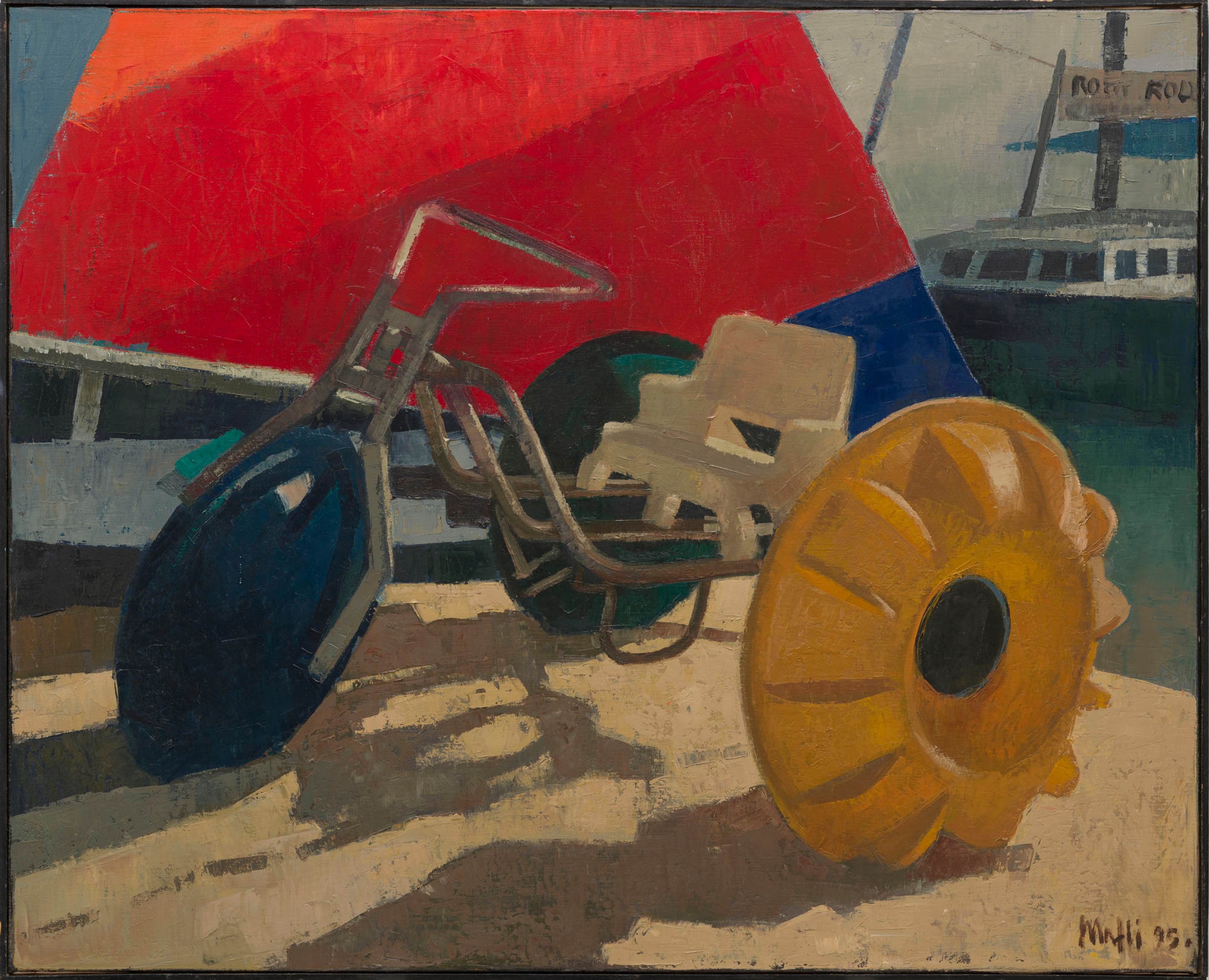
Initially trained as a stove and chimney builder and then as a tiler, he obtained a professional certificate dated 9 May 1934; dismissed from his job that same year following scarlet fever, he left German-speaking Switzerland and subsequently settled in Neuchâtel, where he worked as a tiler. In 1935, called up for his recruit training, he was naturally assigned to a cyclist company.
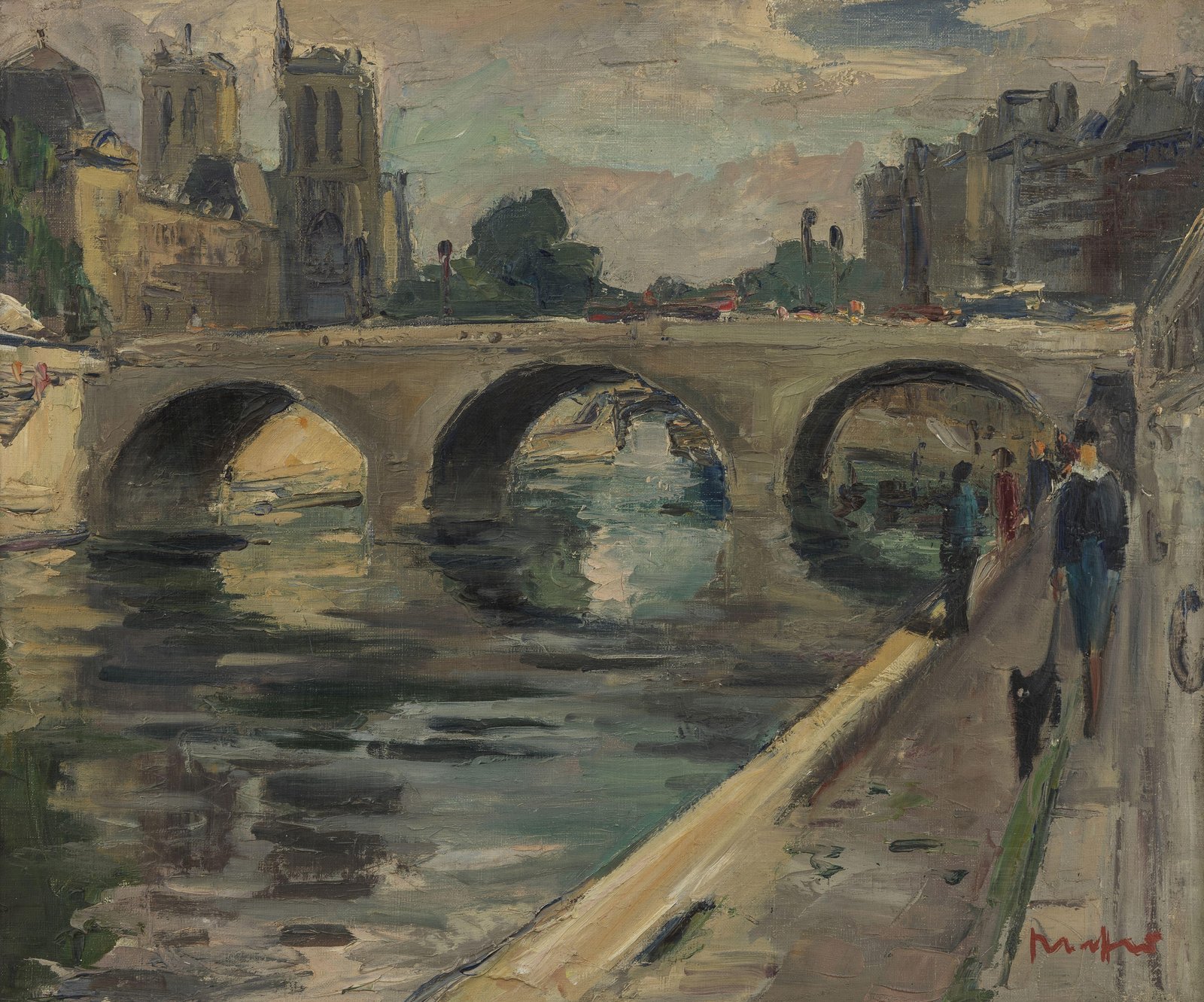
After his military service, he took drawing classes with Delfo Egidio Galli in Neuchâtel, learned colour and the “grain” of painting from Max Theynet, whom he regarded as “his master”, and in 1939 became a student of Casimir Reymond and Marcel Poncet at the École de dessin de Lausanne. He also spent several months in Paris with his friend Jean-Pierre Doxat, a period during which he painted intensely.
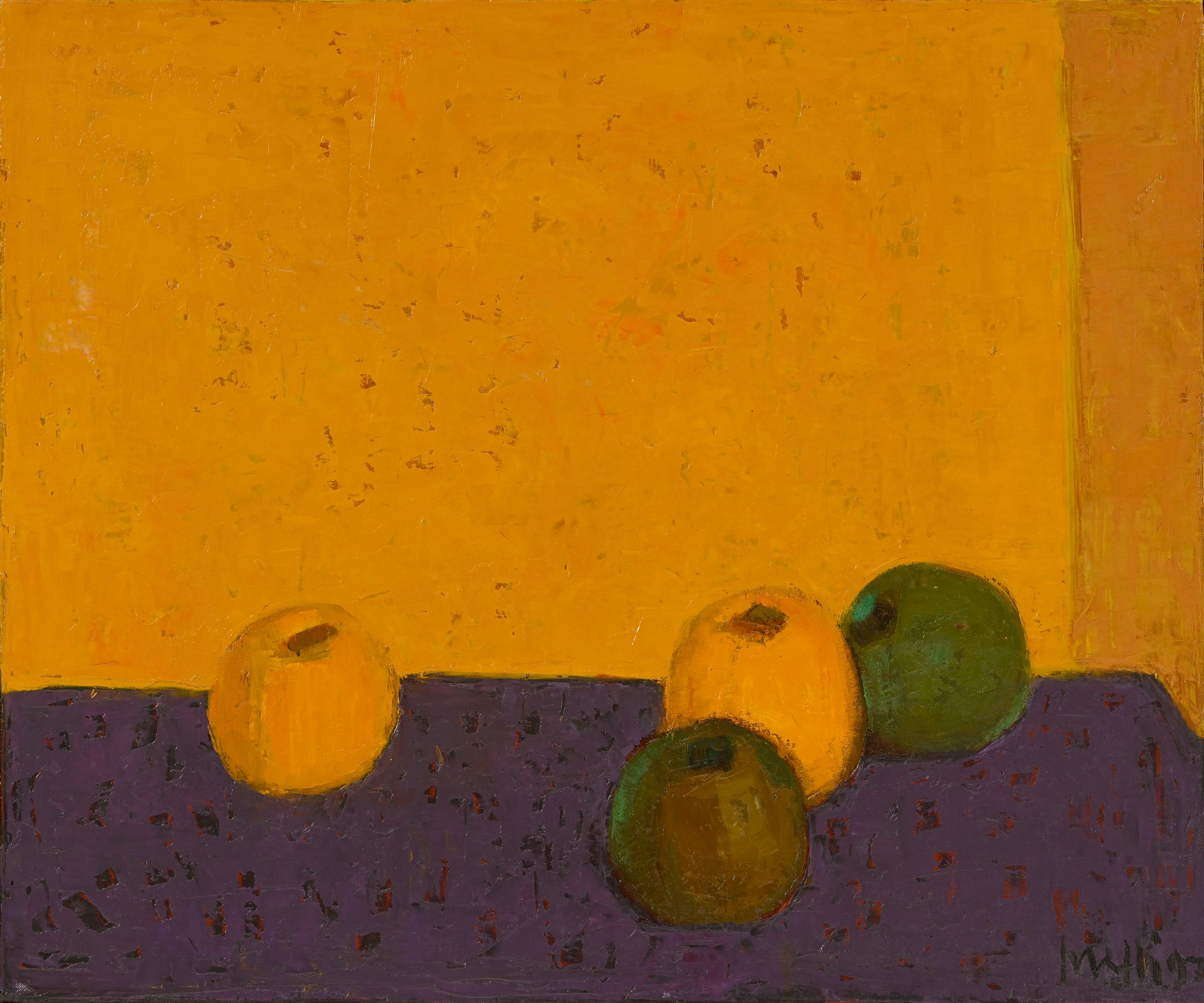
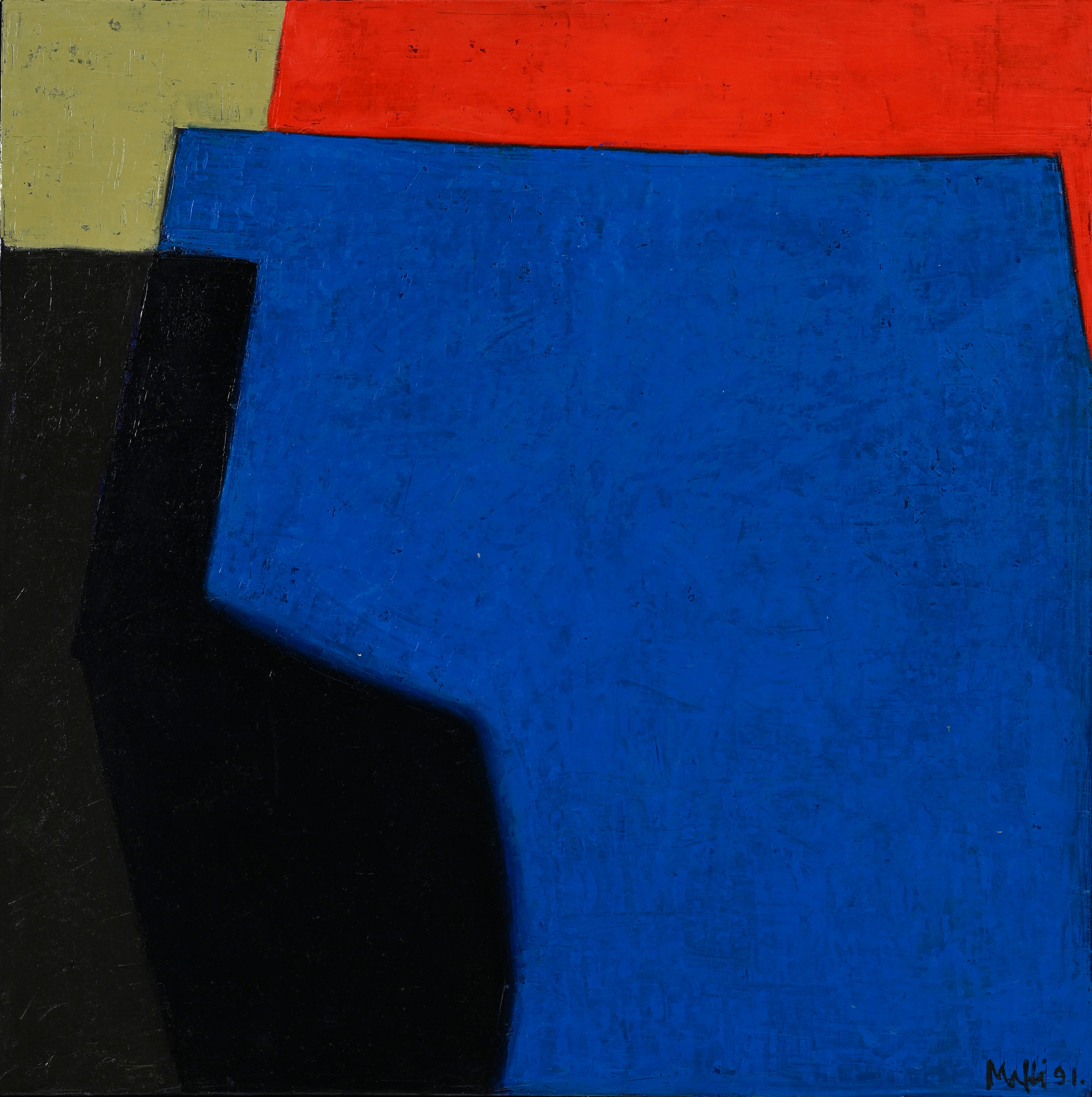
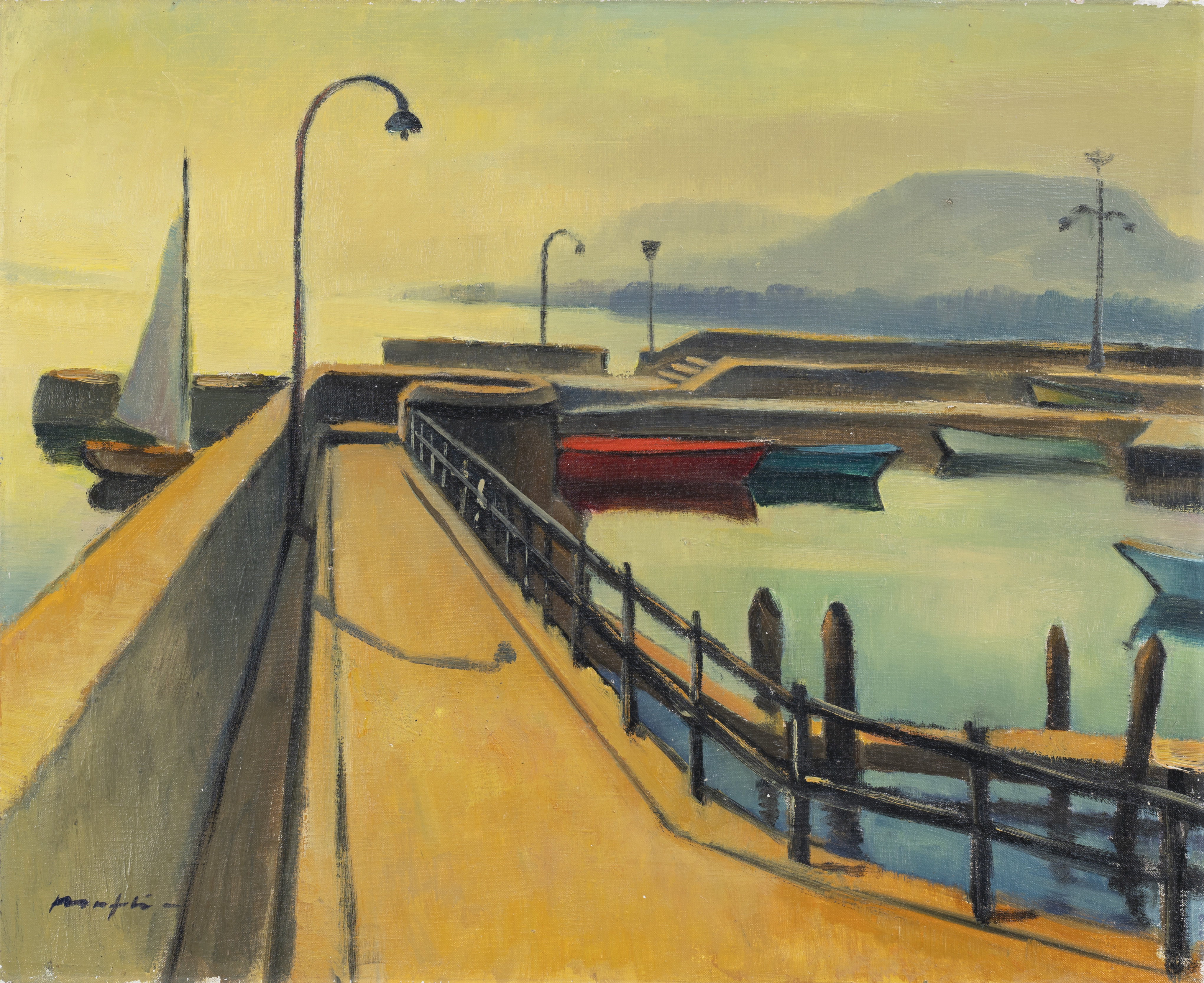
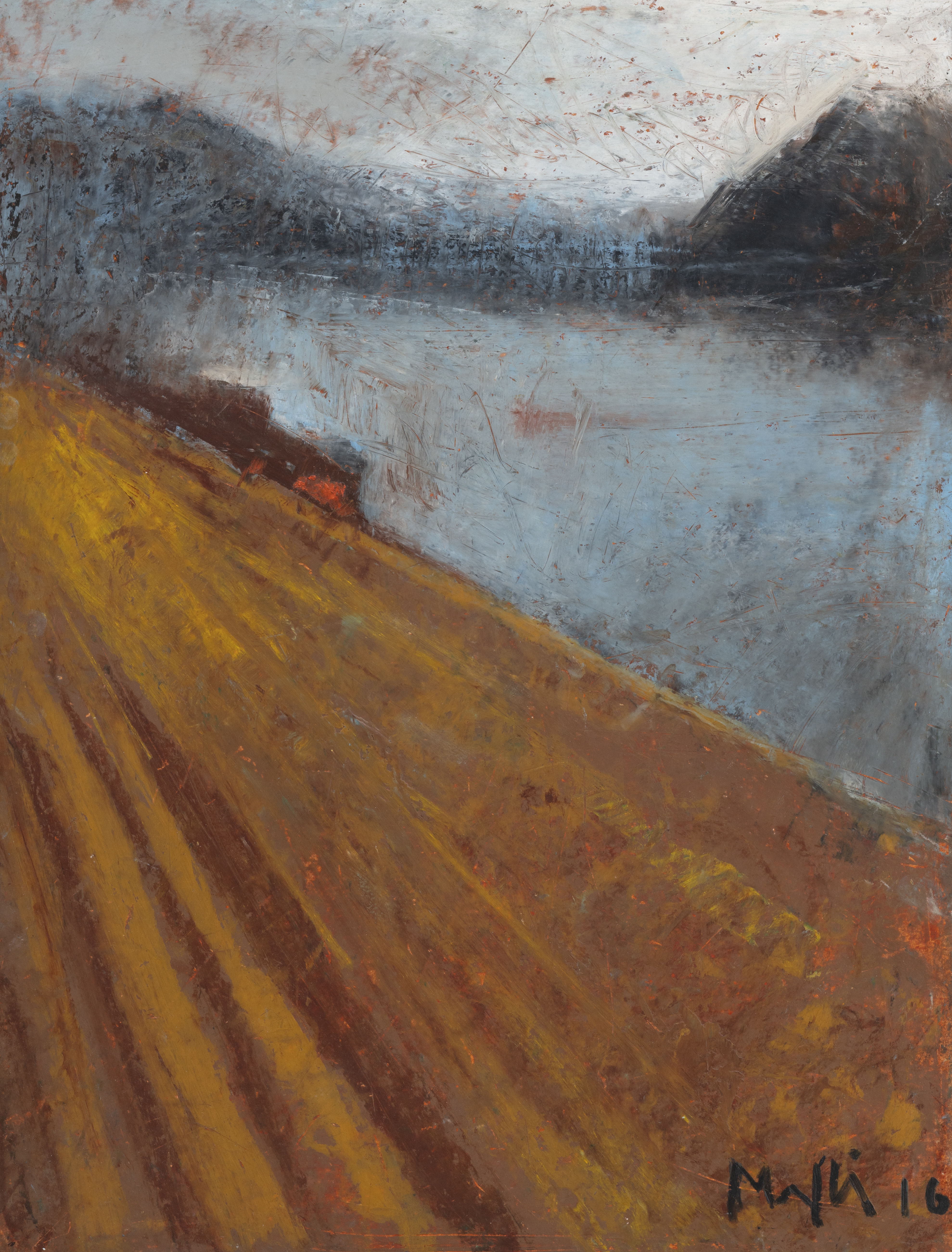
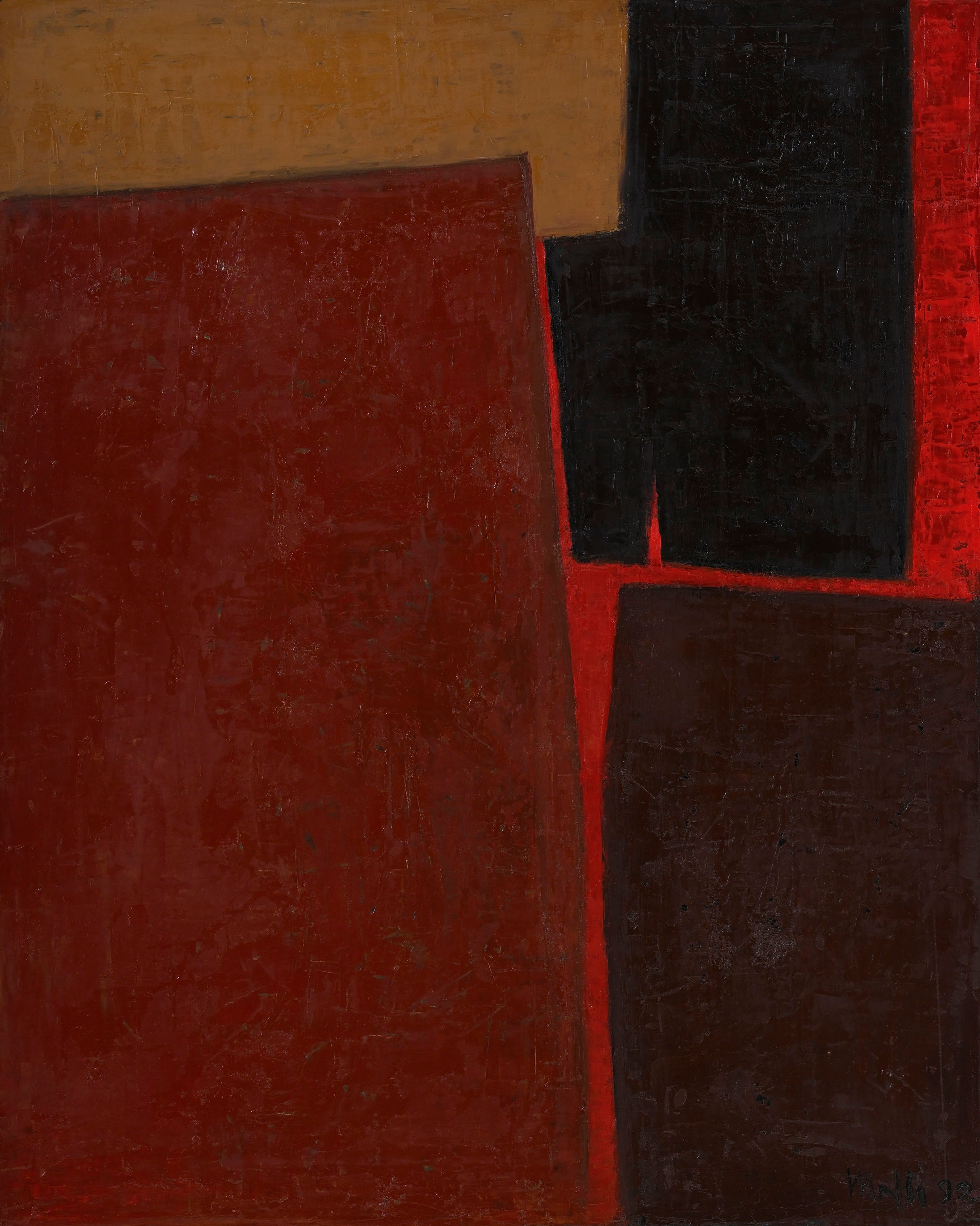
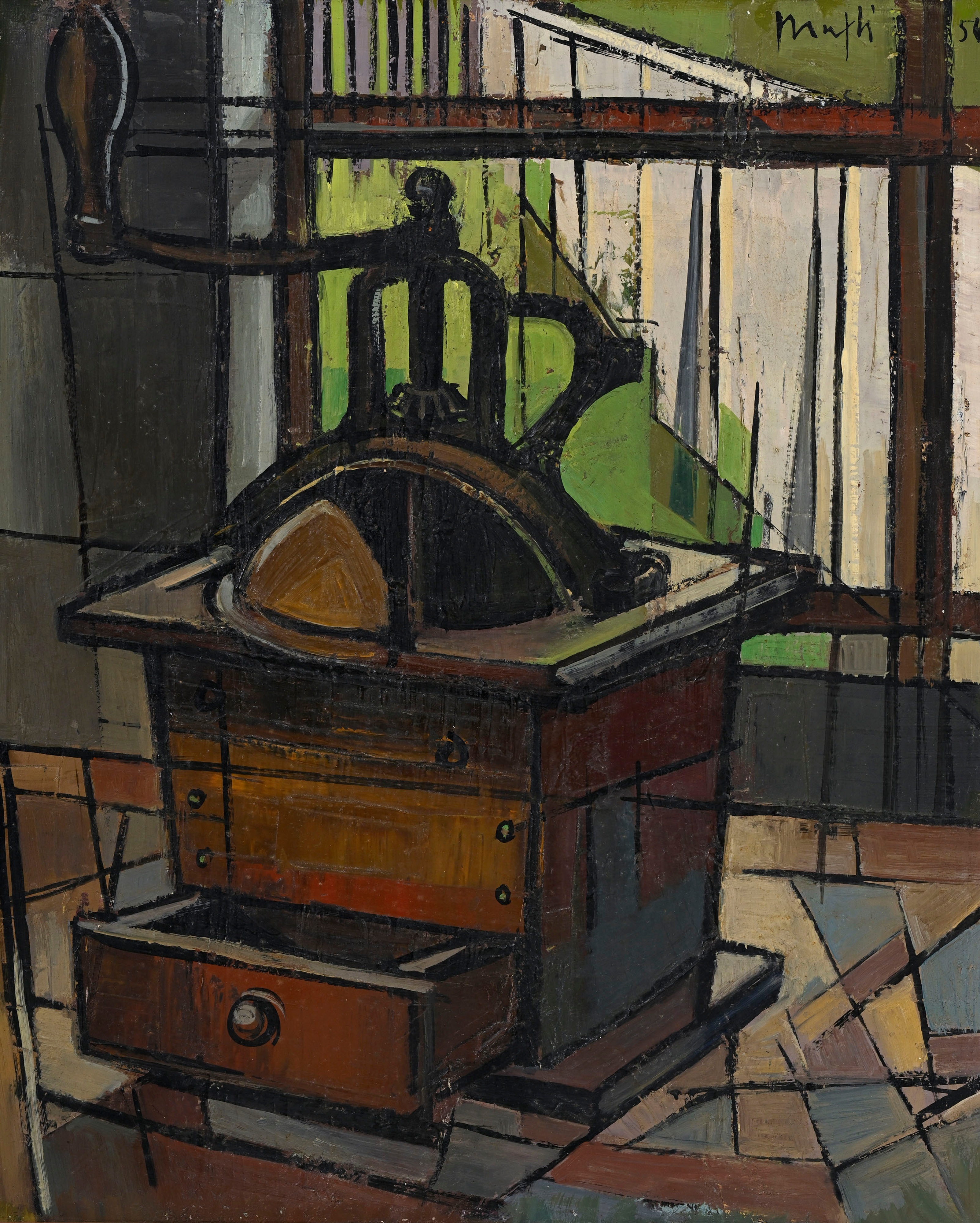
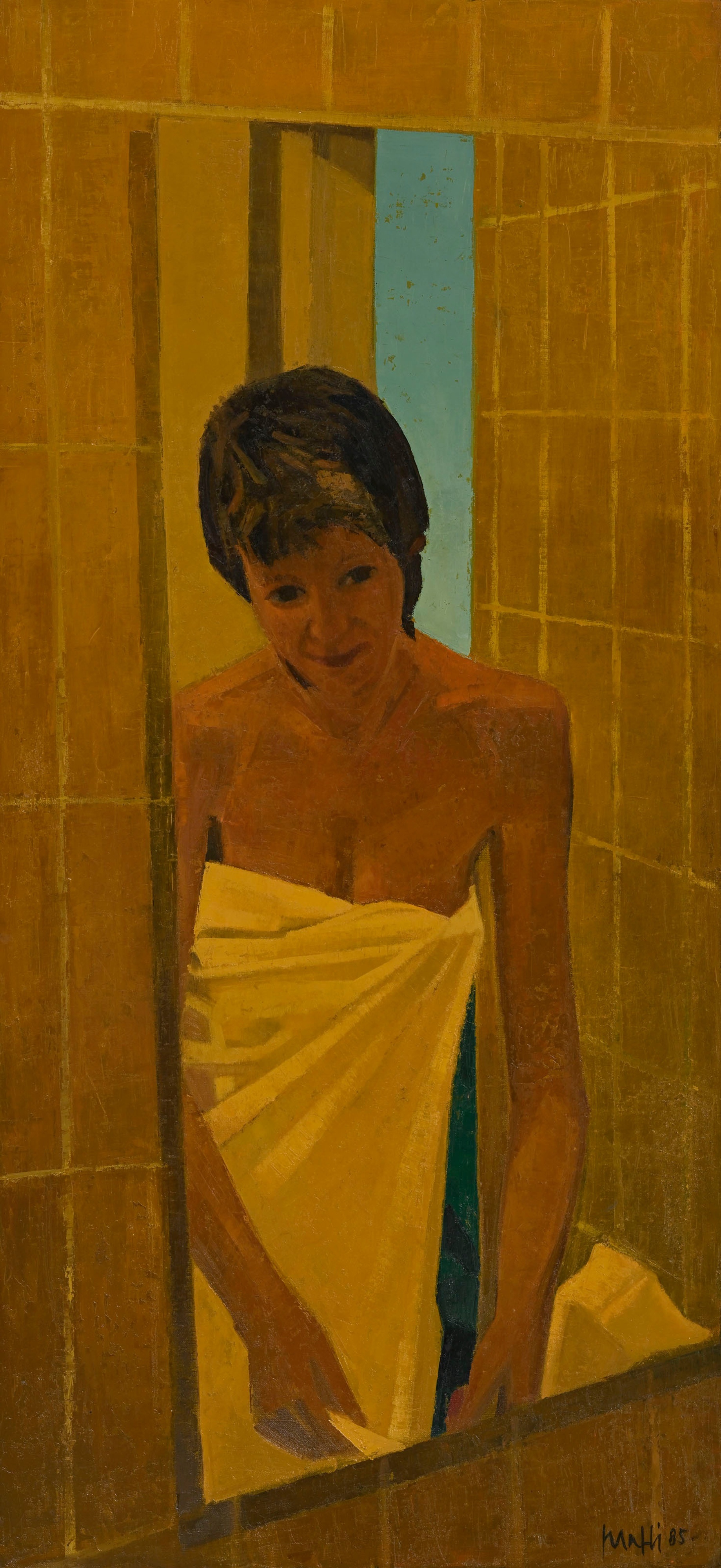
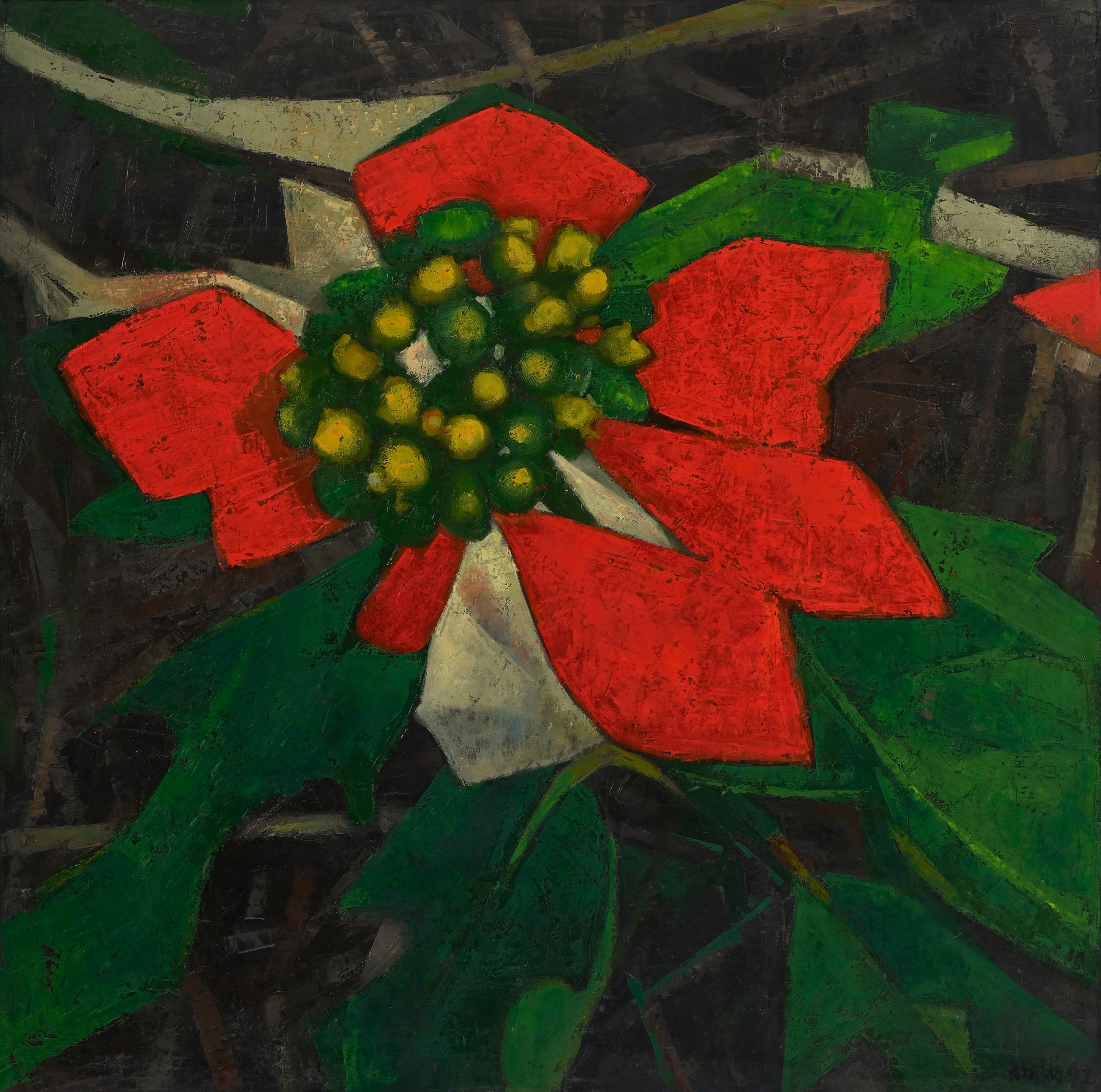
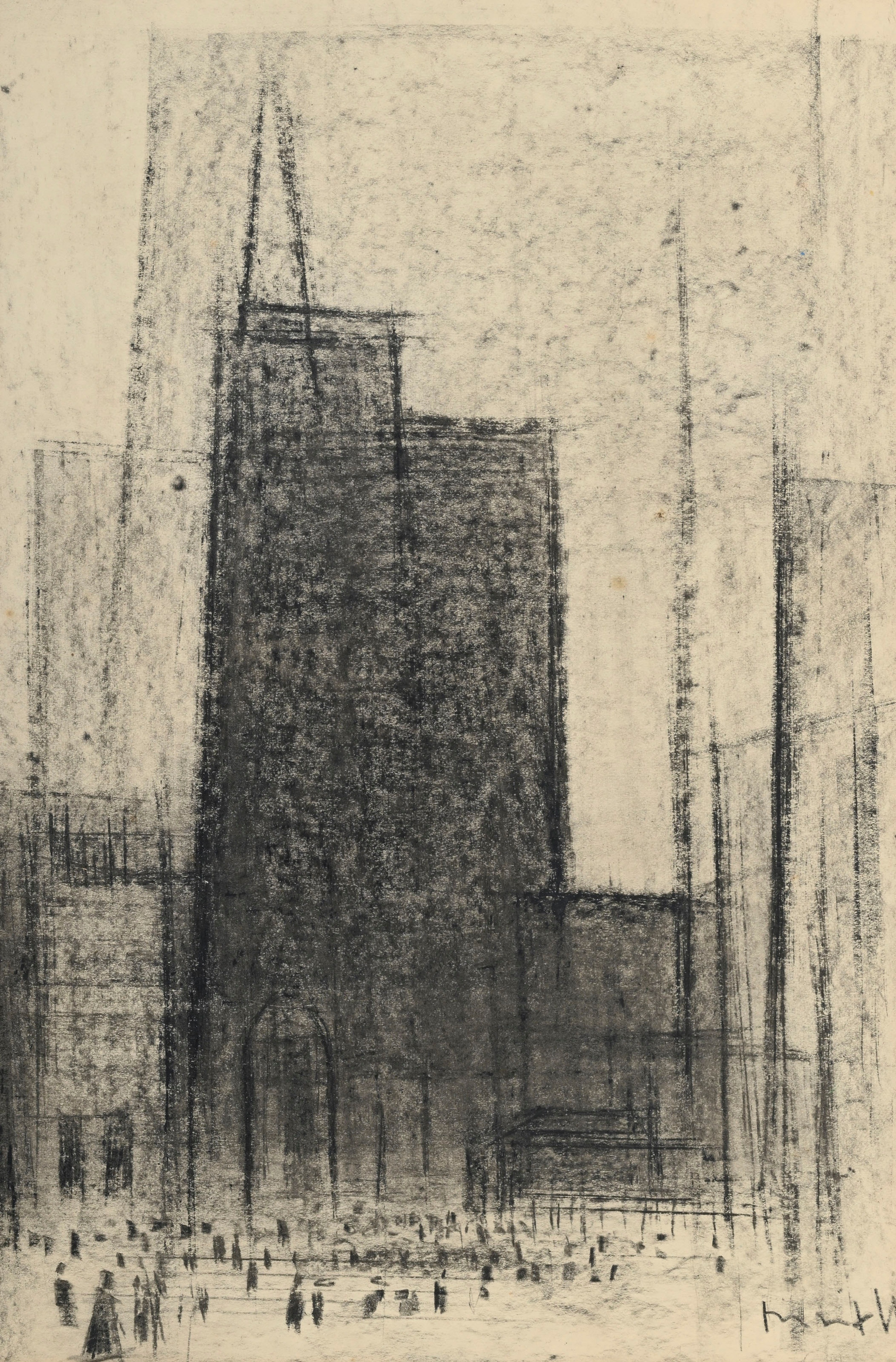
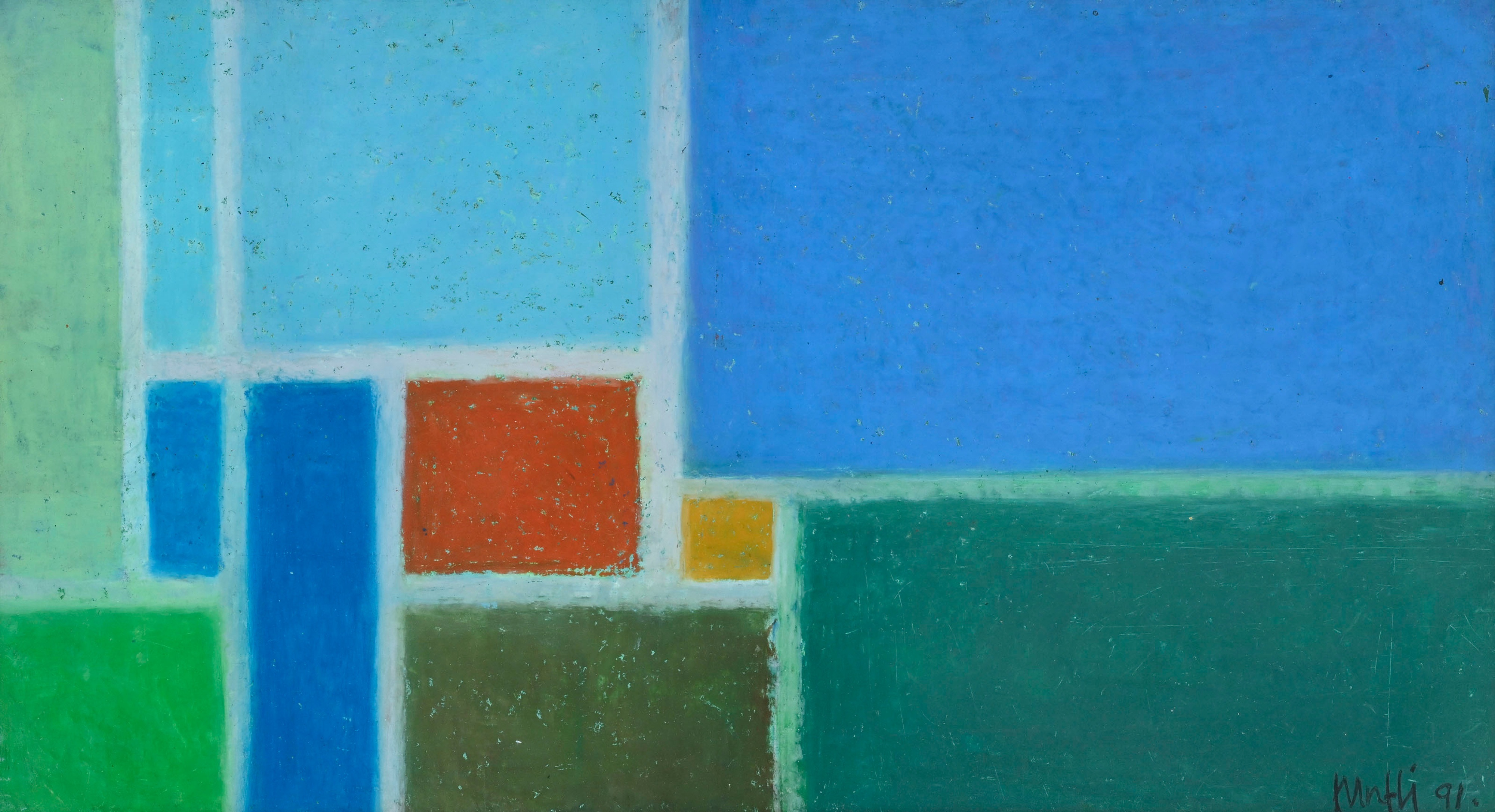
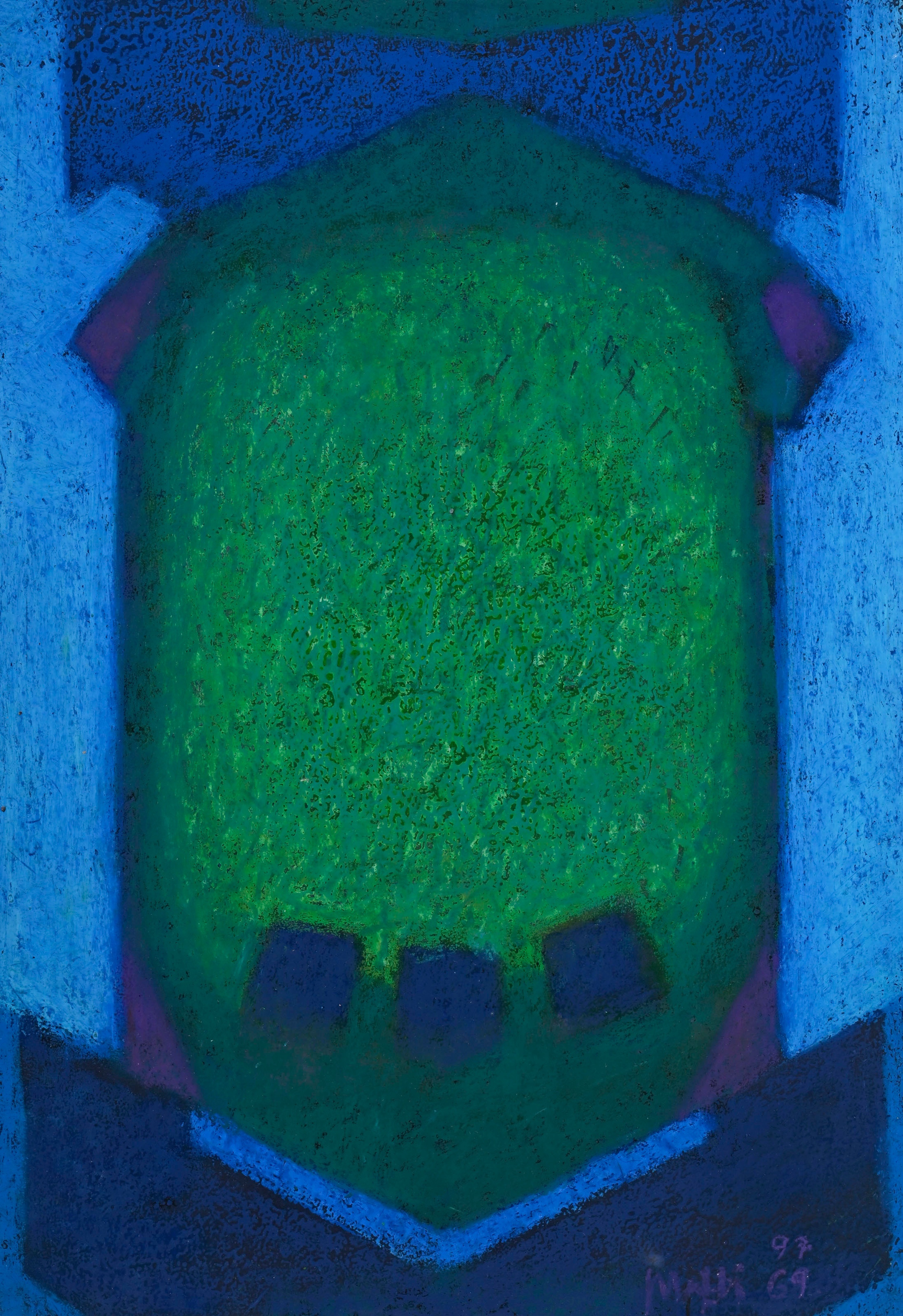
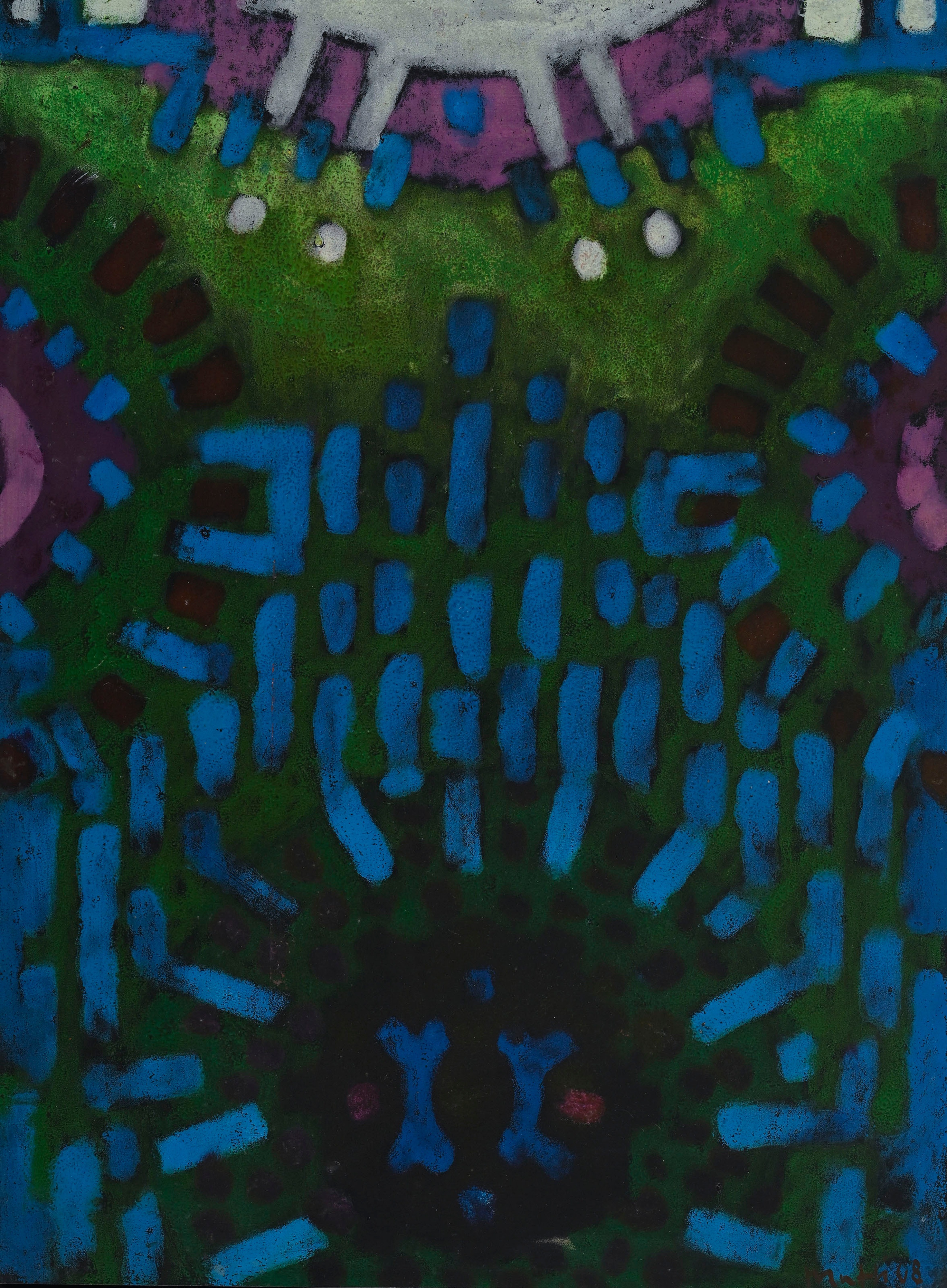
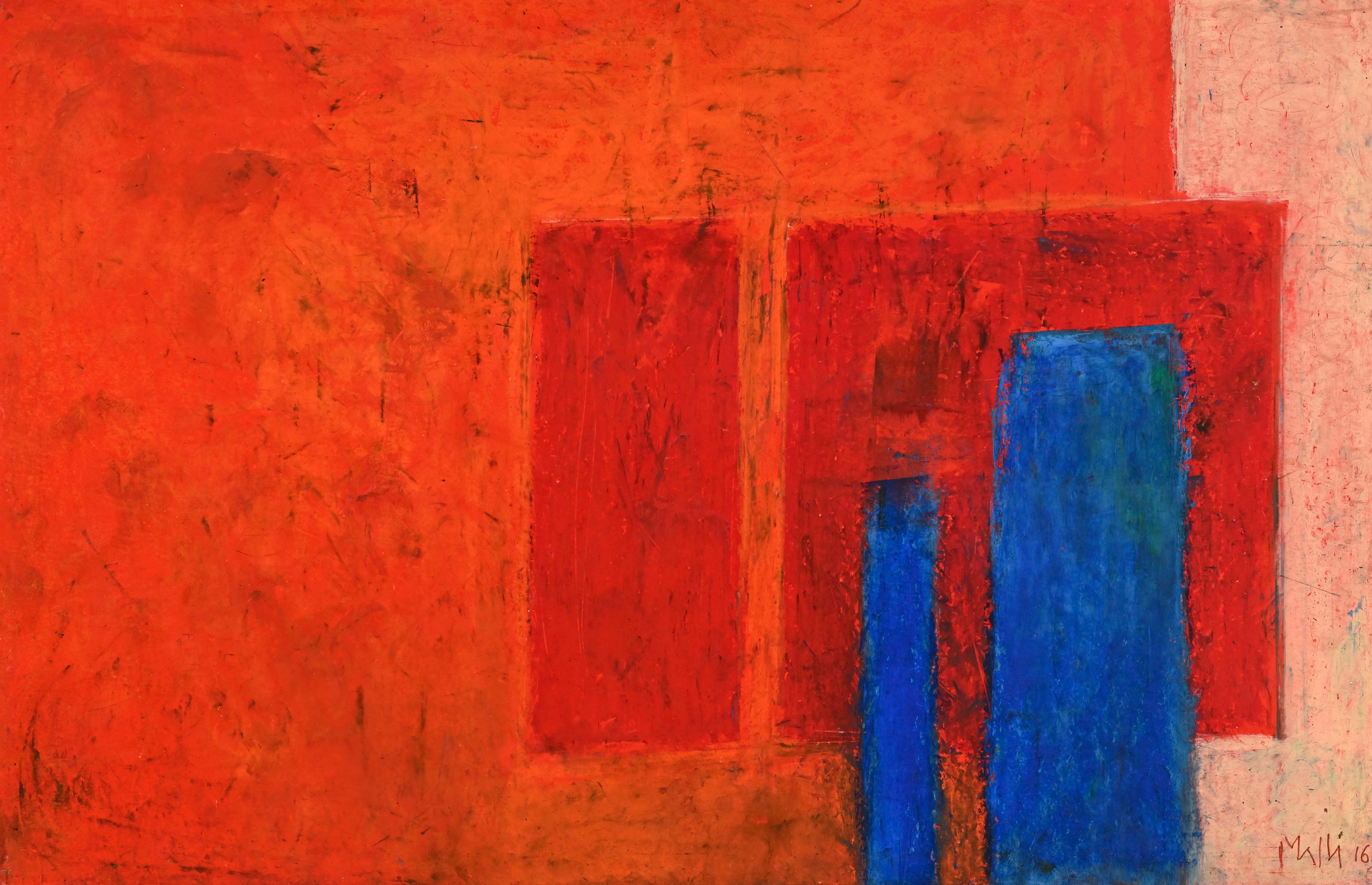
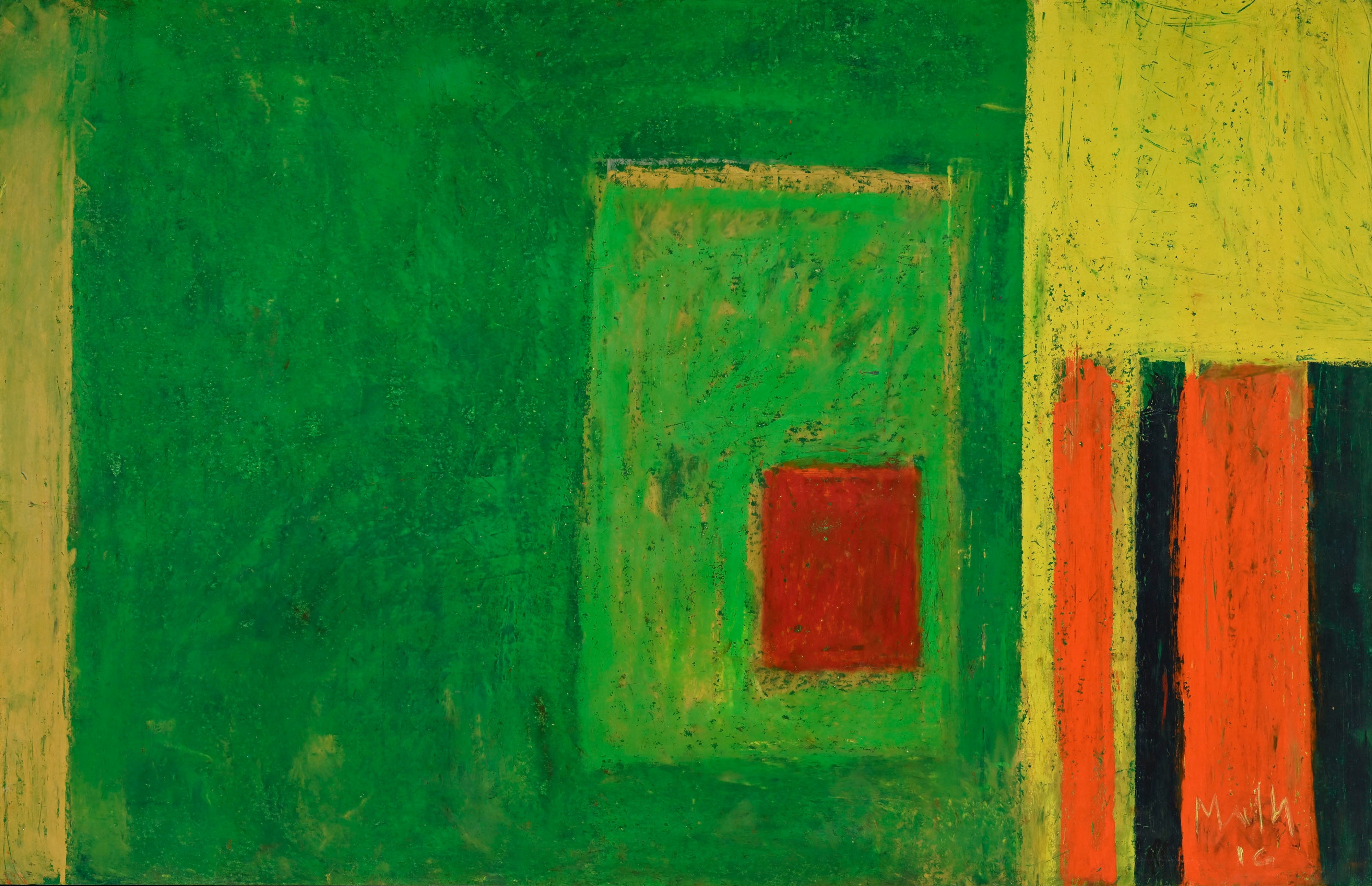
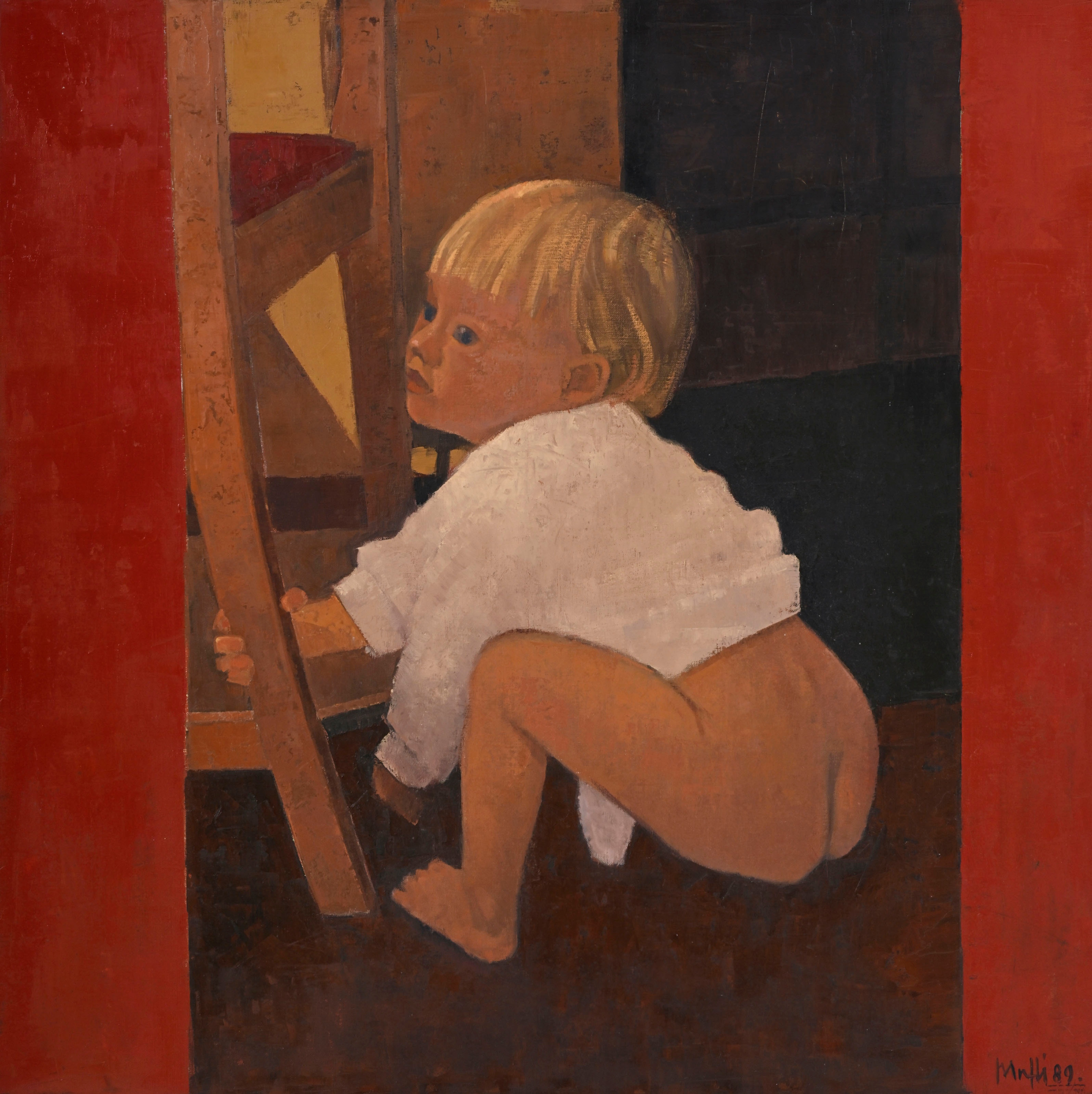
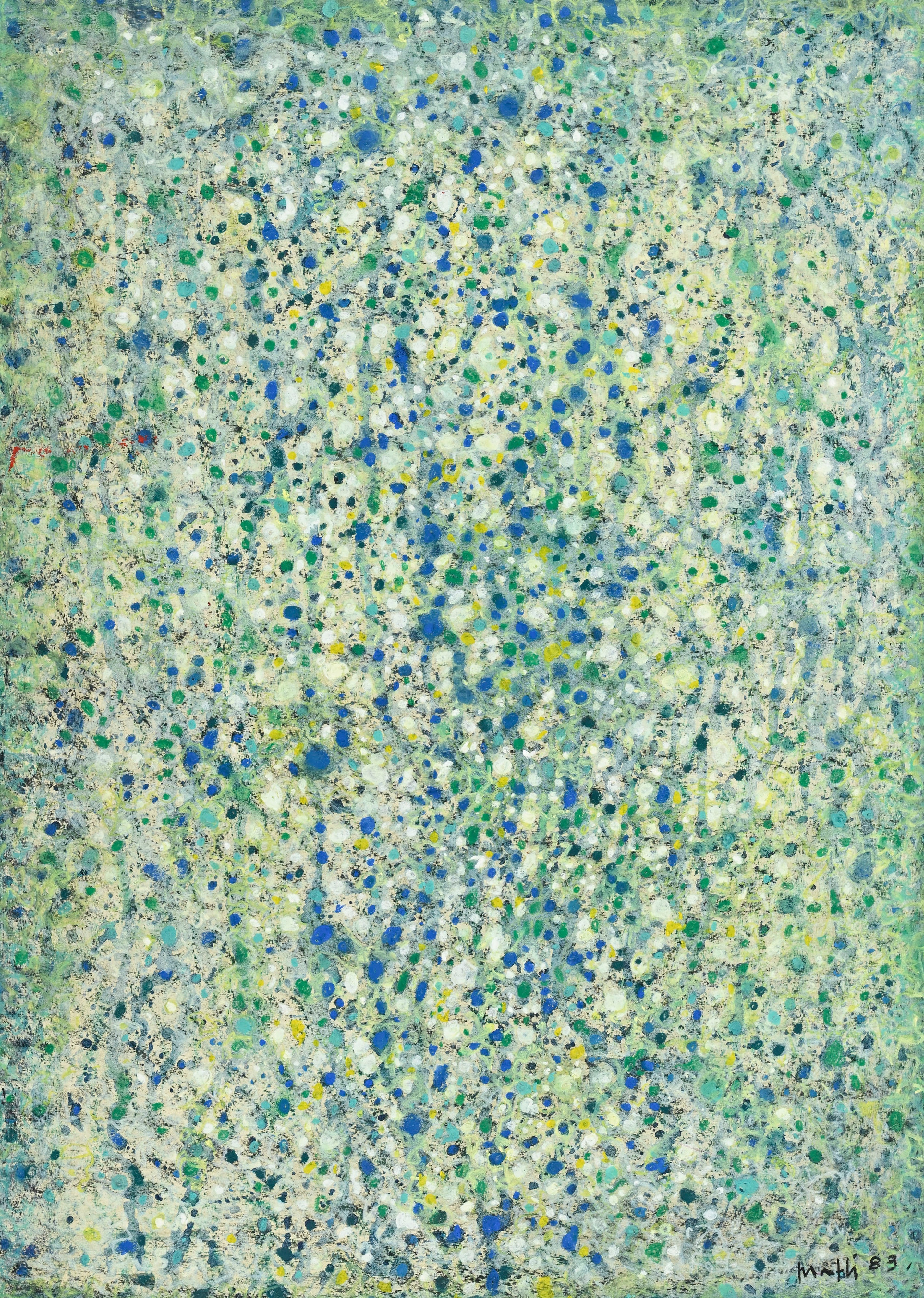
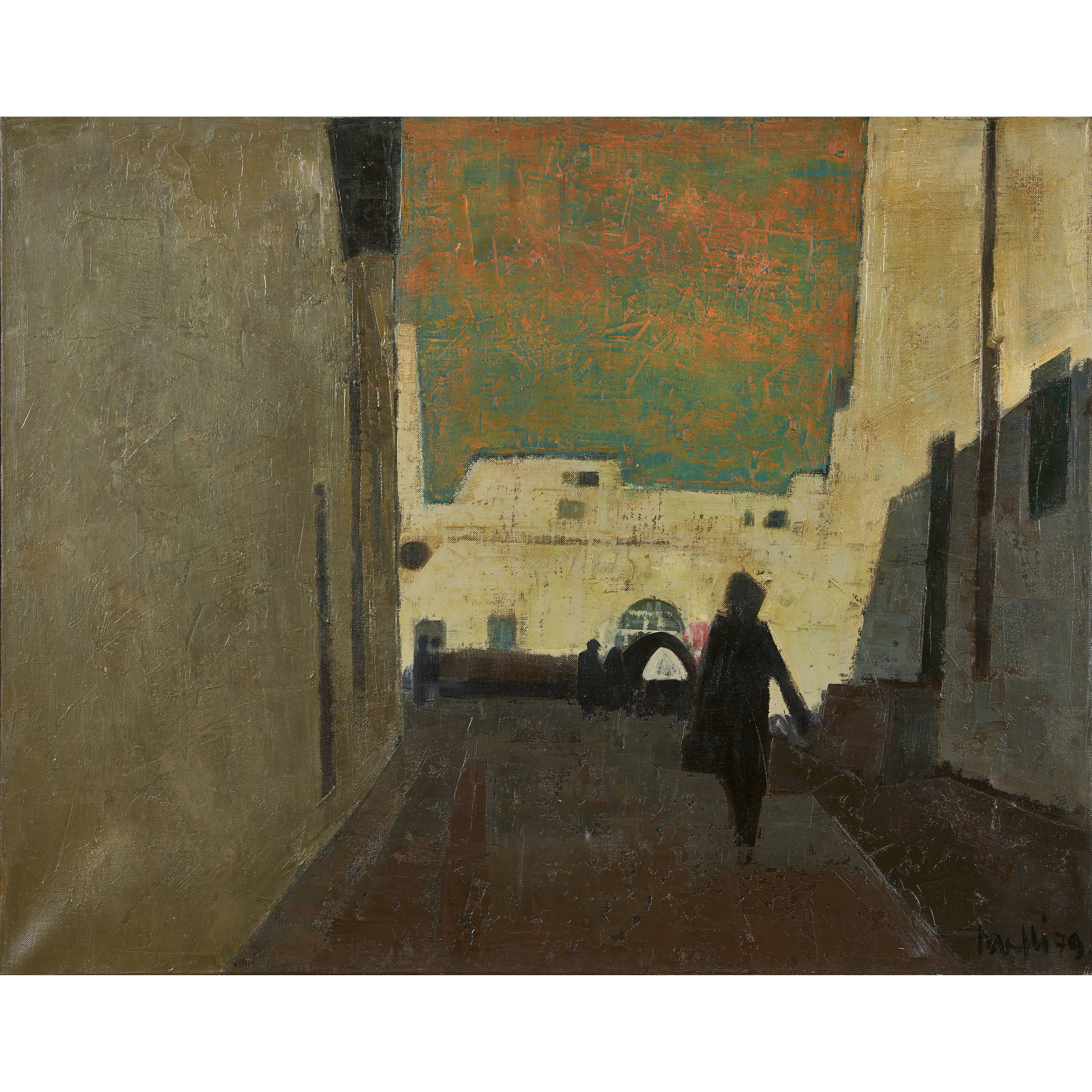
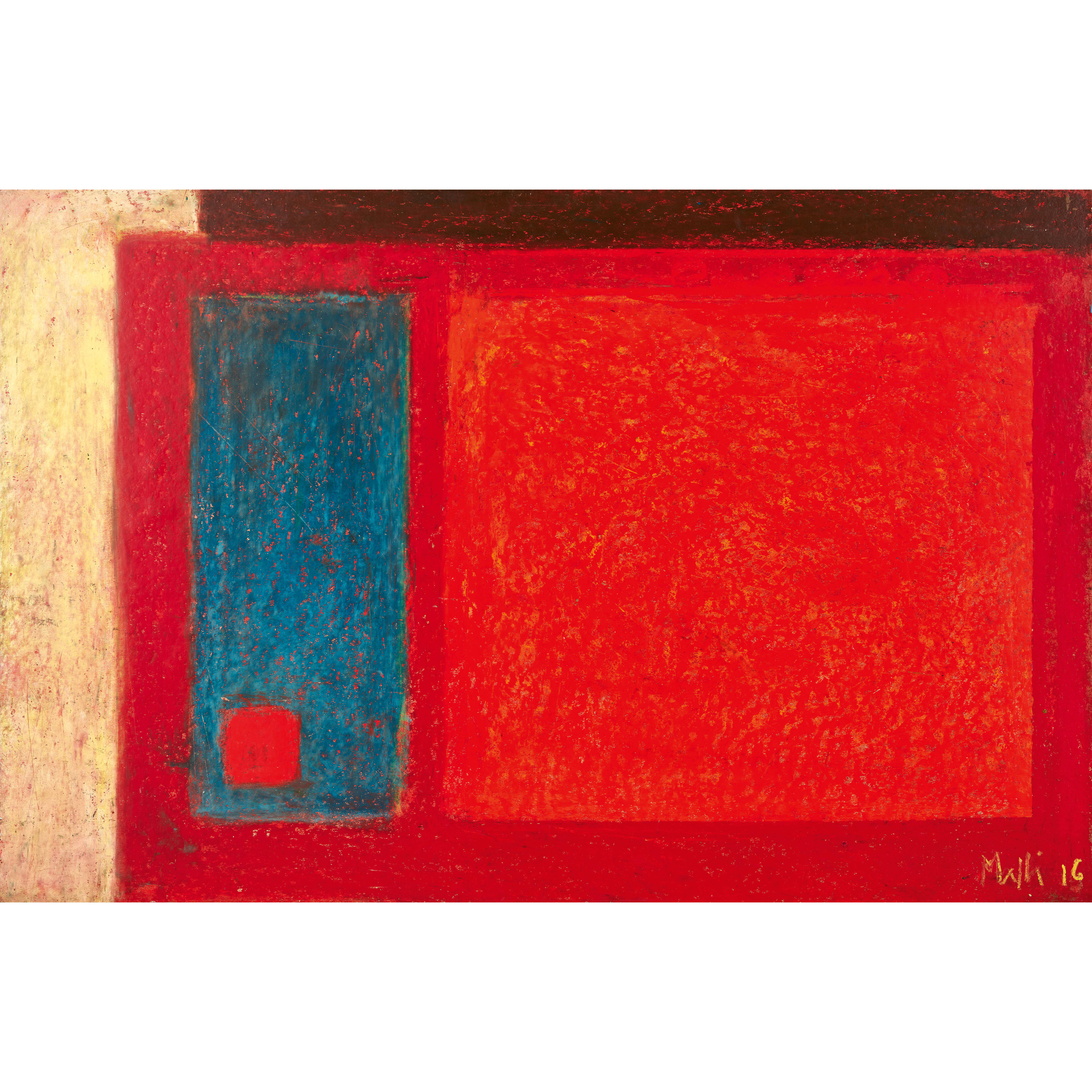
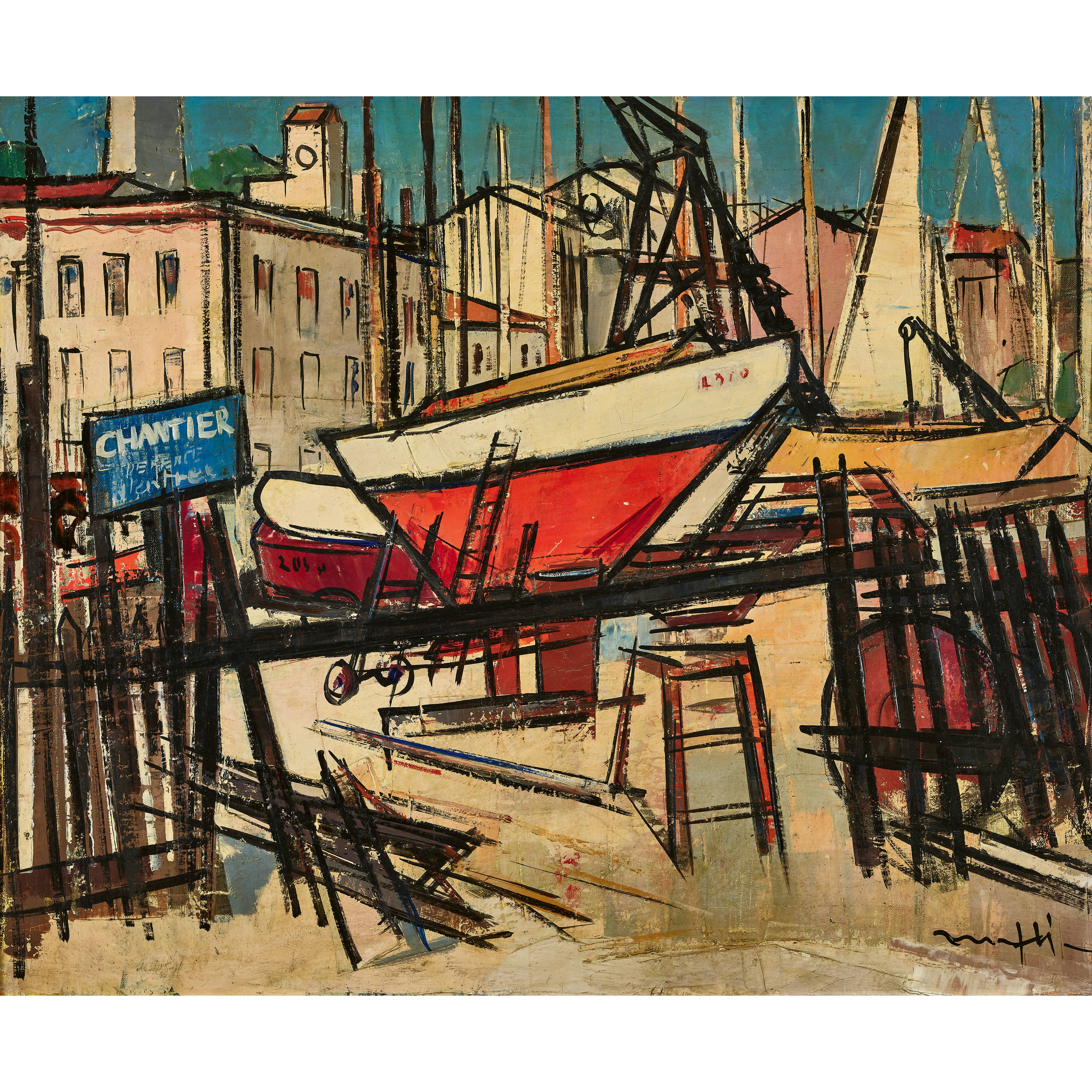
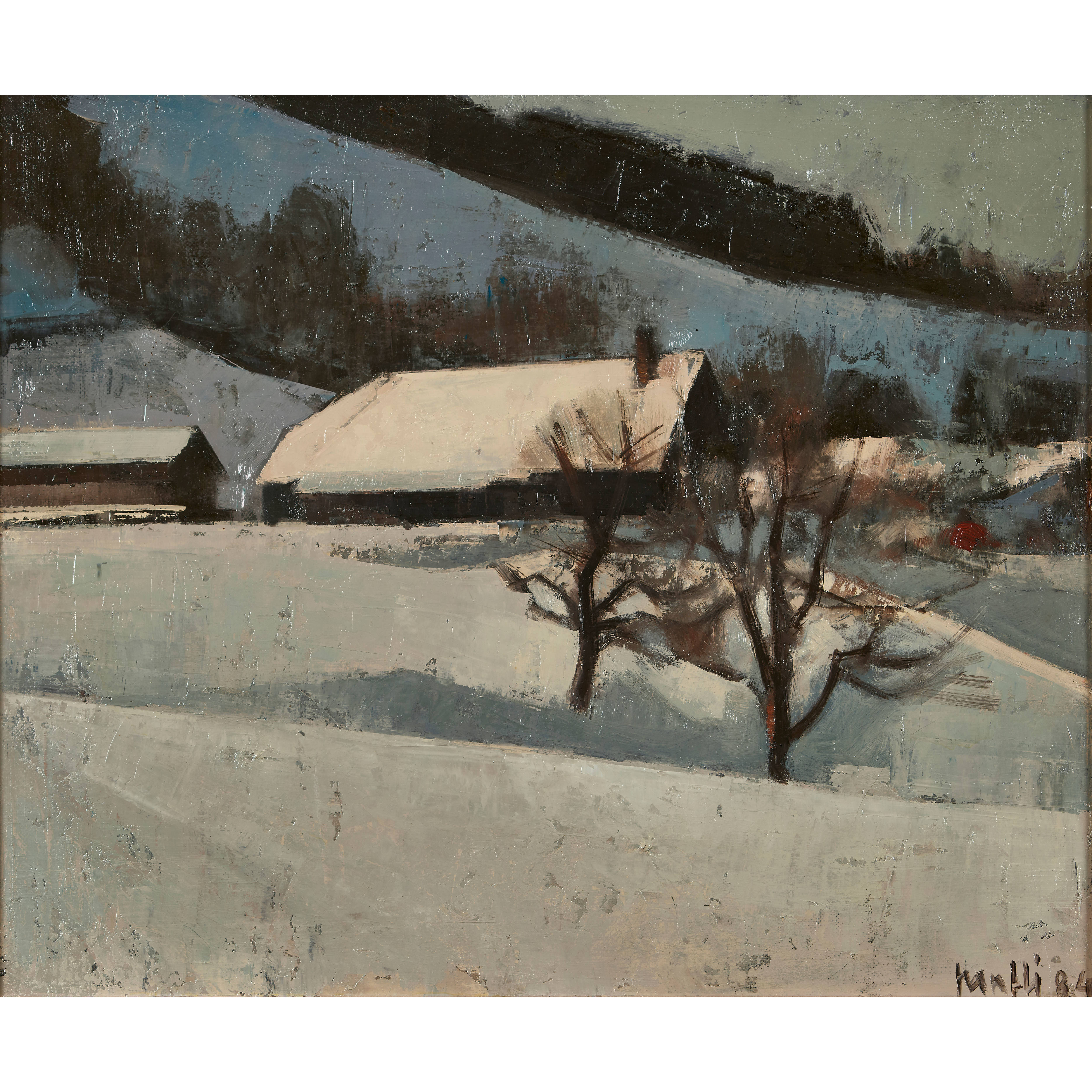
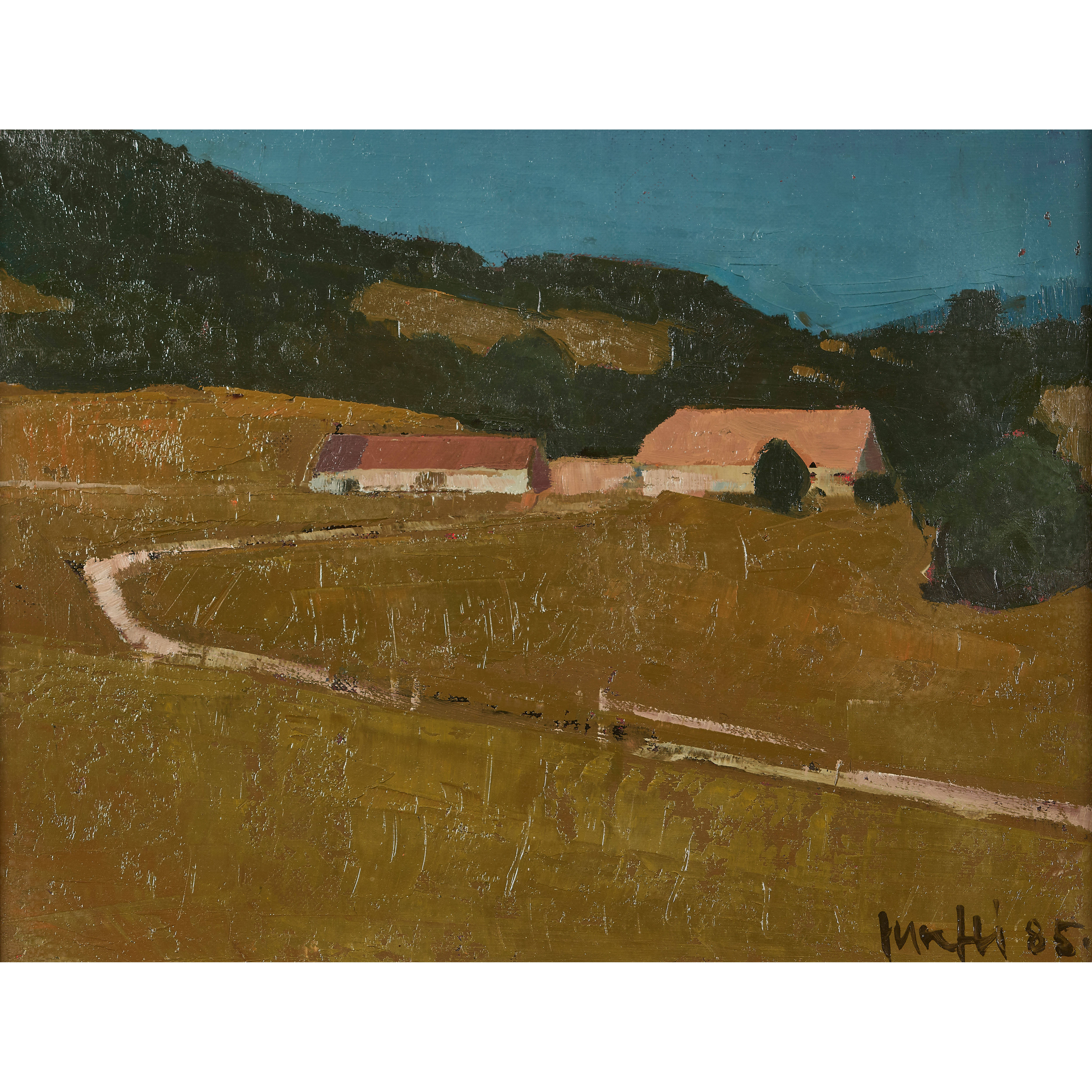
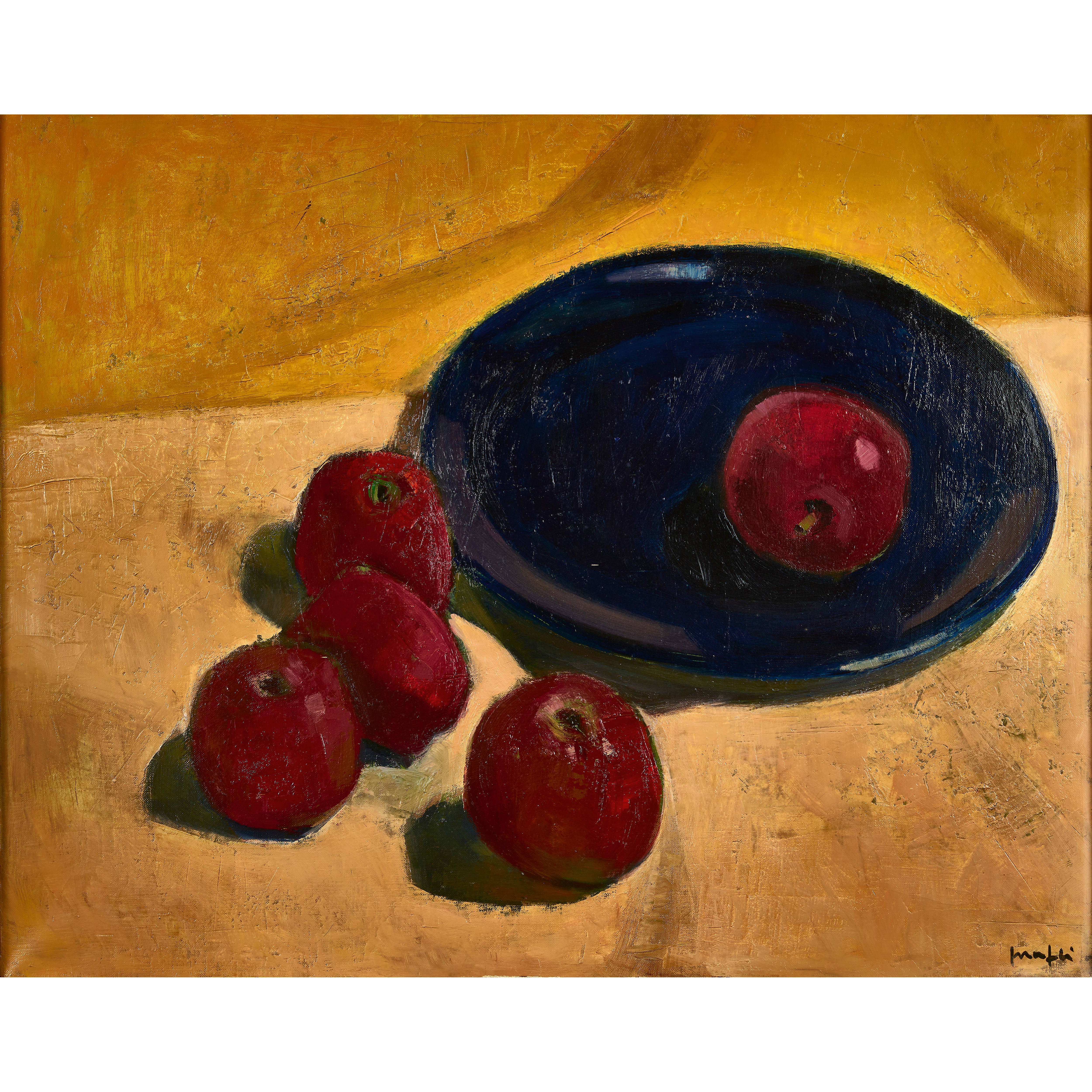
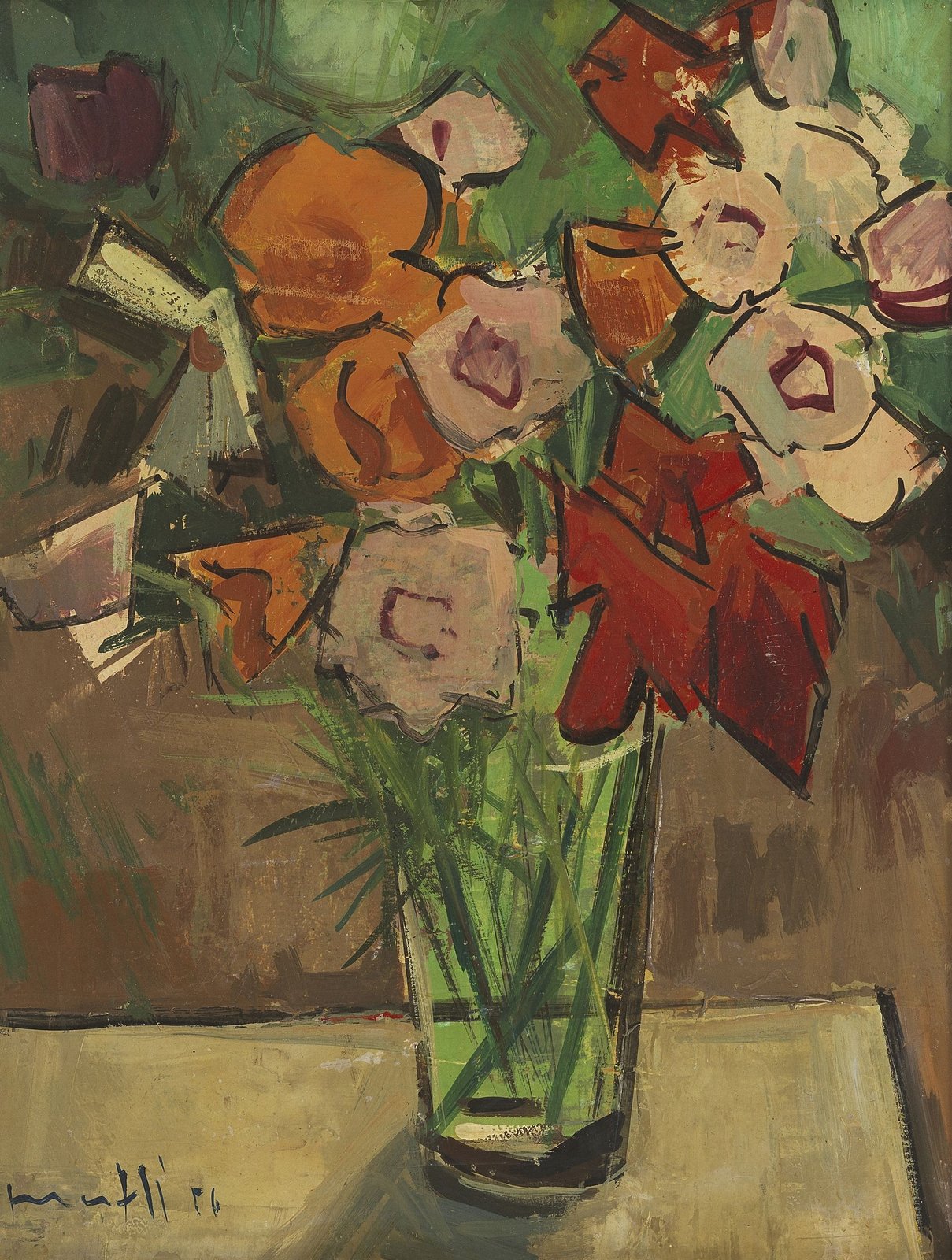
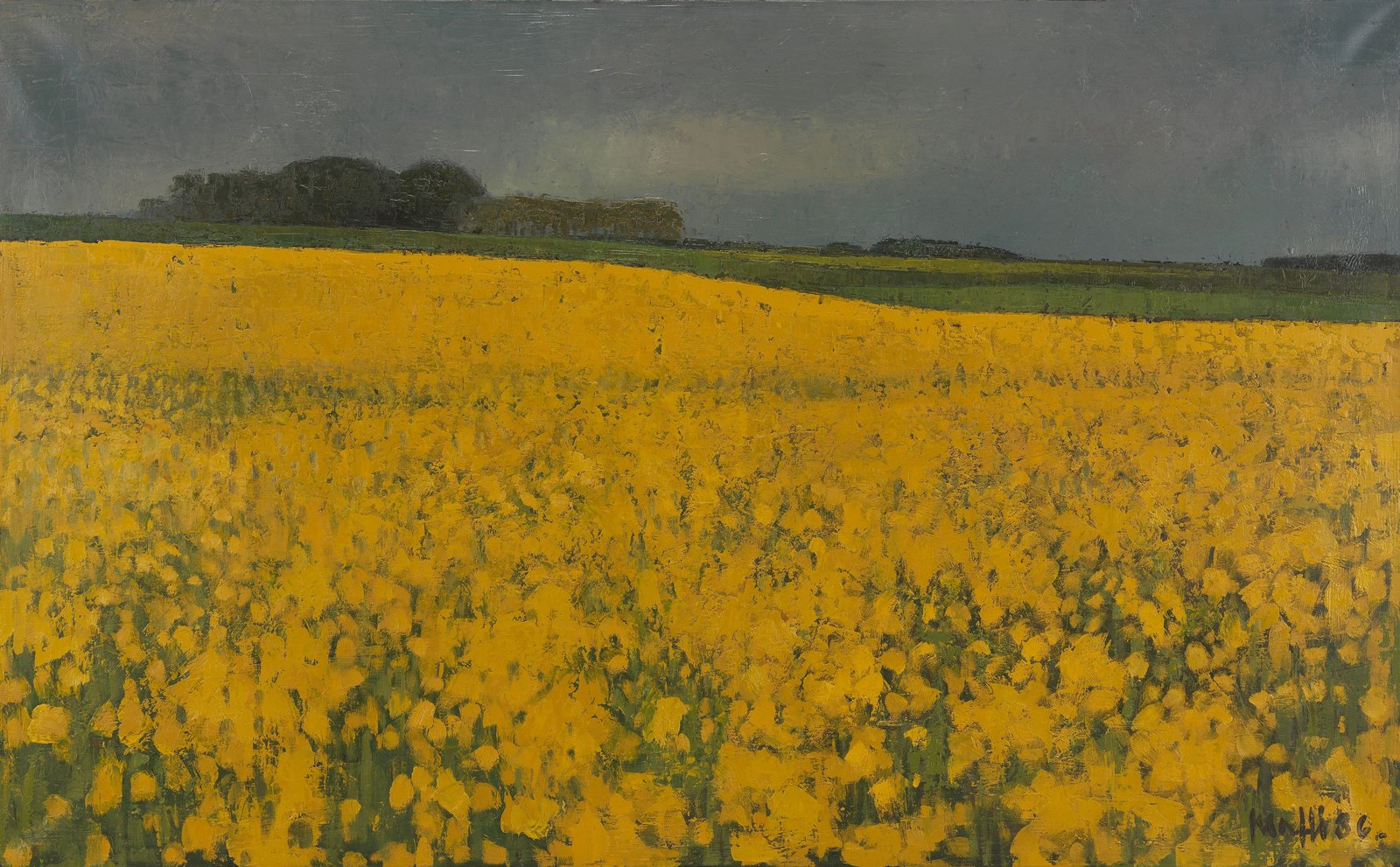
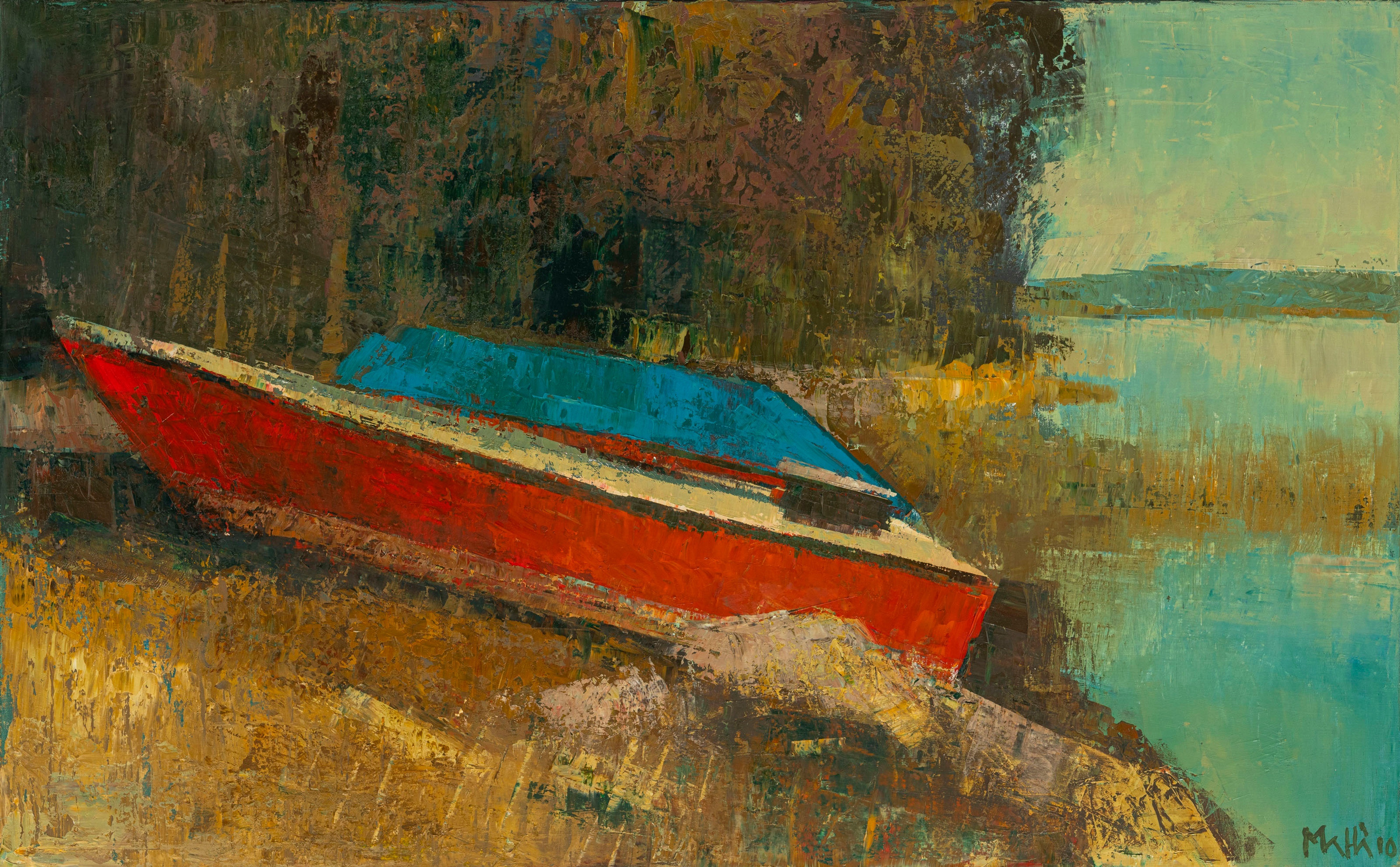
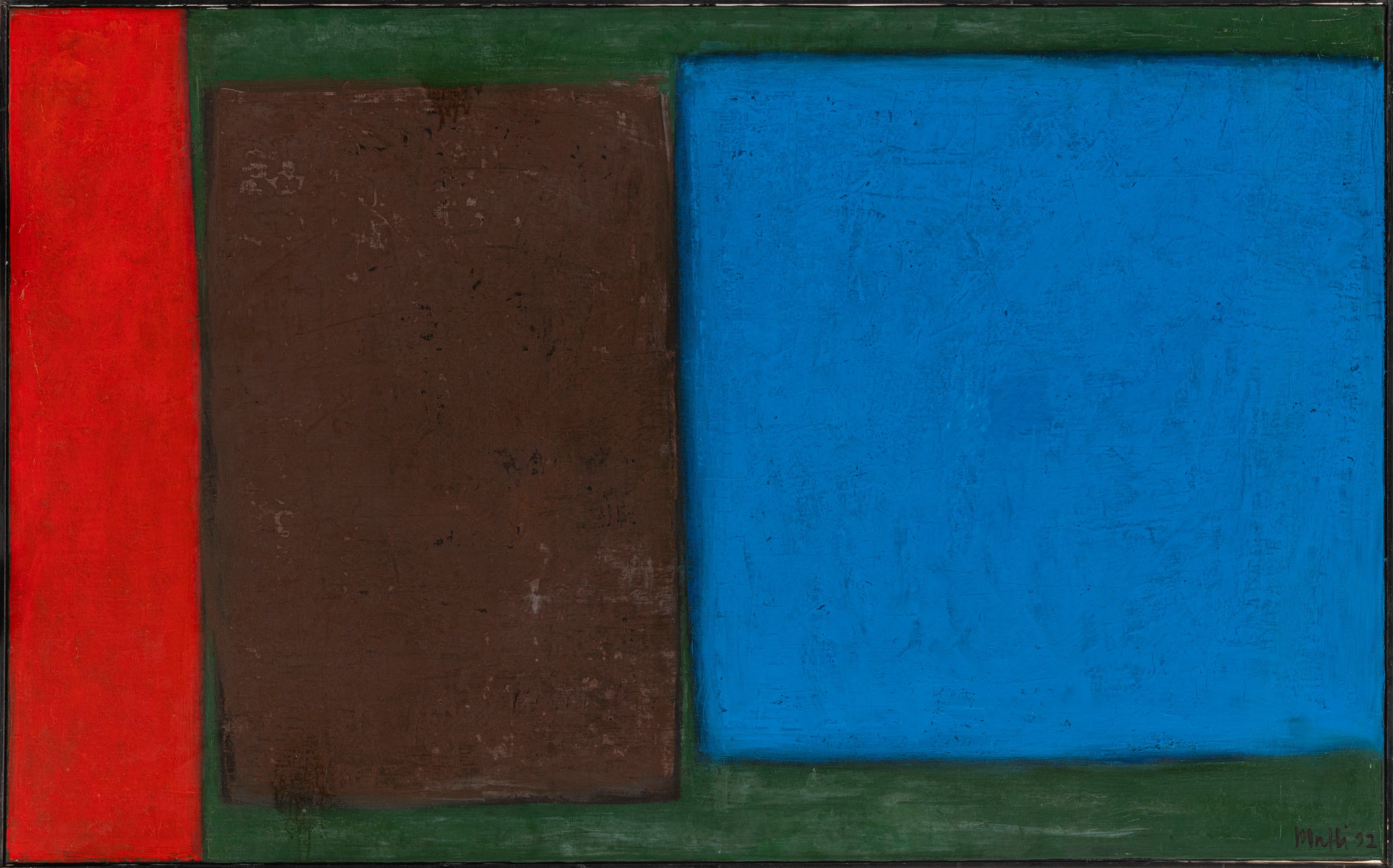
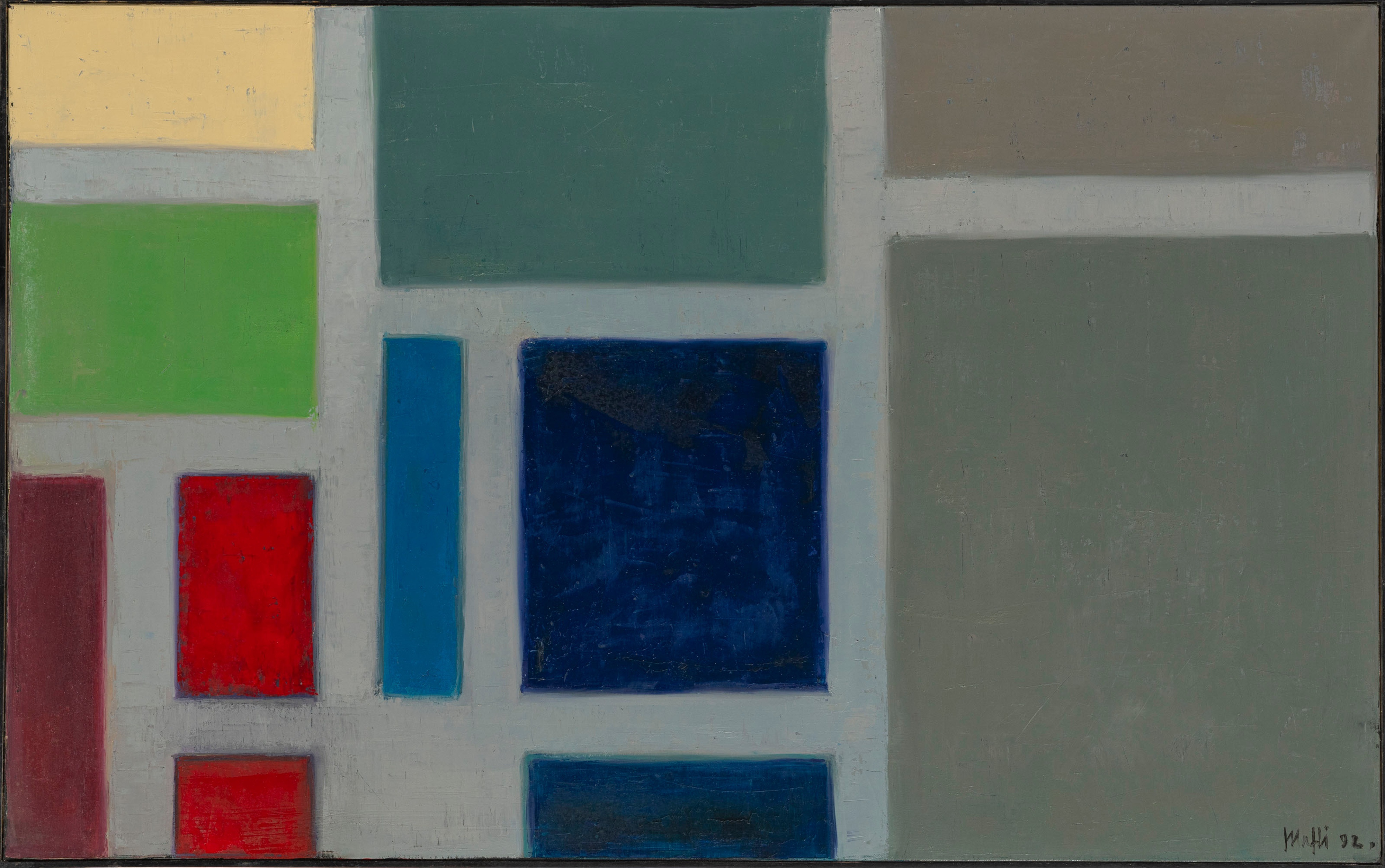
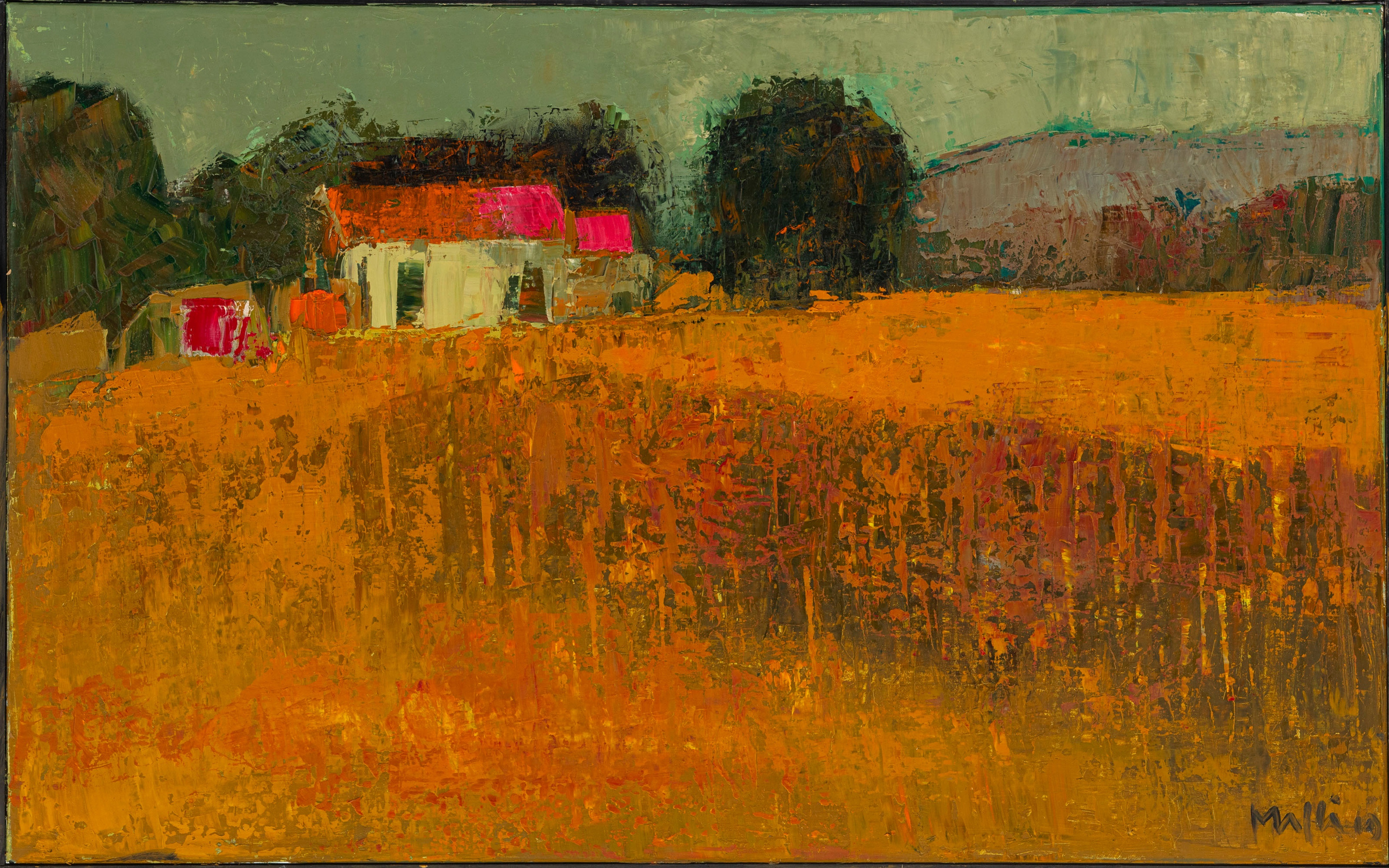
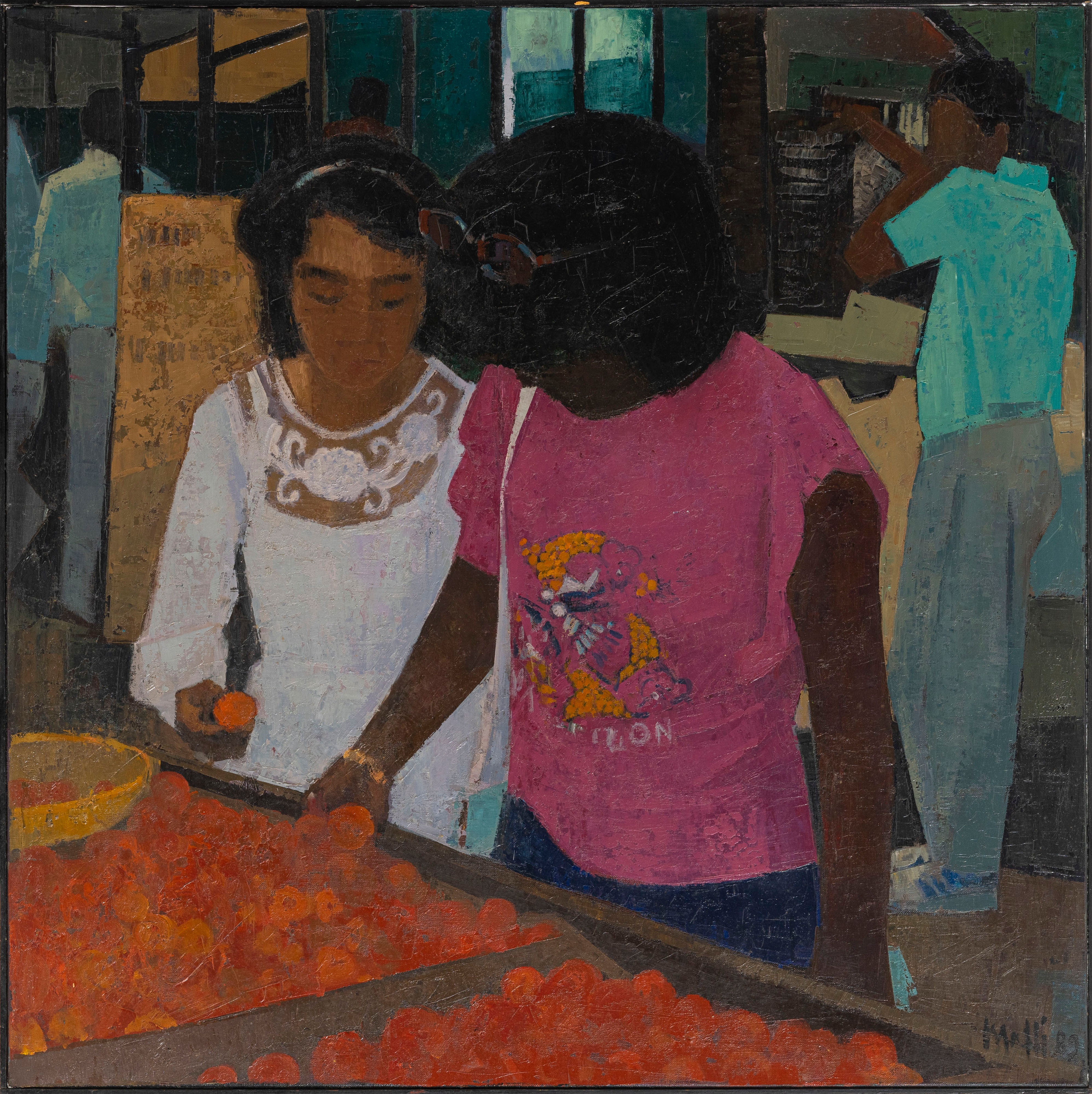
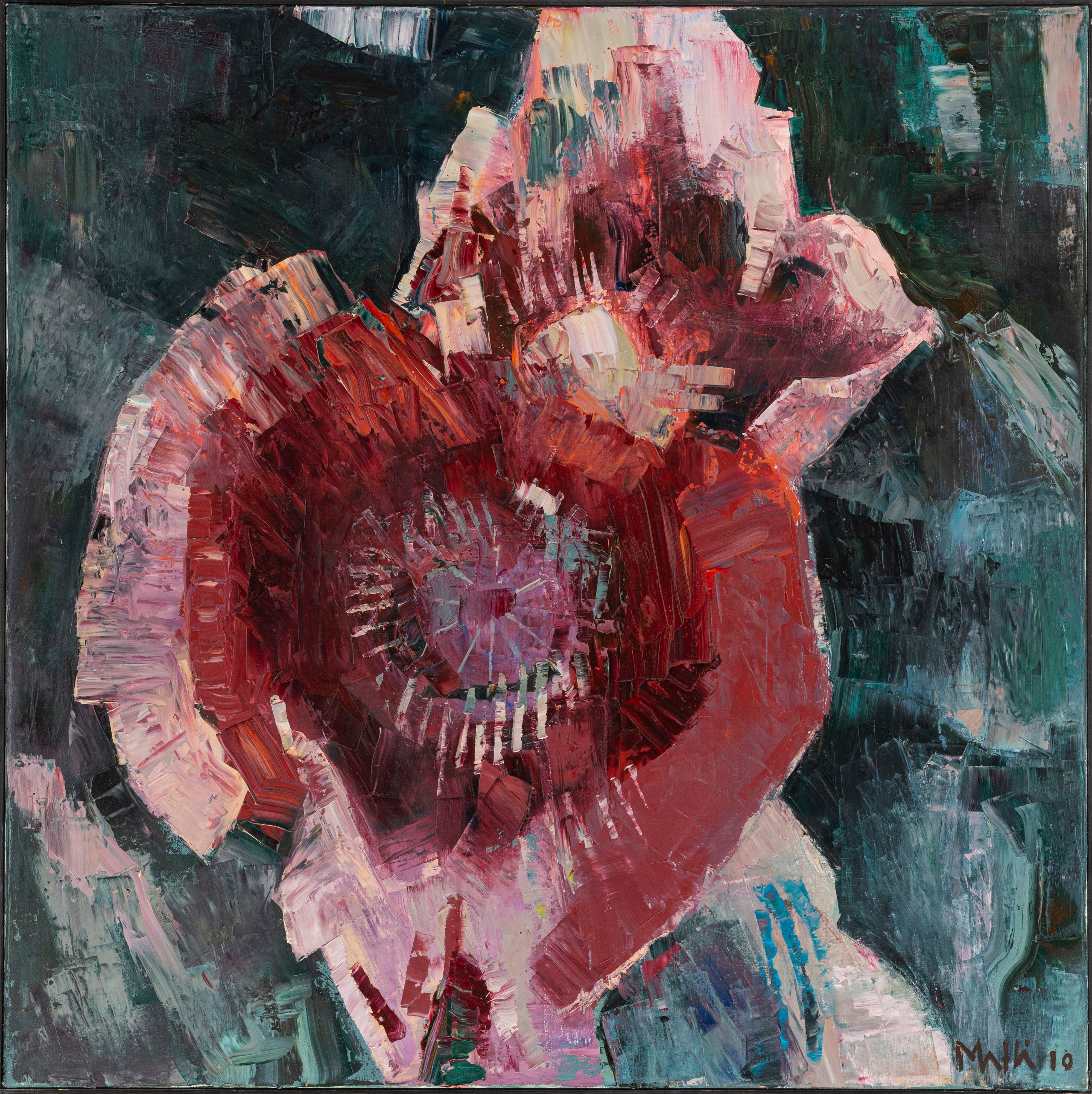
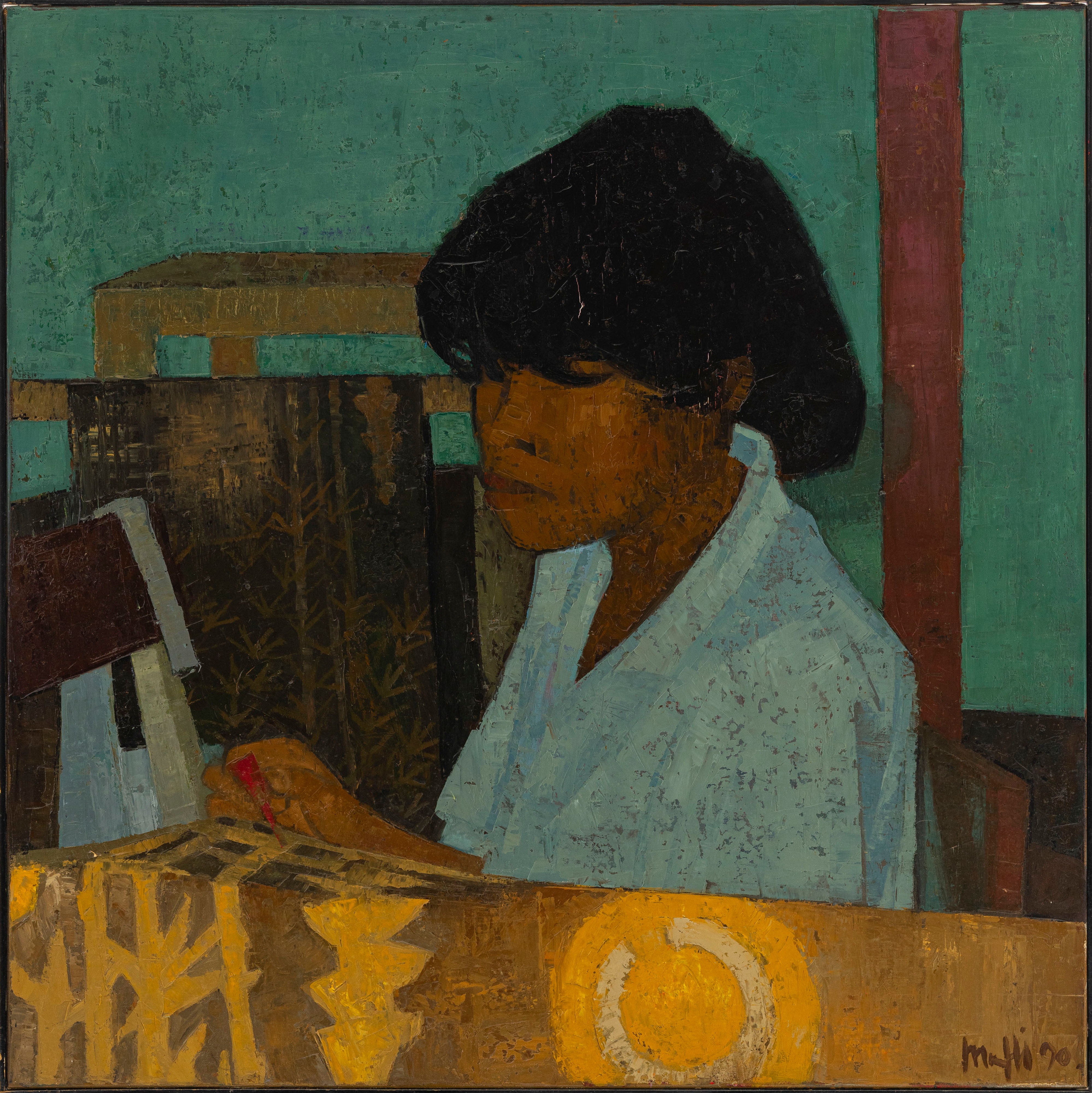
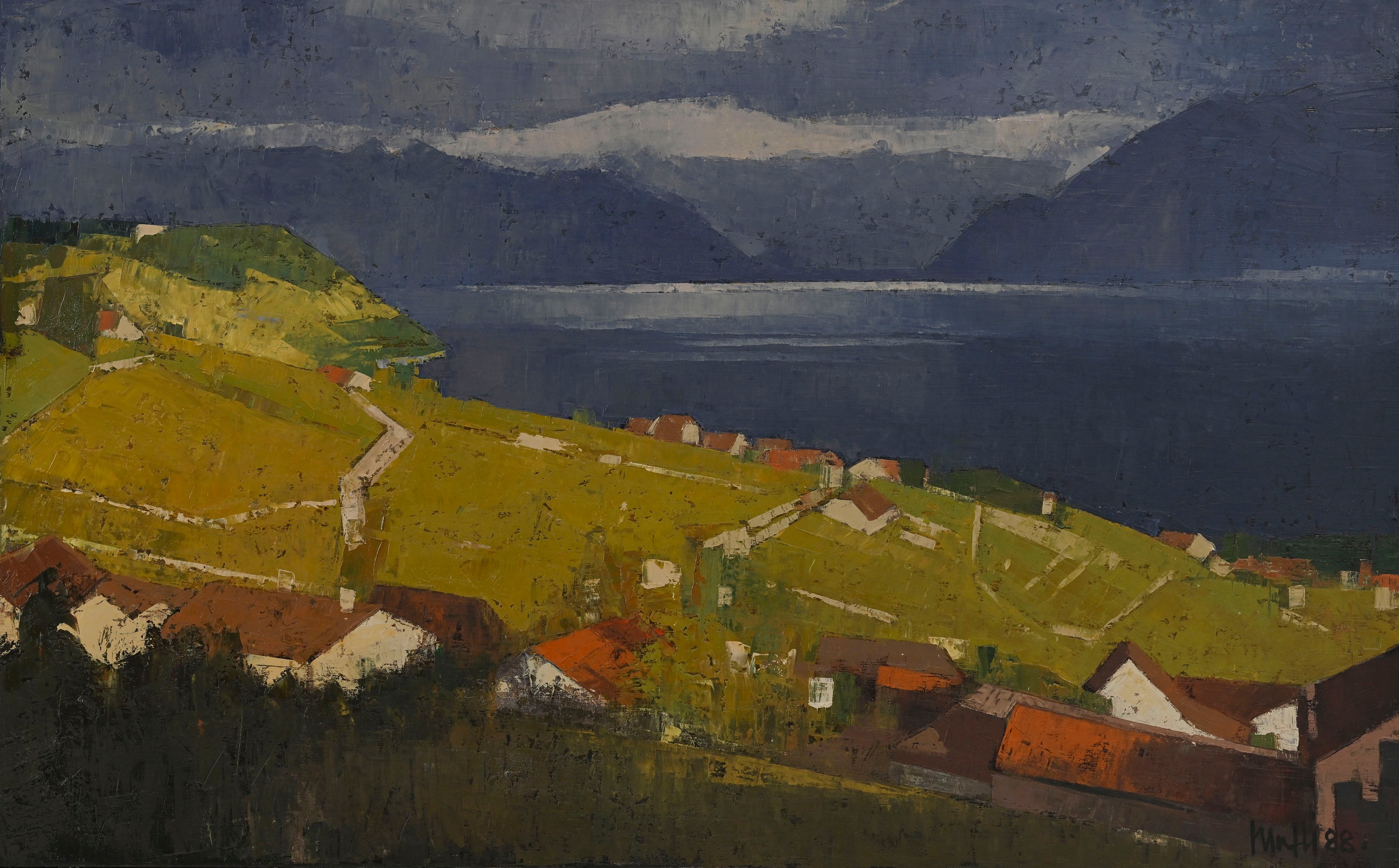
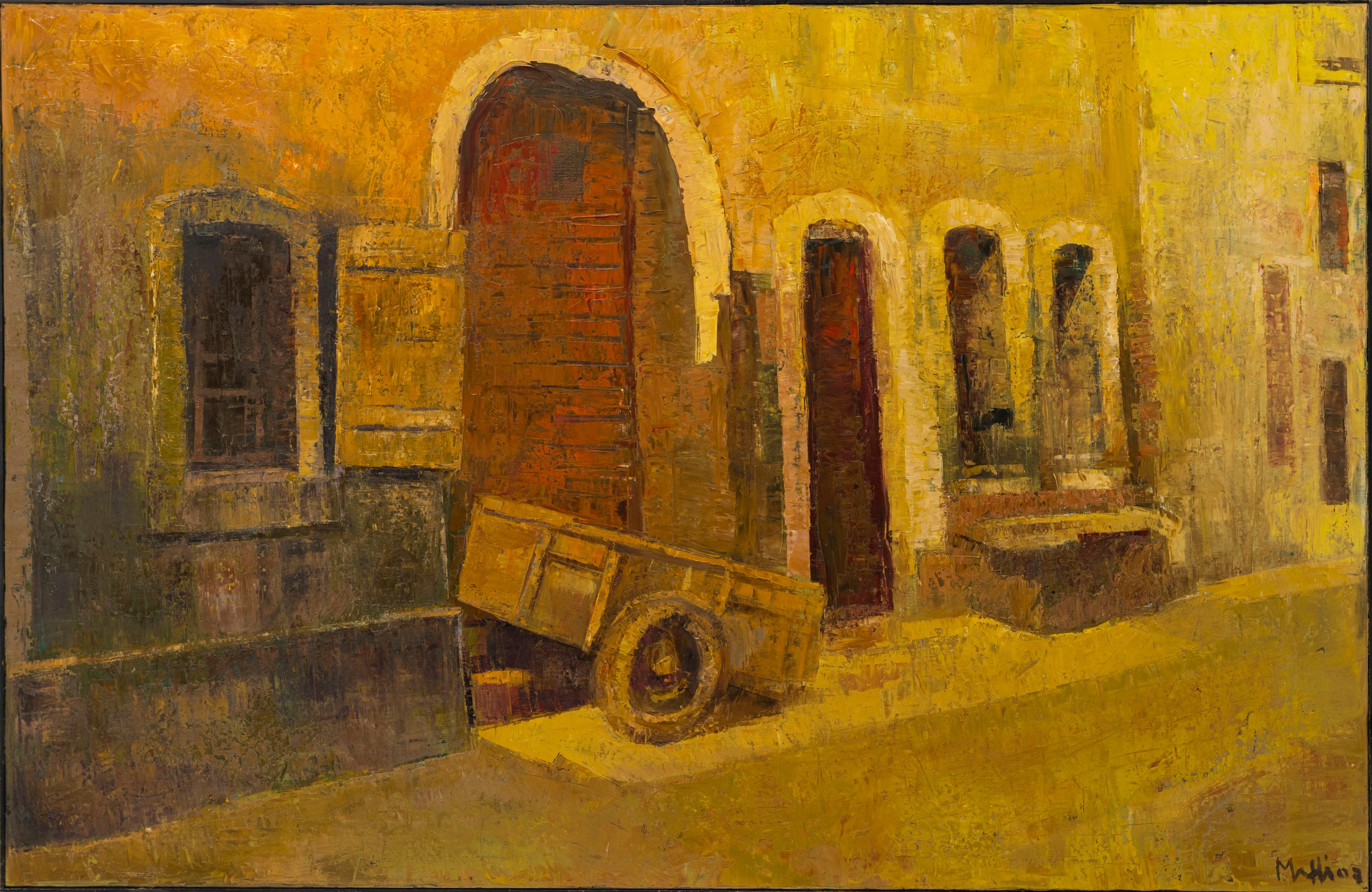
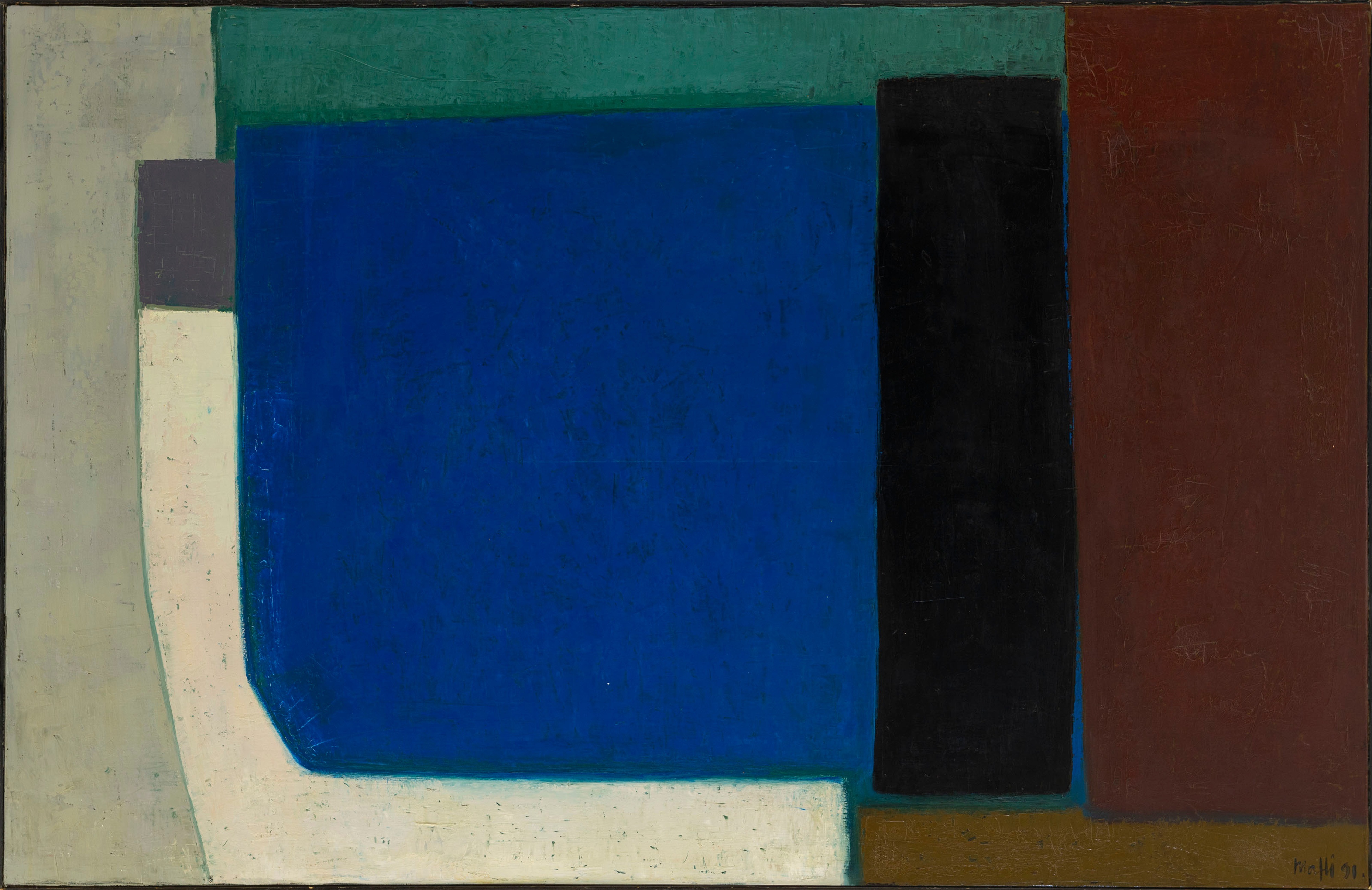
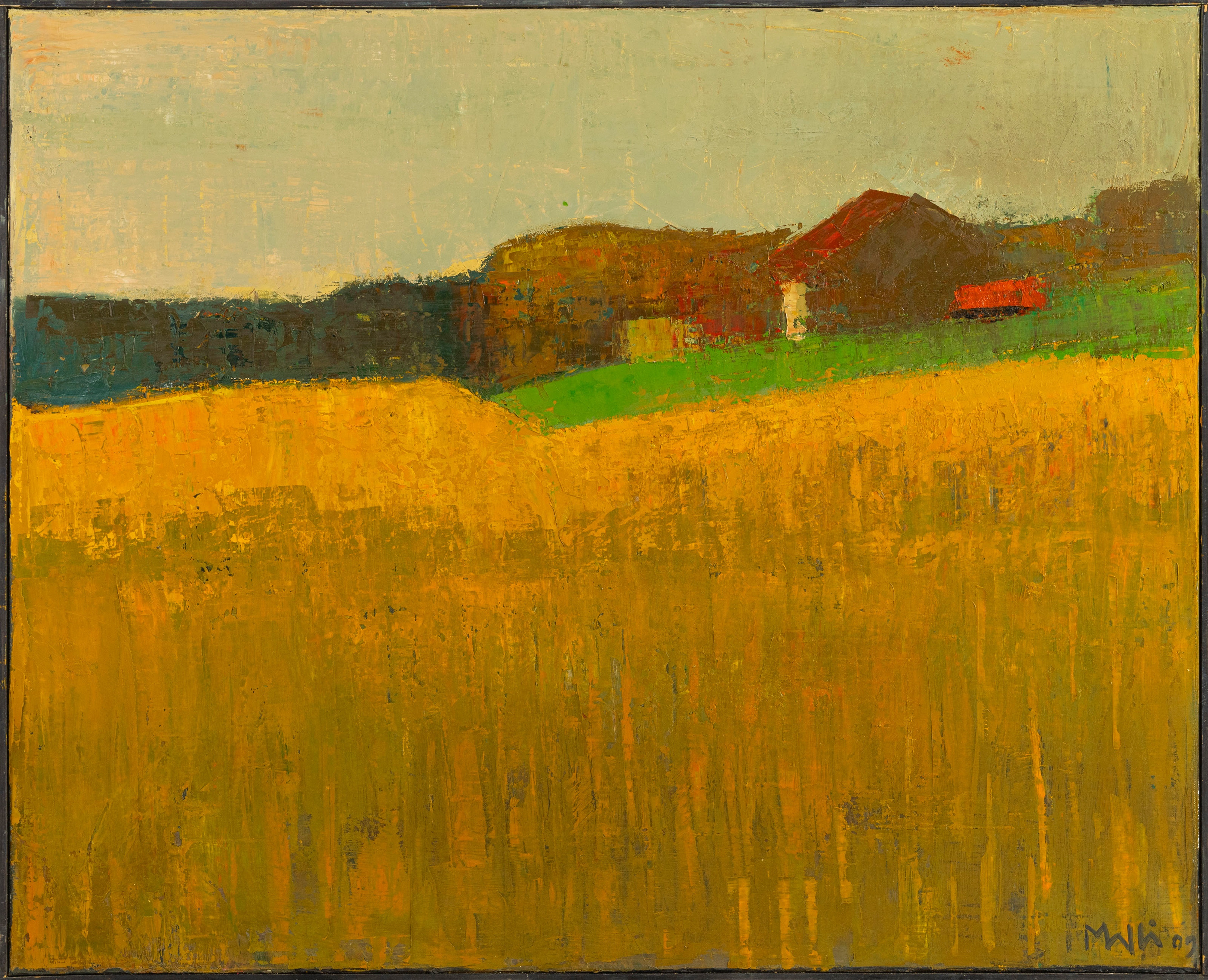
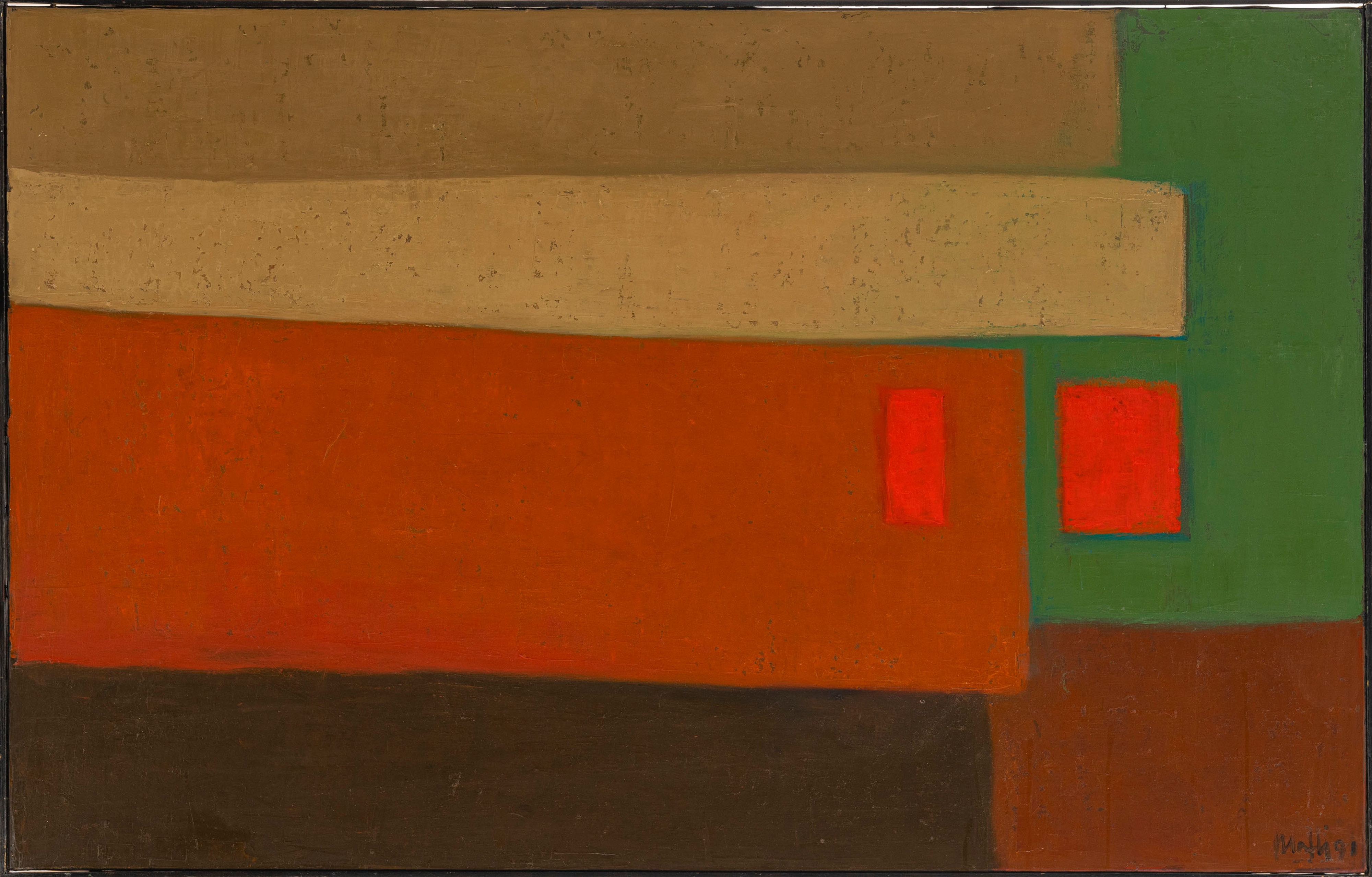
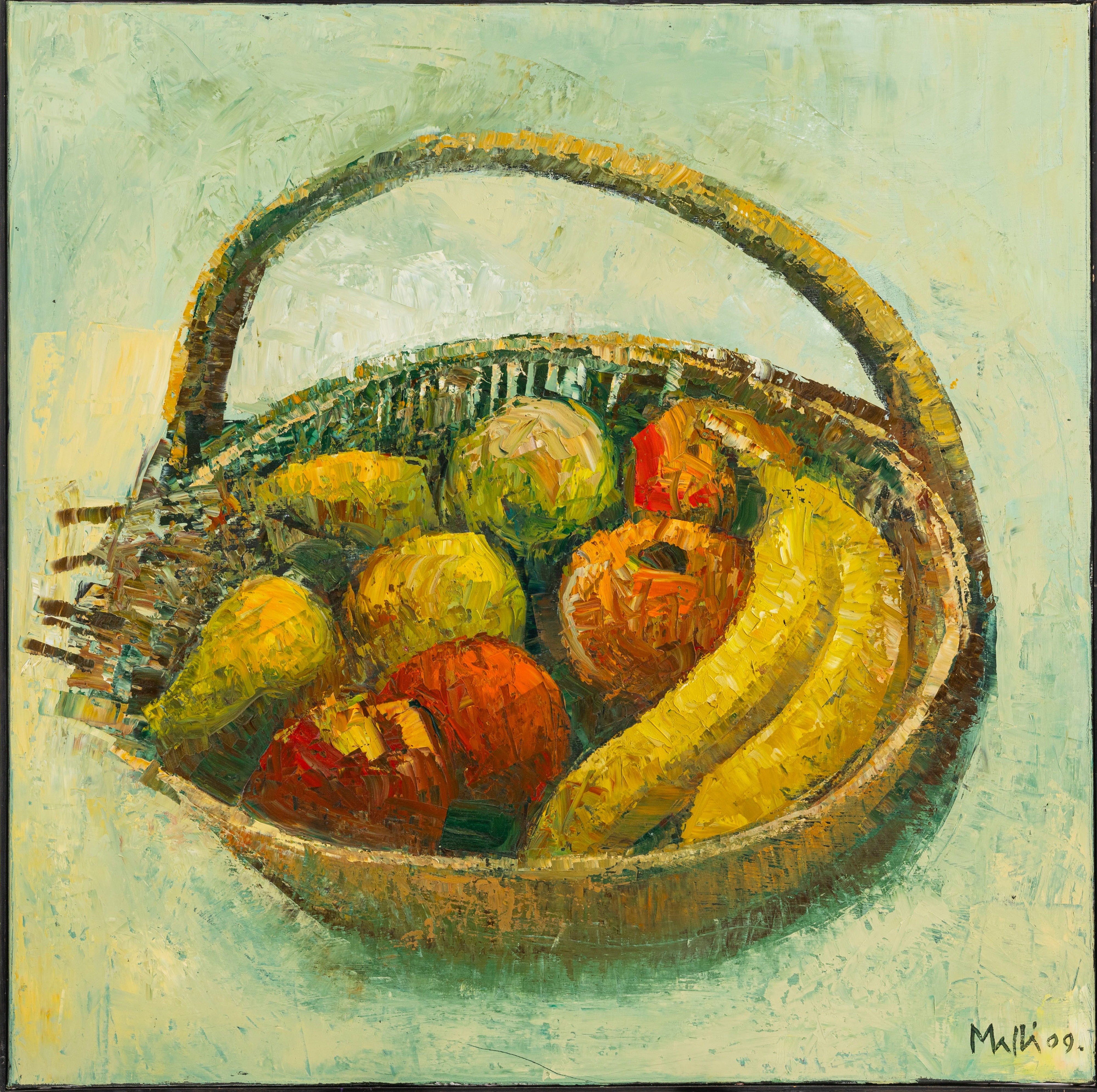
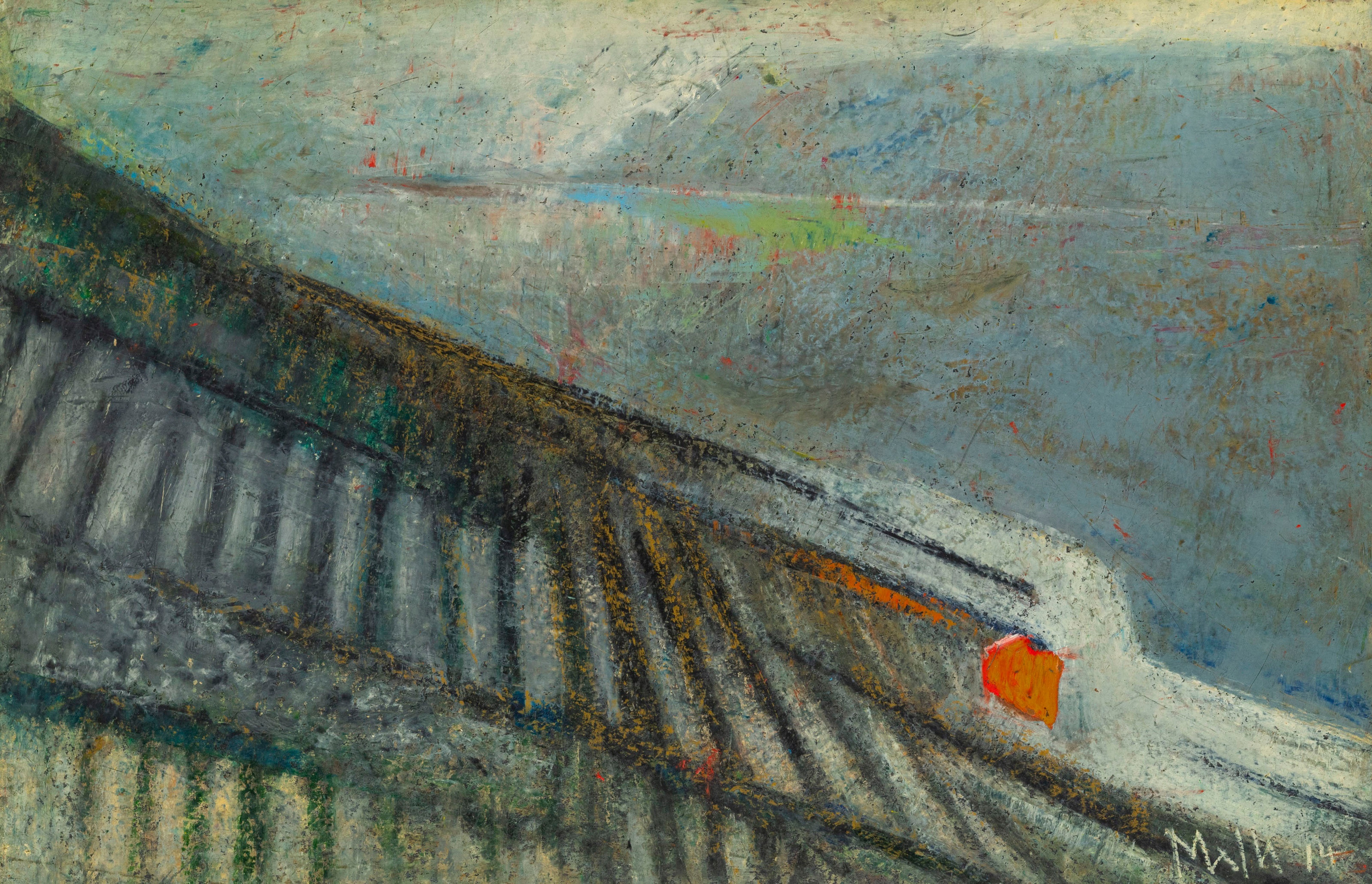
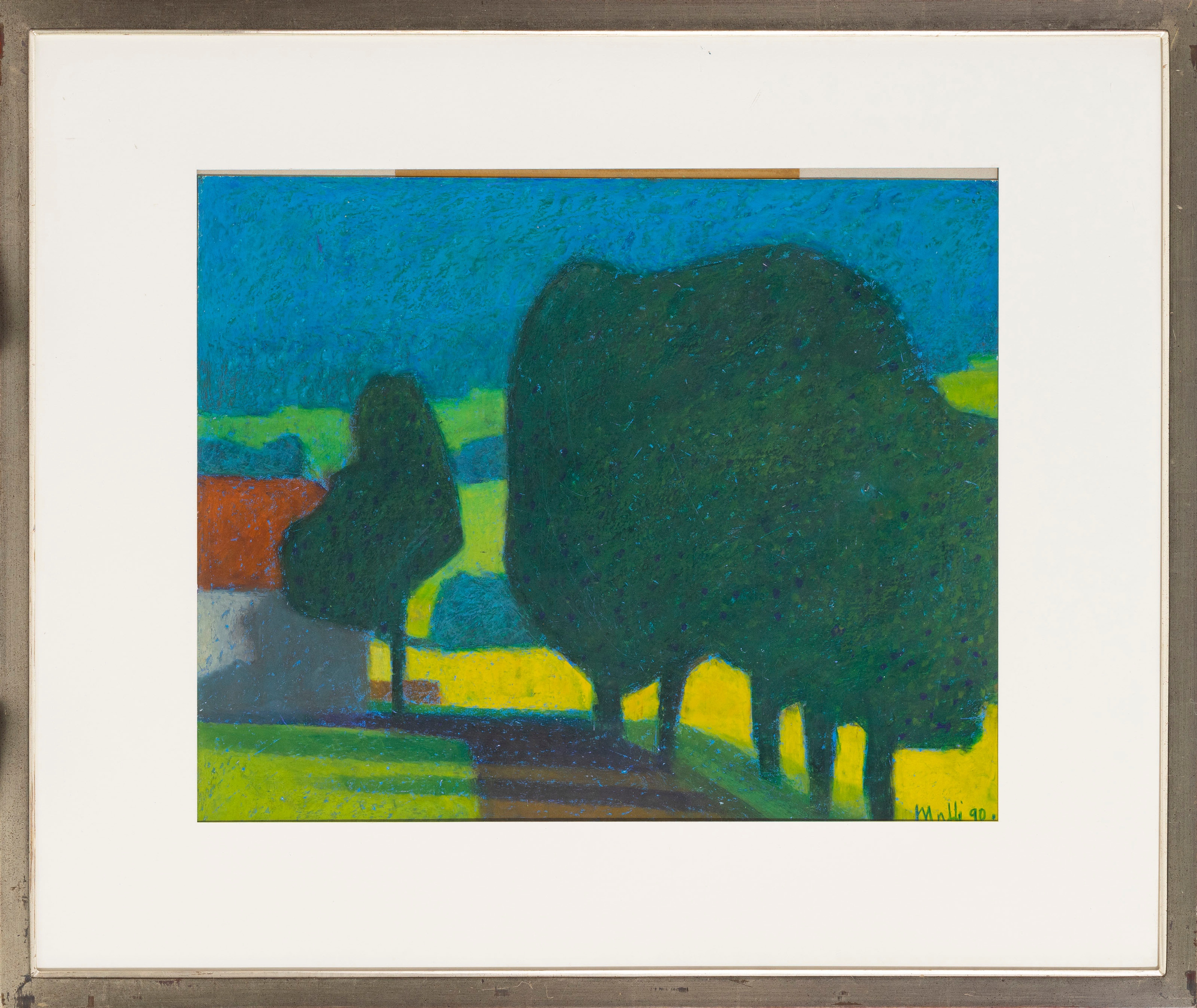
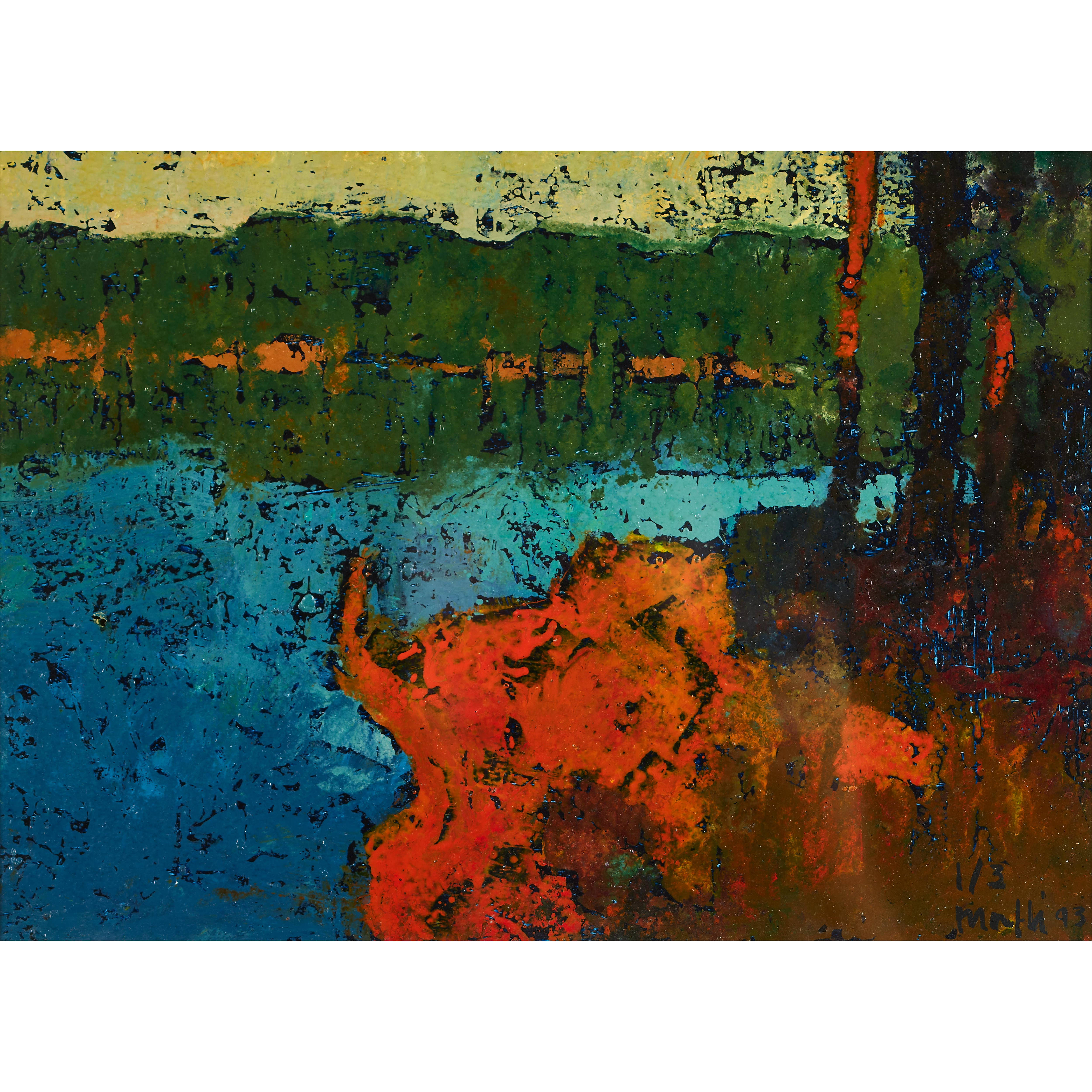
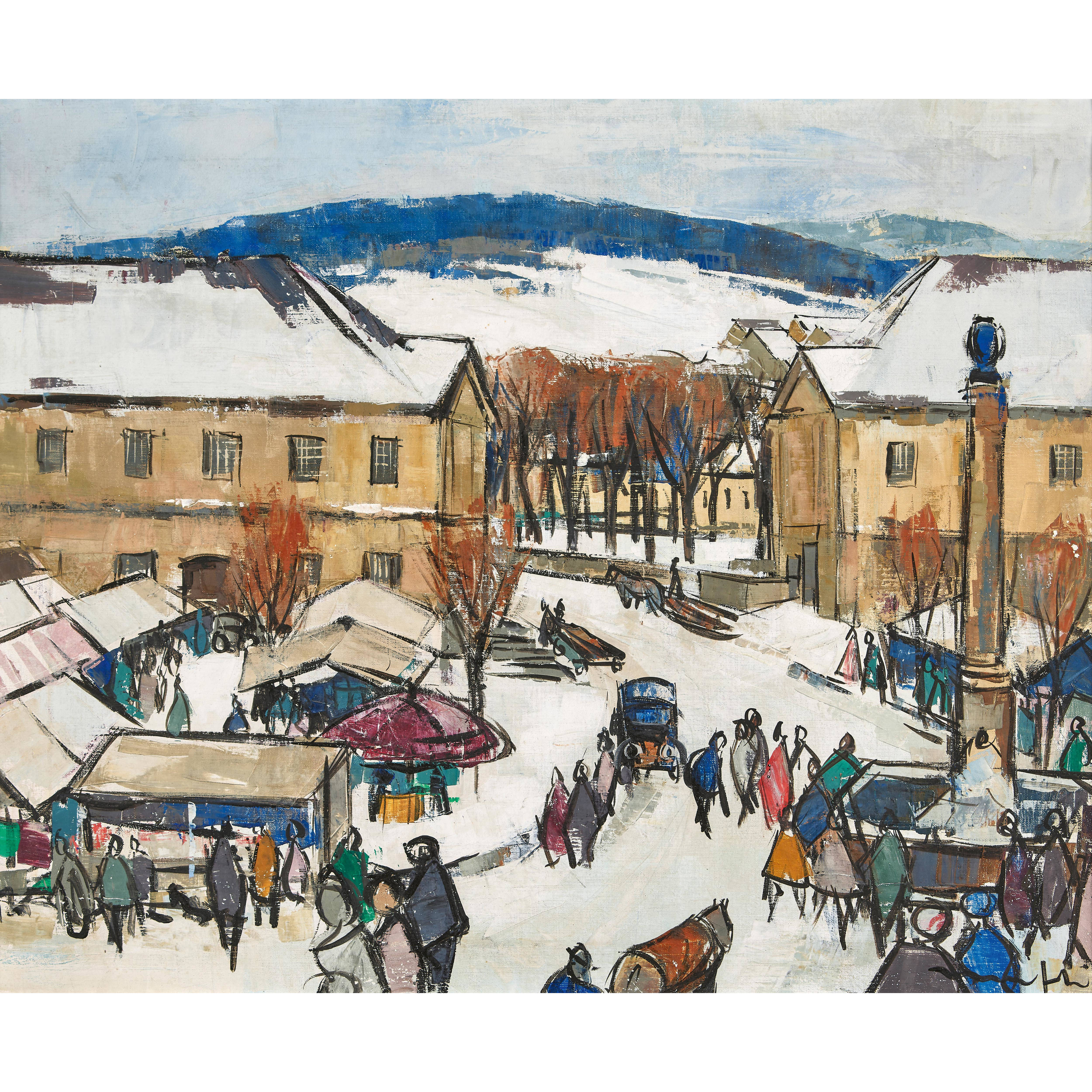
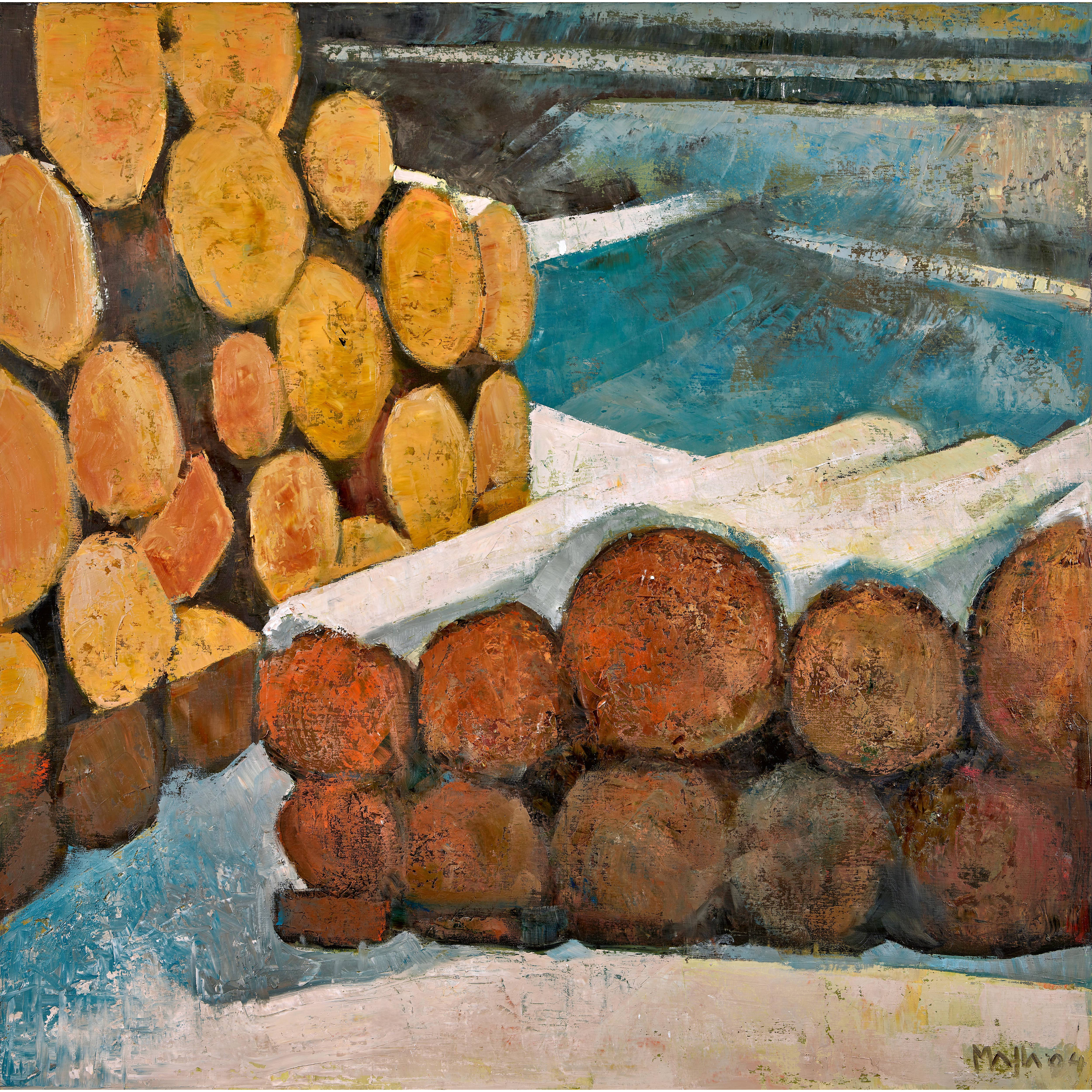
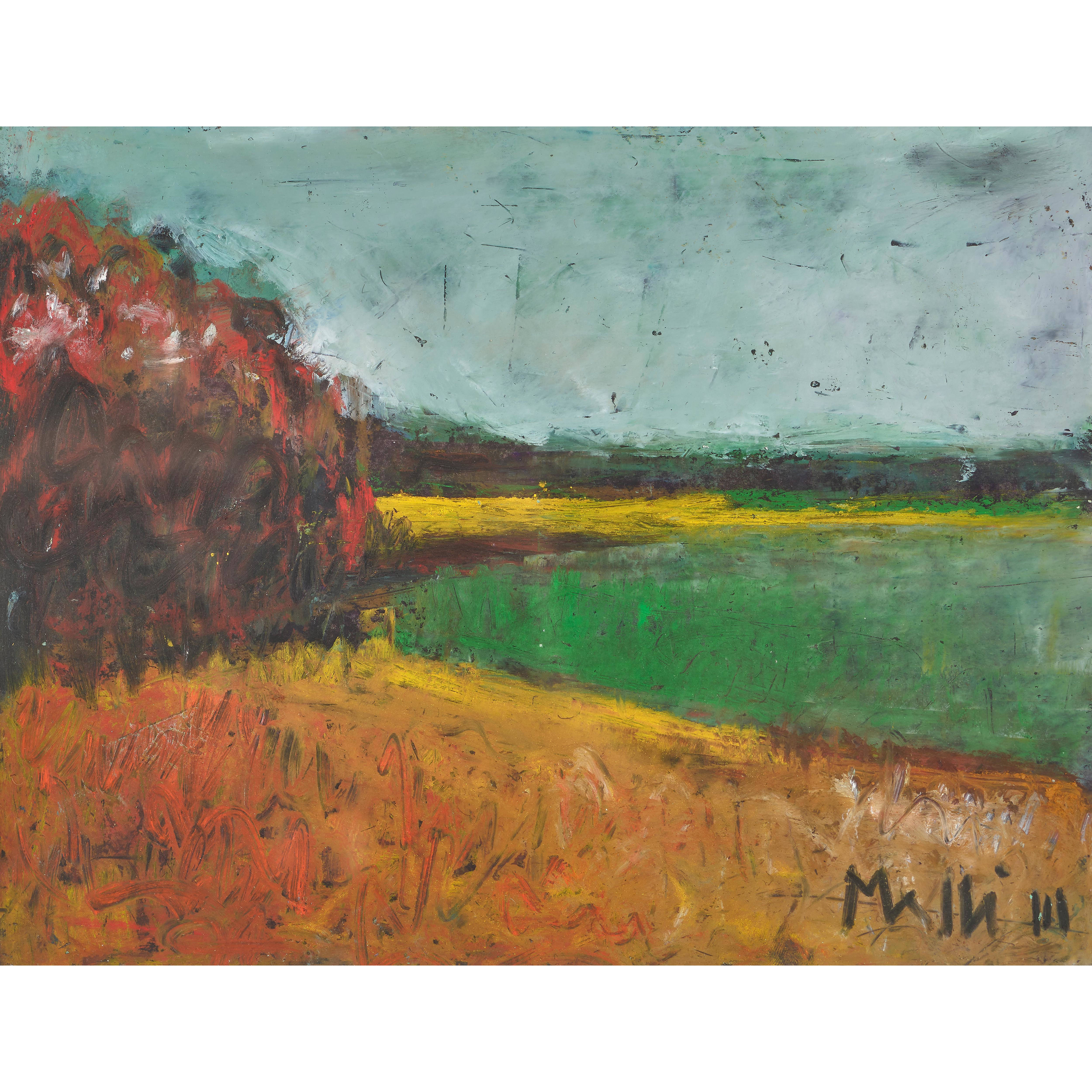
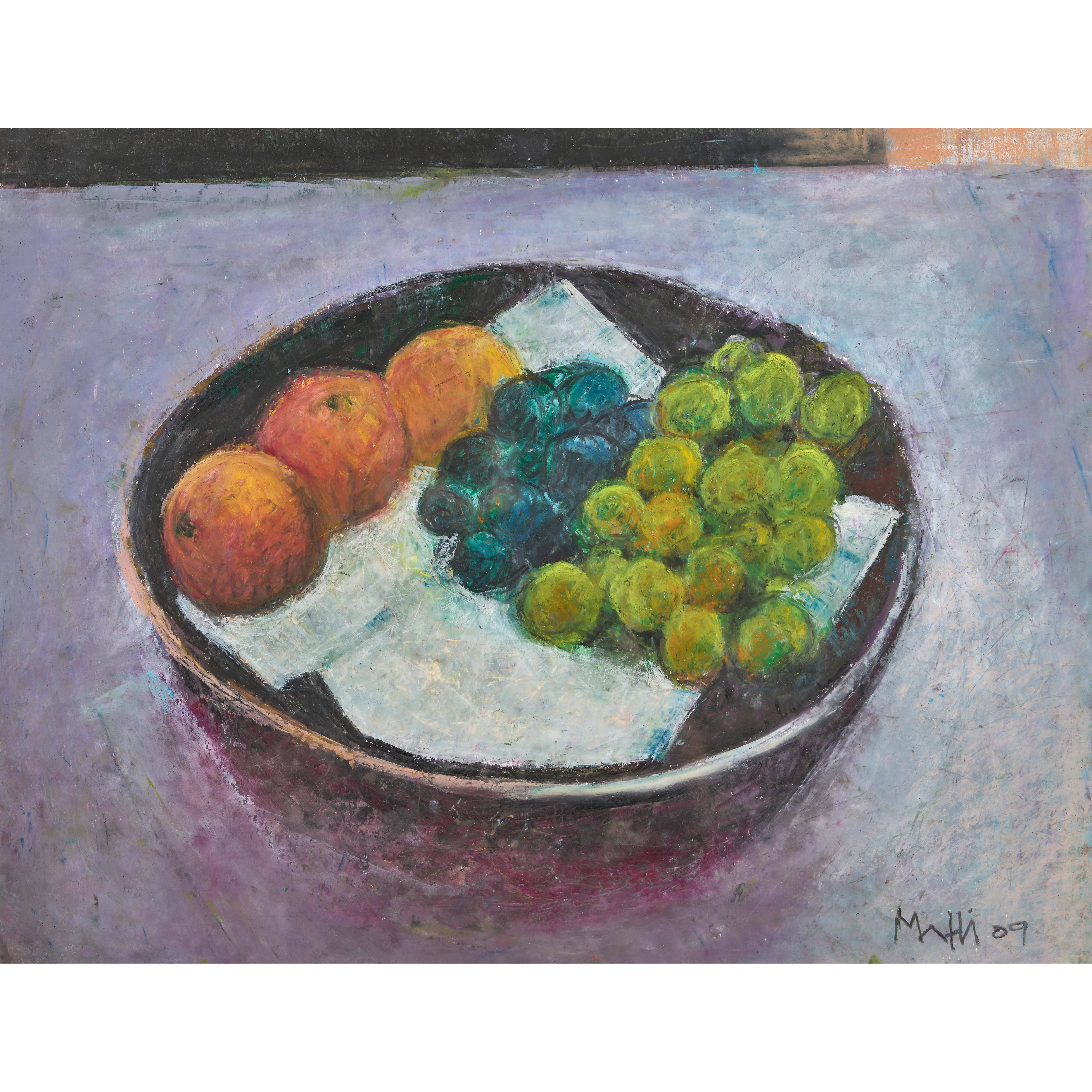
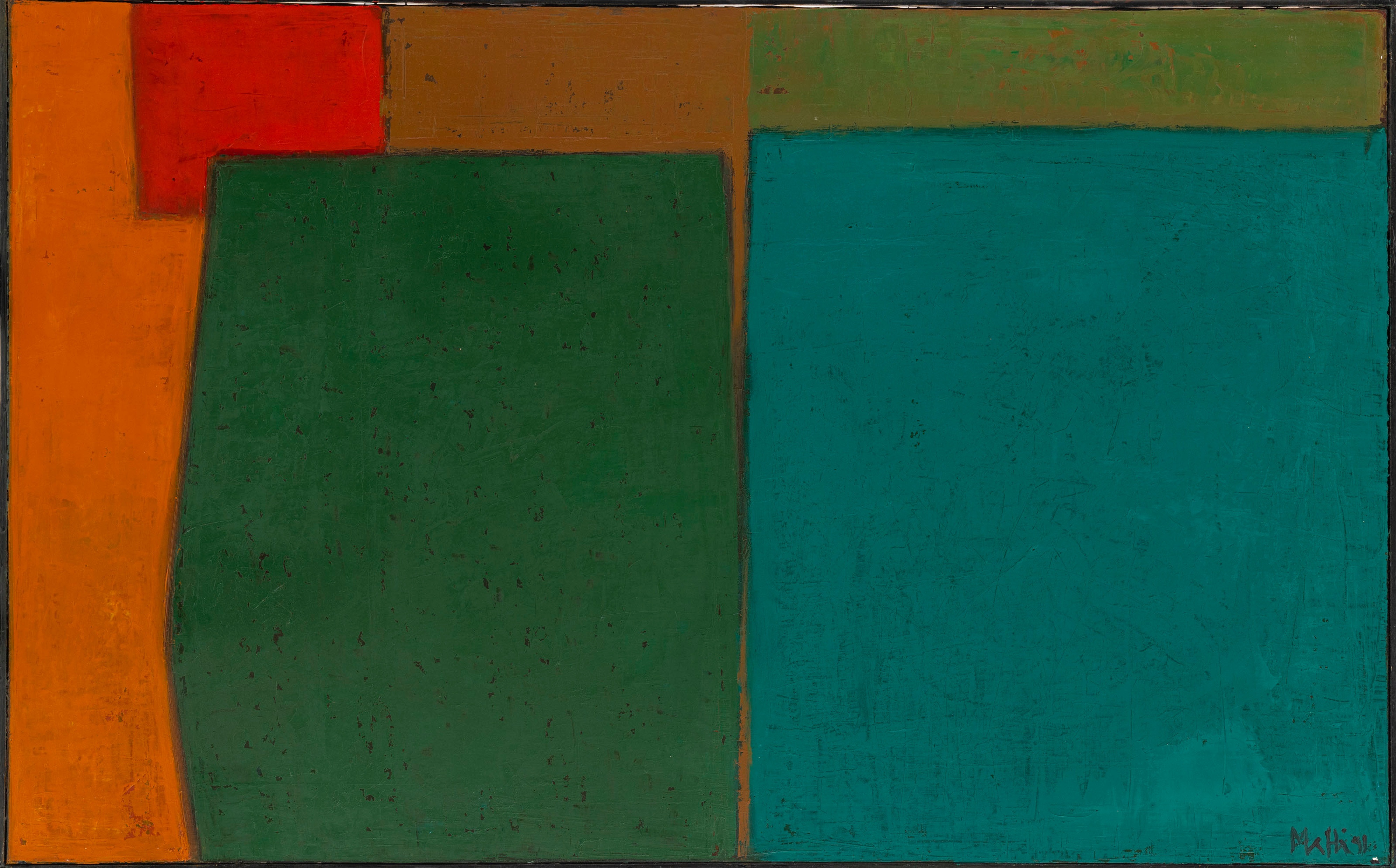
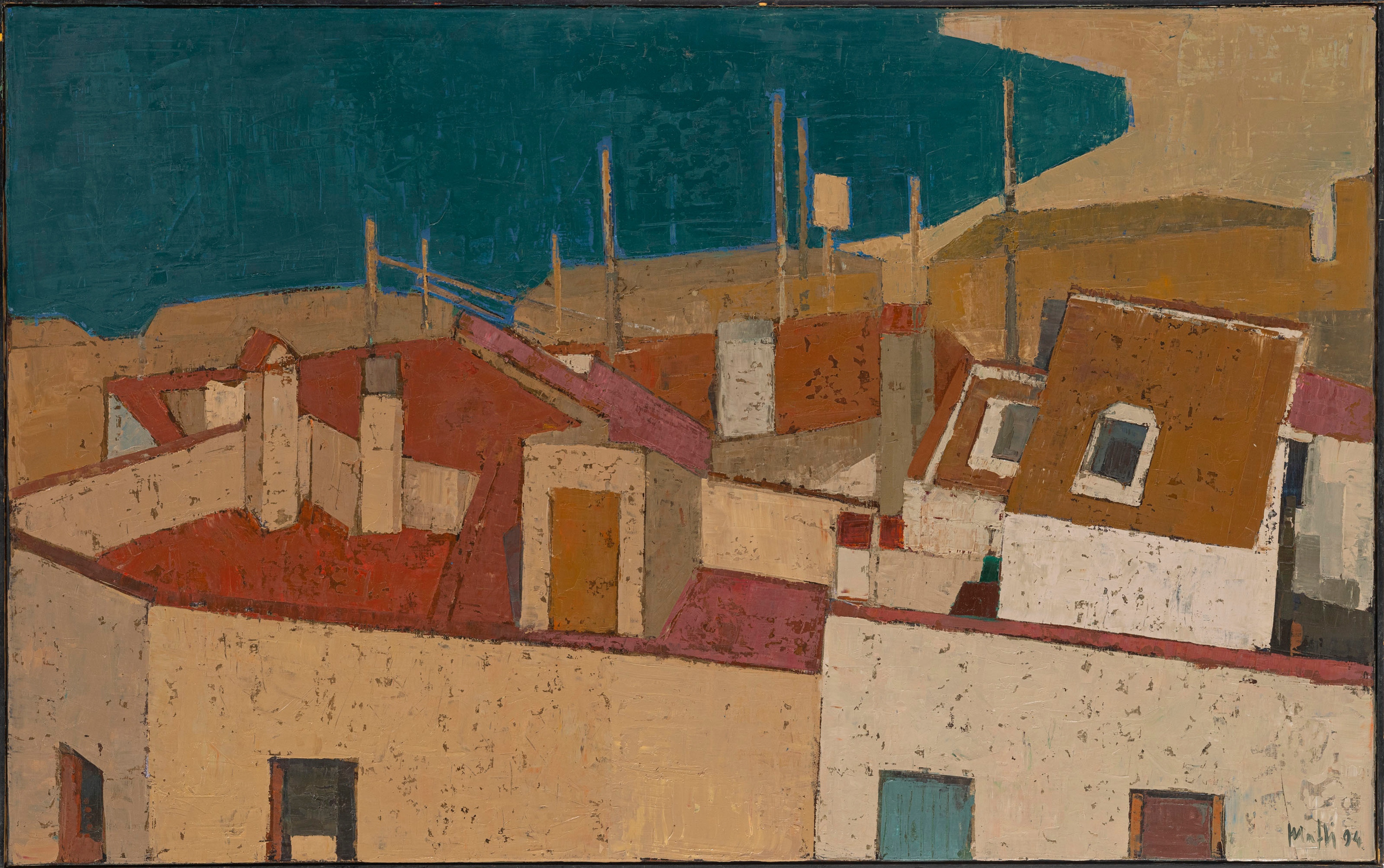
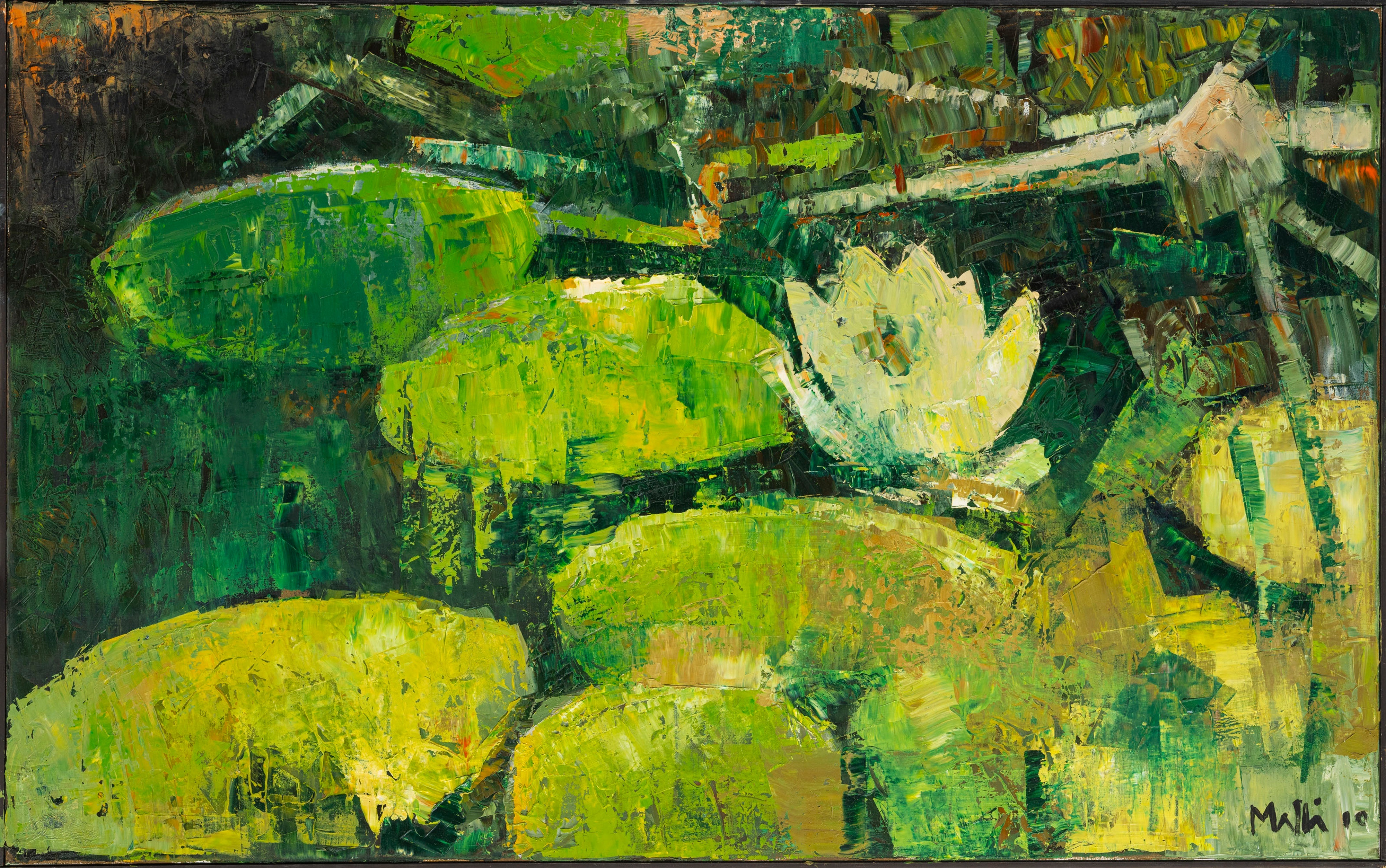
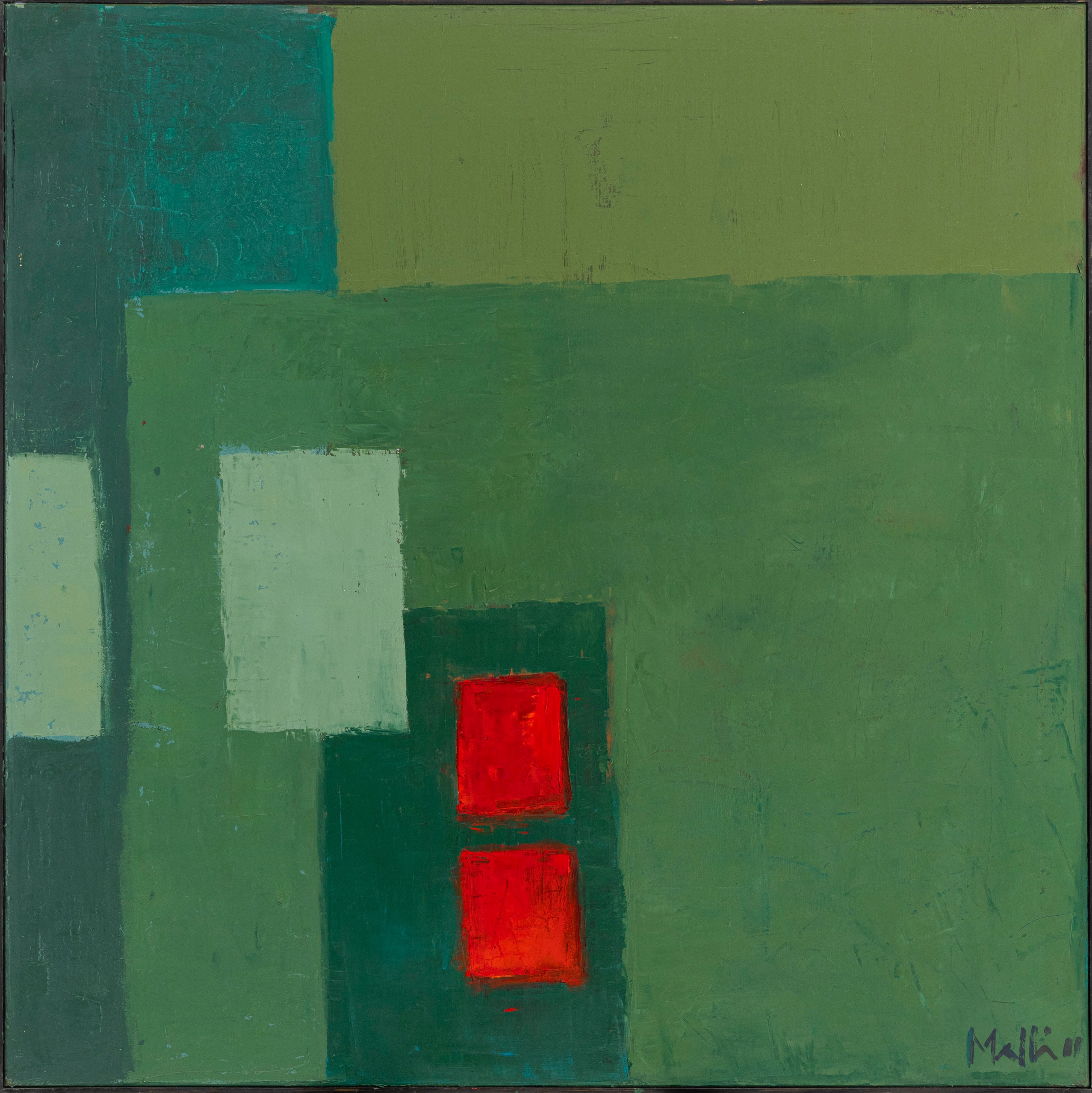
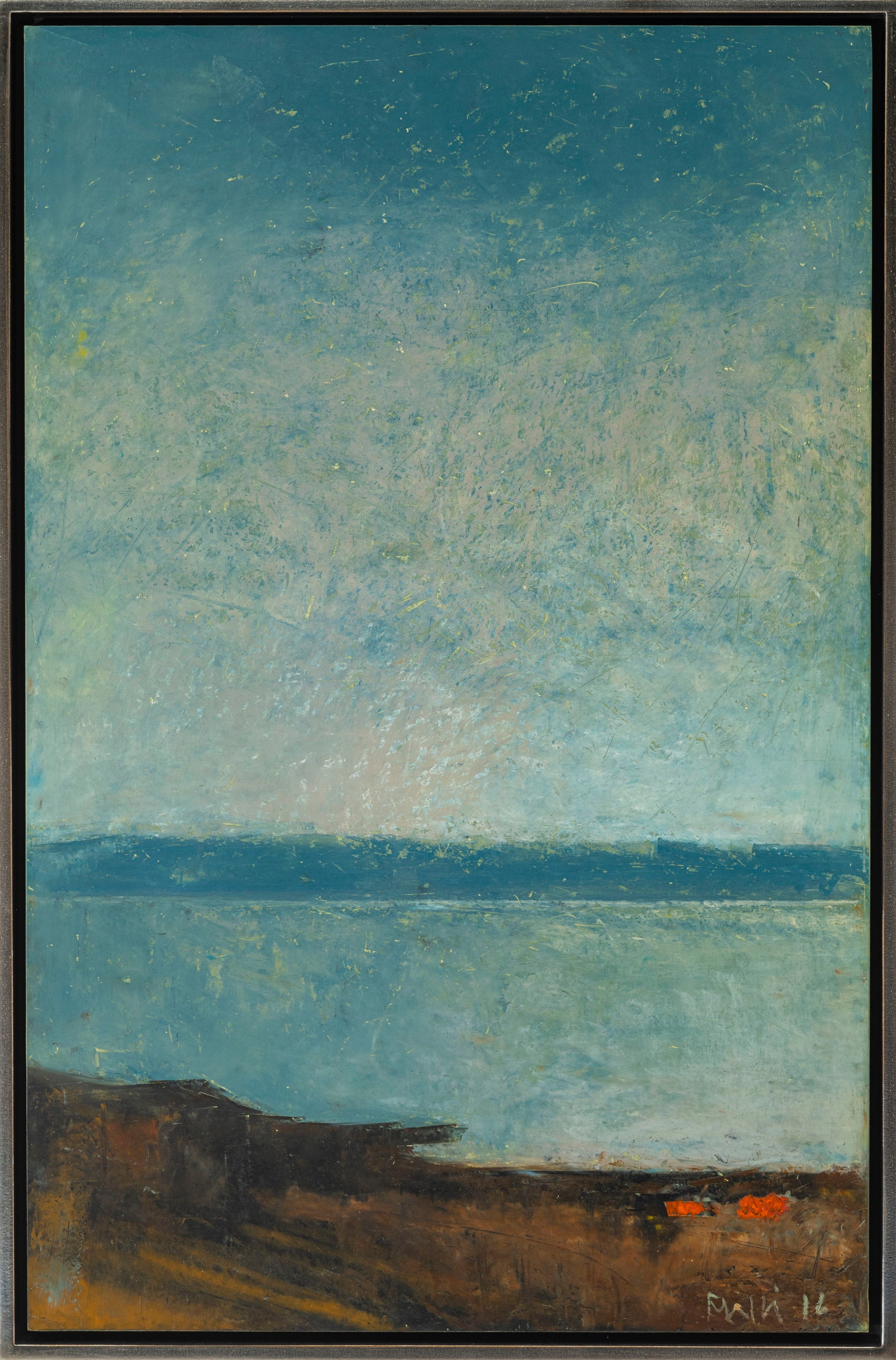
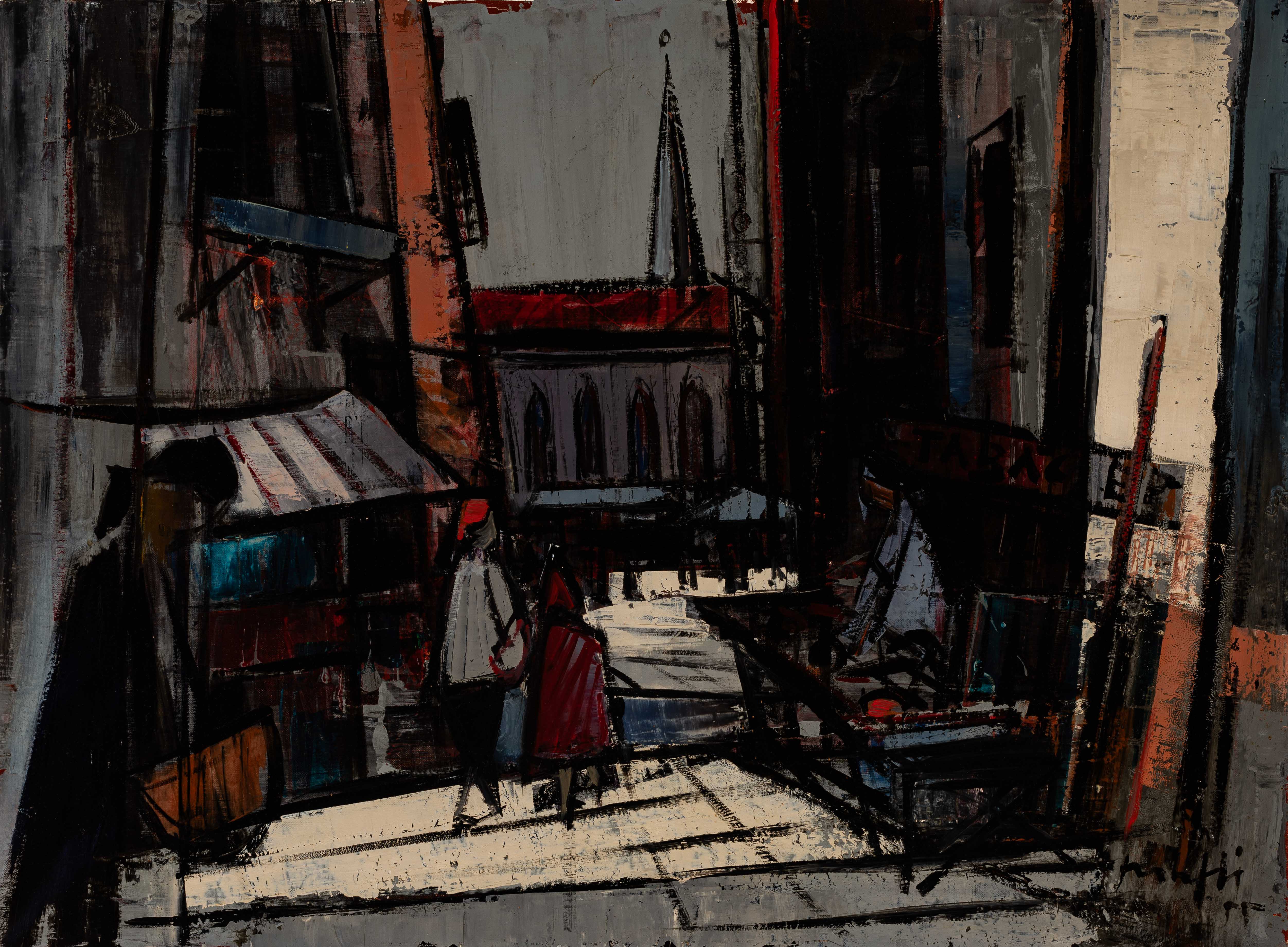
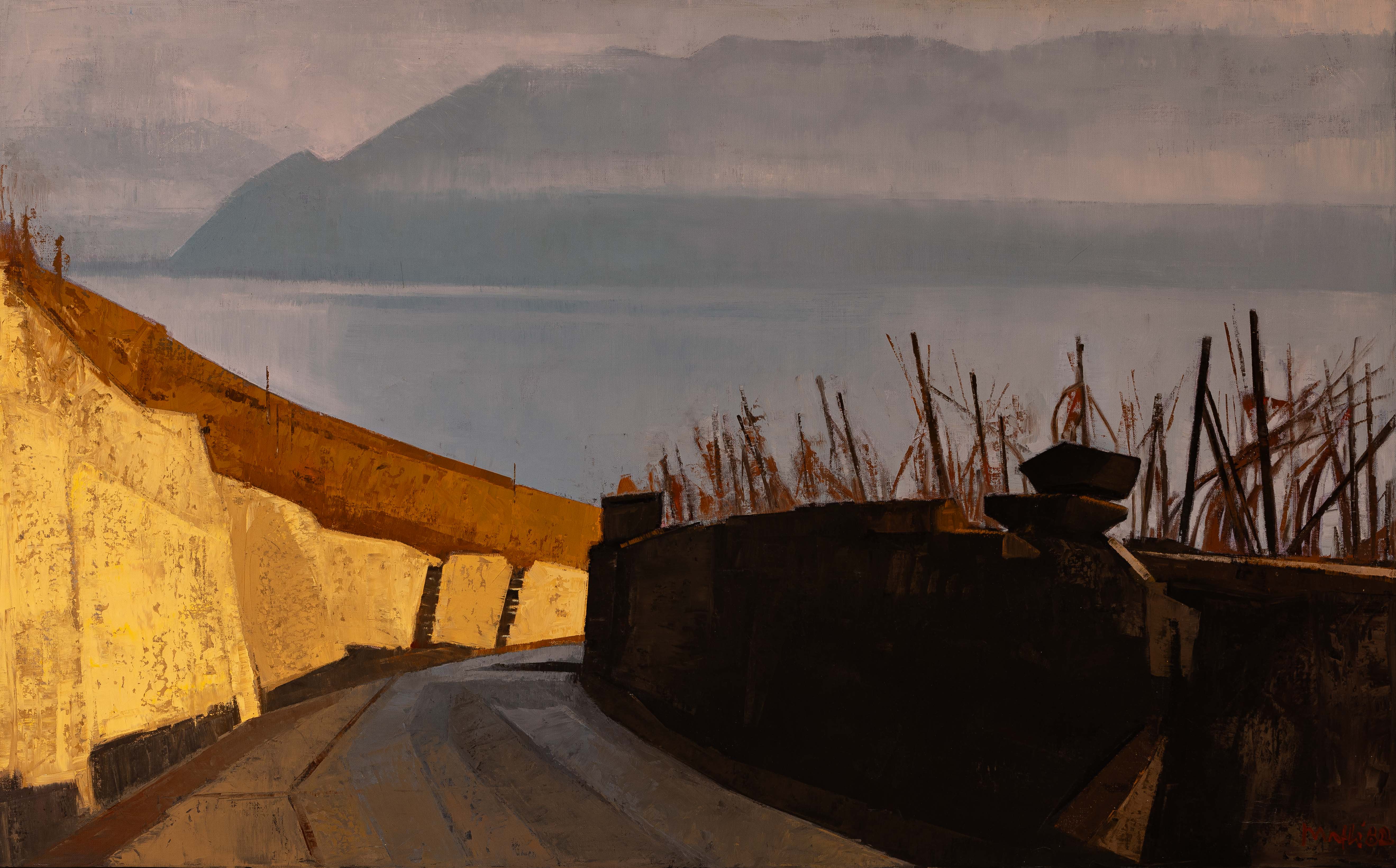
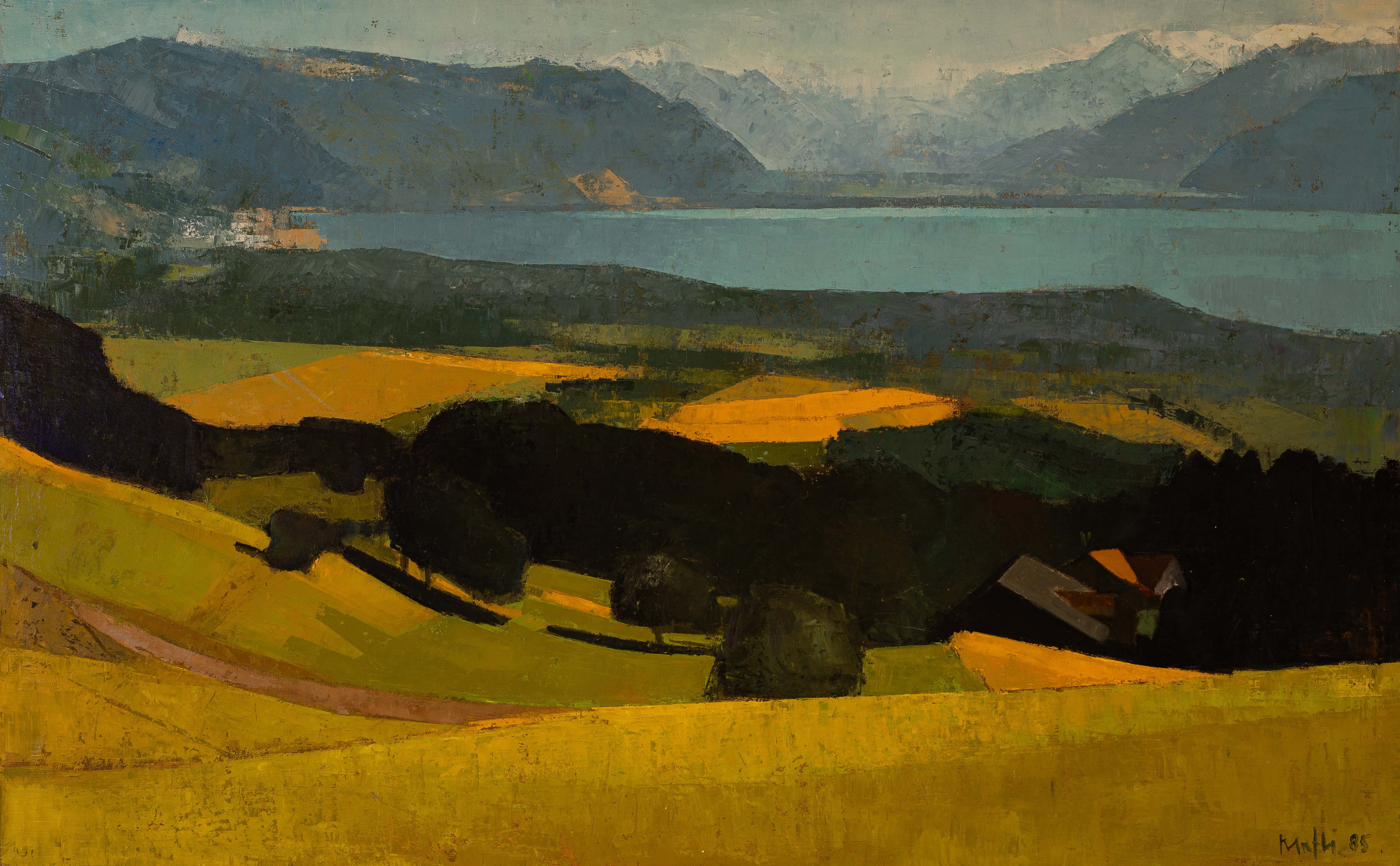
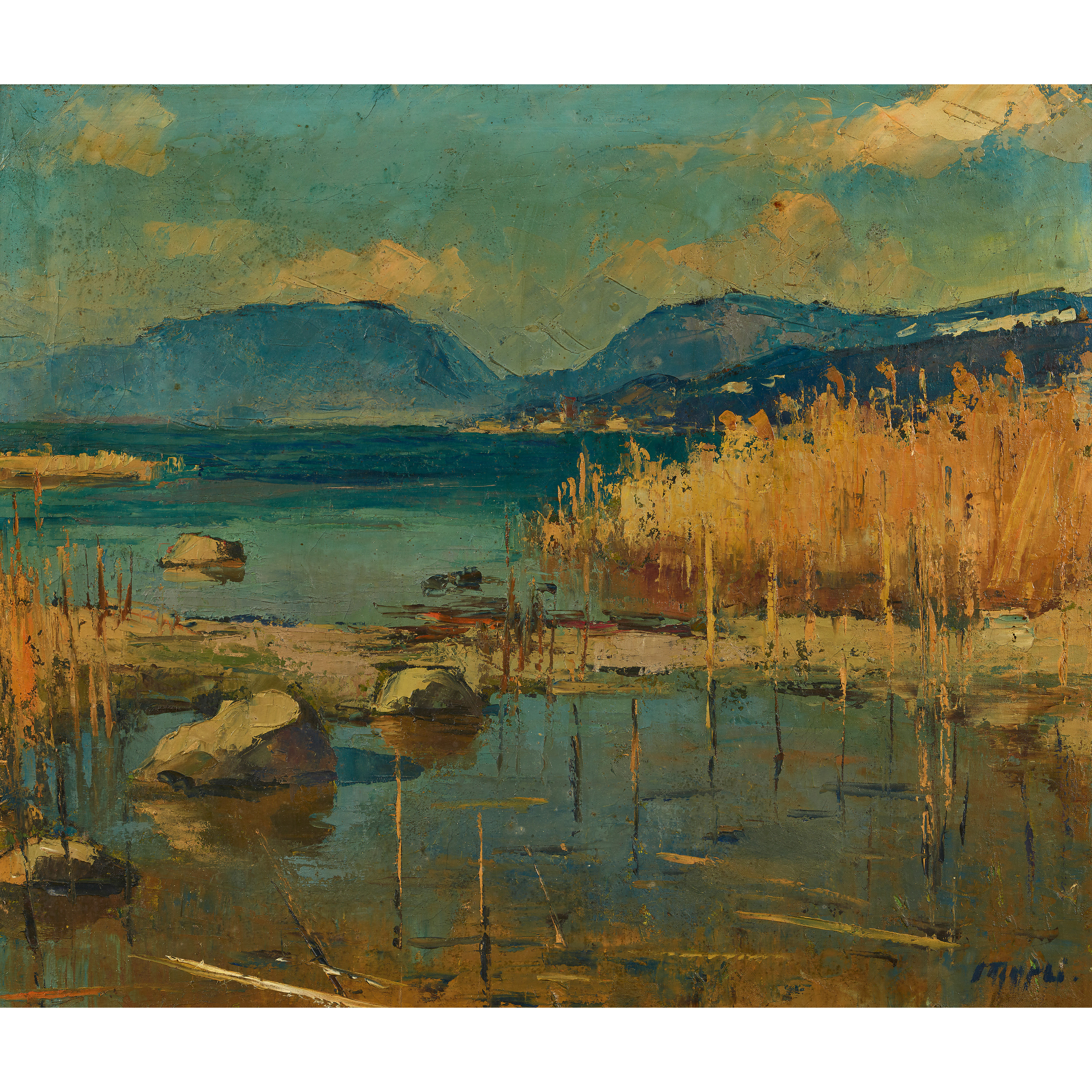
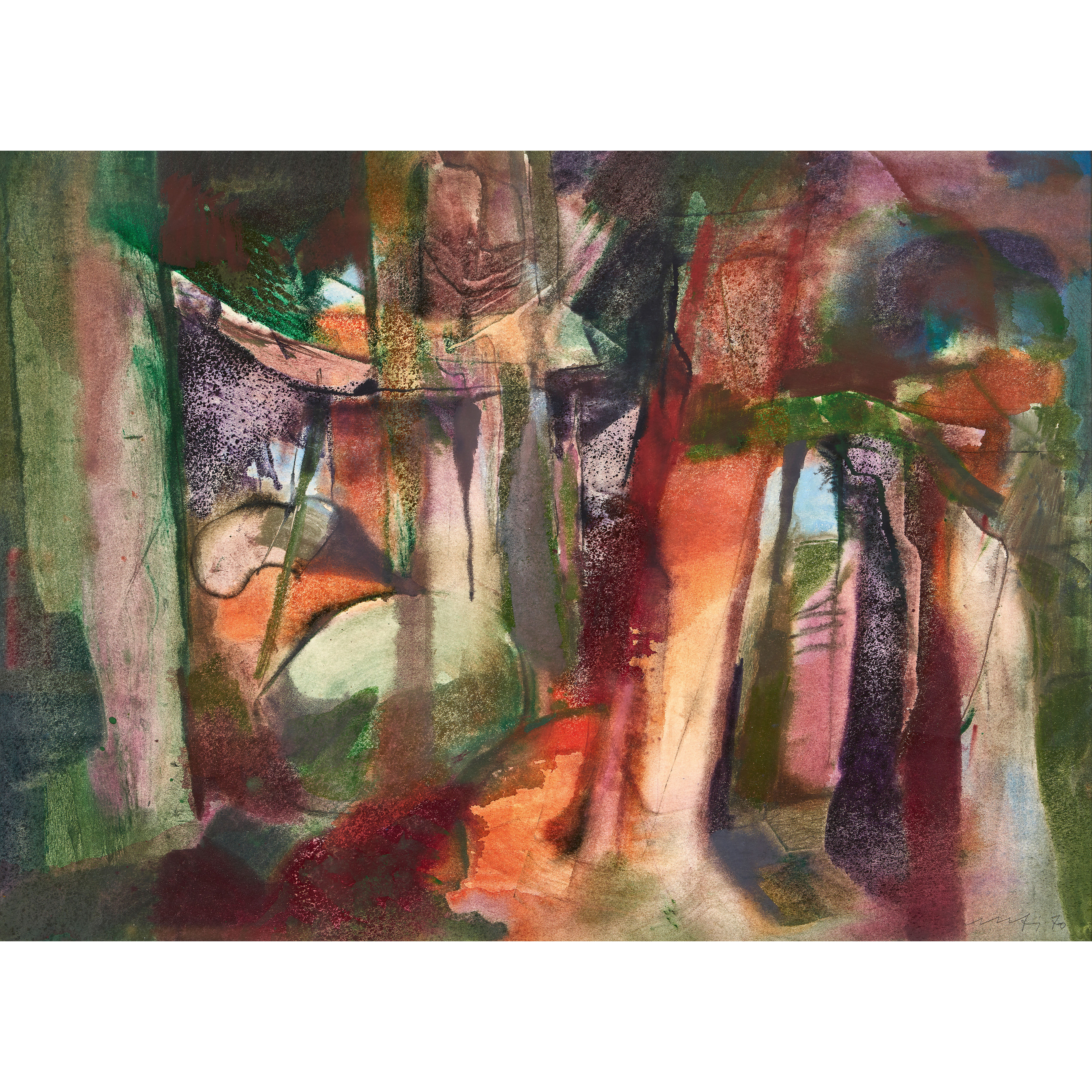
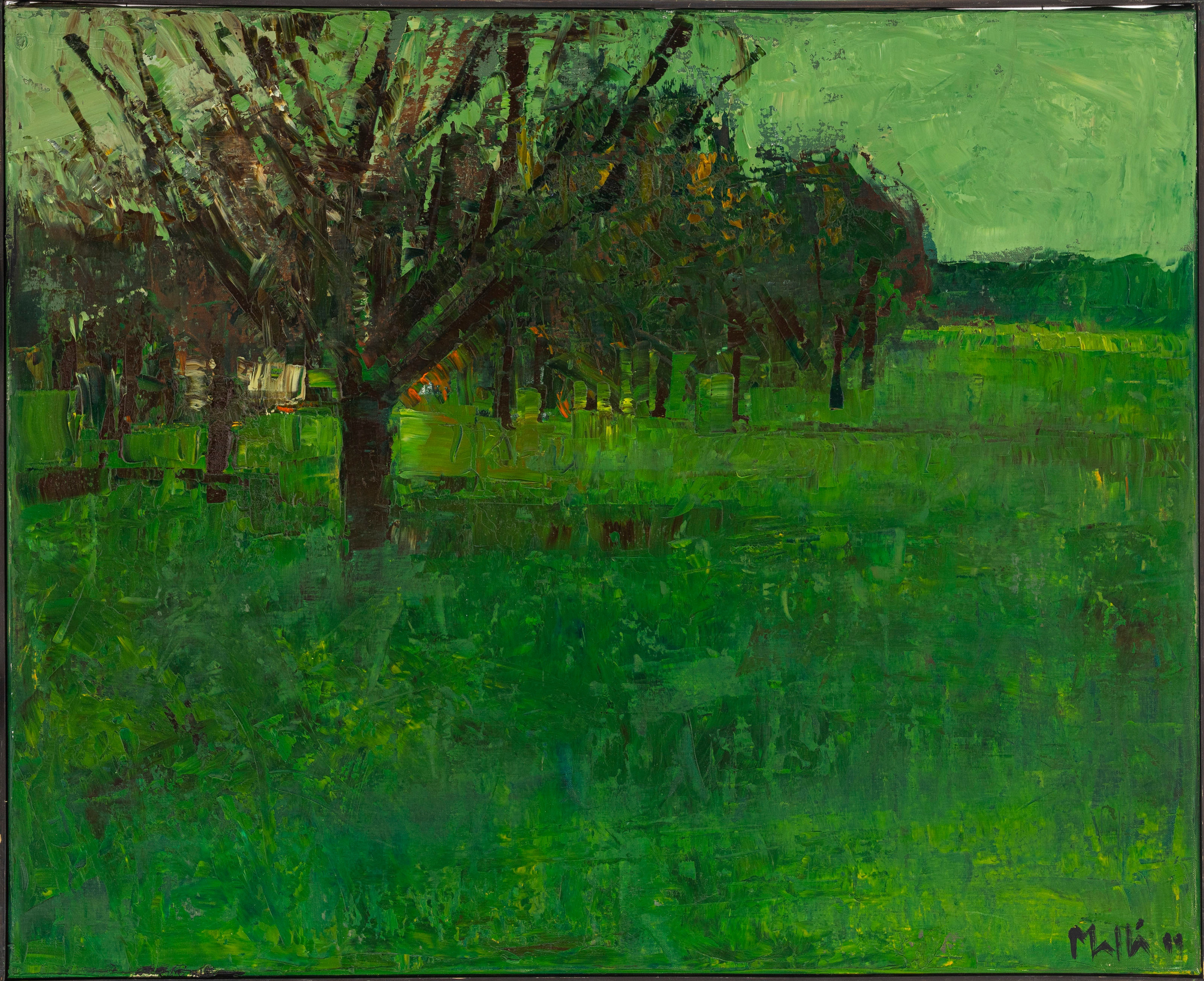
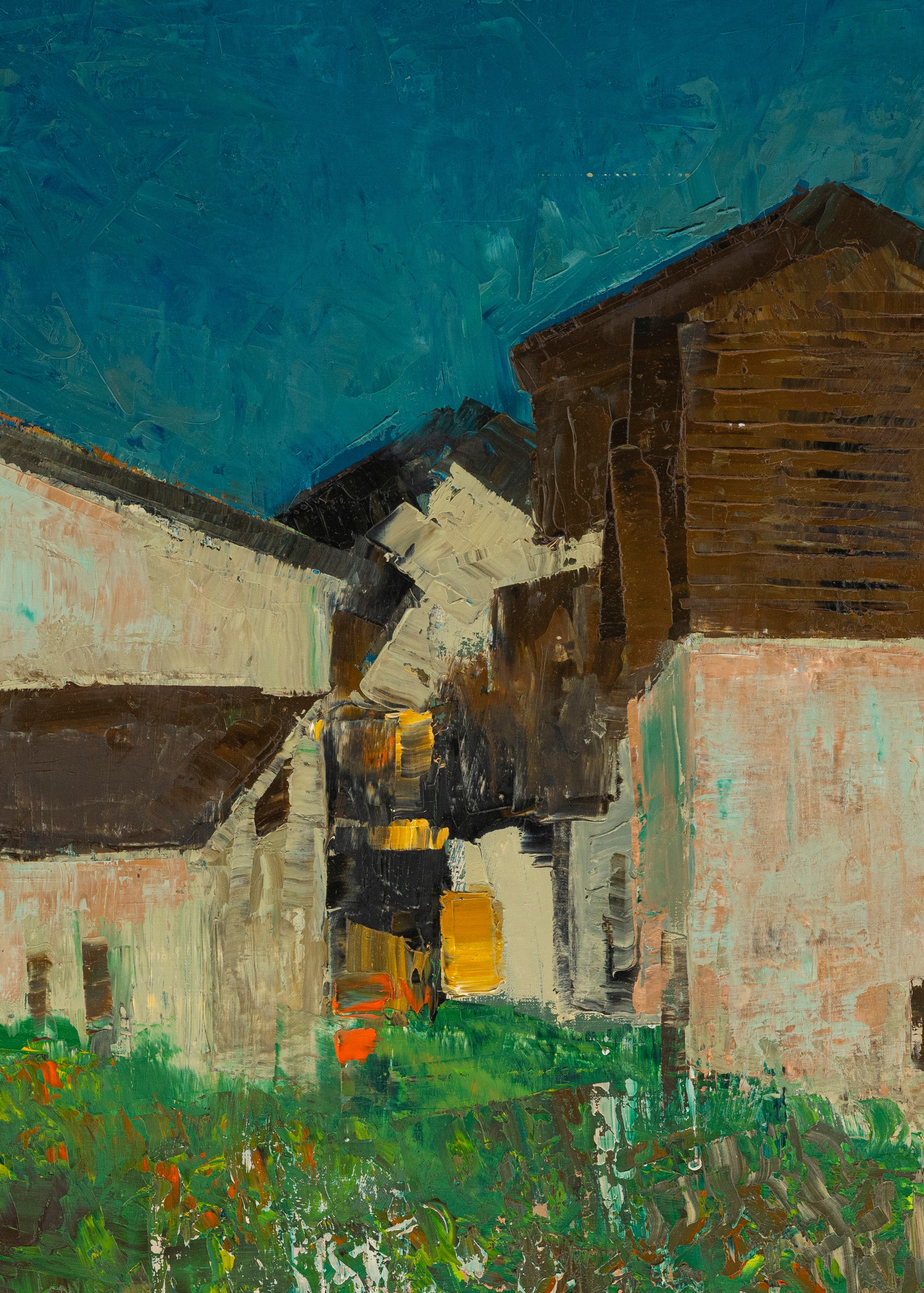
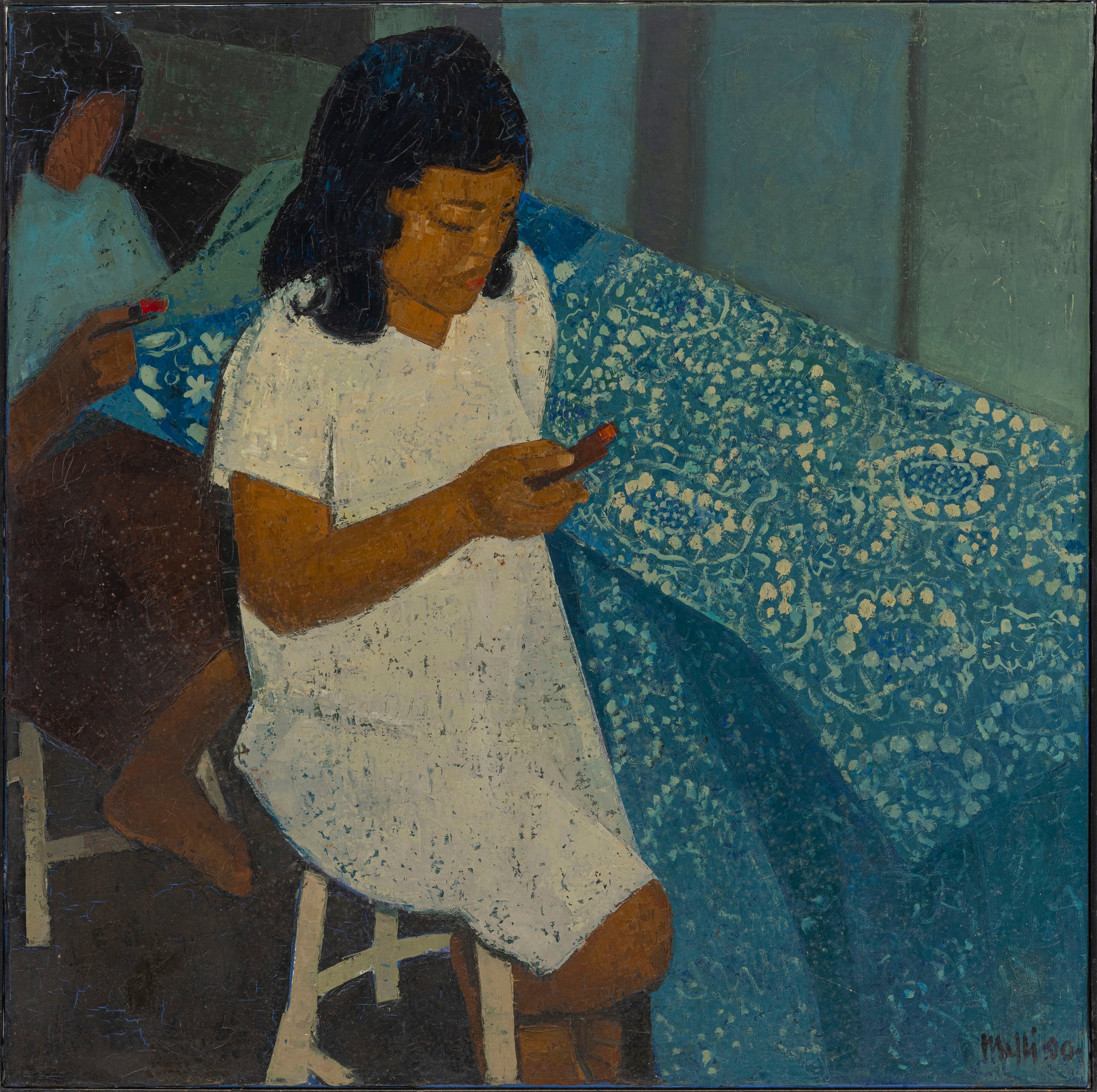
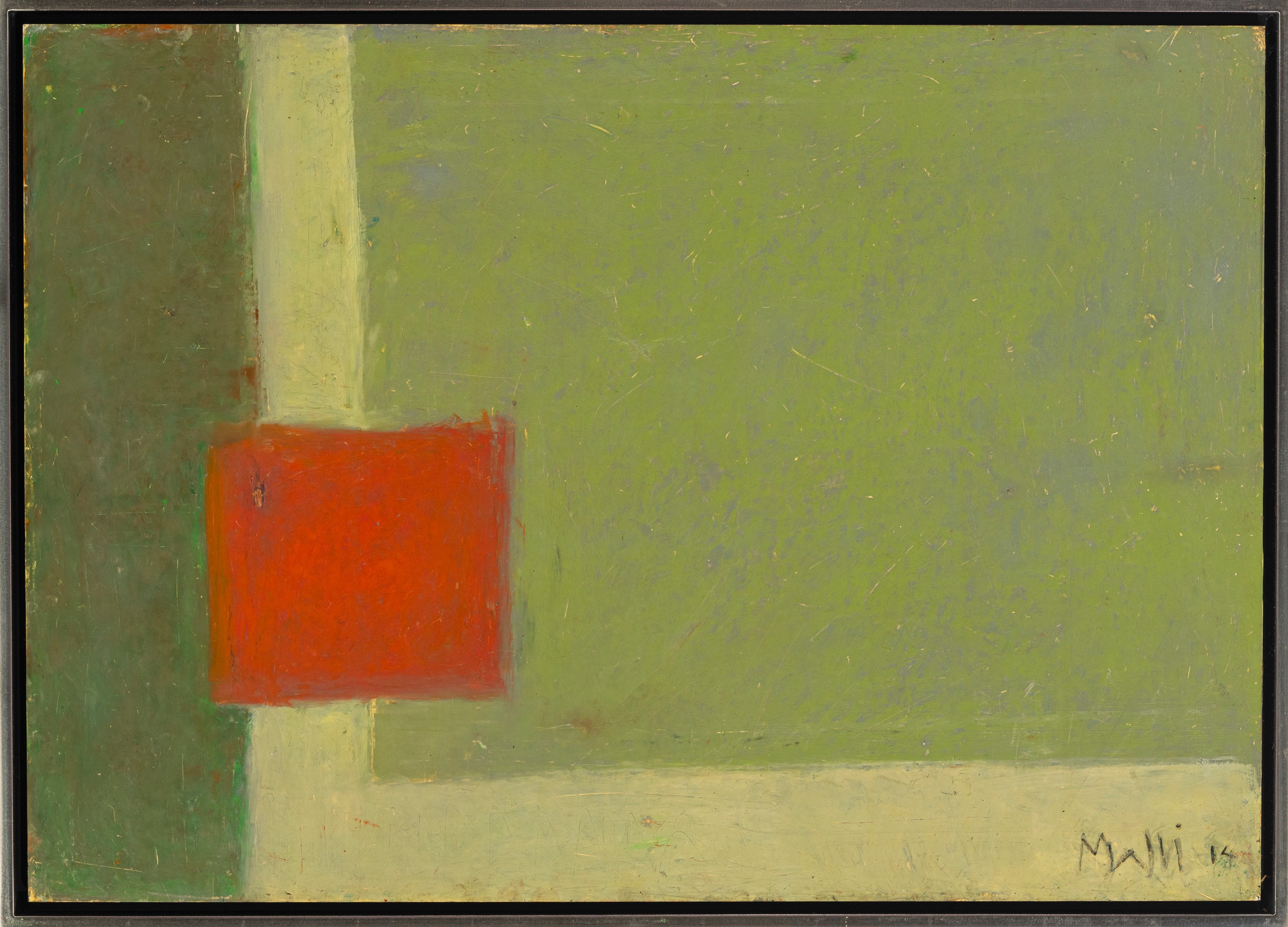
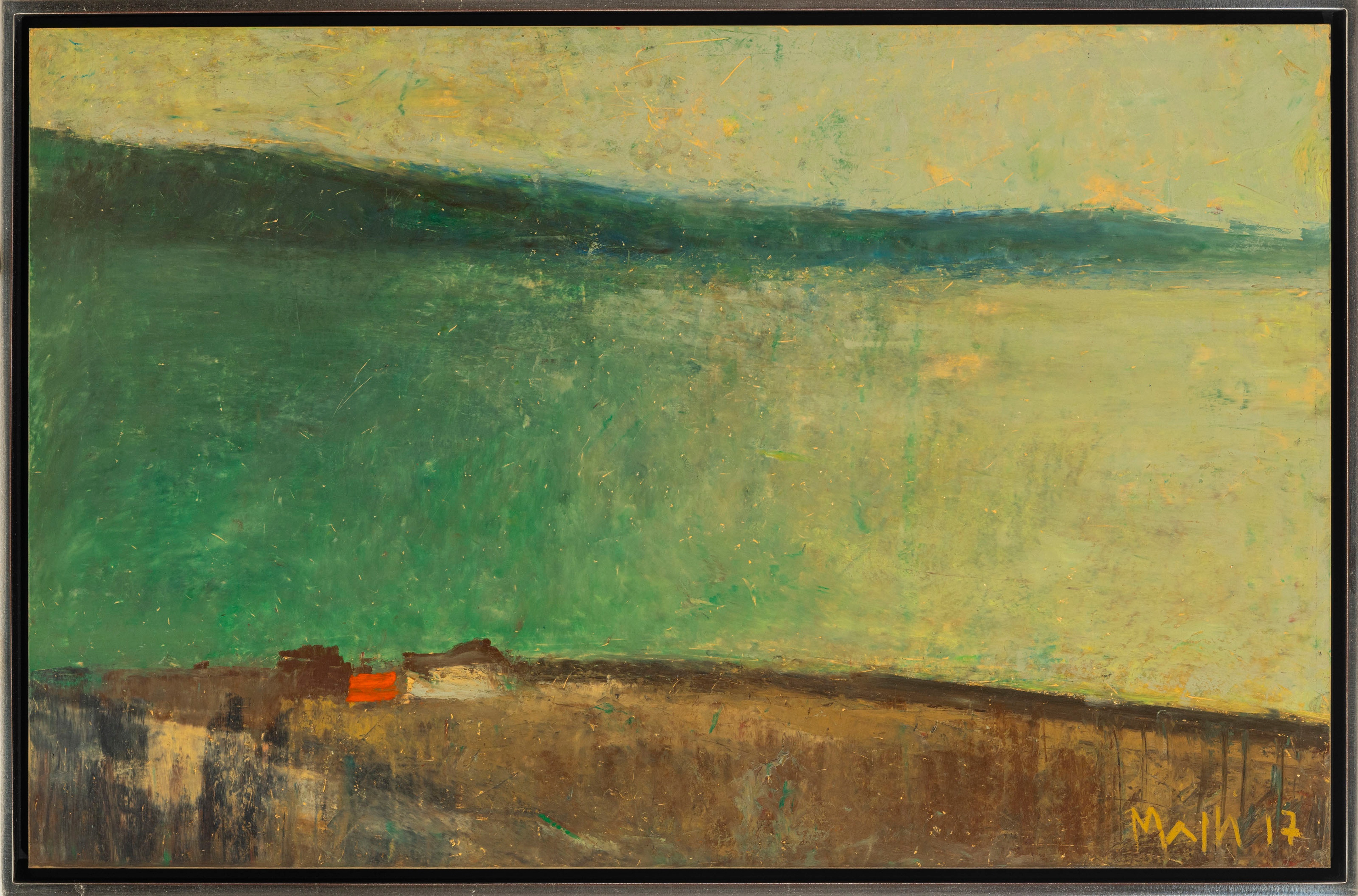
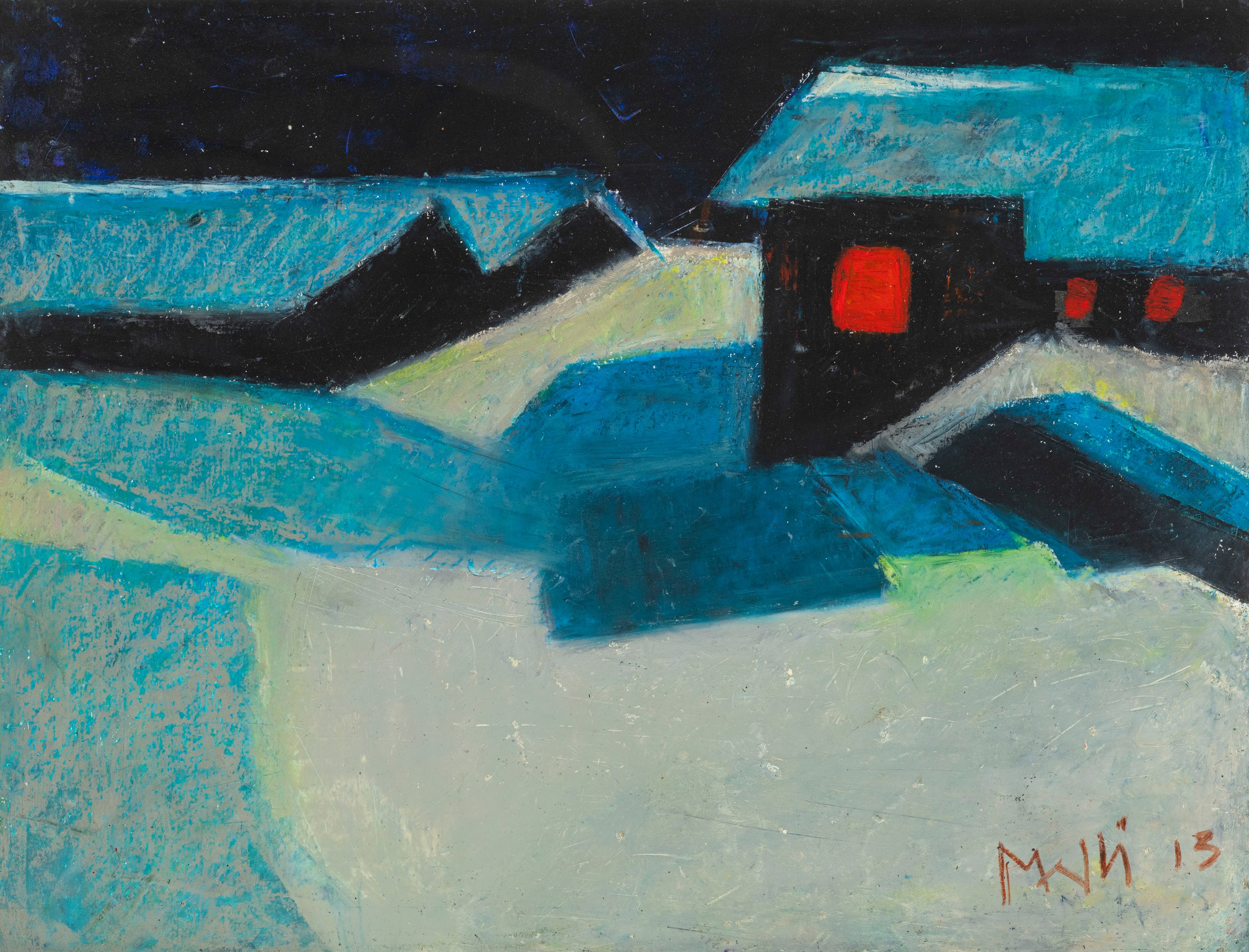
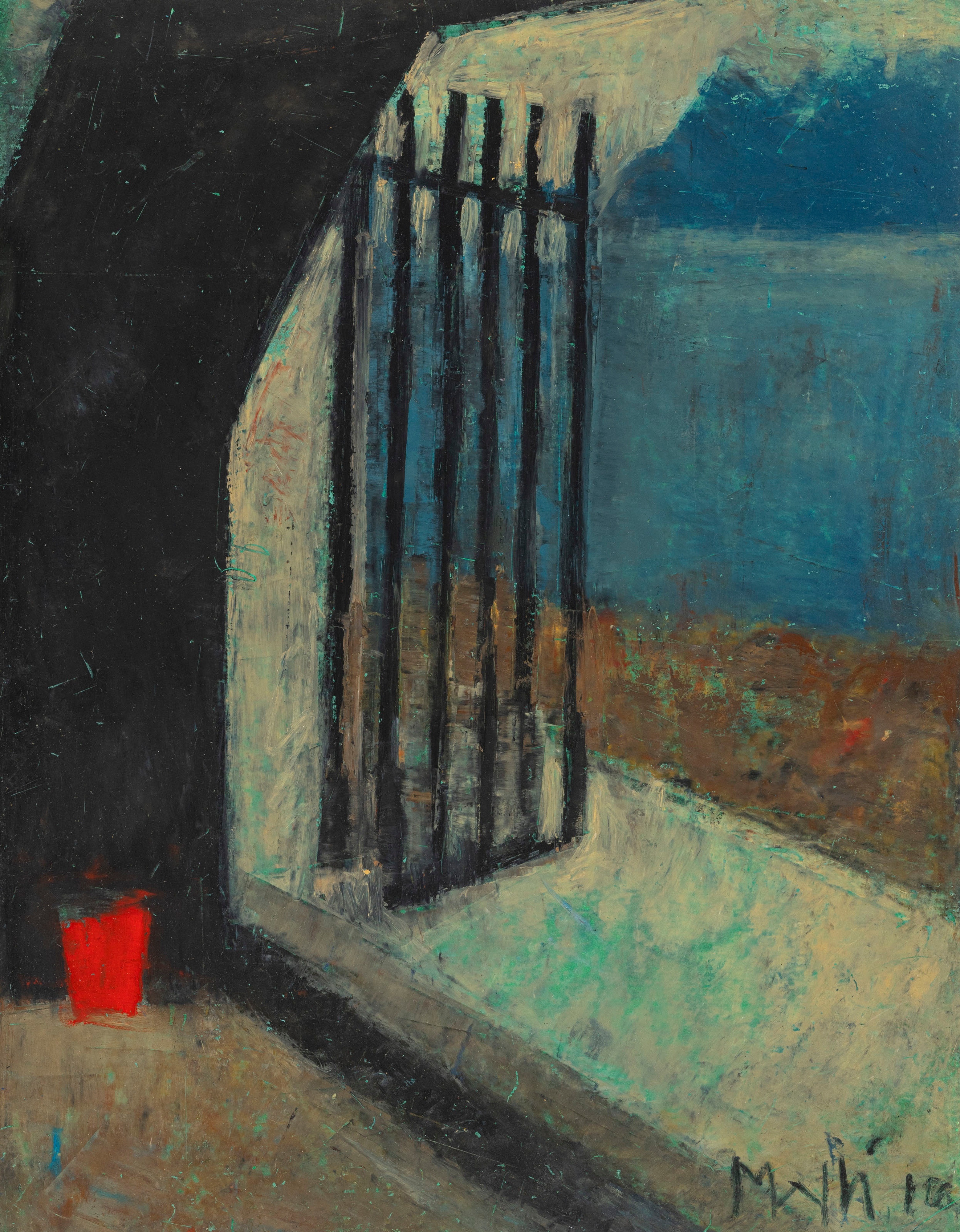
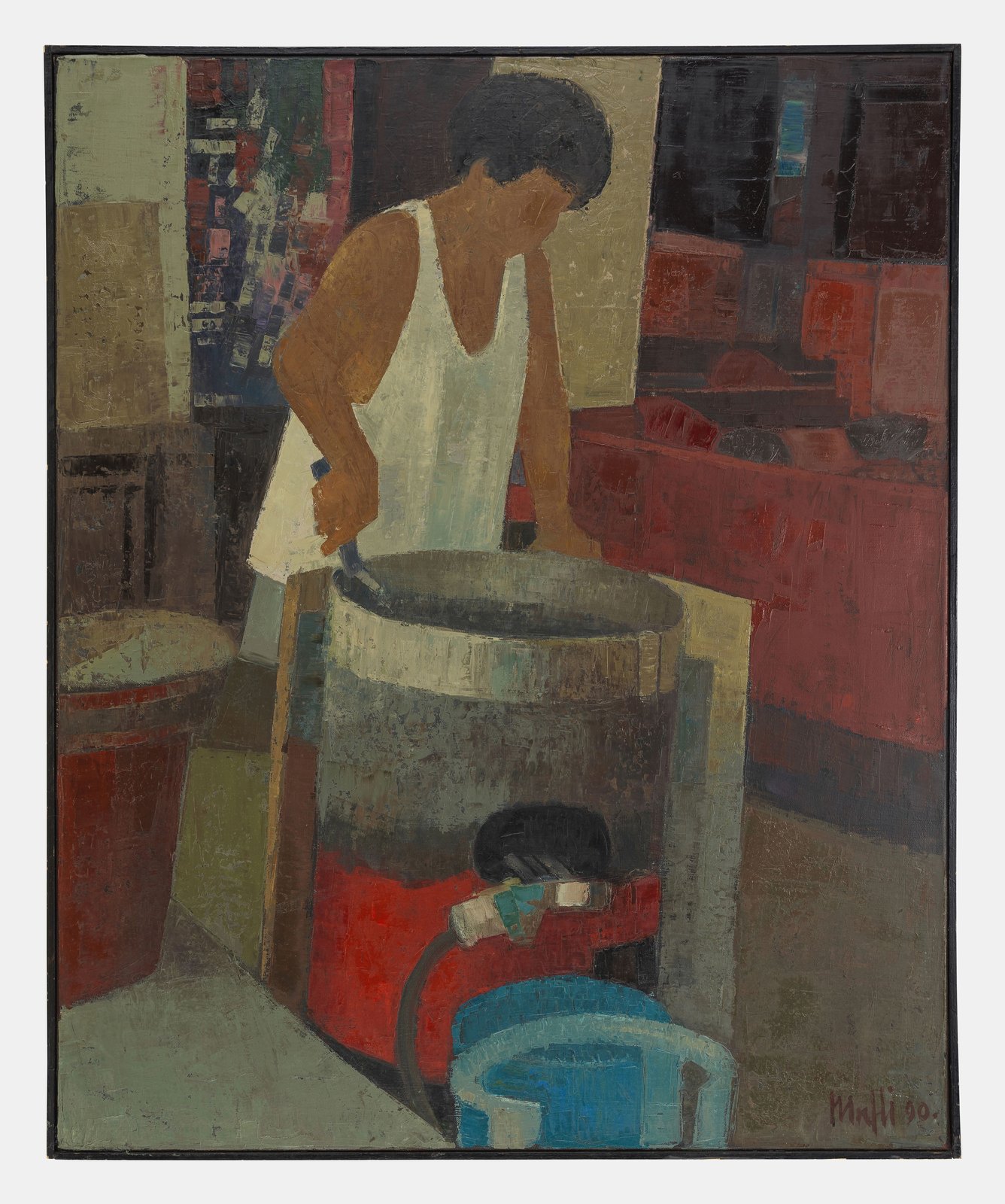
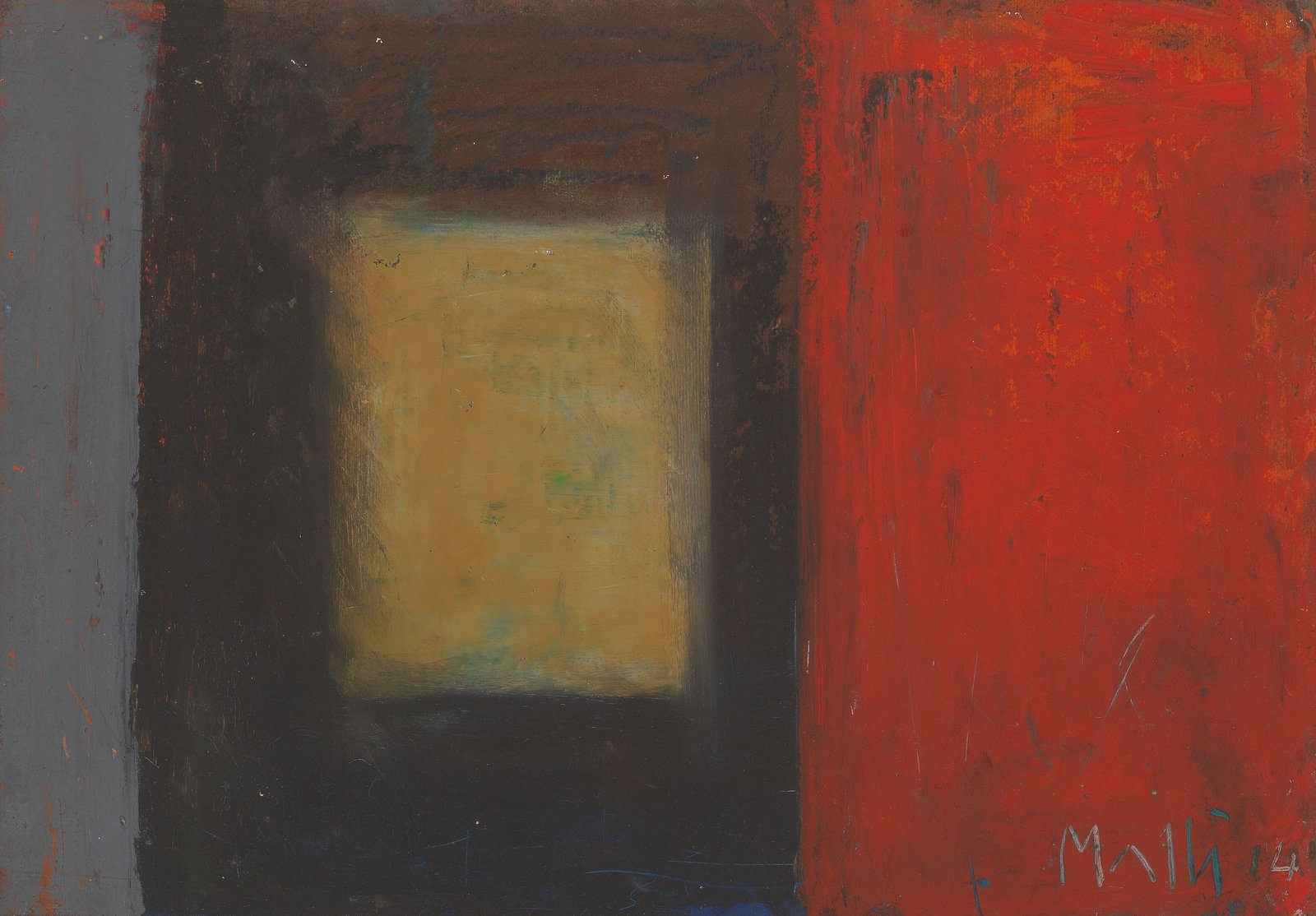
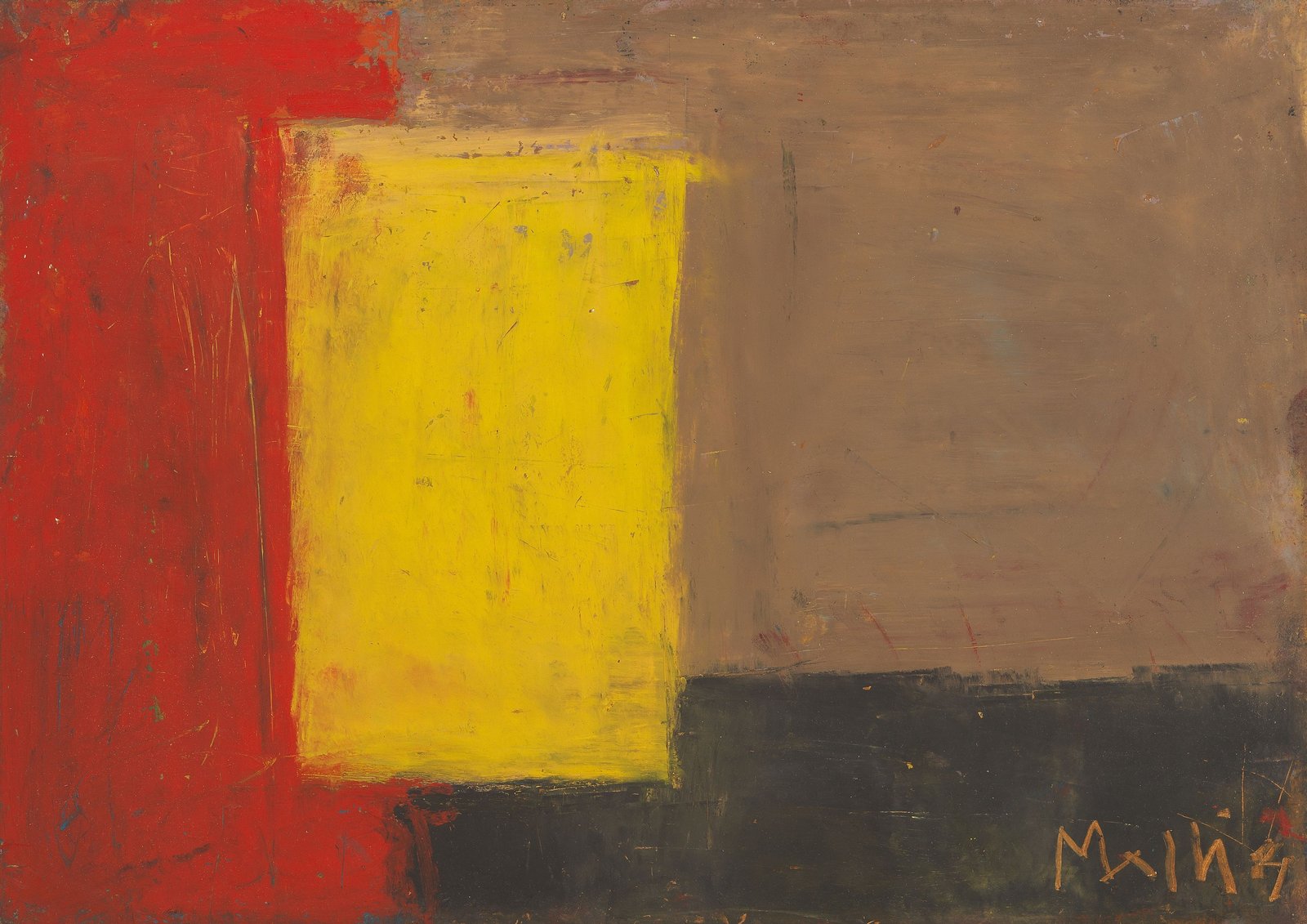
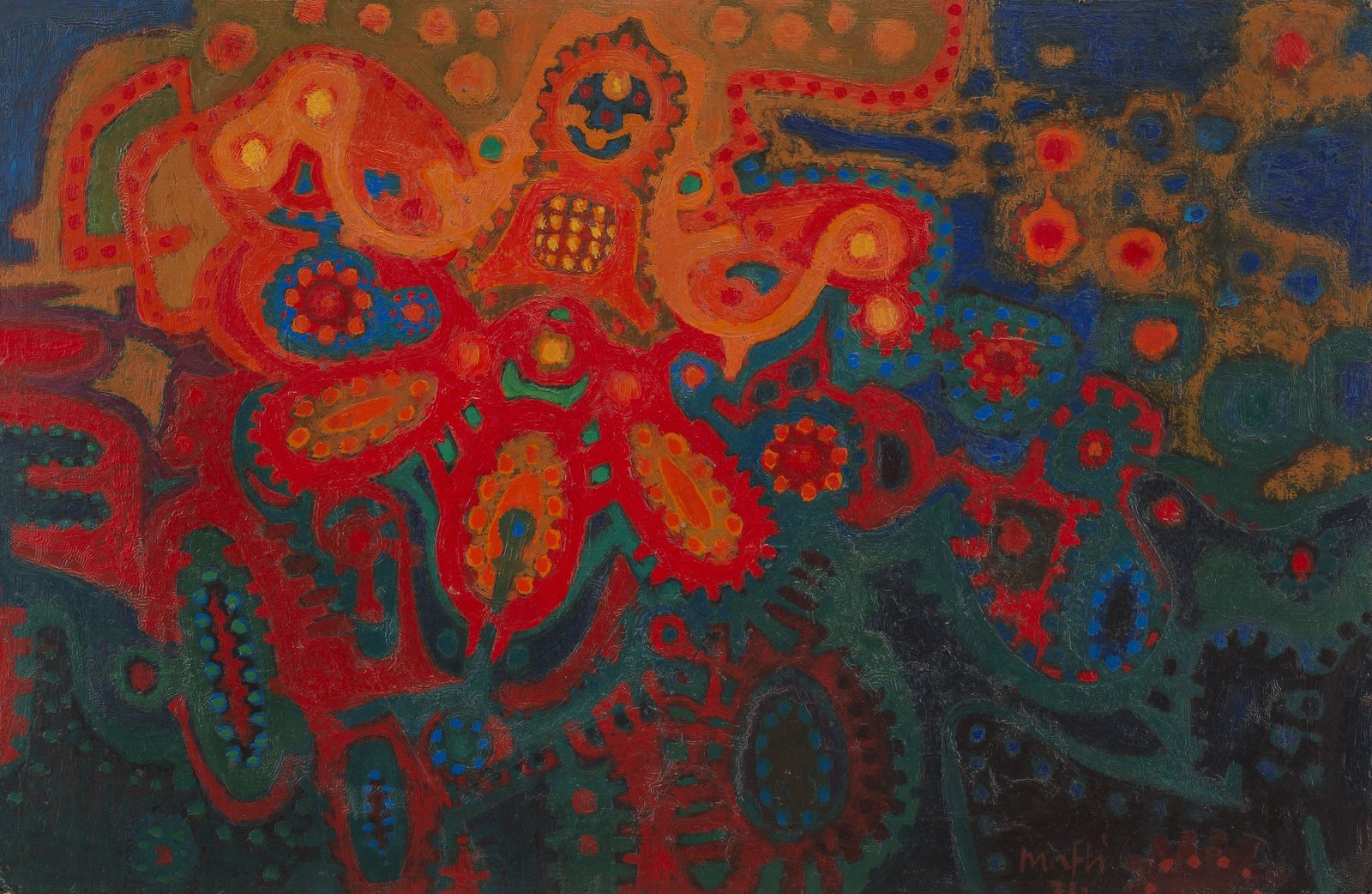
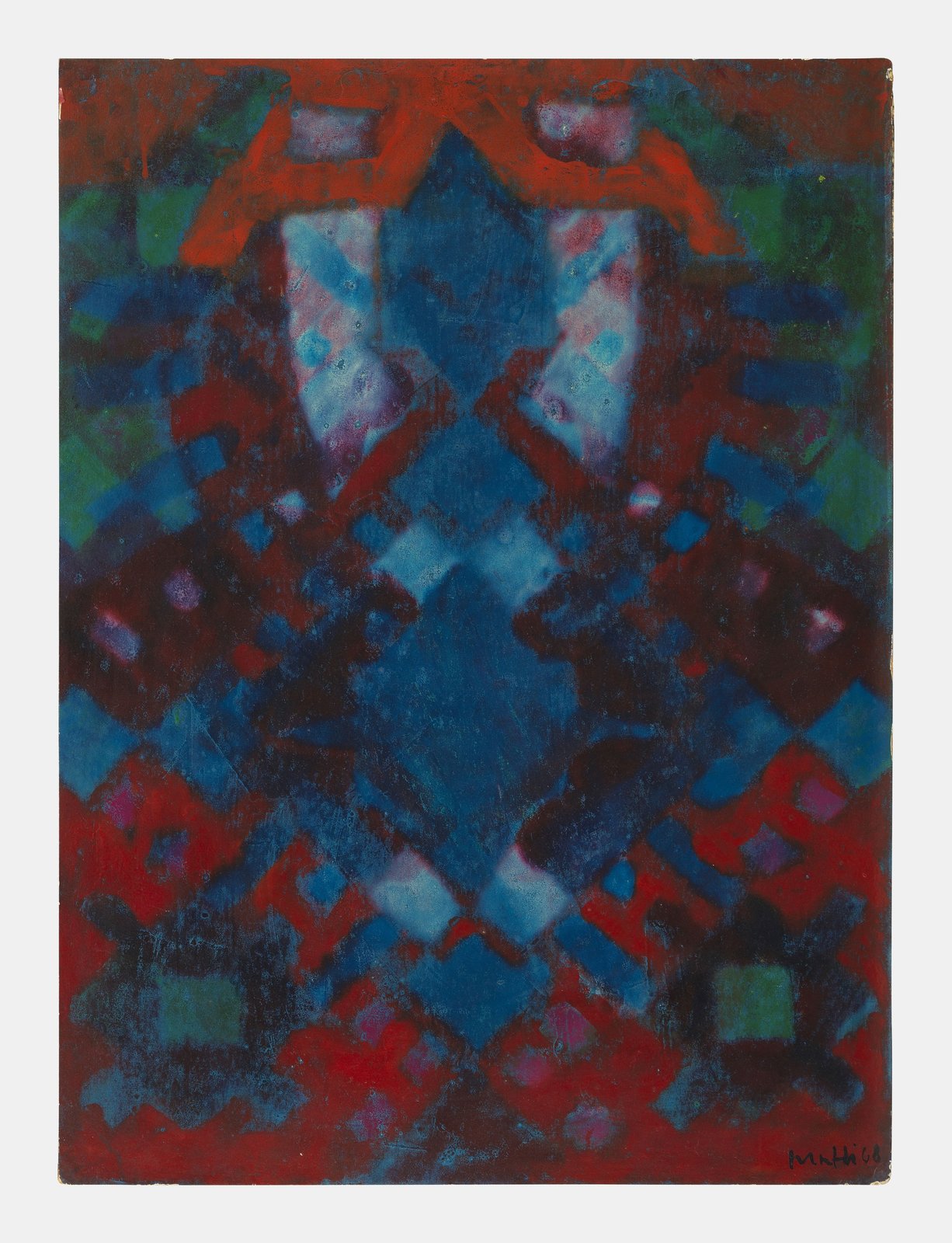
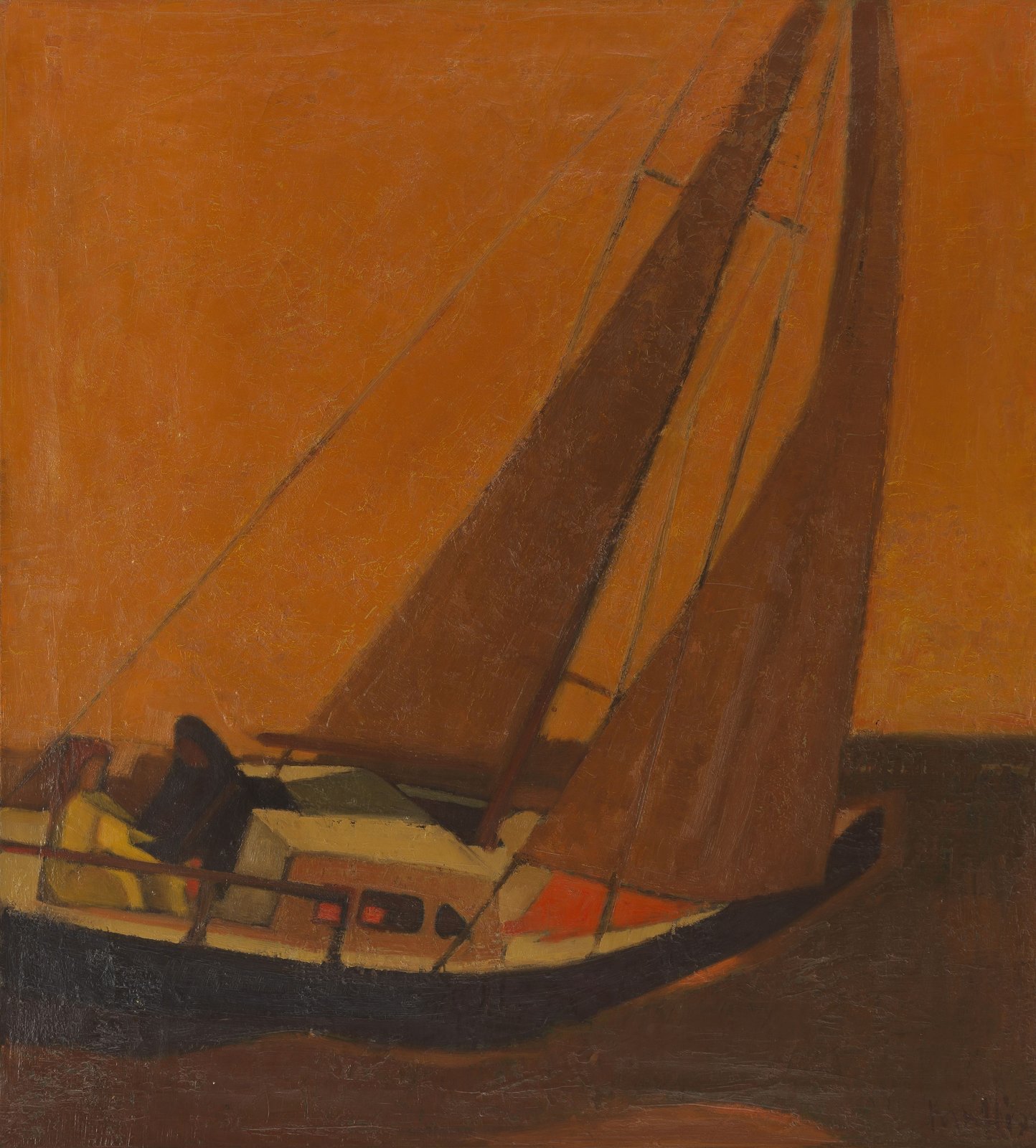
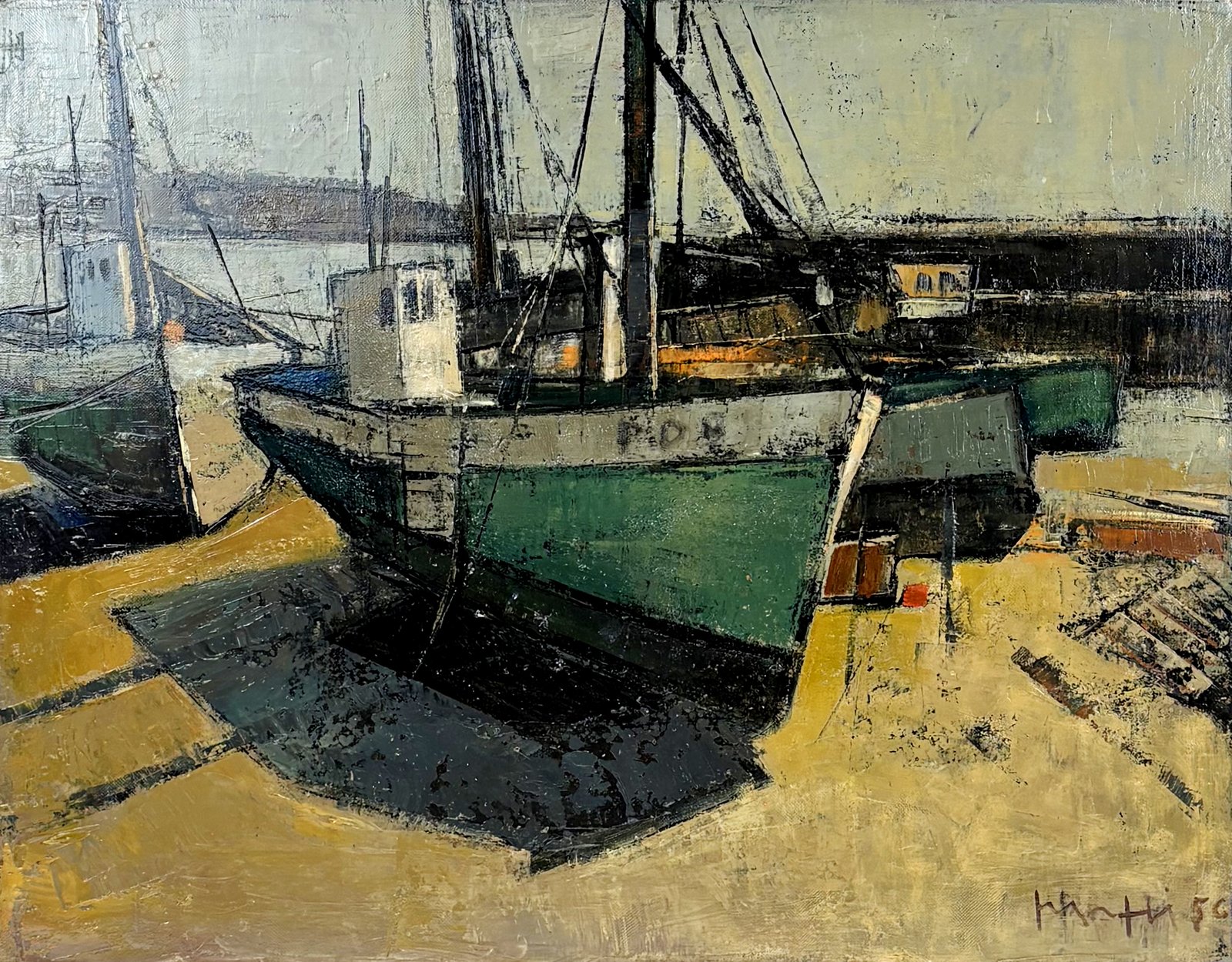
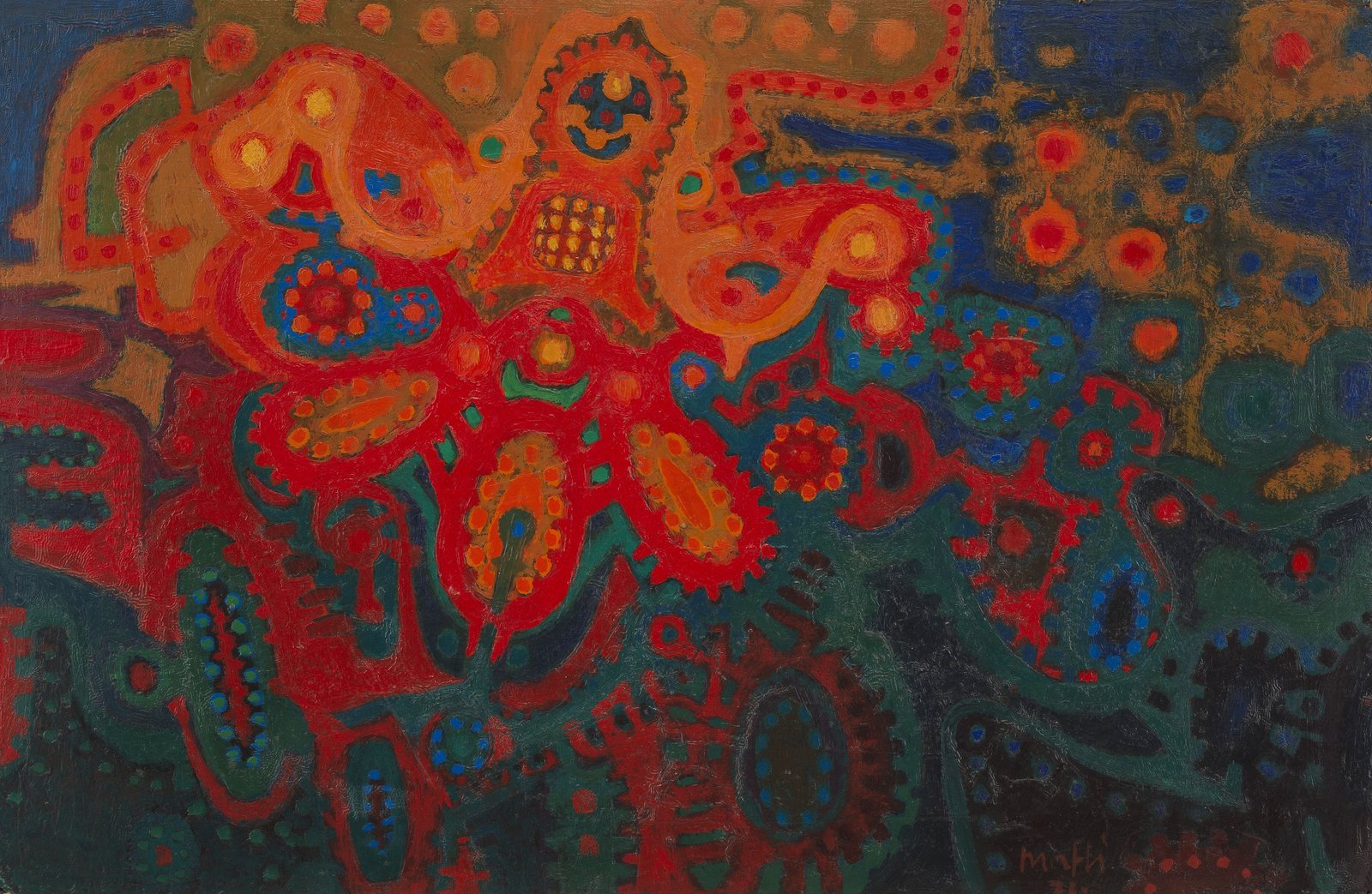
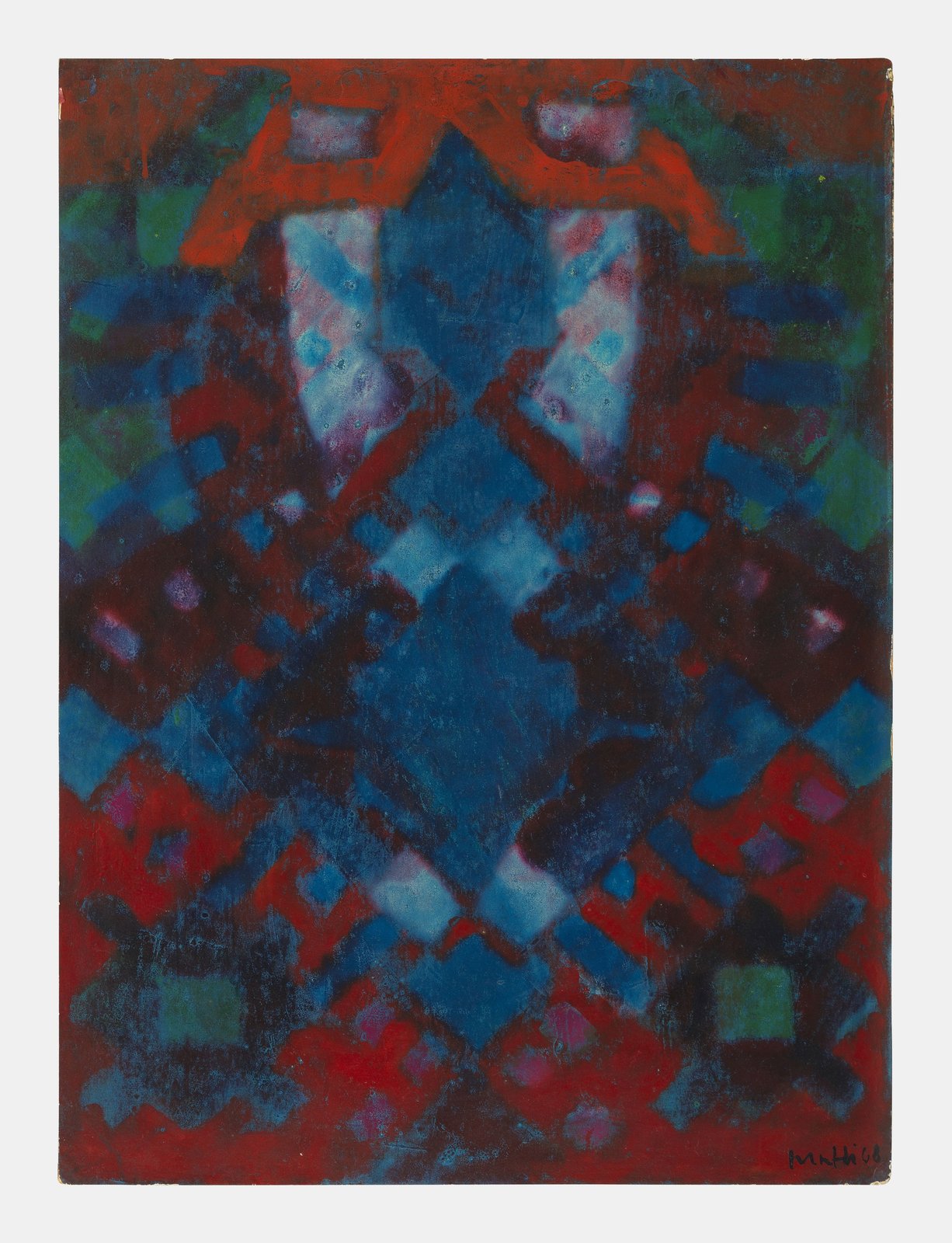
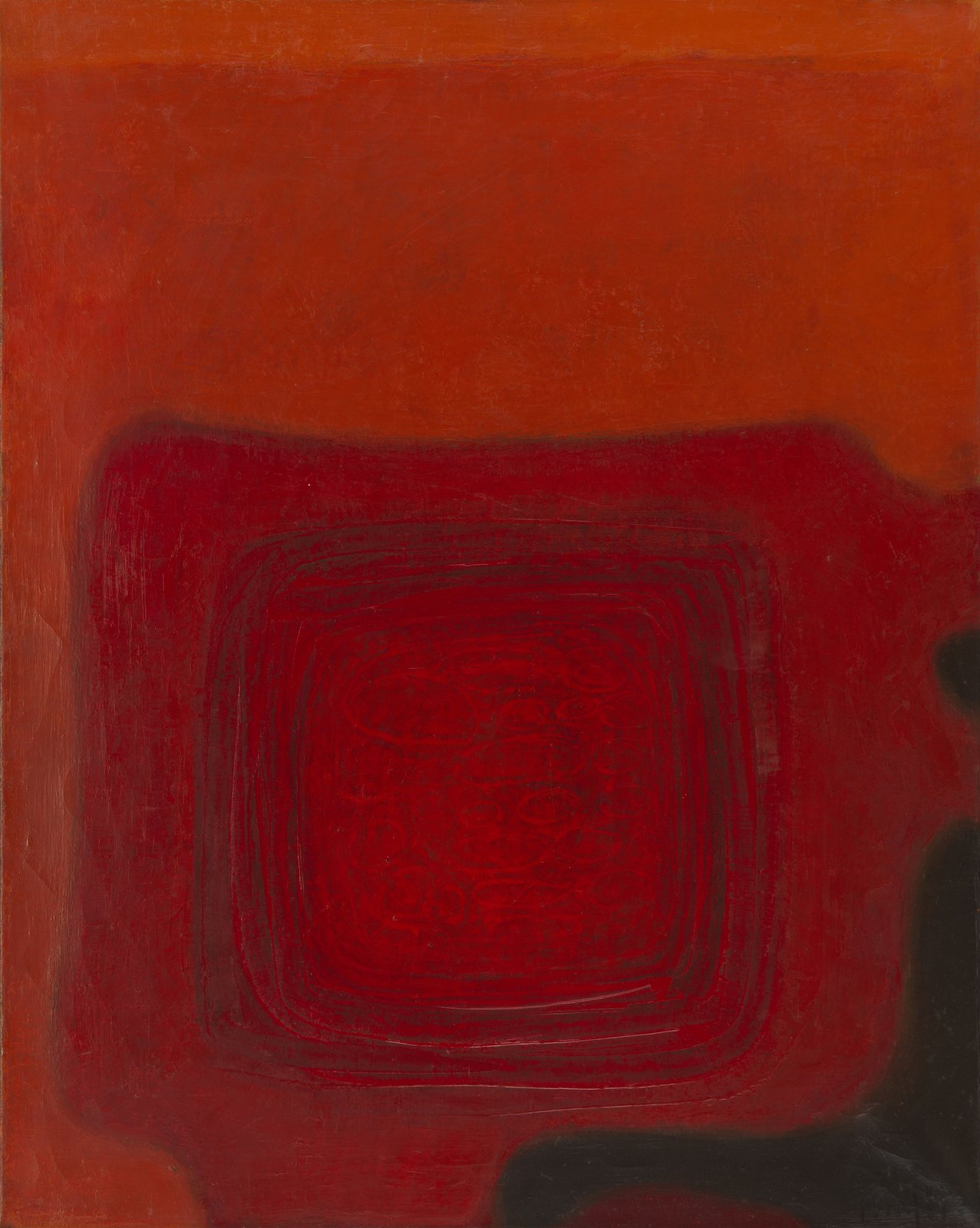
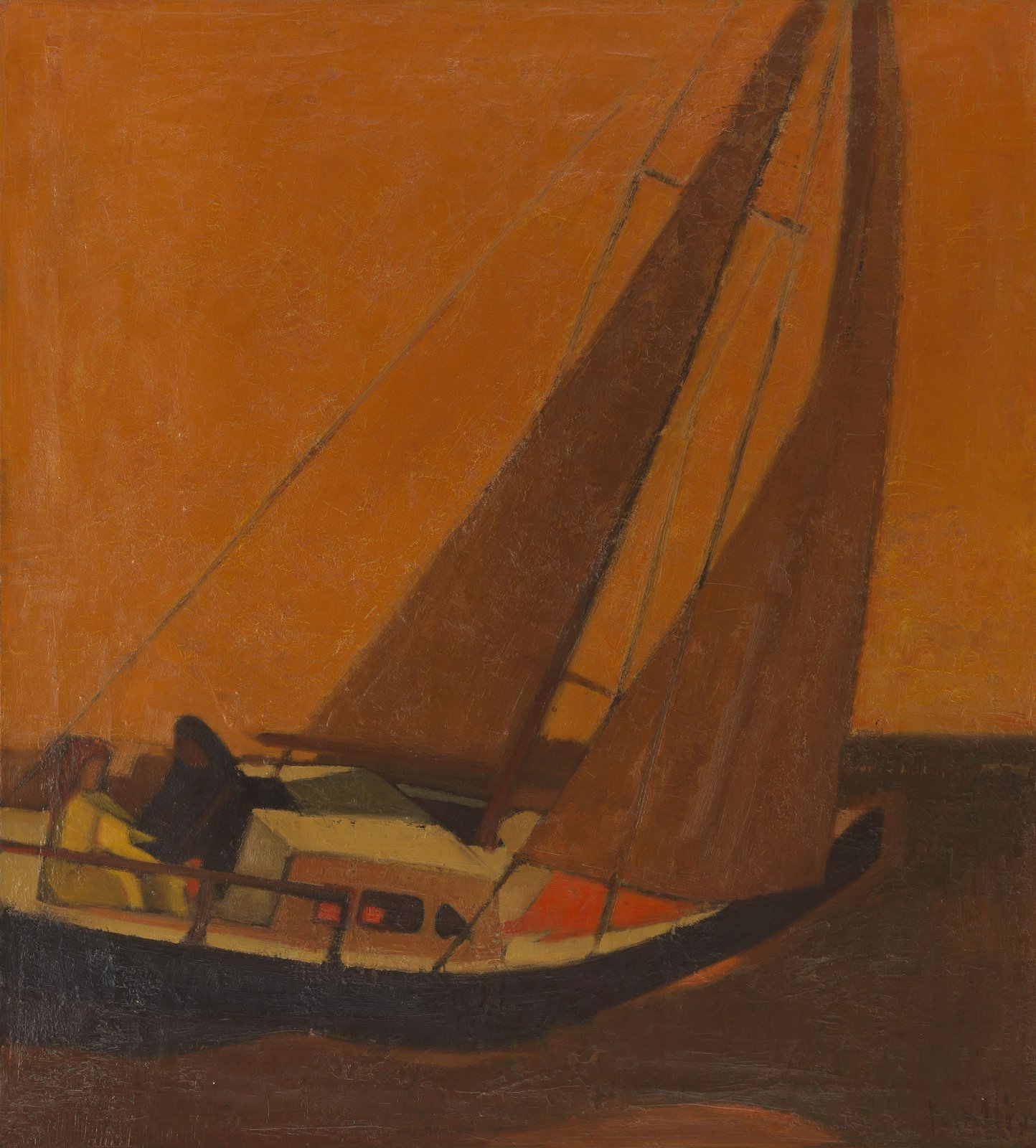
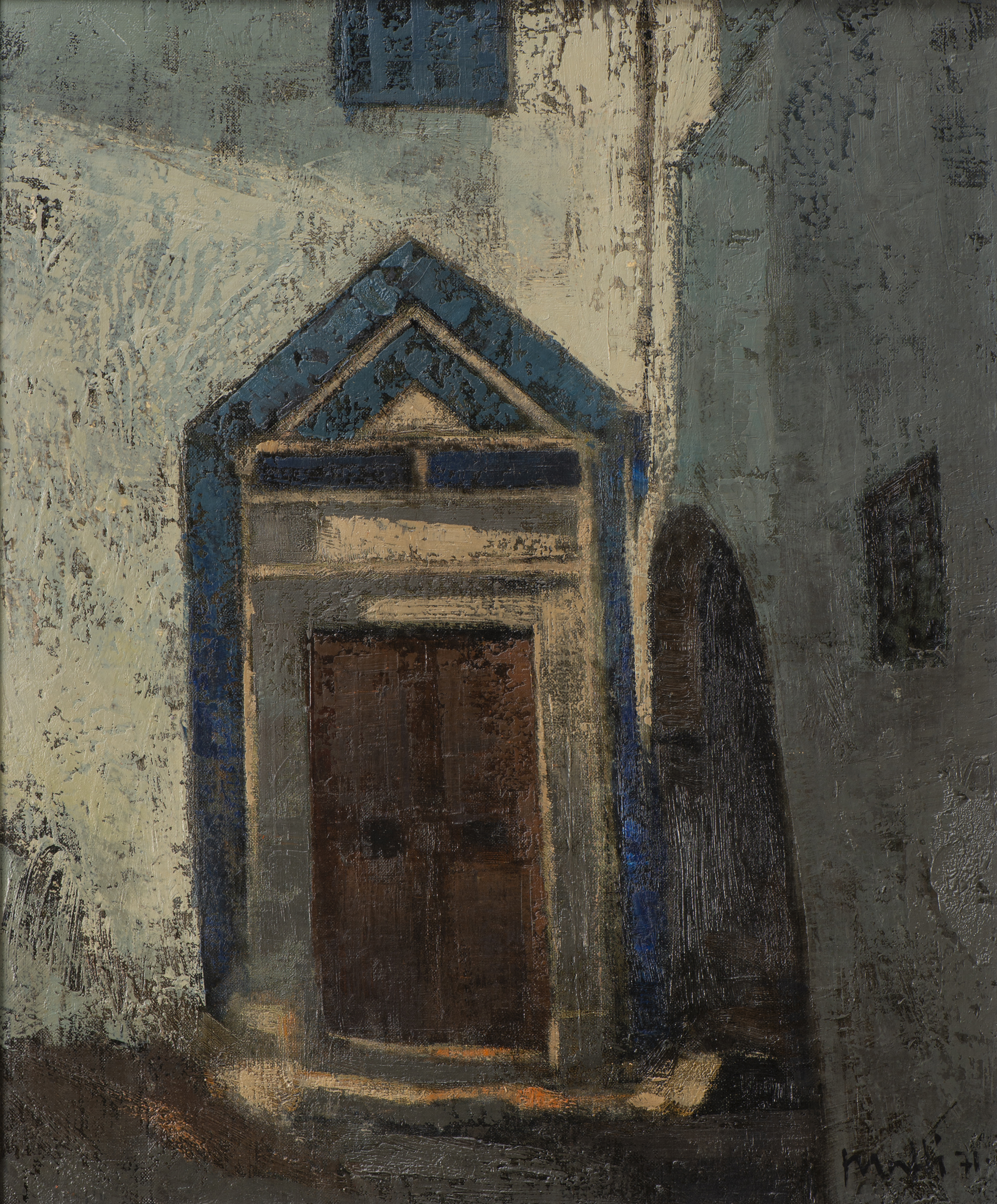
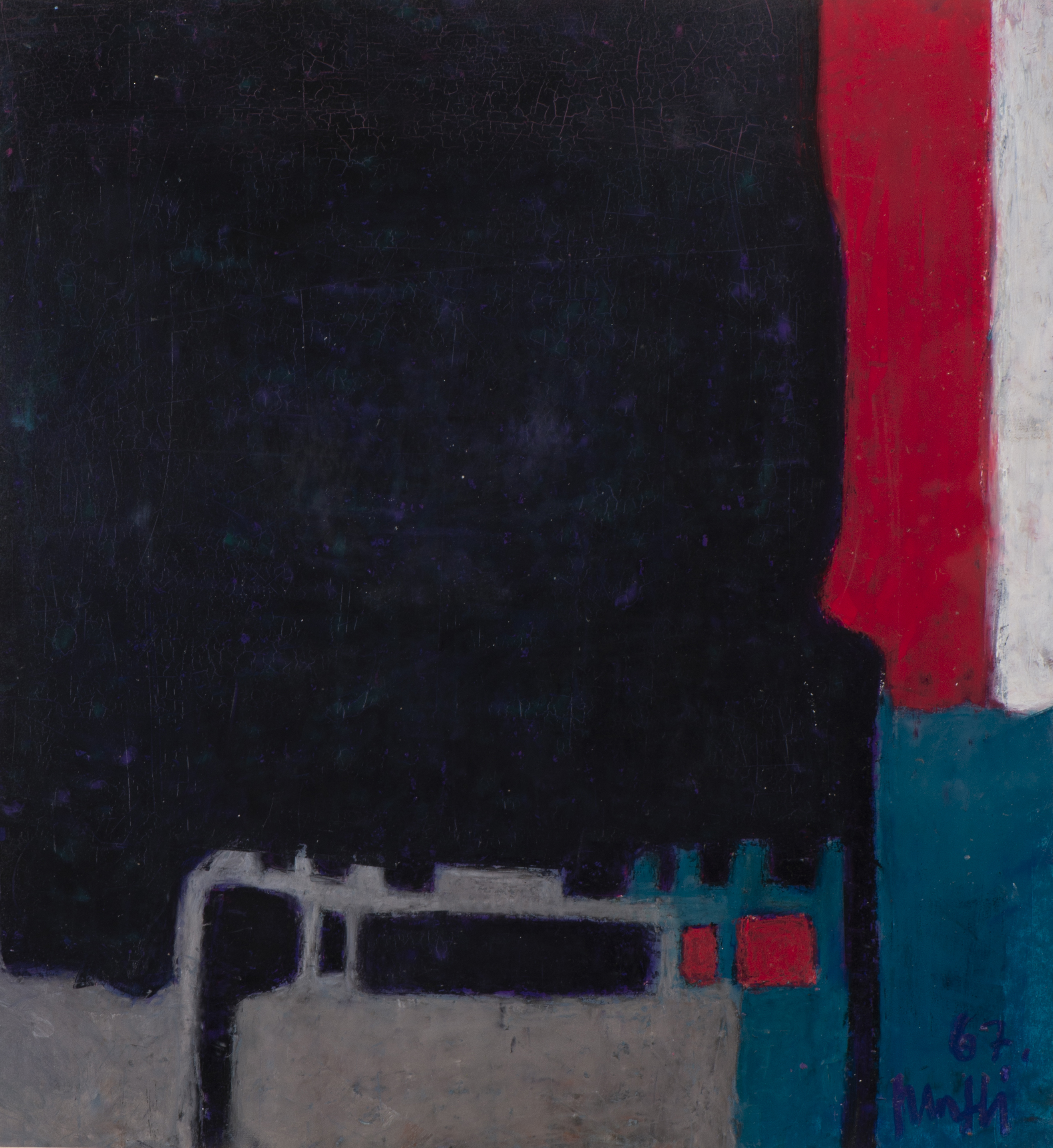
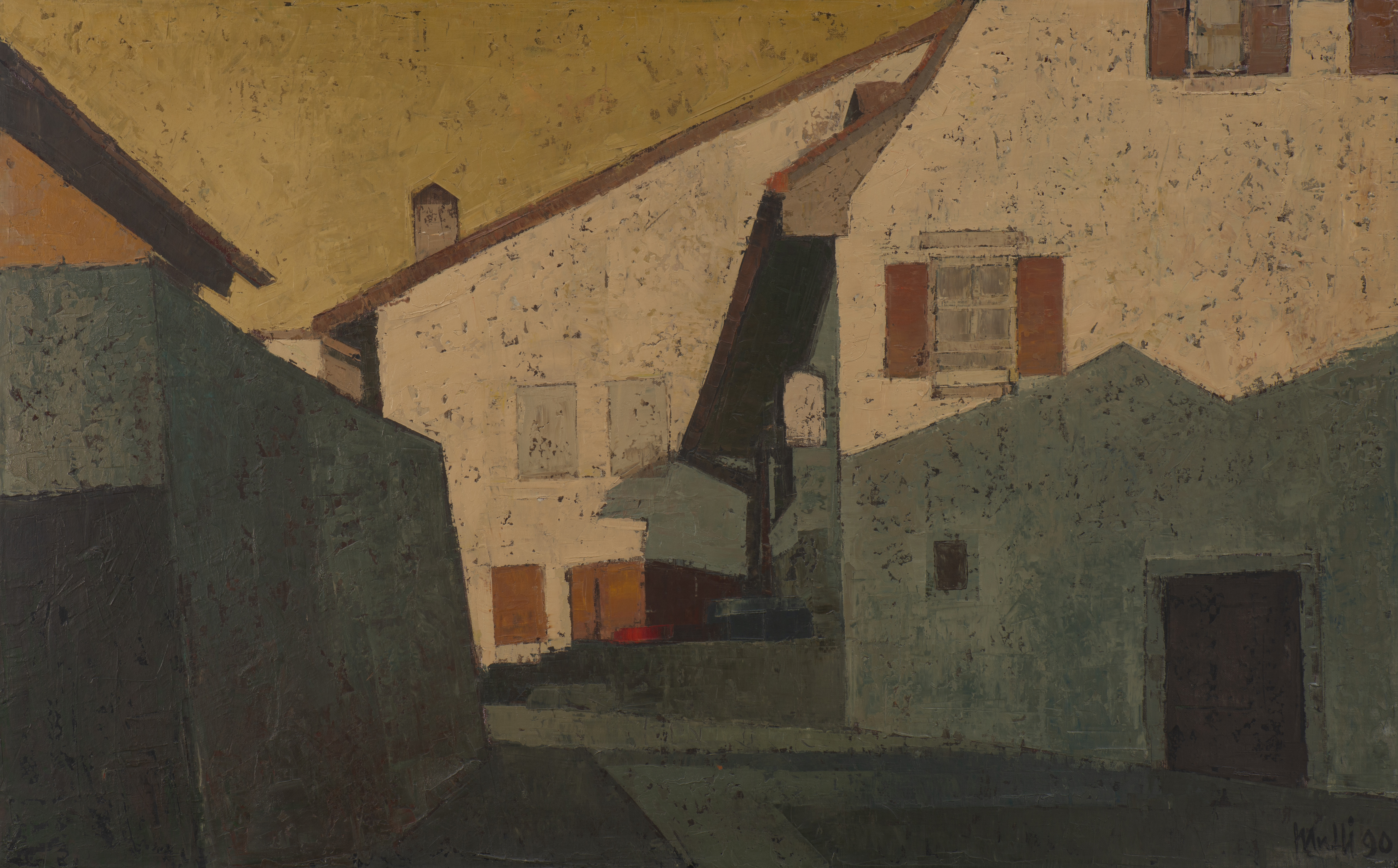
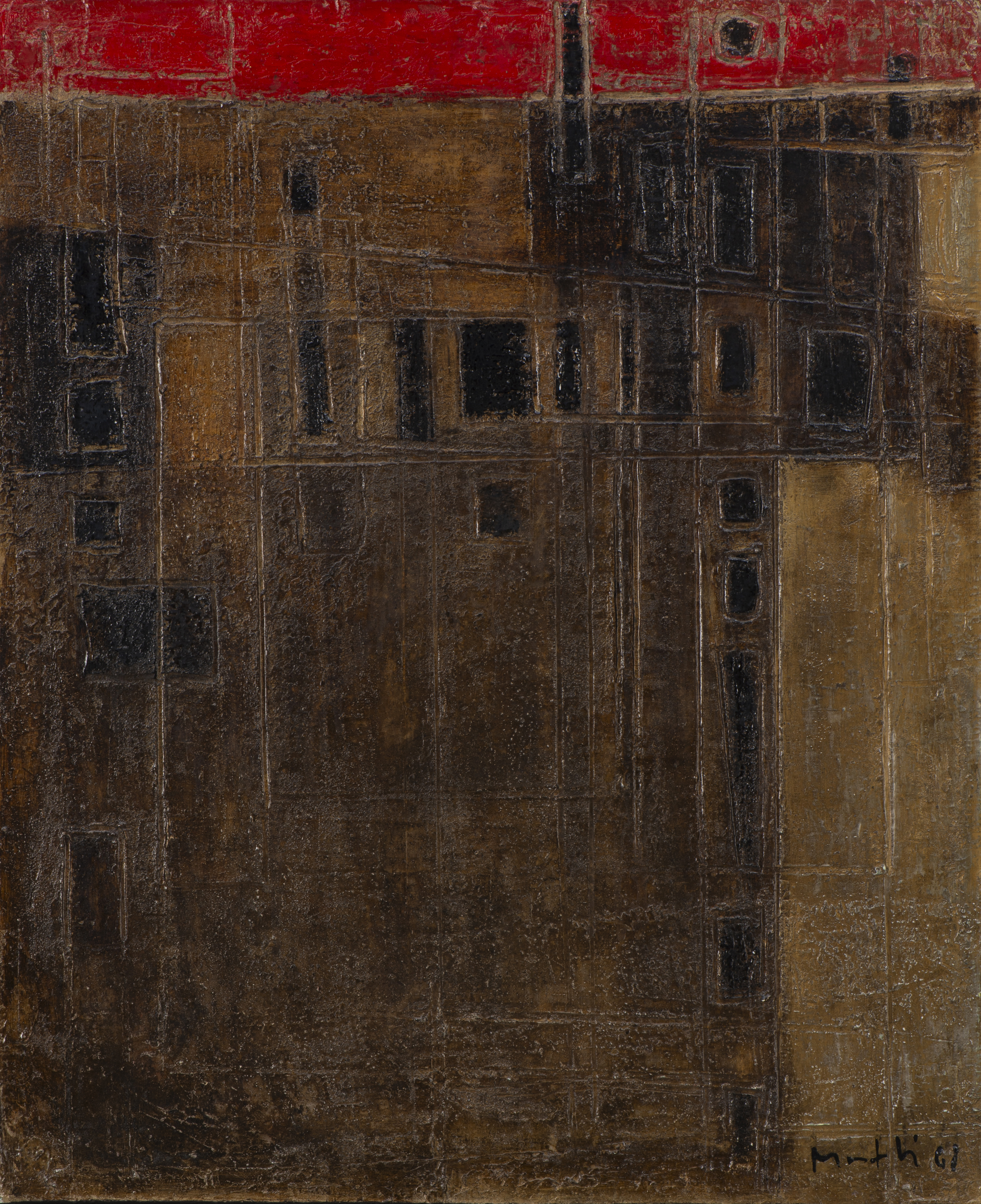
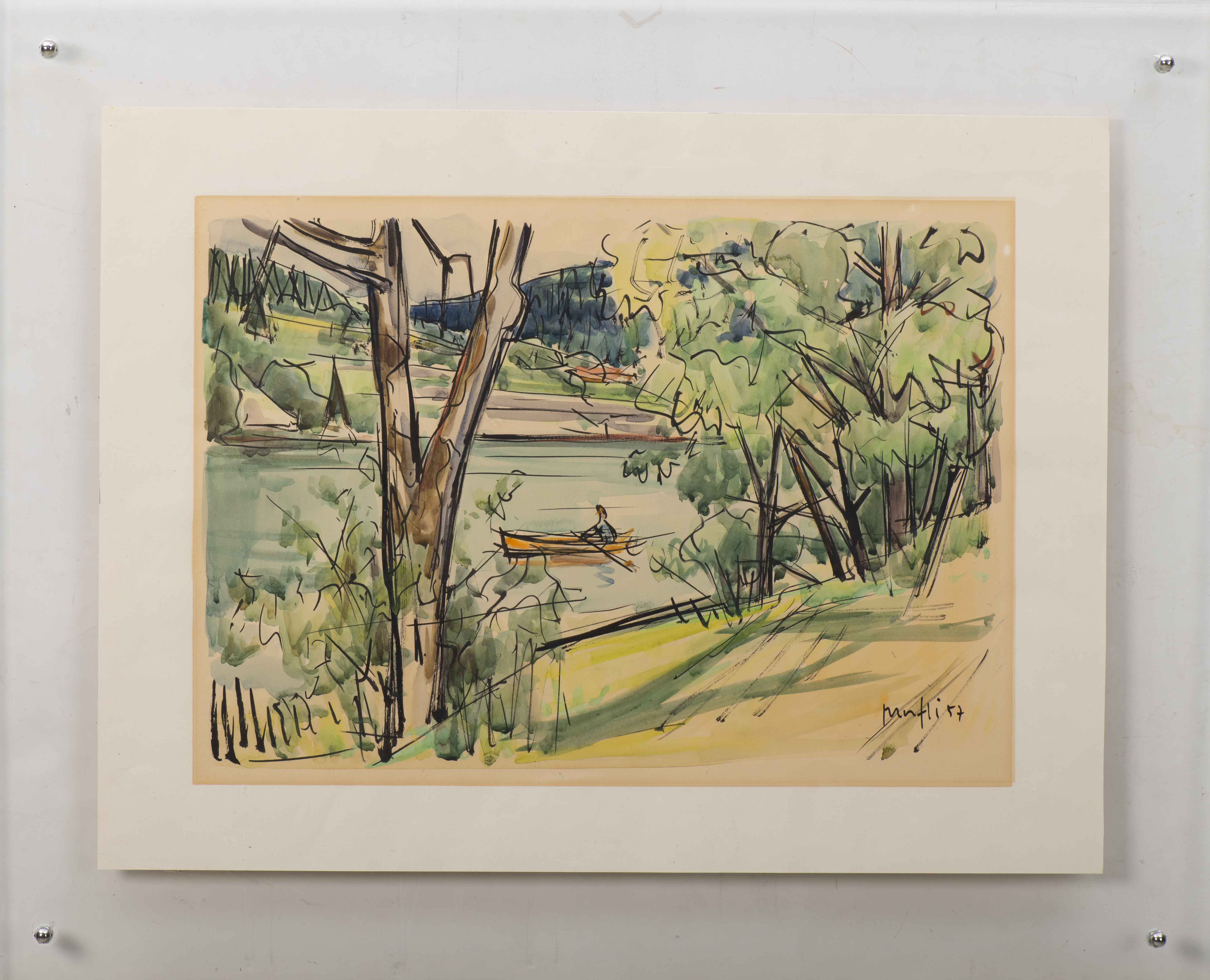
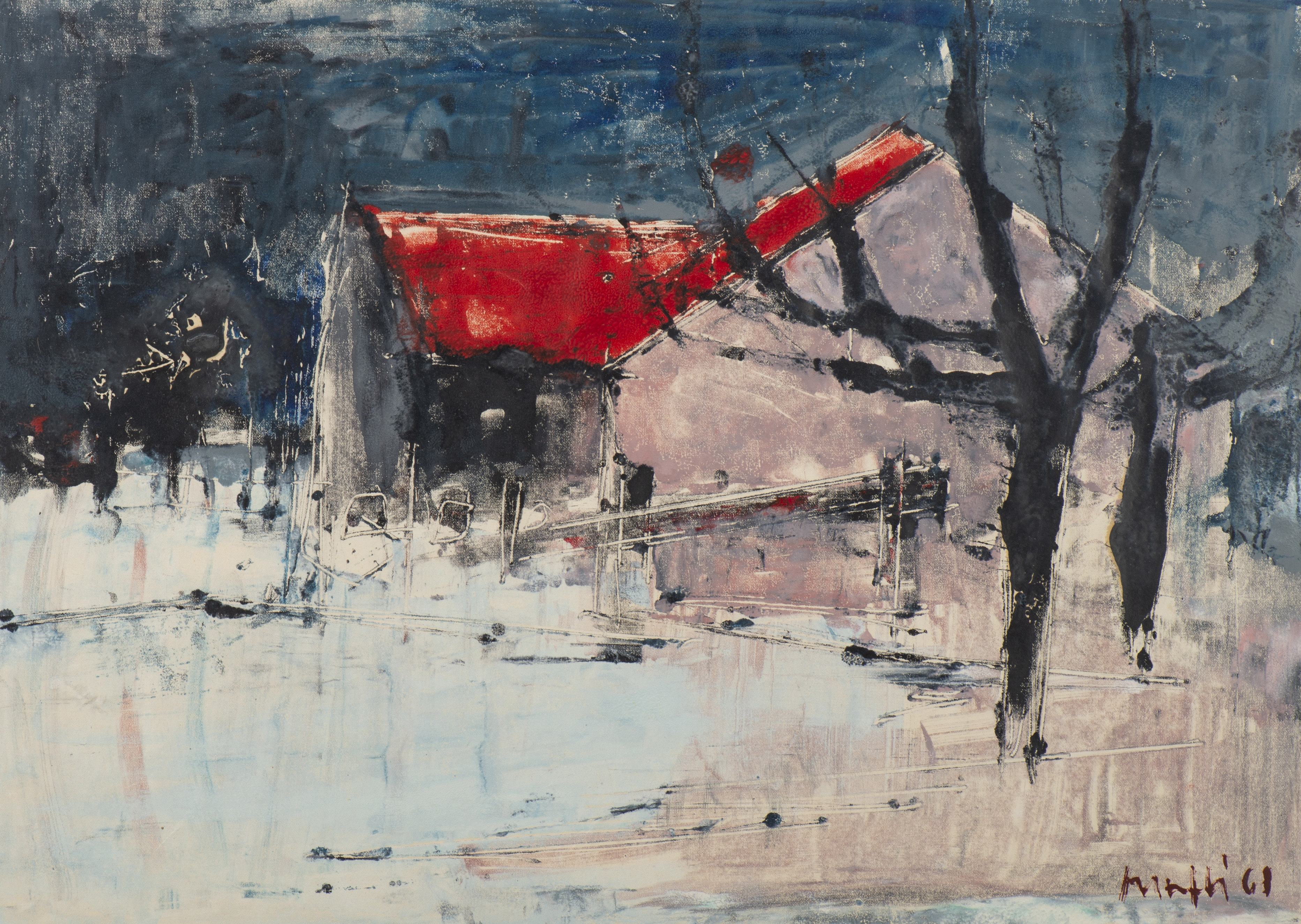
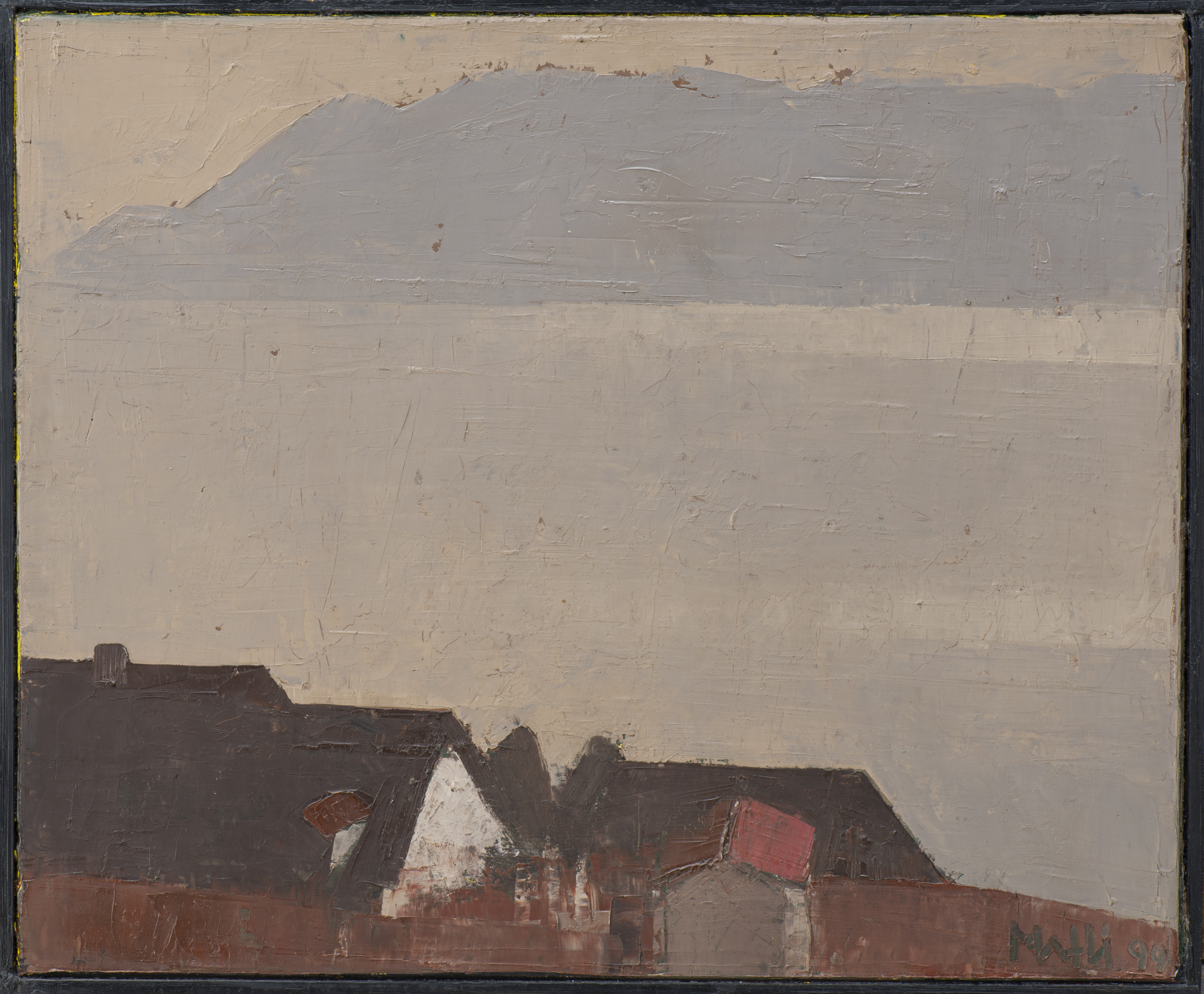
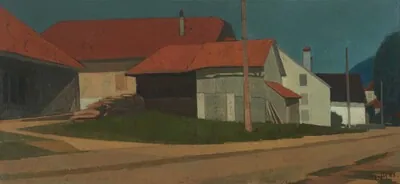
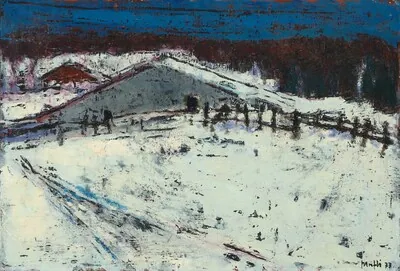
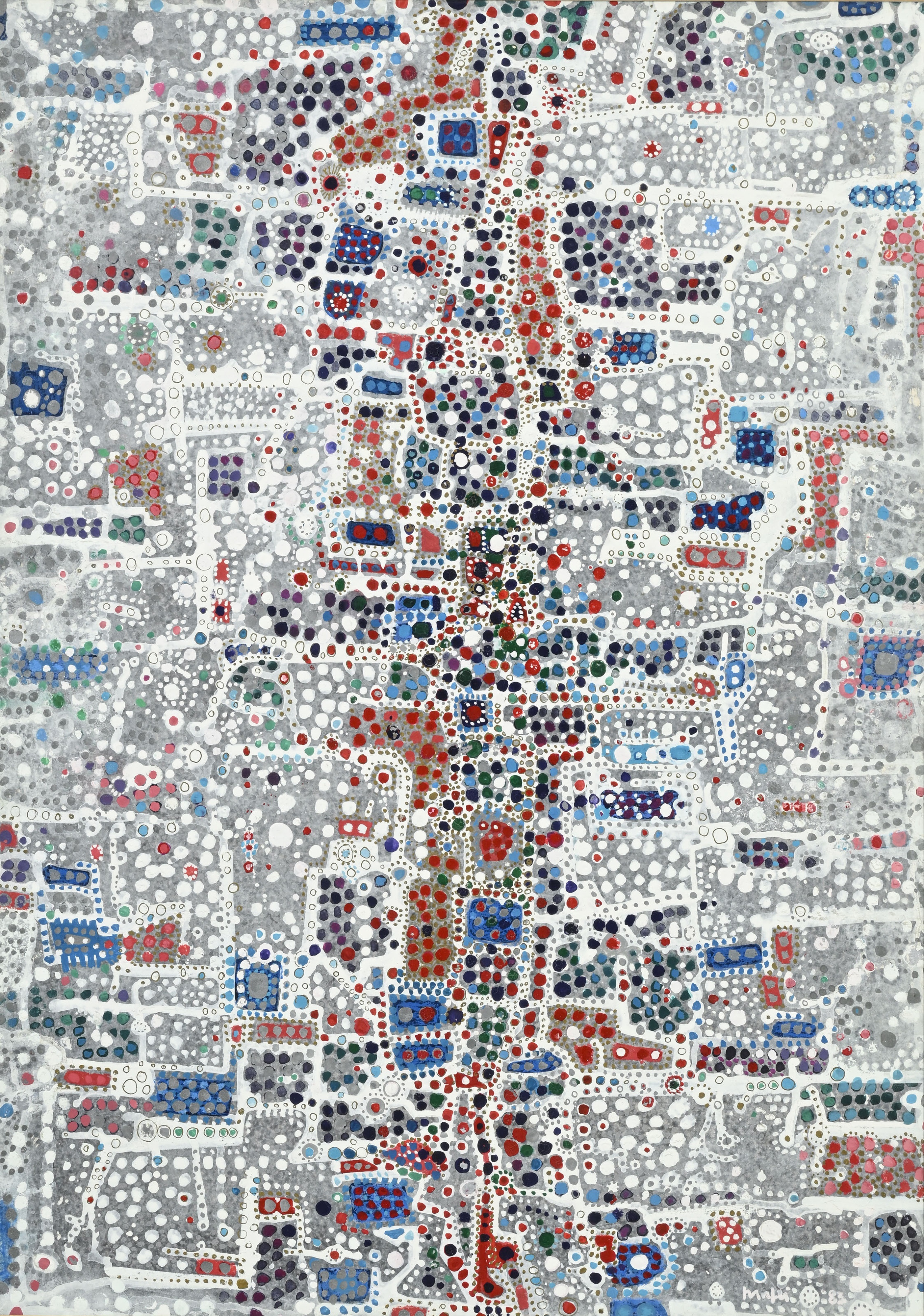
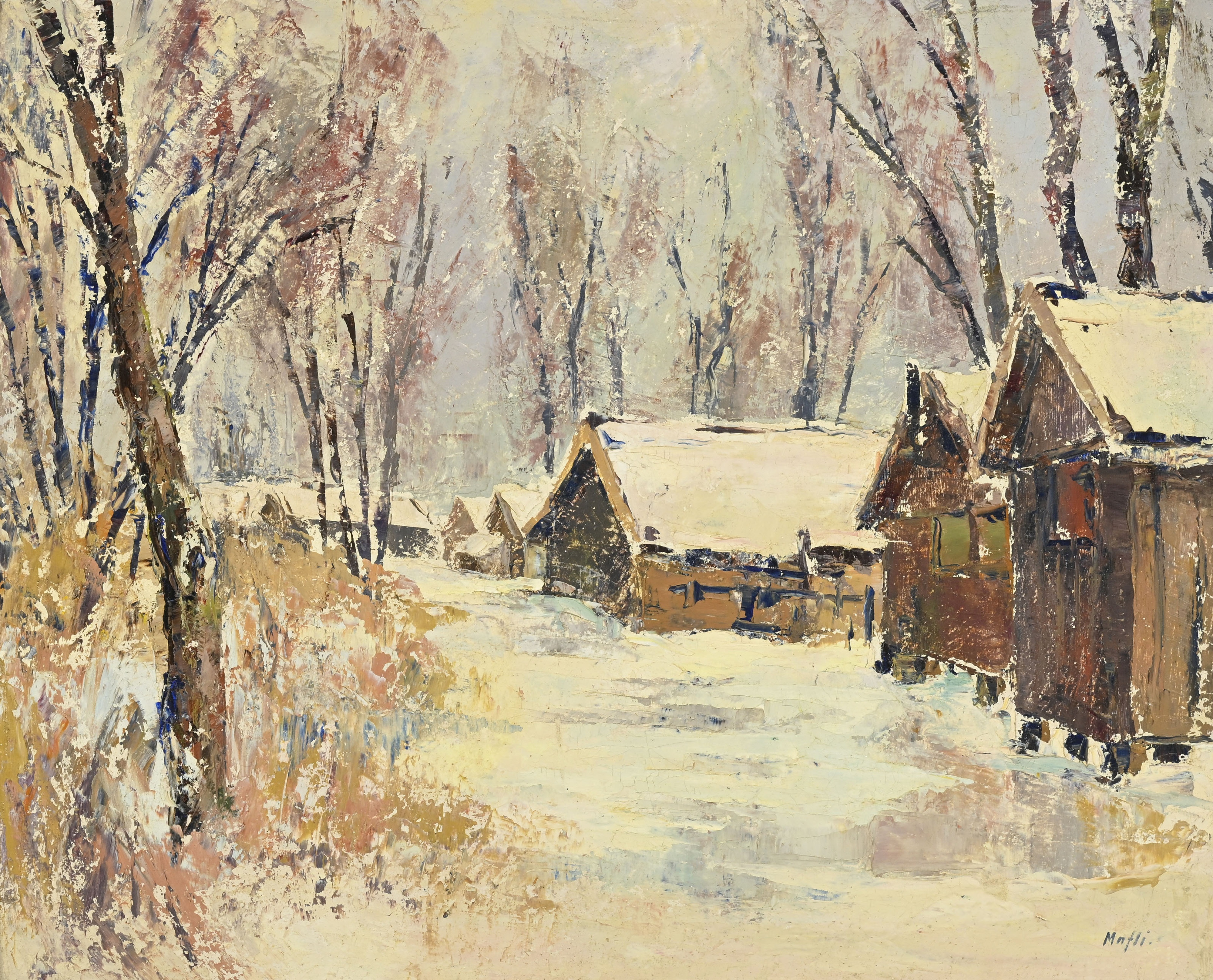
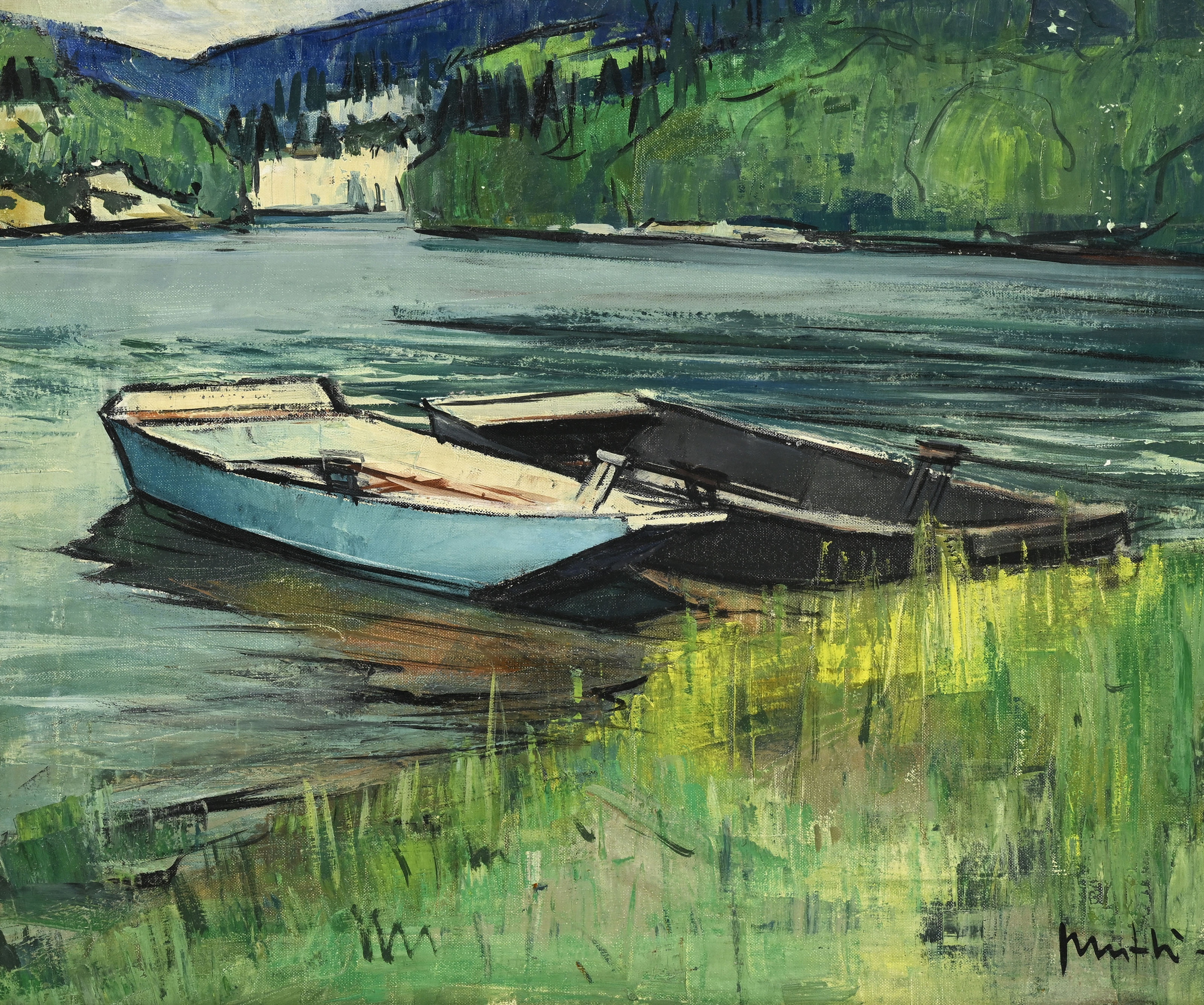
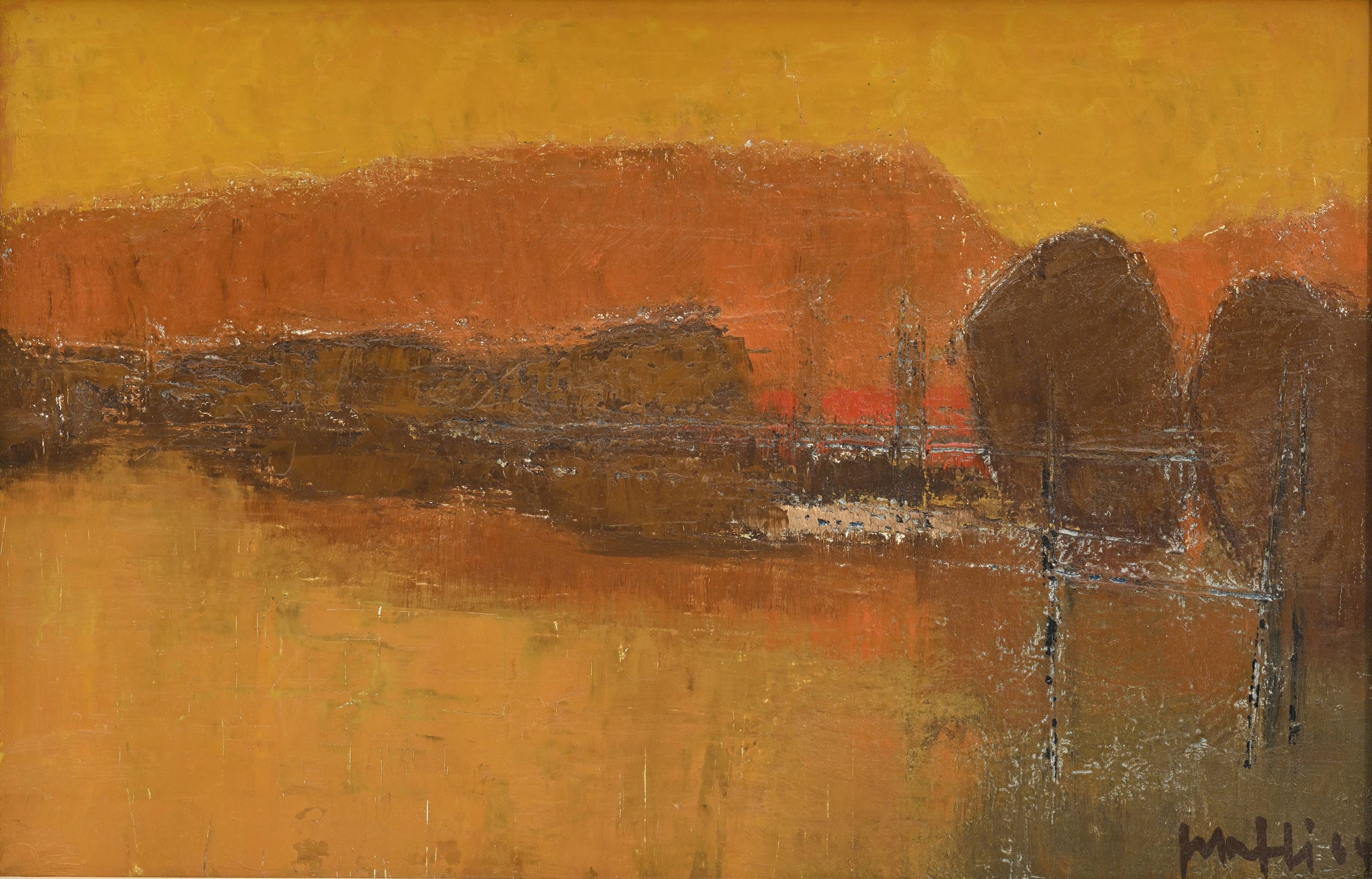
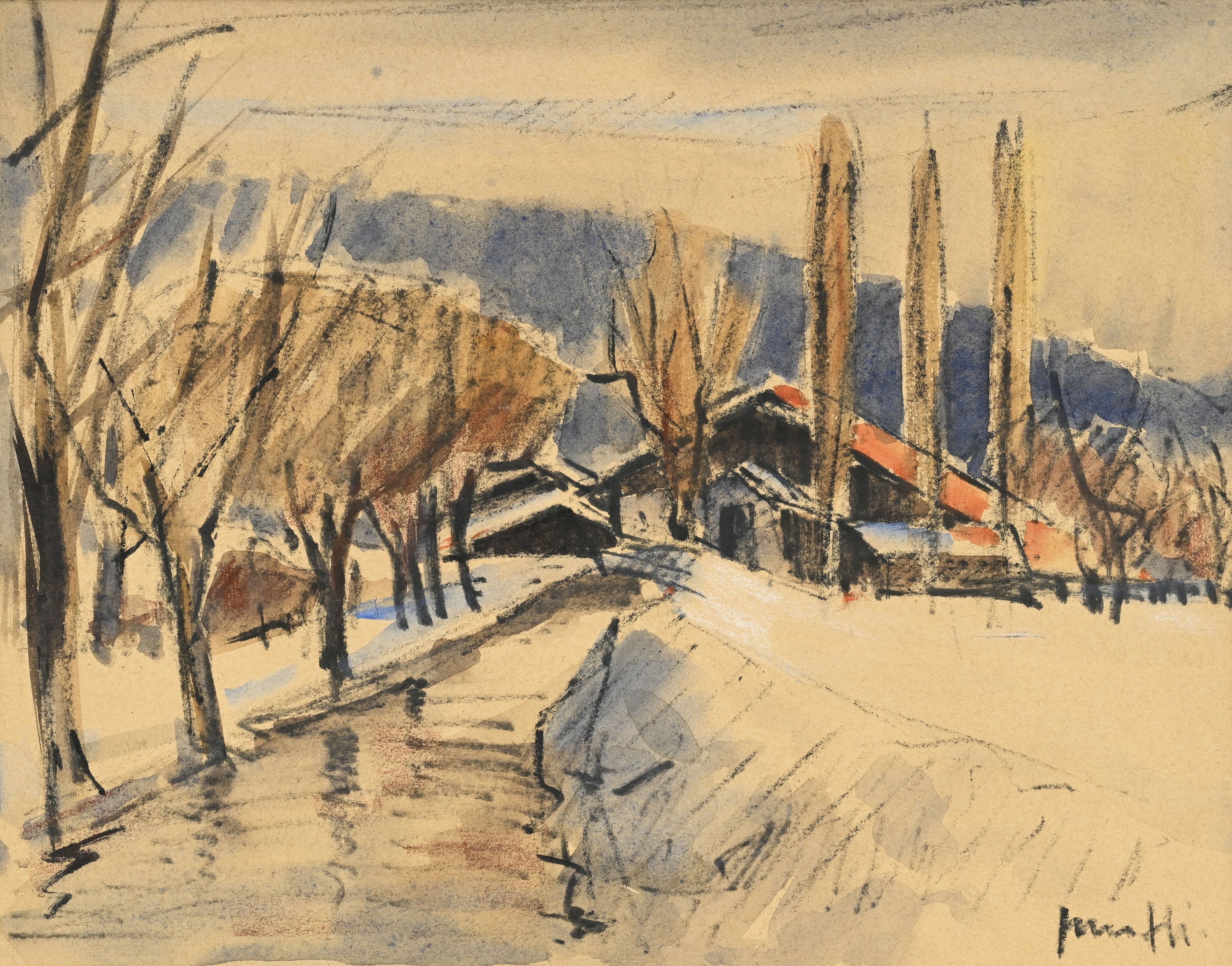
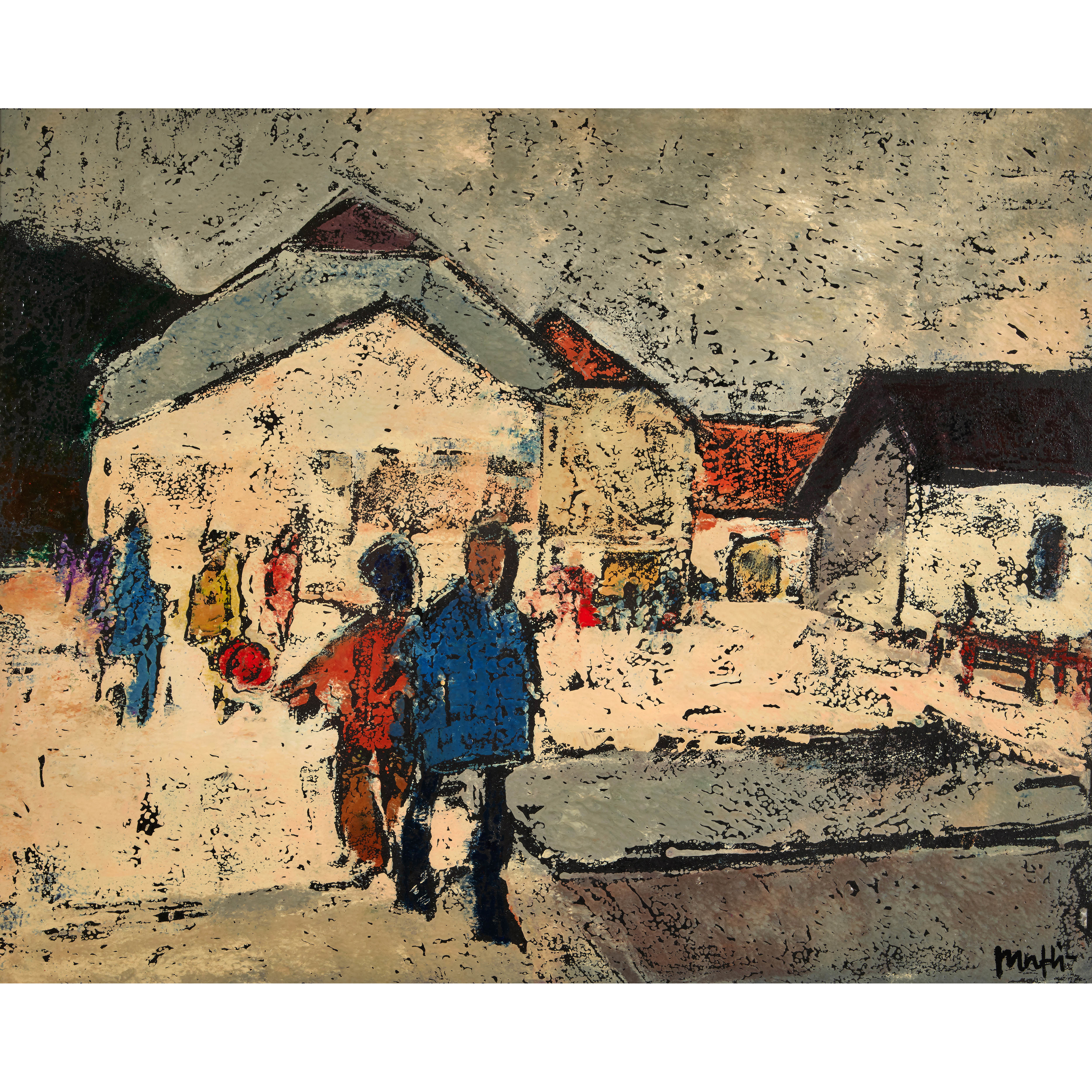
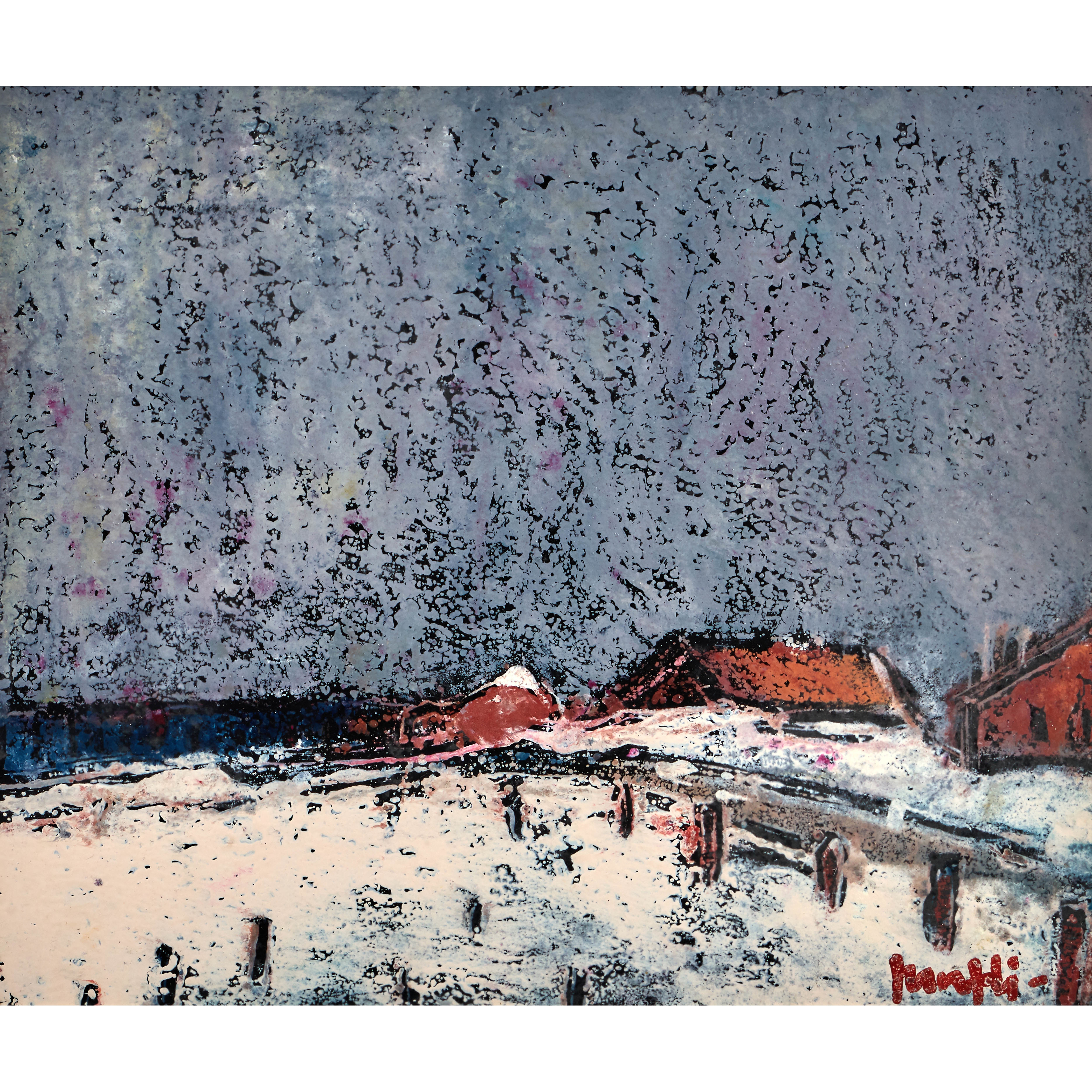
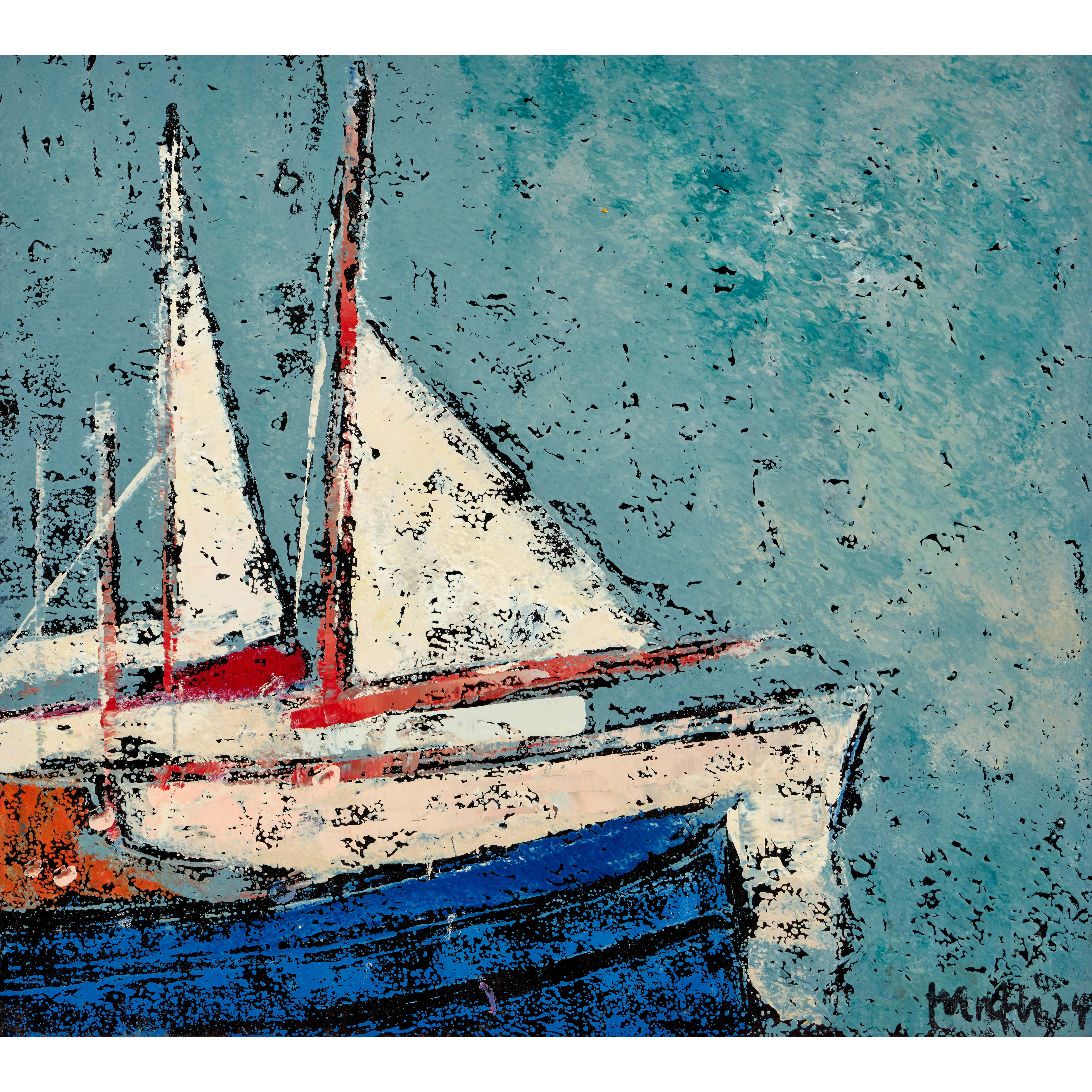
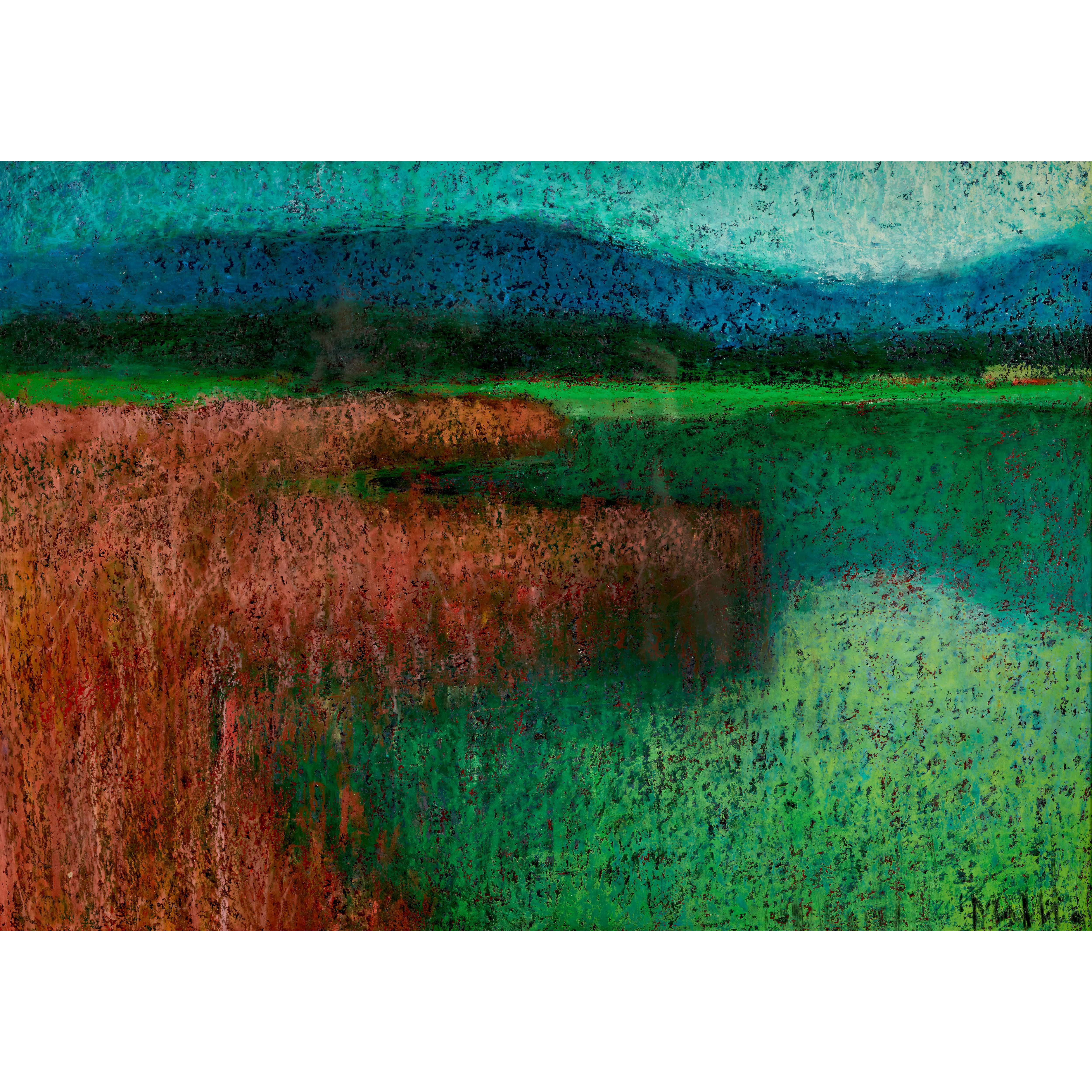
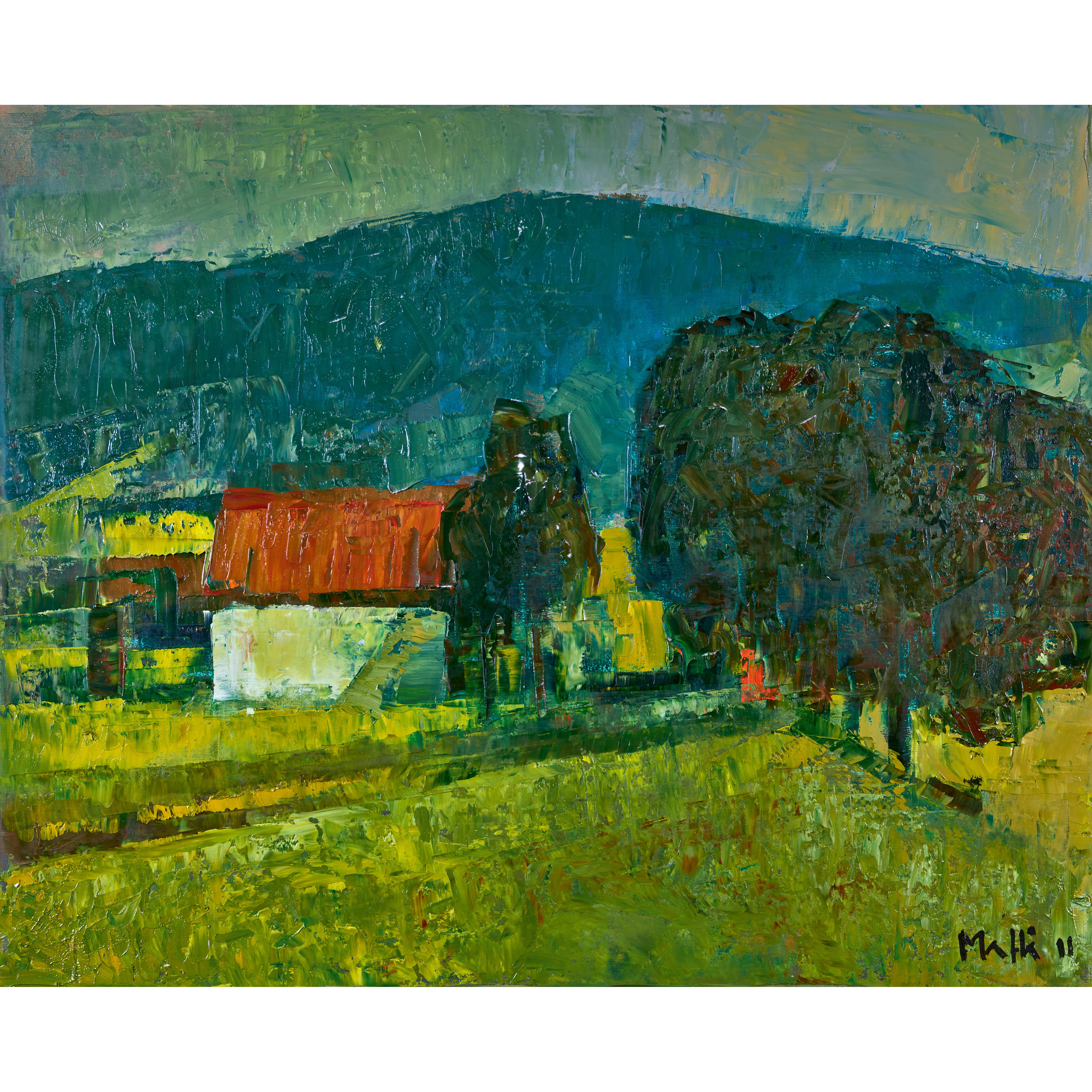
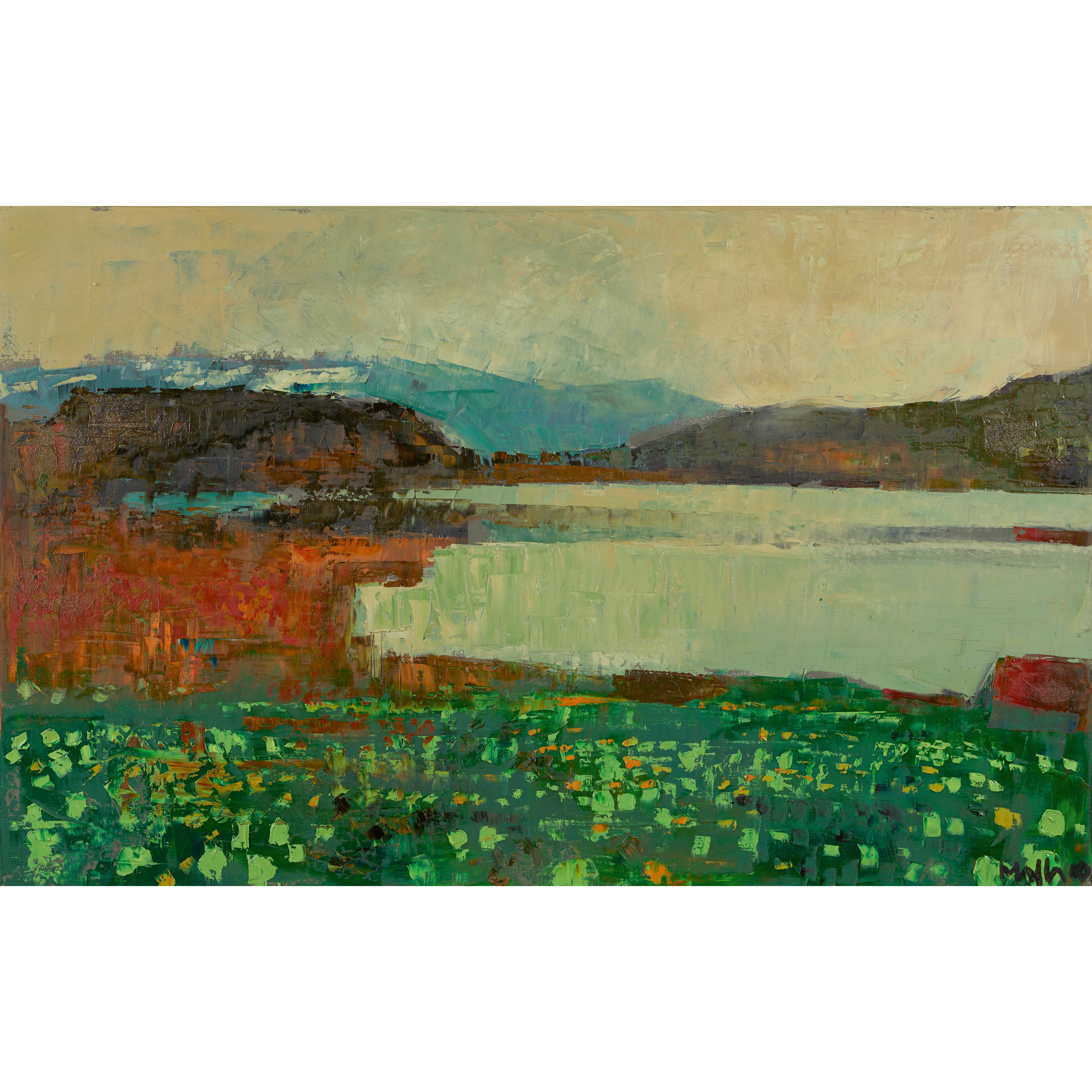
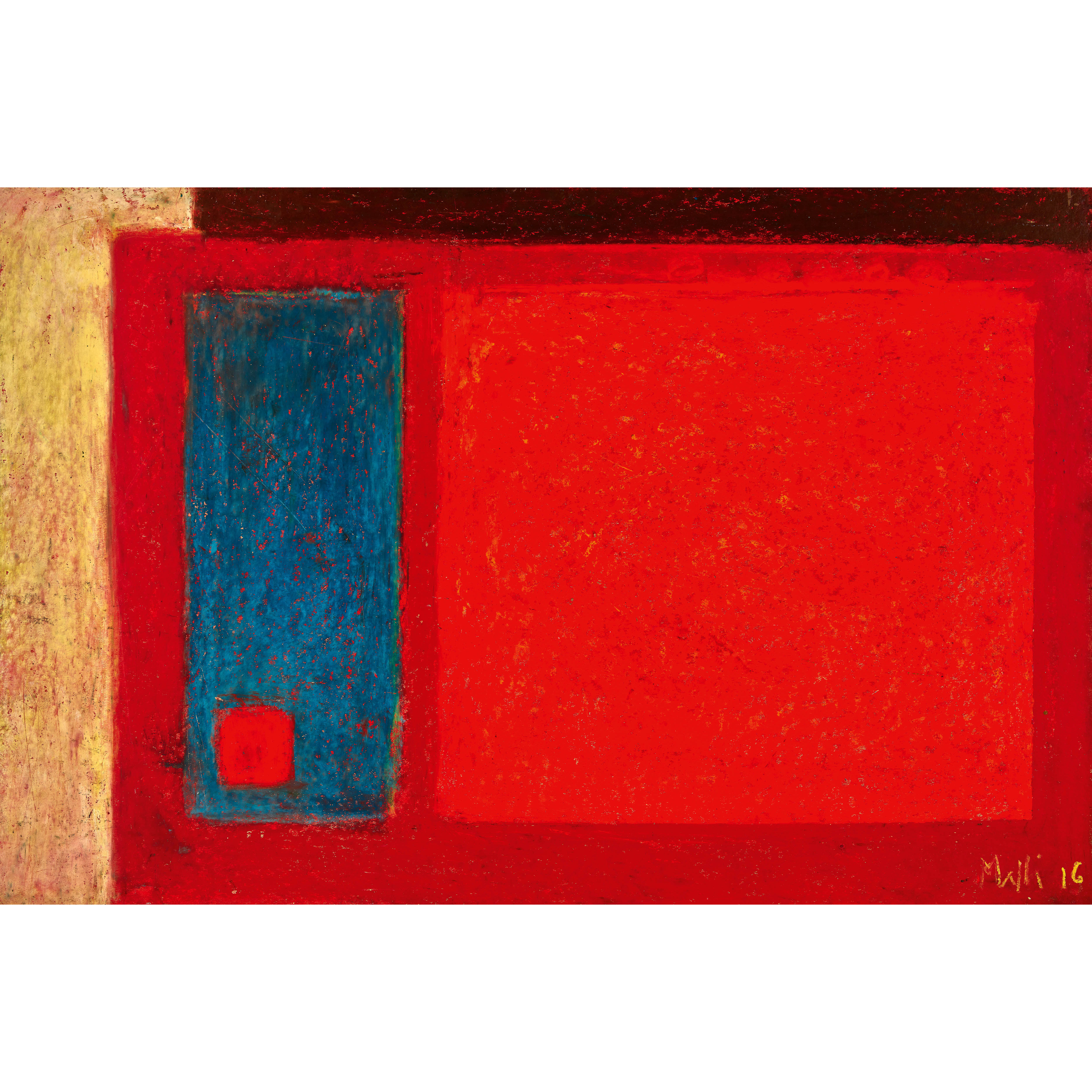
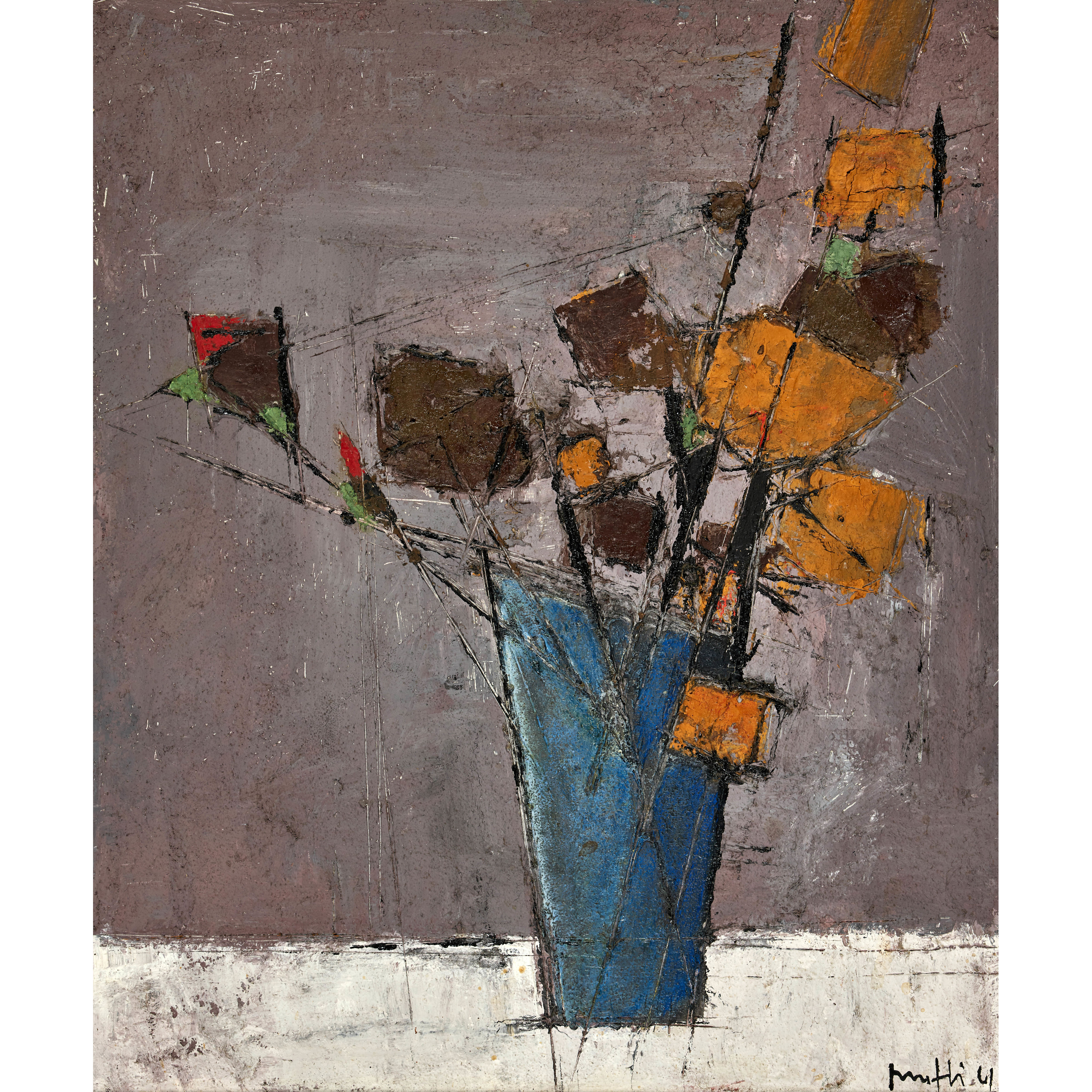
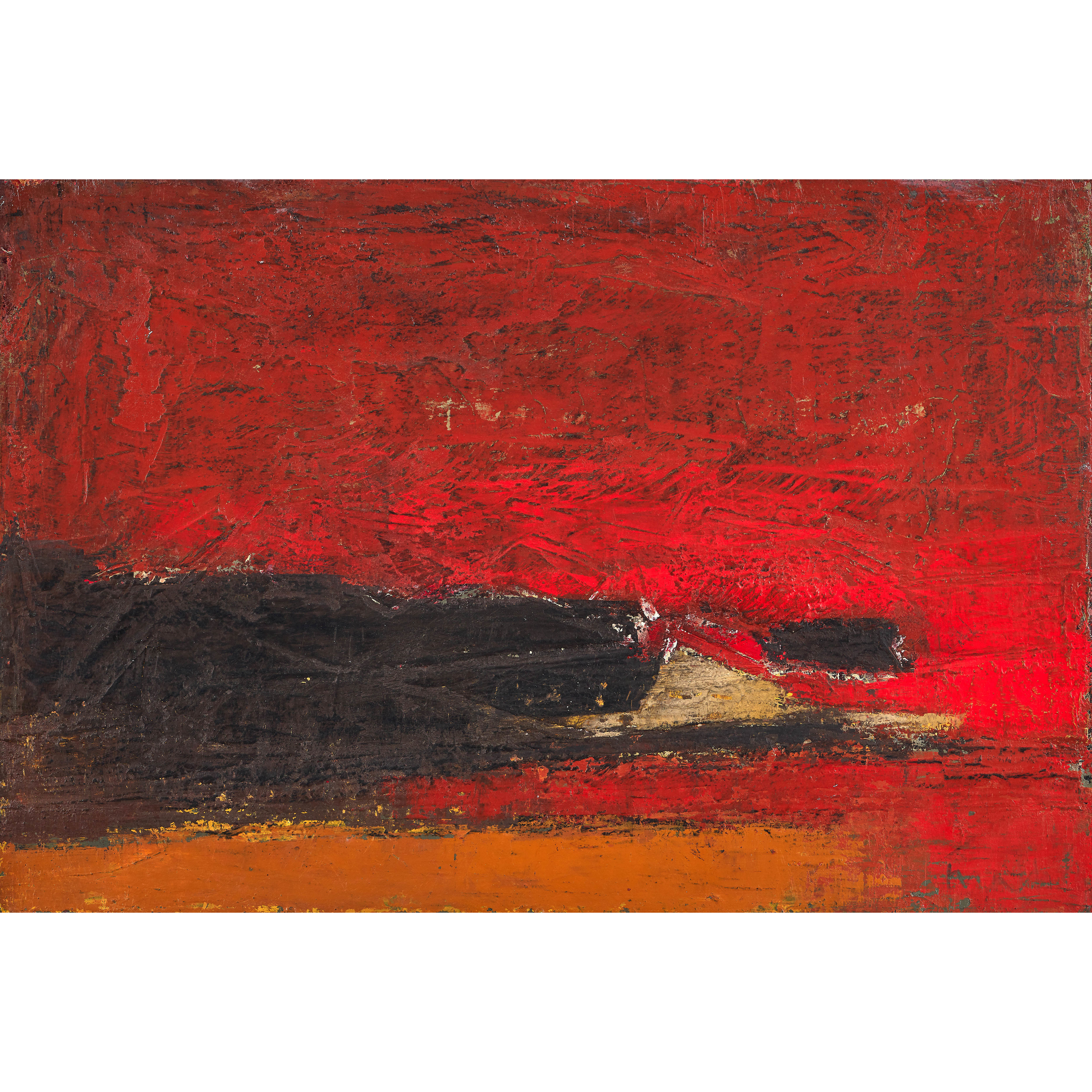
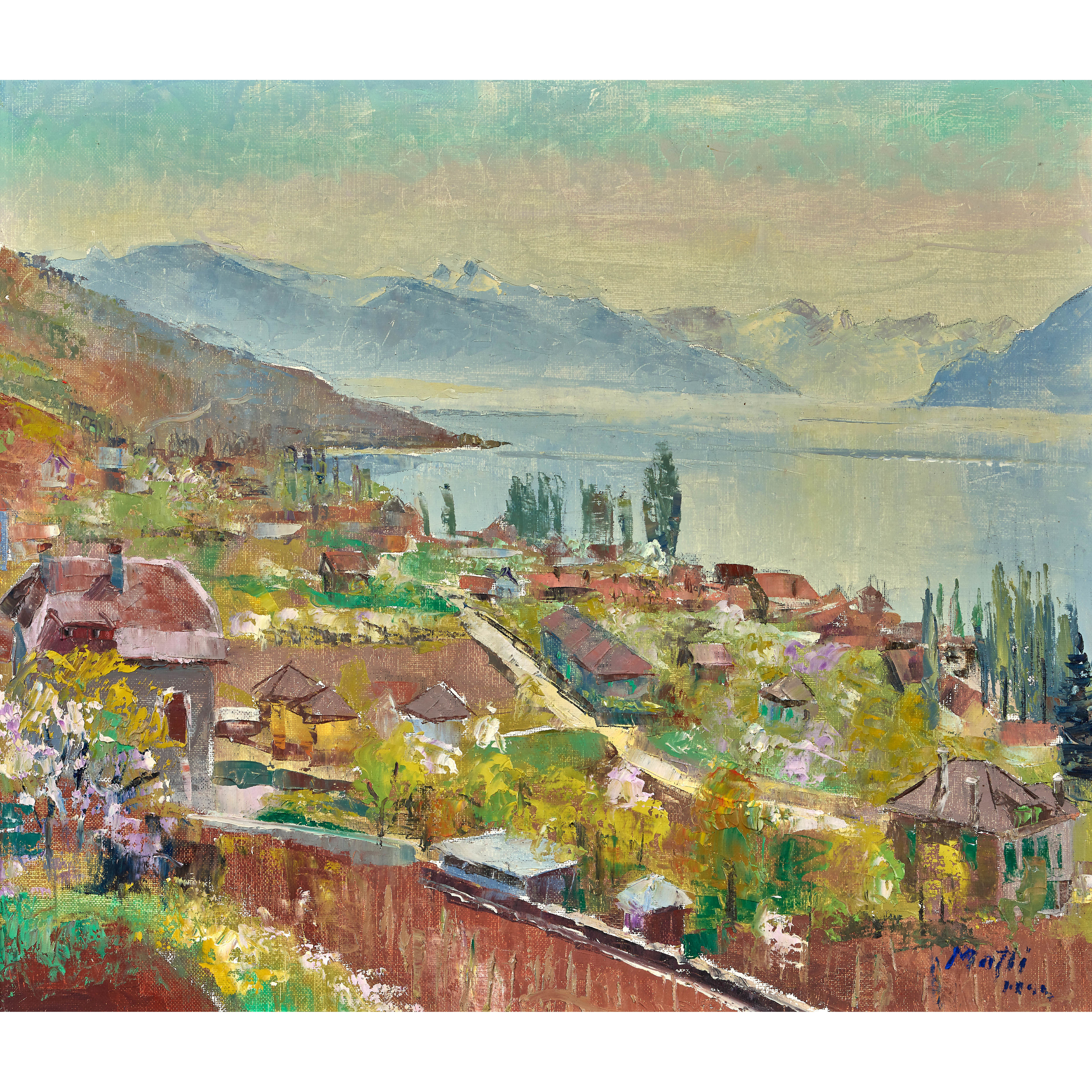
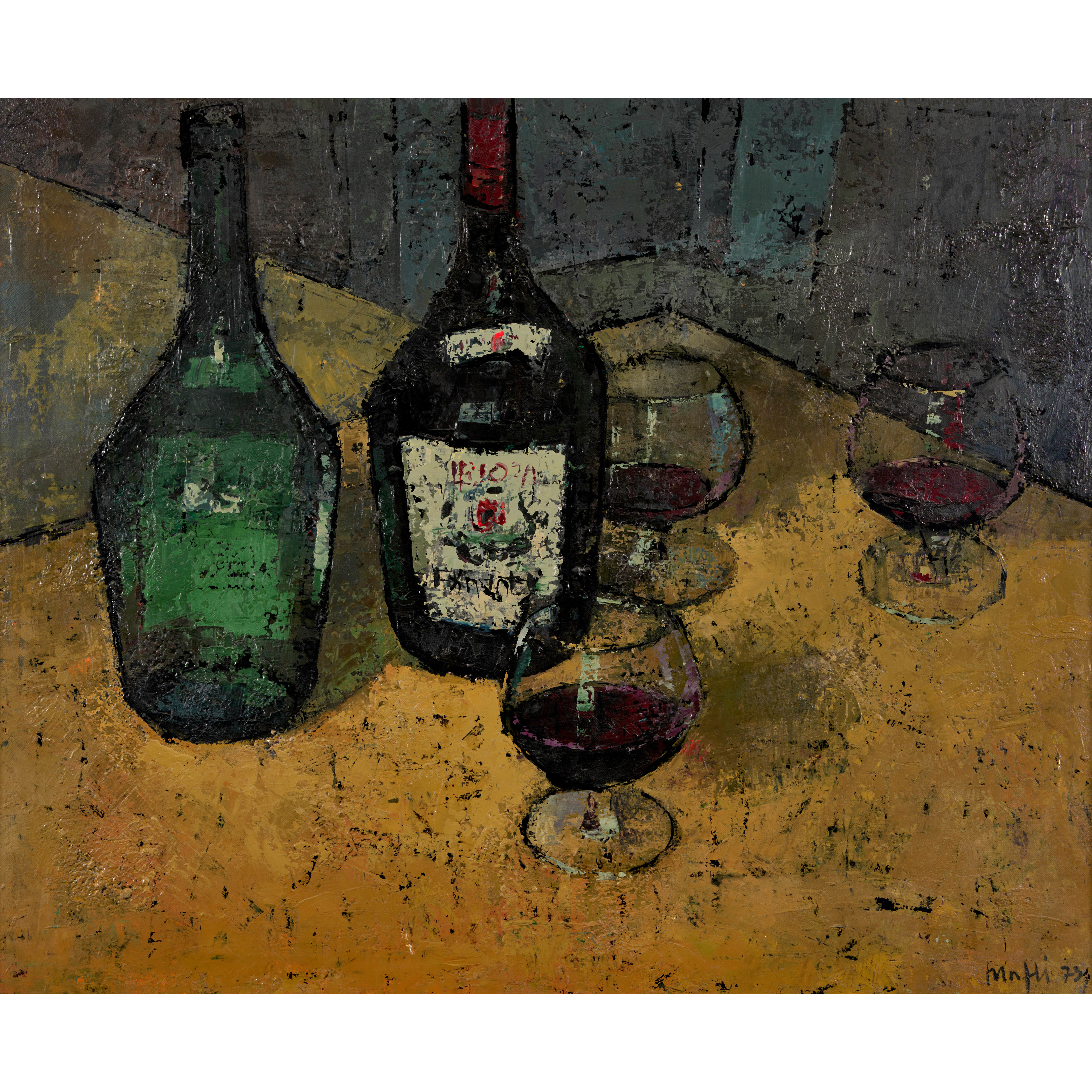
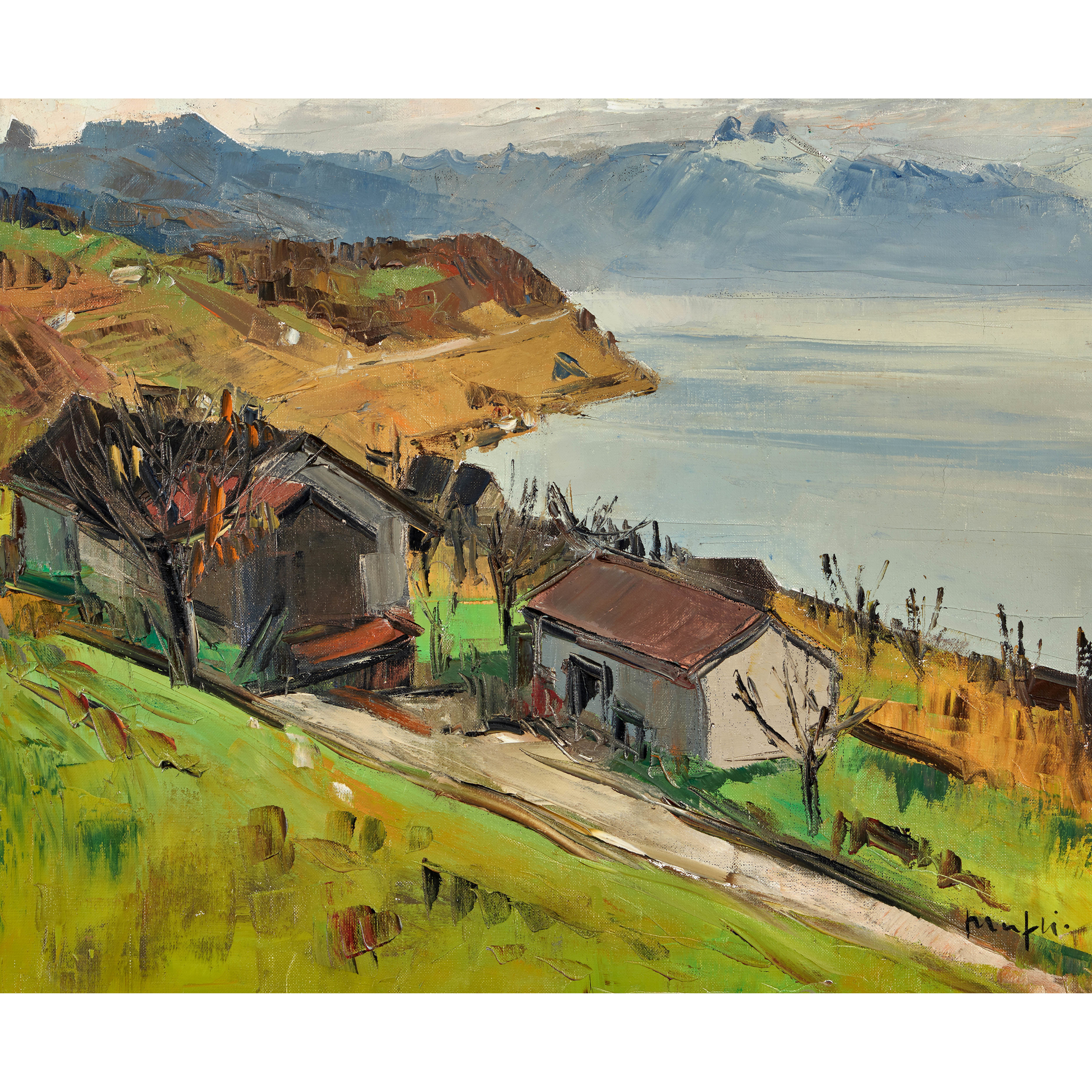
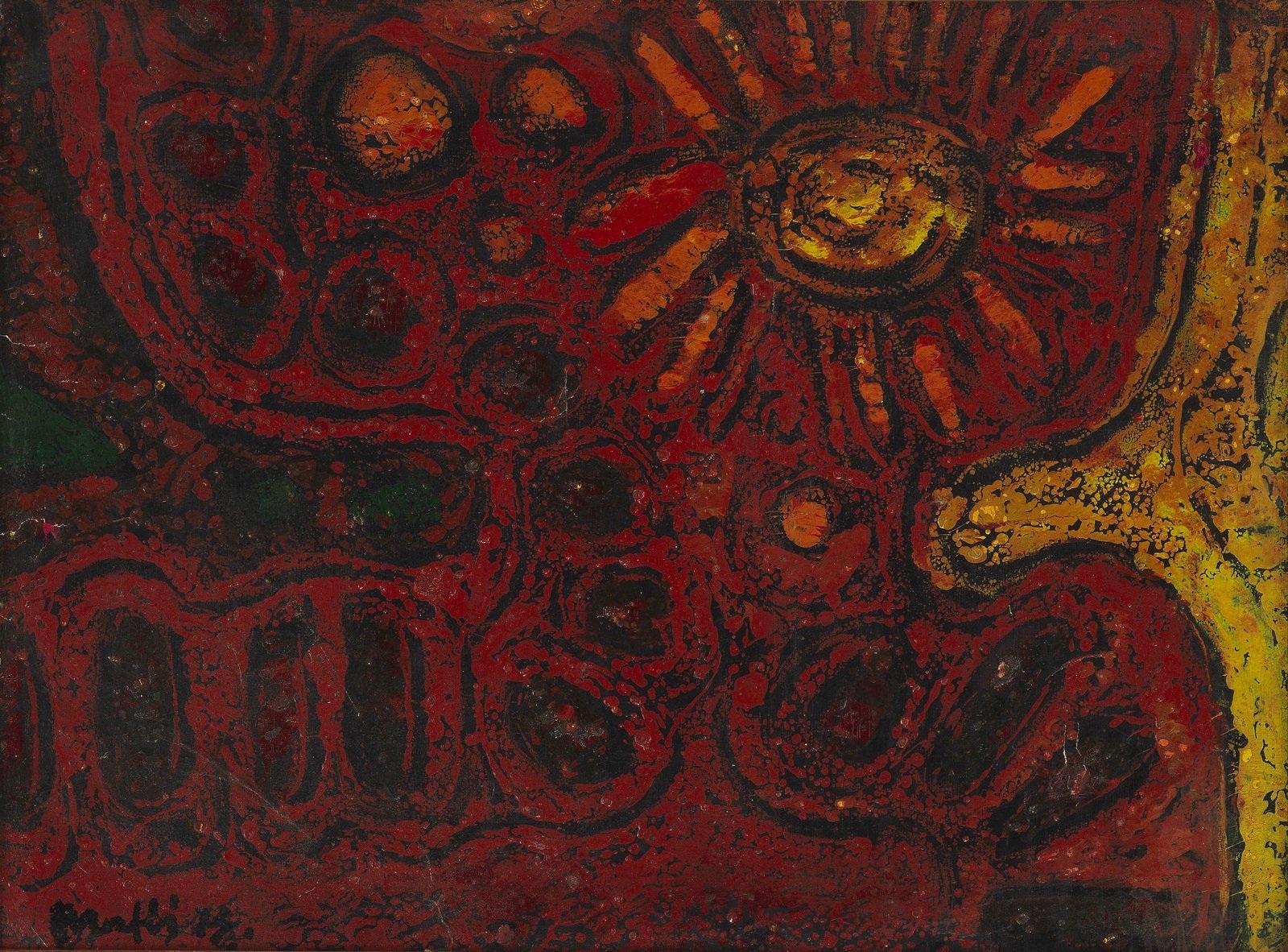
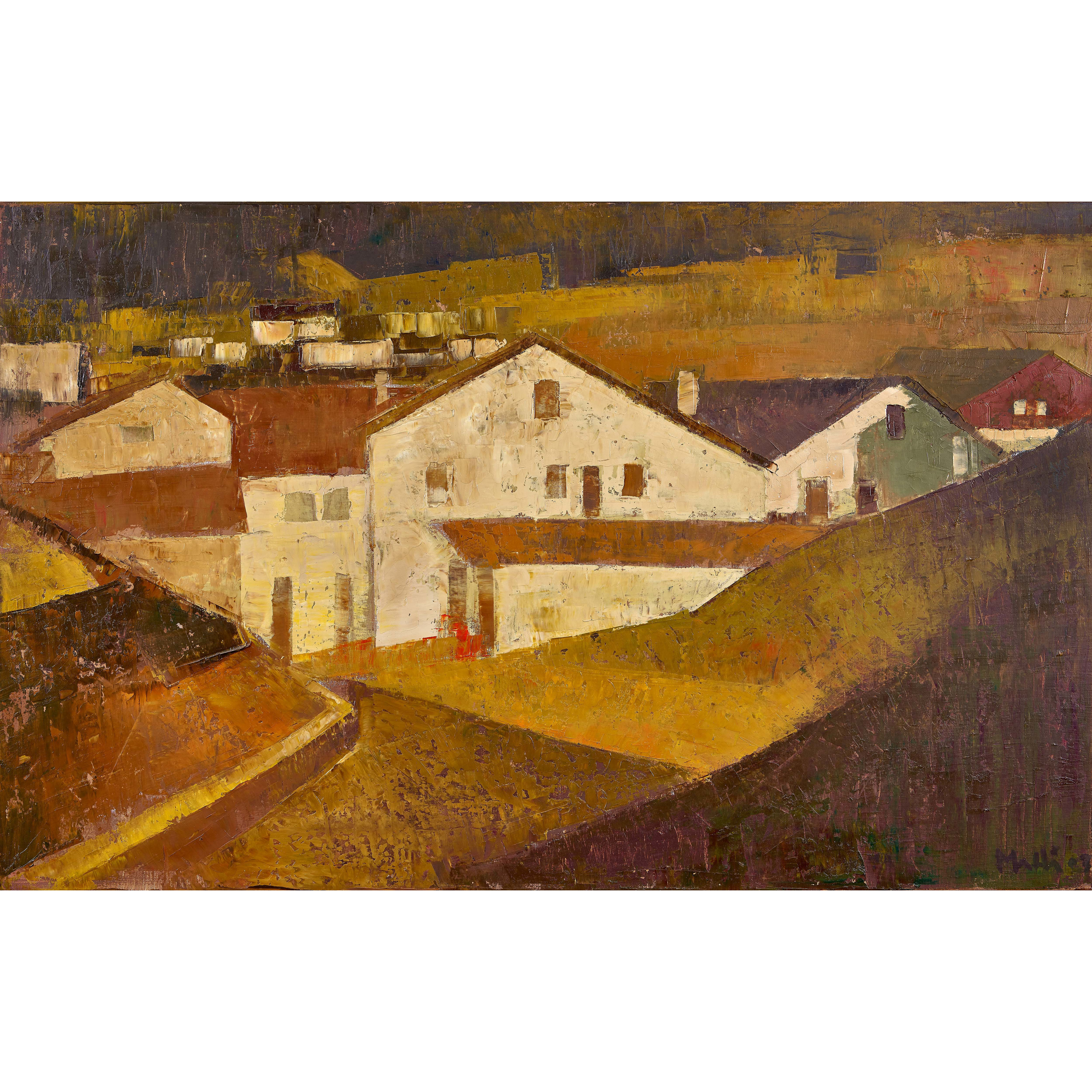
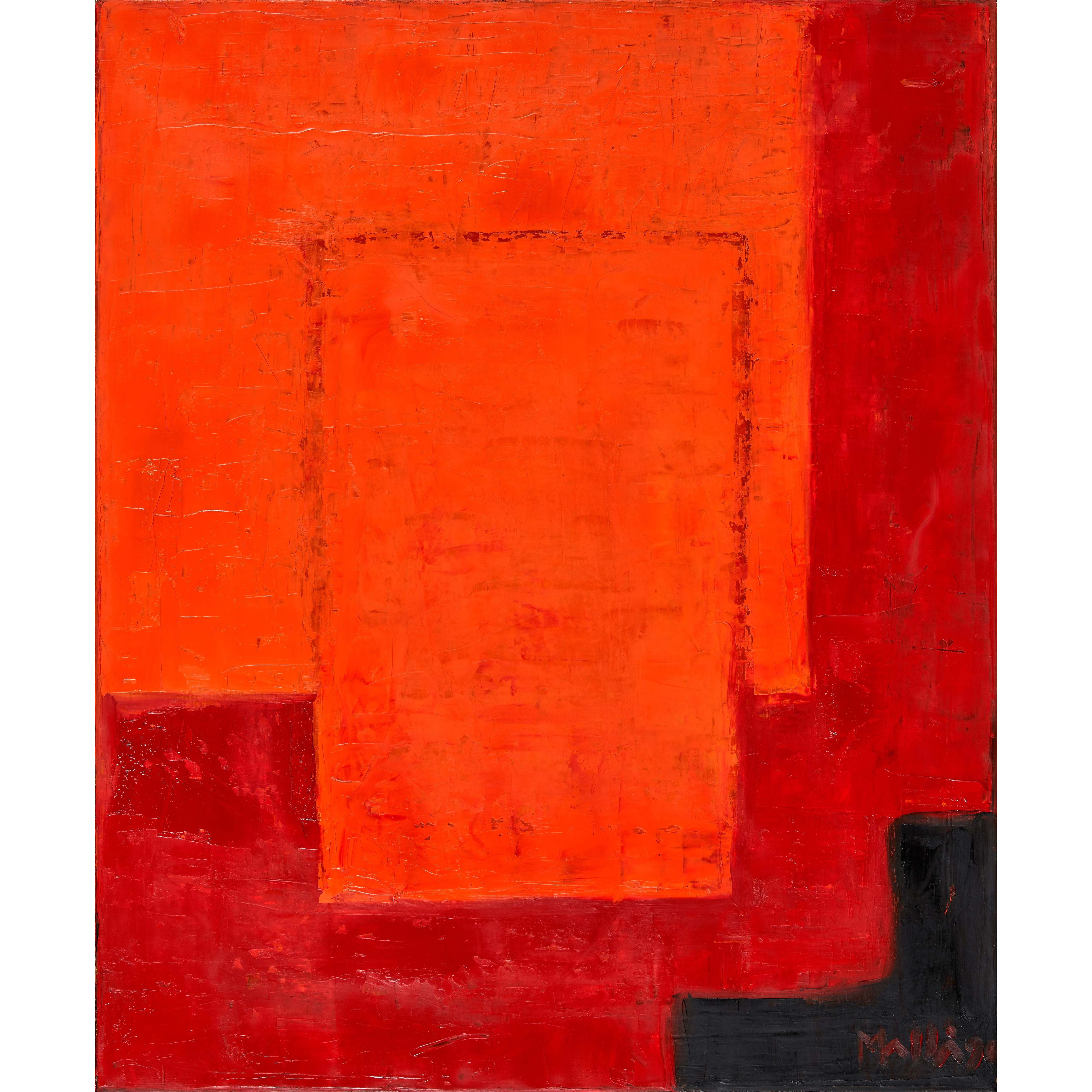
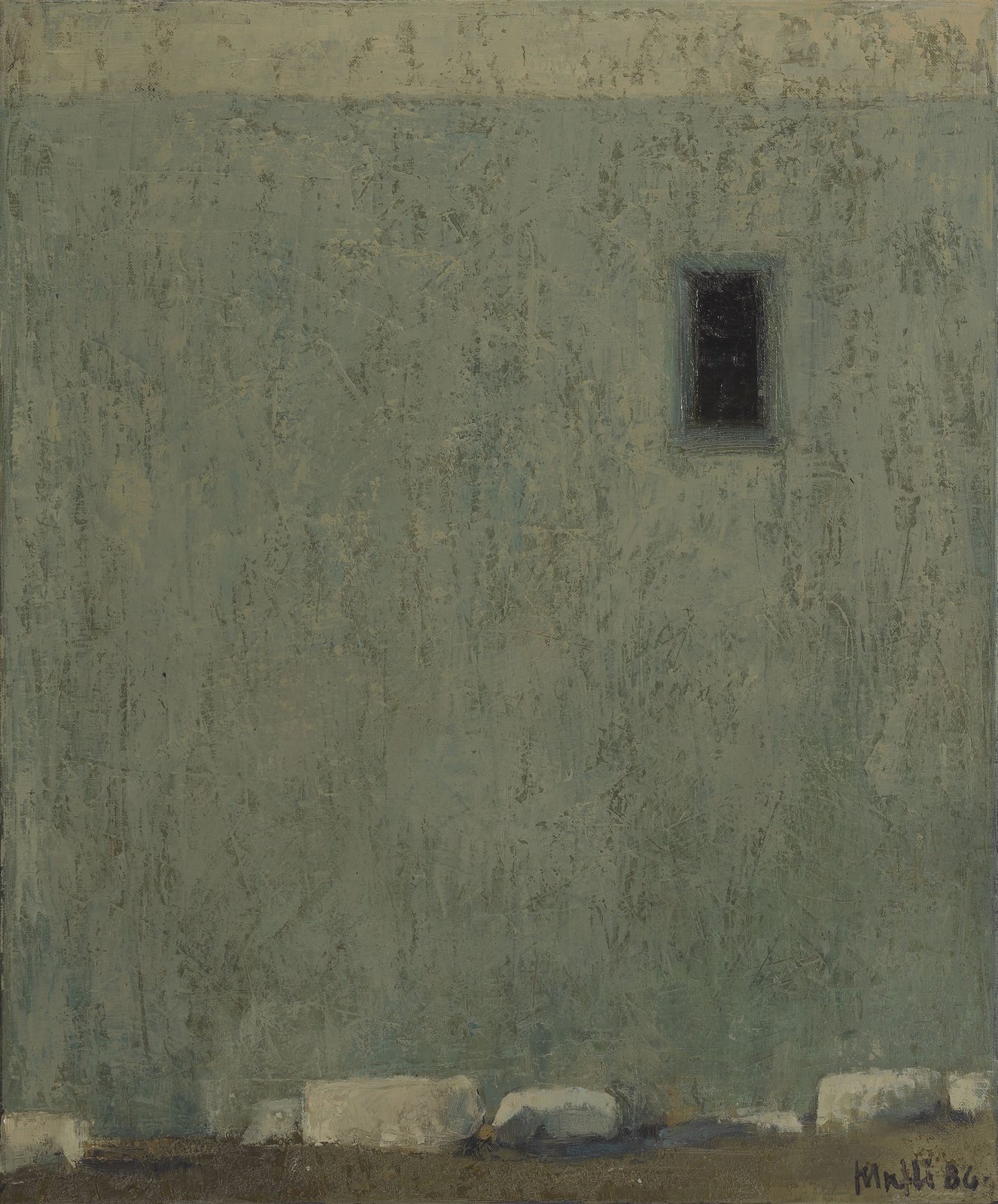
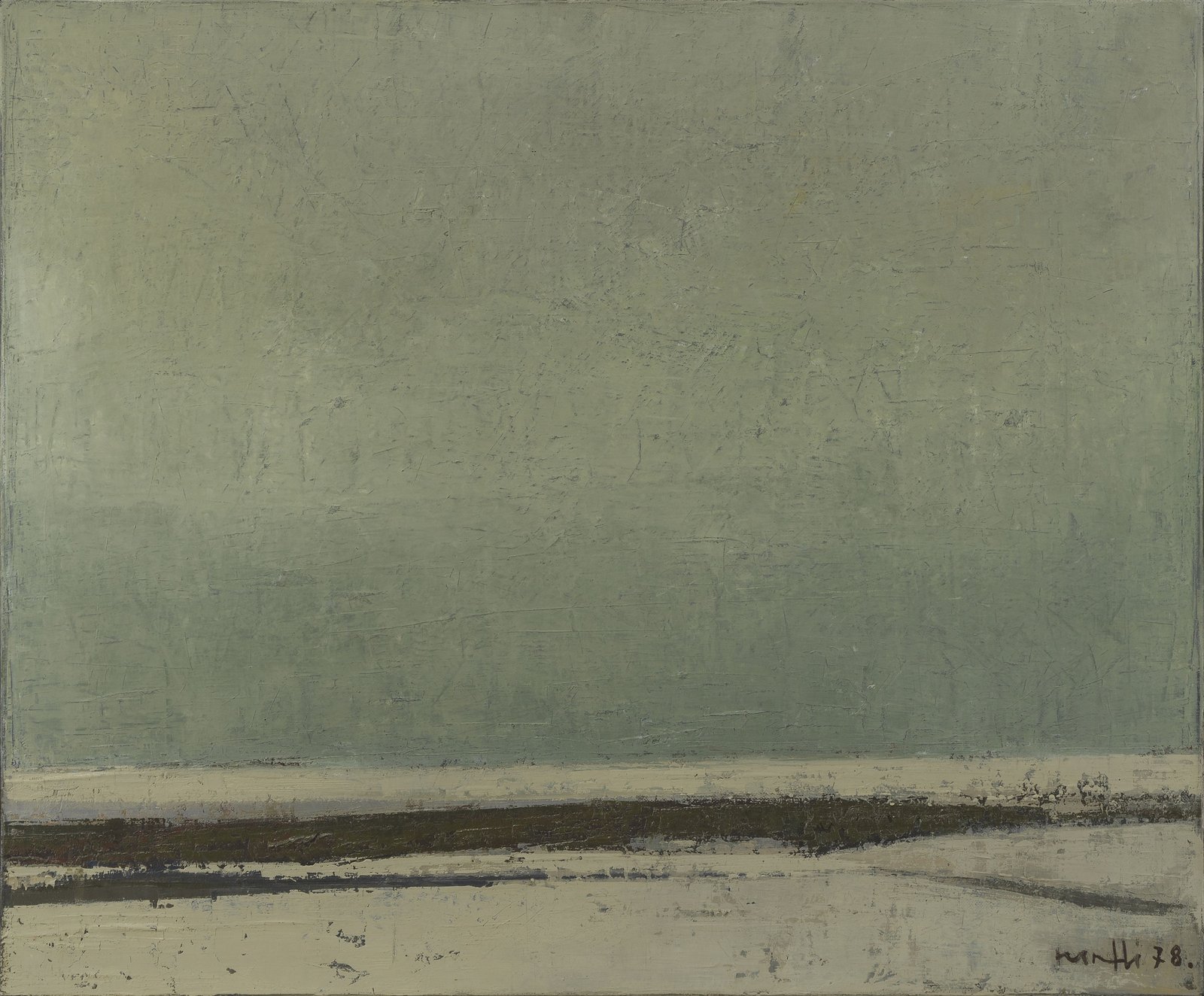
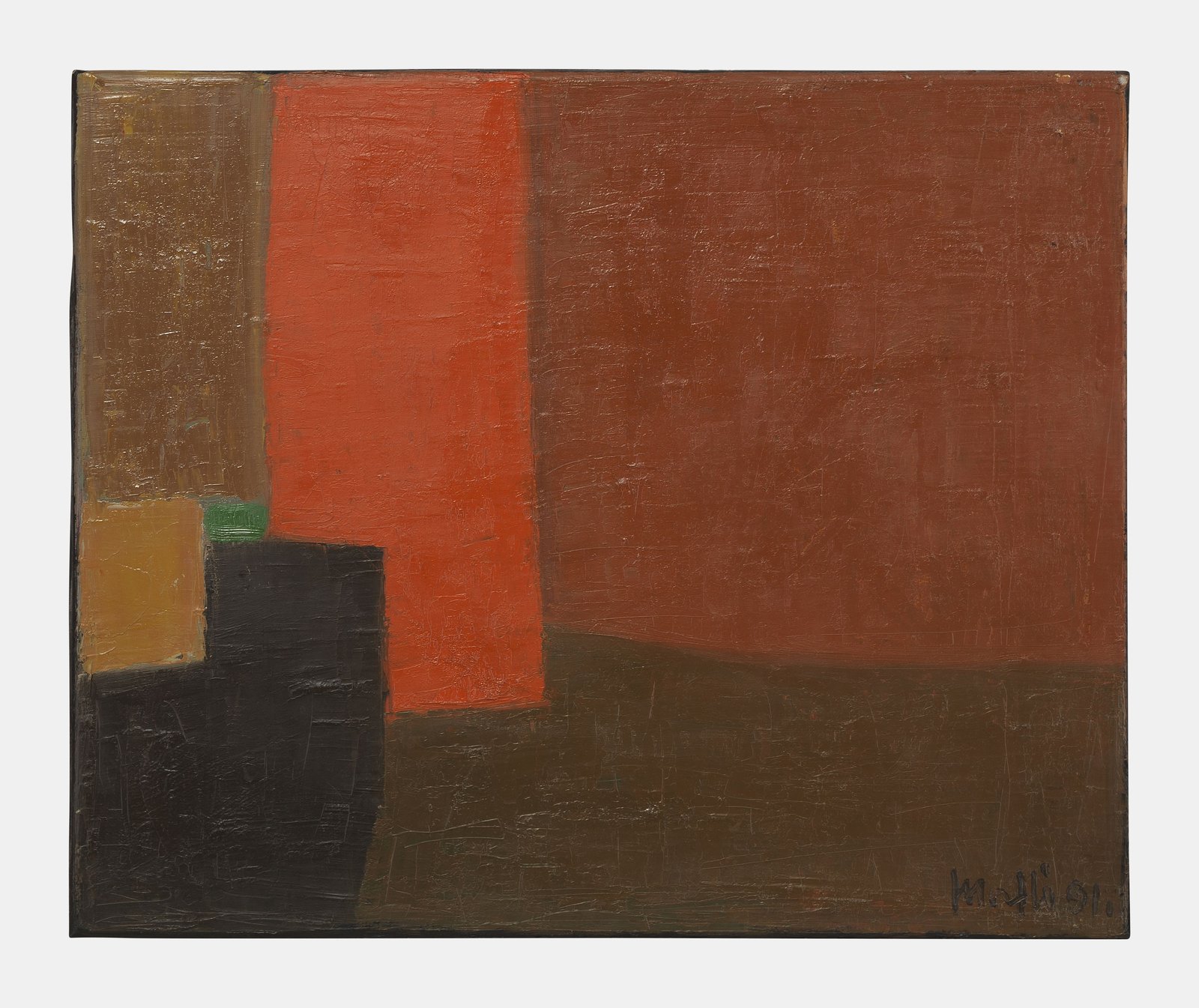
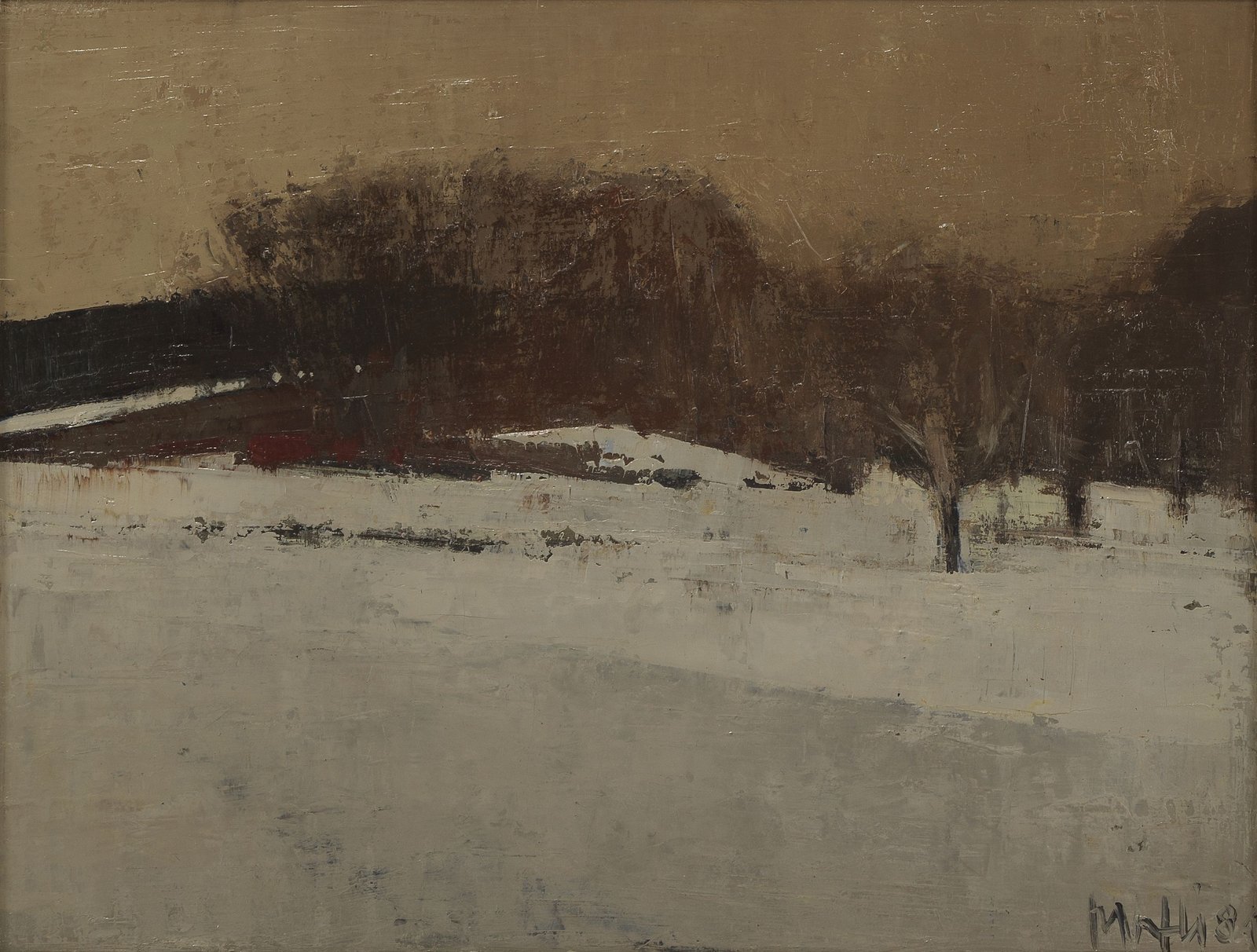
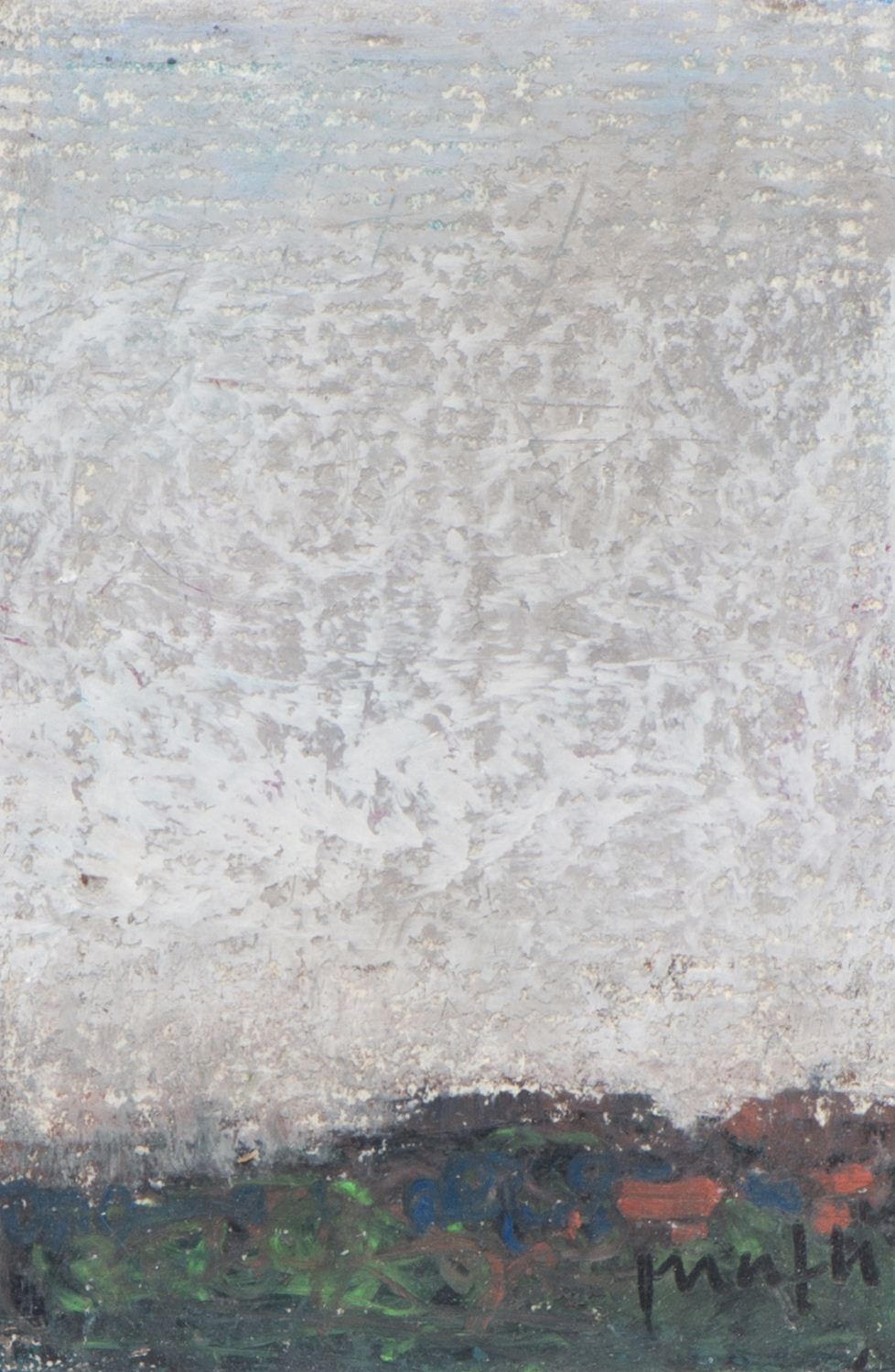
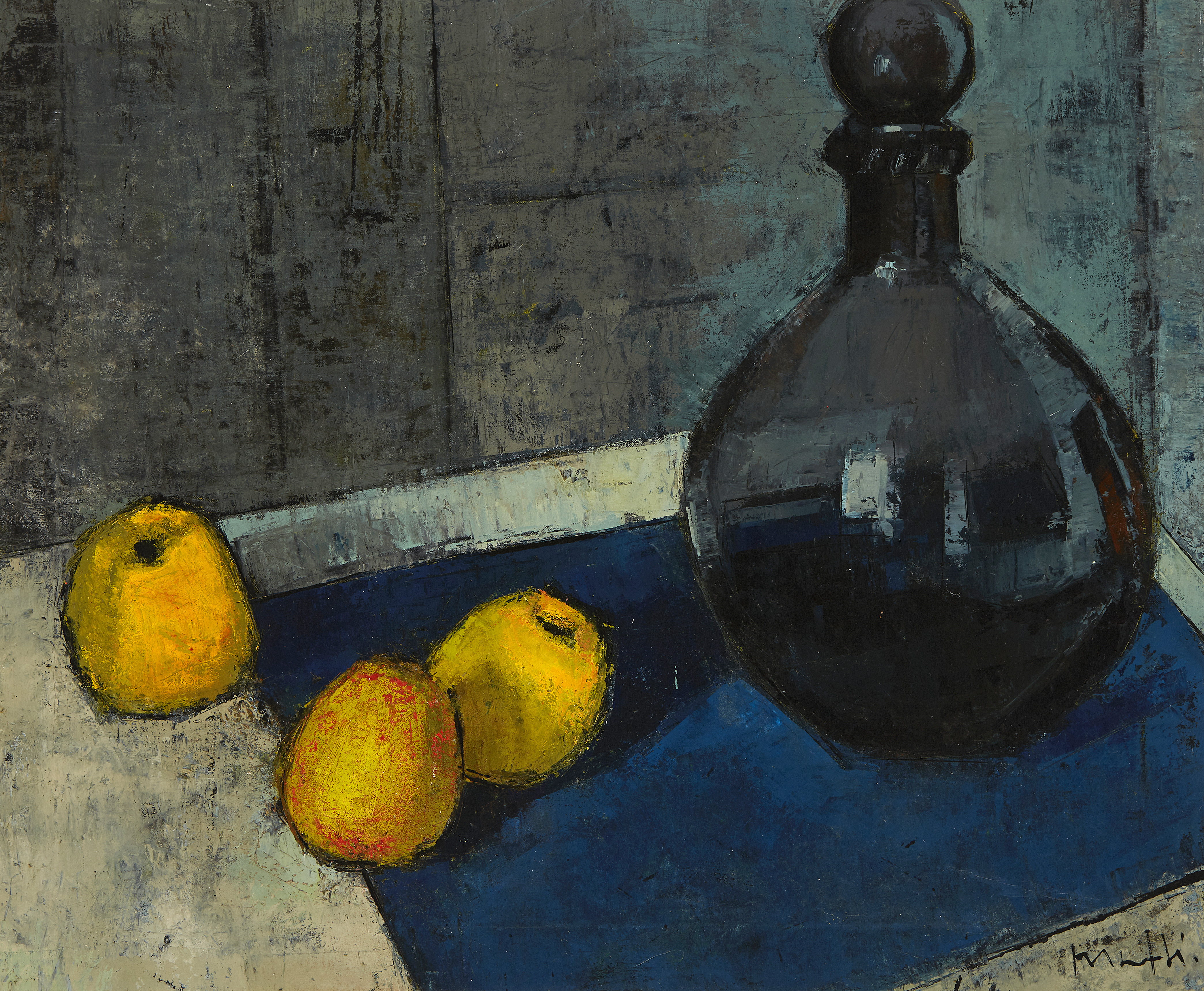
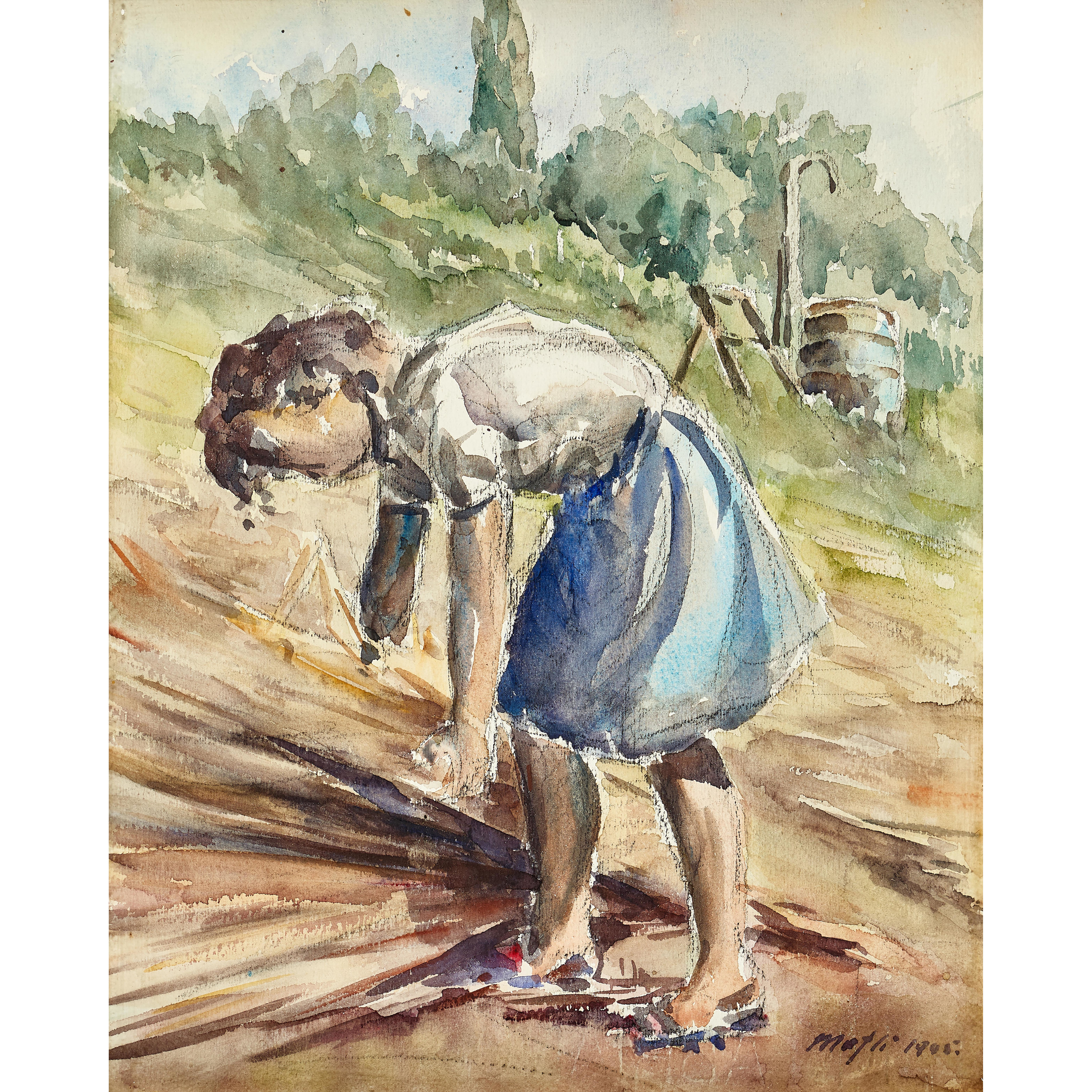
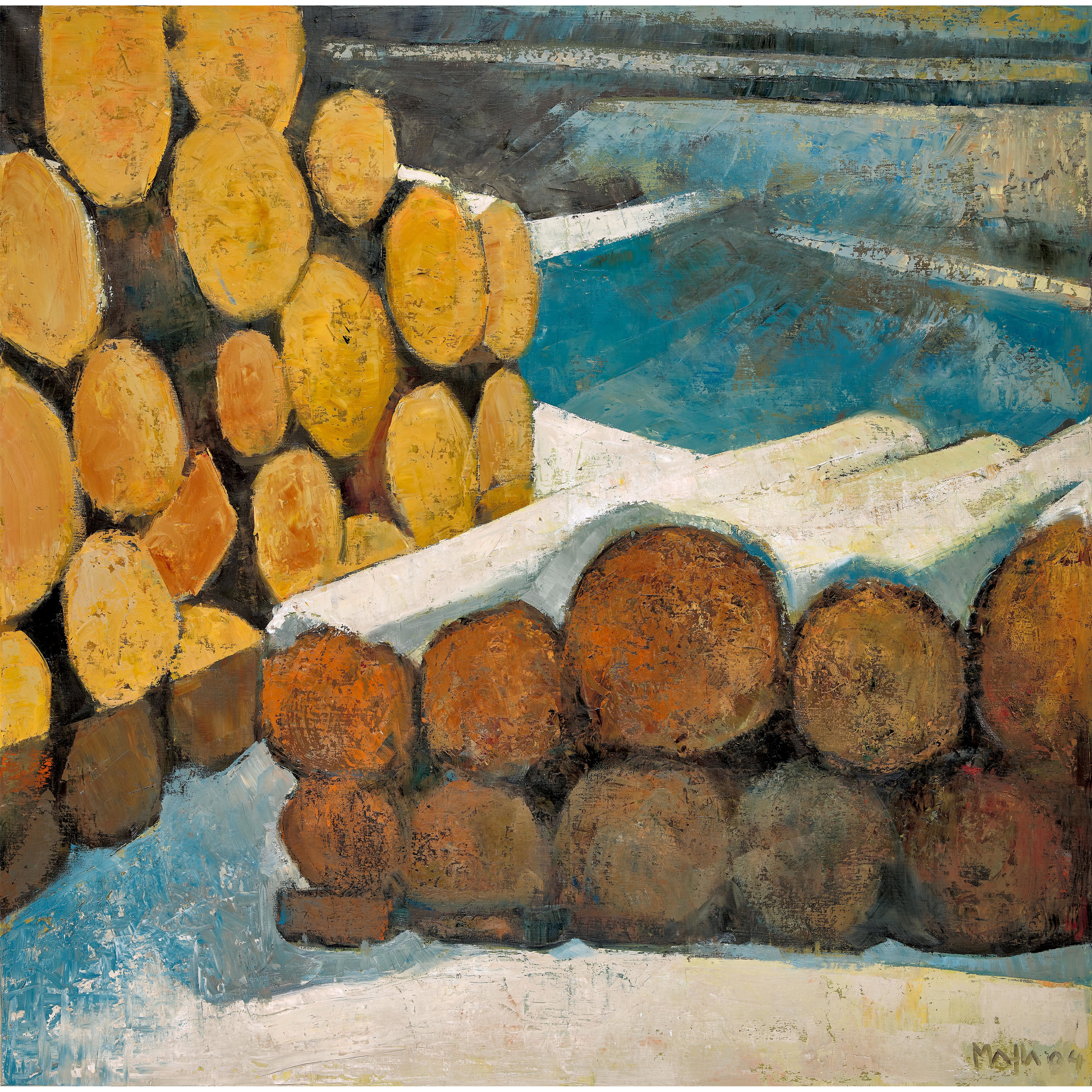
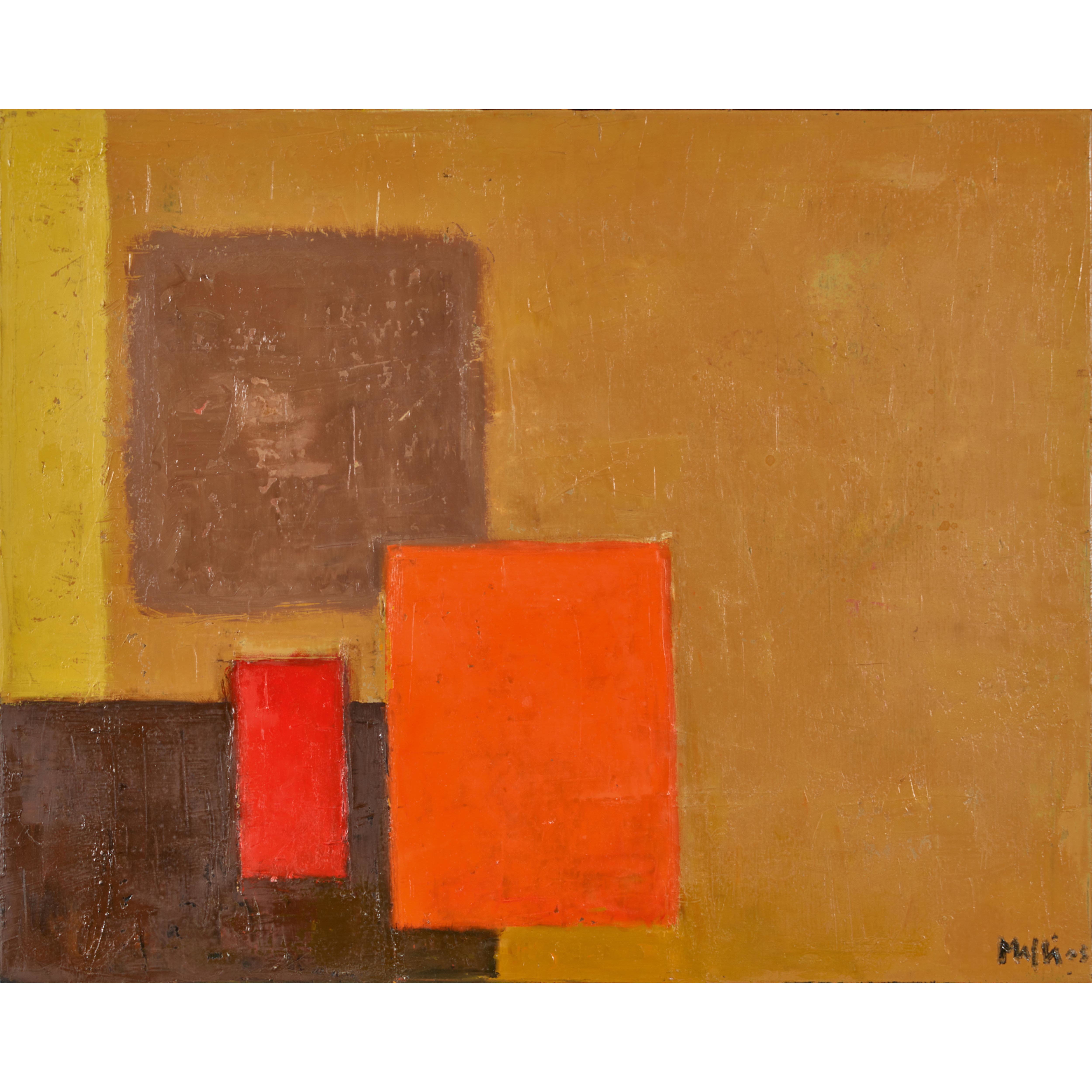
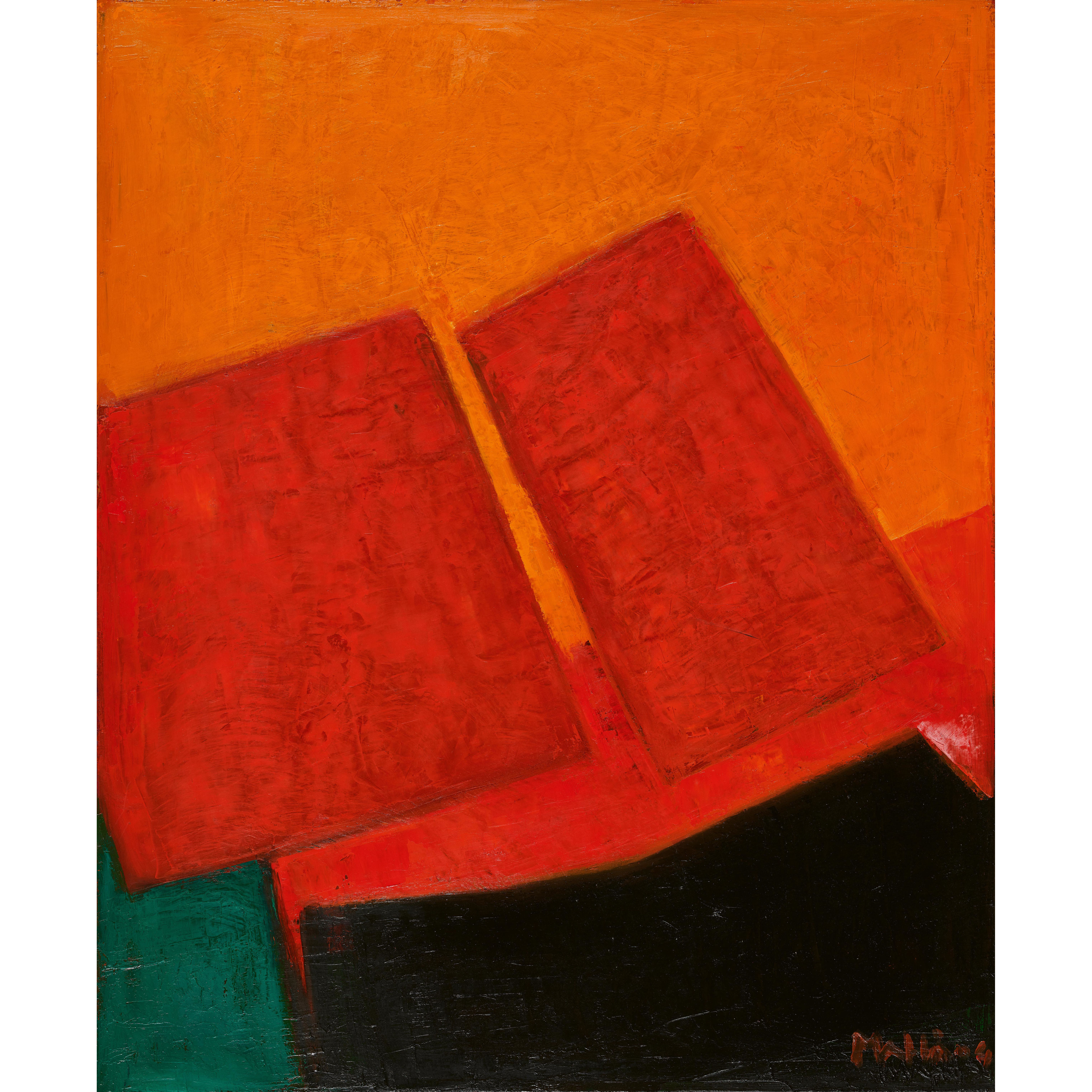
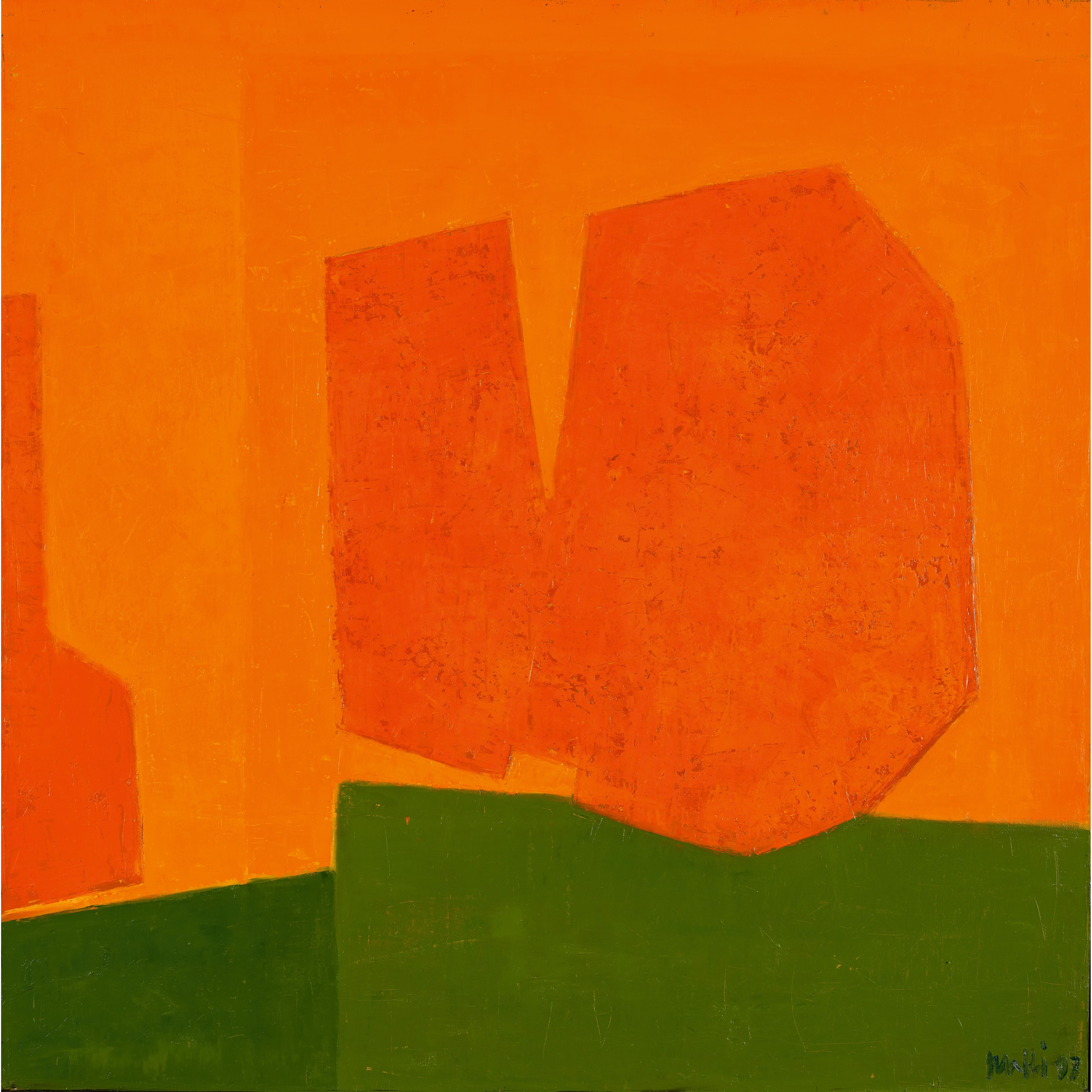
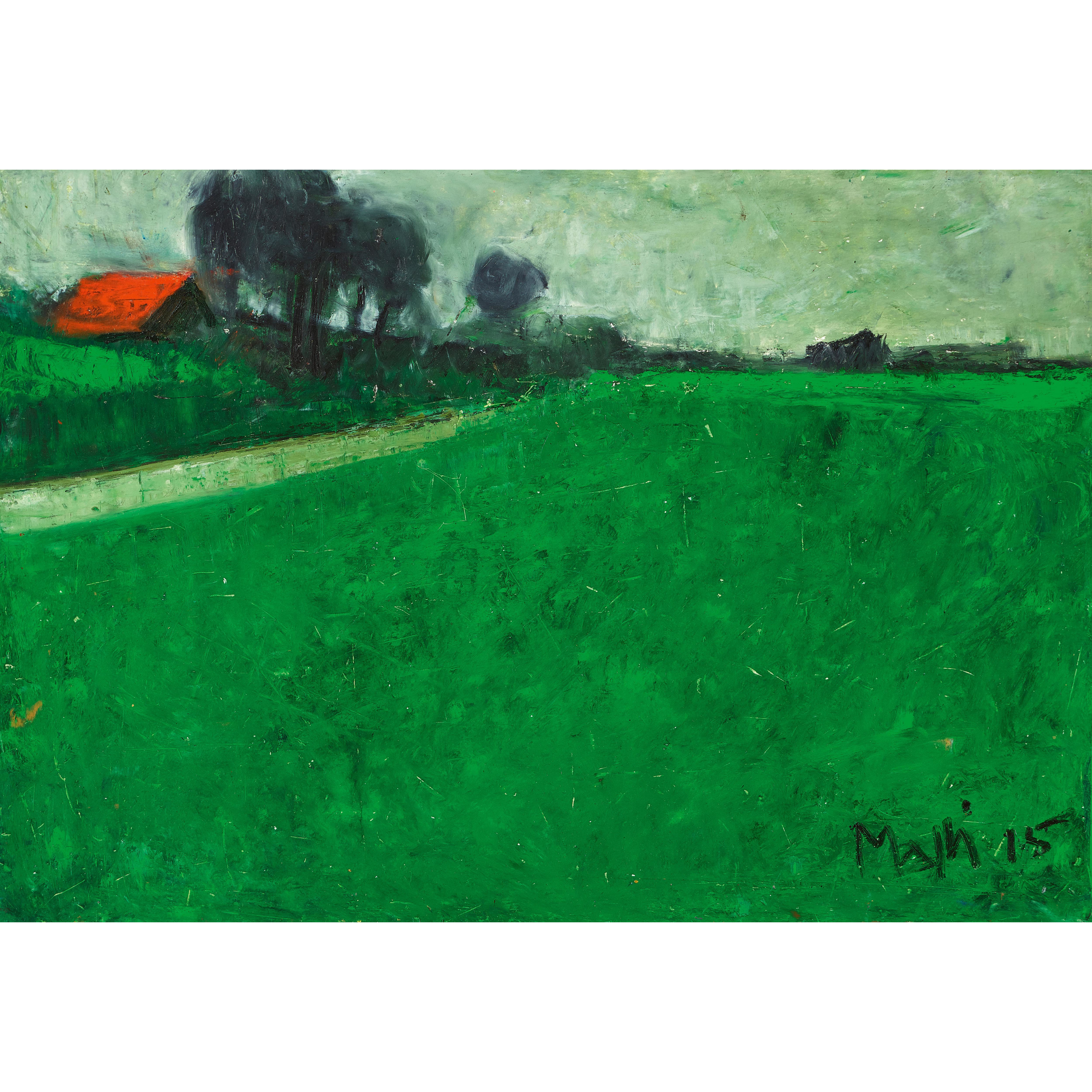
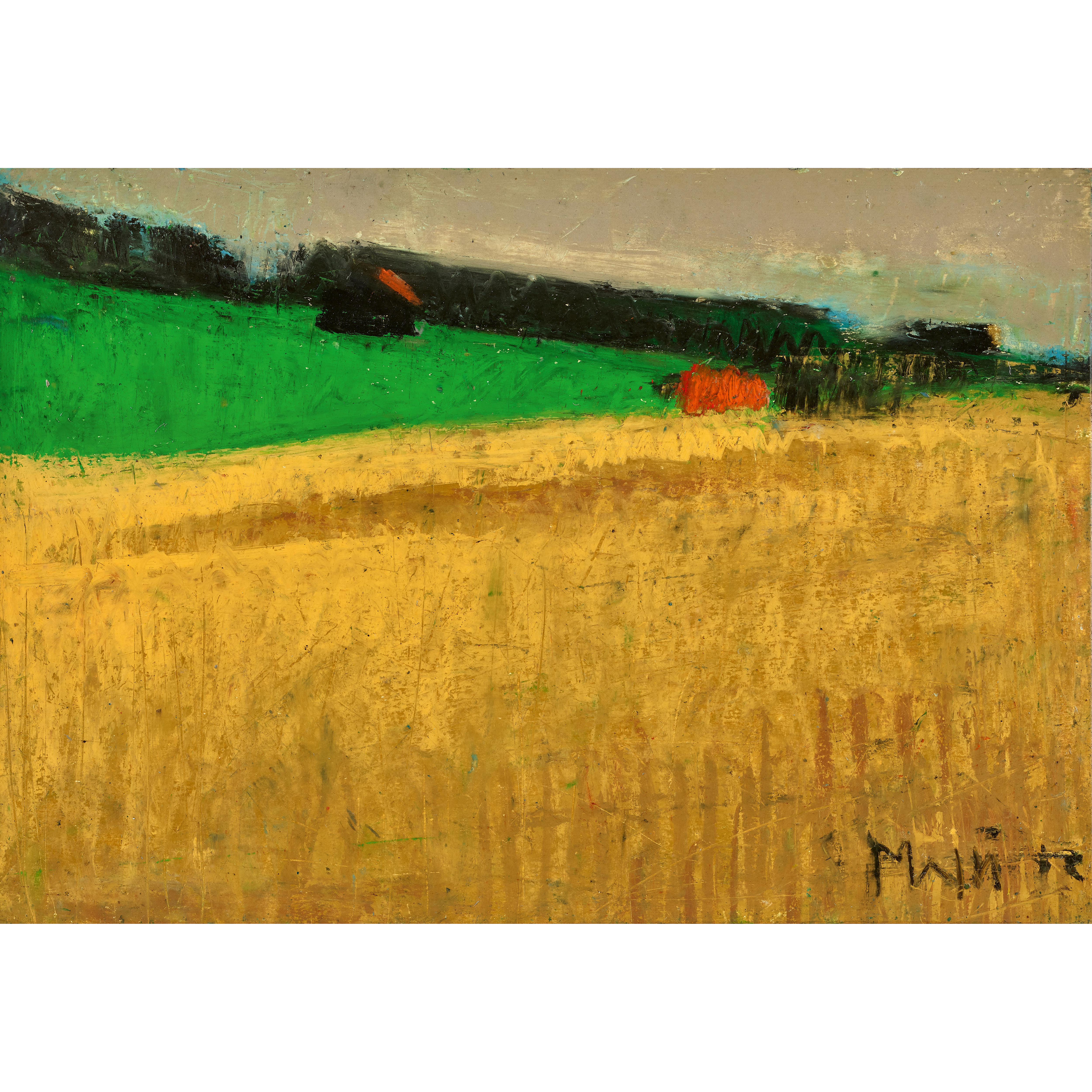
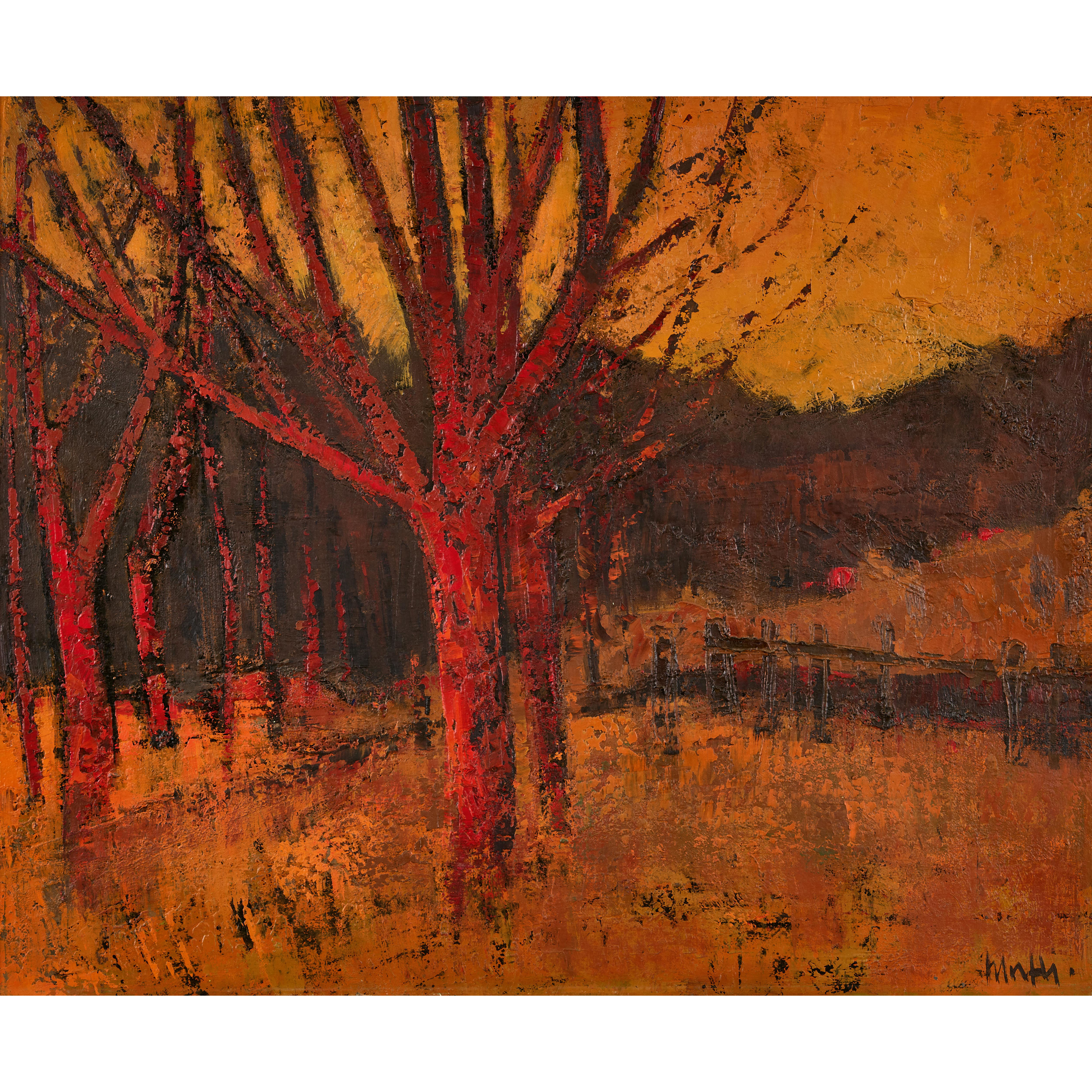
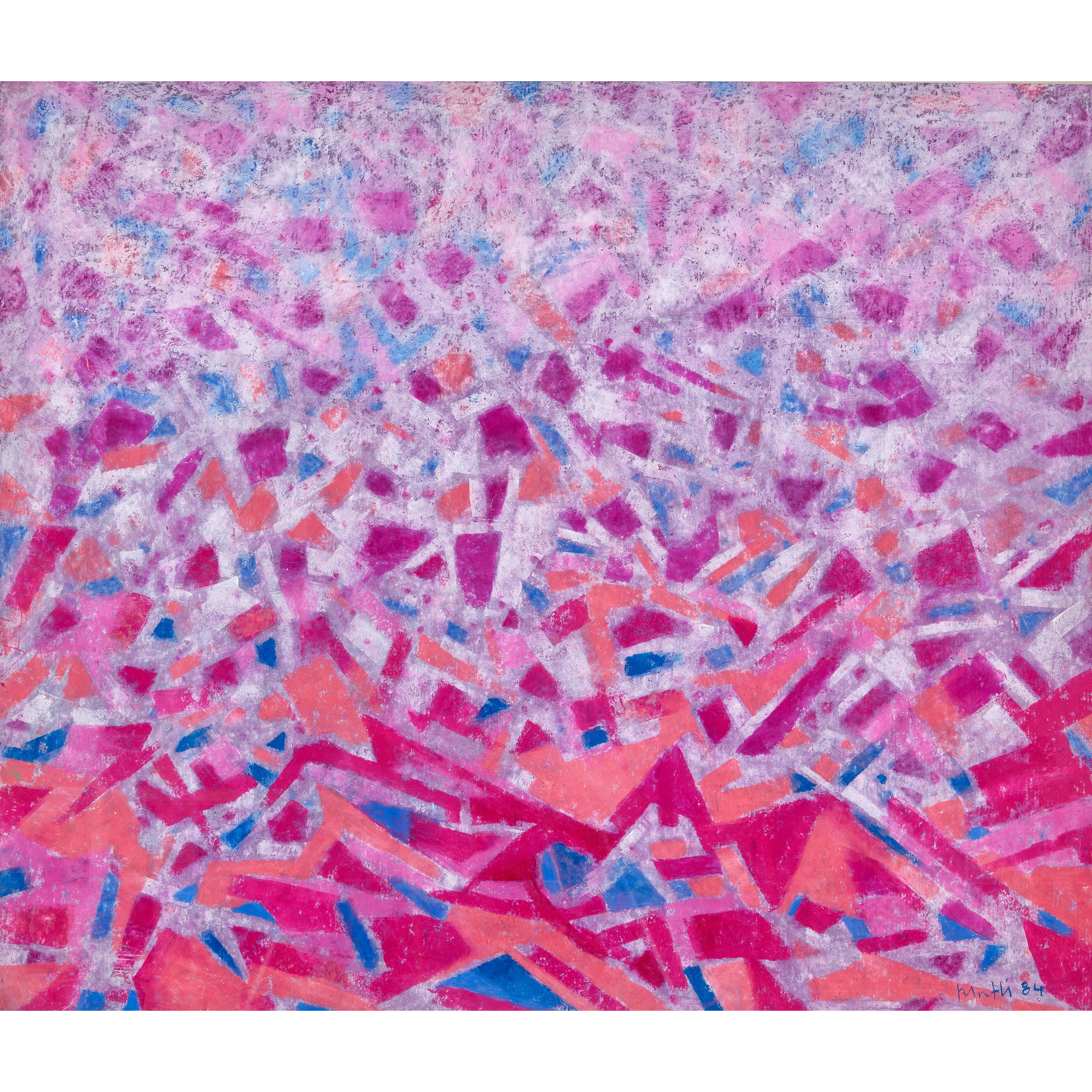
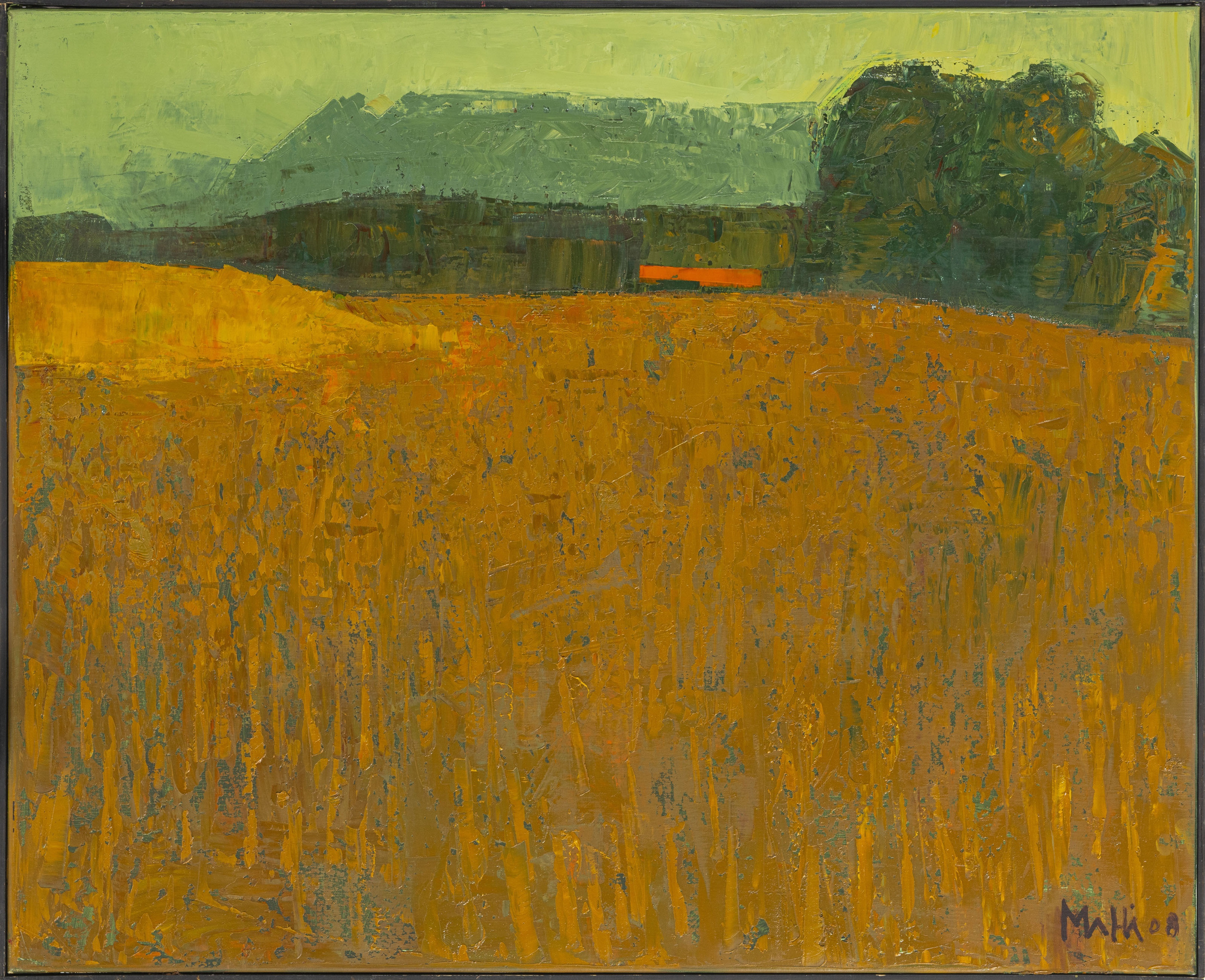
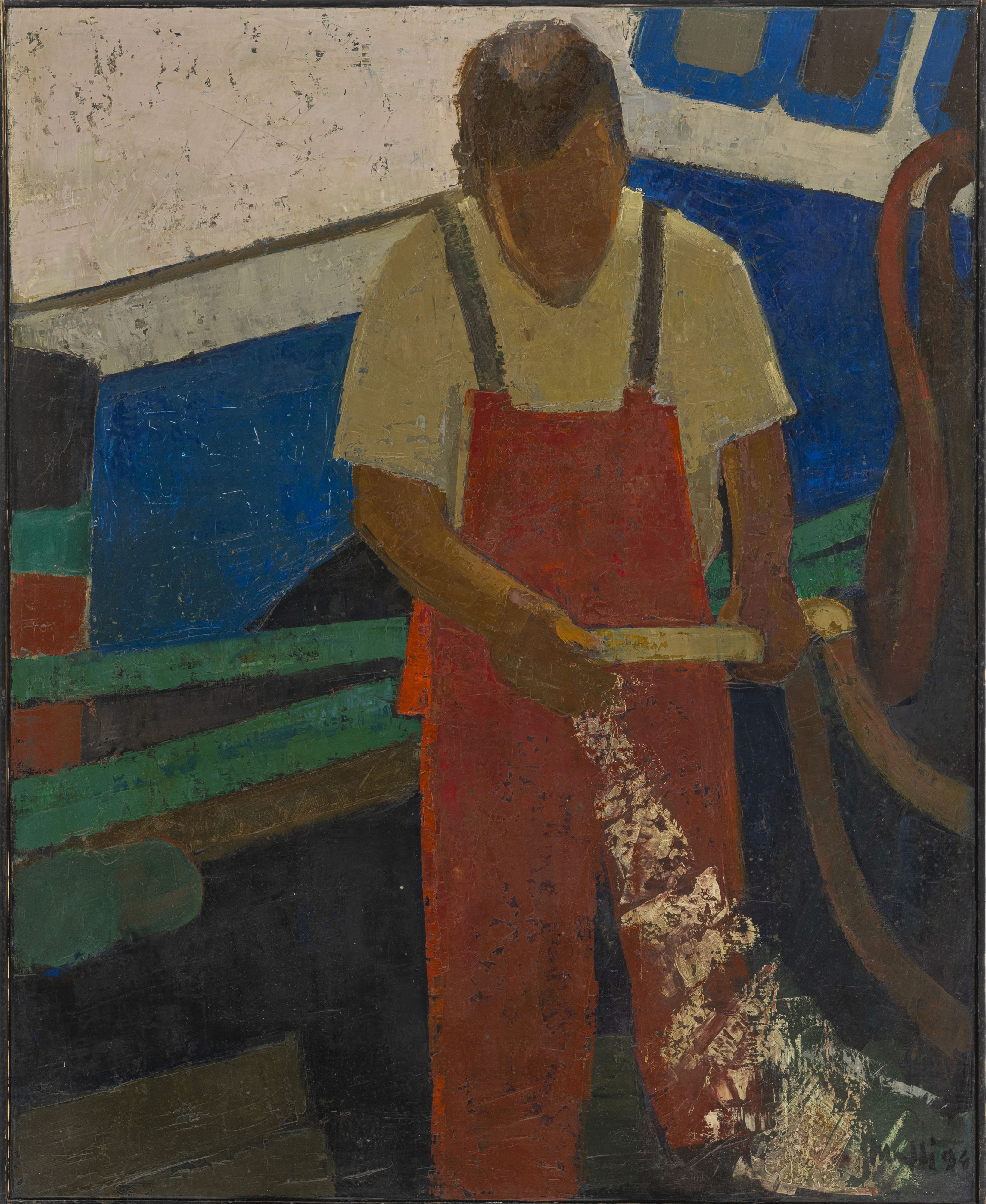
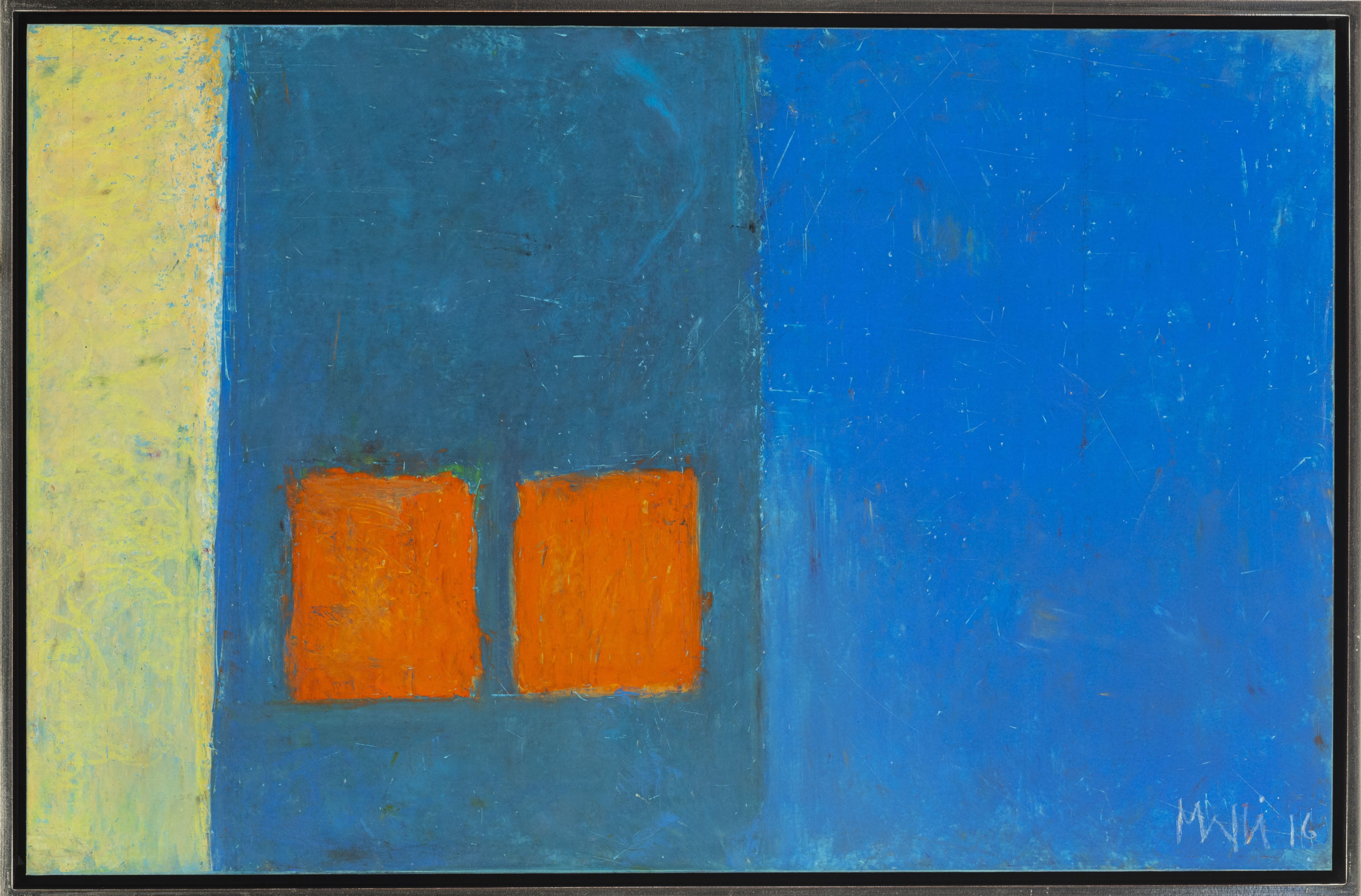
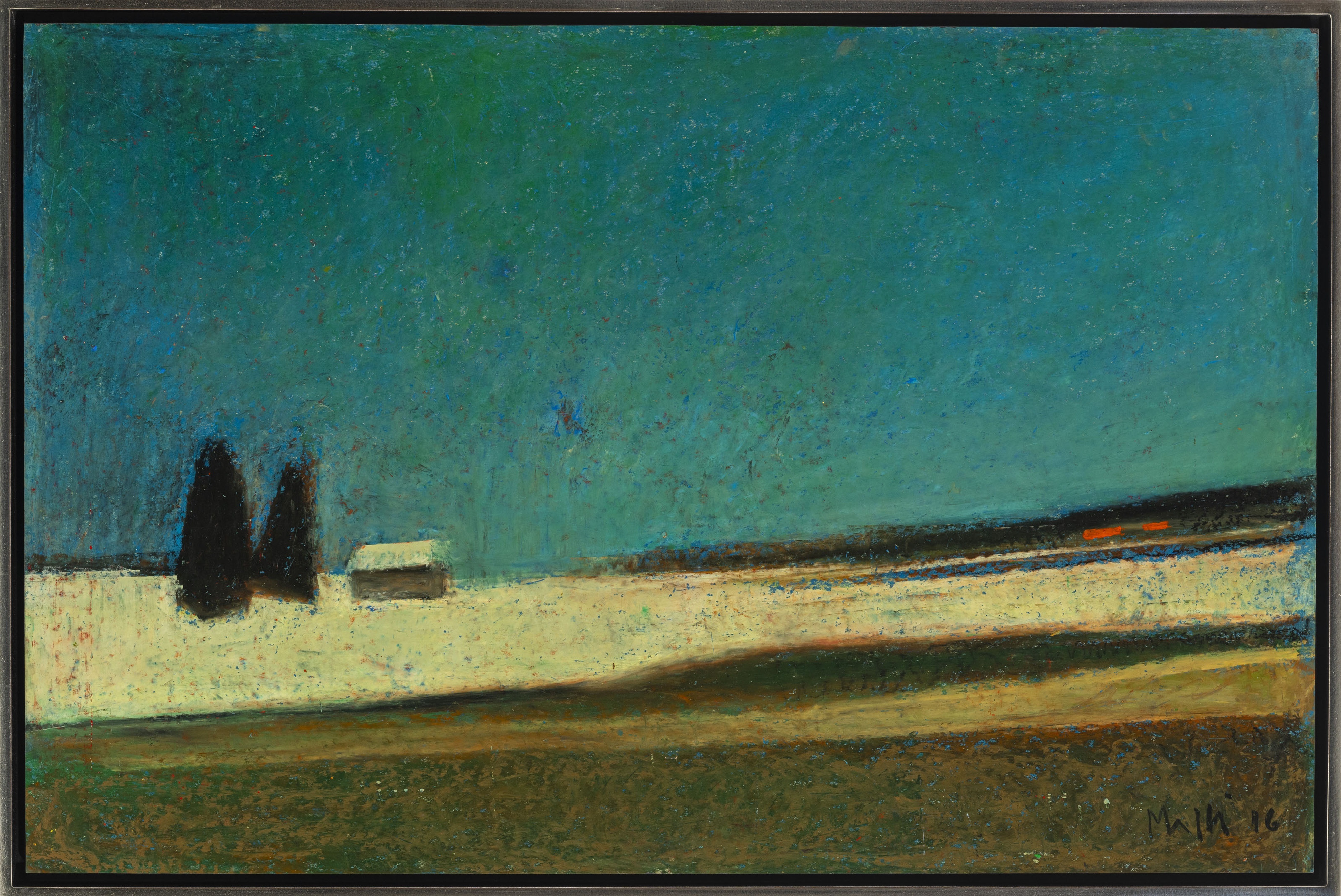
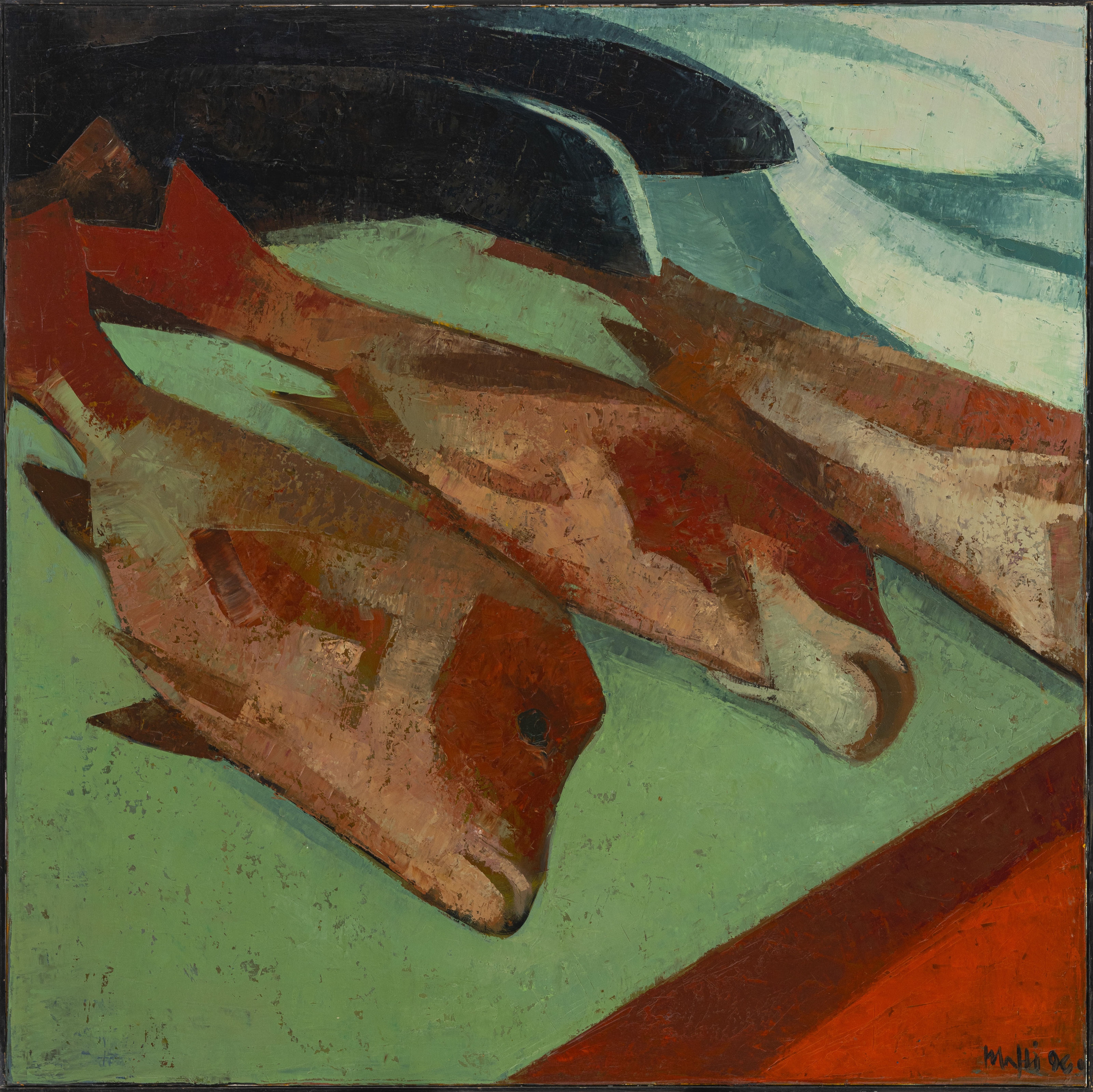
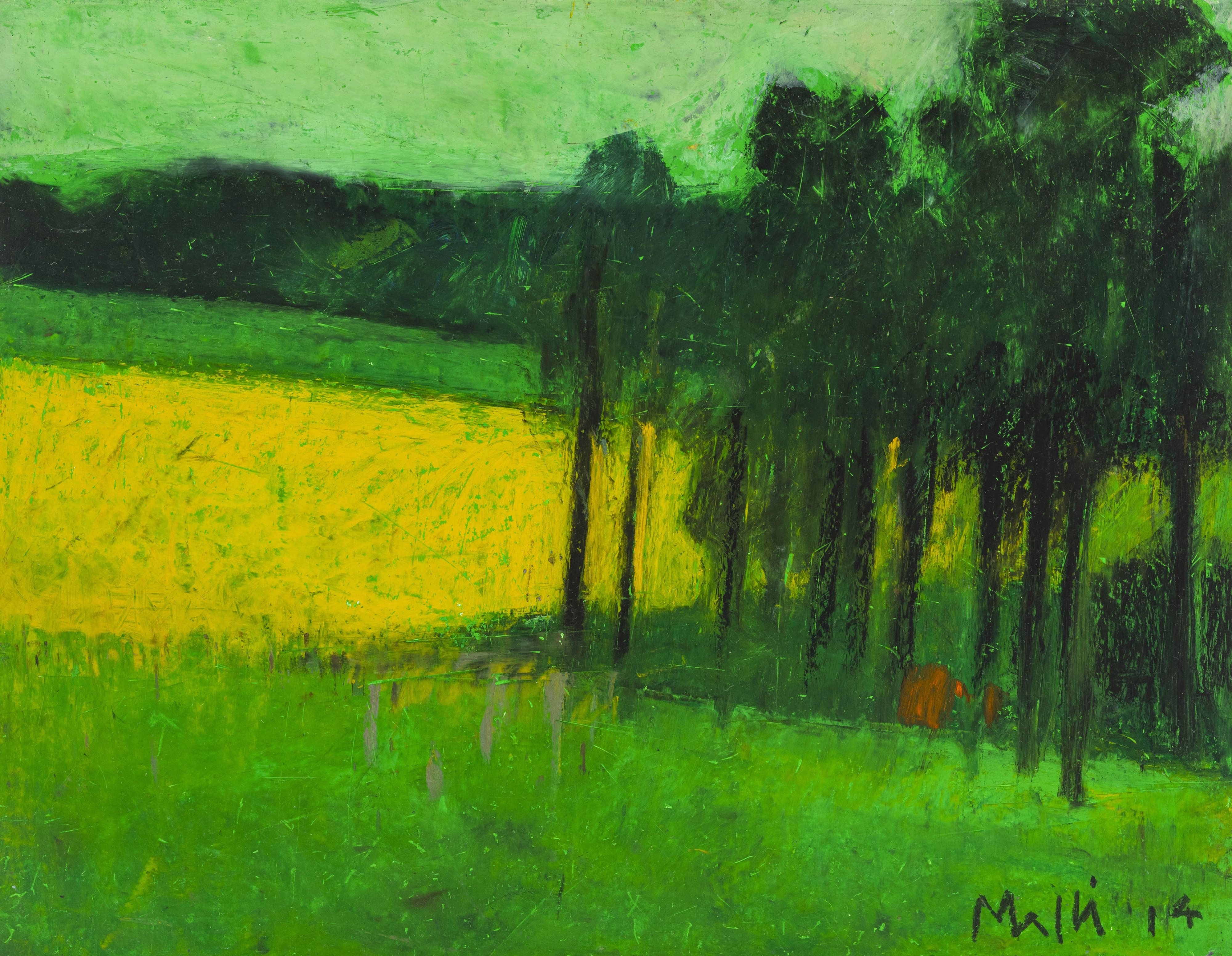
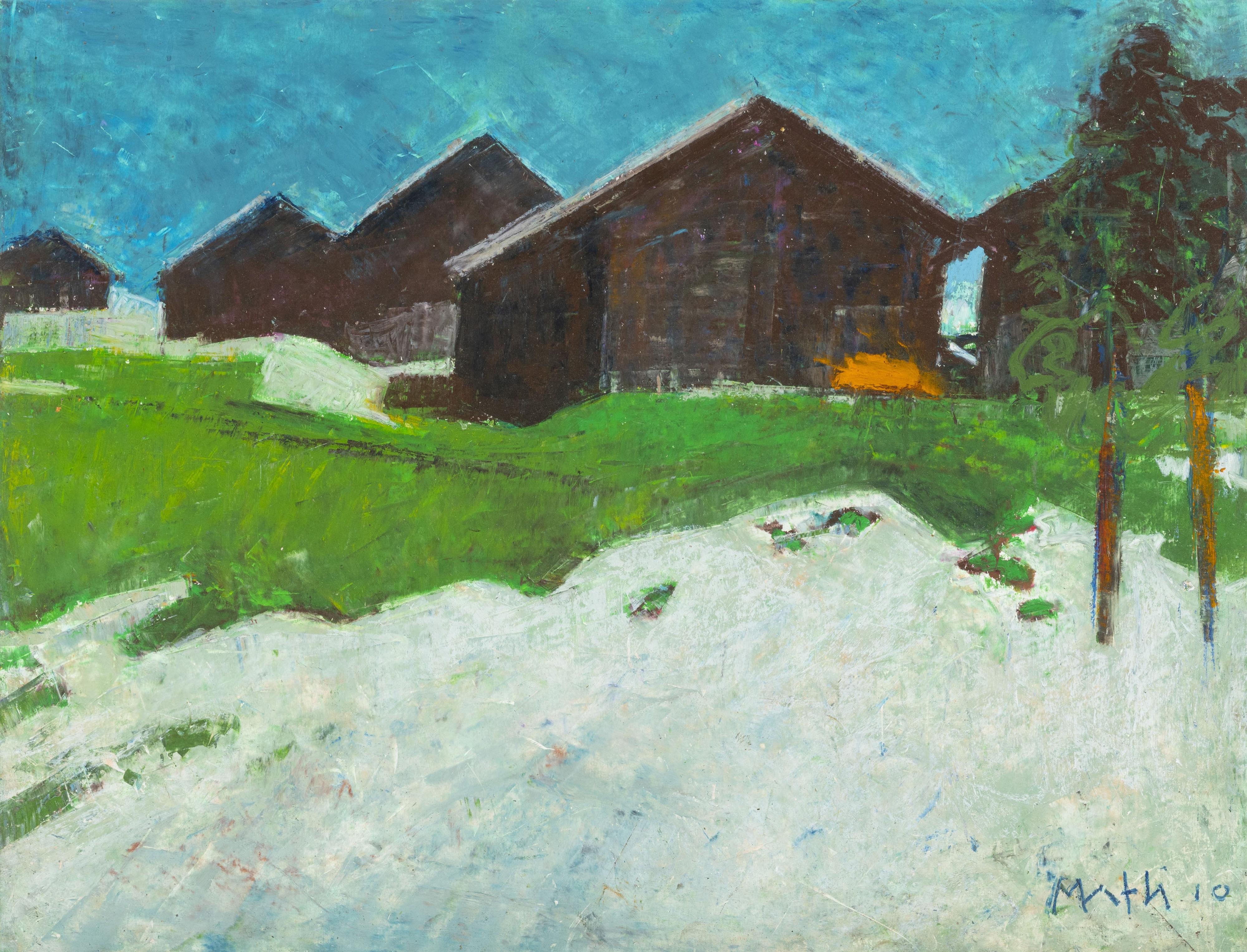
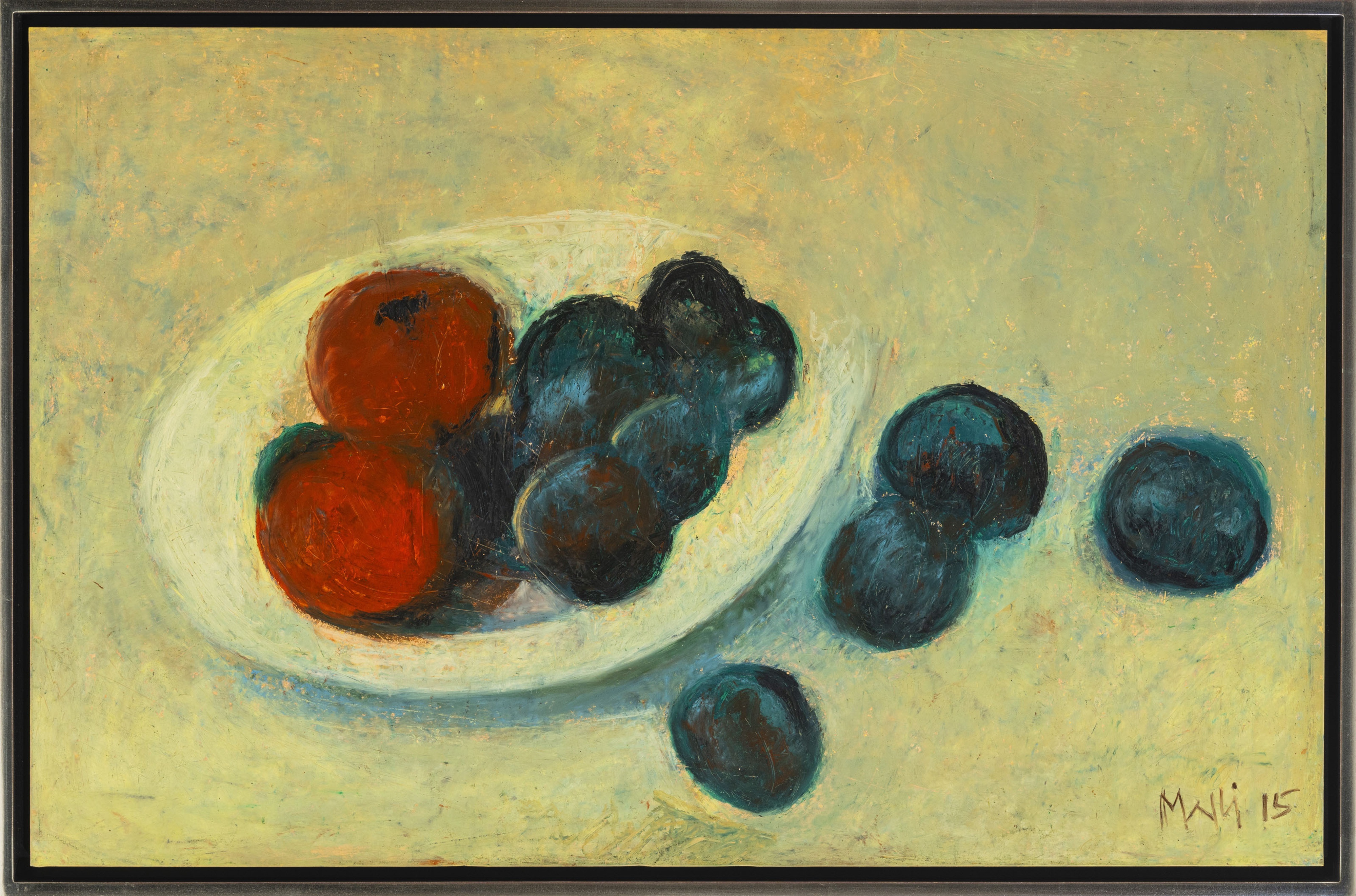
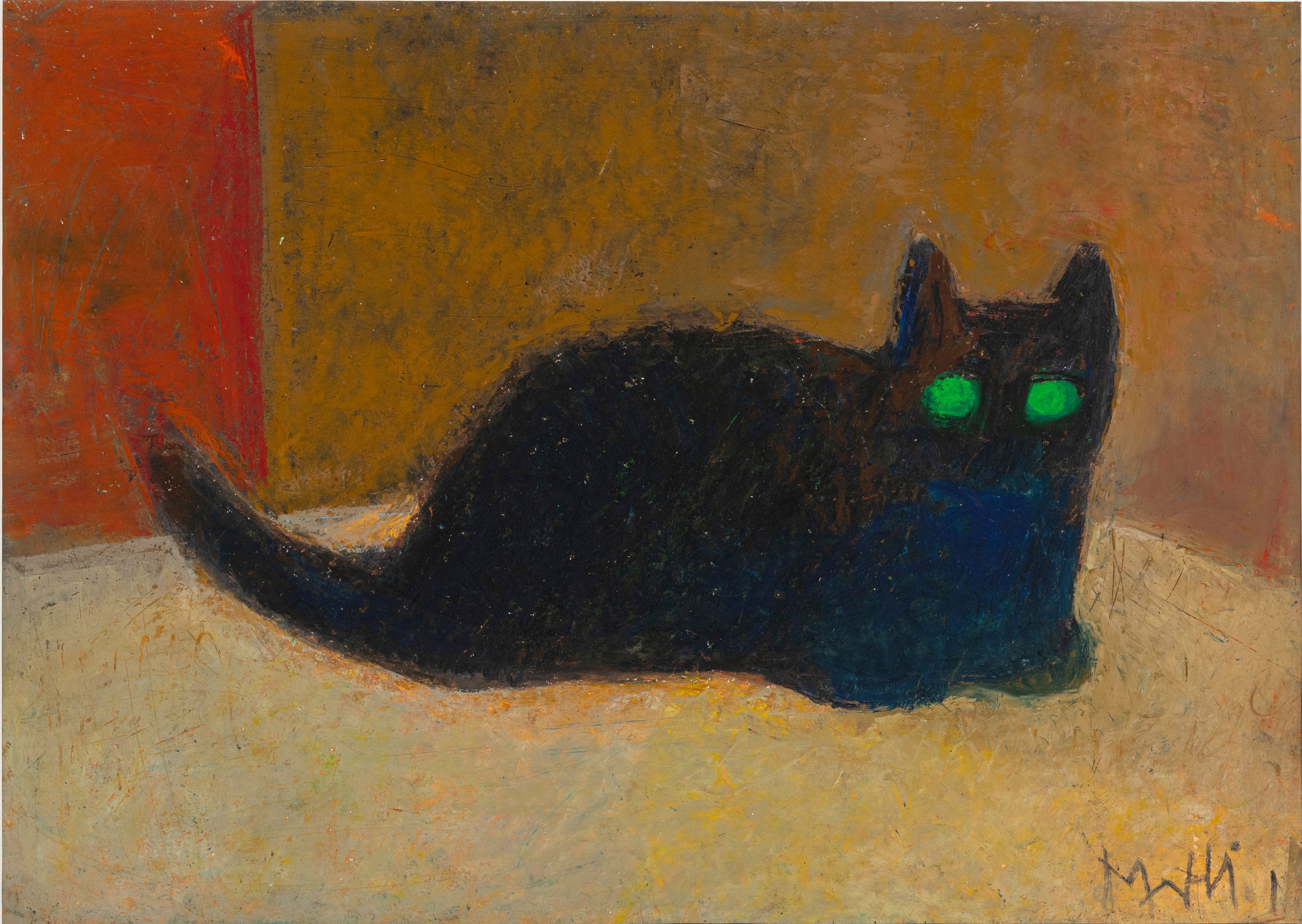
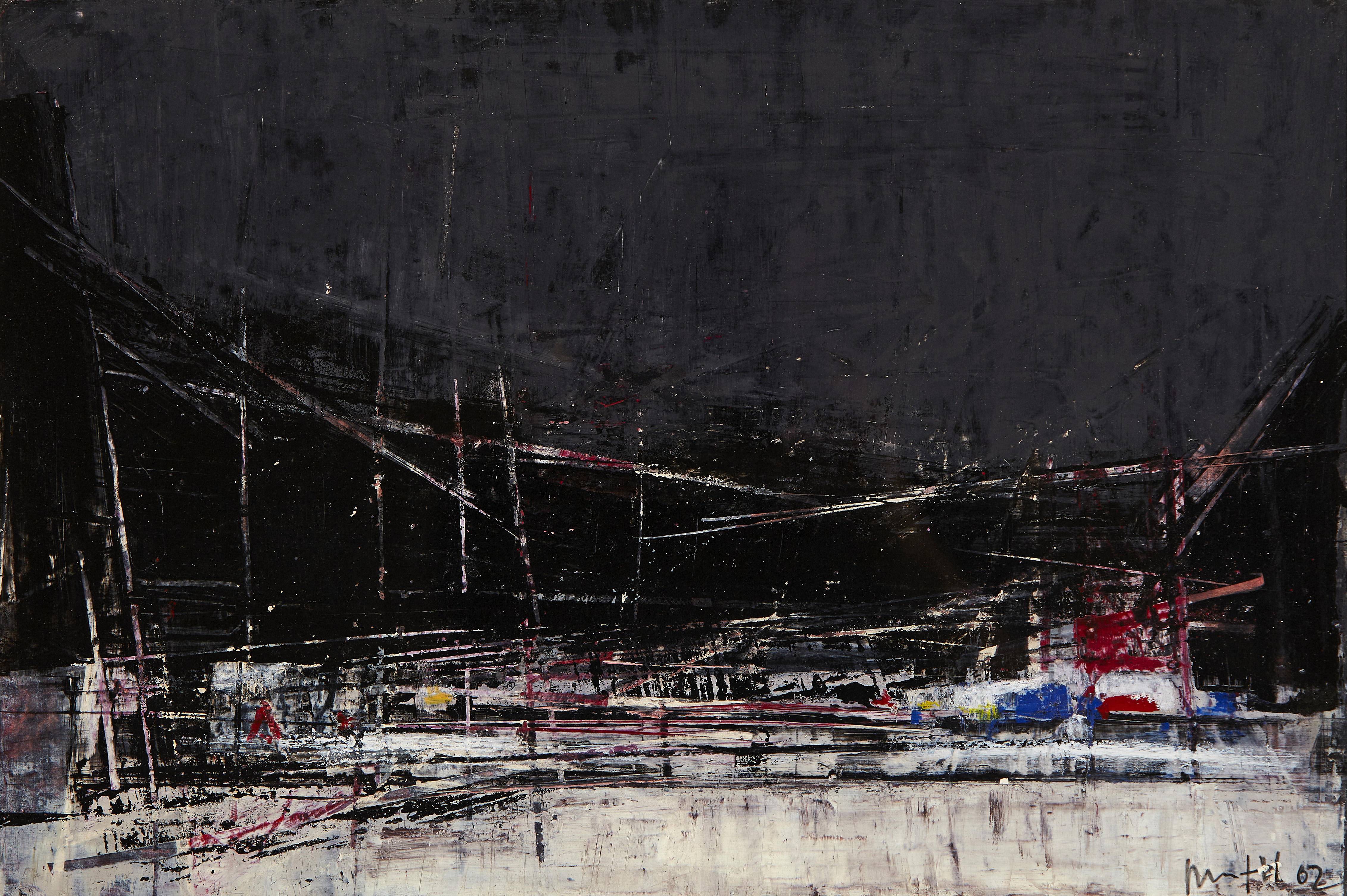
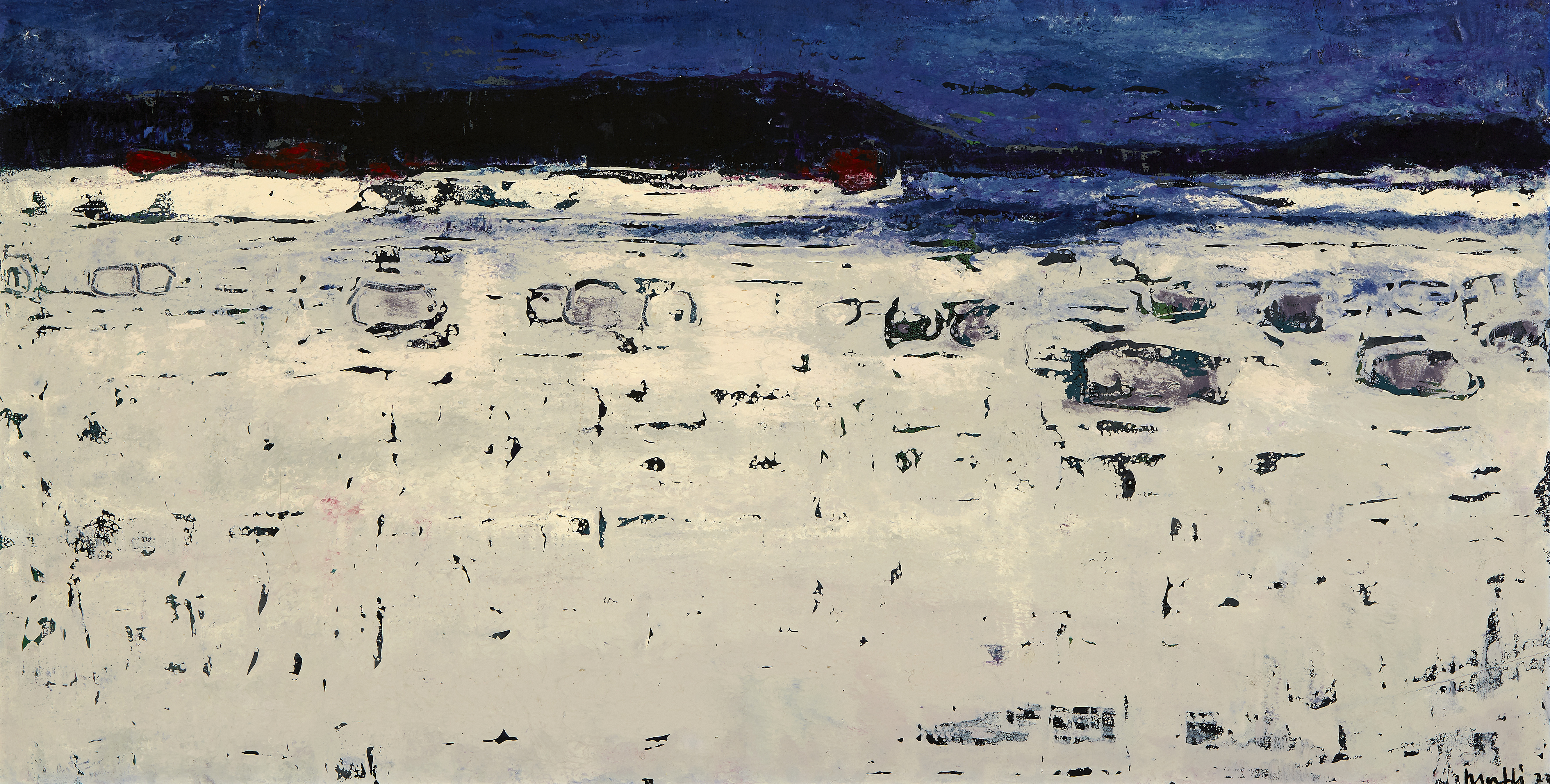
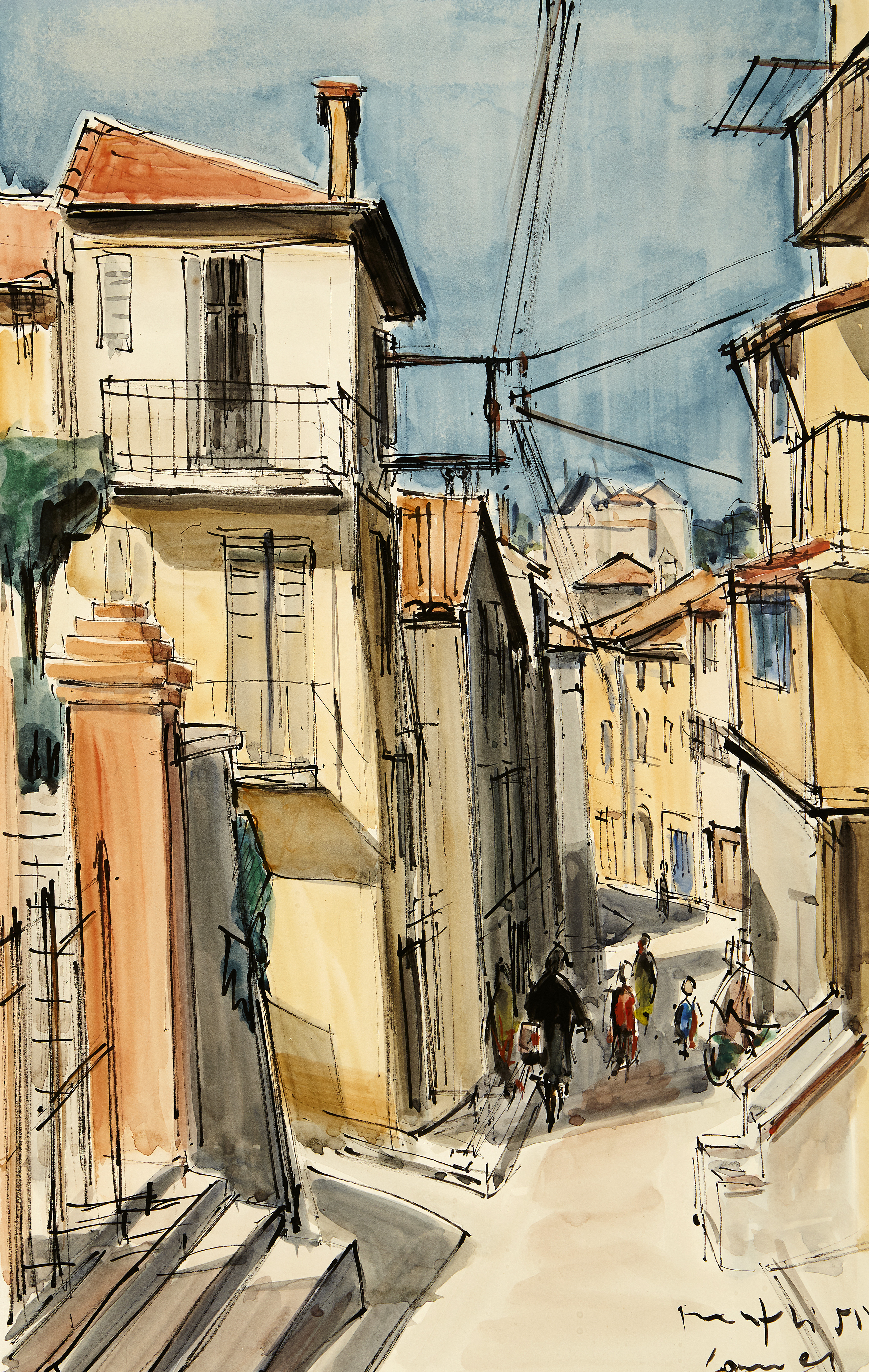
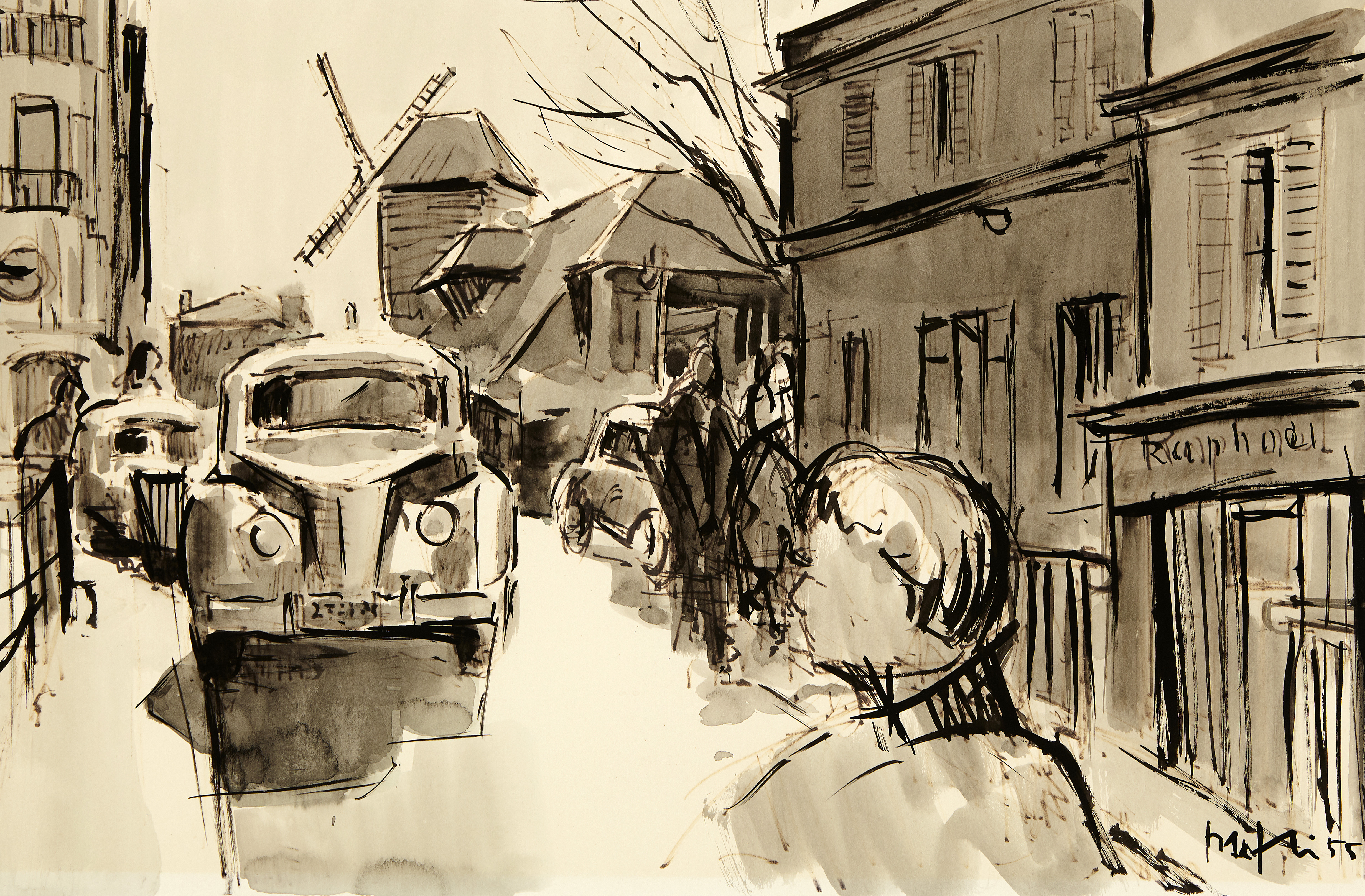
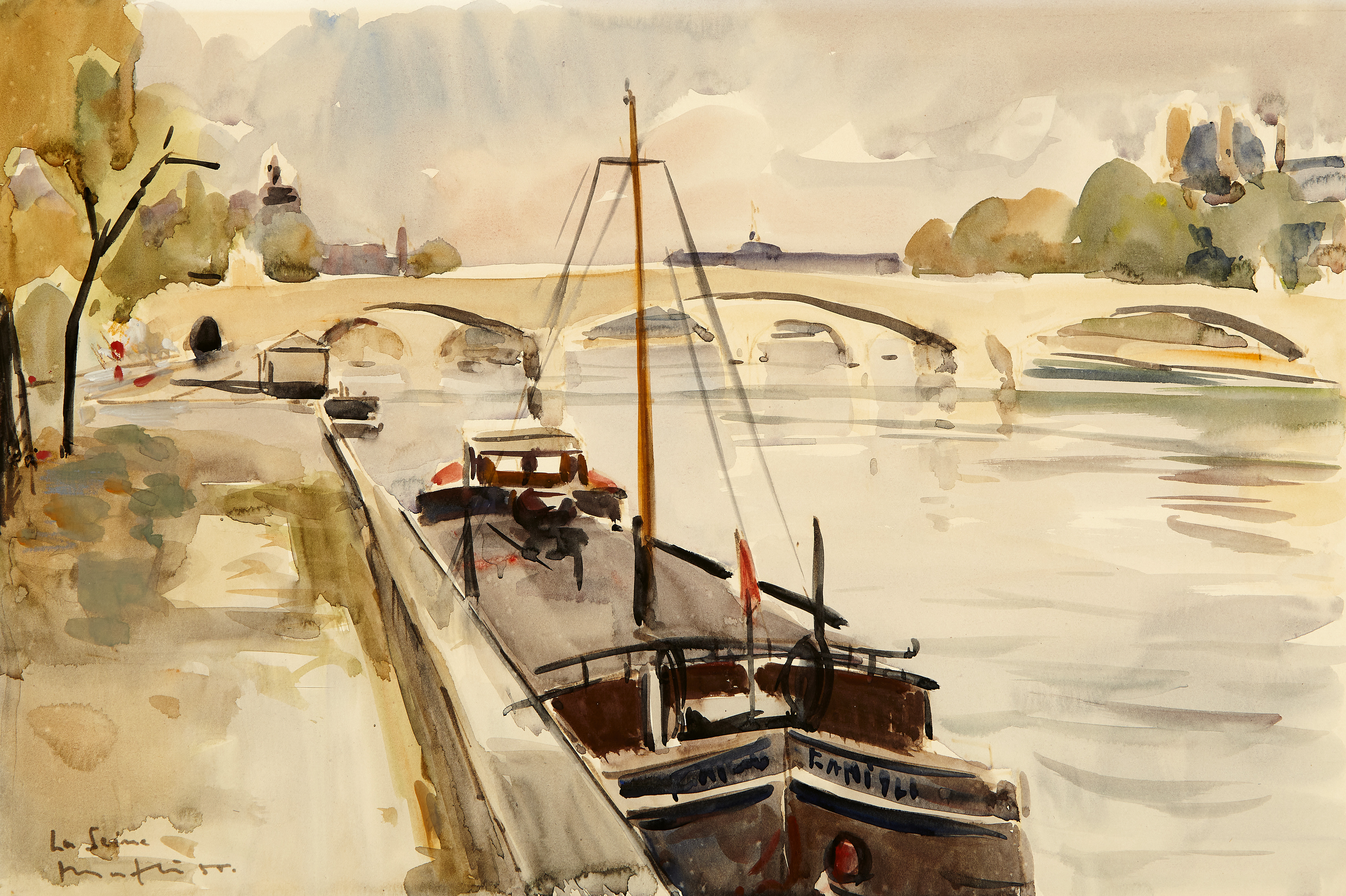
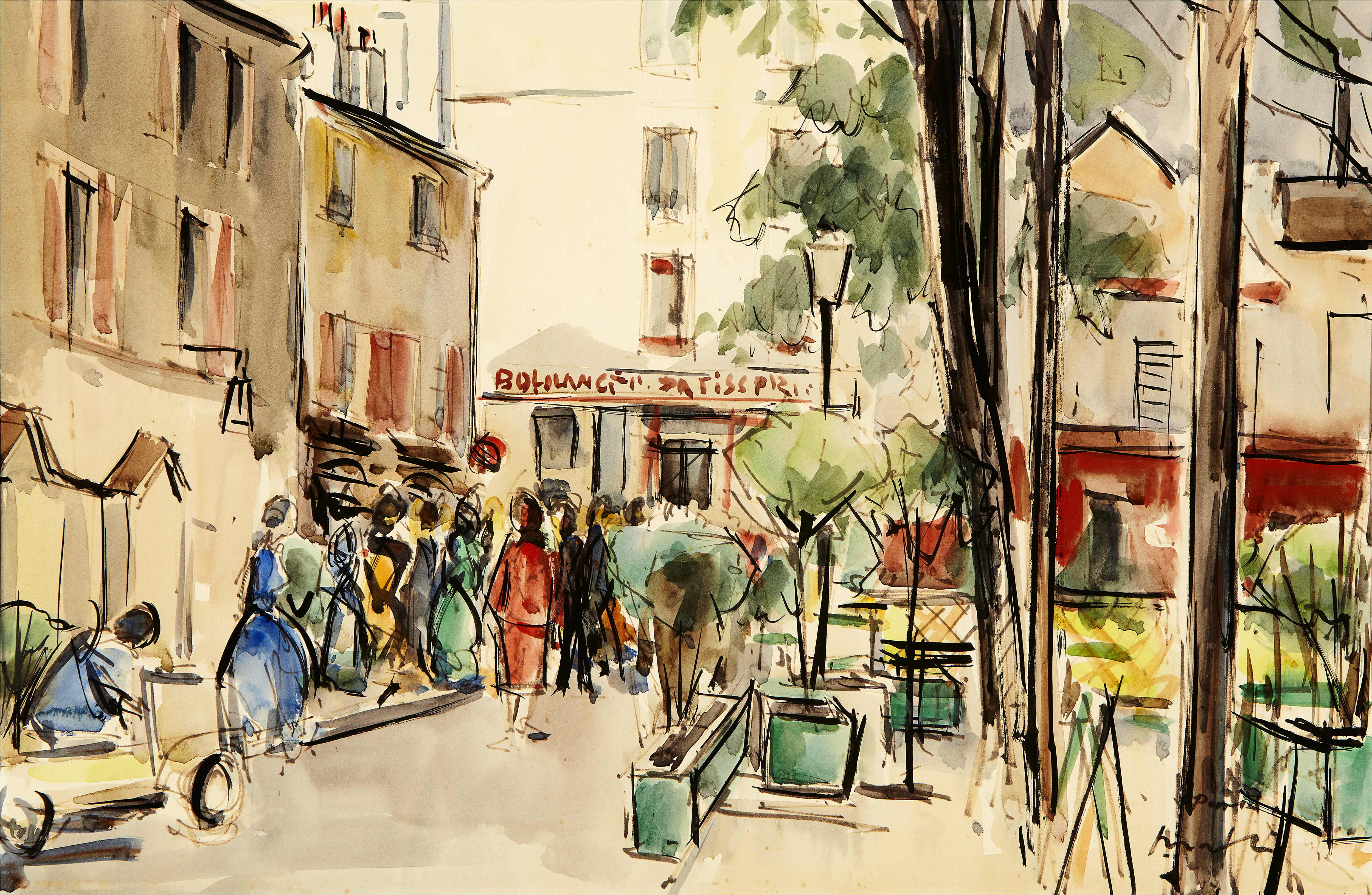
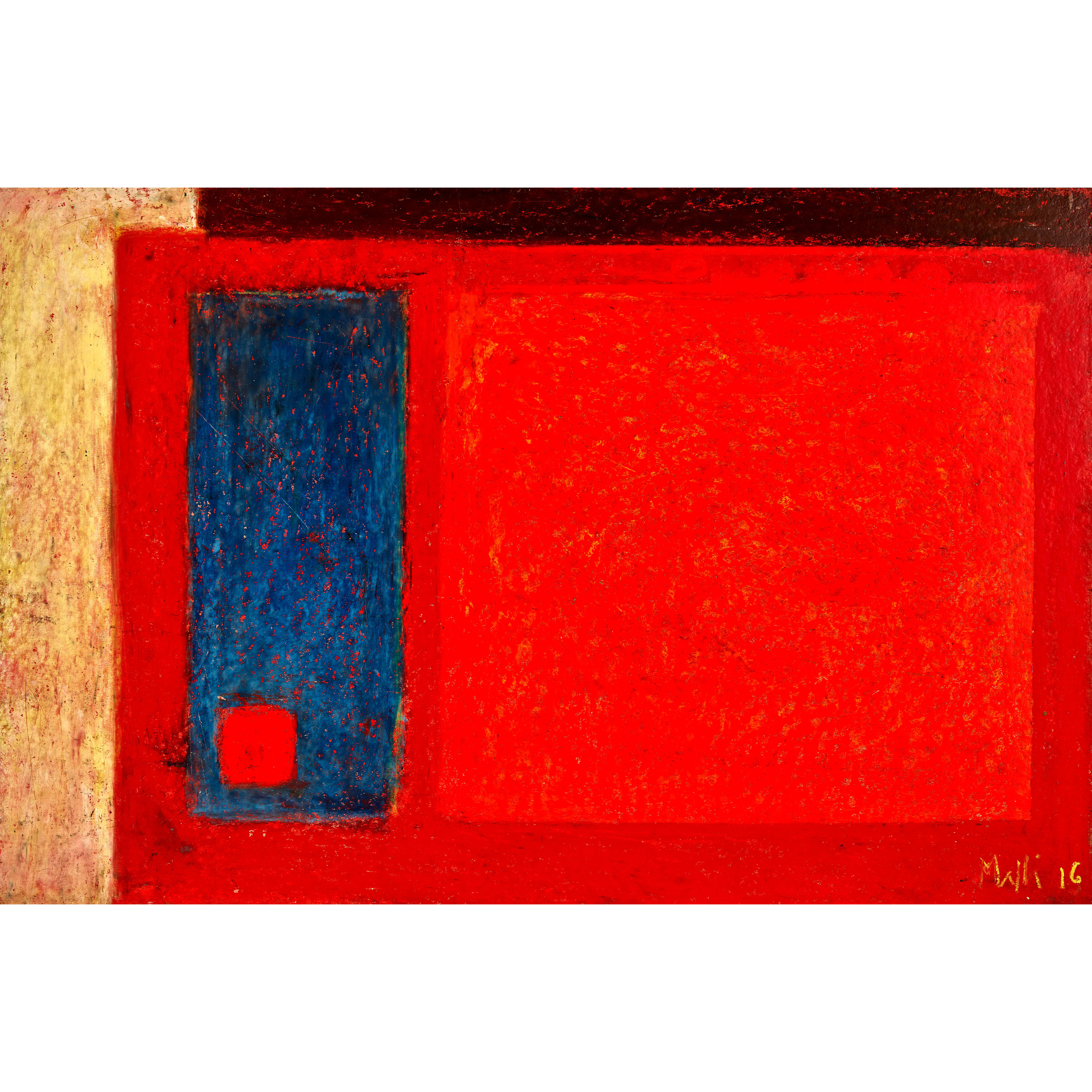
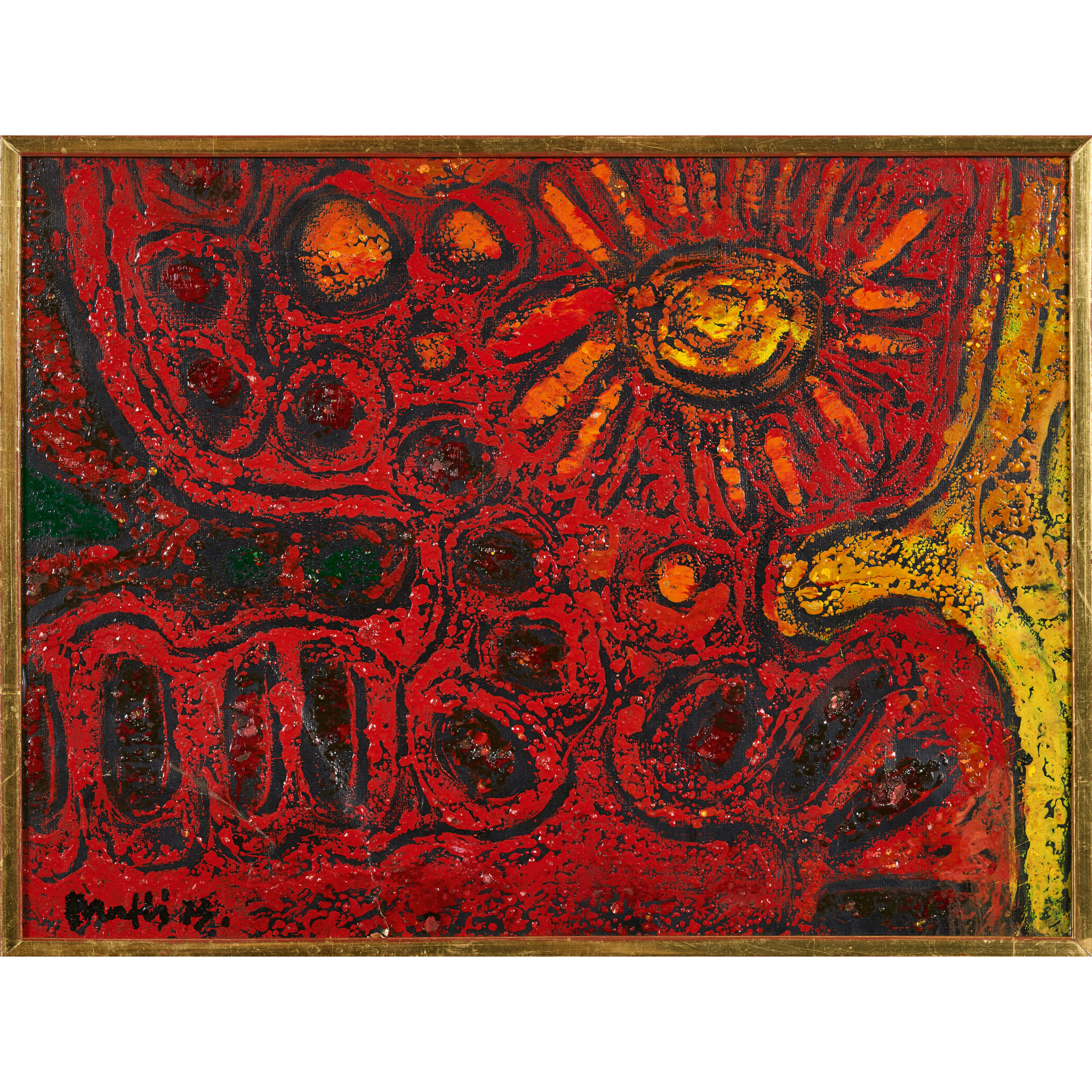
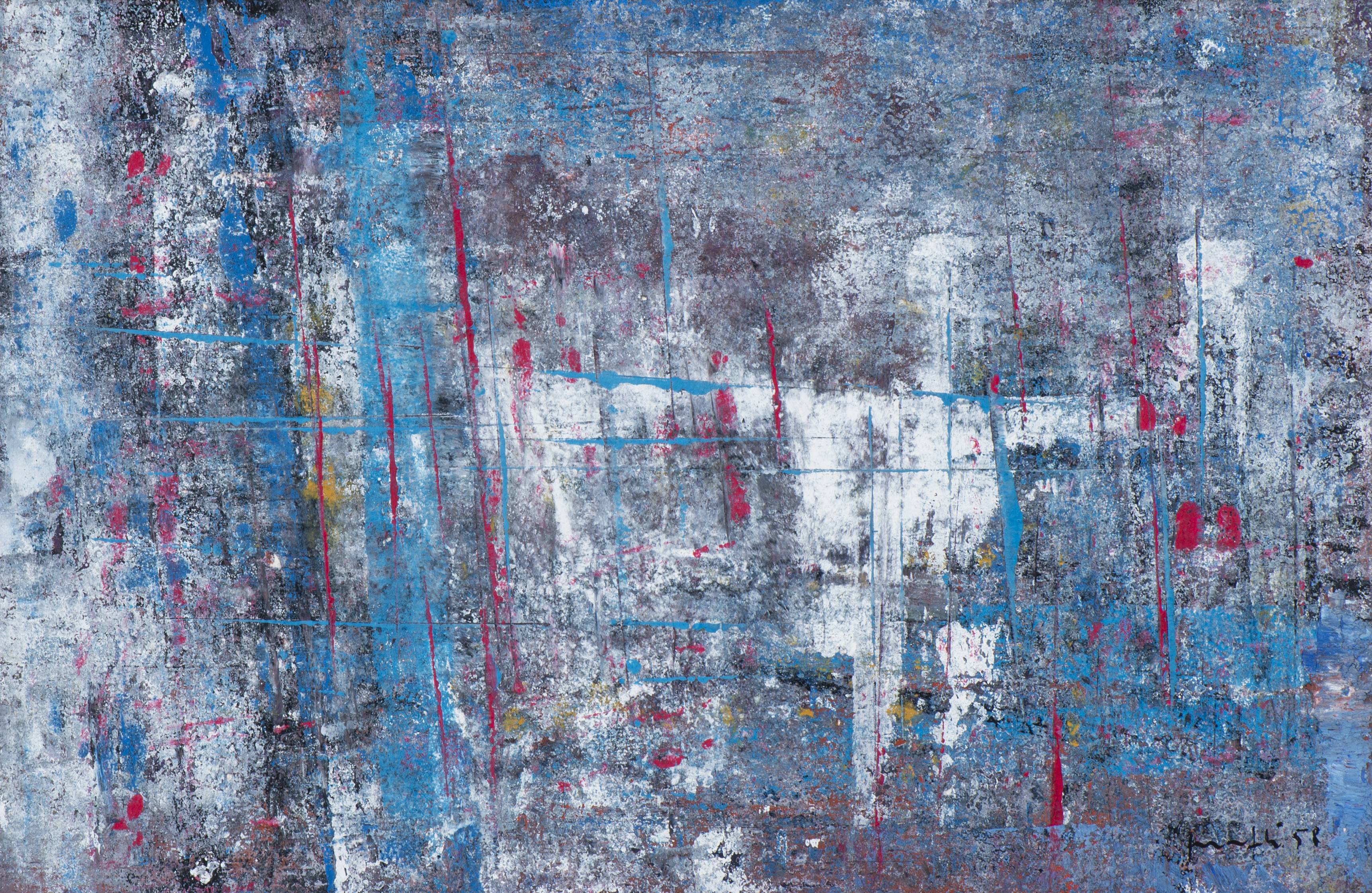
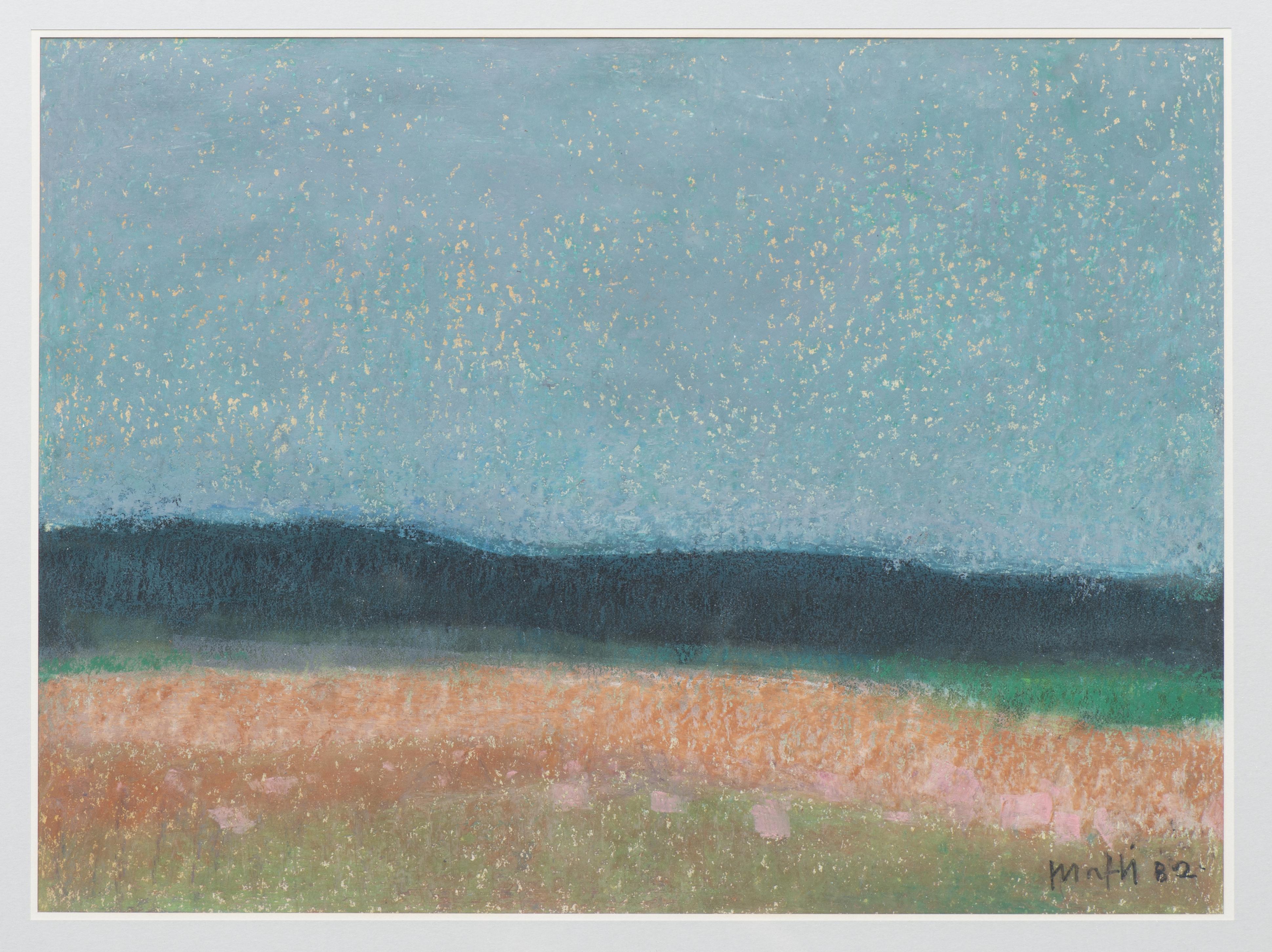
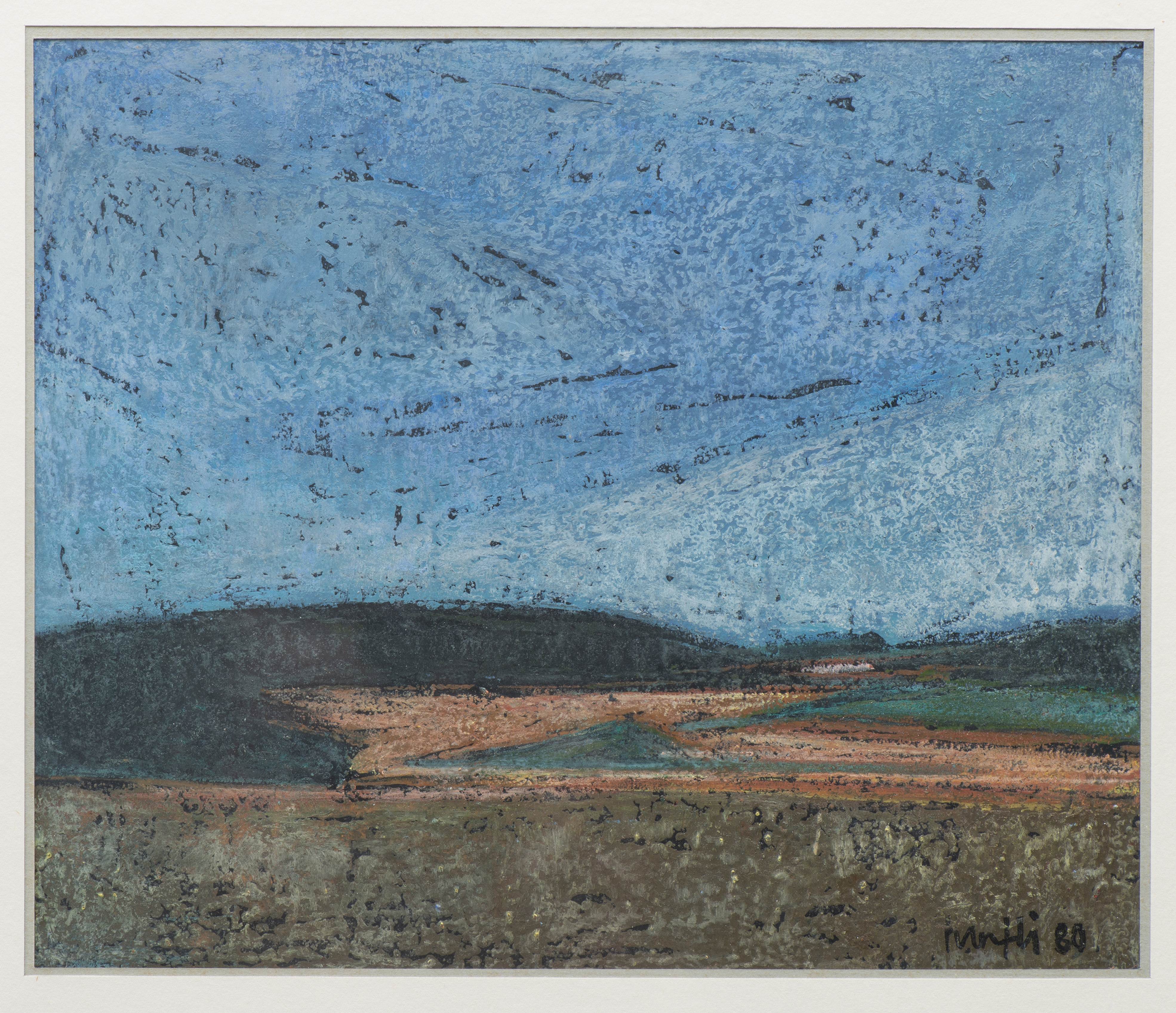
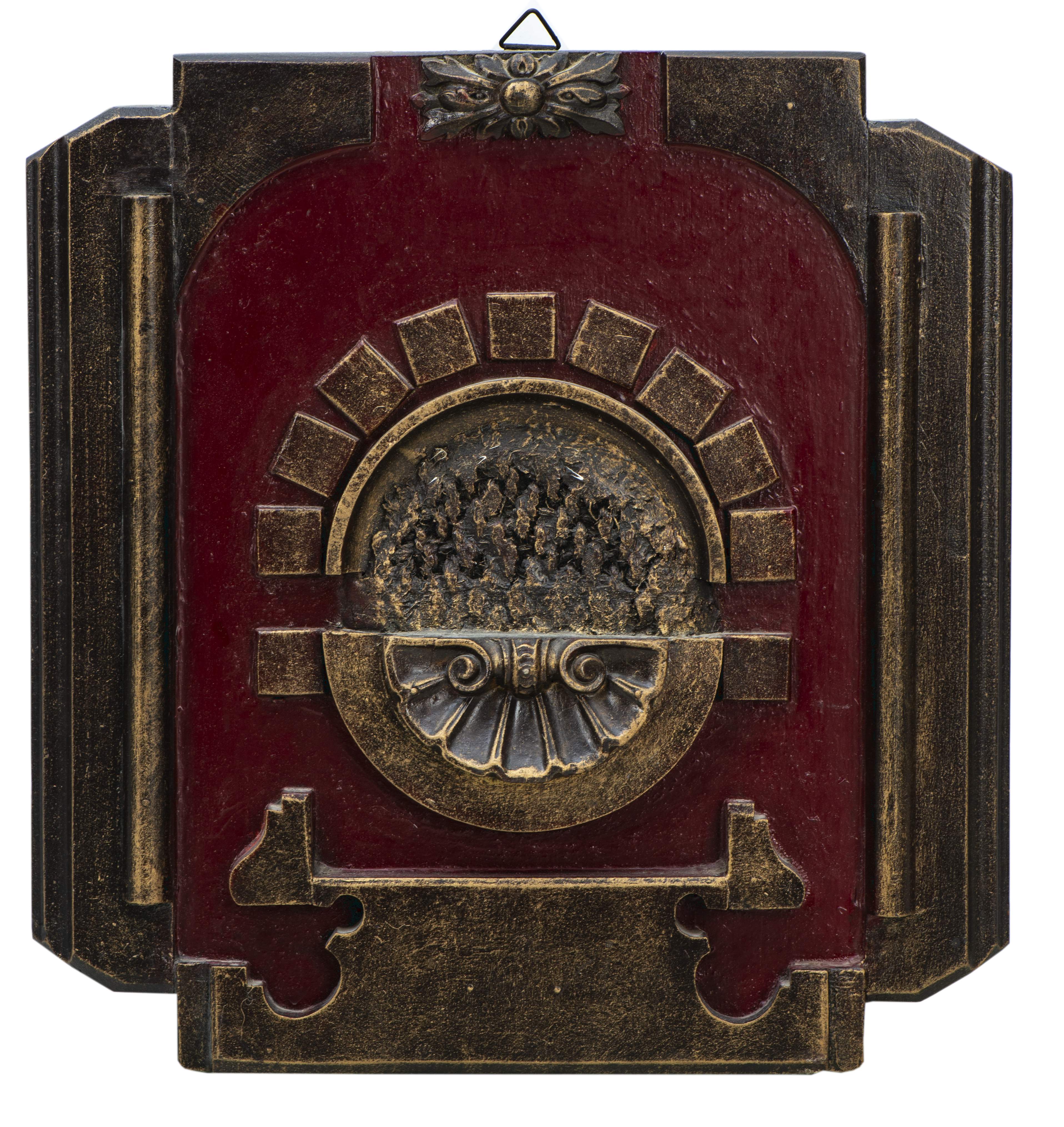
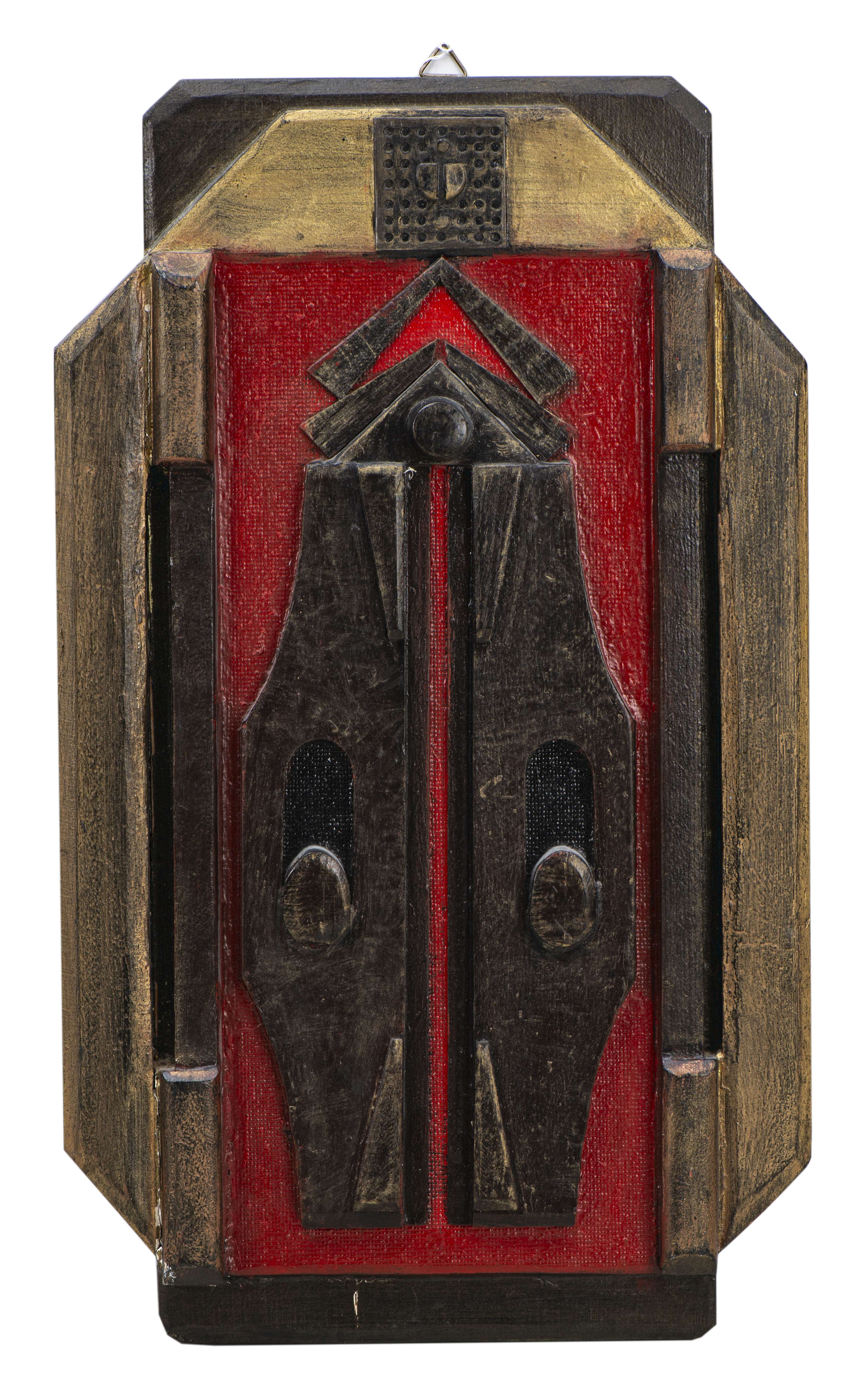
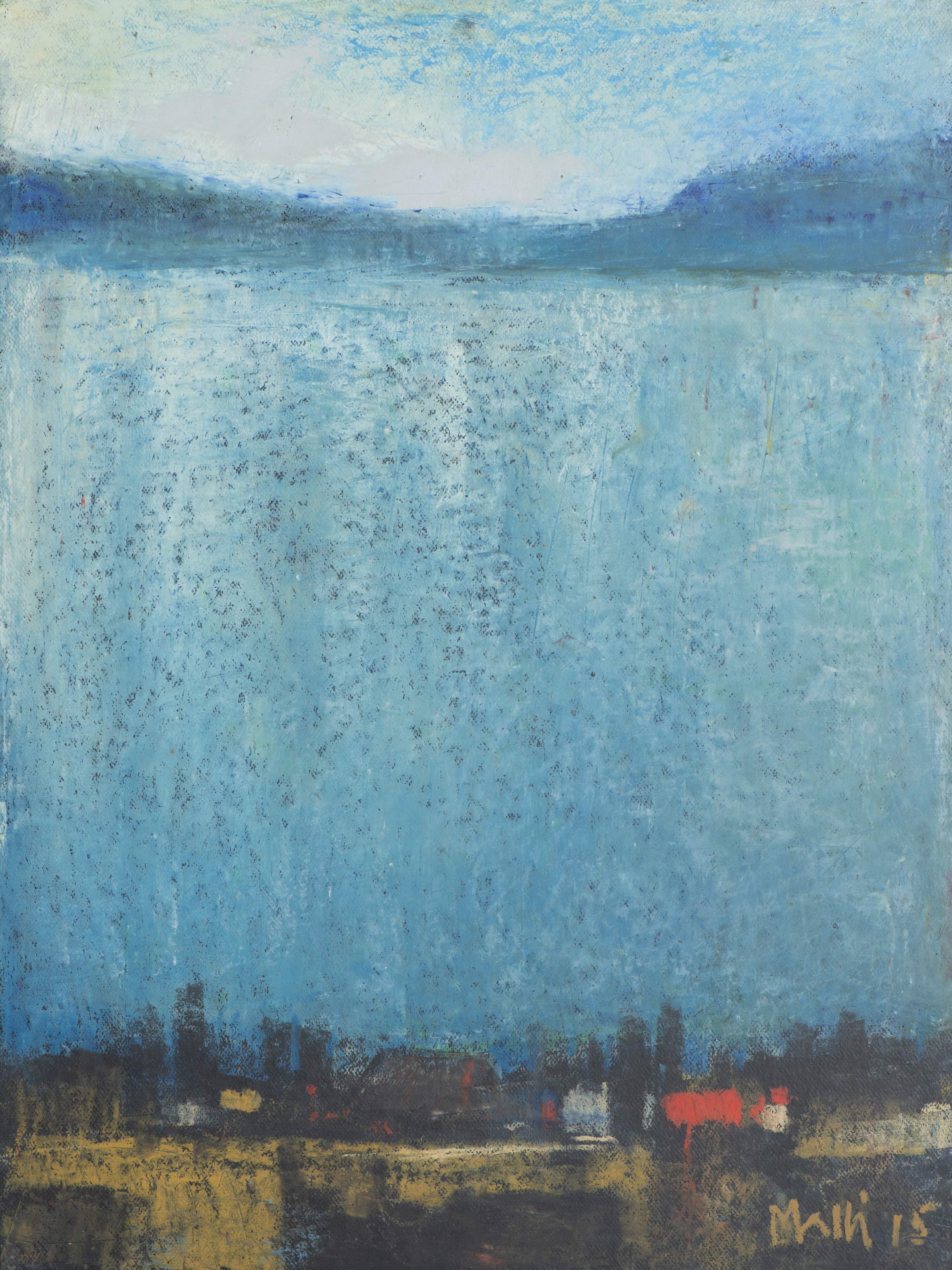
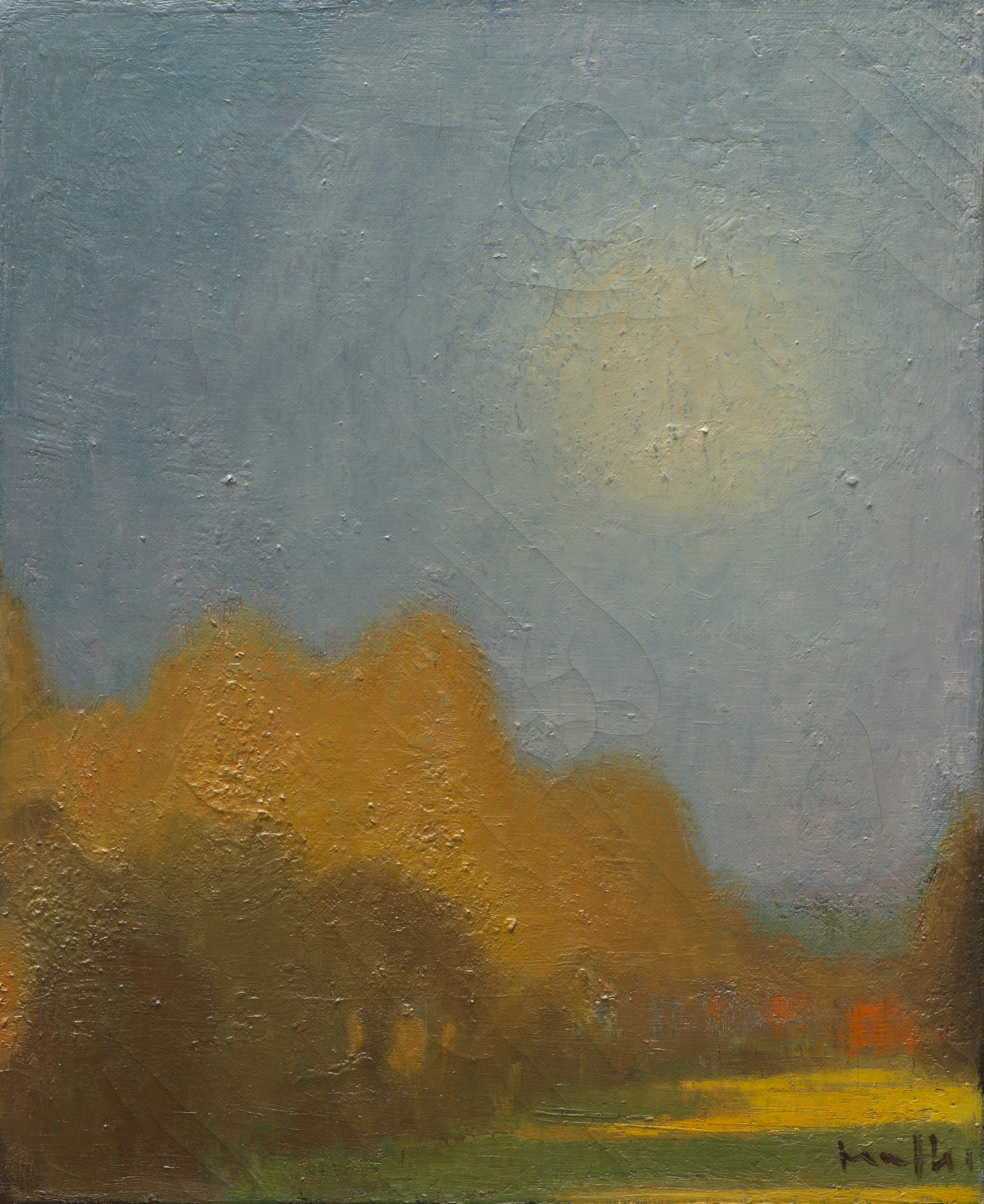
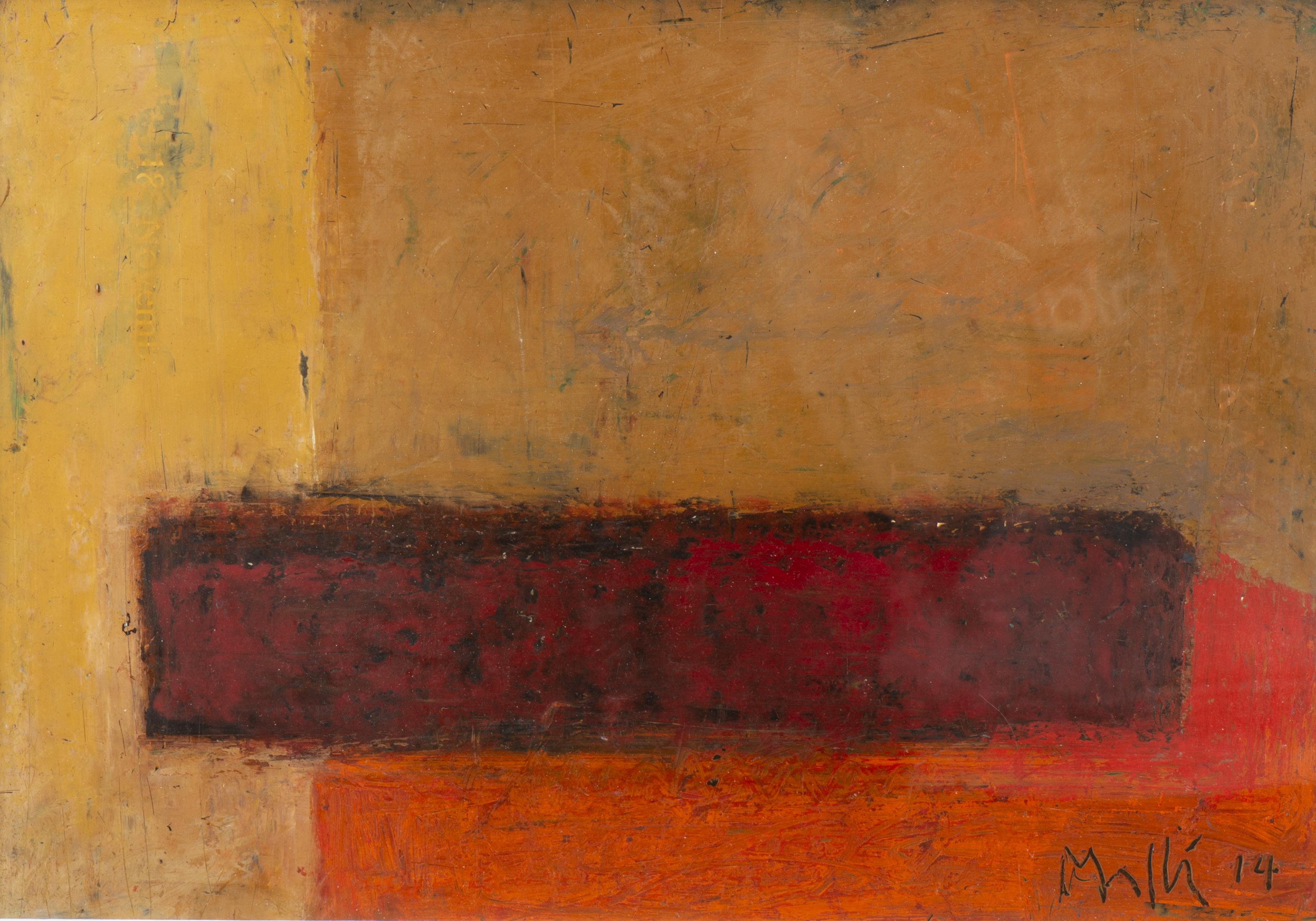
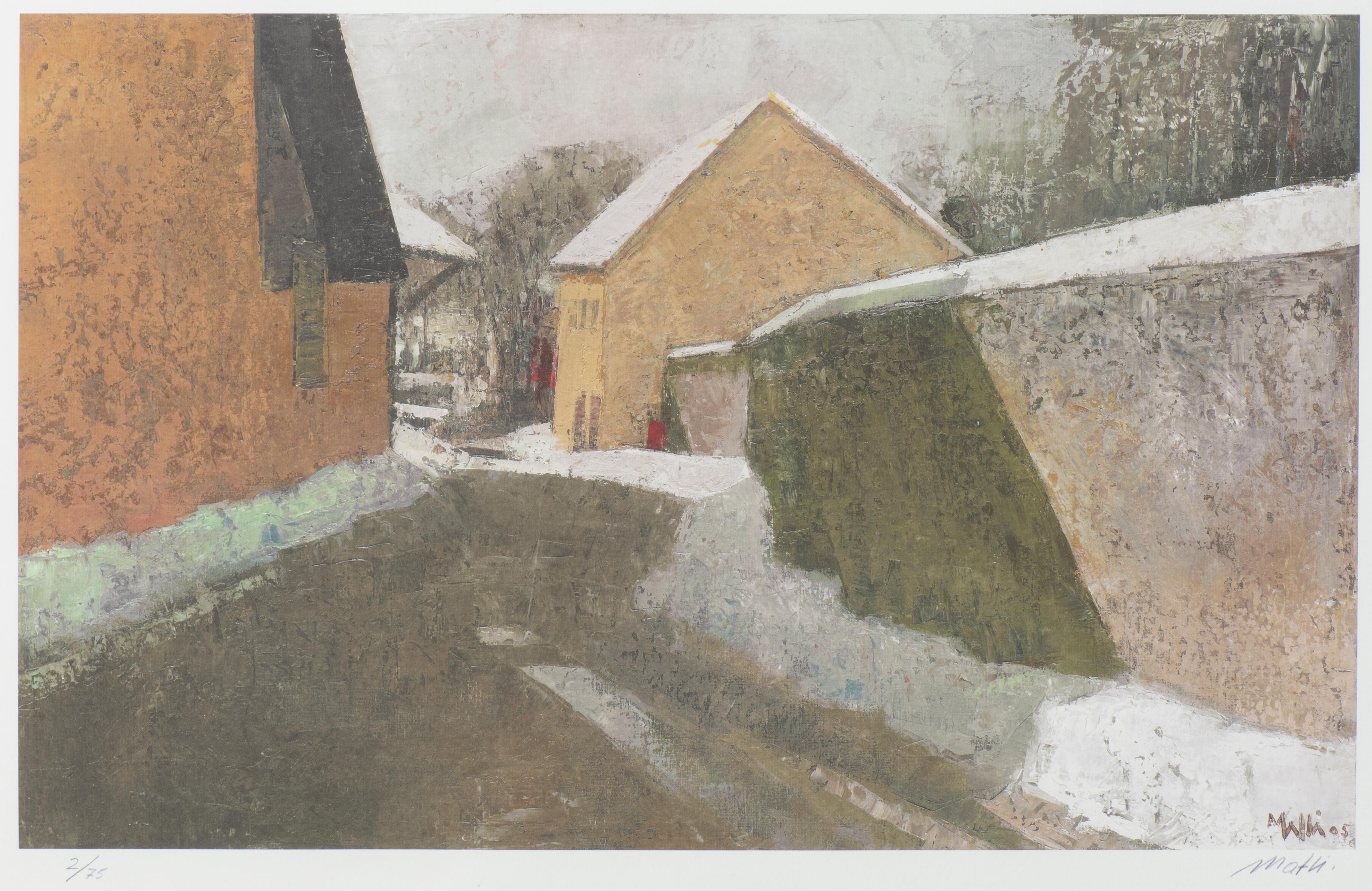
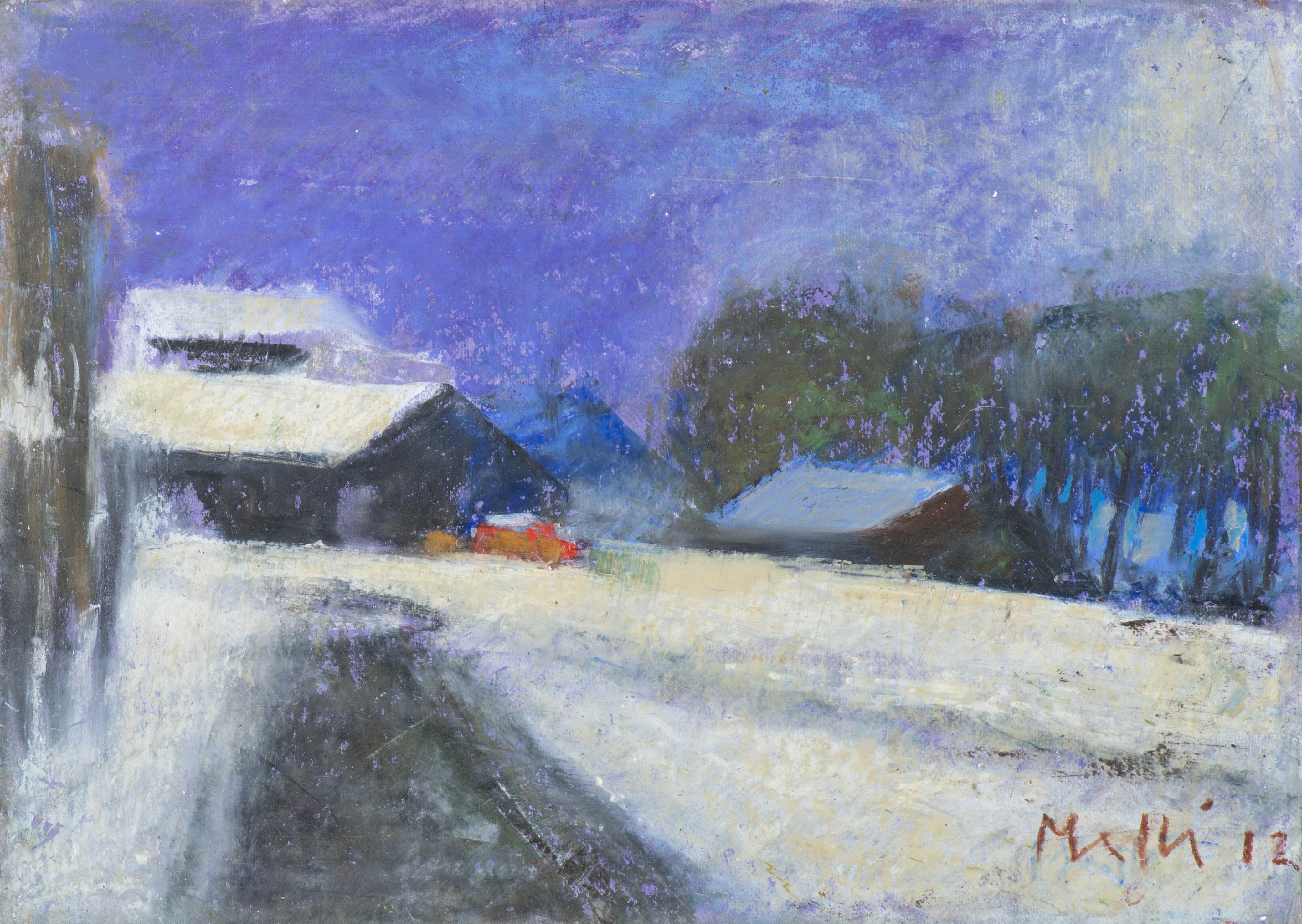
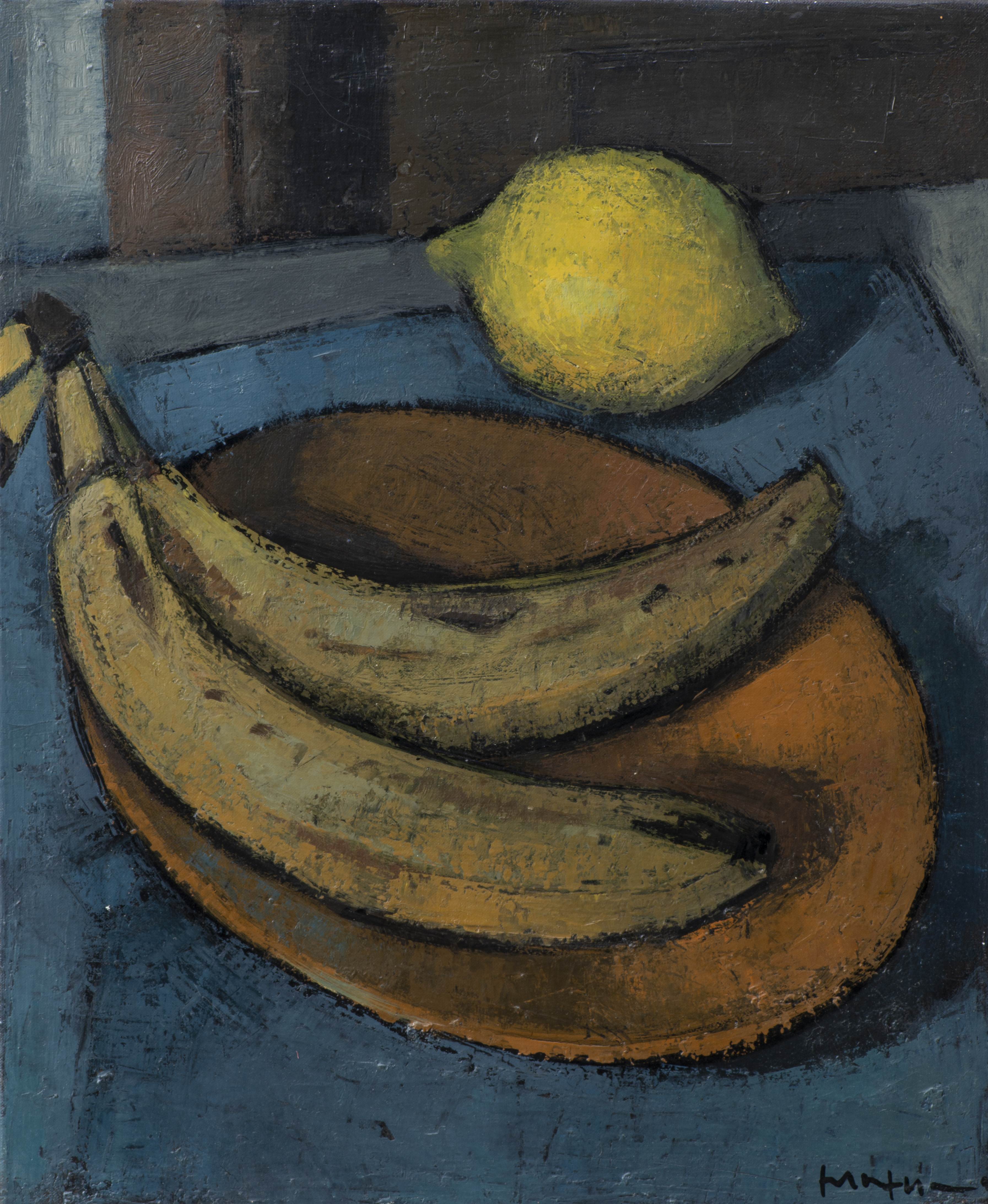
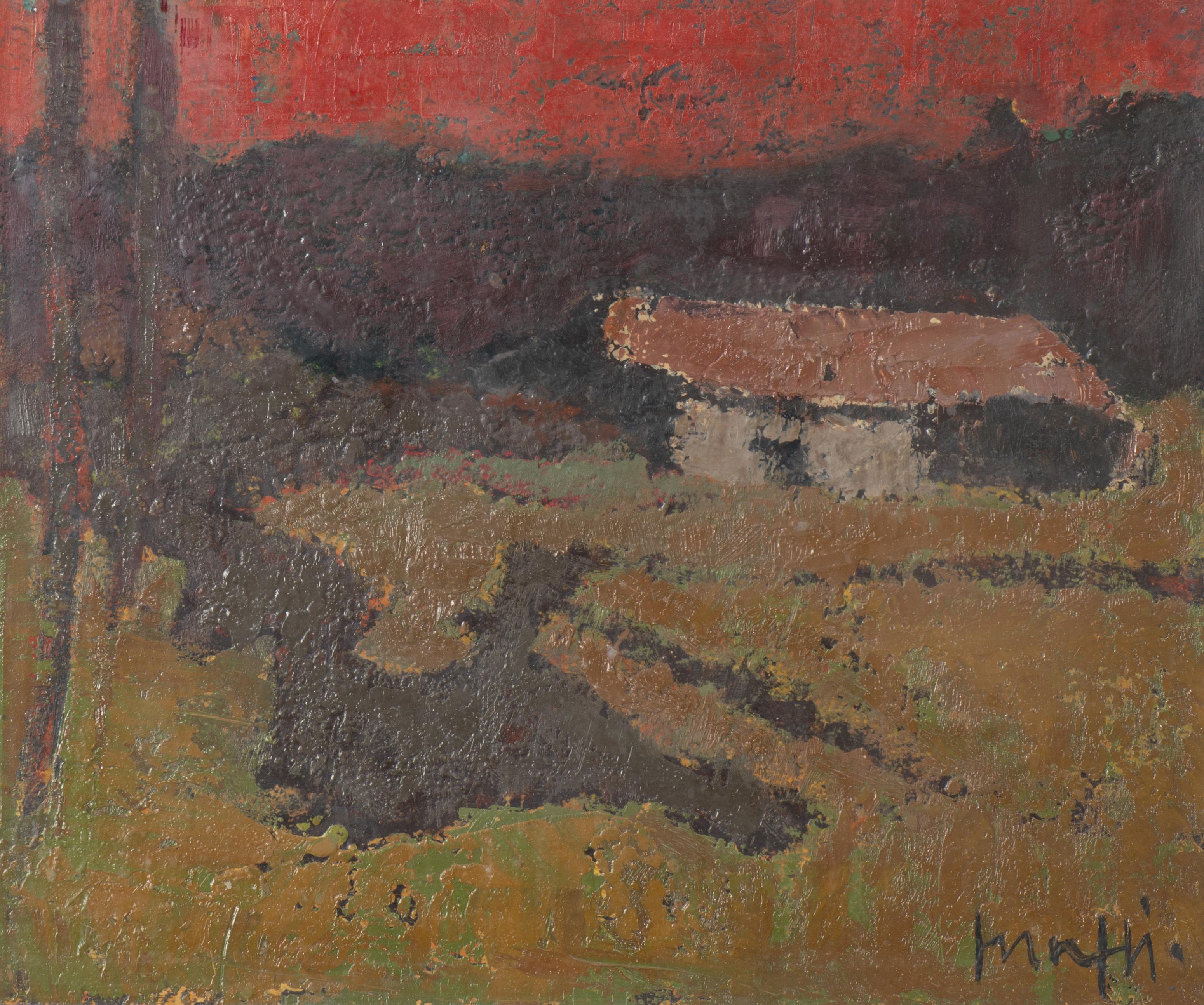
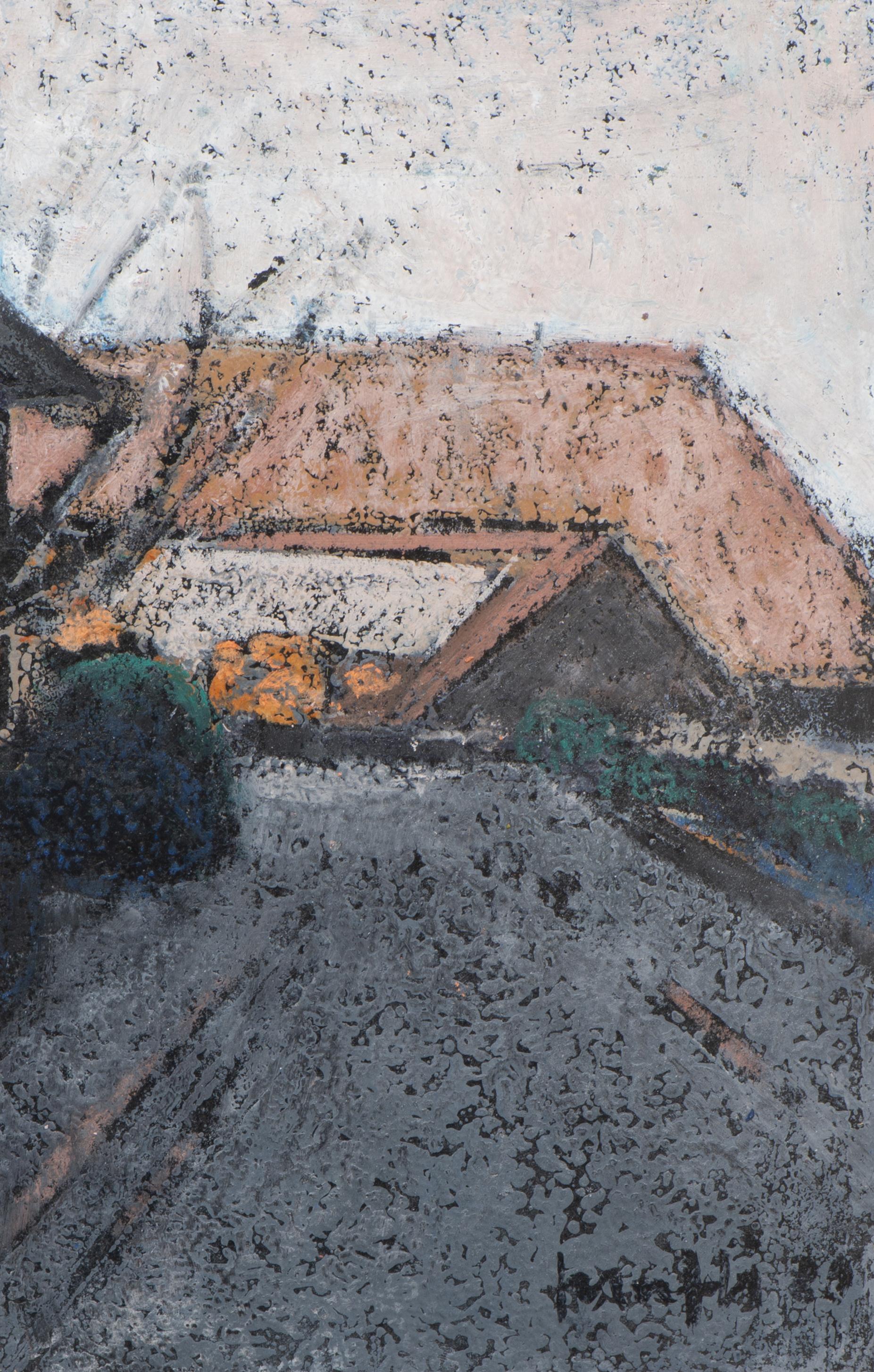
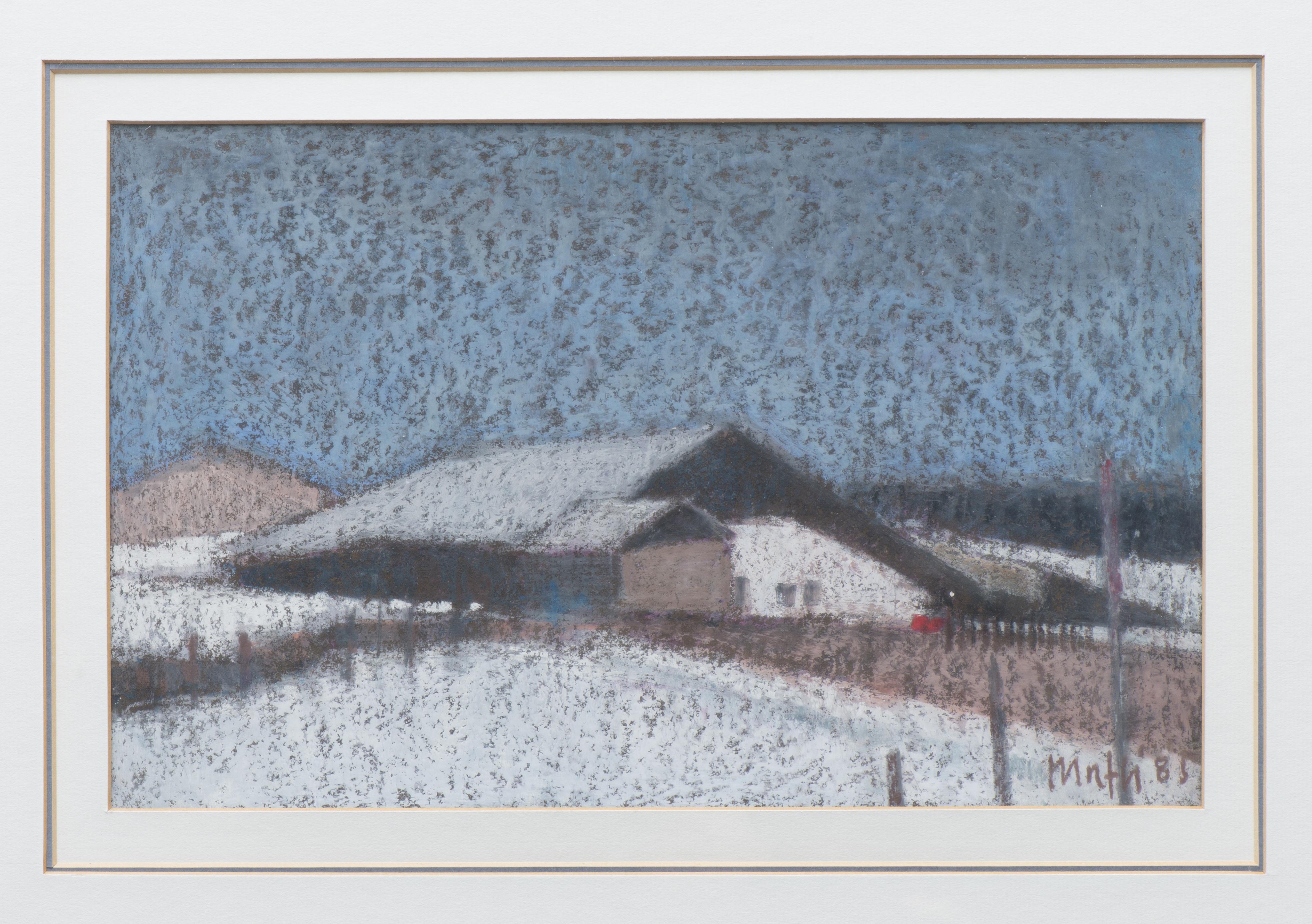
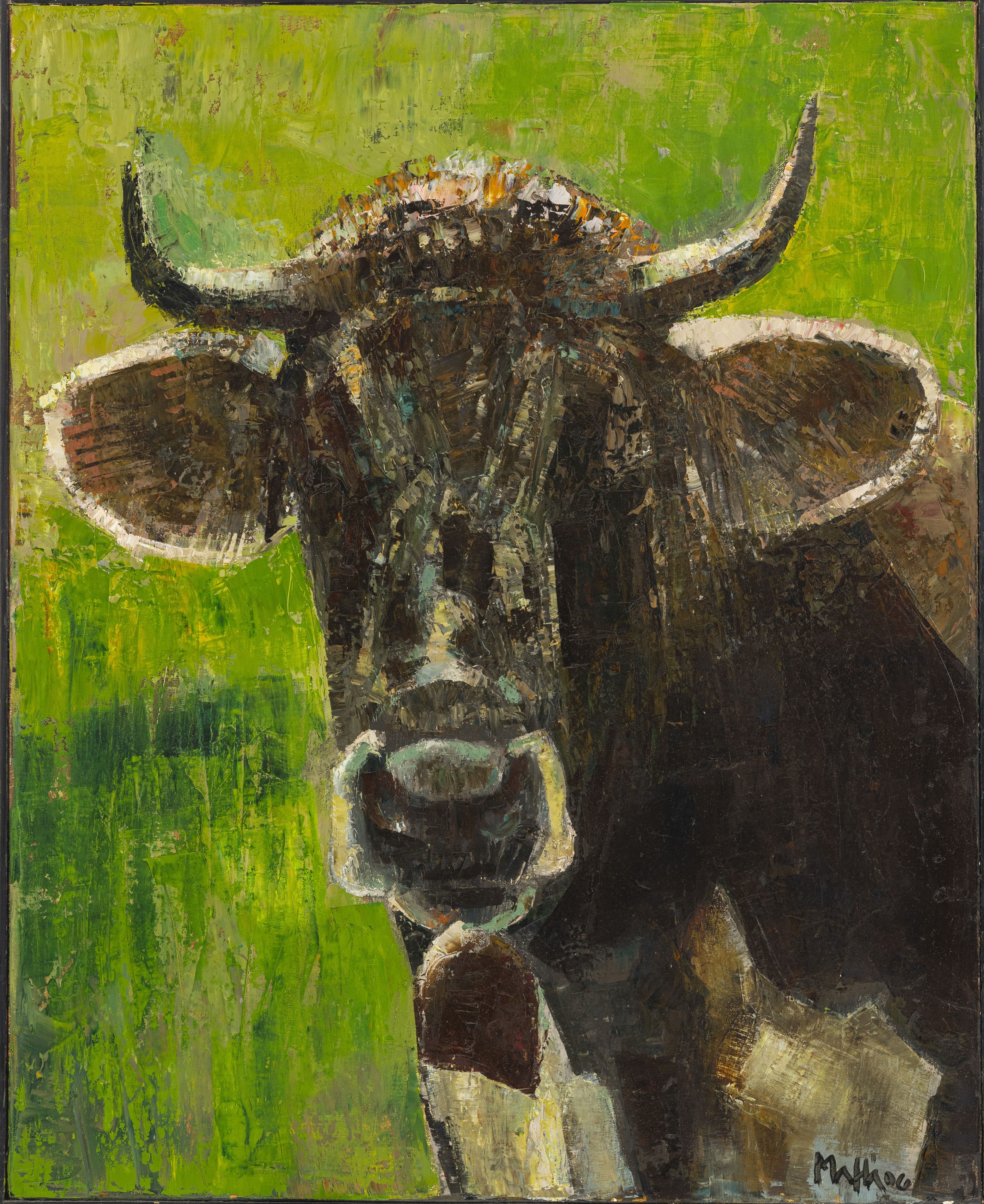
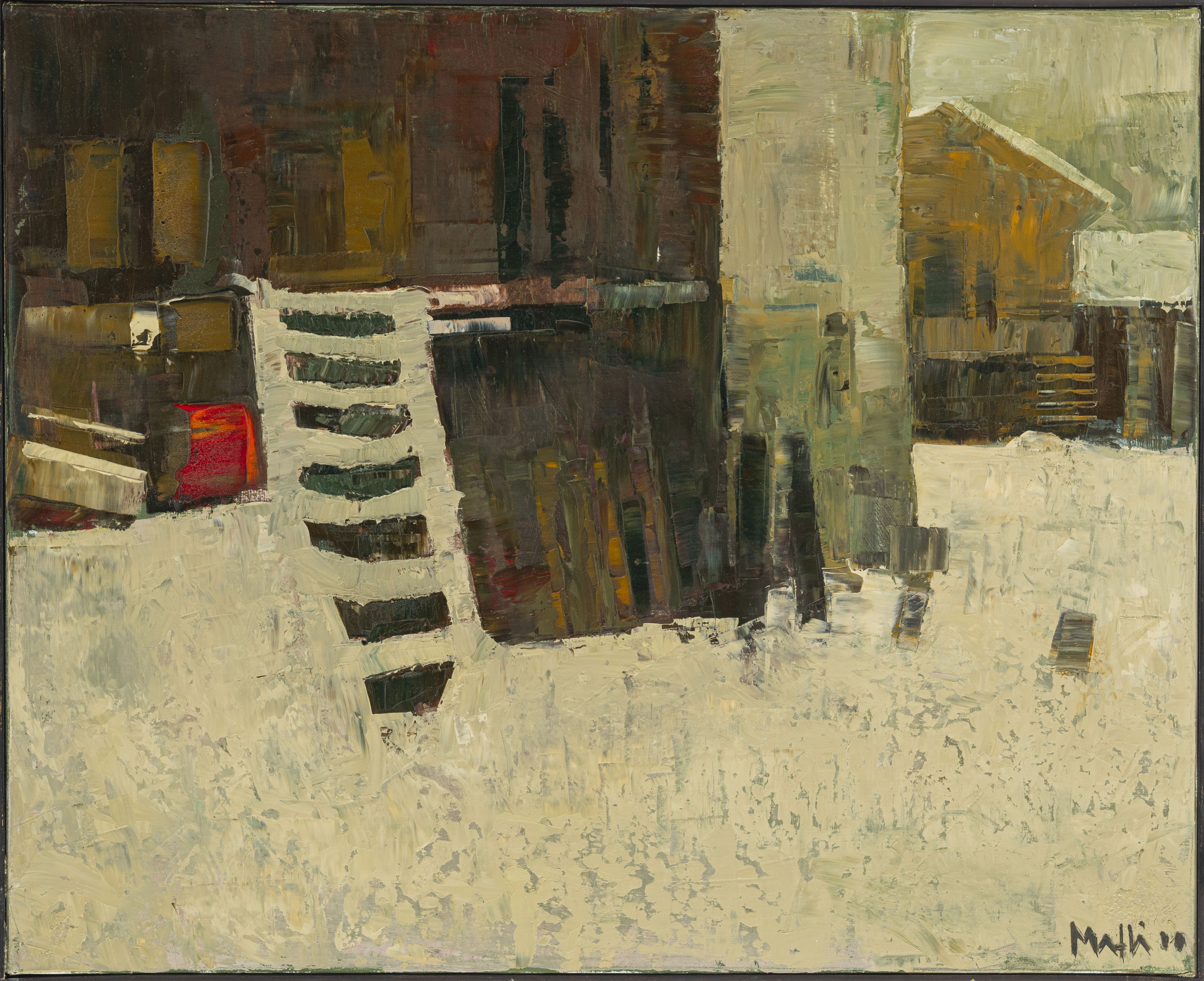
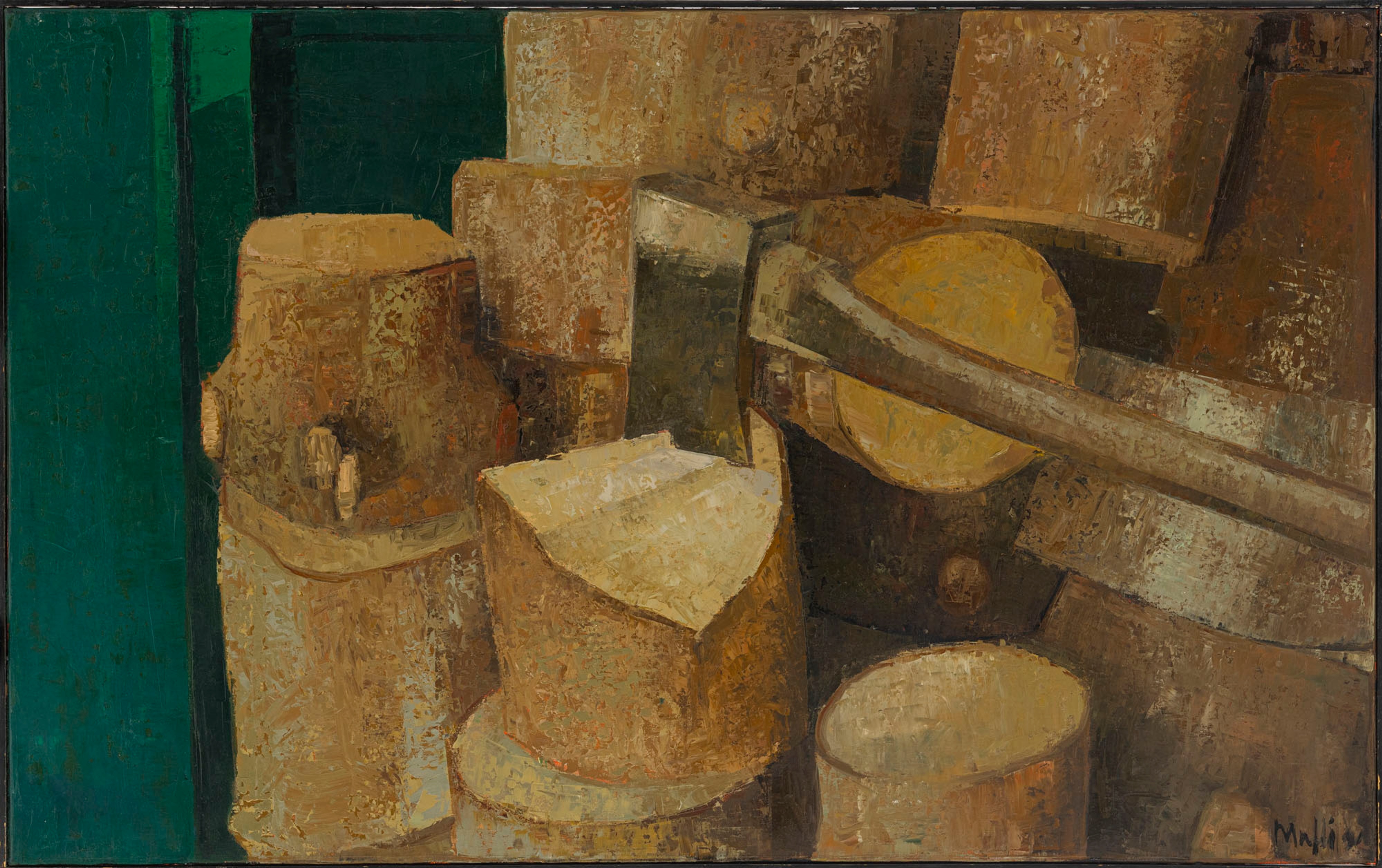
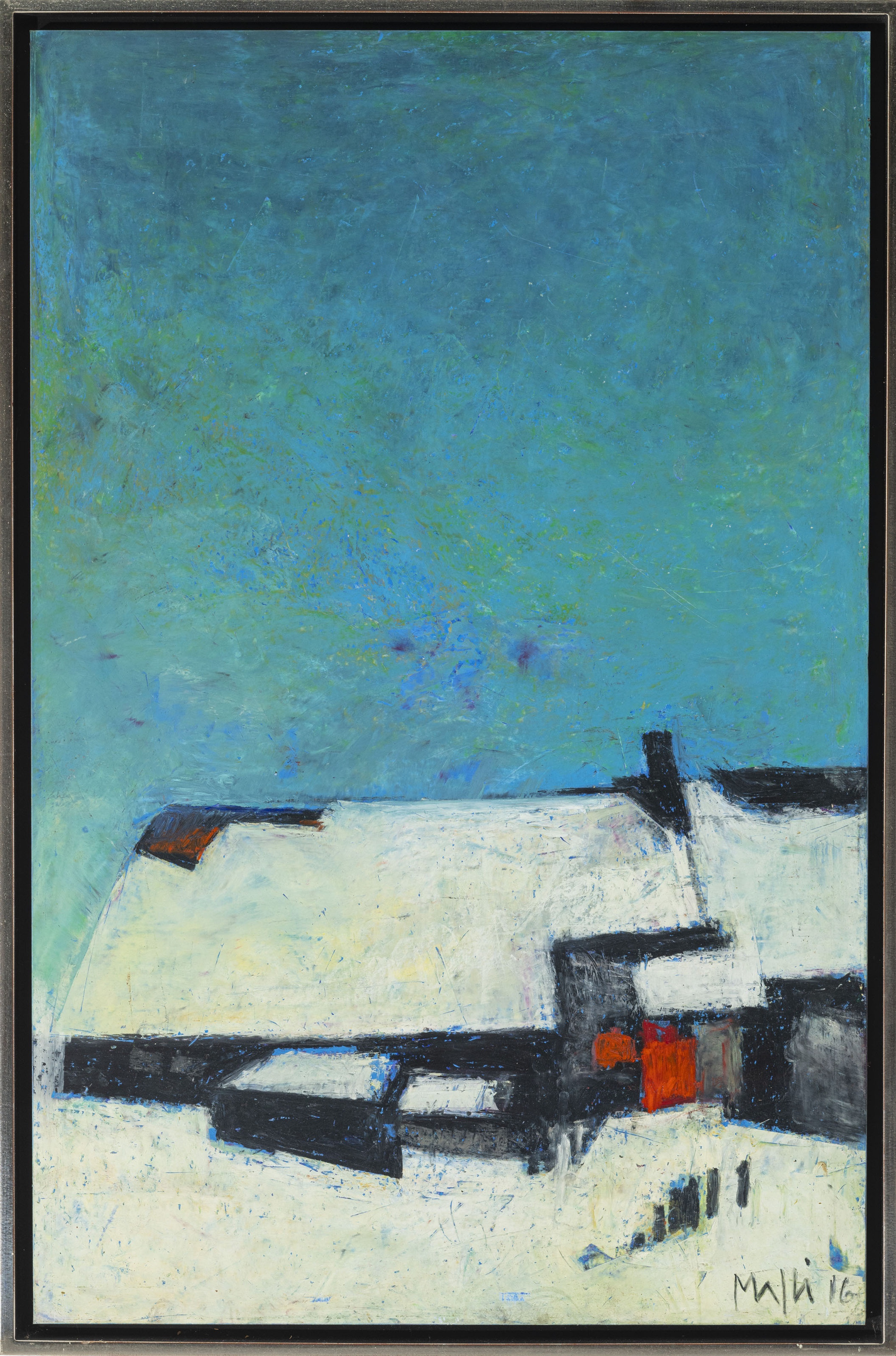
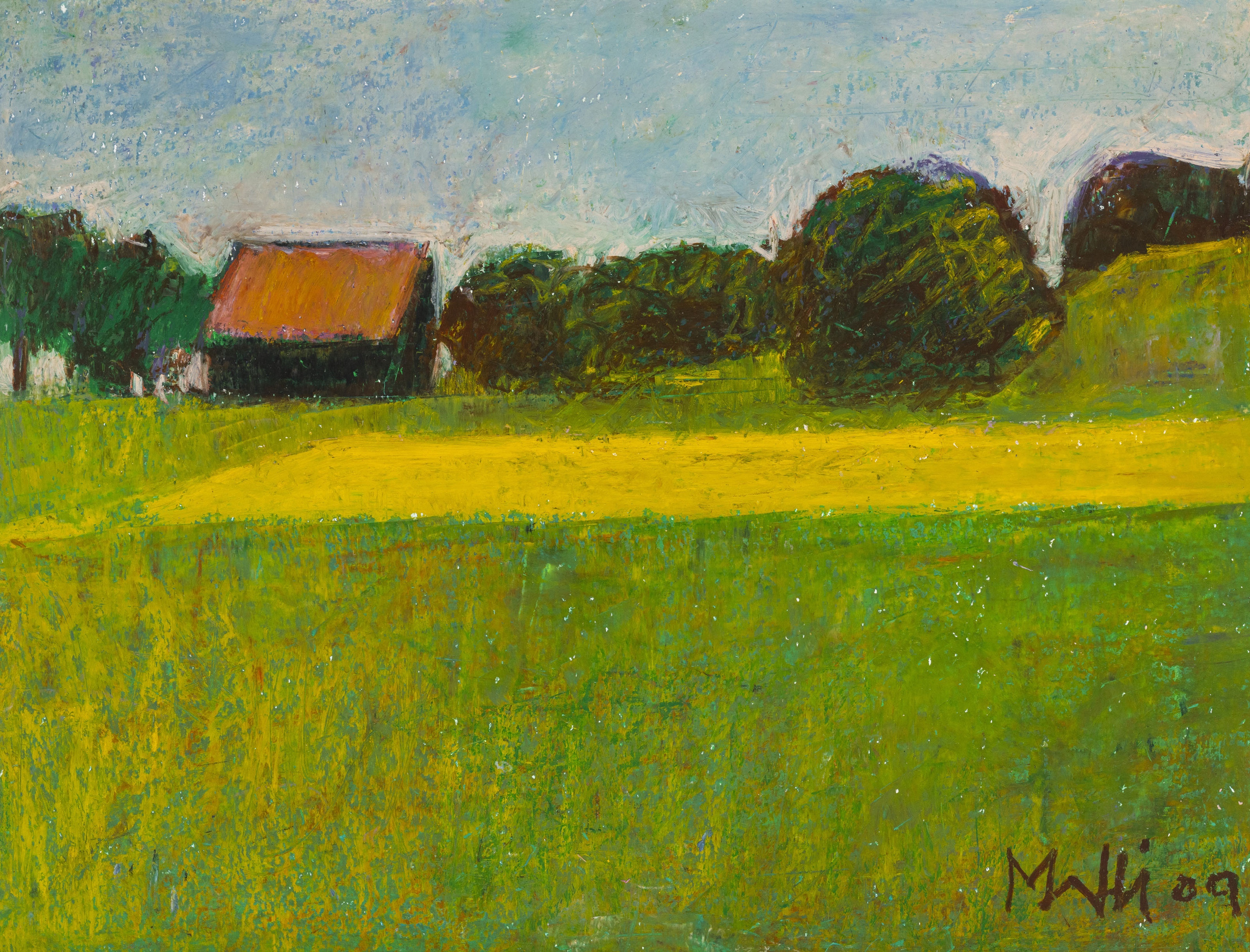
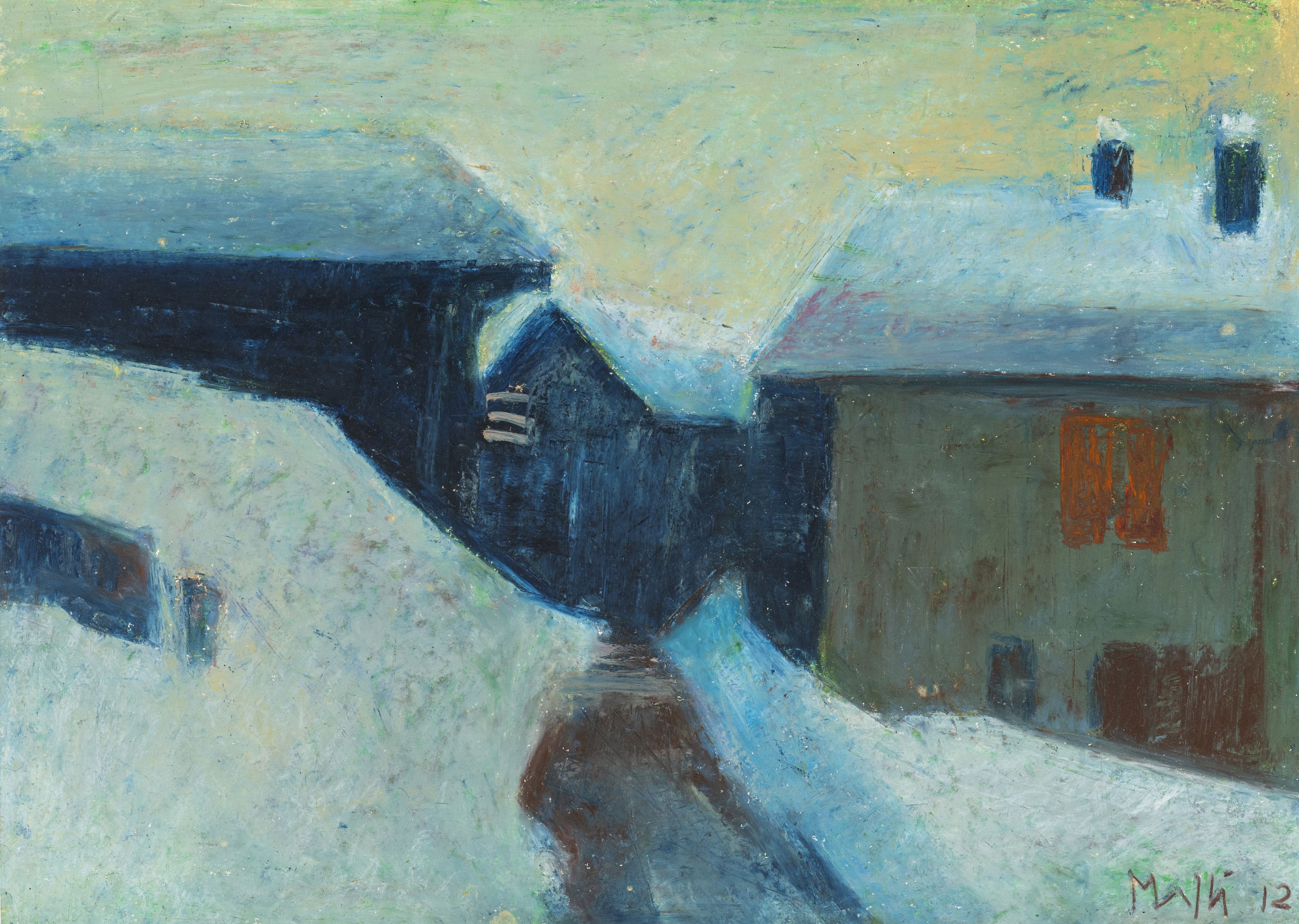
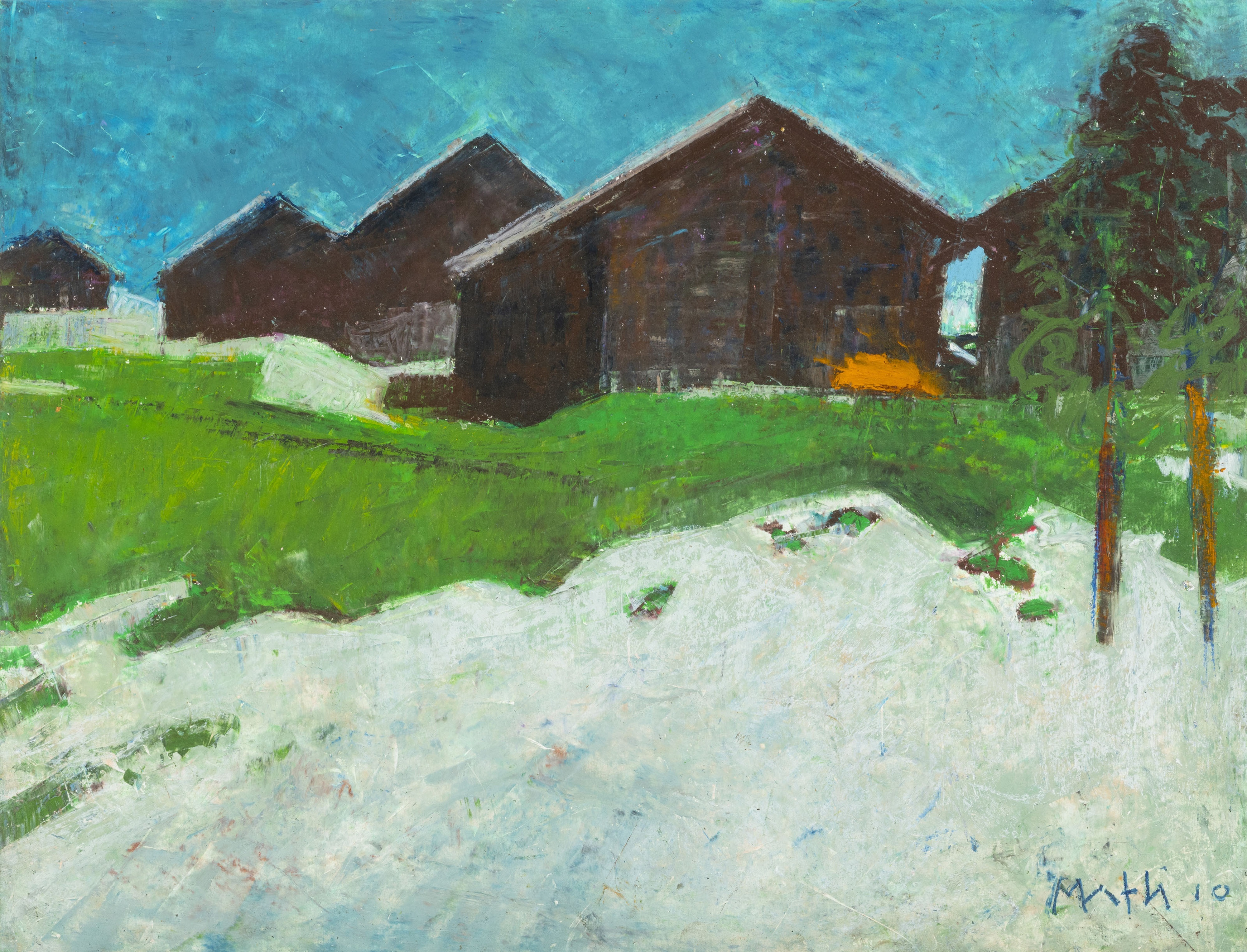
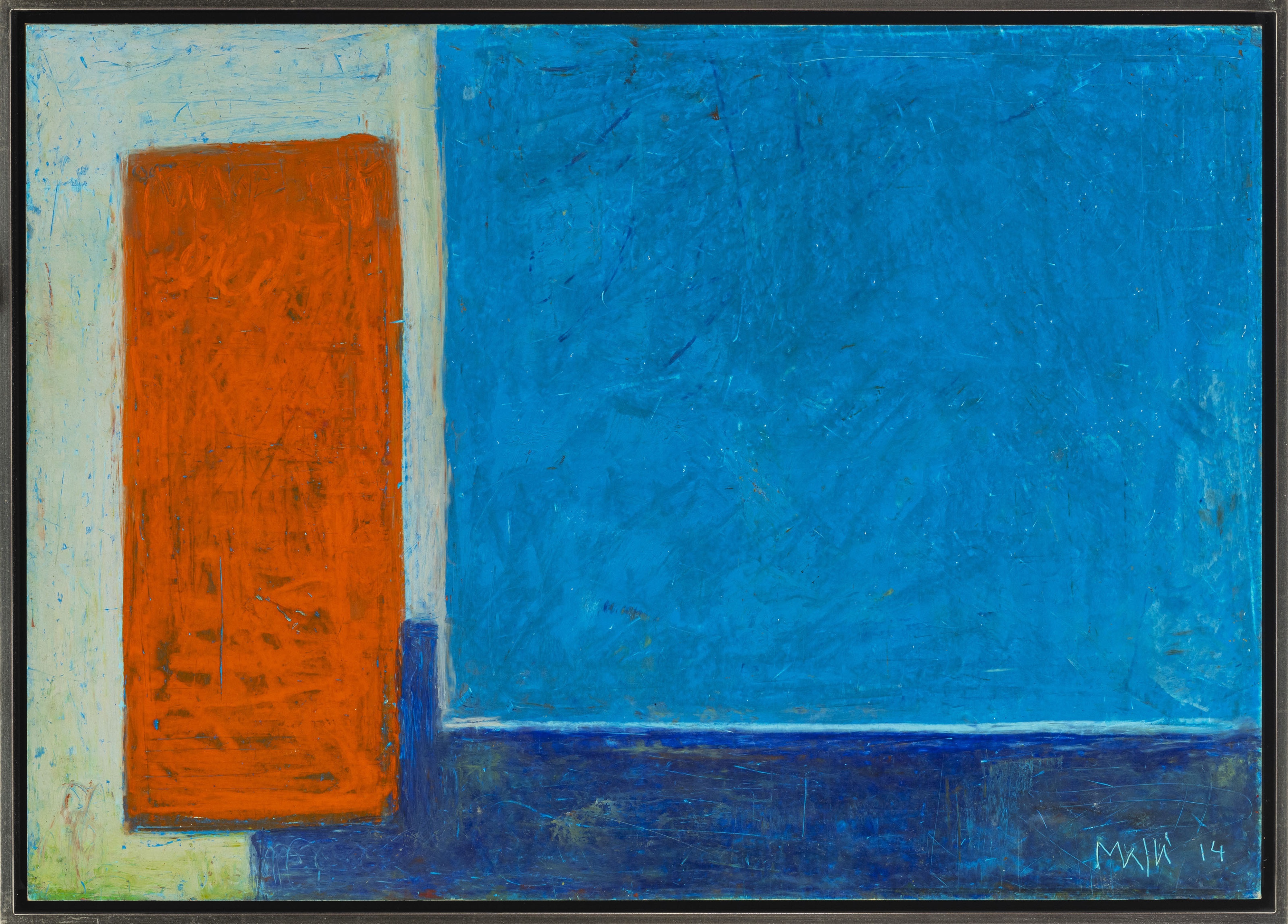
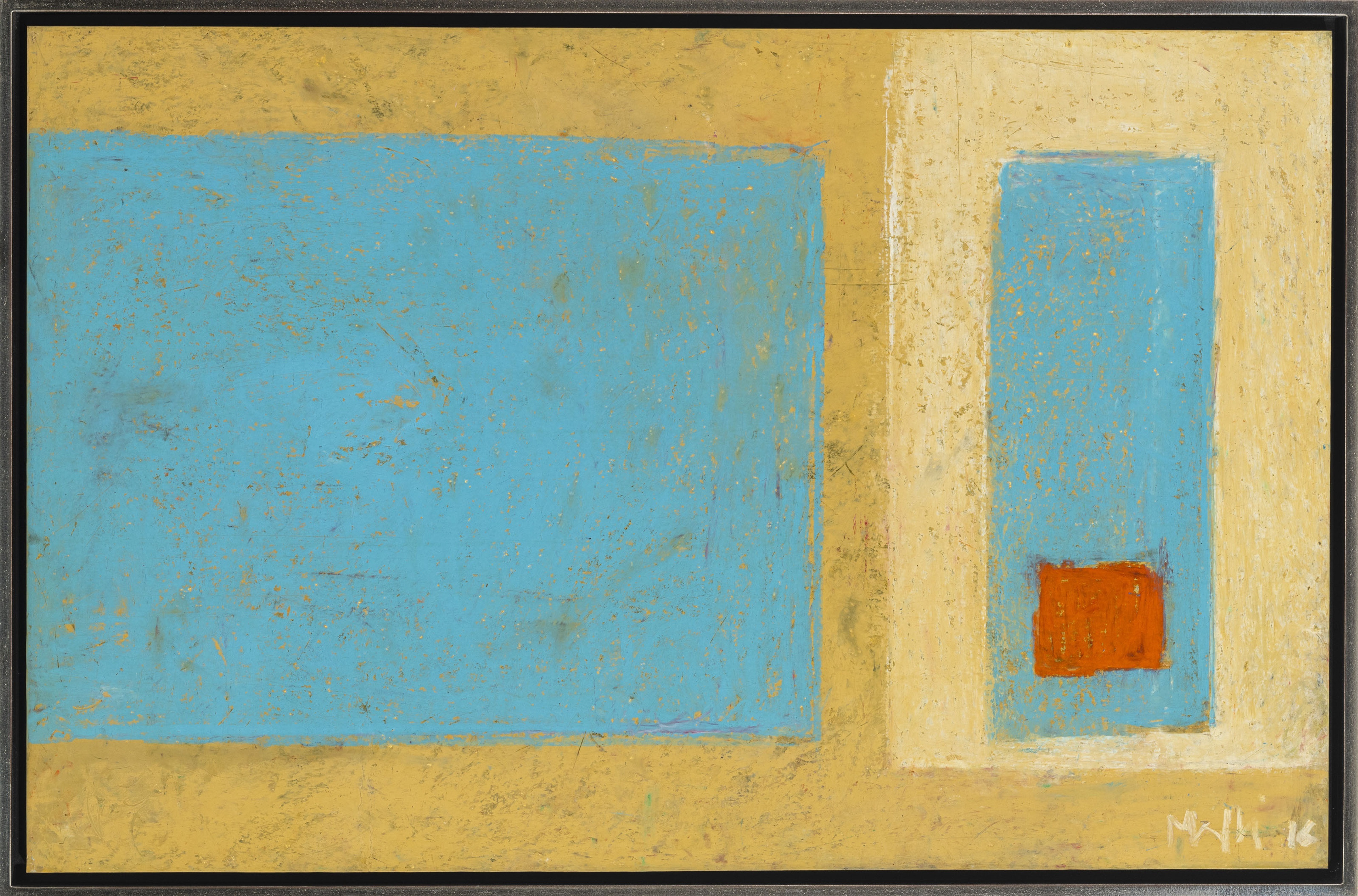
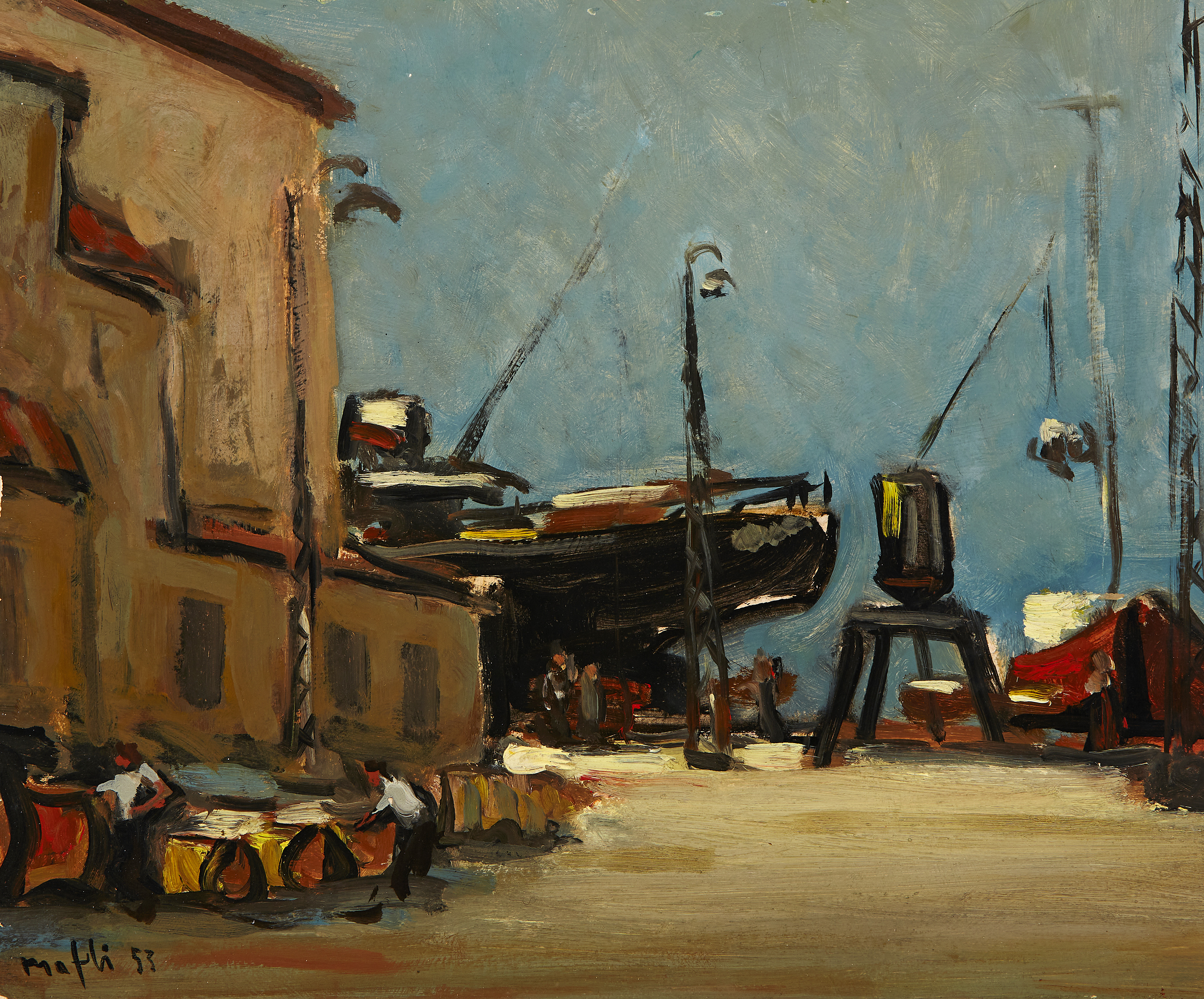
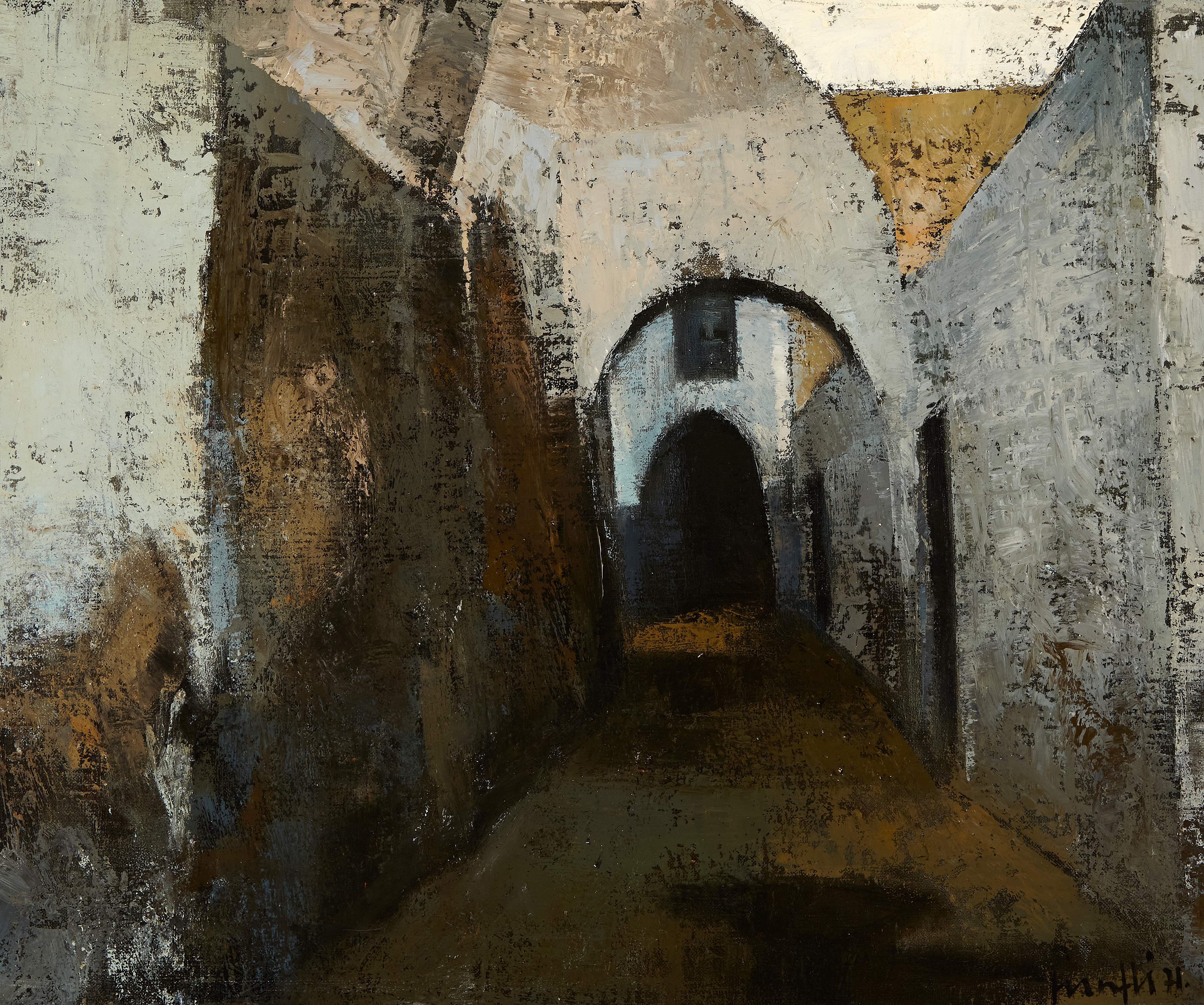
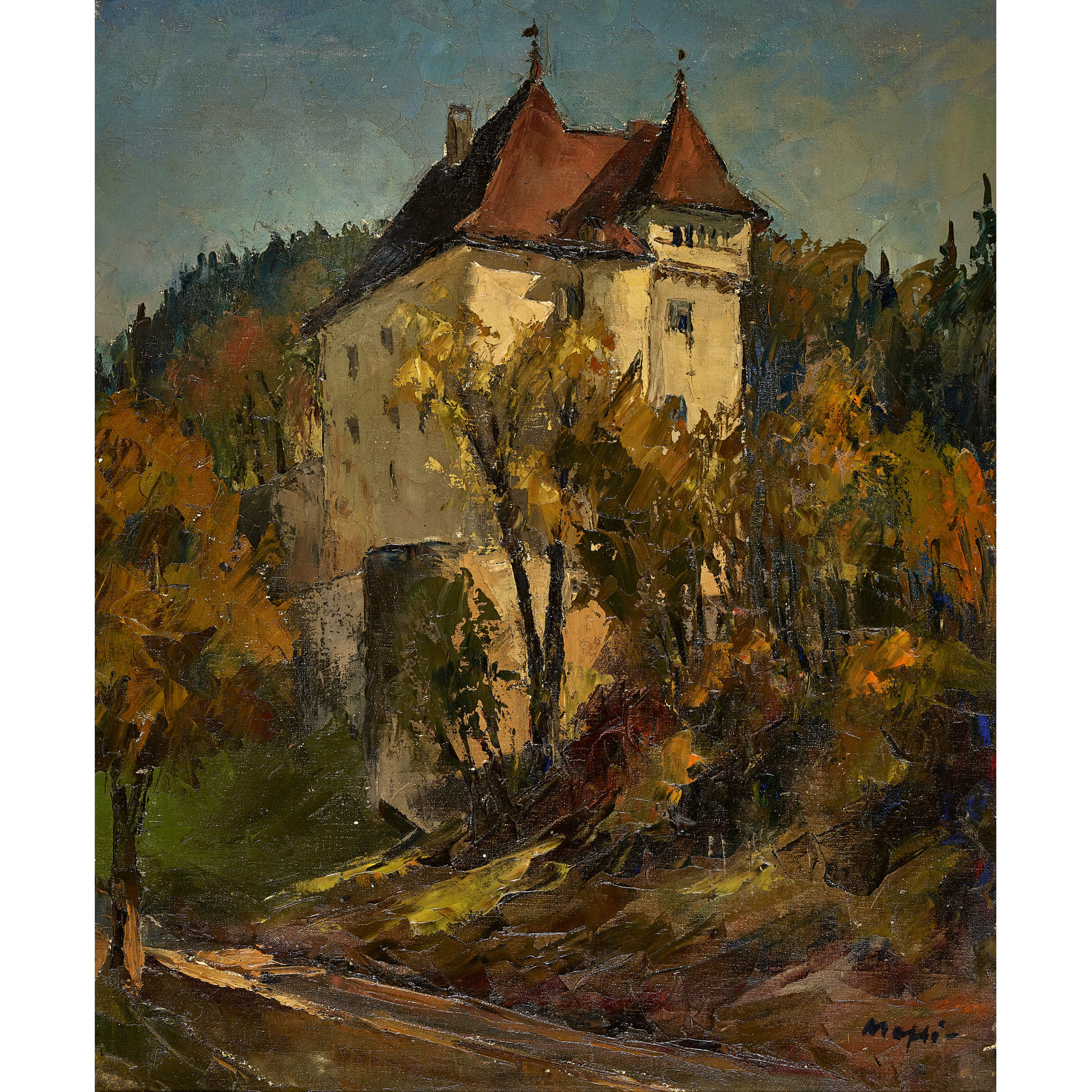
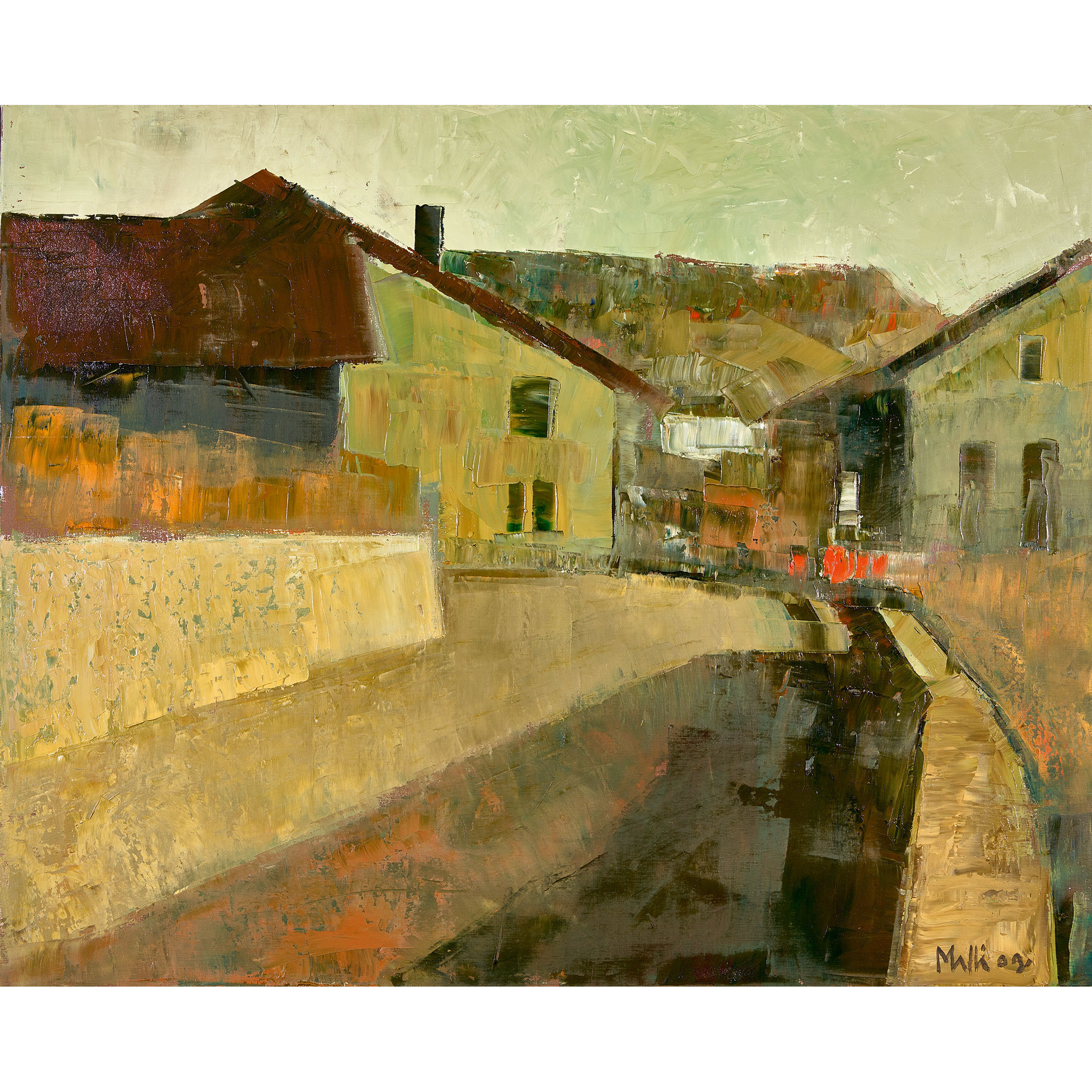
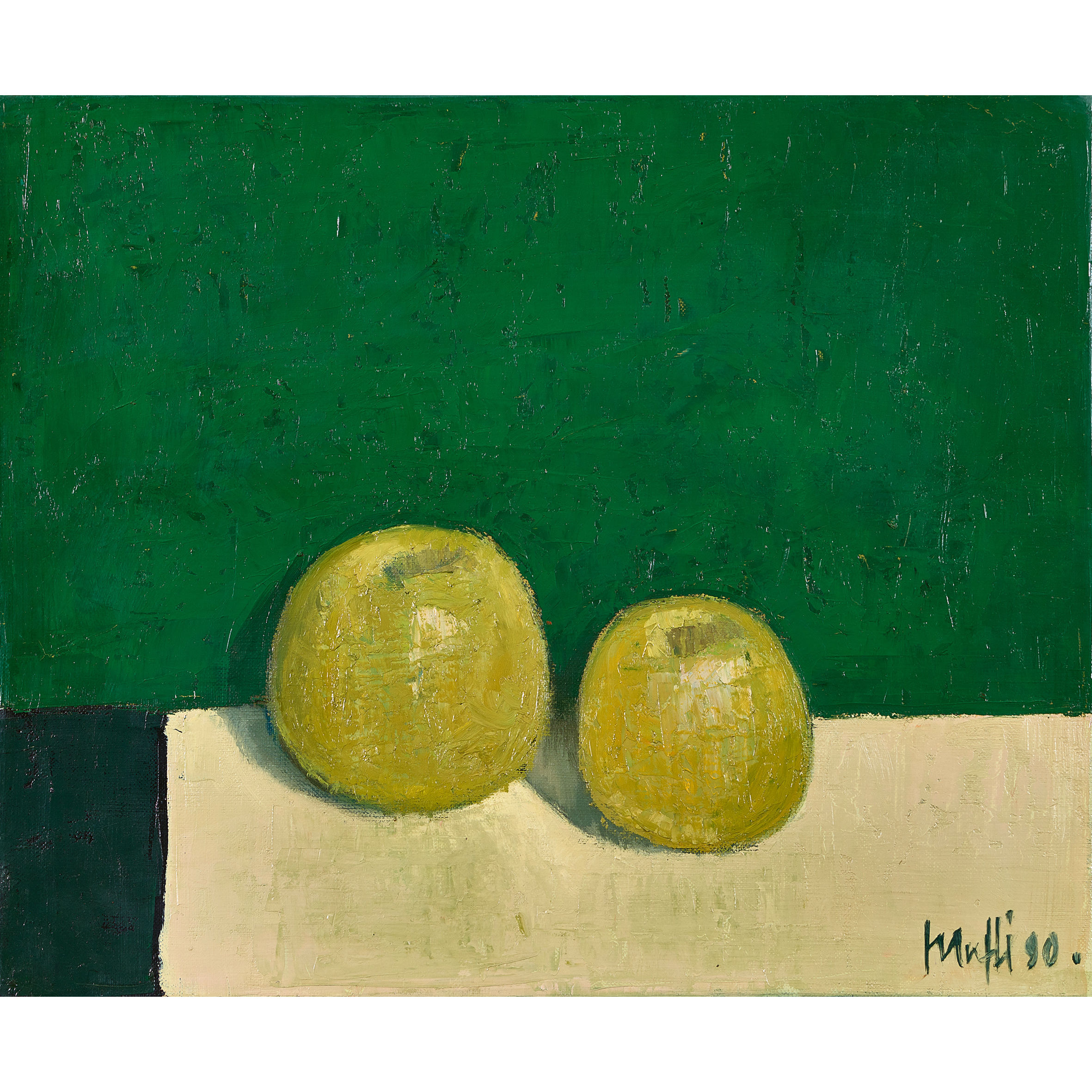
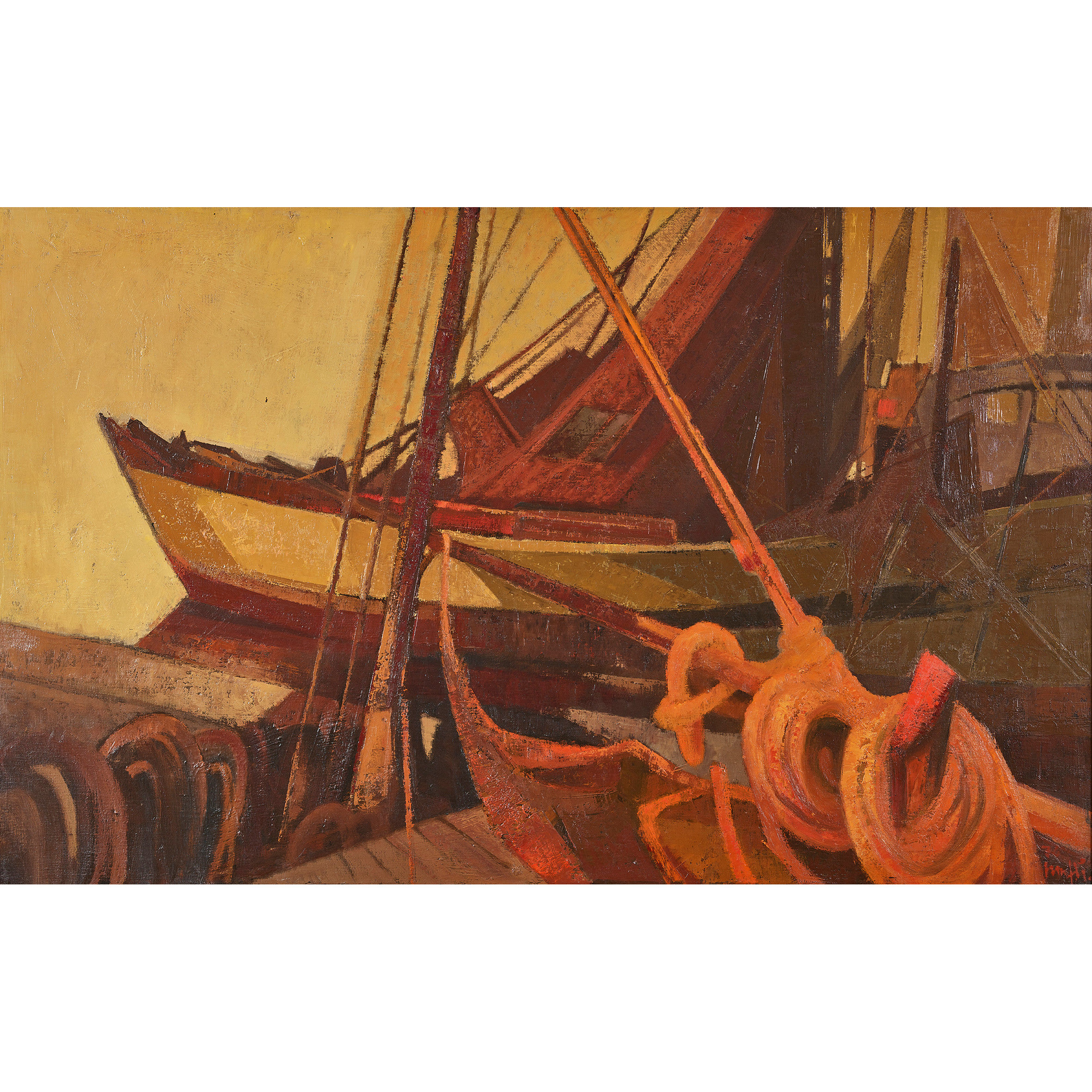
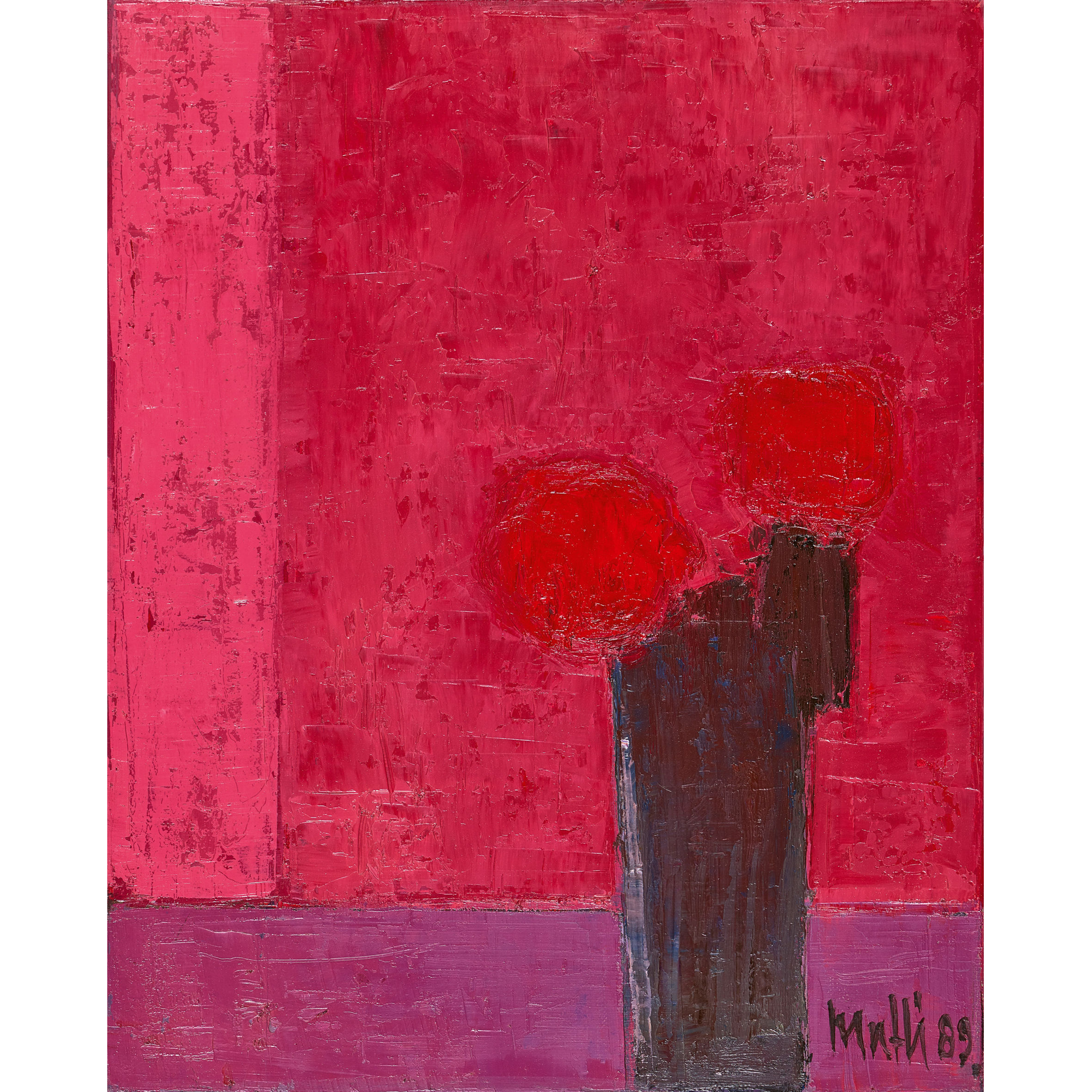
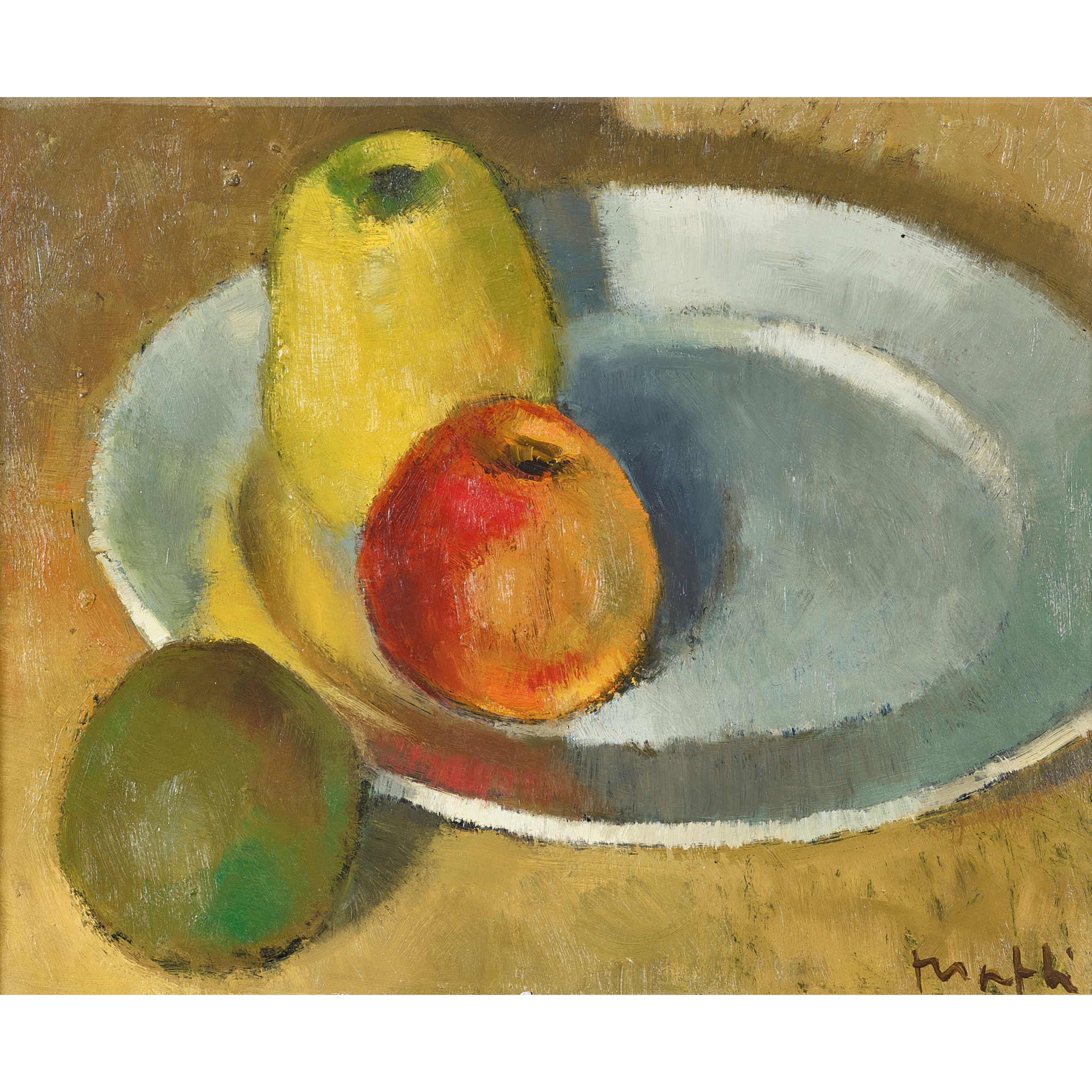
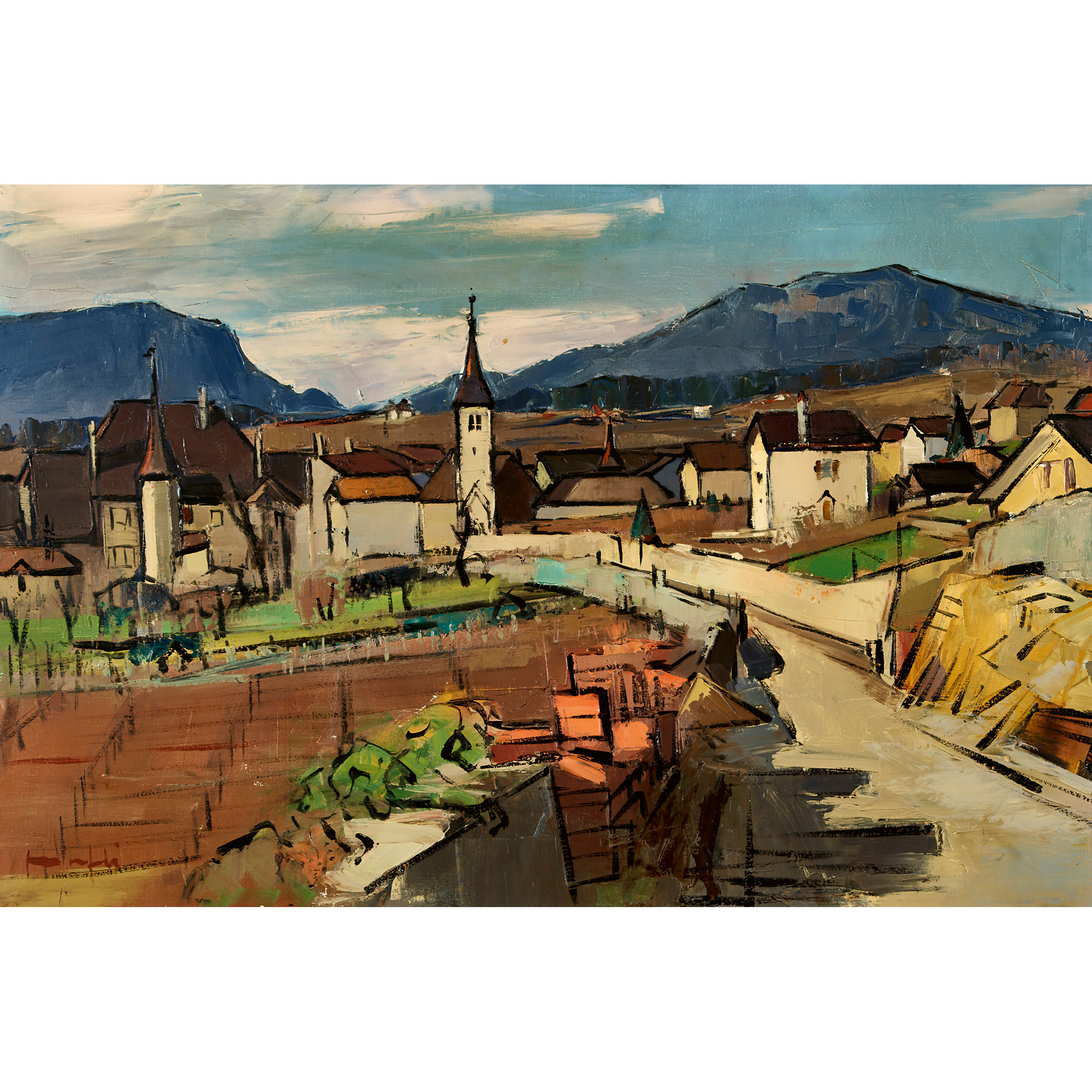
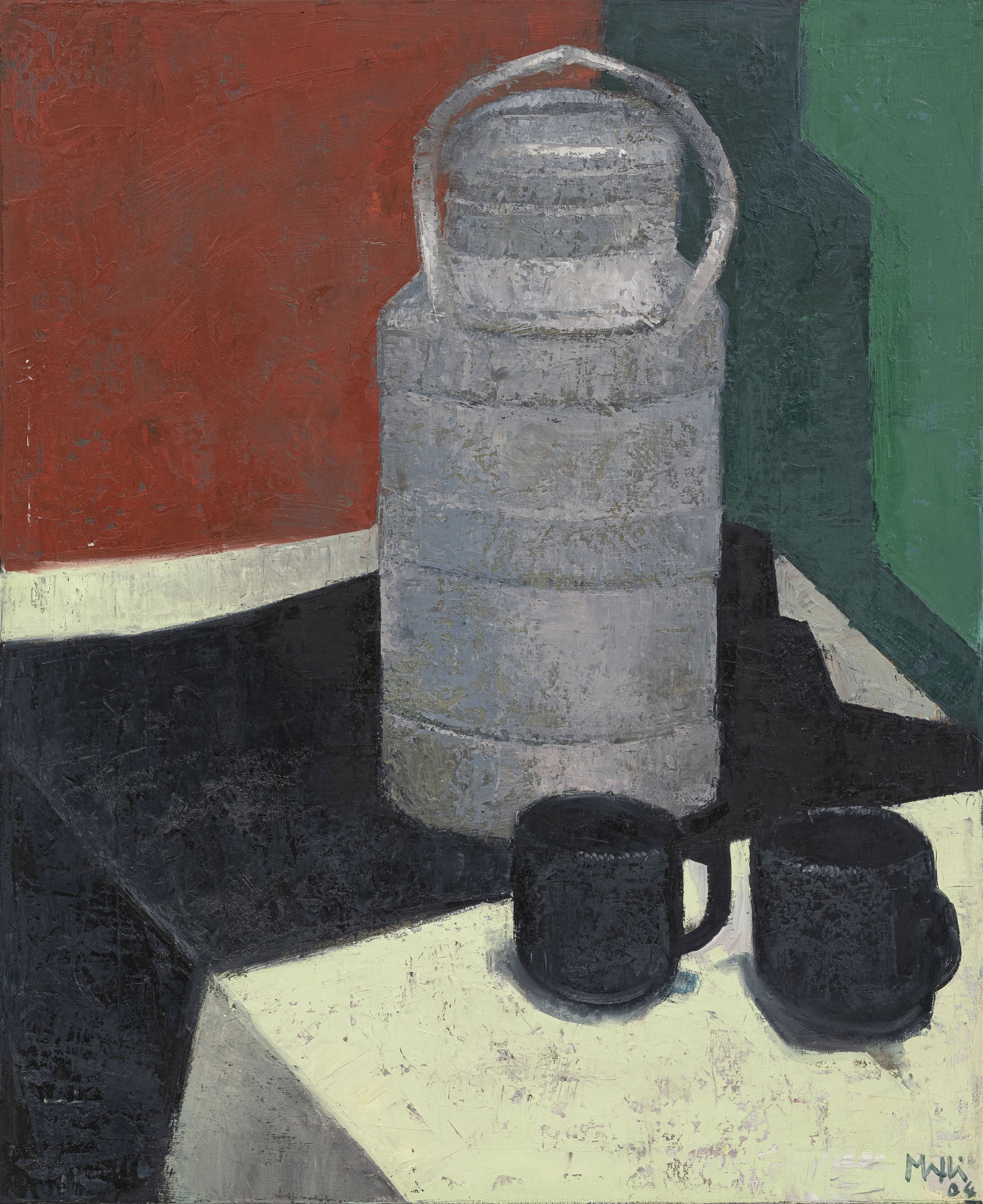
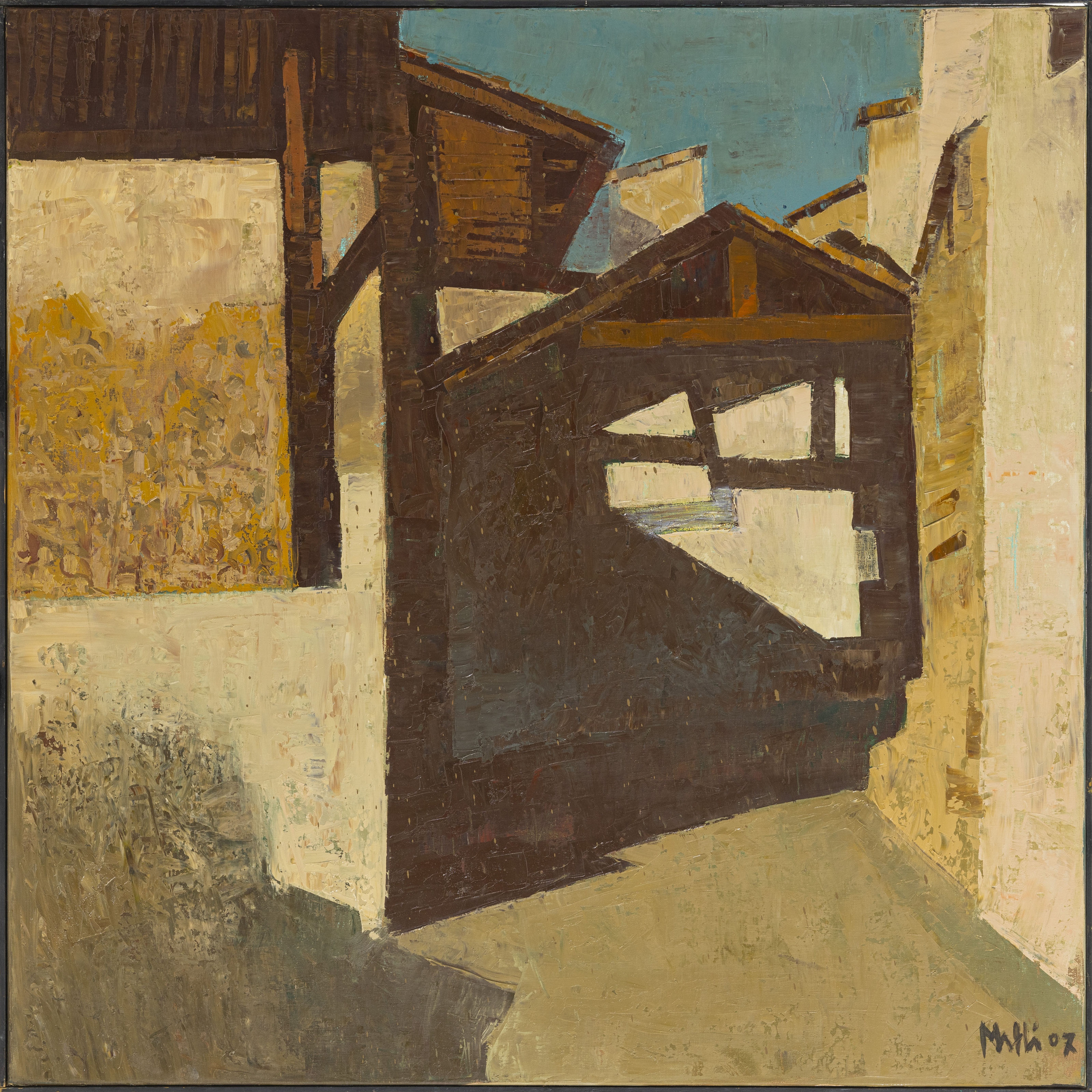
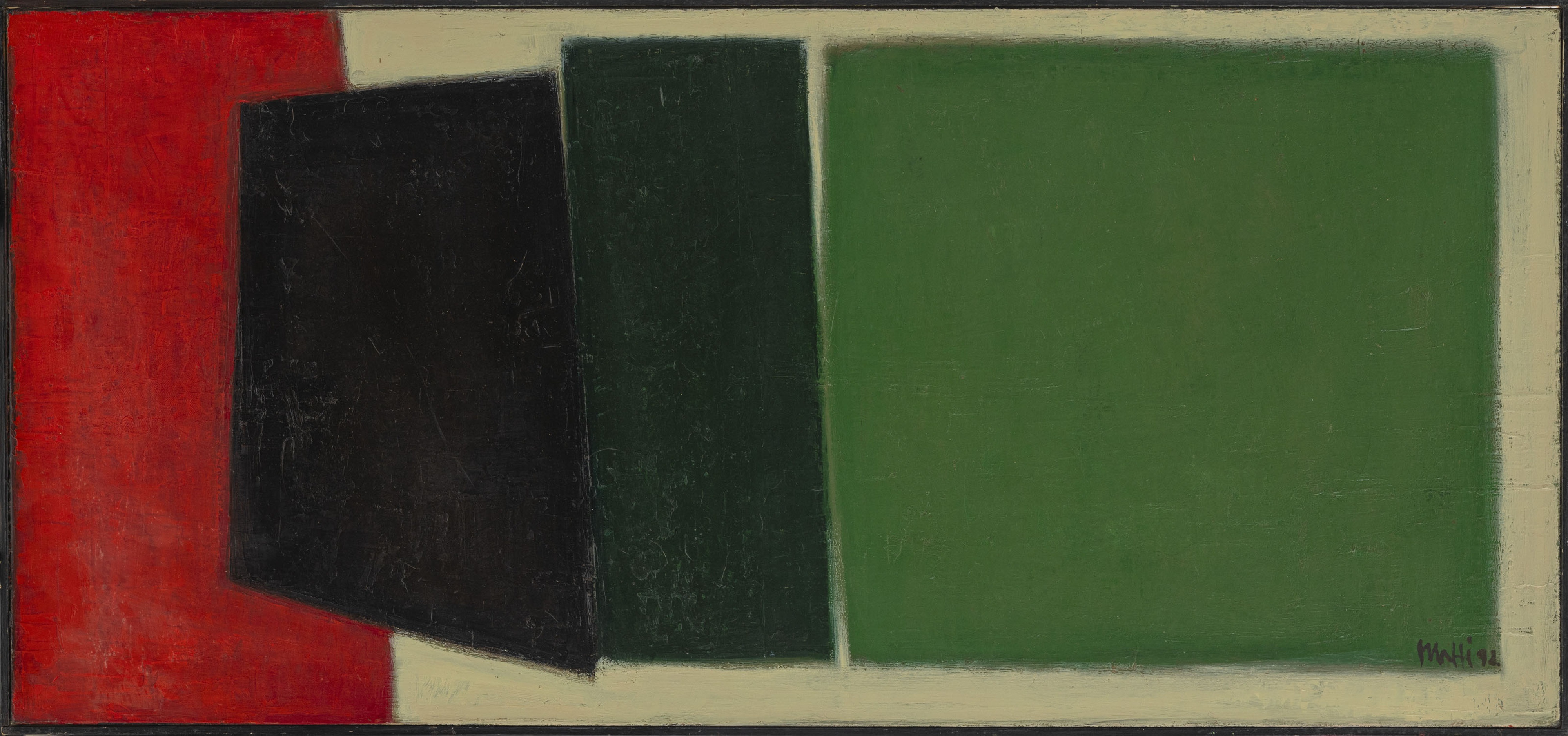
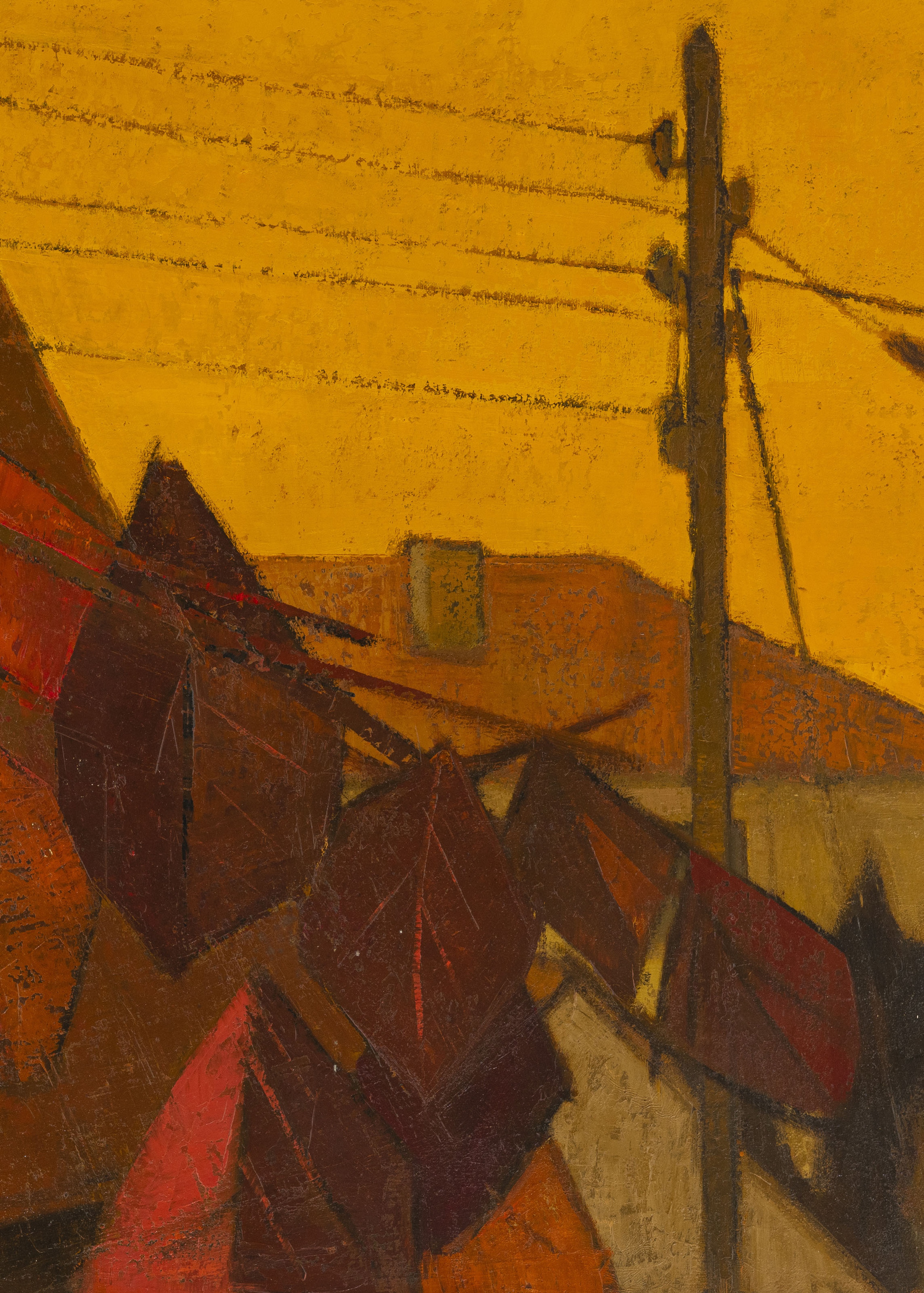
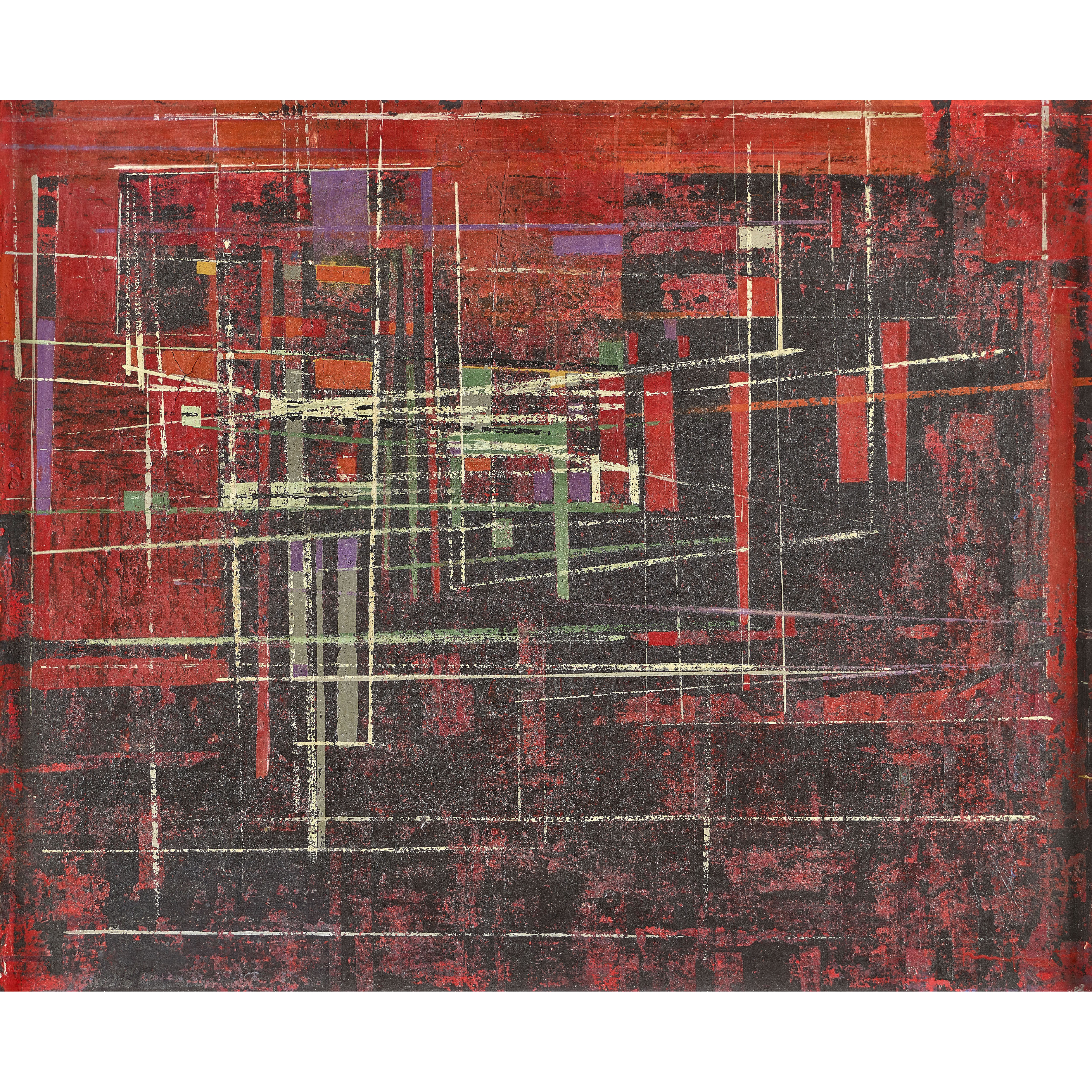
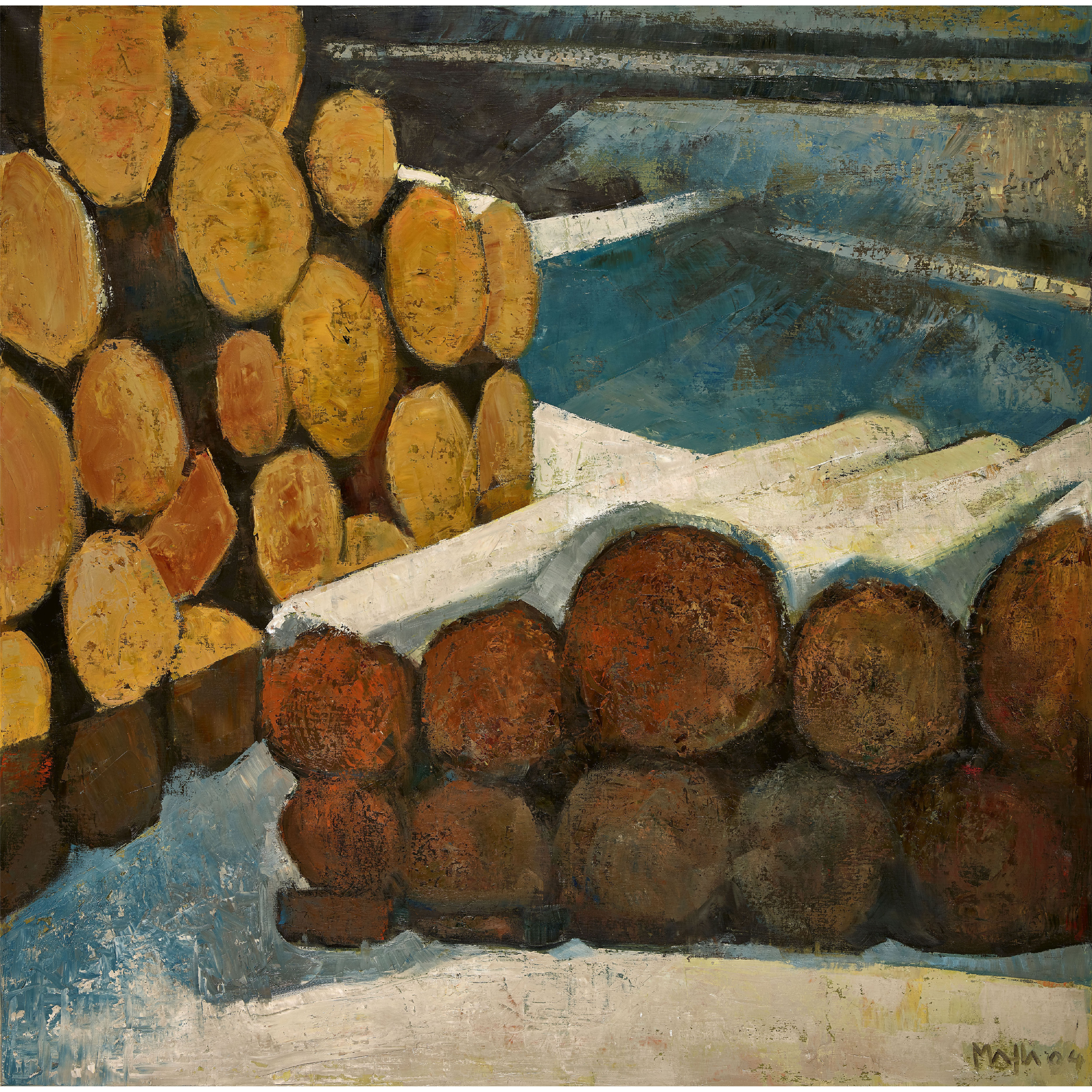
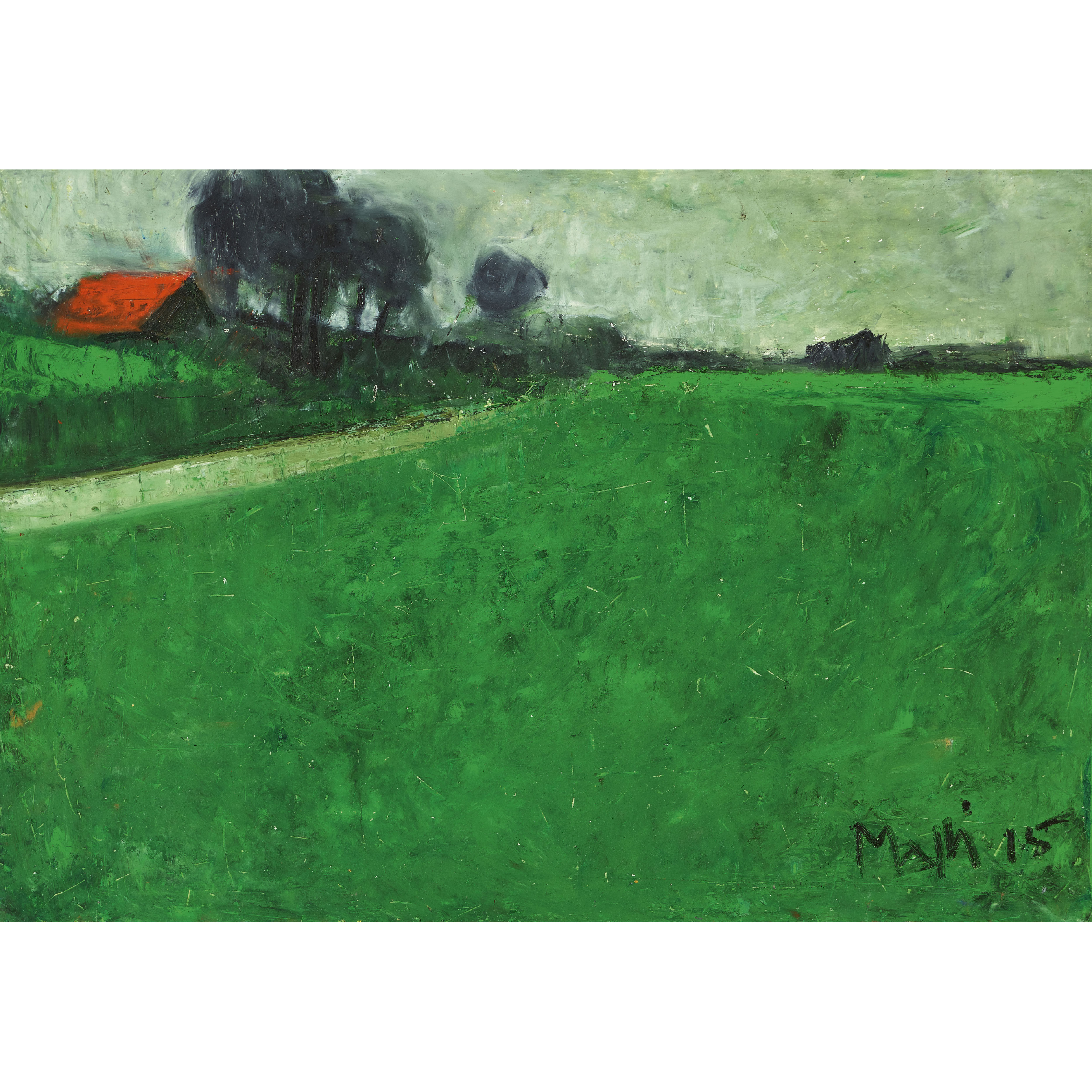
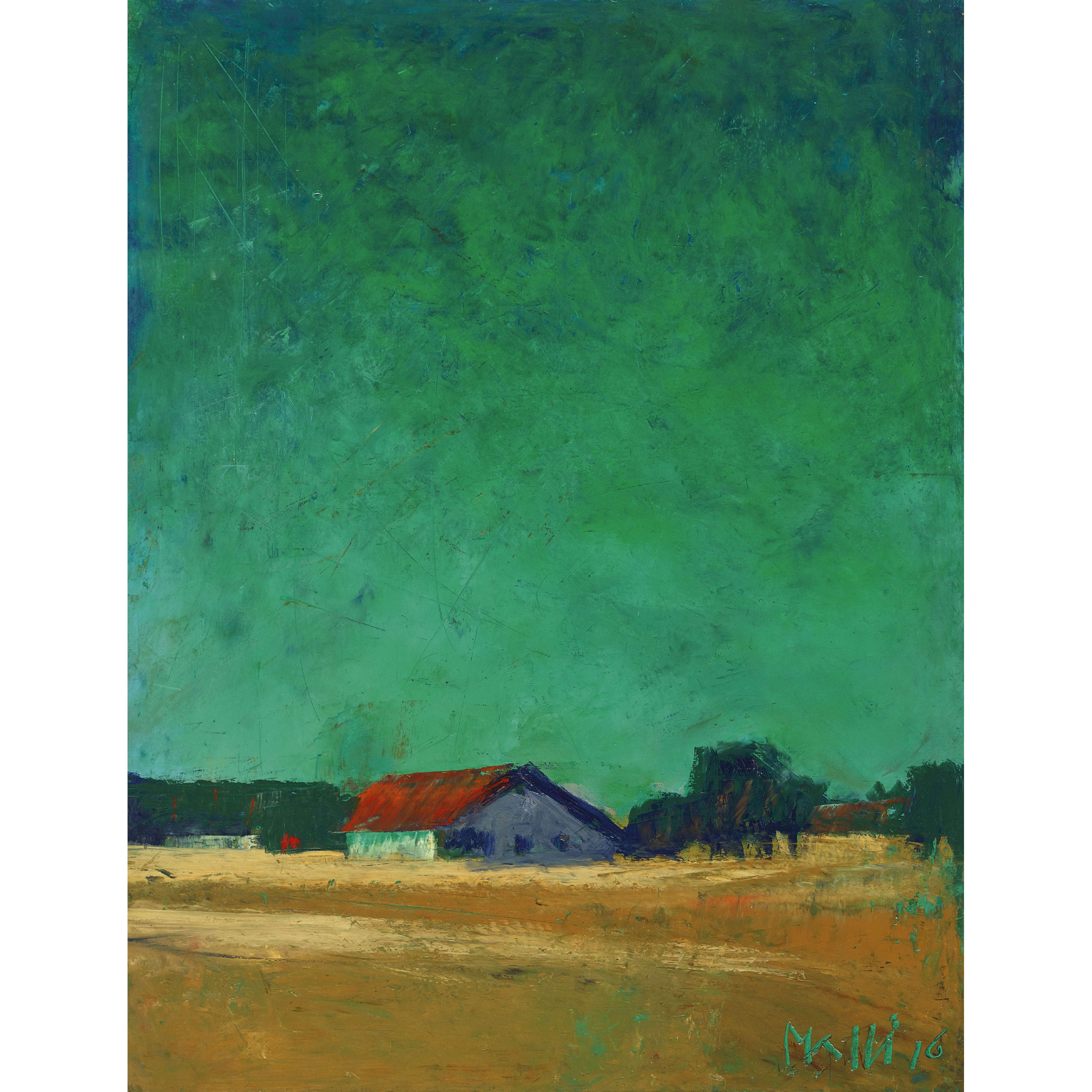
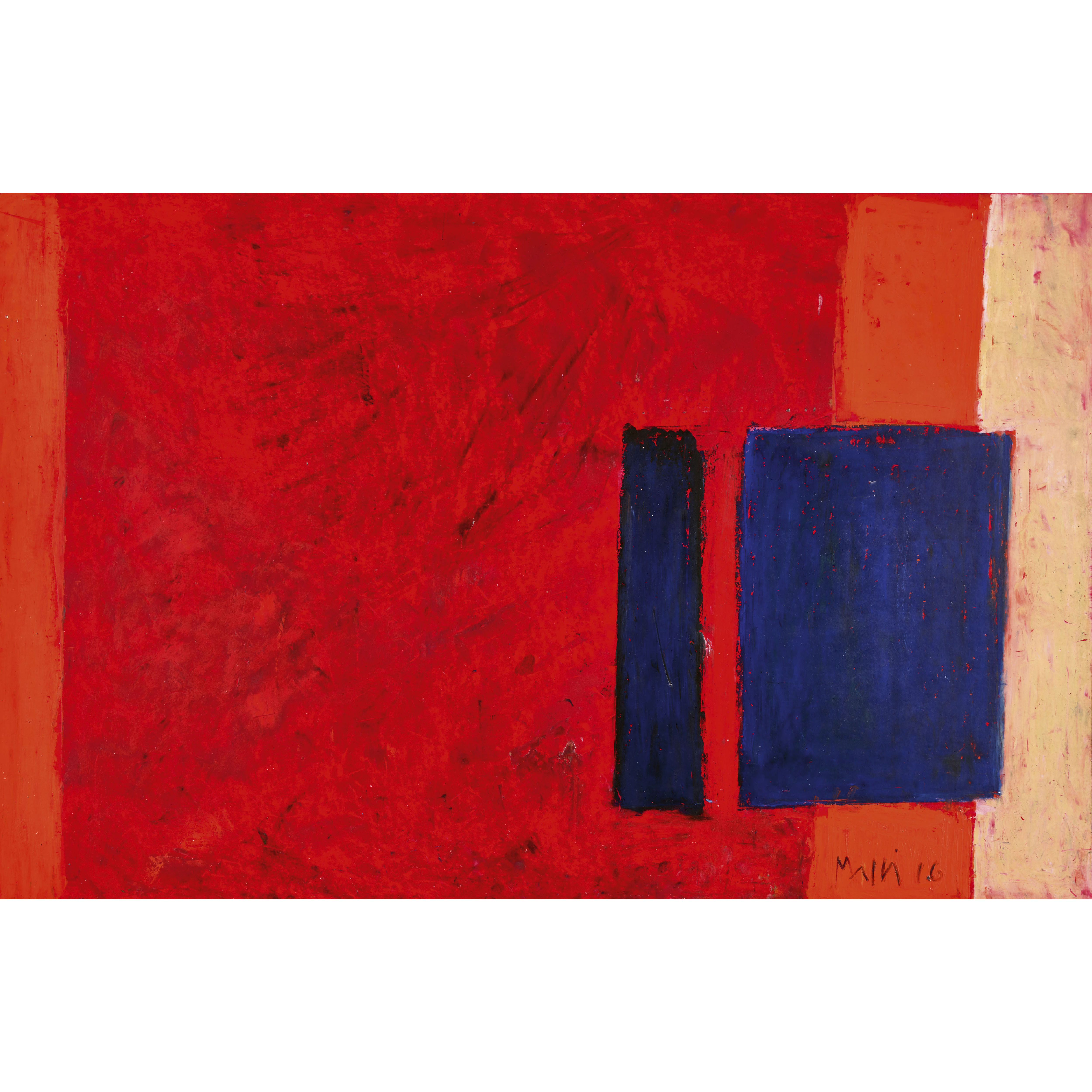
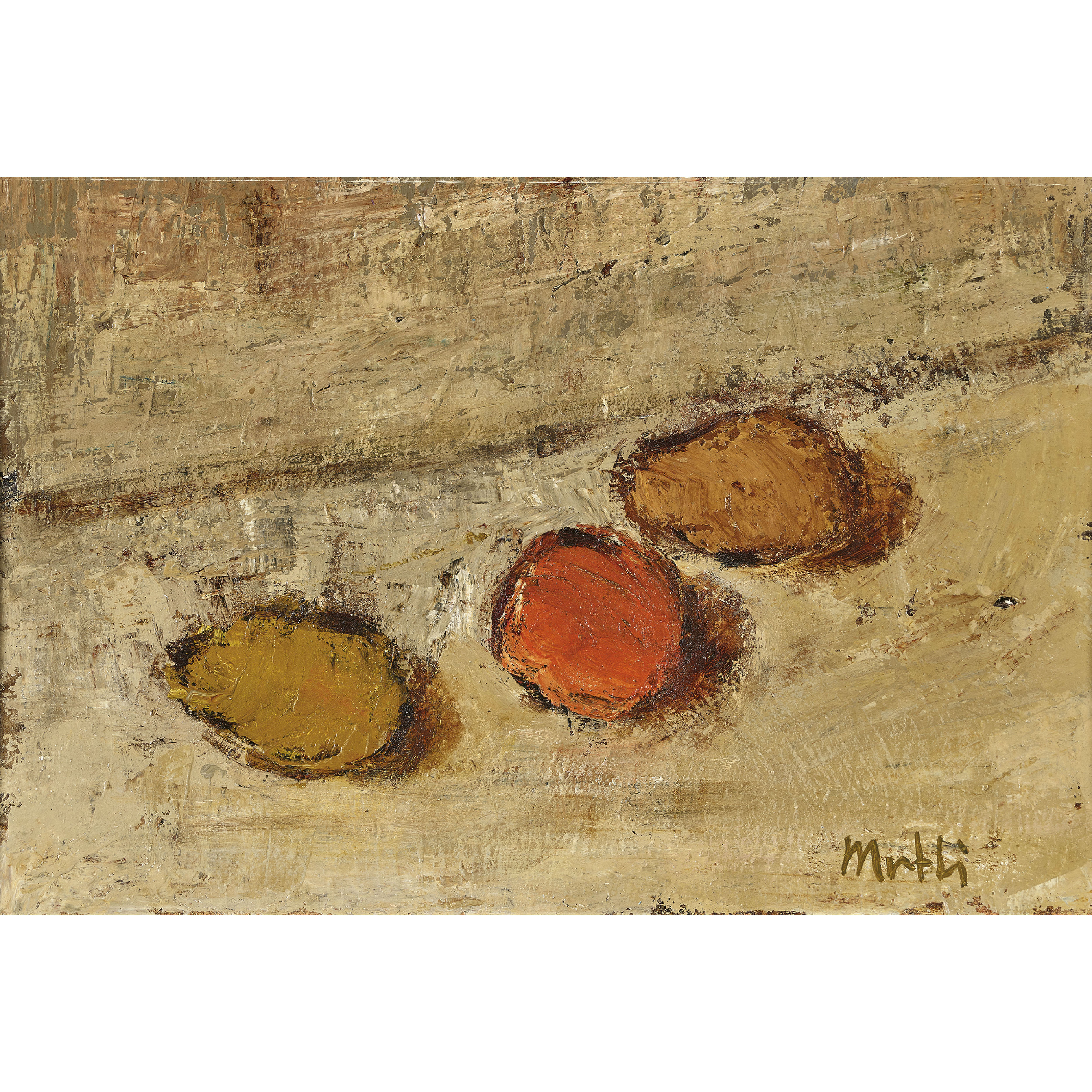
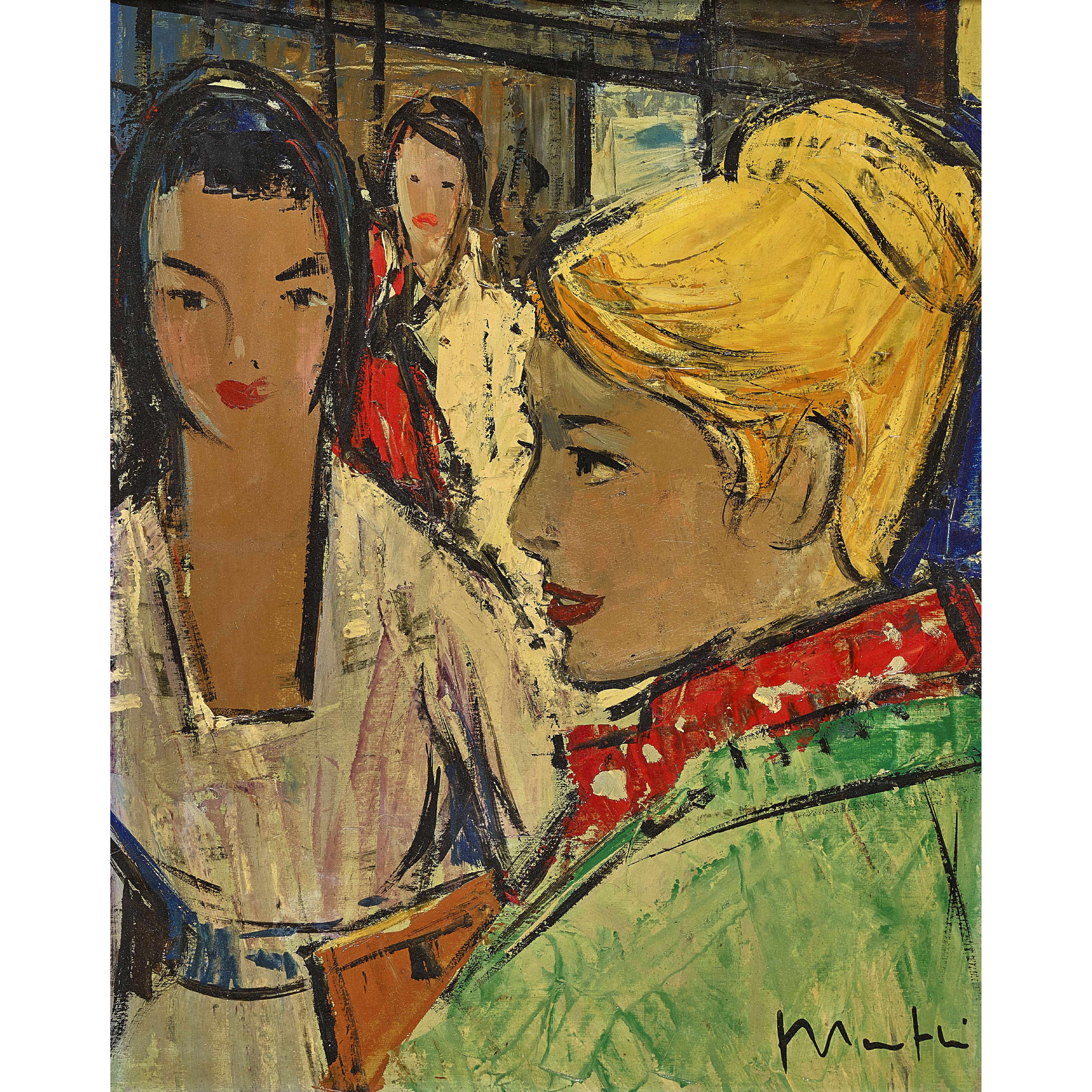
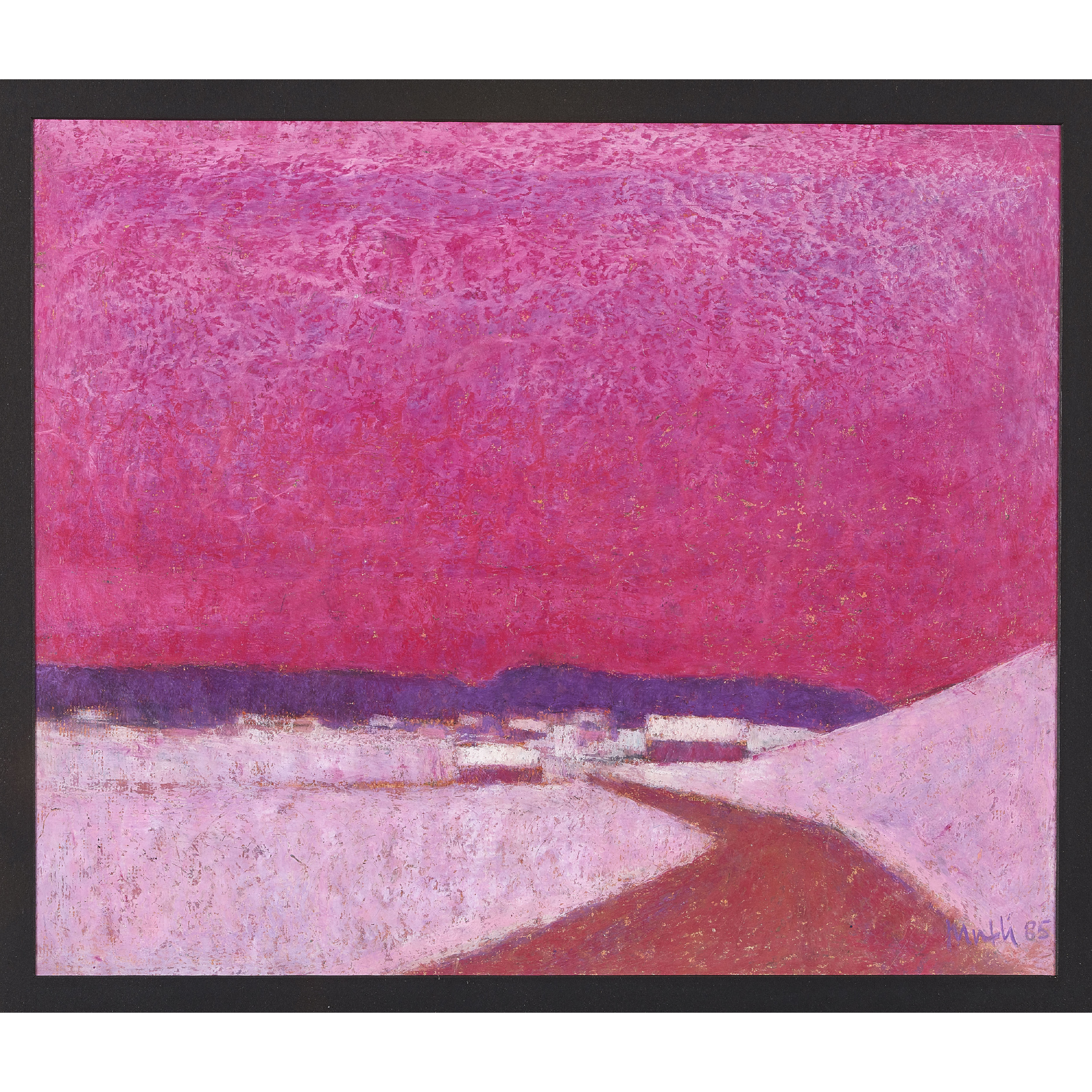
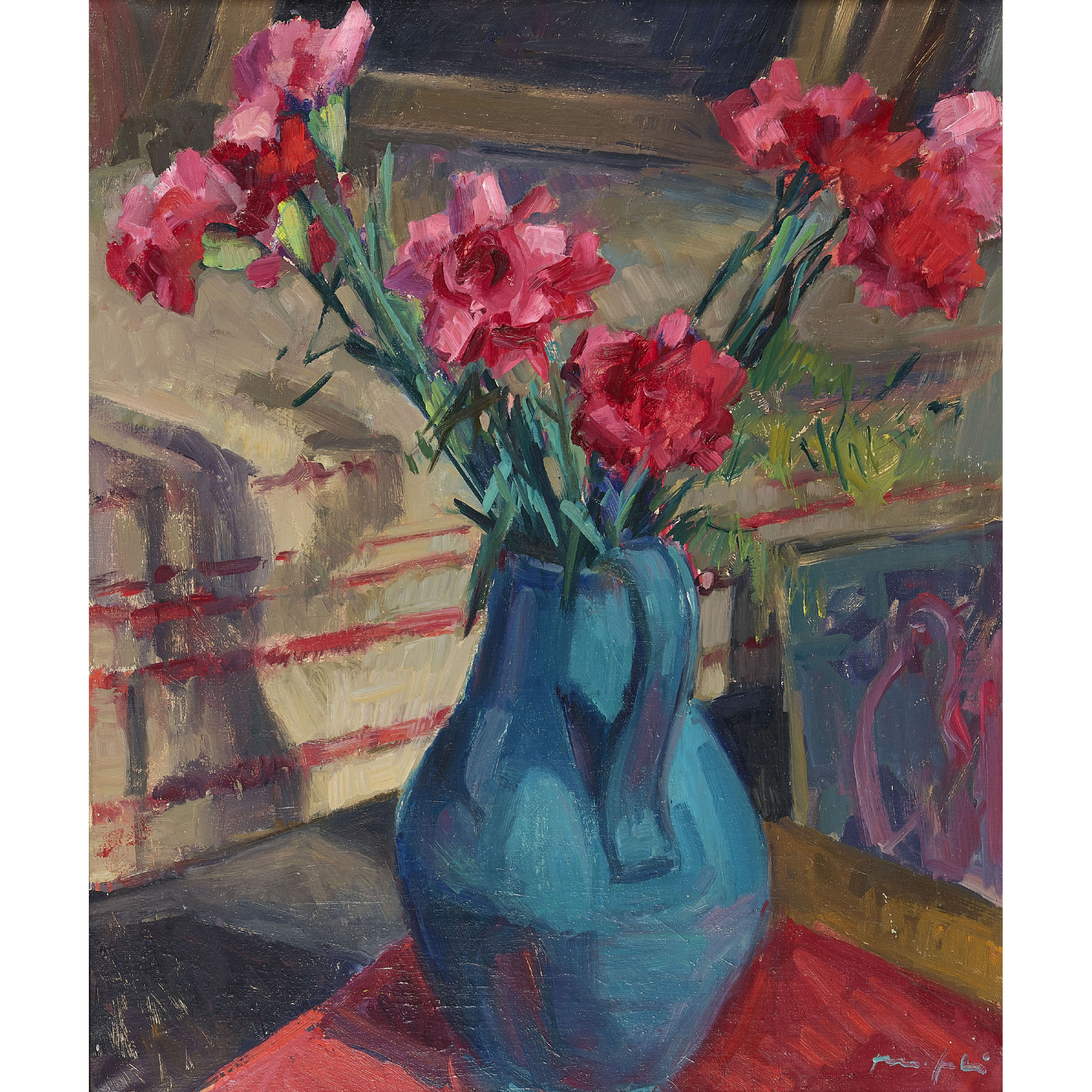
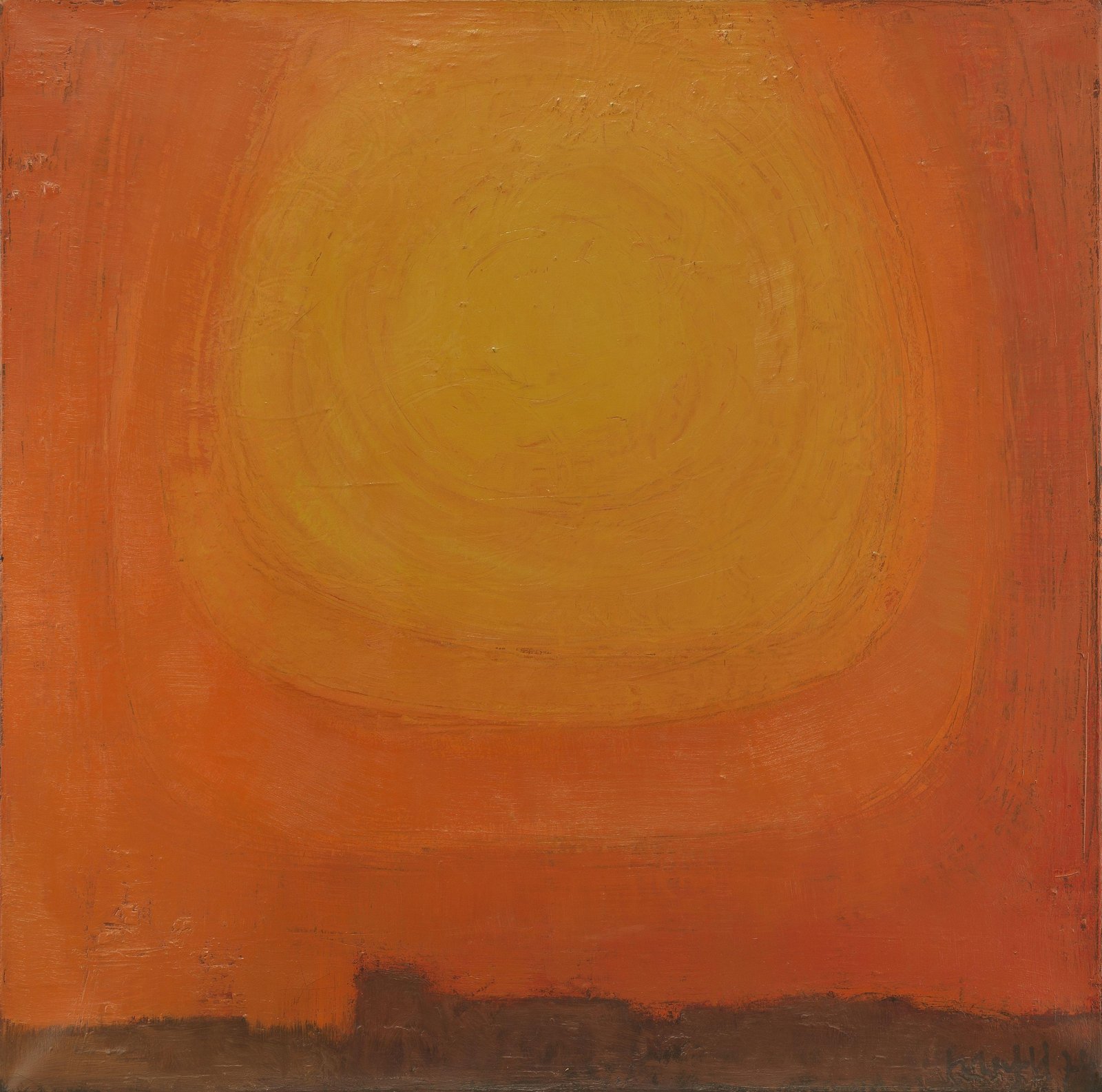
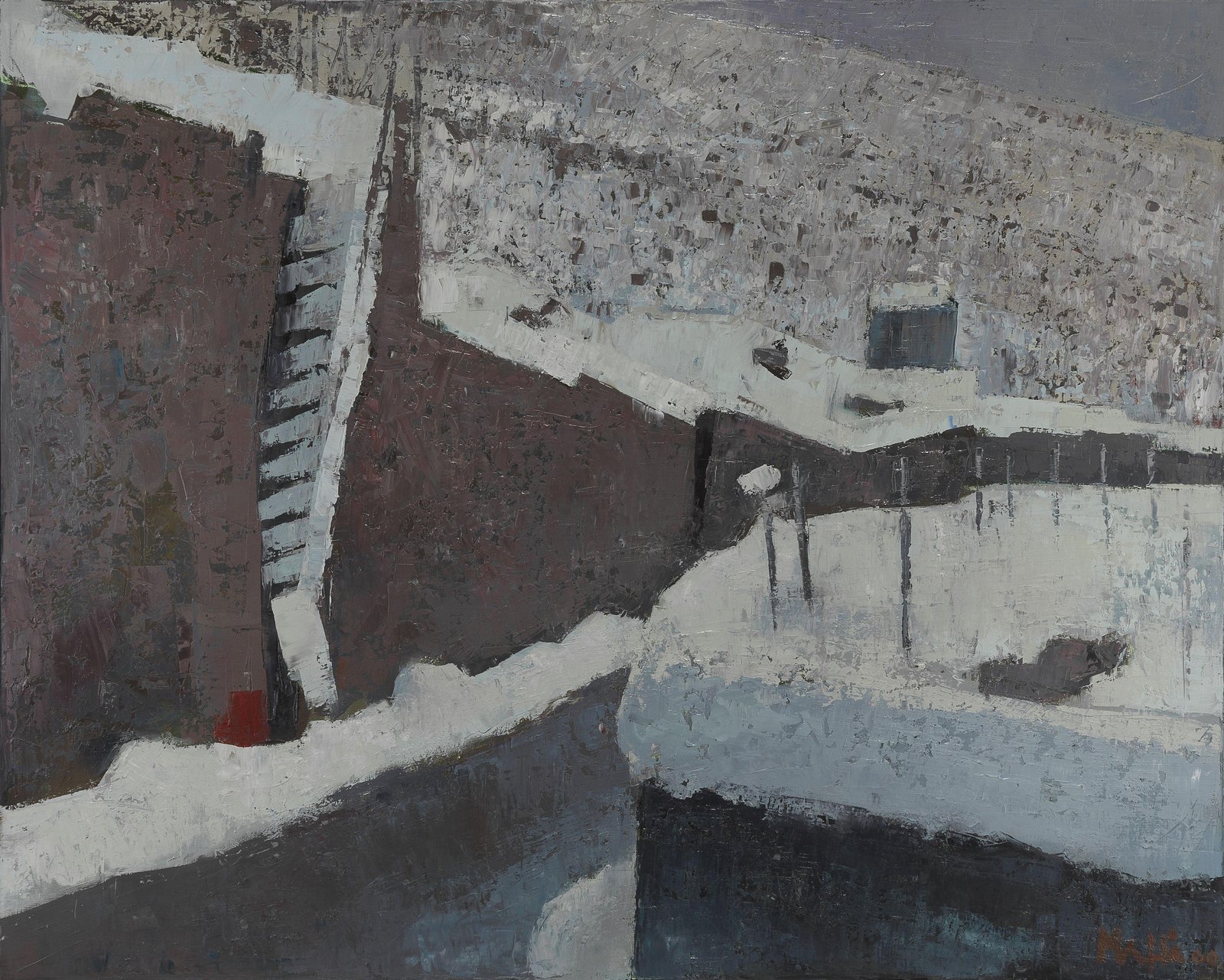
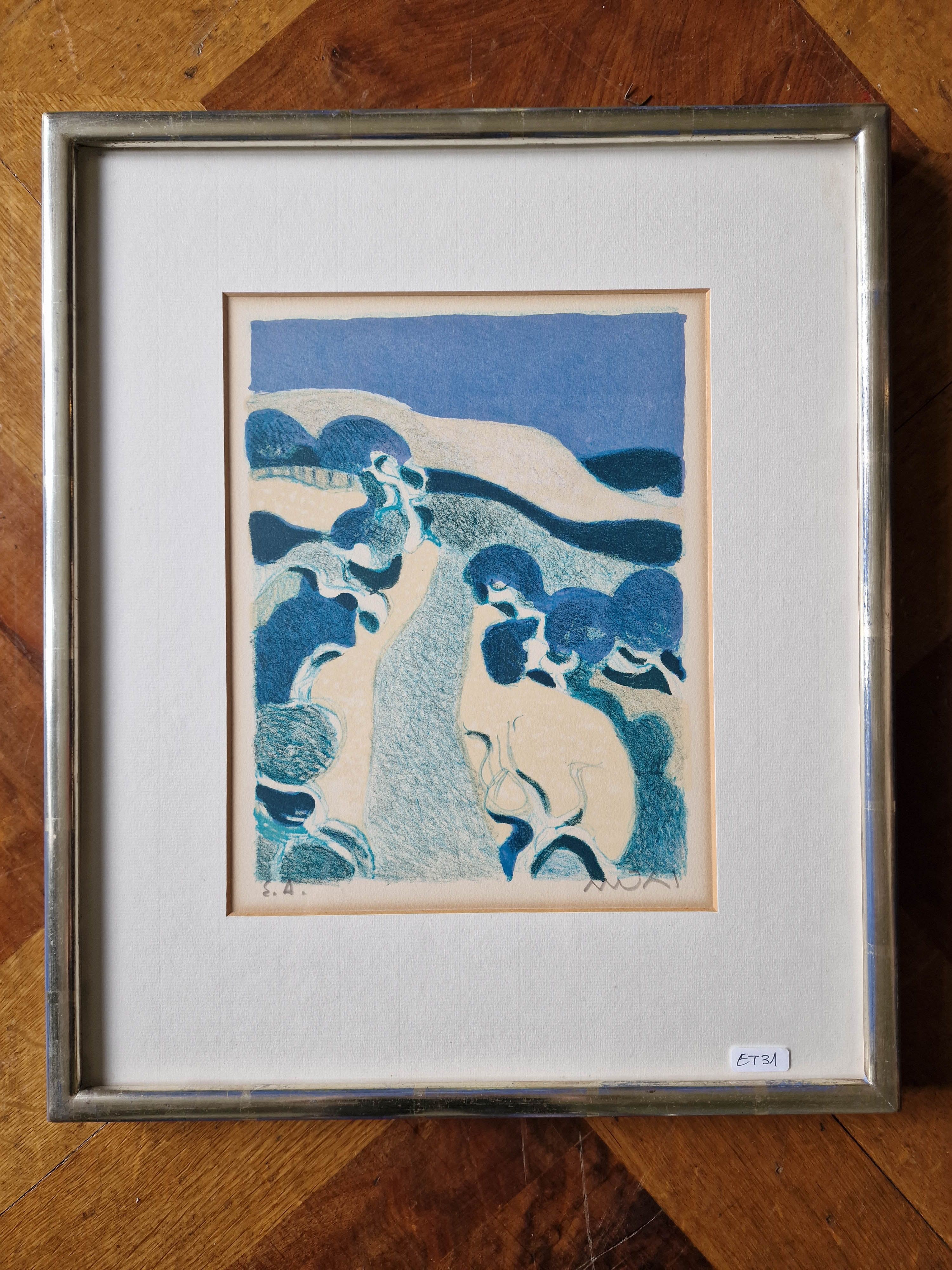
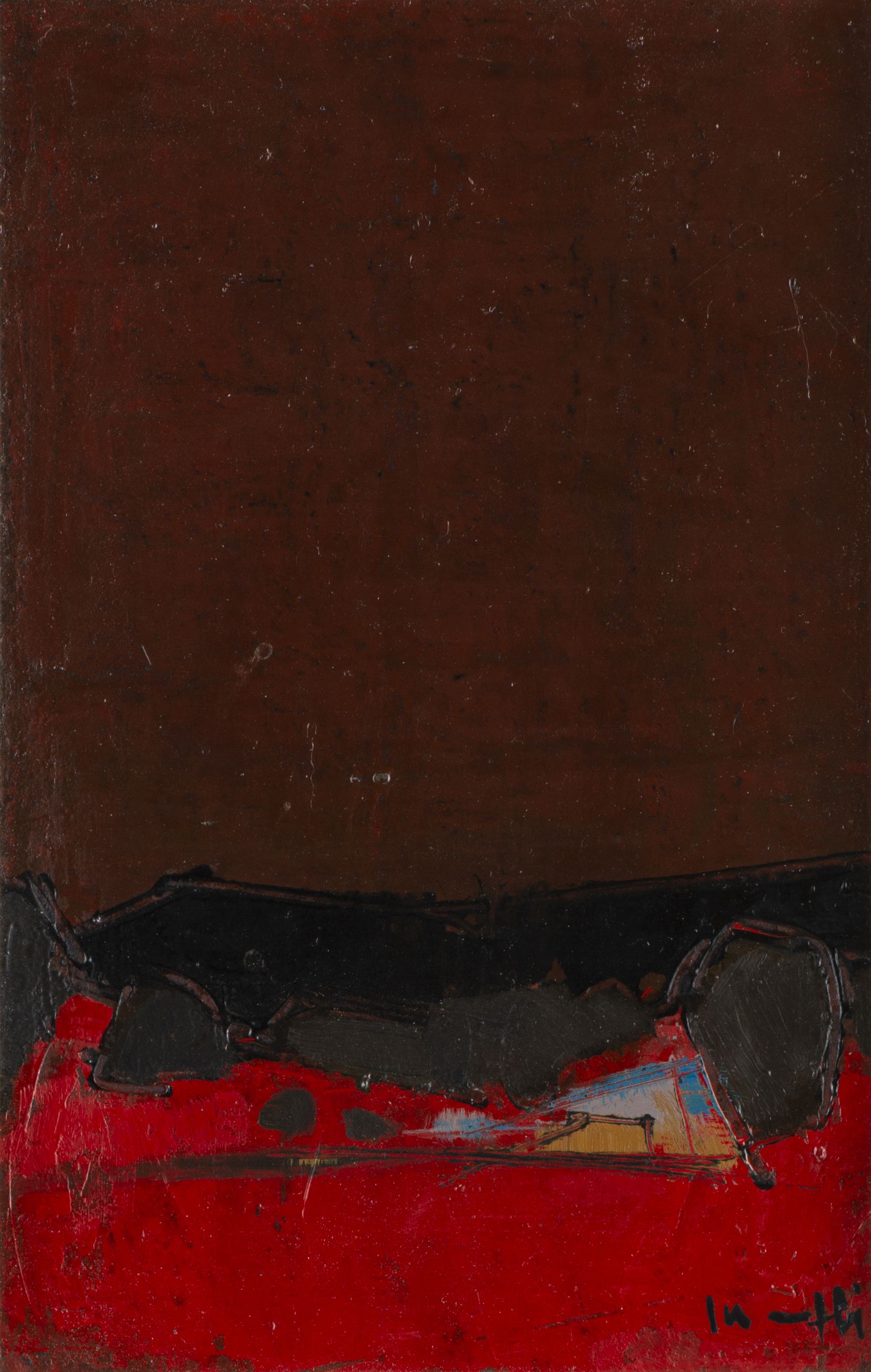
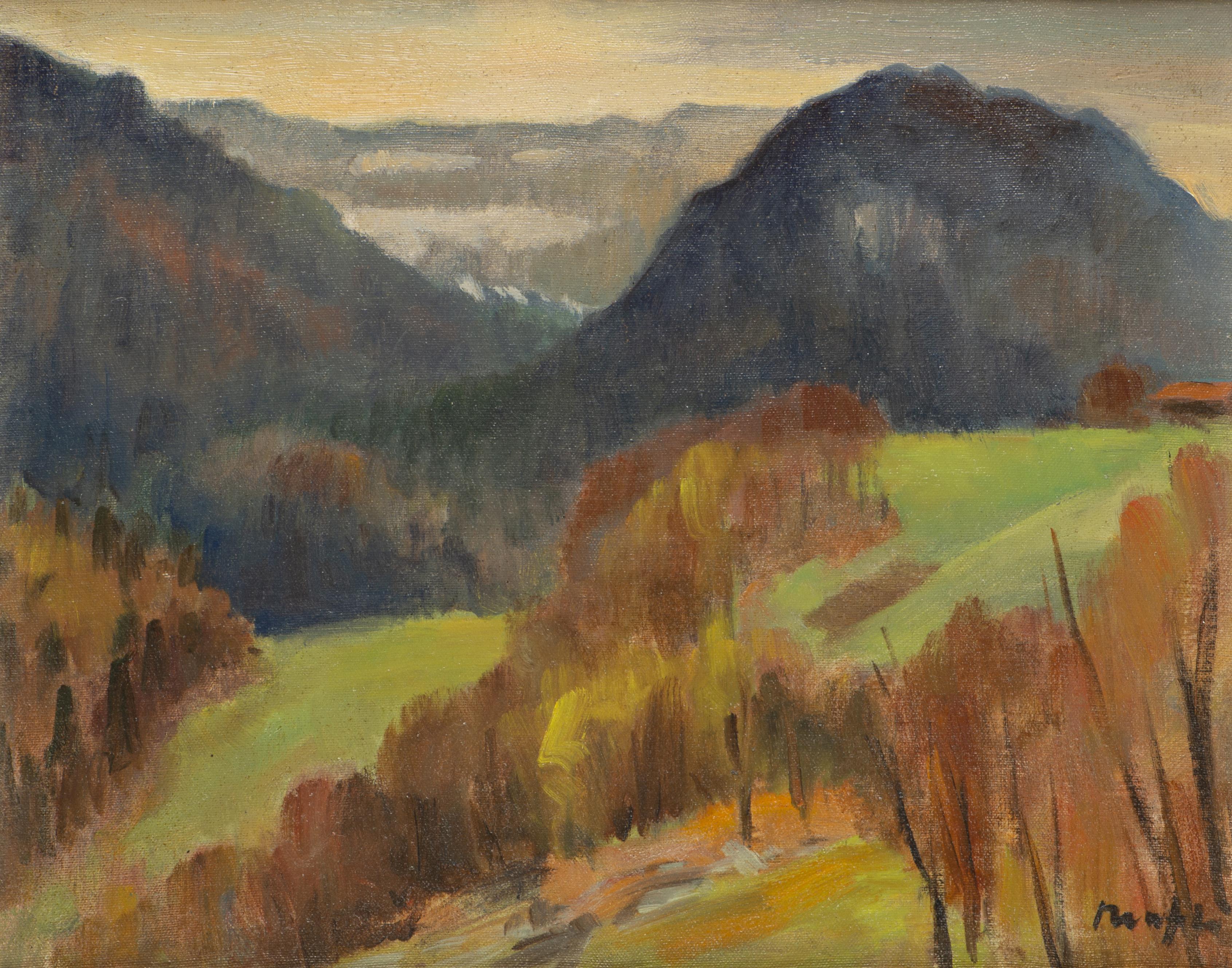
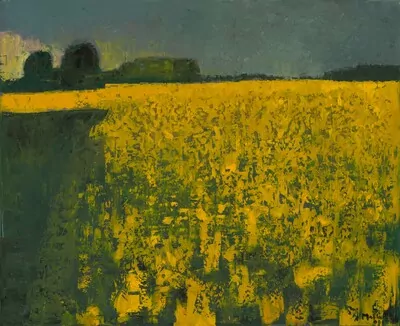
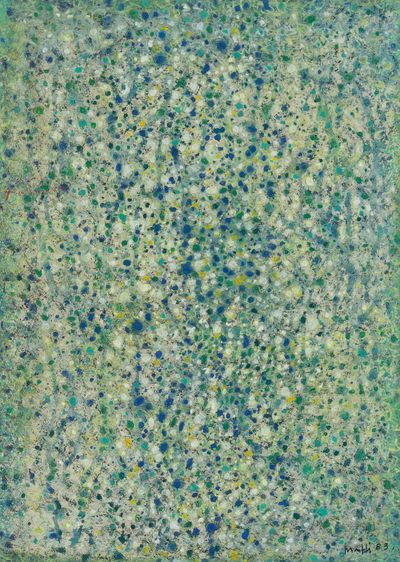
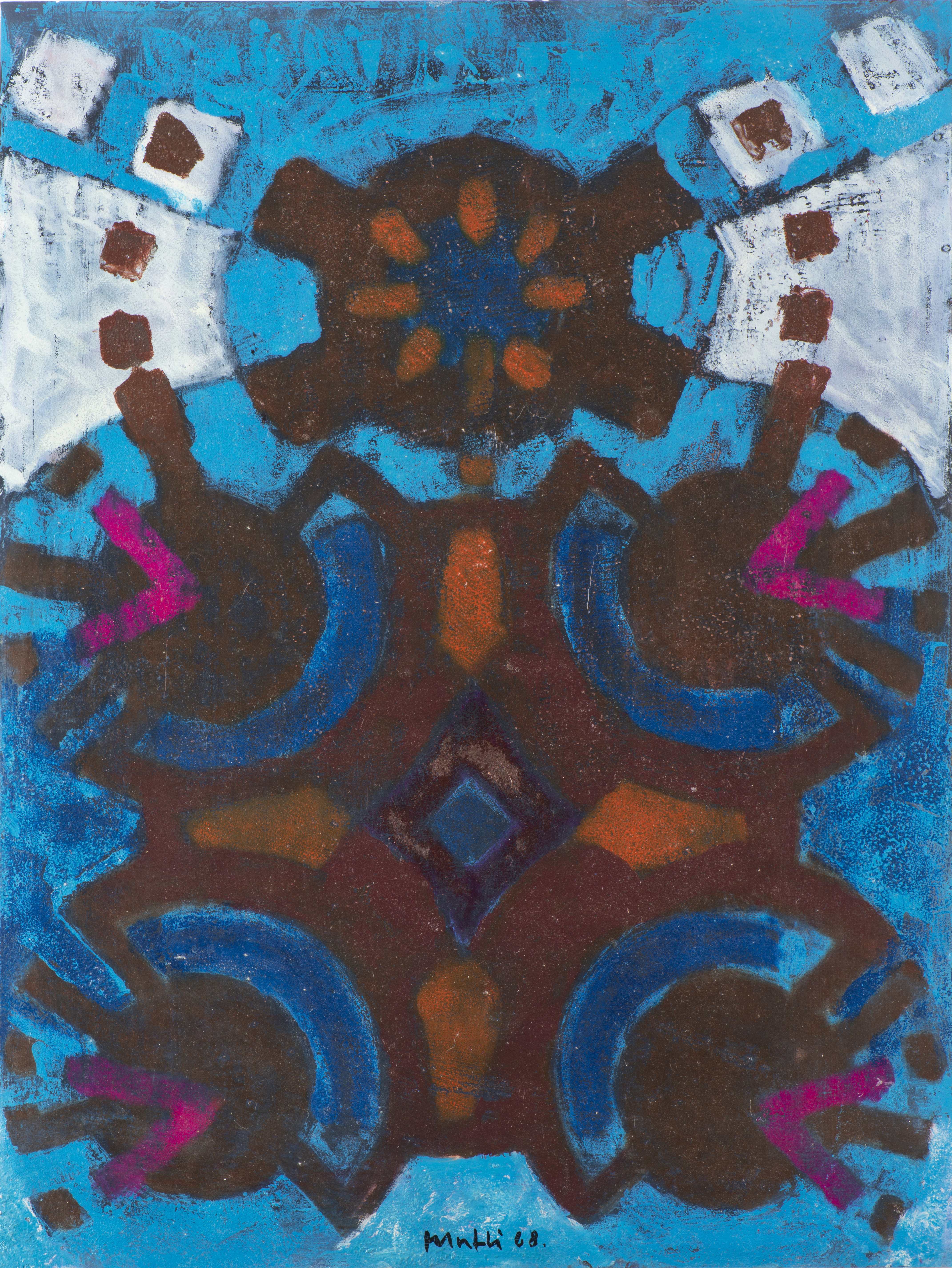
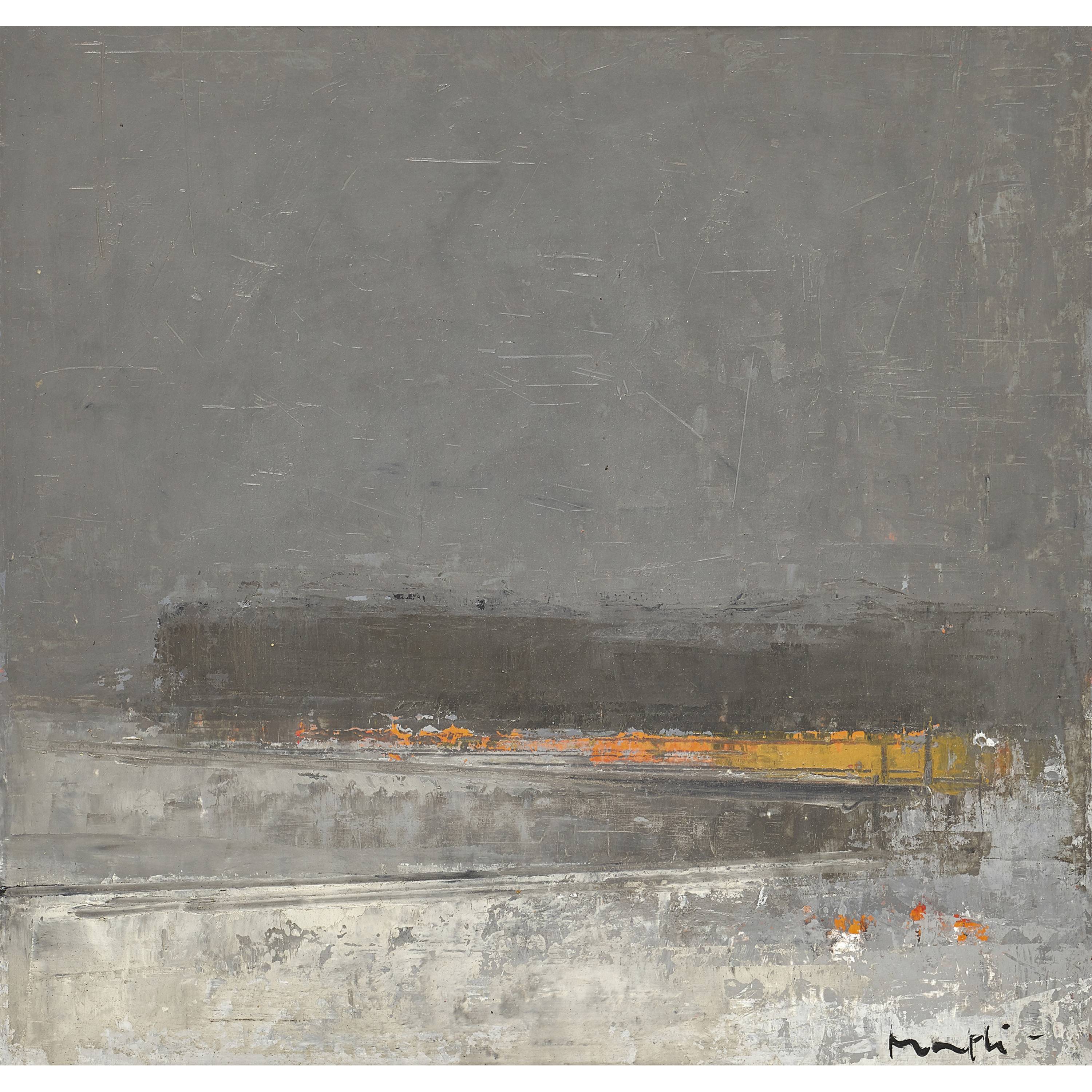
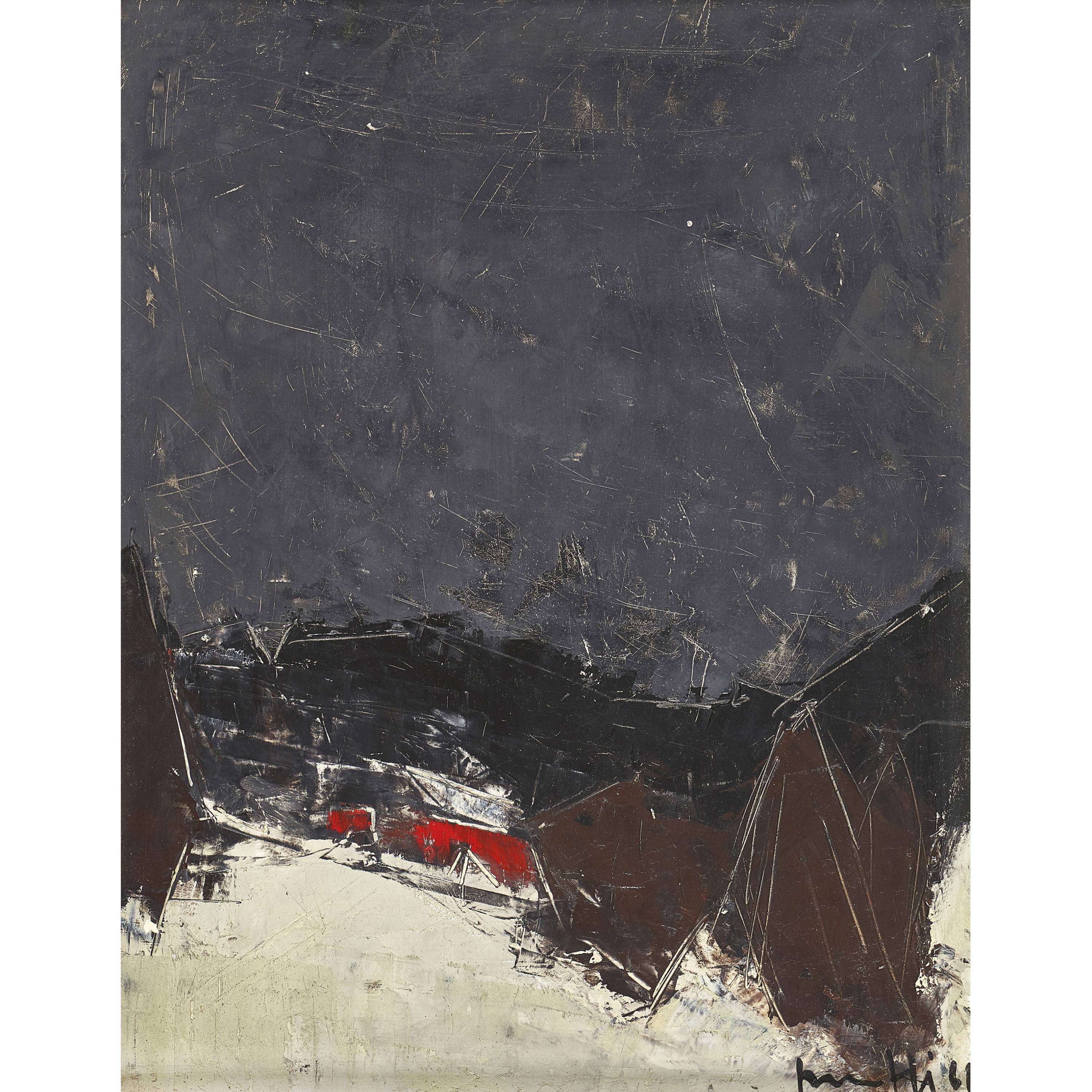
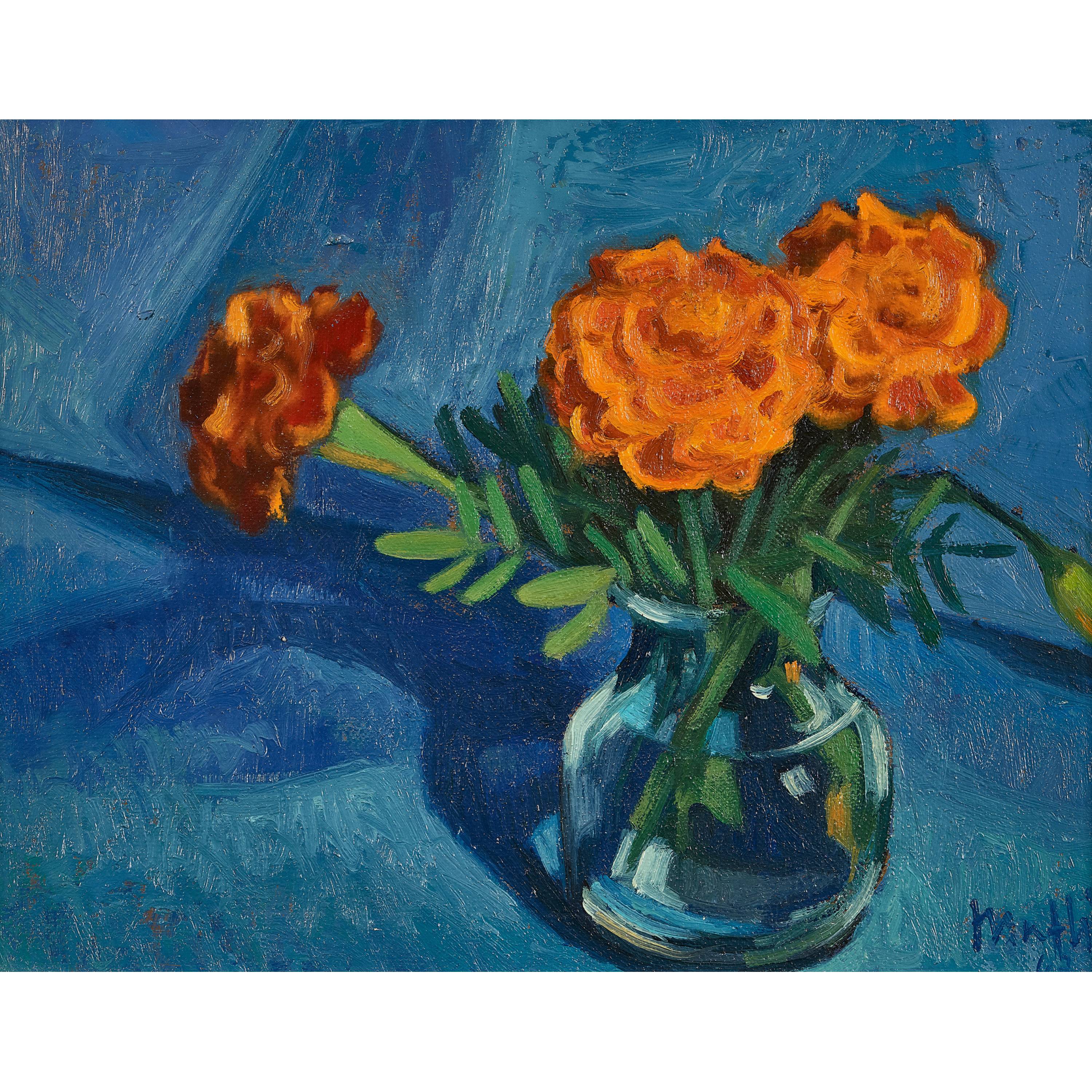
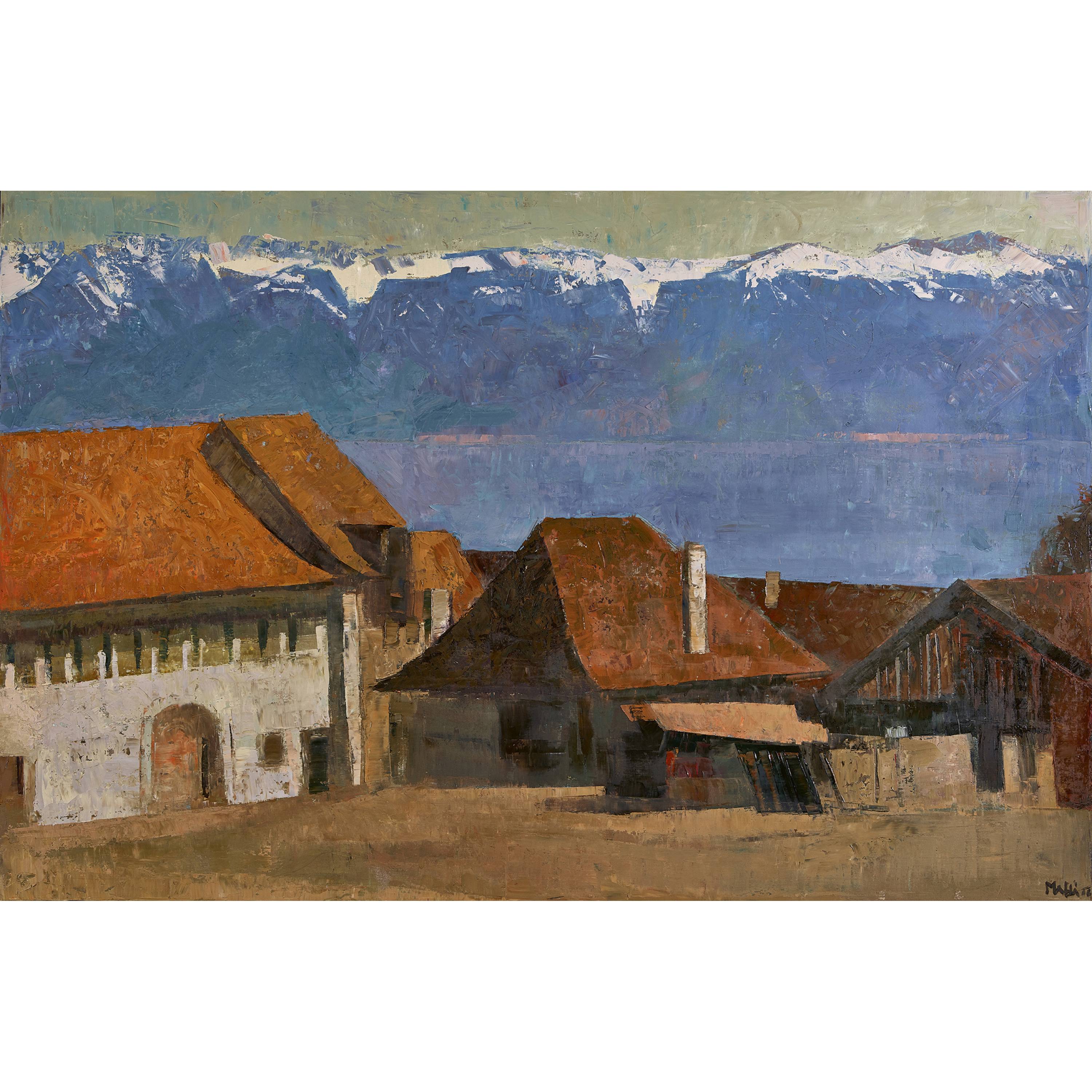
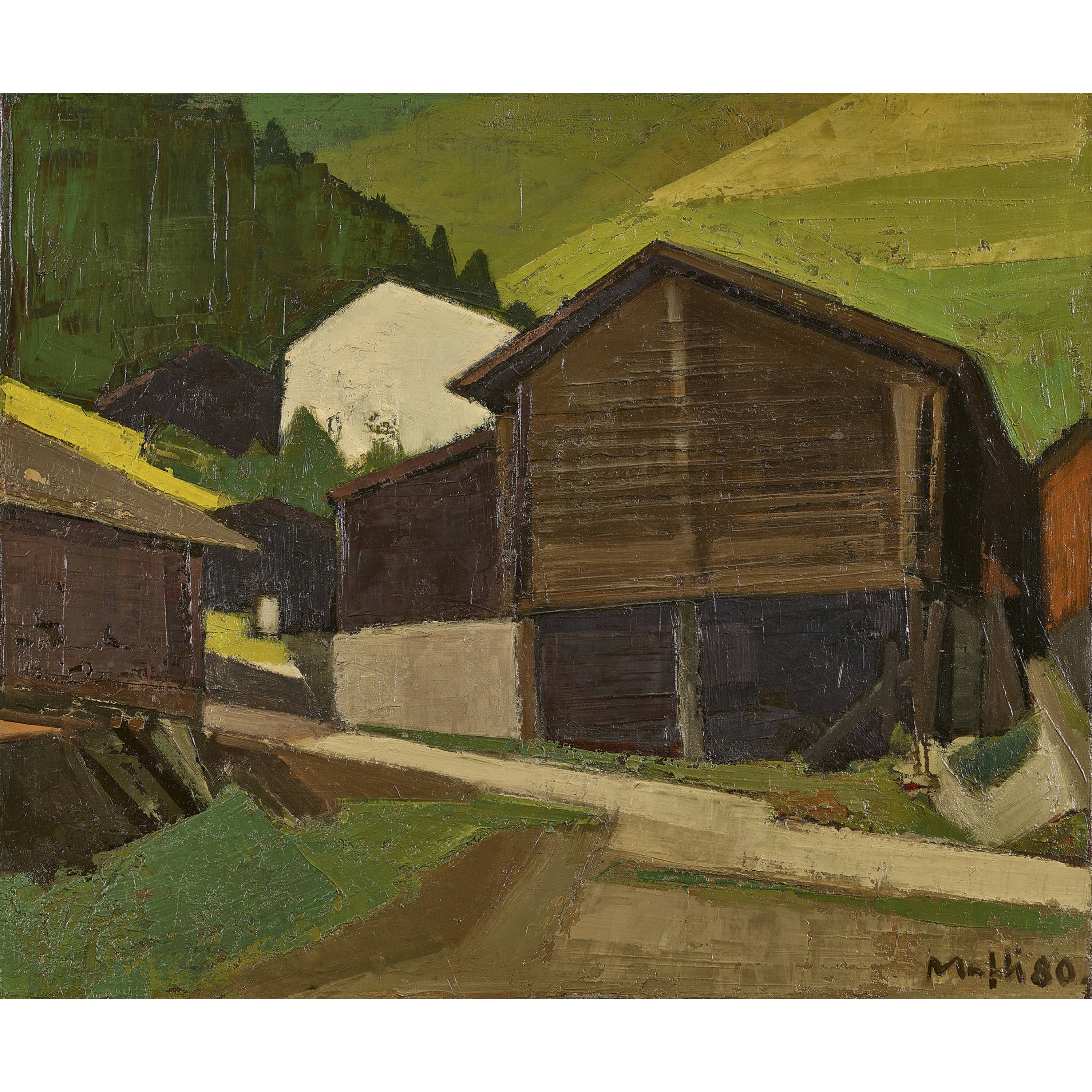
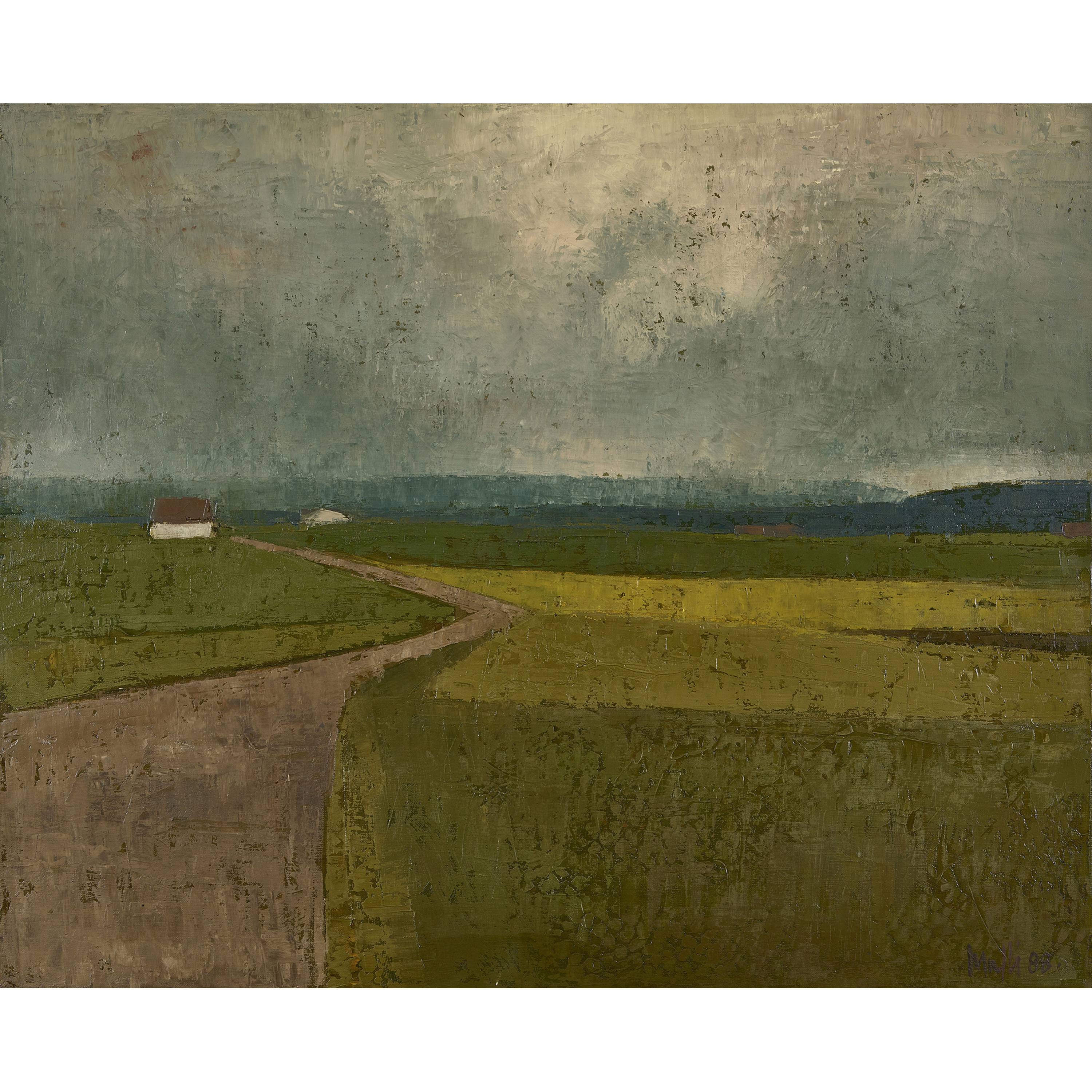
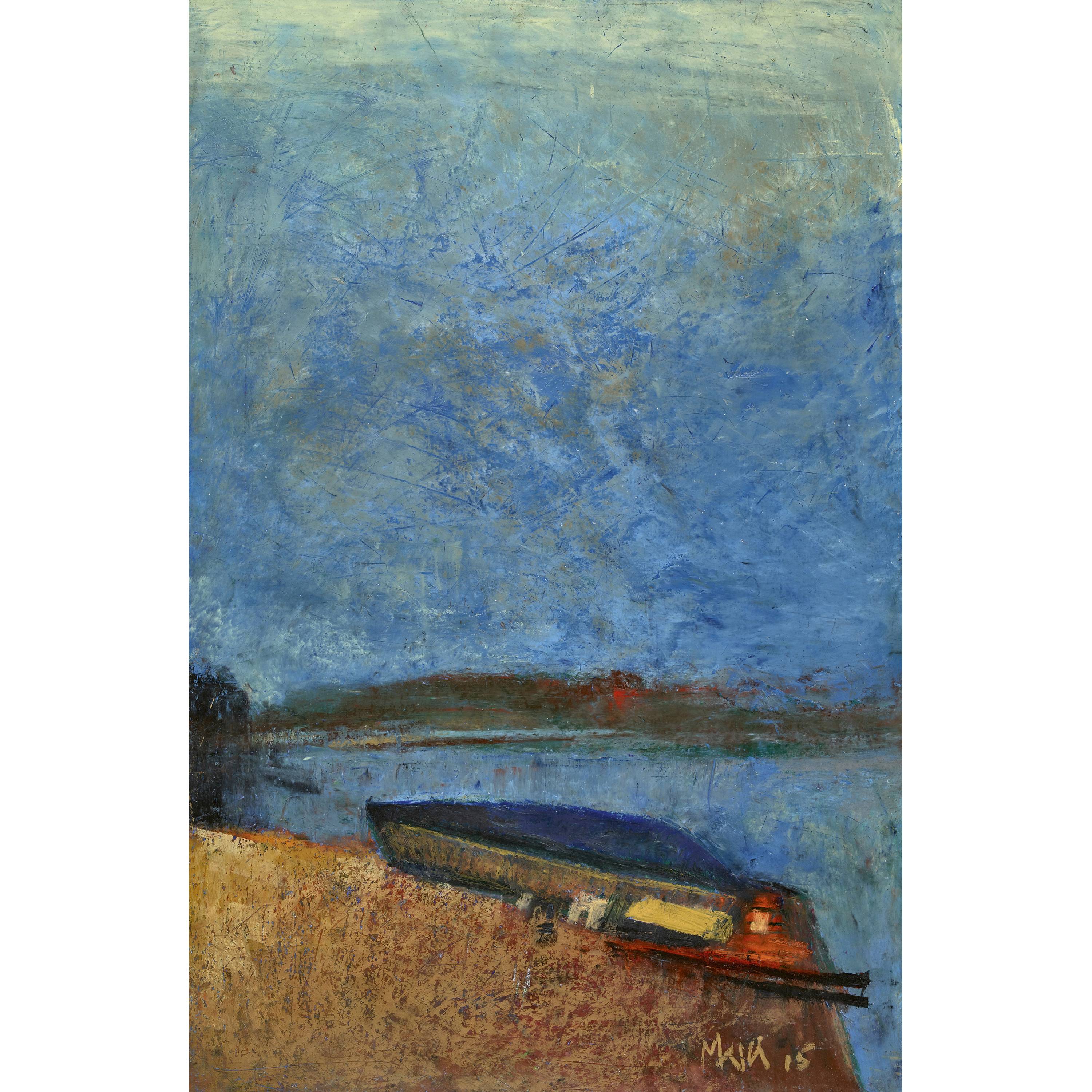
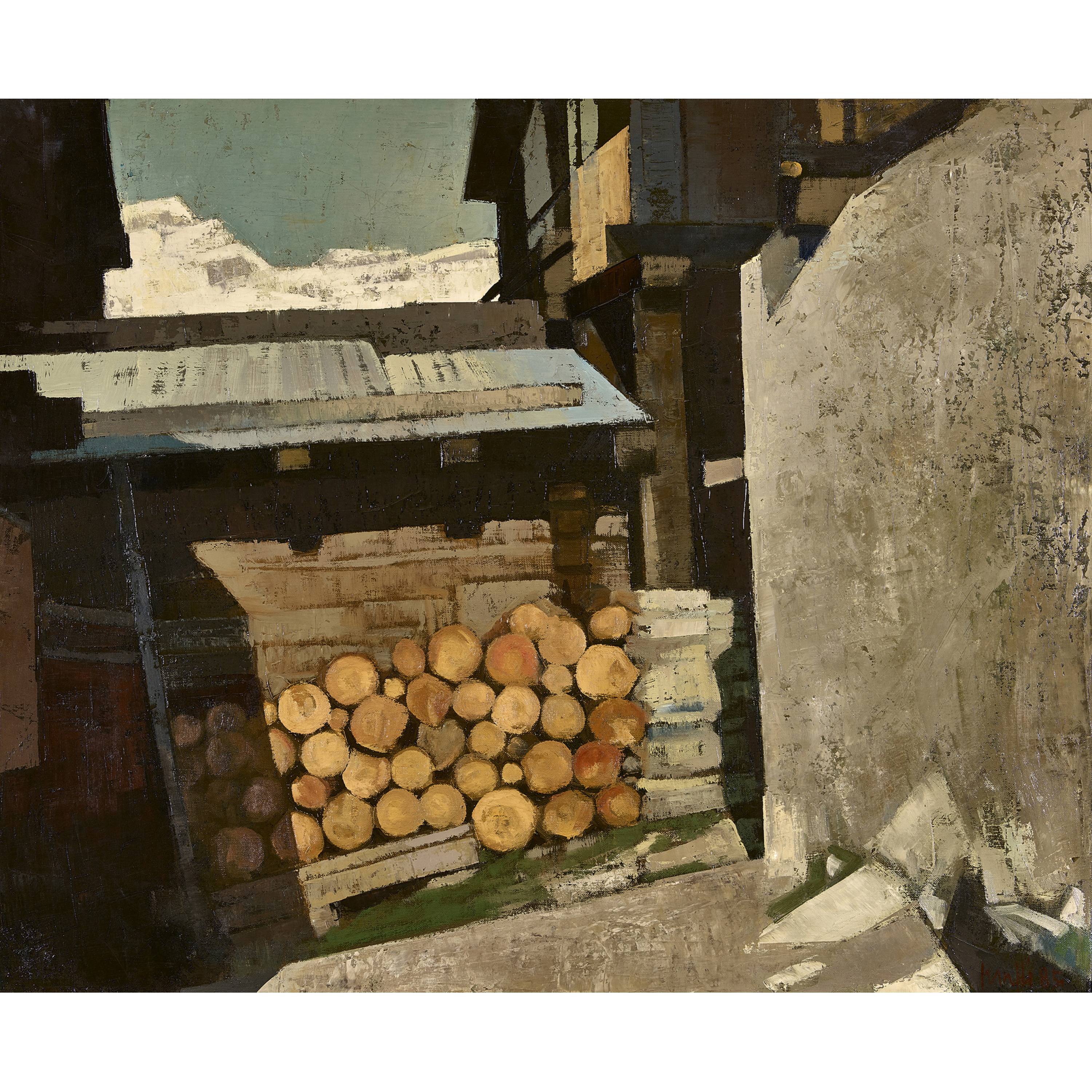
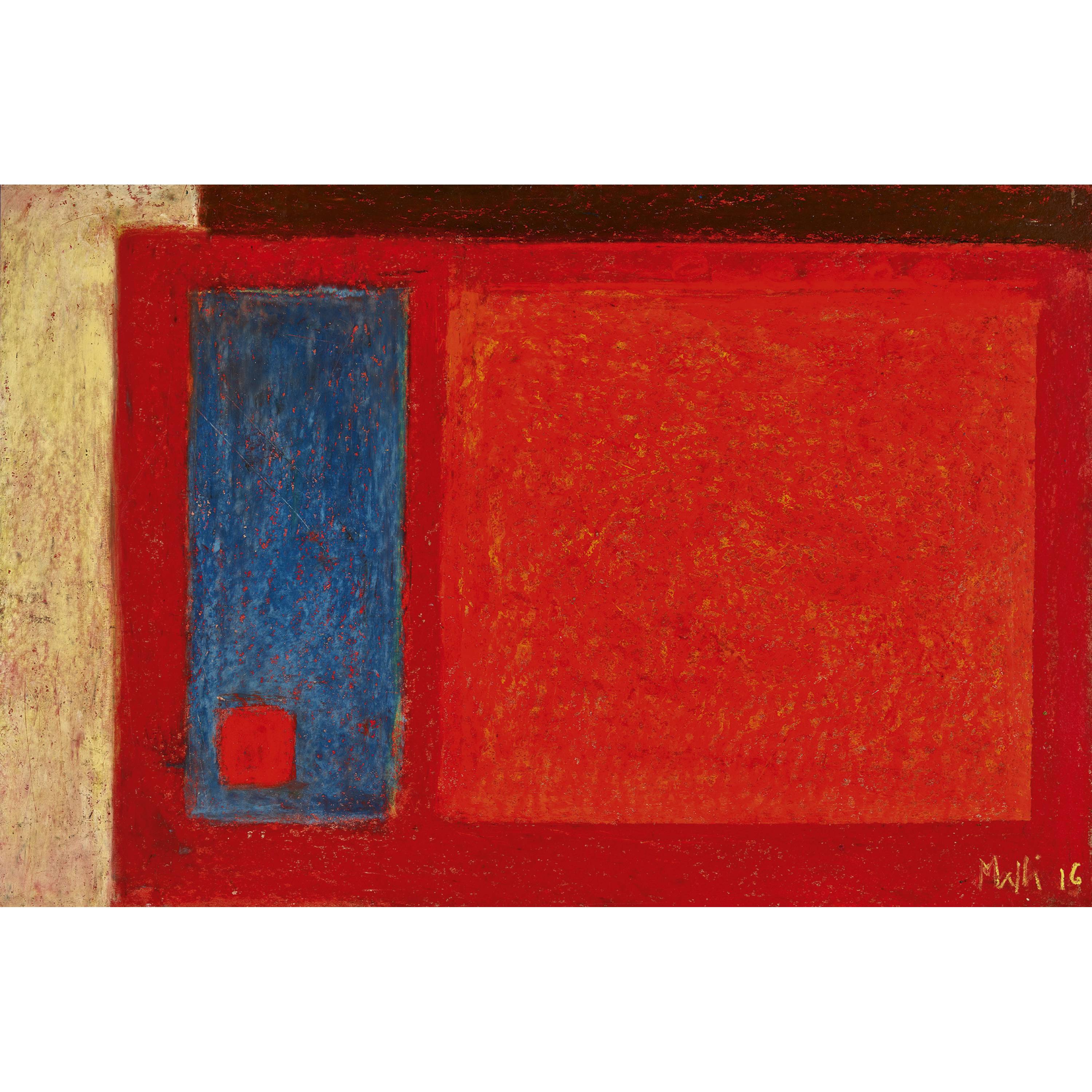
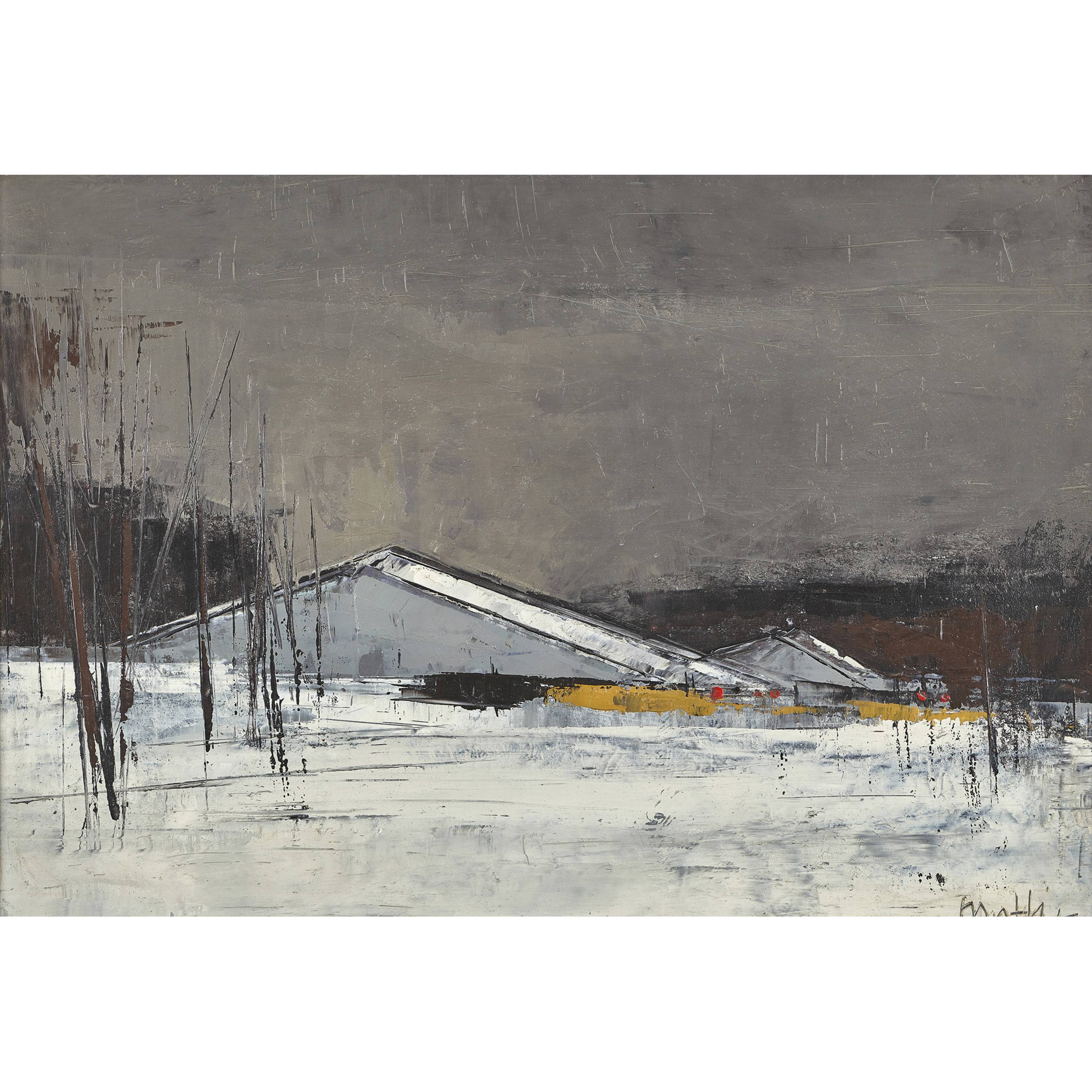
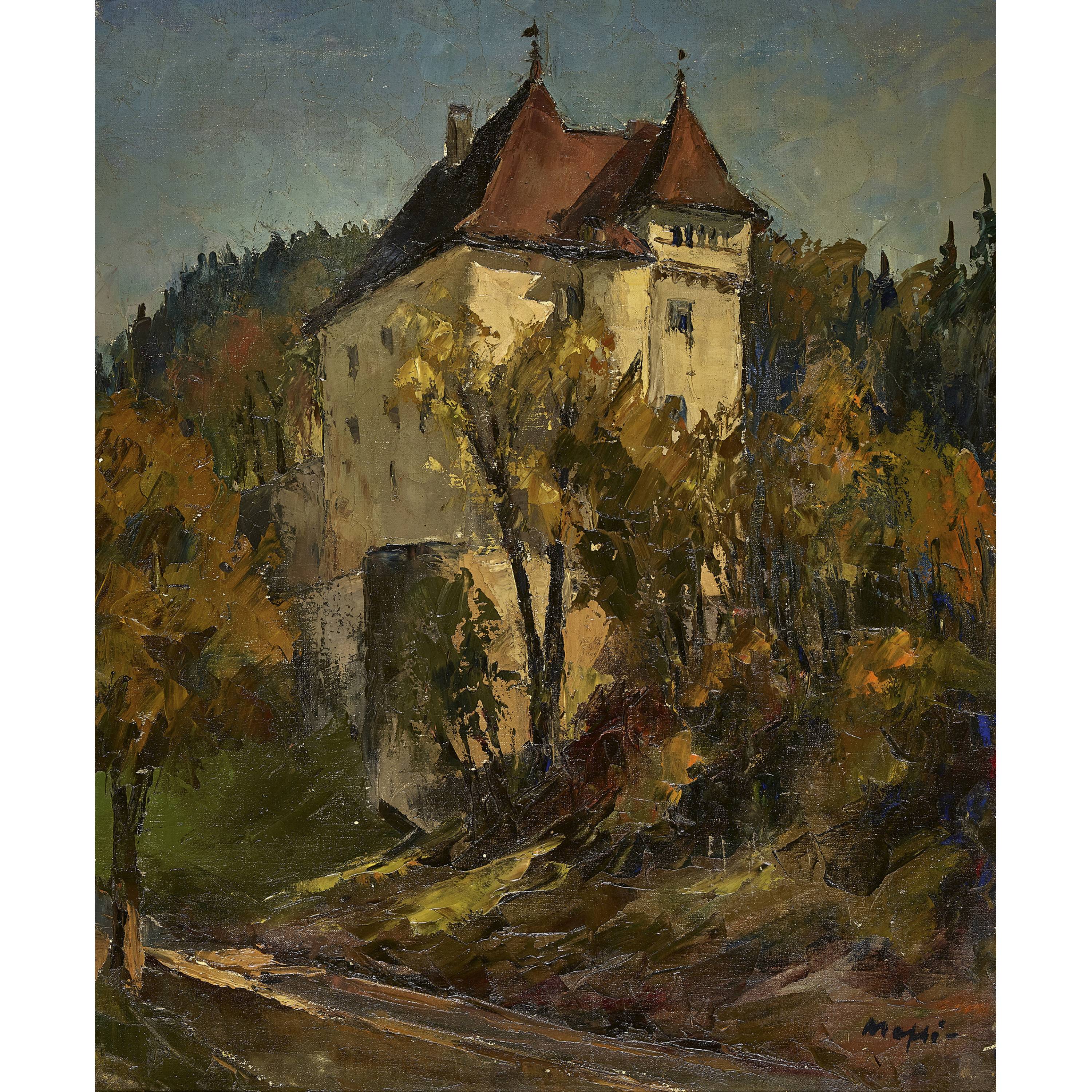
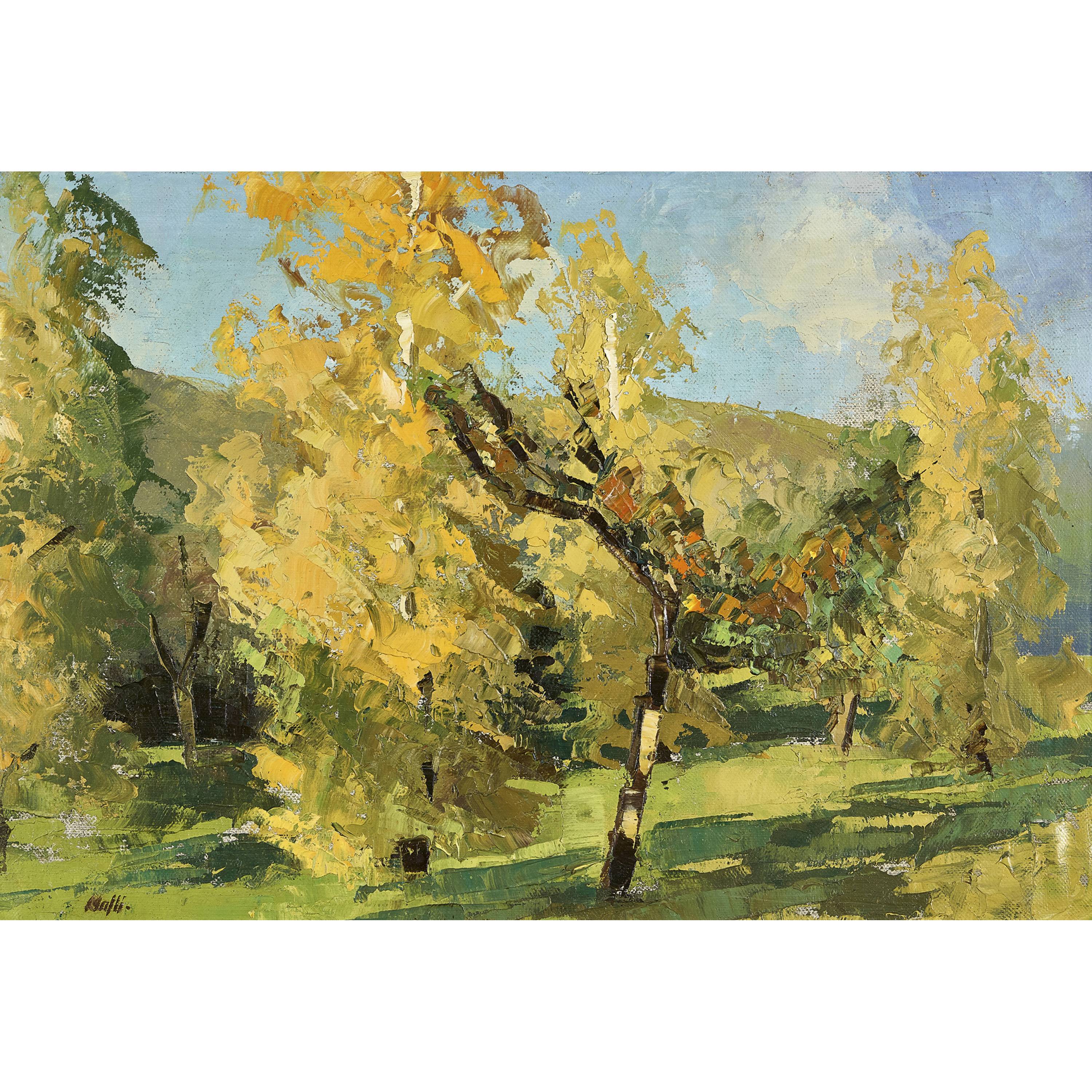
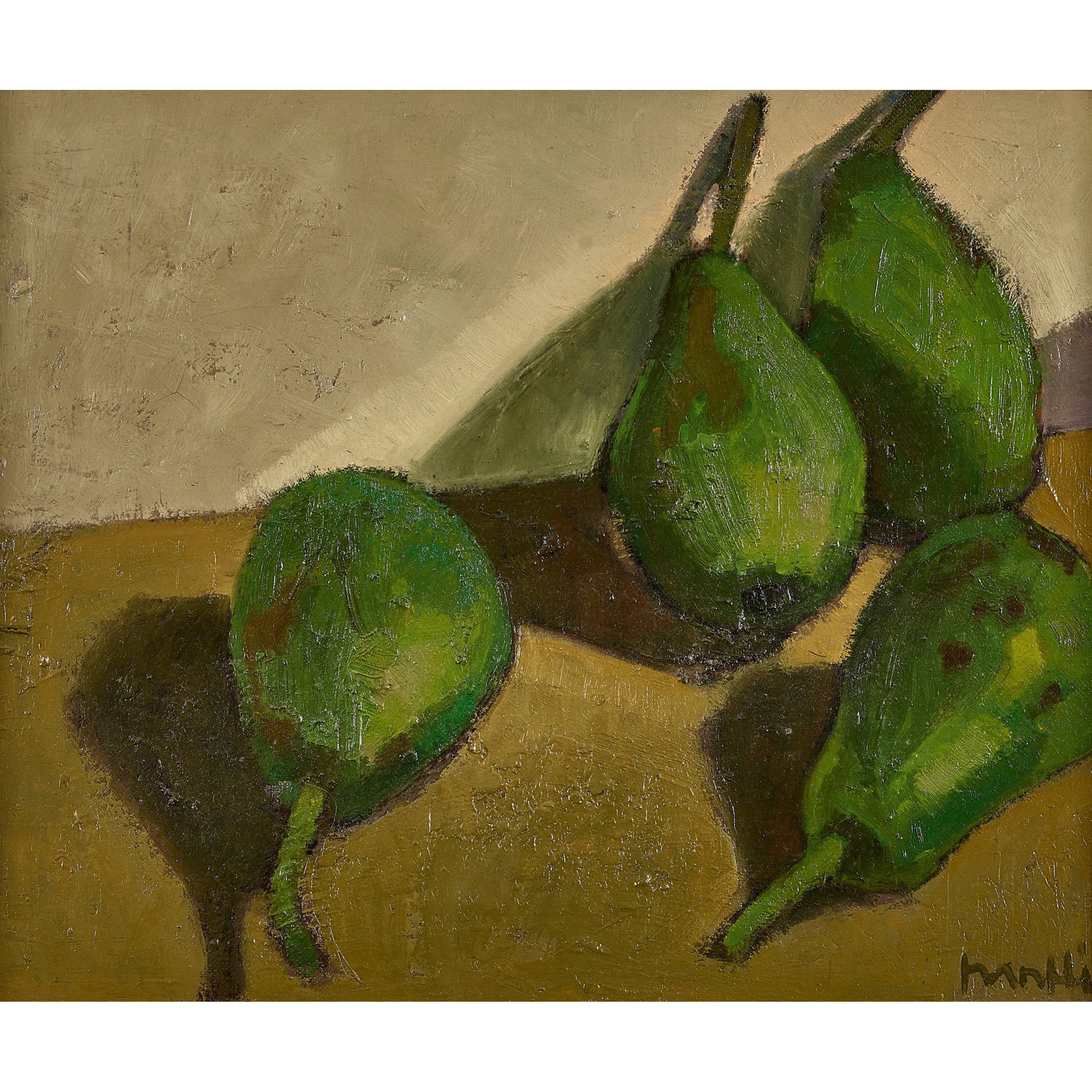
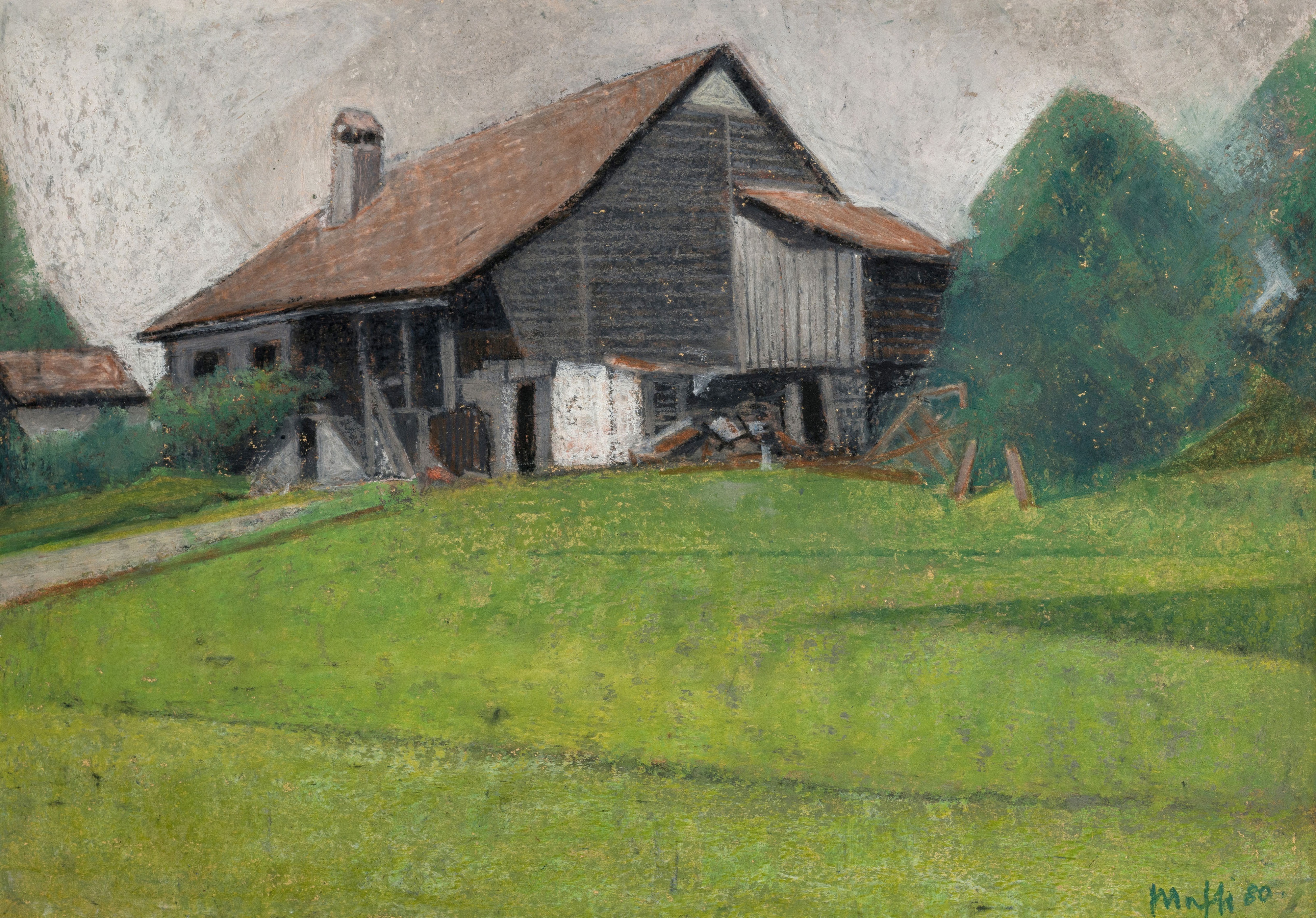
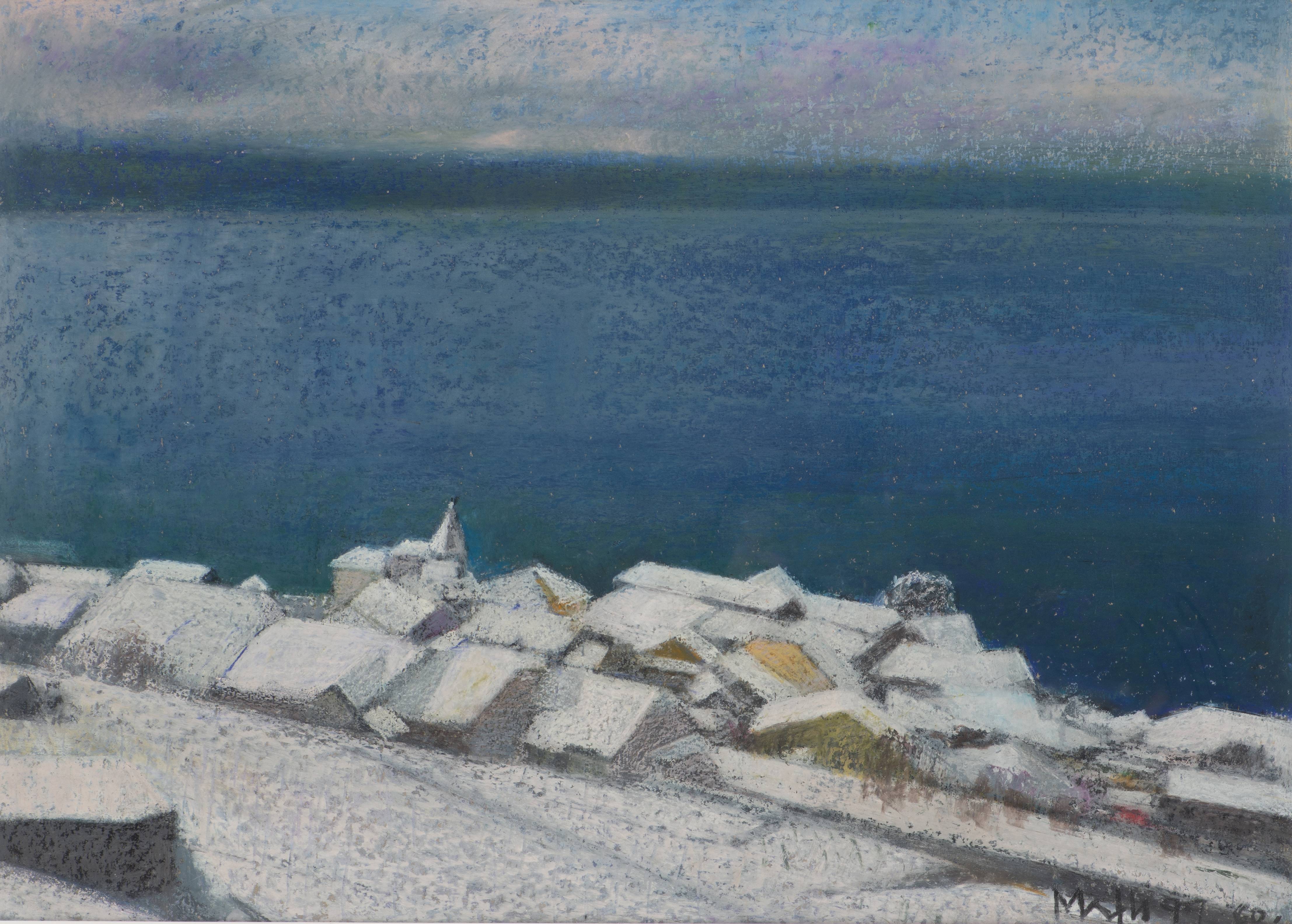
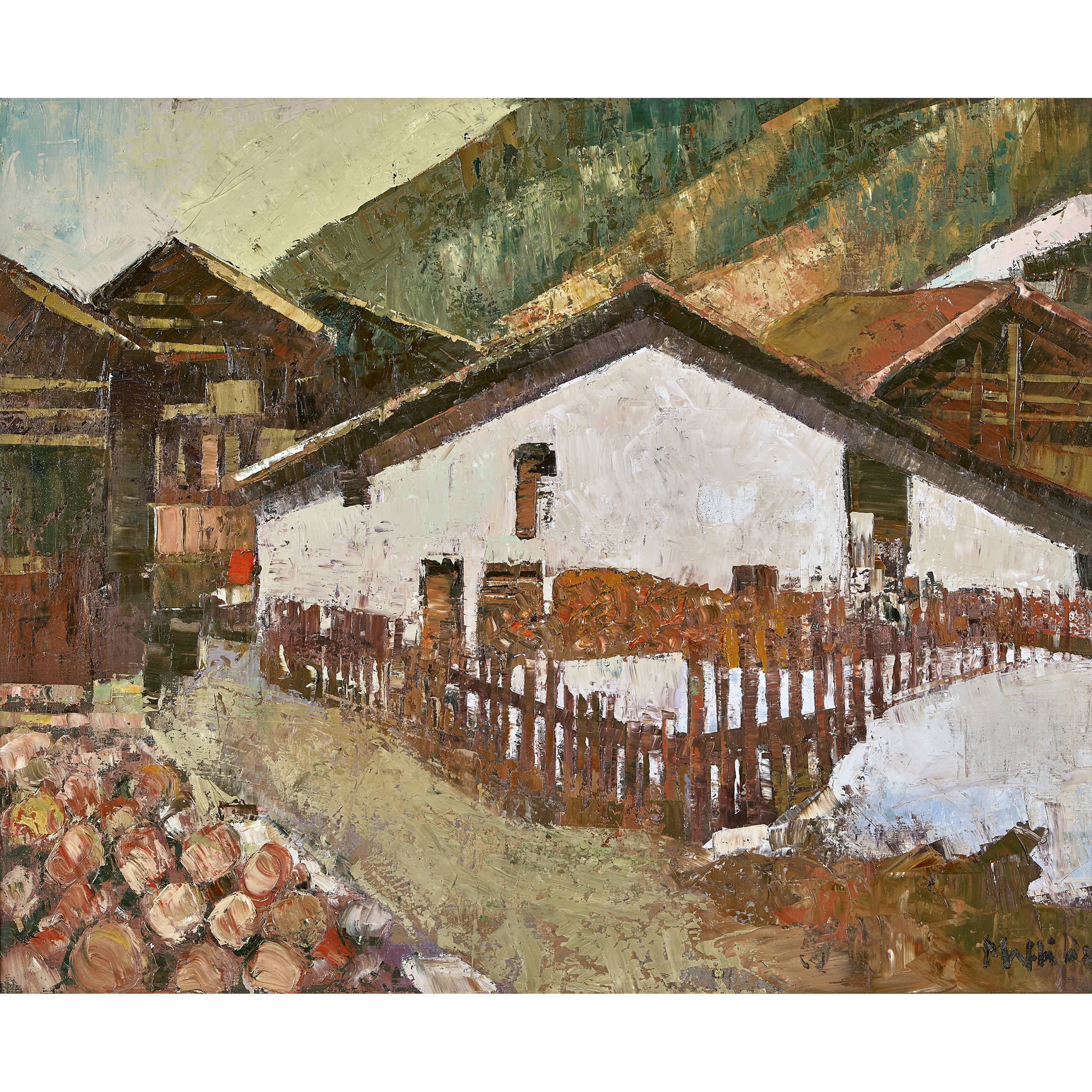
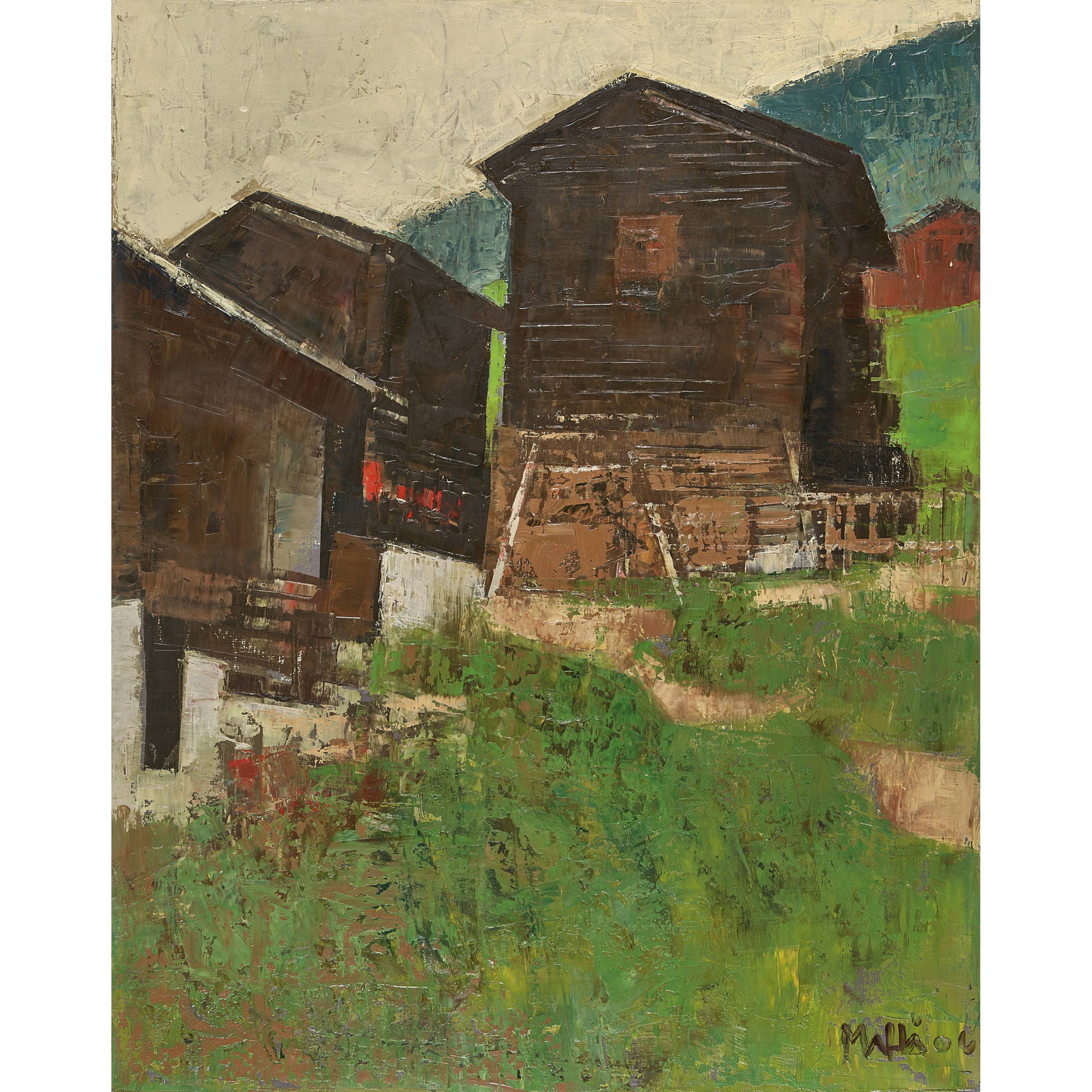
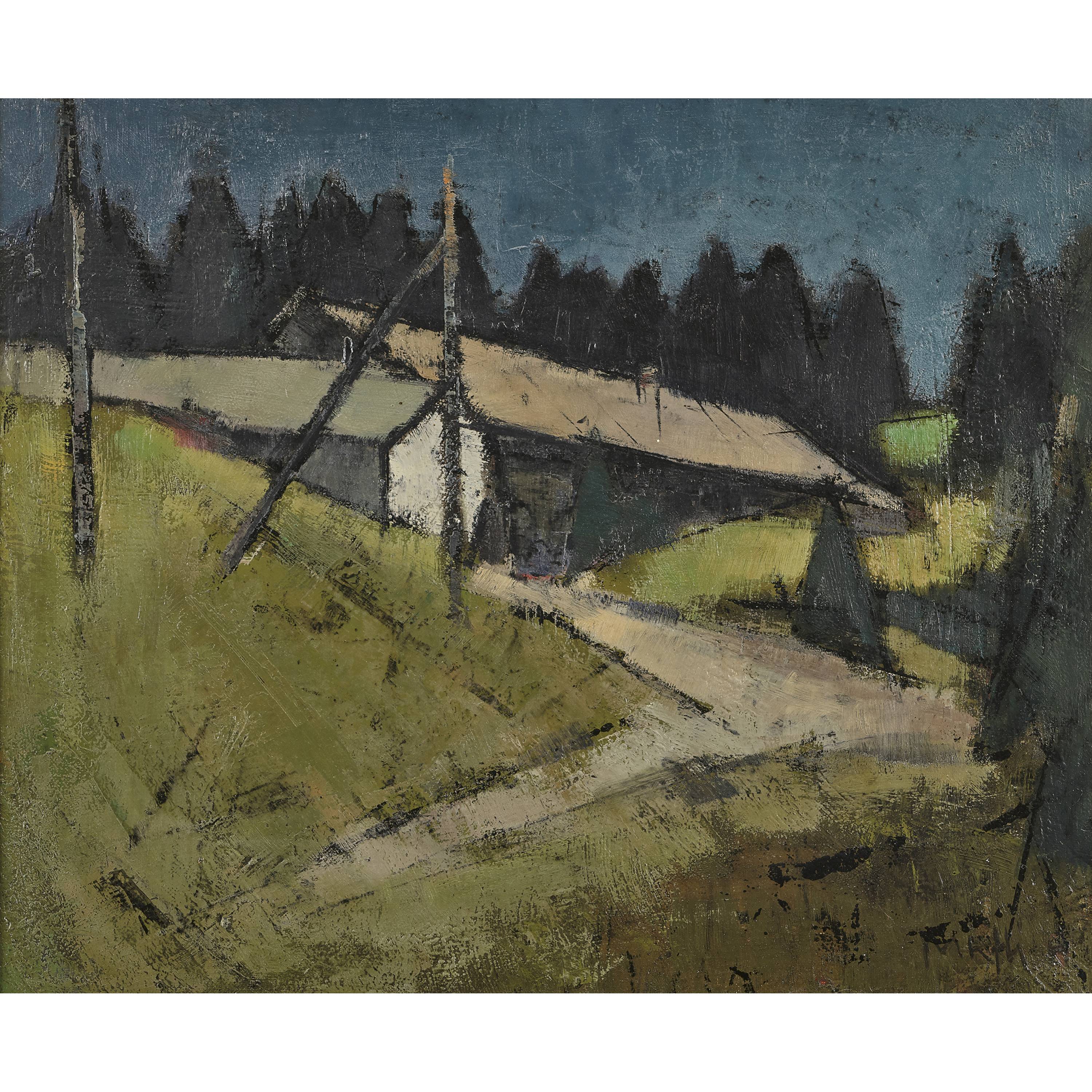
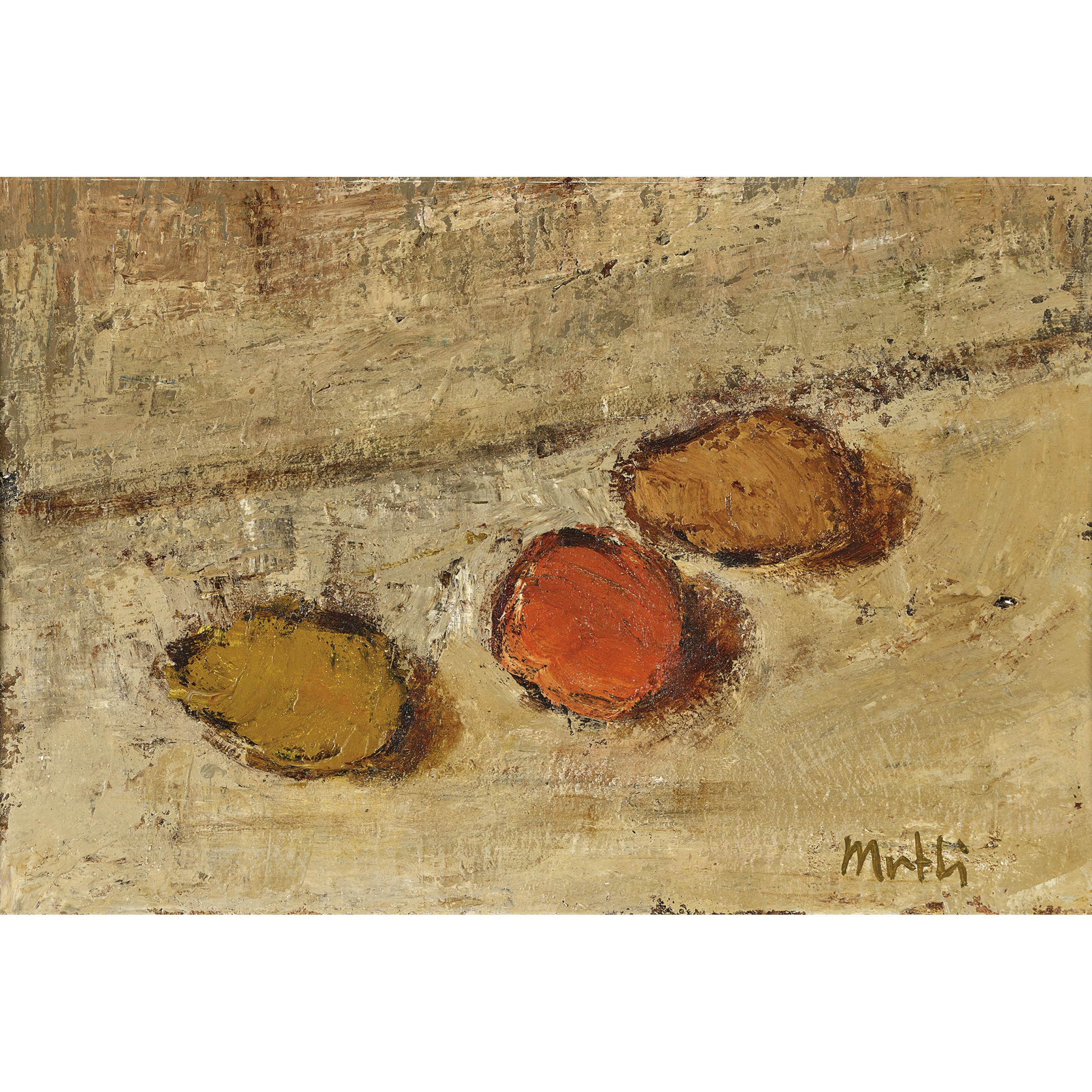
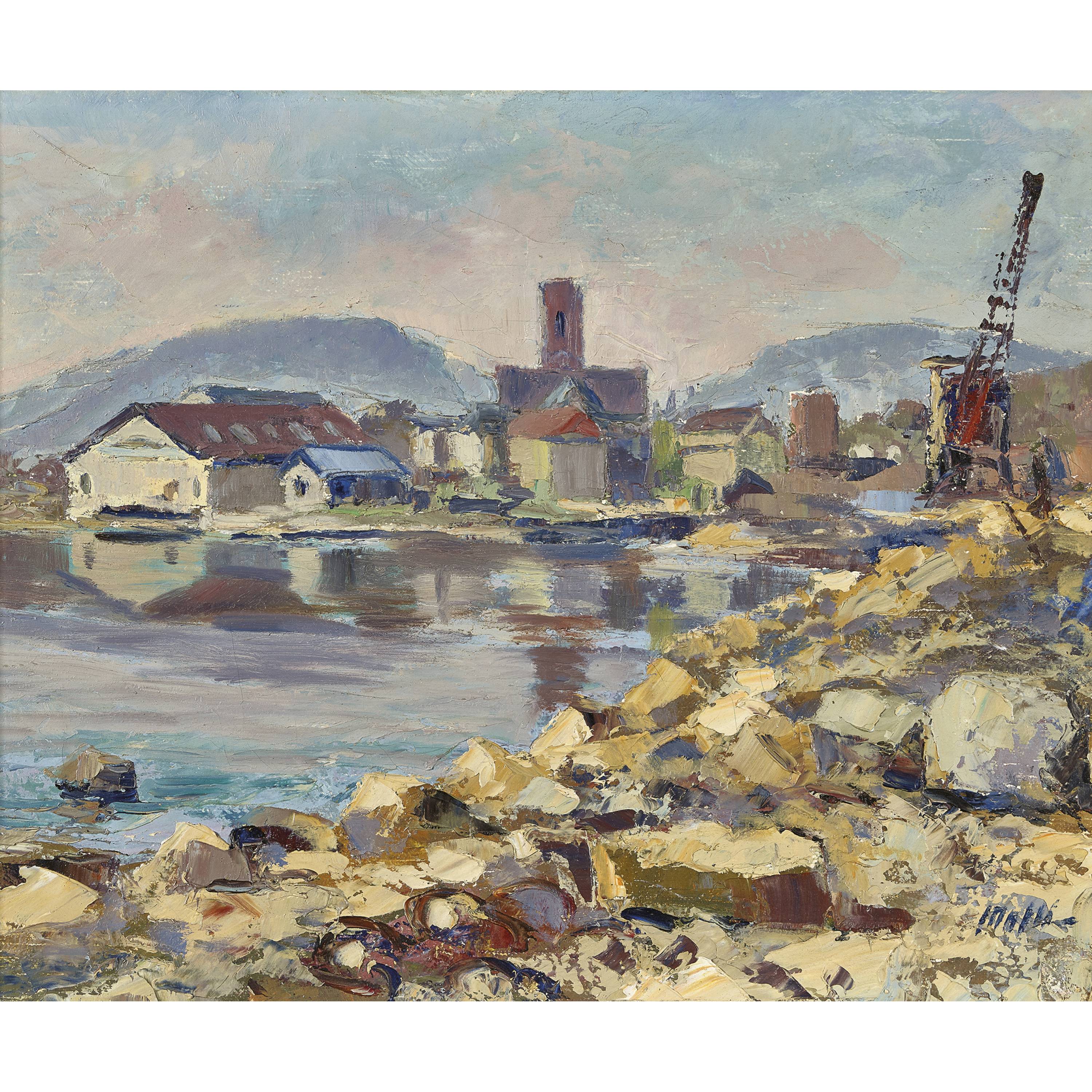
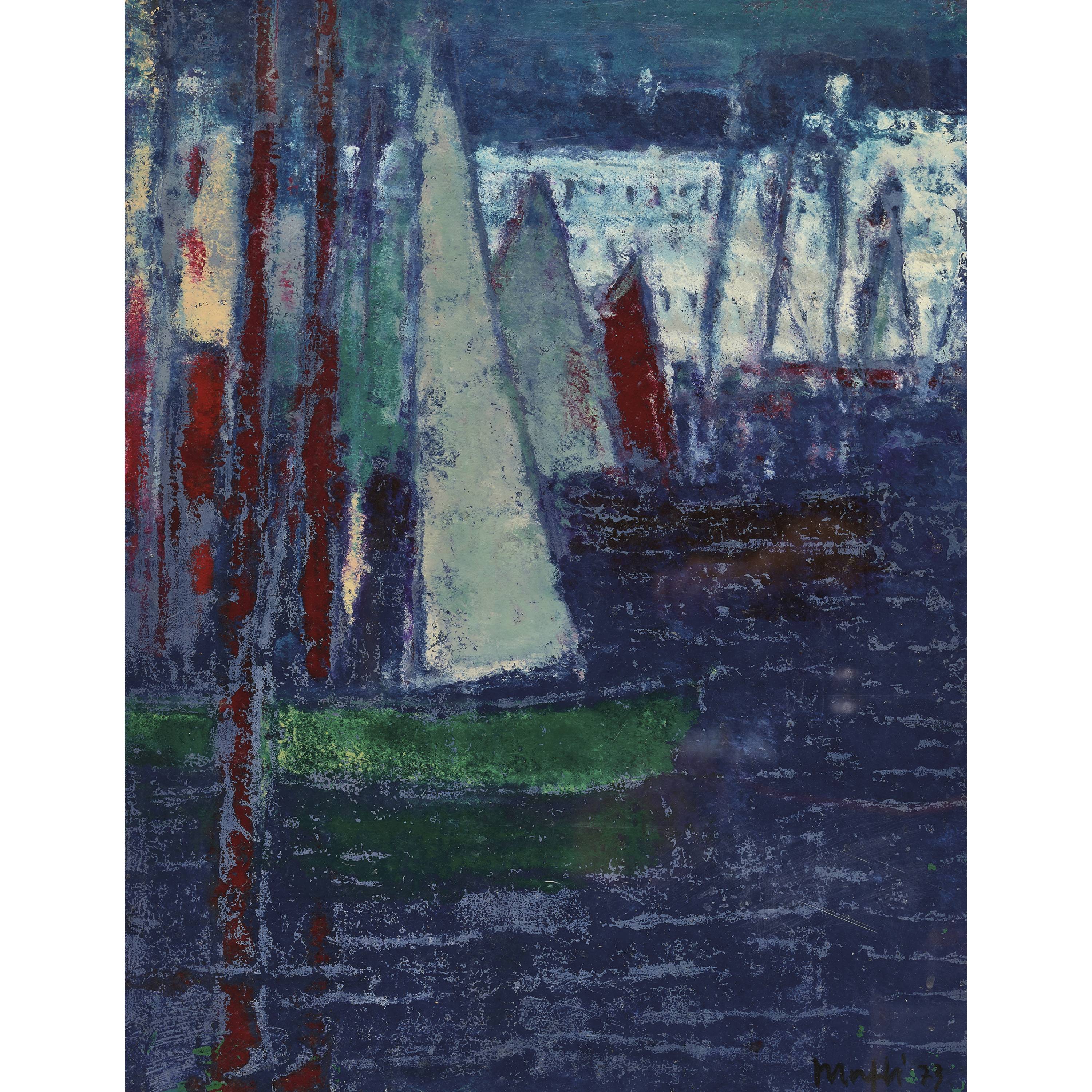
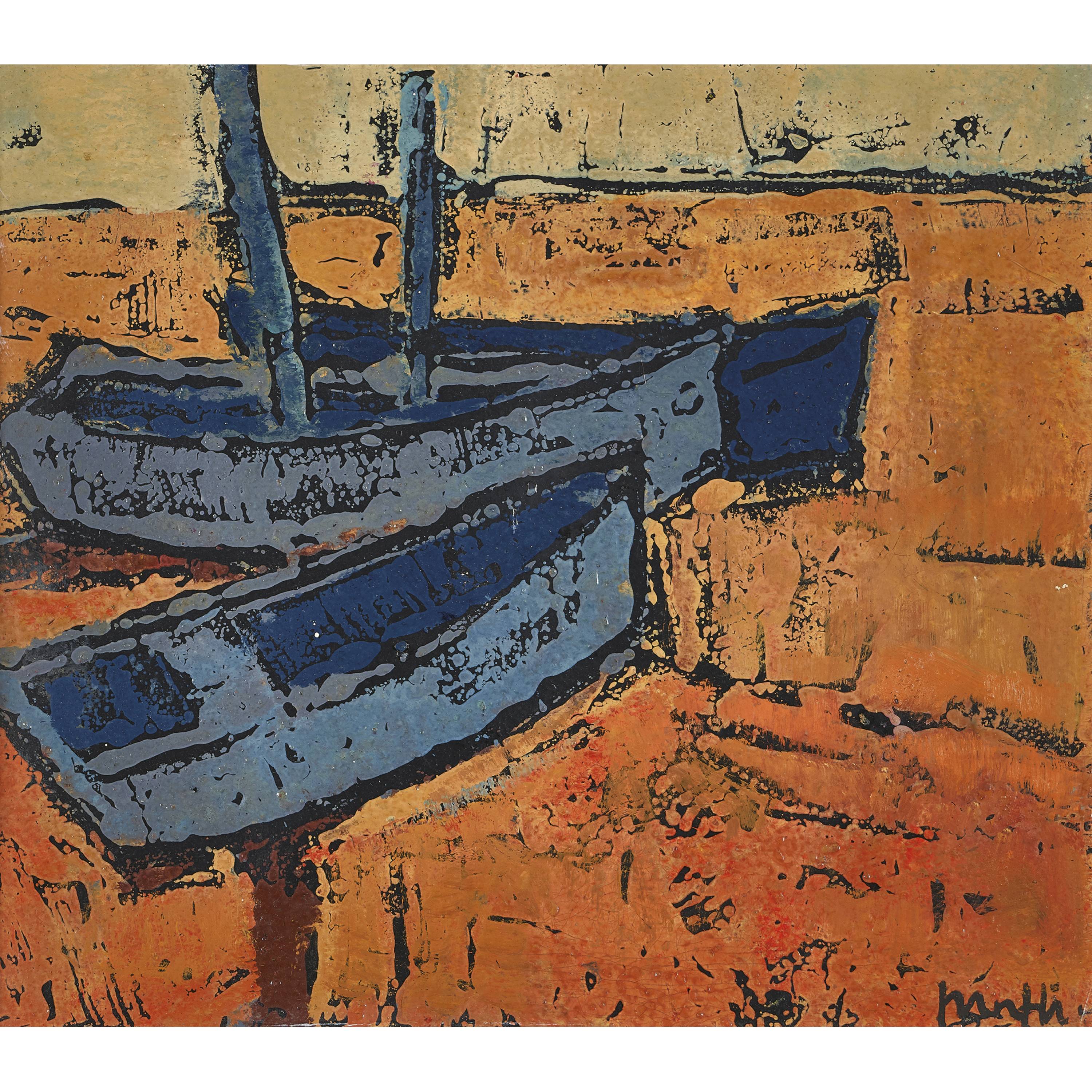
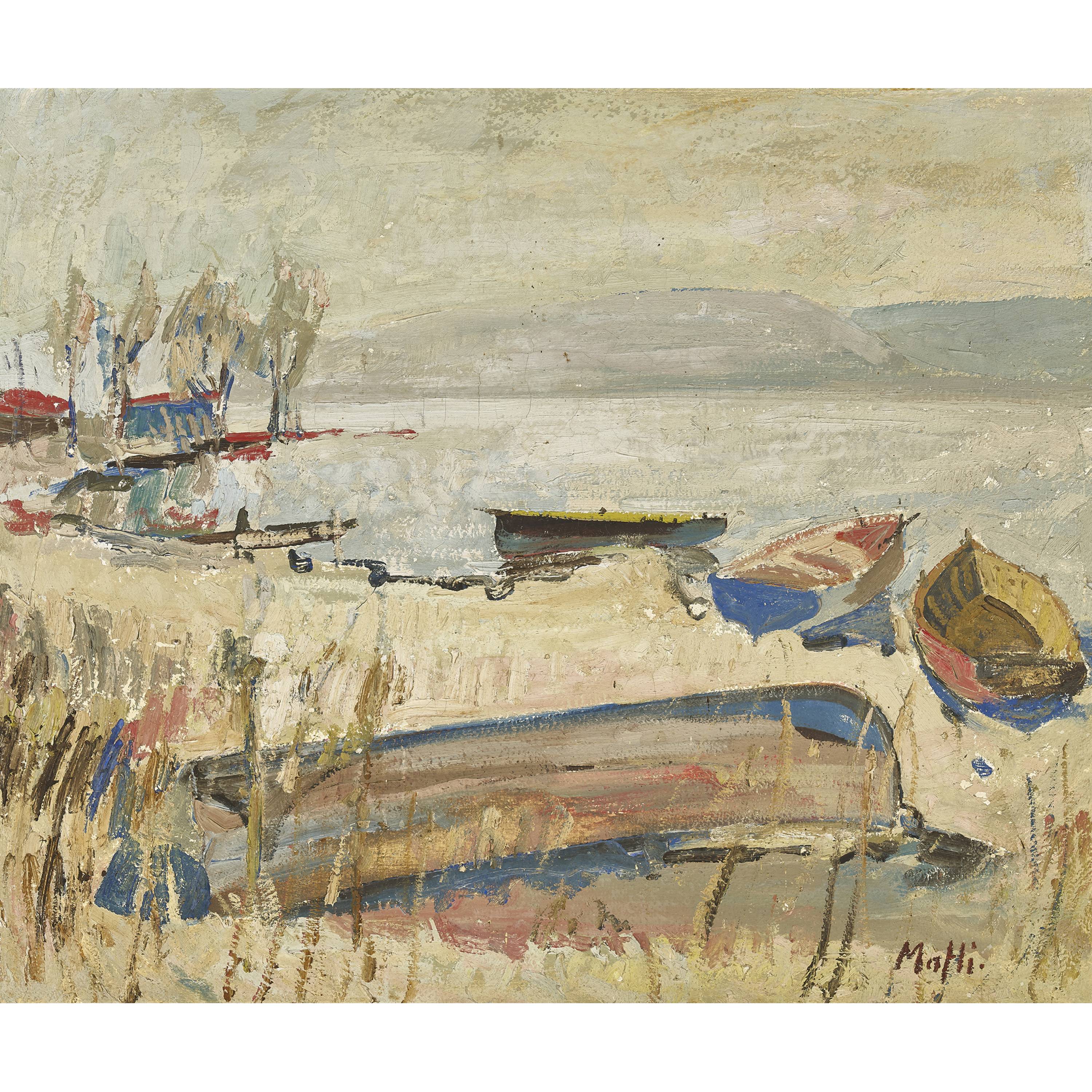
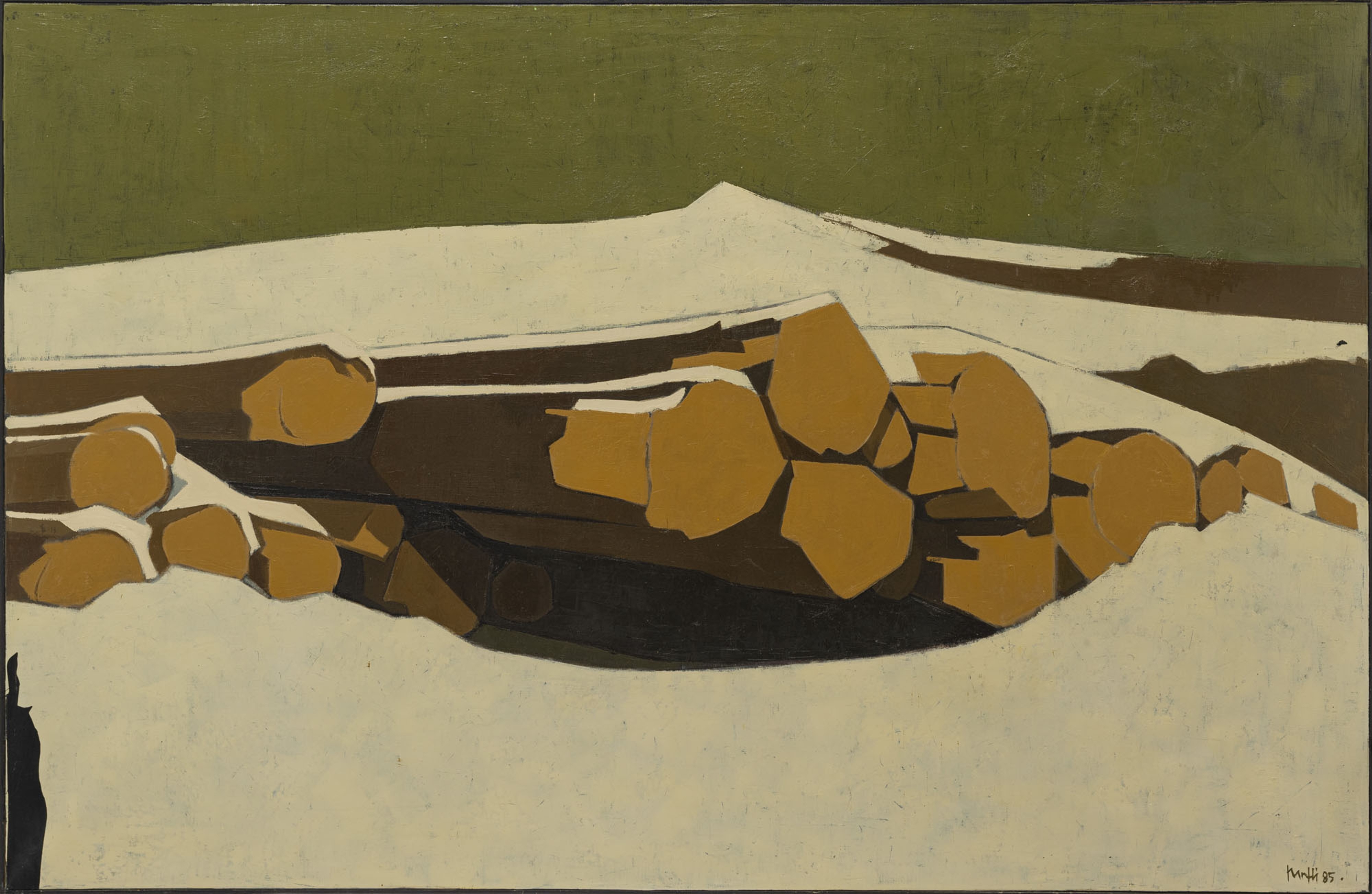
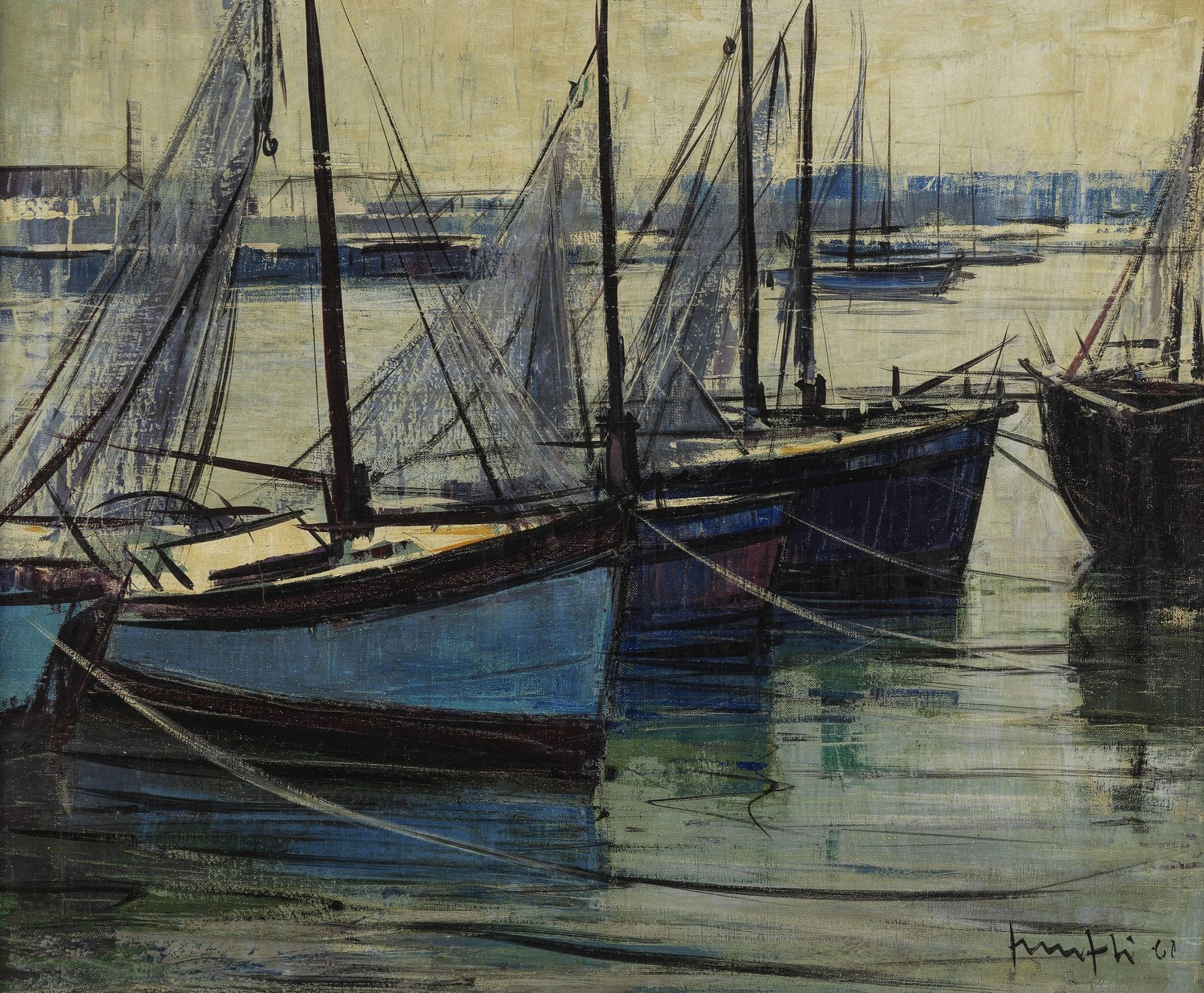
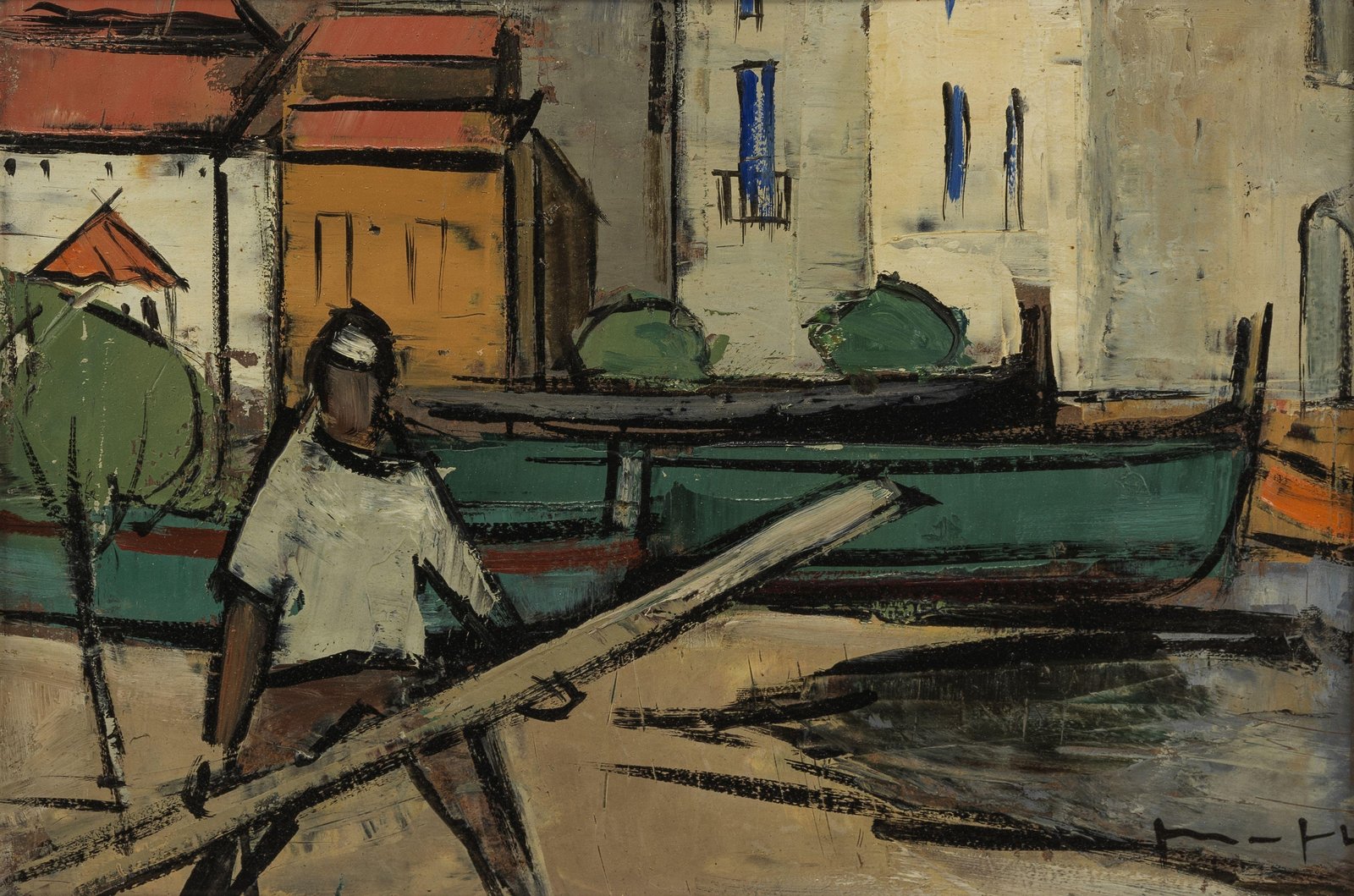
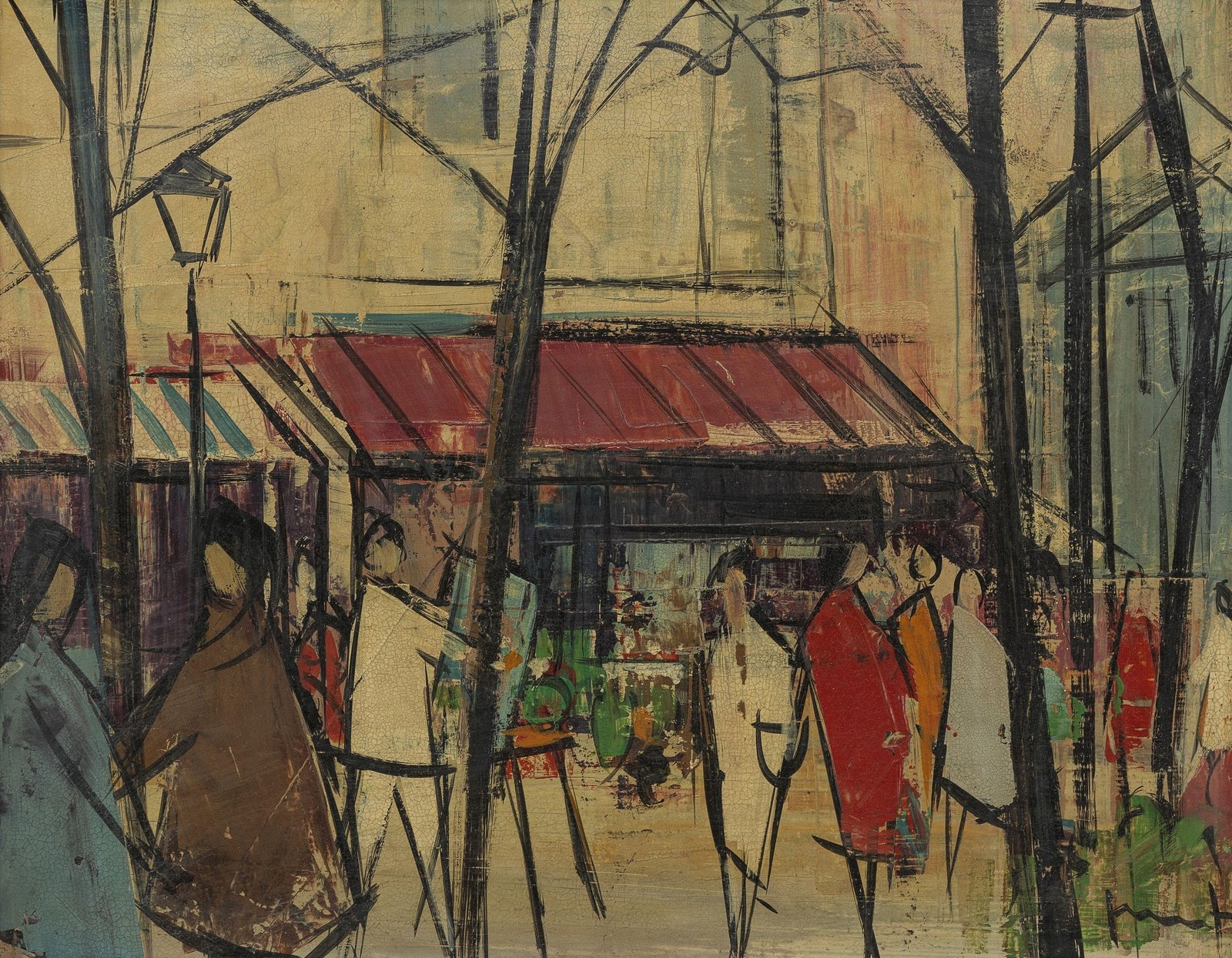
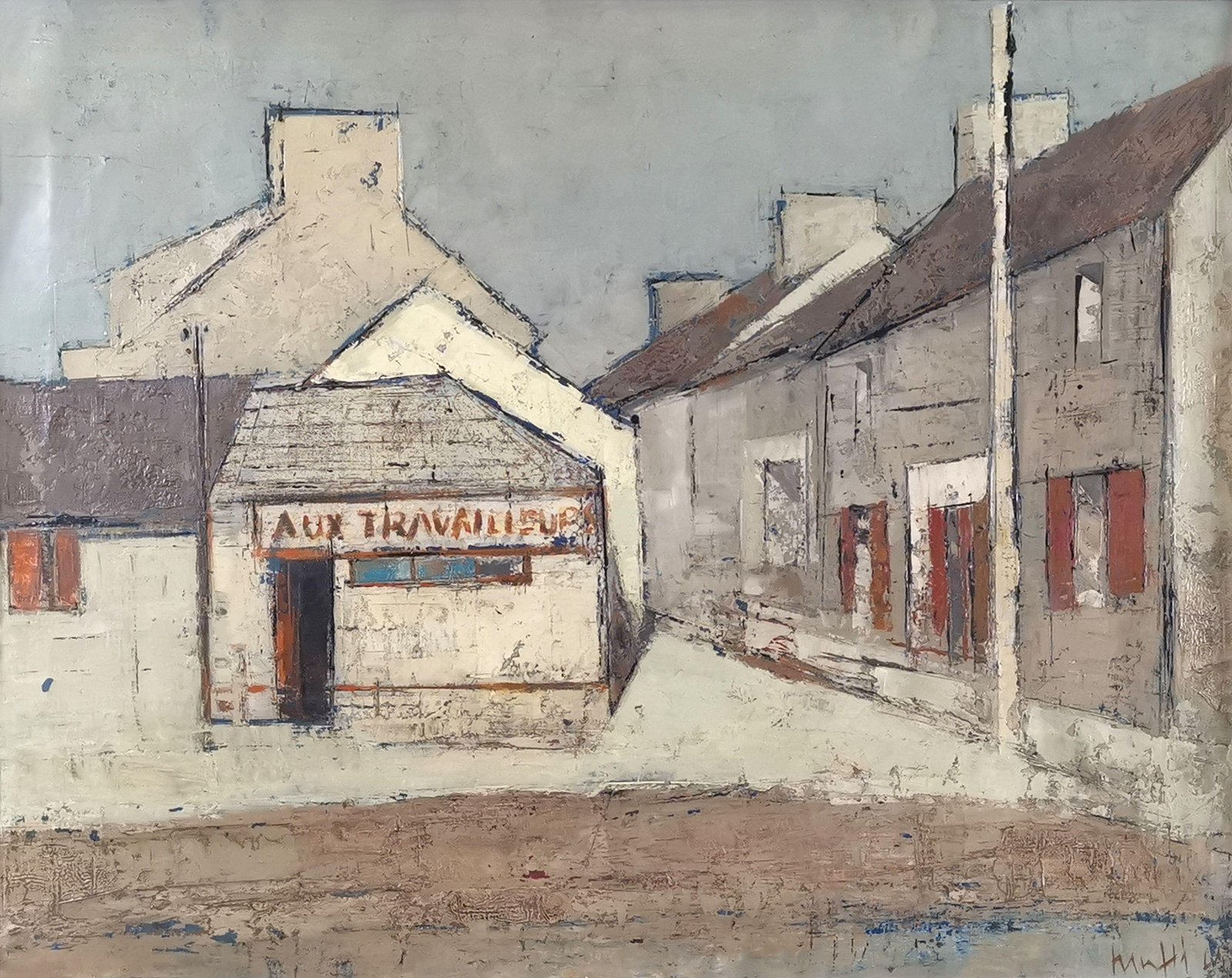
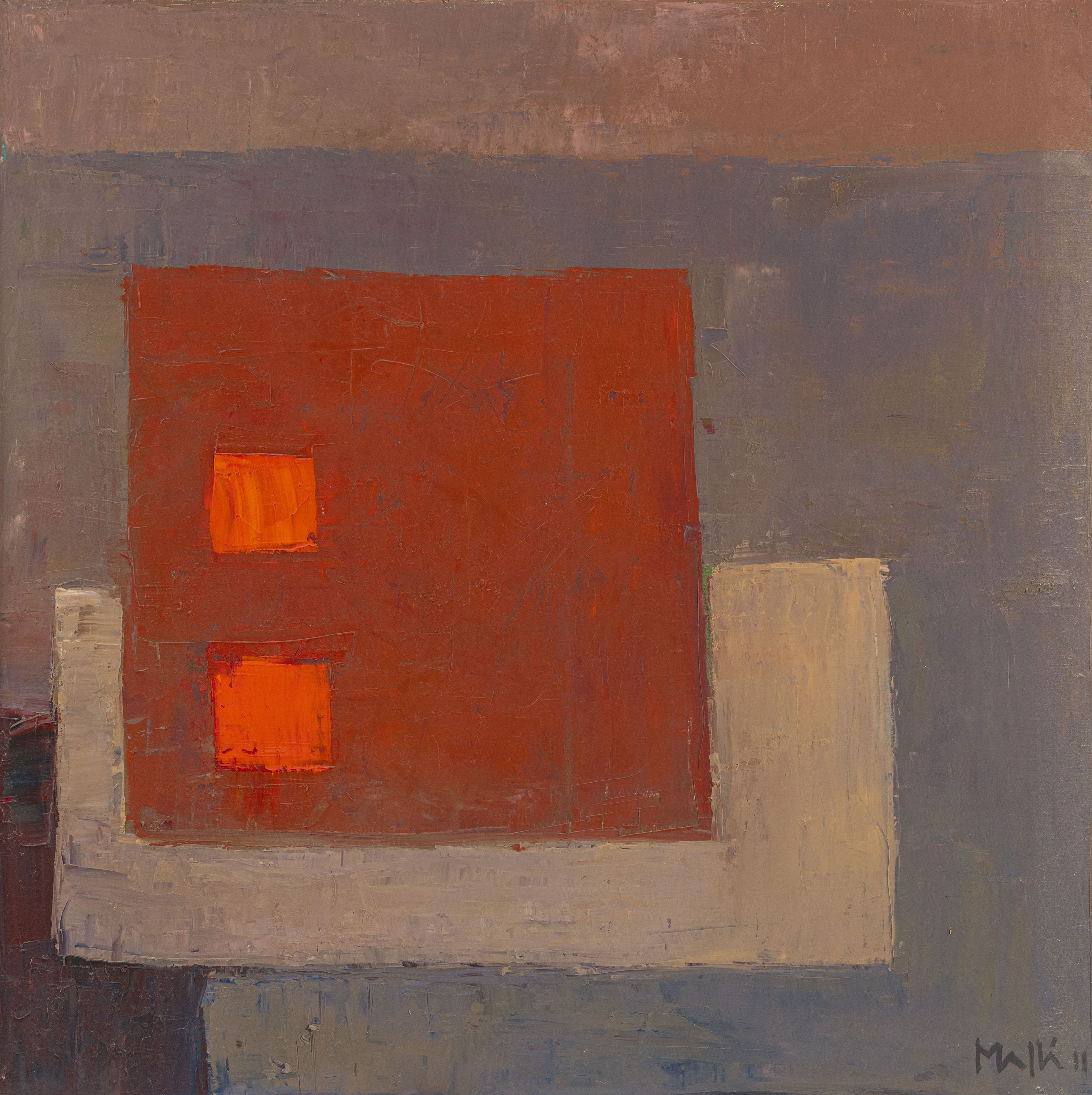
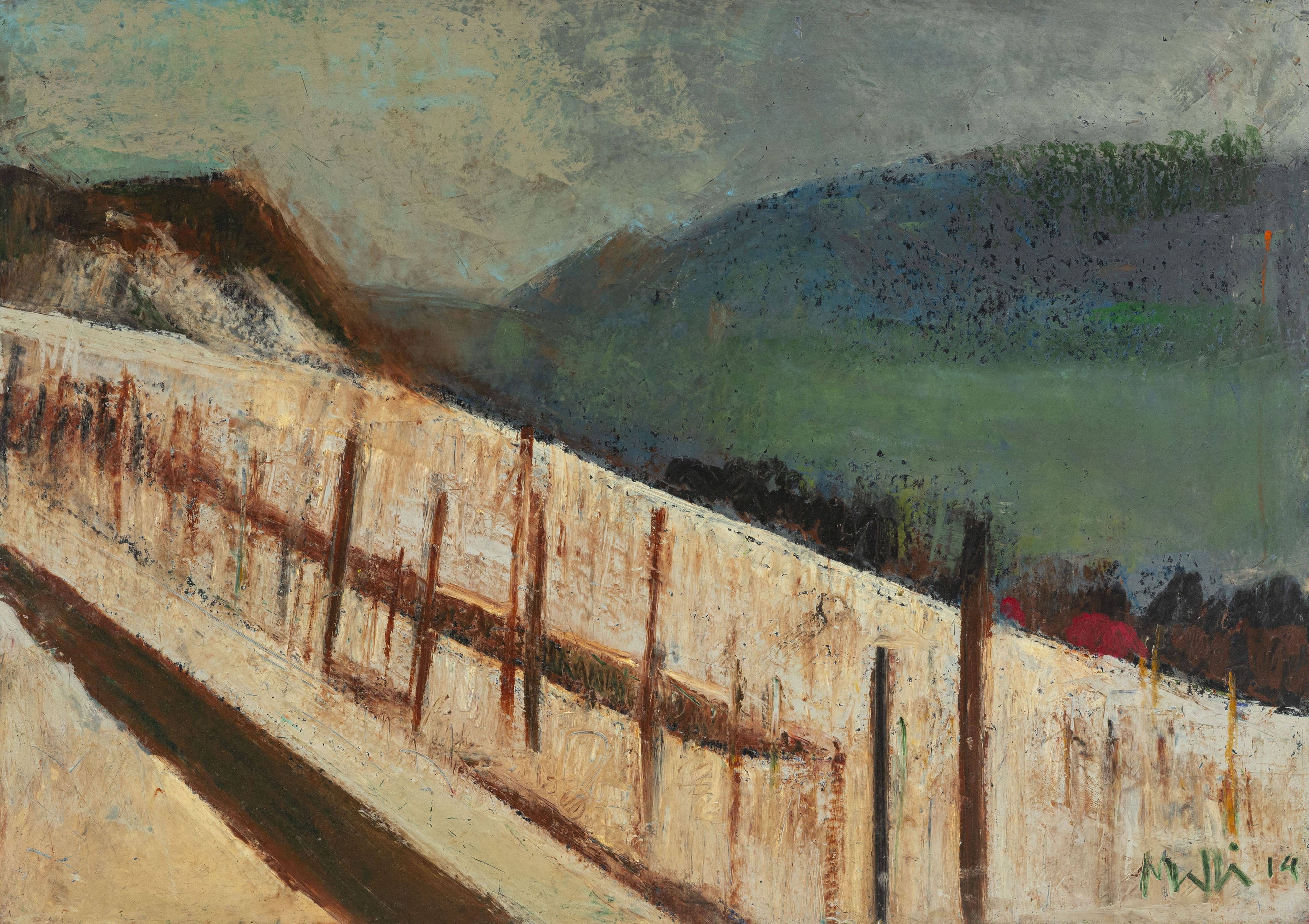
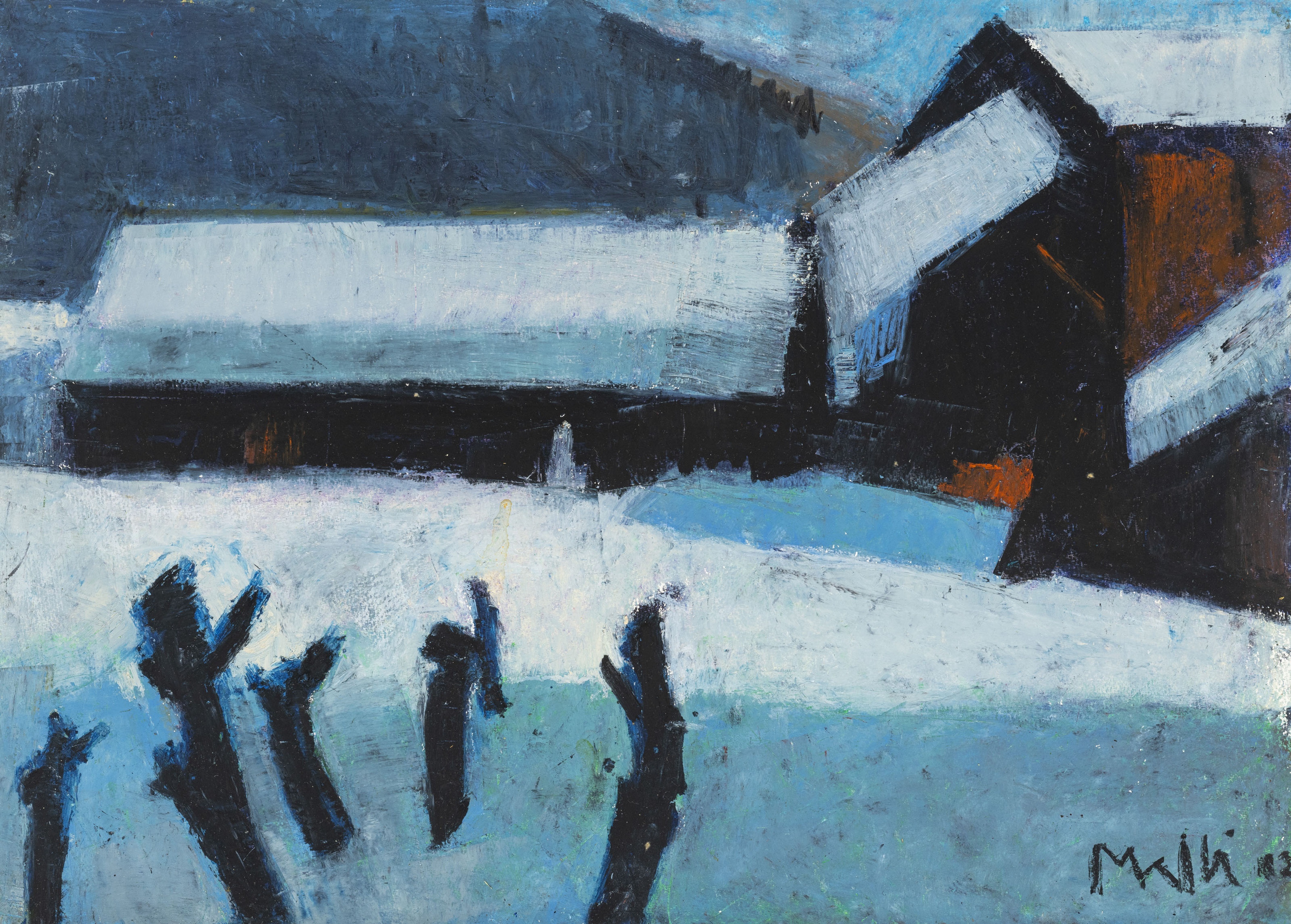
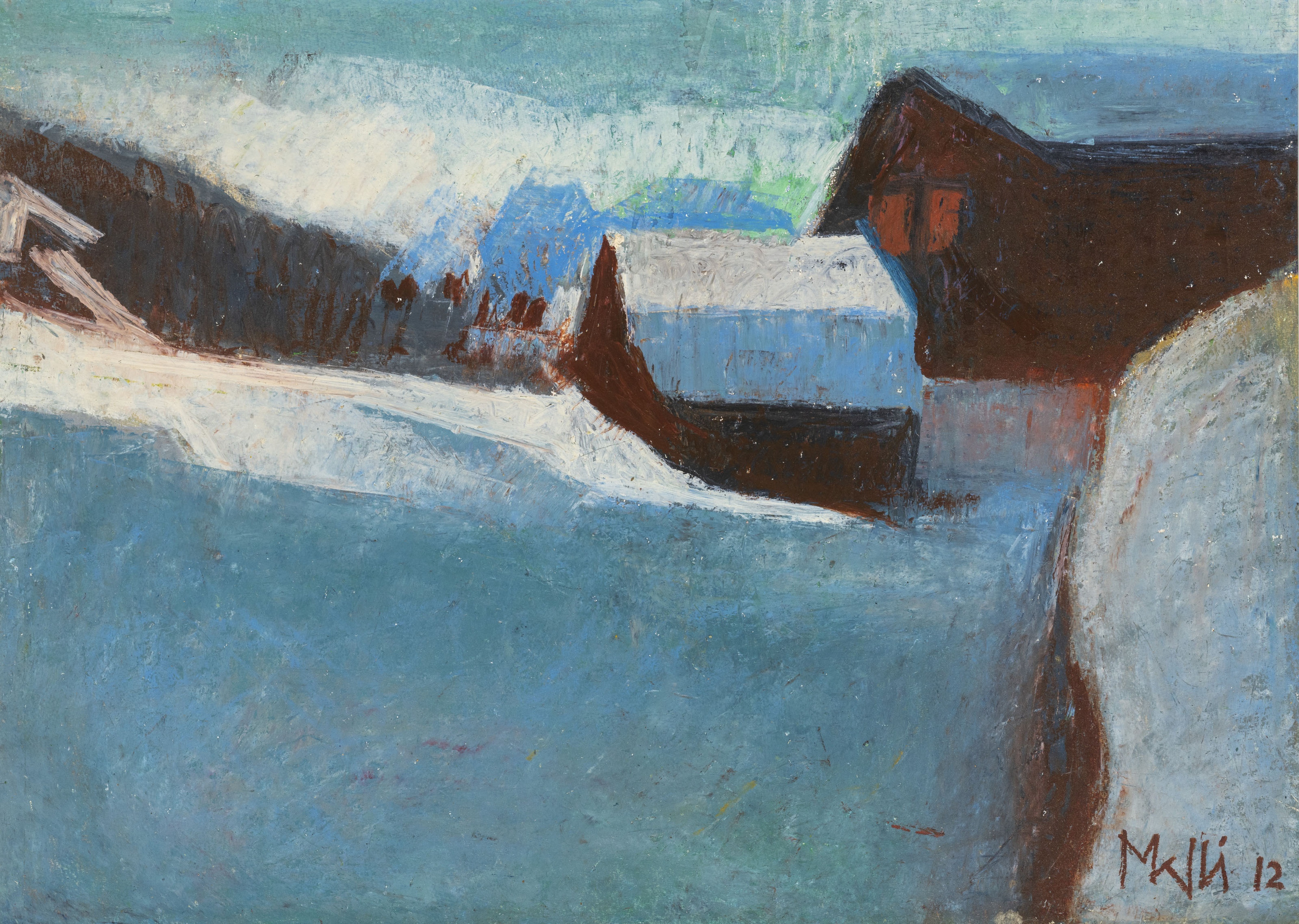
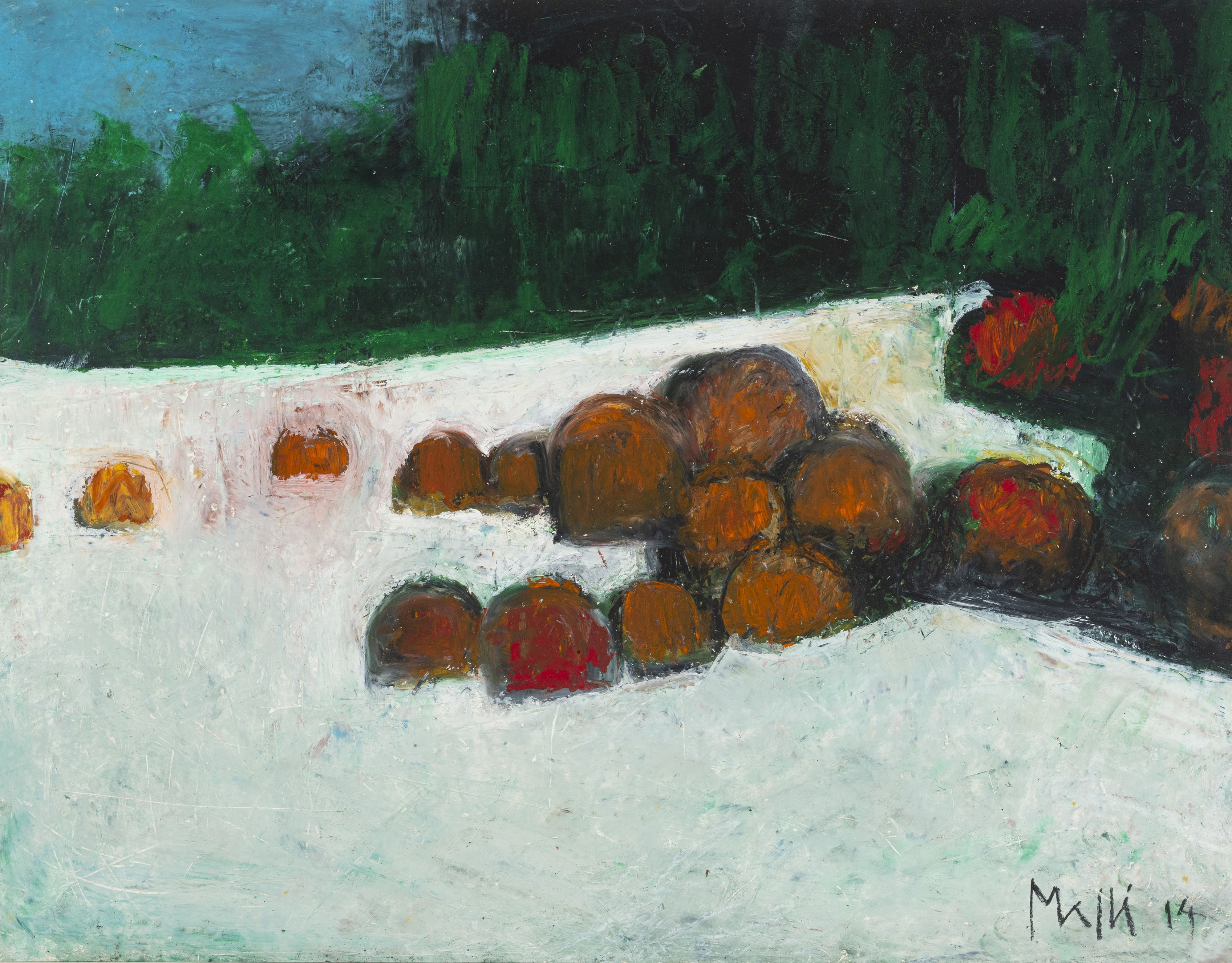
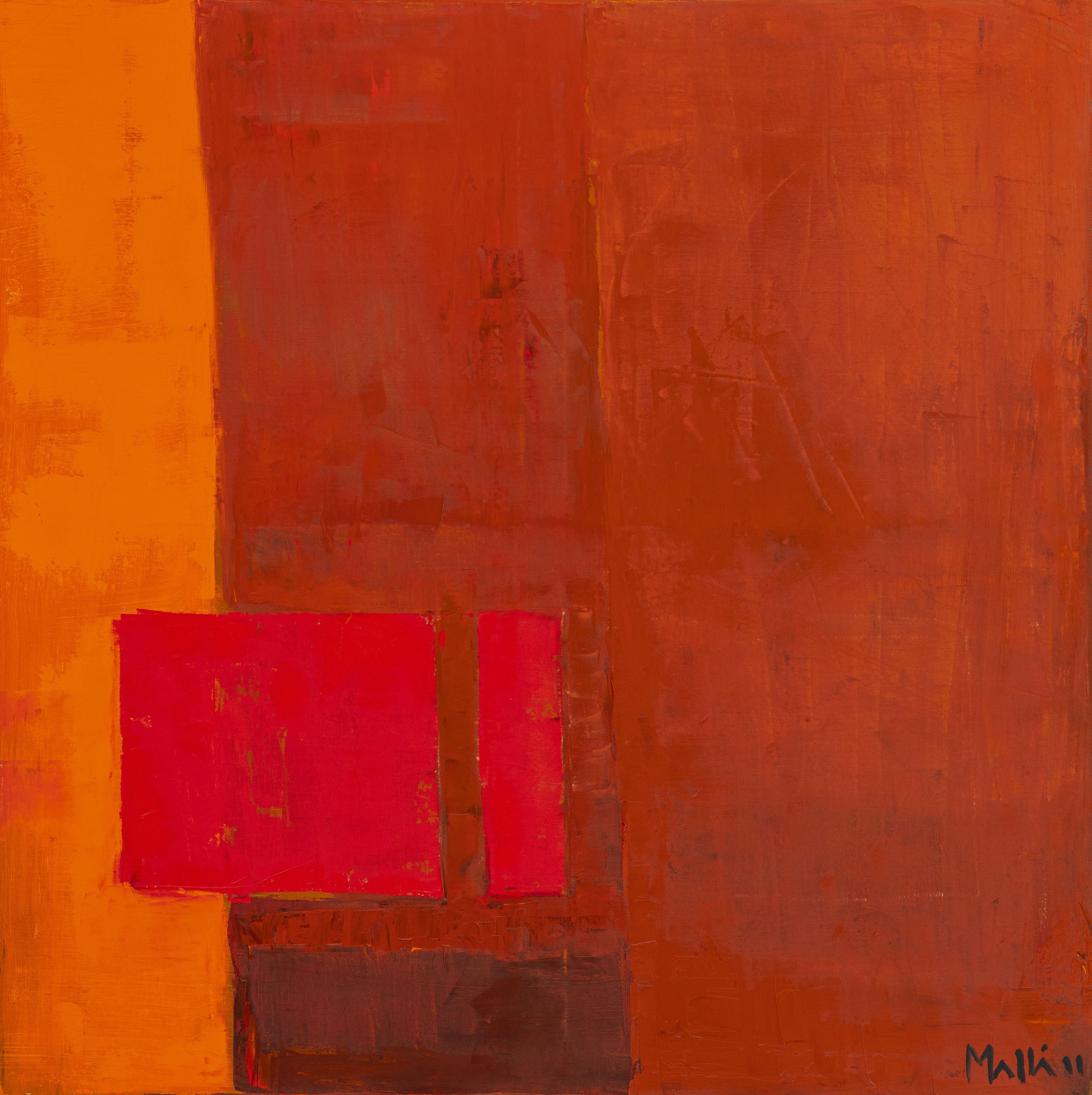
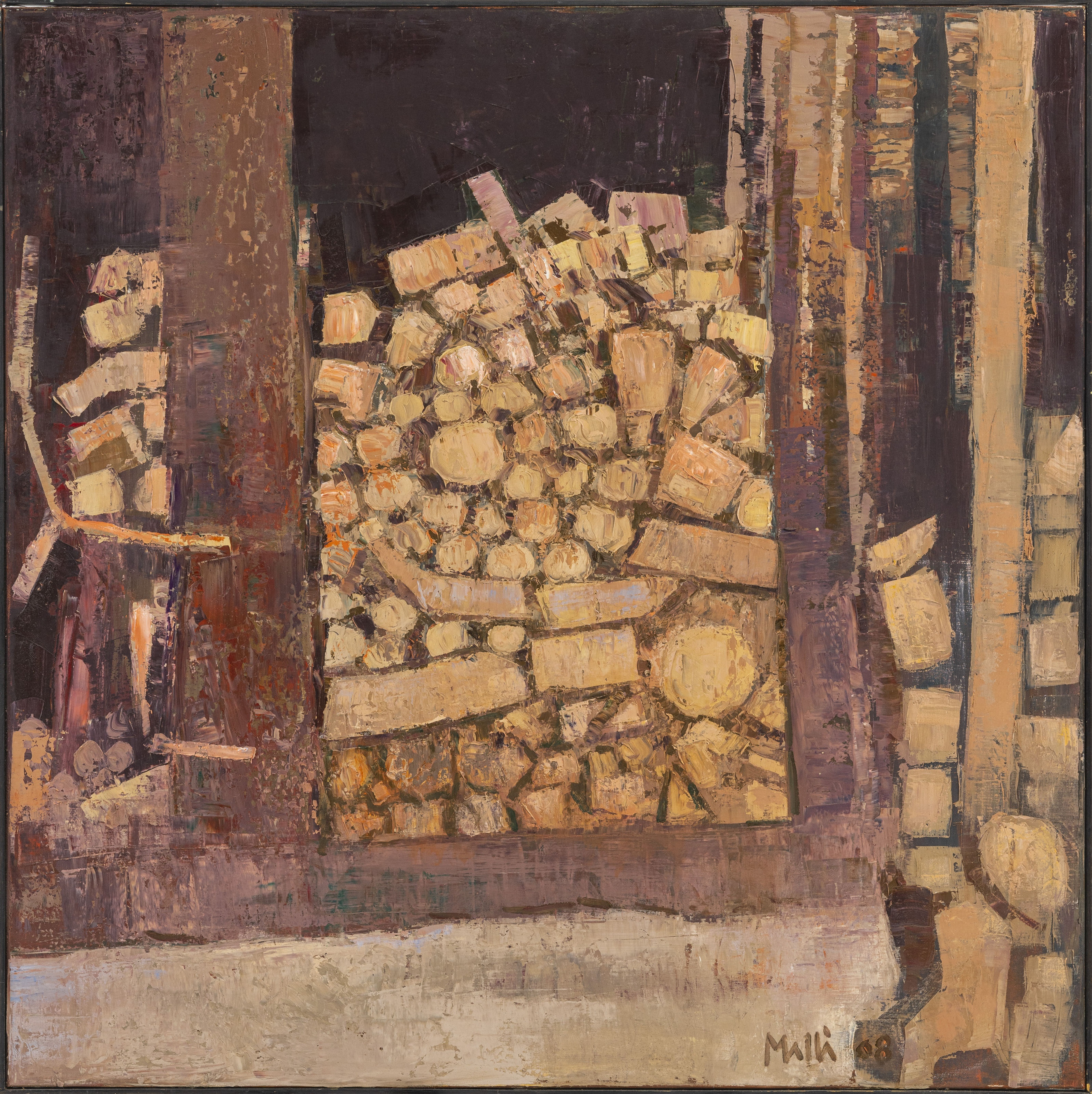
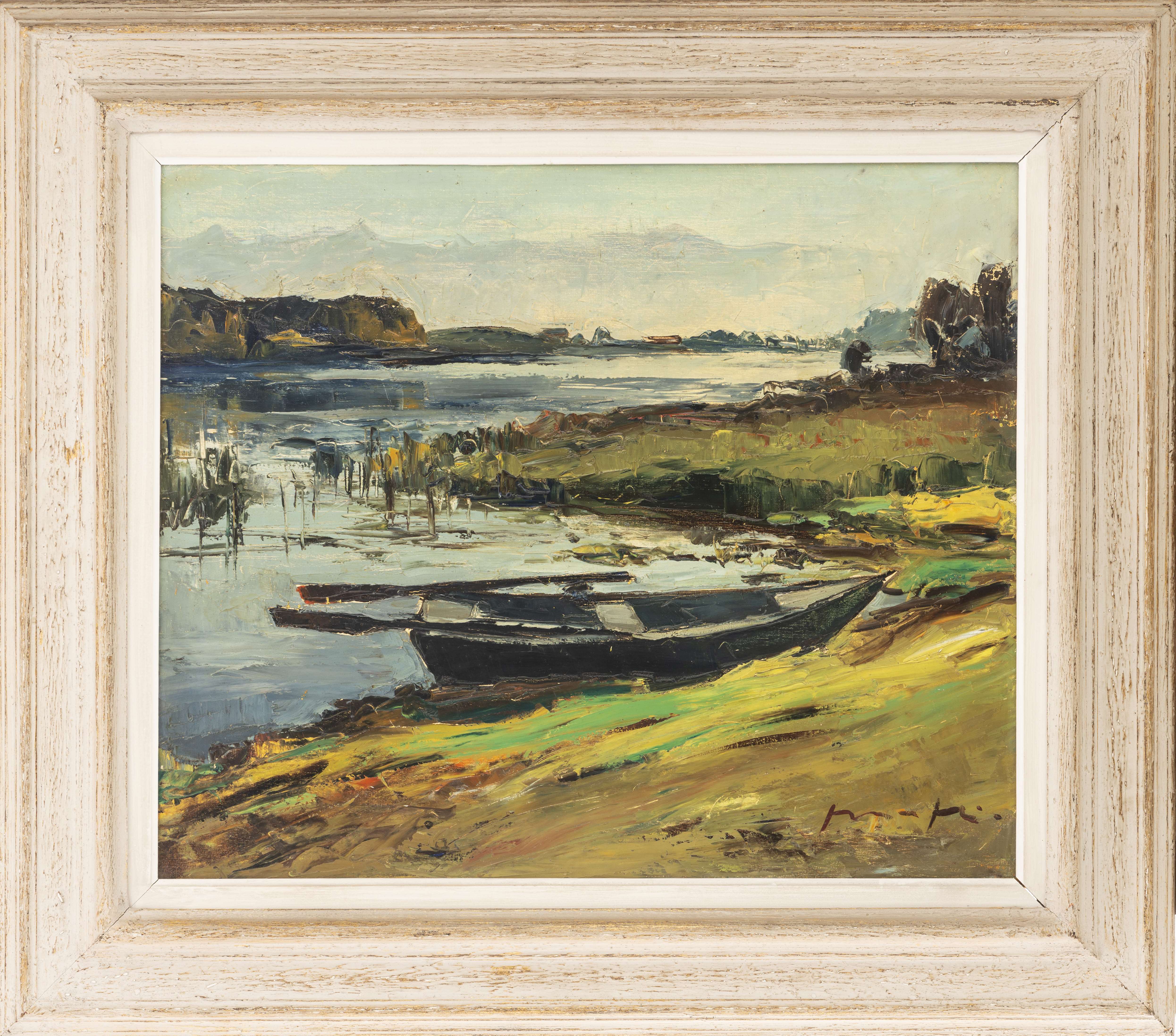
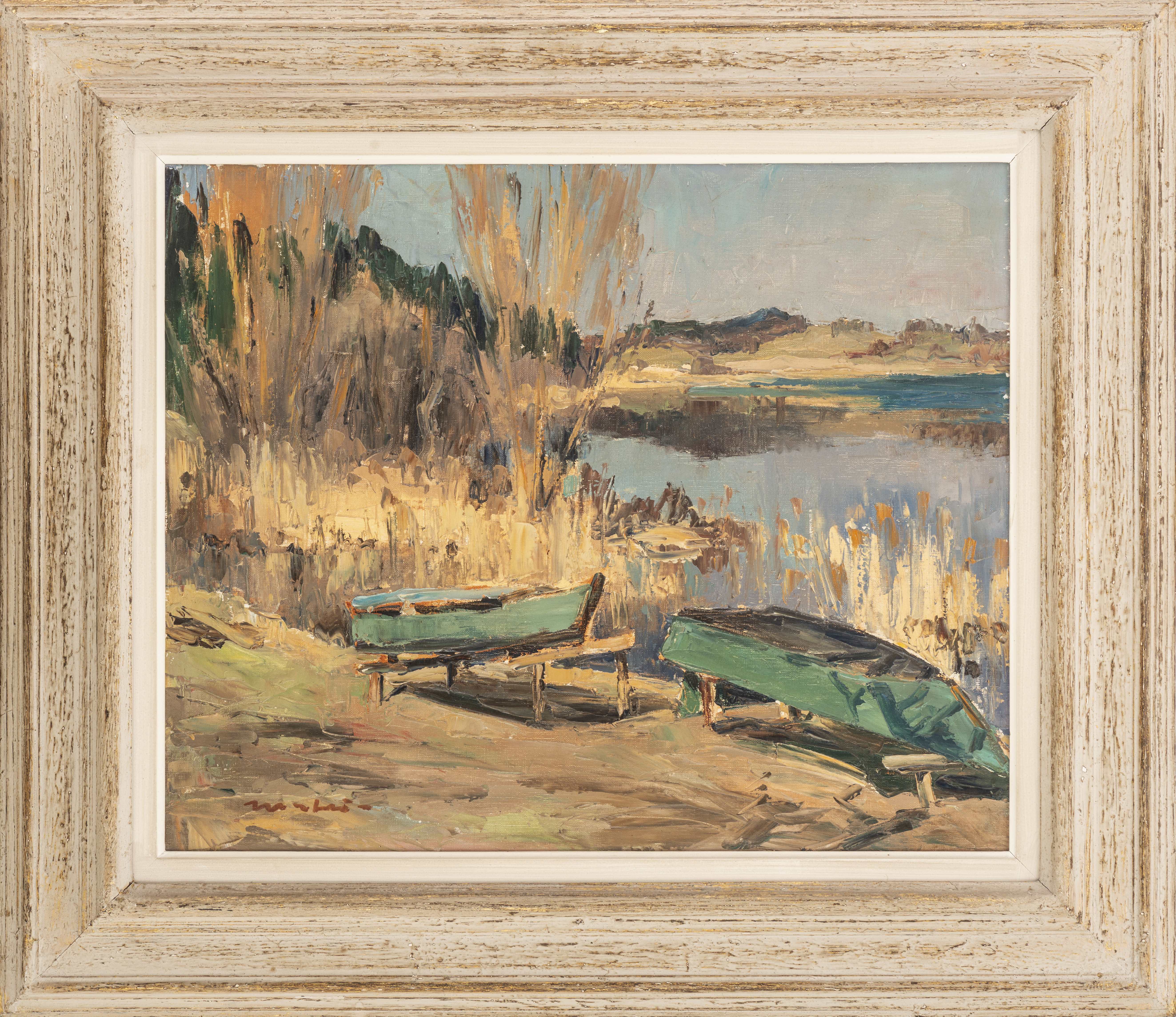
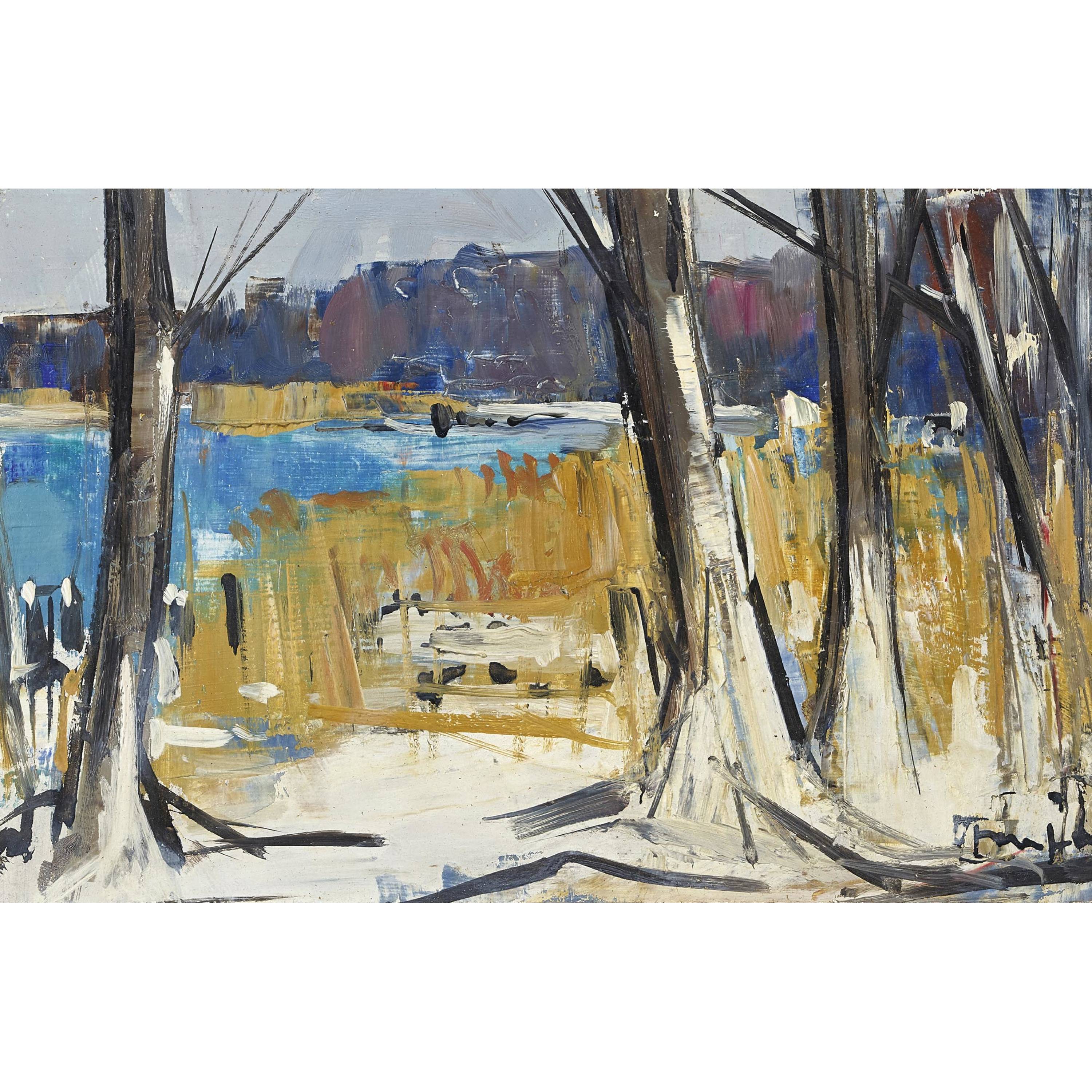
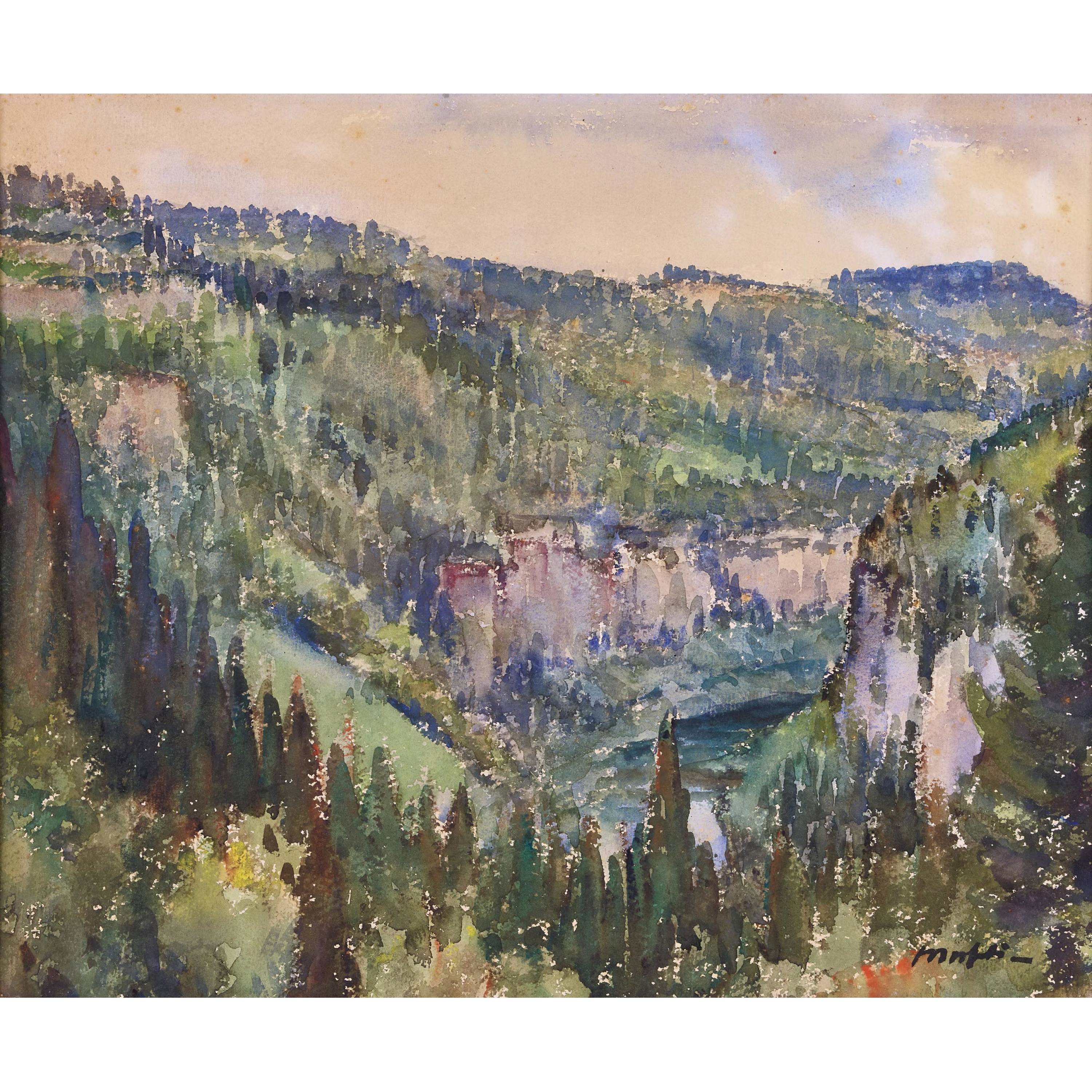
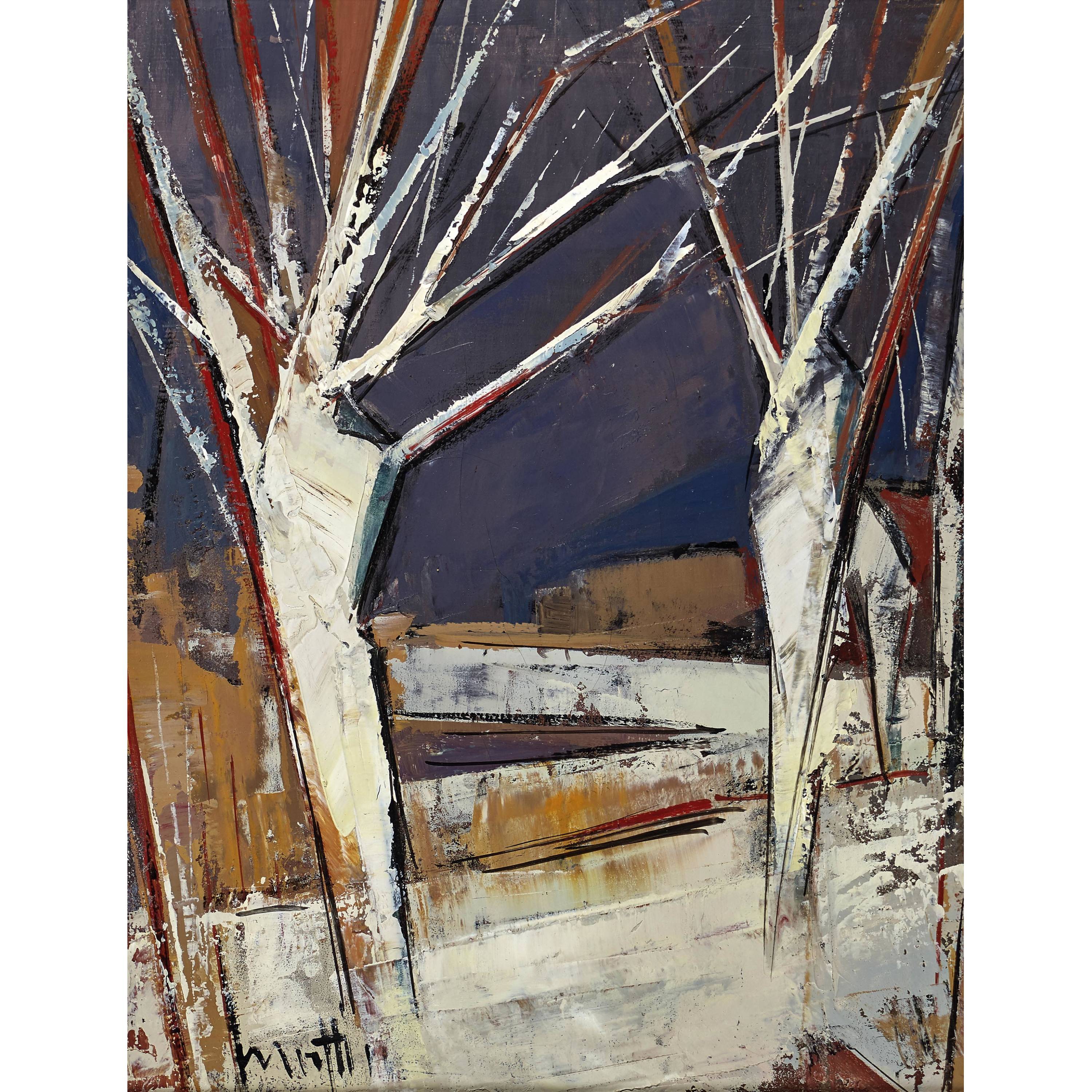
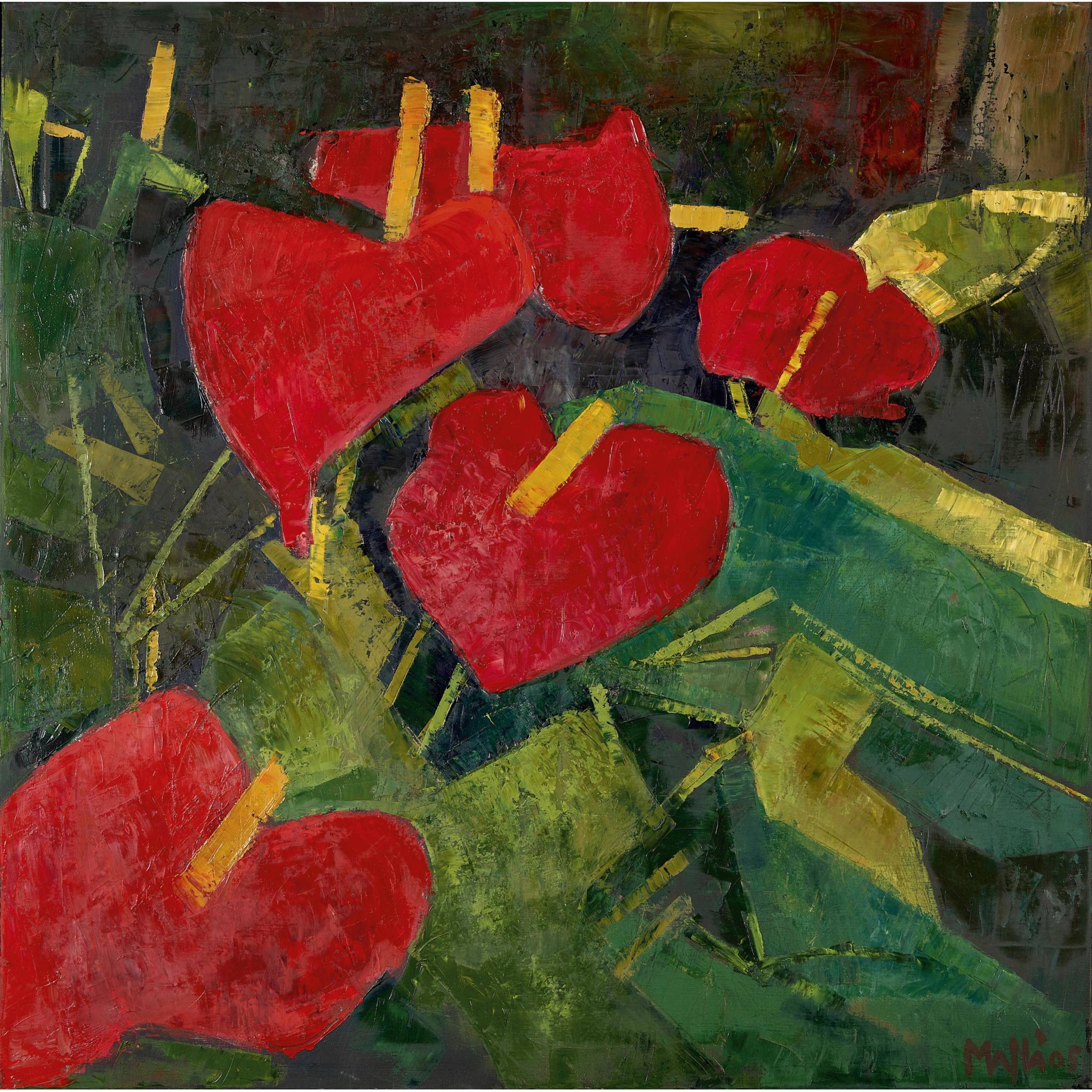
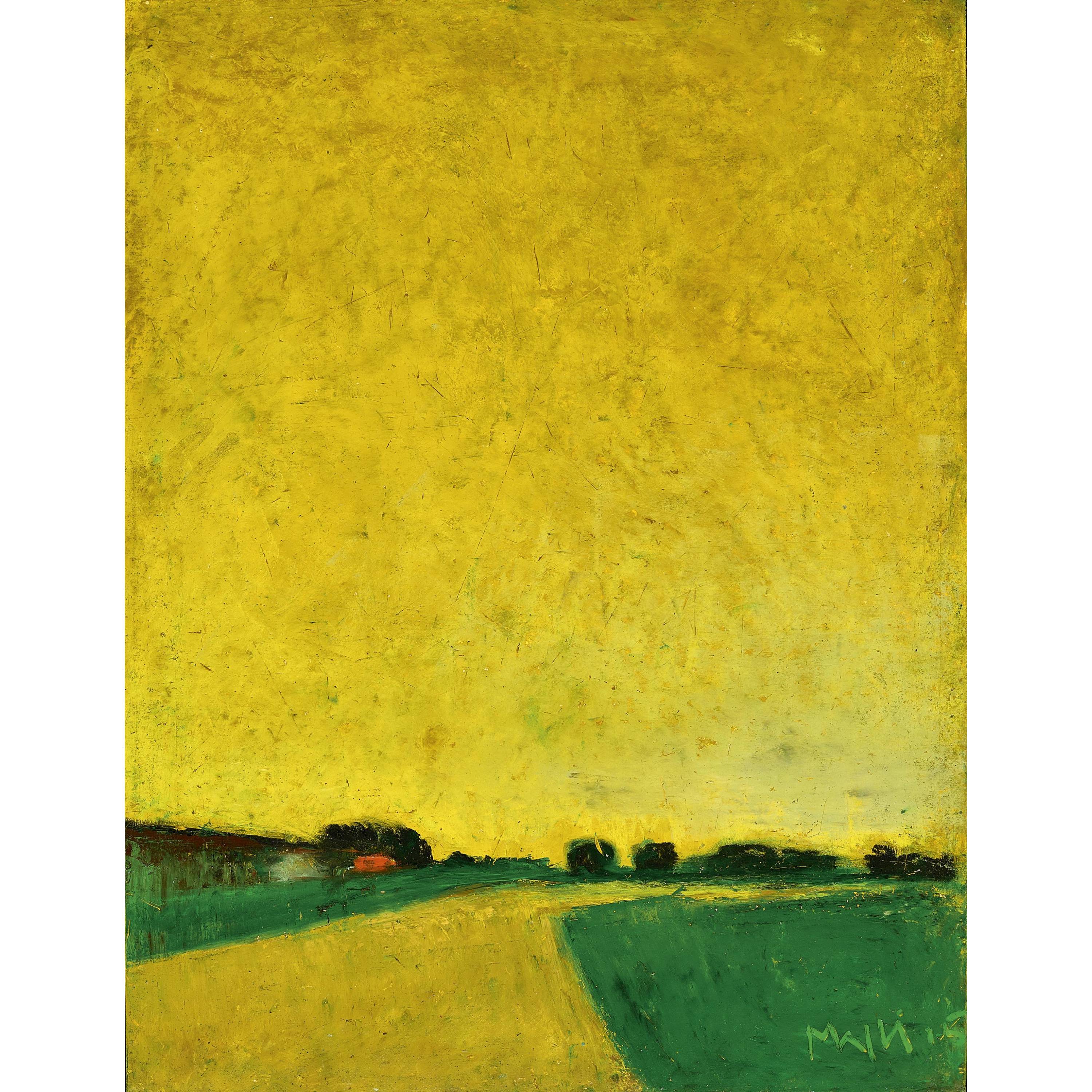
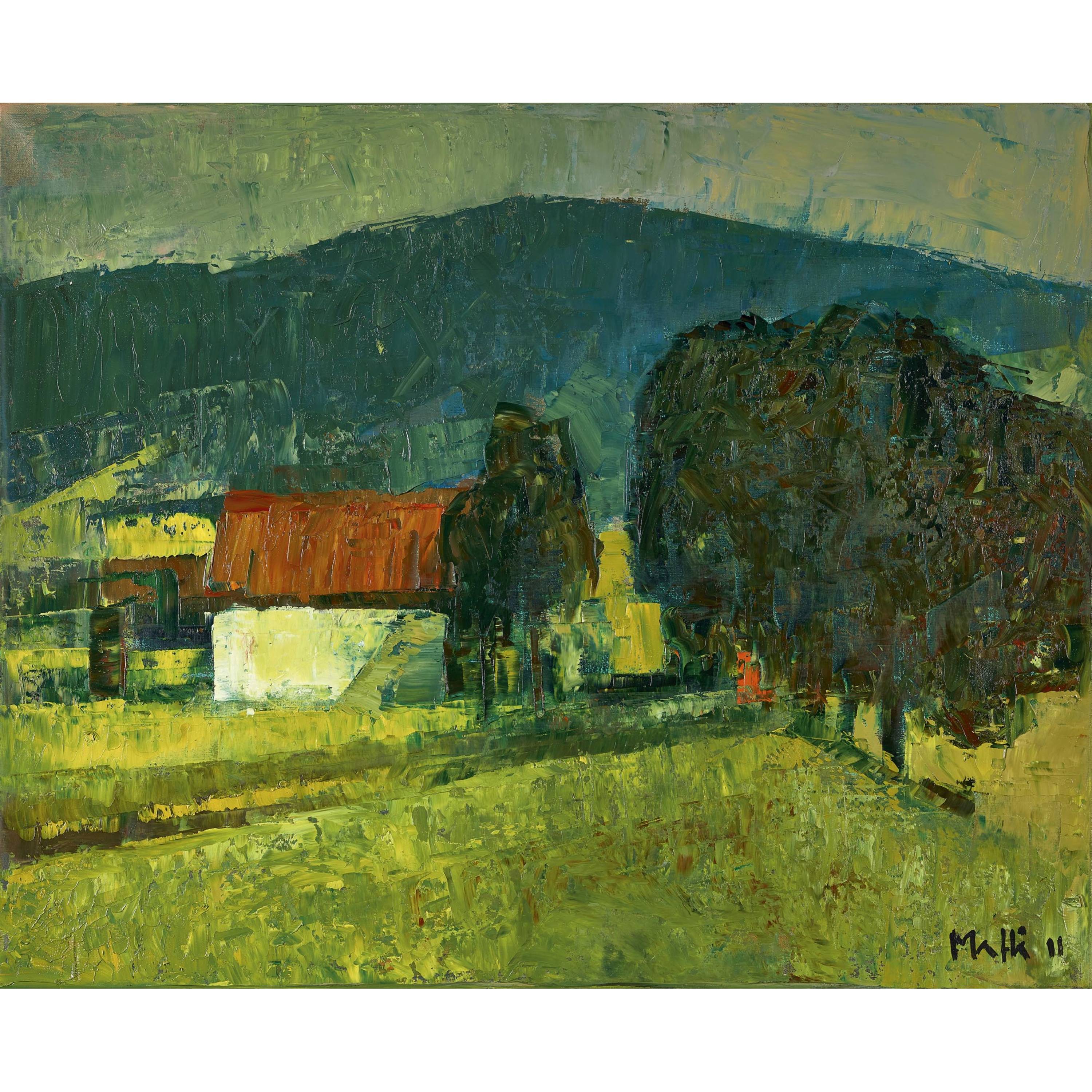
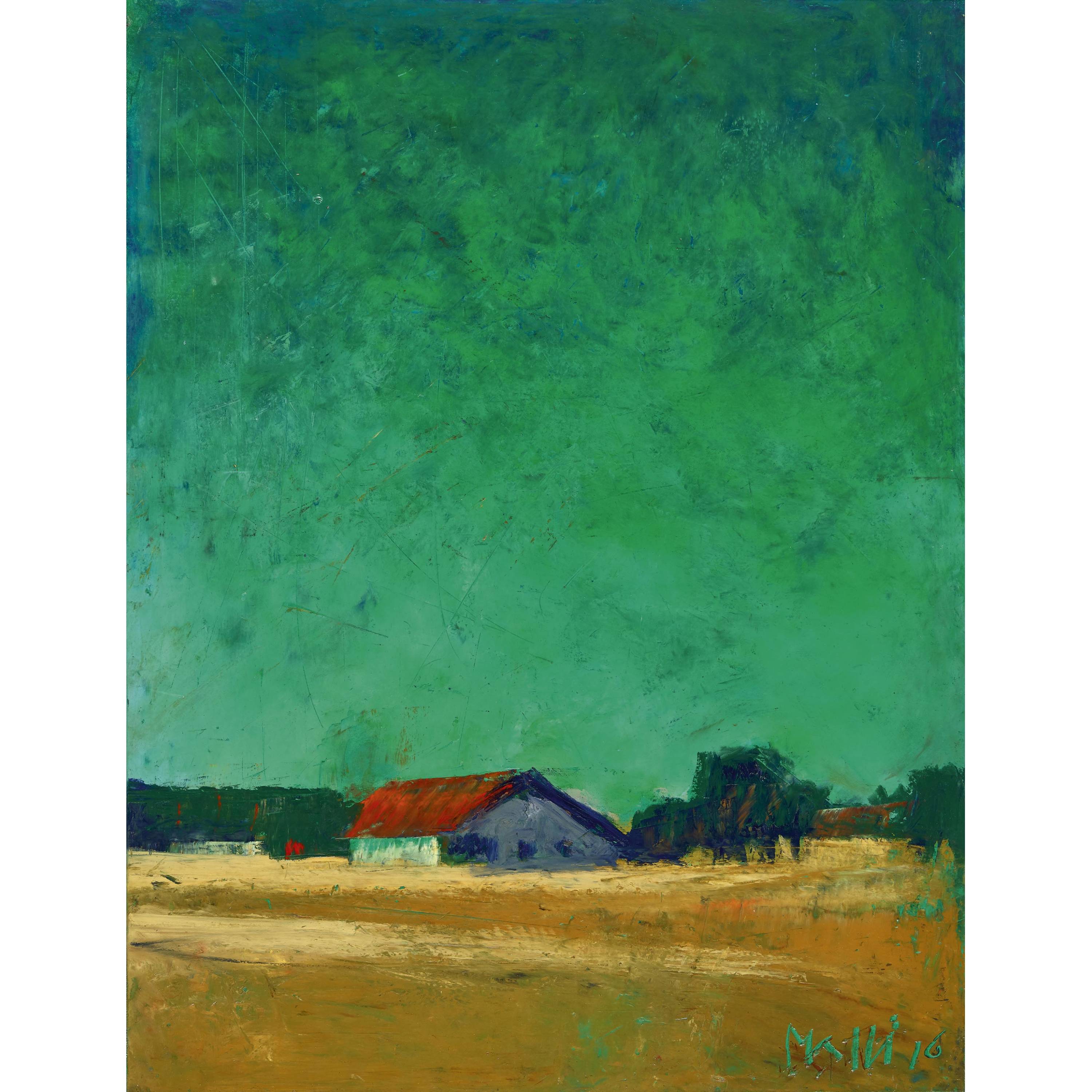
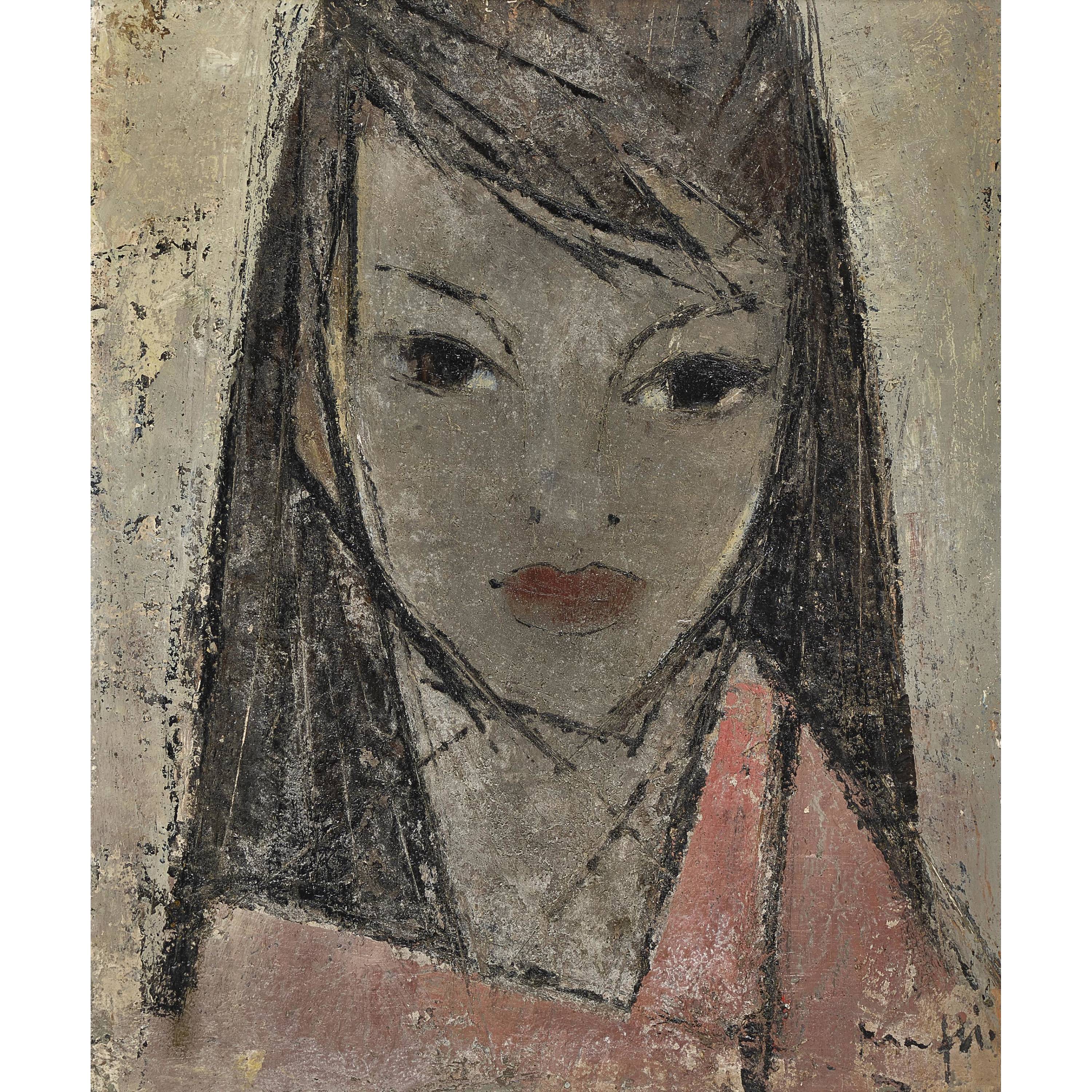
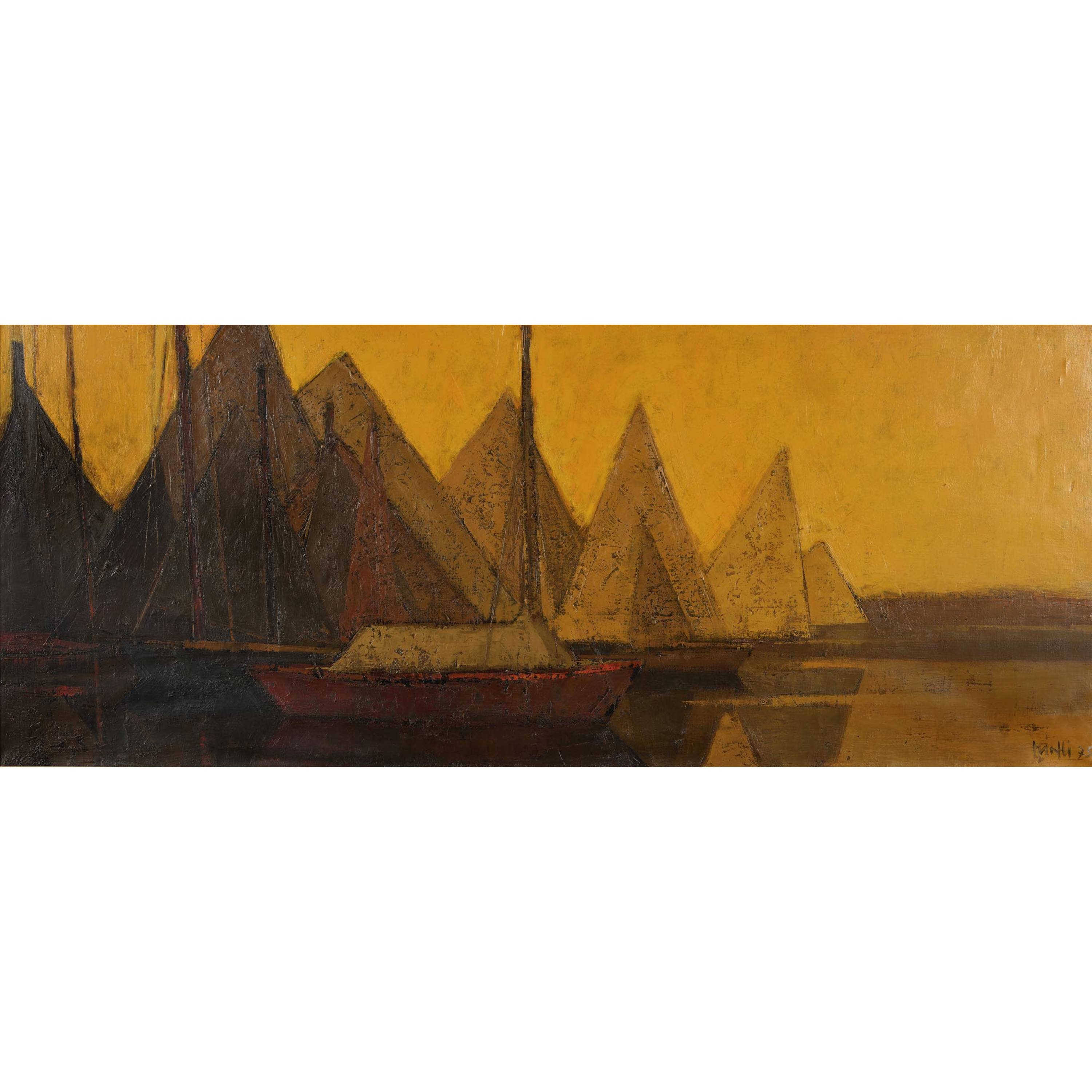
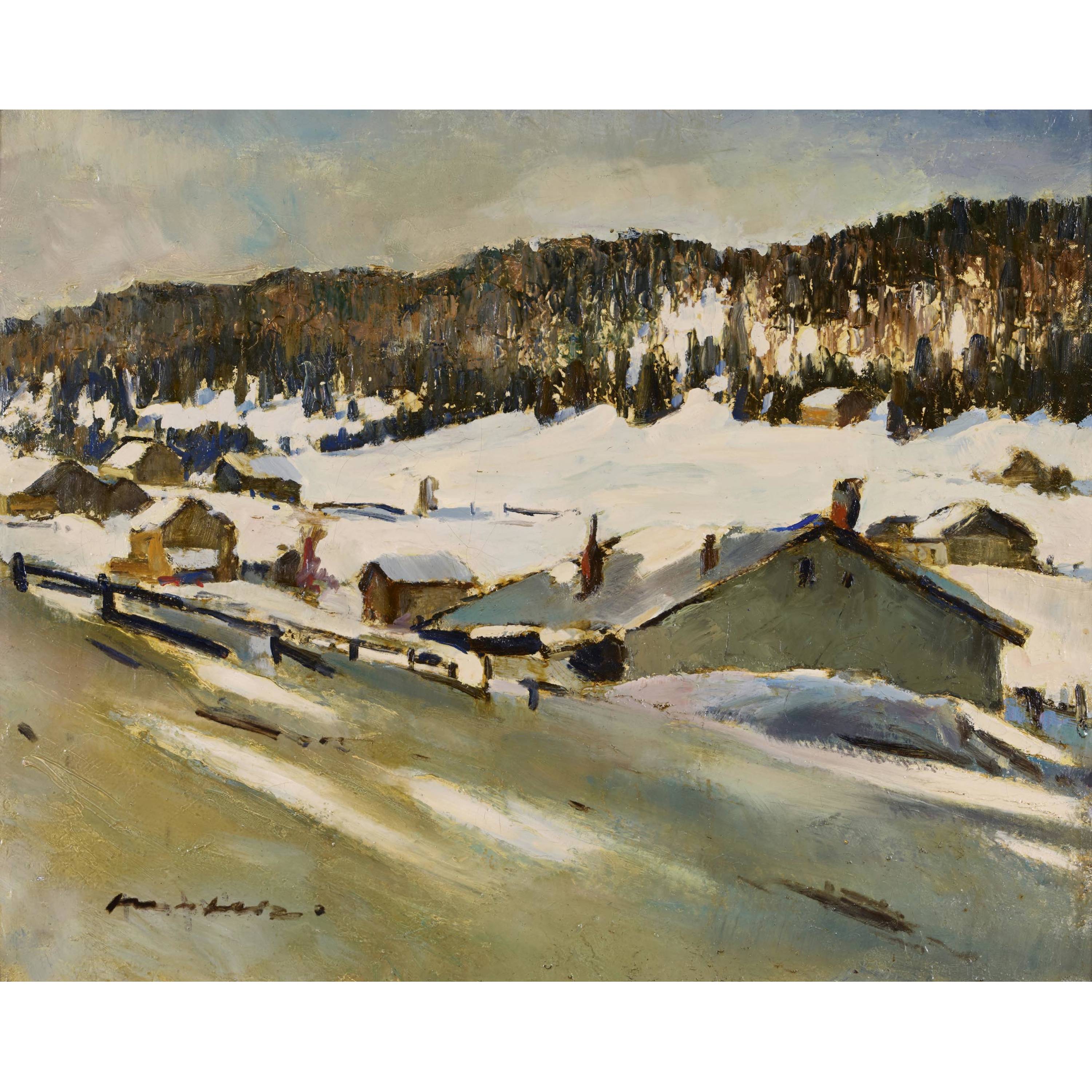
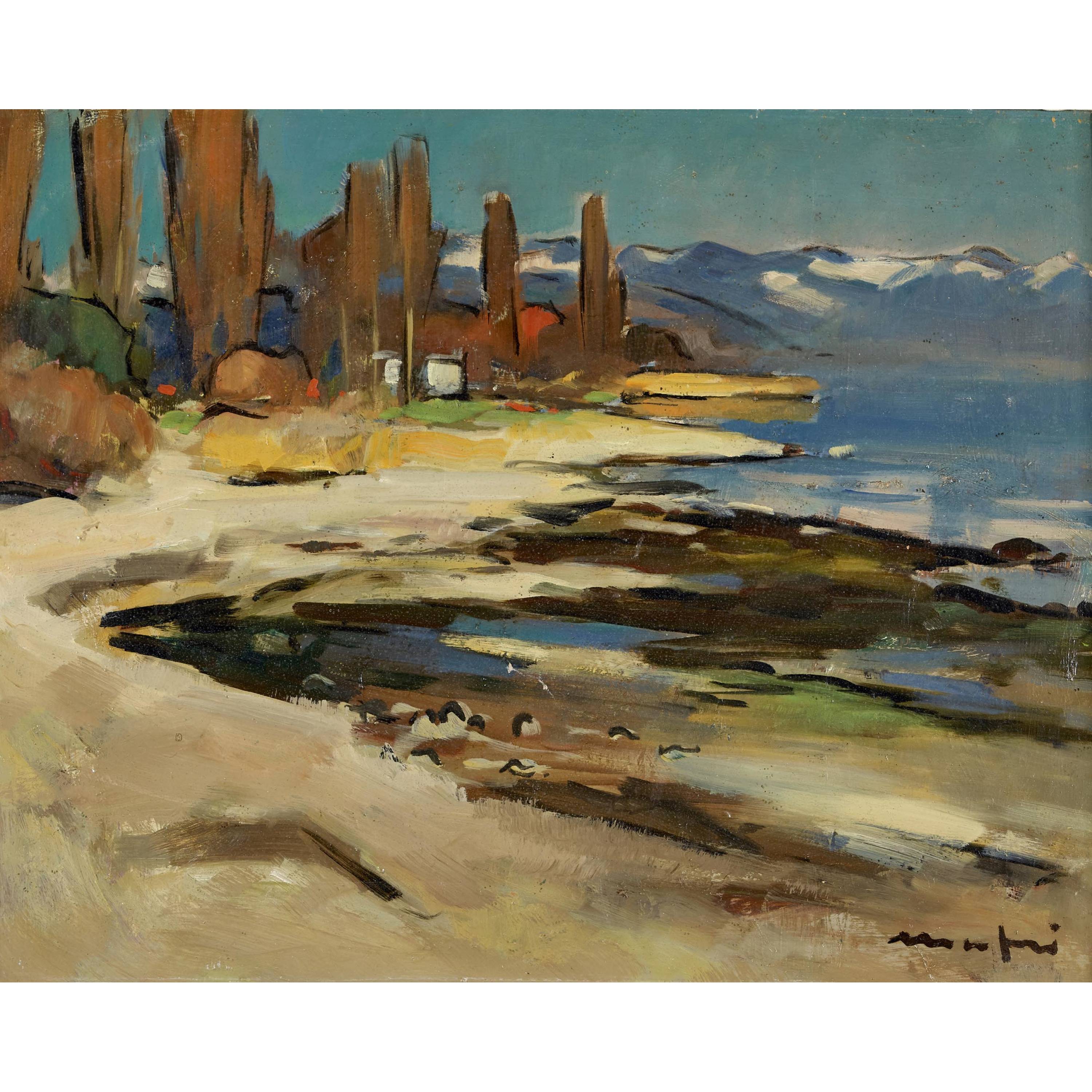
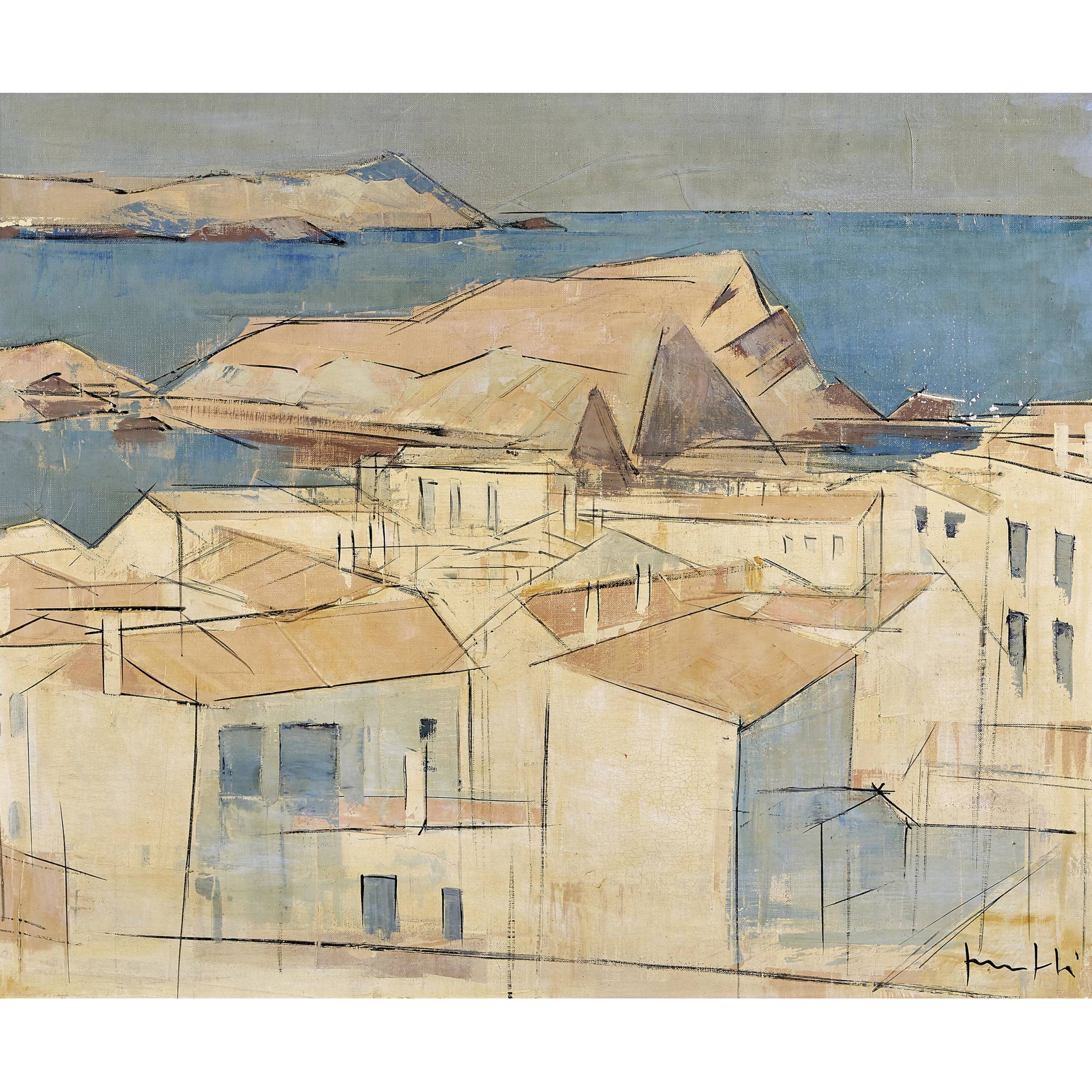
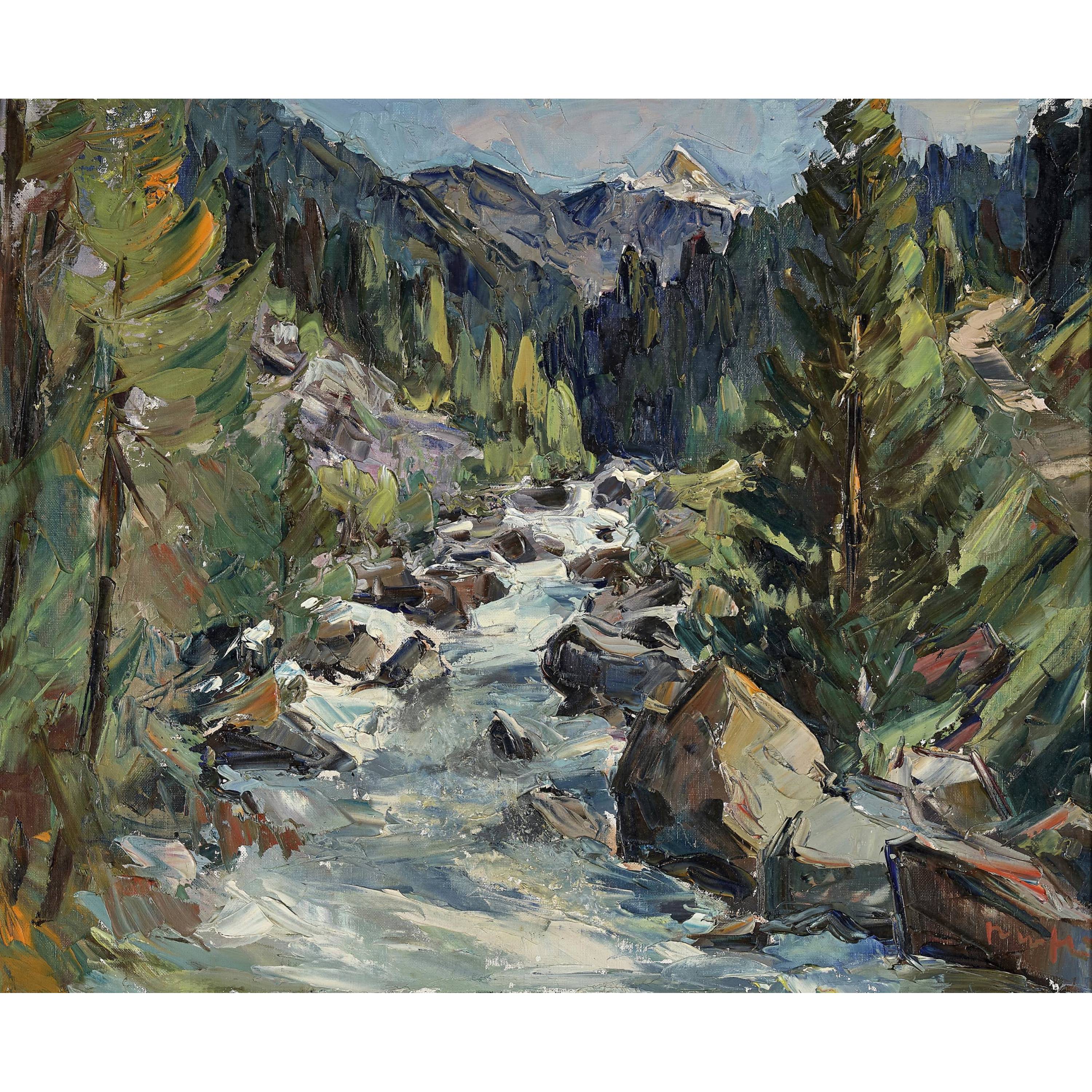
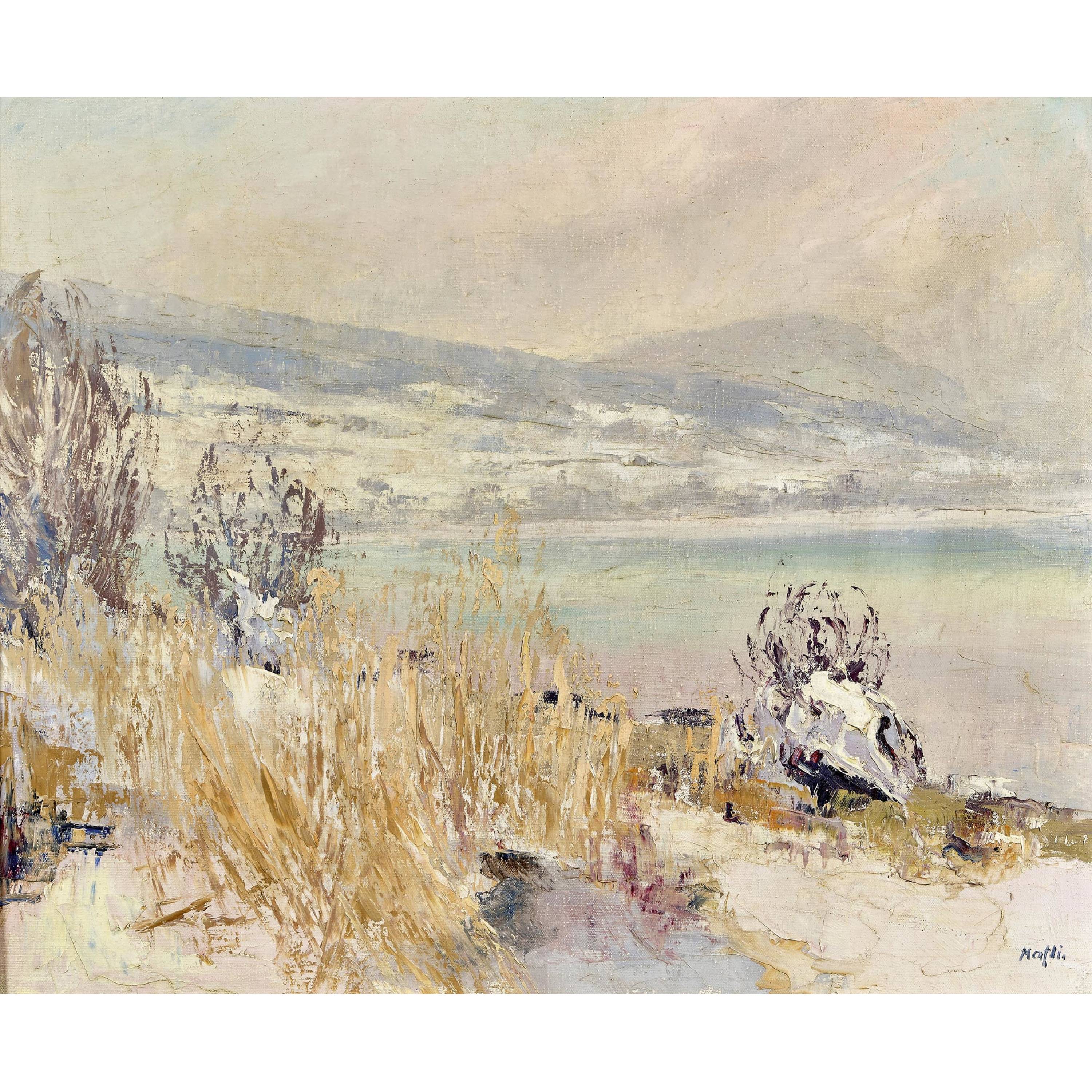
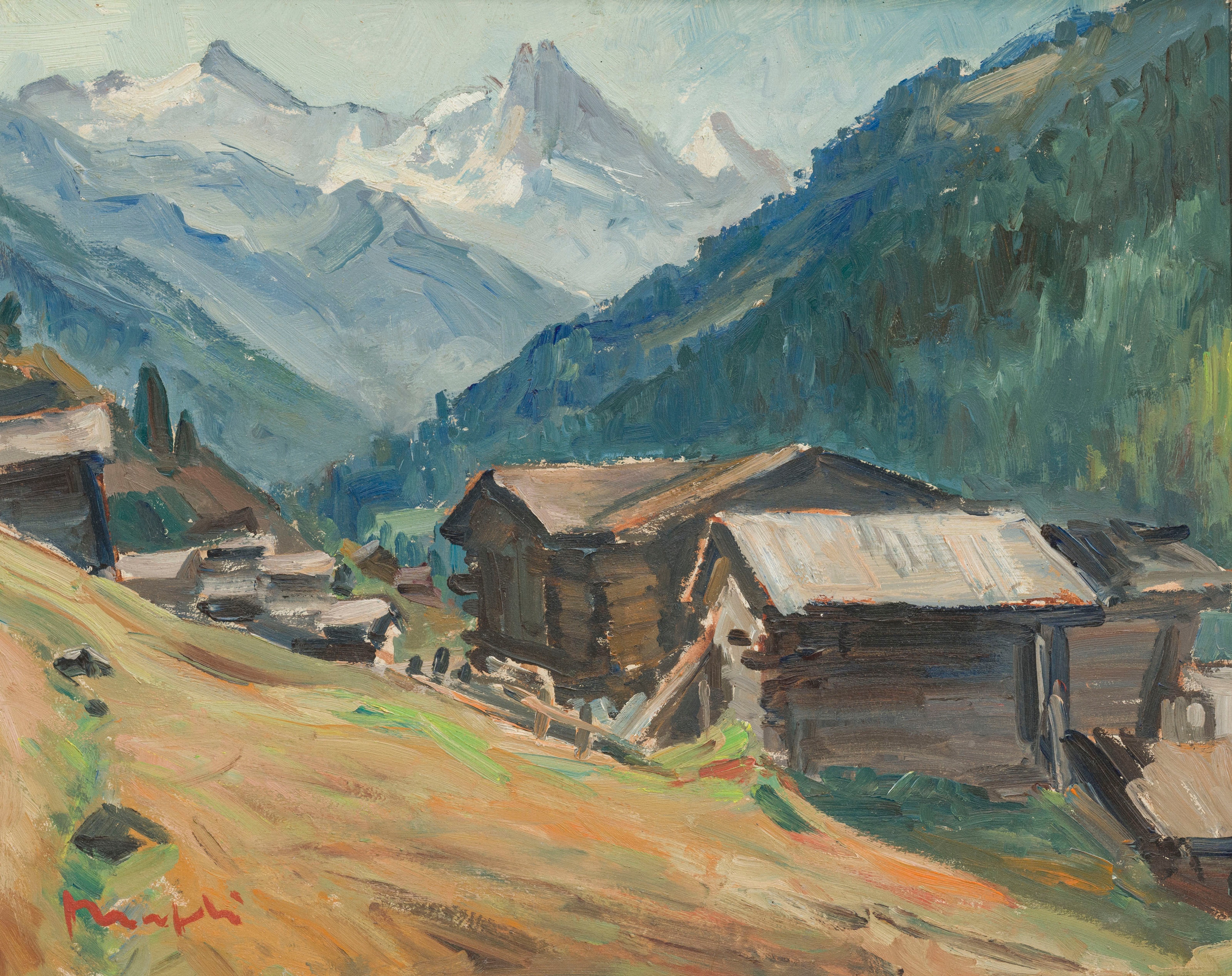
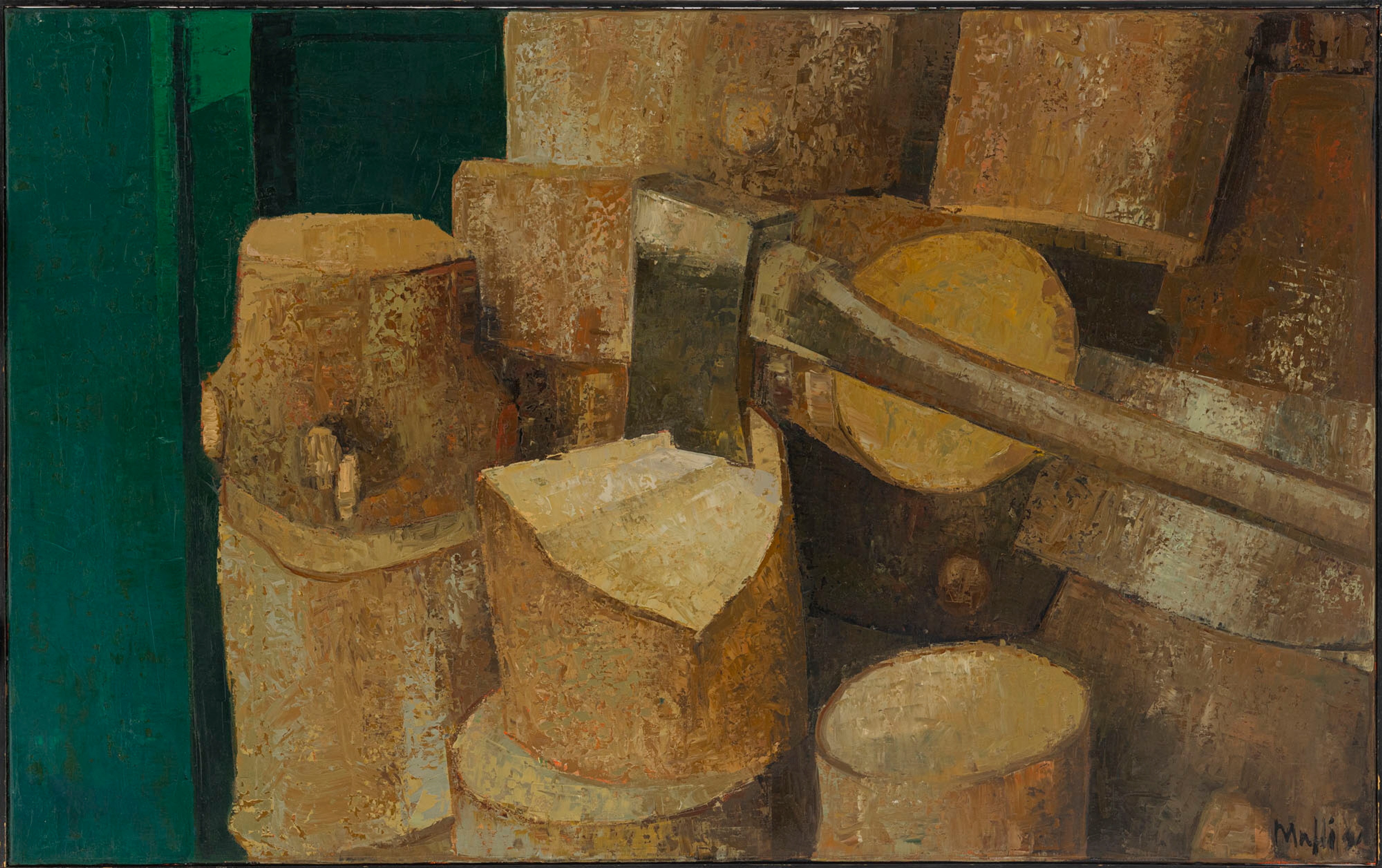
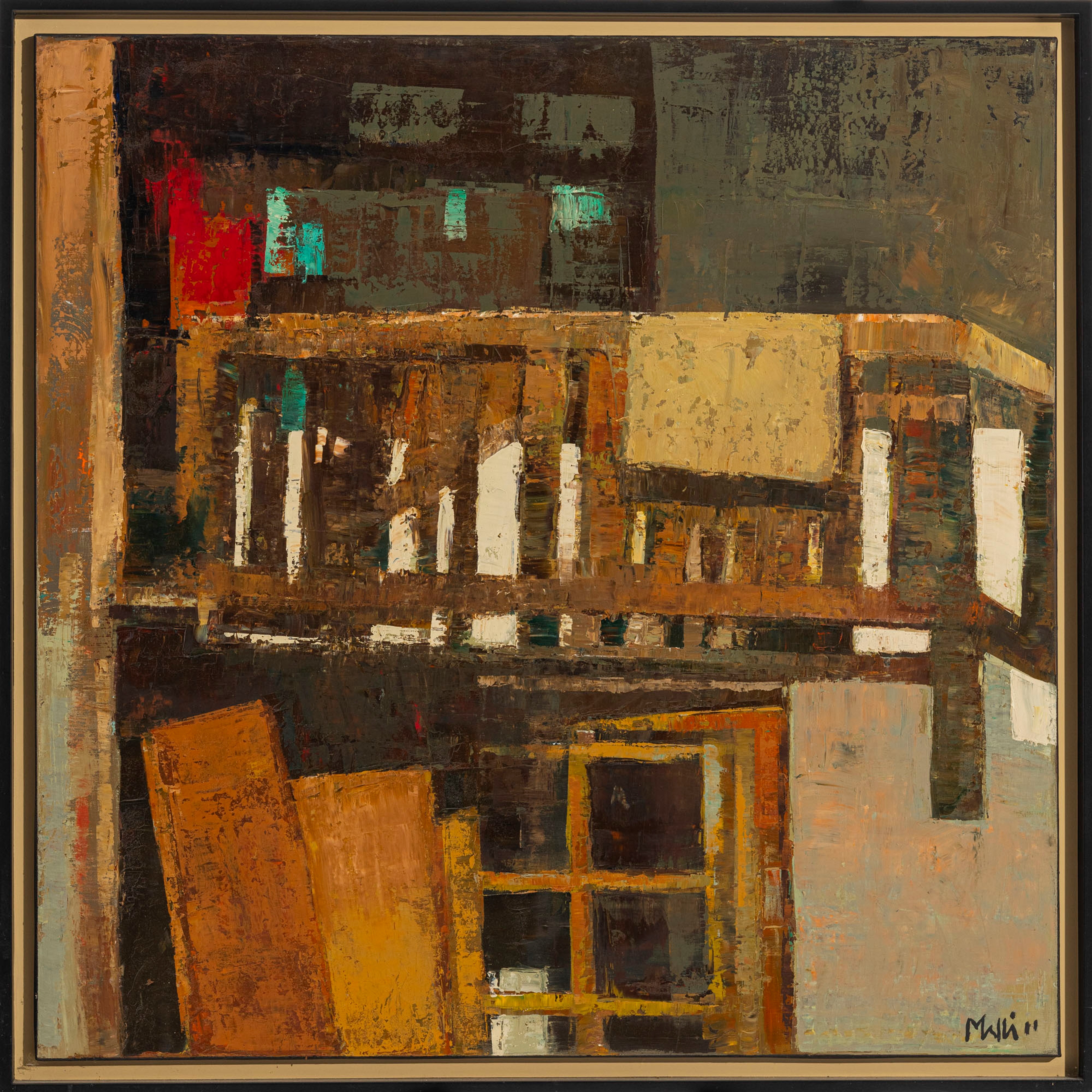
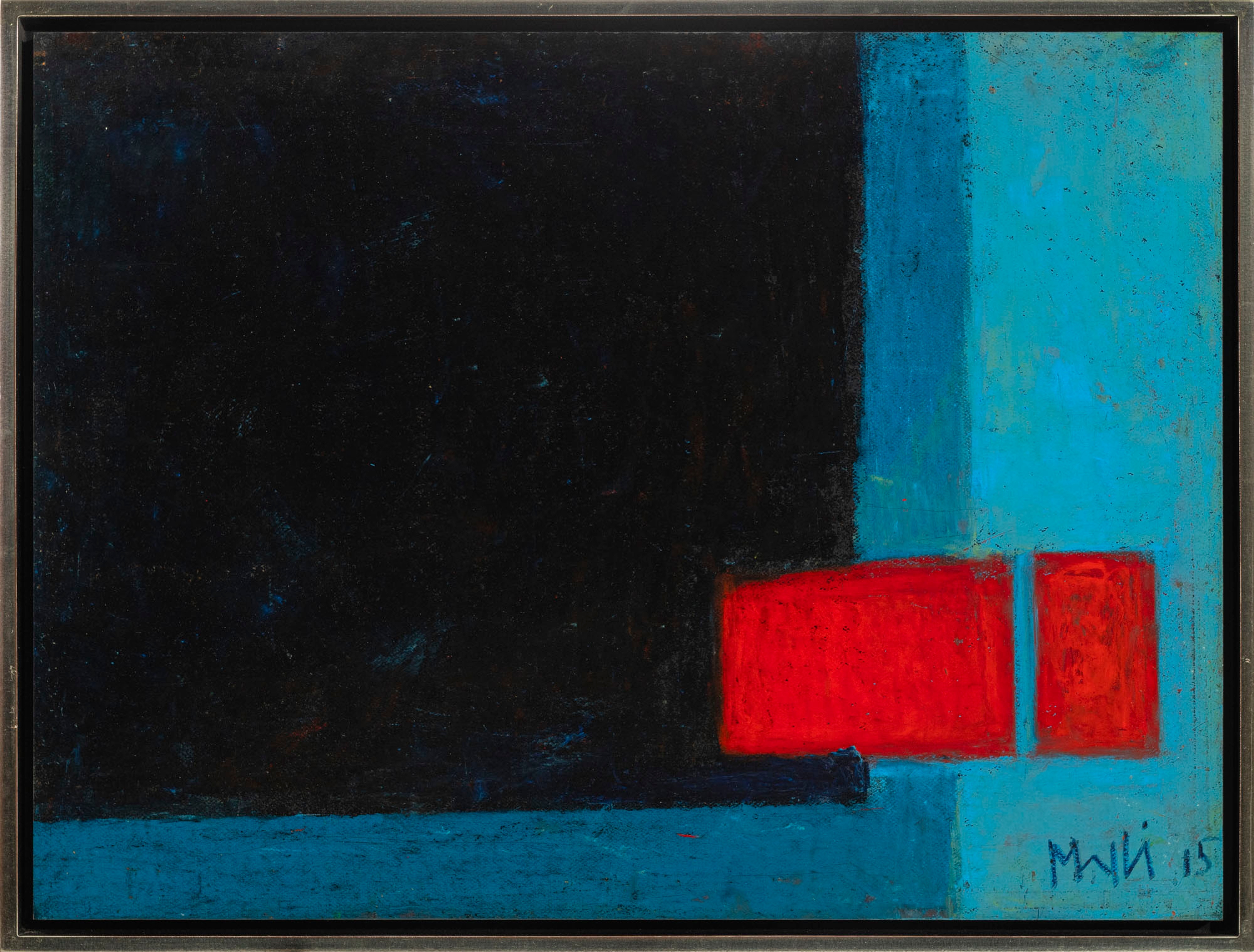
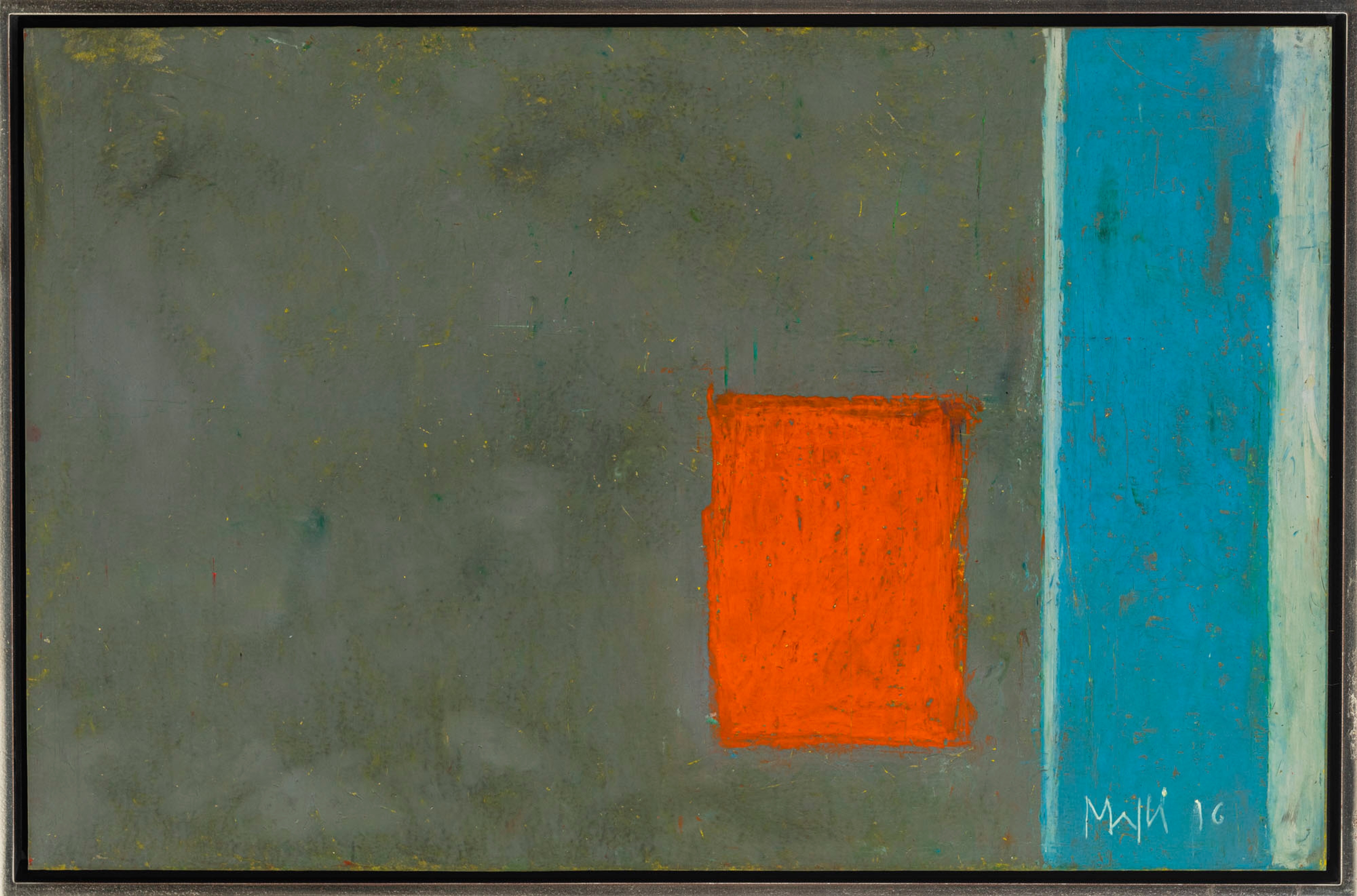
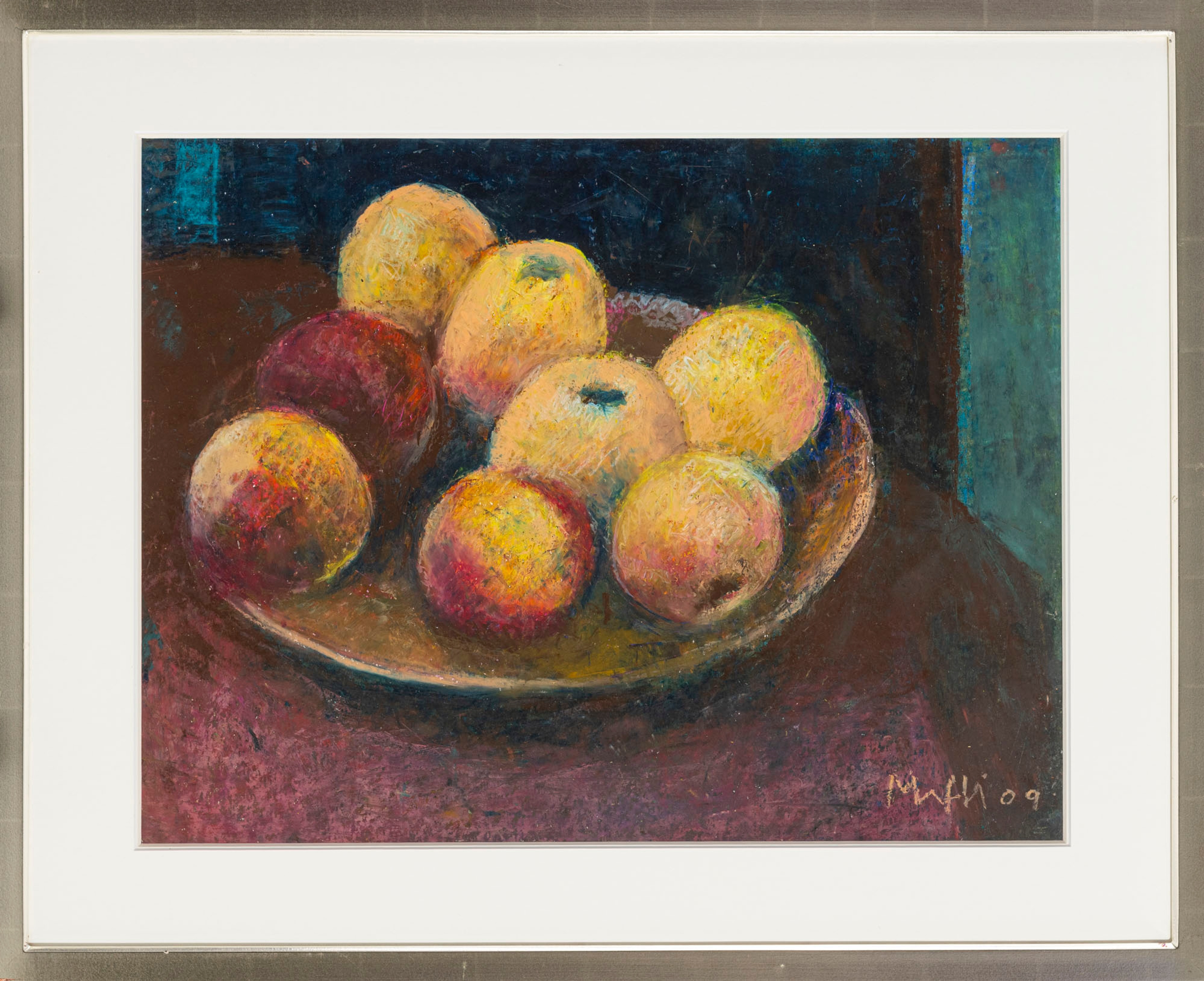
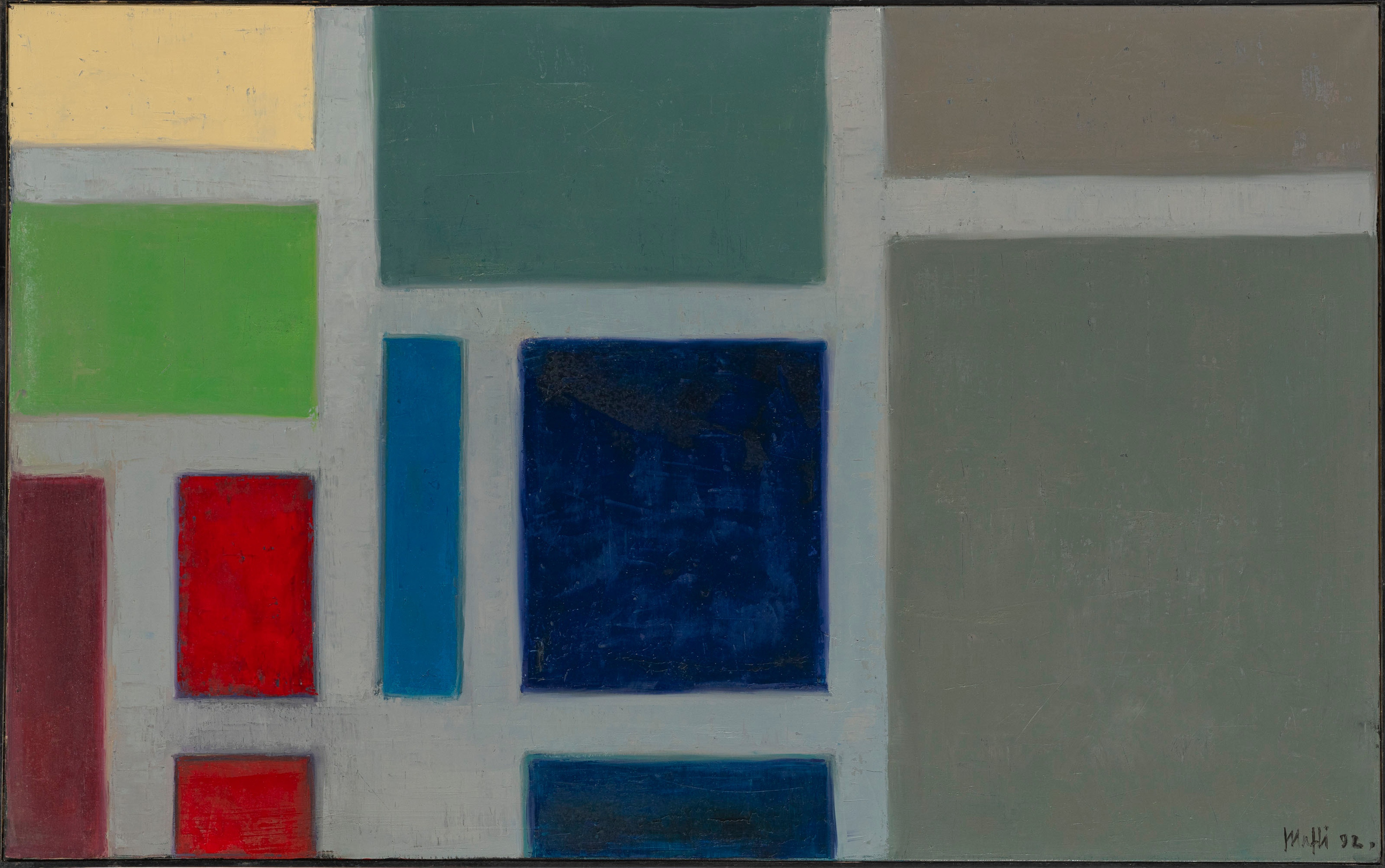
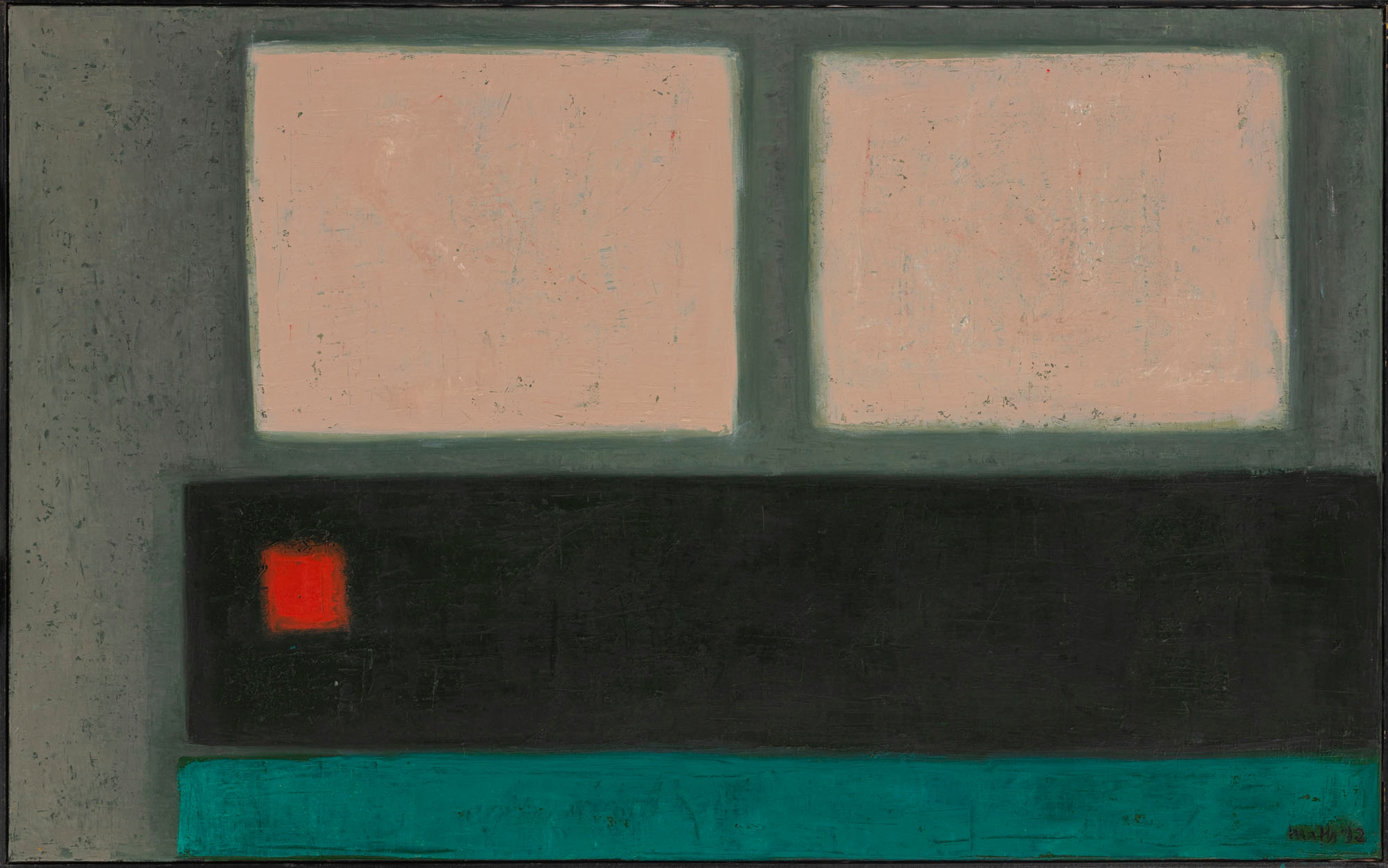
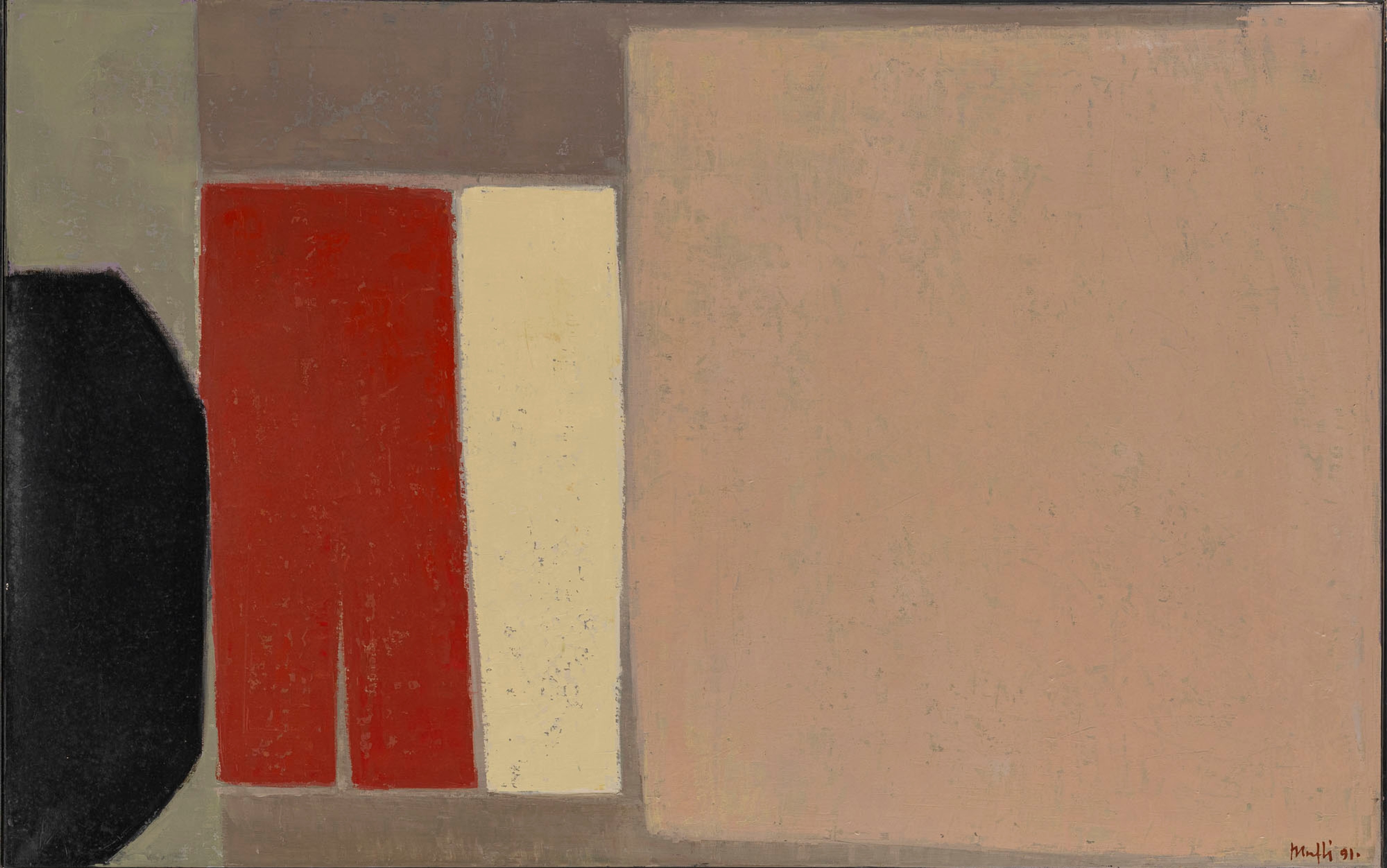
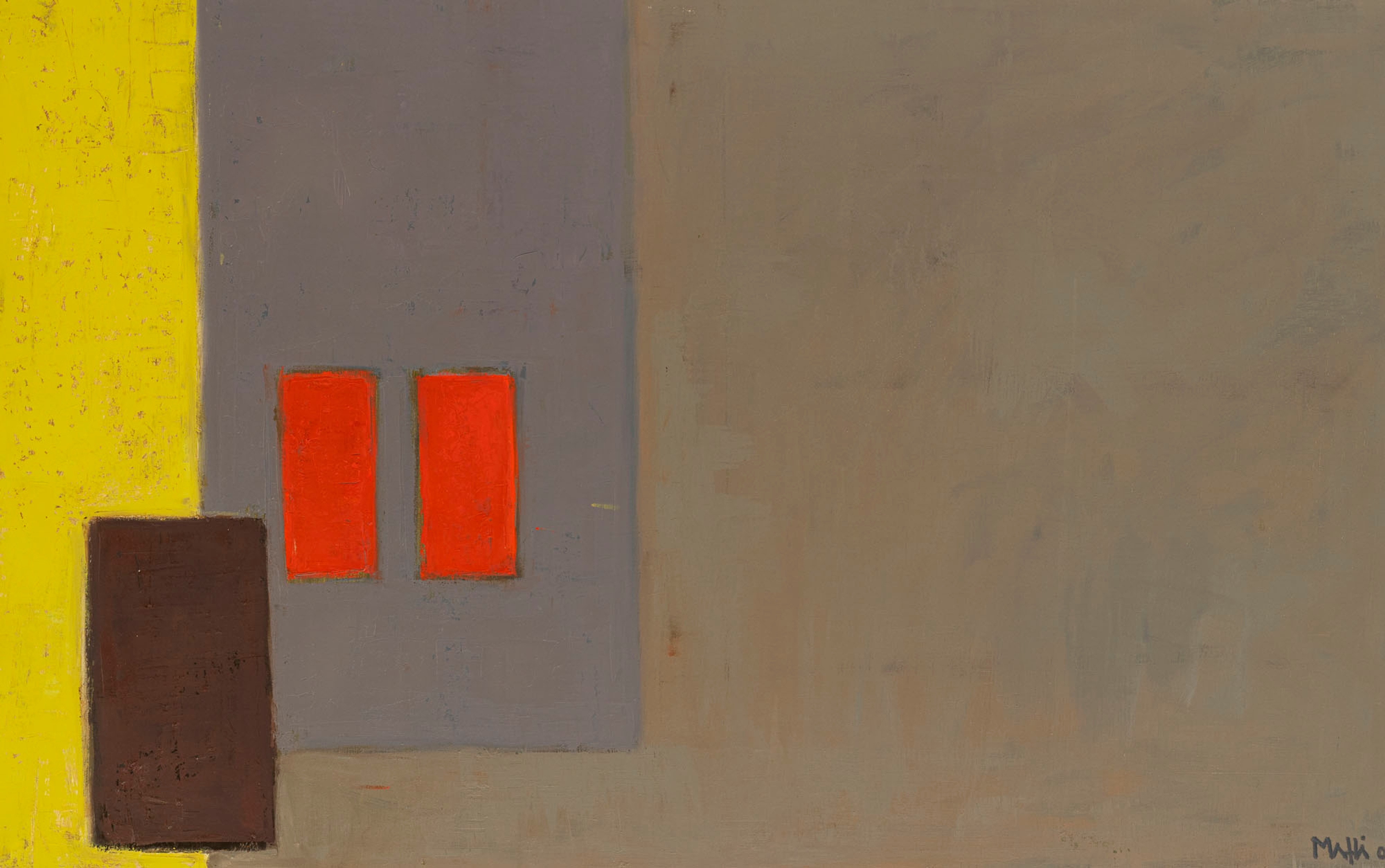
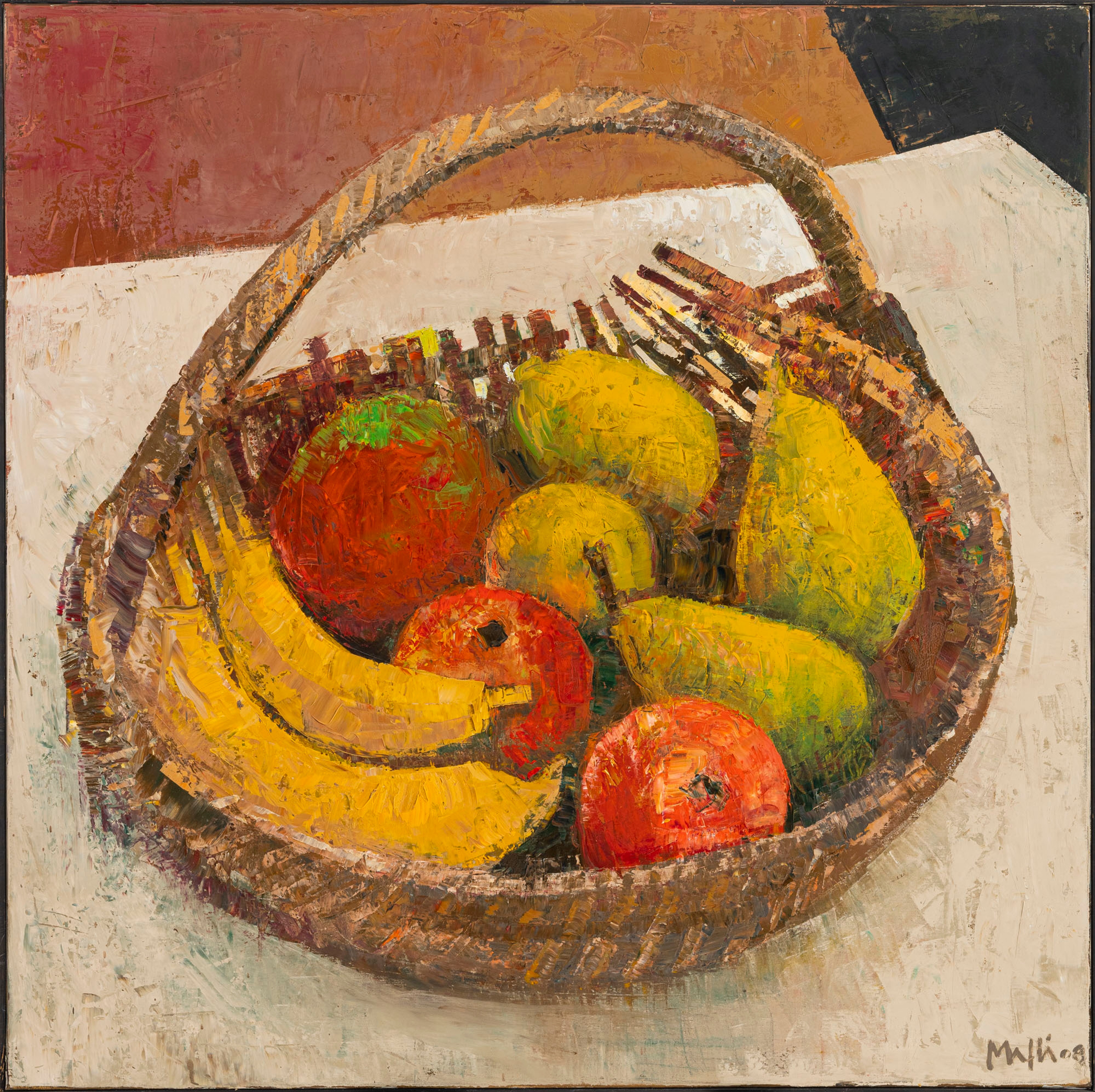
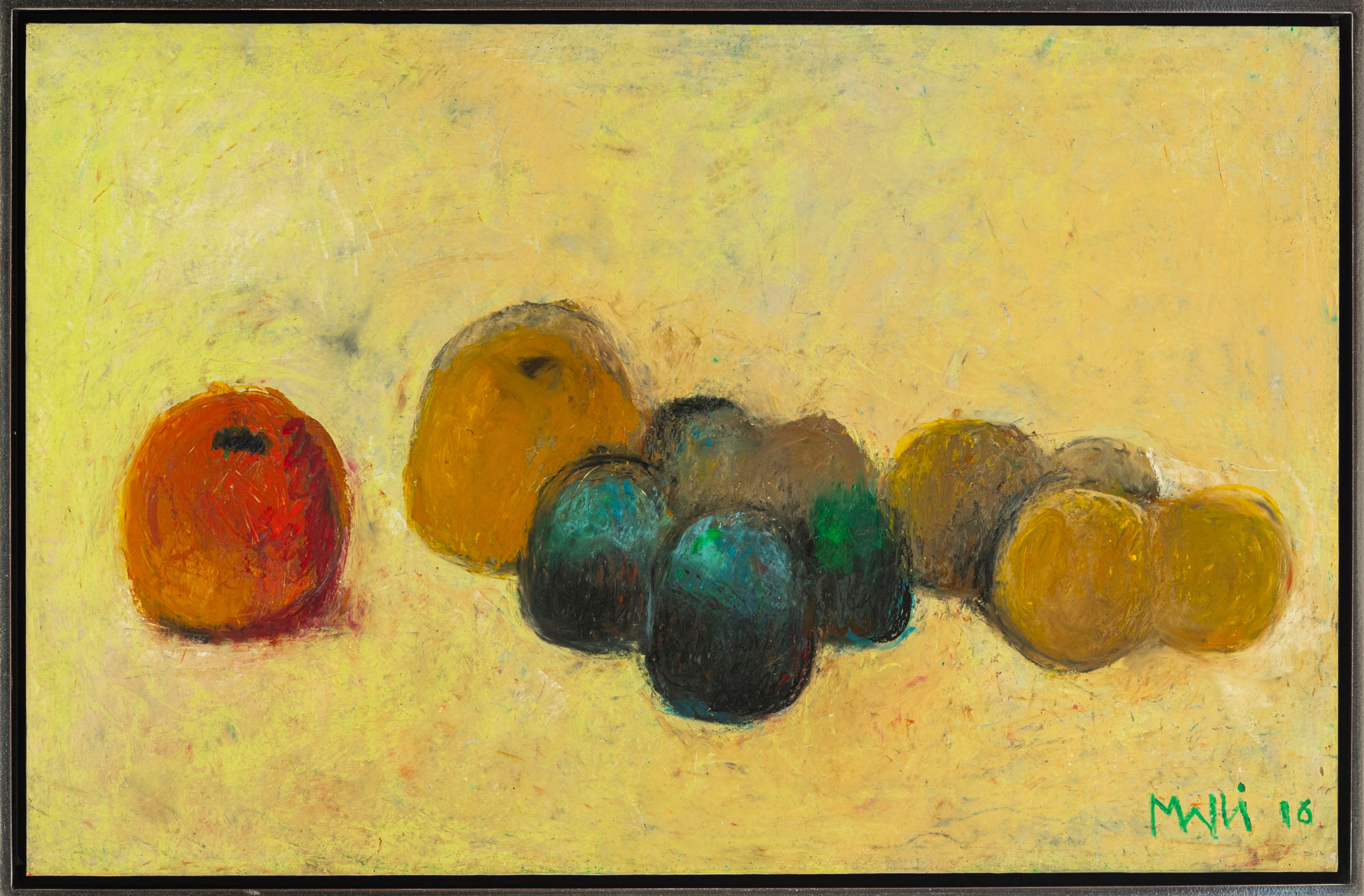
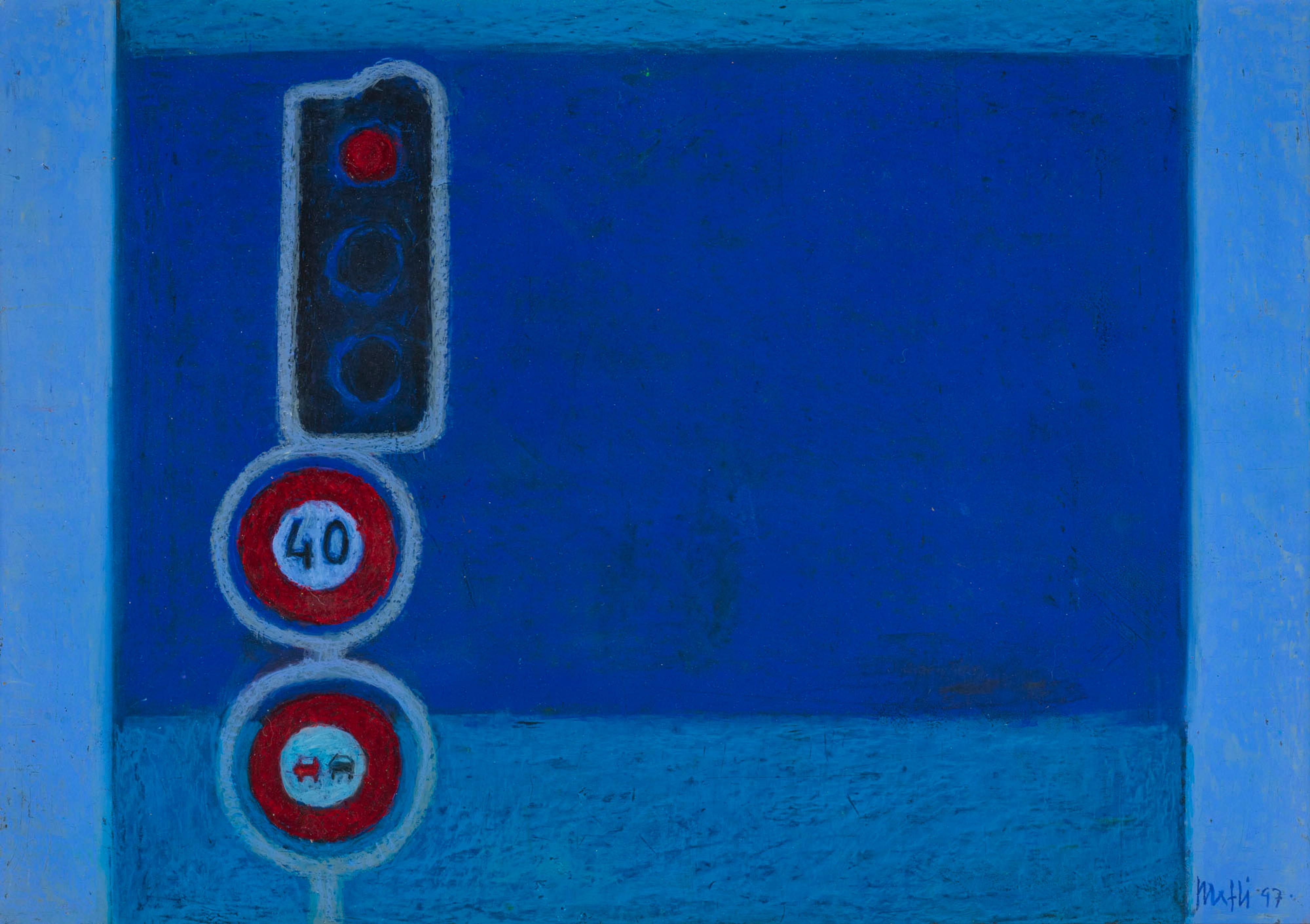
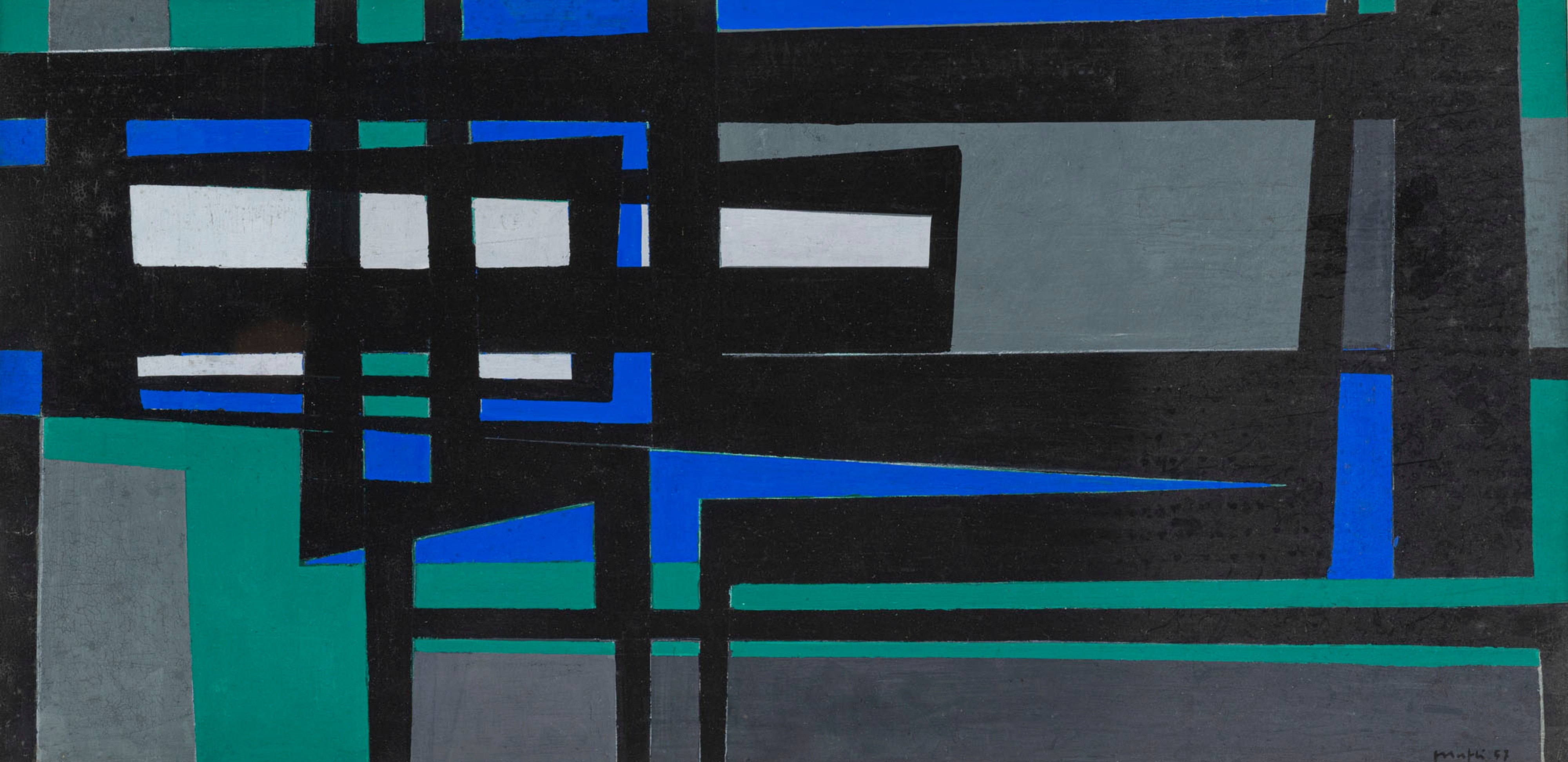
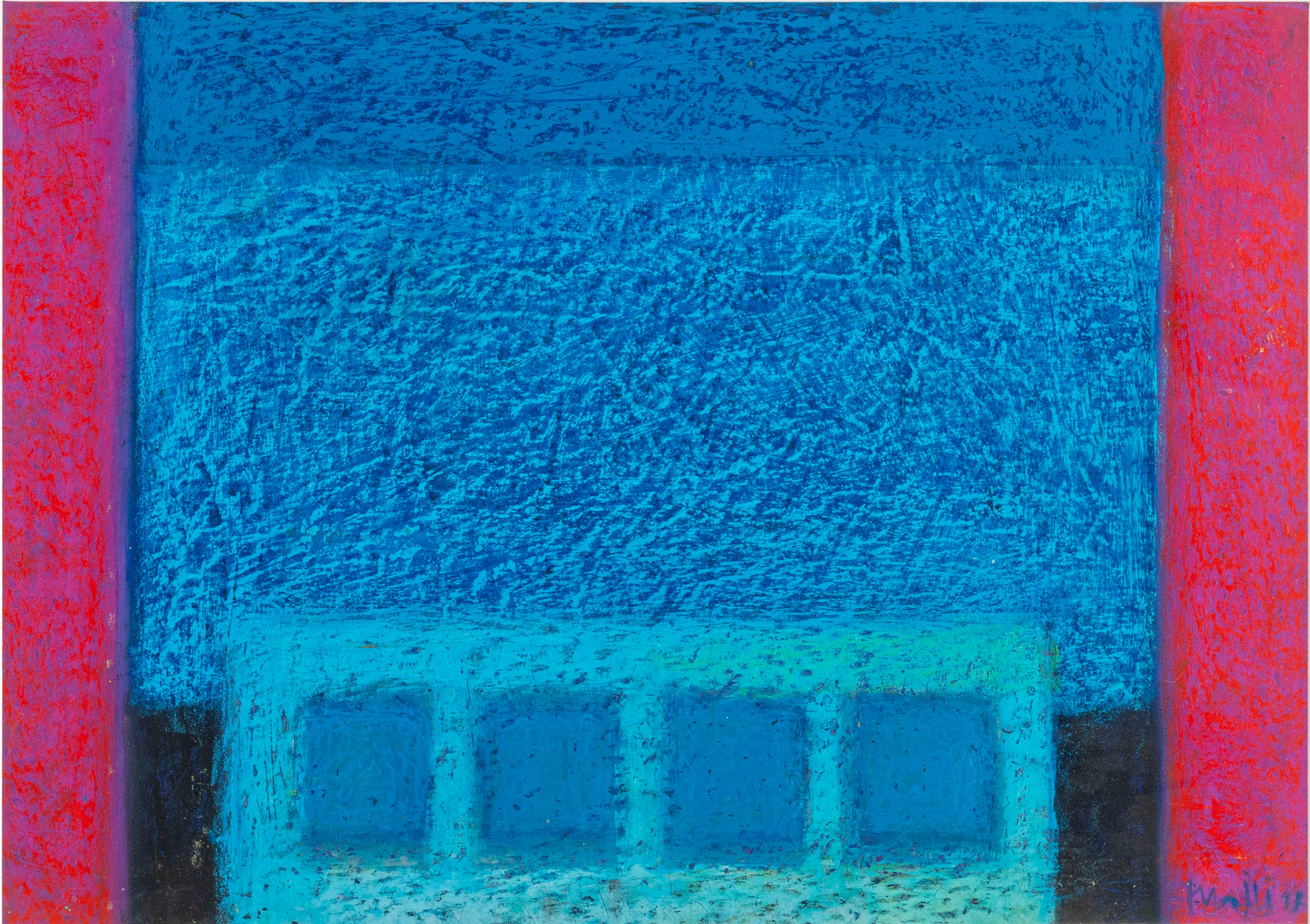
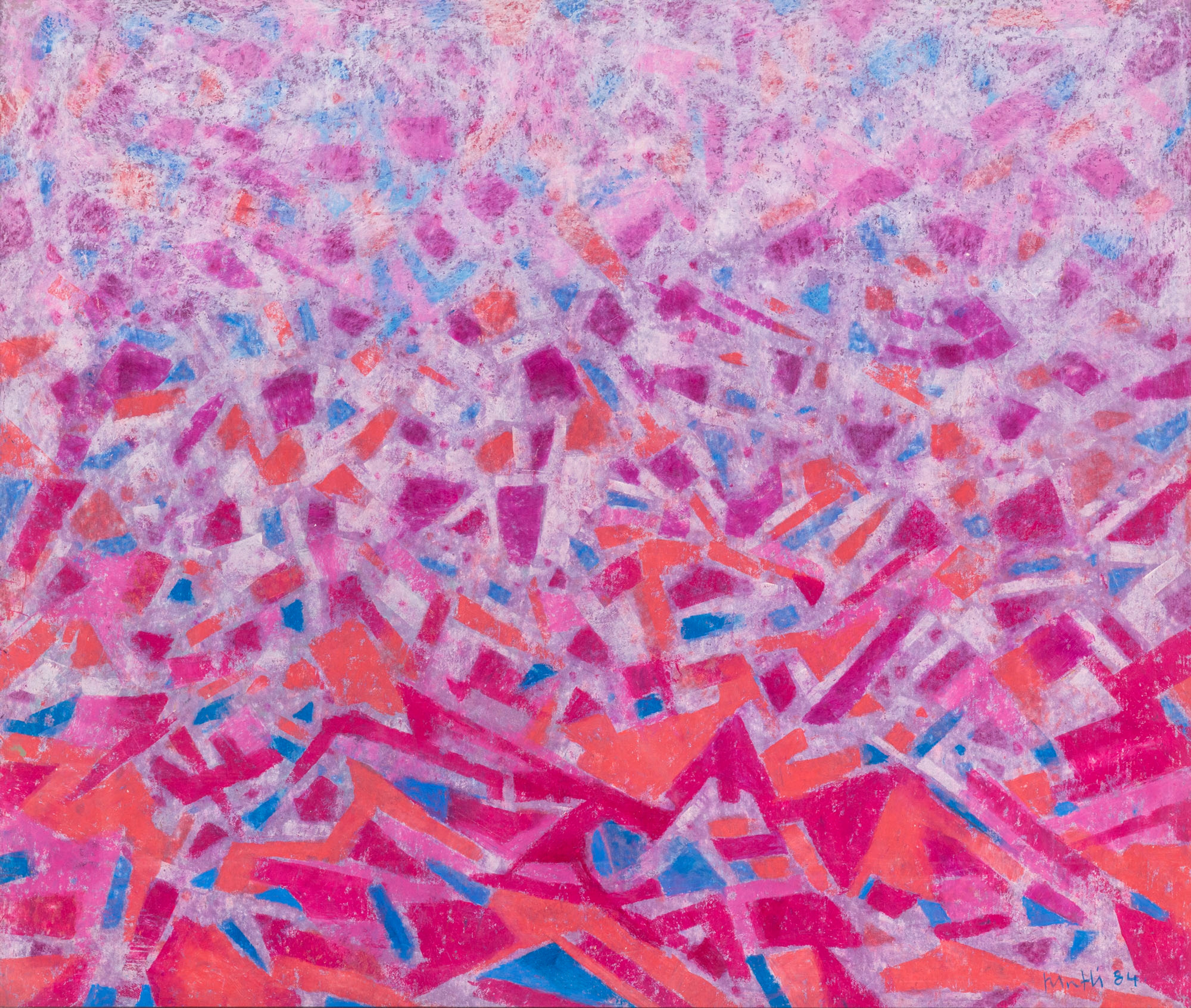
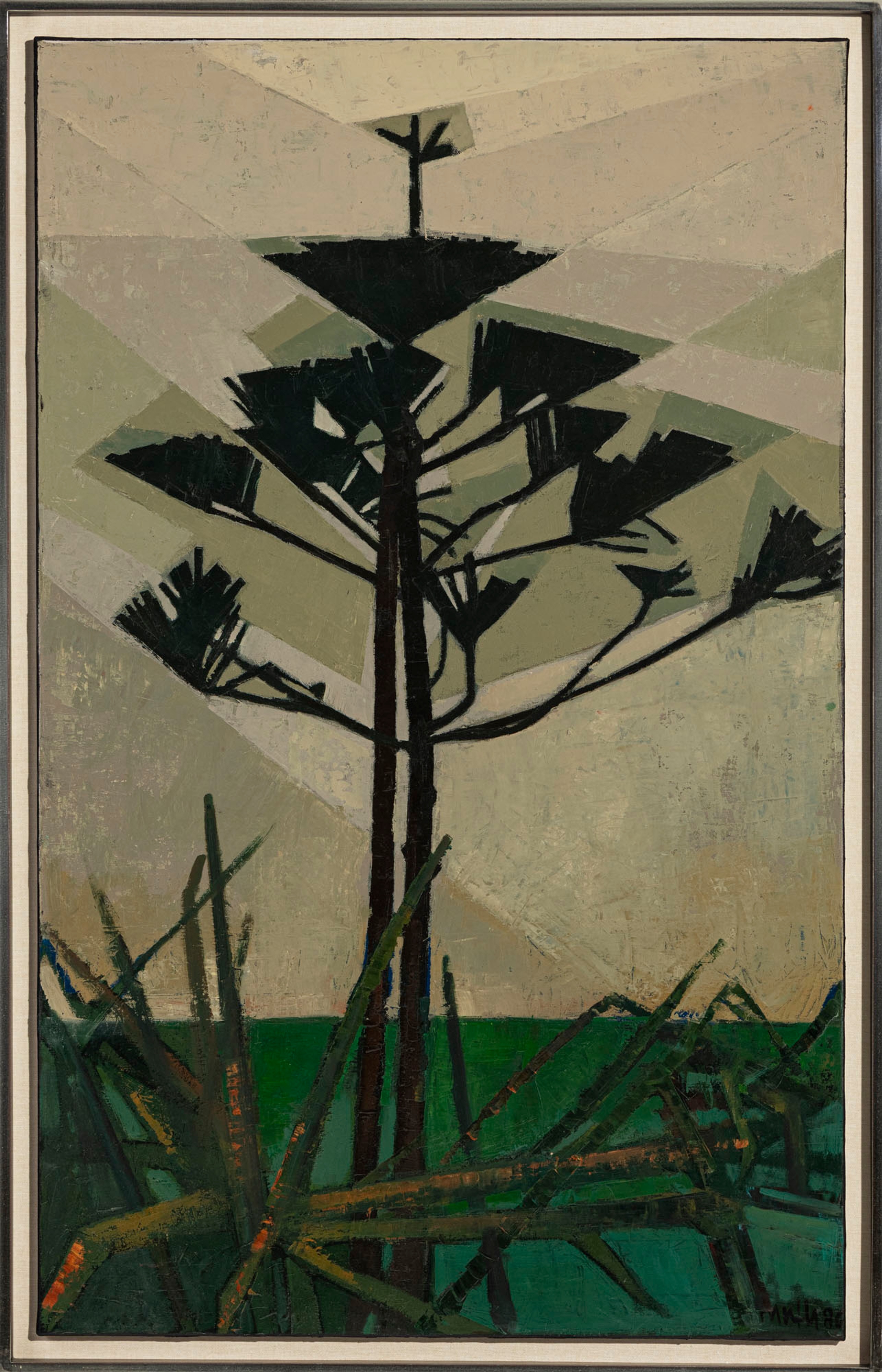
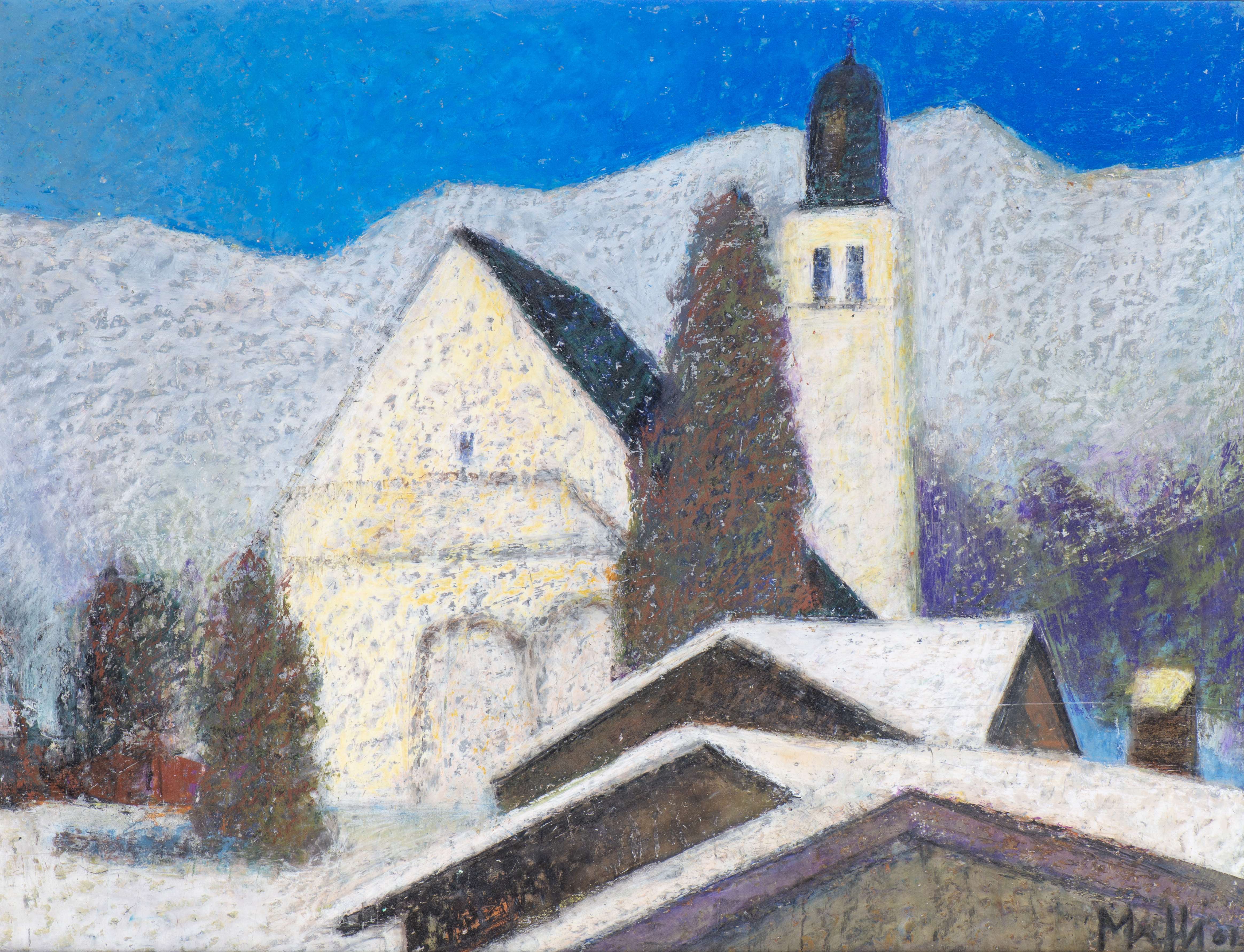
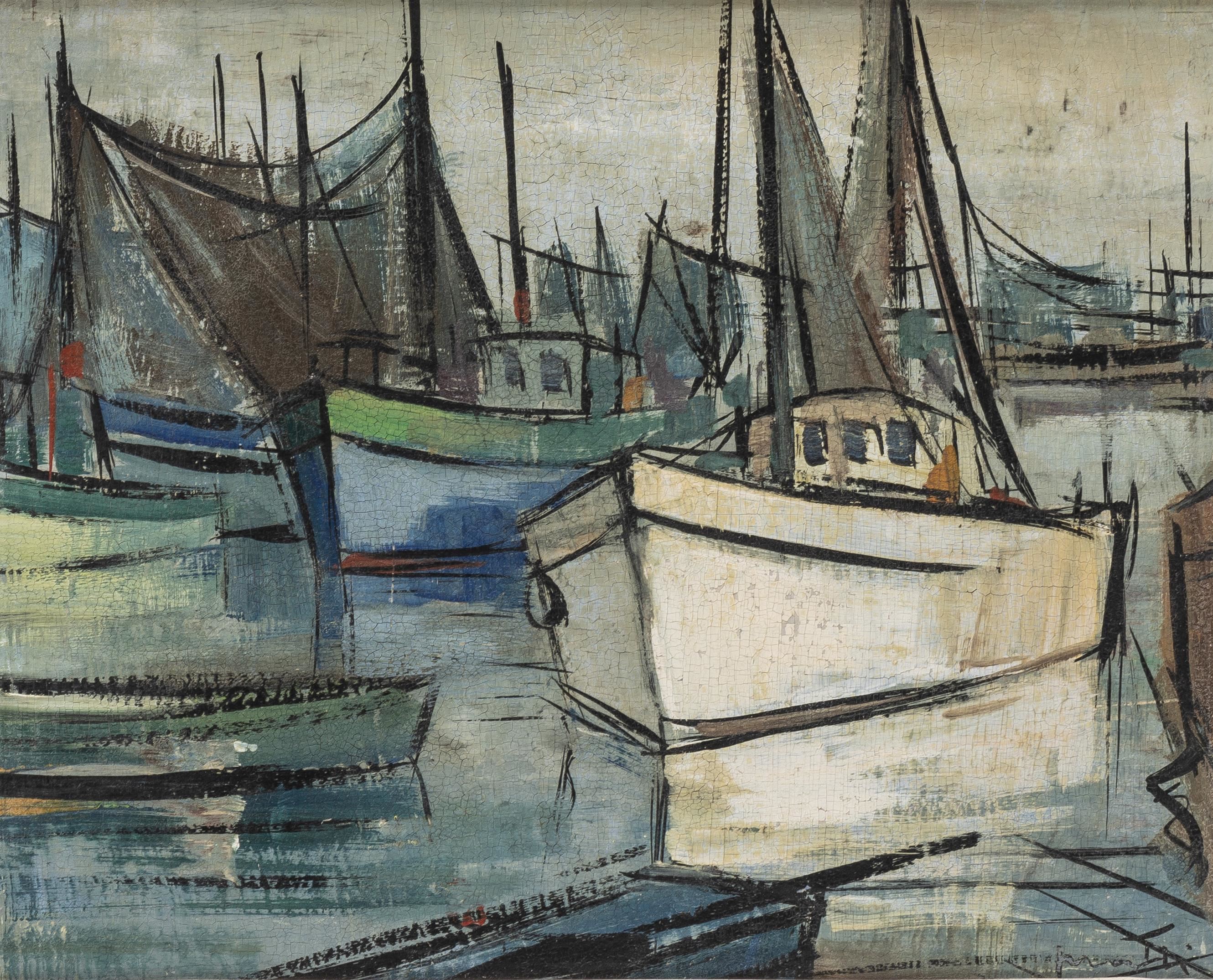
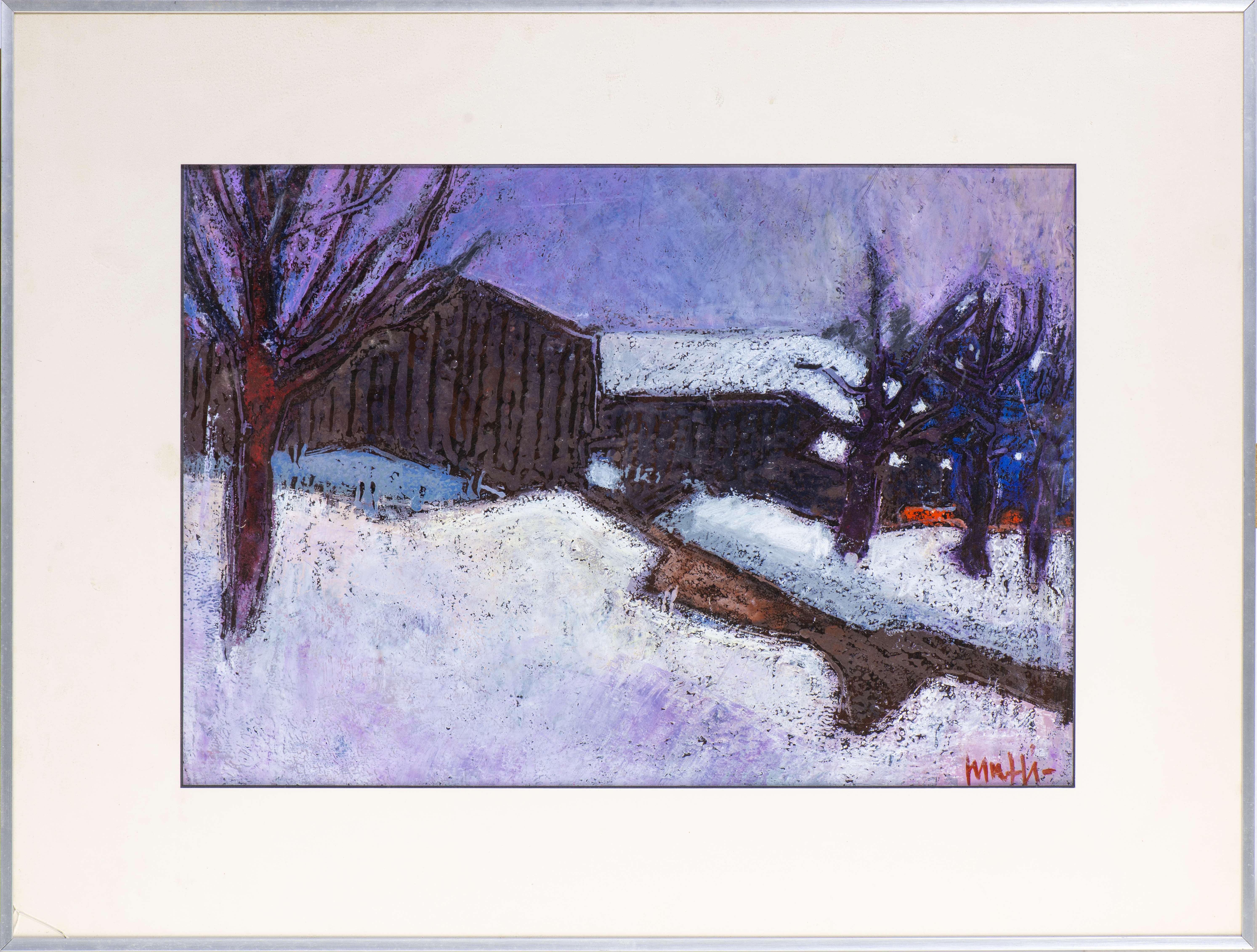
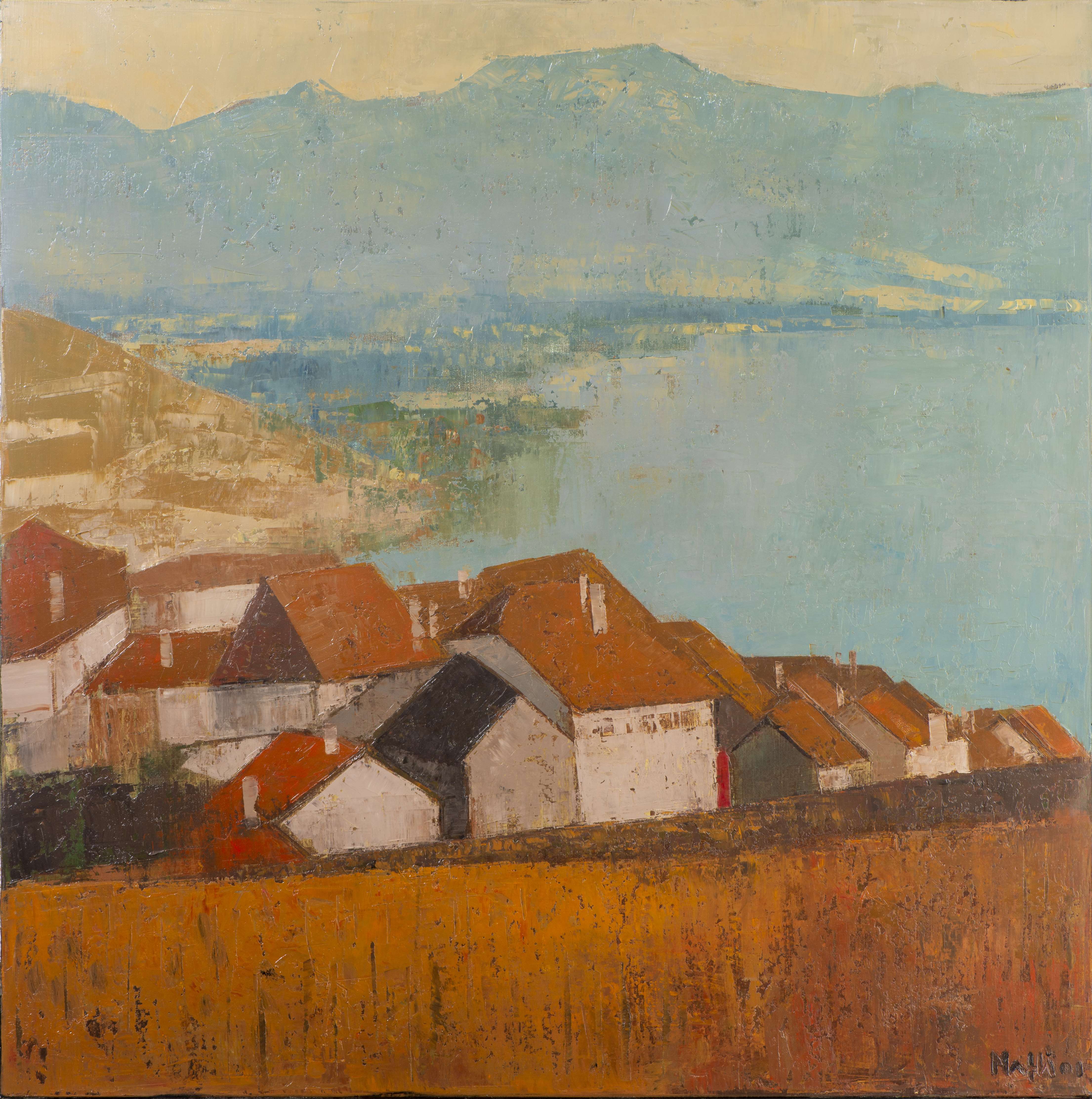
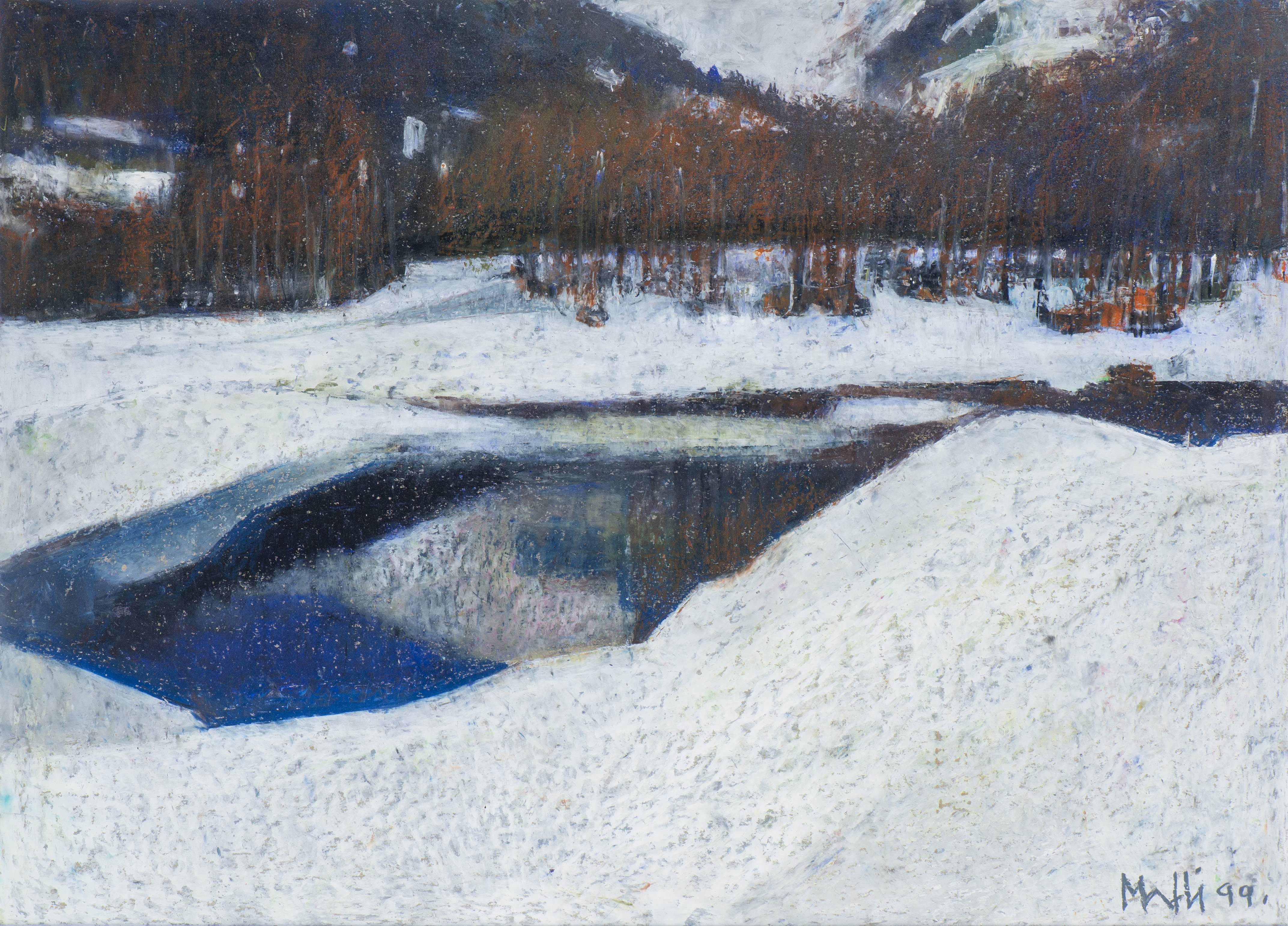
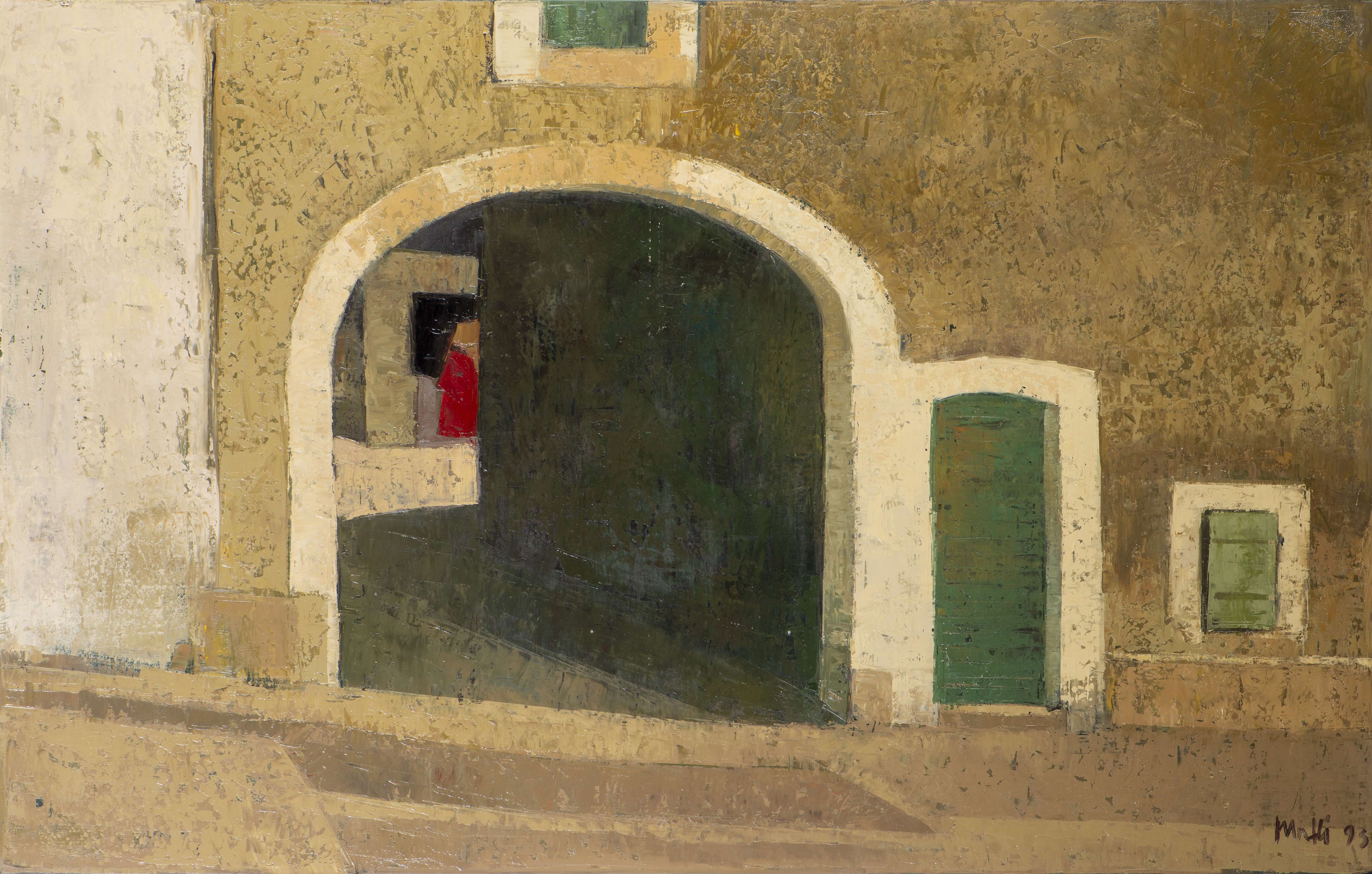
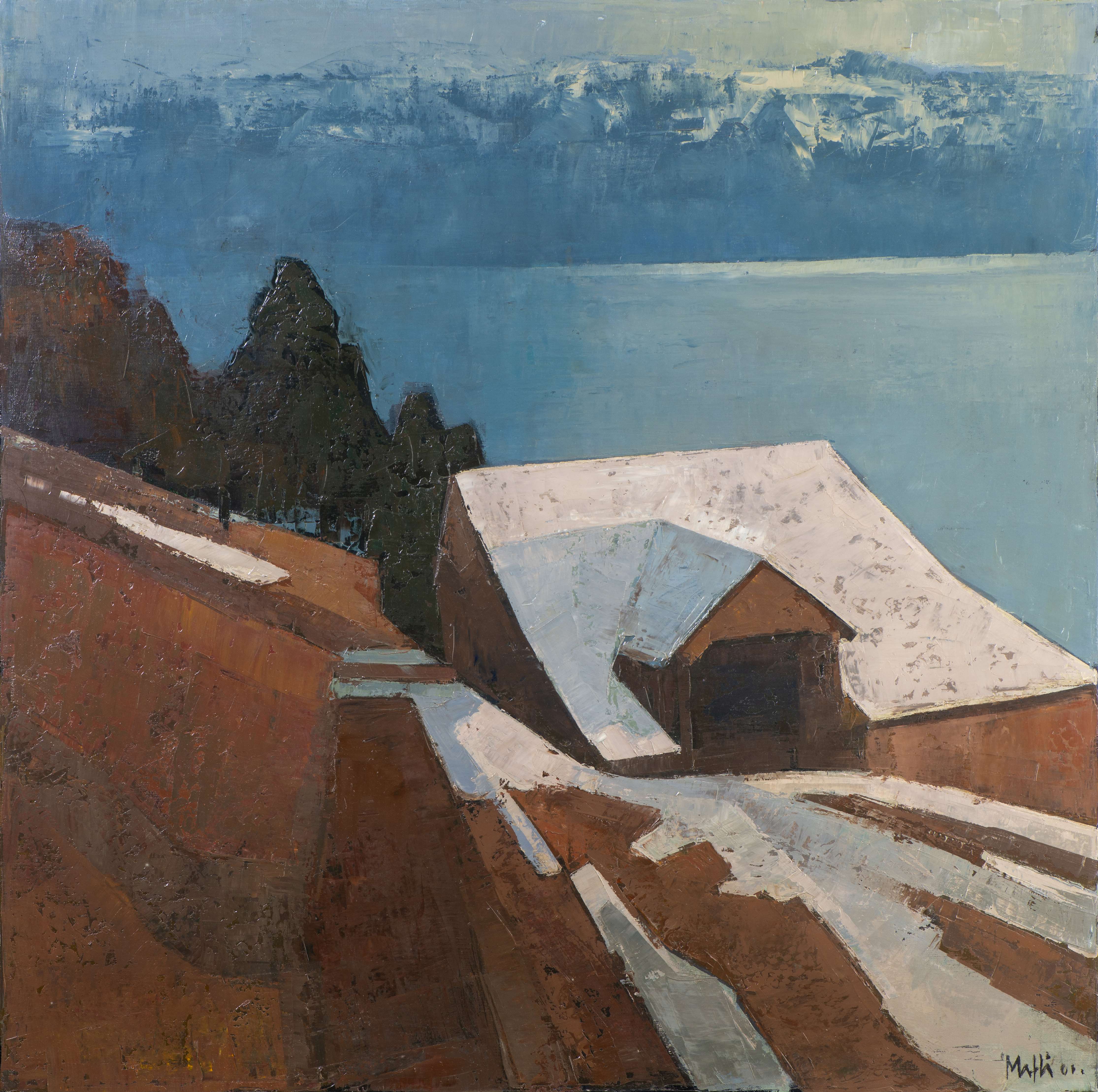
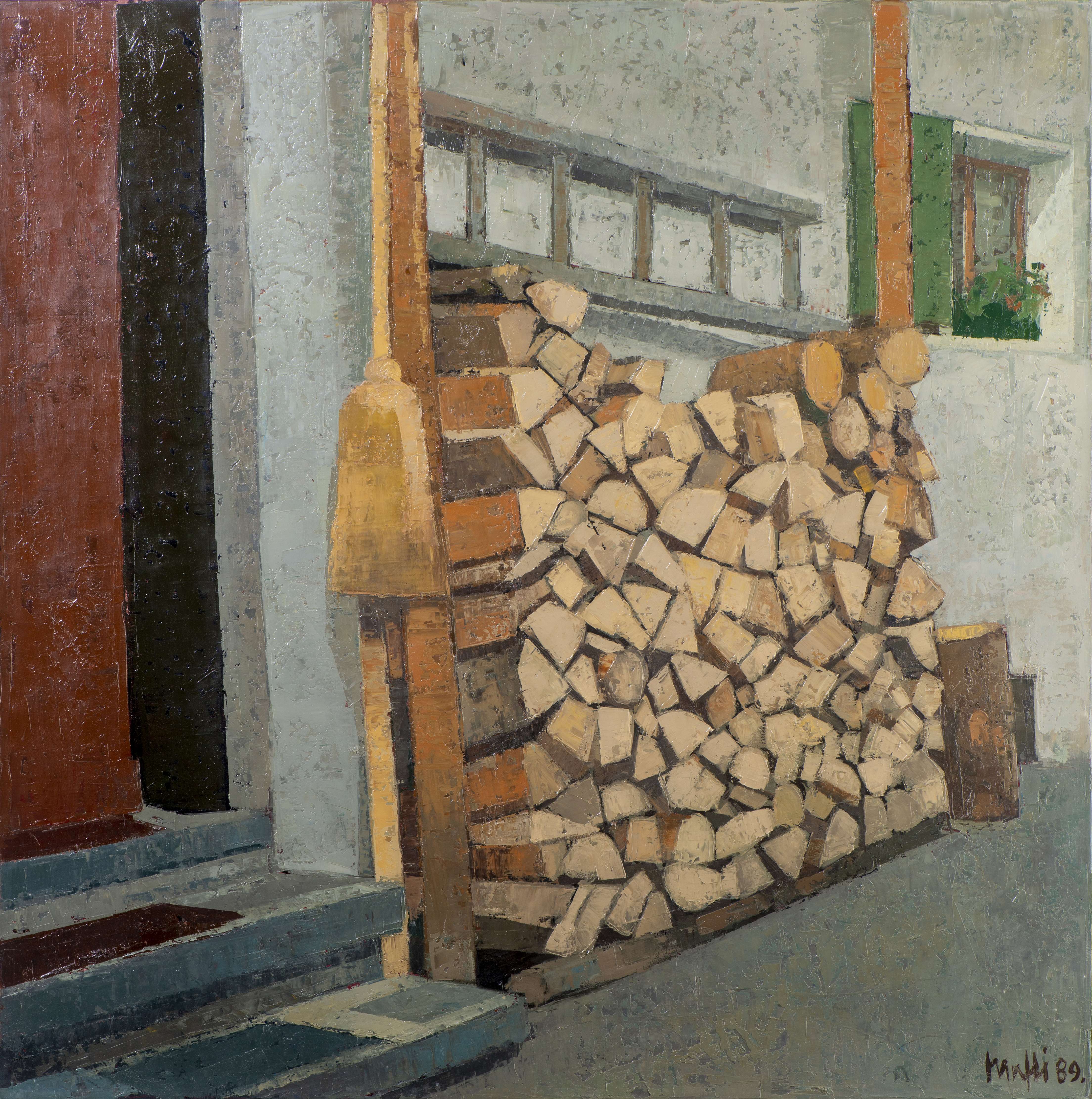
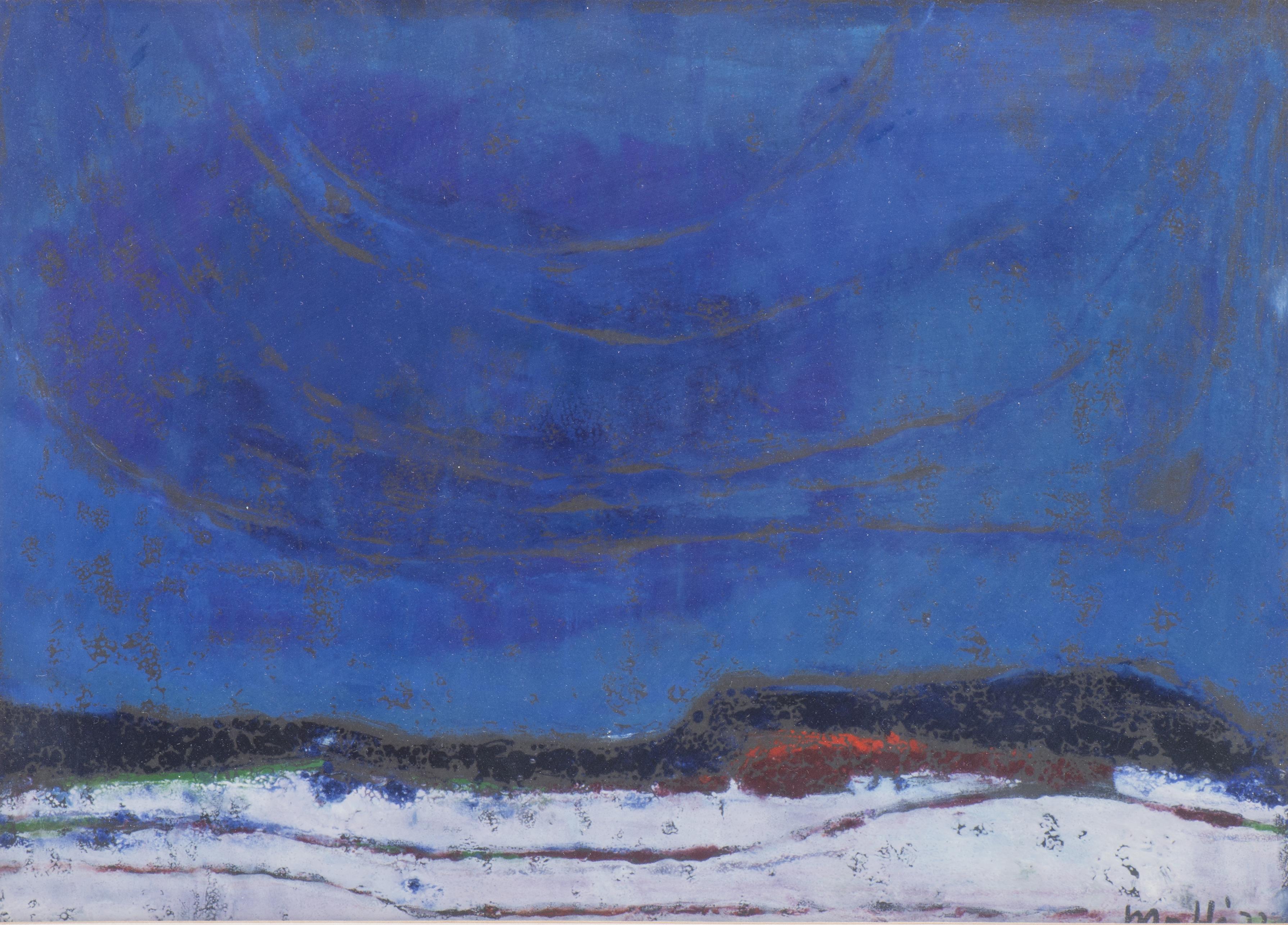
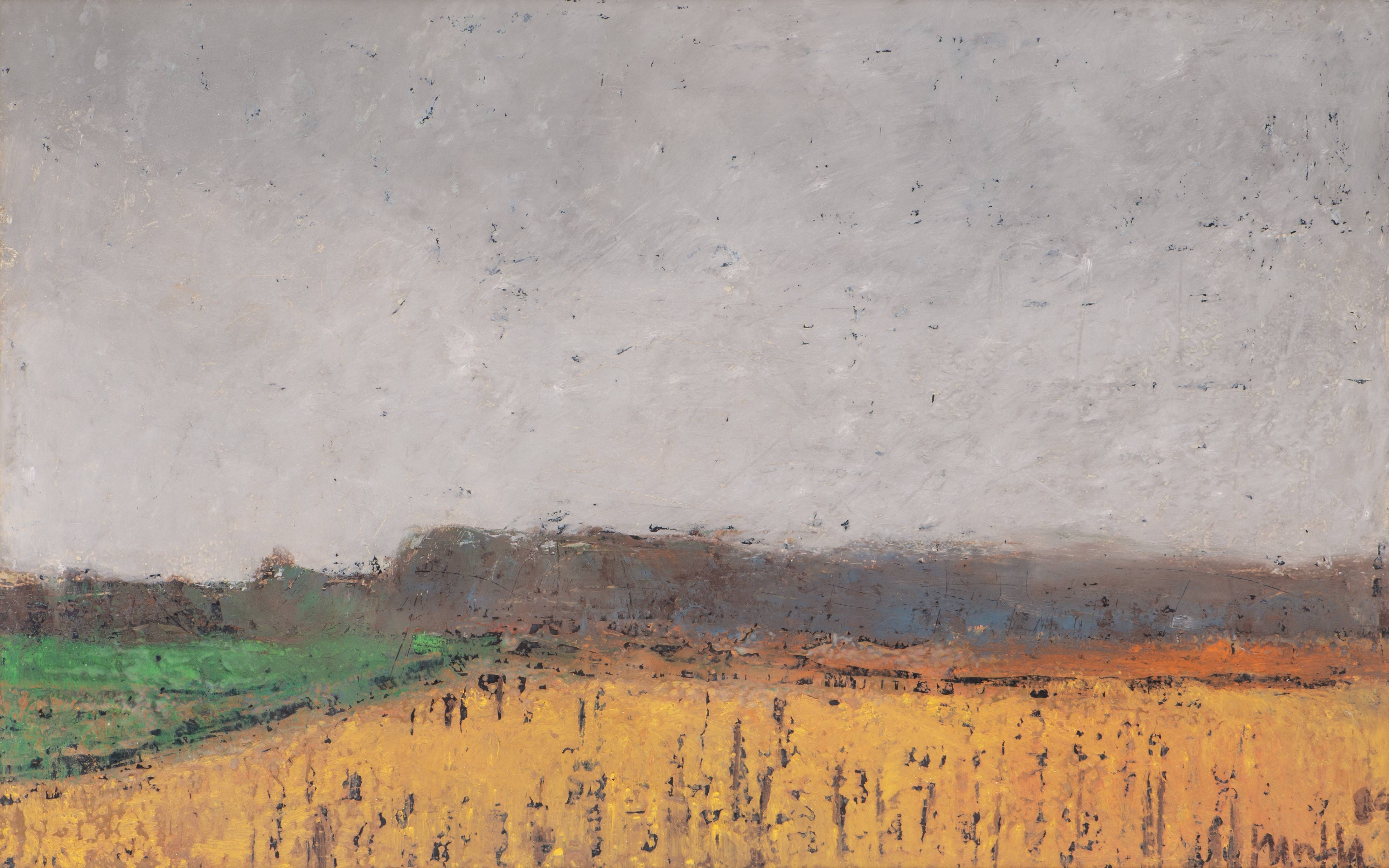
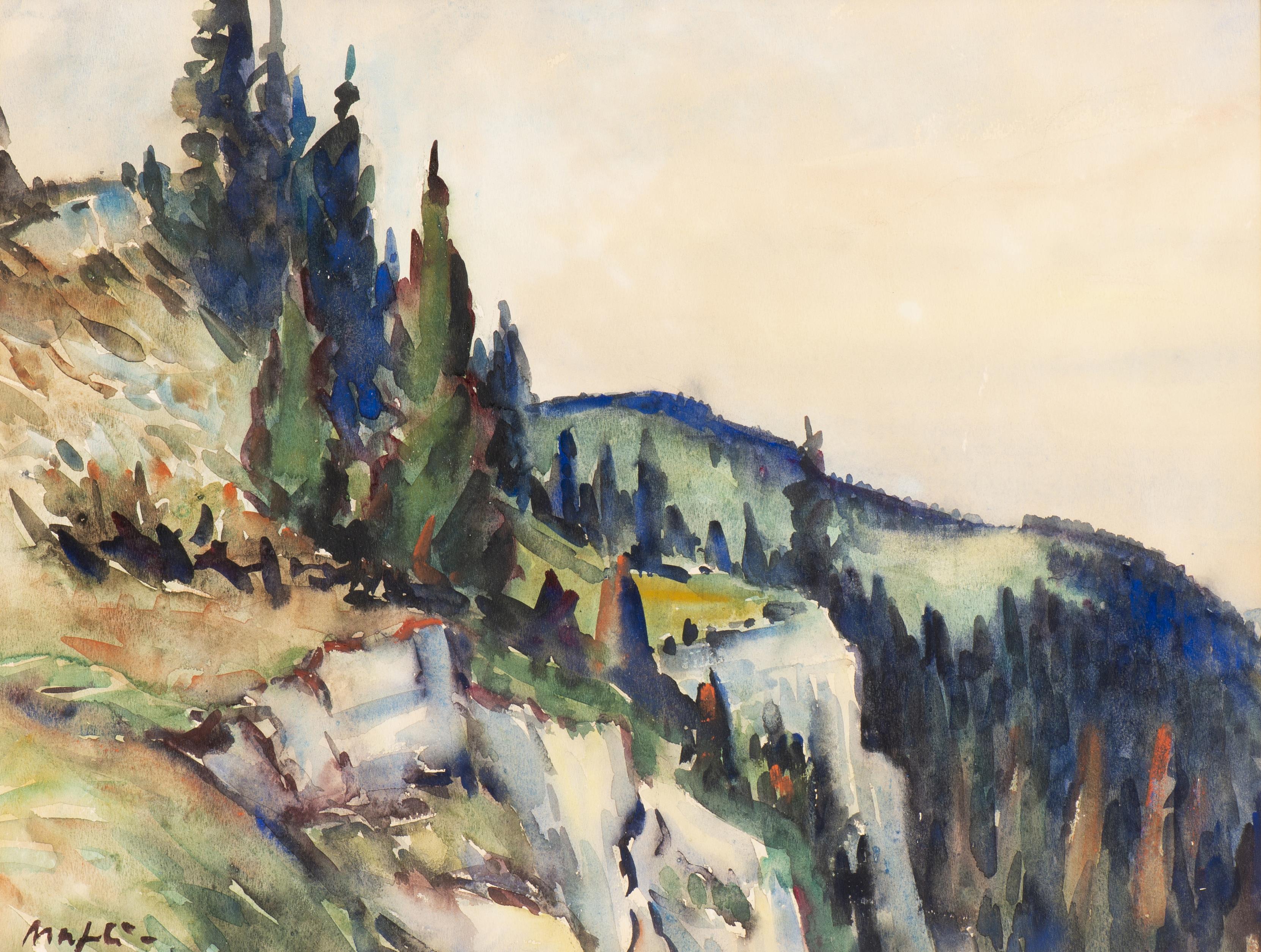
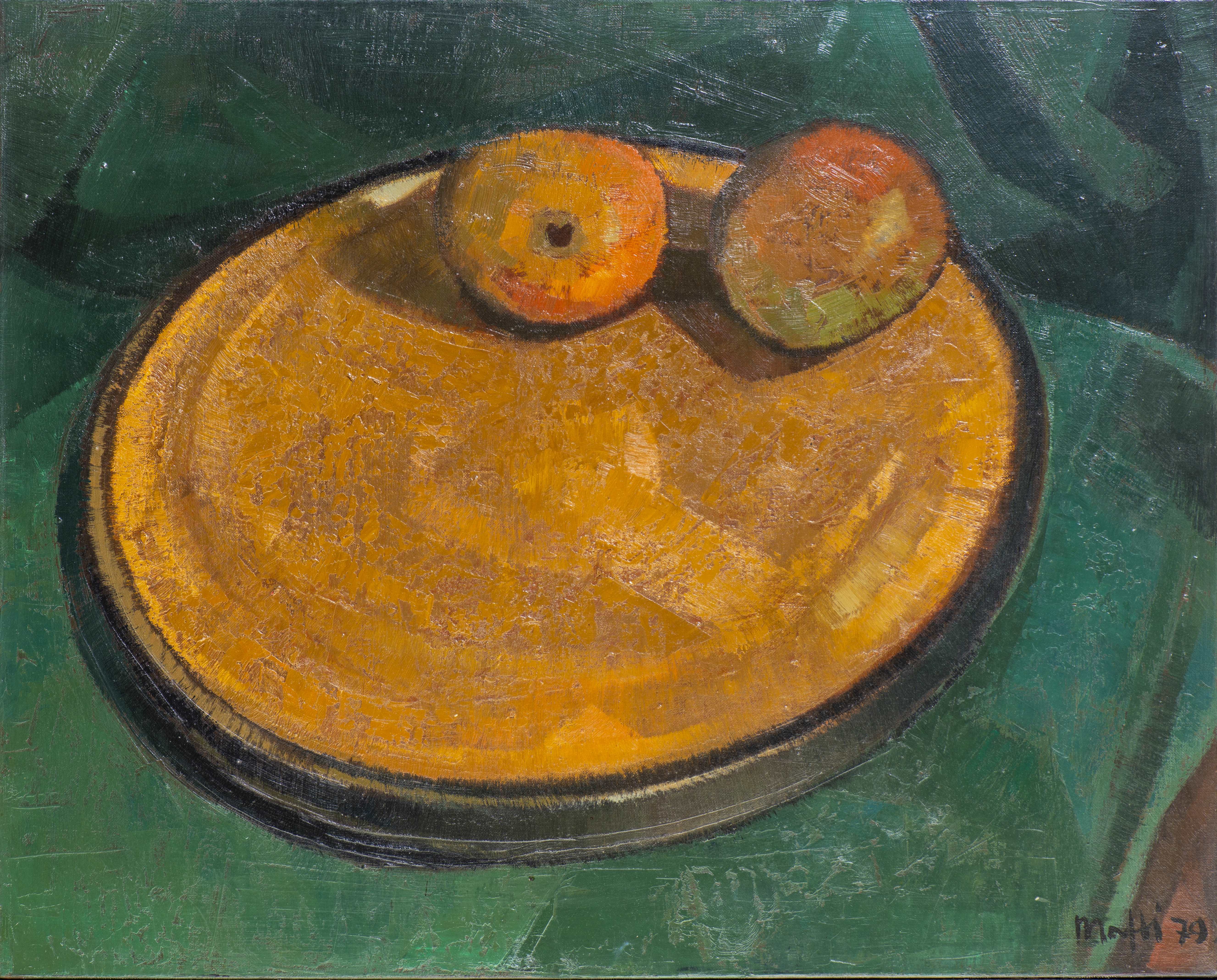
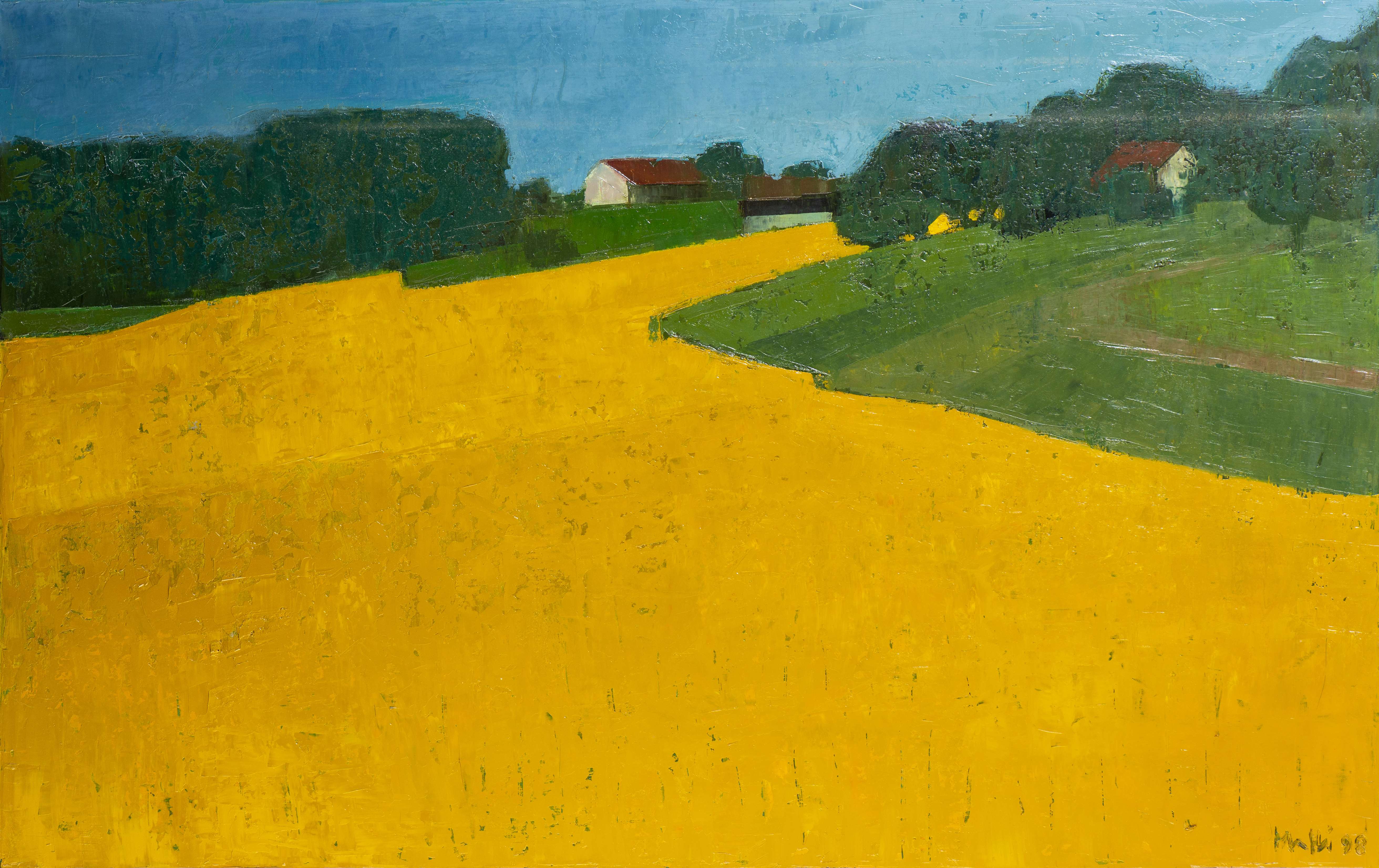
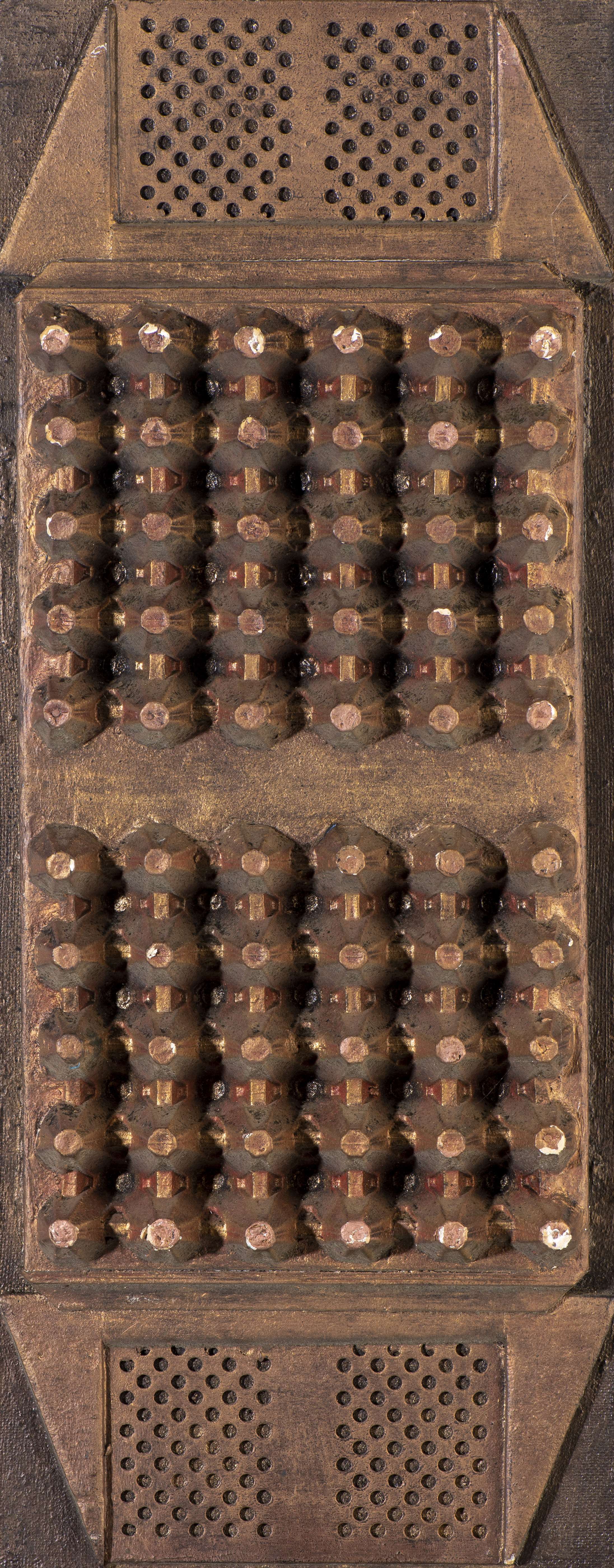
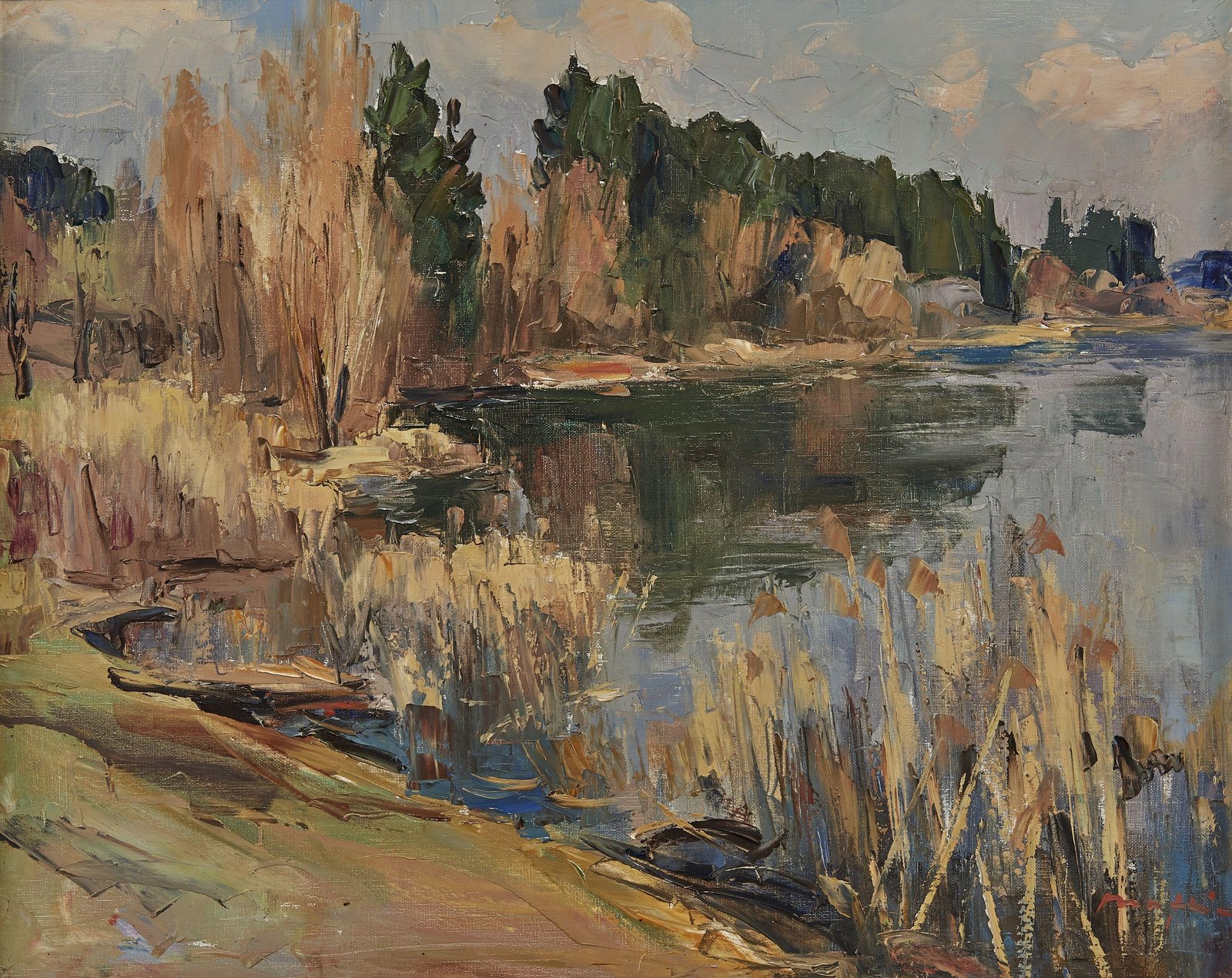
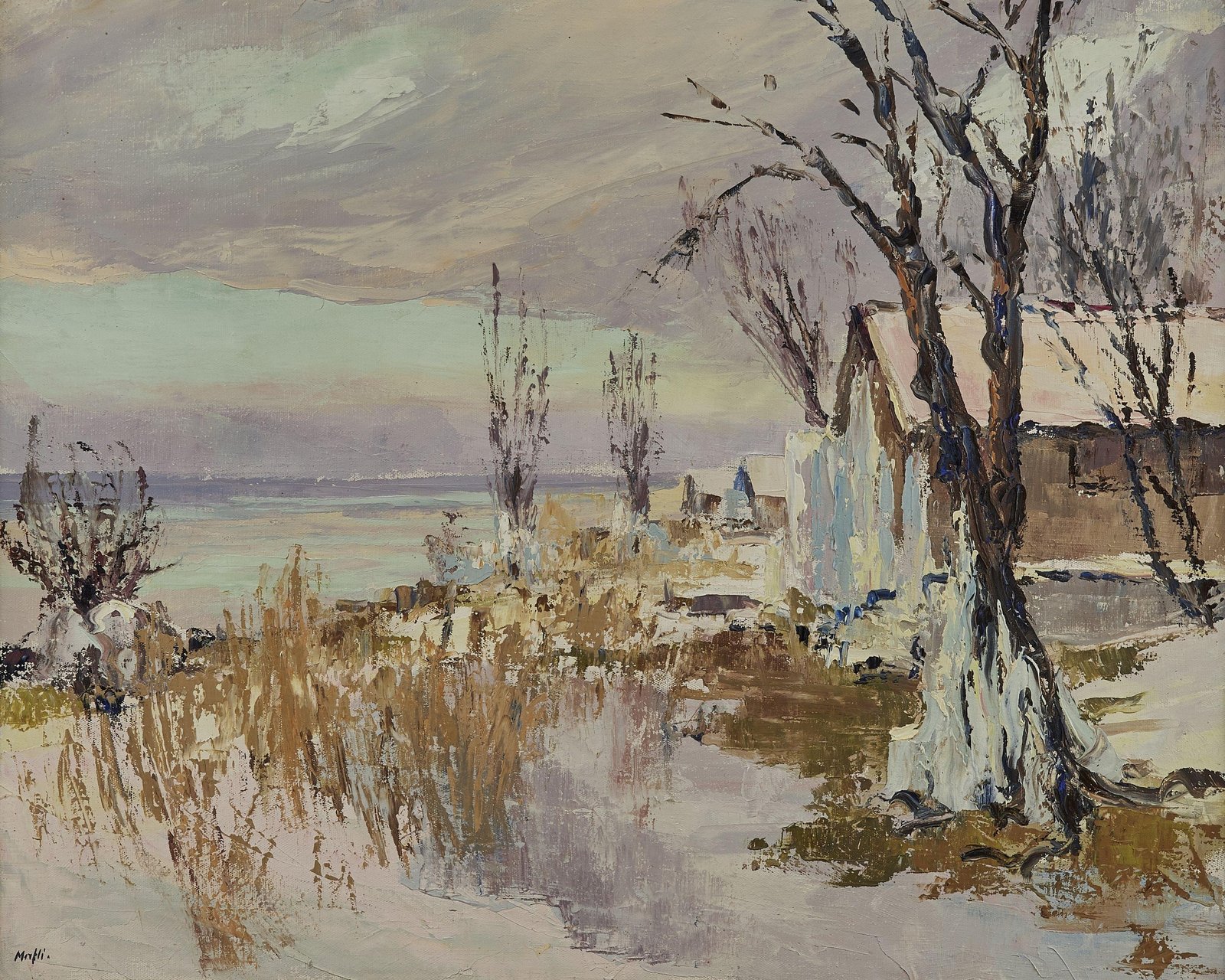
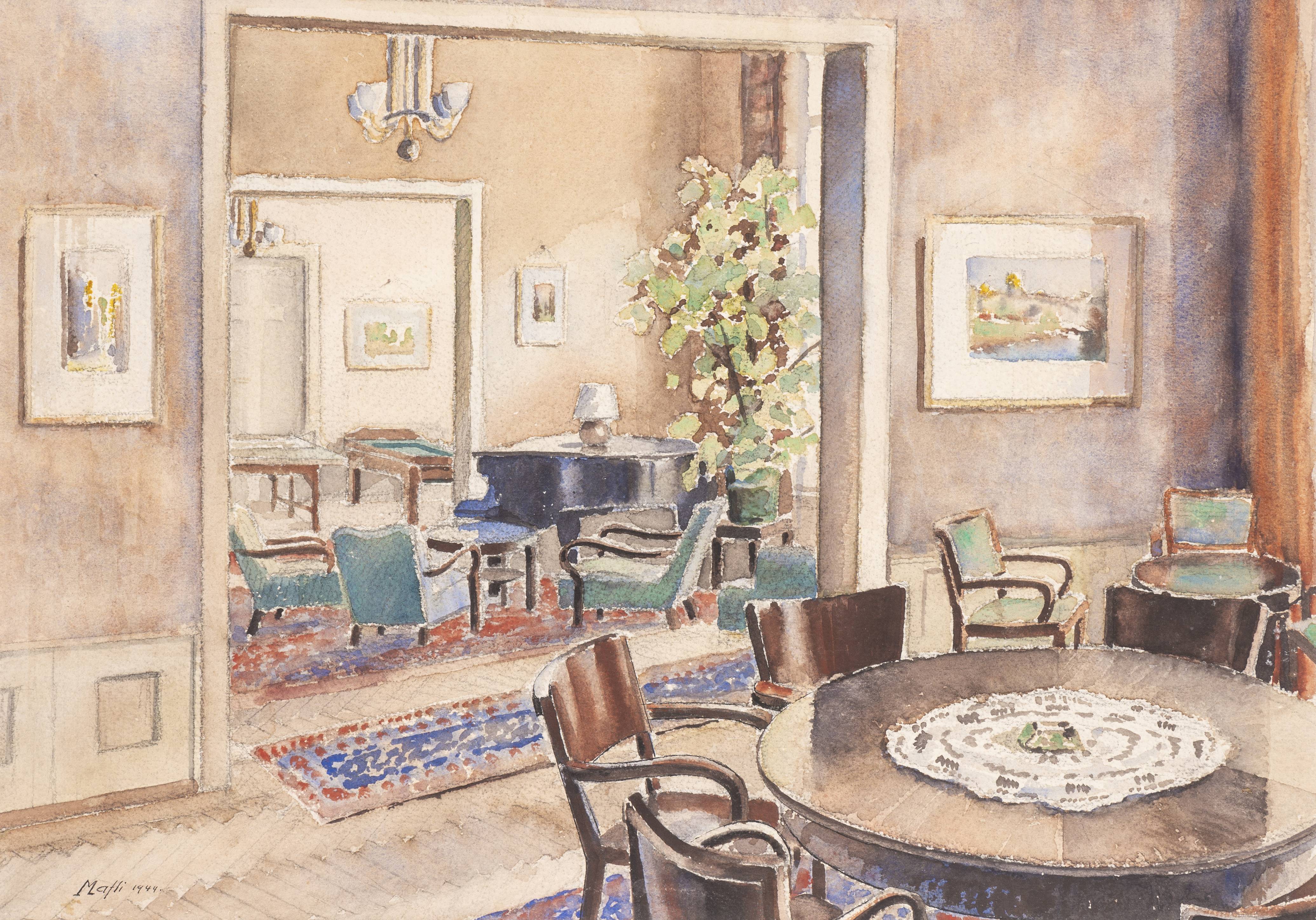
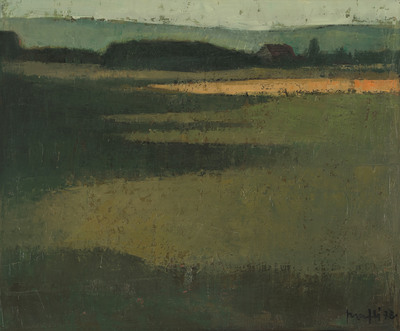
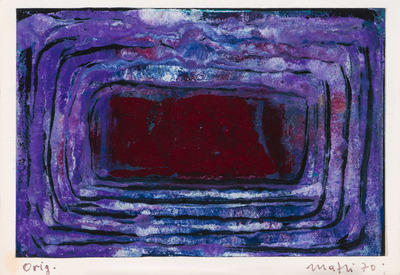
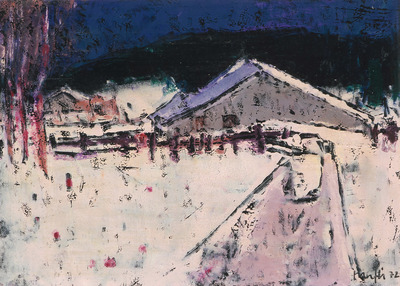
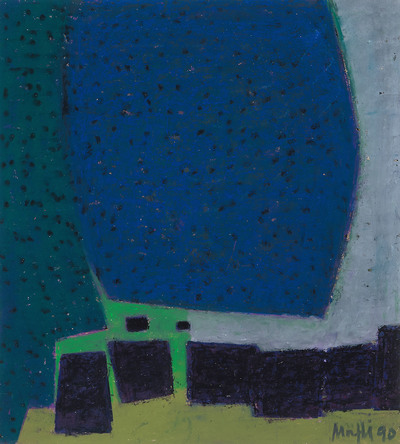
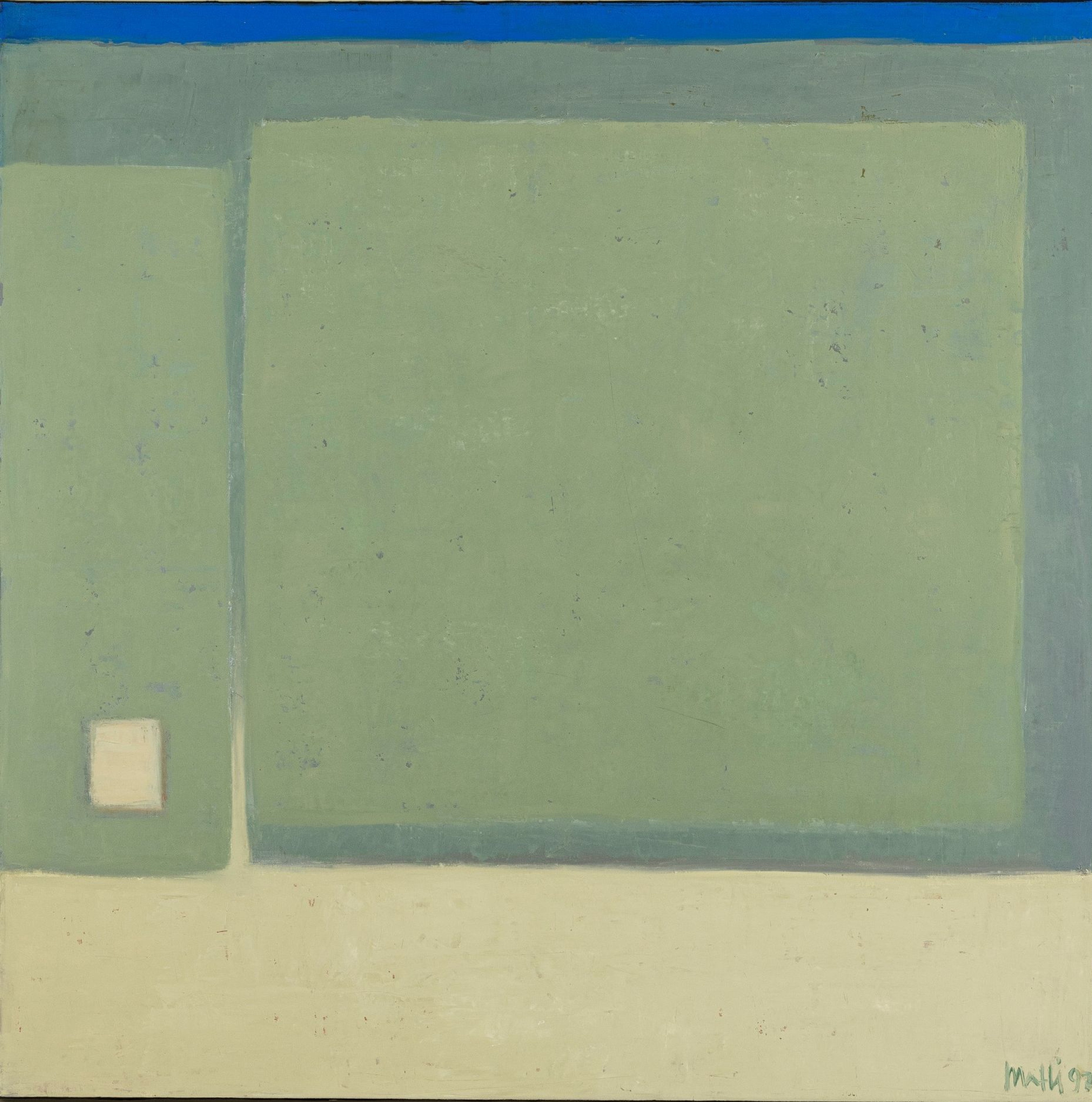
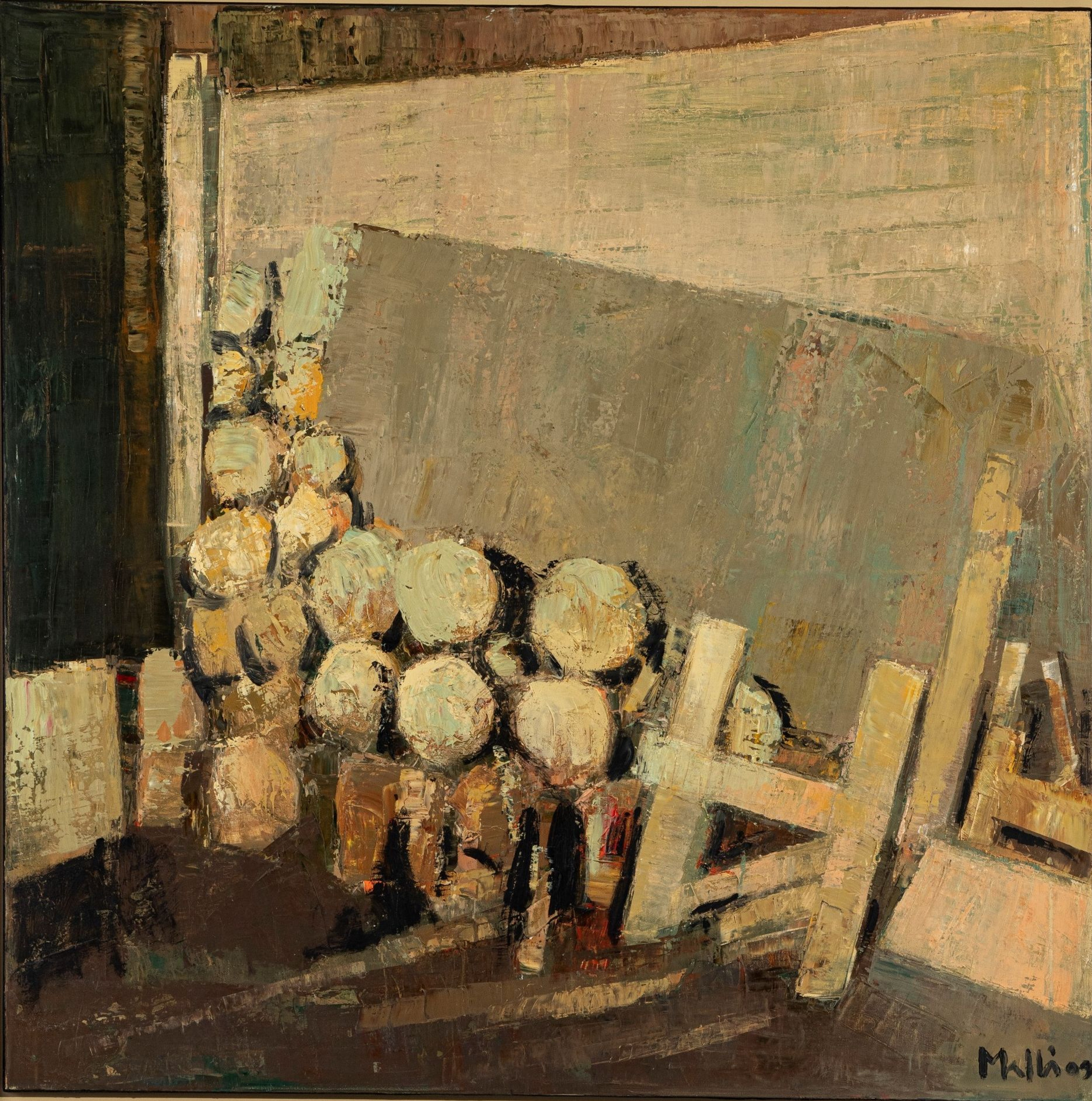
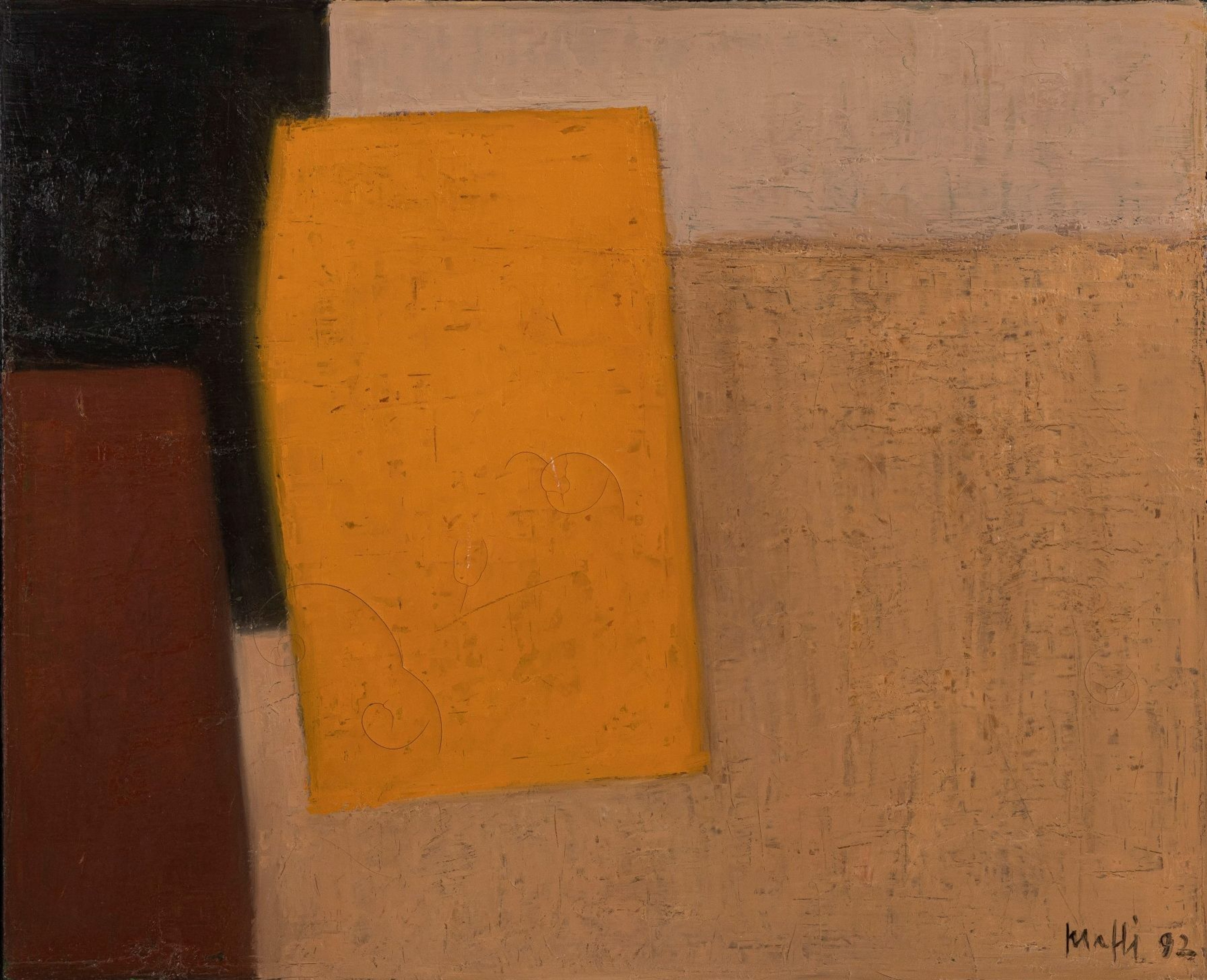
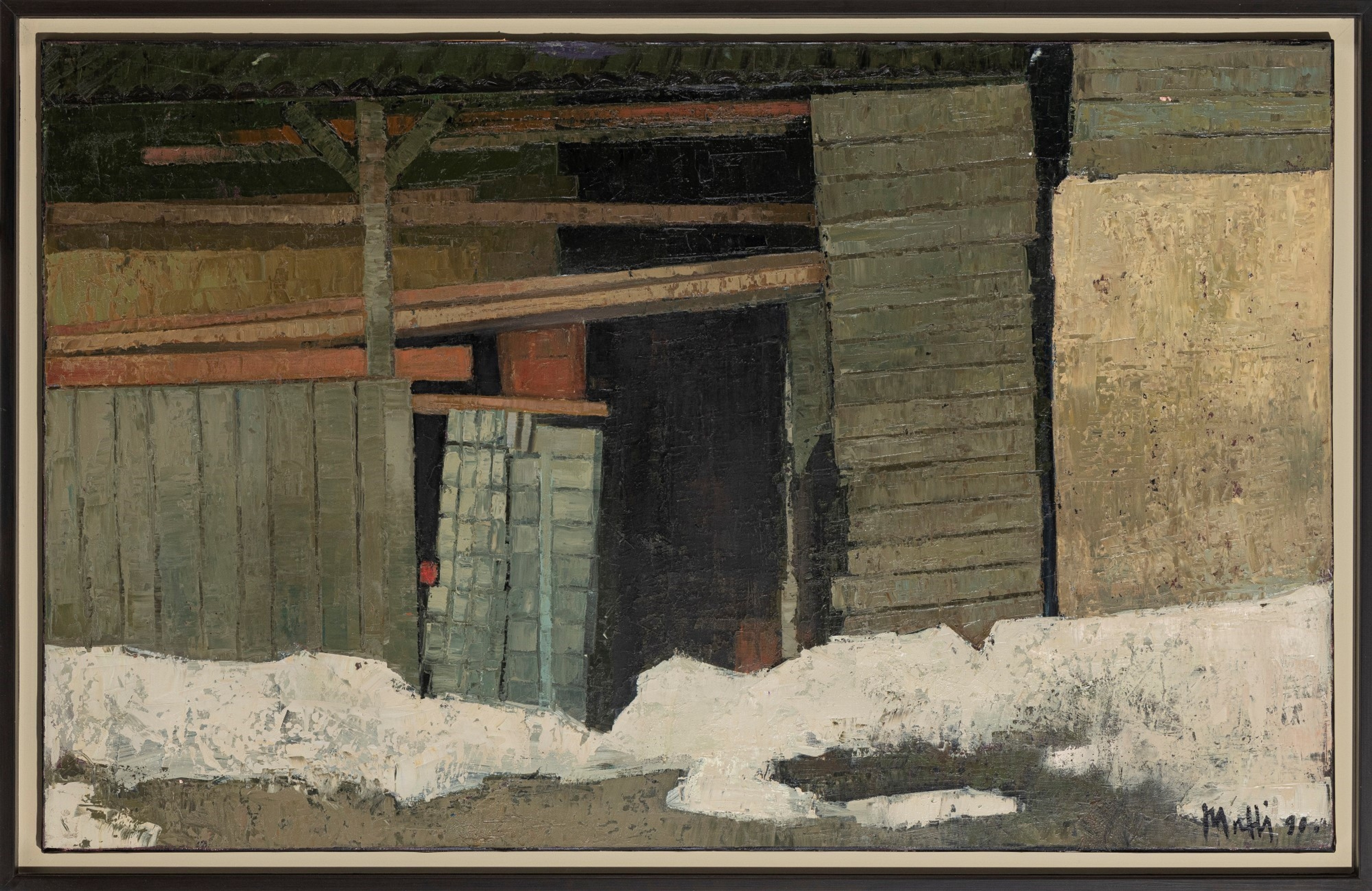
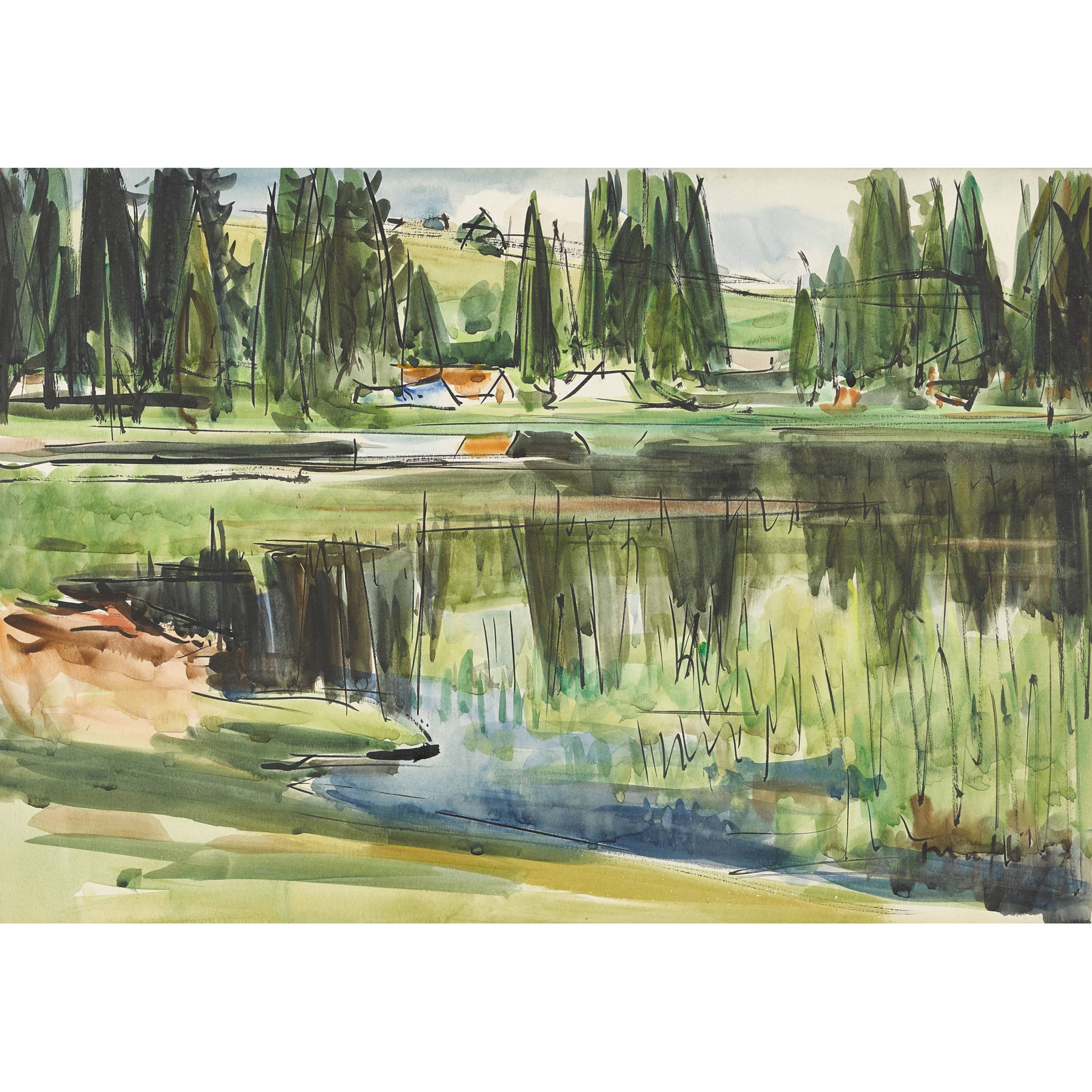
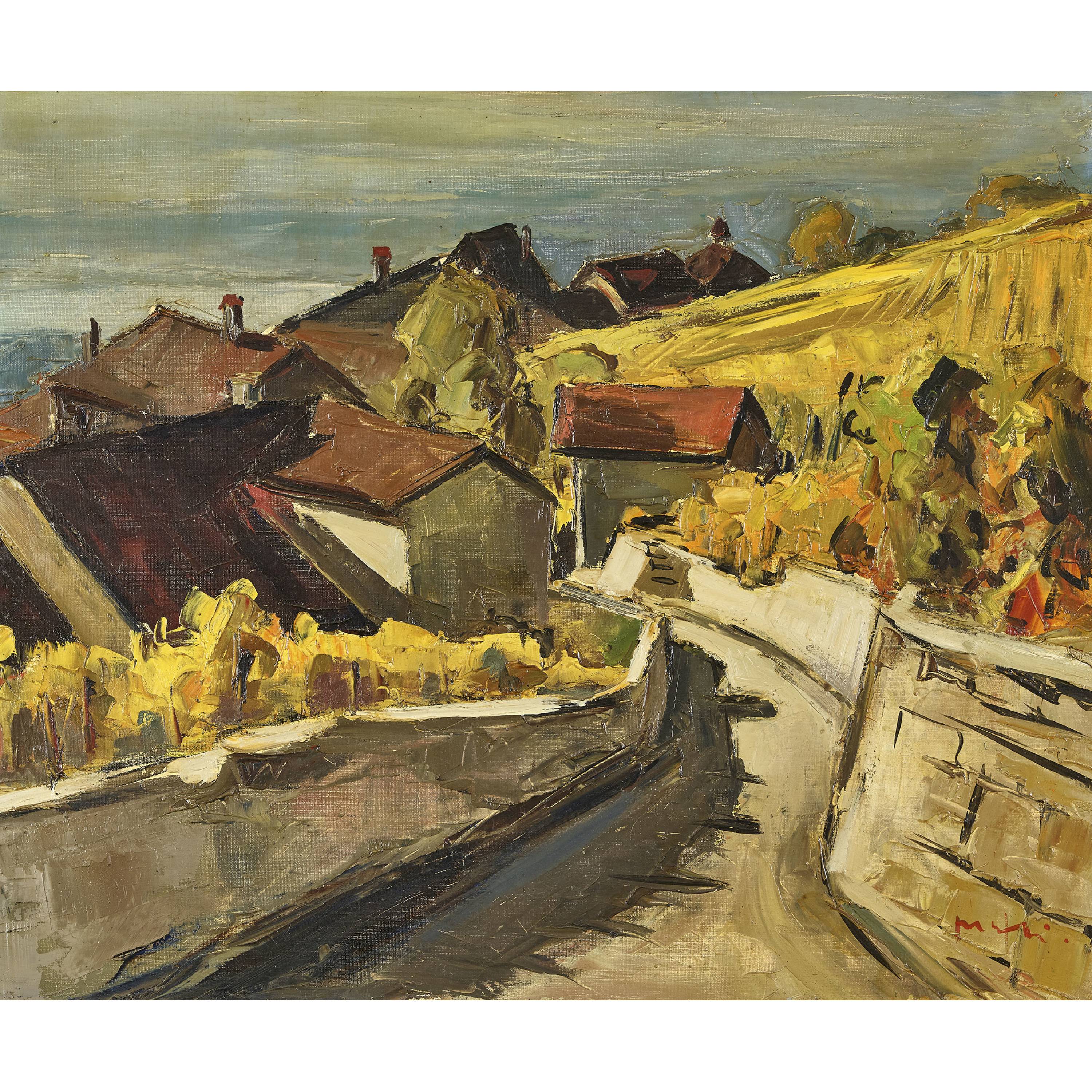
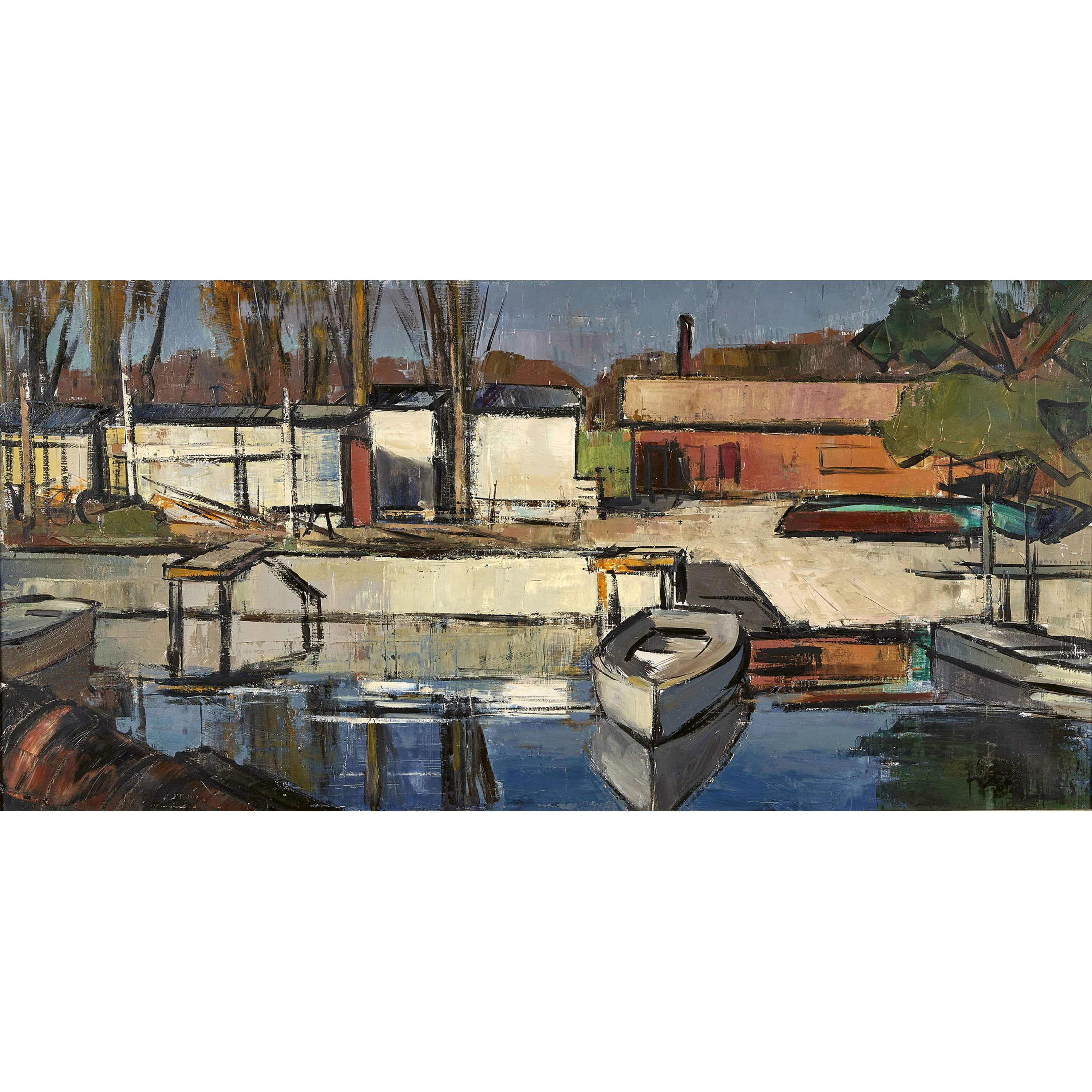
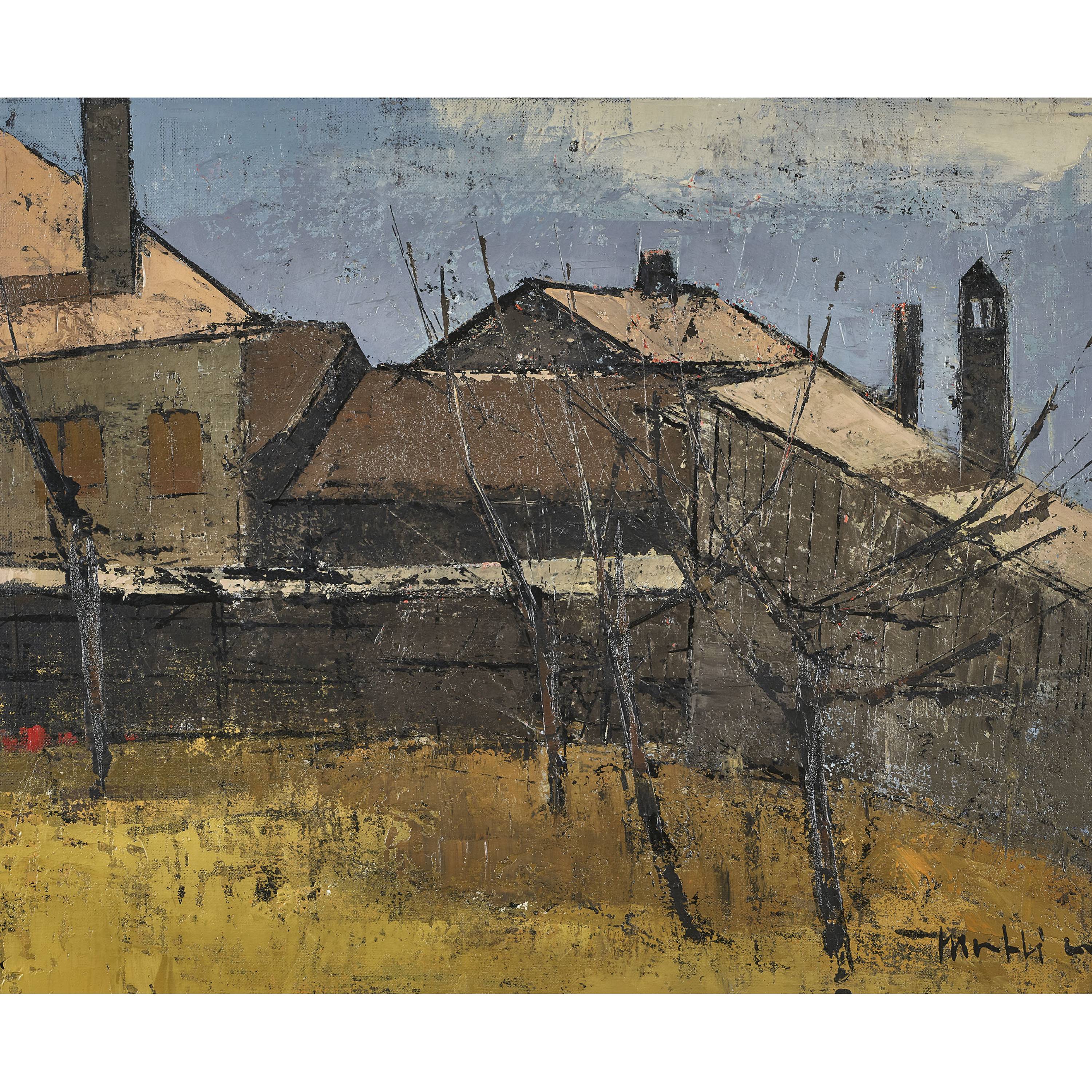
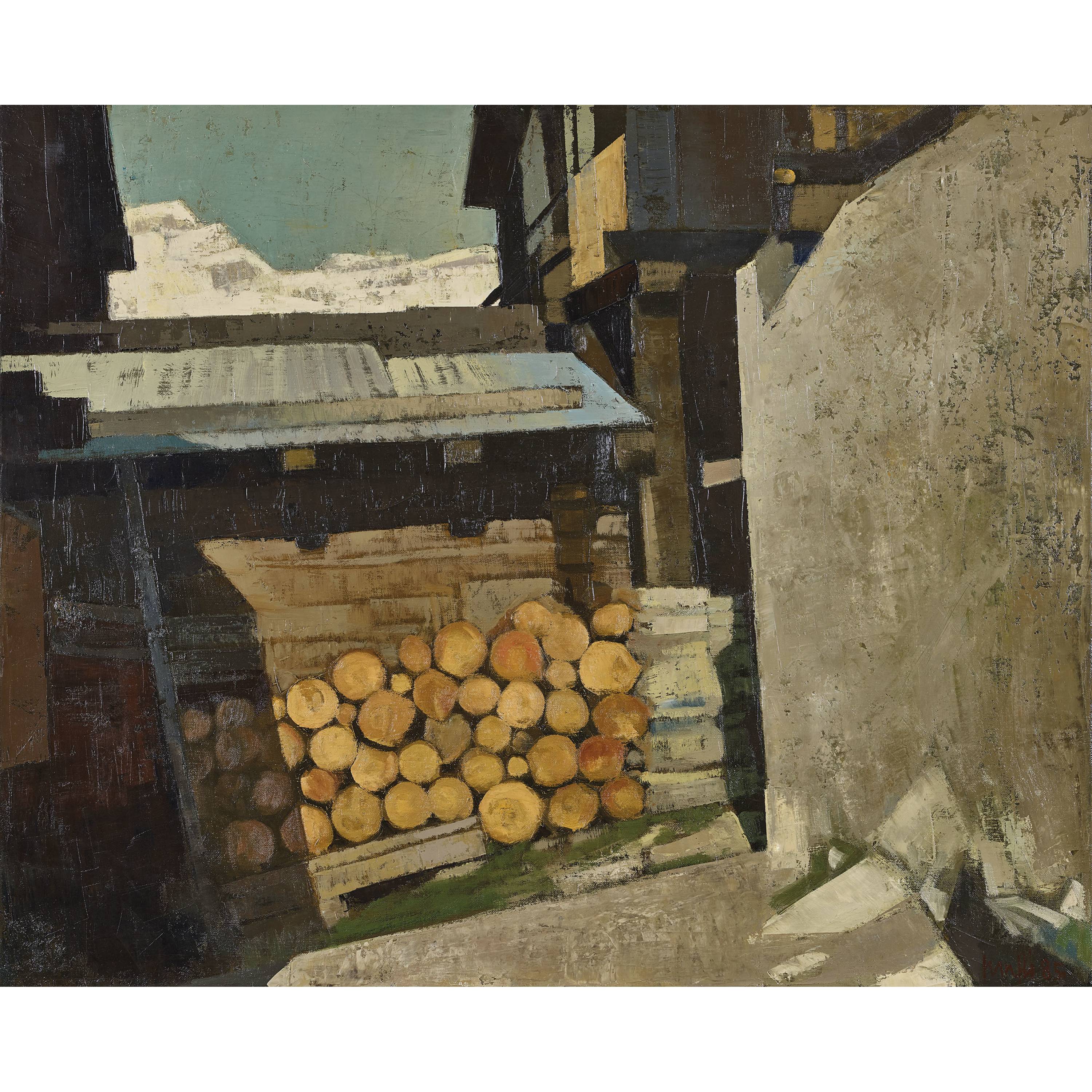
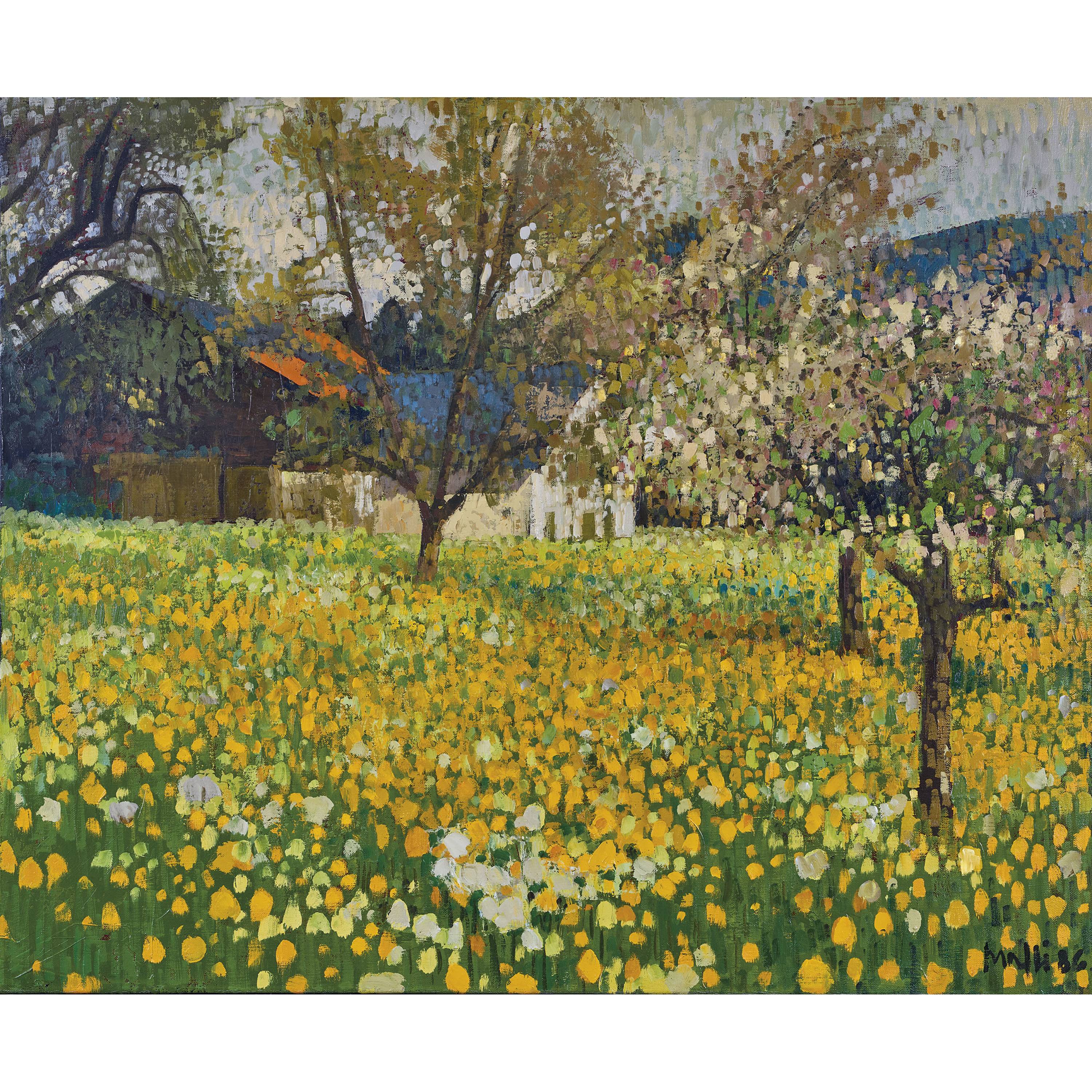
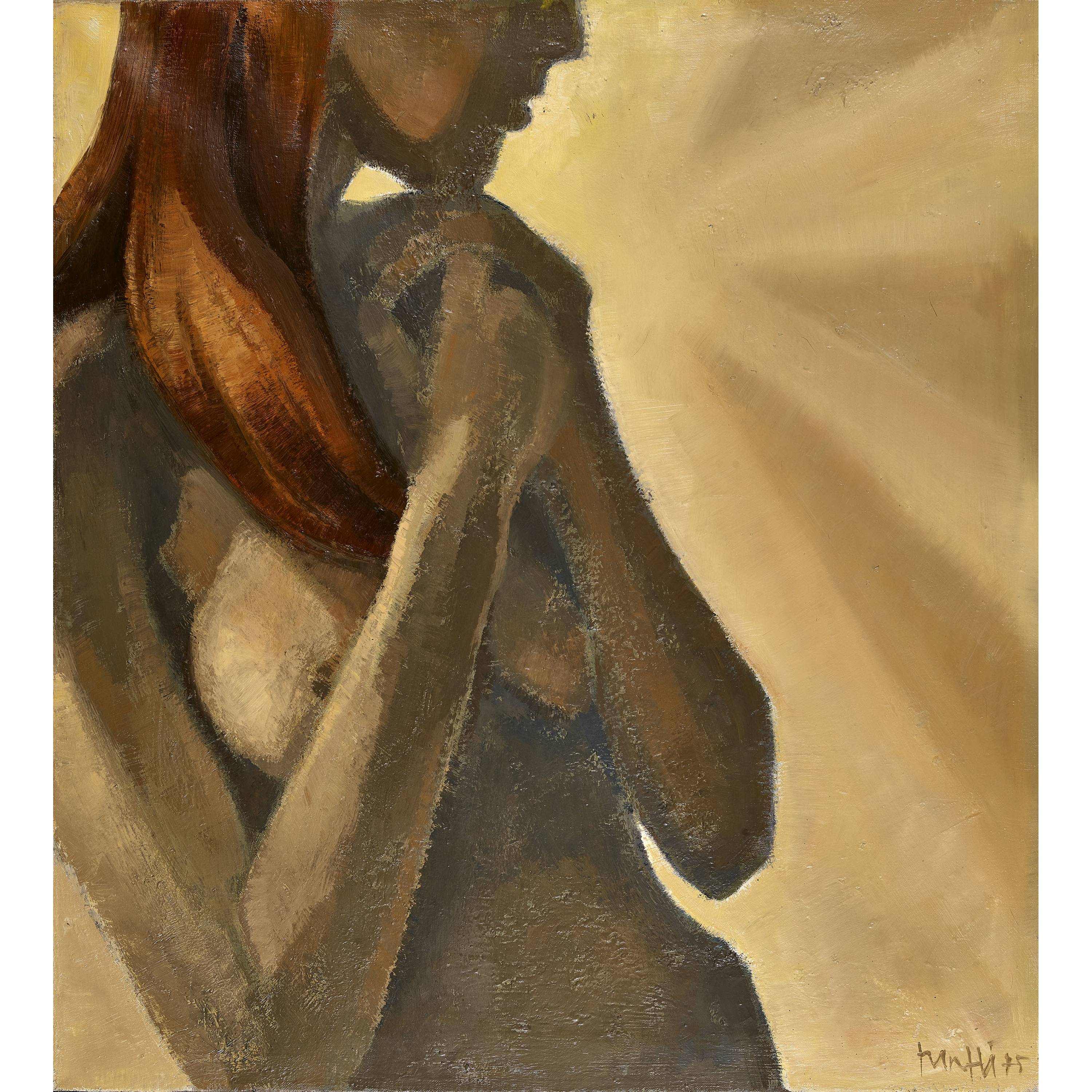
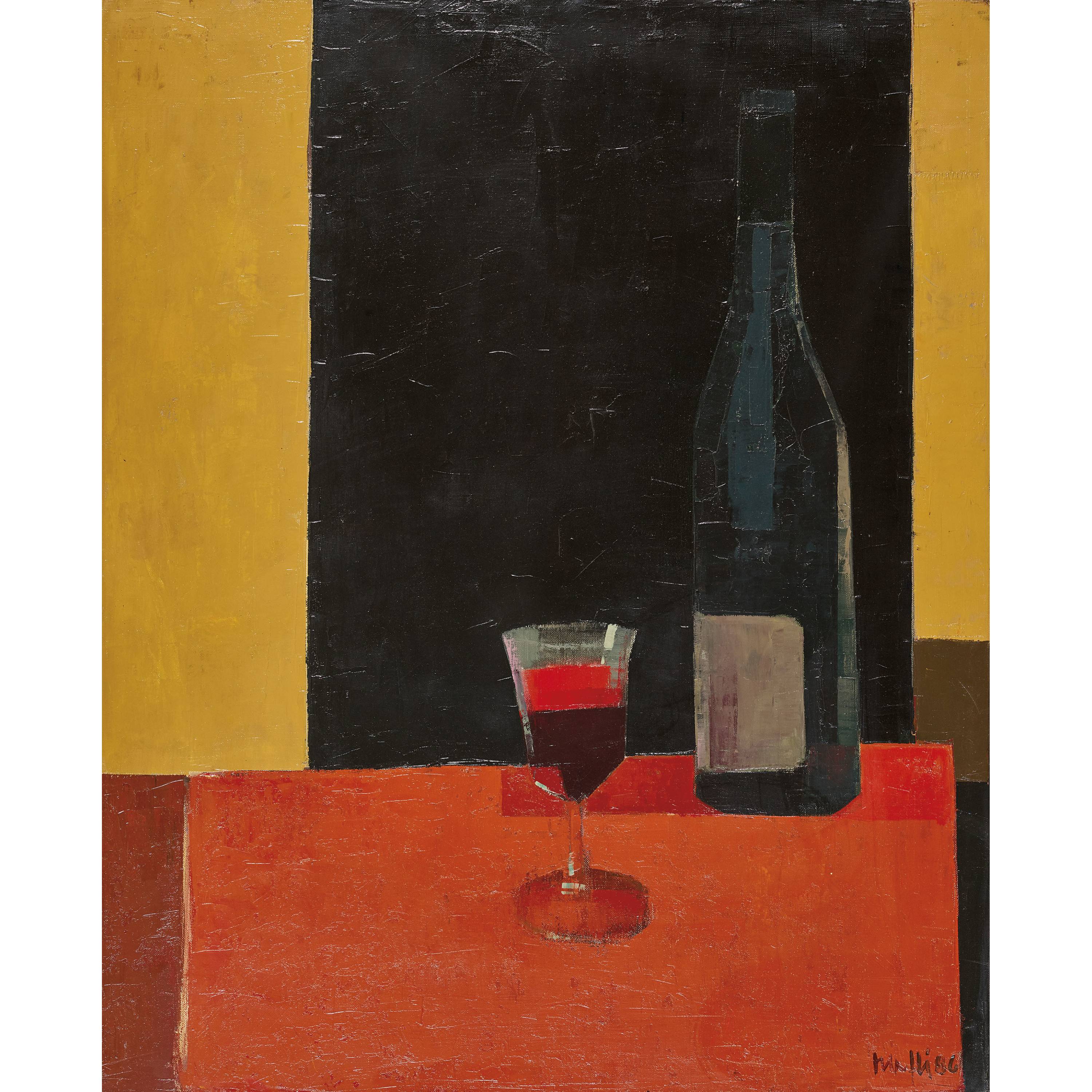
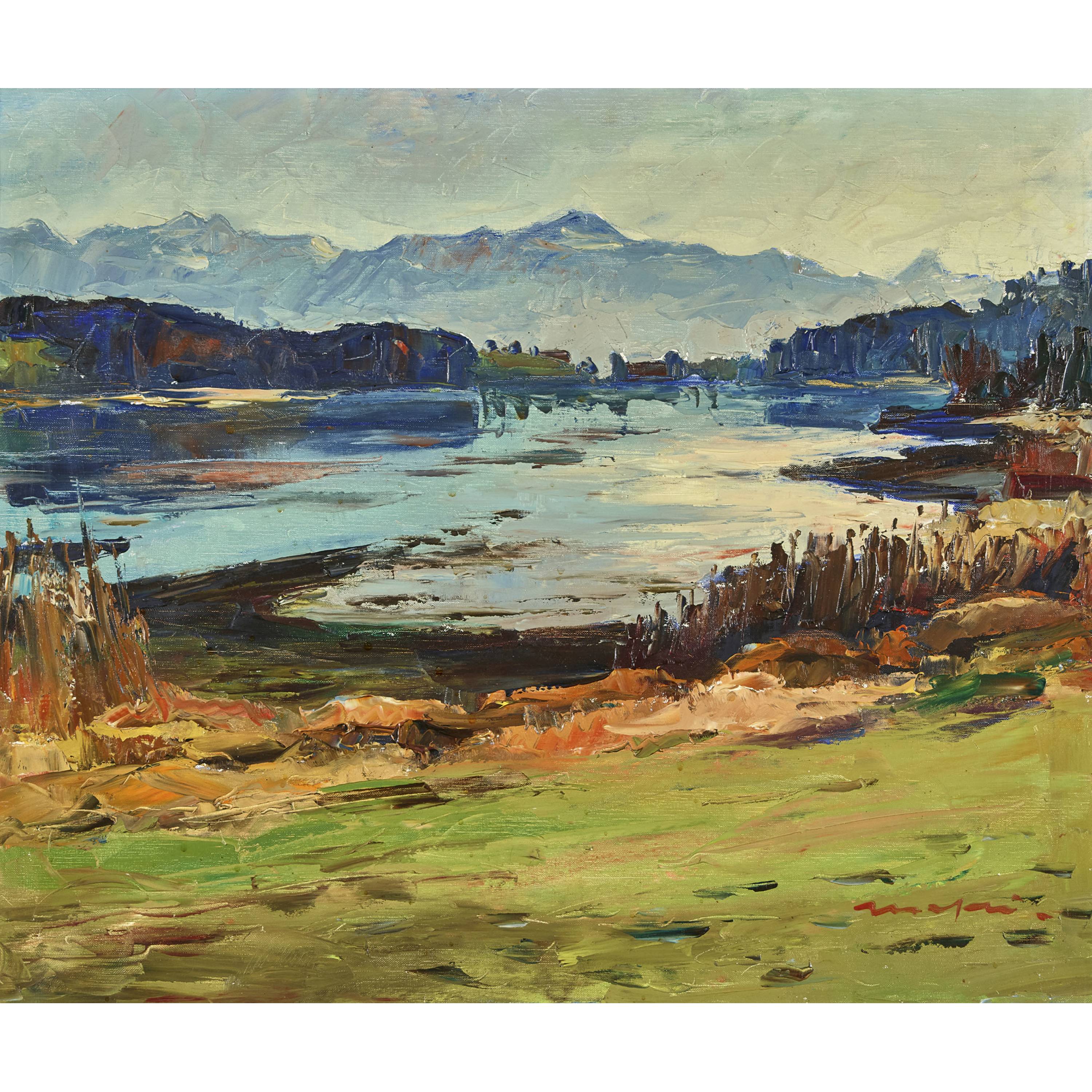
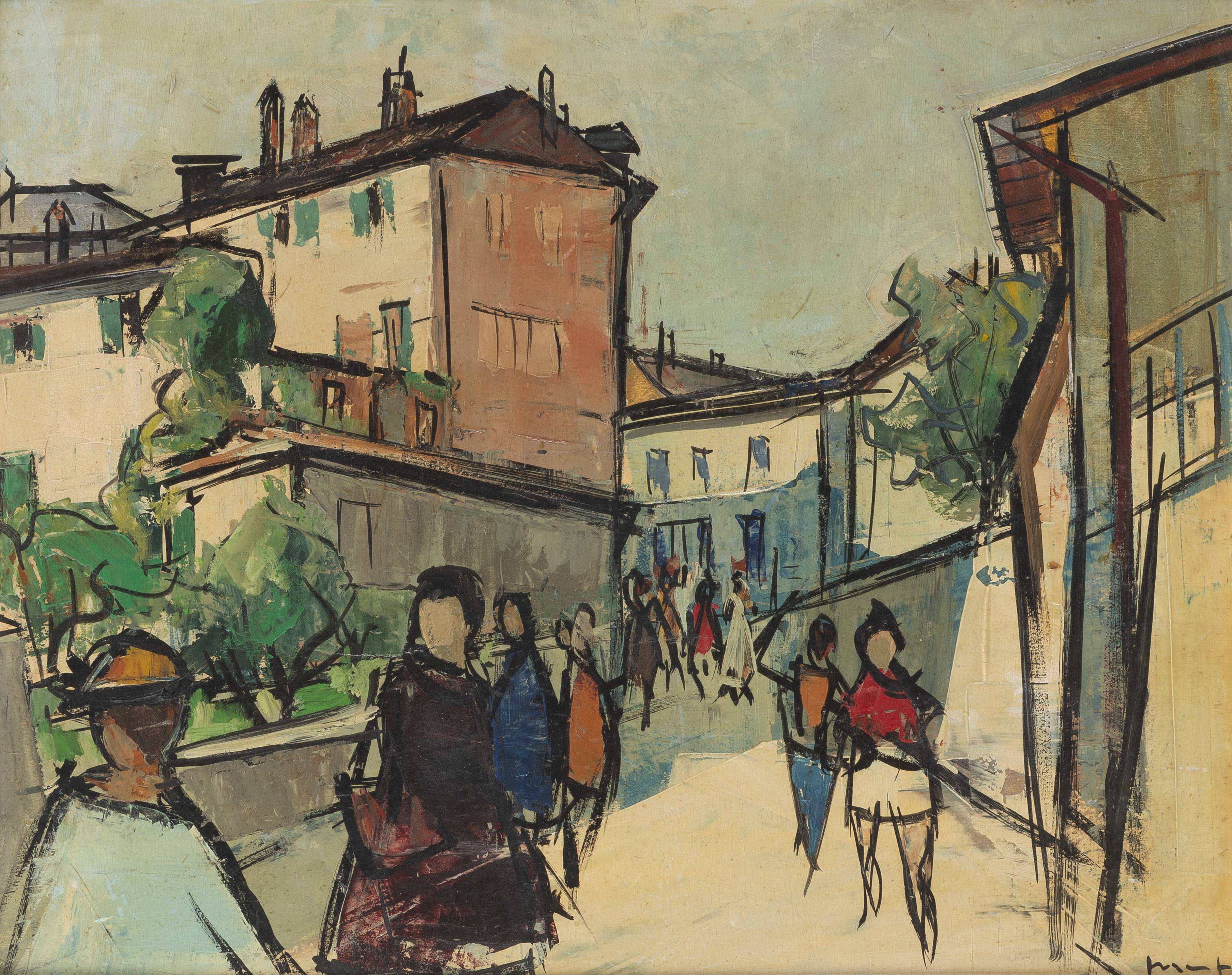
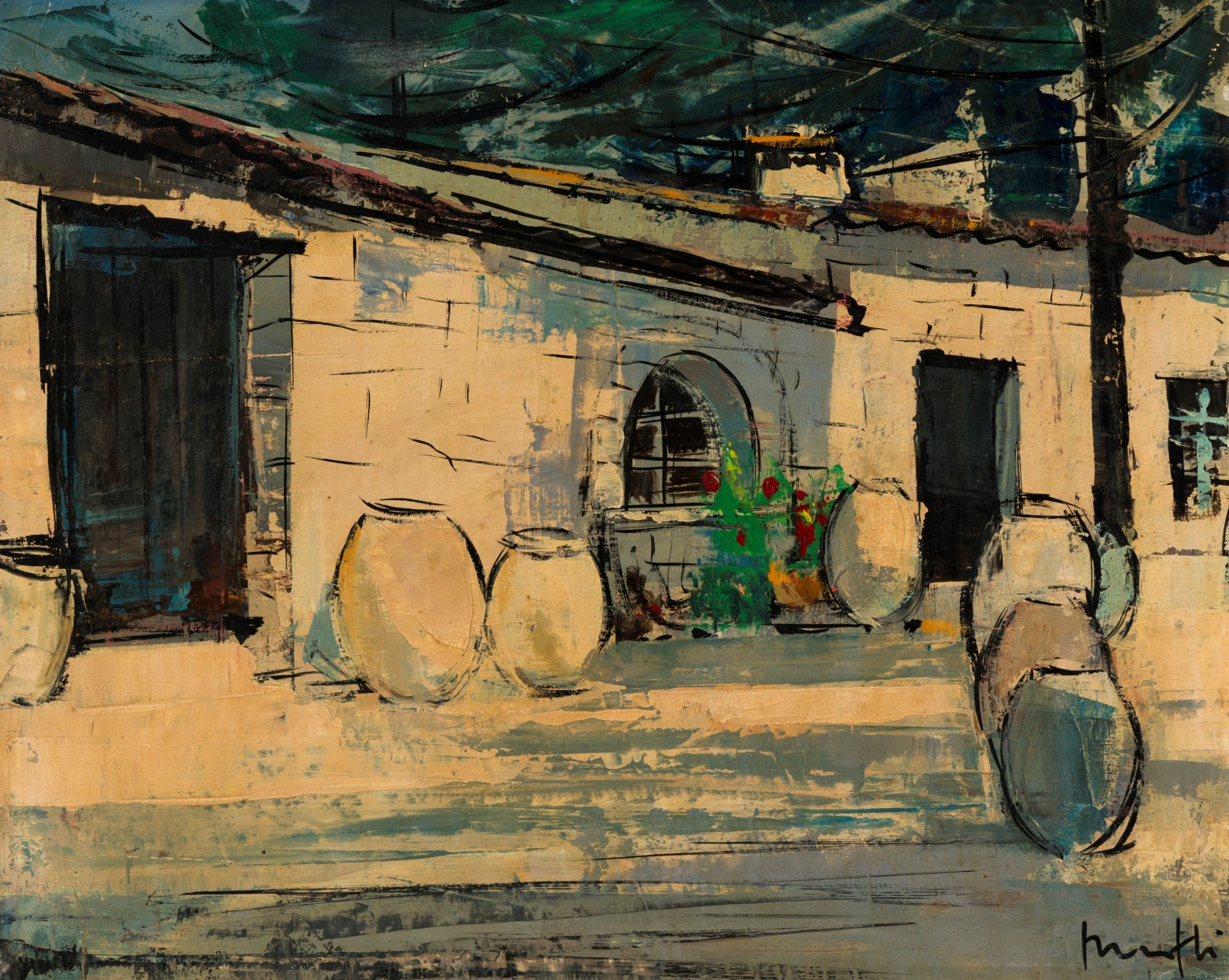
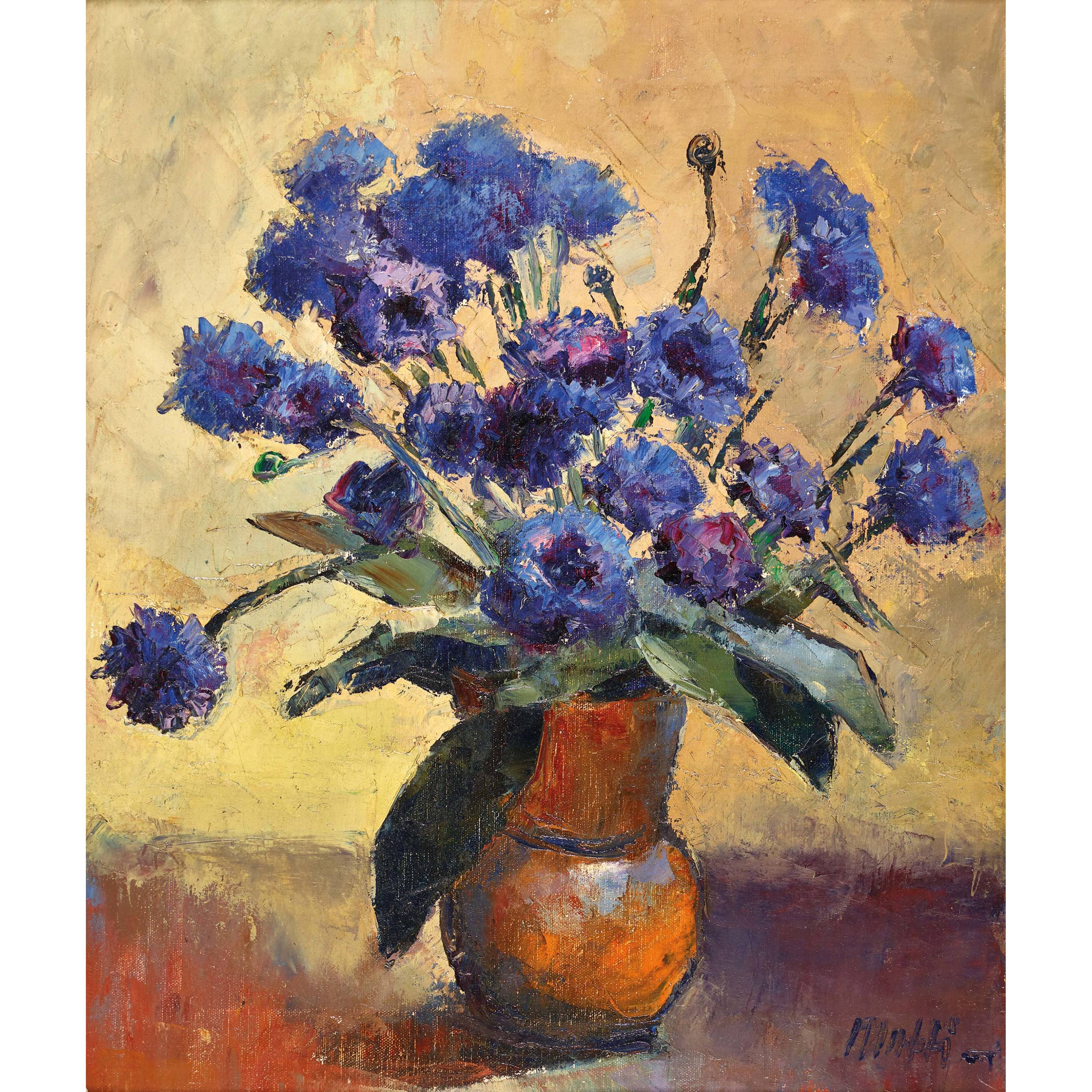
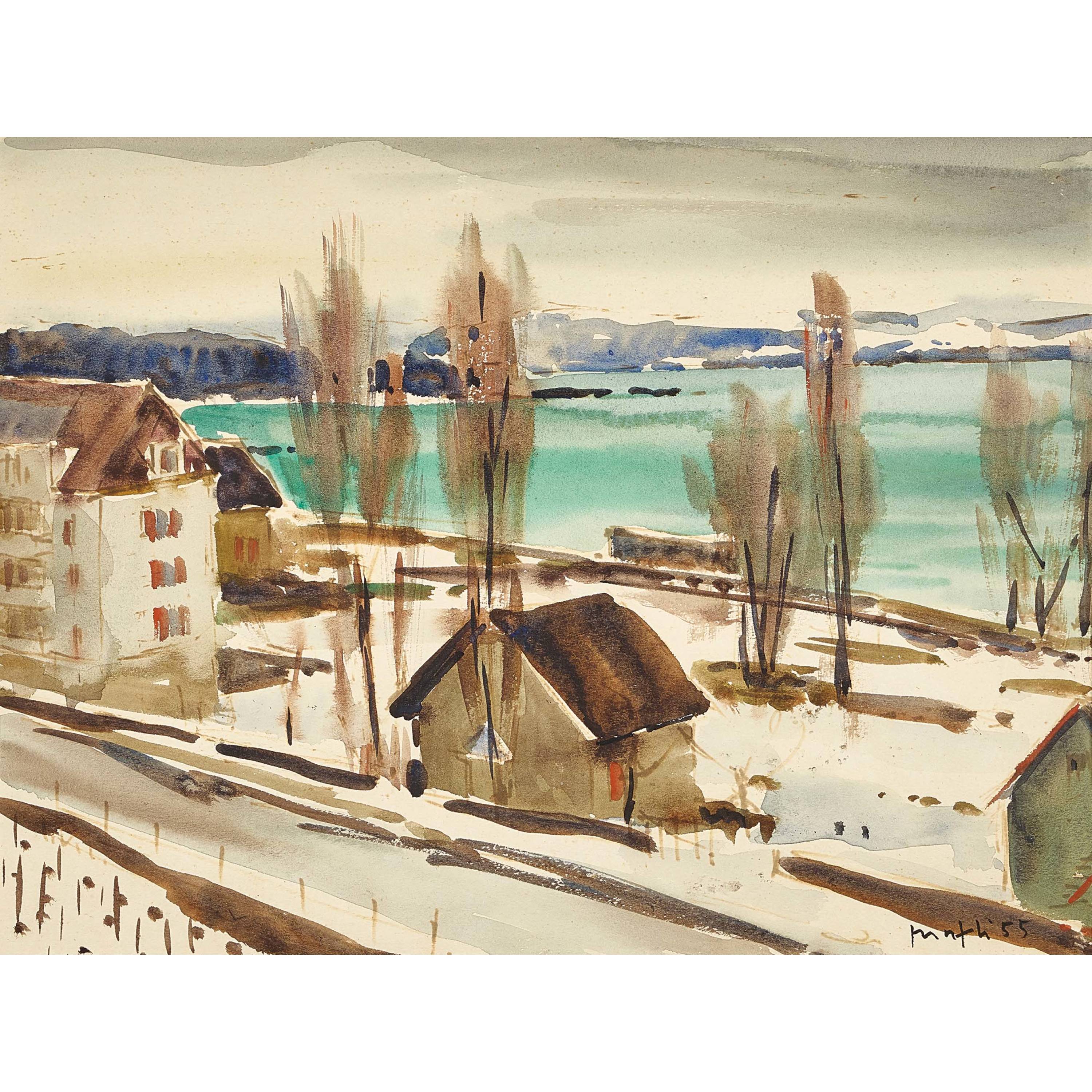
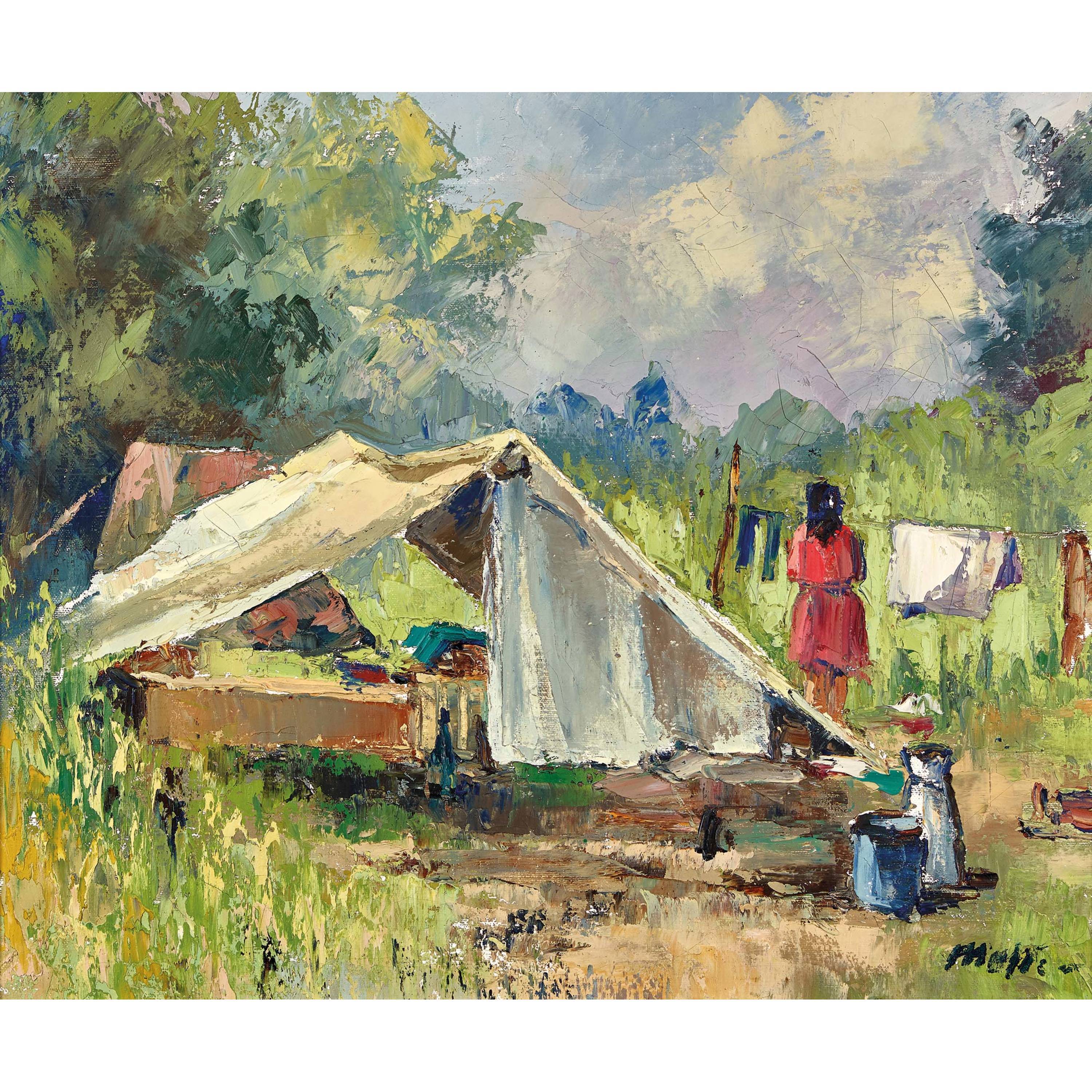
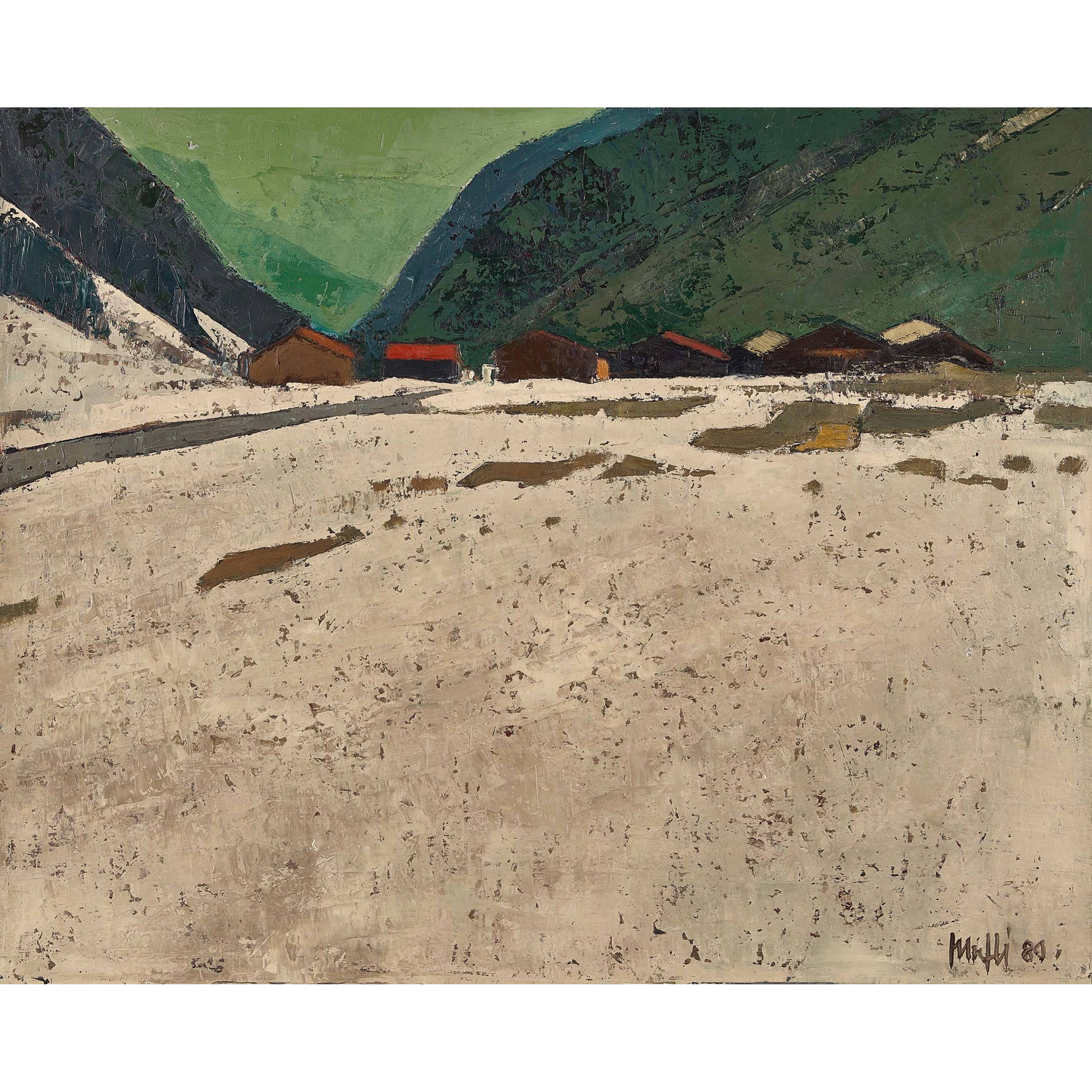
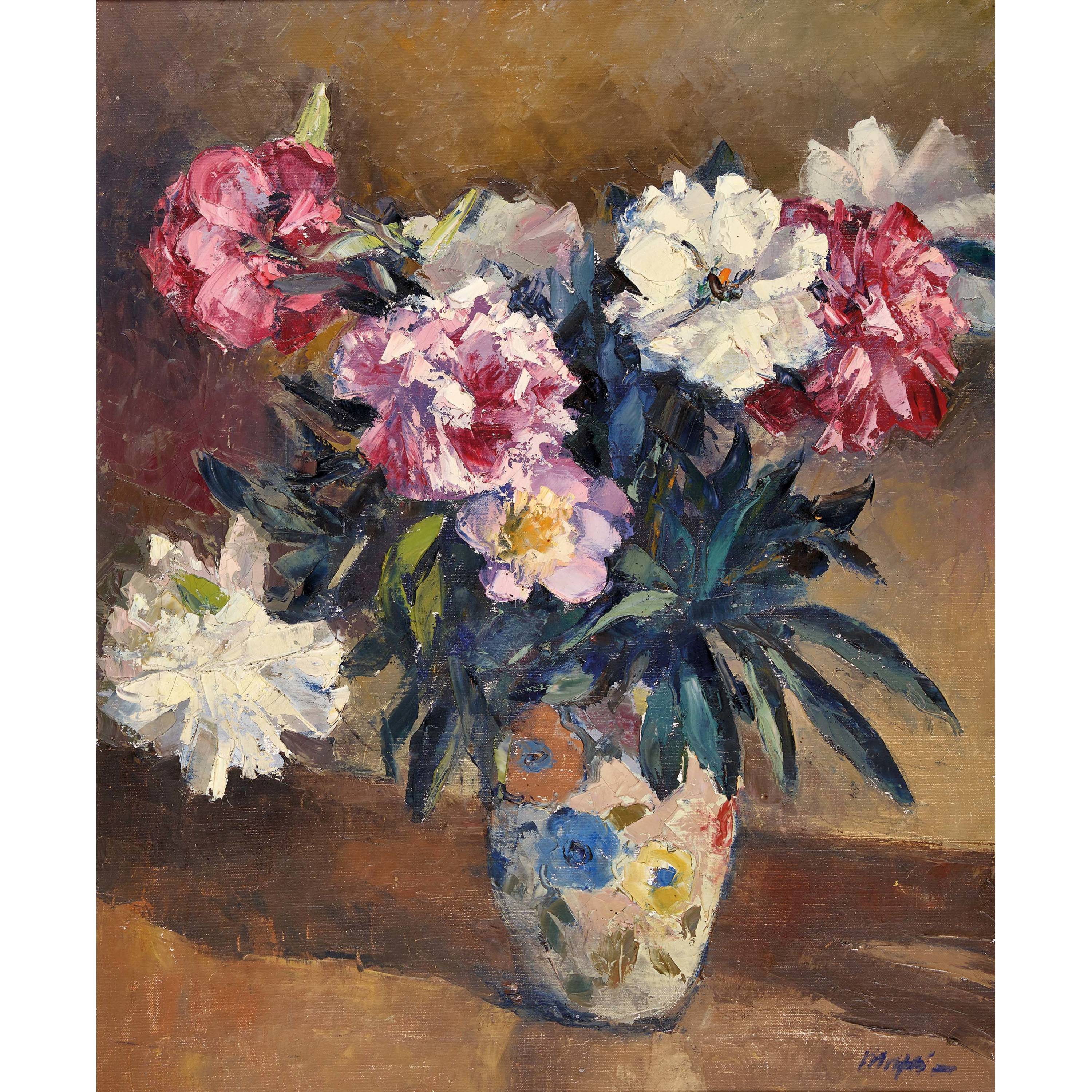
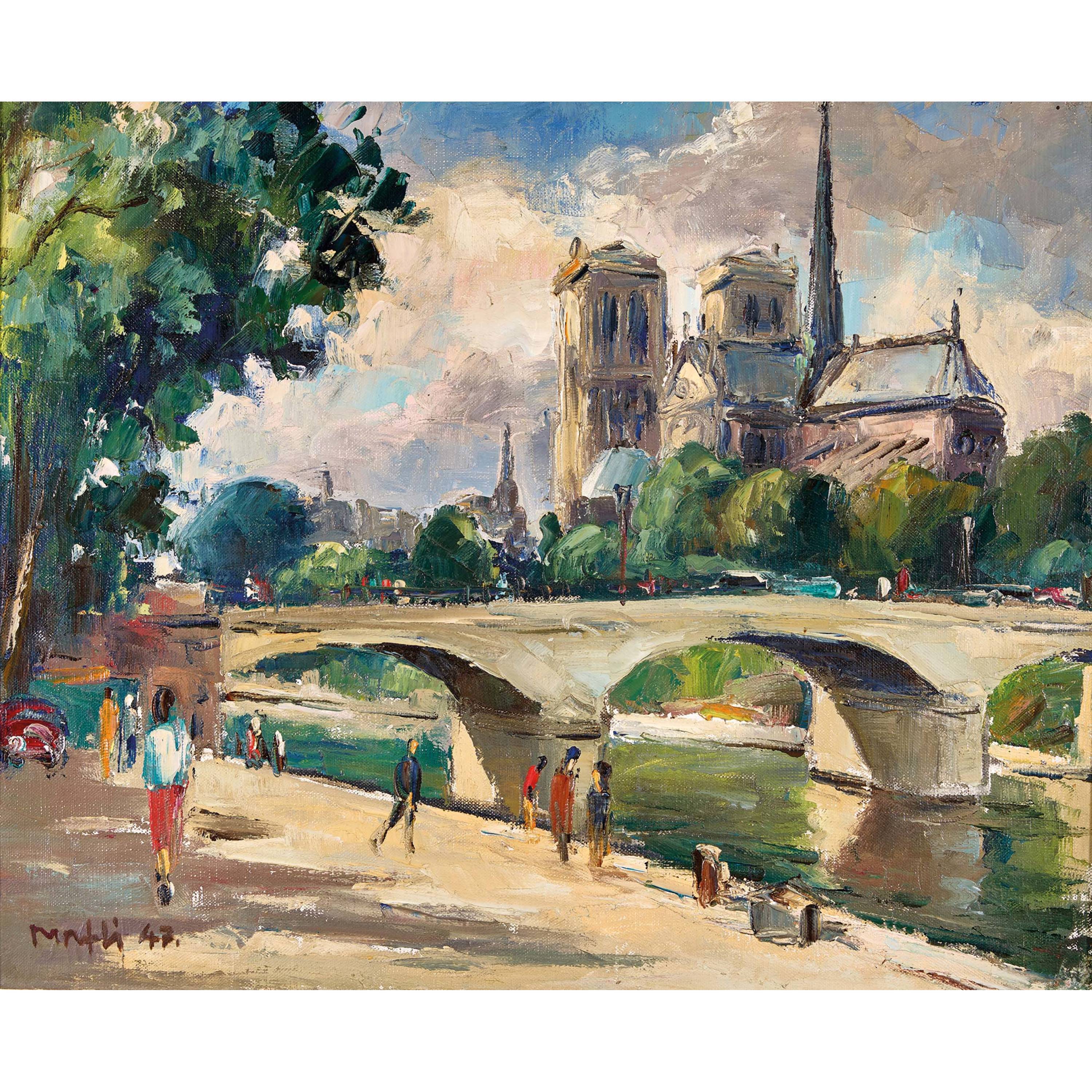
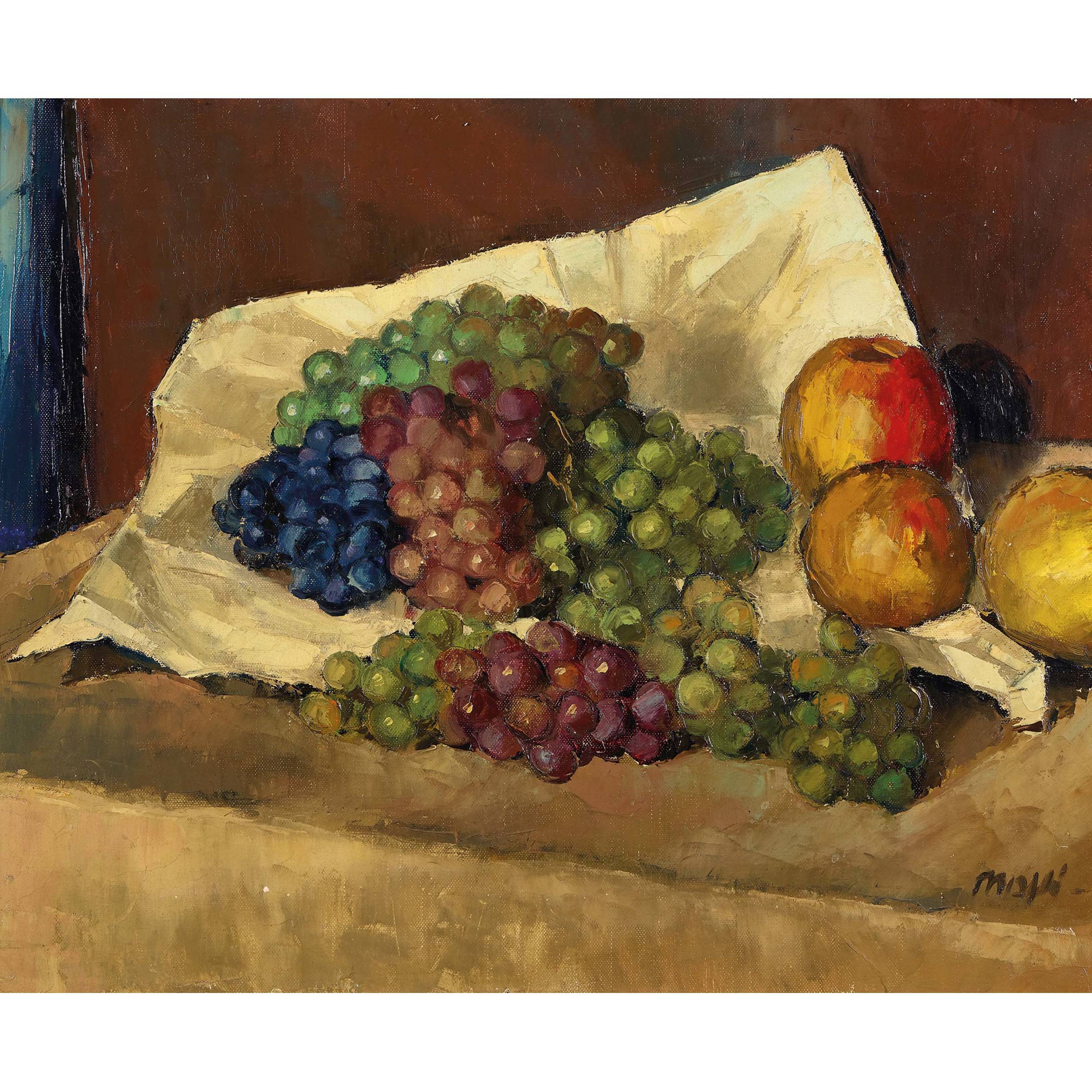
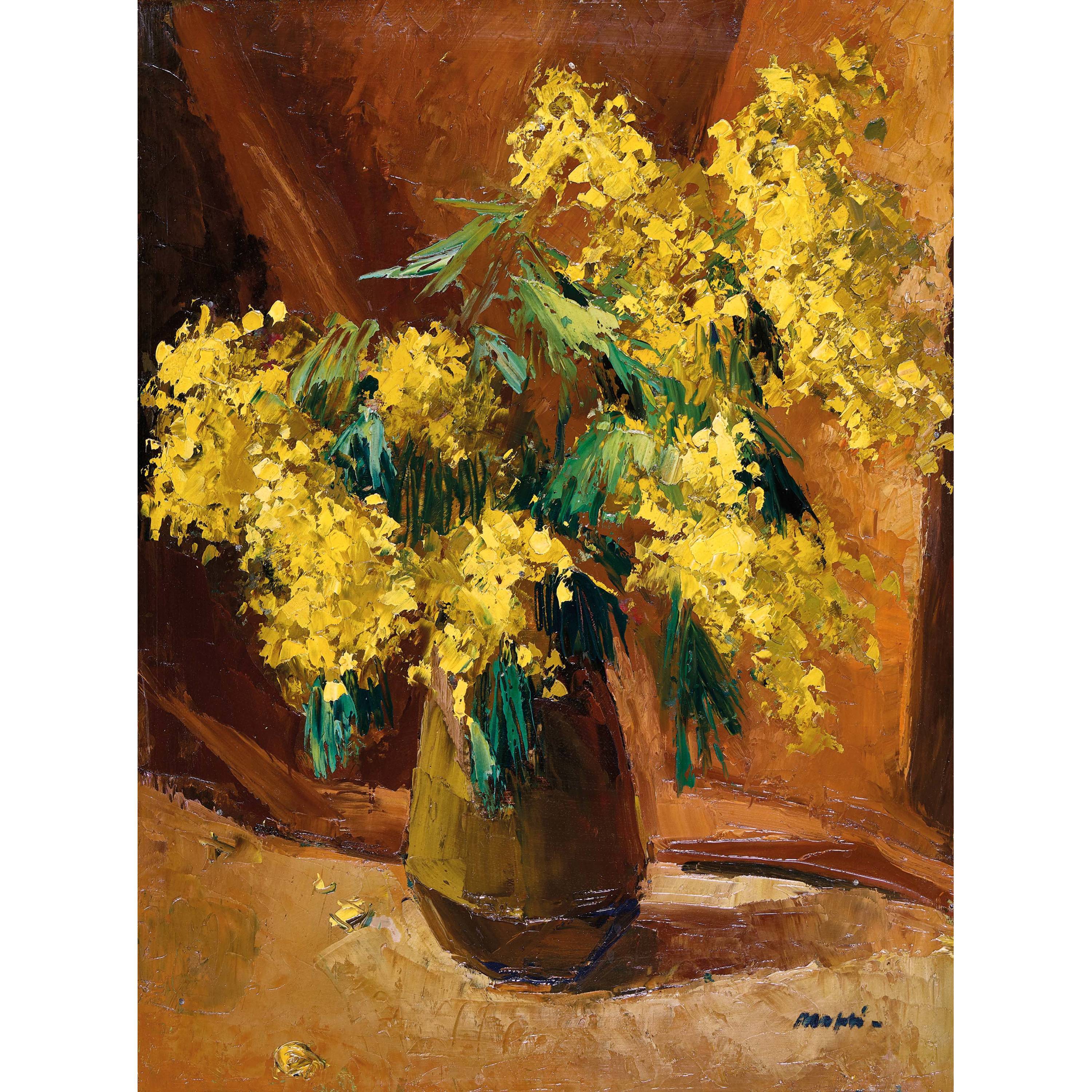
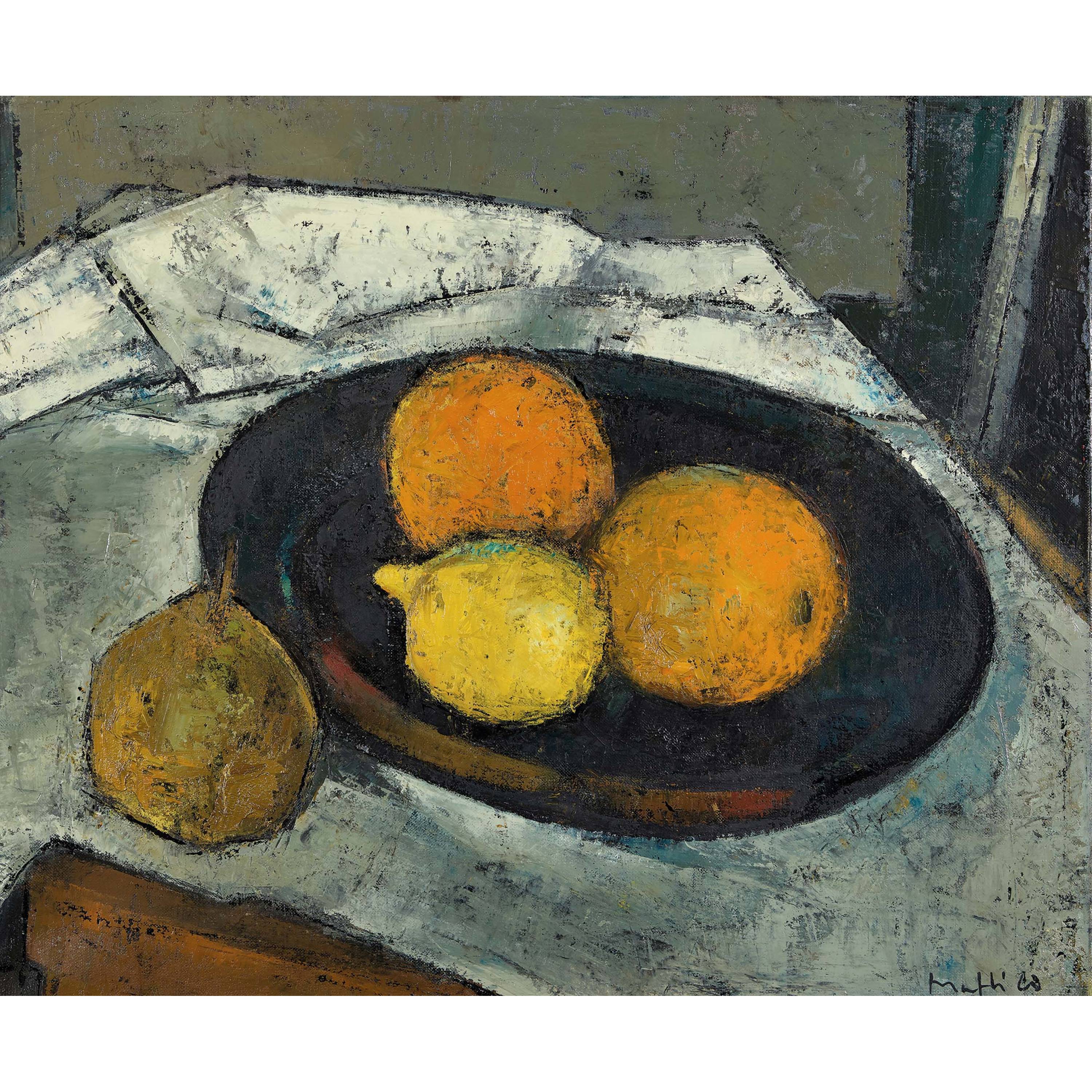
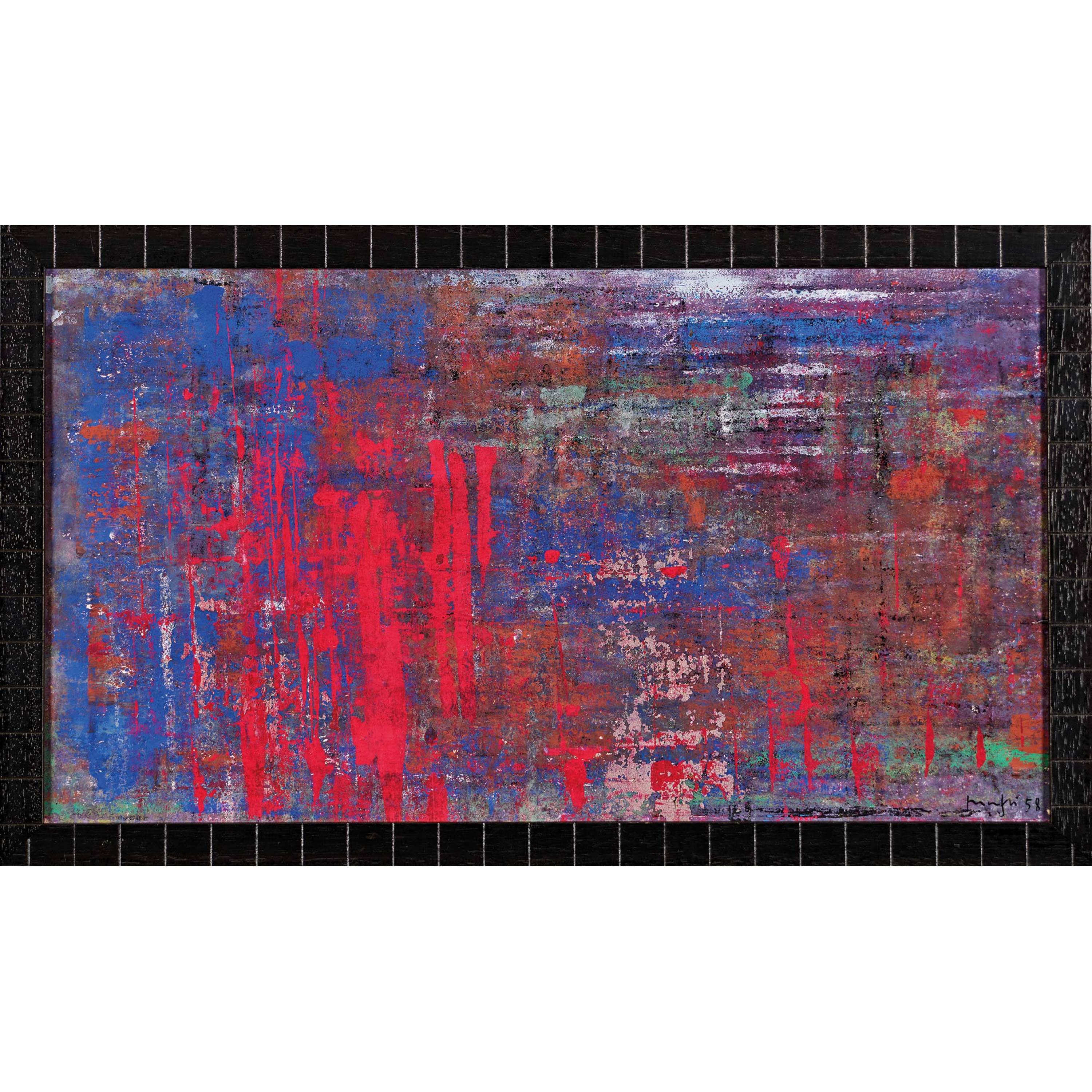
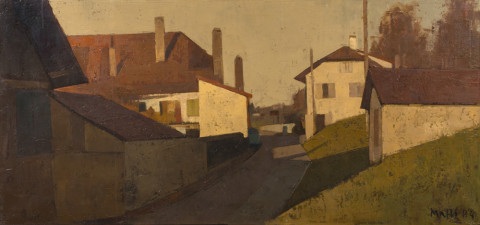
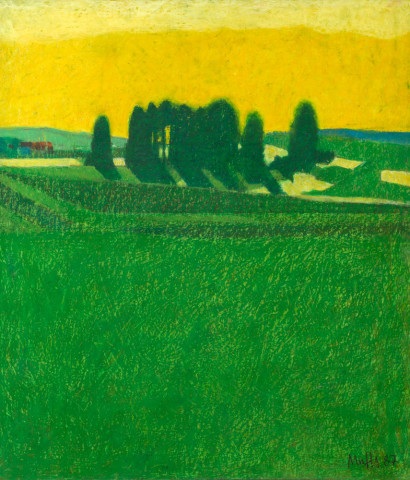
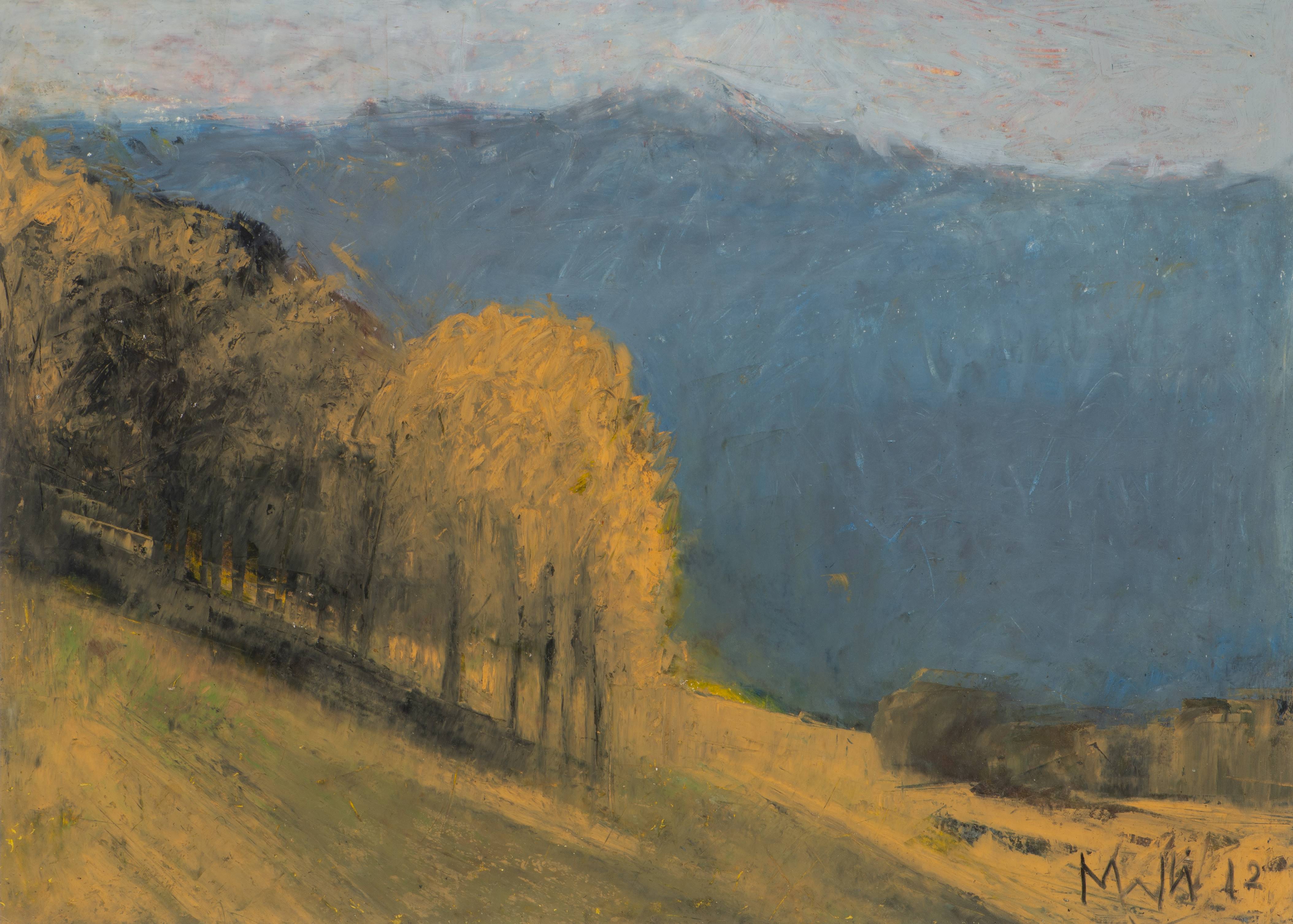
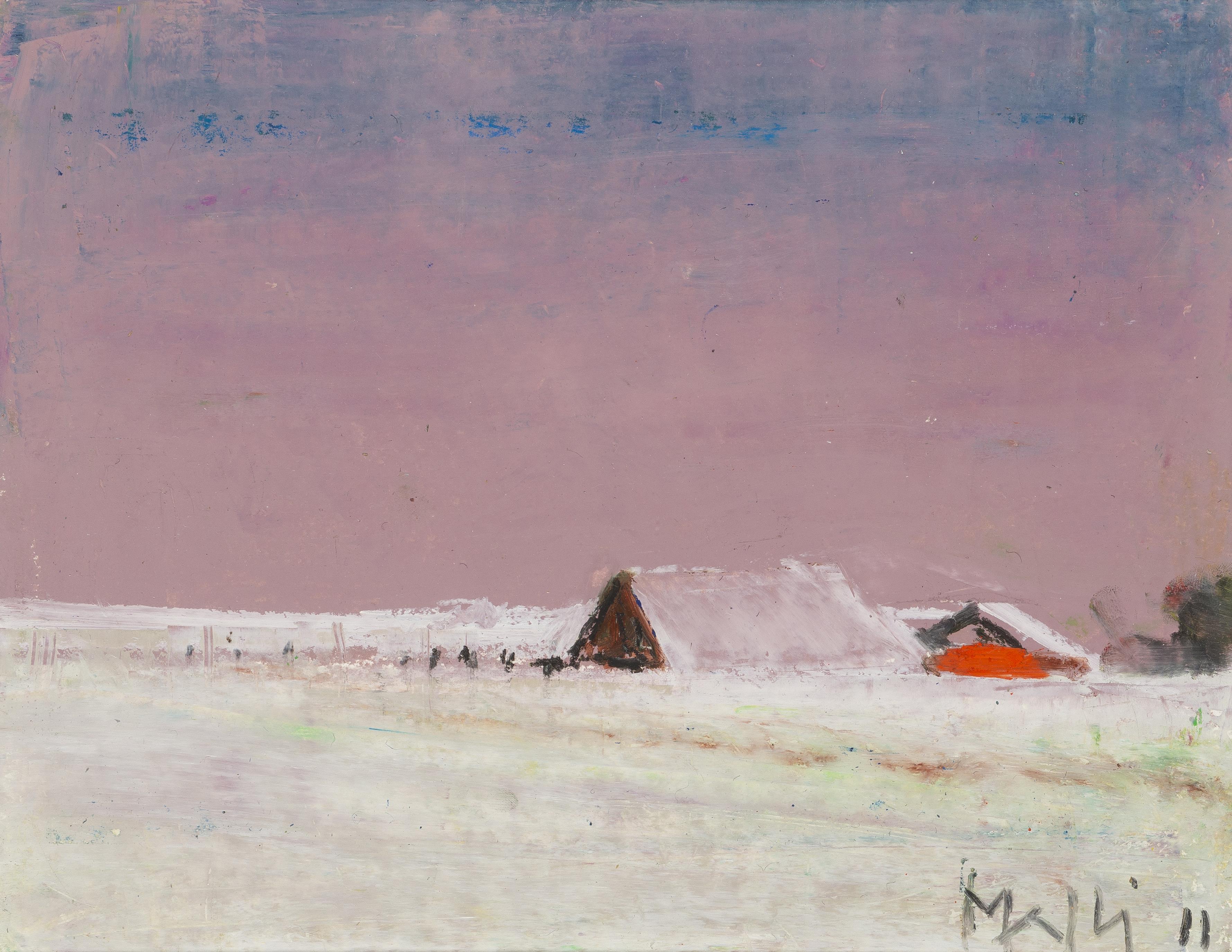
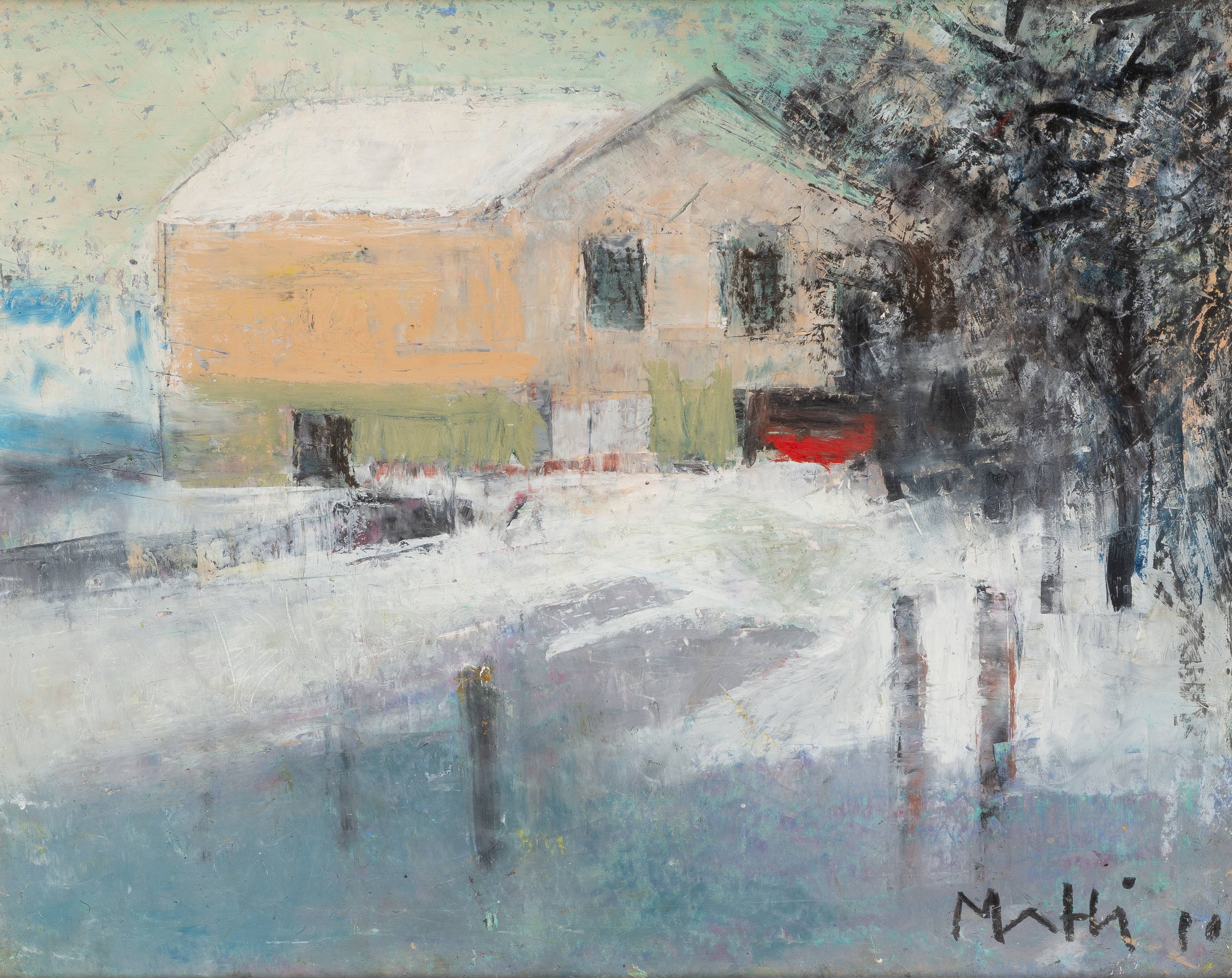
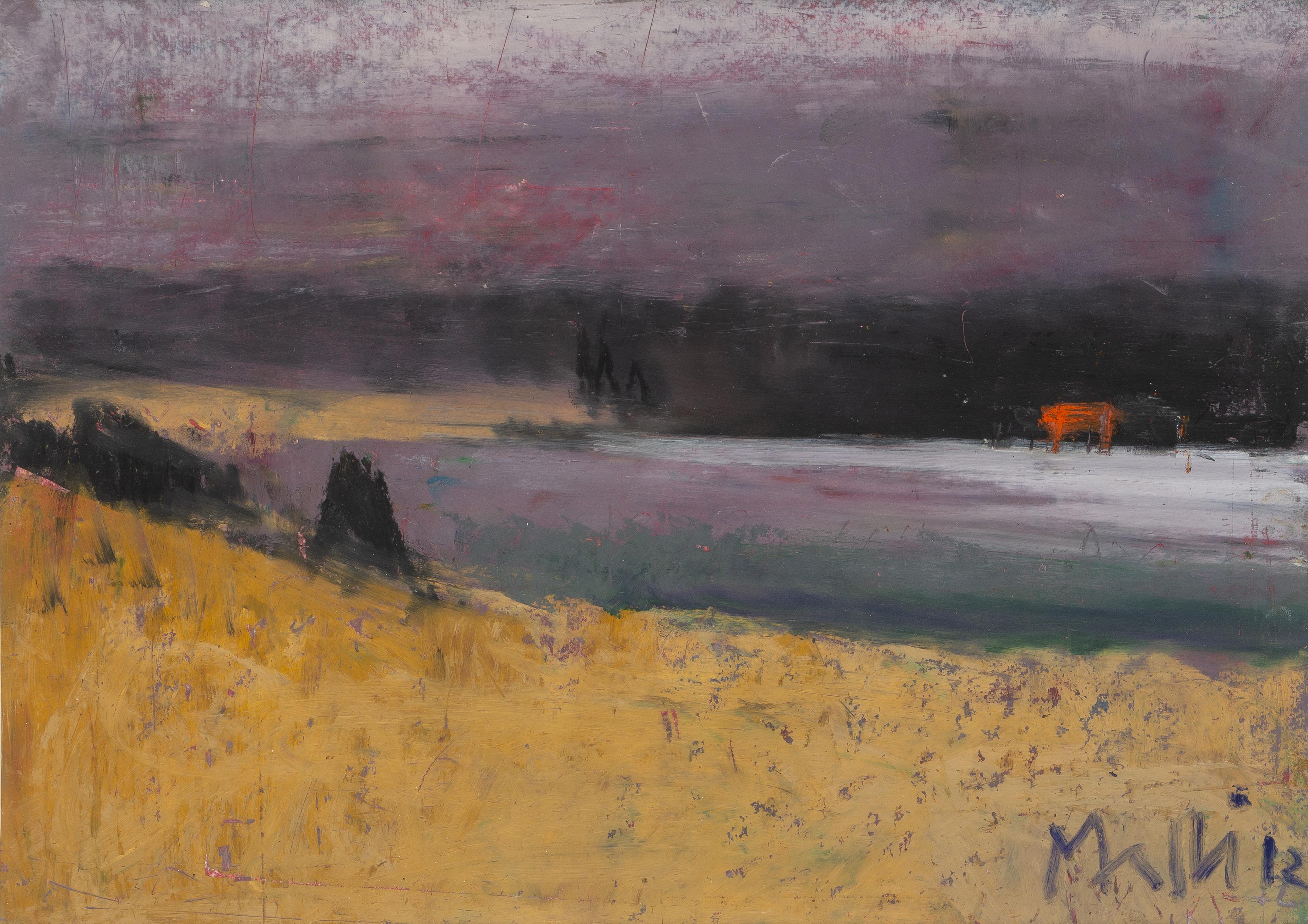
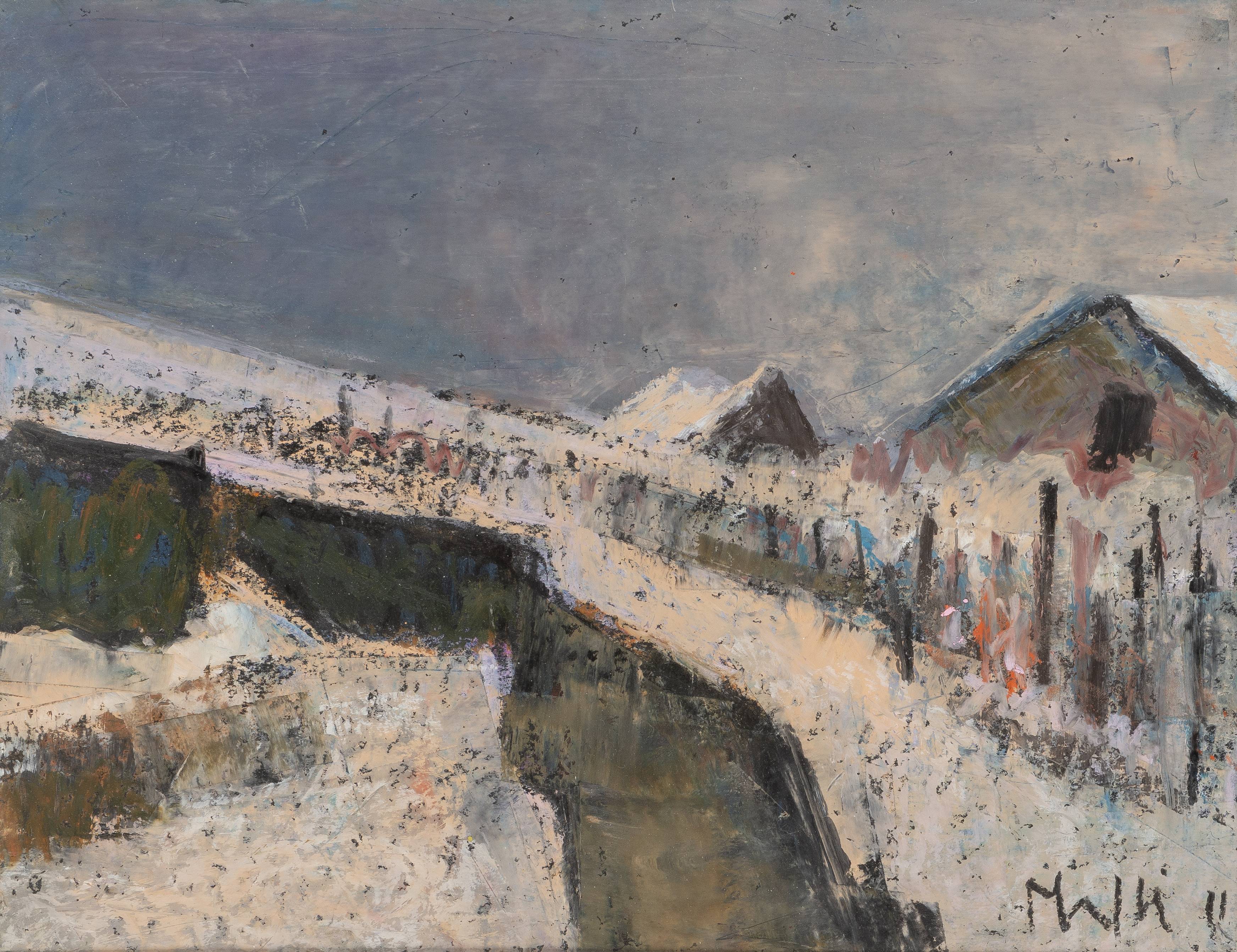
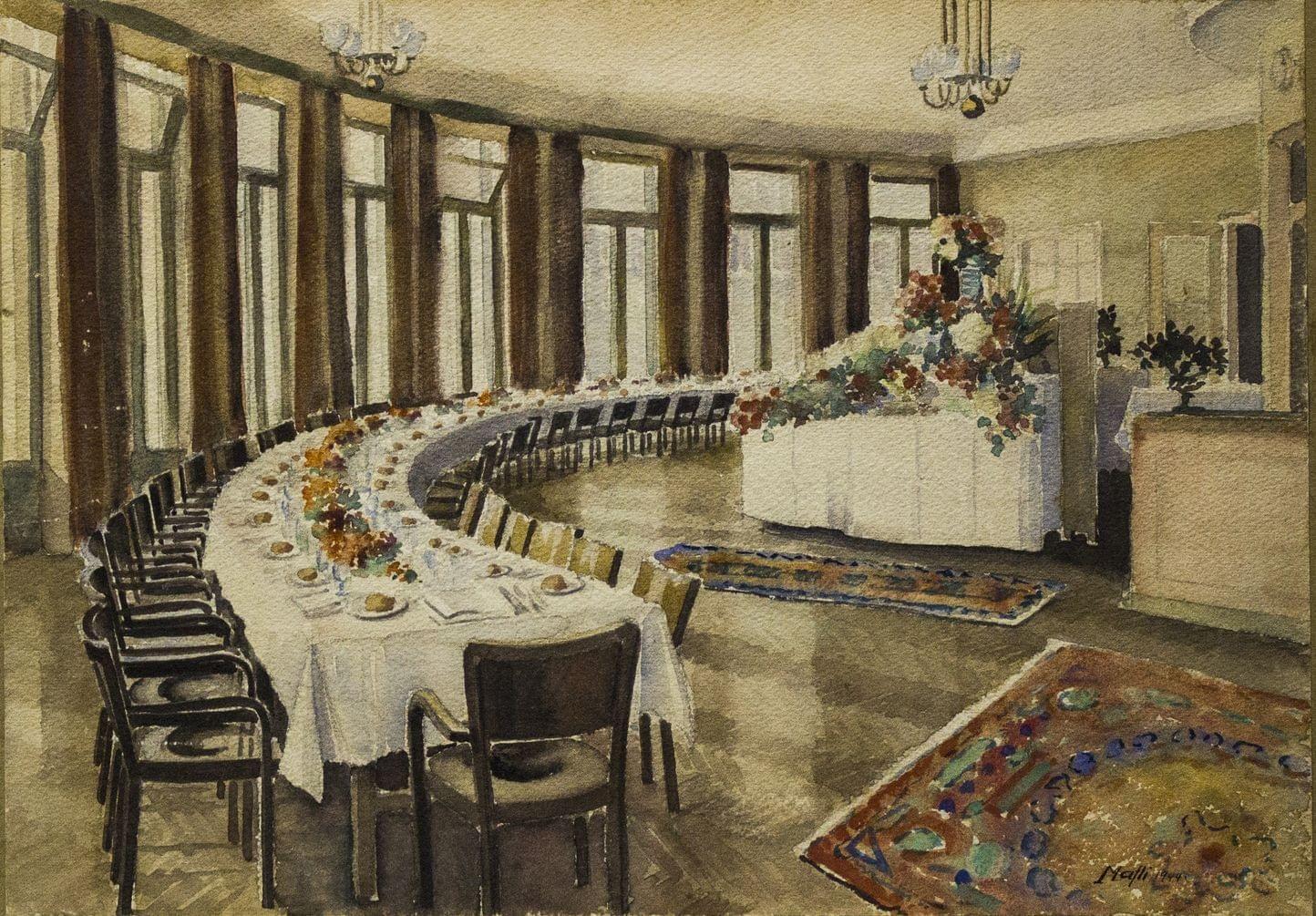
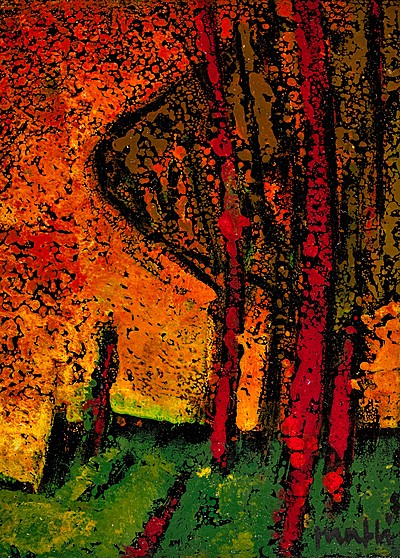
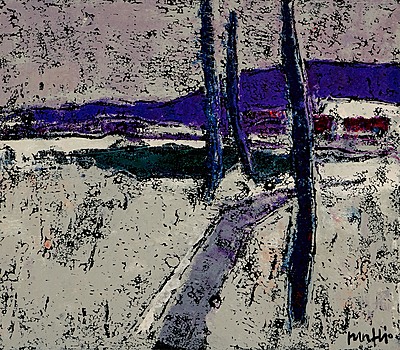
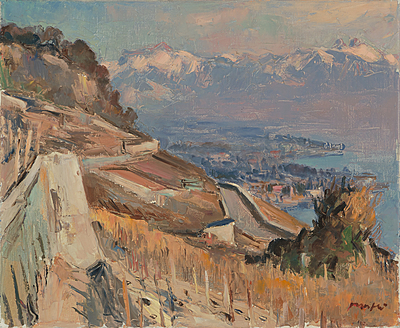
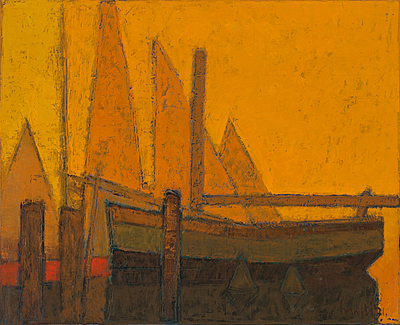
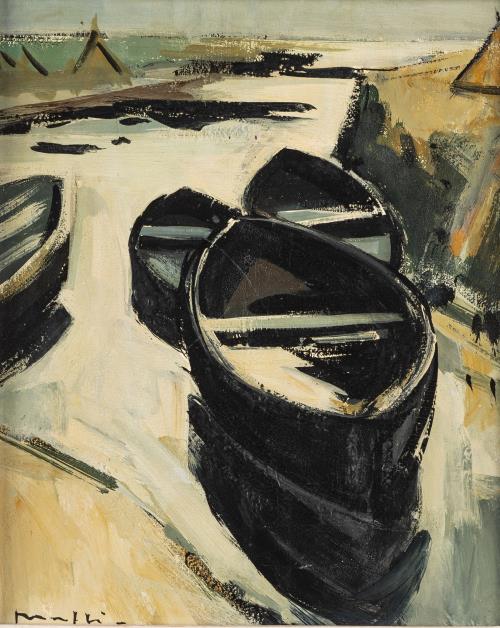
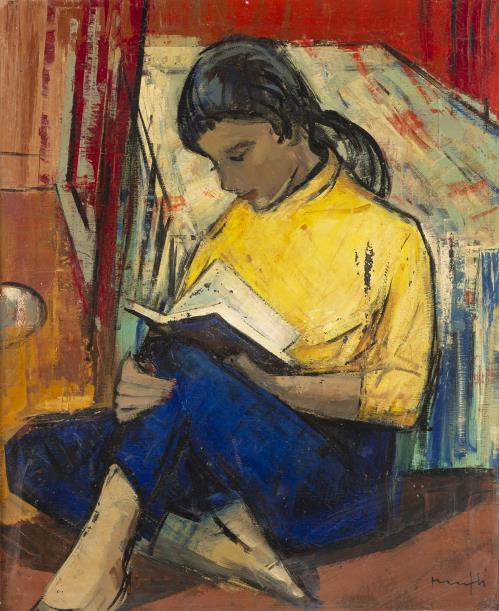
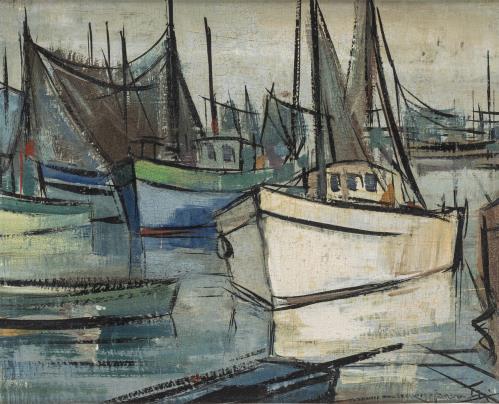
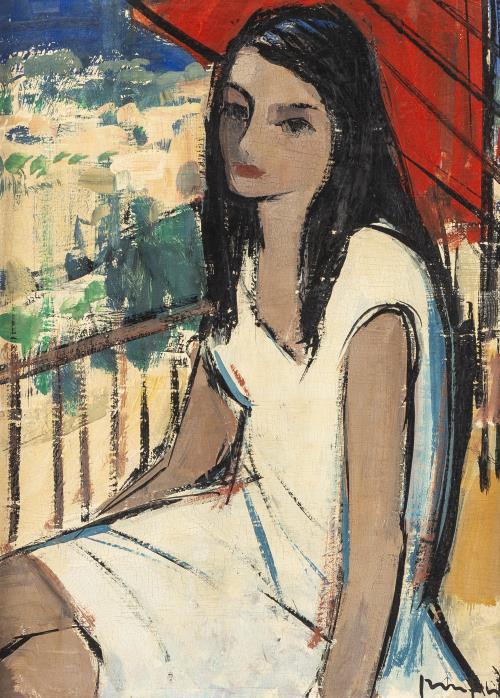
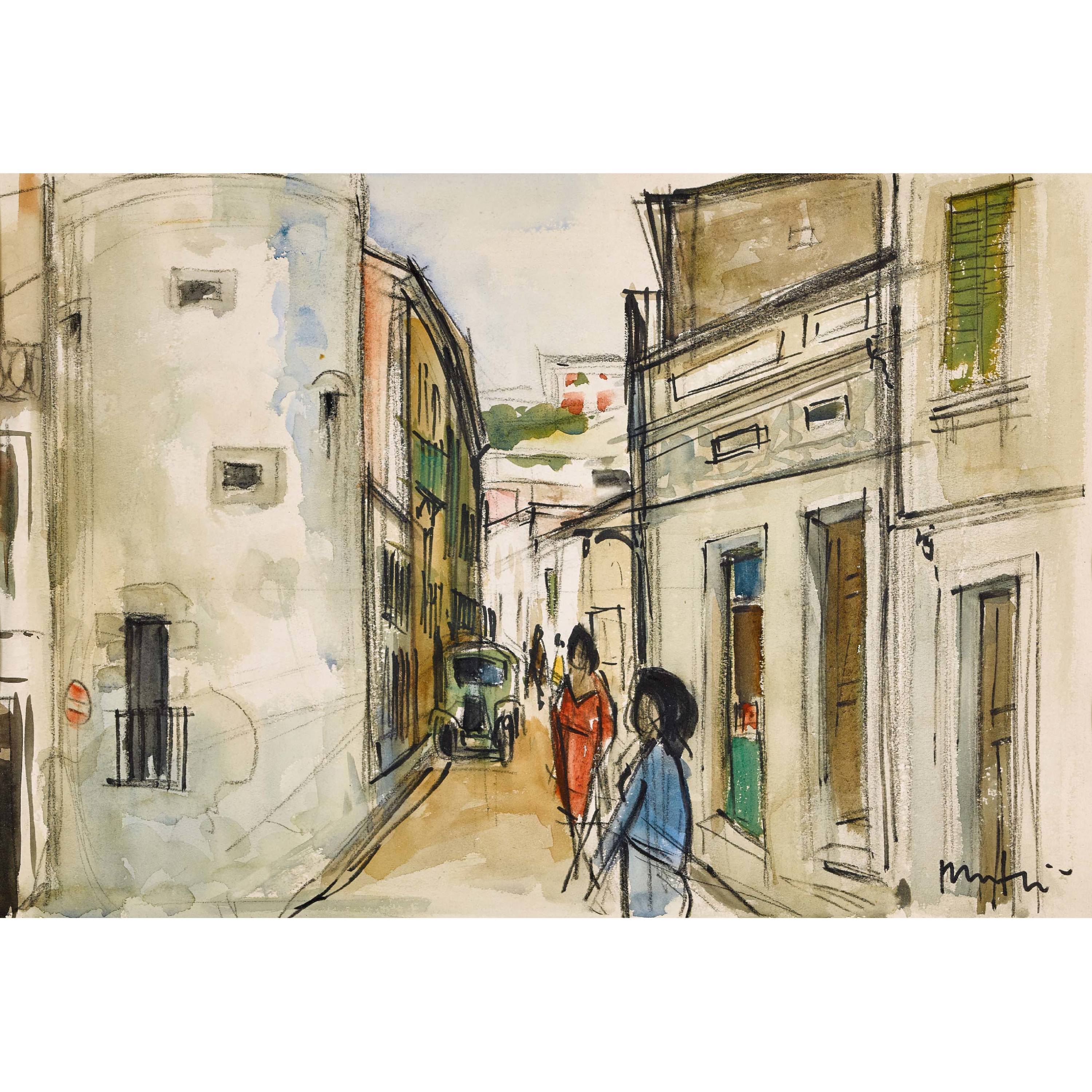
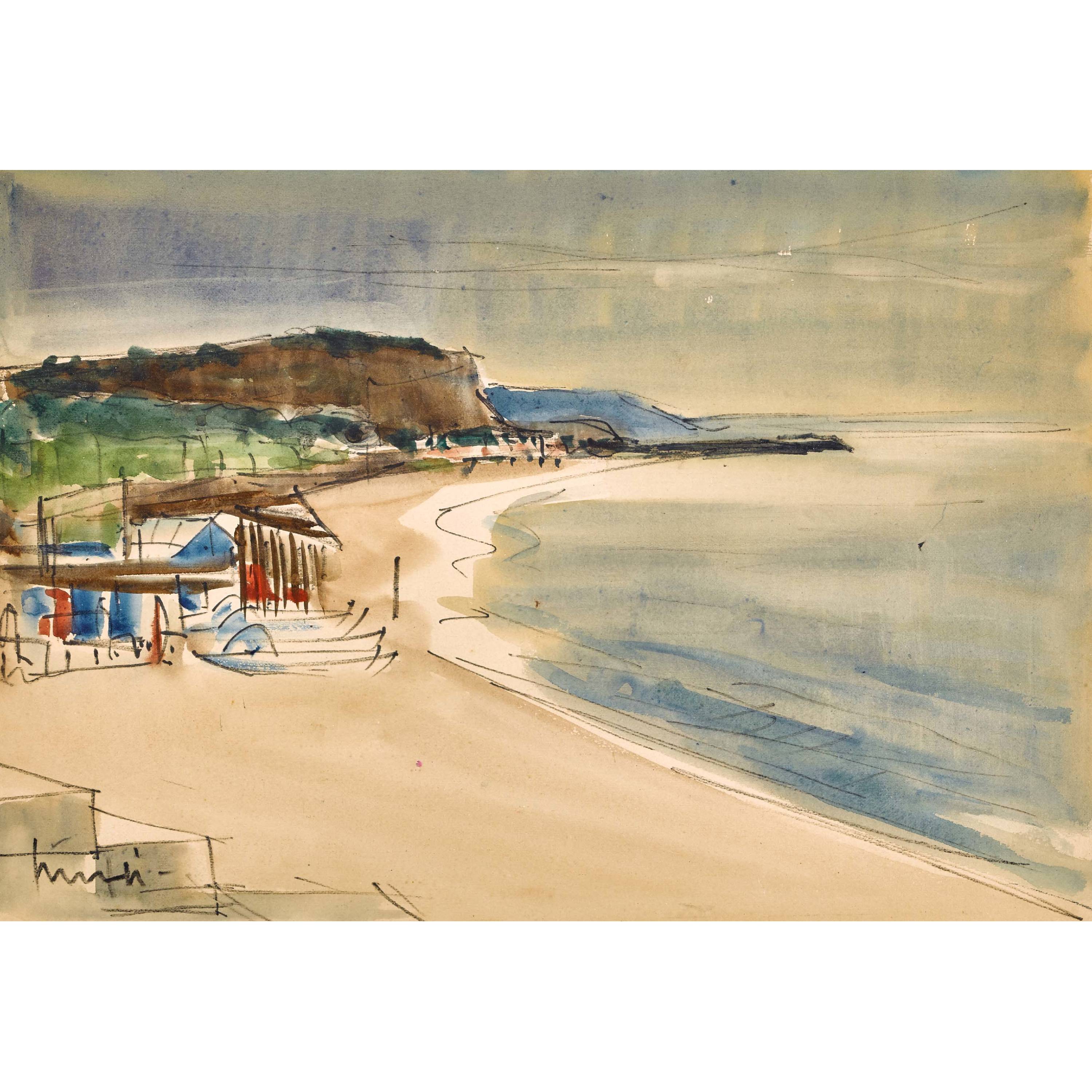
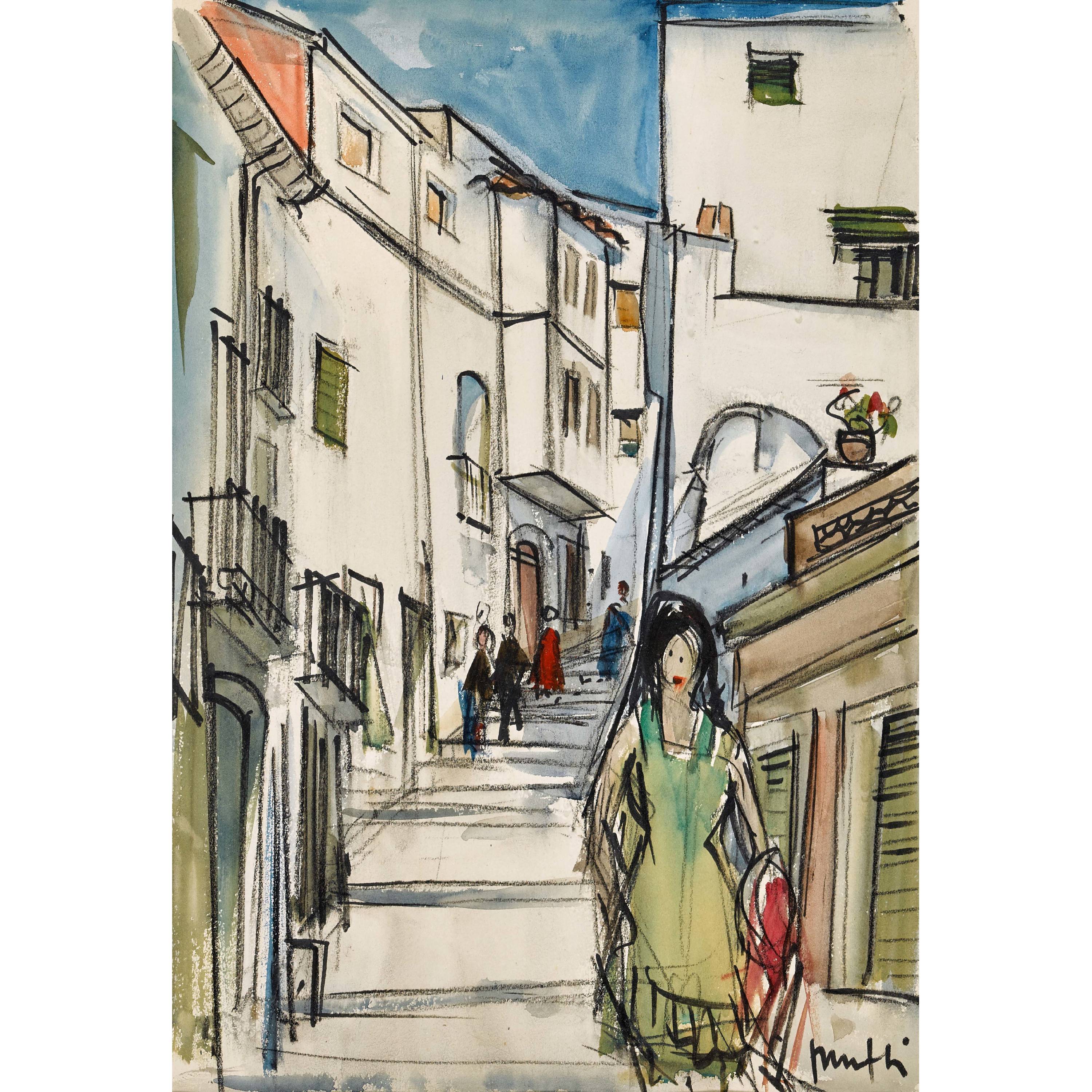
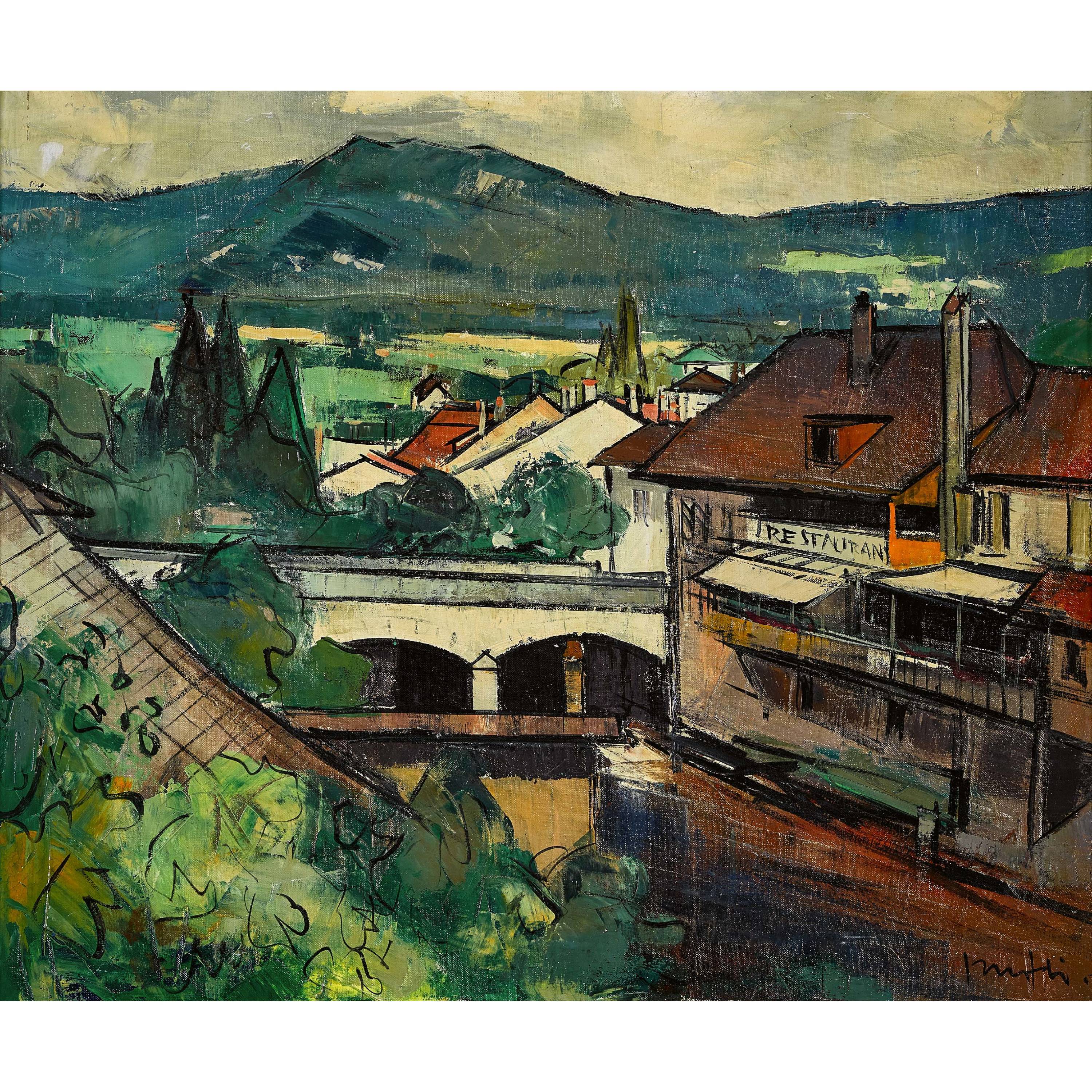
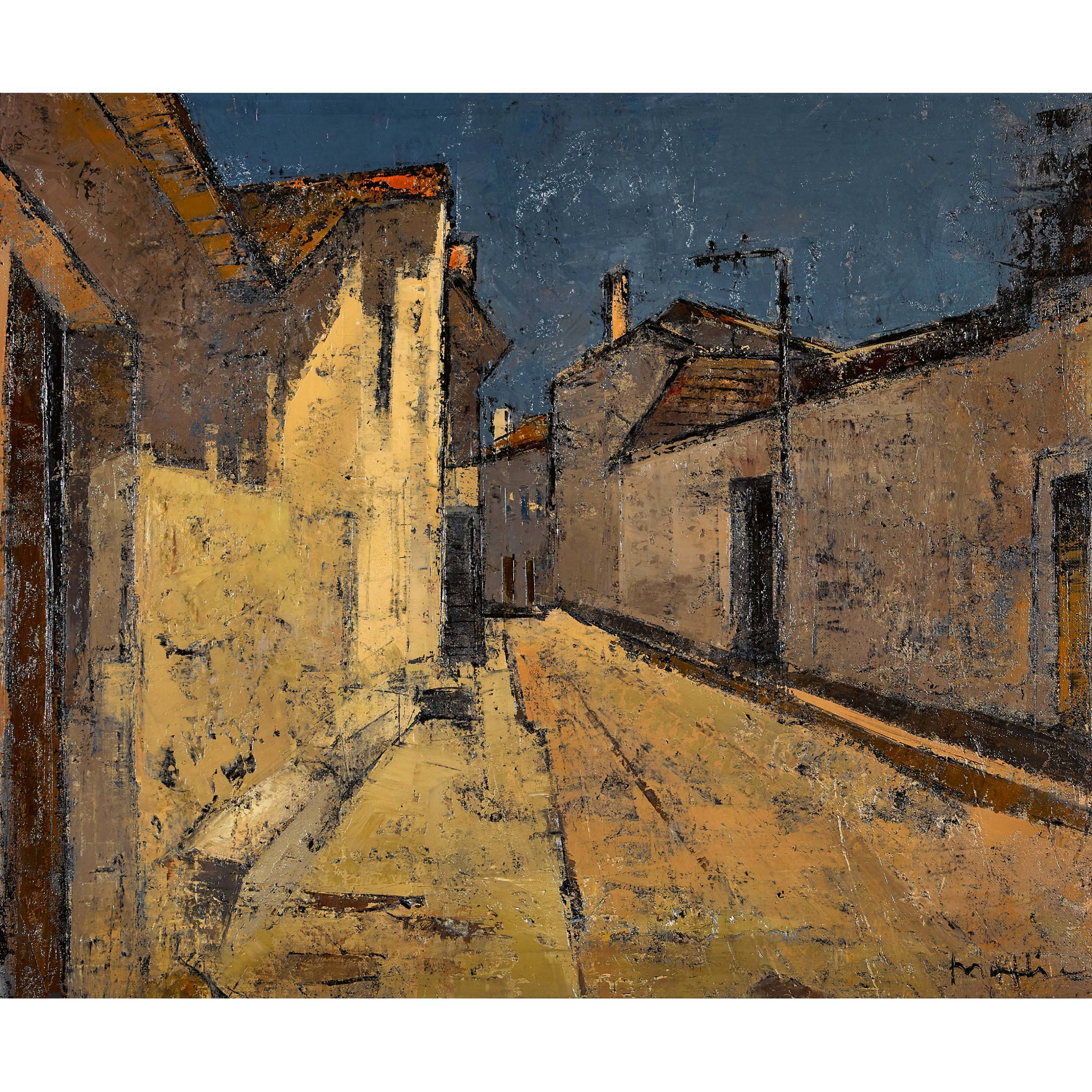
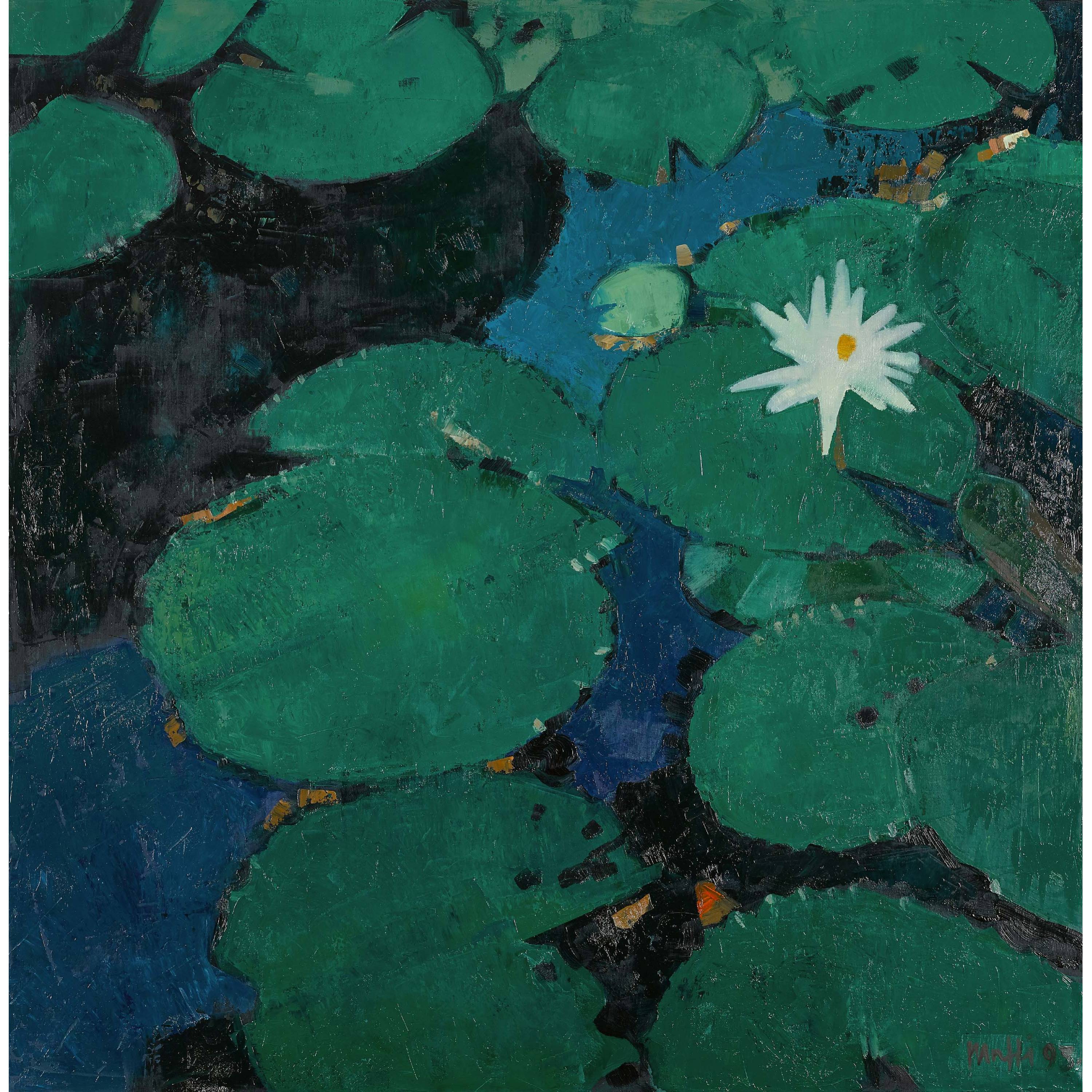
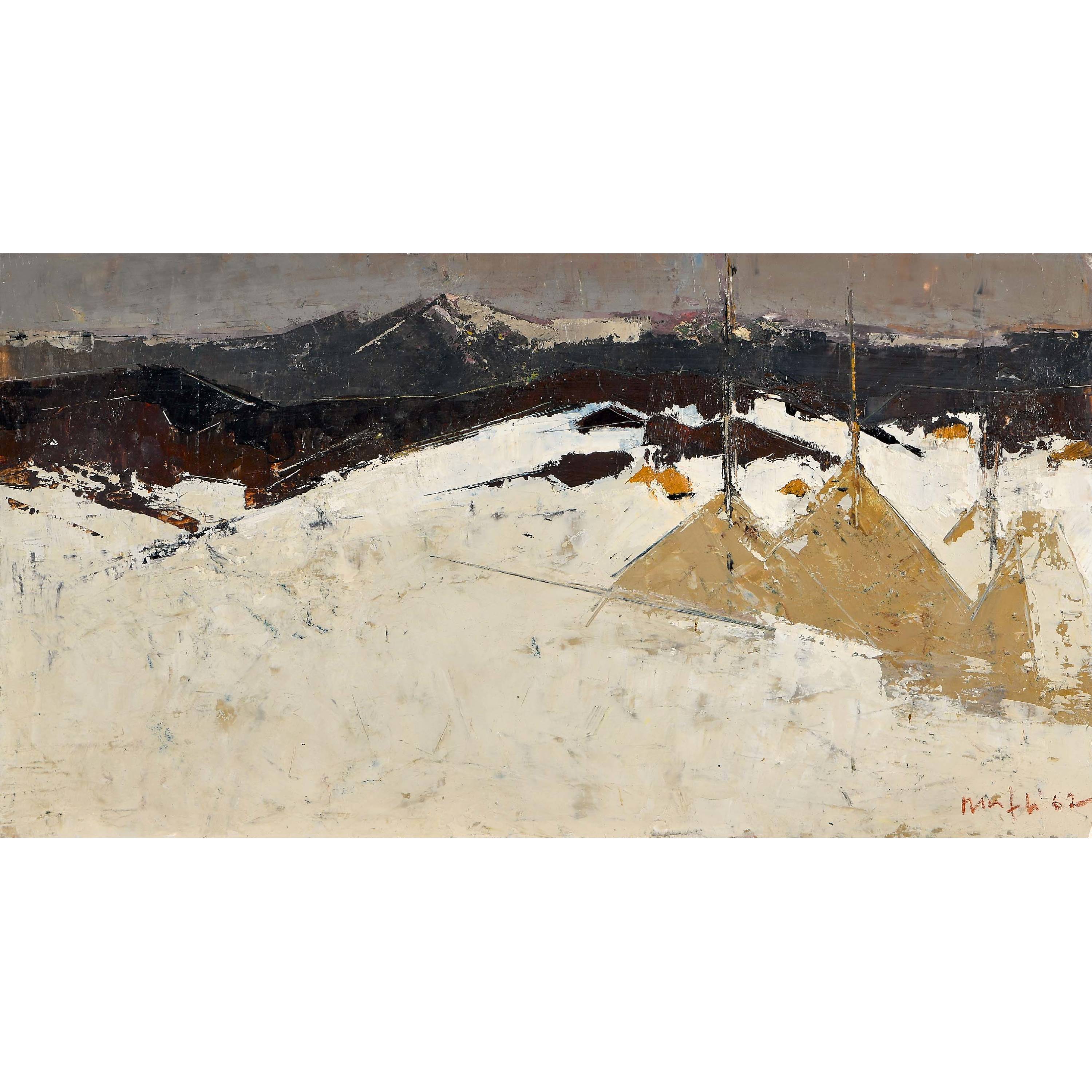
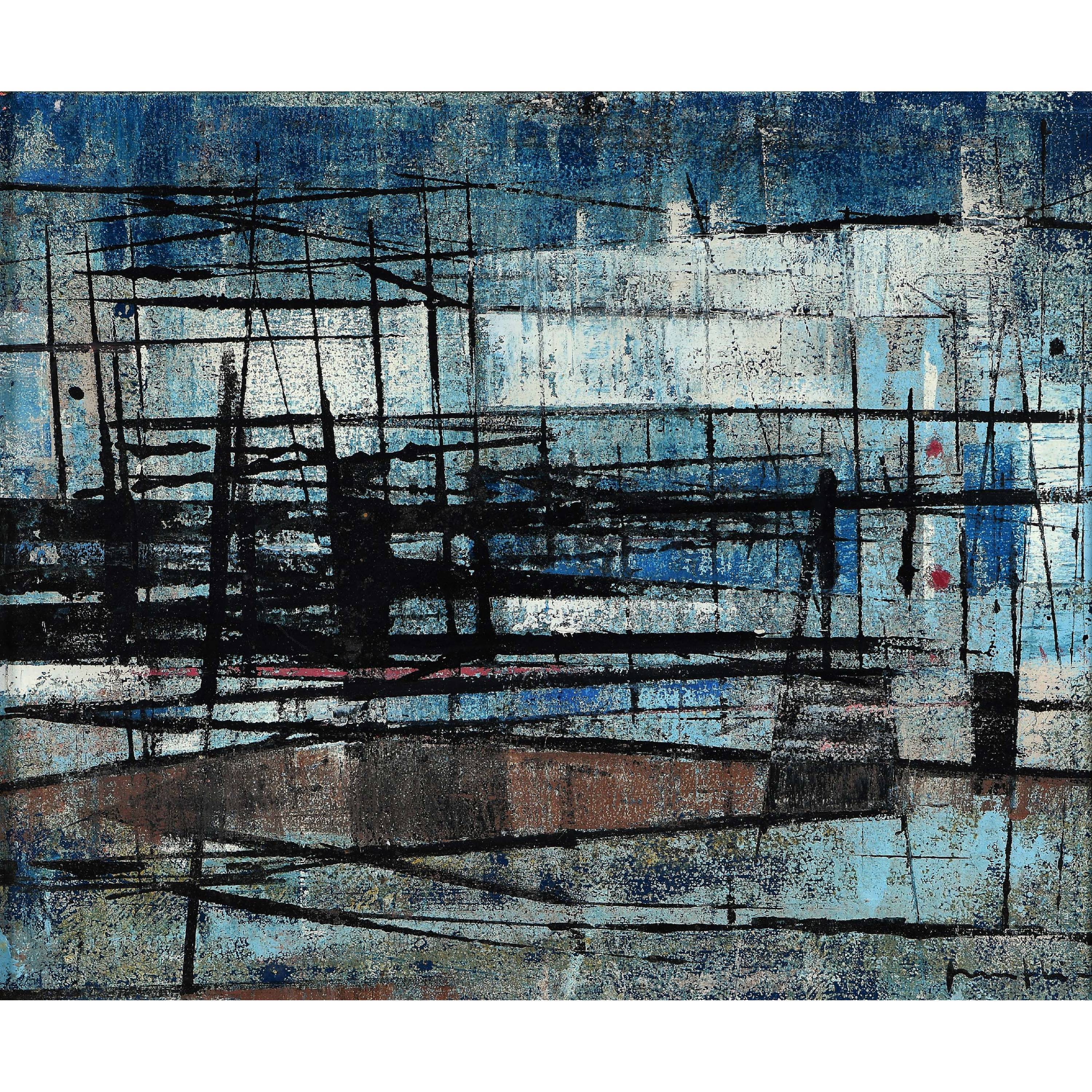
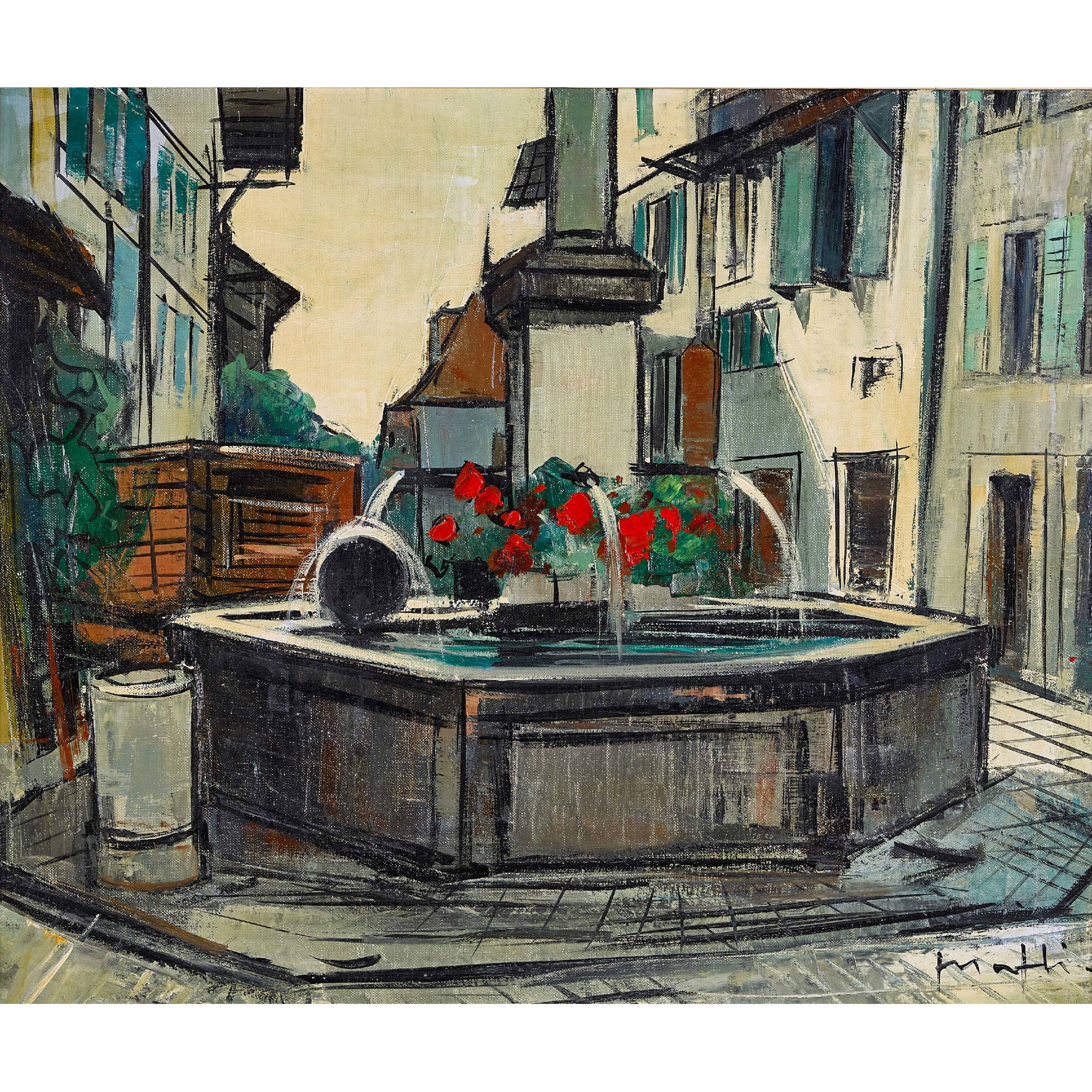
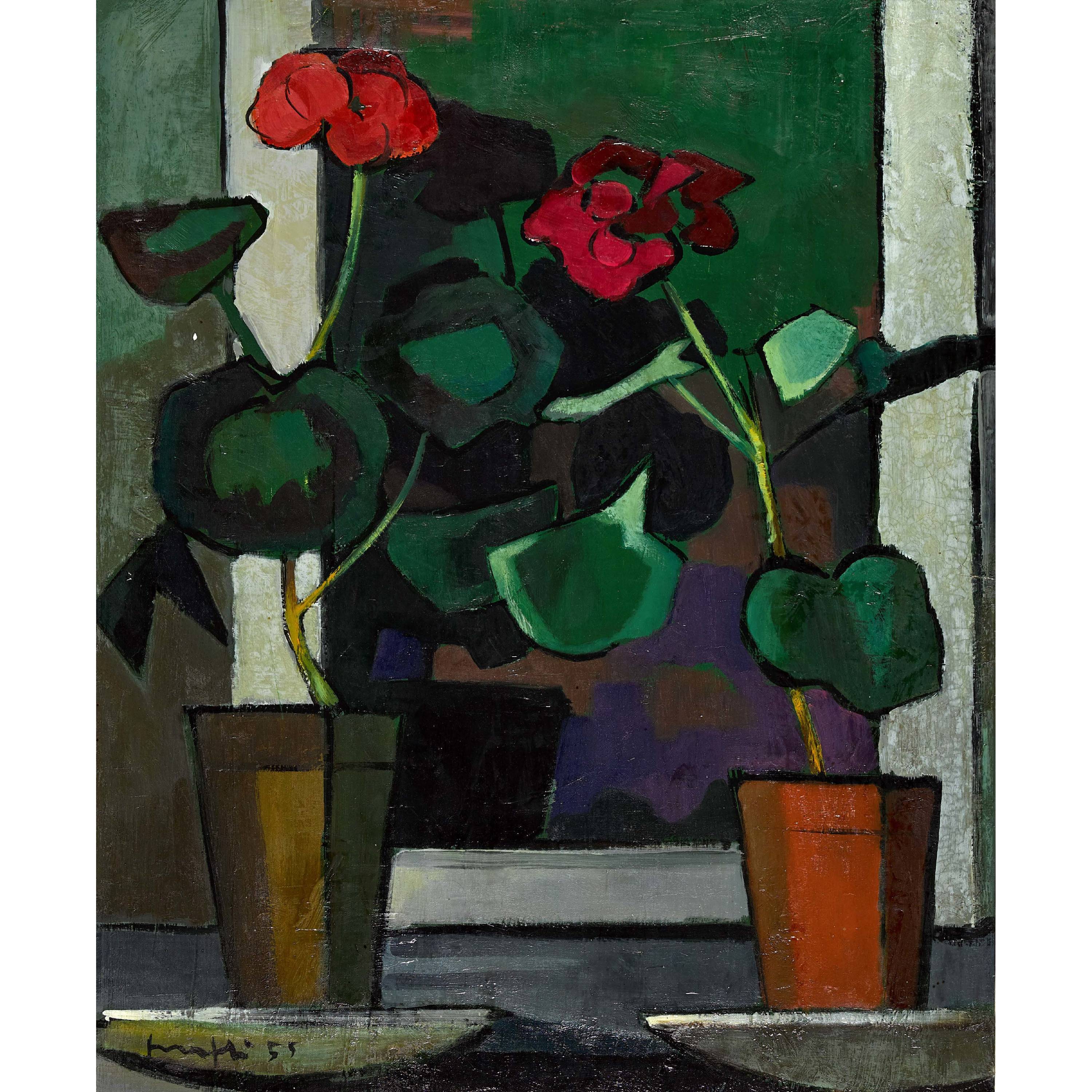
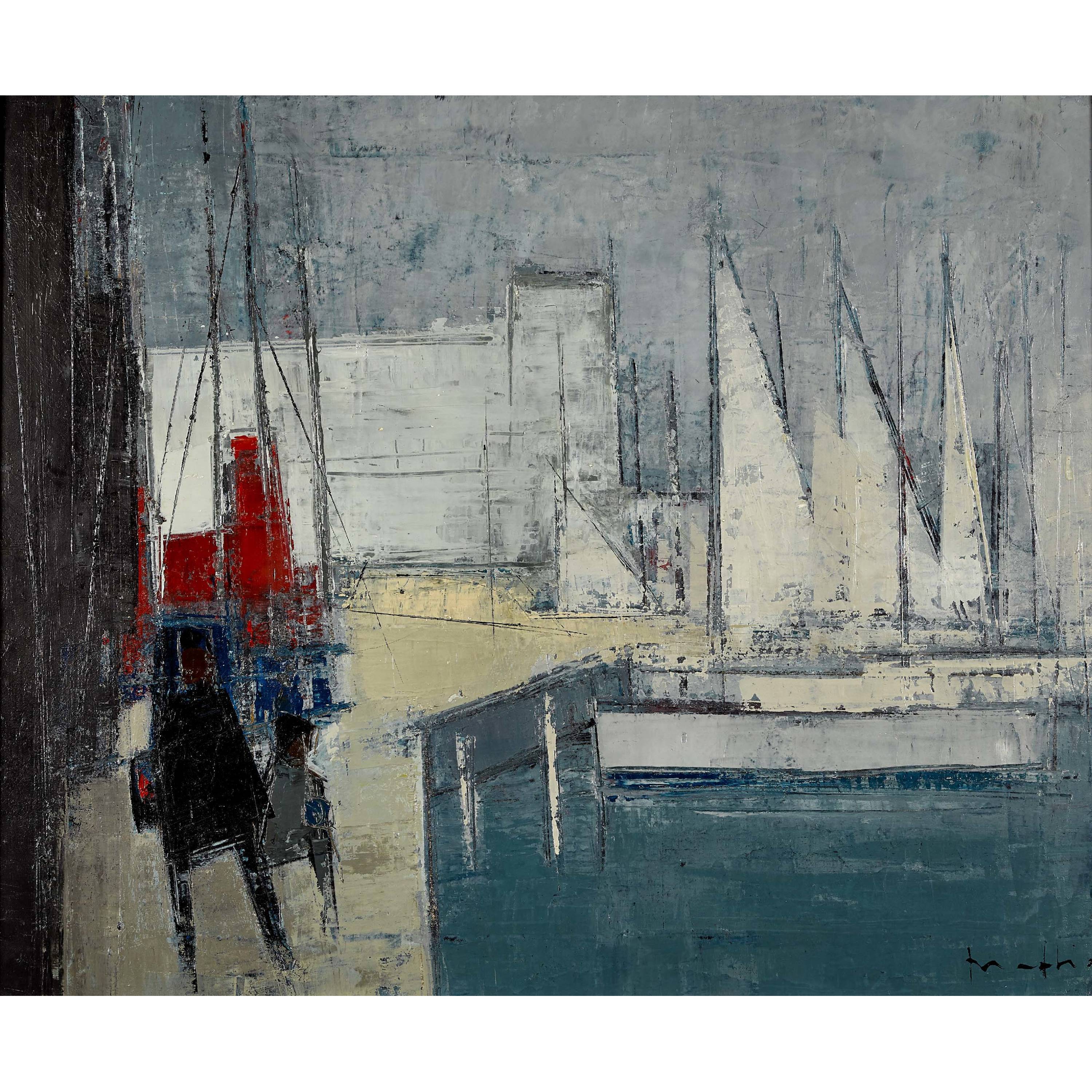
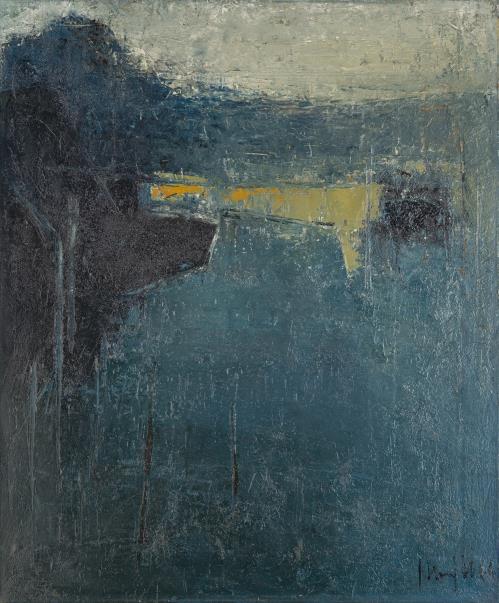
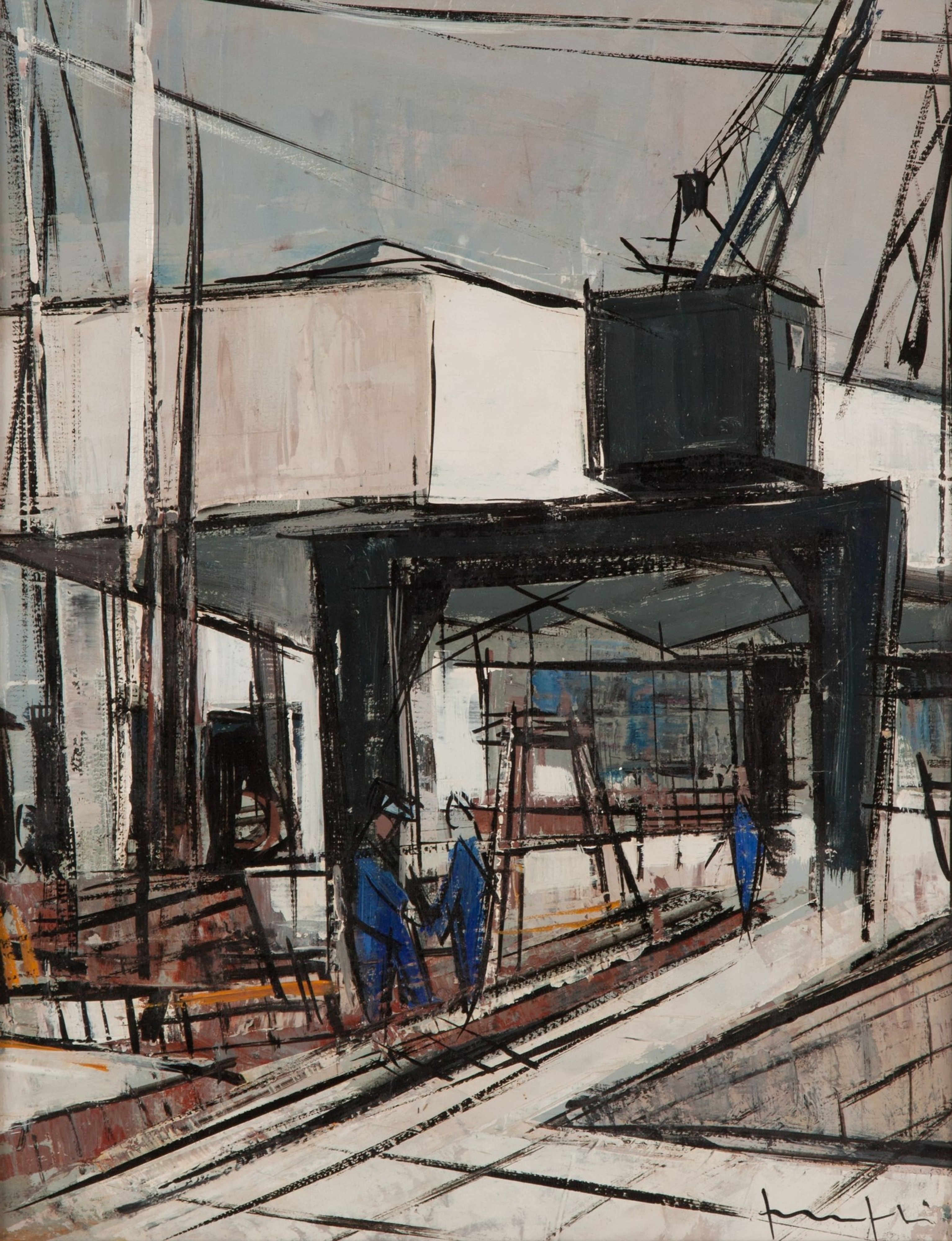
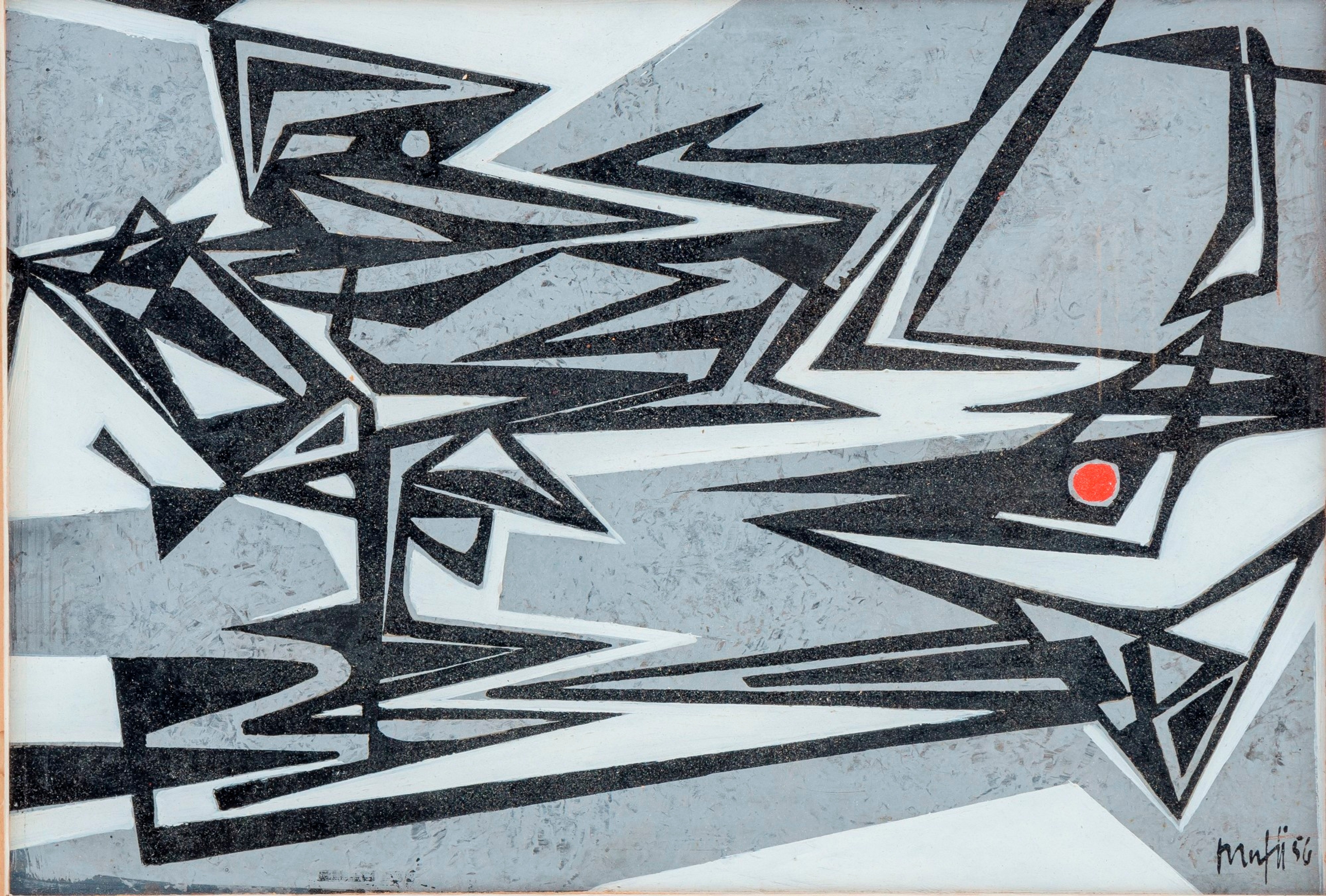
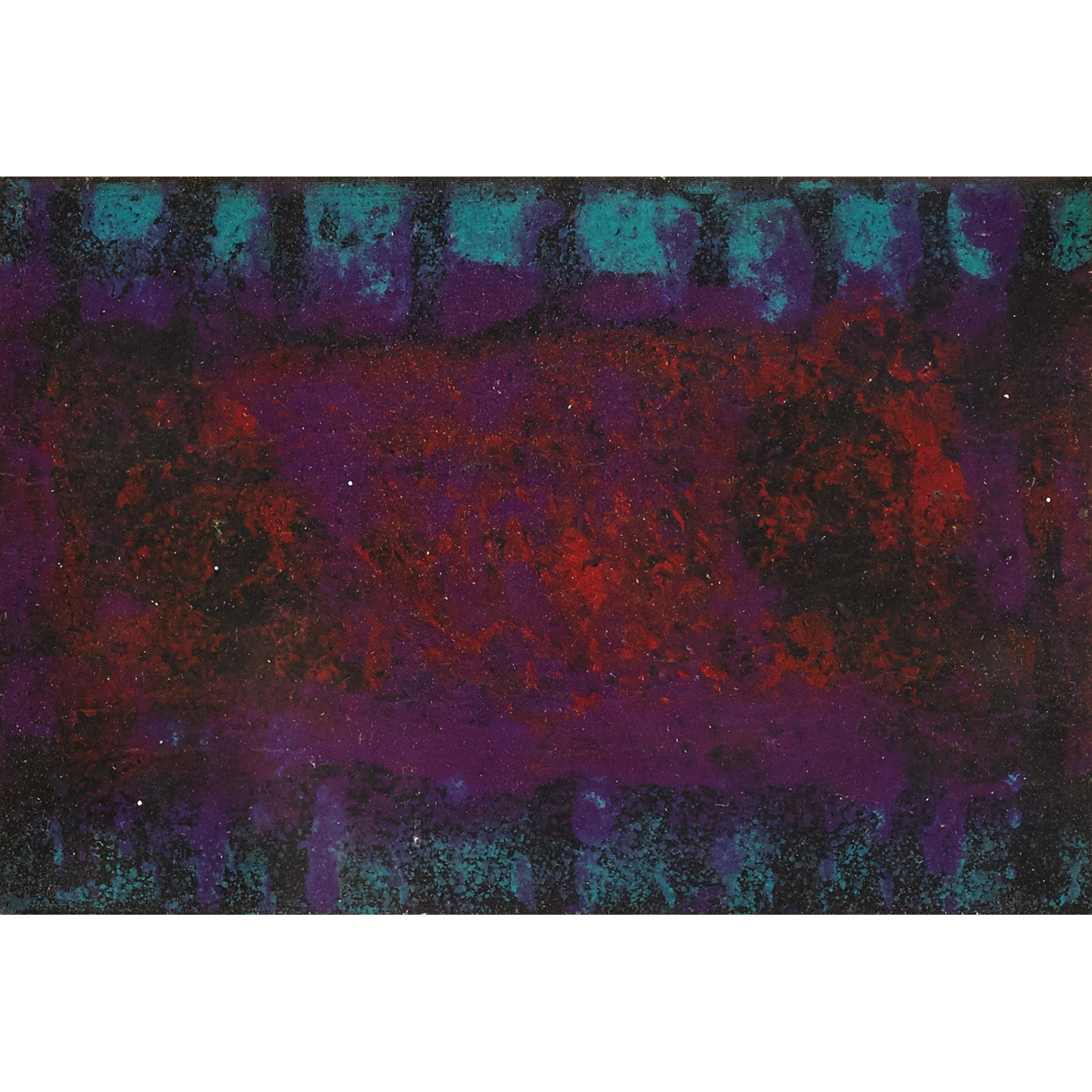
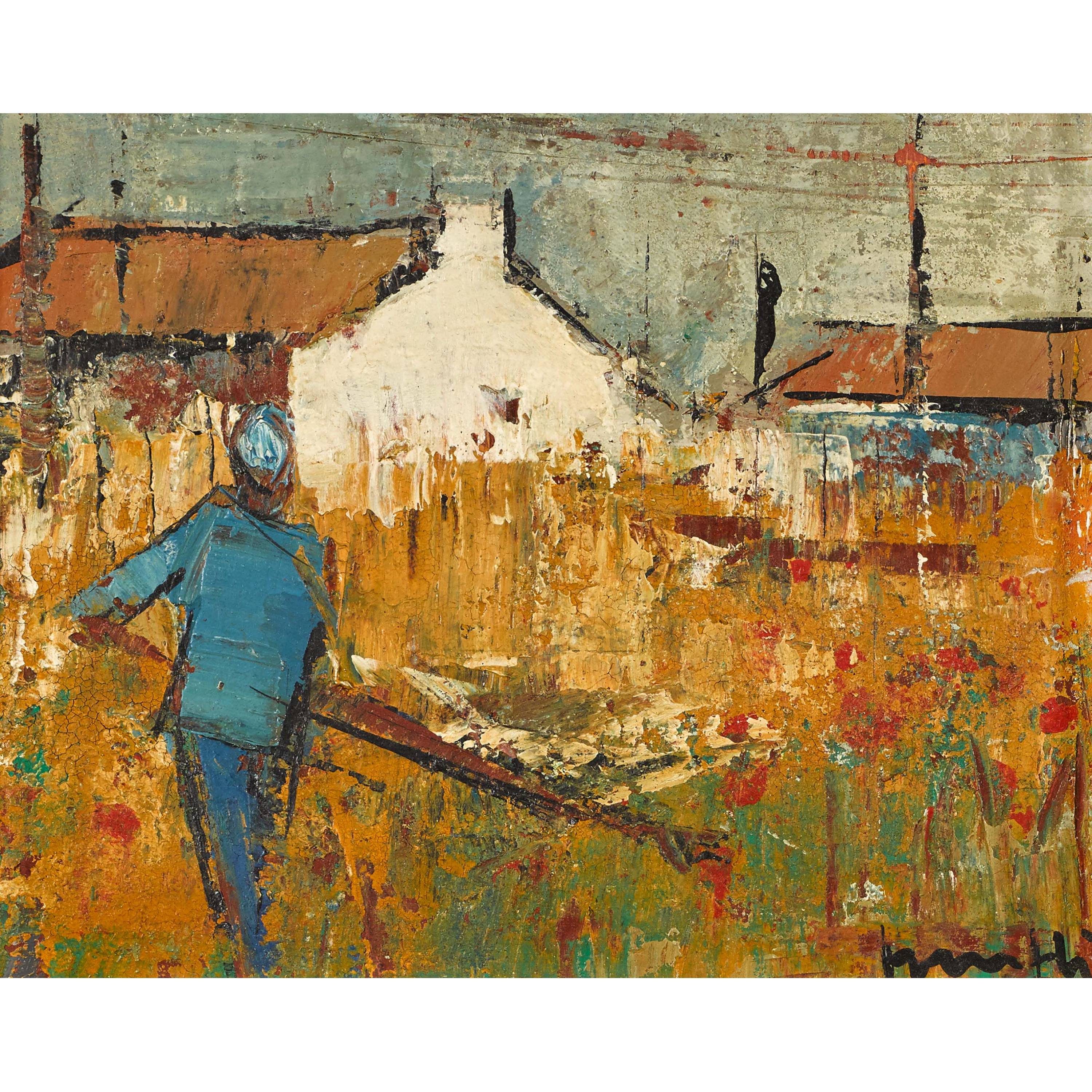
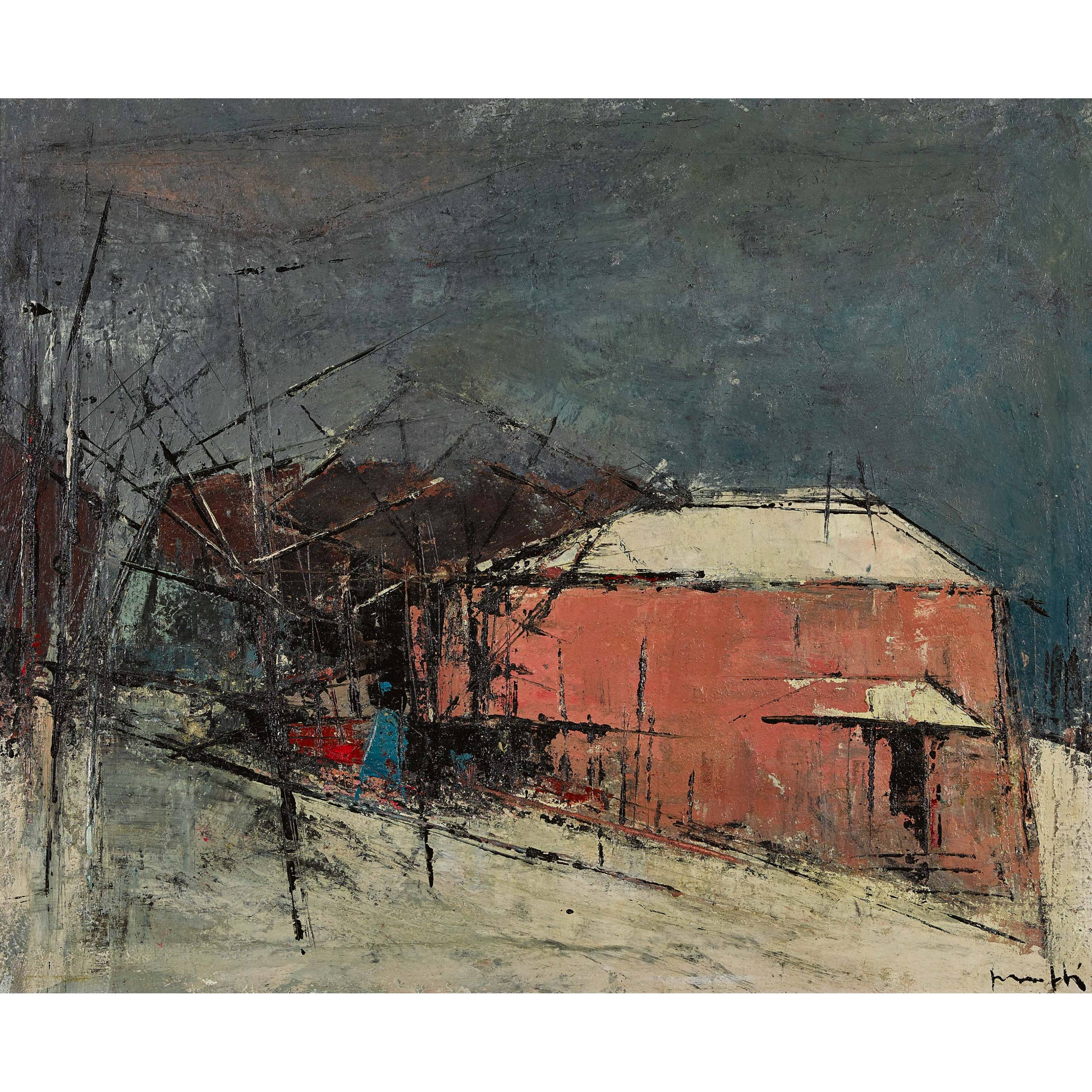
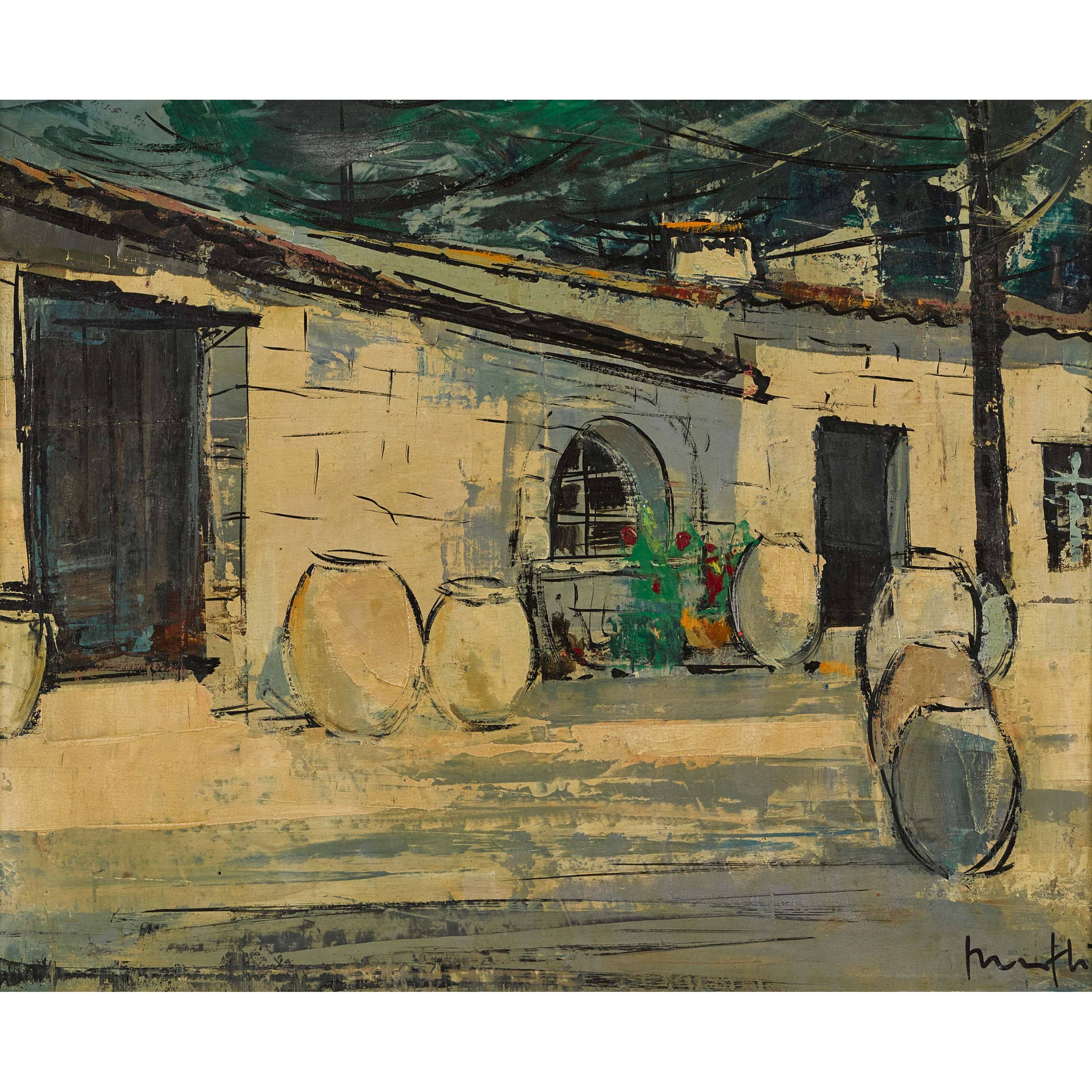
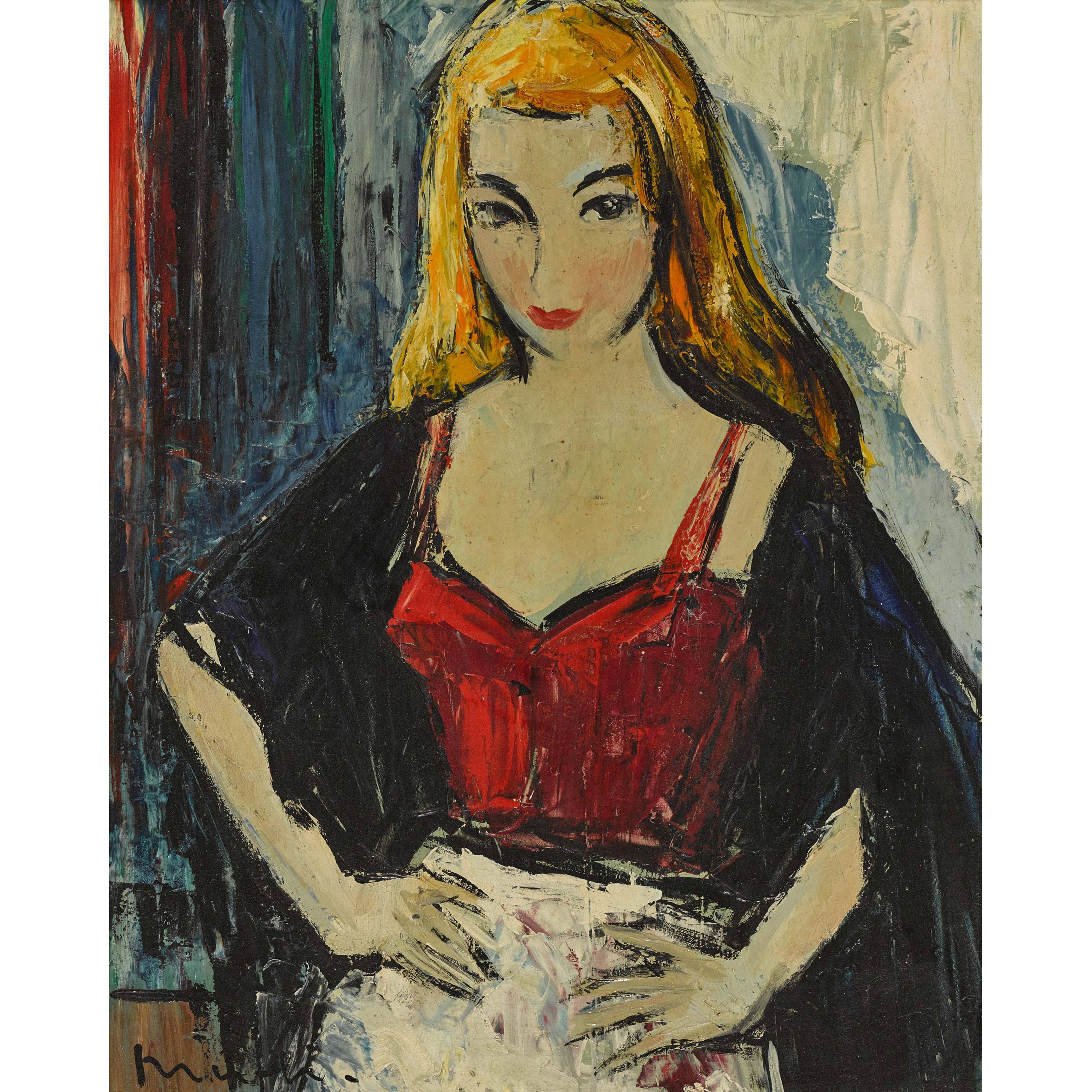
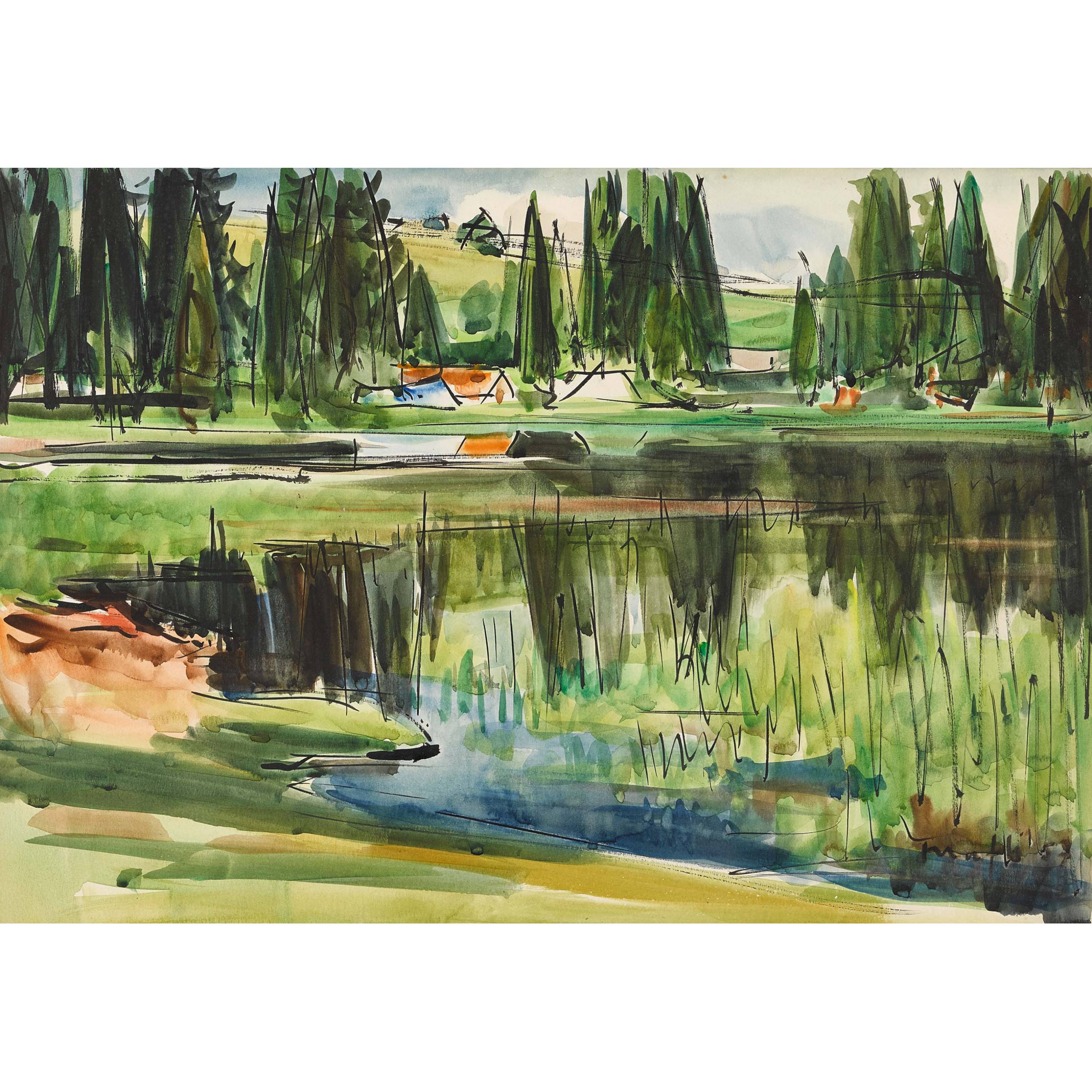
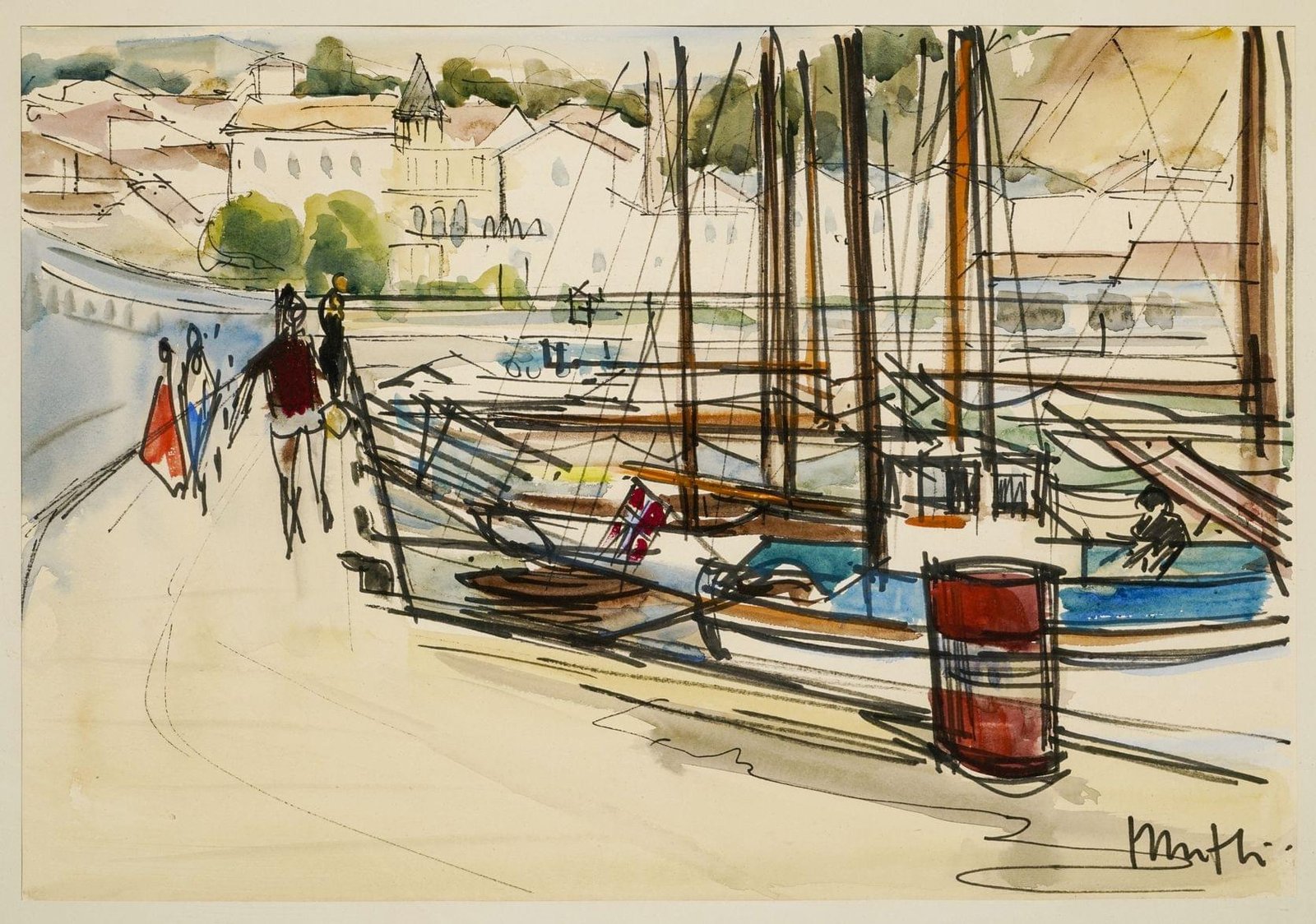
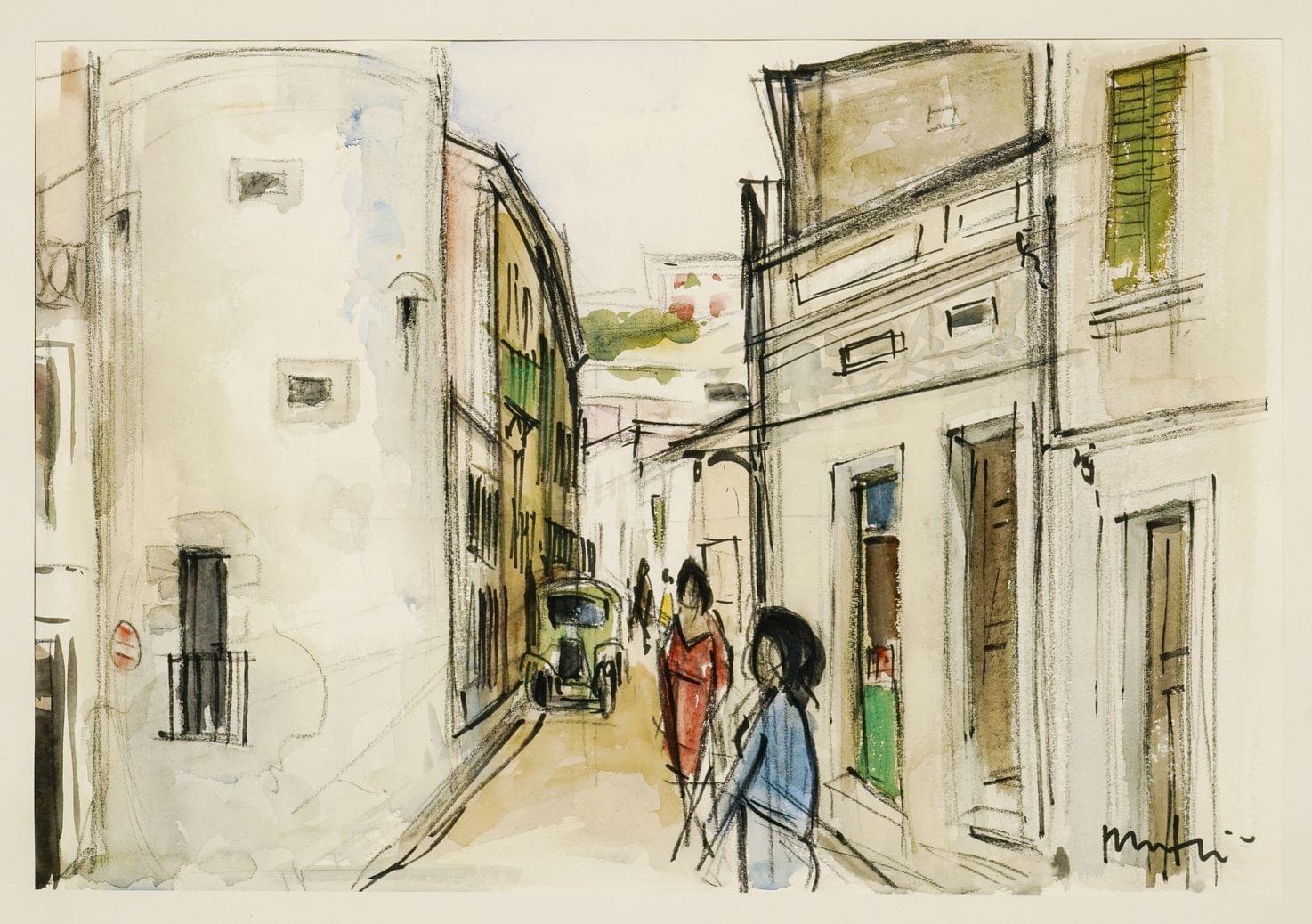
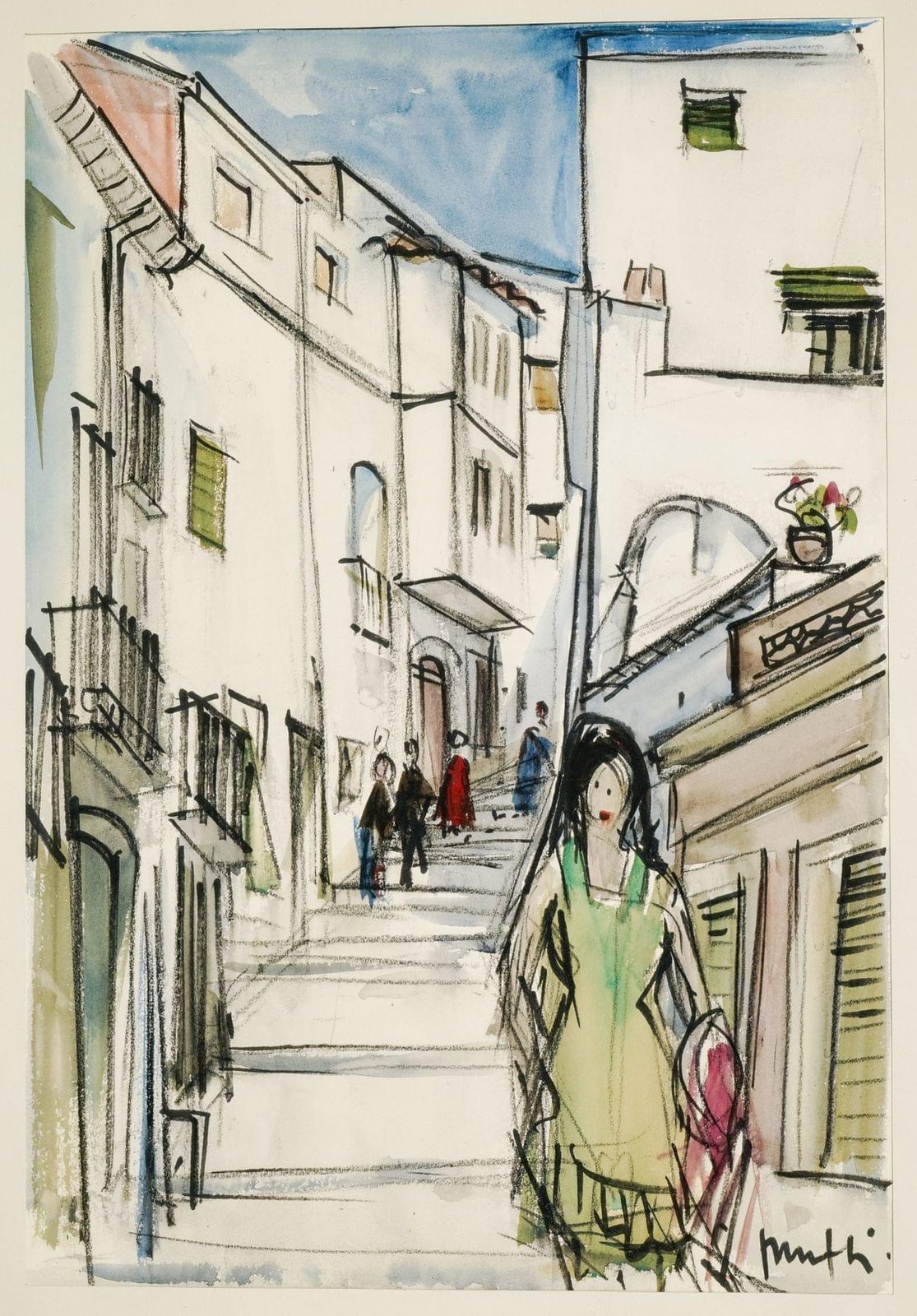
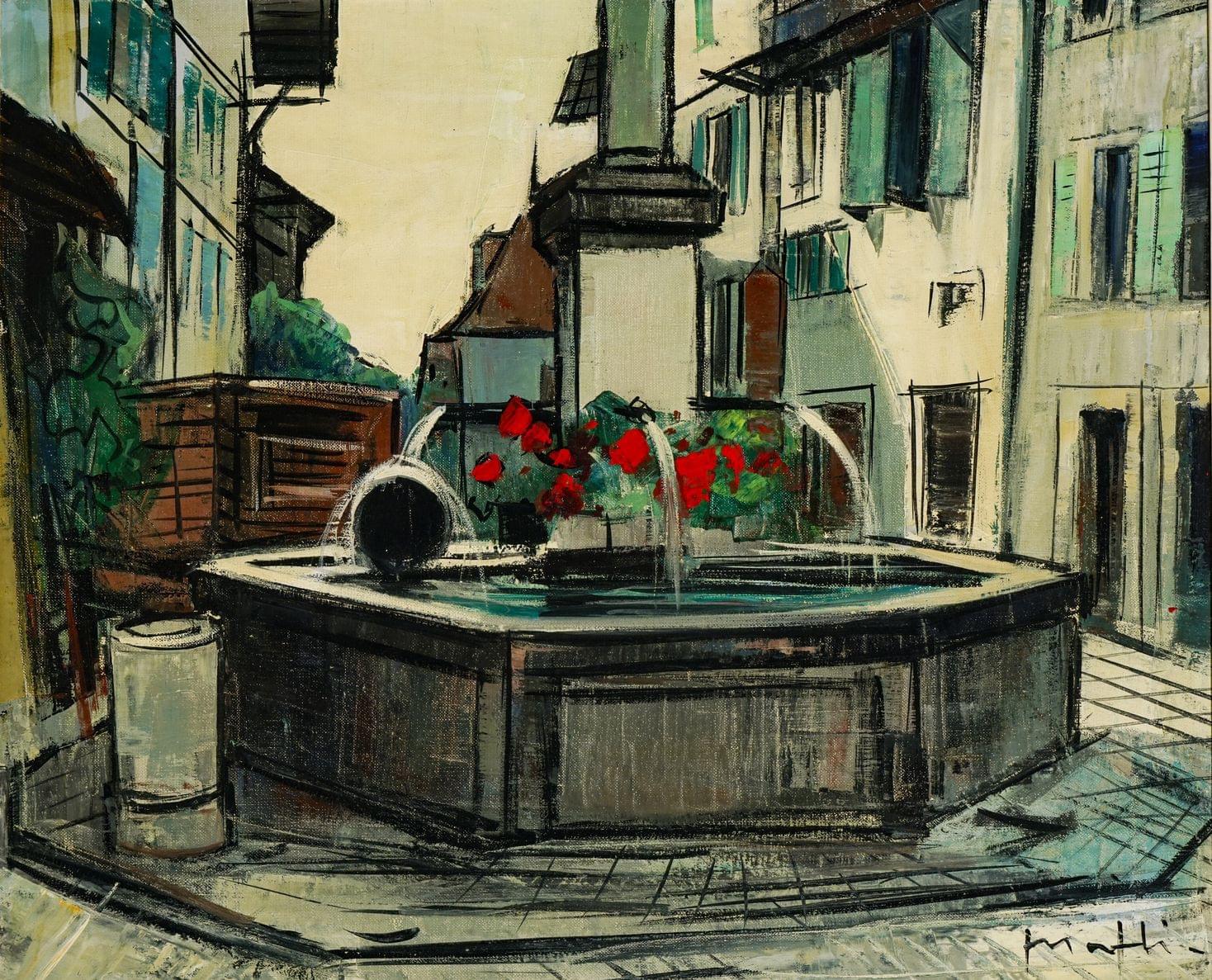
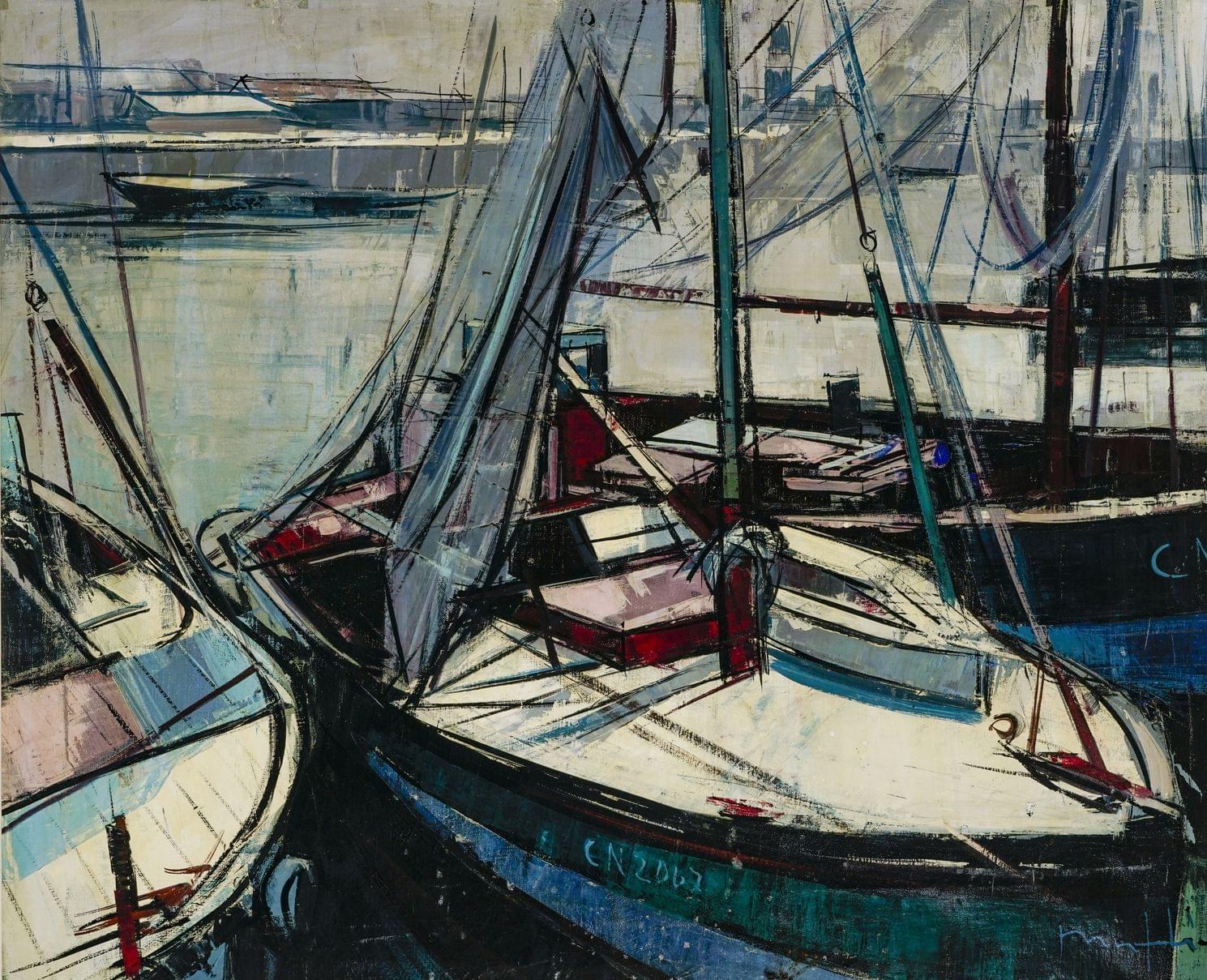
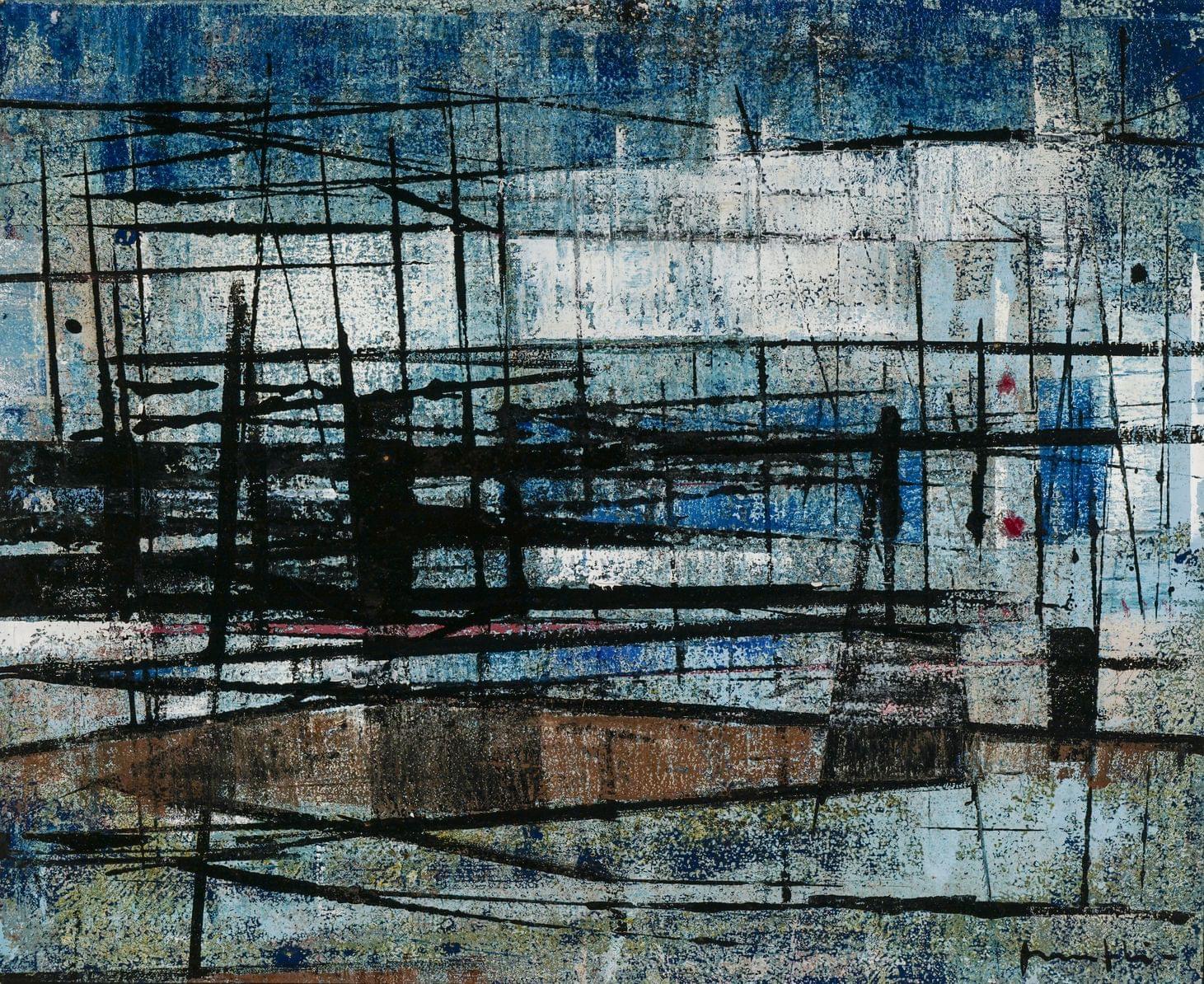
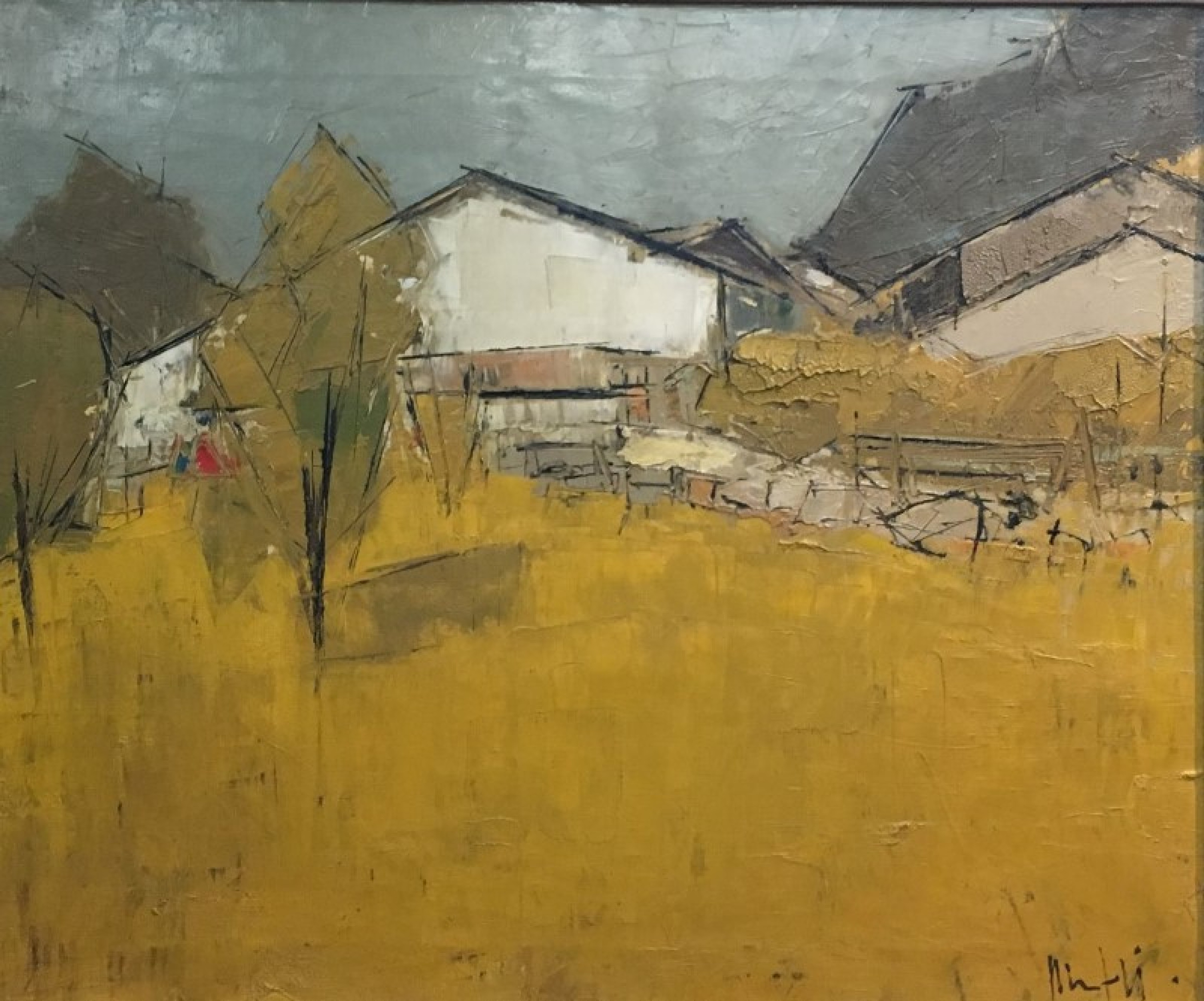
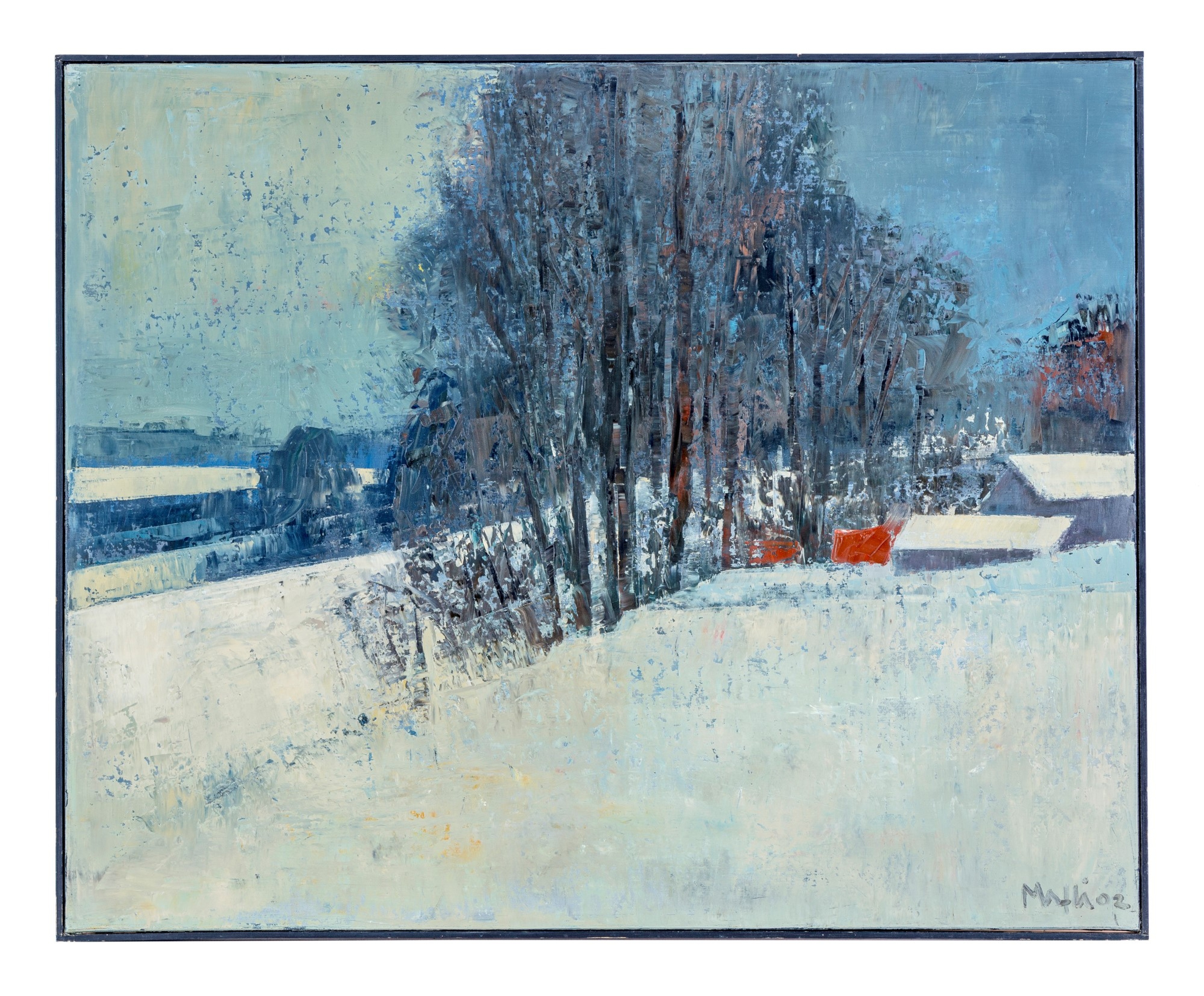
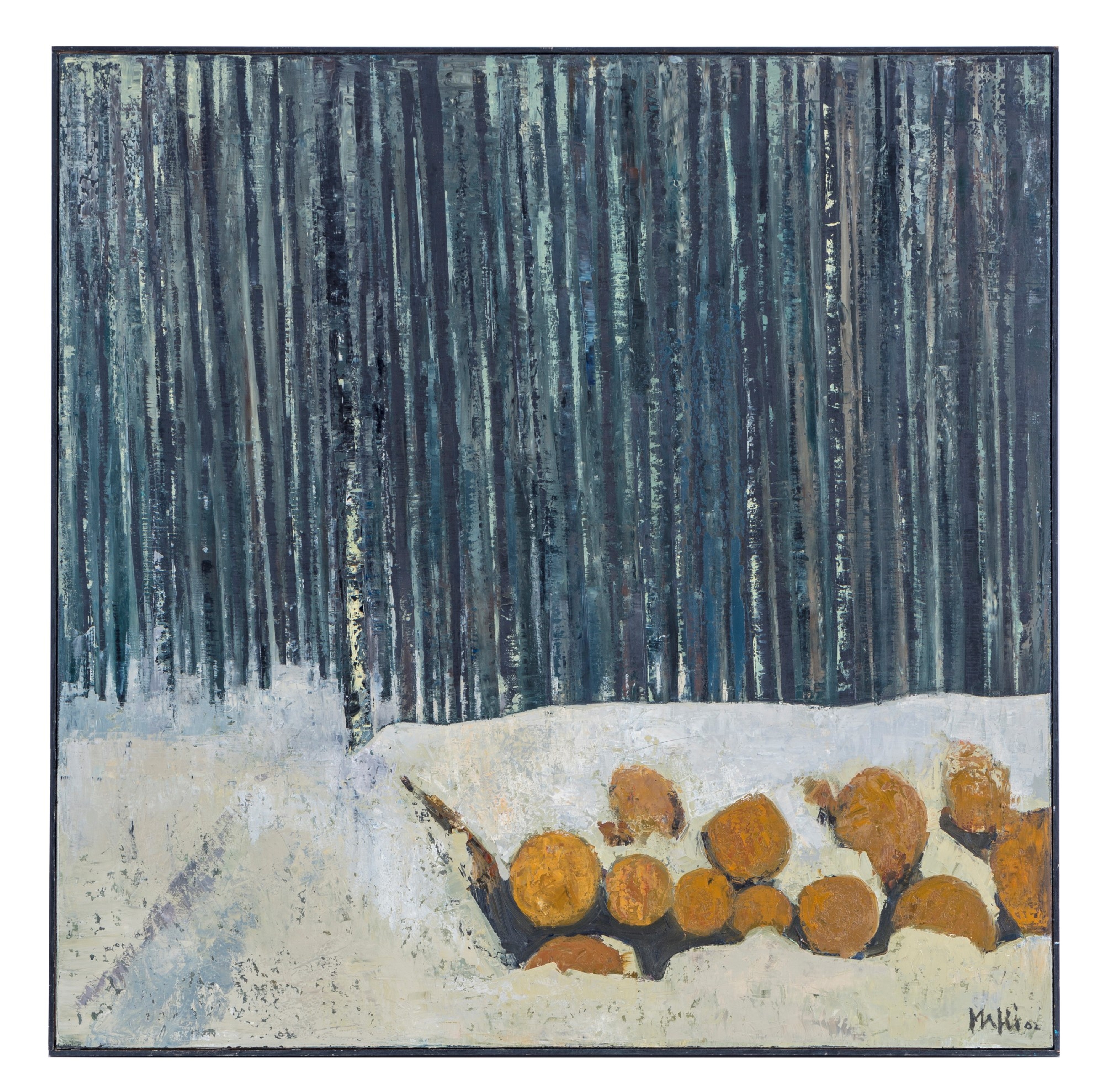
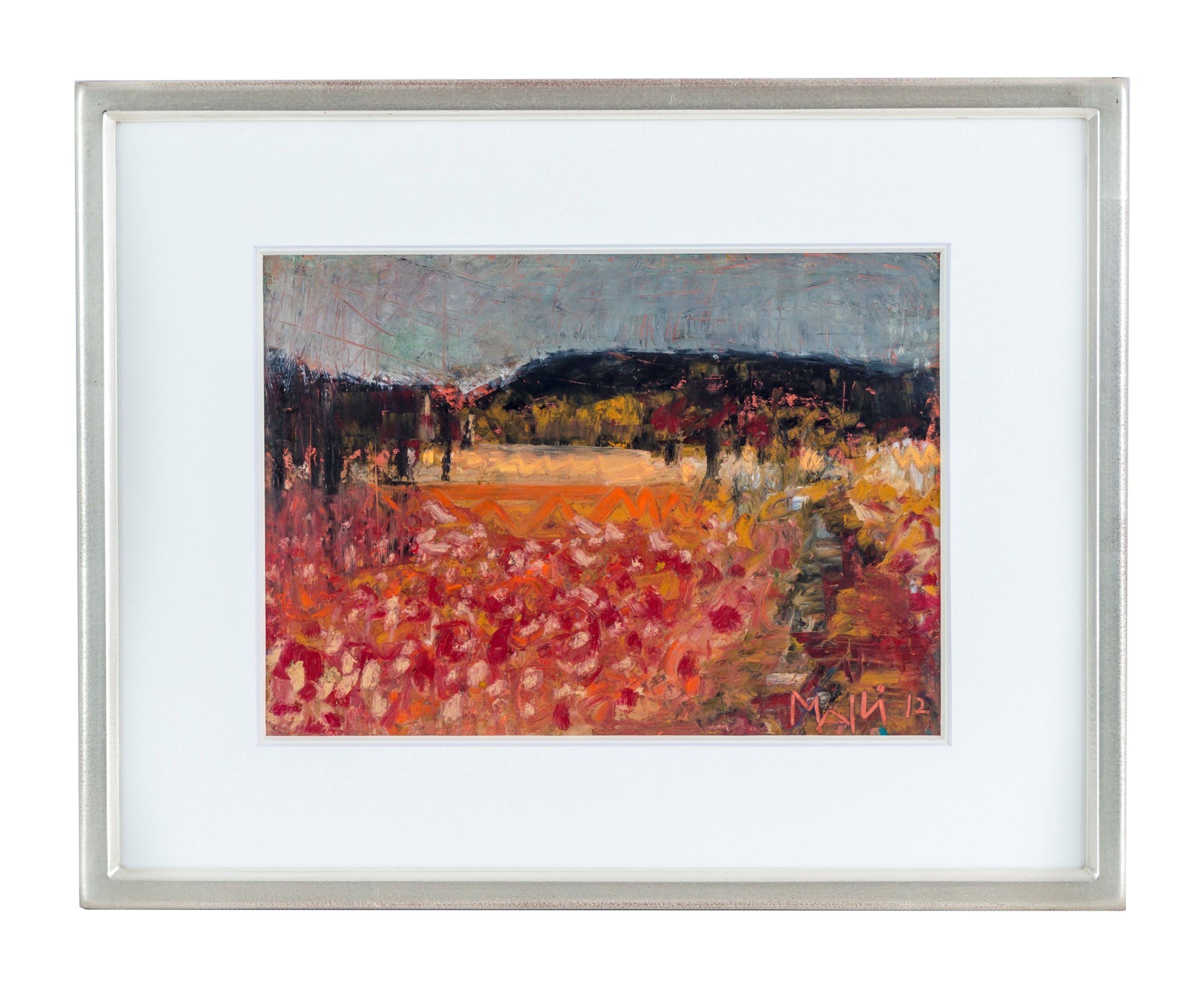
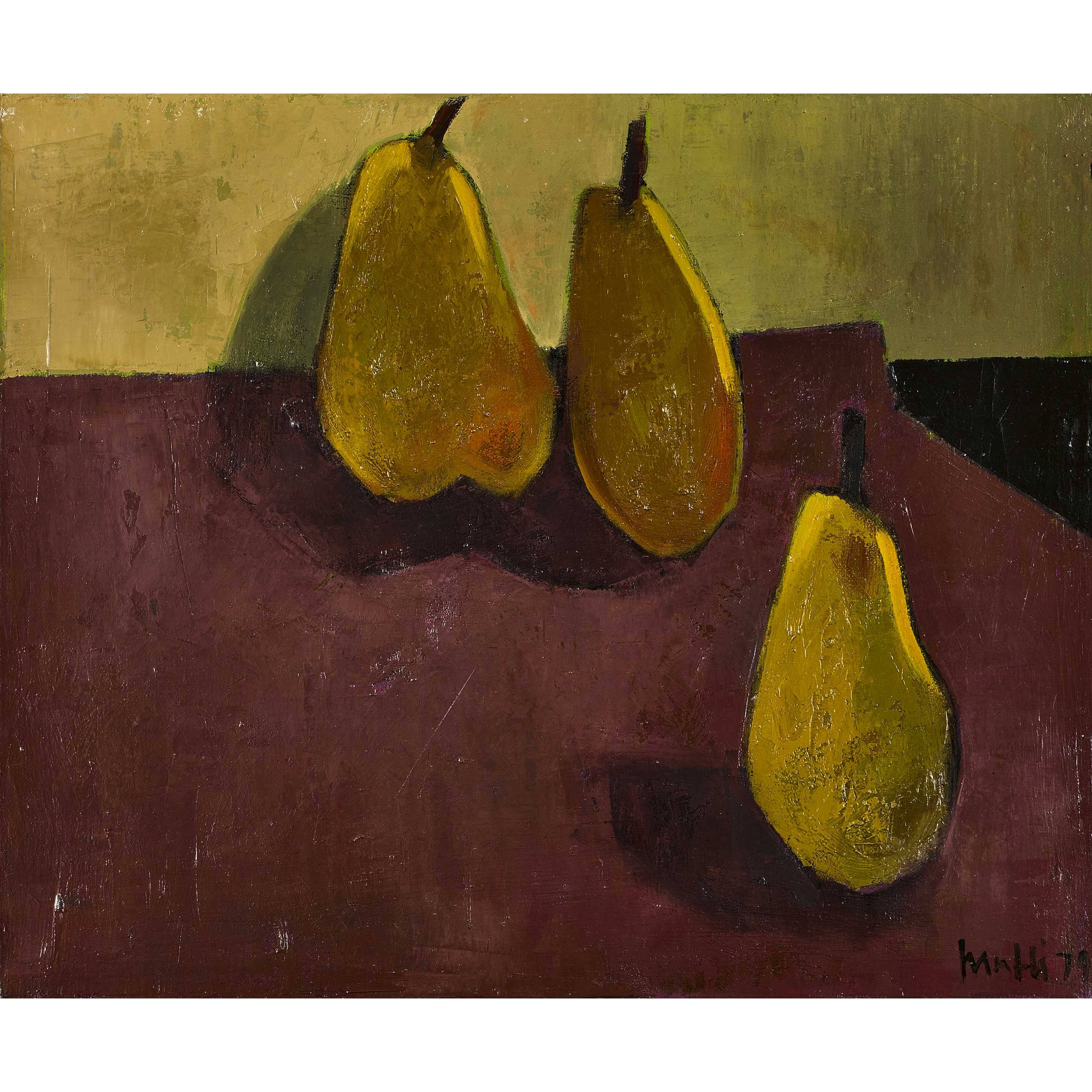
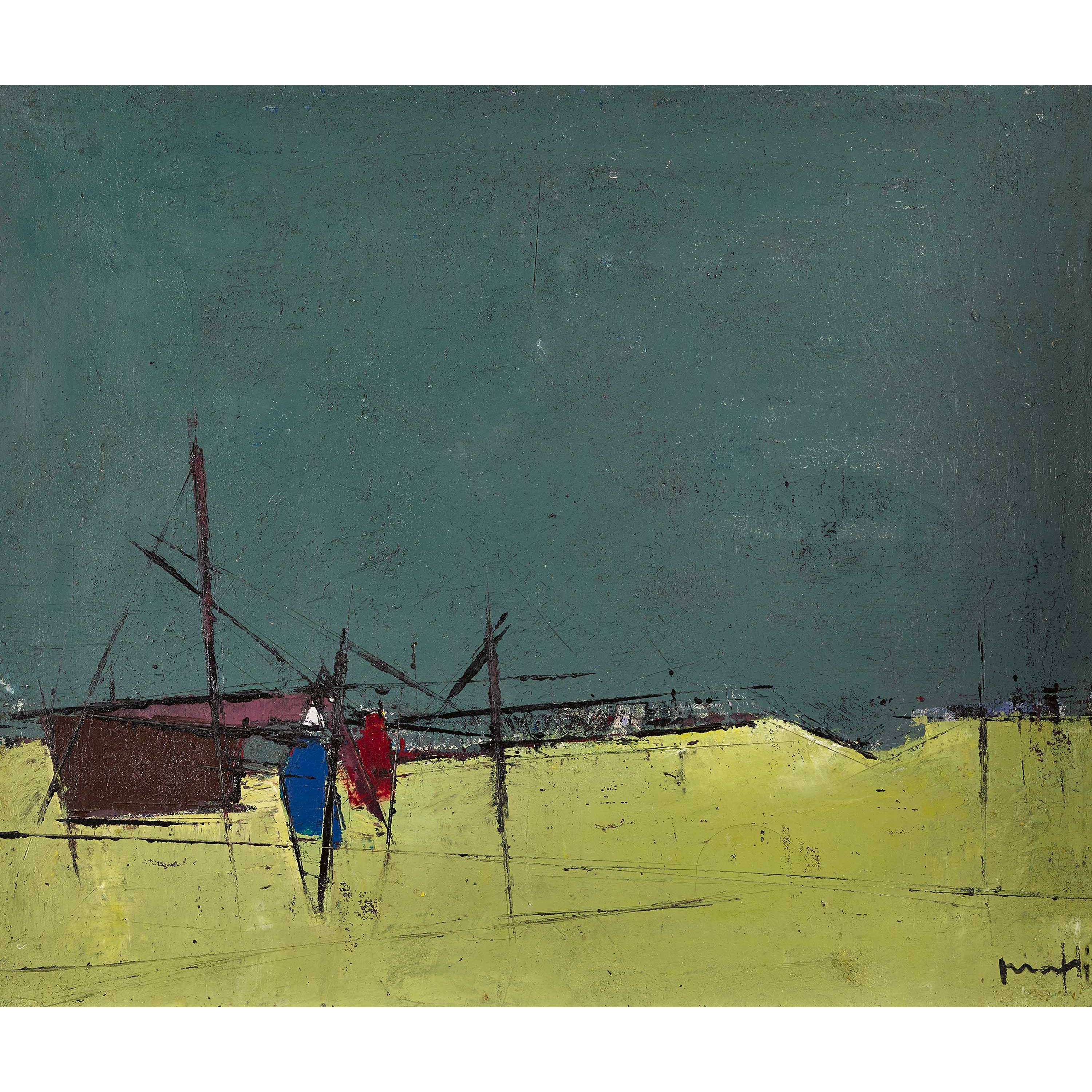
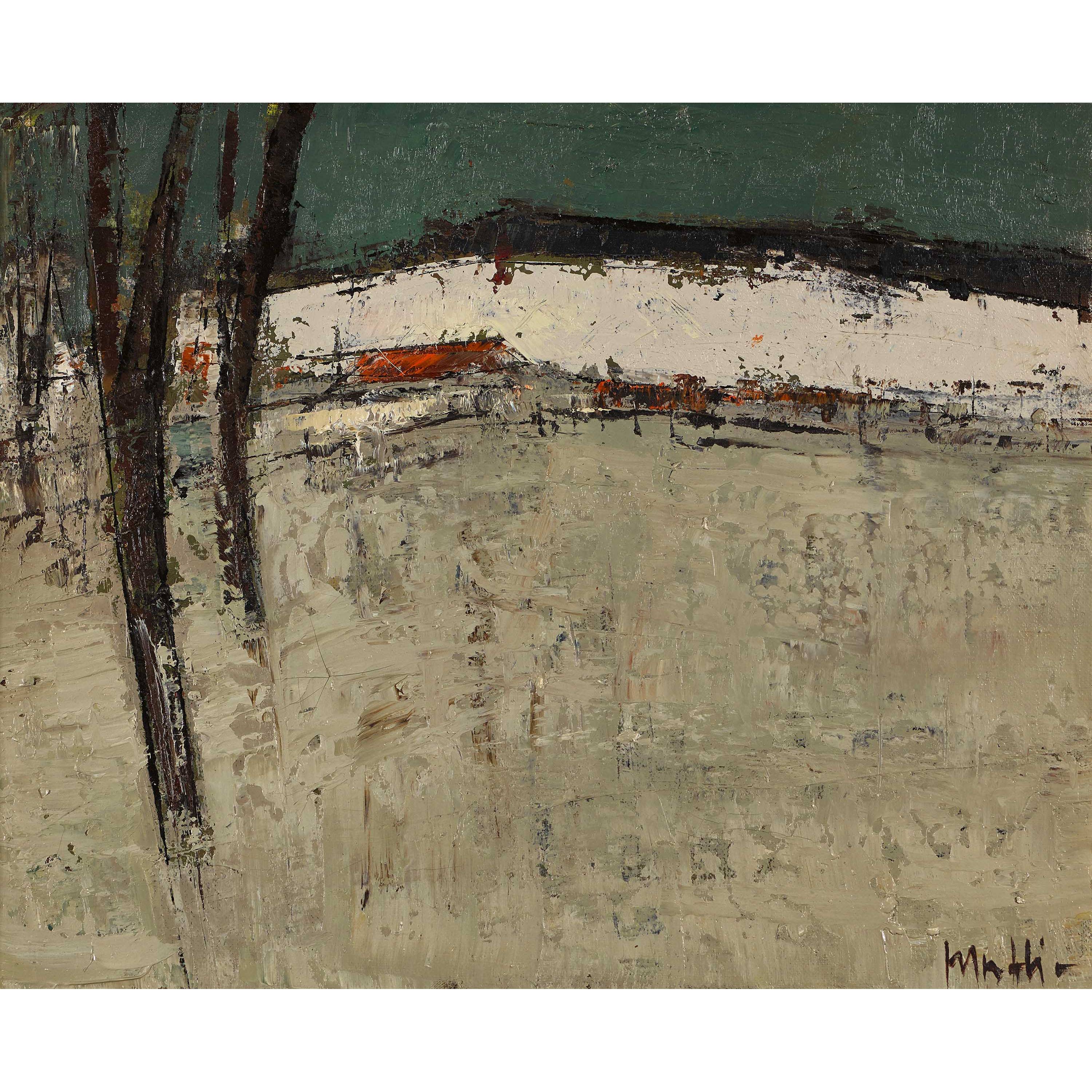
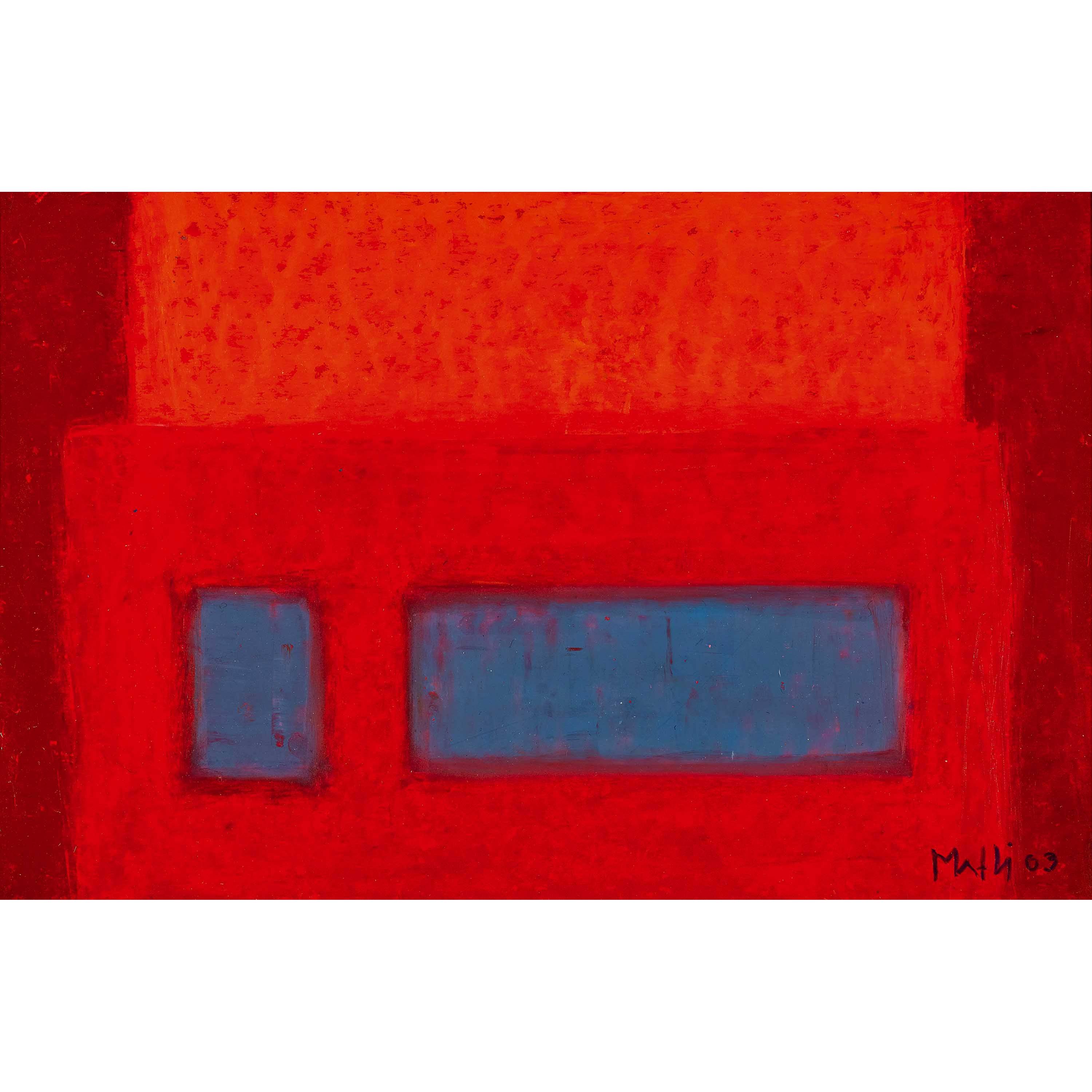
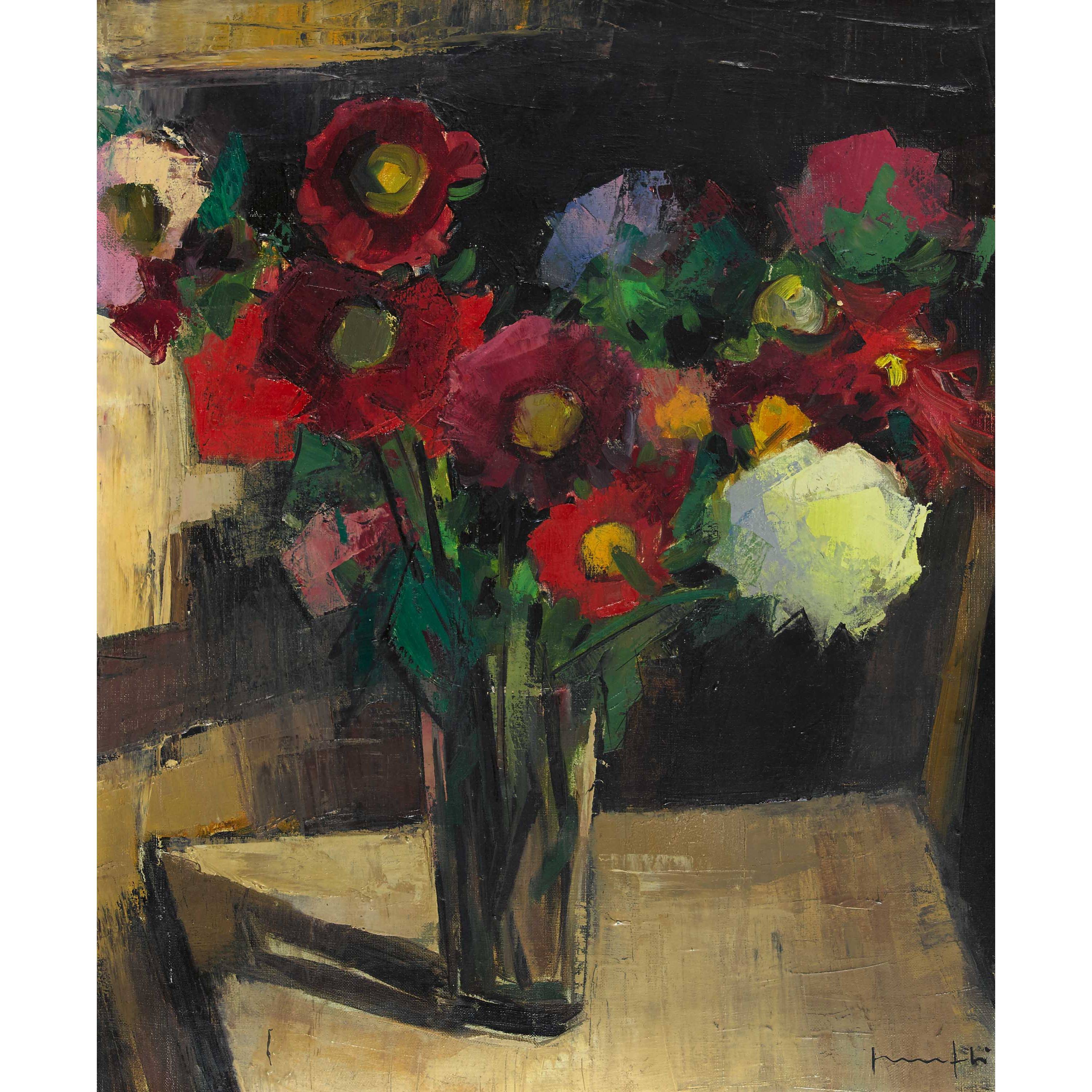
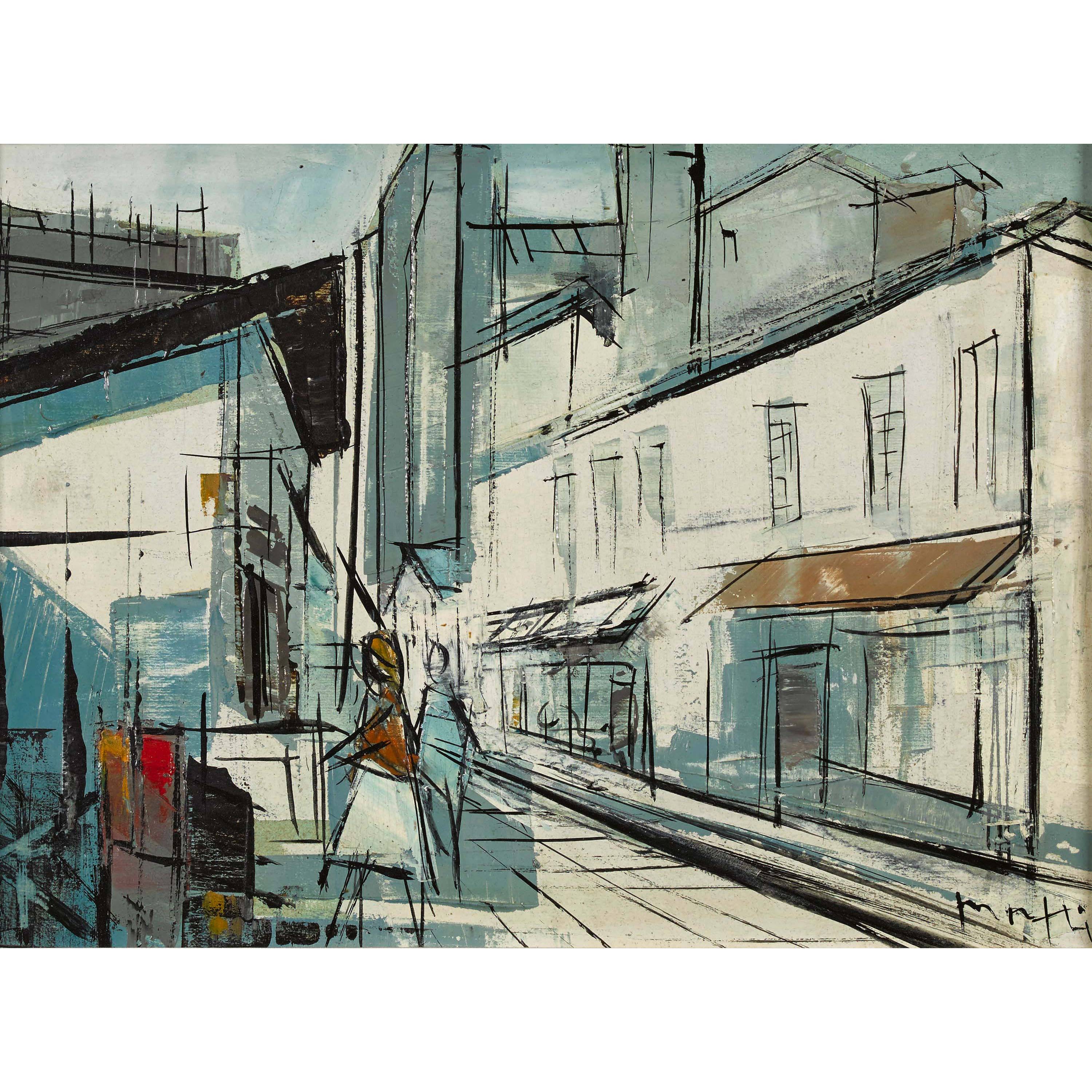
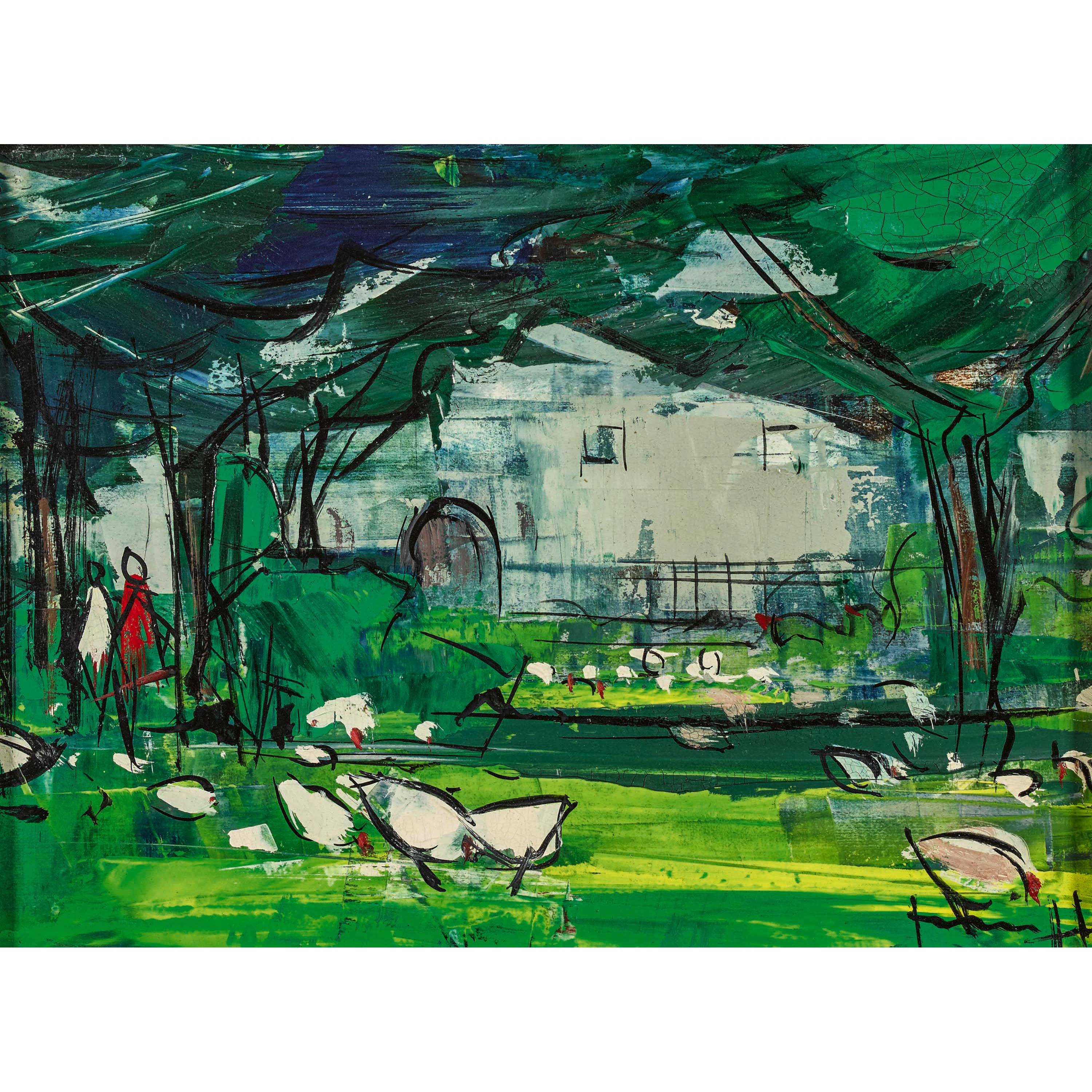
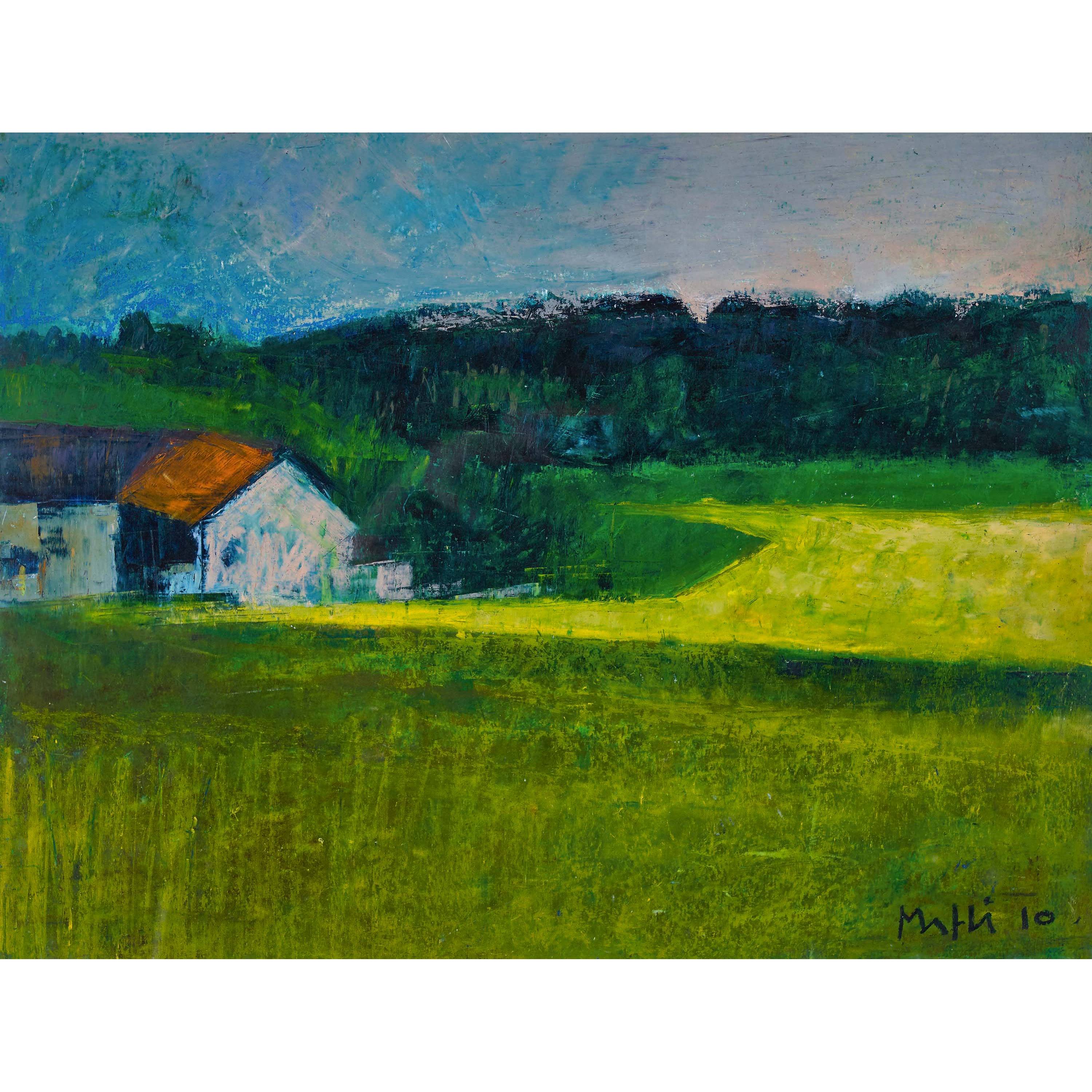
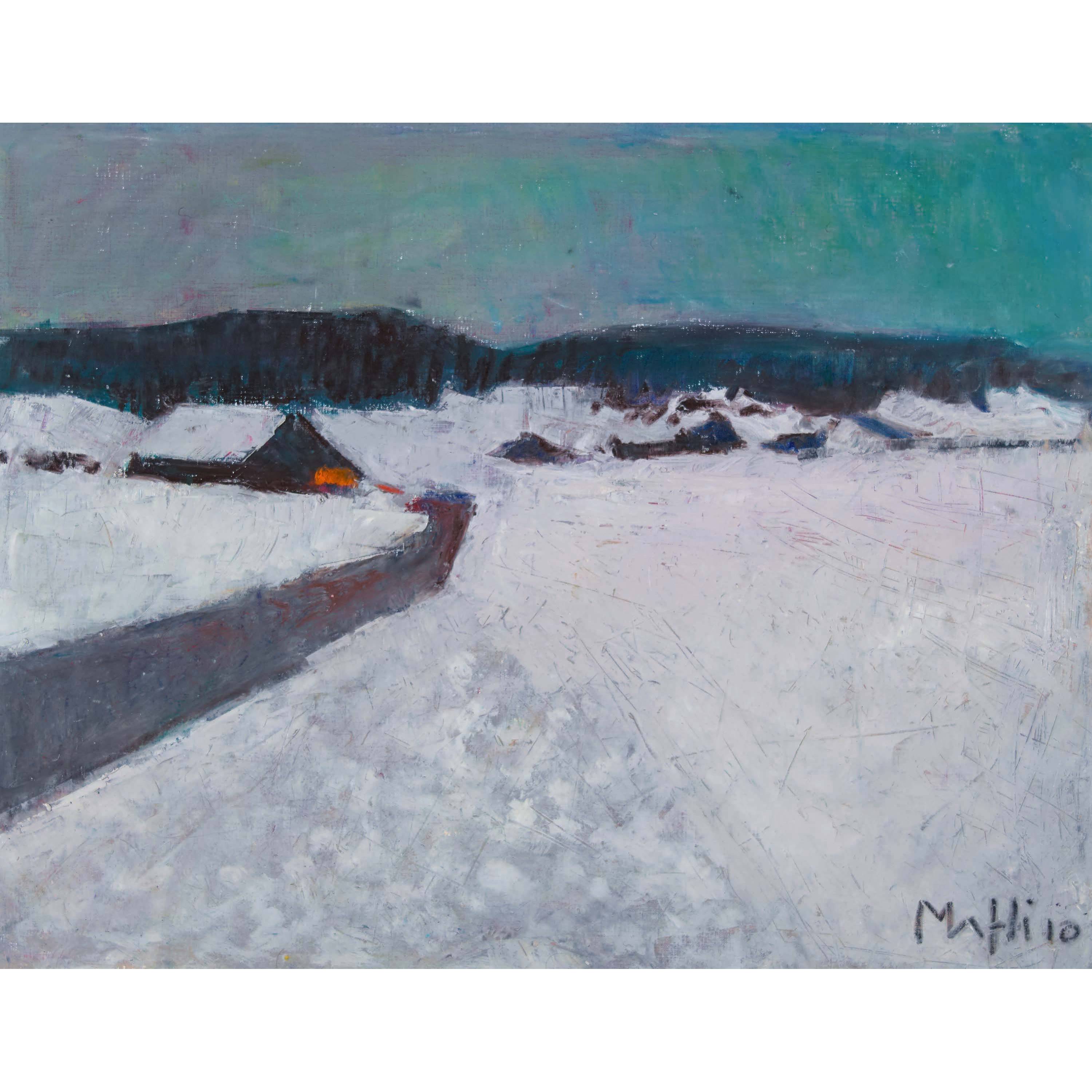
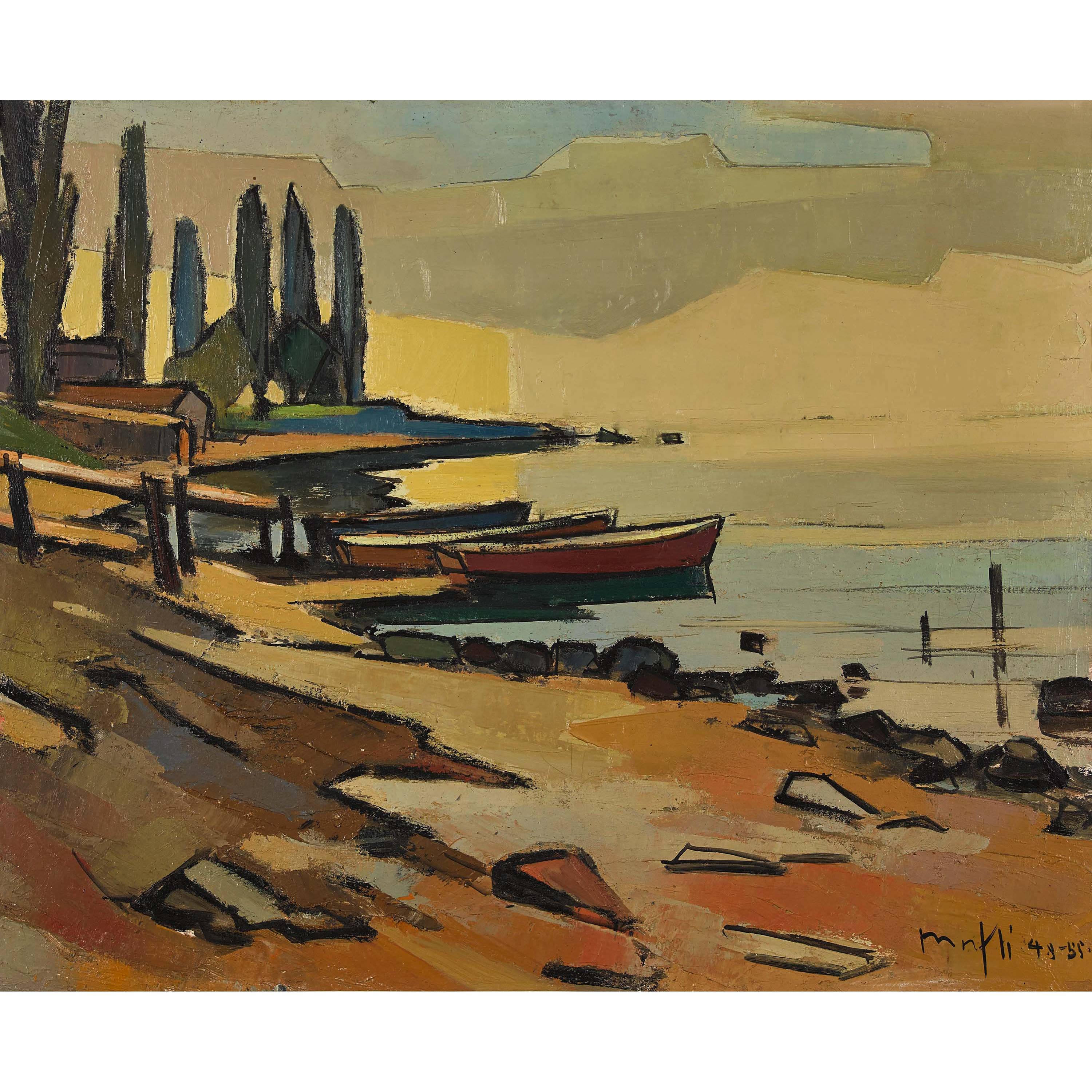
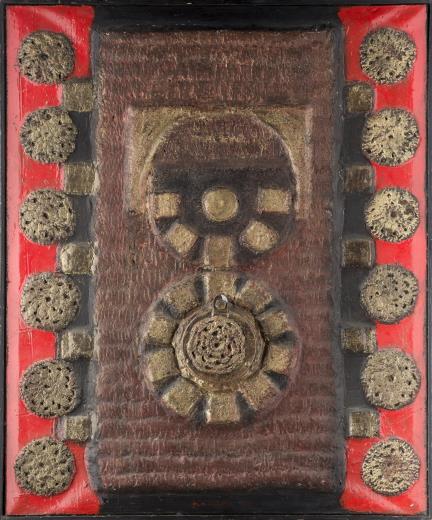
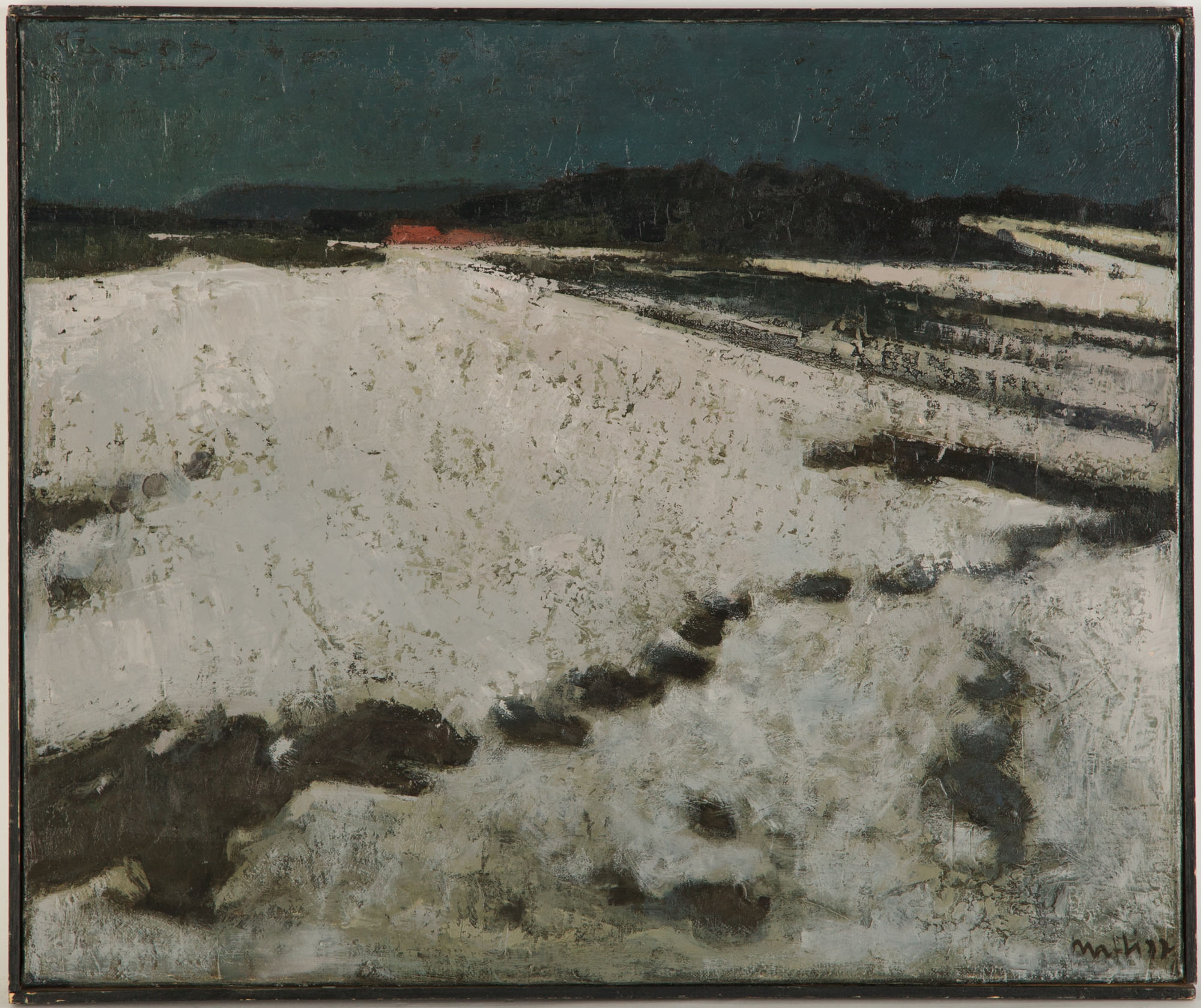
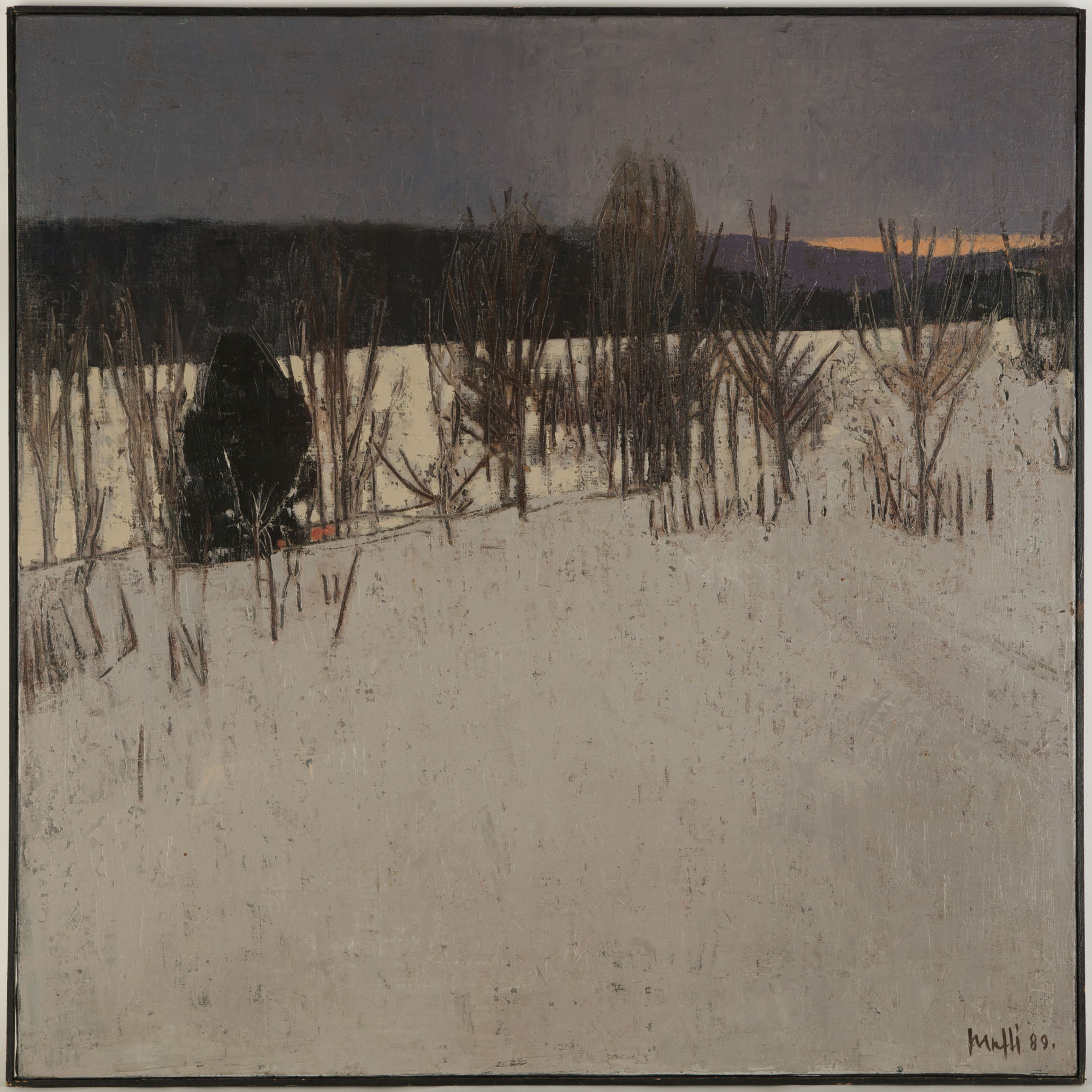
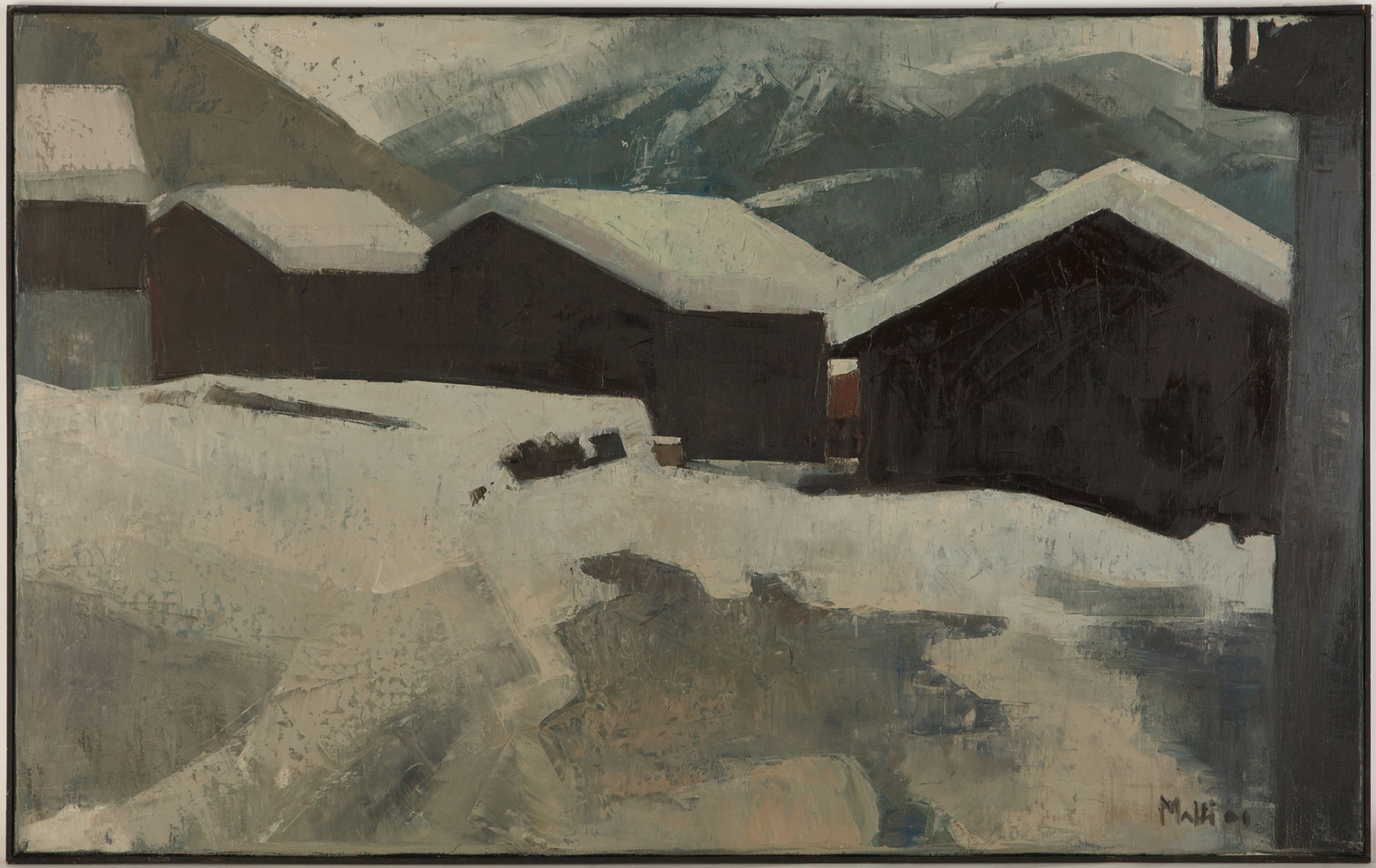
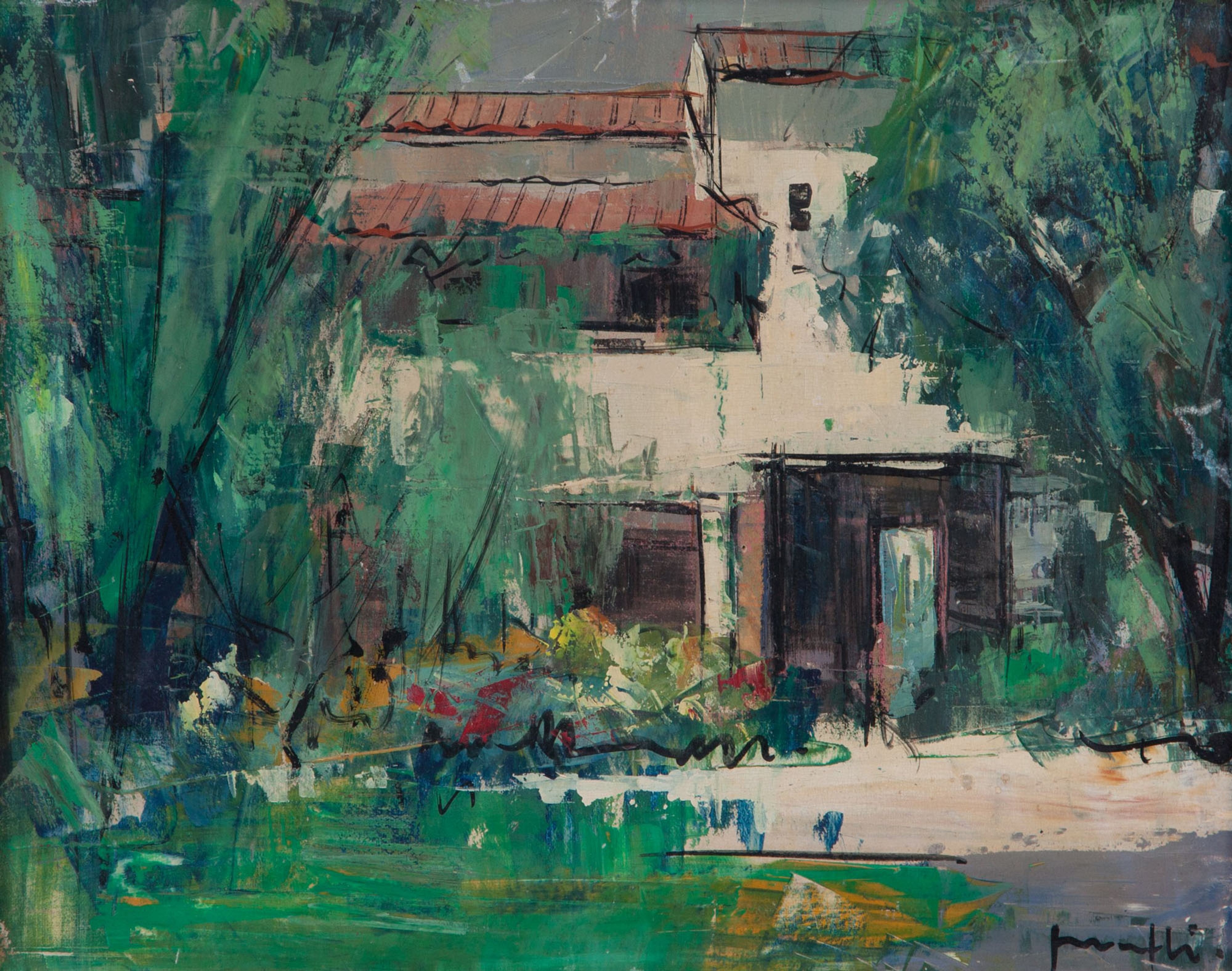
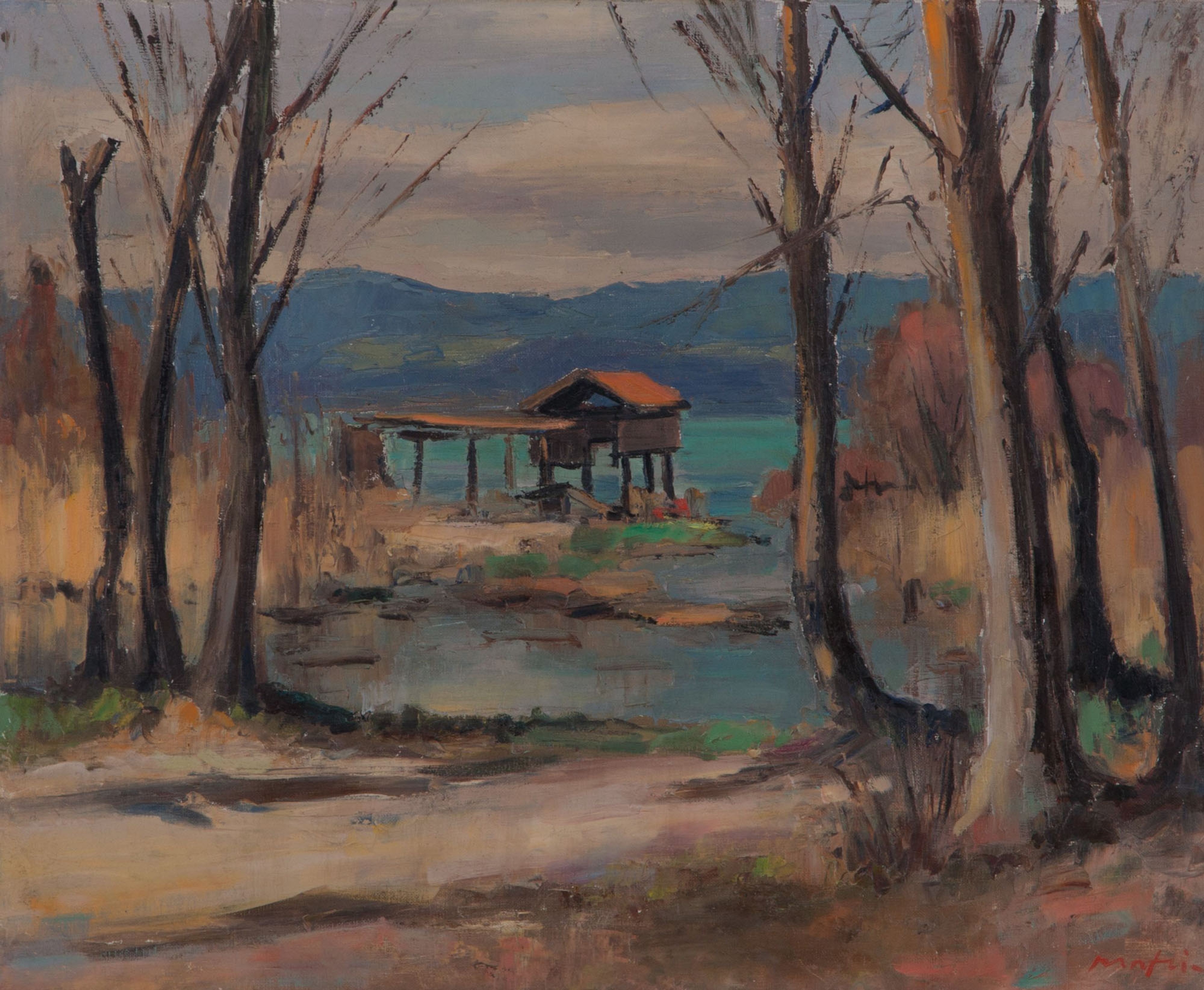
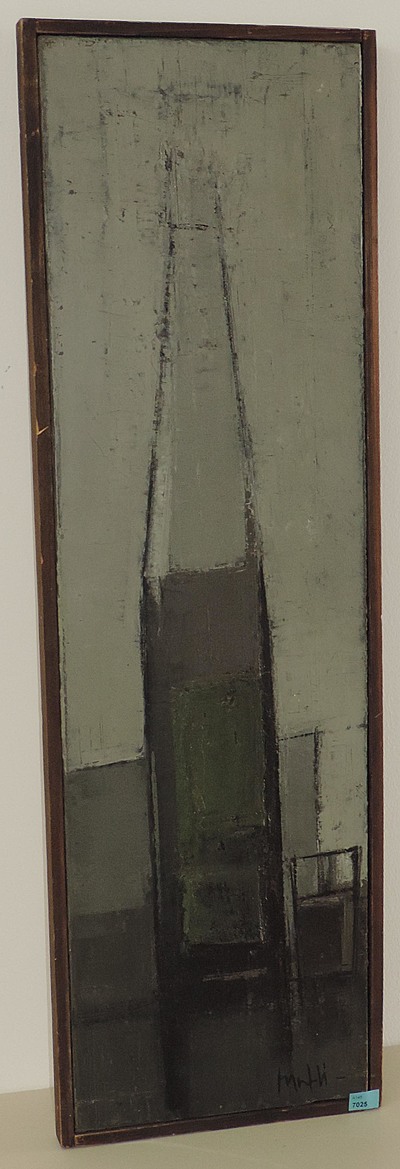
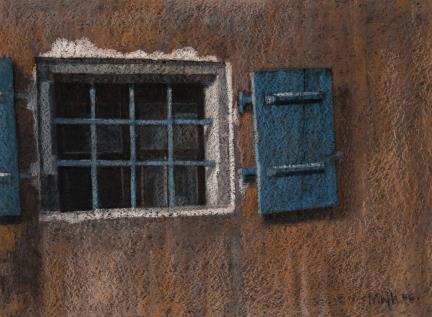
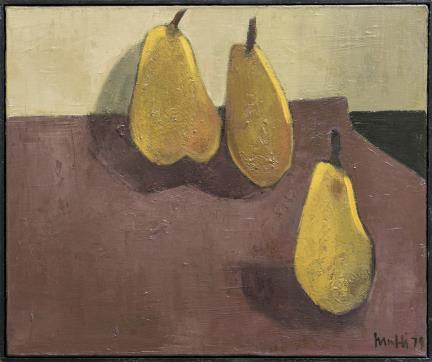
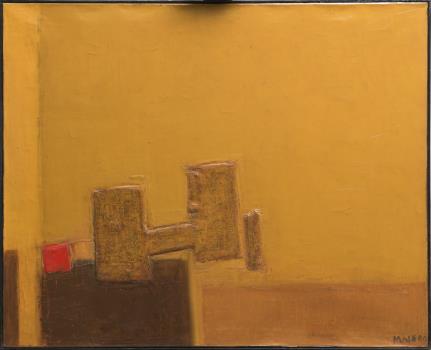
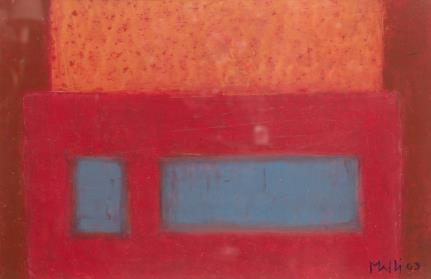
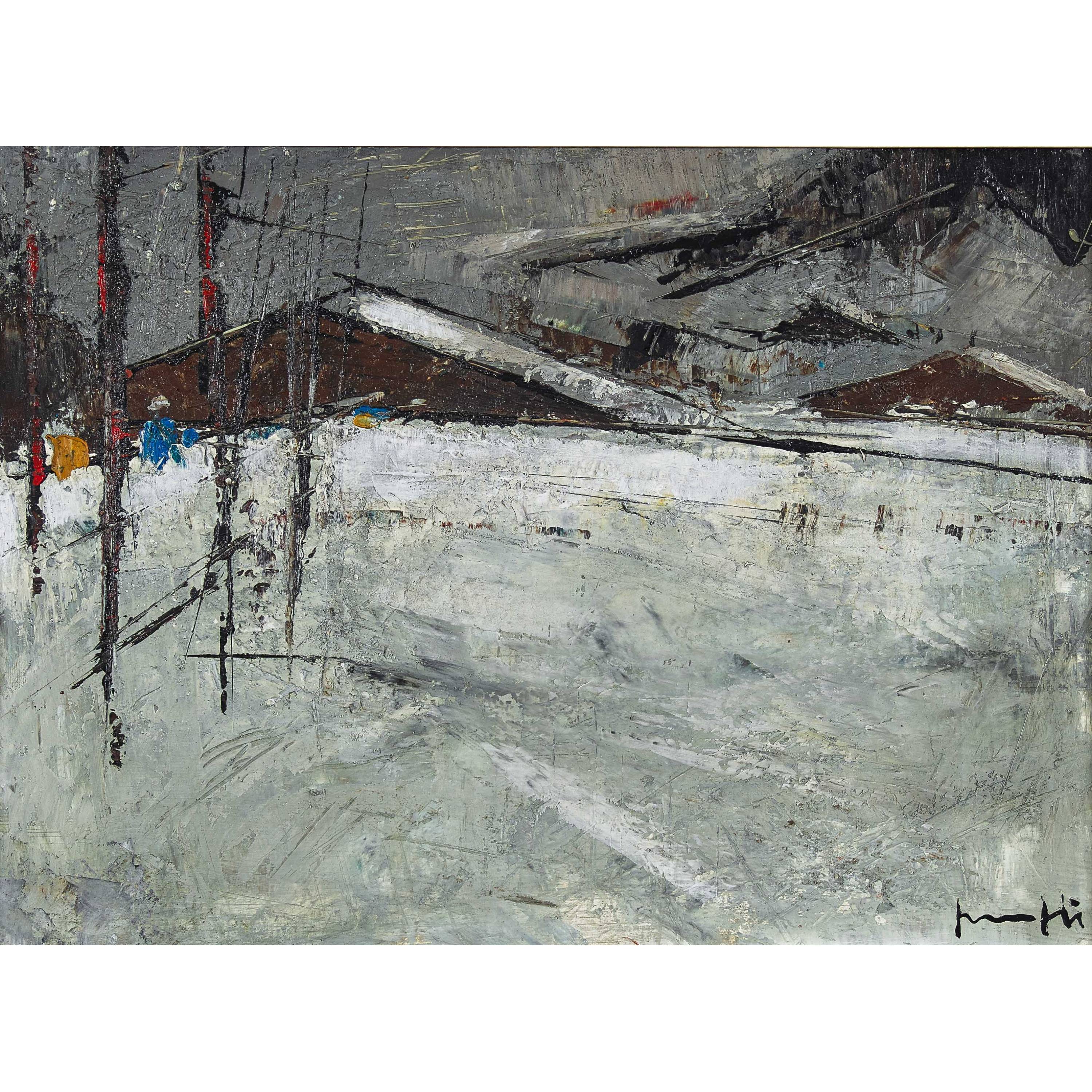
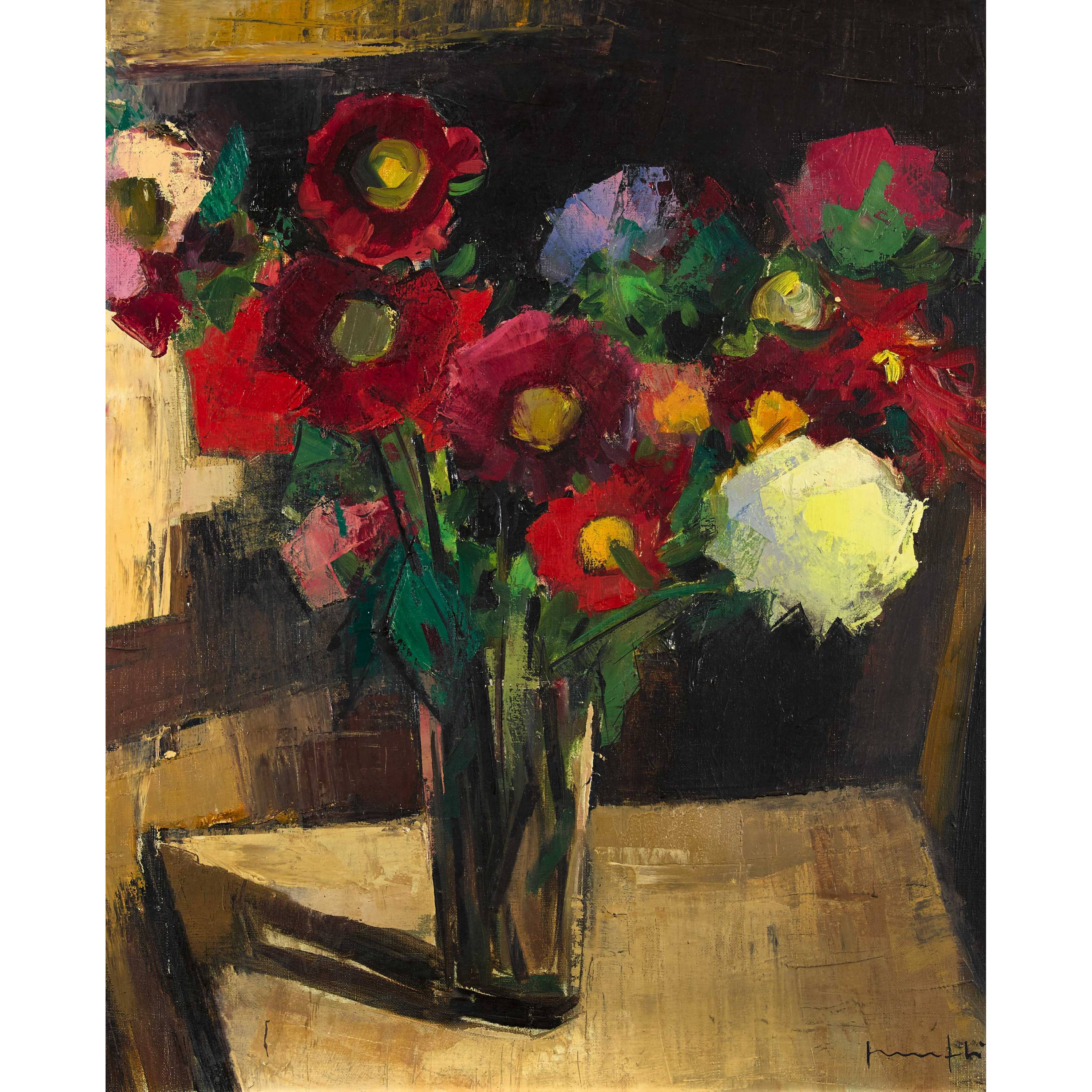
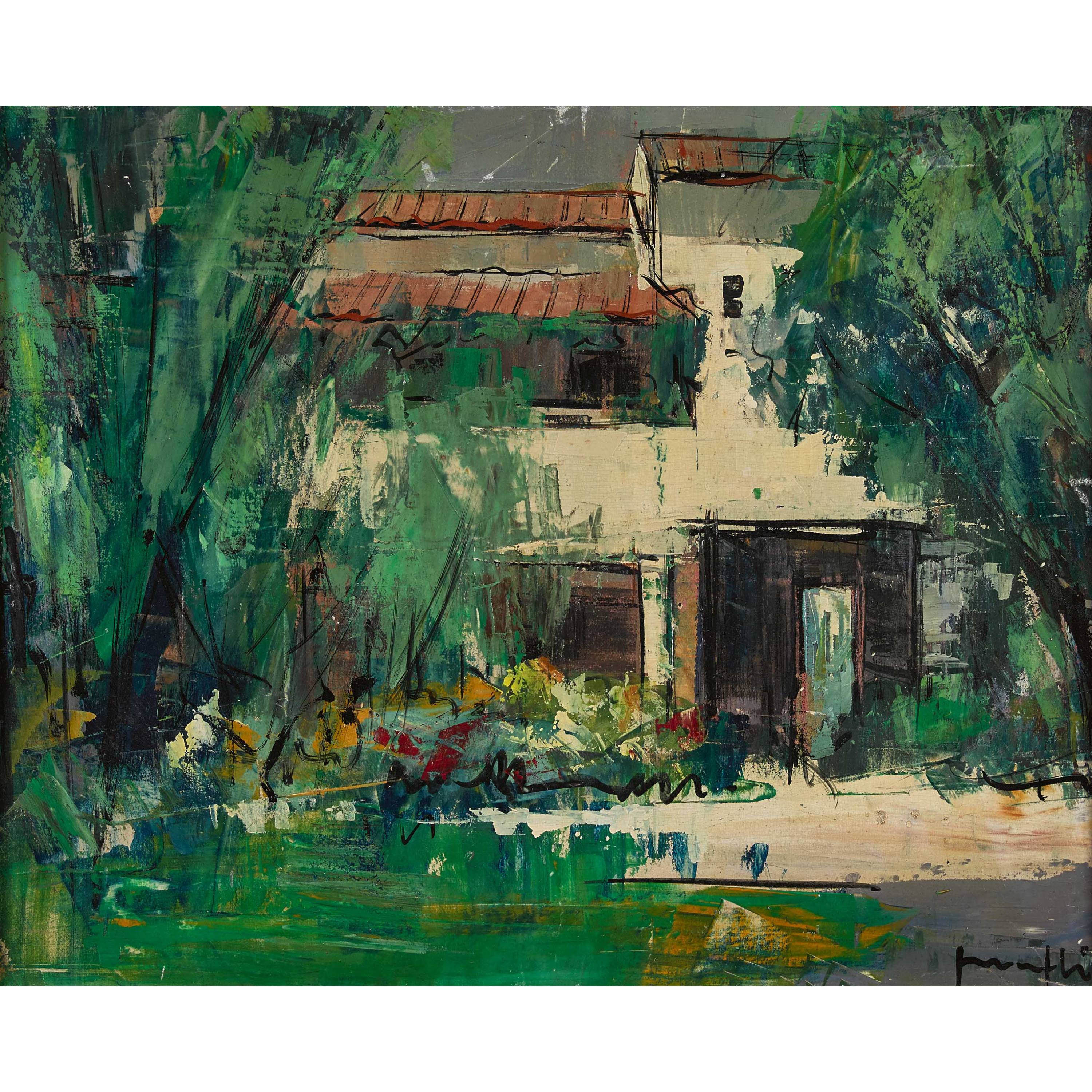
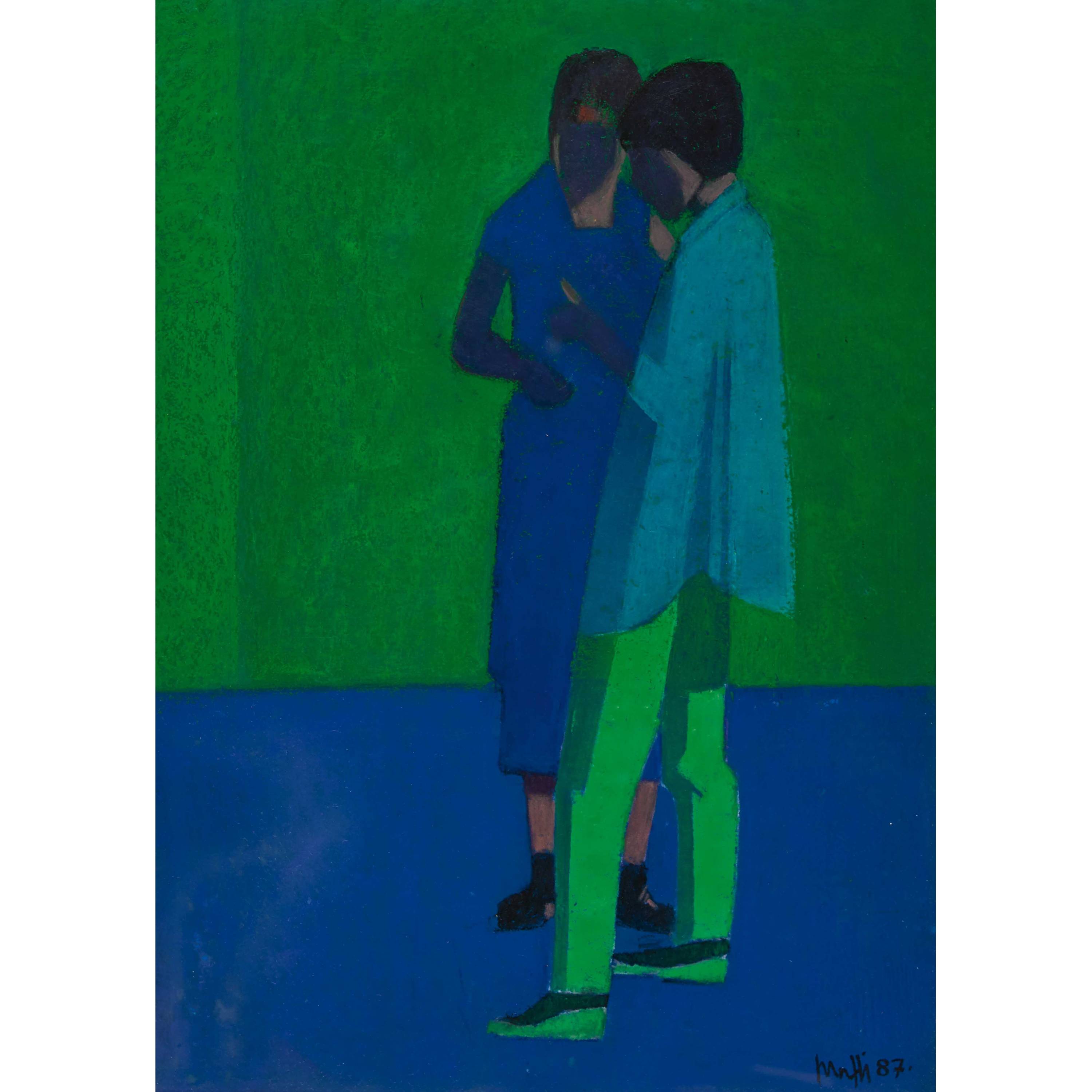
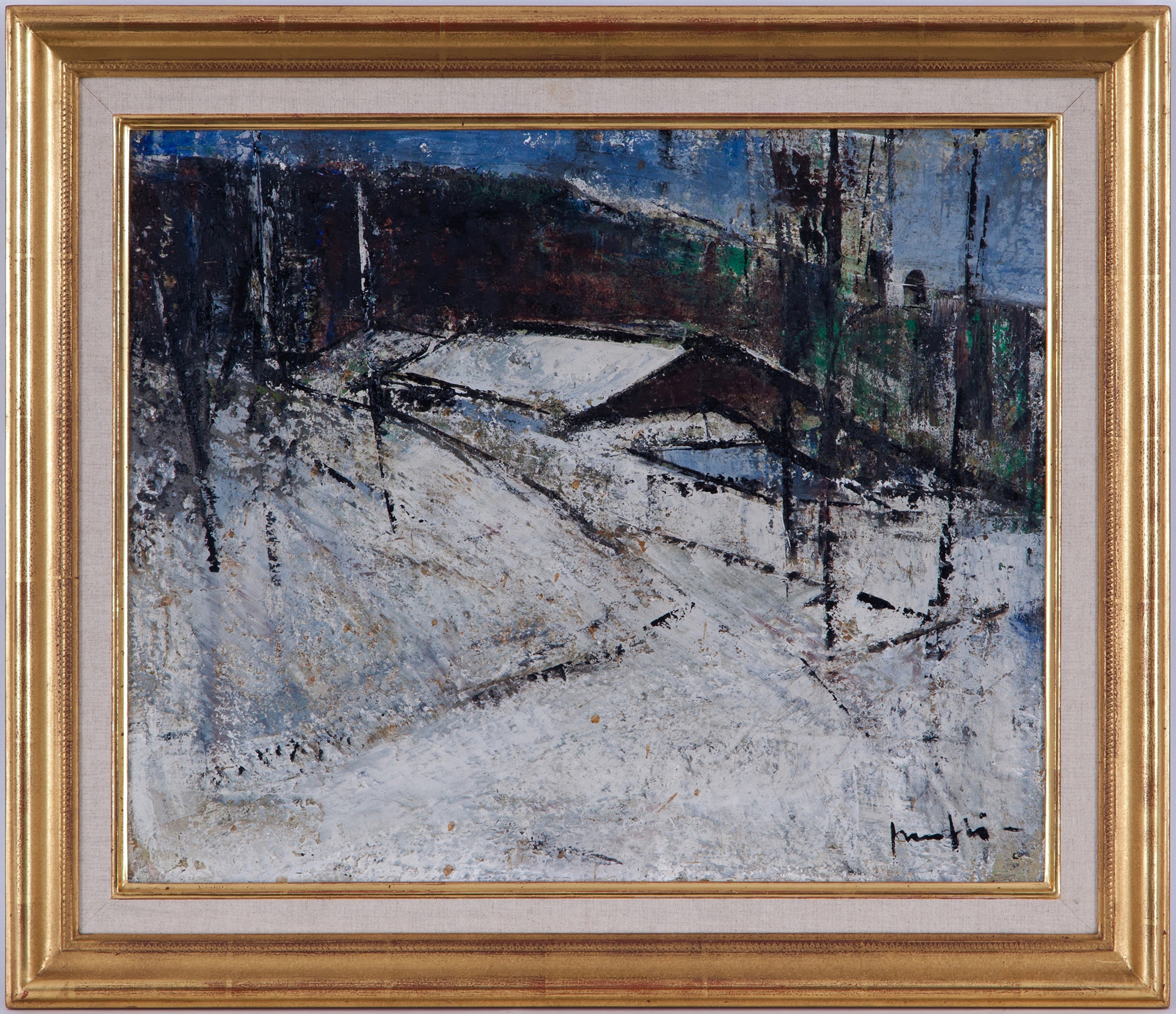
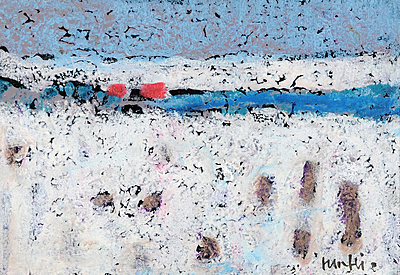
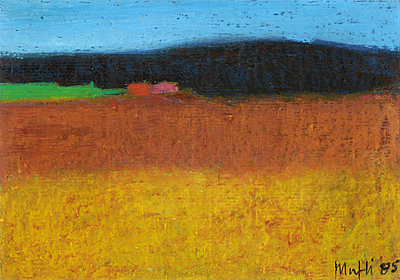
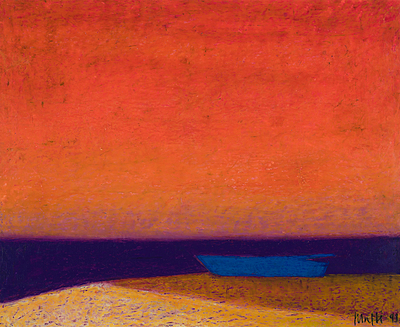
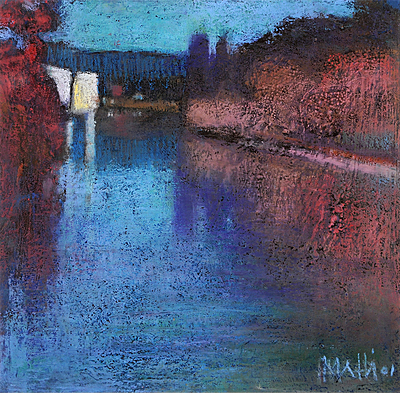
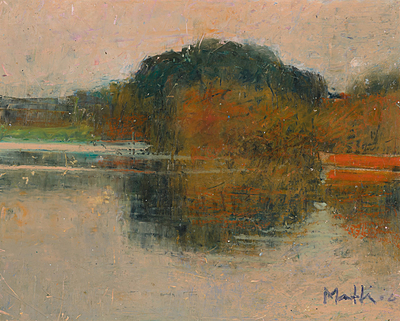
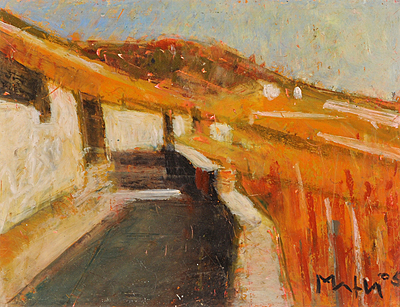
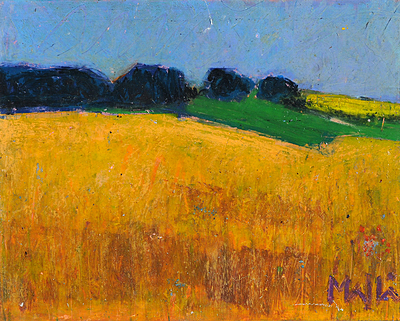
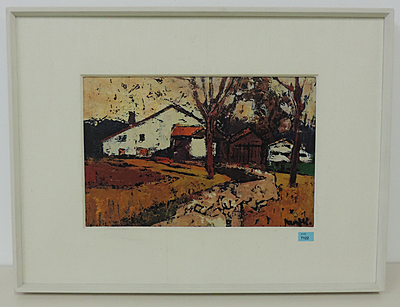
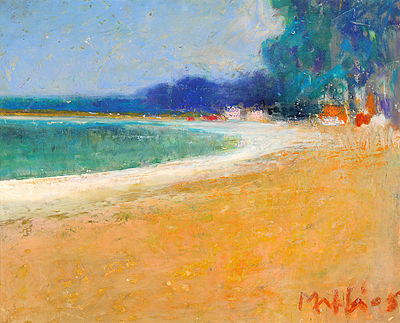
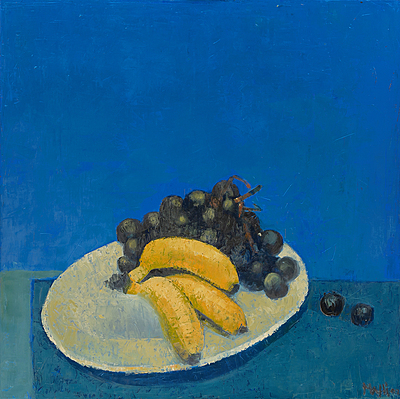
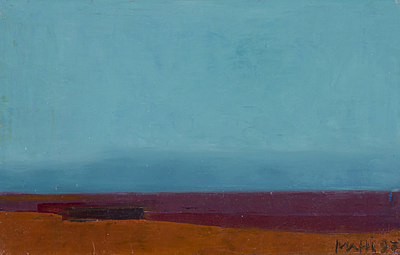
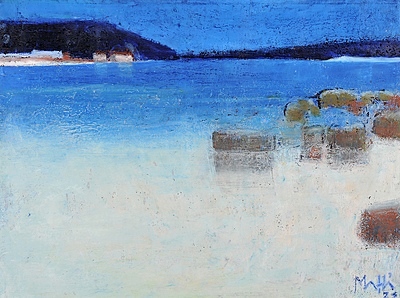
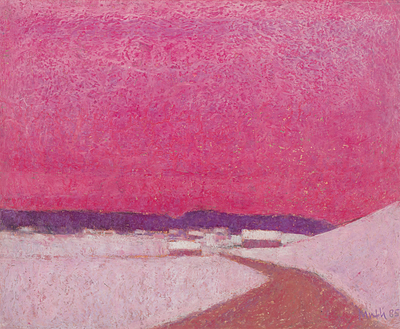
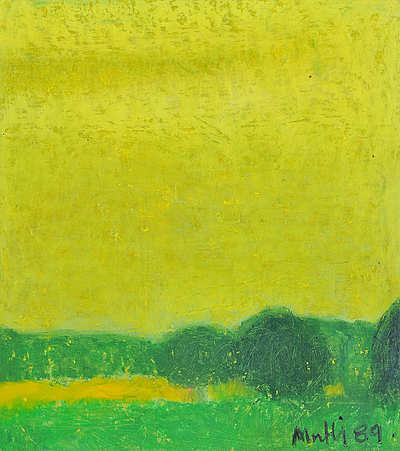
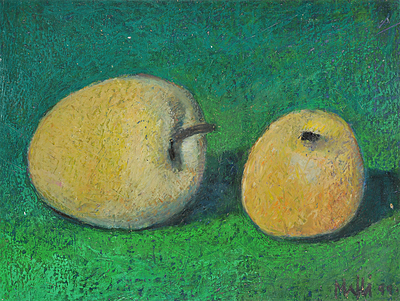
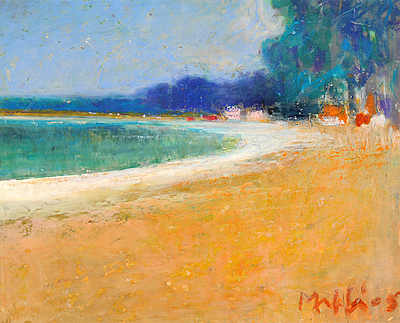
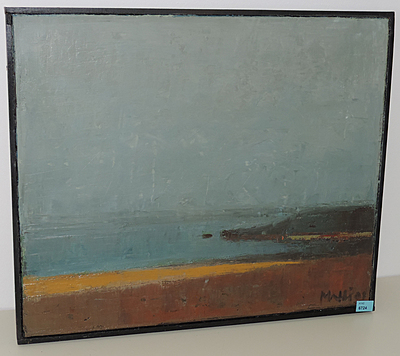
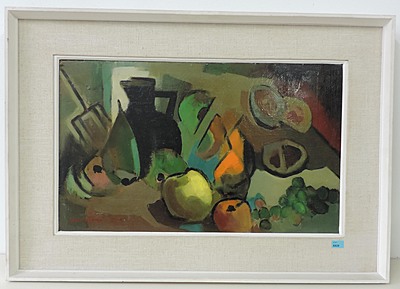
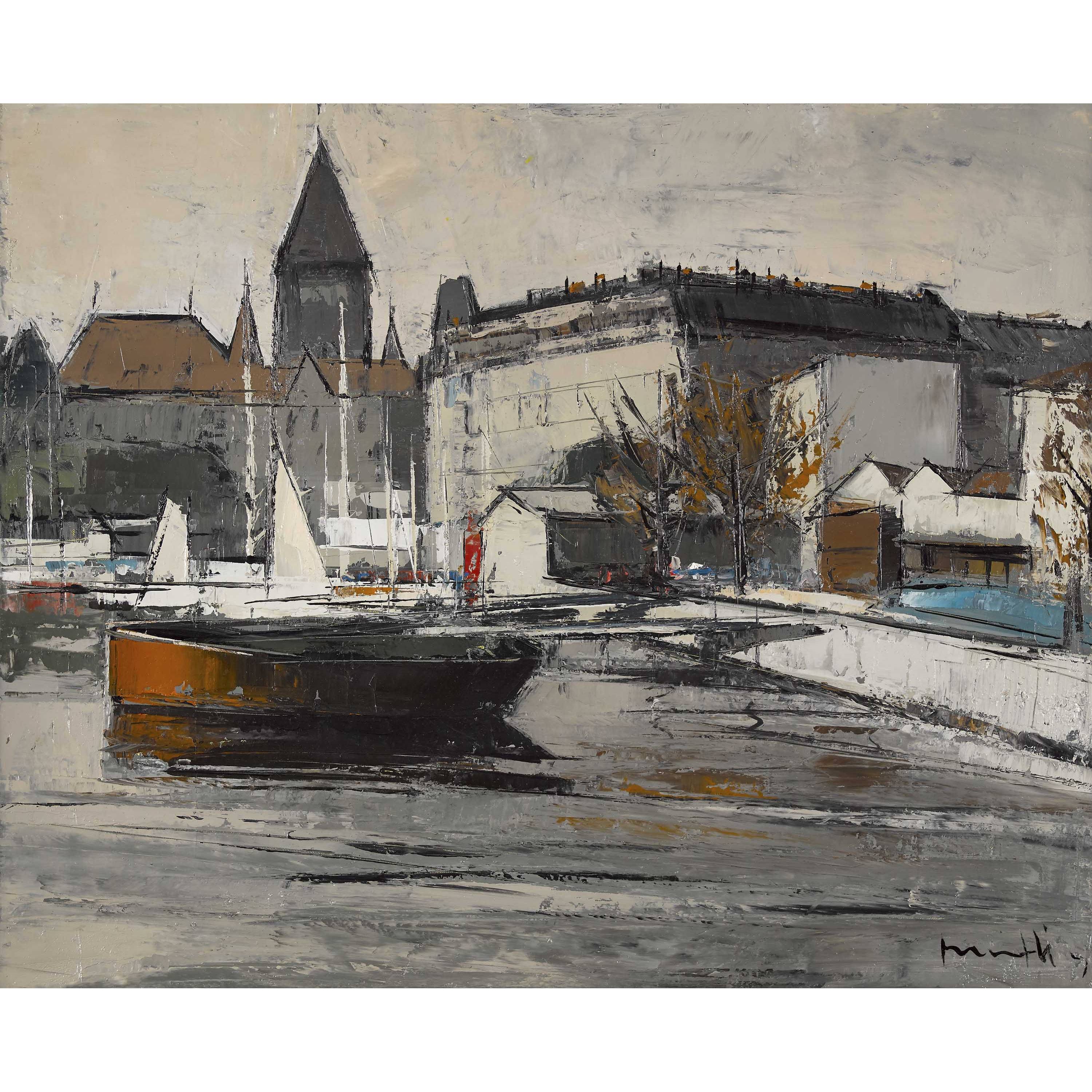
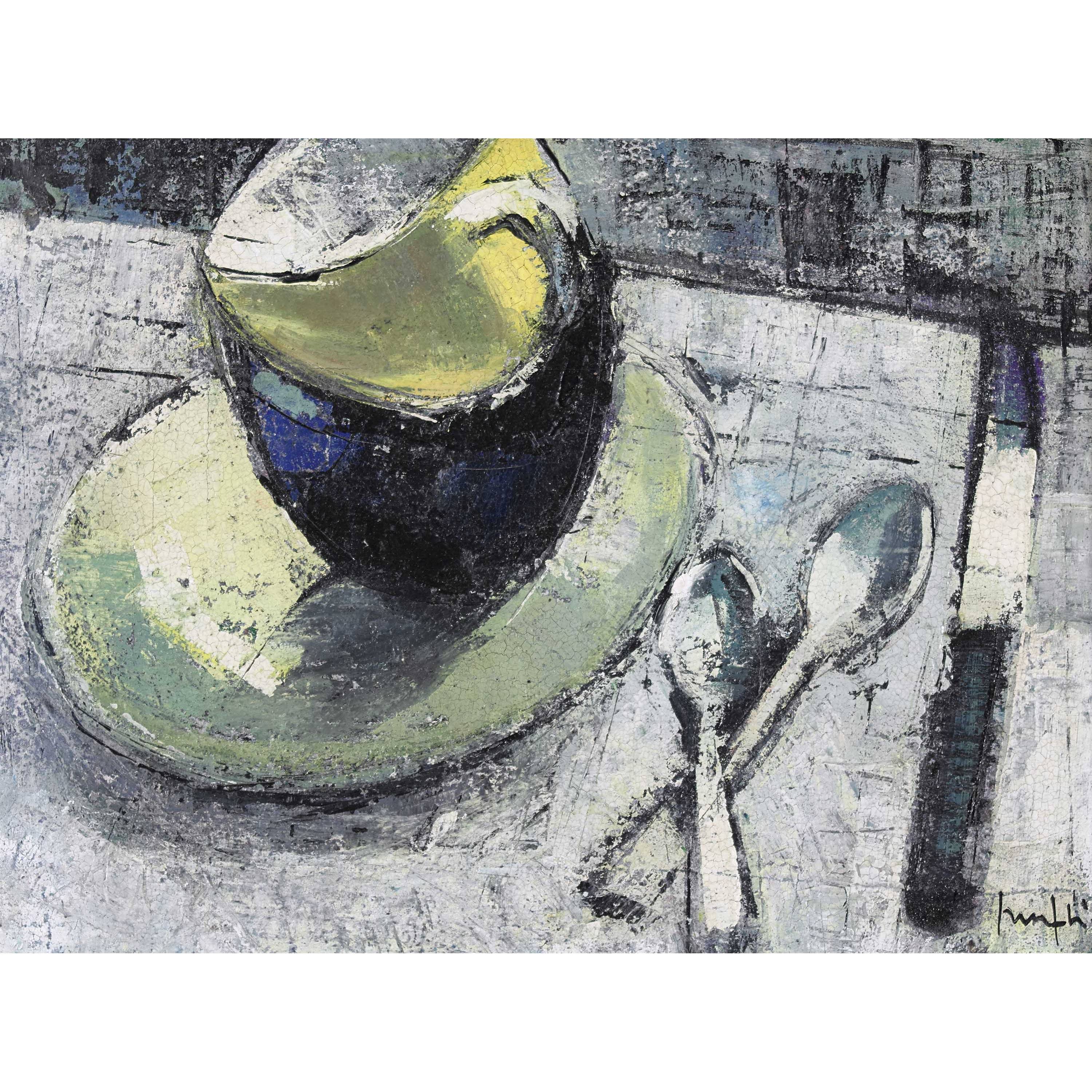
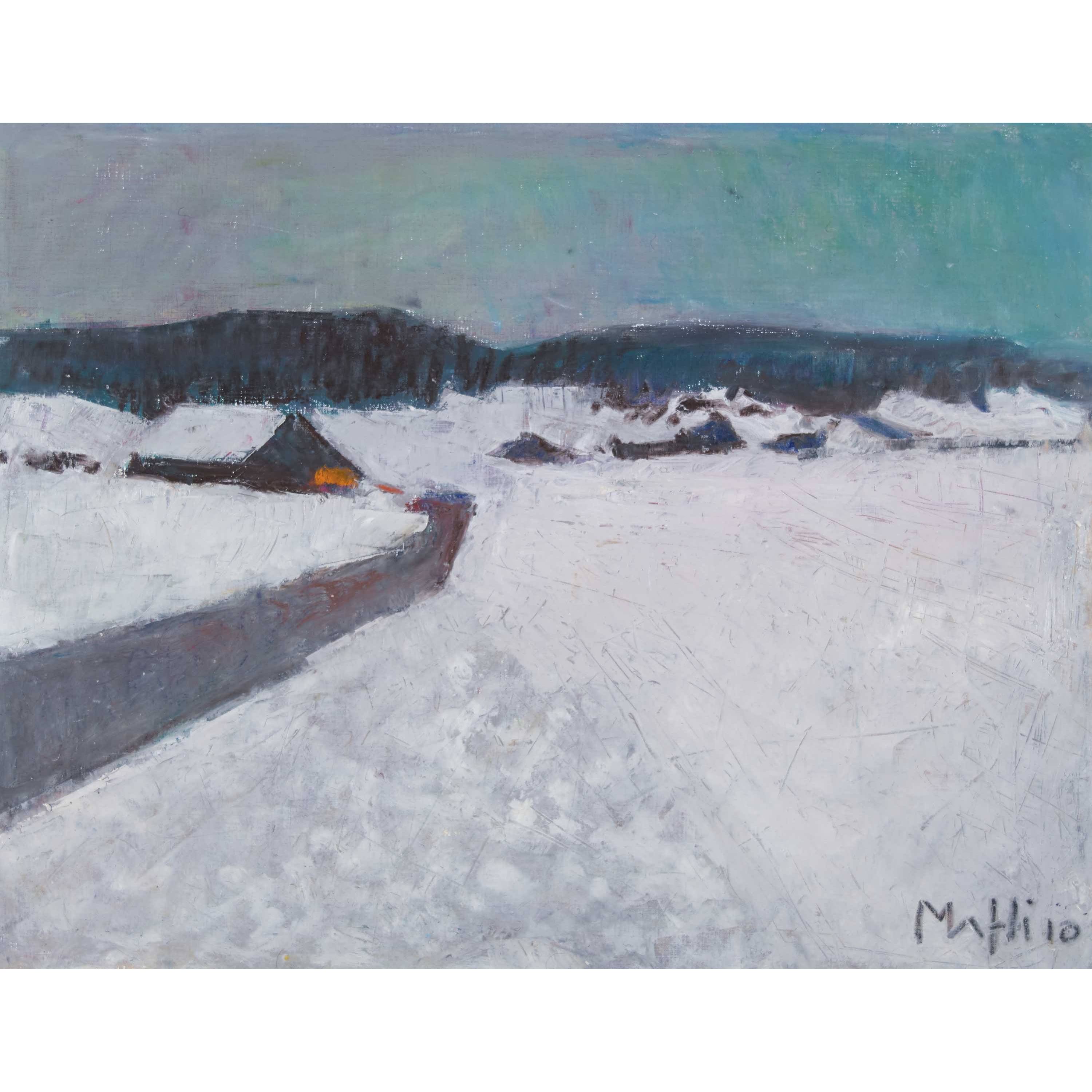
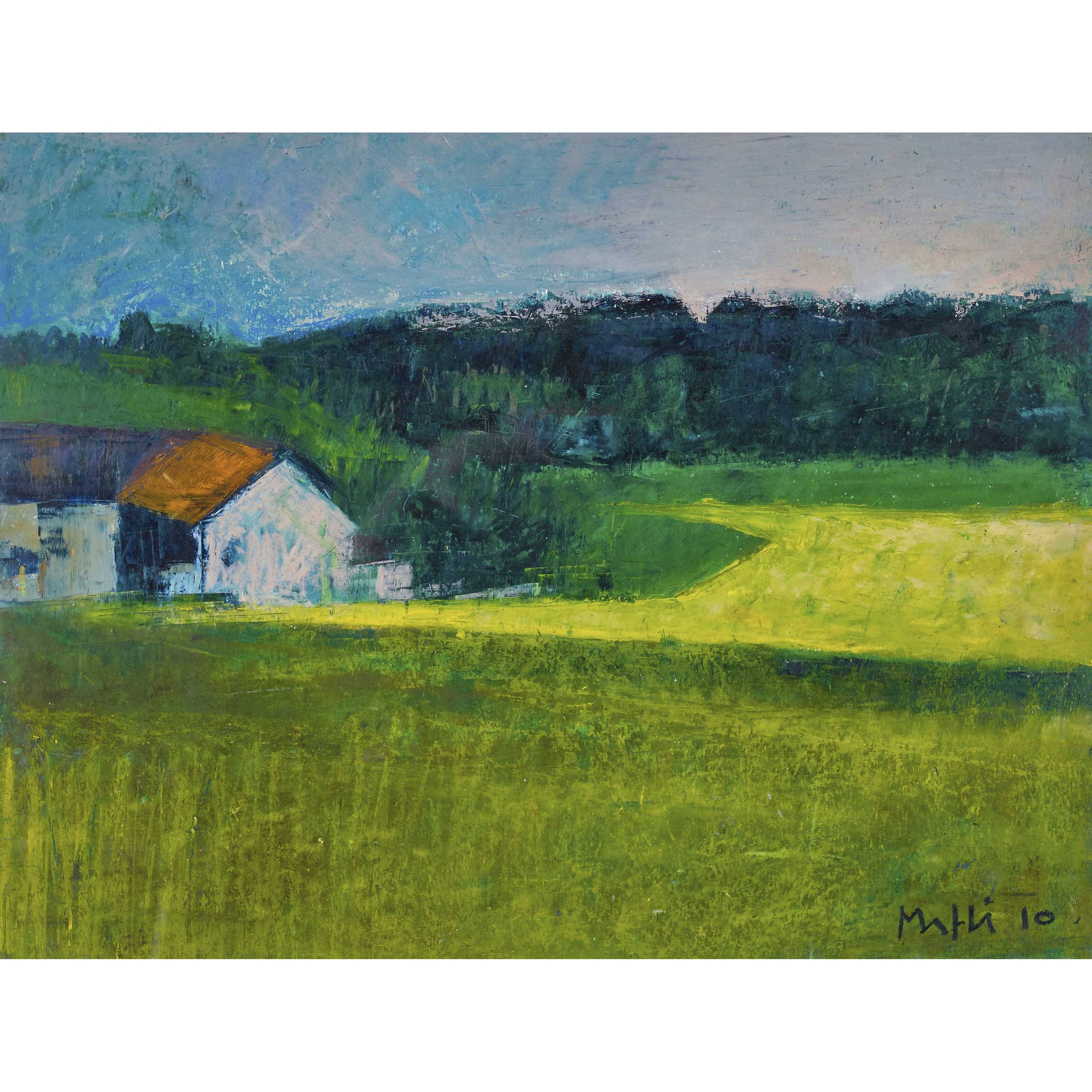
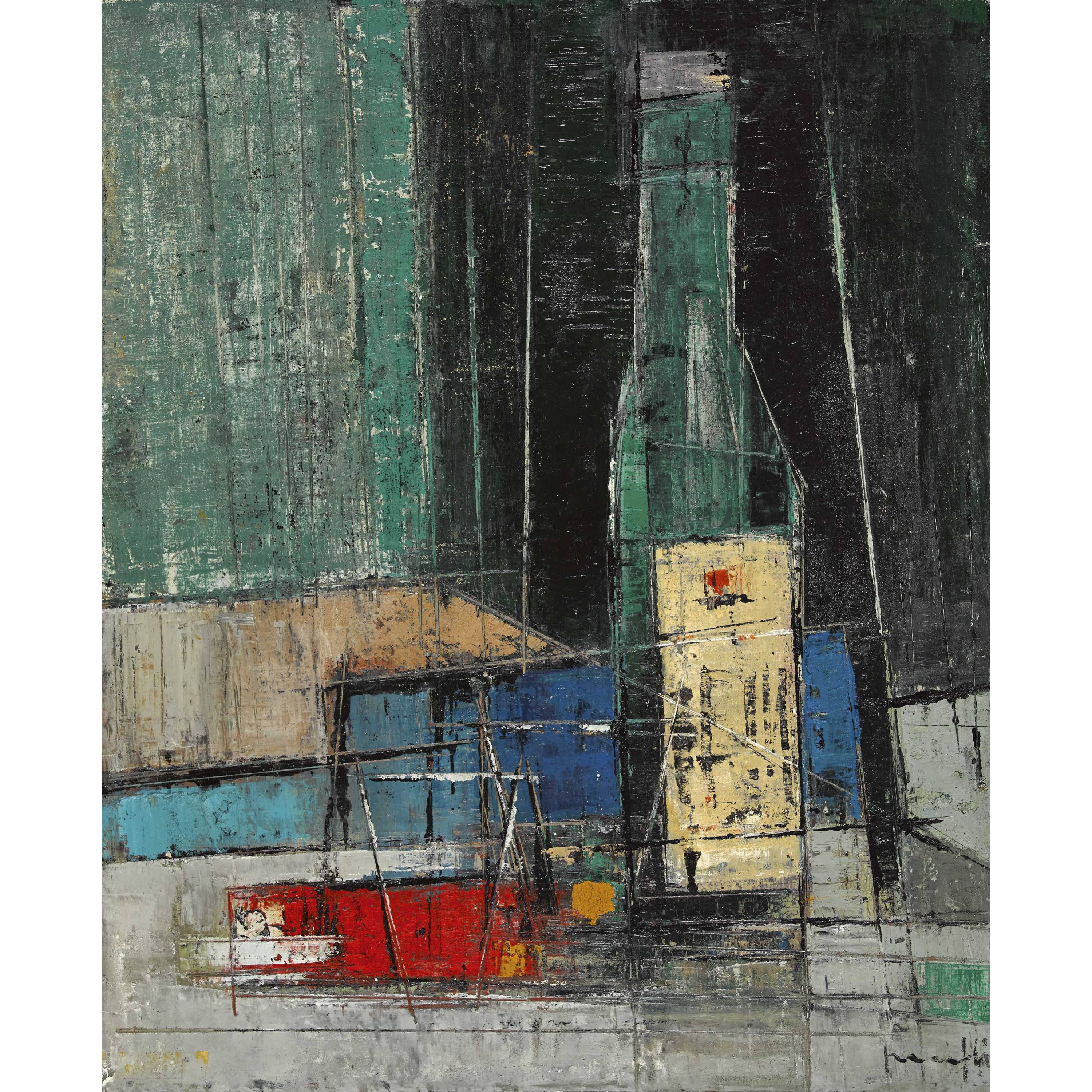
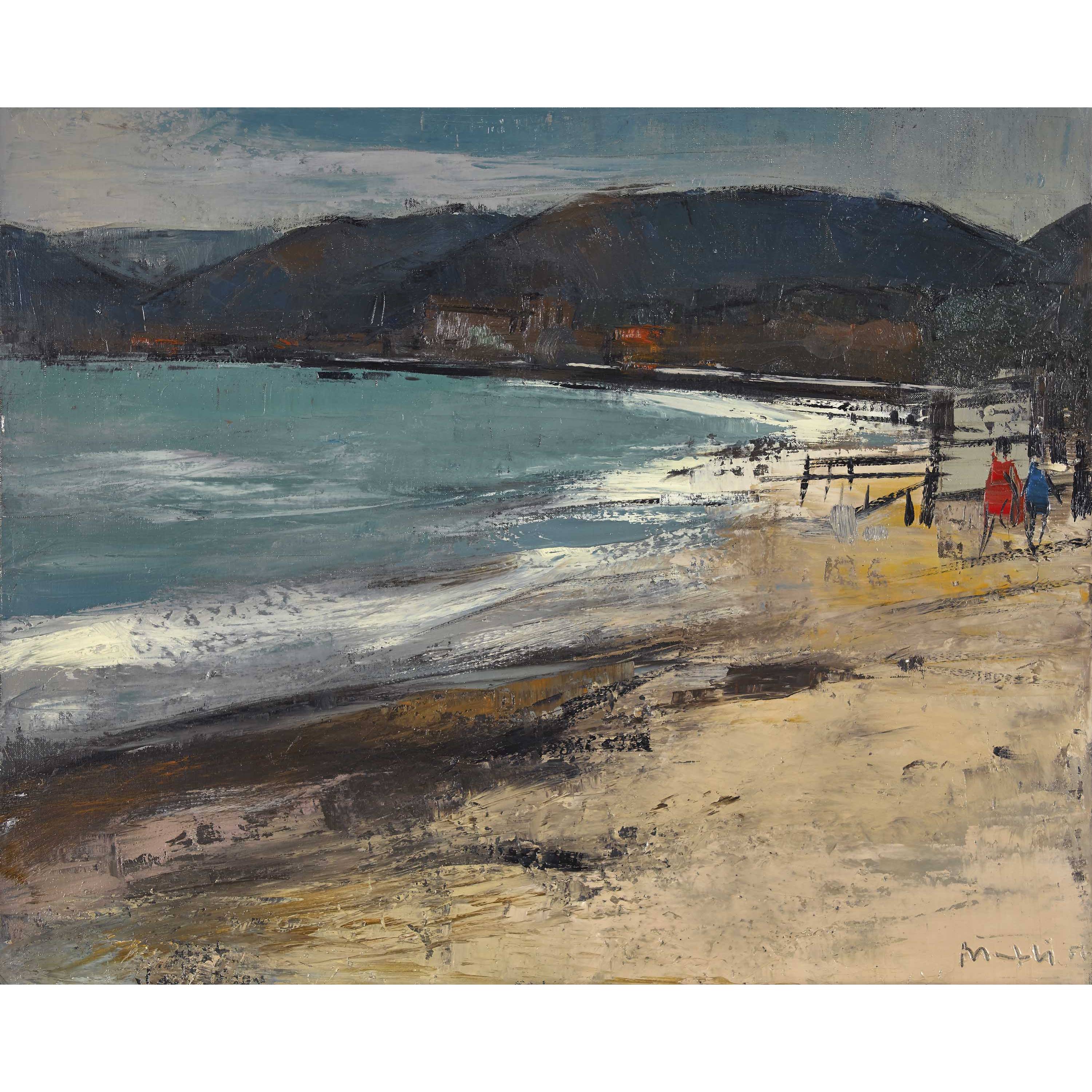
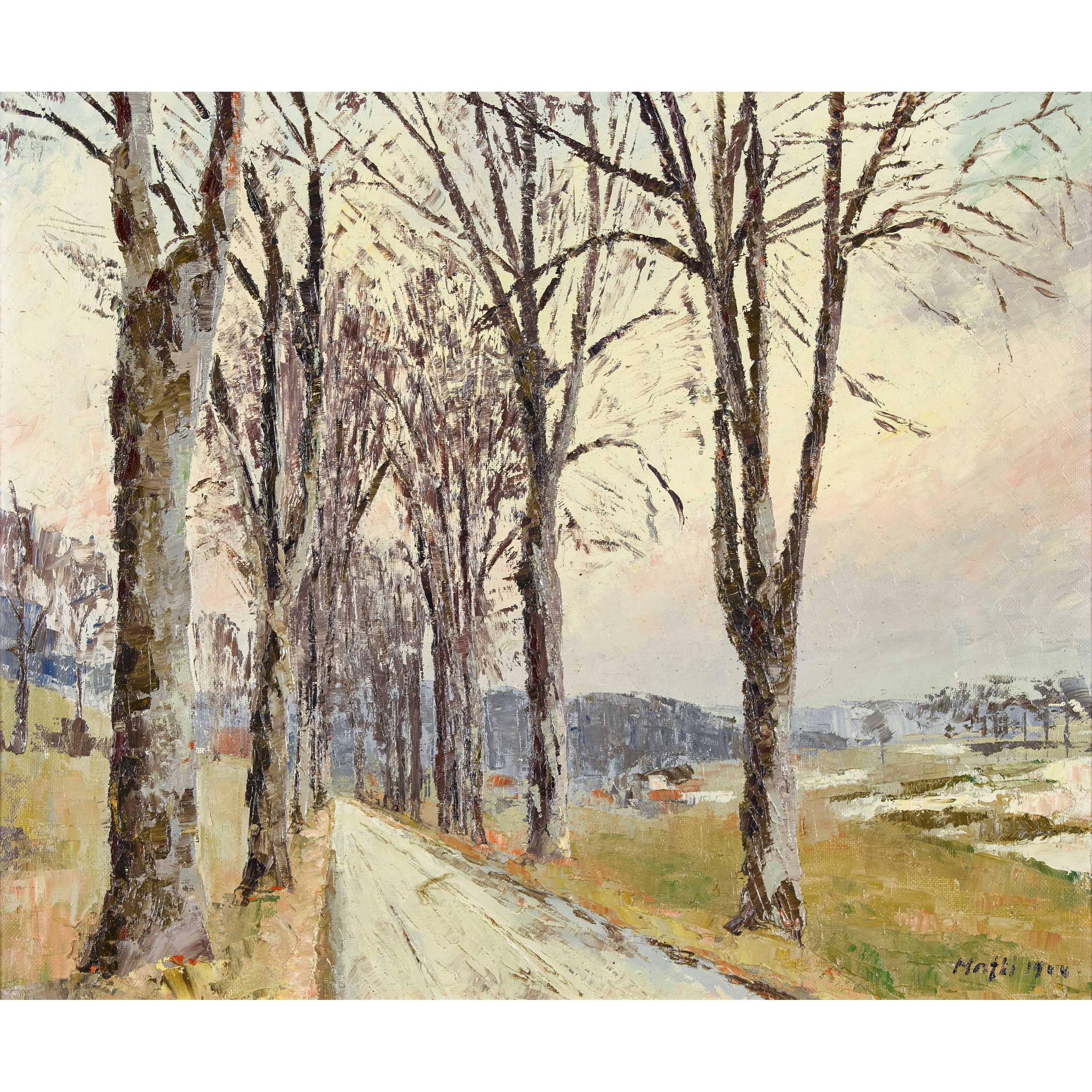
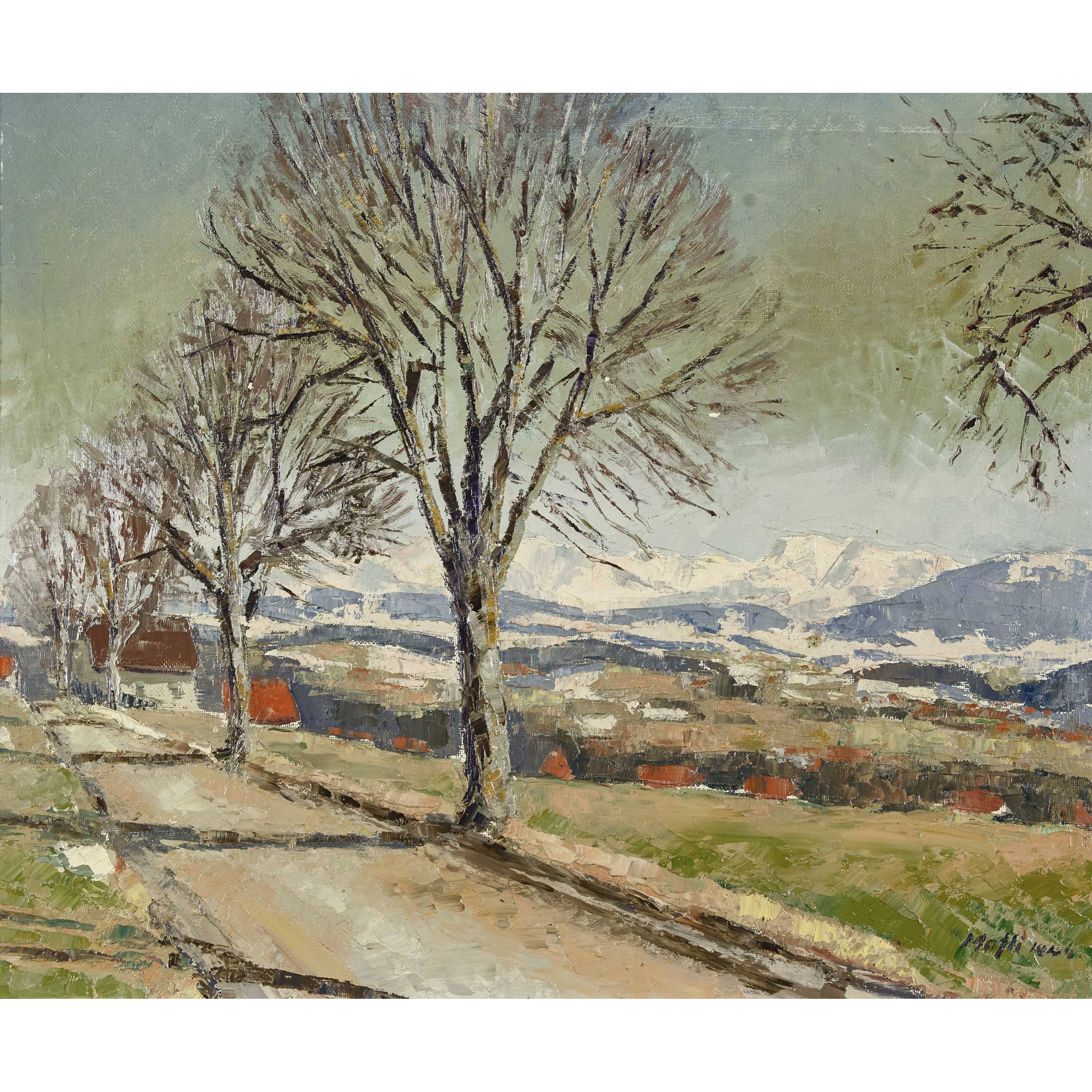
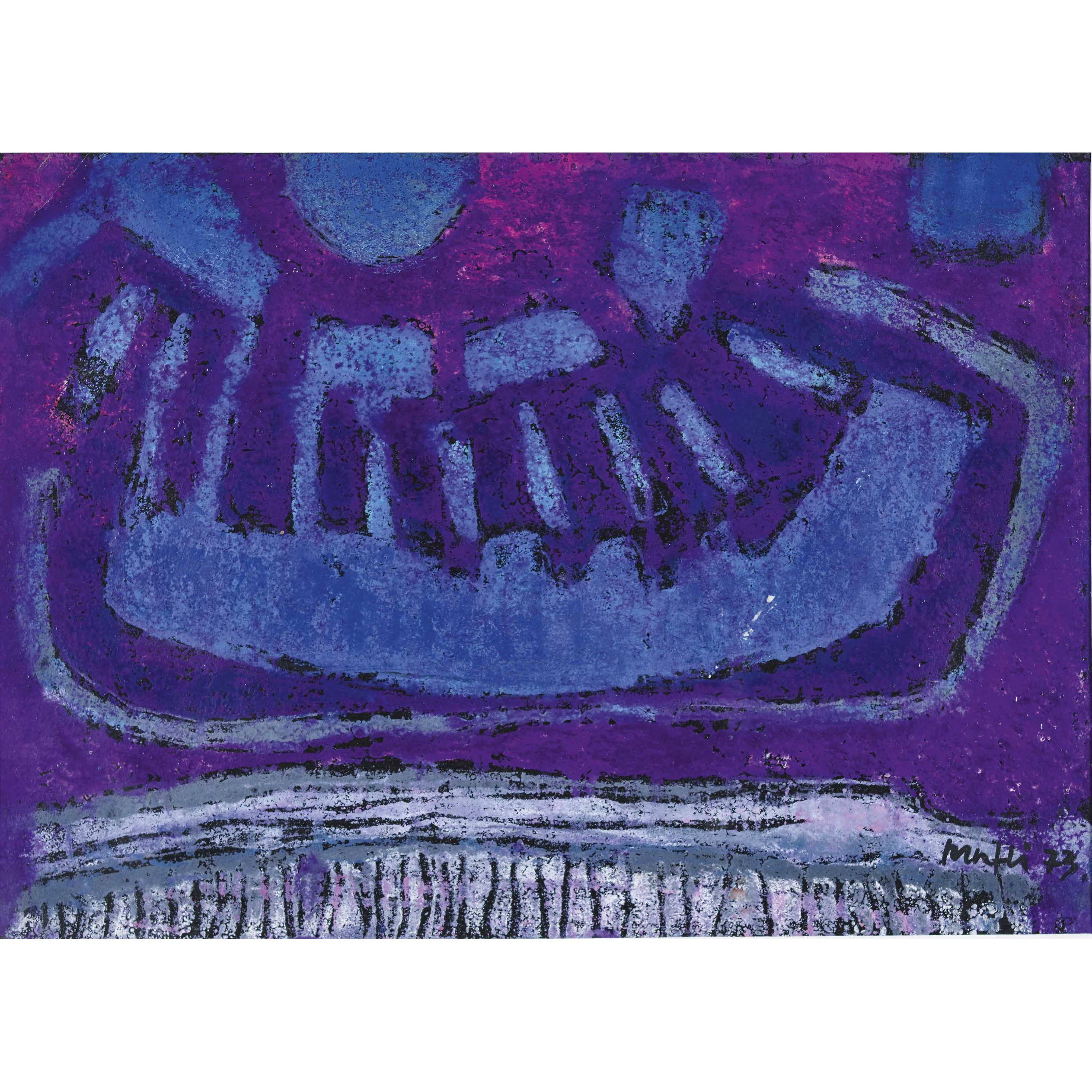
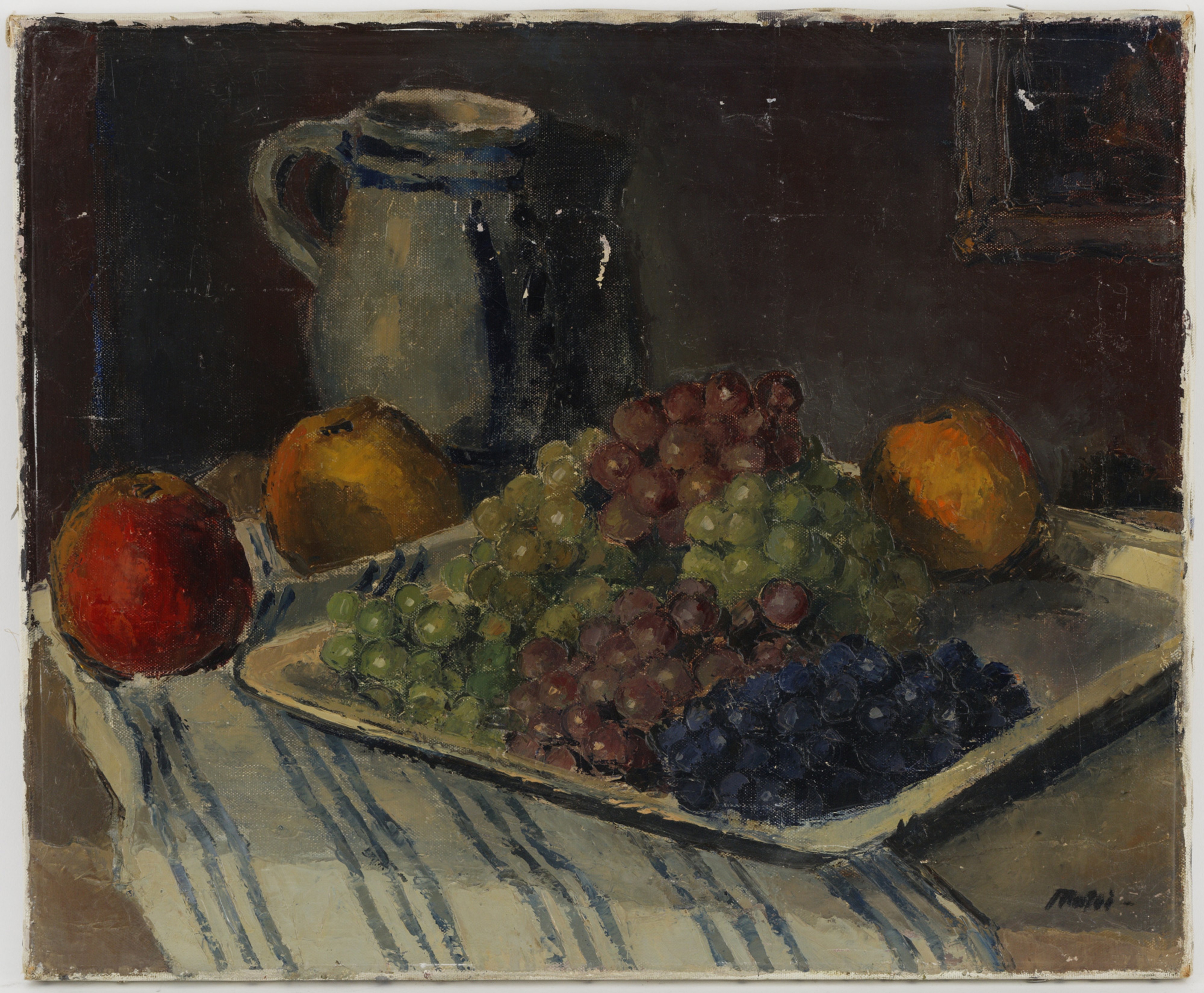
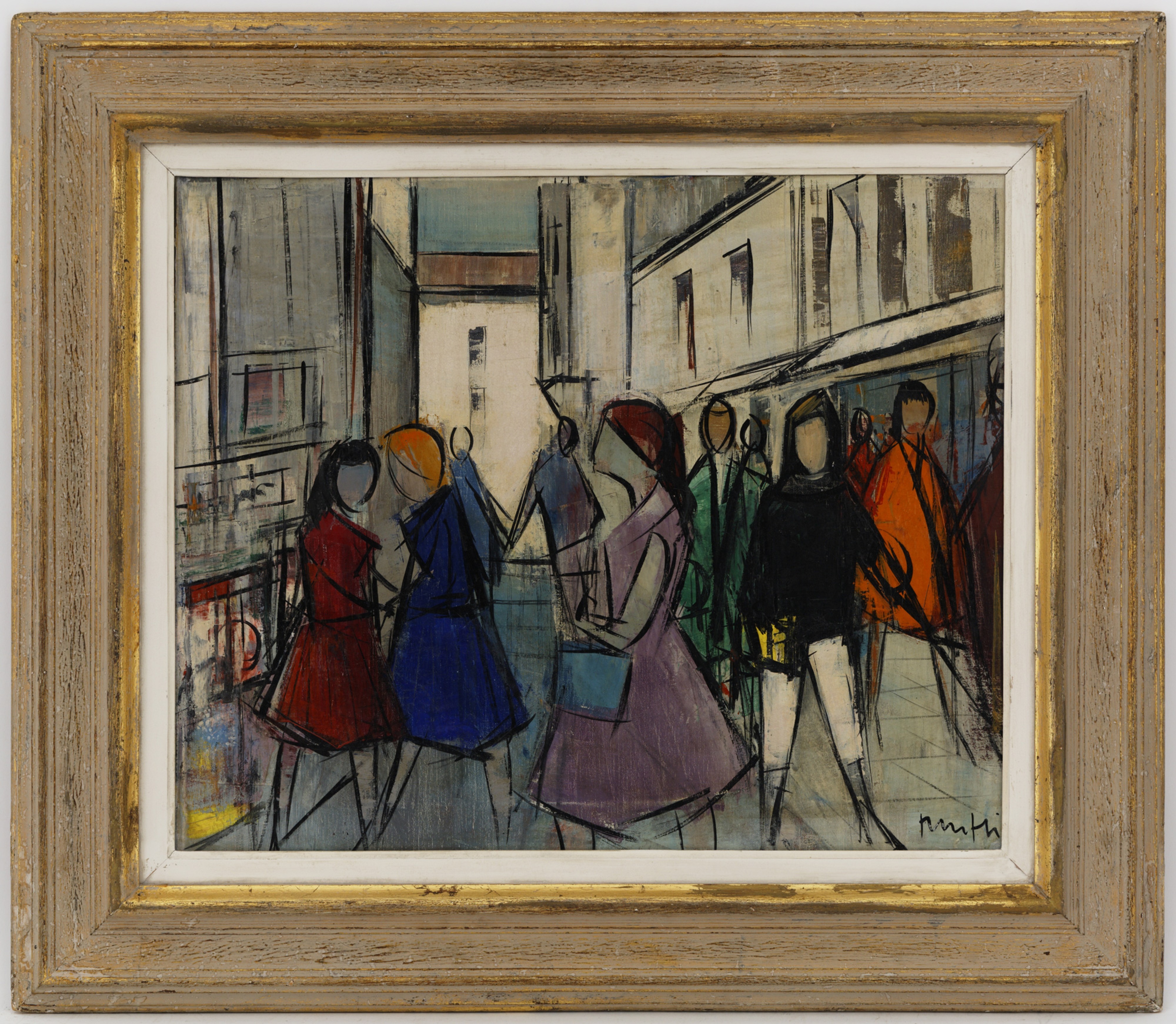
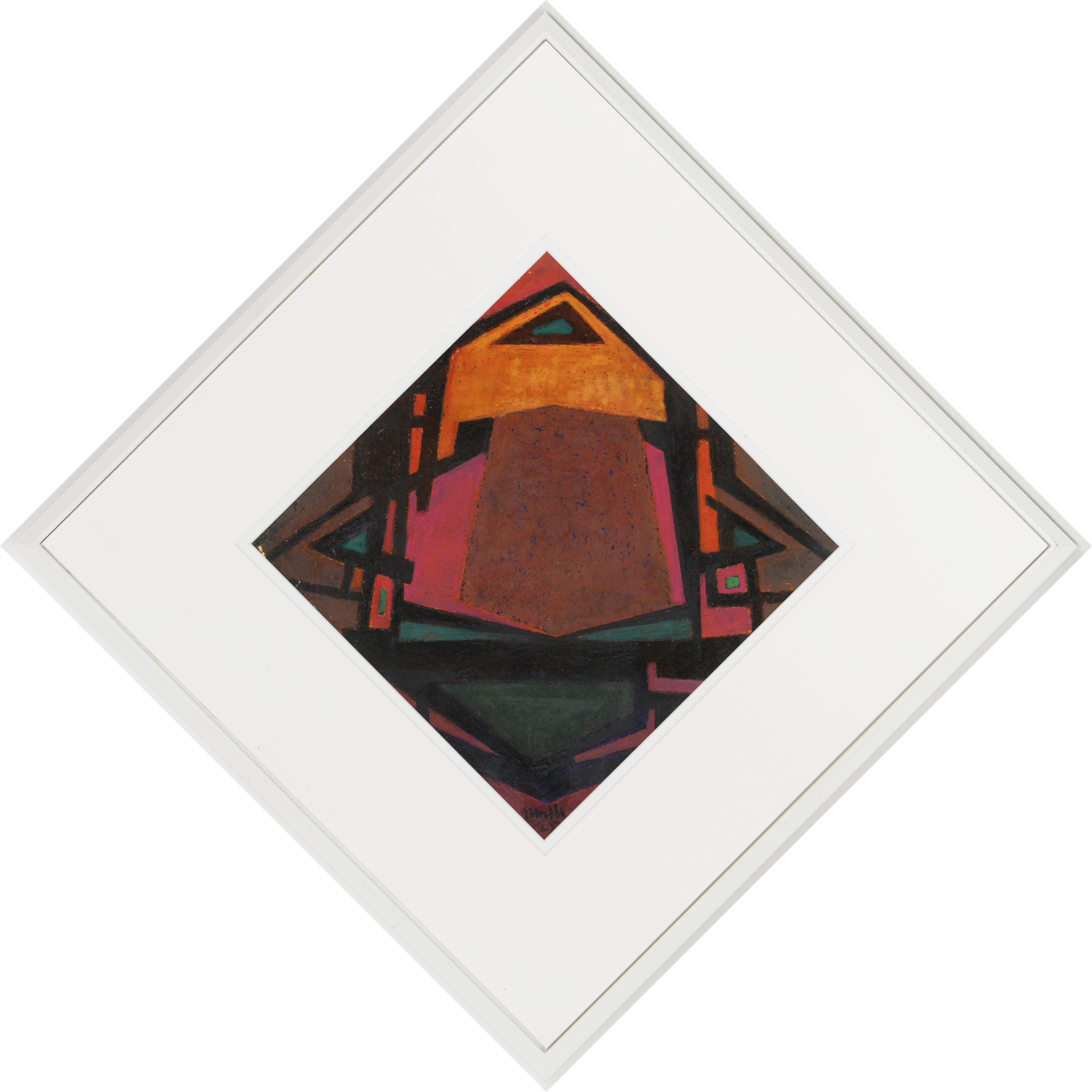
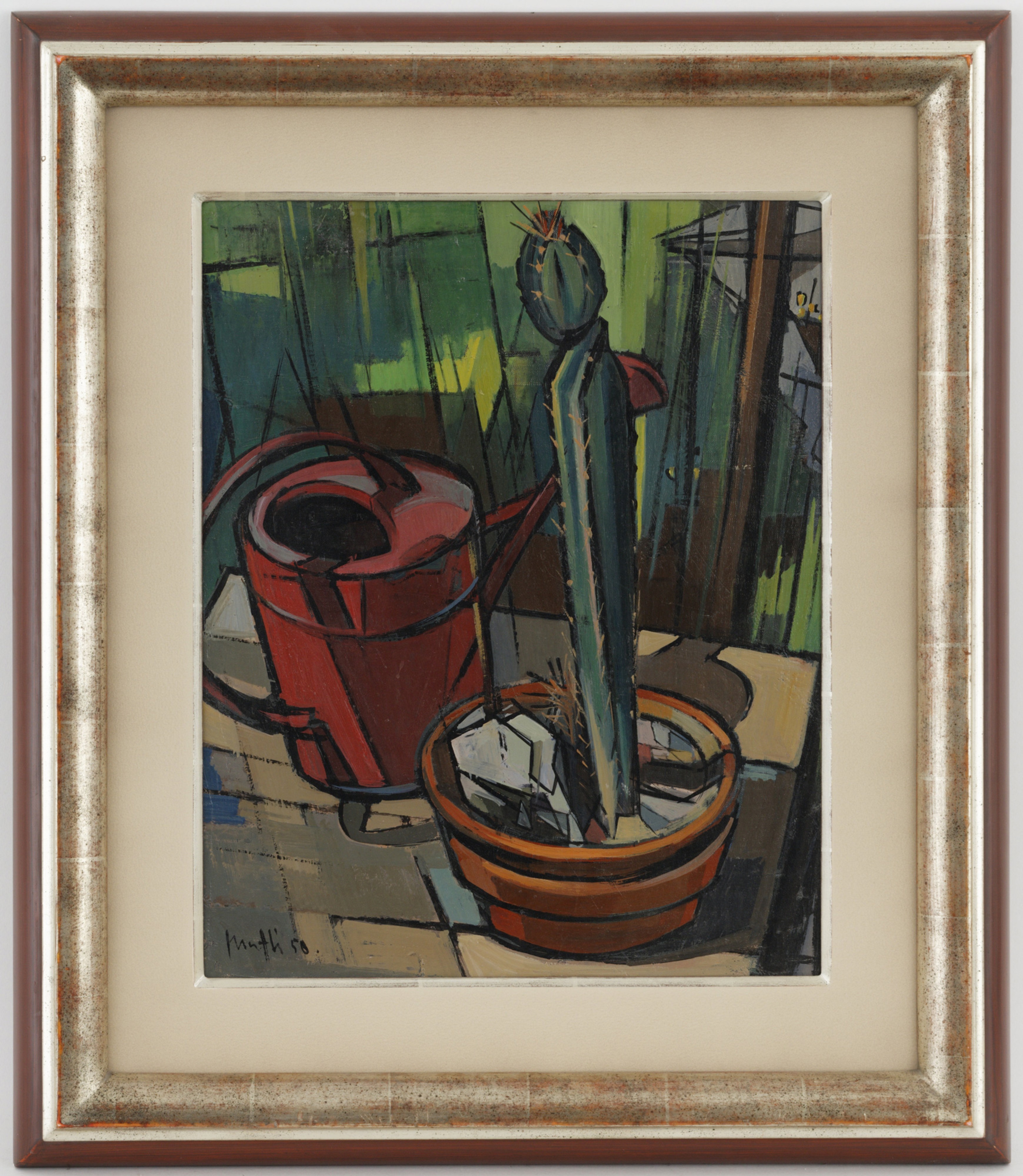
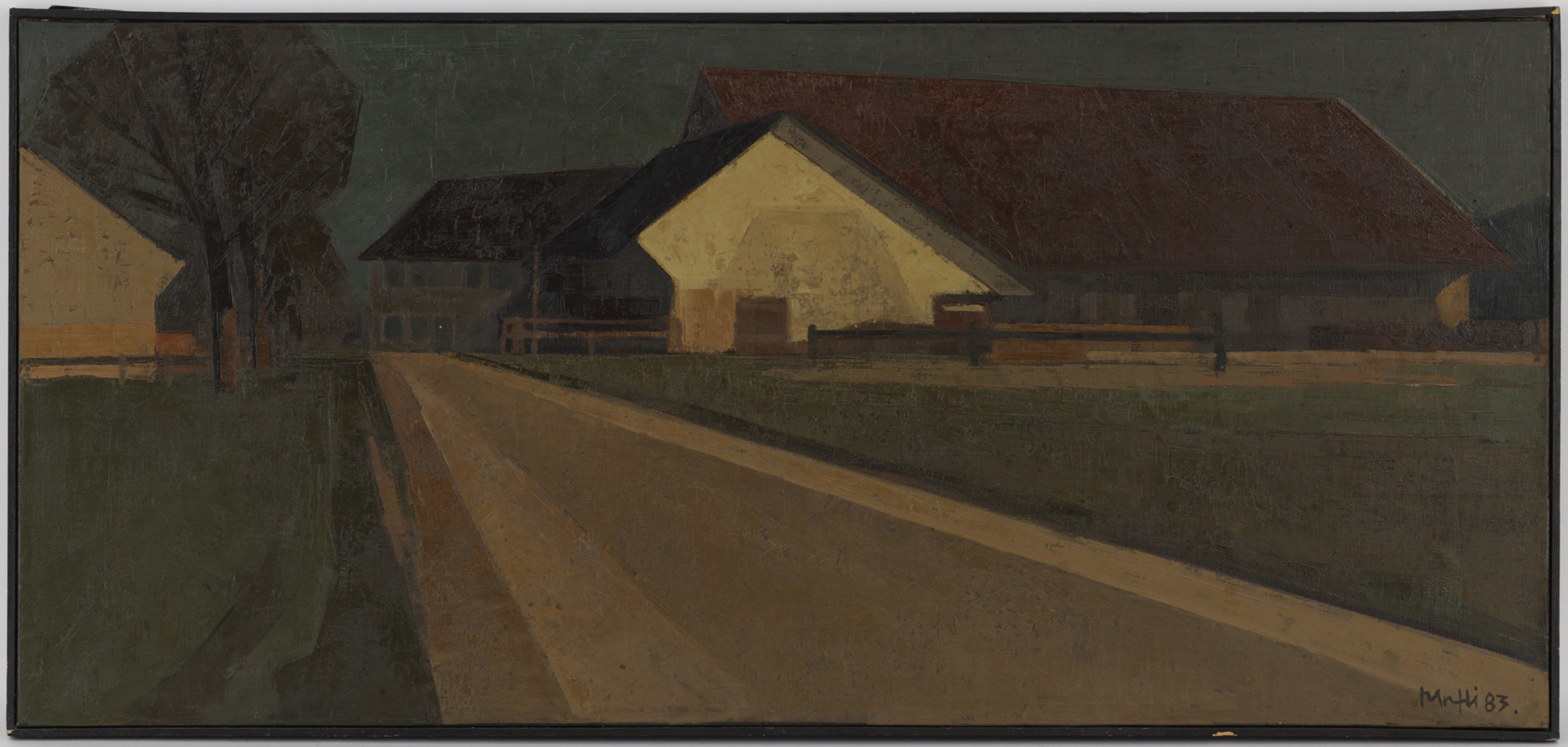
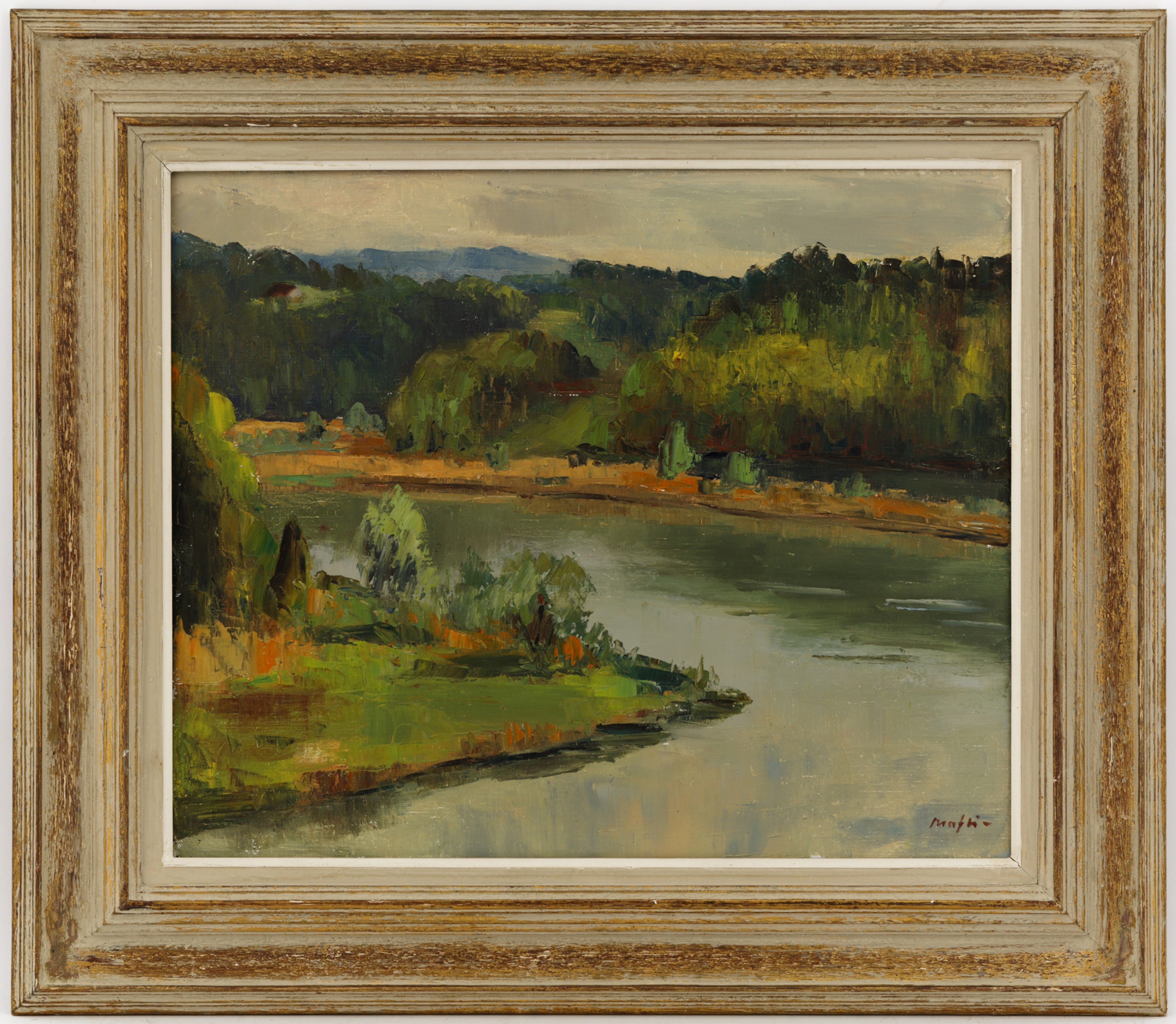
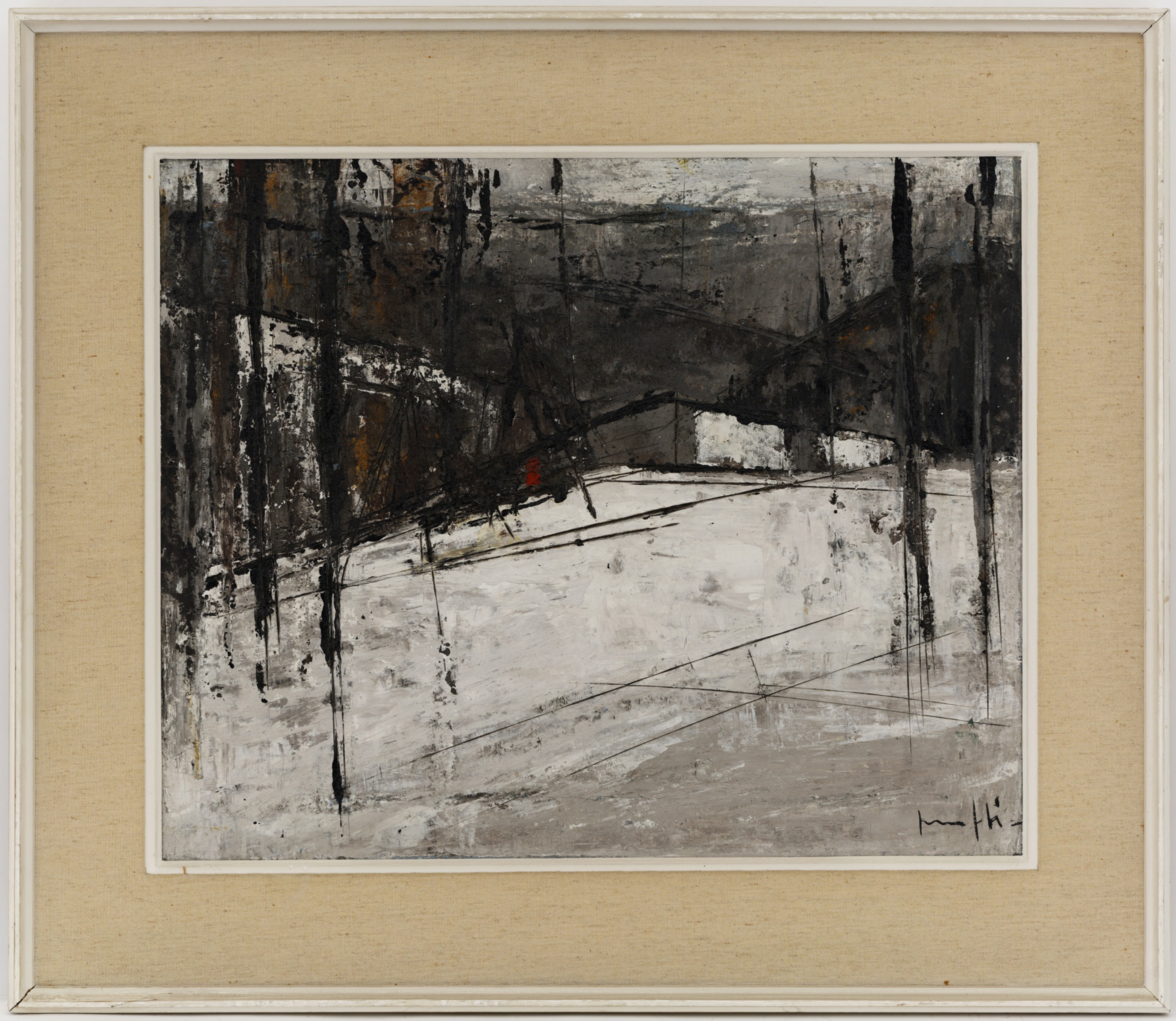
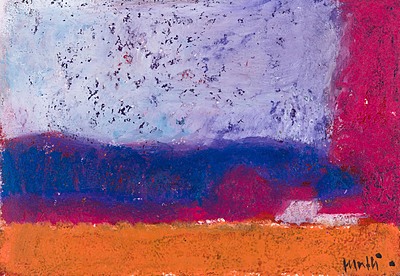
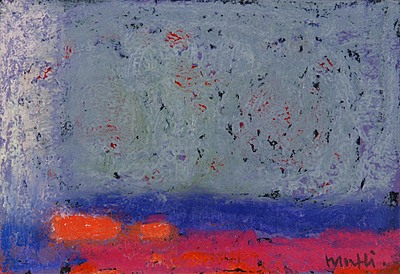
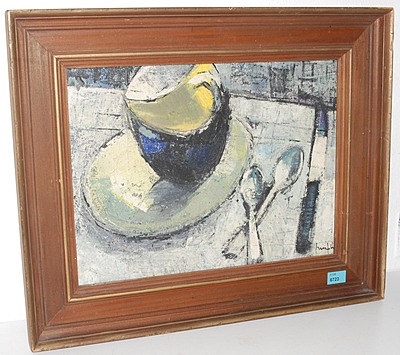
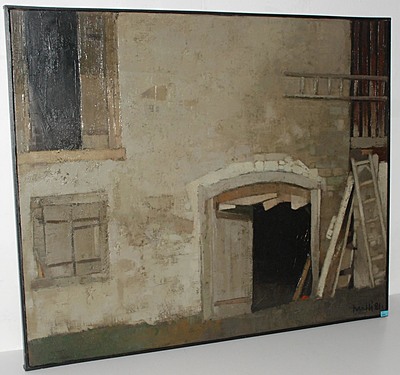
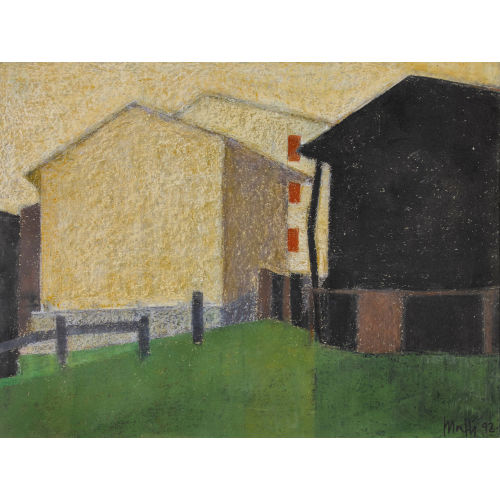
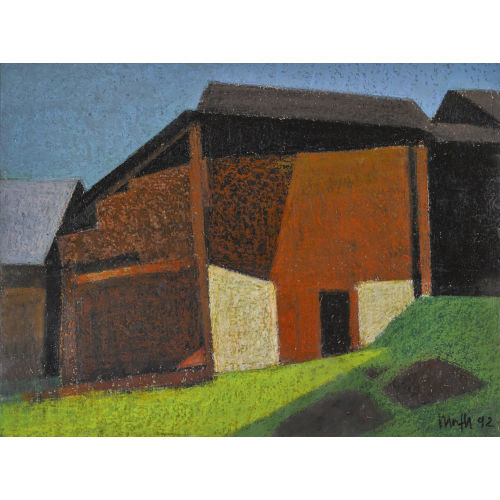
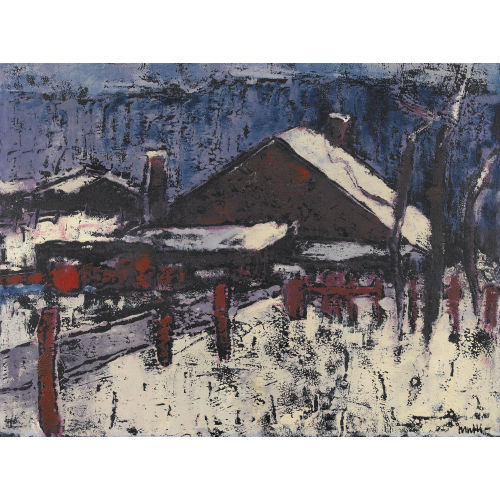
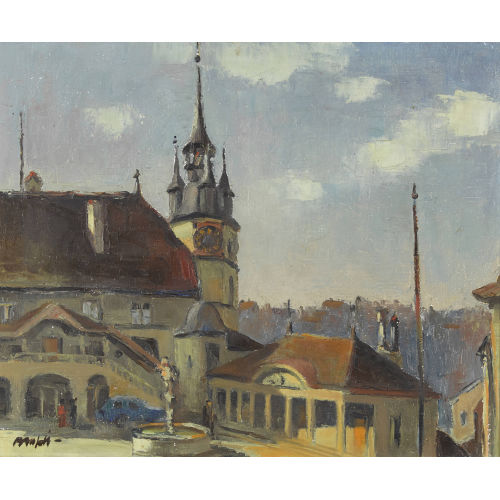
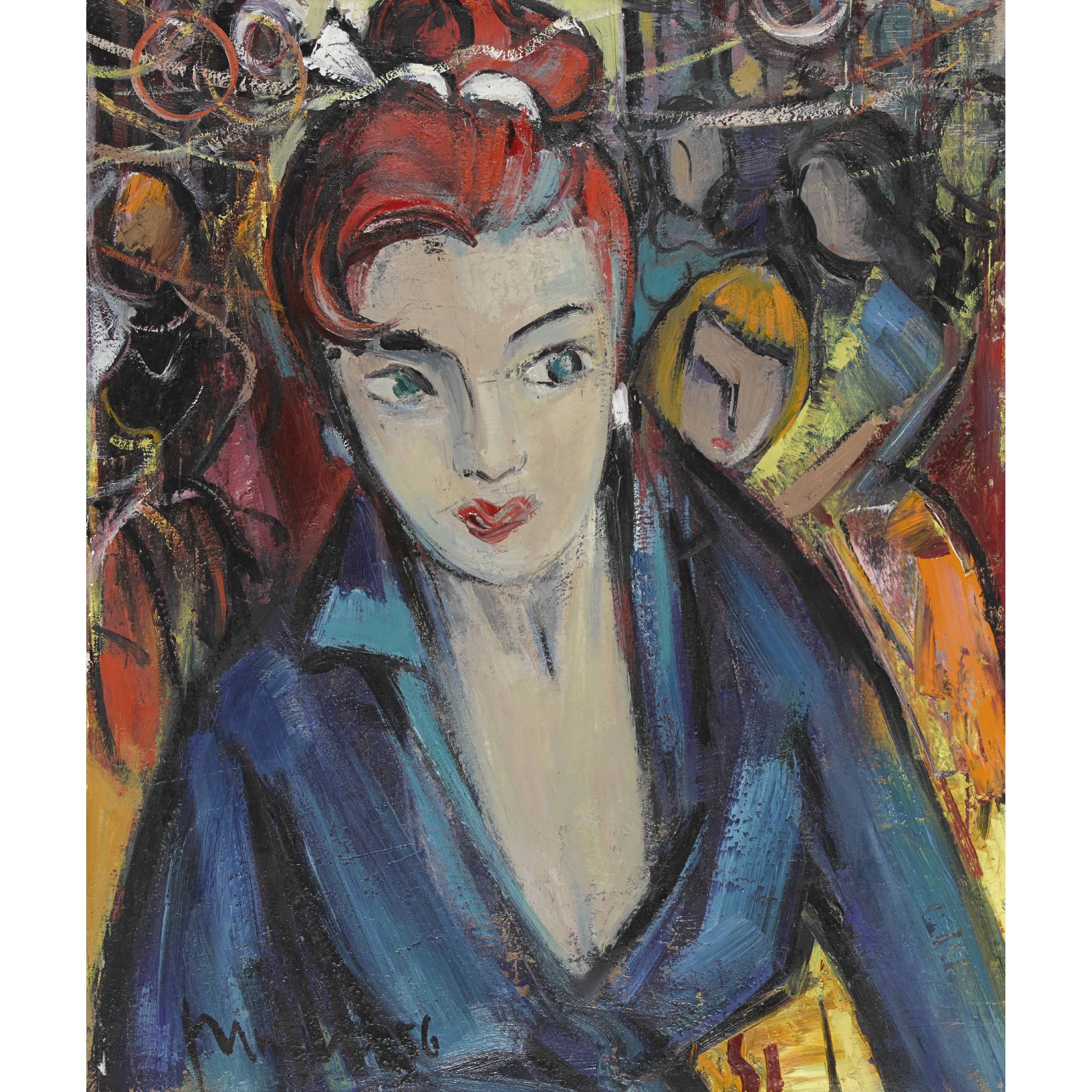
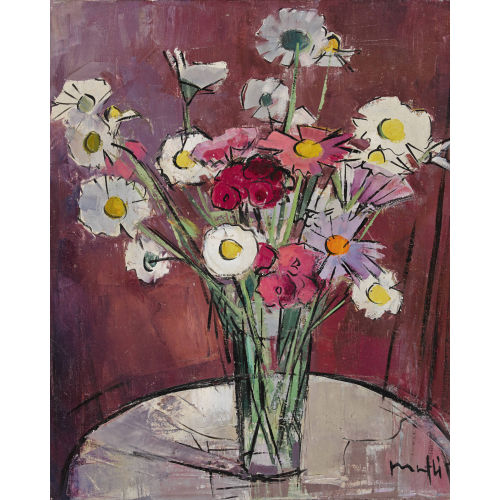
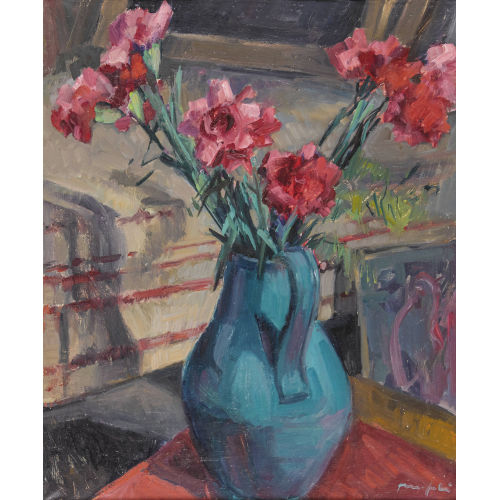
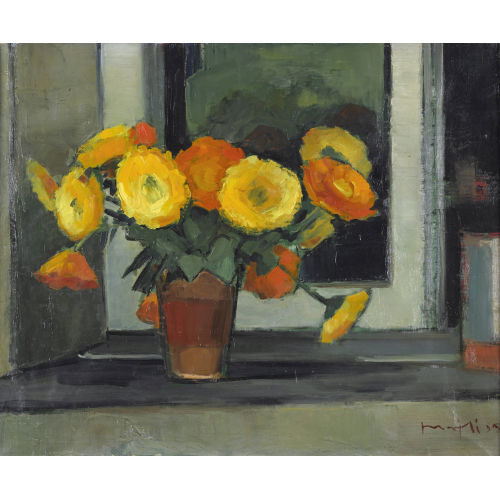
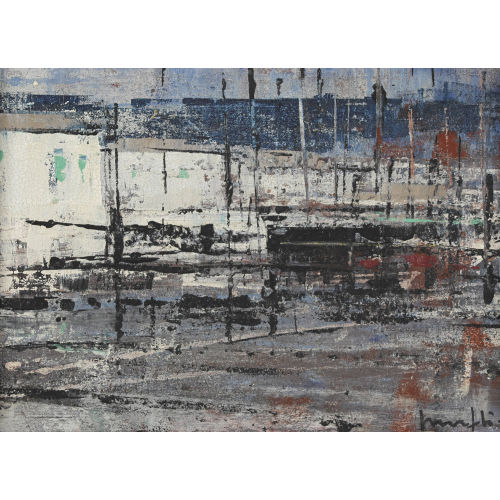
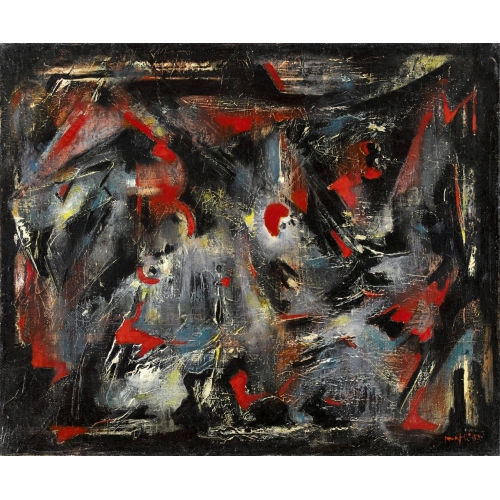
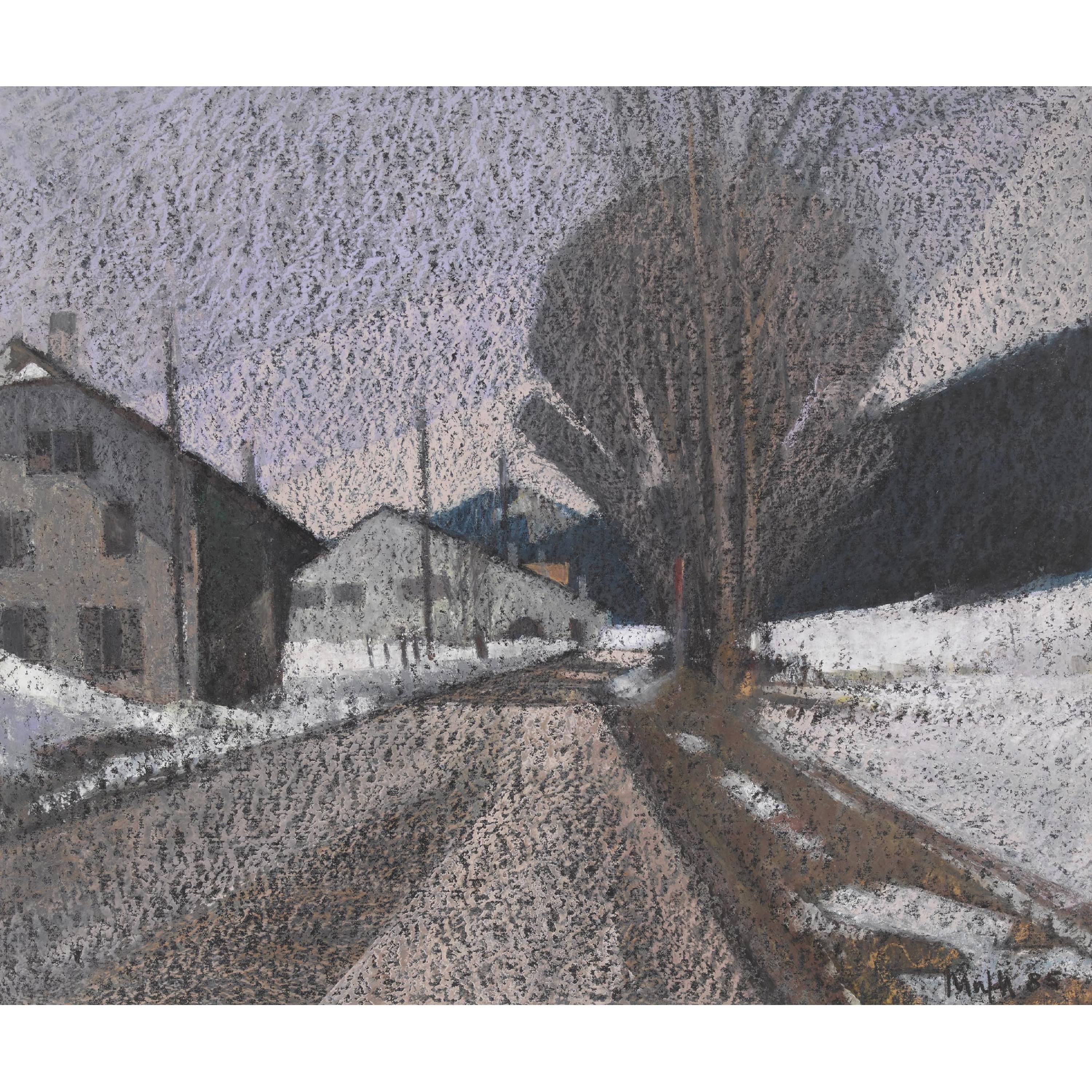
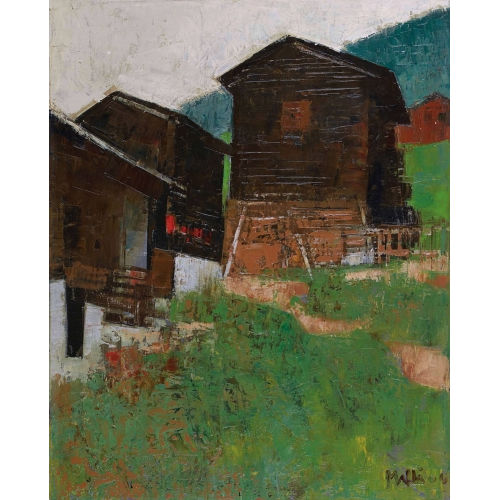
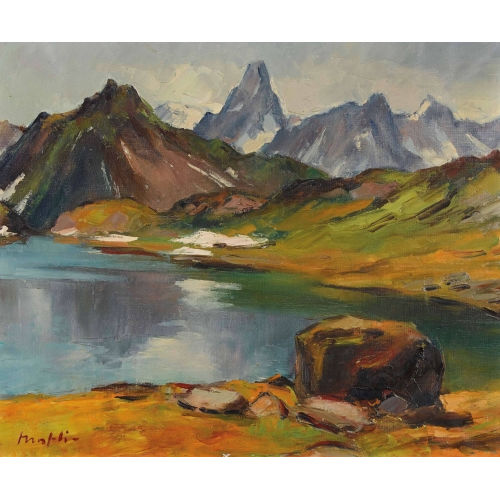
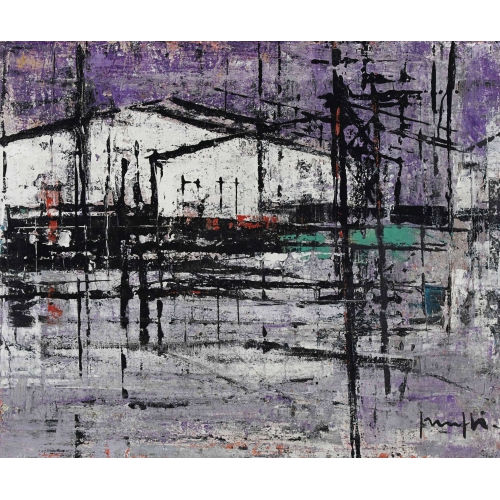
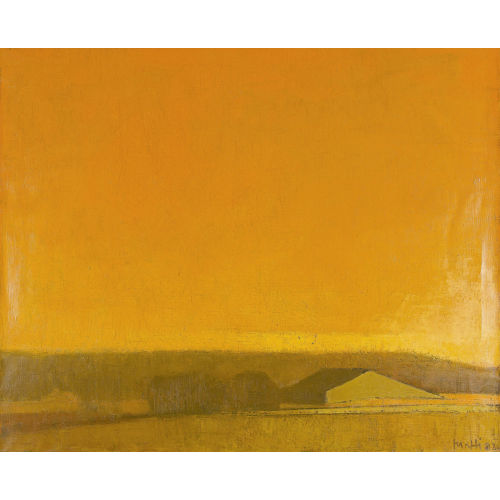
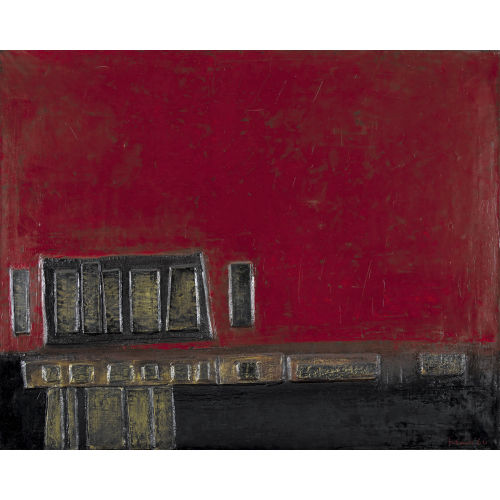
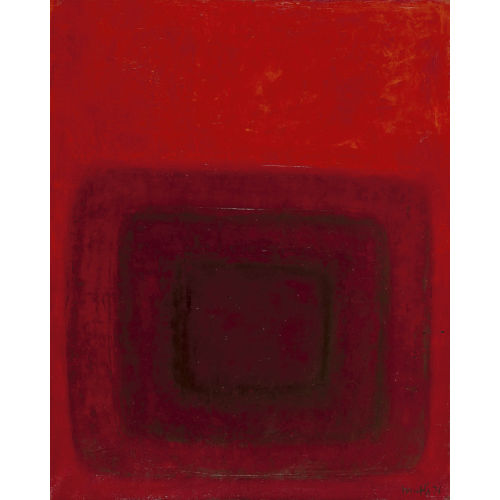
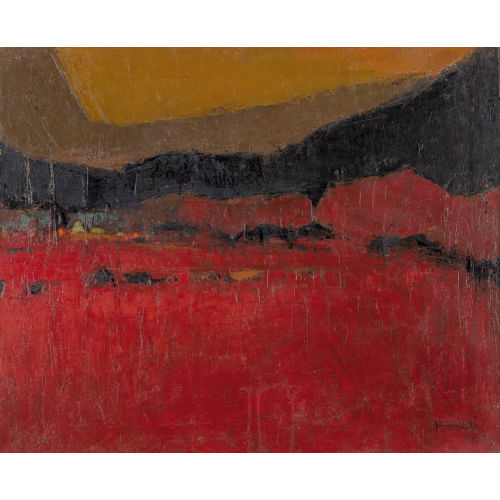
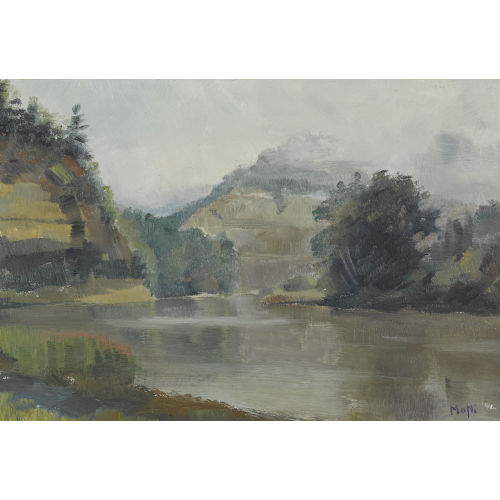
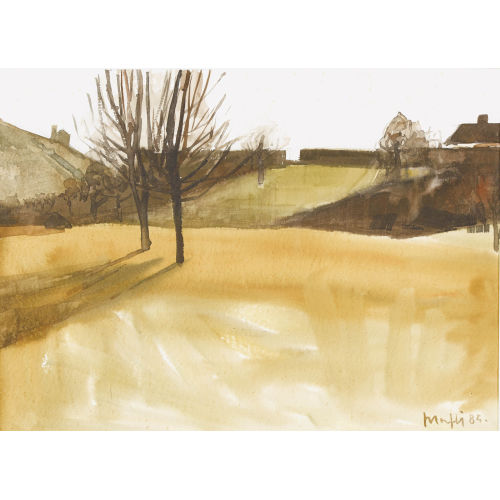
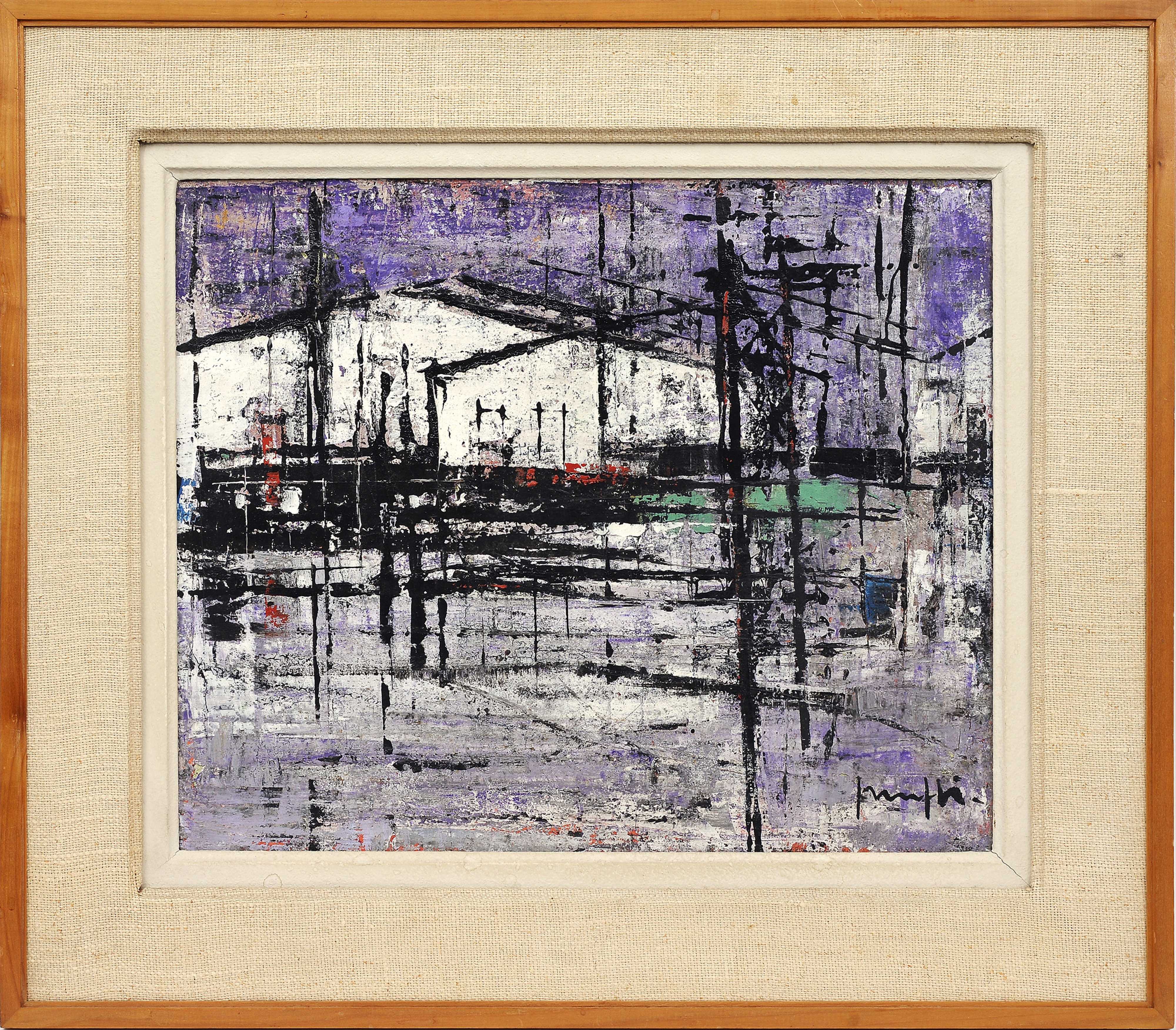
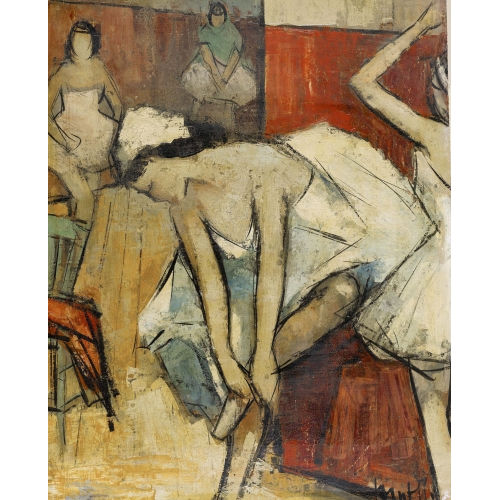
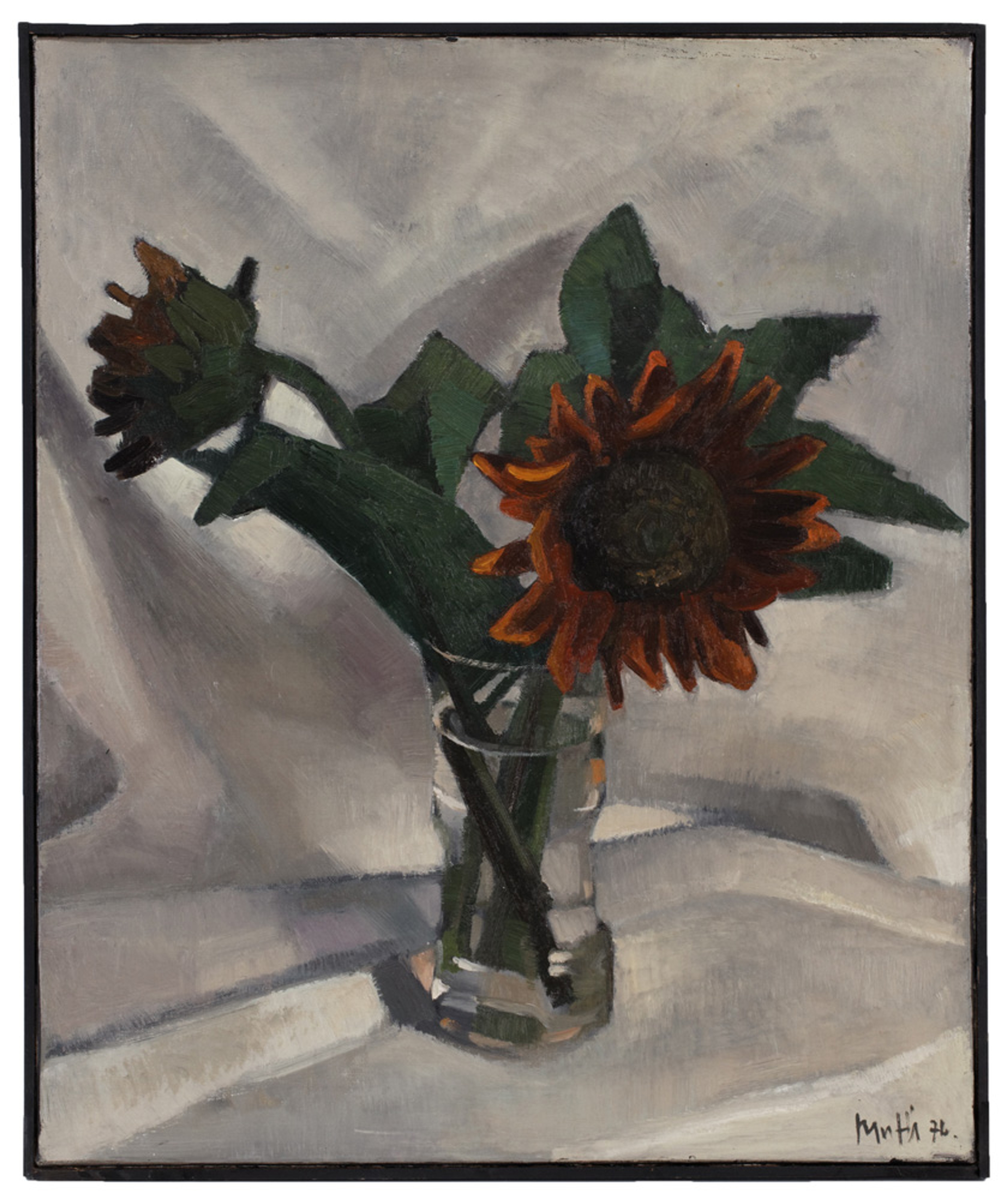
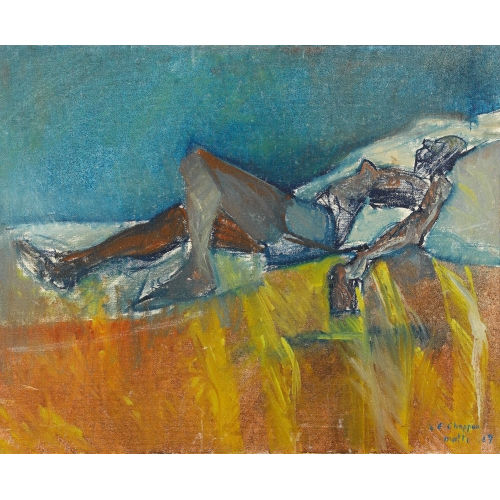
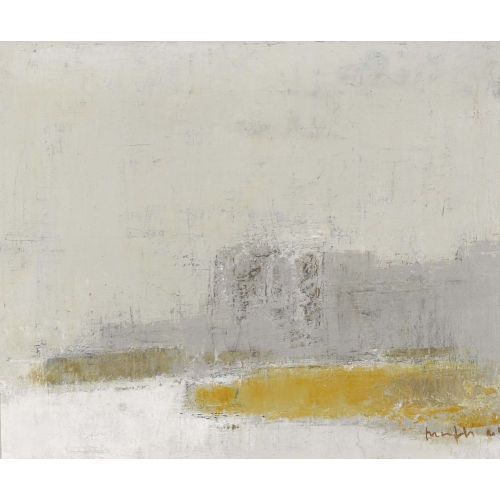
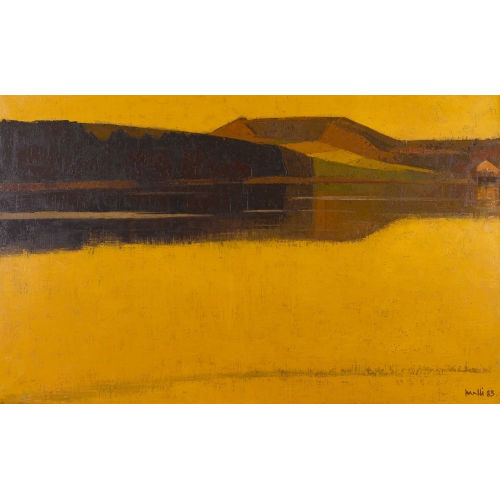
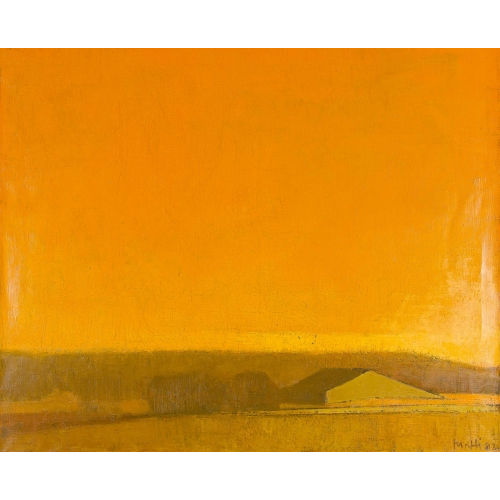
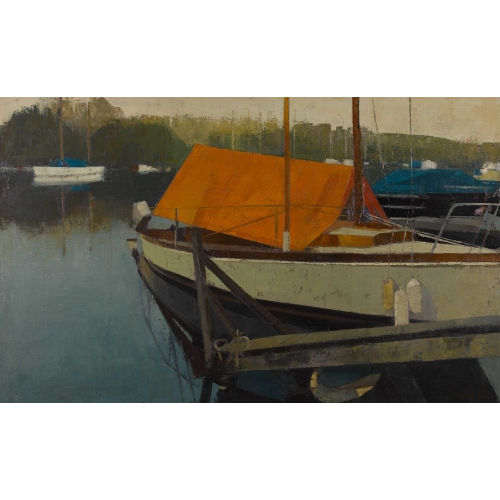
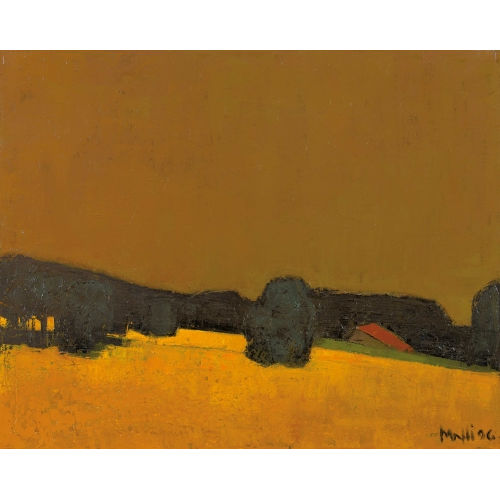
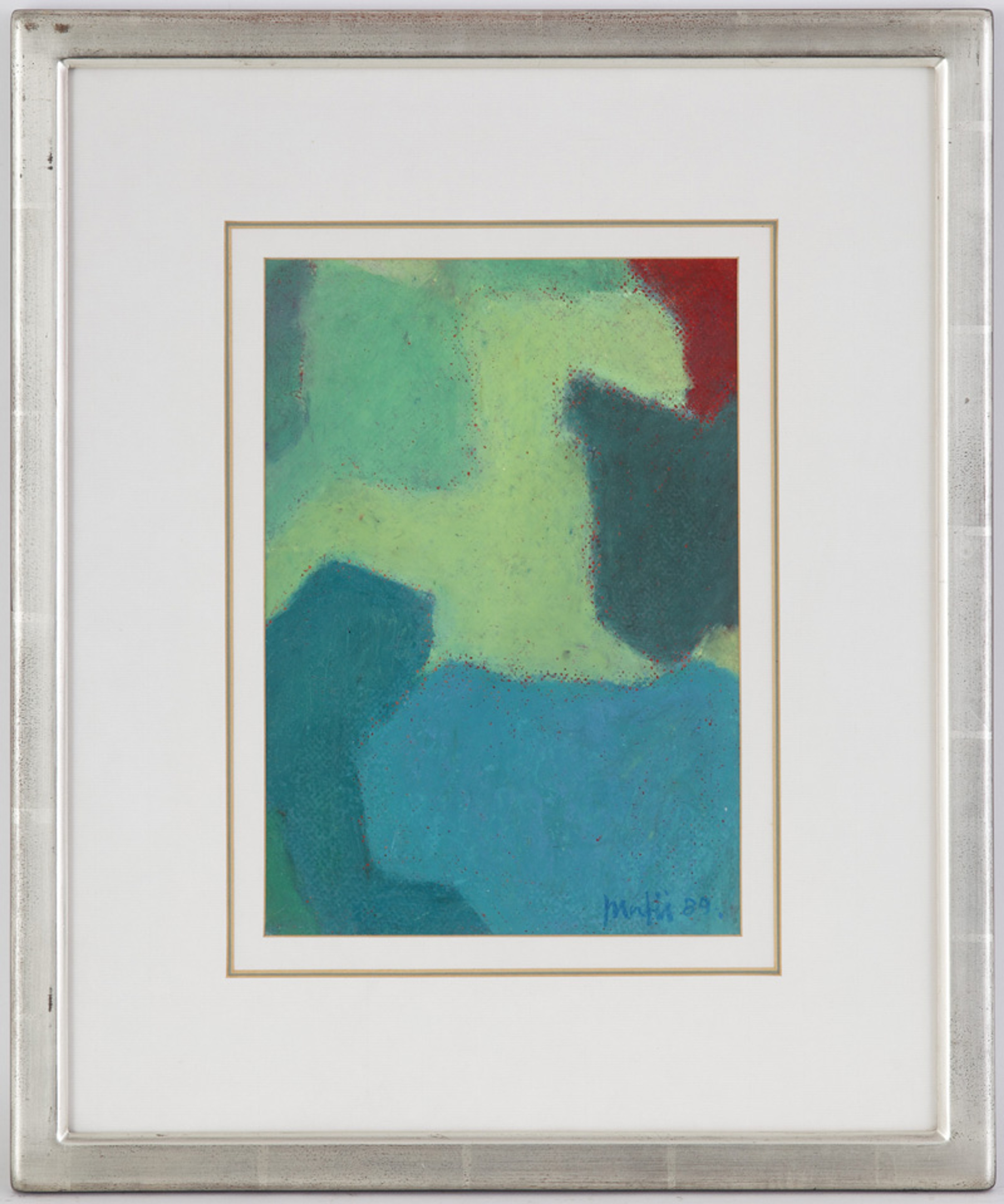
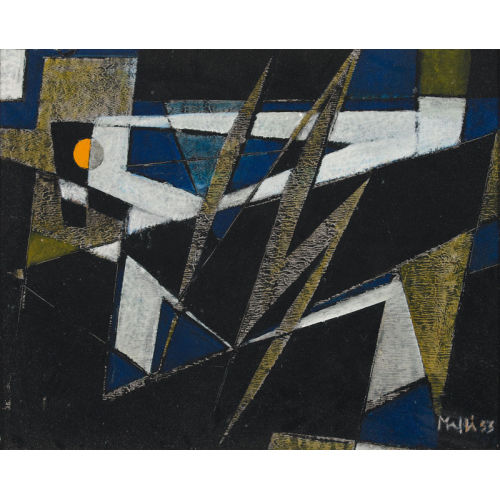
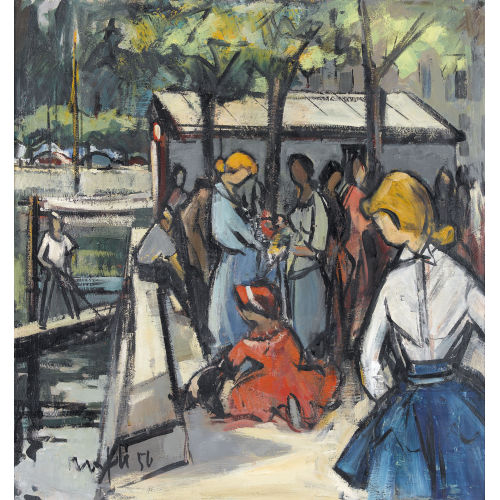
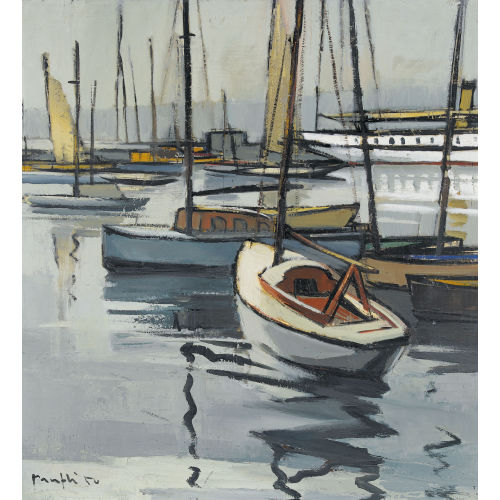
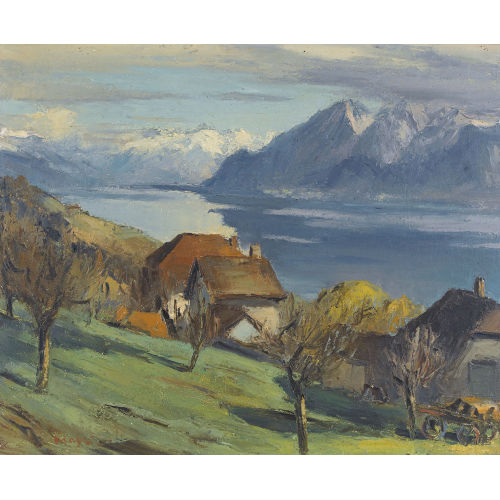
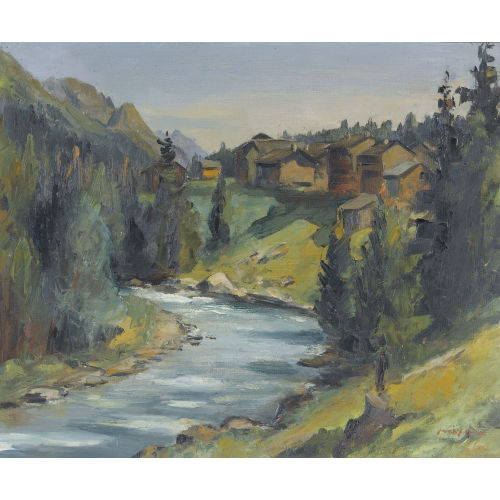
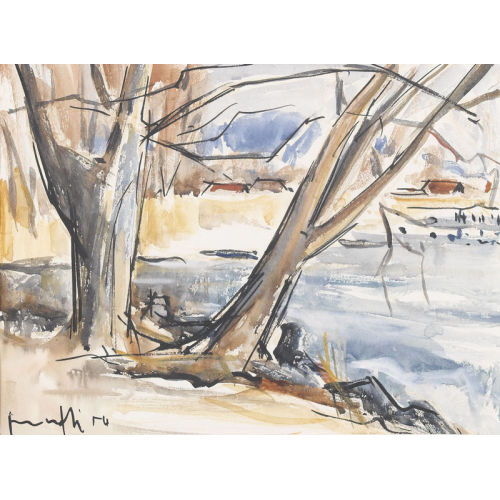
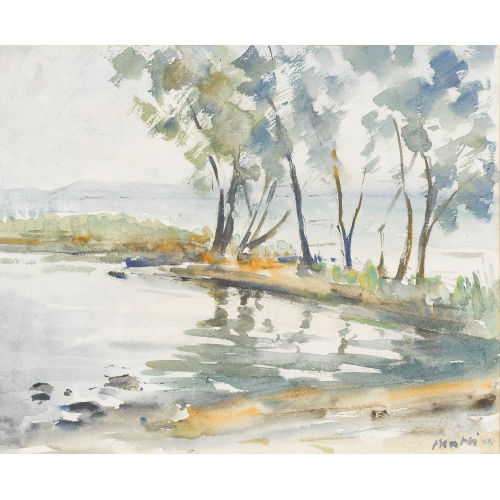
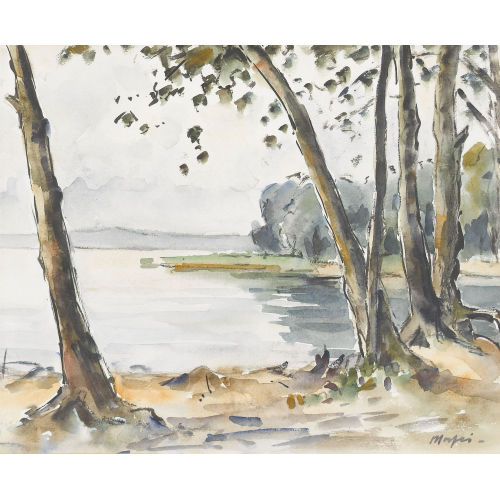
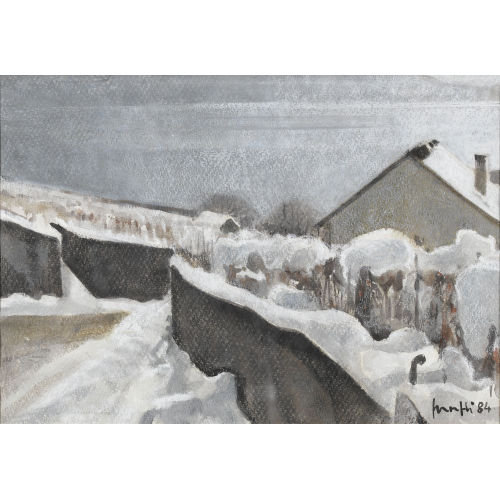
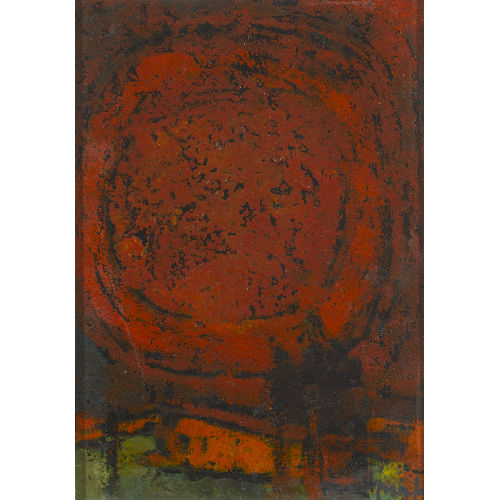
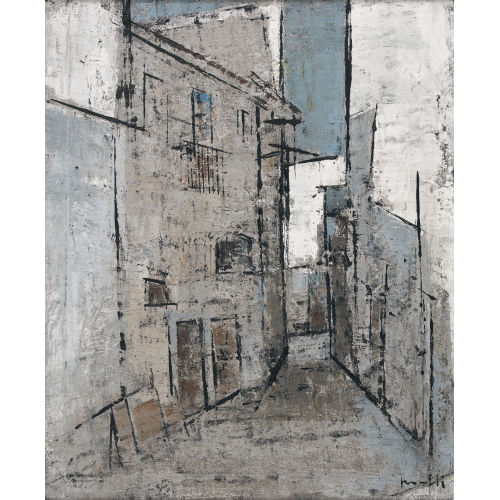
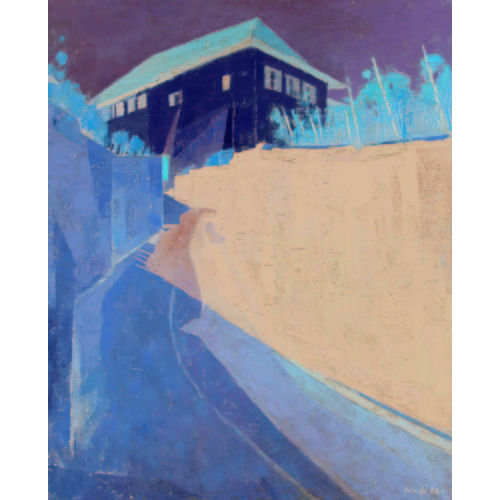
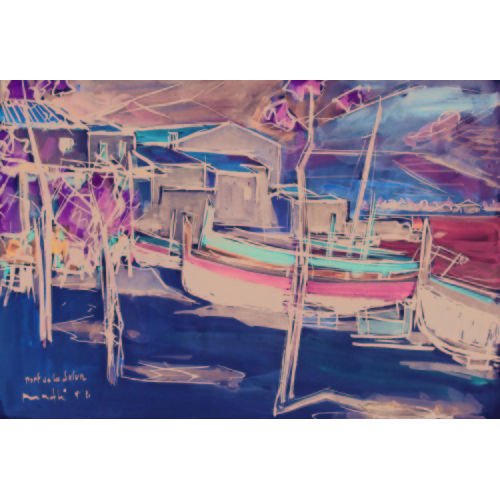
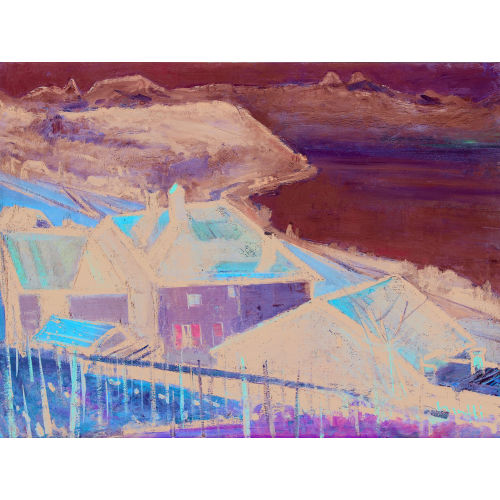
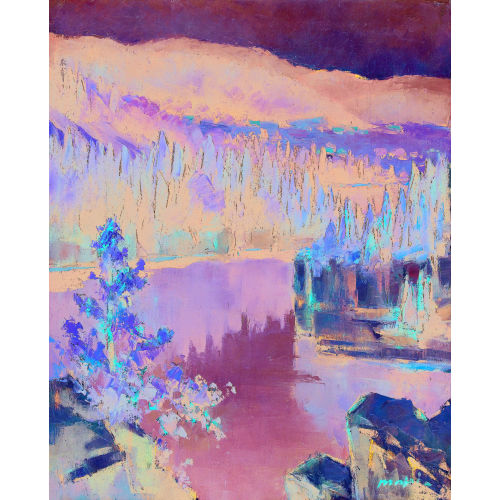
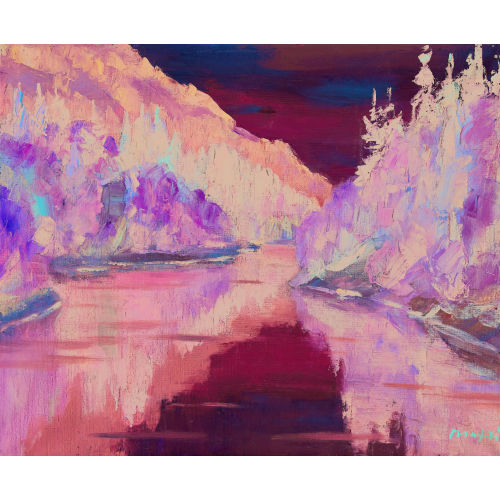
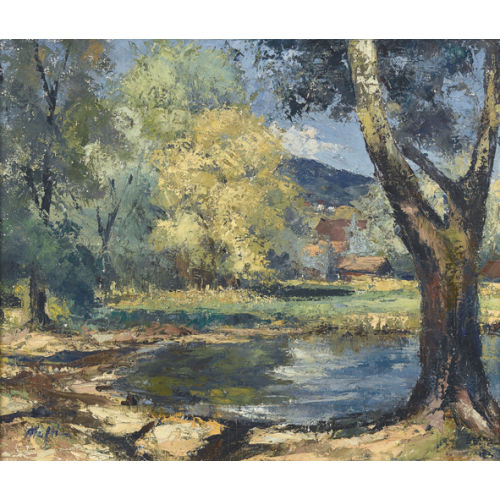
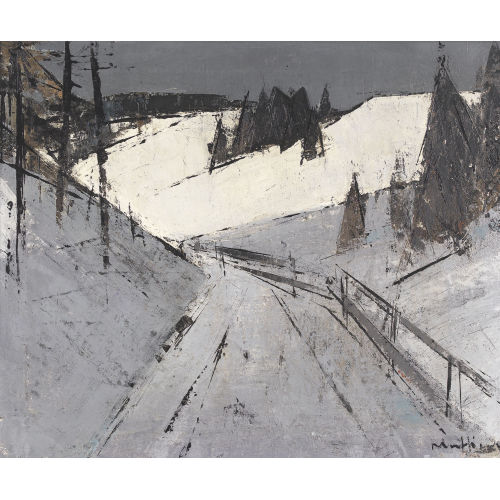
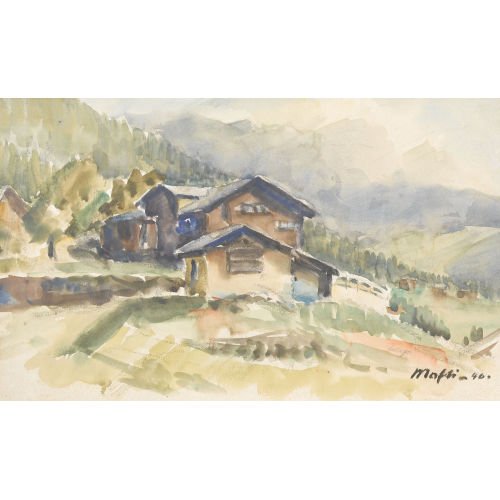
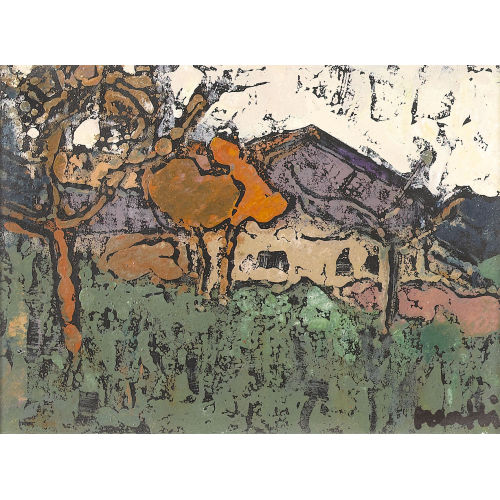
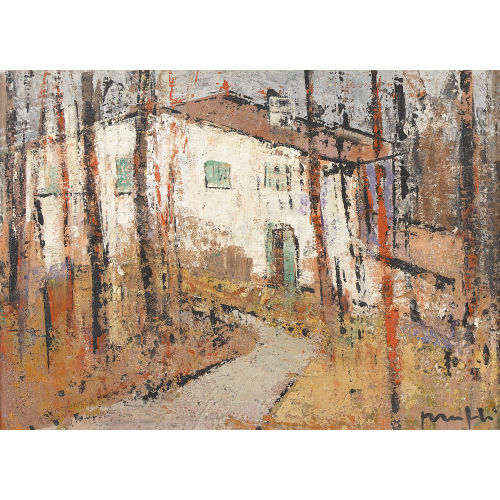
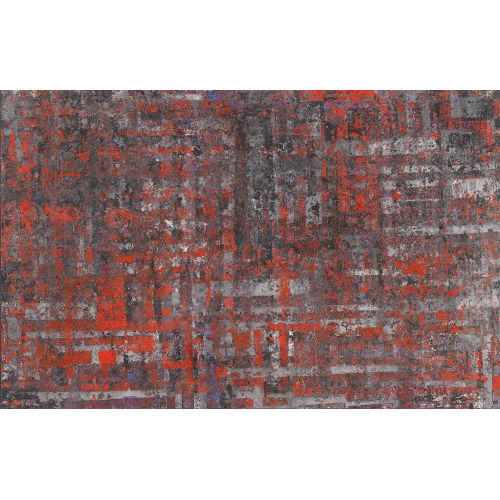
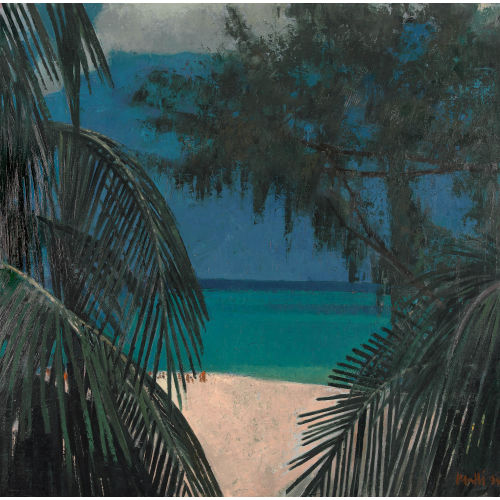
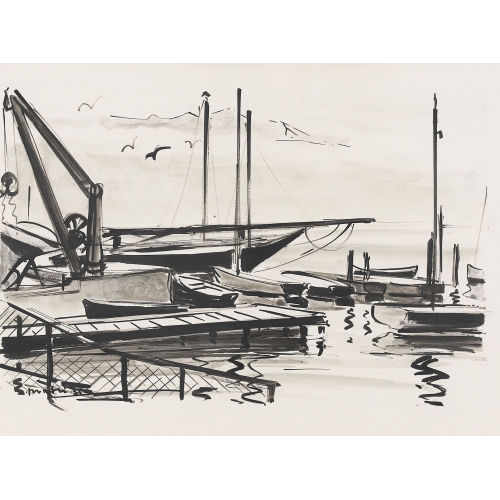
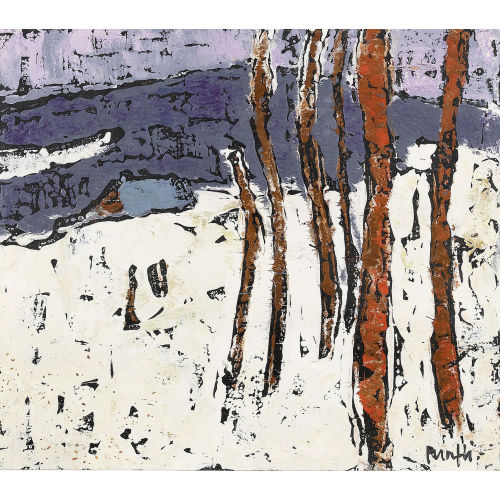
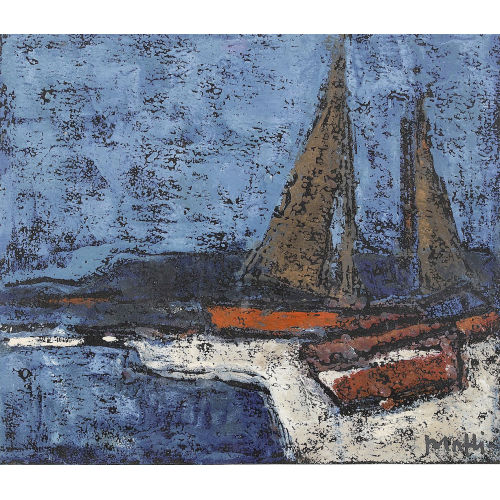
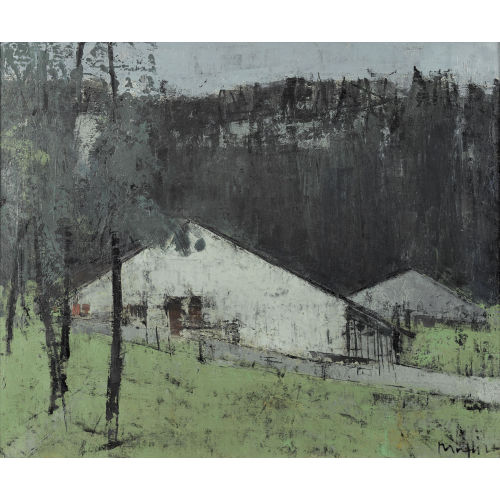
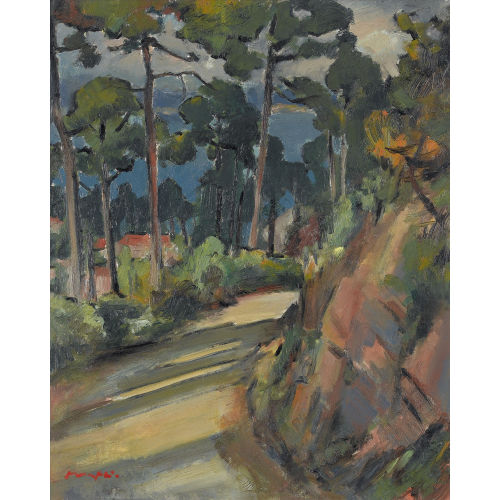
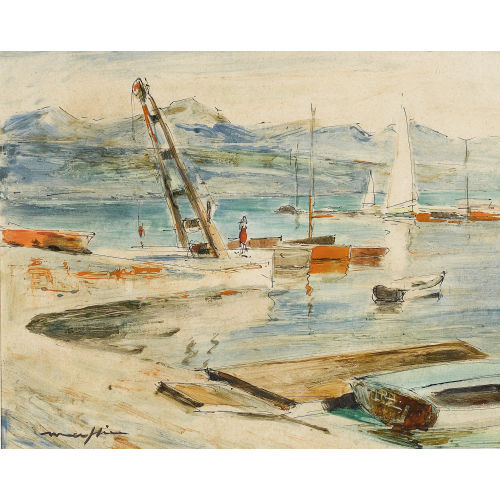
Versatile in his techniques—watercolour, crayon, drawing, engraving, oil, pen and monotype—he practised both abstraction and figuration, favoured villages over cities, and sought a balance of colours and forms, with red frequently recurring as a colour bearing hope. Describing himself as “an athlete taking a walk in nature”, he stated: “Every painting is nevertheless a problem. It has to be constructed; but when I paint, I forget everything.
I am happy at work.”
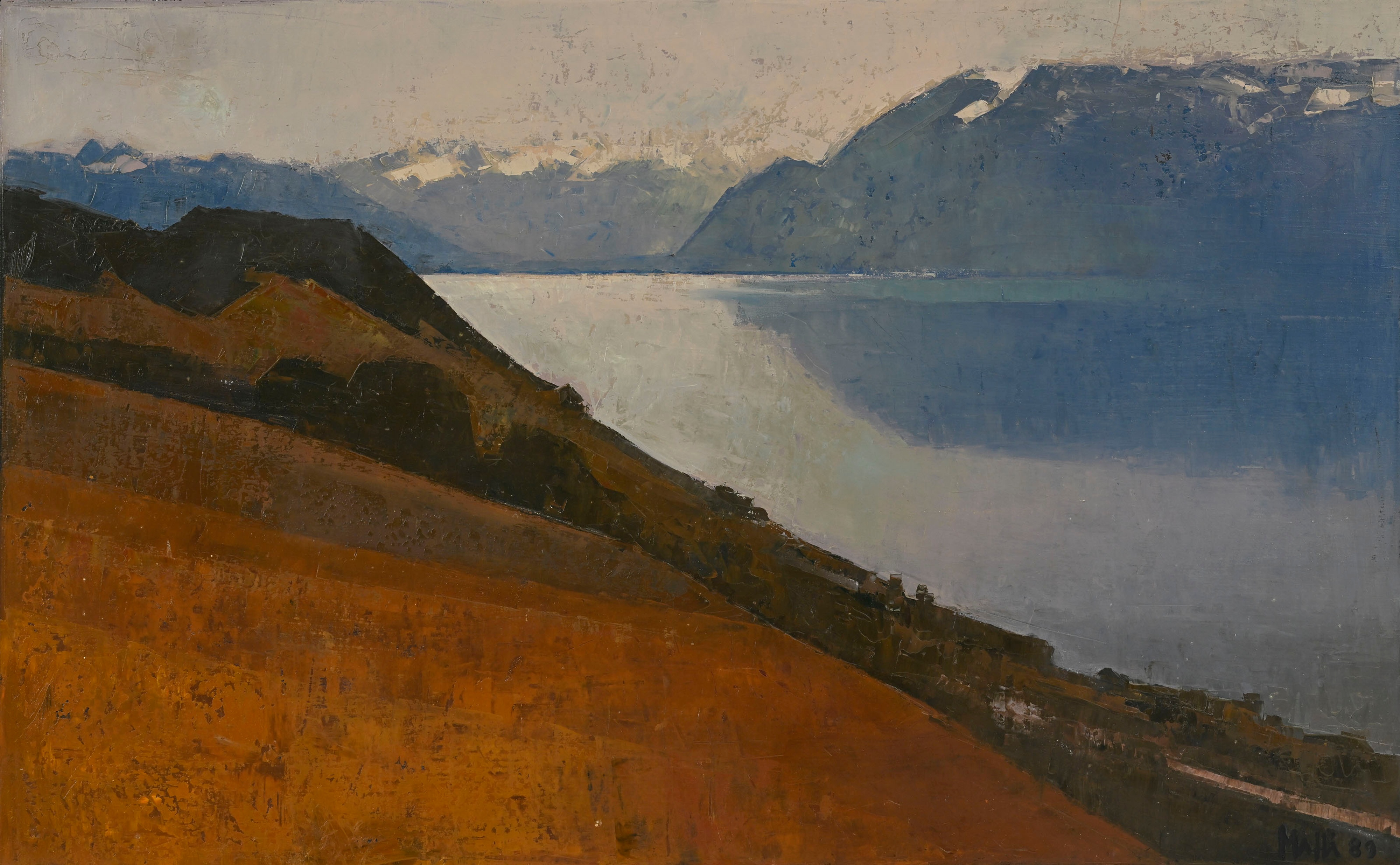
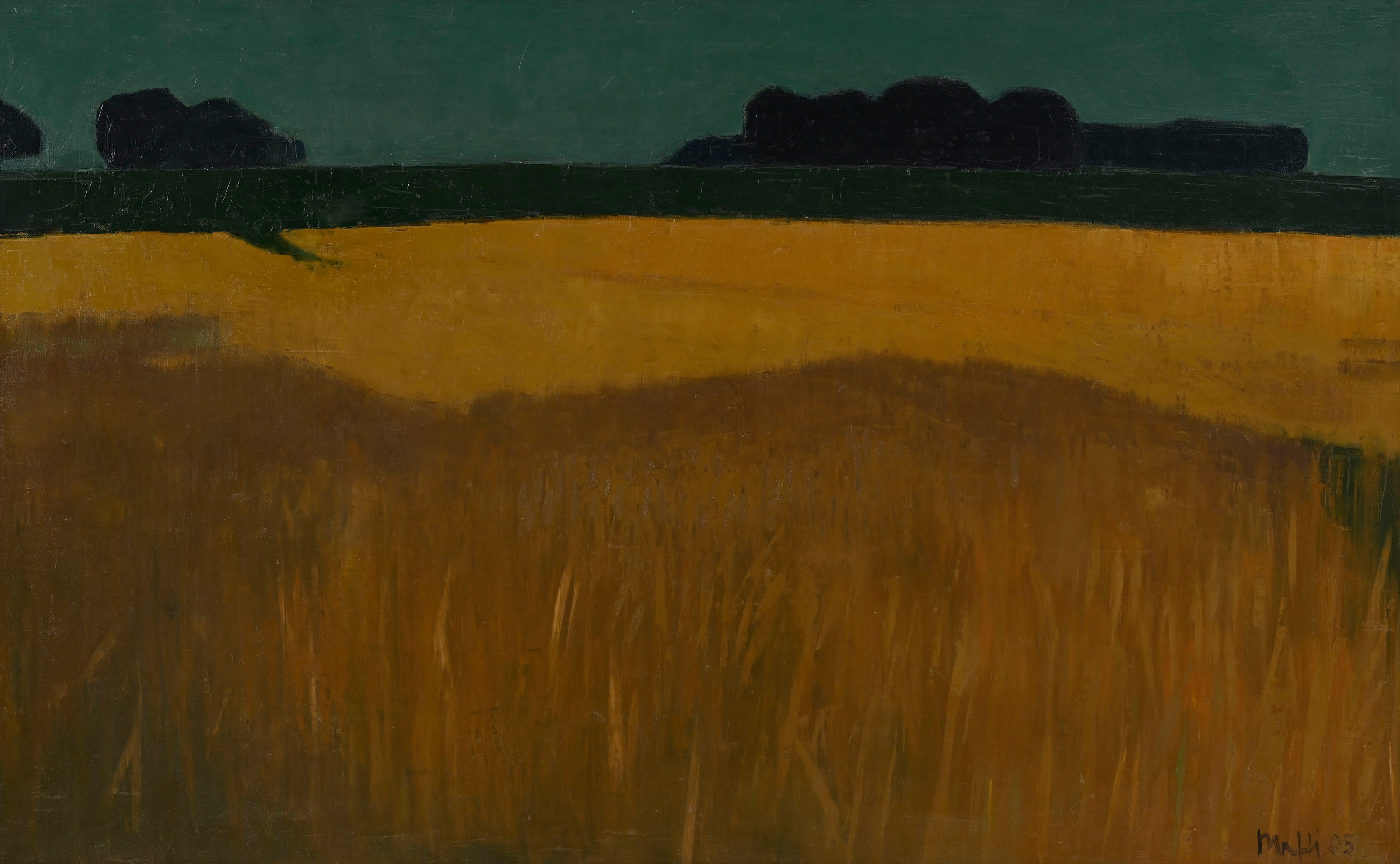
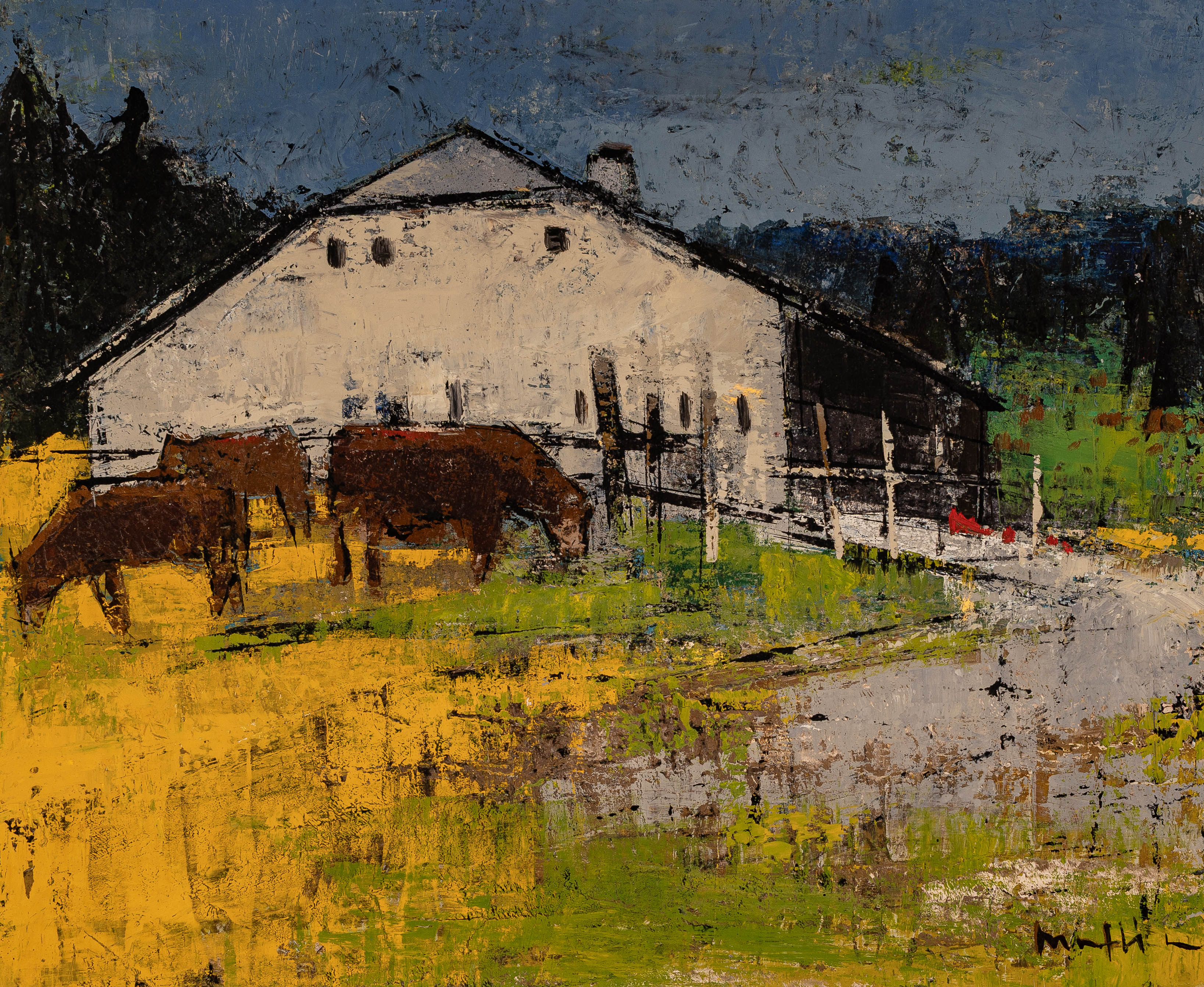
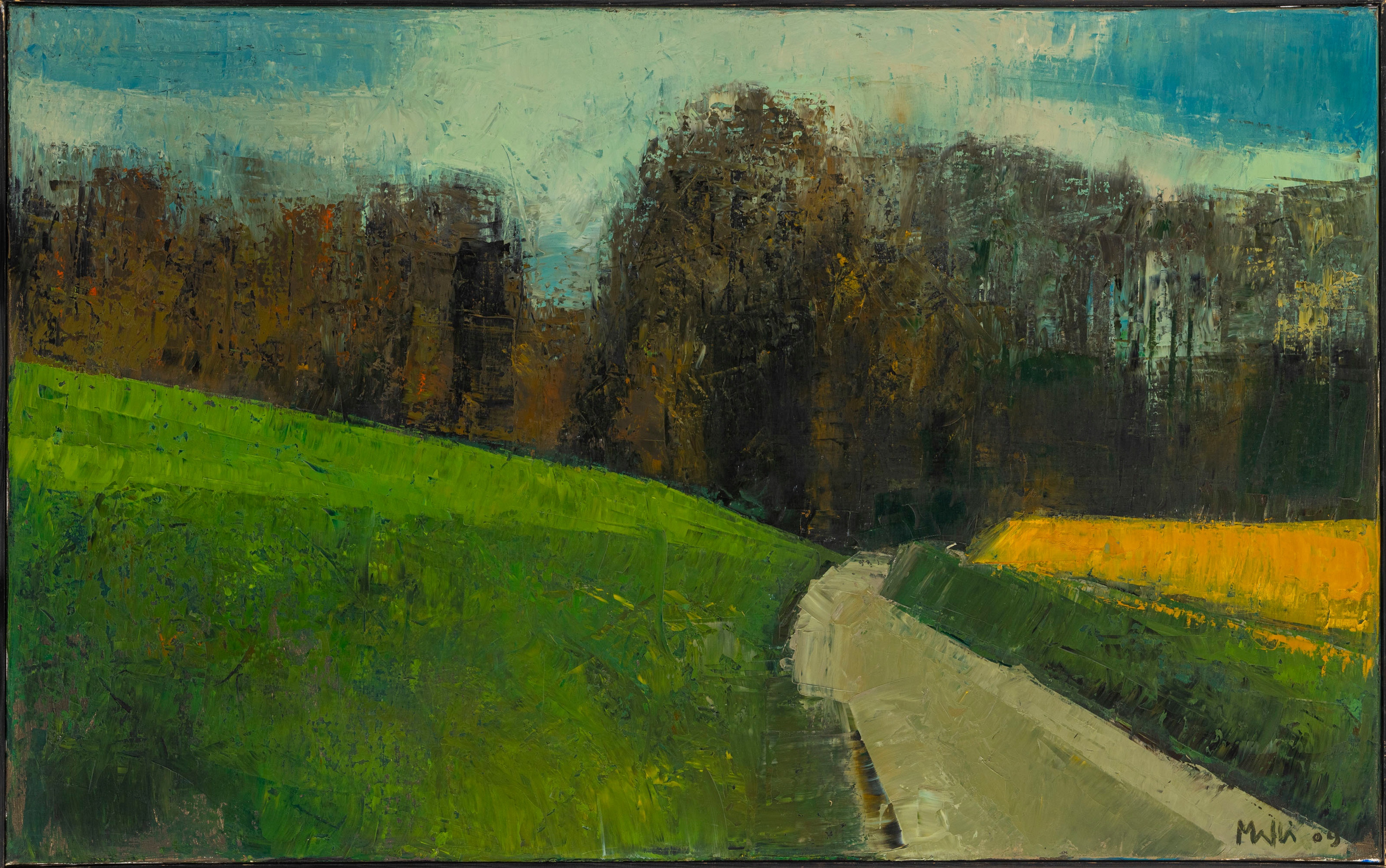
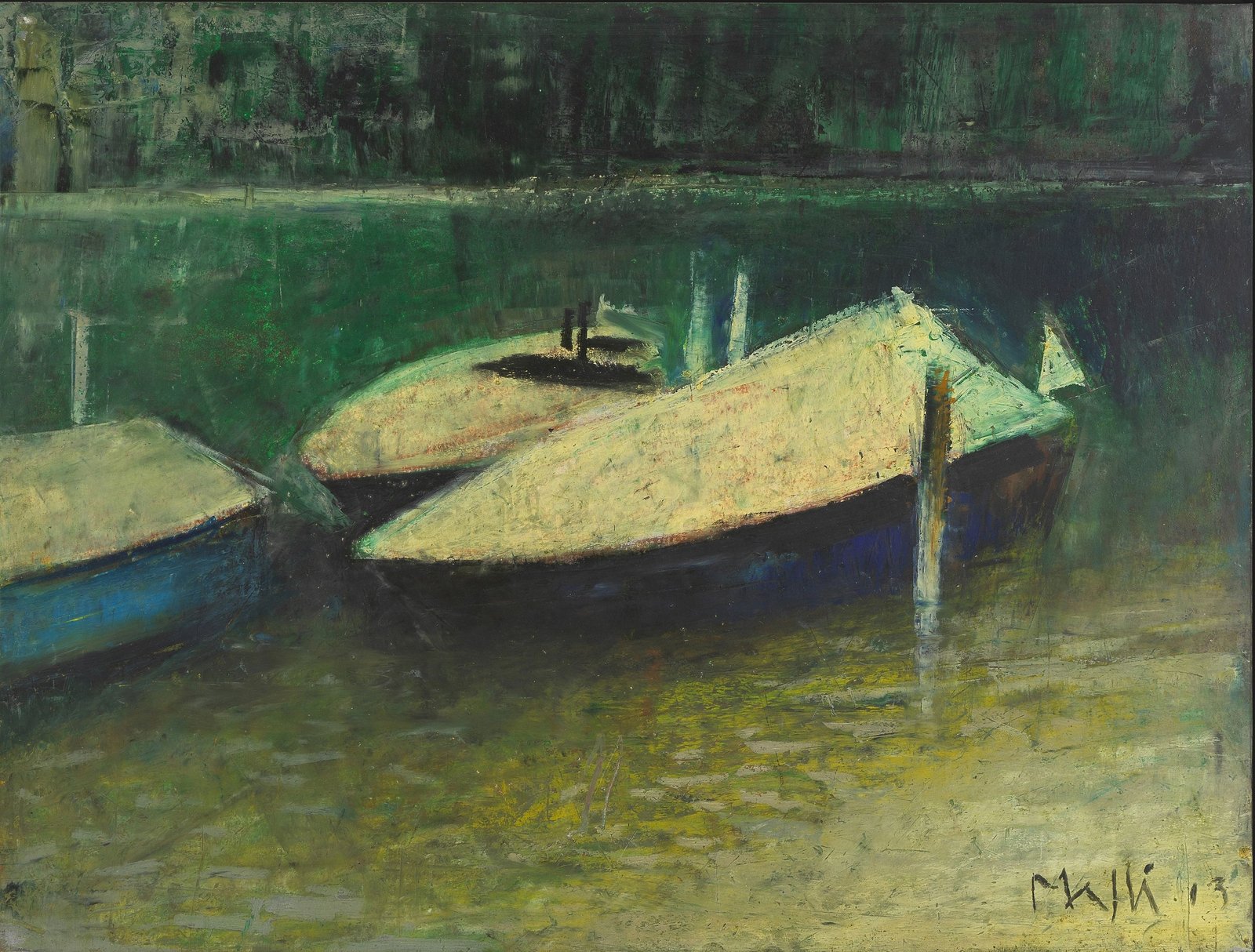
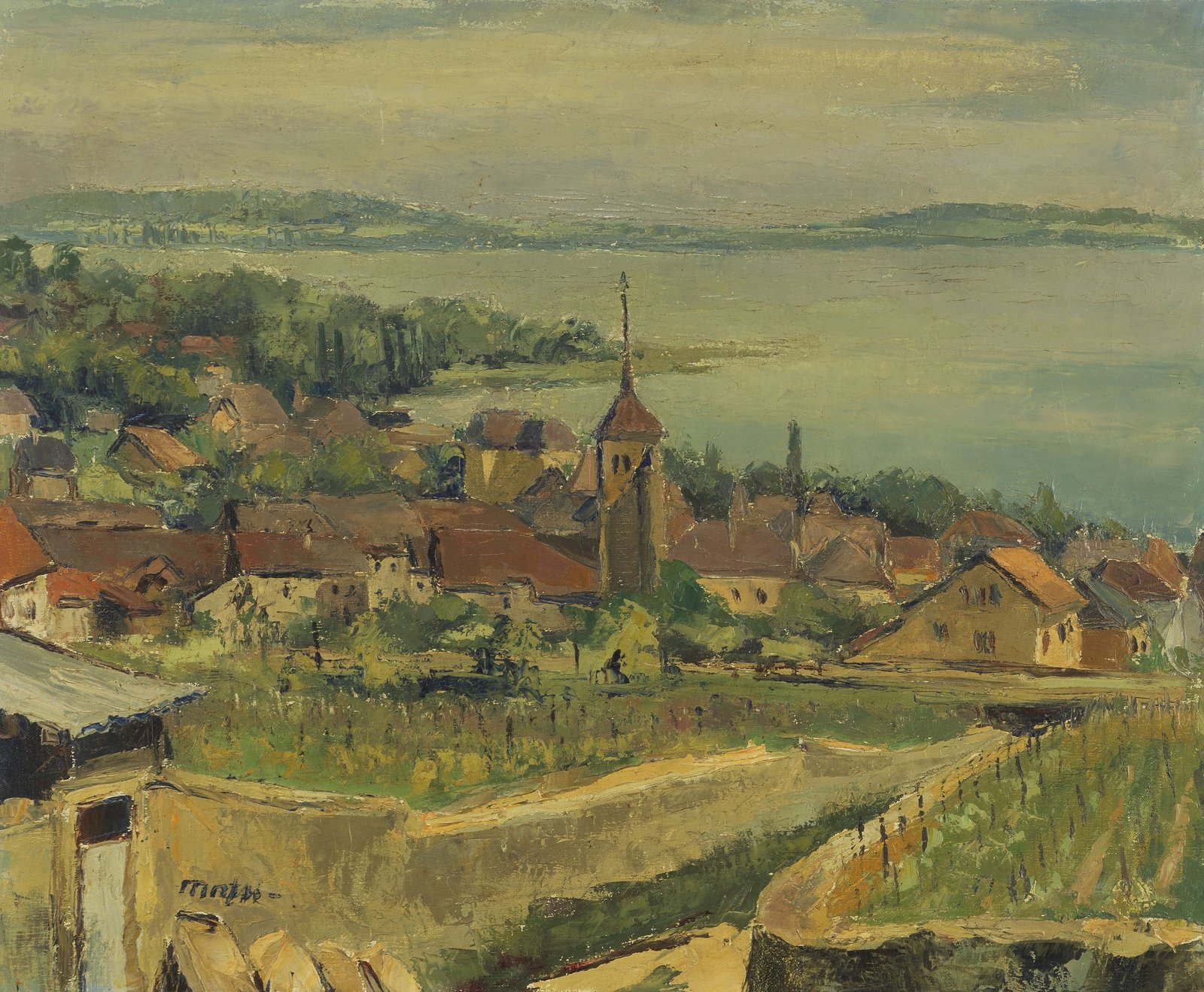
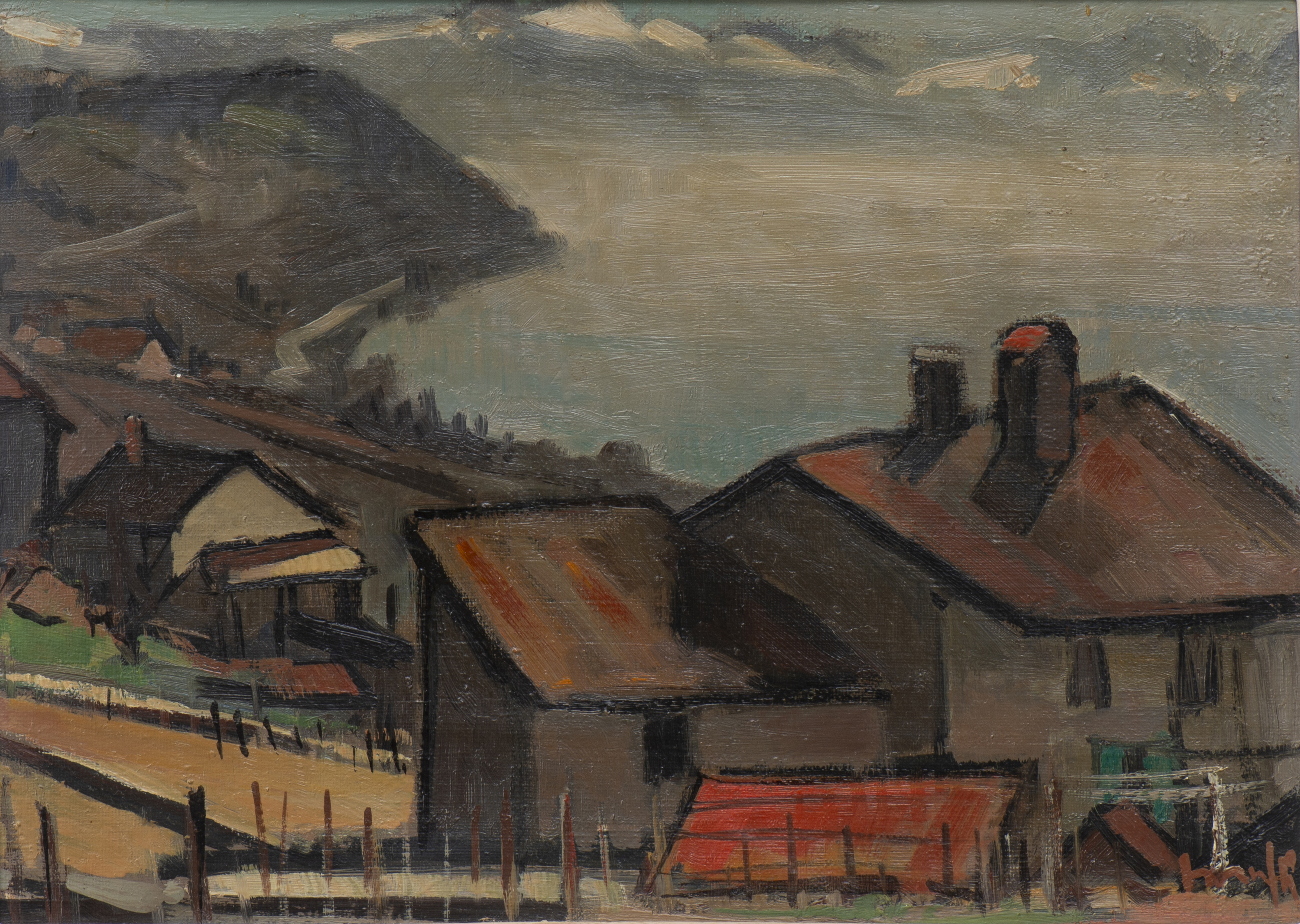
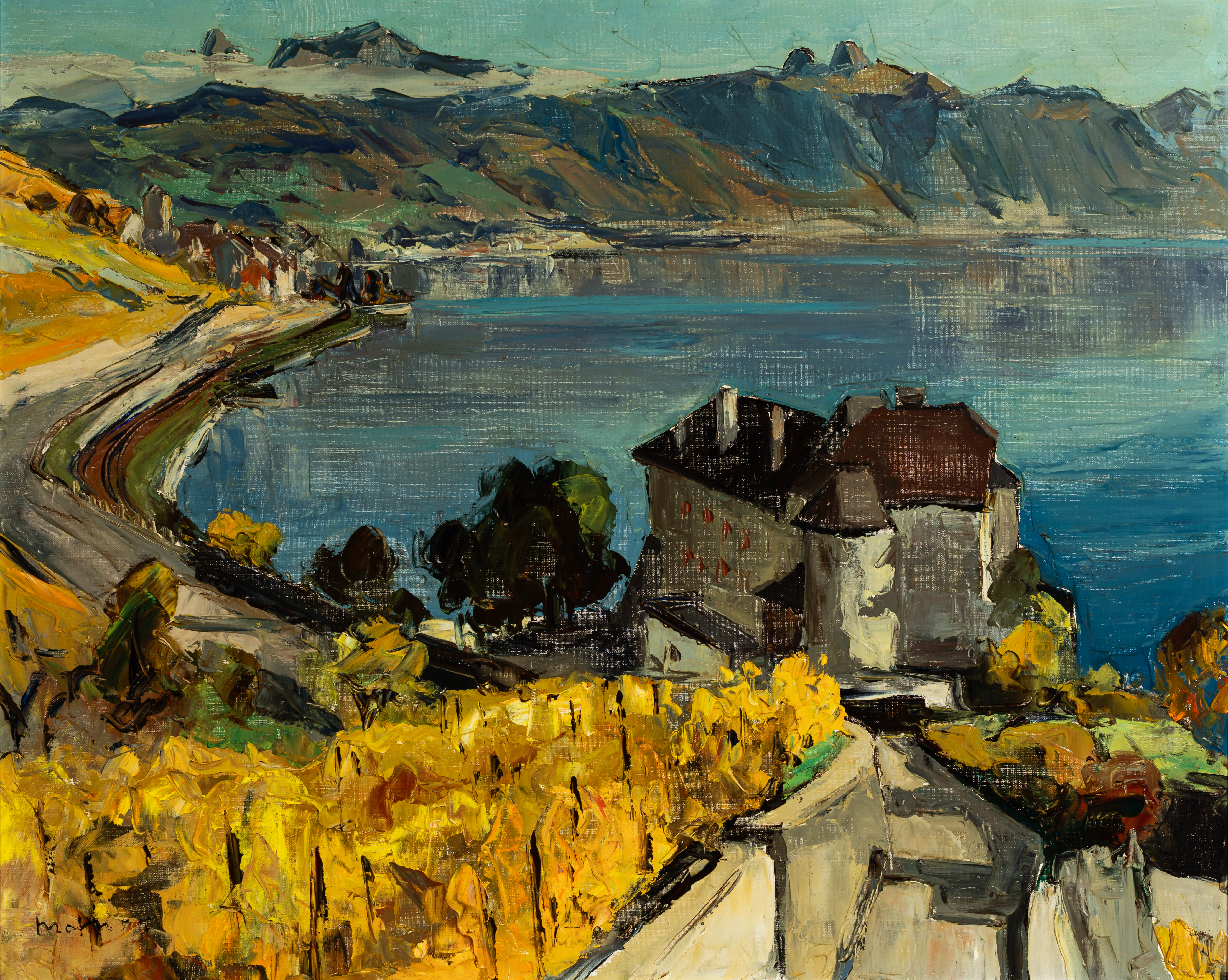
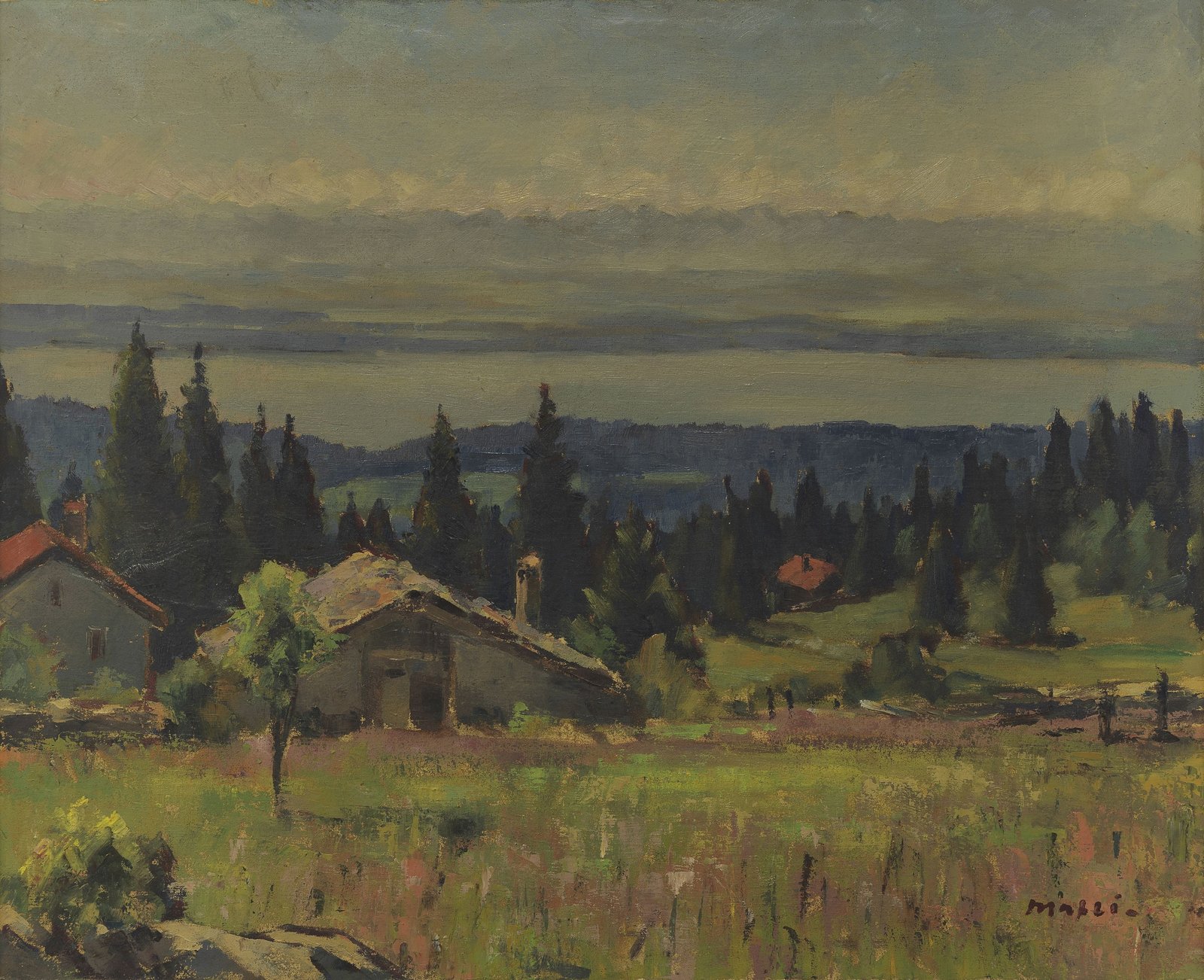
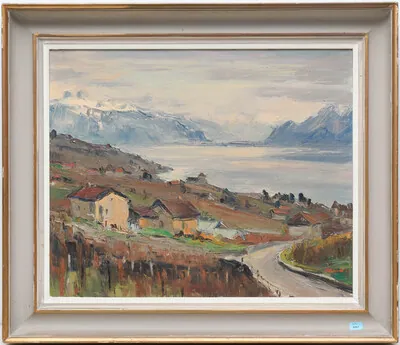
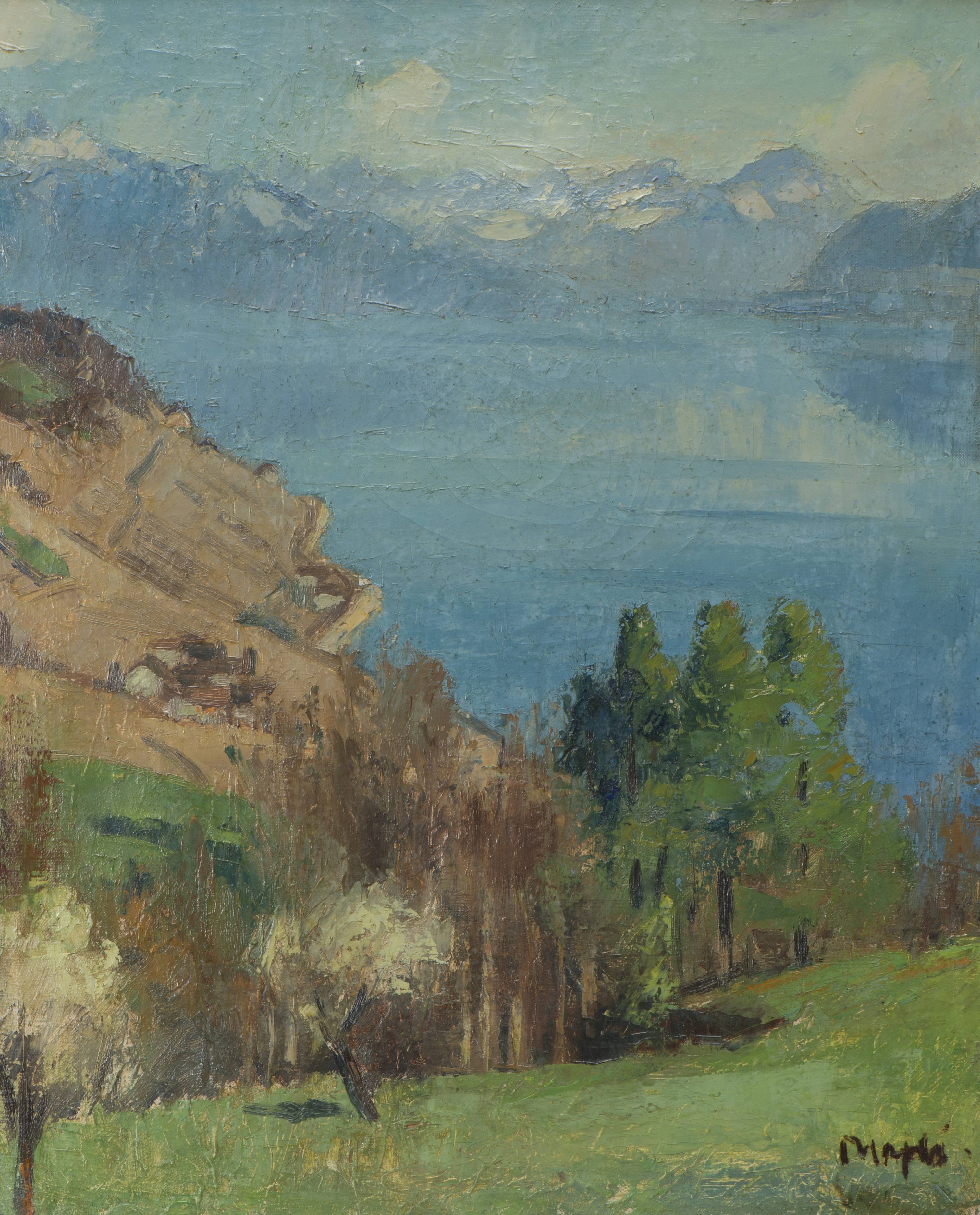
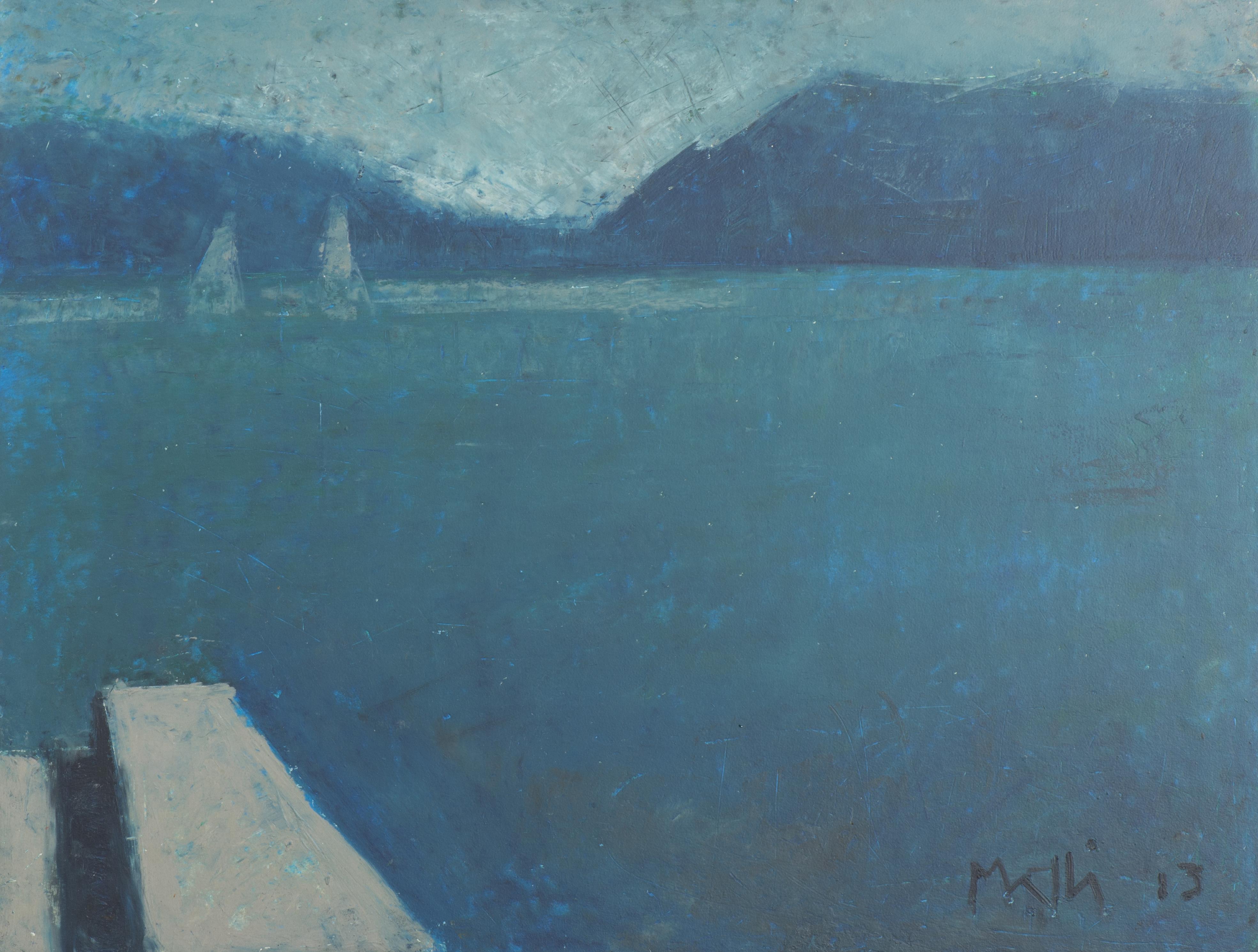
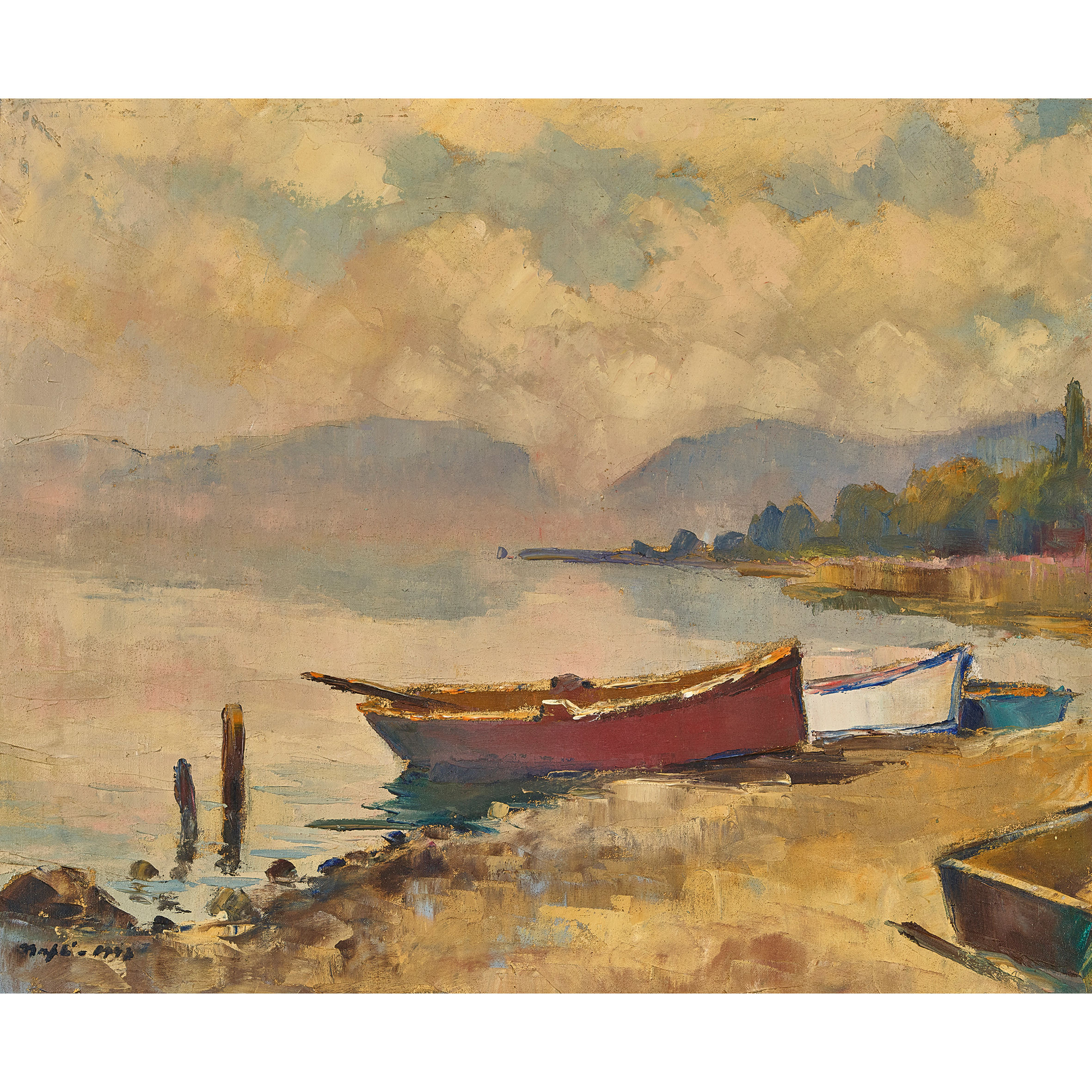
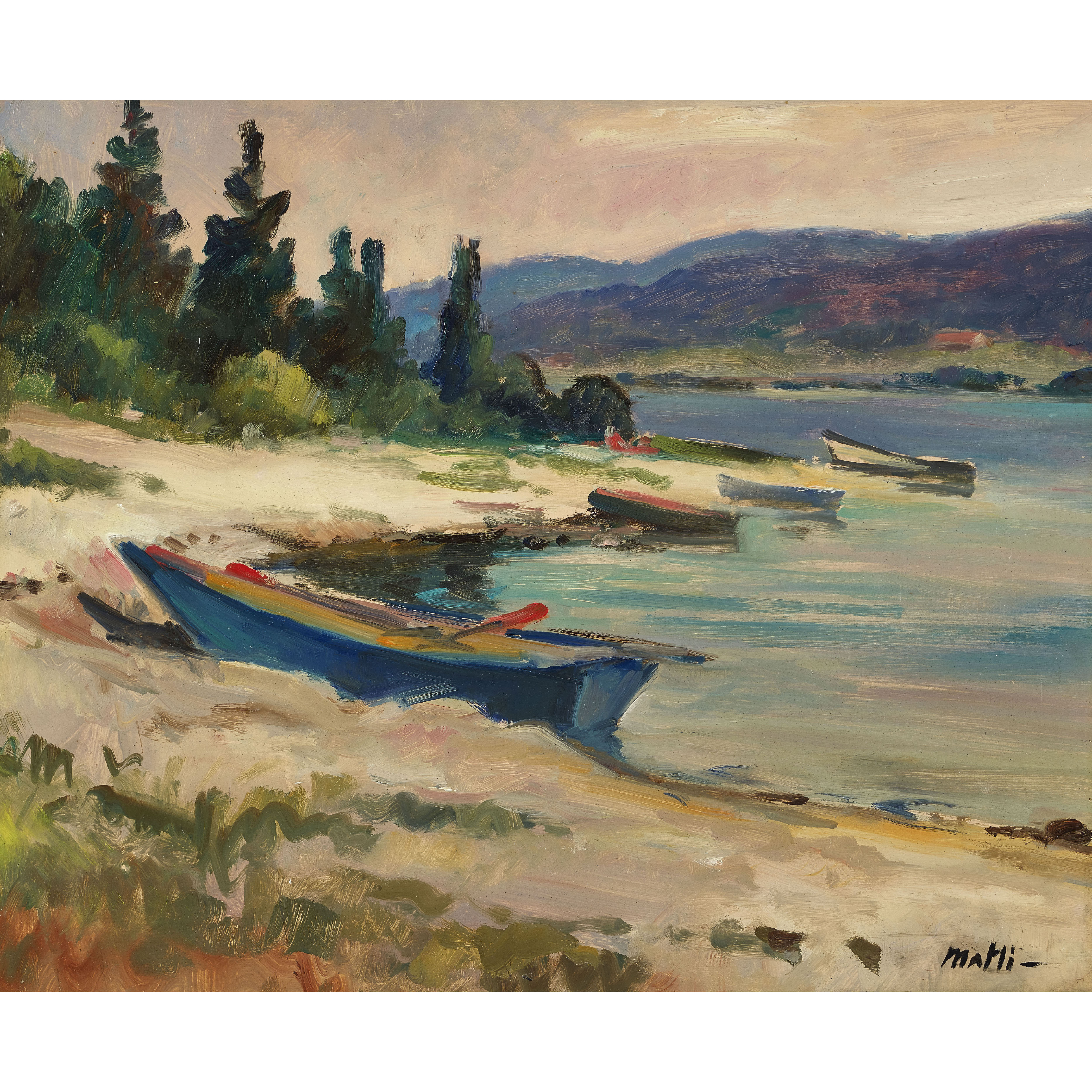
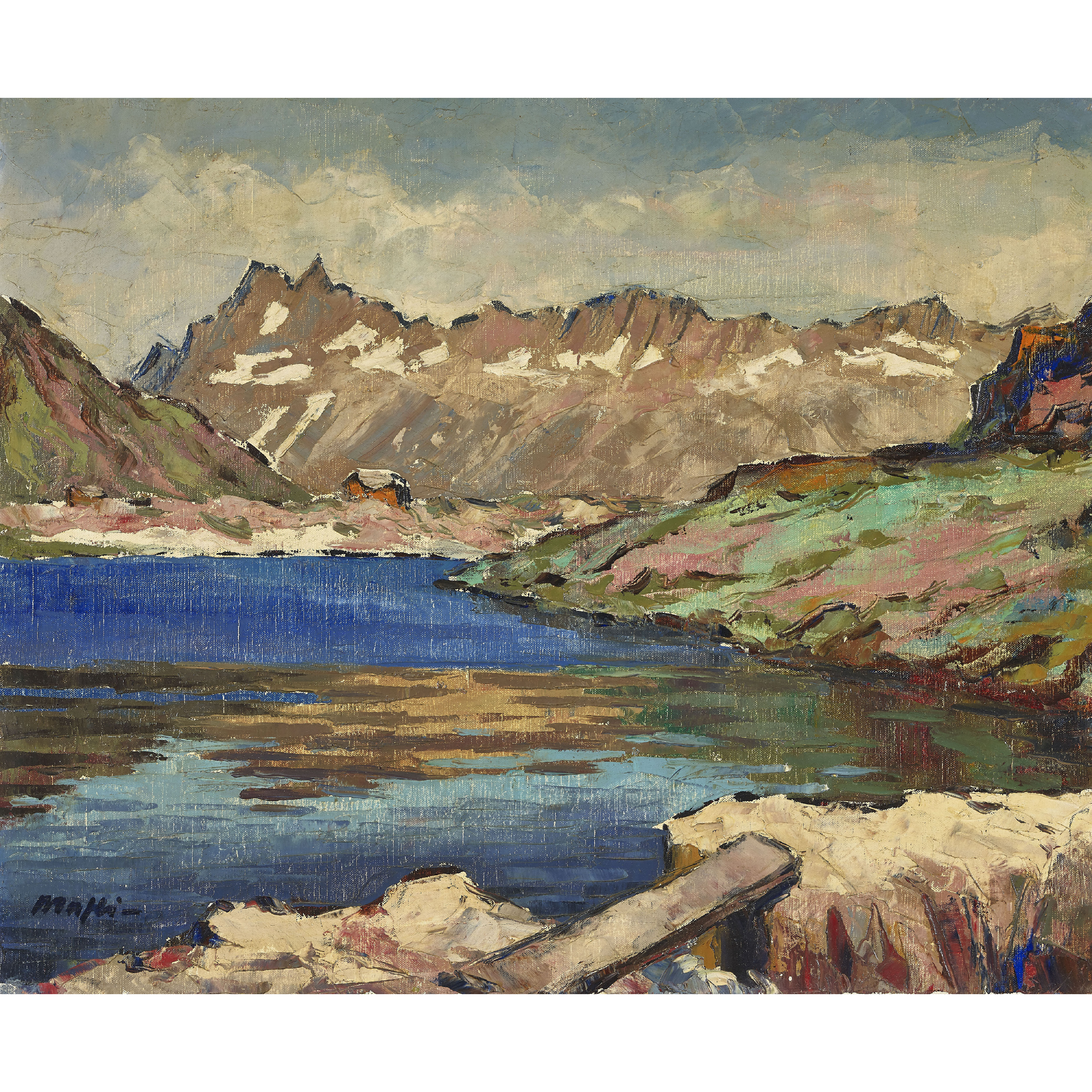
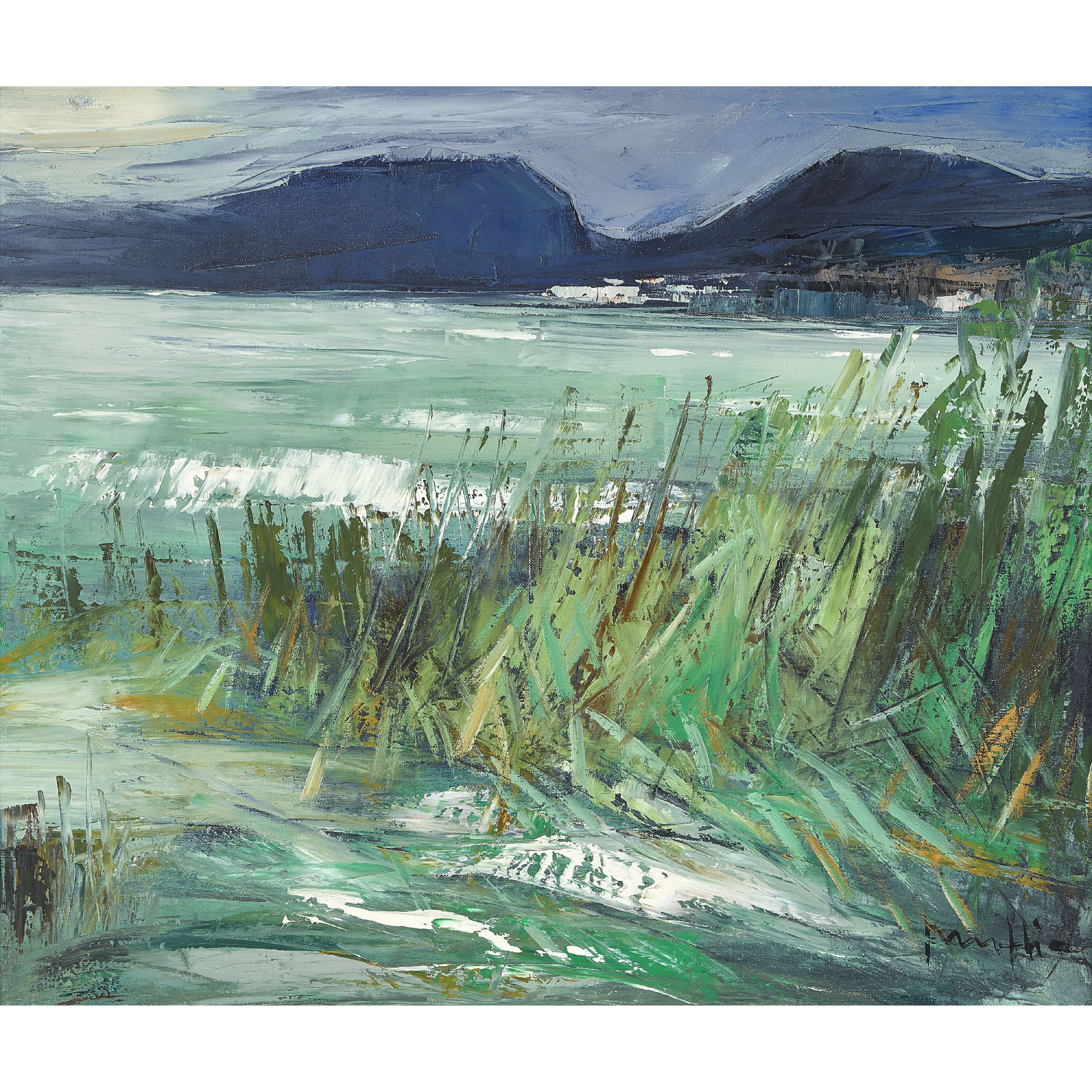
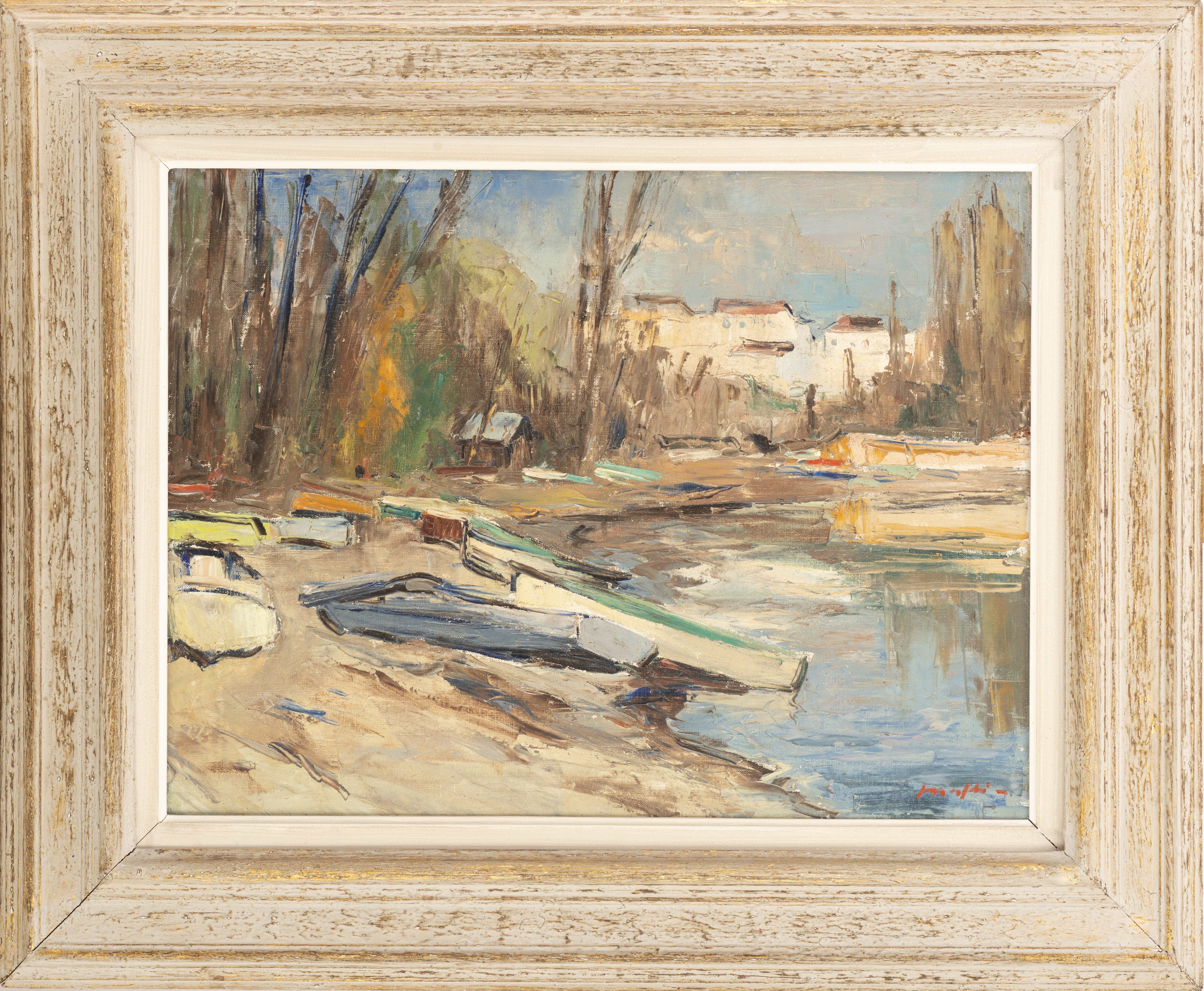
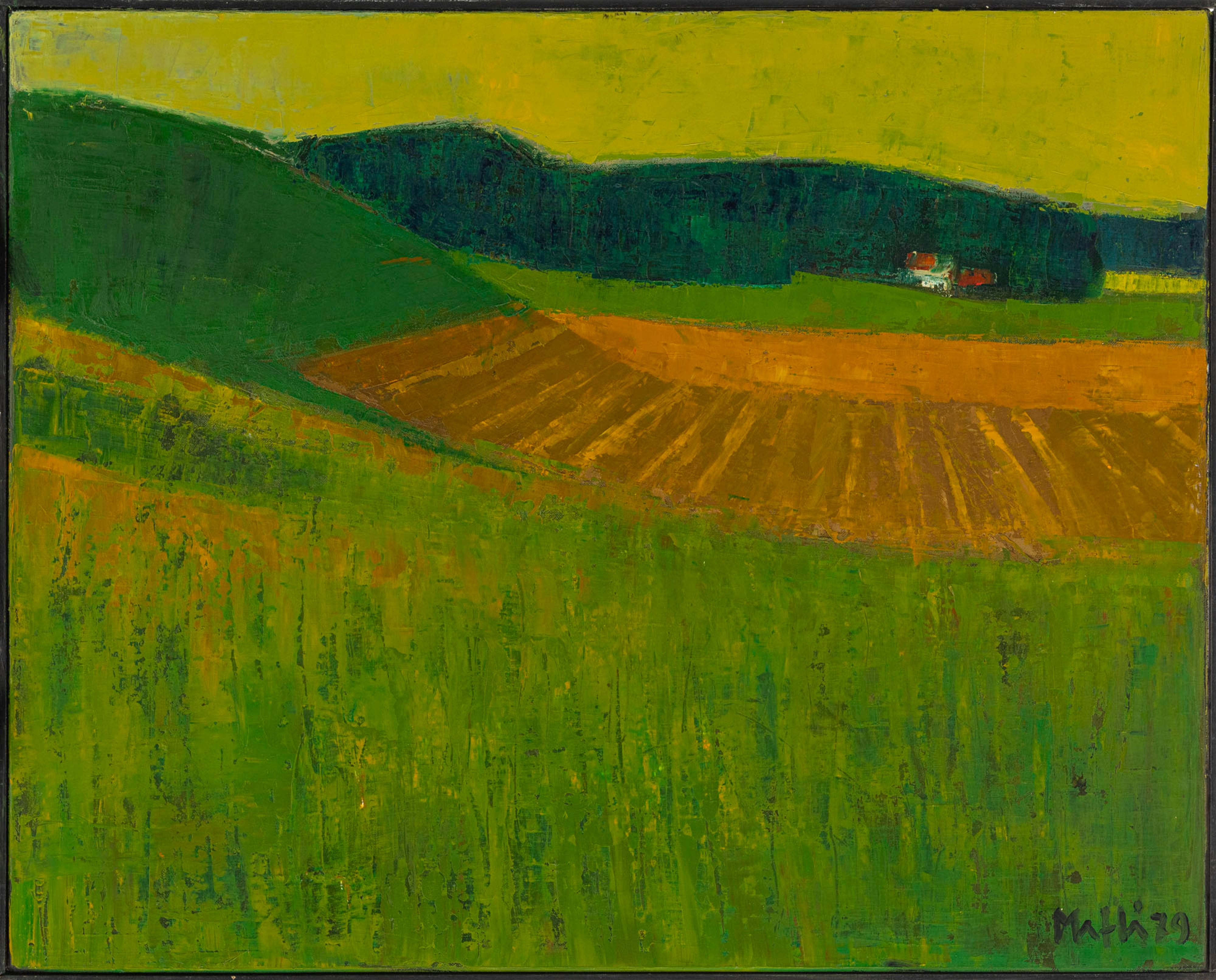
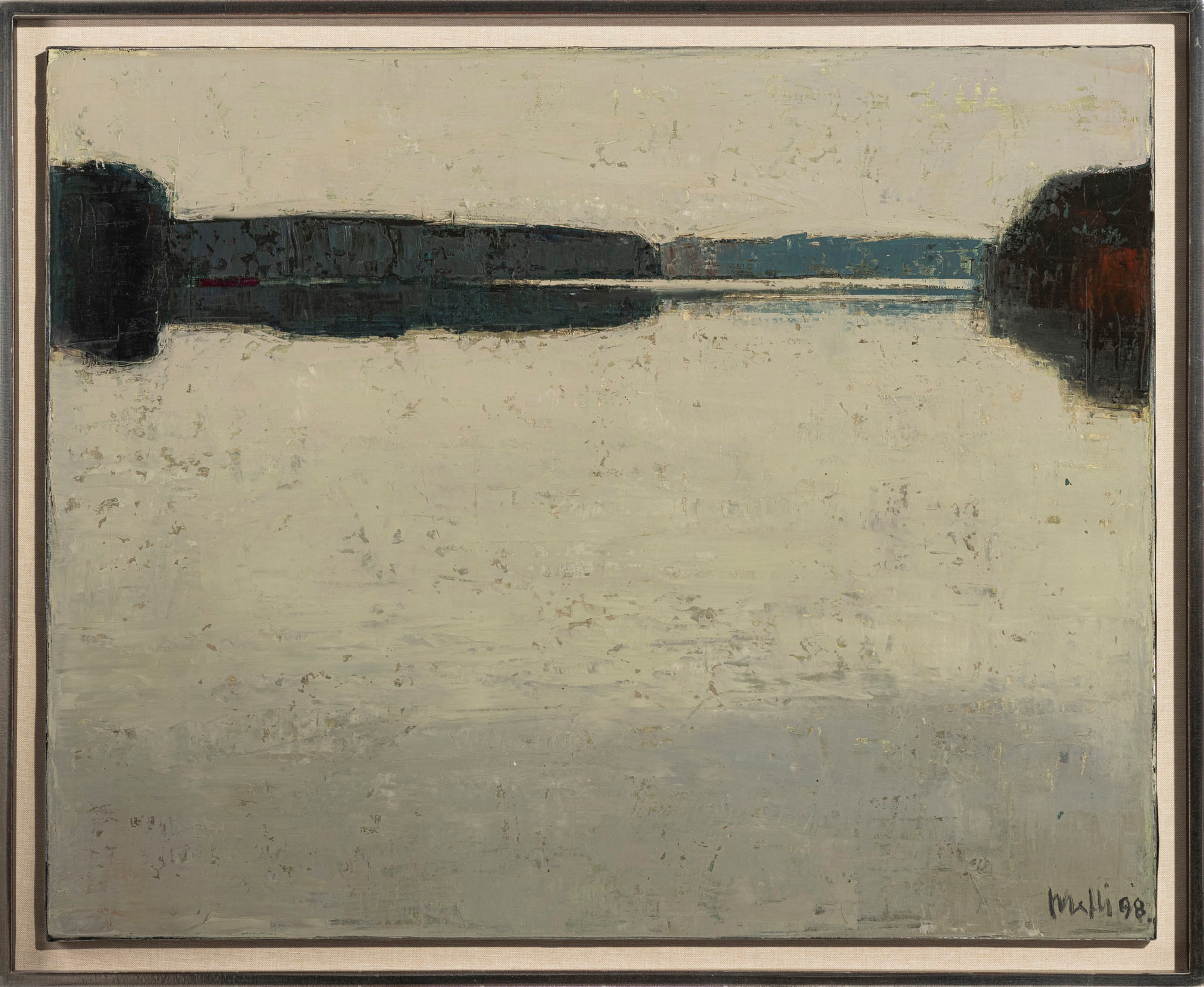
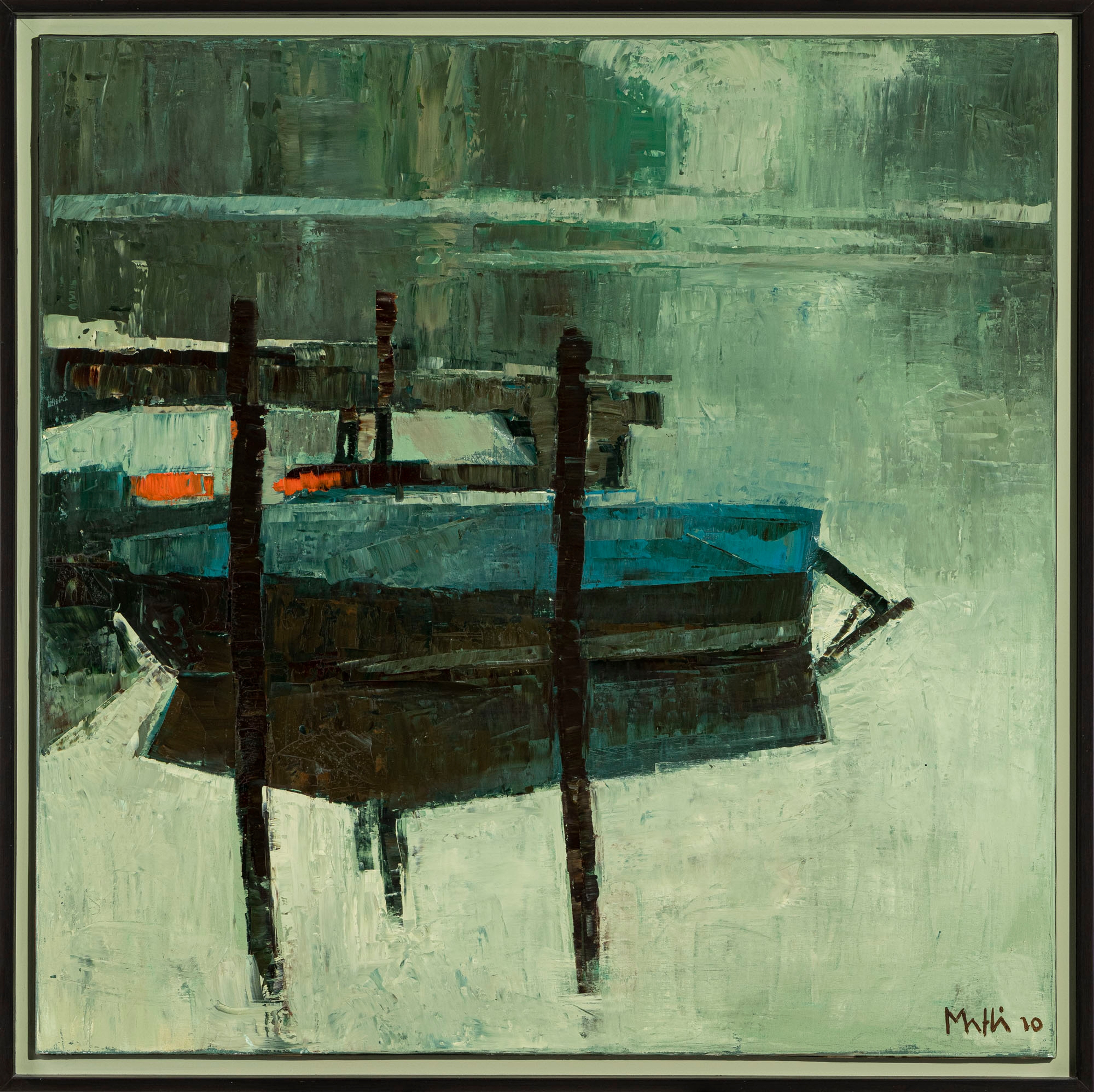
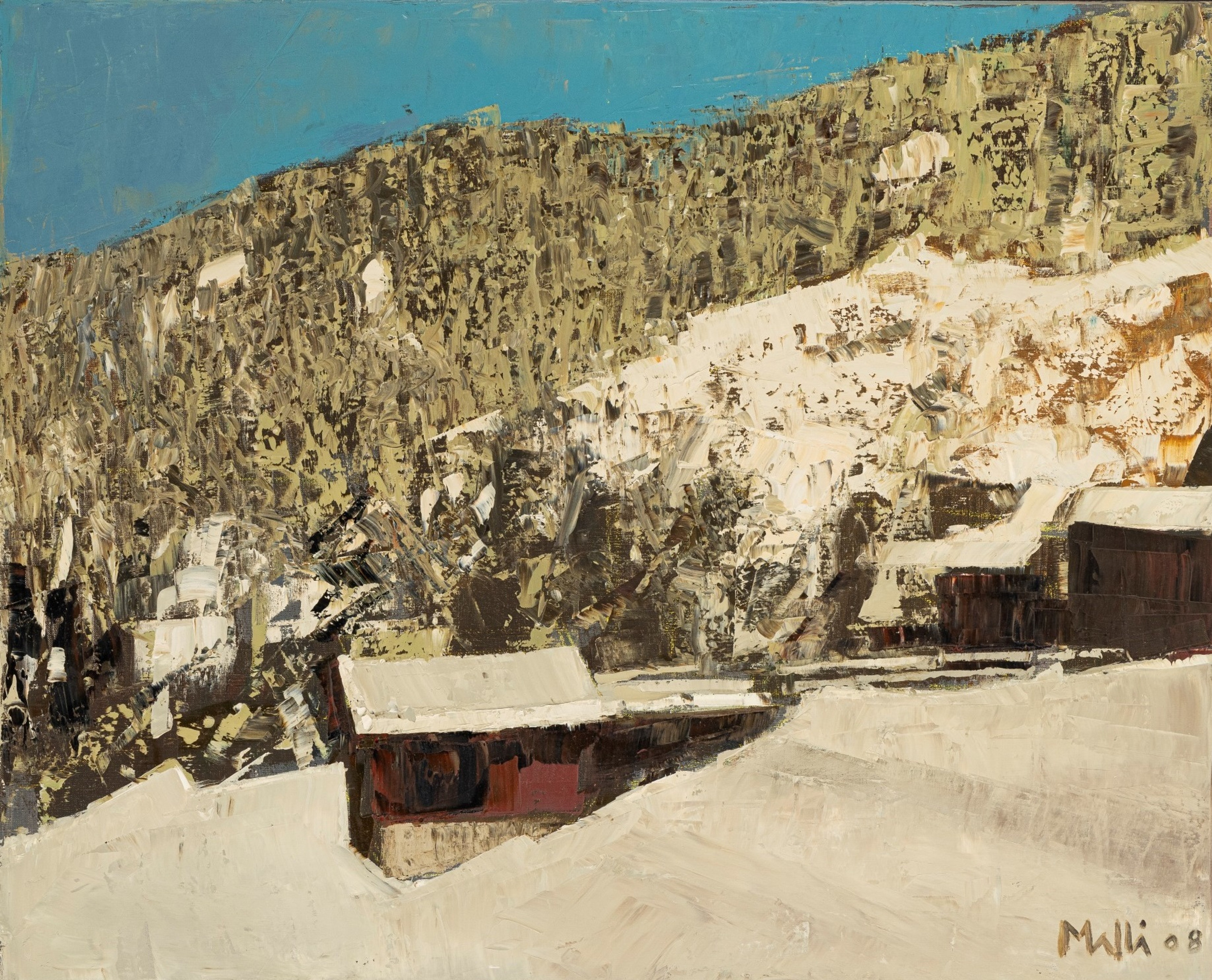
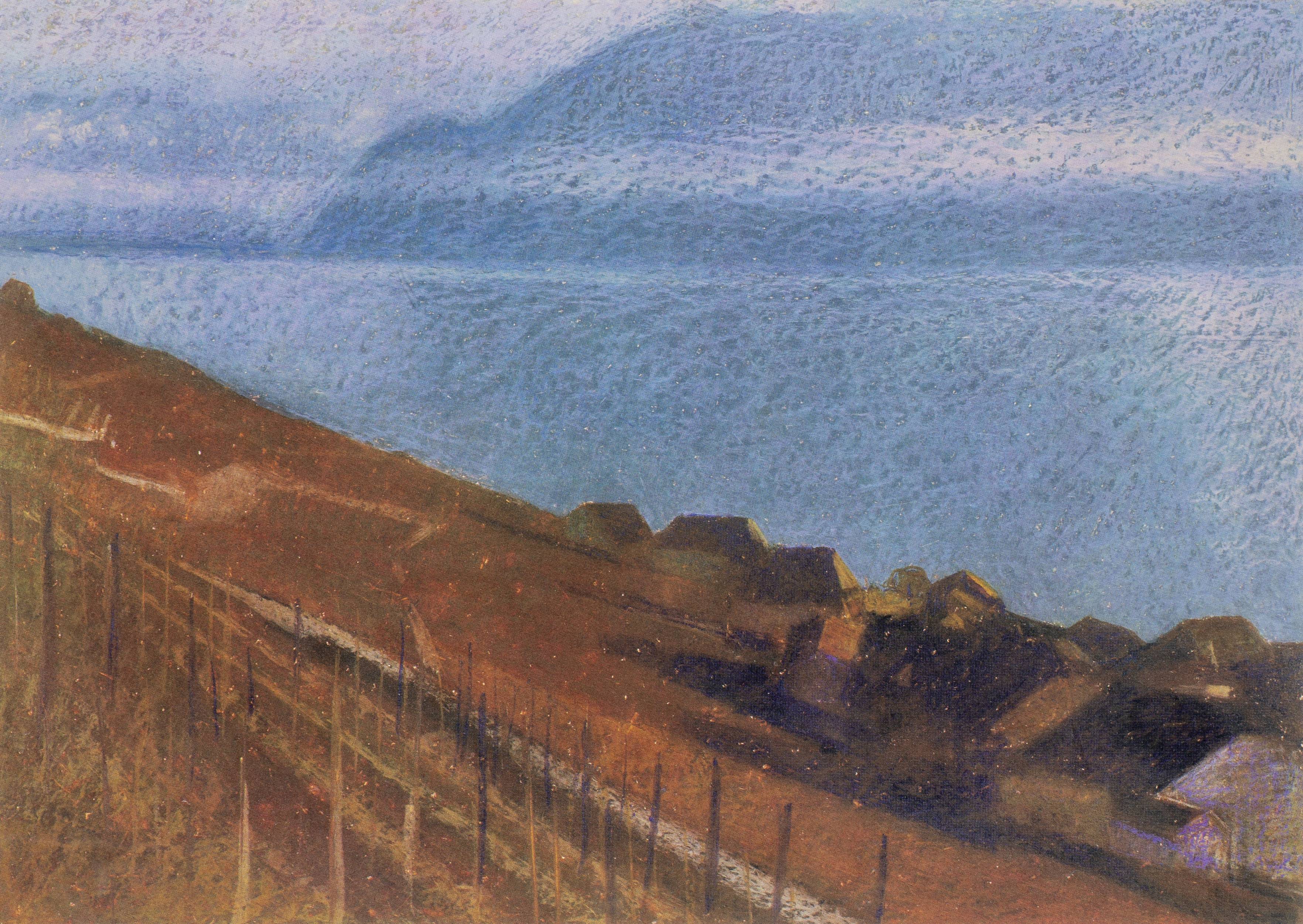
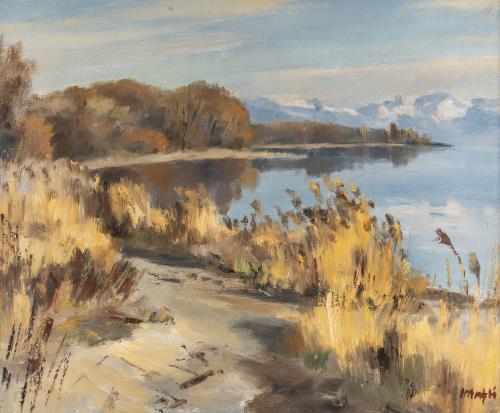
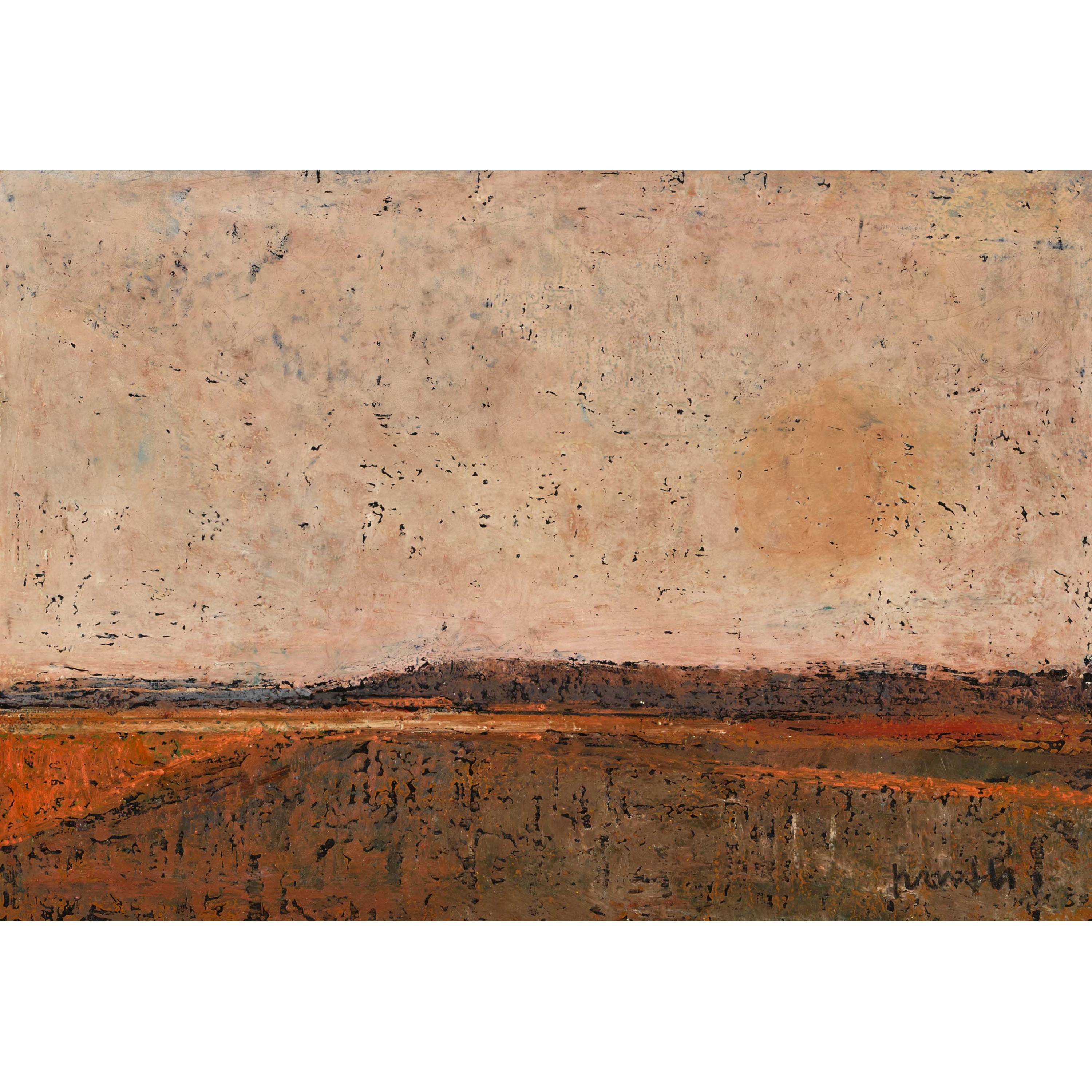
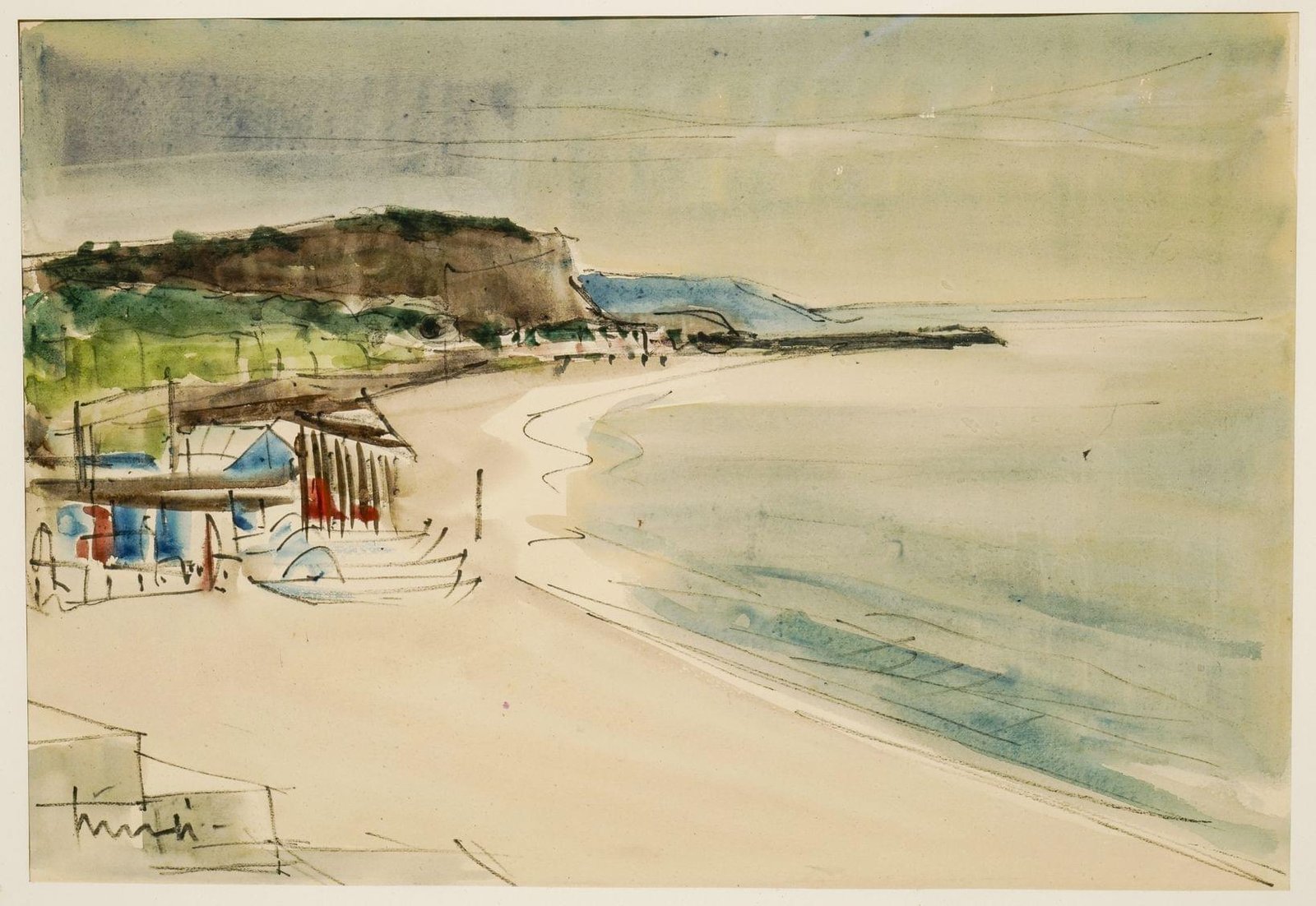
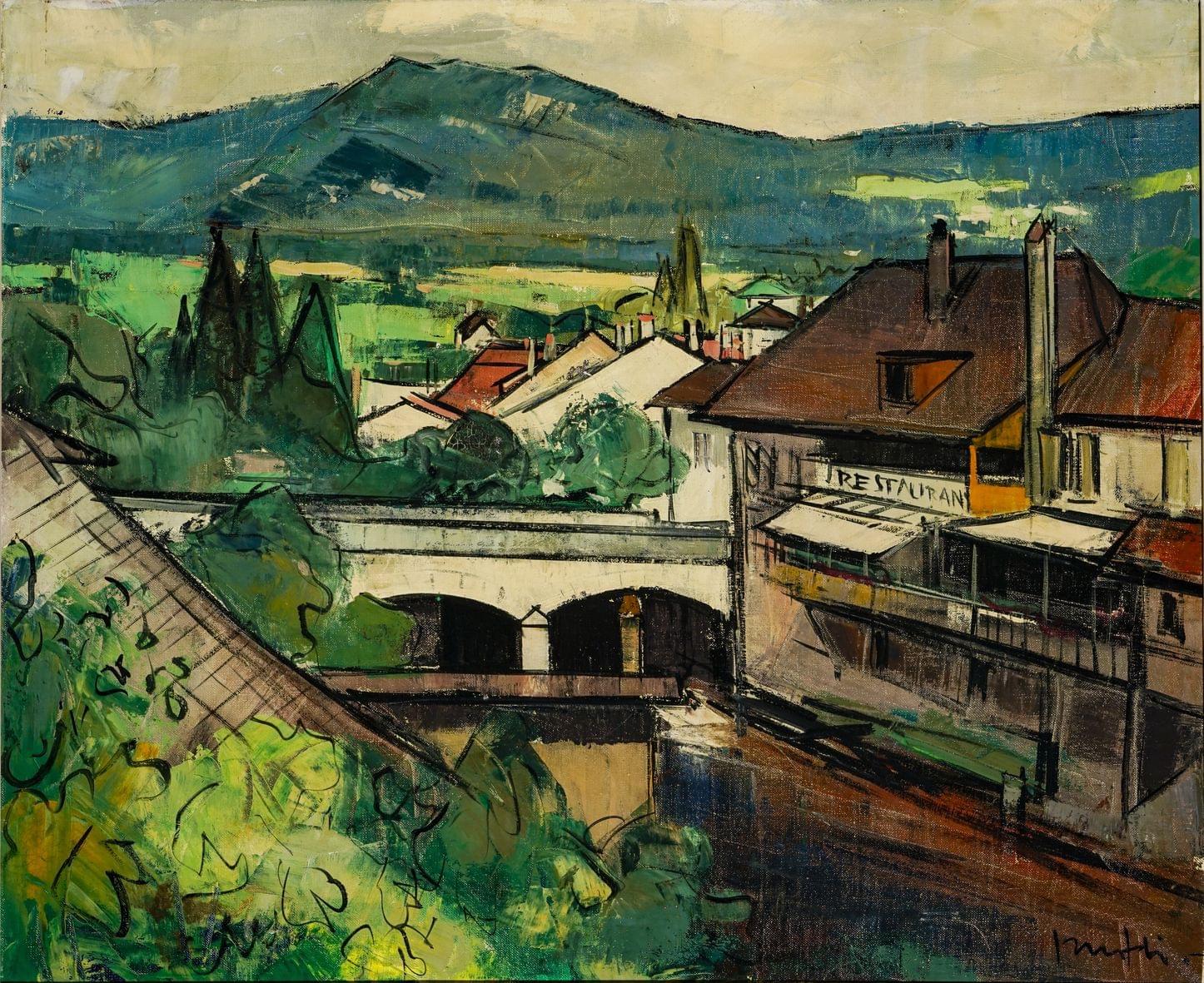
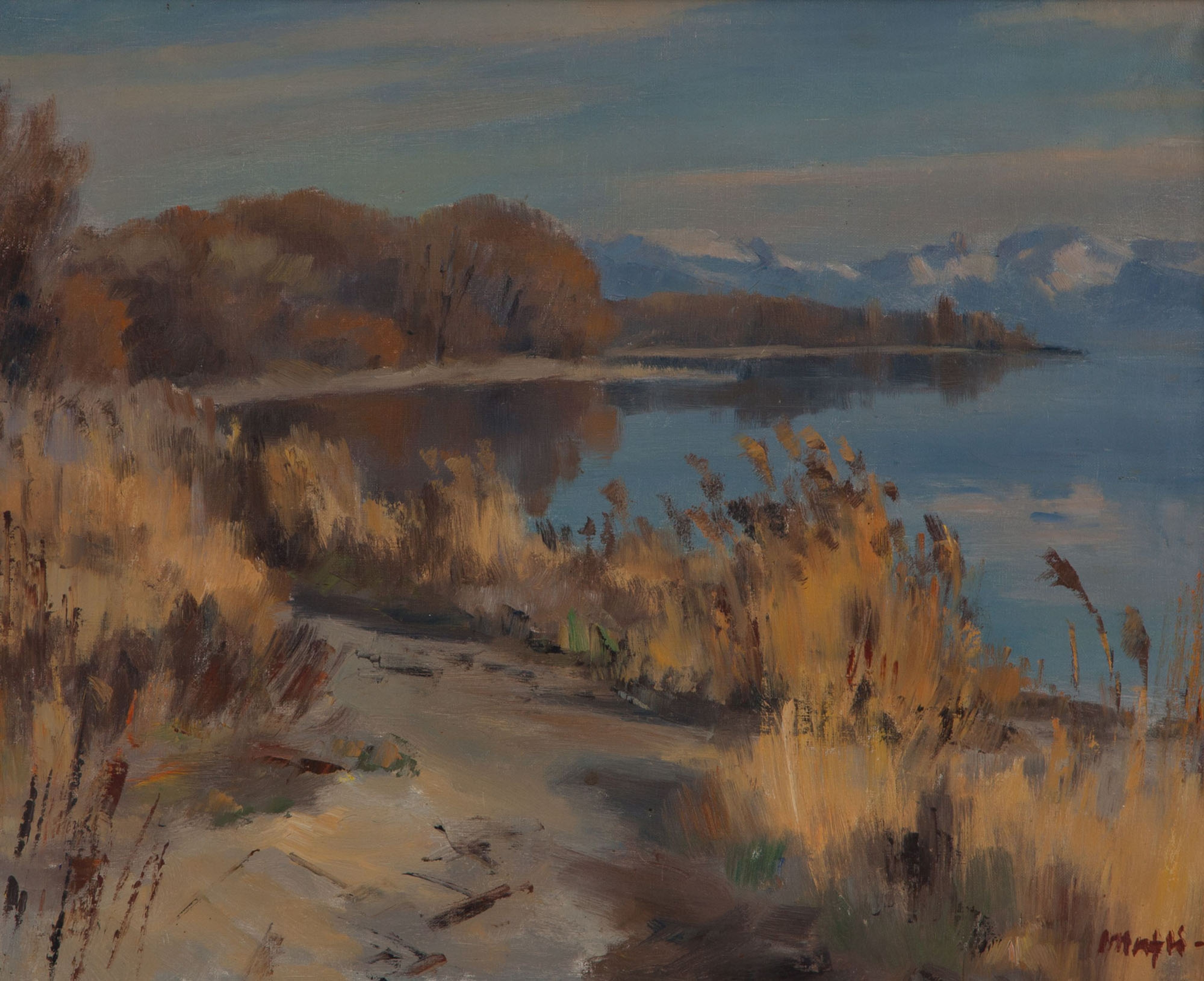
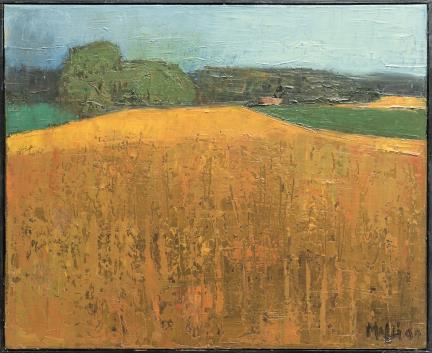
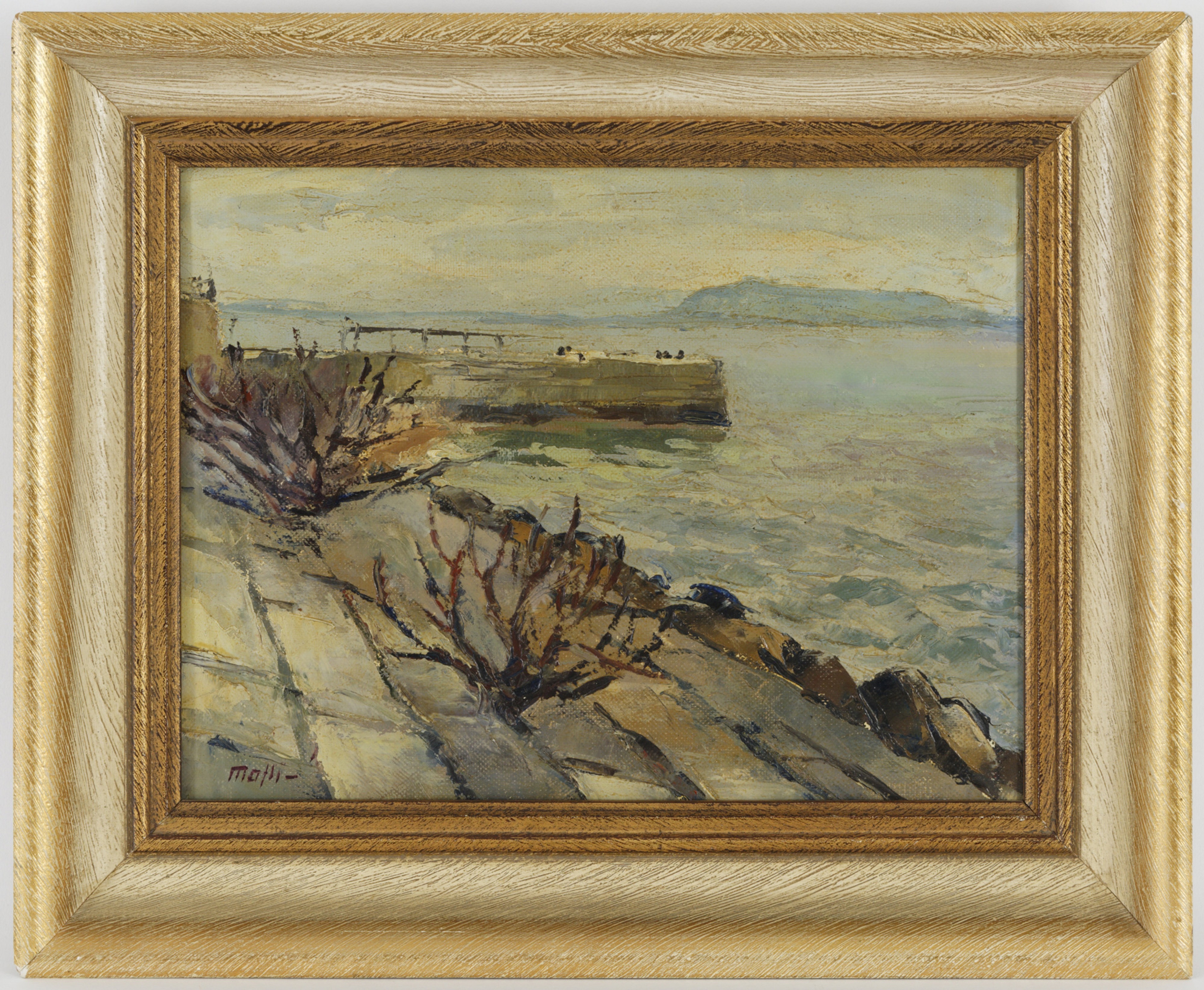
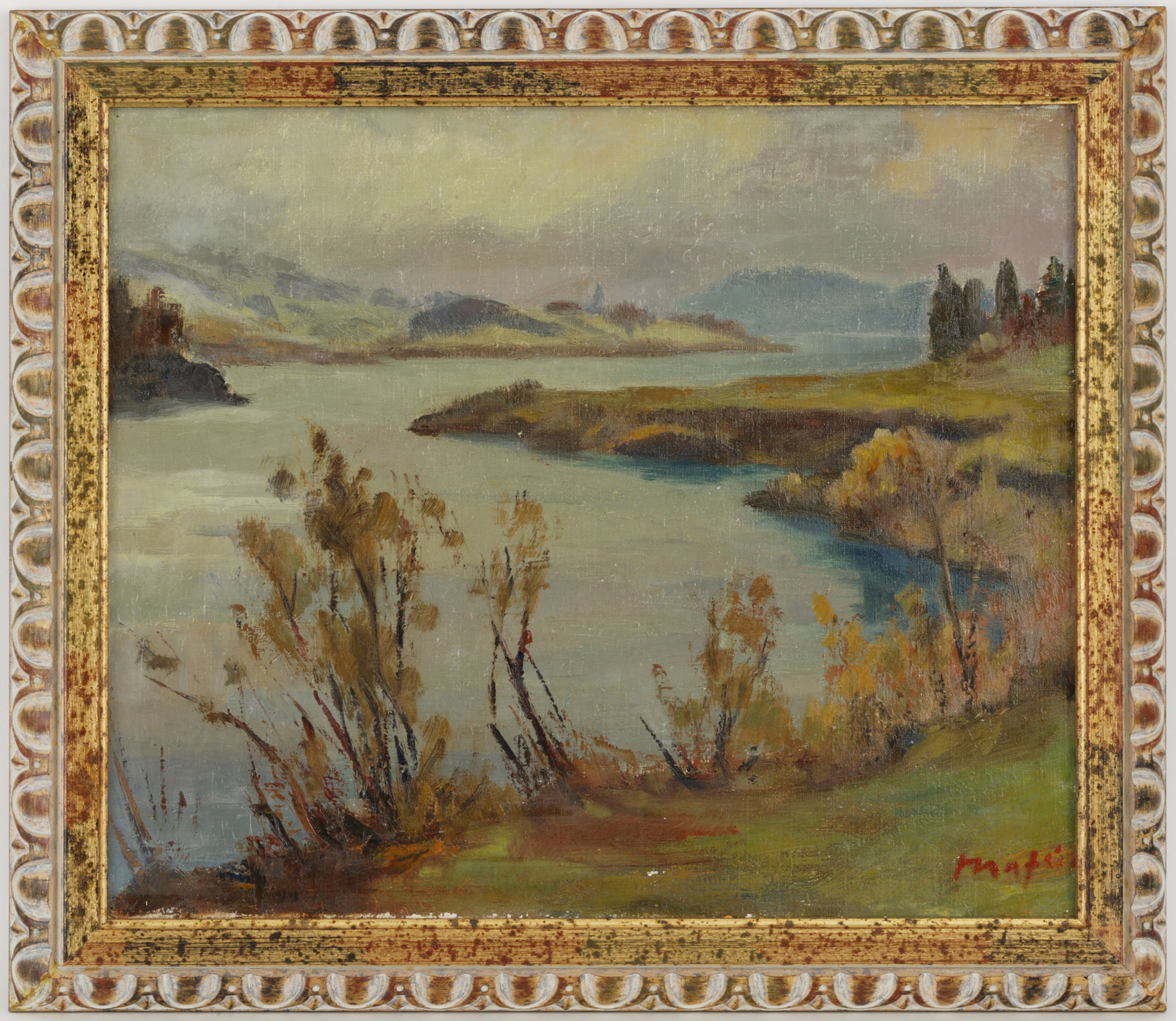
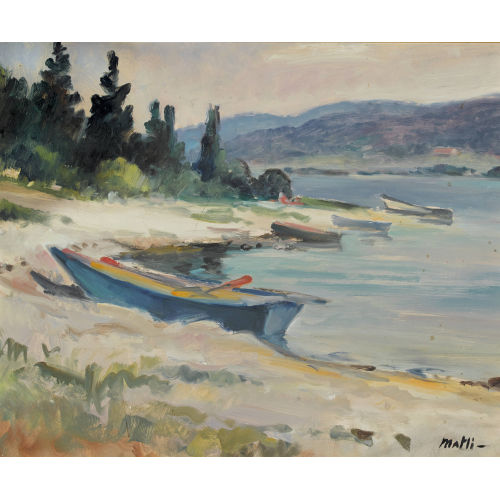
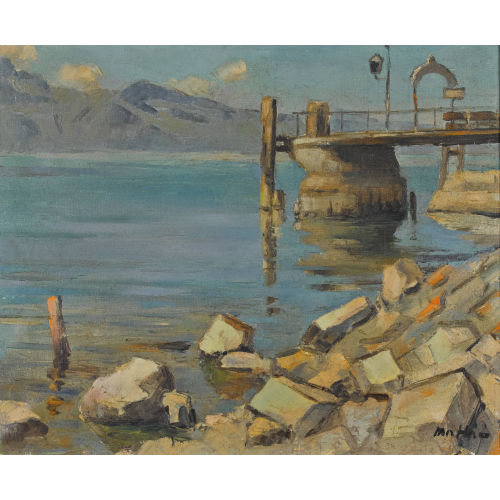
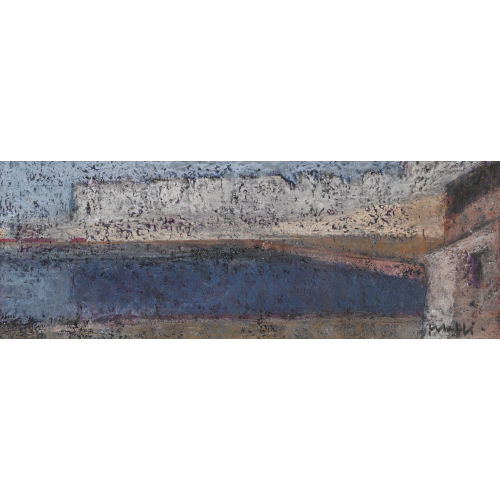
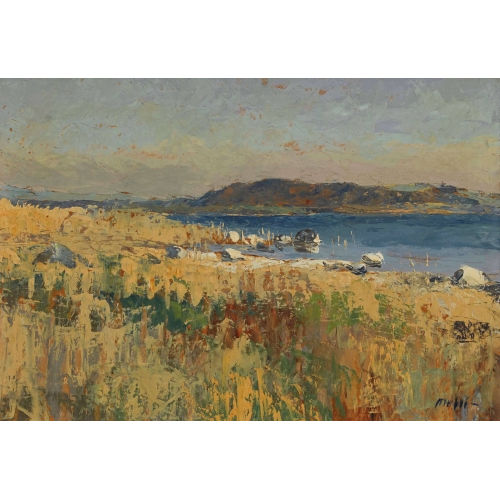
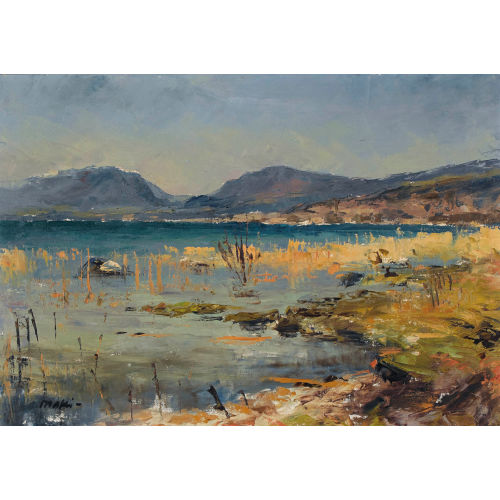
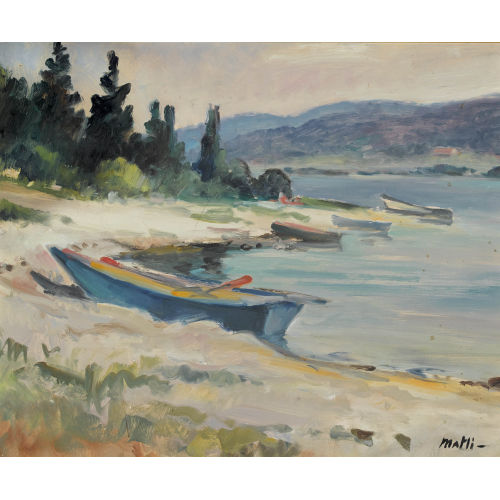
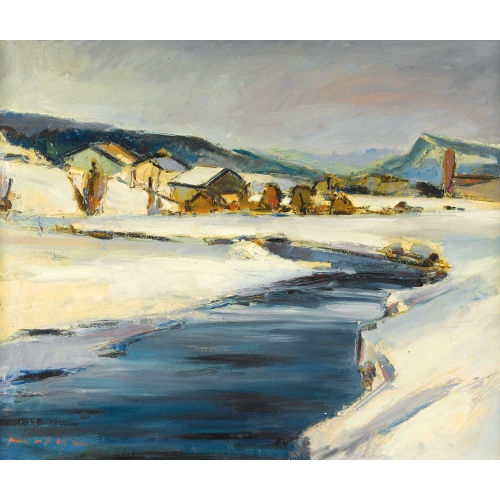
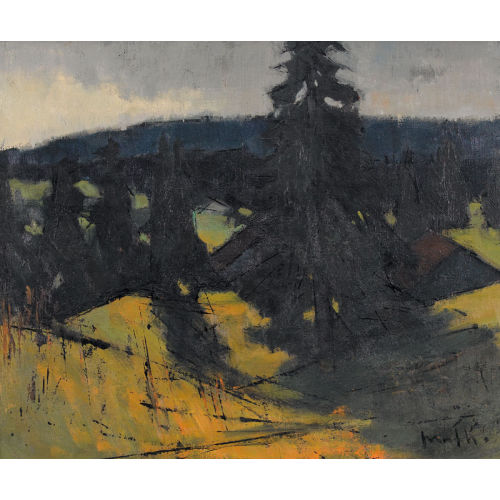
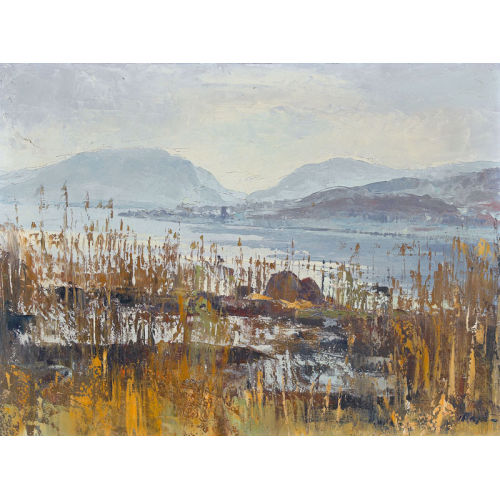
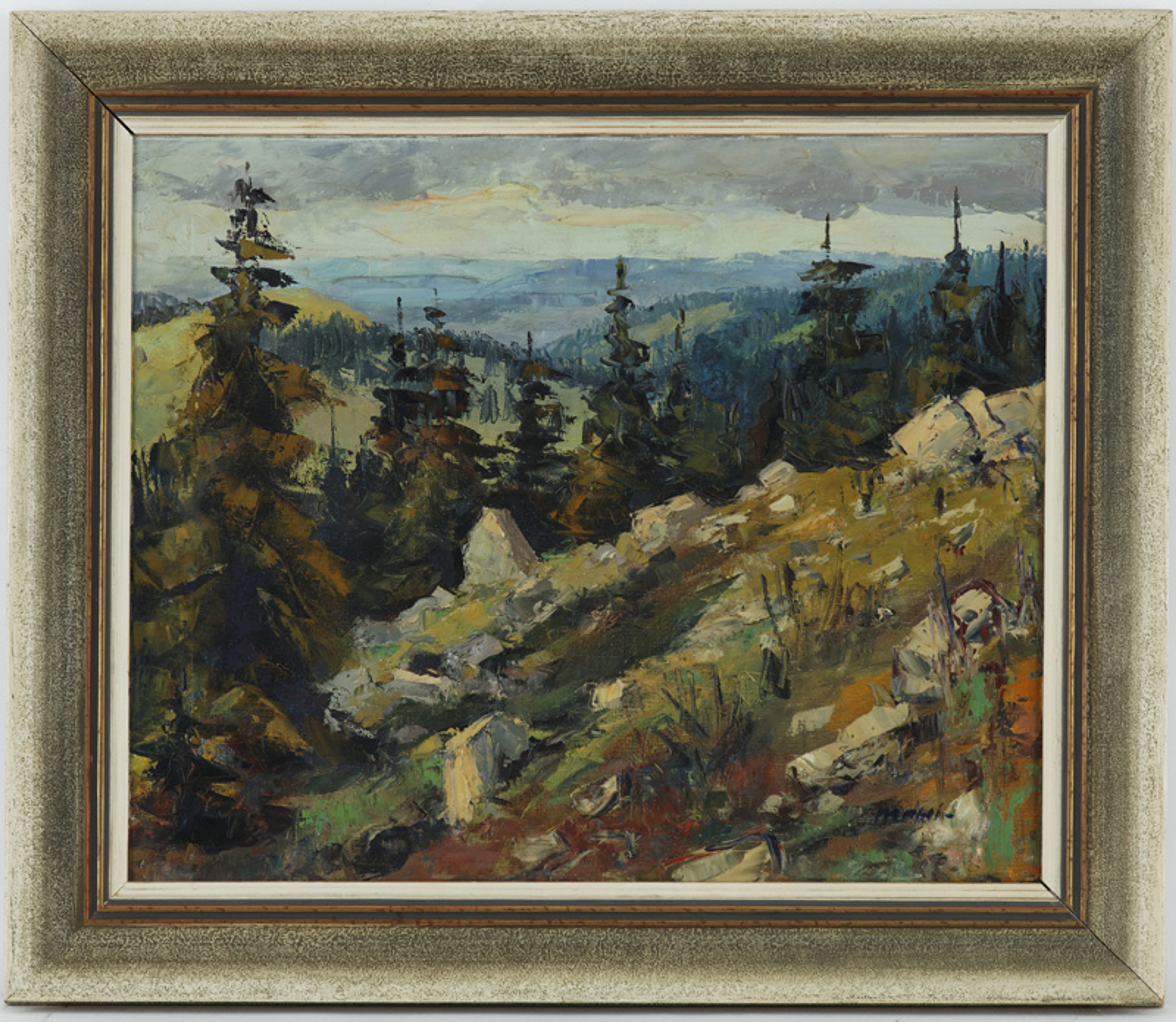
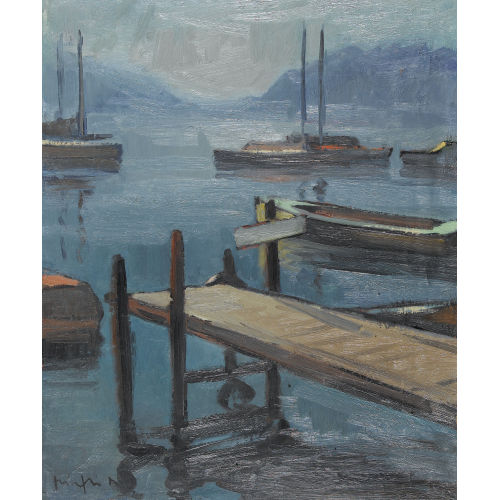
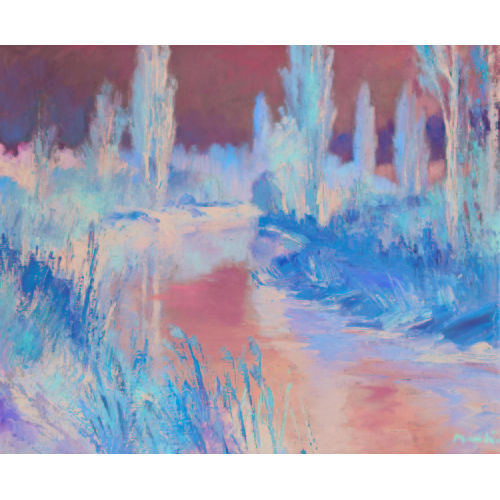
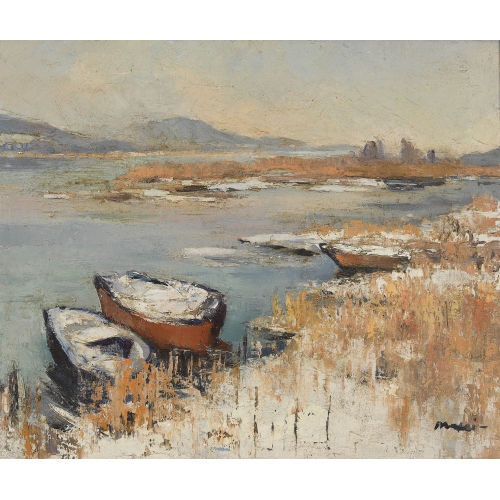
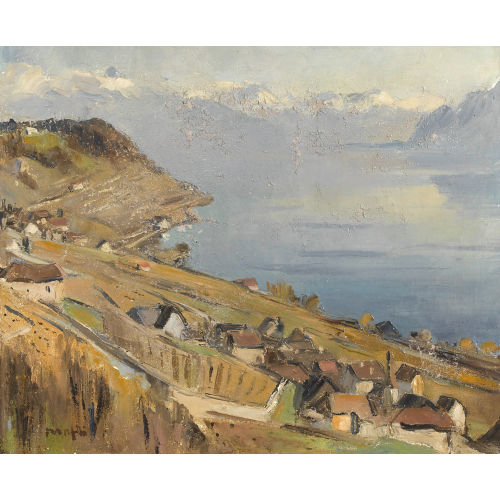
The landscapes of Lavaux and the shores of the lake reflected his regional attachment; at the beginning of the 1970s, he was offered permanent displays in restaurants, notably that of Frédy Girardet in Crissier. He published «Le chant de la matière» (Lausanne, 1985) and in 2001 created the Fondation «Les Enfants de Mafli» to support projects for young people.
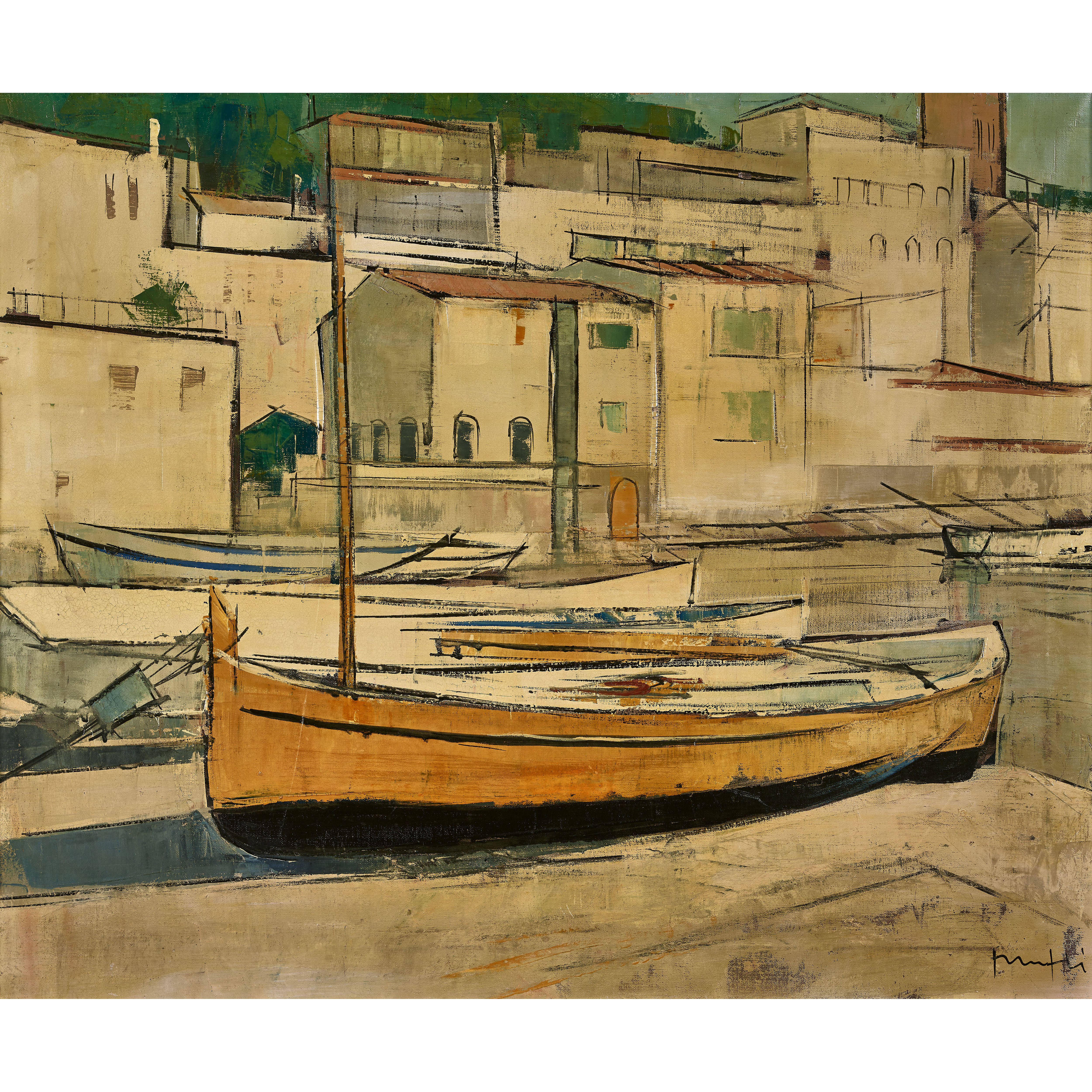
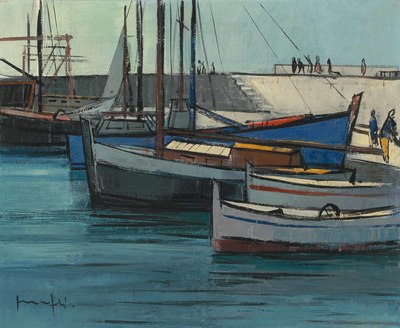
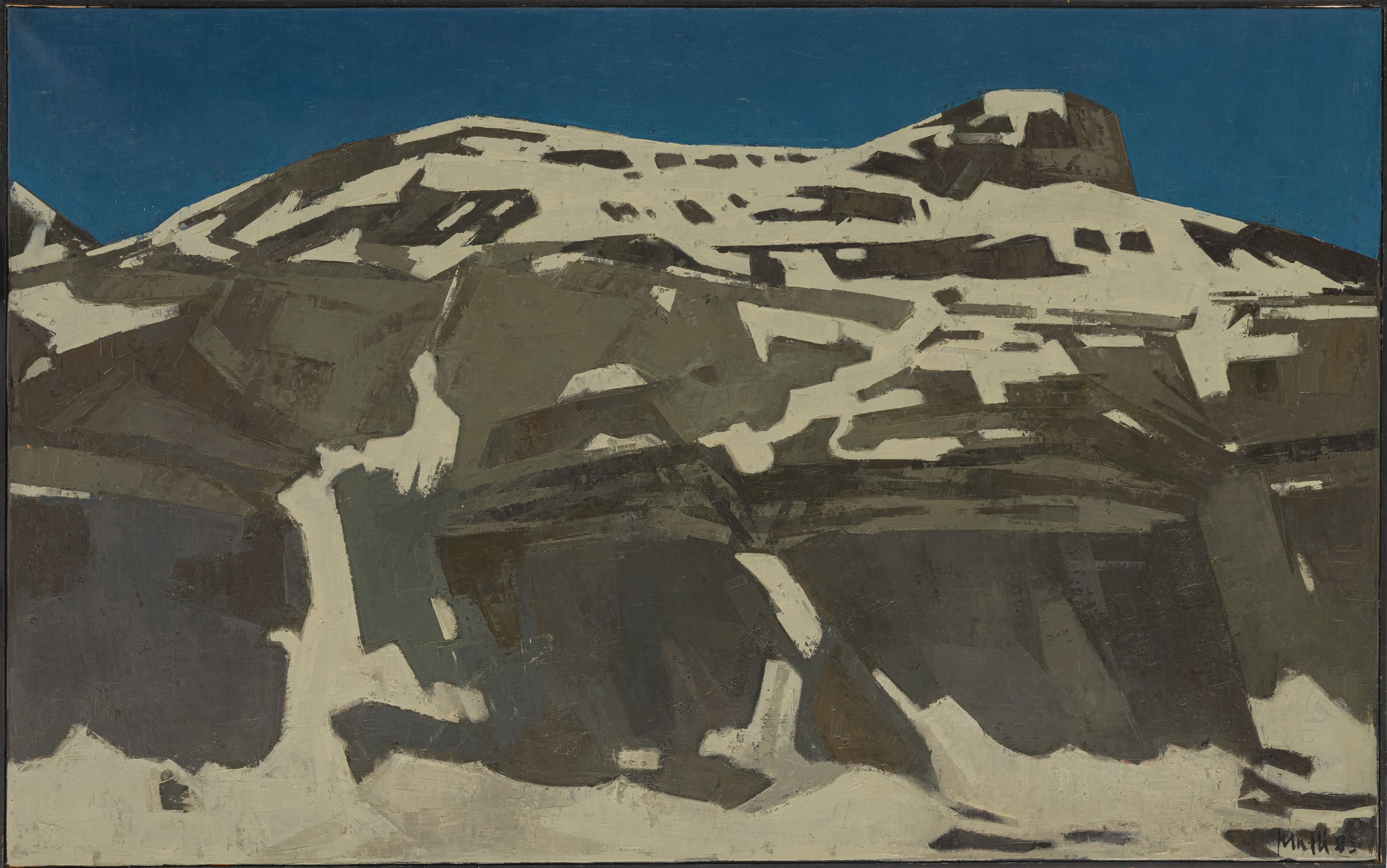
Among the work titles cited commercially are «Composition abstrait», «La Napoule, Cannes», «Le saut du Doubs Neuchâtel» and «Jura»; acquisitions are mentioned in the Collection d'art Nestlé (1990–2000), and the press reports that a matter relating to the sale of undeclared works was settled by a payment of 200'000 francs.