Verena Loewensberg
Born in 1912.
Died in 1986.
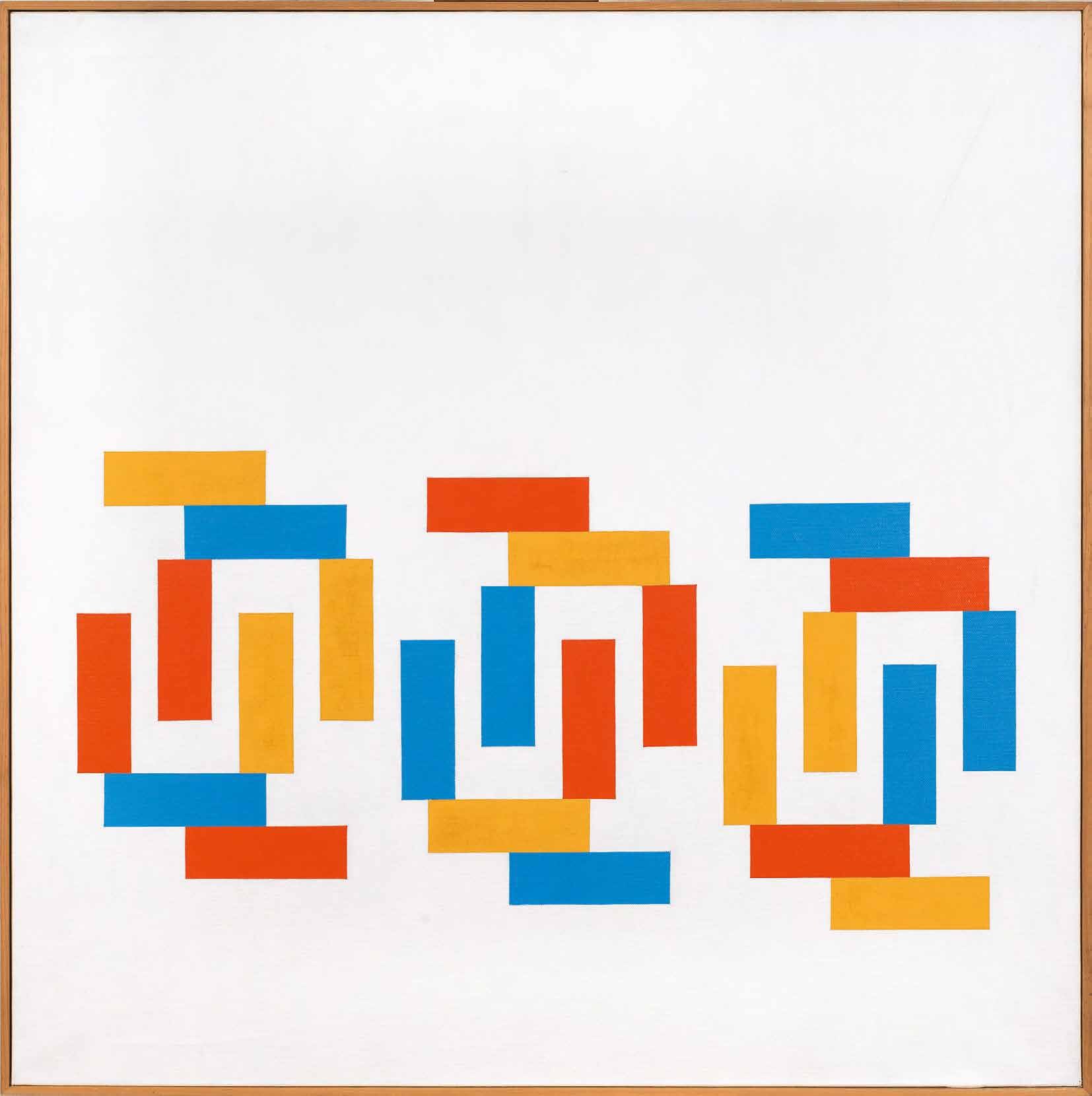
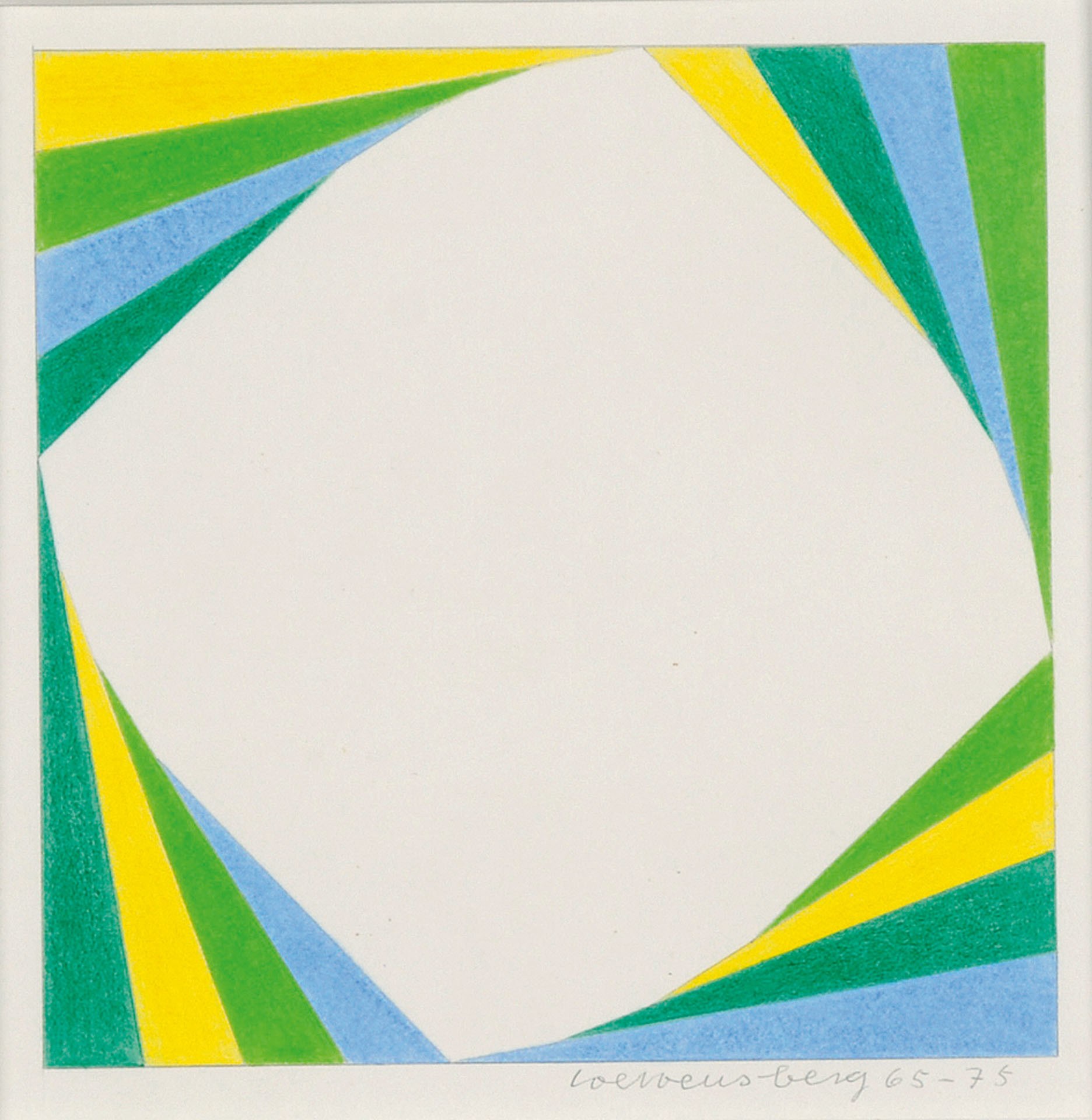
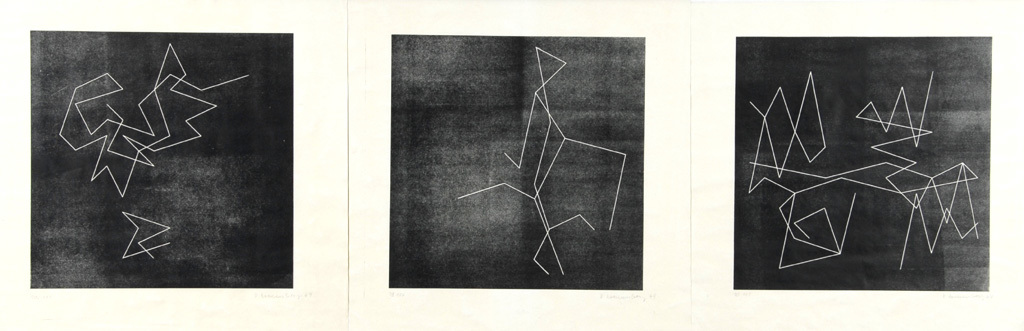
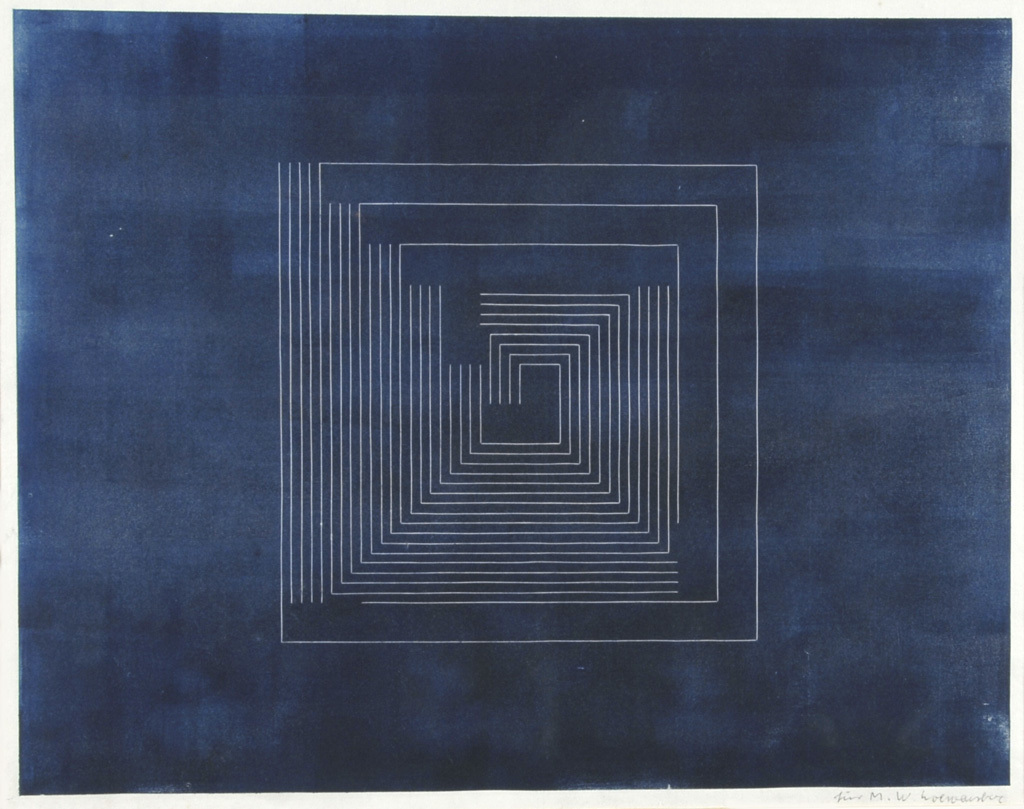
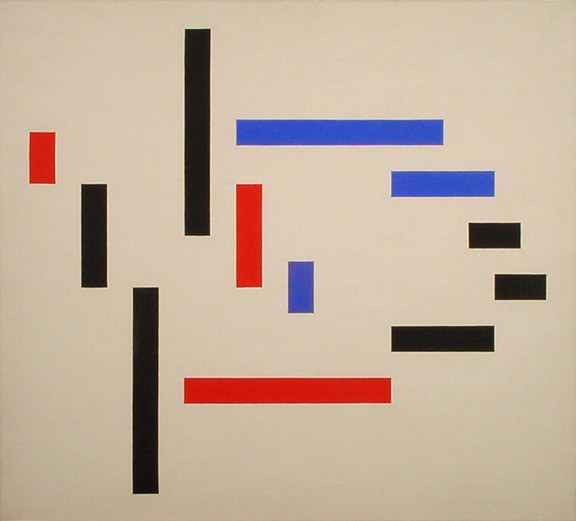
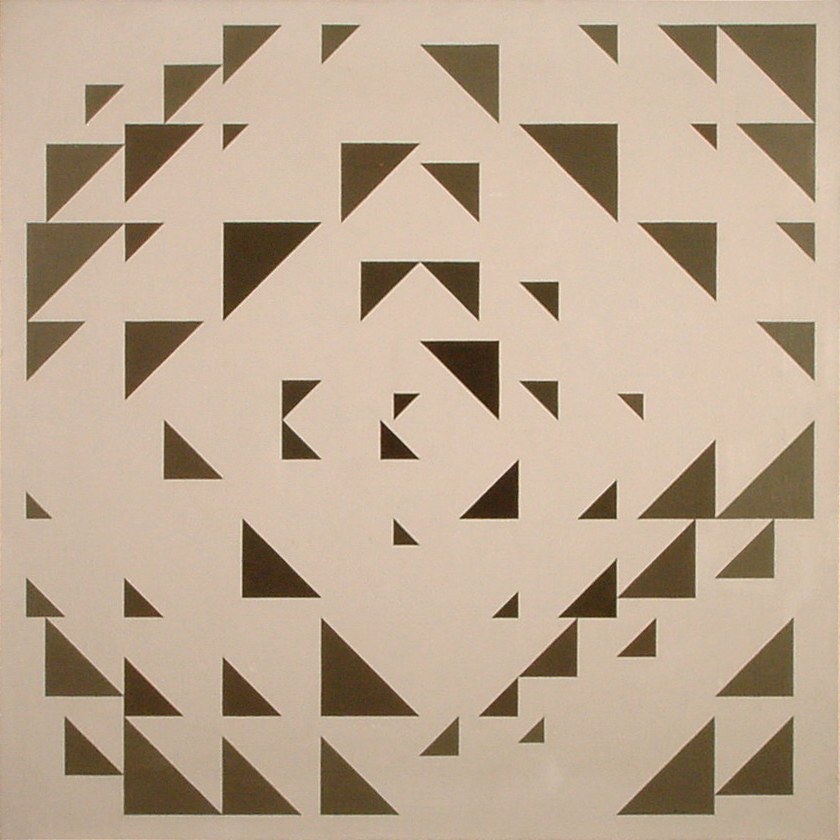
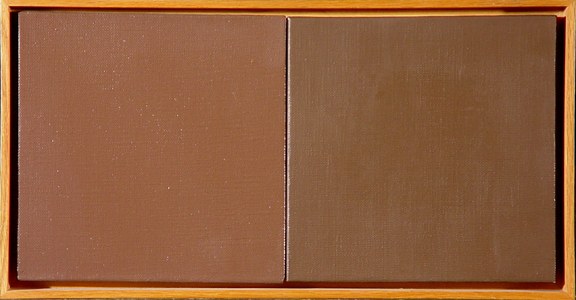
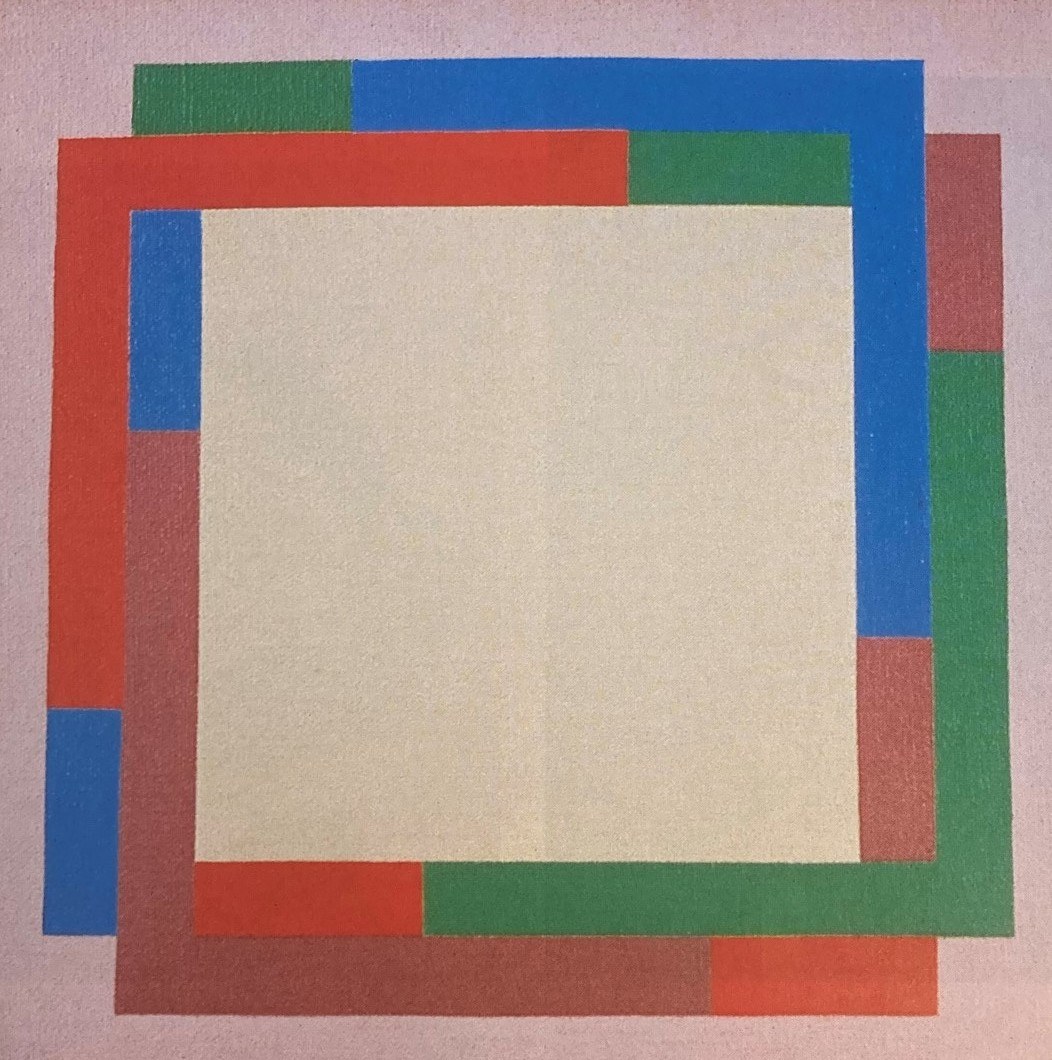
Verena Loewensberg (1912–1986) is a major figure in Swiss Concrete art. She trained at the School of Applied Arts in Basel and also studied weaving and dance. After producing figurative and abstract works on paper, she turned to a geometric language from 1936 onwards, initially in graphic works; she moved into painting in 1944.
The Haus Konstruktiv museum emphasises that she developed this practice largely as a self-taught artist and that she belonged to the central circle of the “Zurich Concretes”, alongside Max Bill, Camille Graeser and Richard Paul Lohse. She was the only woman among them.
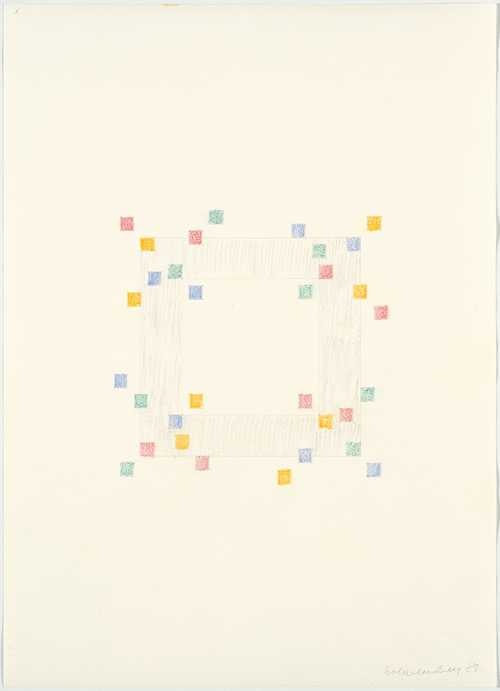
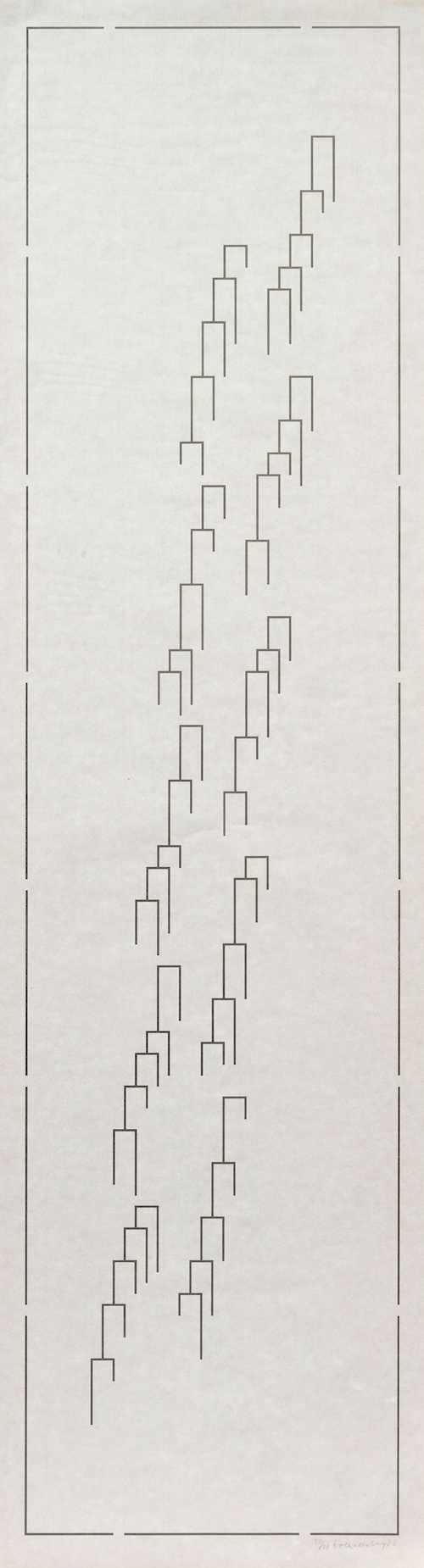
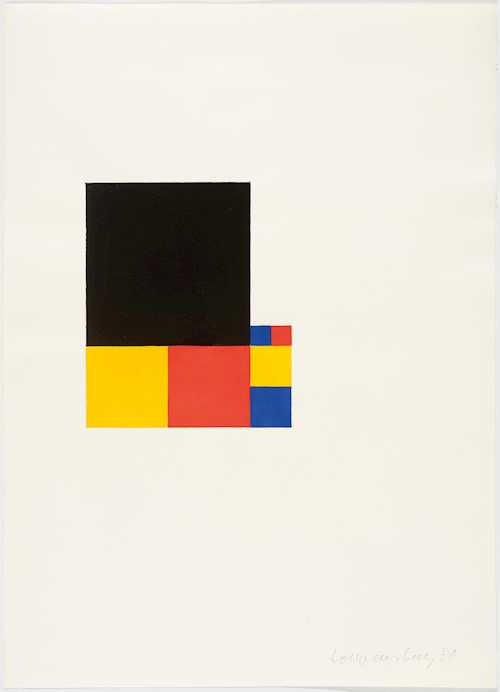
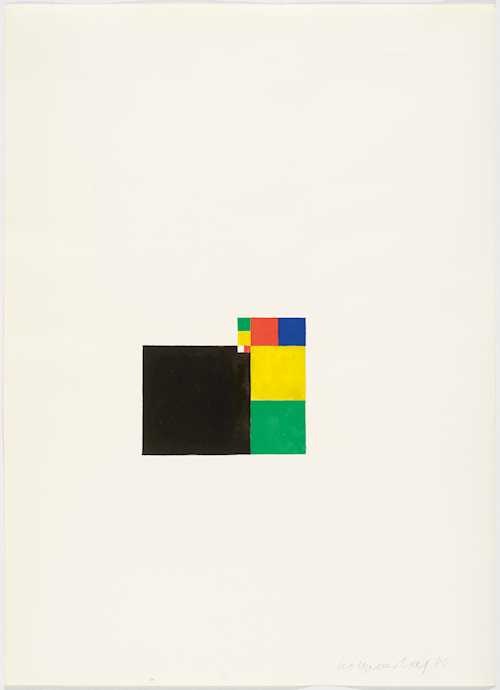
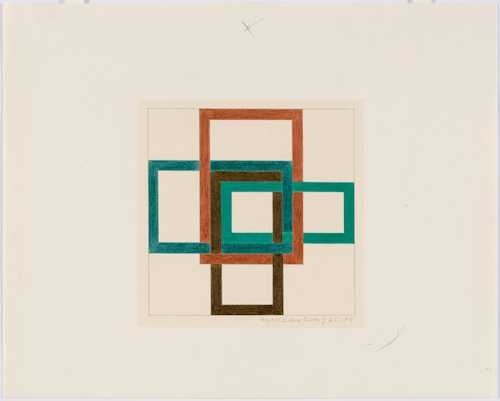
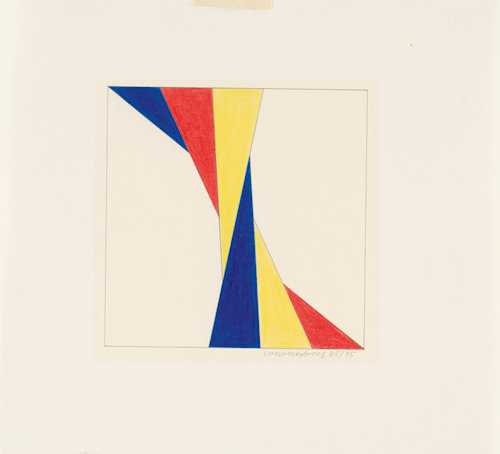
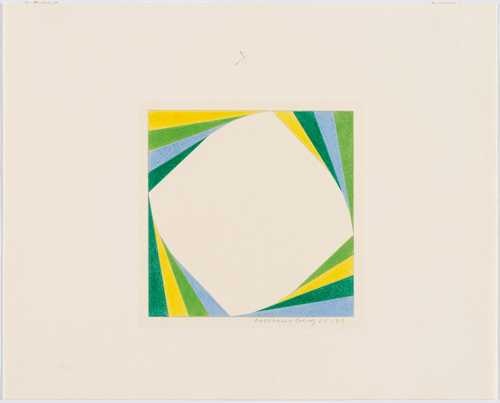
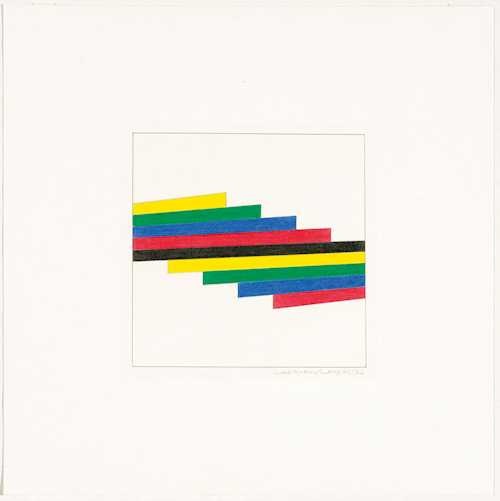
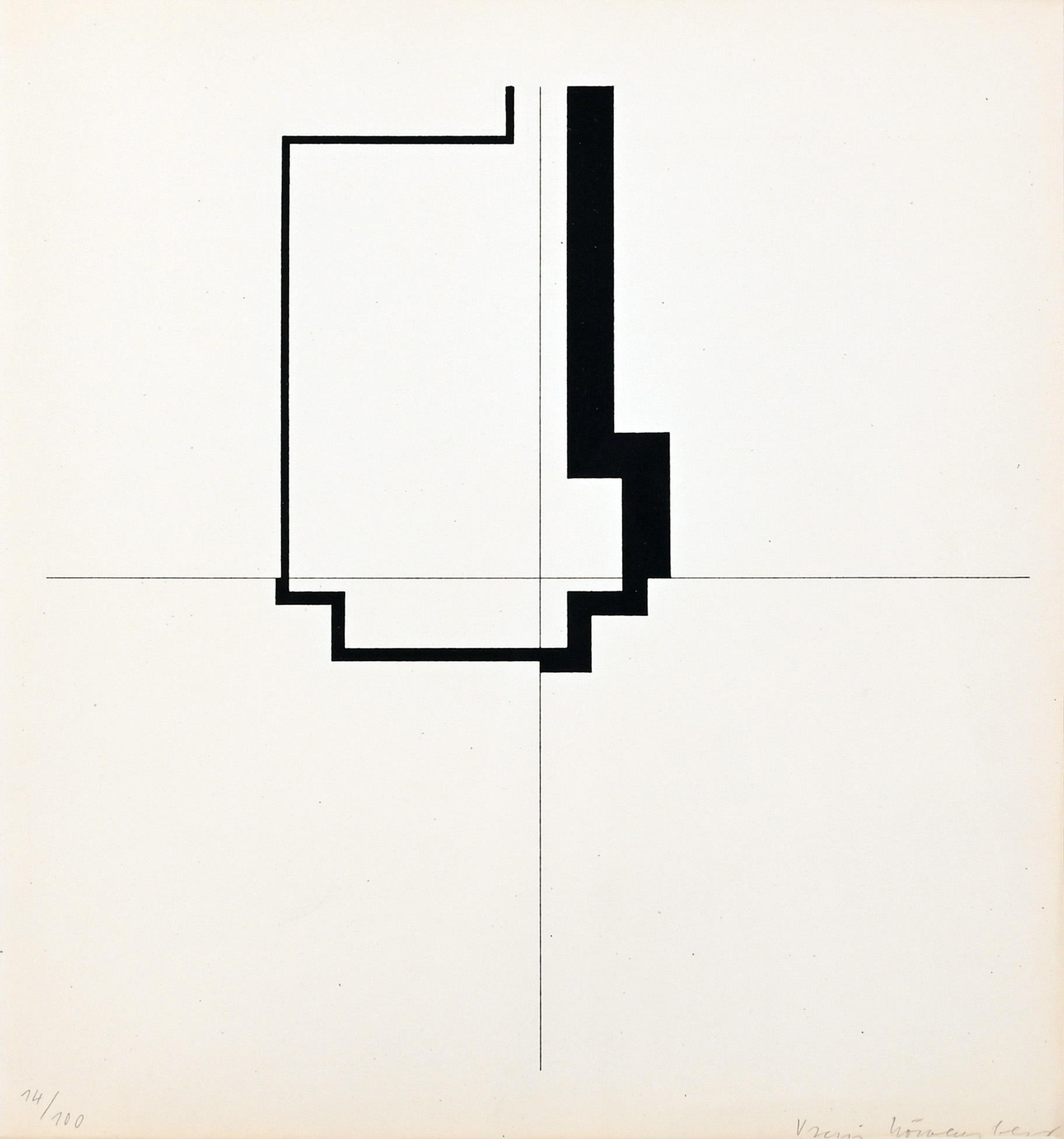
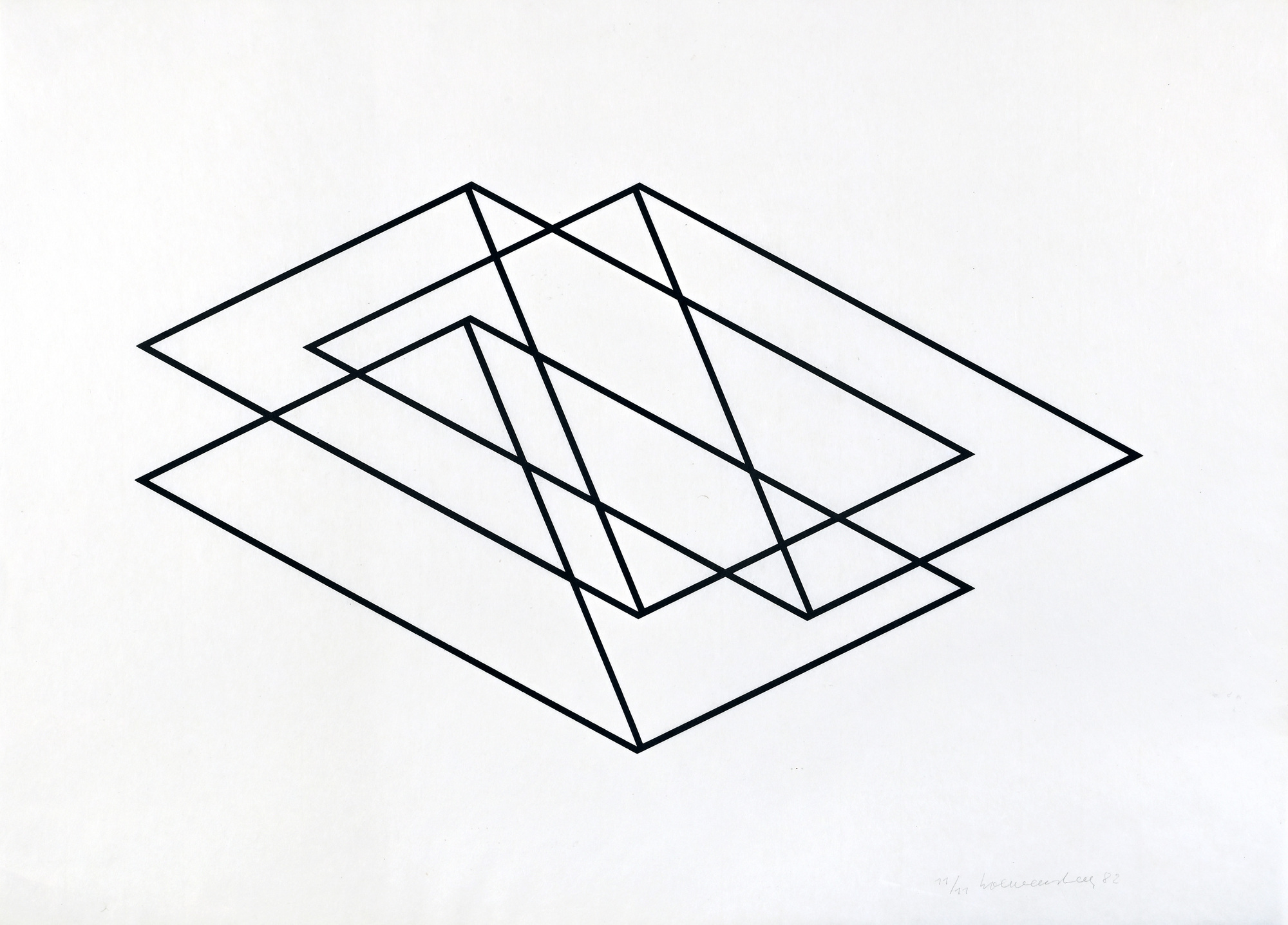
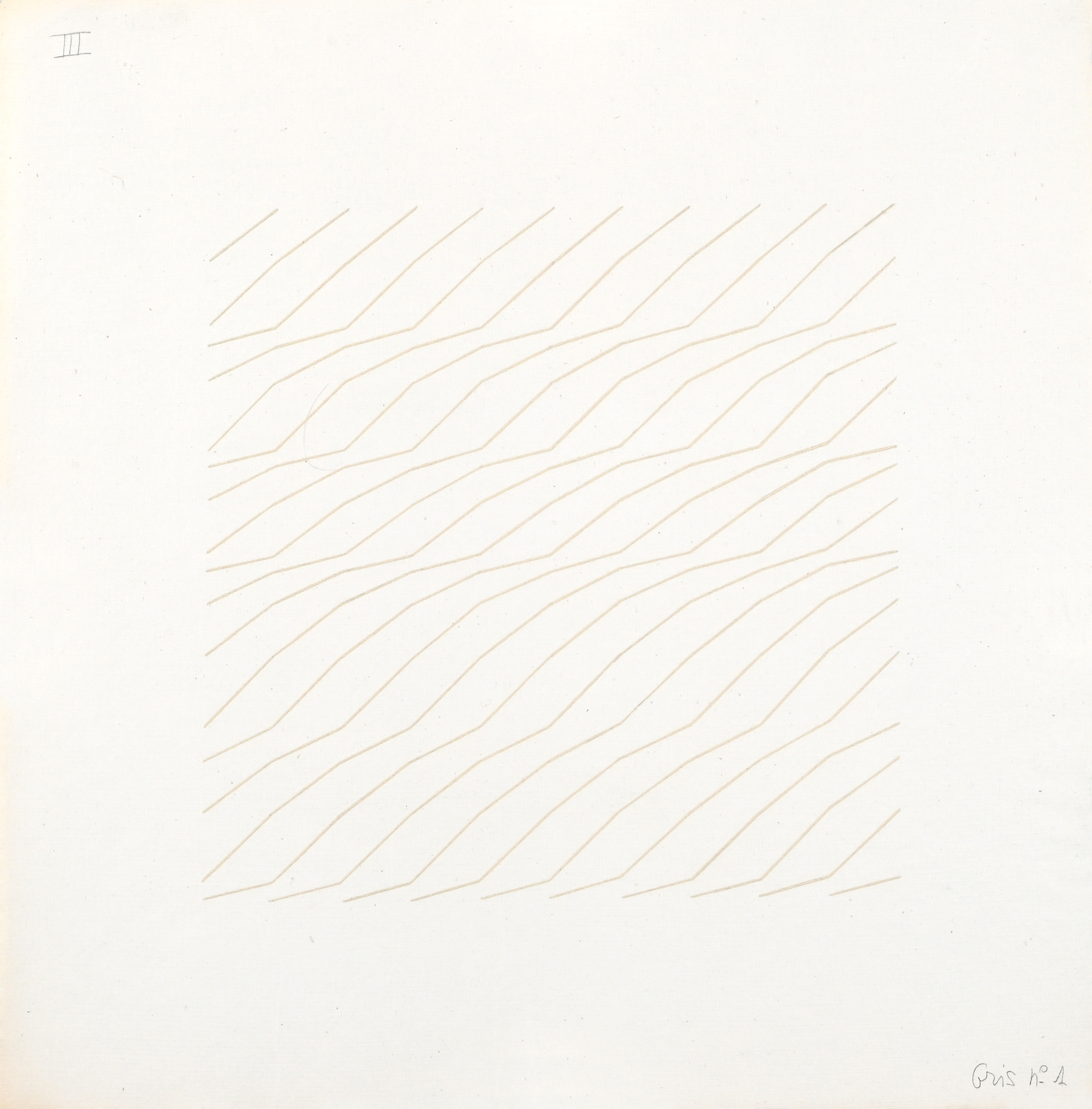
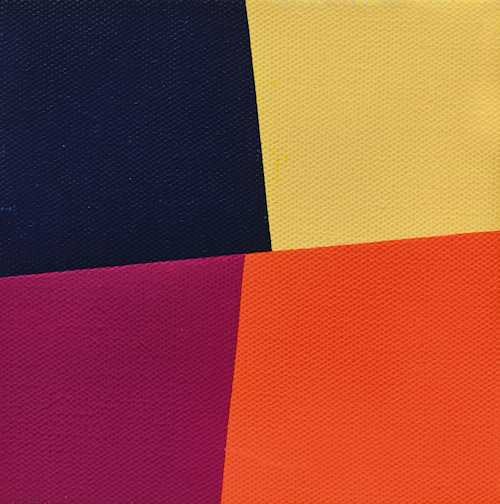
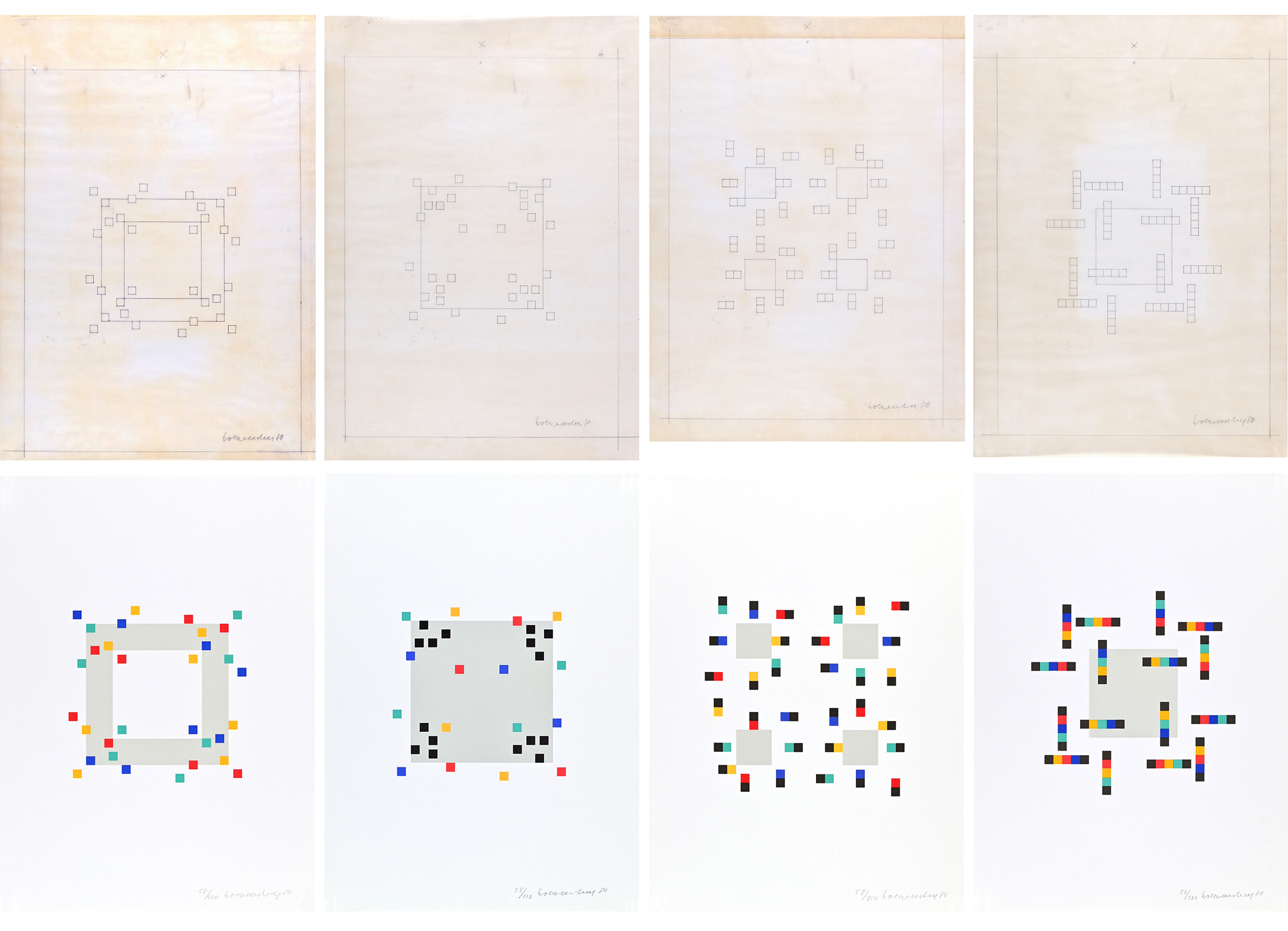
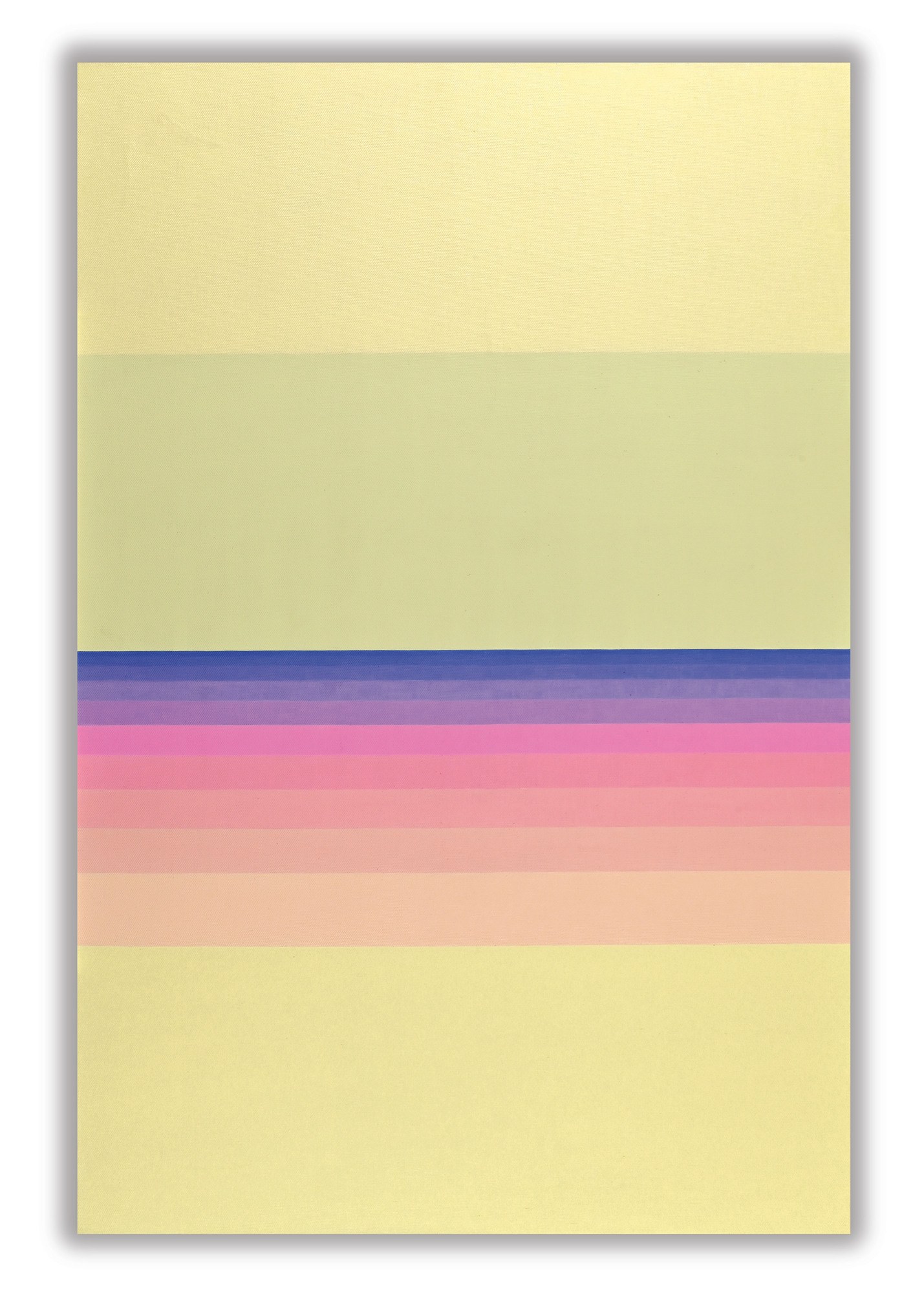
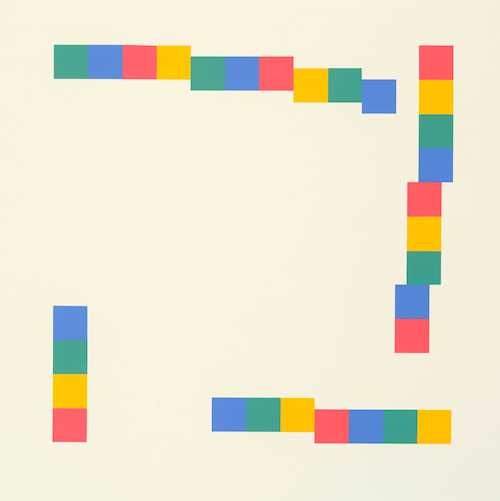
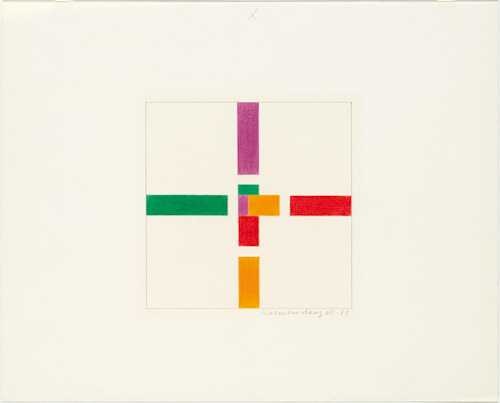
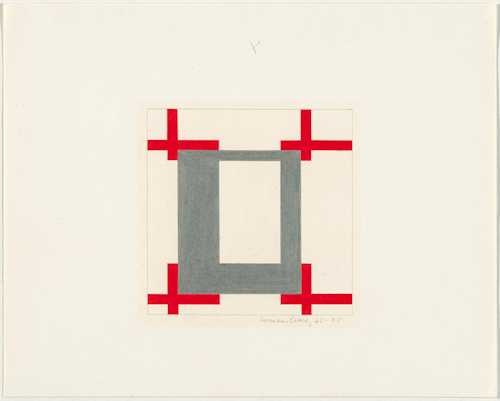
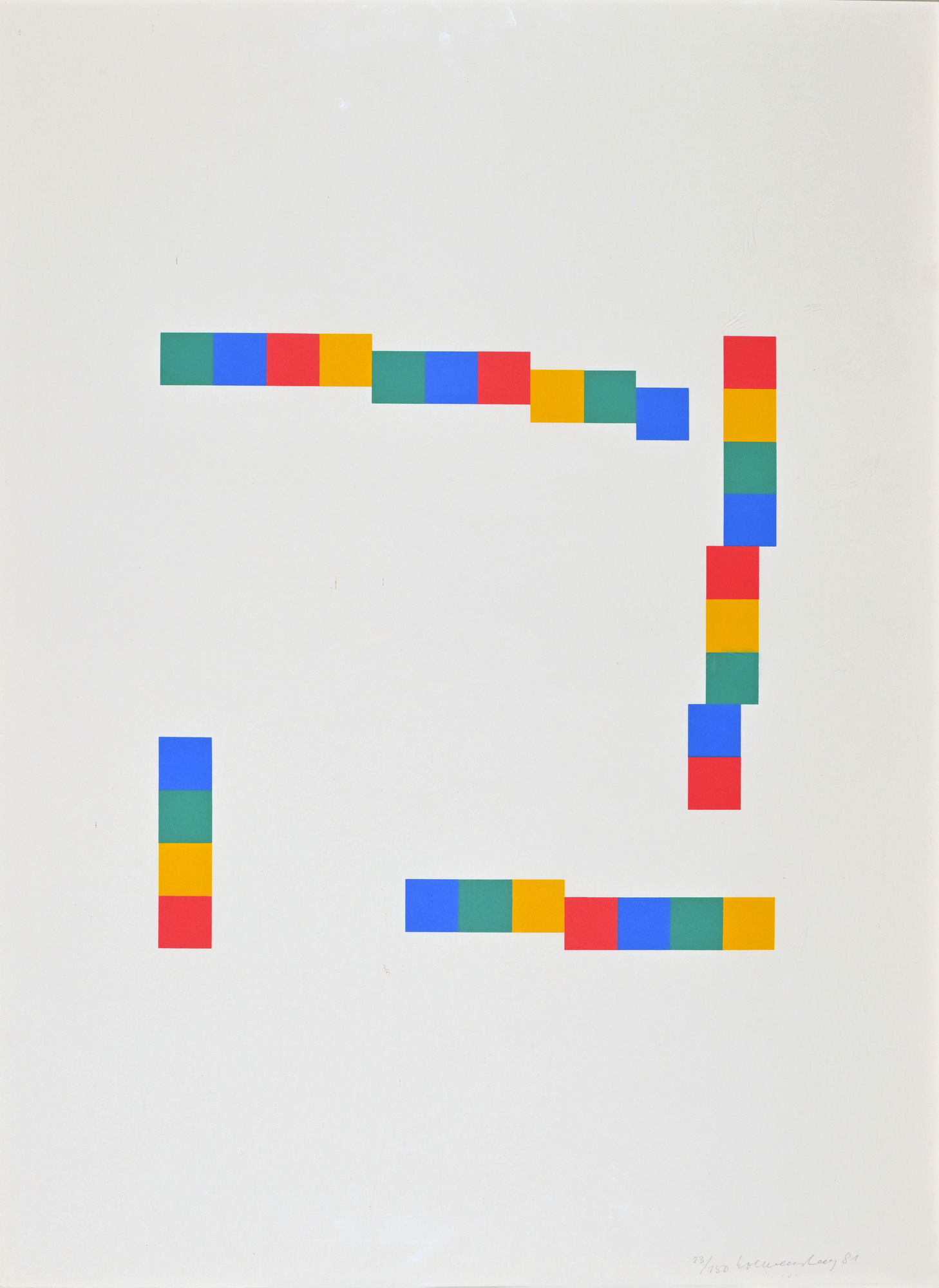
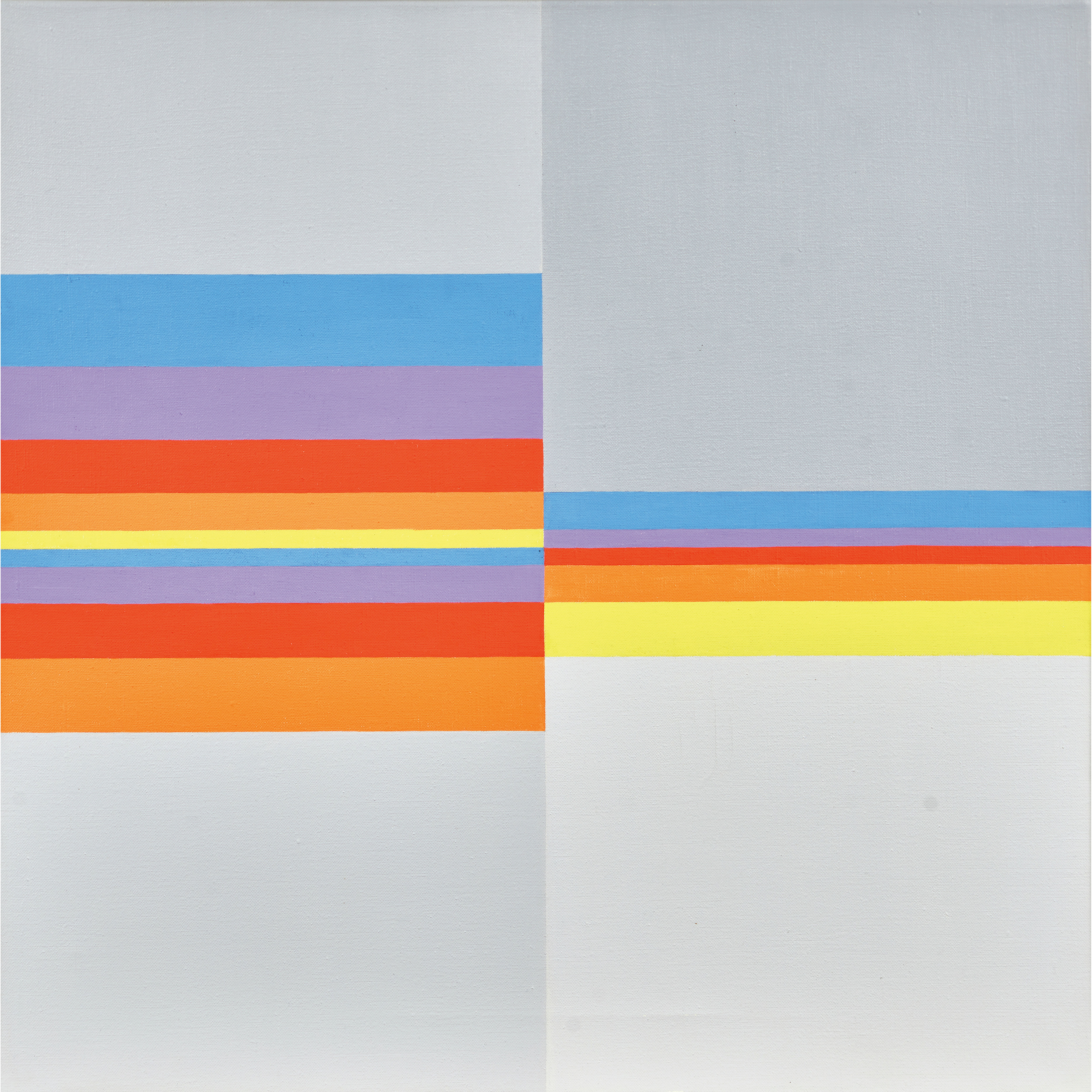
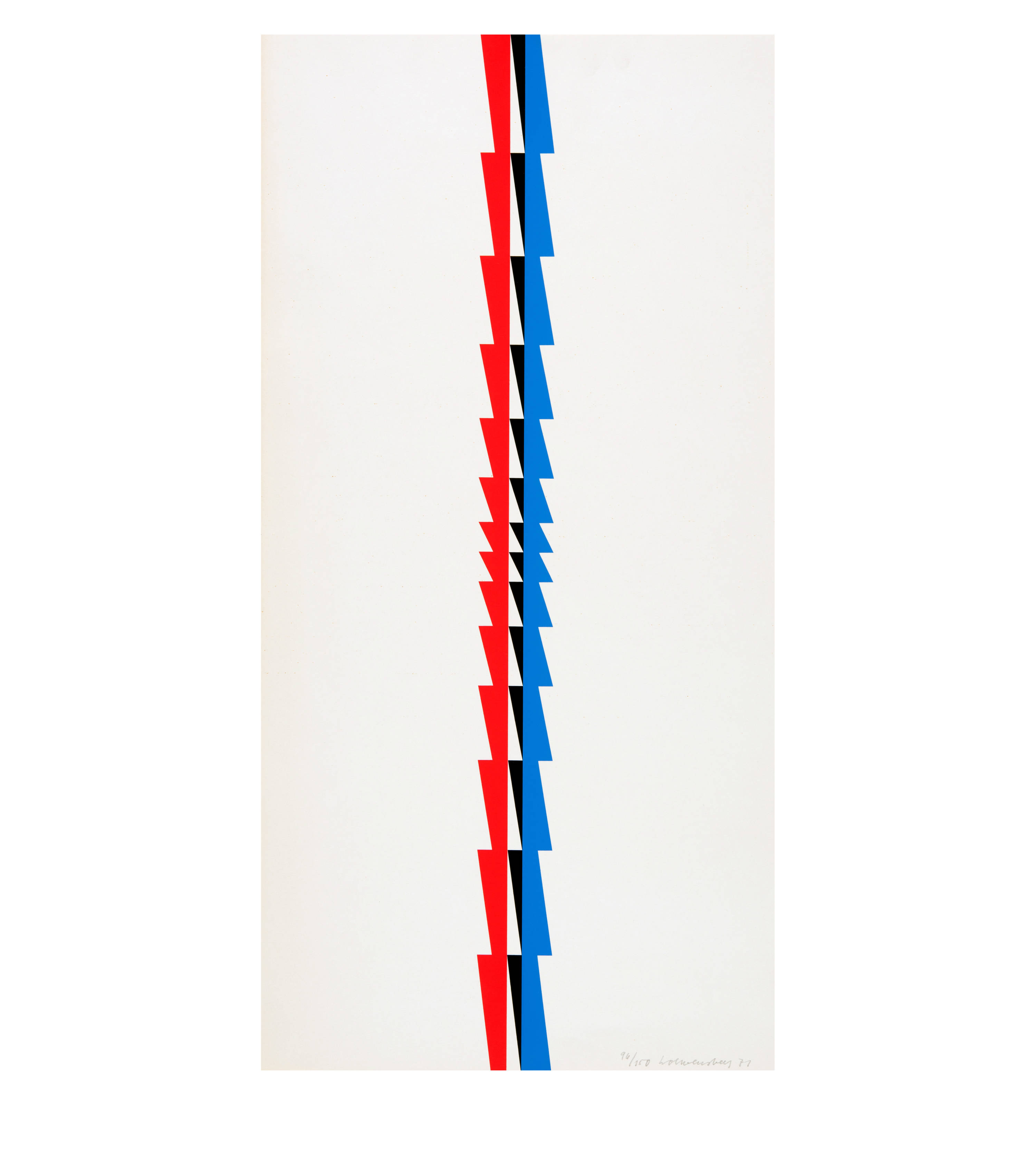
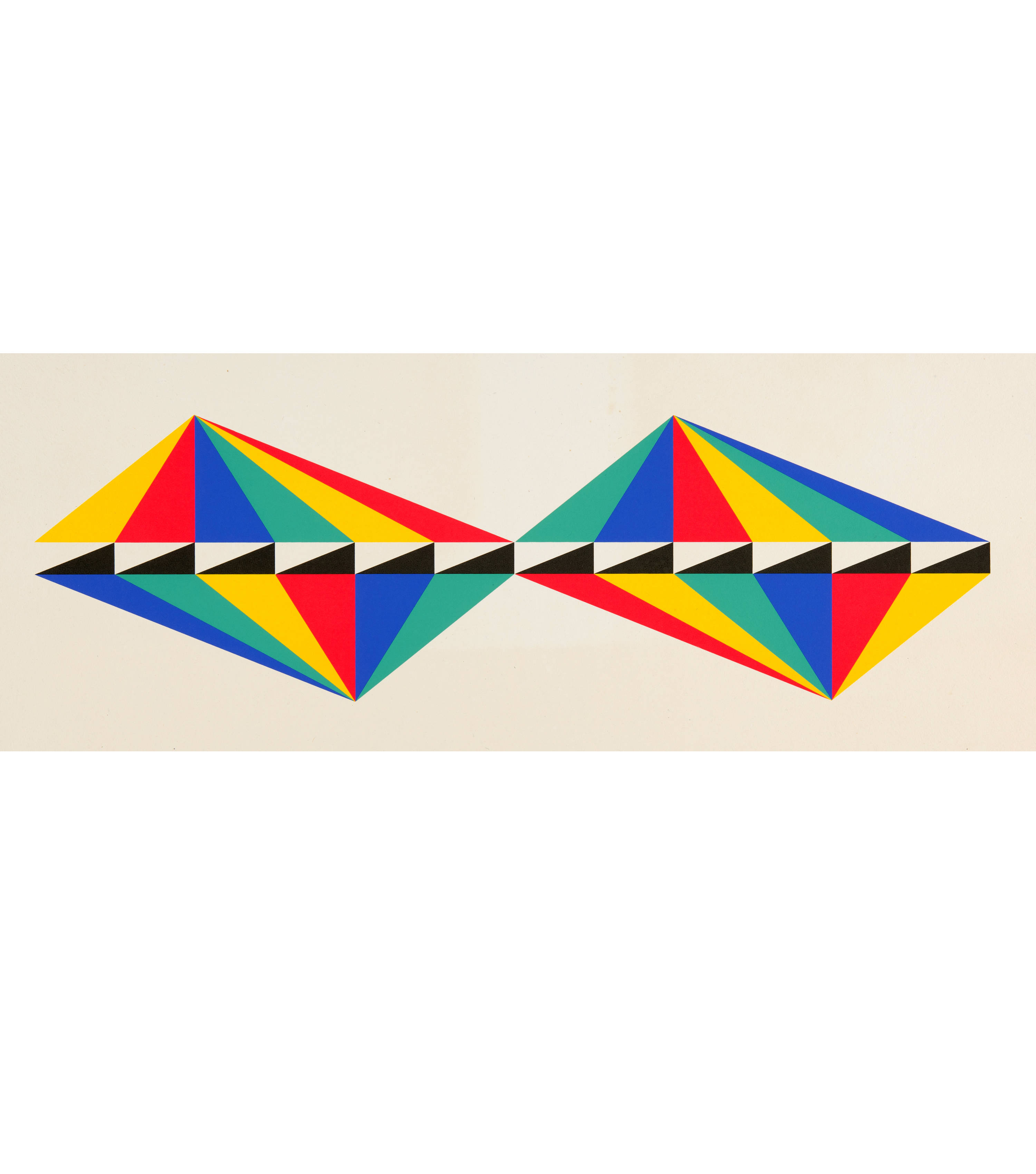
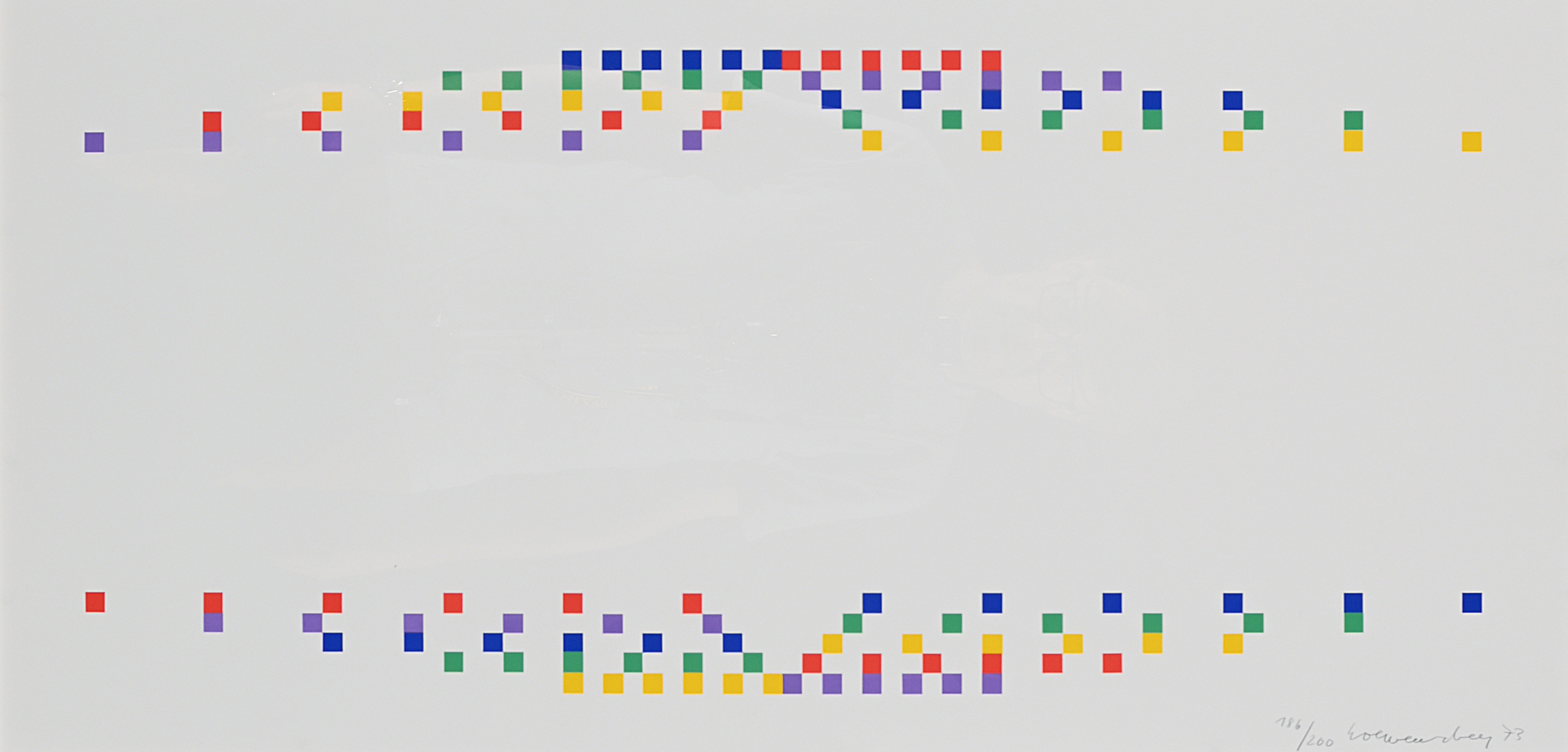
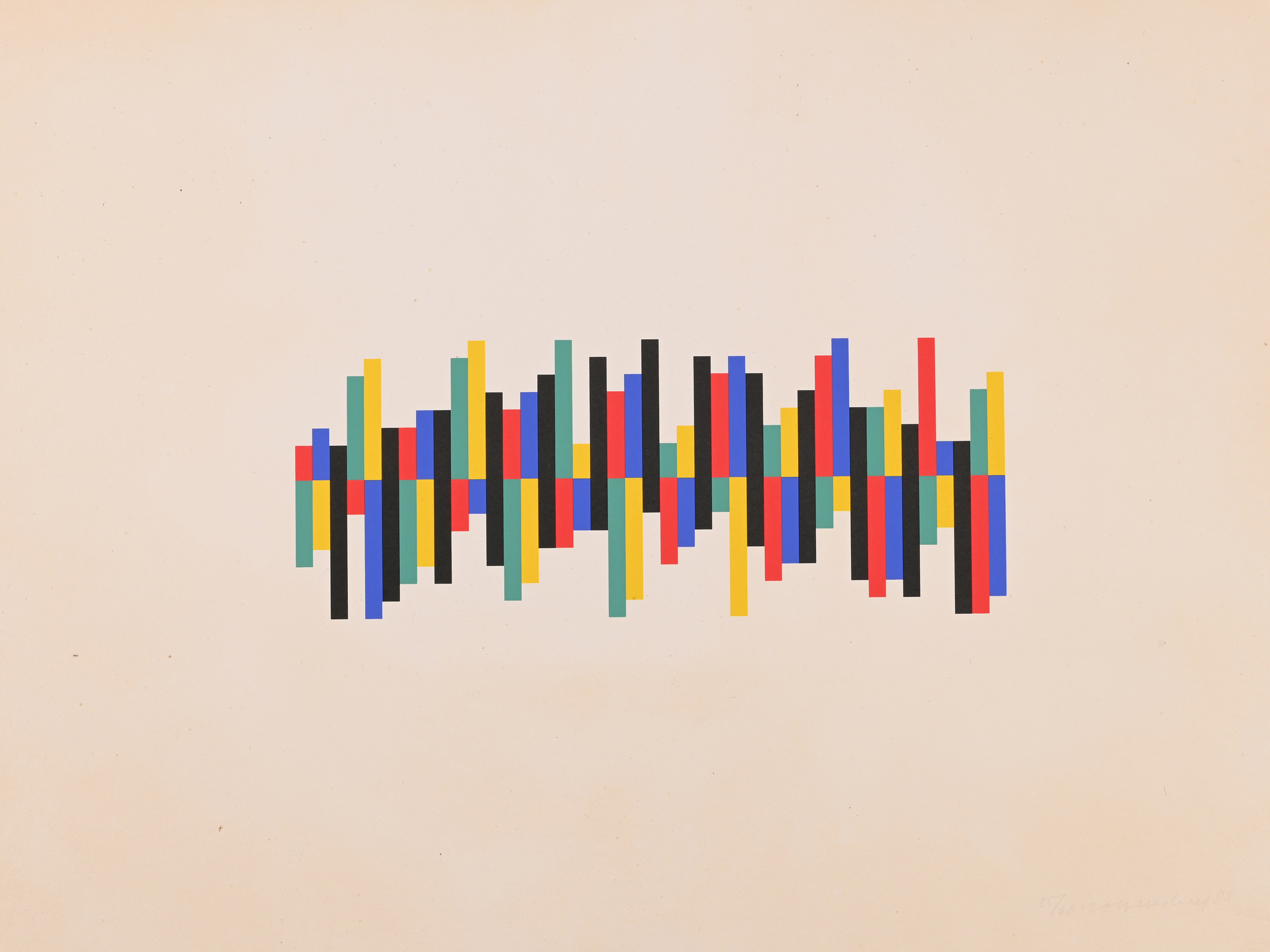
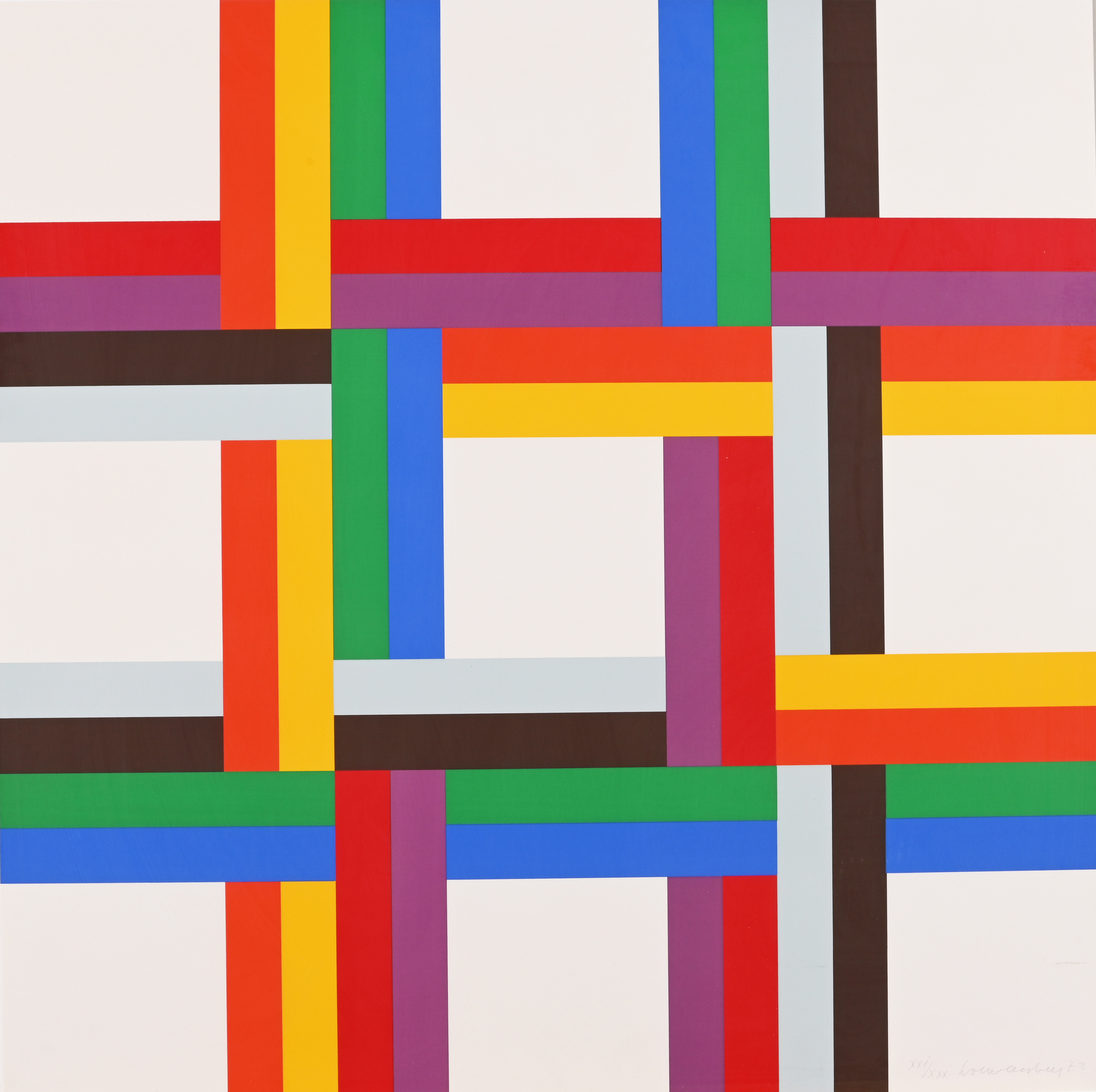
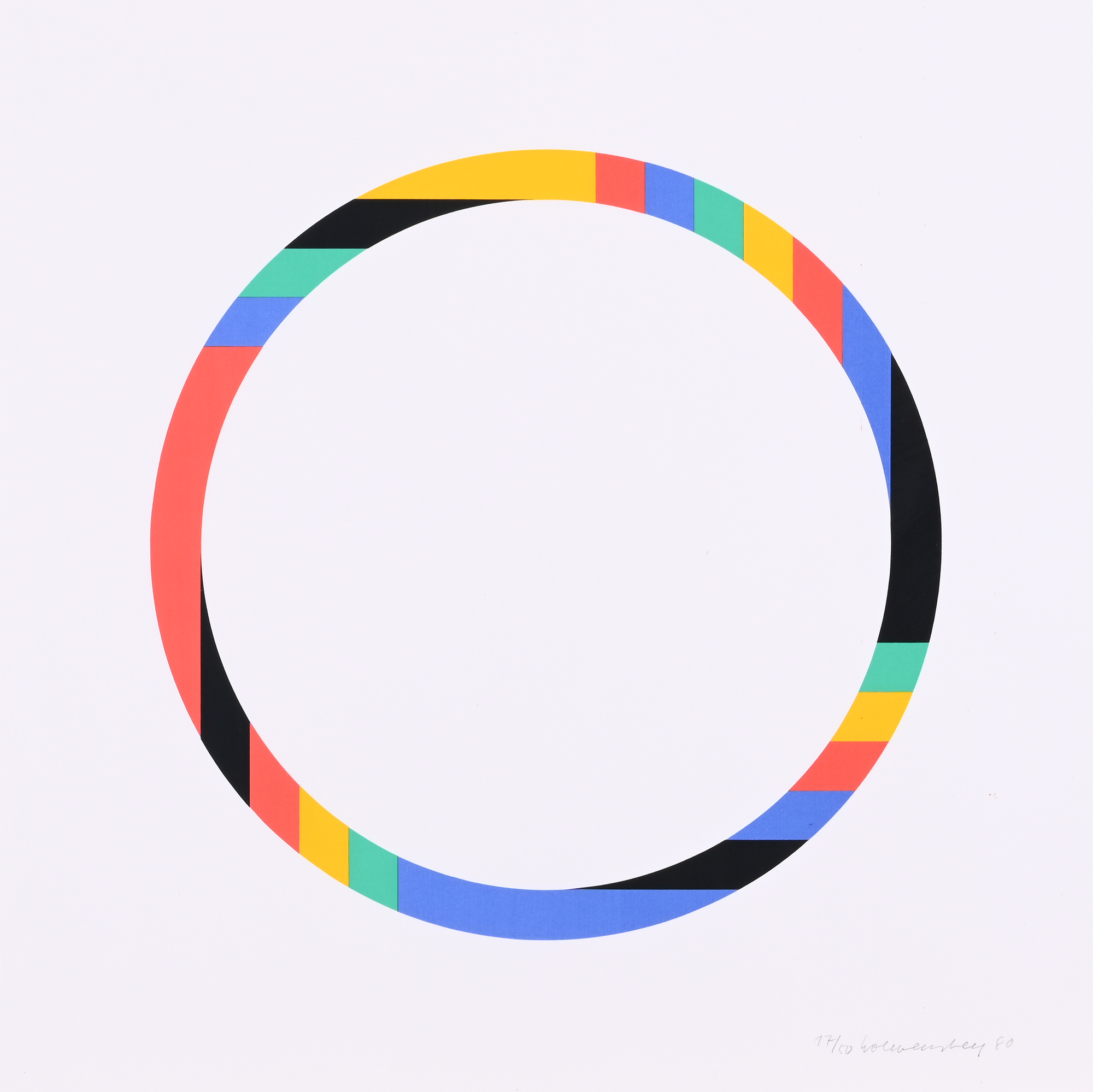
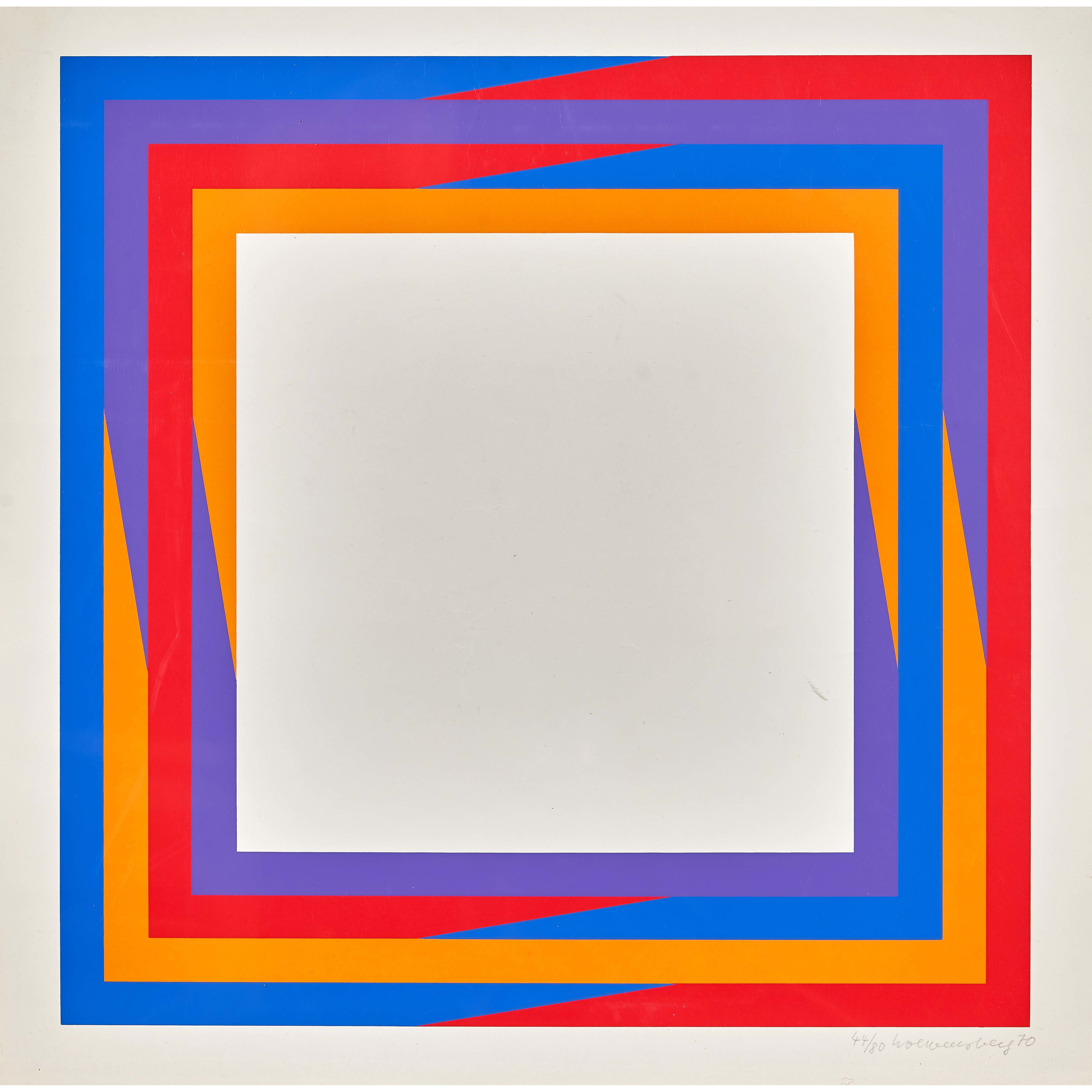
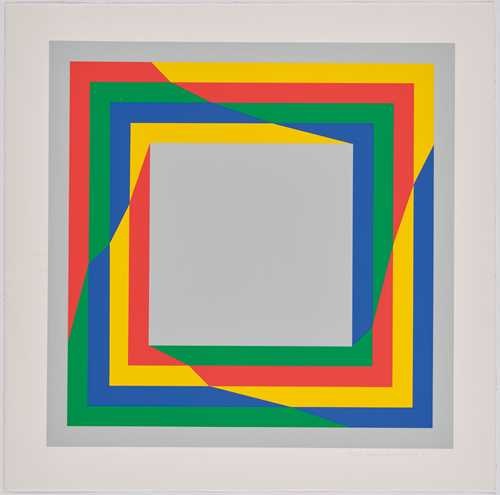
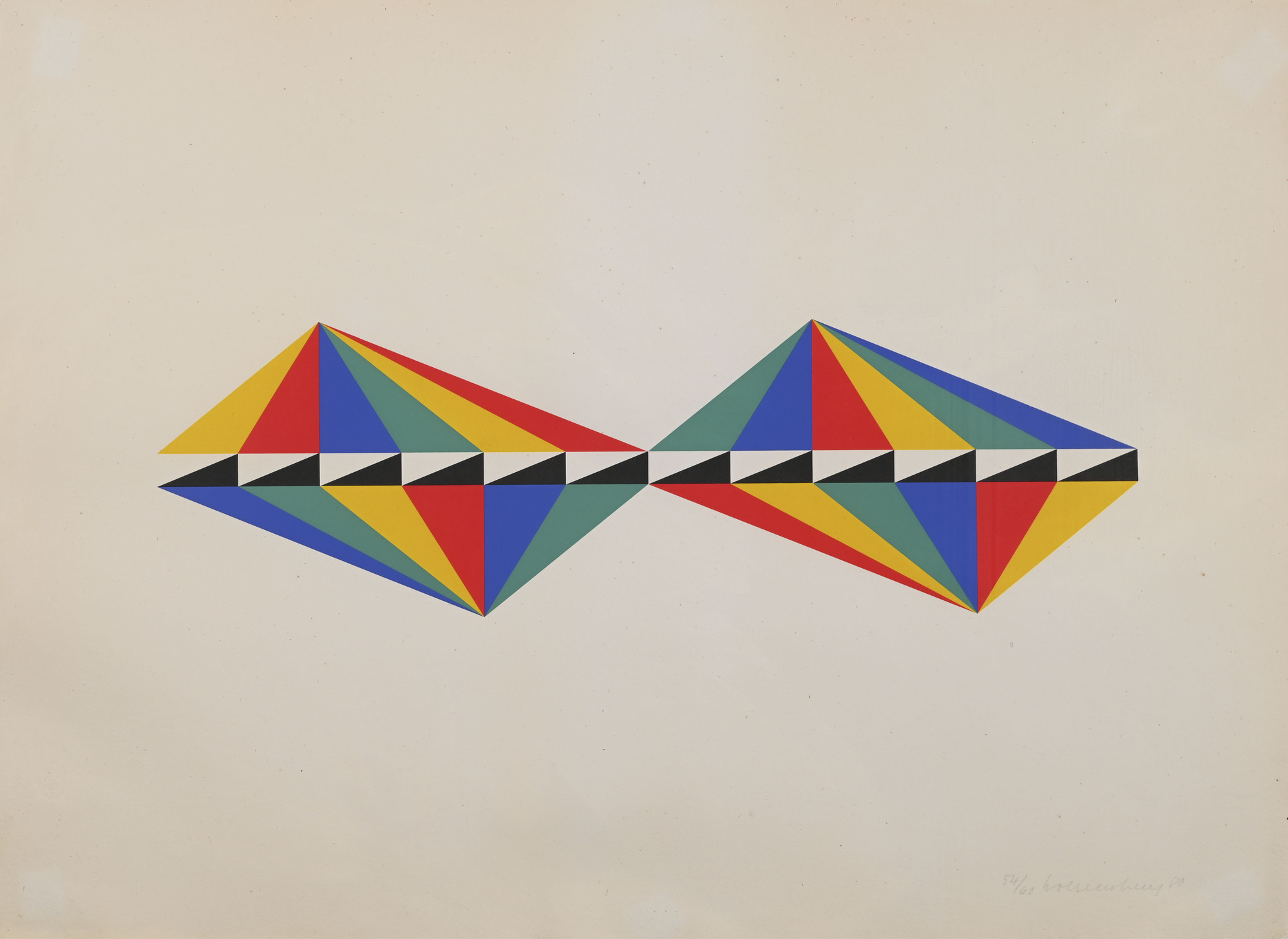
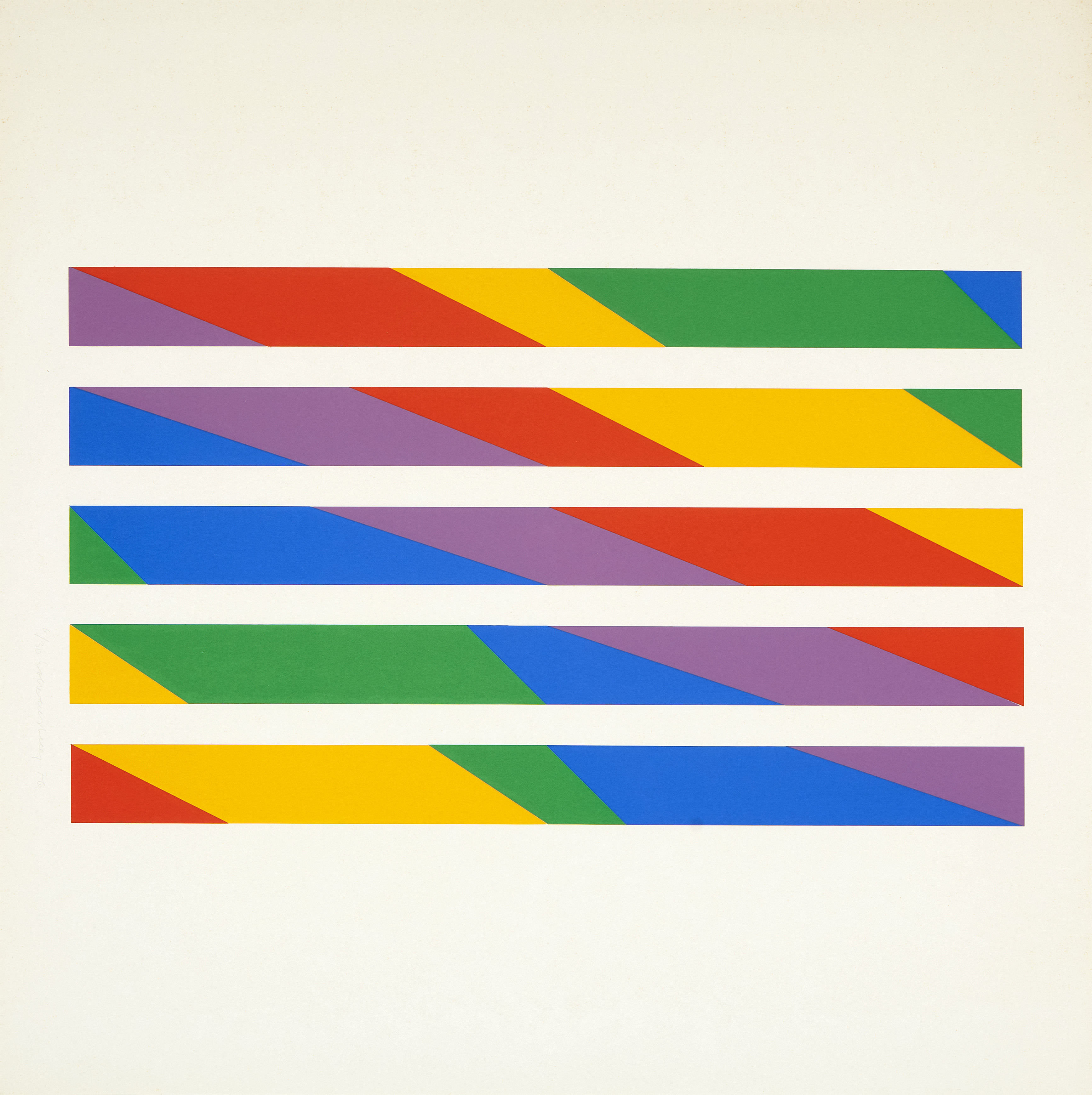
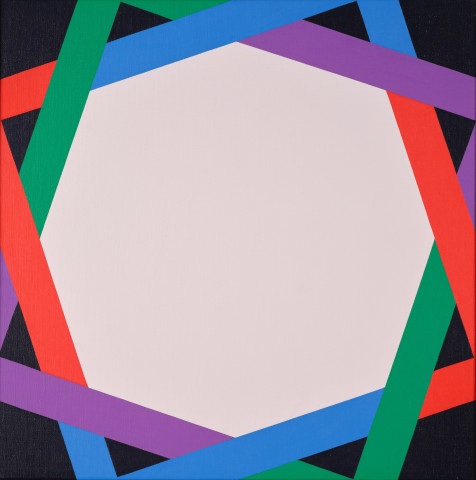
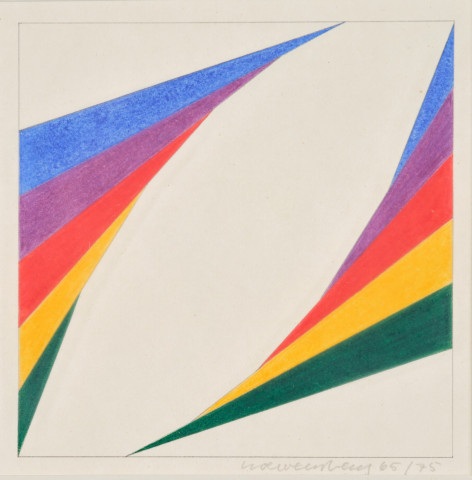
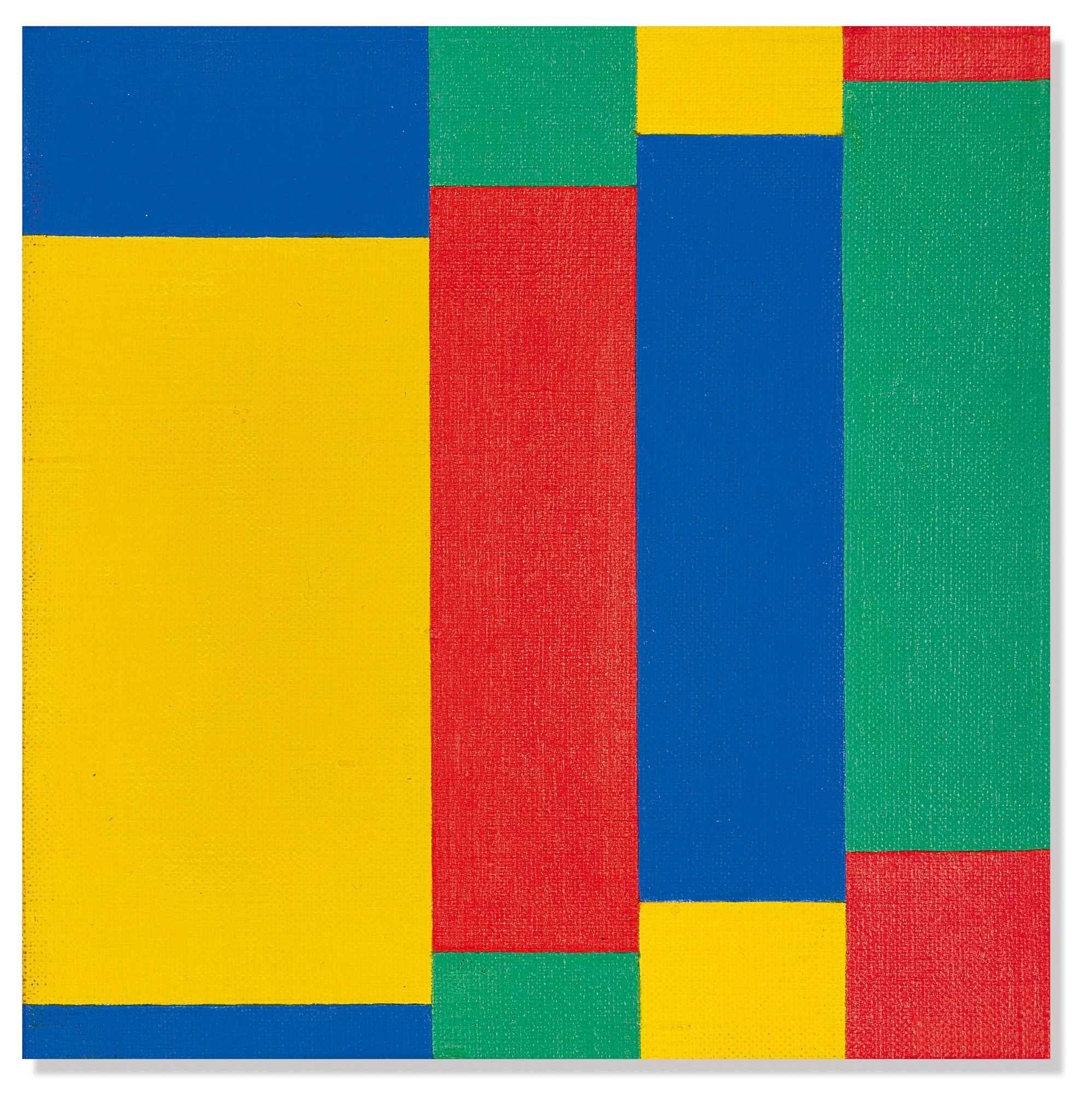
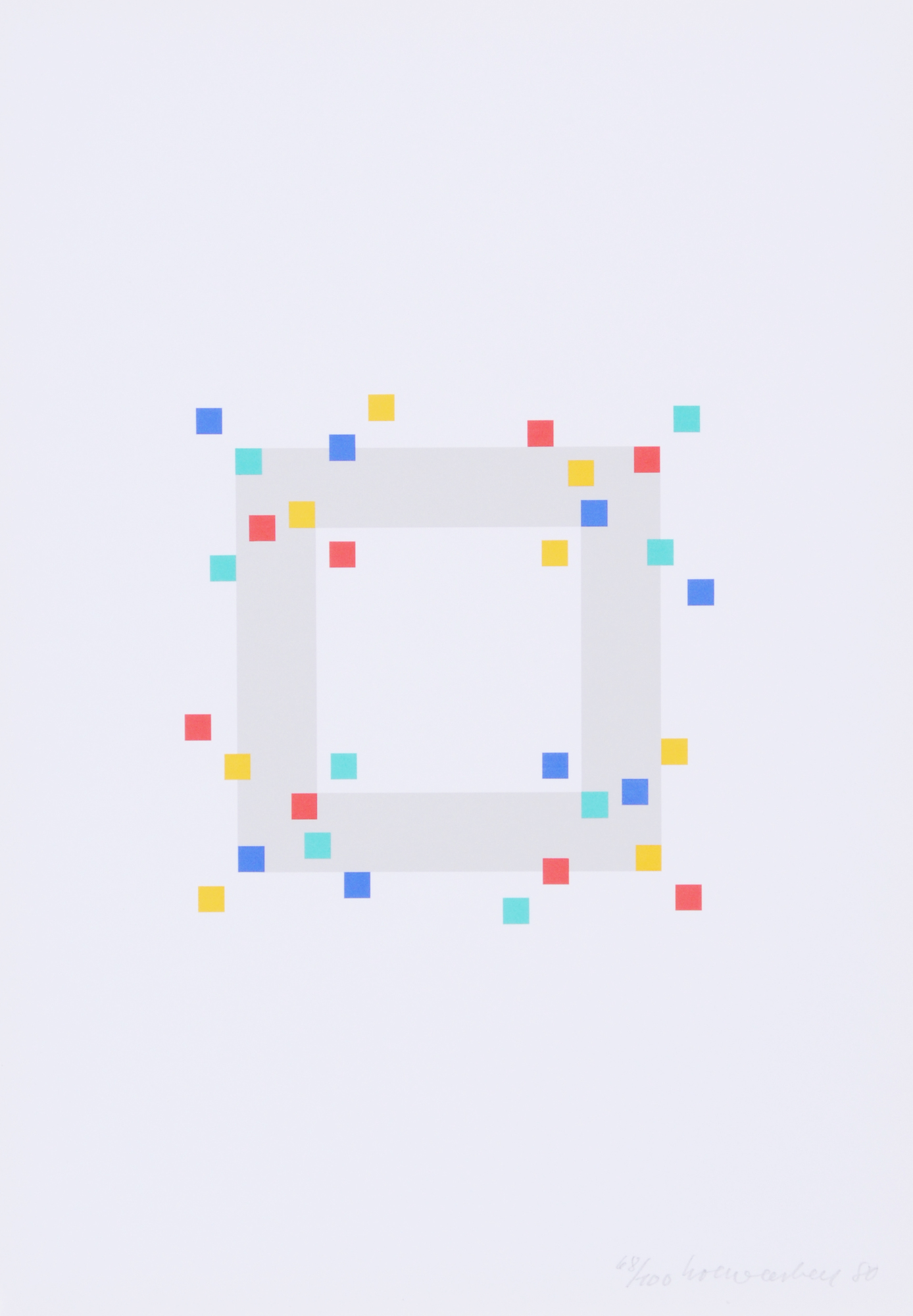
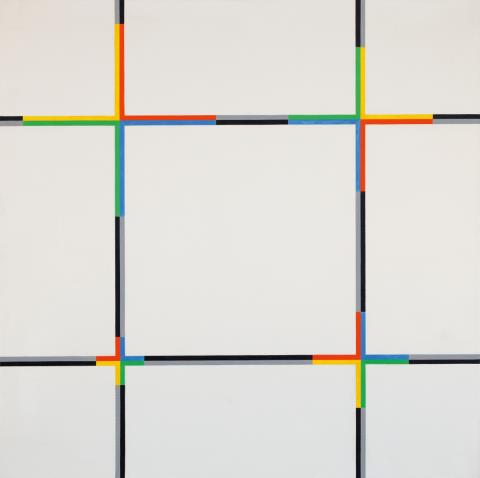
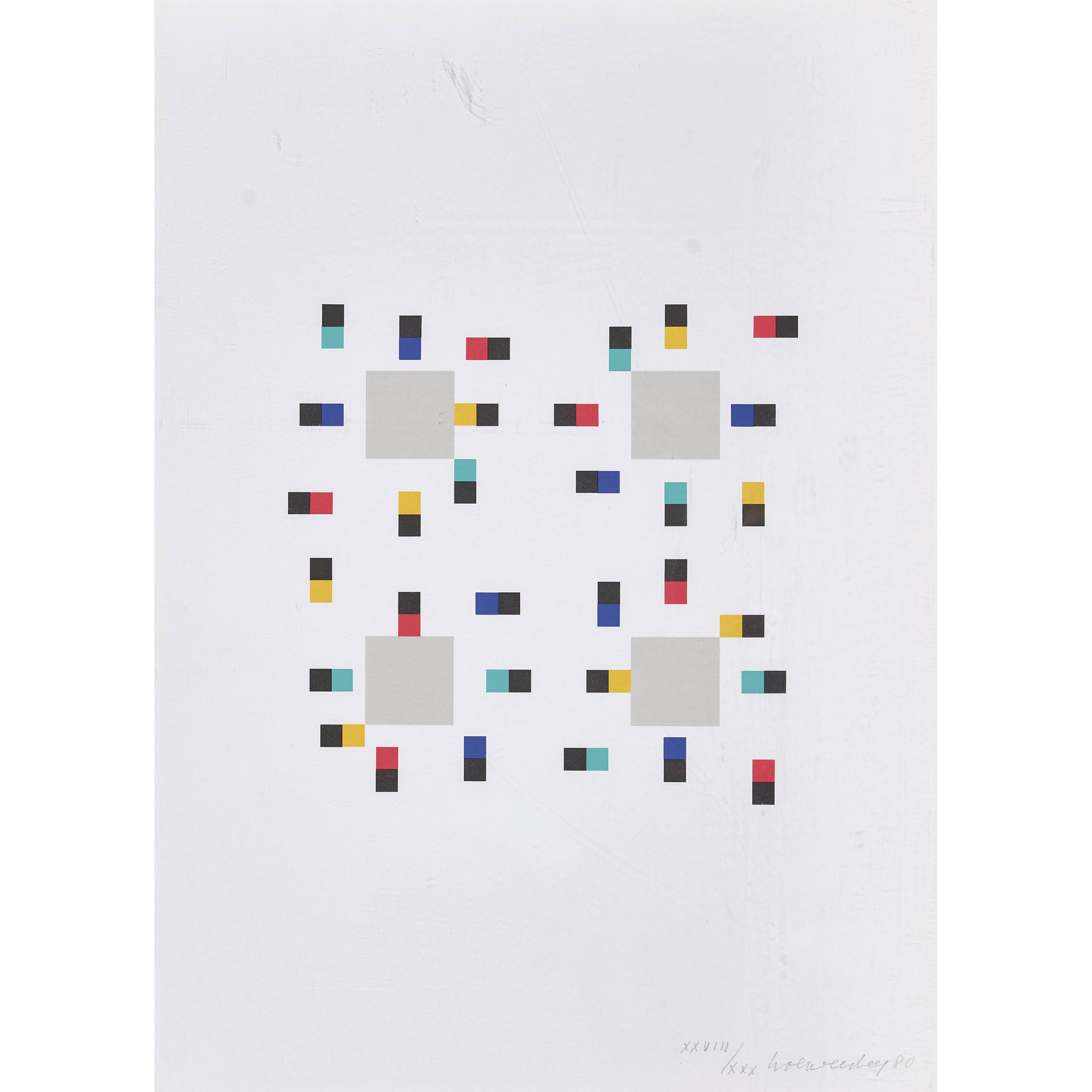
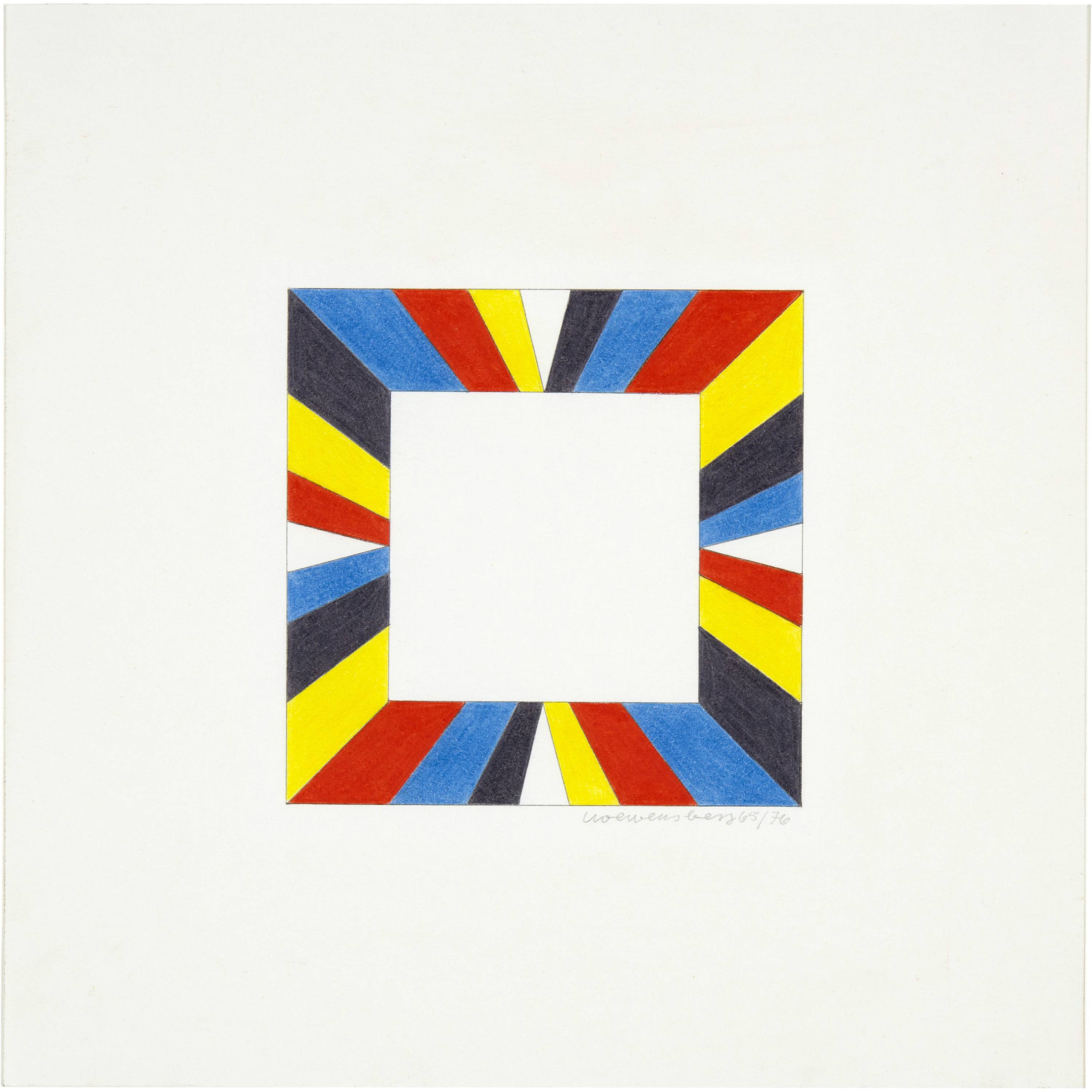
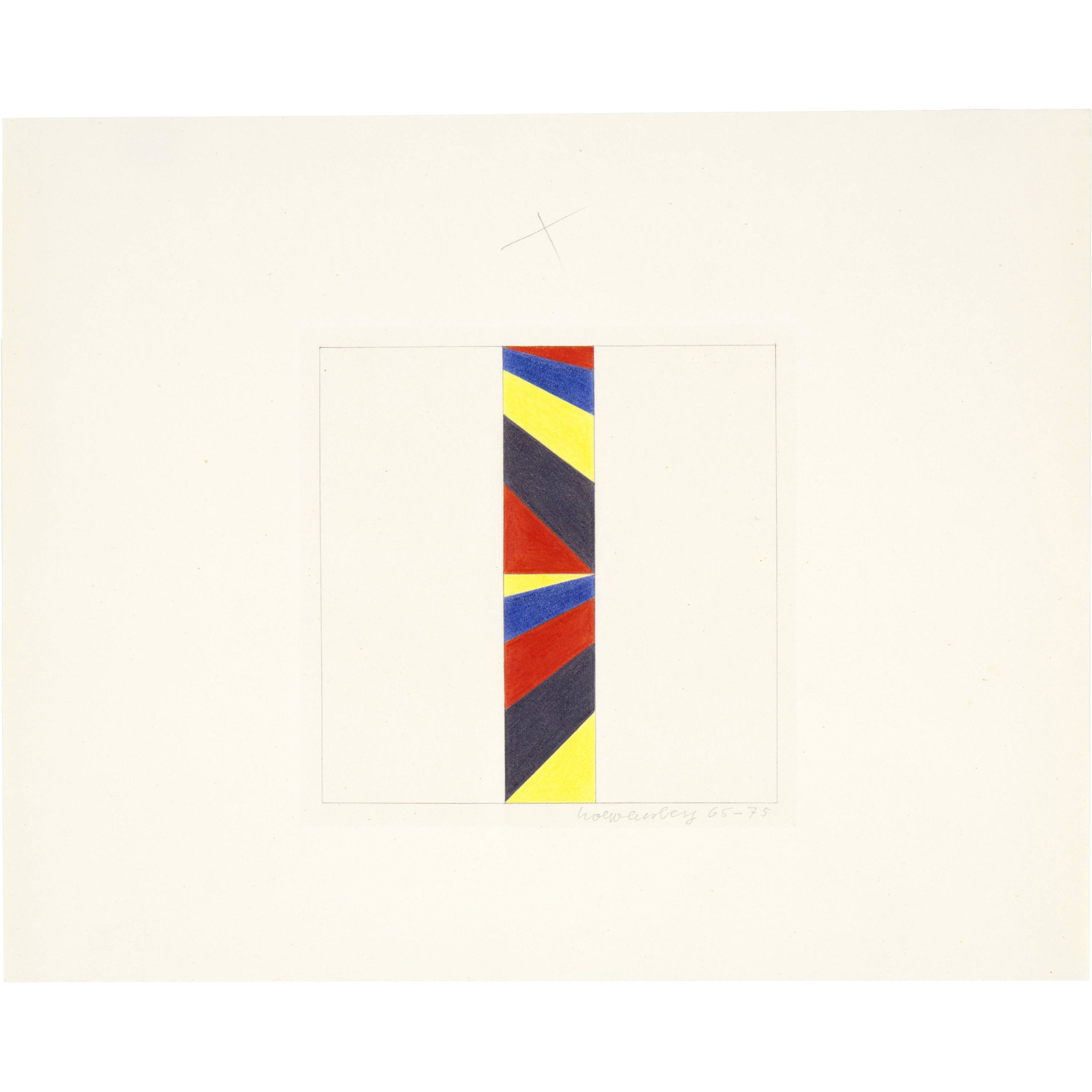
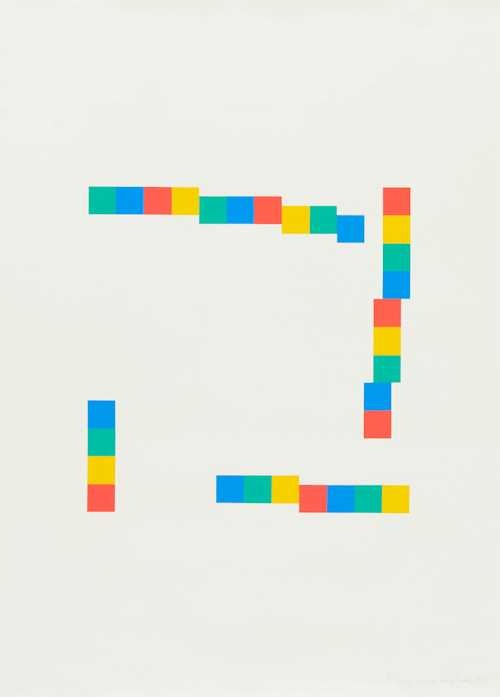
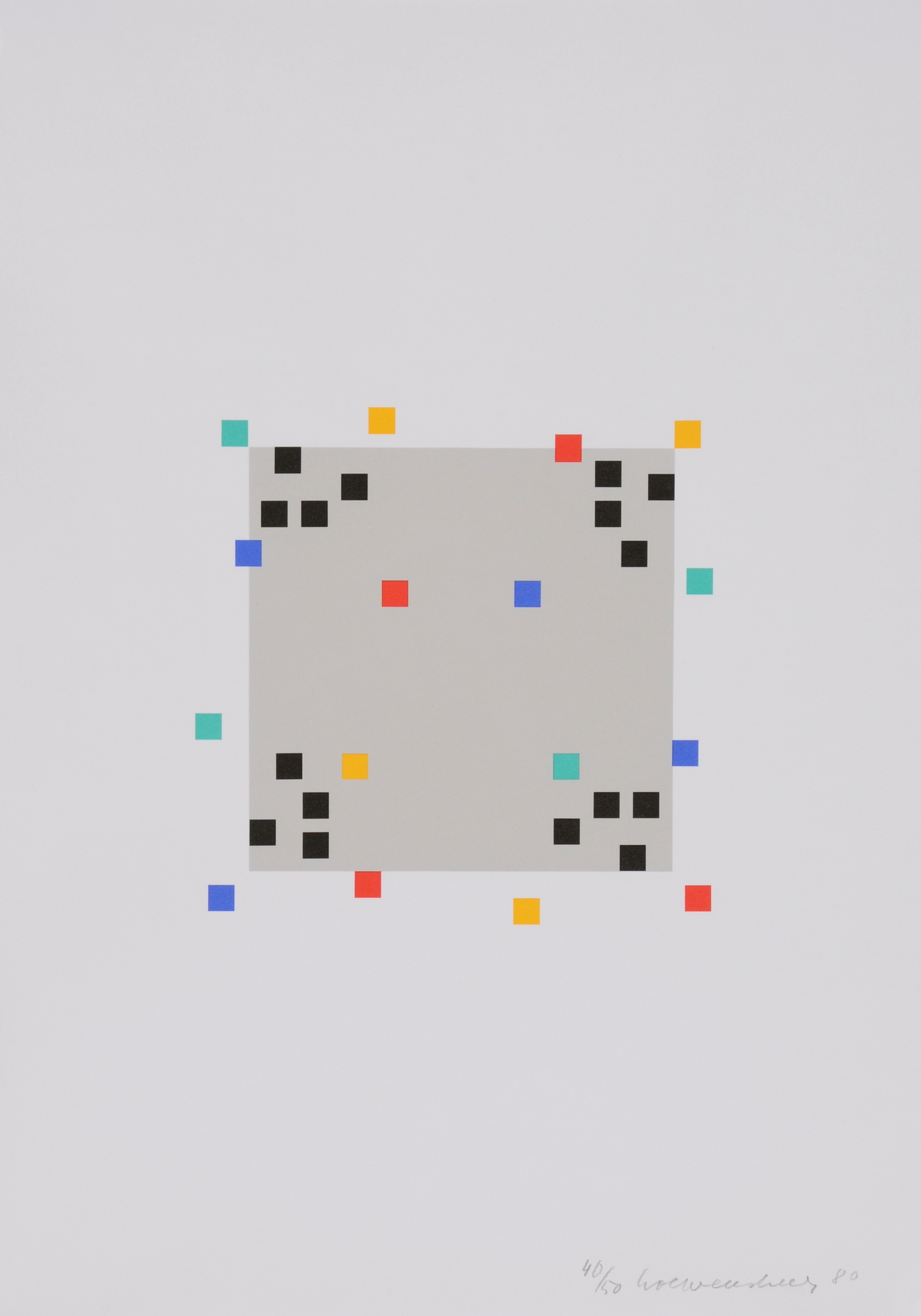
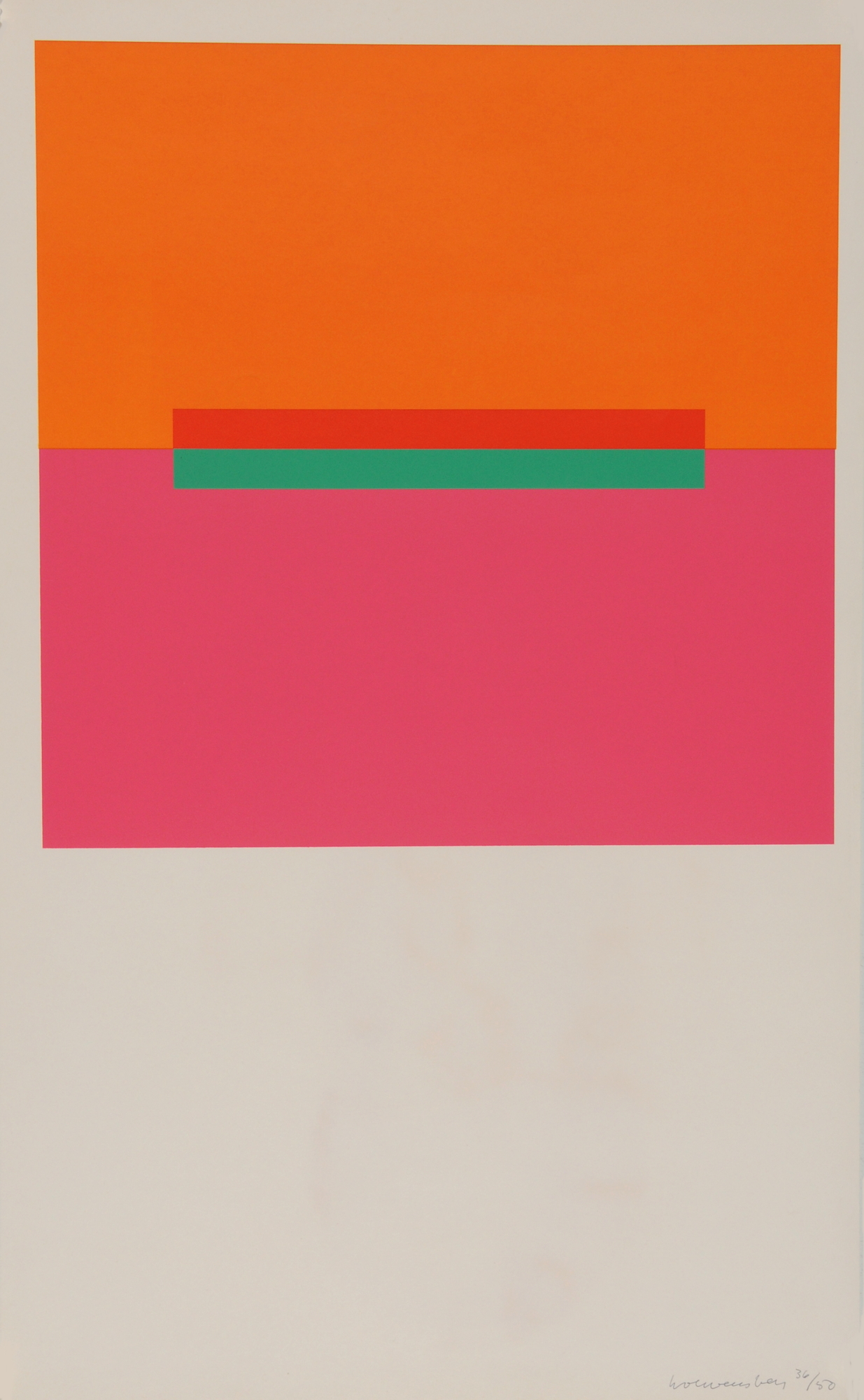
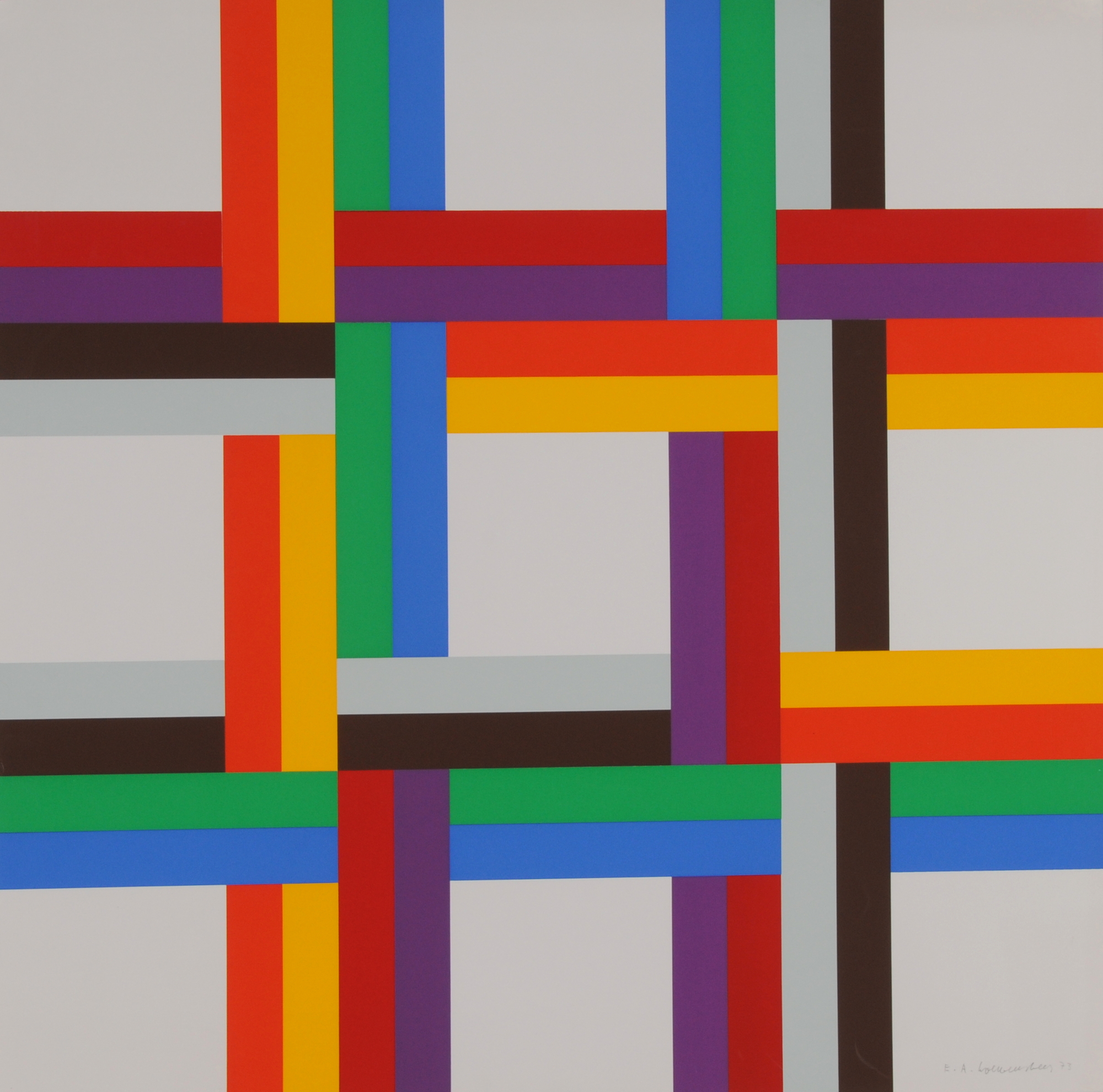
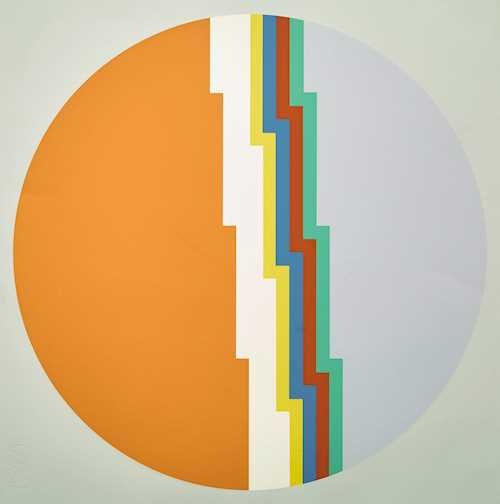
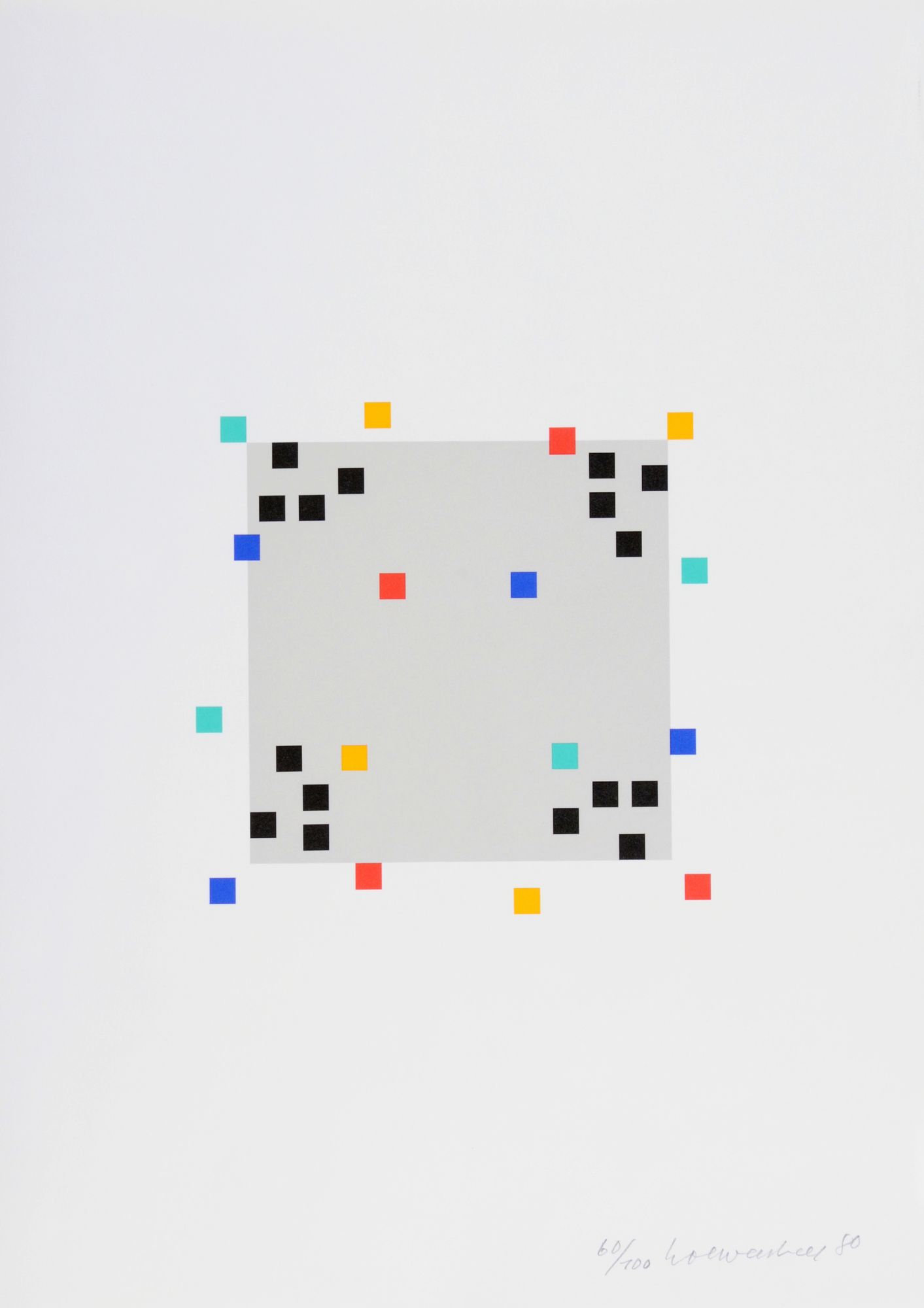
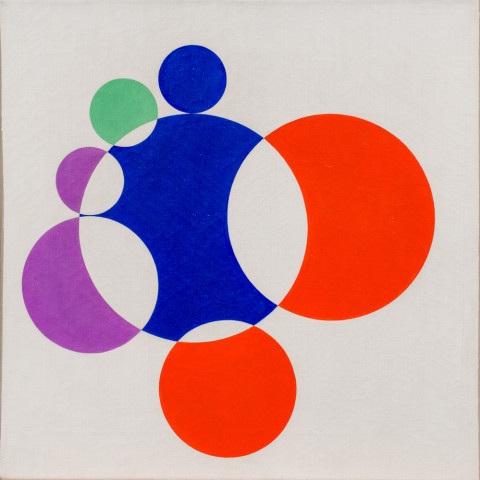
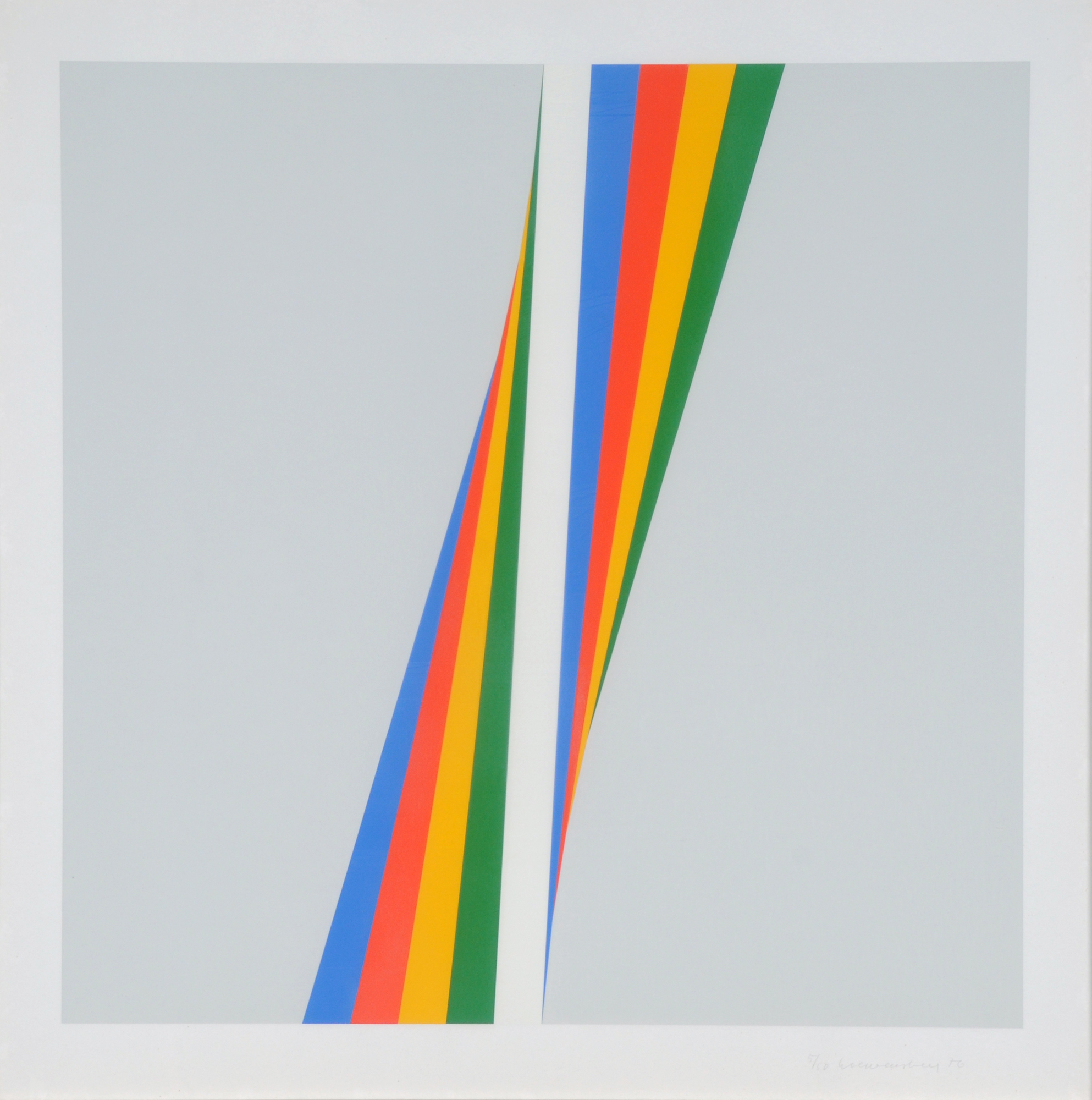
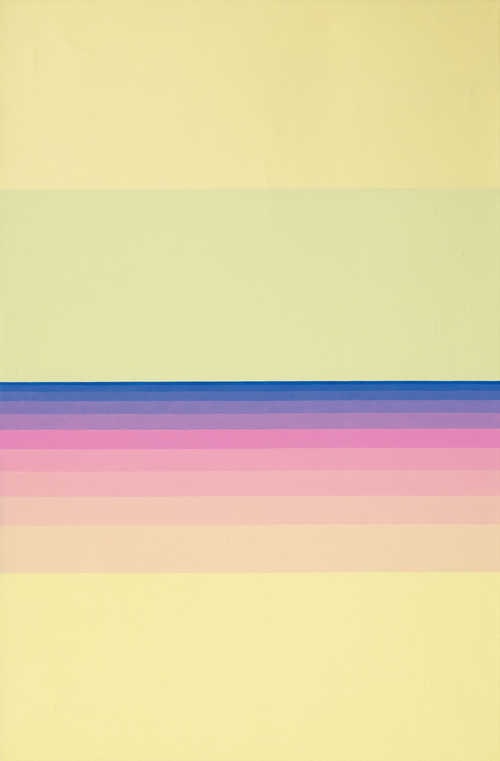
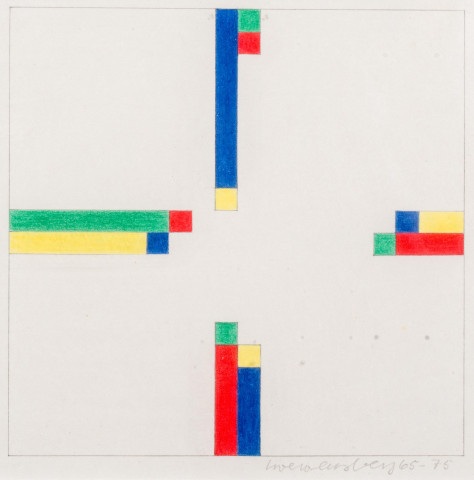
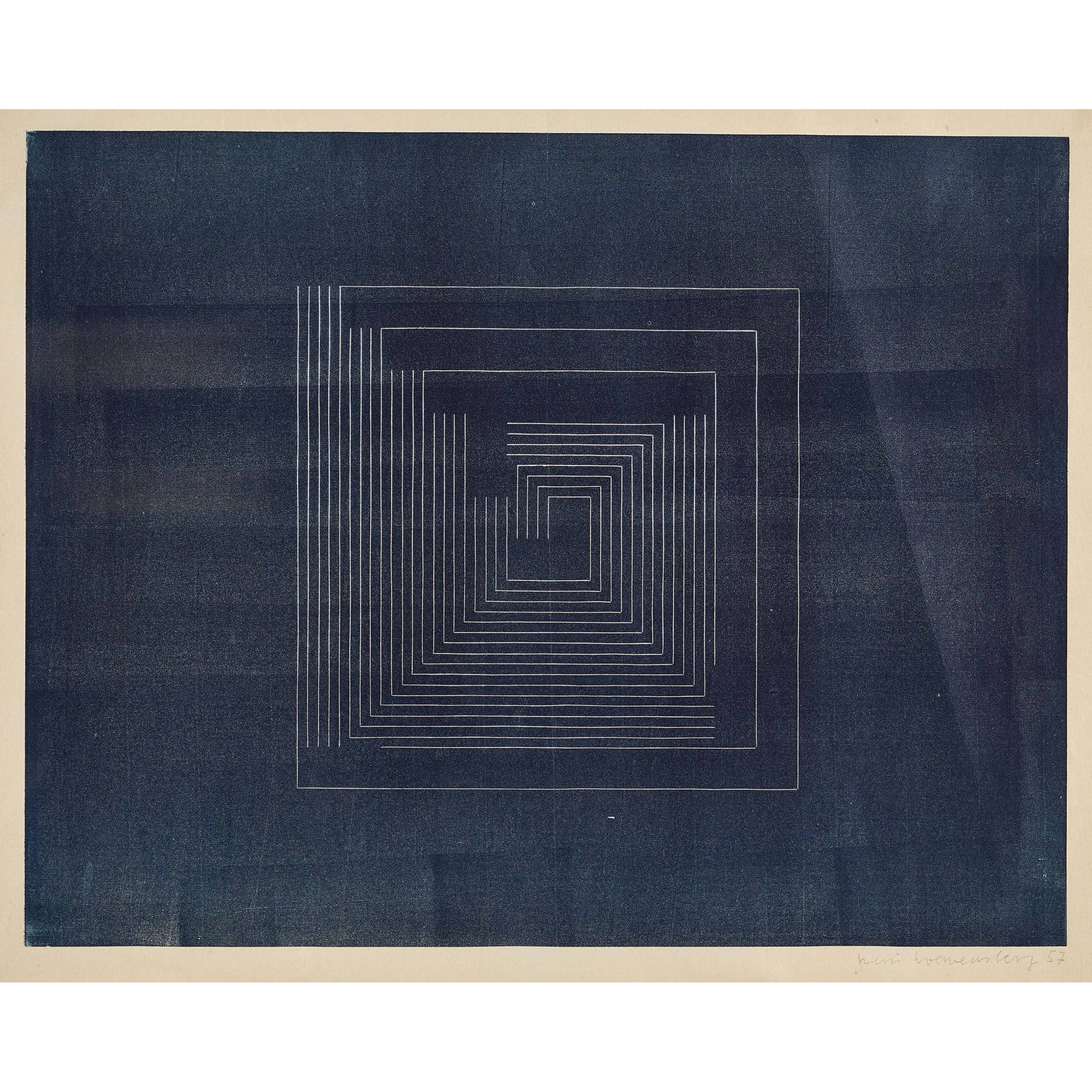
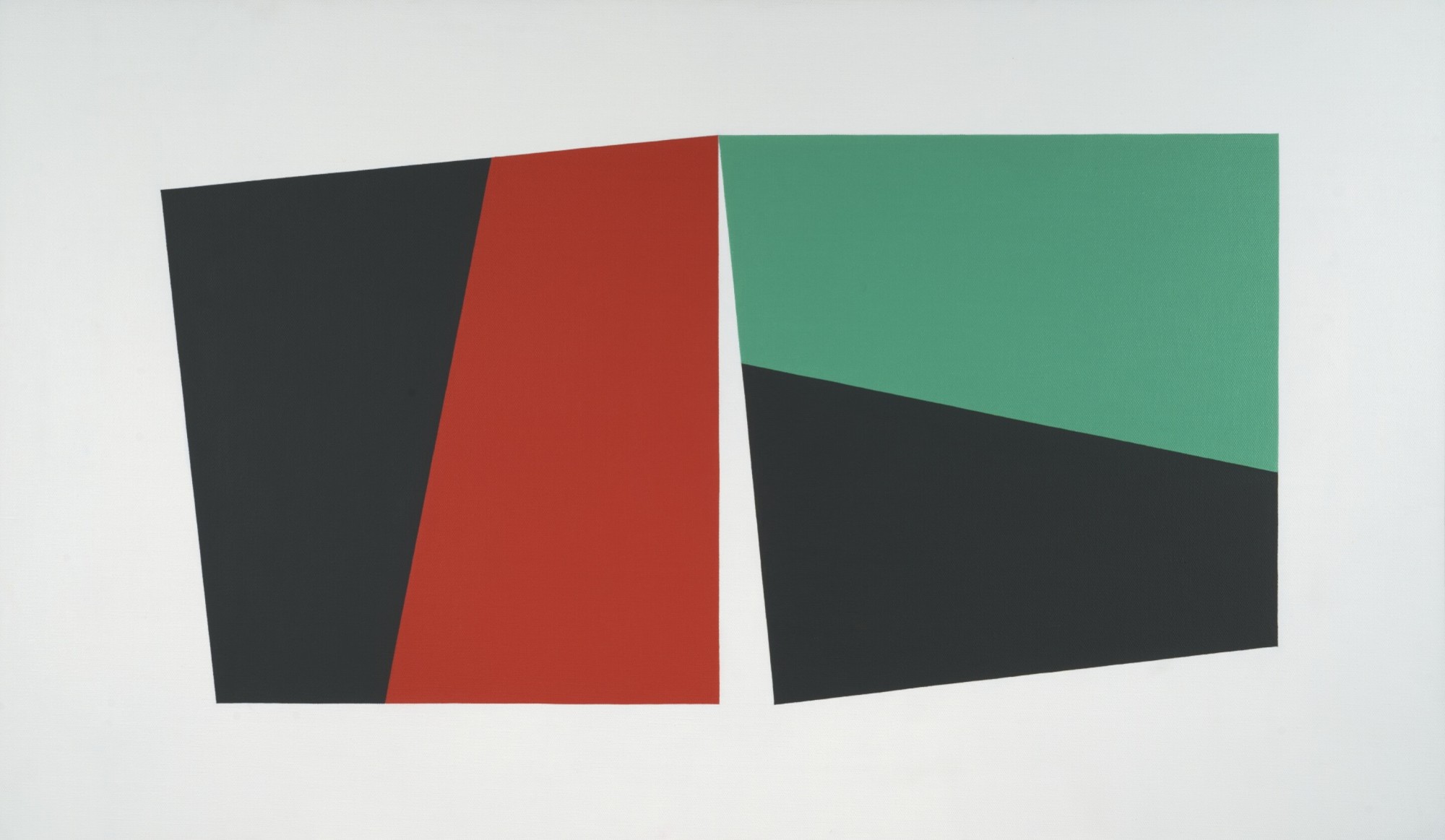
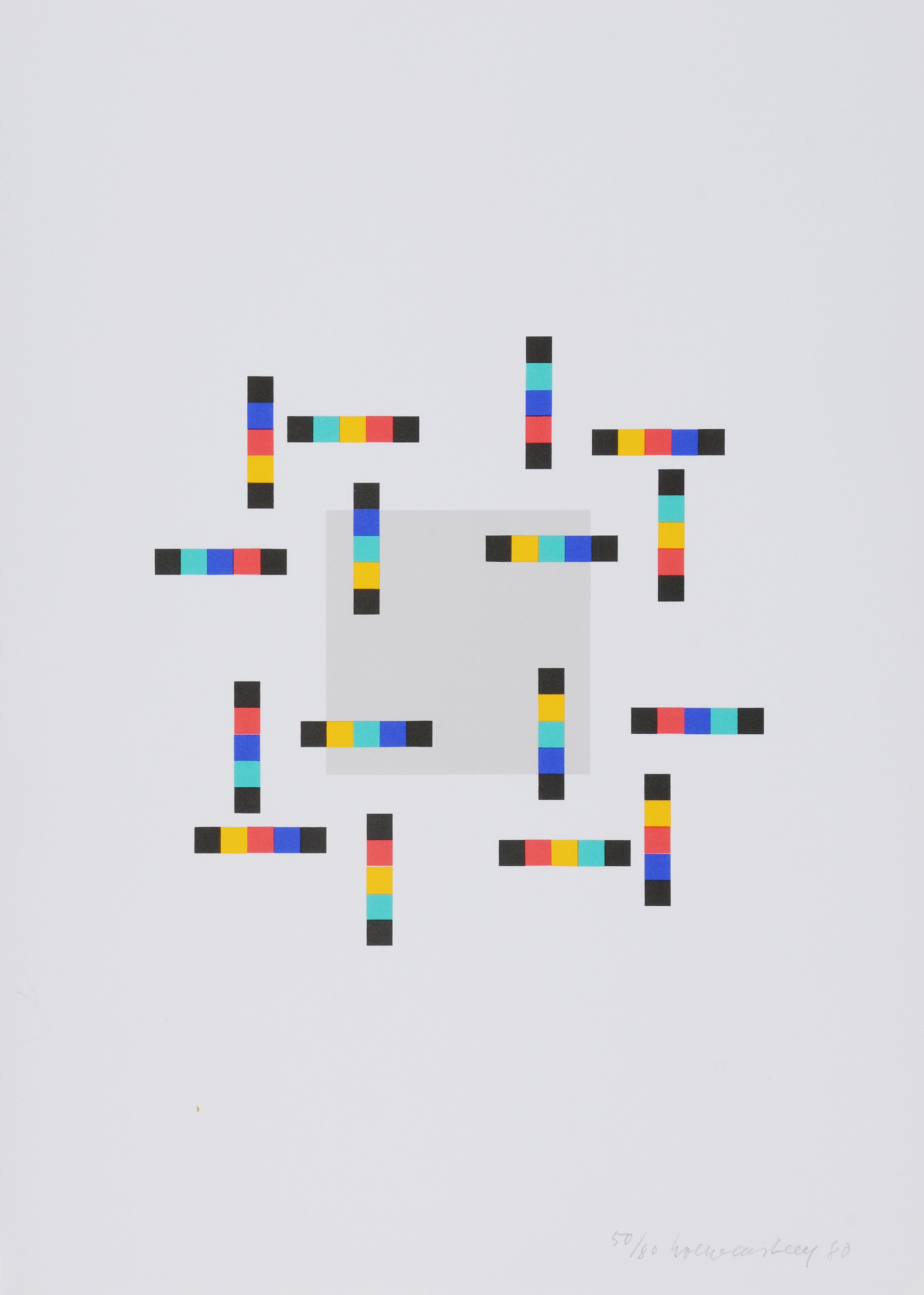
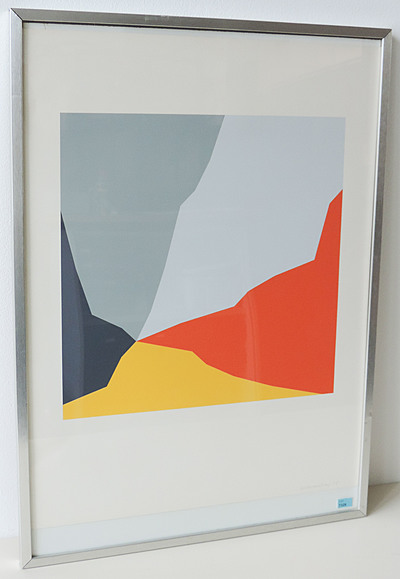
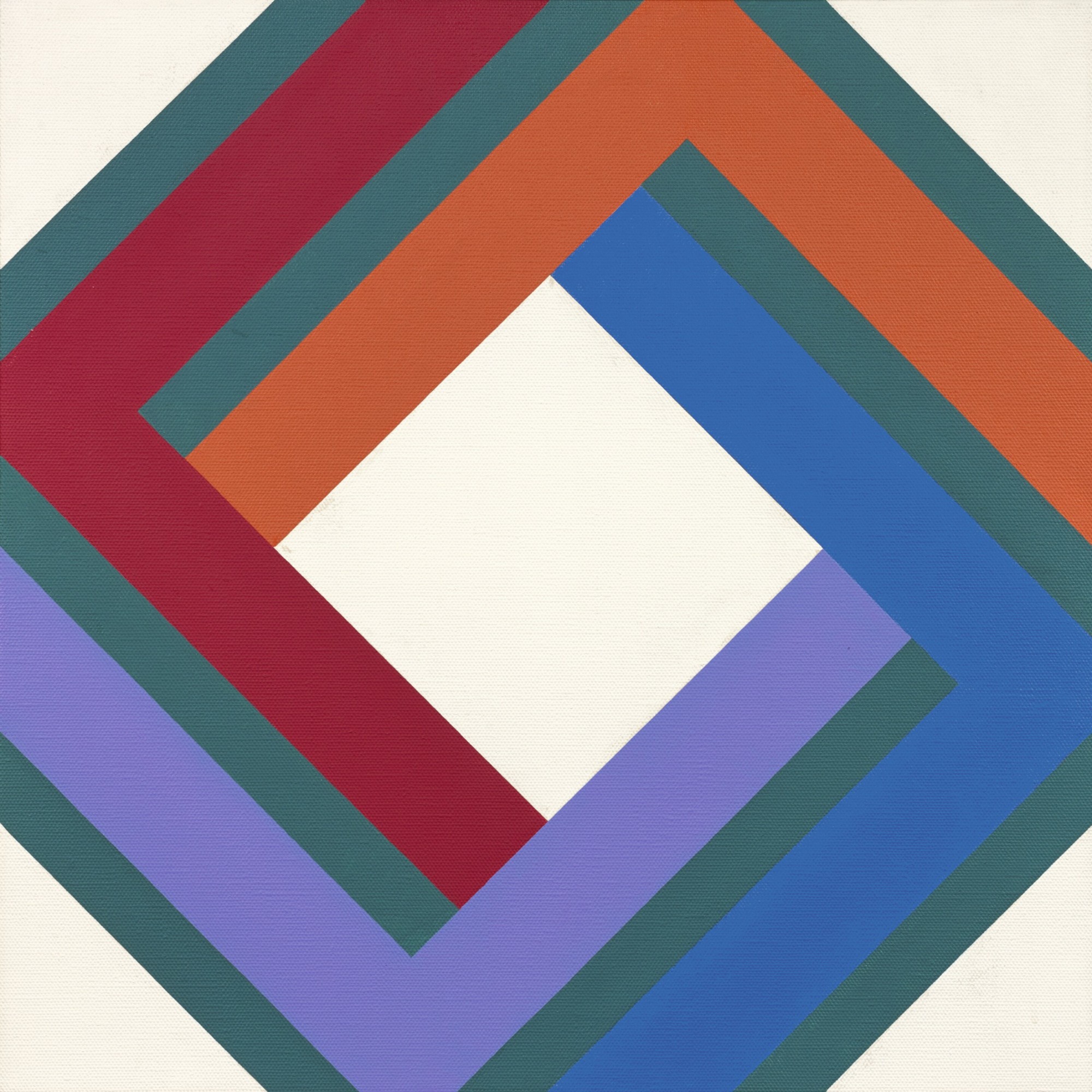
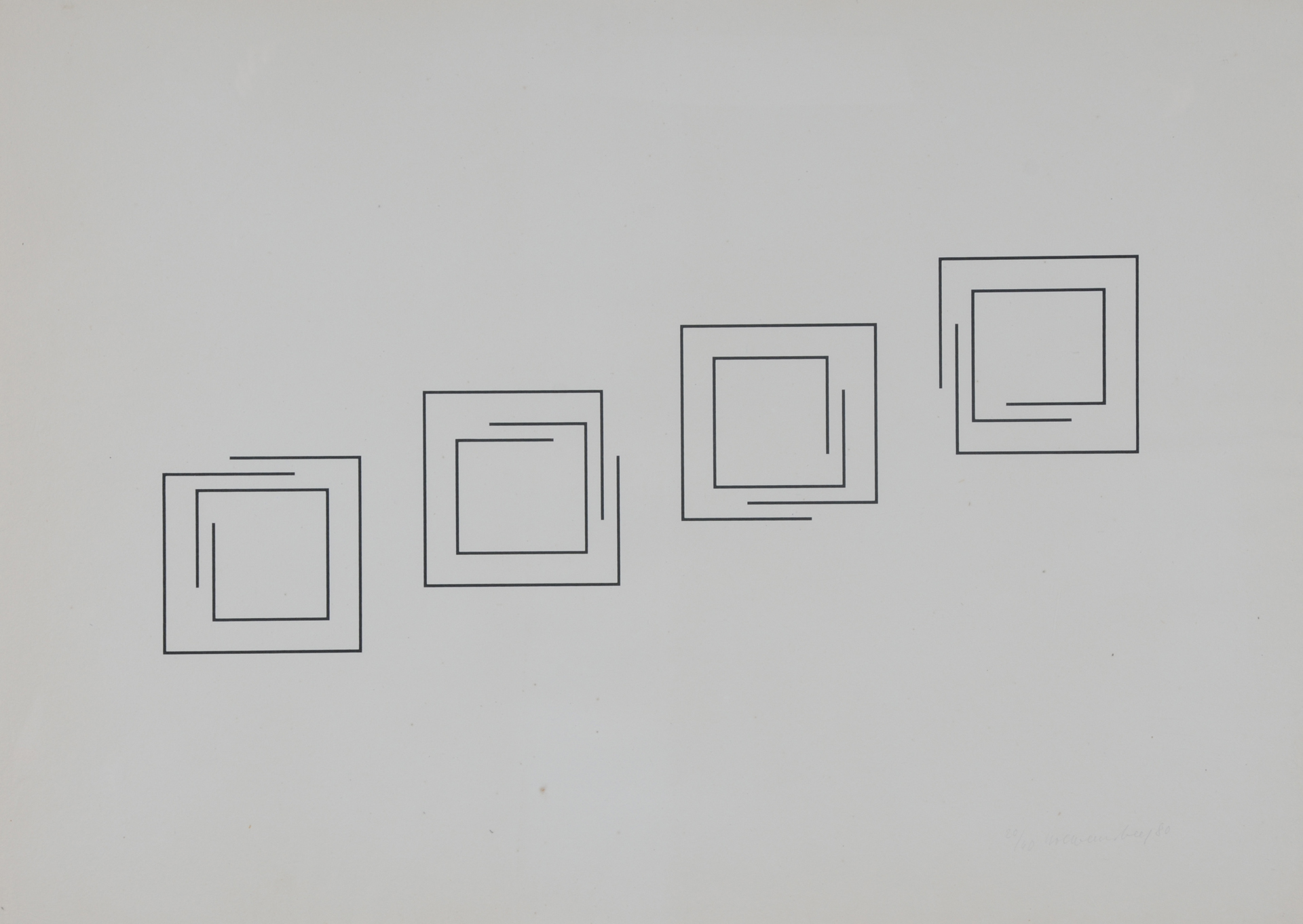
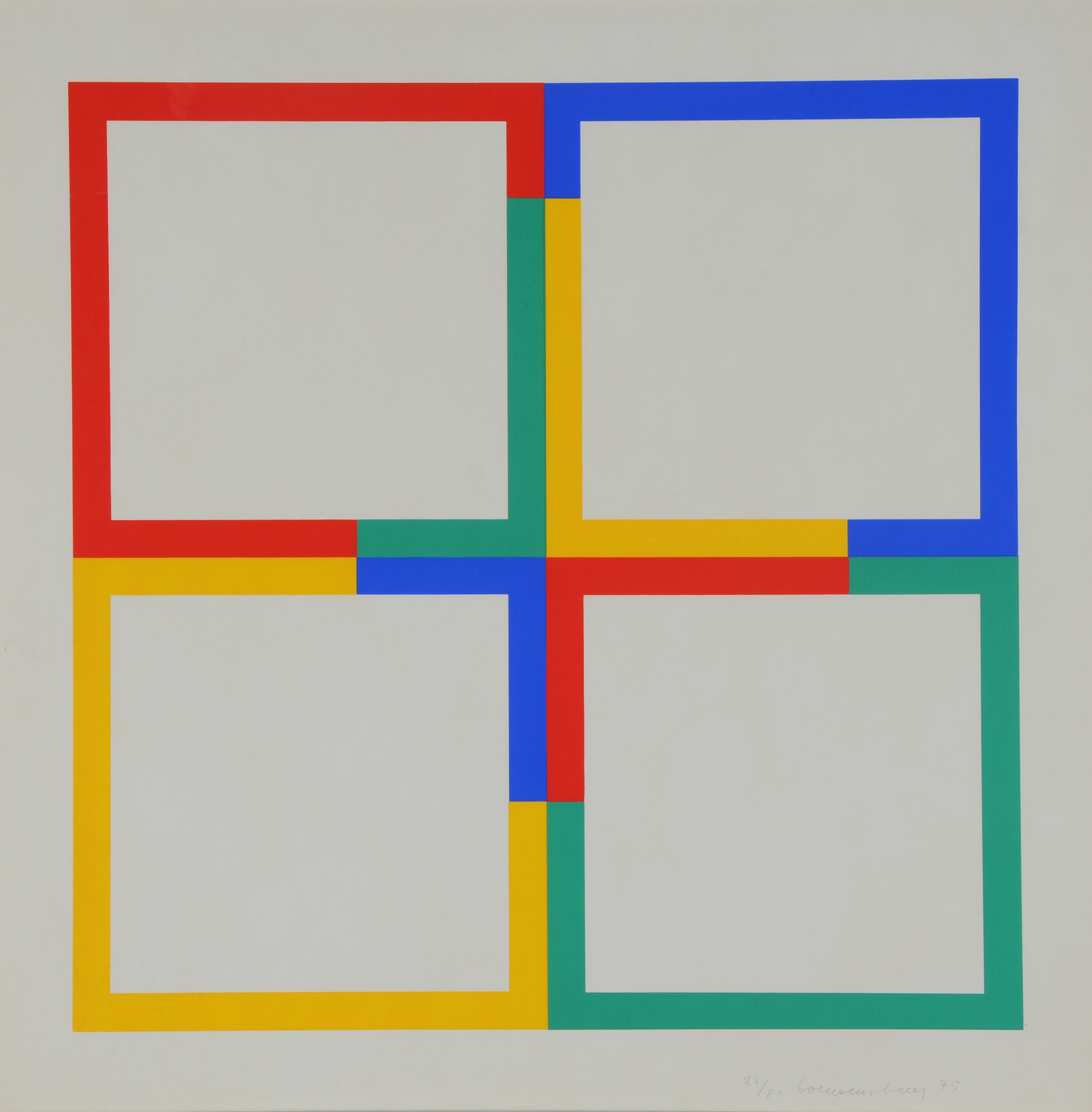
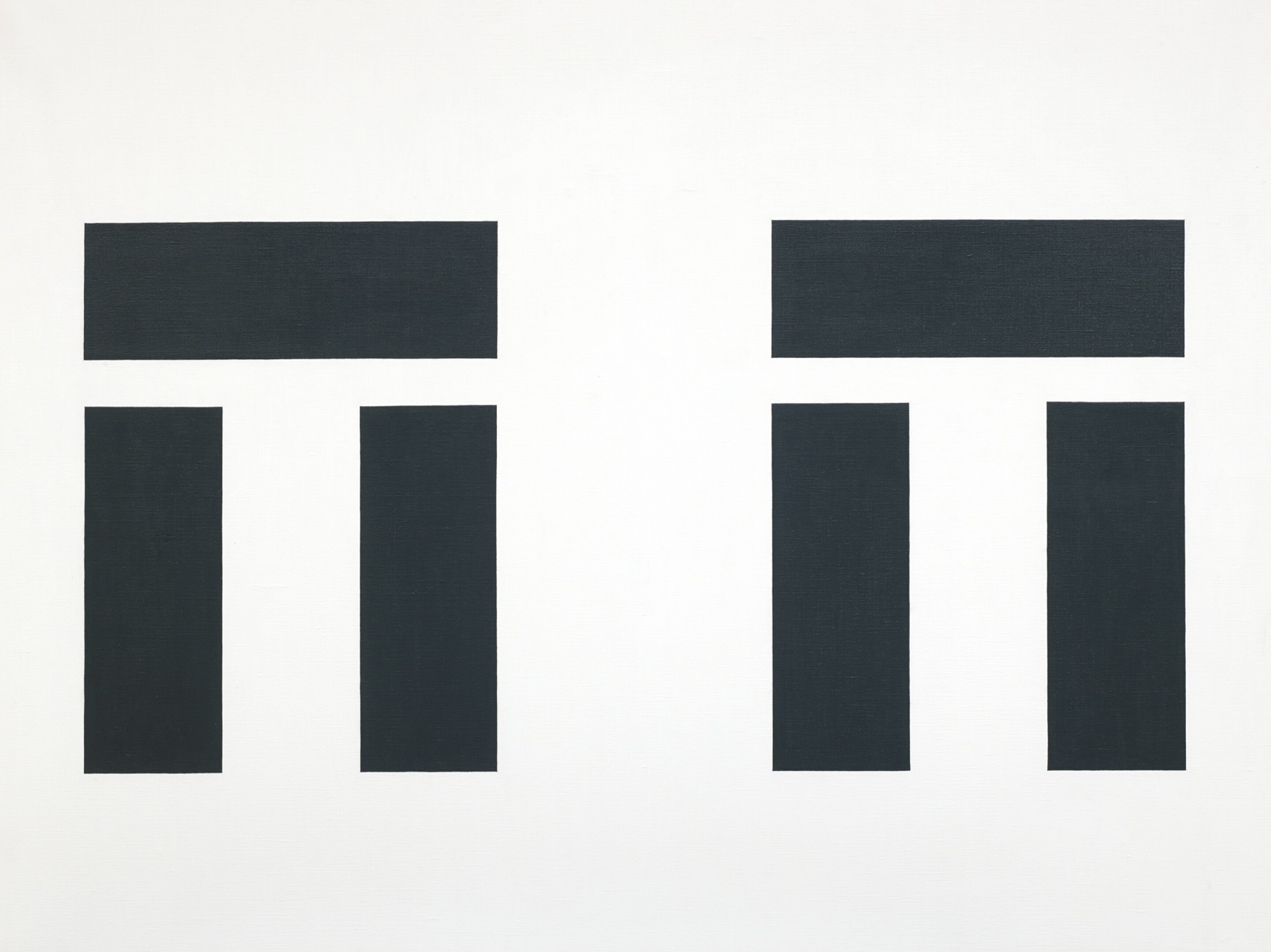
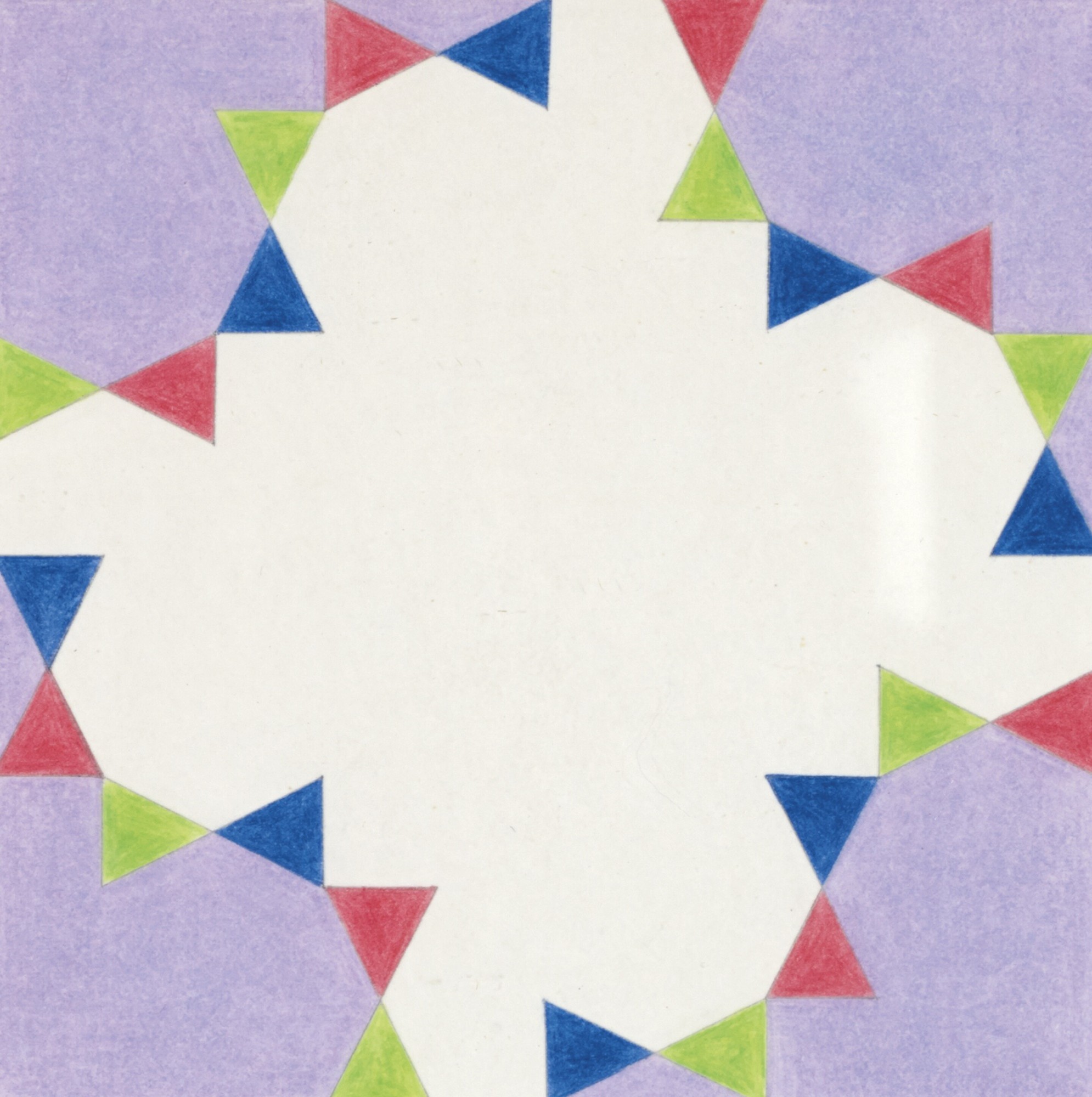
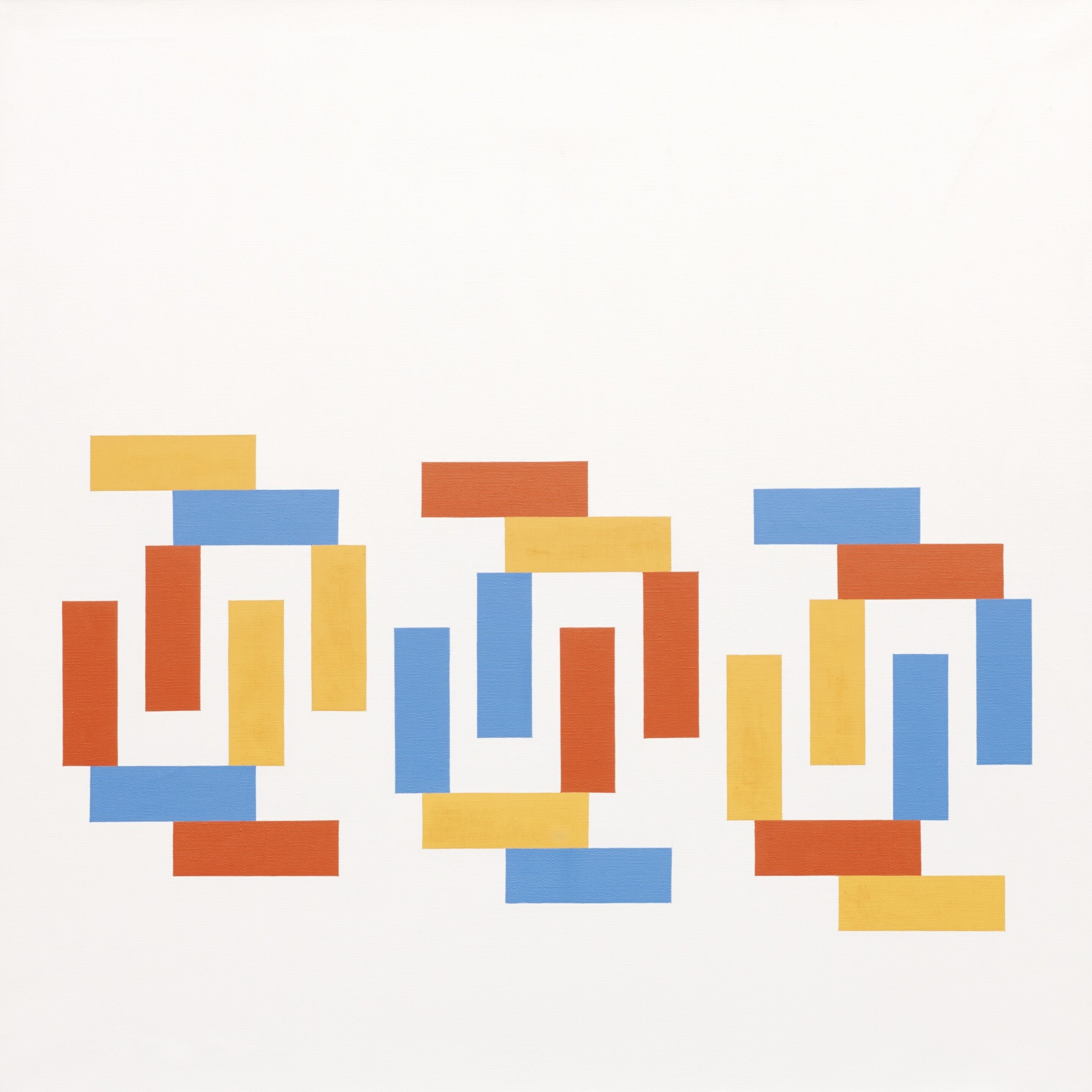
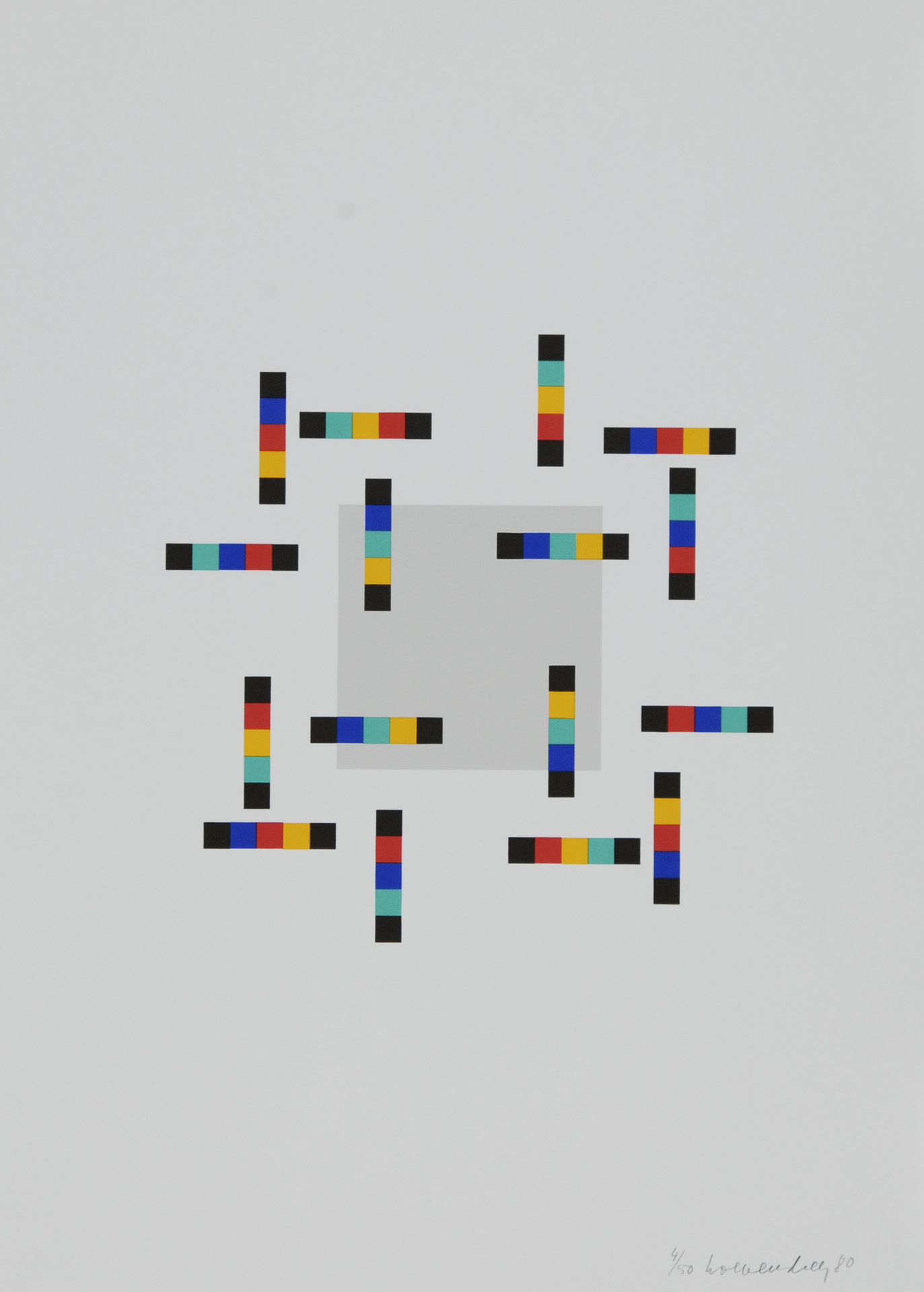
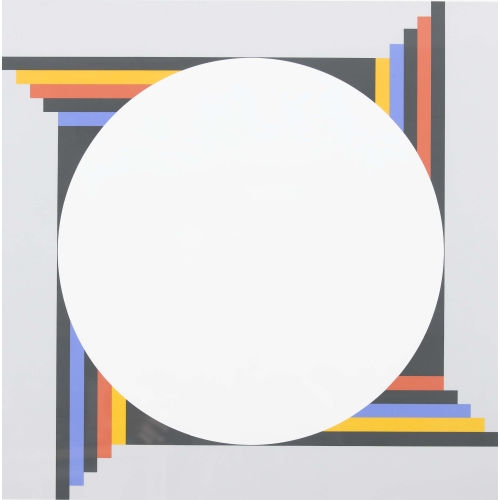
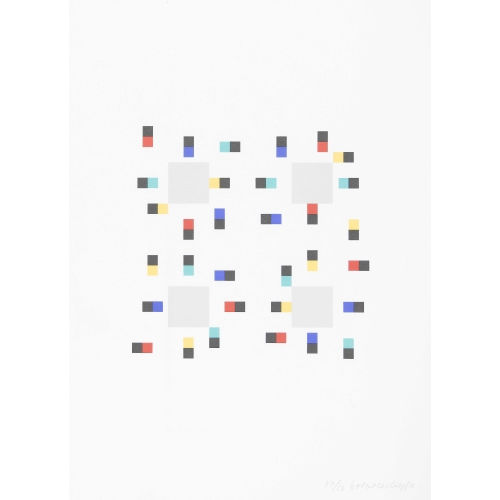
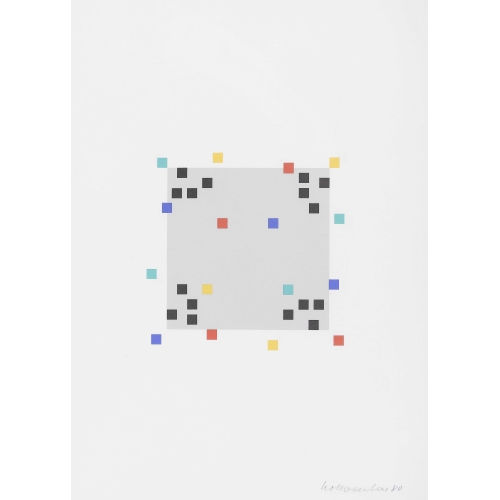
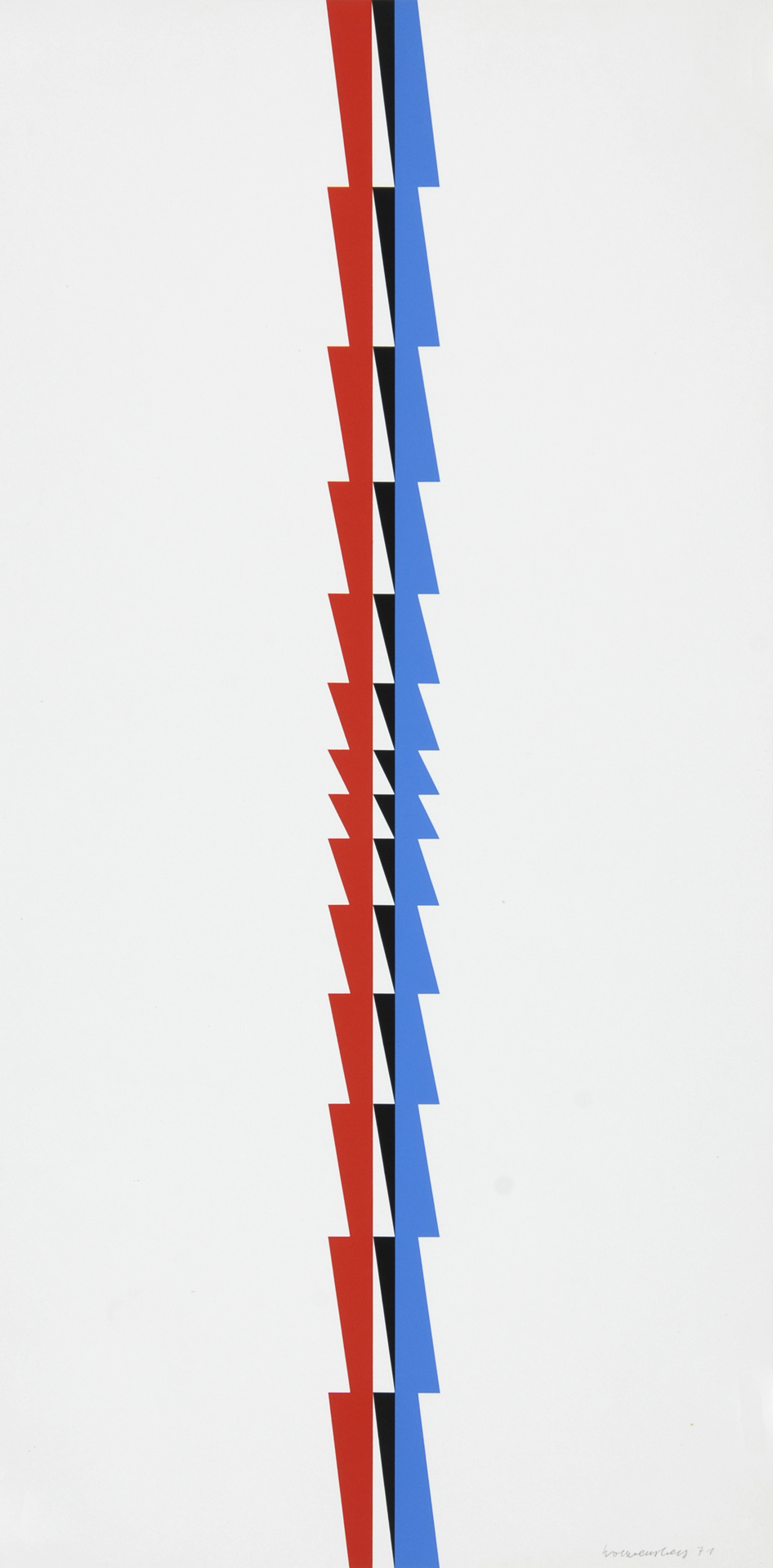
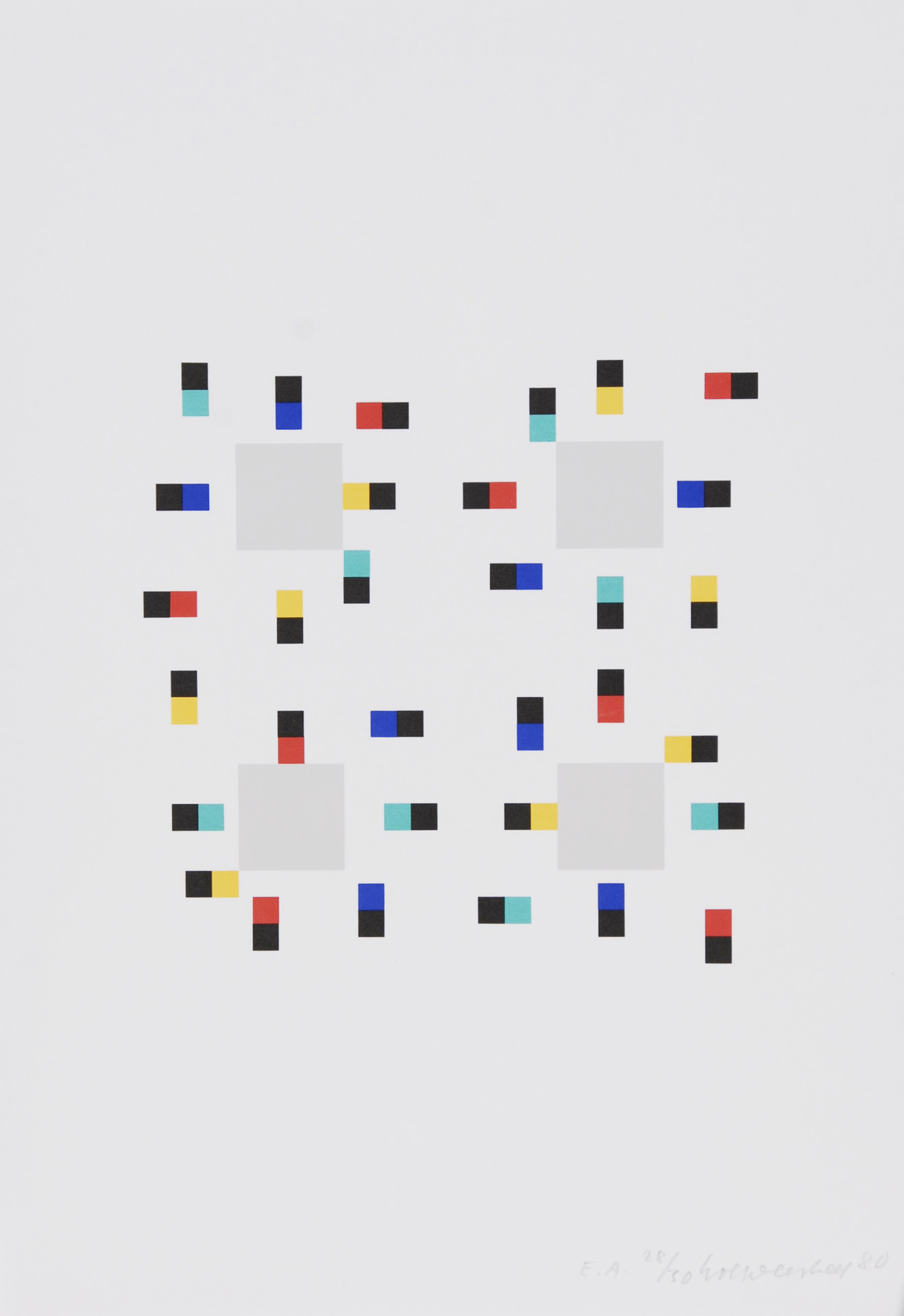
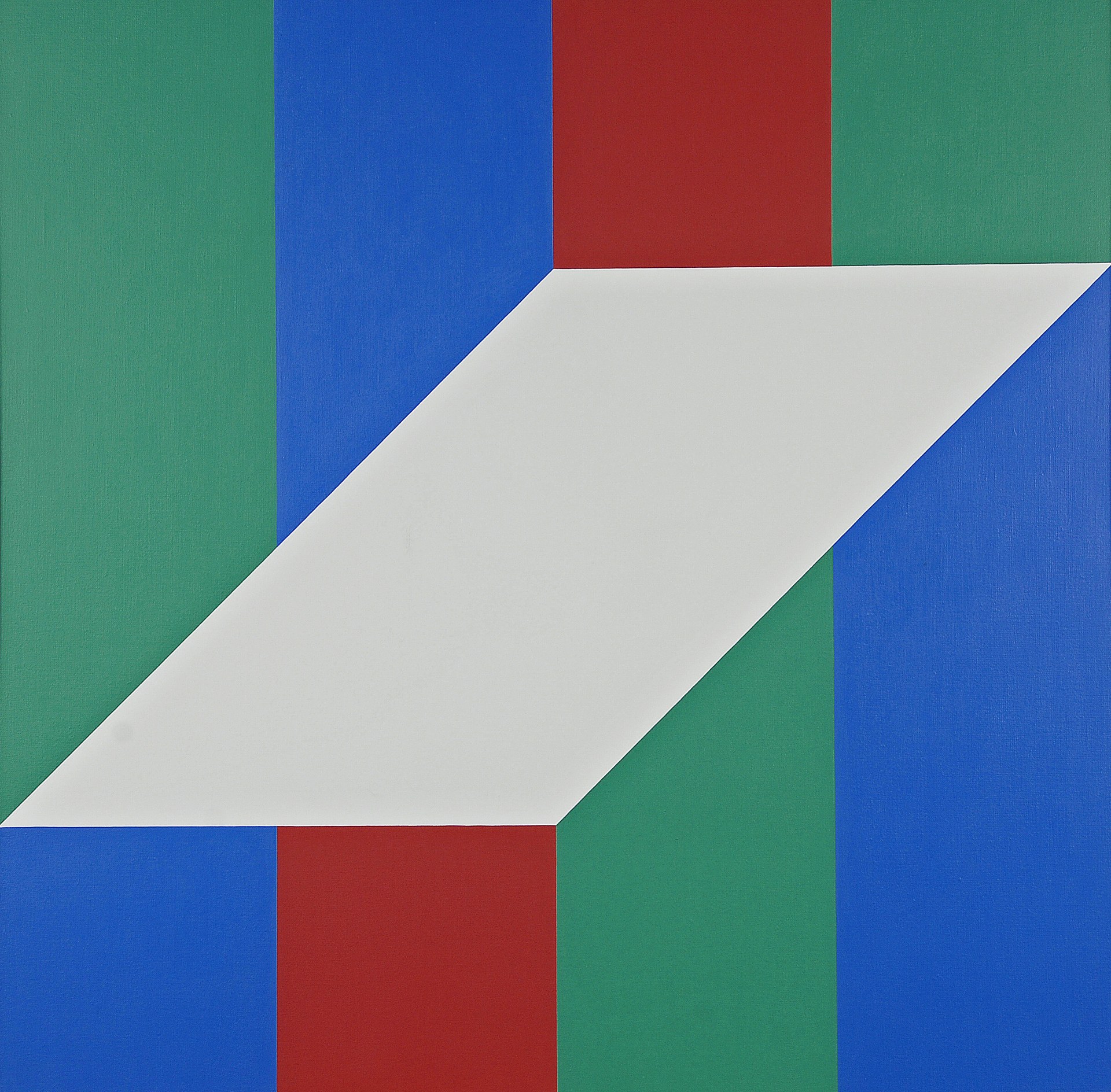
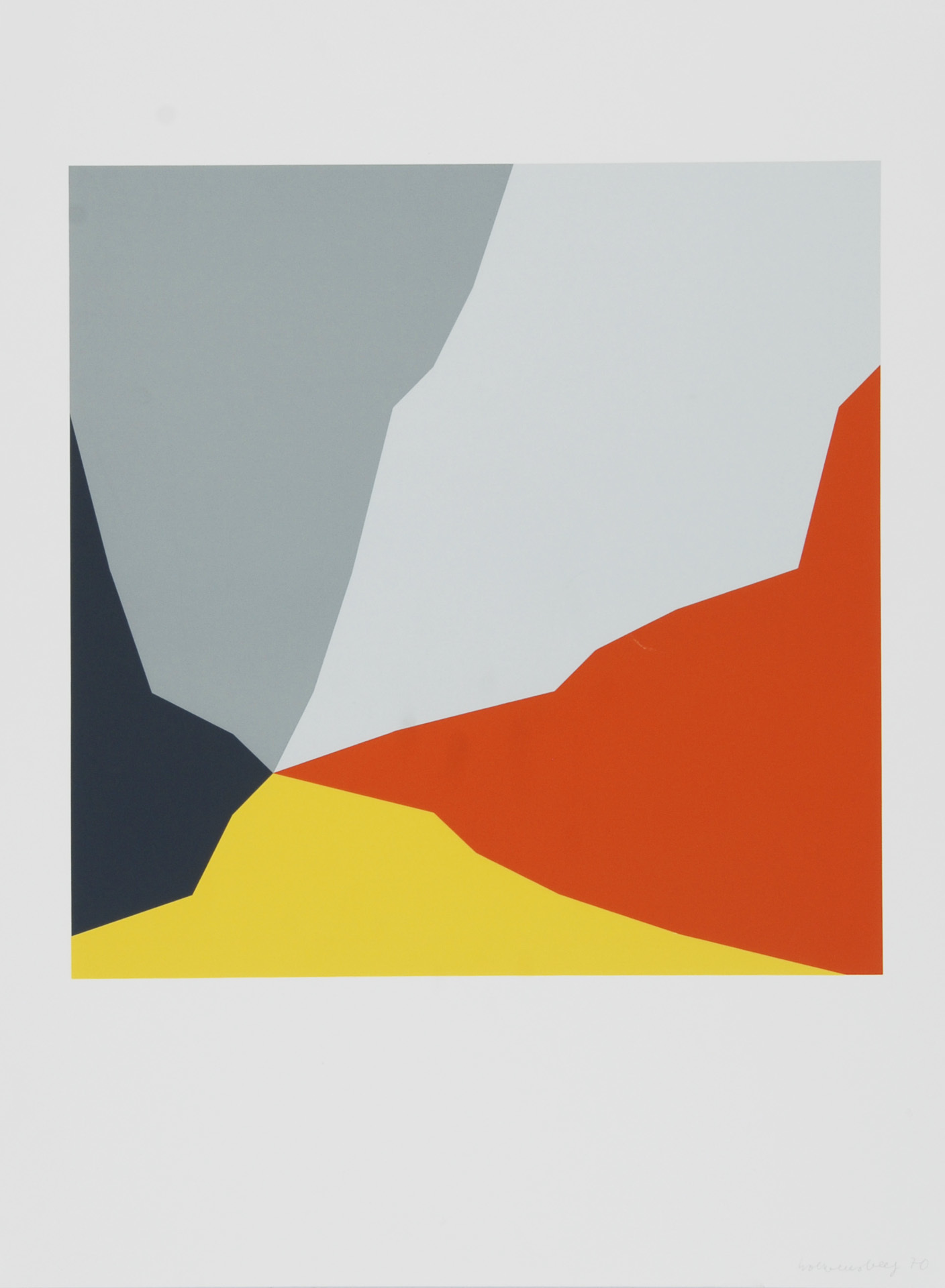
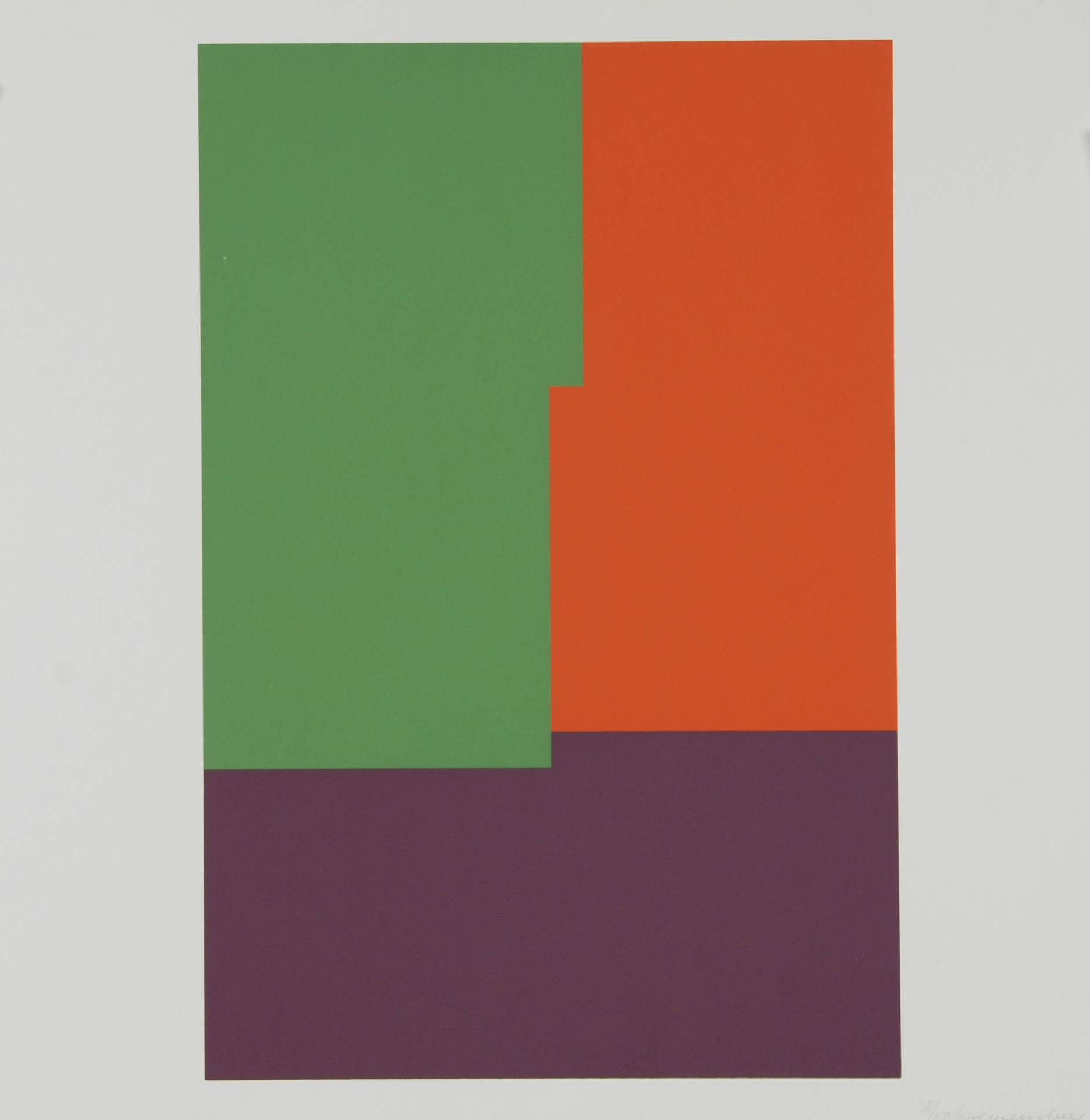
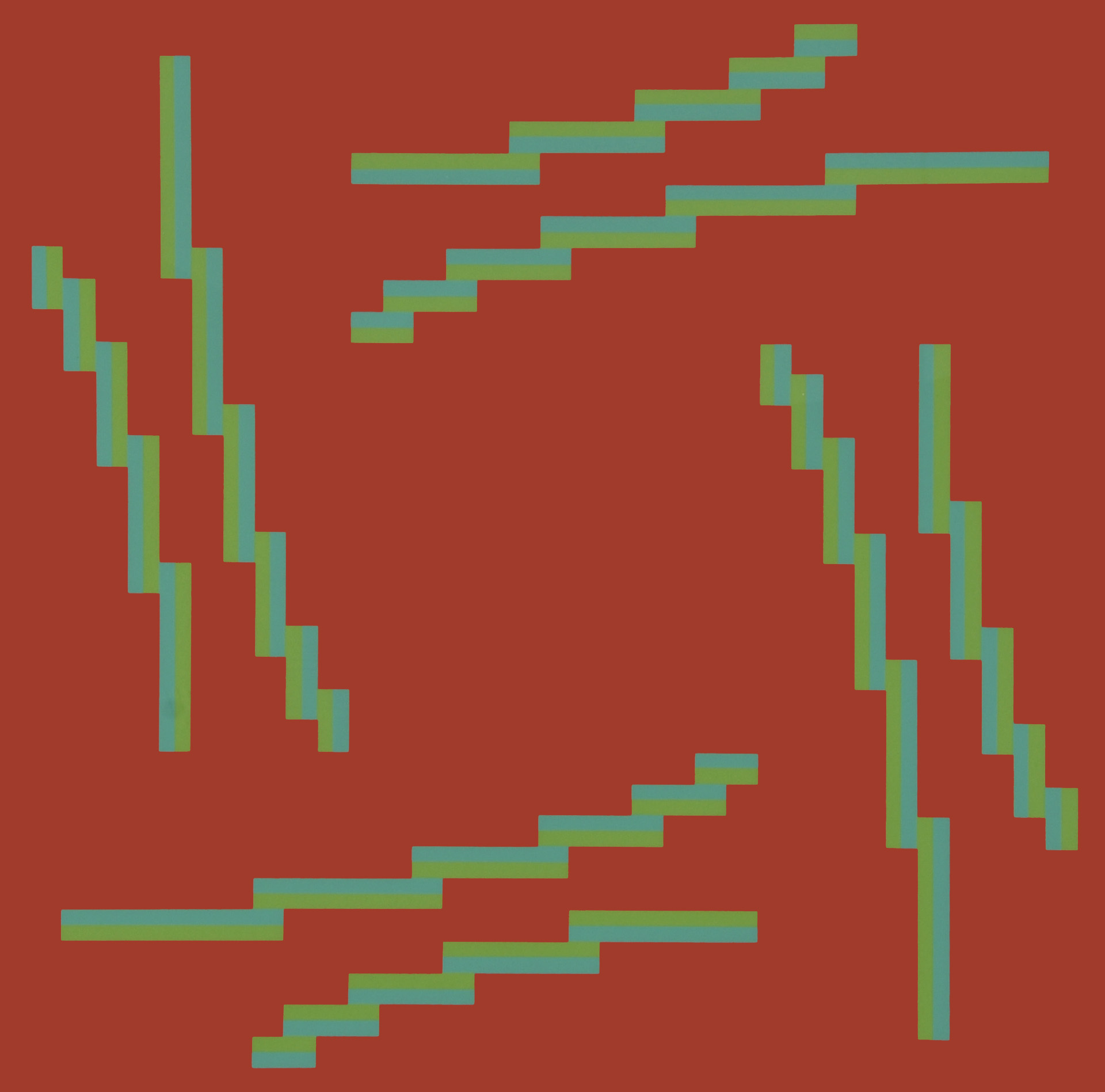
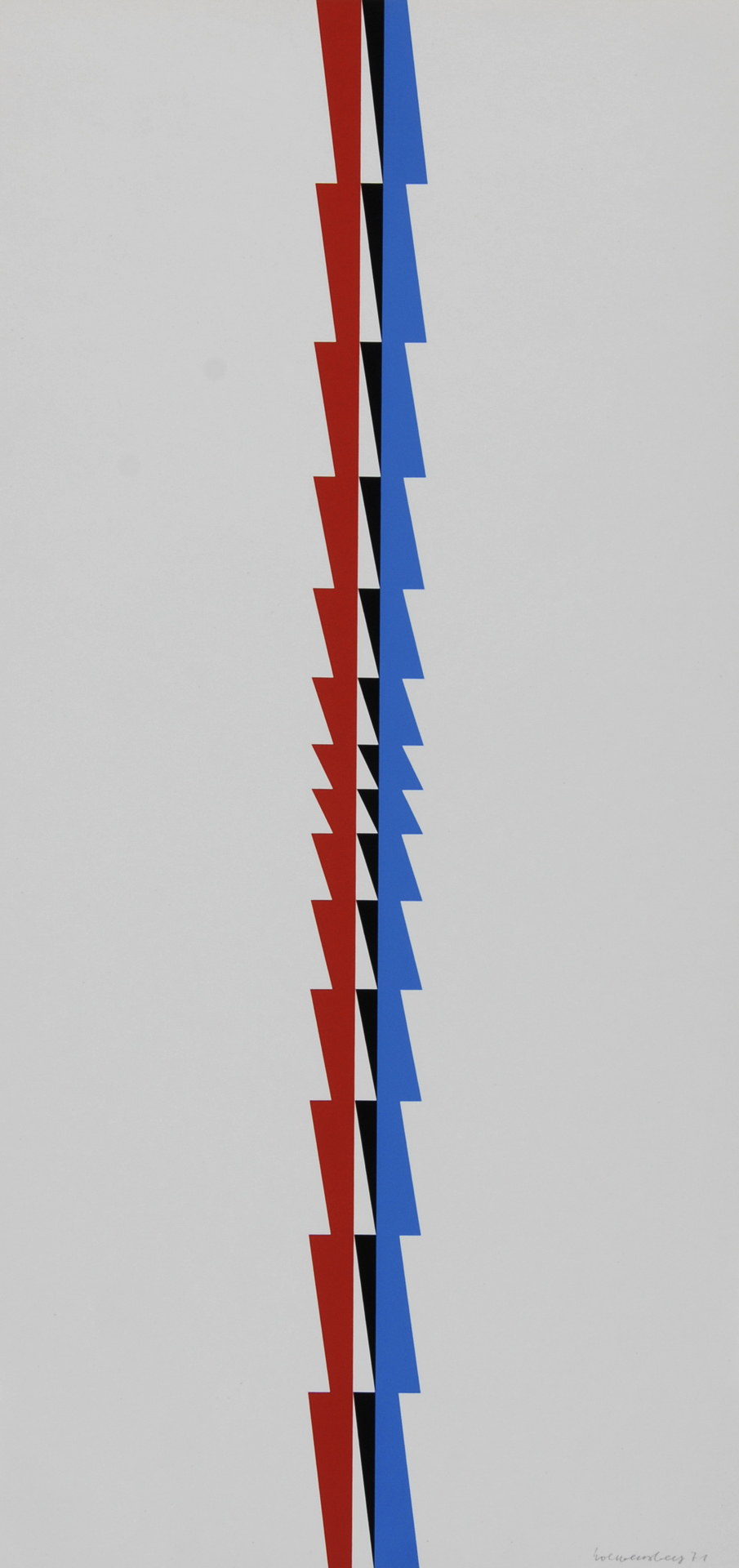
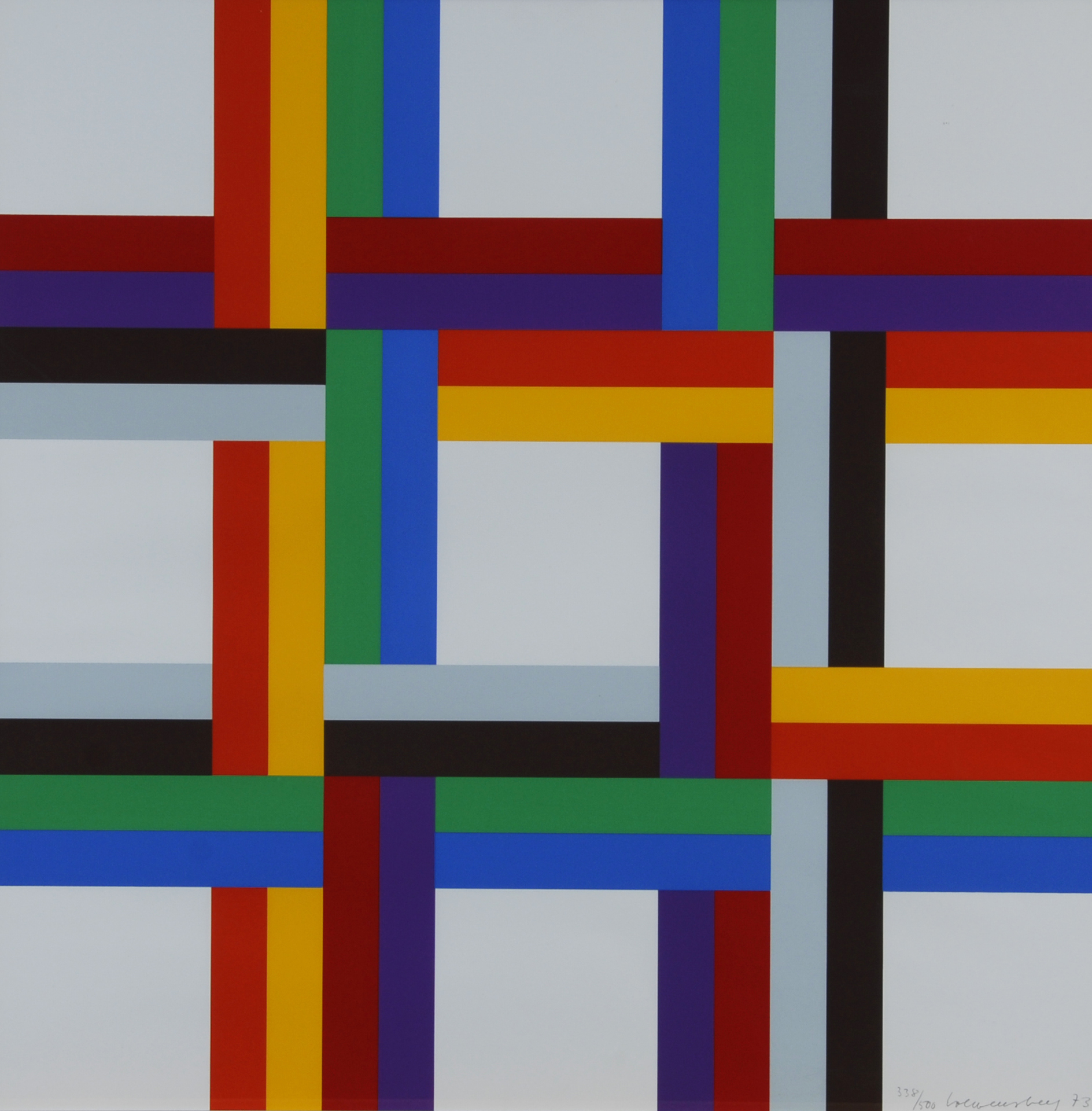
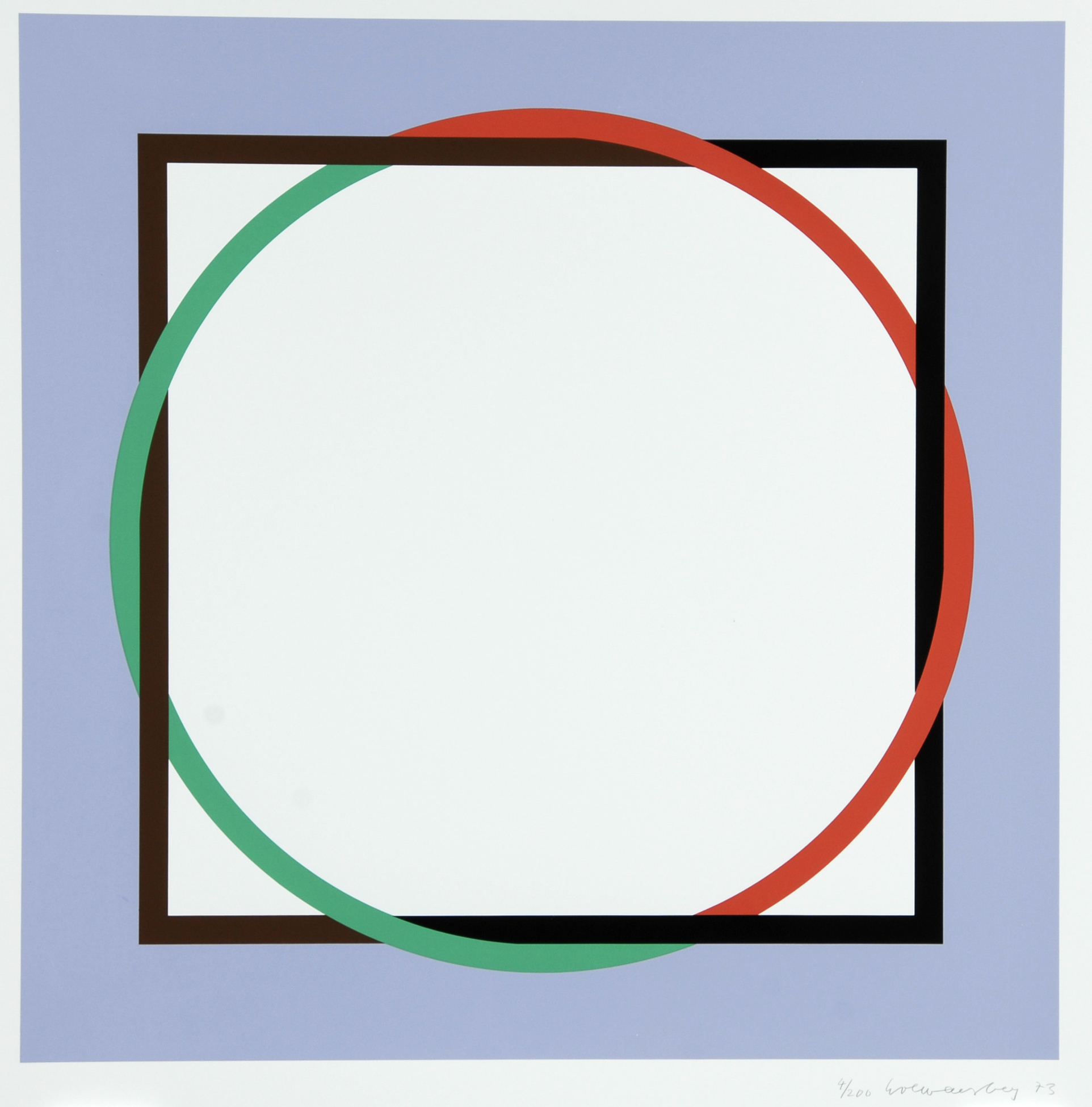
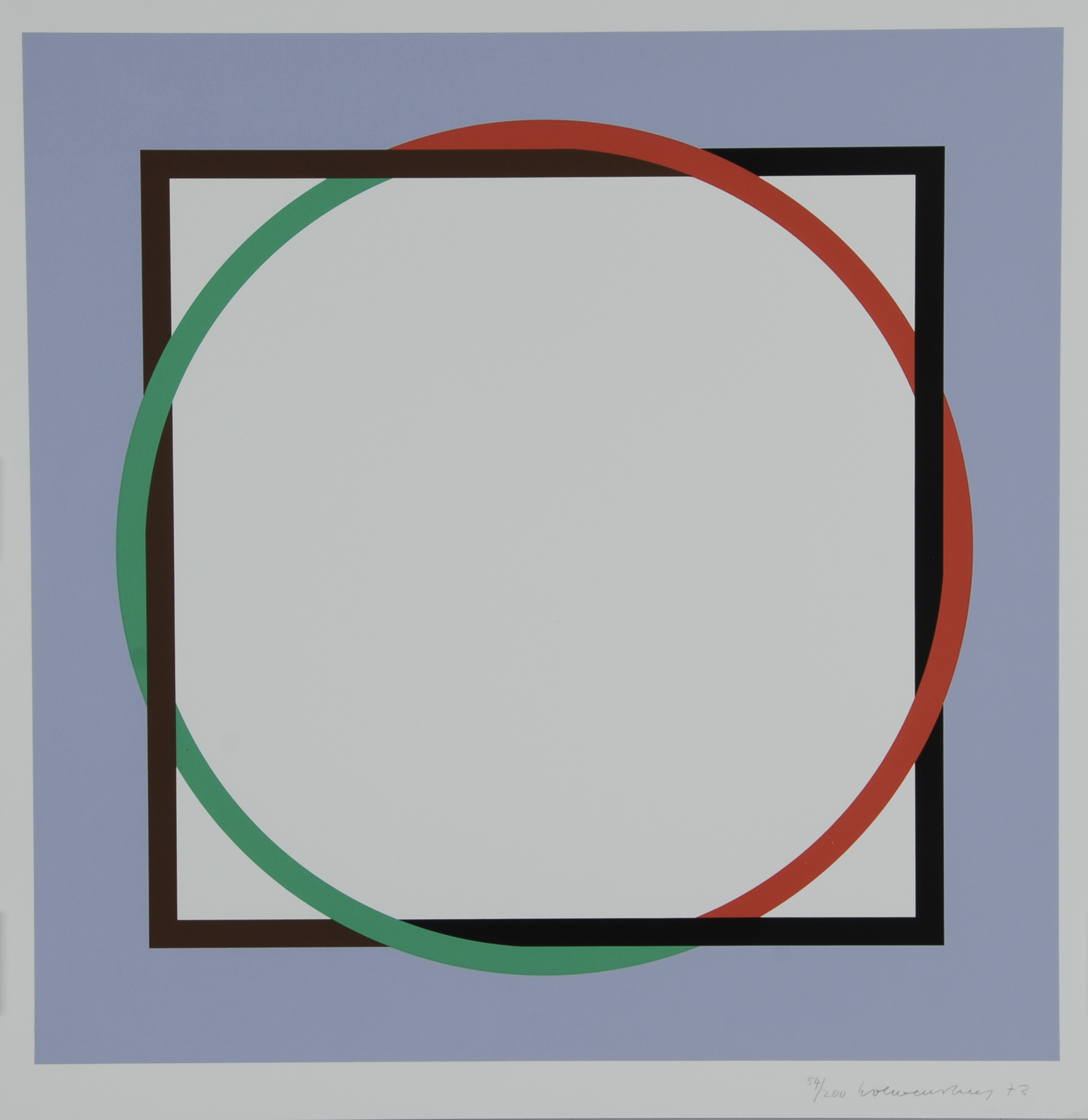
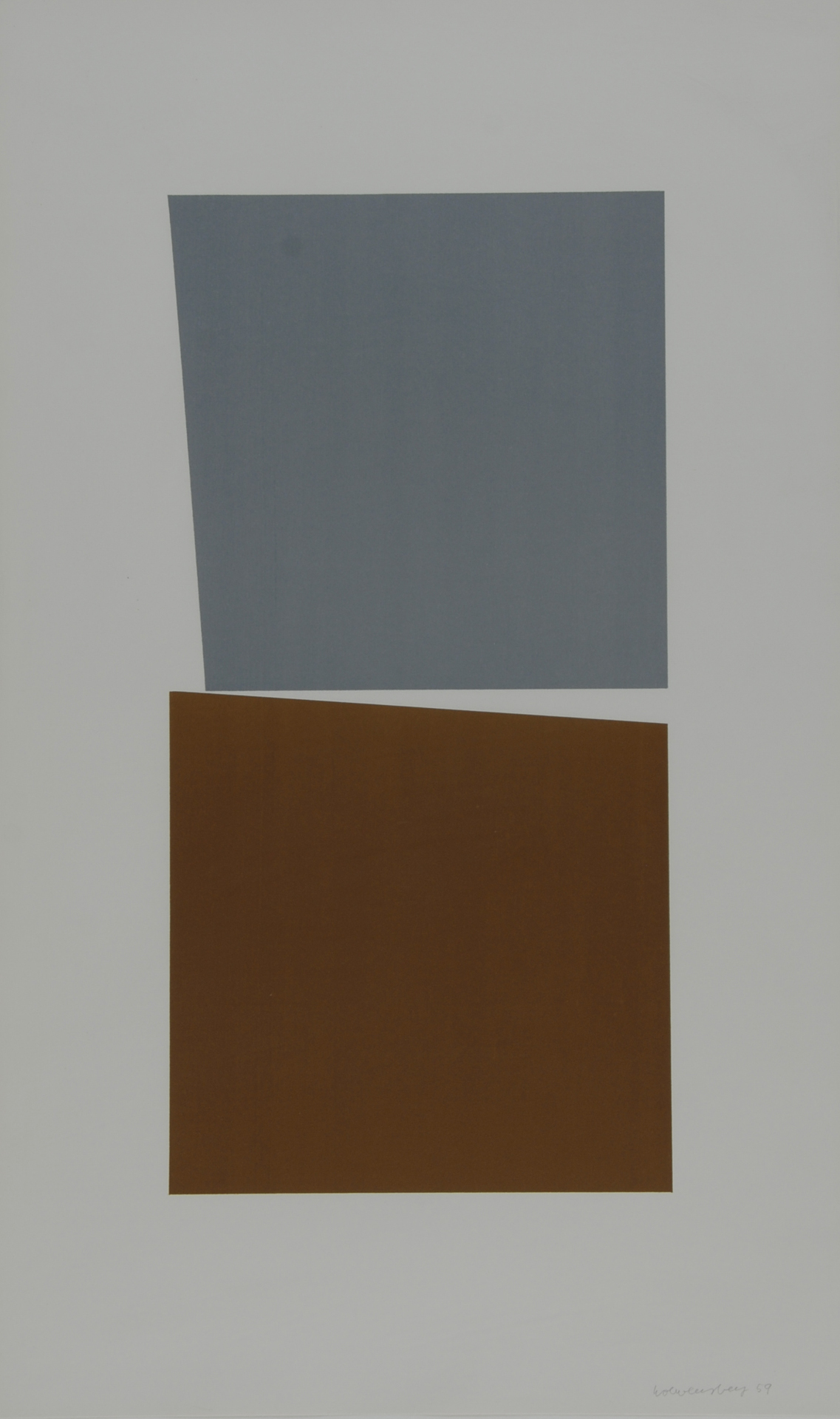
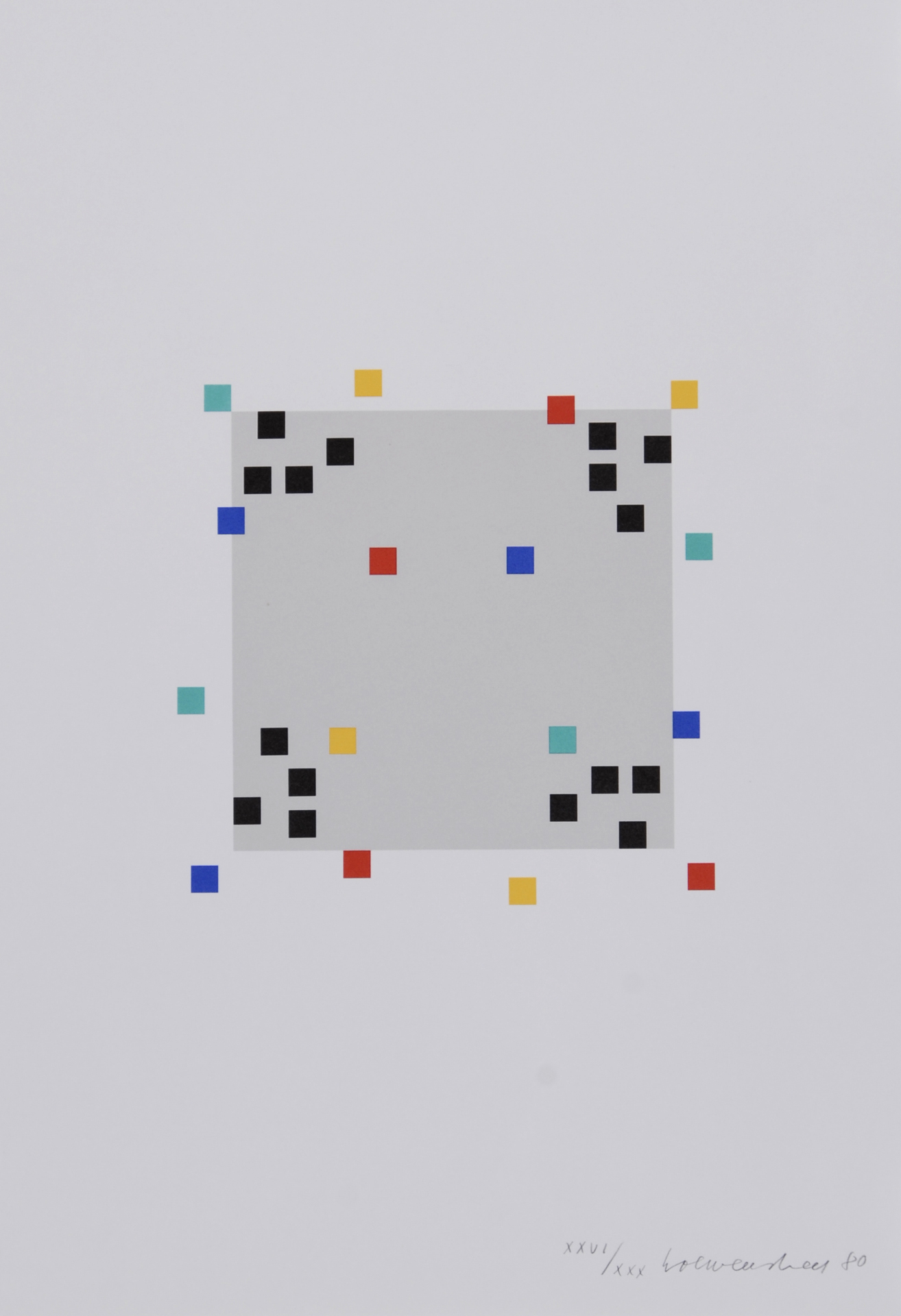
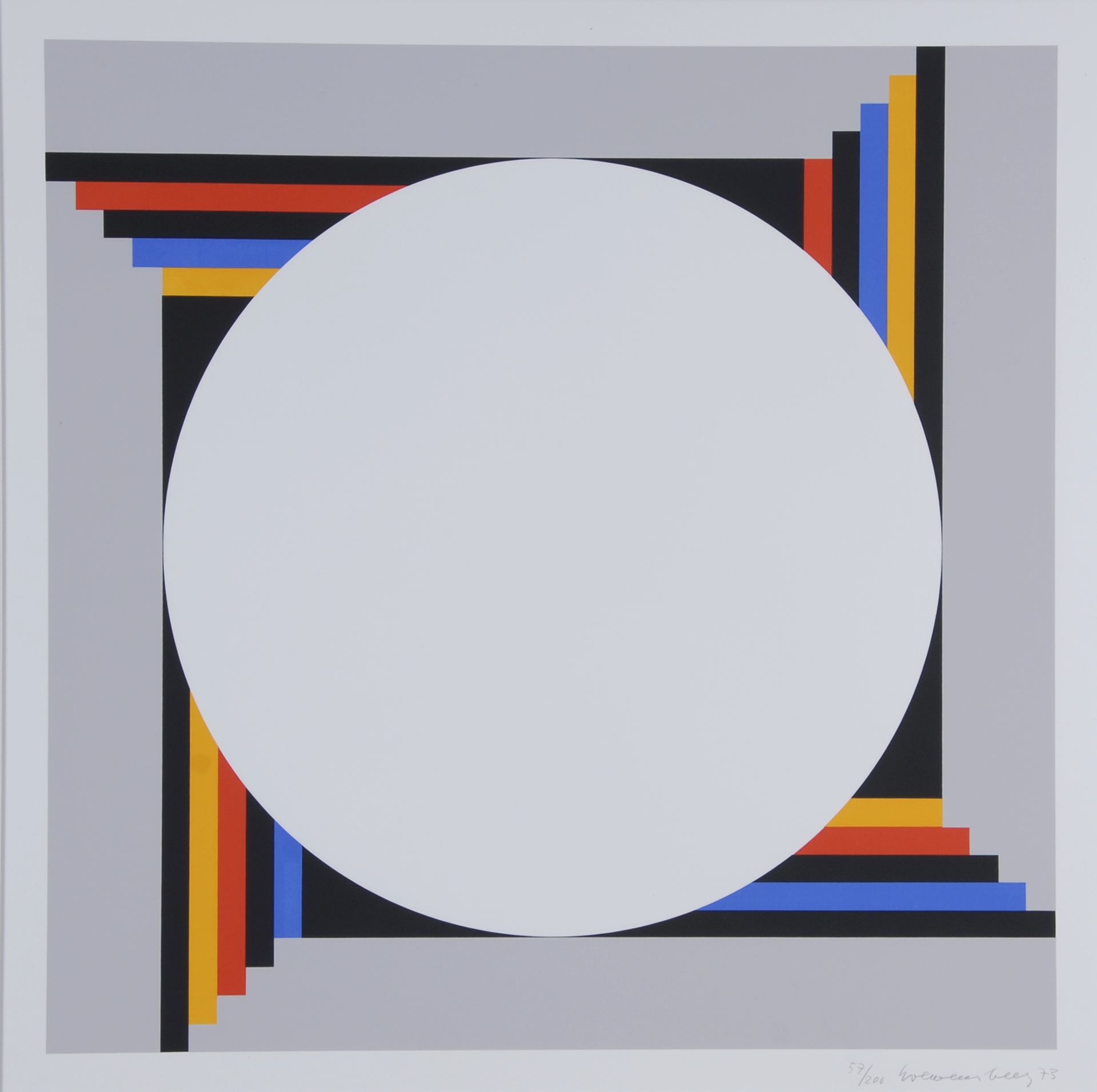
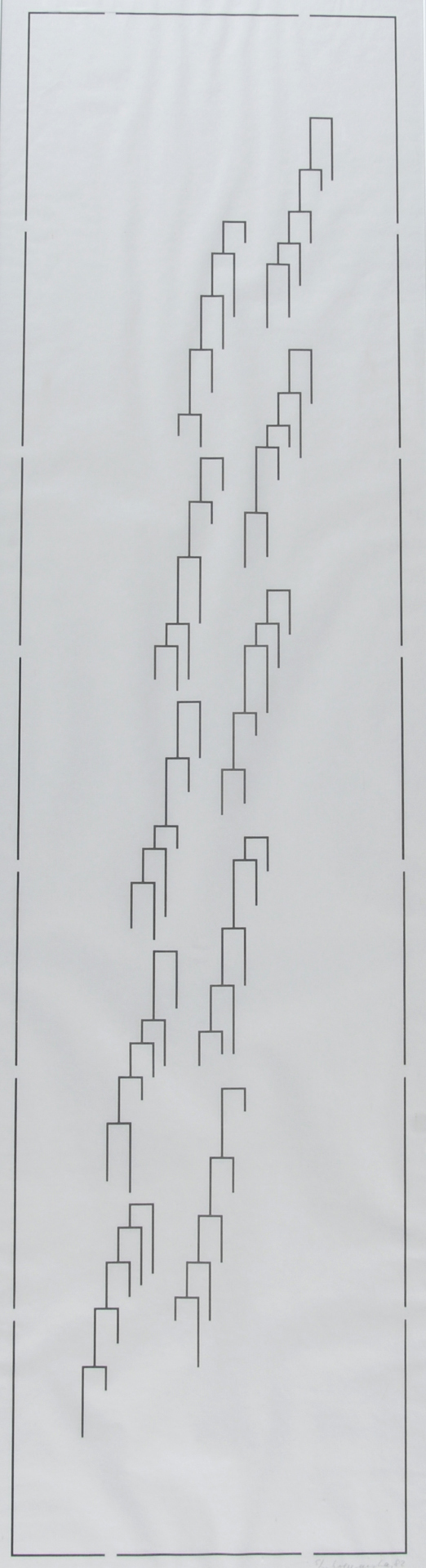
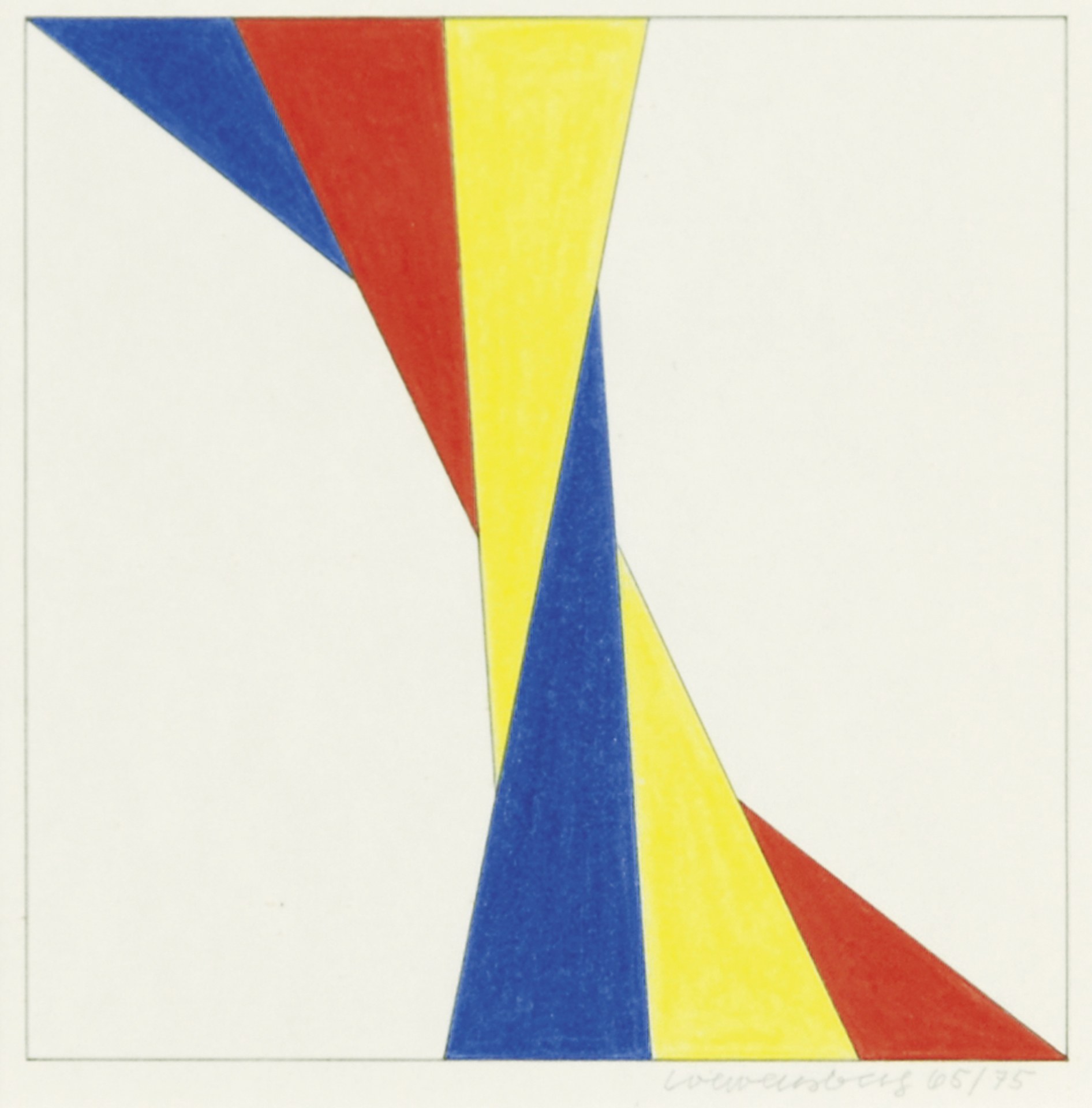
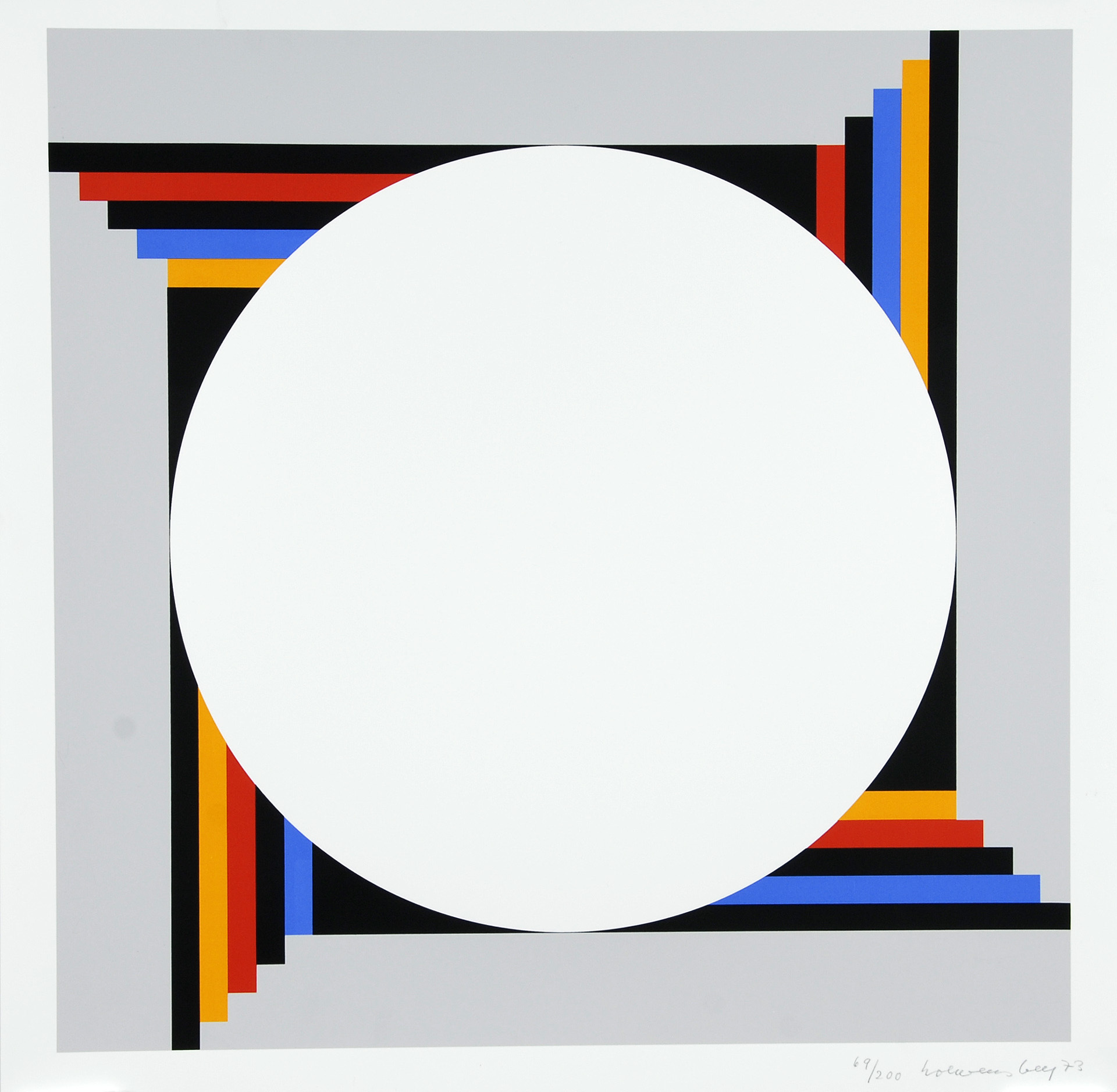
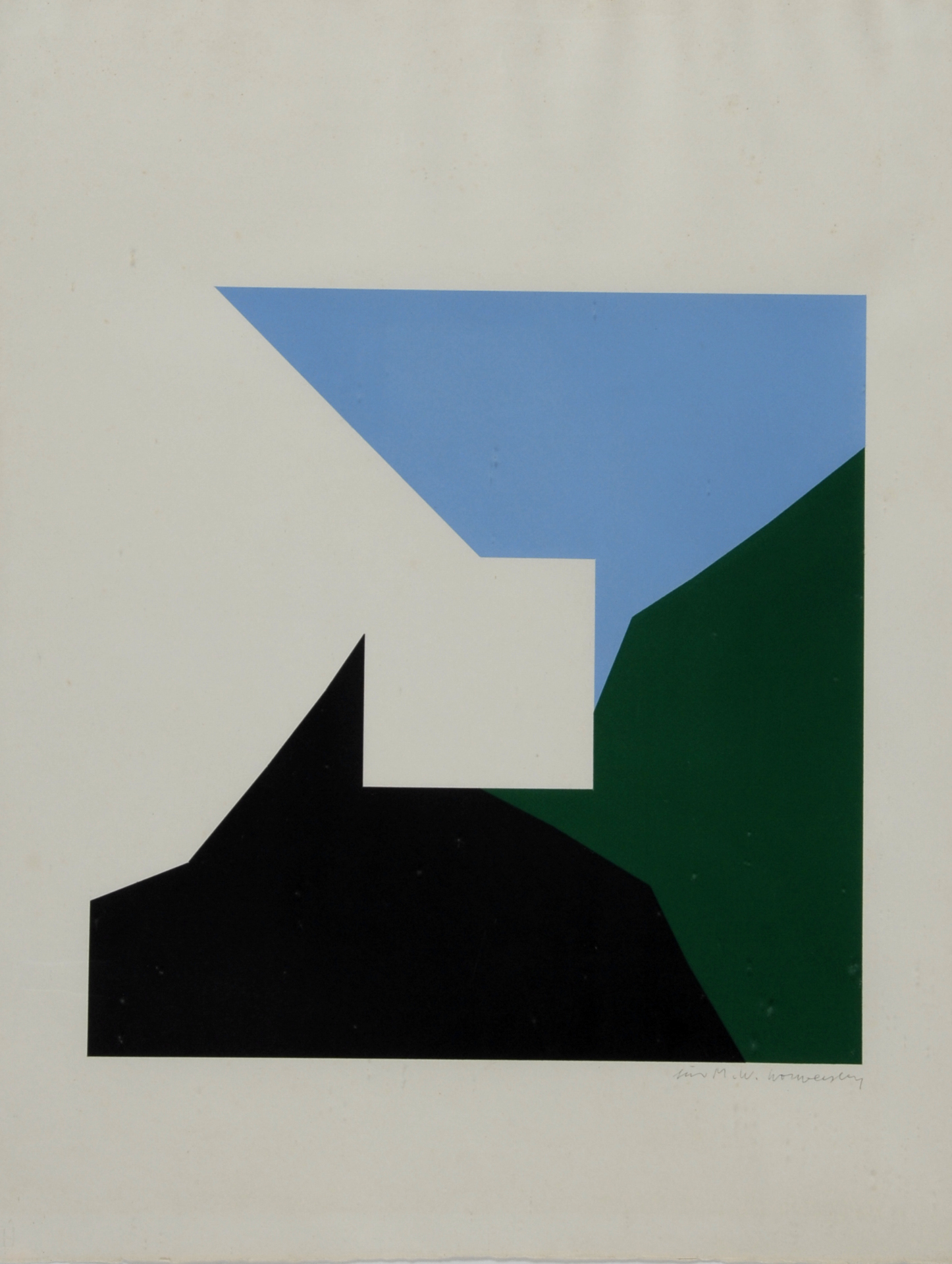
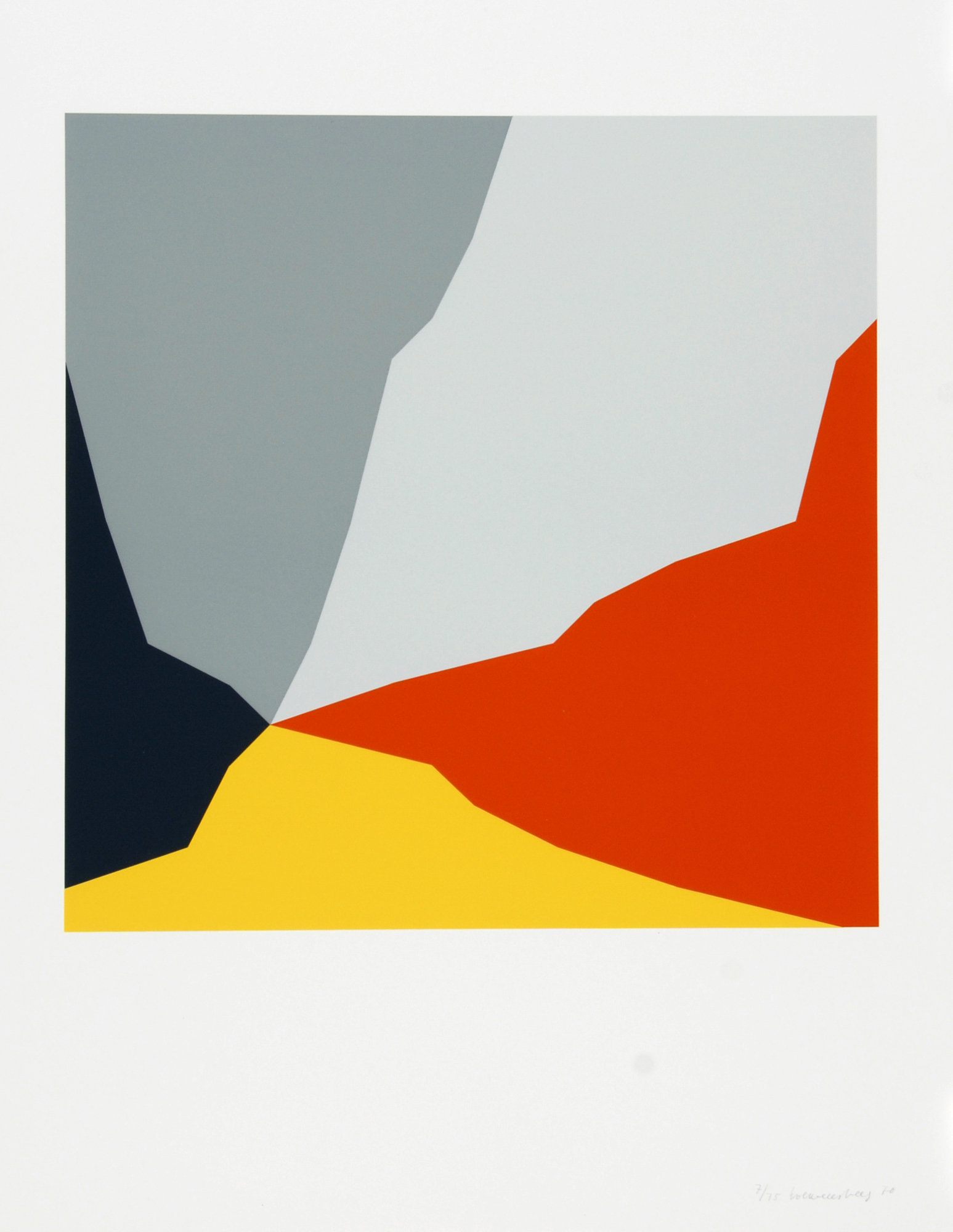
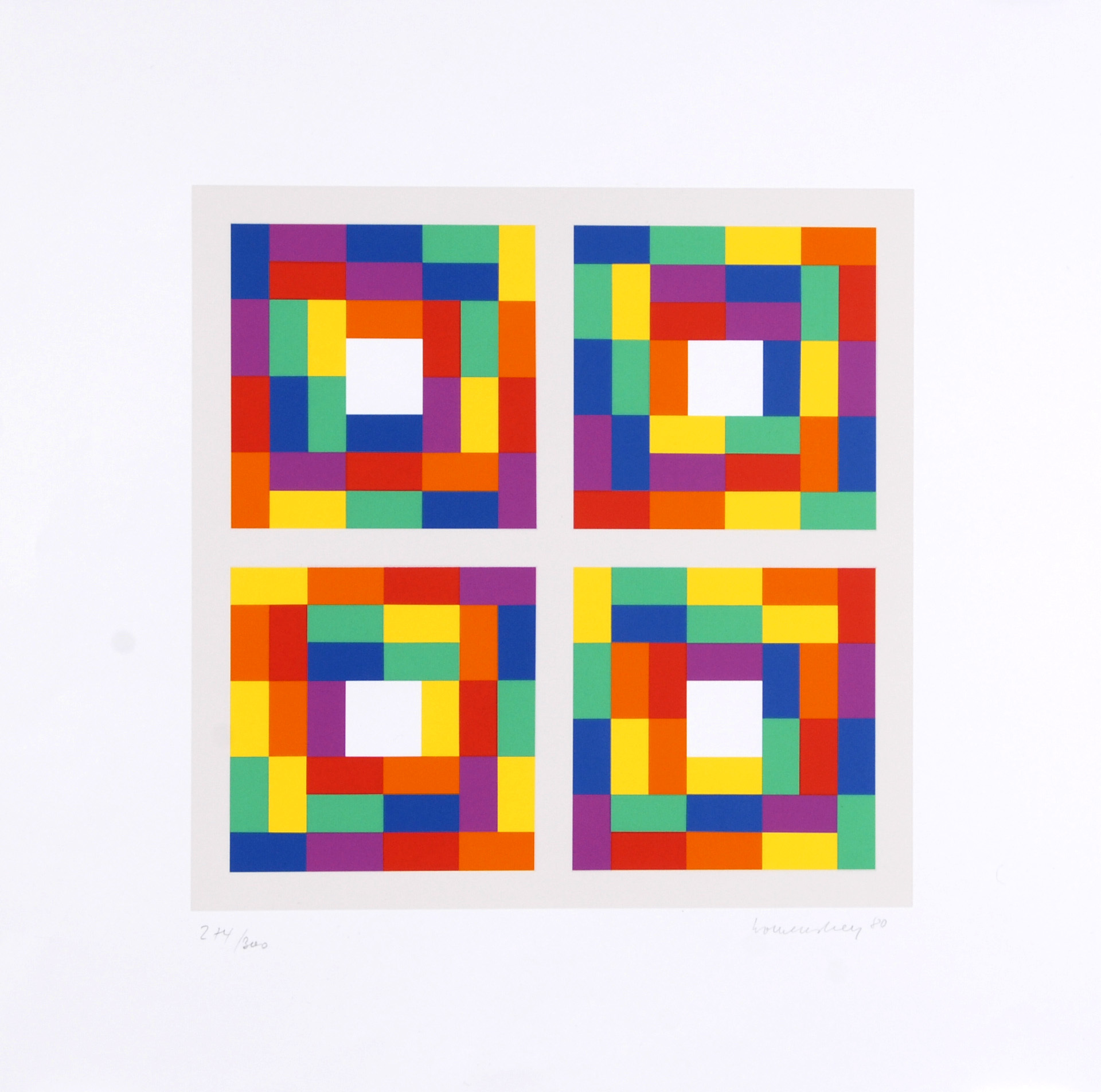
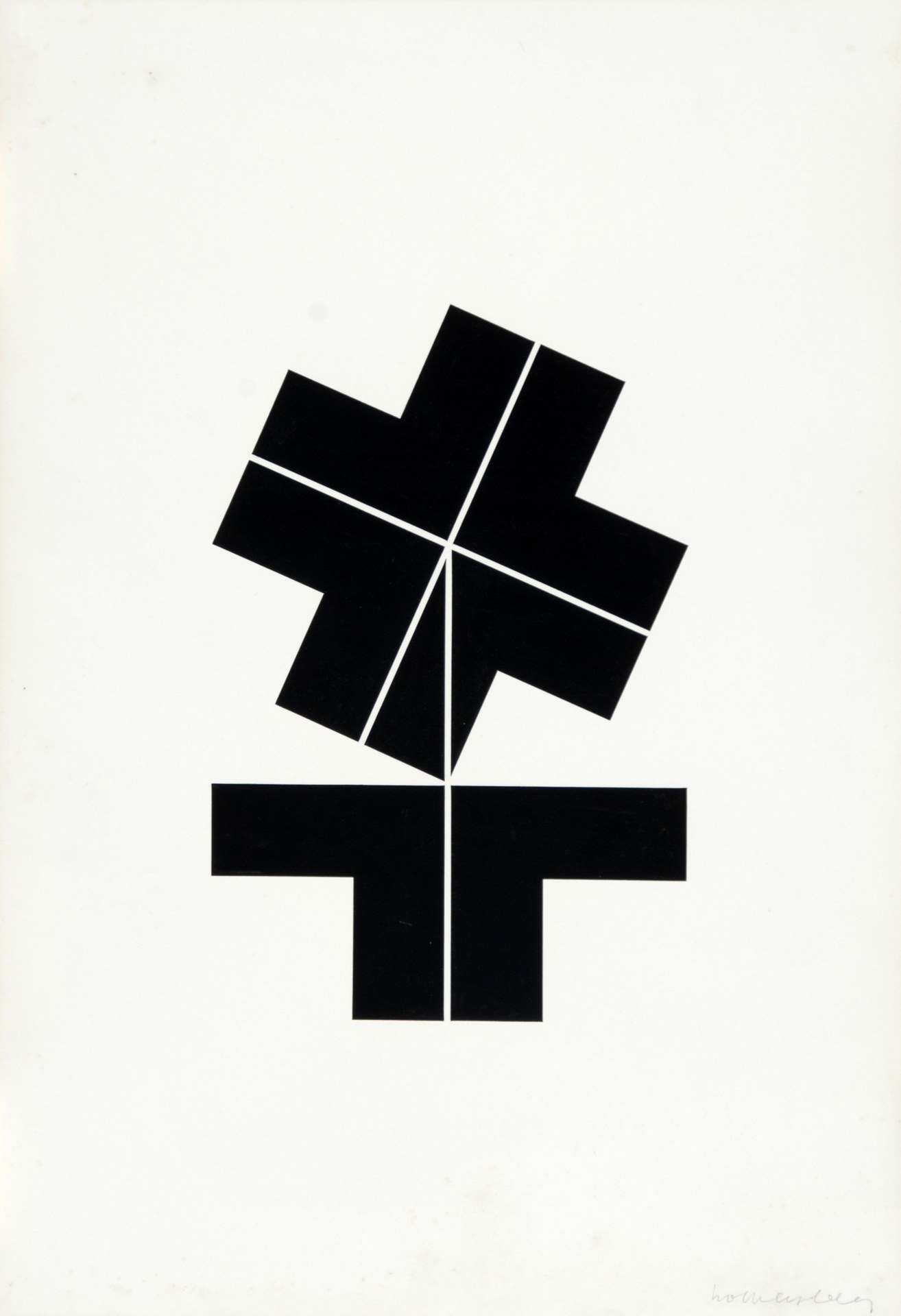
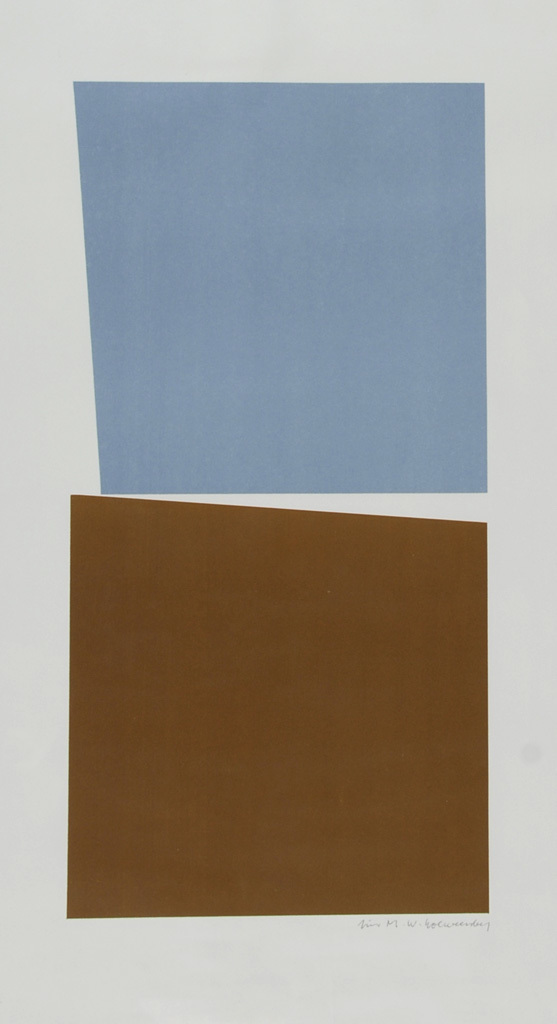
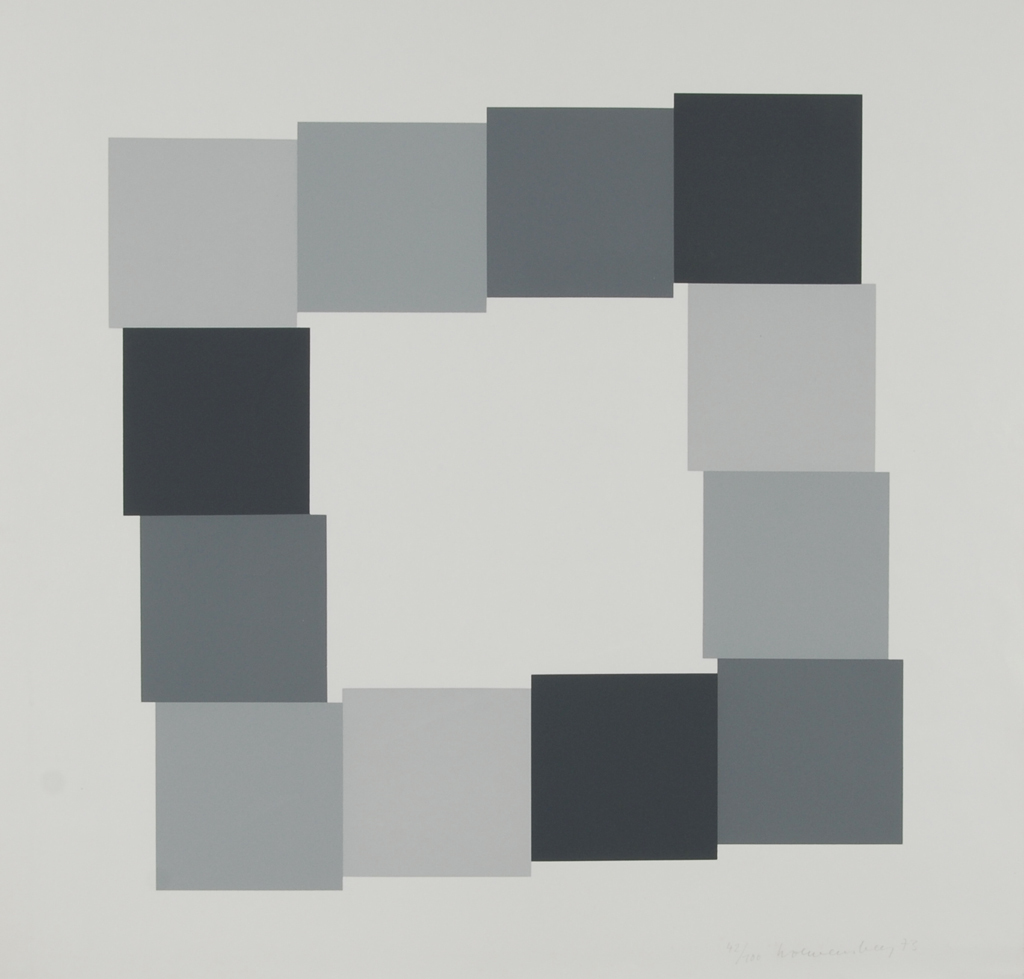
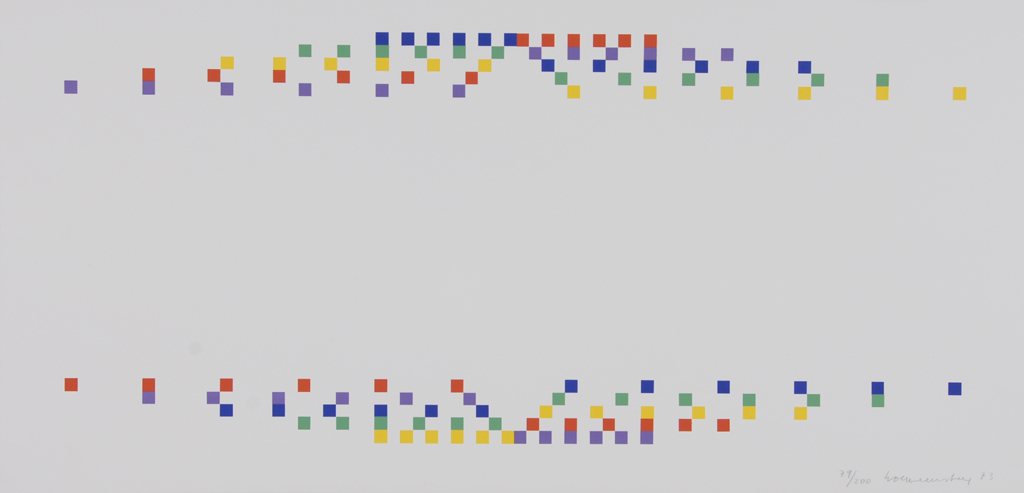
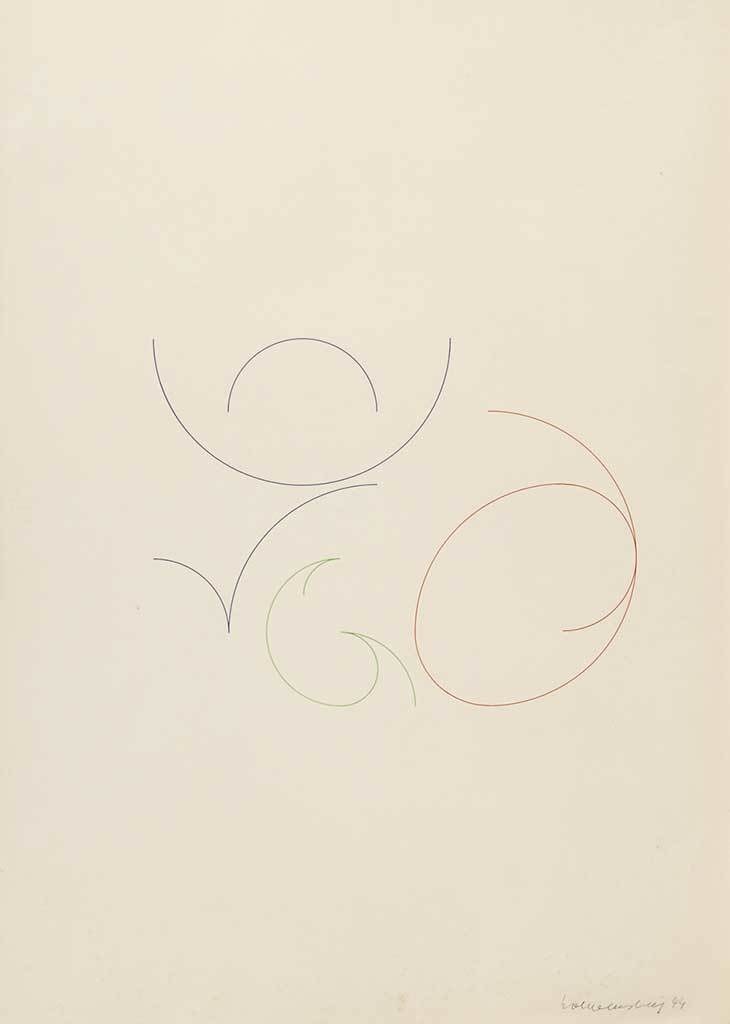
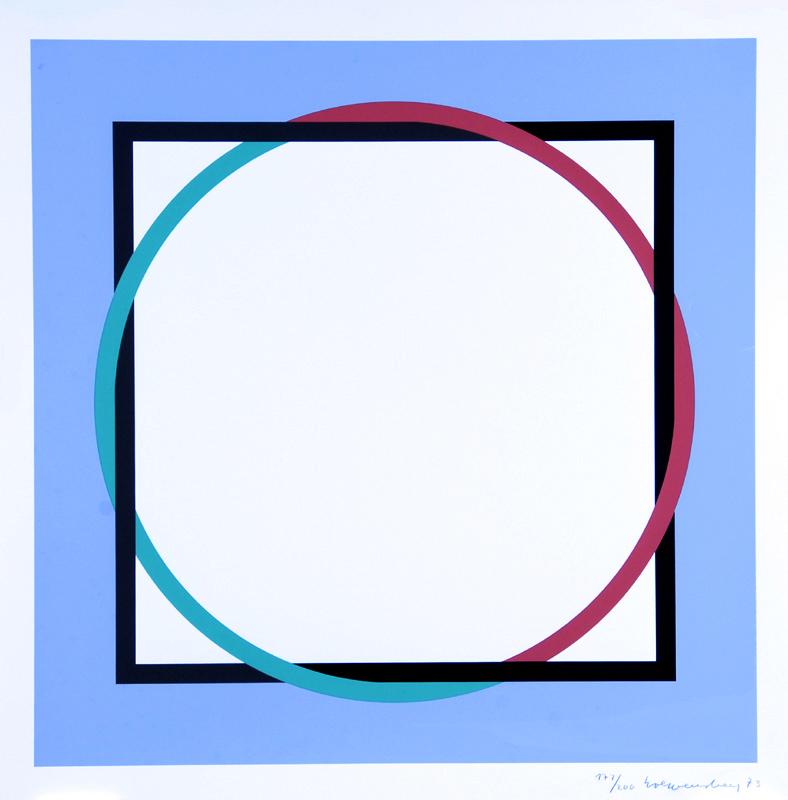
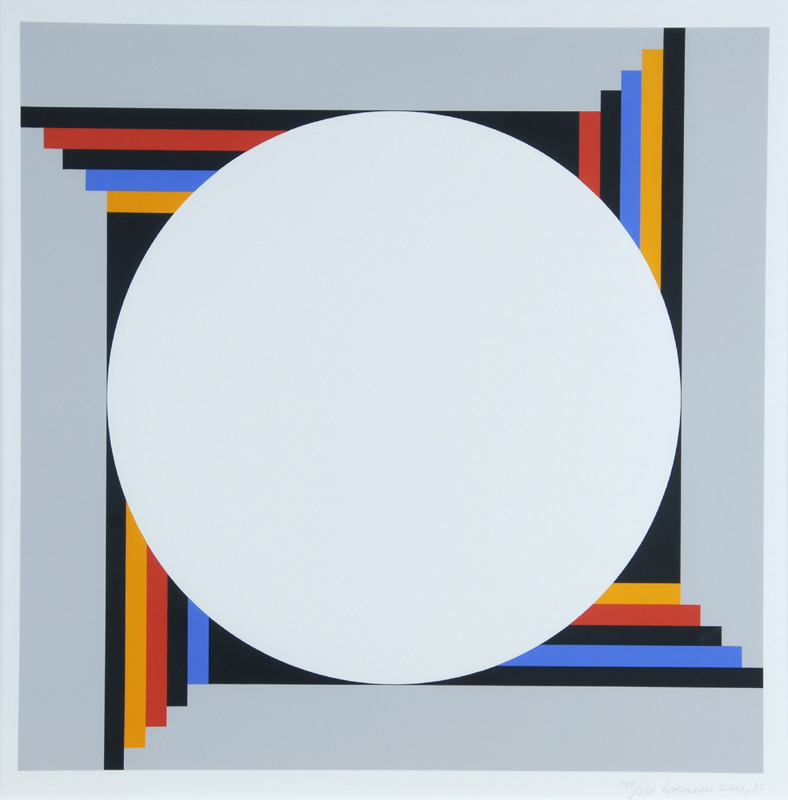
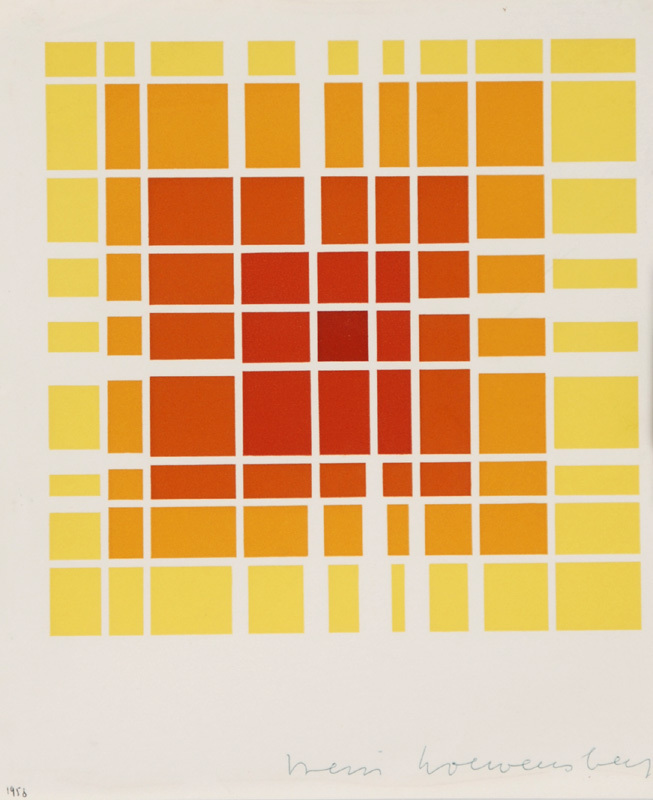
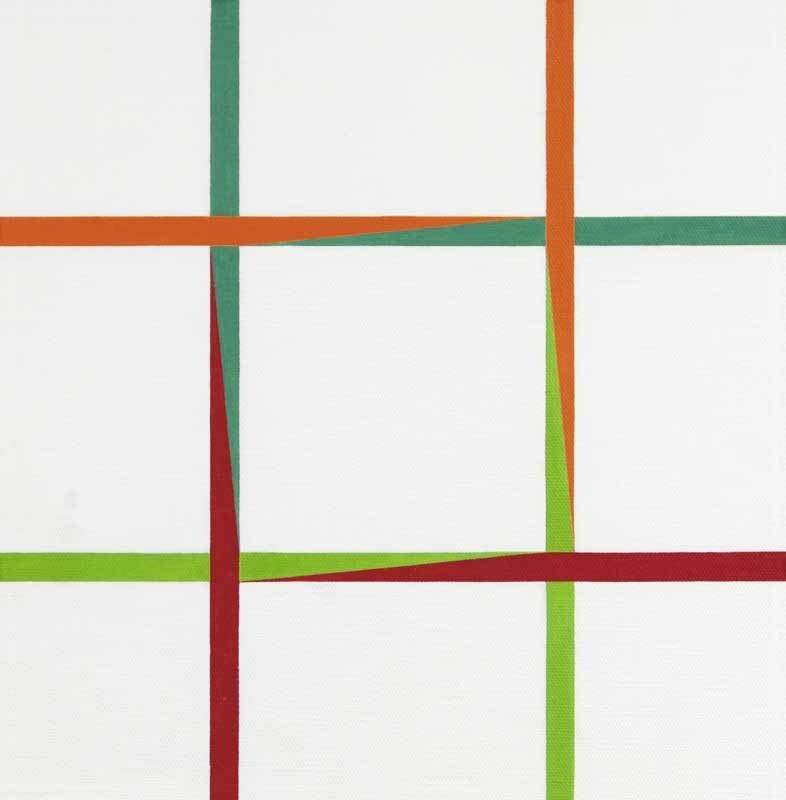
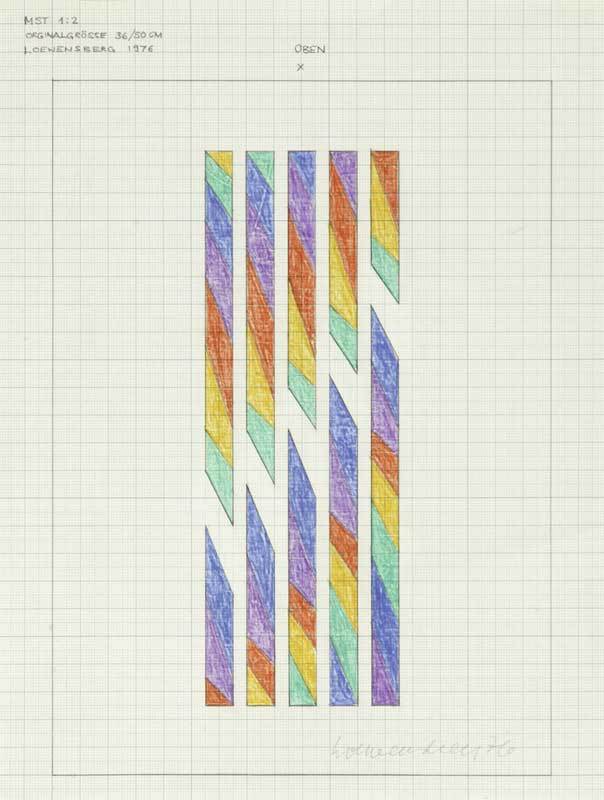
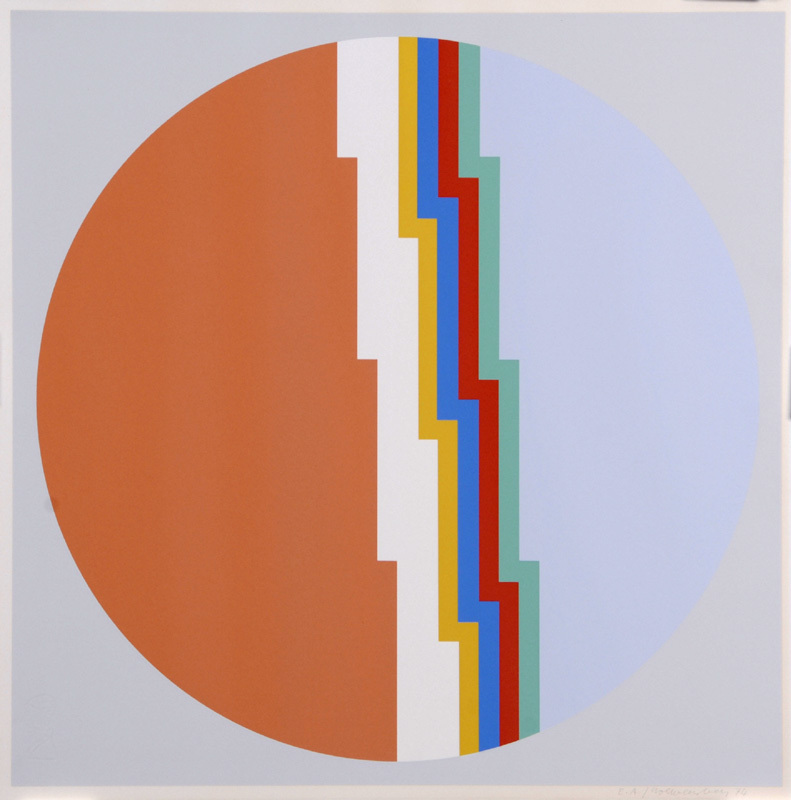
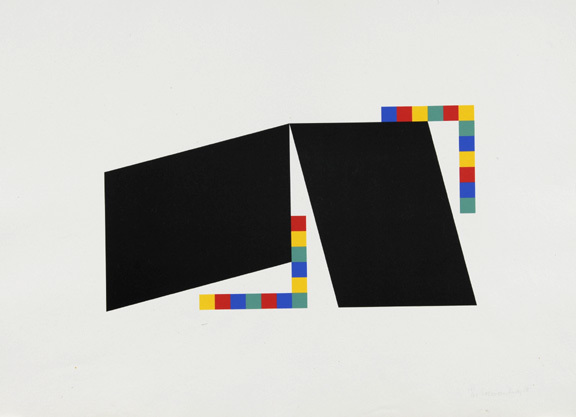
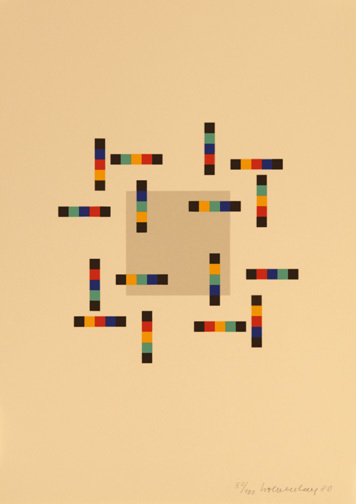
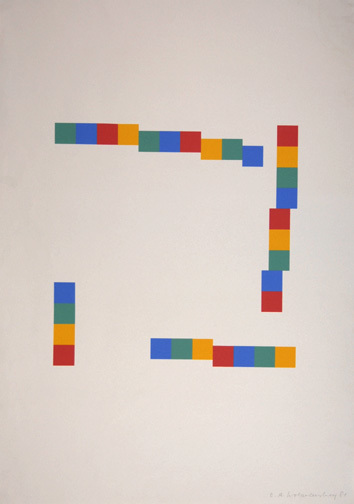
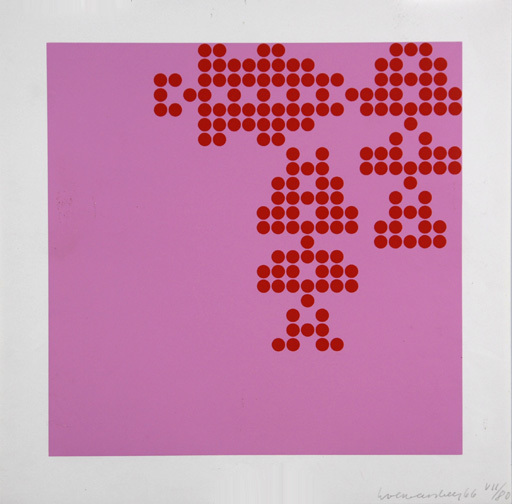
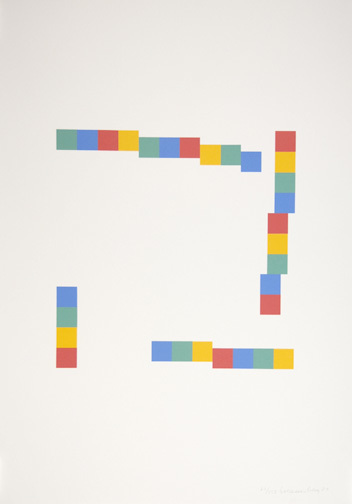
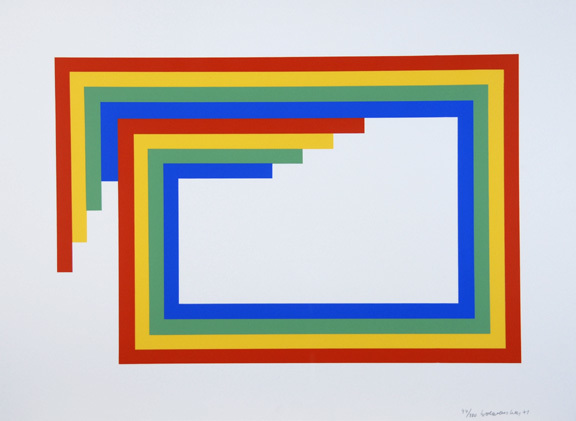
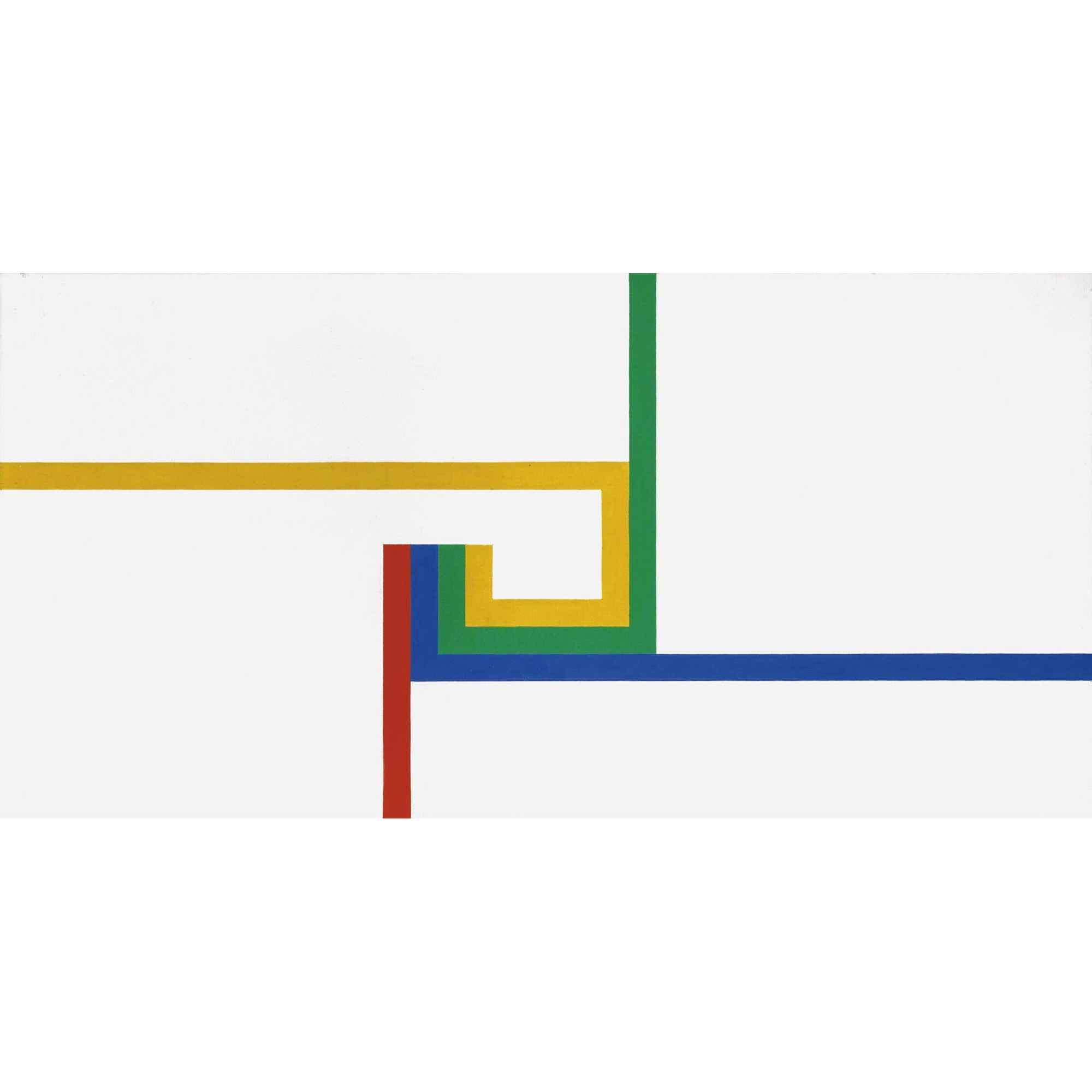
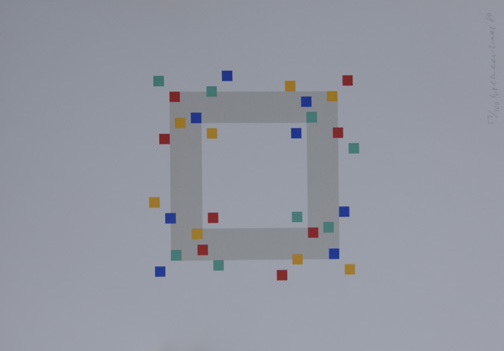
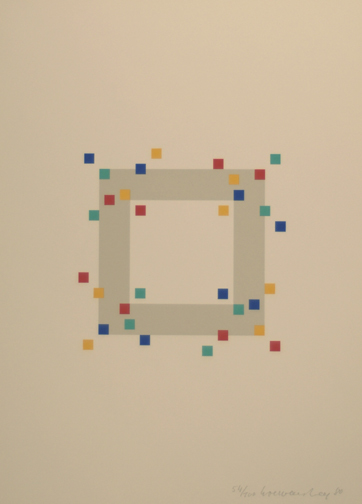
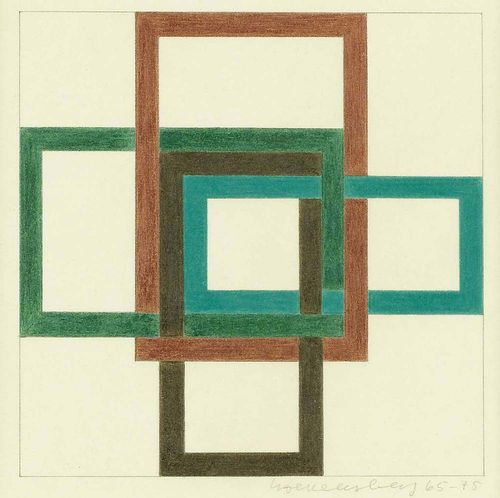
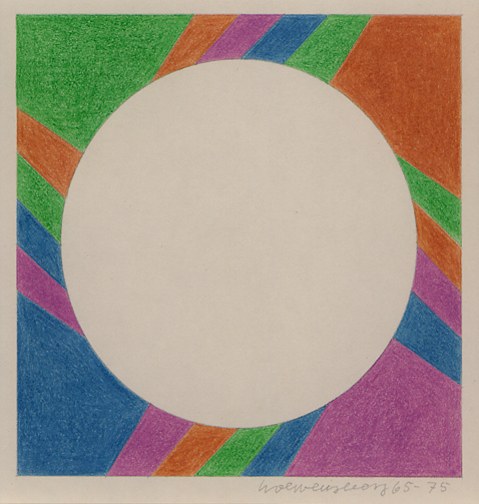
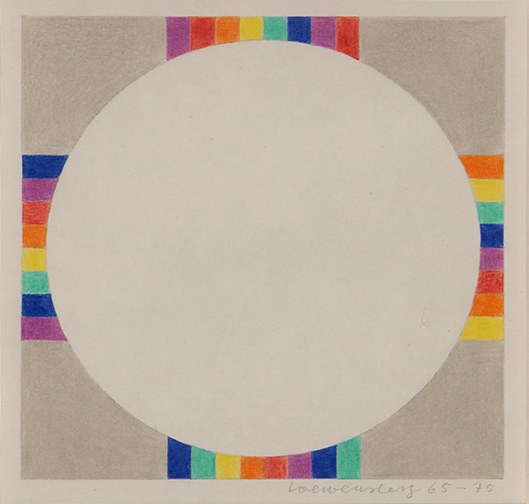
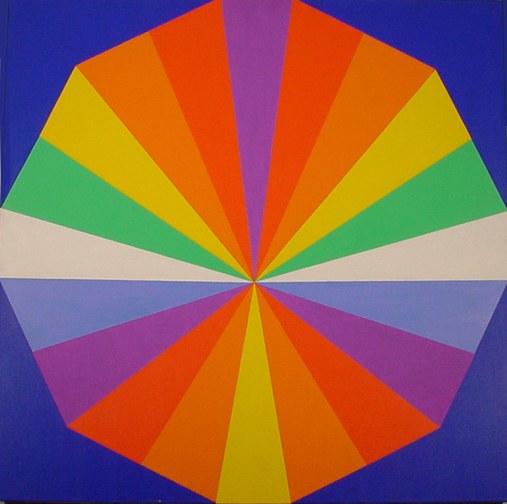
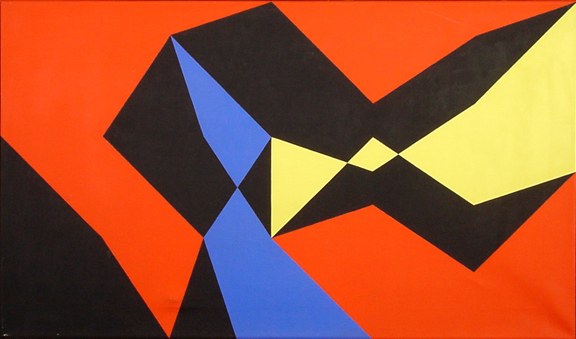
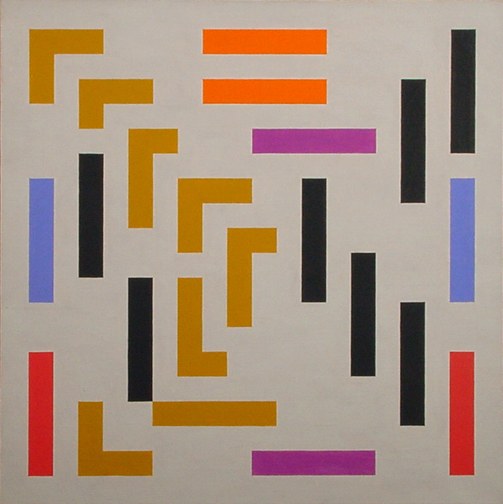
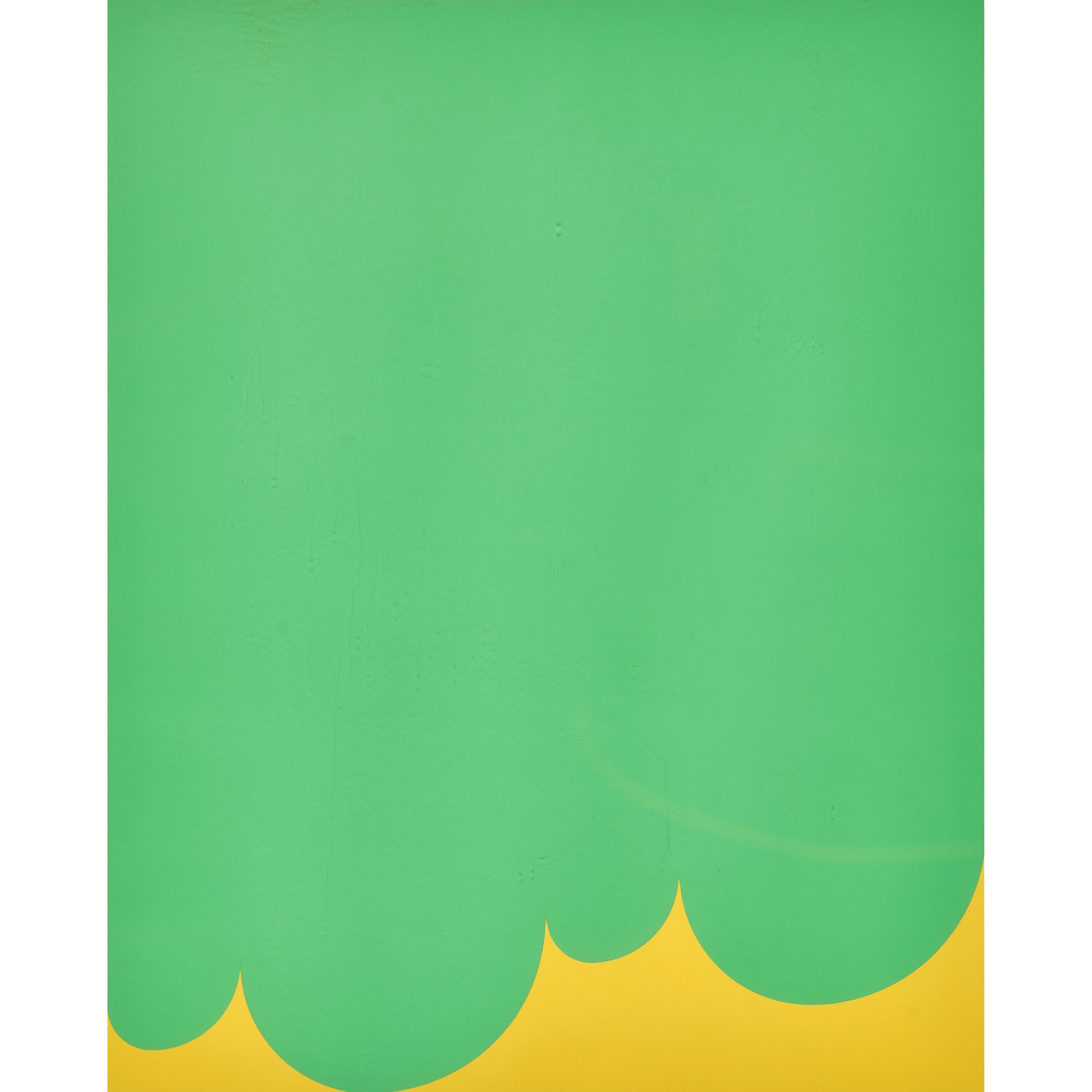
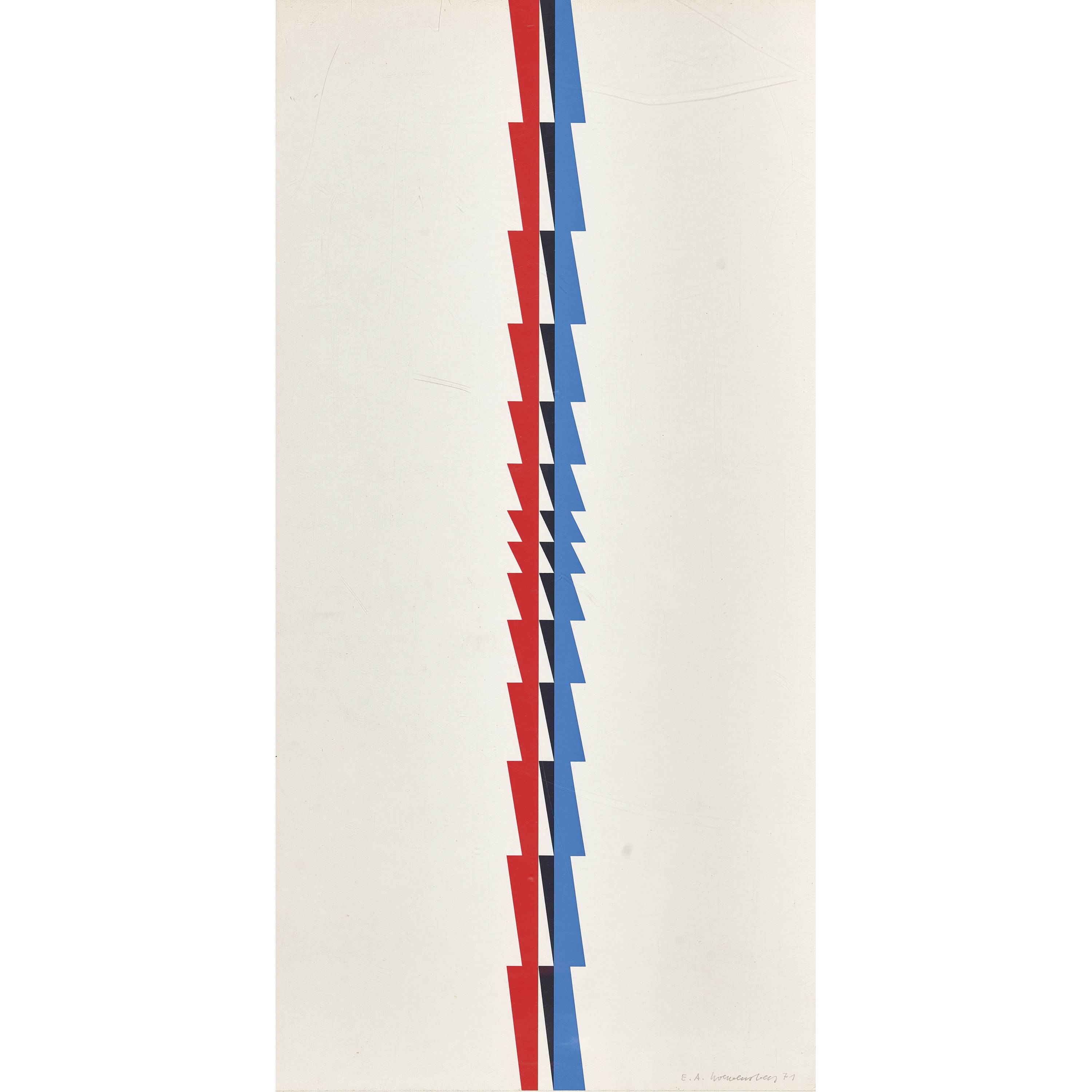
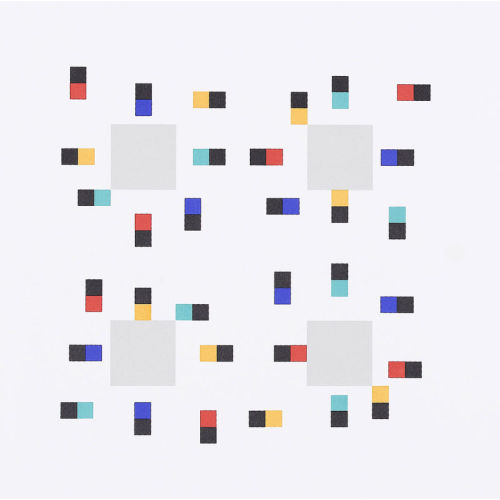
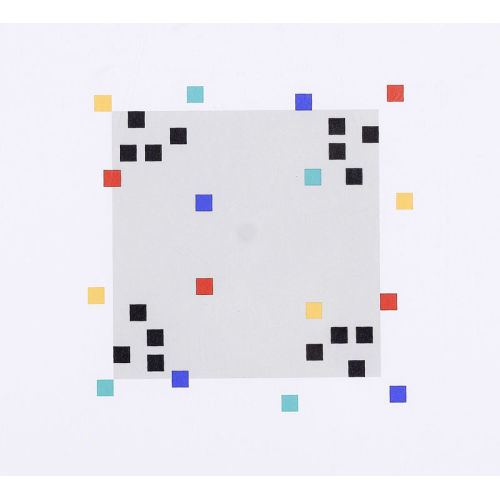
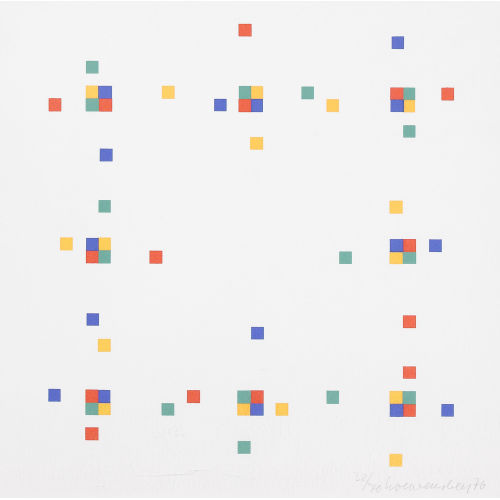
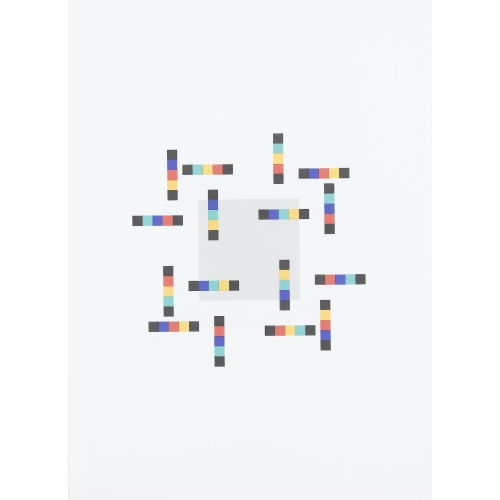
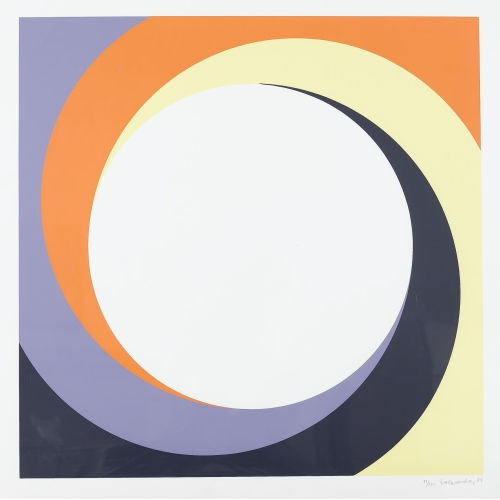
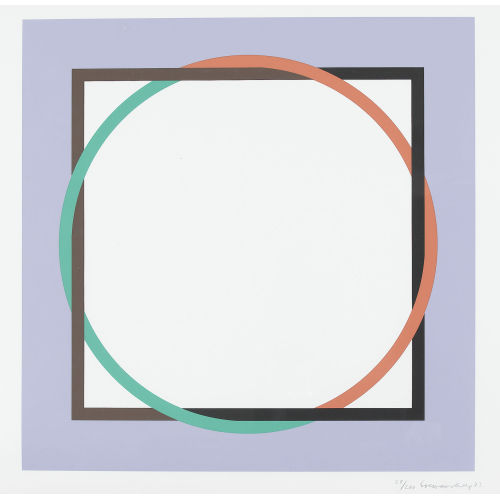
Loewensberg worked in painting, drawing, printmaking and the applied arts. Circles, squares, lines and coloured bands became the elements of a rigorous investigation into balance, rhythm and colour relationships. Geometric rules did not lead to a single formula: variations in proportion, repetition and hue produced compositions that were sometimes austere, sometimes animated.
She also created graphic works and applied projects, notably for companies.
For a long time less recognised than her male colleagues, she saw the breadth of her œuvre highlighted by the retrospective at Kunsthaus Zürich in 1981. The Dictionnaire historique de la Suisse notes that she was regularly represented in exhibitions devoted to the Zurich Concrete artists, while initially remaining in their shadow. An important monograph and a catalogue raisonné of her paintings were published in 2012 under the auspices of SIK-ISEA, on the occasion of the retrospective at Kunstmuseum Winterthur.