Sonja Sekula
Born in 1918.
Died in 1963.
She moved to the United States with her parents in 1936 and soon came into contact with European Surrealist artists in exile, particularly those in the circles around André Breton and Marcel Duchamp. She exhibited at Peggy Guggenheim’s Art of This Century gallery before being represented by Betty Parsons. At the heart of the New York avant-garde, she presented her work alongside artists such as Barnett Newman and Jackson Pollock, without her practice being reducible to any one of their schools.
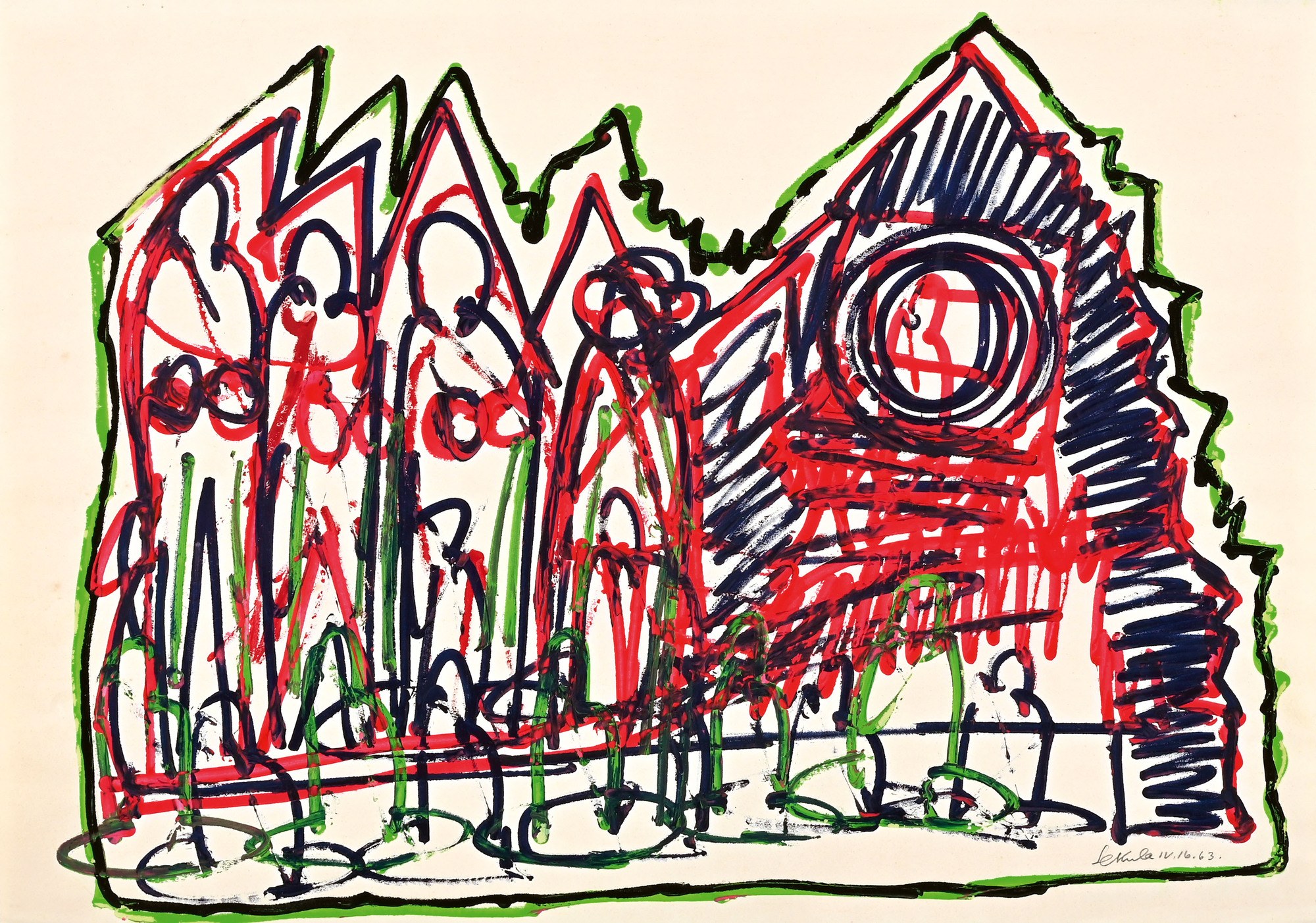
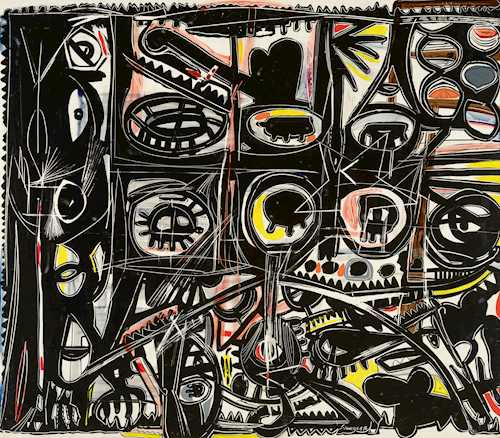
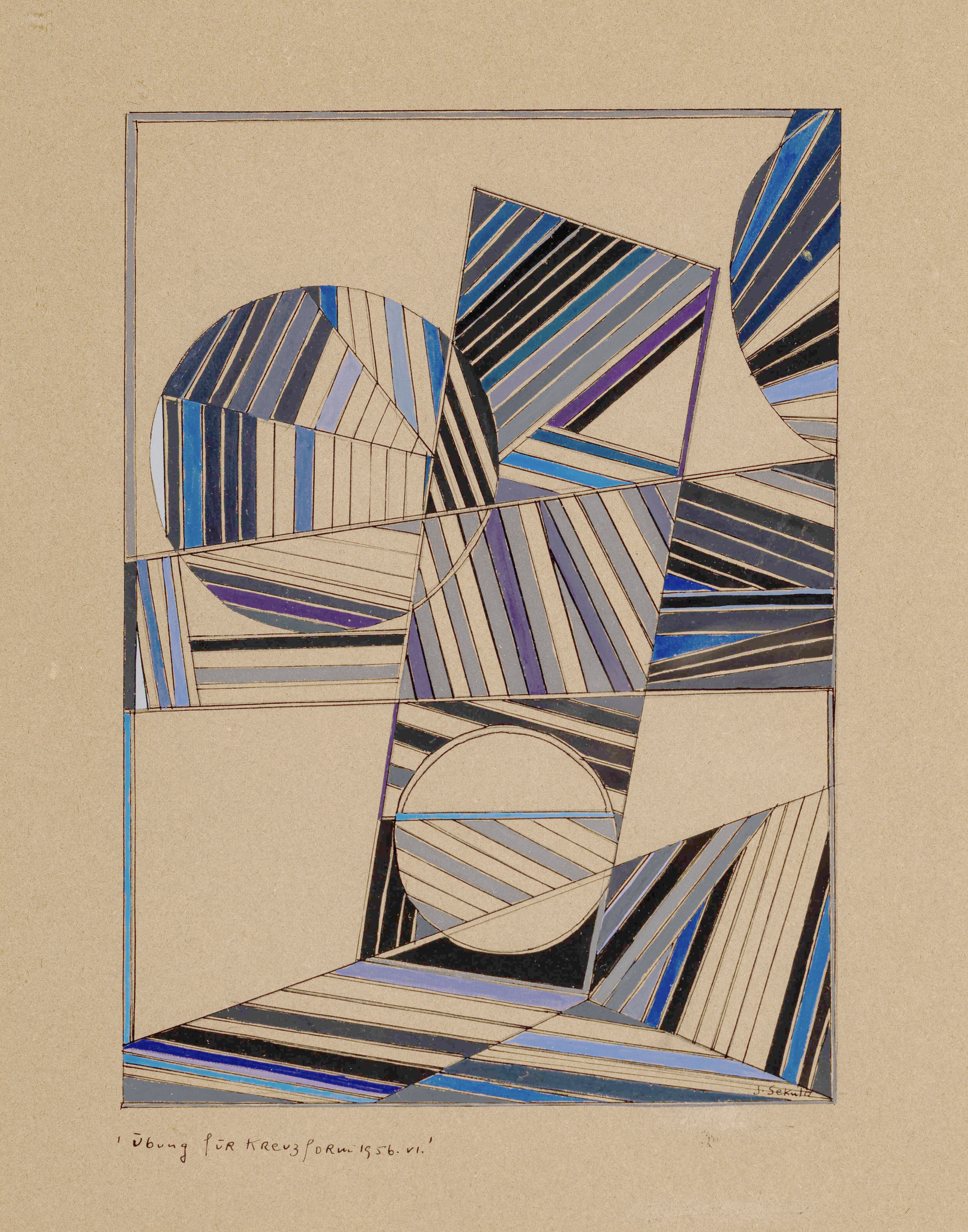
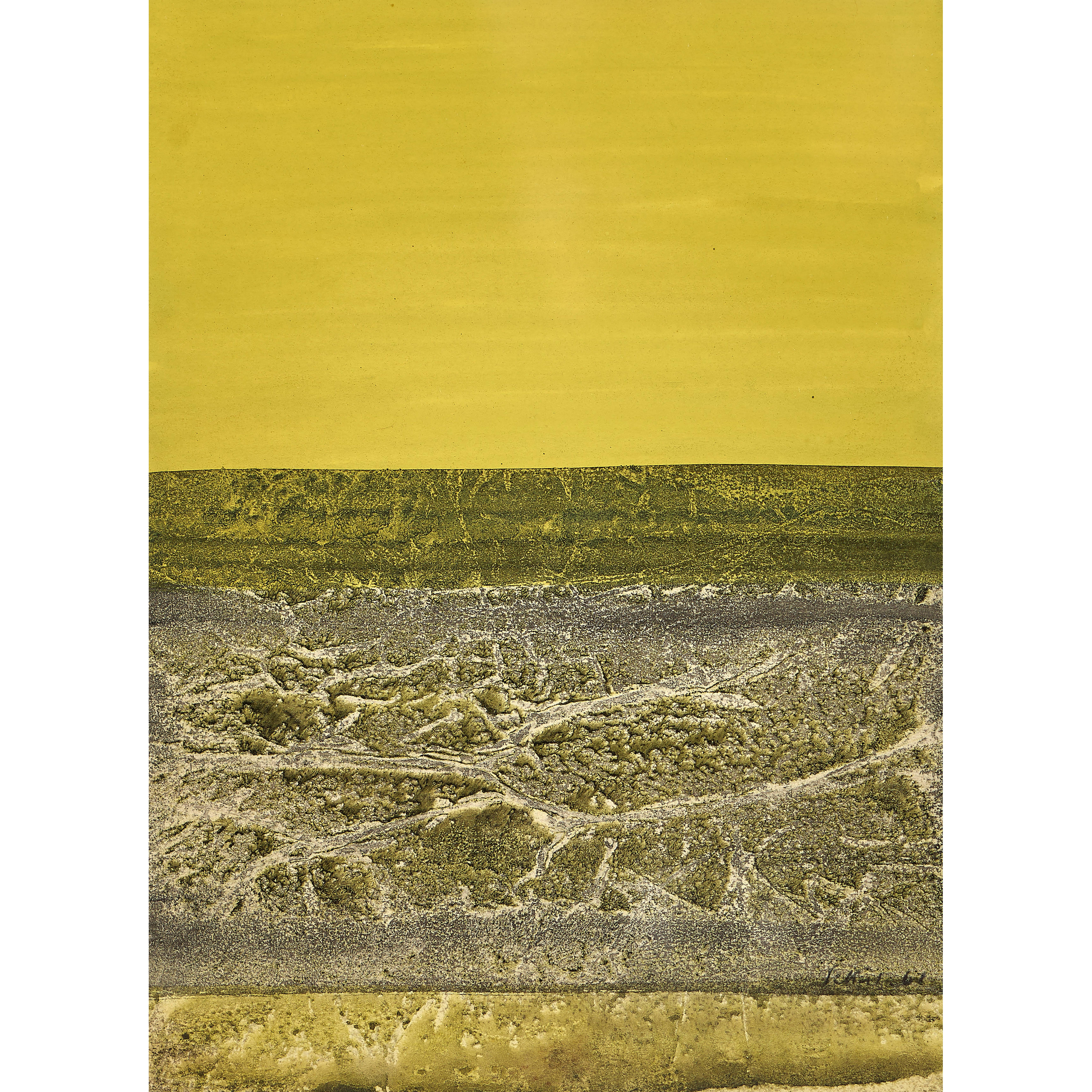
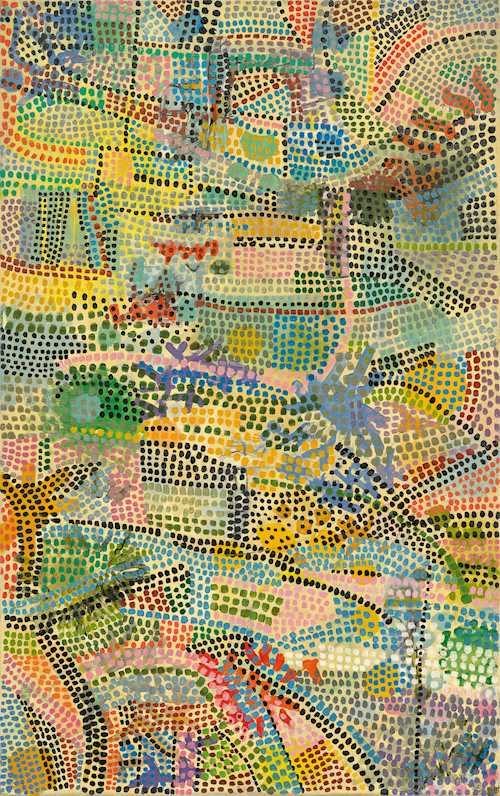
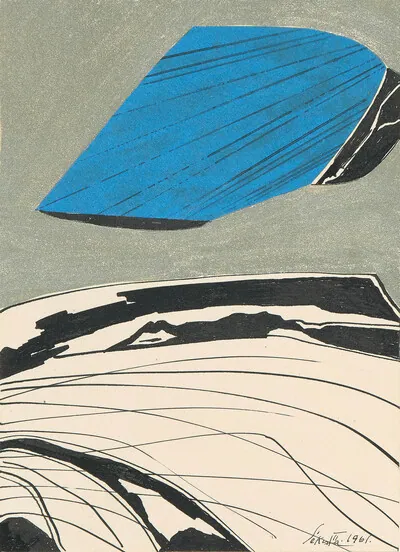
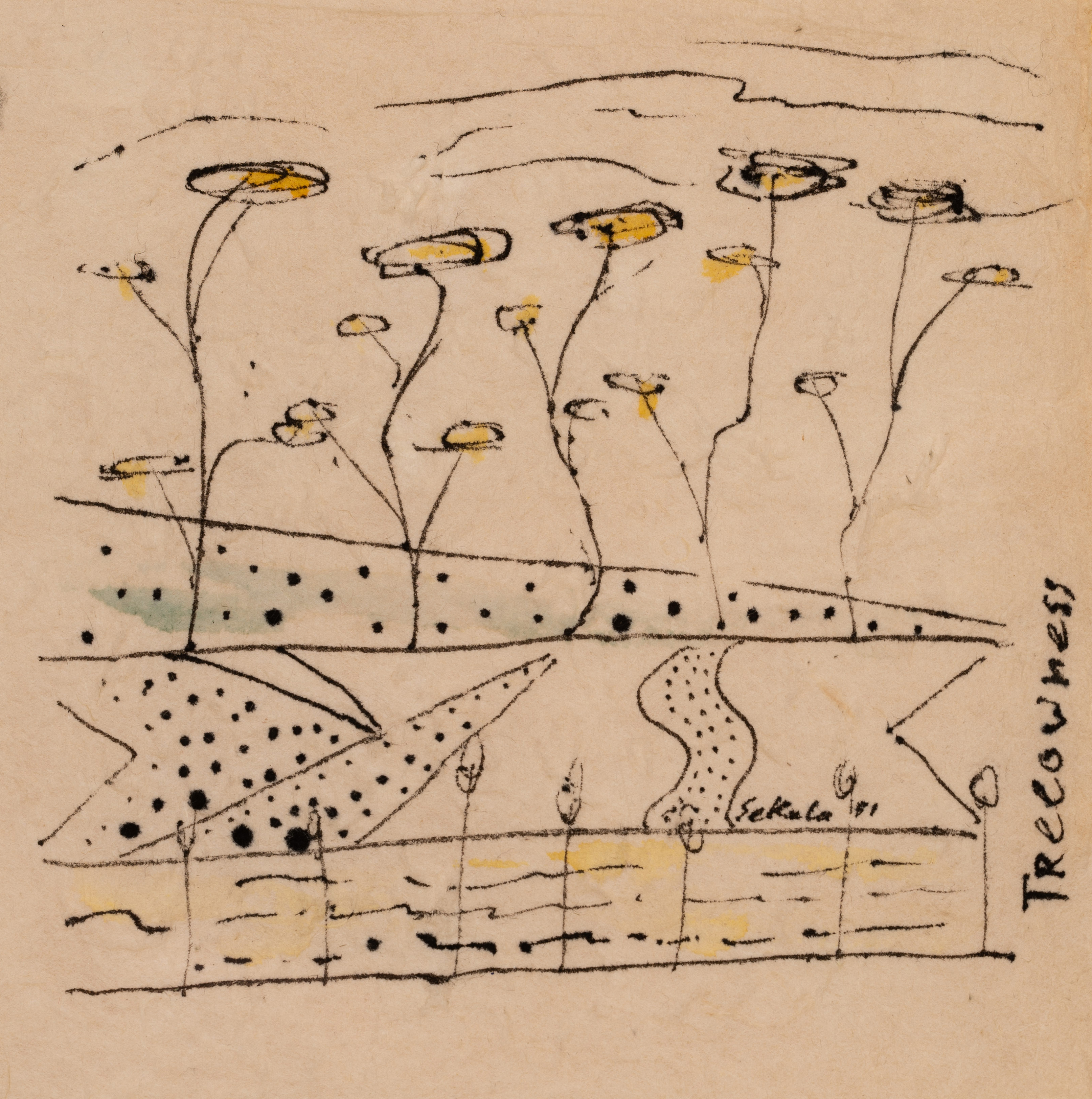
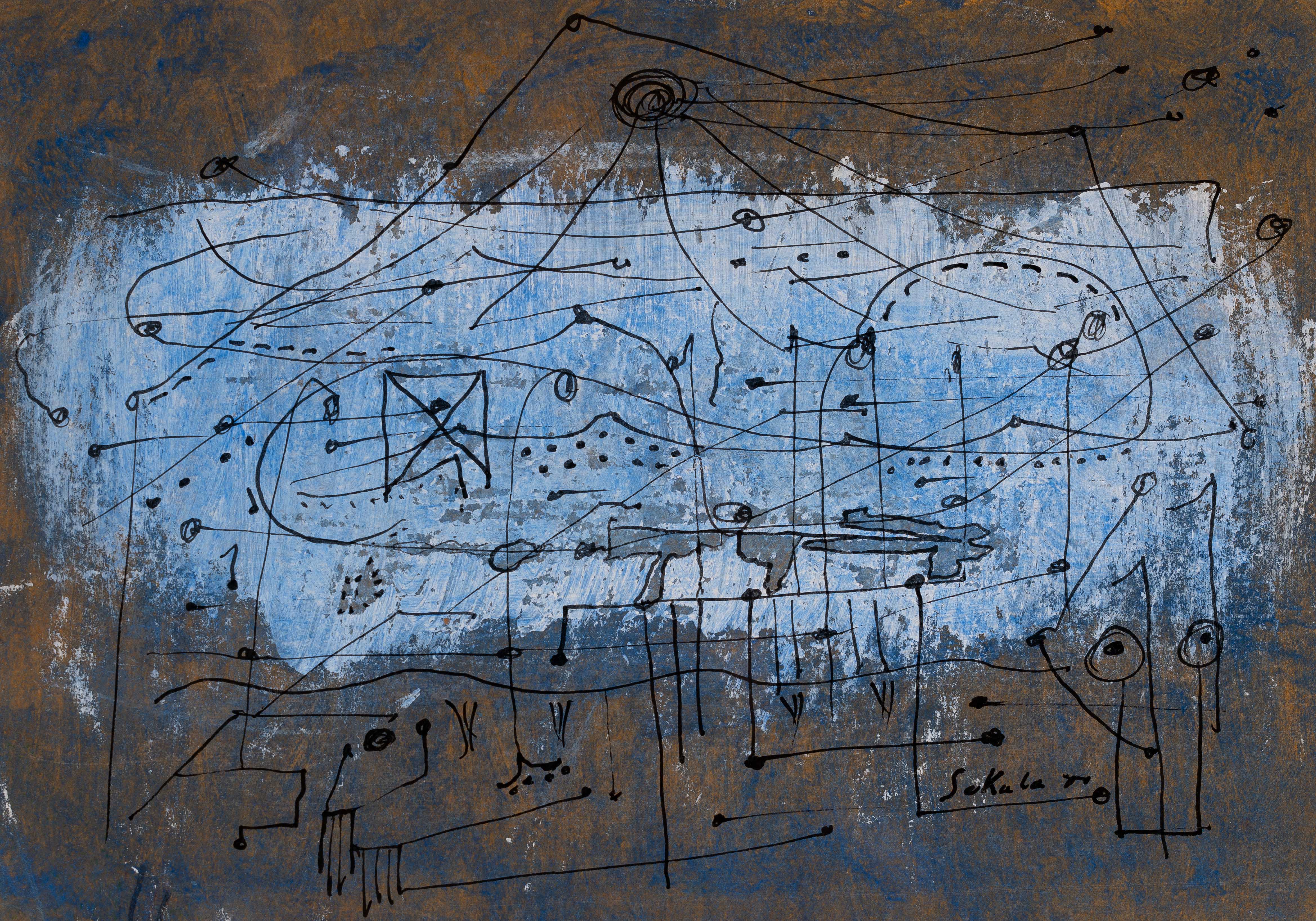
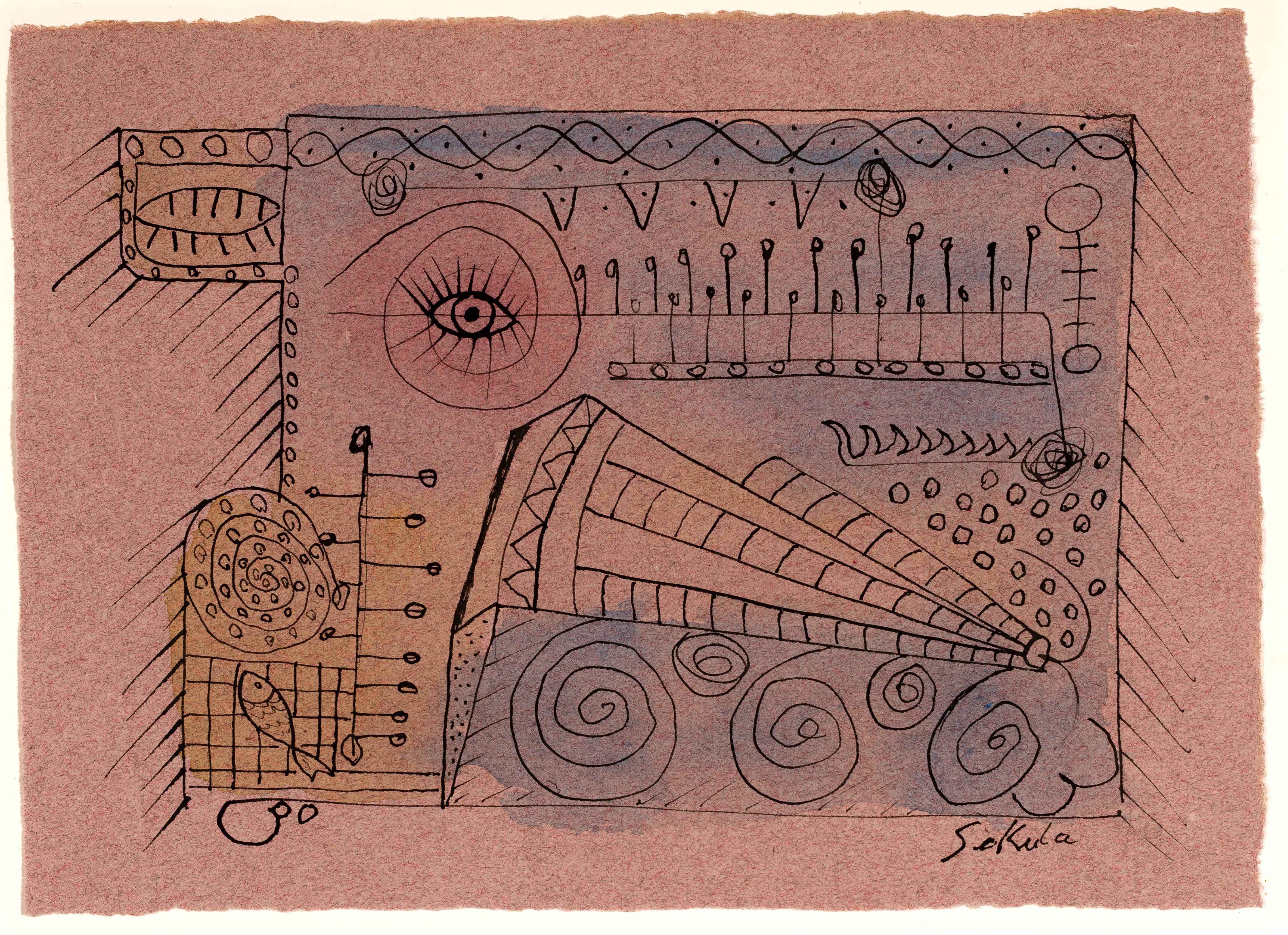
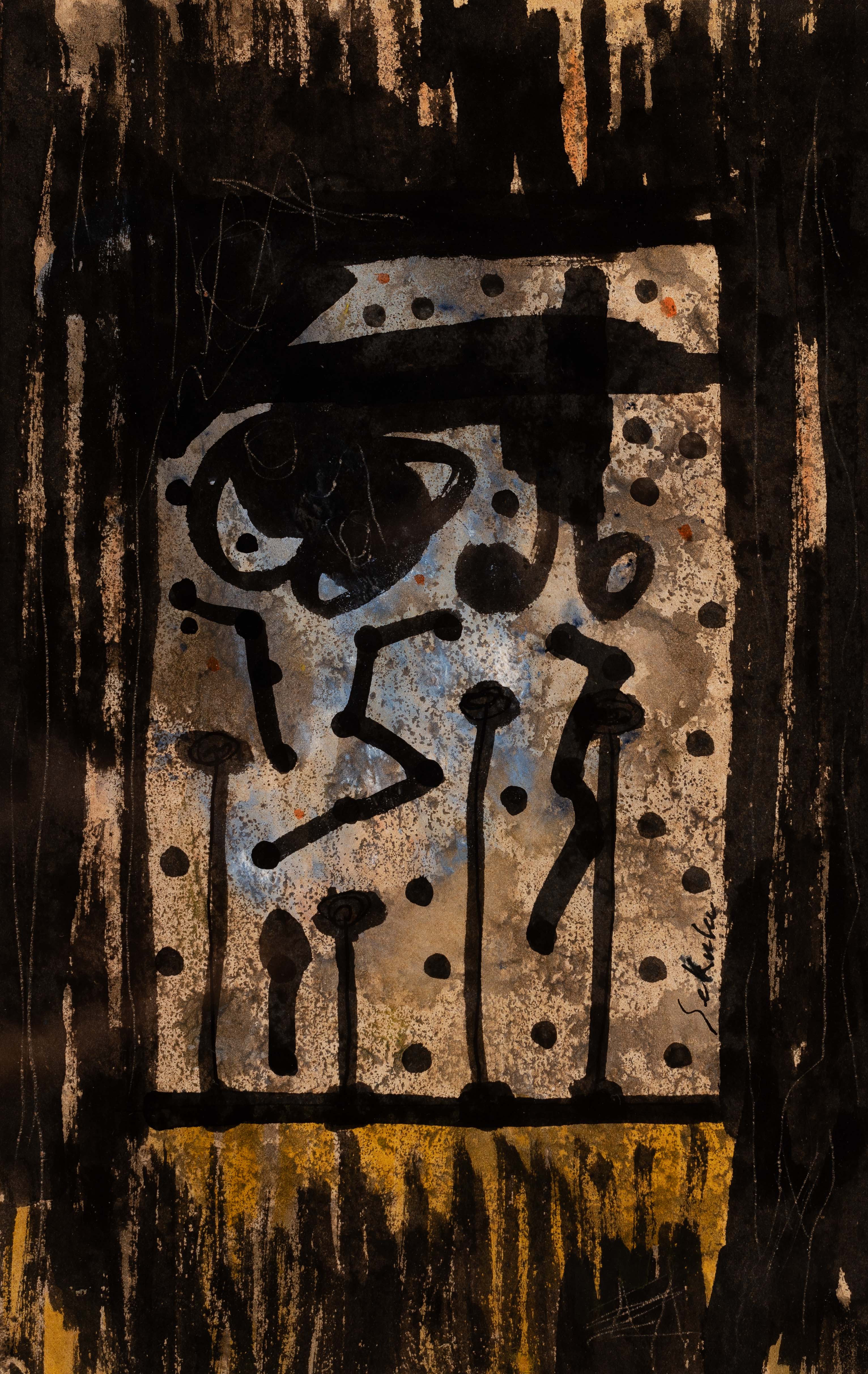
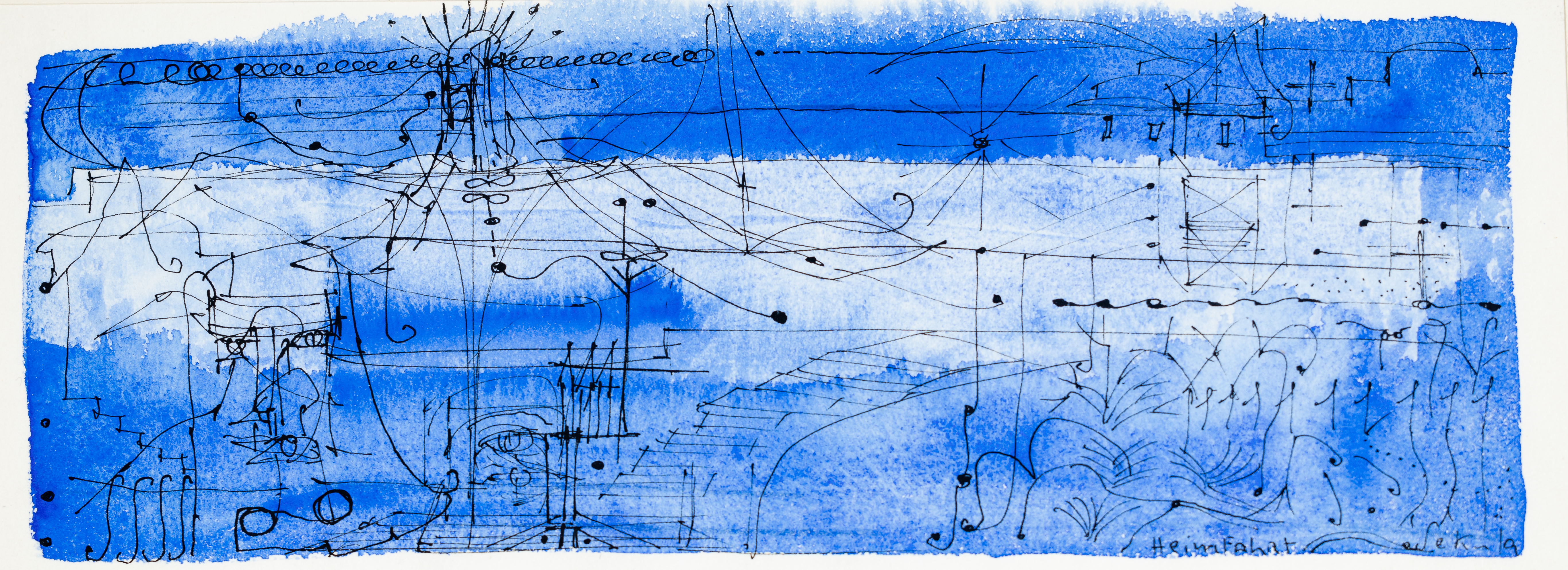
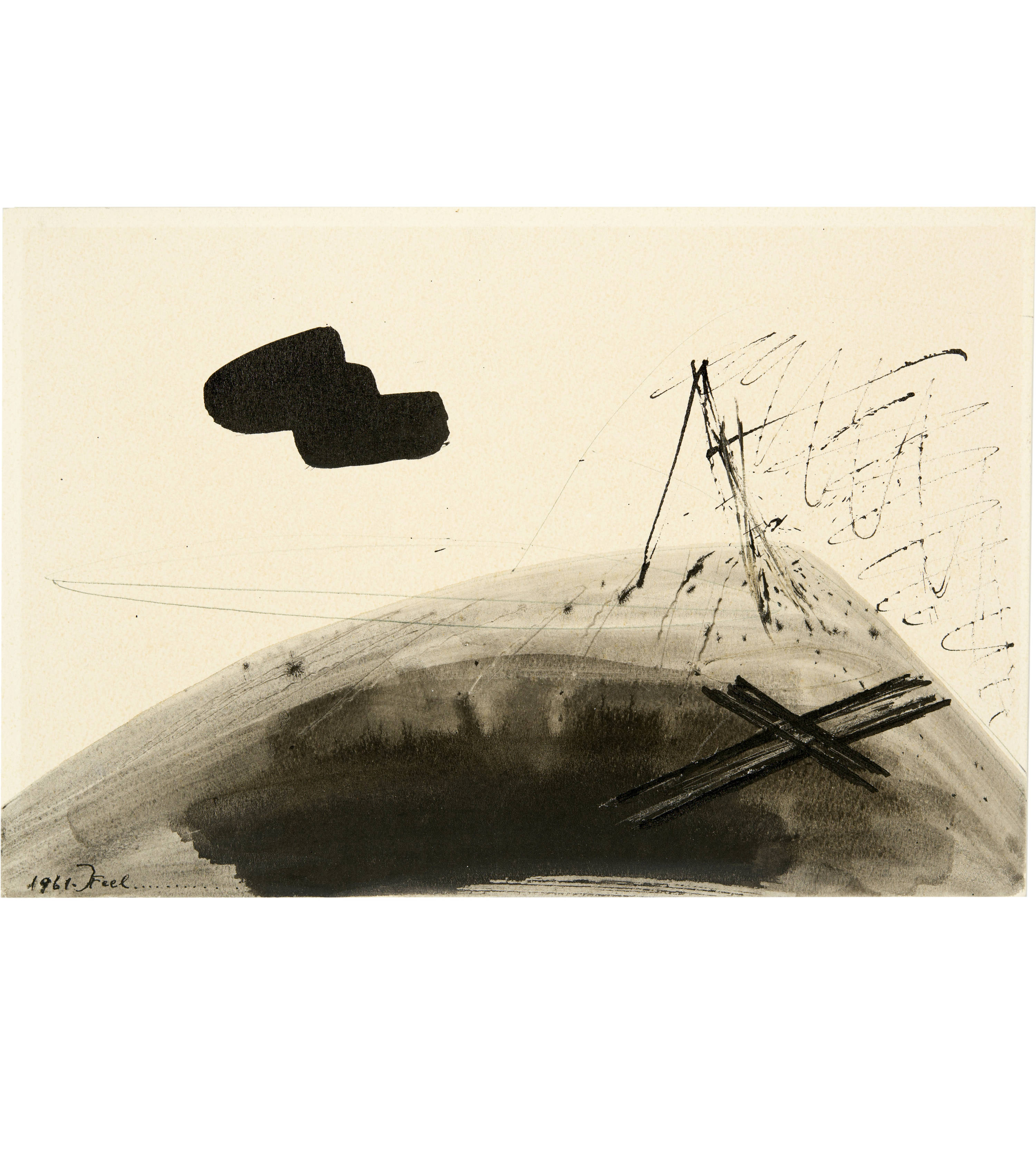
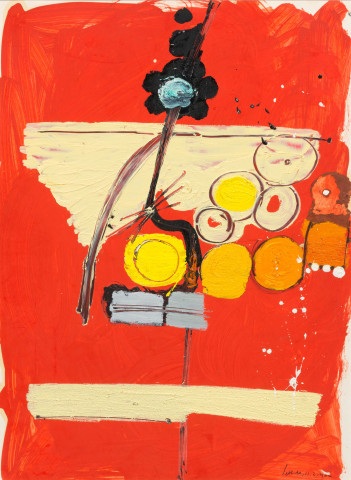
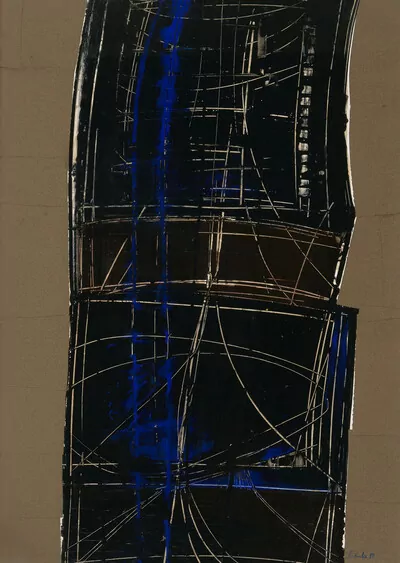
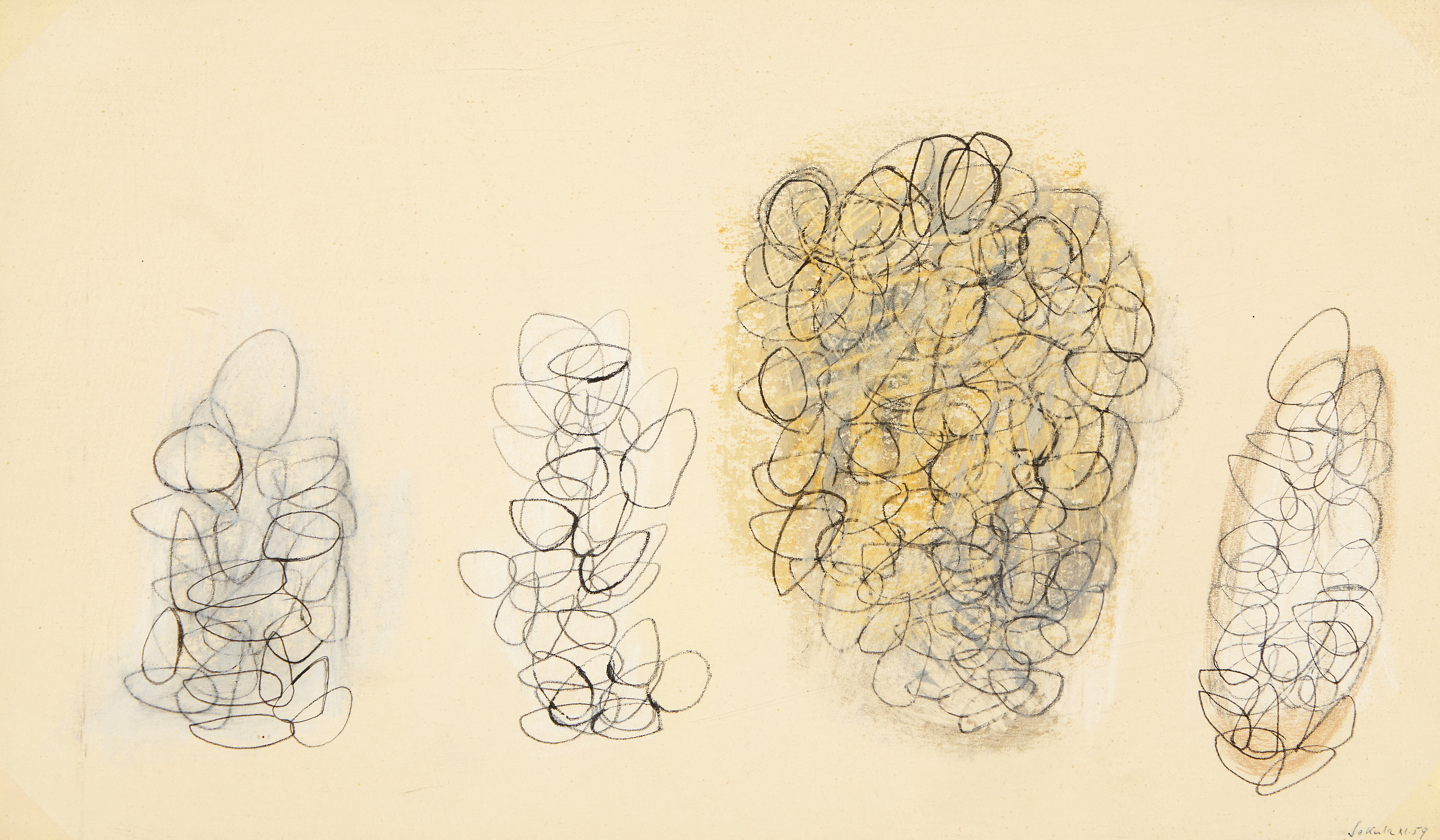
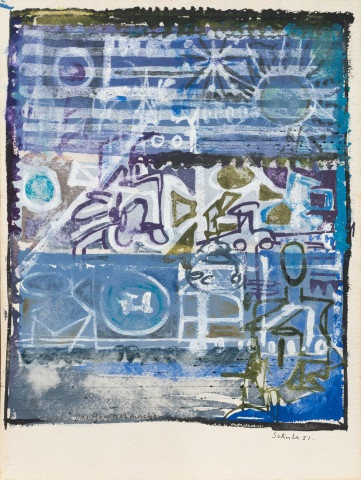
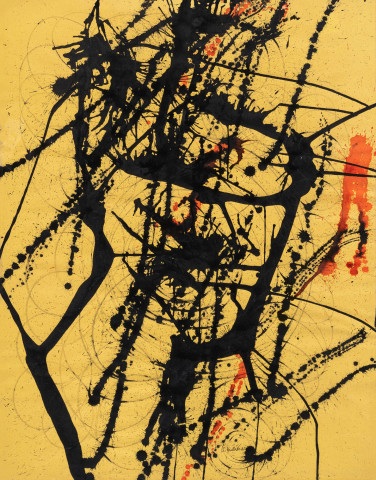
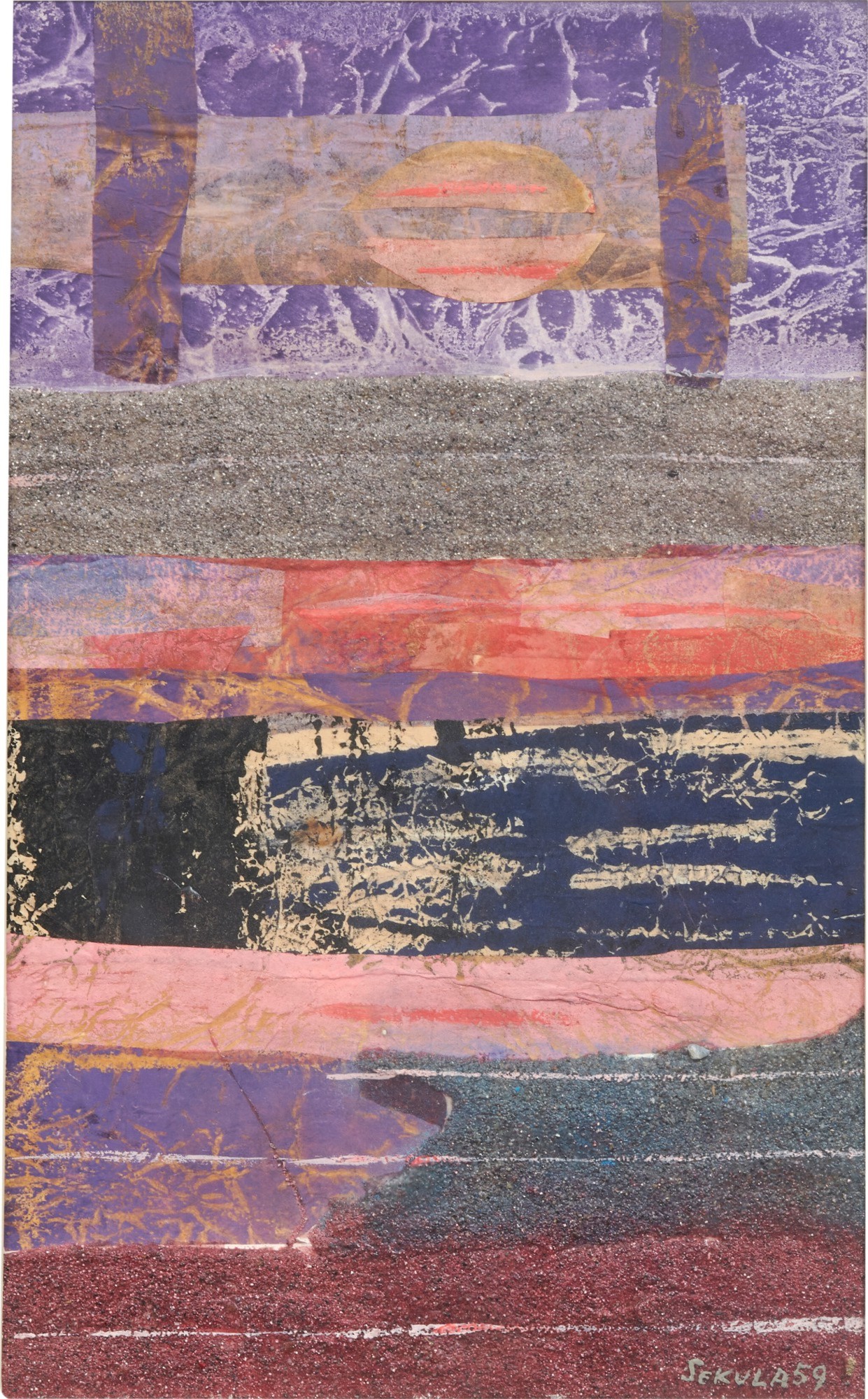
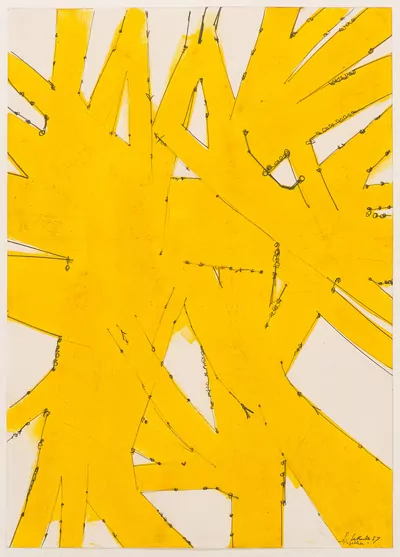
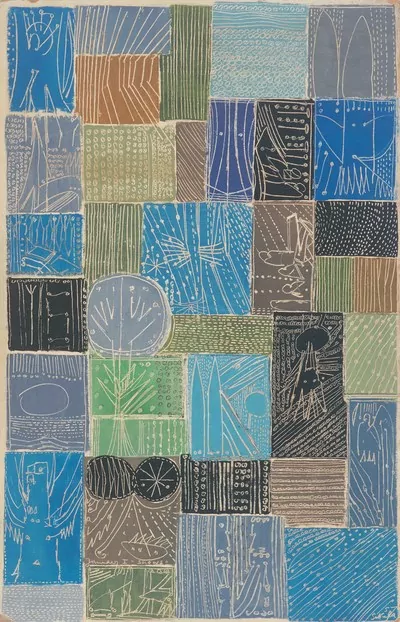
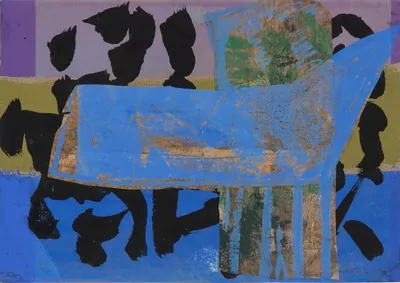
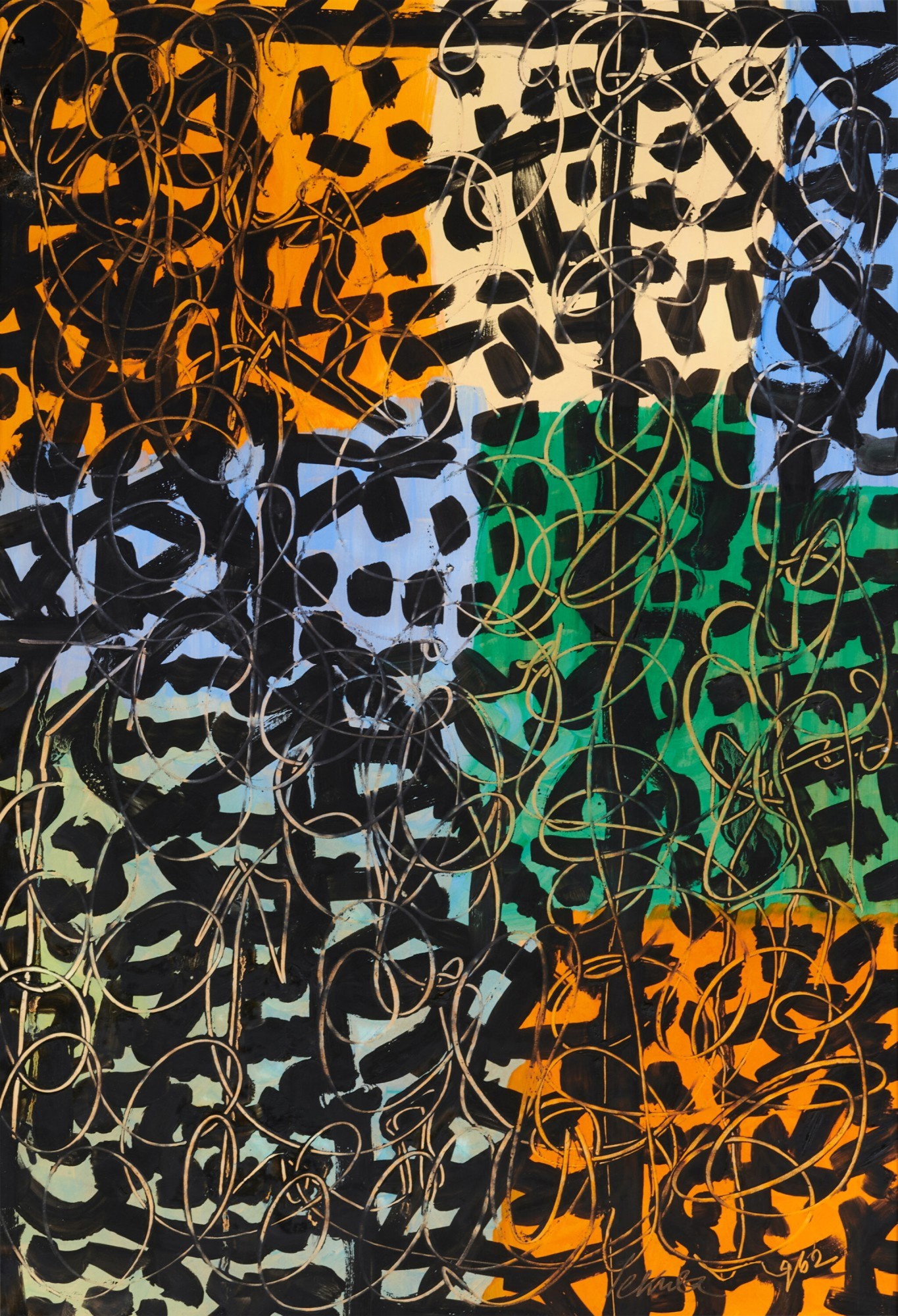
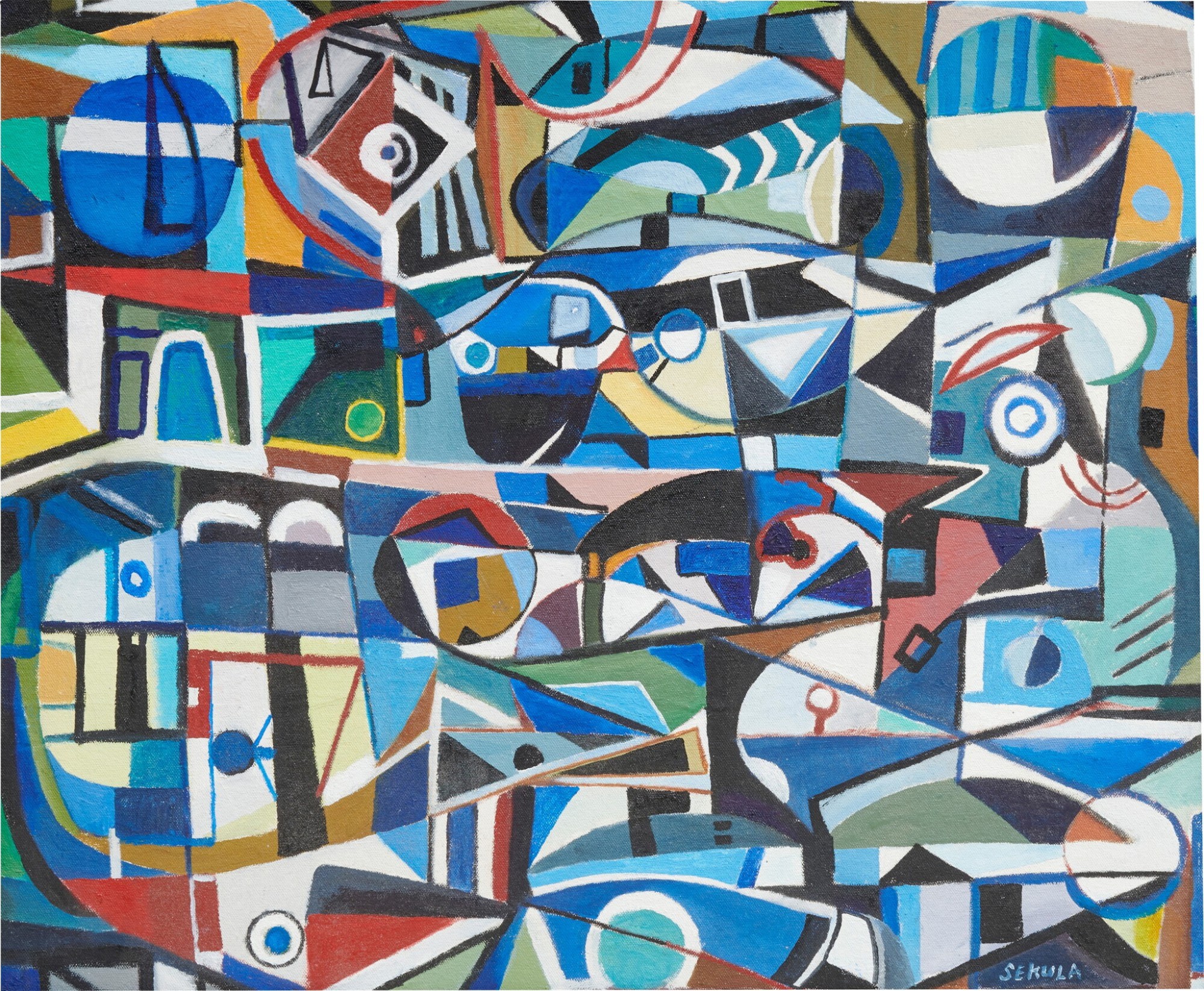
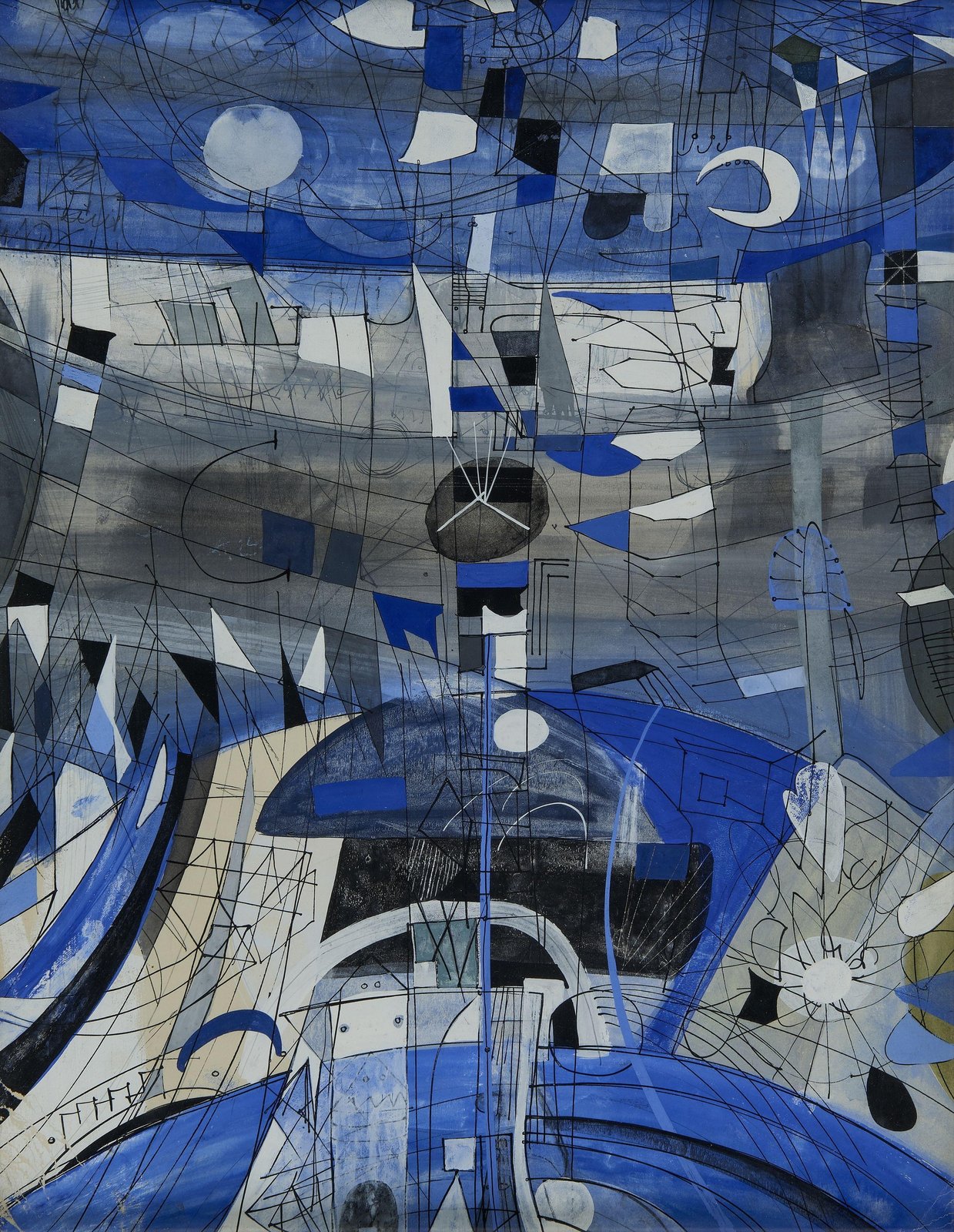
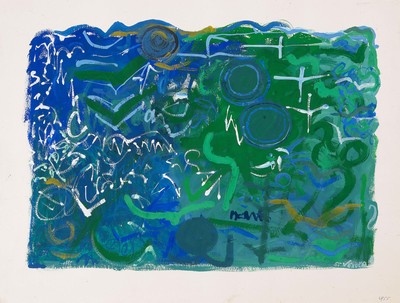
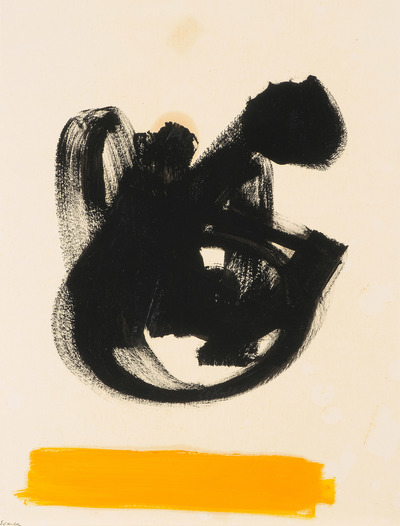
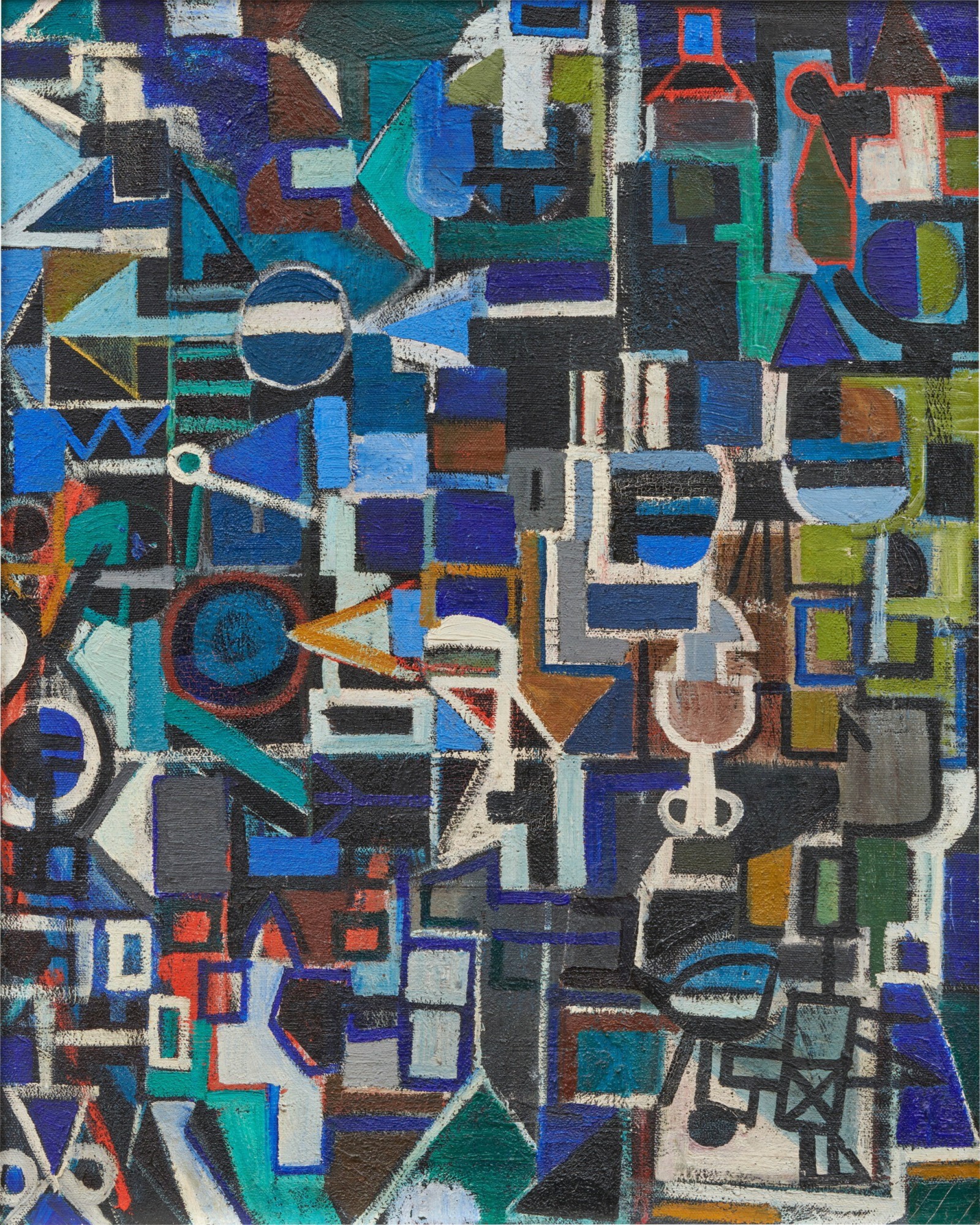
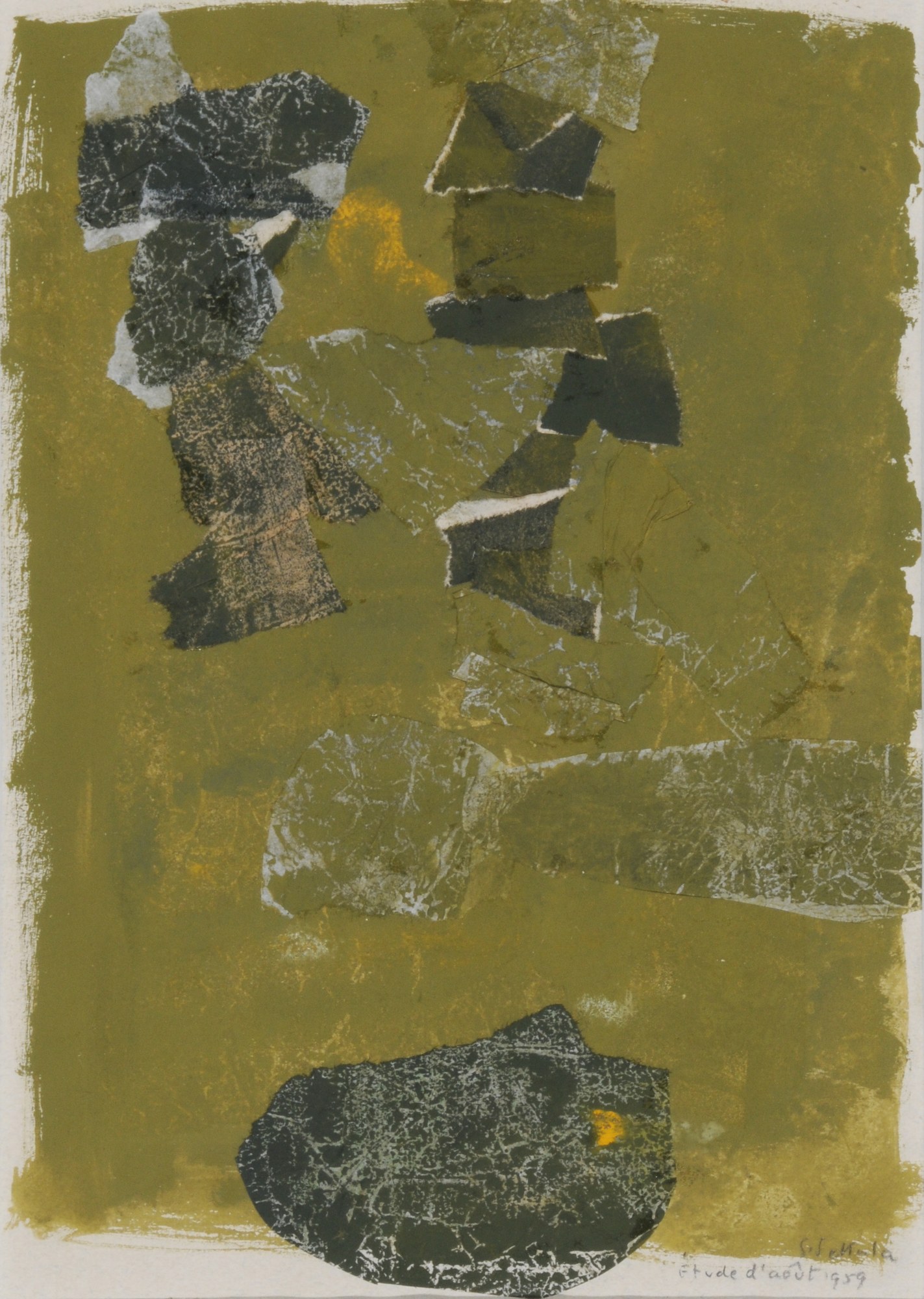
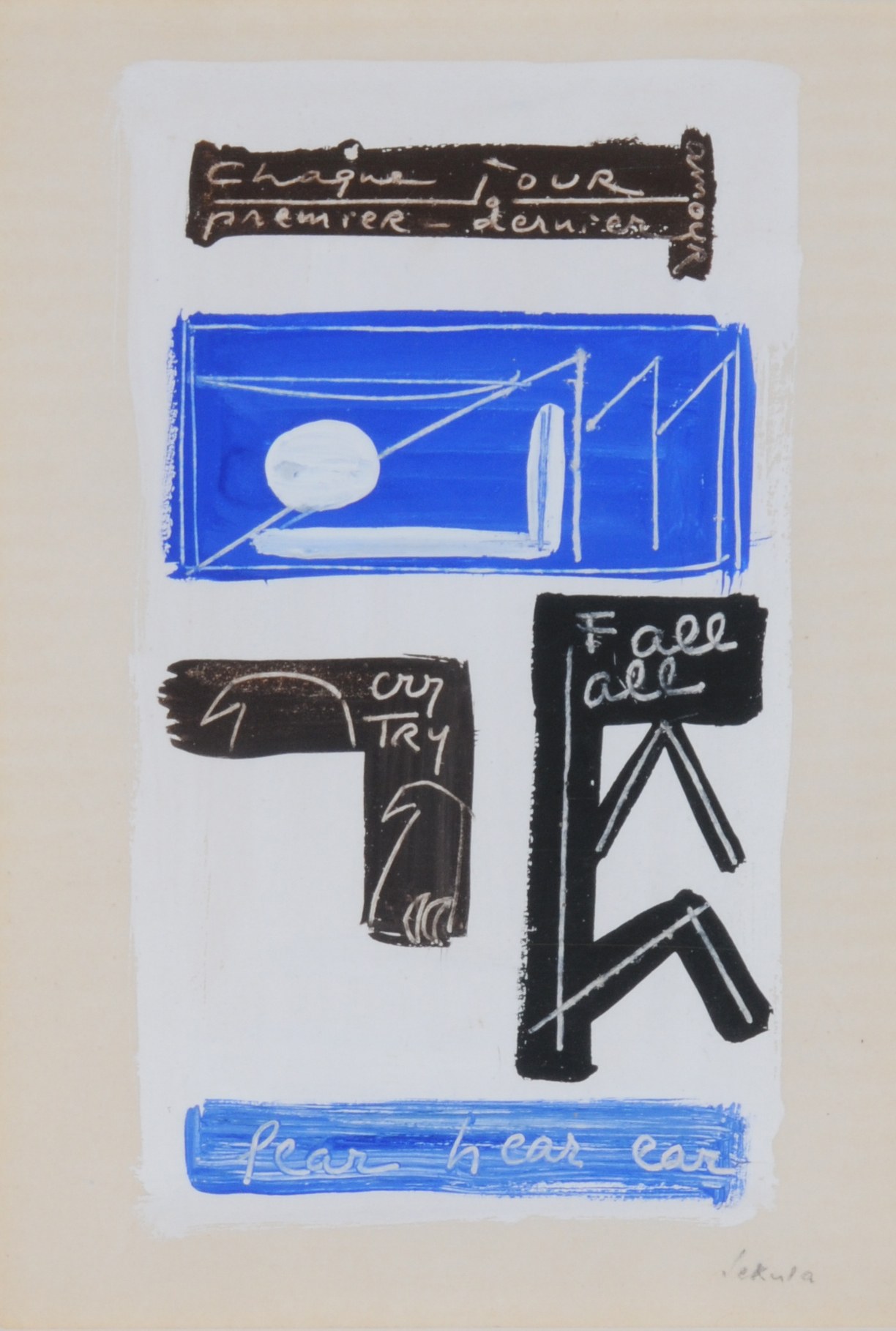
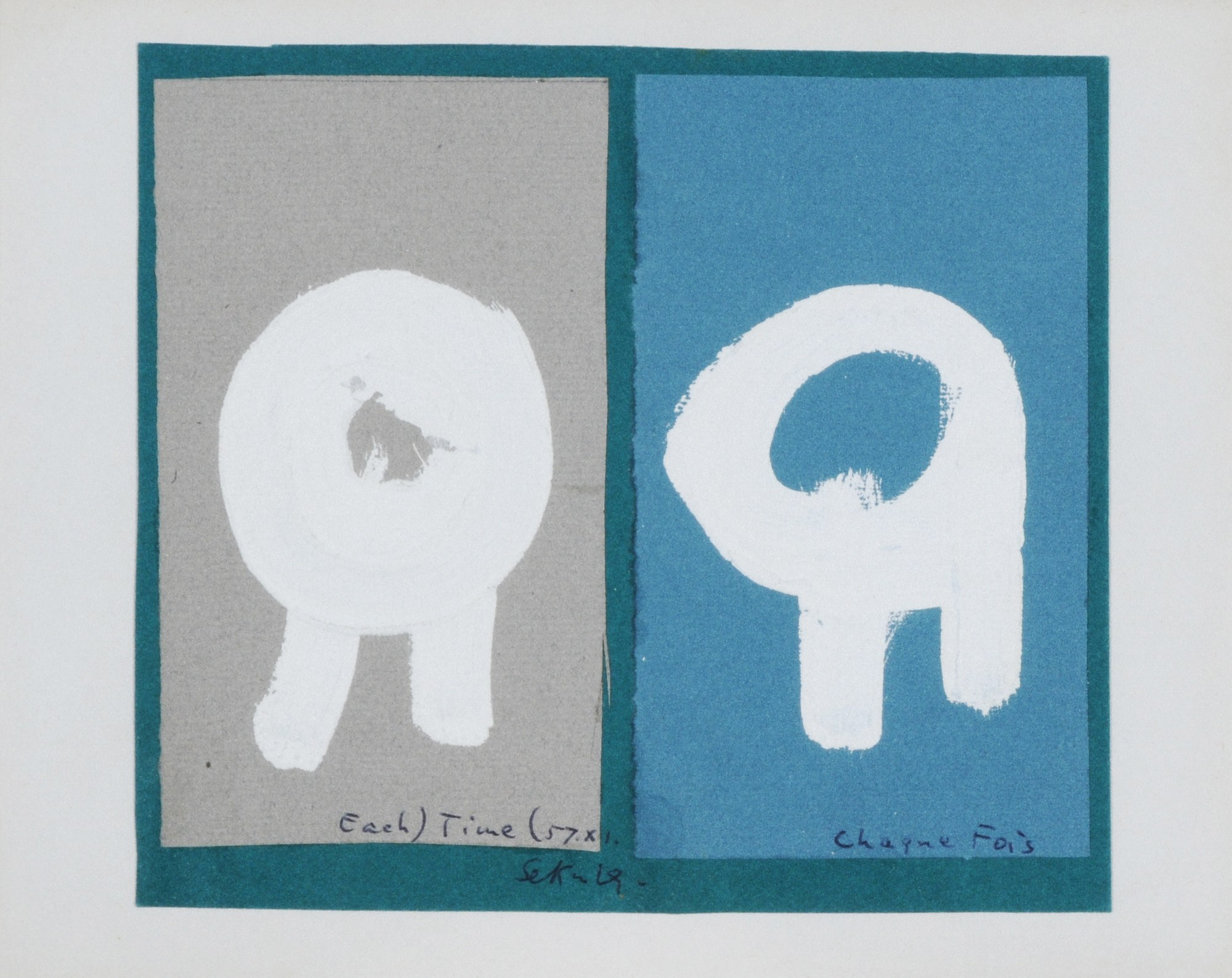
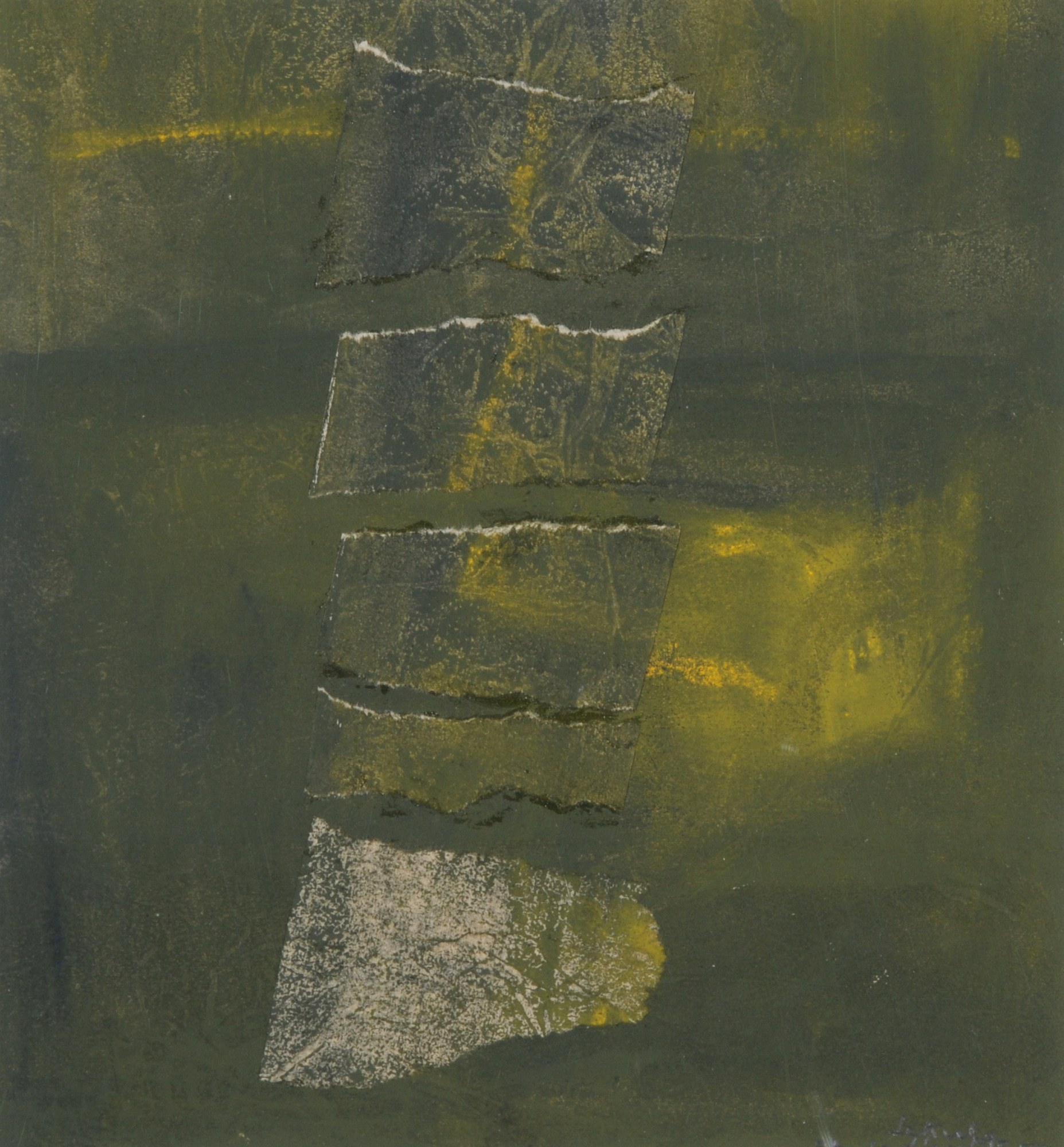
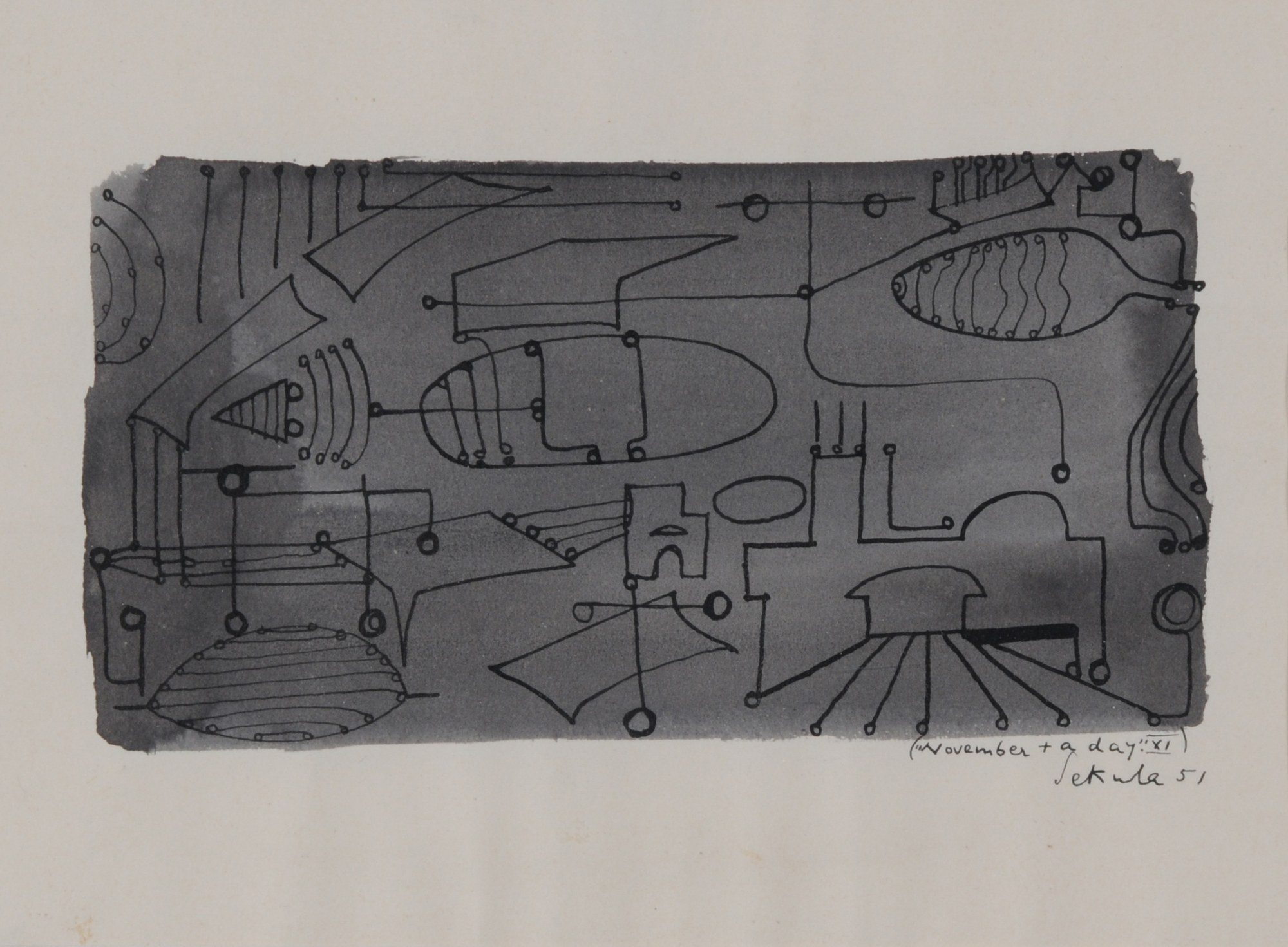
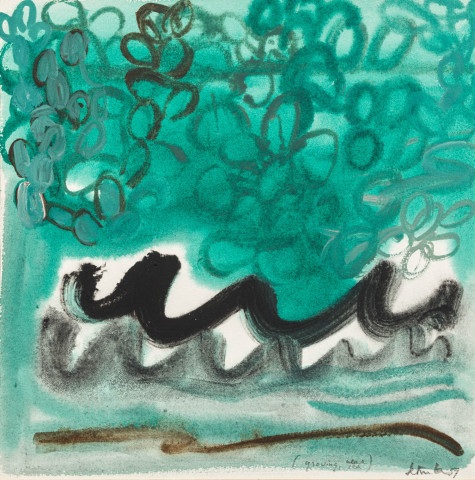
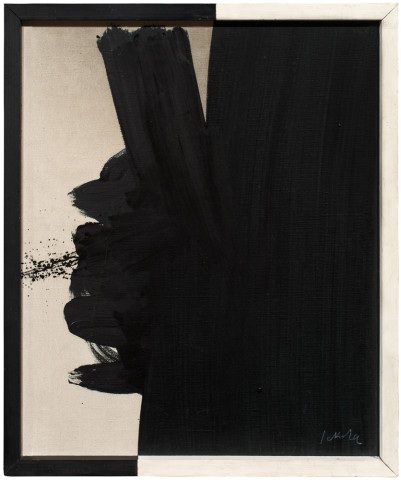
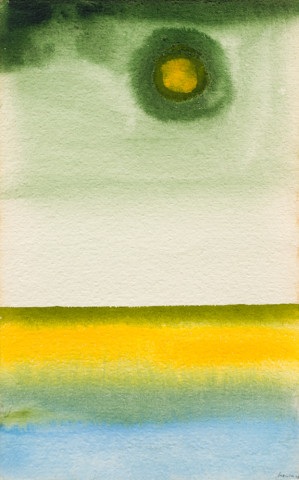
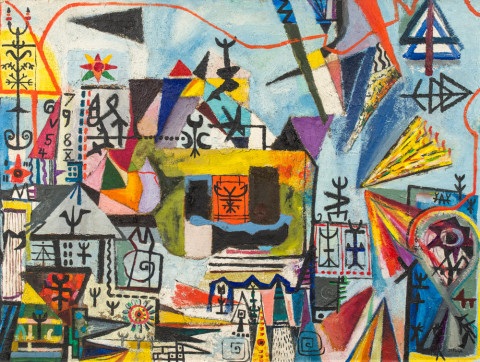
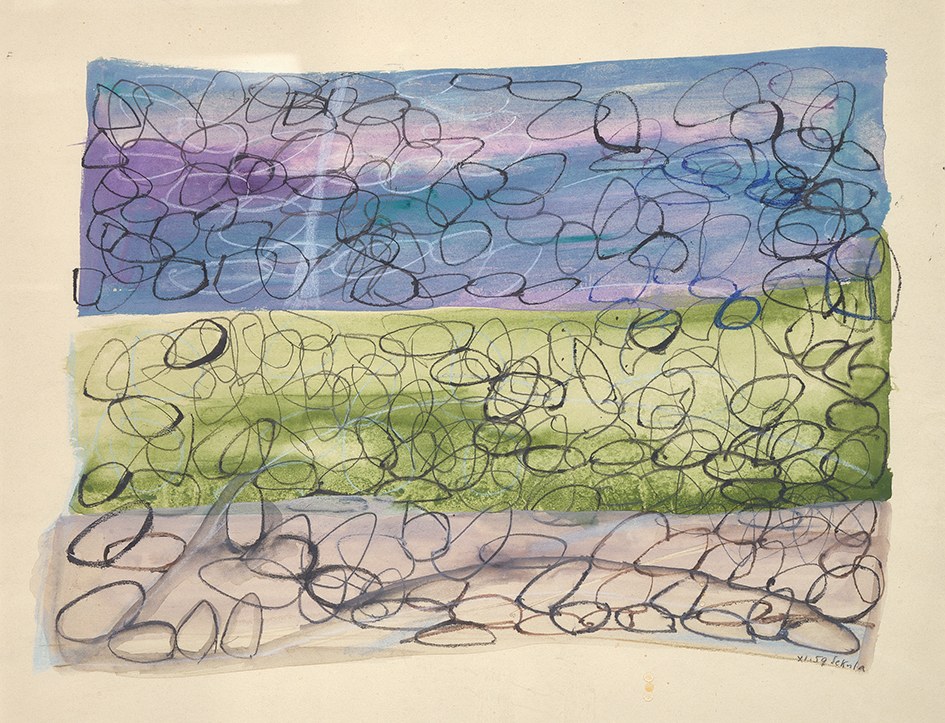
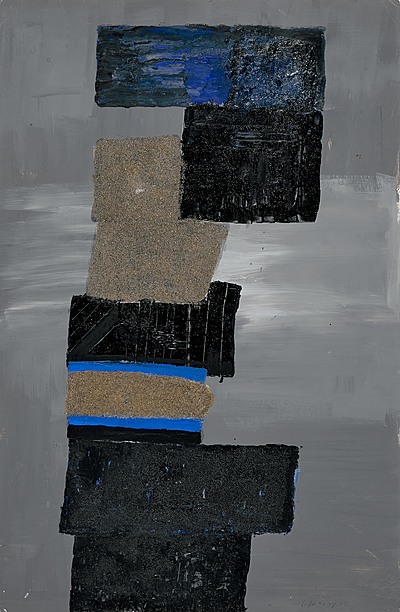
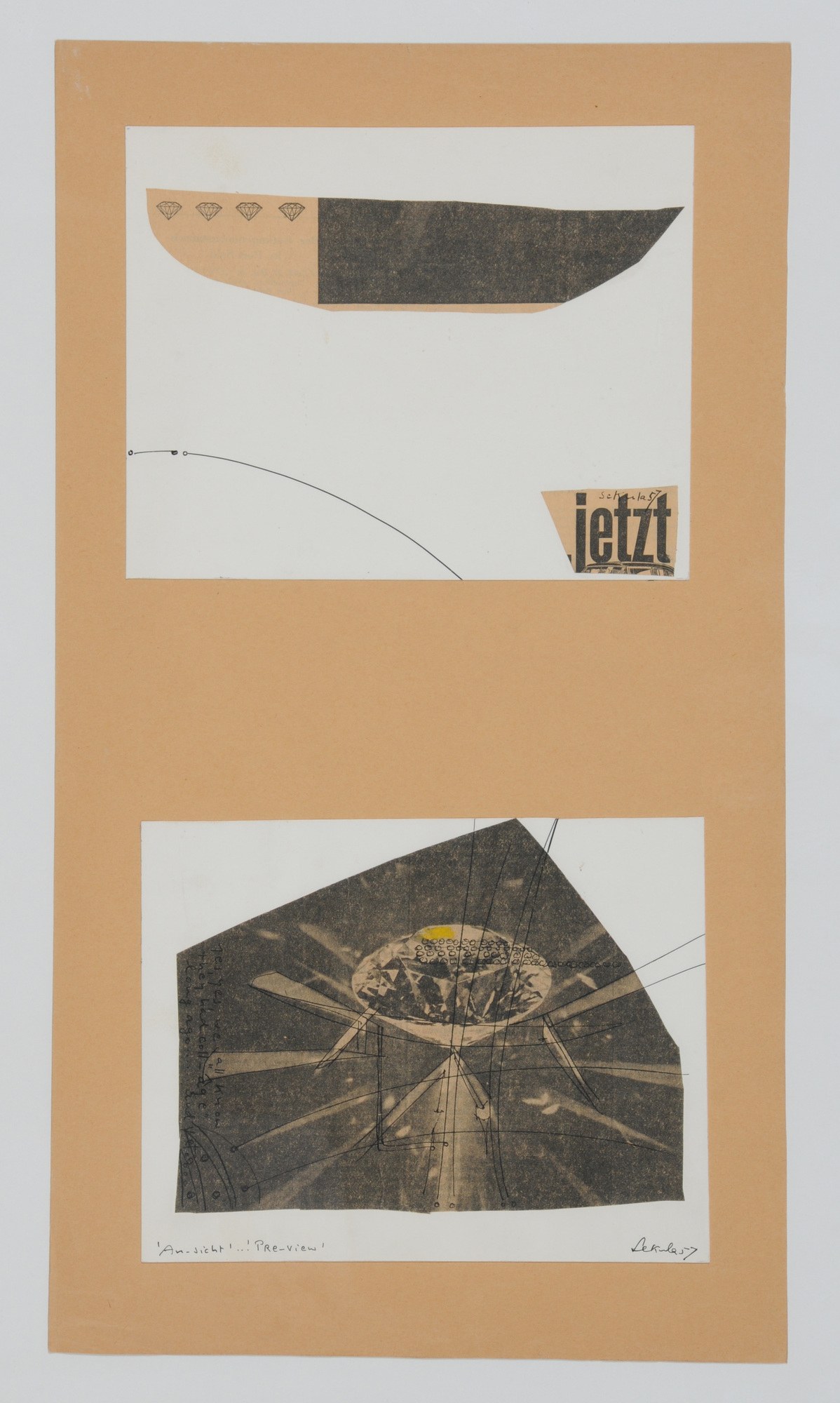
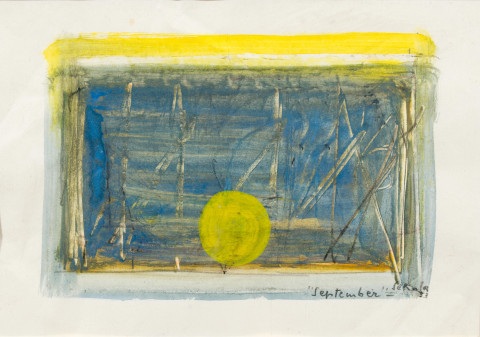
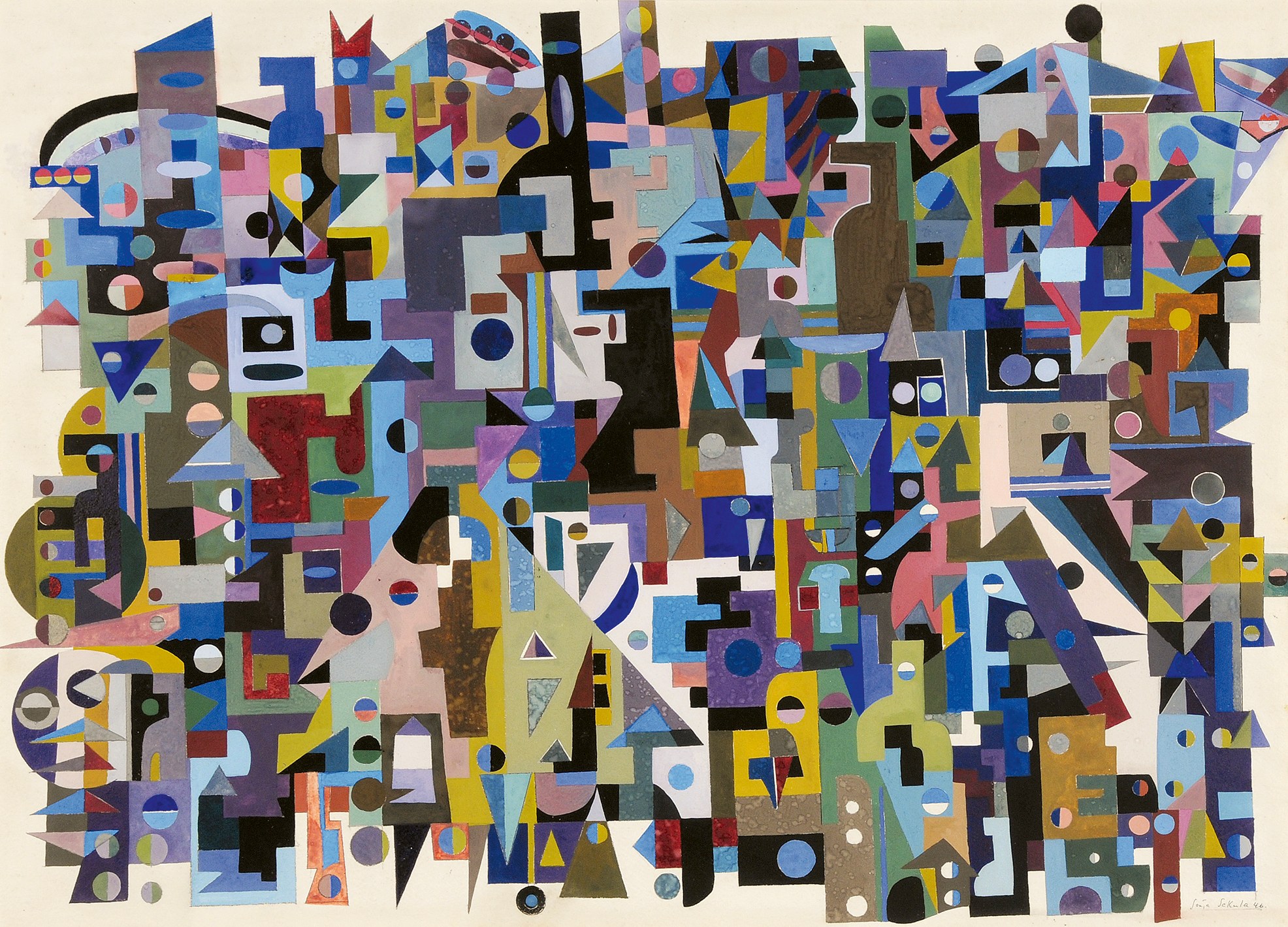
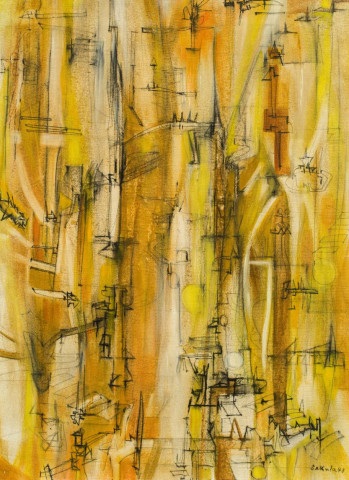
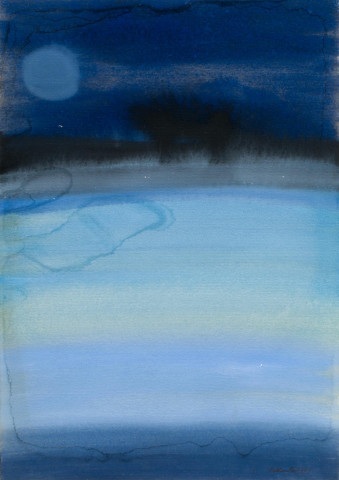
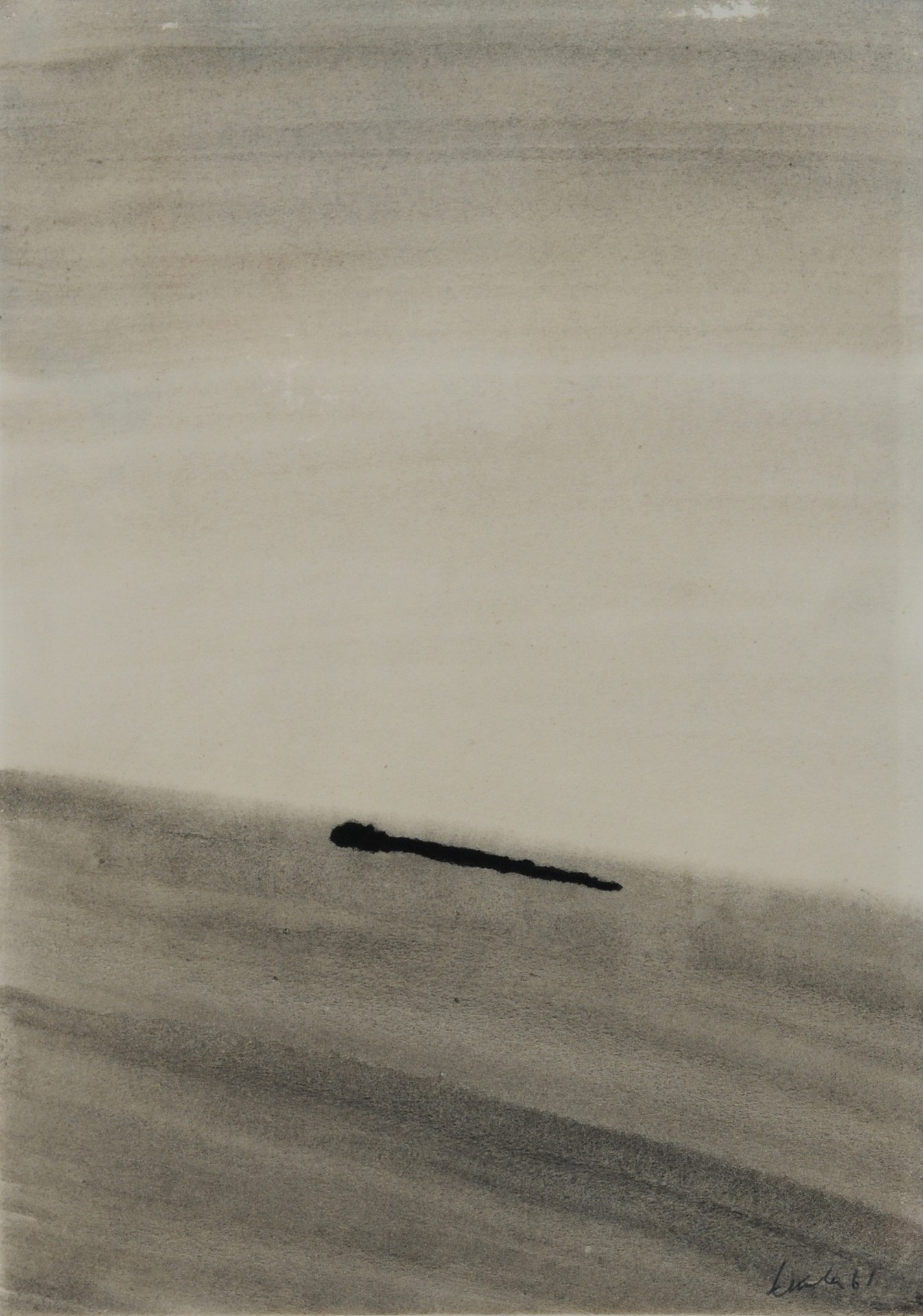
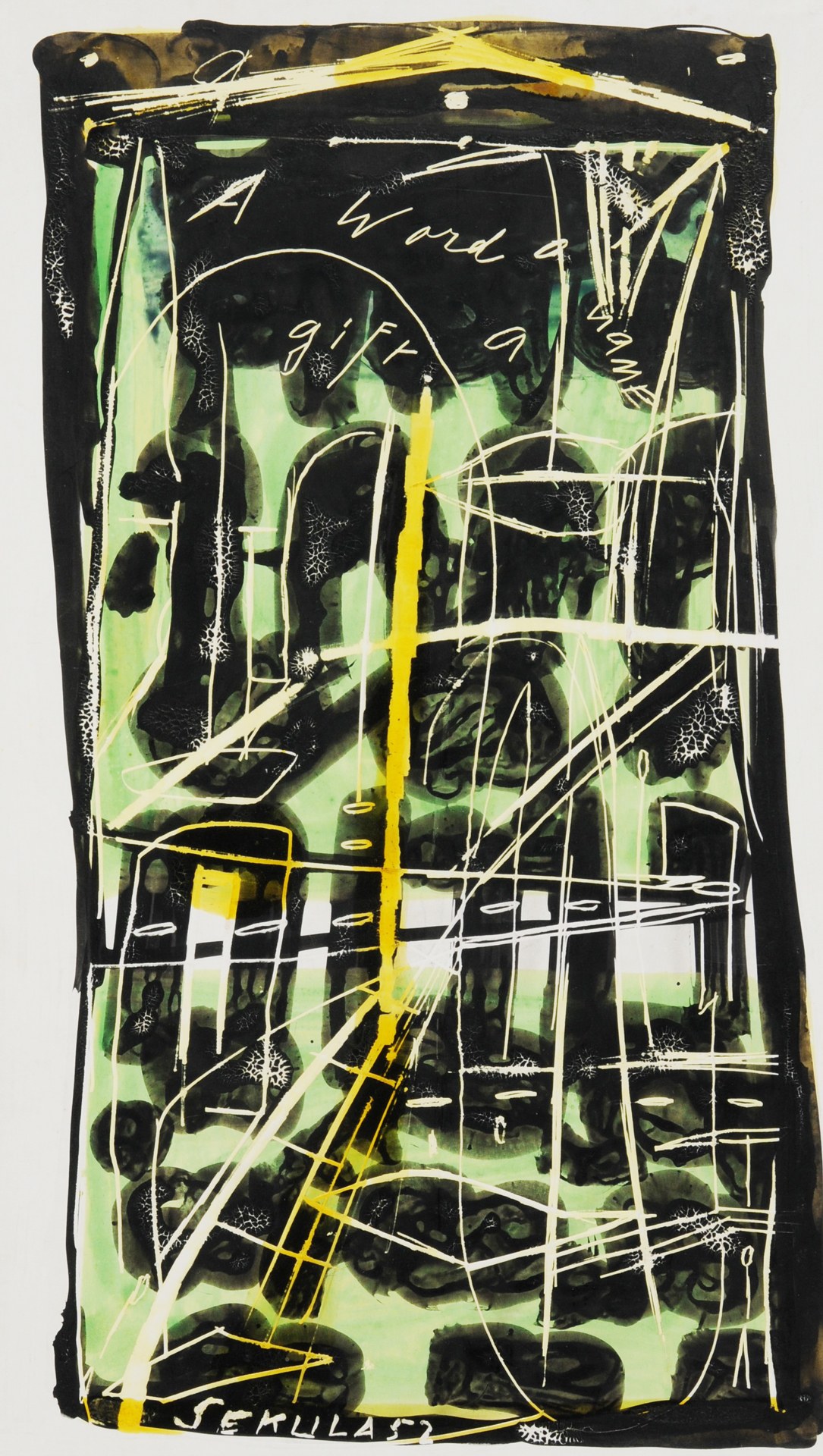
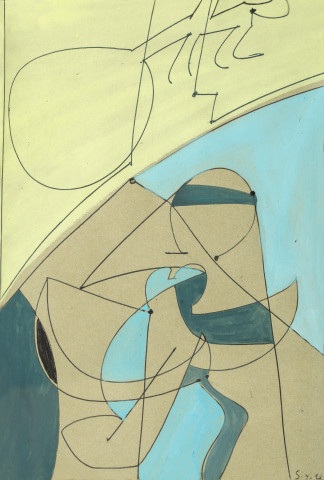
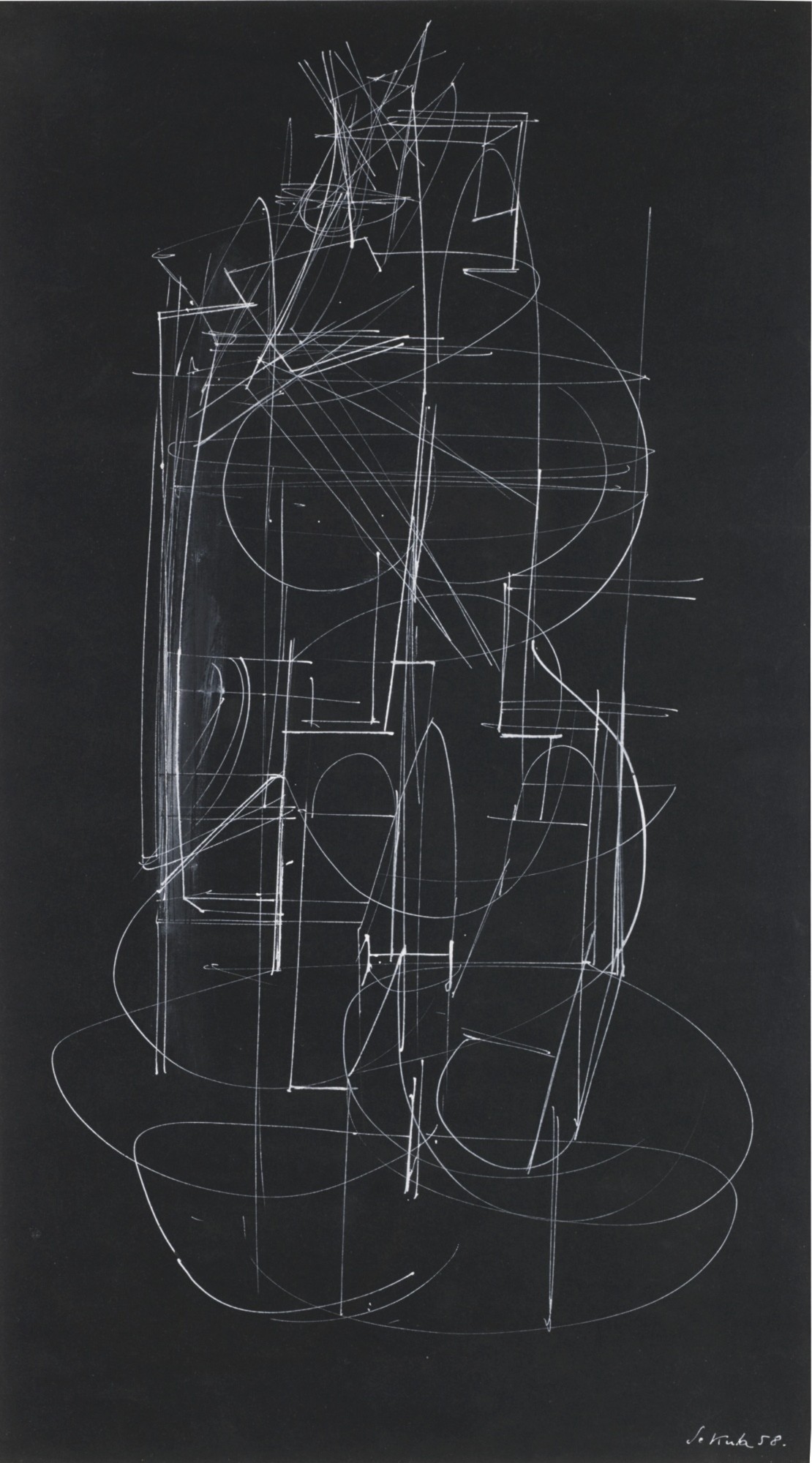
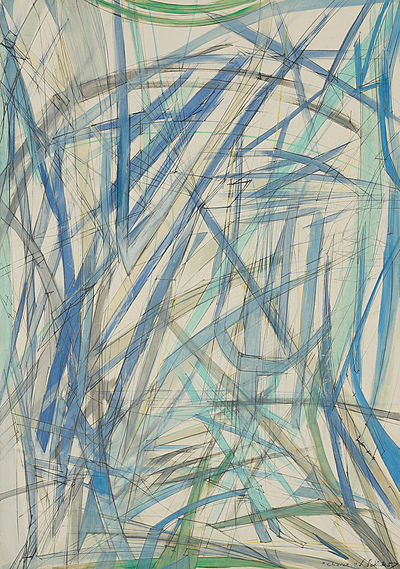
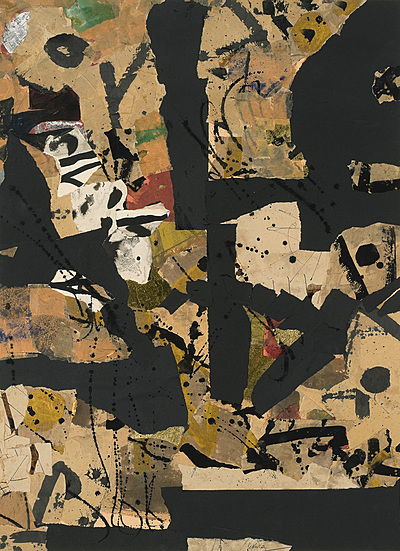
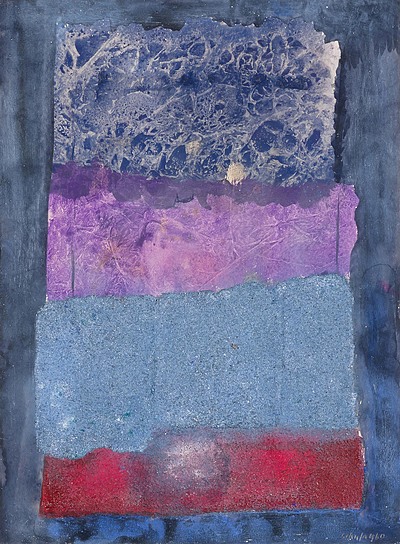
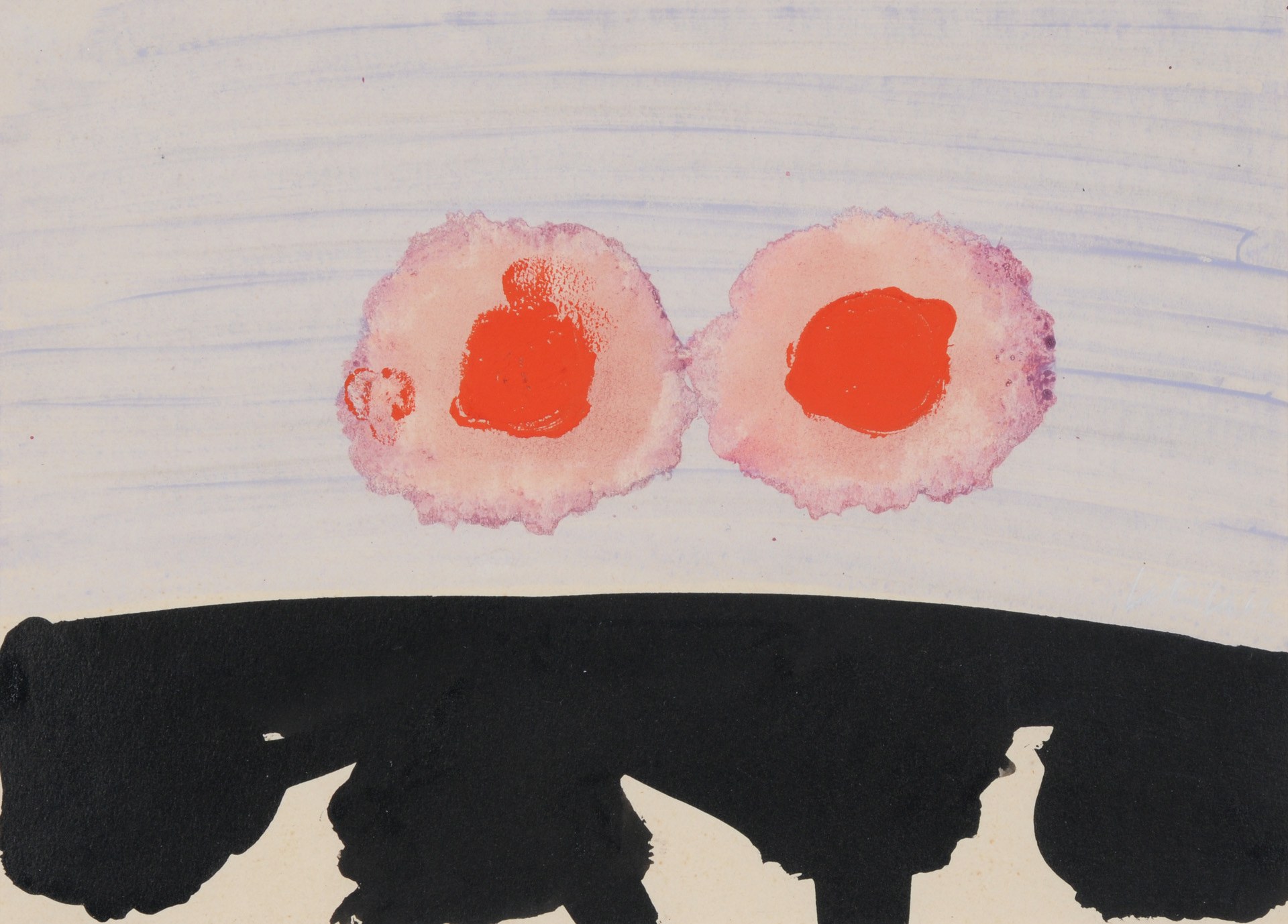
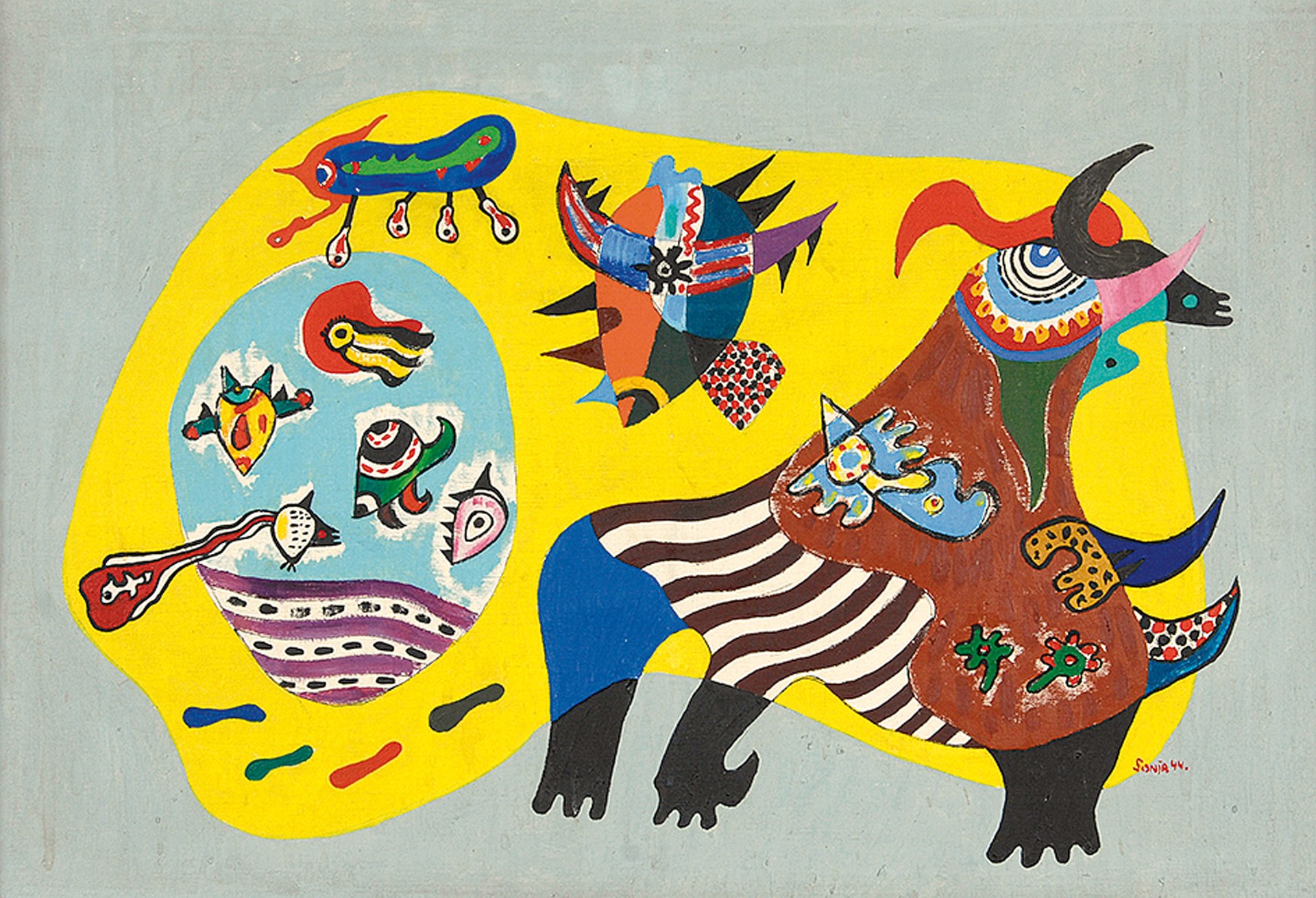
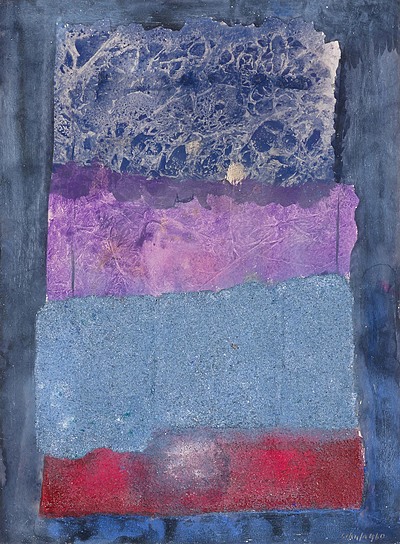
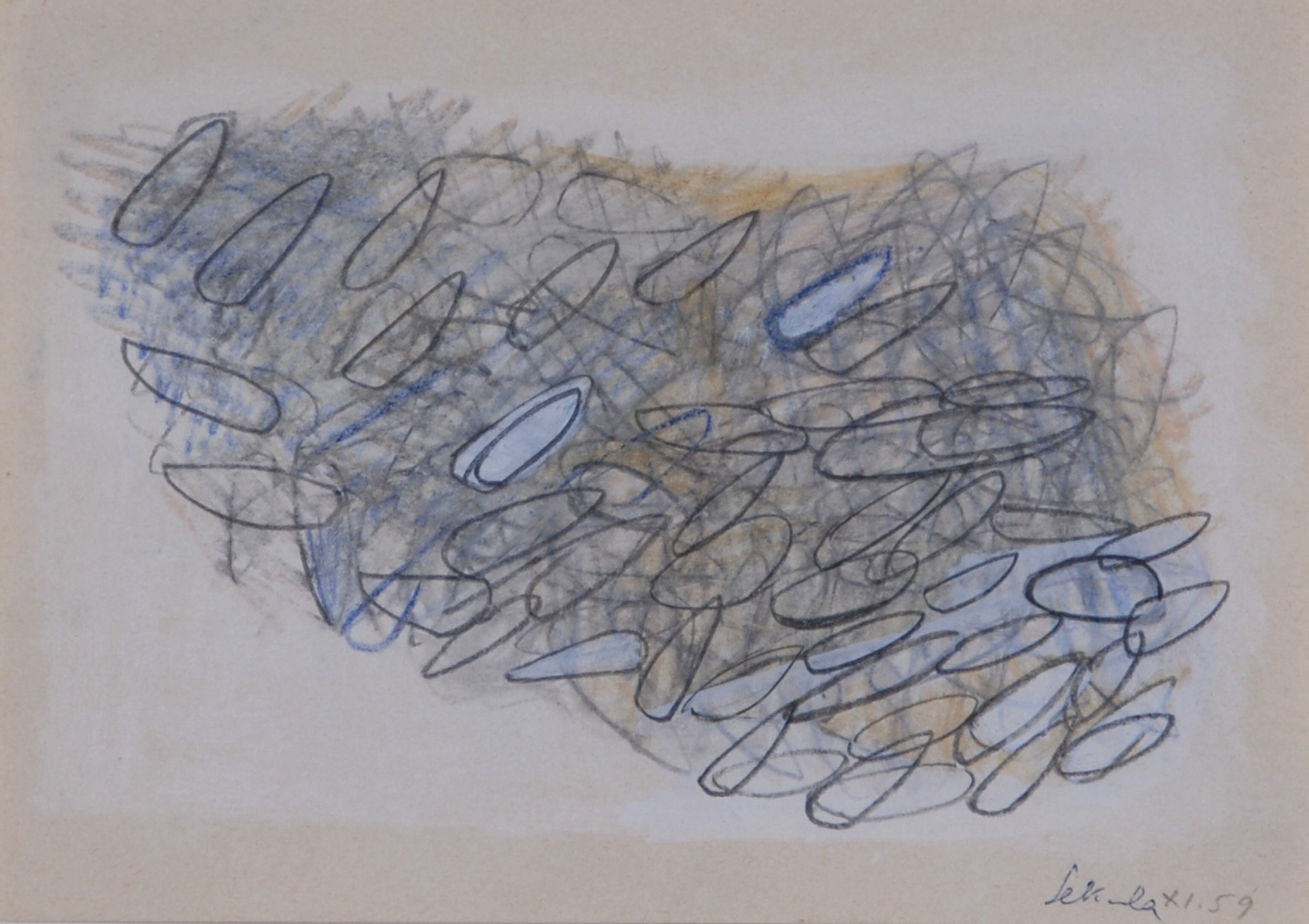
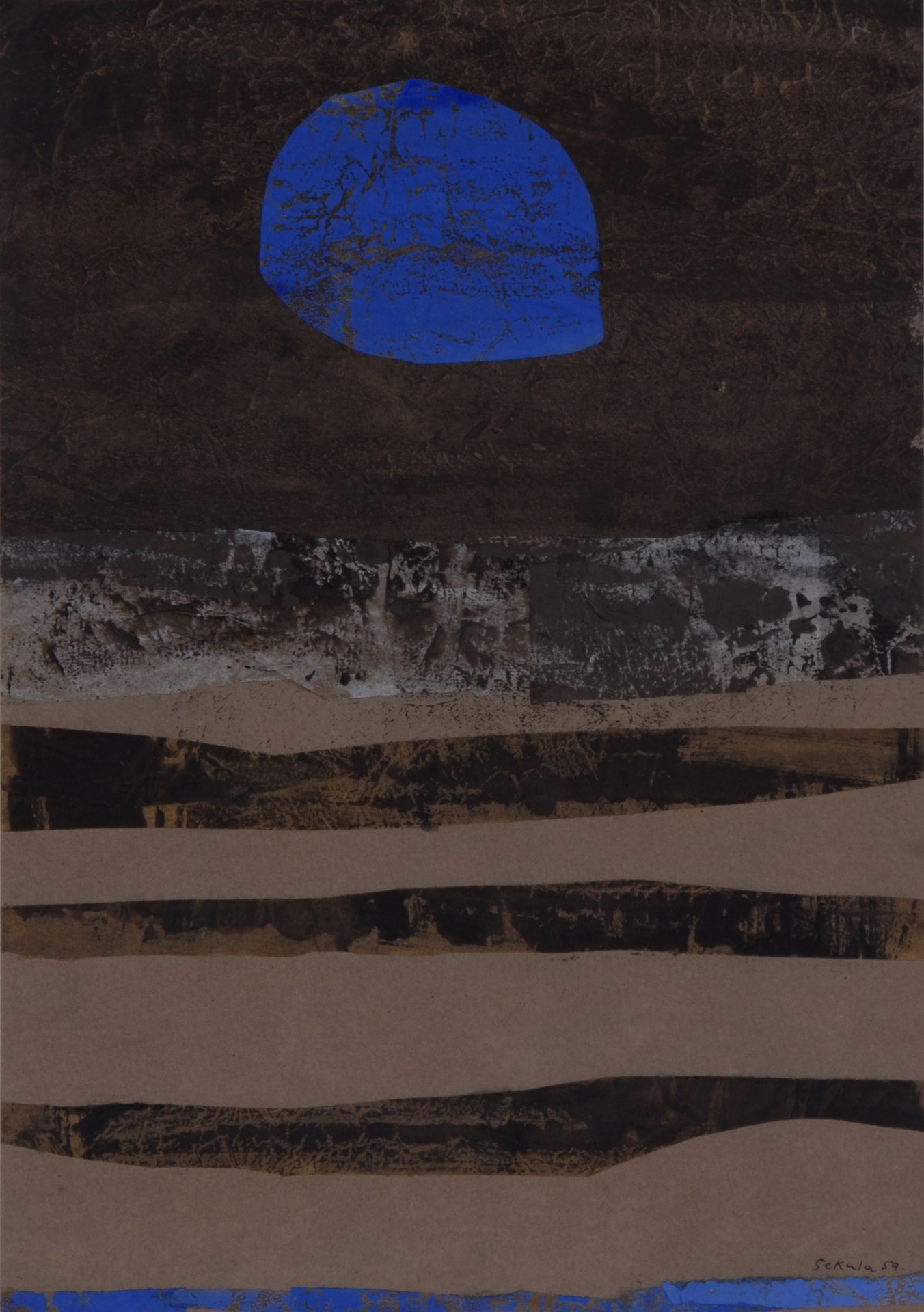
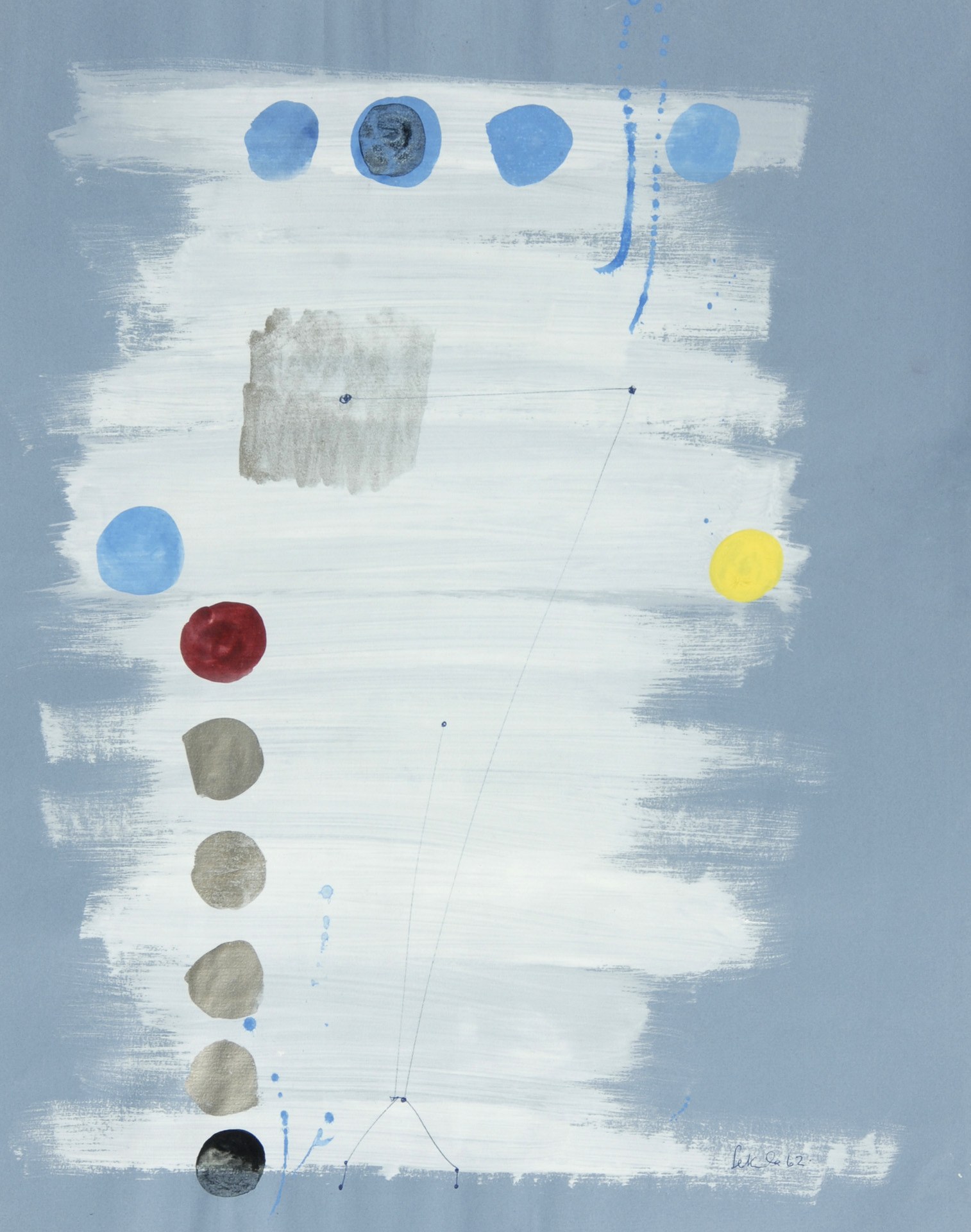
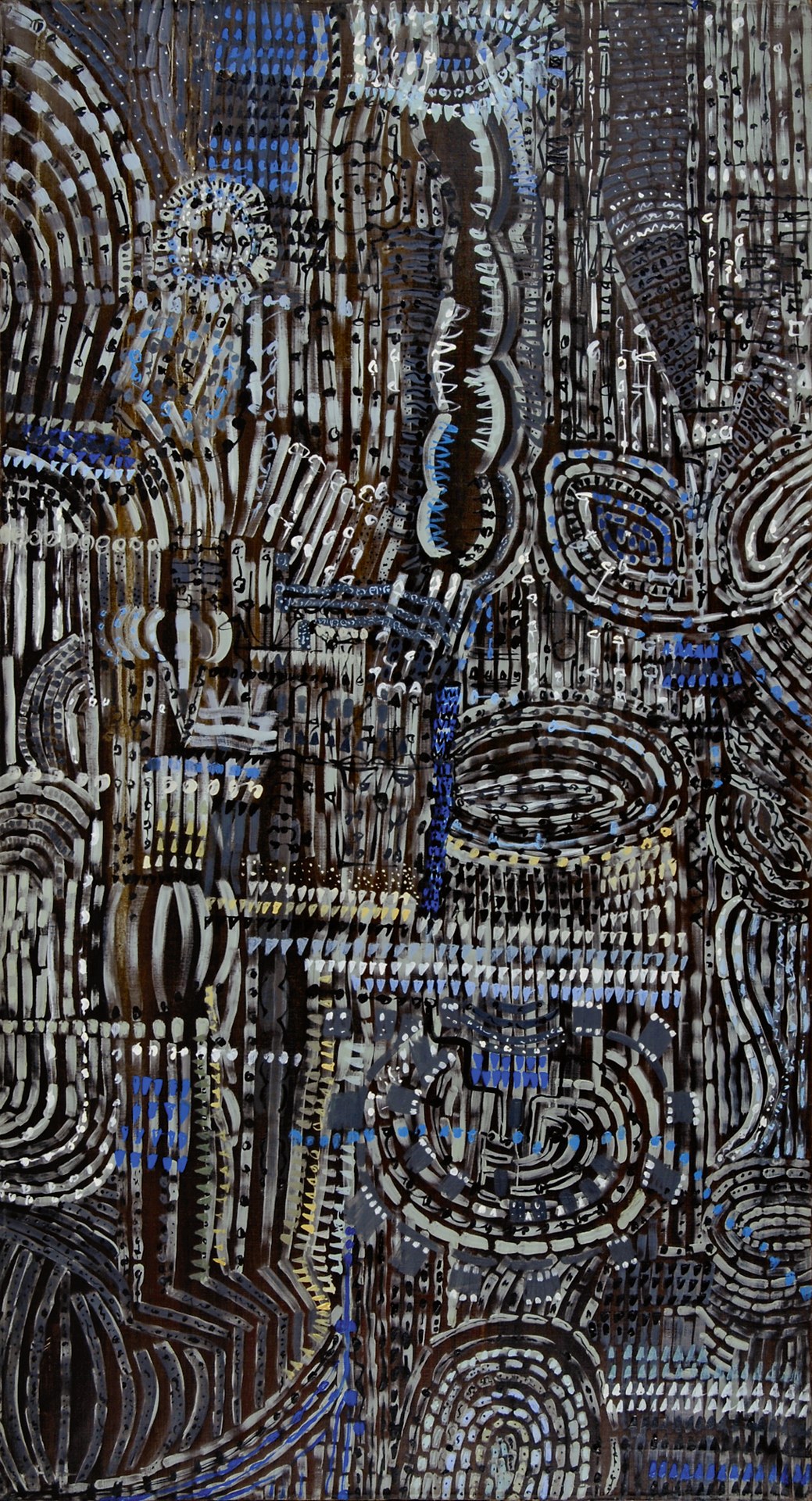
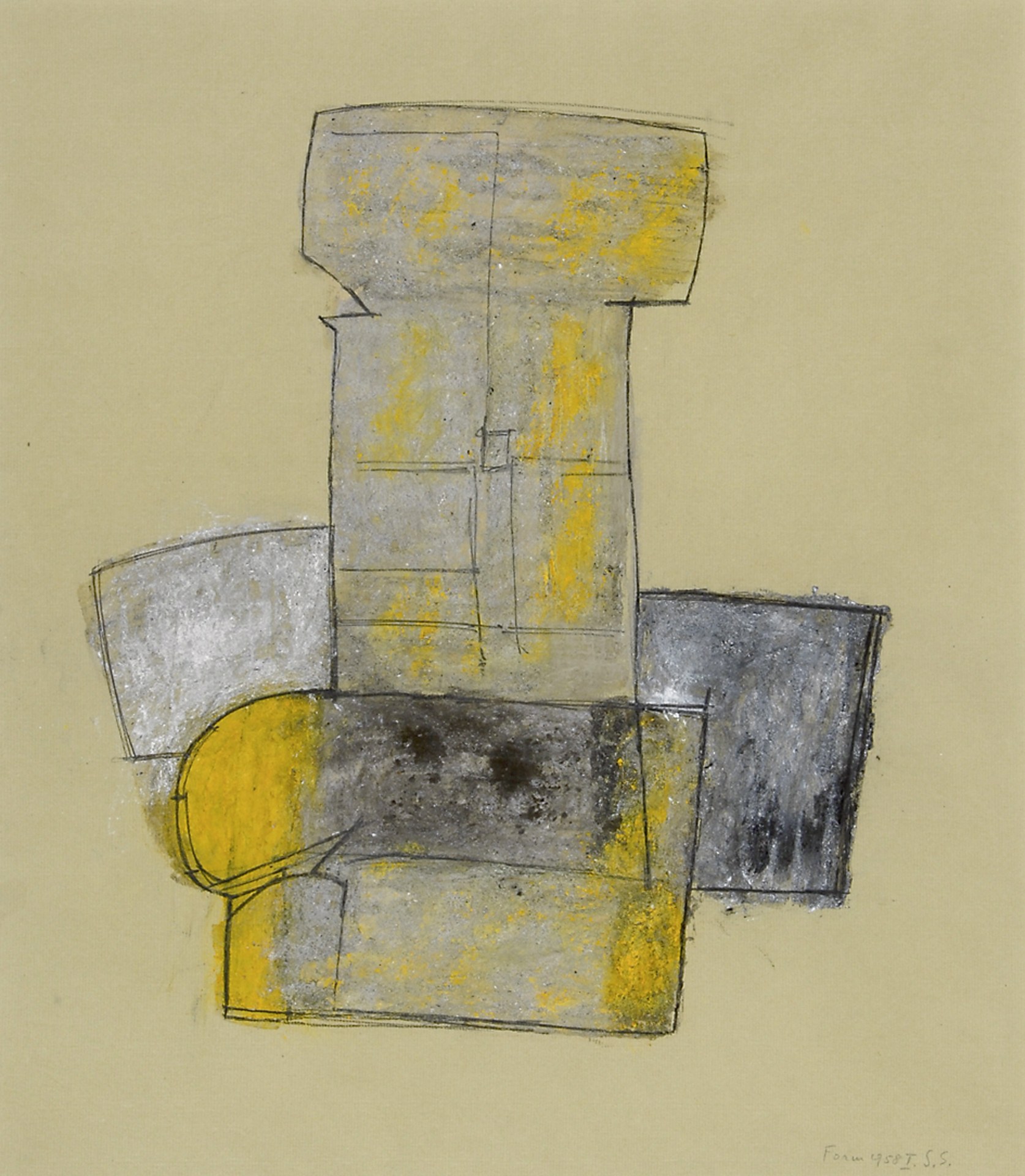
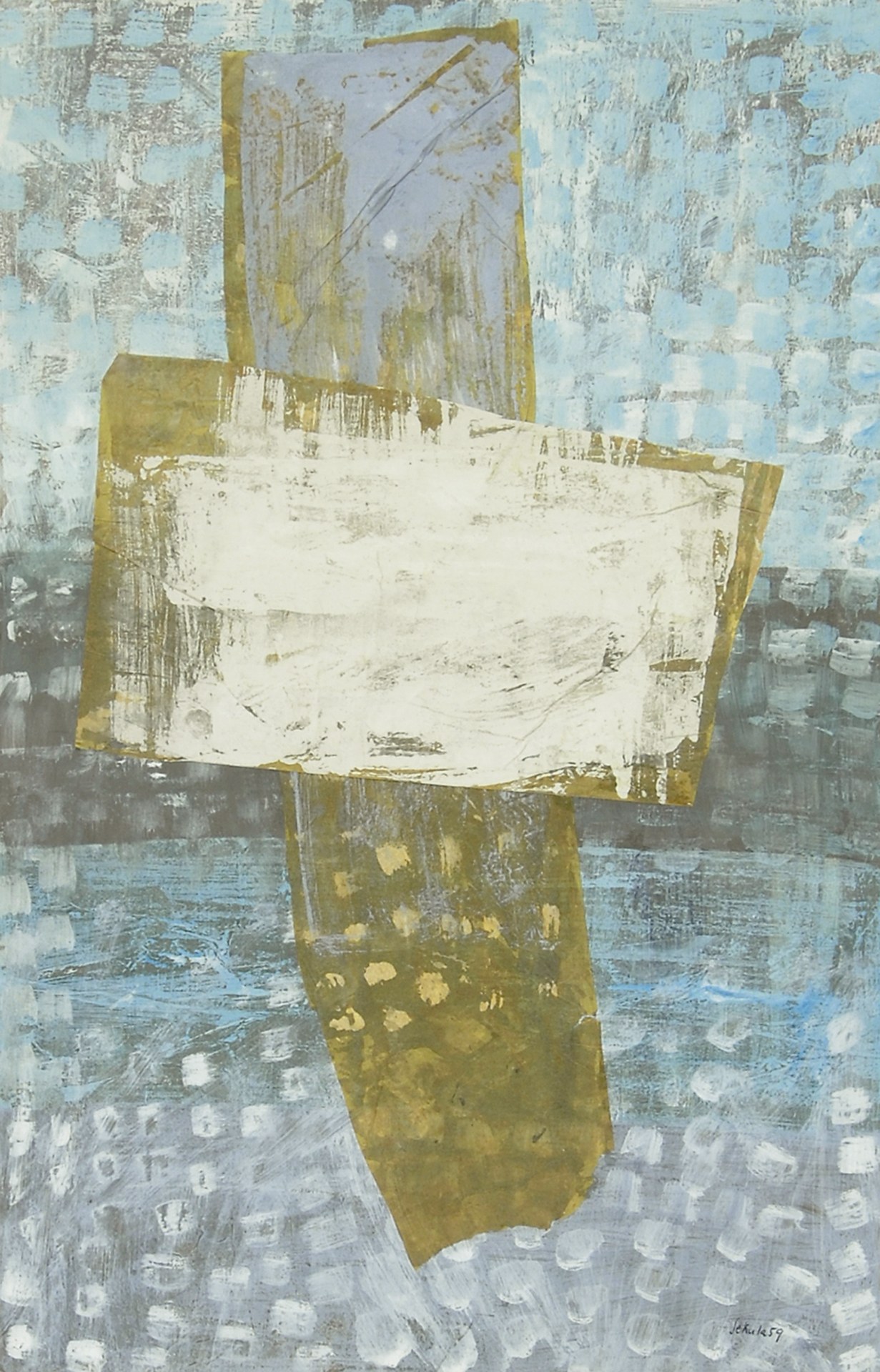
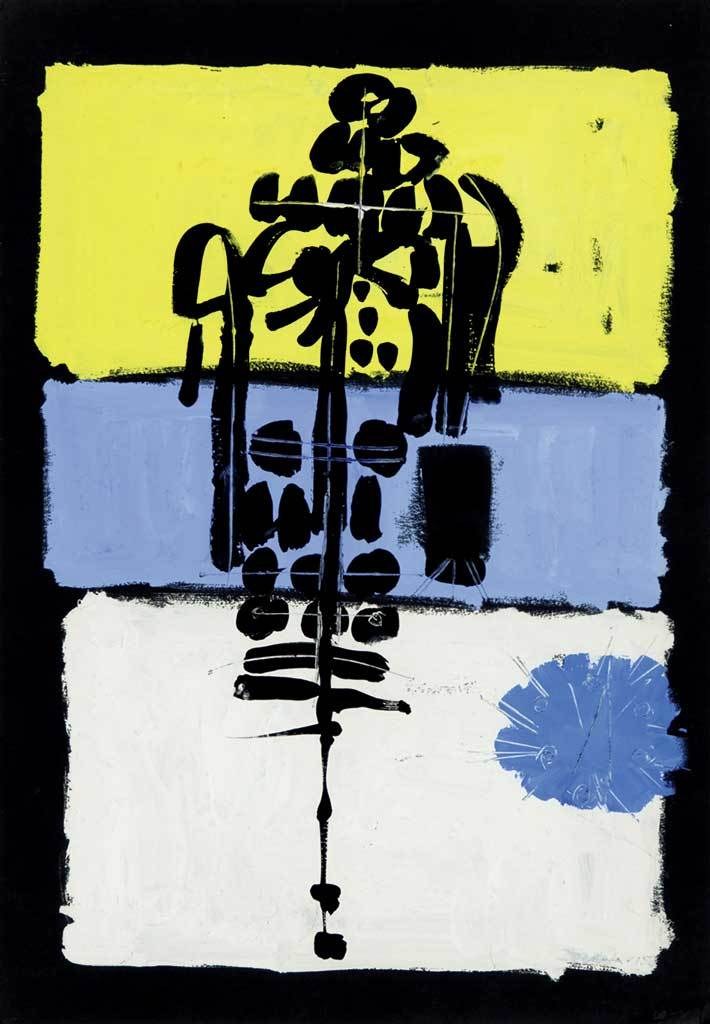
A painter, draughtswoman and writer, Sekula developed a personal language from the Surrealist impulse and the new possibilities of abstraction. Her compositions make room for signs, rhythms and the evocative power of forms. The very titles of certain works — Private Totem (1947), The Town of the Poor (1951) and The Voyage (1956) — suggest an imaginary world in which intimate experience and the outside world intersect.
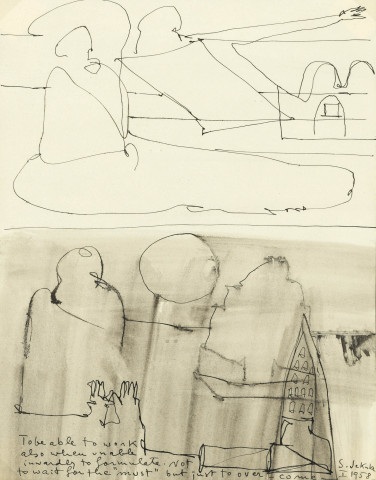
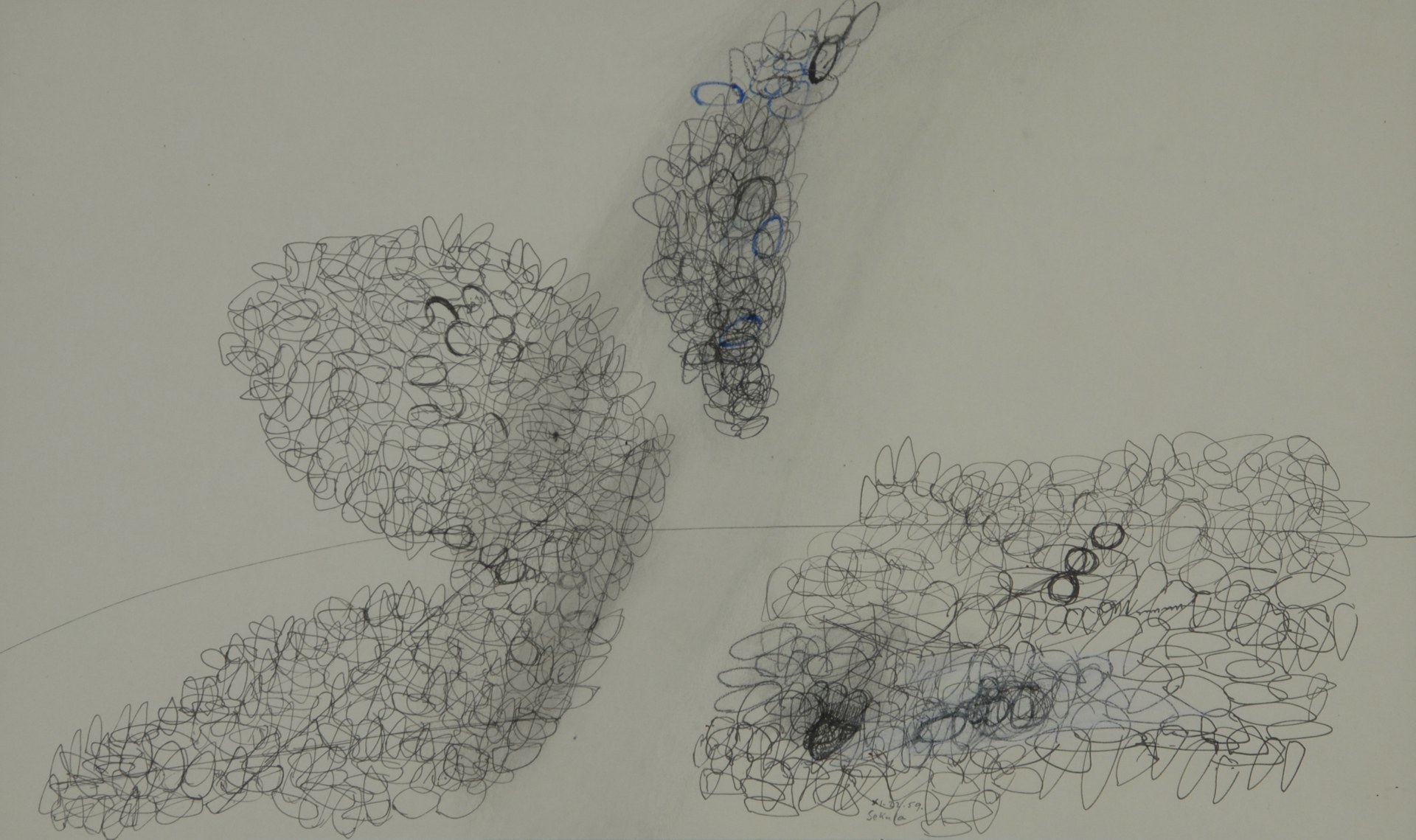
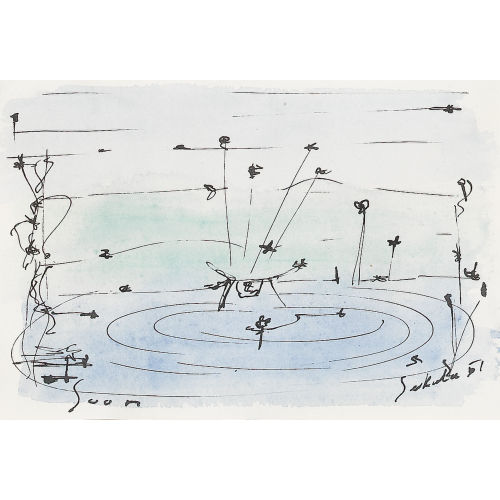
The notebooks preserved at the Museum of Modern Art remind us that drawing accompanied this exploration beyond the canvas; her oeuvre also includes poetry and prose.
Her career was marked by psychological crises that at times interrupted her activity, but her work deserves to be considered in its continuity and diversity. The exhibition at Kunstmuseum Winterthur in 1996, followed by the one at Kunstmuseum Luzern in 2016, helped restore Sekula’s place among the artists who renewed the exchanges between Surrealism and abstraction on both sides of the Atlantic.