Sigismund Righini
Born in 1870.
Died in 1937.
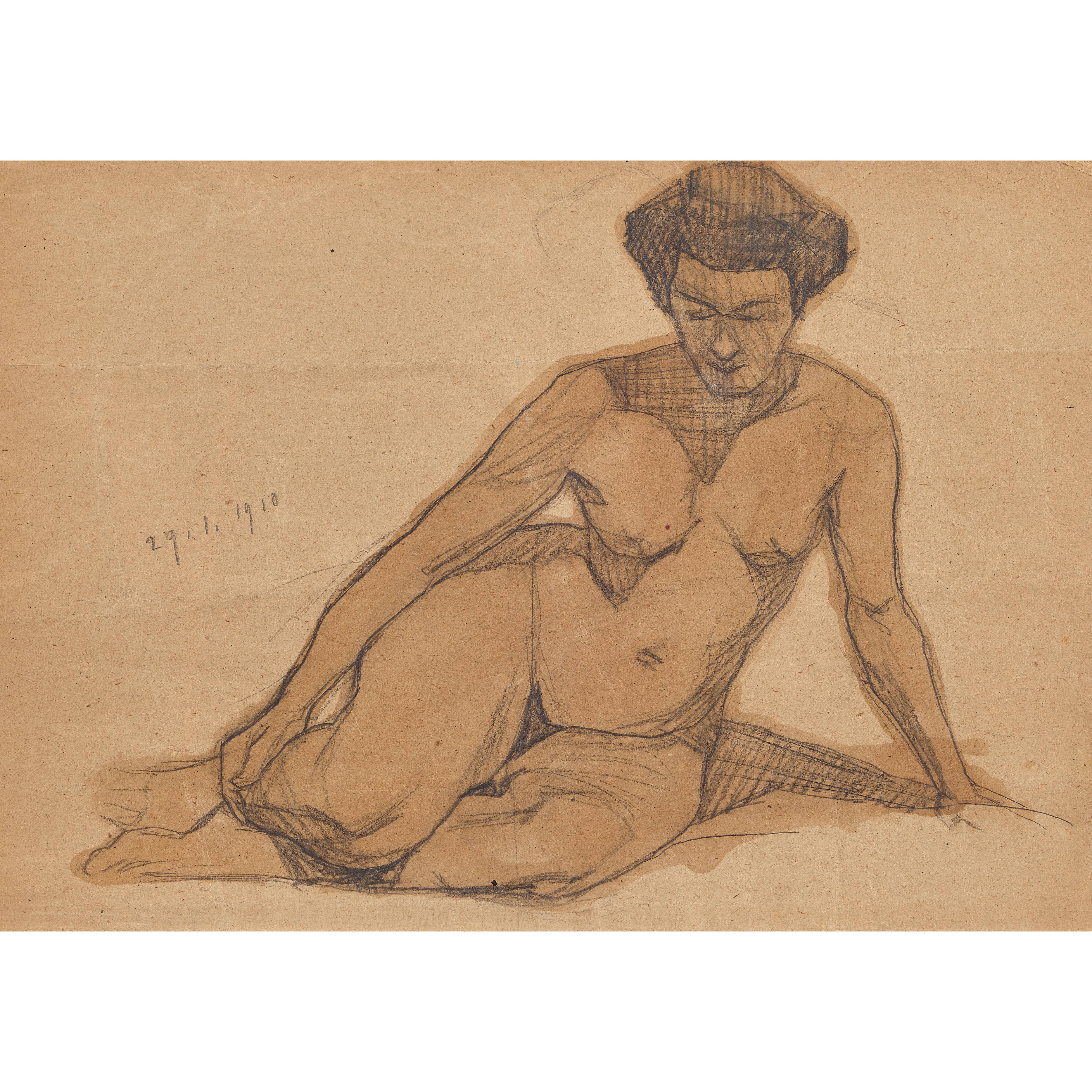
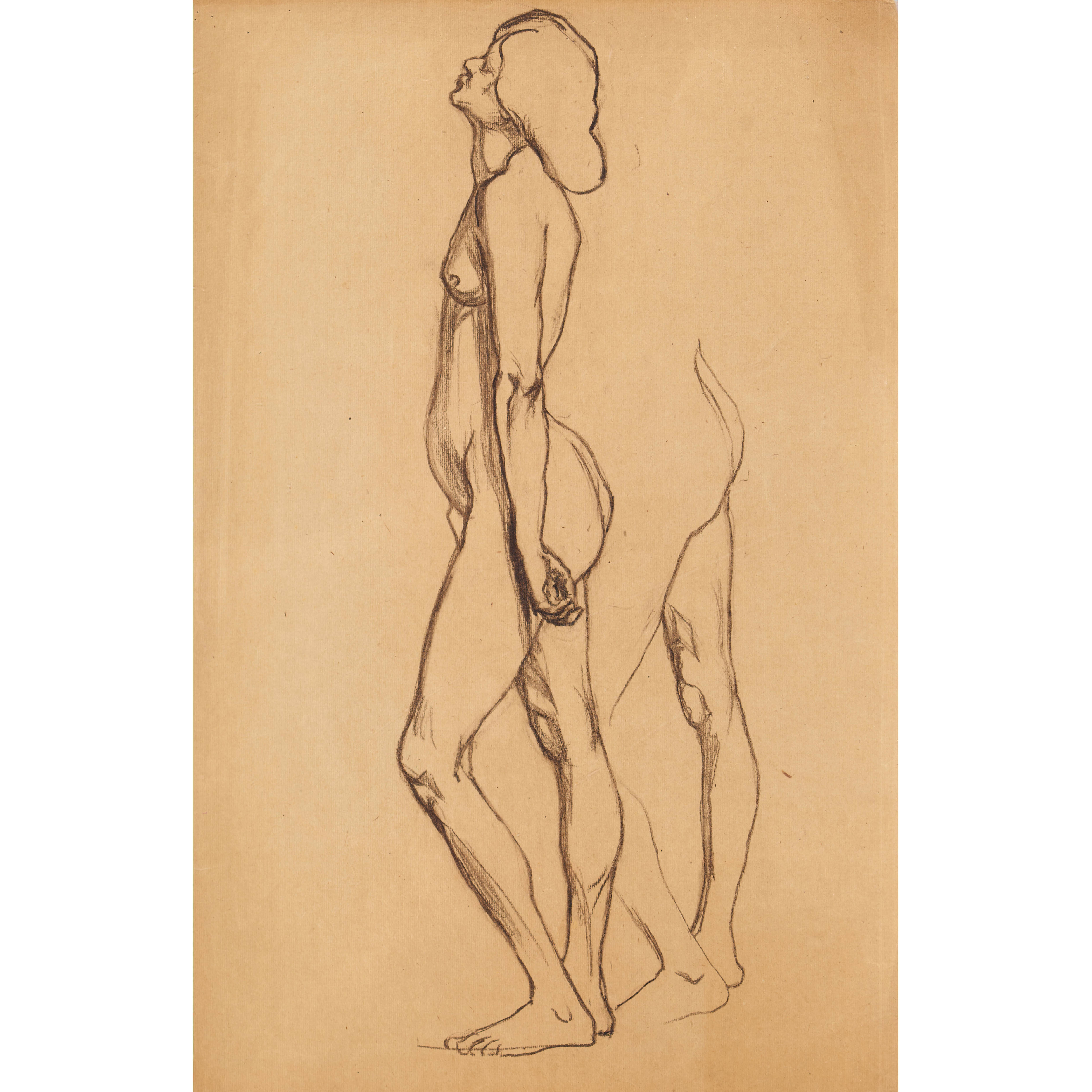
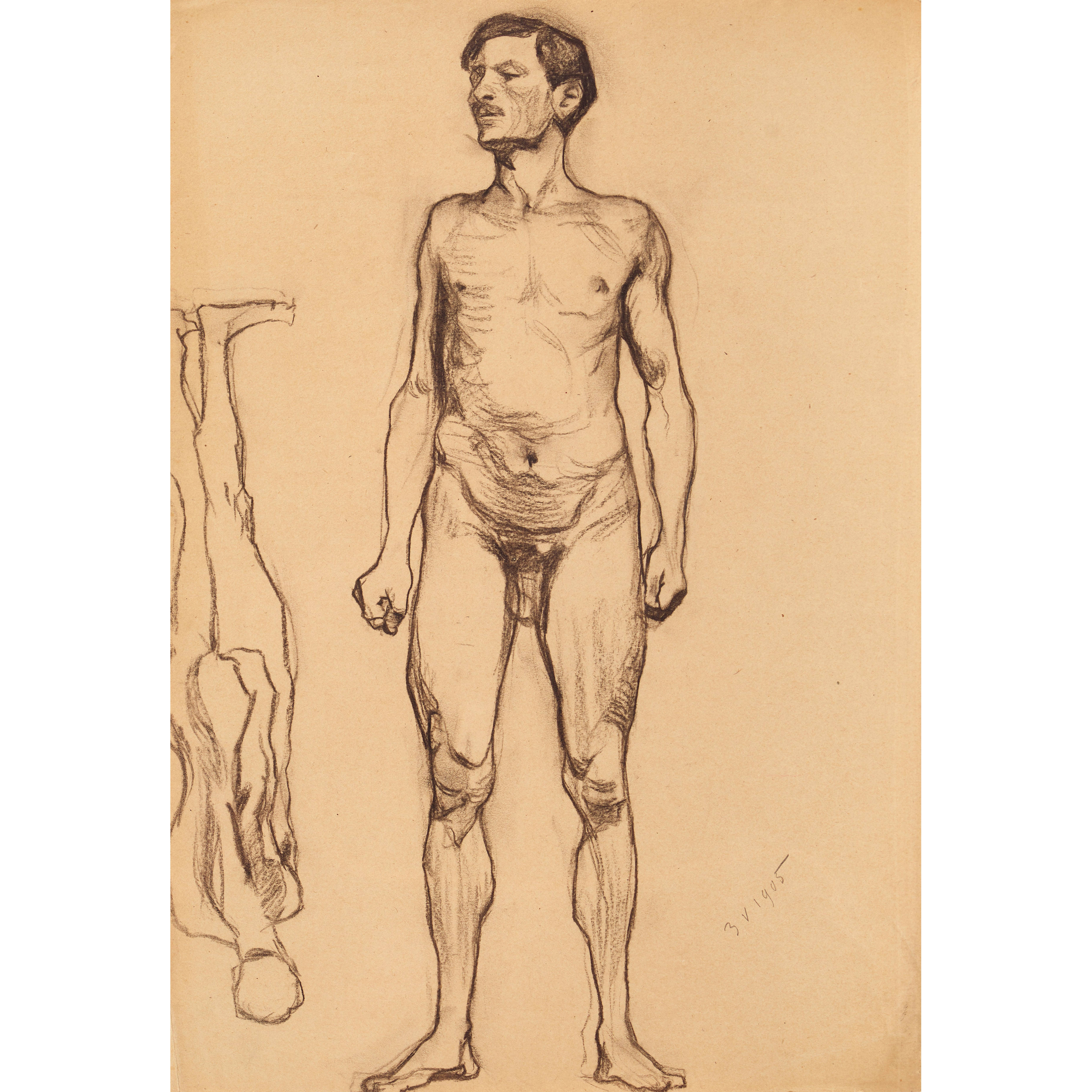
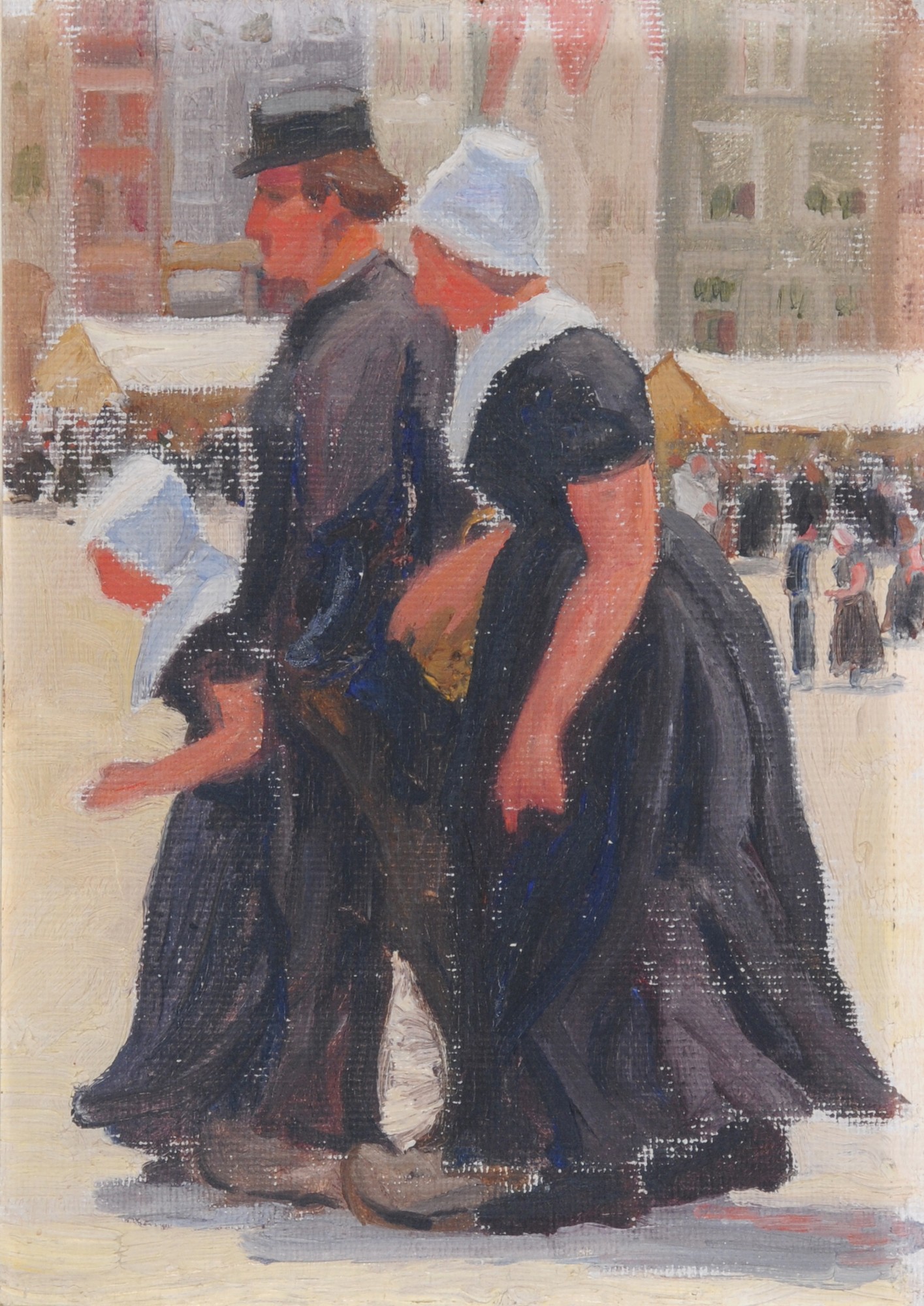
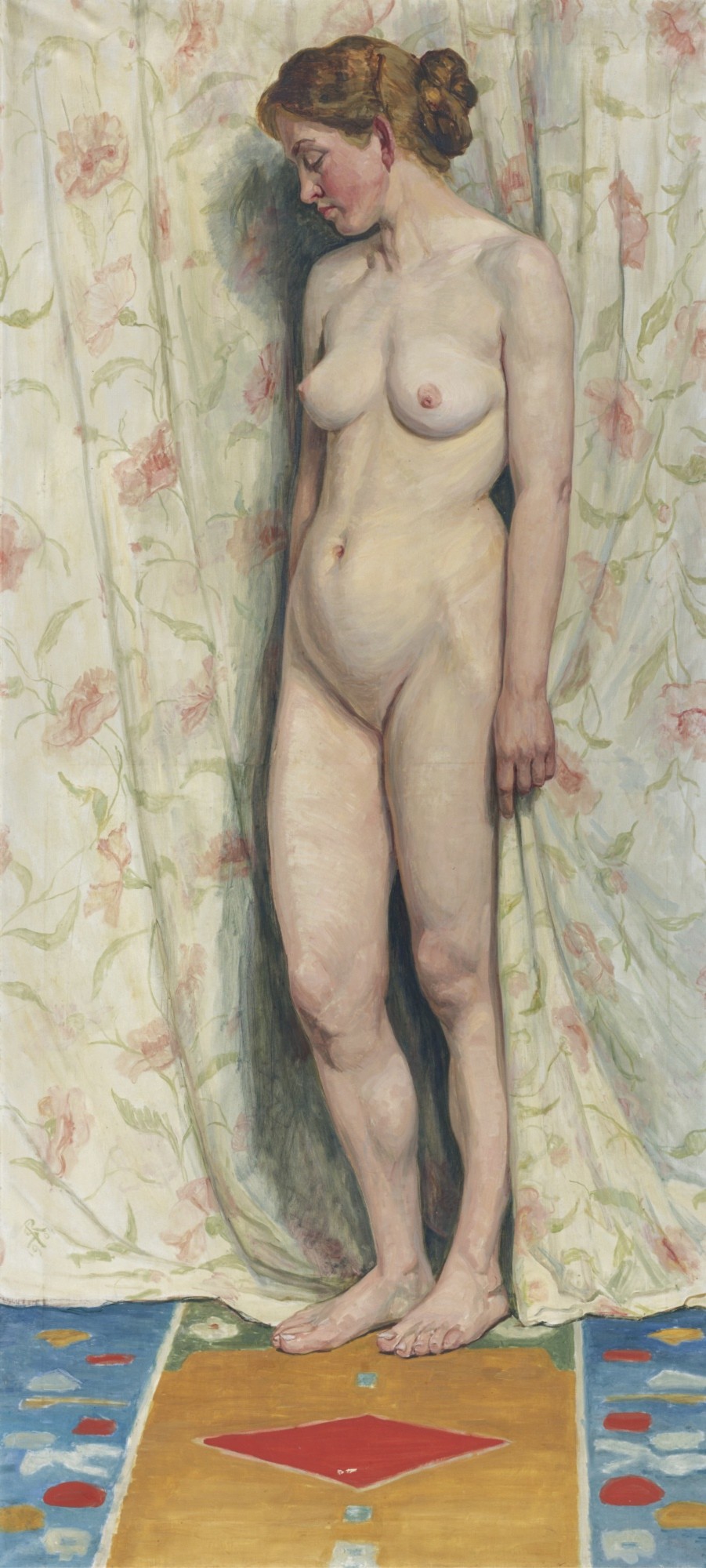
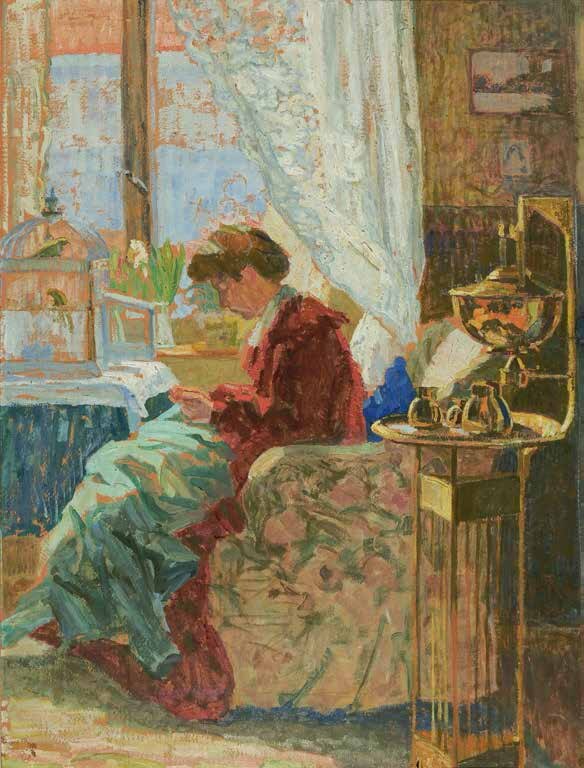
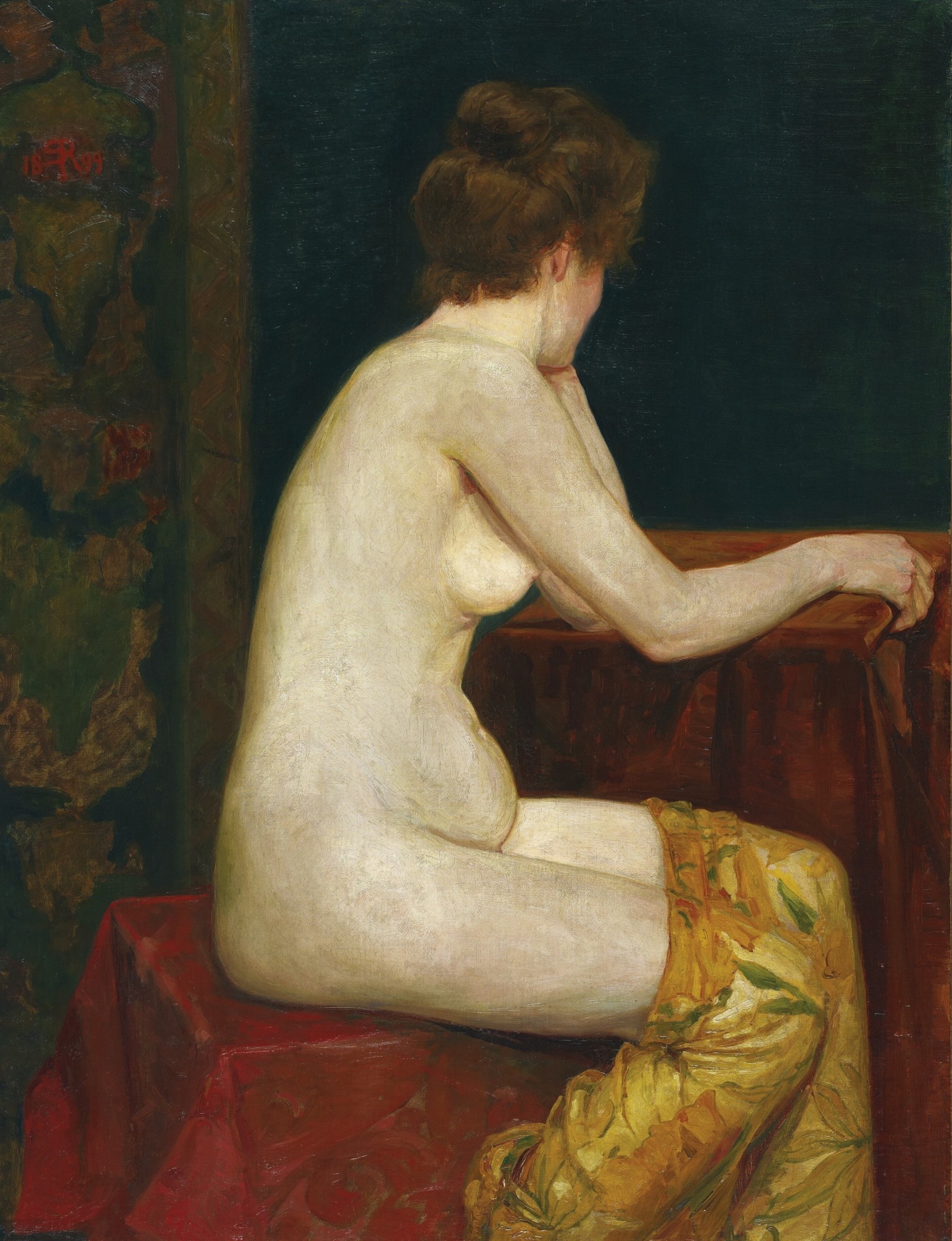
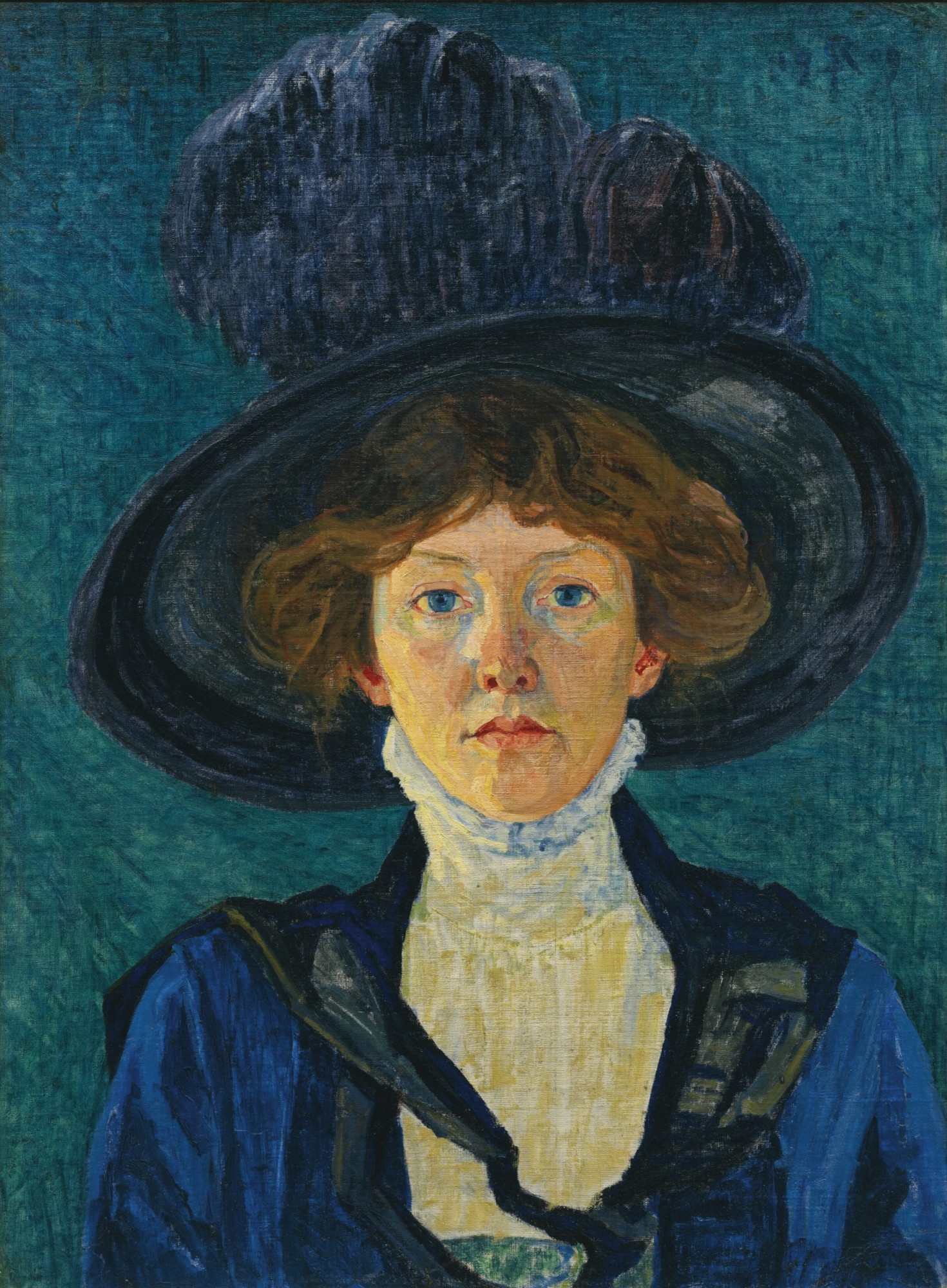
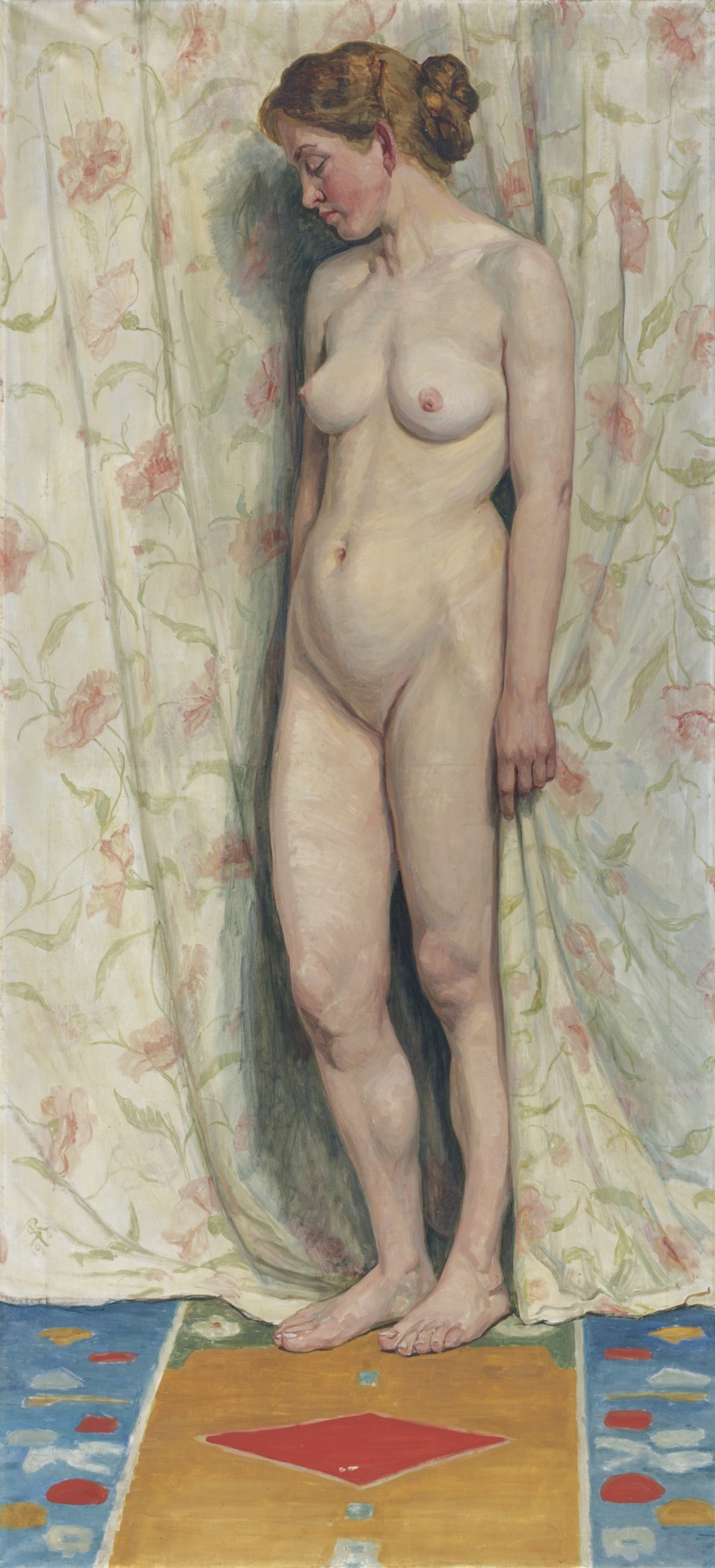
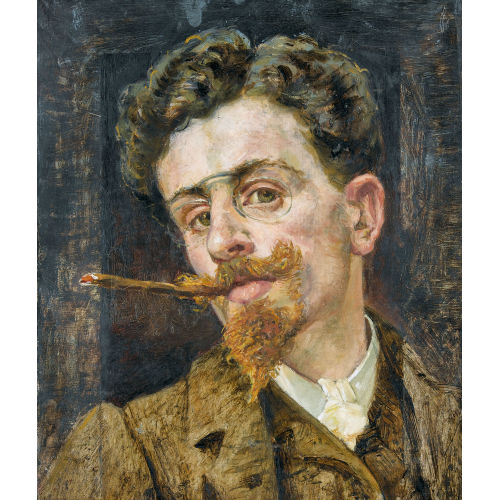
Sigismund Righini (1870–1937) helped bring colour to the forefront of Swiss painting in the early twentieth century. Born in Stuttgart into a family of Ticinese origin, he grew up in Zurich, then travelled to Paris, Italy and England for his training. After several years in Ticino, he settled in Zurich in 1895.
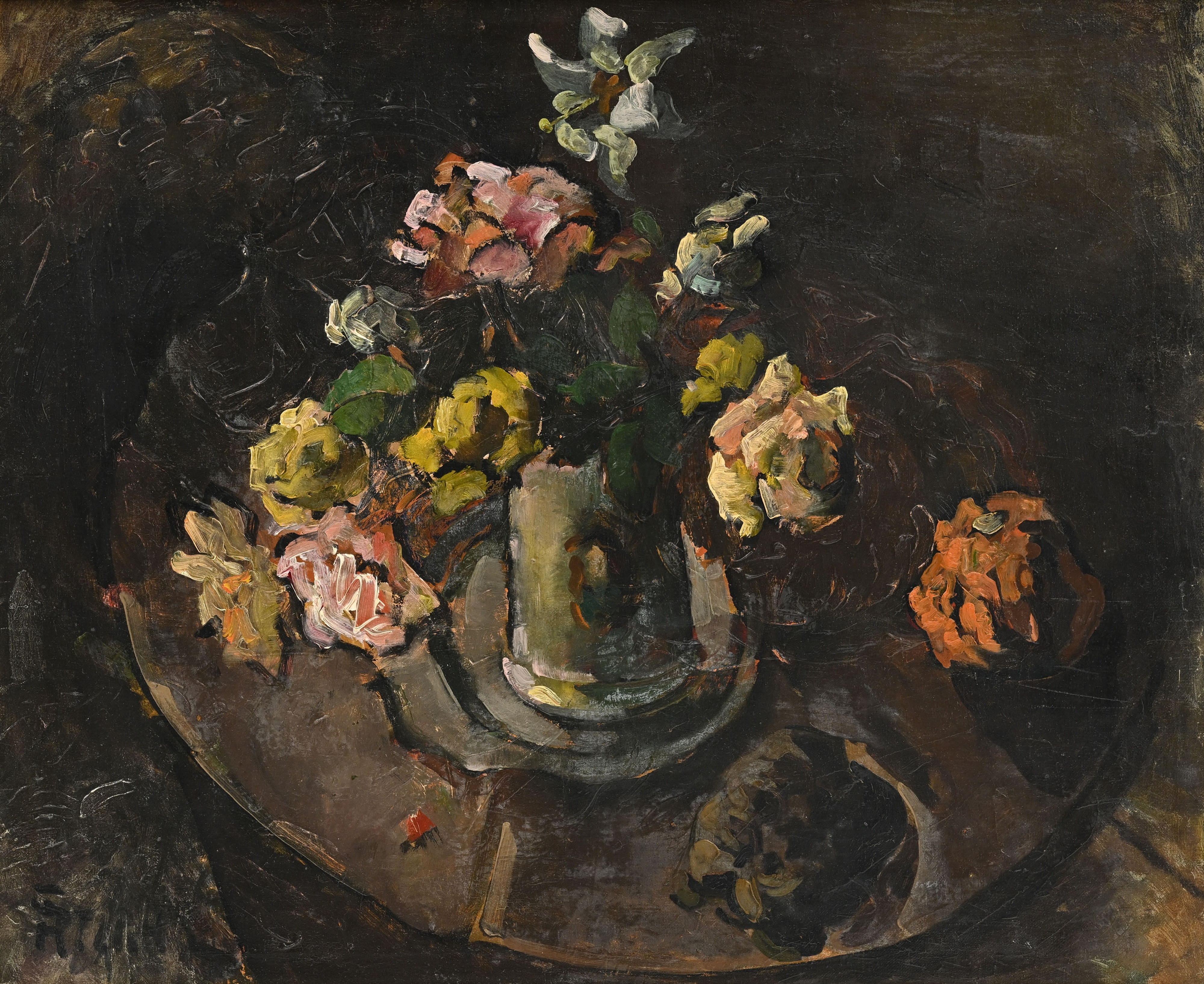
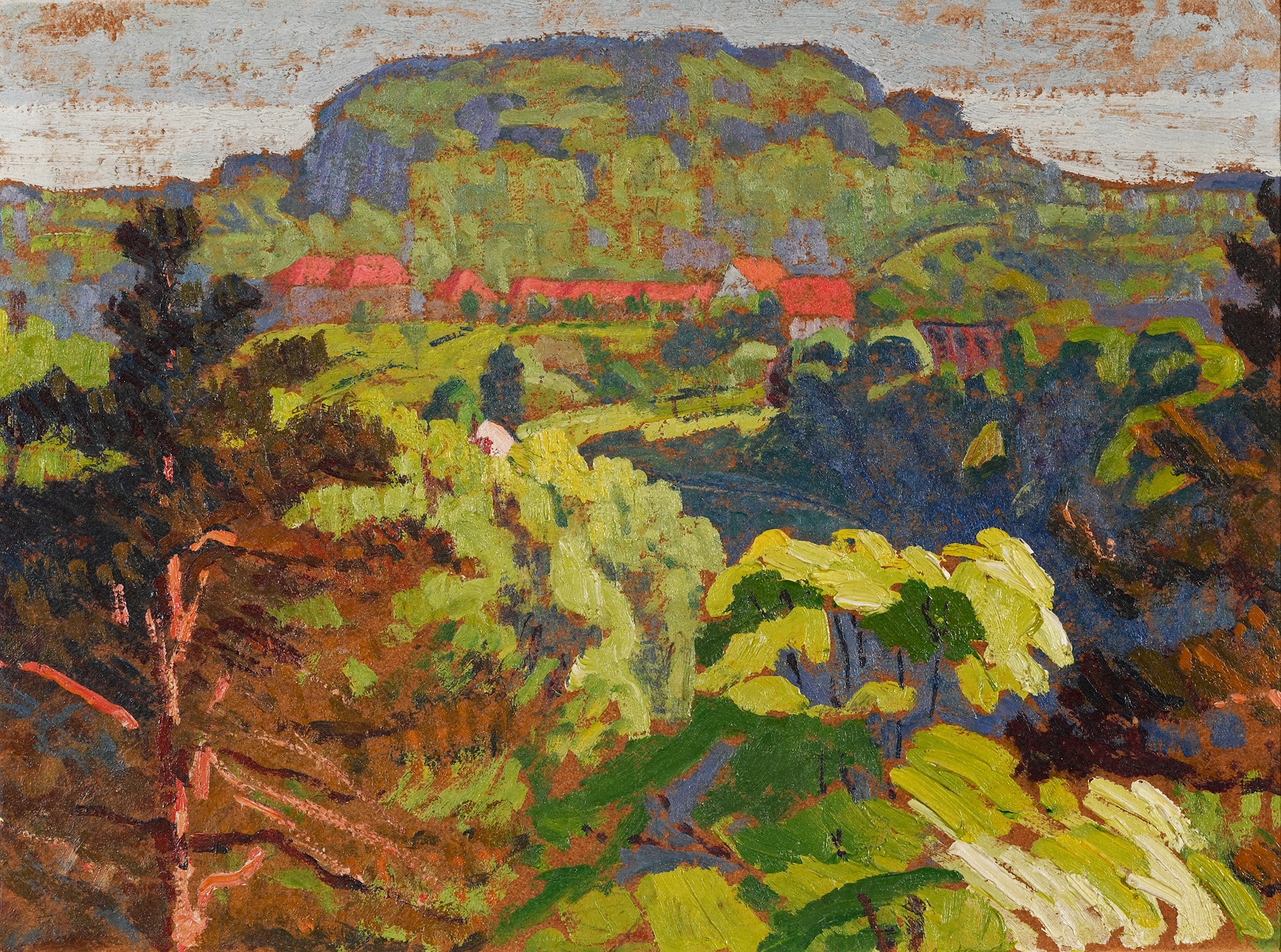
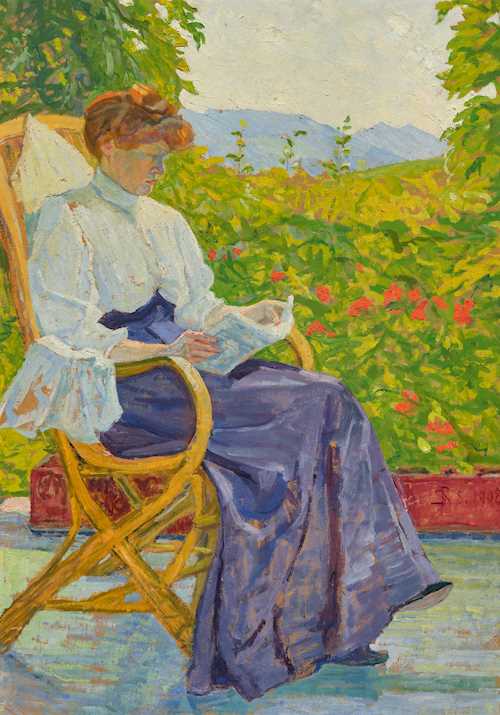
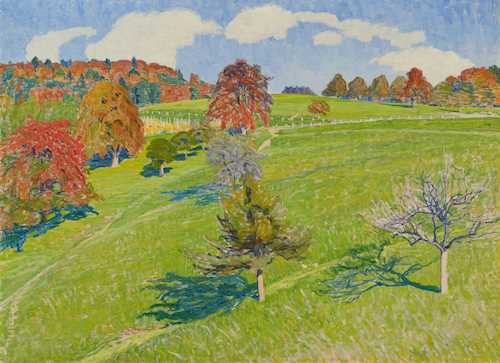
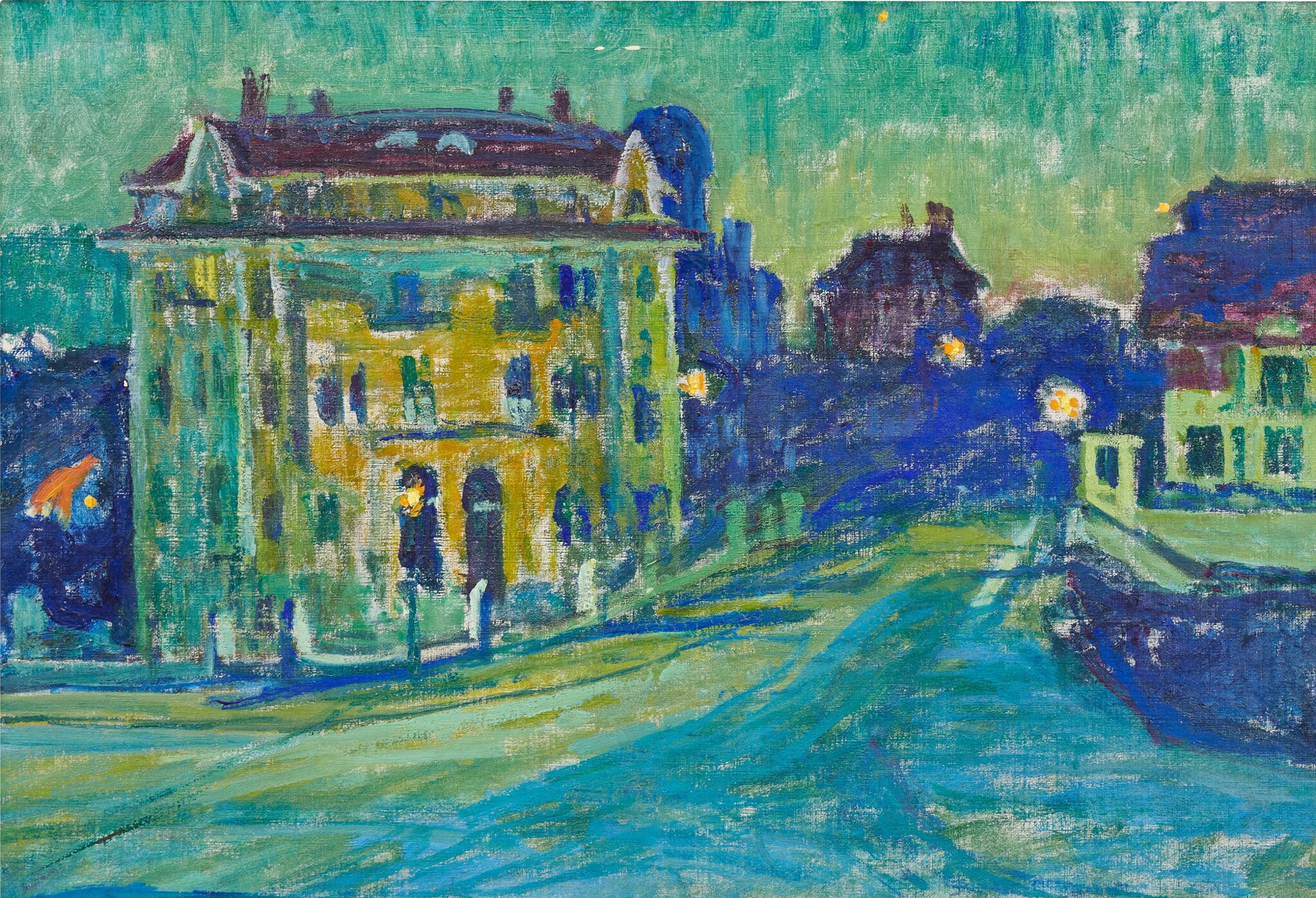
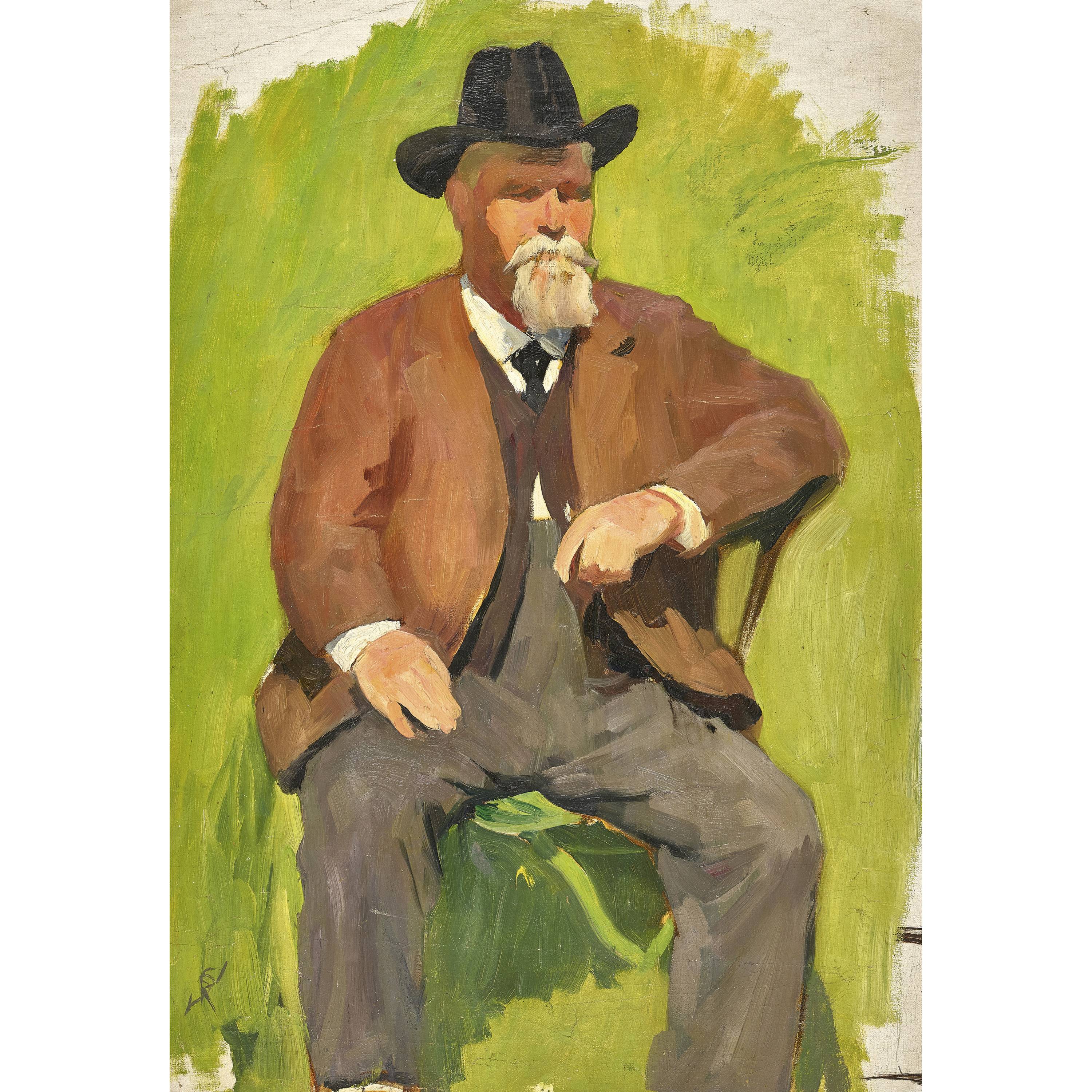
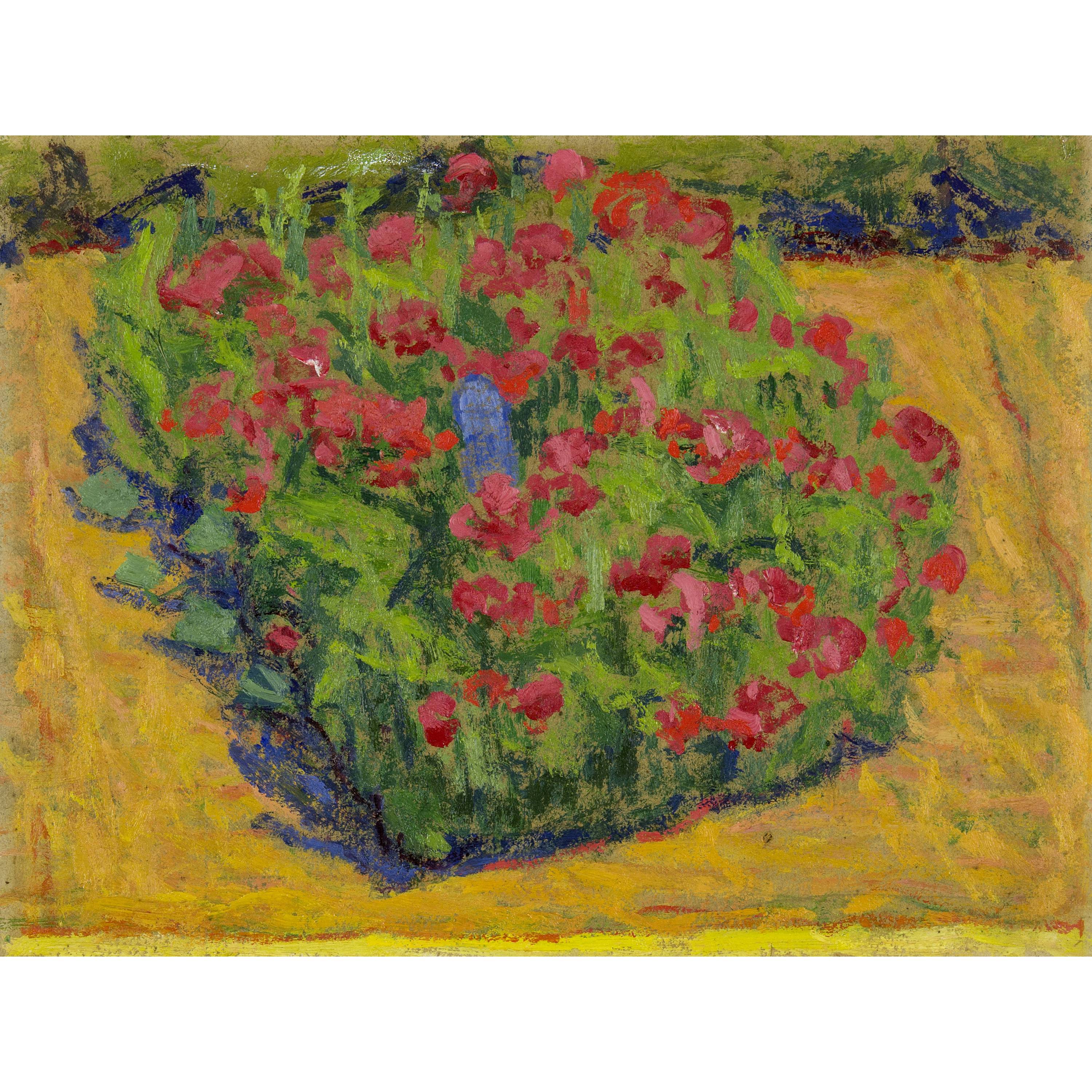
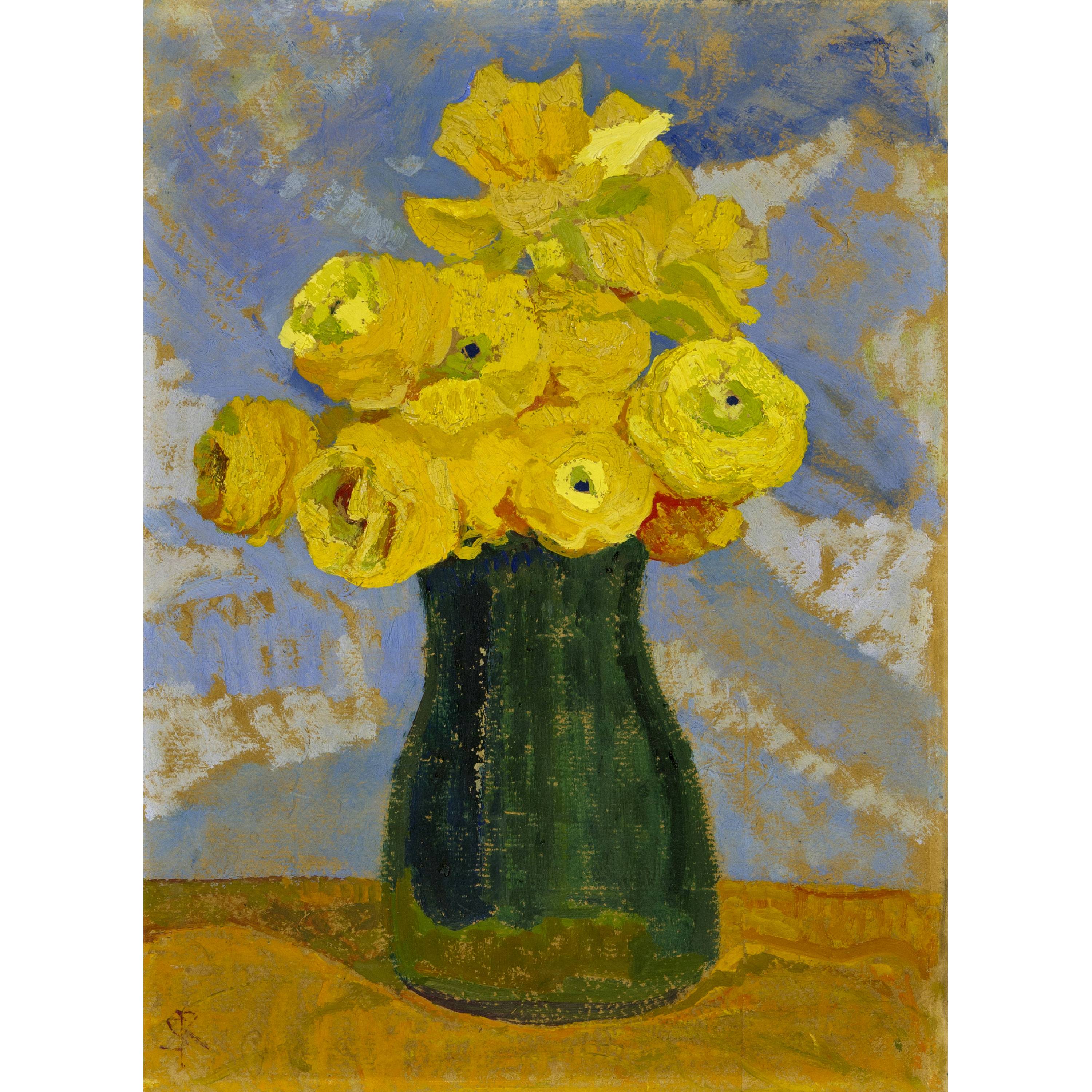
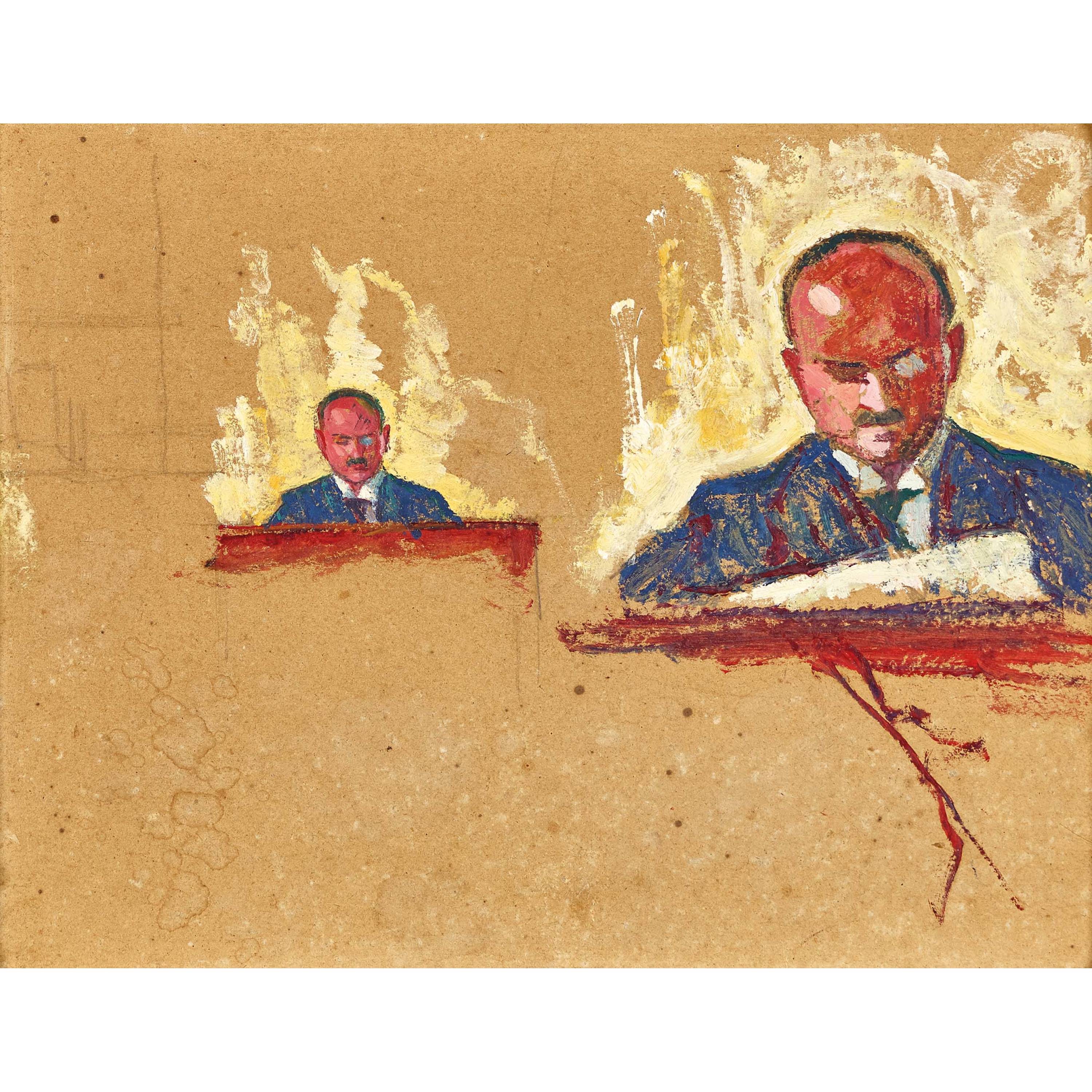
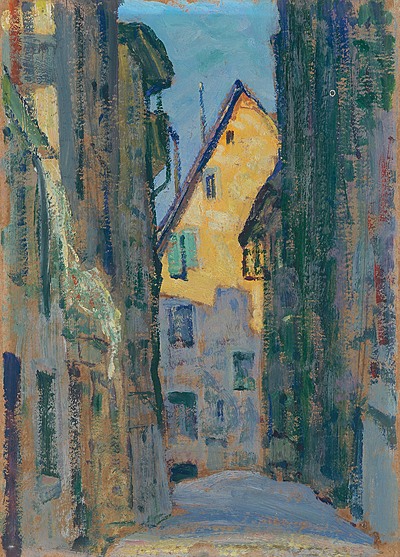
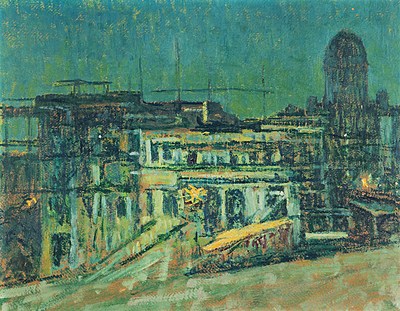
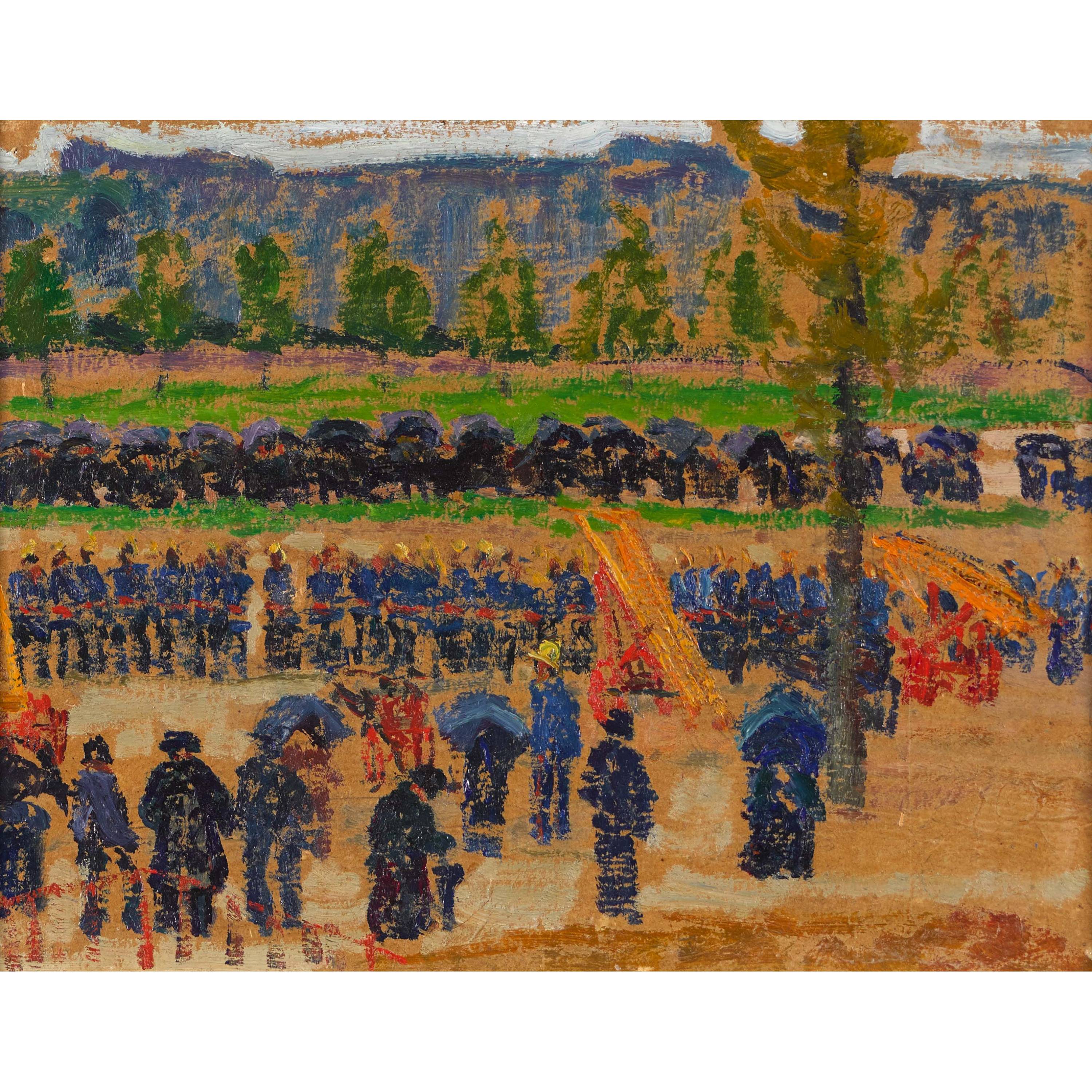
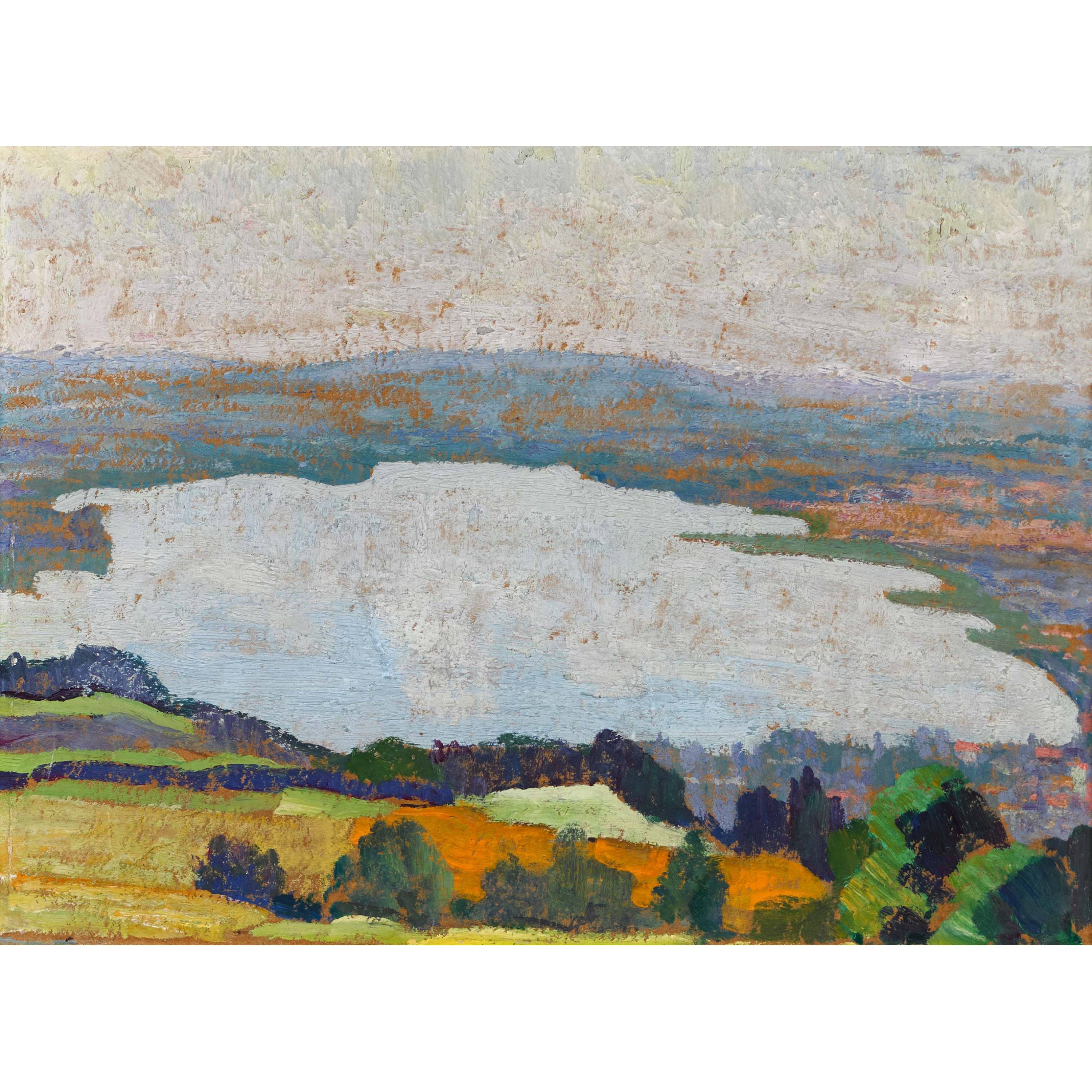
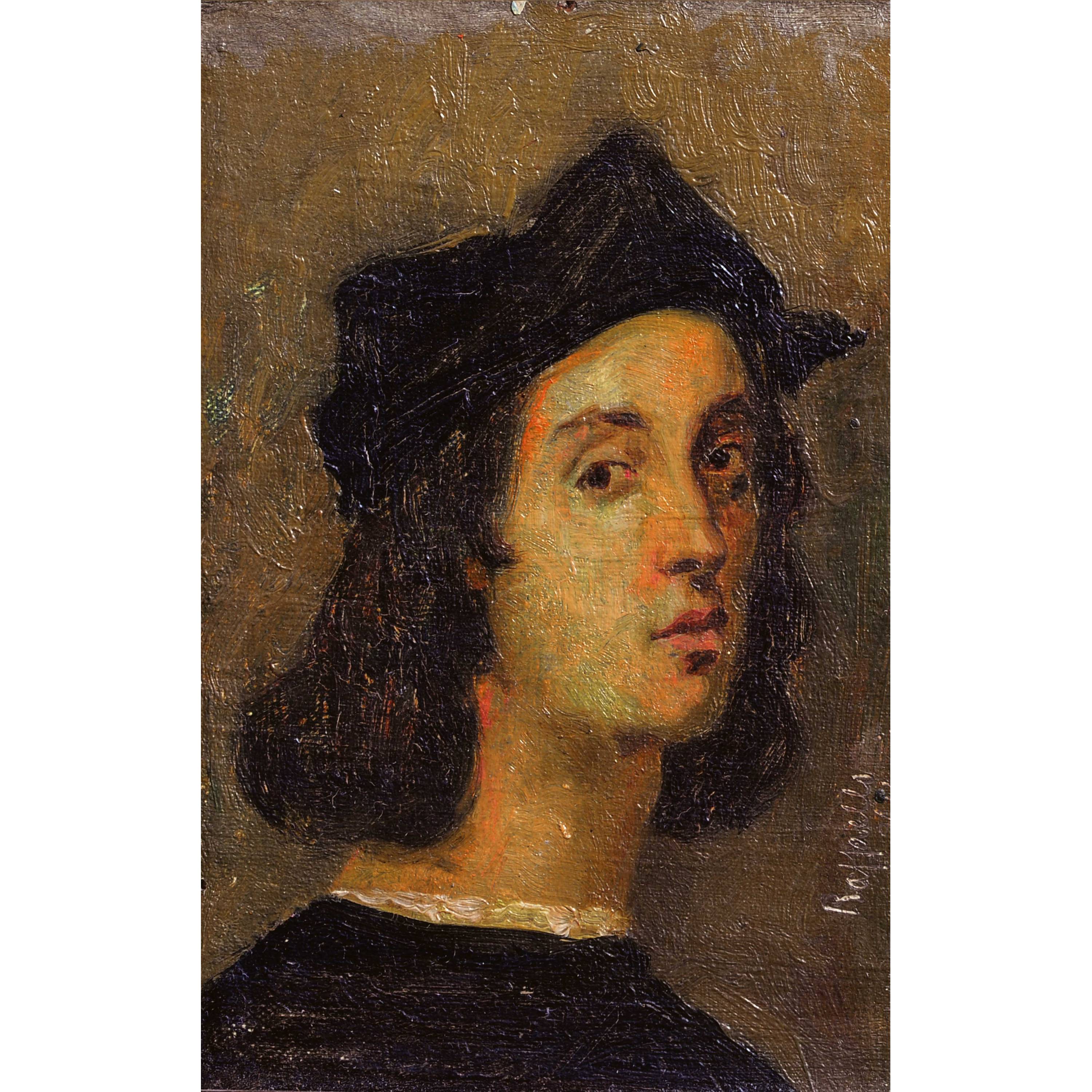
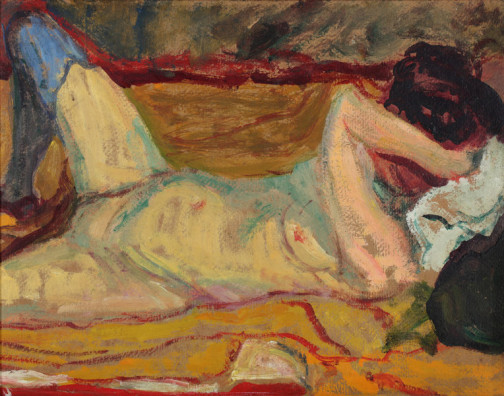
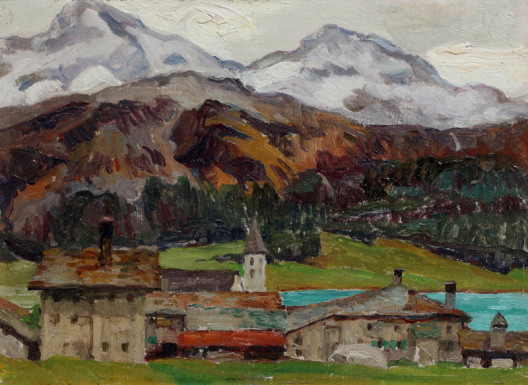
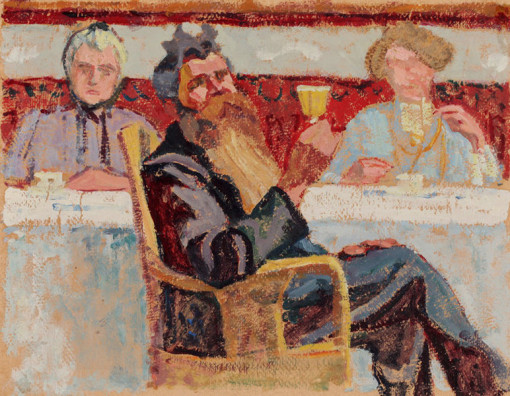
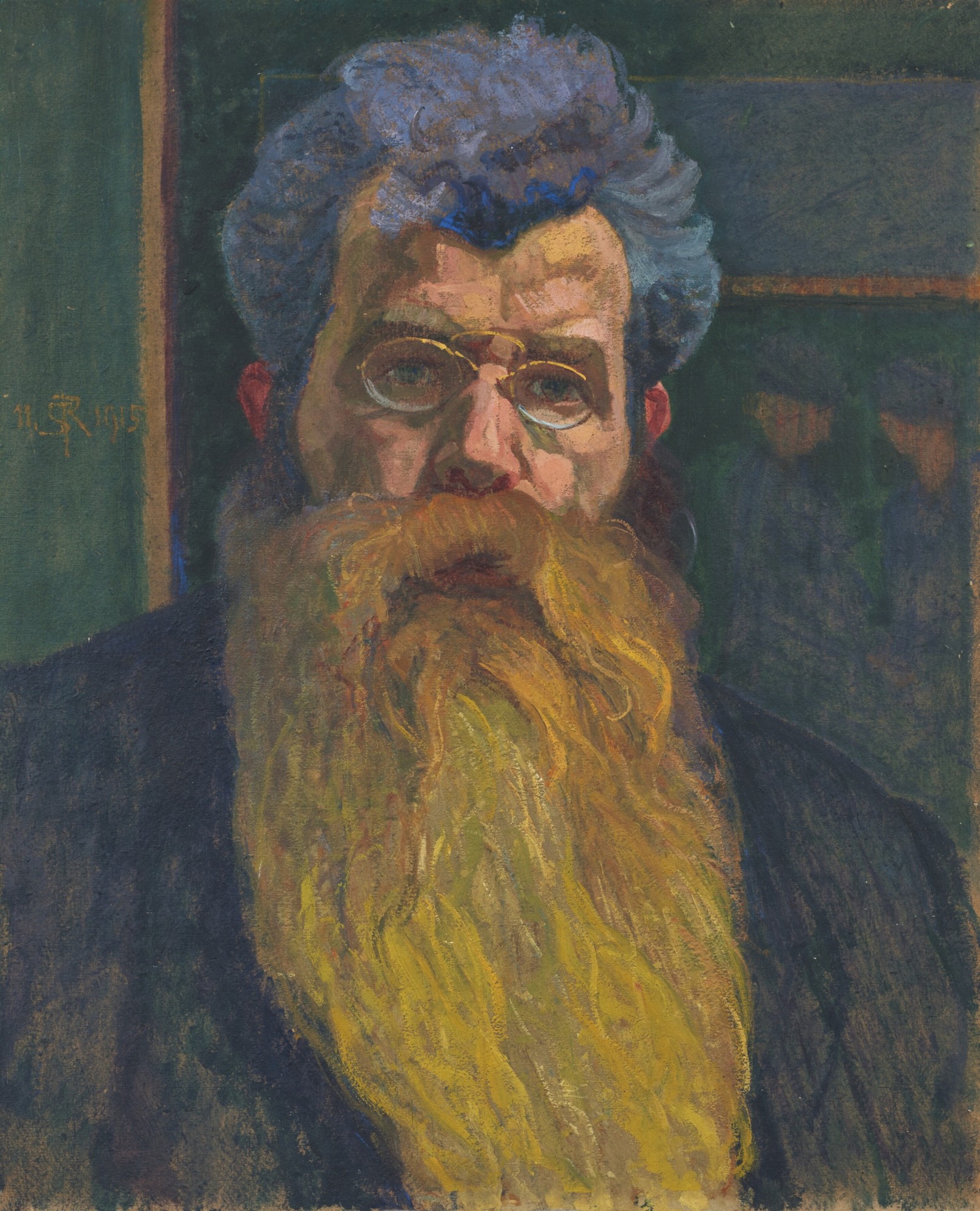
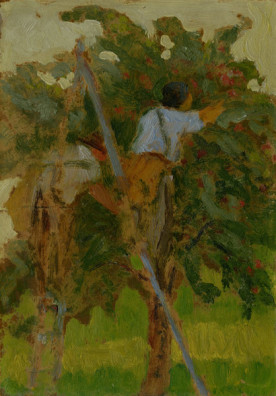
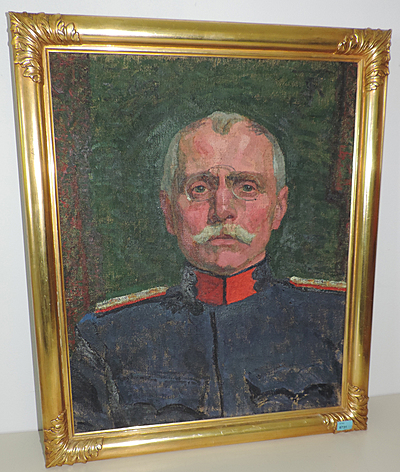
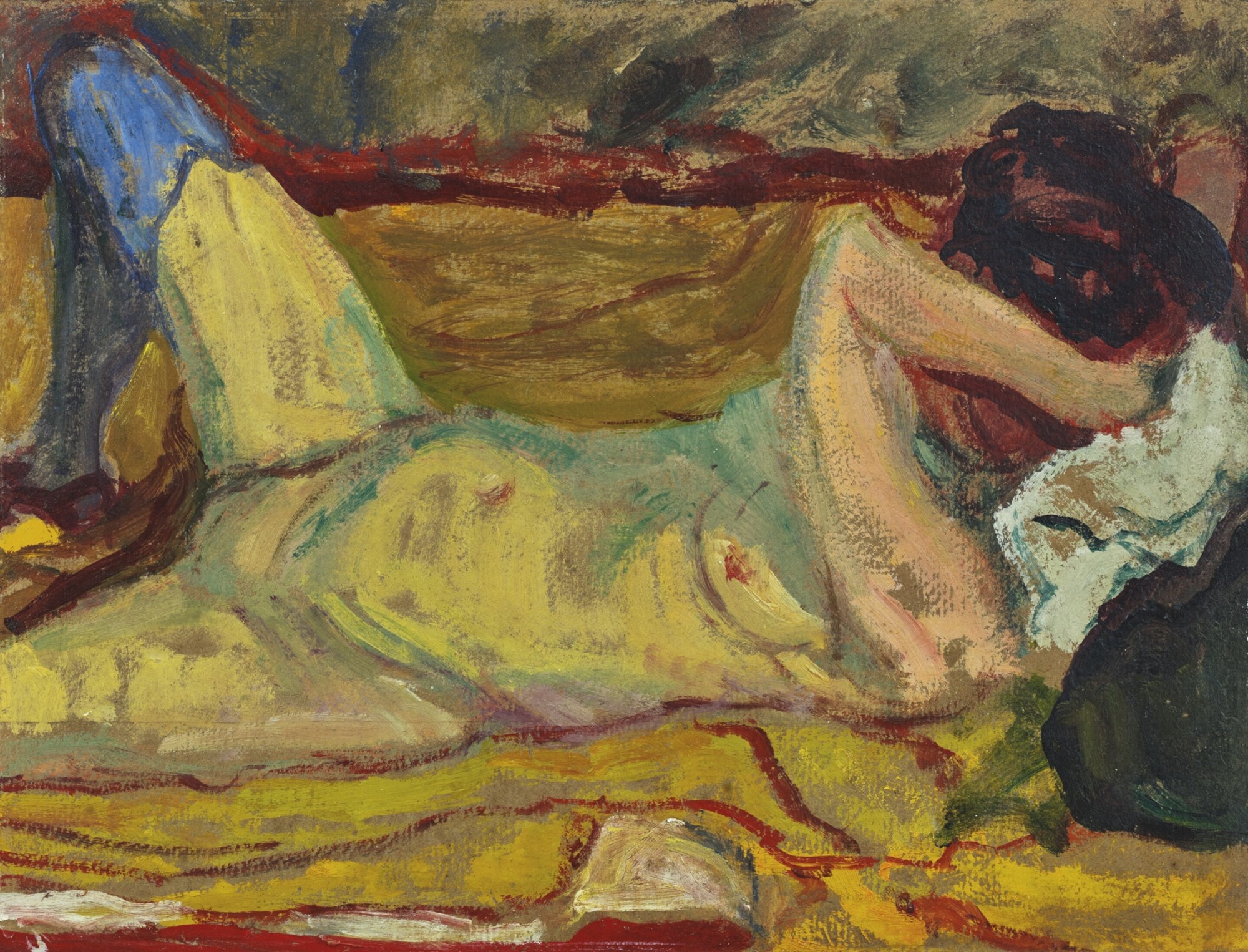
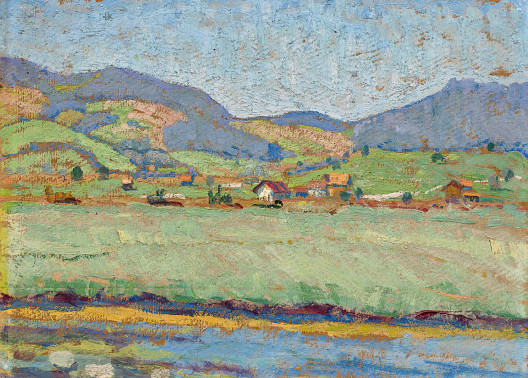
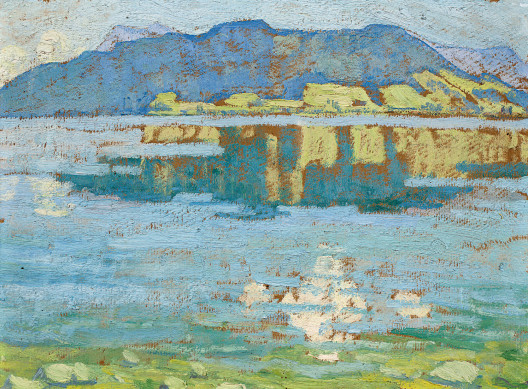
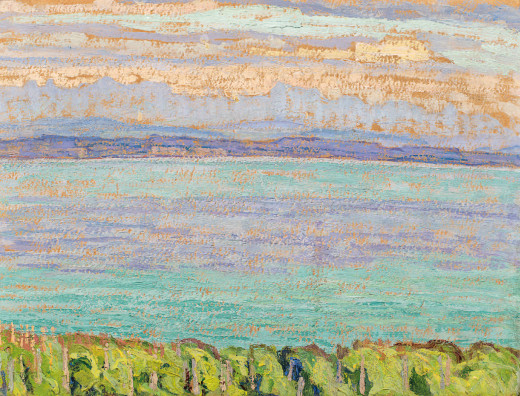
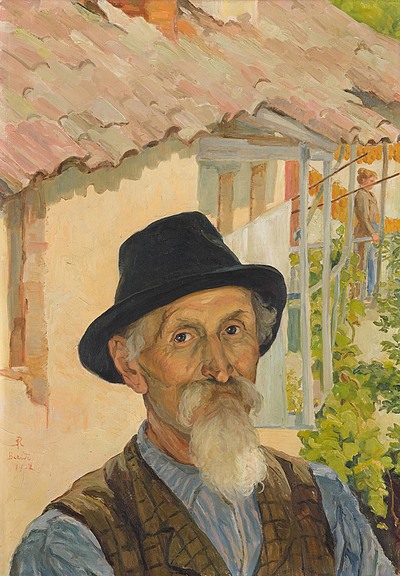
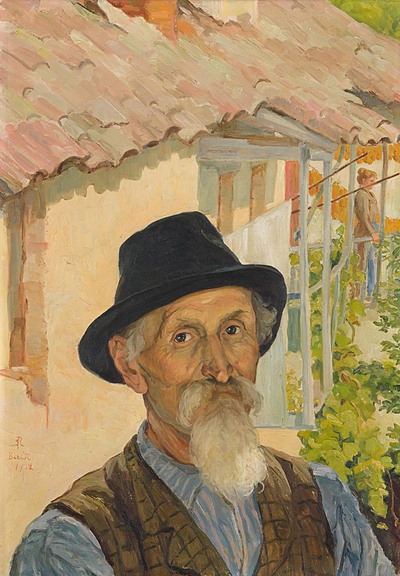
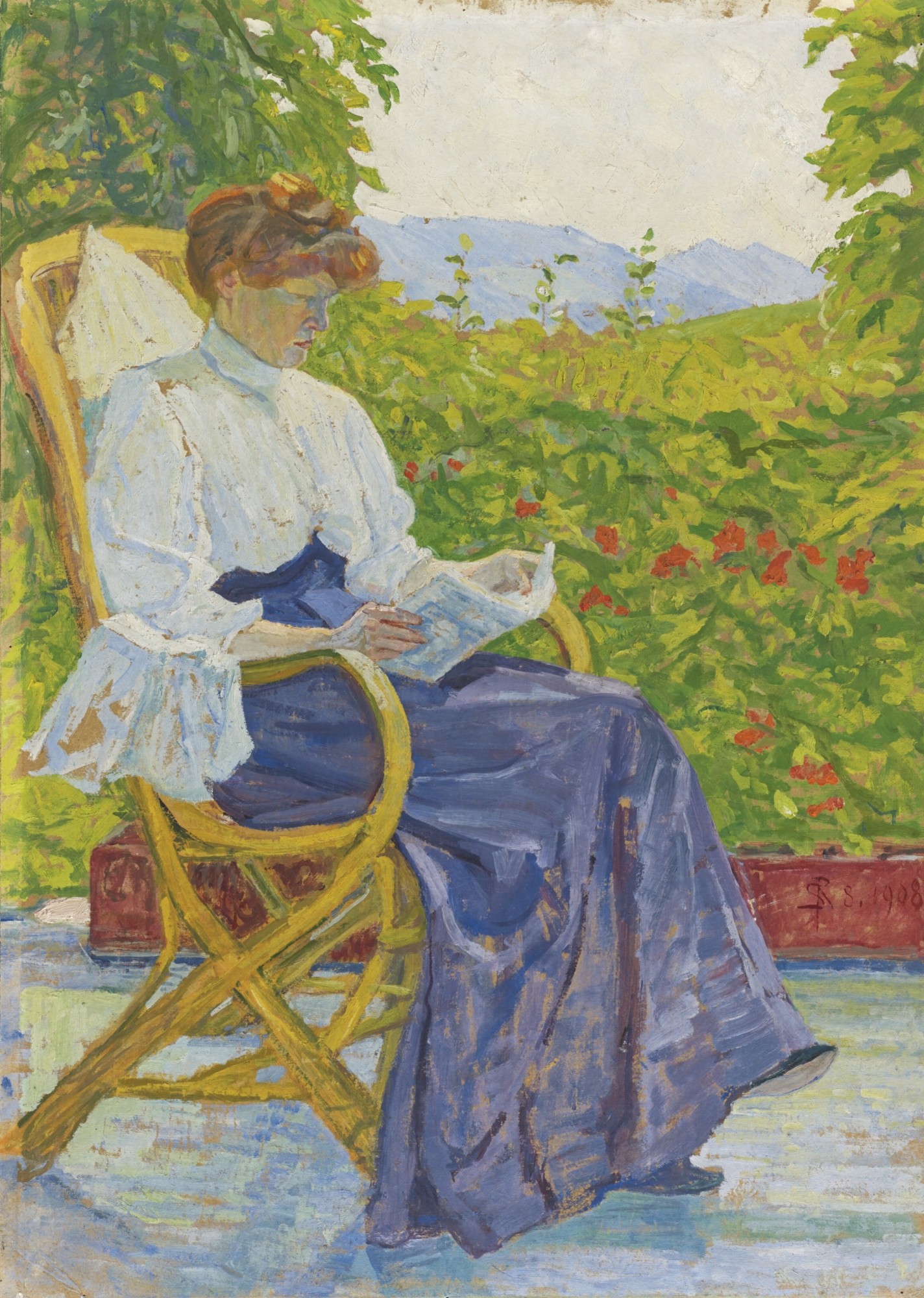
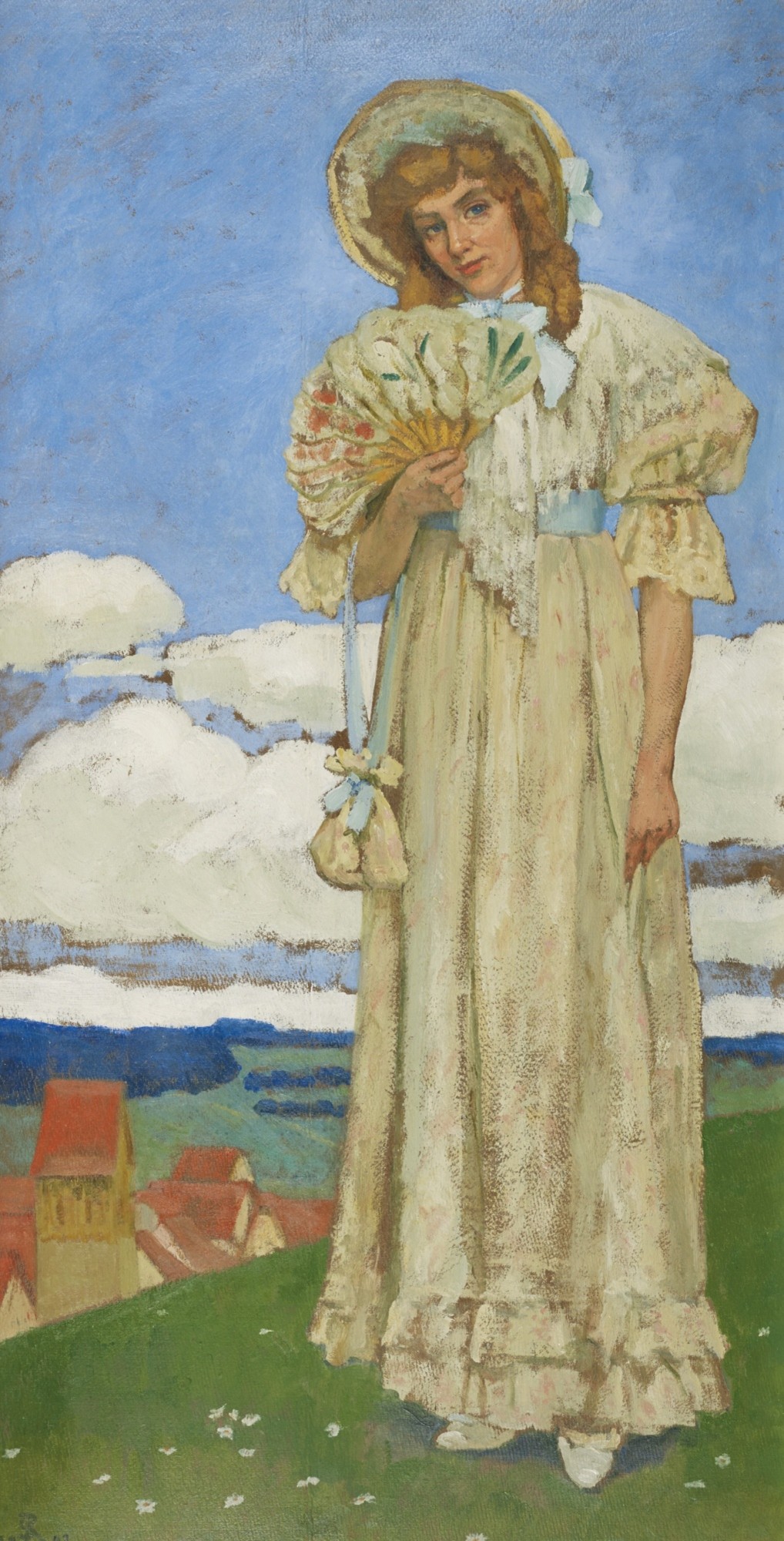
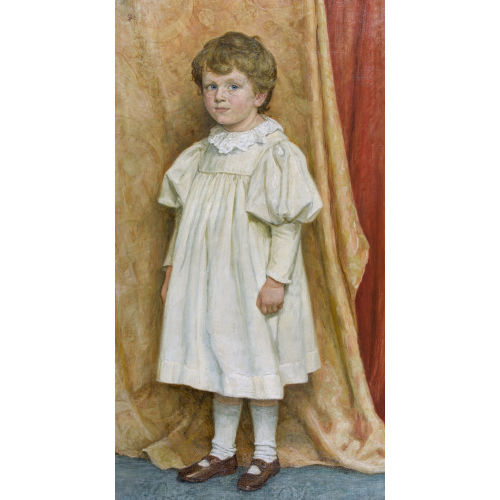
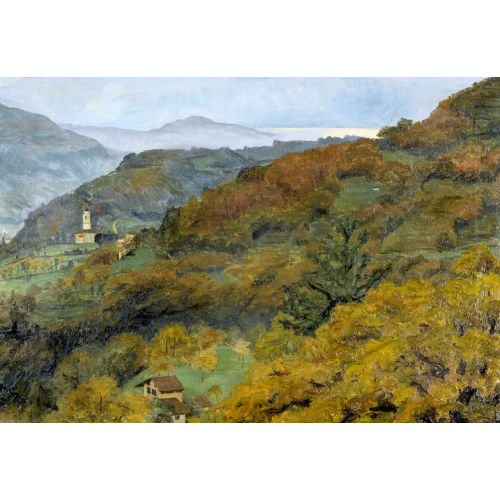
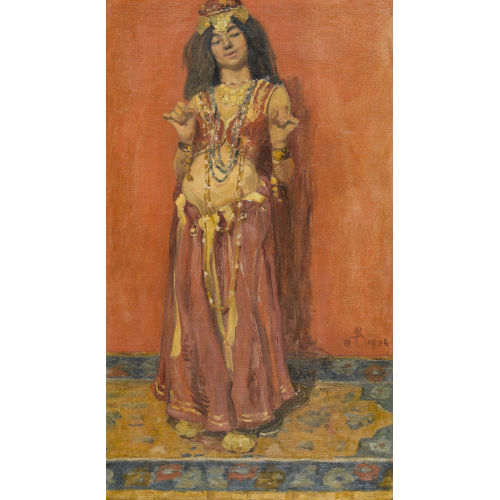
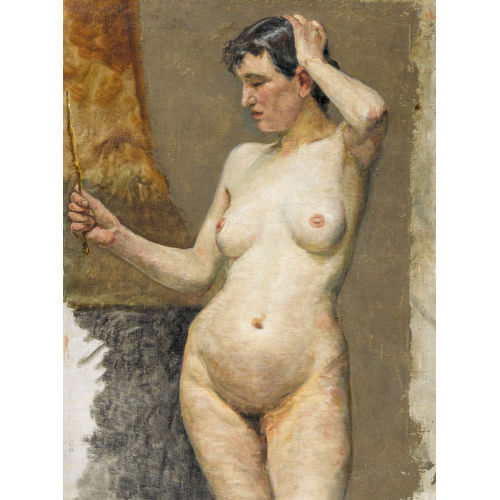
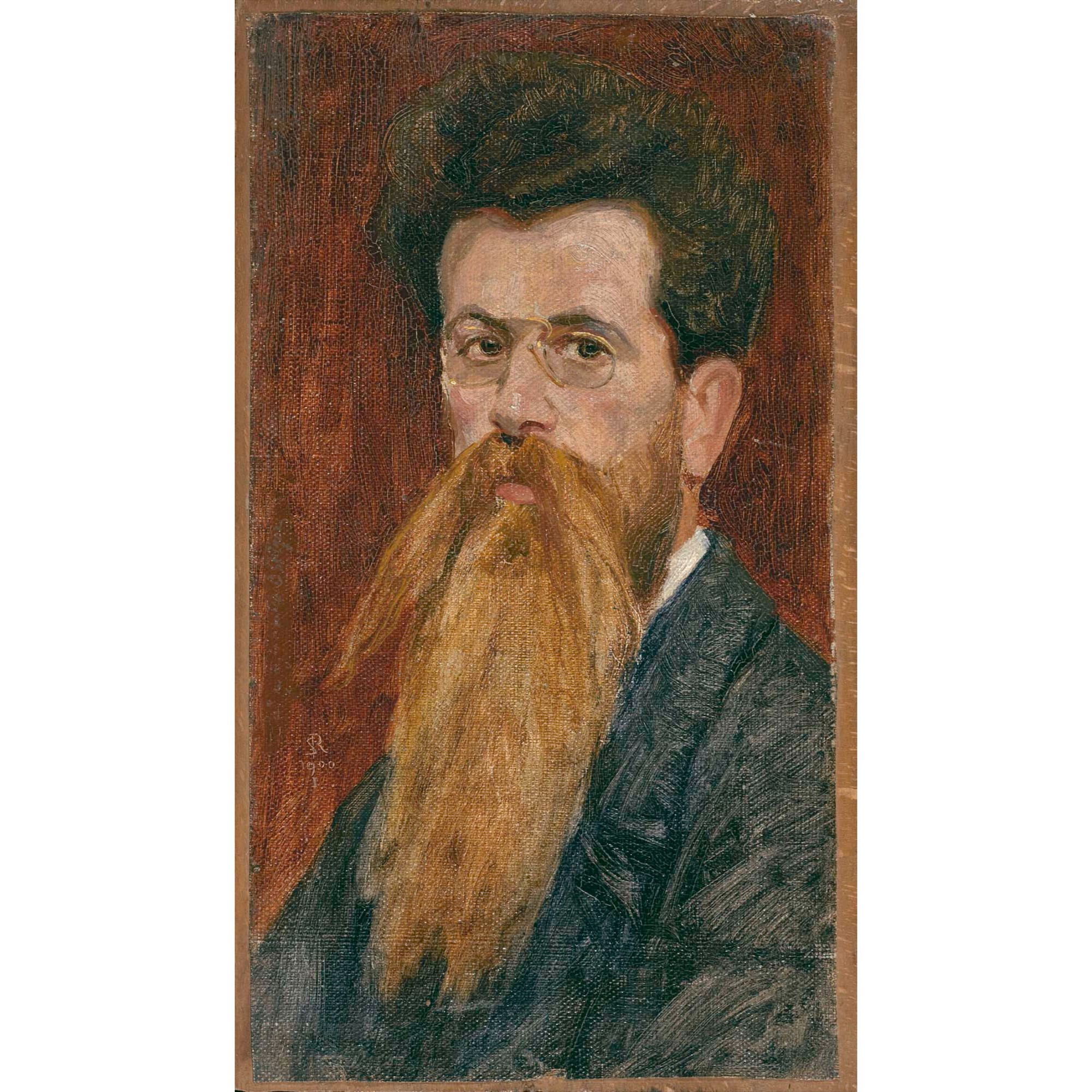
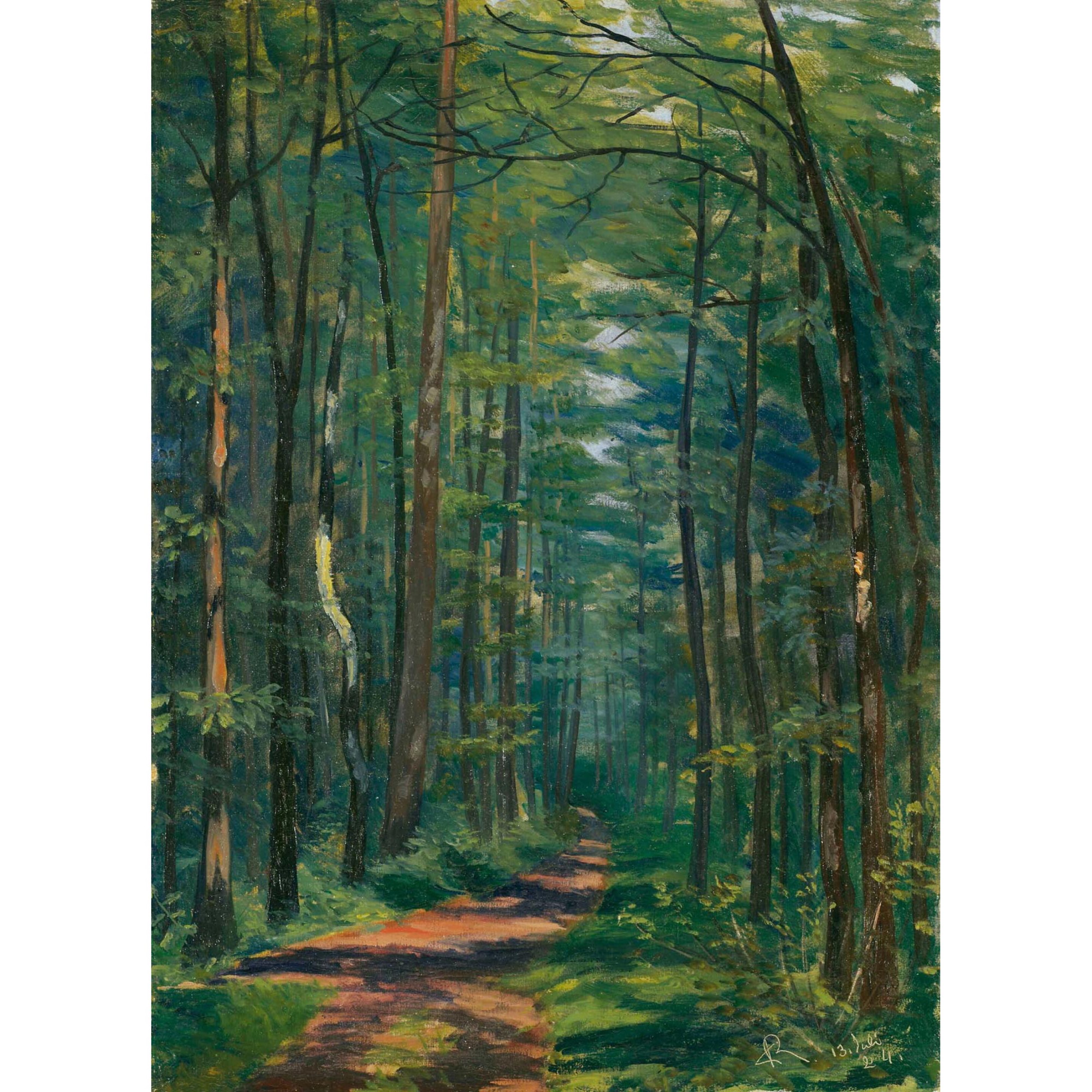
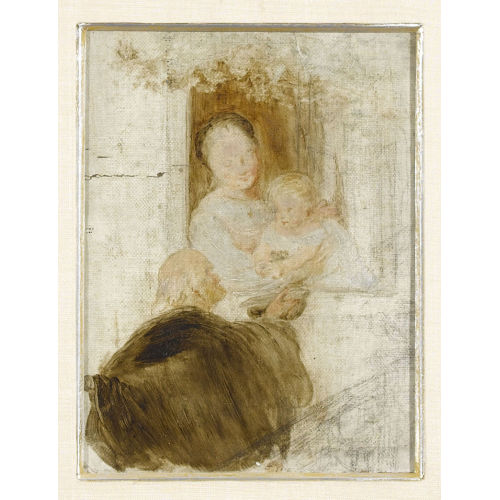
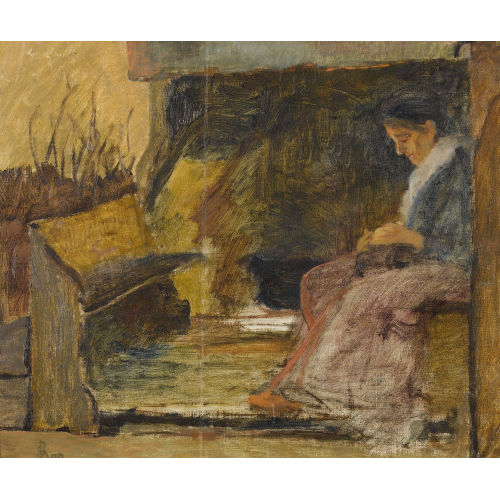
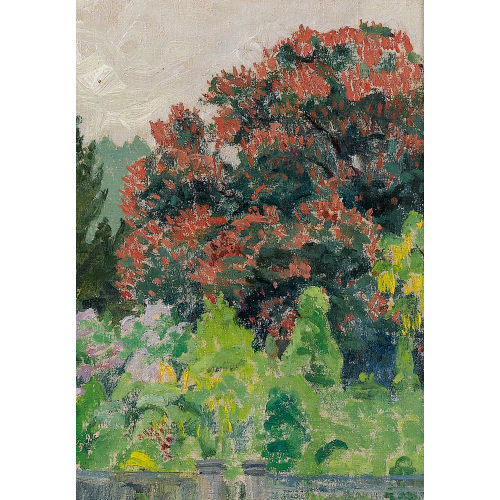
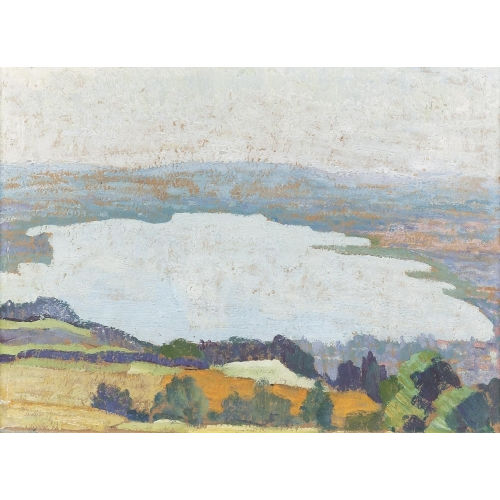
Landscapes, still lifes and portraits of those close to him became the fields of an inquiry in which the motif matters as much as the way light and tones transform it.
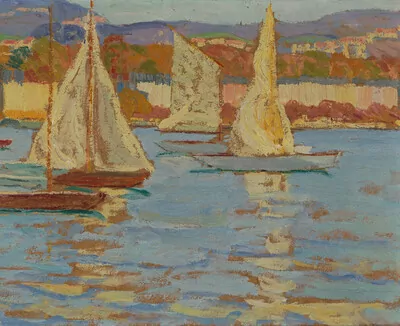
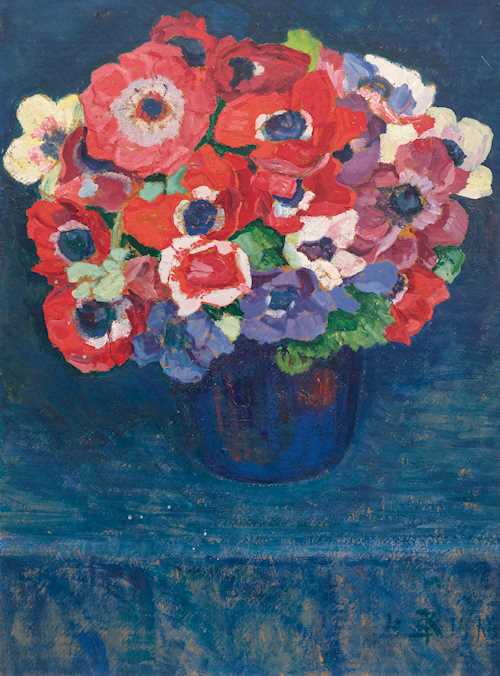
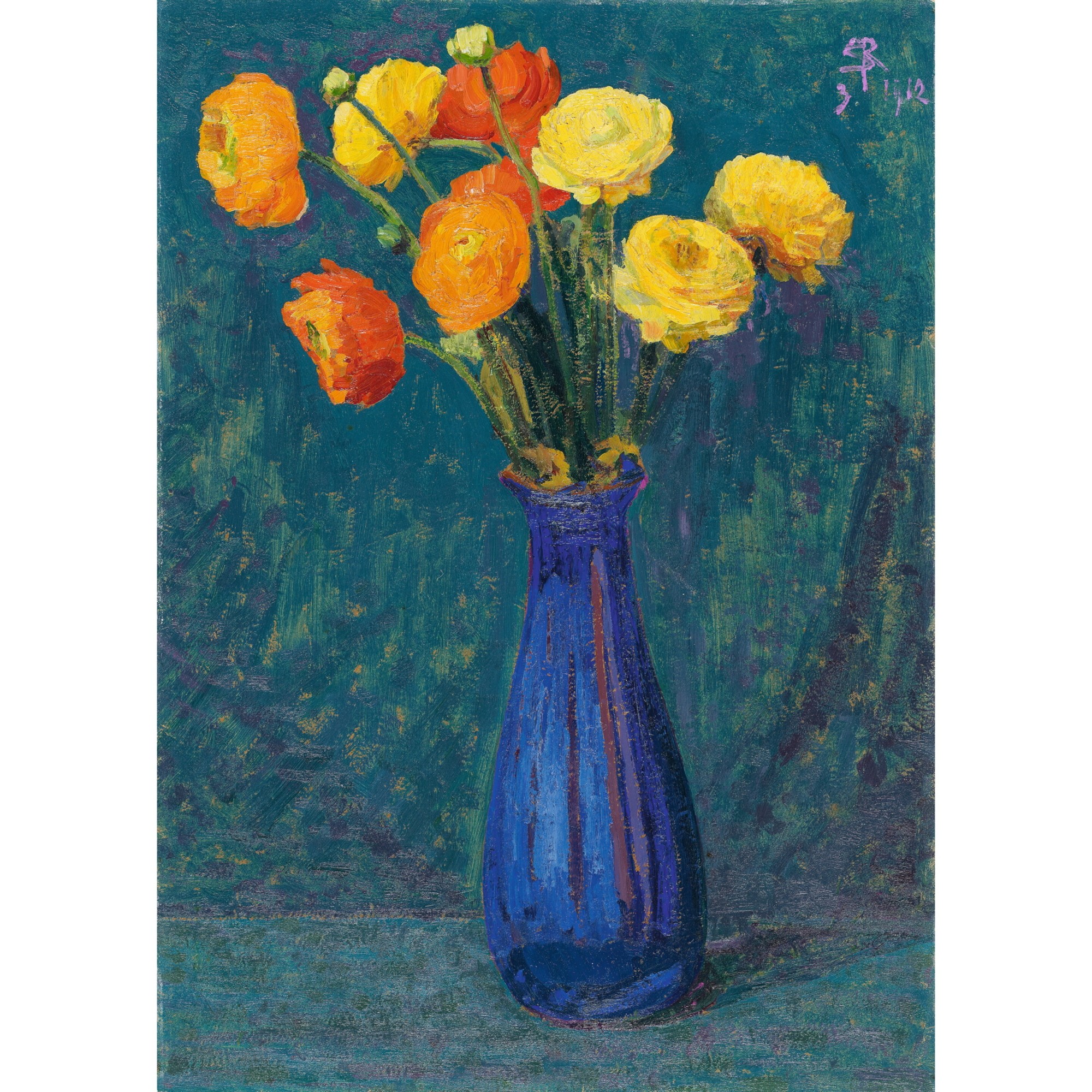
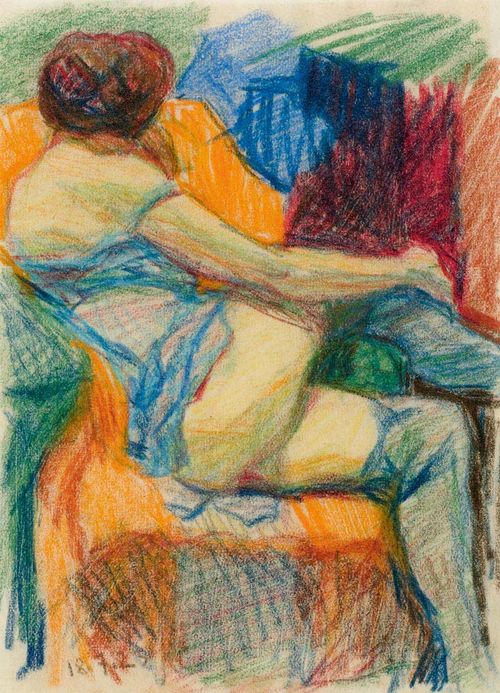
His works of the 1900s and 1910s contributed to the renewal of Swiss modernity. Close to Cuno Amiet, with whom he maintained a long artistic friendship, Righini shared the Post-Impressionists’ interest in colour as an autonomous means of expression. In his landscapes, attention to variations in the sky and water, to blues responding to one another, goes beyond the simple transcription of a view.
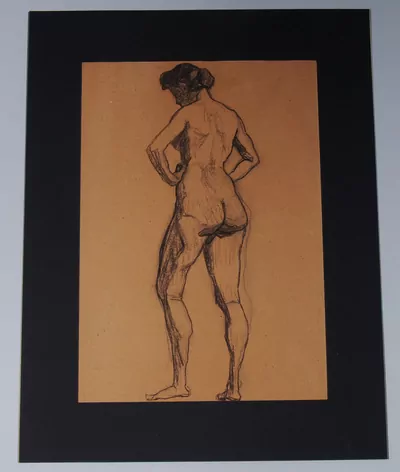
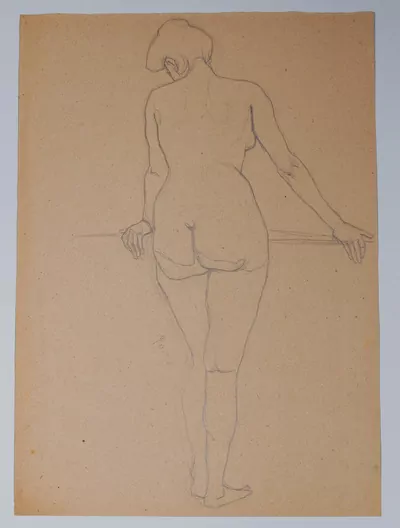
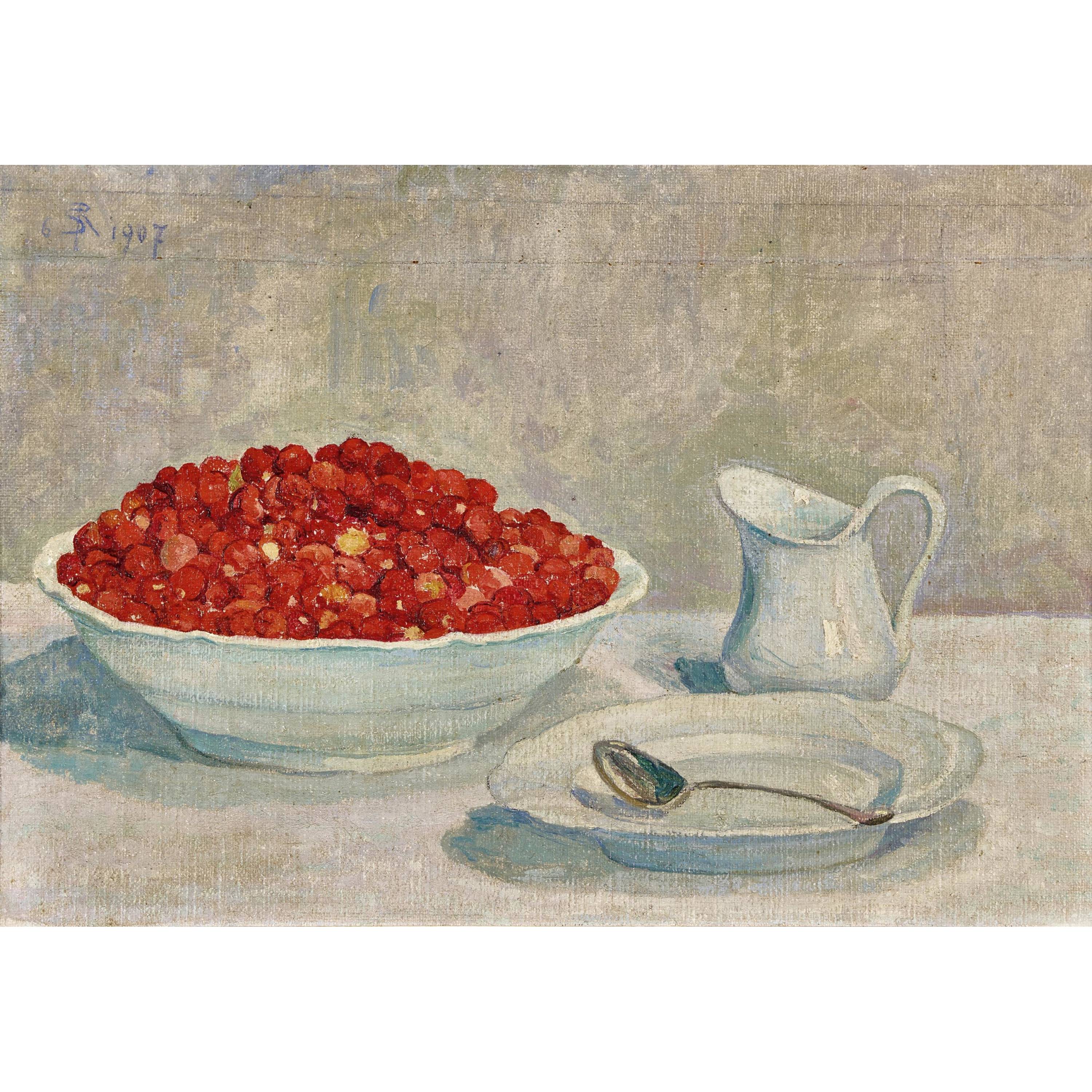
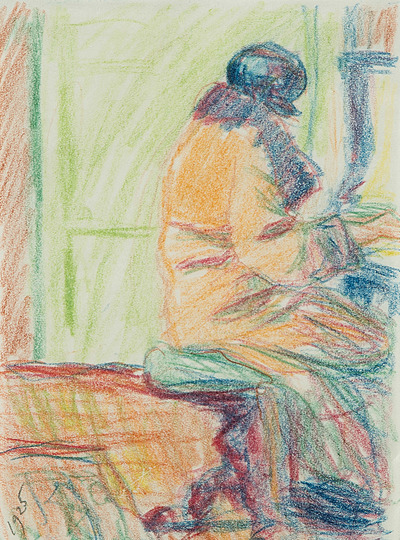
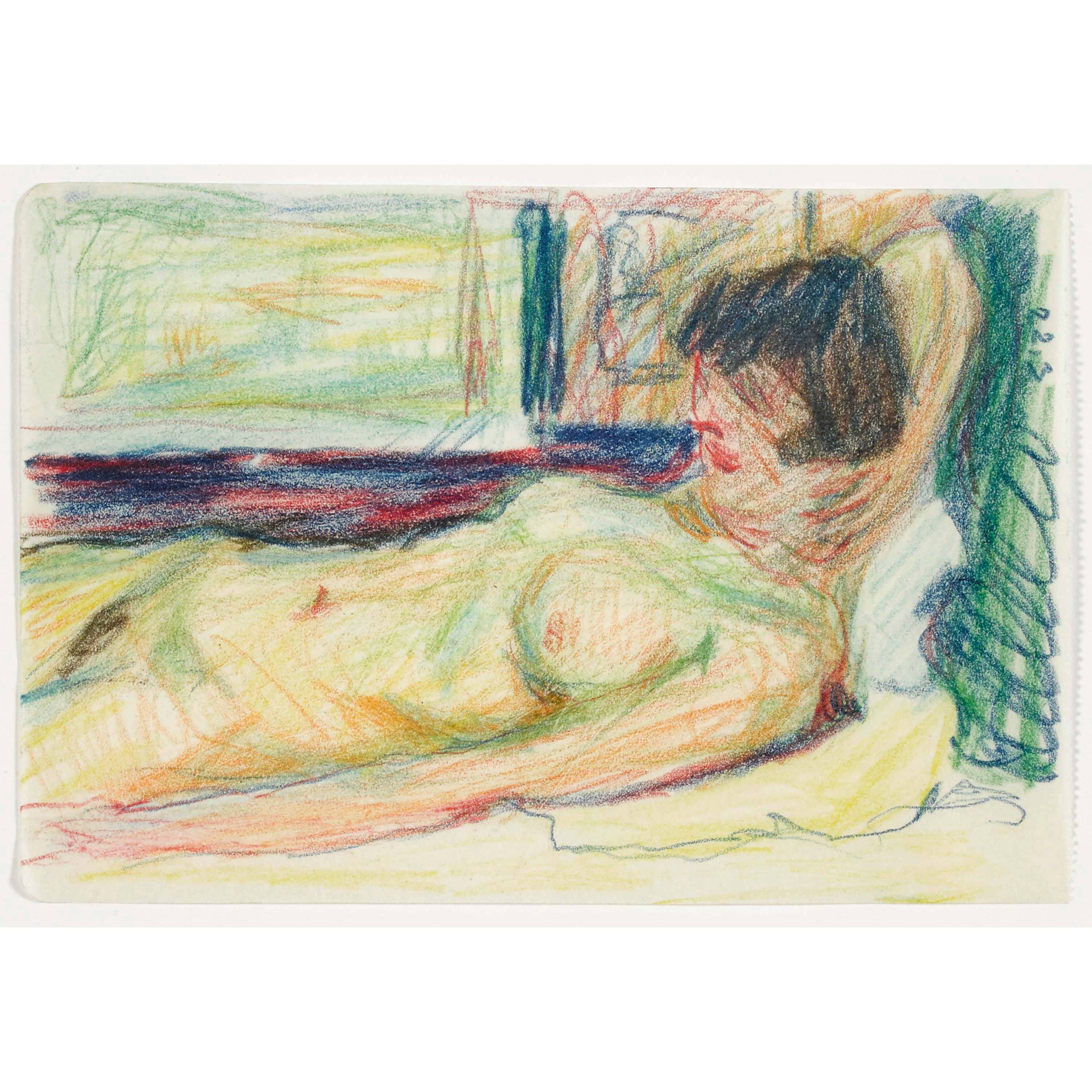
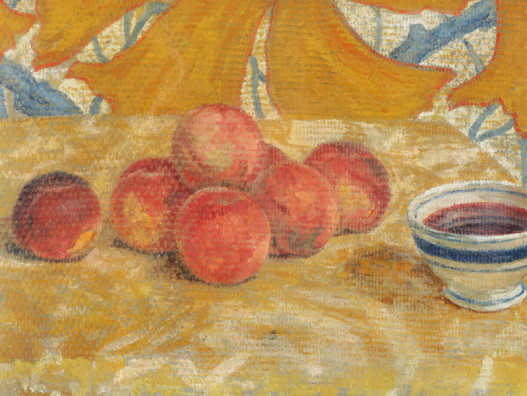
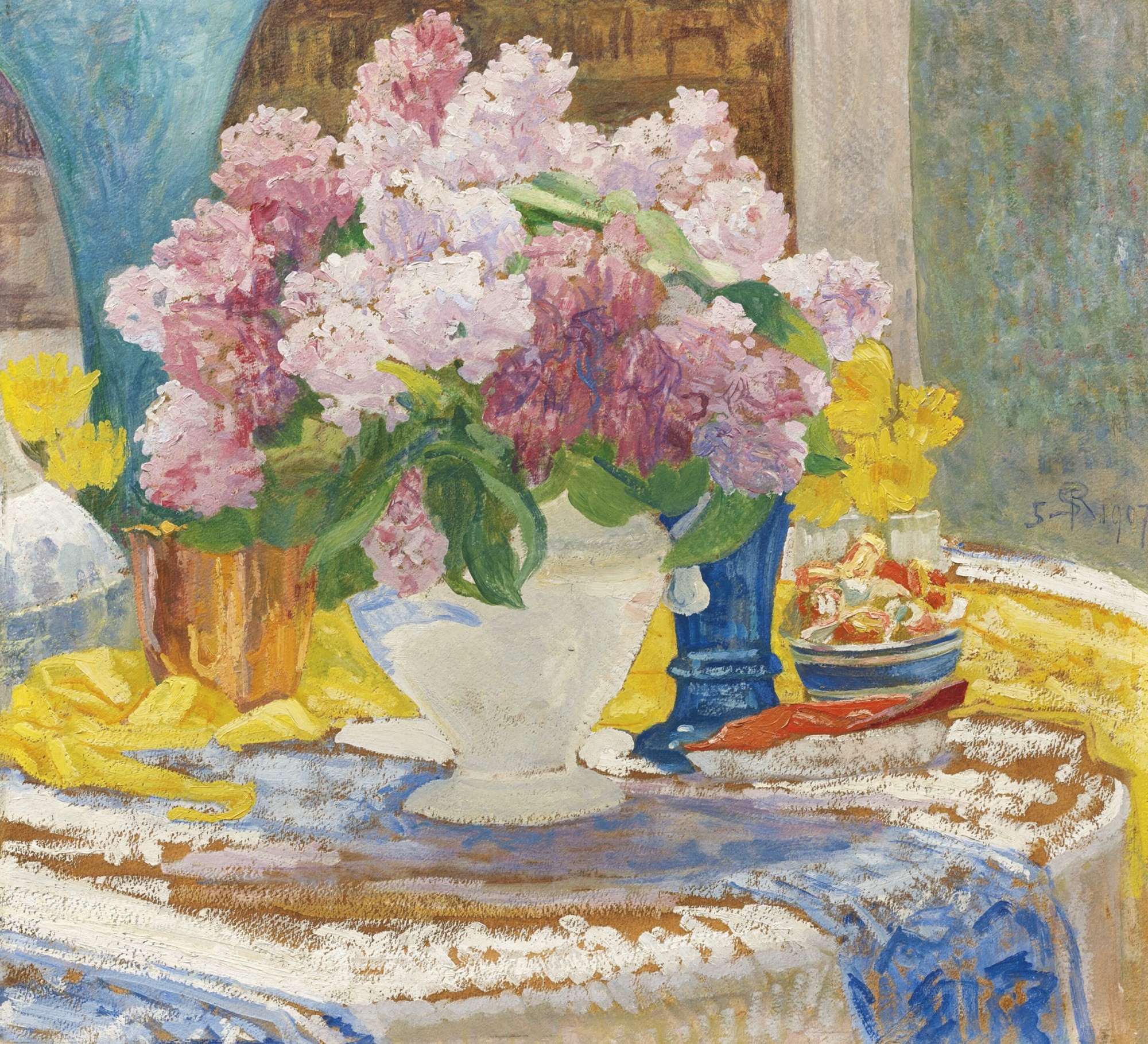
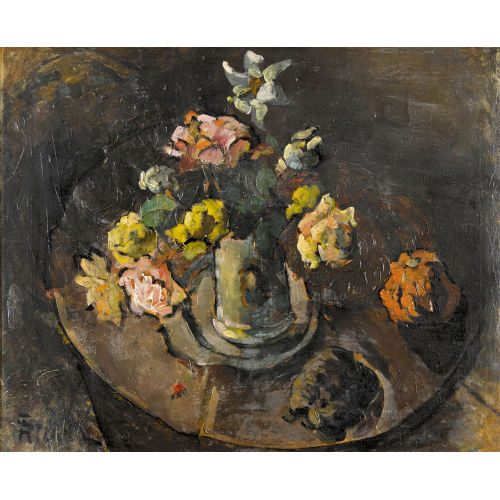
In his still lifes, the proximity of objects makes it possible to explore the relationships between matter, light and the painted surface. He did not confine himself to a single formula: during the last decade of his life, he abandoned painting to devote himself to drawing.
At the same time, Righini played a decisive role in the art institutions of his day. A founding member of the Zurich Artists’ Association, he chaired the exhibition committee of the Zurich Art Society for nearly twenty years. He also served on the Federal Art Commission and organised the Swiss section of several editions of the Venice Biennale, notably those of 1926, 1932 and 1934.
His commitment to Swiss artists reflects a profound conviction: the life of art depends as much on the works created as on the places and occasions where they can be seen. His former studio in Zurich, now dedicated to the Righini-Fries family, extends this dialogue between creation and transmission.