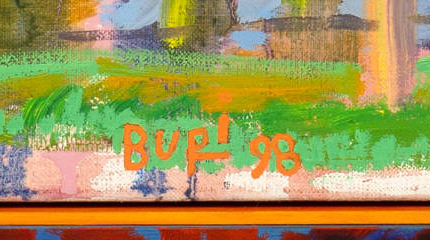
Samuel Buri
Born in 1935.
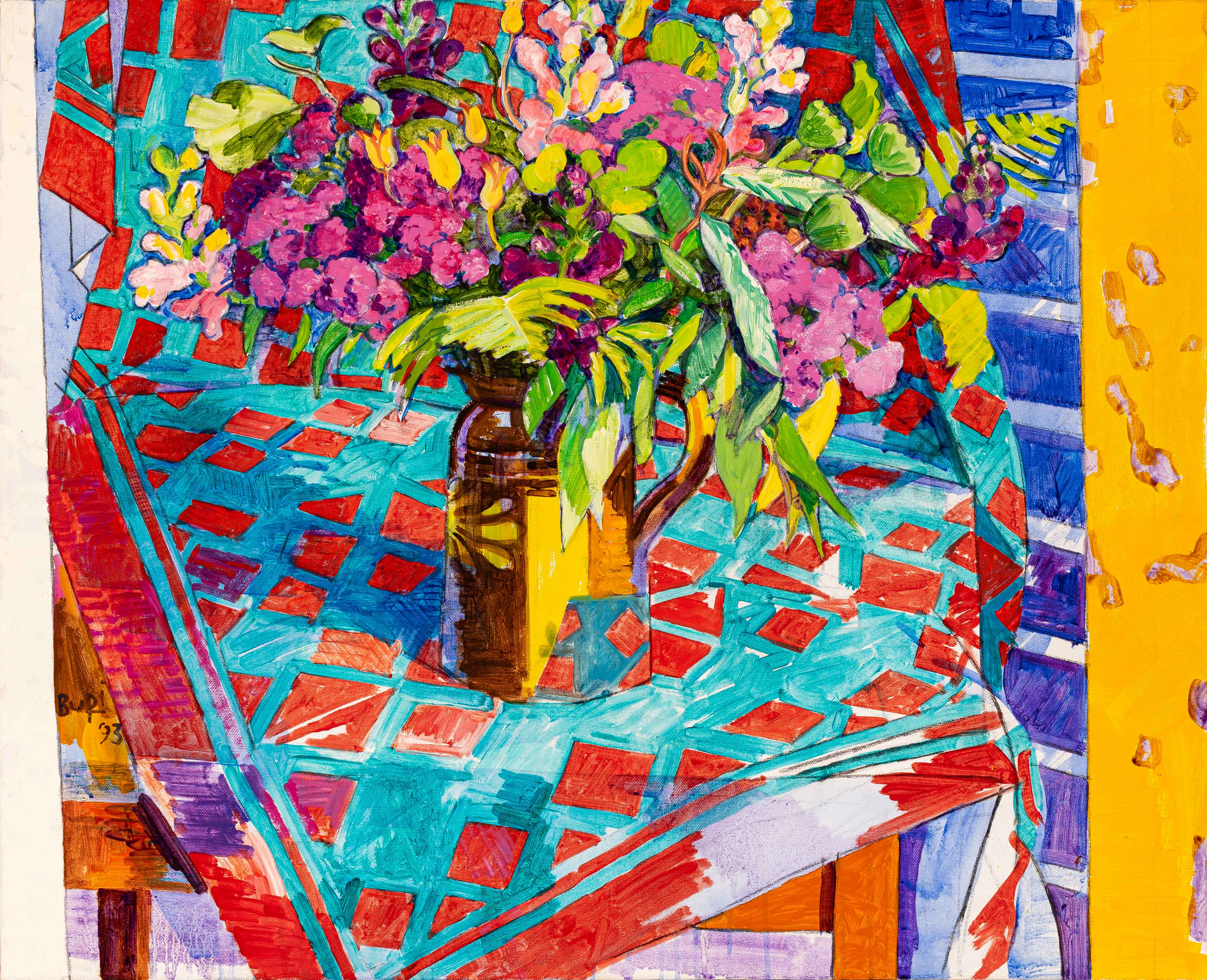
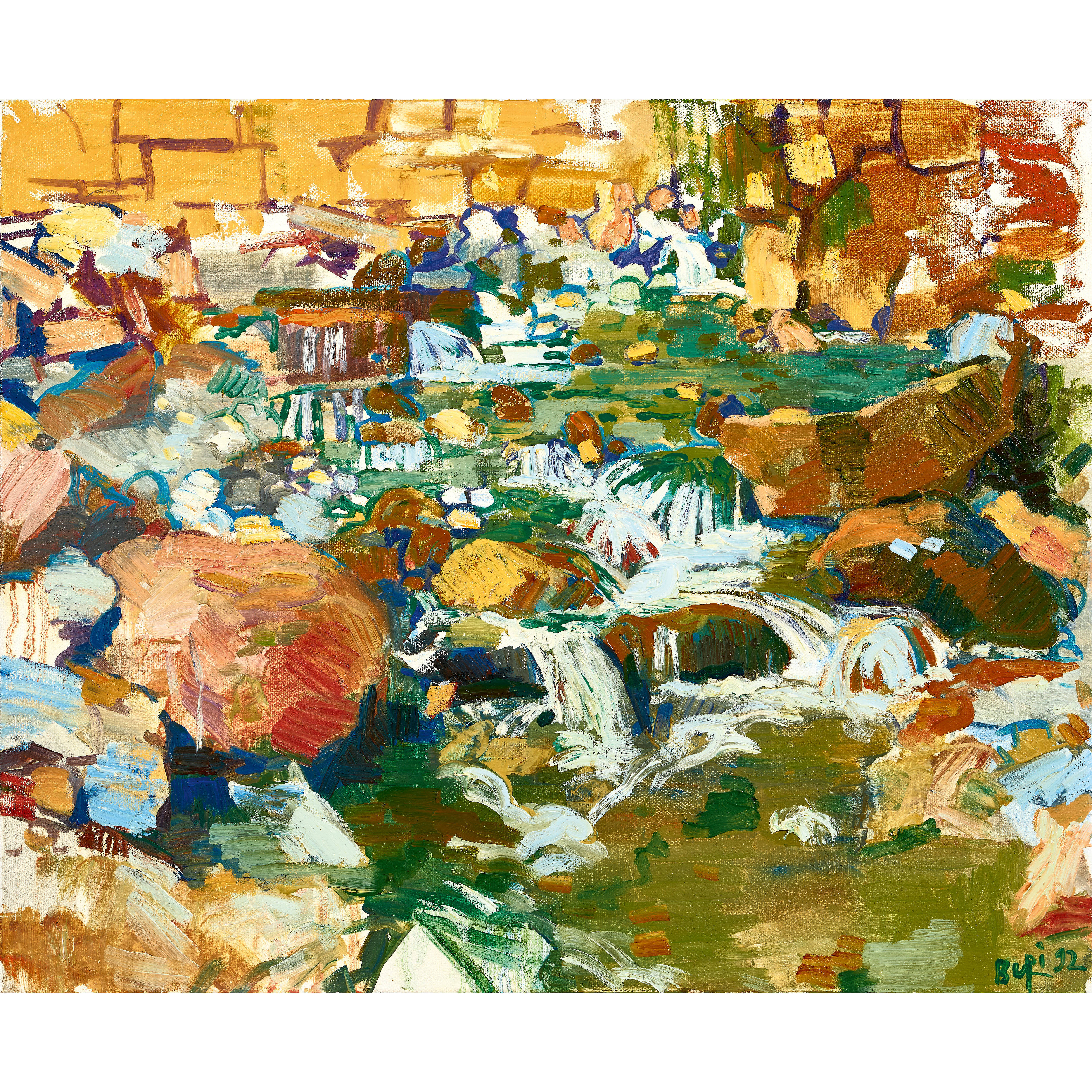
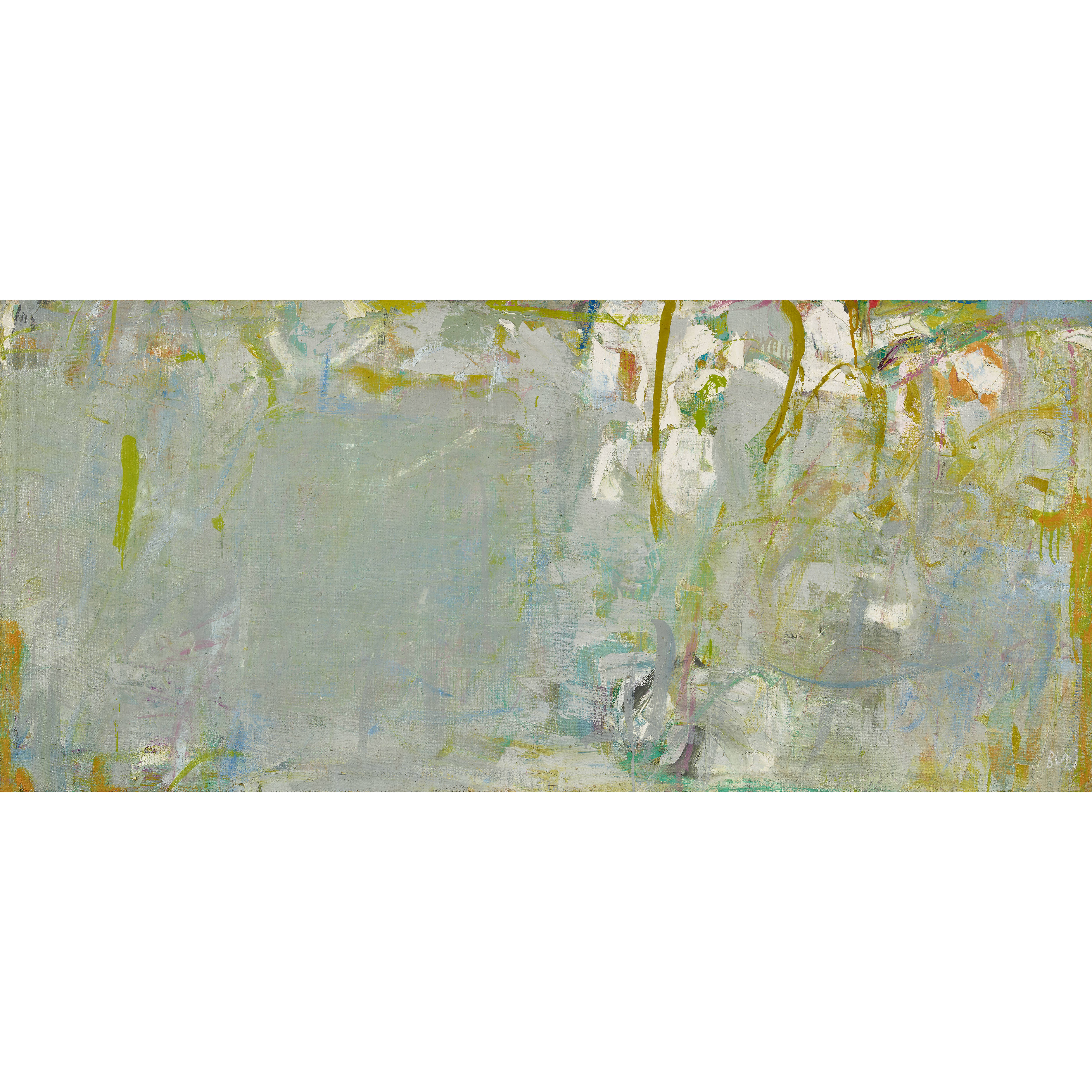
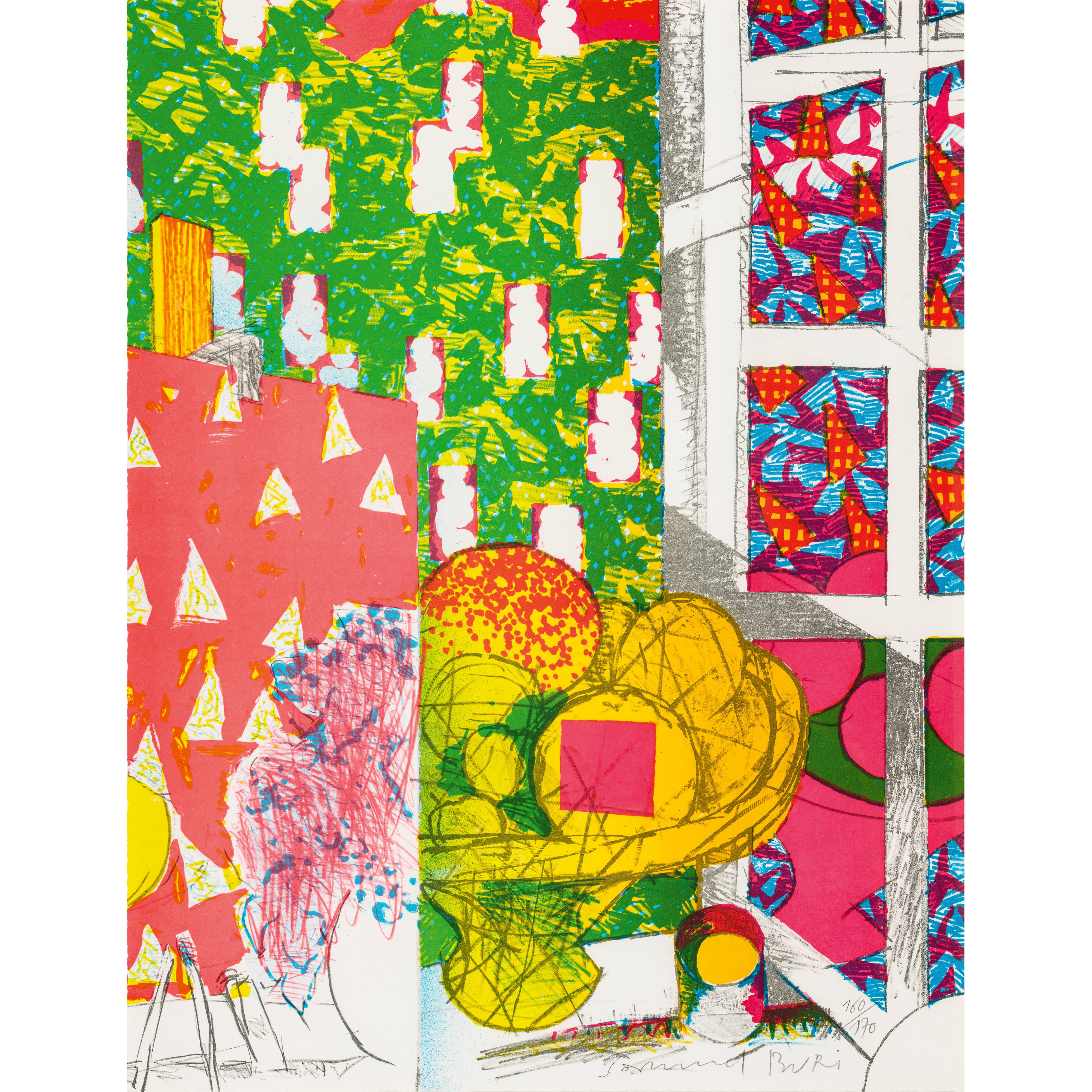
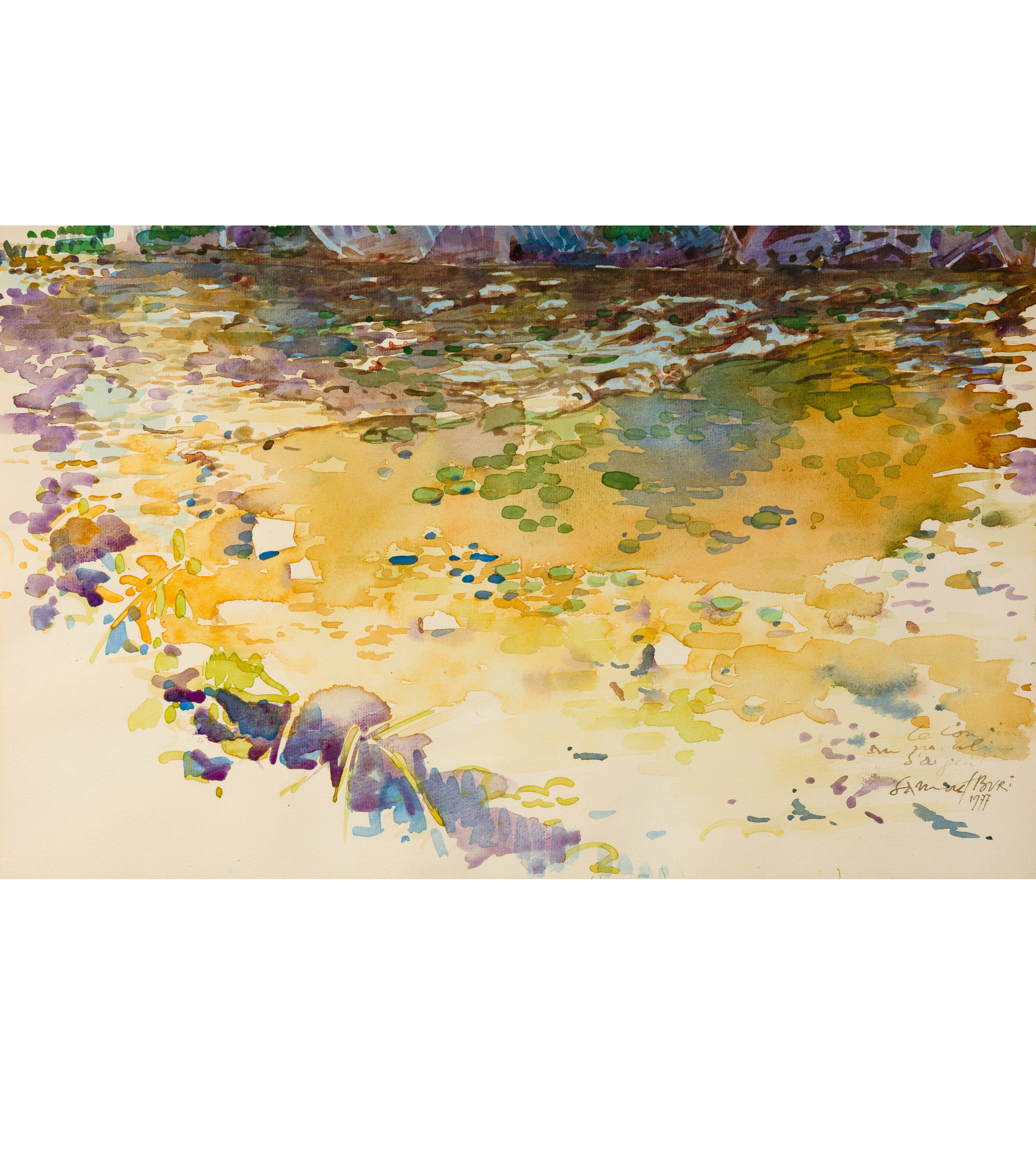
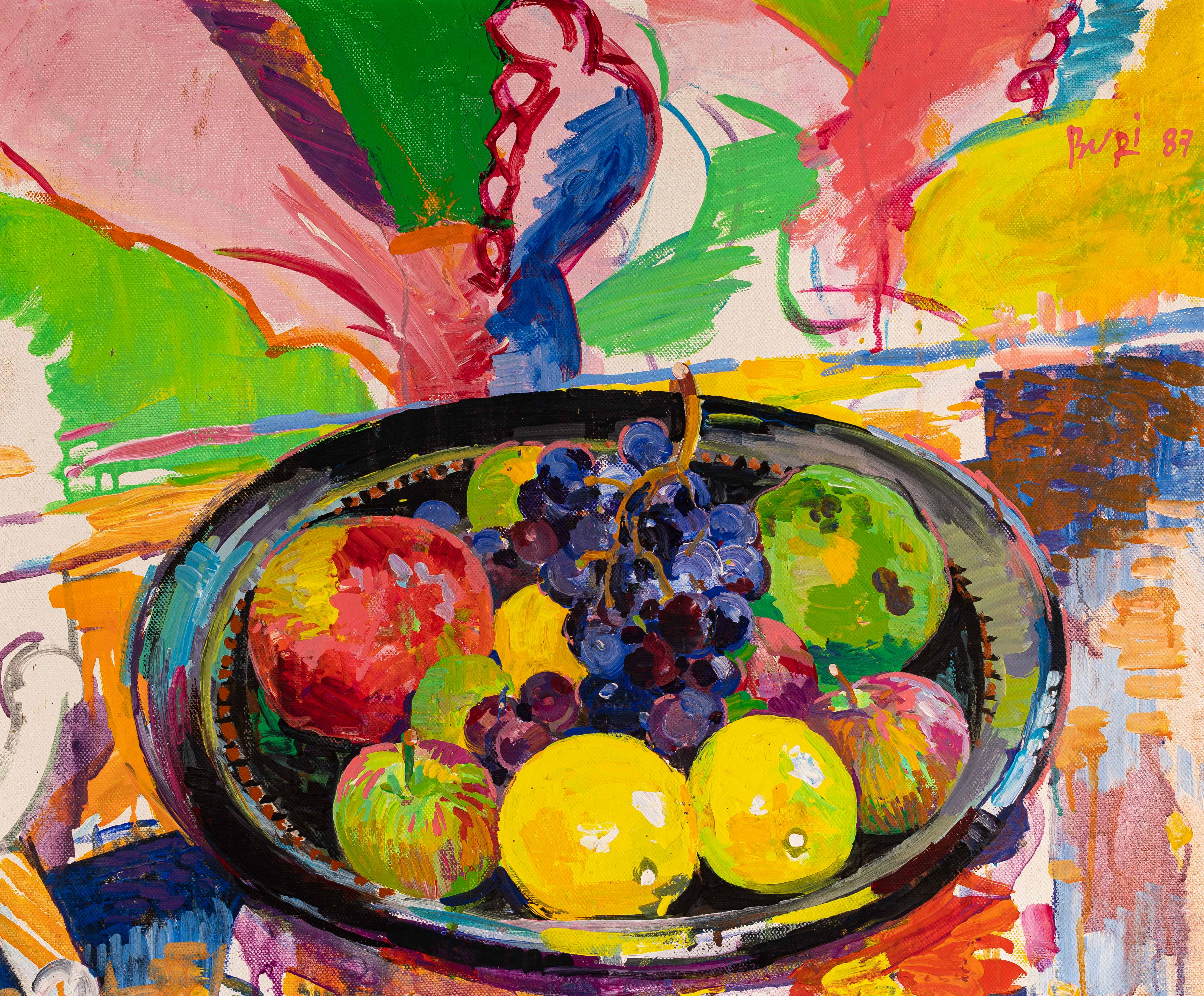
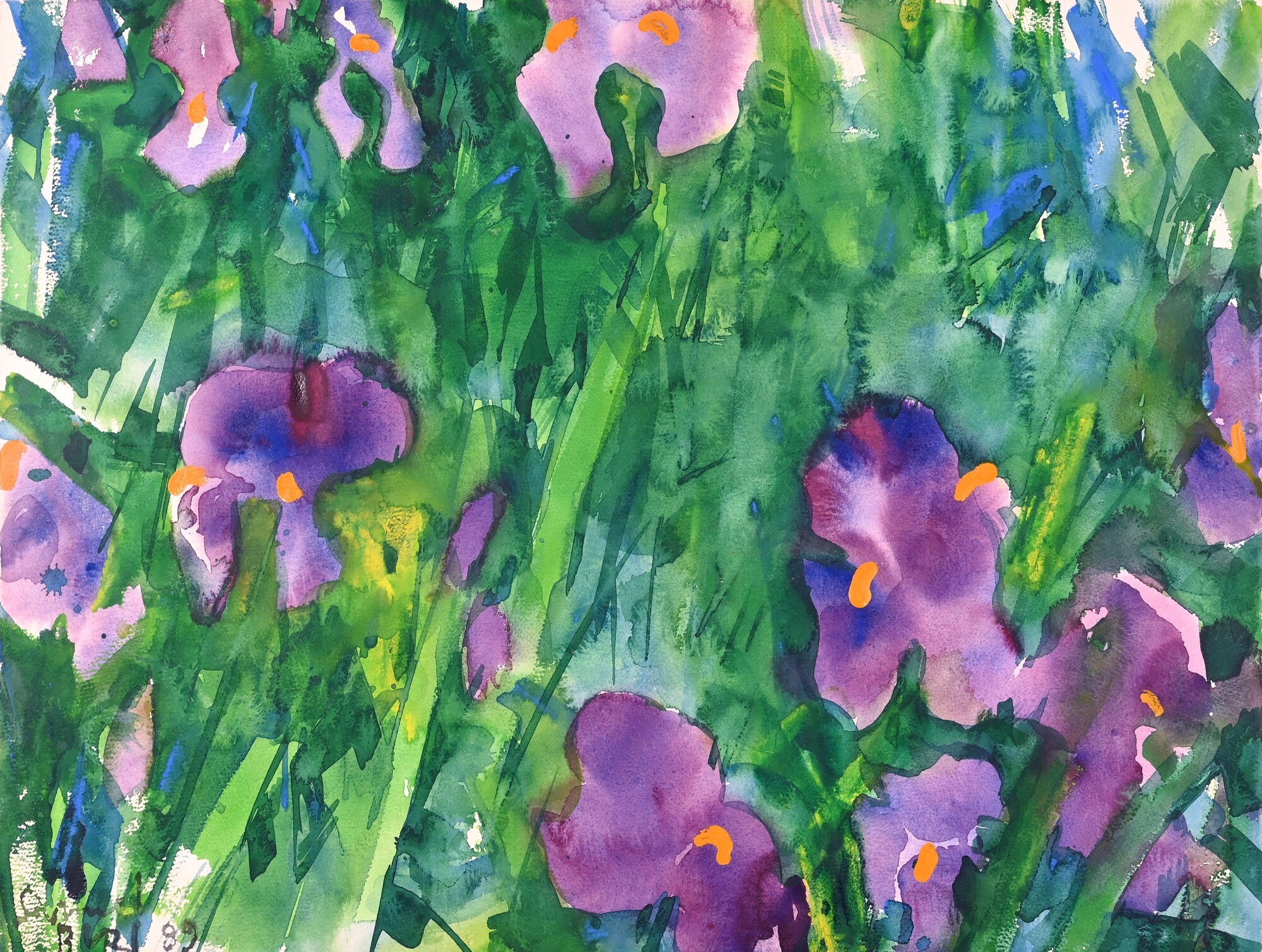
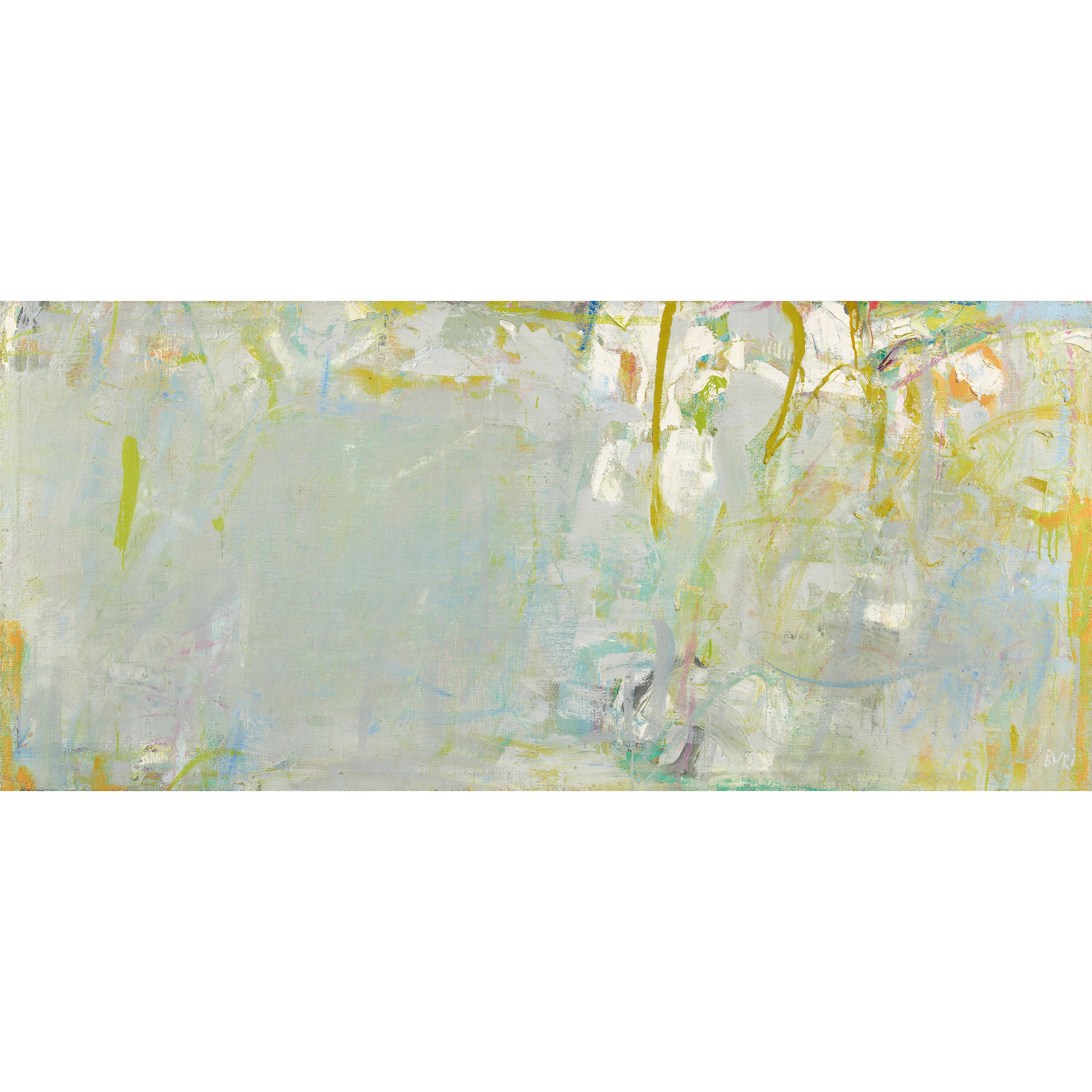
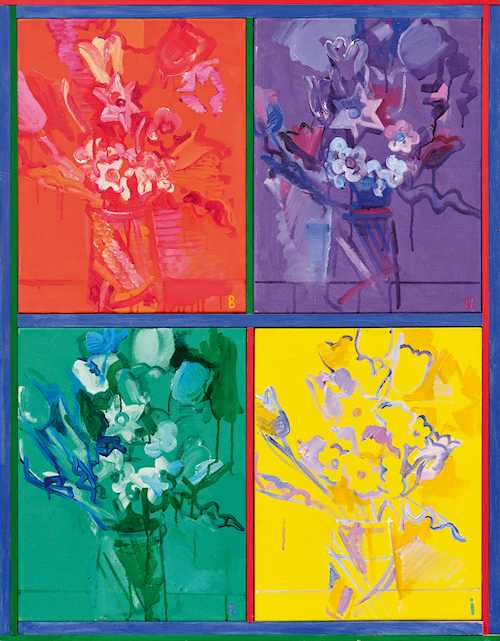
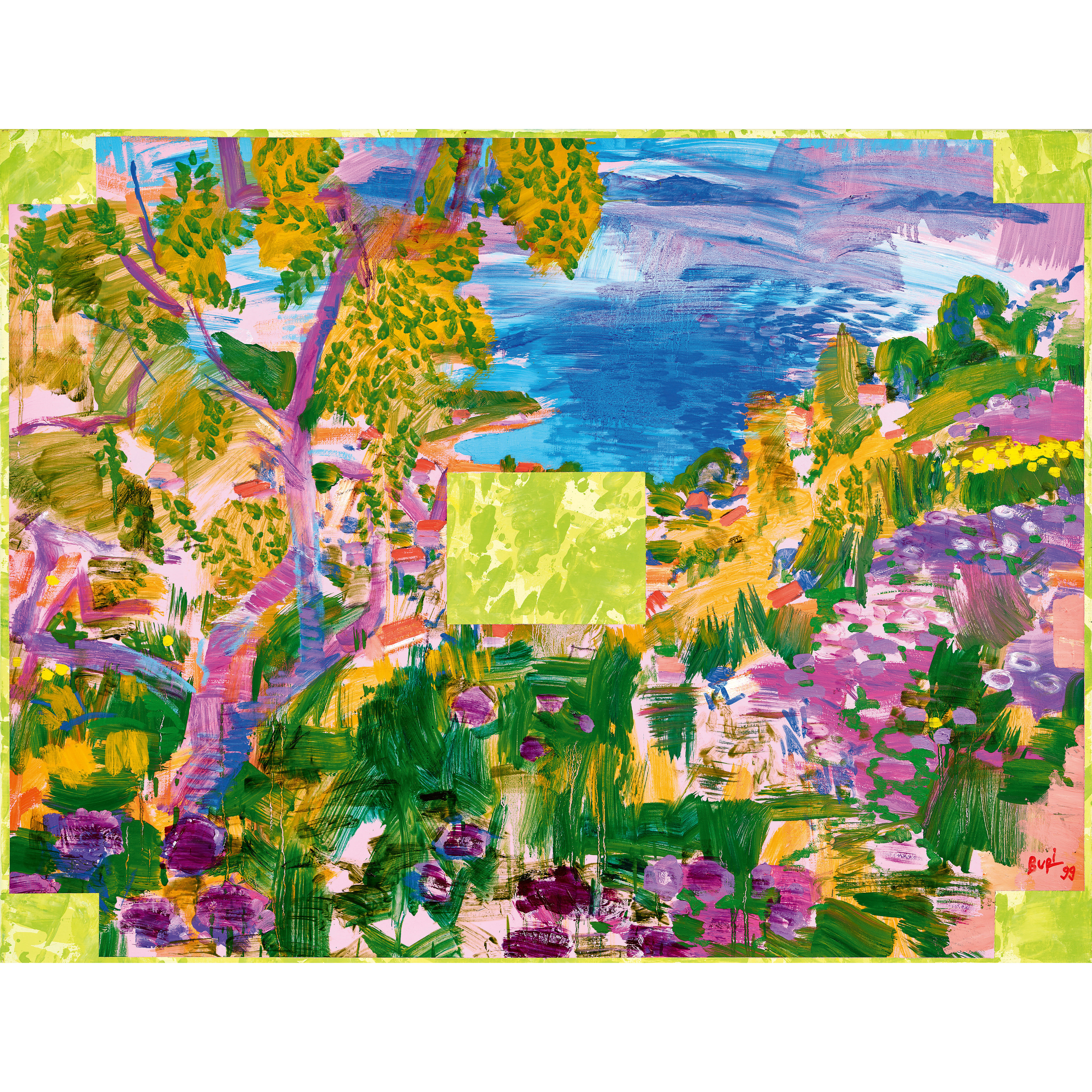
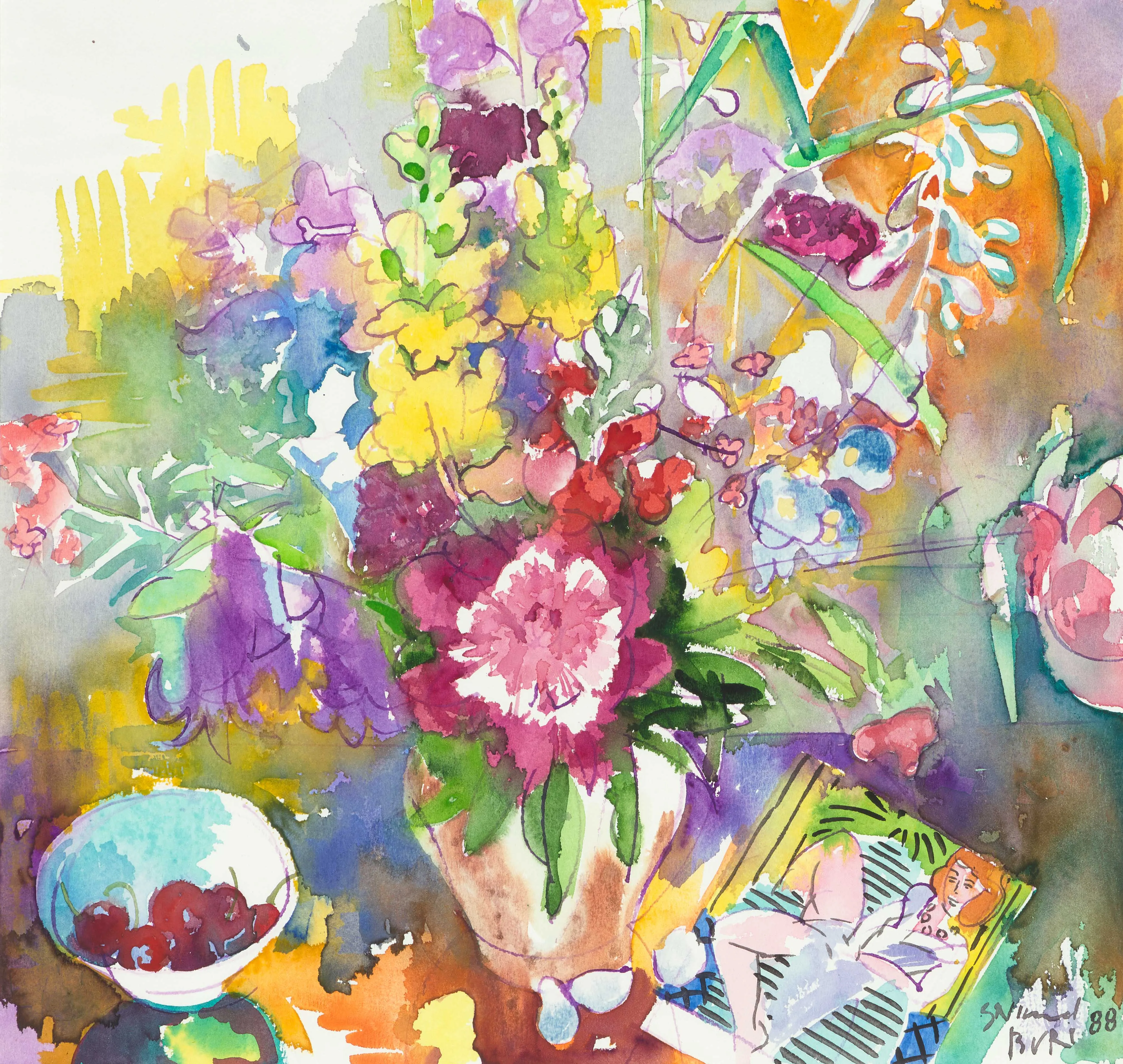
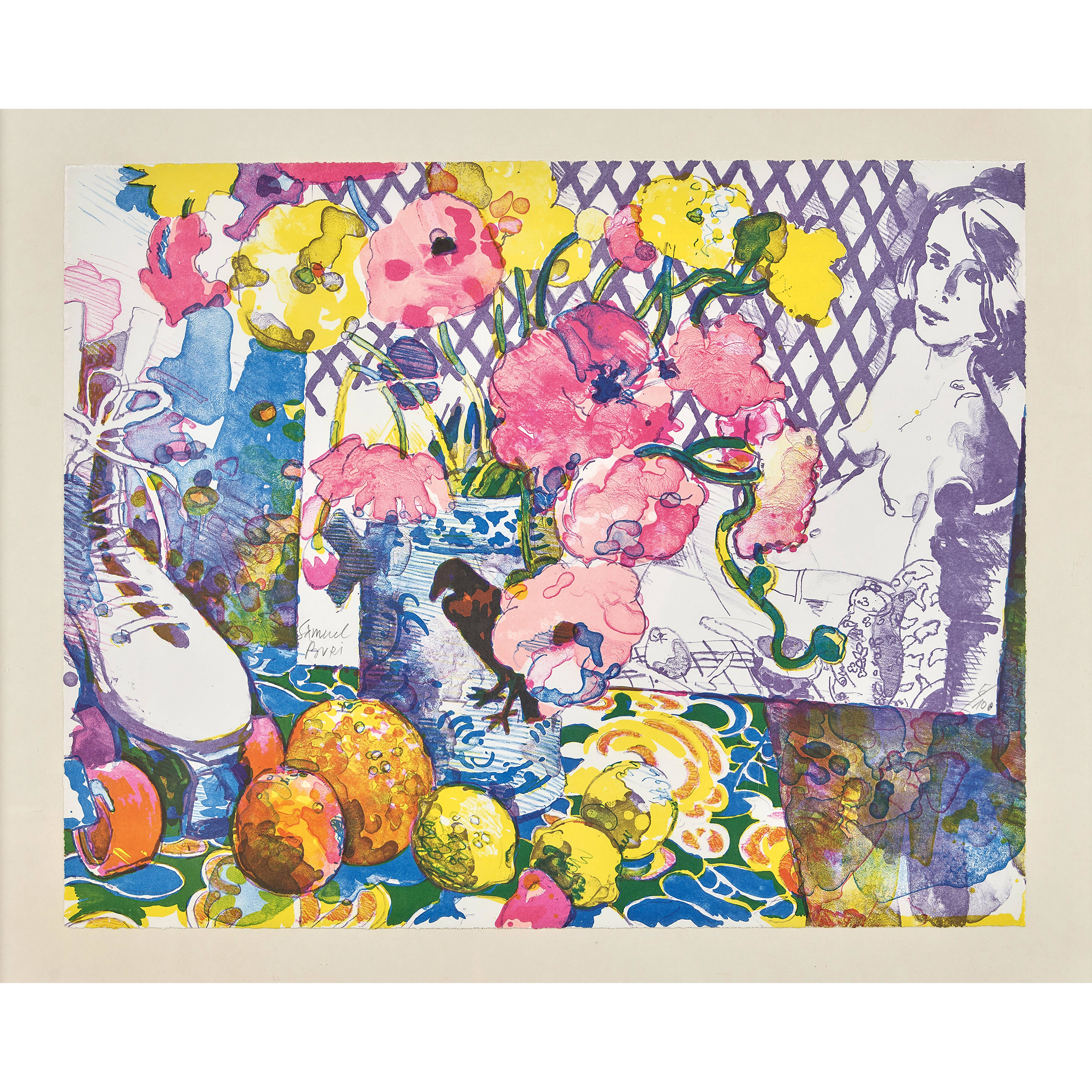
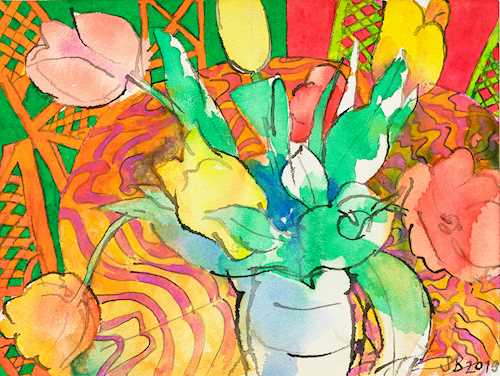
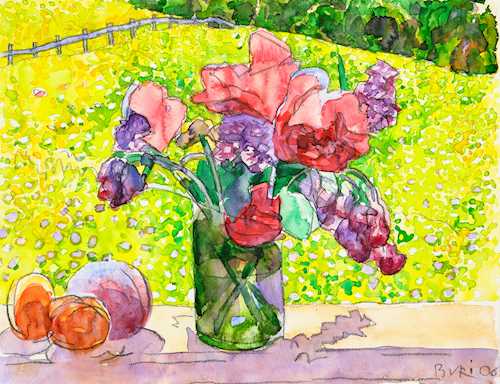
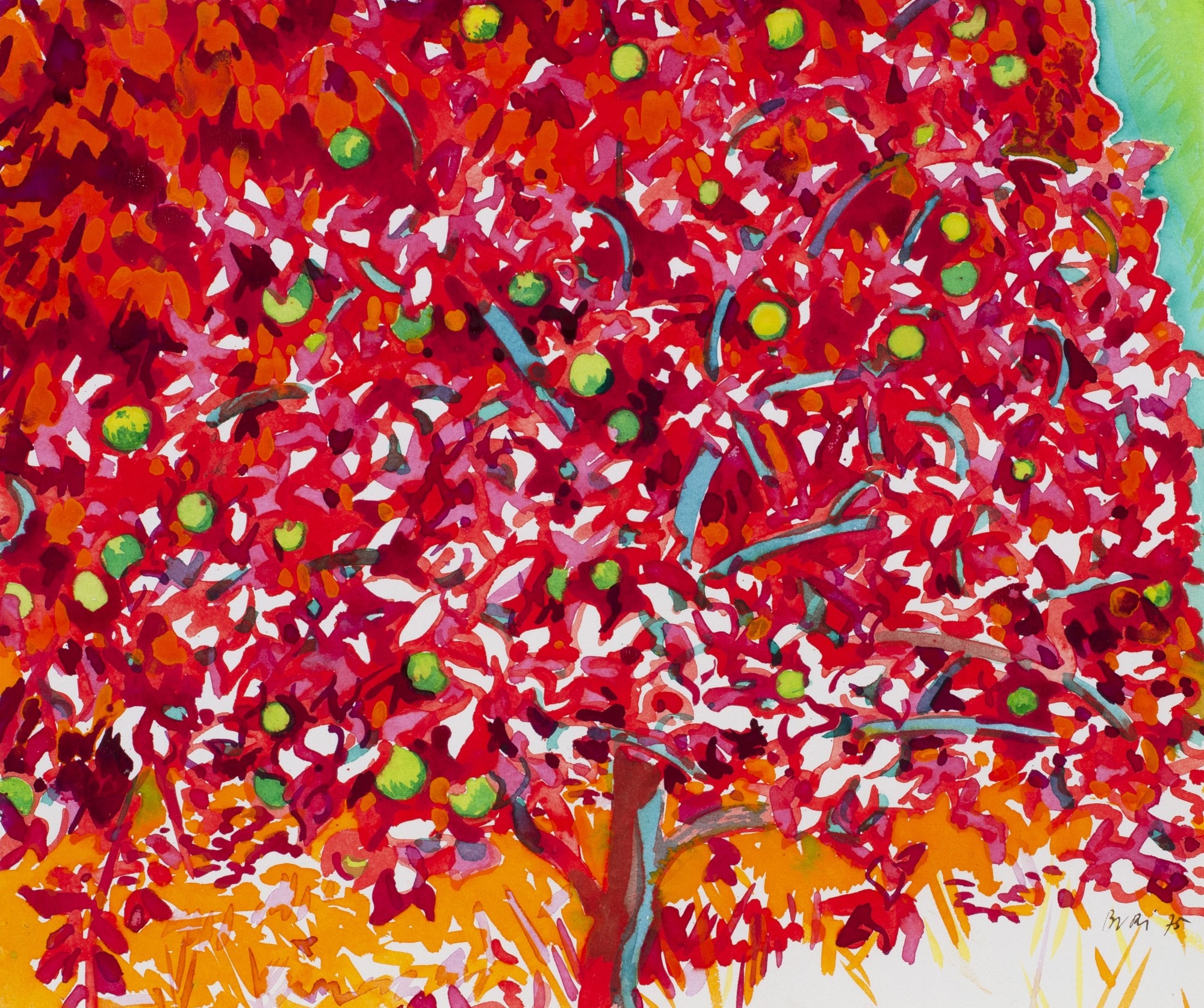
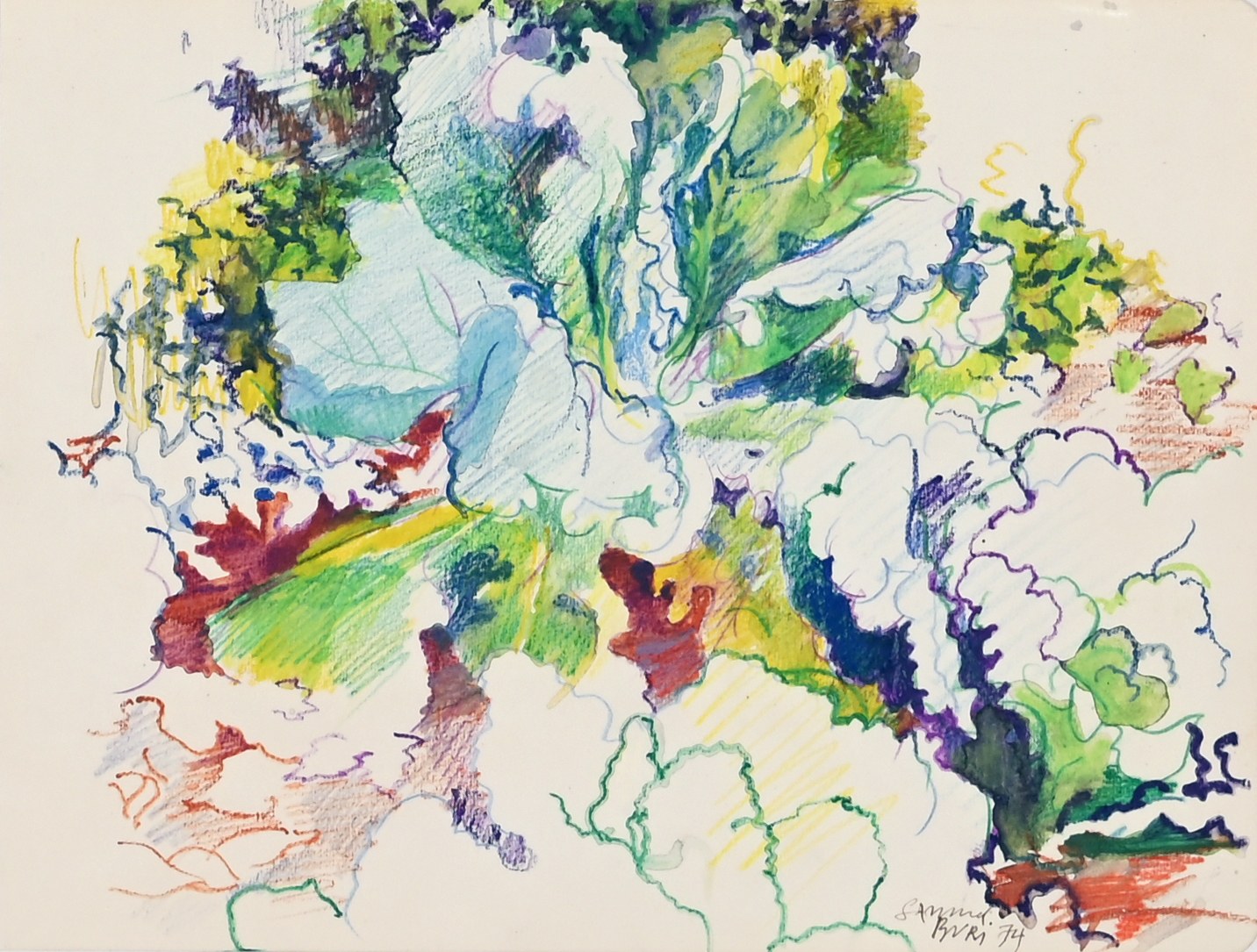
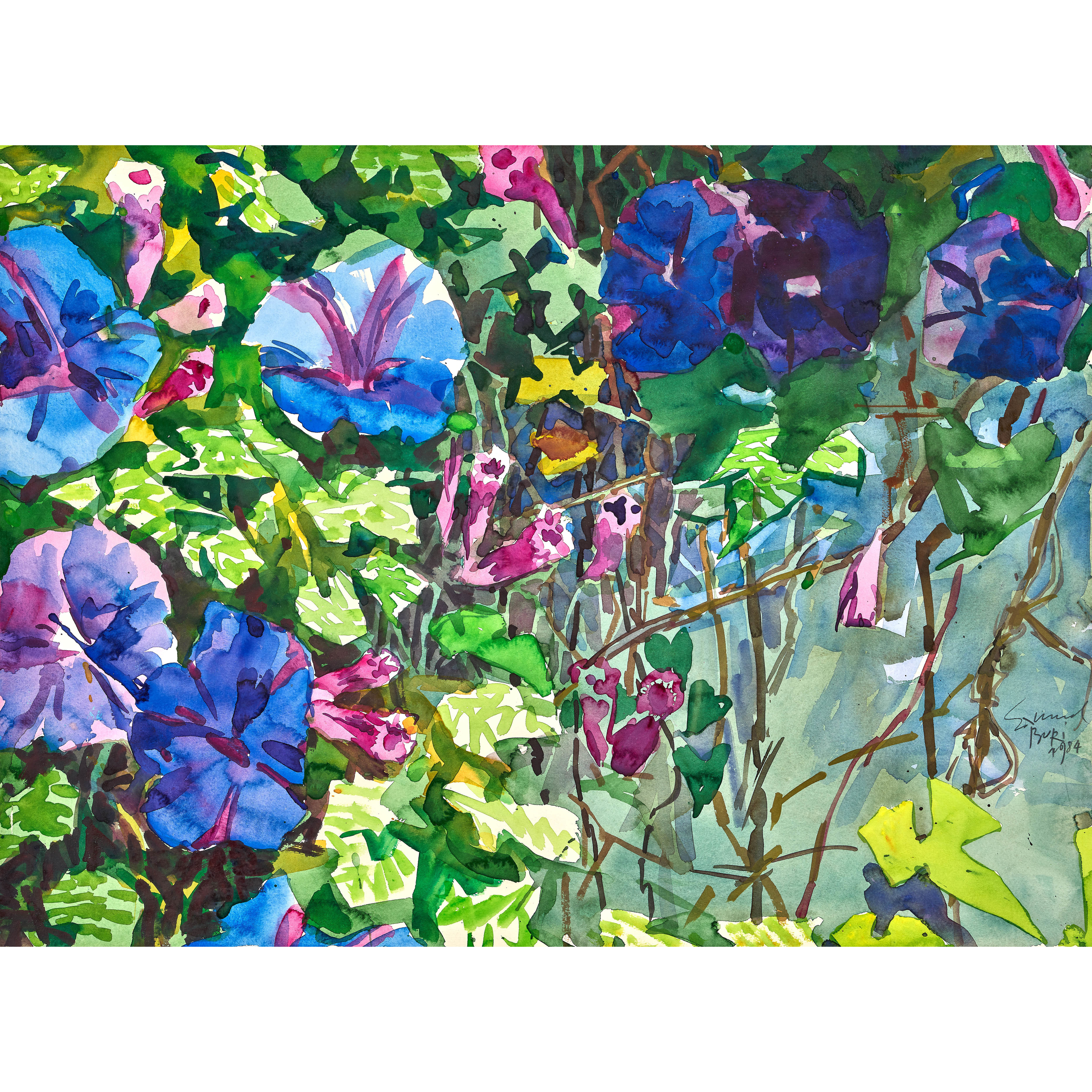
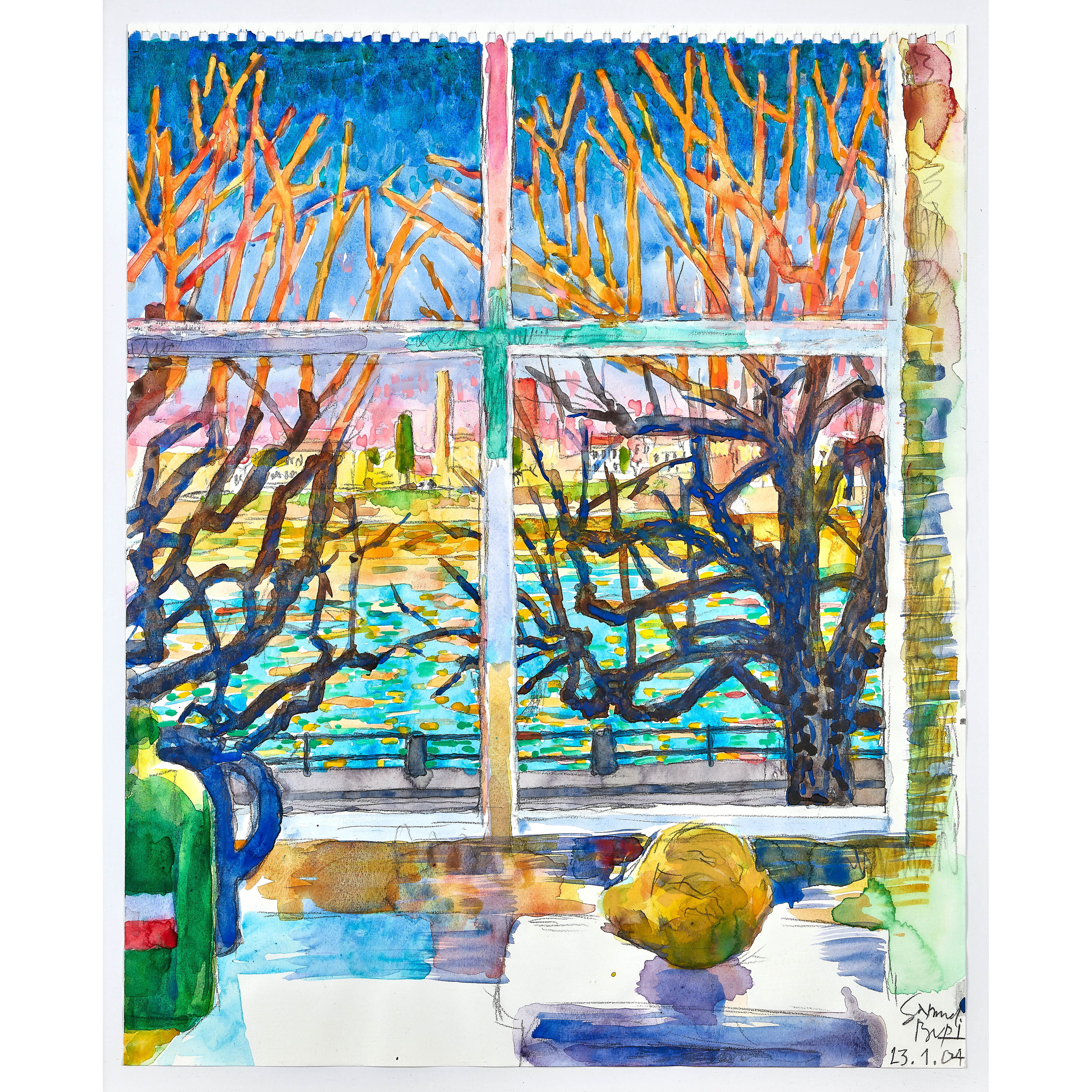
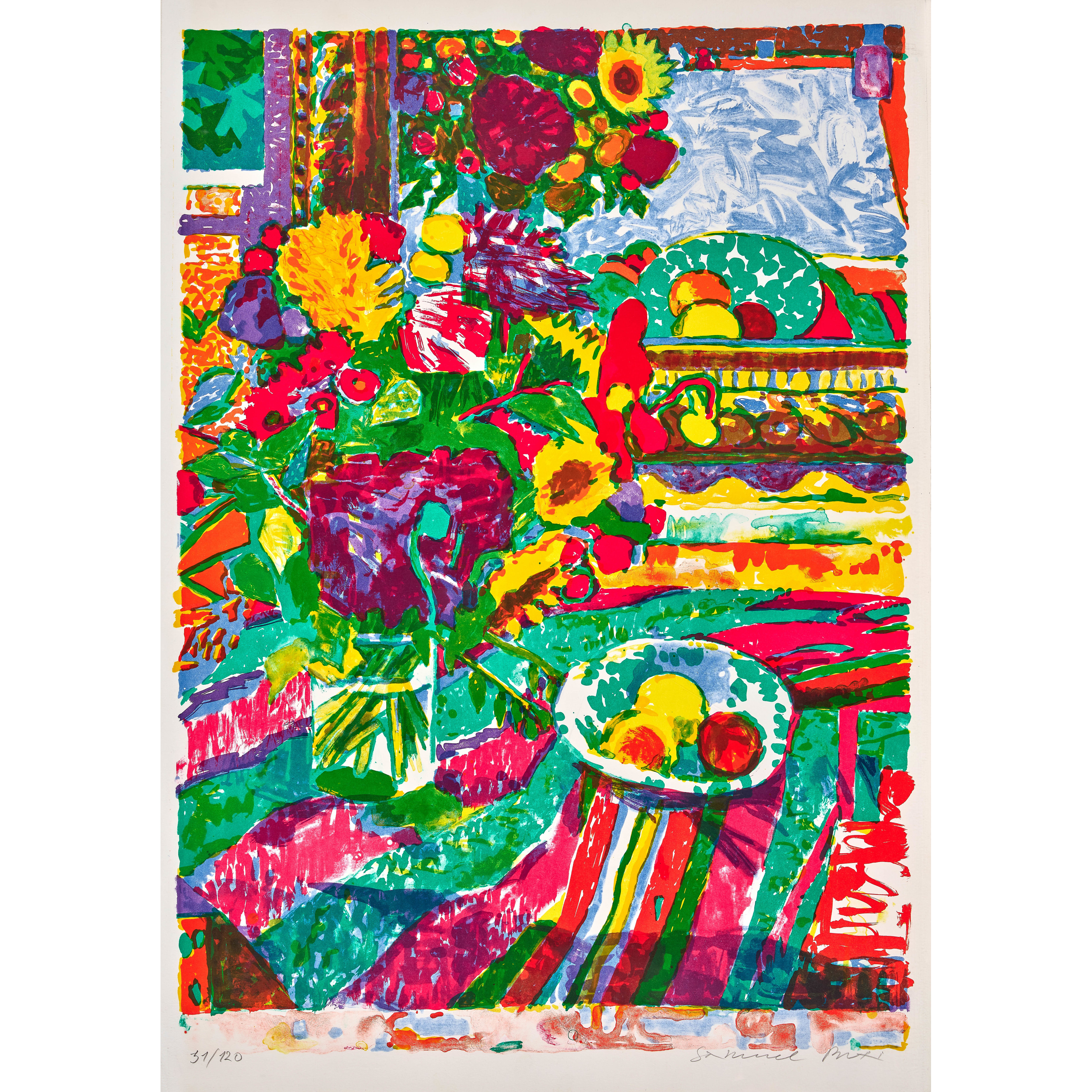
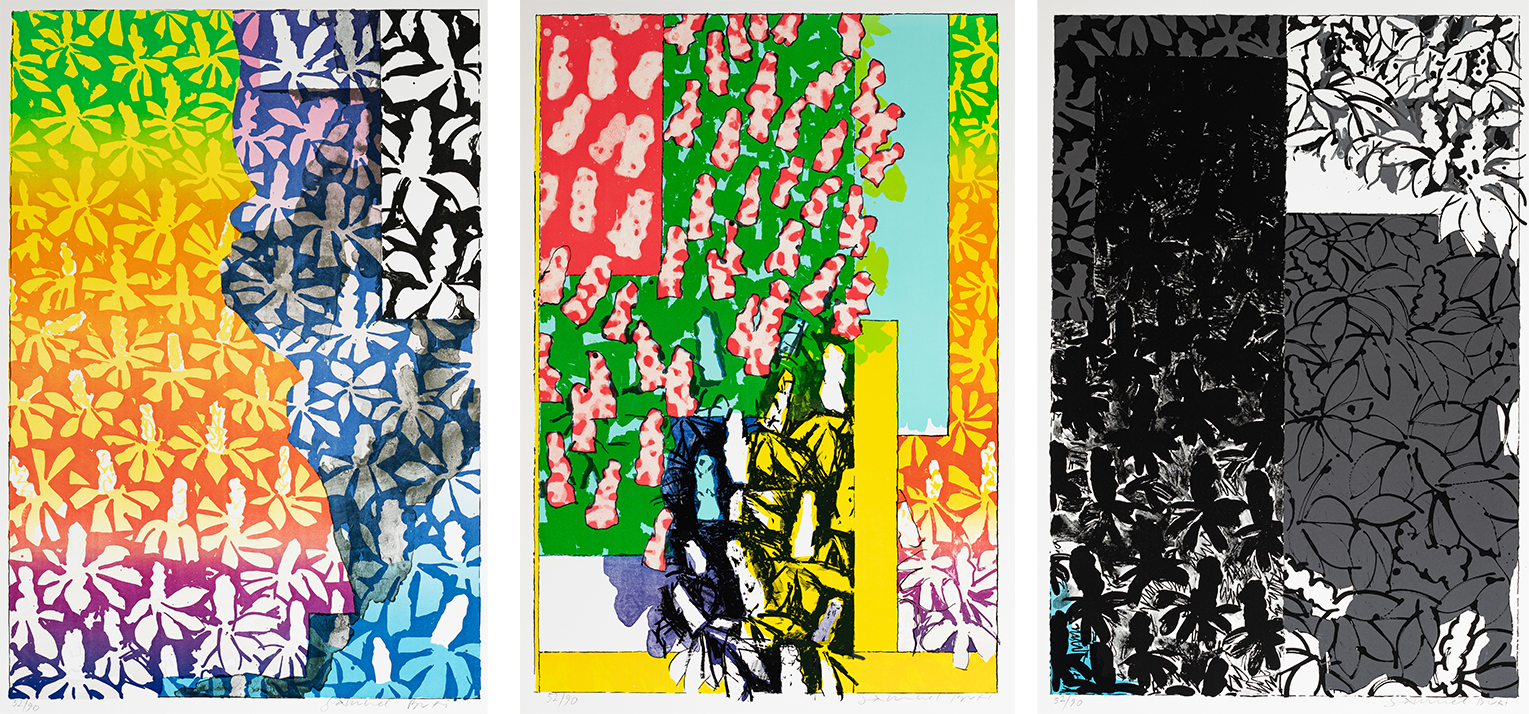
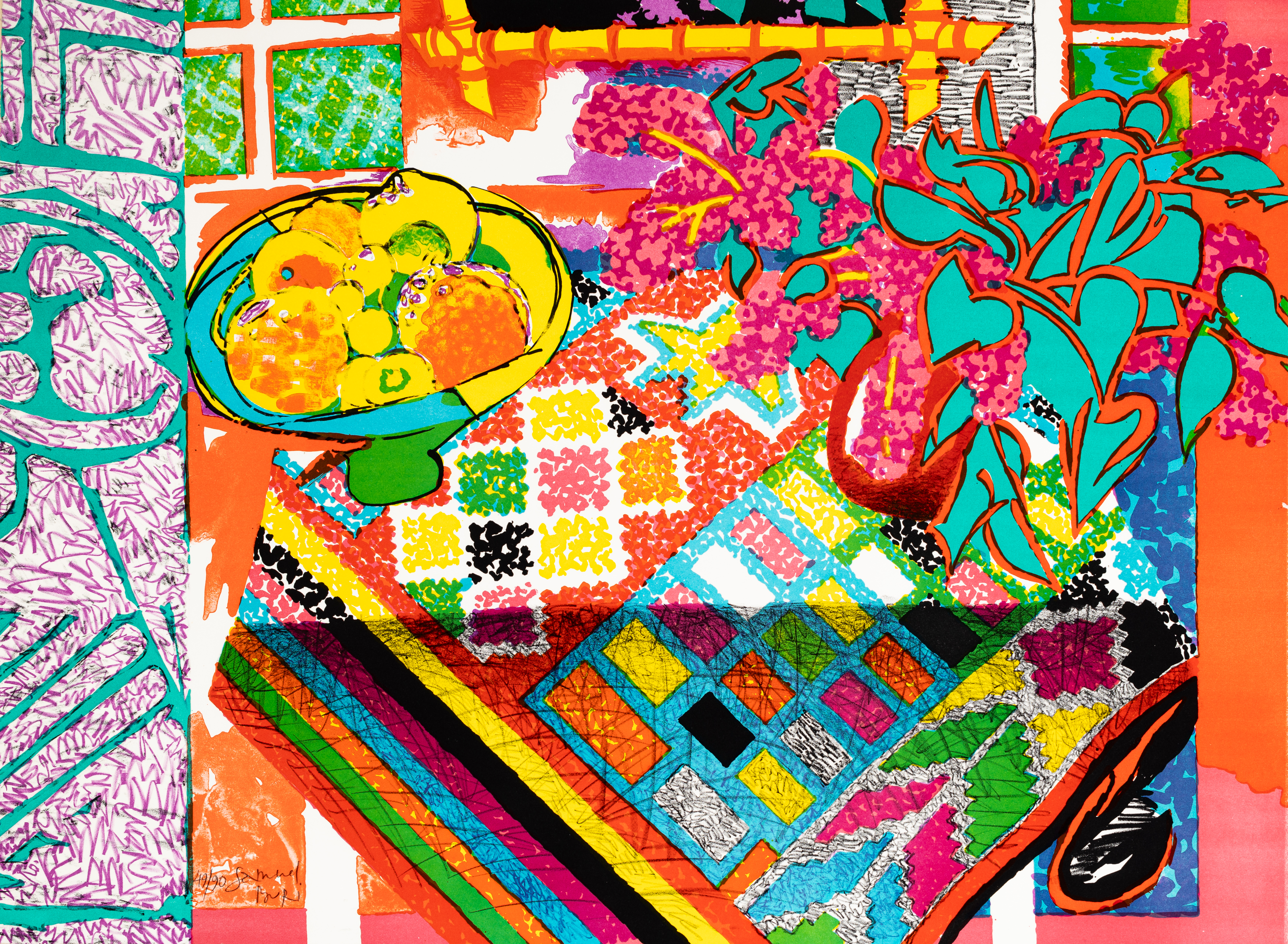
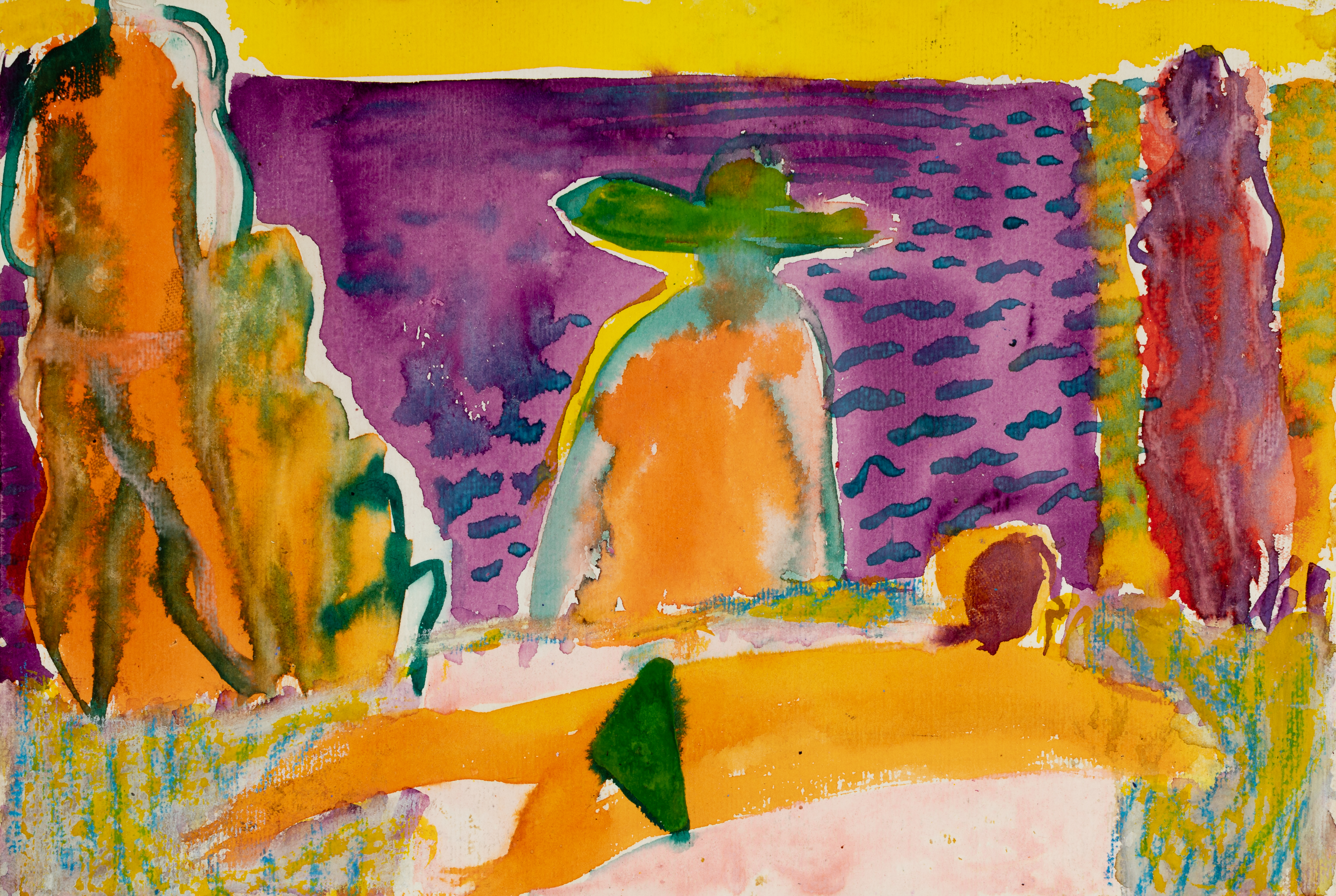
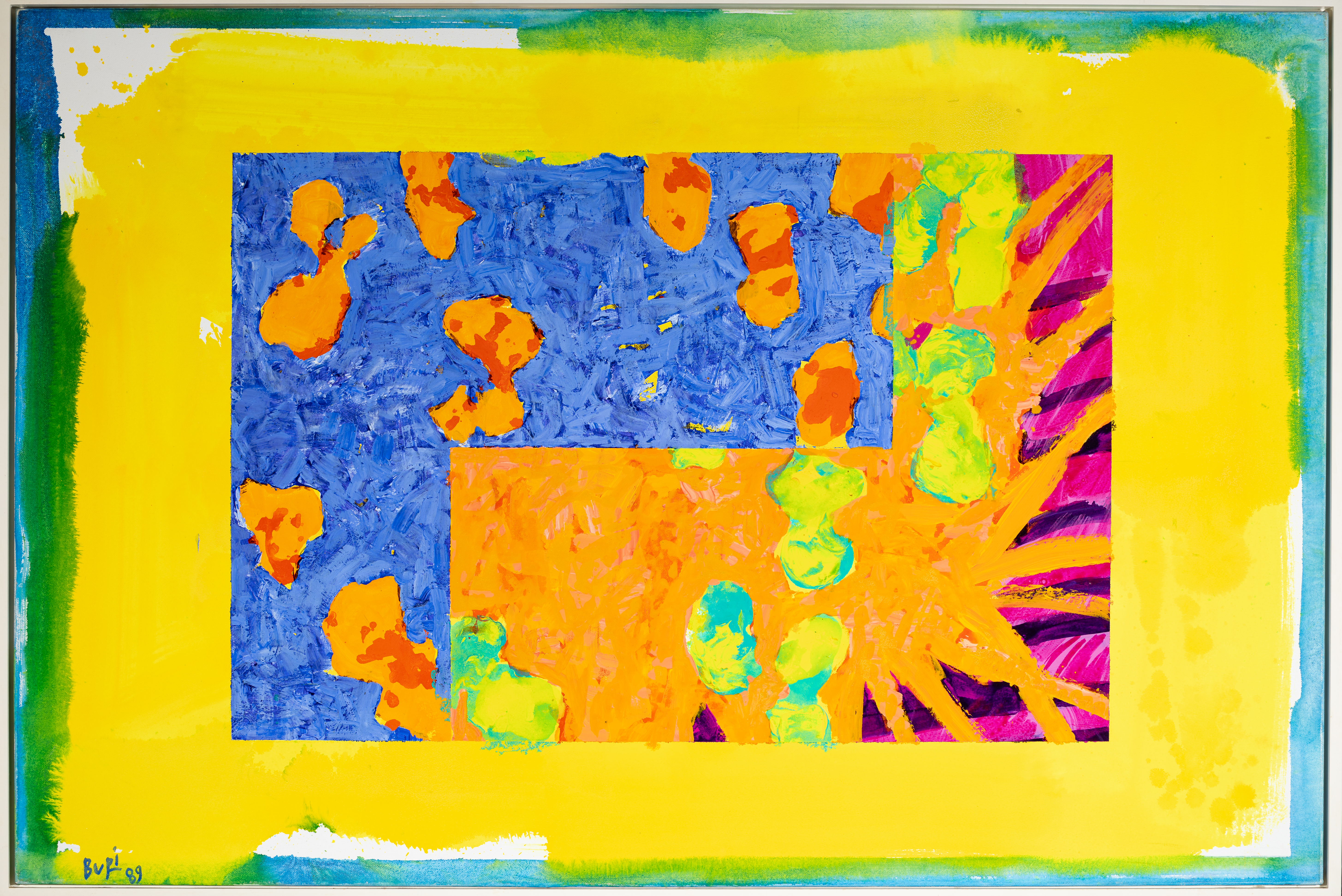
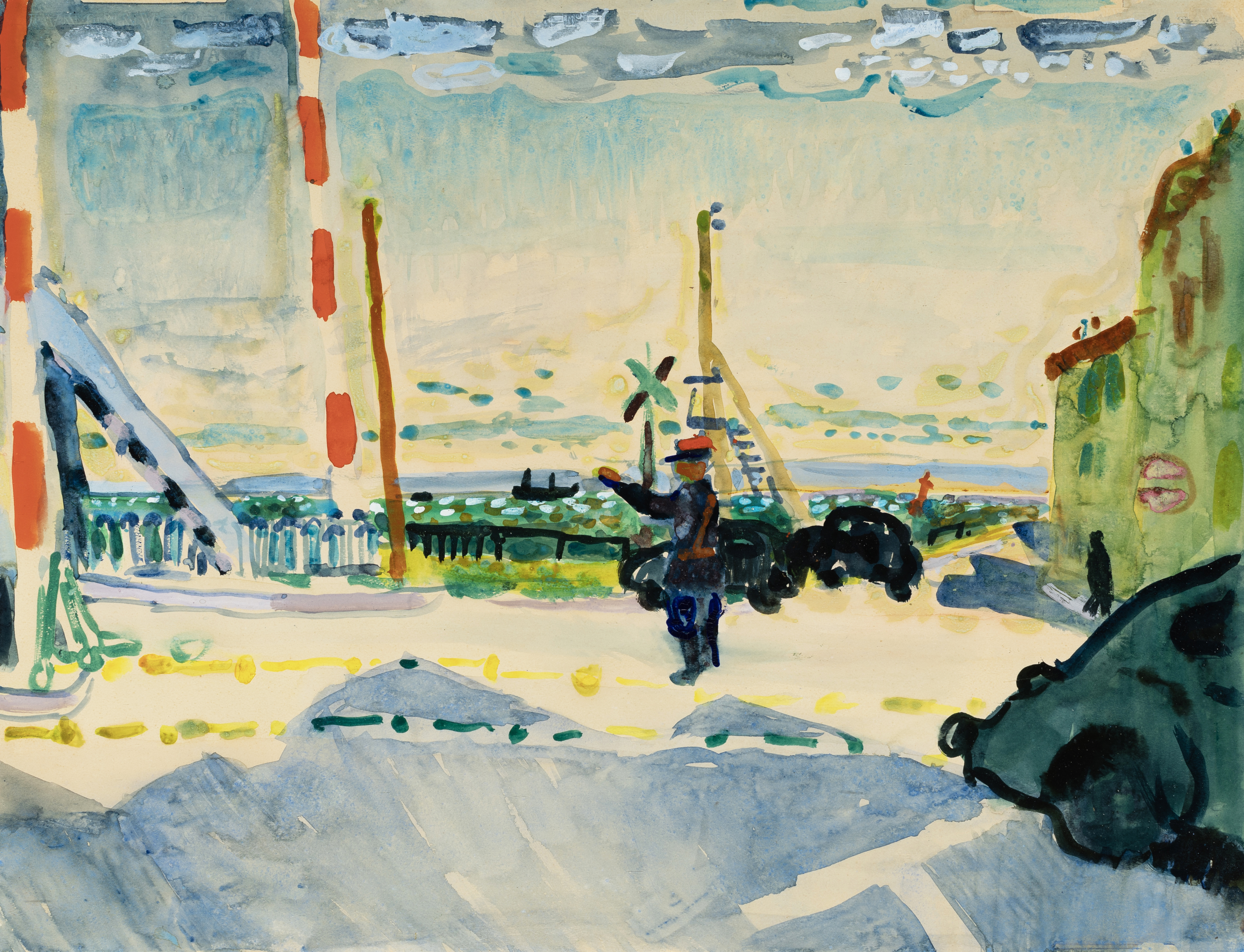
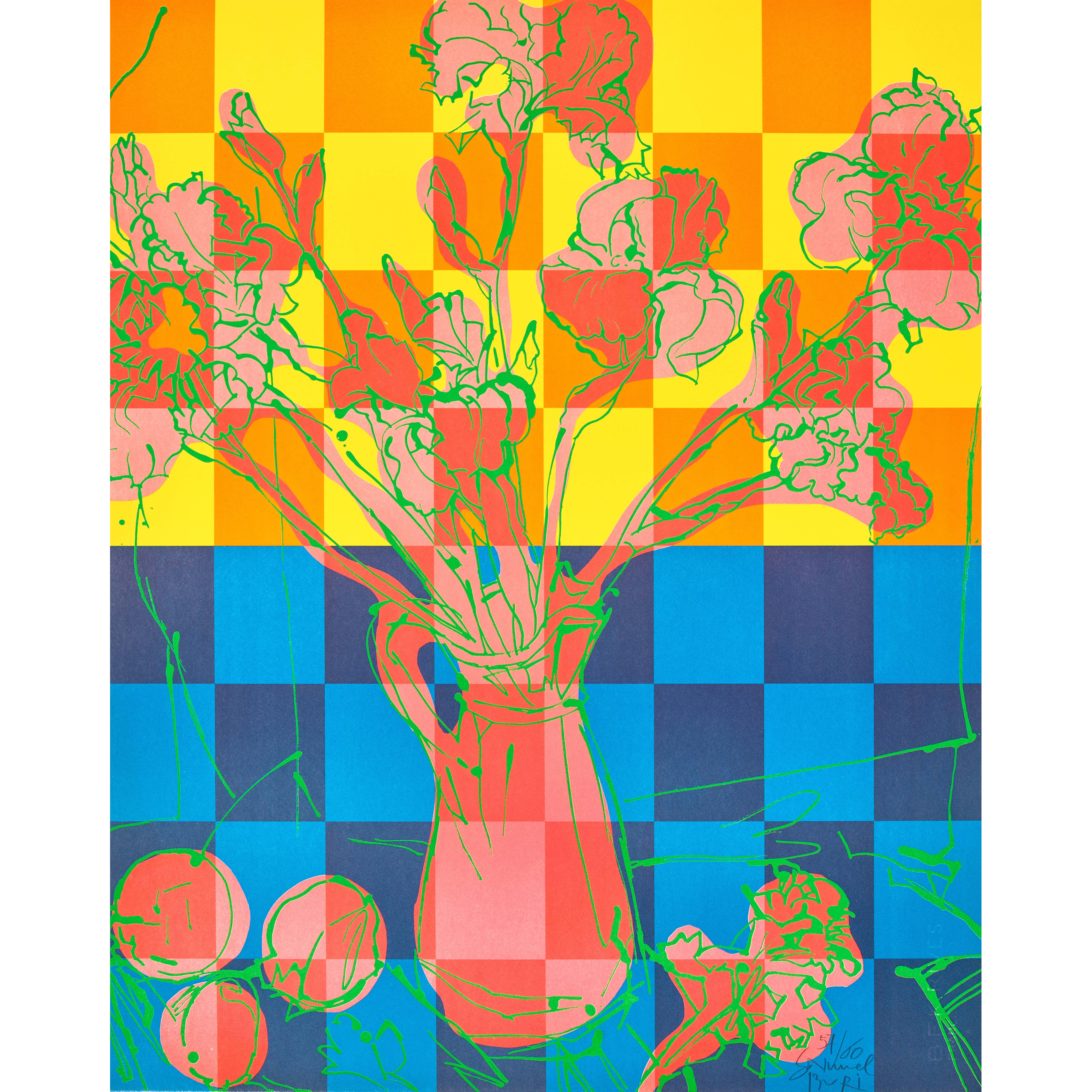
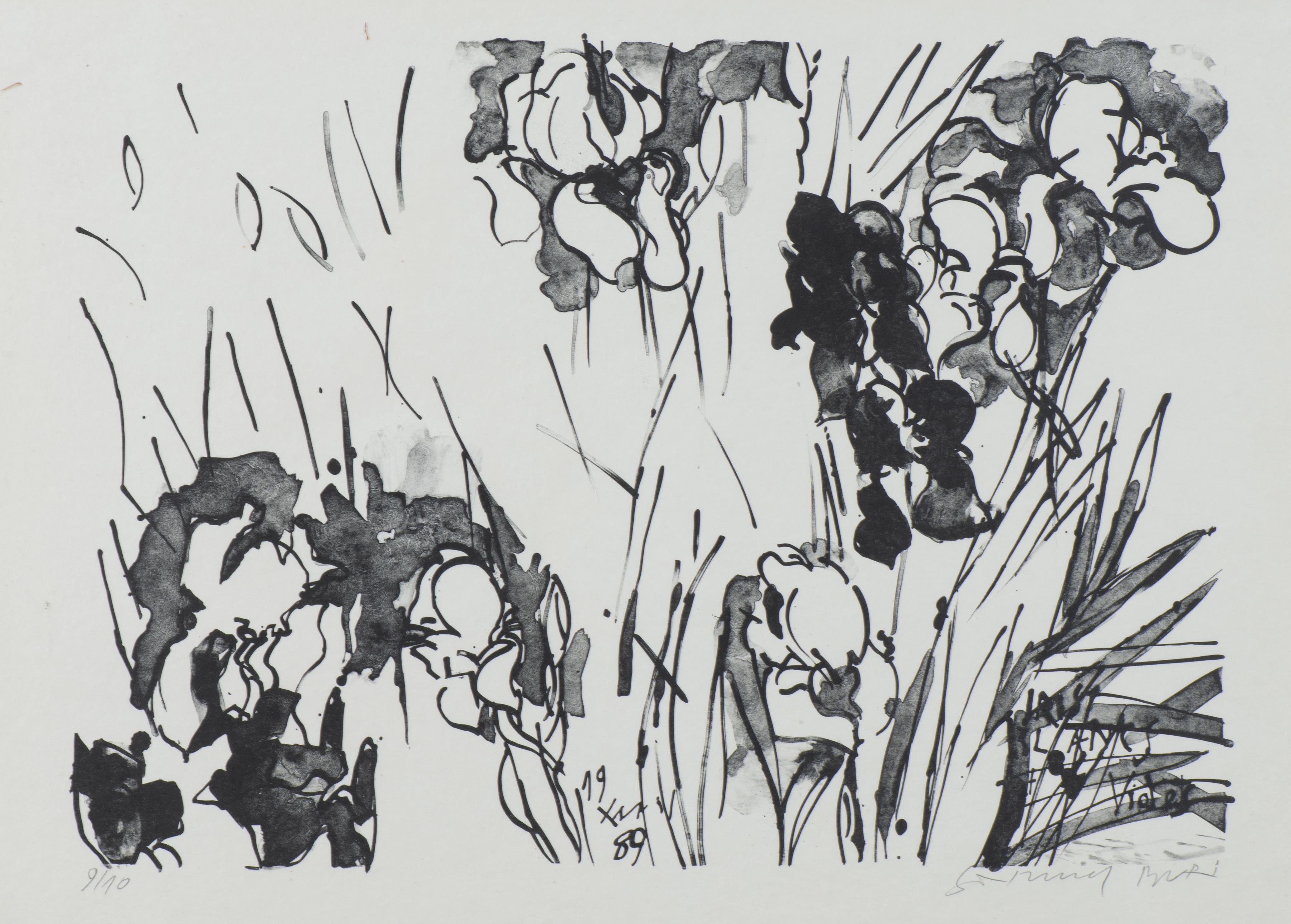
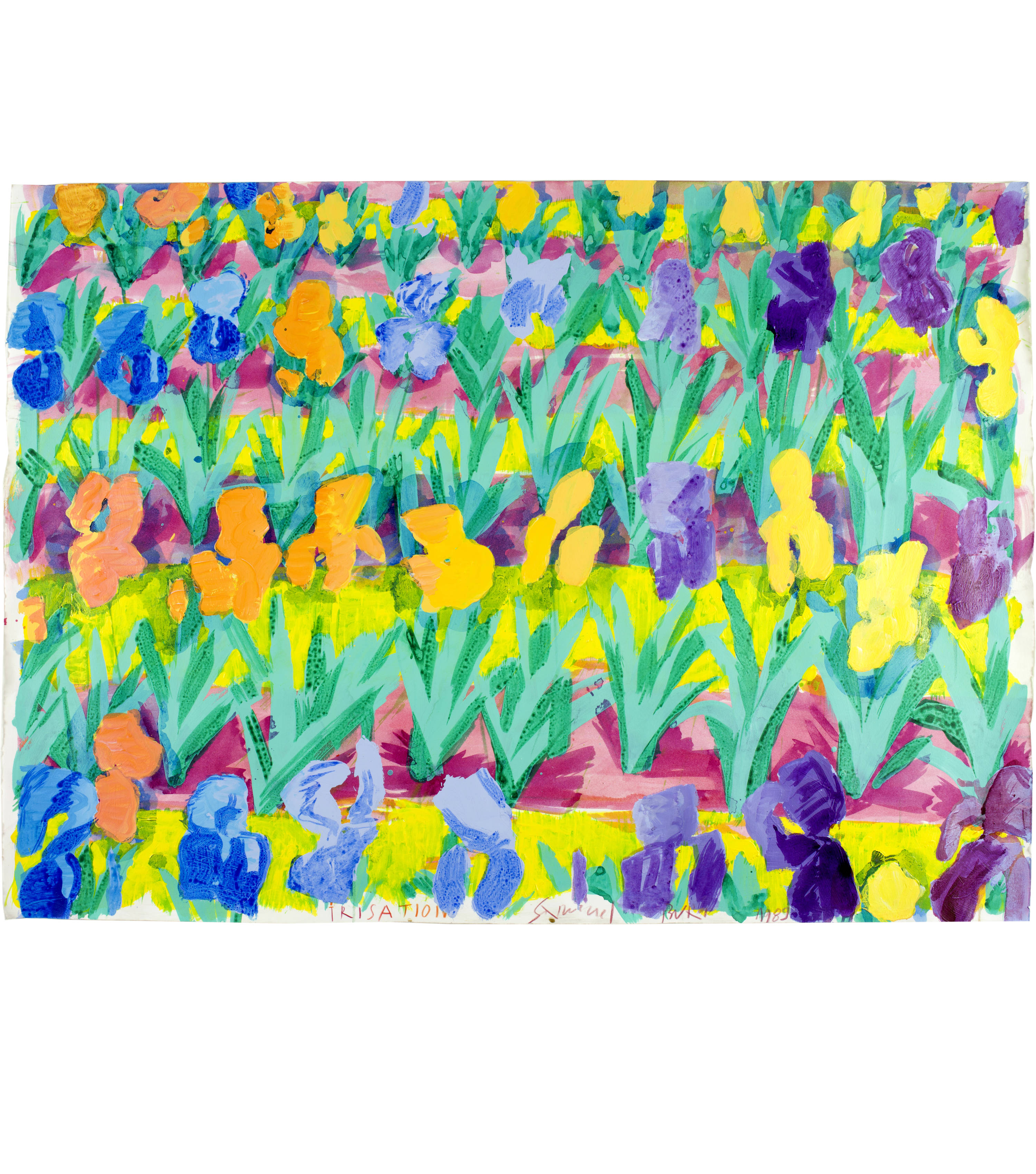
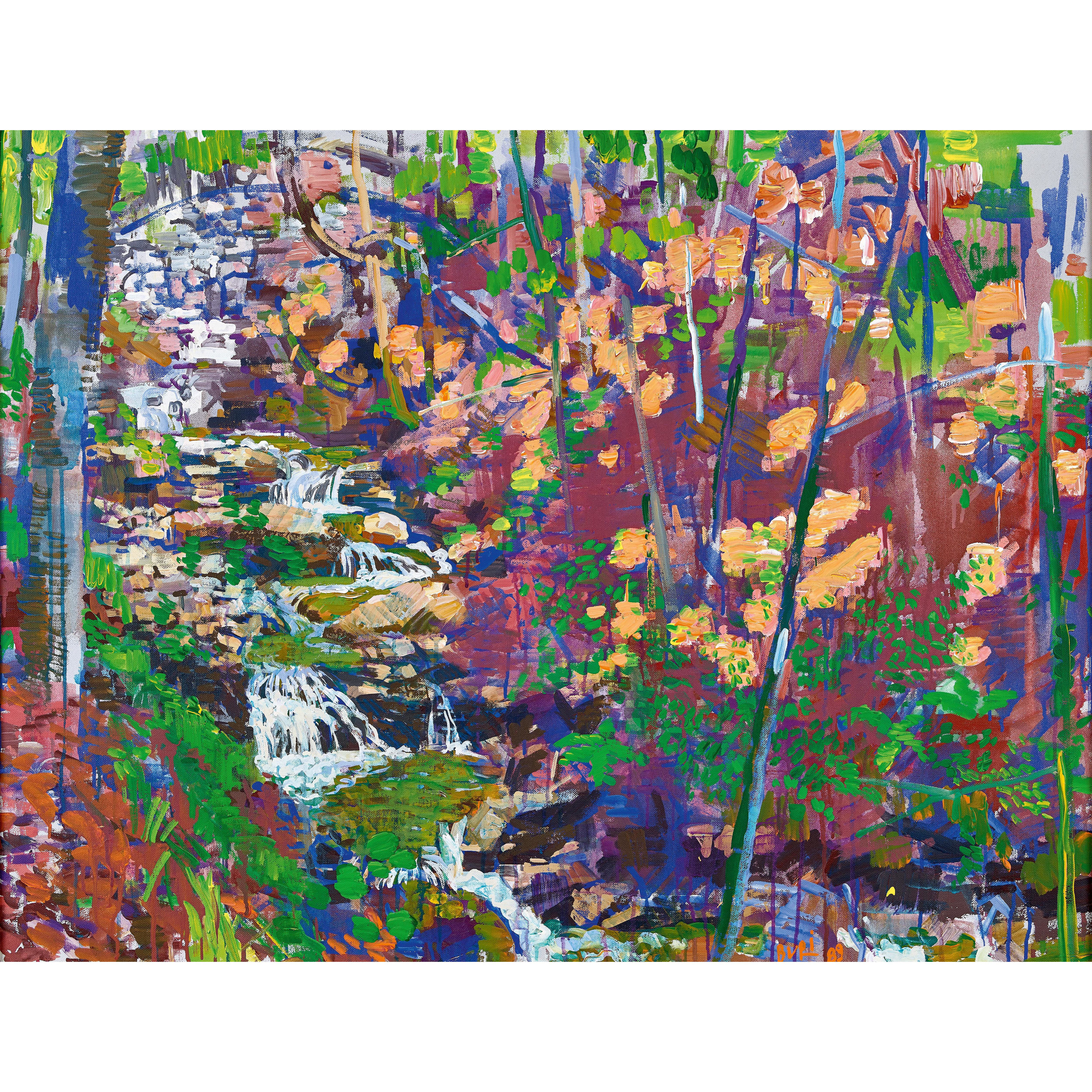
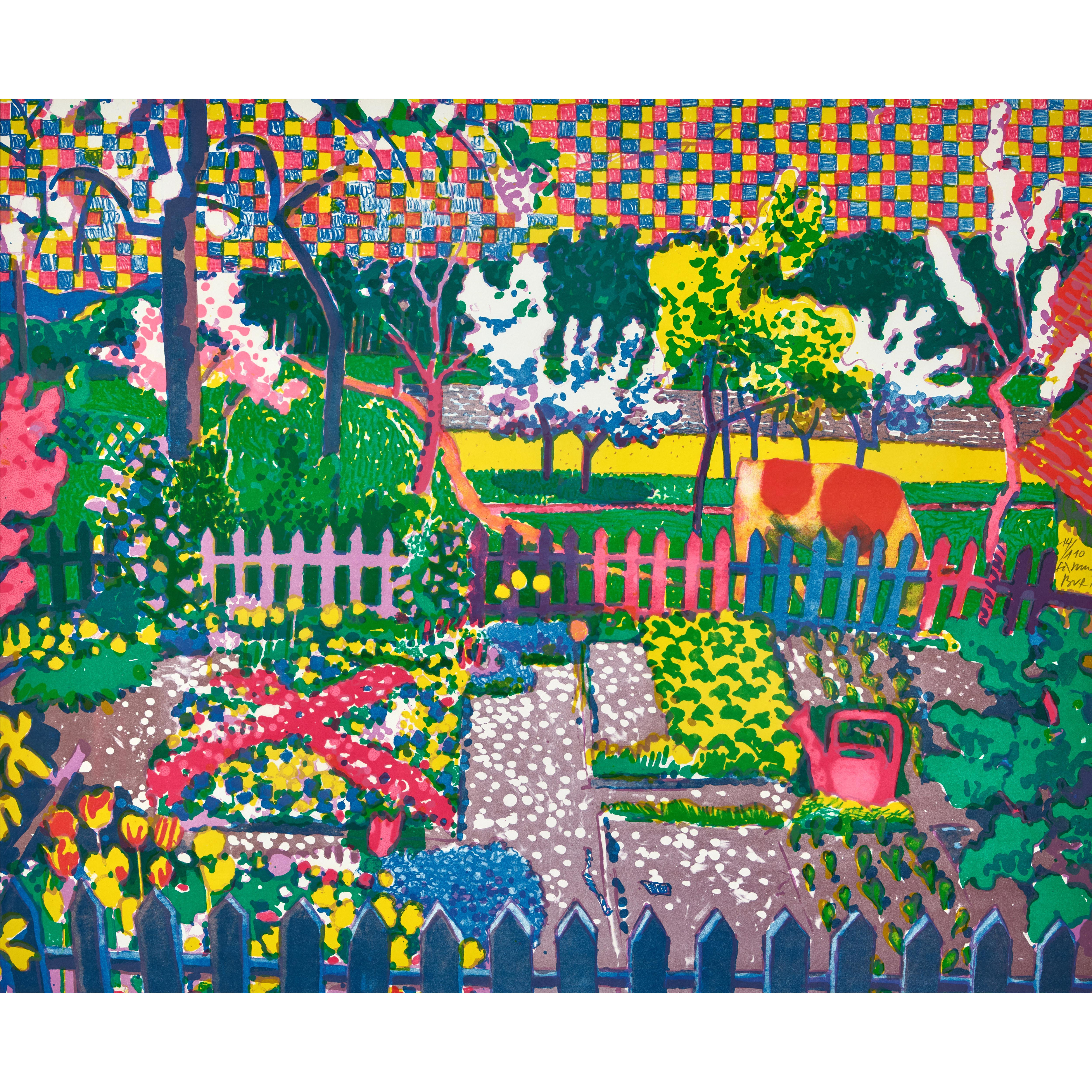
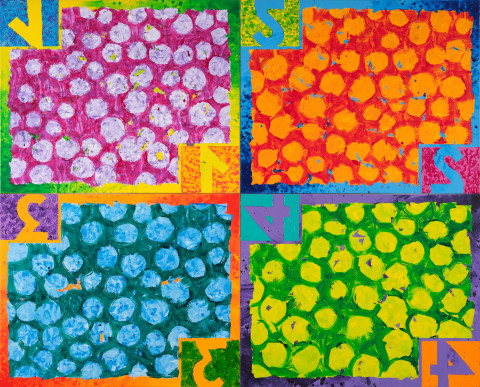
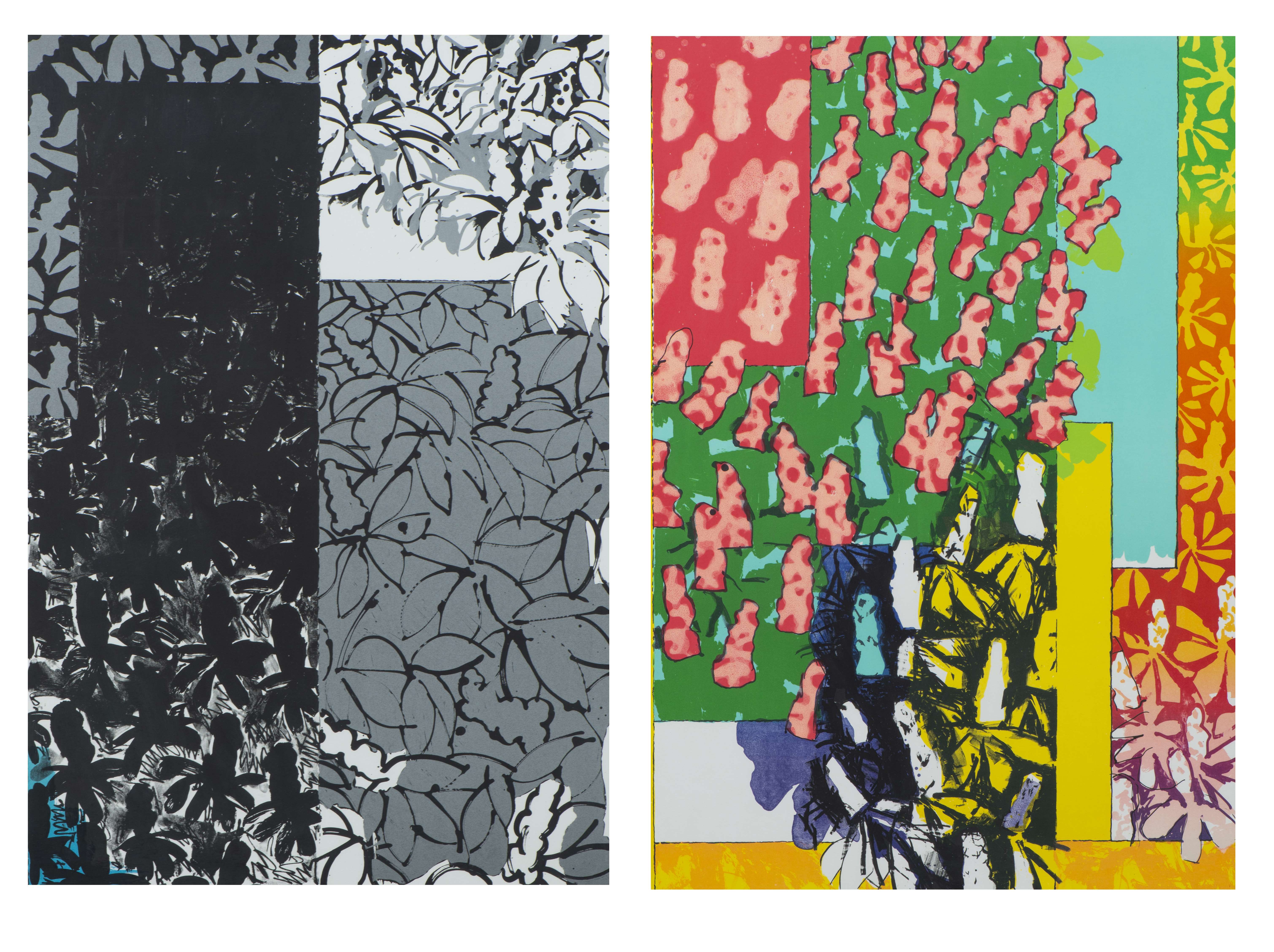
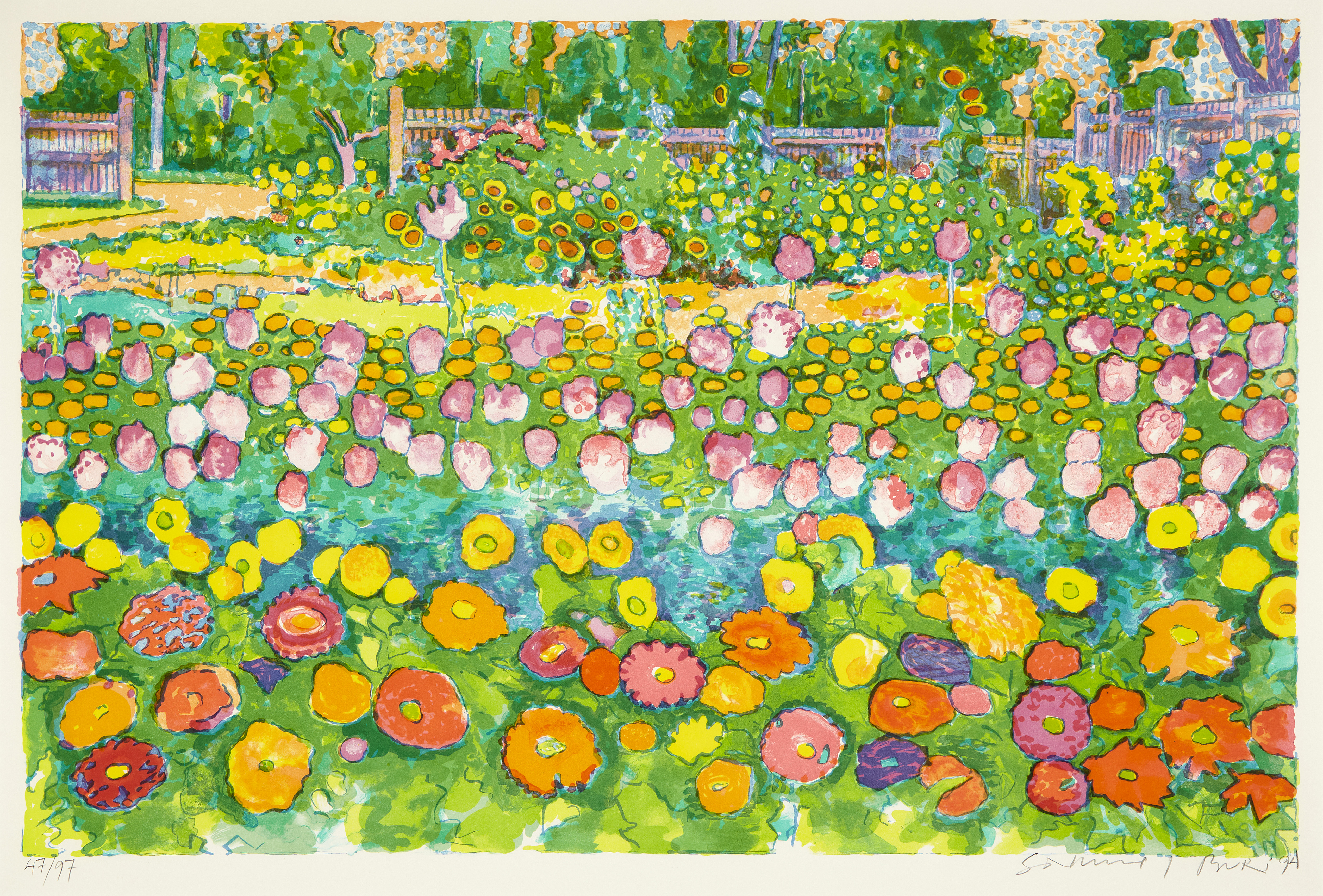
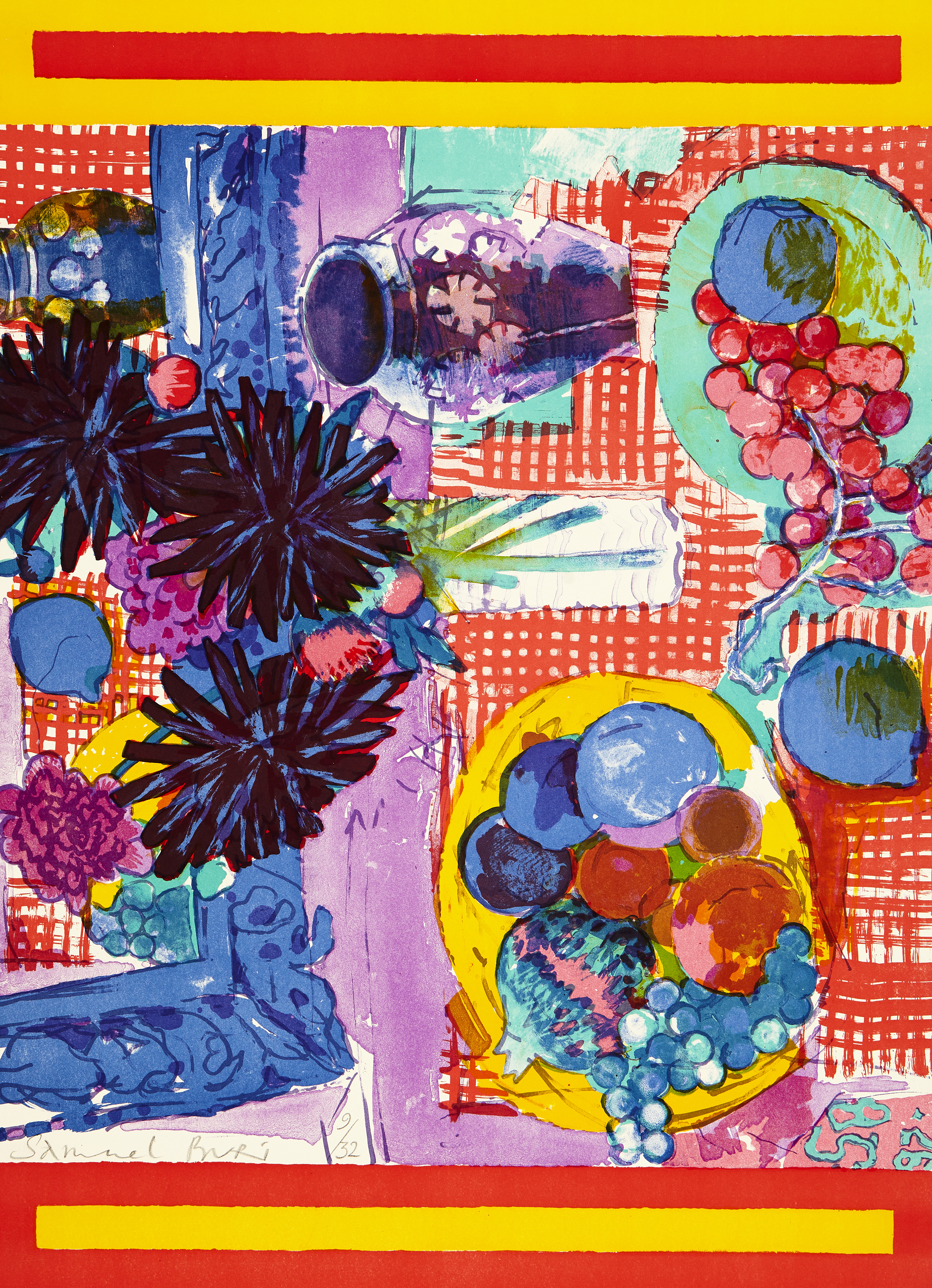
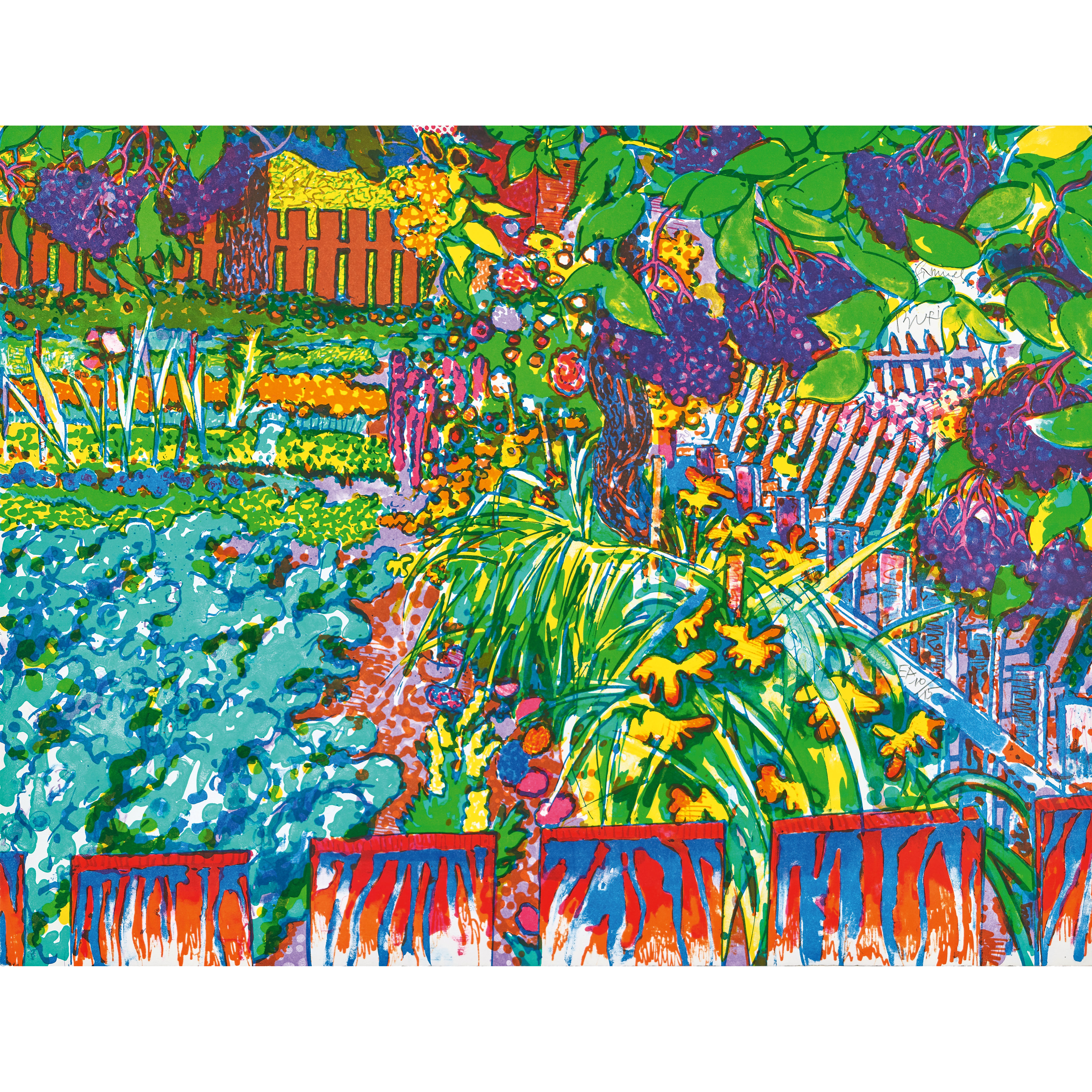
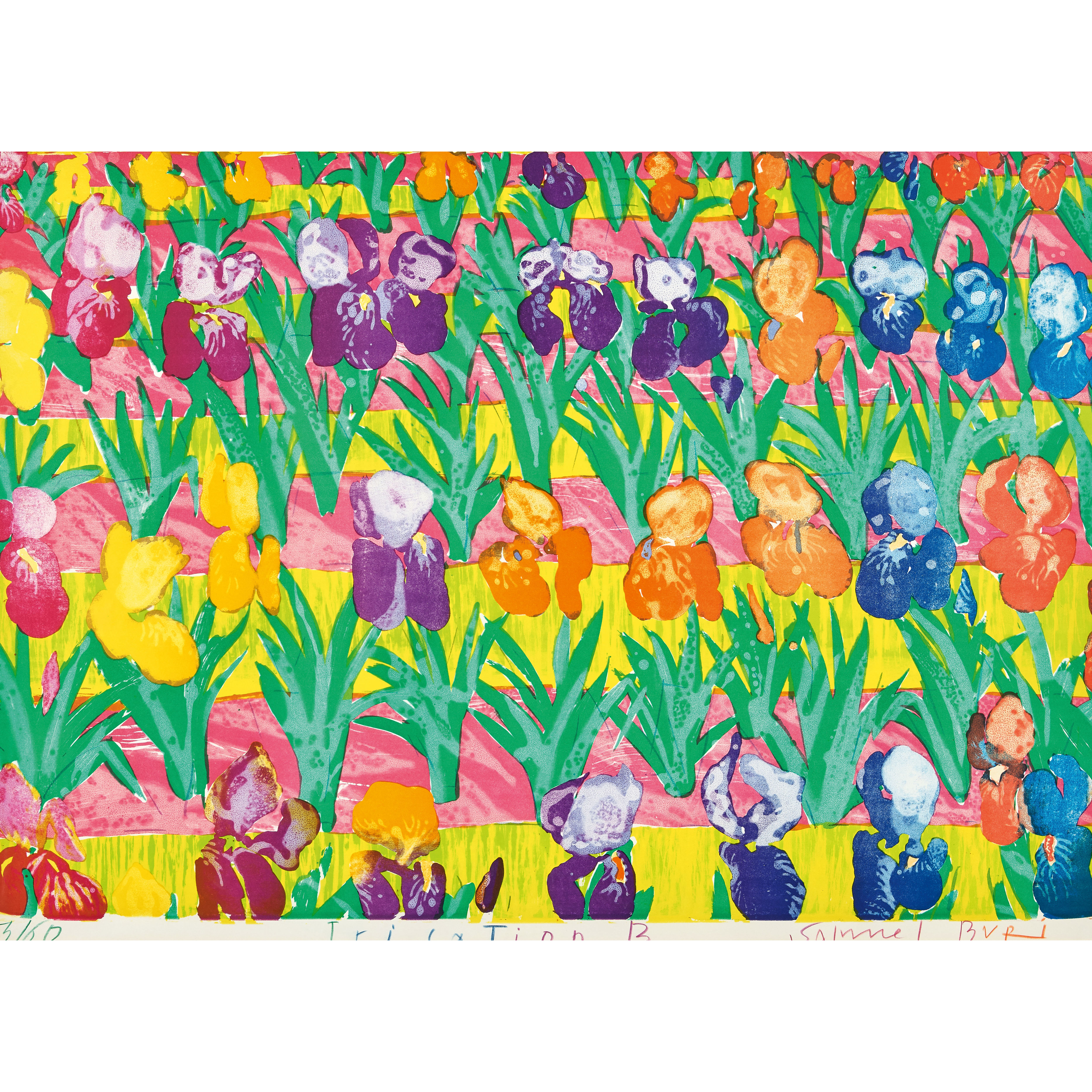
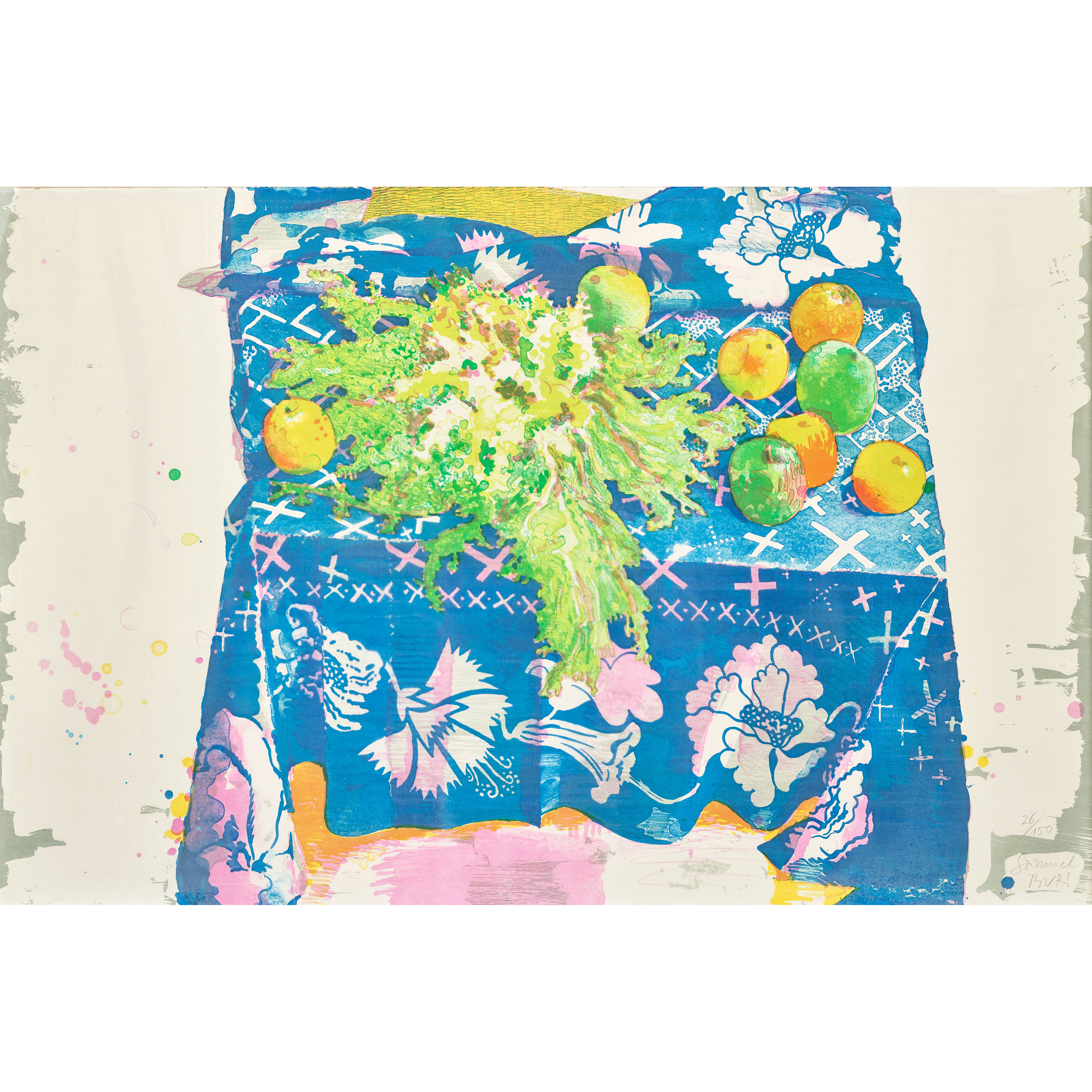
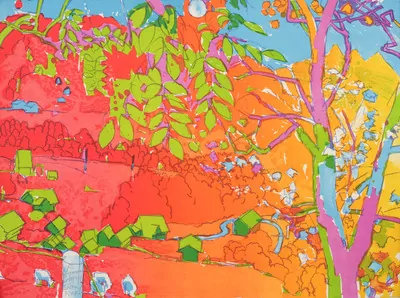
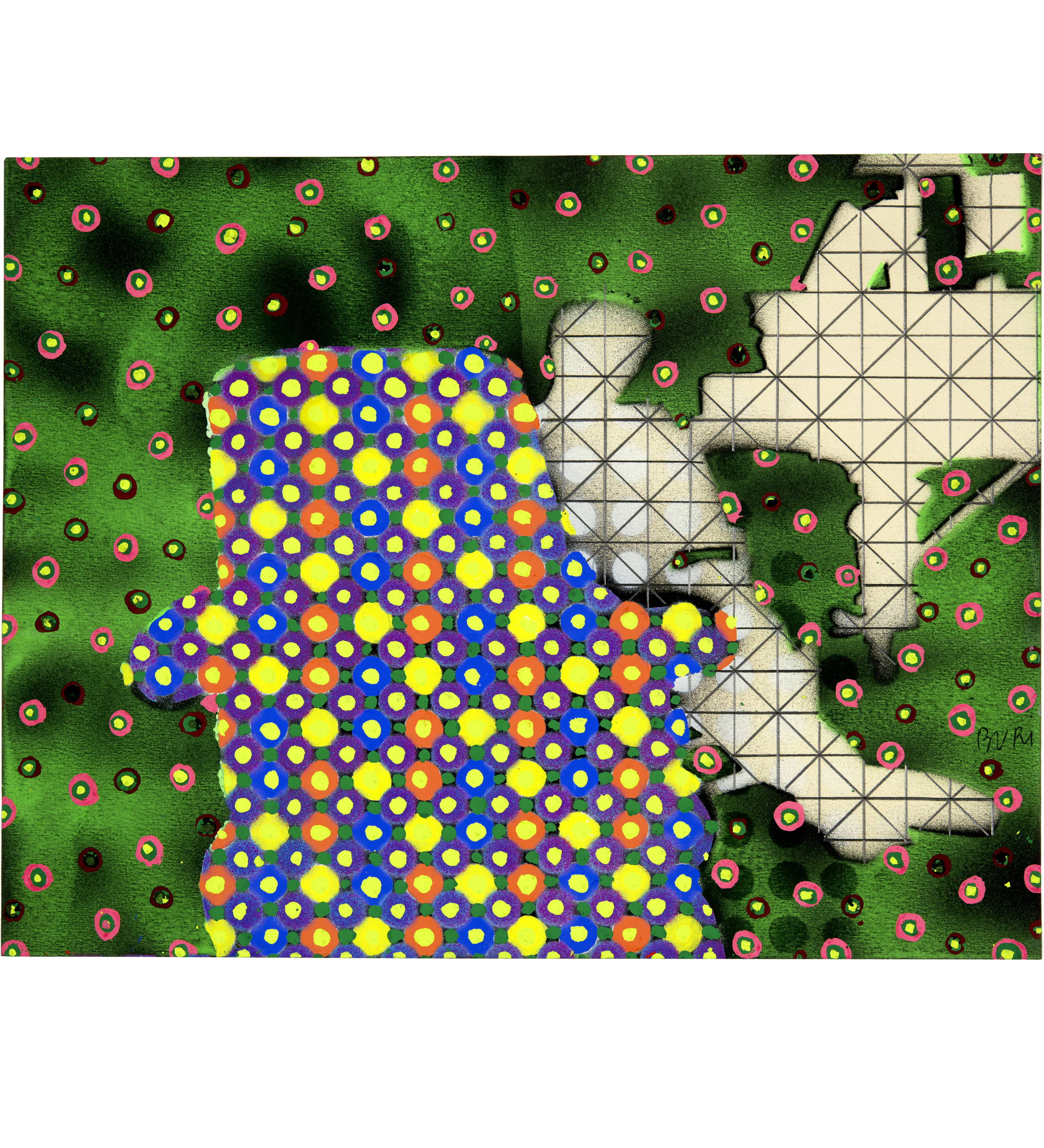
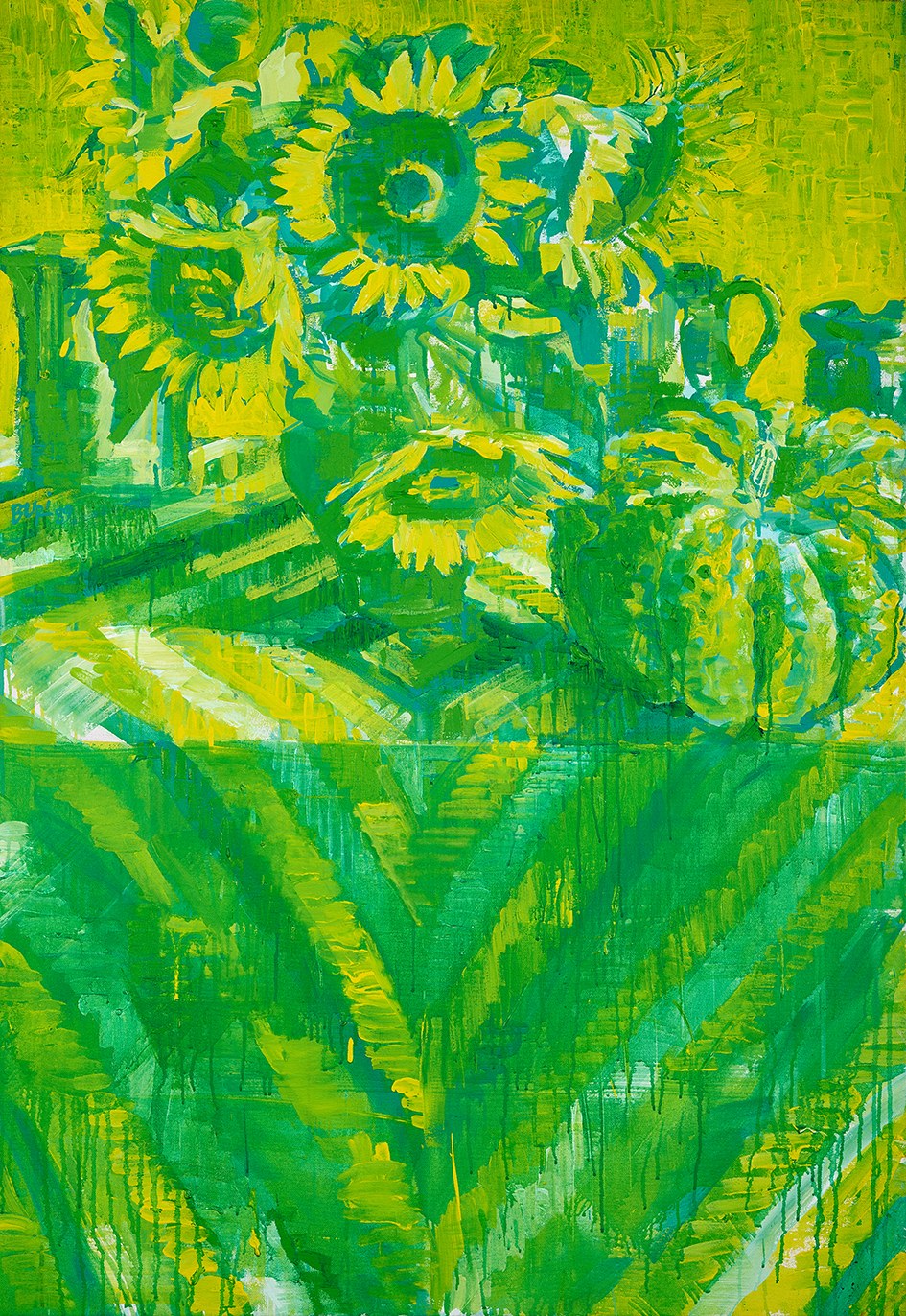
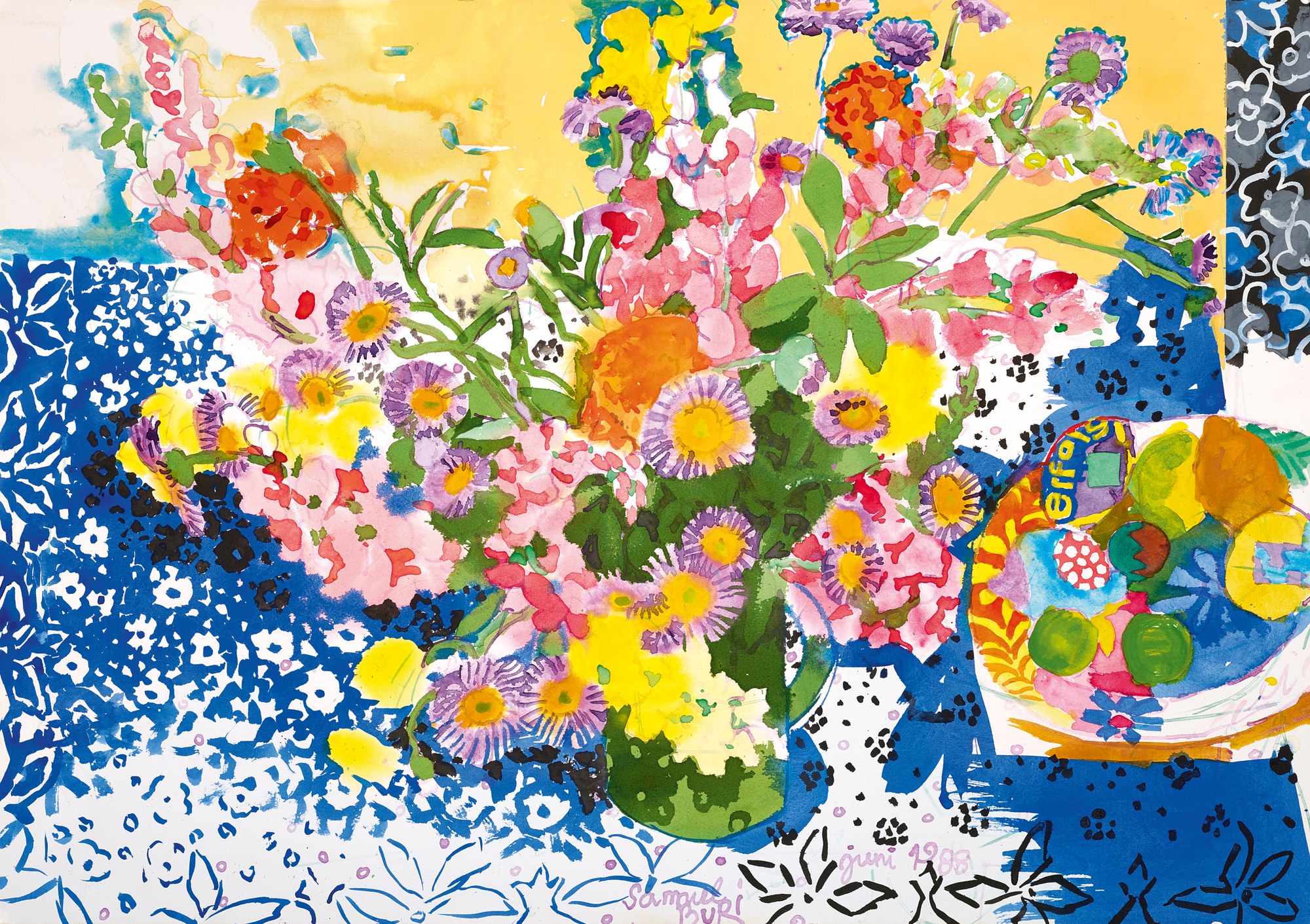
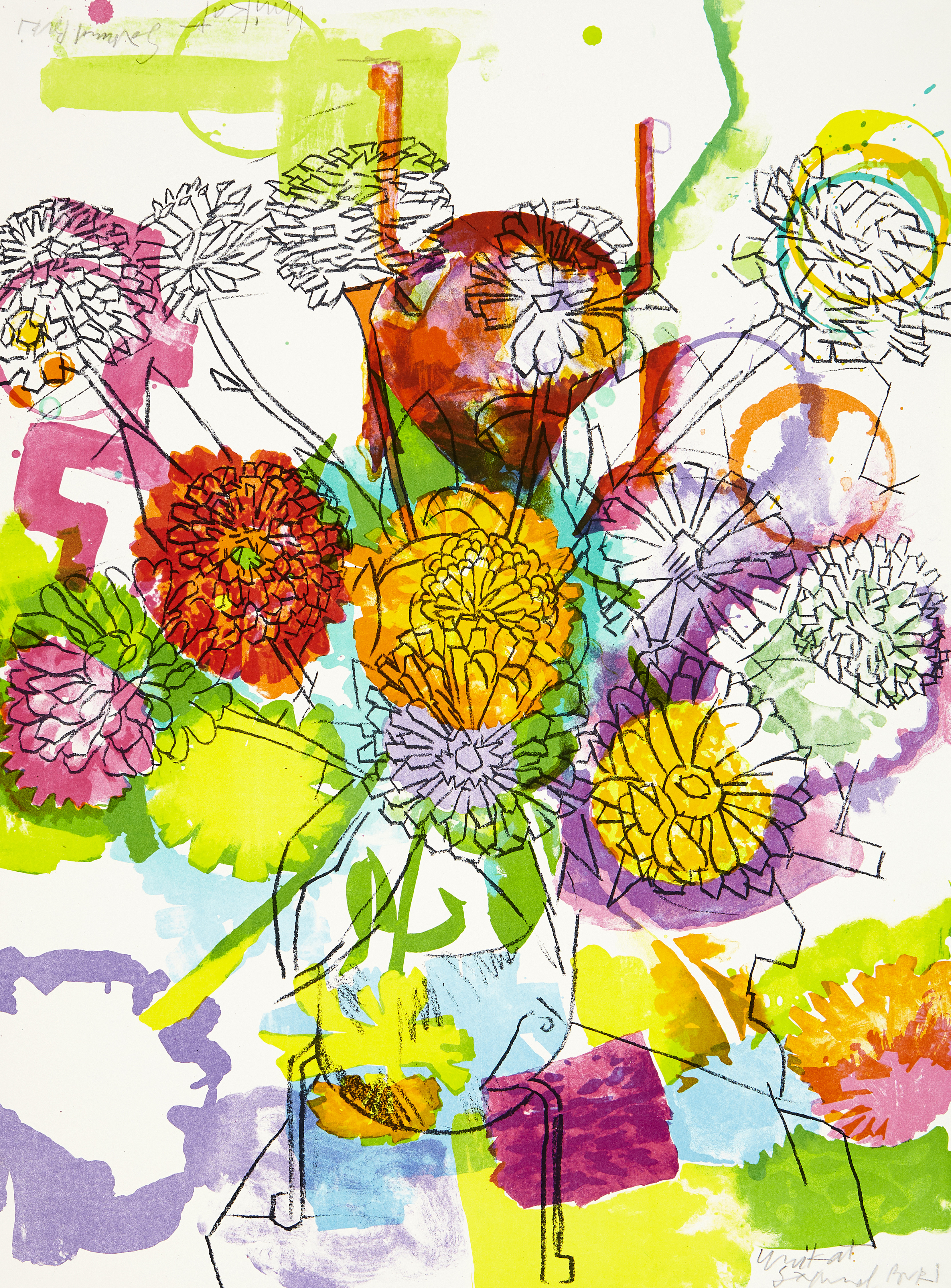
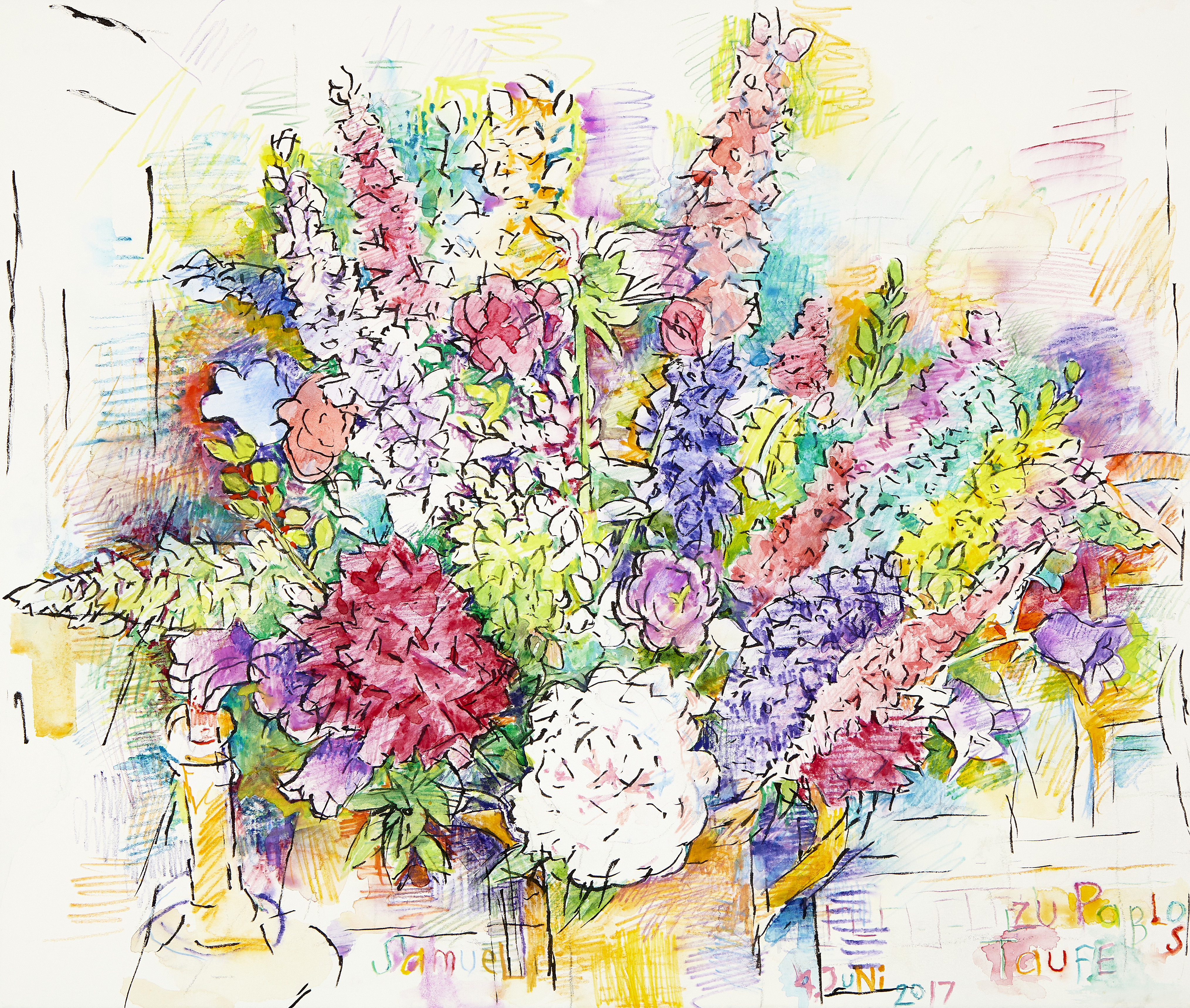
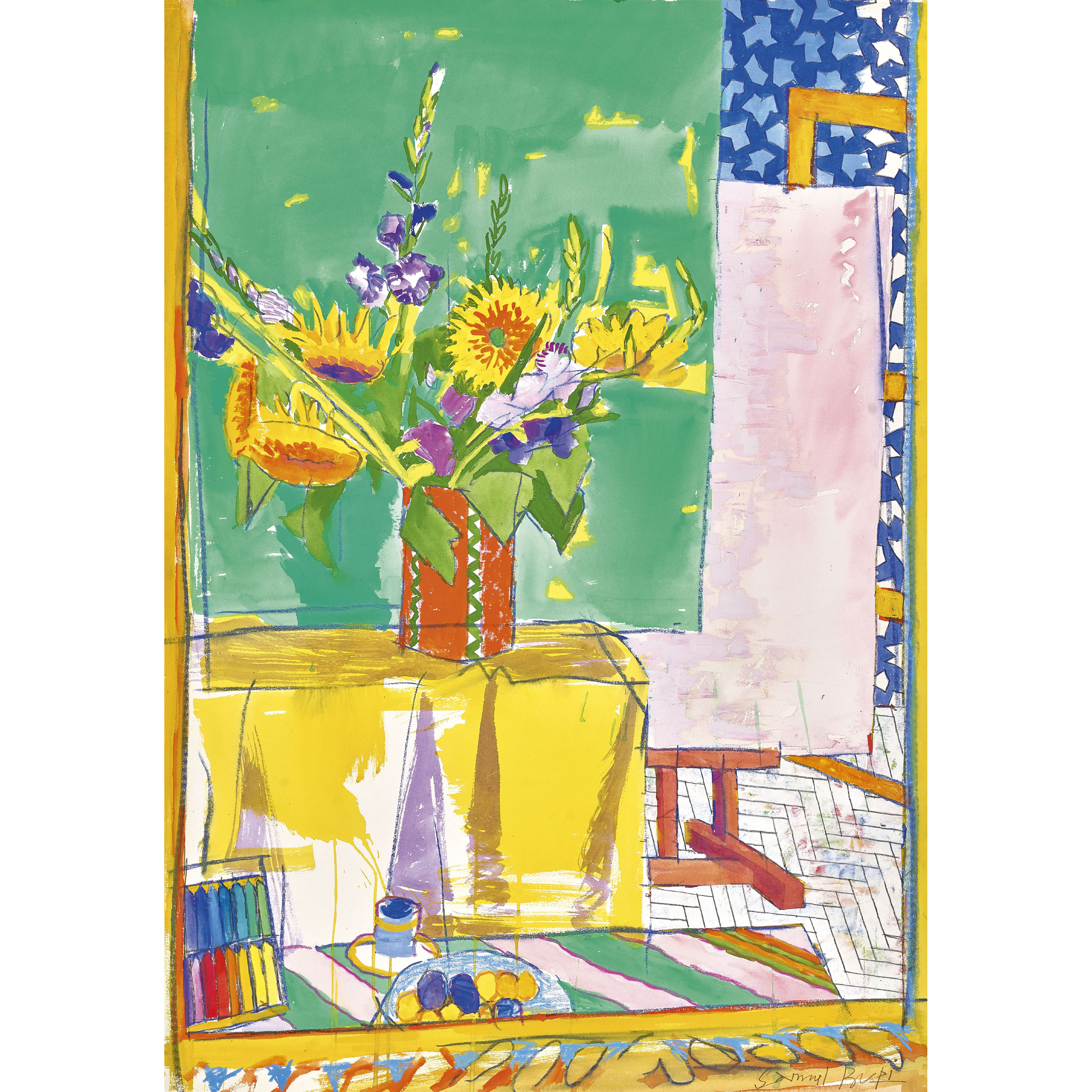
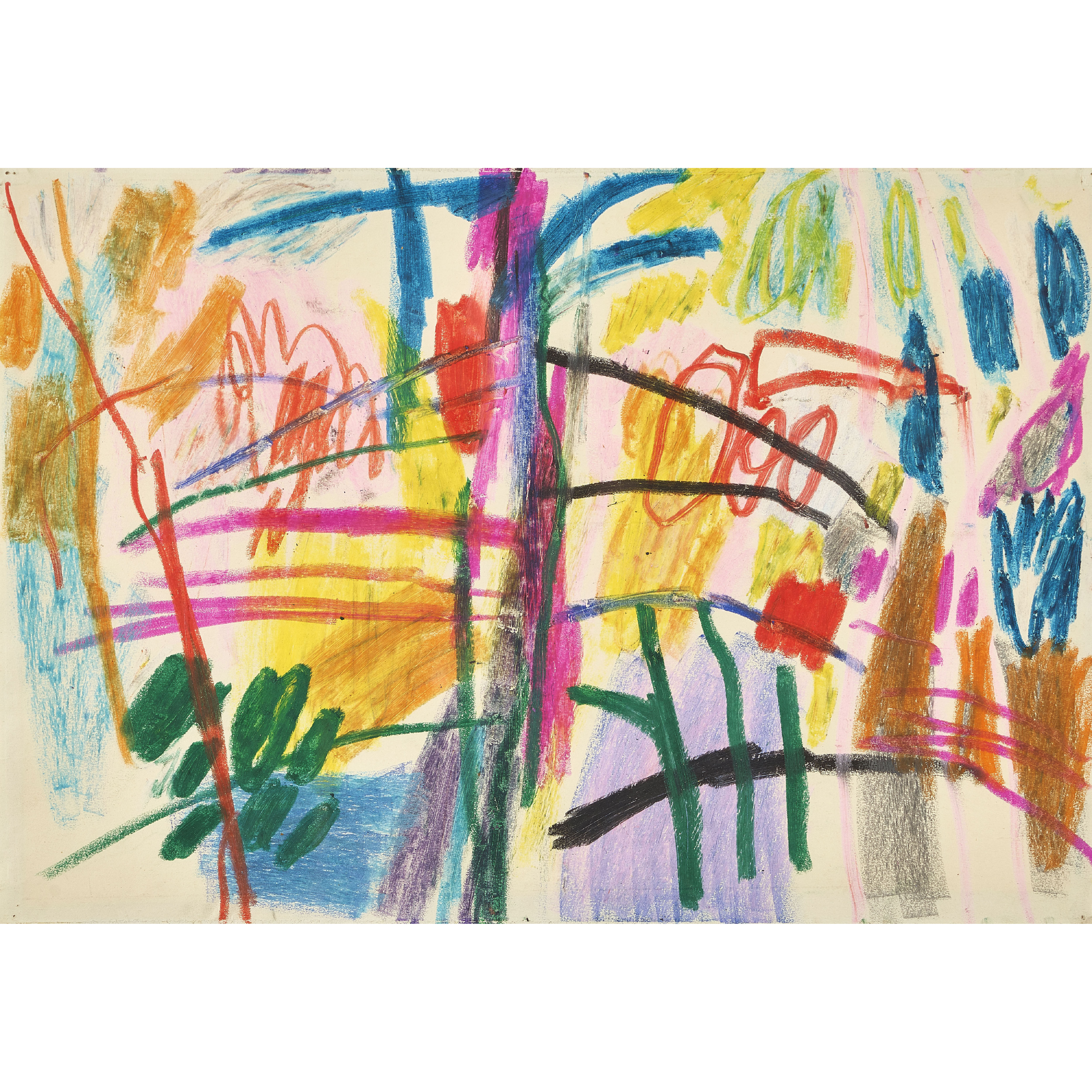
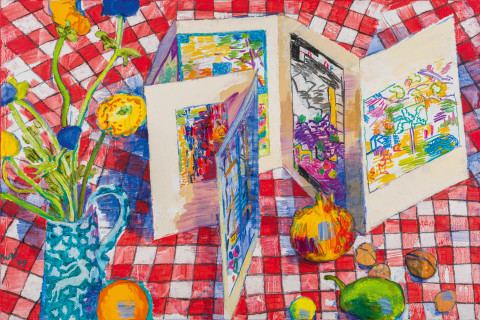
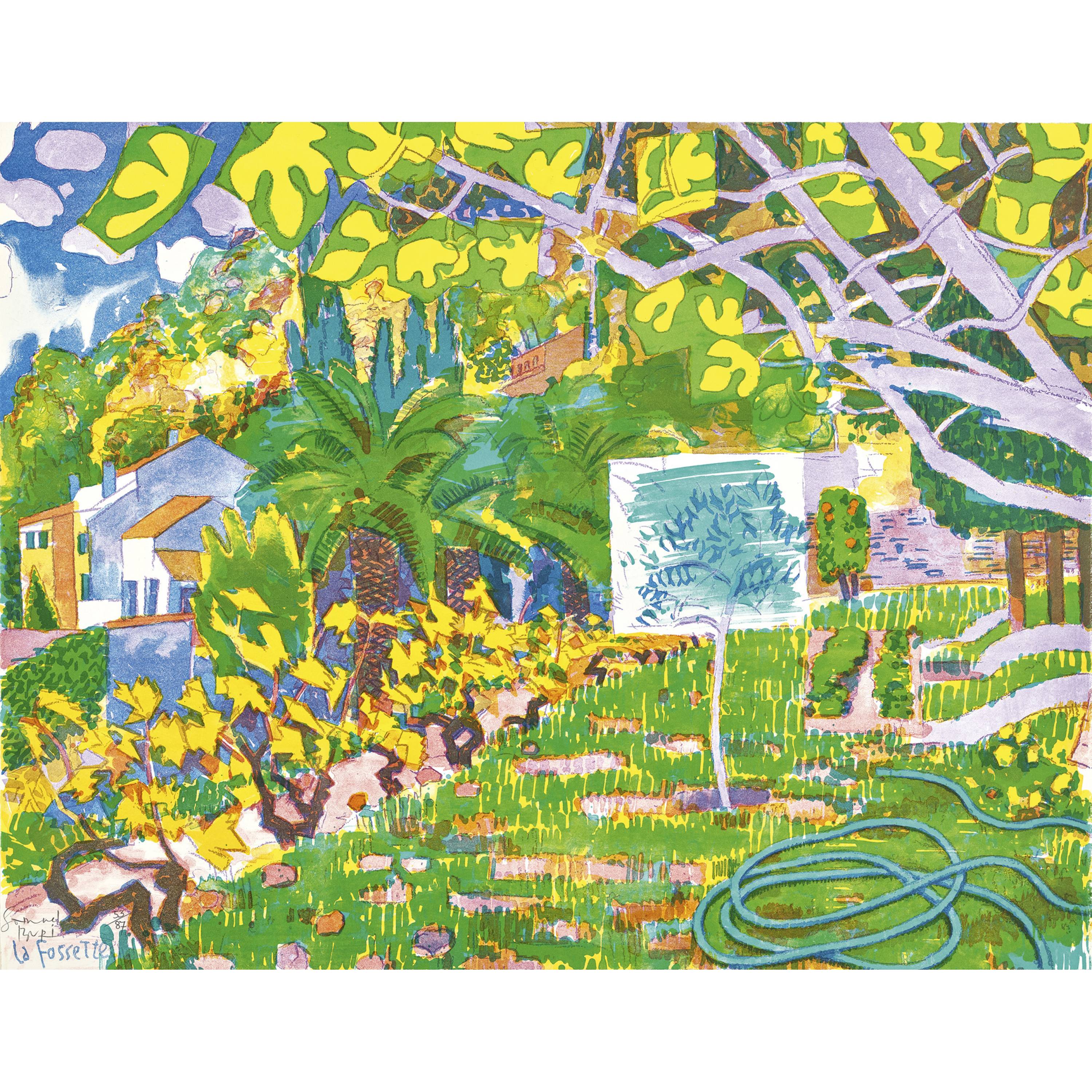
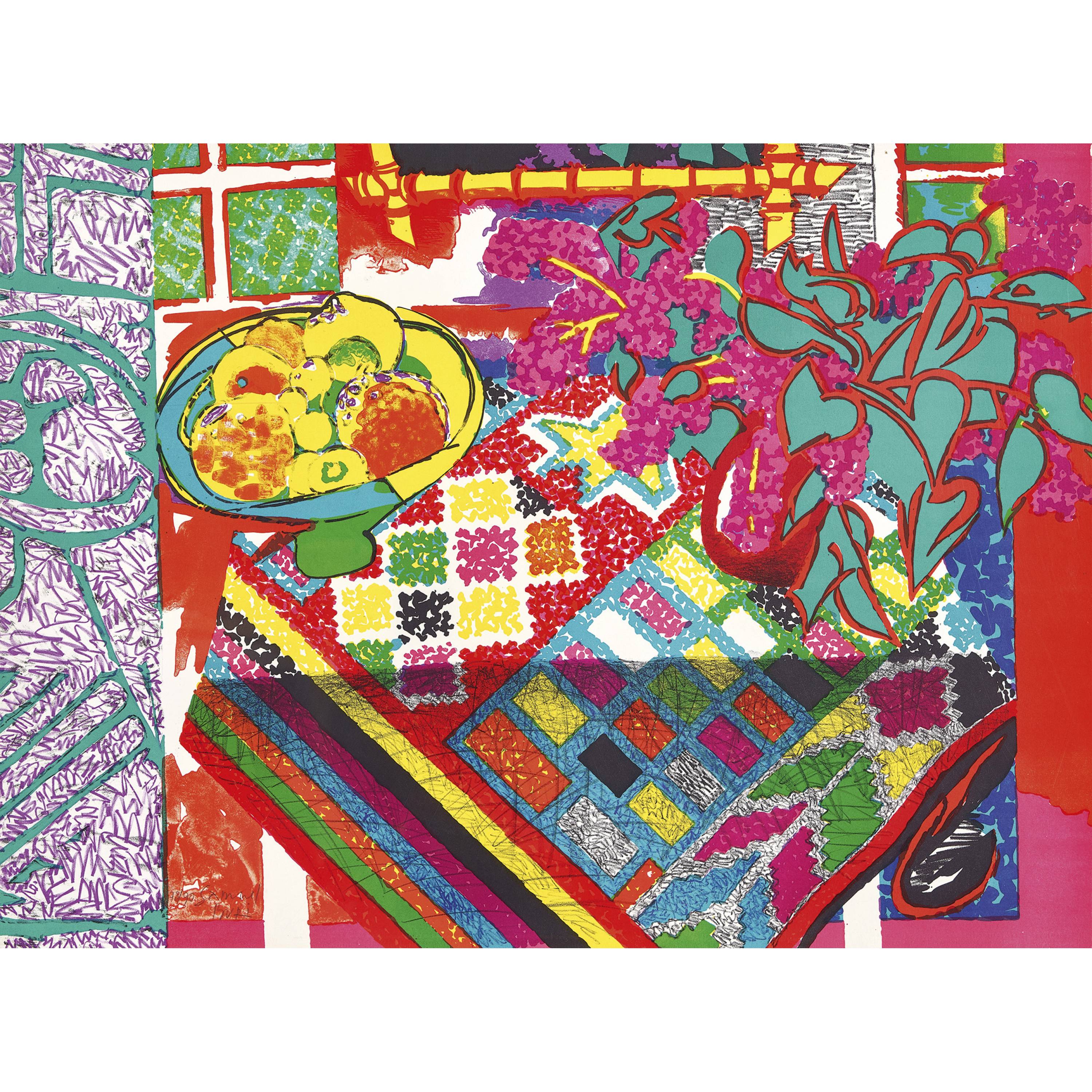
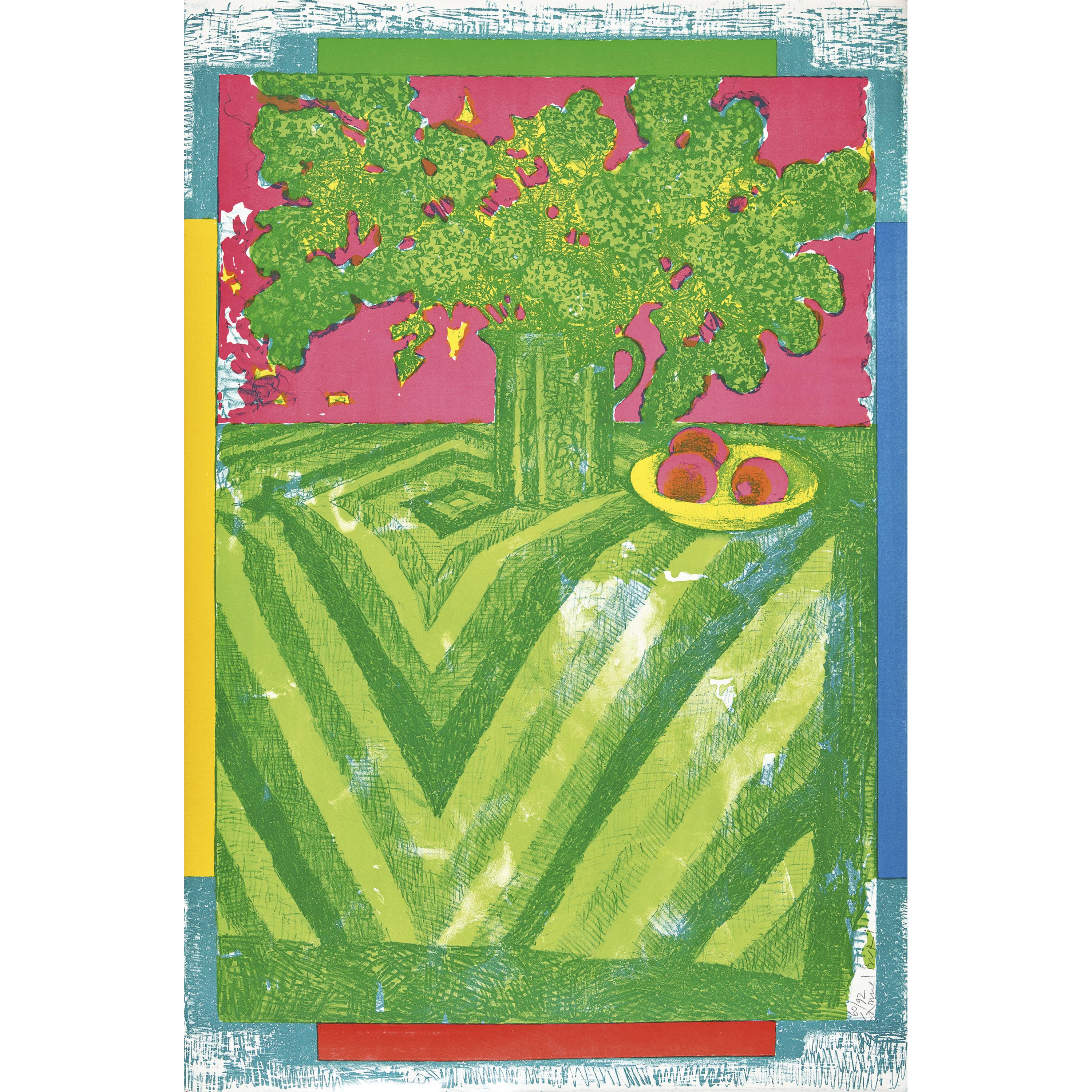
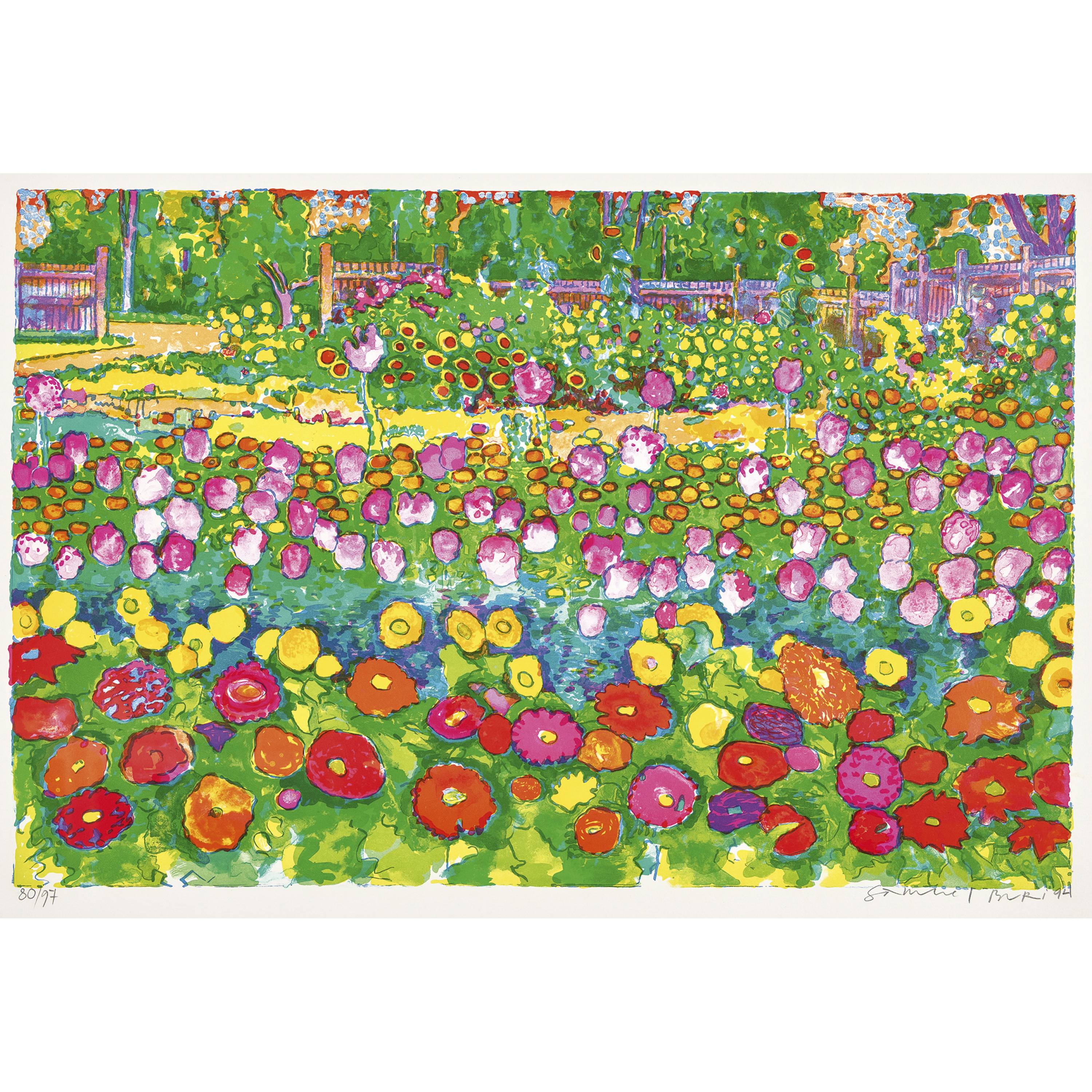
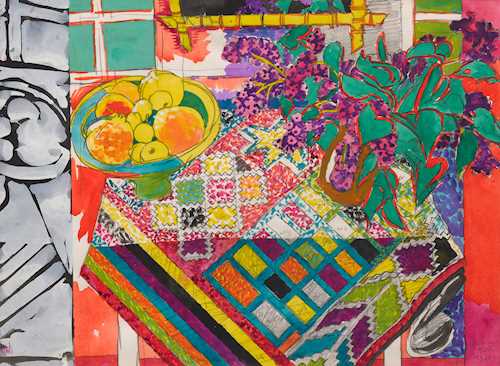
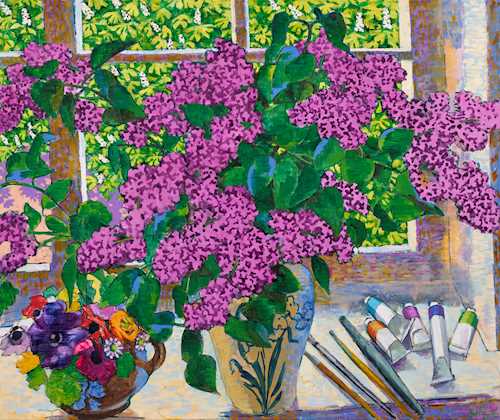
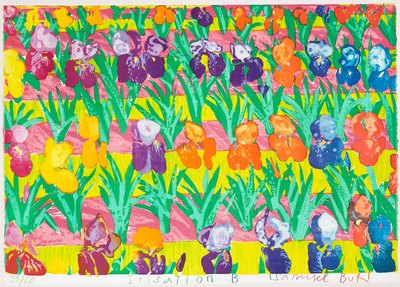
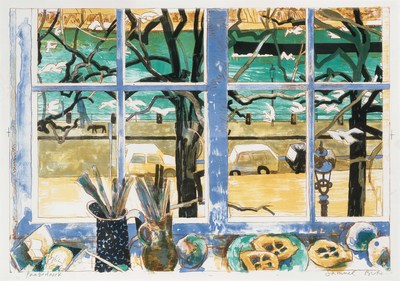
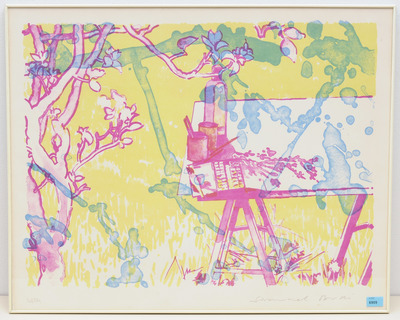
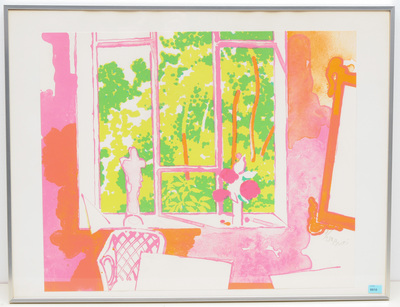
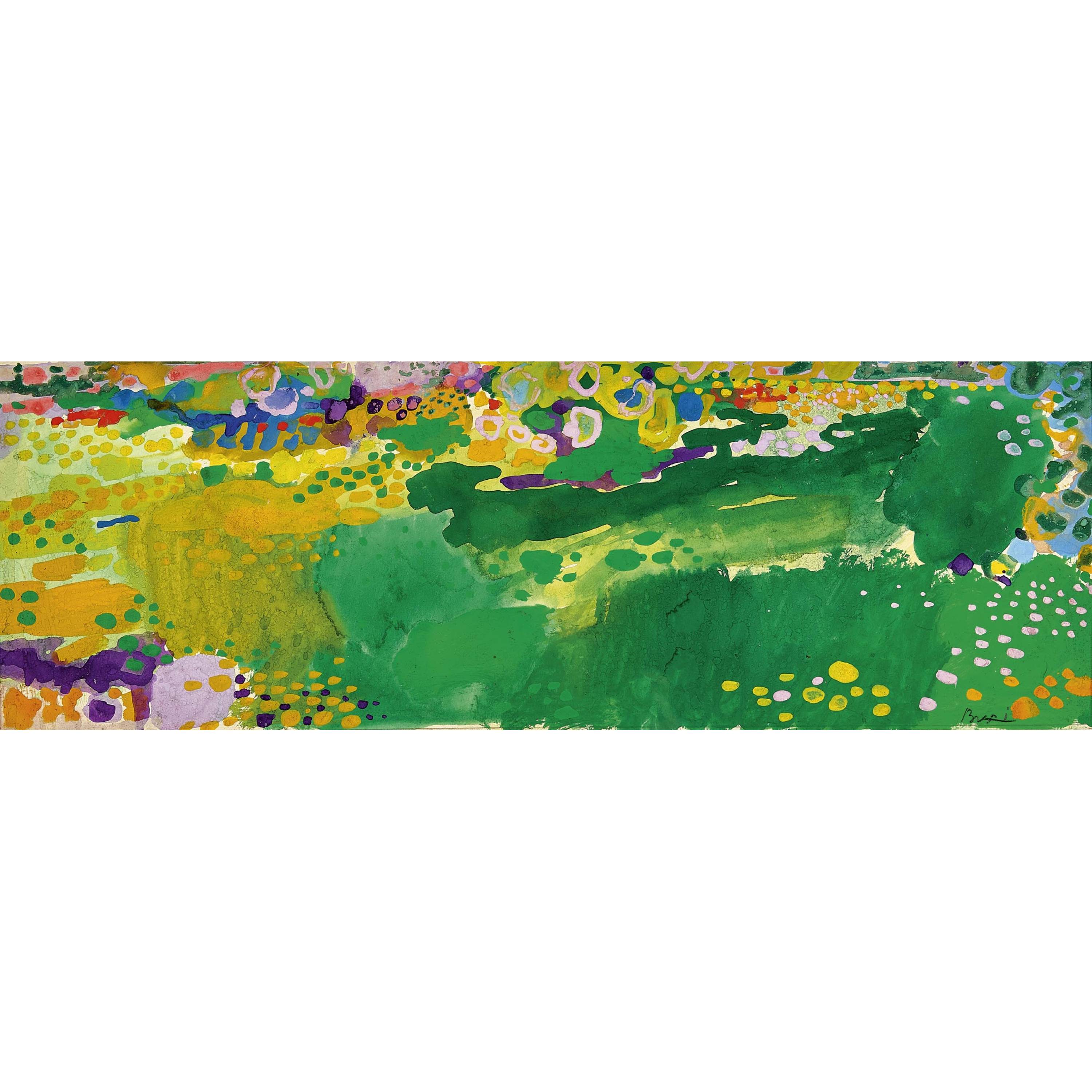
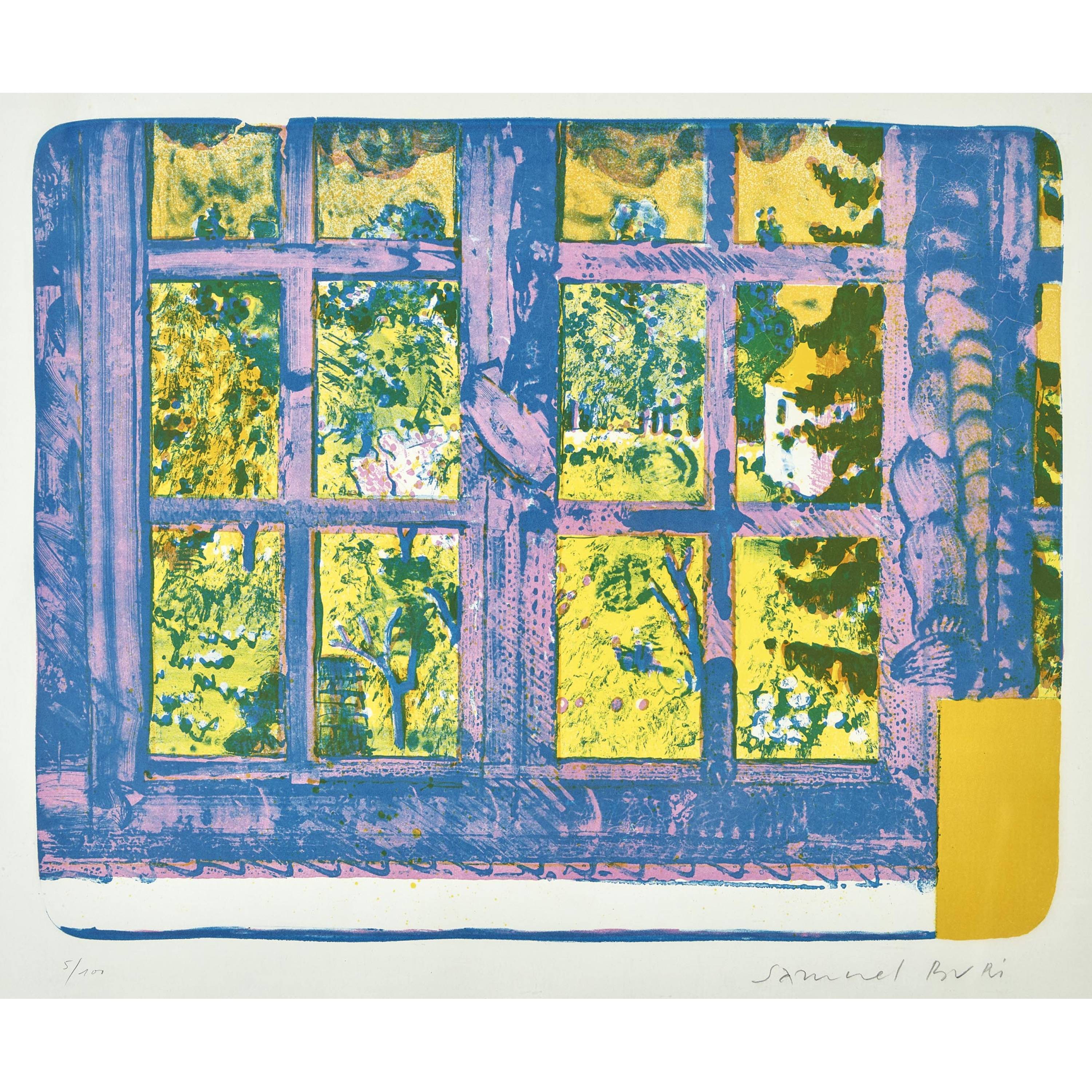
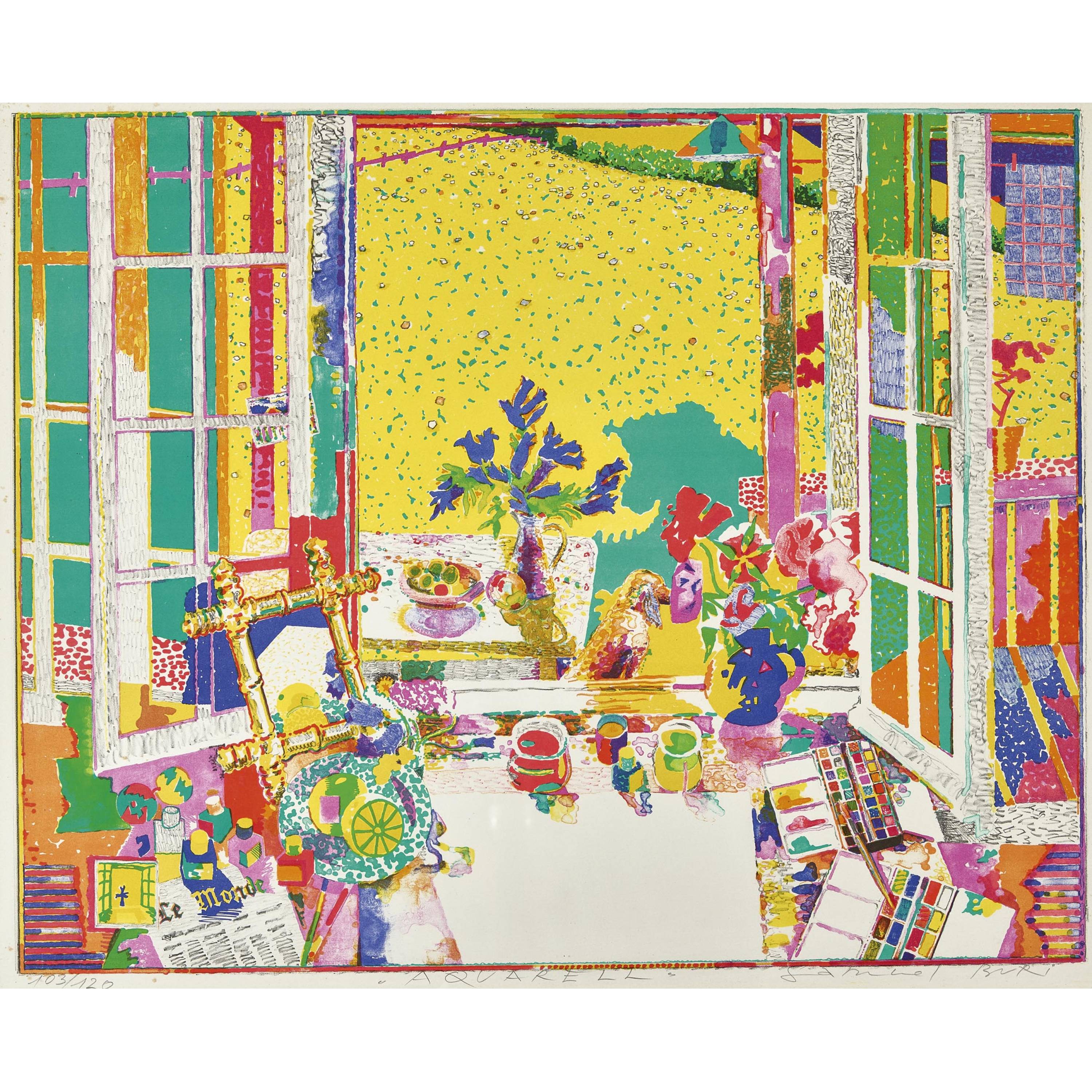
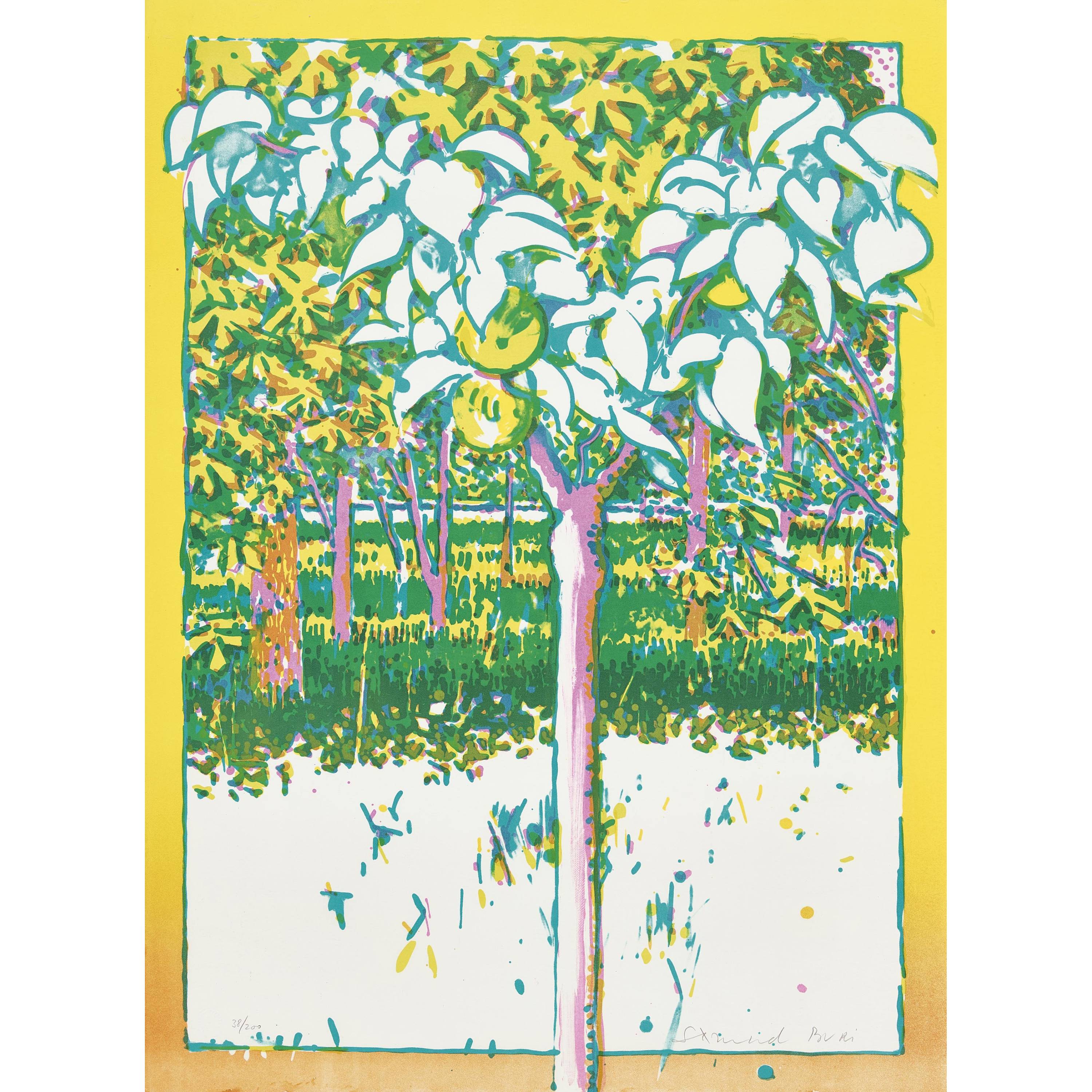
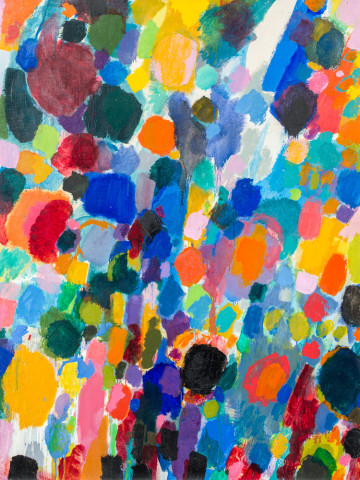
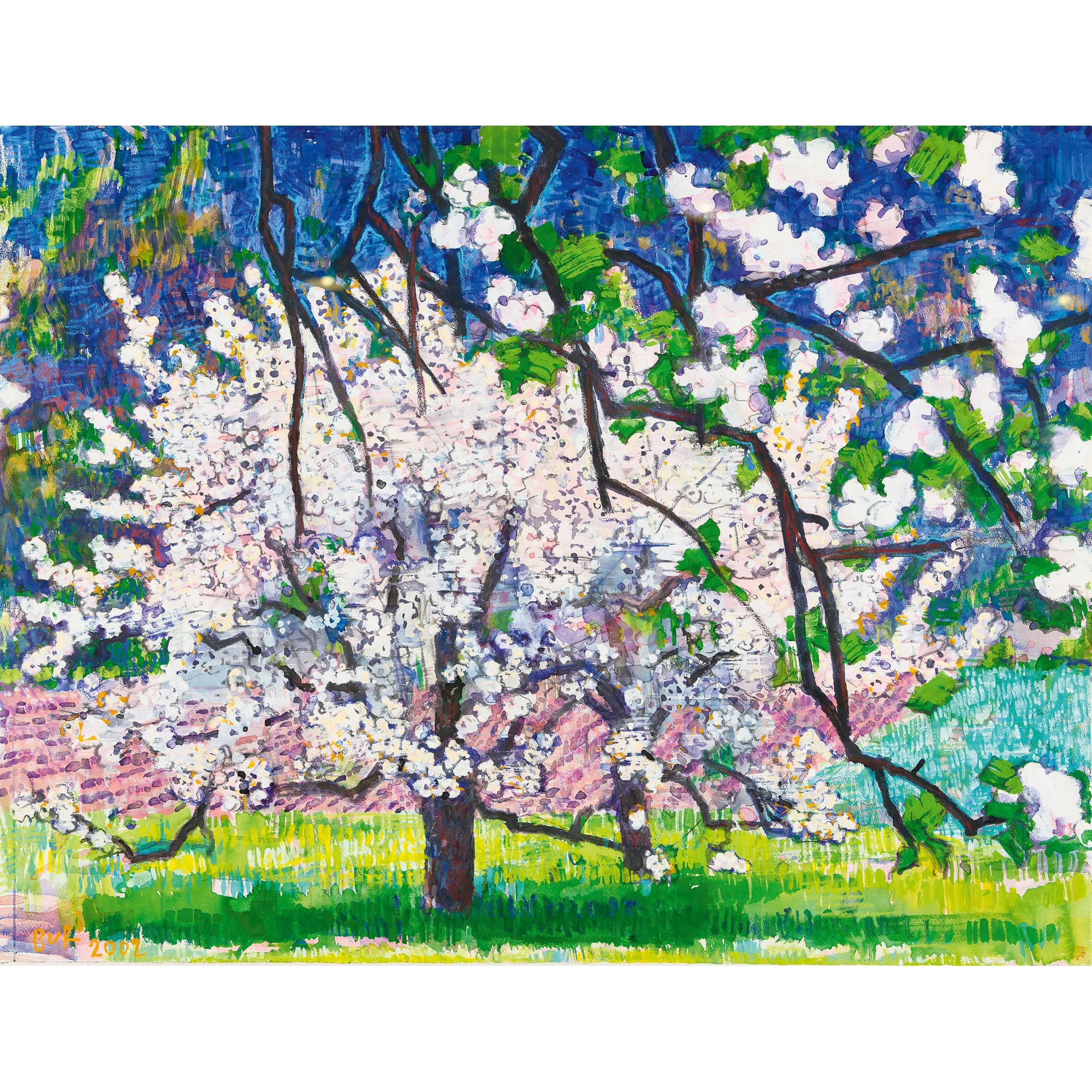
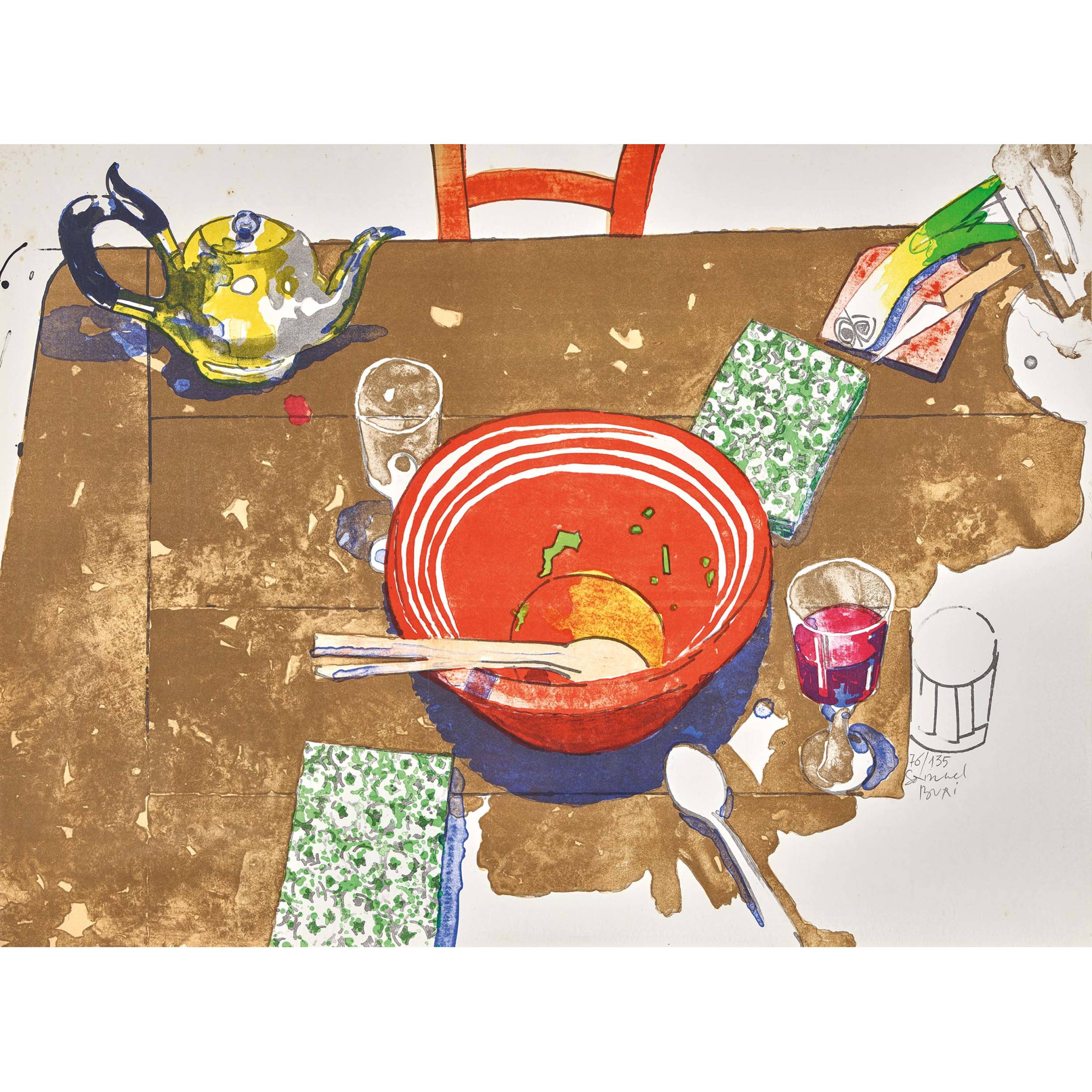
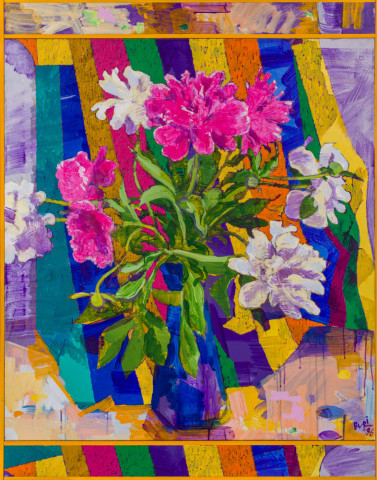
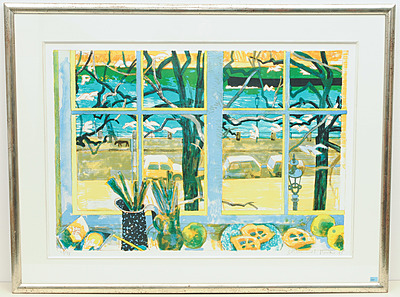
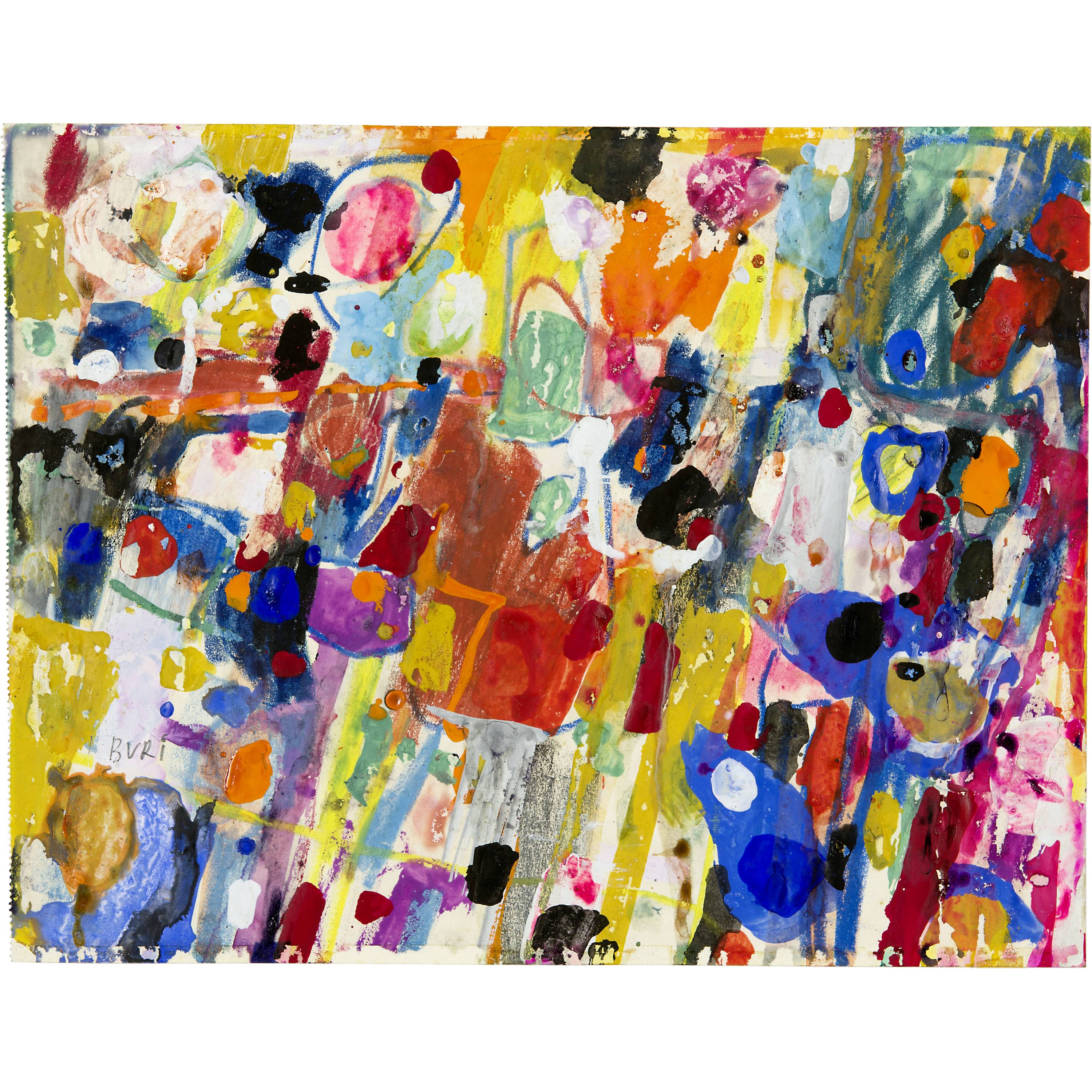
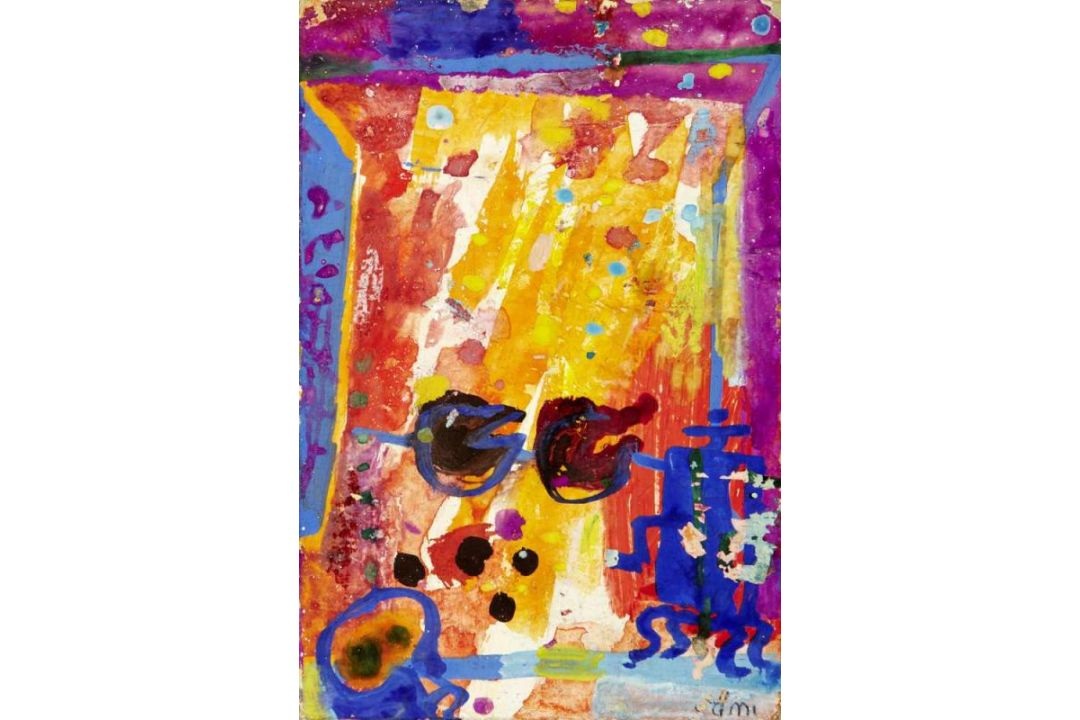
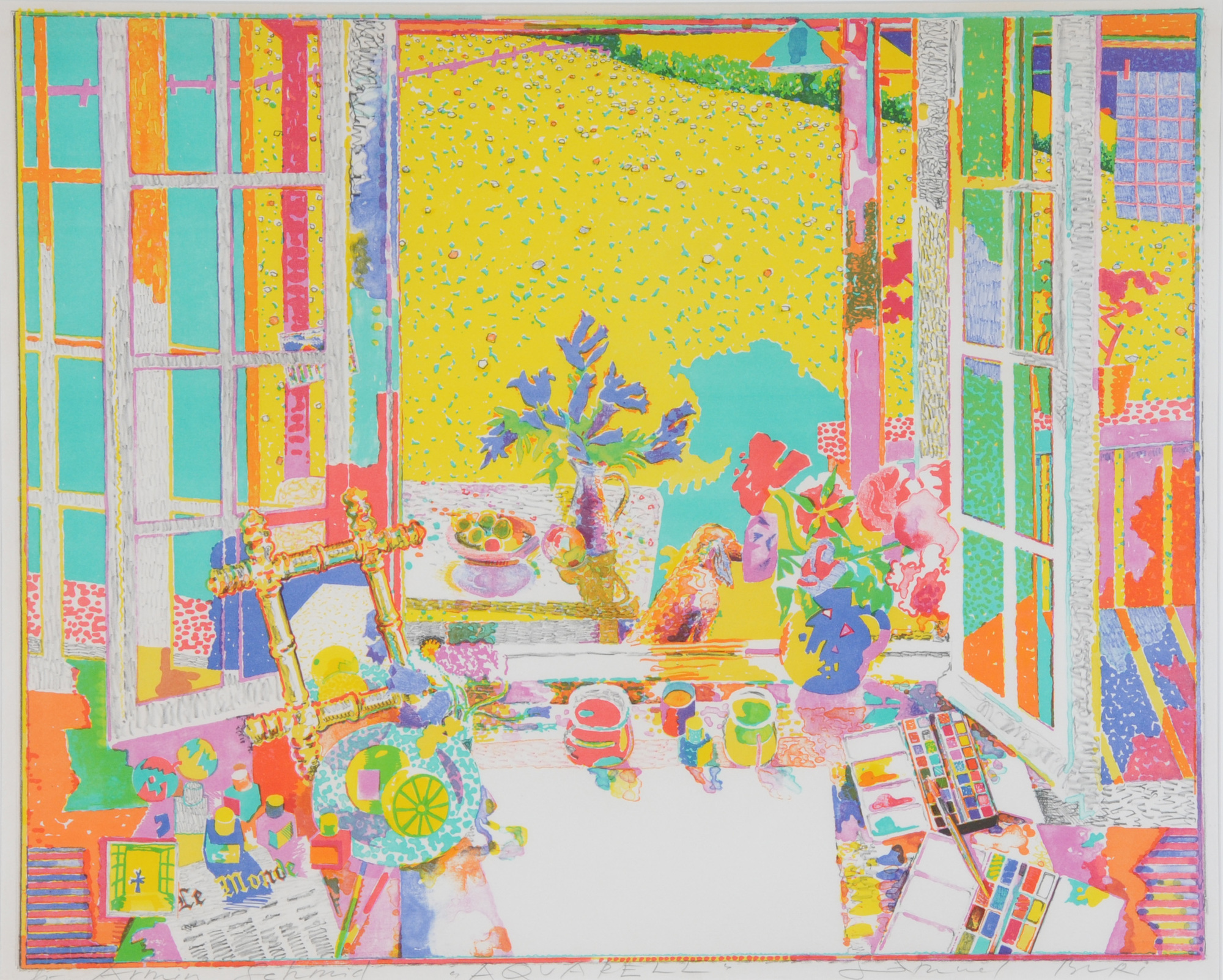
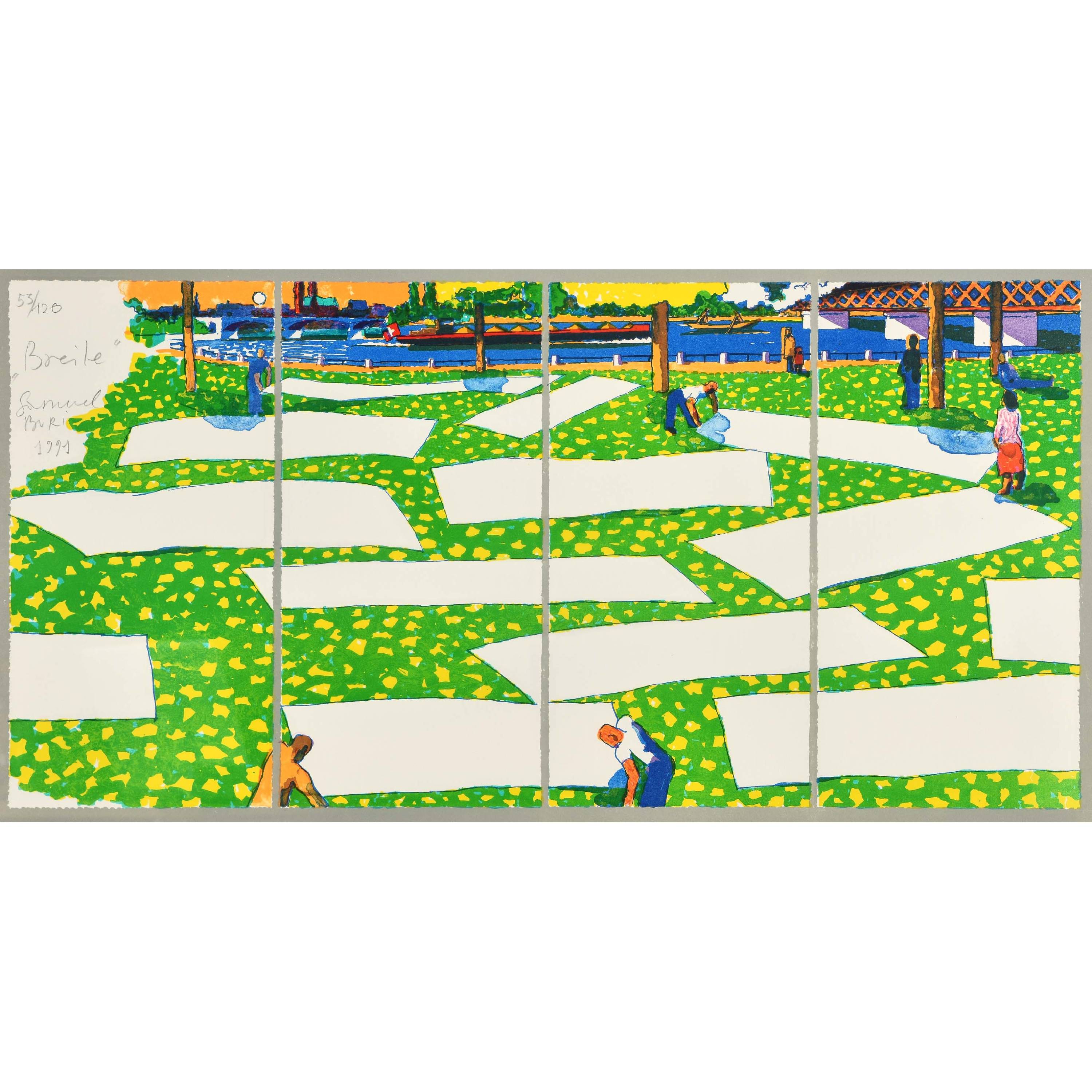
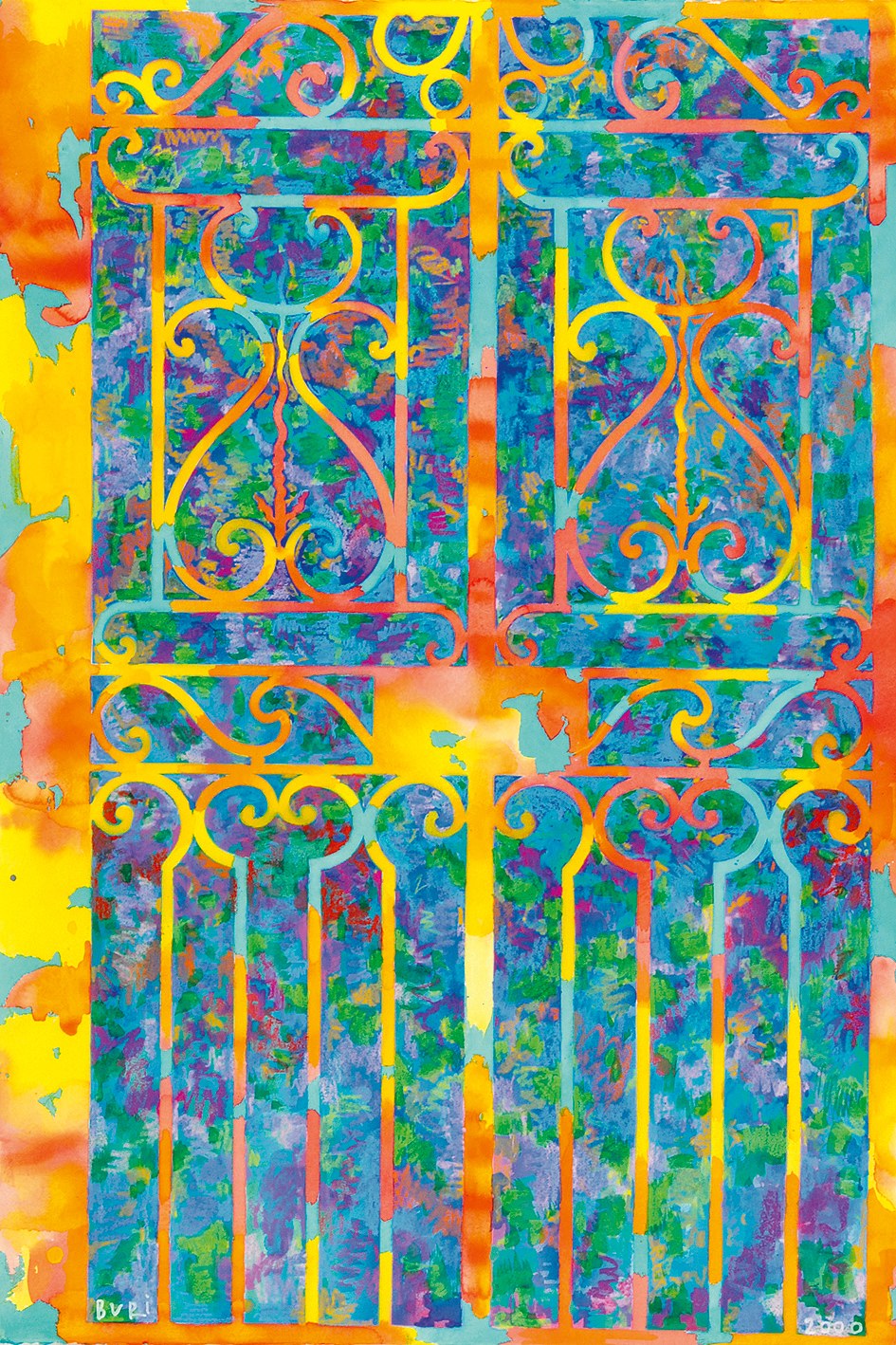
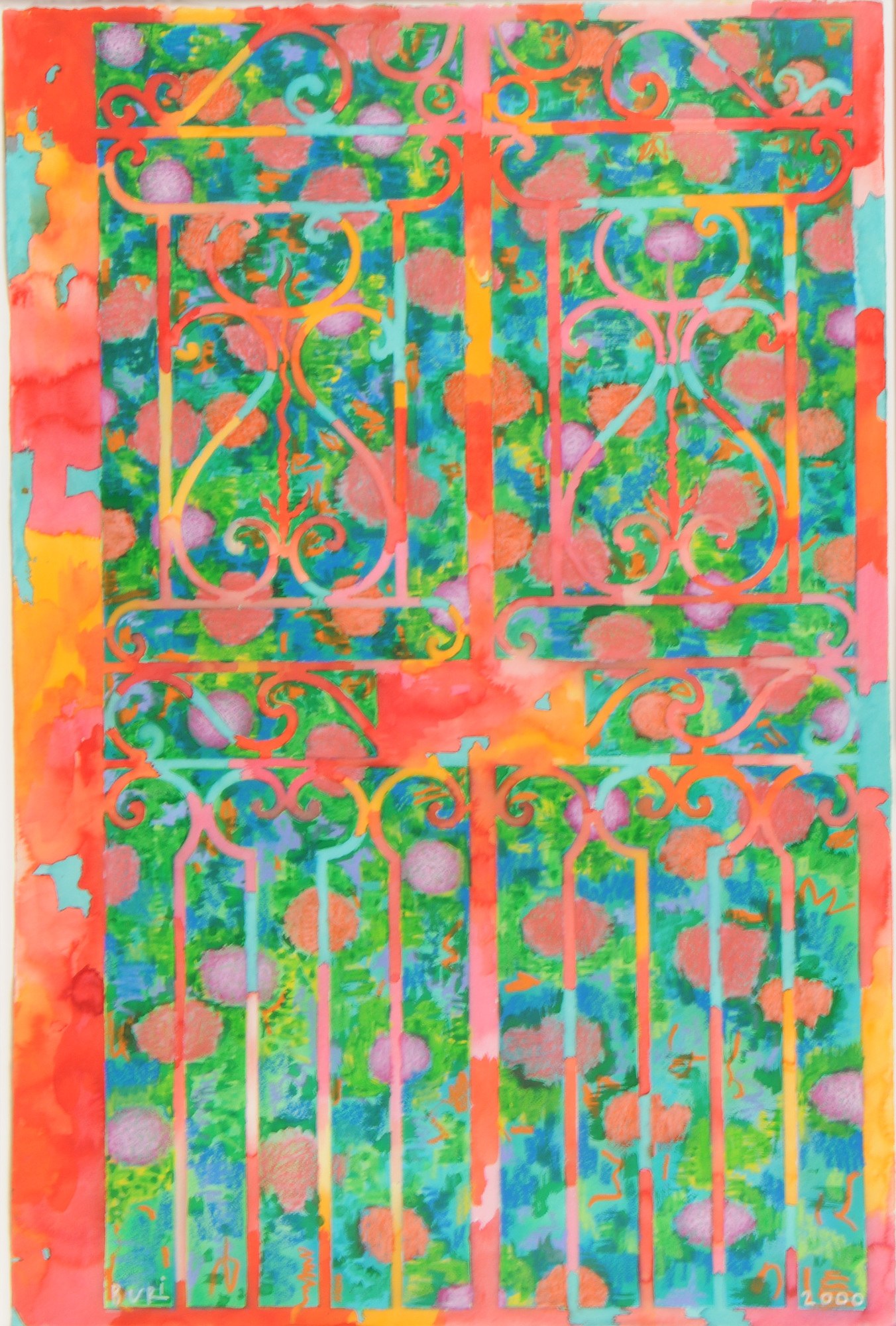
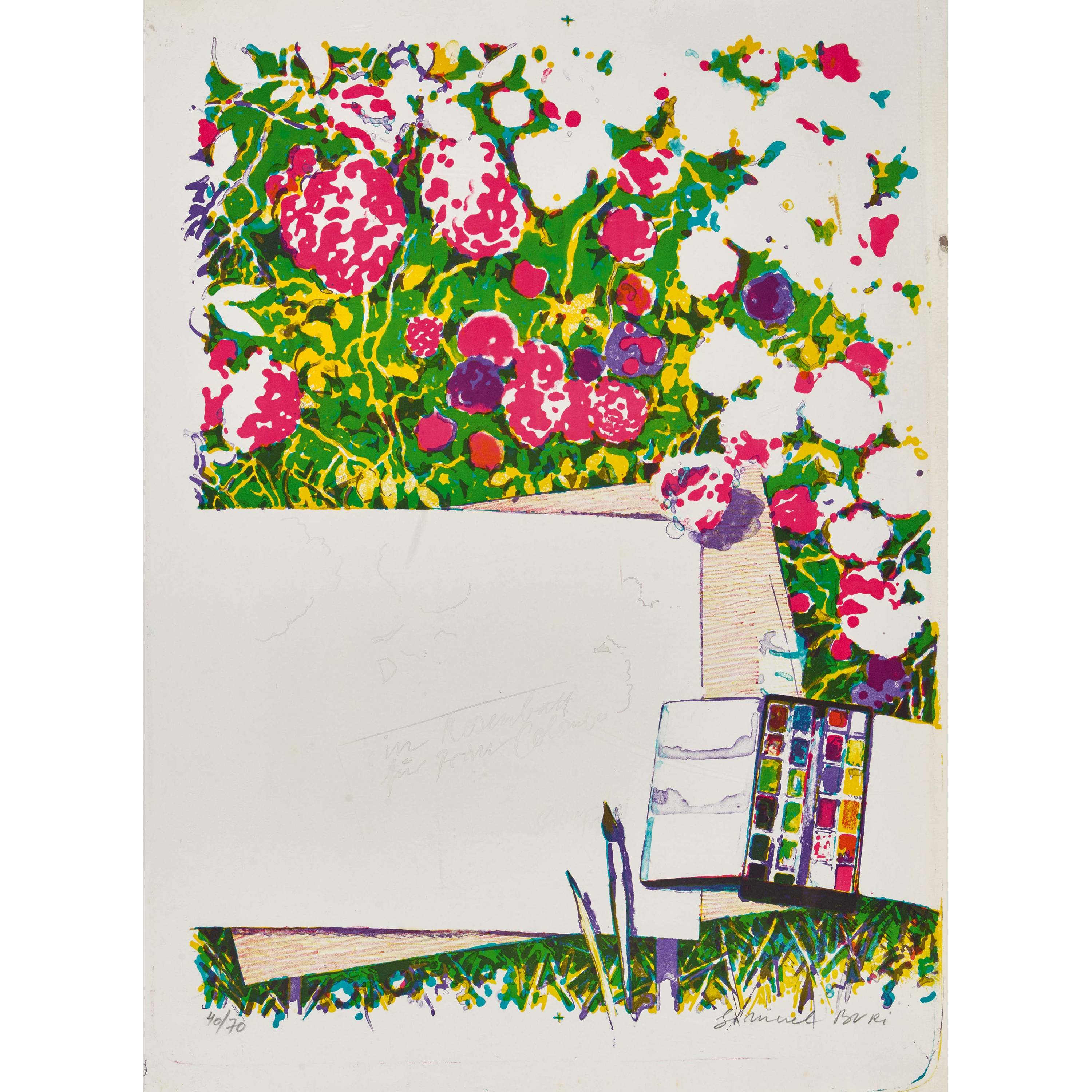
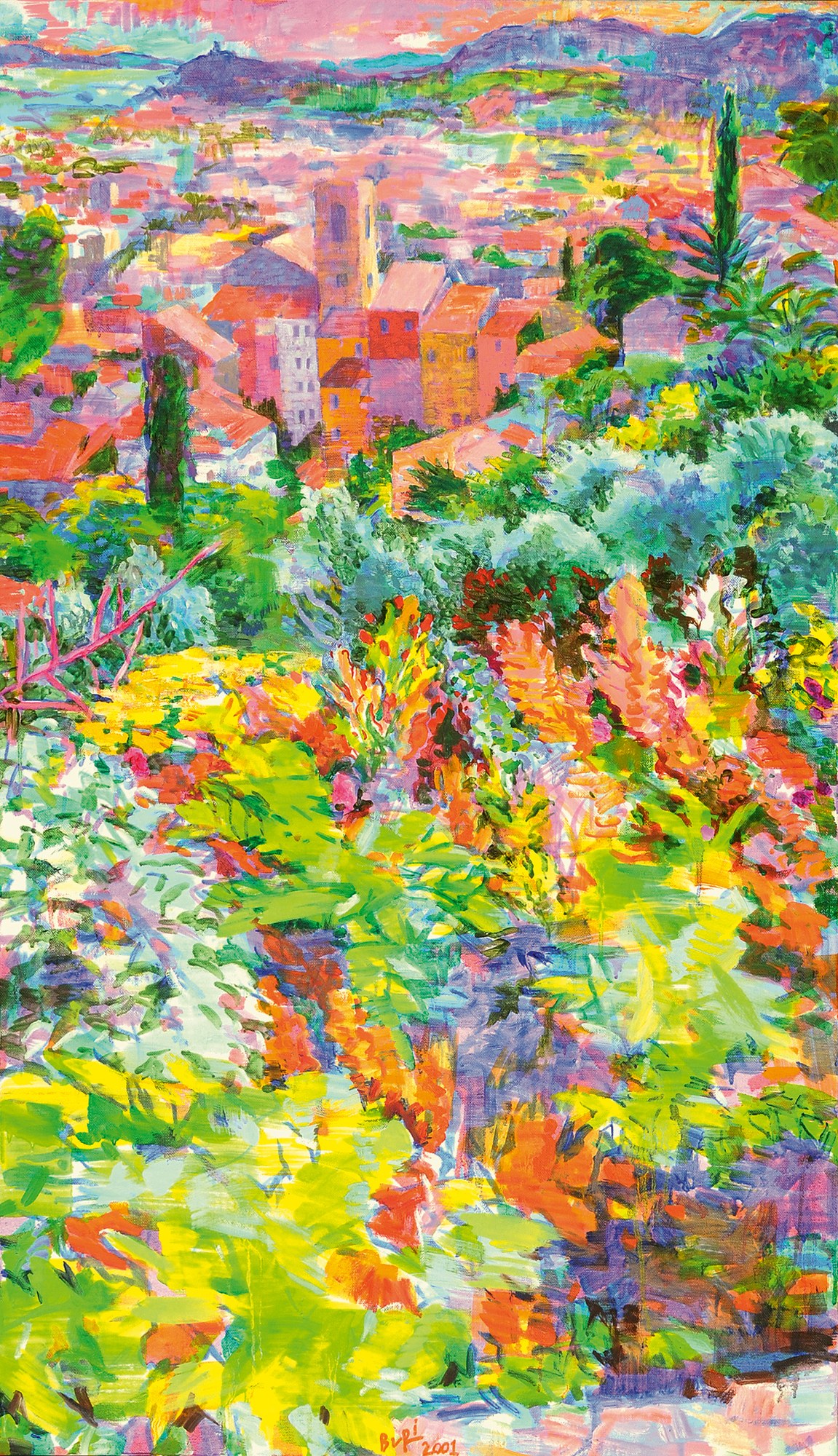
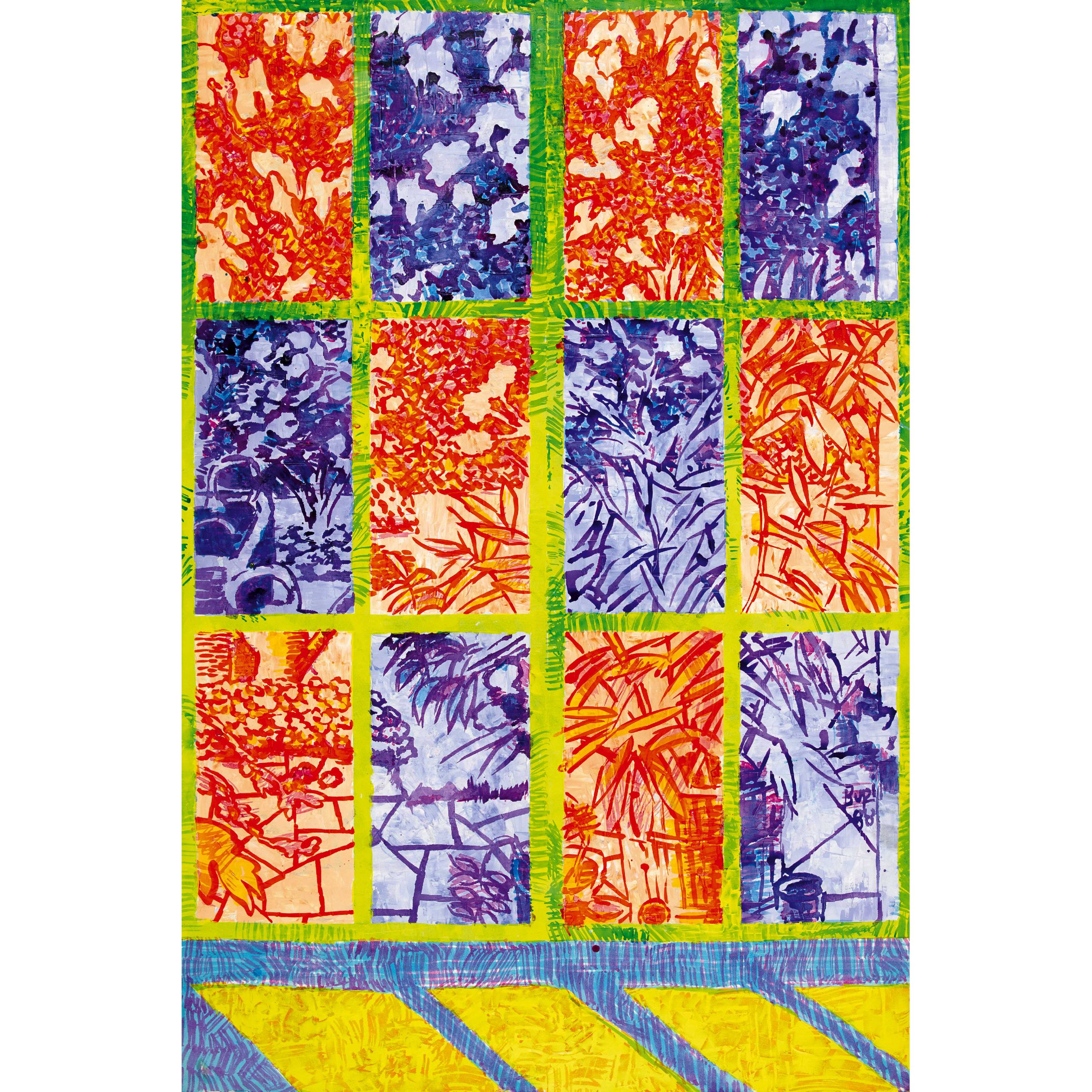
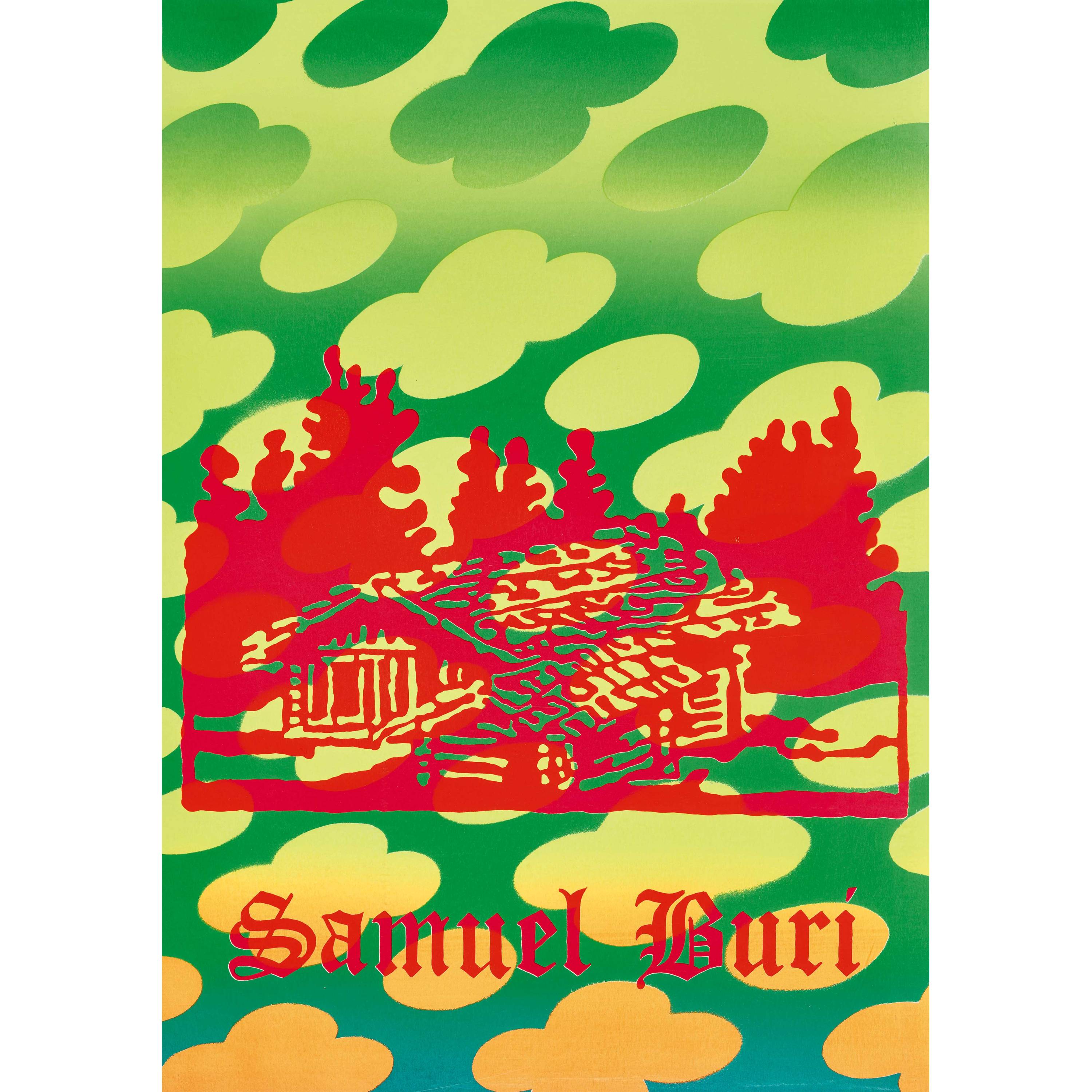
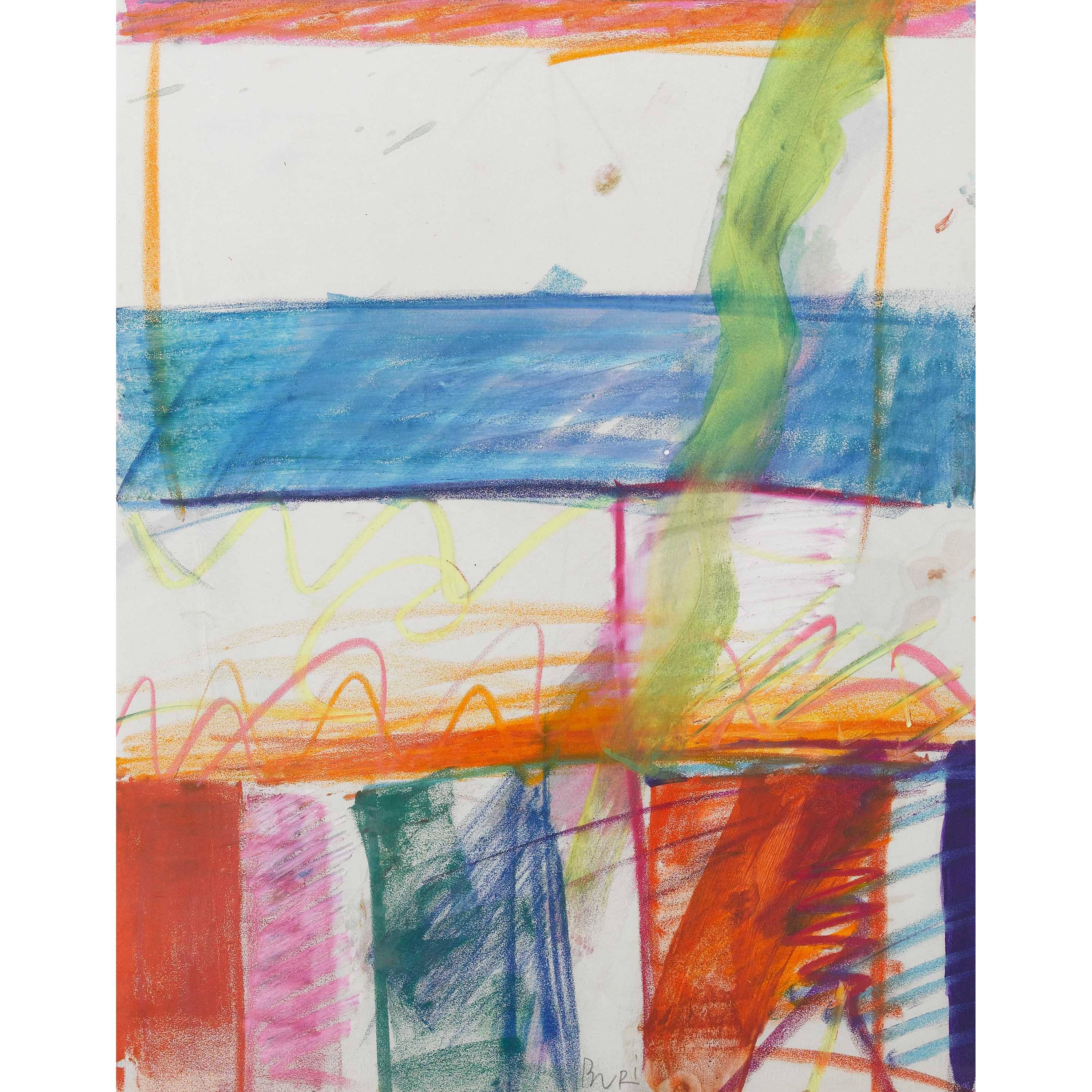
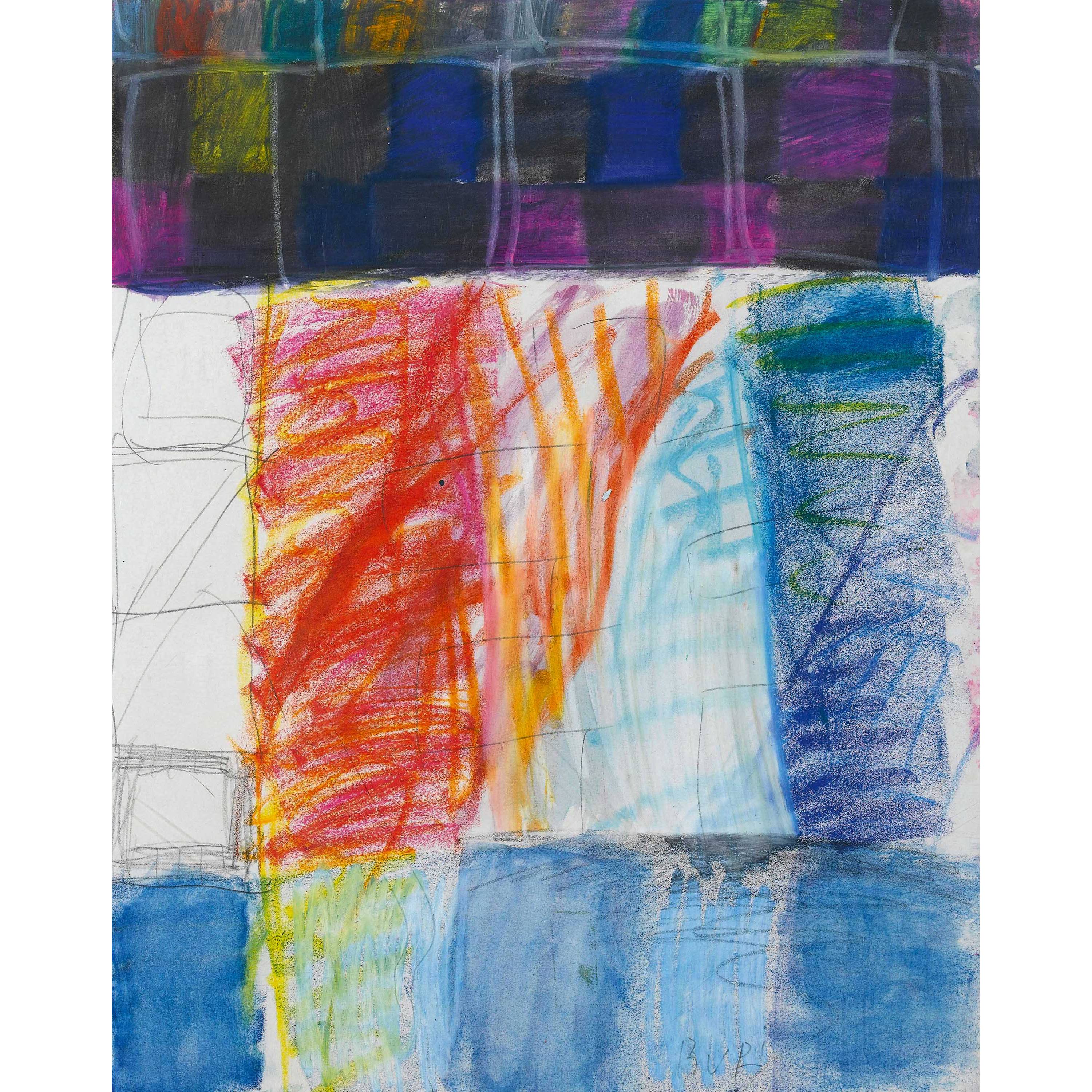
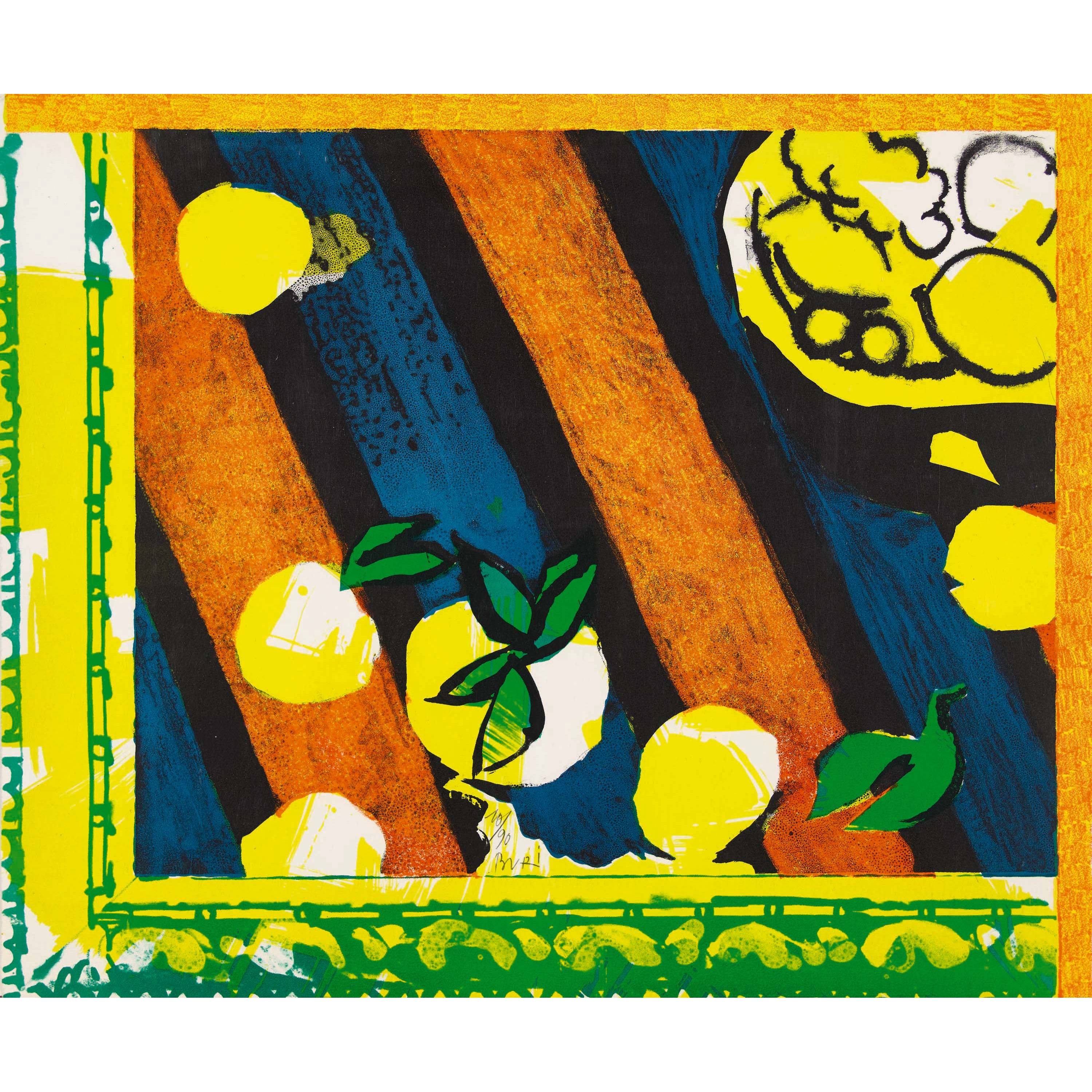
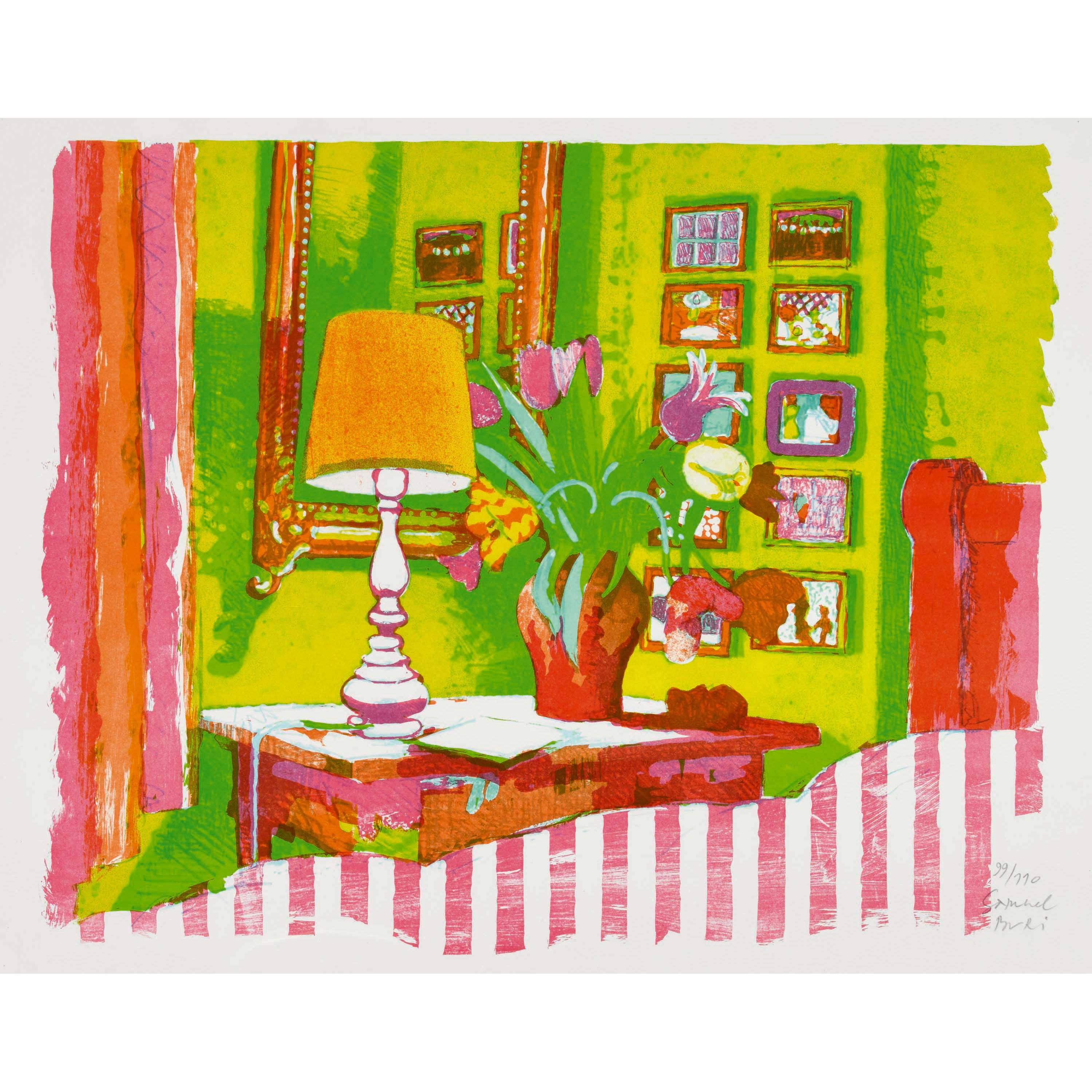
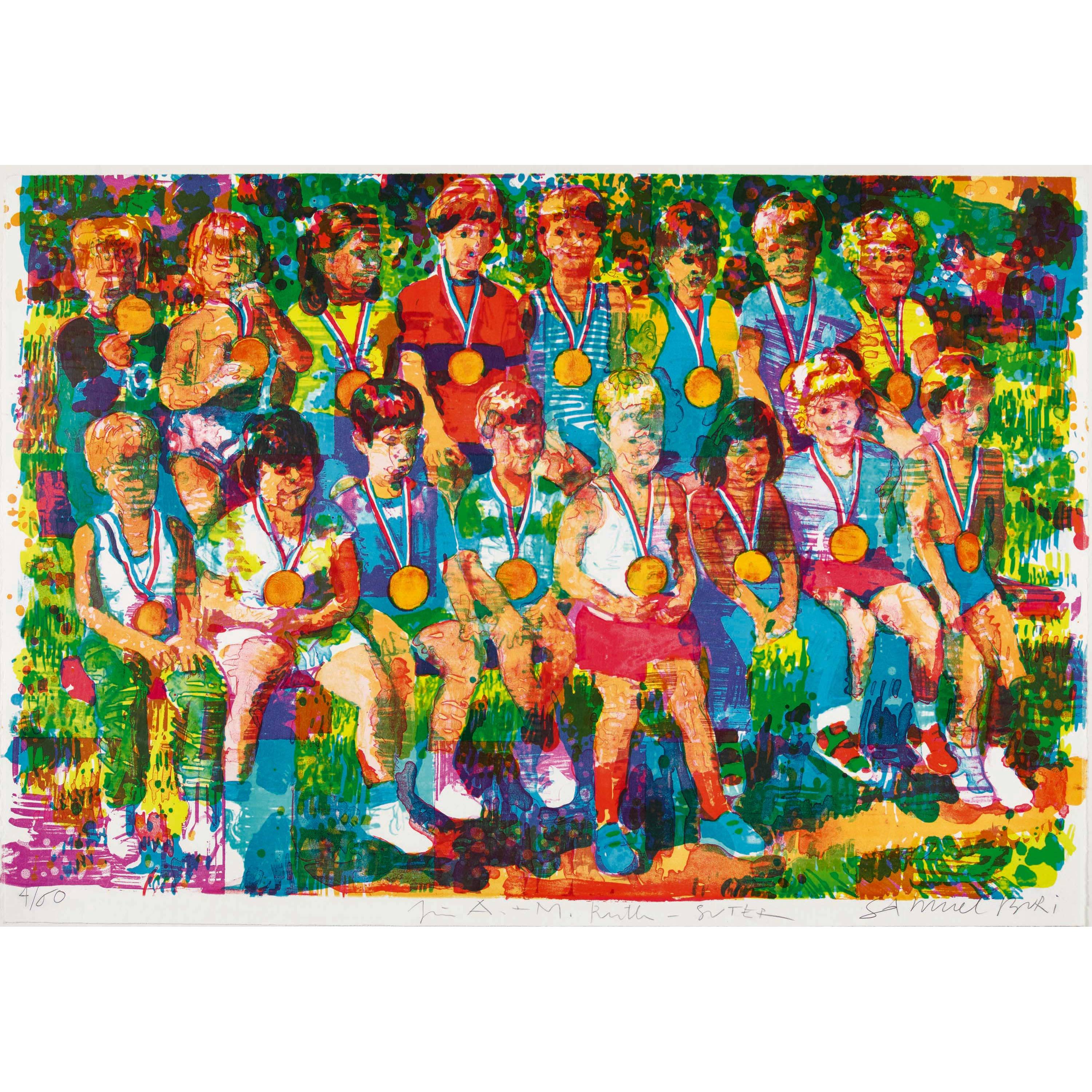
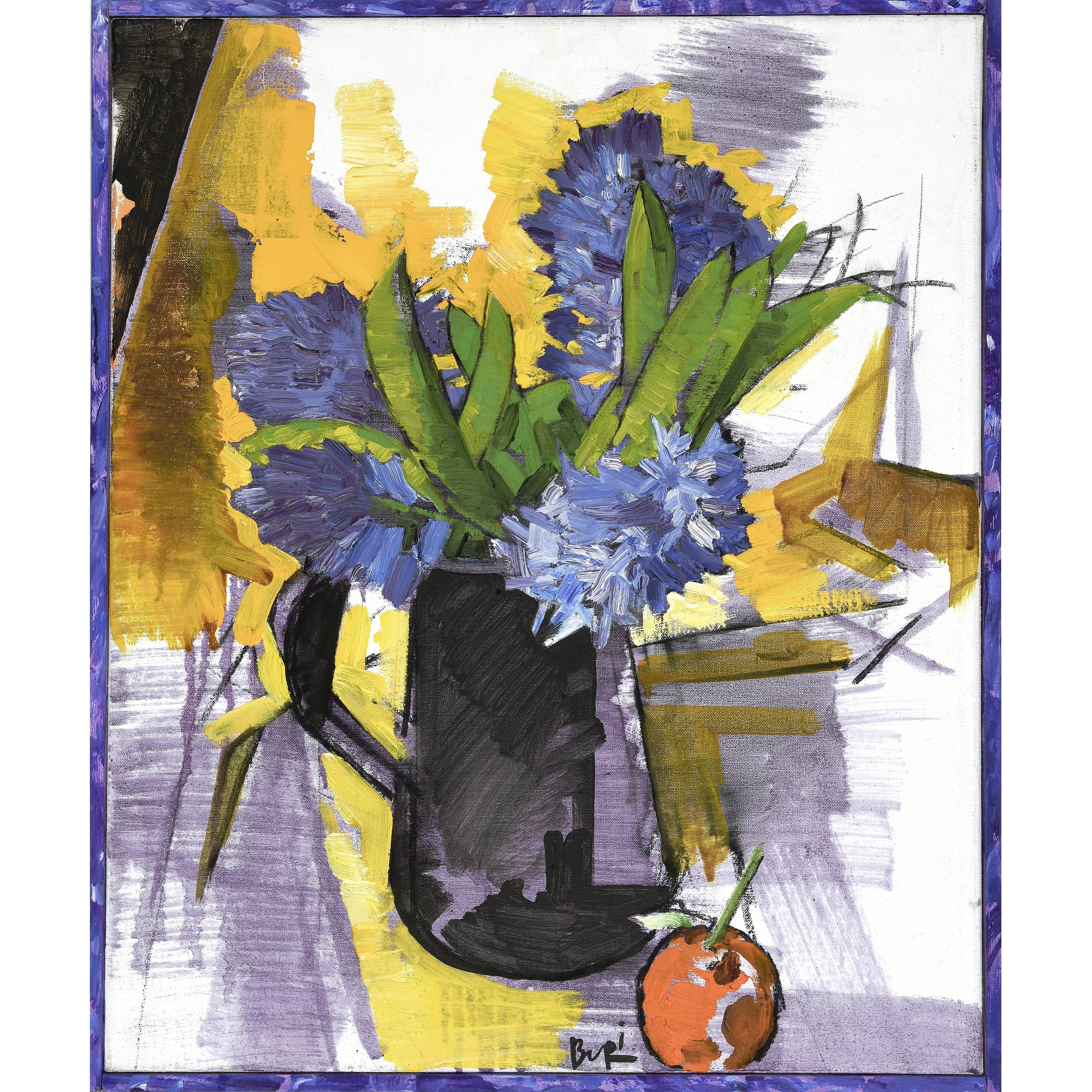
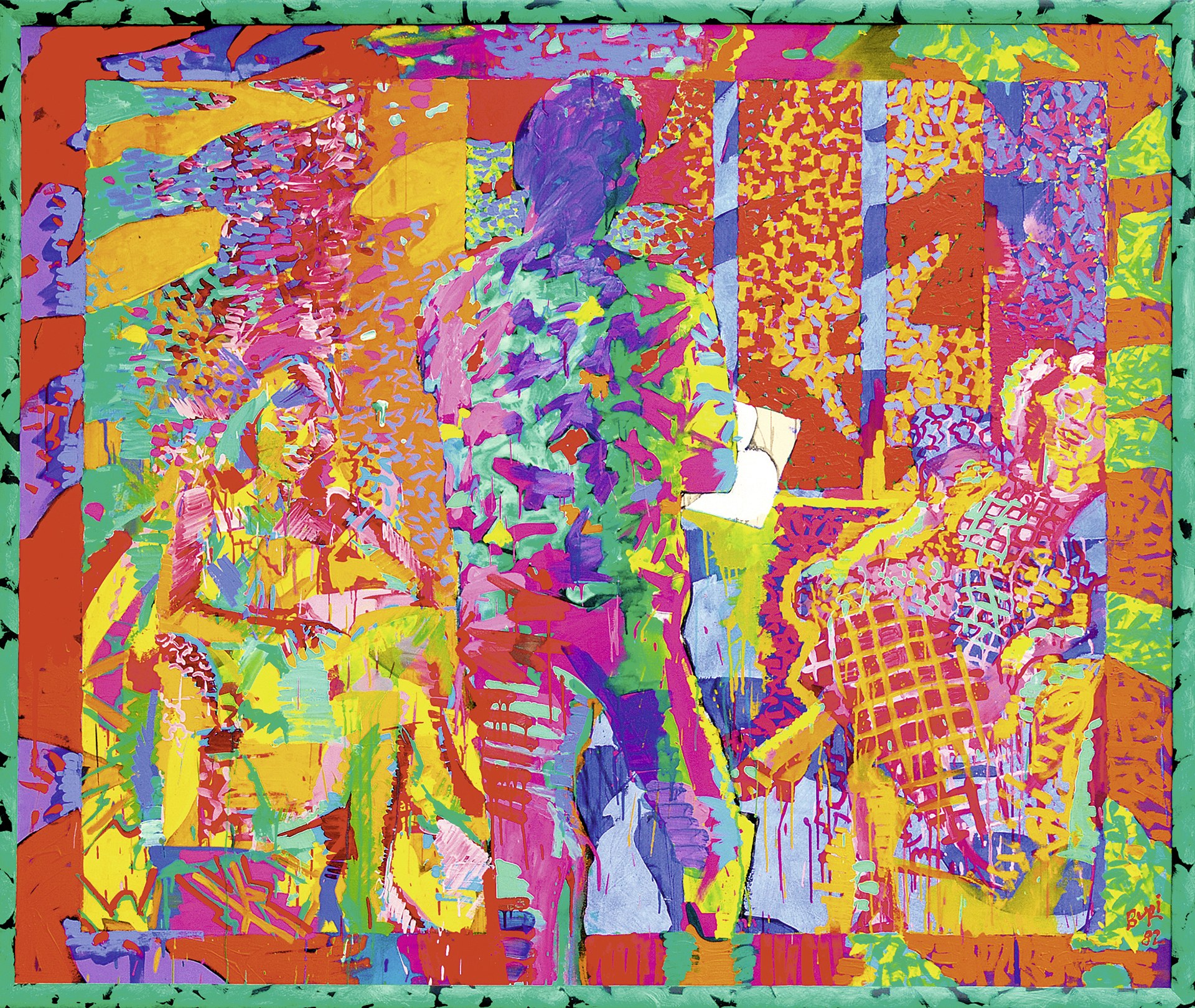
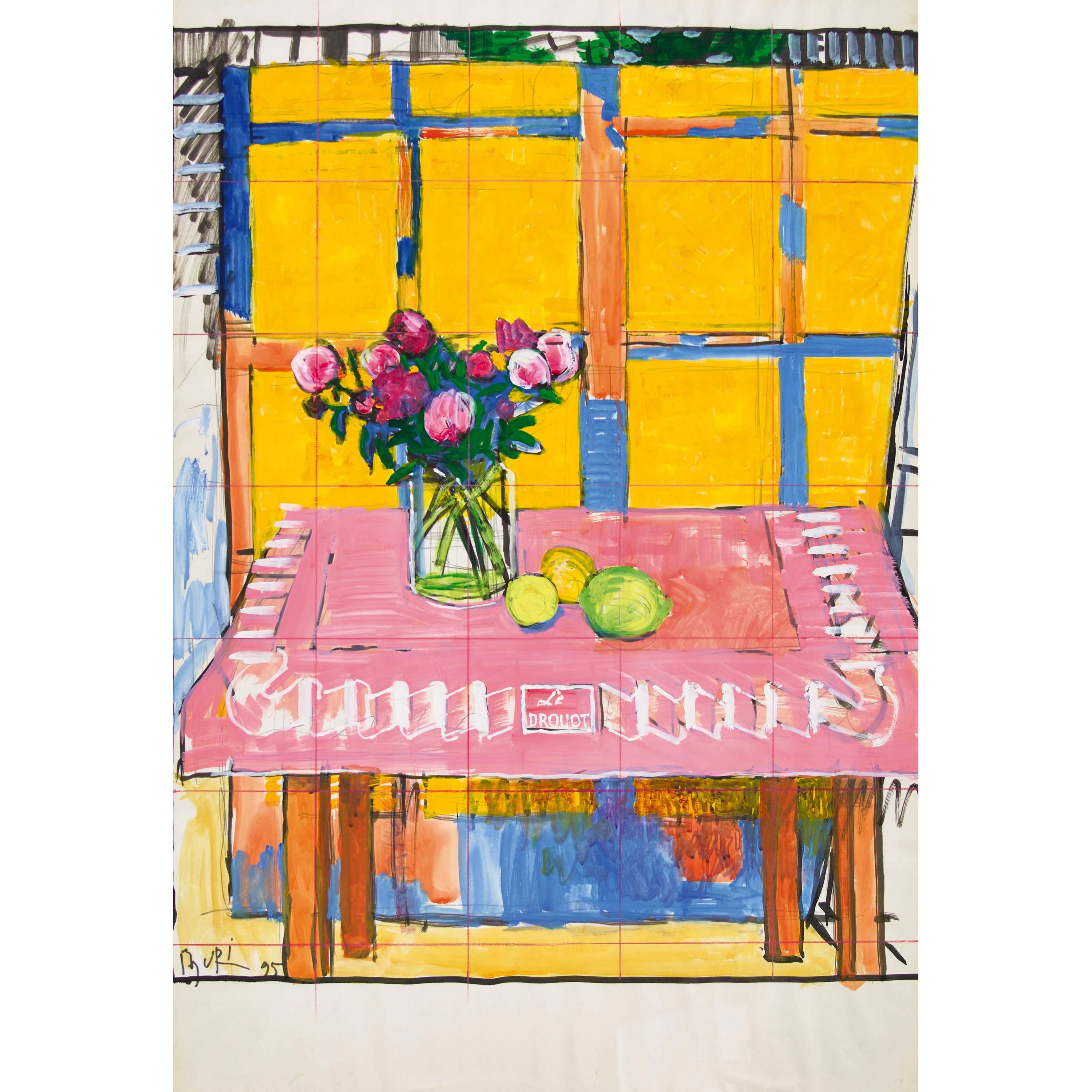
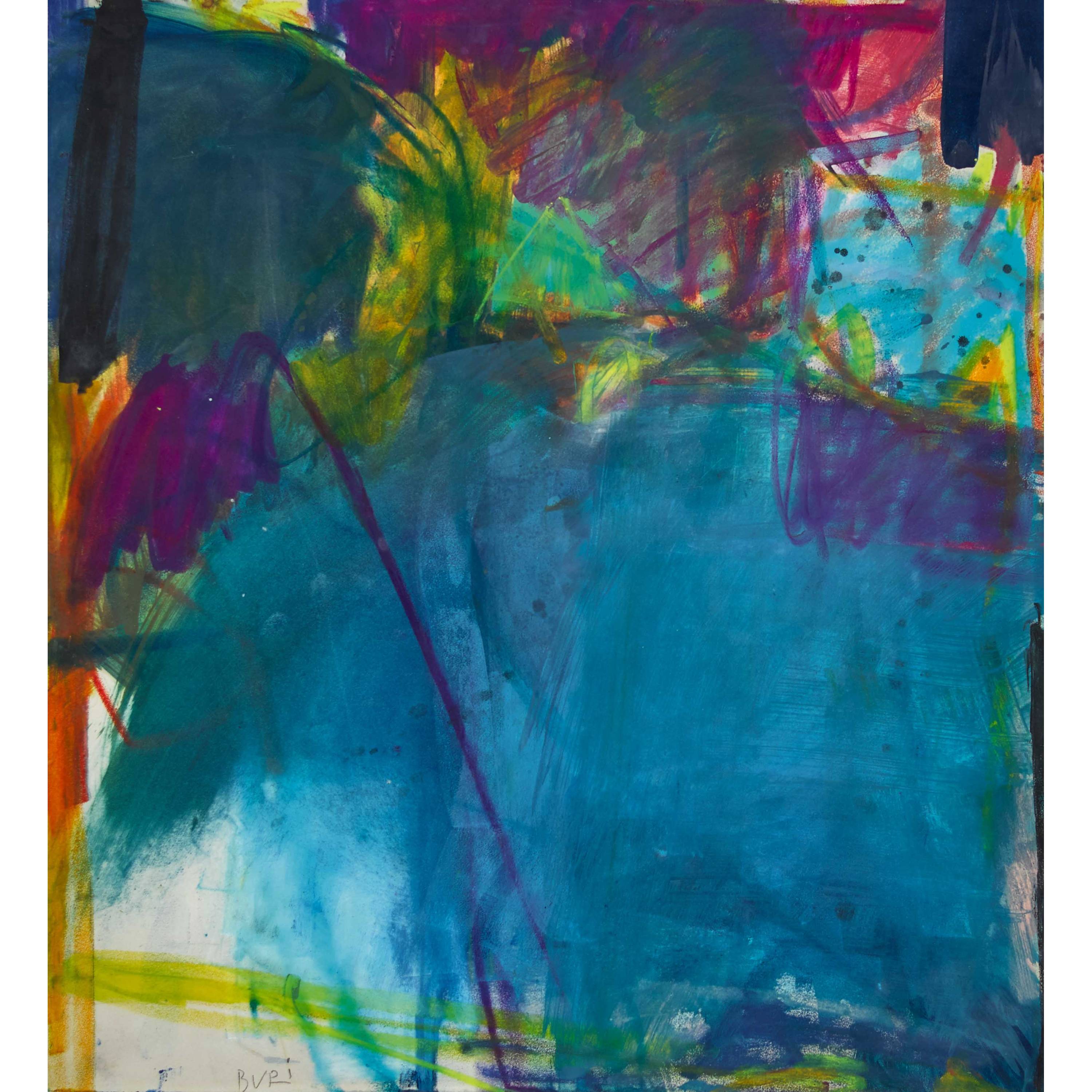
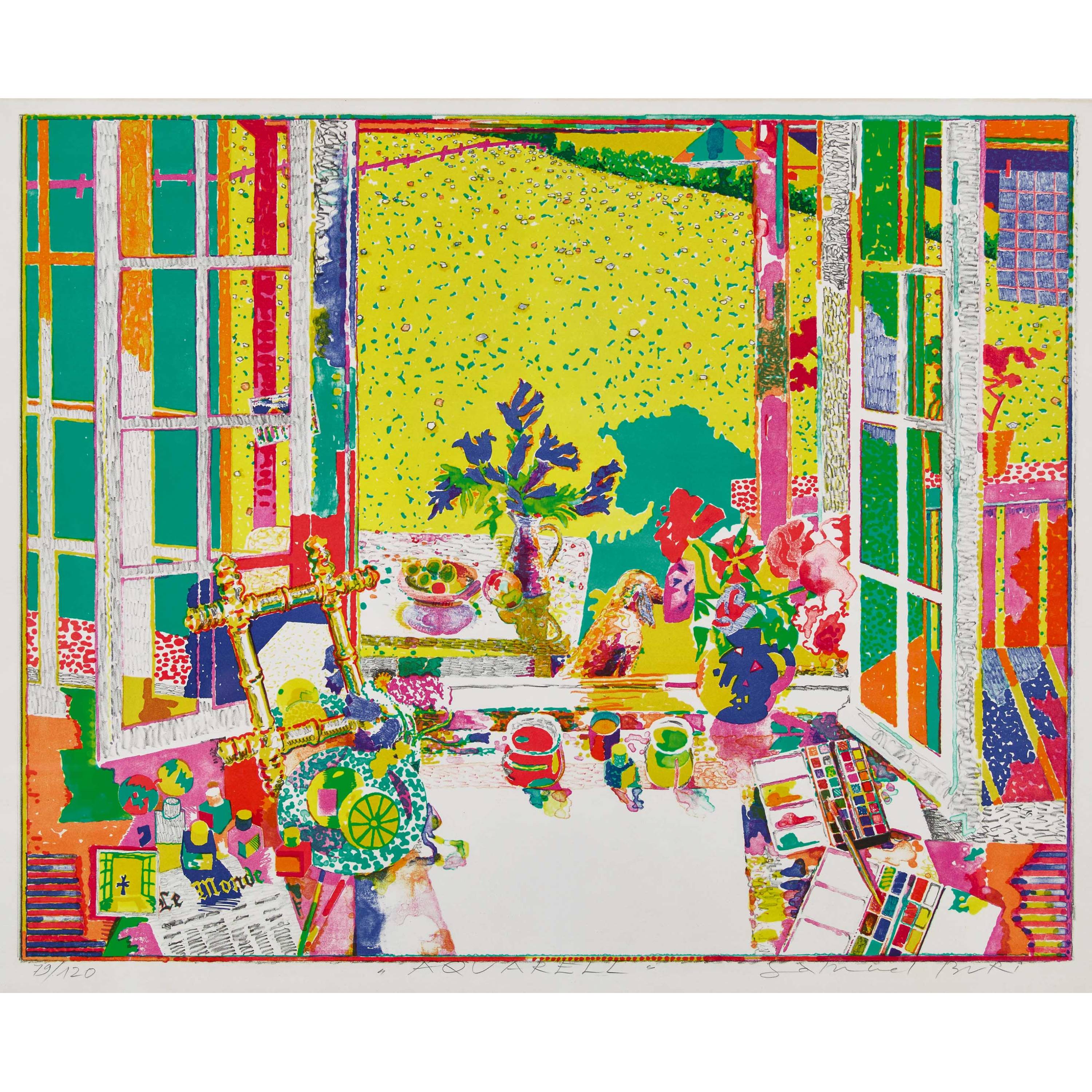
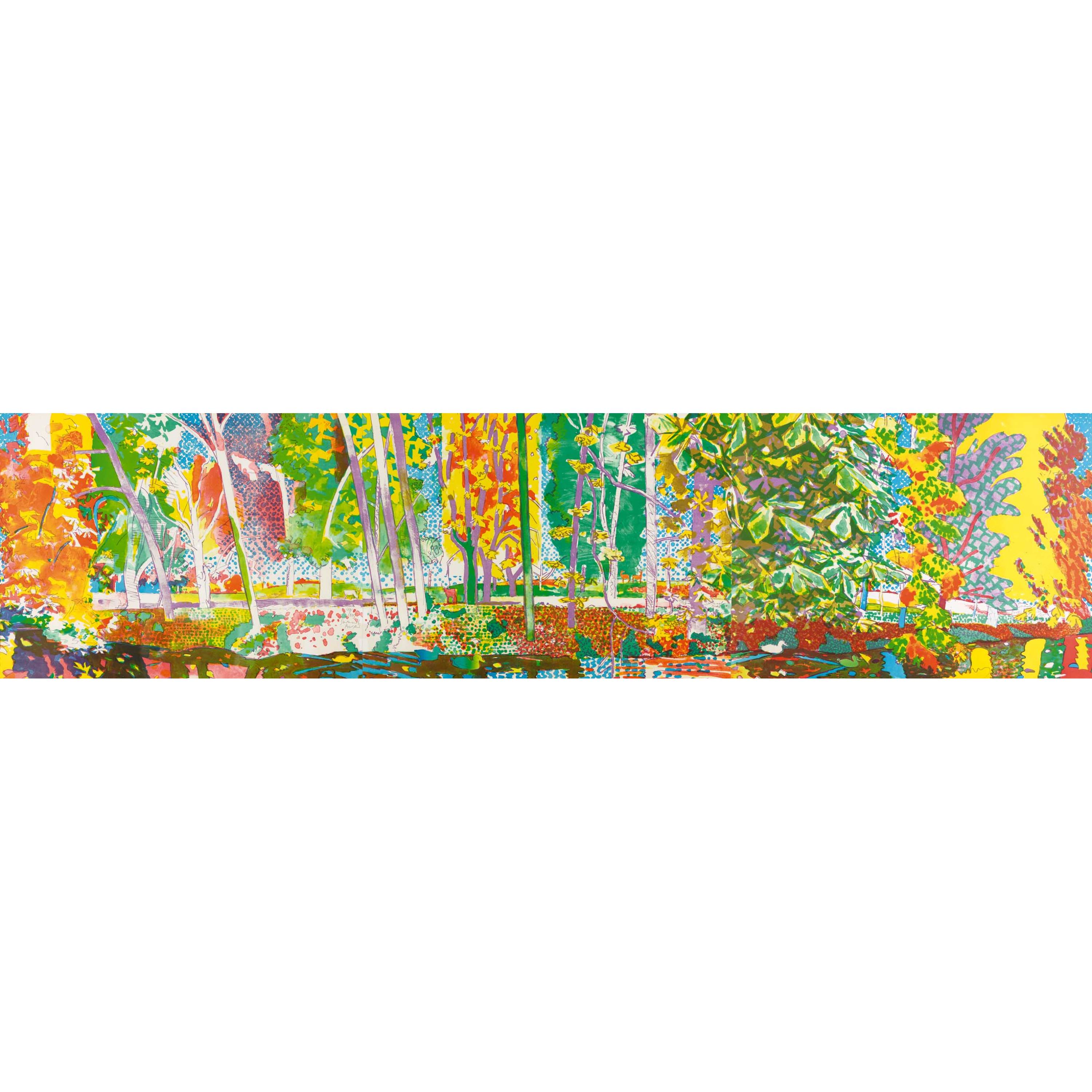
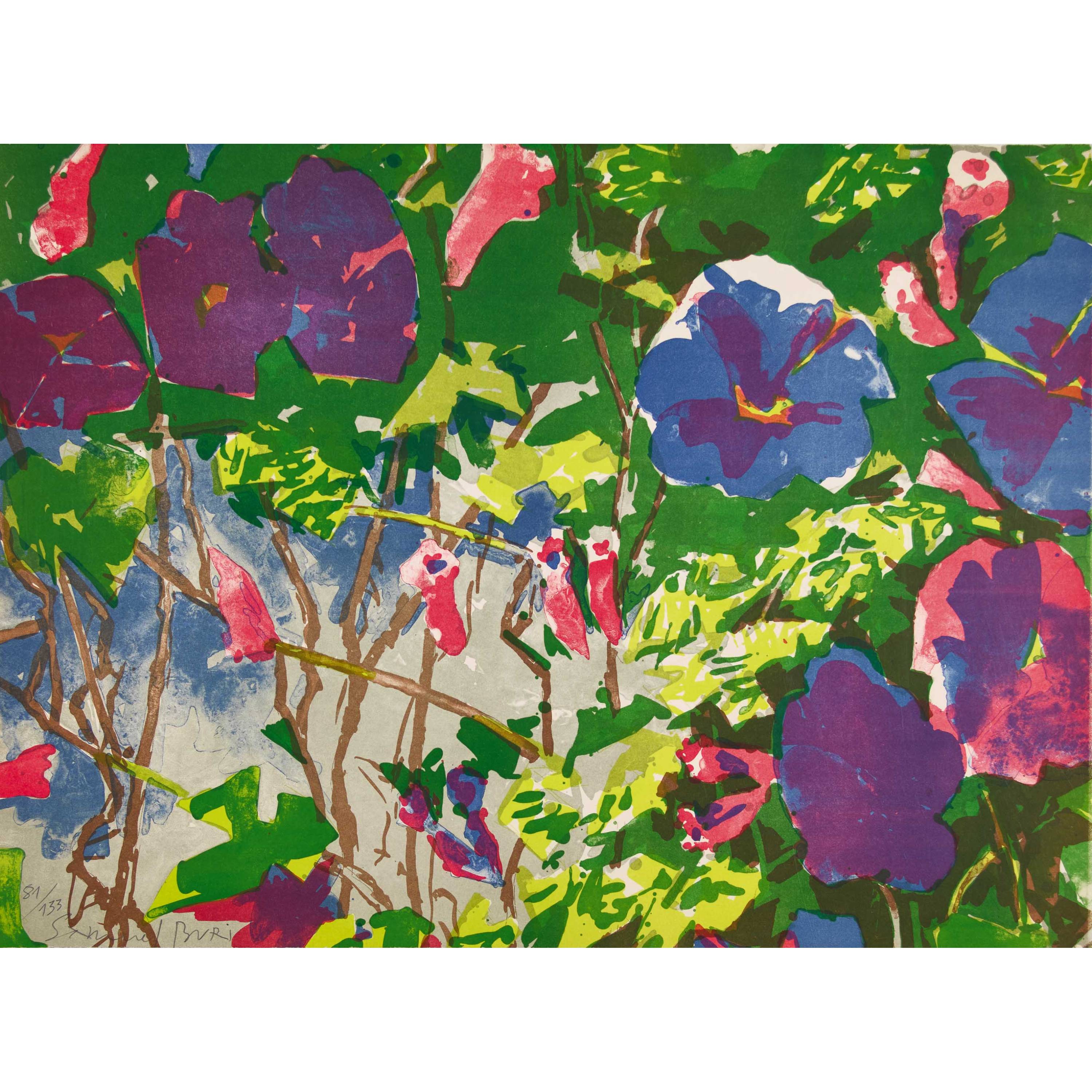
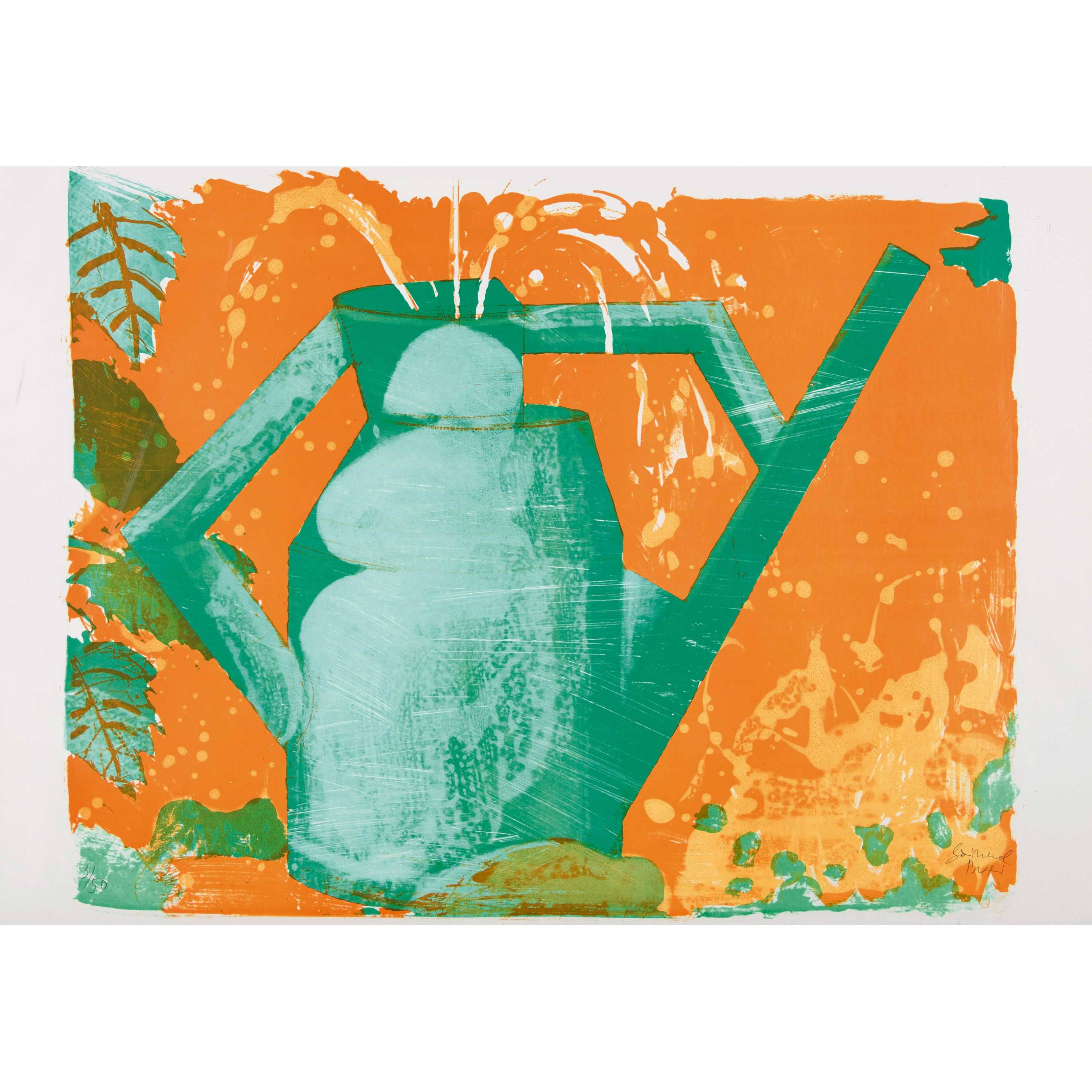
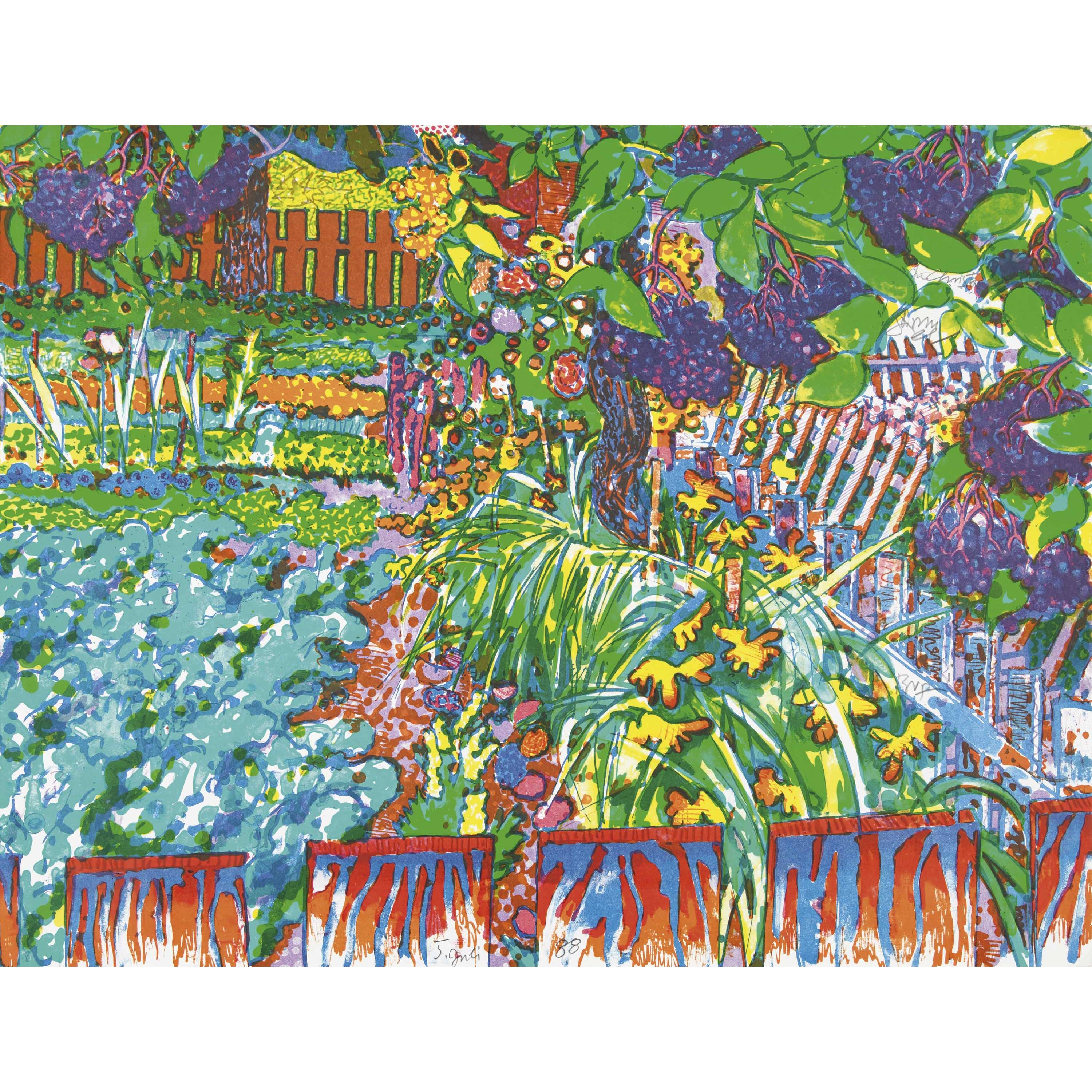
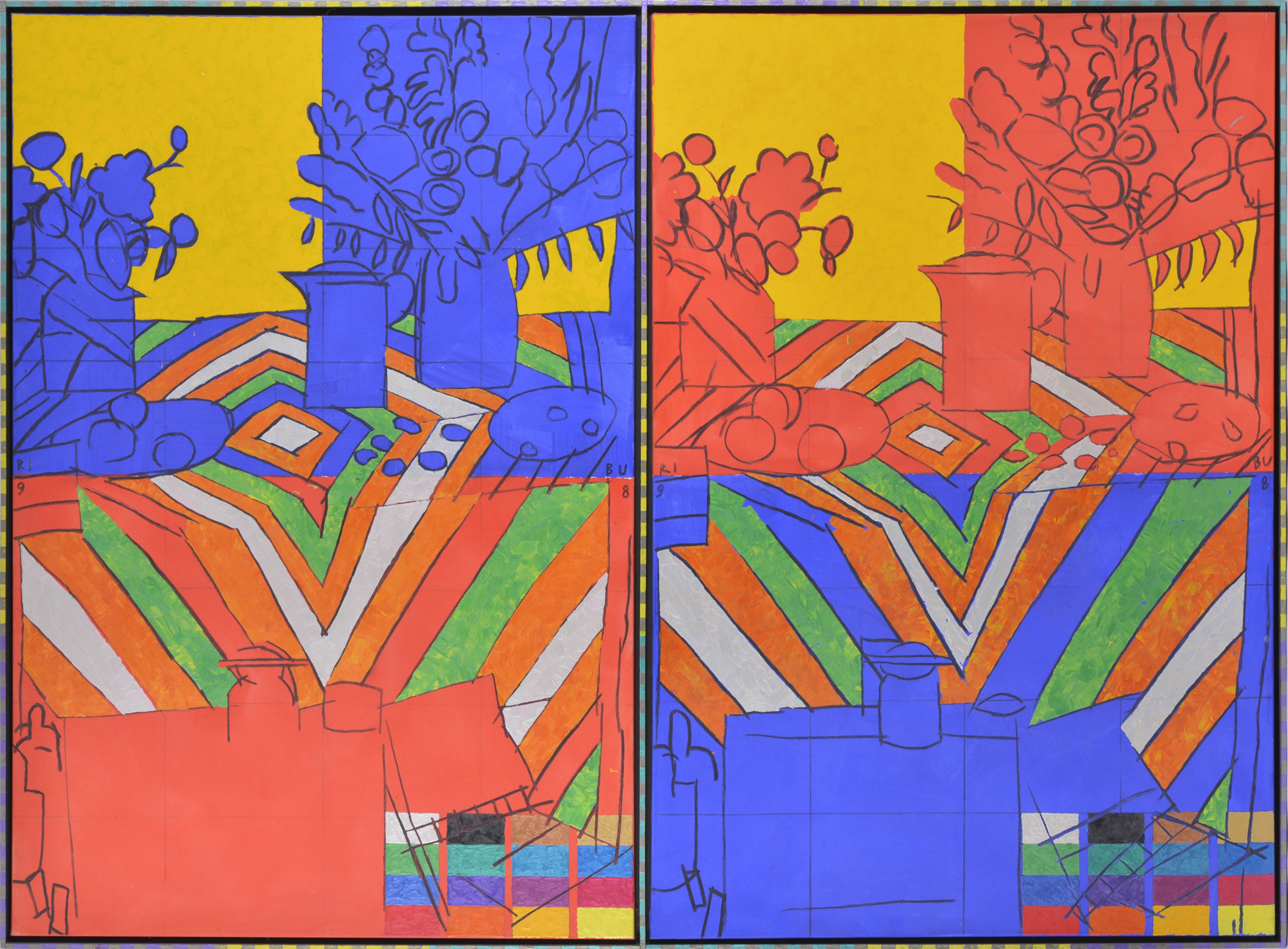
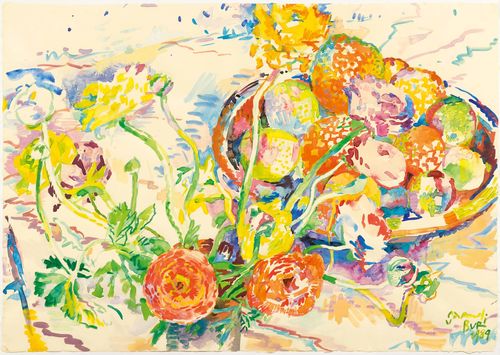
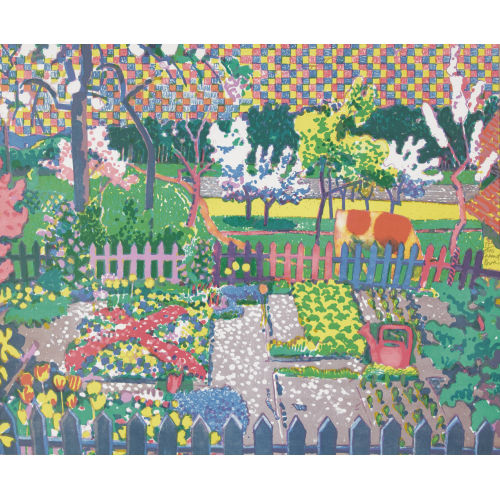
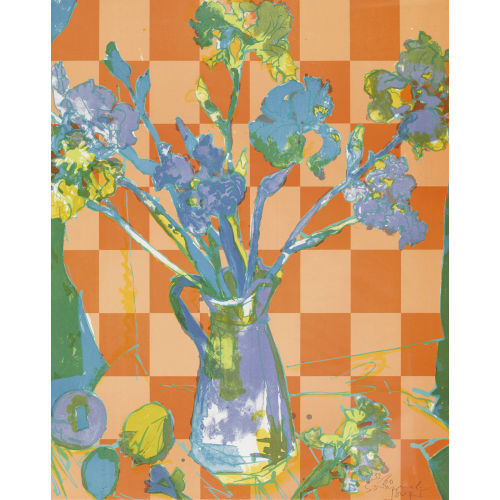
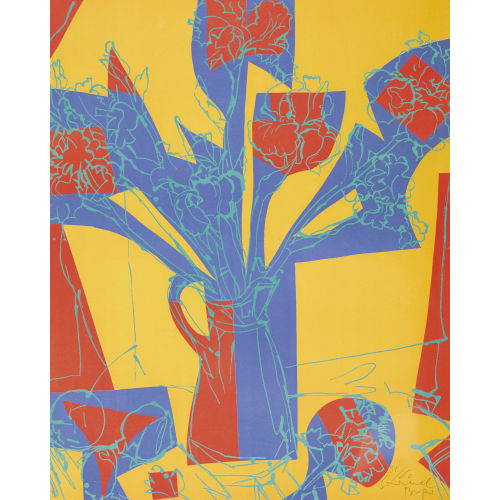
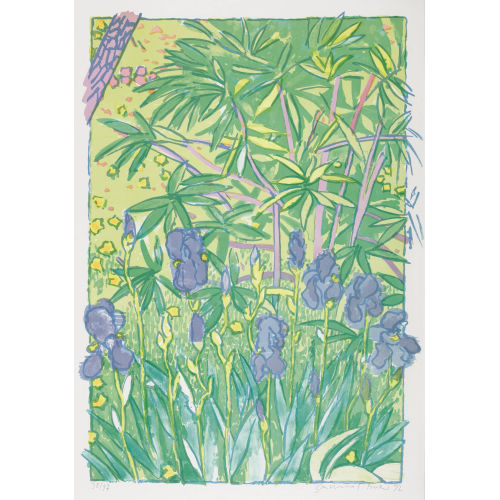
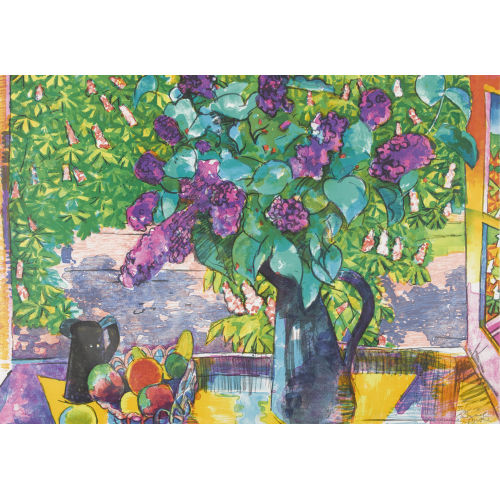
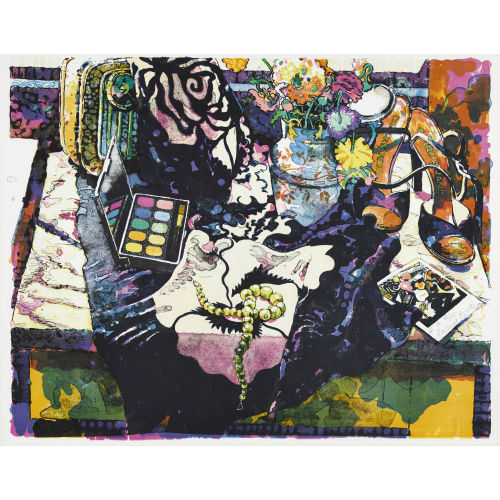
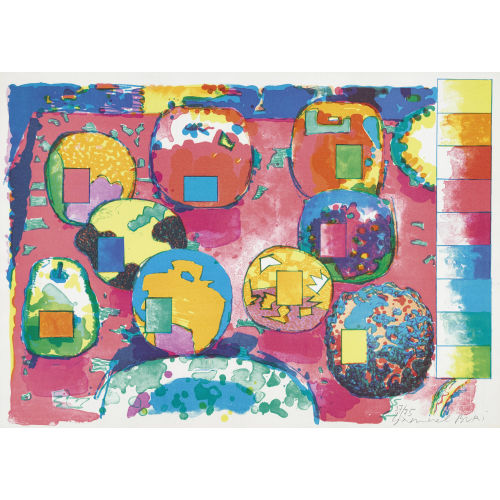
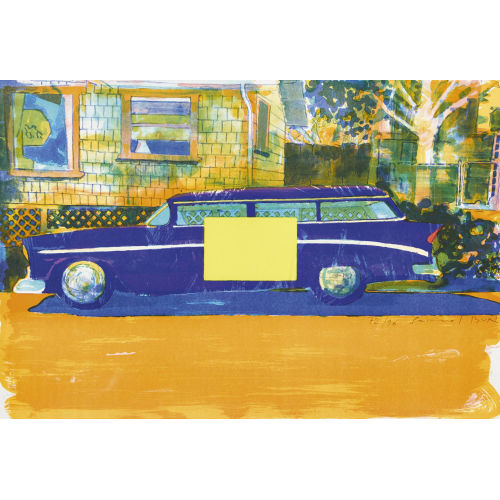
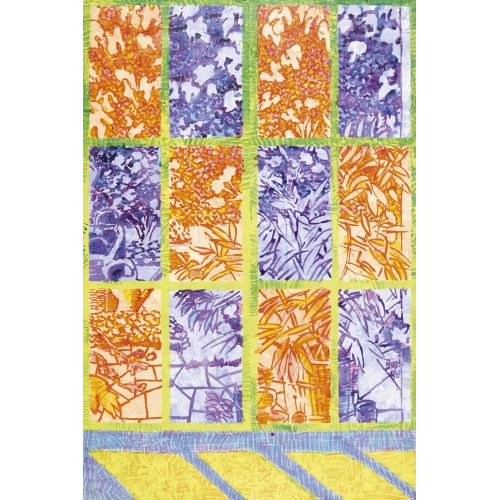
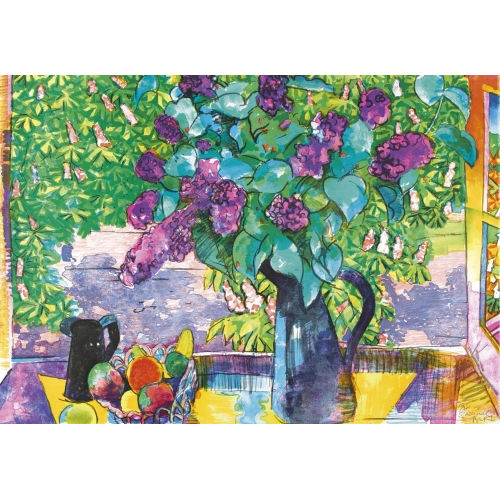
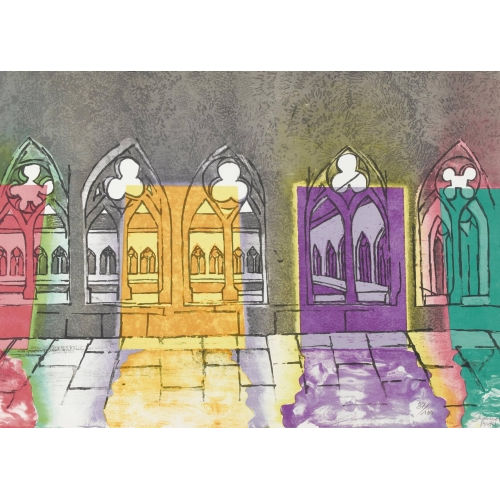
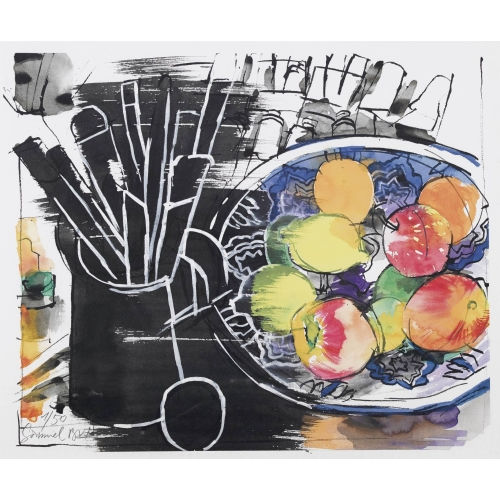
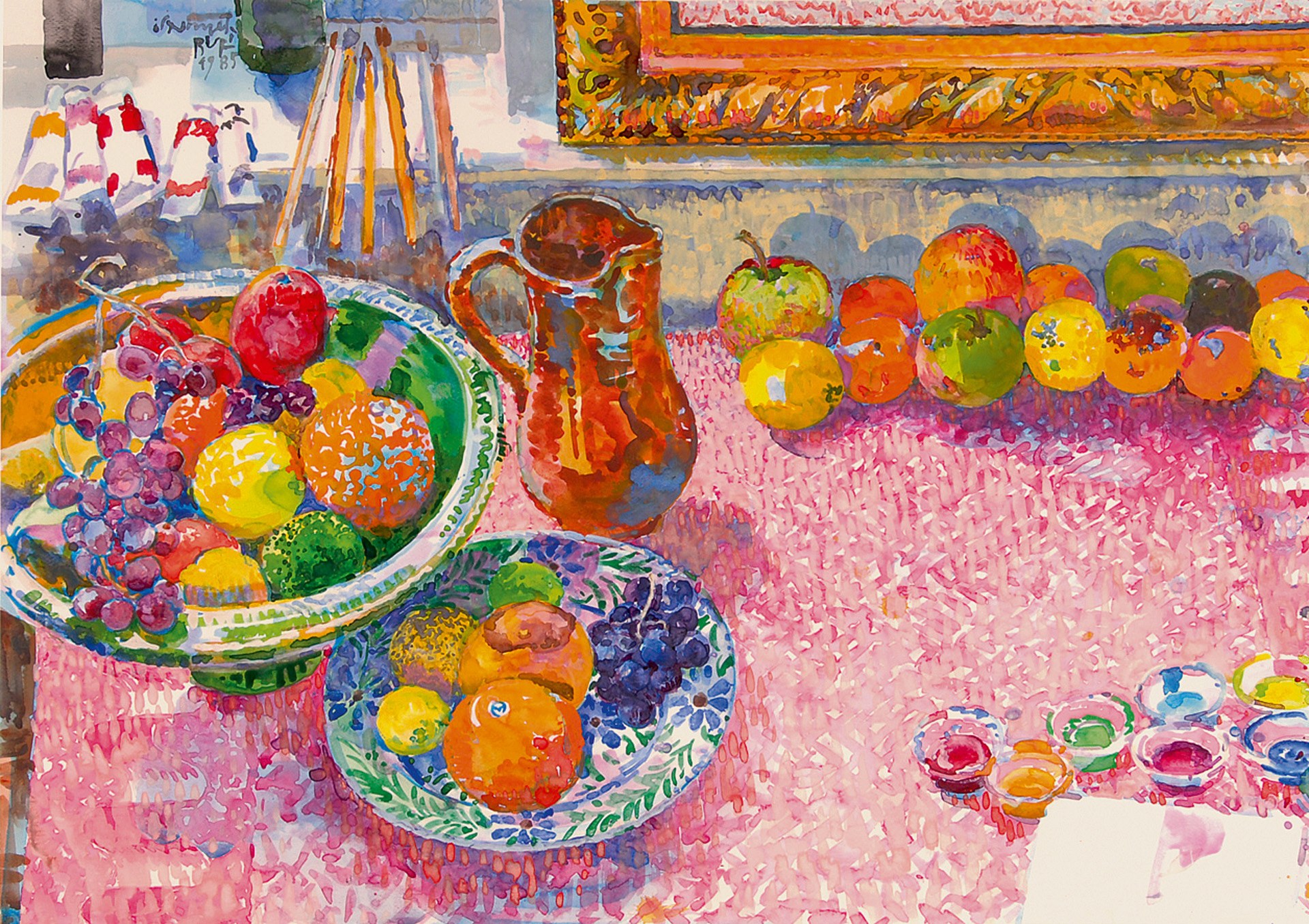
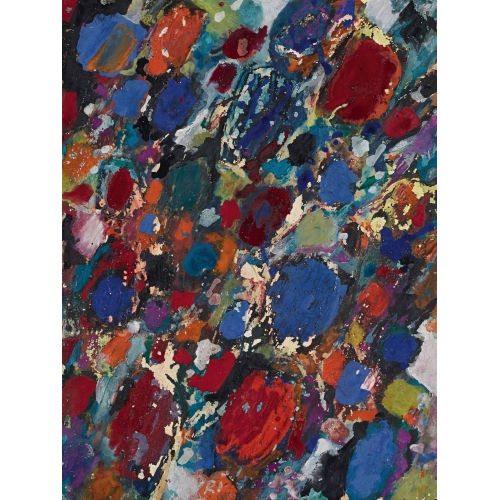
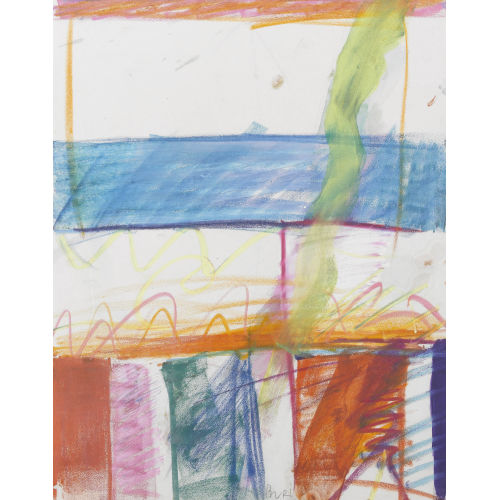
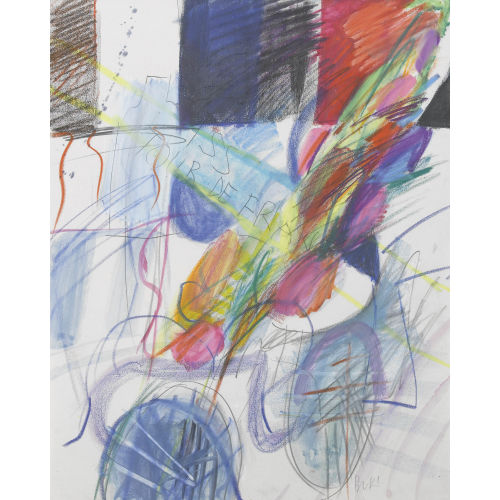
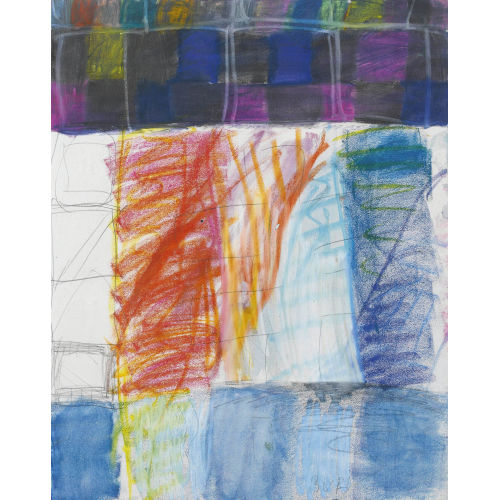
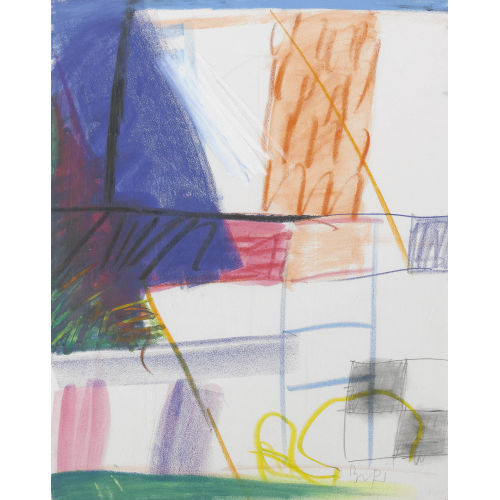
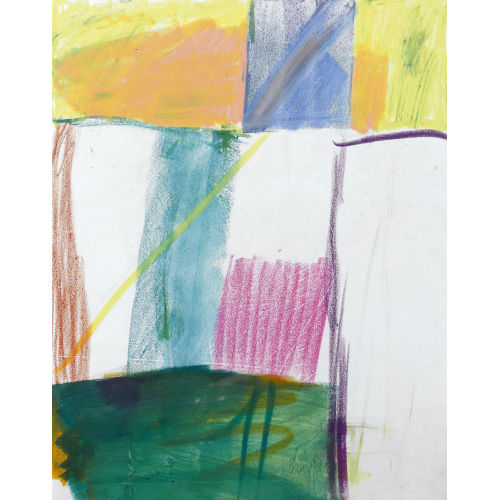
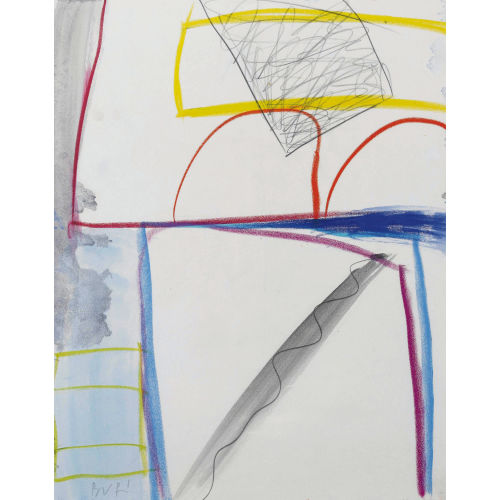
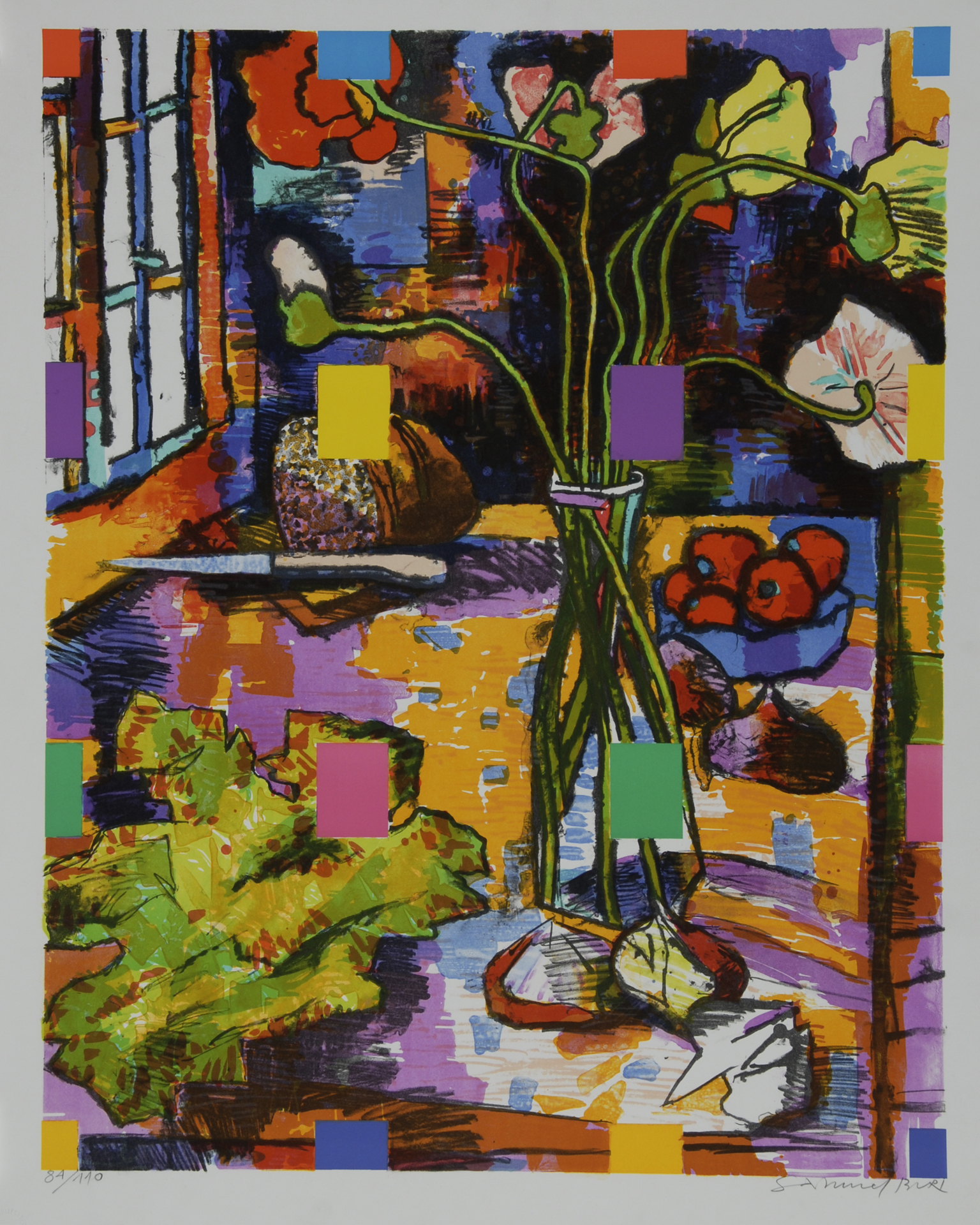
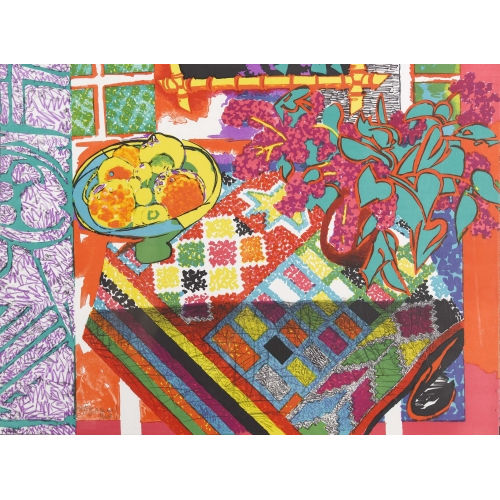
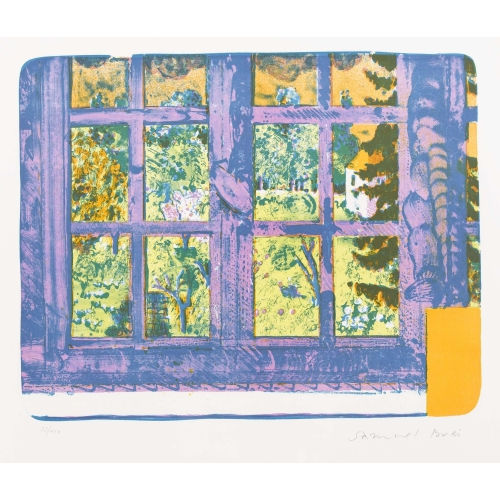
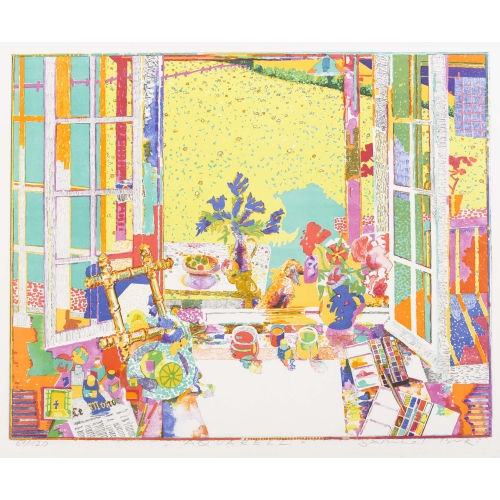
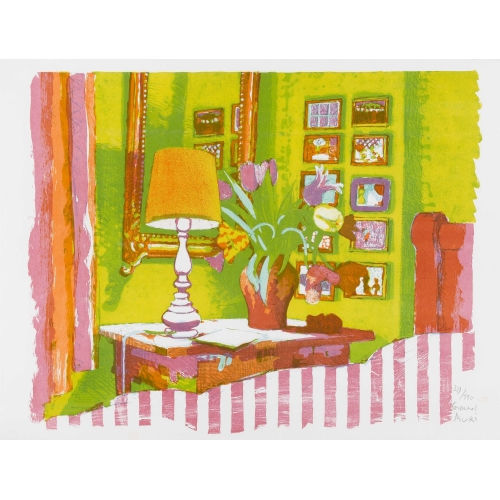
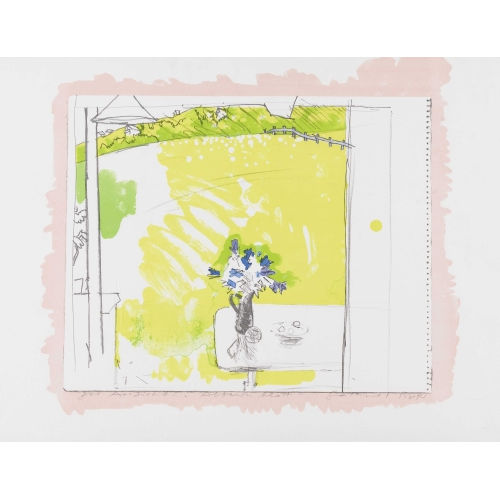
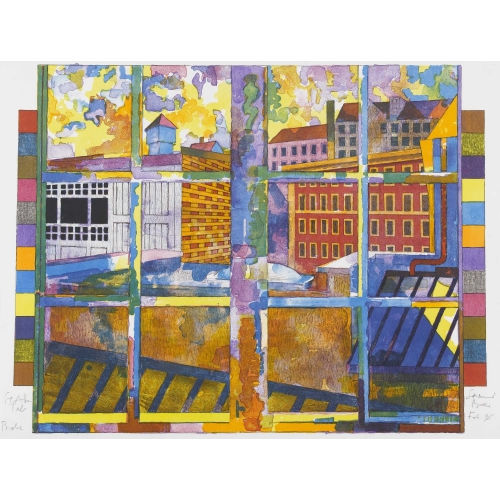
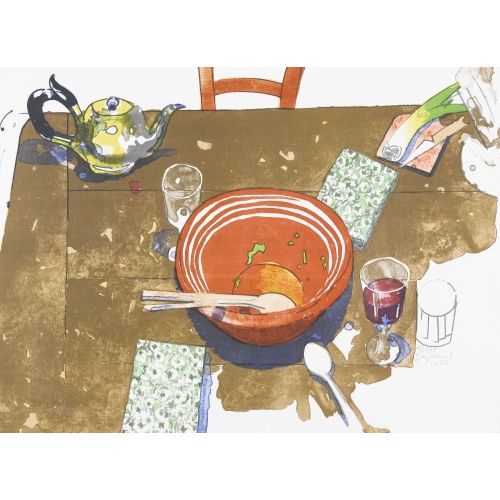
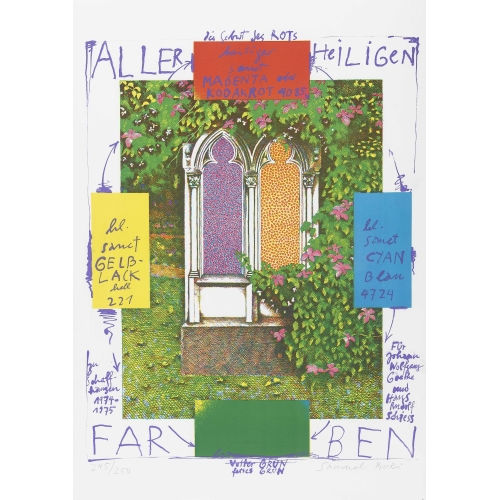
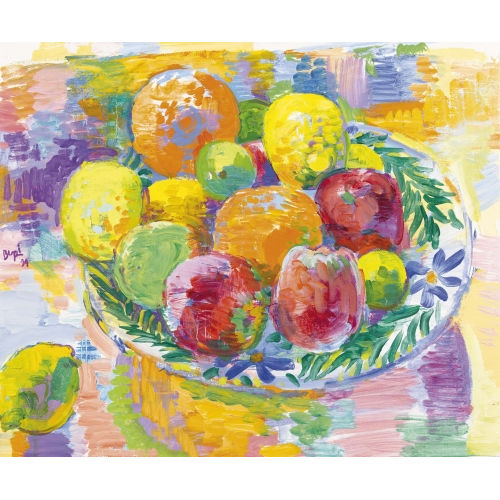
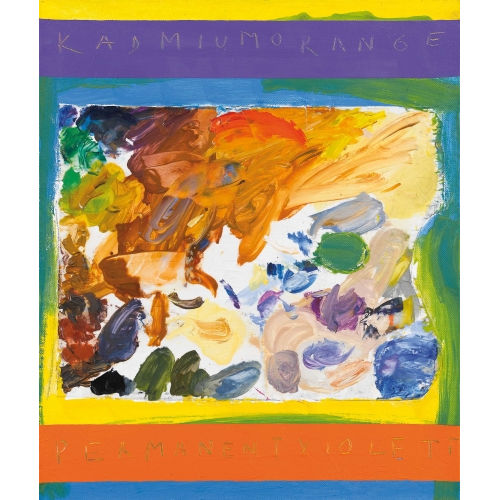
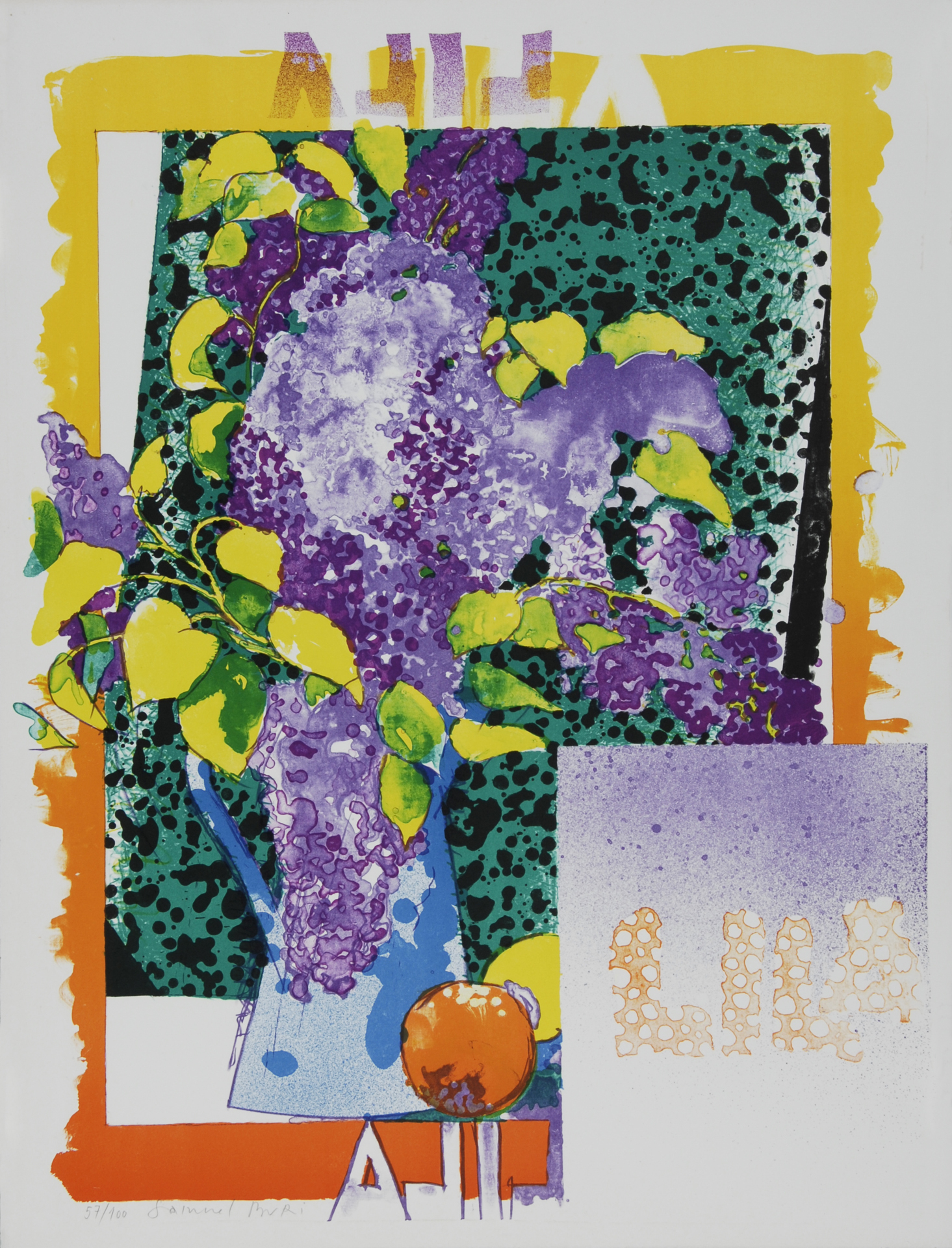
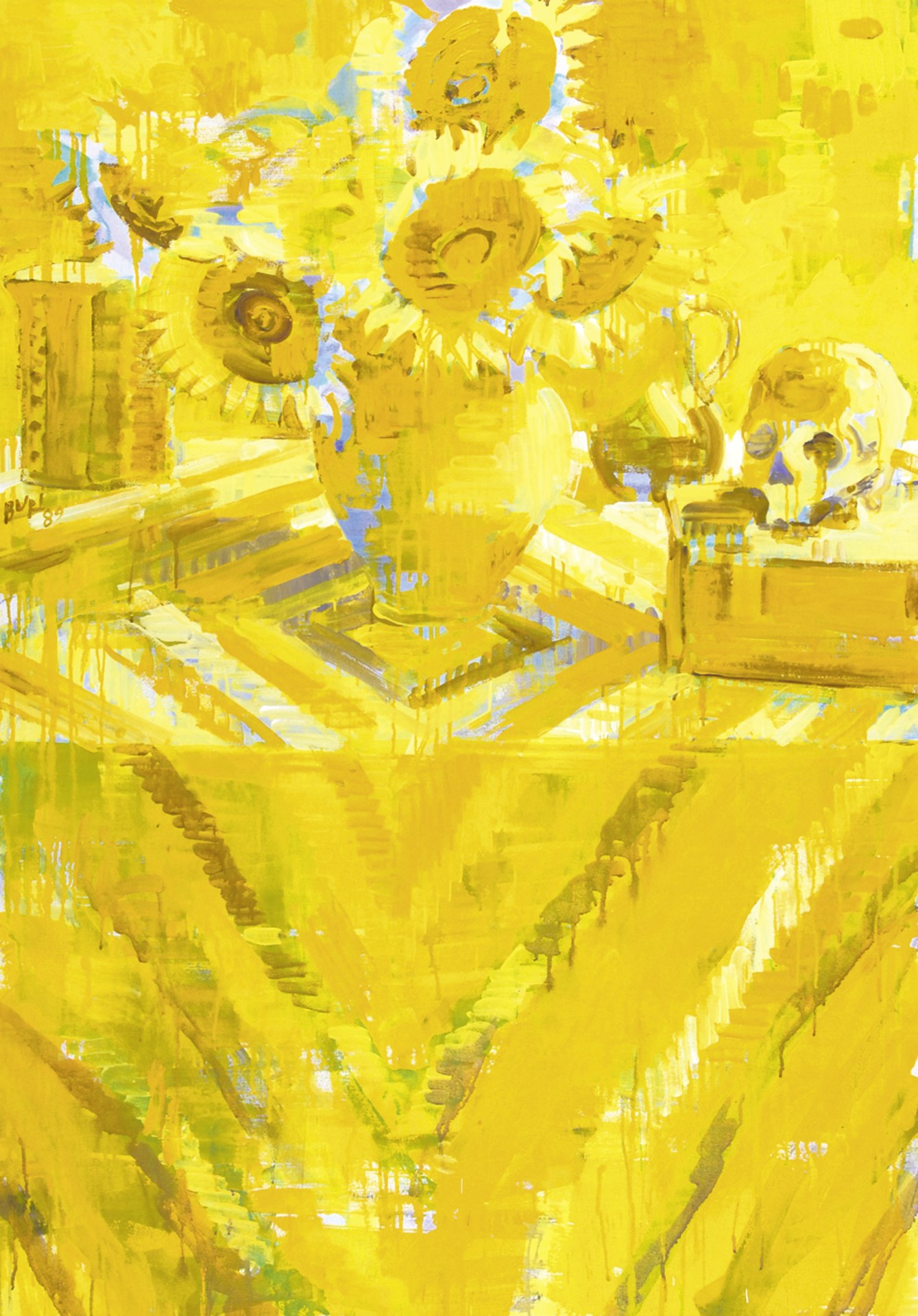
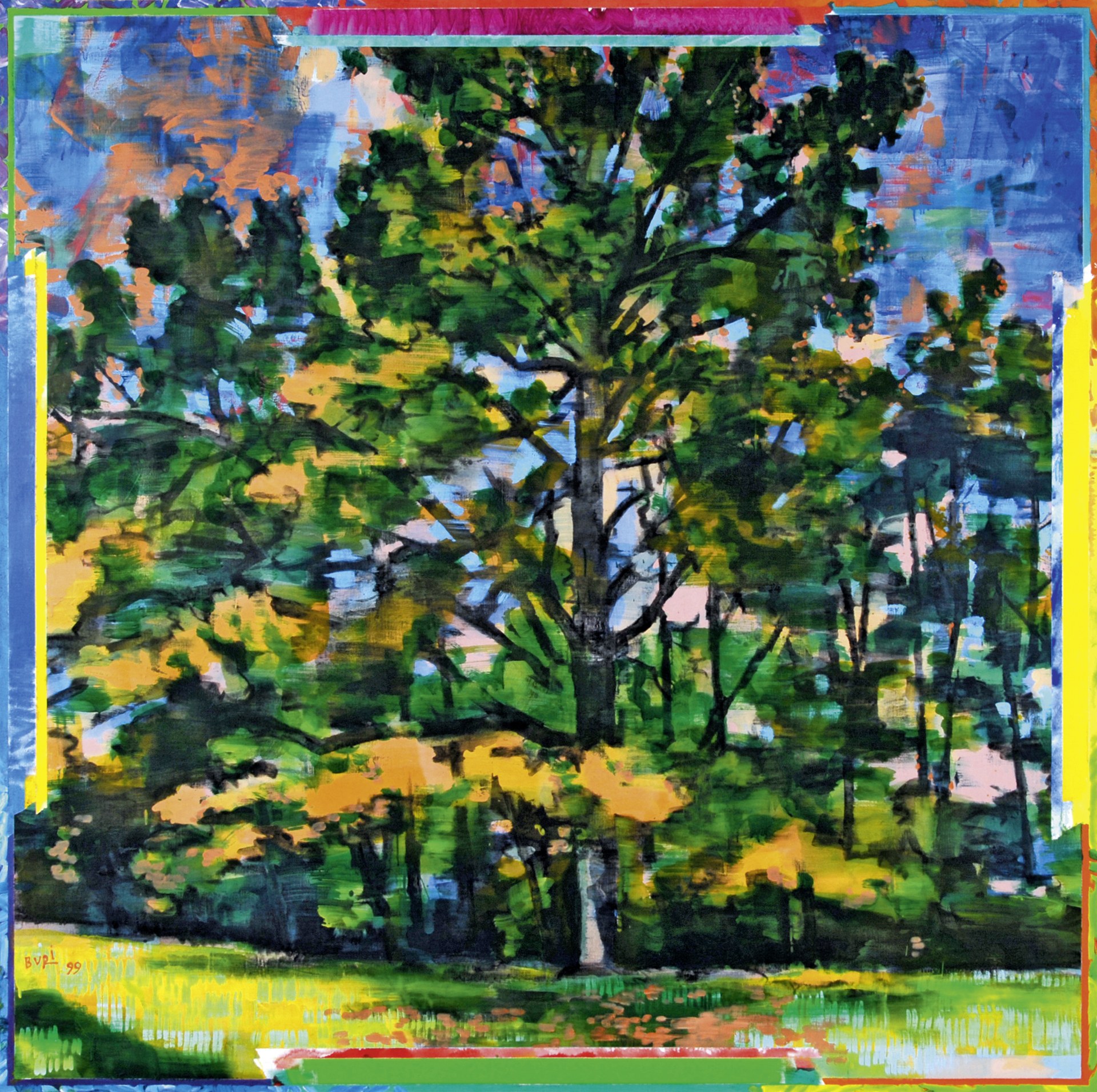
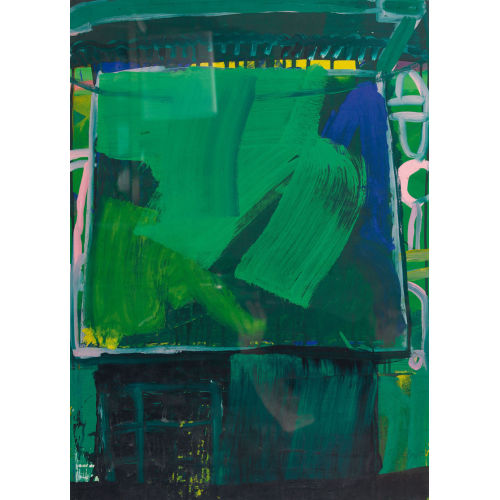
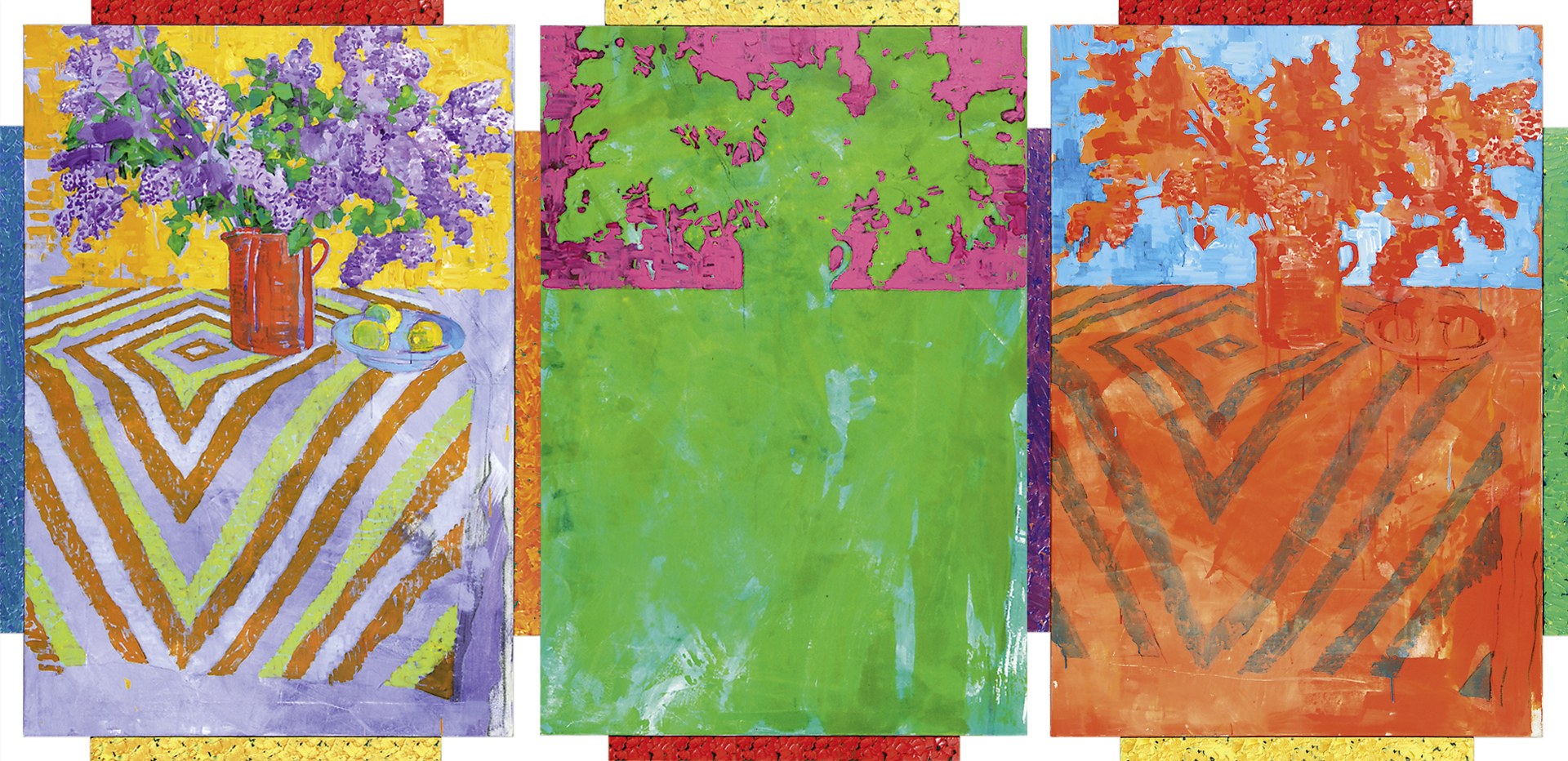
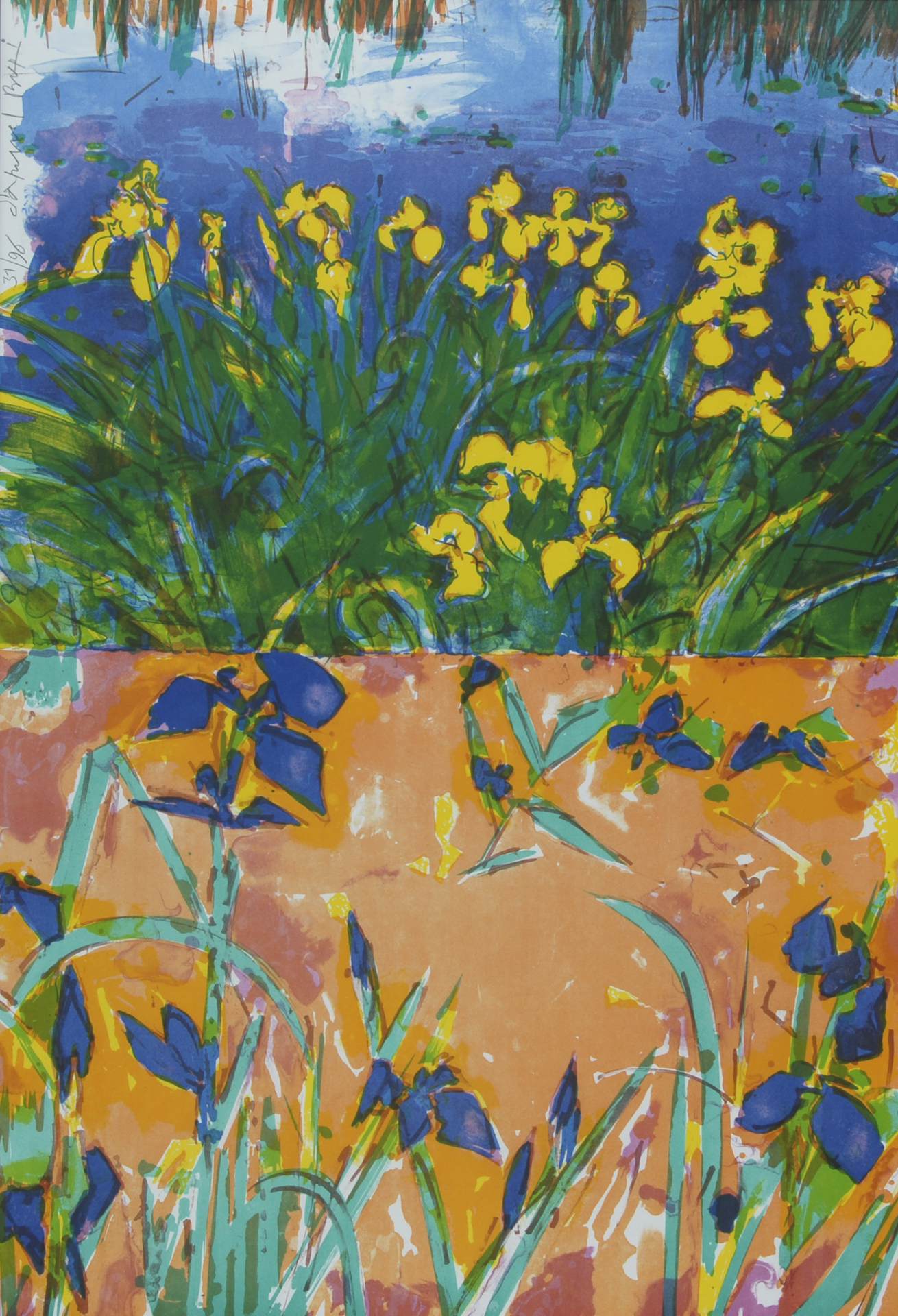
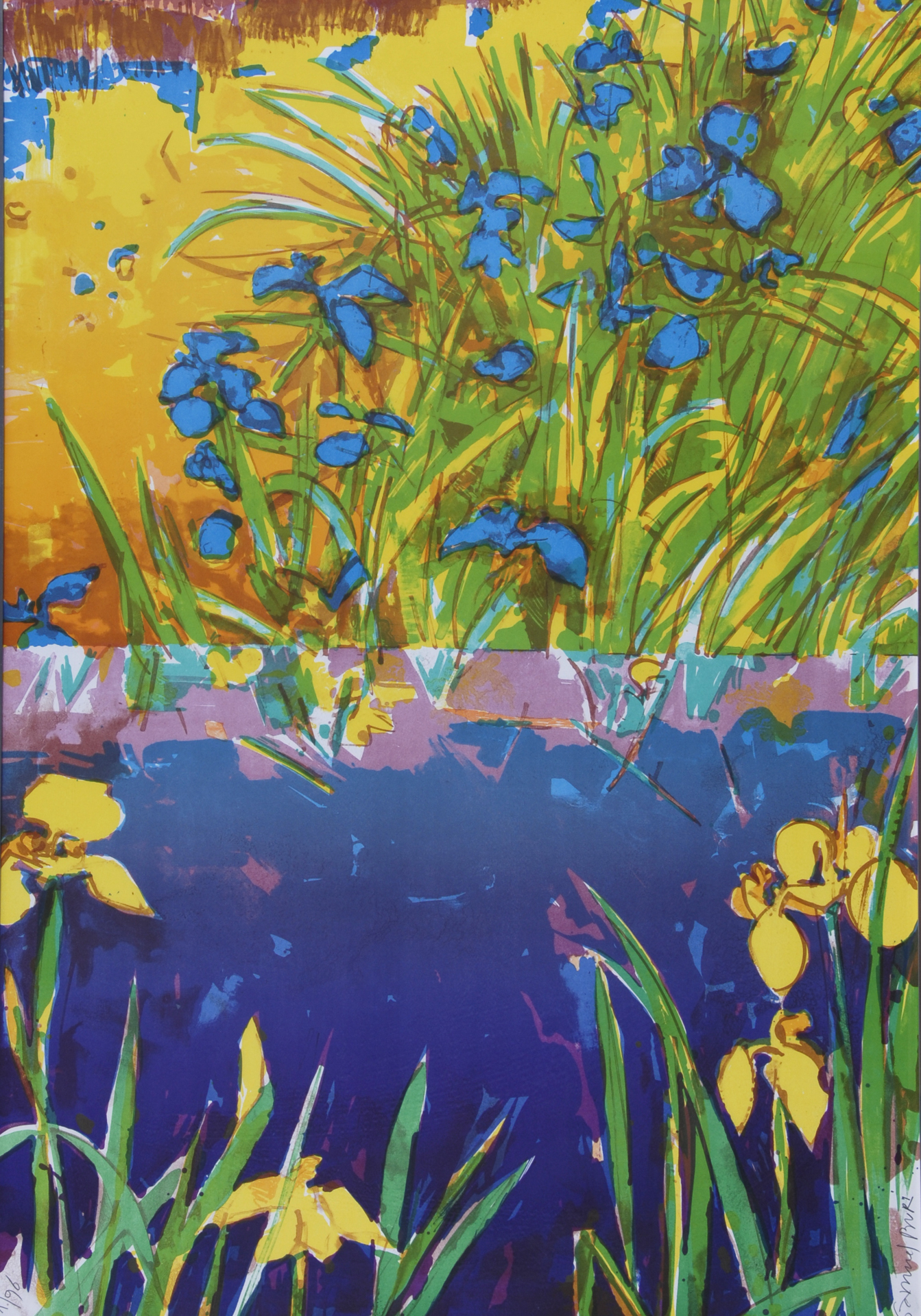
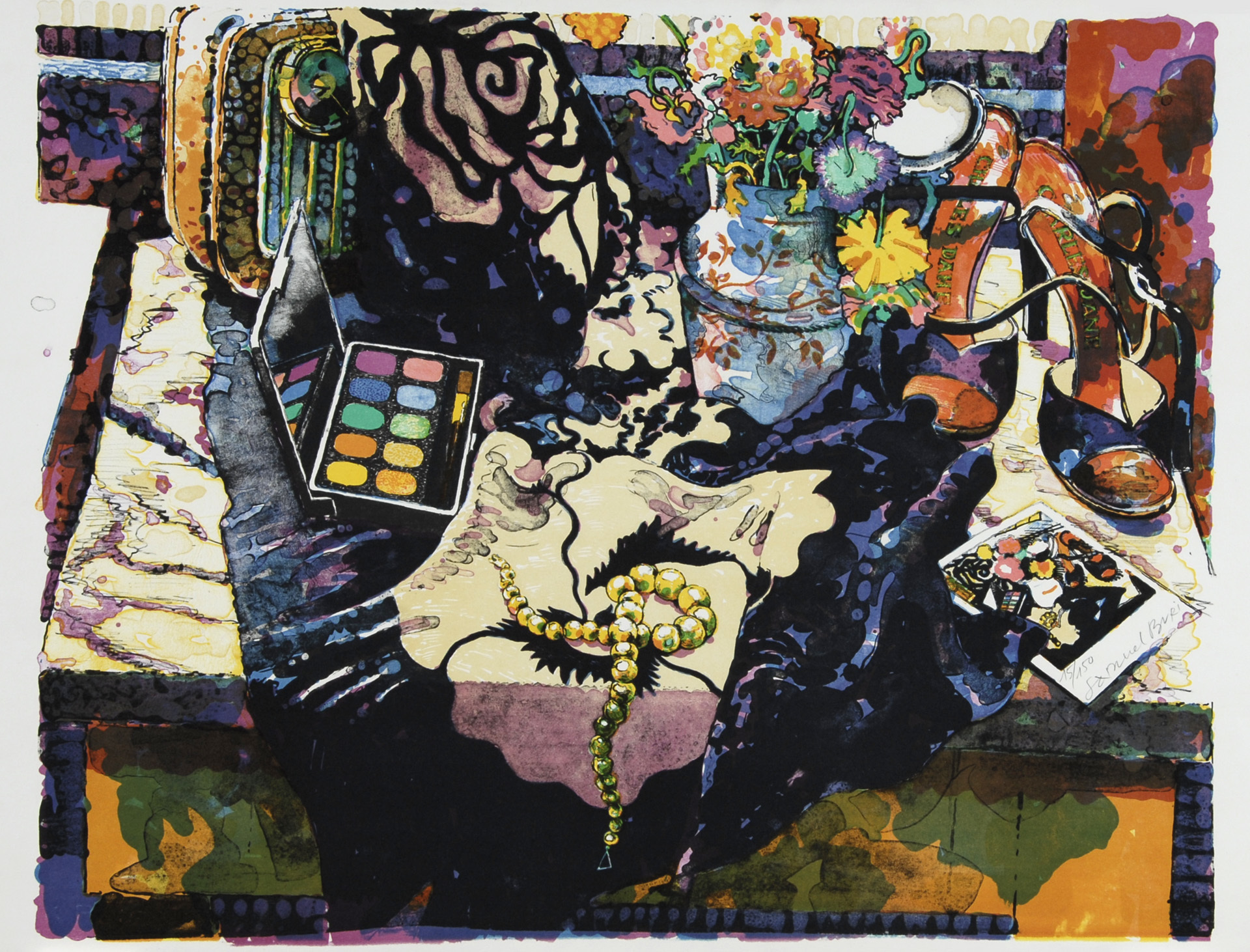
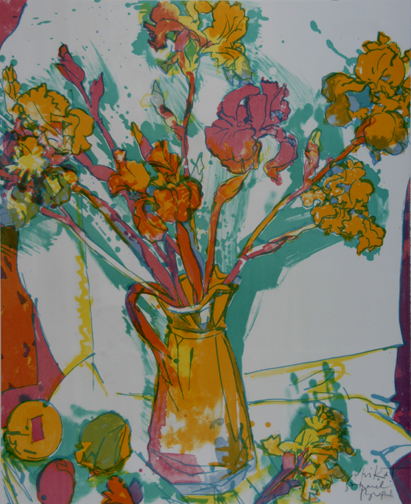
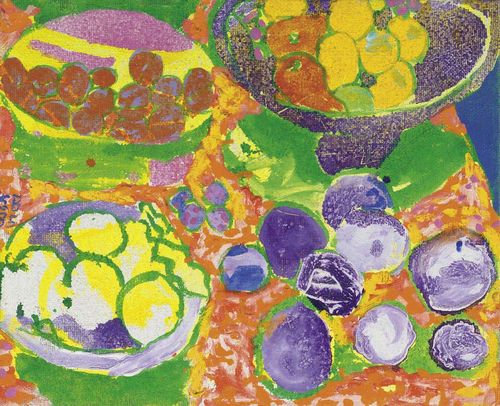
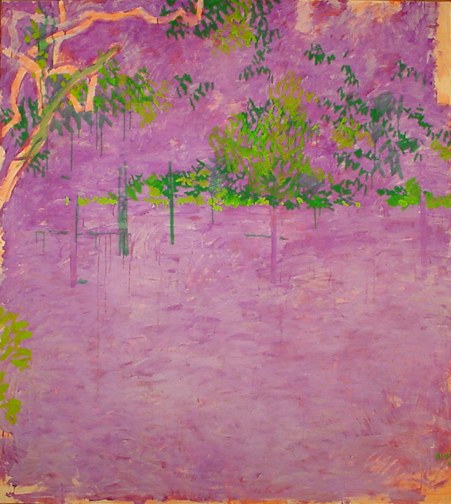
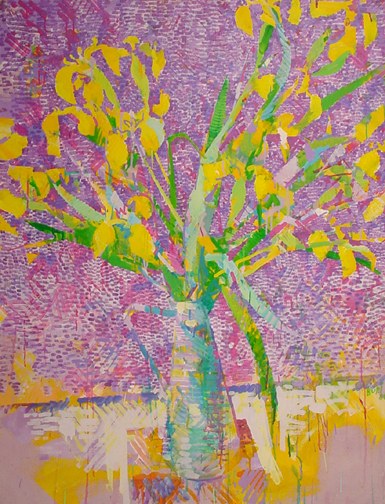
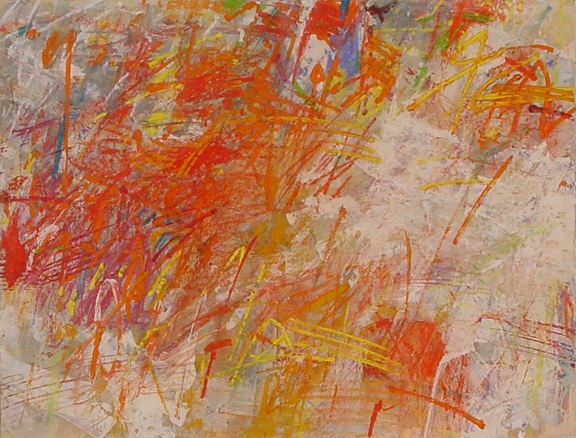
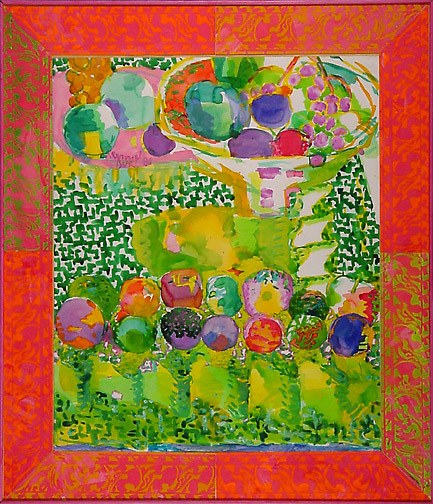
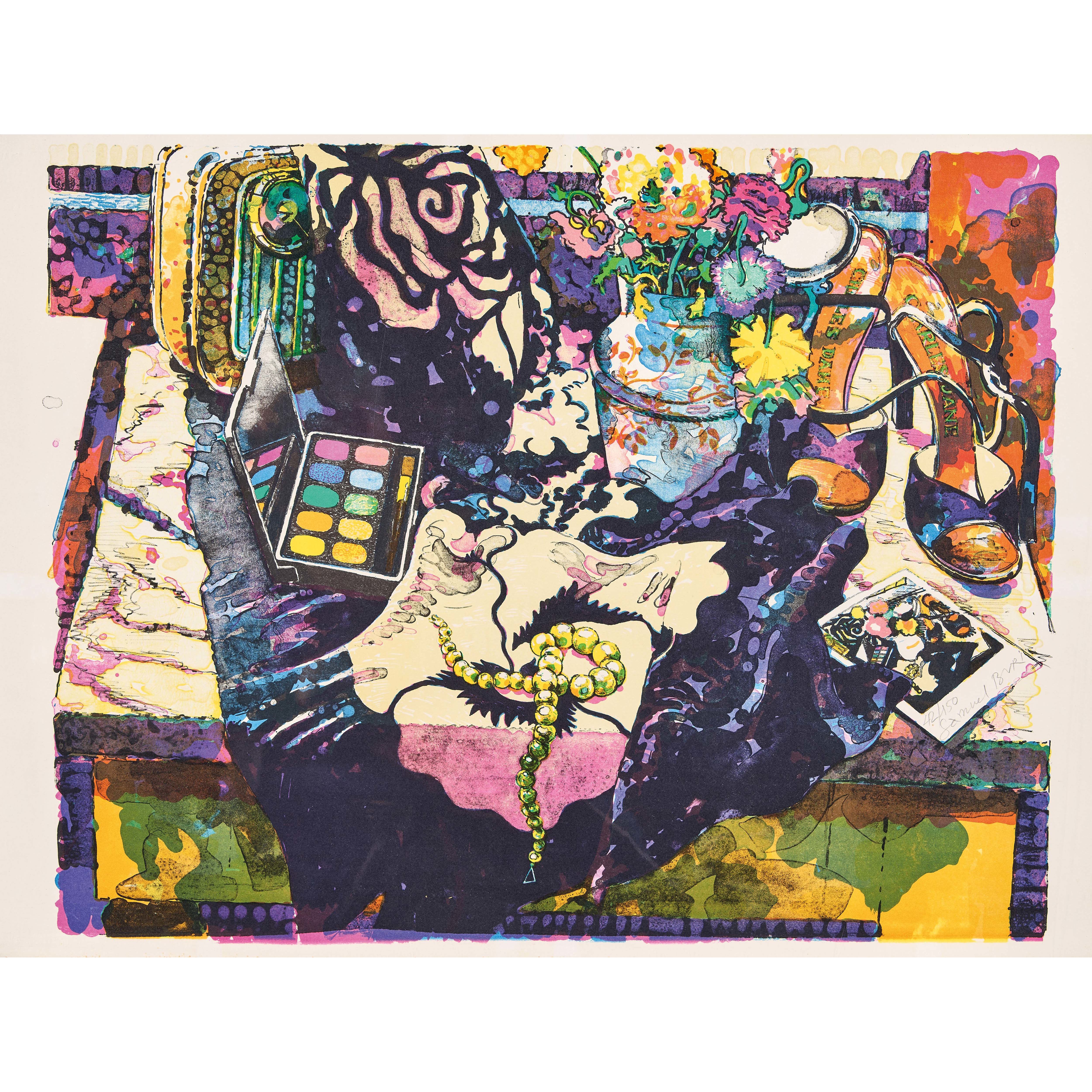
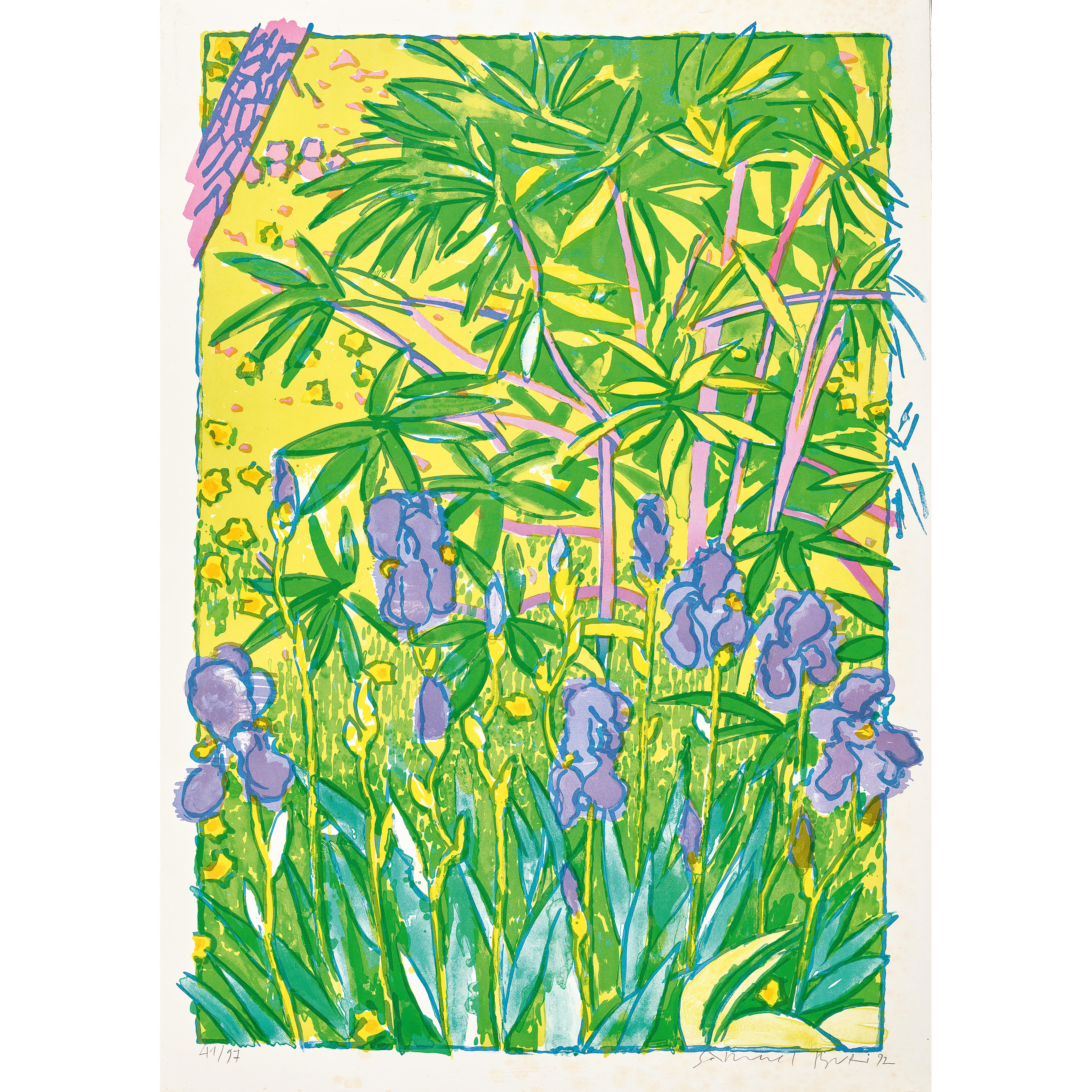
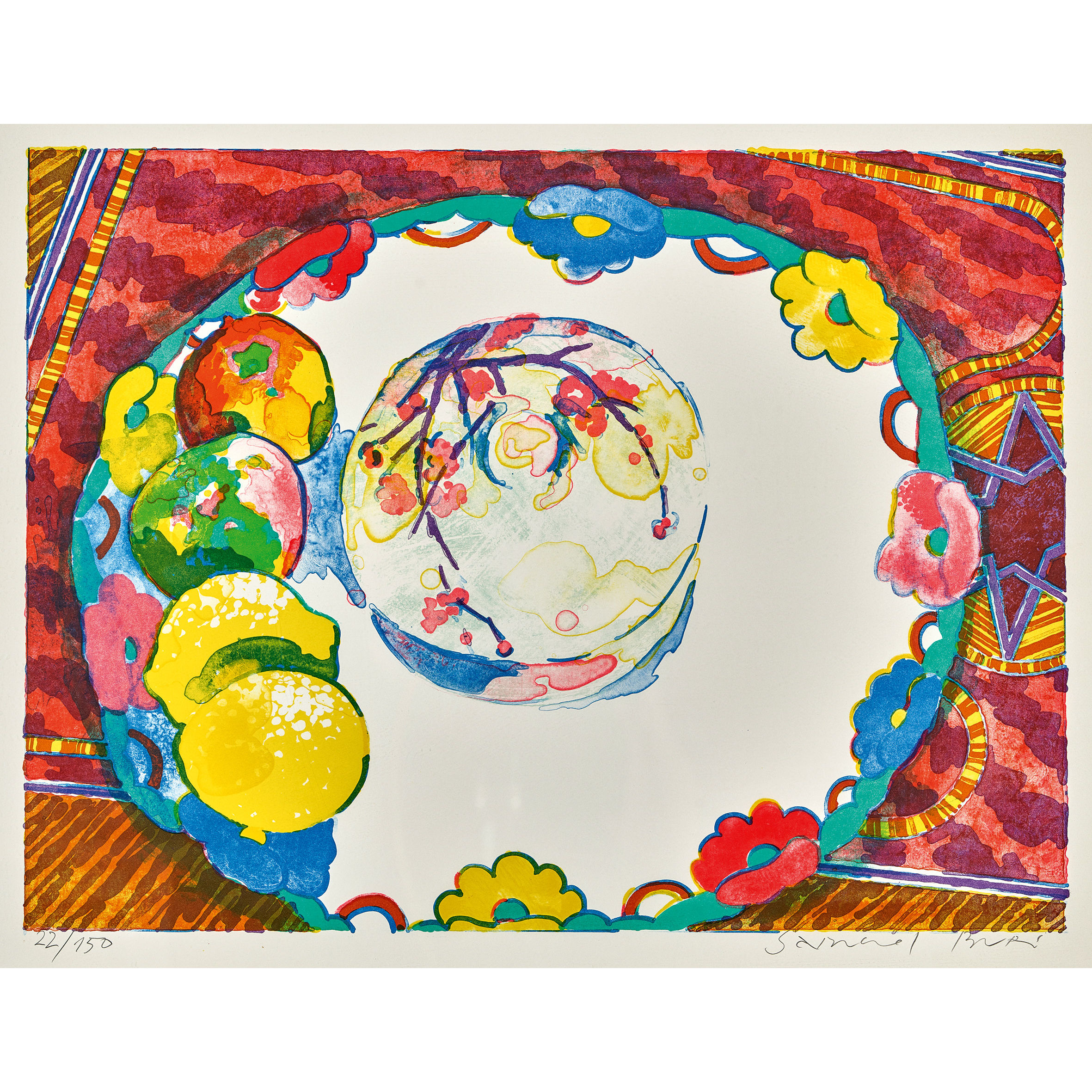
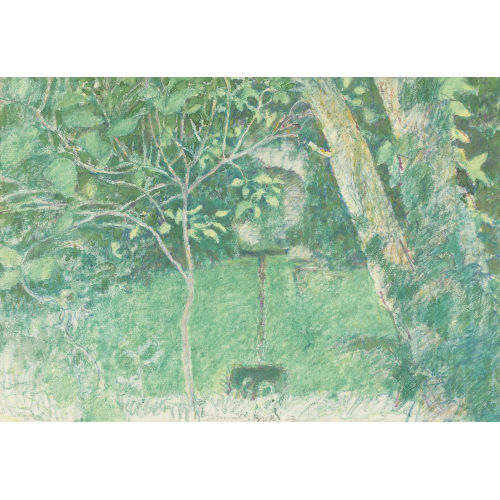
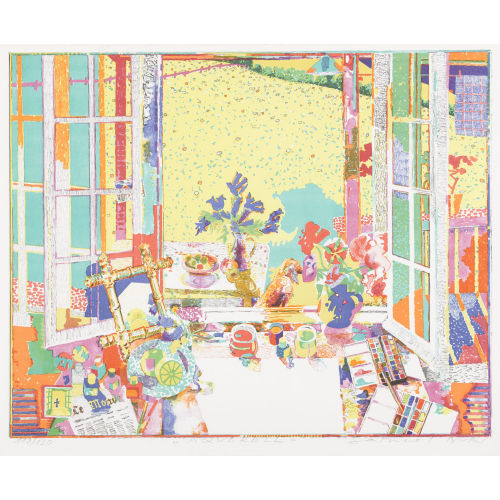
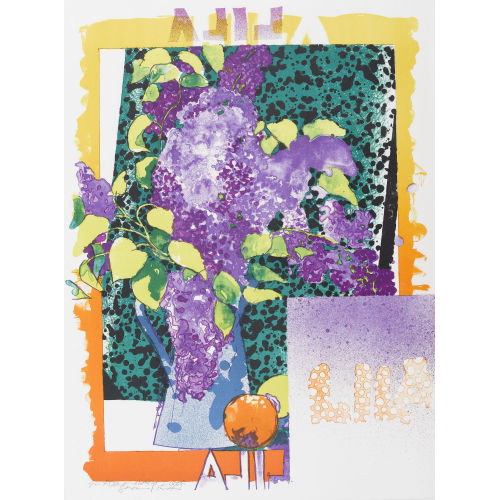
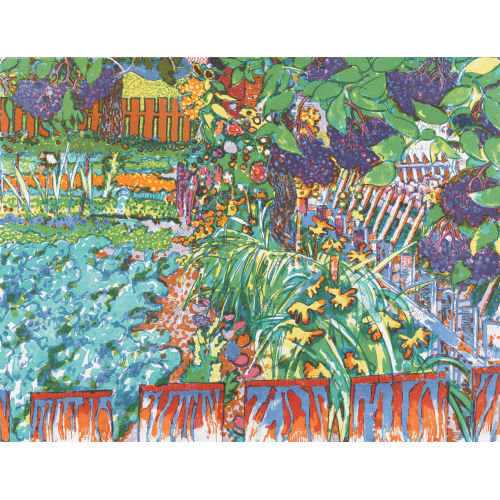
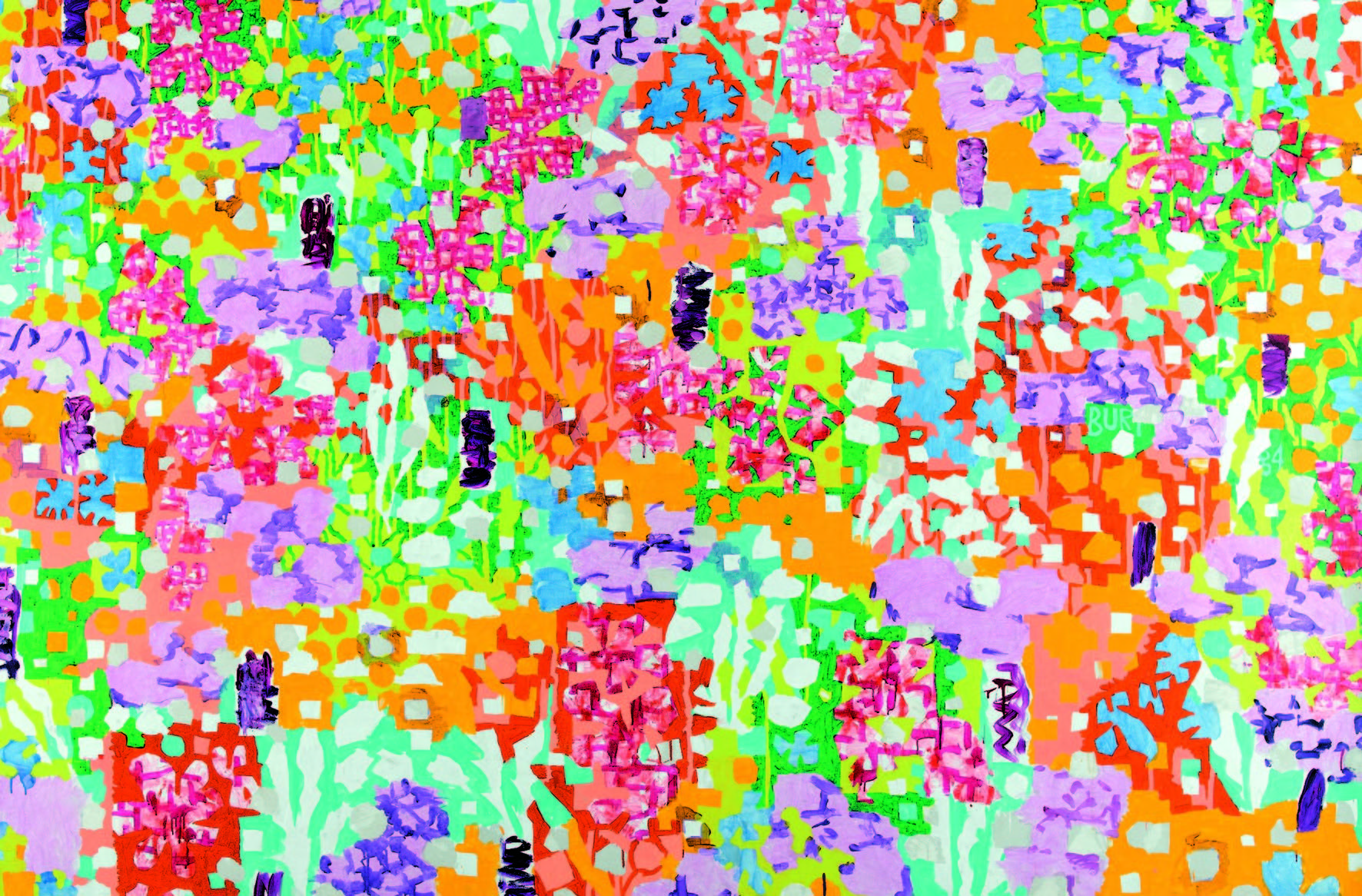
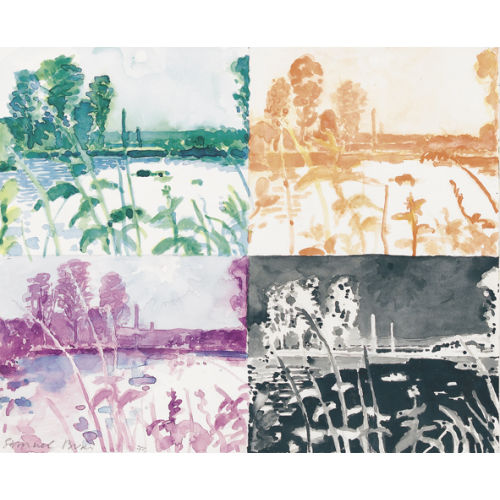
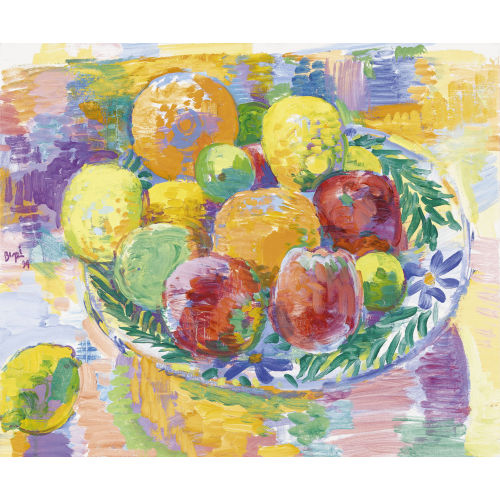
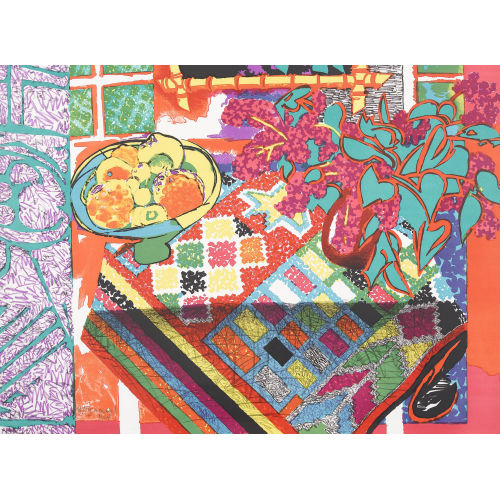
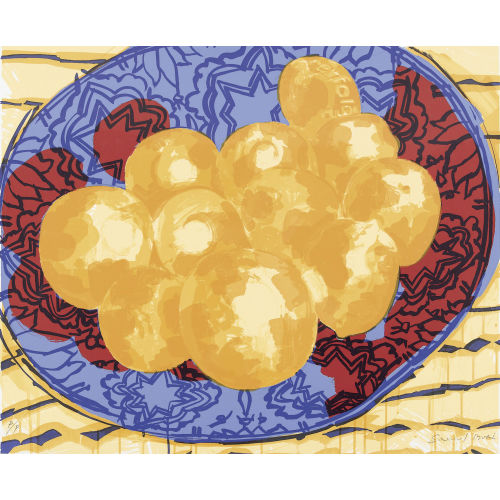
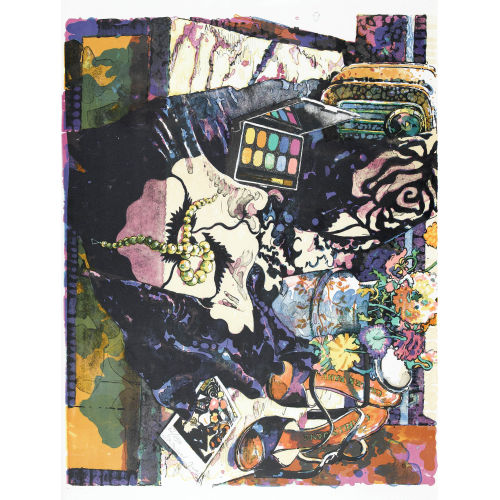
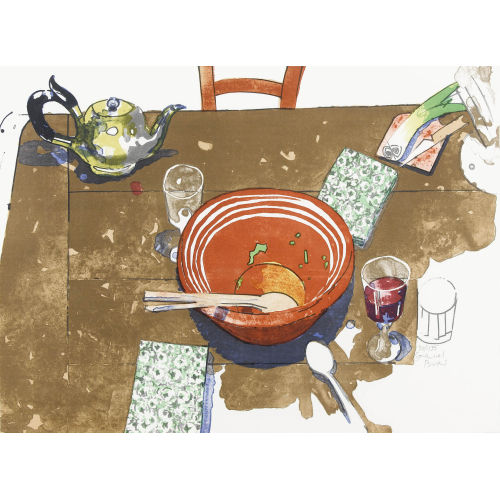
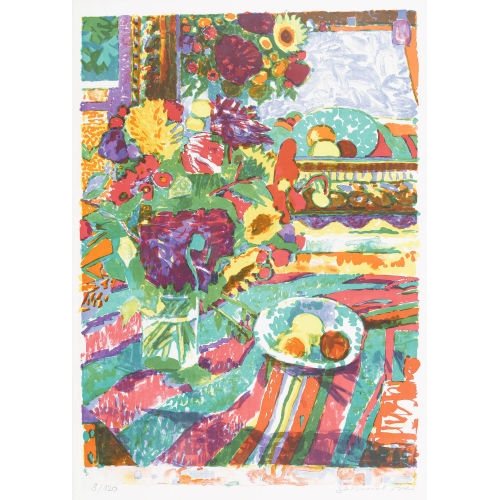
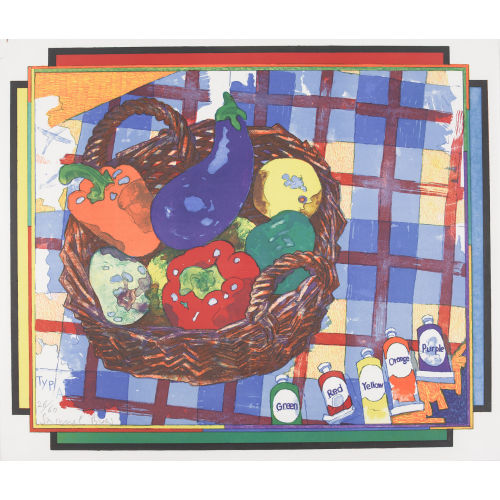
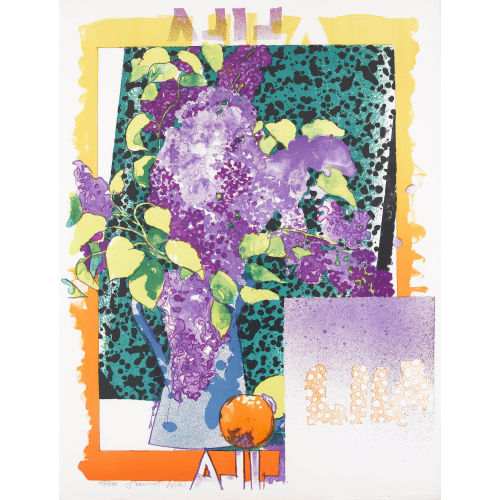
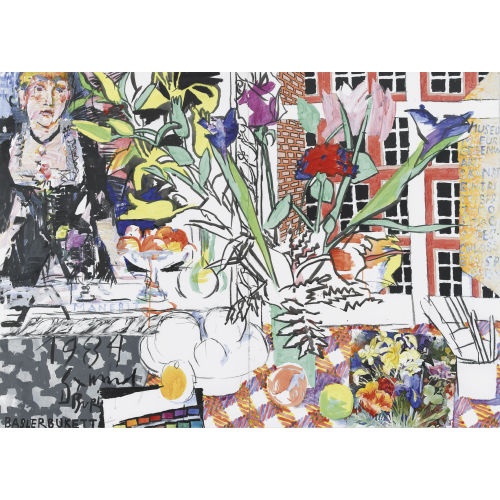
He subsequently worked in Paris and Burgundy before dividing his activities between Basel and the Bernese Oberland. The Sissach Art Collection places his beginnings in the wake of French Impressionism and Post-Impressionism, and then highlights the importance of colour, motifs and ornament in his visual language.
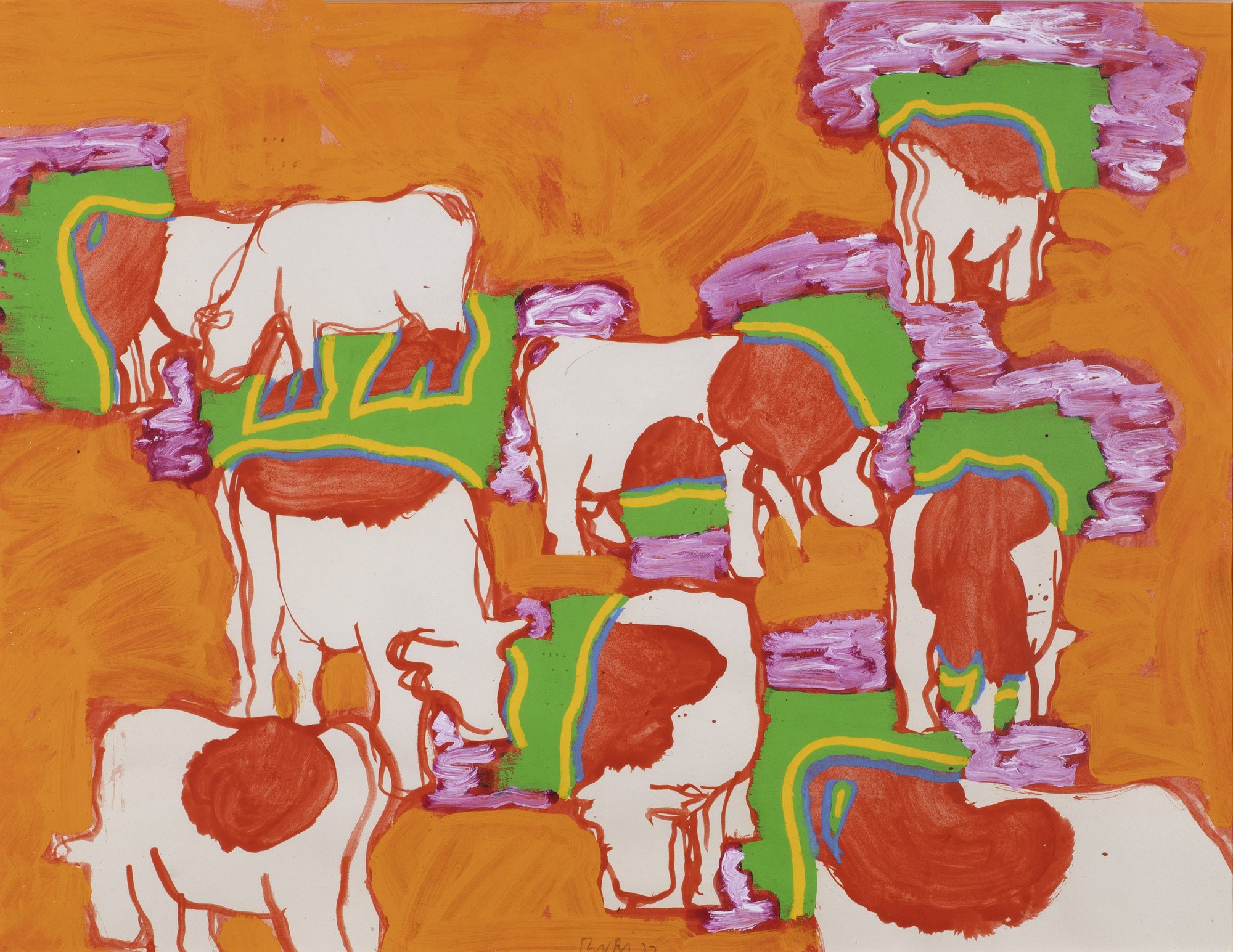
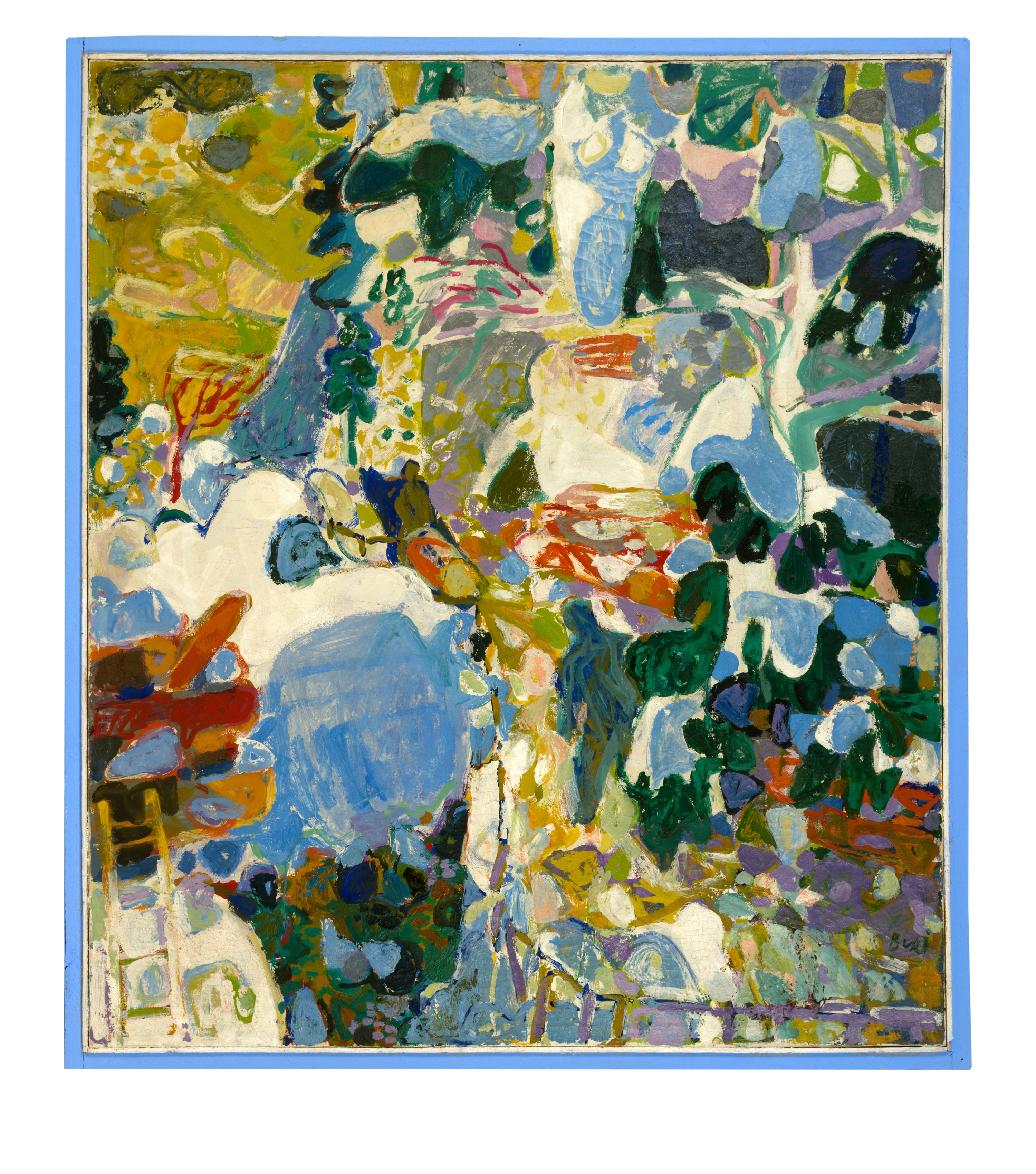
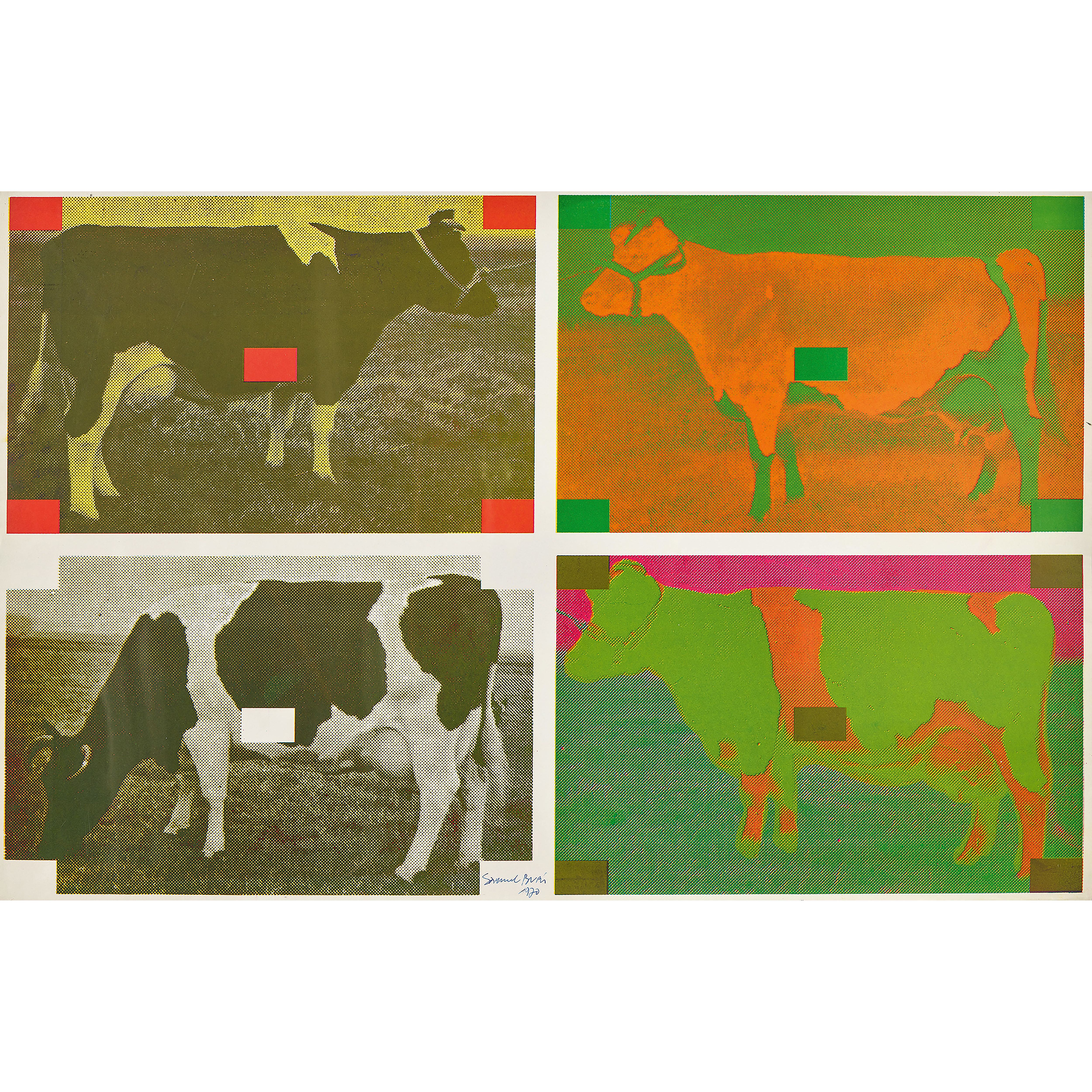
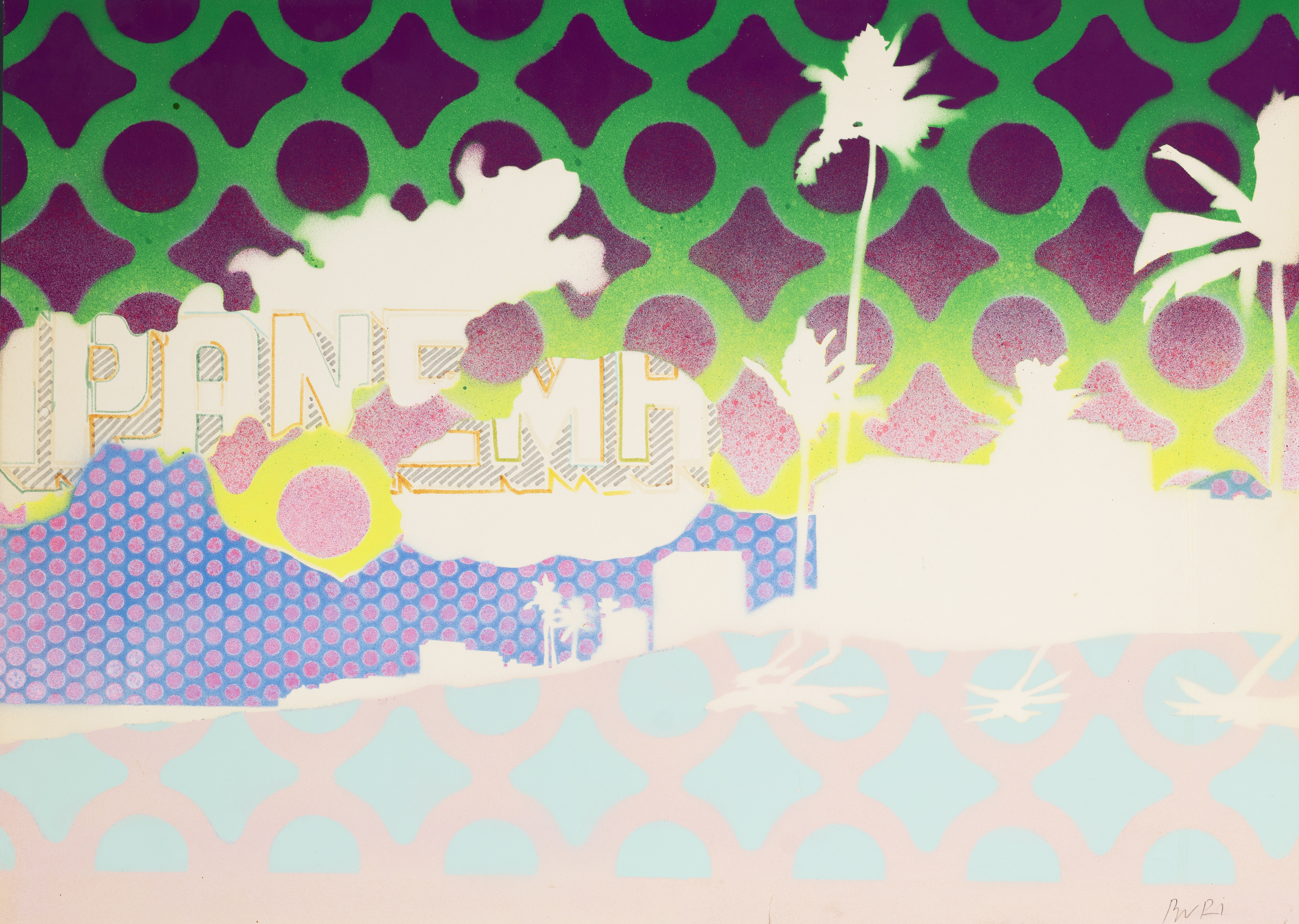
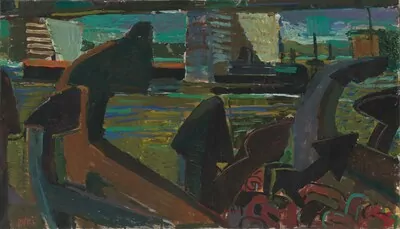
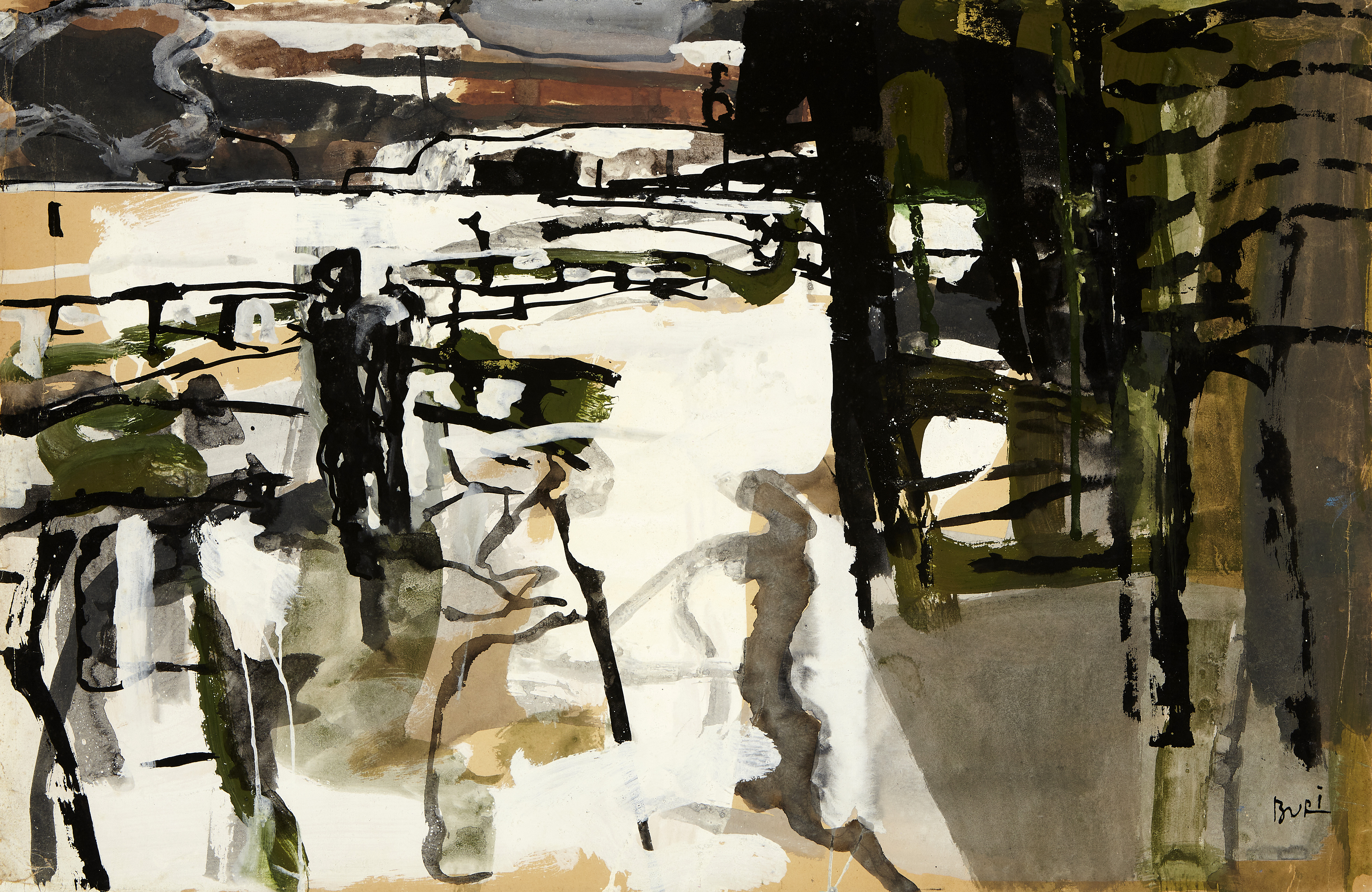
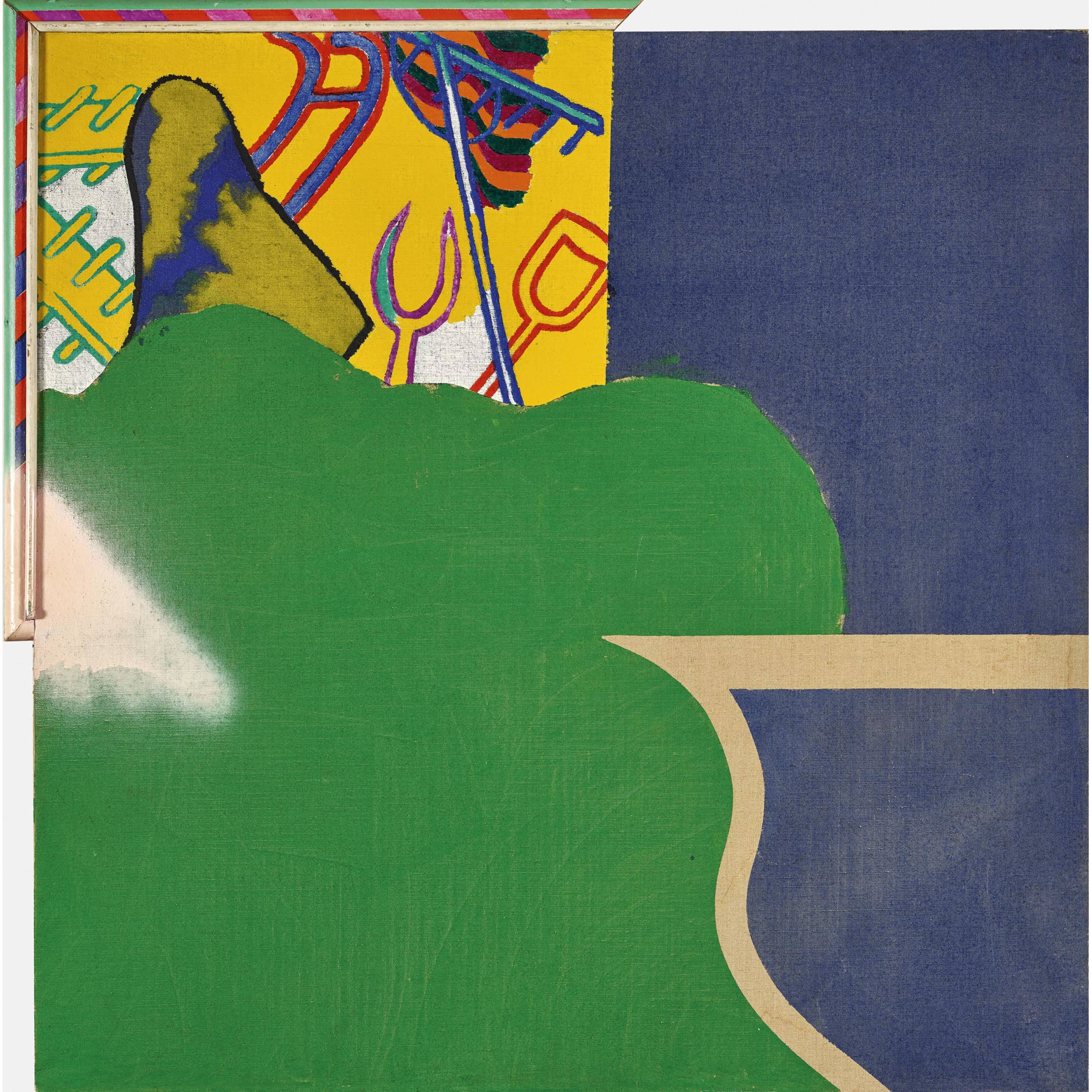
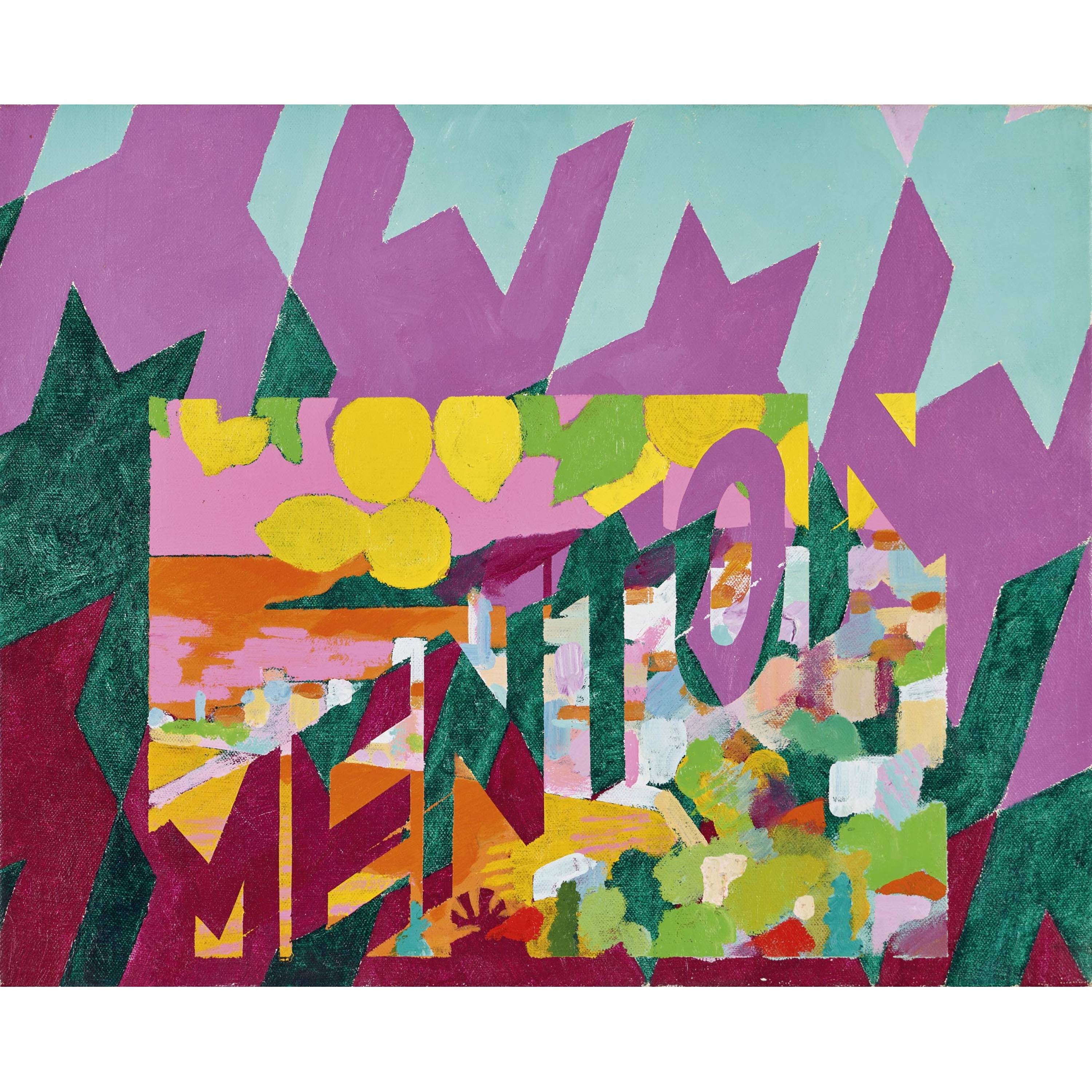
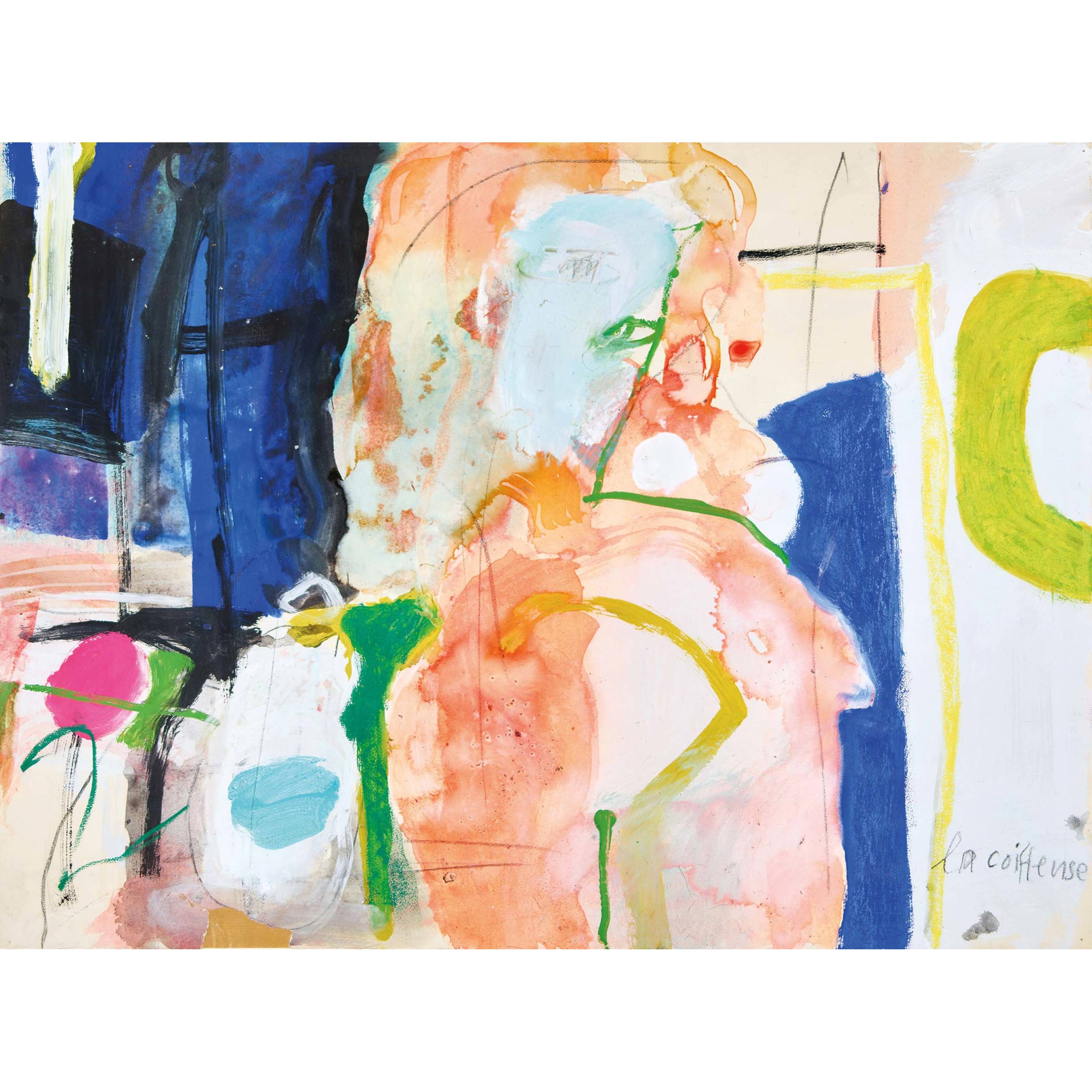
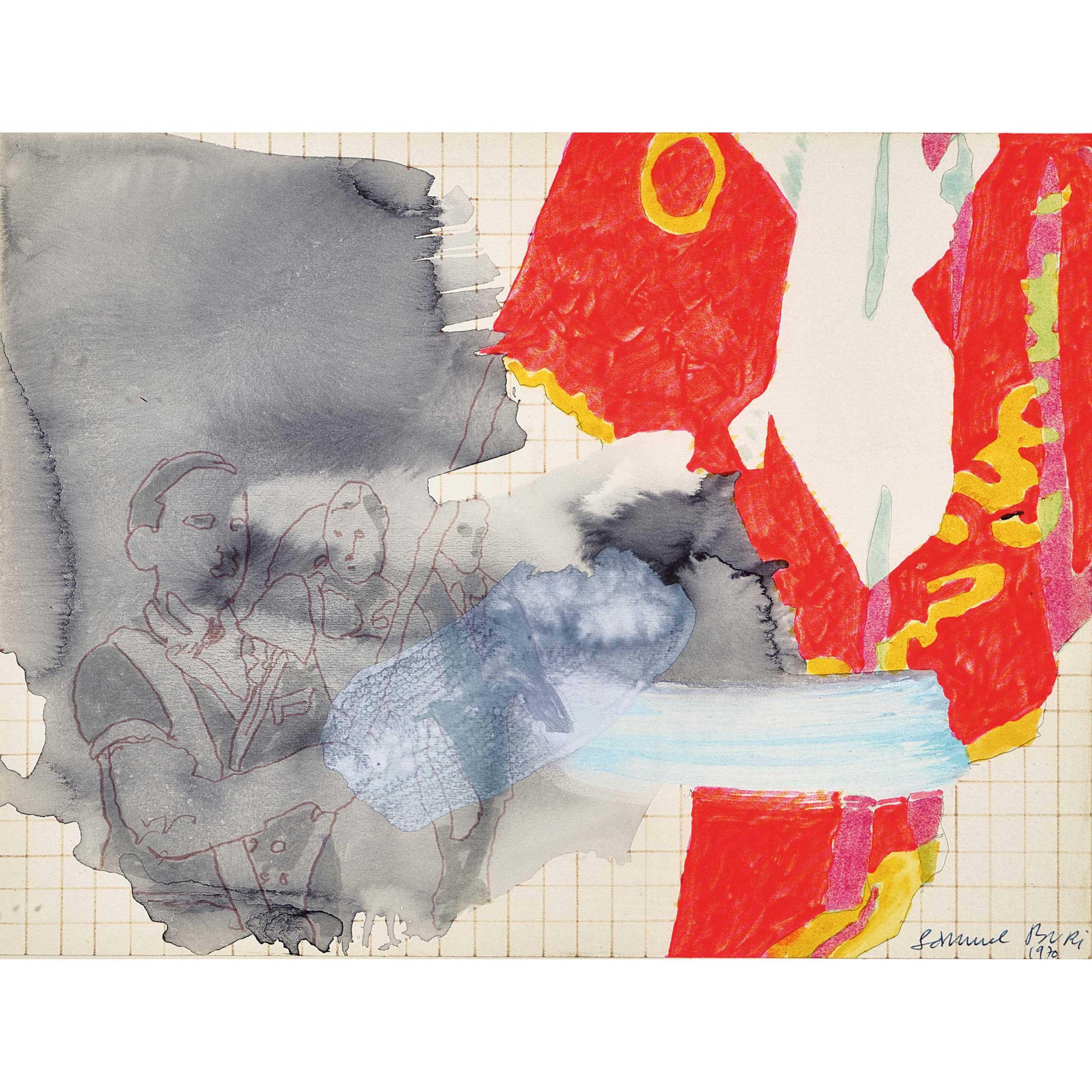
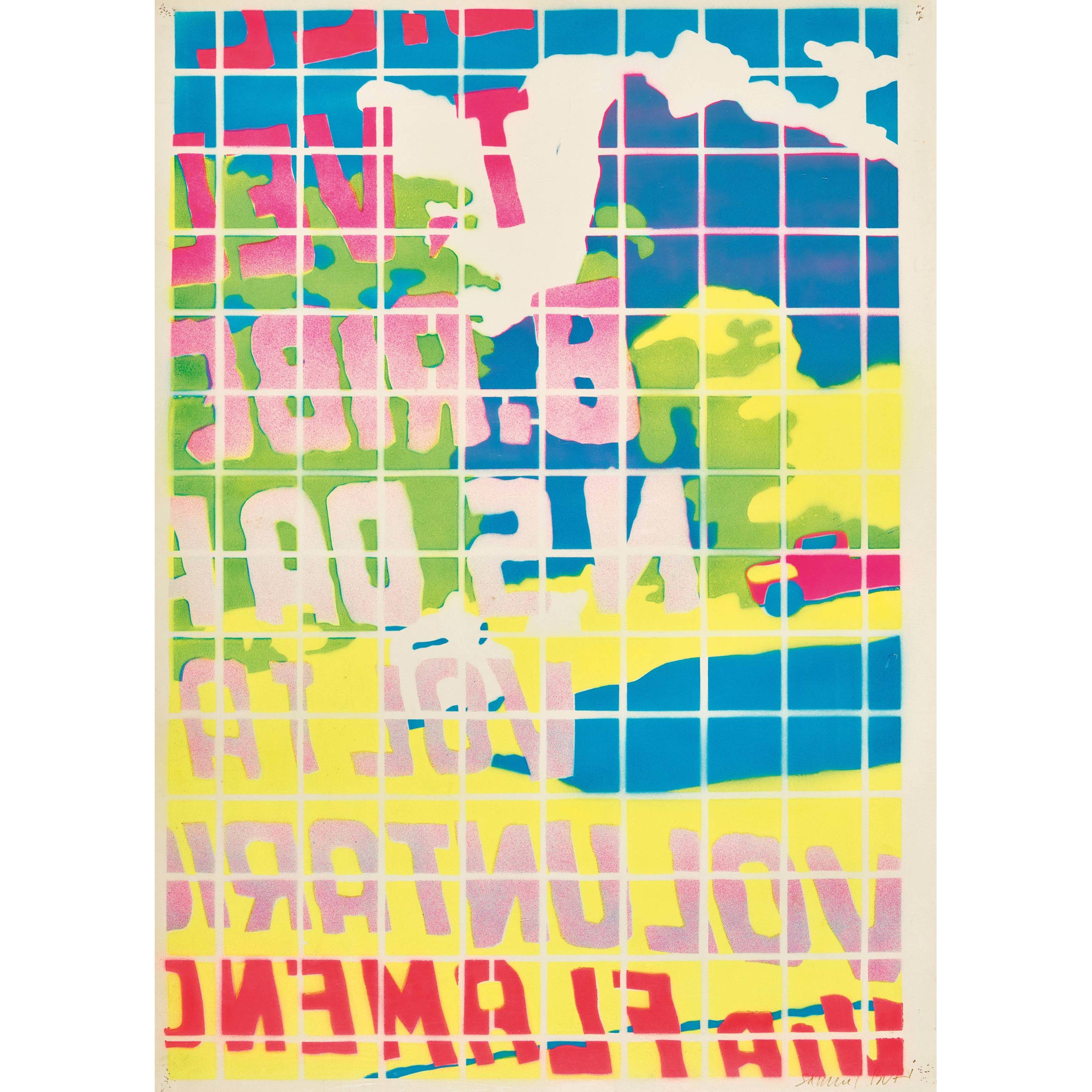
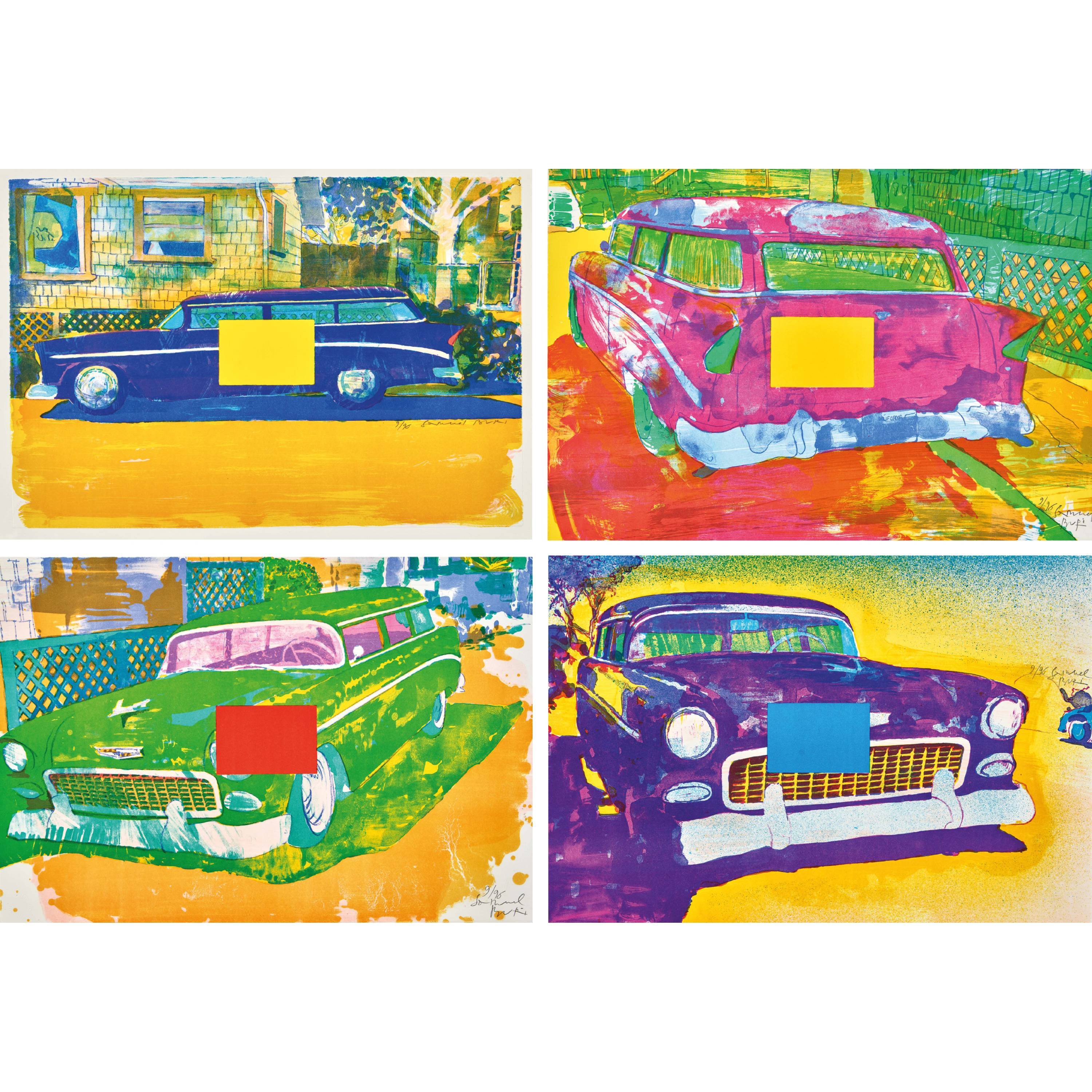
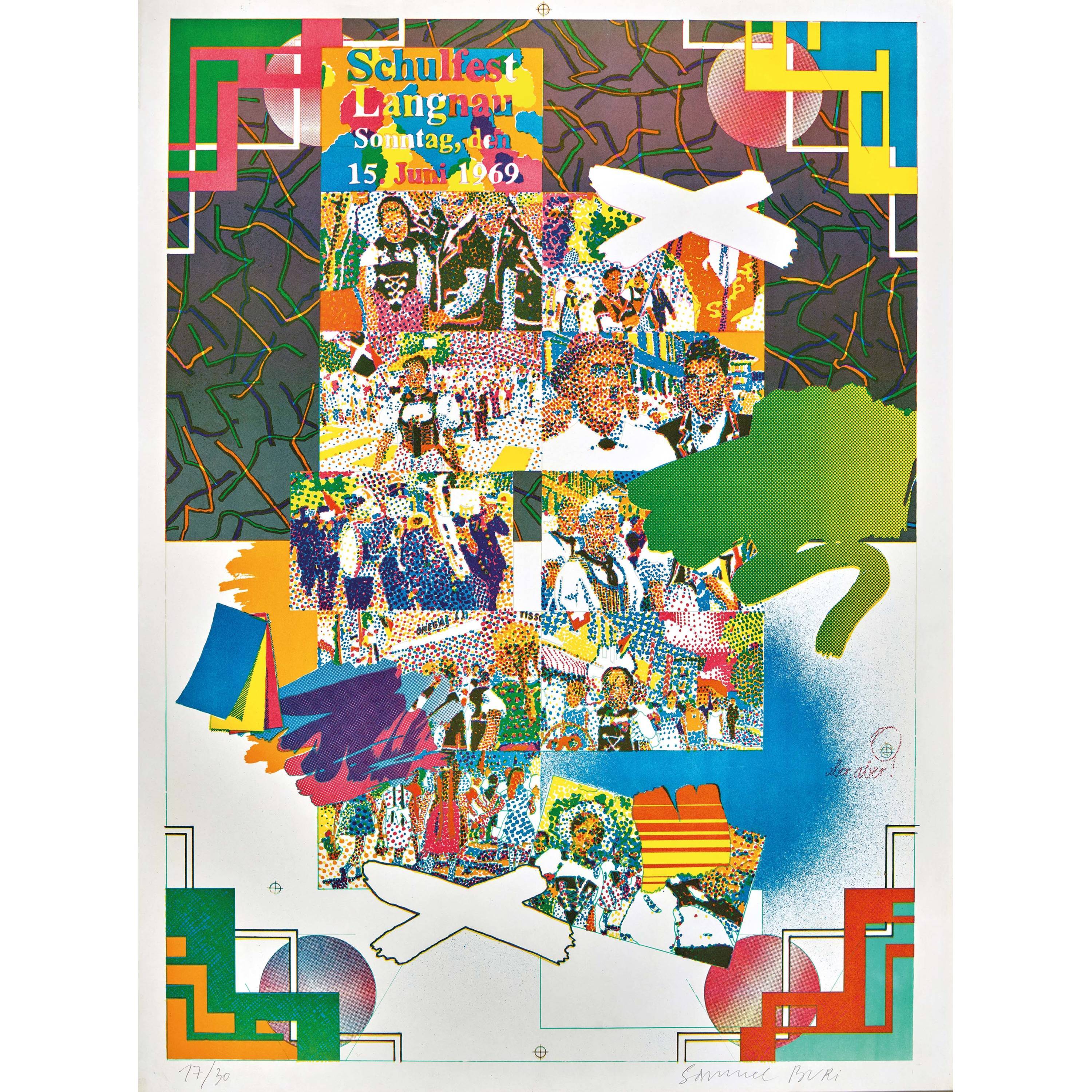
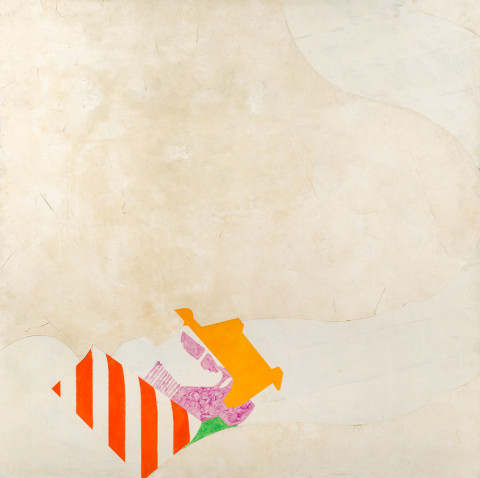
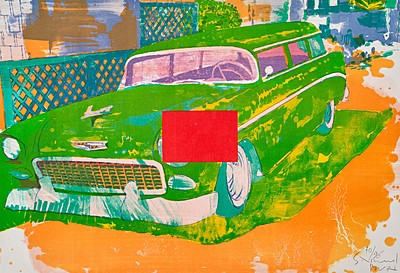
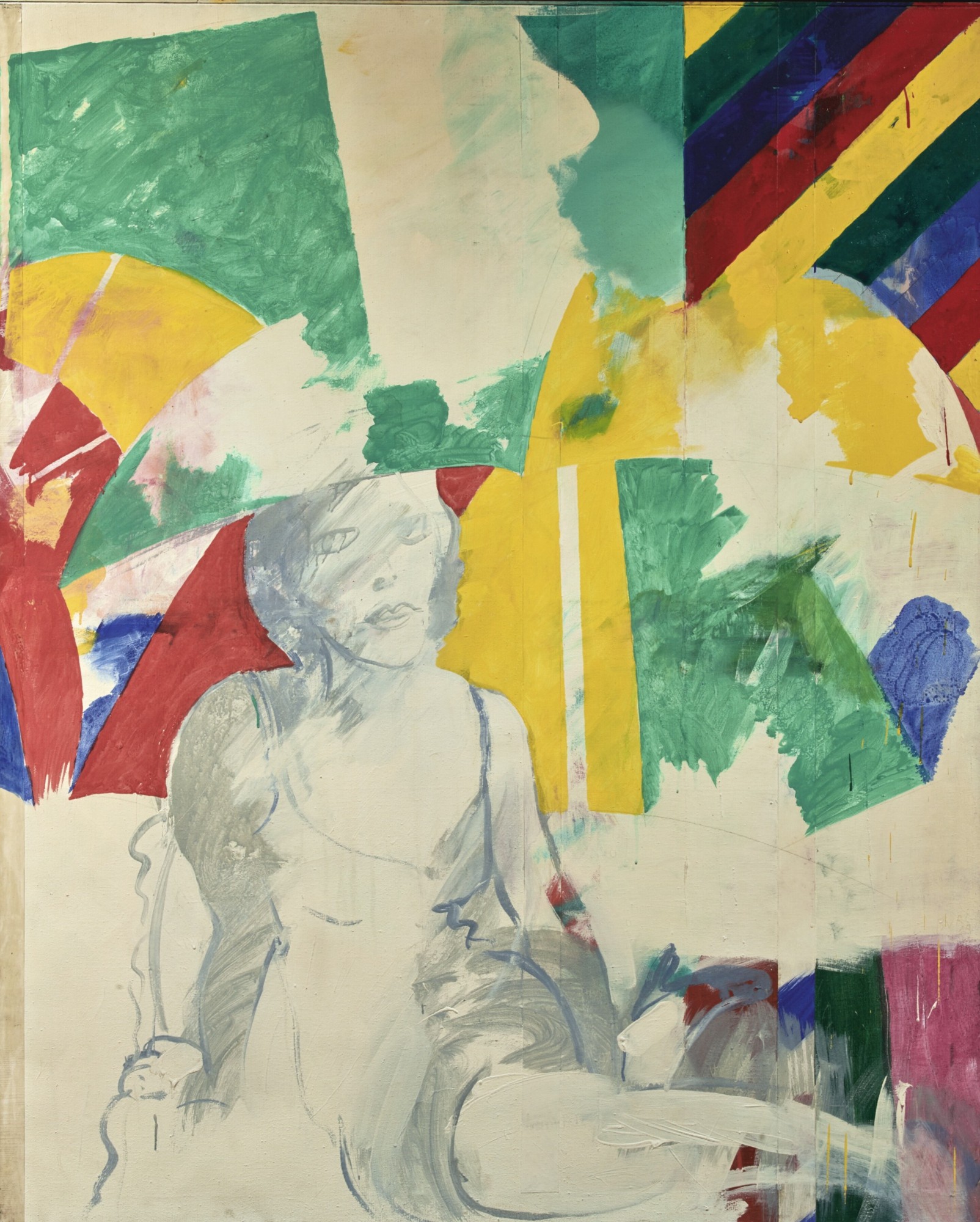
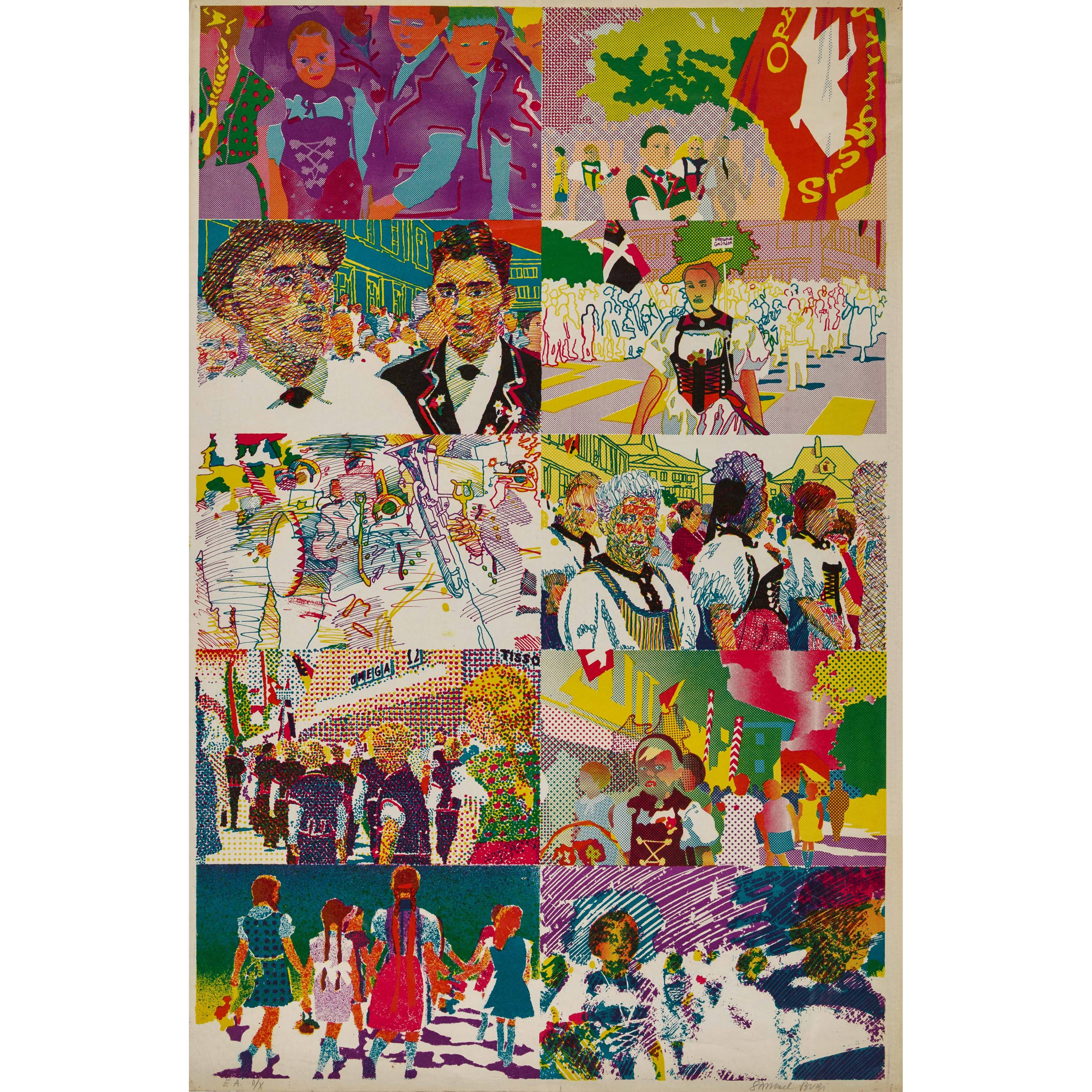
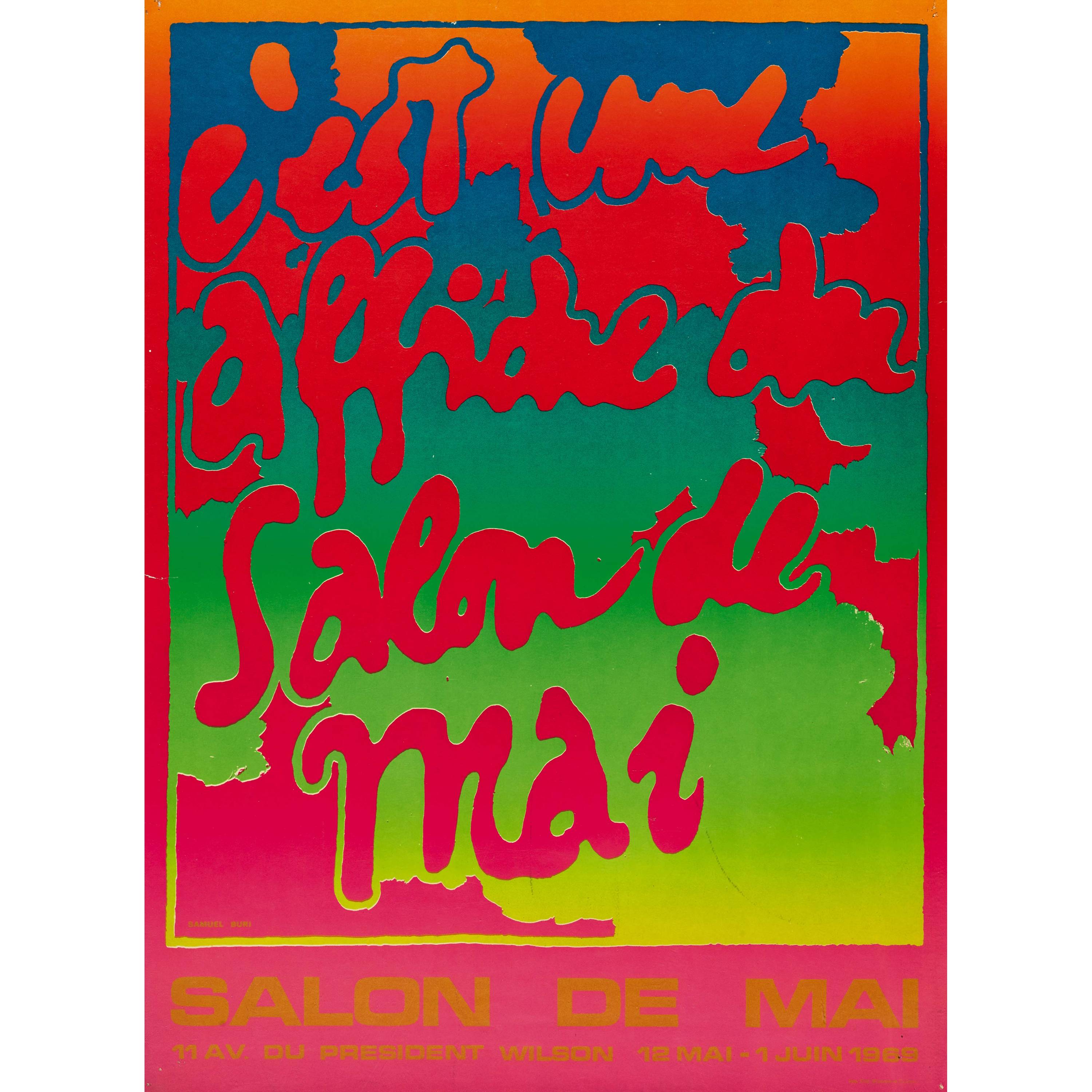
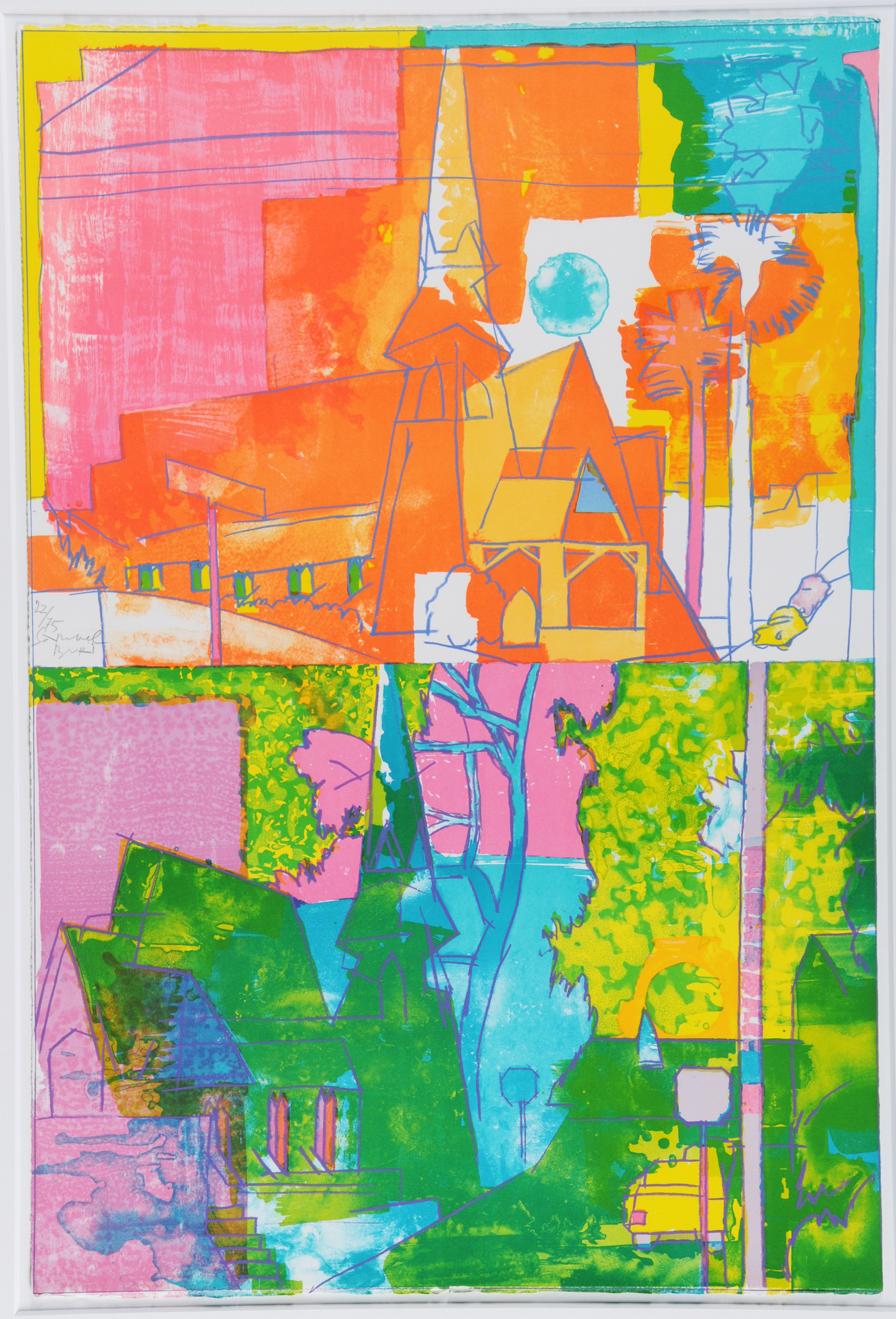
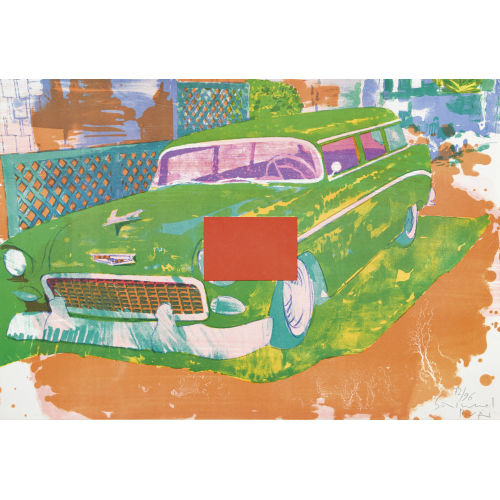
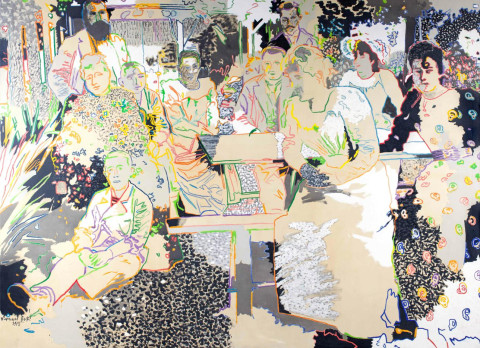
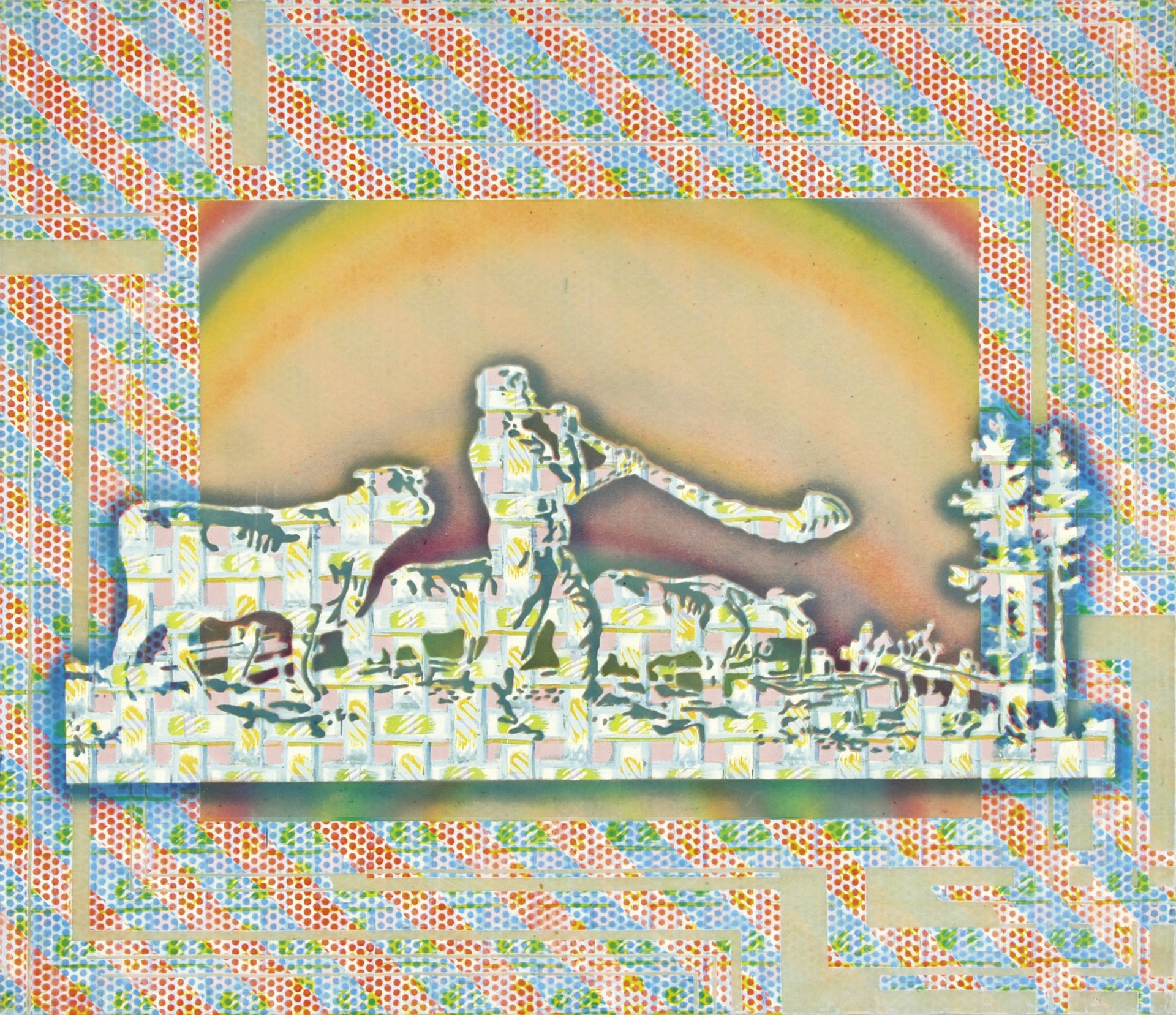
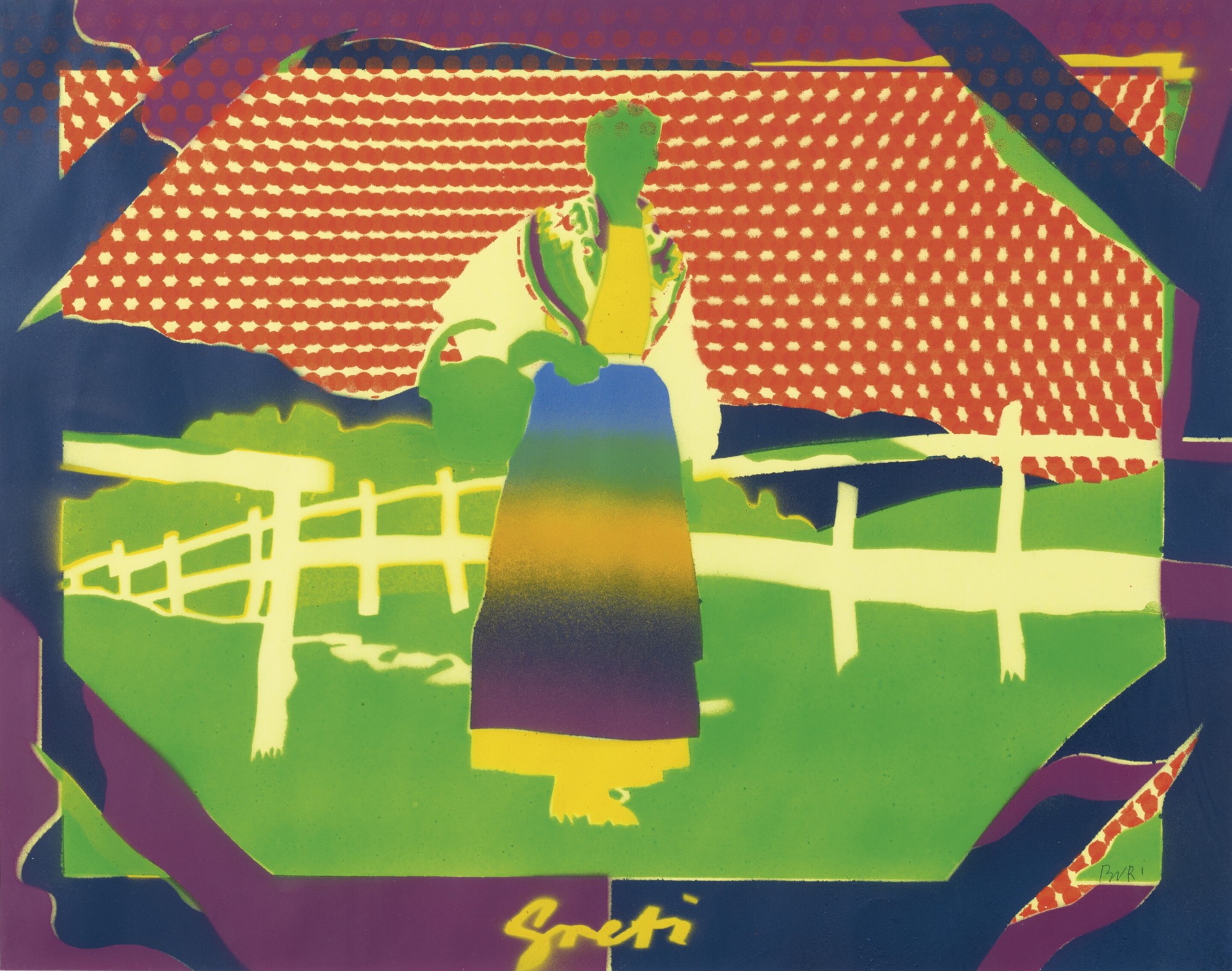
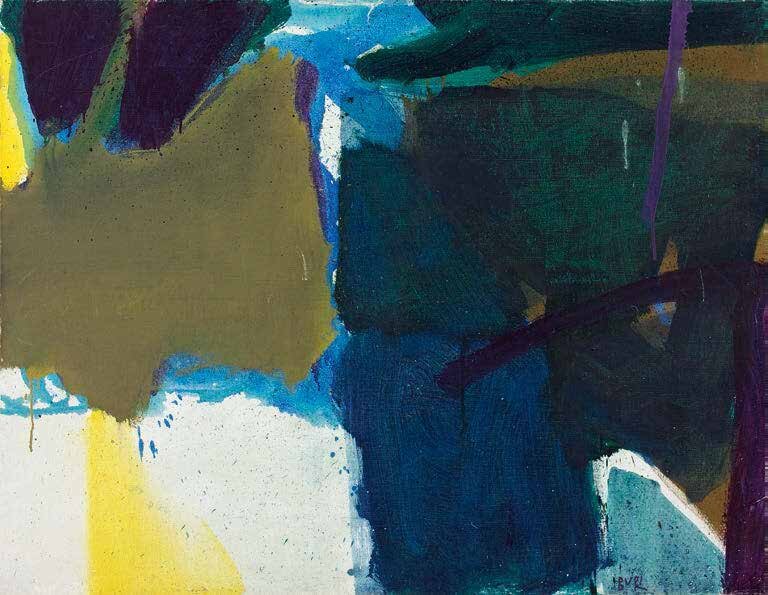
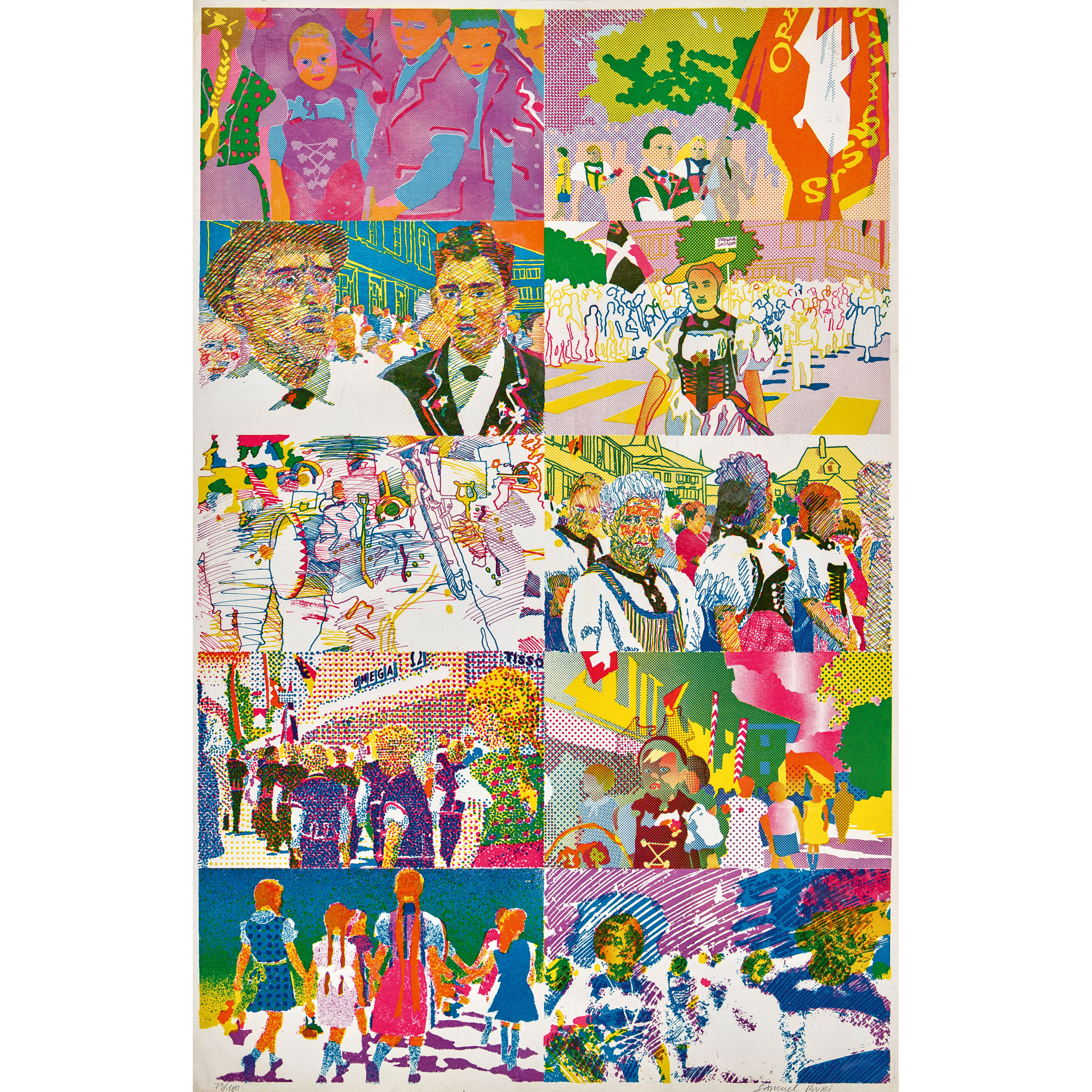
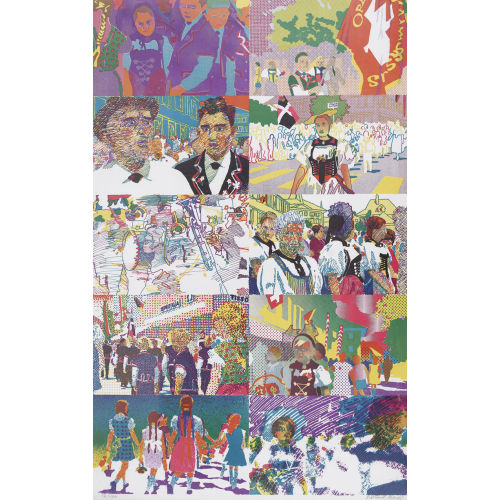
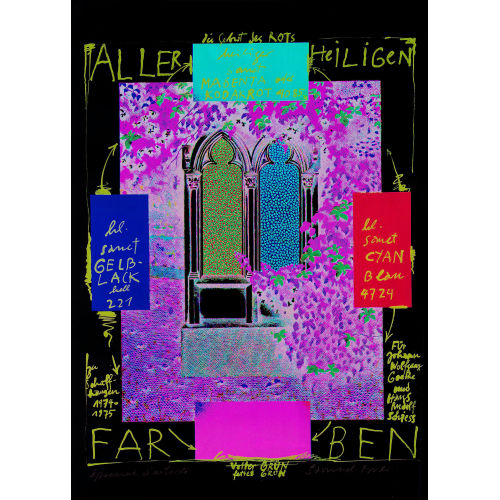
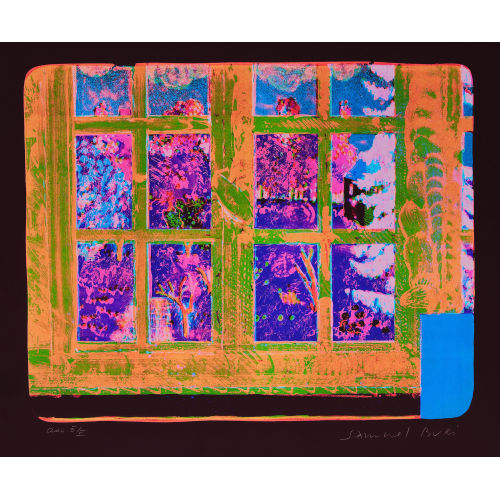
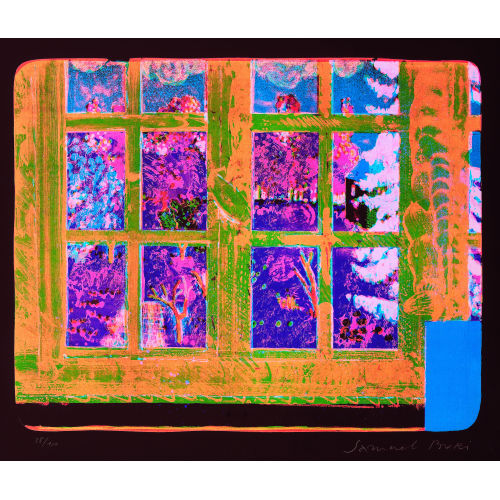
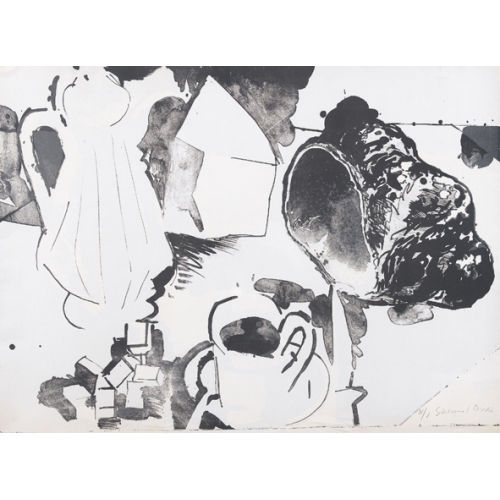
At the beginning of the 1960s, Buri took part in the renewal of figuration and became interested in contemporary visual culture. The work entitled *La prise de Bourgogne* (1963), which he donated to the Kunstmuseum Basel, marks an important stage of this period: the museum presents it as a significant early group of works in his career and in its own collections. His practice is not limited to easel painting.
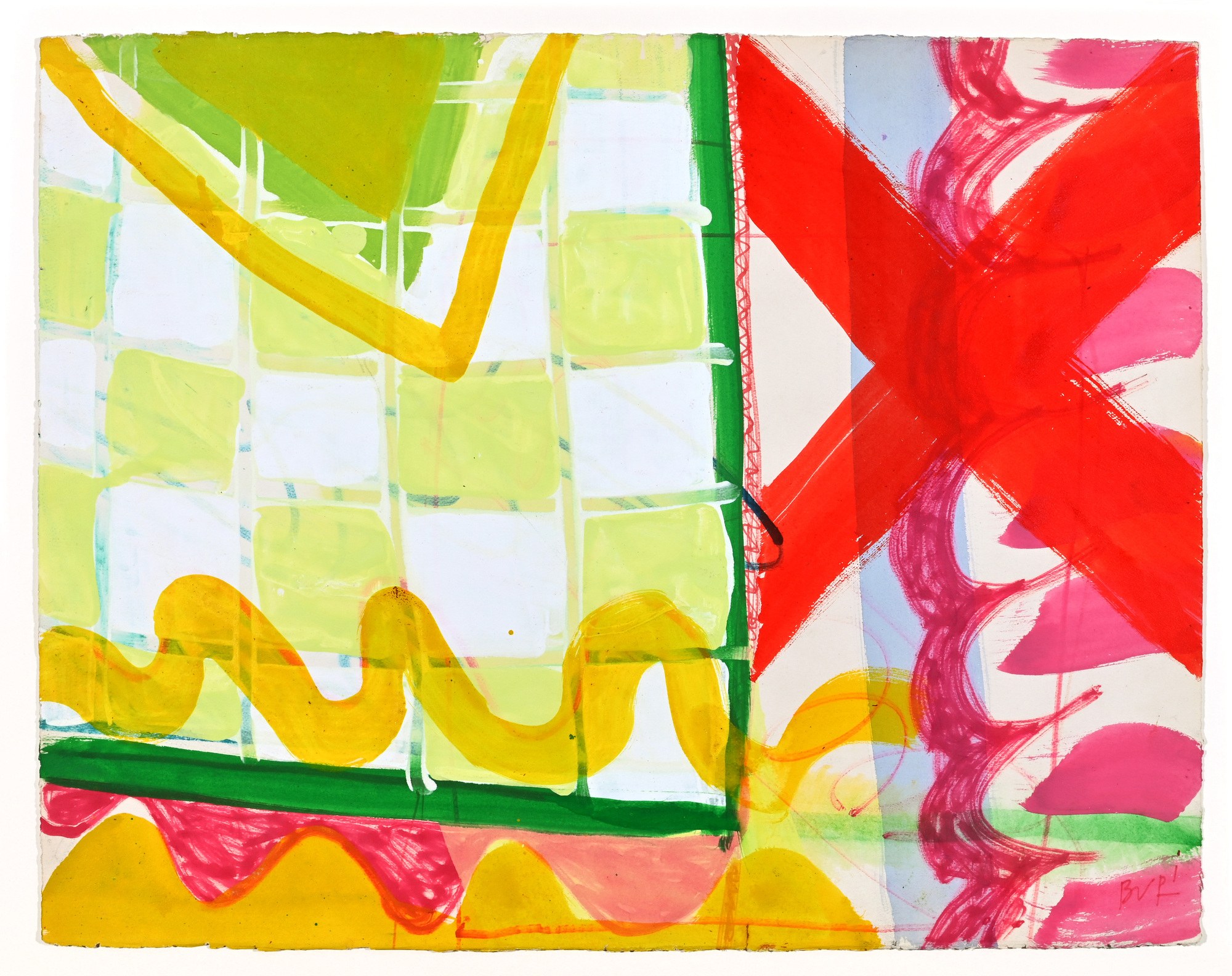
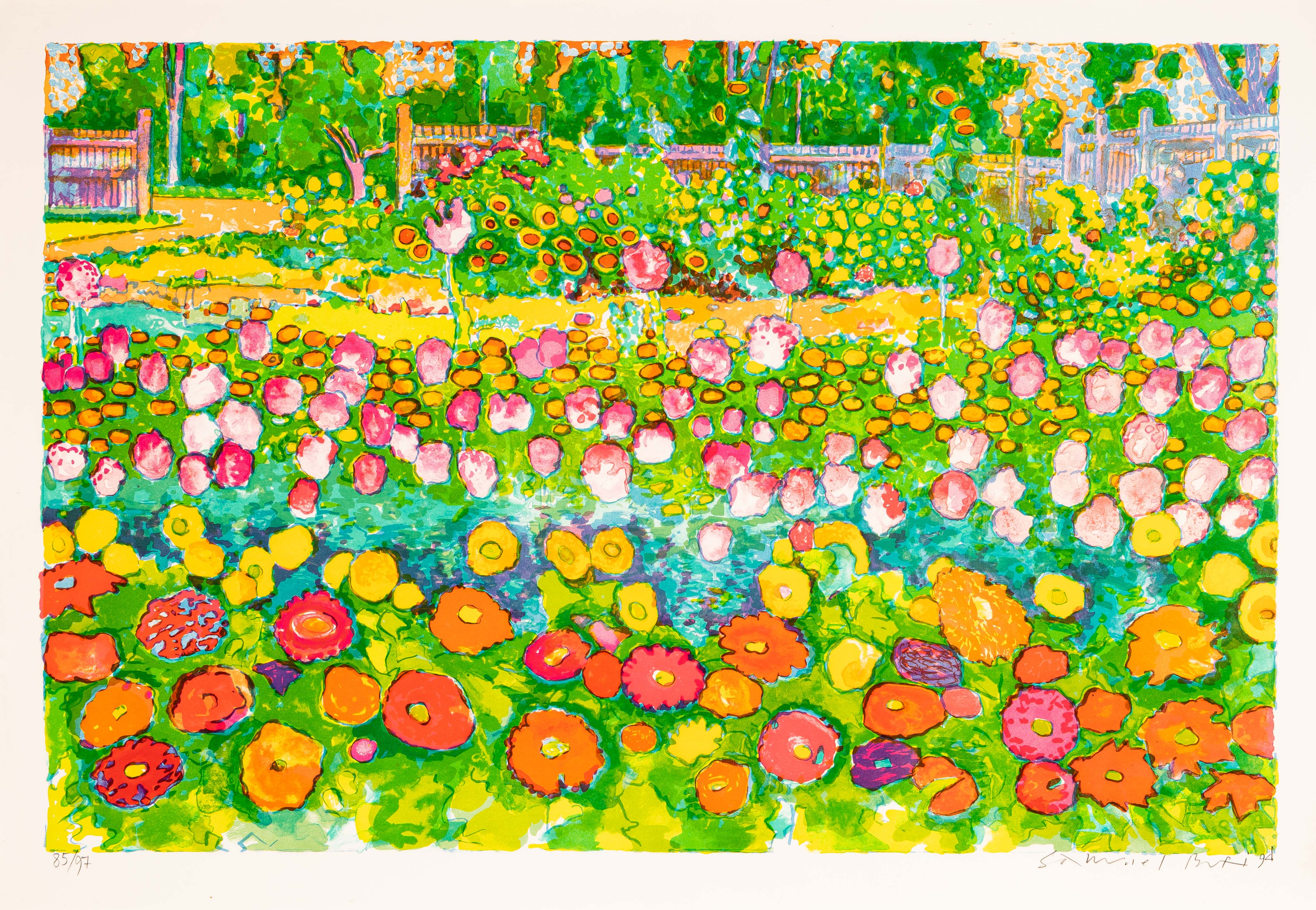
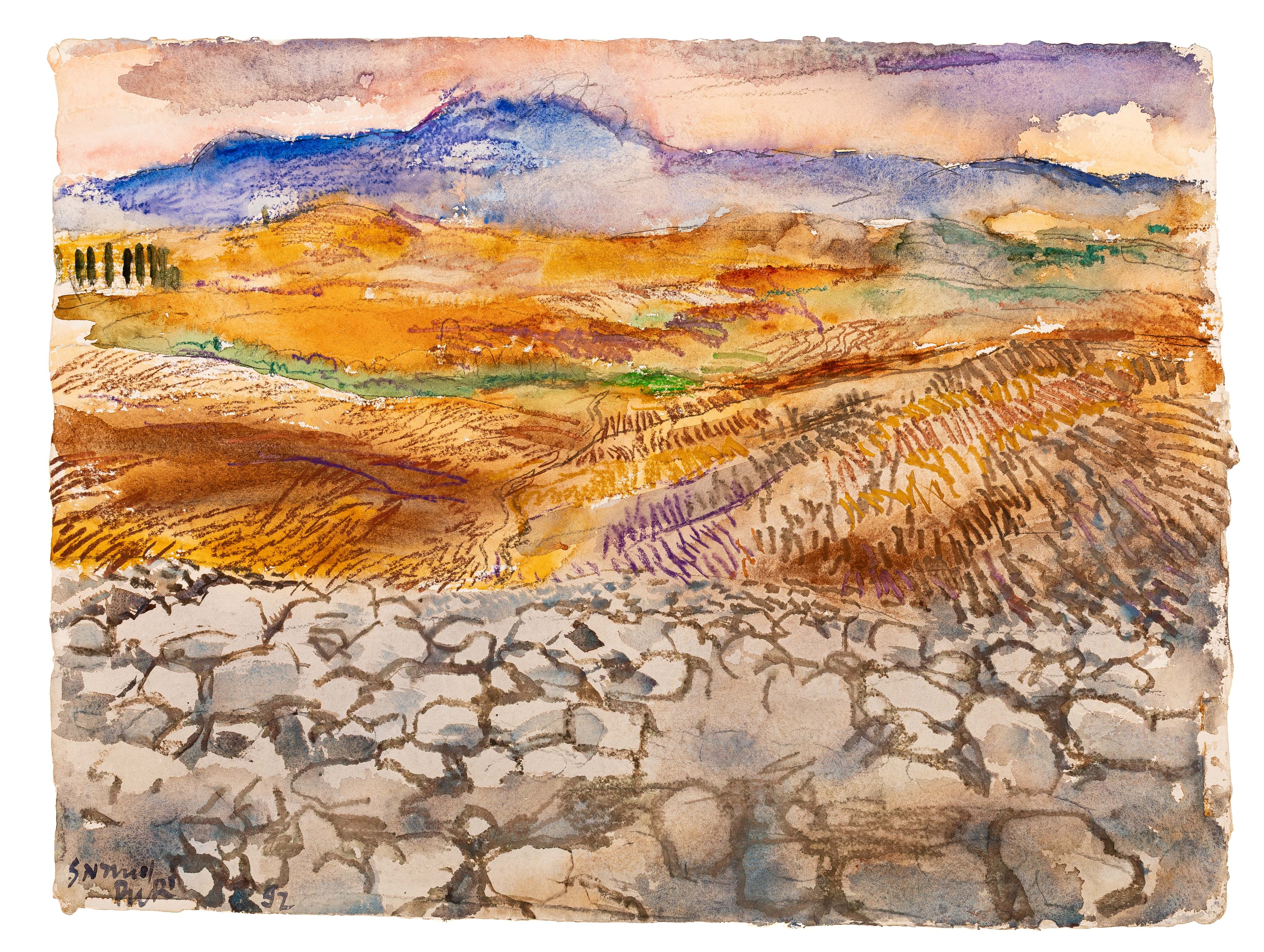
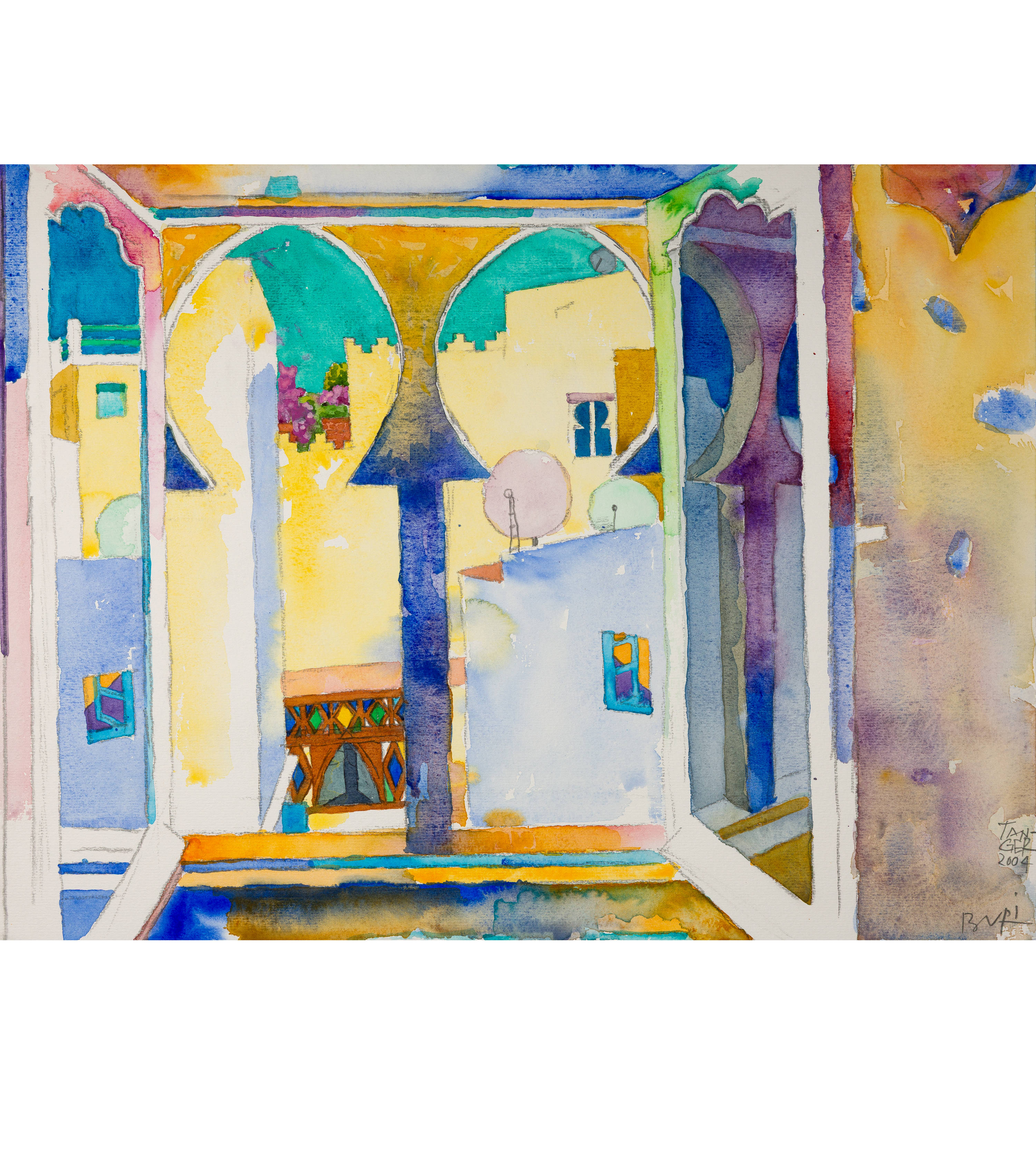
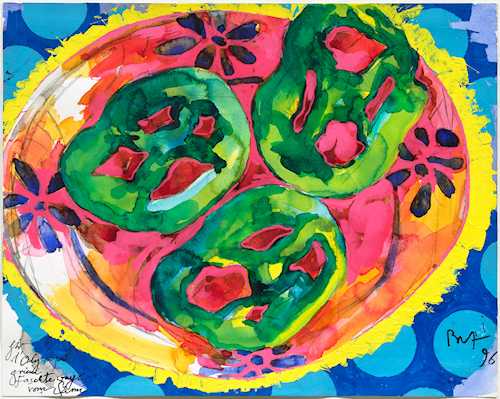
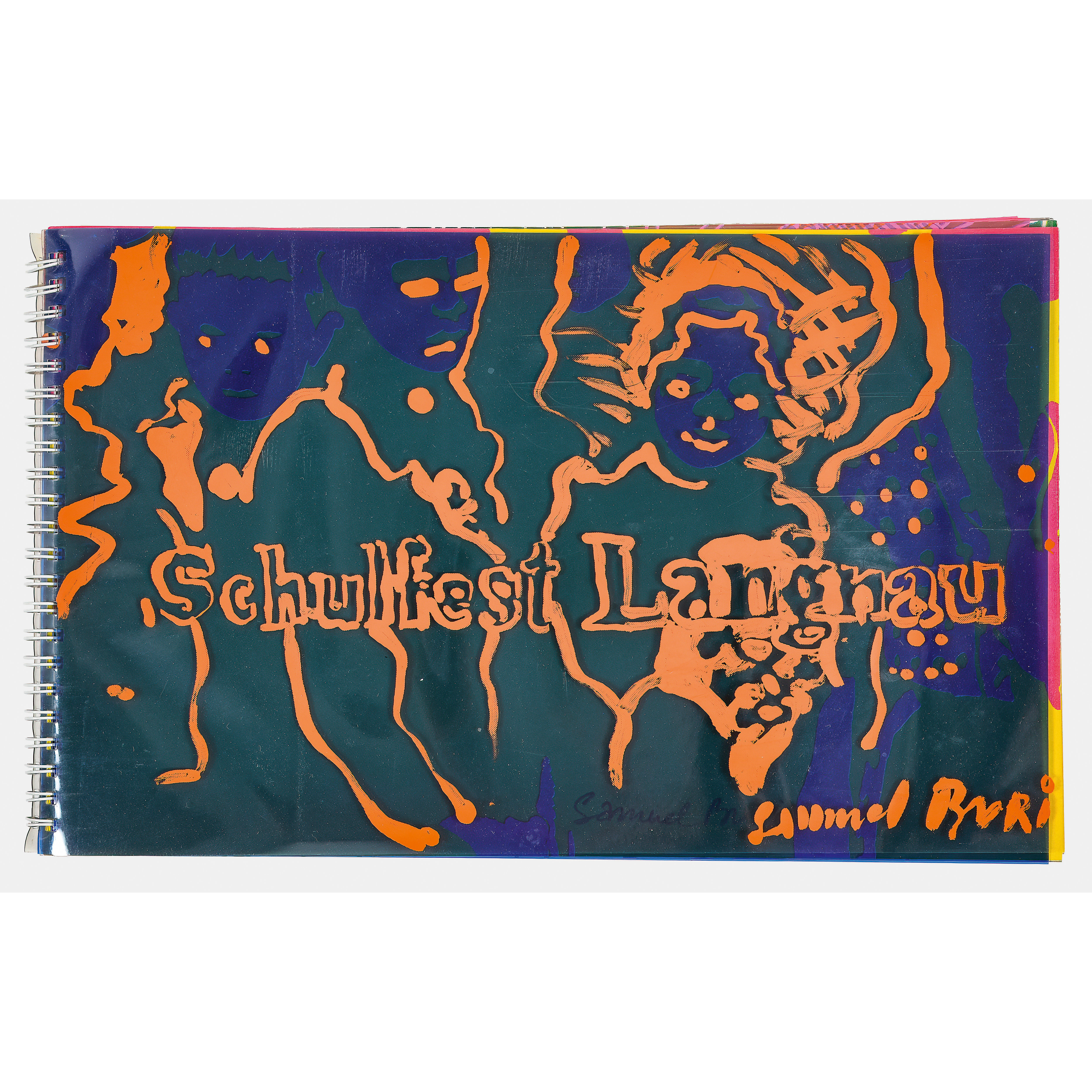
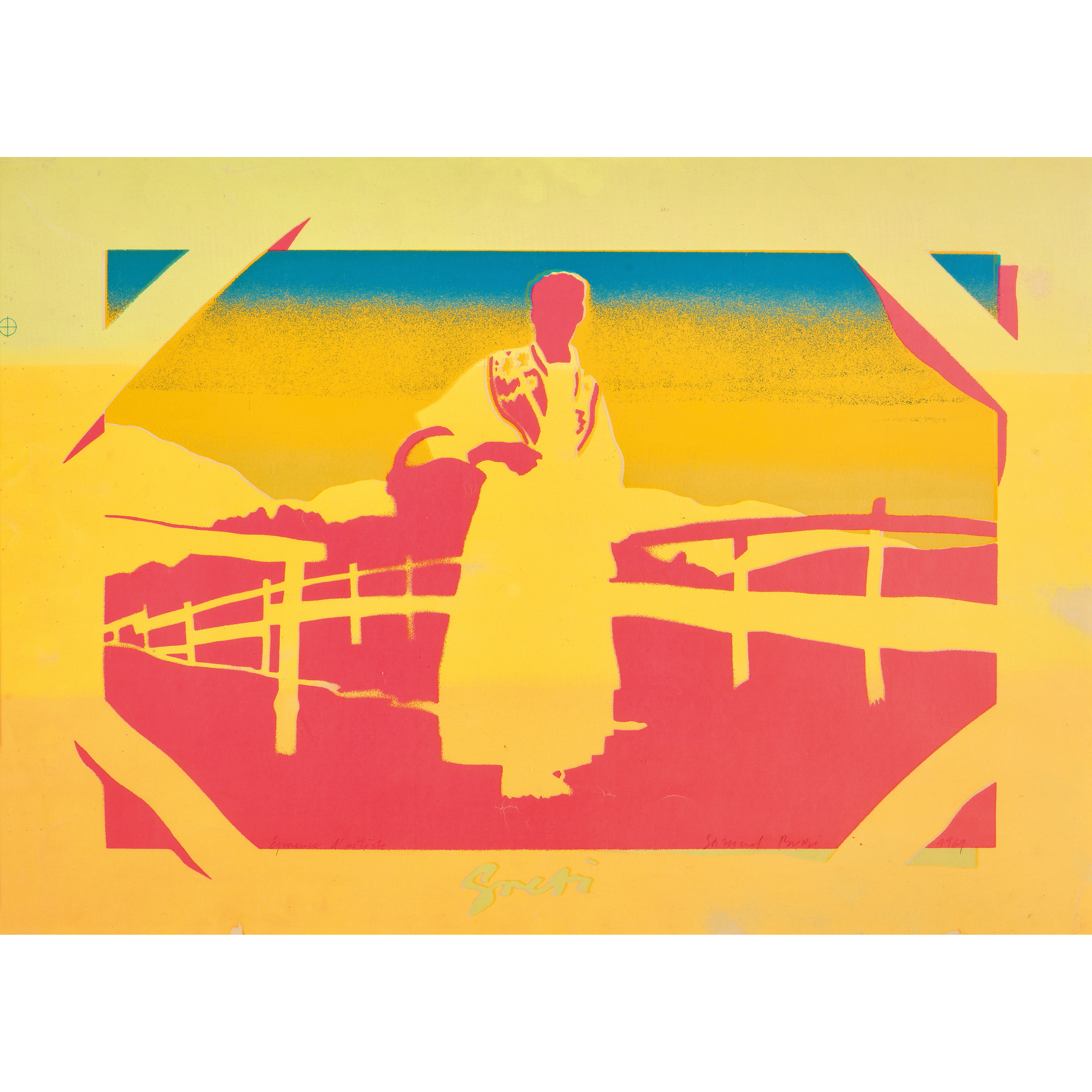
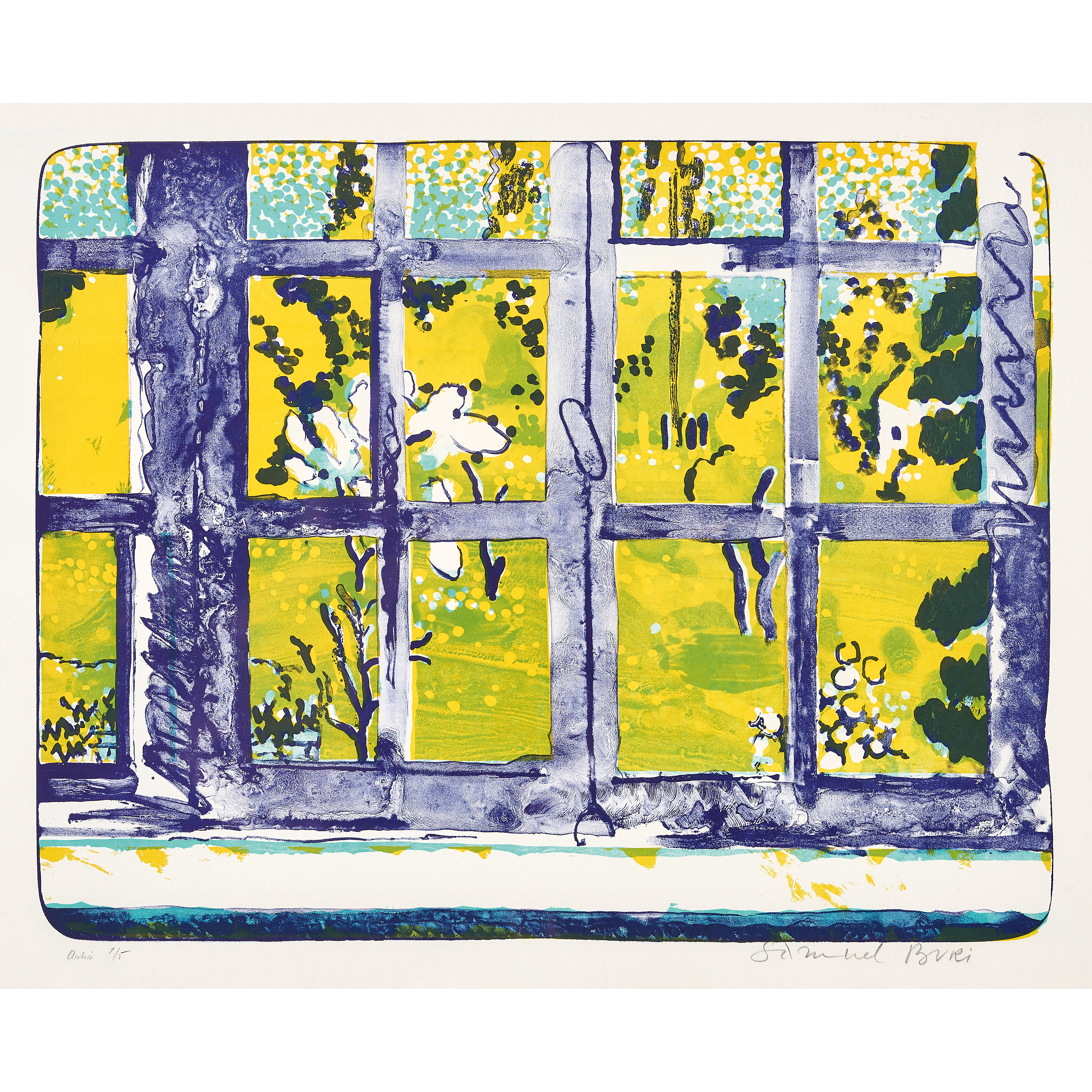
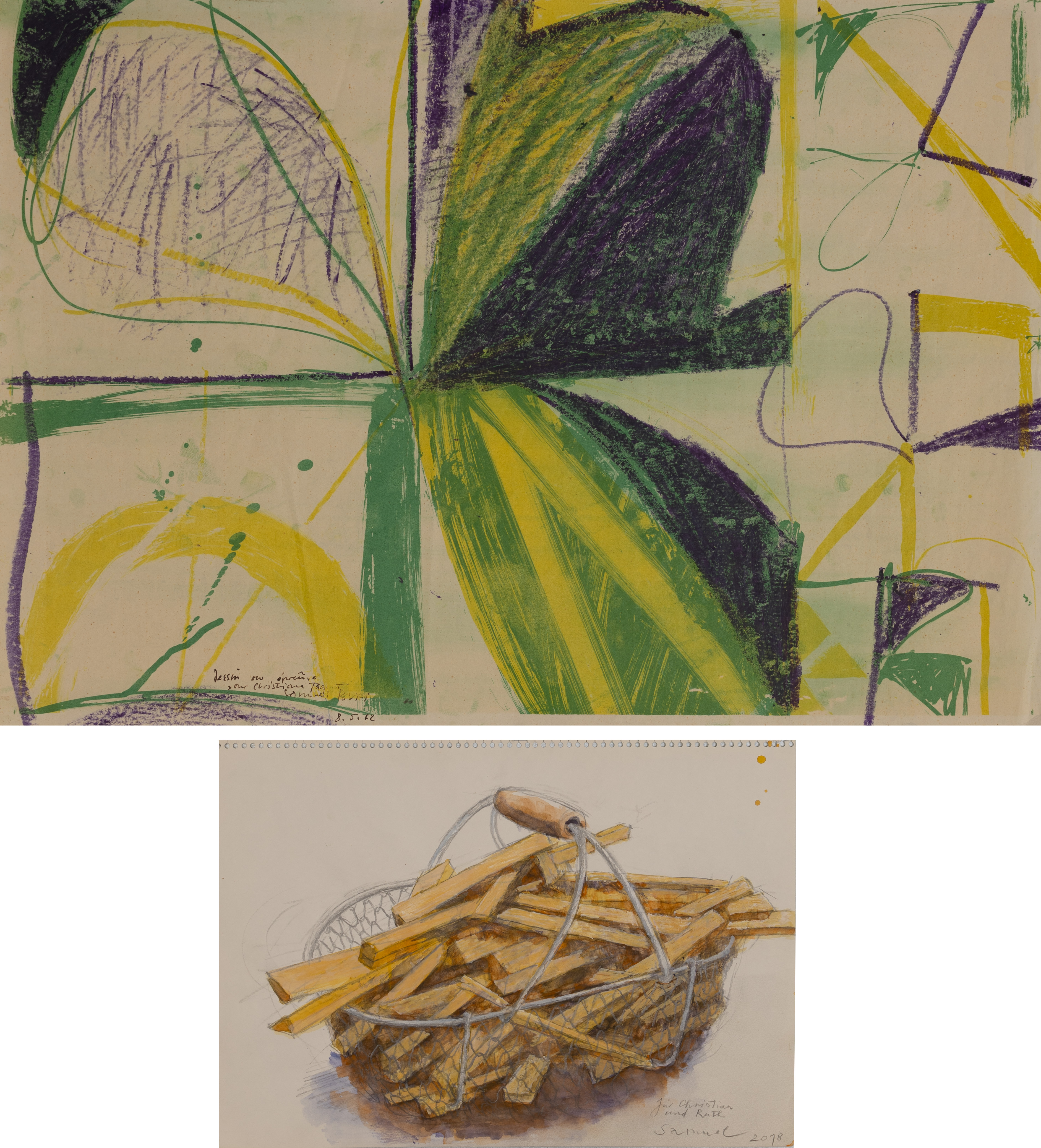
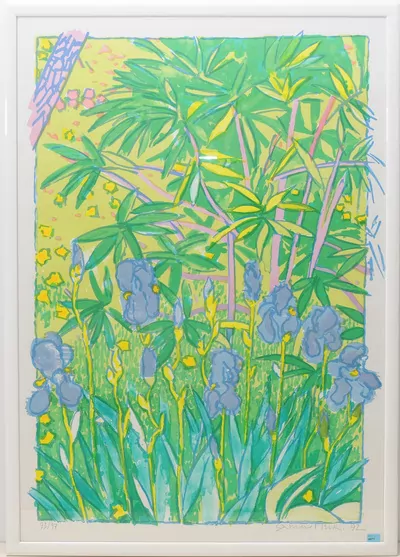
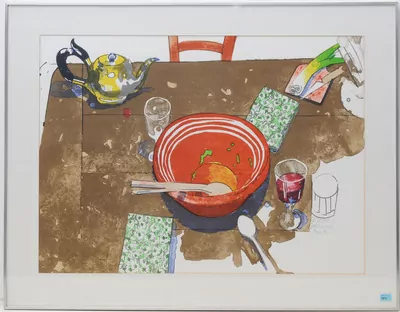
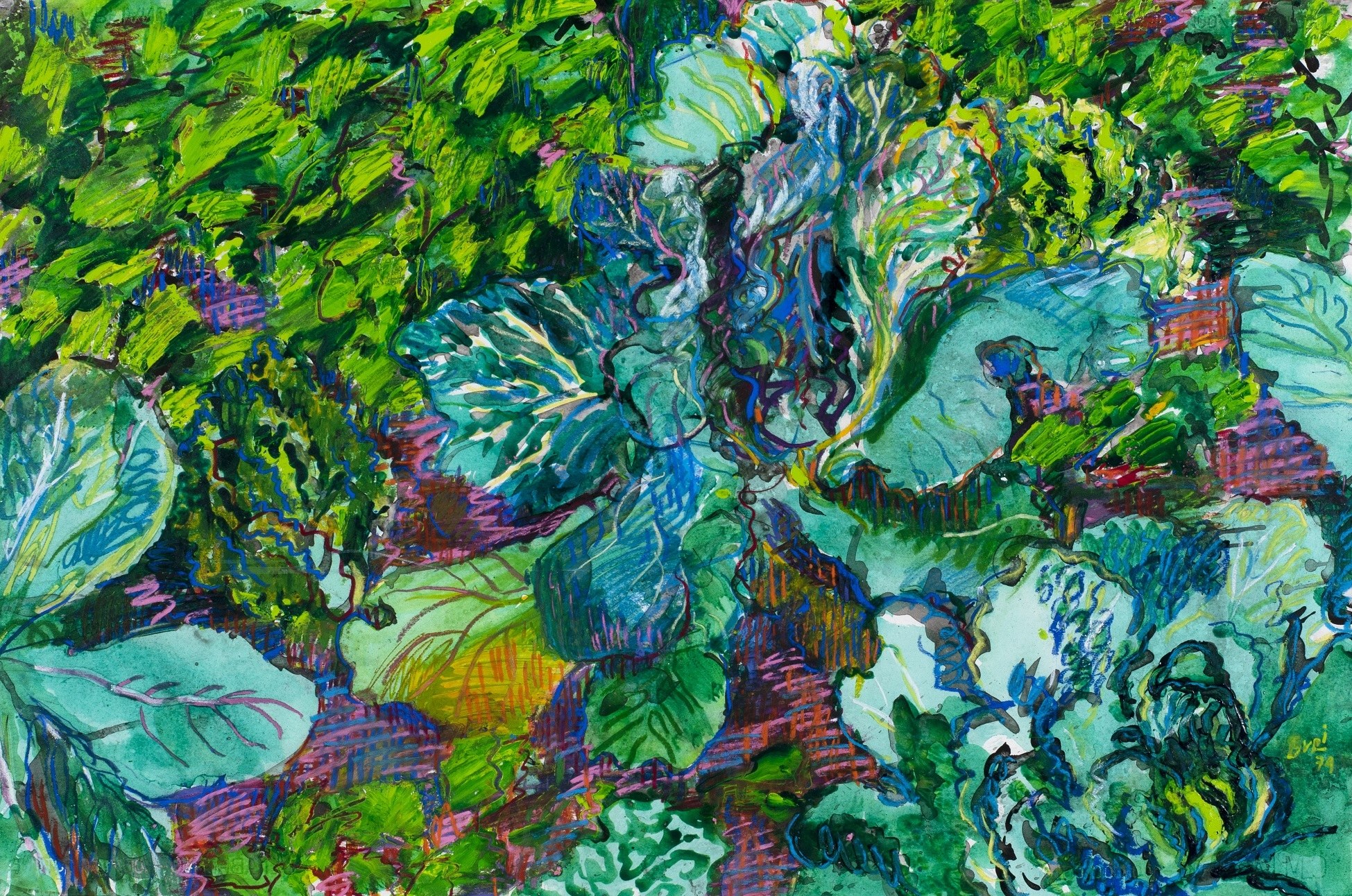
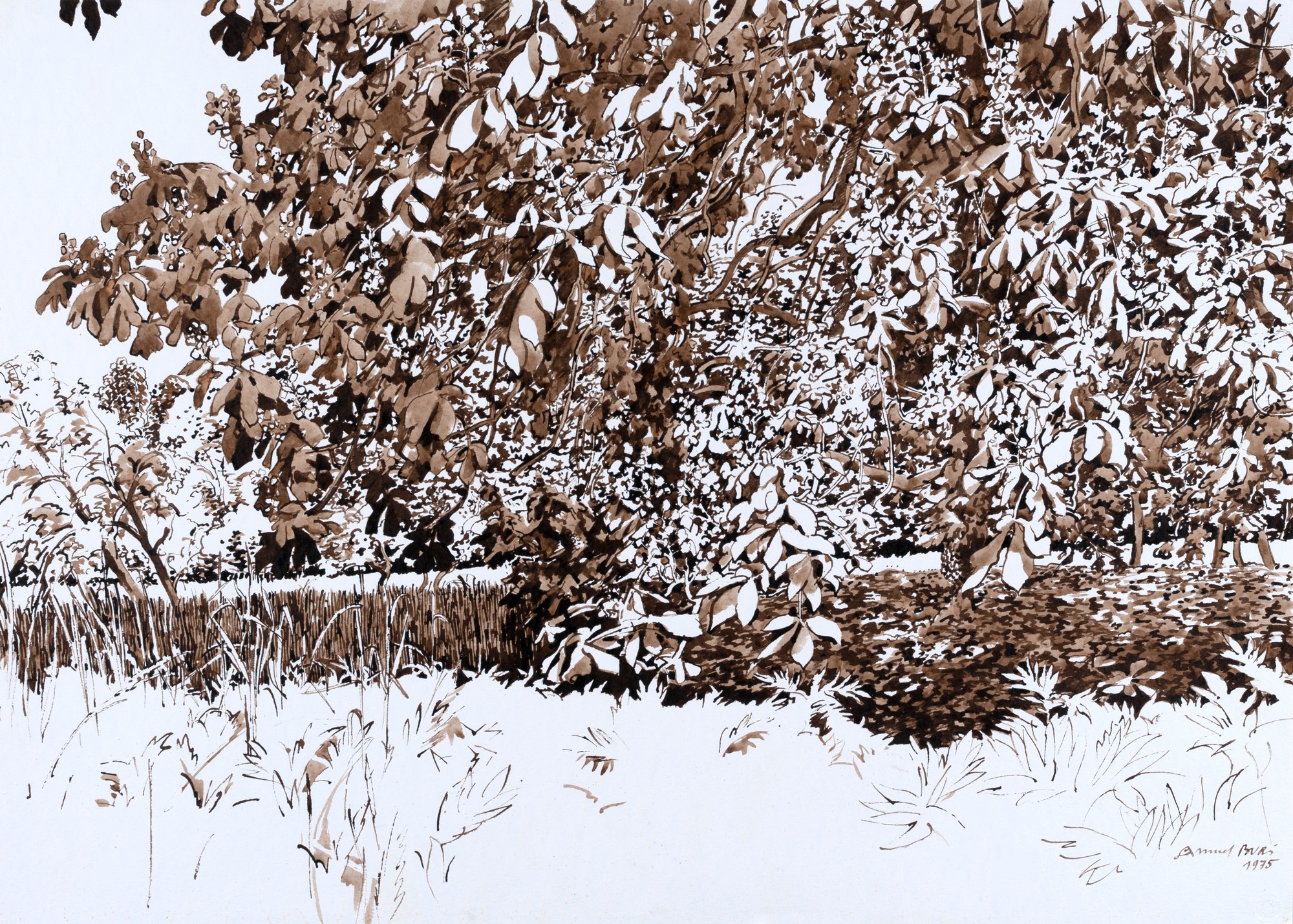
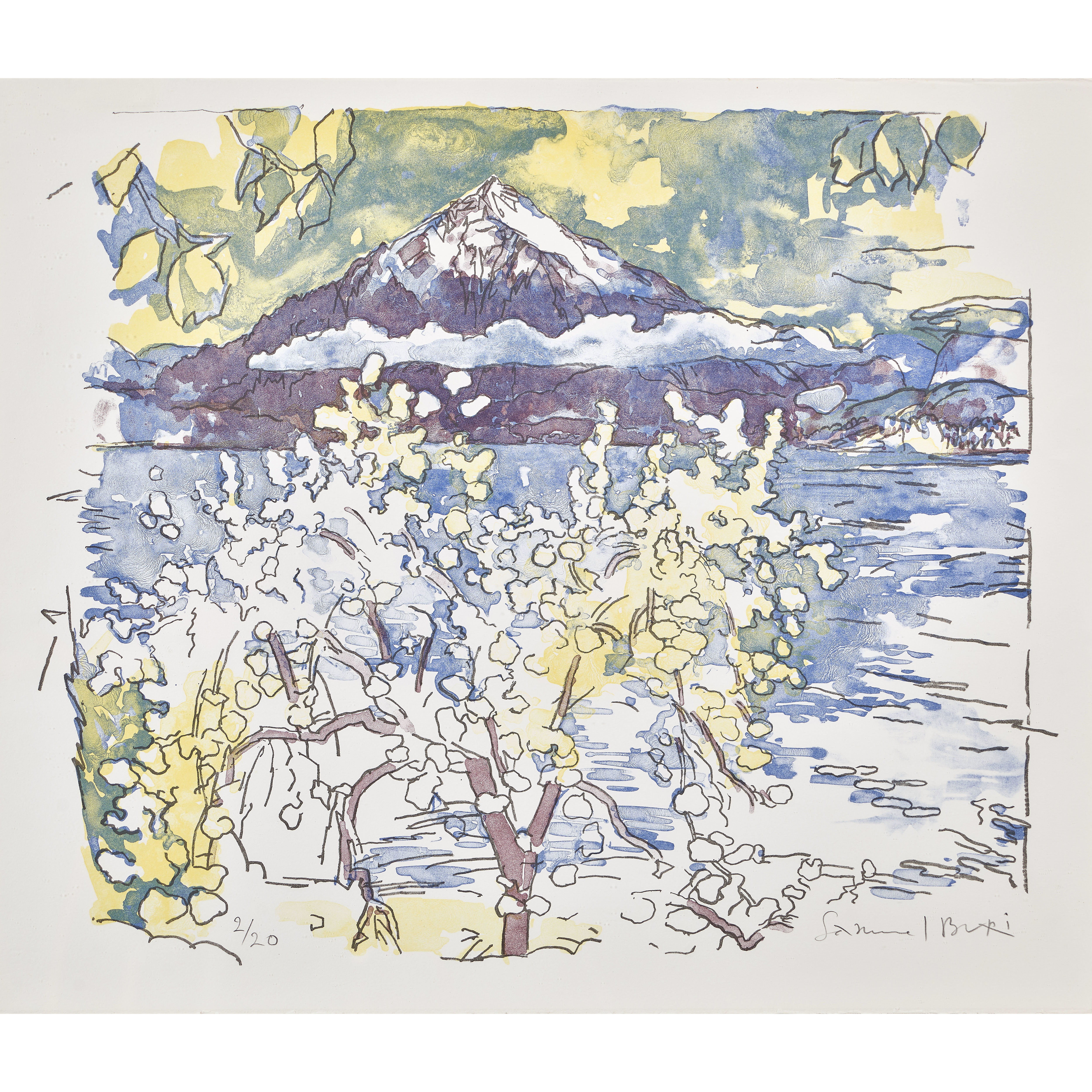
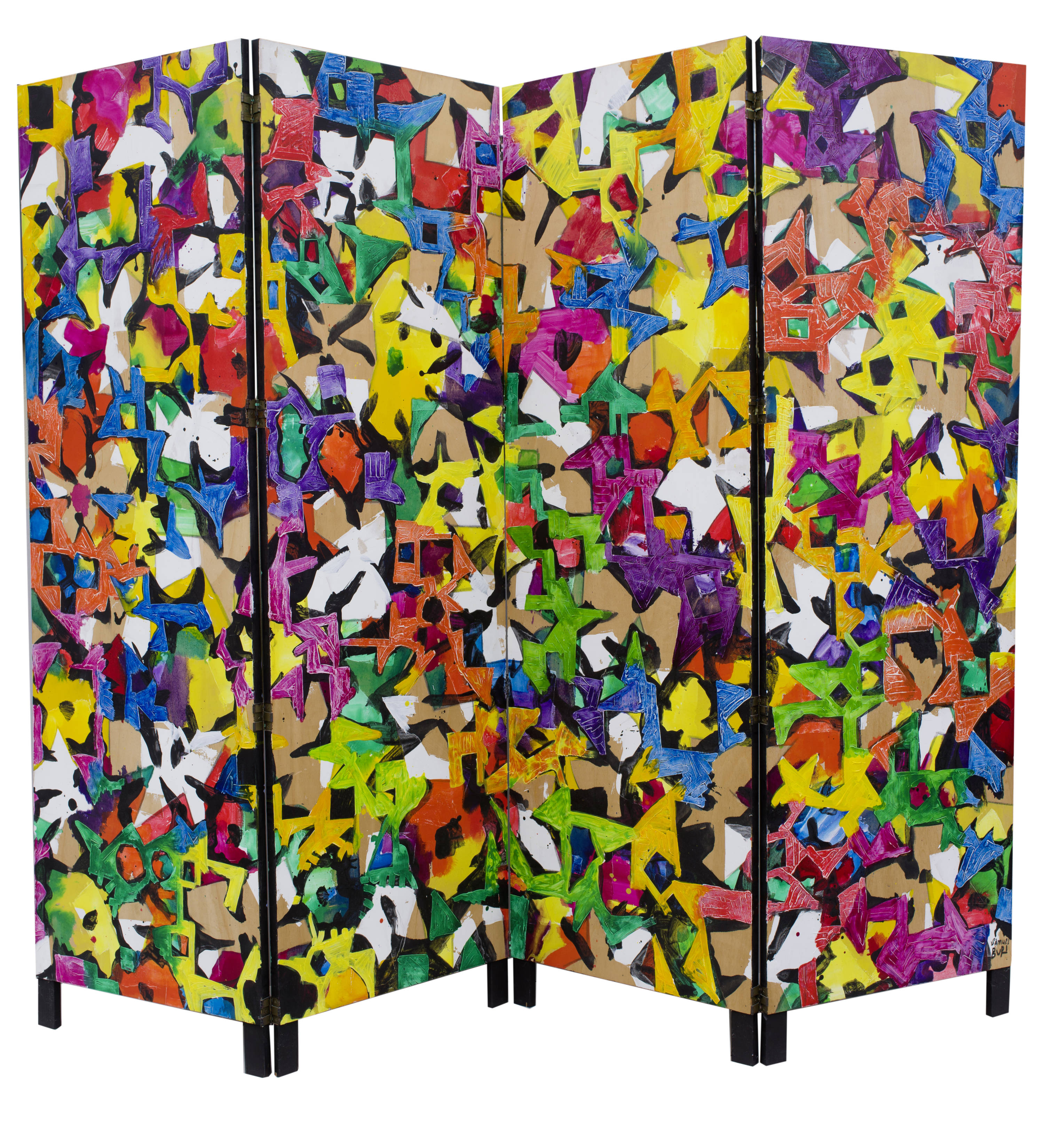
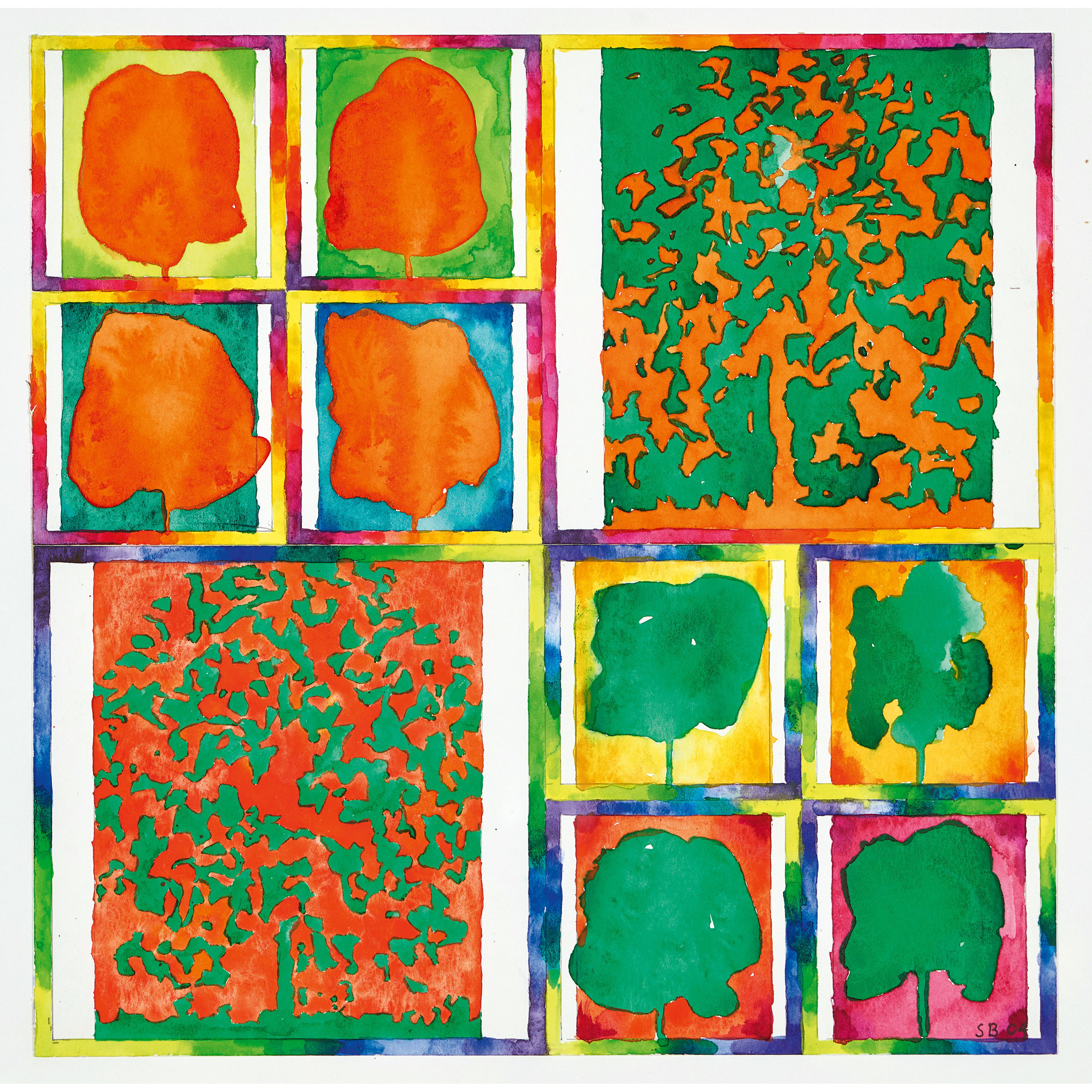
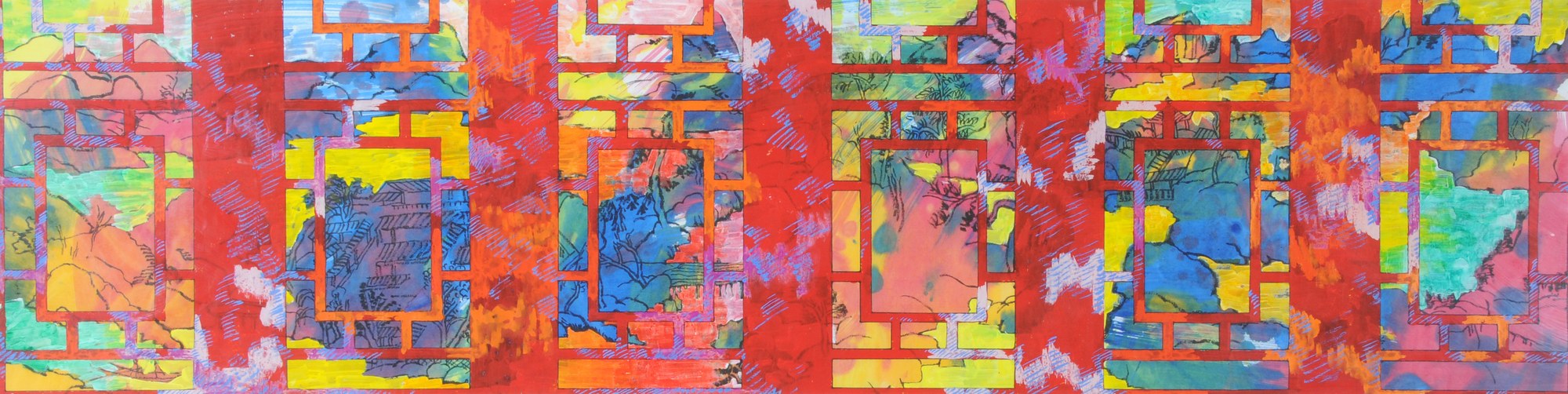
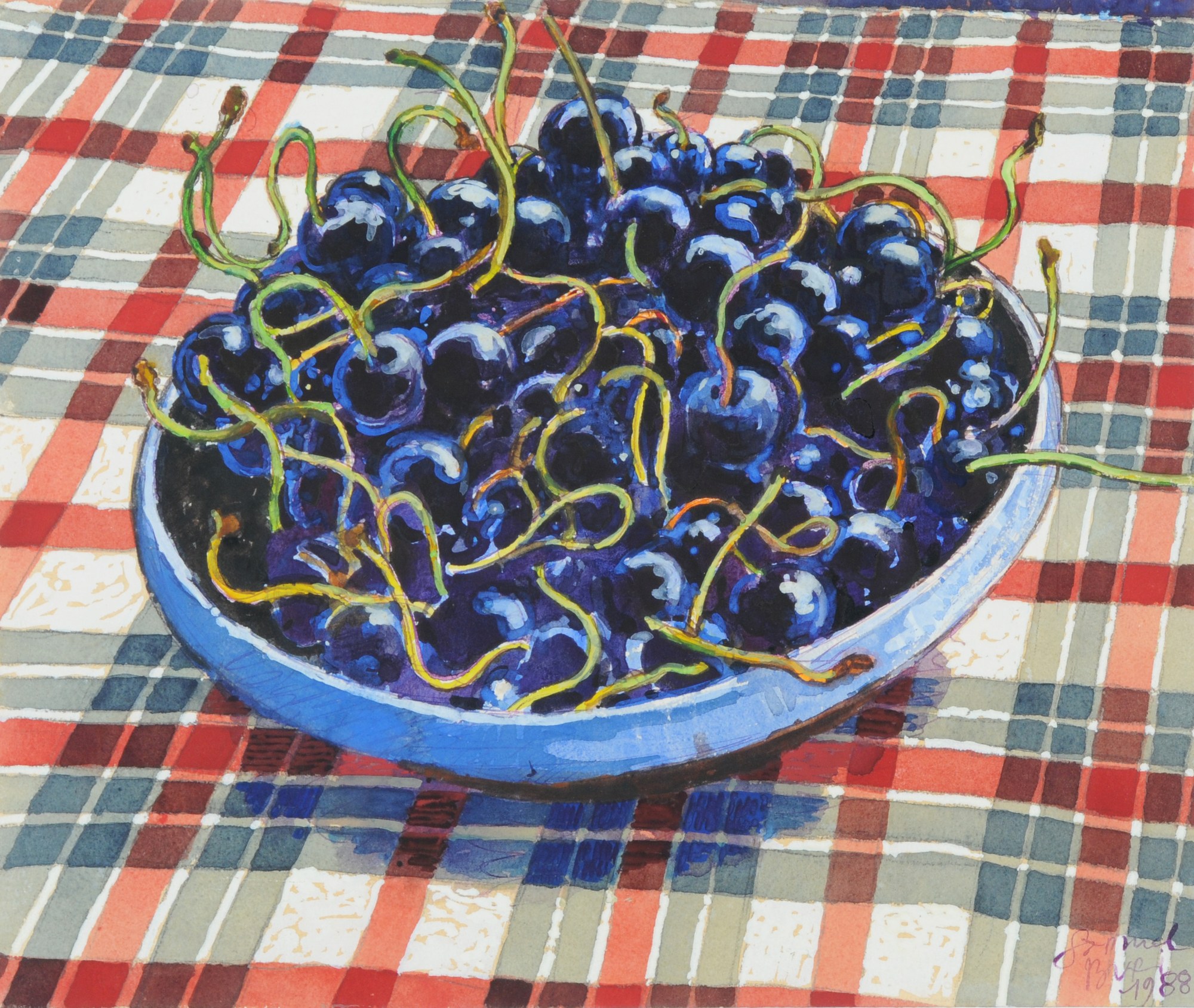
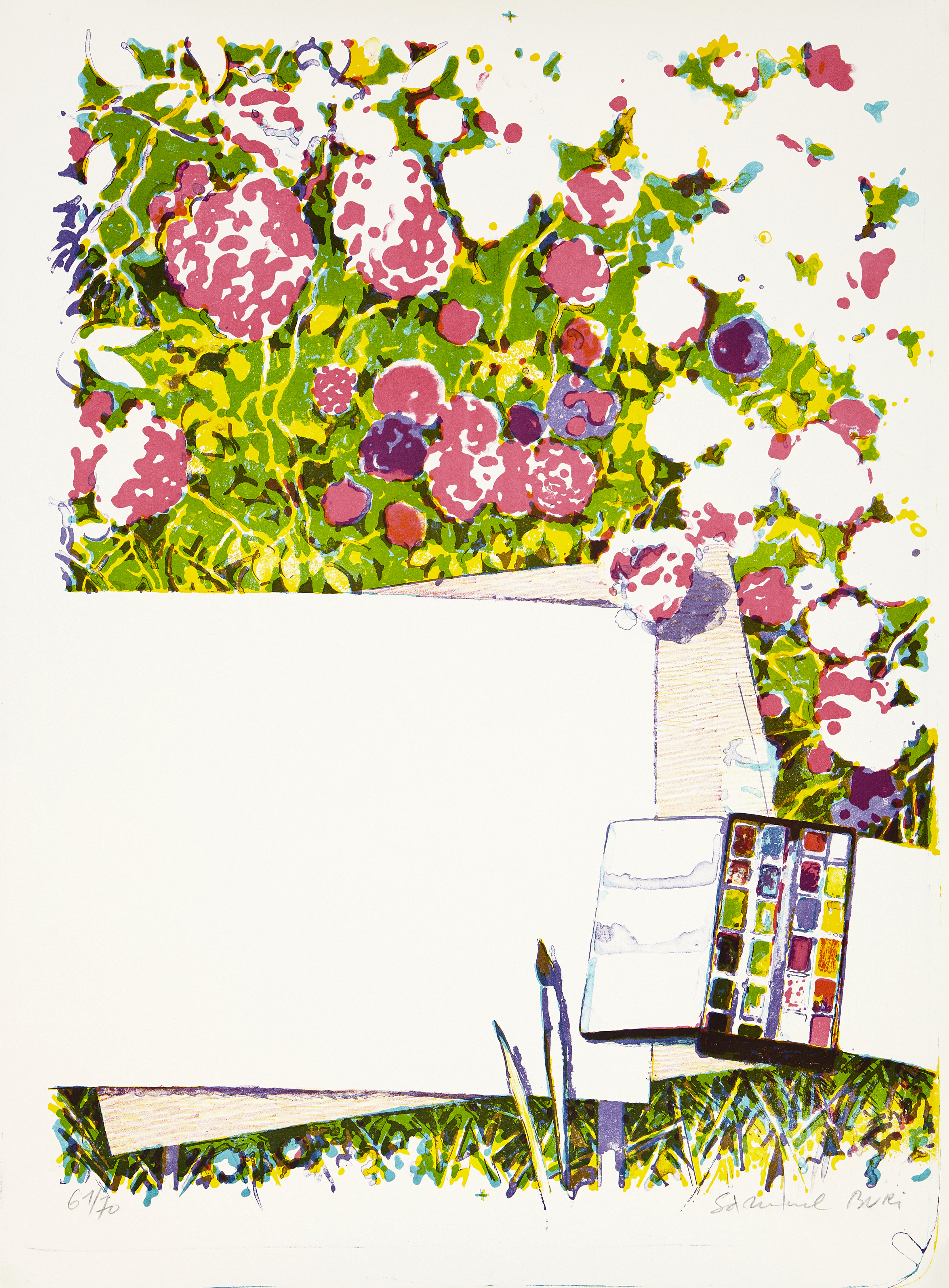
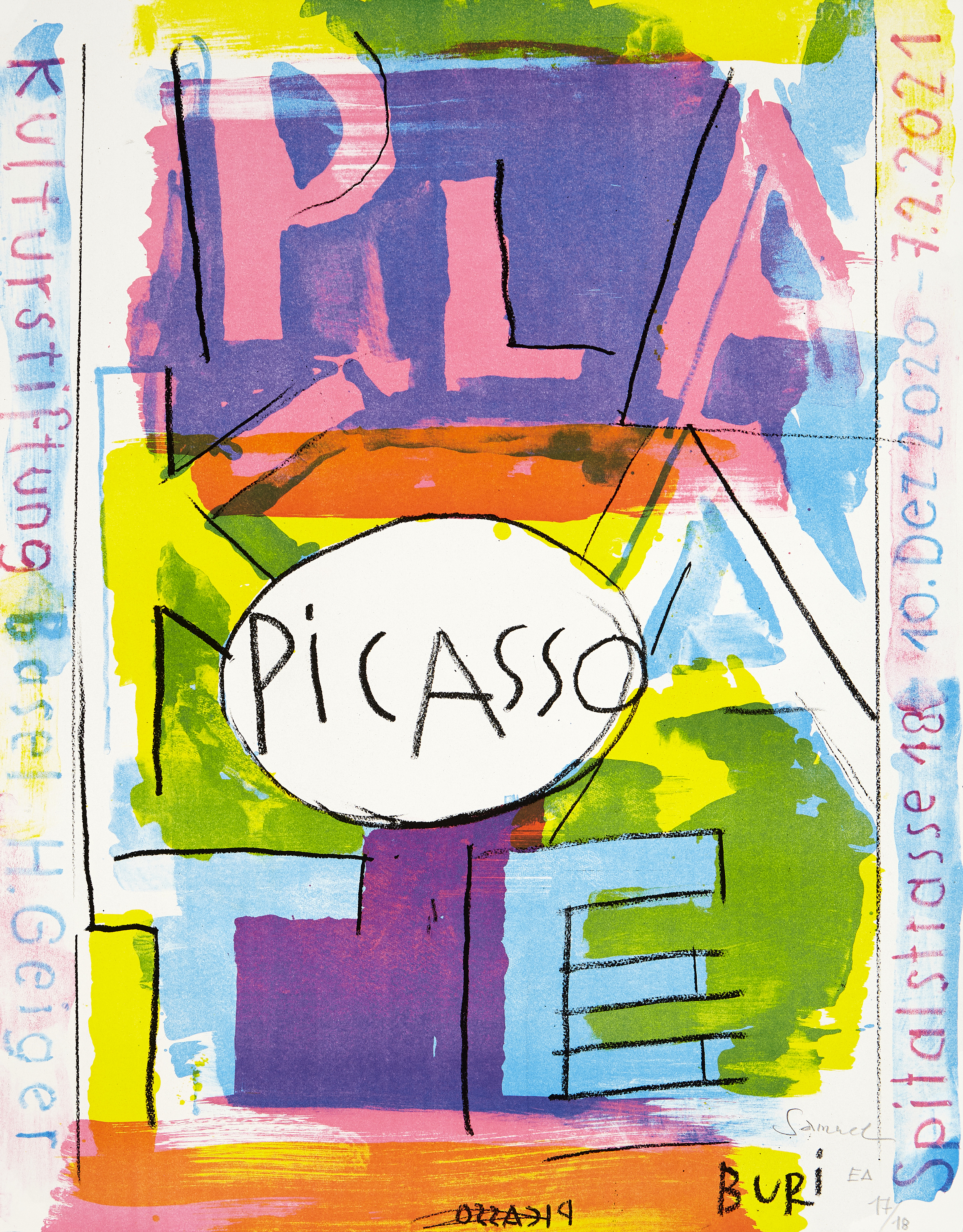
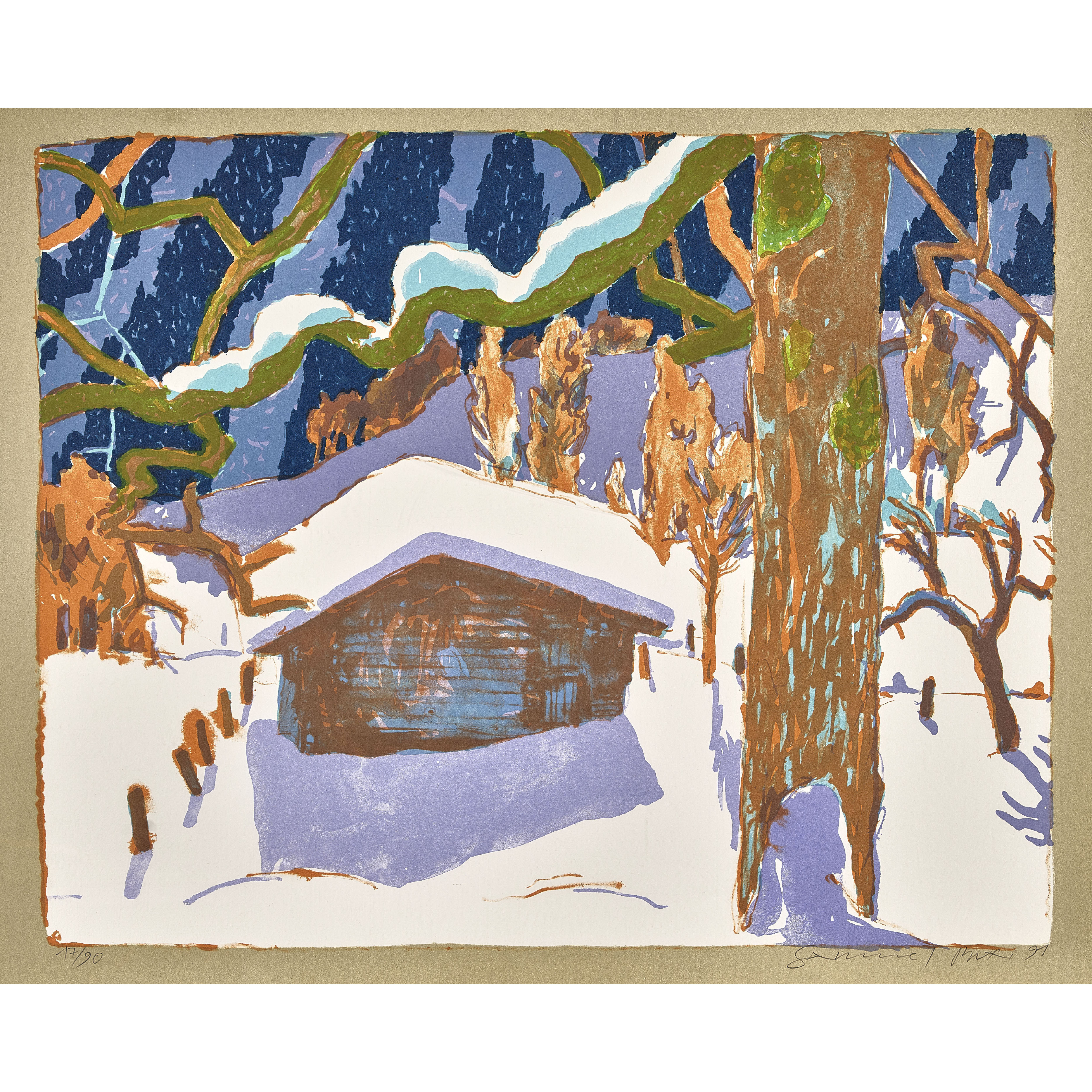
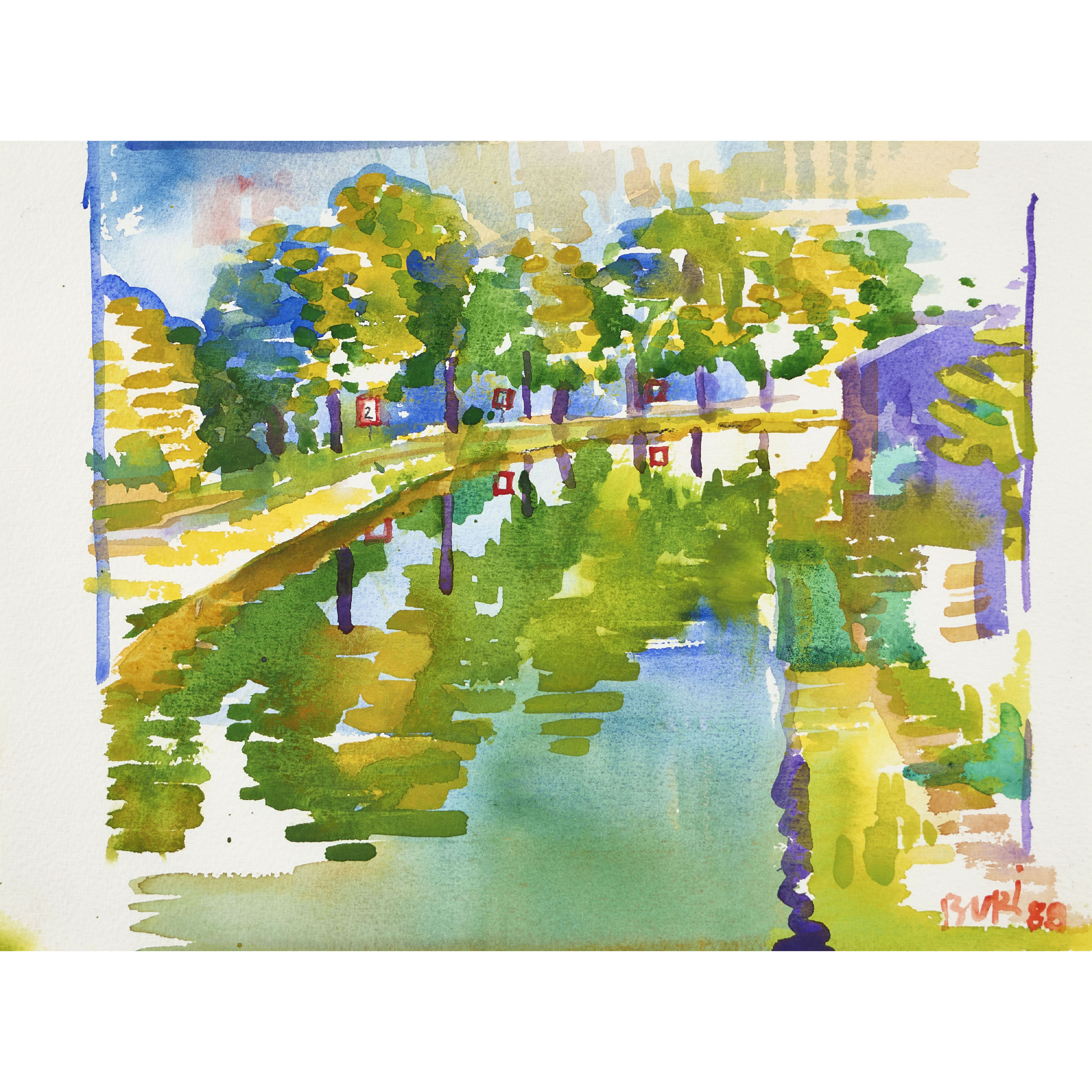
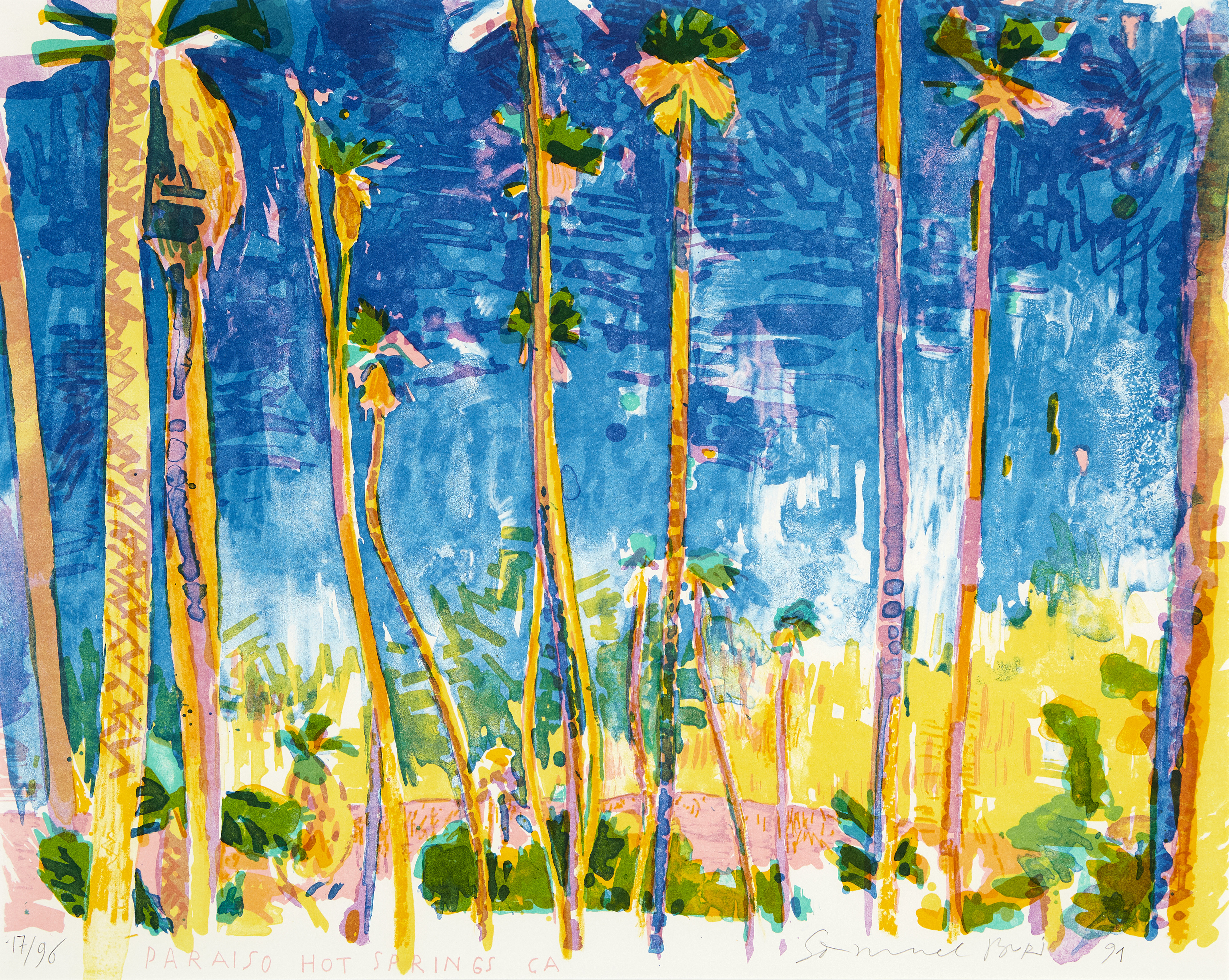
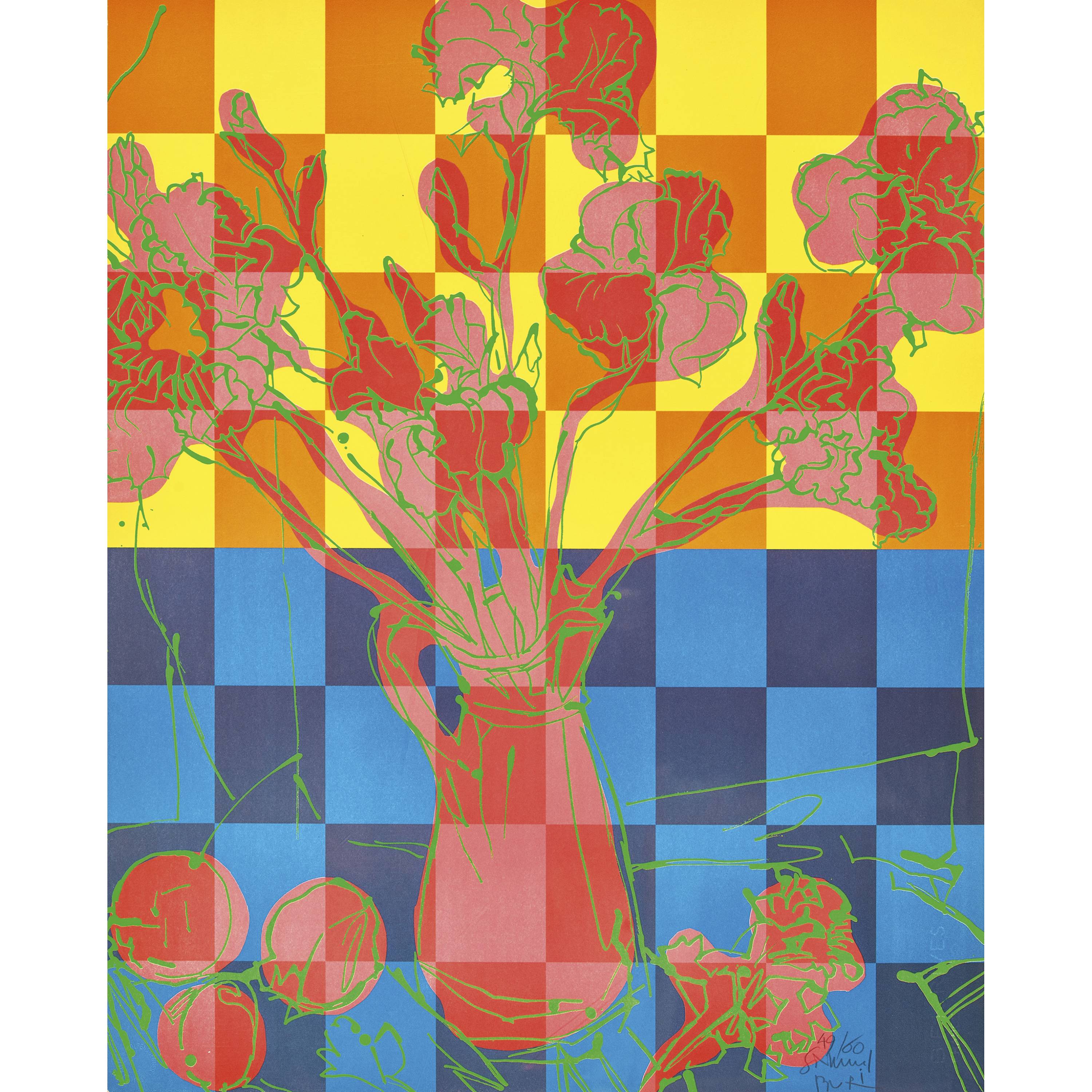
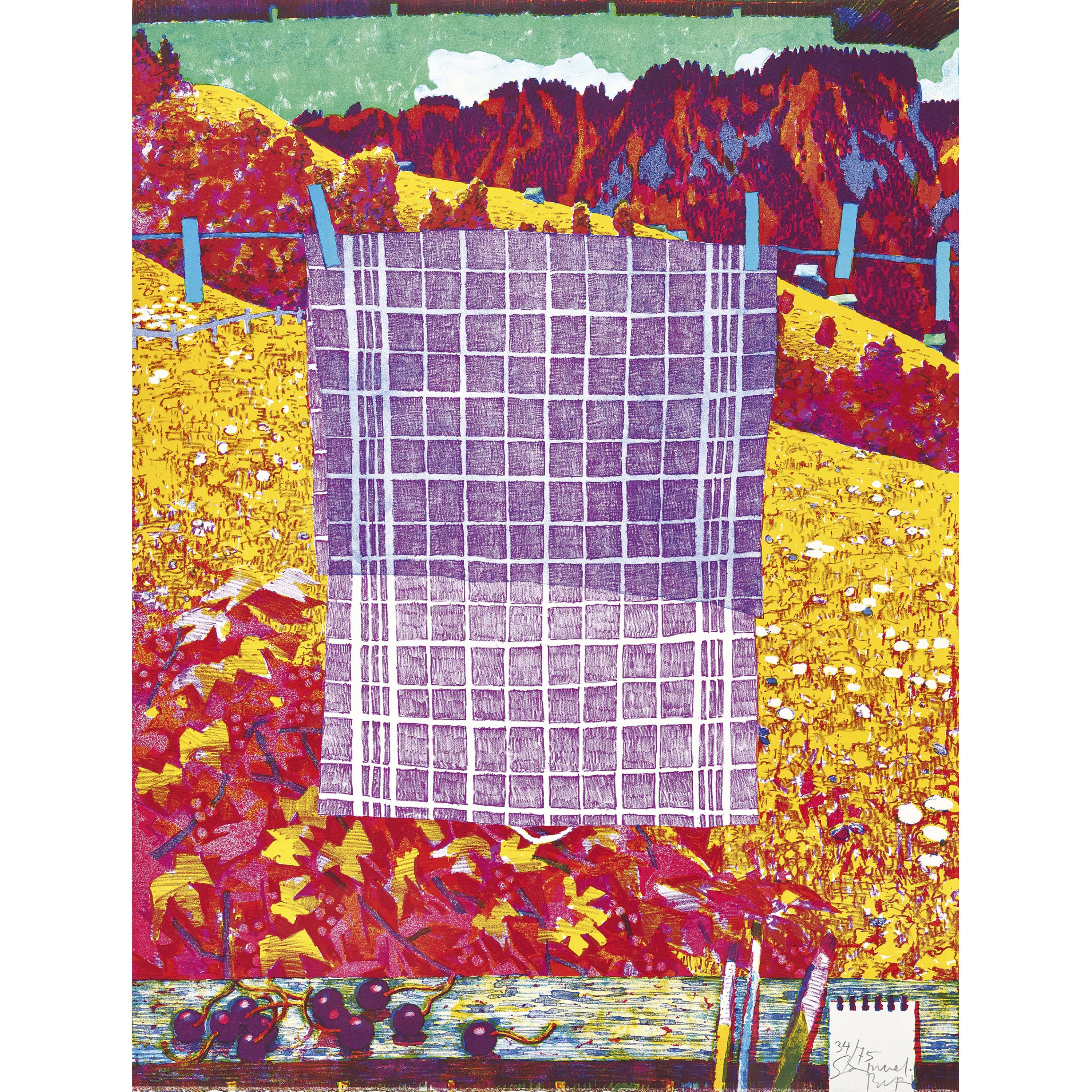
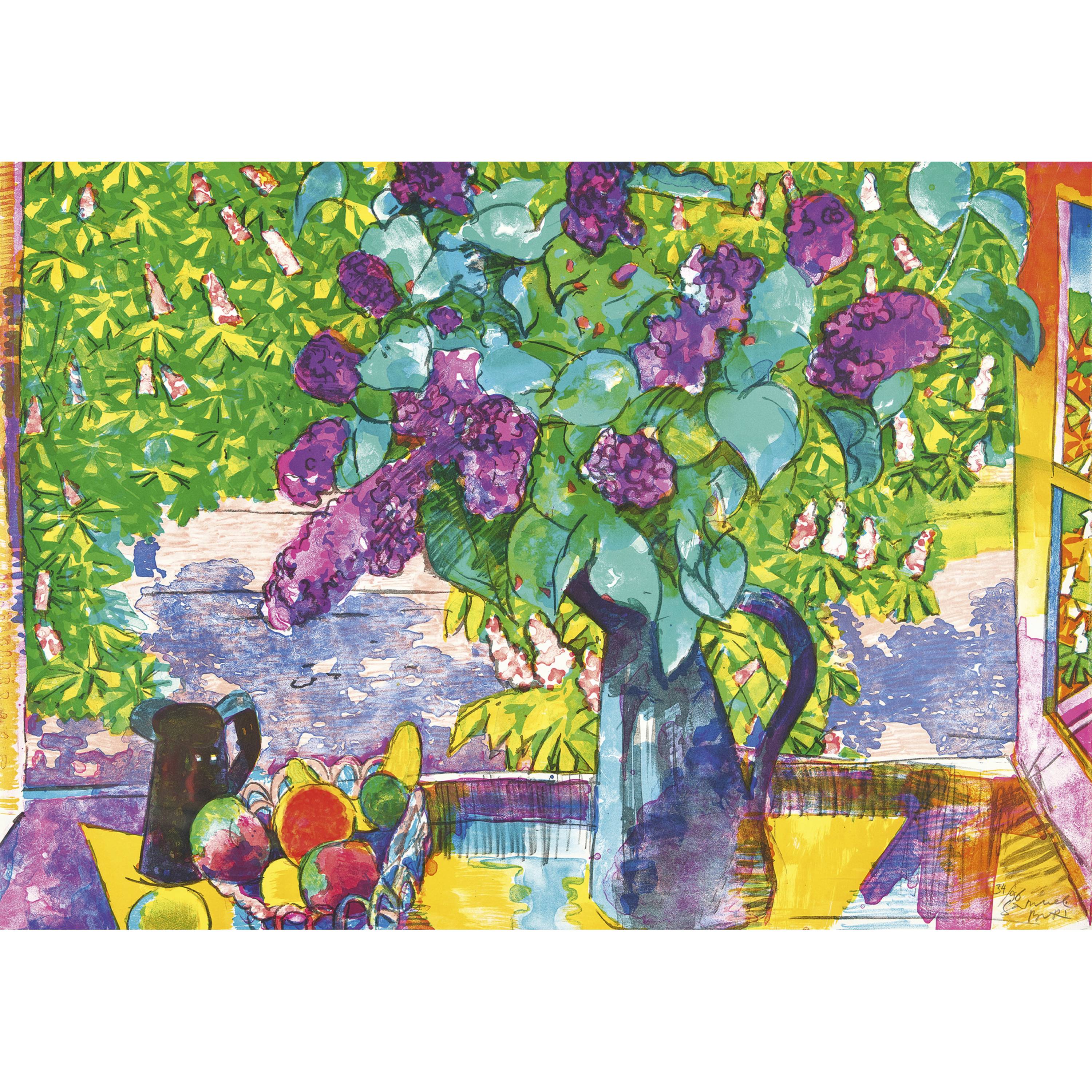
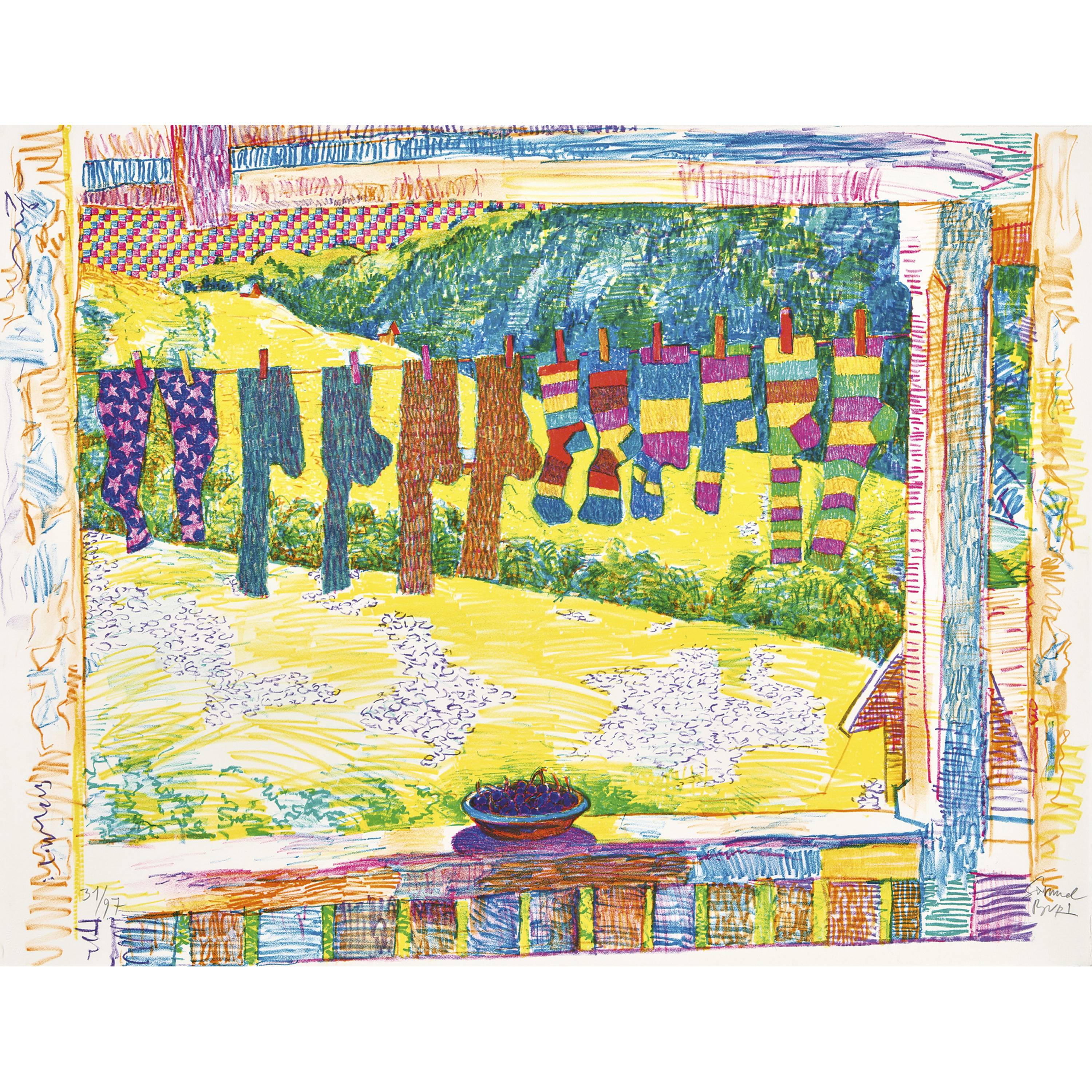
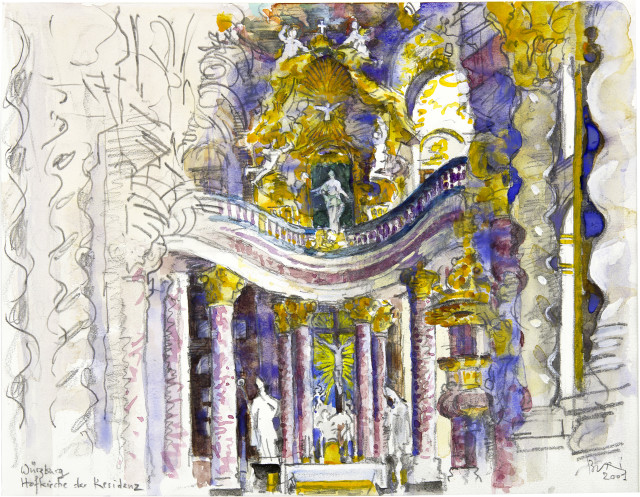
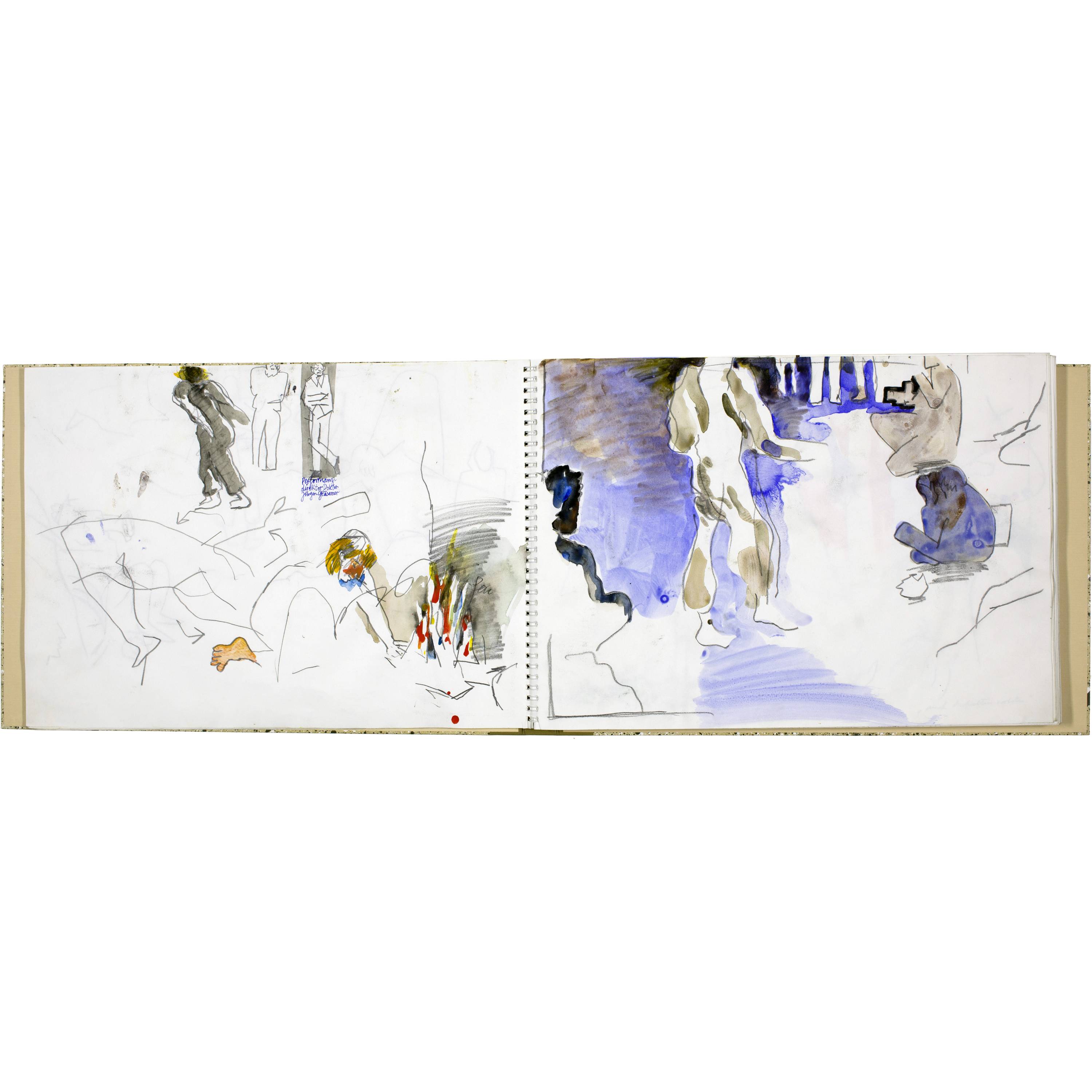
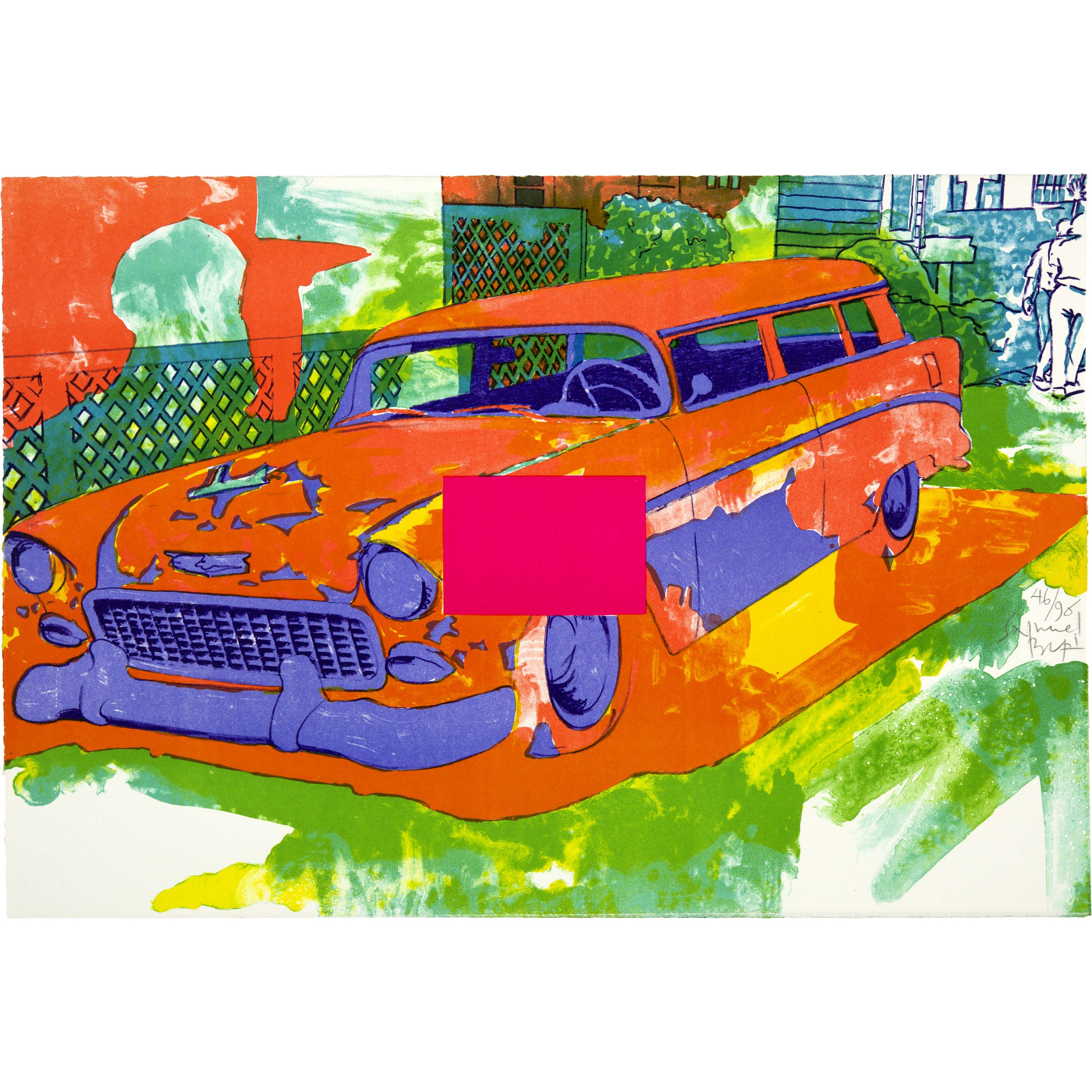
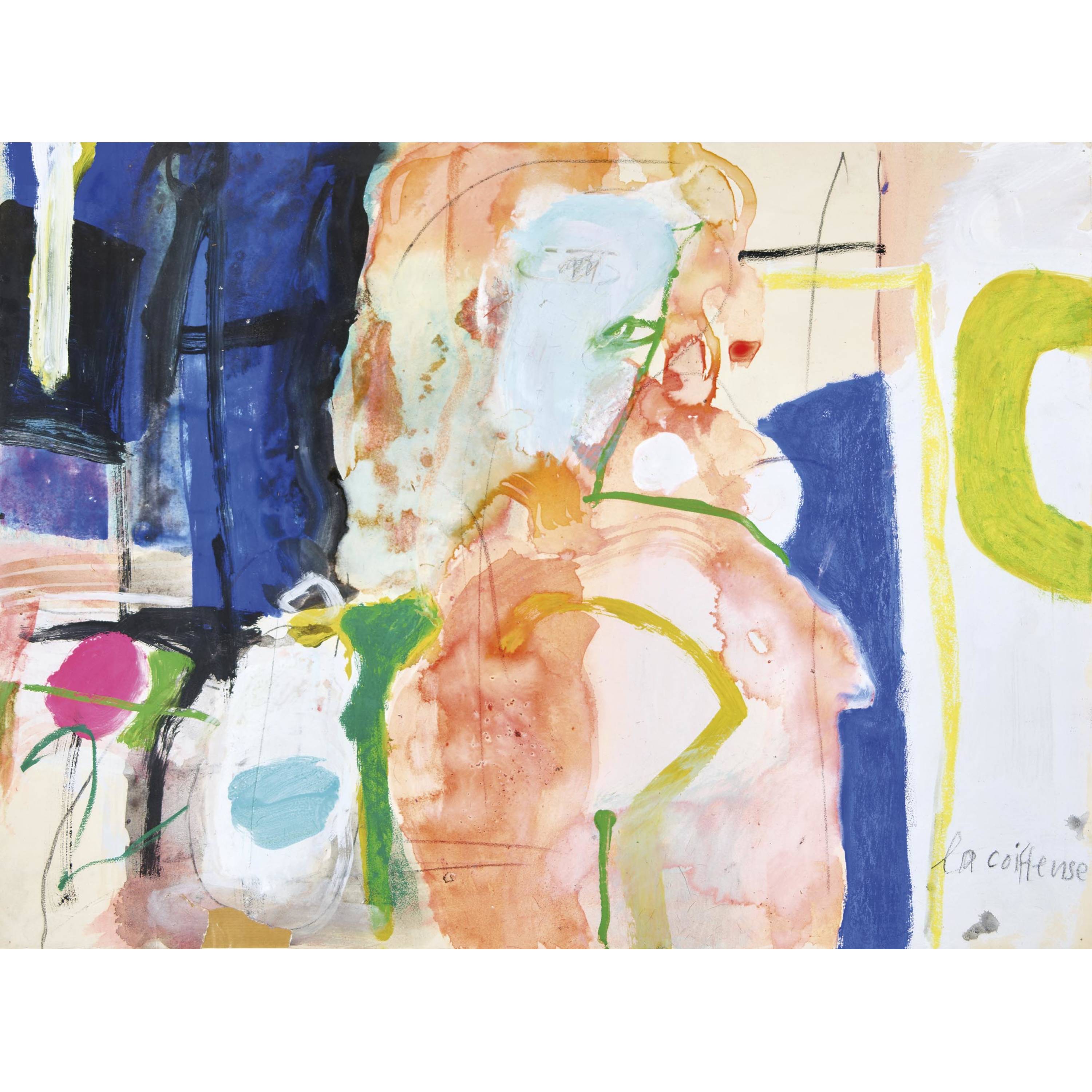
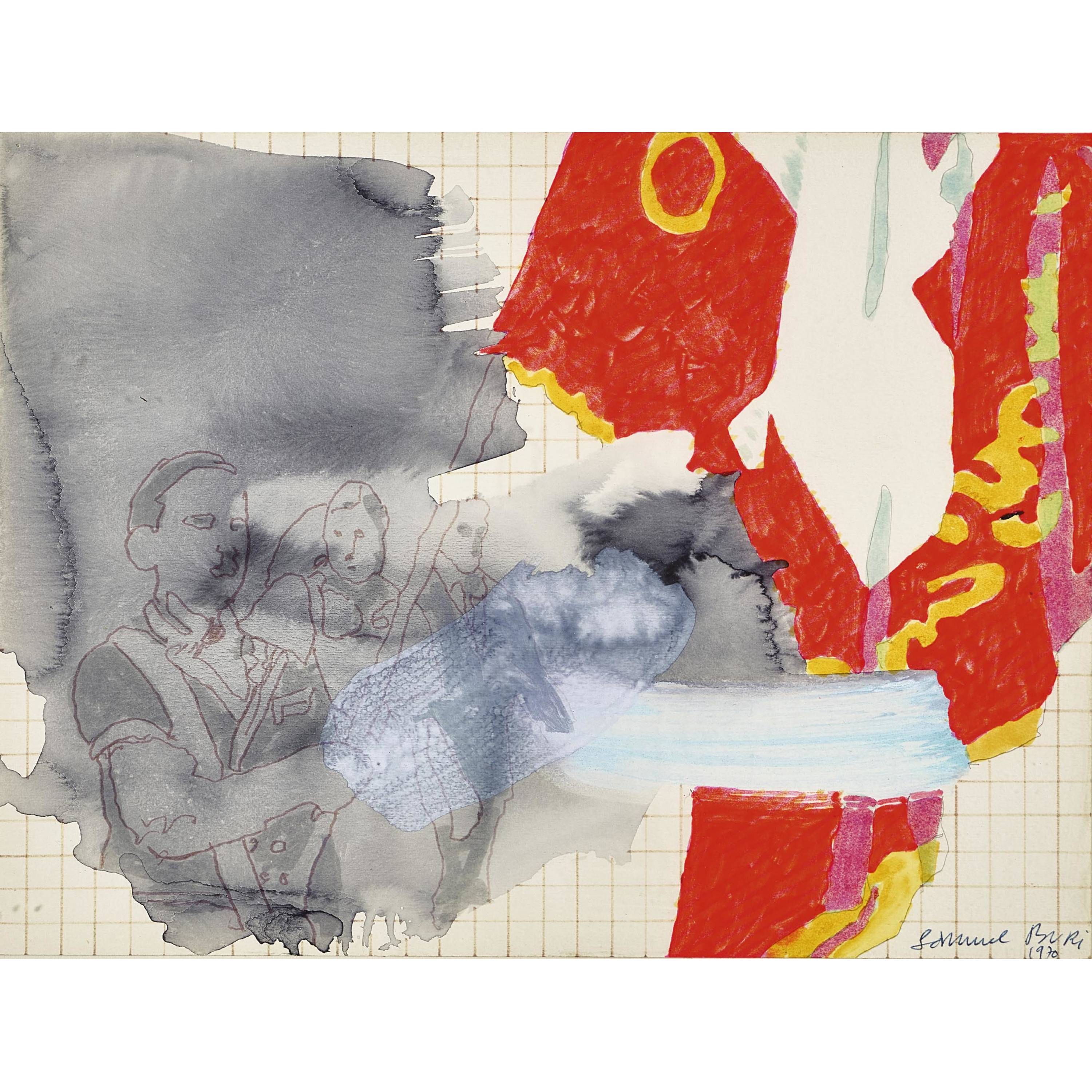
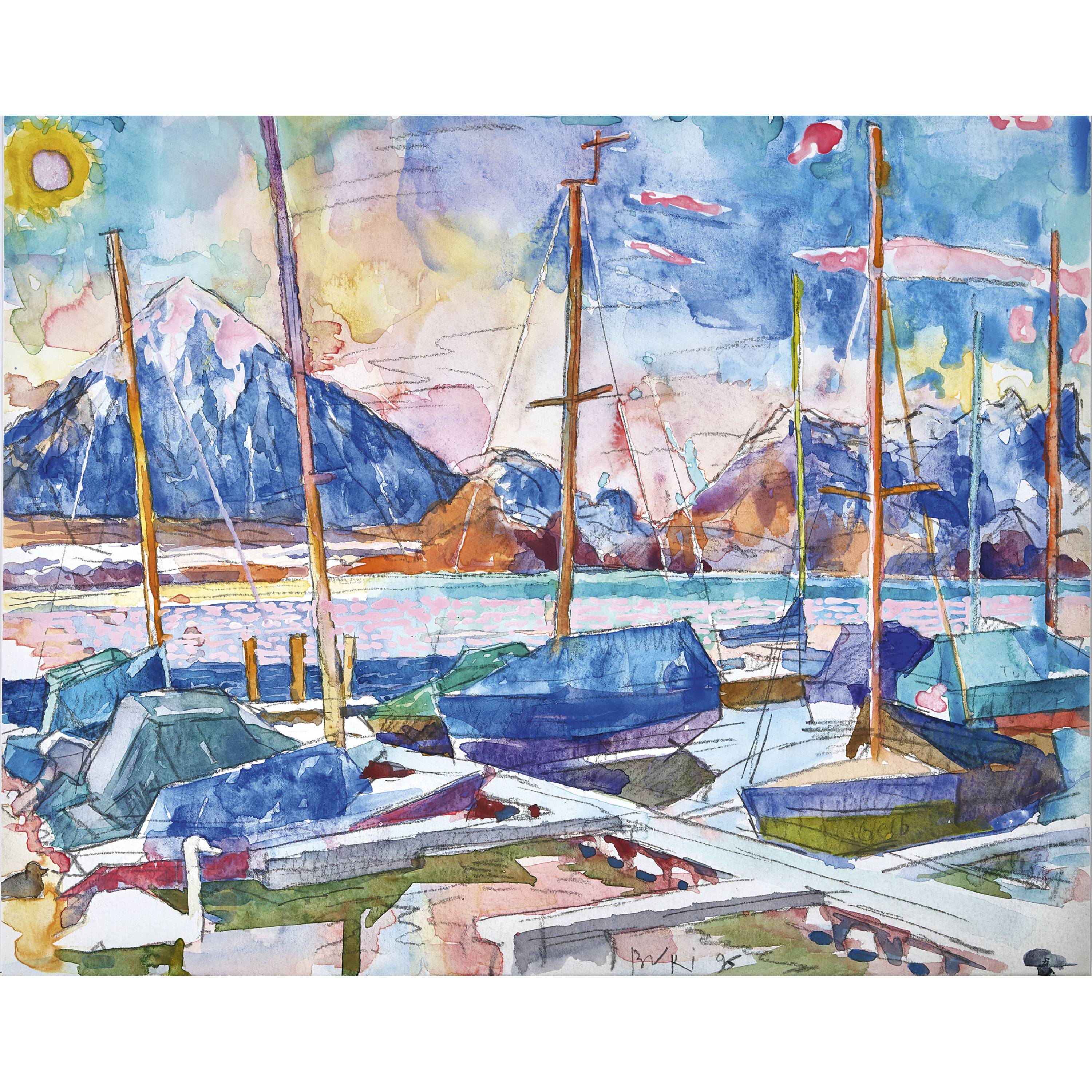
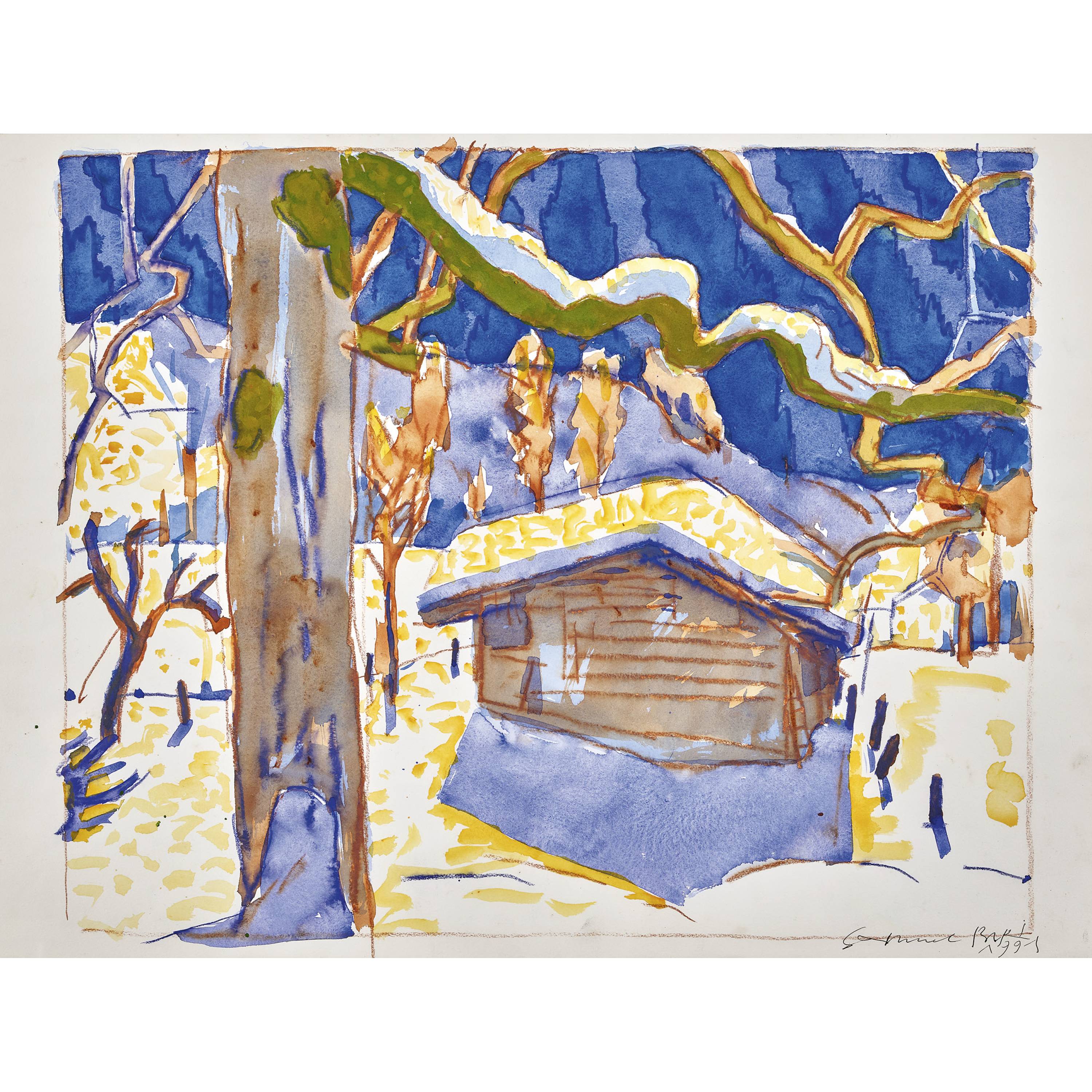
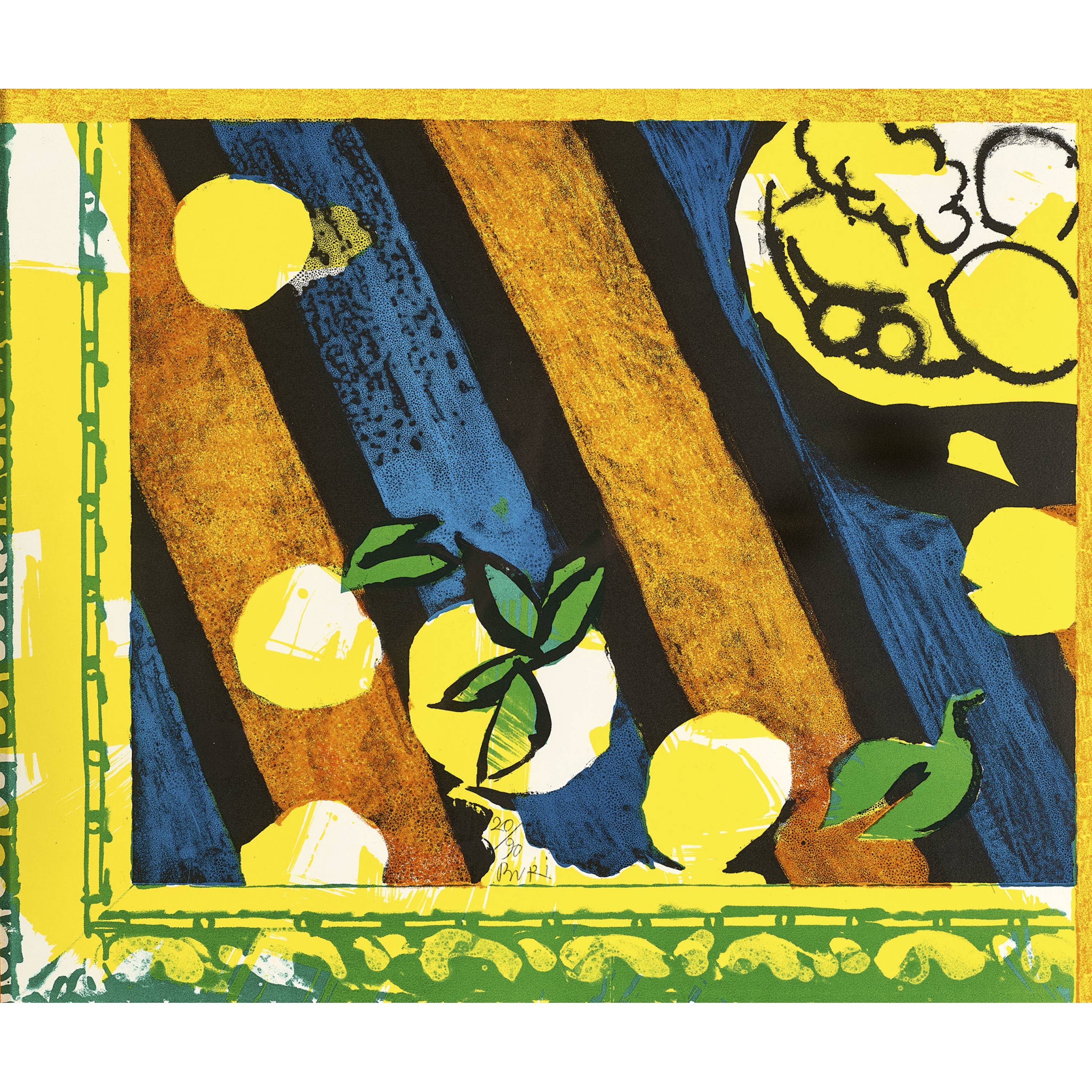
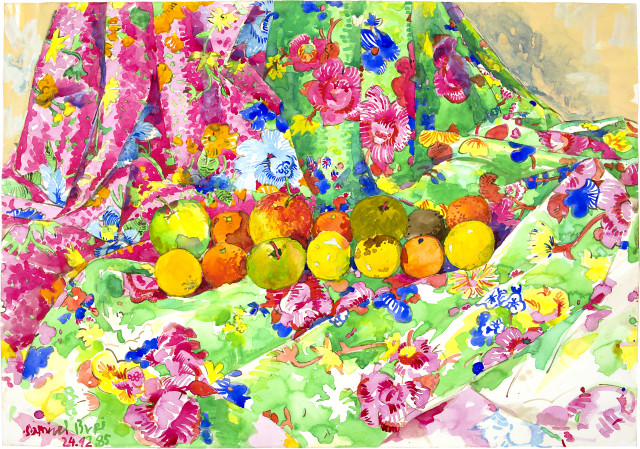
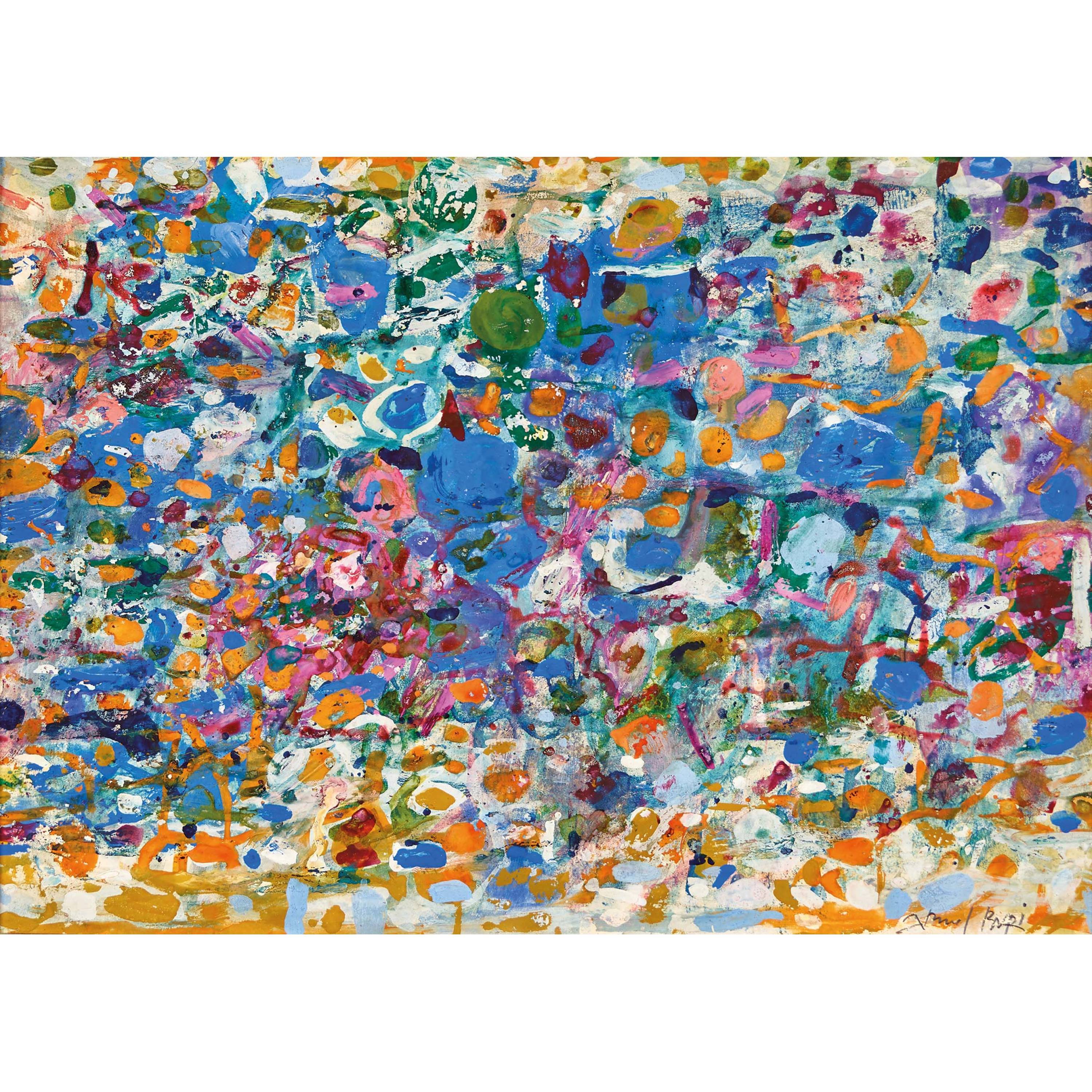
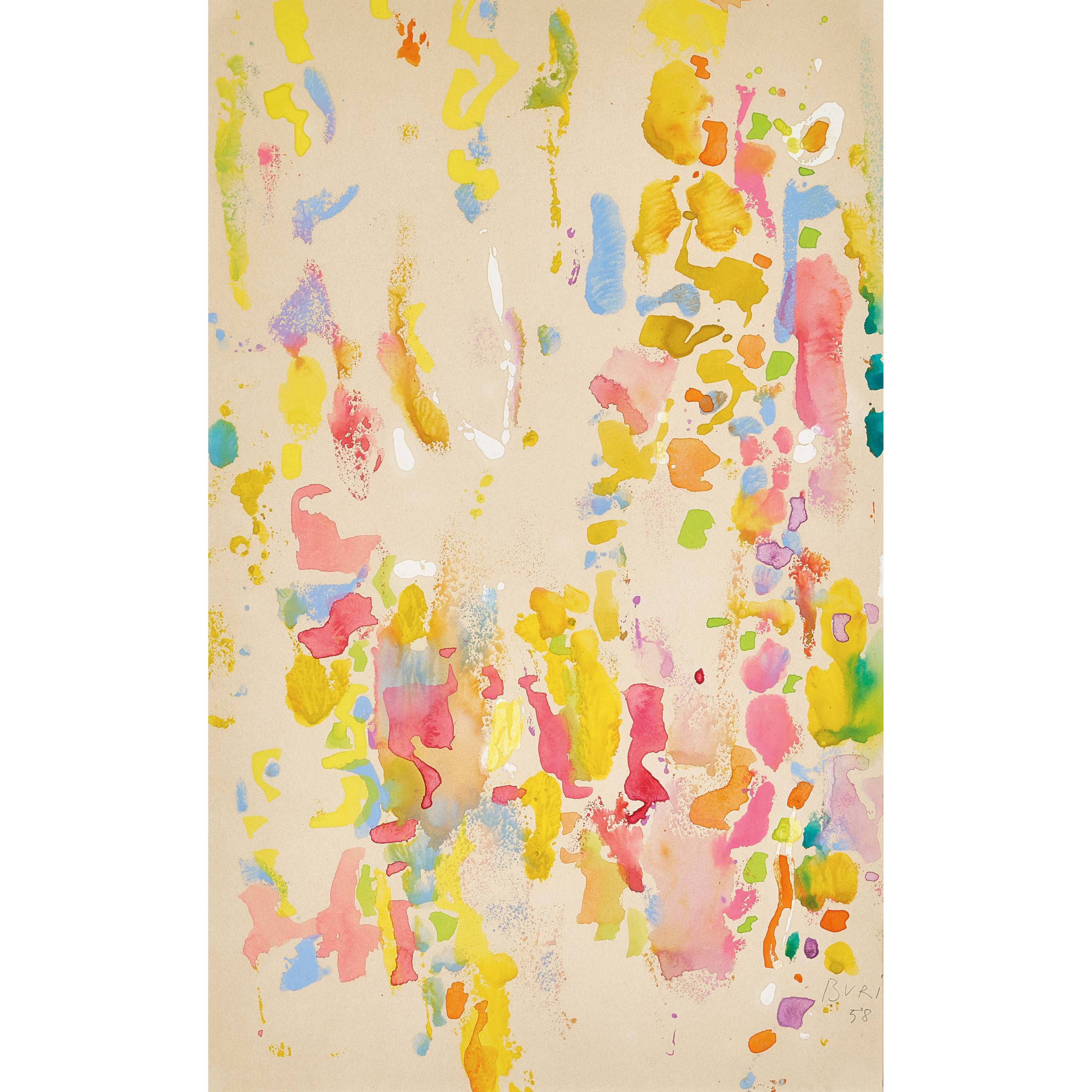
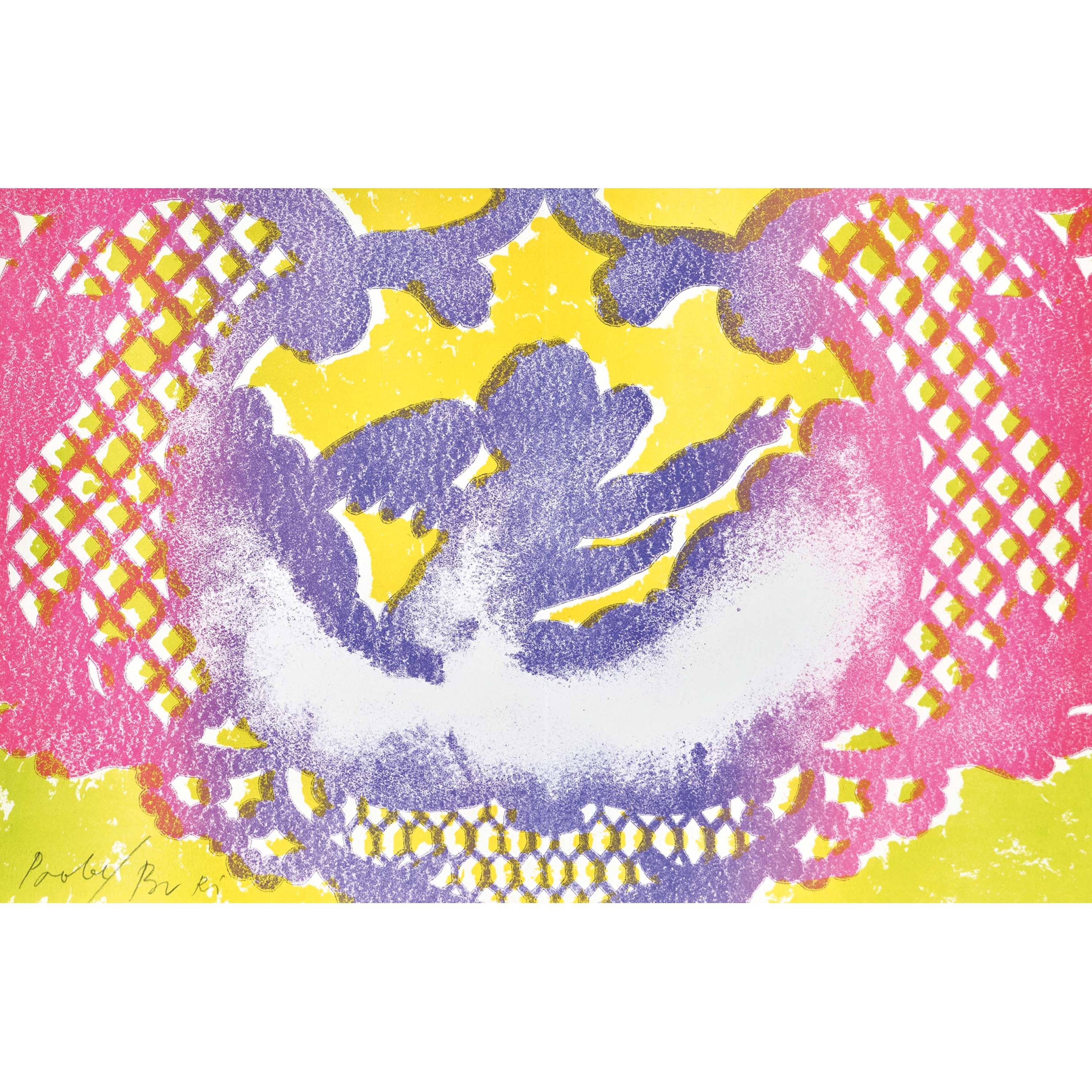
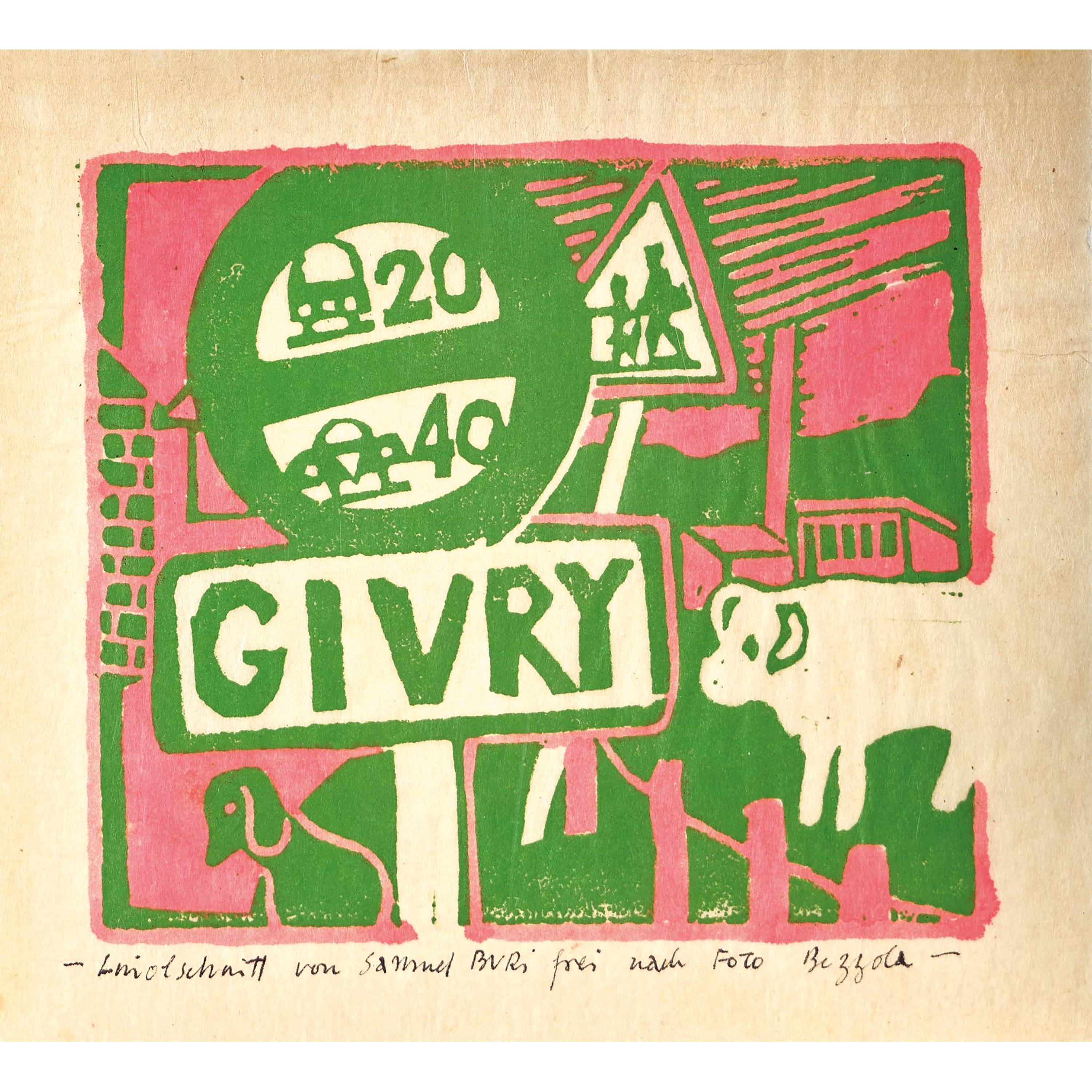
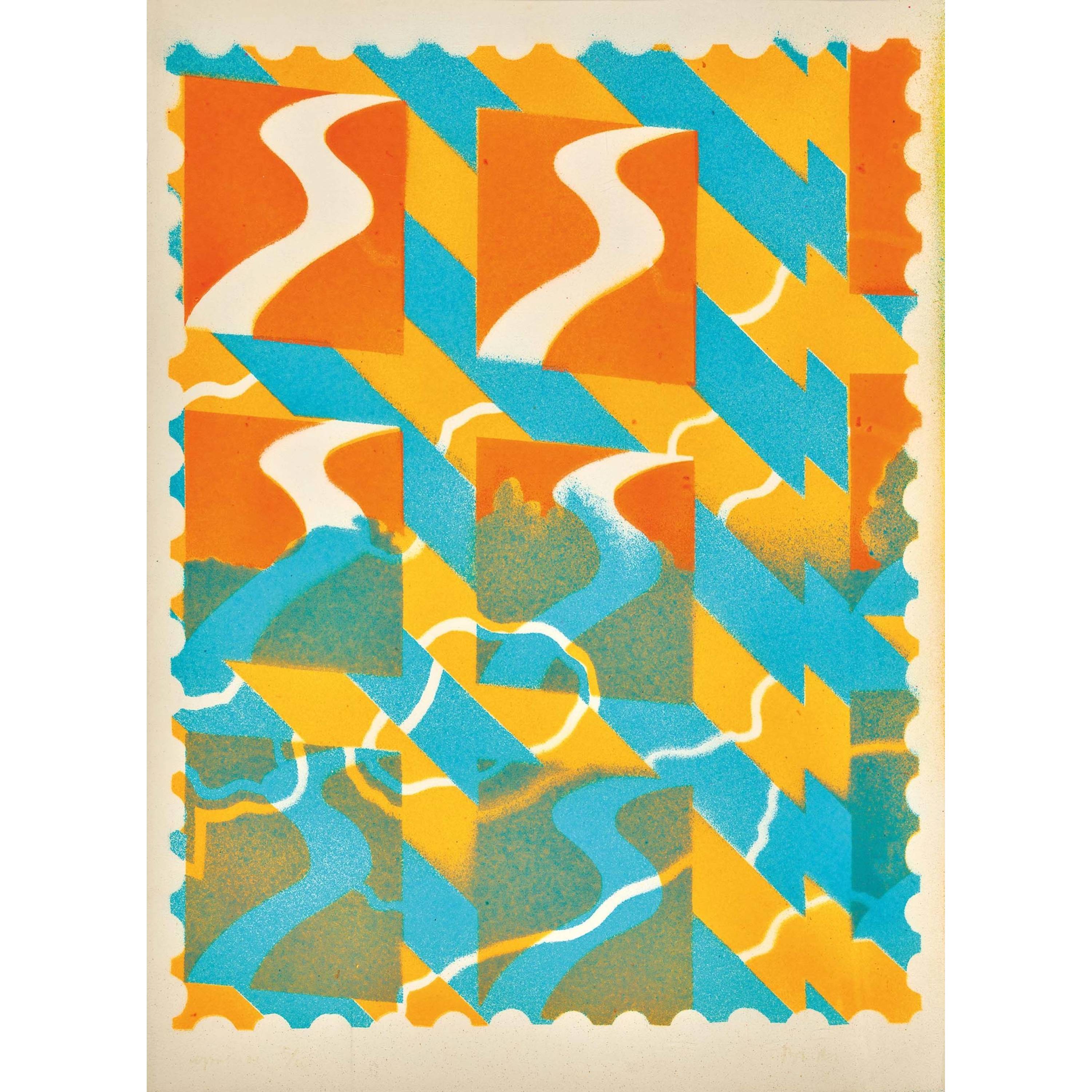
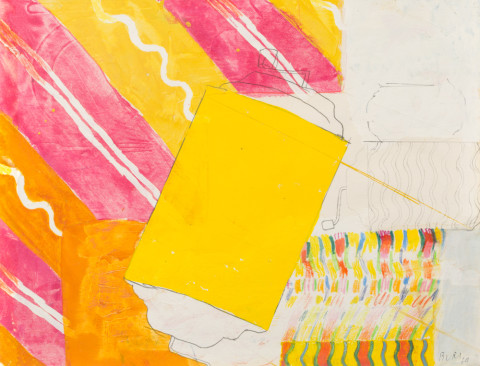
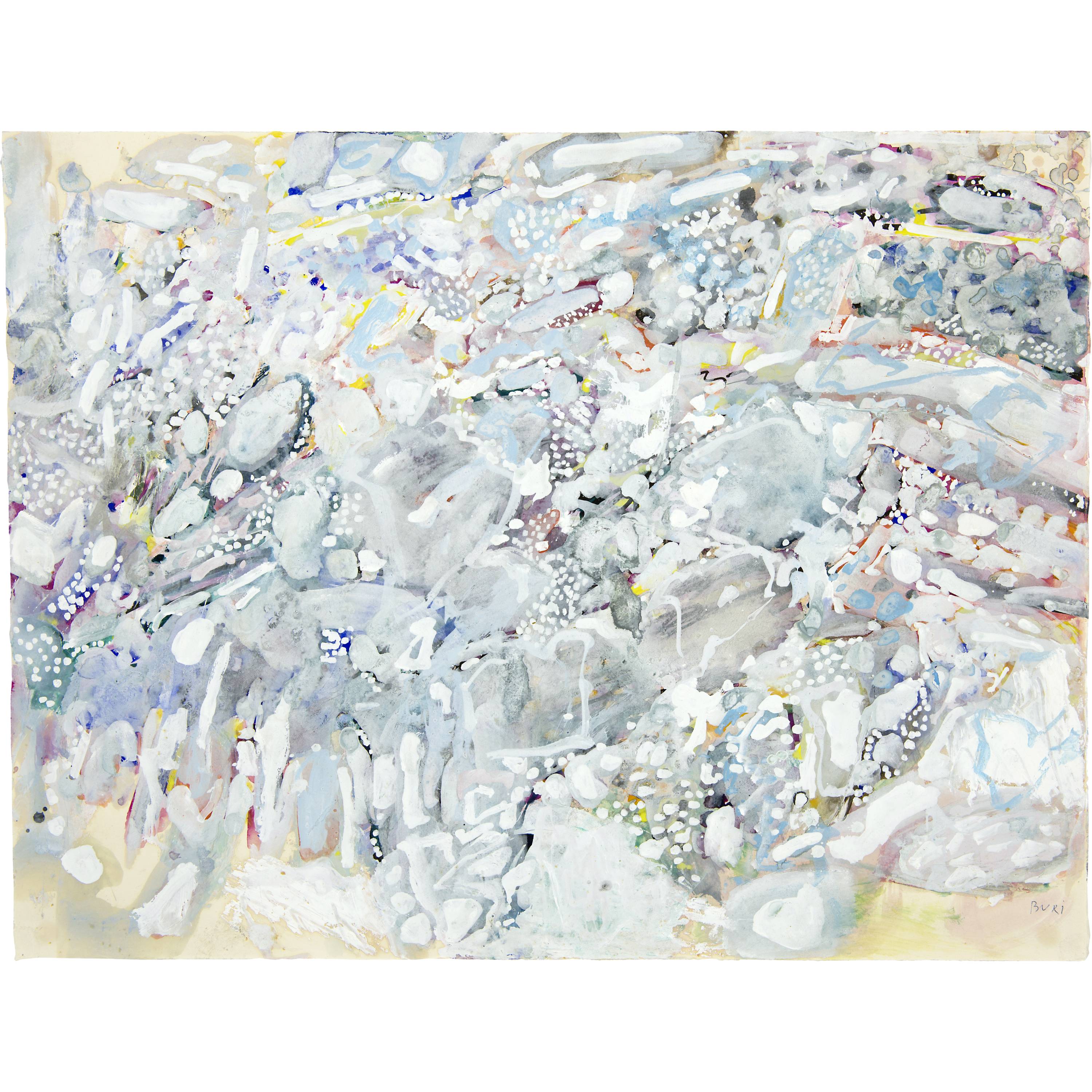
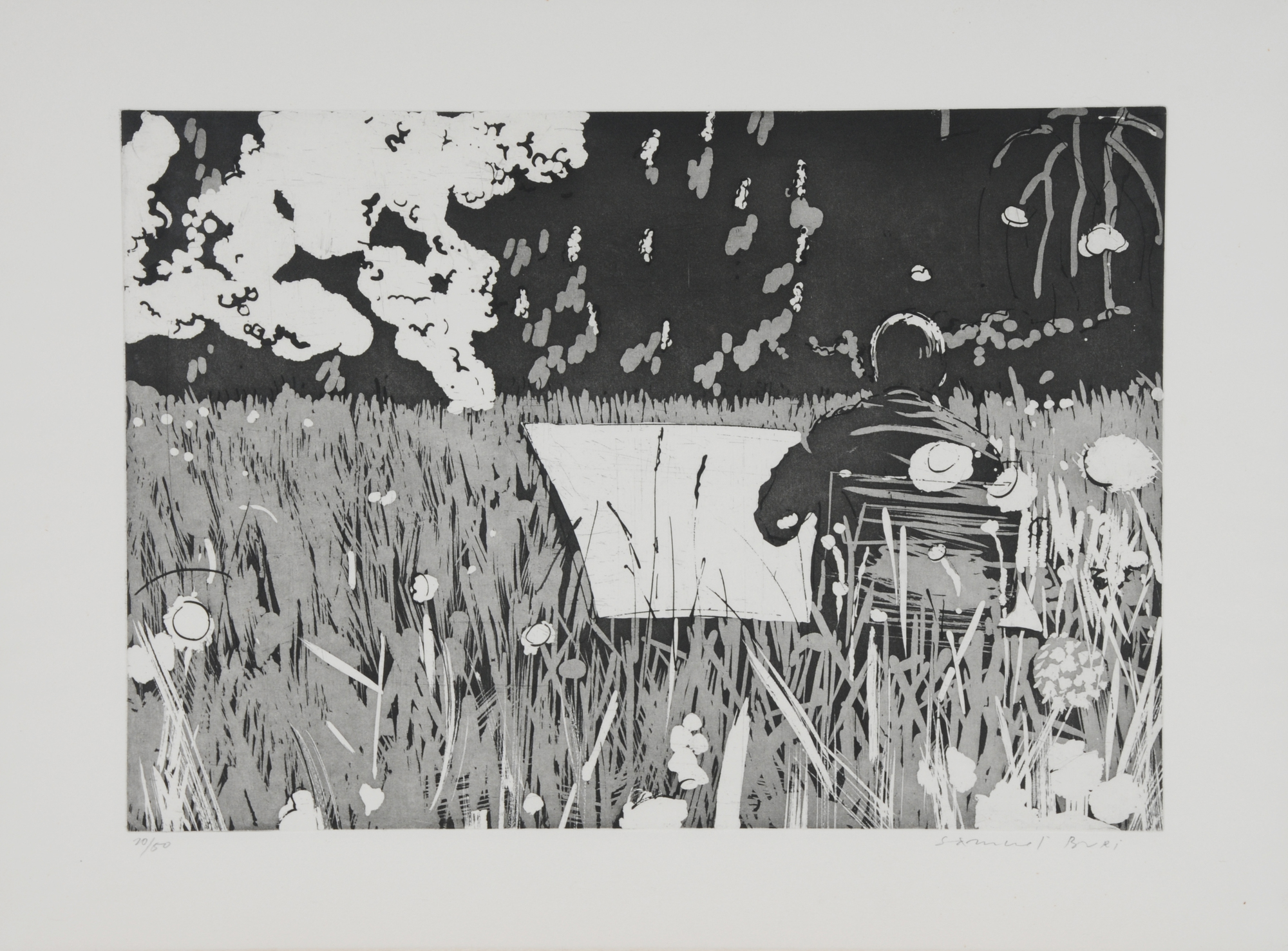
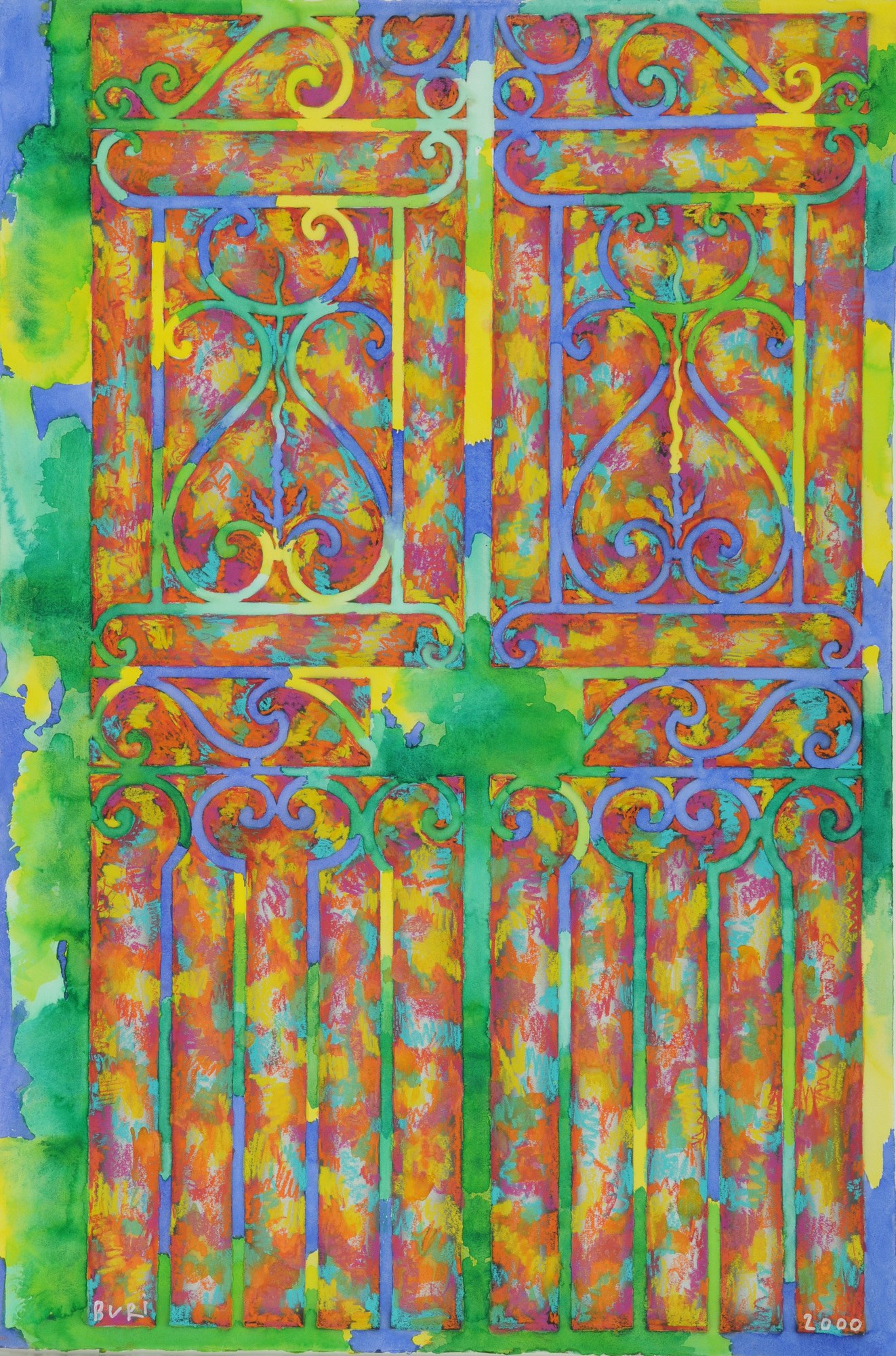
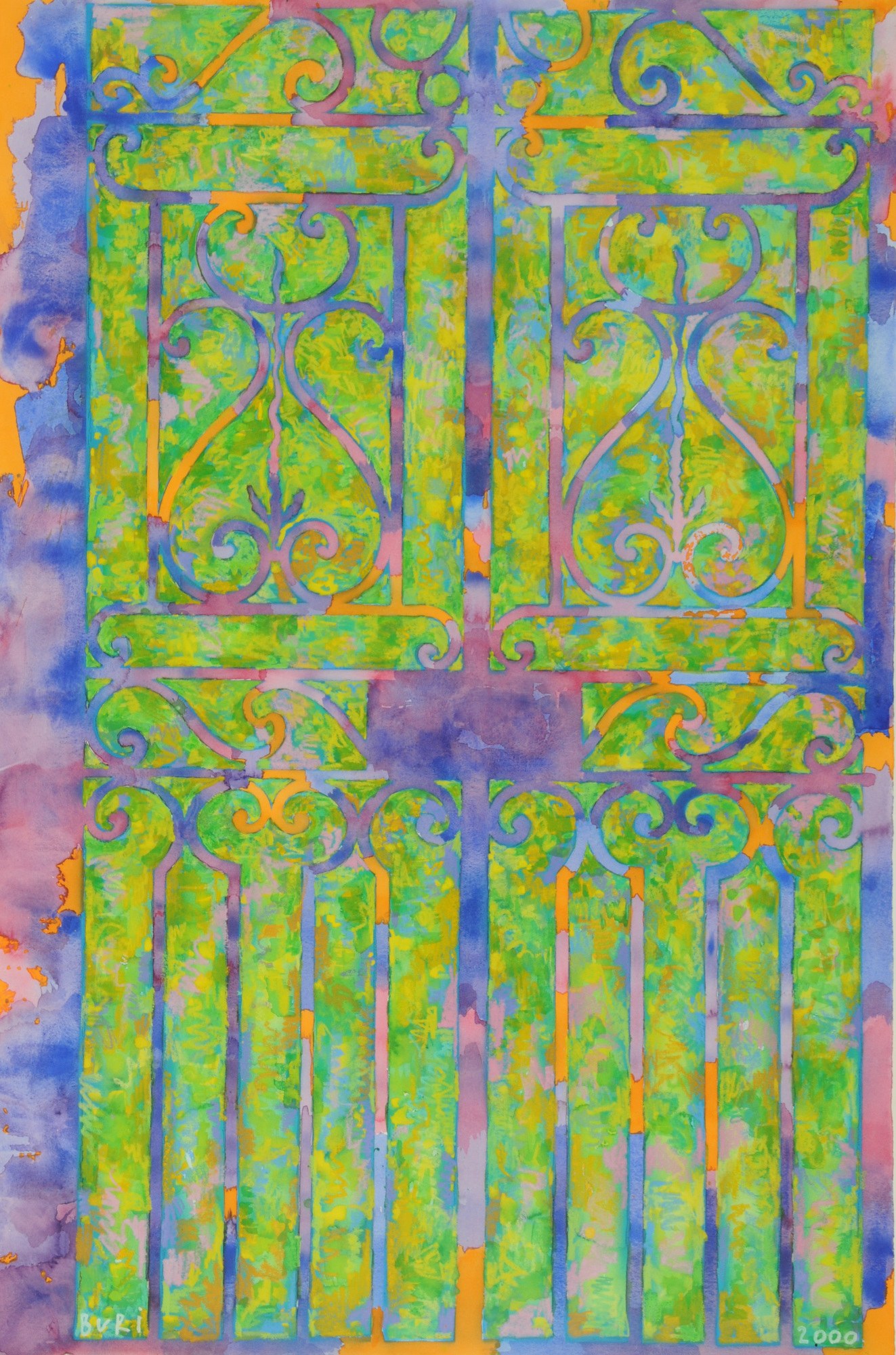
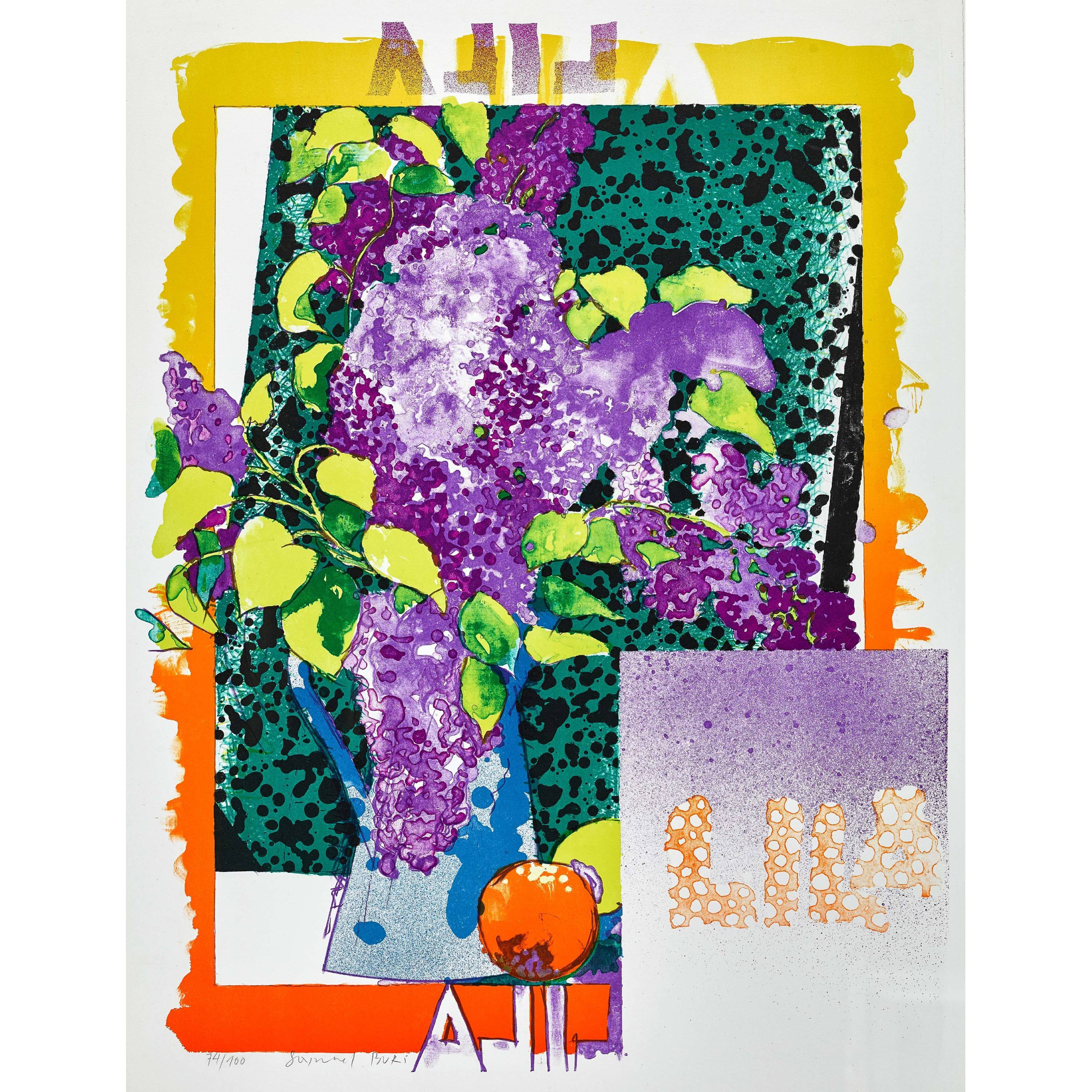
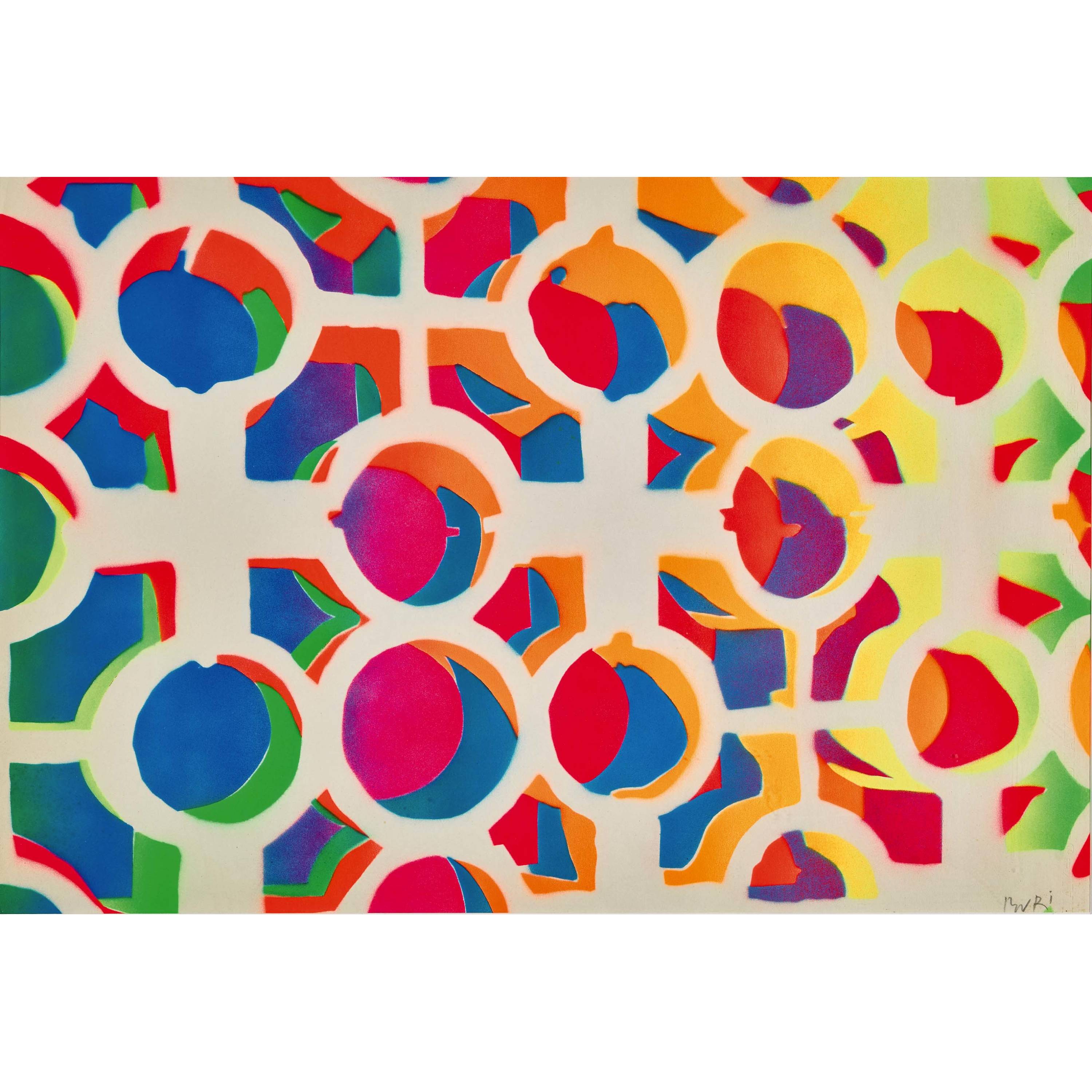
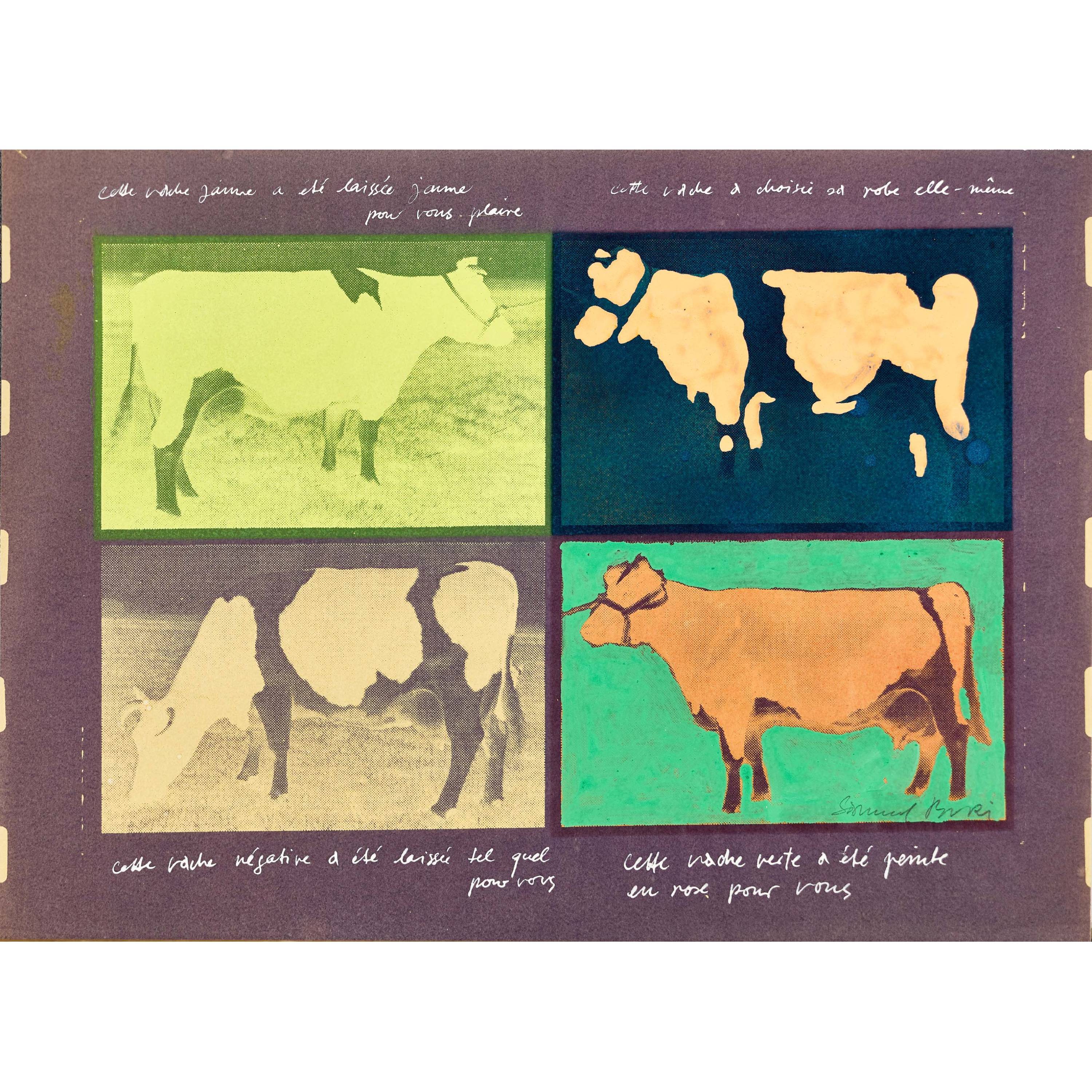
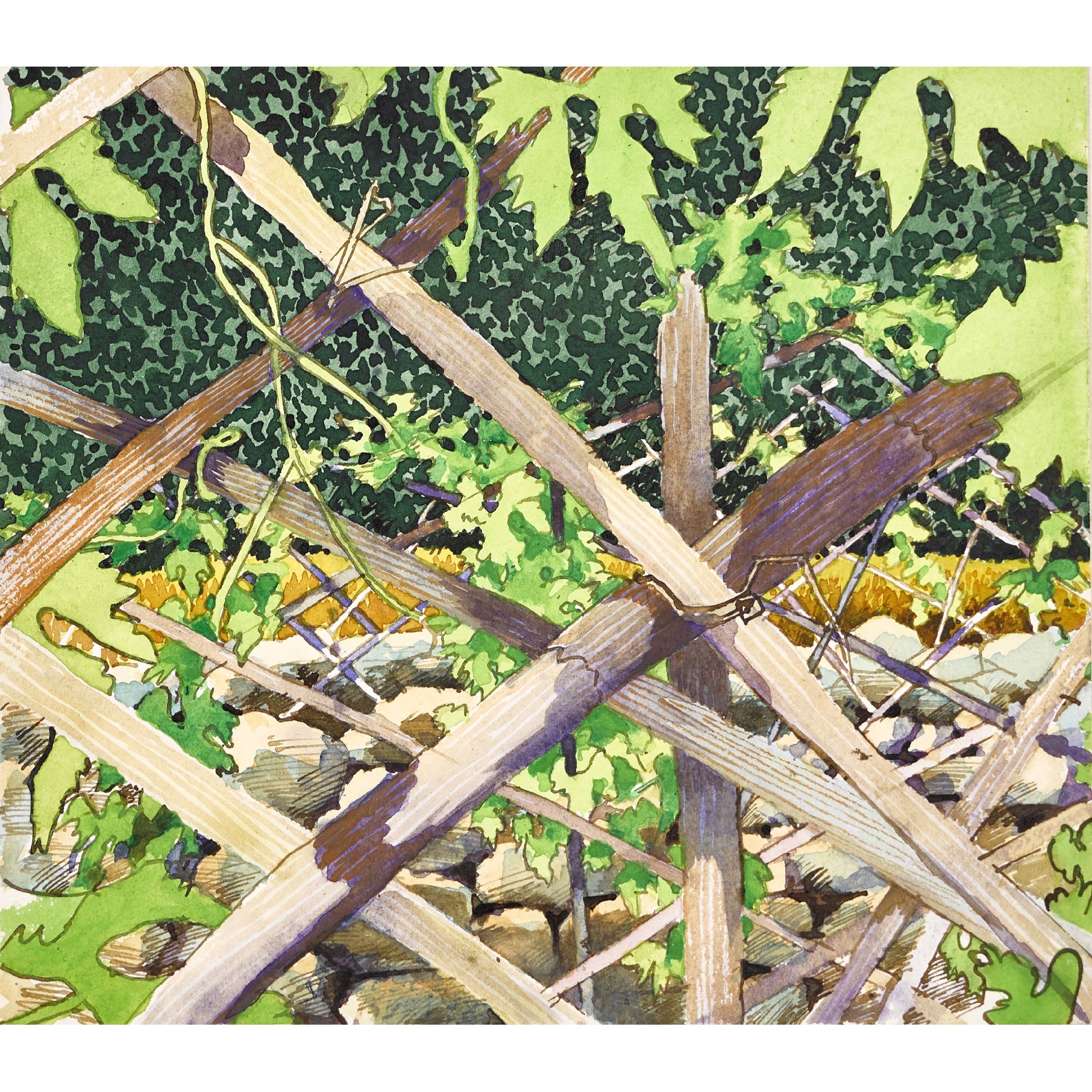
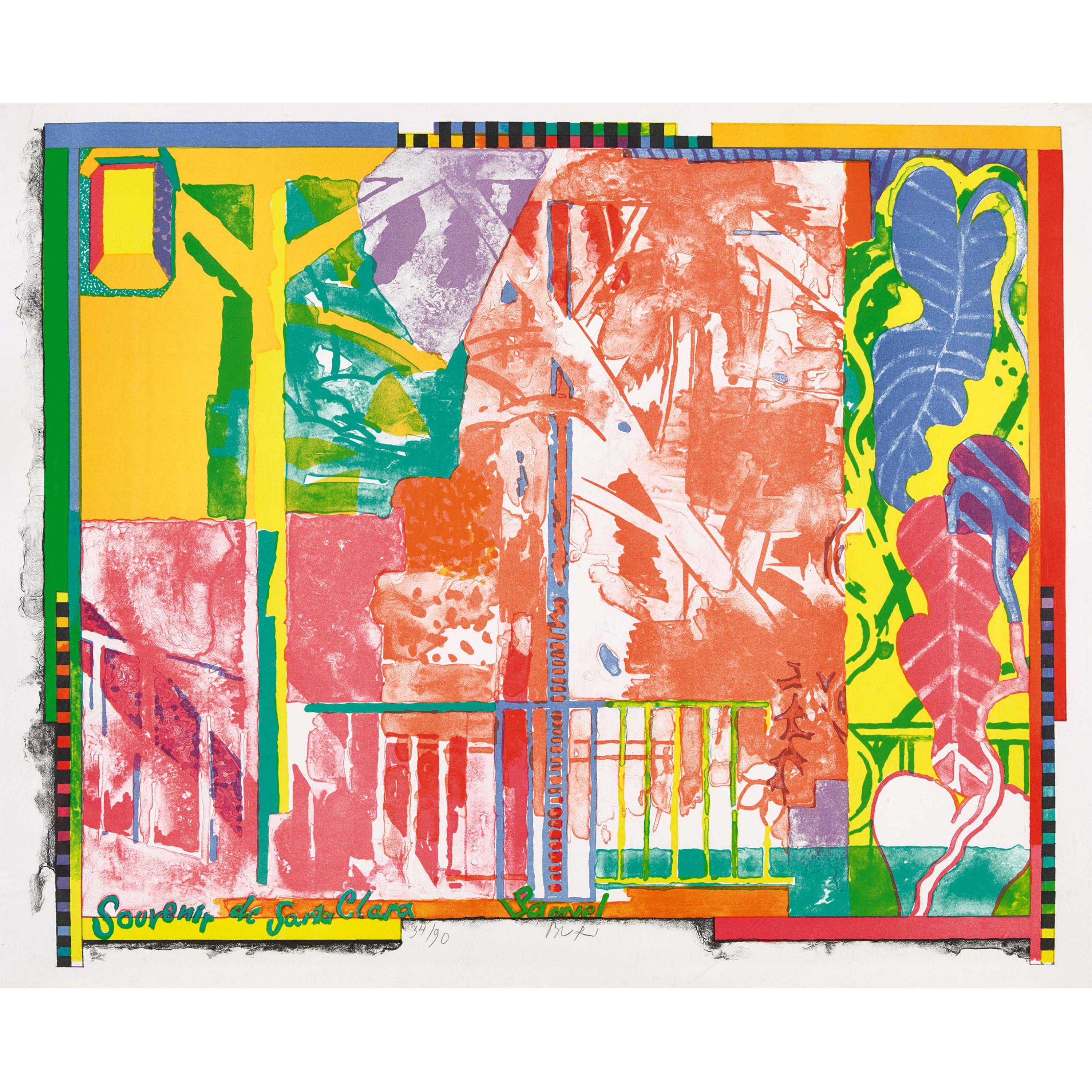
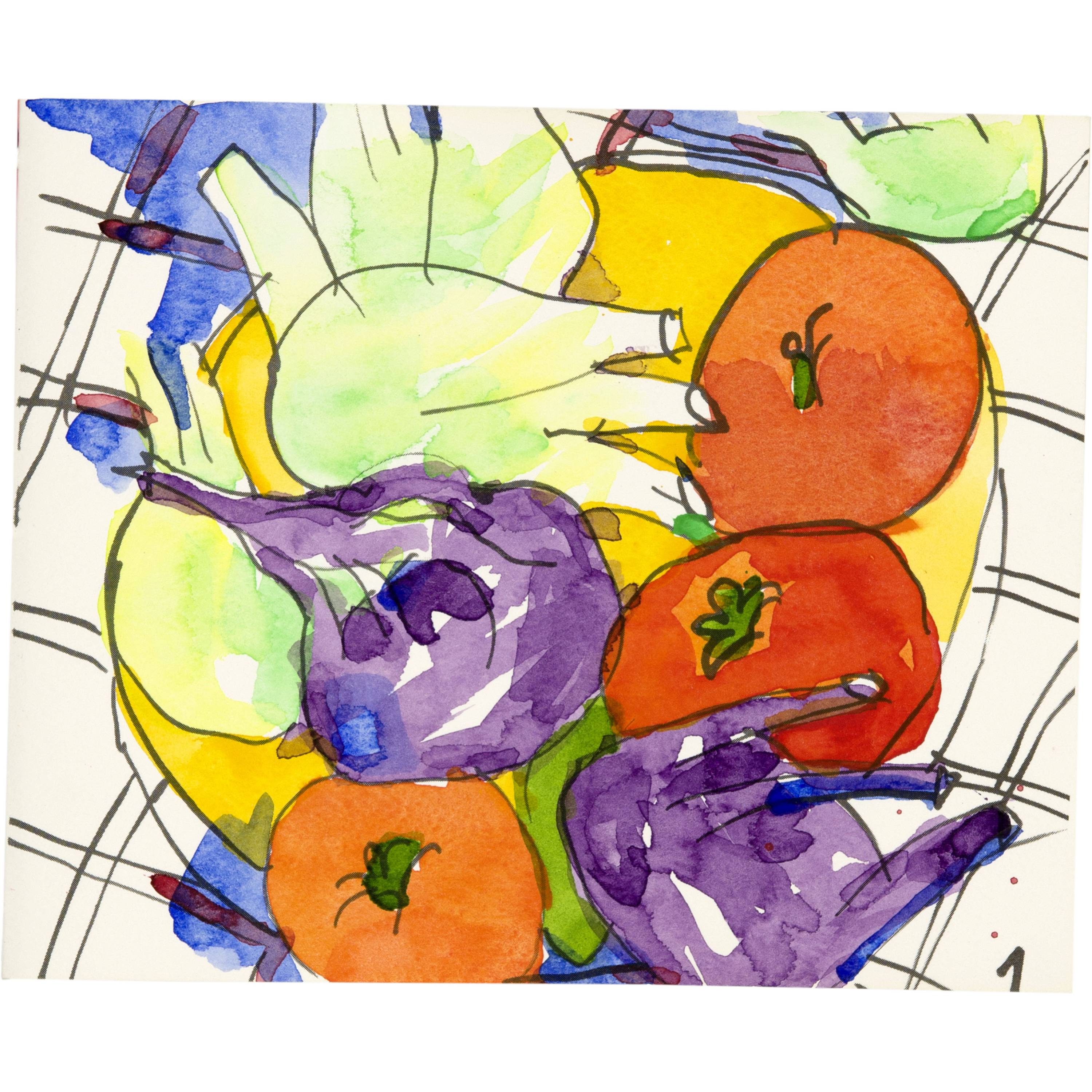
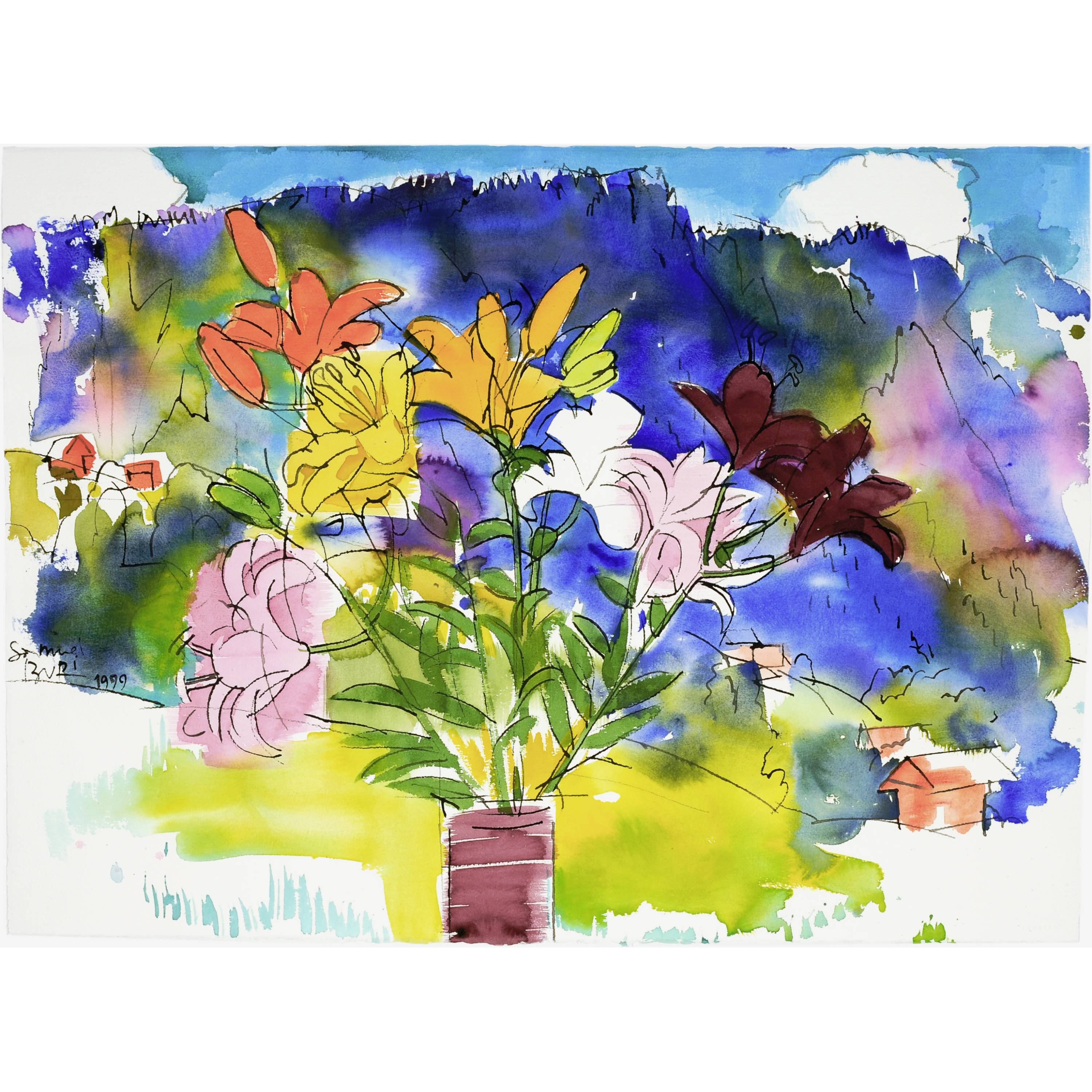
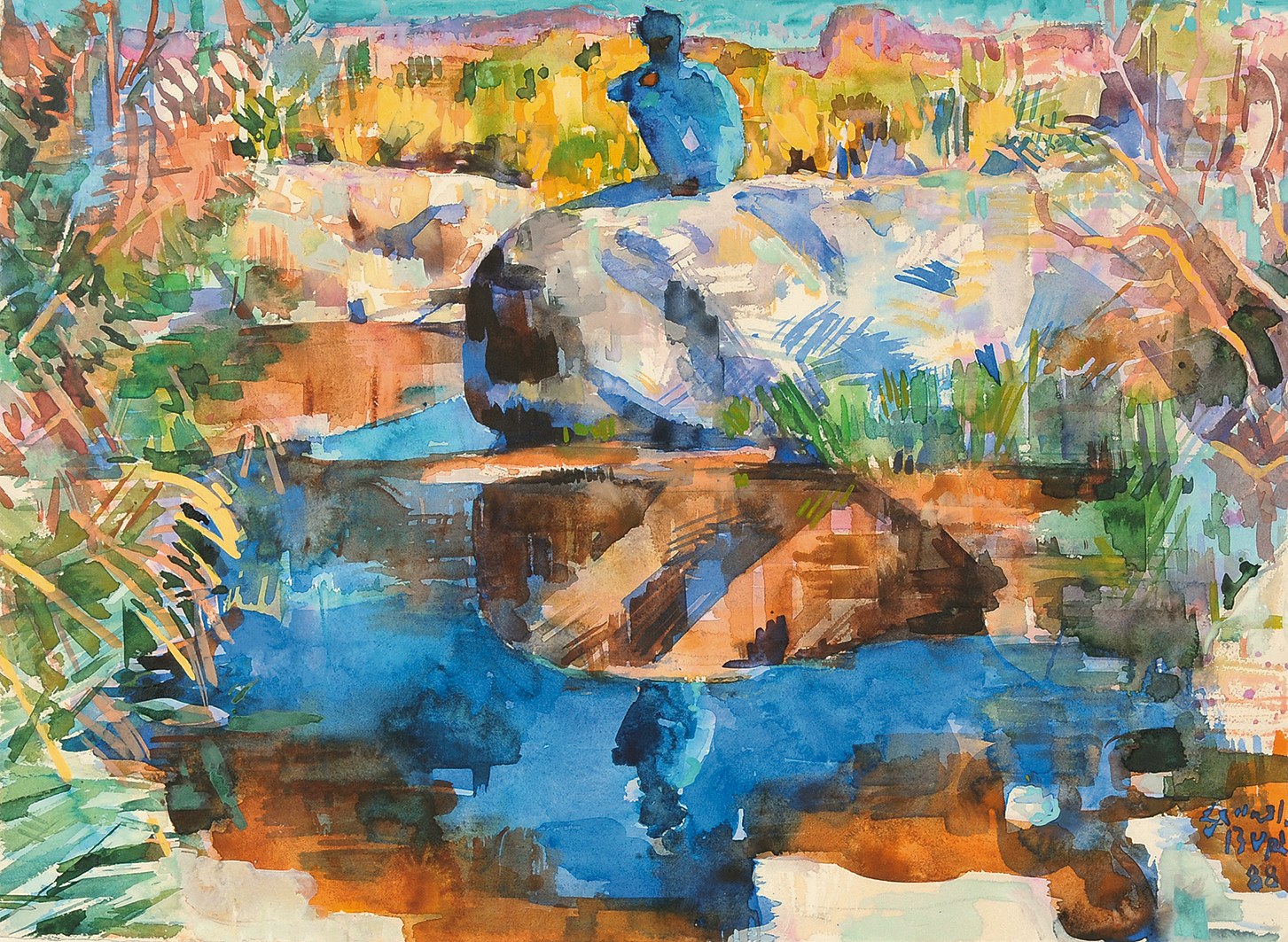
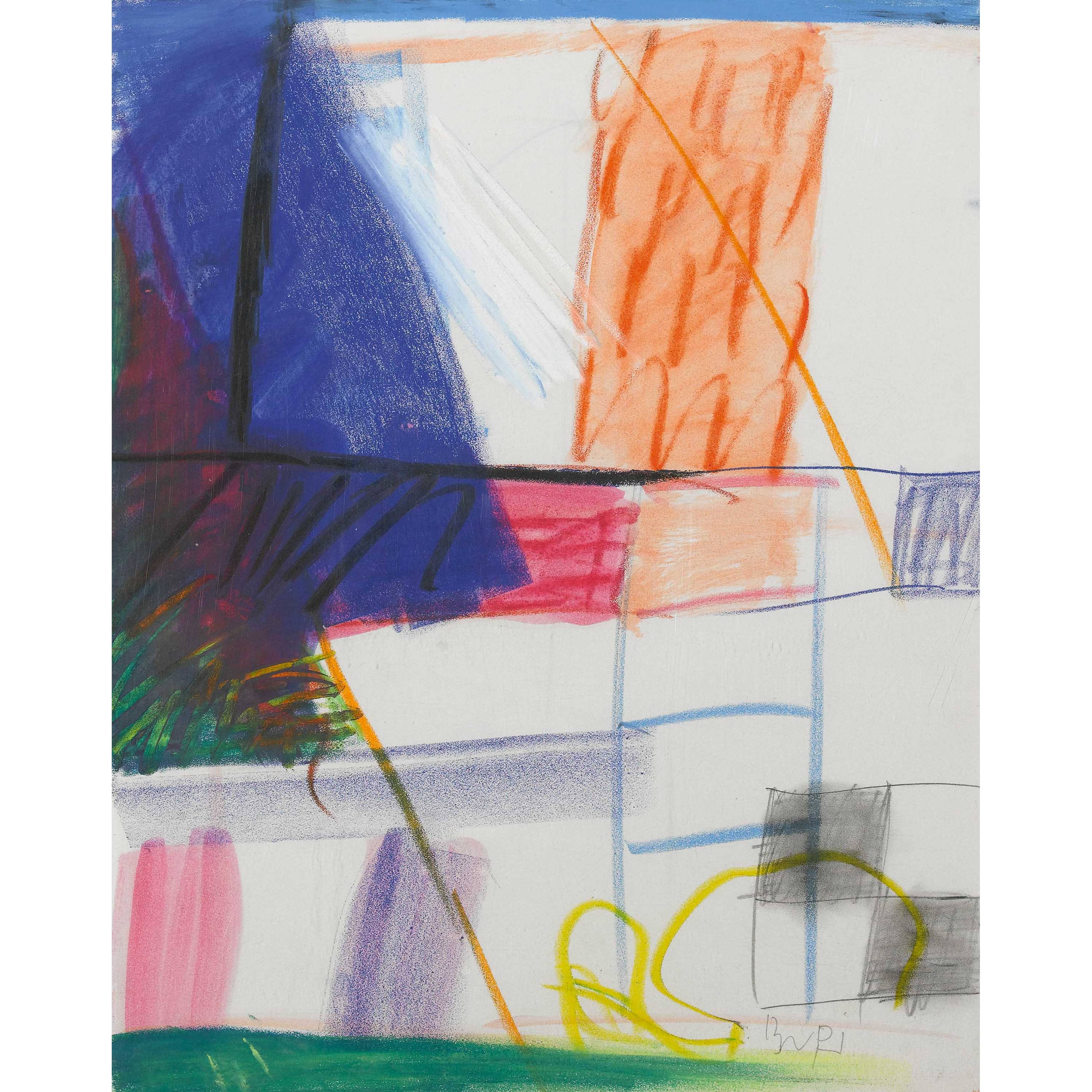
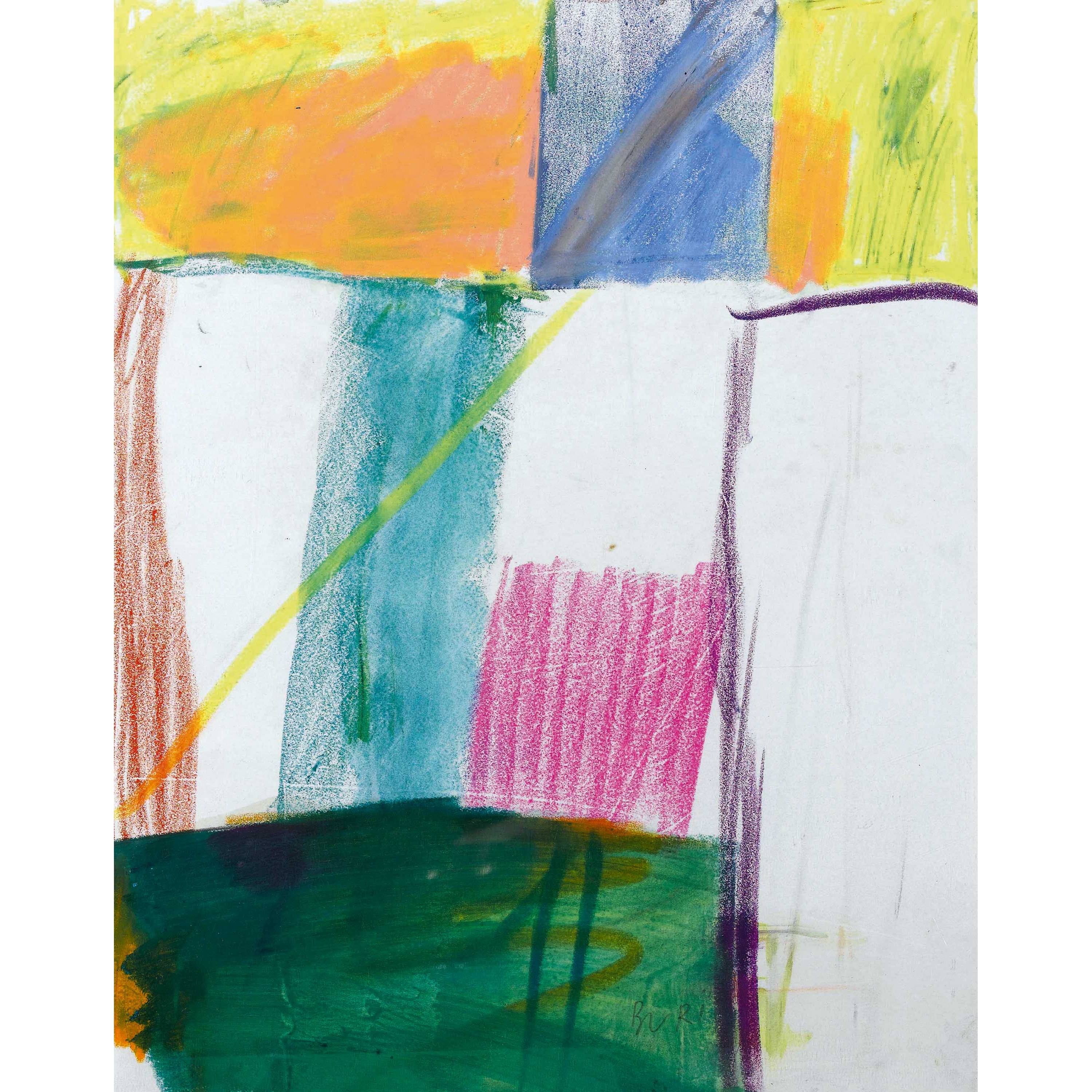
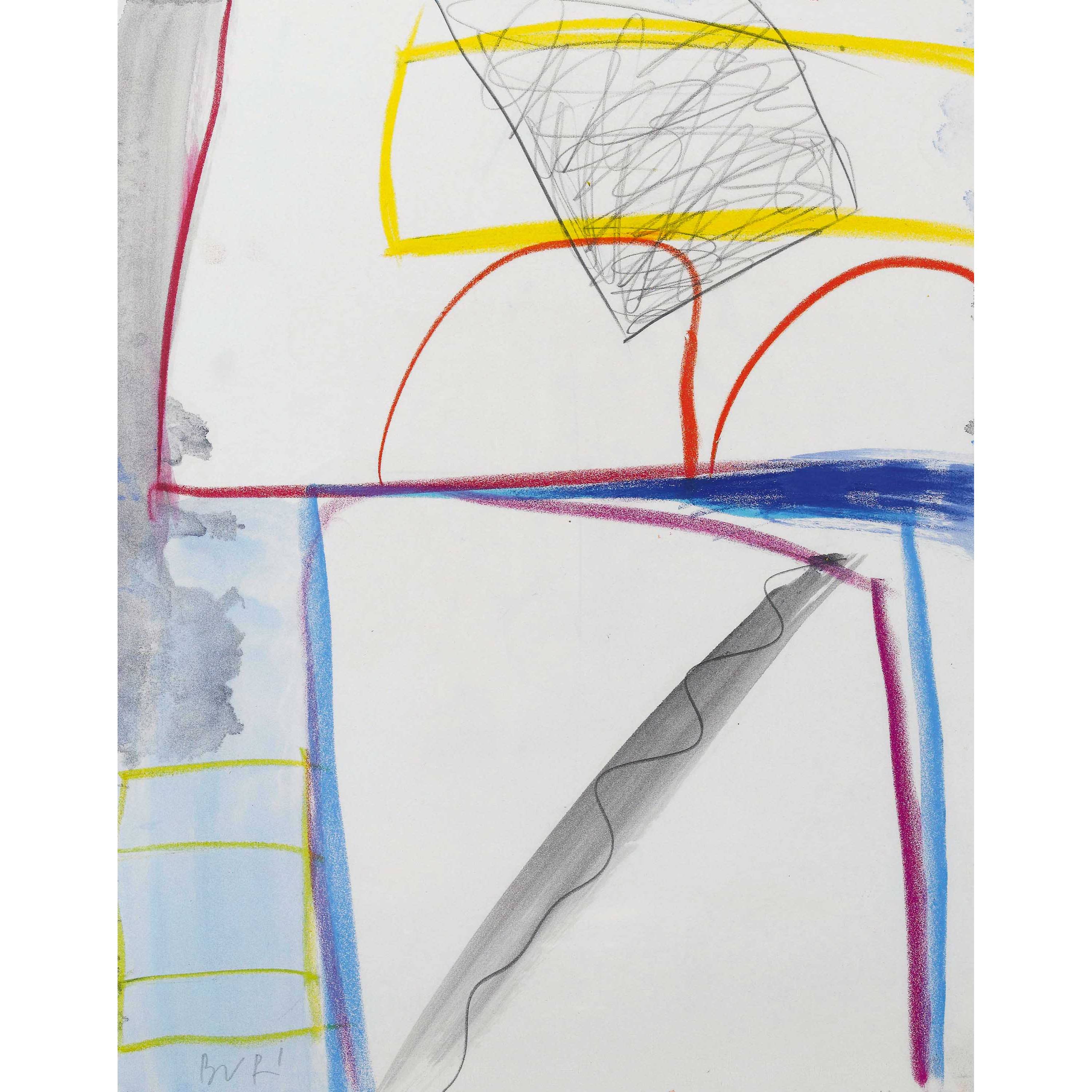
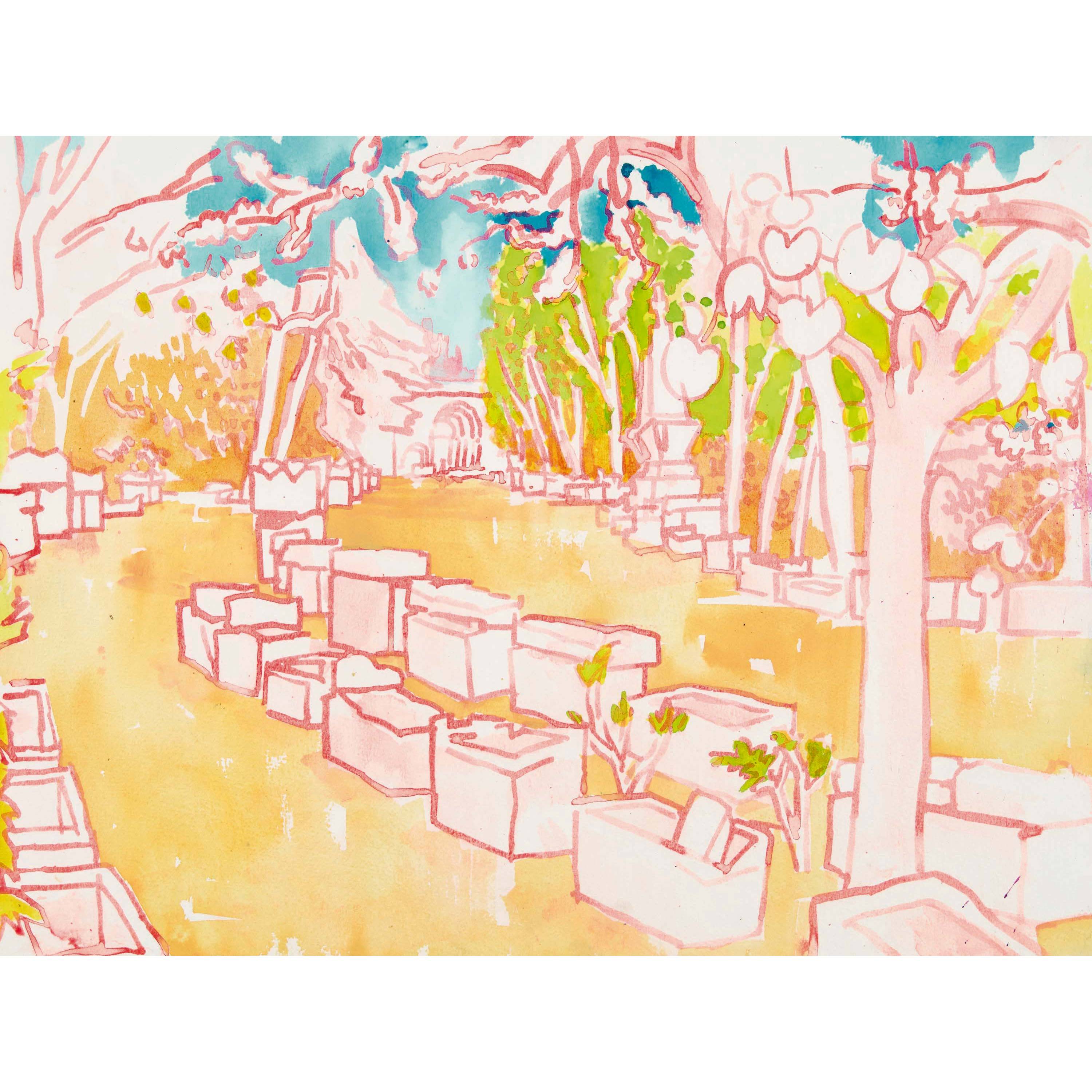
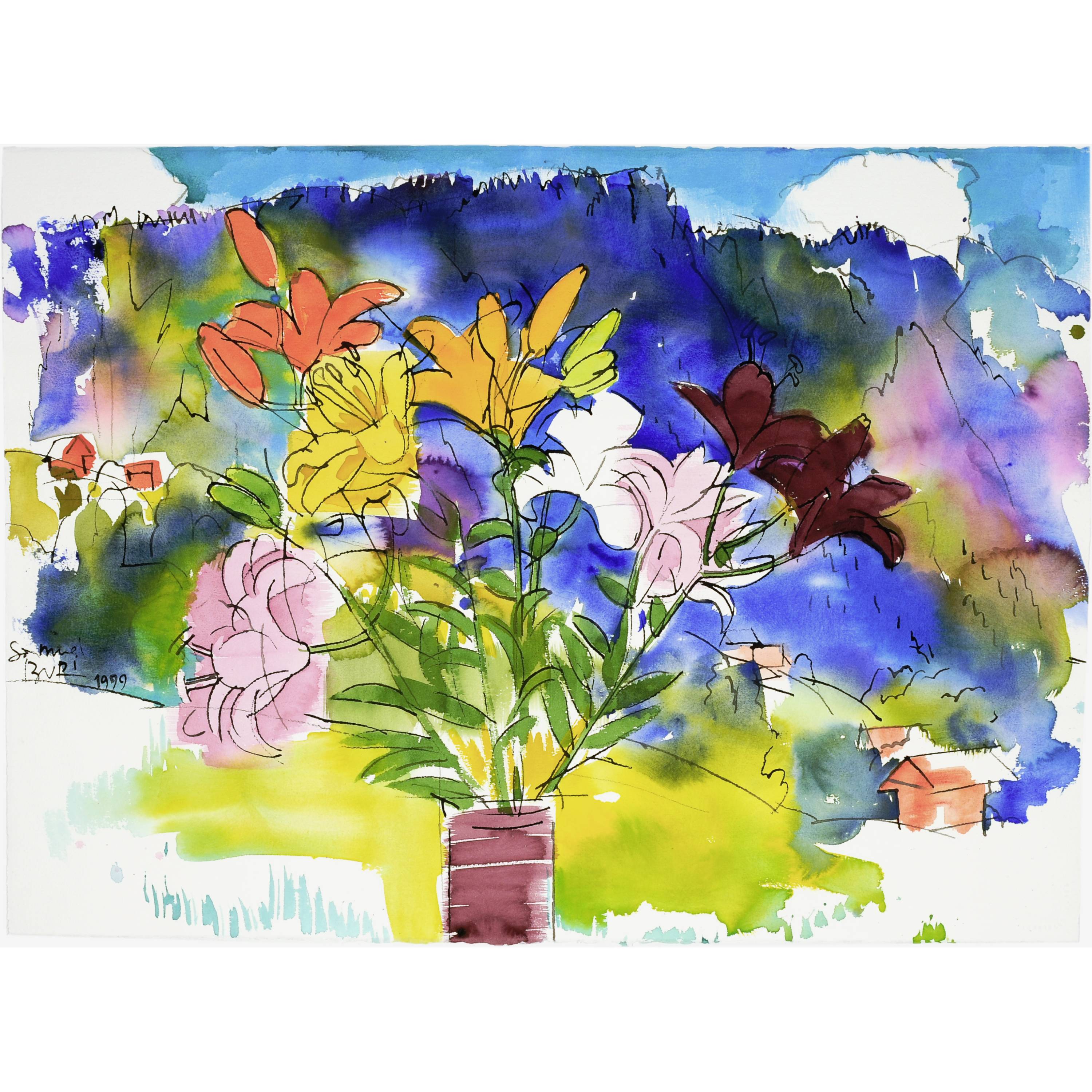
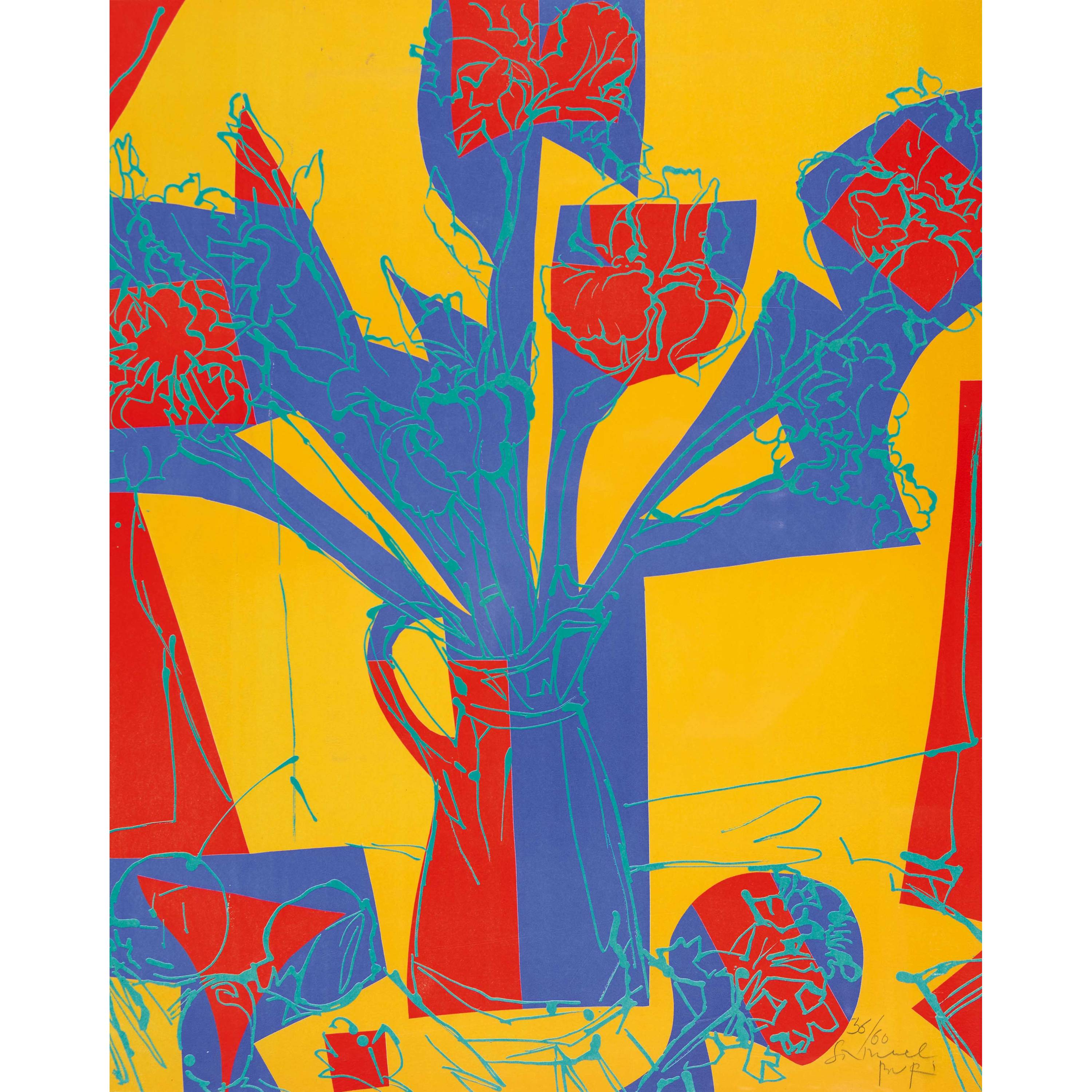
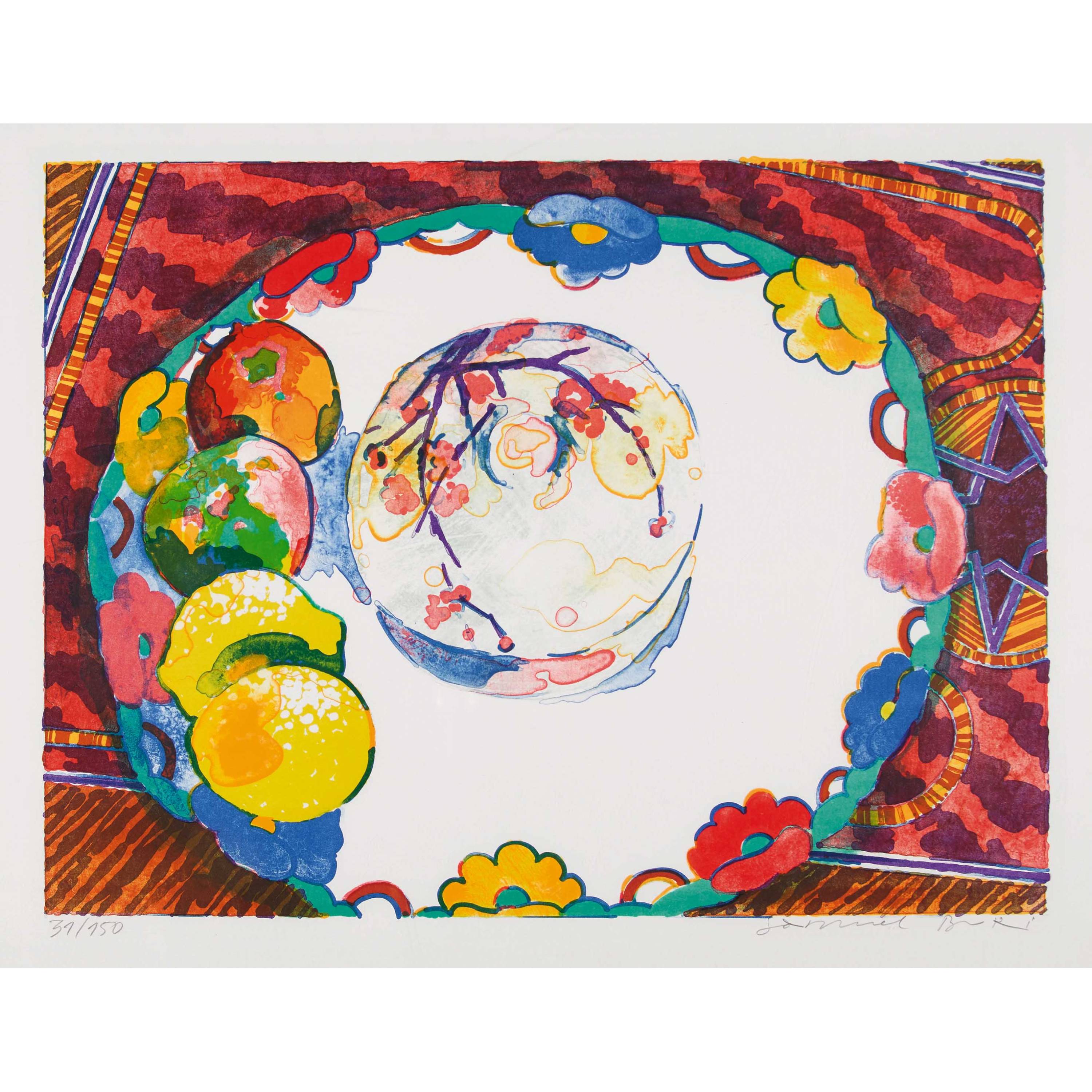
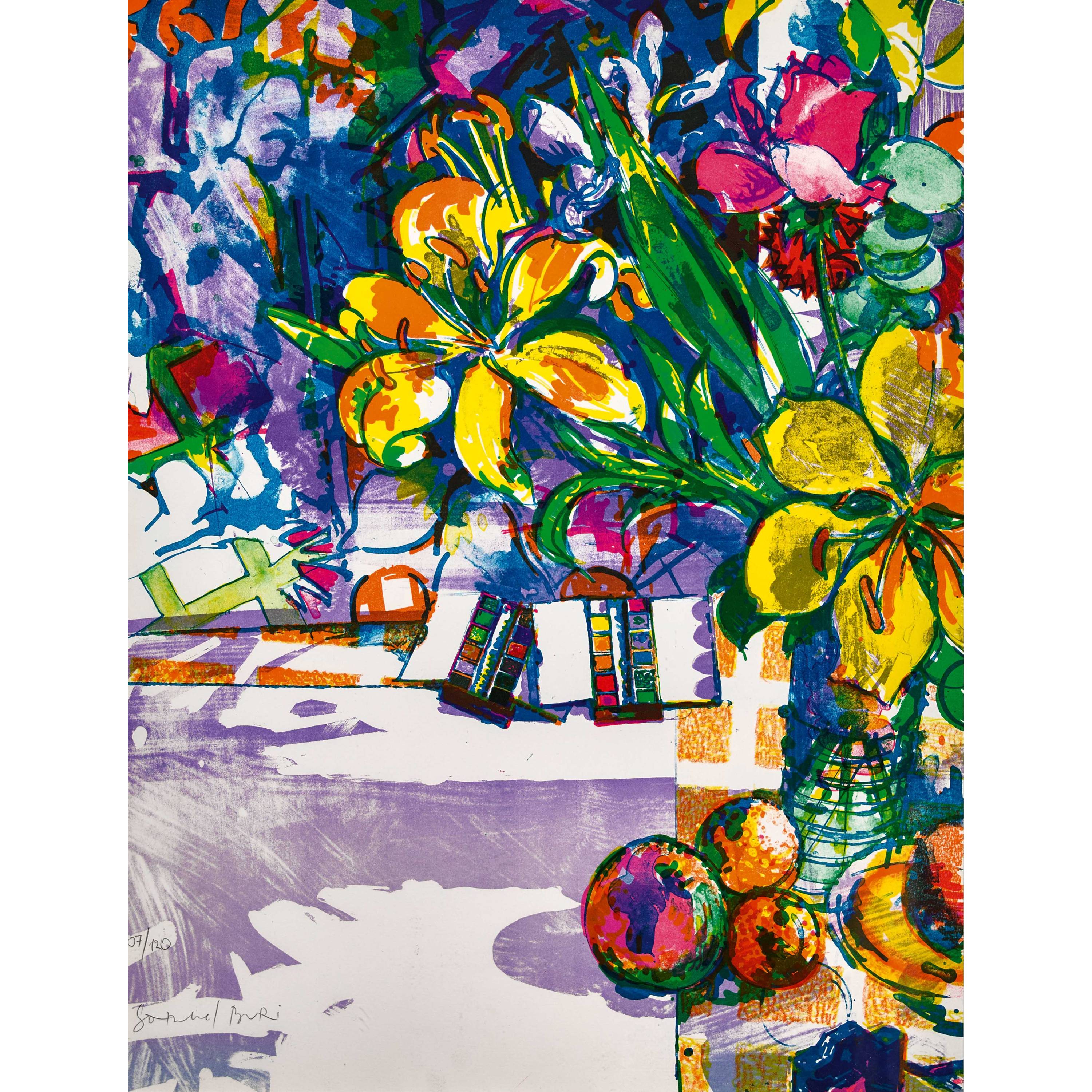
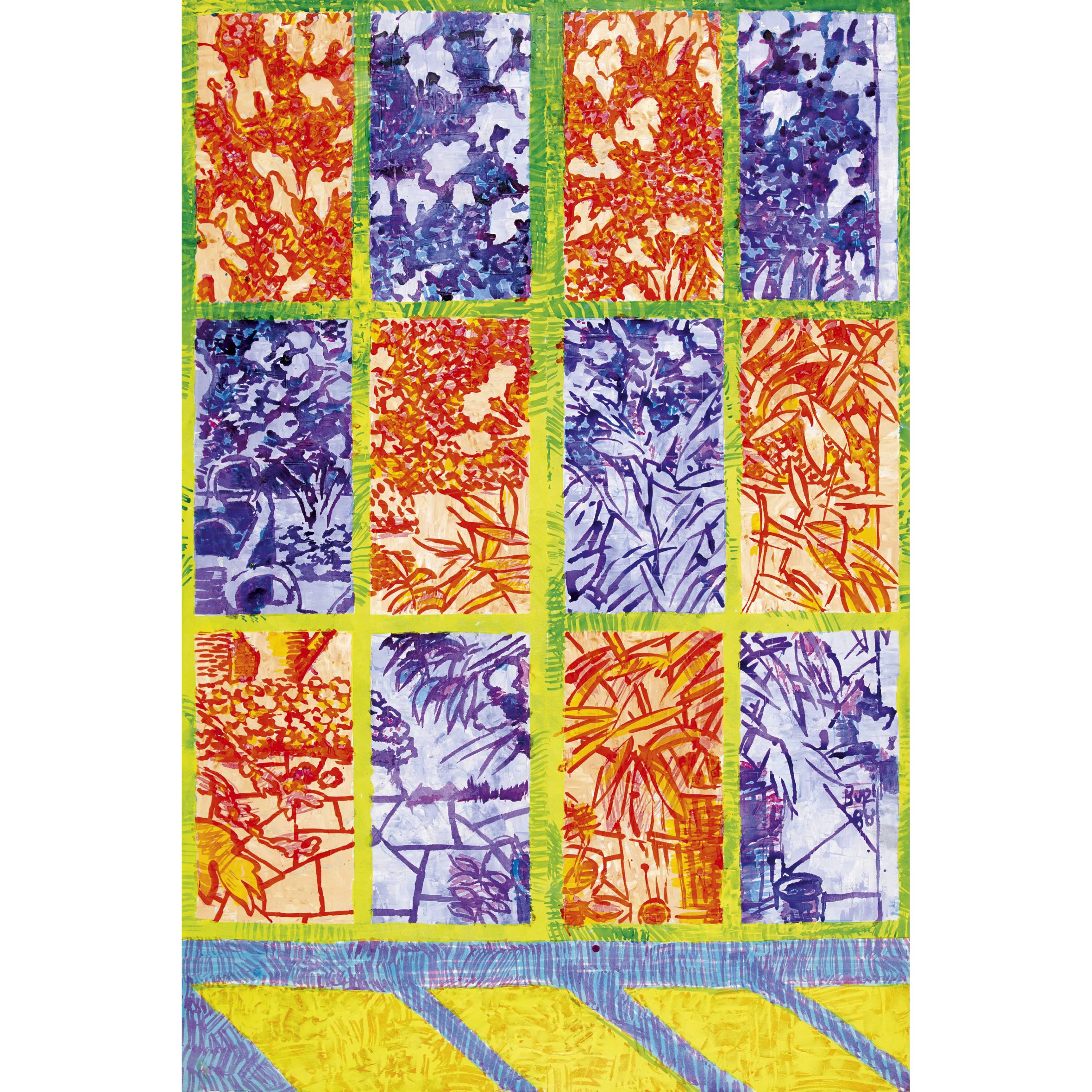
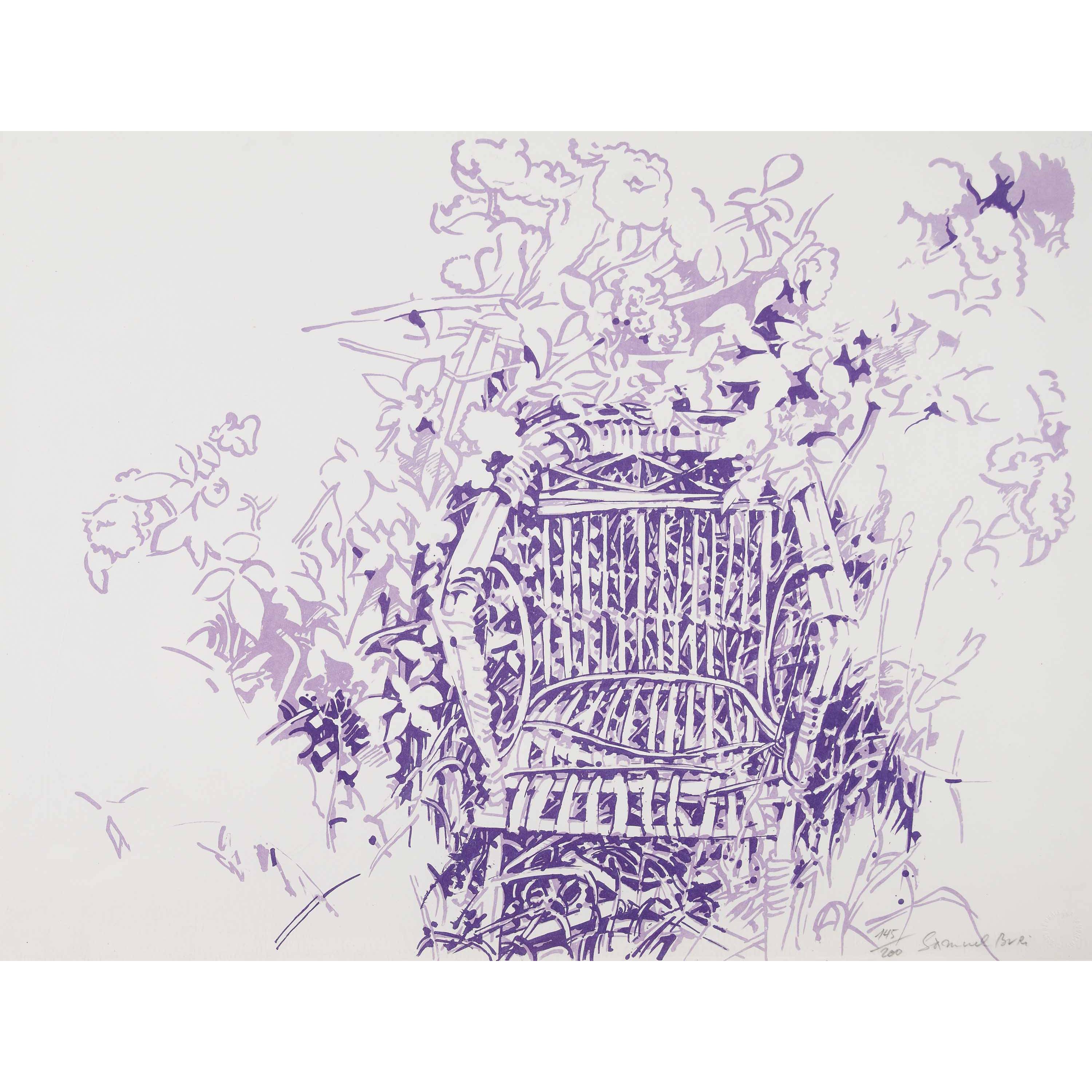
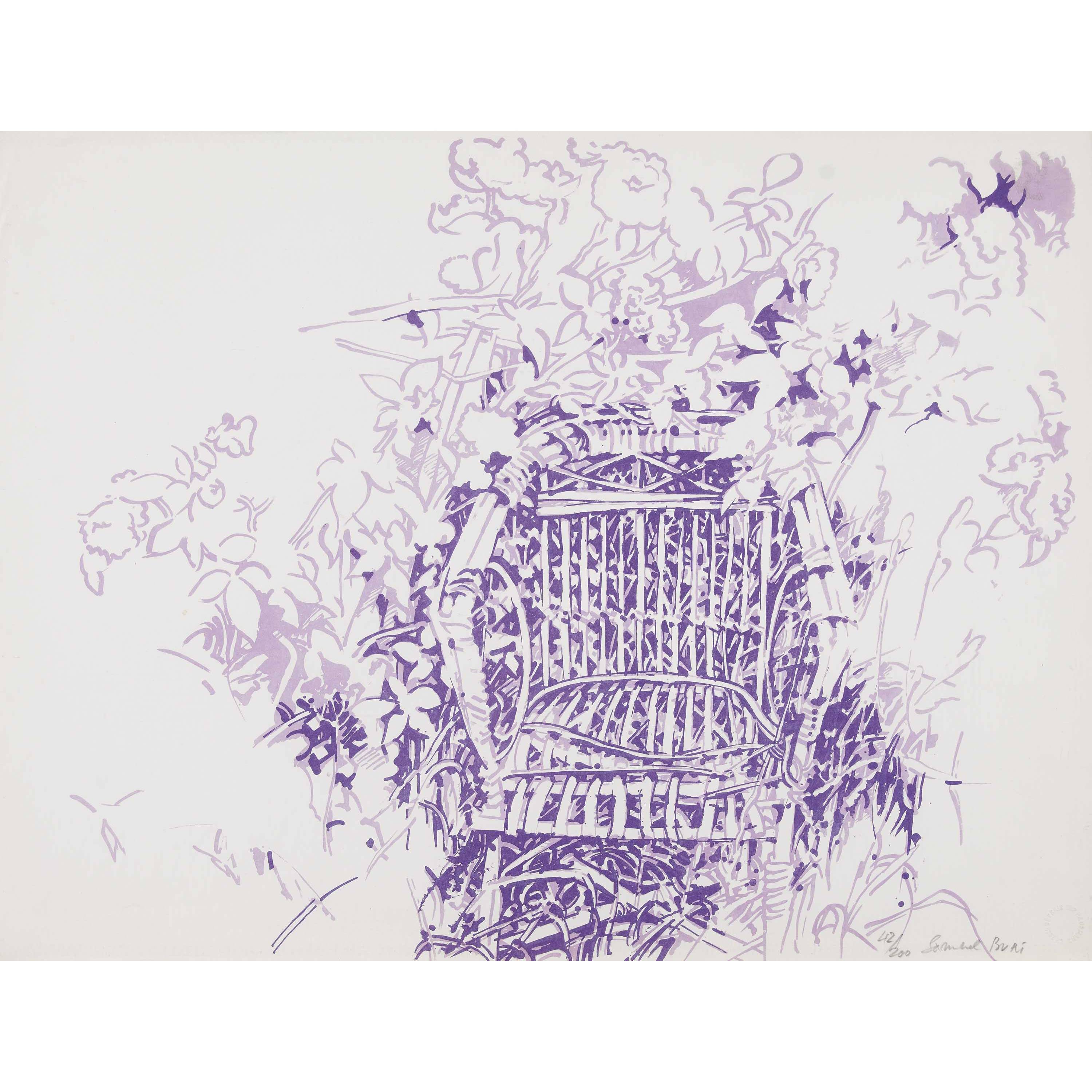
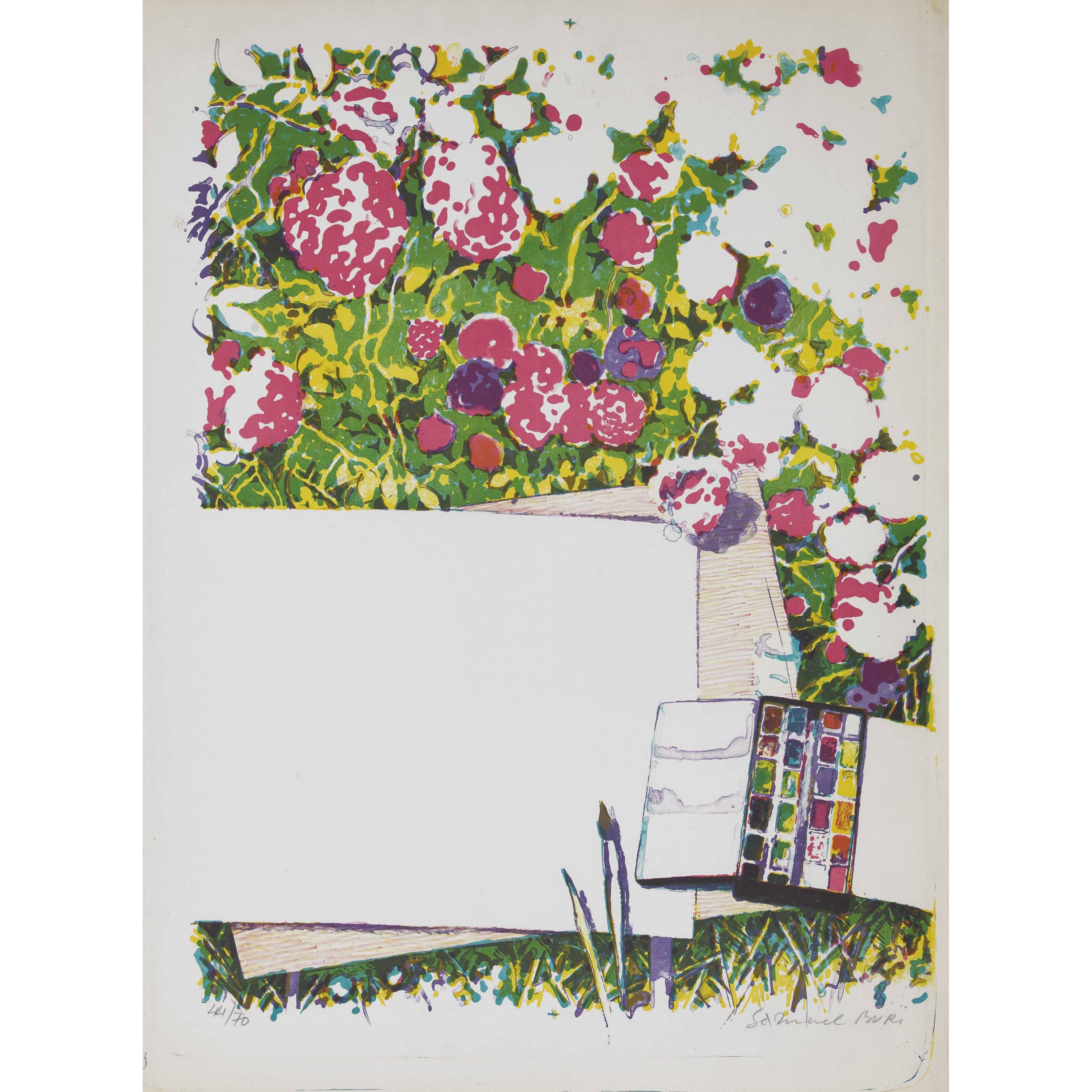
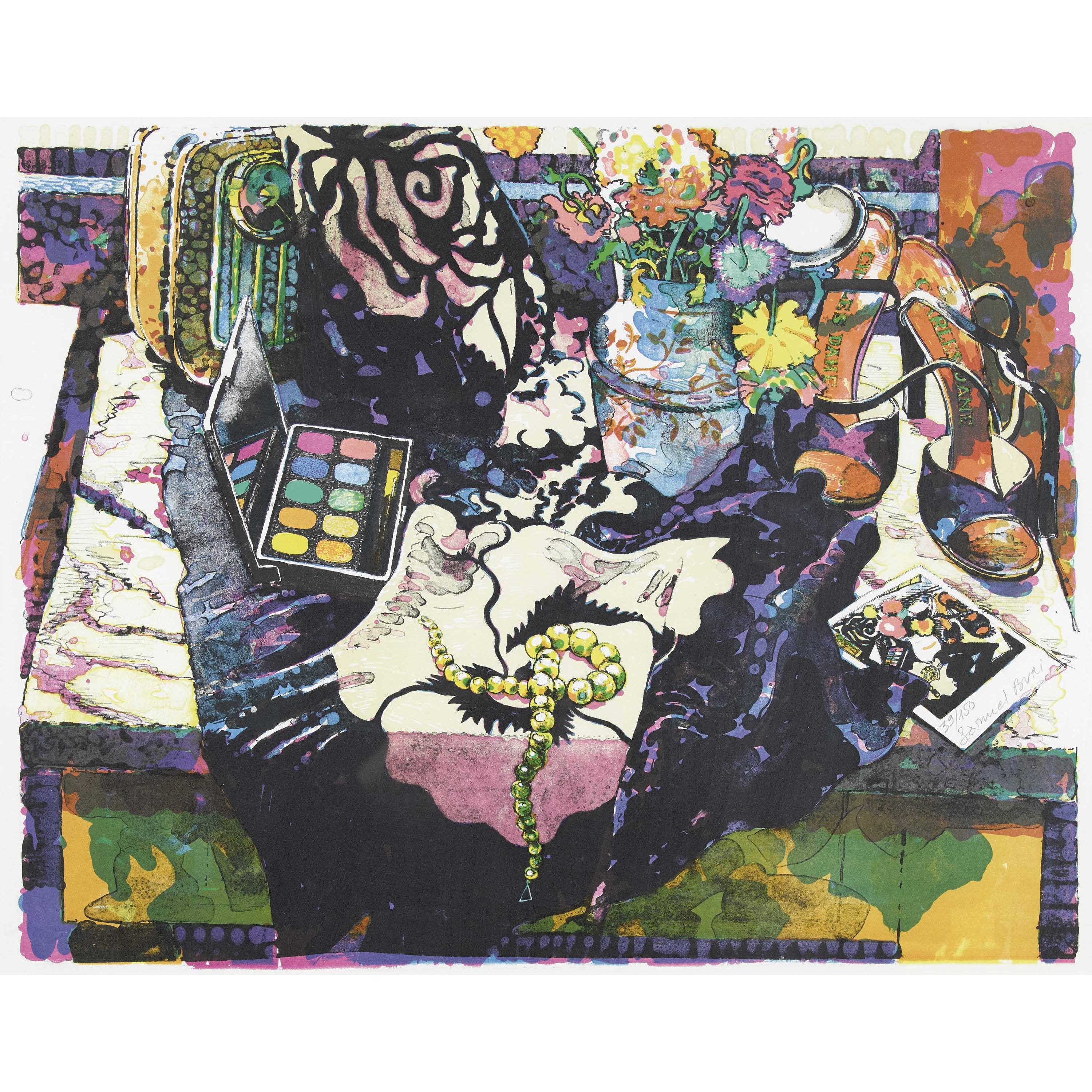
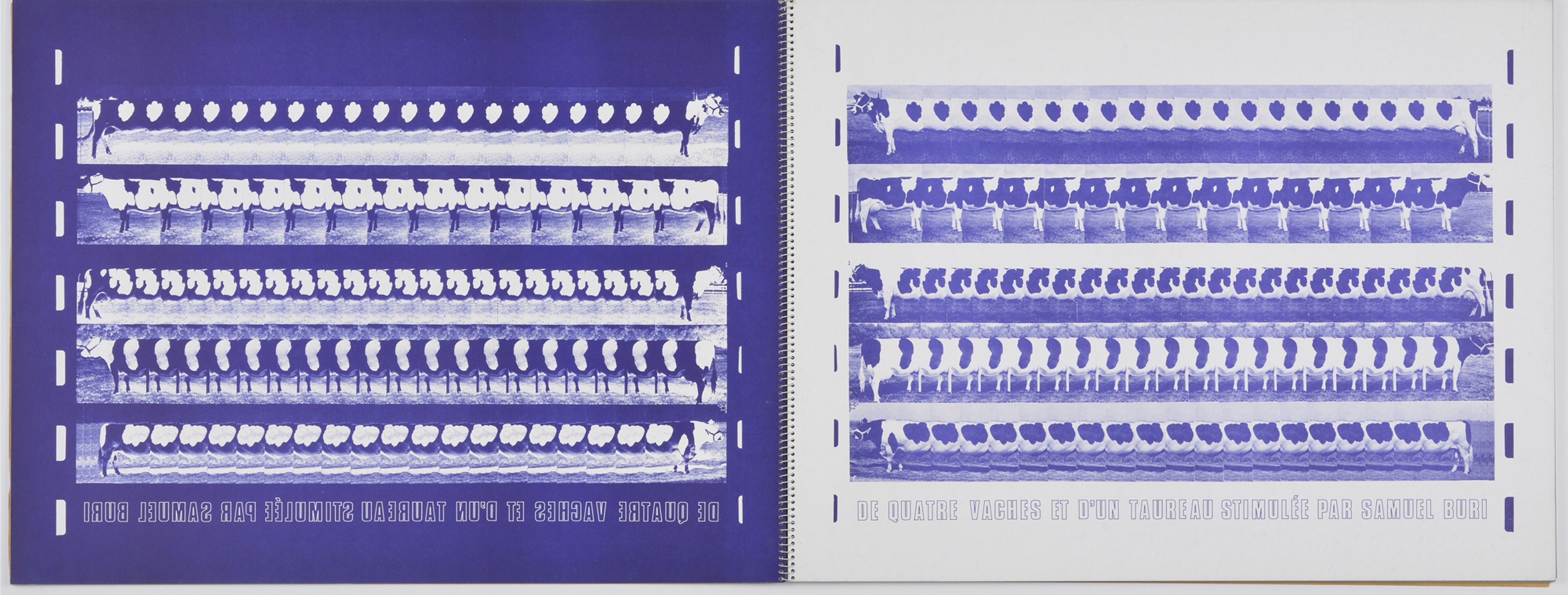
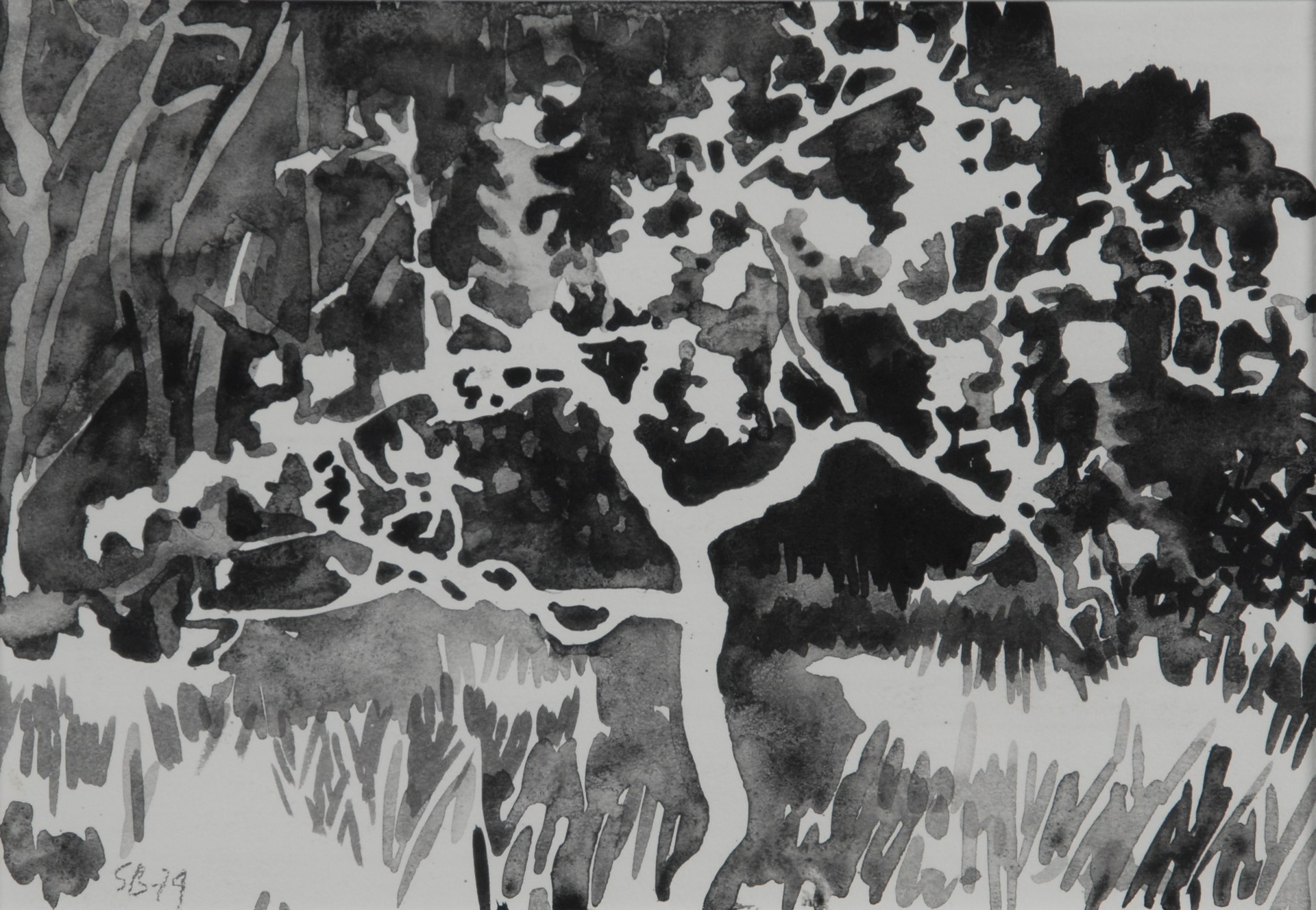
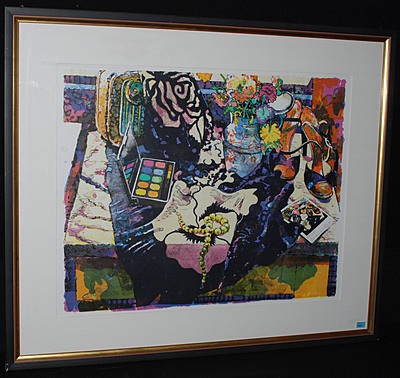
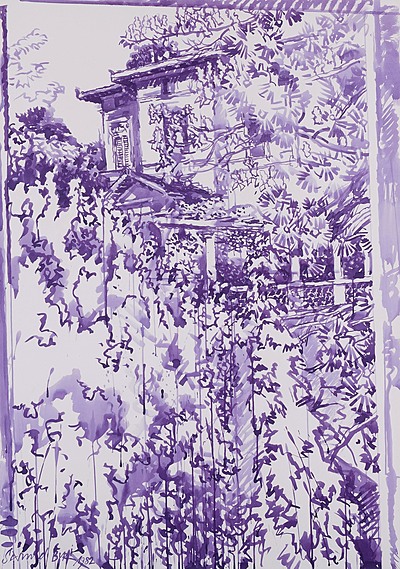
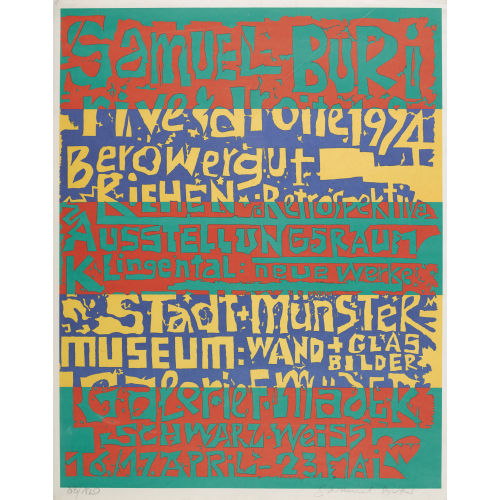
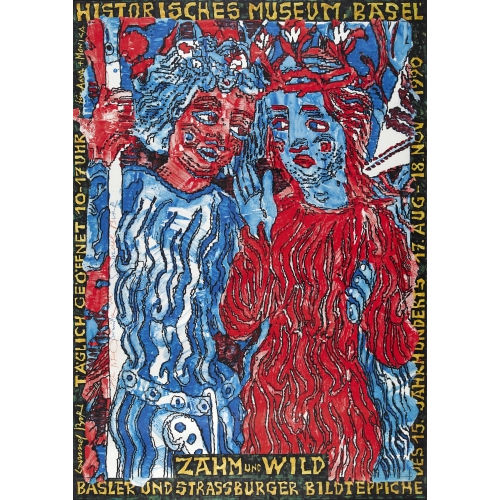
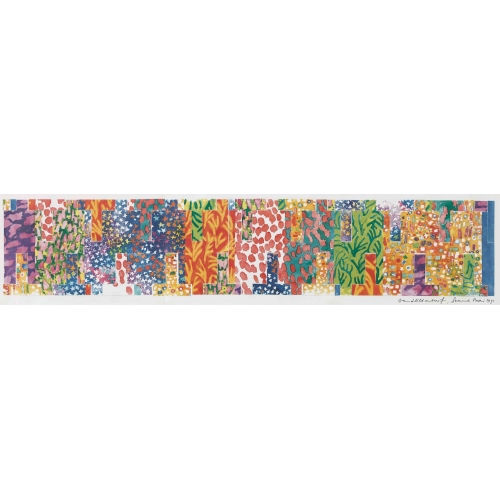
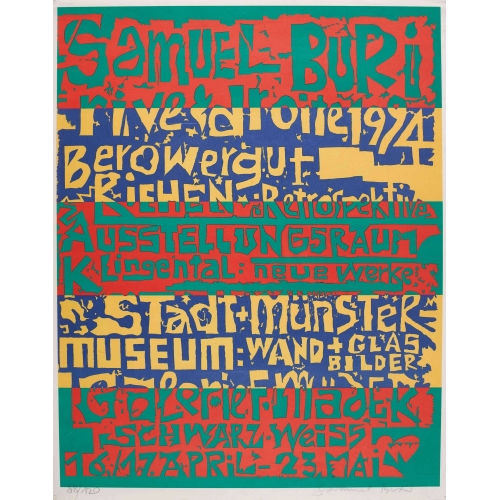
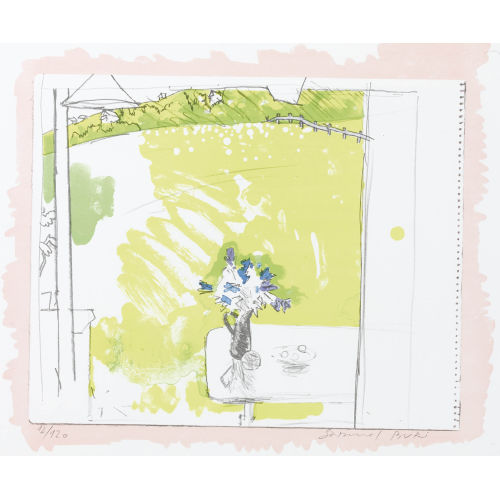
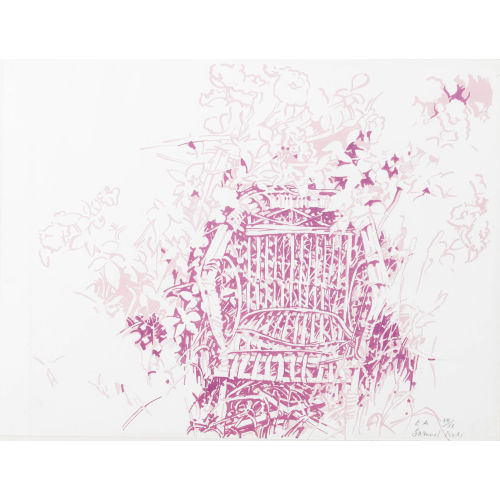
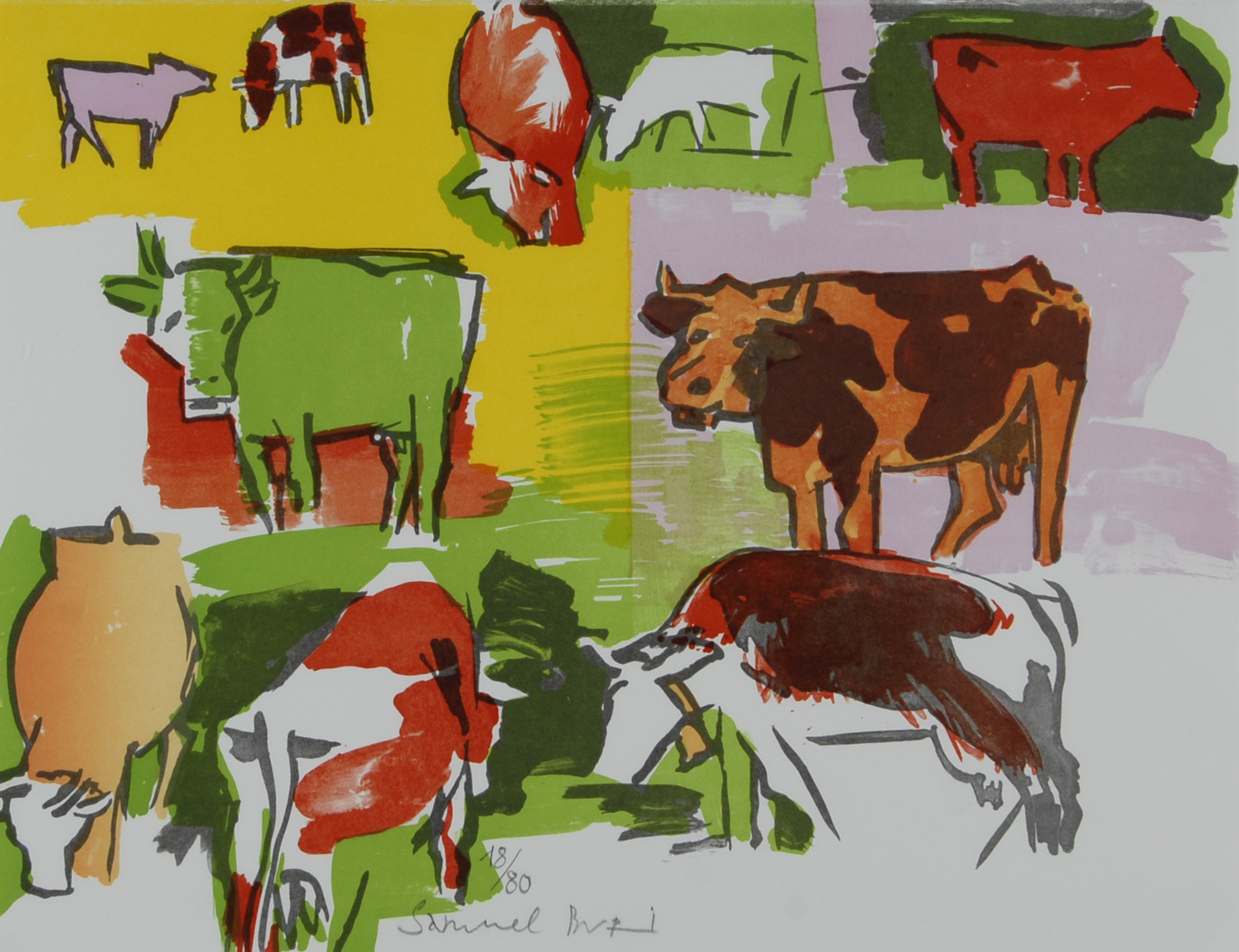
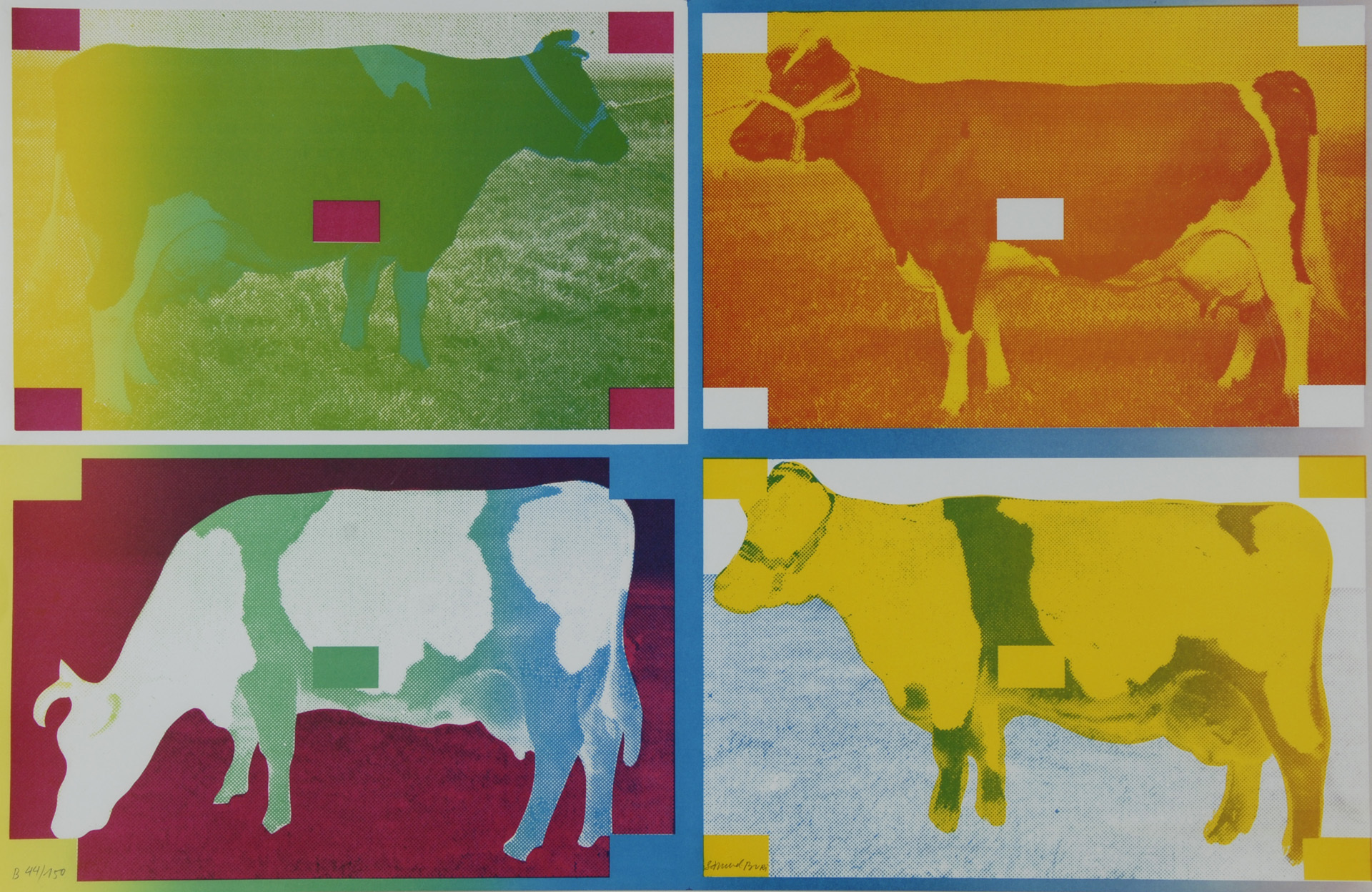
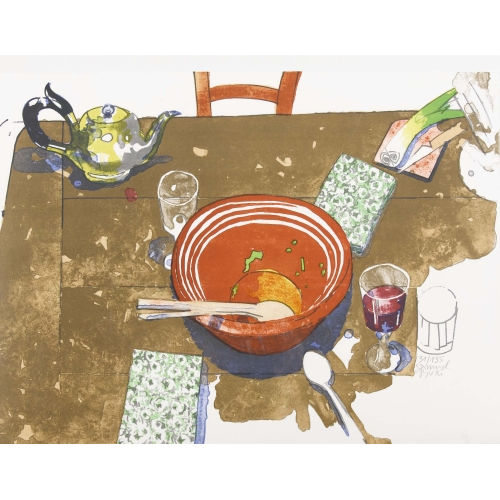
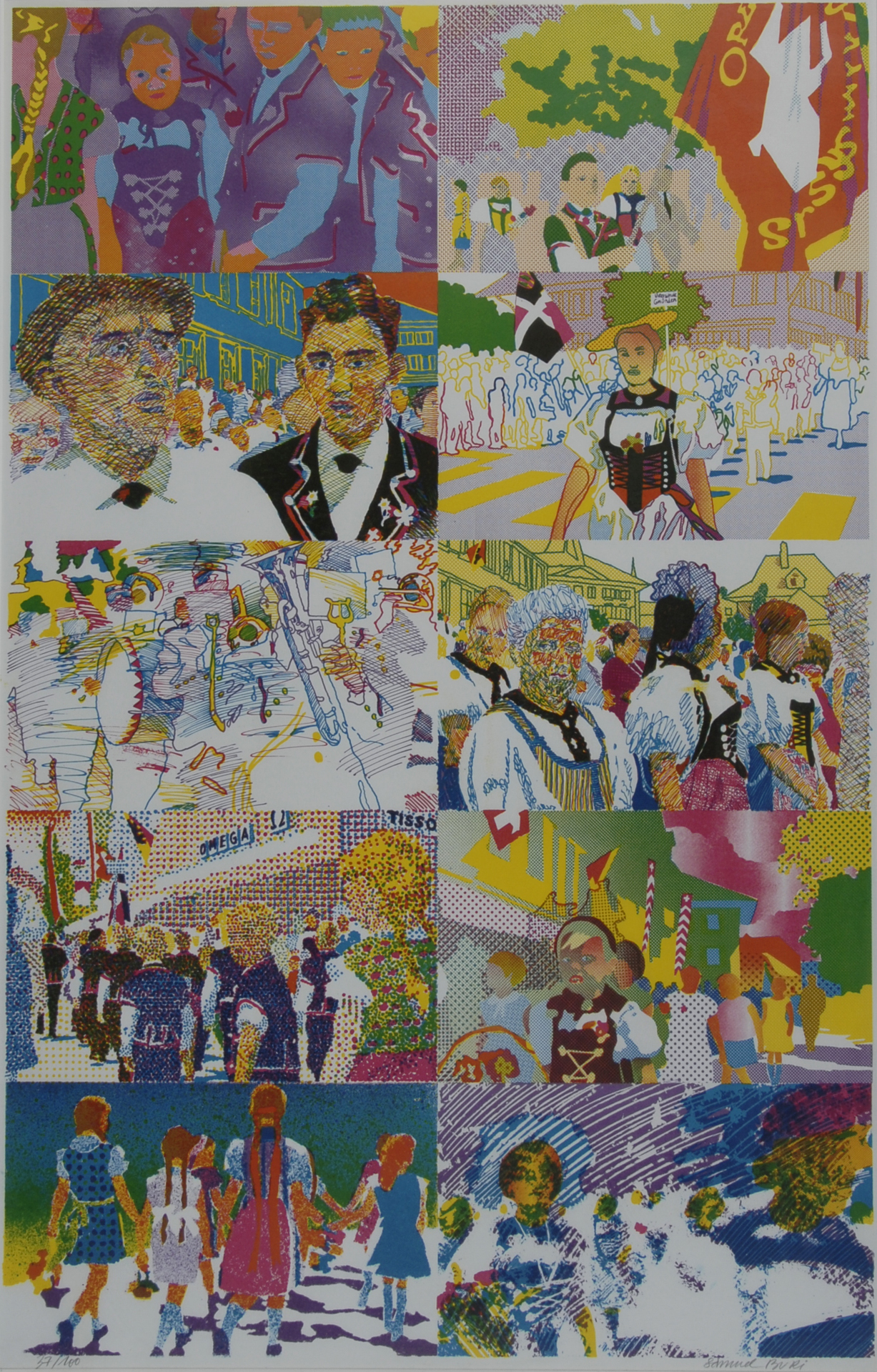
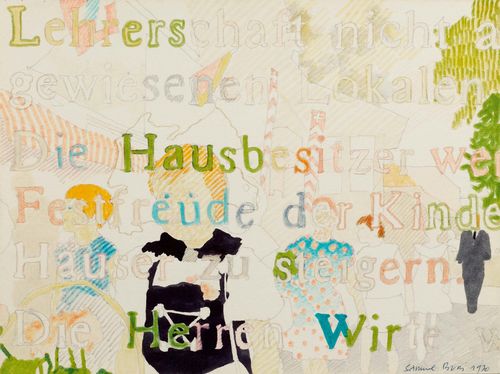
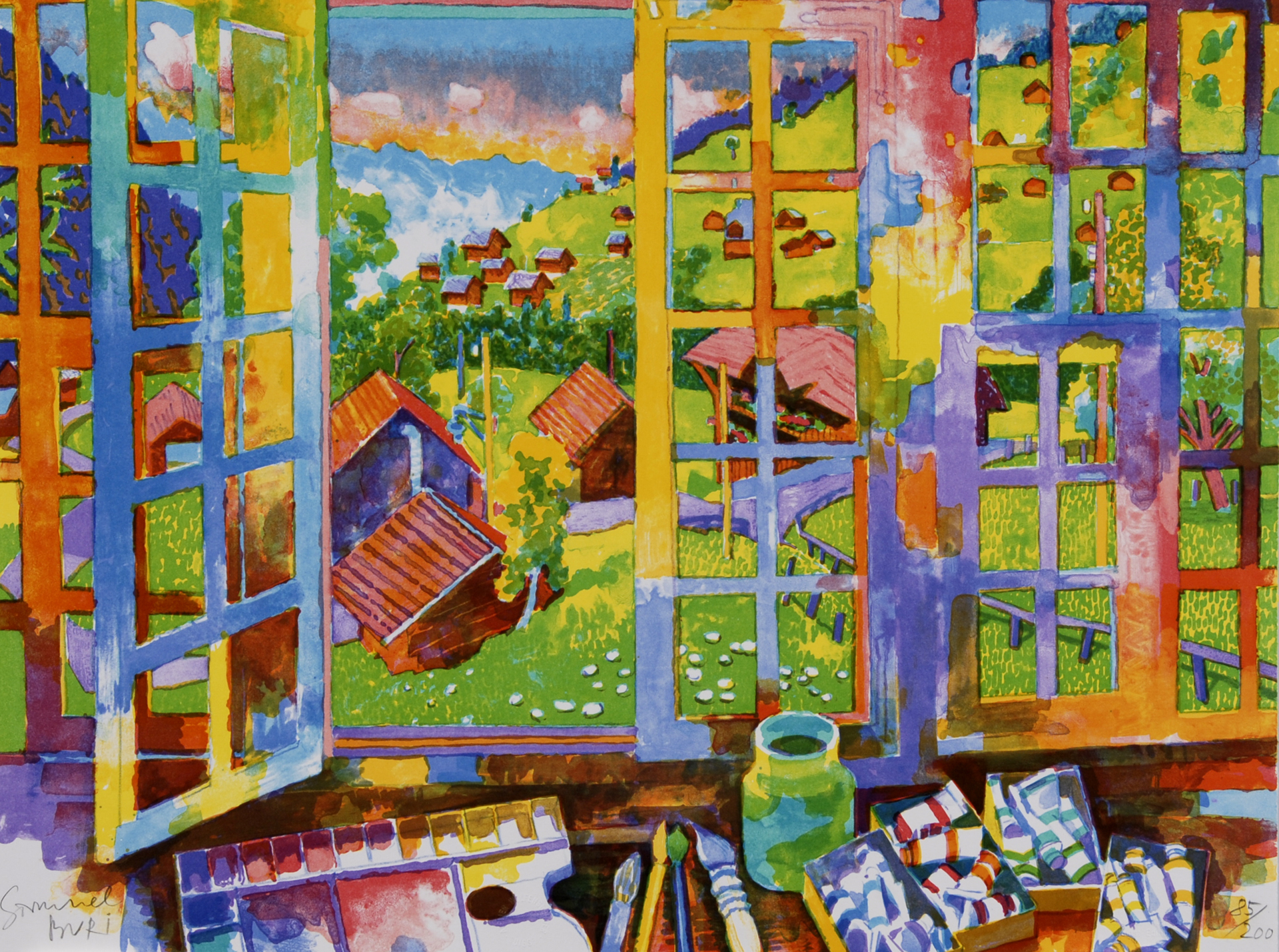
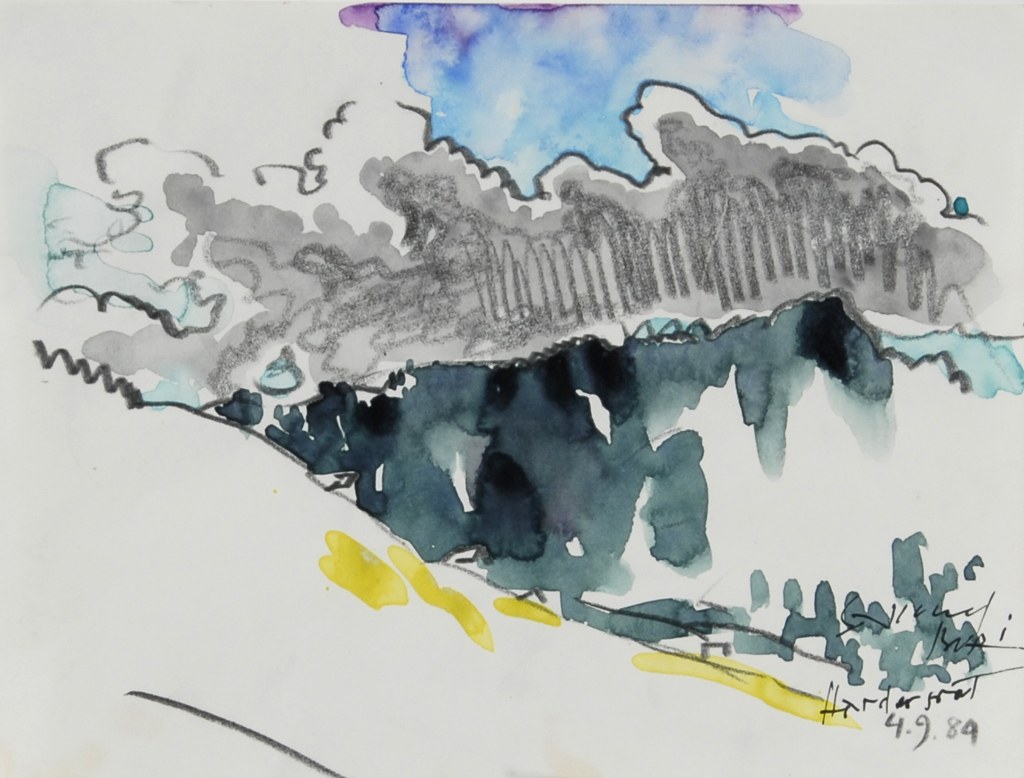
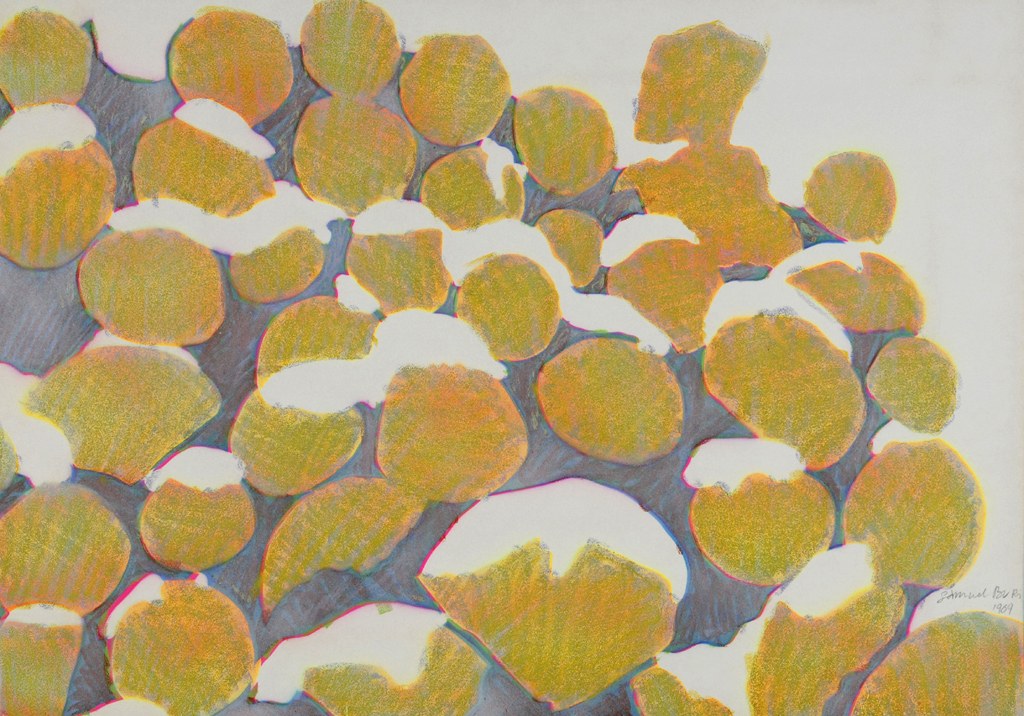
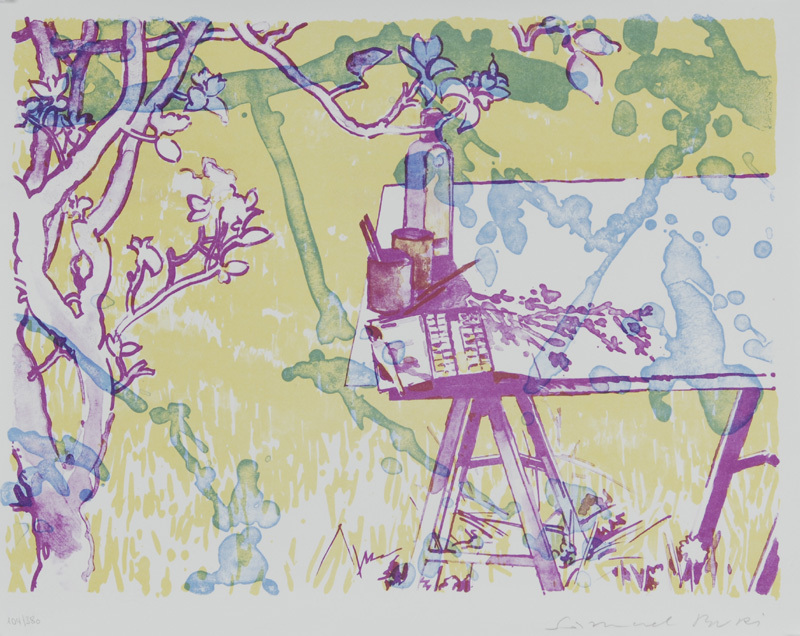
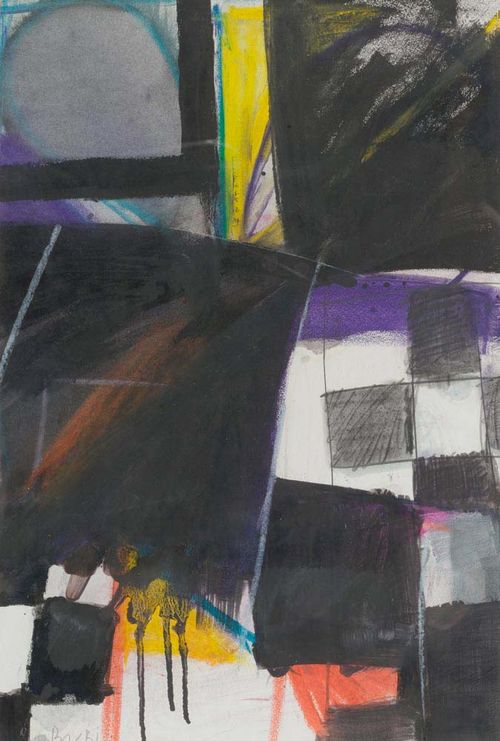
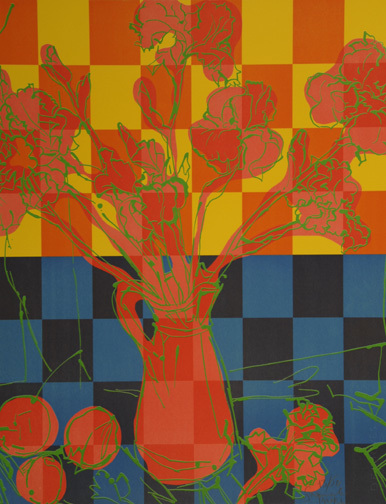
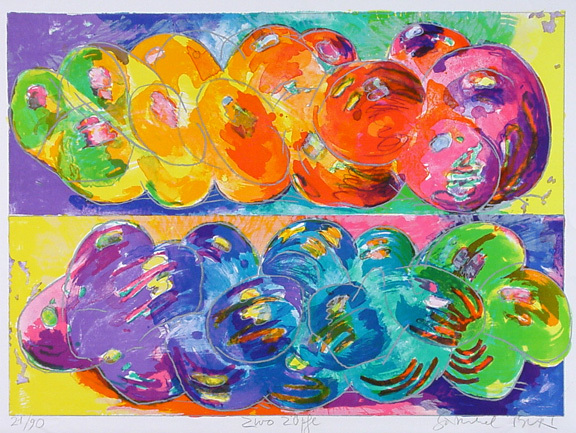
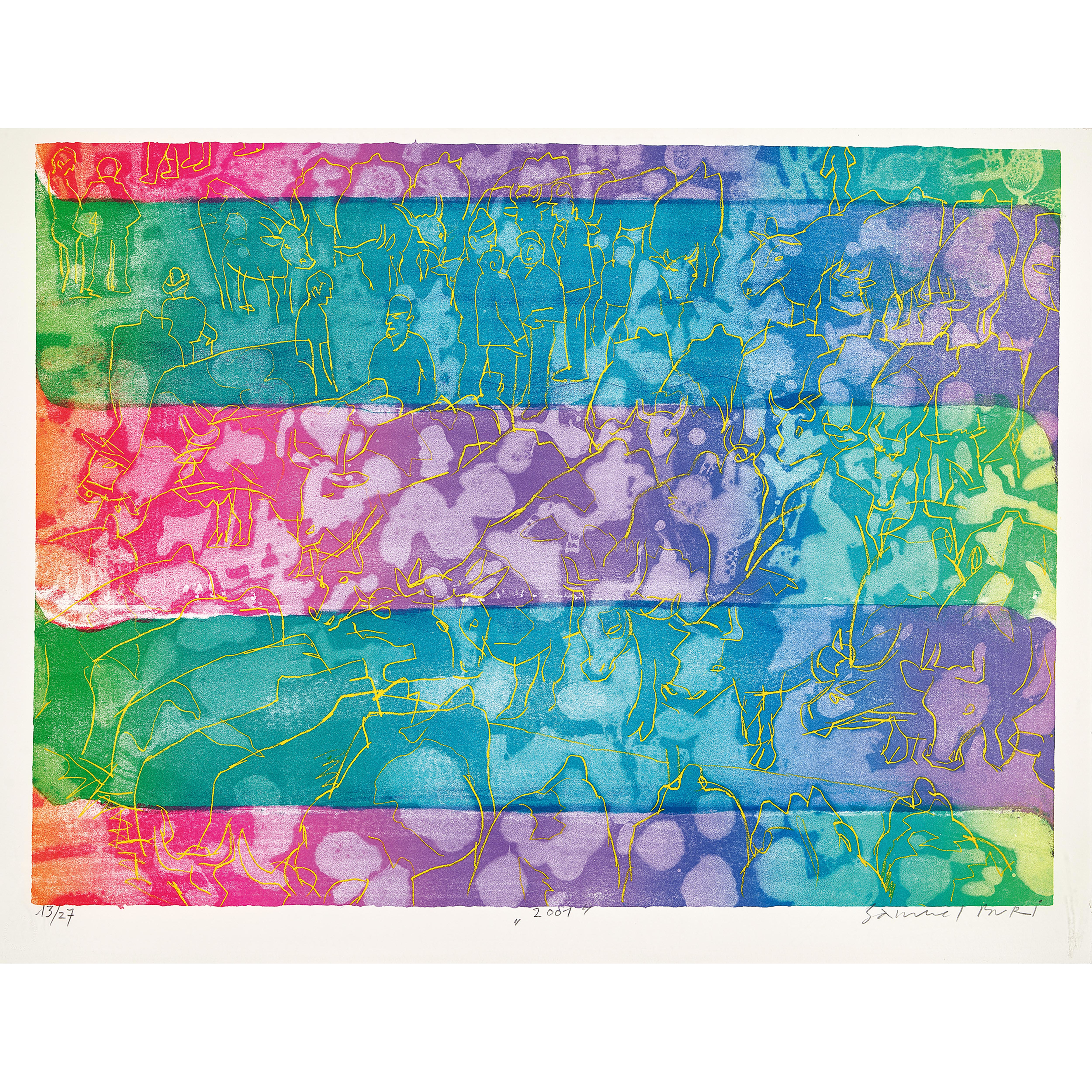
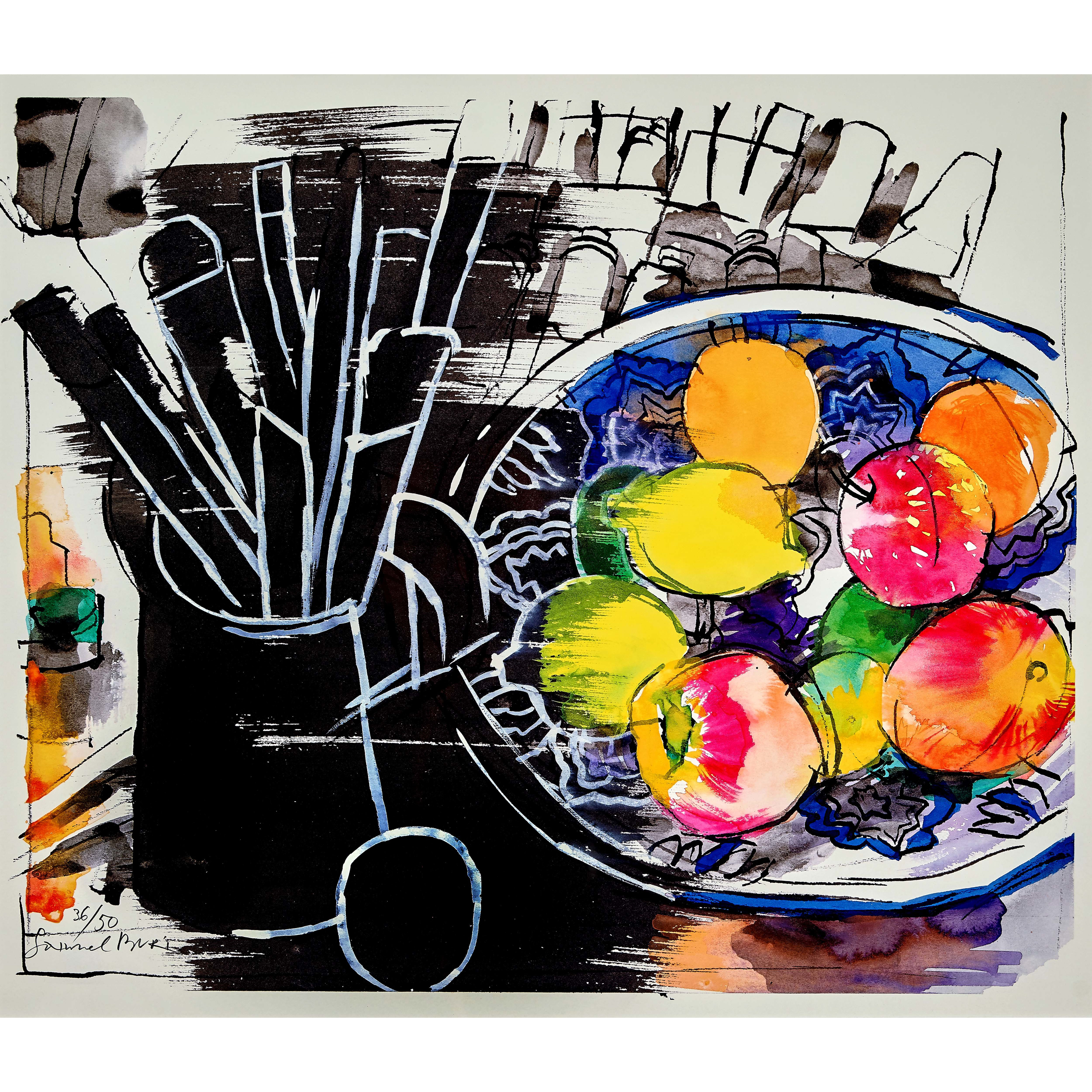
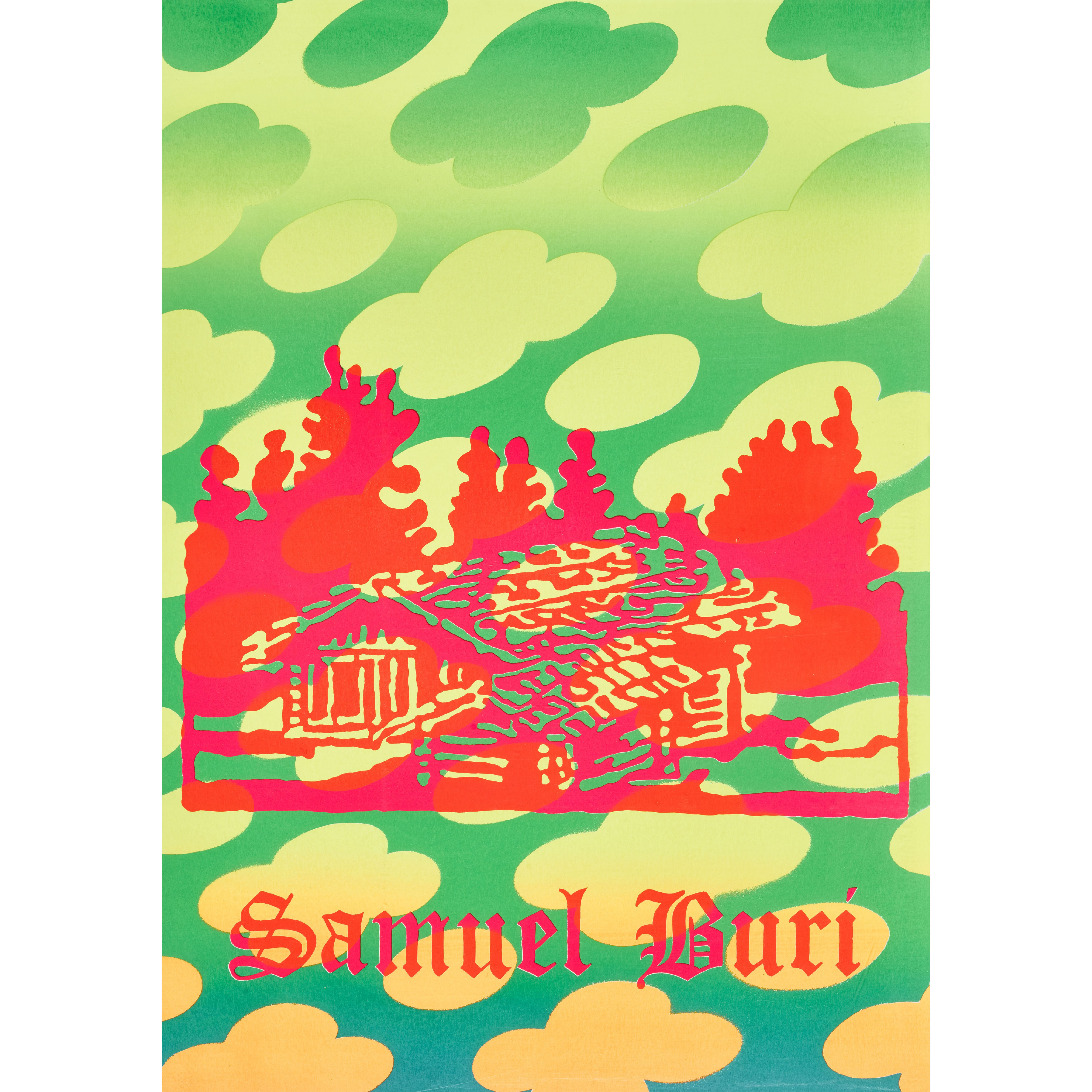
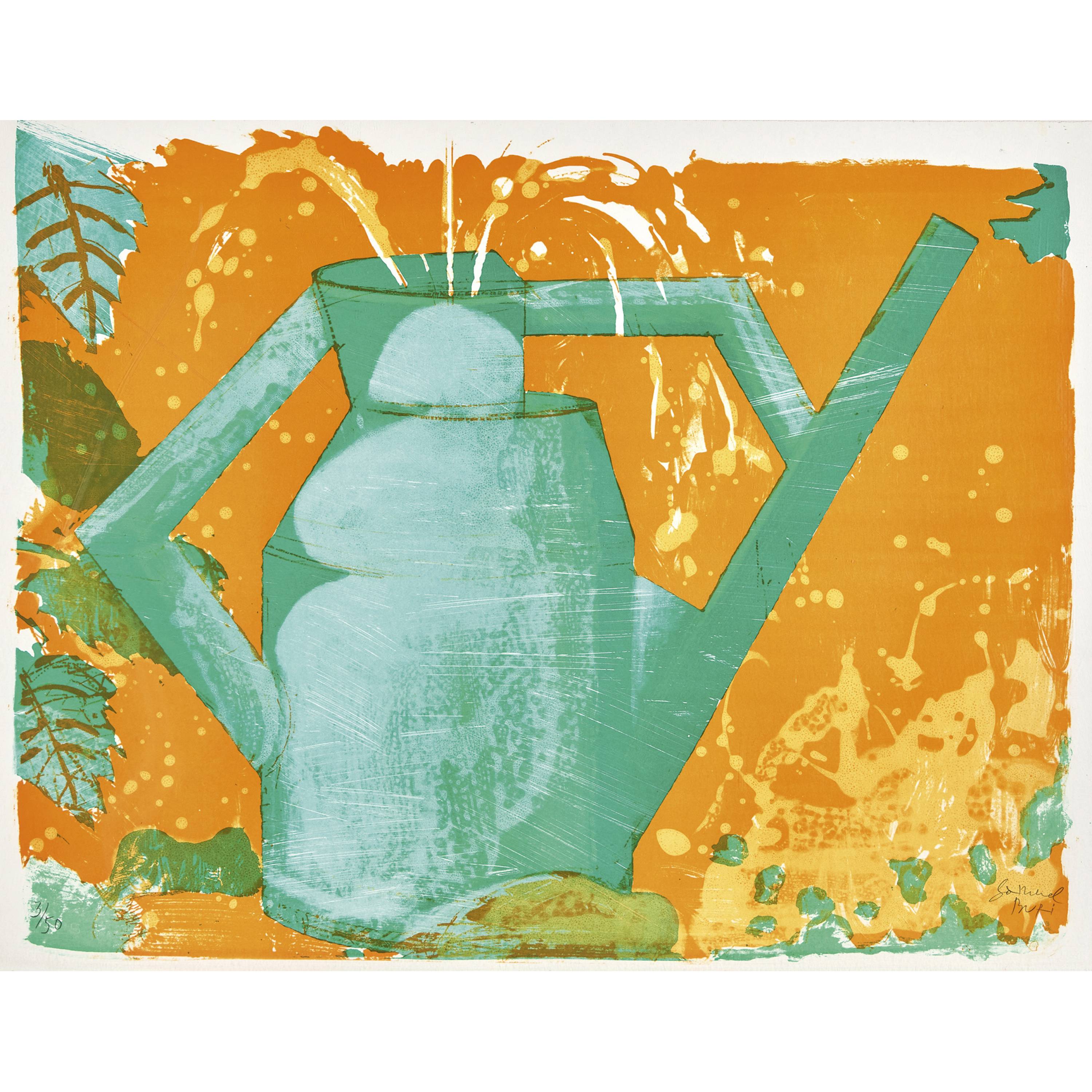
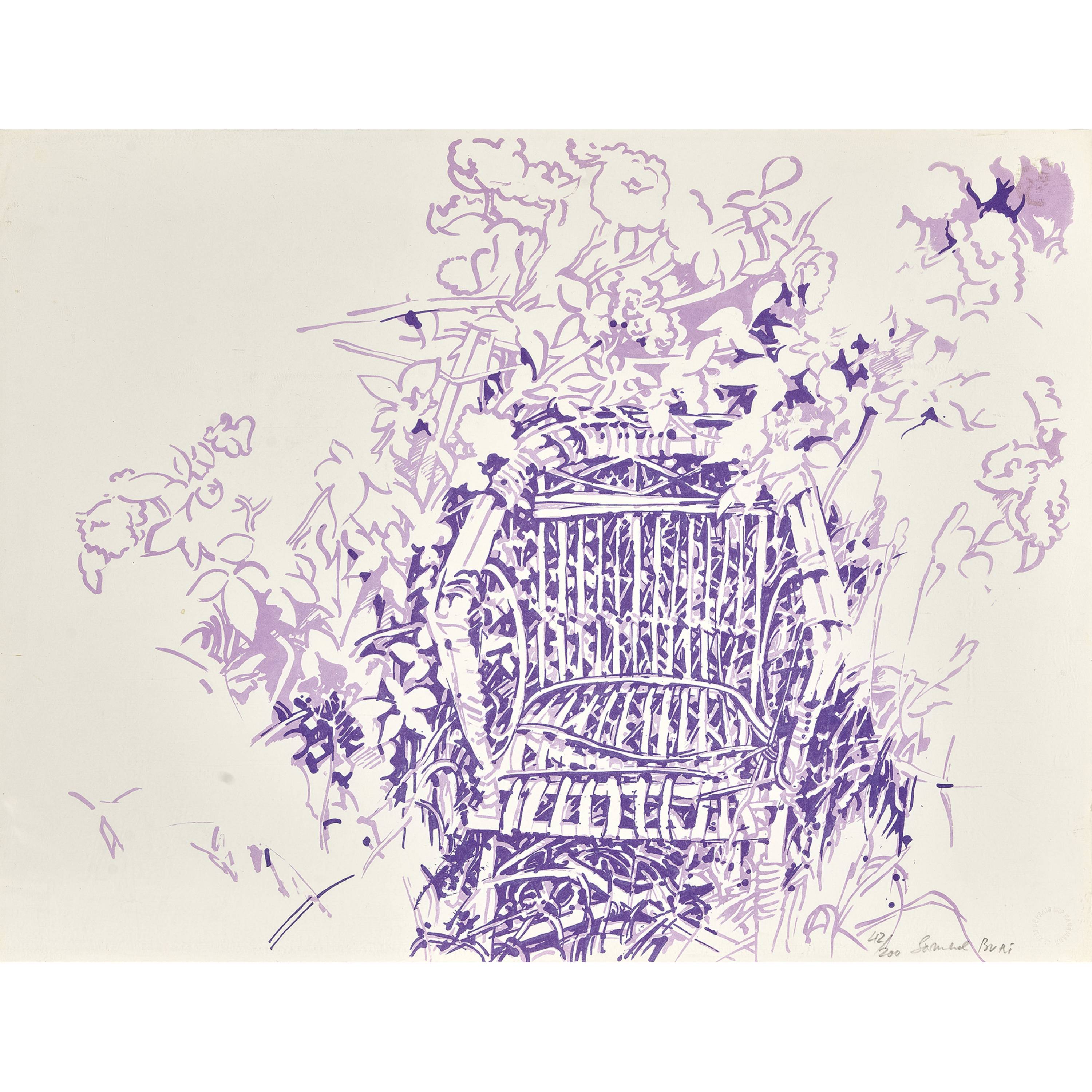
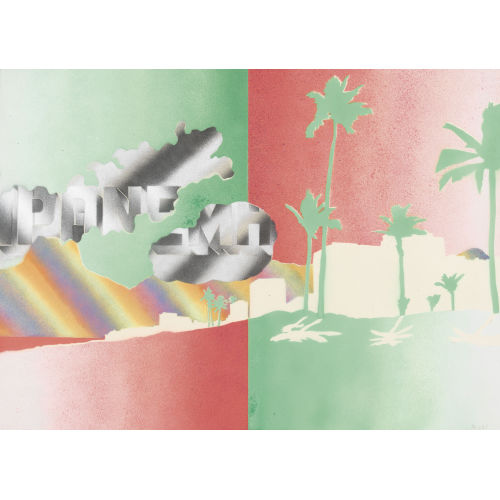
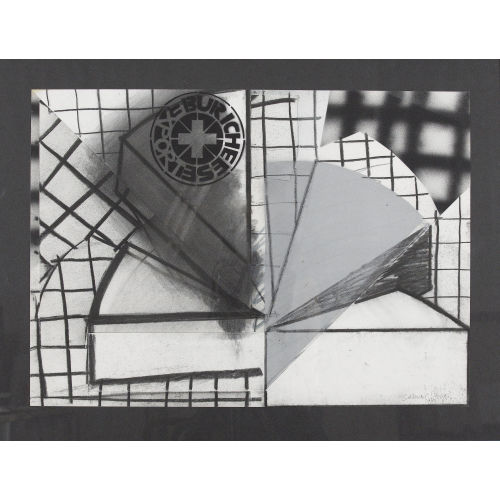
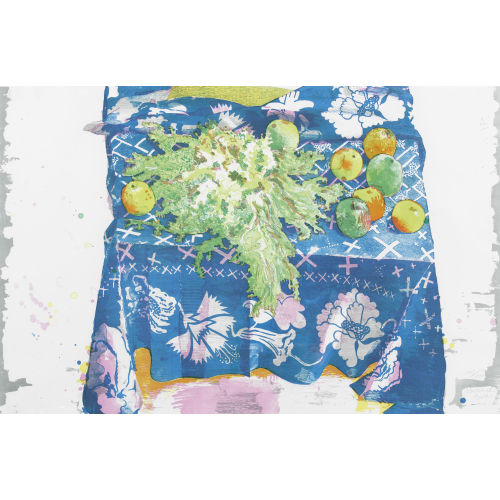
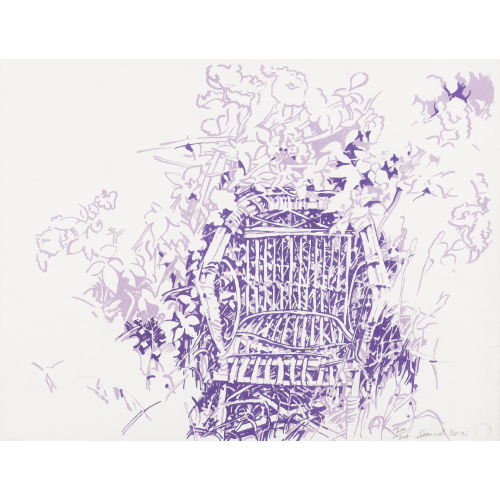
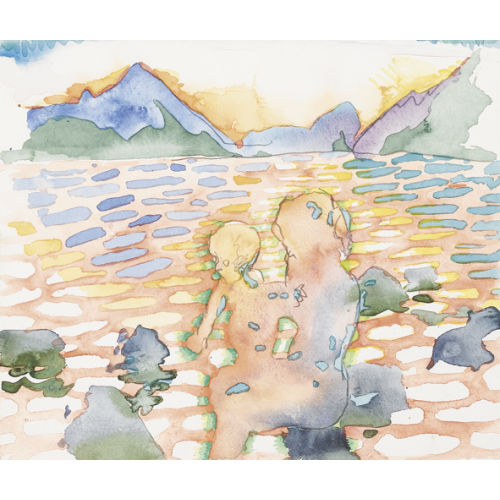
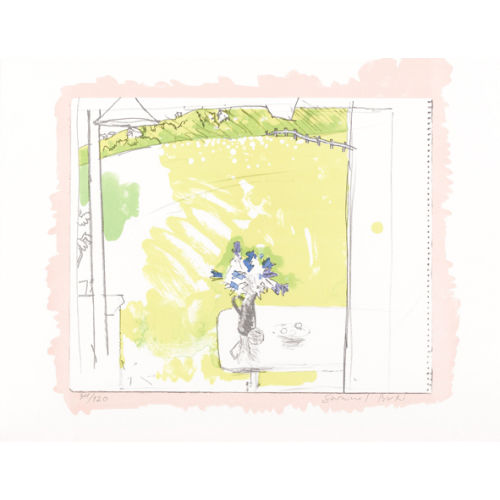
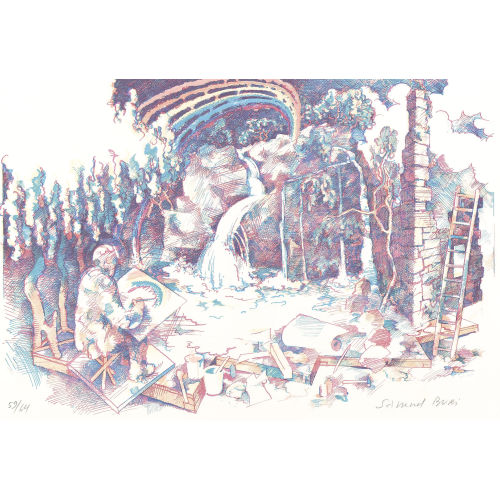
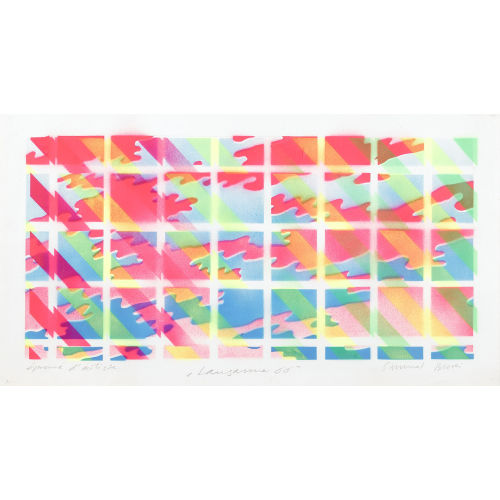
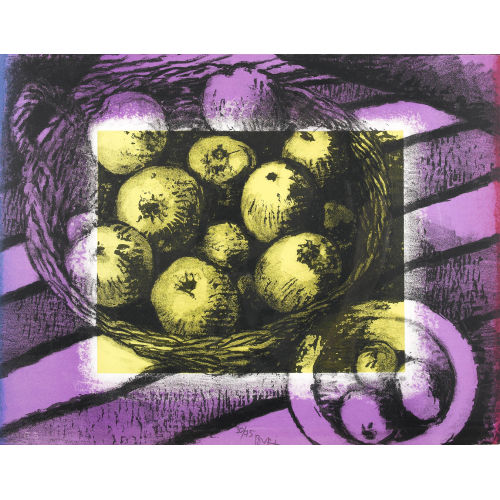
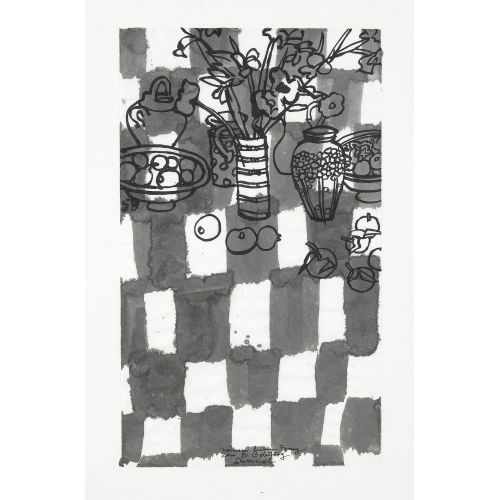
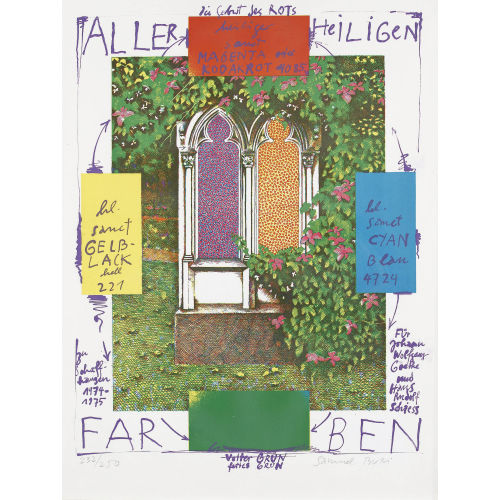
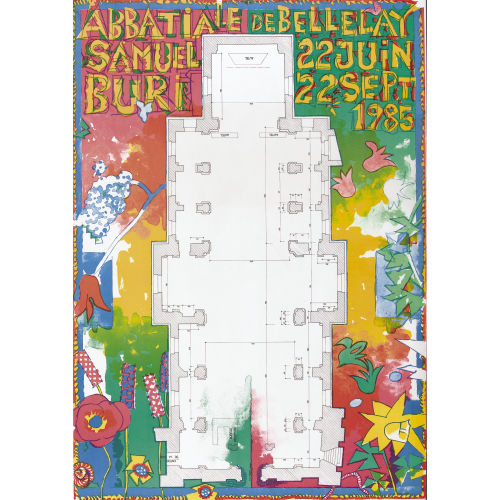
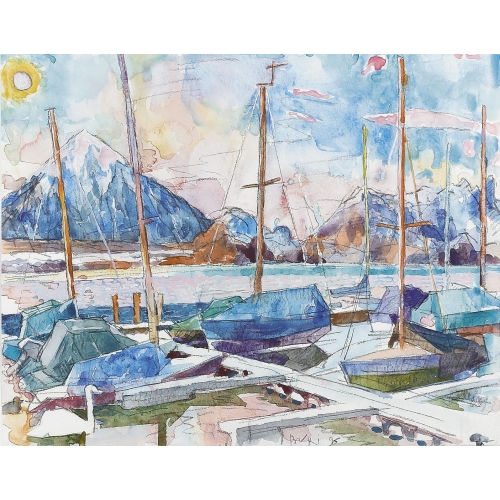
It also includes murals, stained-glass windows, mosaics, watercolours and prints, as well as ceramic projects.
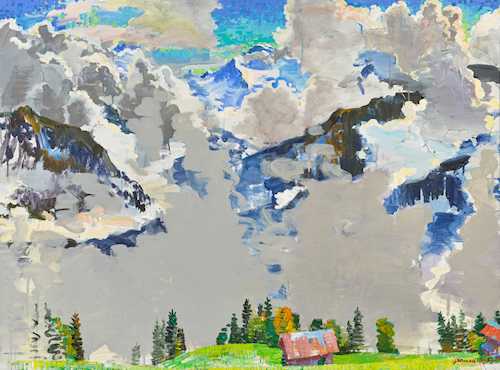
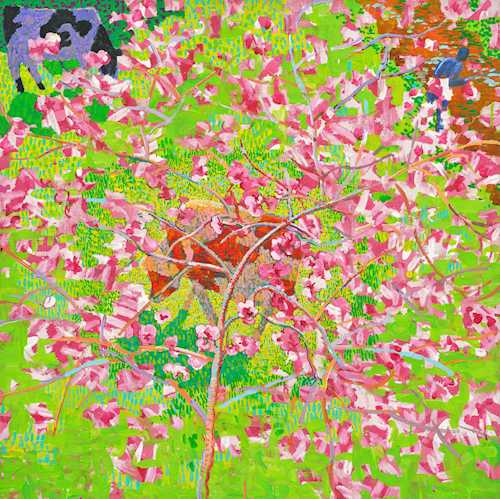
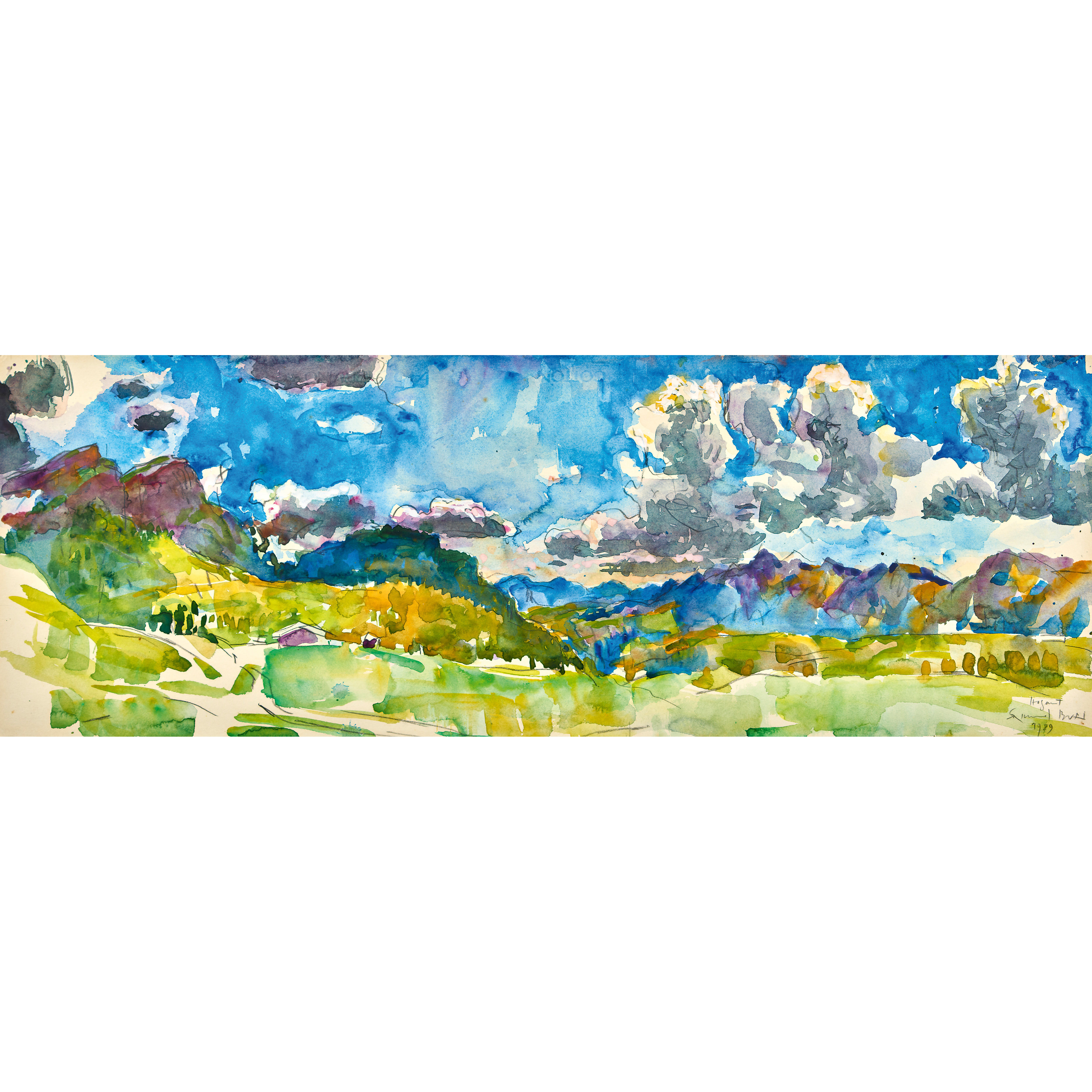
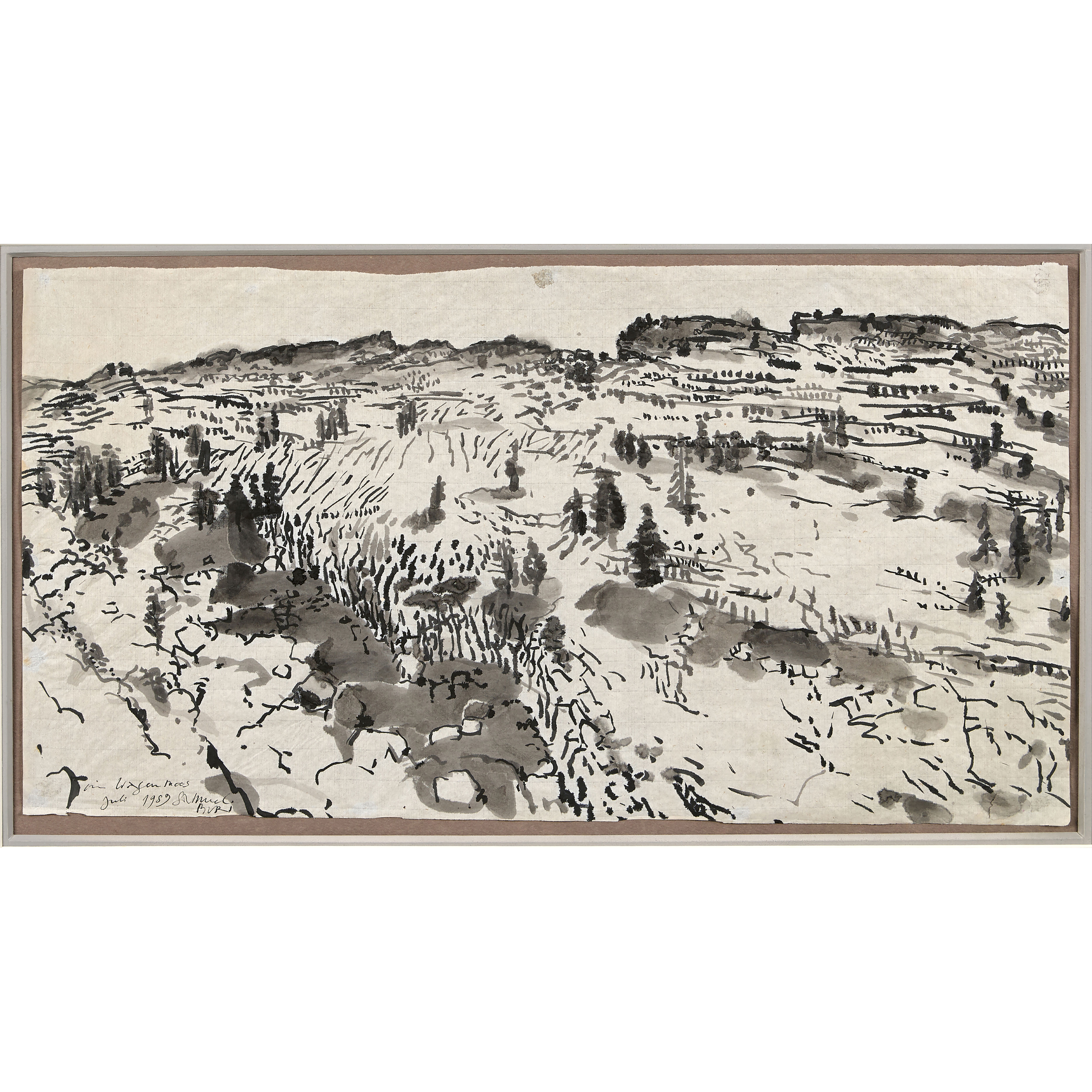
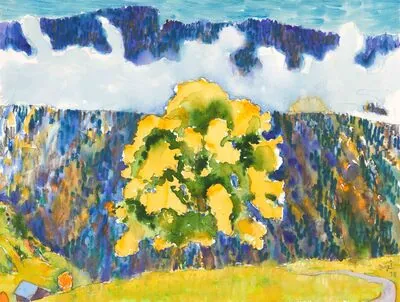
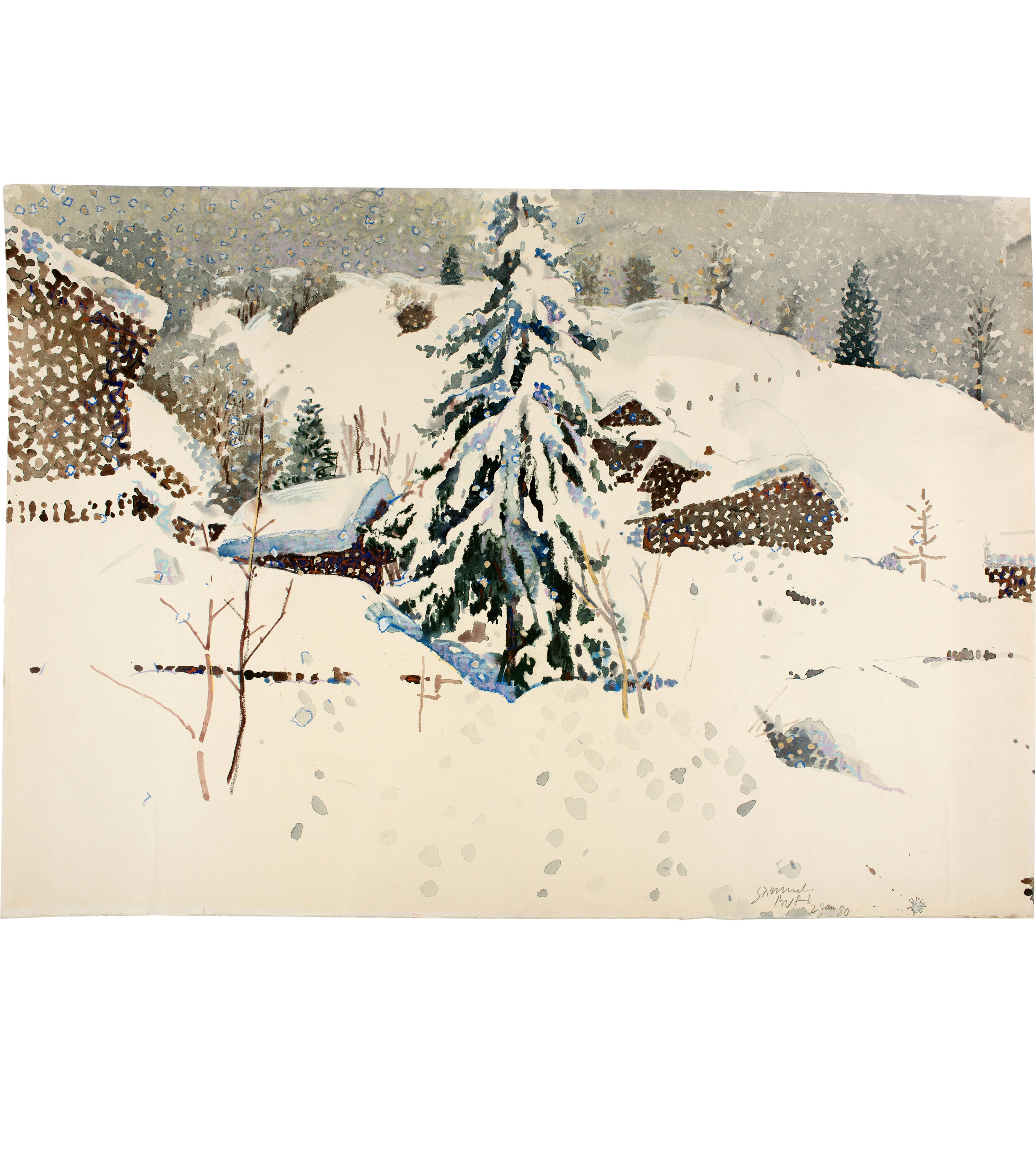
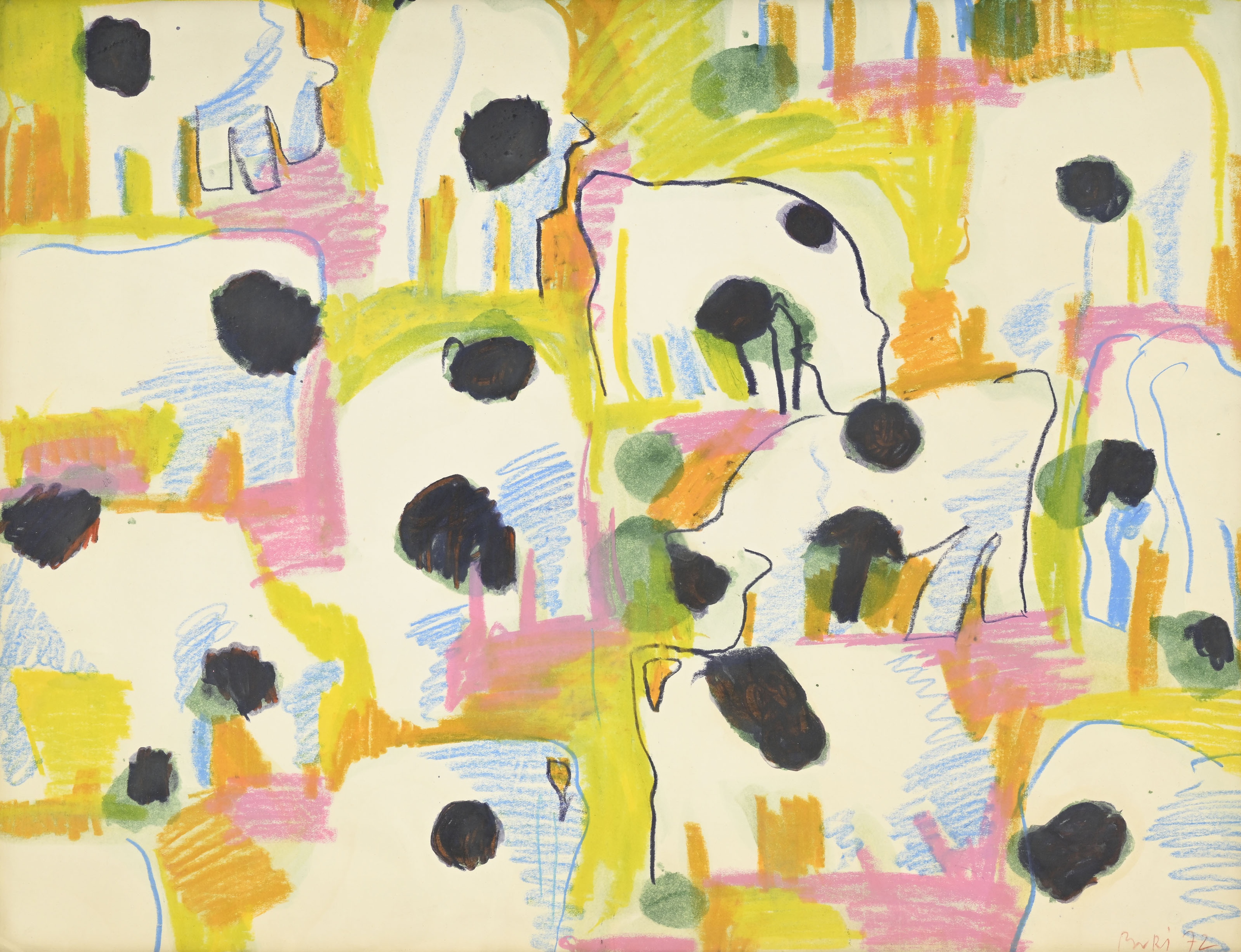
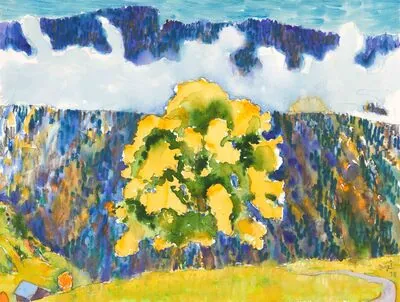
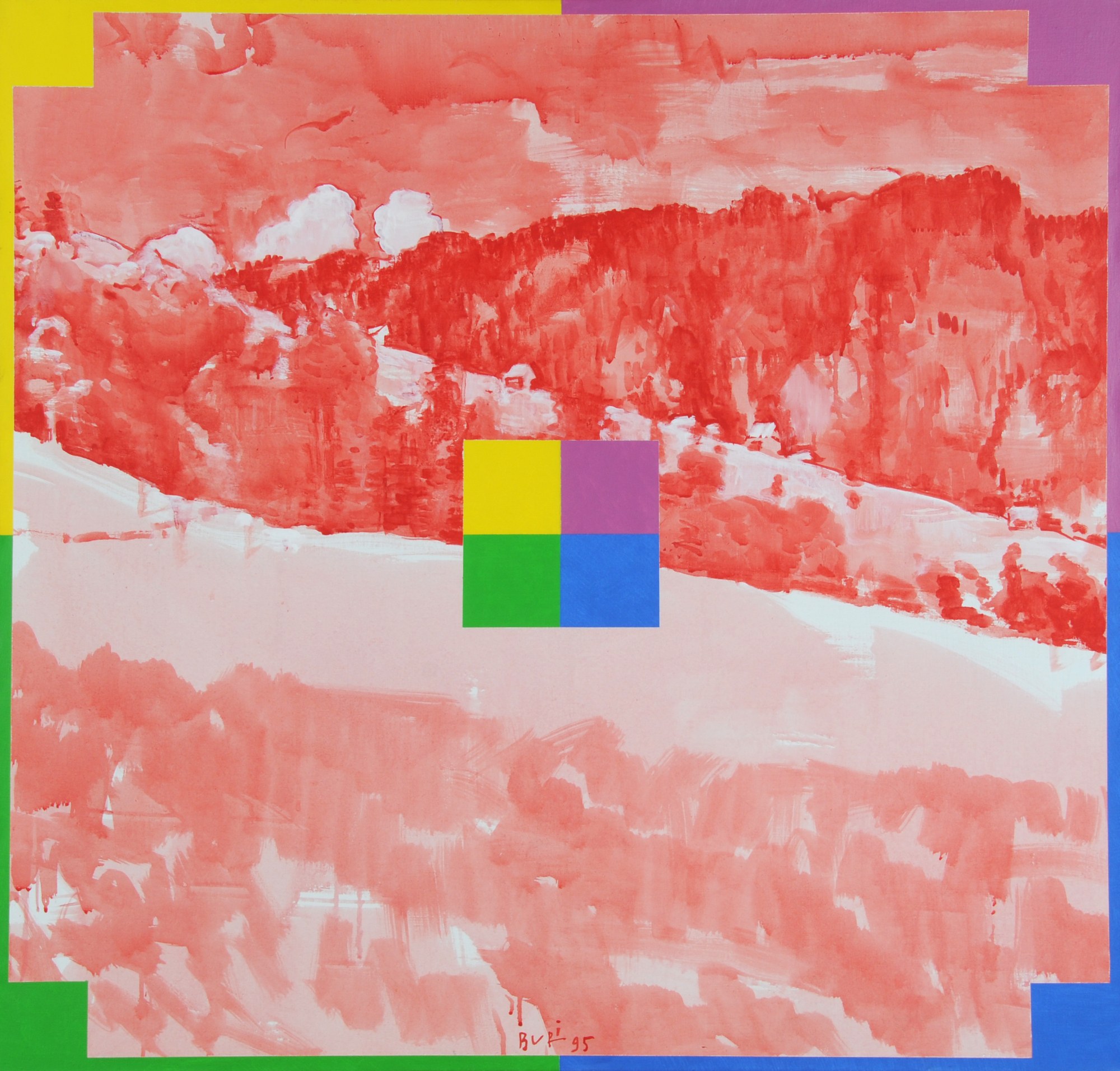
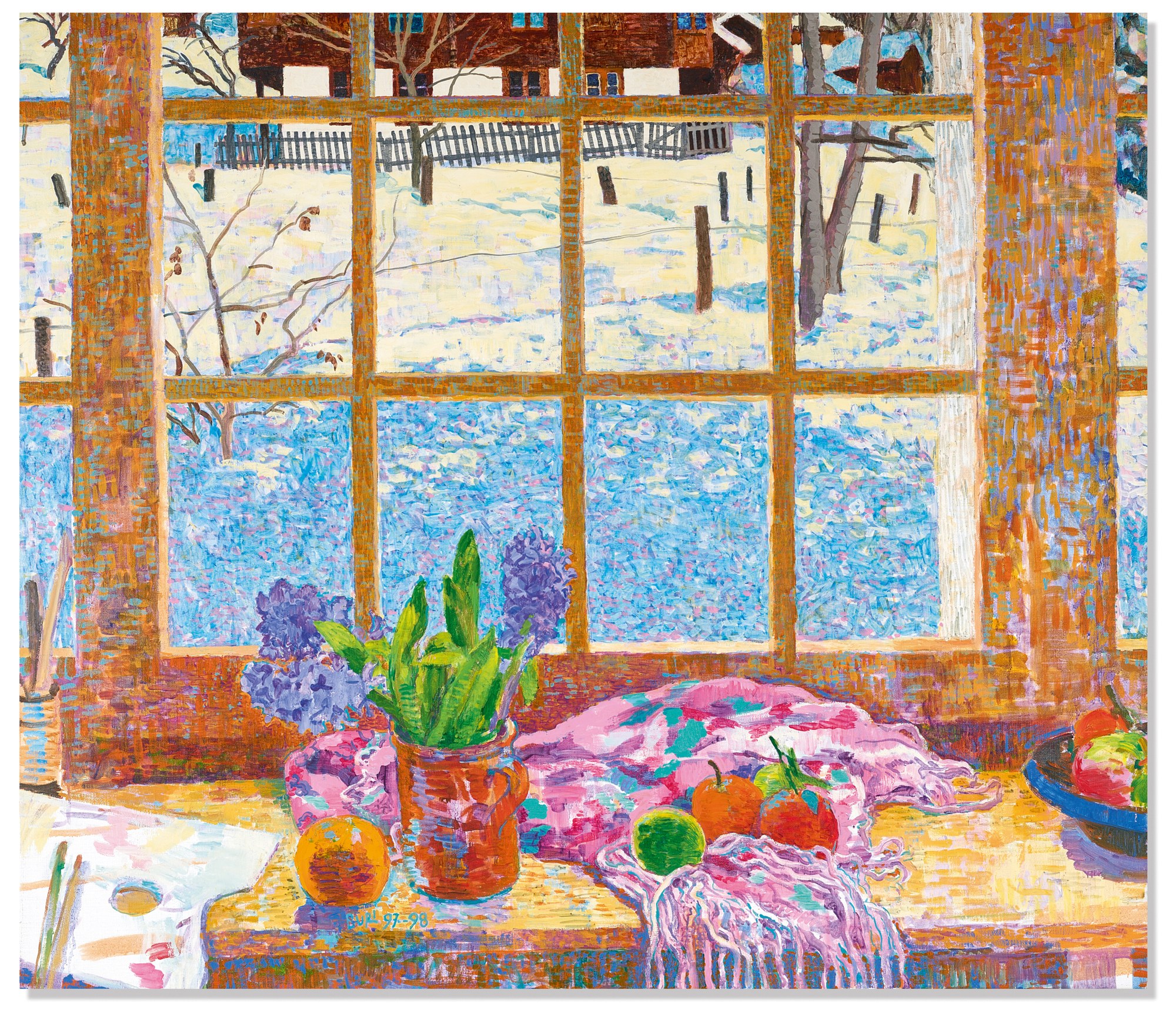
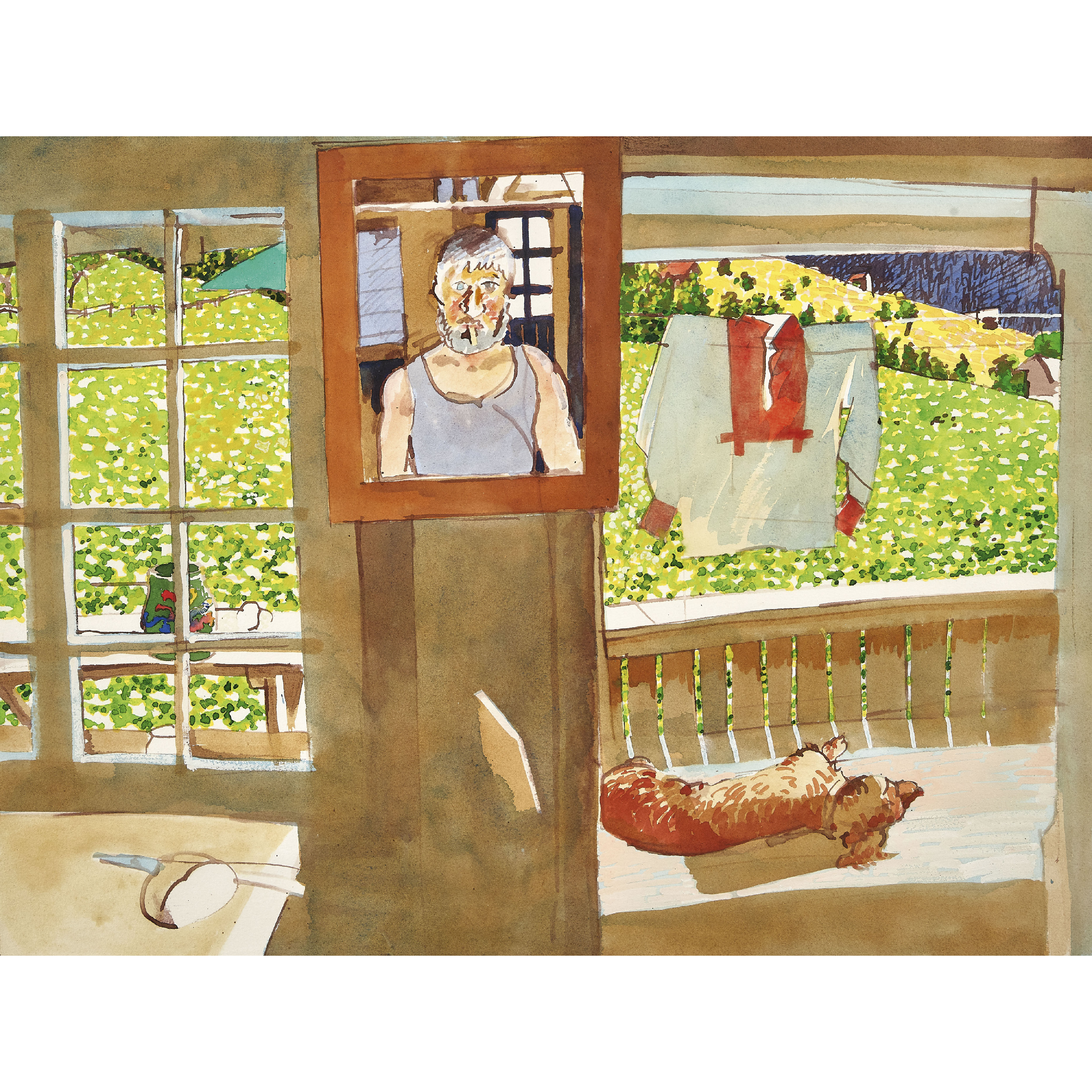
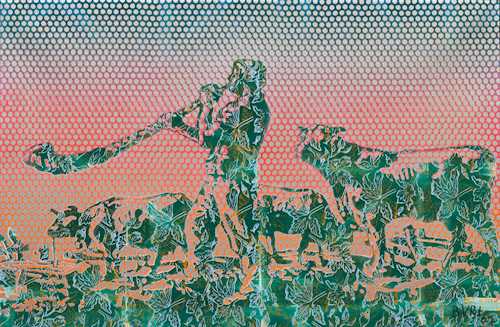
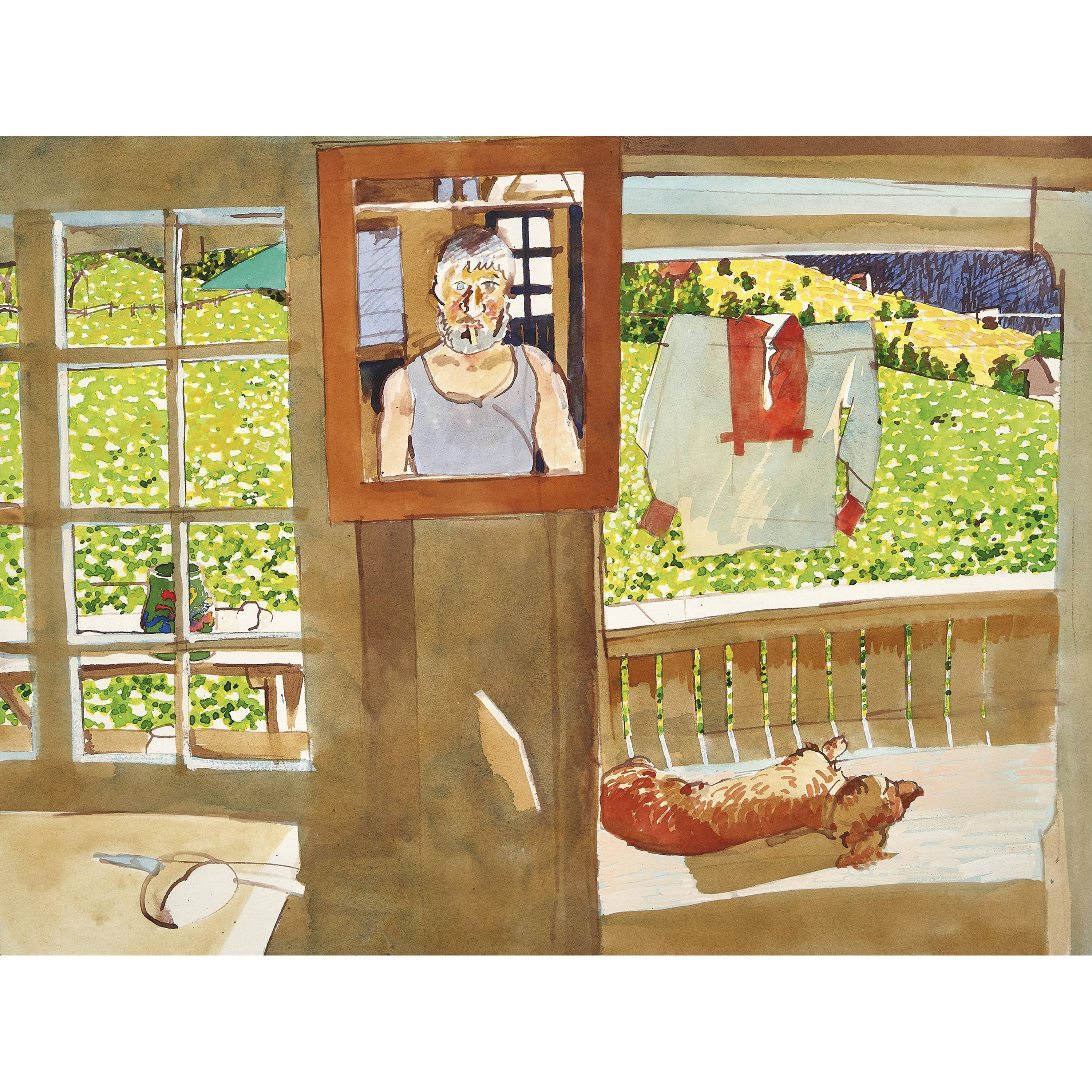
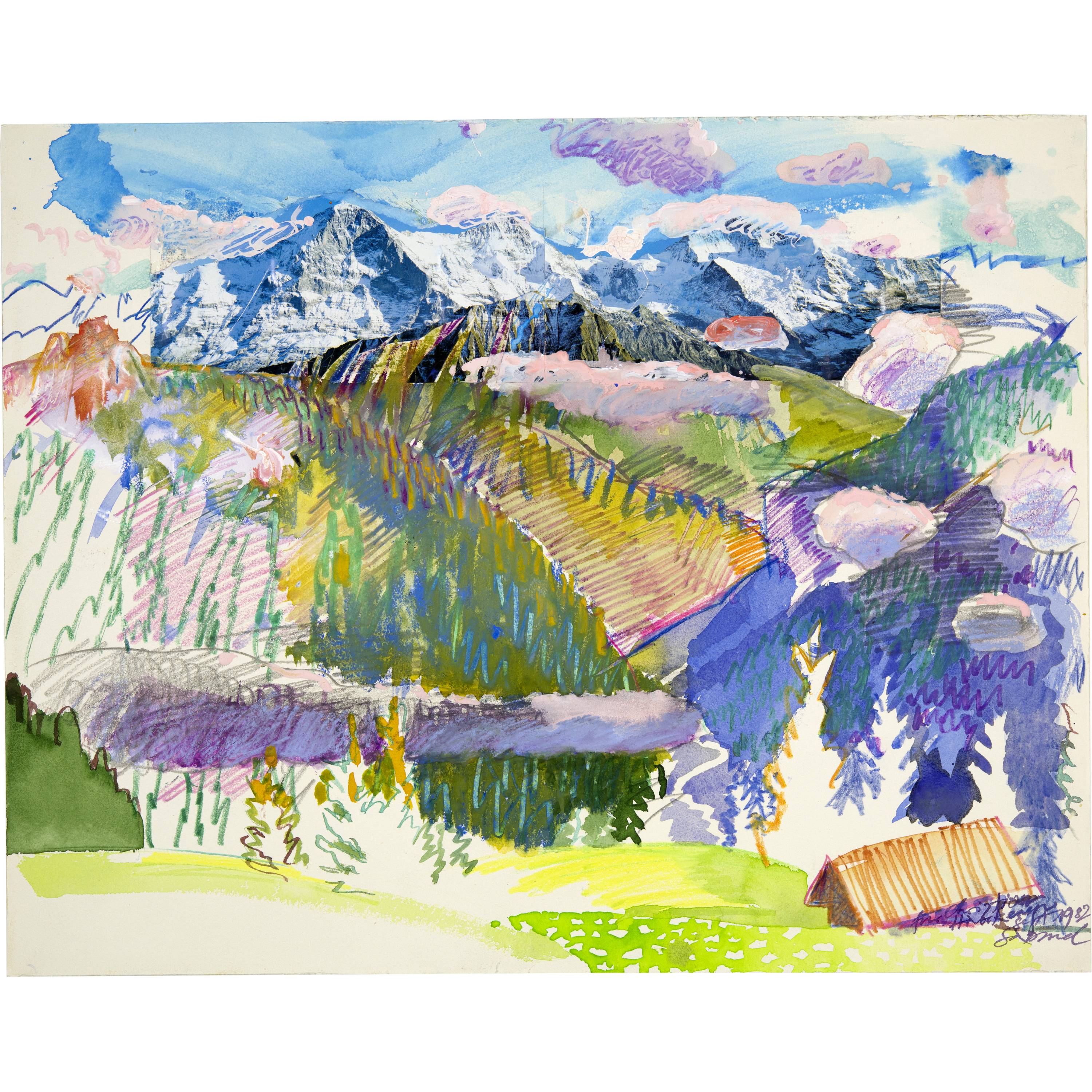
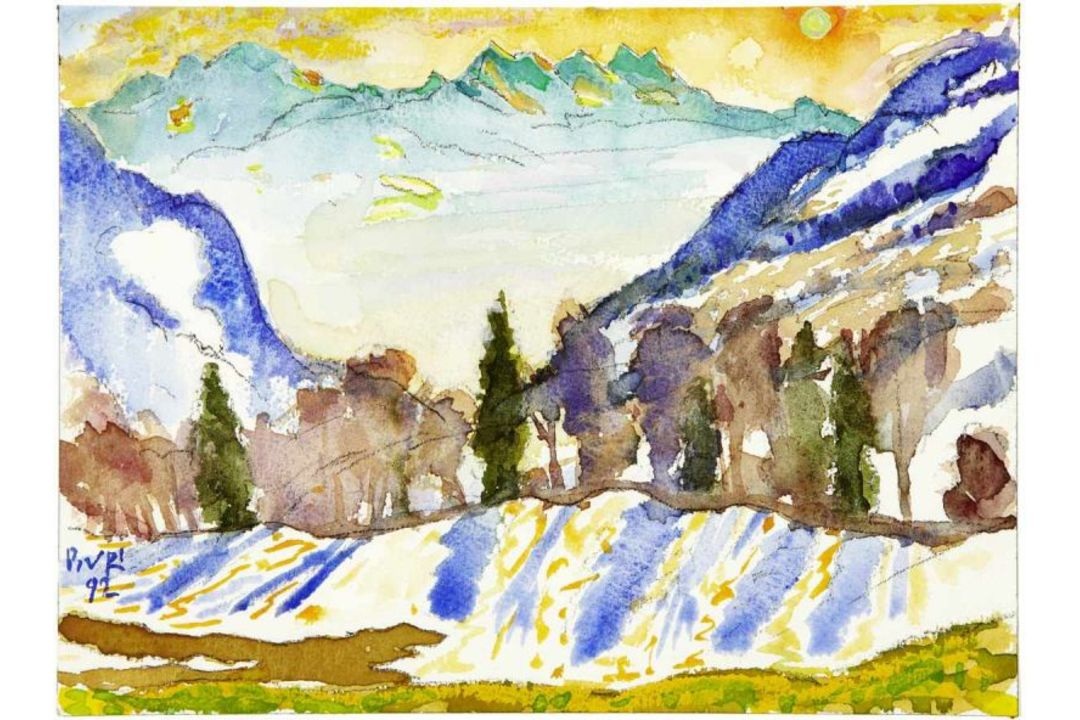
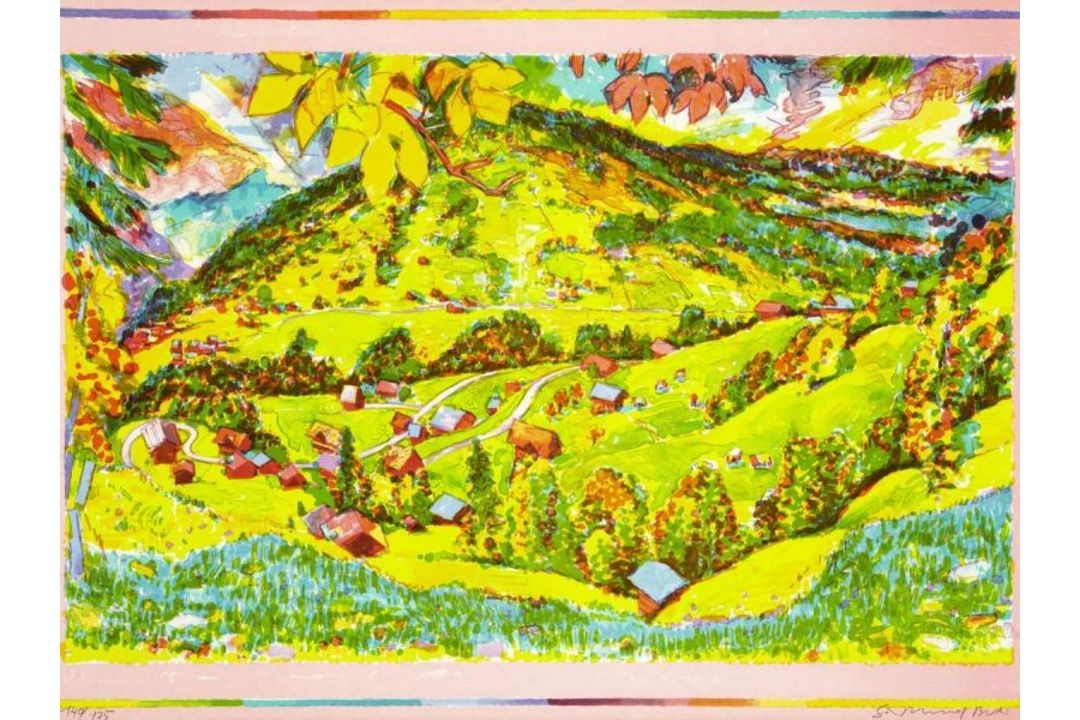
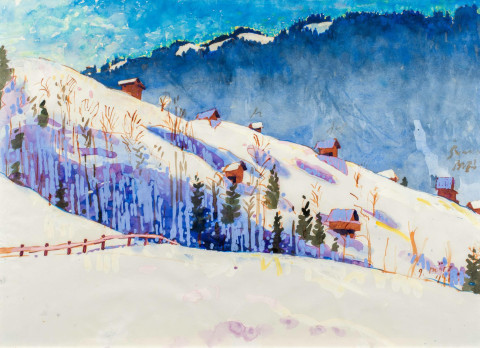
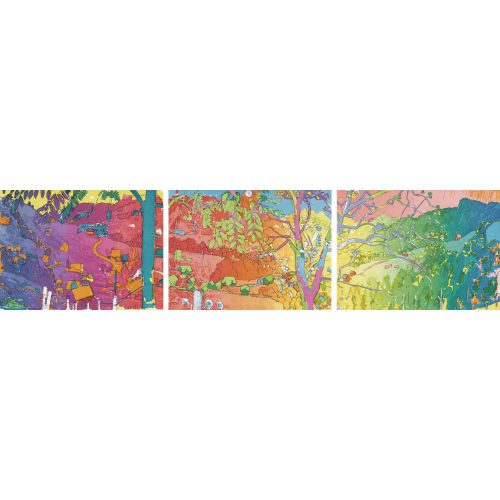
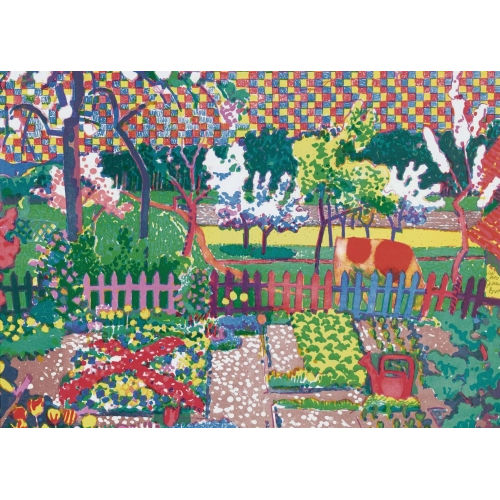
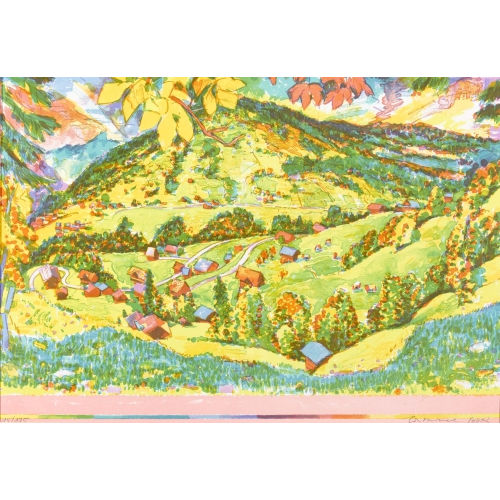
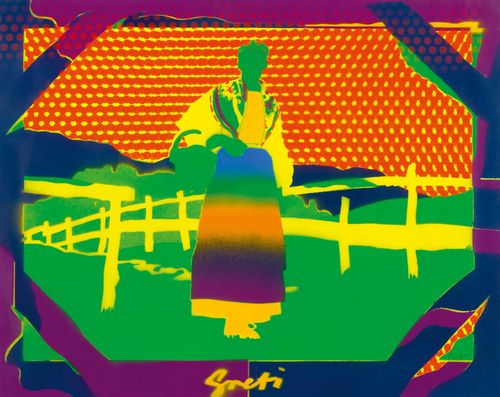
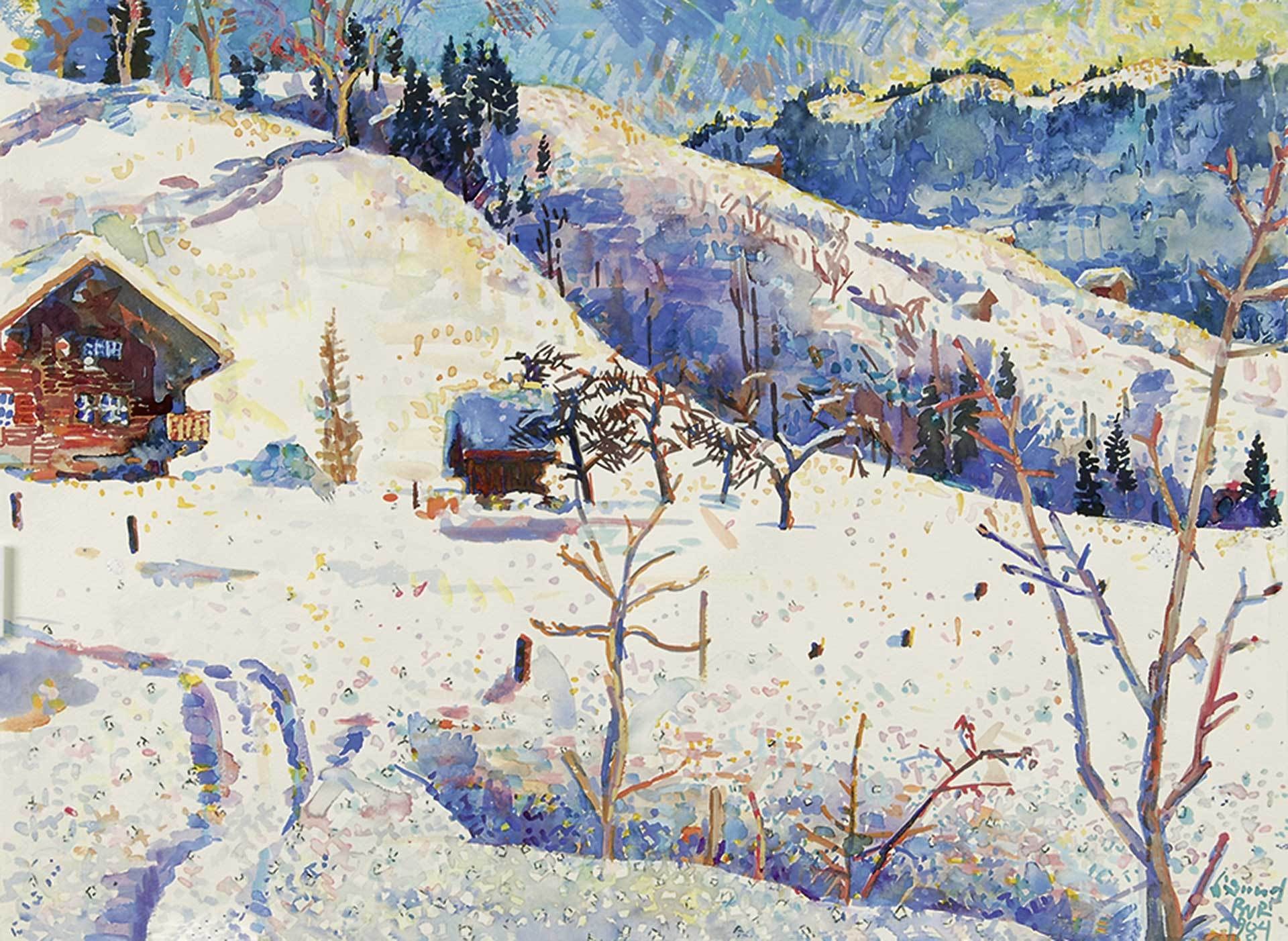
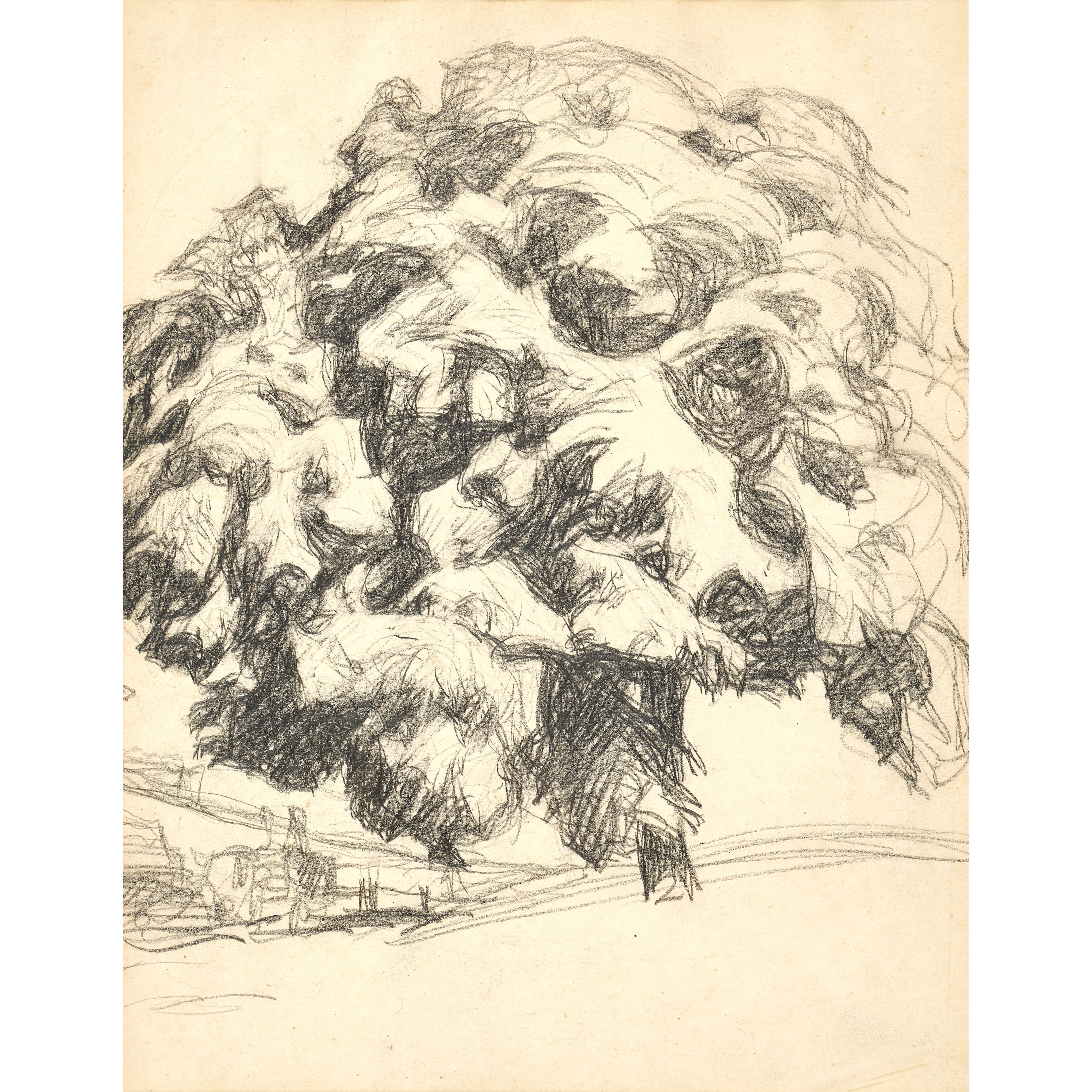
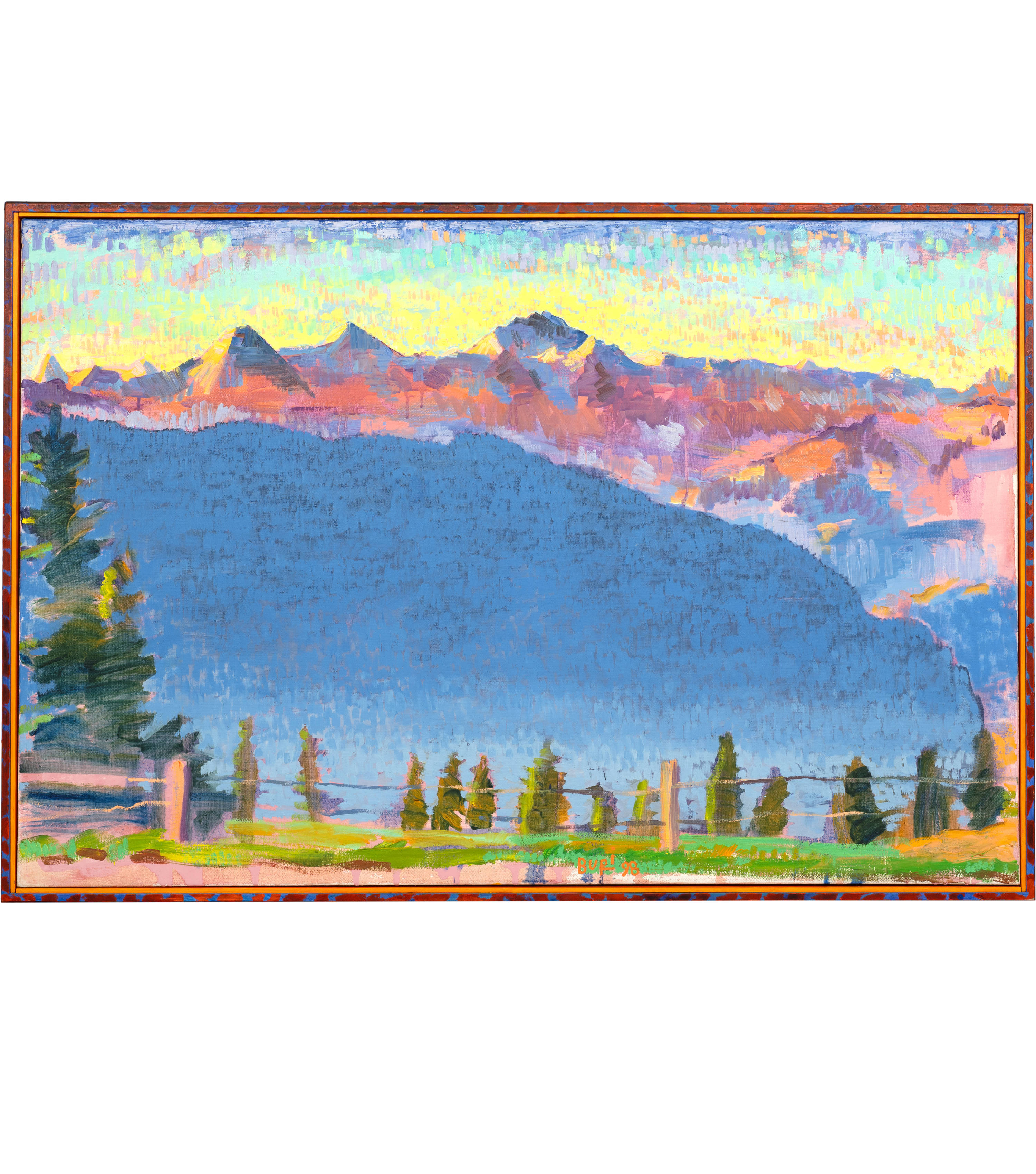
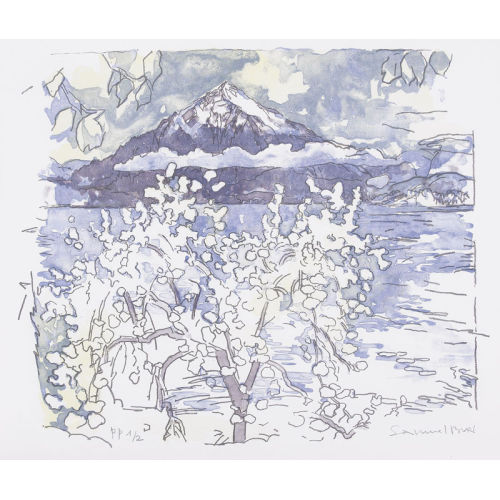
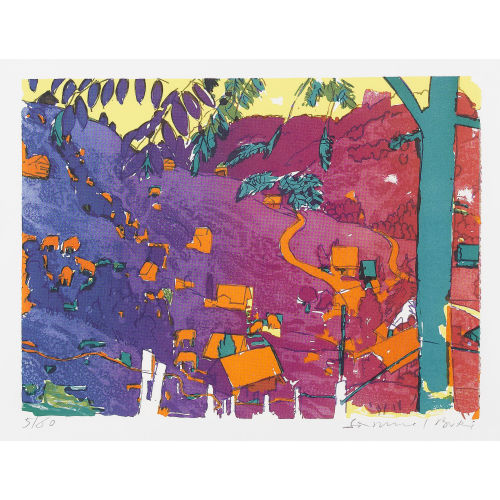
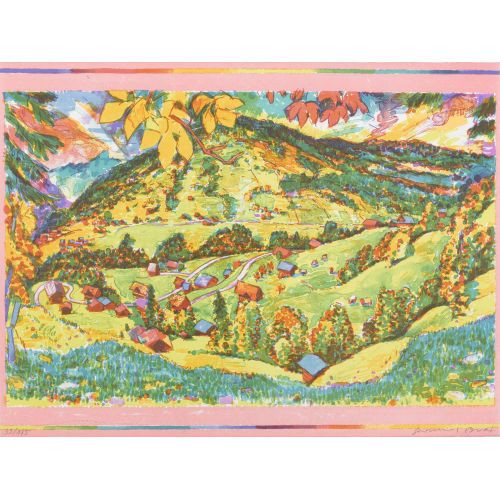
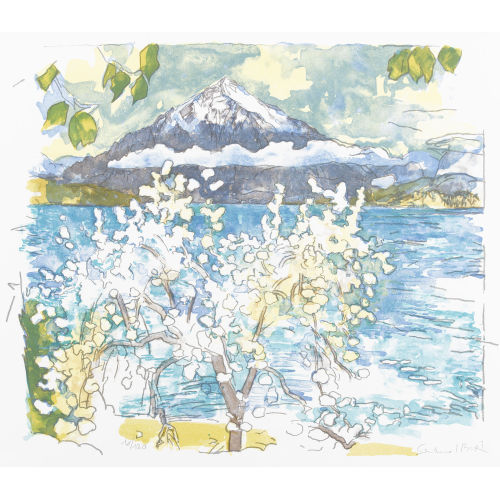
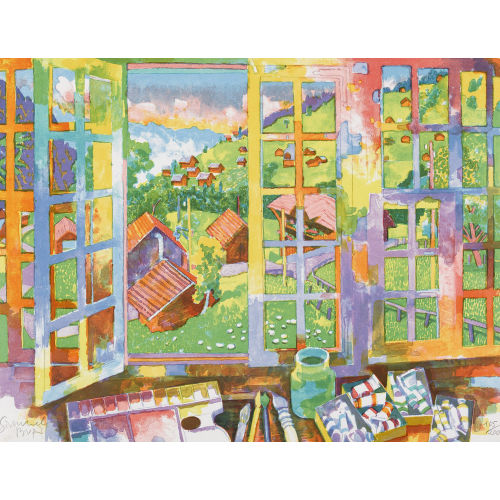
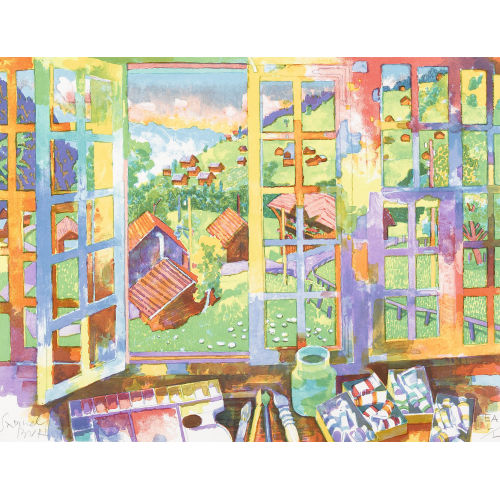
From the mid-1970s onwards, Buri regularly returned to Habkern, in the Bernese Oberland, where he converted a former farm into a place of residence and work. Alpine landscapes and rural life then became recurring motifs, transformed by a vivid palette and an often playful approach. The exhibition at Spiez Castle devoted to this aspect of his work emphasises the continuity between his grounding in Basel and his dialogue with the Alpine region.