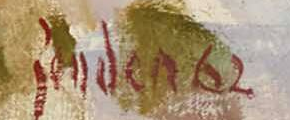
Rudolf Zender
Born in 1901.
Died in 1988.
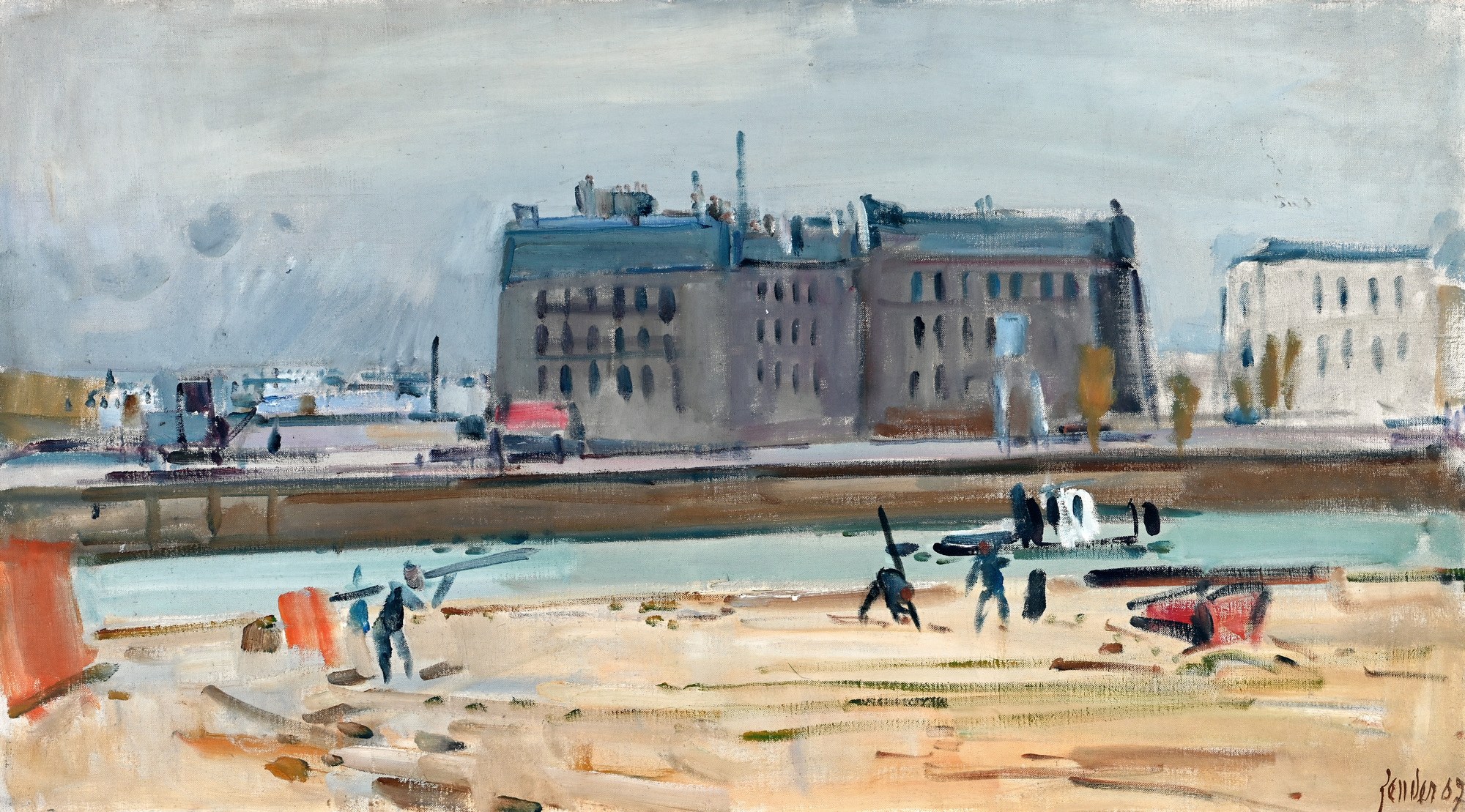
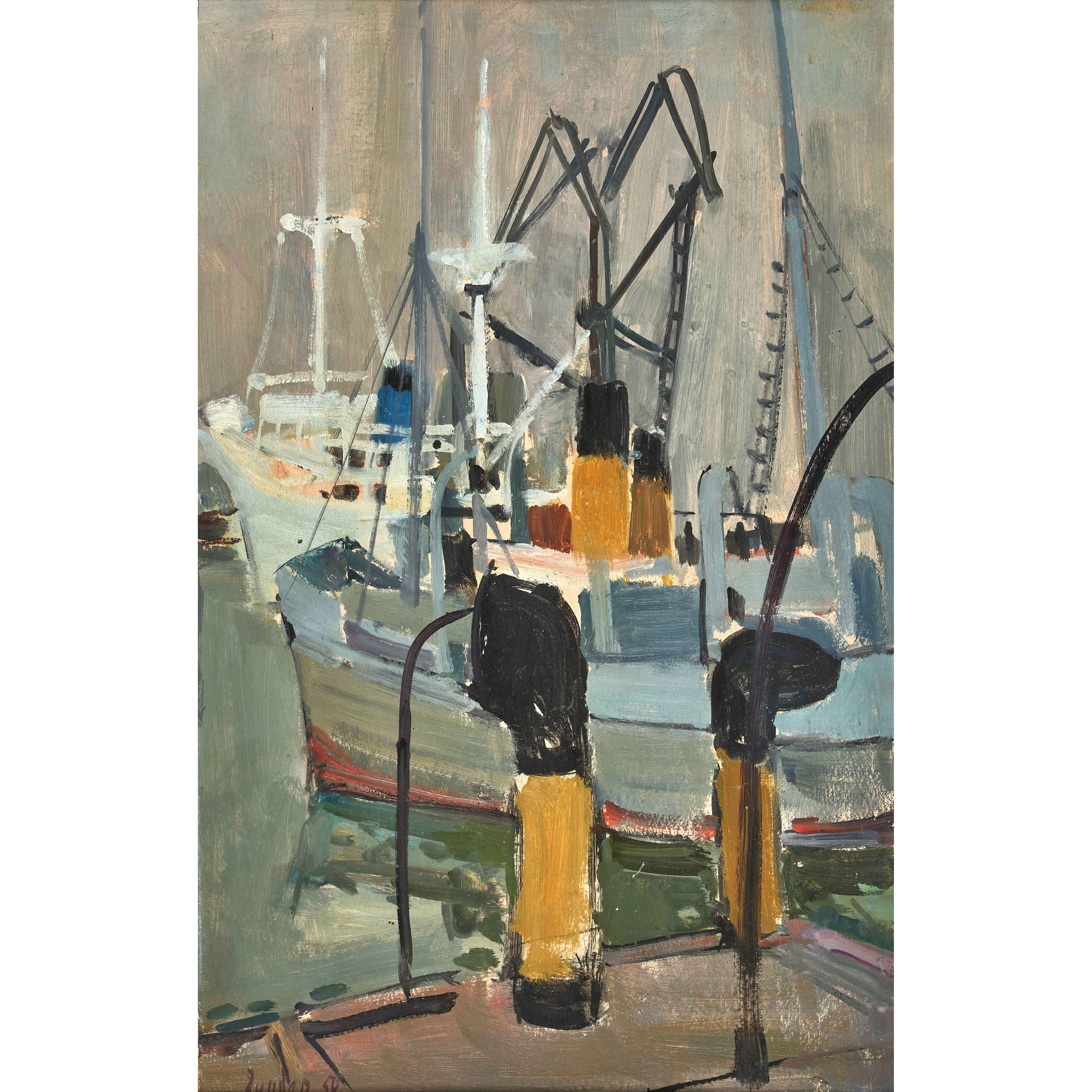
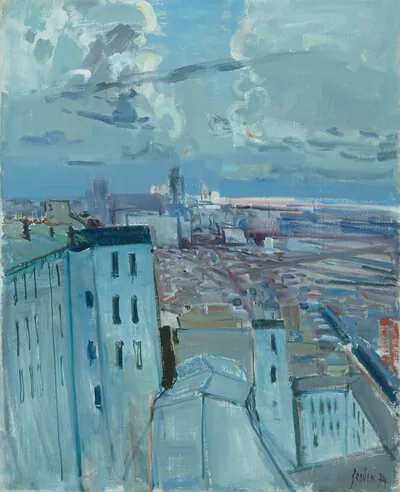
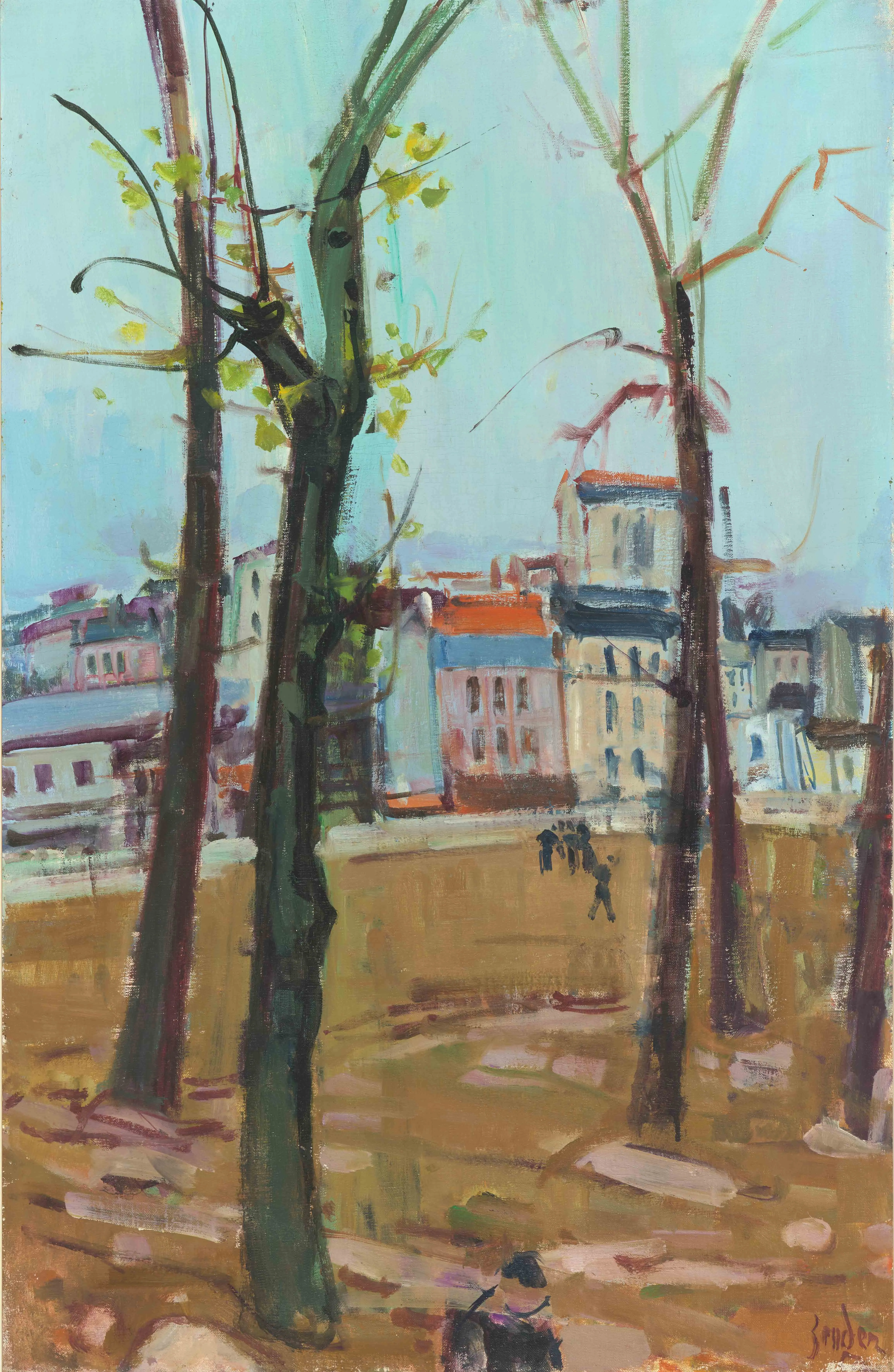
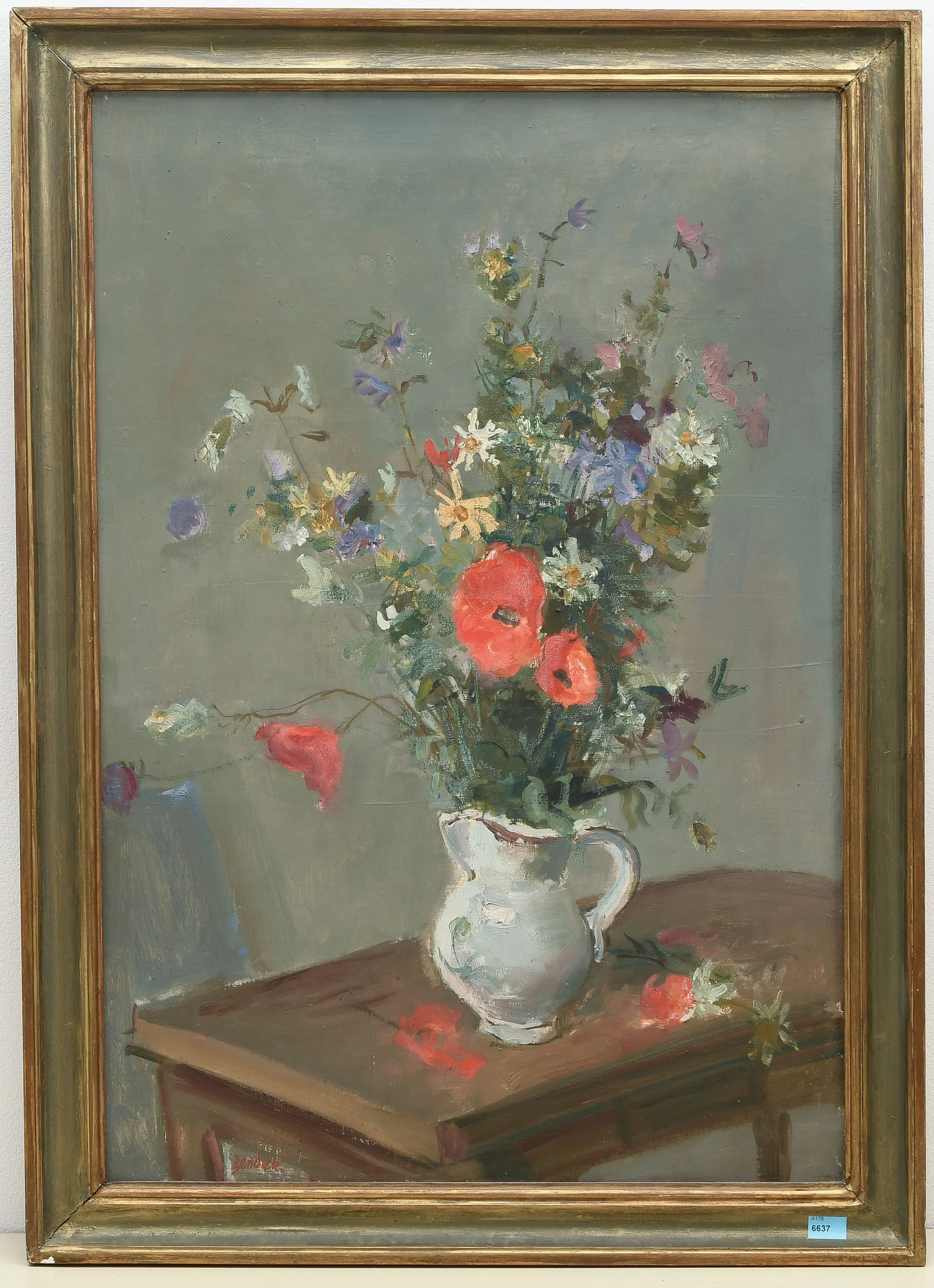
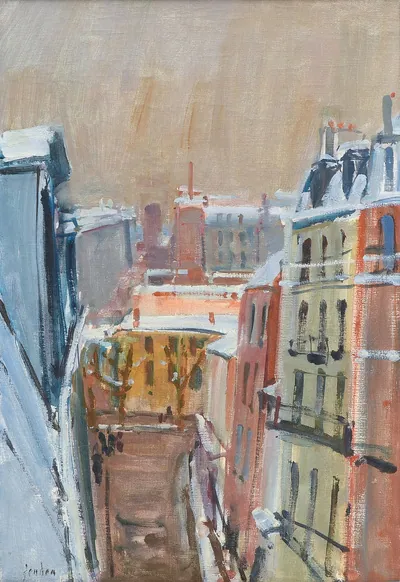
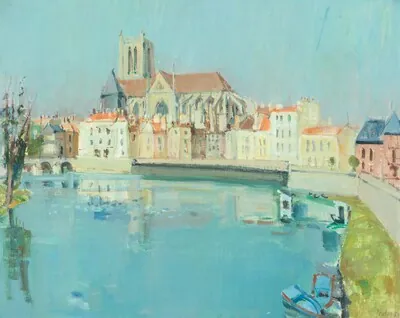
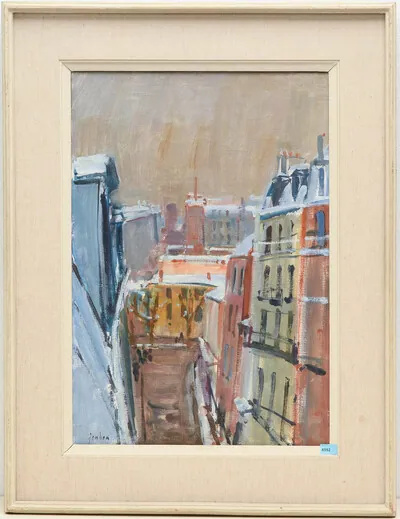
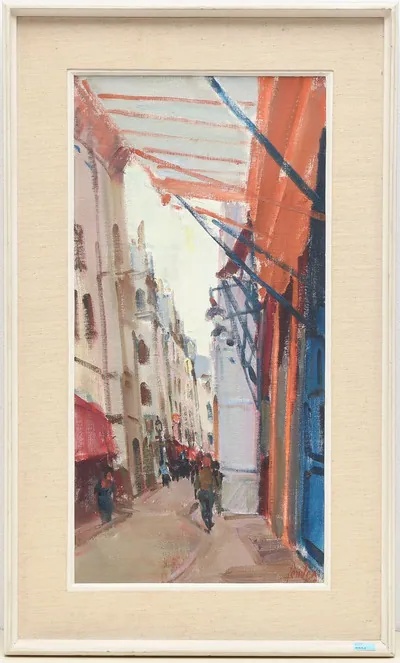
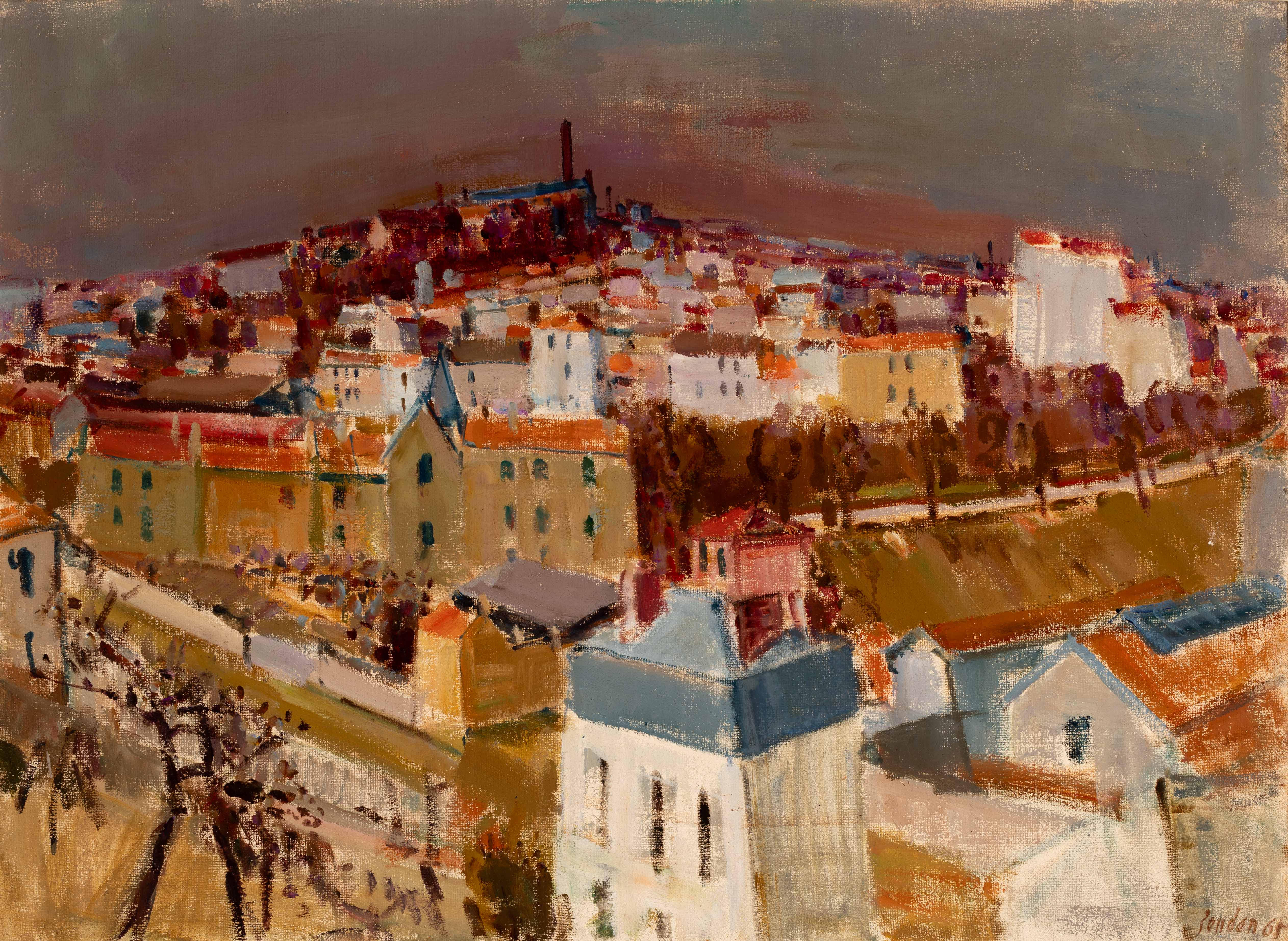
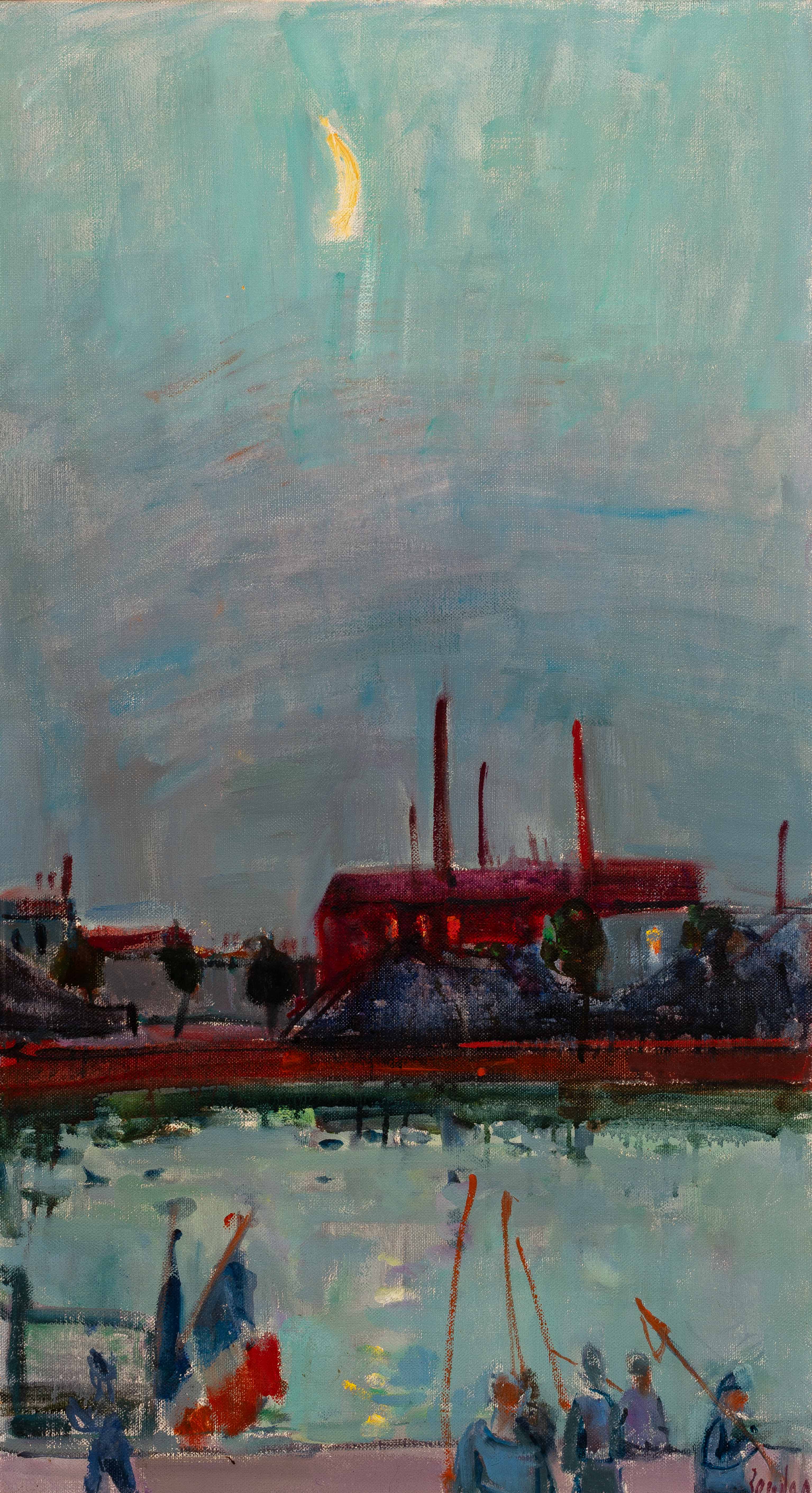
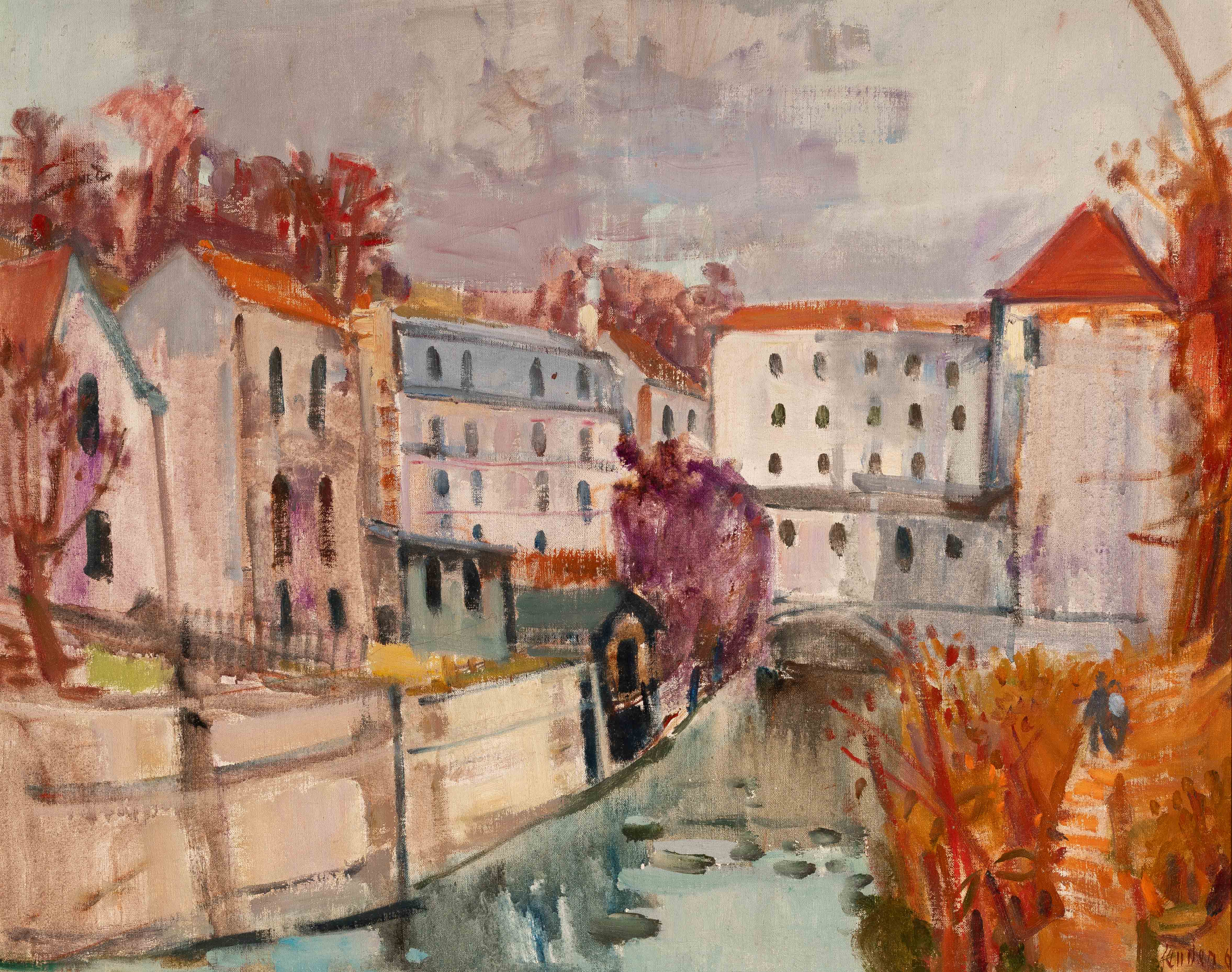
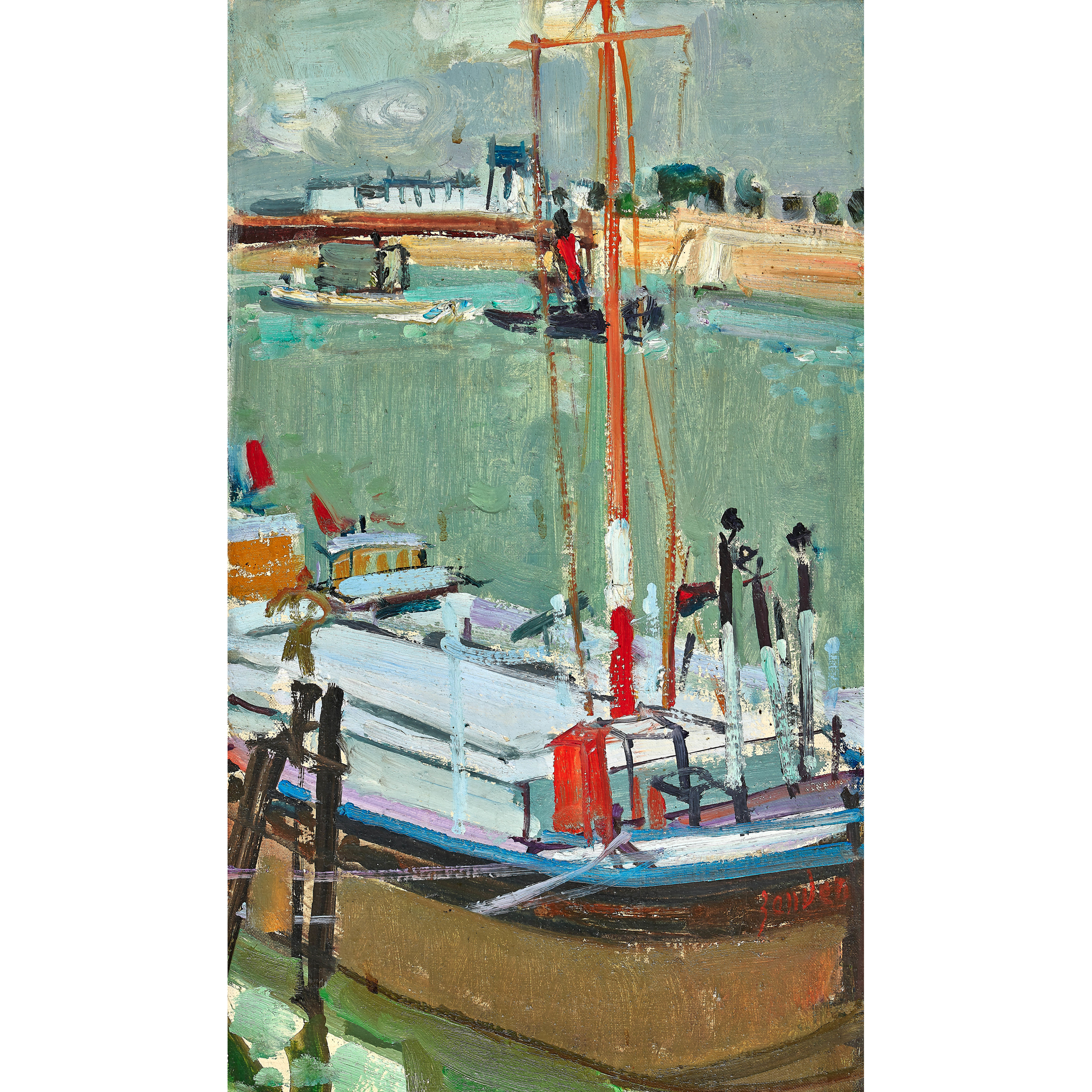
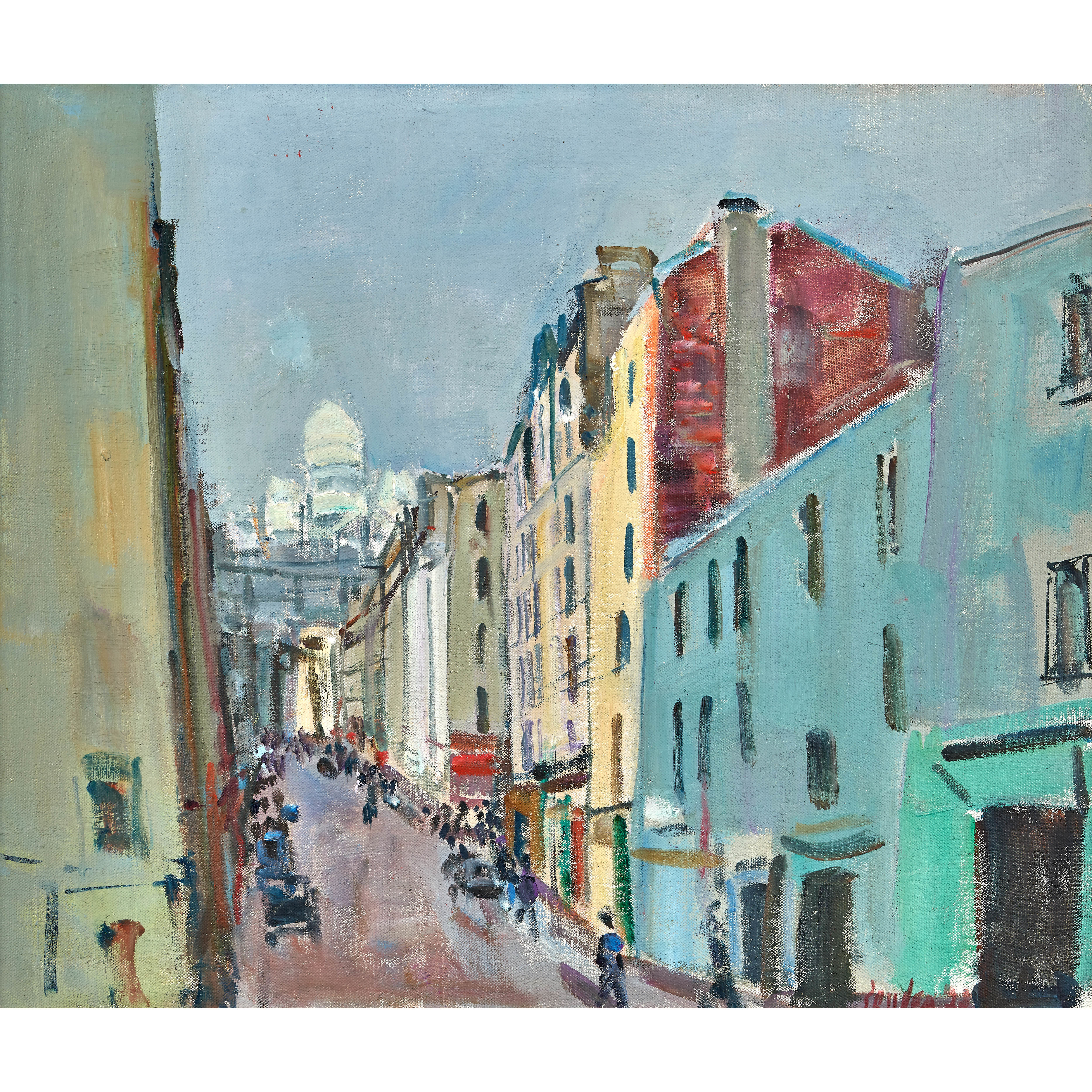
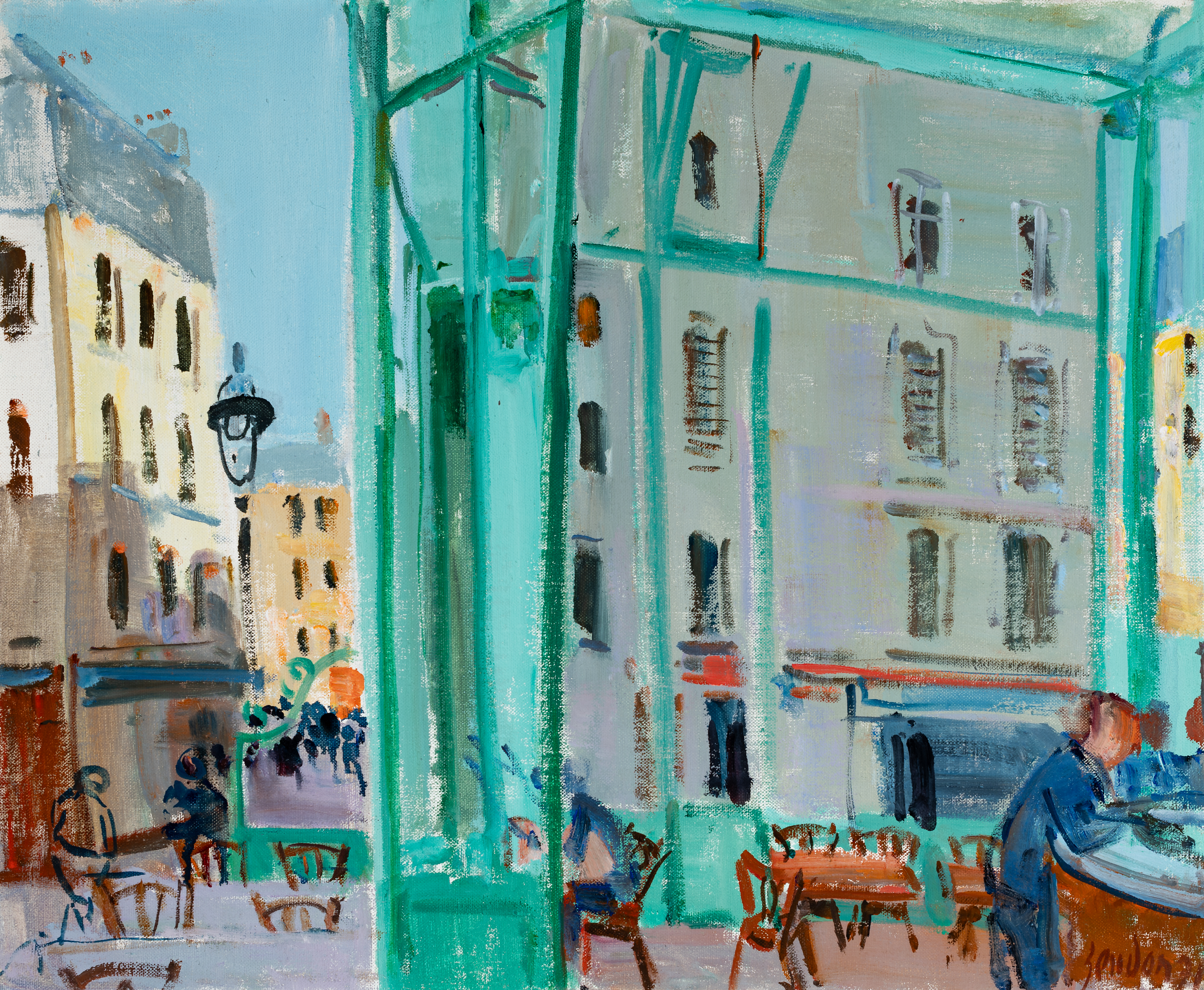
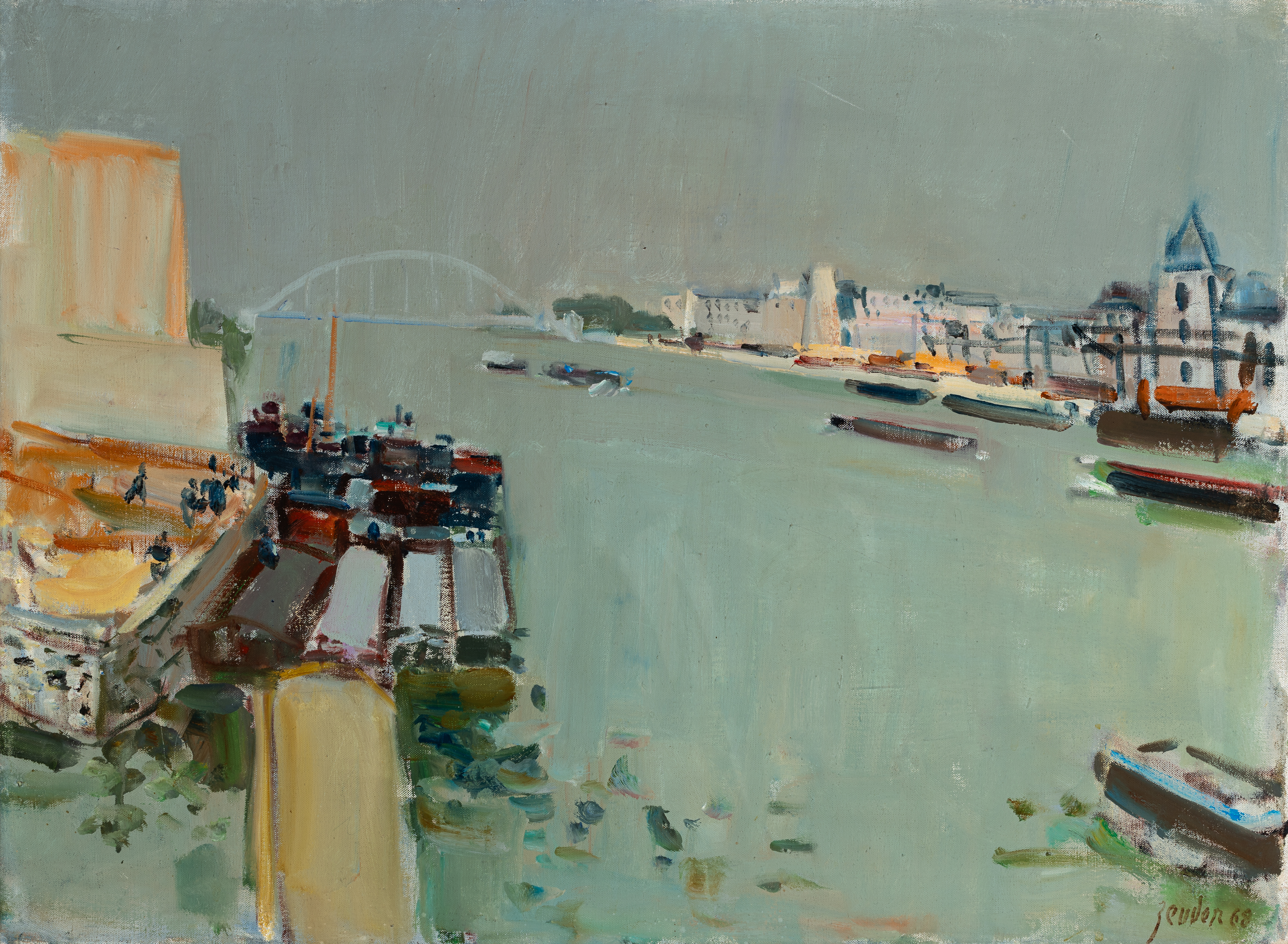
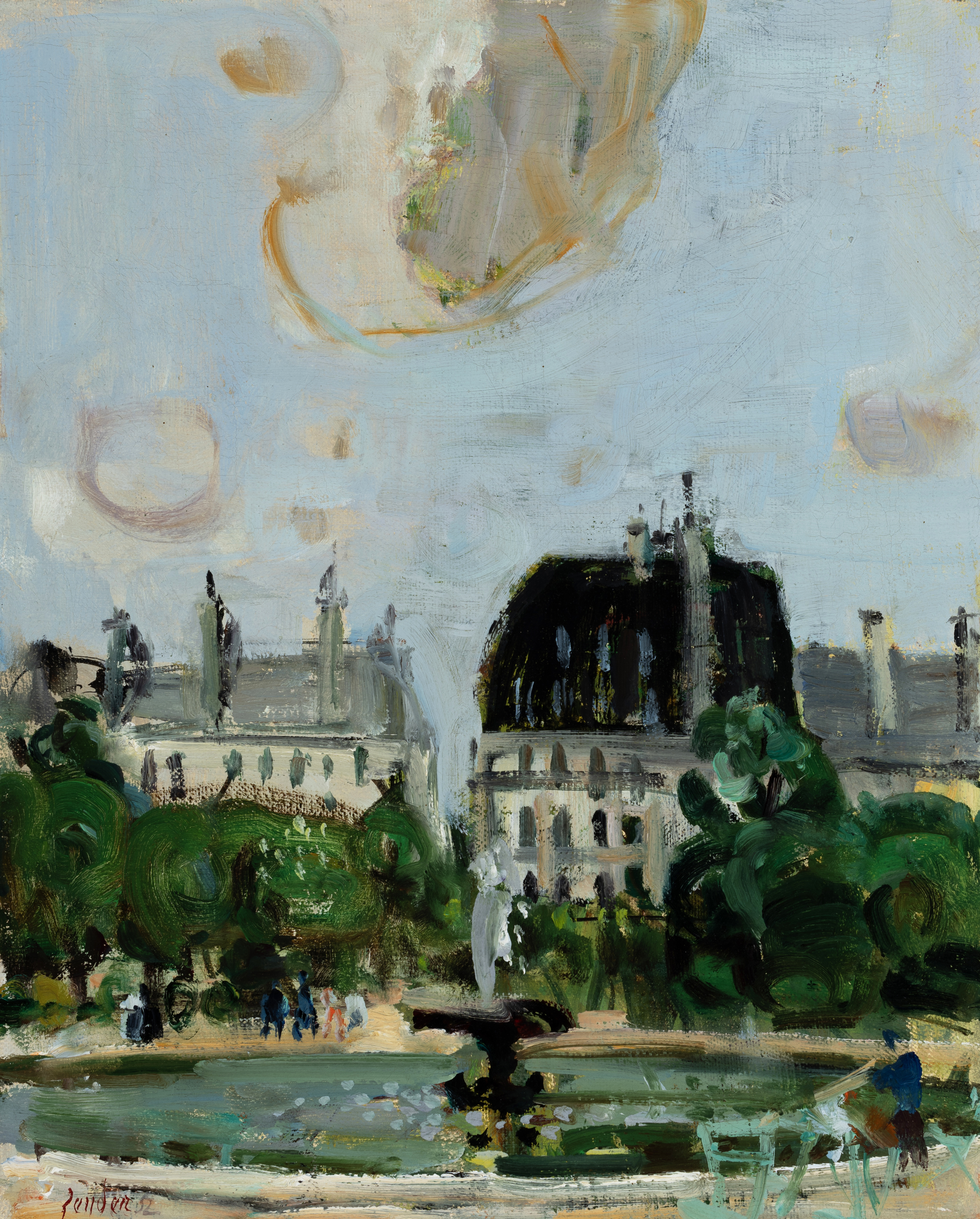
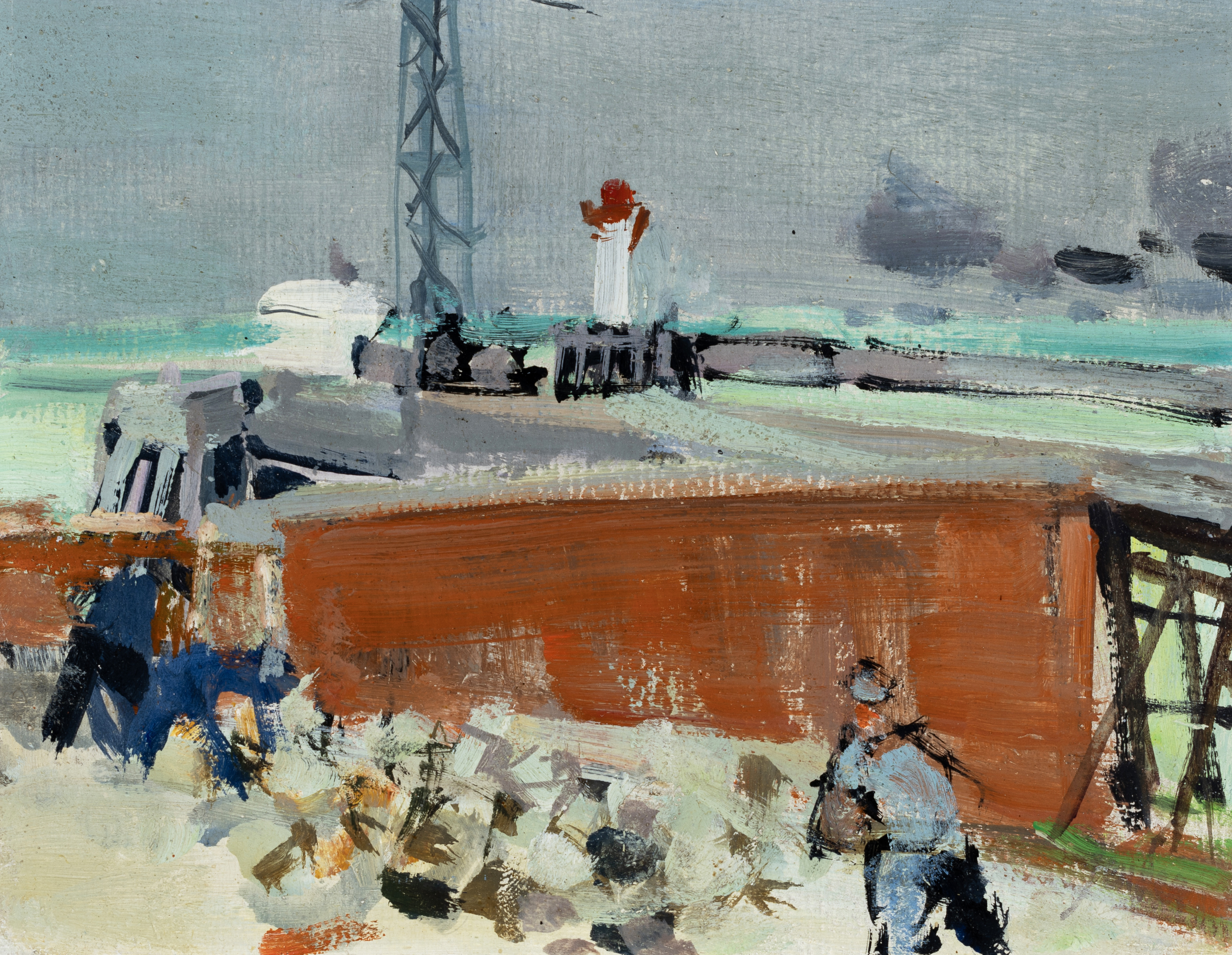
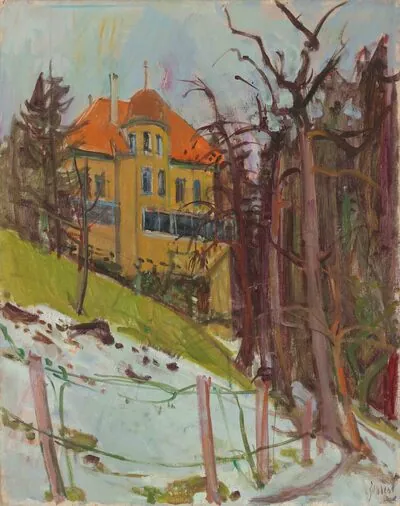
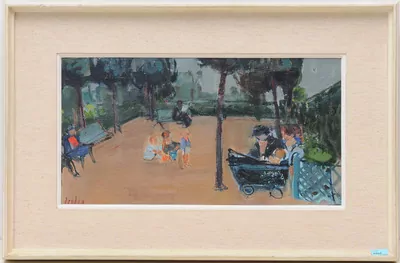
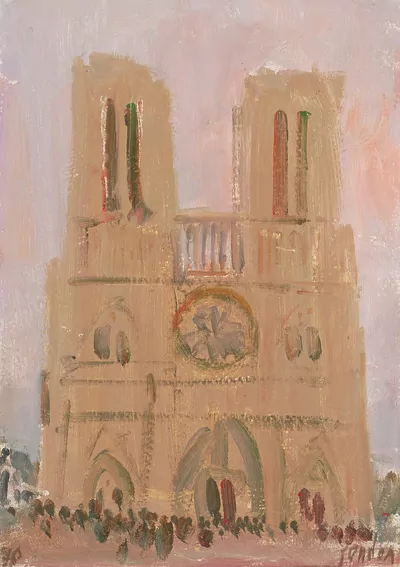
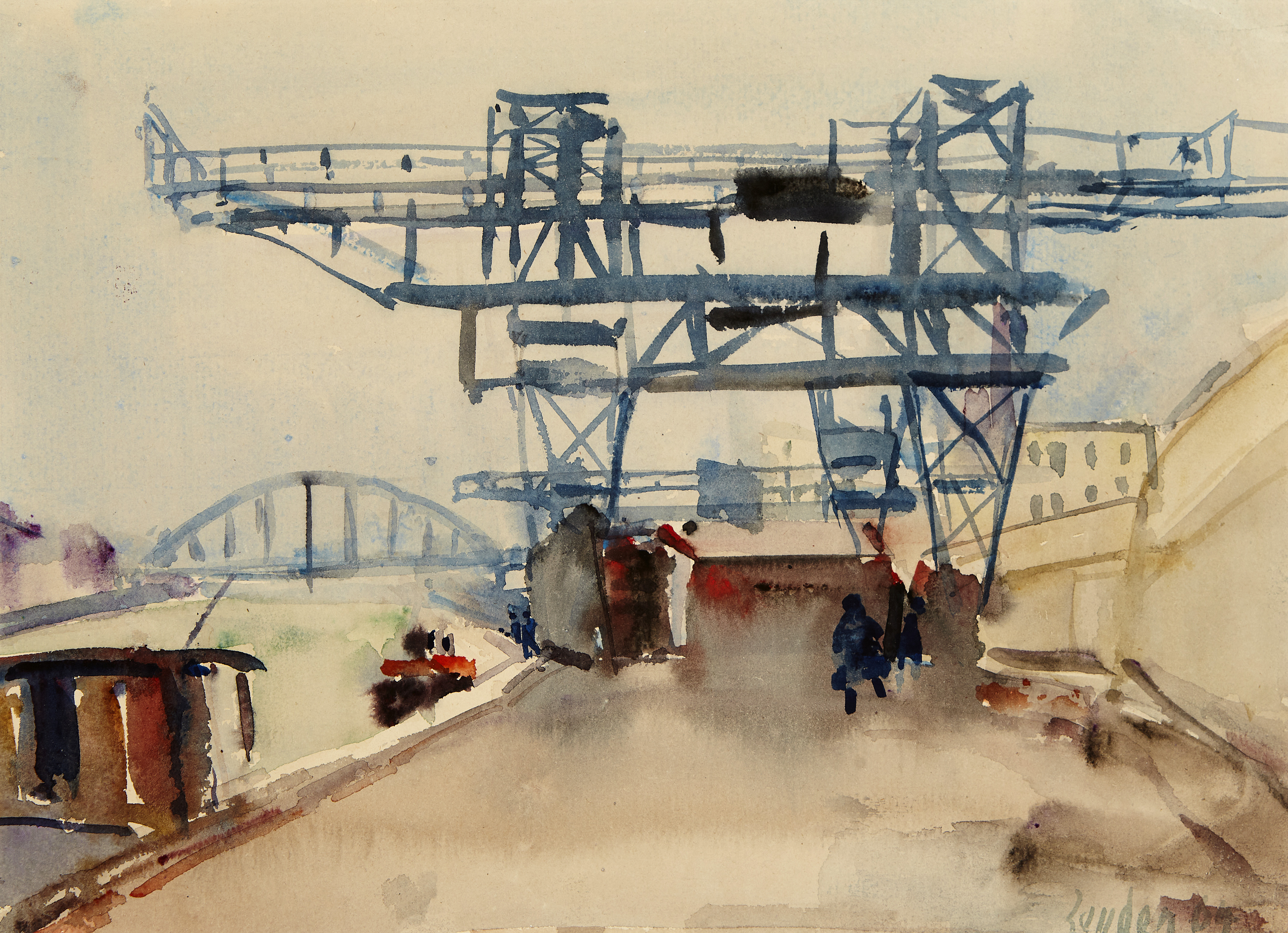
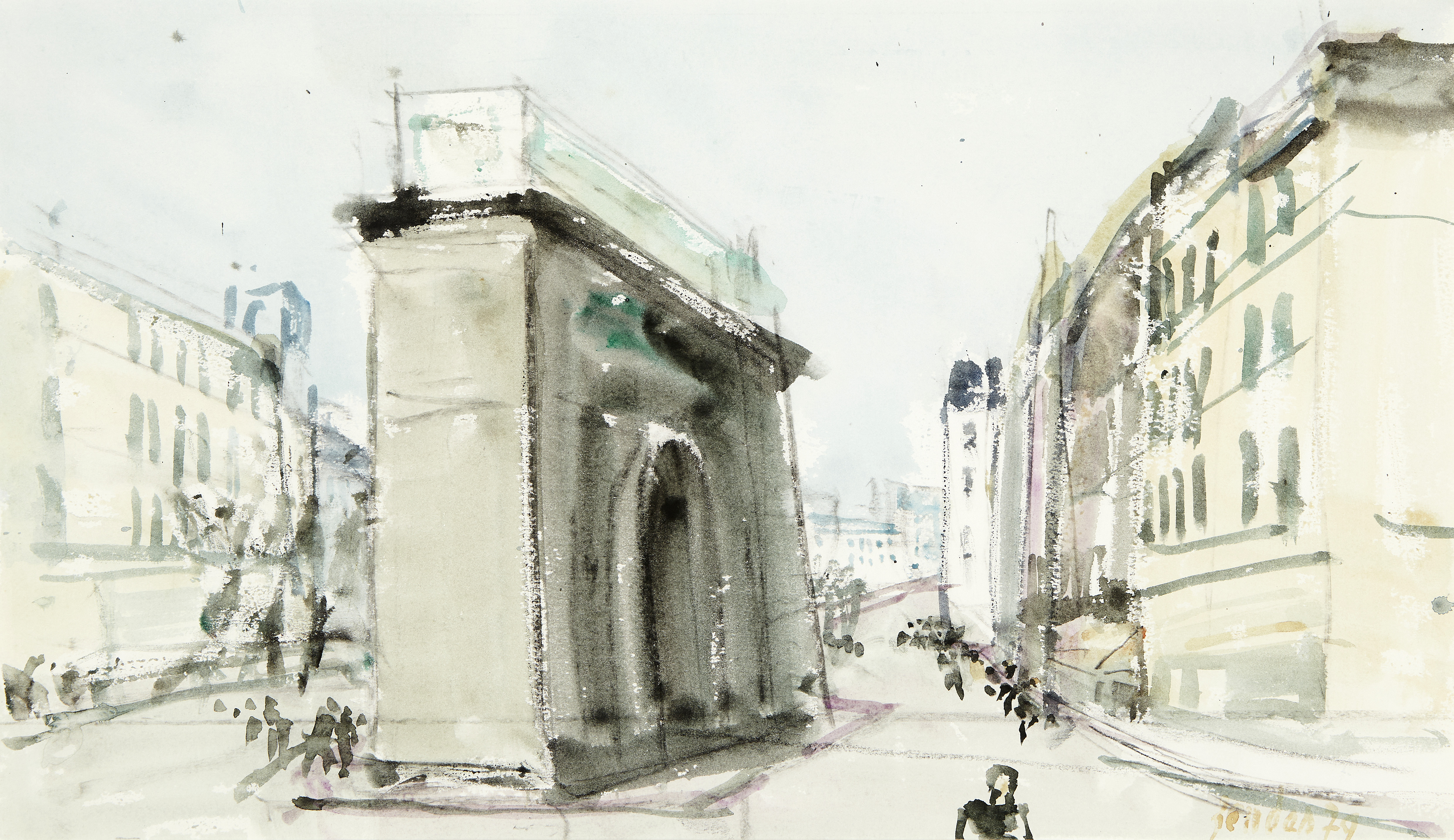
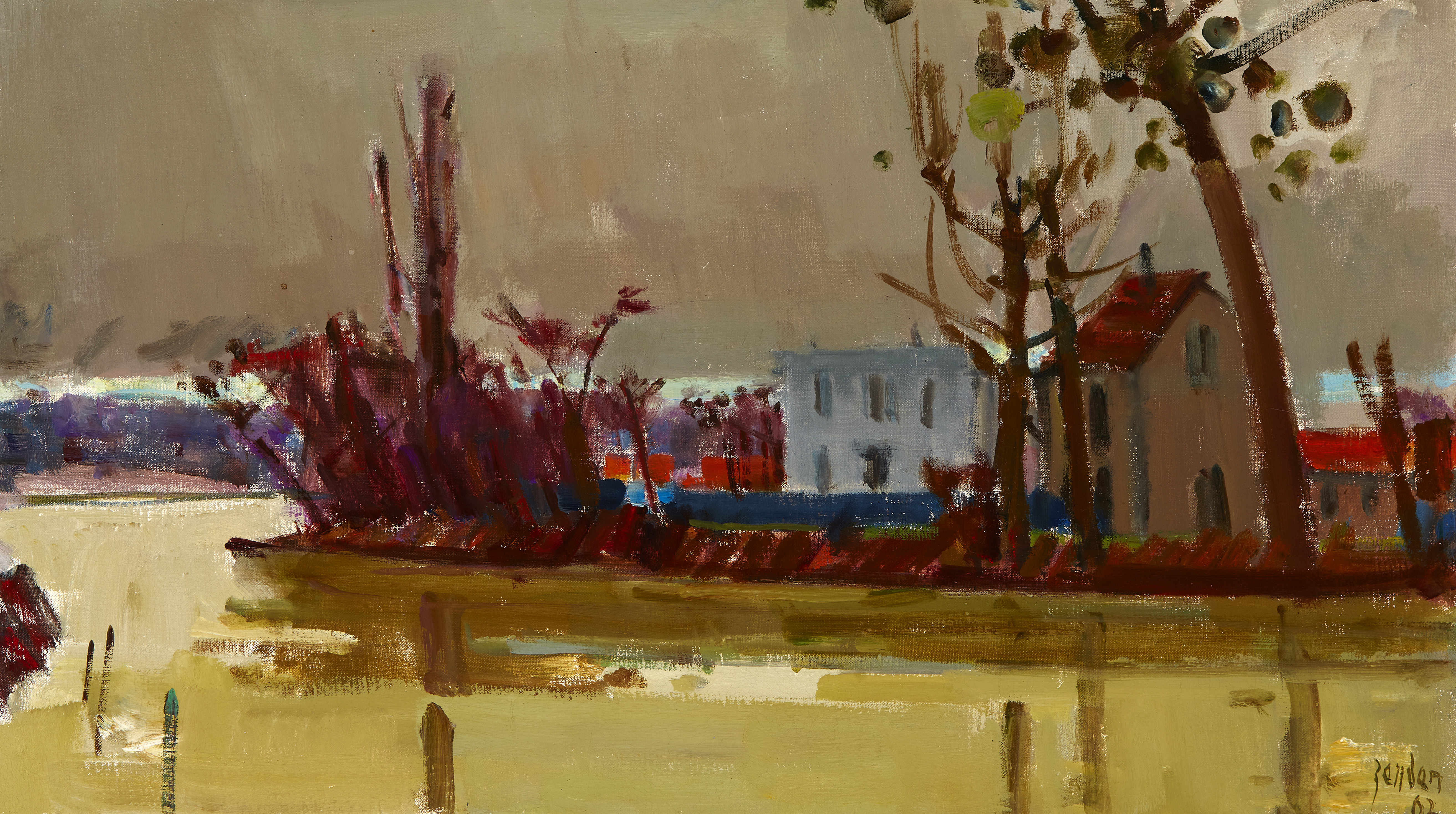
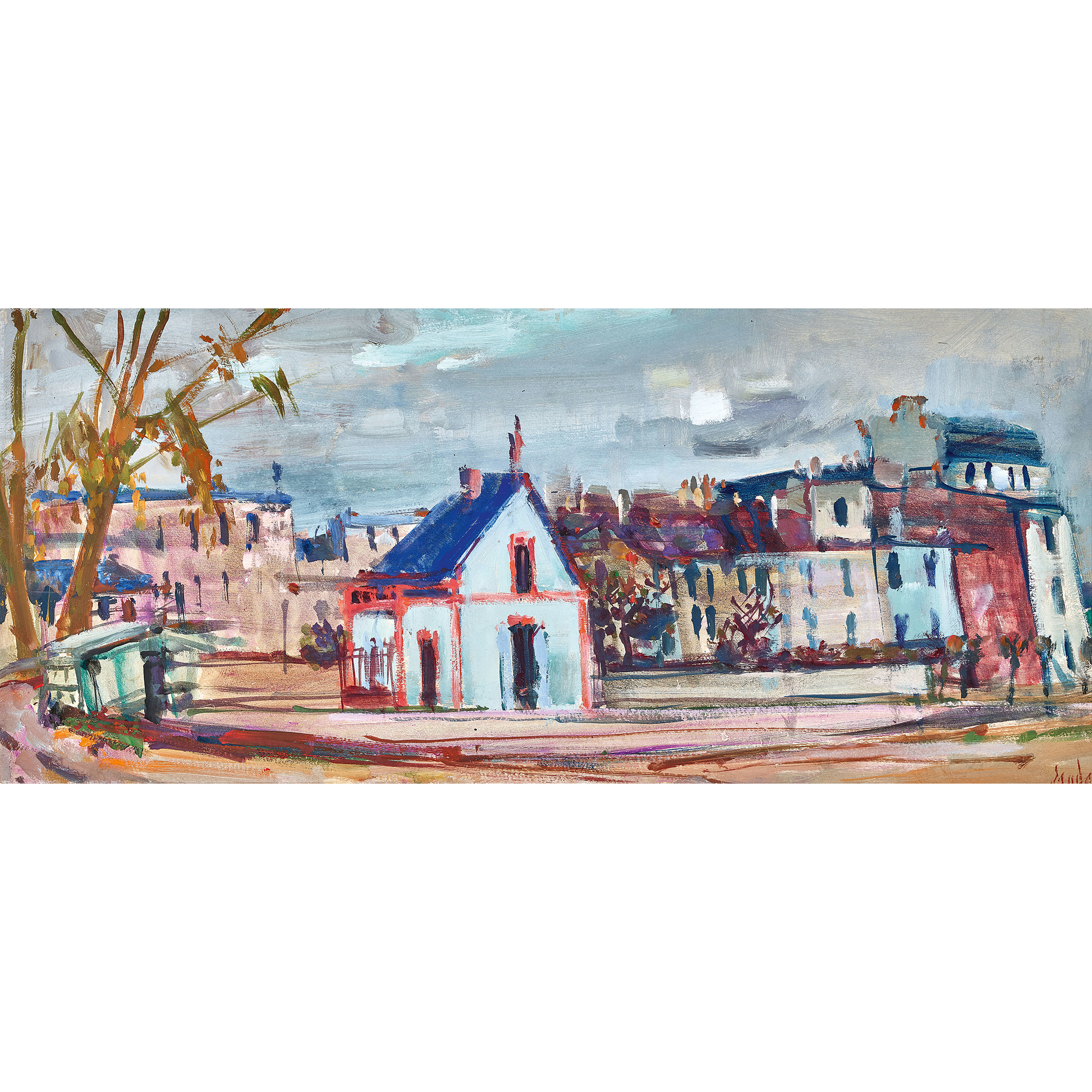
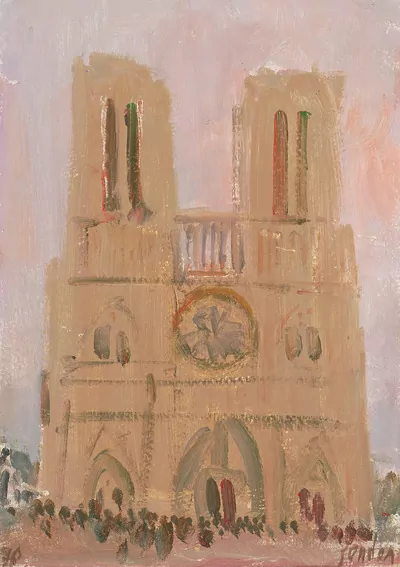
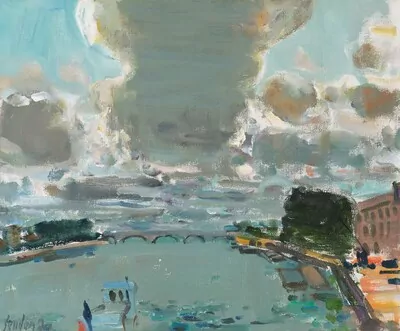
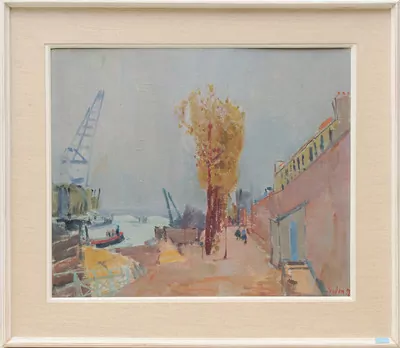
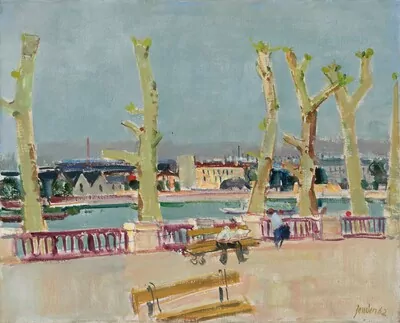
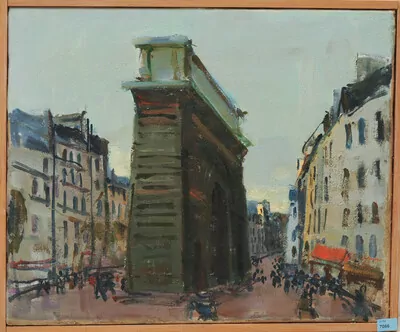
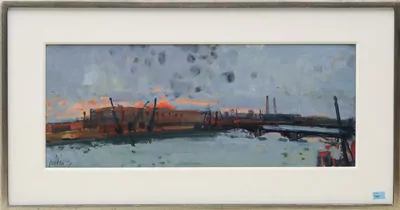
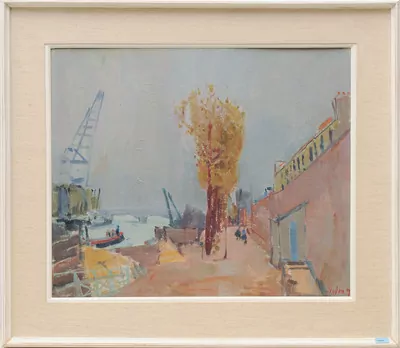
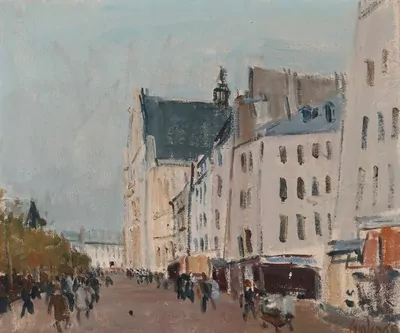
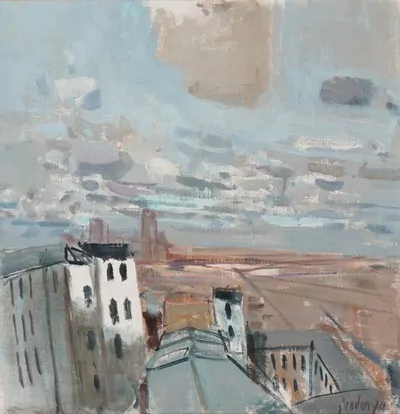
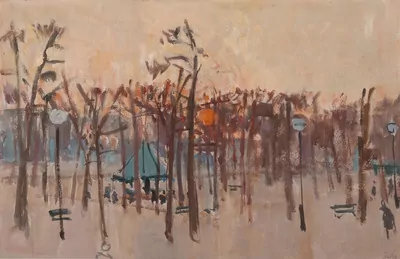
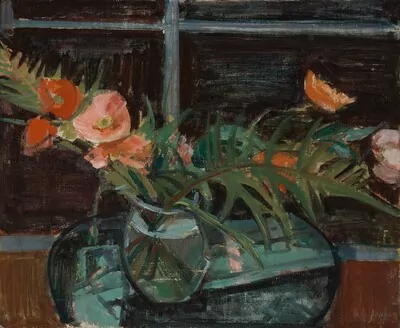
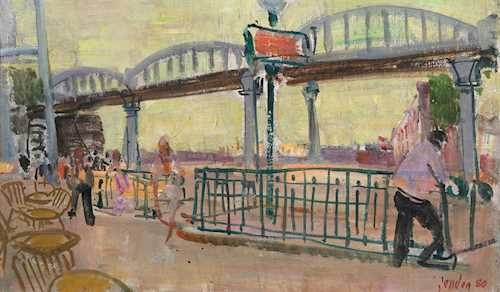
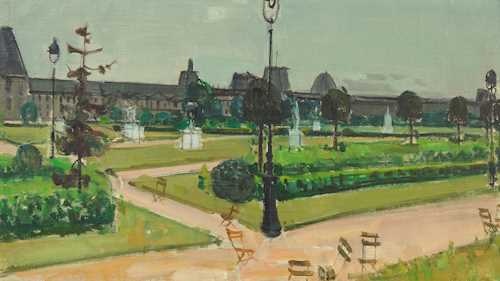
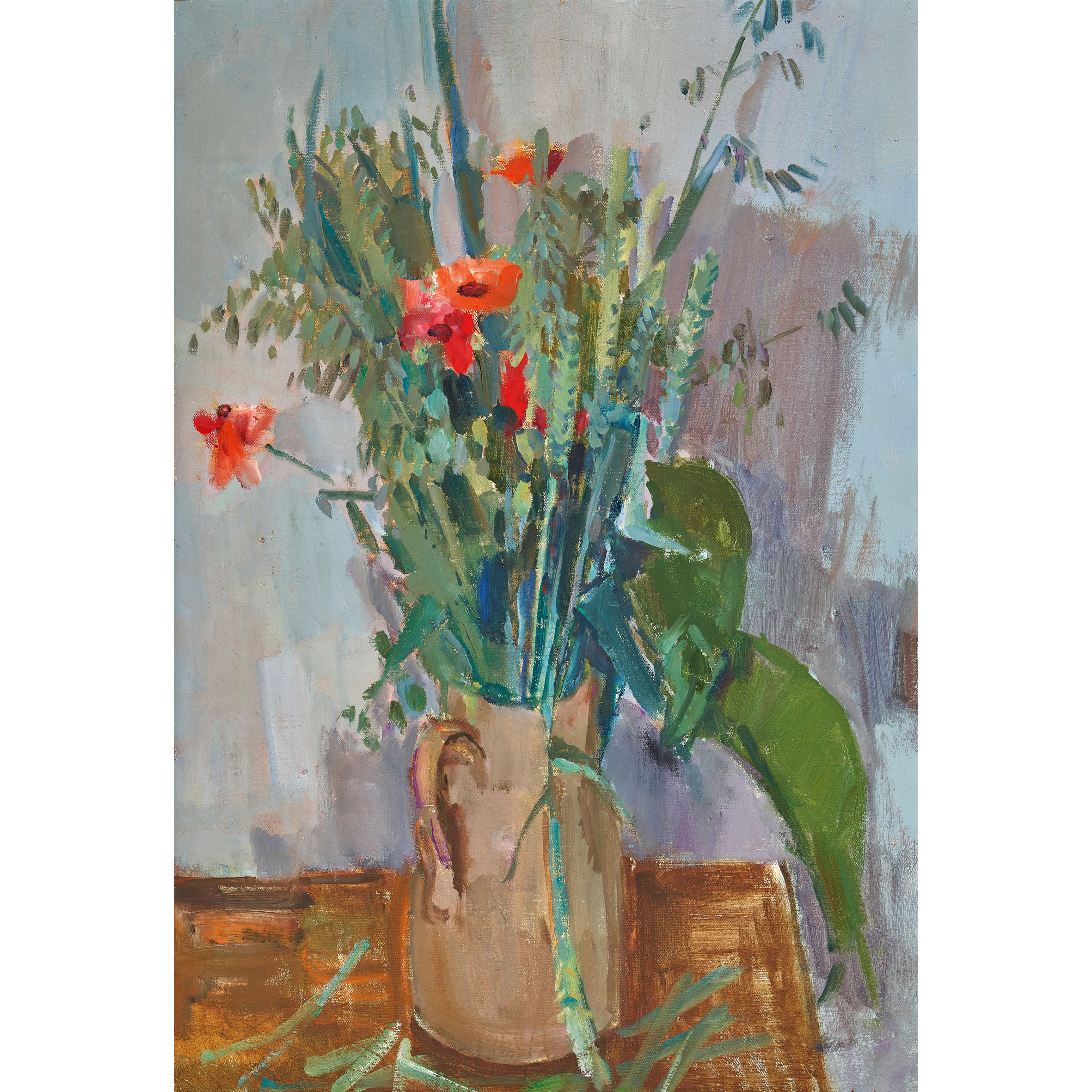
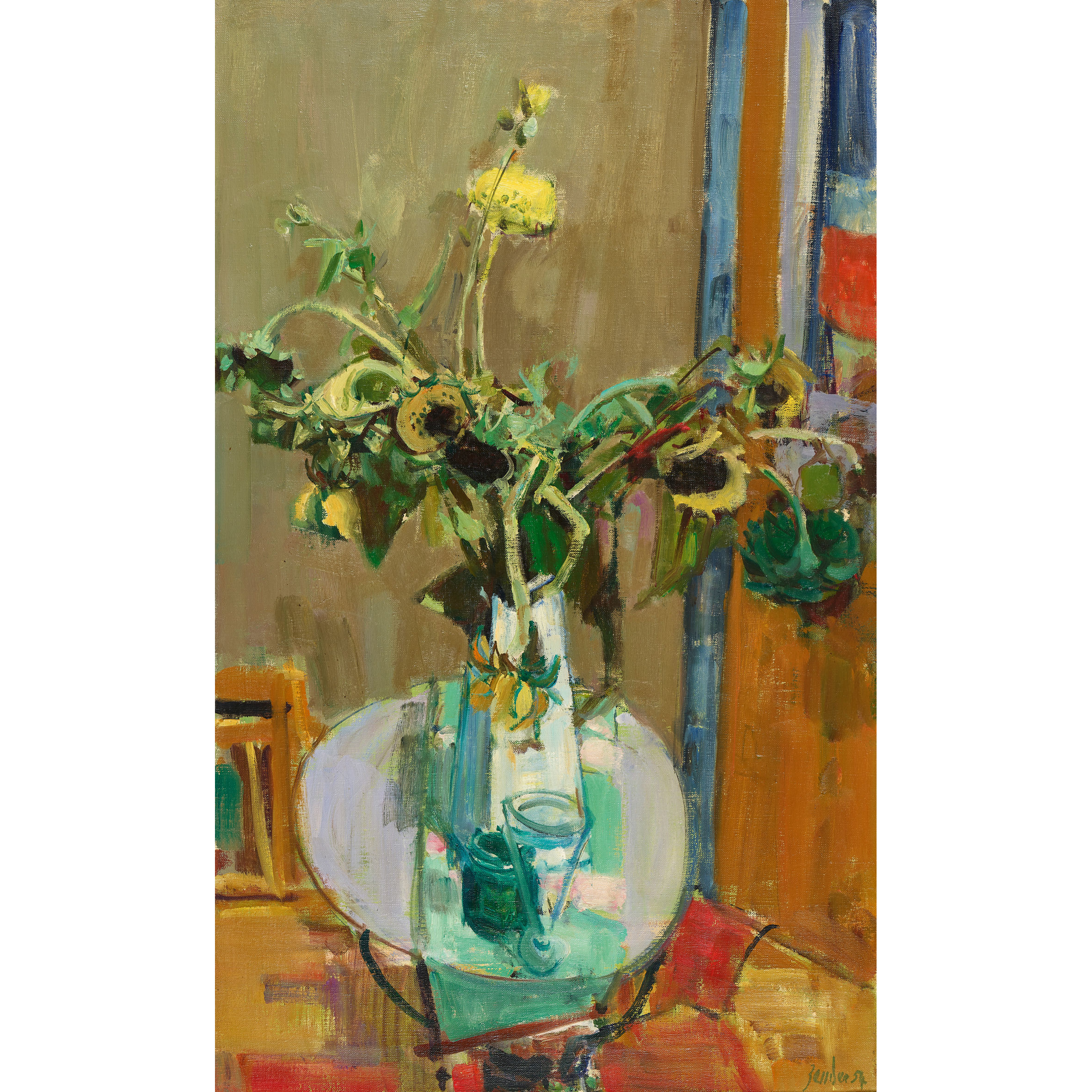
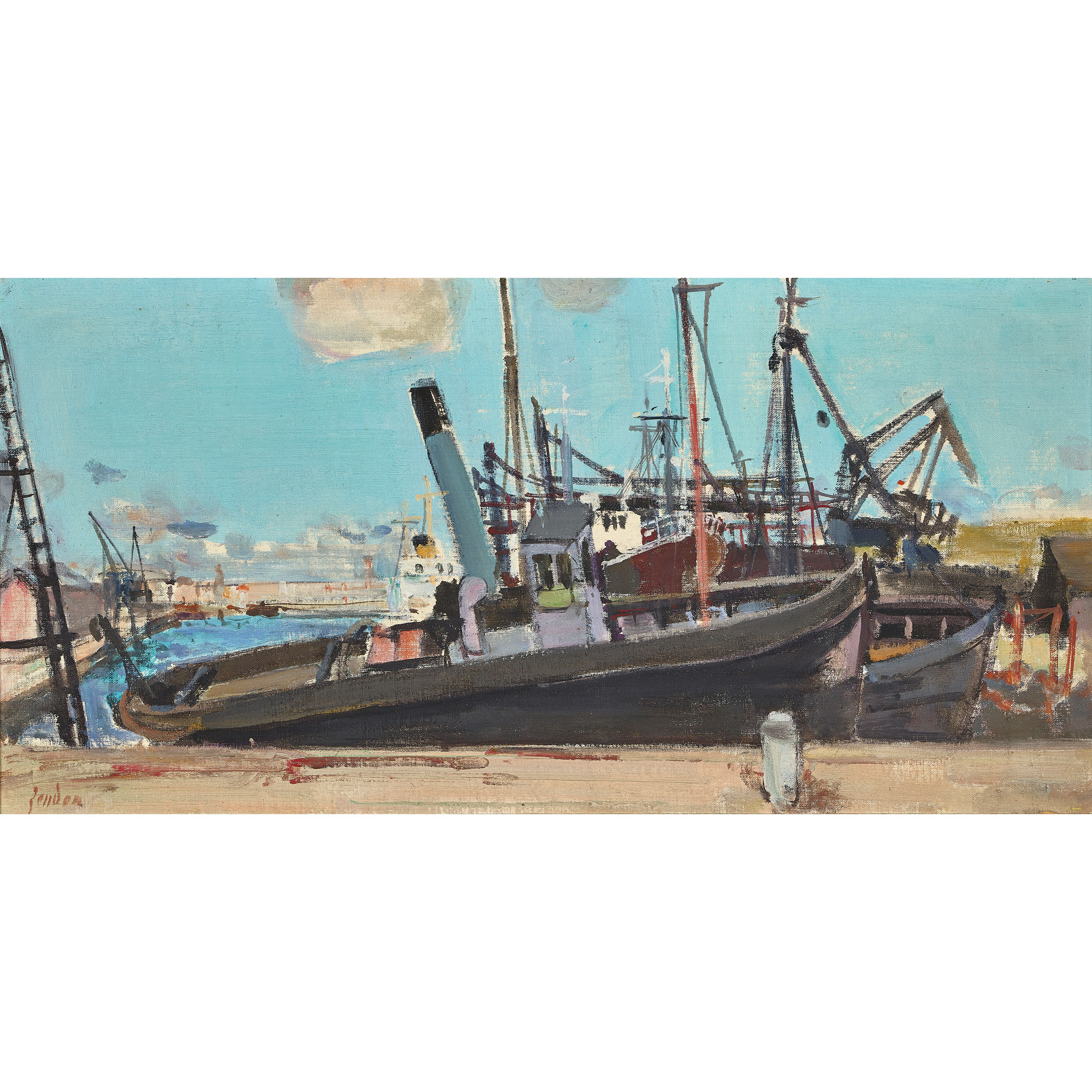
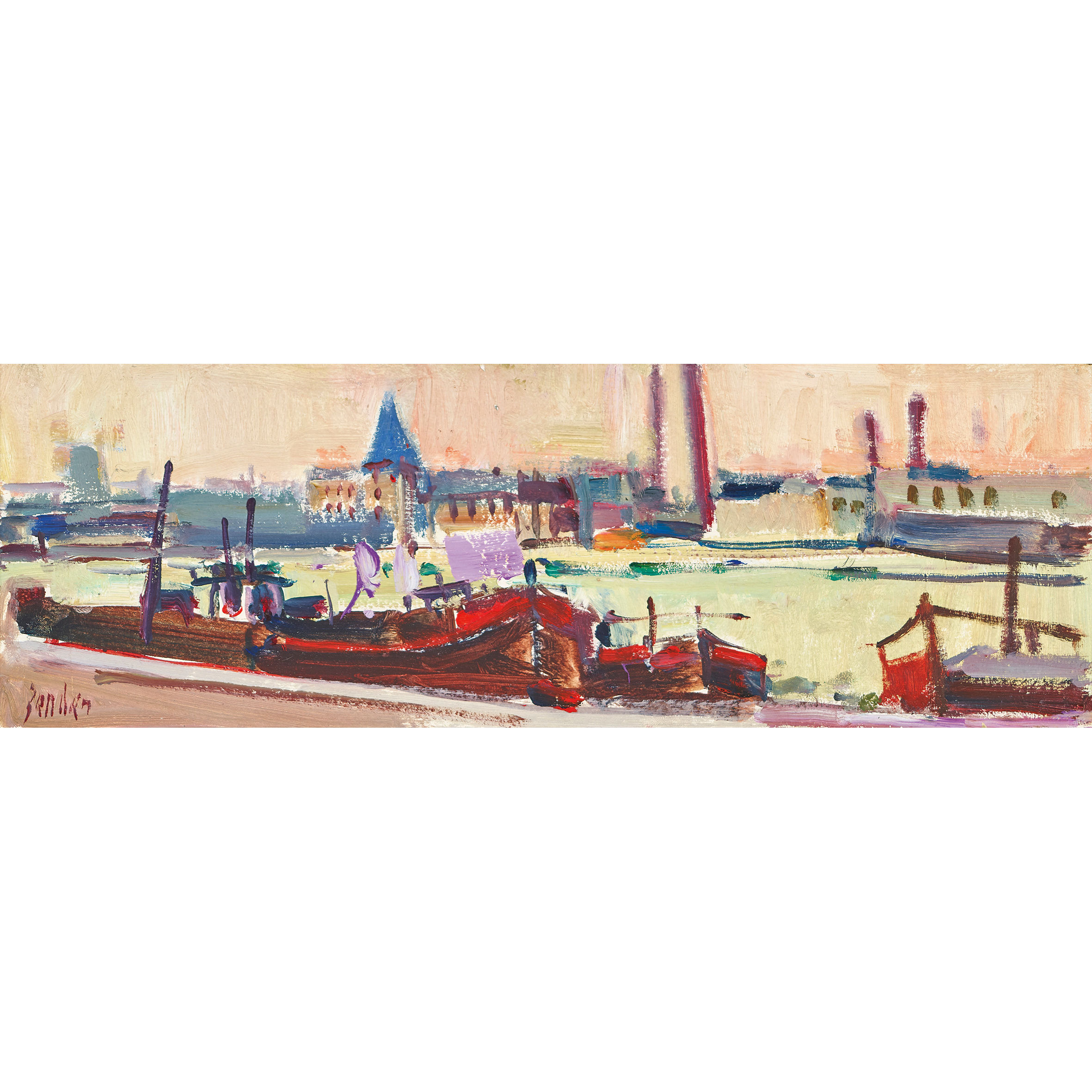
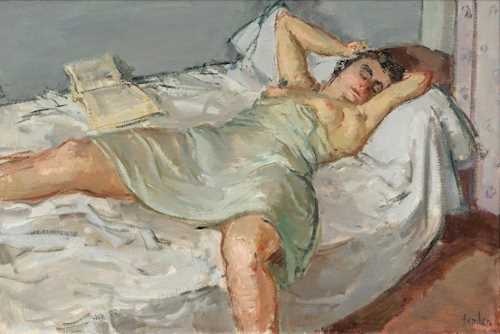
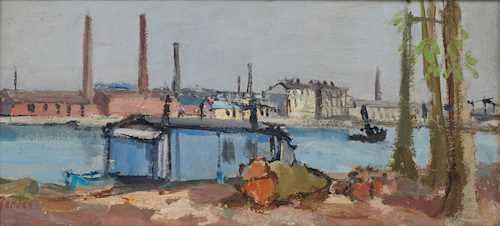
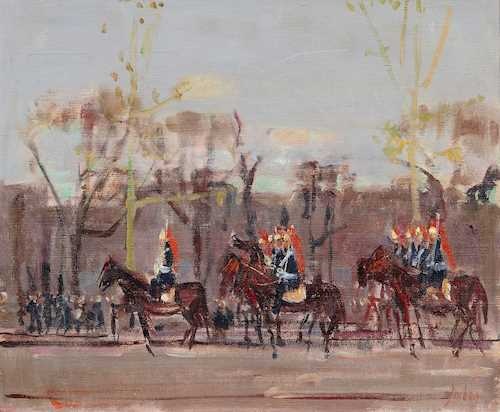
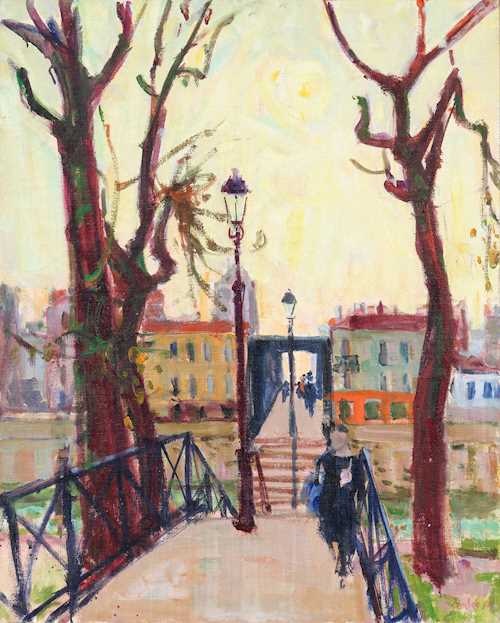
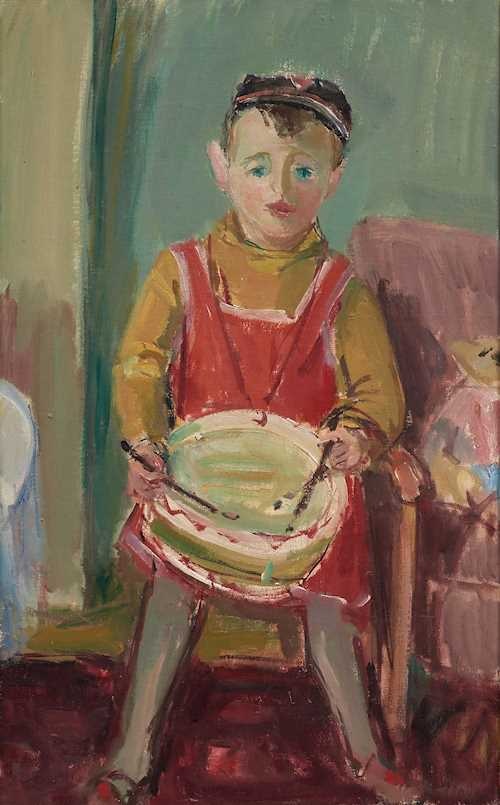
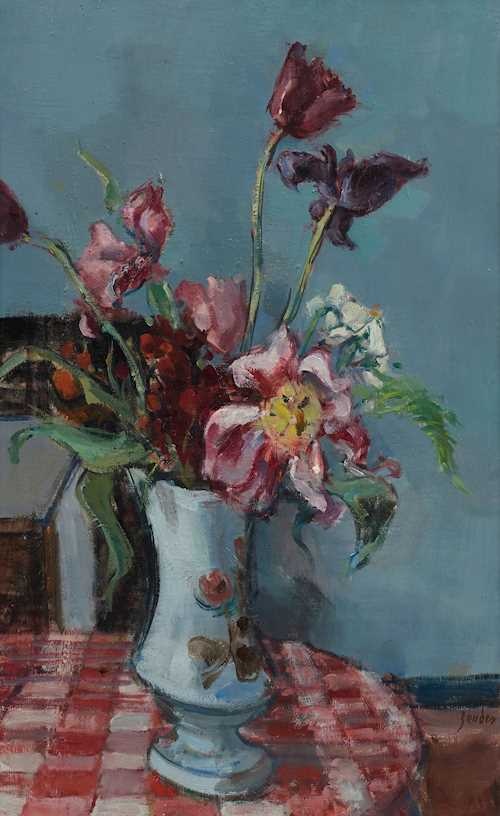
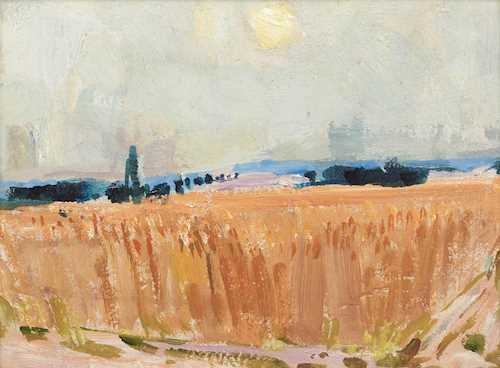
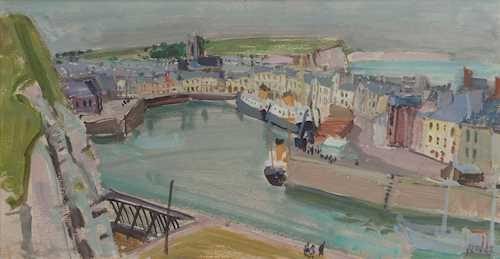
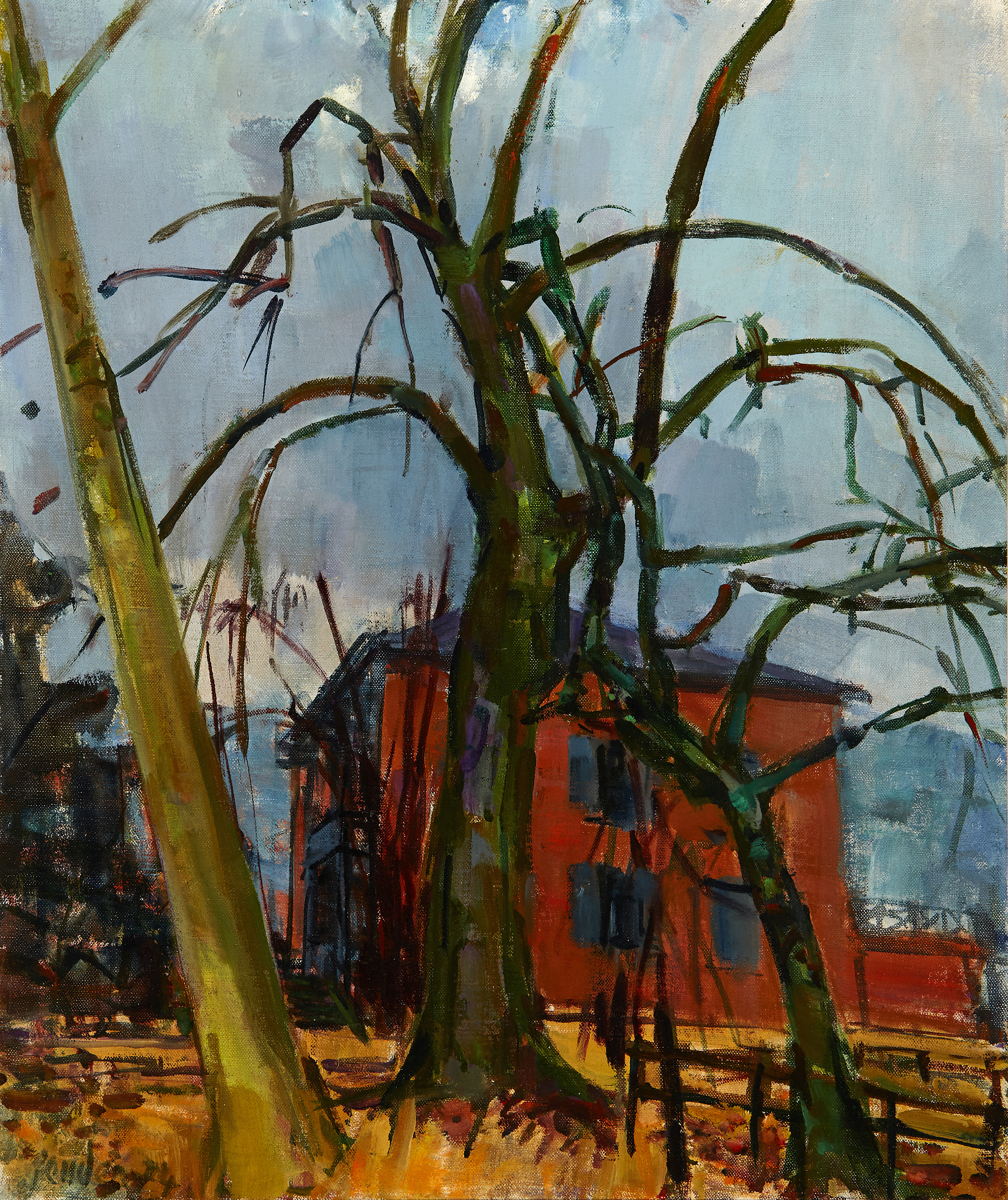
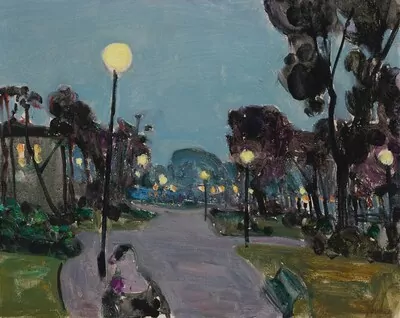
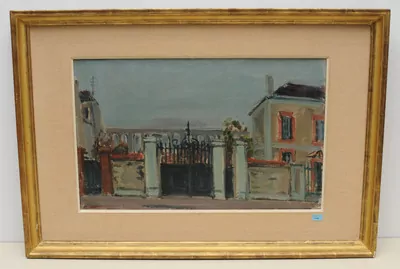
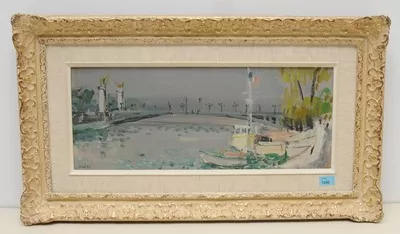
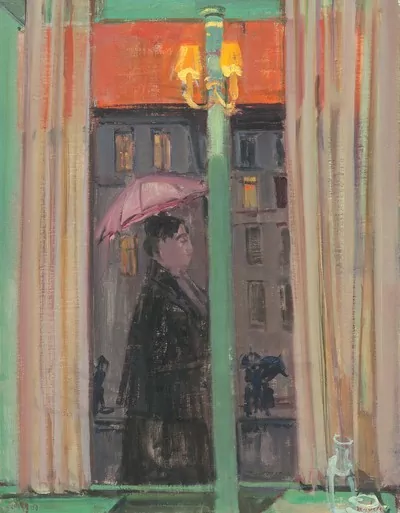
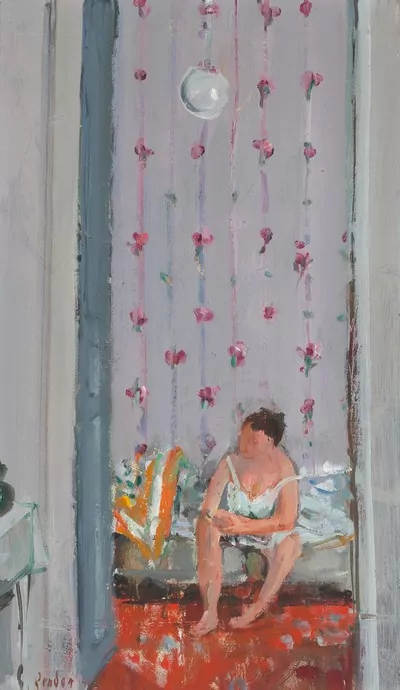
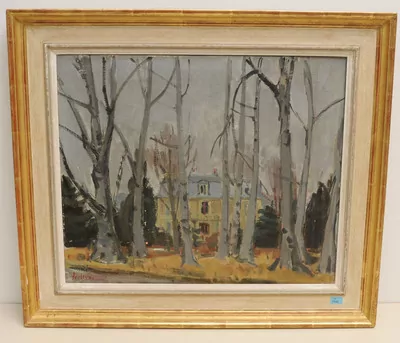
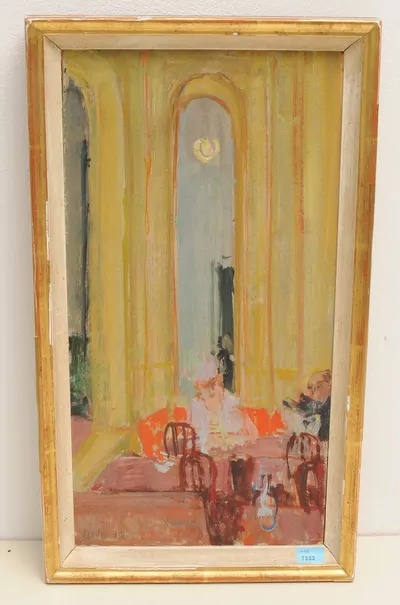
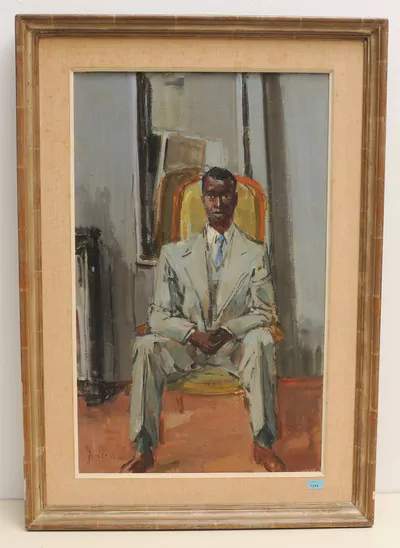
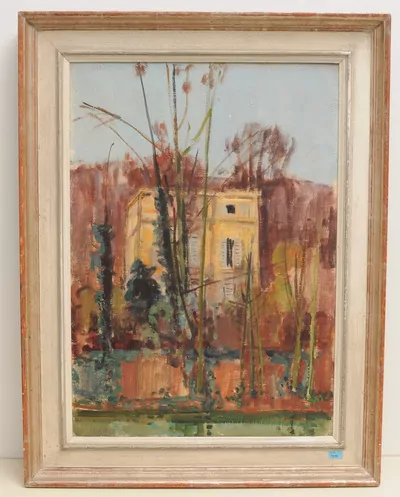
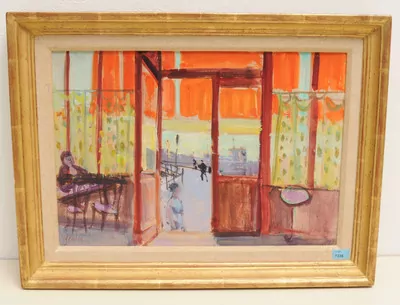
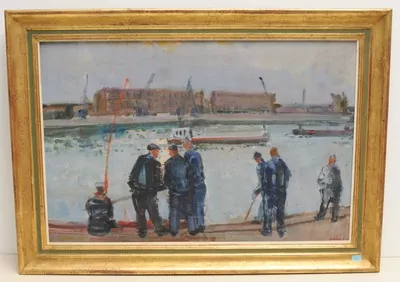
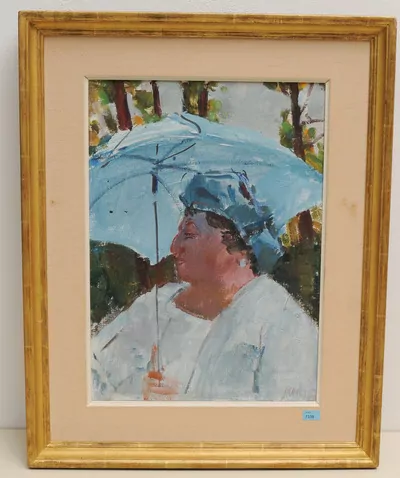
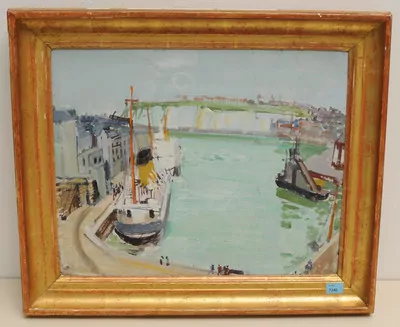
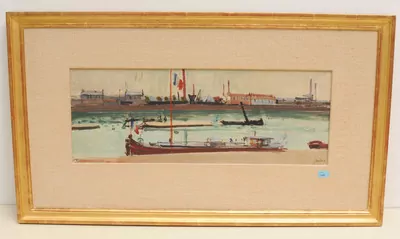
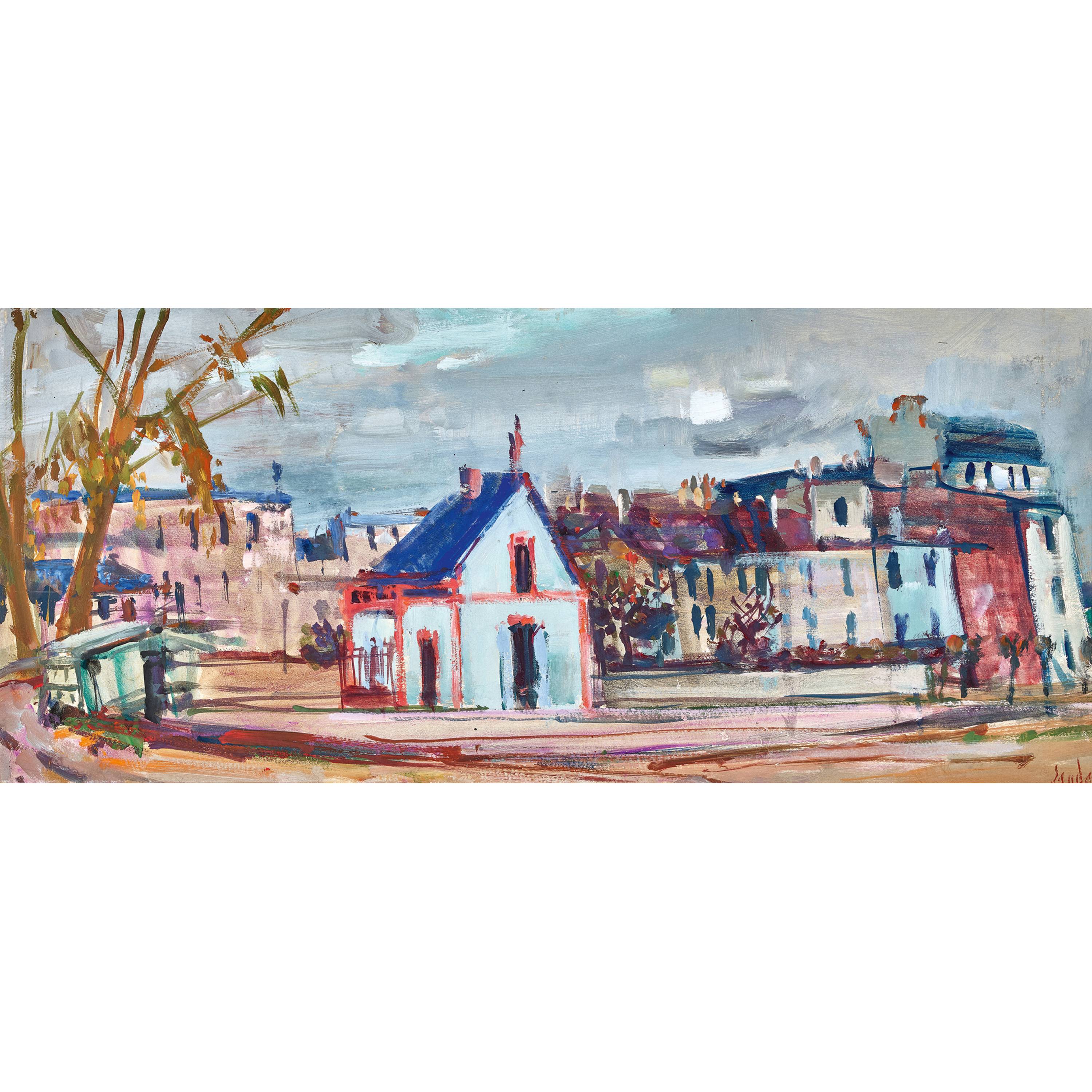
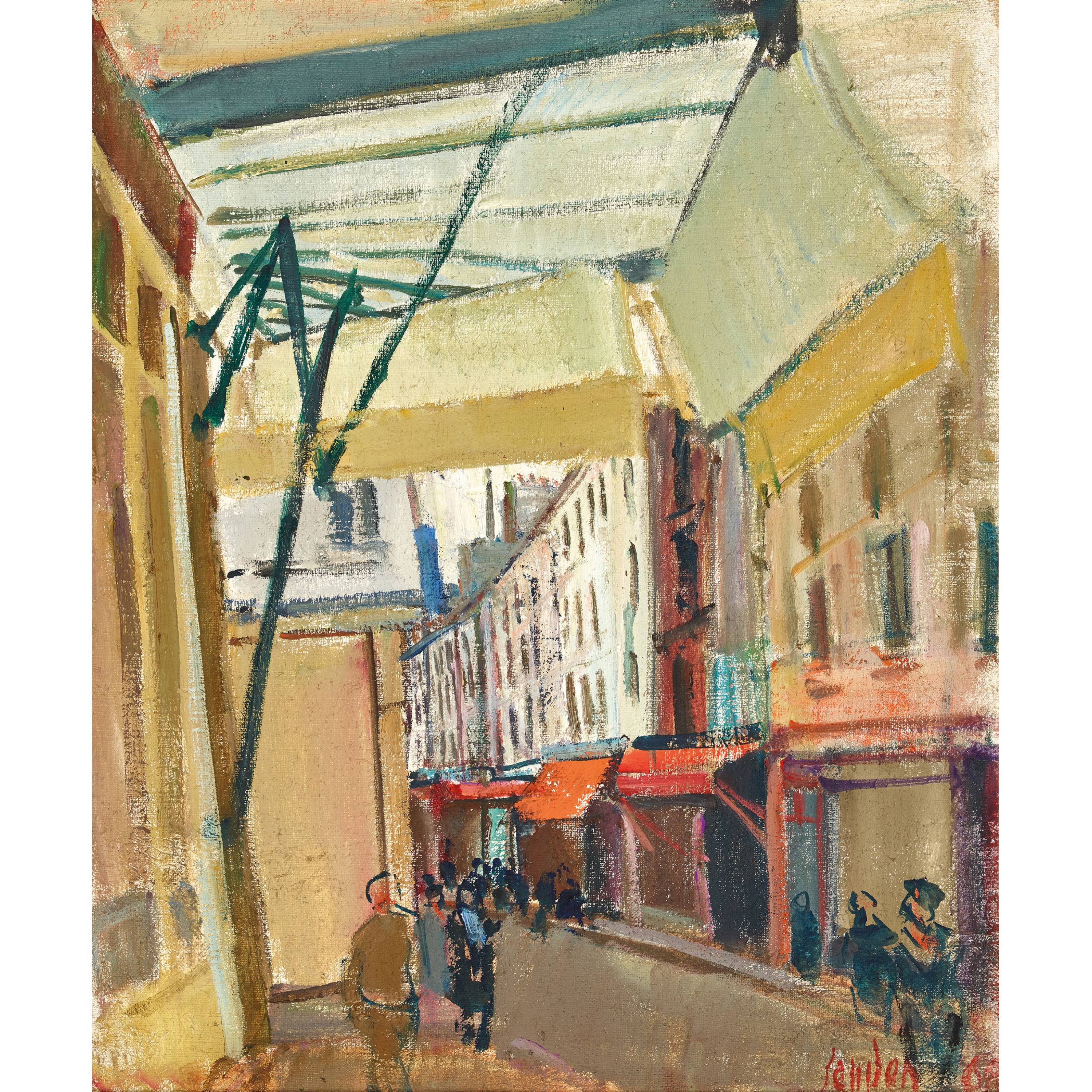
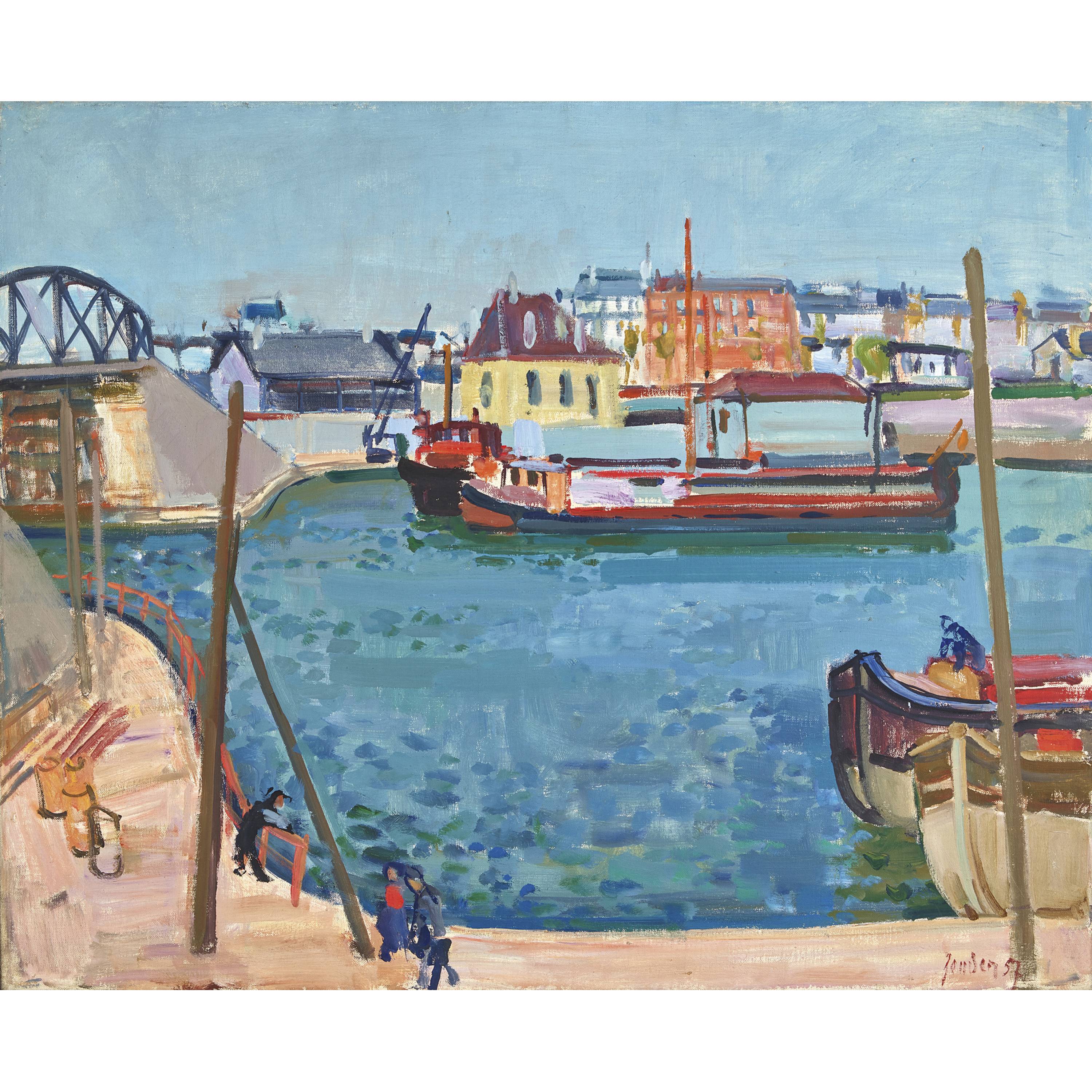
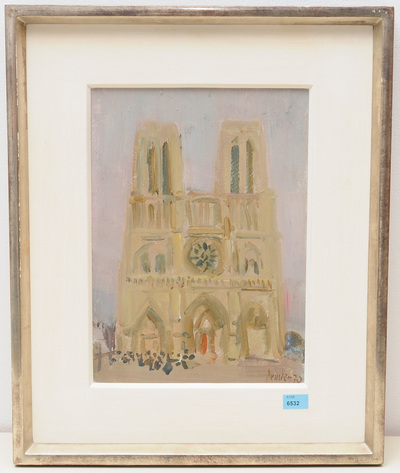
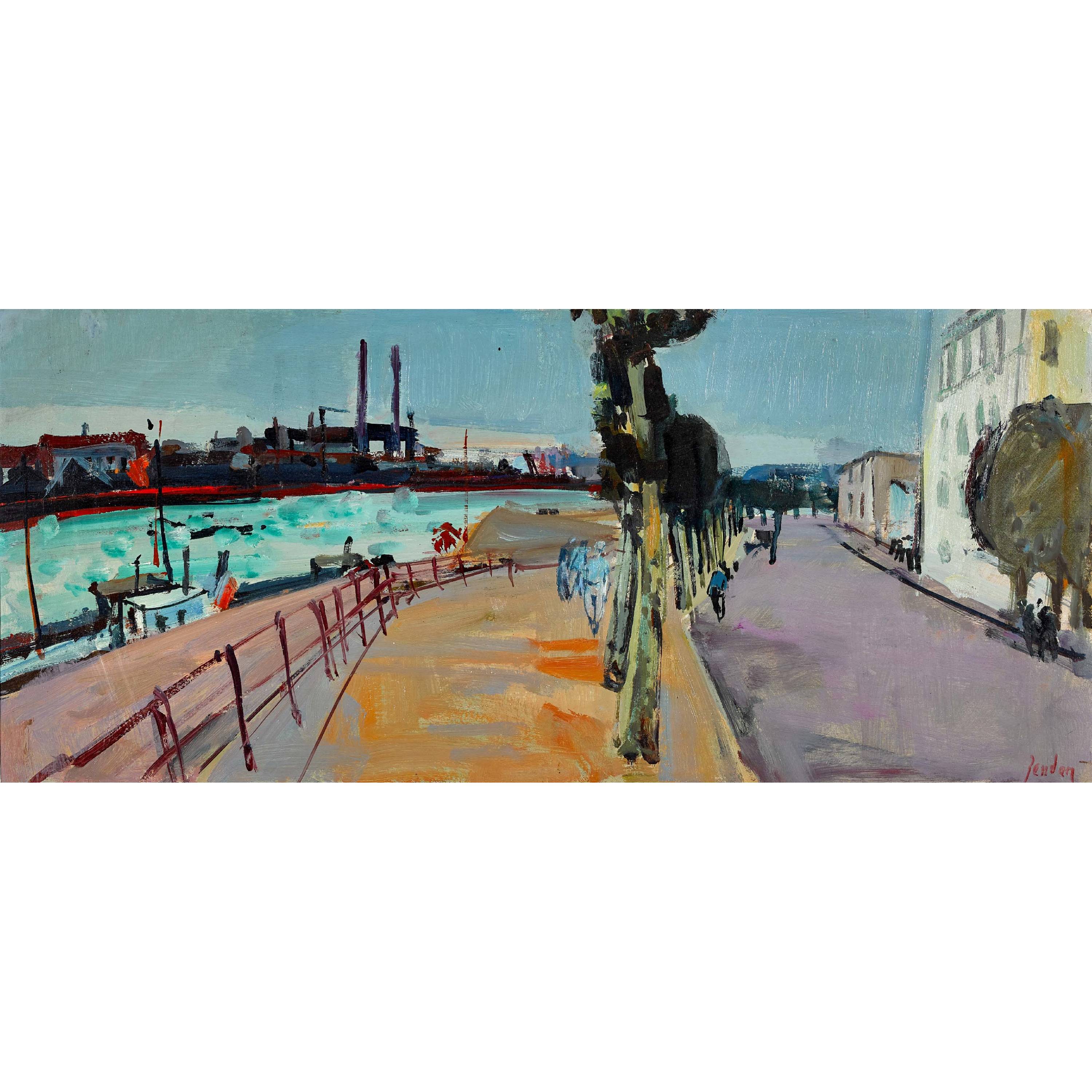
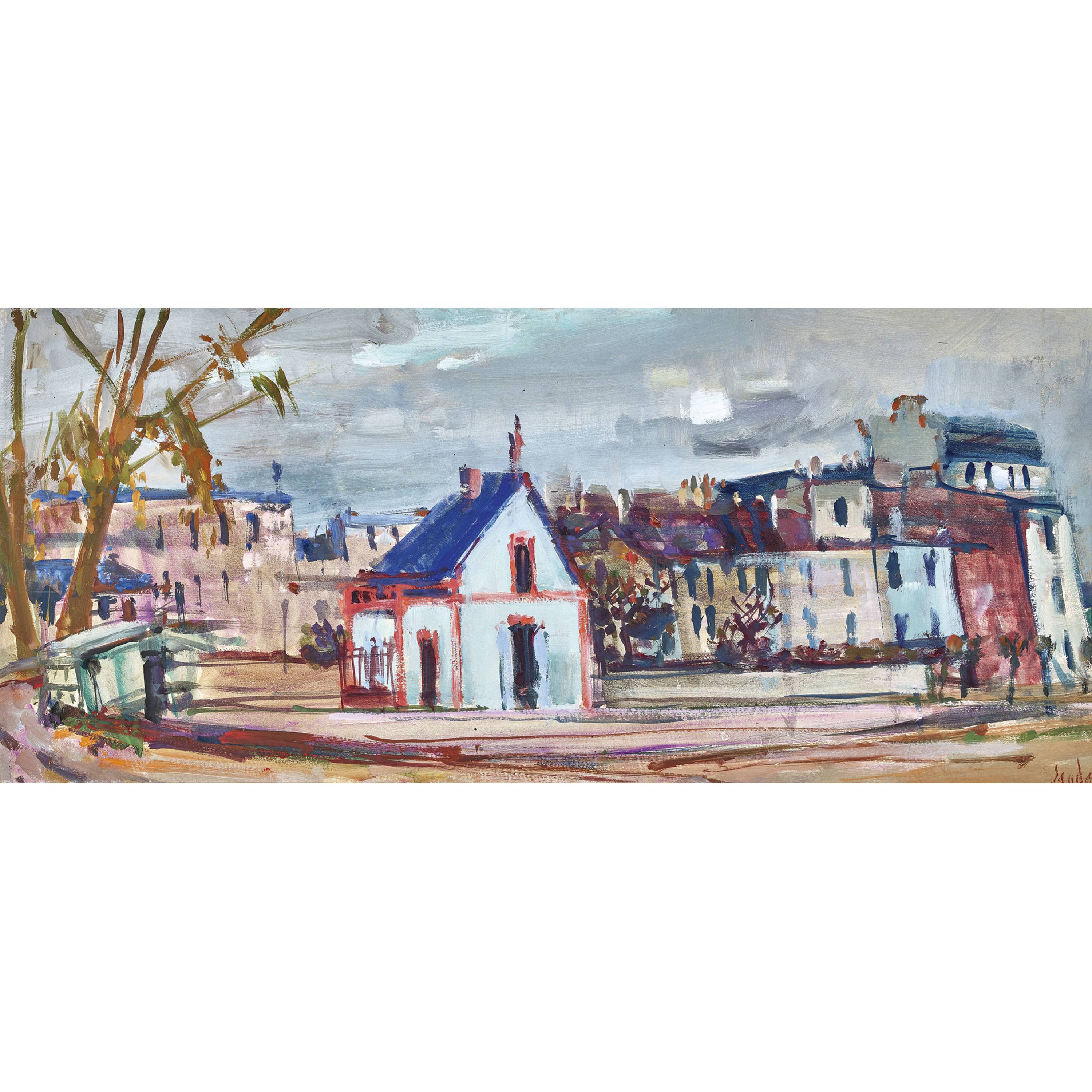
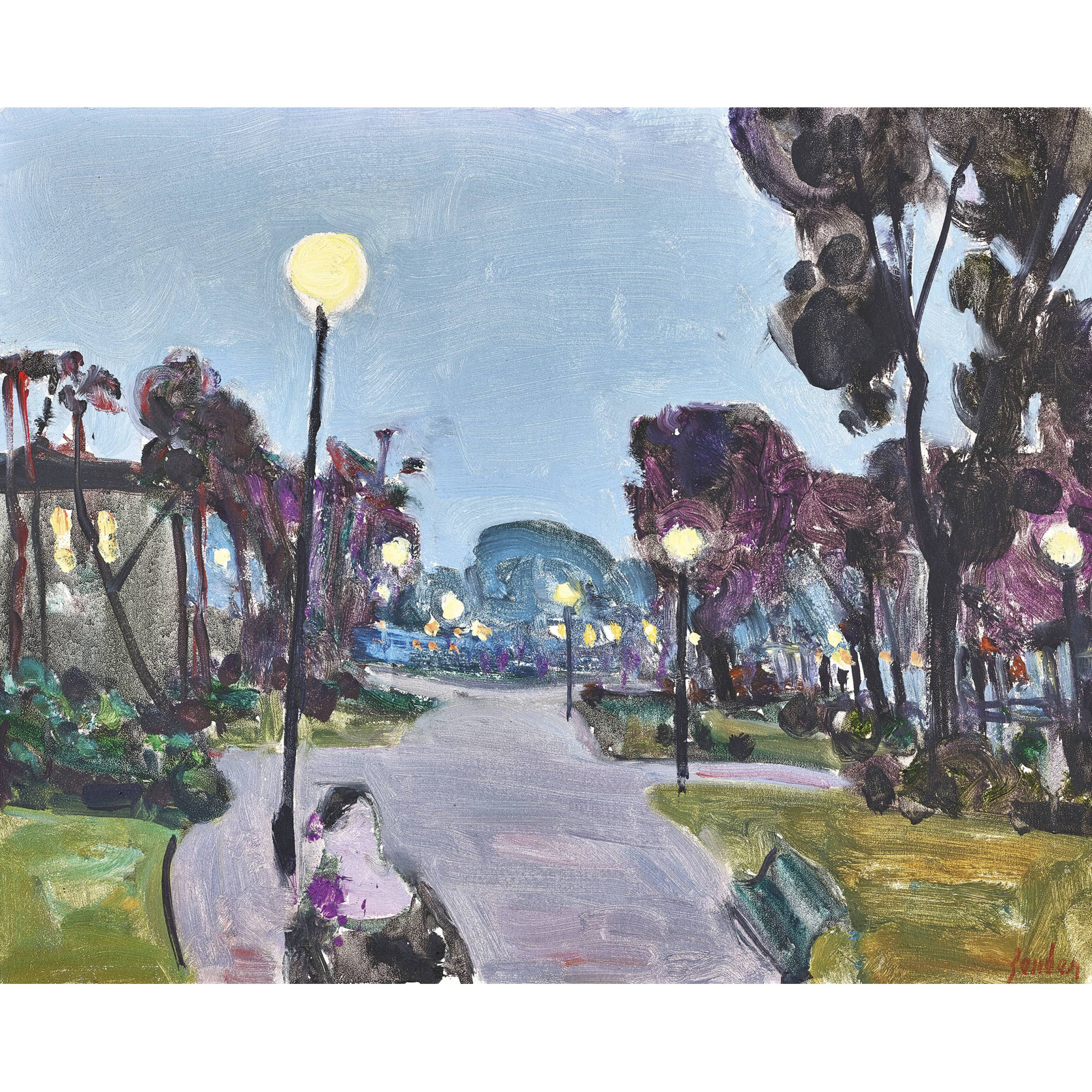
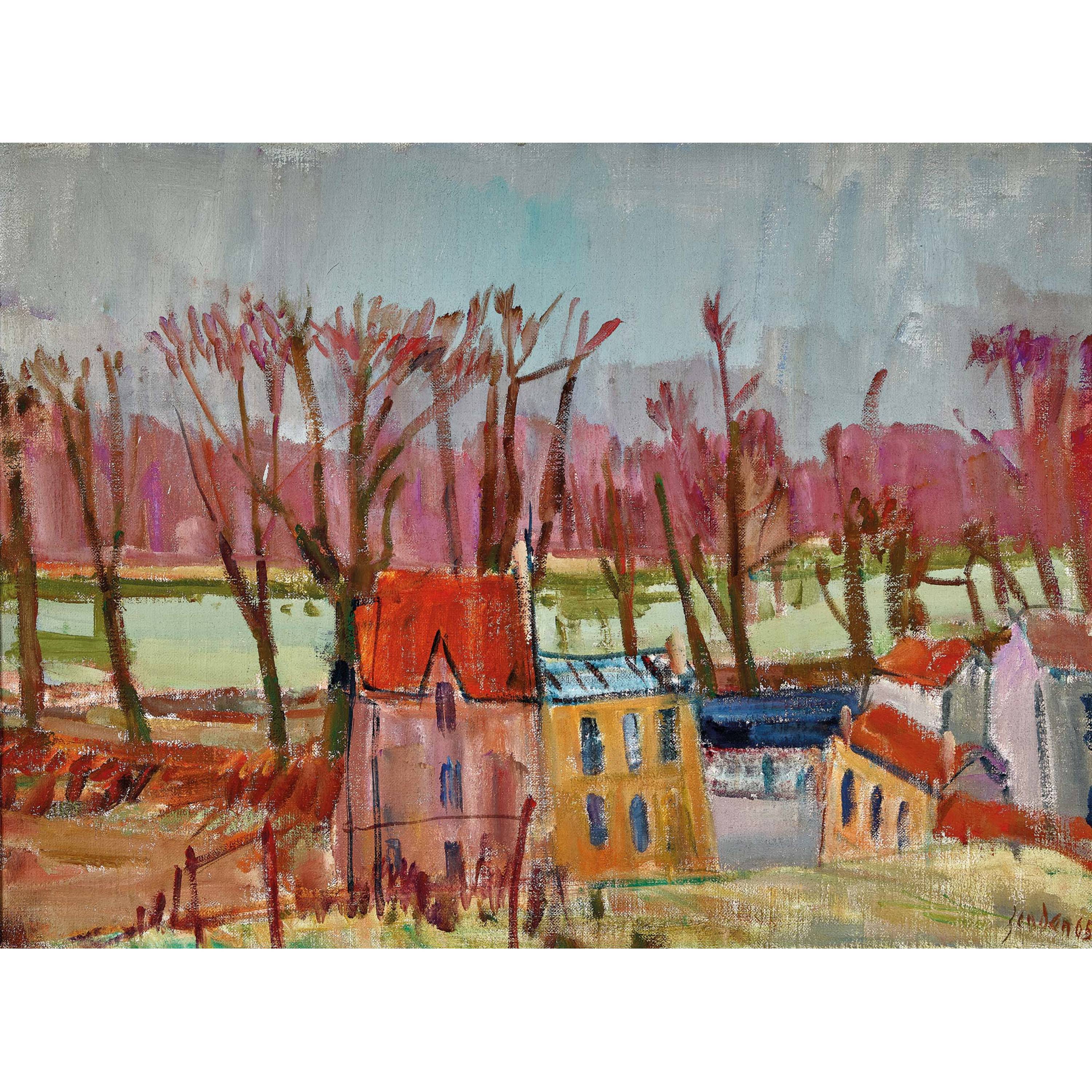
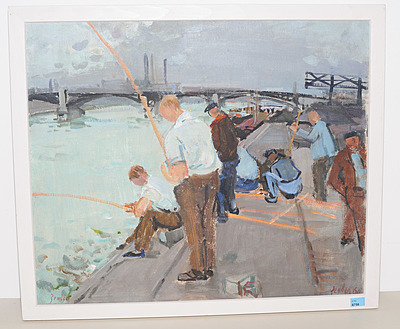
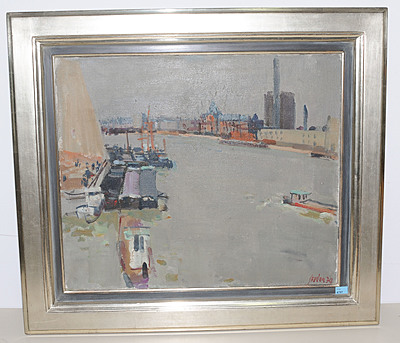
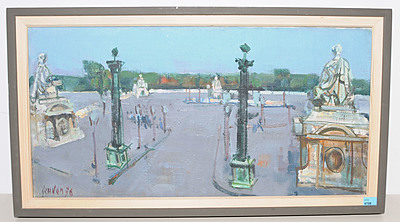
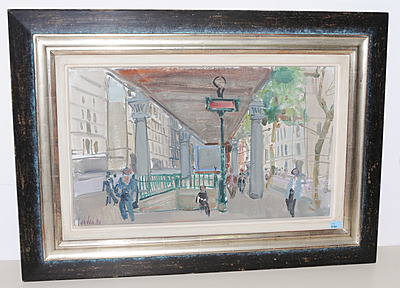
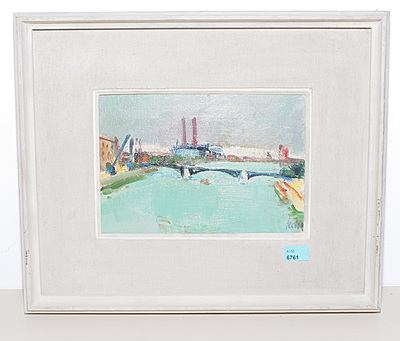
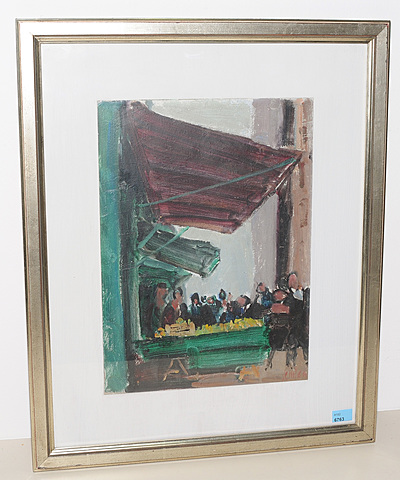
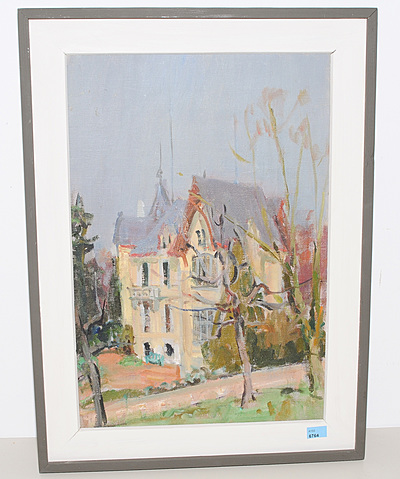
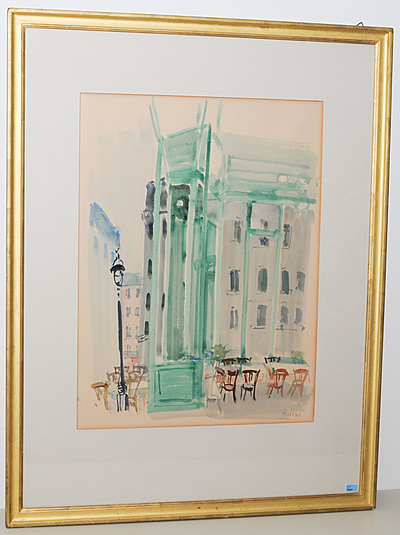
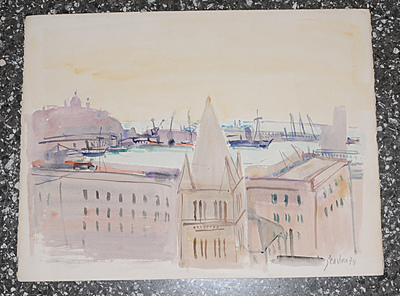
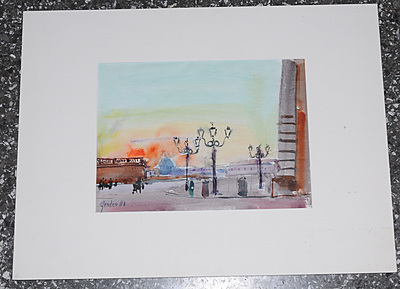
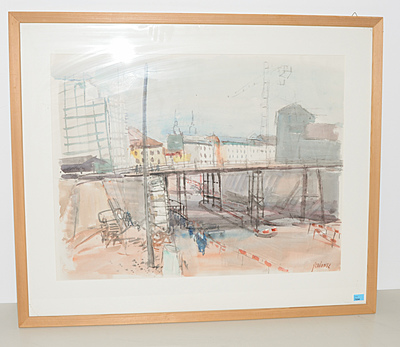
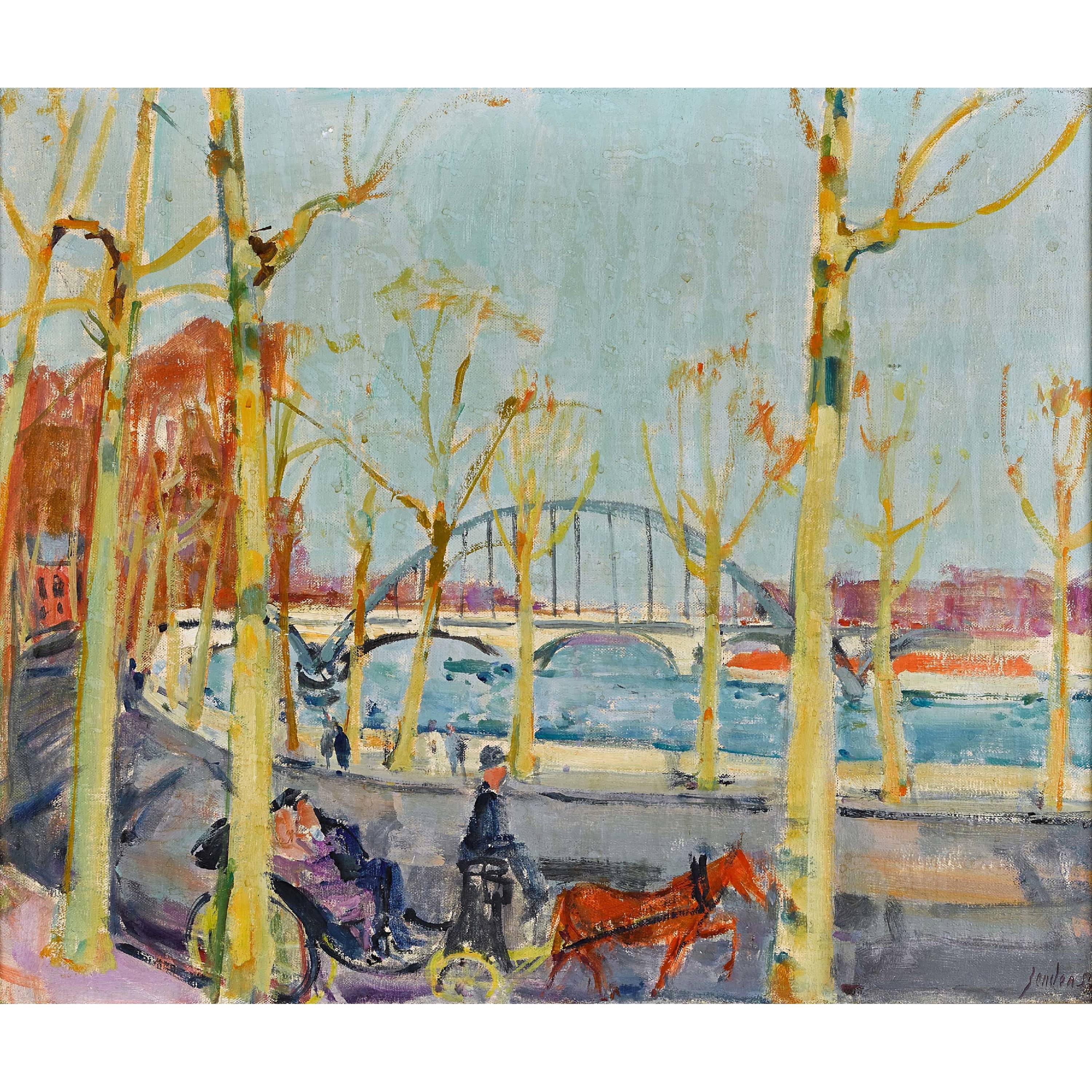
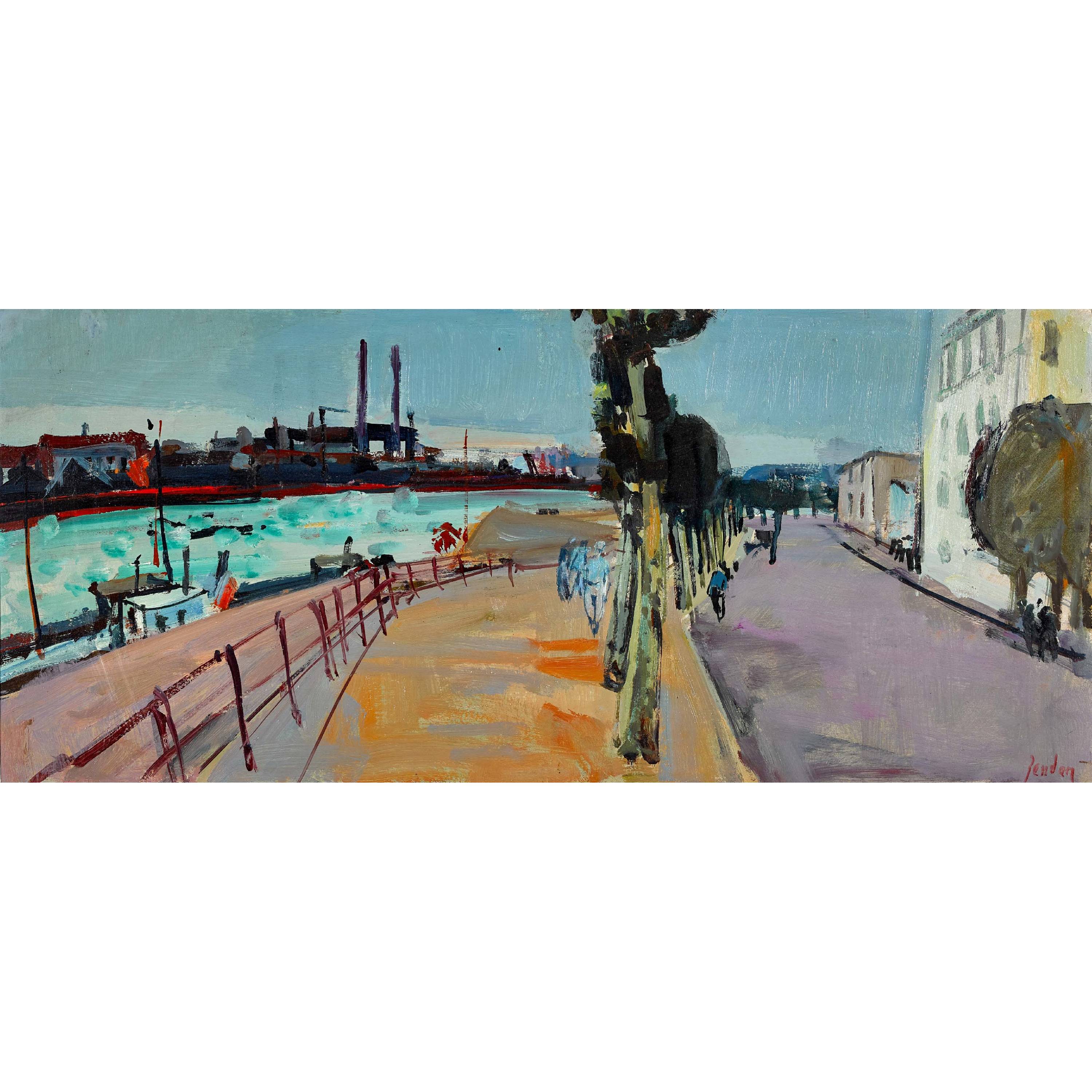
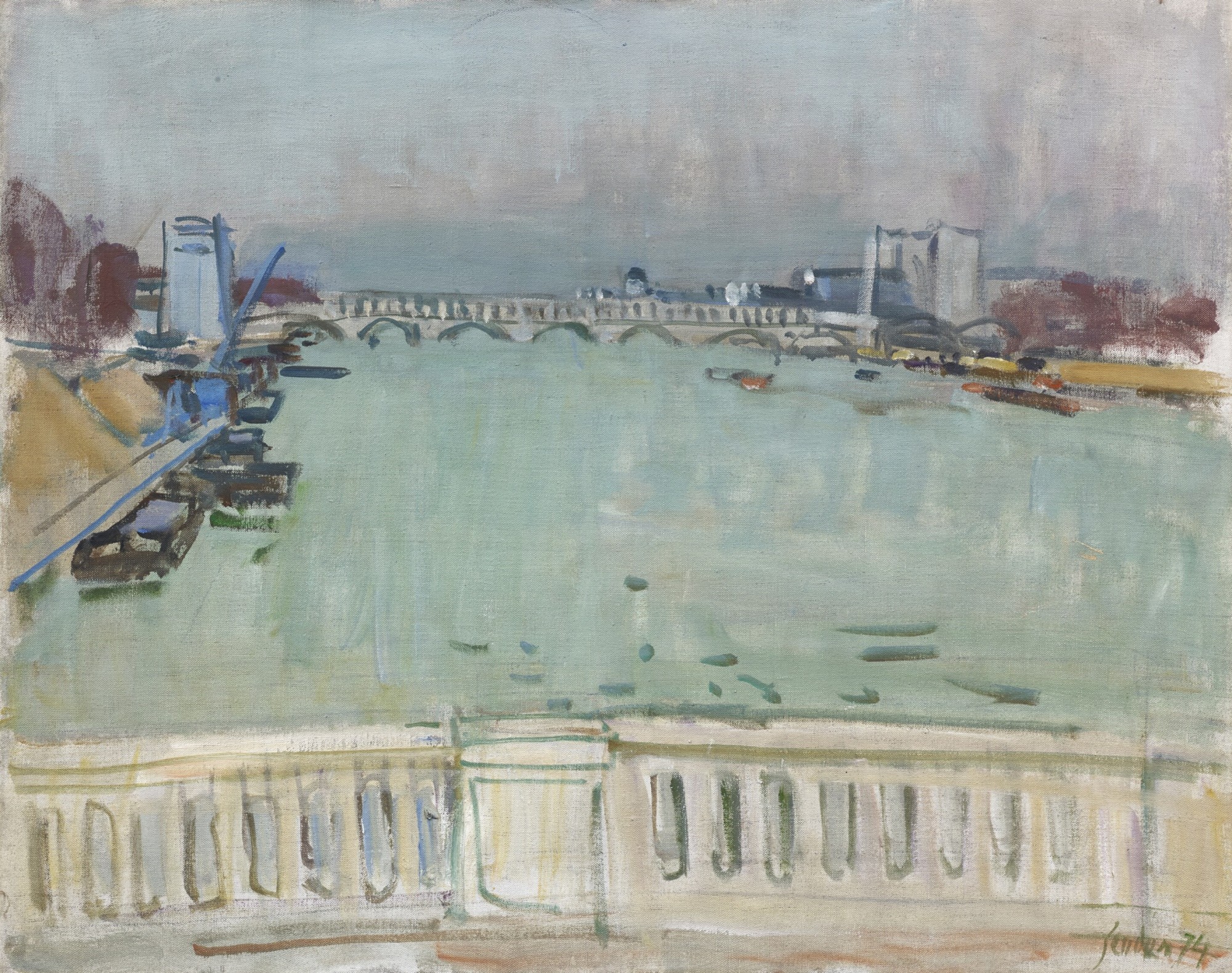
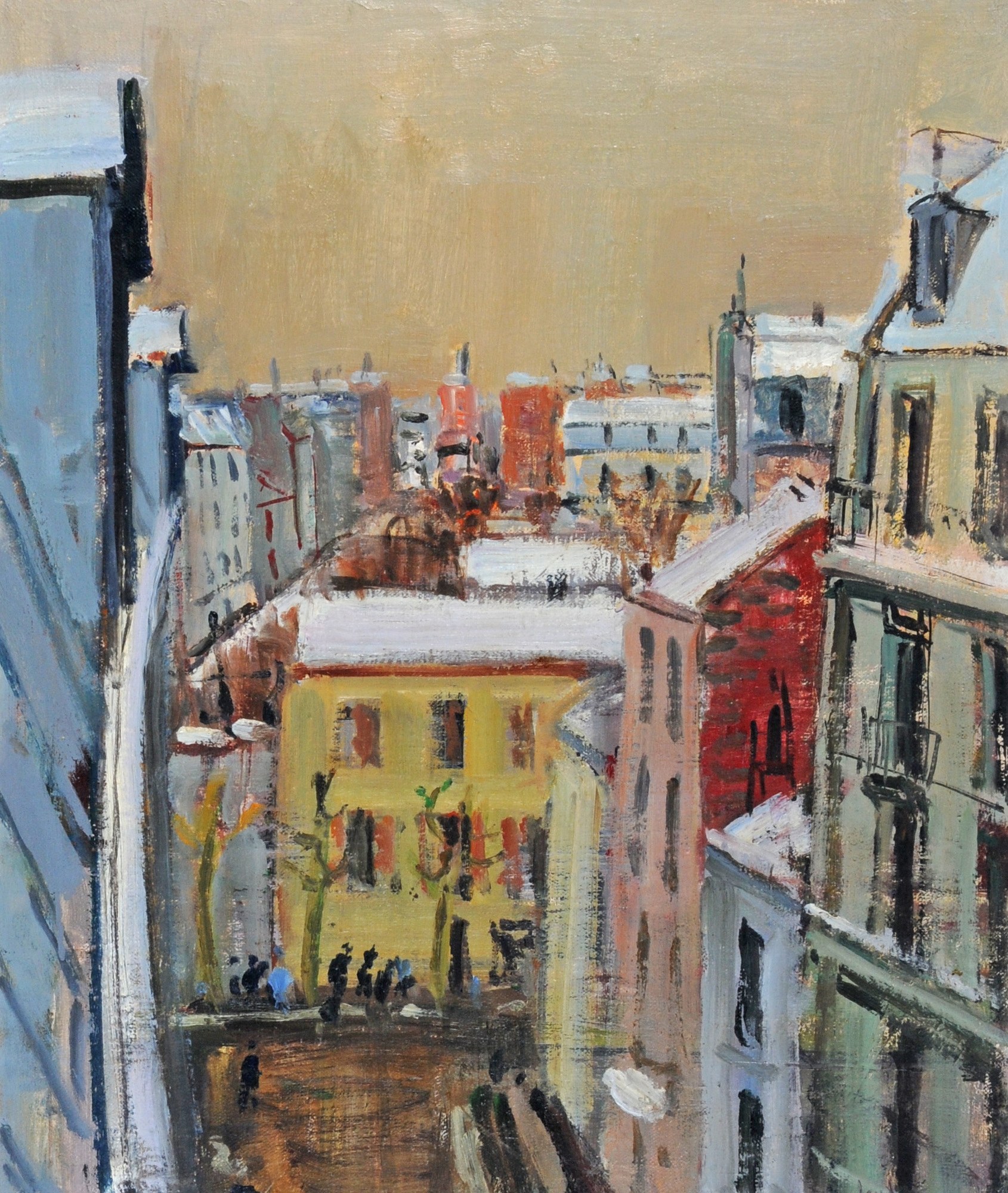
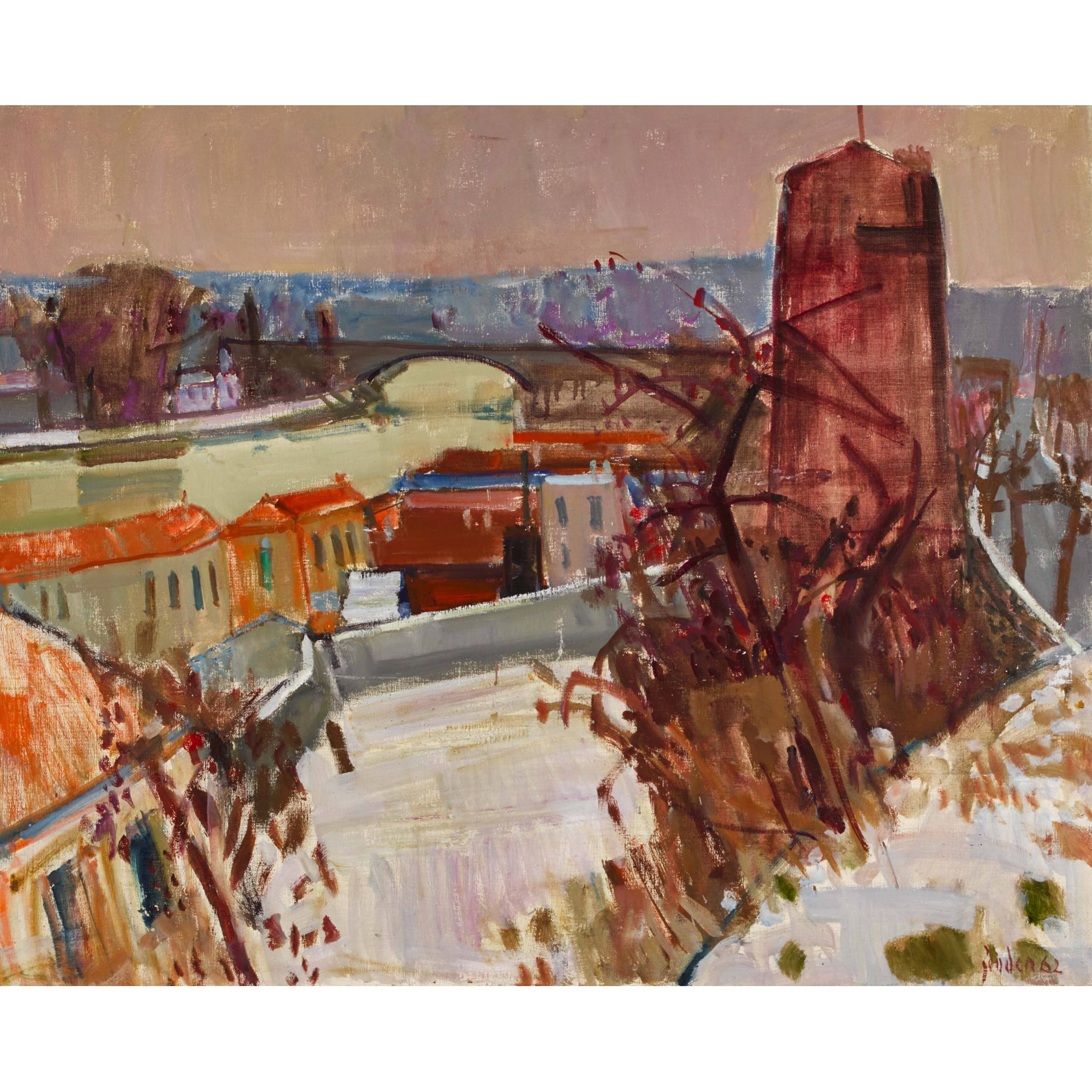
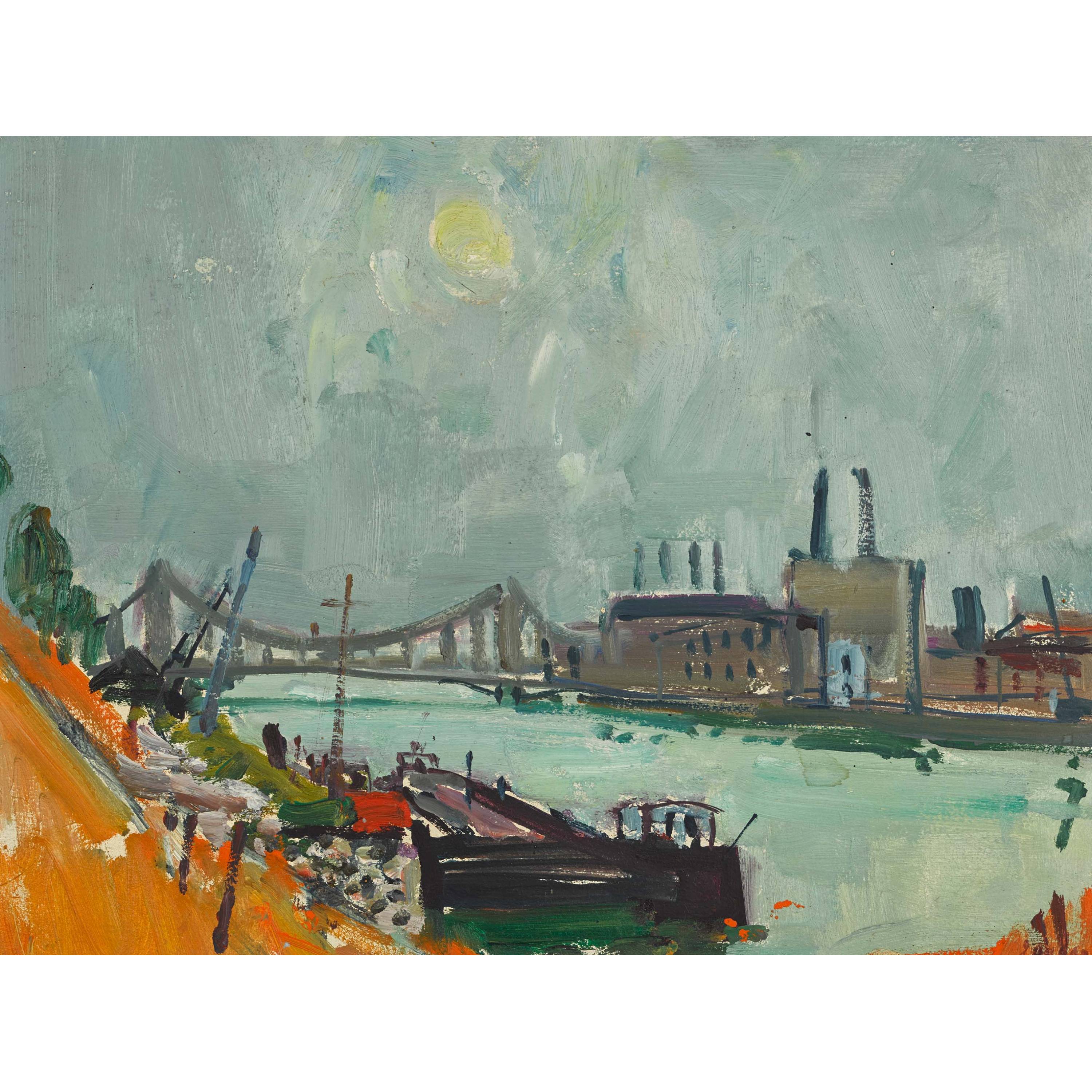
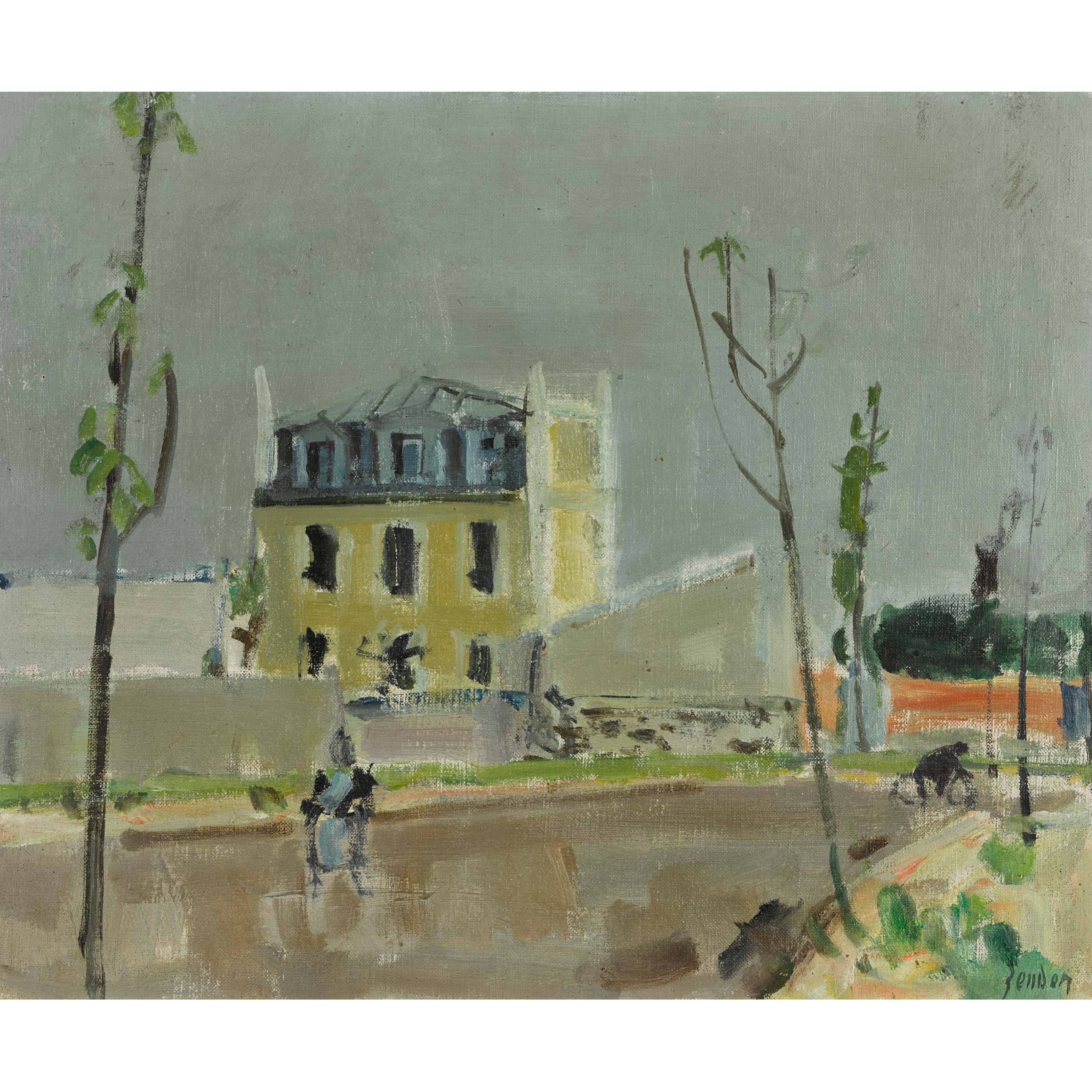
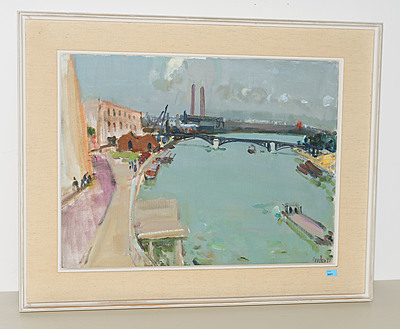
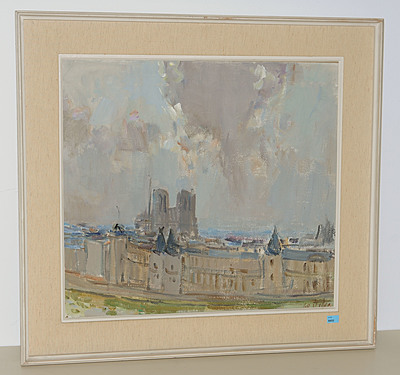
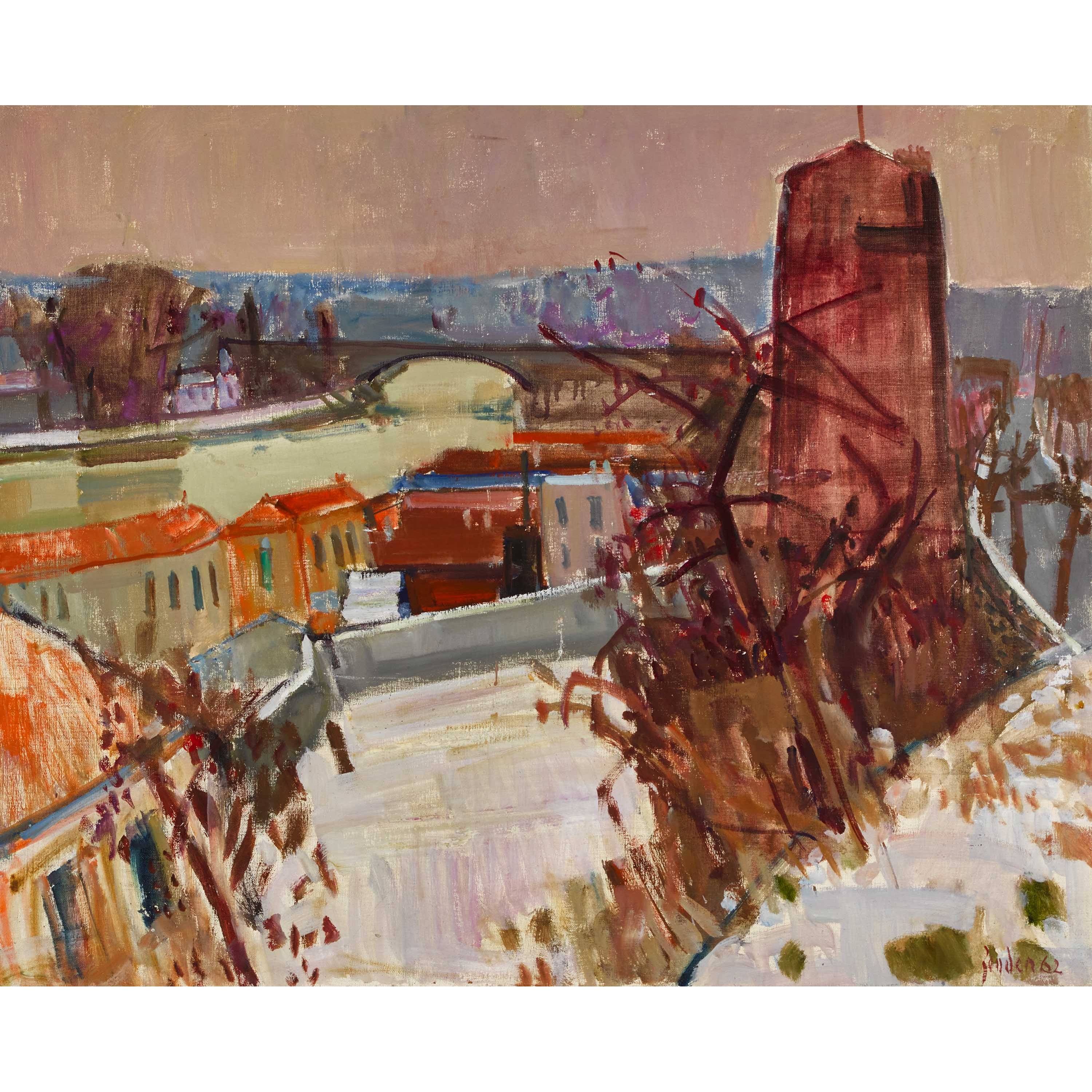
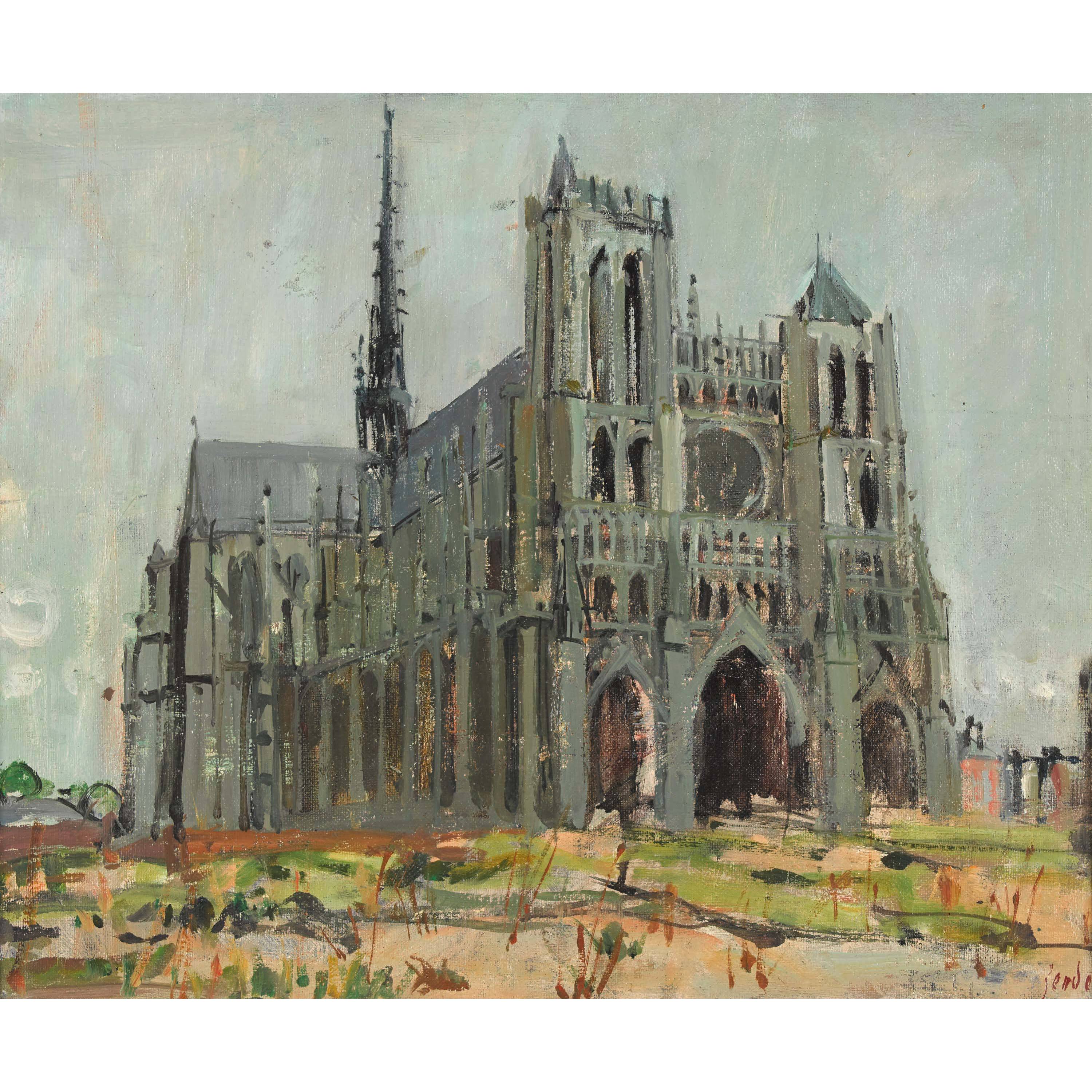
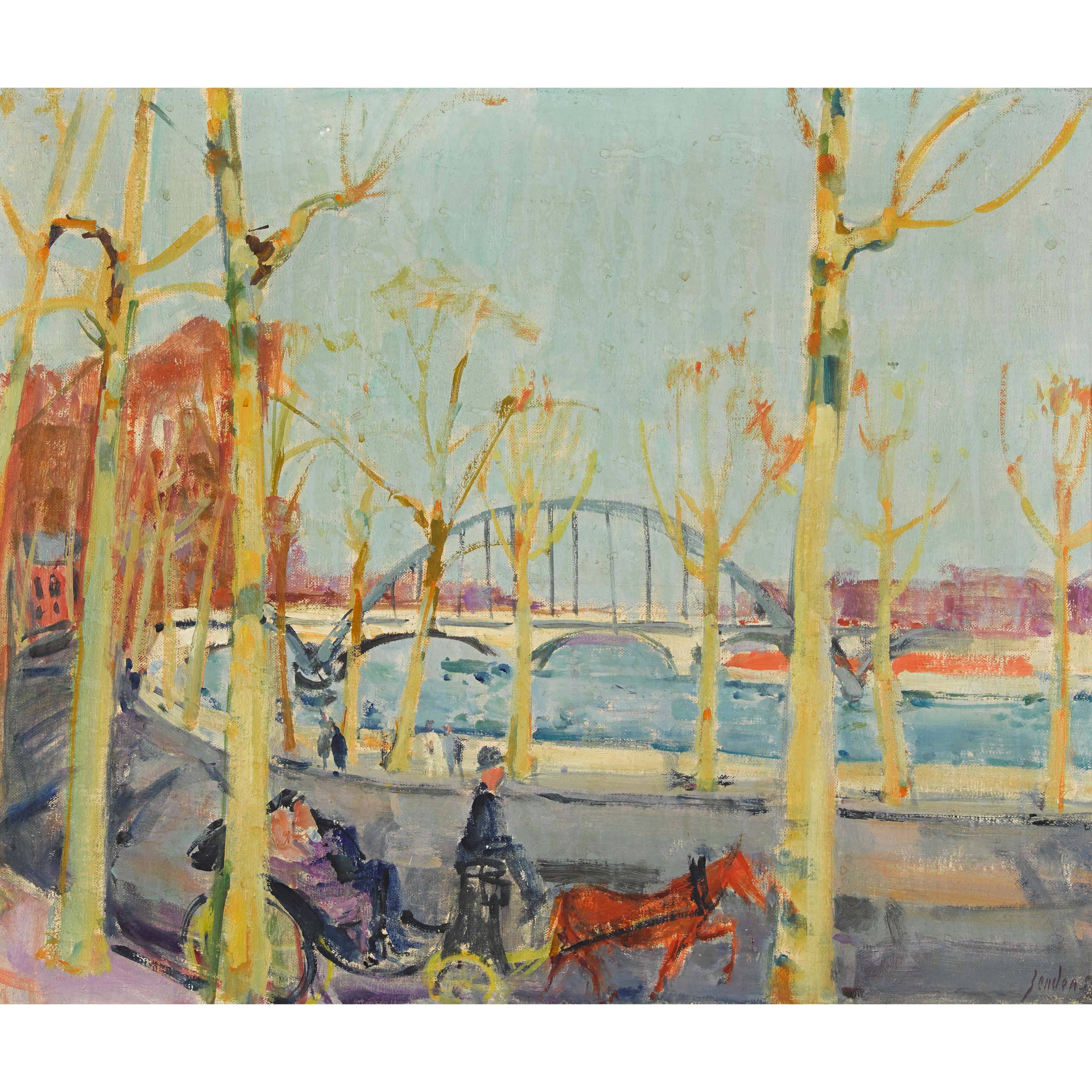
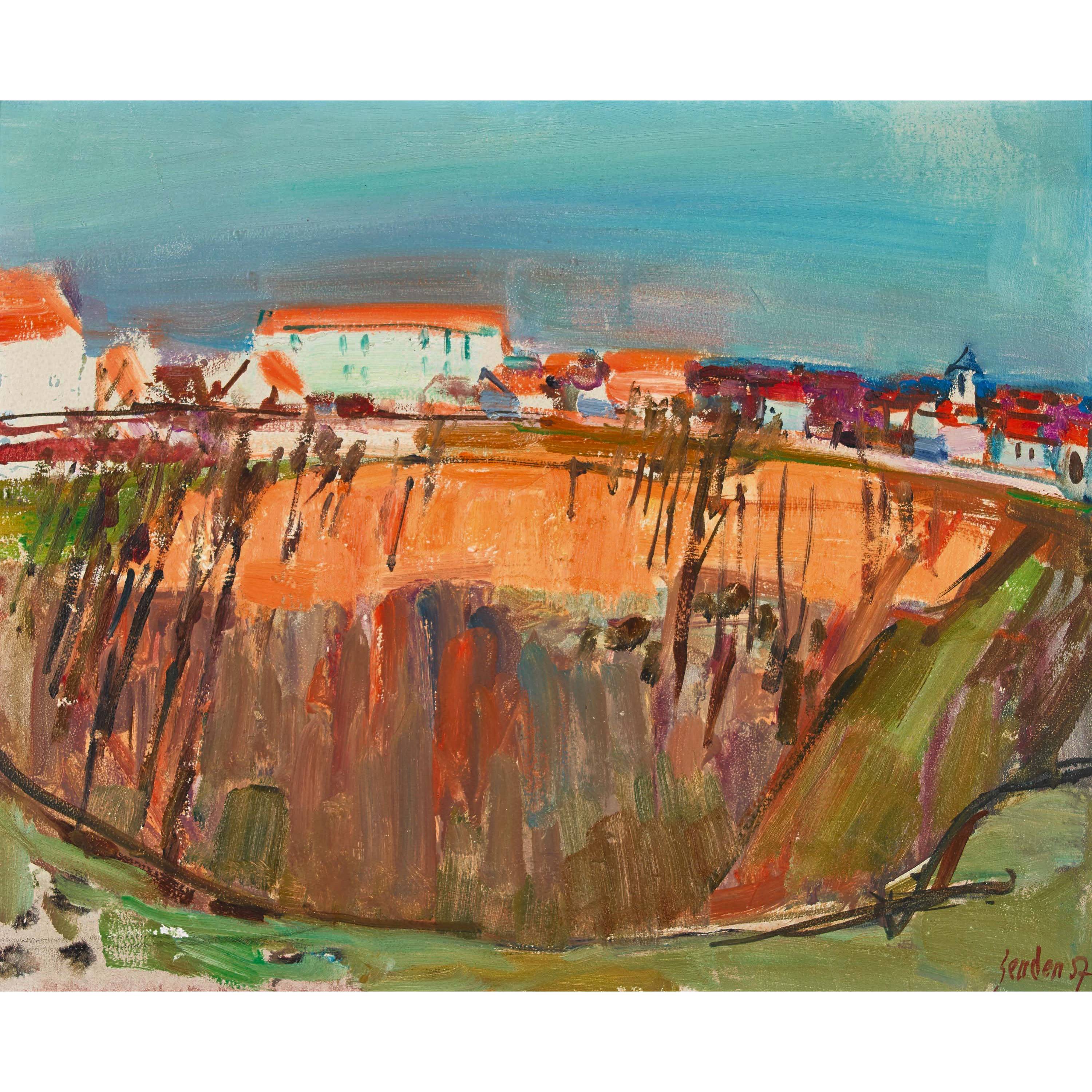
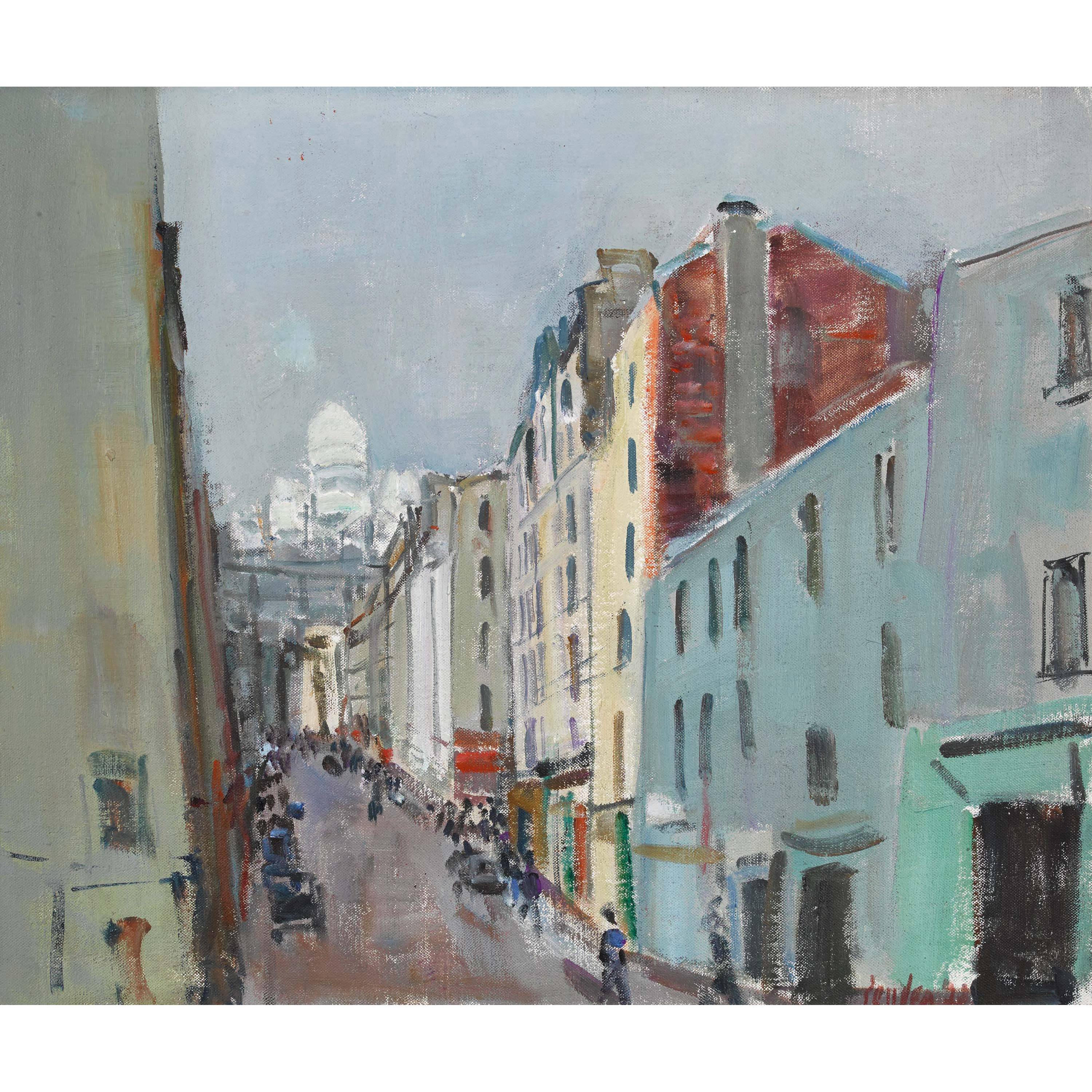
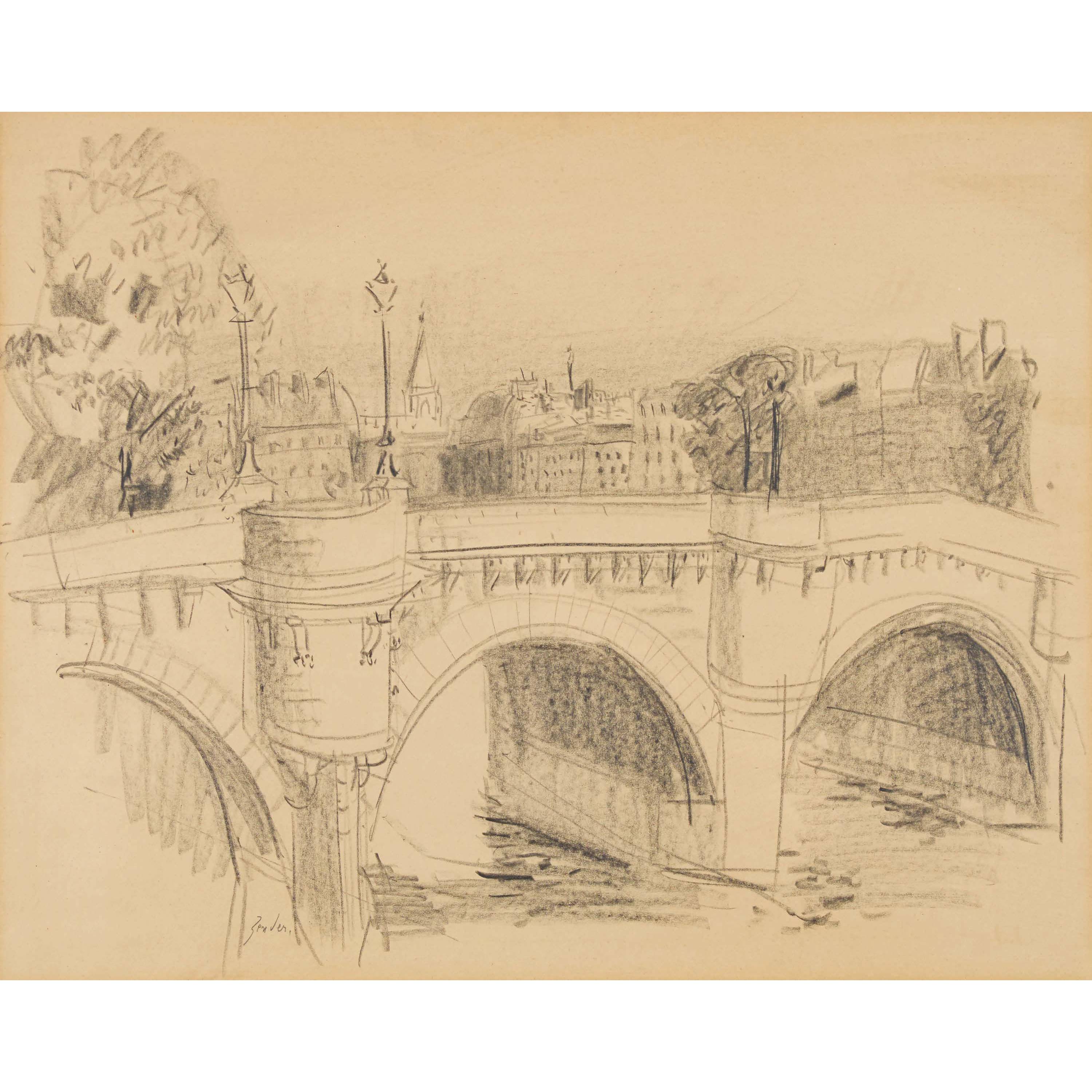
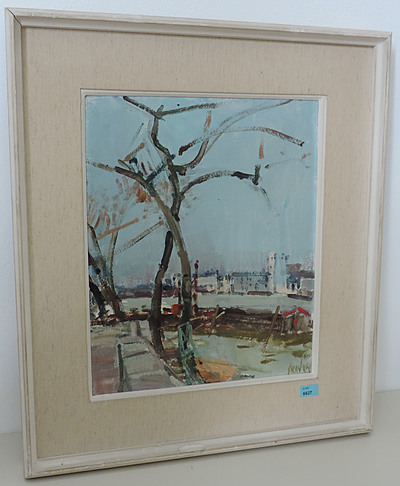
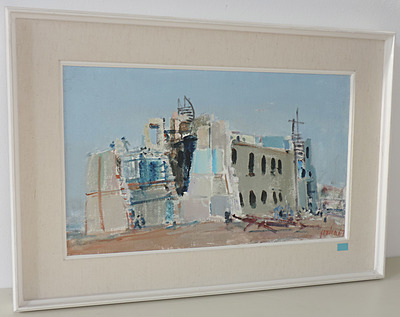
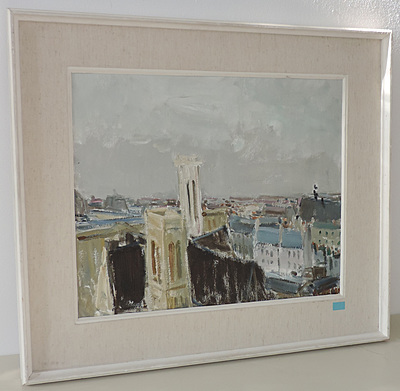
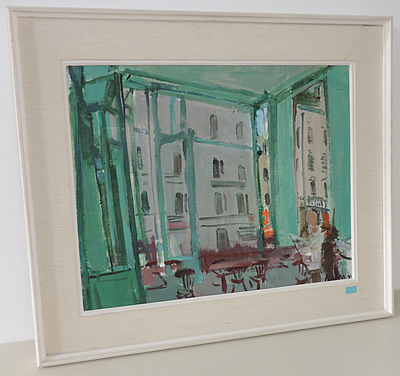
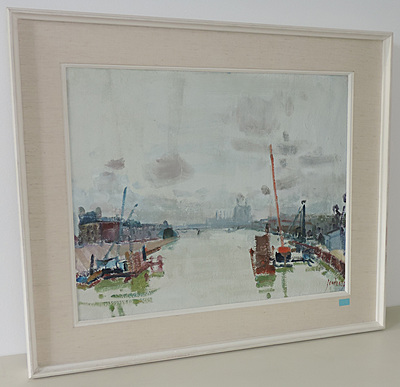
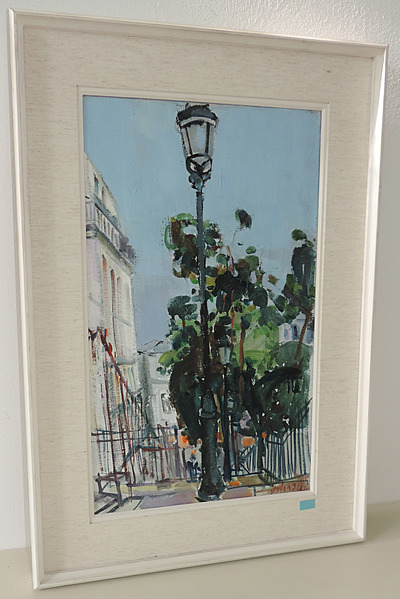
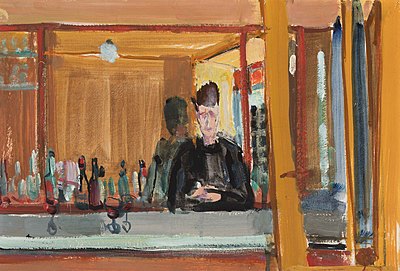
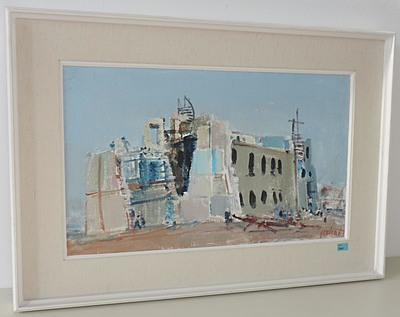
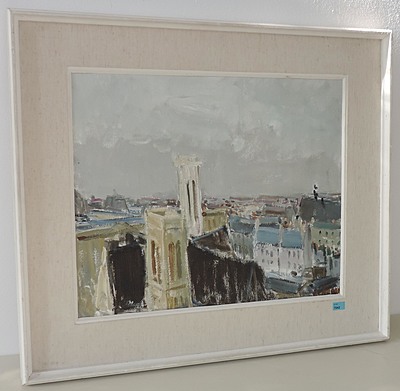
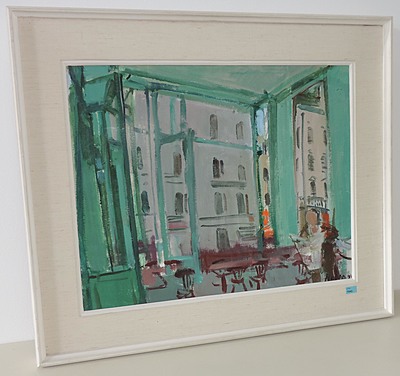
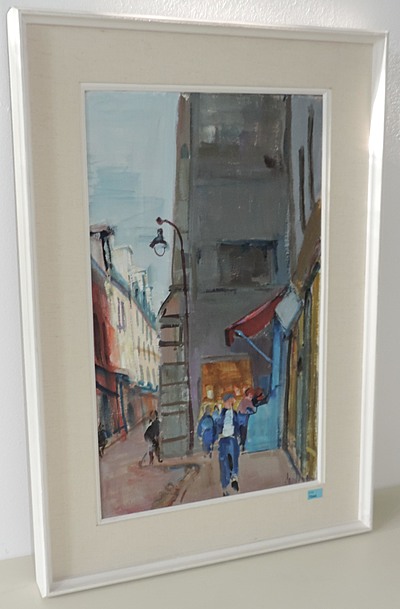
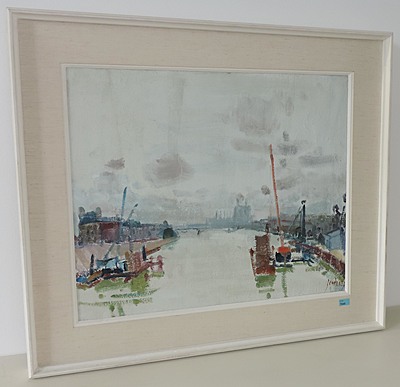
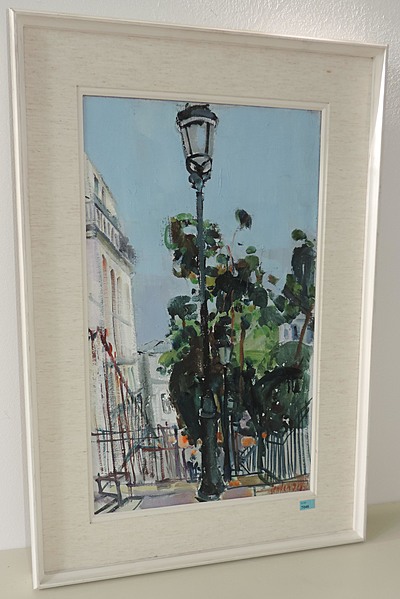
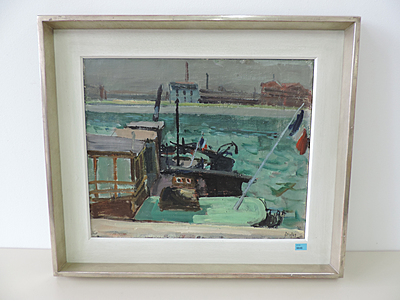
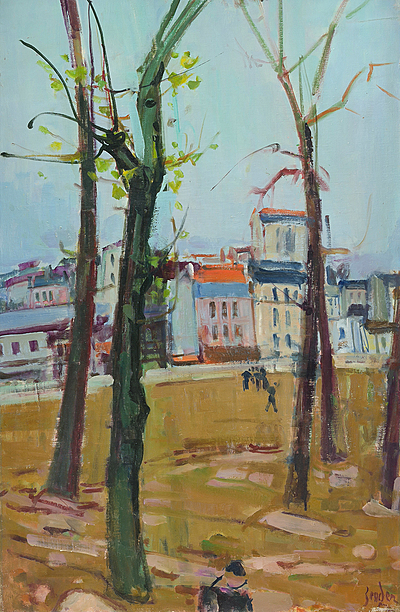
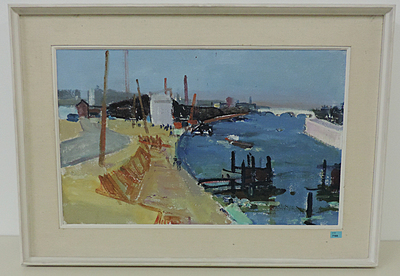
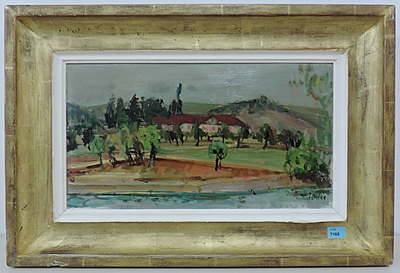
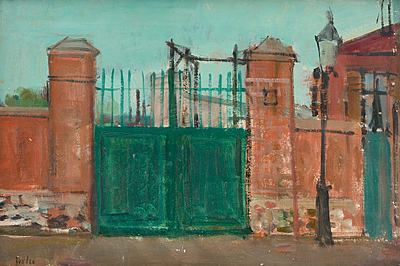
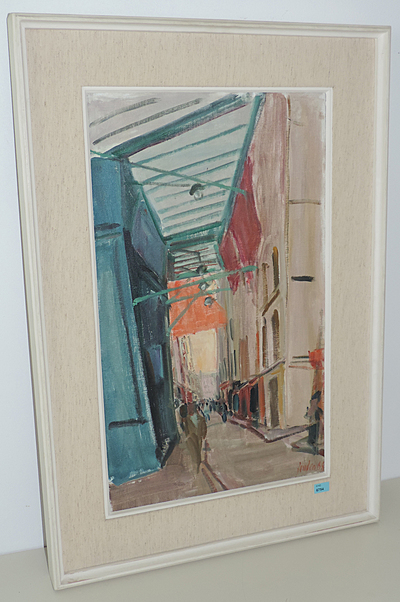
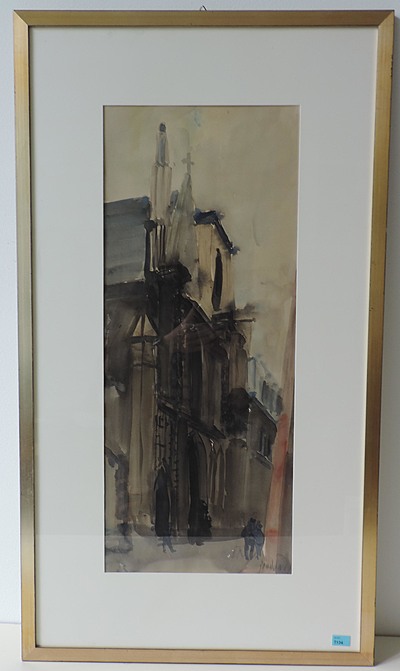
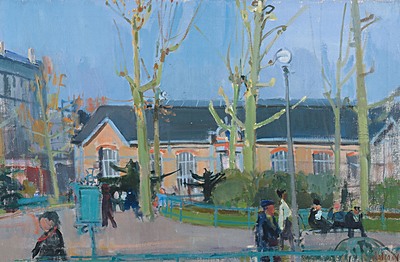
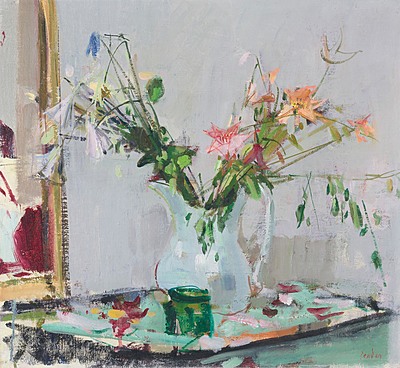
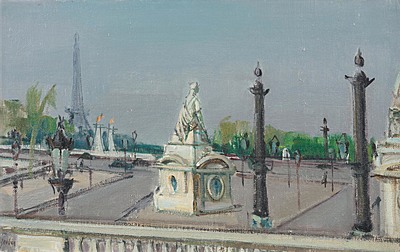
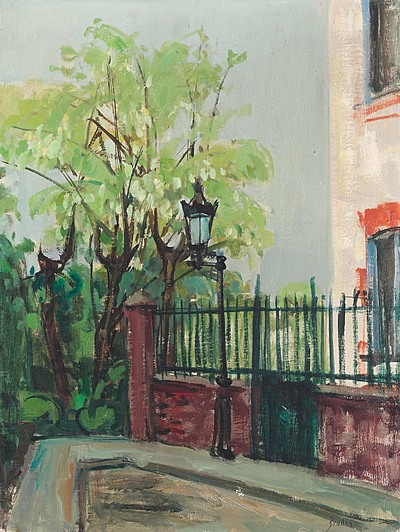
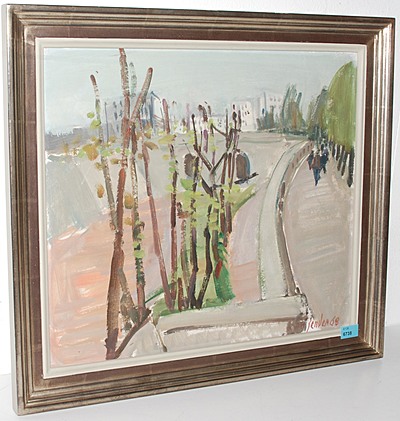
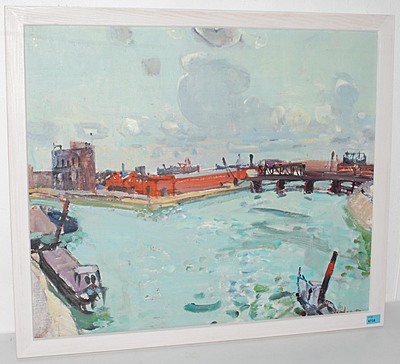
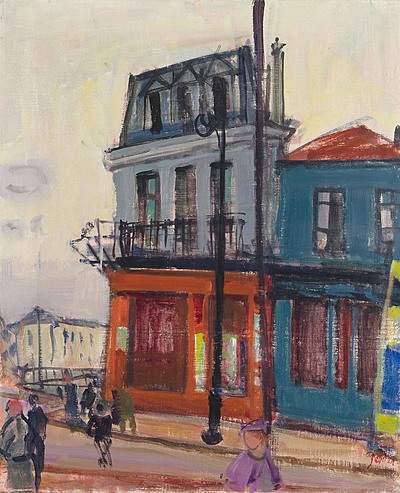
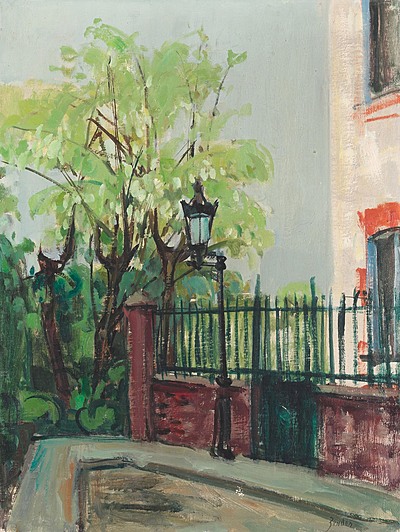
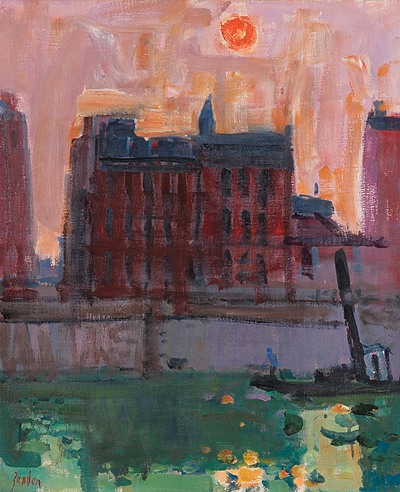
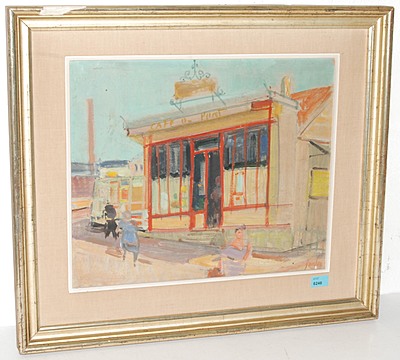
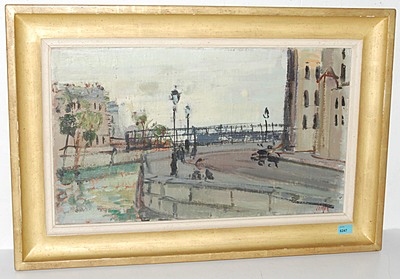
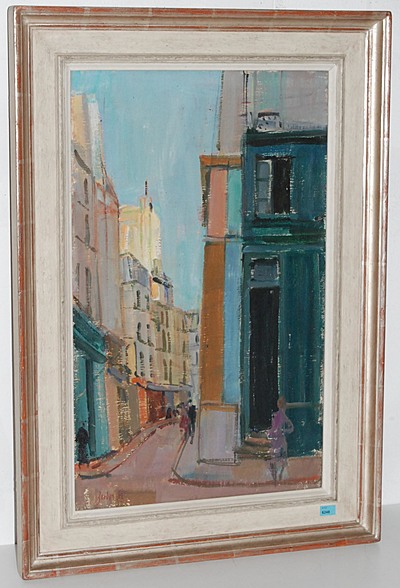
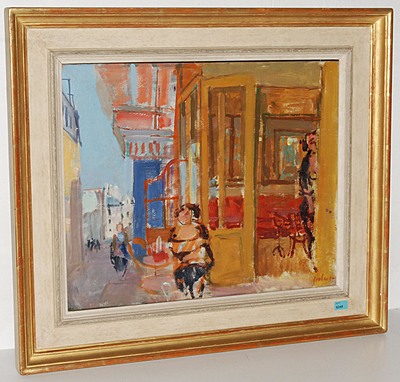
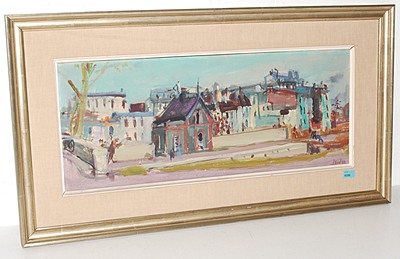
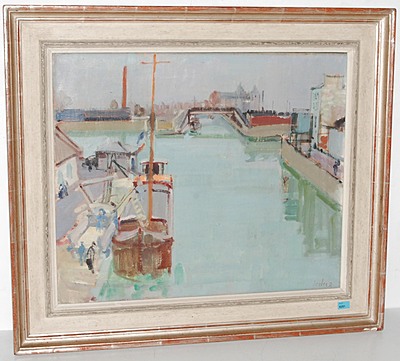
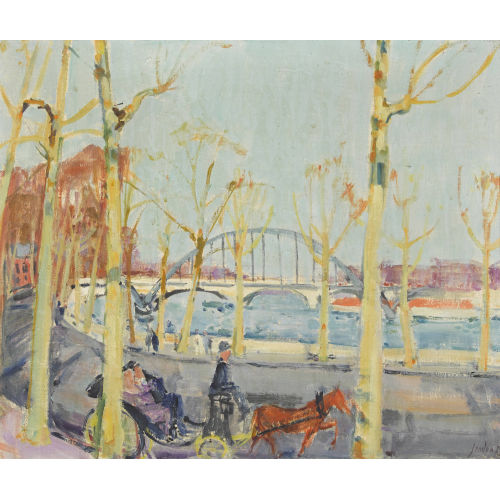
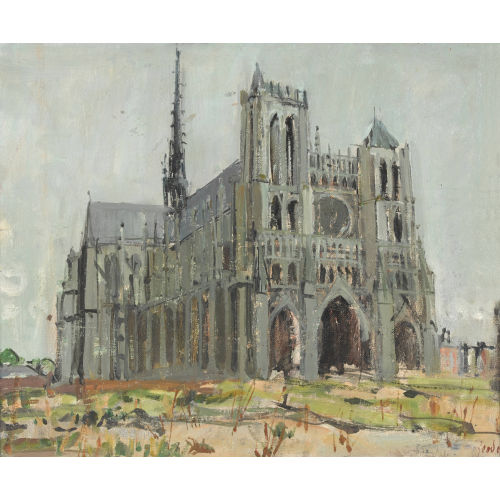
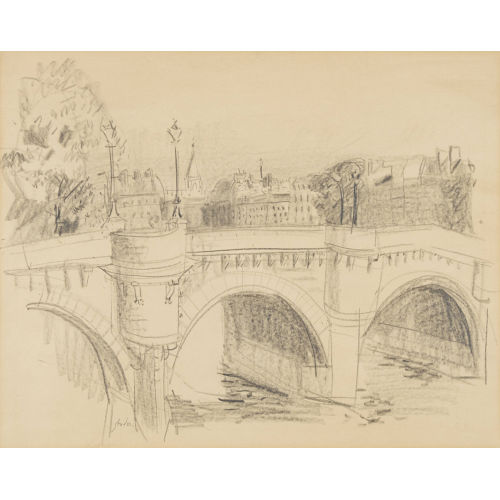
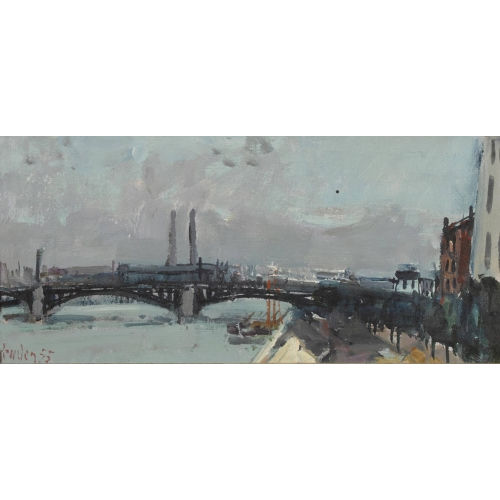
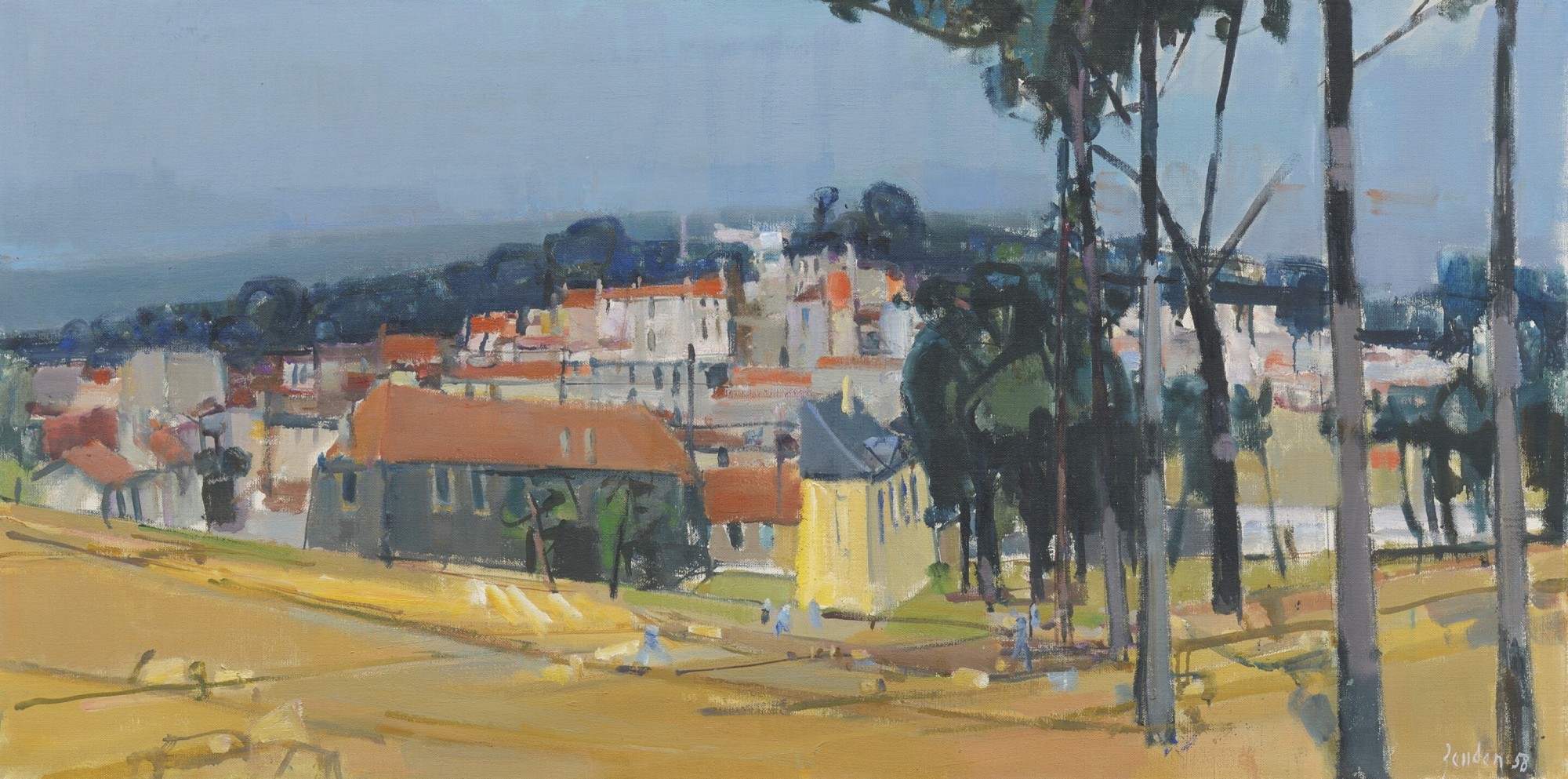
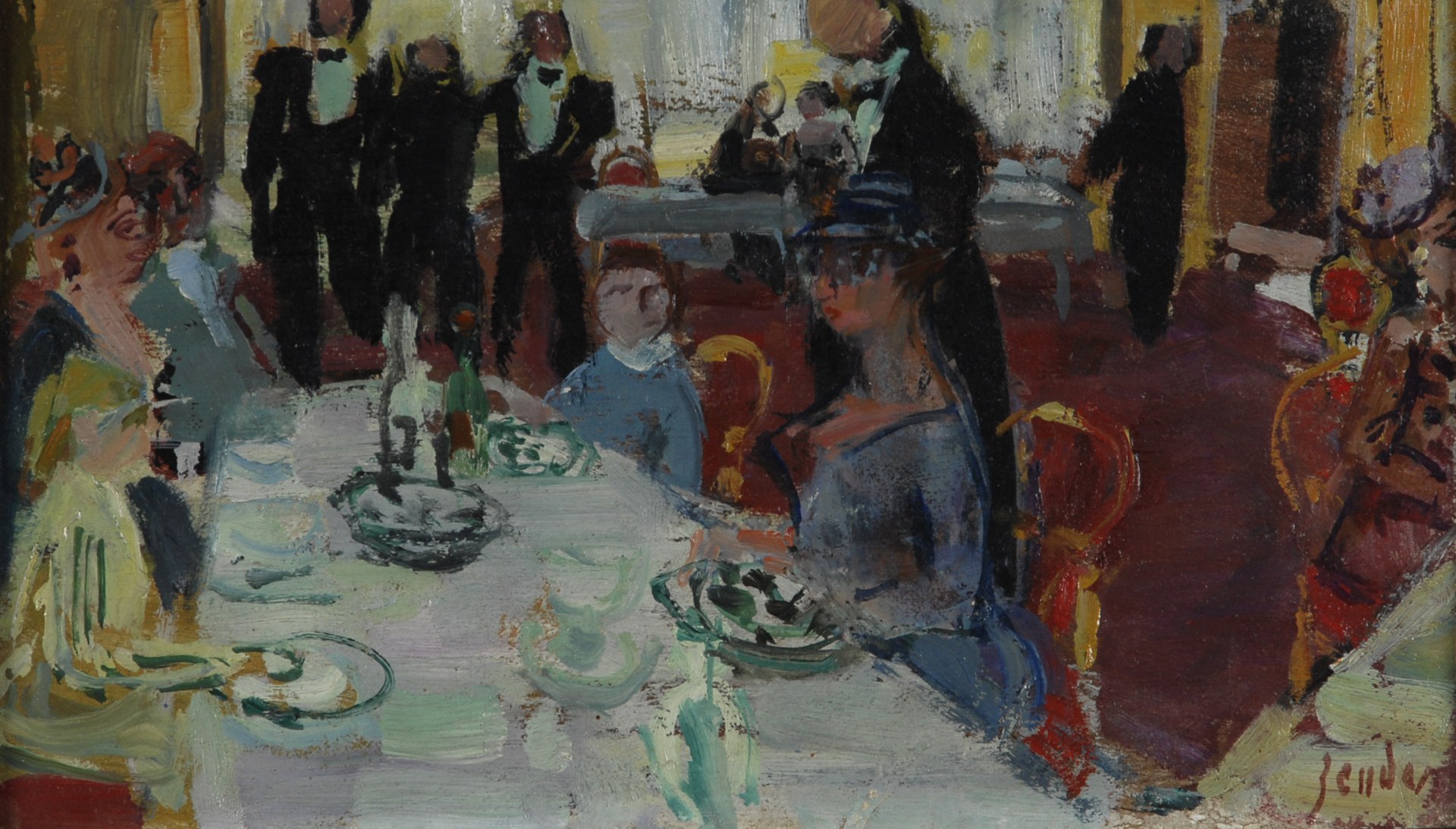
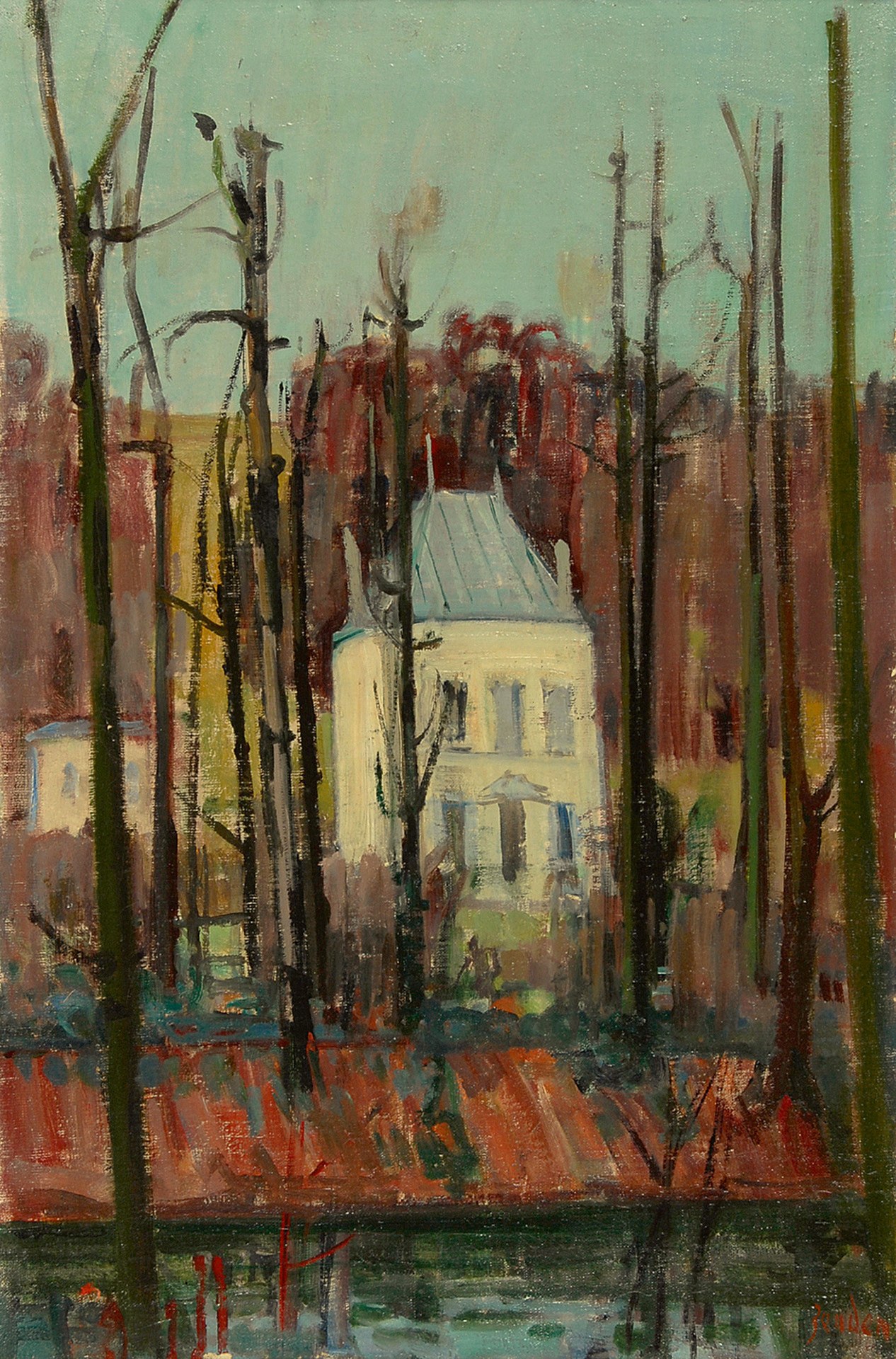
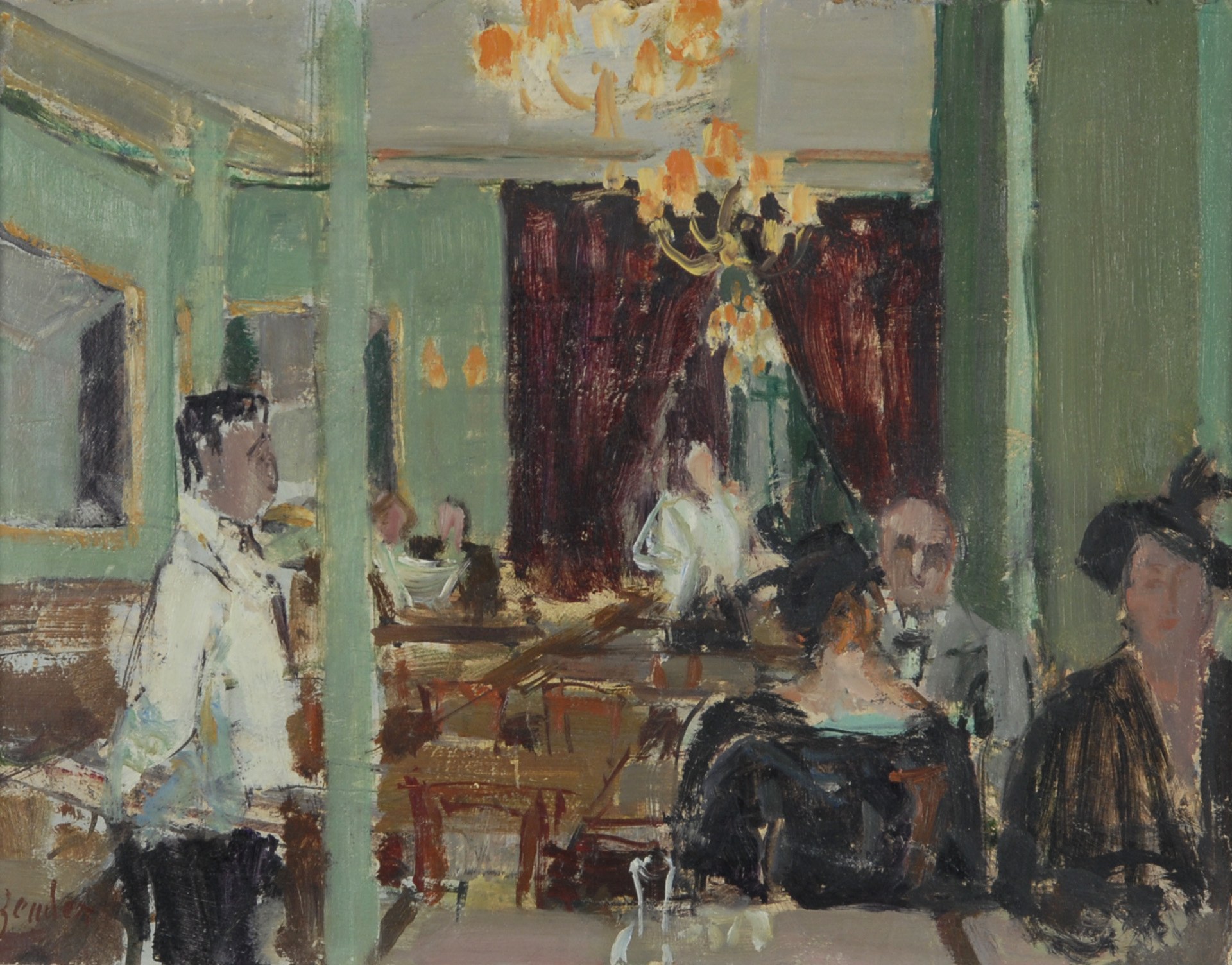
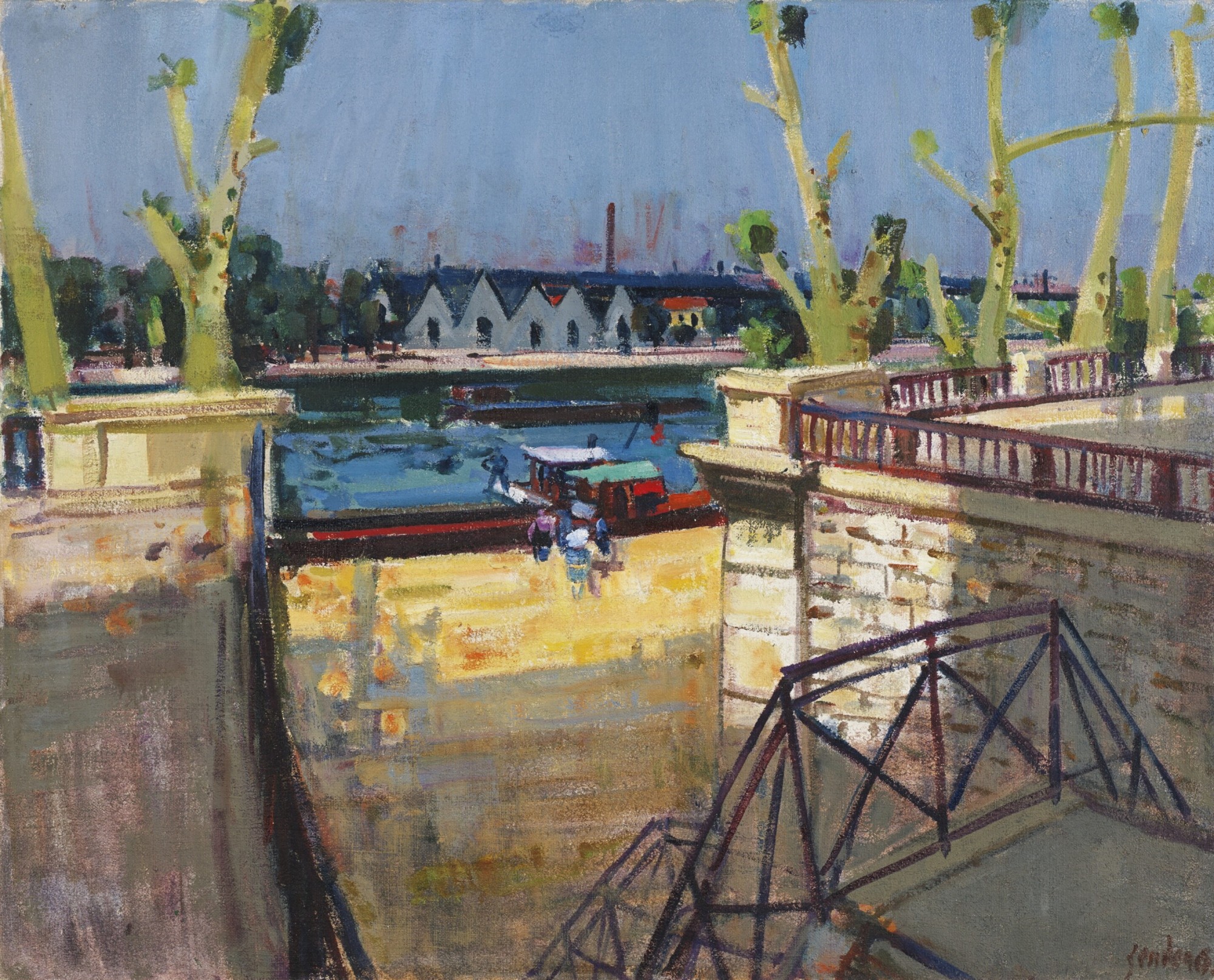
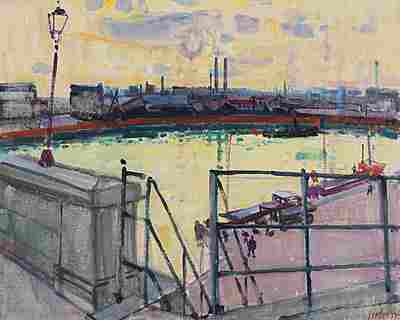
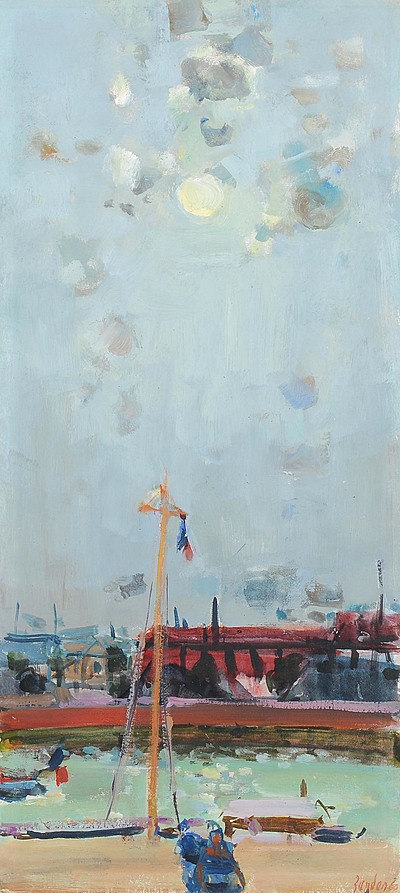
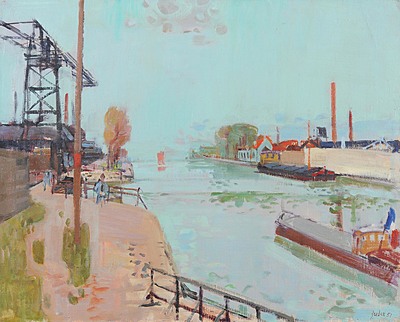
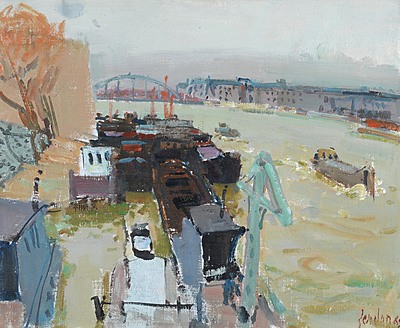
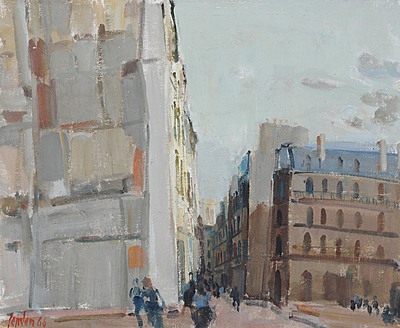
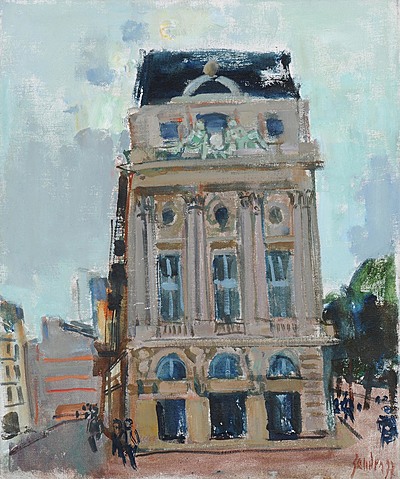
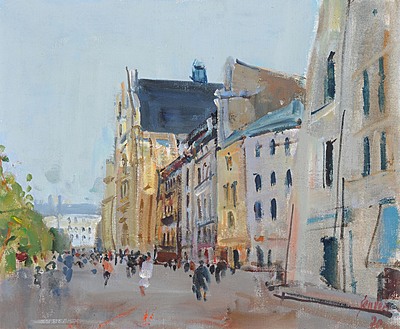
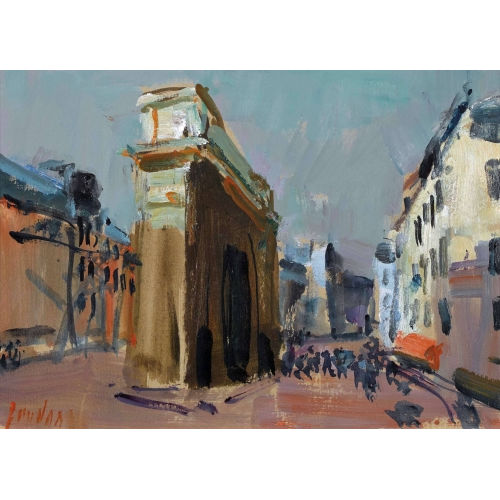
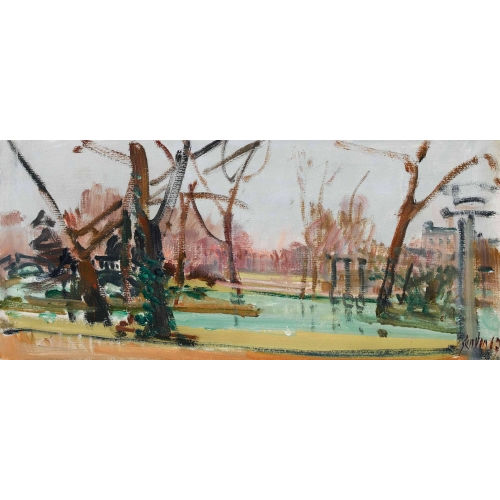
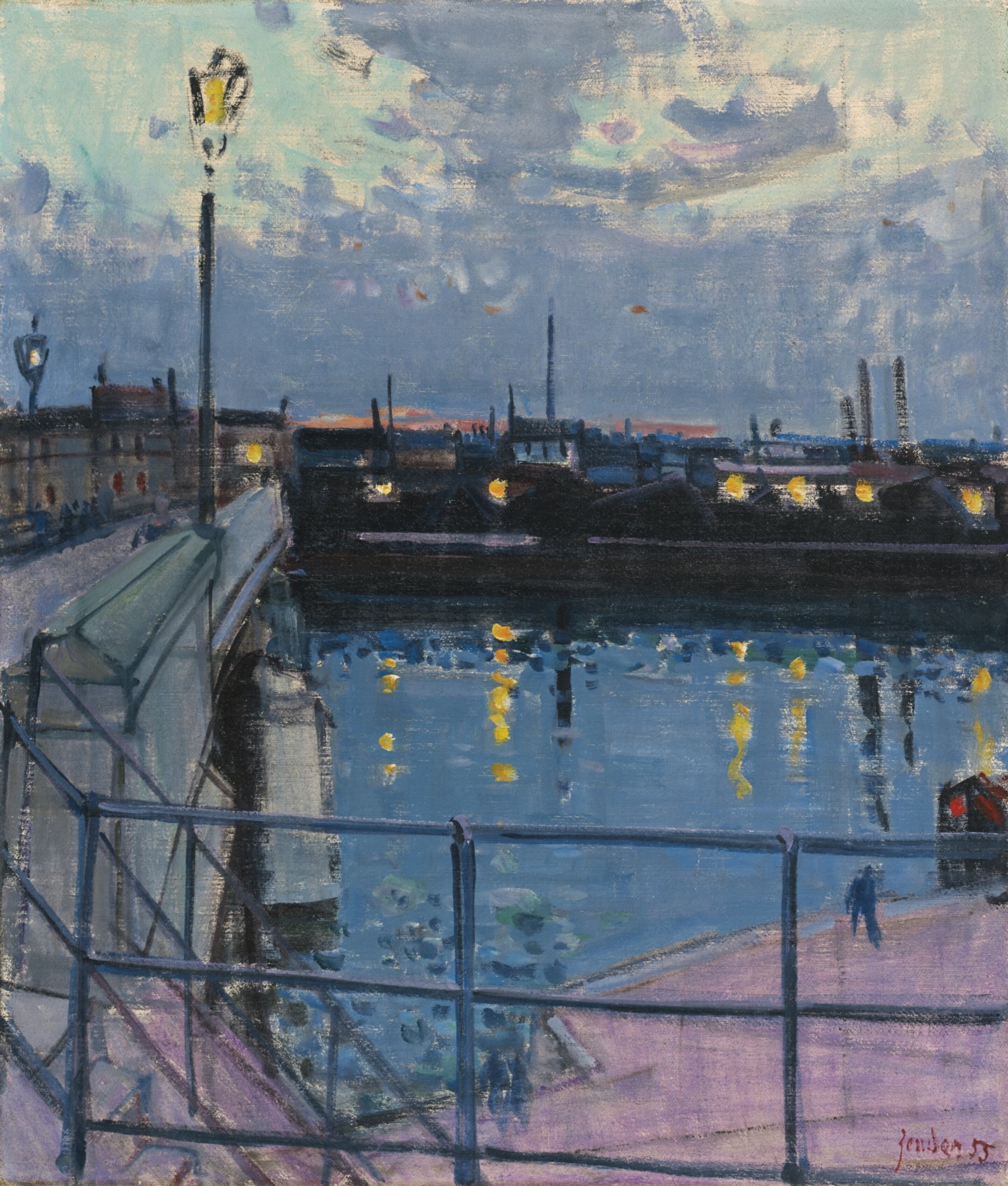
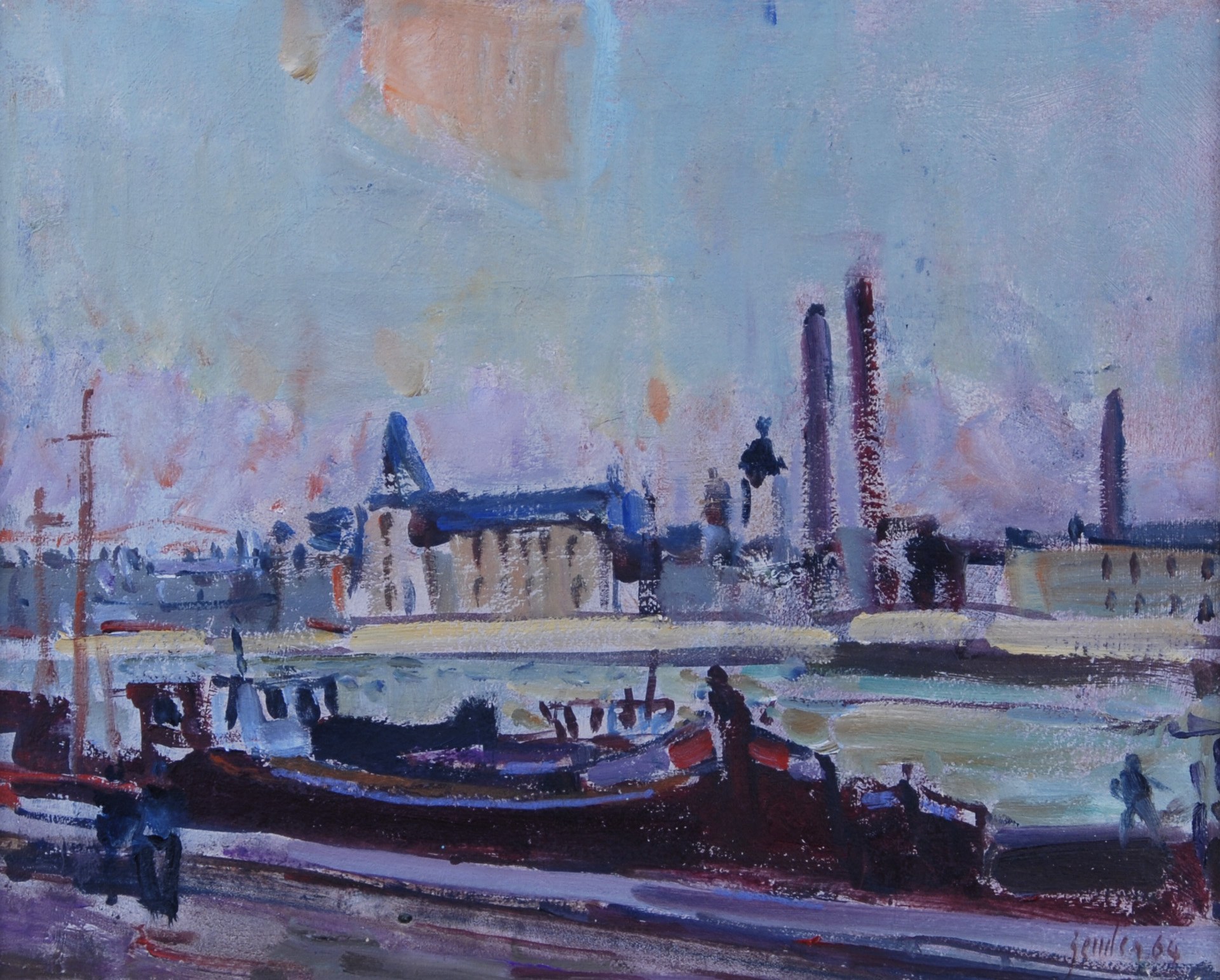
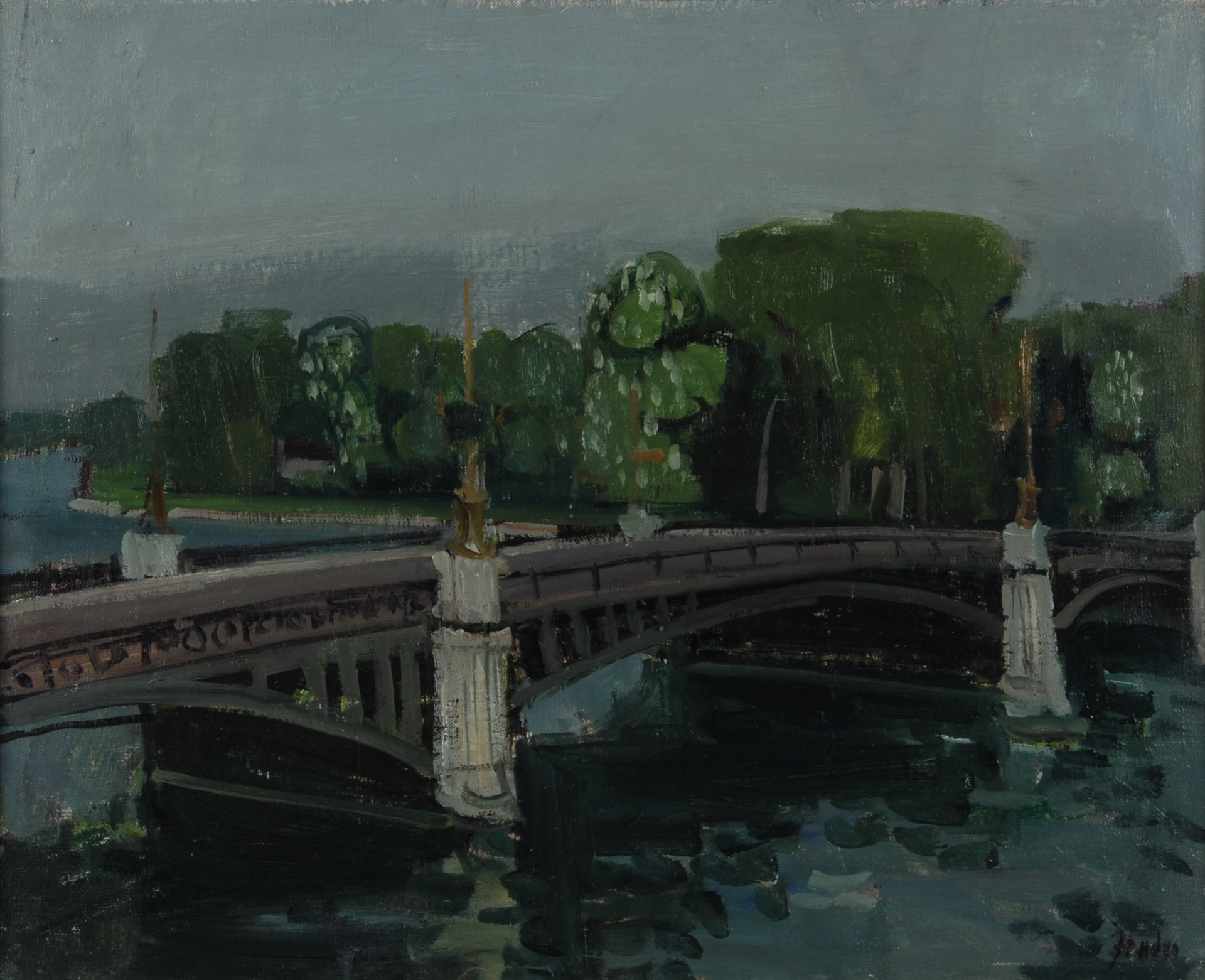
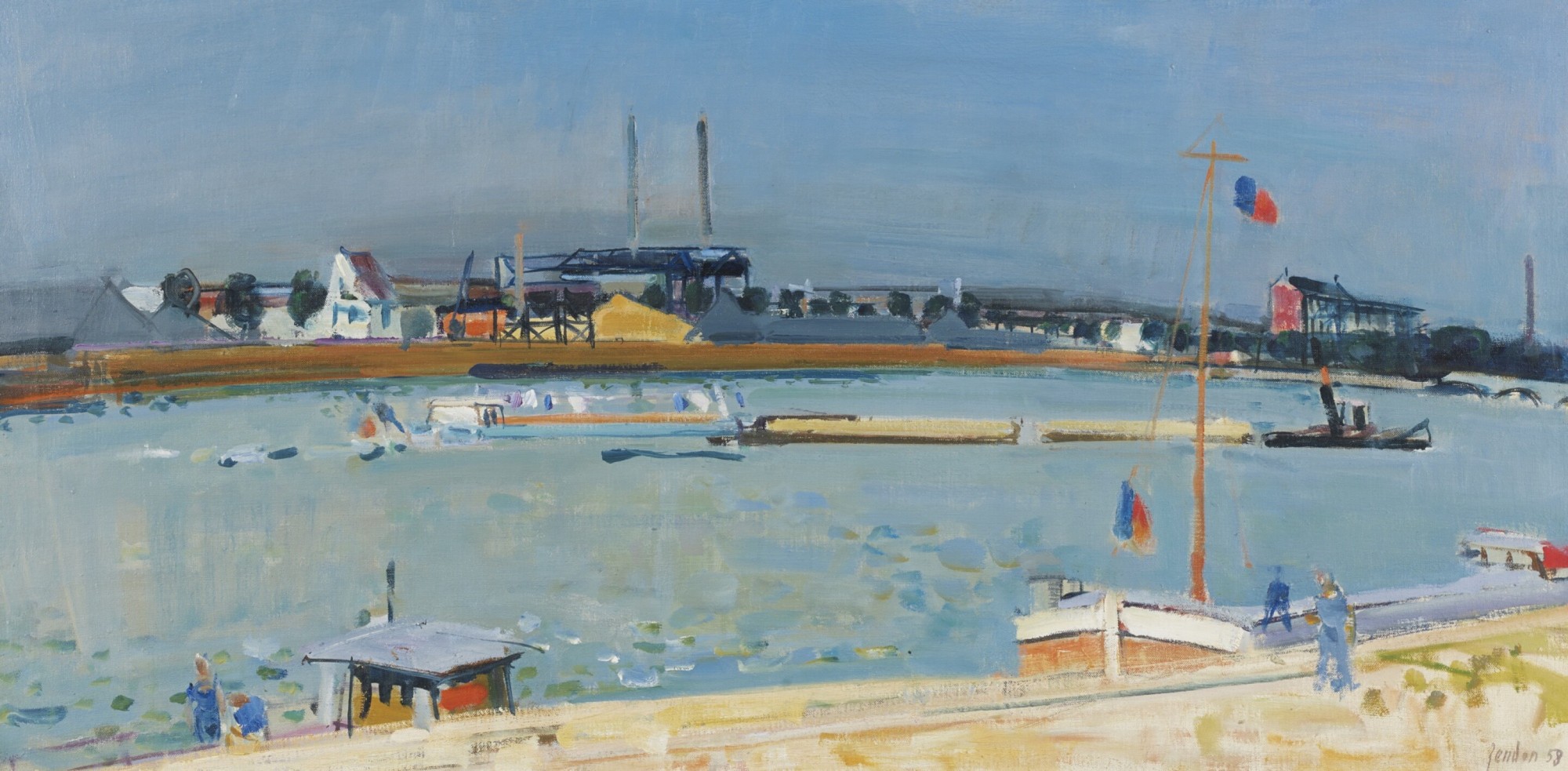
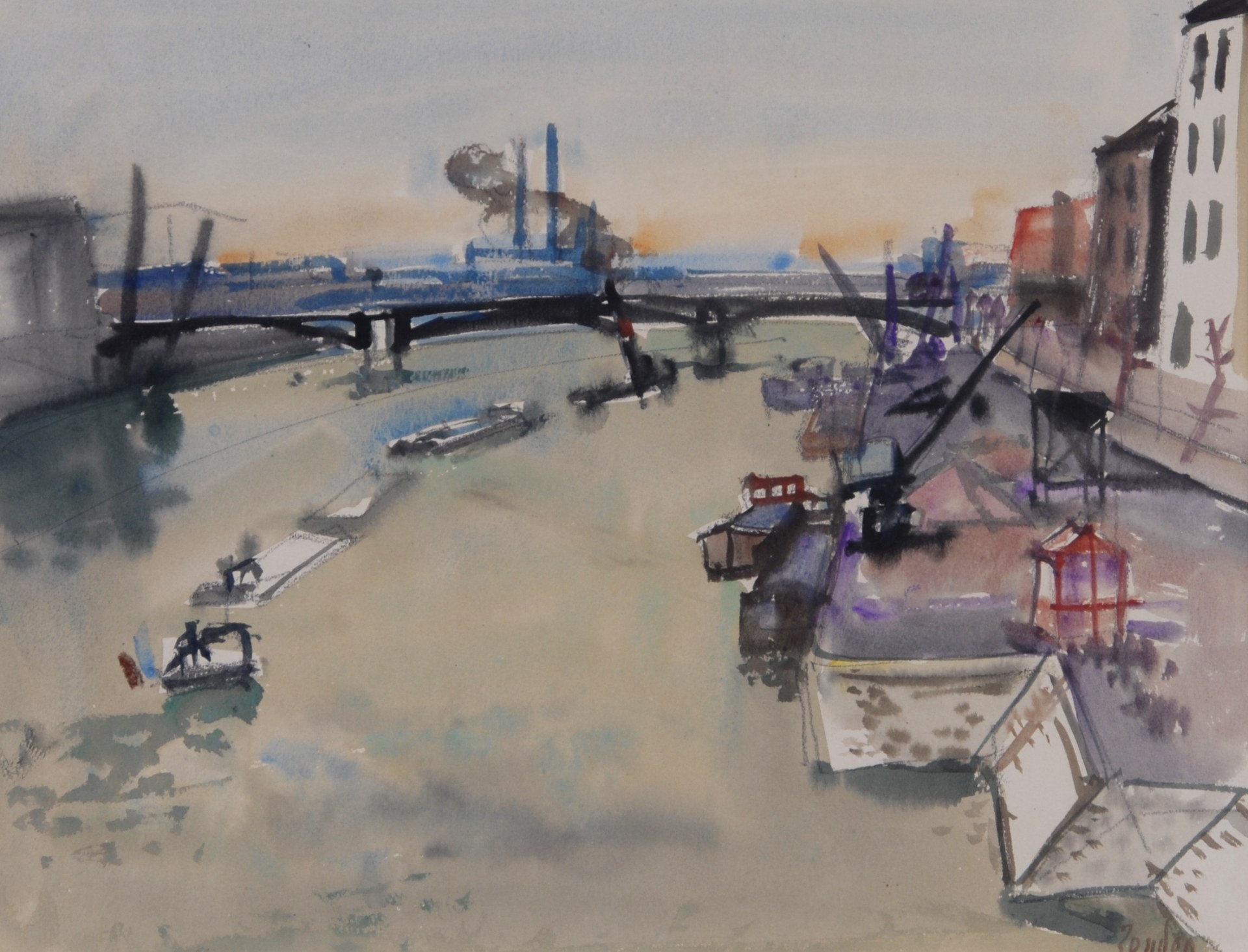
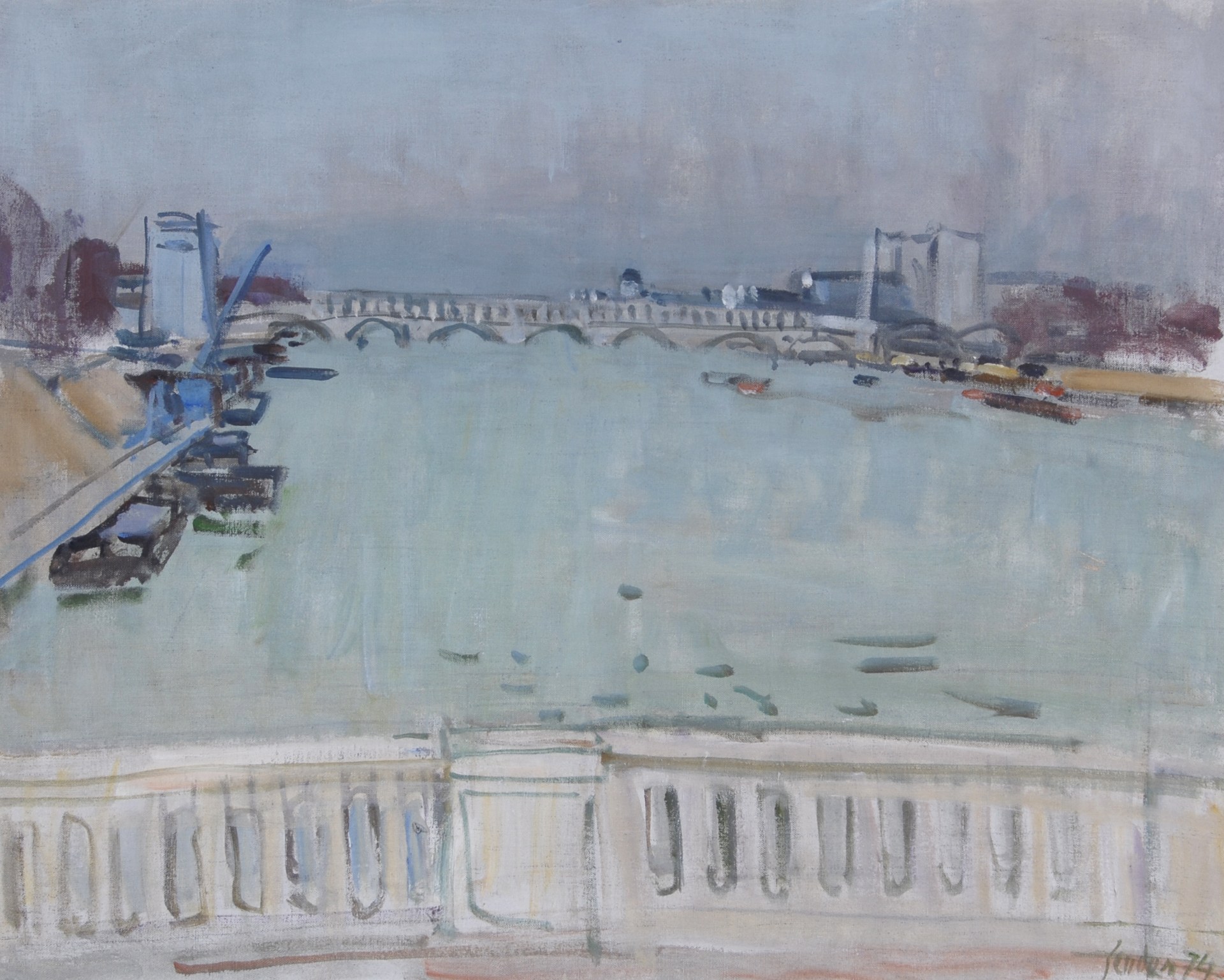
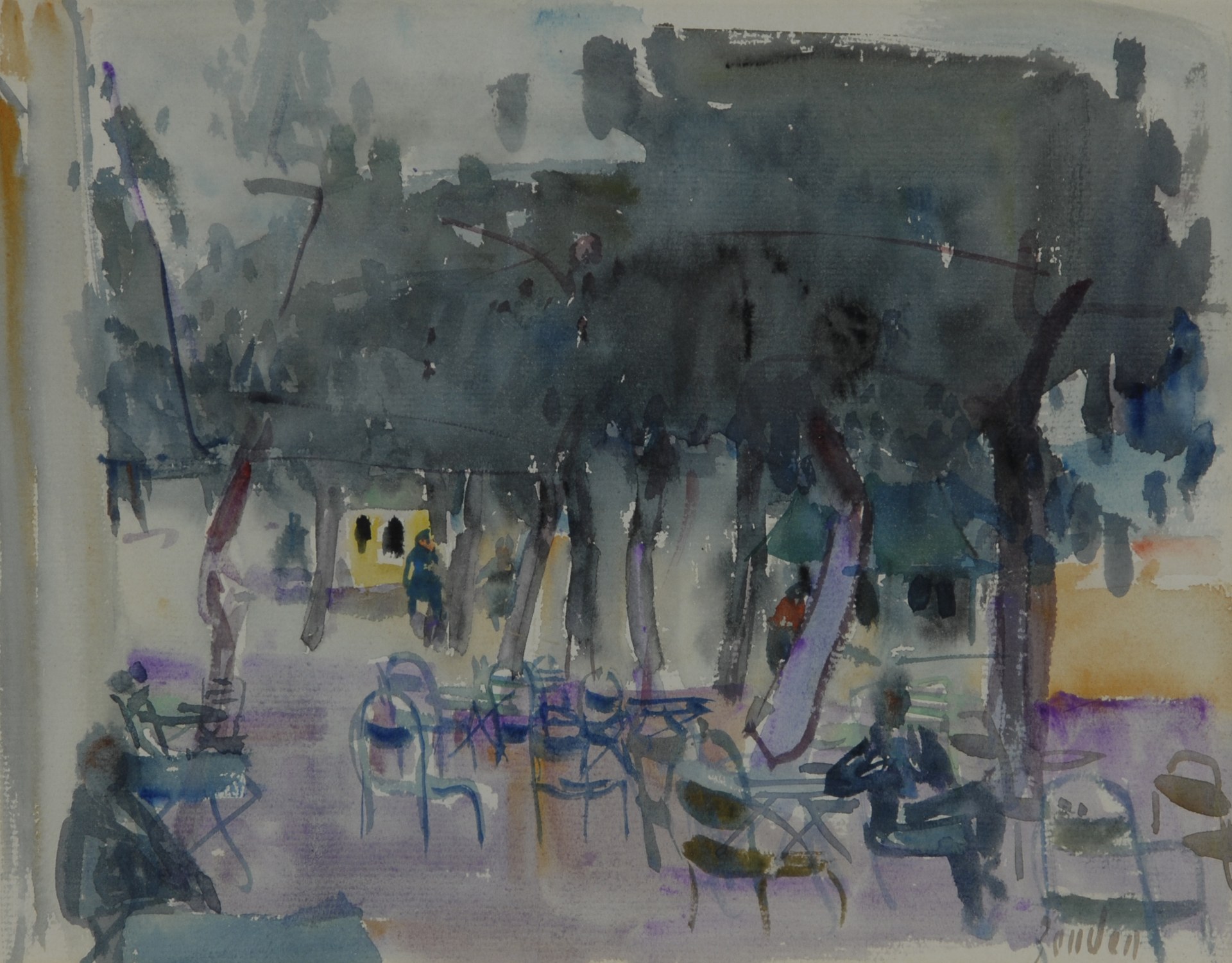
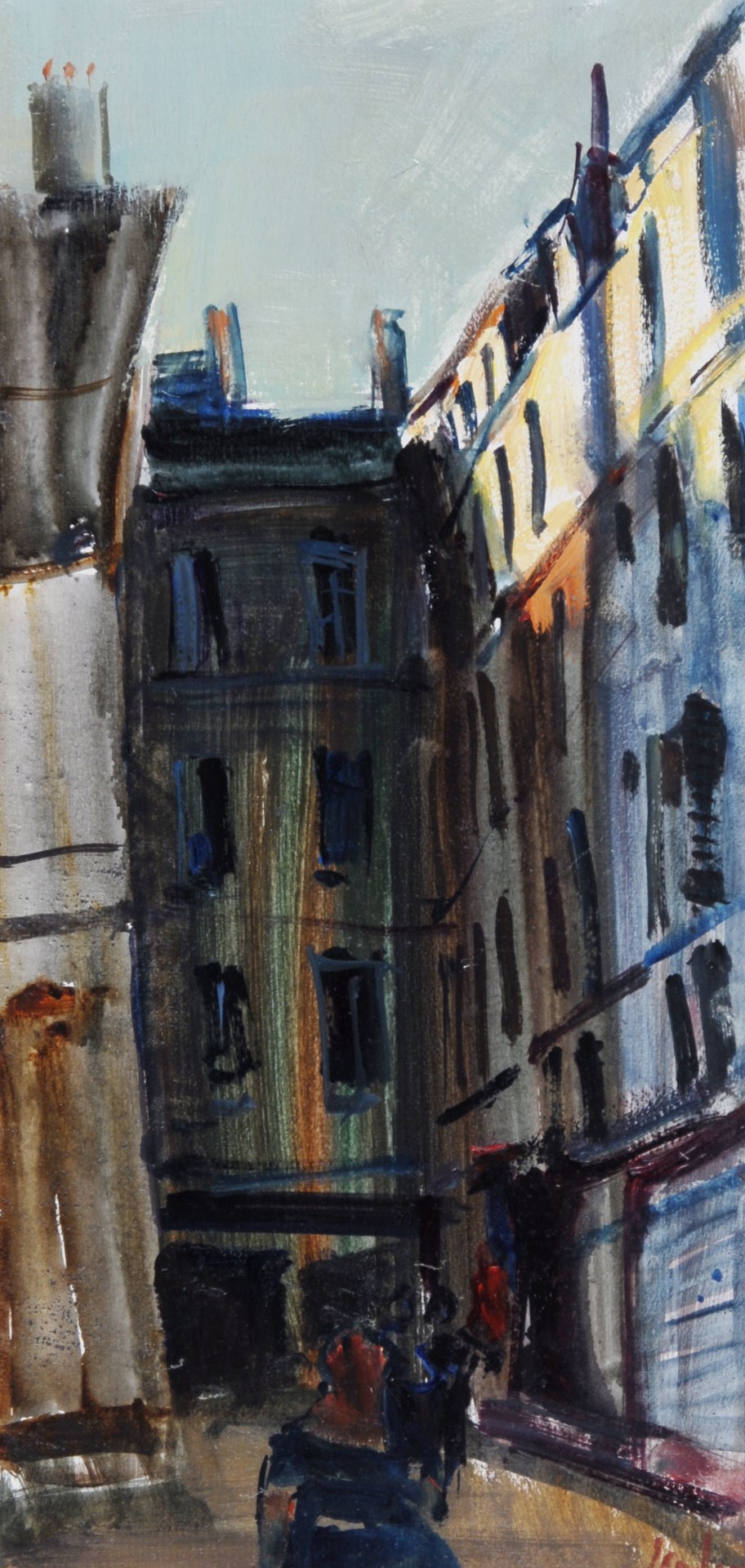
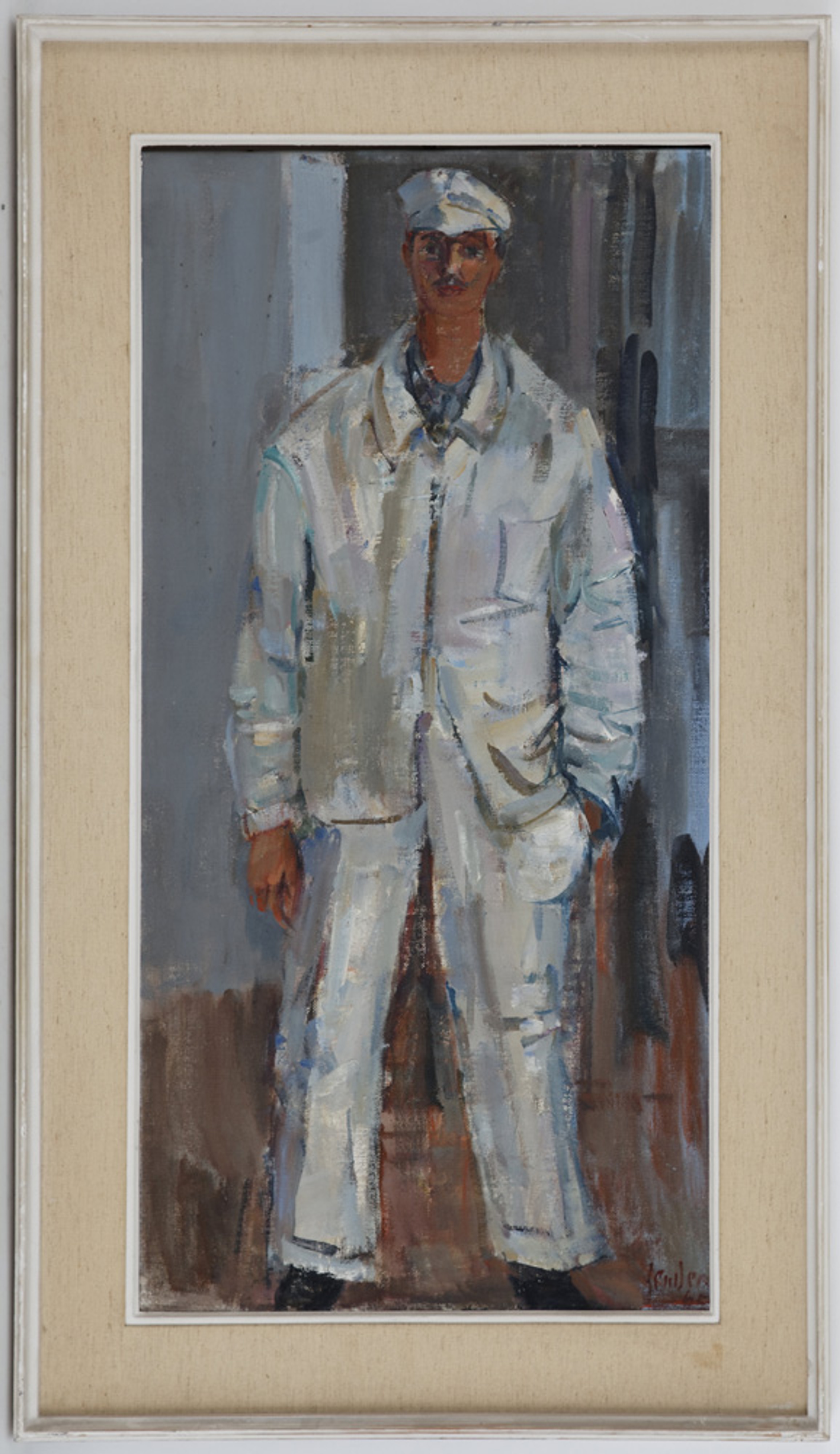
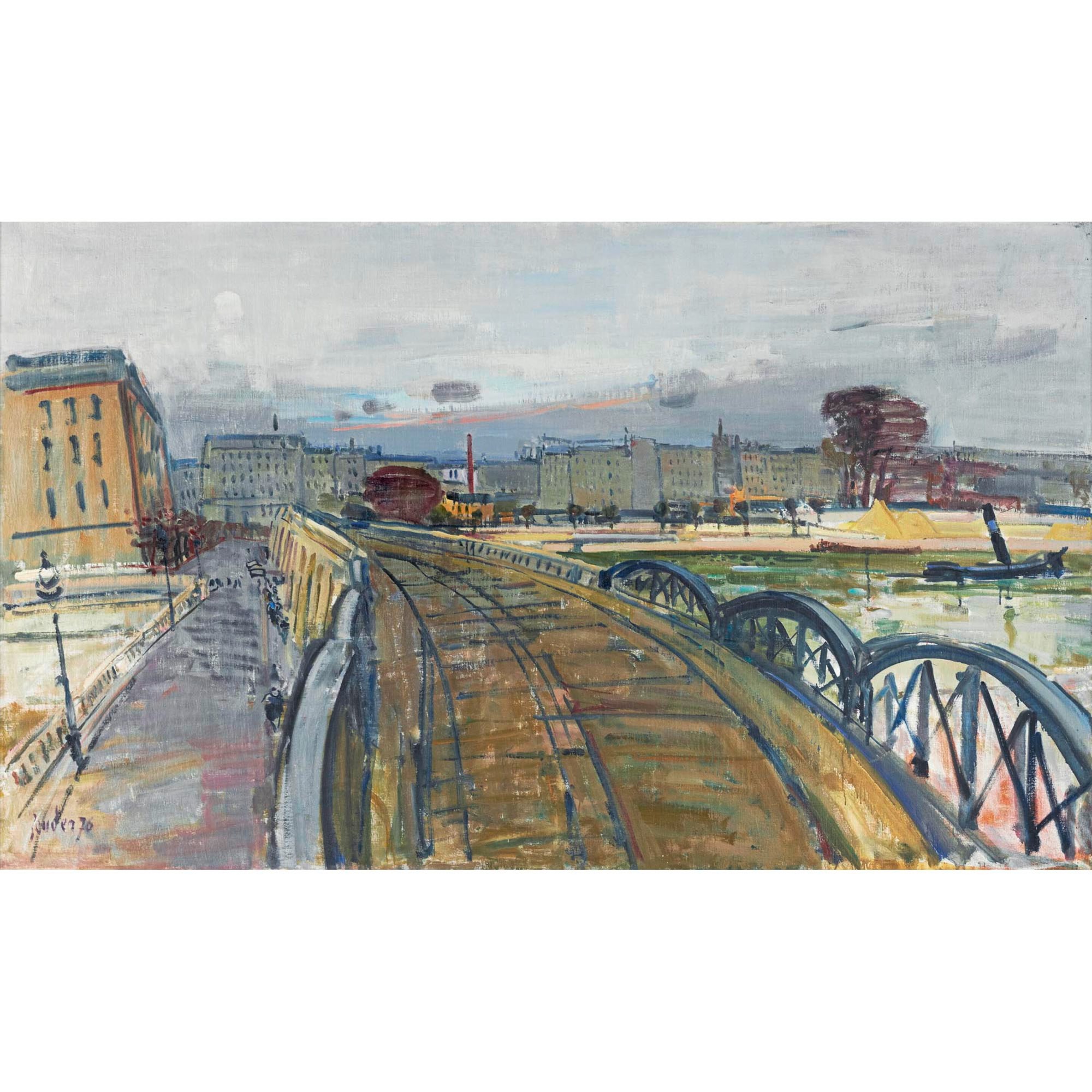
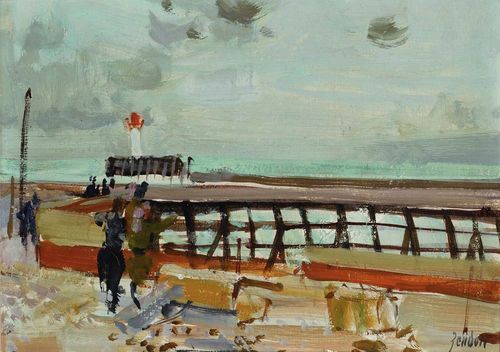
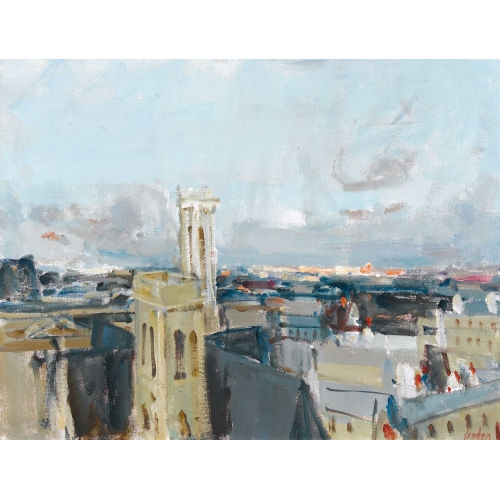
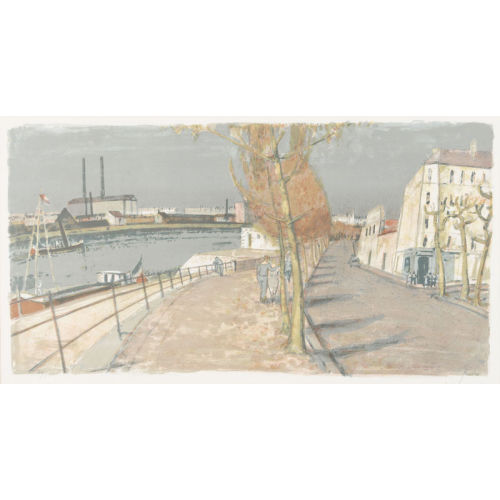
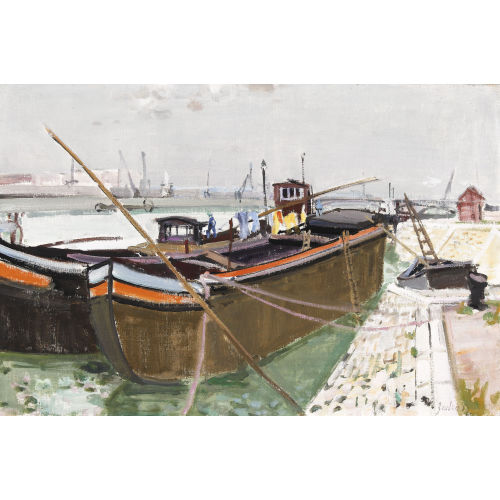
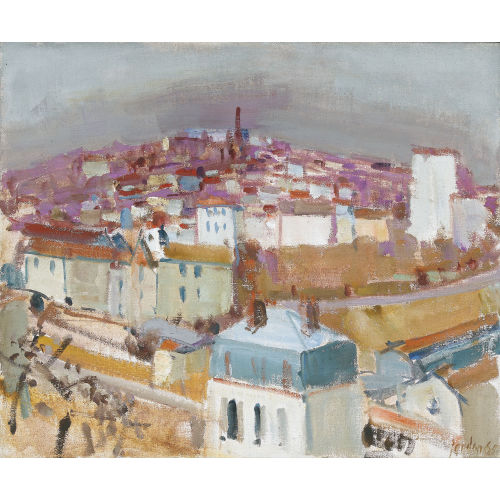
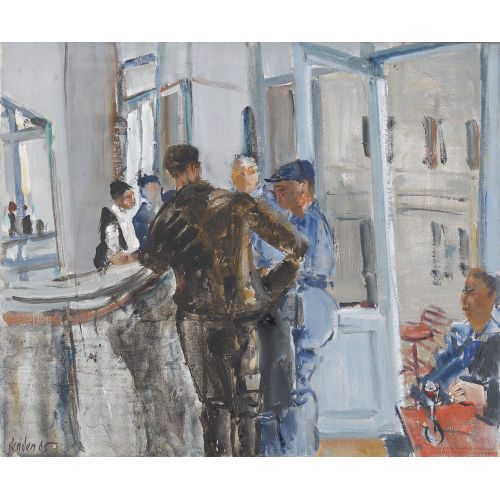
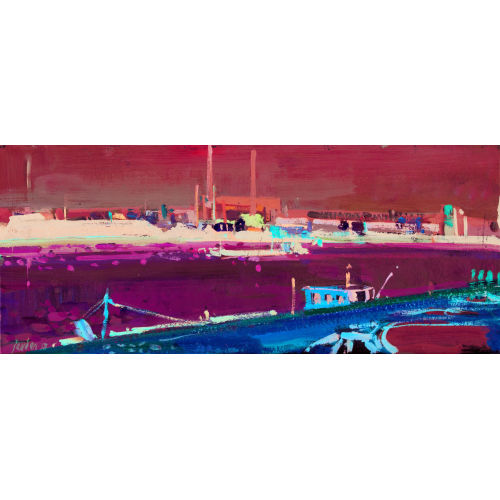
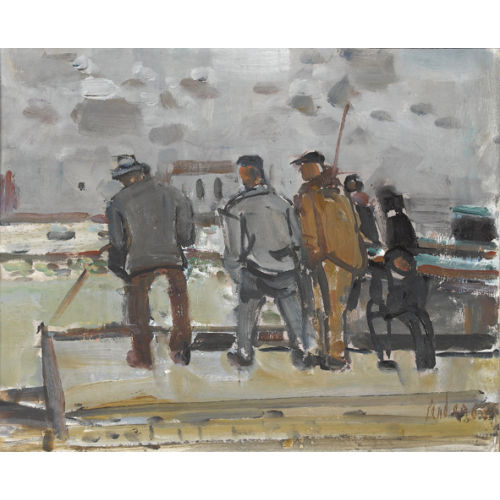
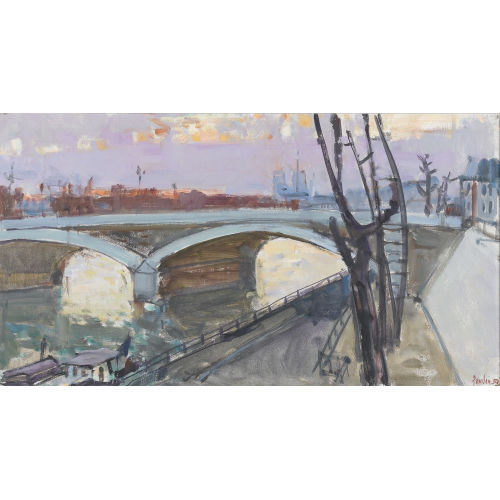
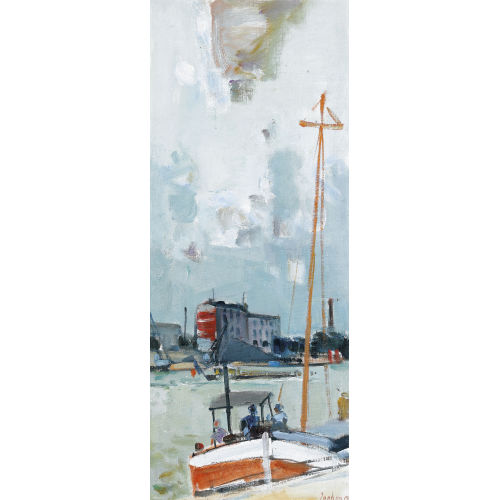
Paris occupies a privileged place in the work of Rudolf Zender (1901–1988). The banks of the Seine, the streets and rooftops of the capital nourish a form of painting attentive to the effects of light. For this Swiss artist associated with Winterthur, the daily experience of these places becomes a way of renewing his gaze.
Zender discovered Paris in 1924. His son Jean-Claude Zehnder left a precise account of this relationship: the painter would set out with his paintbox and canvas, take the Métro, and look for his subject along the river or in the city. This account reveals a practice founded on regular work and concentration.
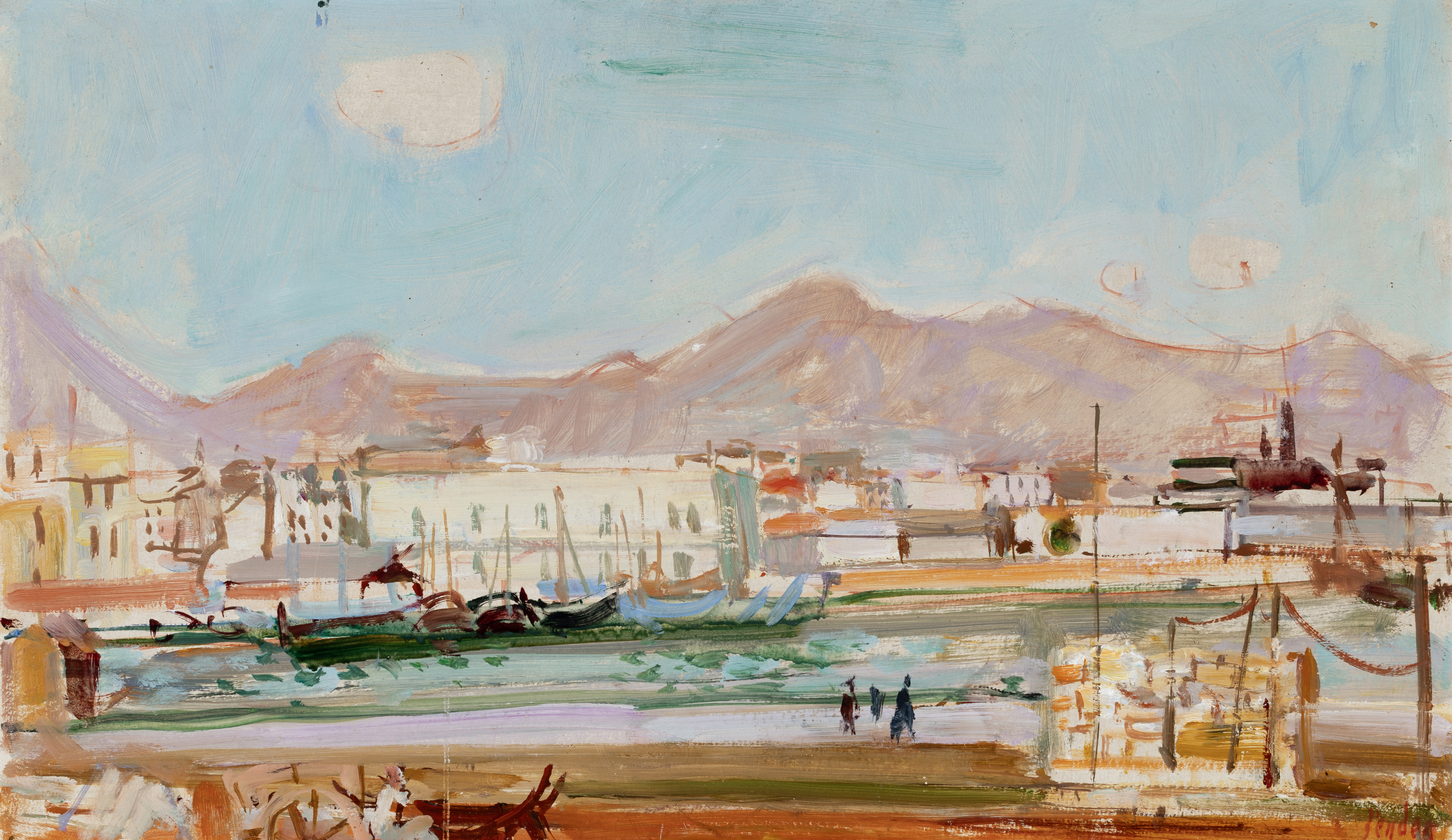
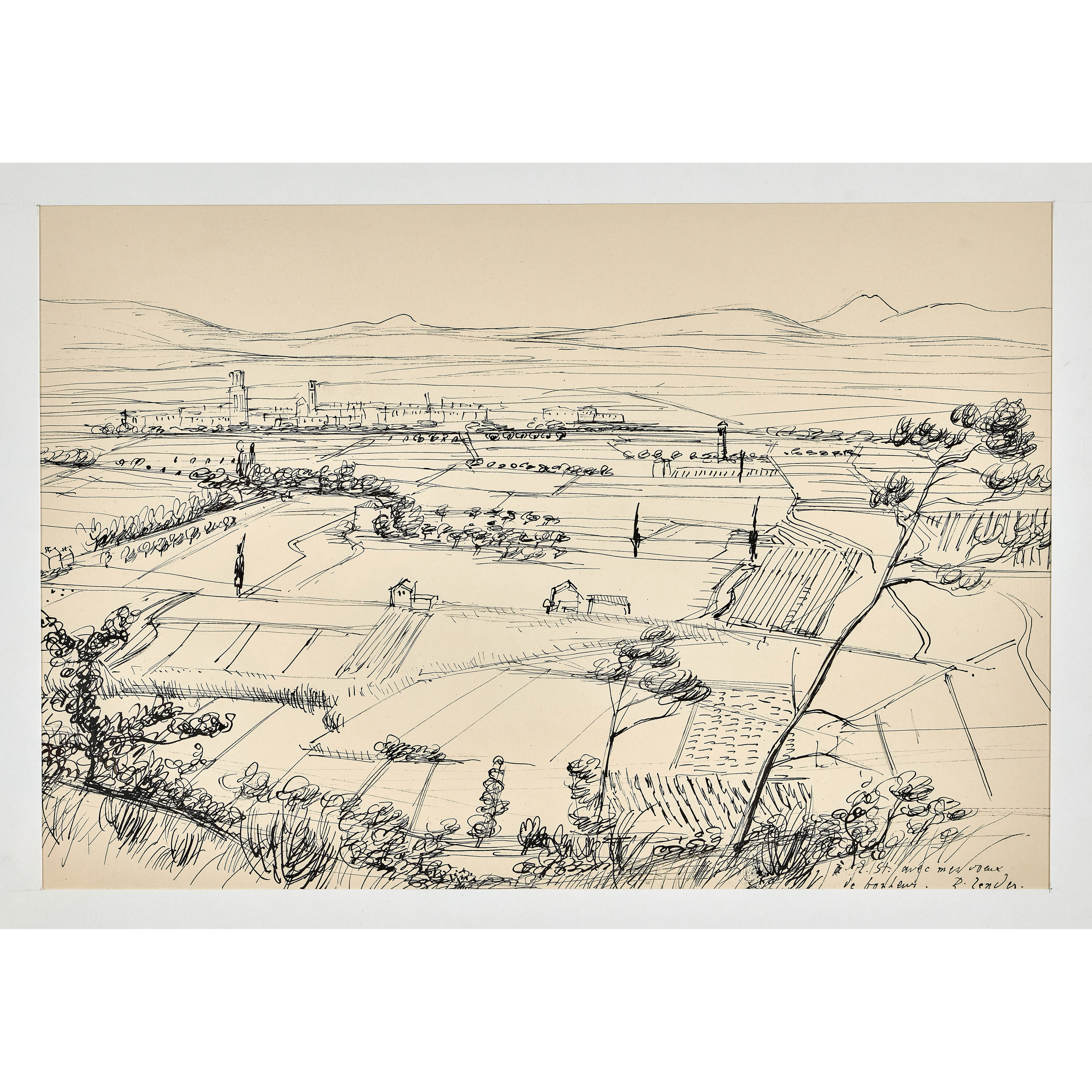
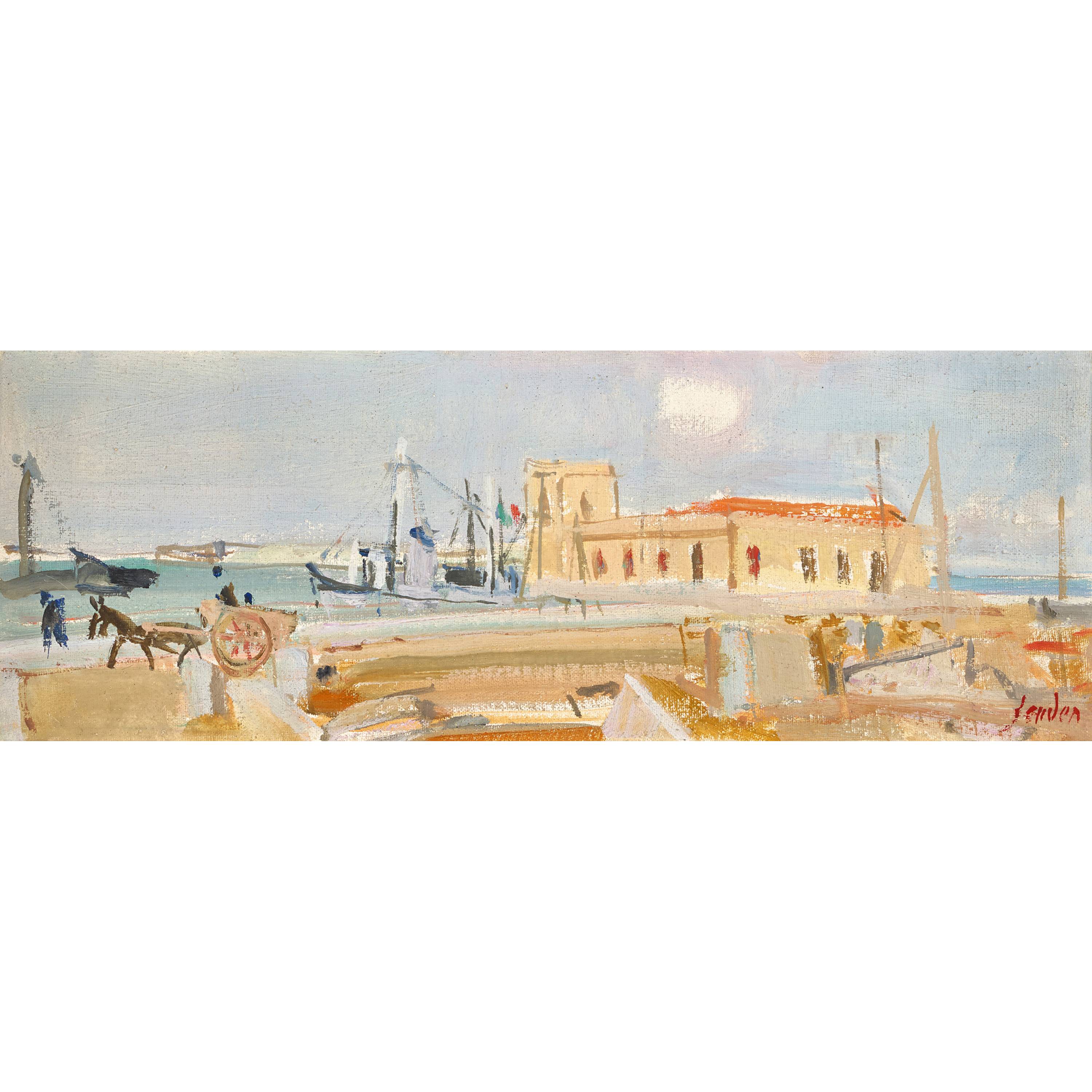
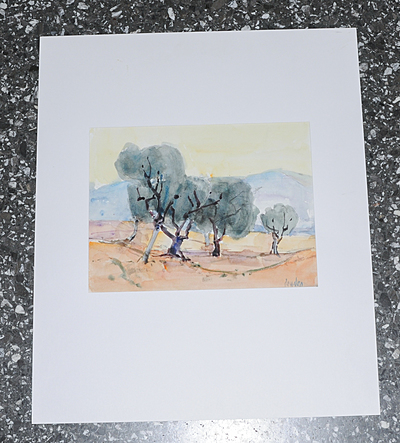
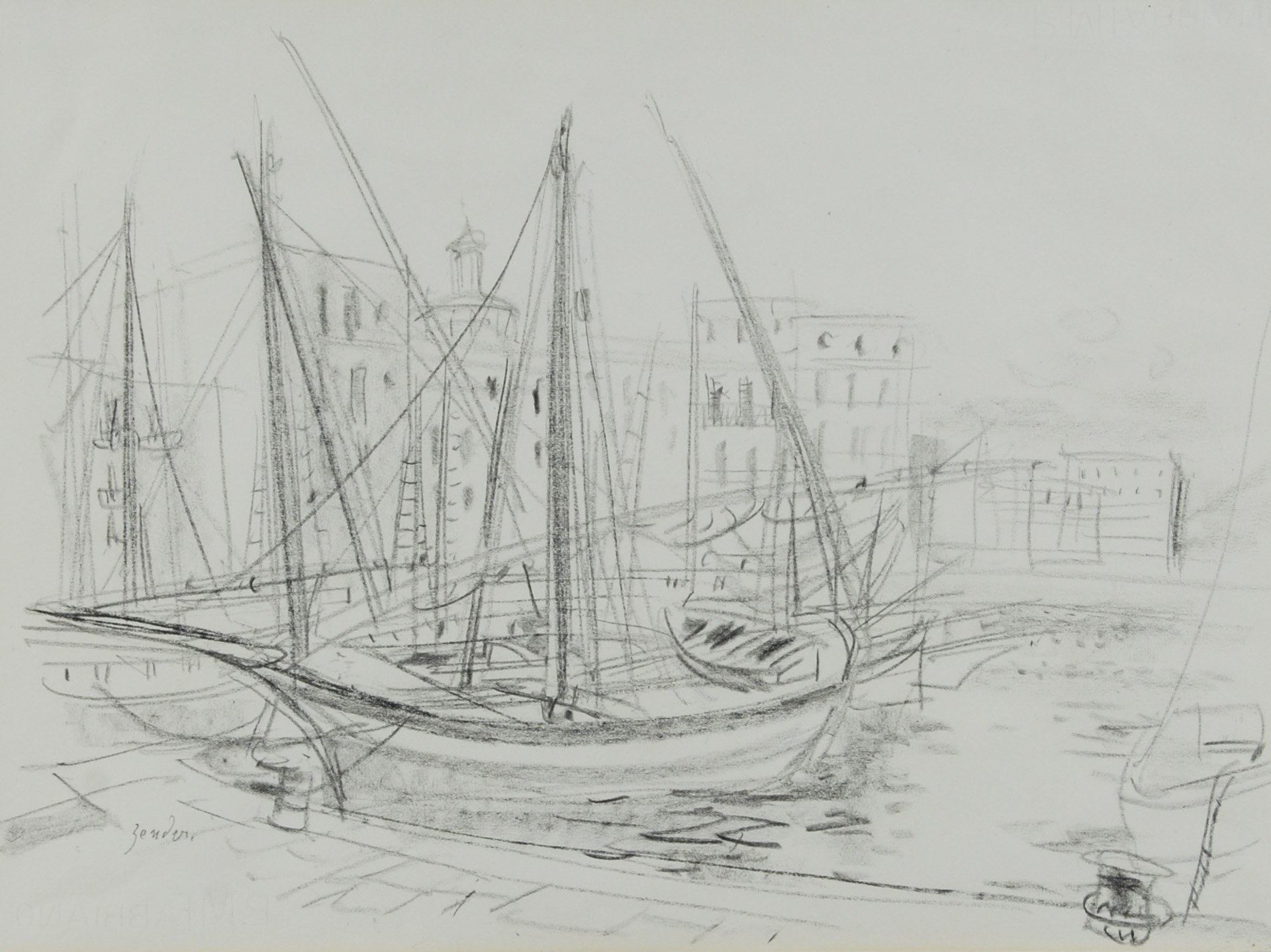
After the Second World War, his life unfolded between France and Switzerland. Paris, as well as certain stays in Italy, offered him periods devoted to creative work. In Switzerland, exhibitions, exchanges with collectors, and lithographic work at the Wolfsberg studio in Zurich structured his activity.
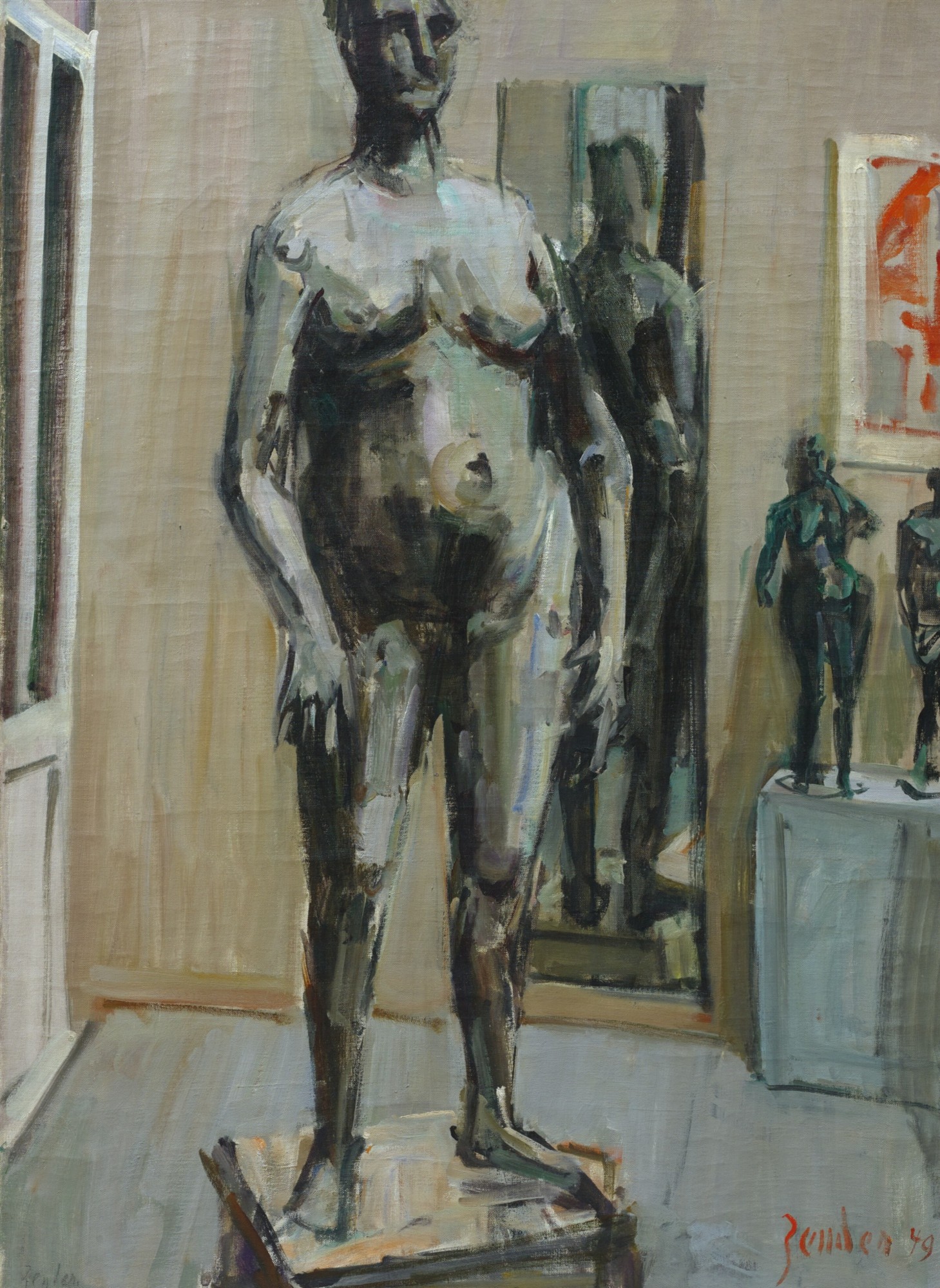
His career was also embedded in the artistic life of Winterthur. The city museum devoted a major exhibition to him in 1934, and in 1957 presented him together with the sculptor Otto Charles Bänninger. Later tributes, particularly those marking his centenary, testify to the continuity of this connection.
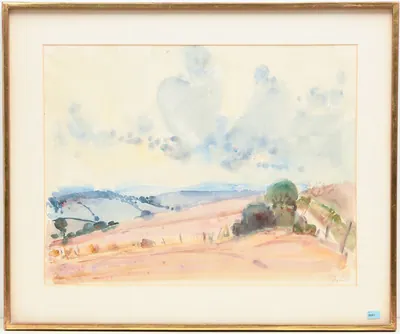
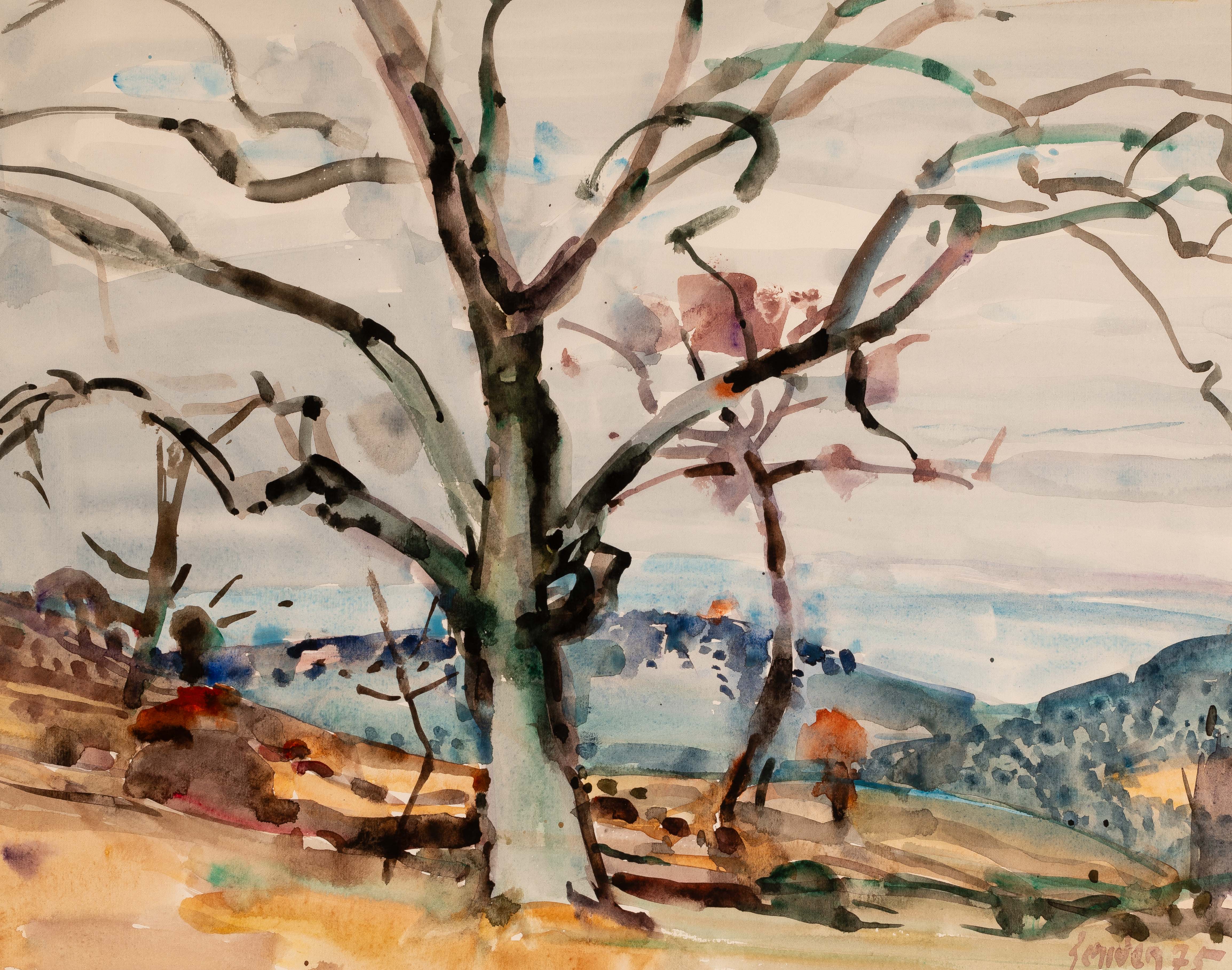
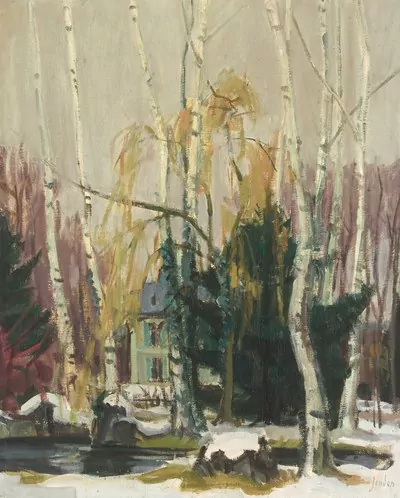
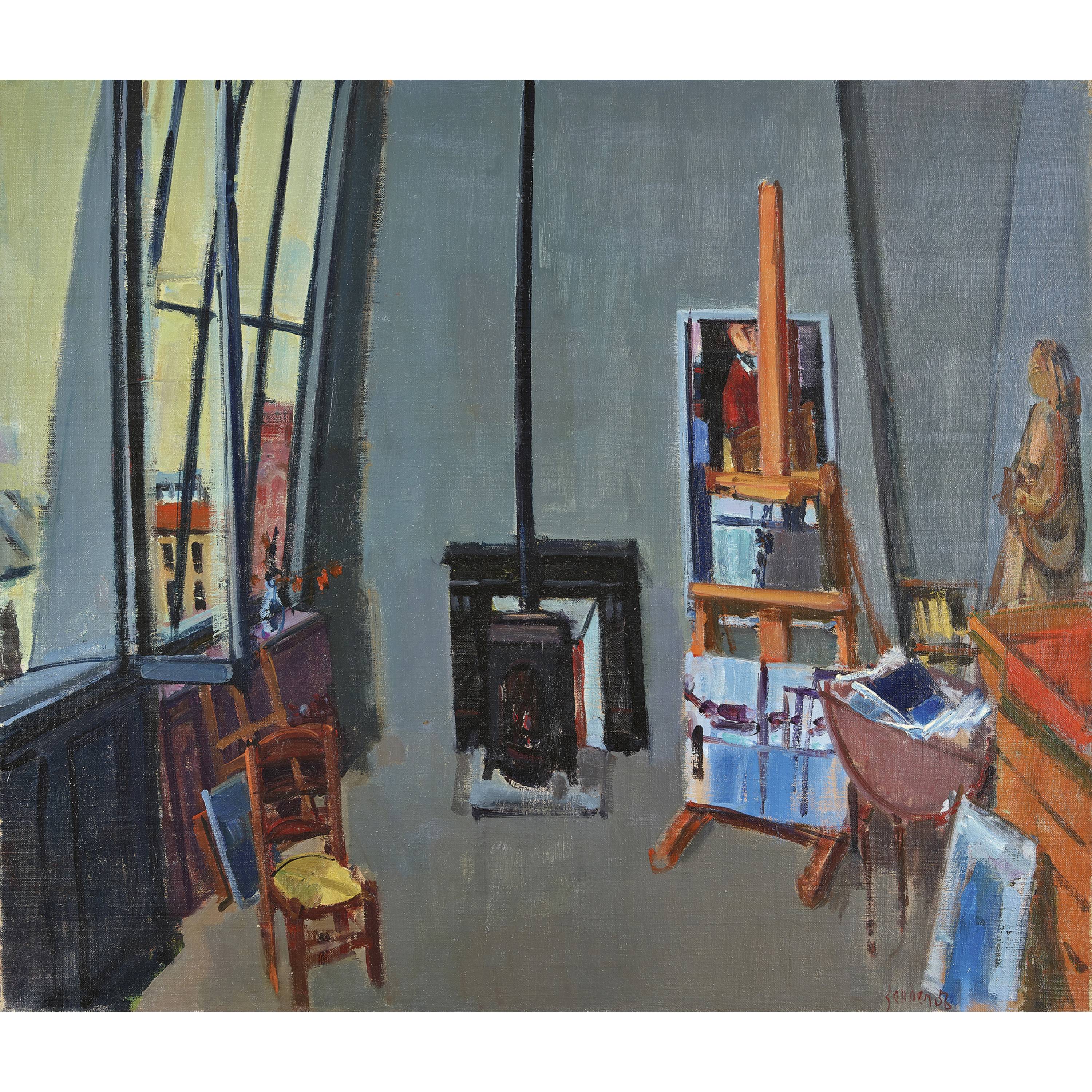
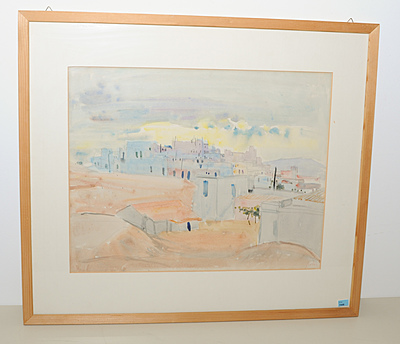
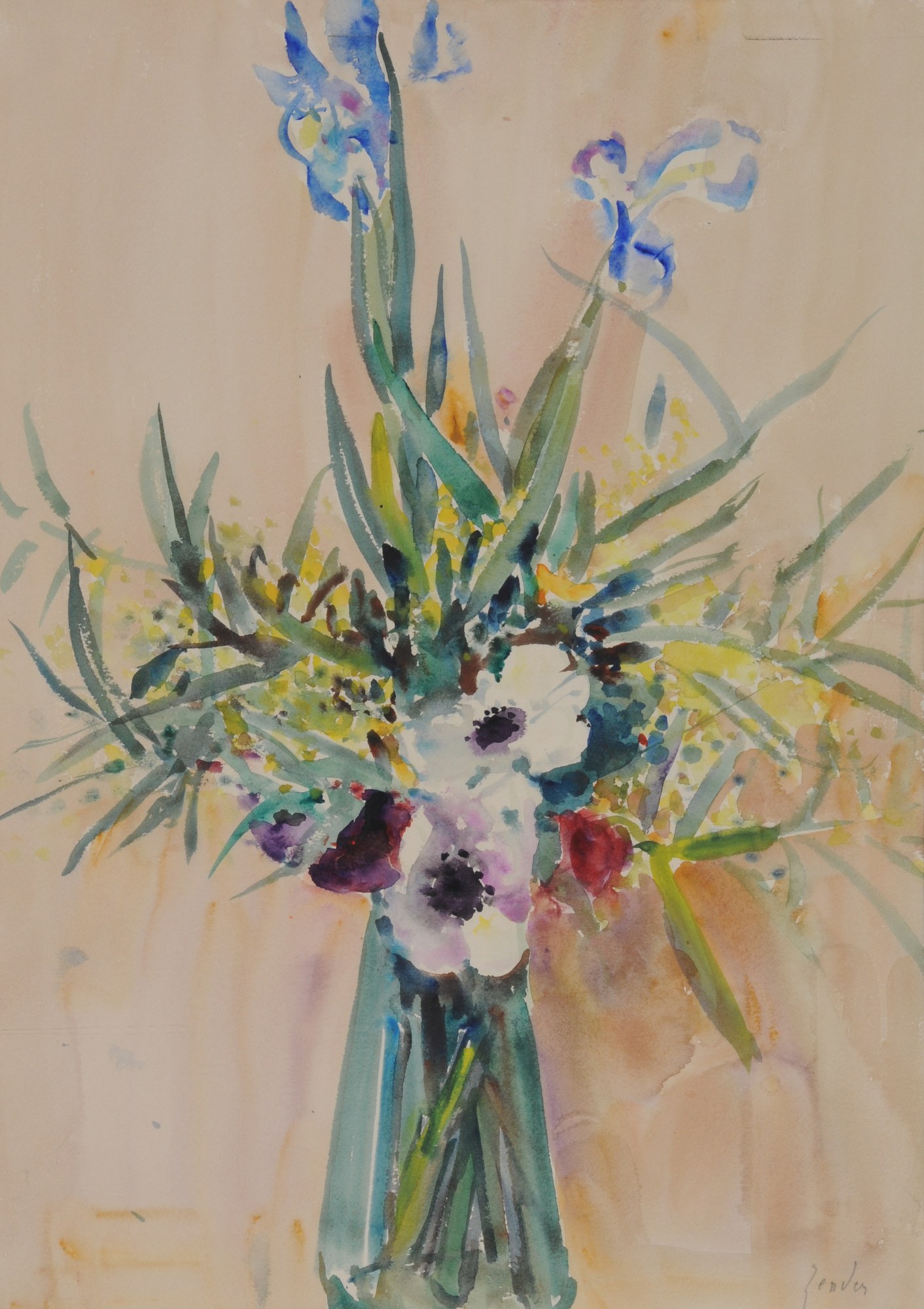
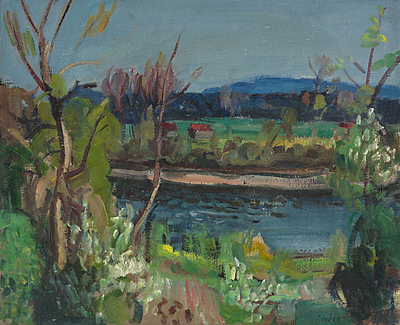
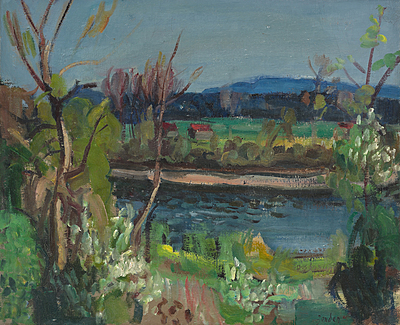
In 1974, Zender was still painting large views across the Paris rooftops. Having returned to Switzerland in his final years, he continued his work with Zurich landscapes and watercolours made in Ascona.
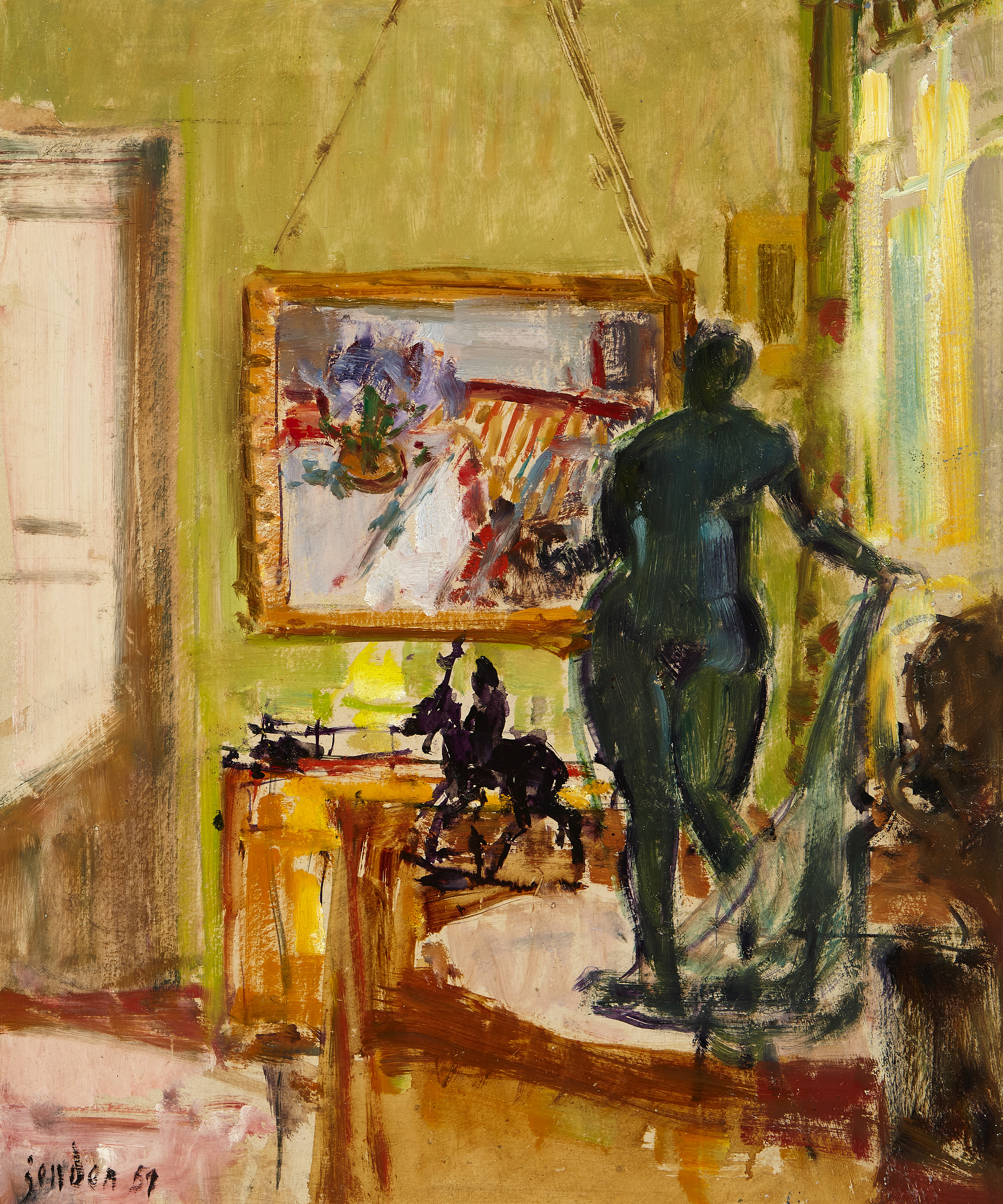
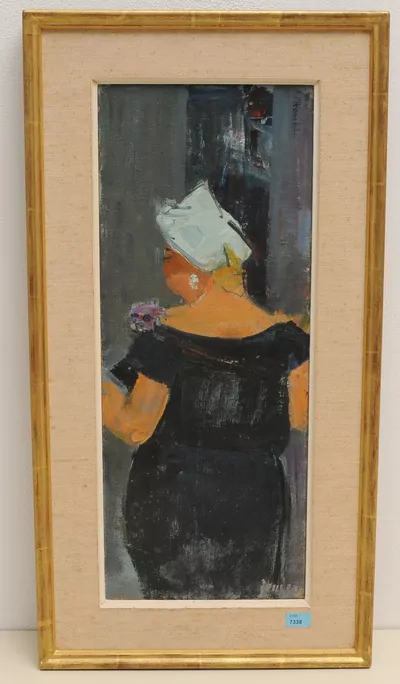
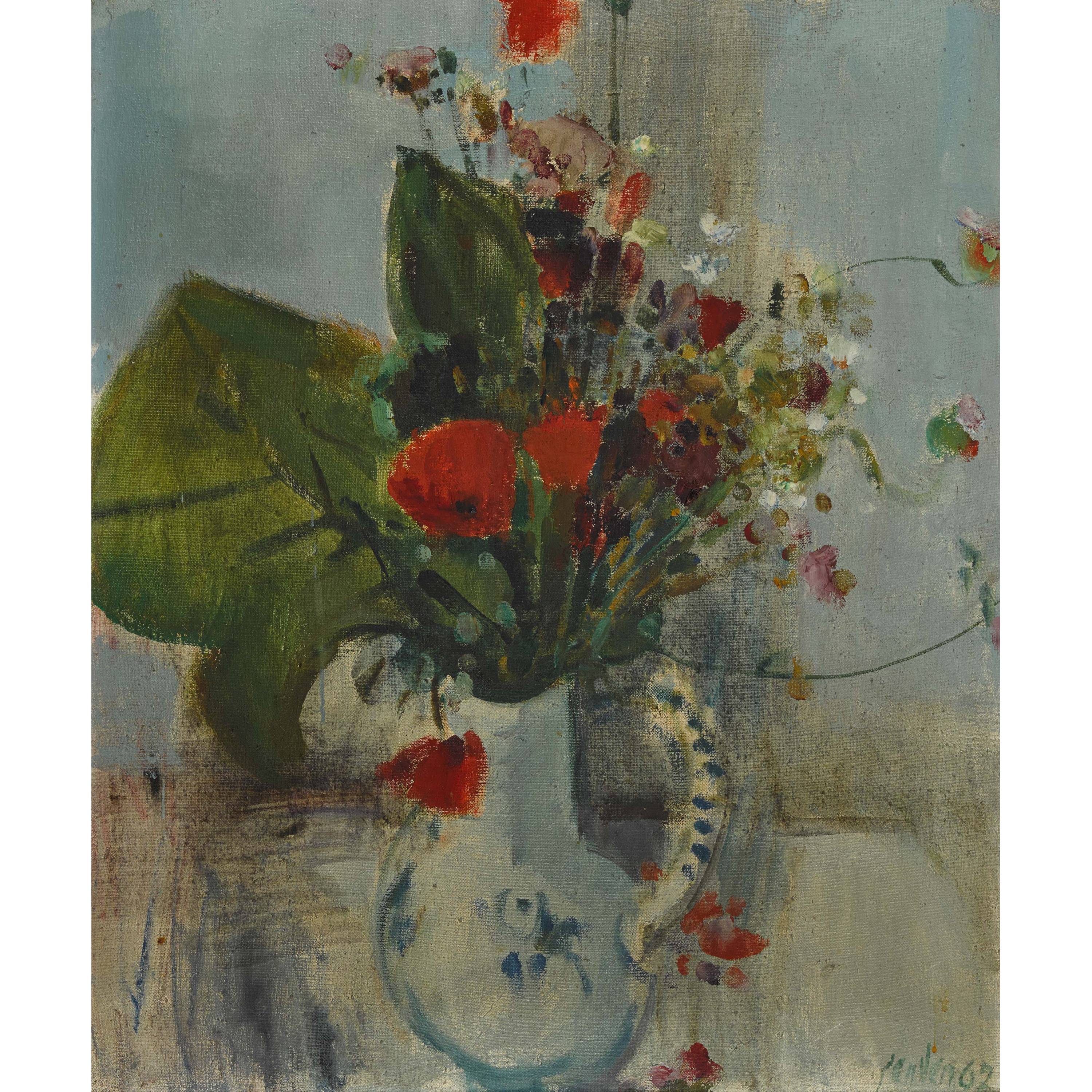
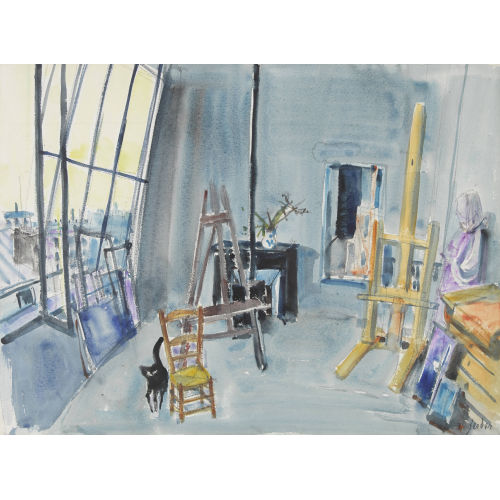
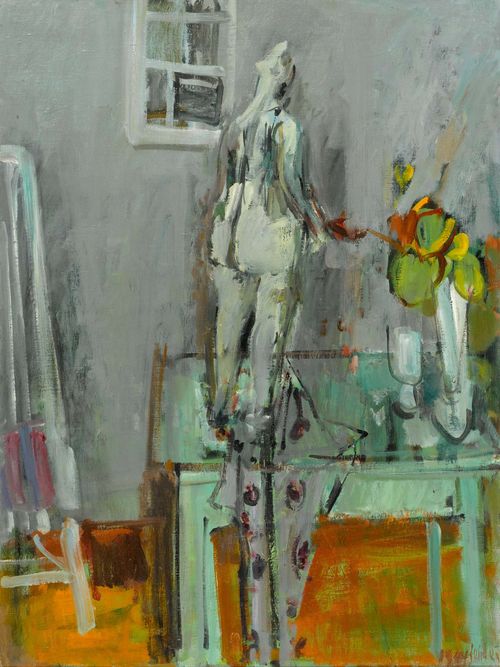
To enter this world, one might begin with a modest element: a façade, a quay, an opening between the buildings. One can then follow the way in which the colours organise the whole. The familiar subject thus becomes the starting point for an experience of painting attentive to places as much as to their atmosphere.