Rudolf Koller
Born in 1828.
Died in 1905.
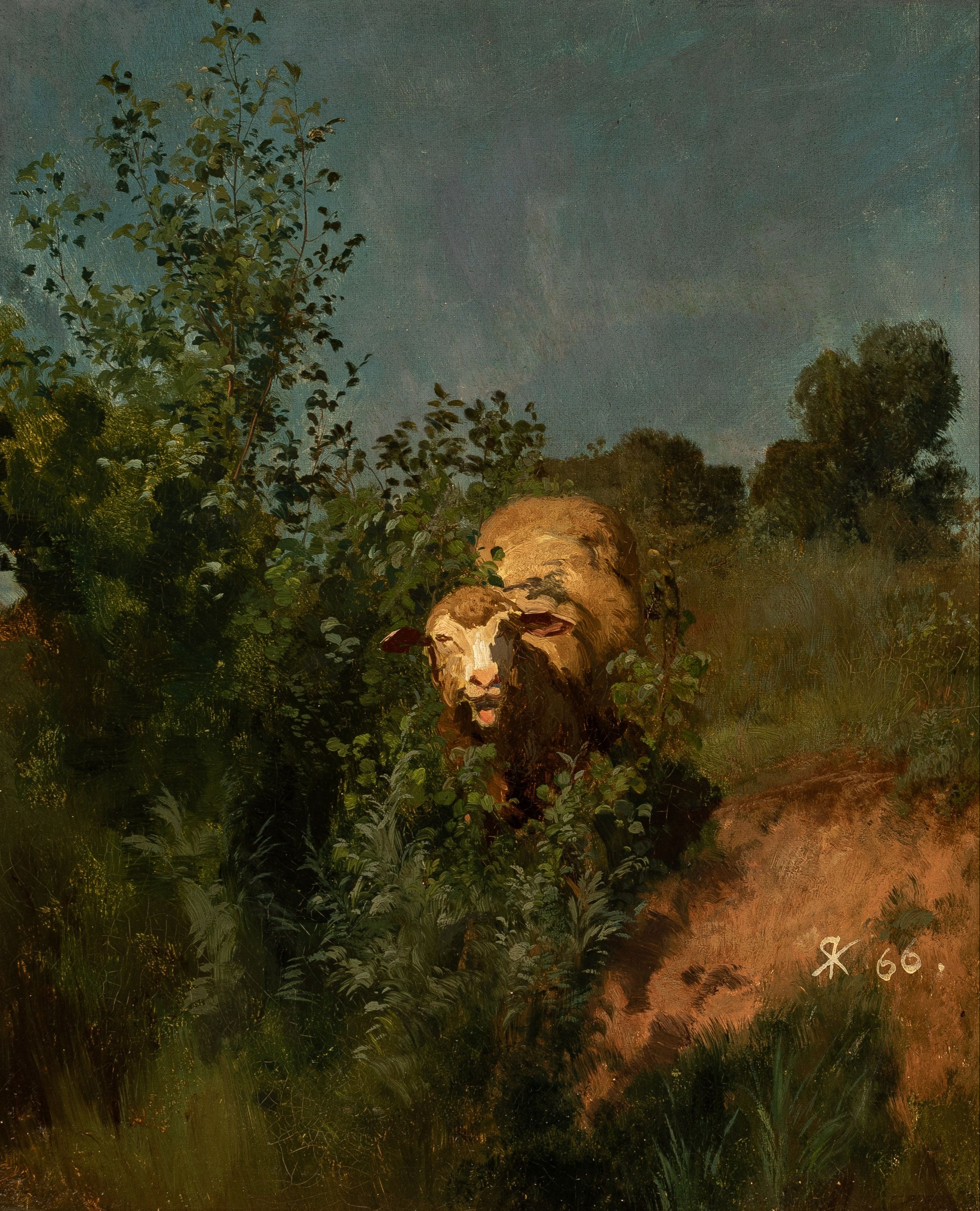
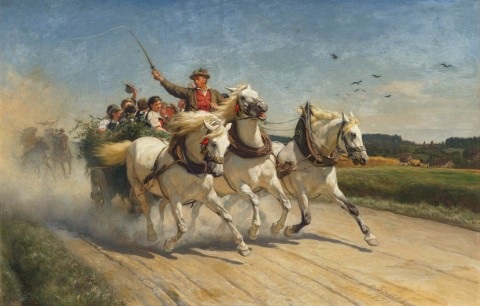
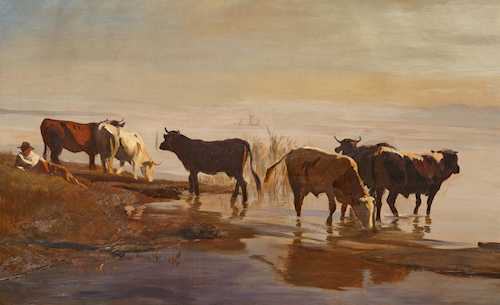
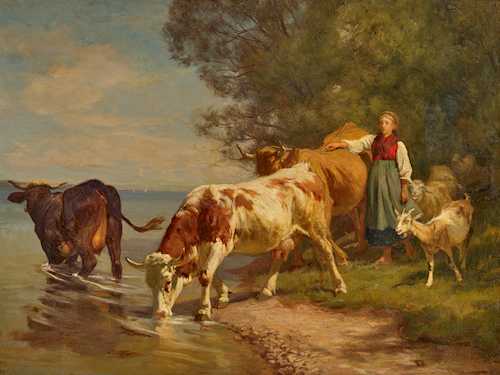
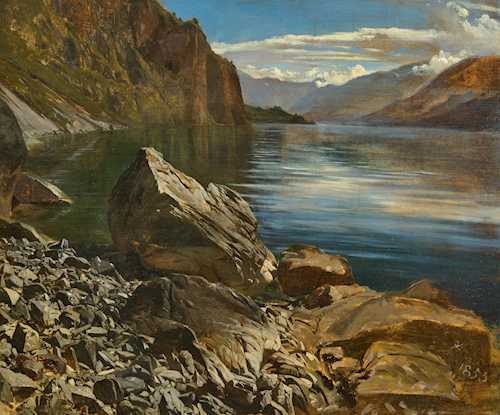
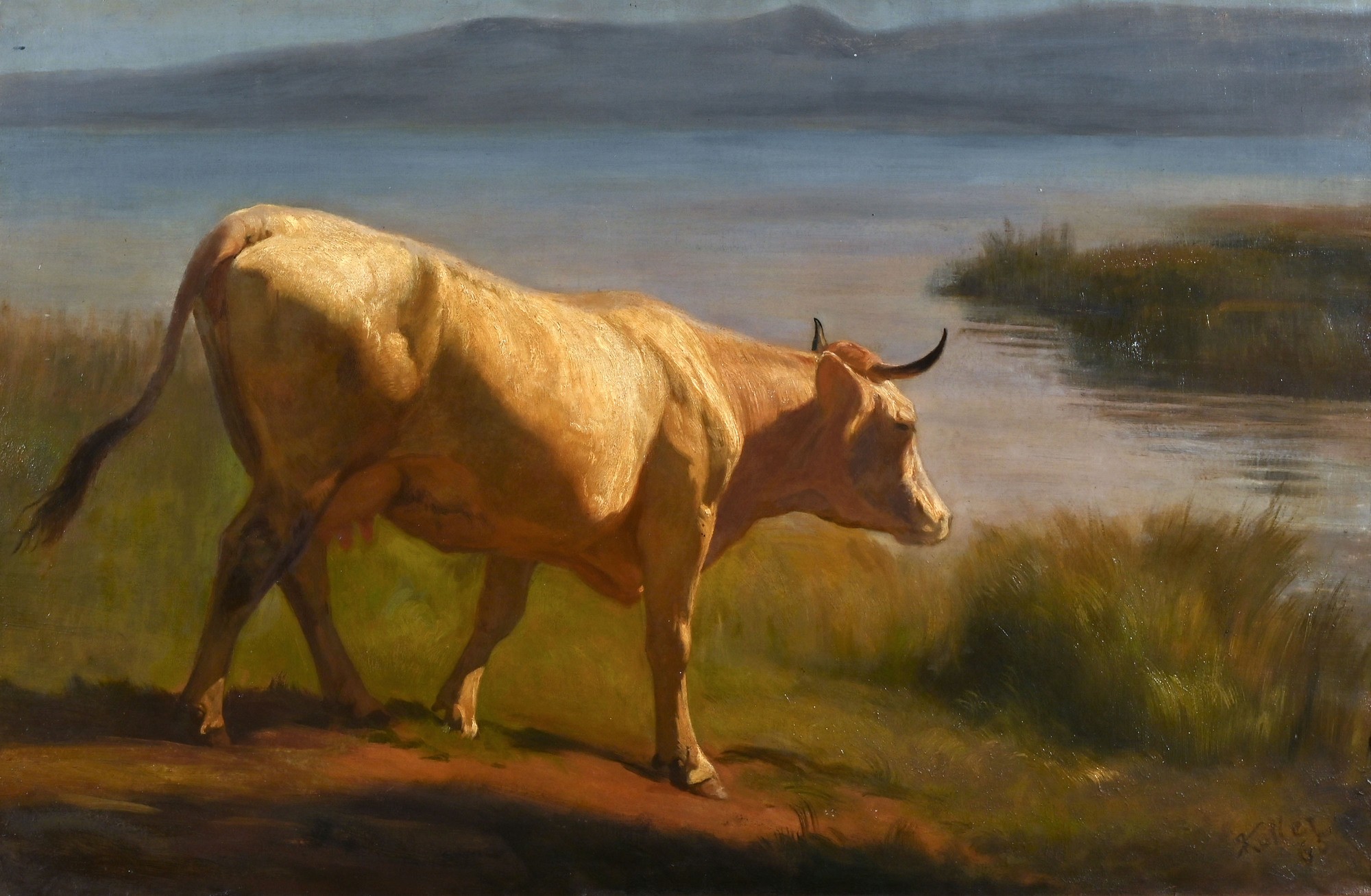
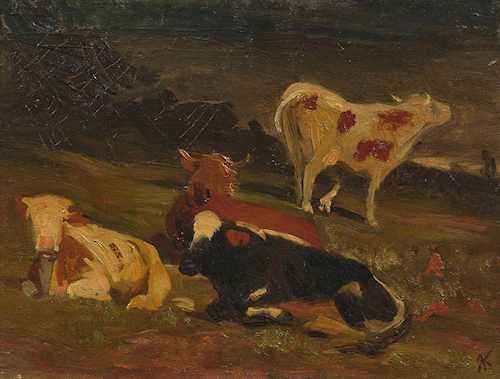
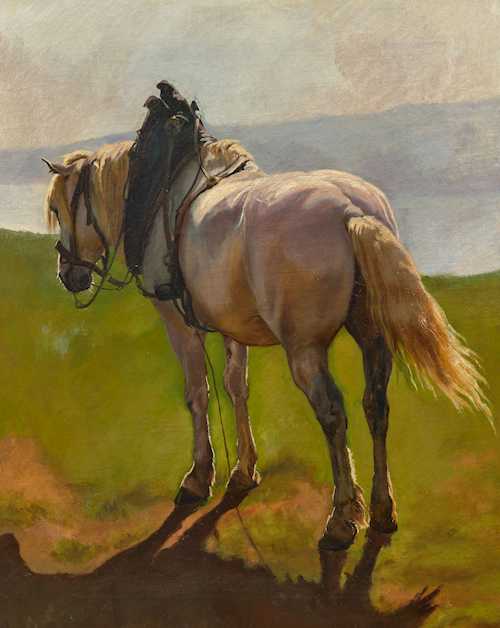
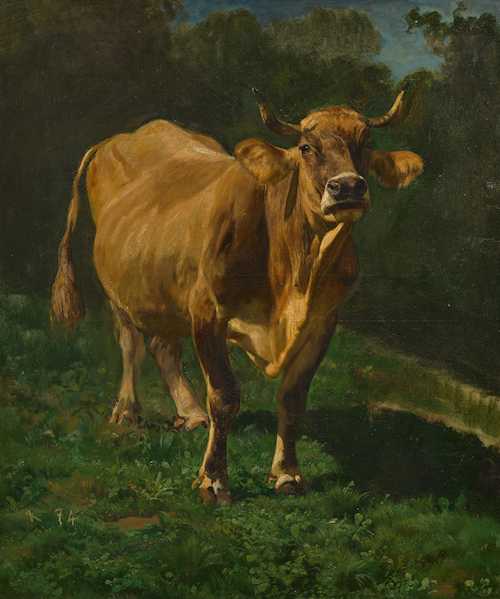
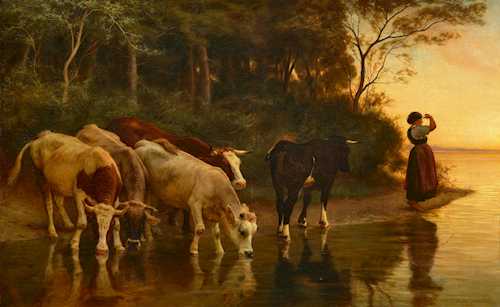
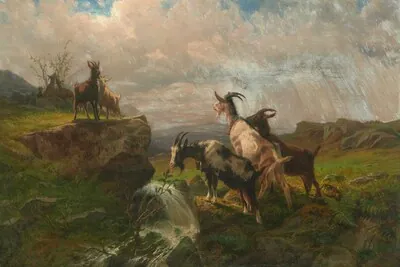
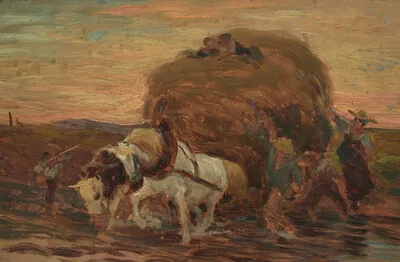
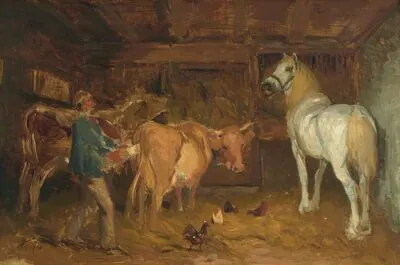
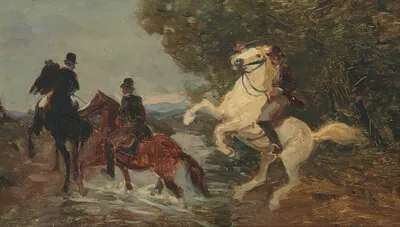
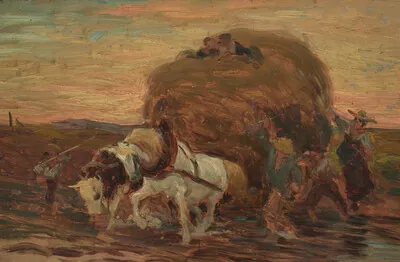
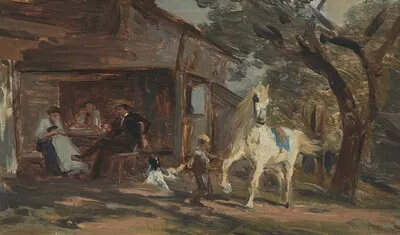
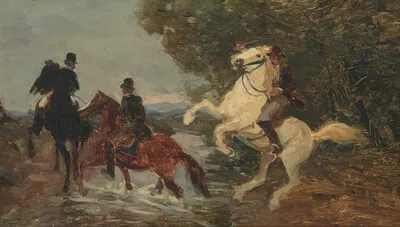
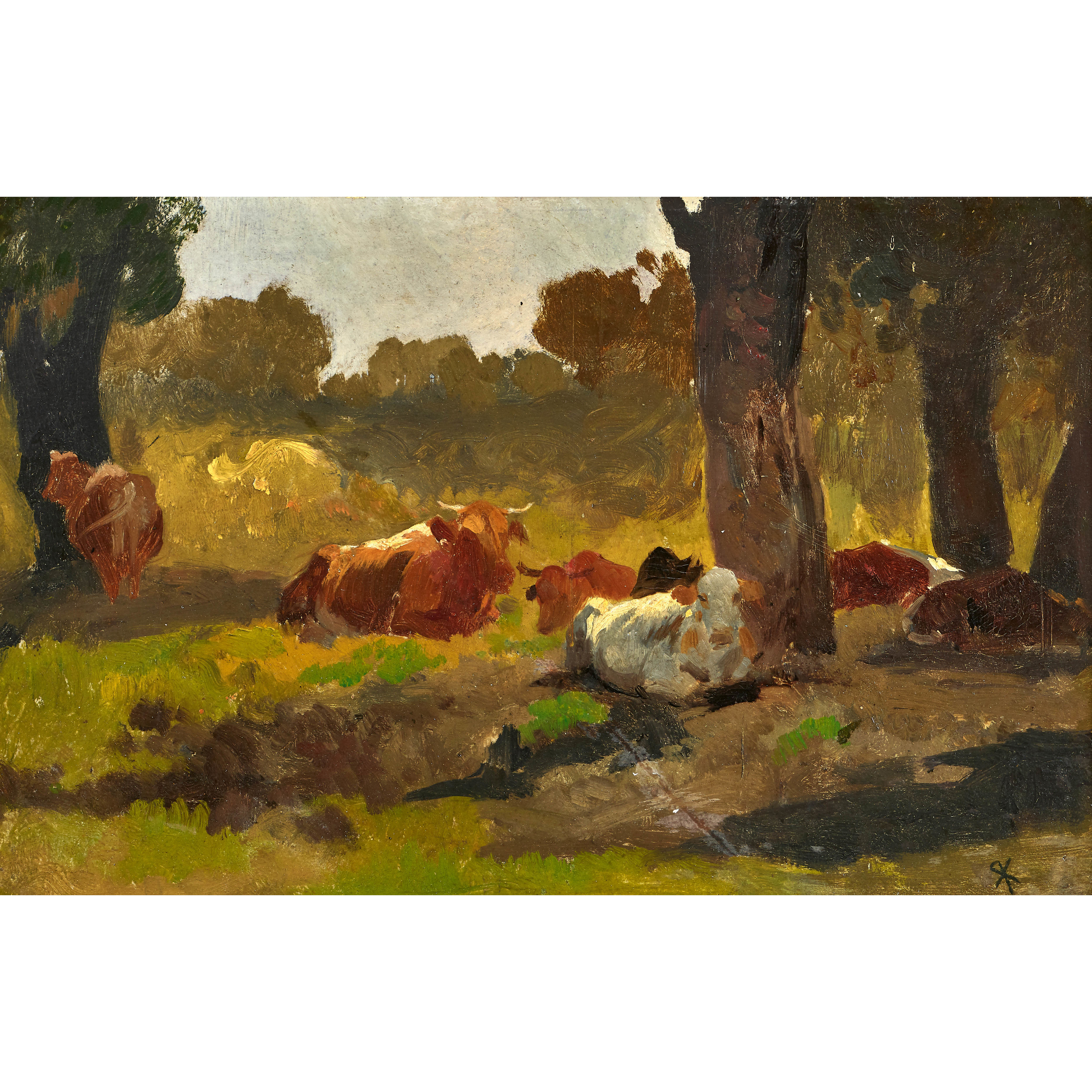
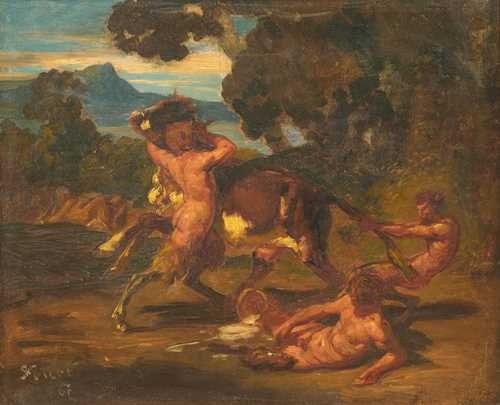
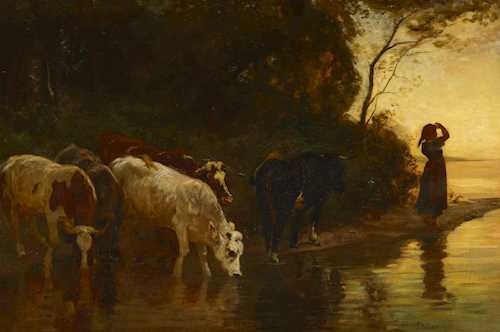
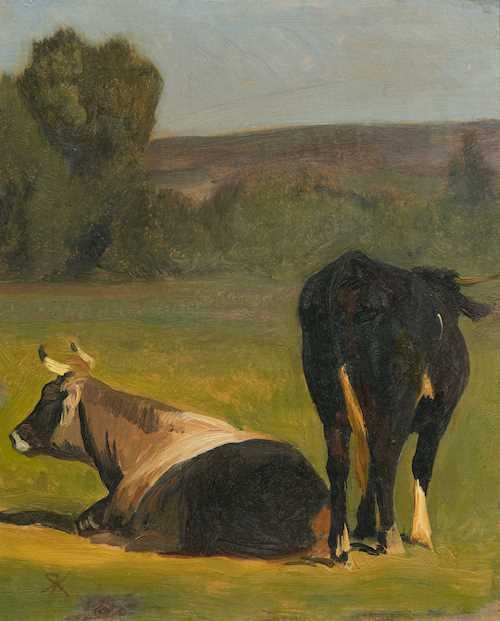
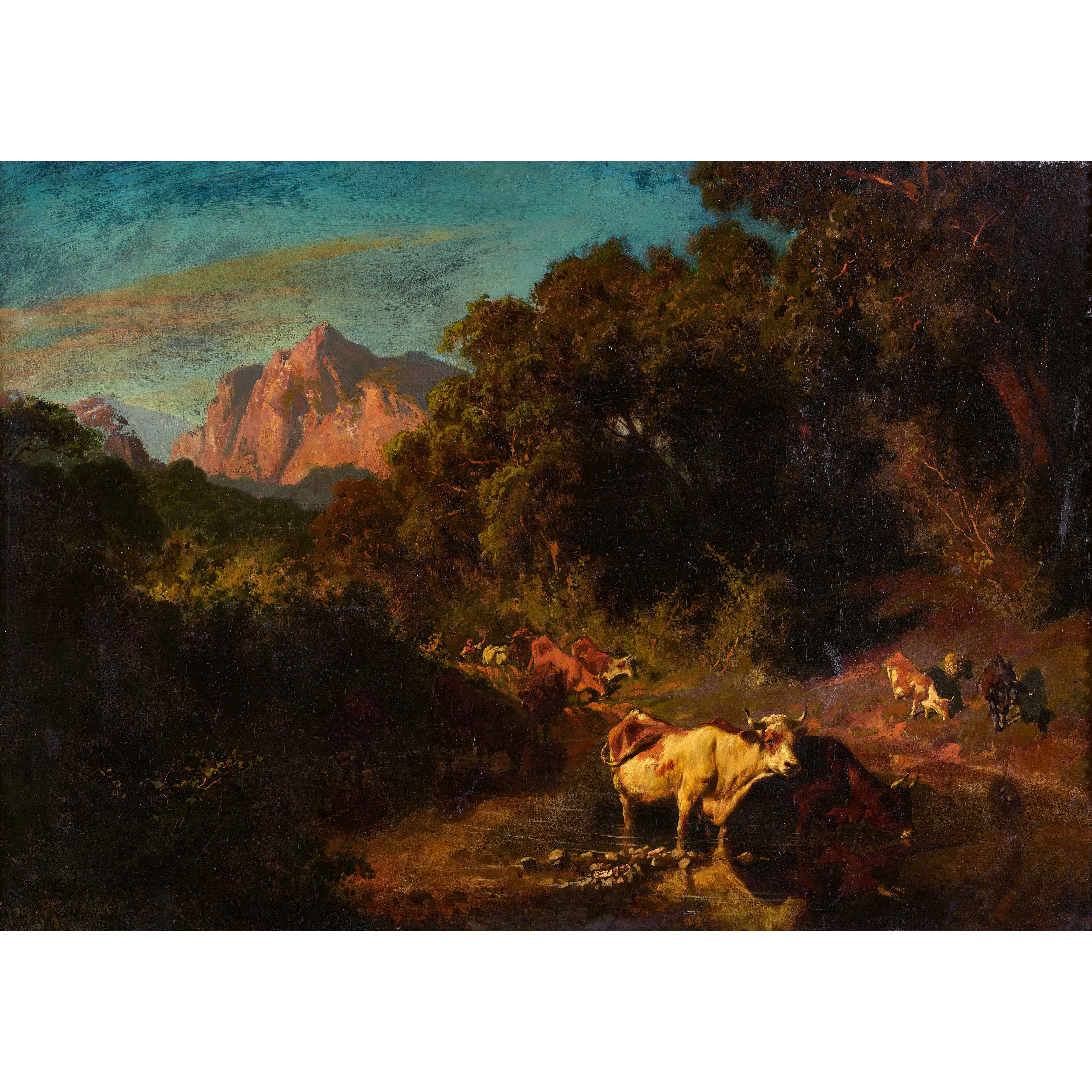
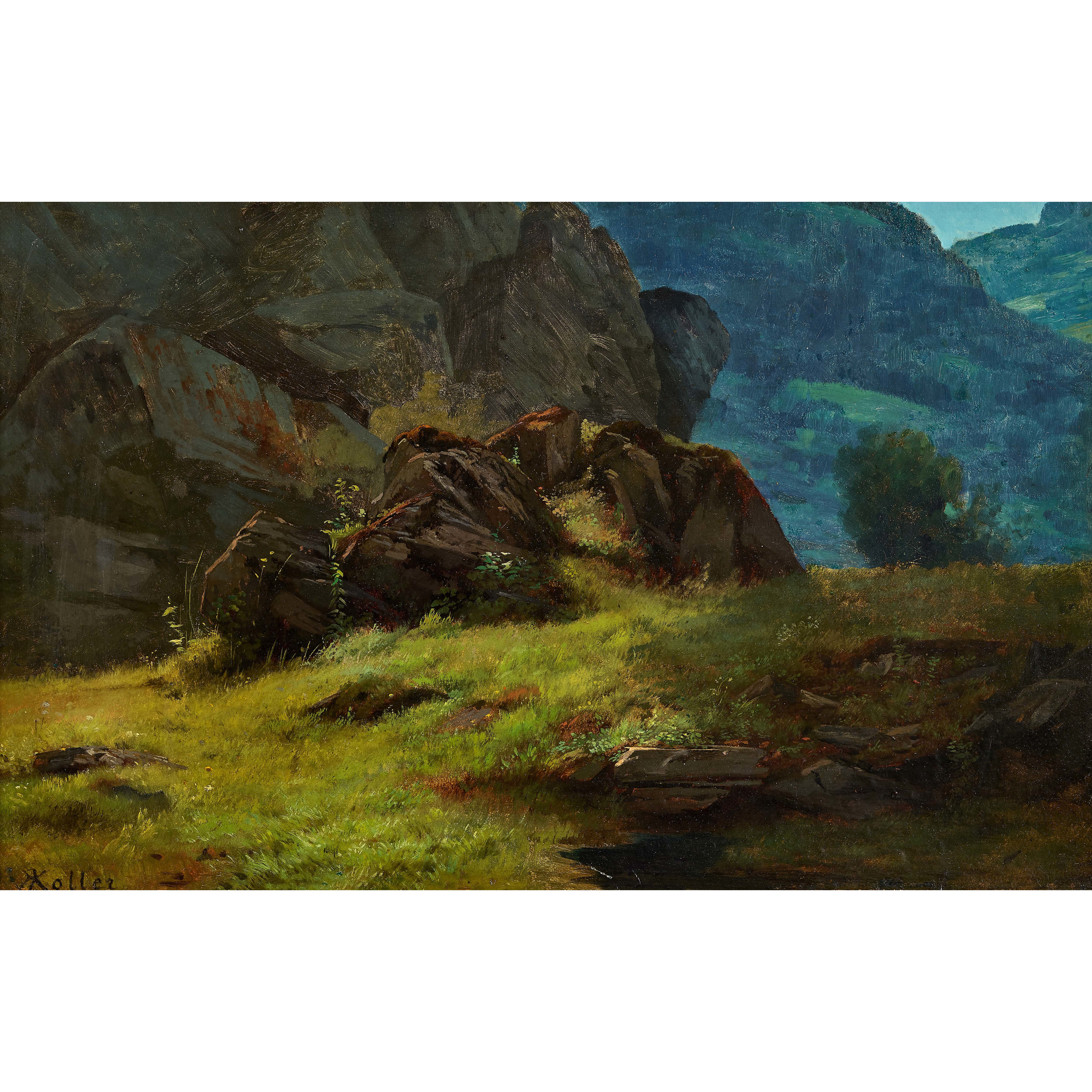
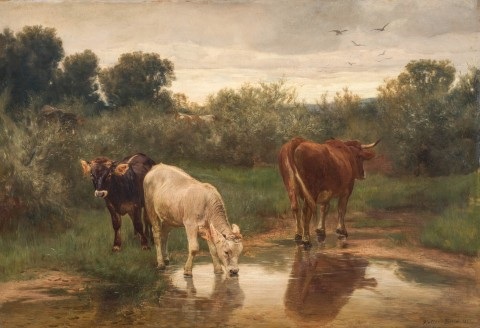
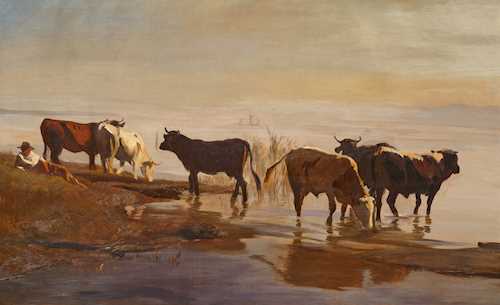
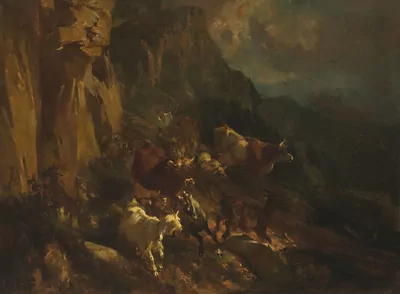
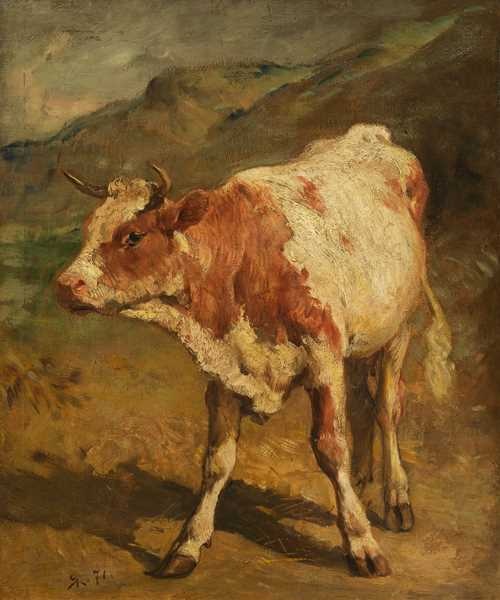
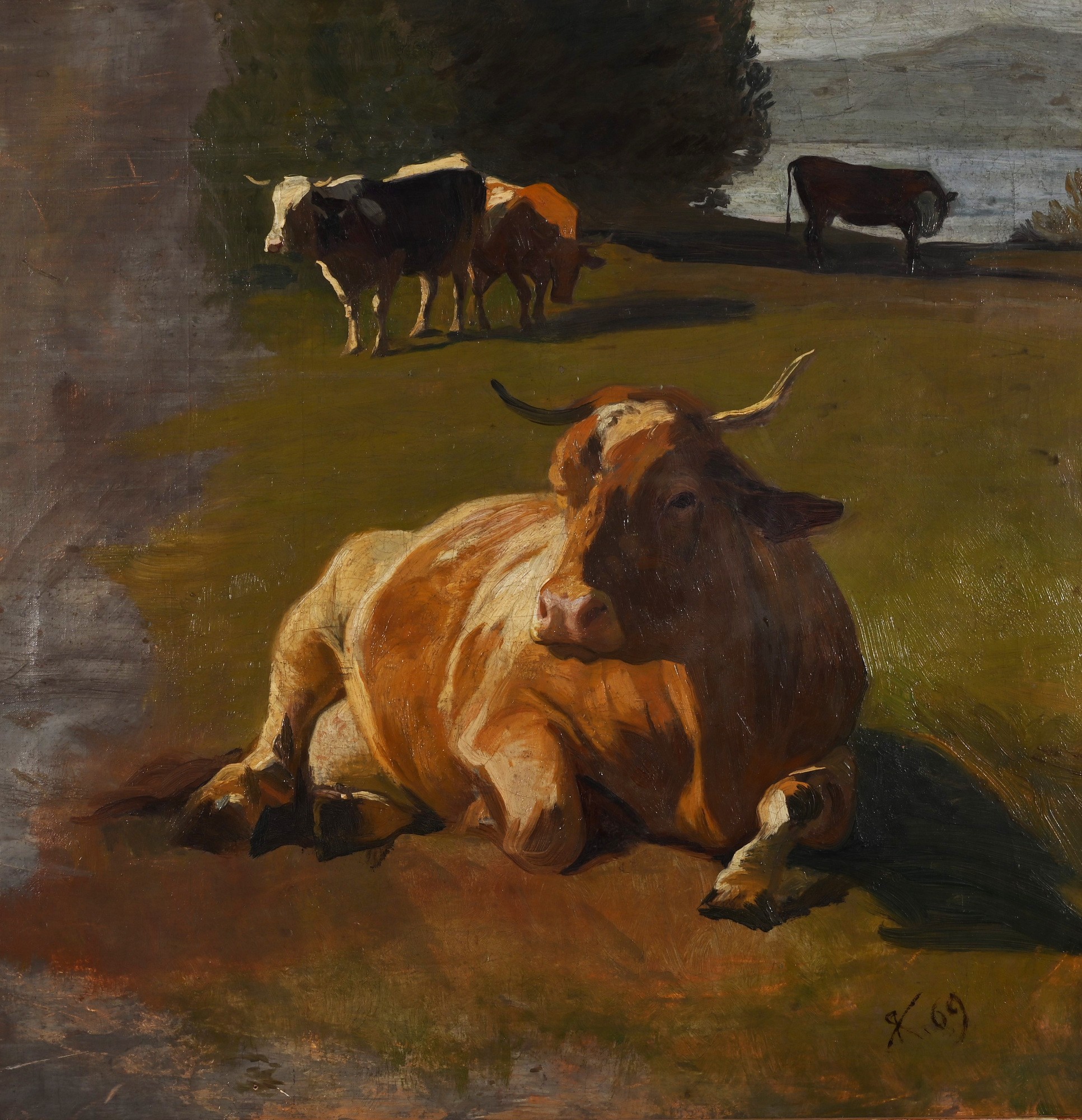
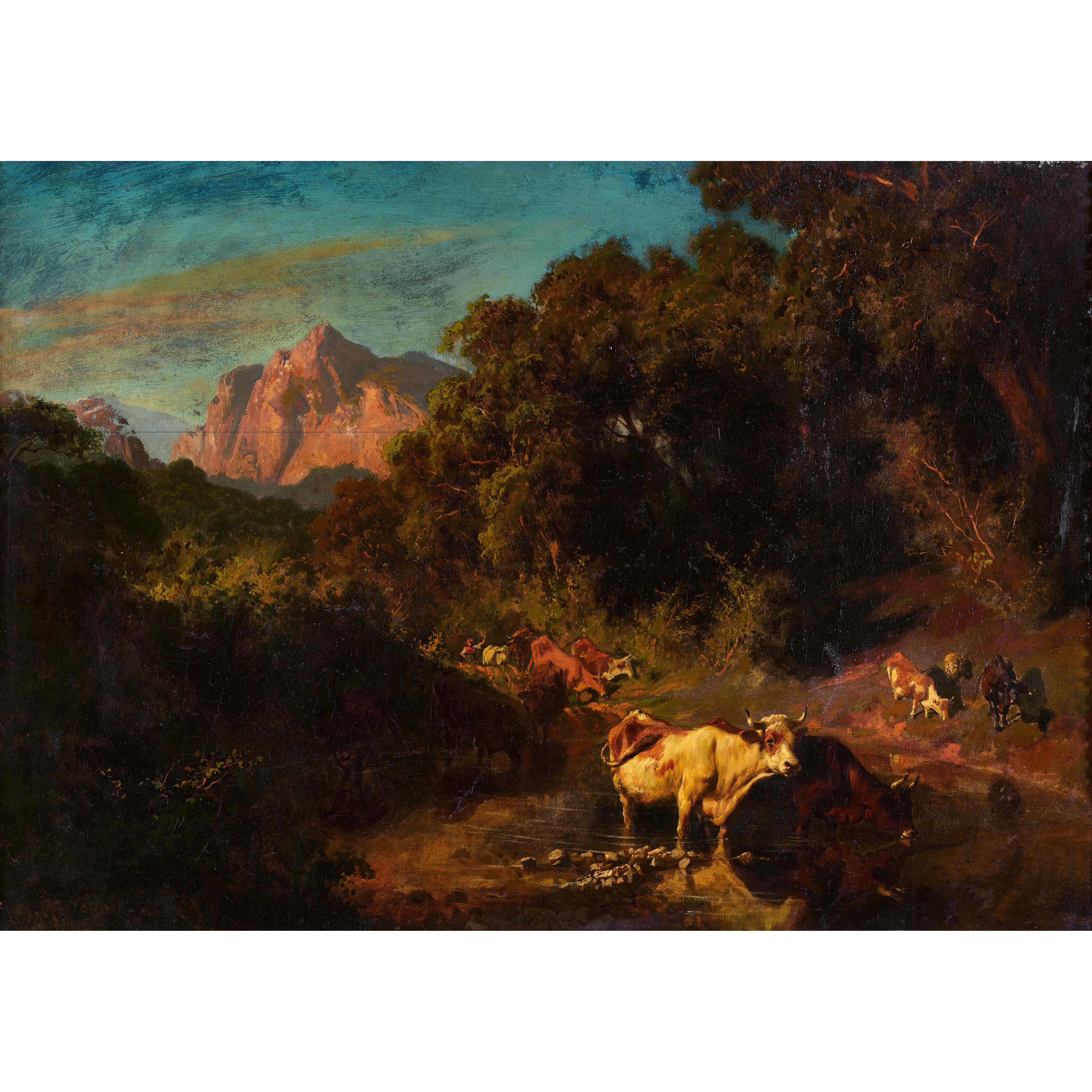
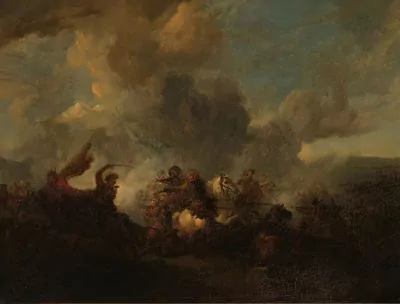
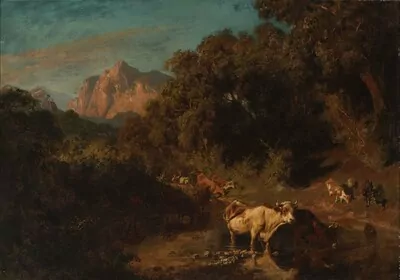
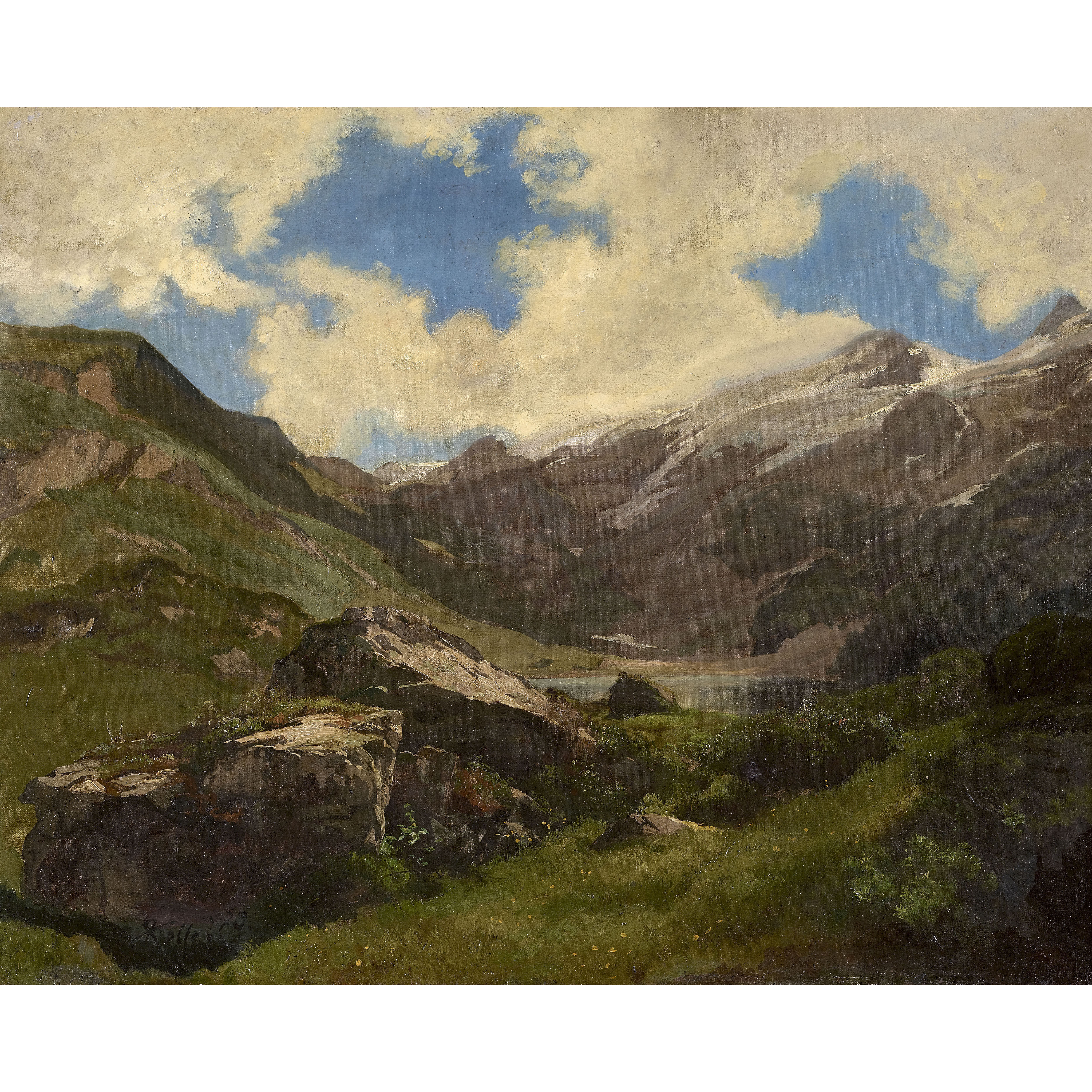
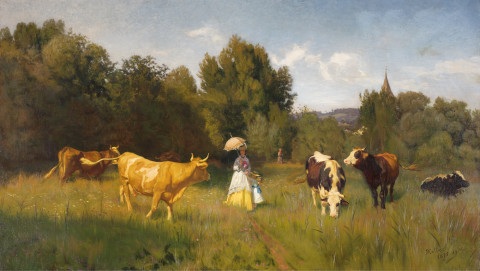
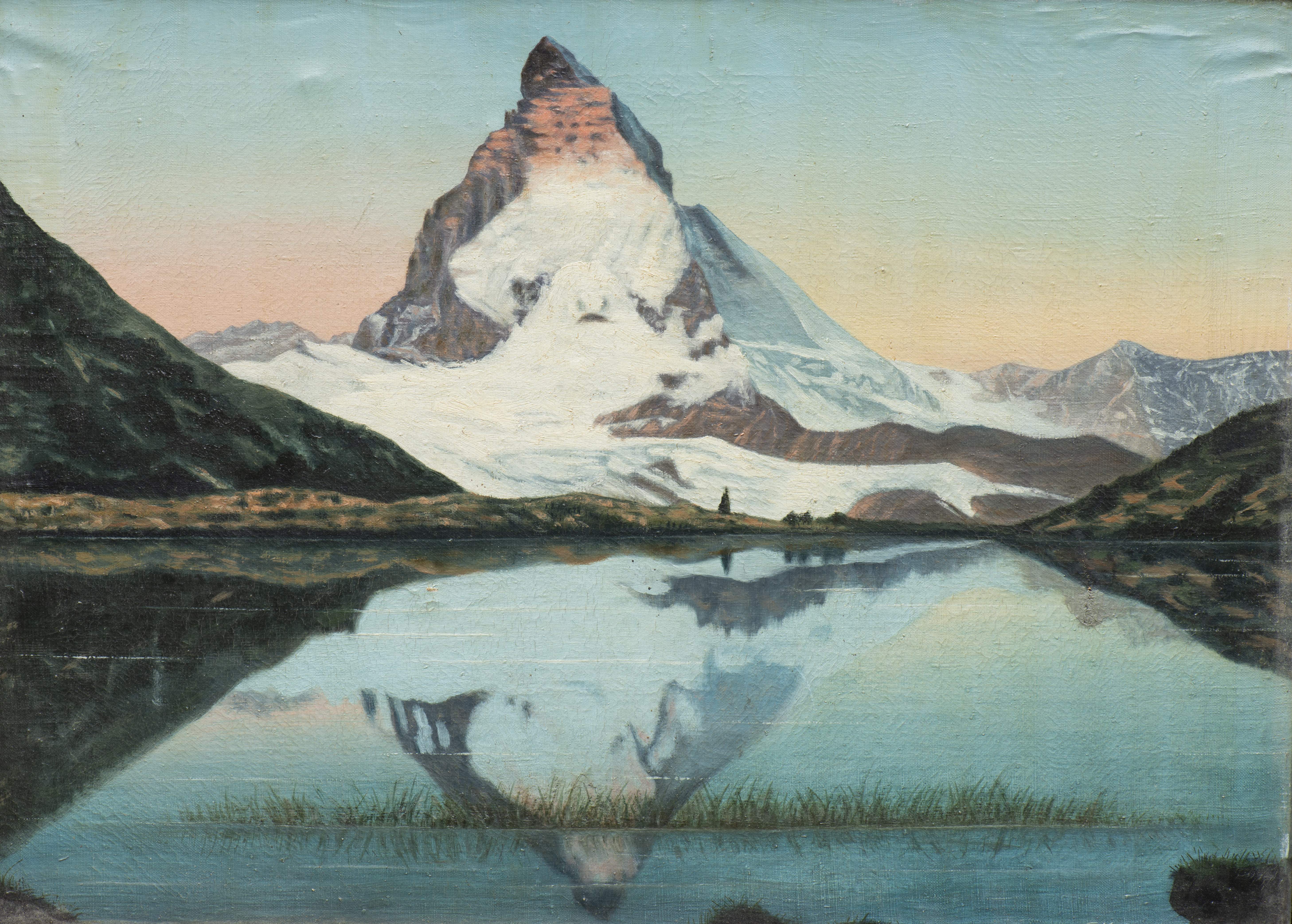
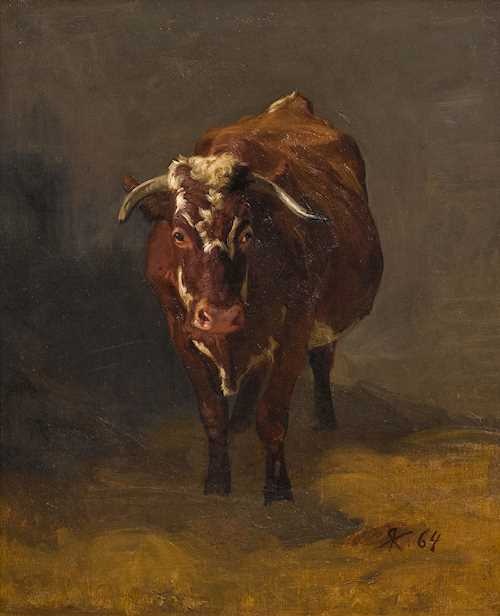
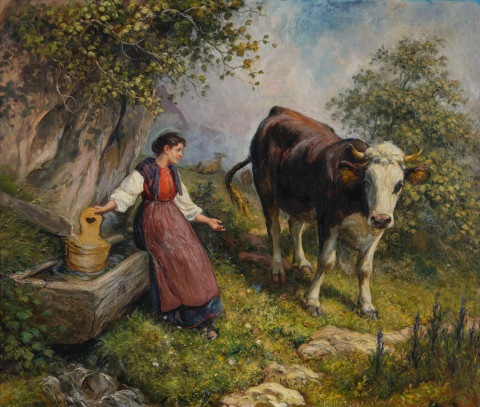
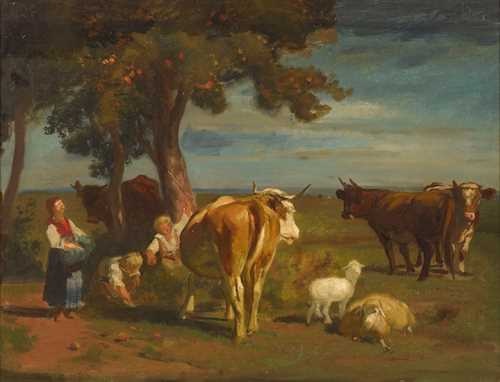
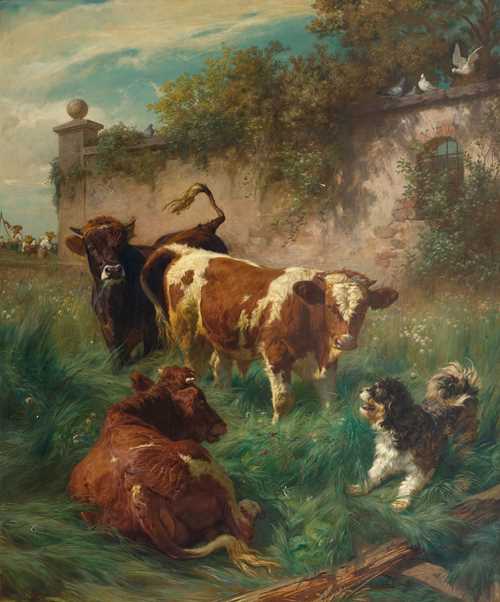
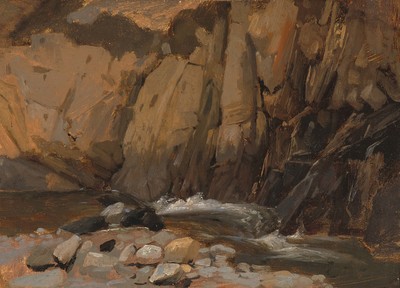
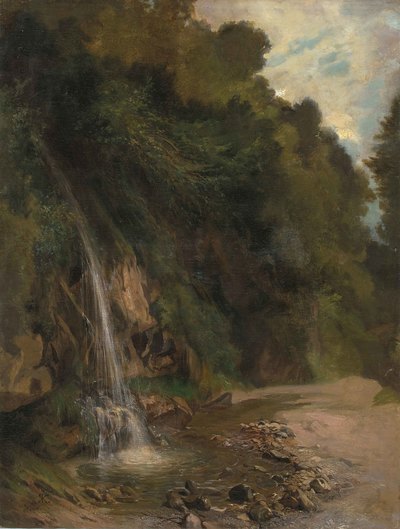
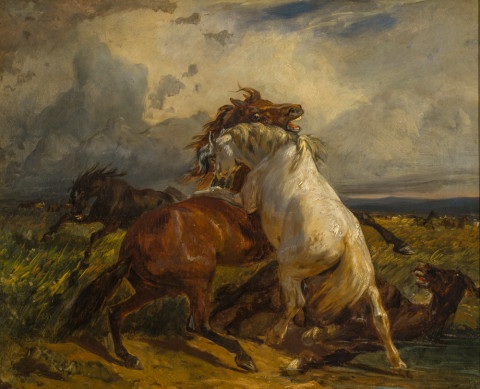
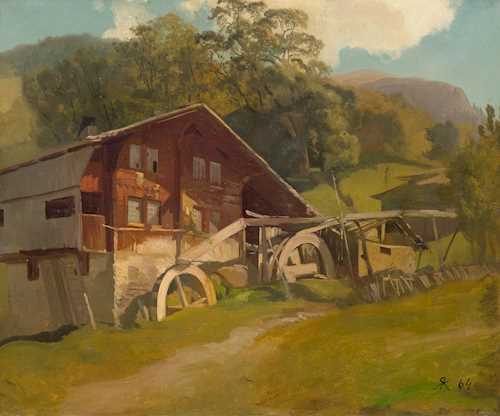
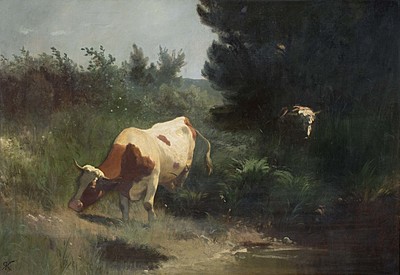
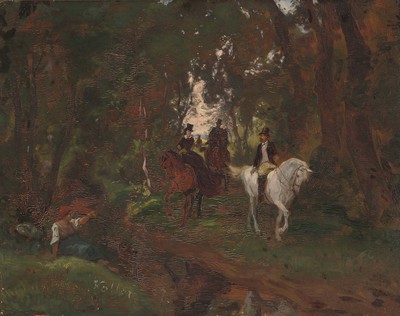
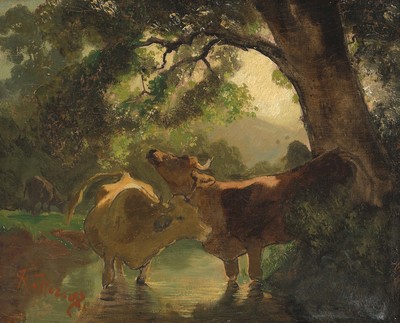
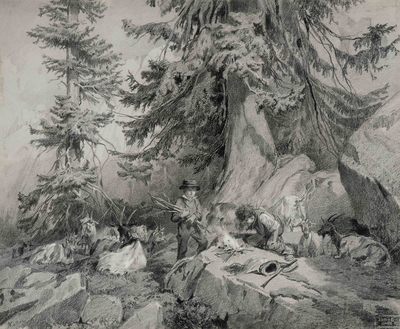
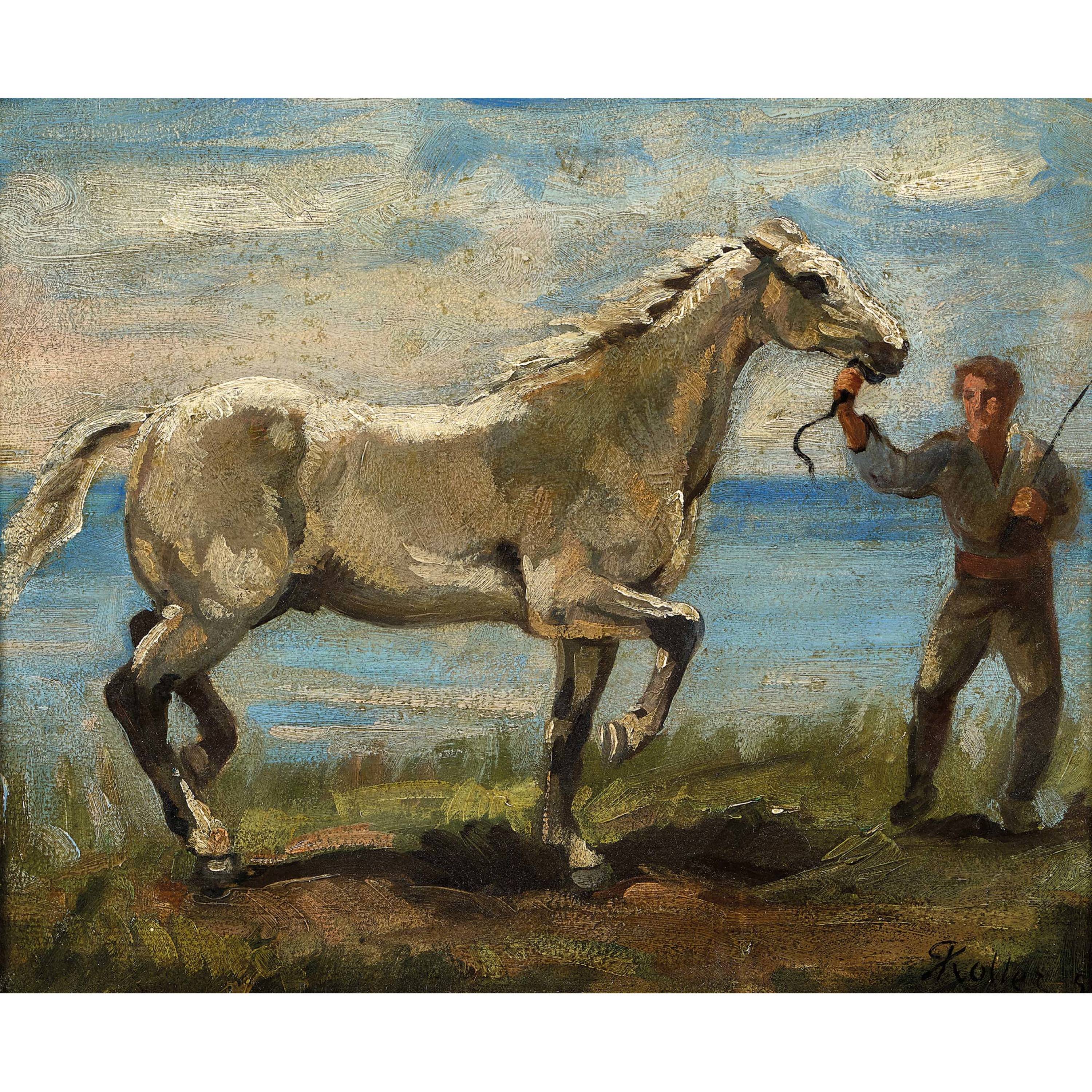
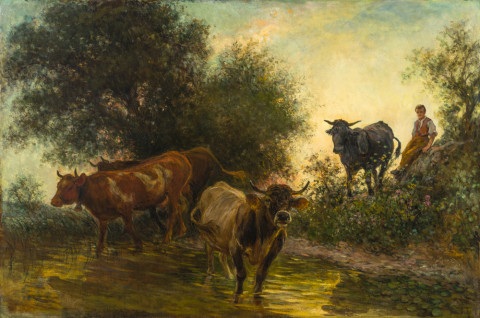
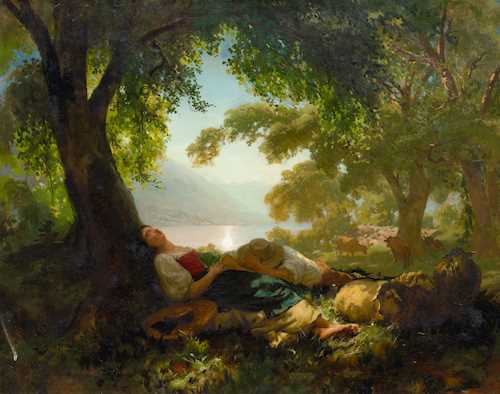
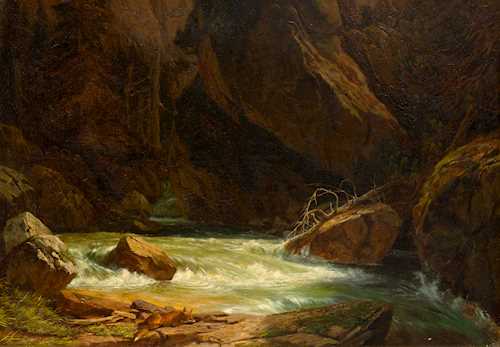
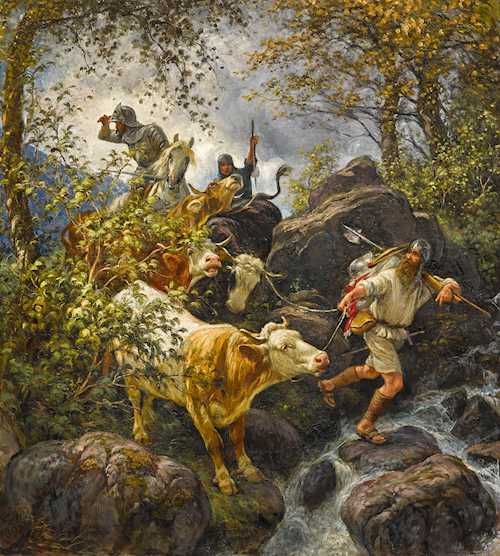
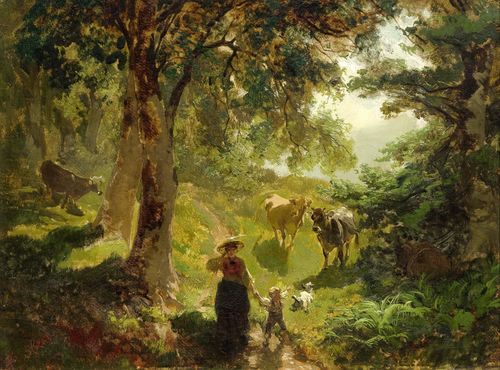
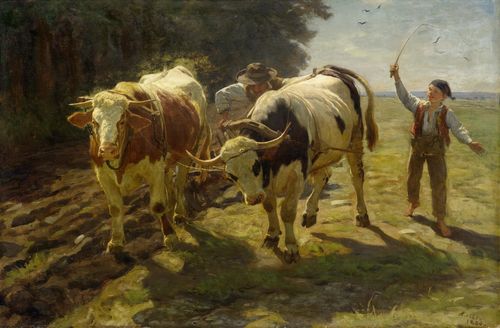
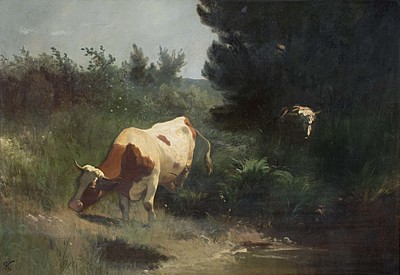
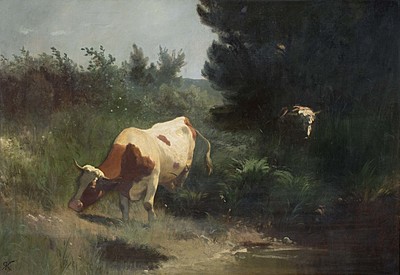
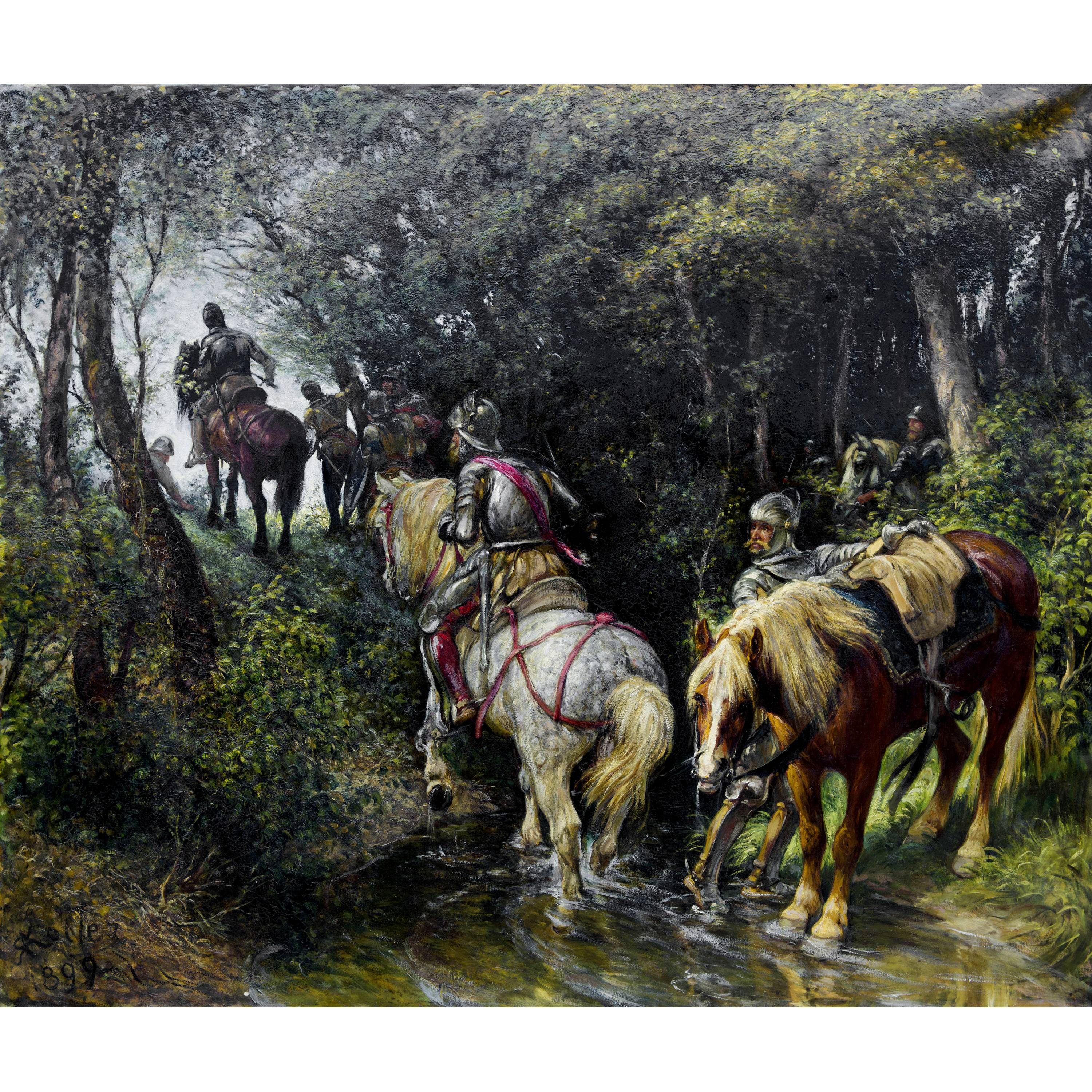
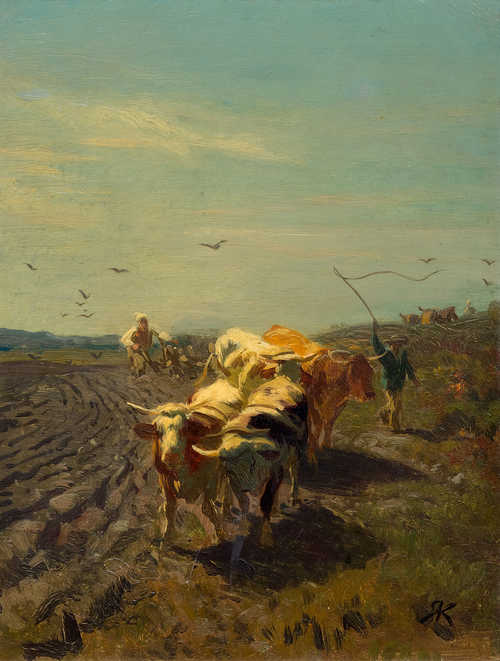
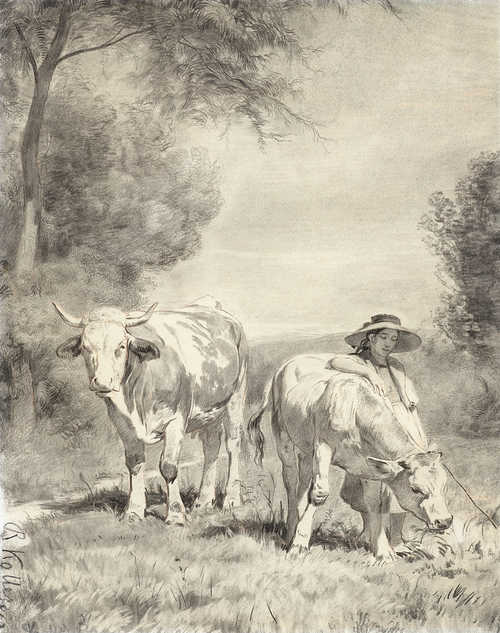
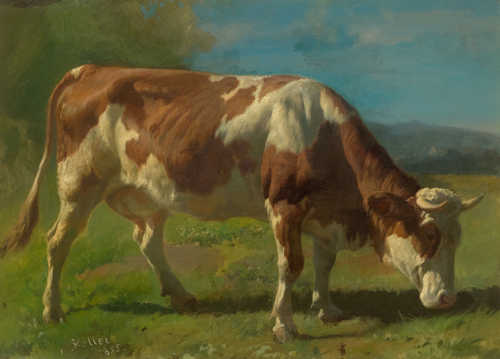
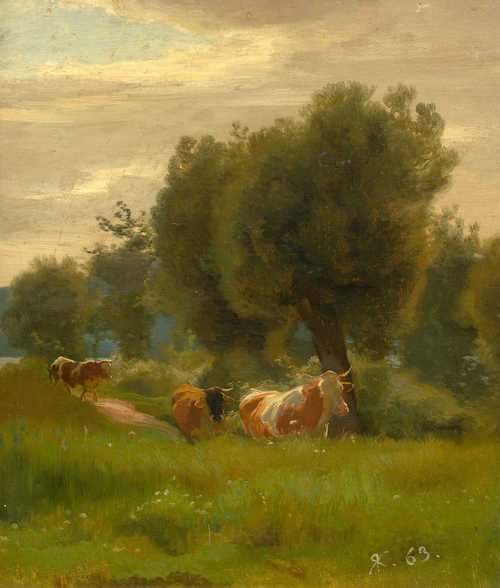
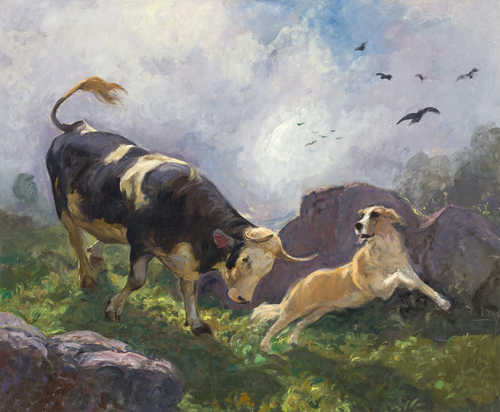
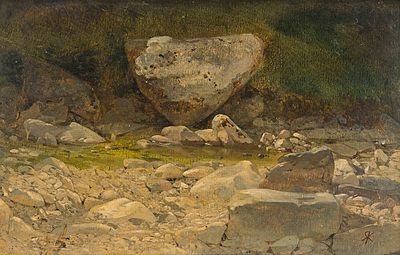
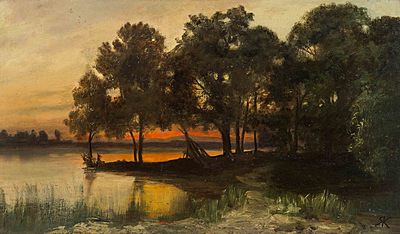
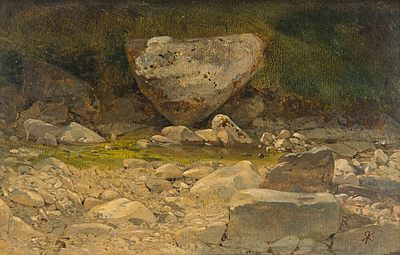
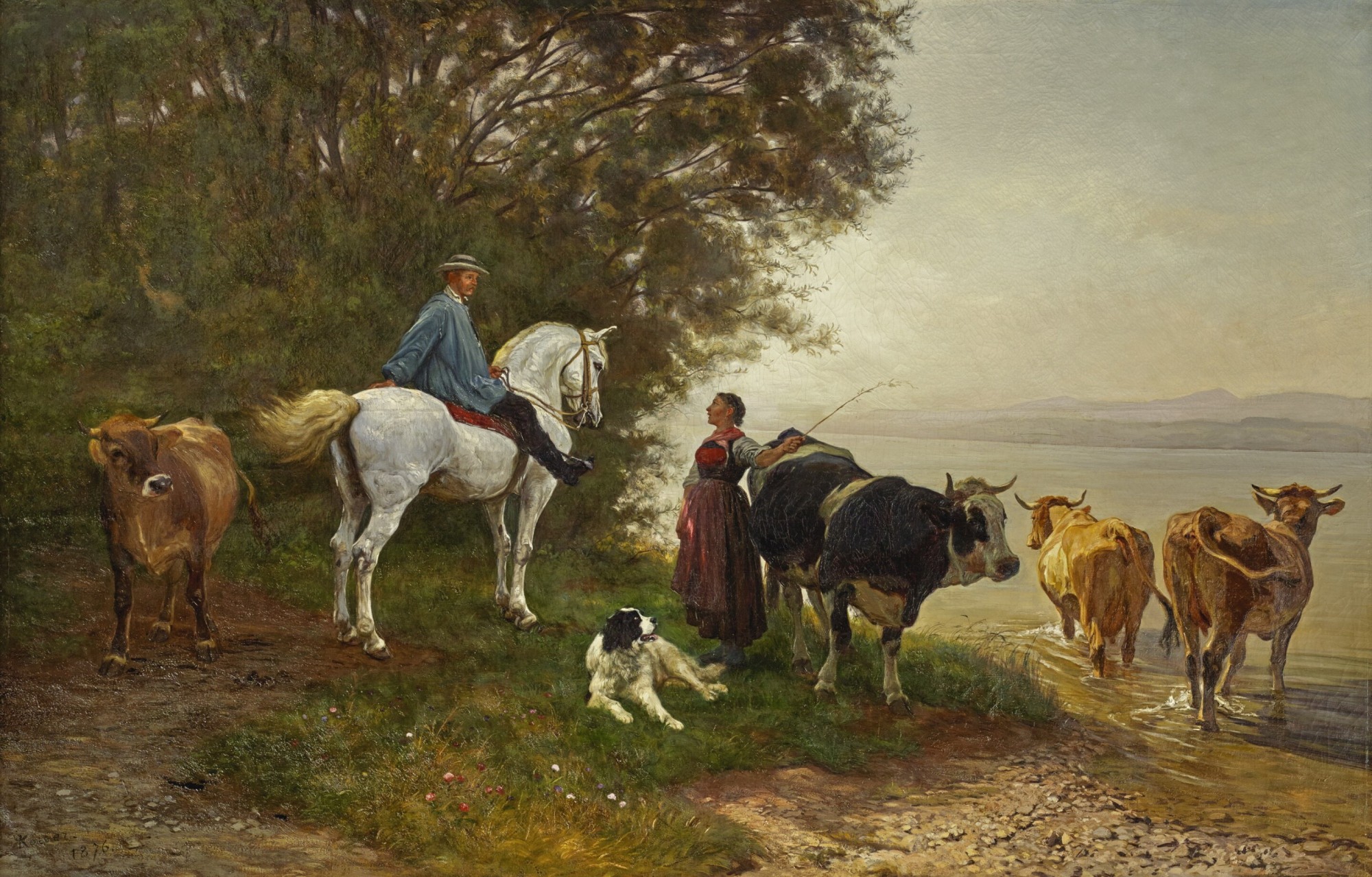
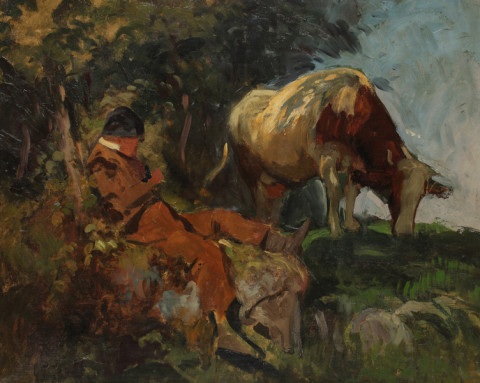
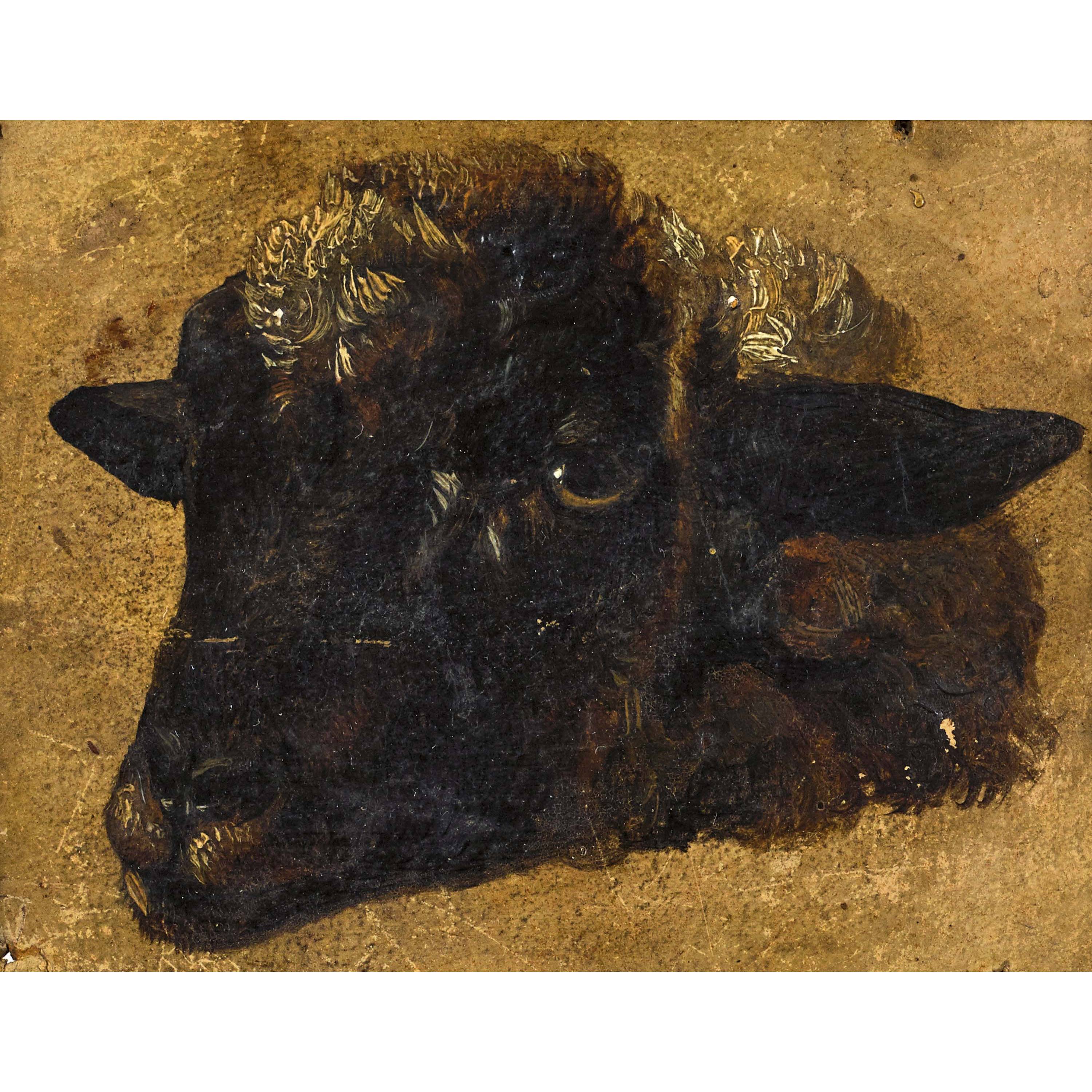
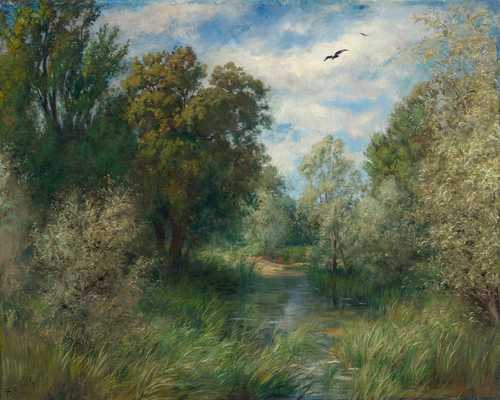
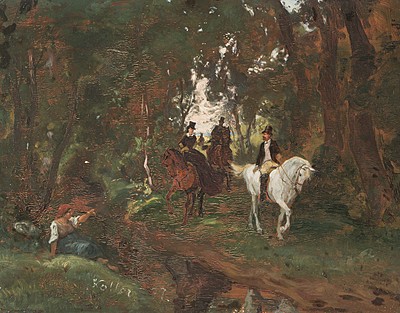
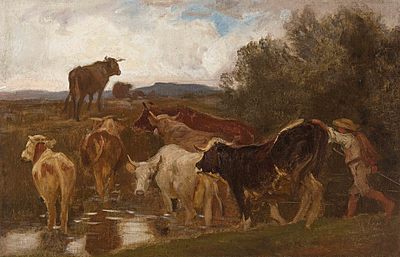
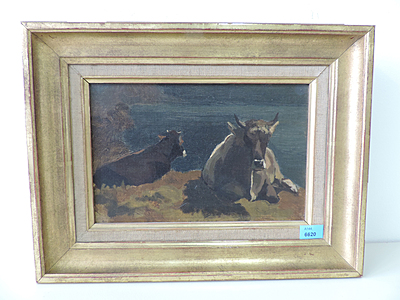
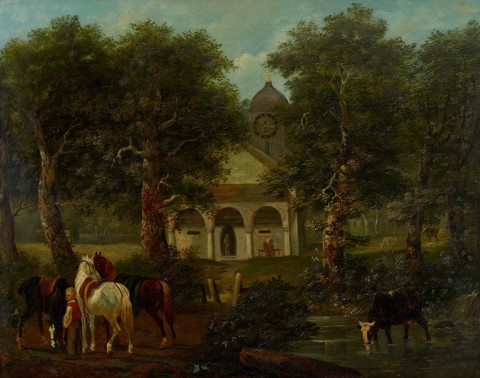
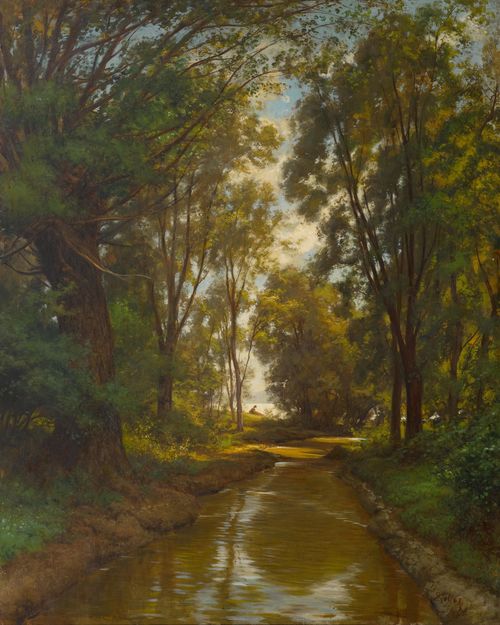
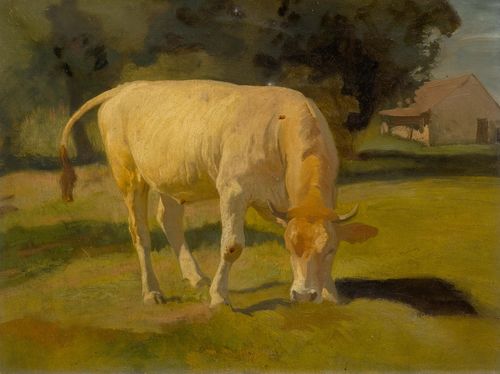
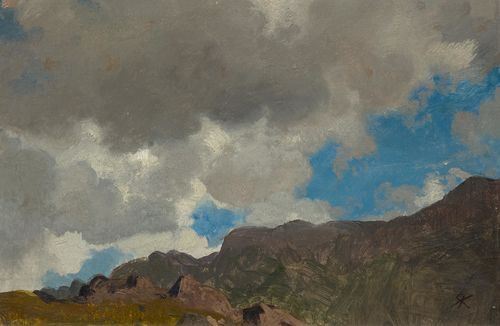
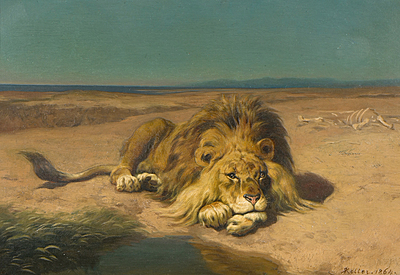
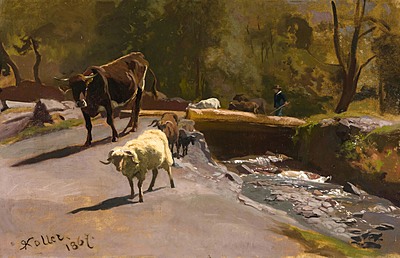
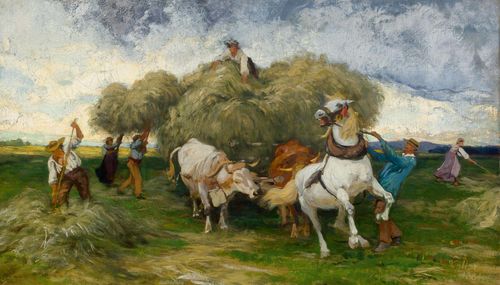
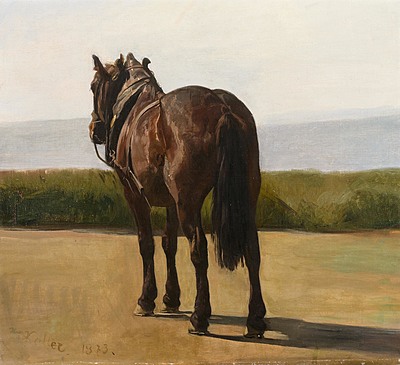
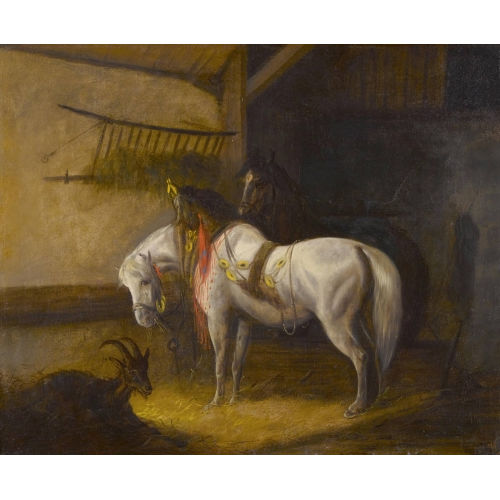
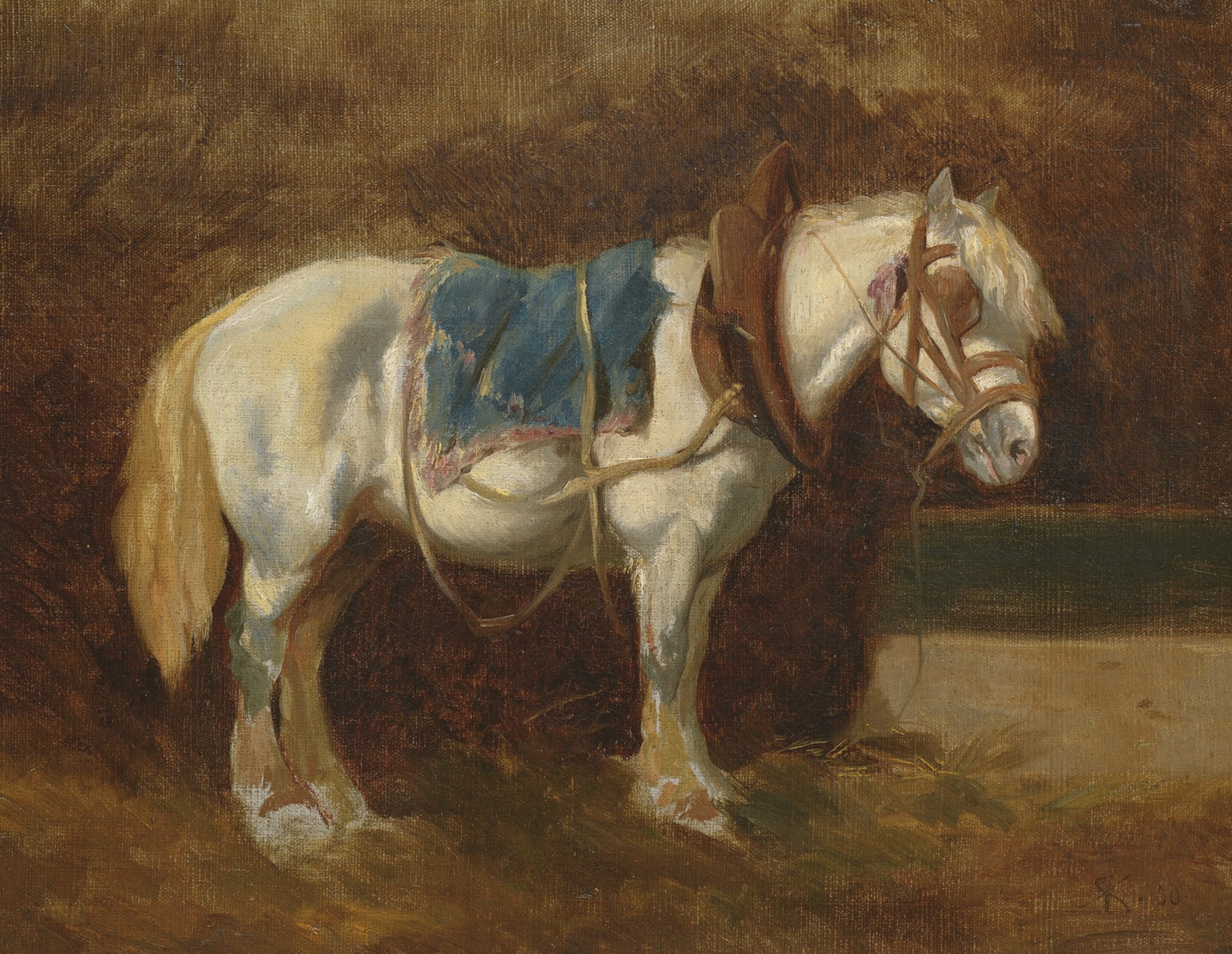
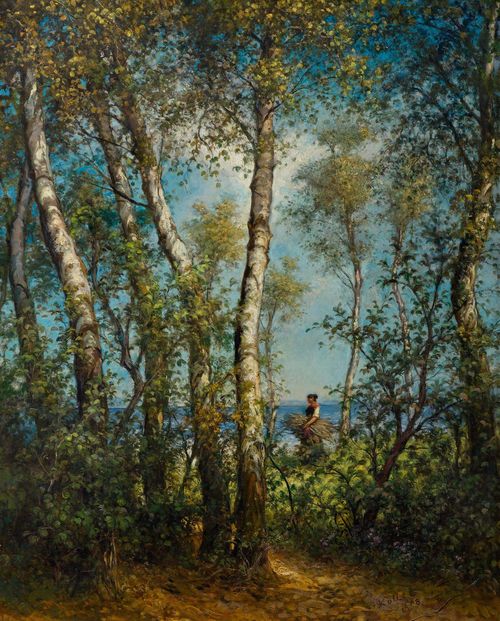
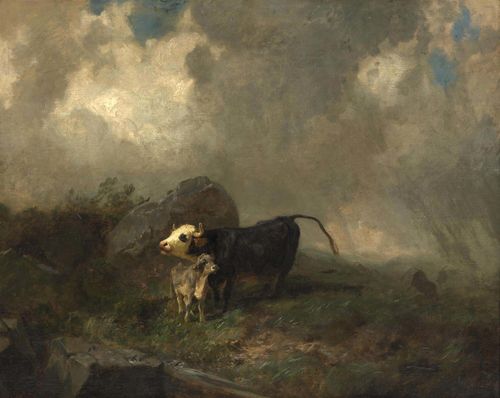
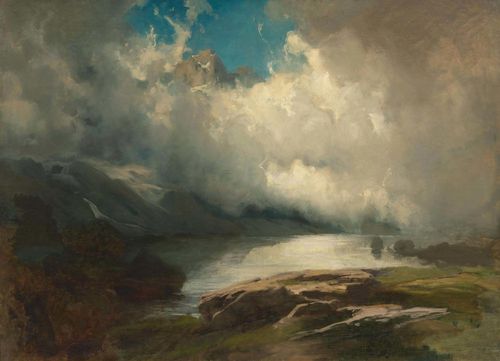
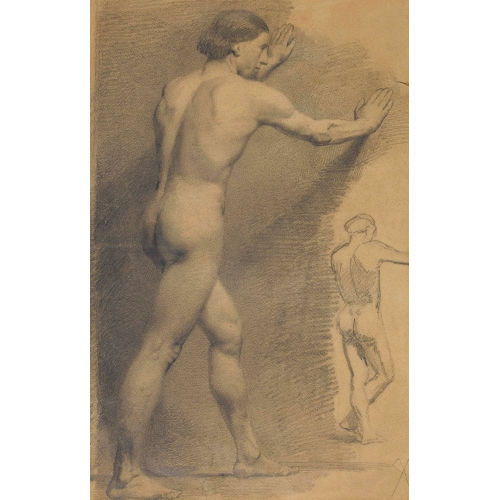
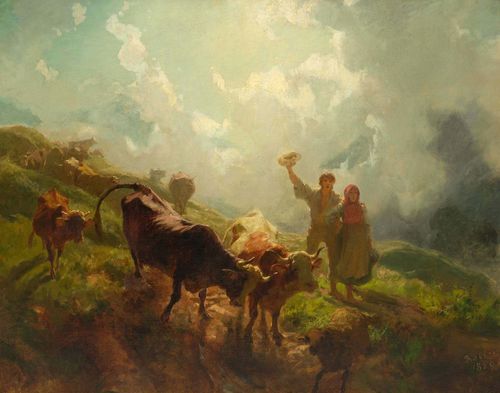
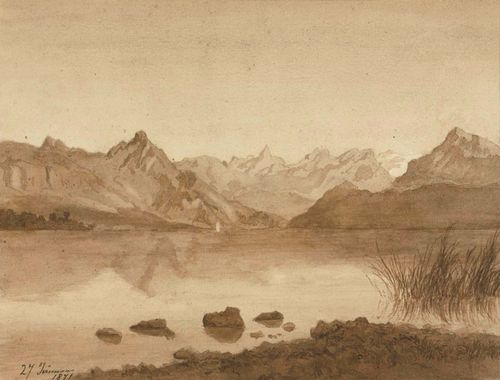
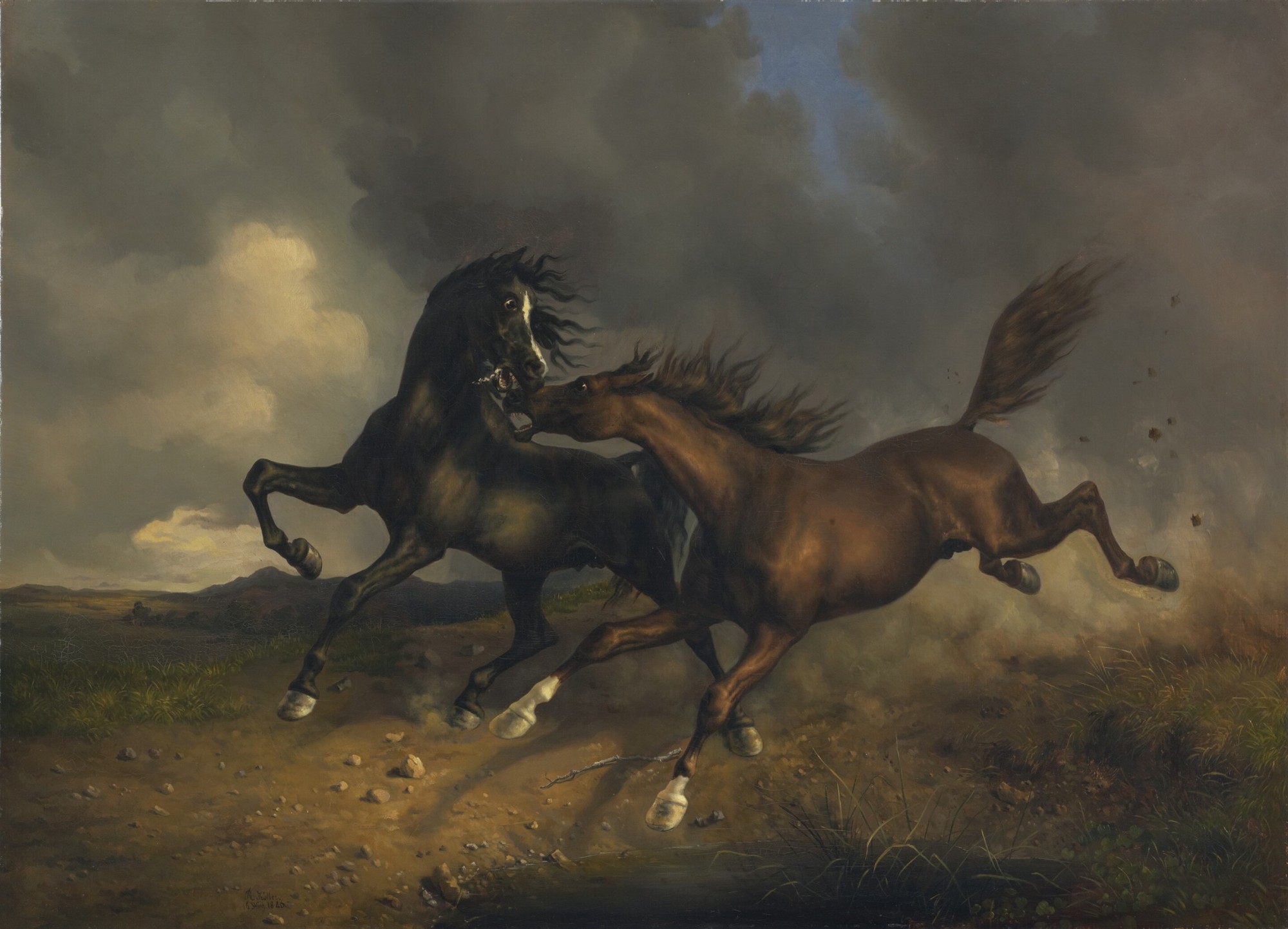
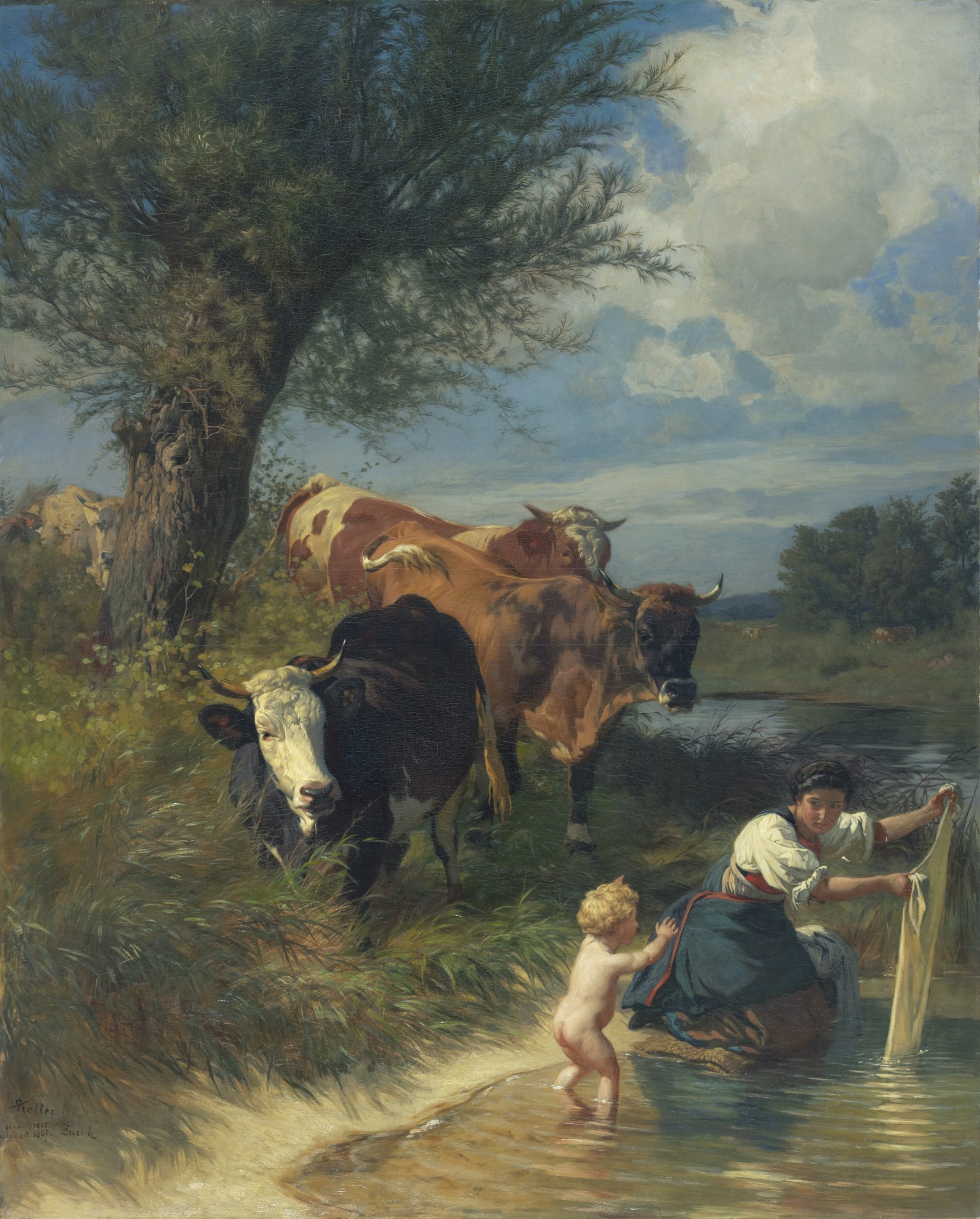
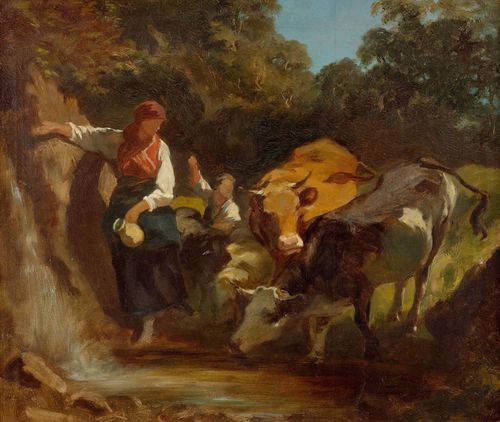
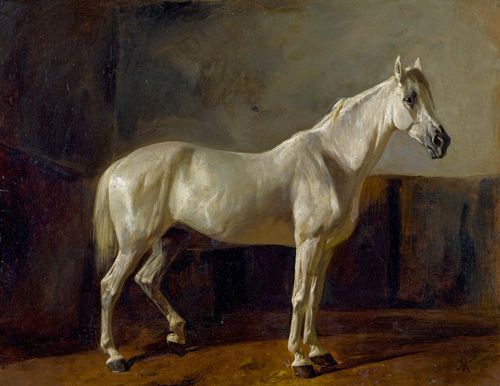
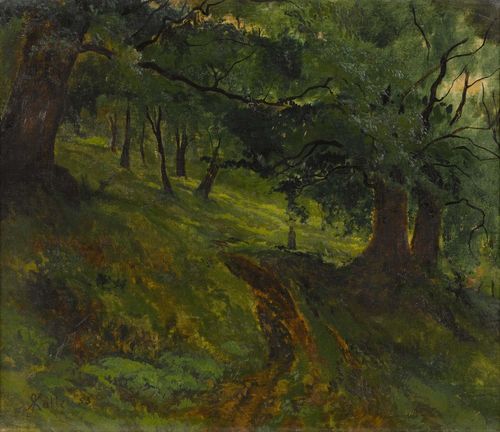
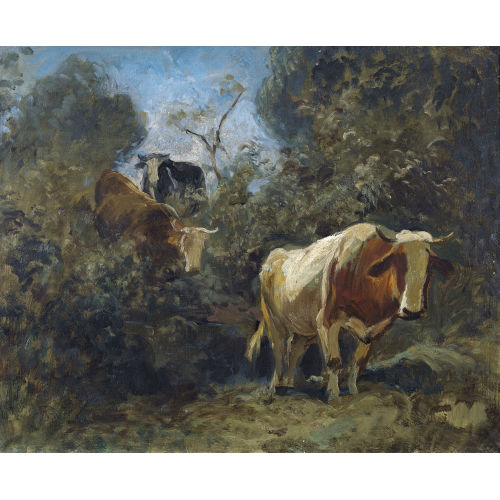
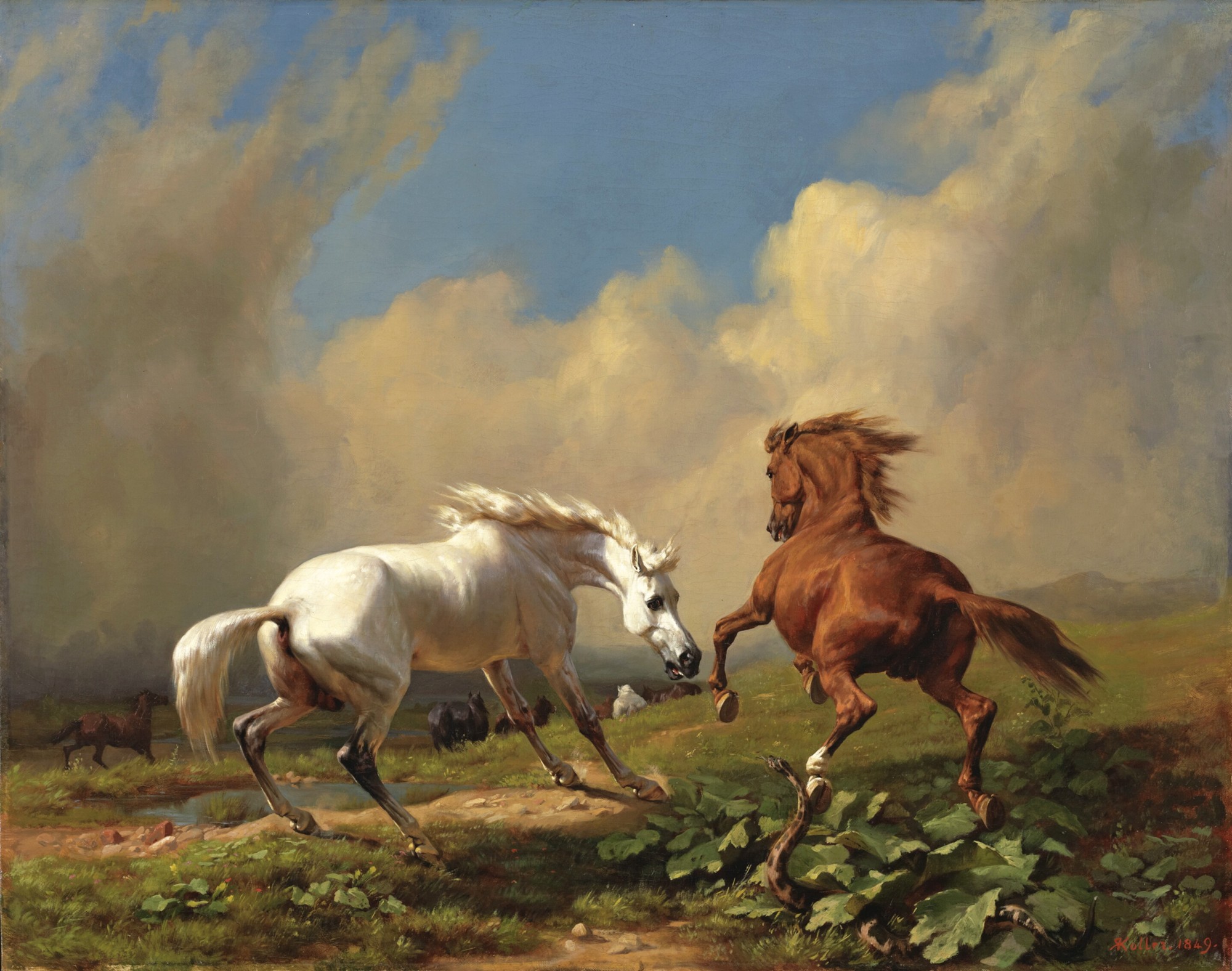
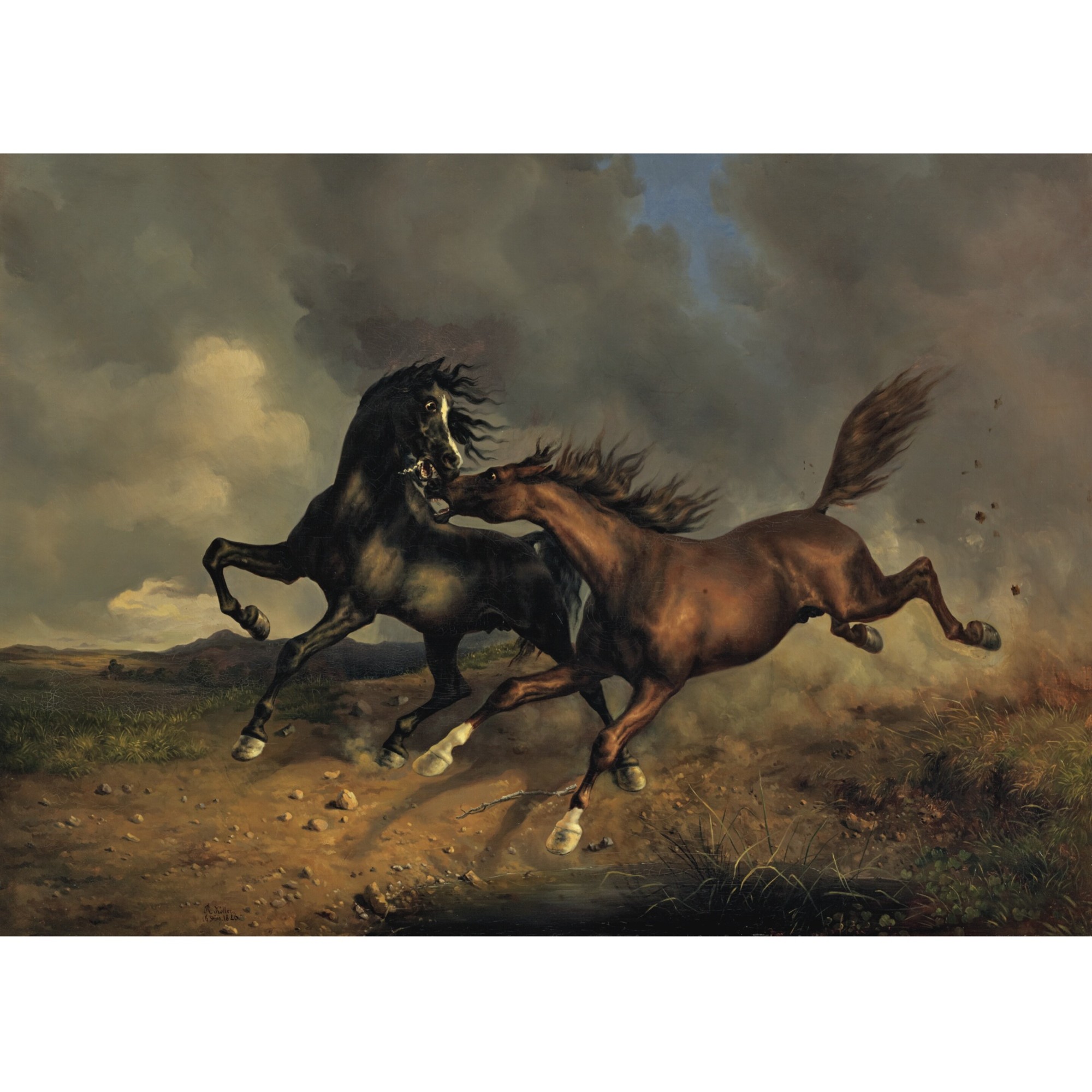
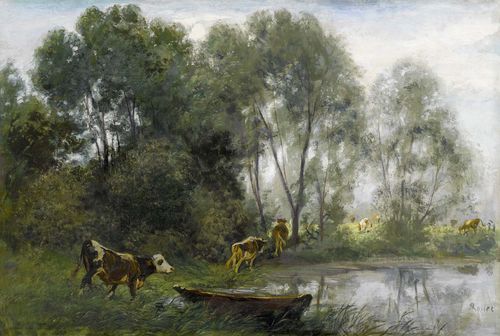
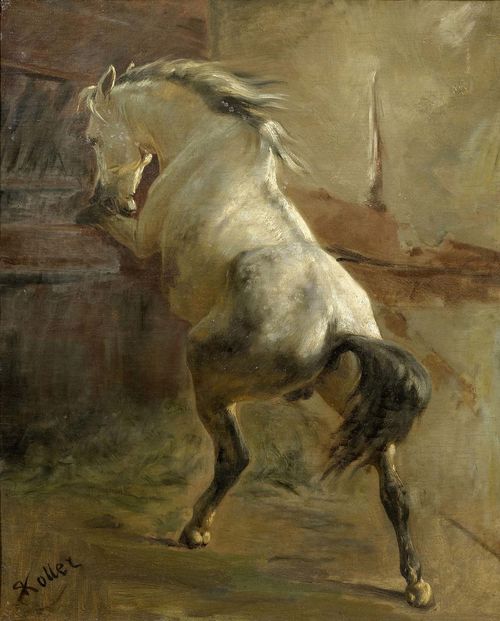
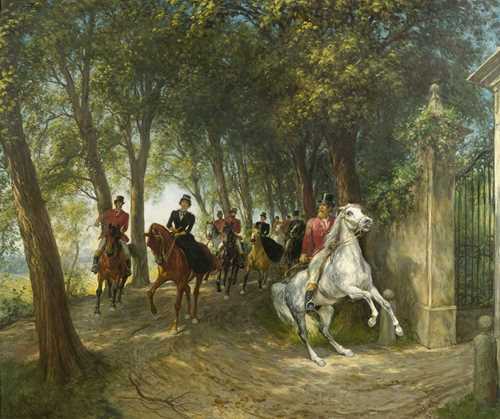
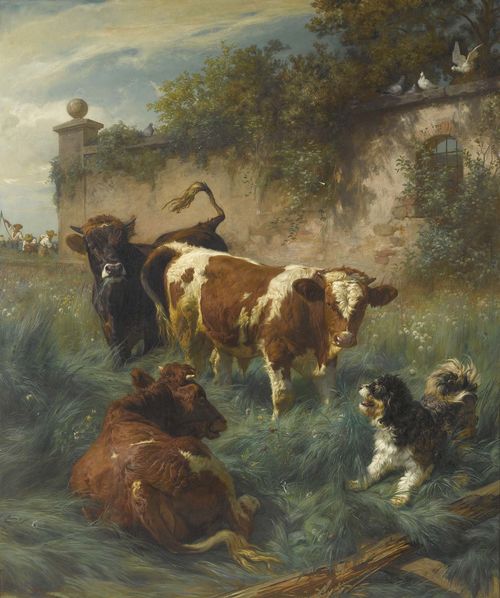
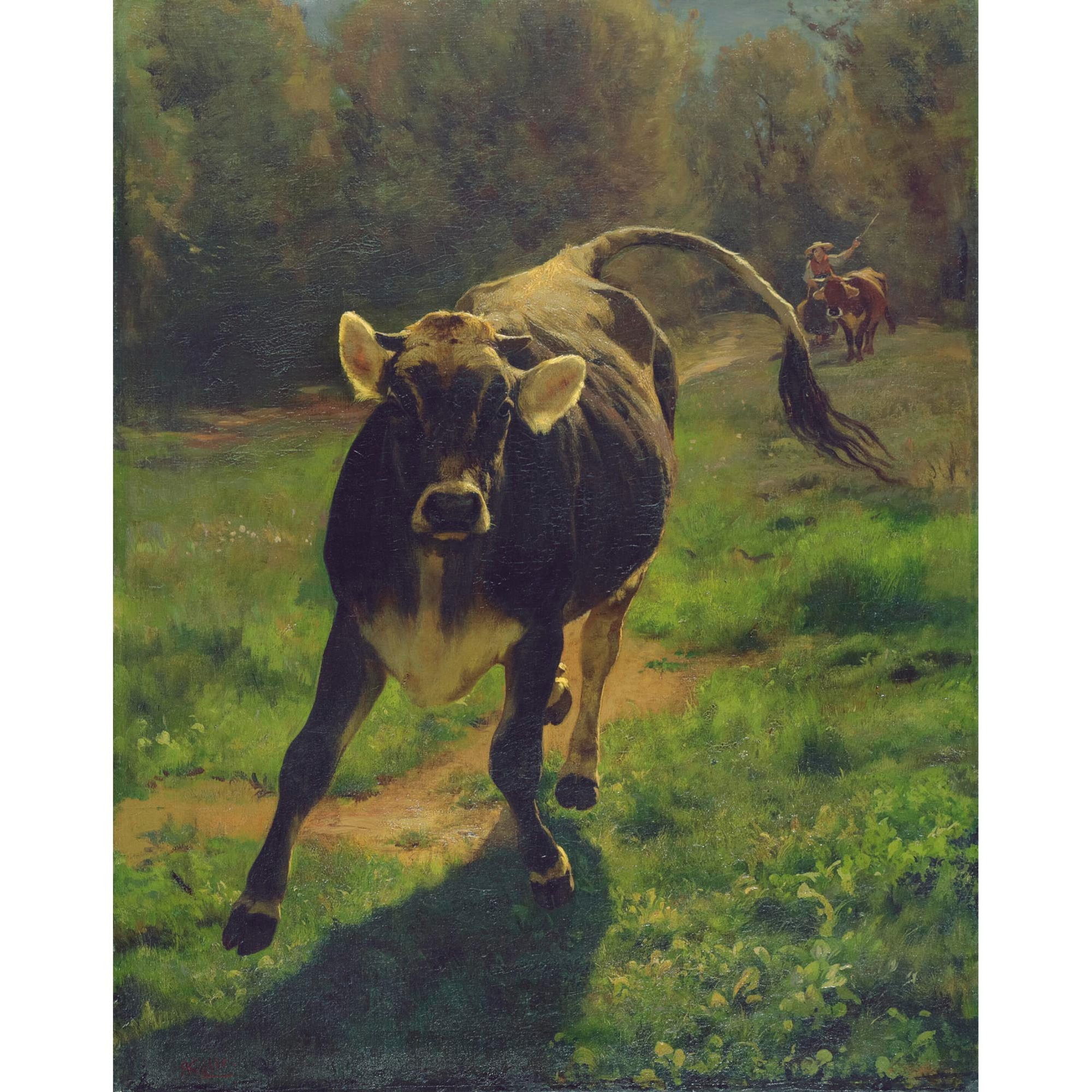
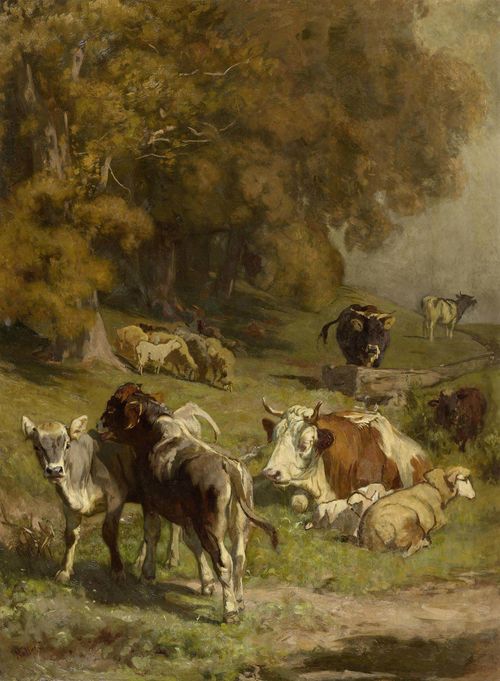
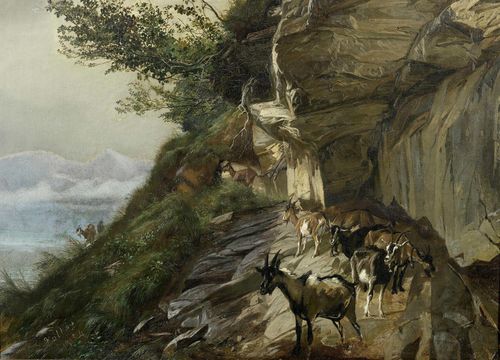
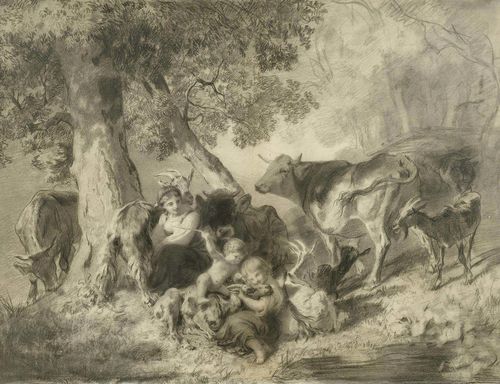
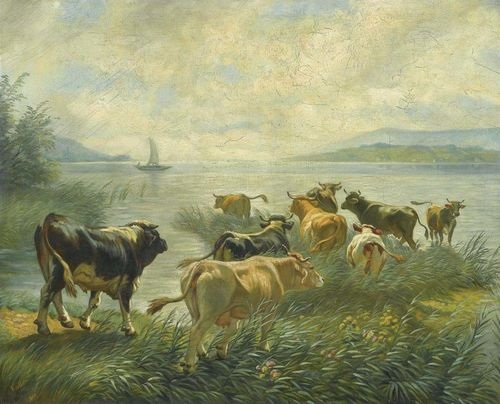
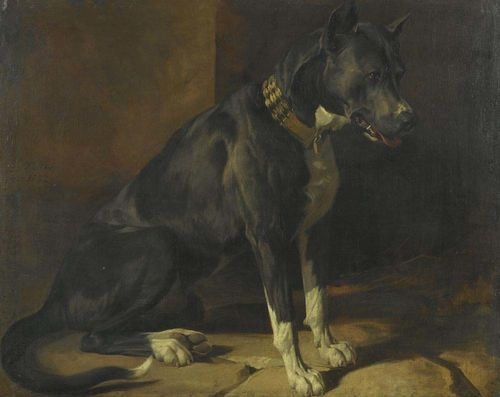
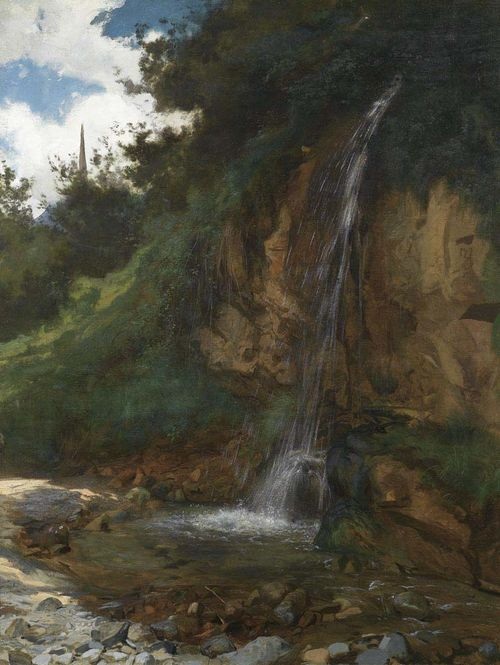
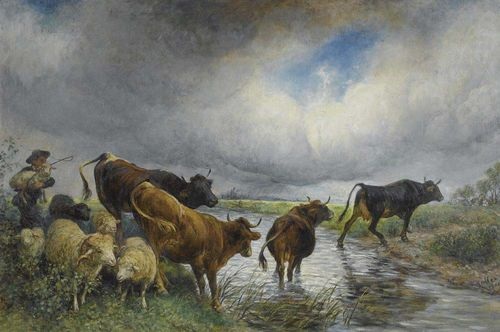
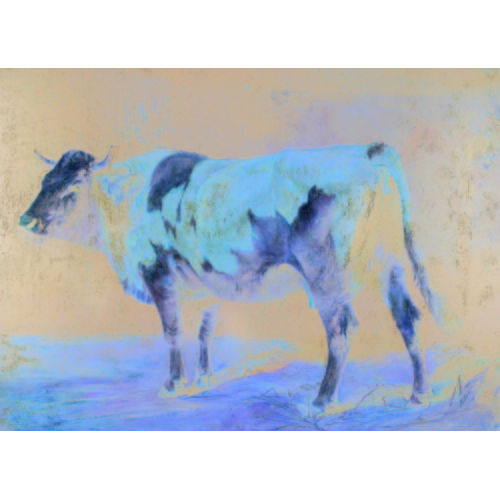
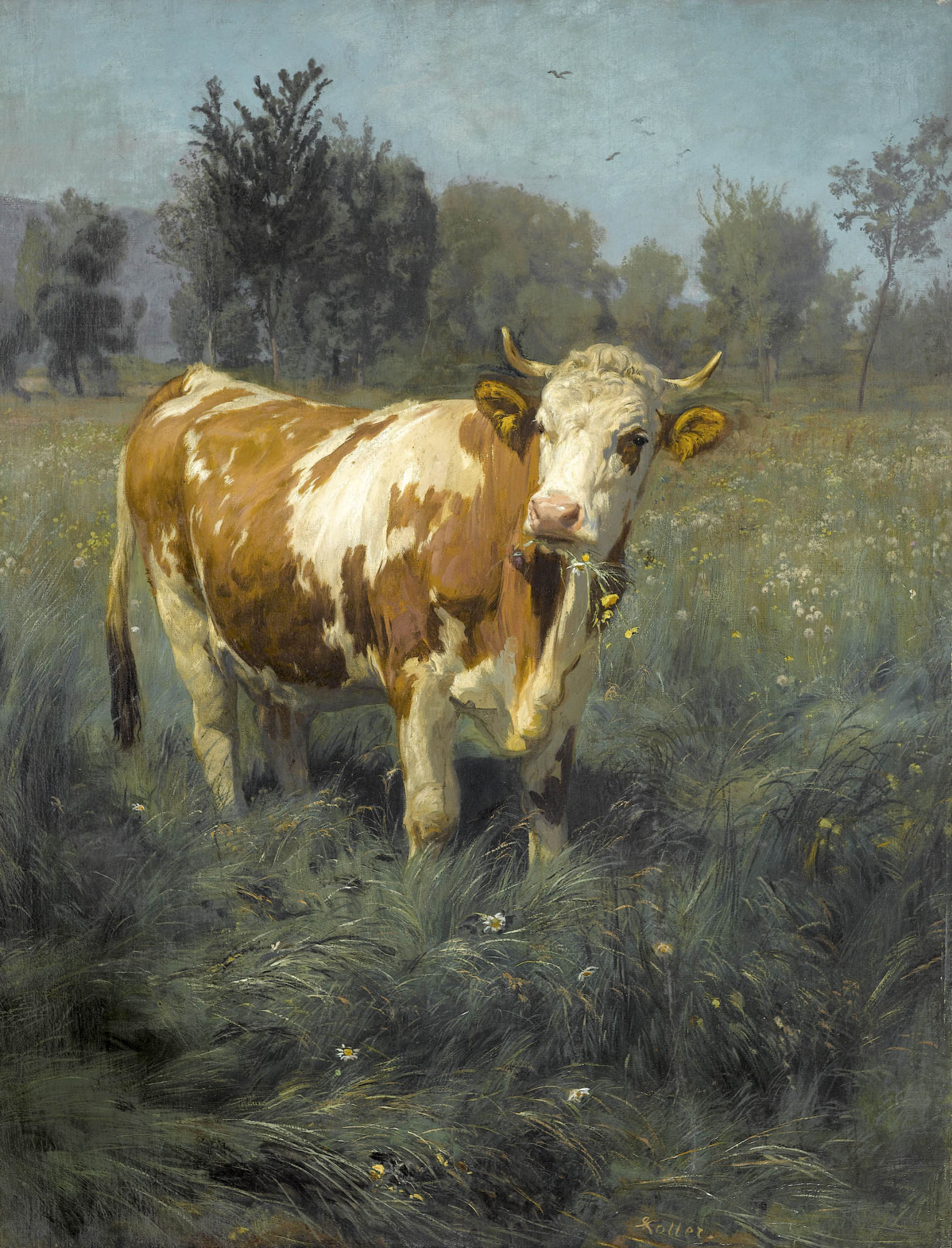
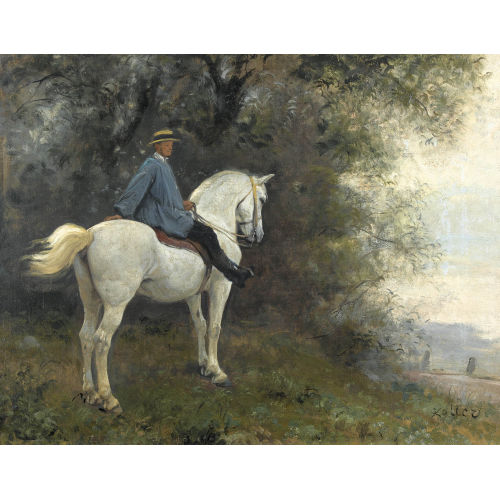
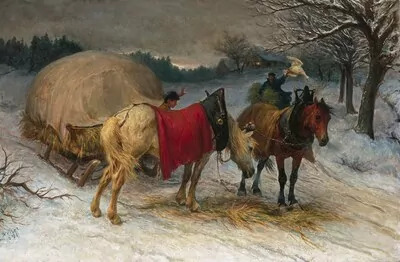
Rudolf Koller (1828–1905), a Swiss painter born and deceased in Zurich, is best known for his horses, dogs and herds of cattle. His oeuvre also includes sensitive Alpine landscapes, in which a naturalist eye is combined with the practice of painting en plein air. He studied at the Industrial School of Zurich and then at the Academy of Fine Arts in Düsseldorf, where he became friends with Arnold Böcklin.
In Paris, he attended the studio of the animal painter Jacques Raymond Brascassat.
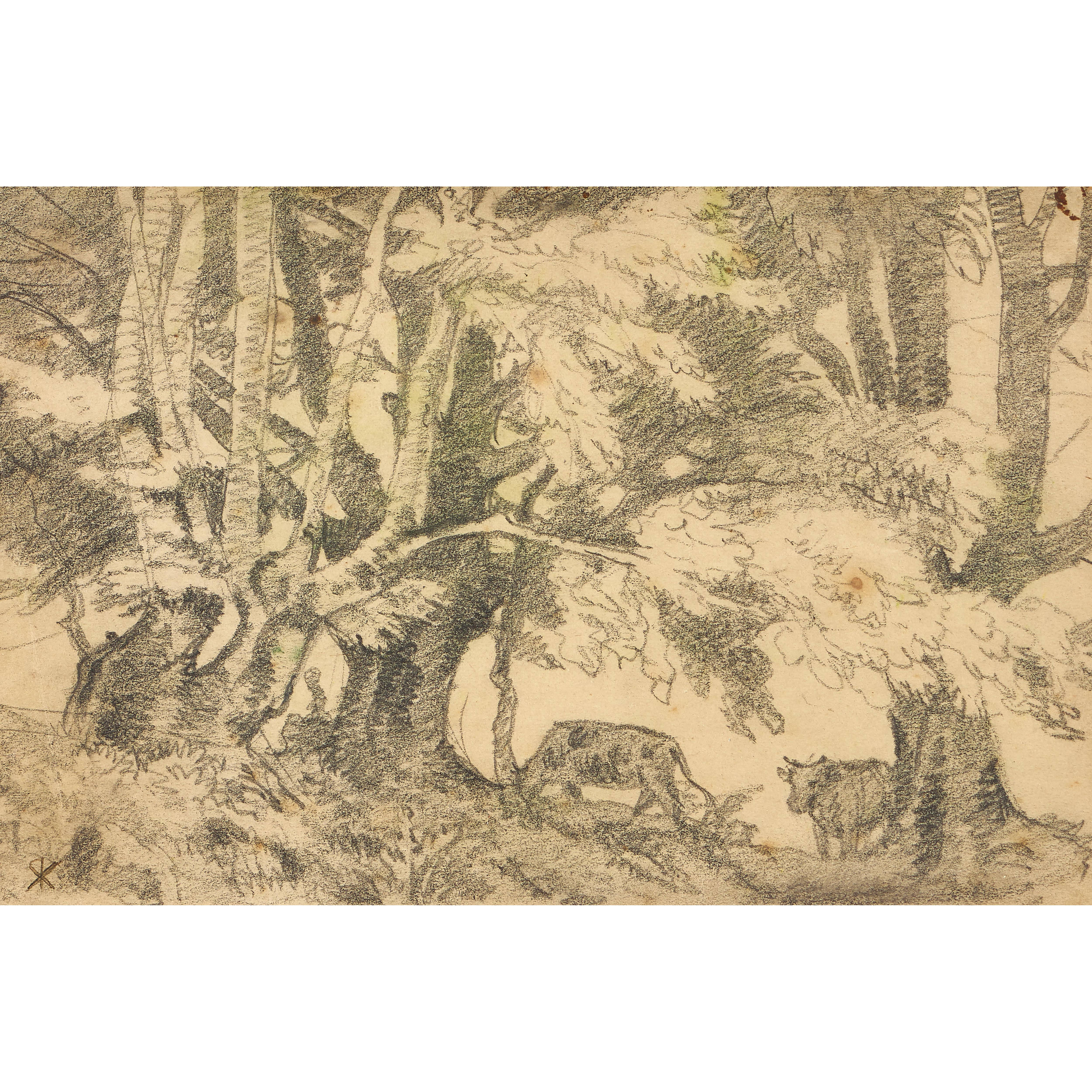
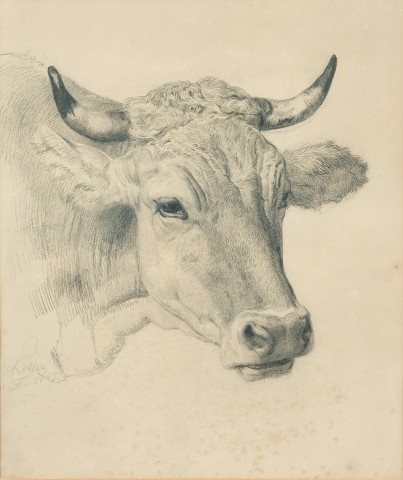
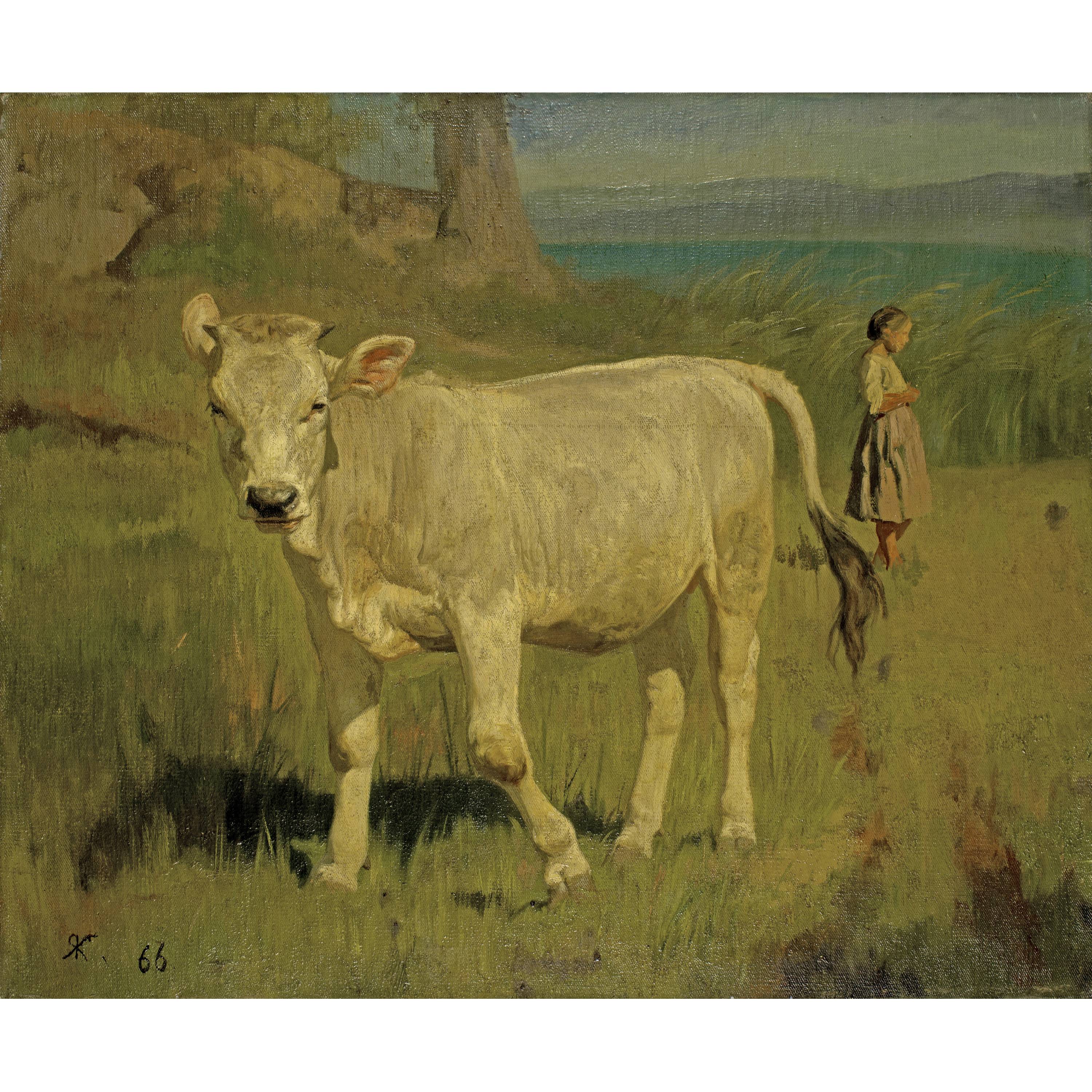
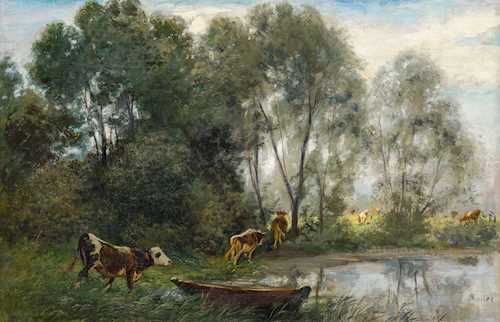
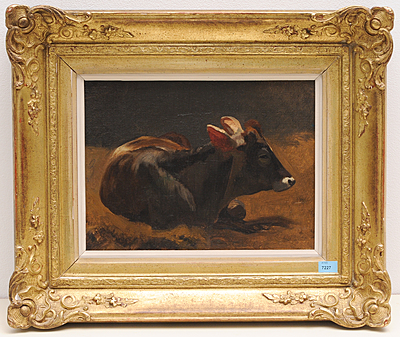
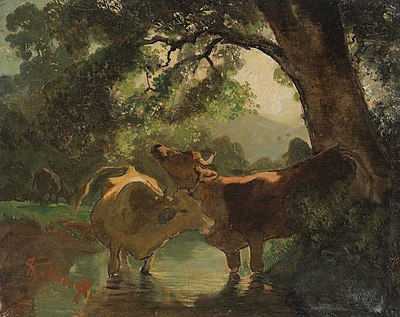
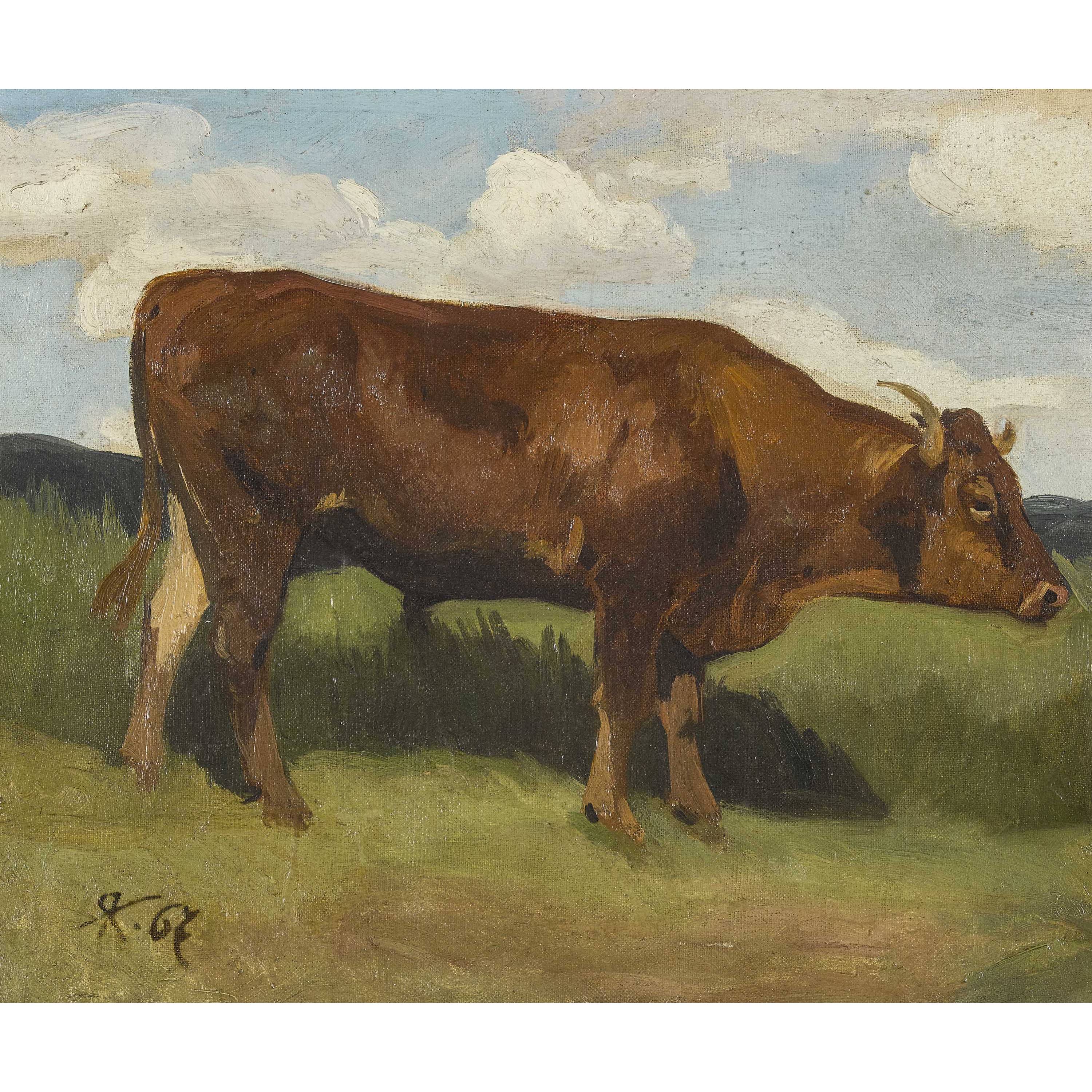
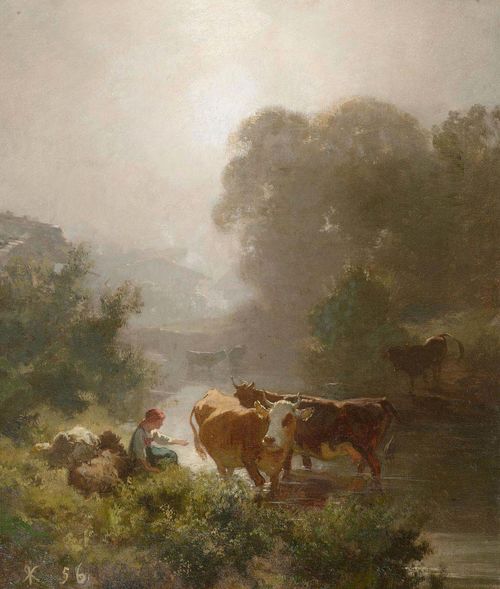
Upon returning to Zurich in 1851, Koller established his studio there. In 1862, he settled on the lakeshore, at Zürichhorn, and raised cows so that he could observe and draw them at leisure. From the mid-1860s onwards, he worked regularly outdoors and undertook journeys, notably to Italy.
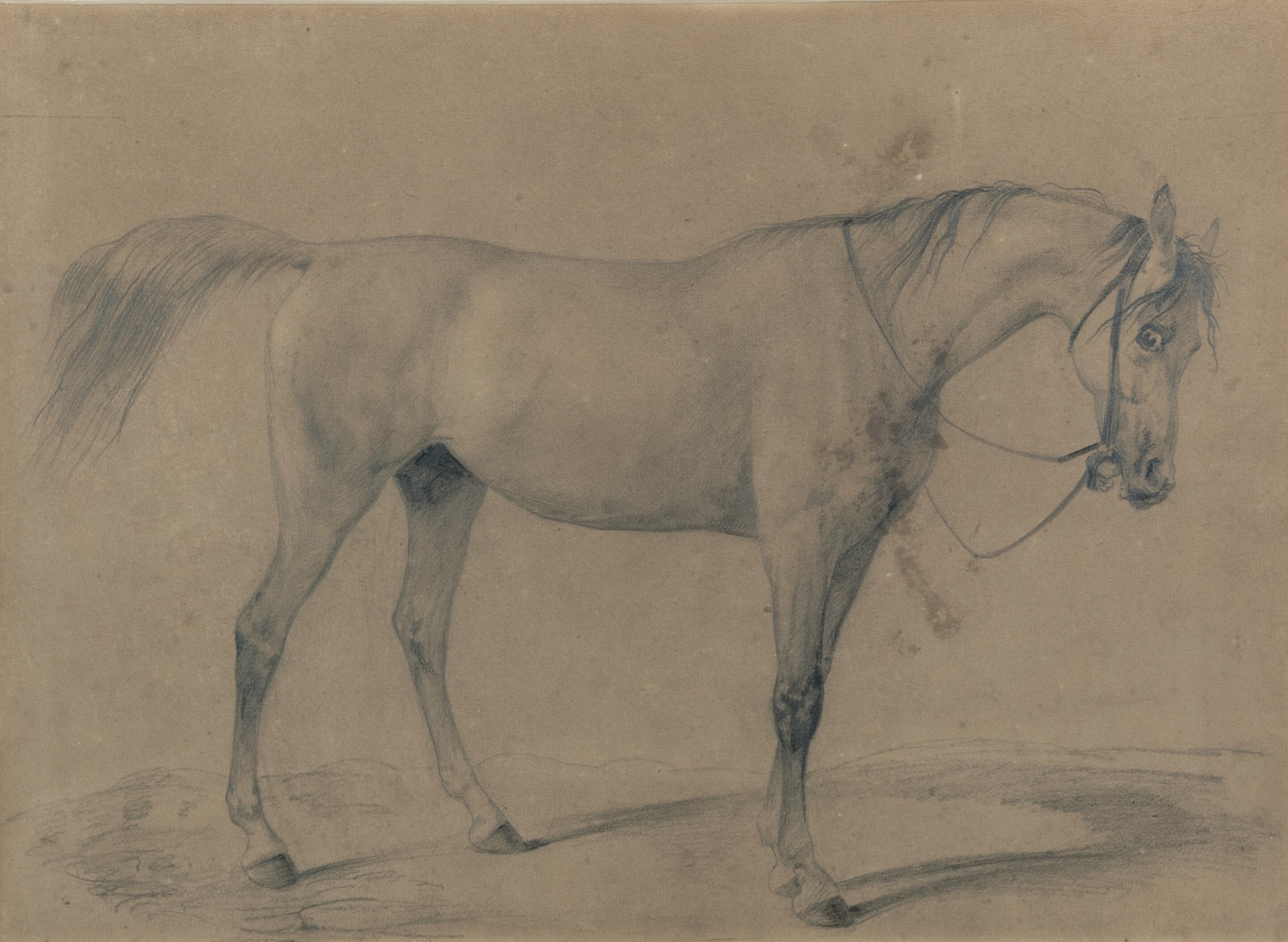
The close study of animals became a means of exploring movement, light and their integration into the landscape.
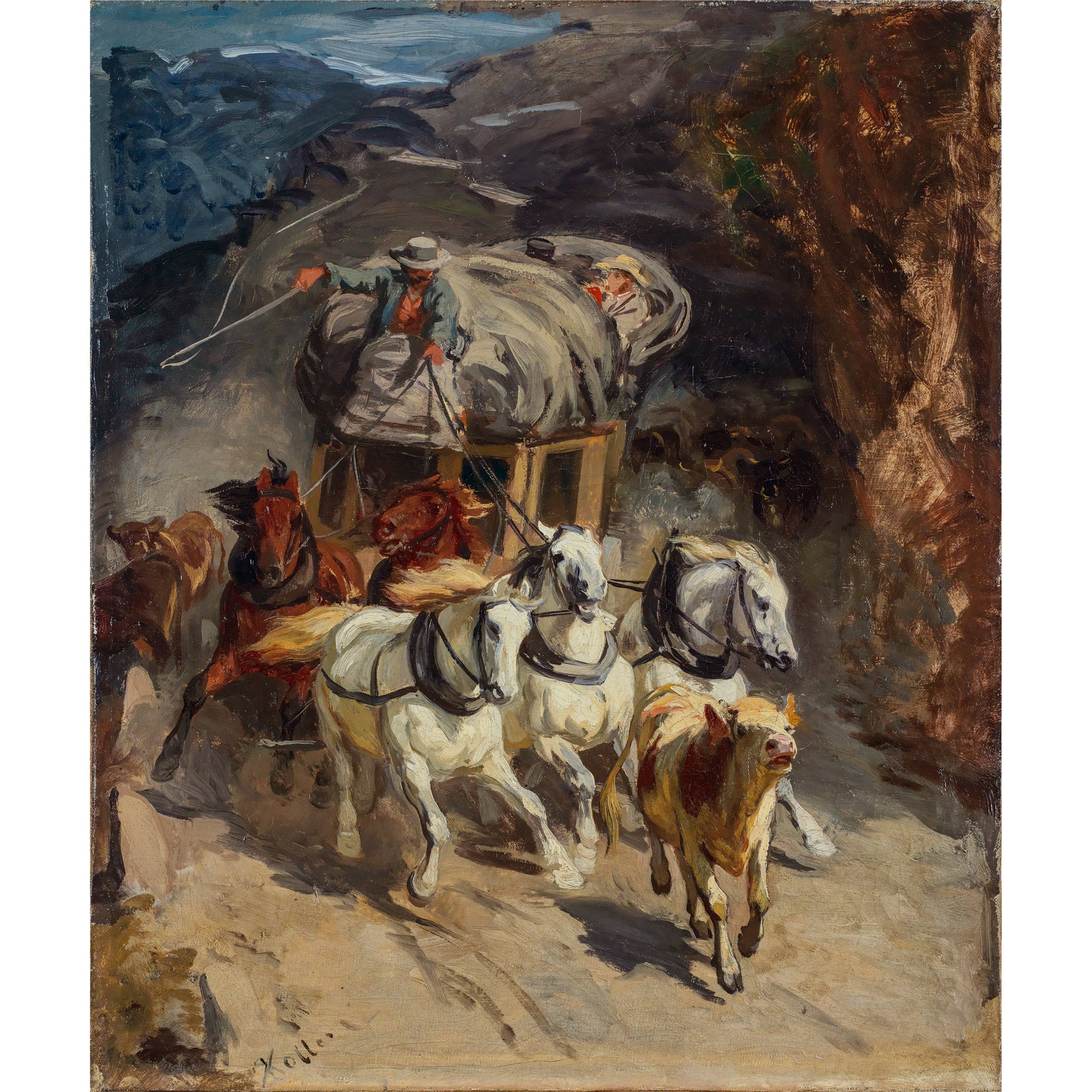
His most famous painting, *Die Gotthardpost* (*La Poste du Gothard*, 1873), was commissioned by the management of the Nordostbahn railway company as a farewell gift for Alfred Escher. In the foreground, a stagecoach drawn by five horses crosses the Gotthard road; the movement of the vehicle and that of the animals give the scene its momentum. The Kunsthaus Zürich interprets the work as an allegory of the acceleration of transport in the age of the railway.
The painting is now held in its collection.
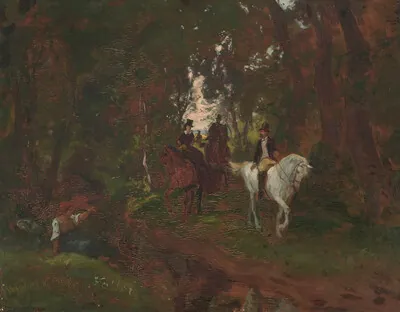
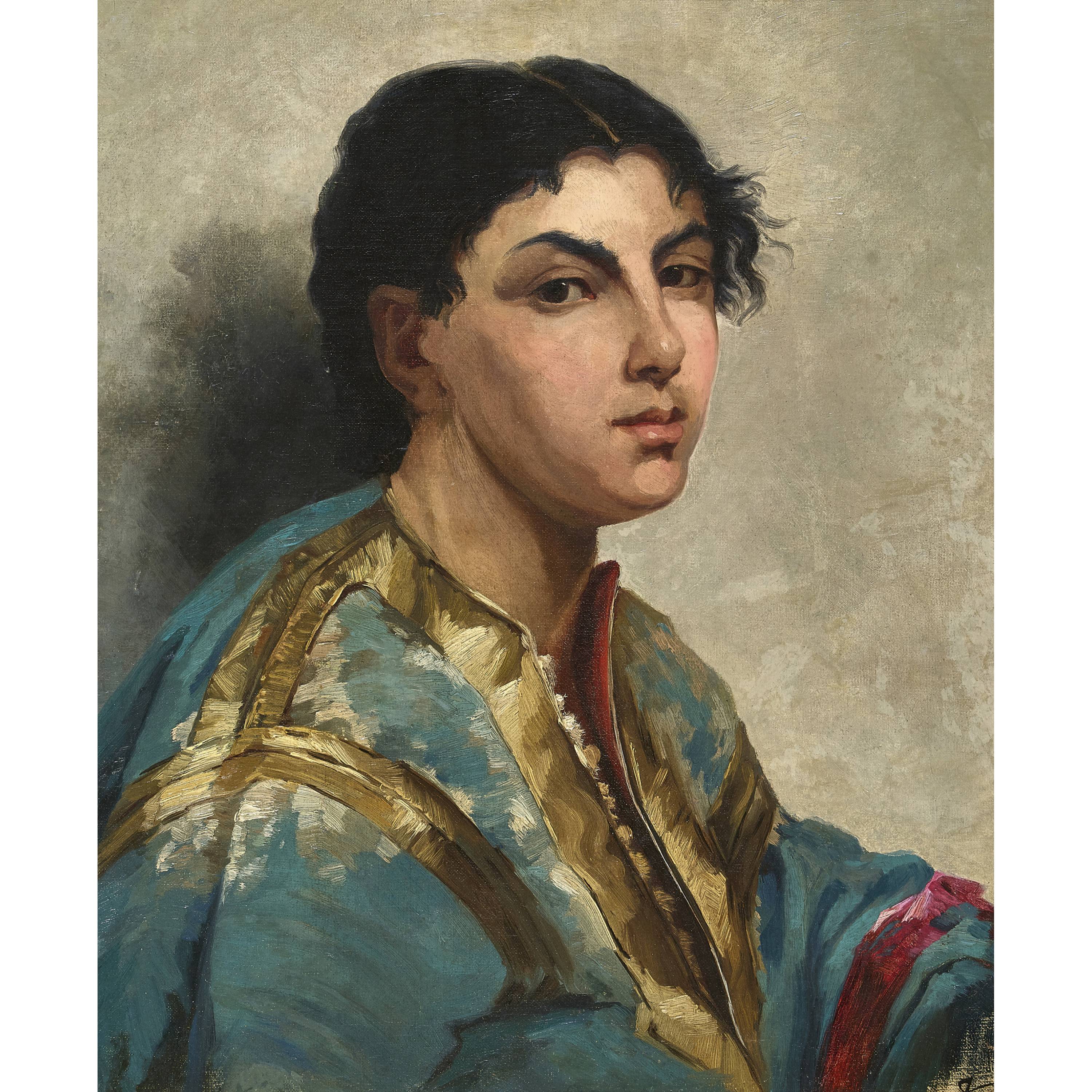
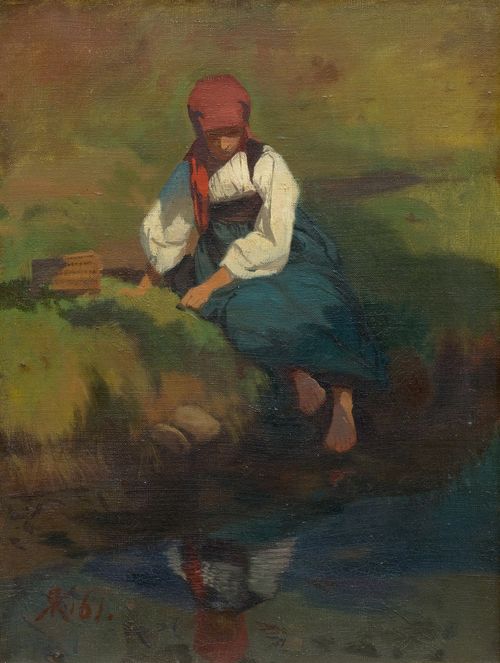
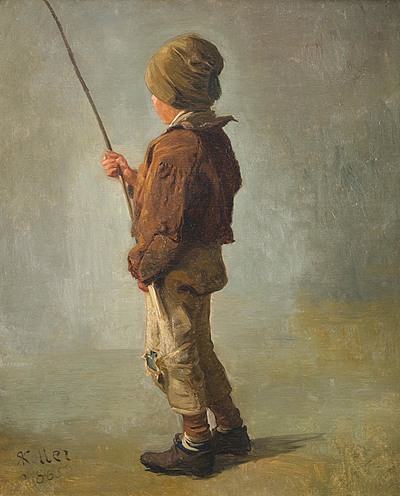
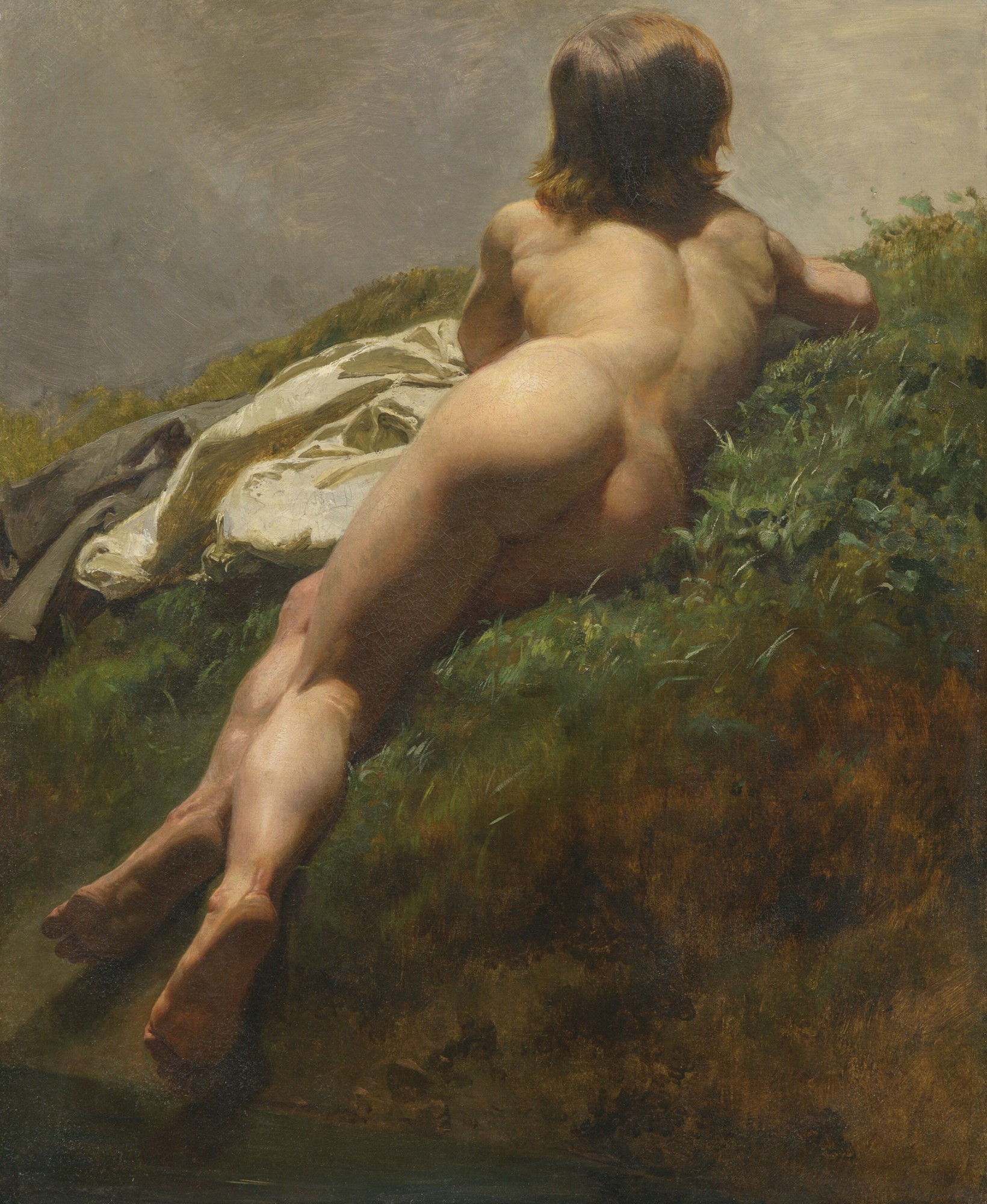
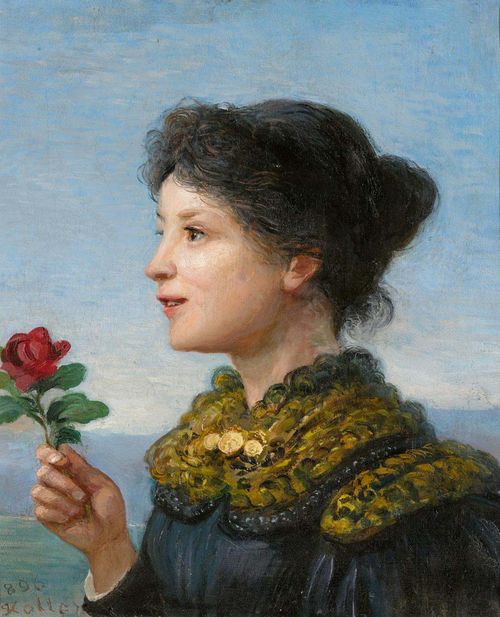
Koller cannot, however, be reduced to this image, which has become emblematic. His animal studies, portraits and mountain views reveal a meticulous observer, attentive to changes of gait and effects of light. The Dictionnaire historique de la Suisse places him among the important representatives of Swiss Naturalism, capable of combining realistic precision with the innovations of plein-air painting.
In 1898, a major retrospective of his work was presented in Zurich, and the University of Zurich awarded him an honorary doctorate.