Rudolf Hurni
Born in 1914.
Died in 2003.
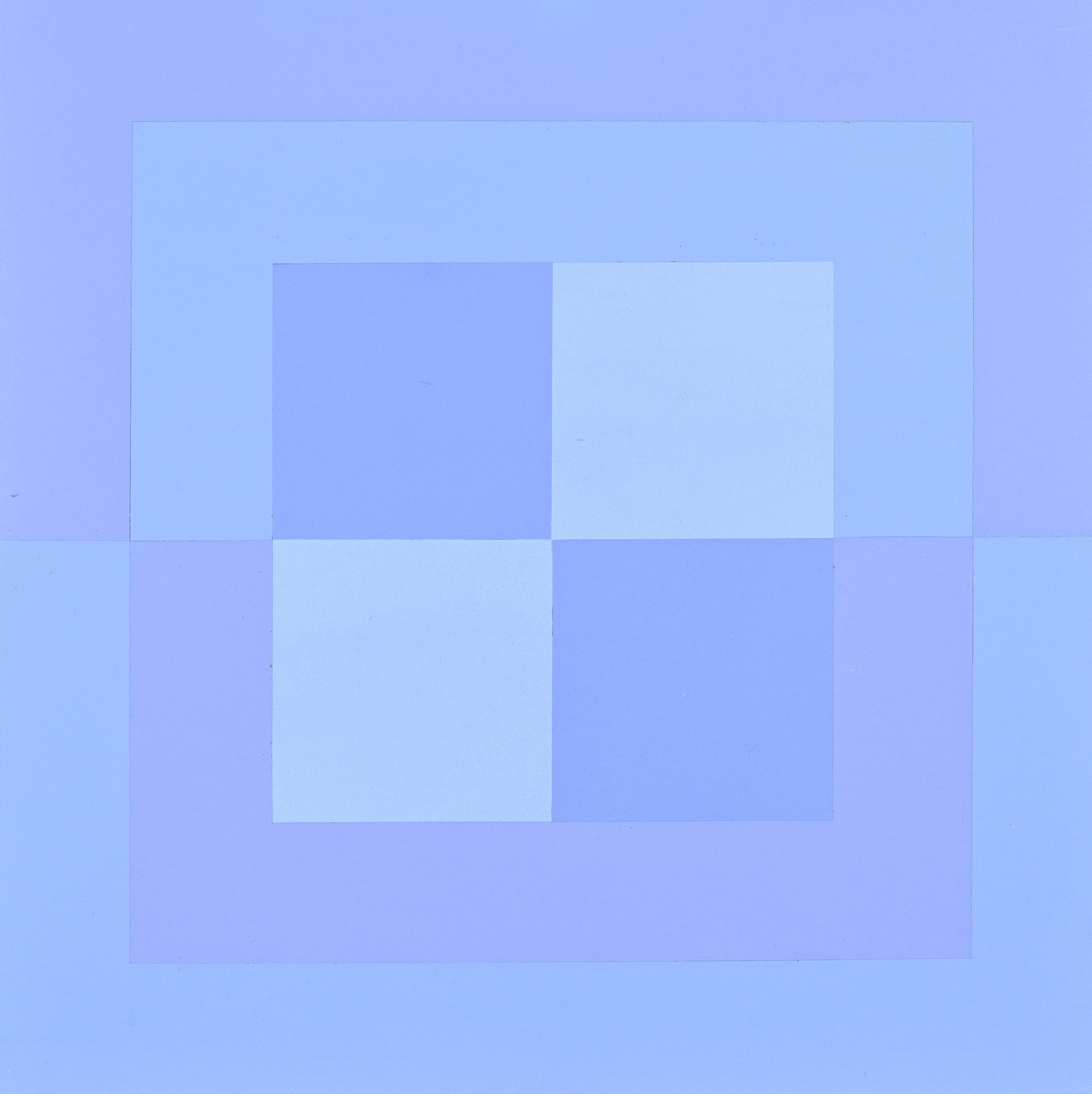
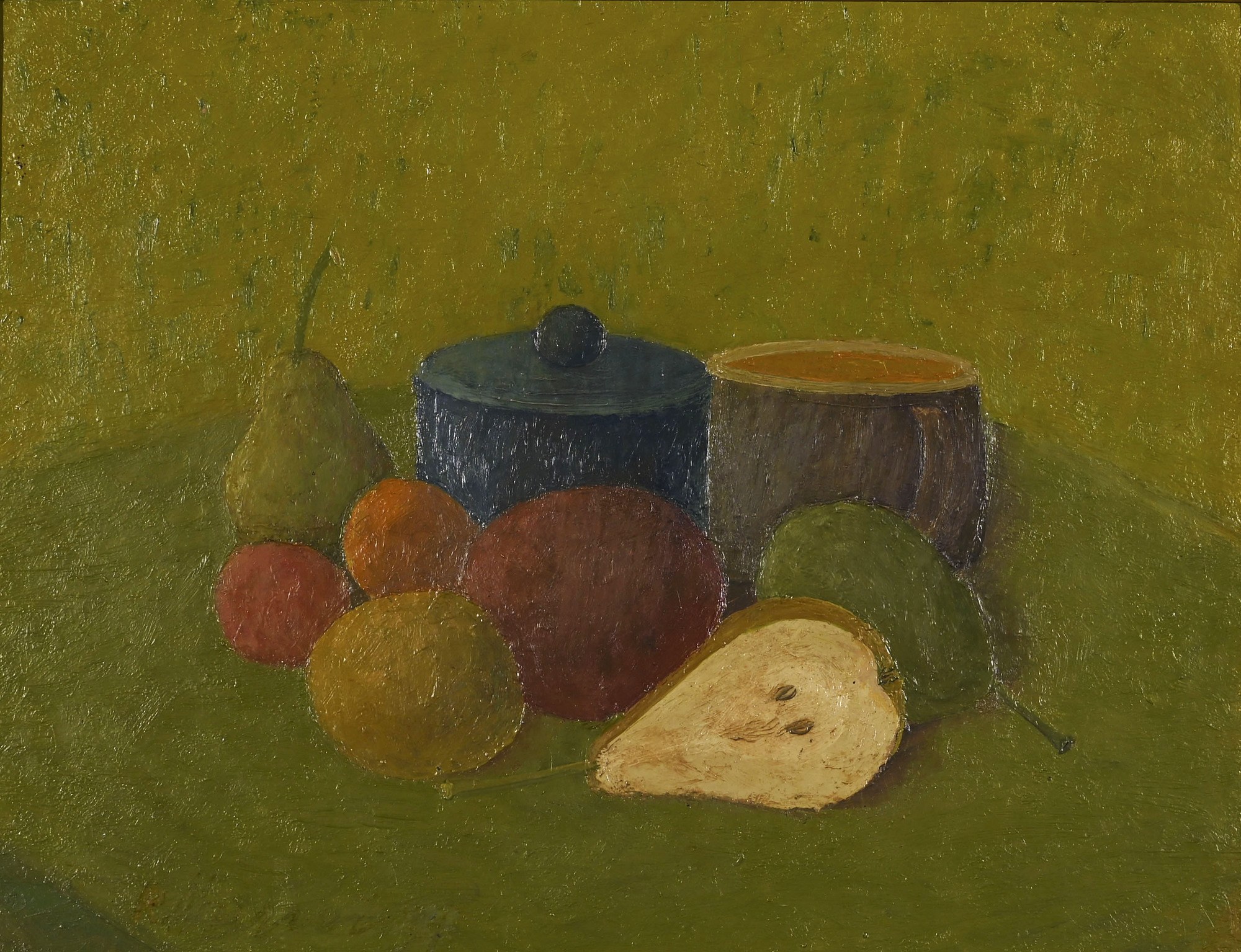
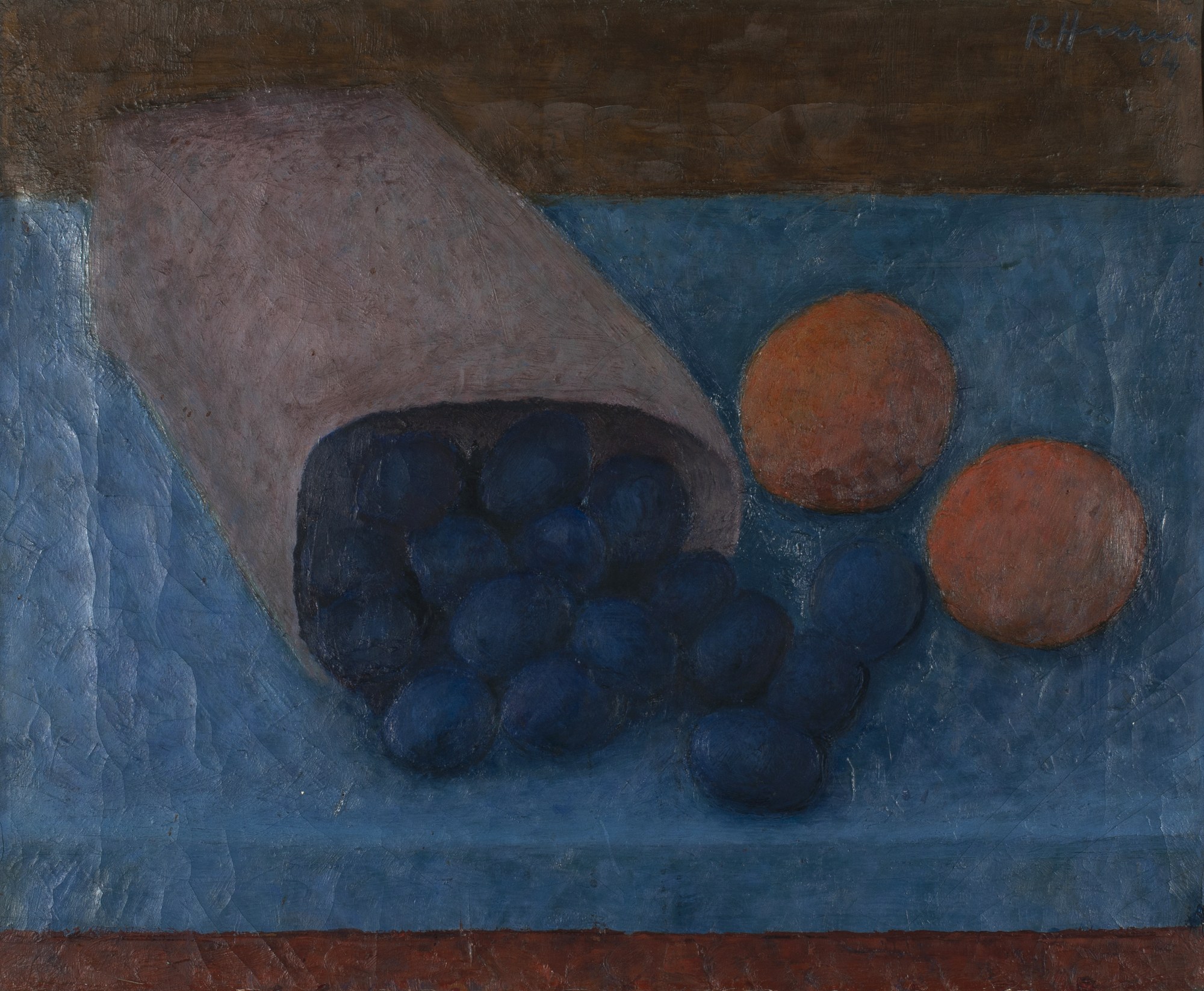
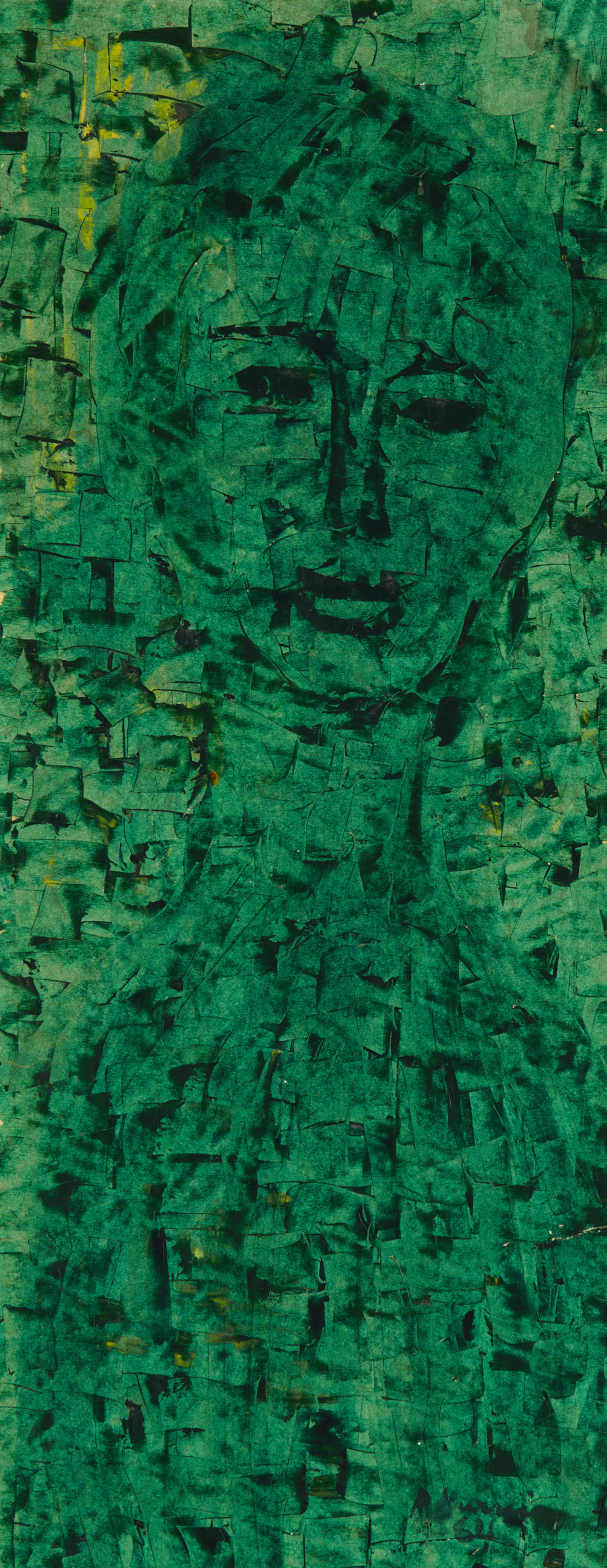
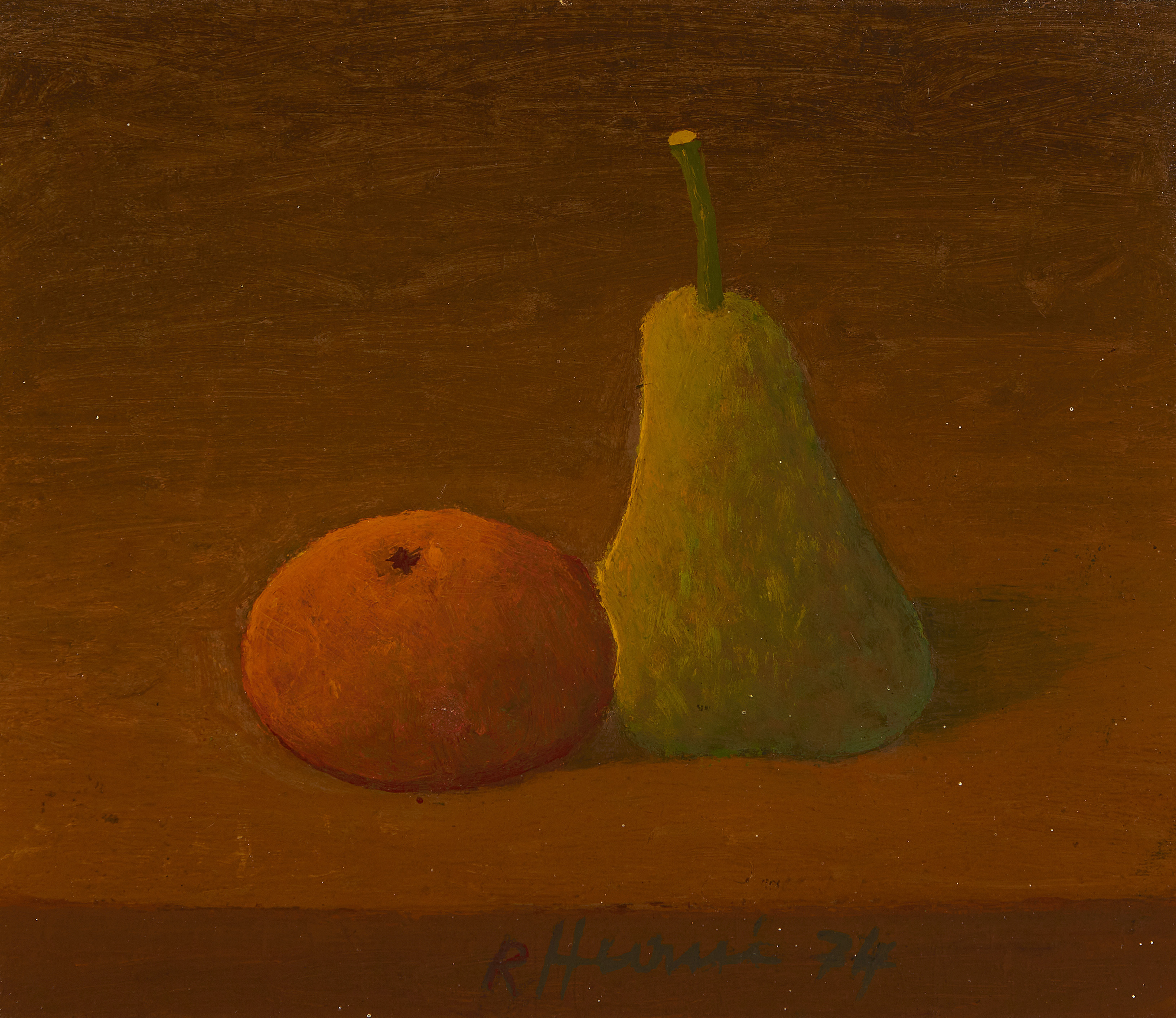
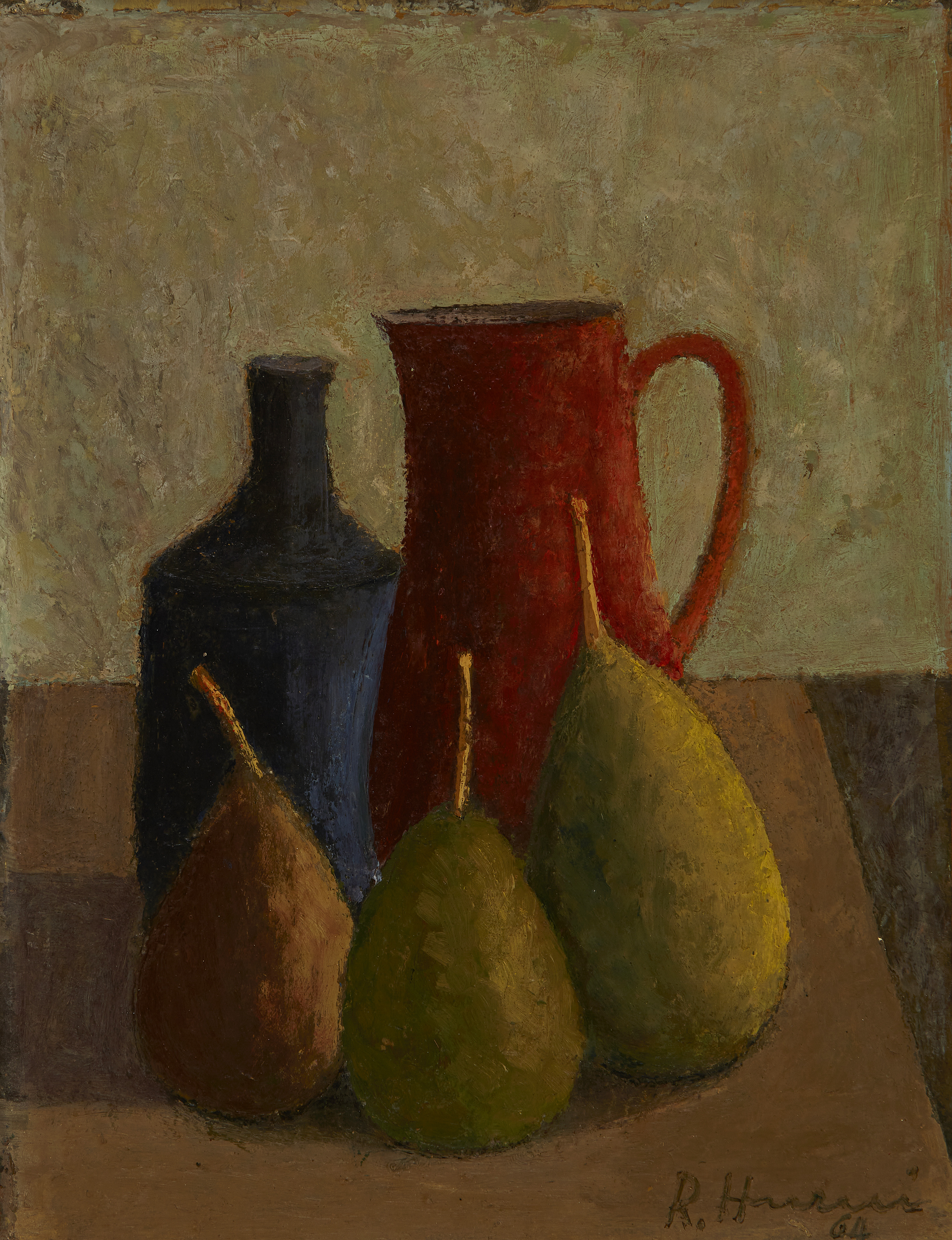
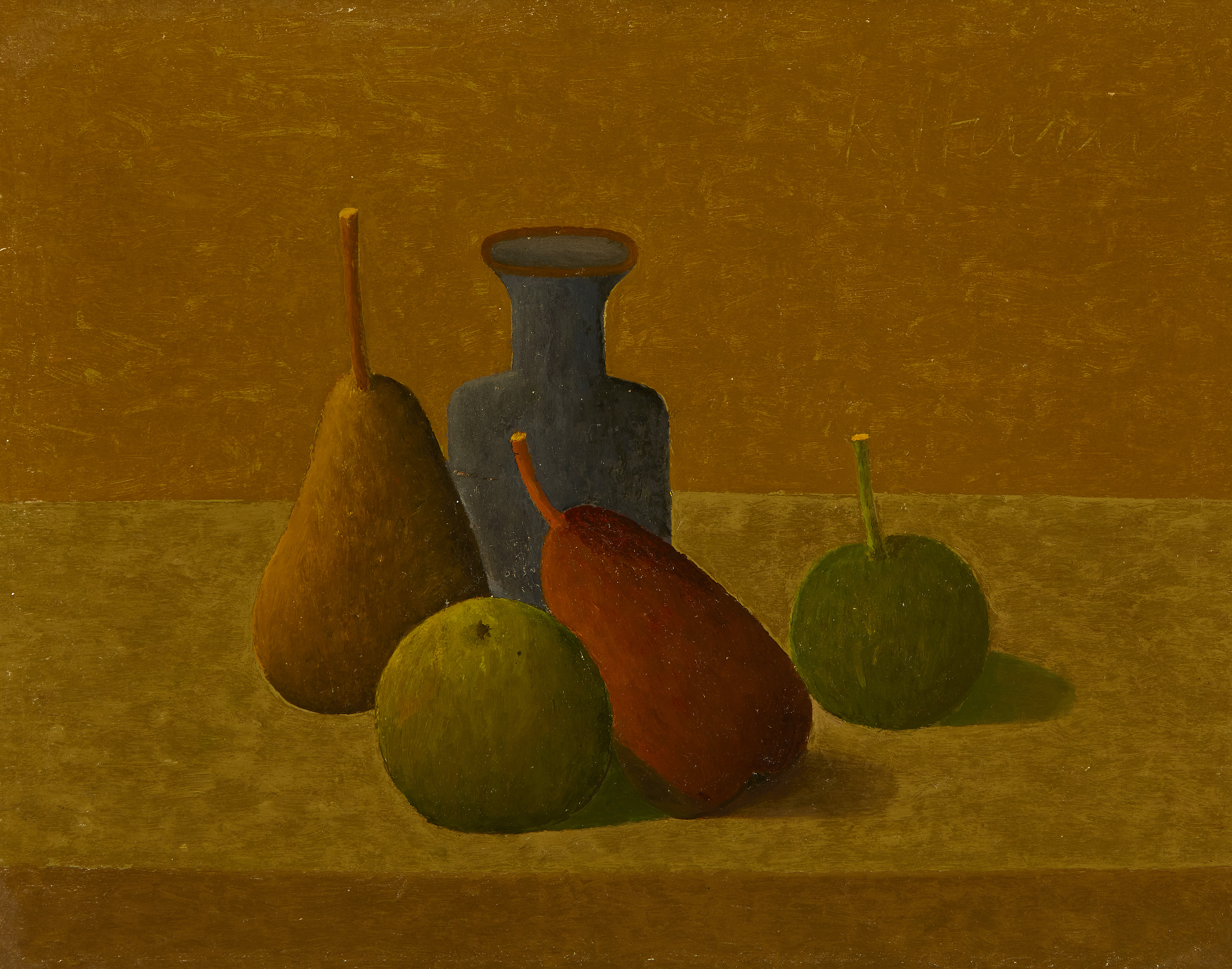
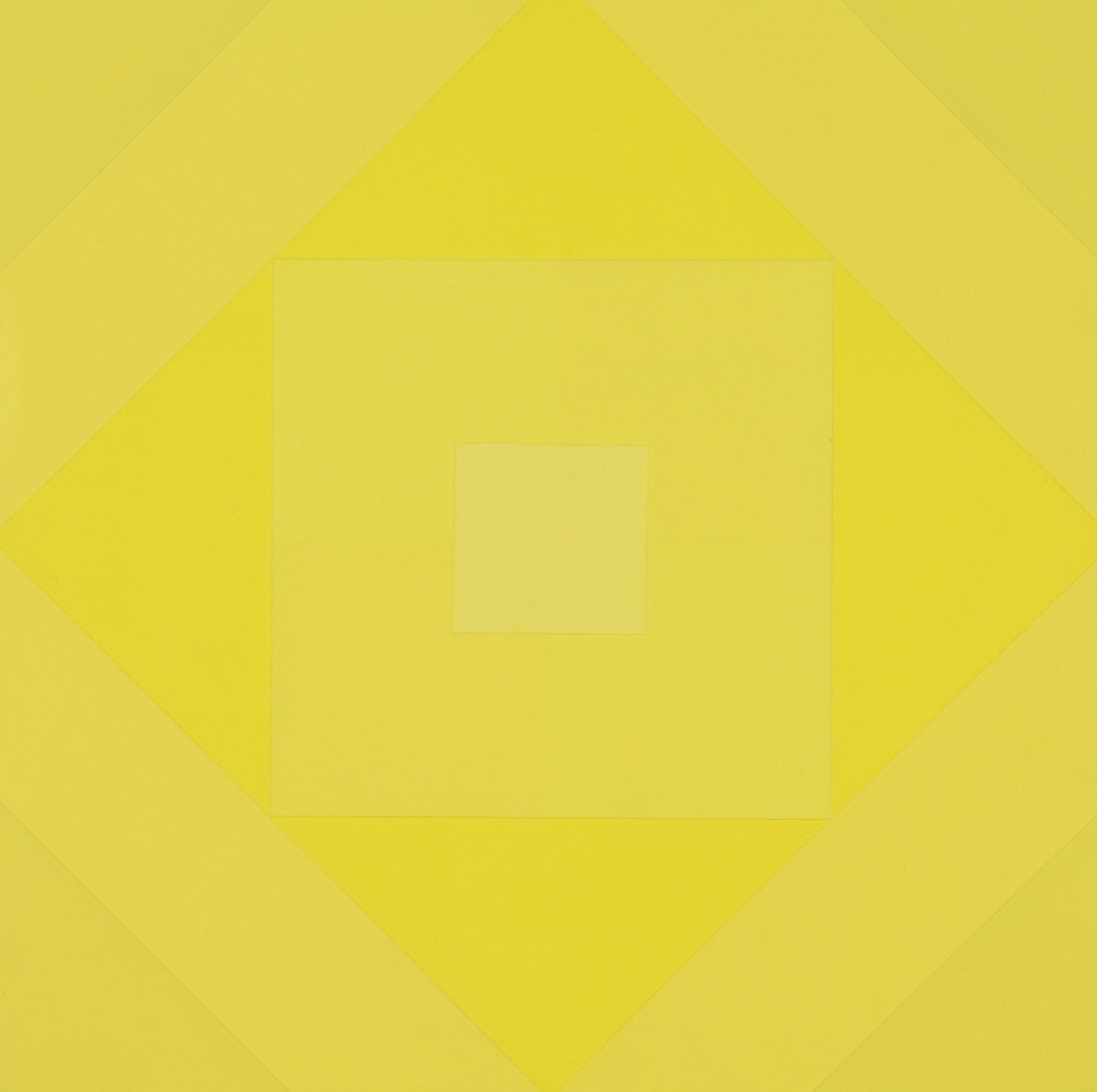
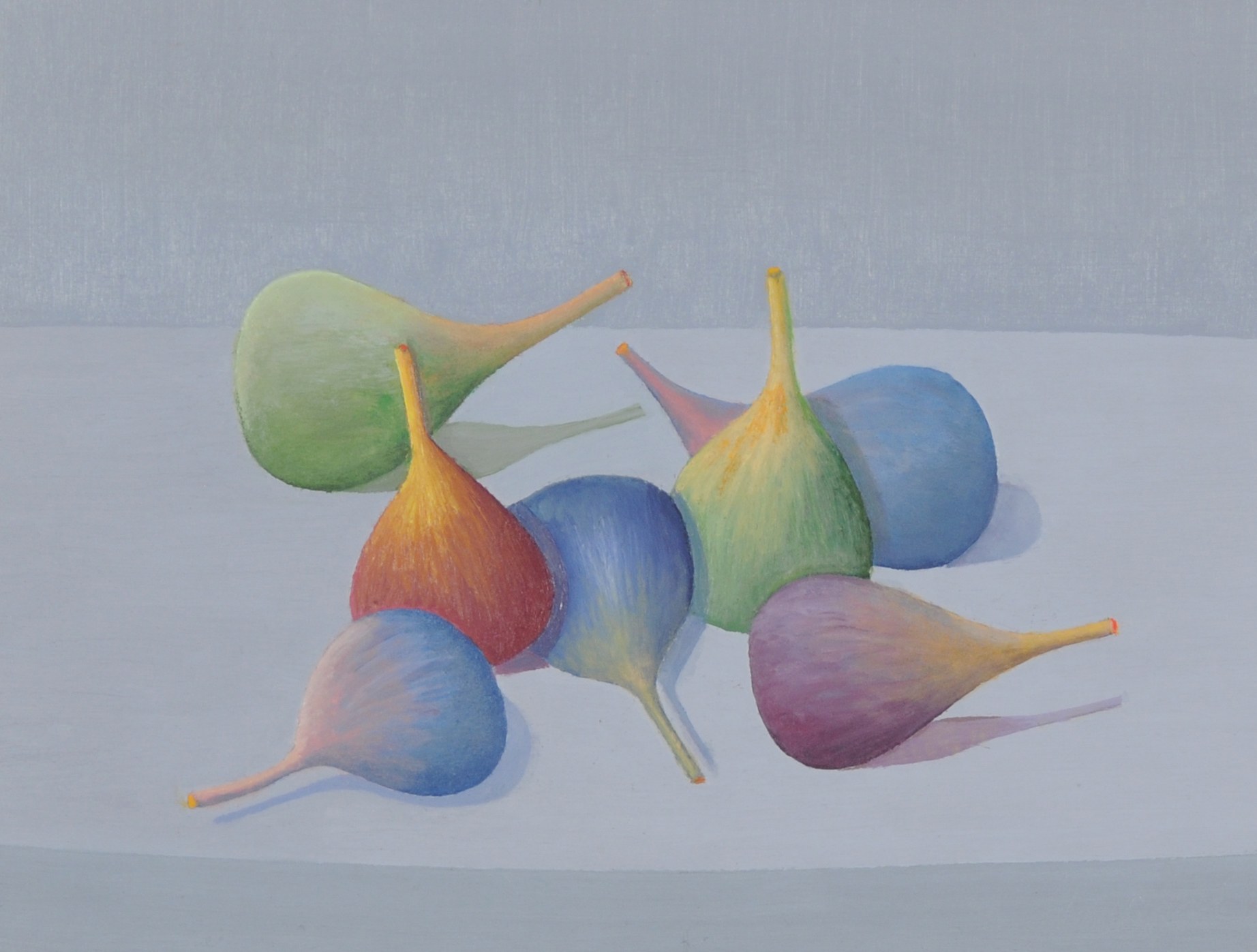
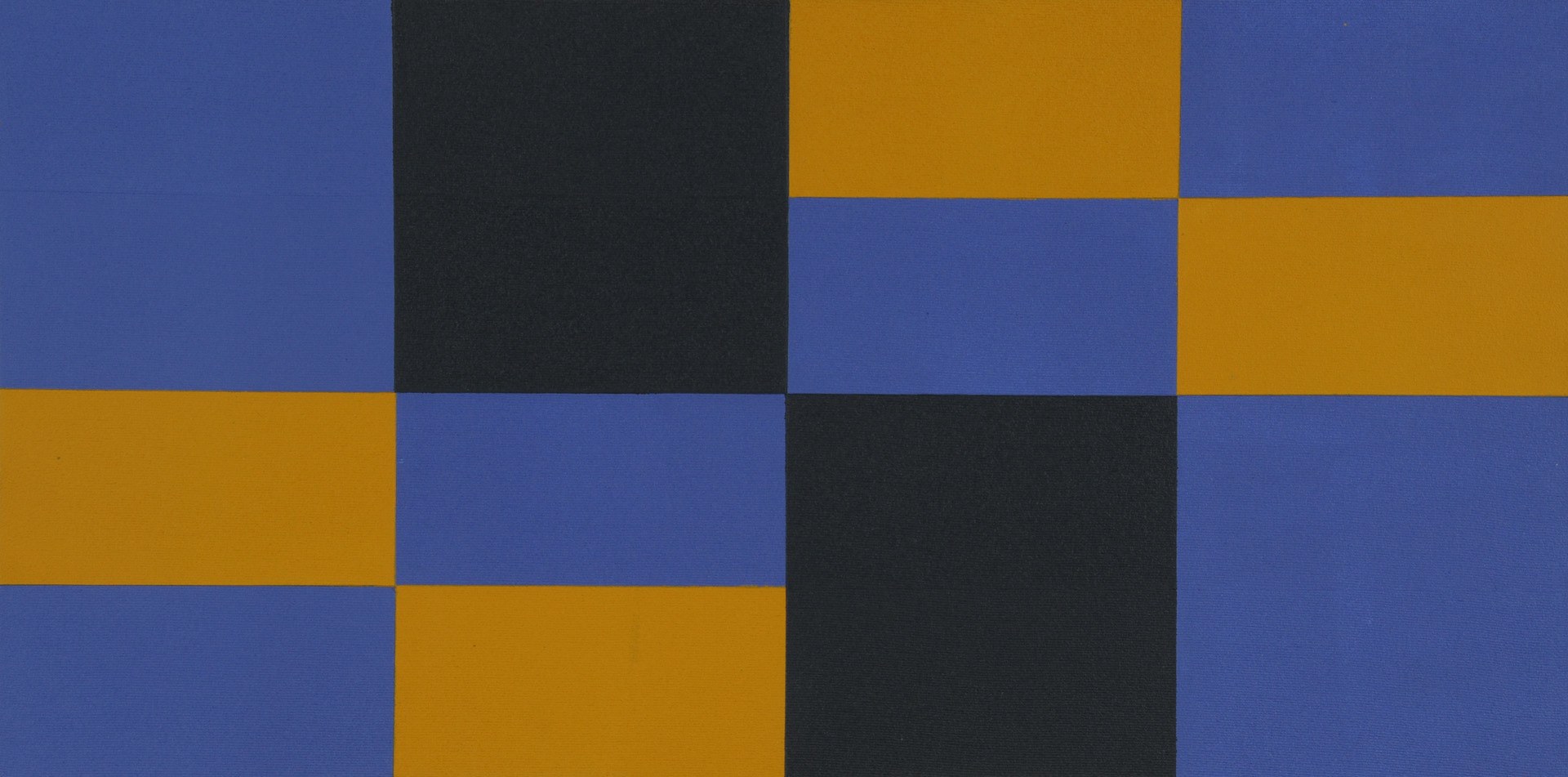
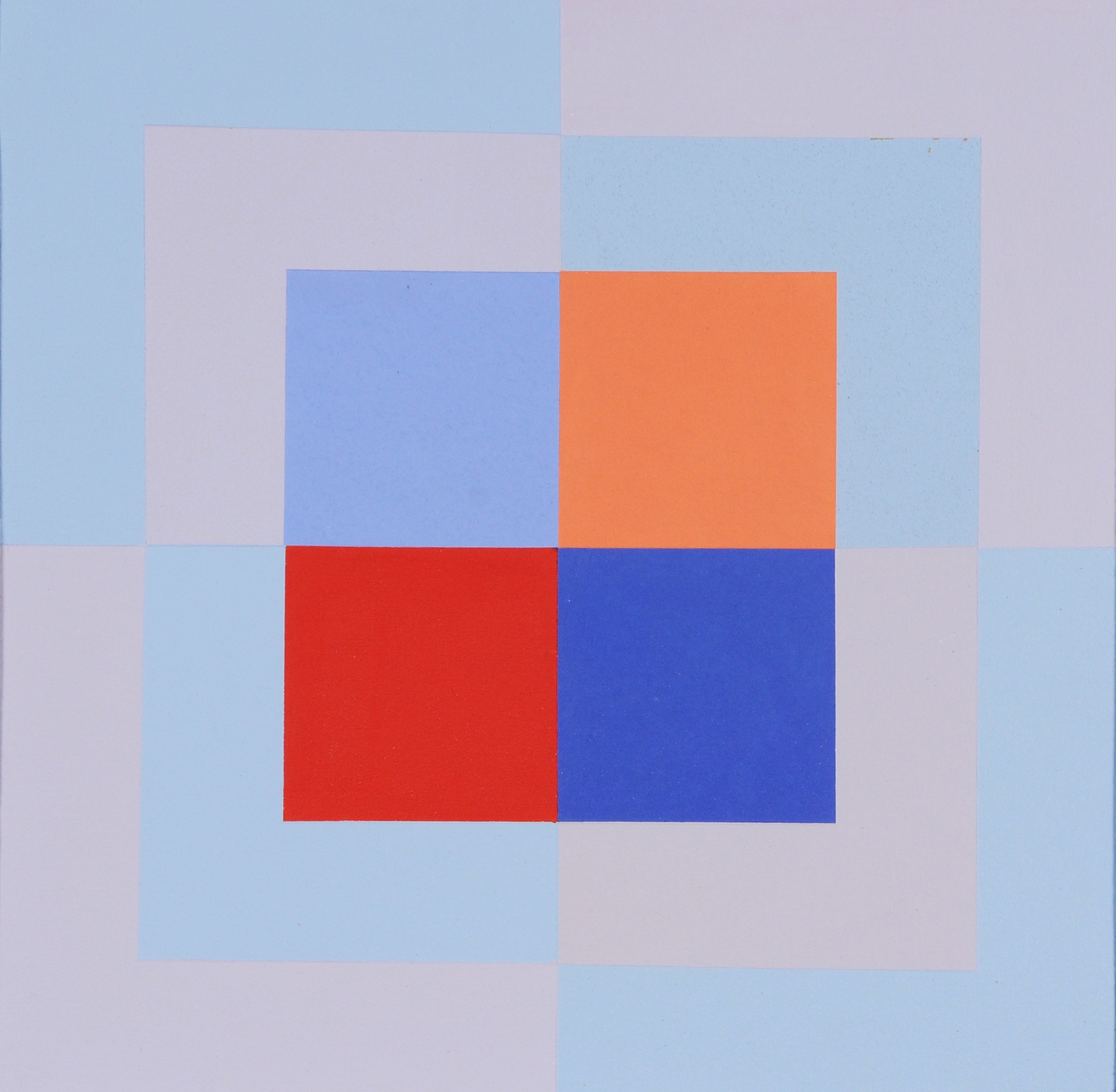
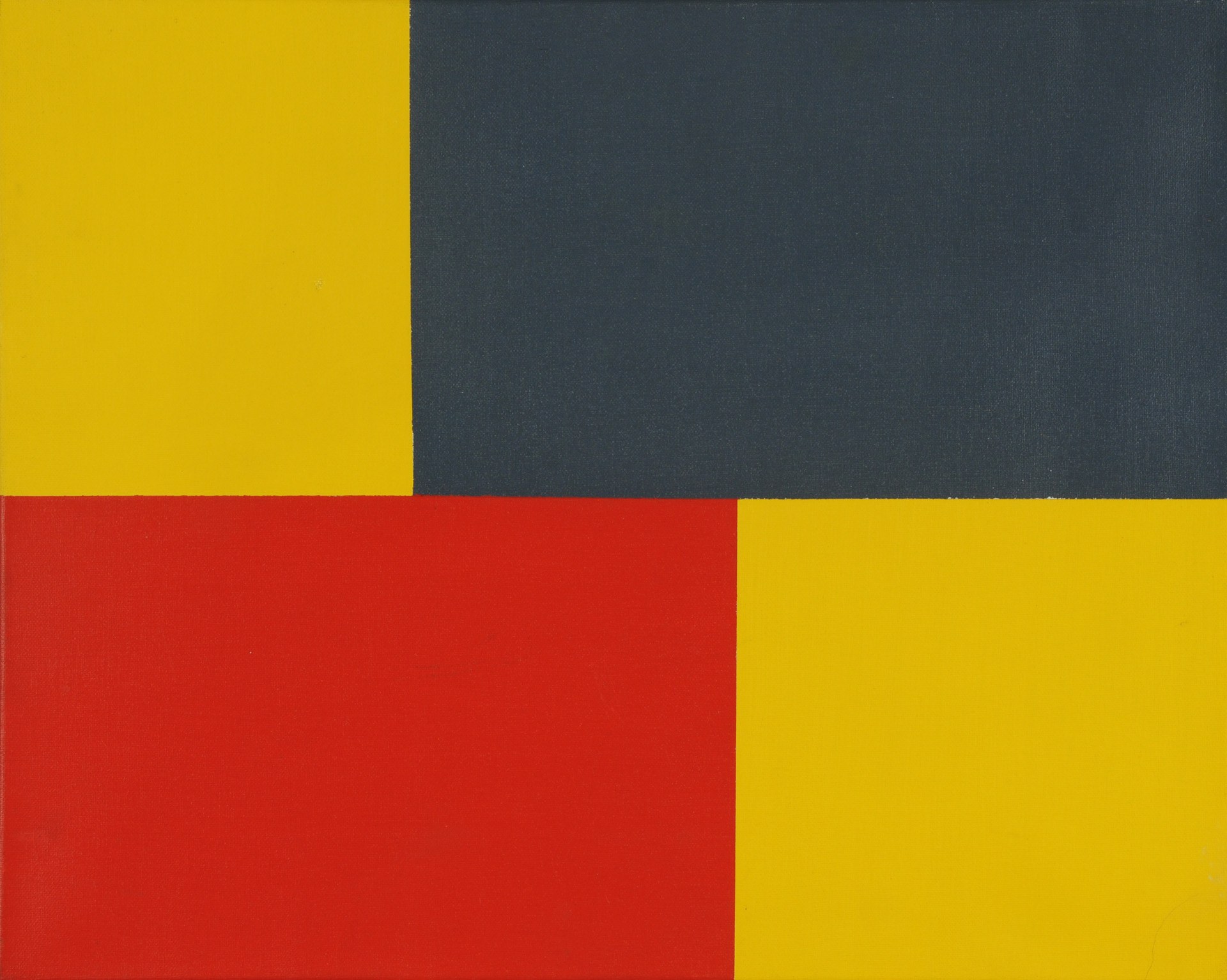
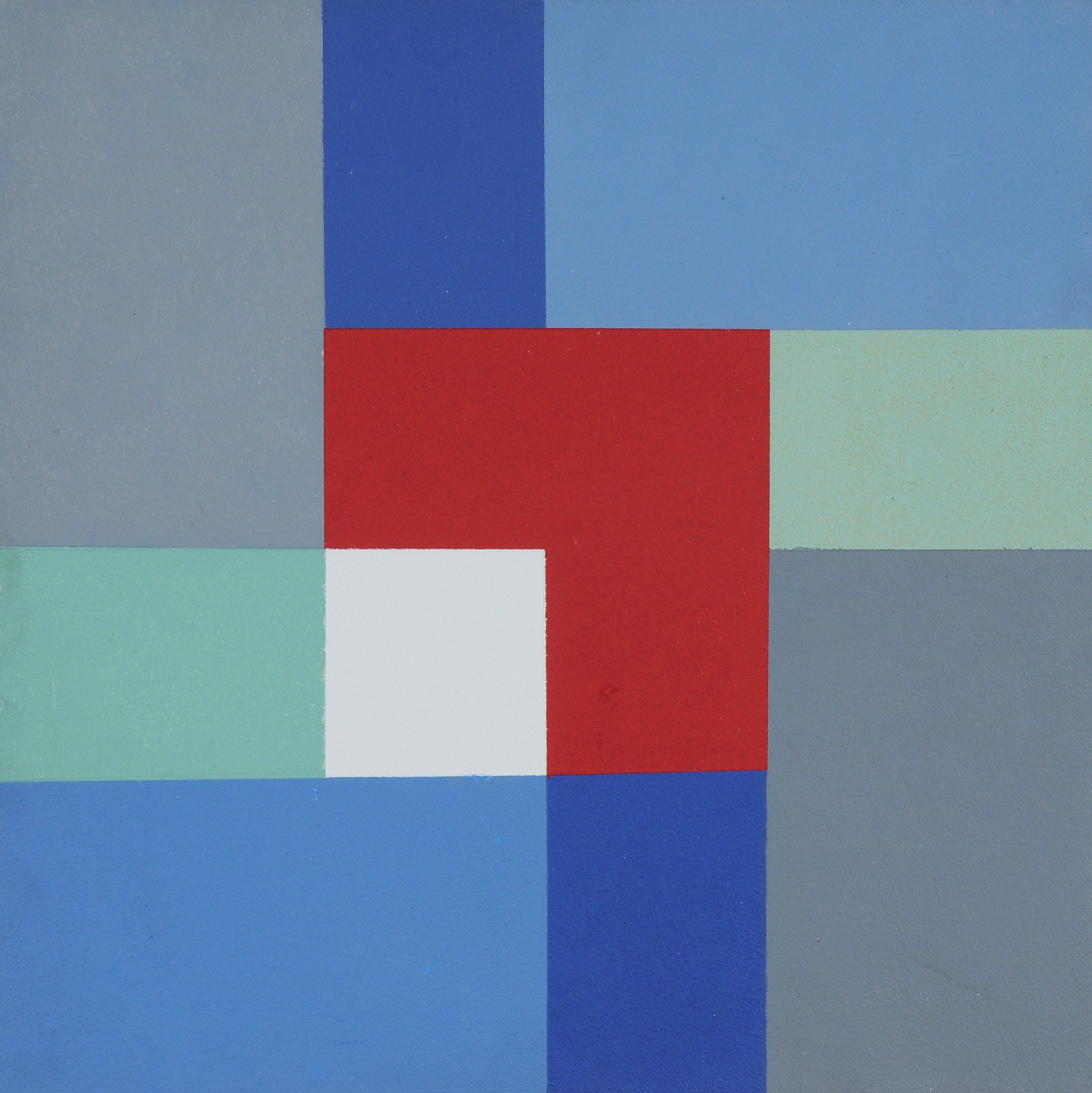
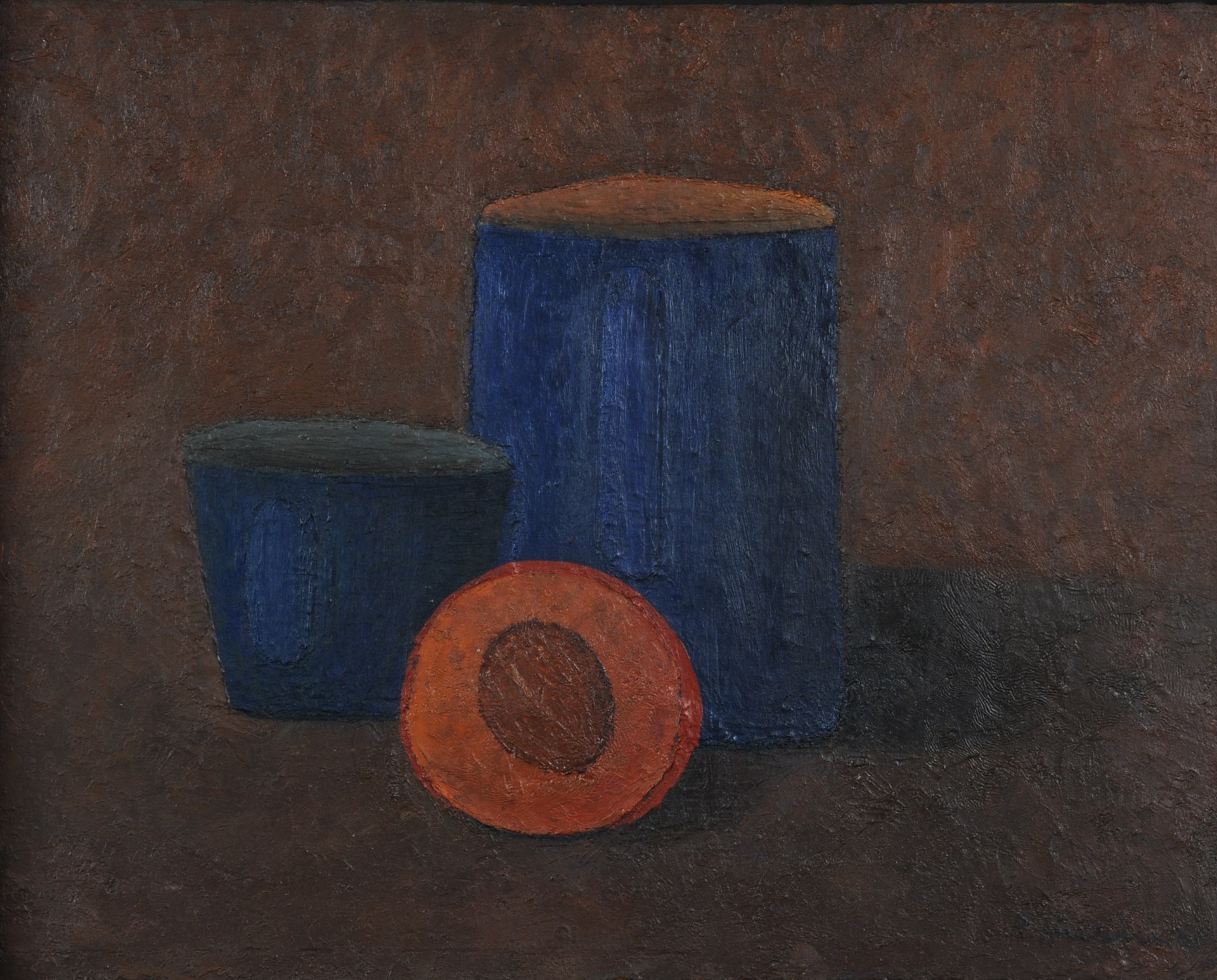
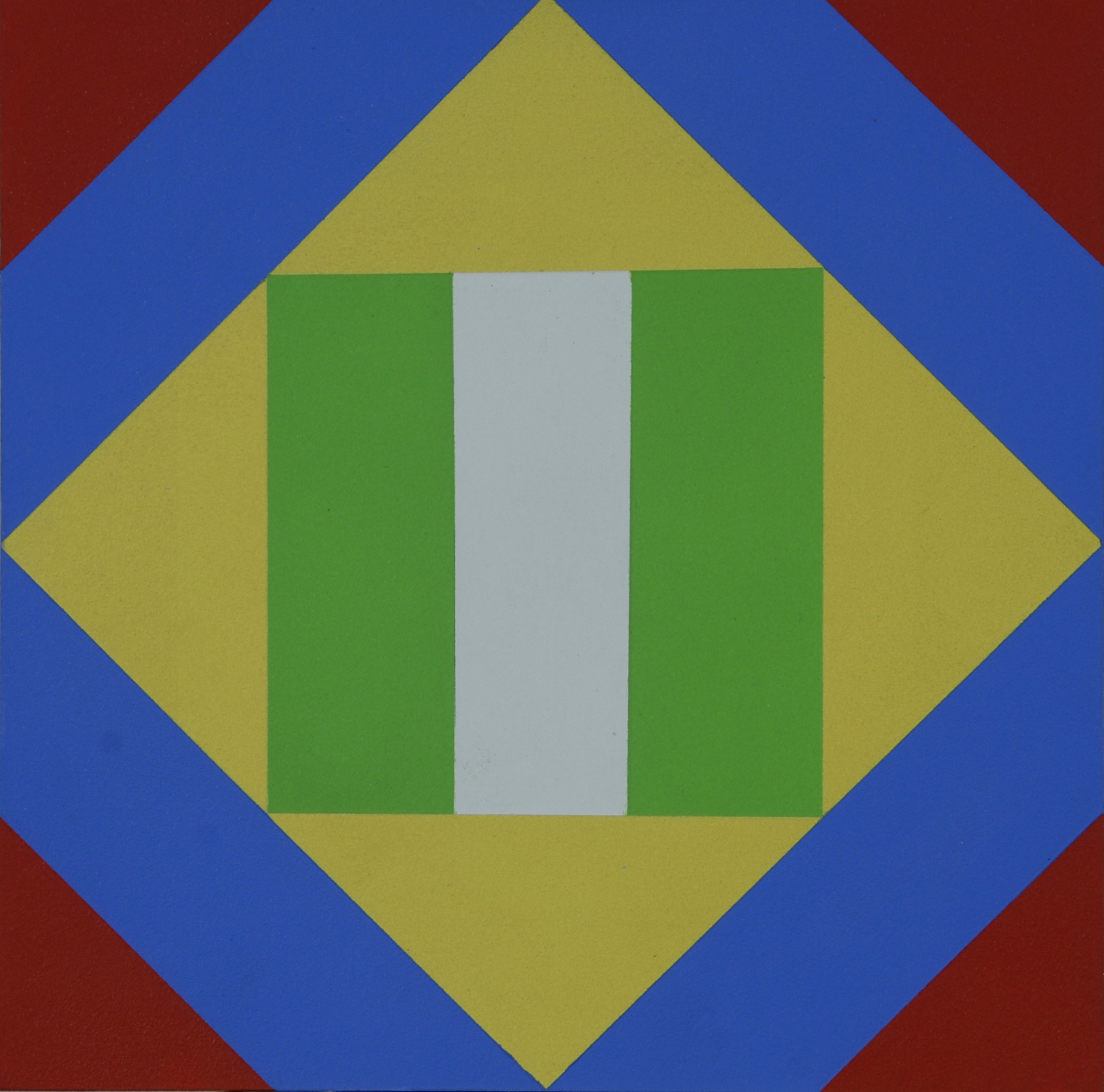
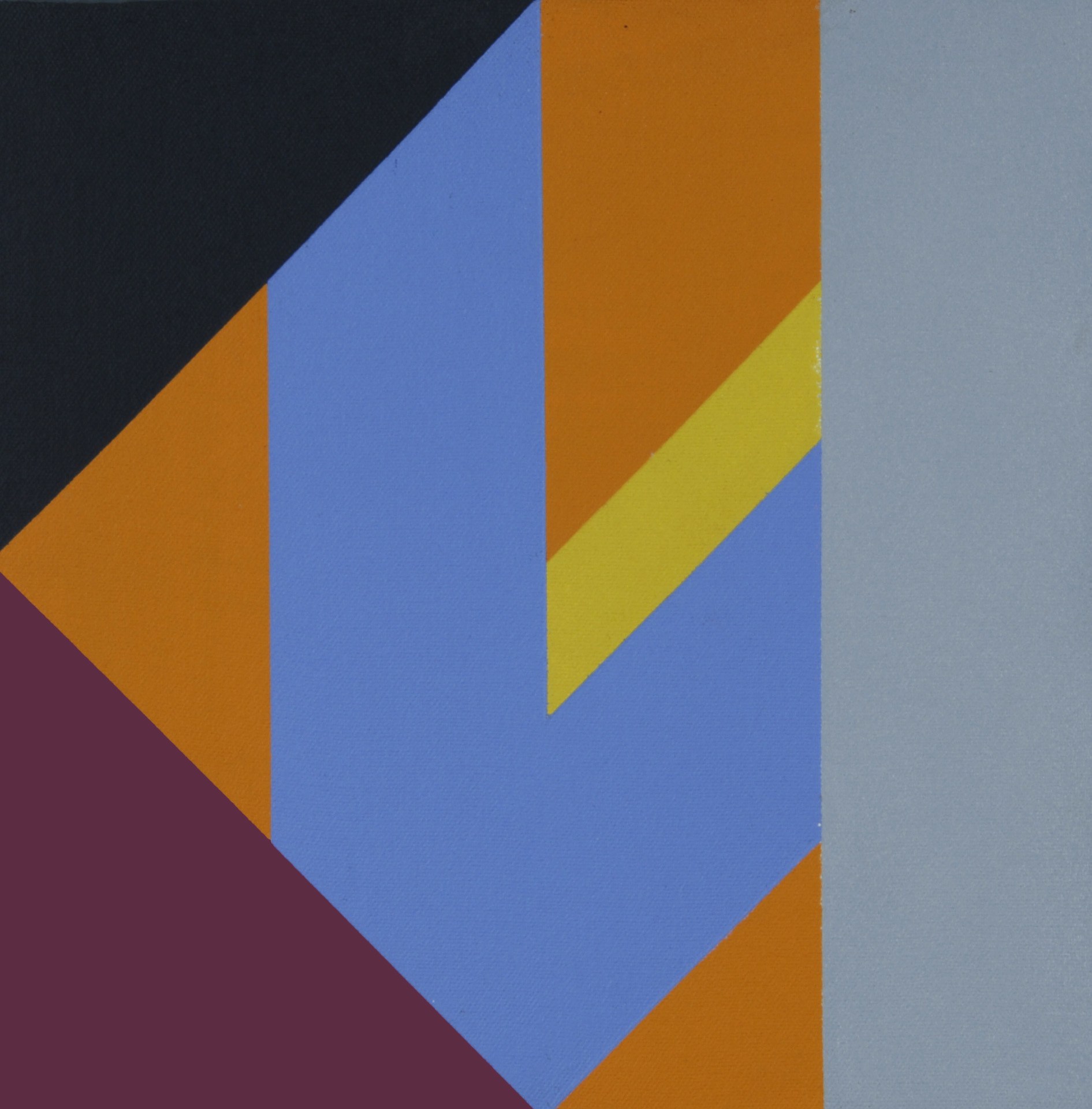
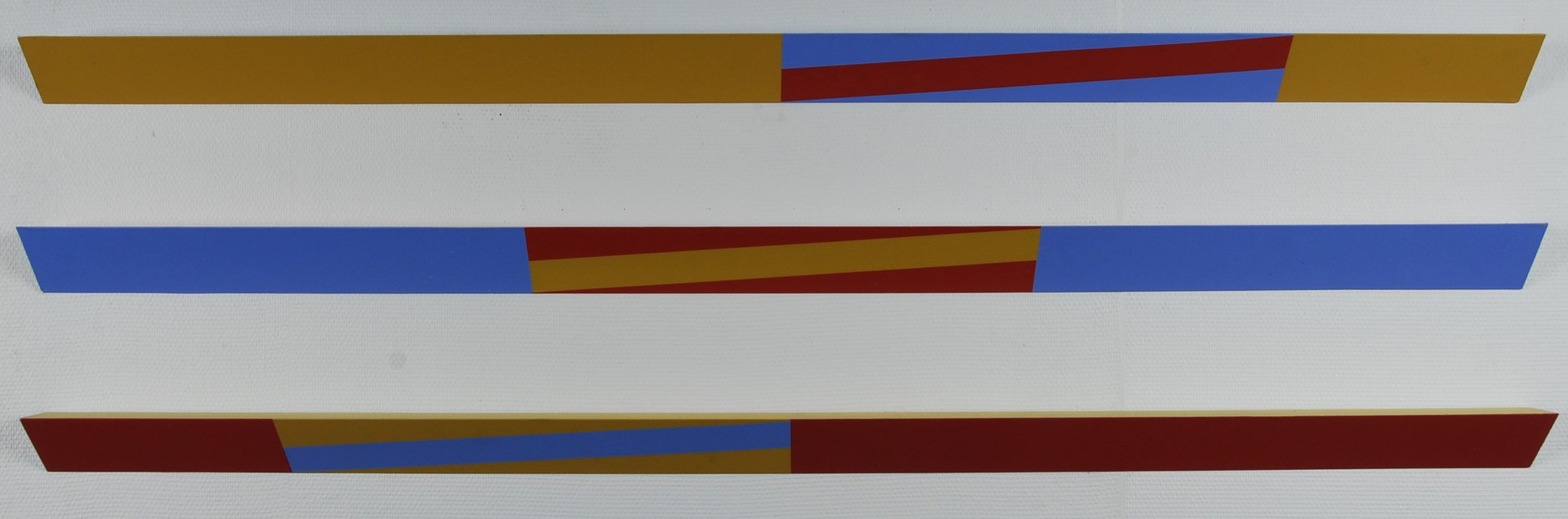
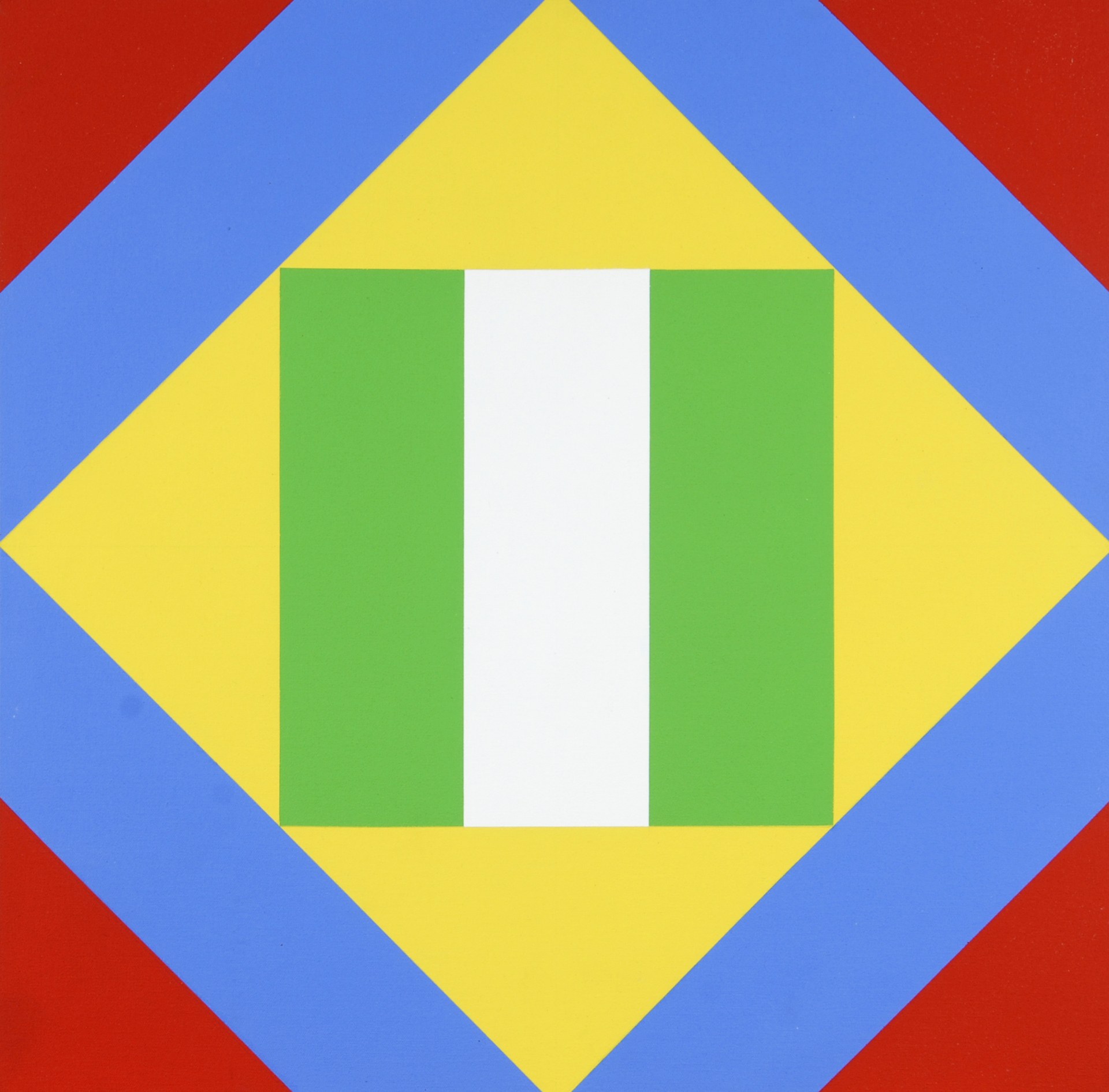
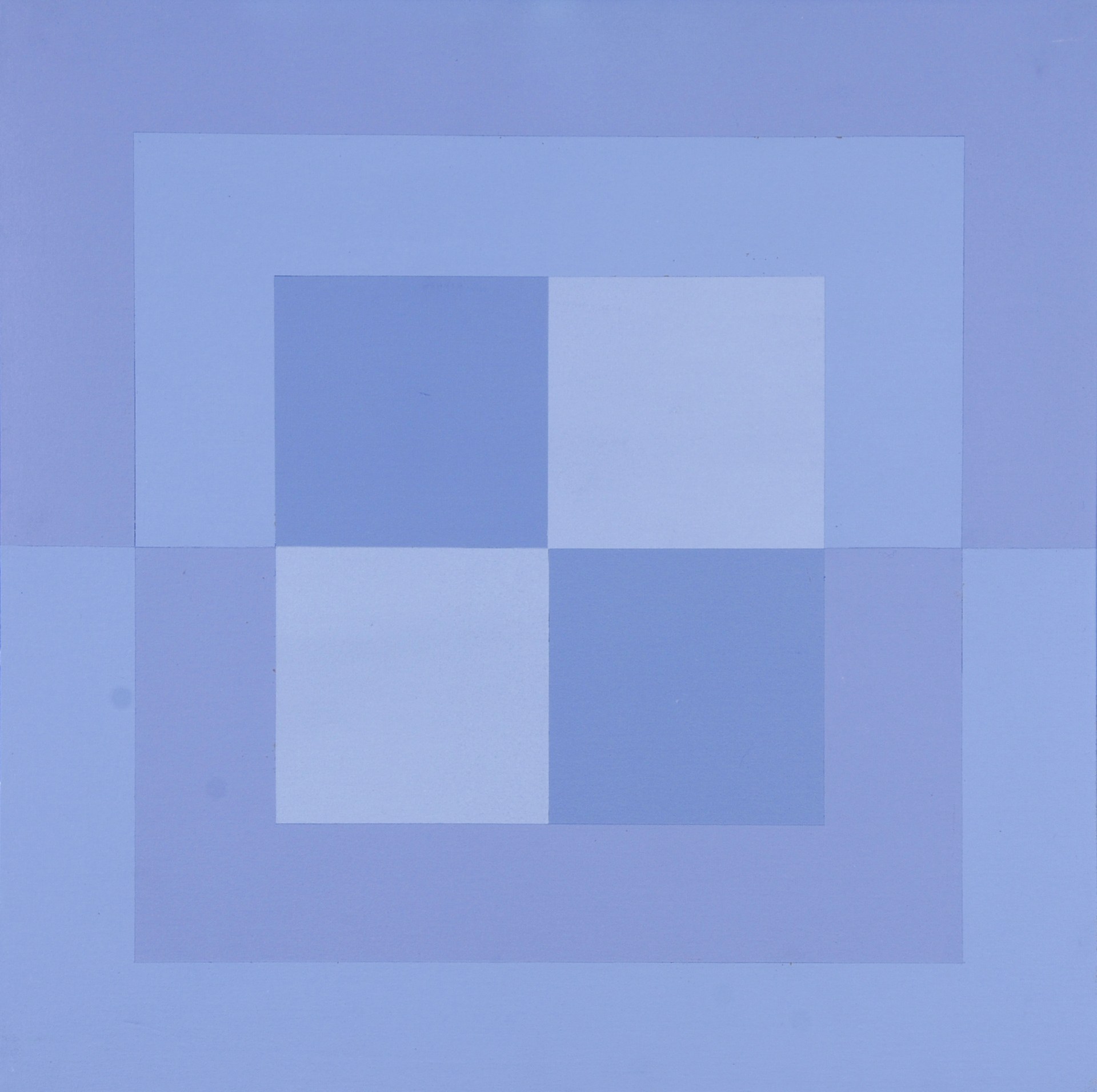
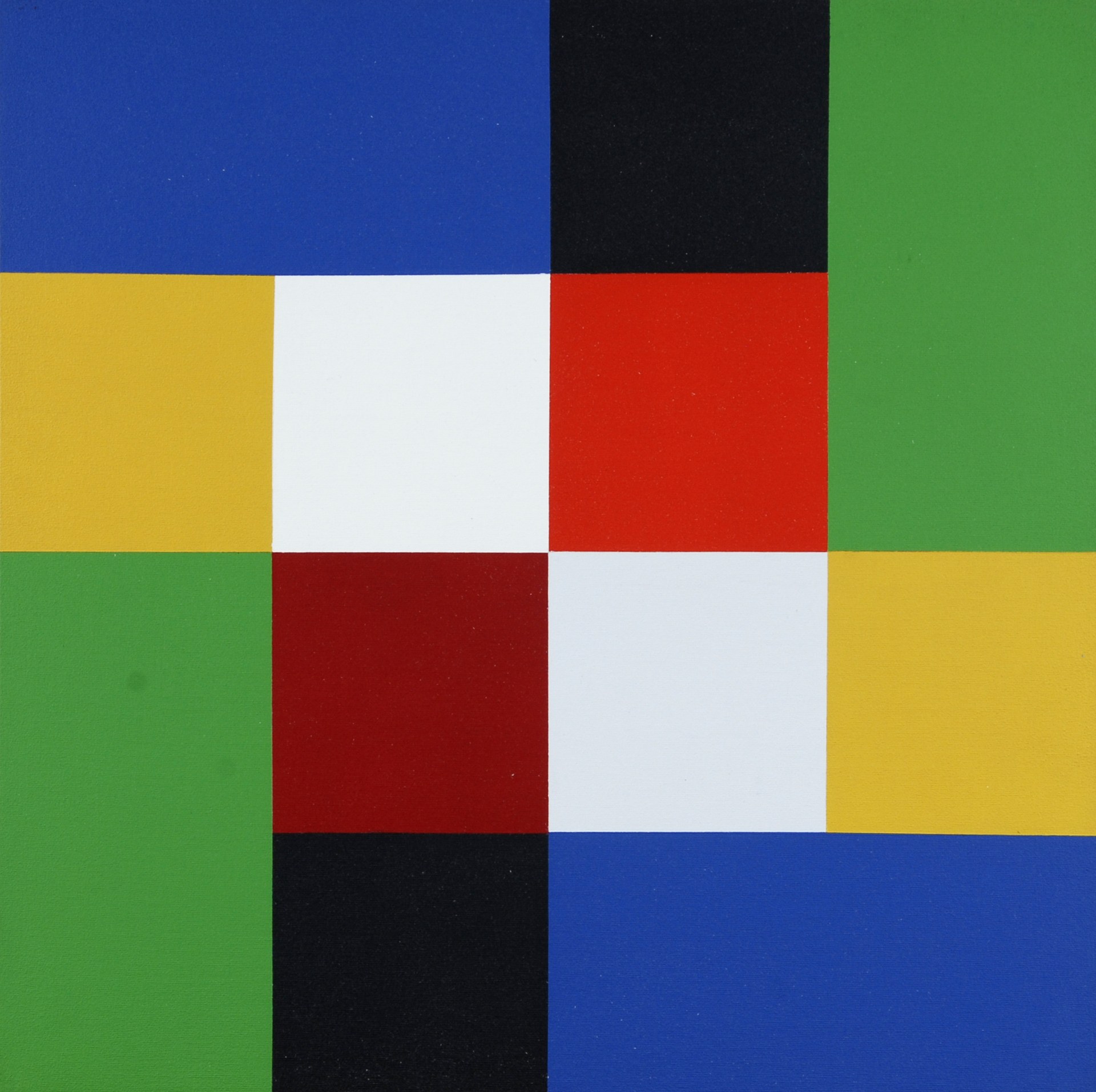
According to the available documents, Rudolf Hurni is distinguished by a marked formal evolution — from a figurative treatment of still lifes, at times impasto, towards increasingly pared-down, “spiritualized” compositions, and then towards fields of colour and fine geometric constructions — and by his place in the context of the “Zürcher Konkreten” in Switzerland; the literature presents him as a Swiss painter.
From 1939, he worked in graphic design at the Swiss National Exhibition (Landi), where he carried out design work, attesting to a professional practice already oriented towards applied visual communication (f11). After the war, he established his own studio in Aarau in 1945 (f5). In November 1951, he moved his residence to Zurich; four years later, he was admitted to the GSMBA (Swiss Society of Painters, Sculptors and Architects), an official professional recognition within local artistic circles (f6, f14).
The first major documented solo exhibition took place in 1961 at the Municipal Gallery Strauhof in Zurich and was devoted to his still lifes (f12). In 1988, his name appeared both in the programme of the Kunsthaus Zürich and among the founding members of Zurich’s “Gruppe X”; these positions place his work within the artist networks active at the time (f13, f10). In 2001, the Fondation Saner in Studen devoted a major retrospective to him, documented as a high point of his late visibility (f17).
In terms of his practice, the sources describe a technical and expressive transformation: from still lifes in which the objects still retain a sculptural model, towards a painting in which forms “enter a singular state of suspension”, and then towards surfaces worked in fine layers, particularly in acrylic, translating inner states into pictorial language (f19). After his death, the gallery and studio continued for some time; the premises were cleared in March 2017, a fact to bear in mind in any research into the preservation of, or access to, the artist’s material archives (f18).