Rolf Iseli
Born in 1934.
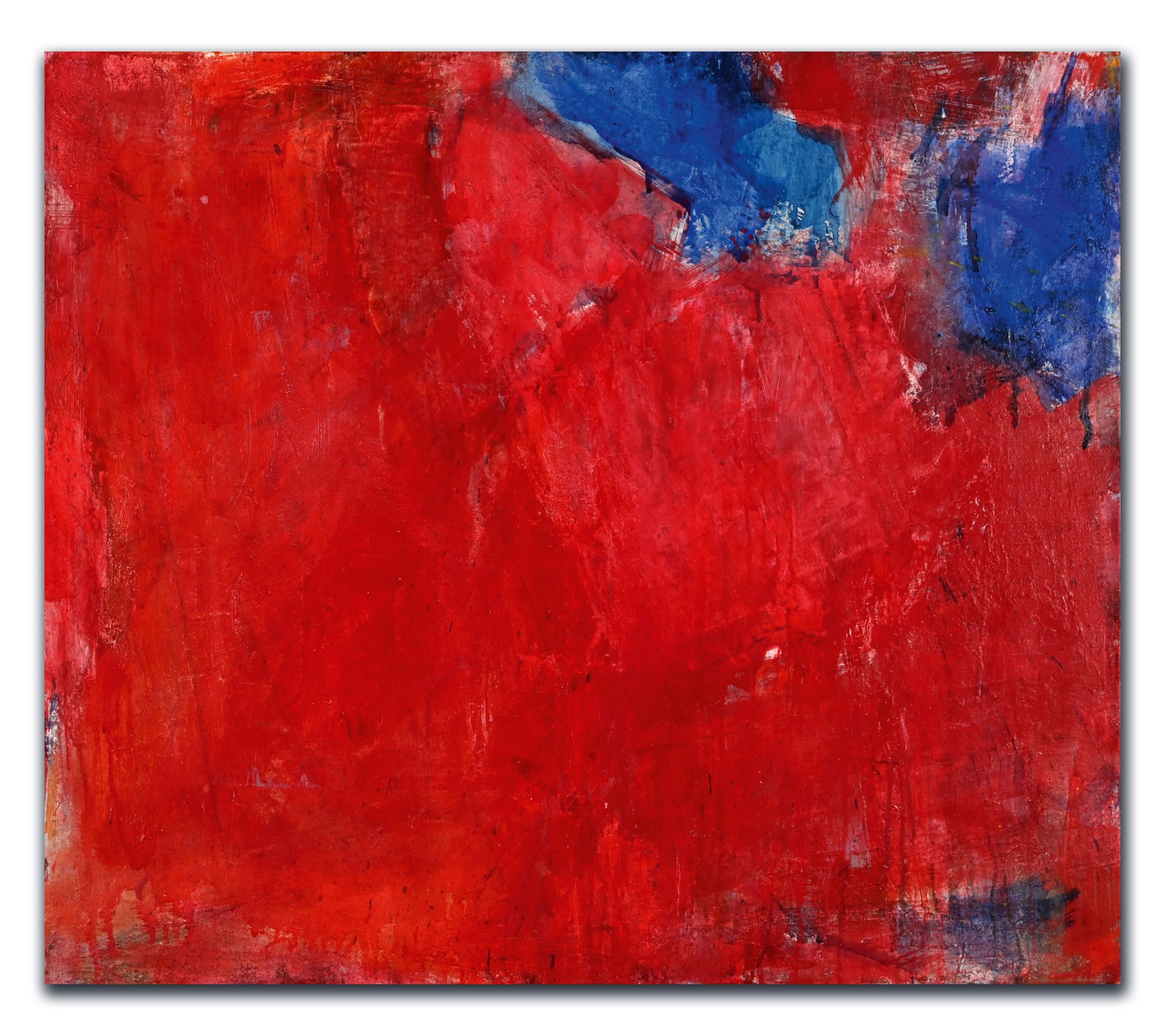
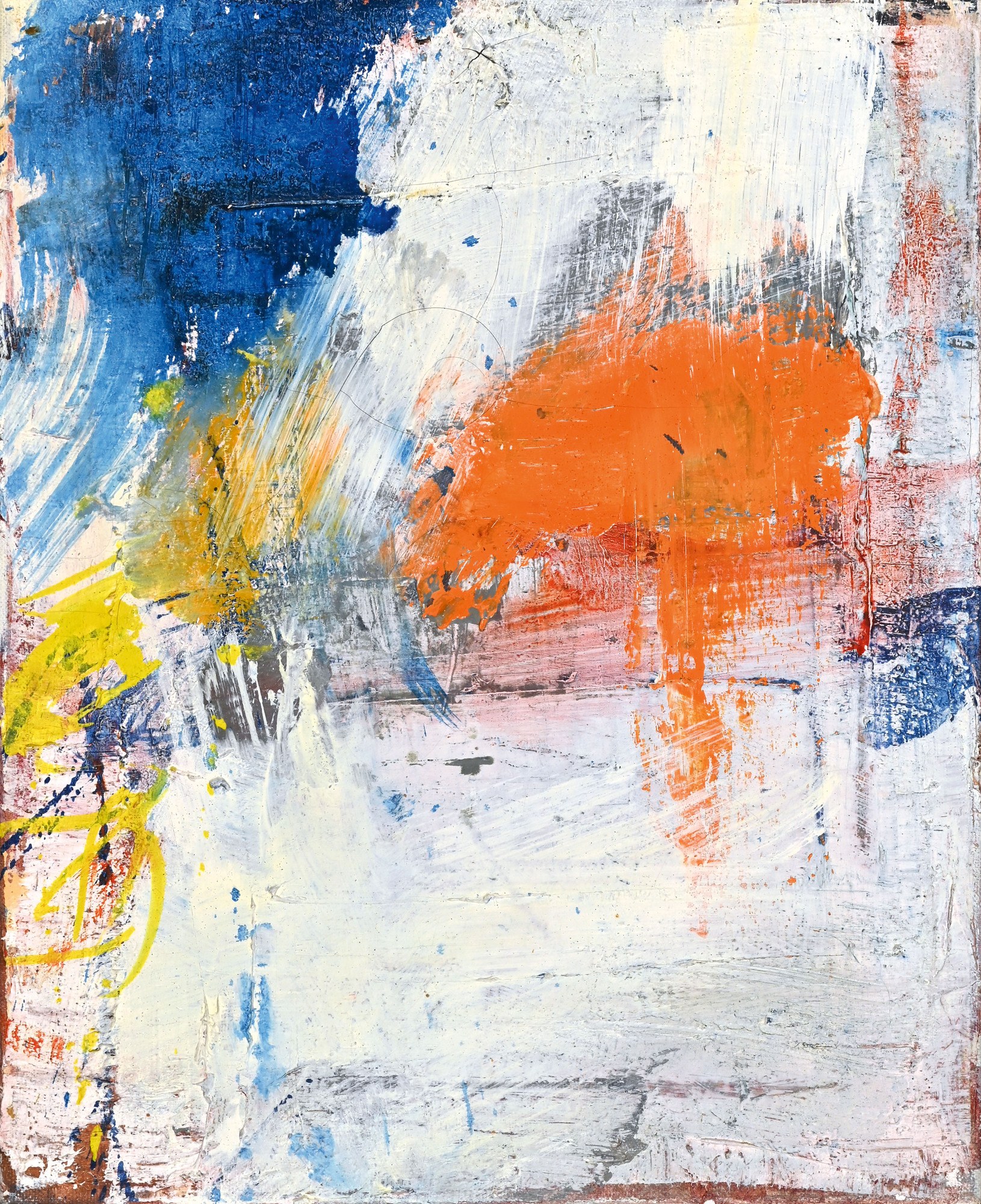
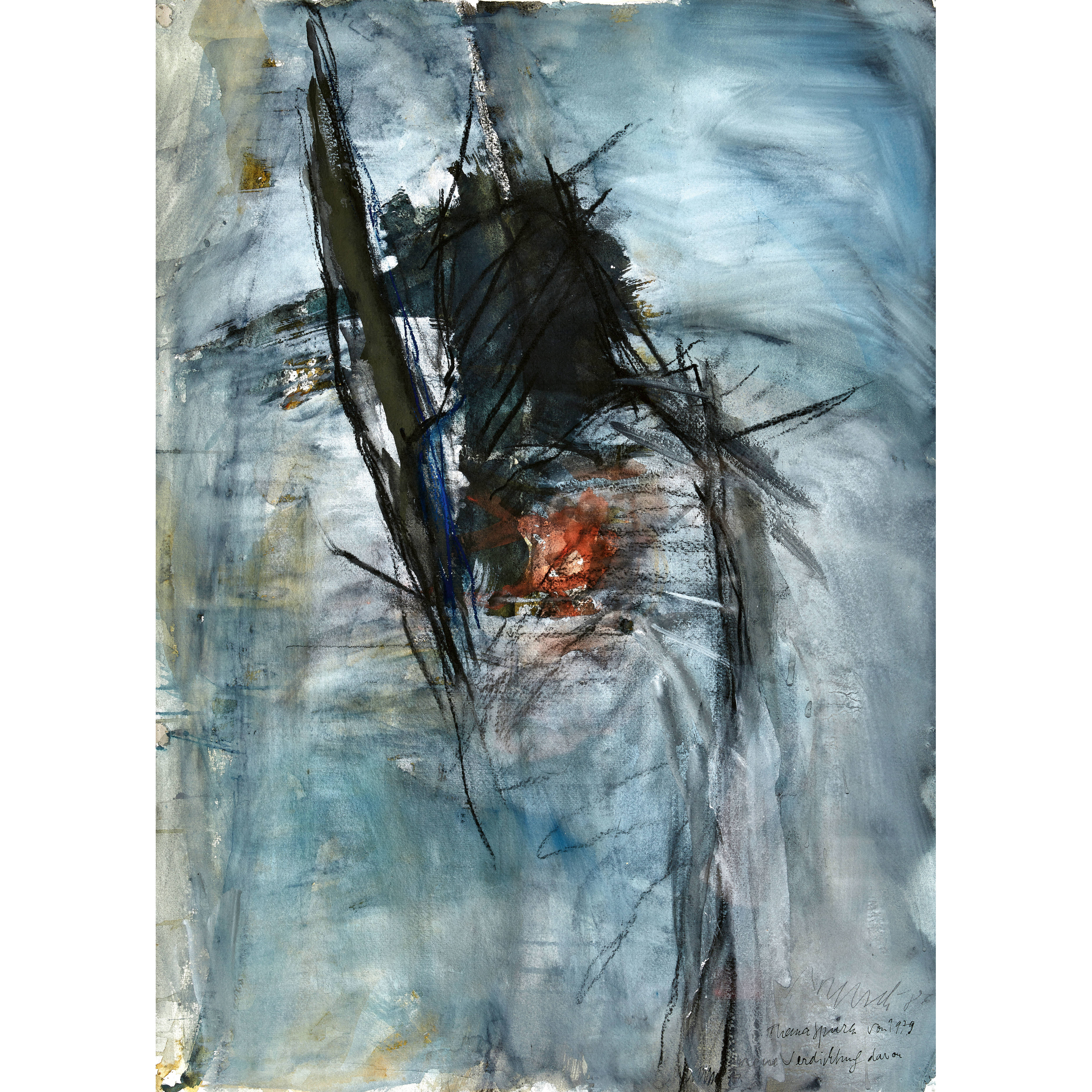
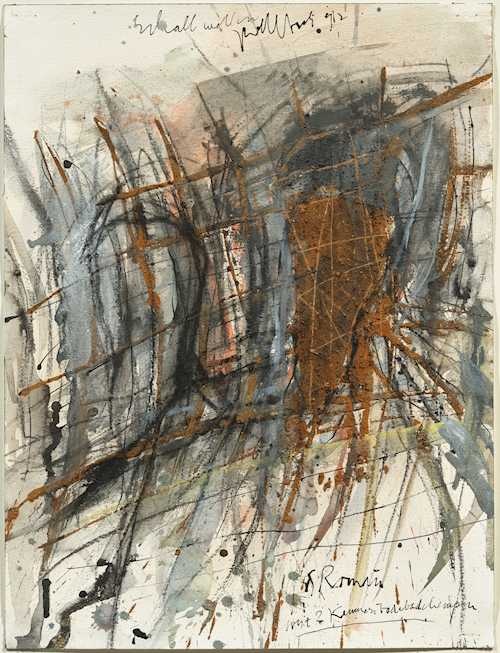
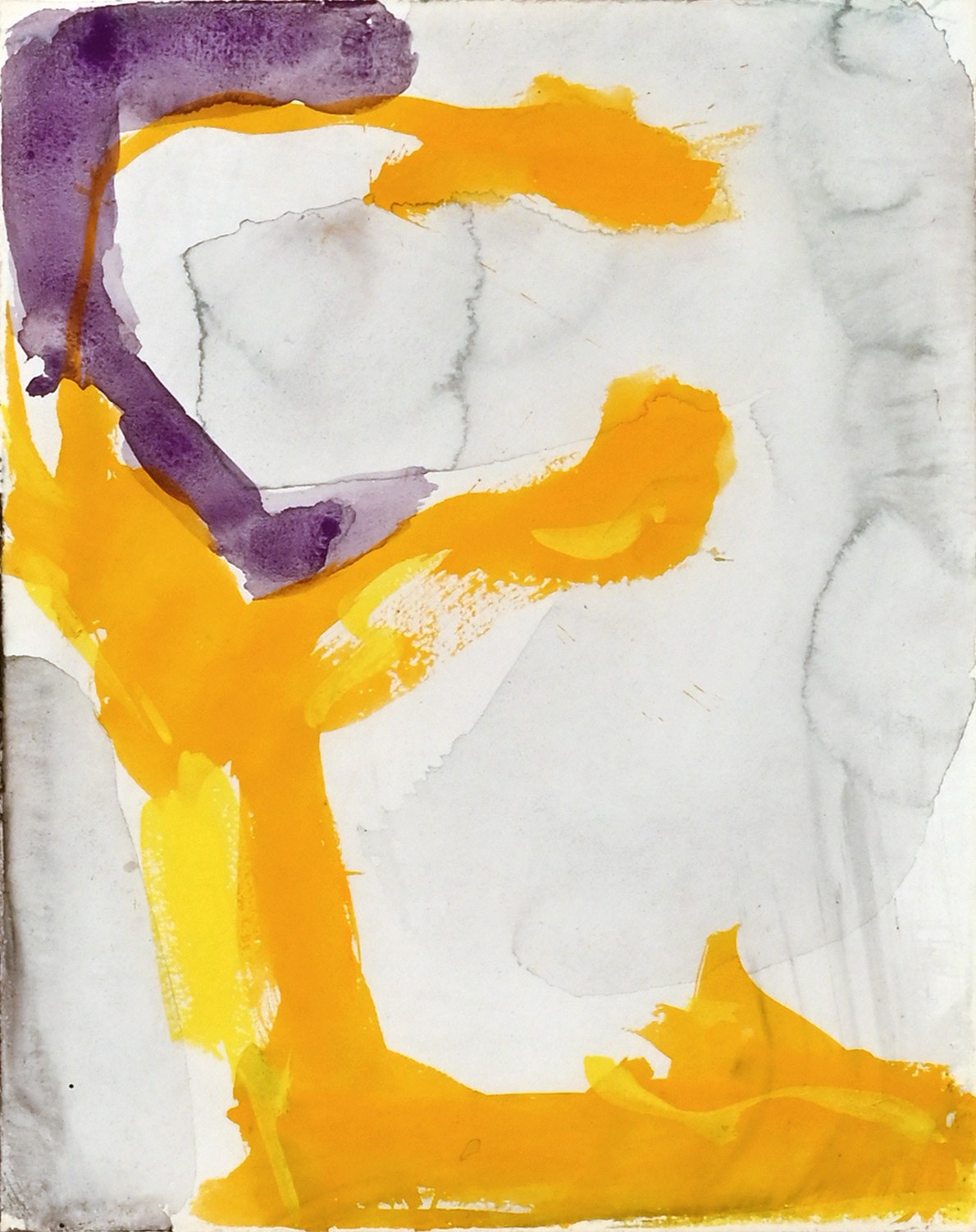
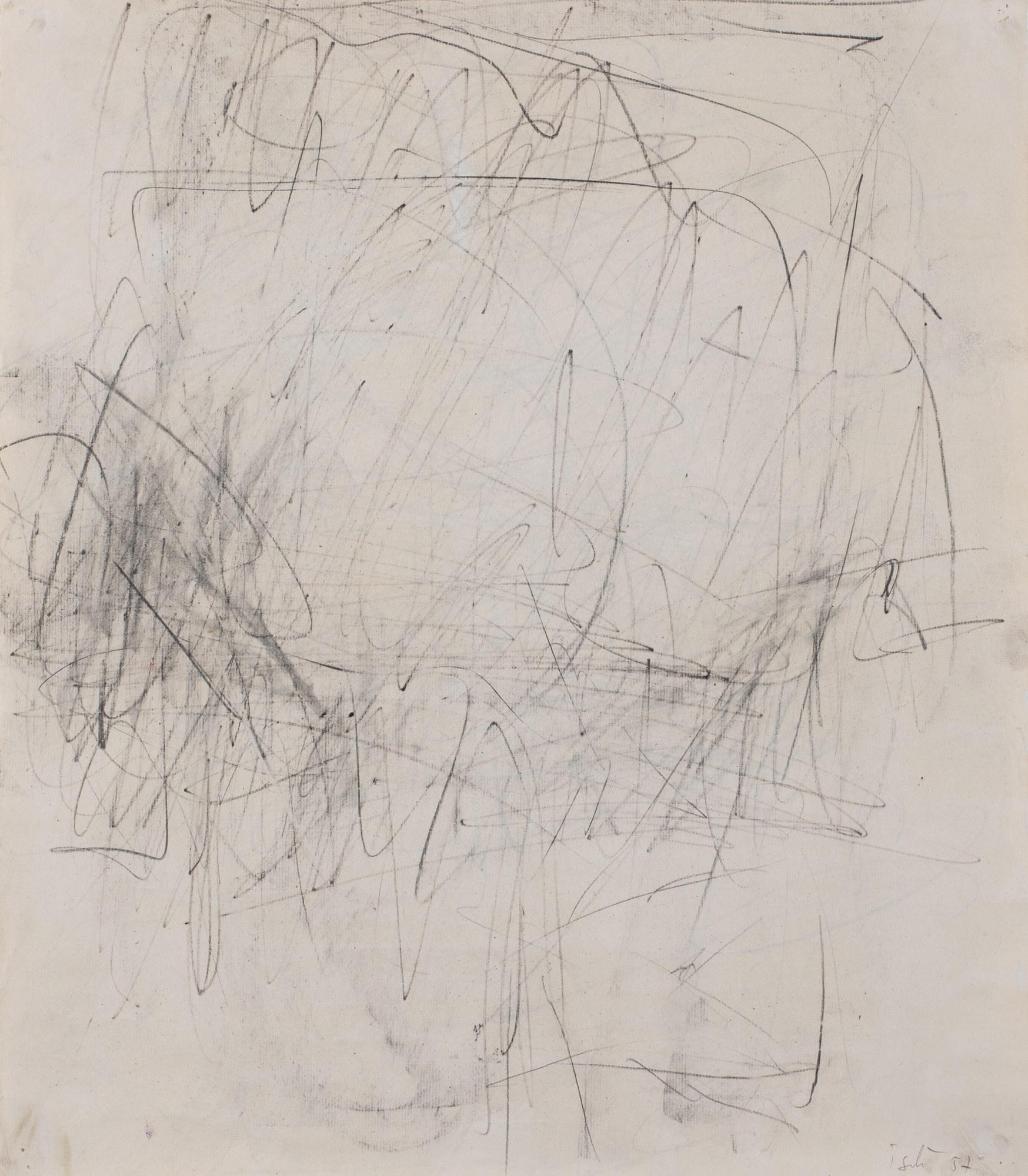
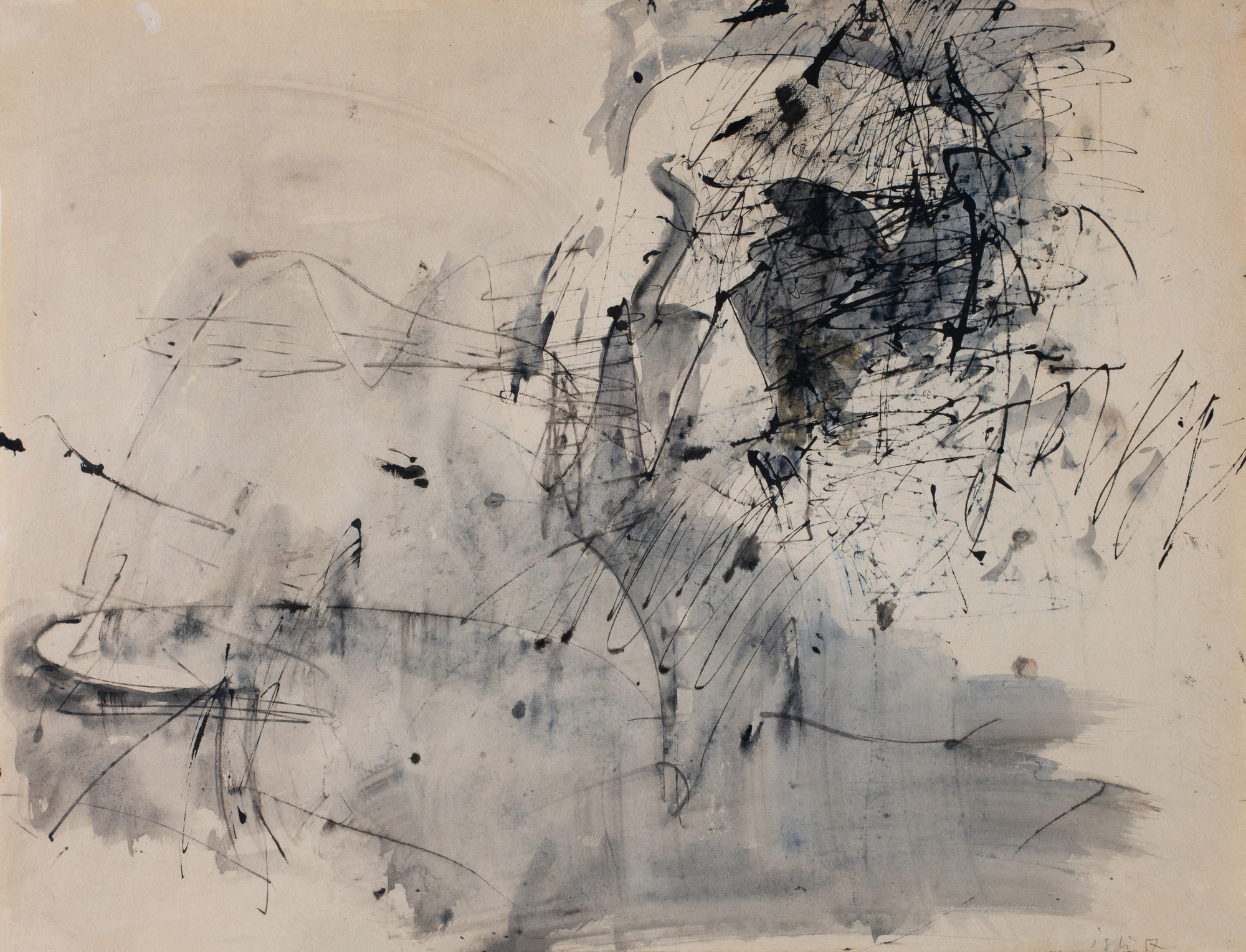
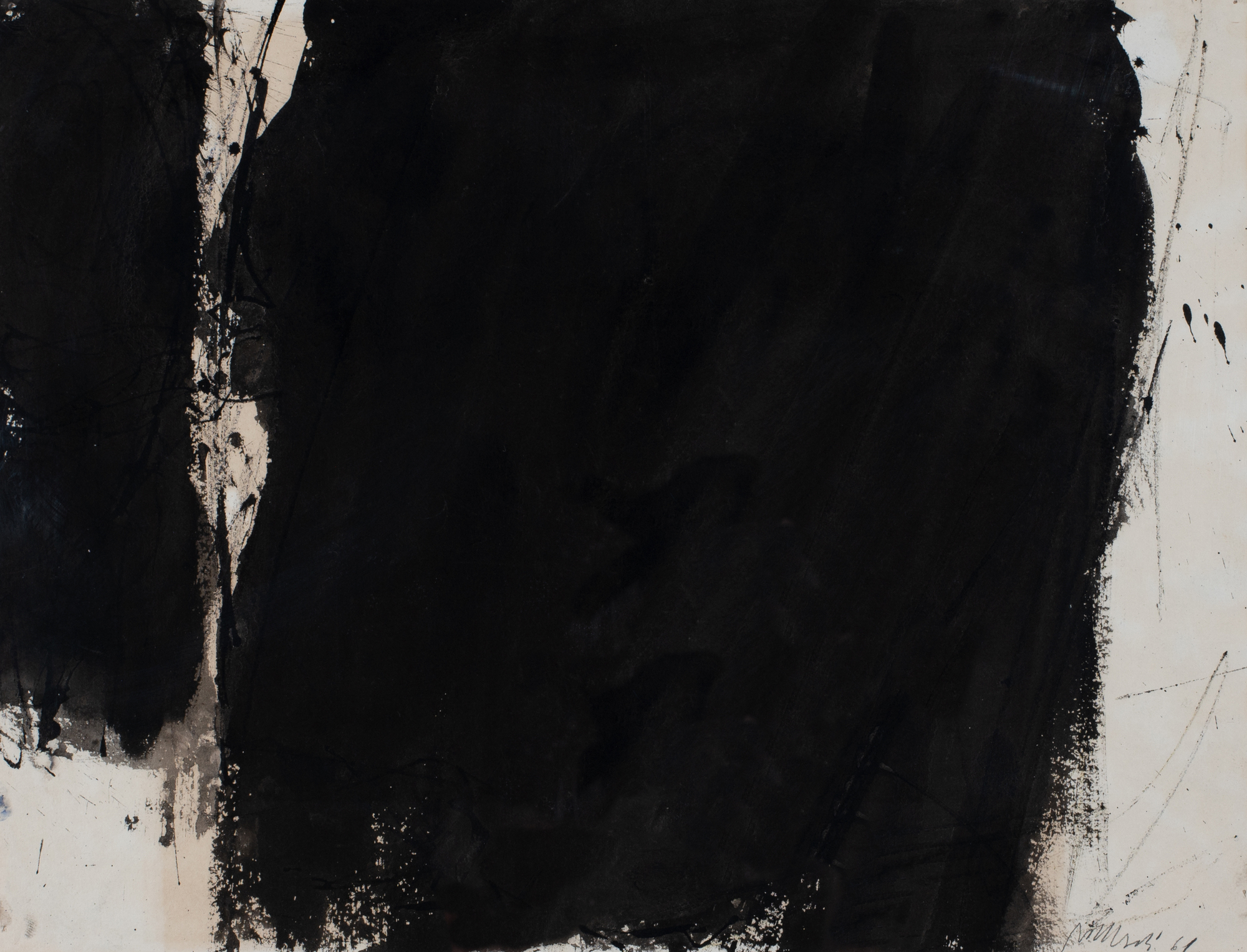
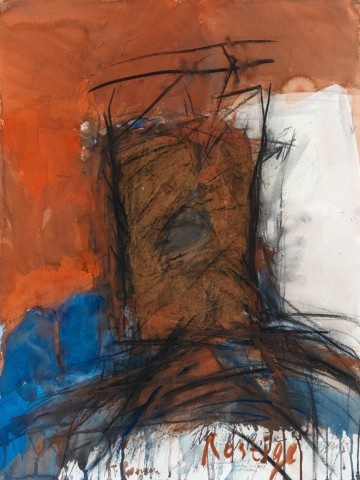
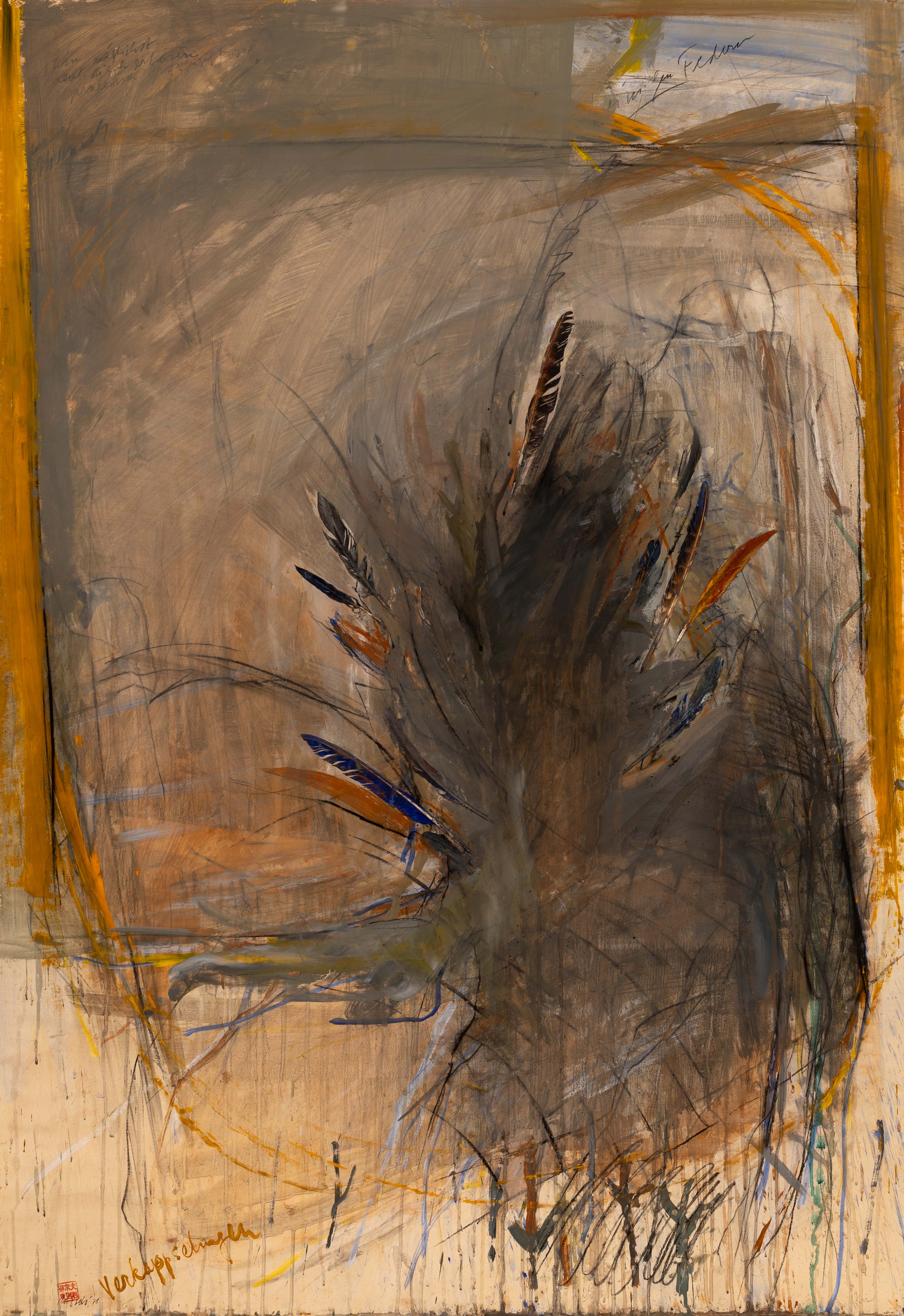
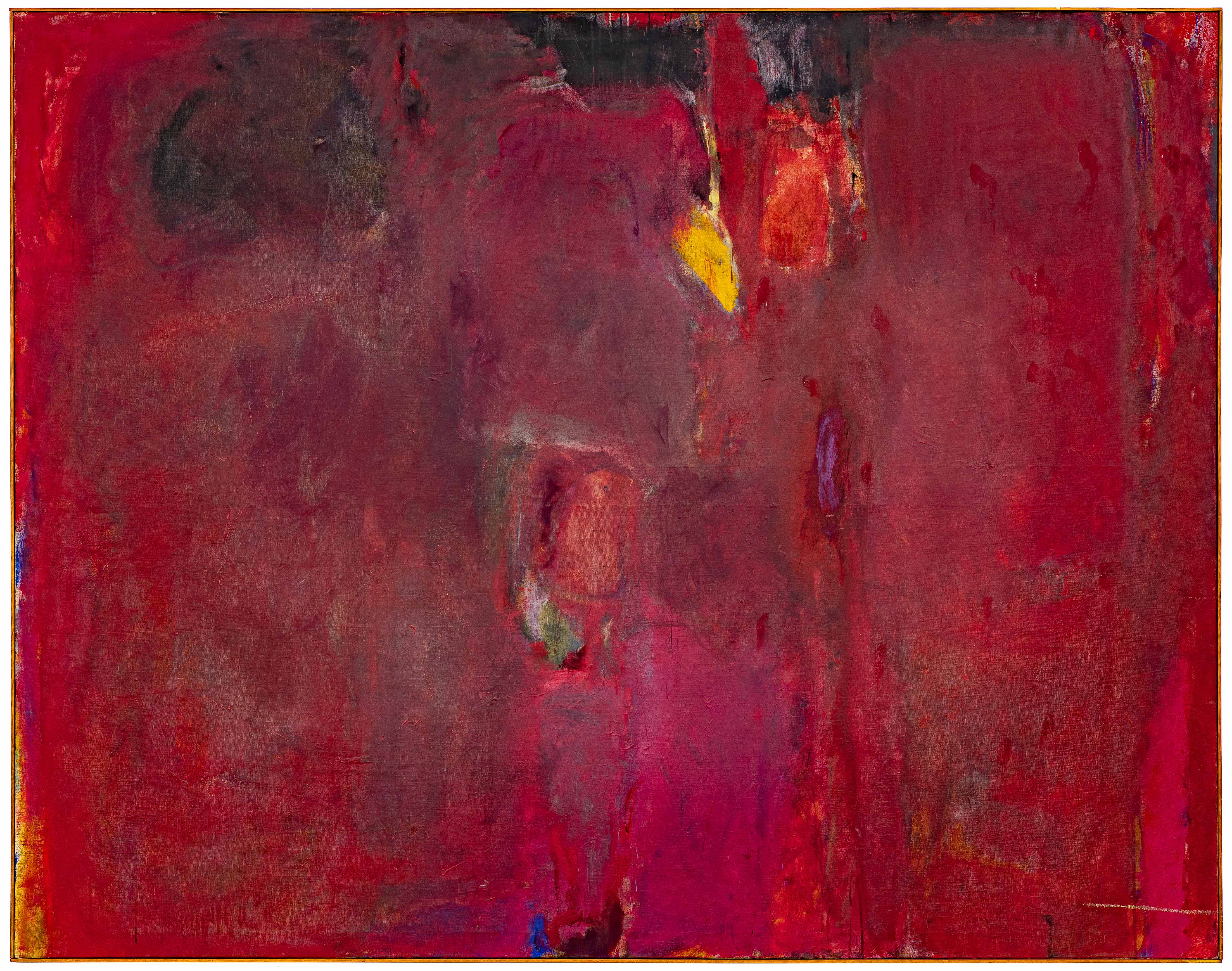
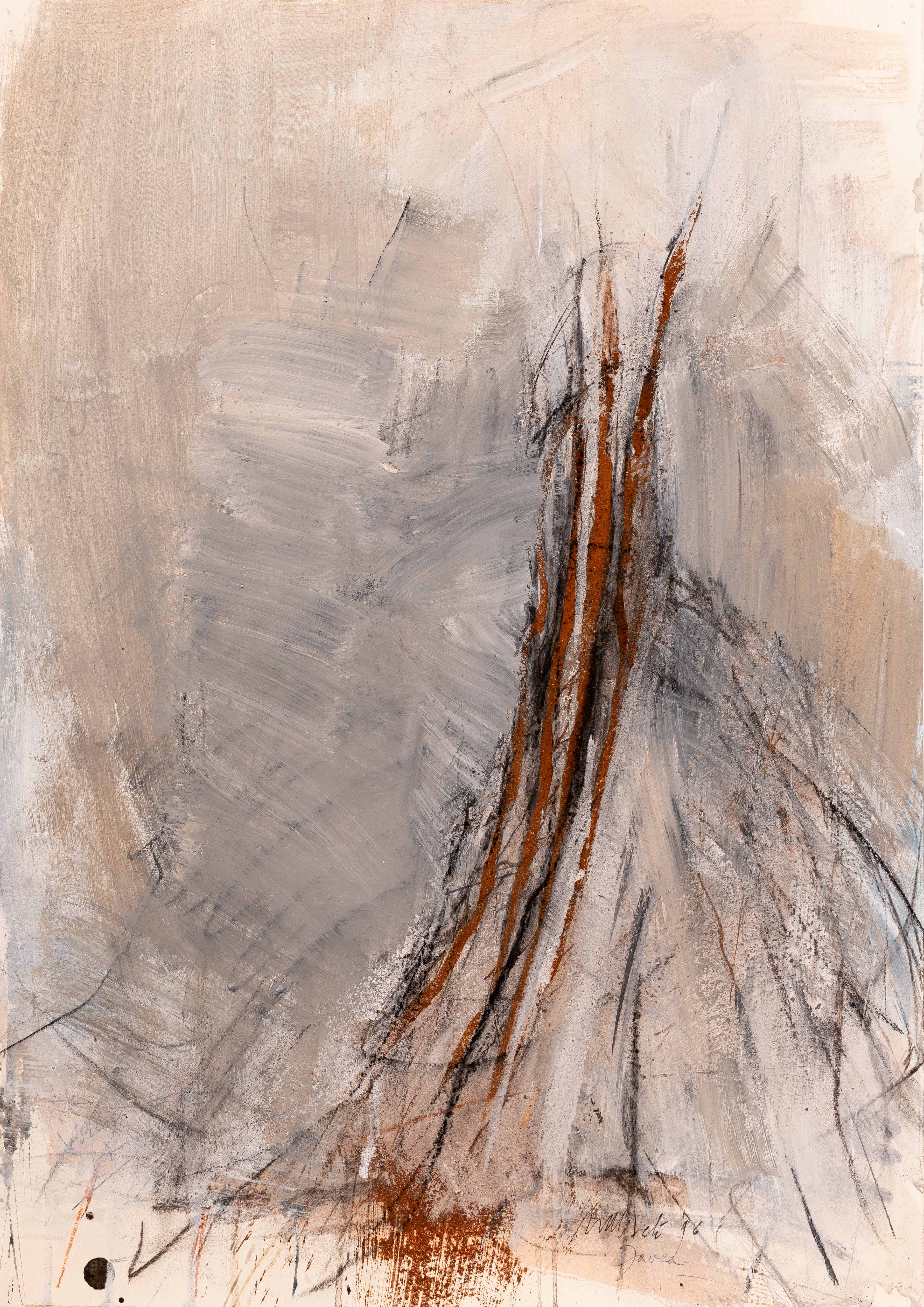
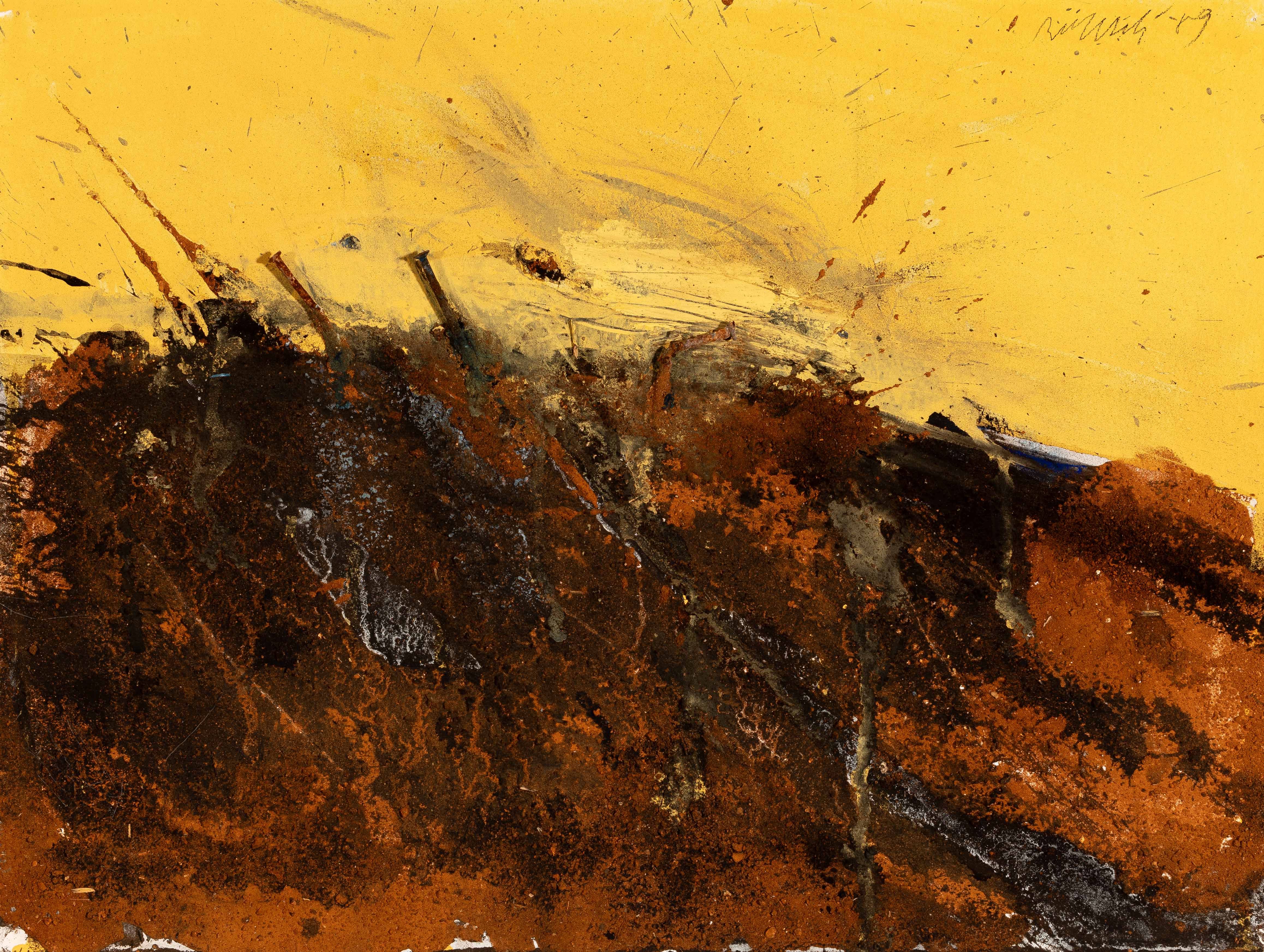
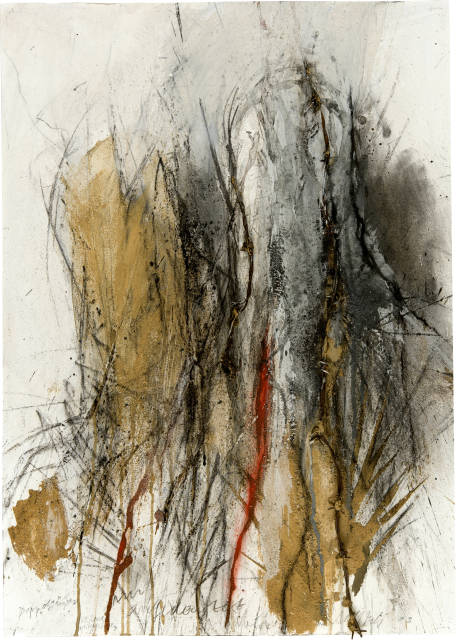
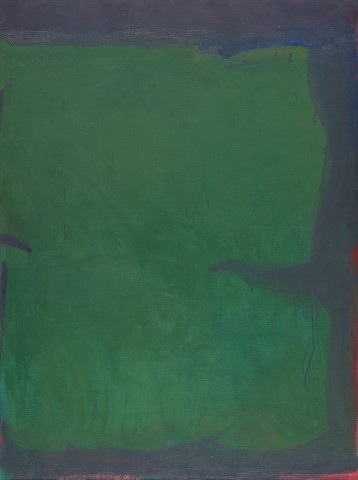
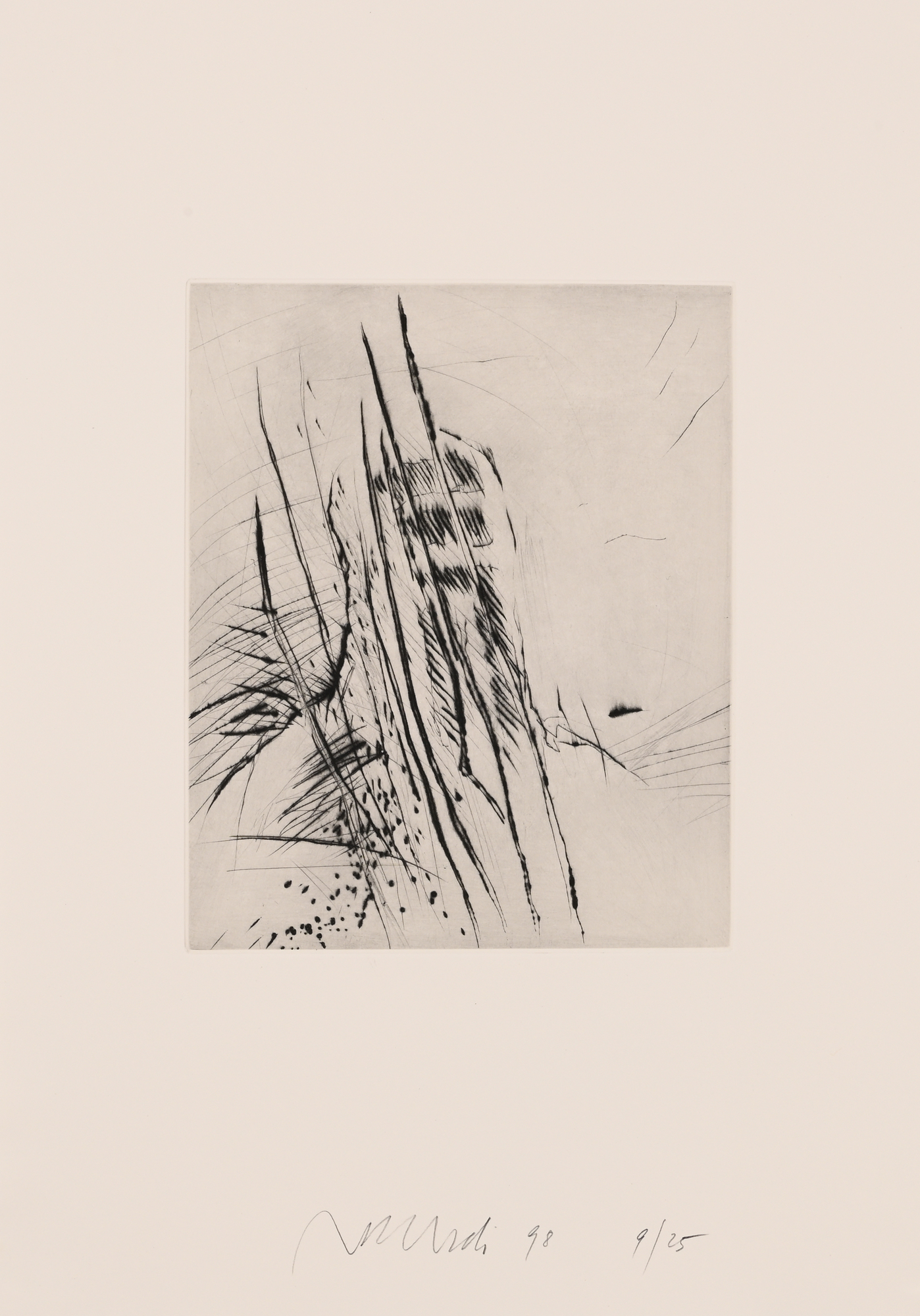
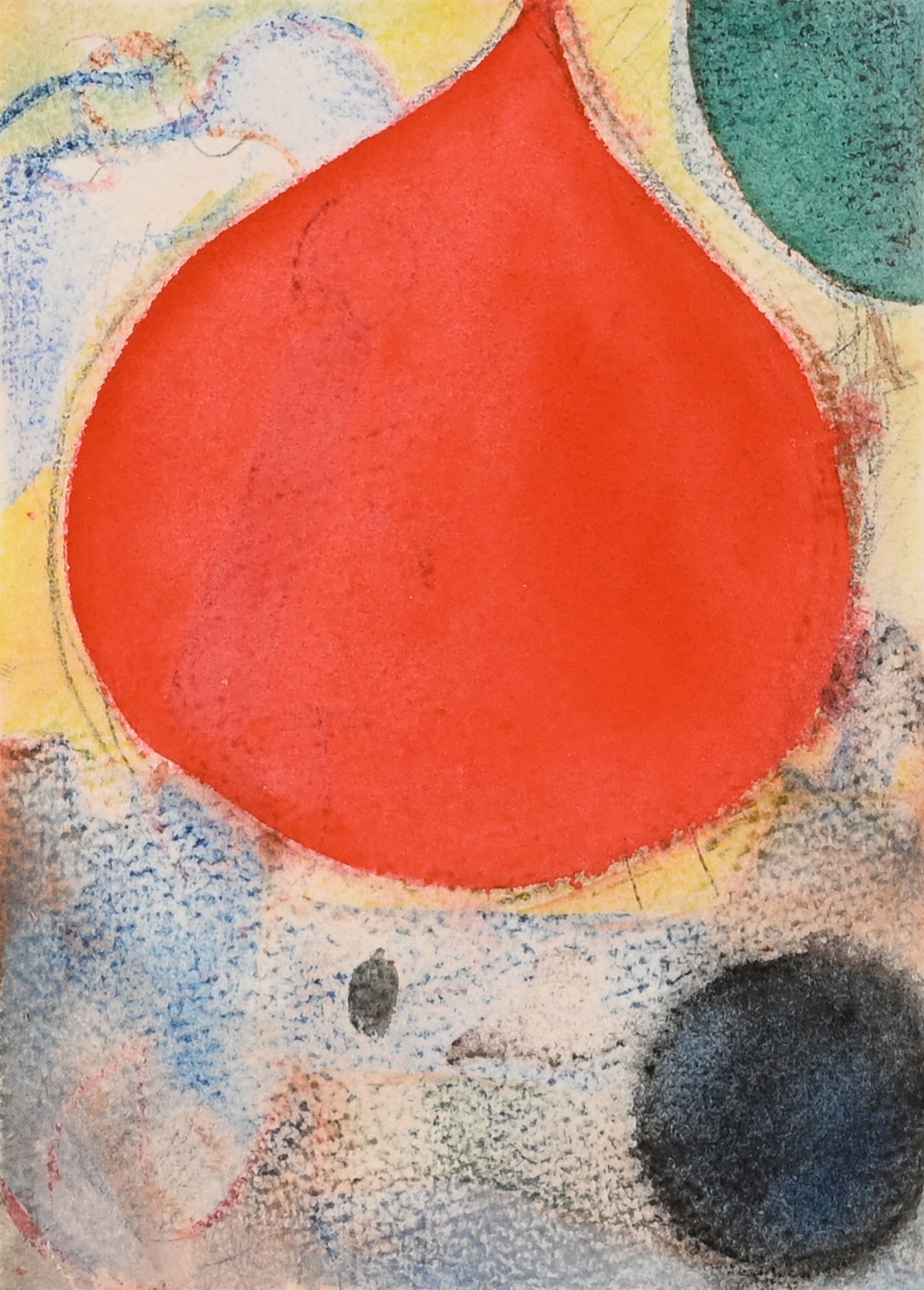
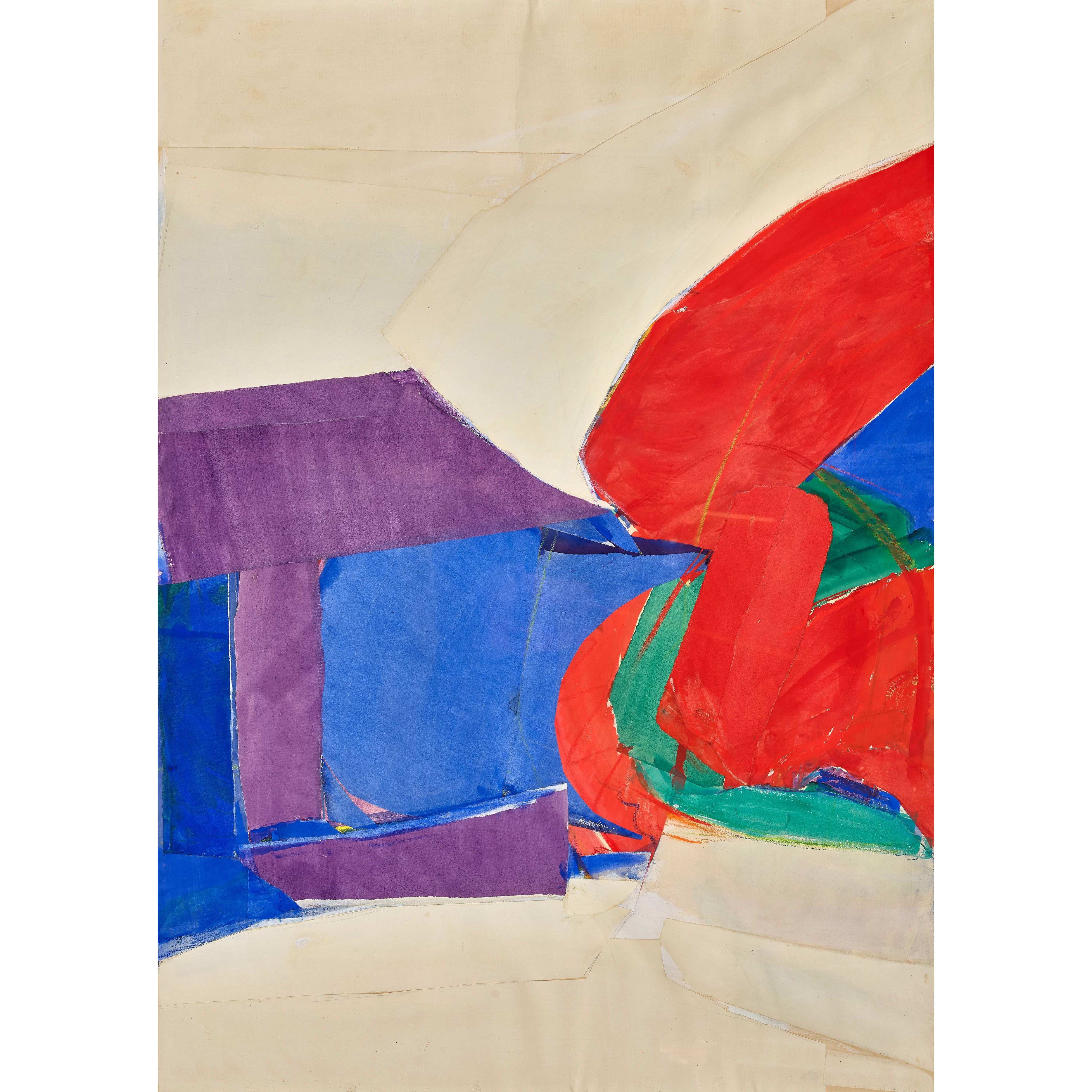
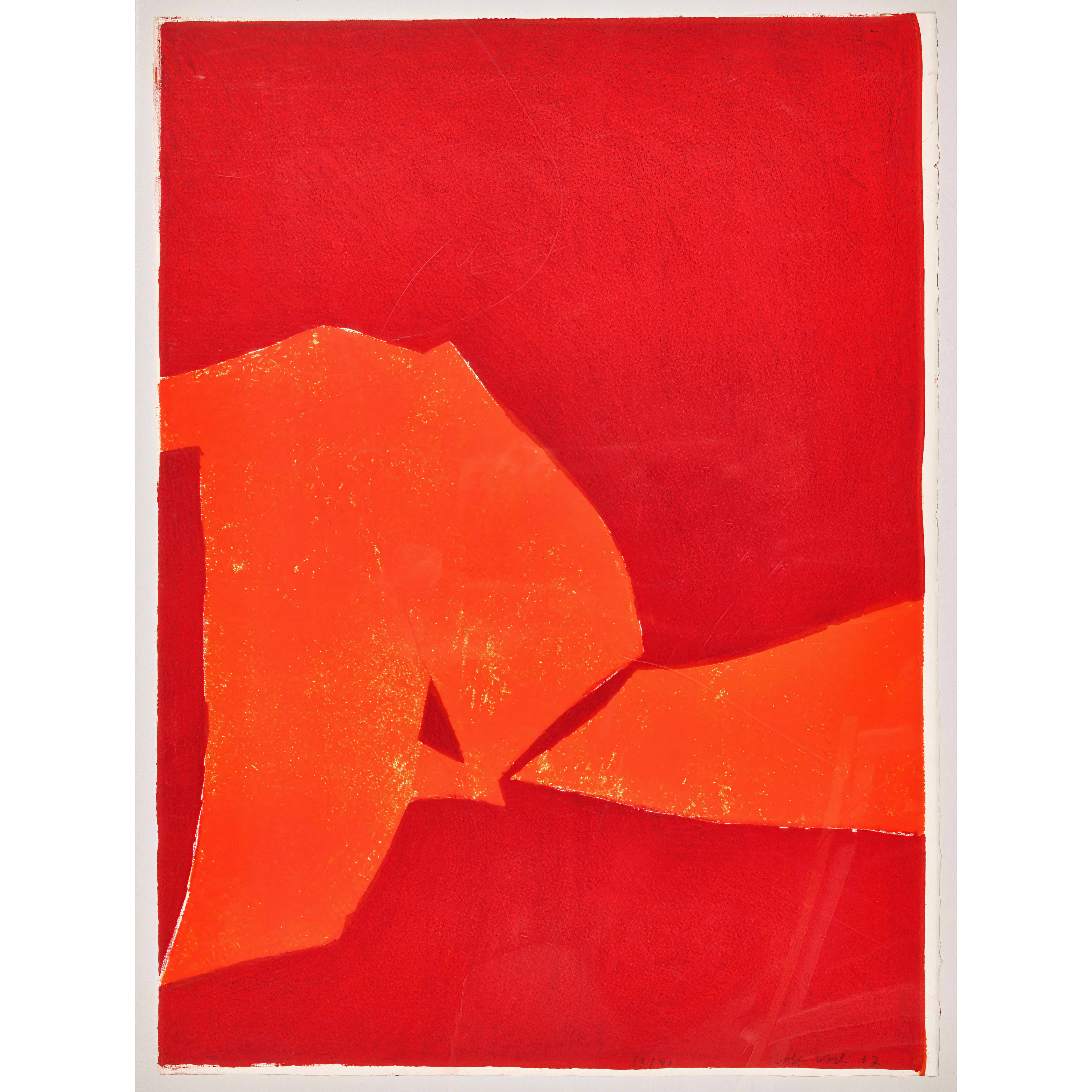
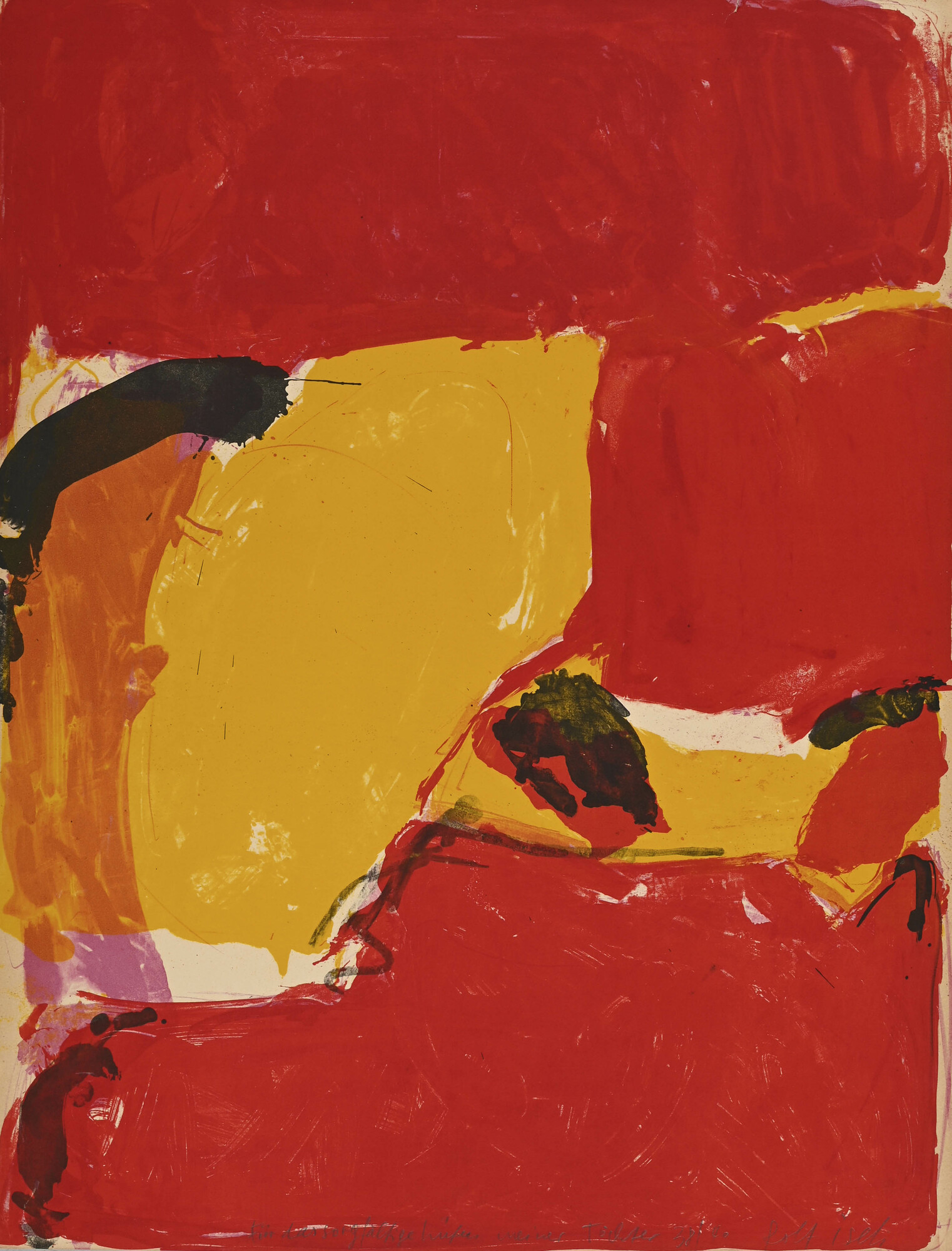
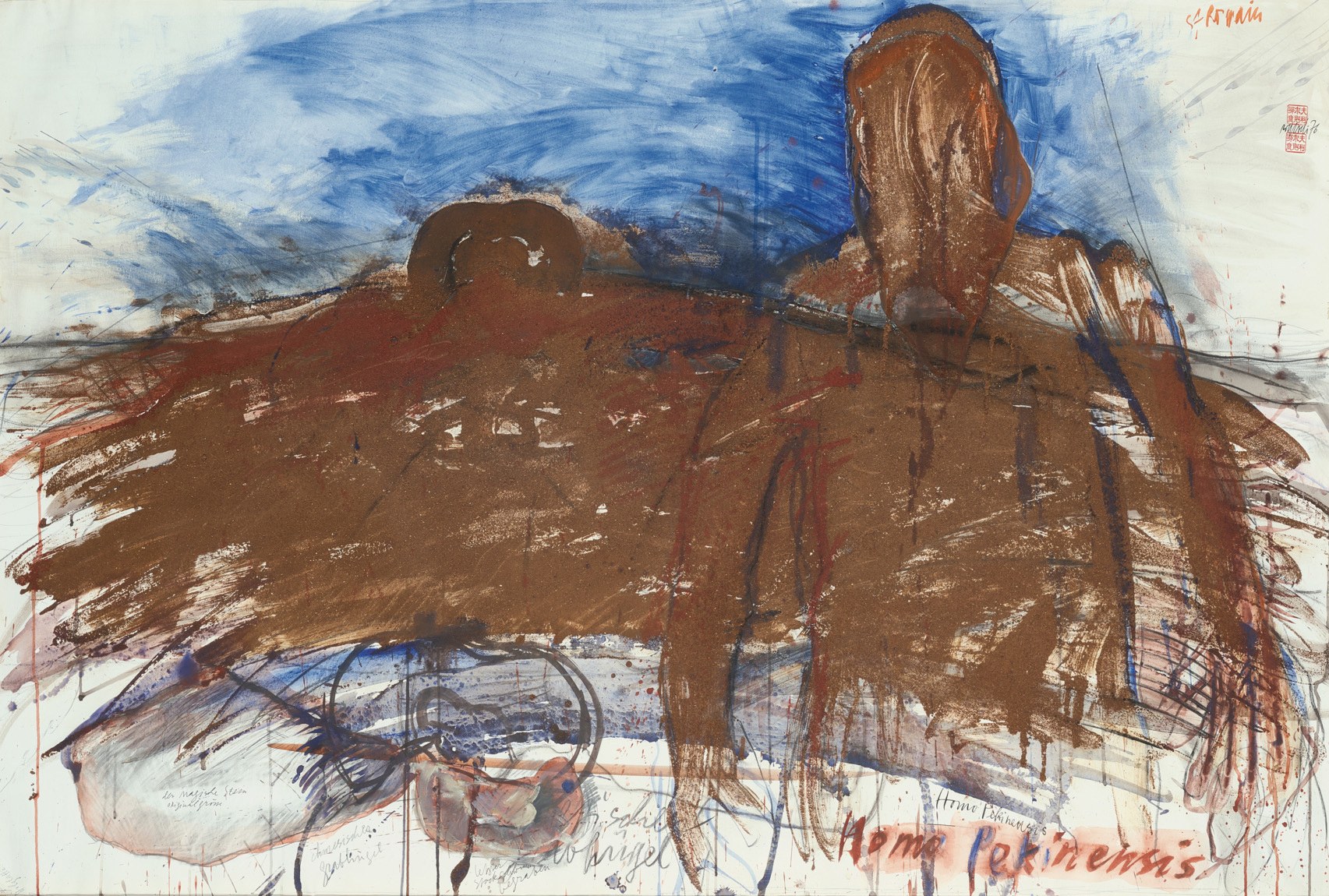
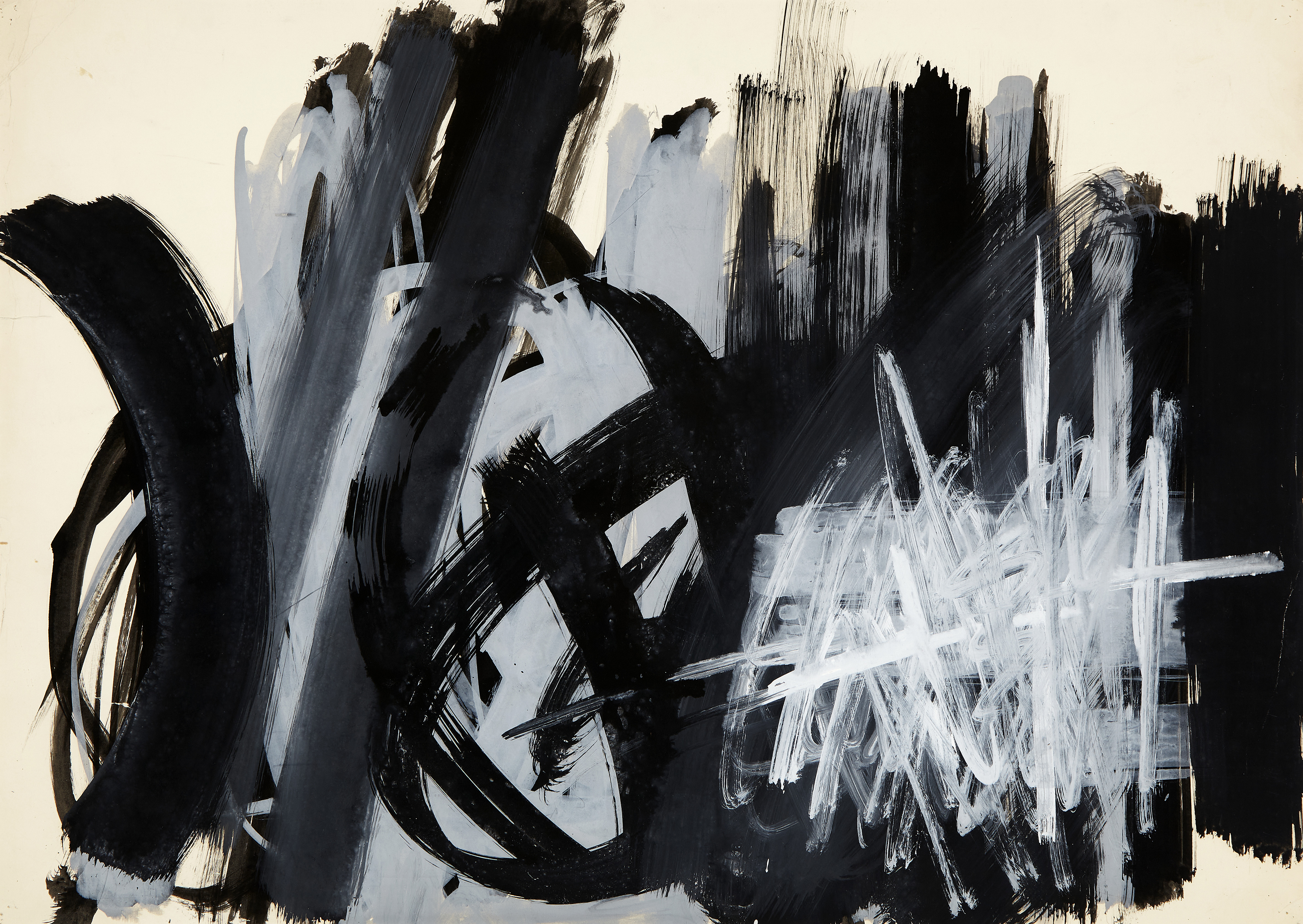
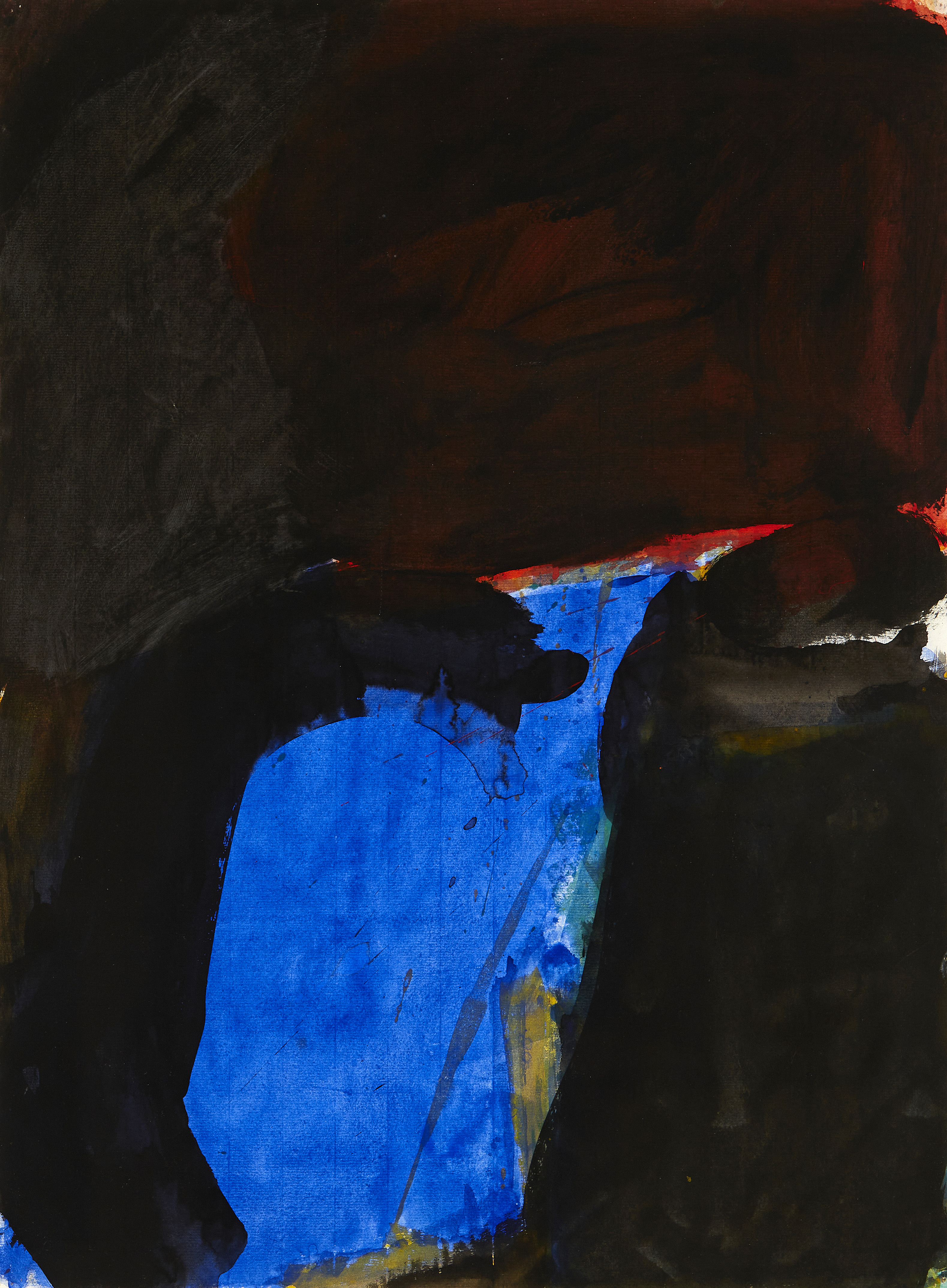
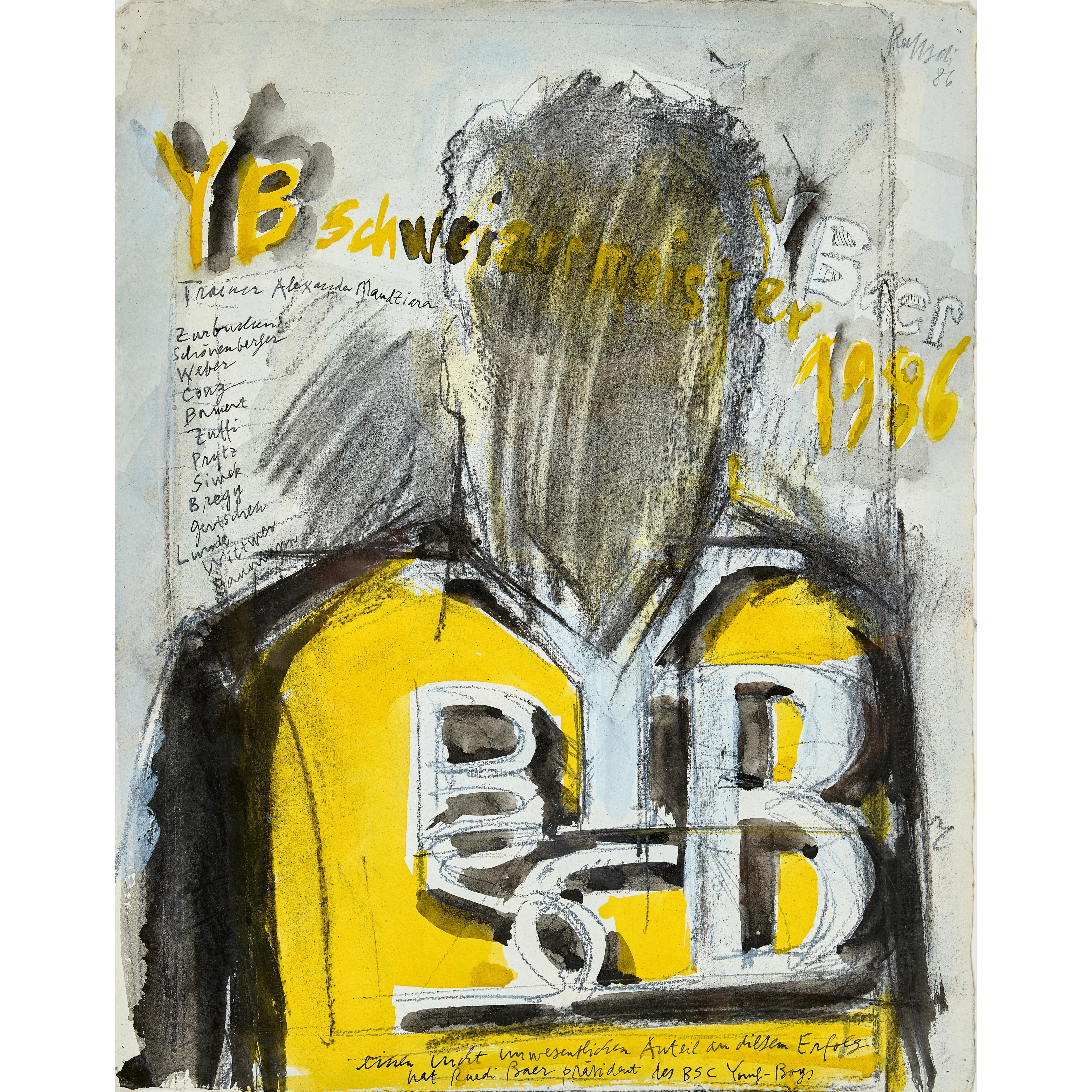
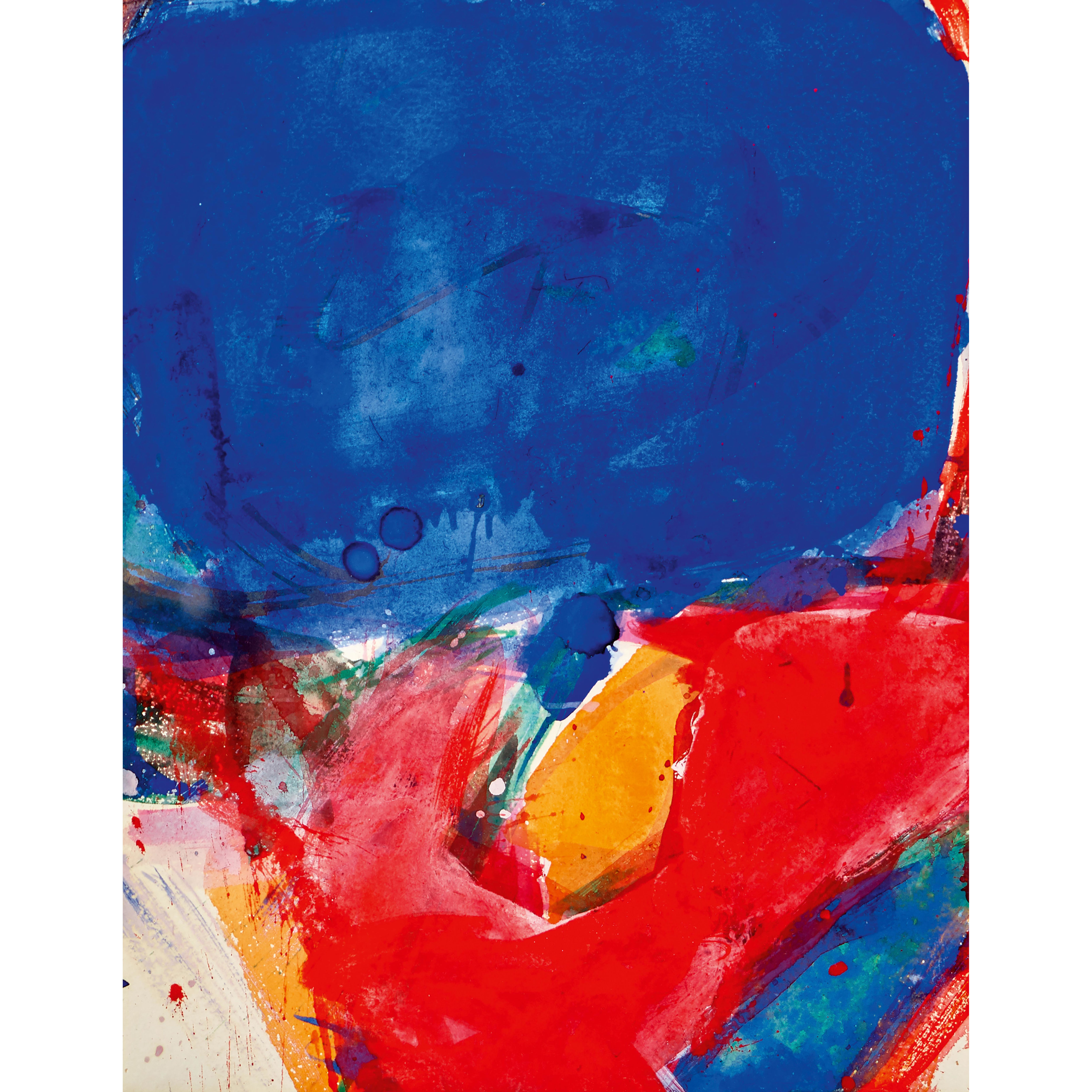
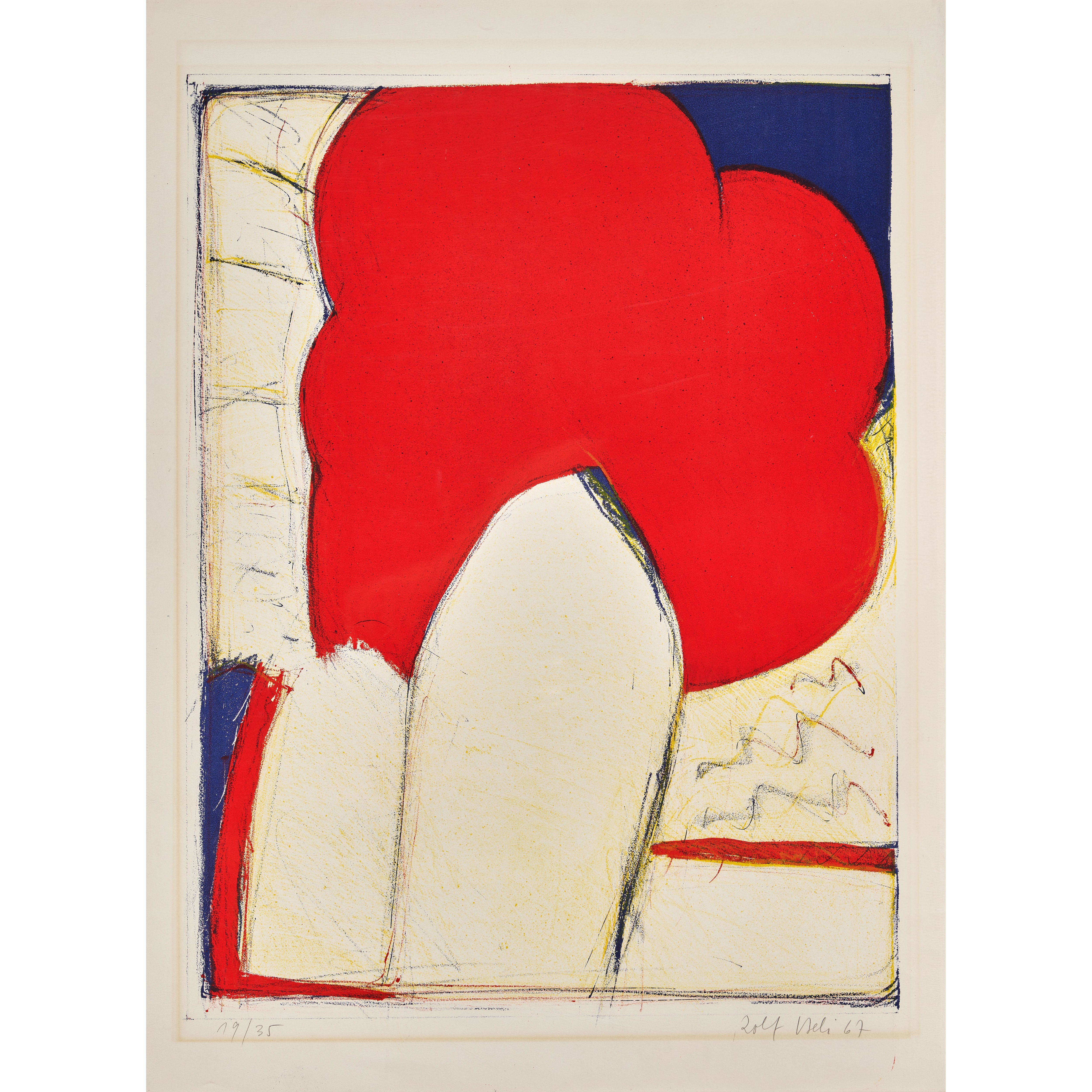
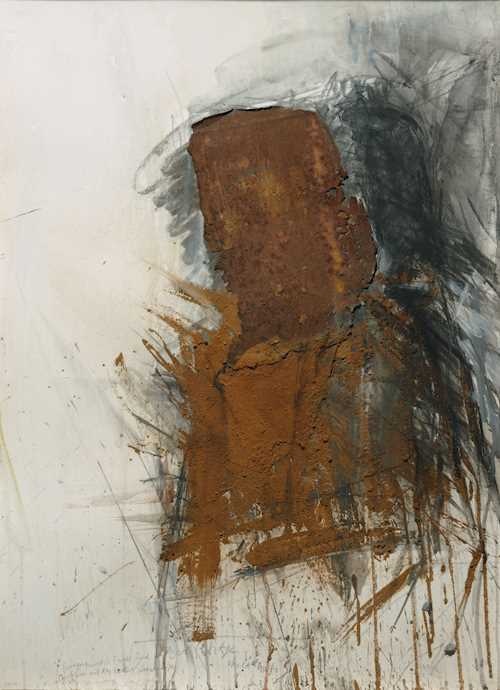
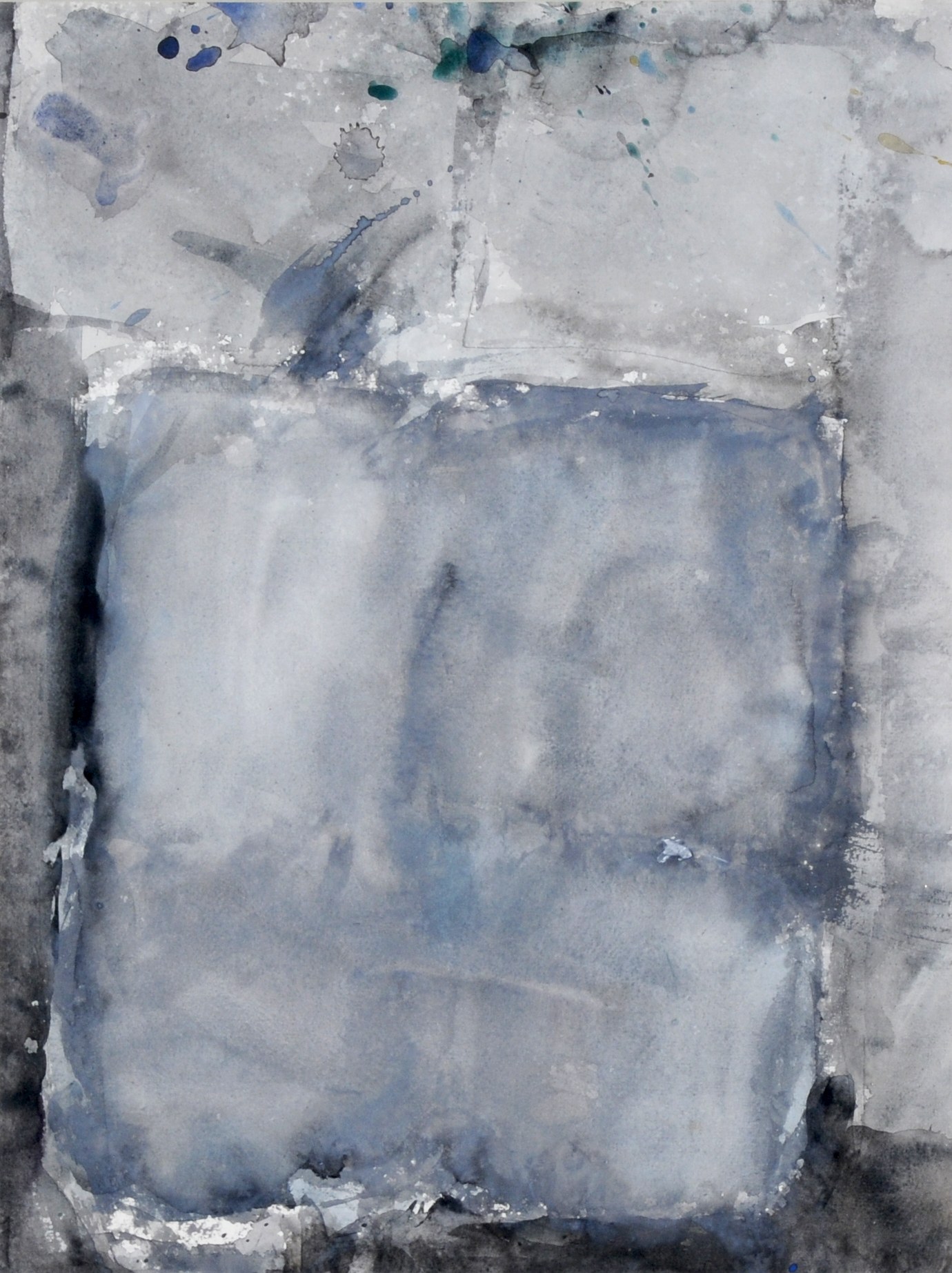
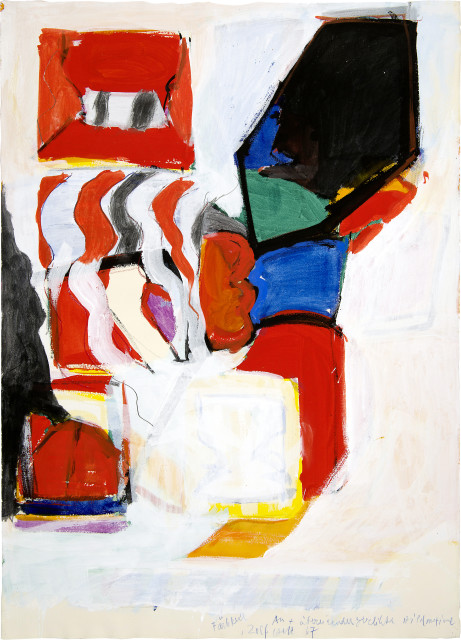
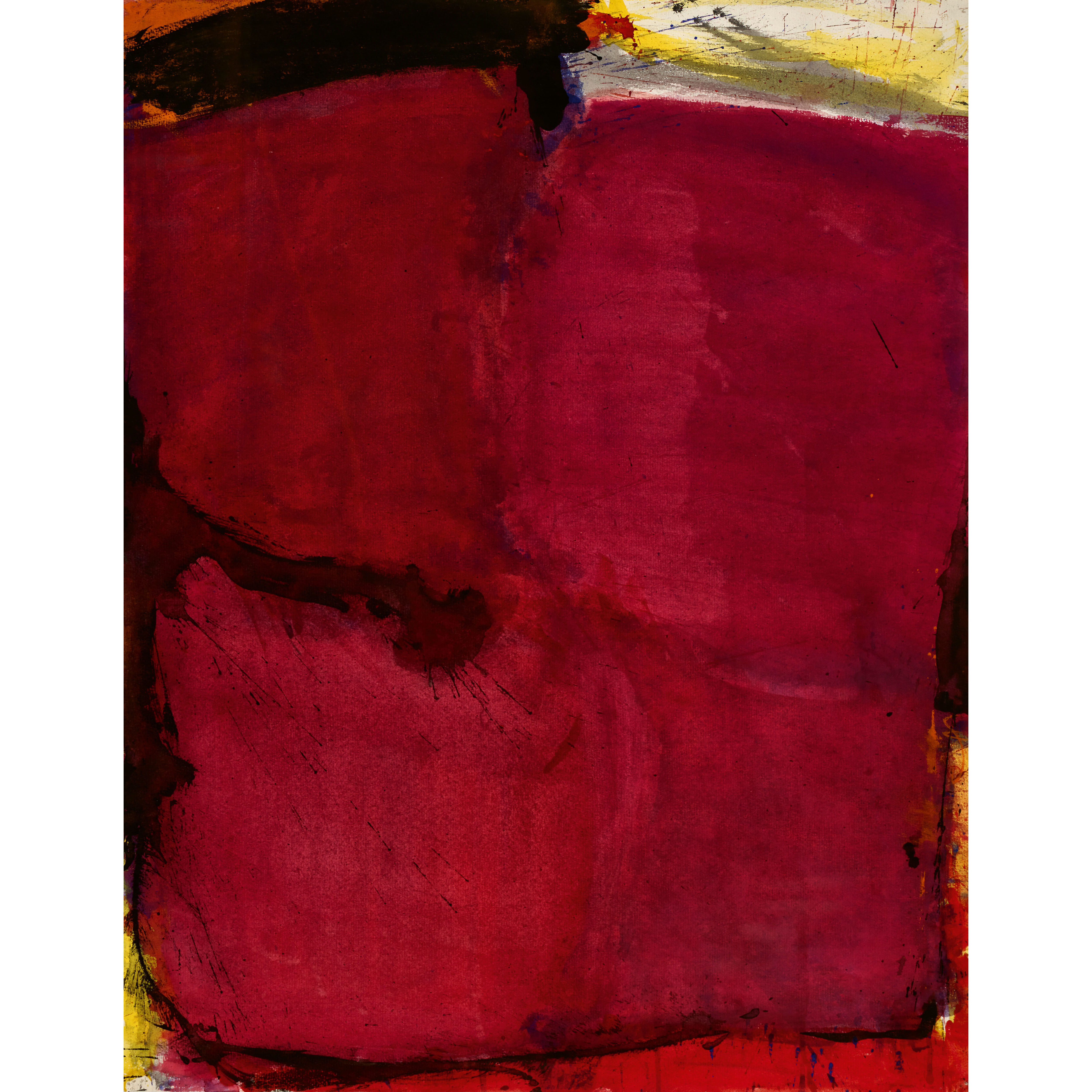
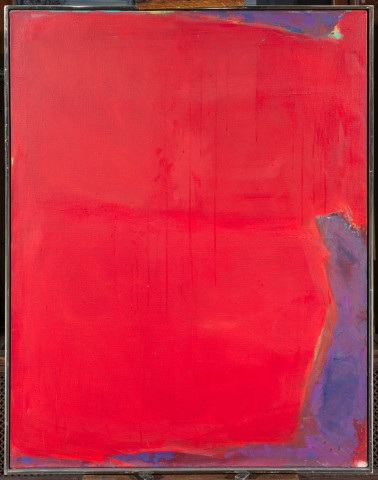
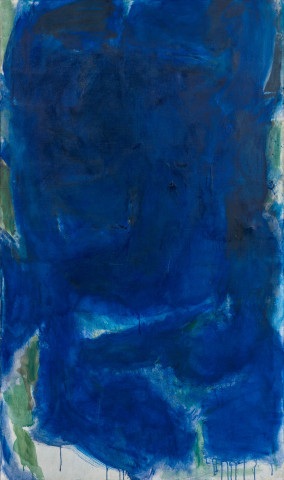
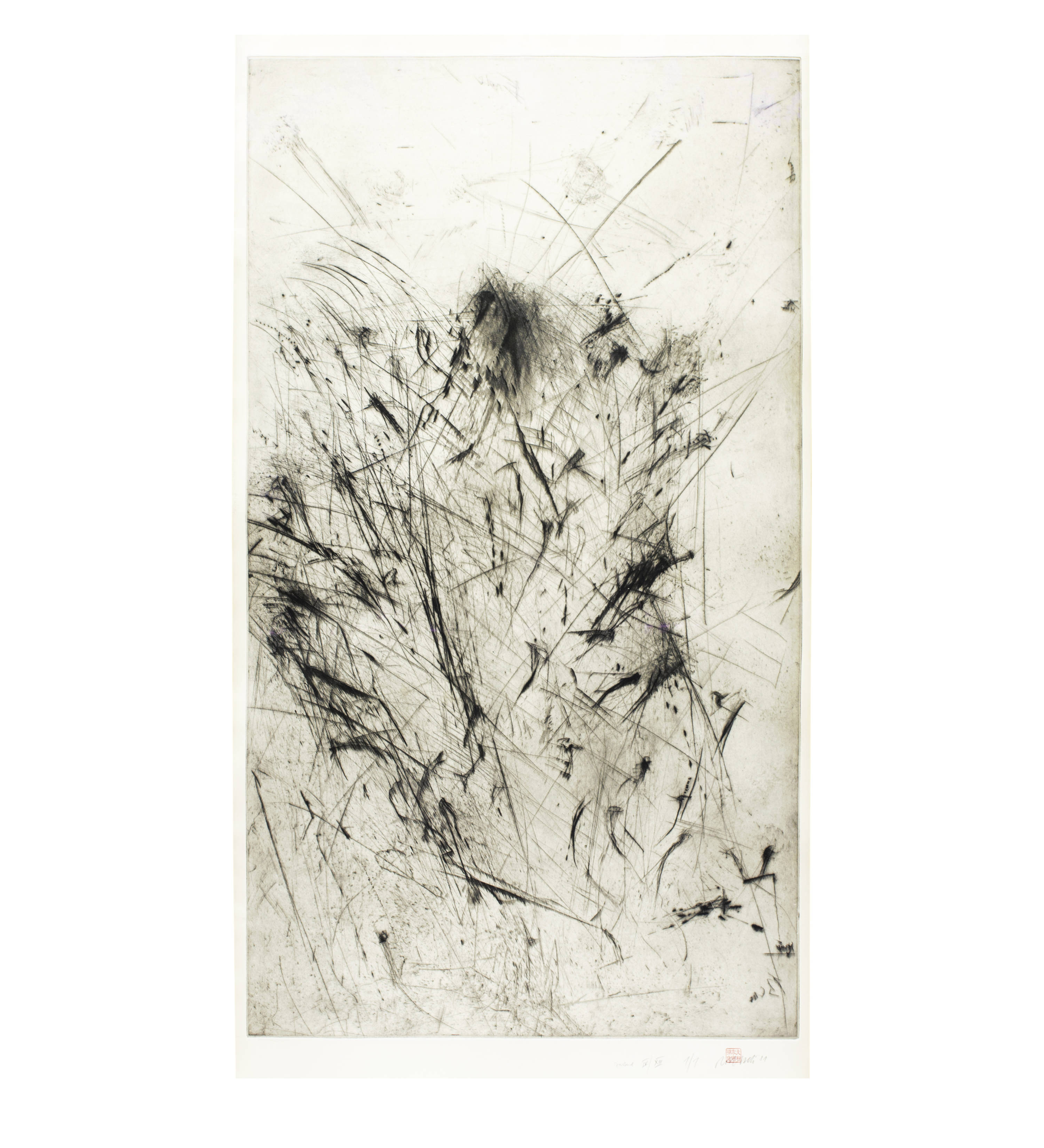
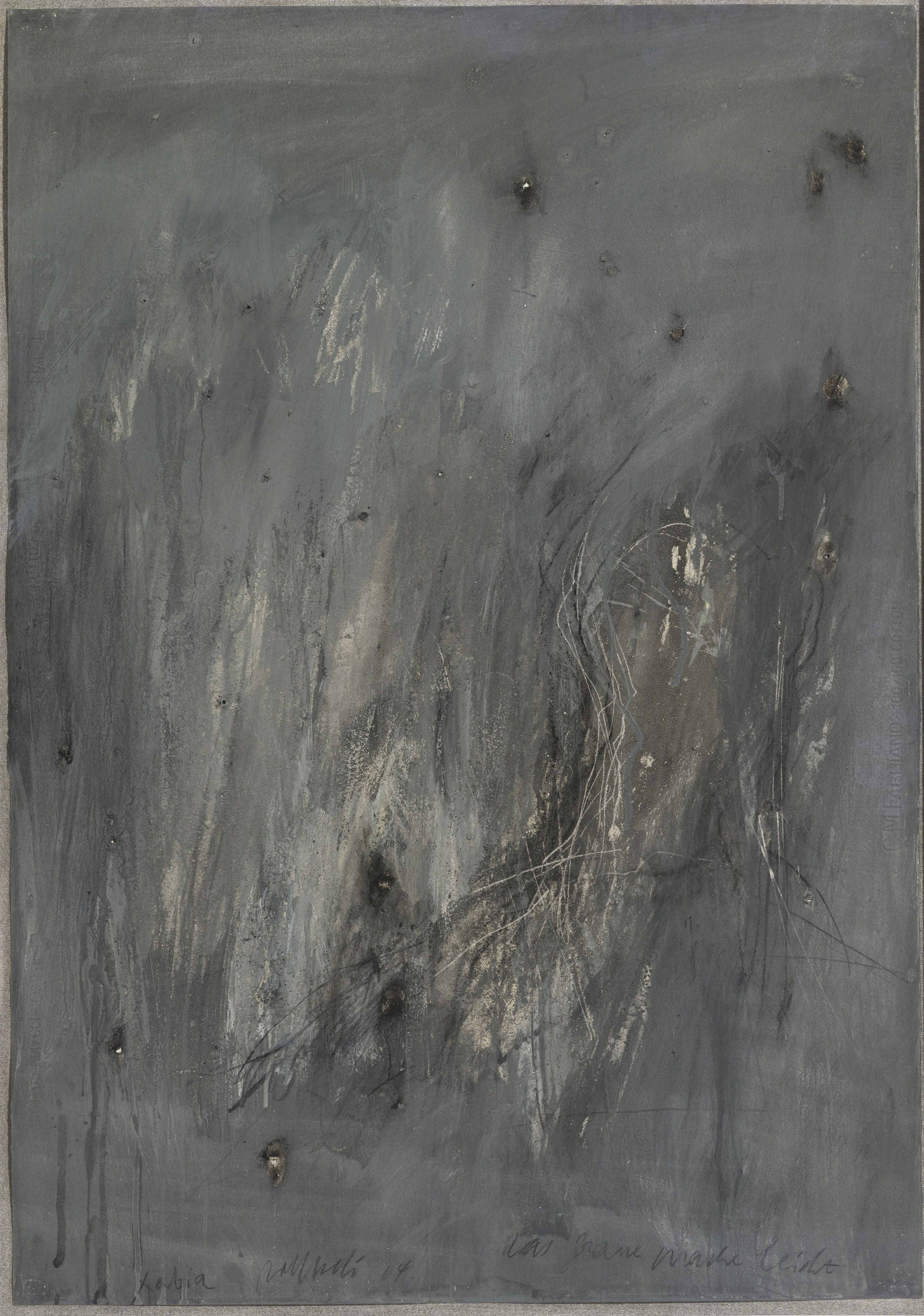
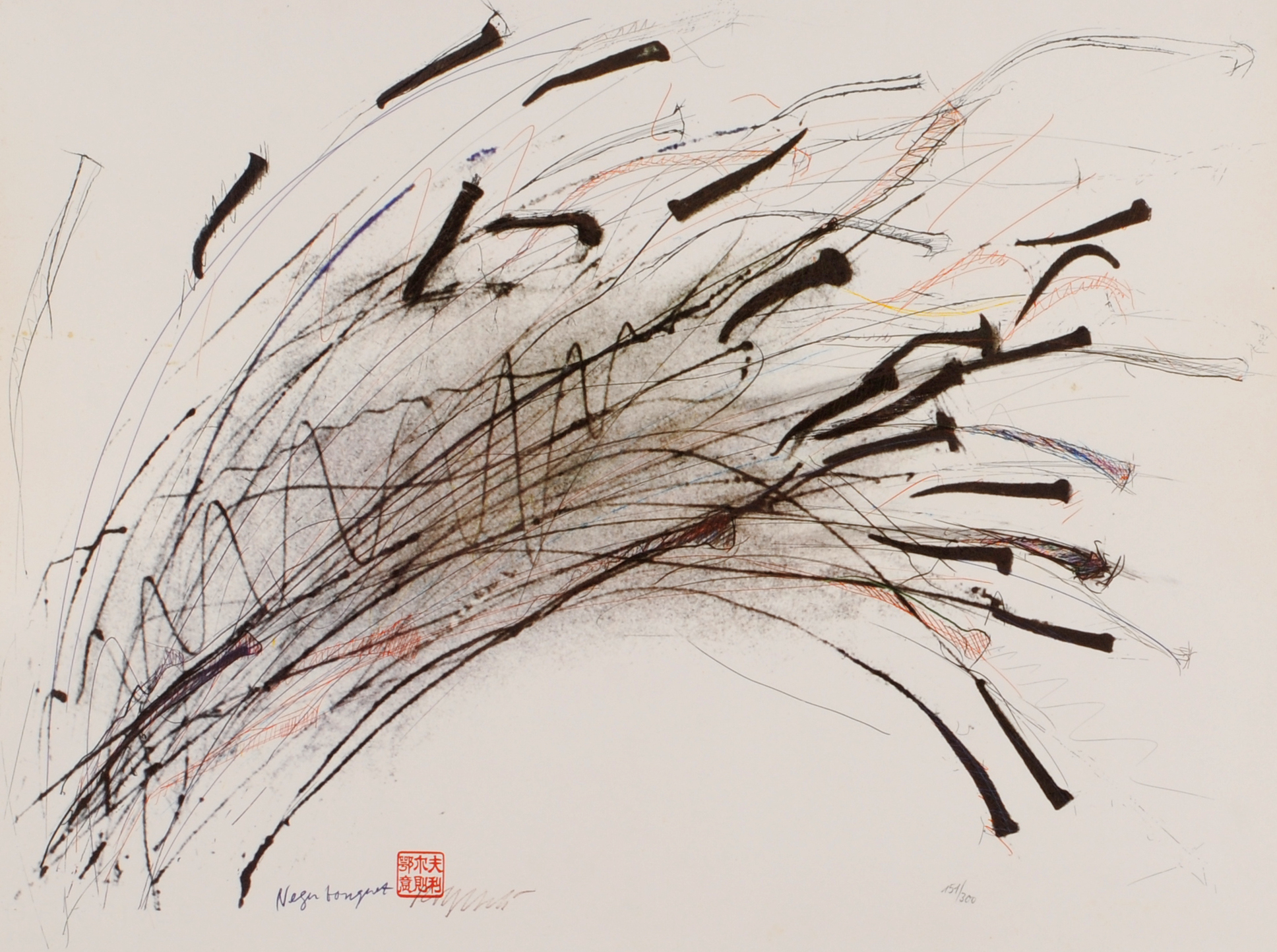
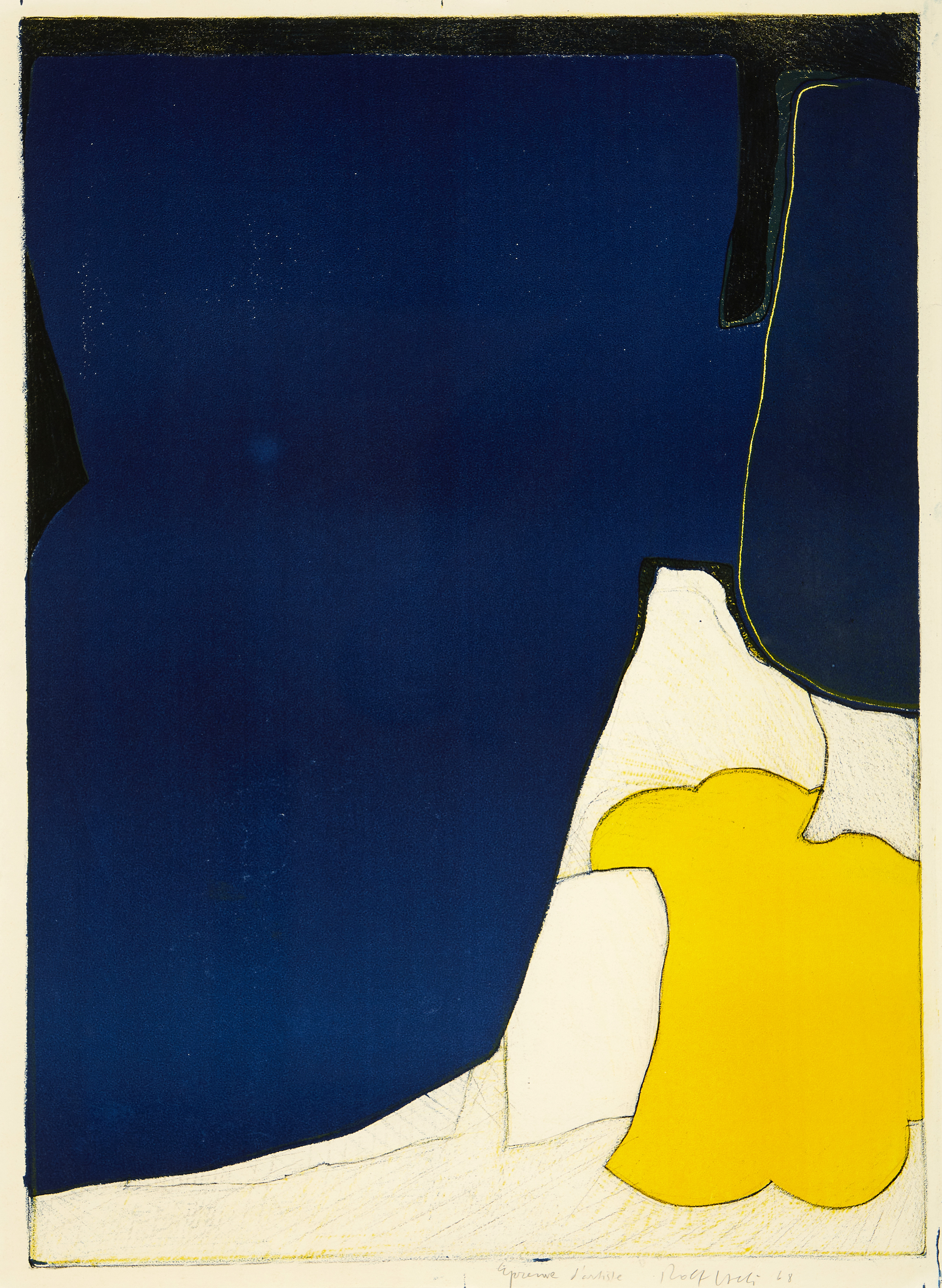
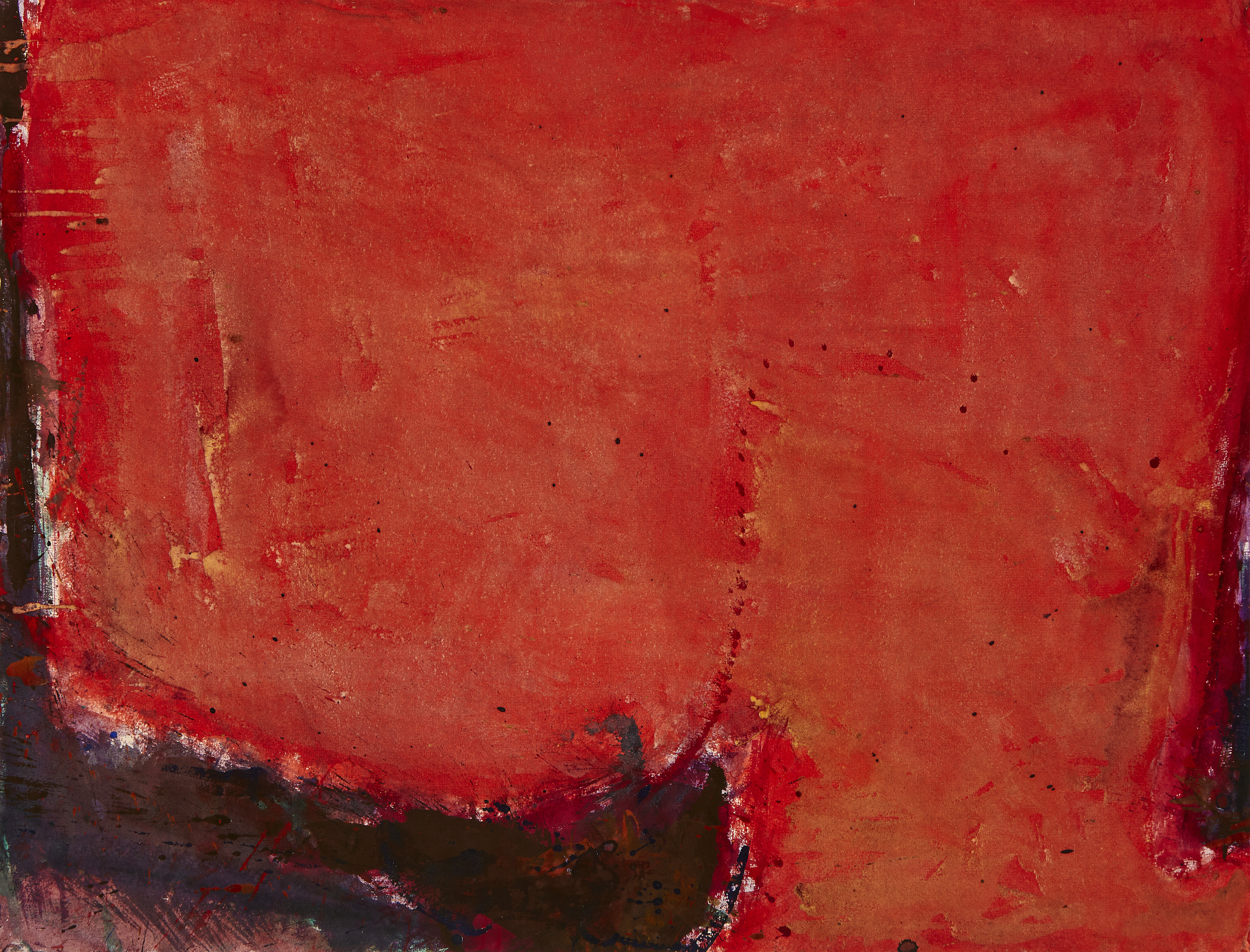
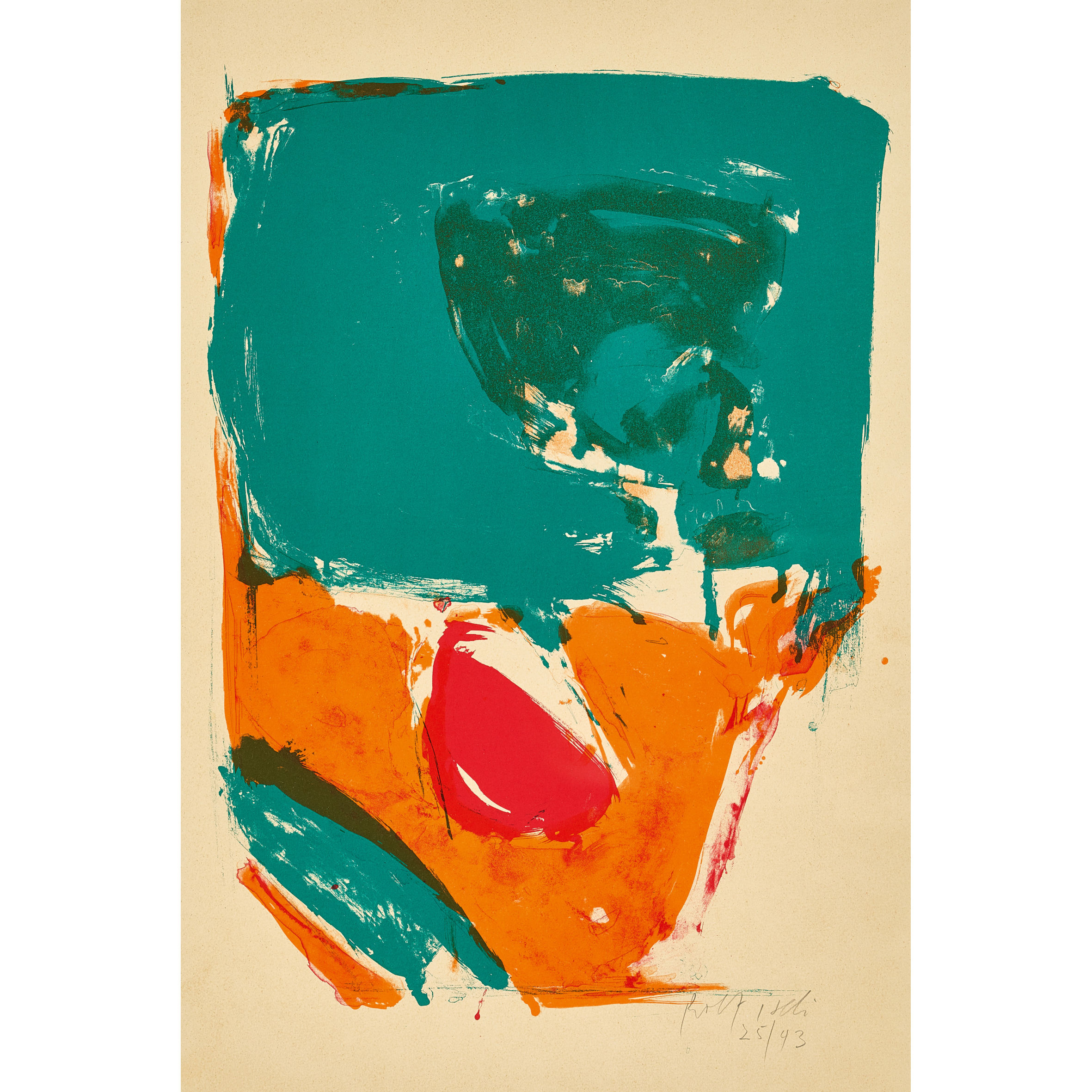
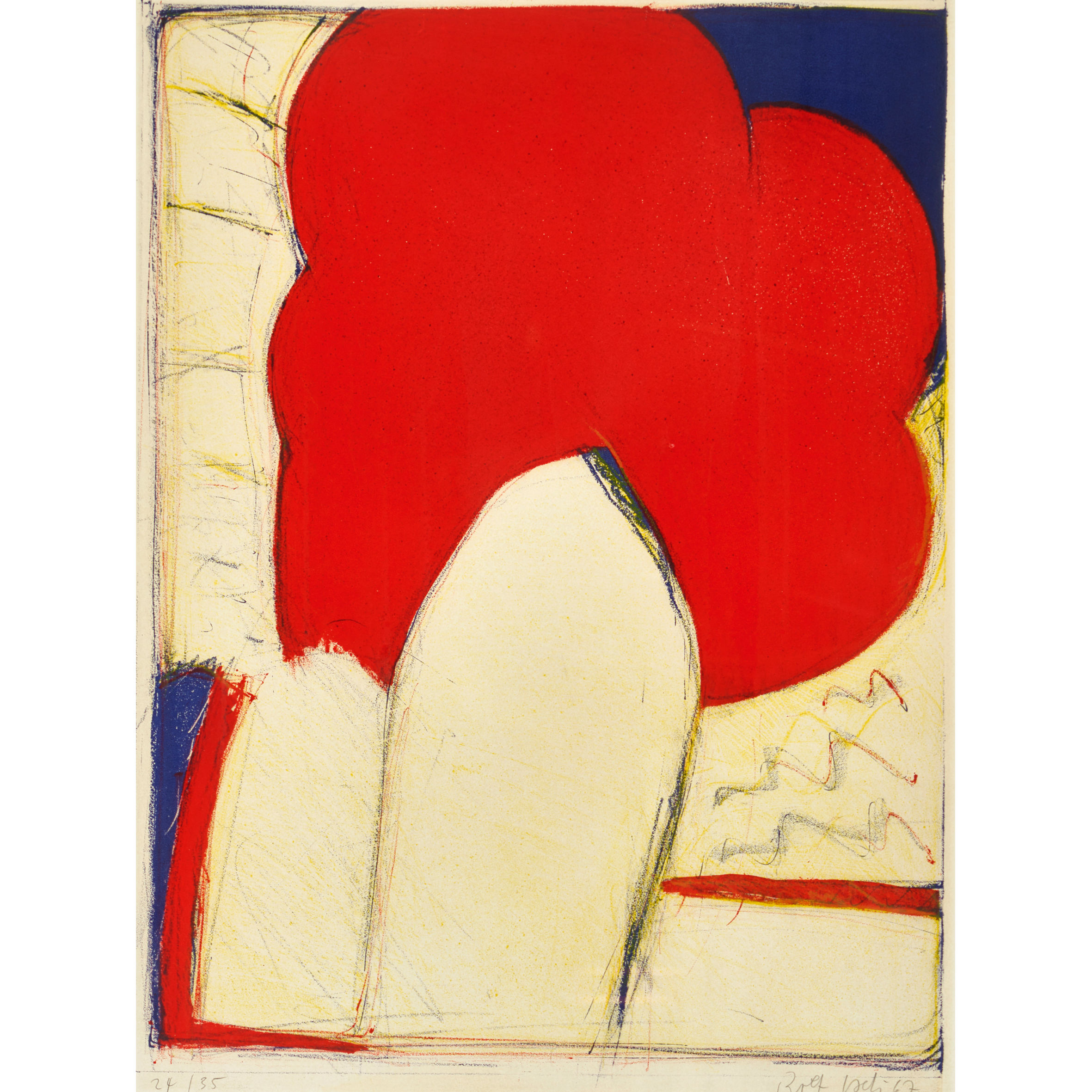
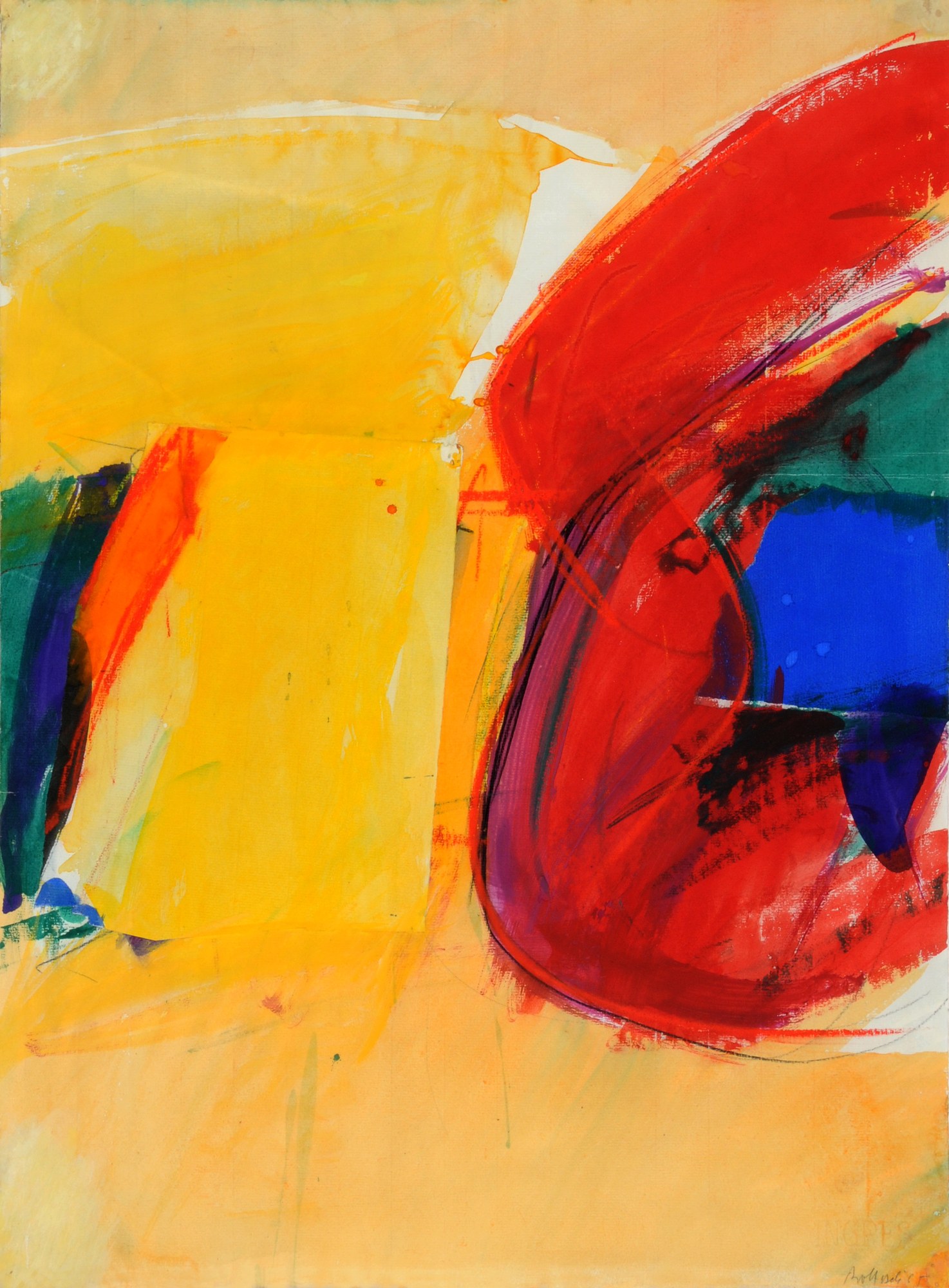
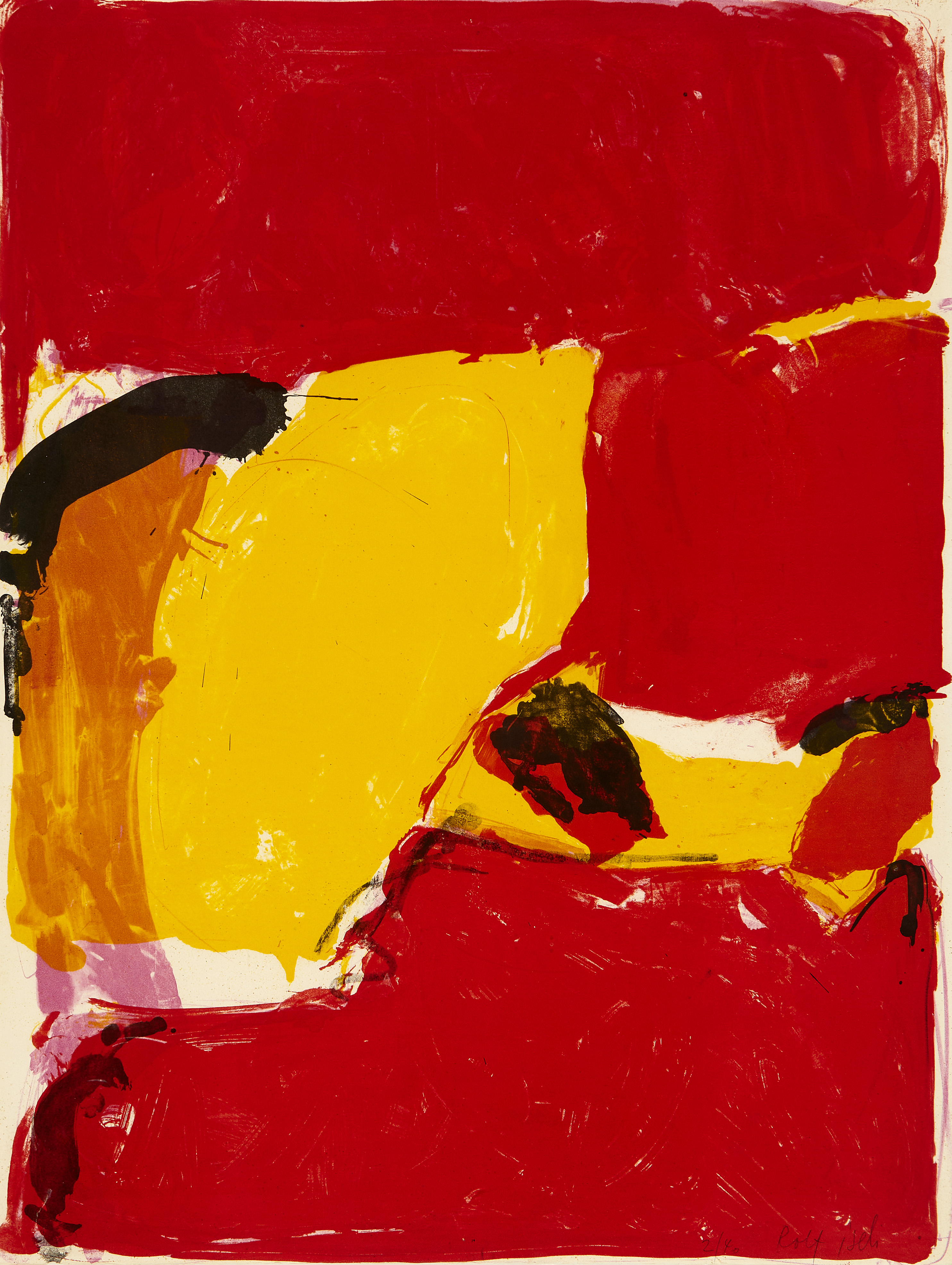
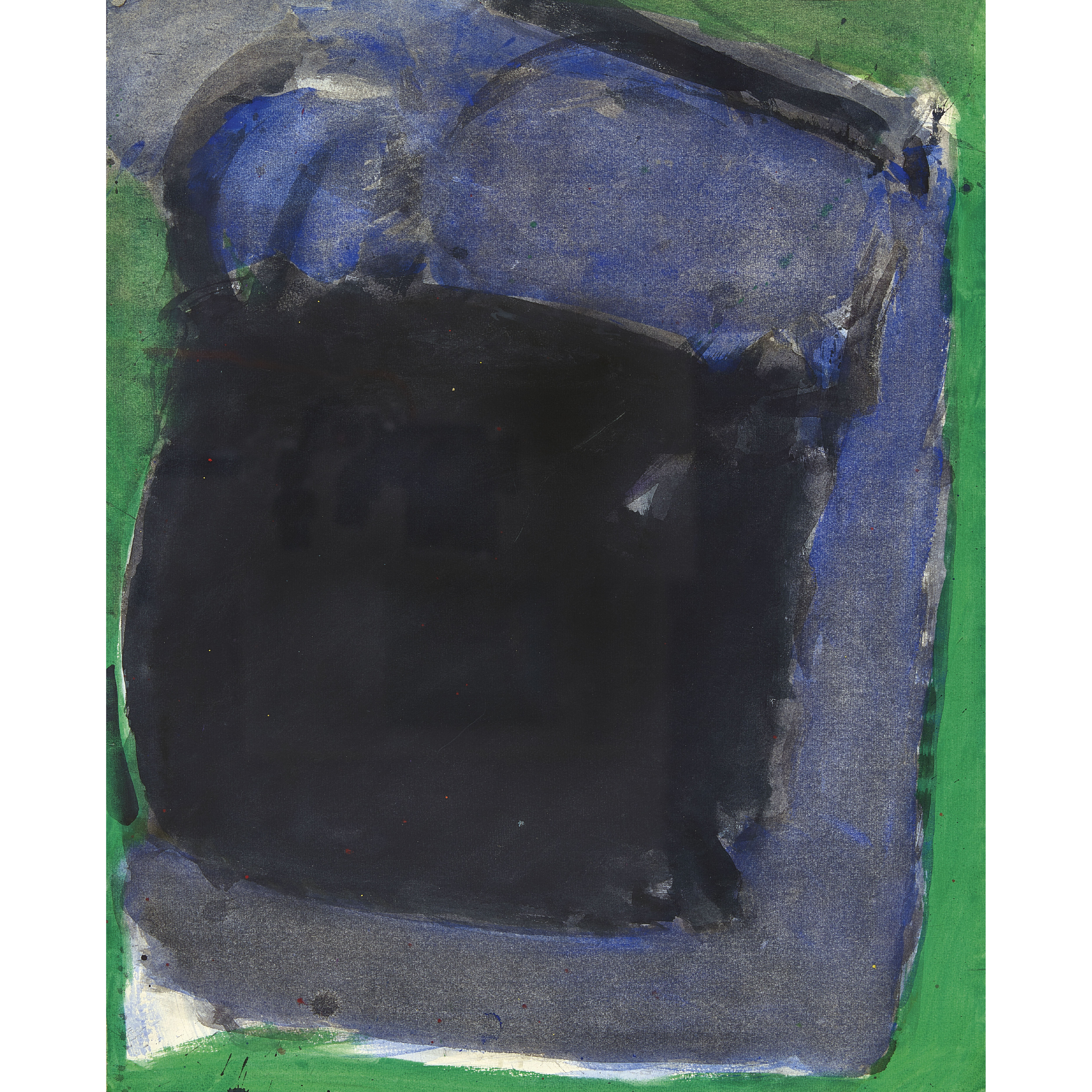
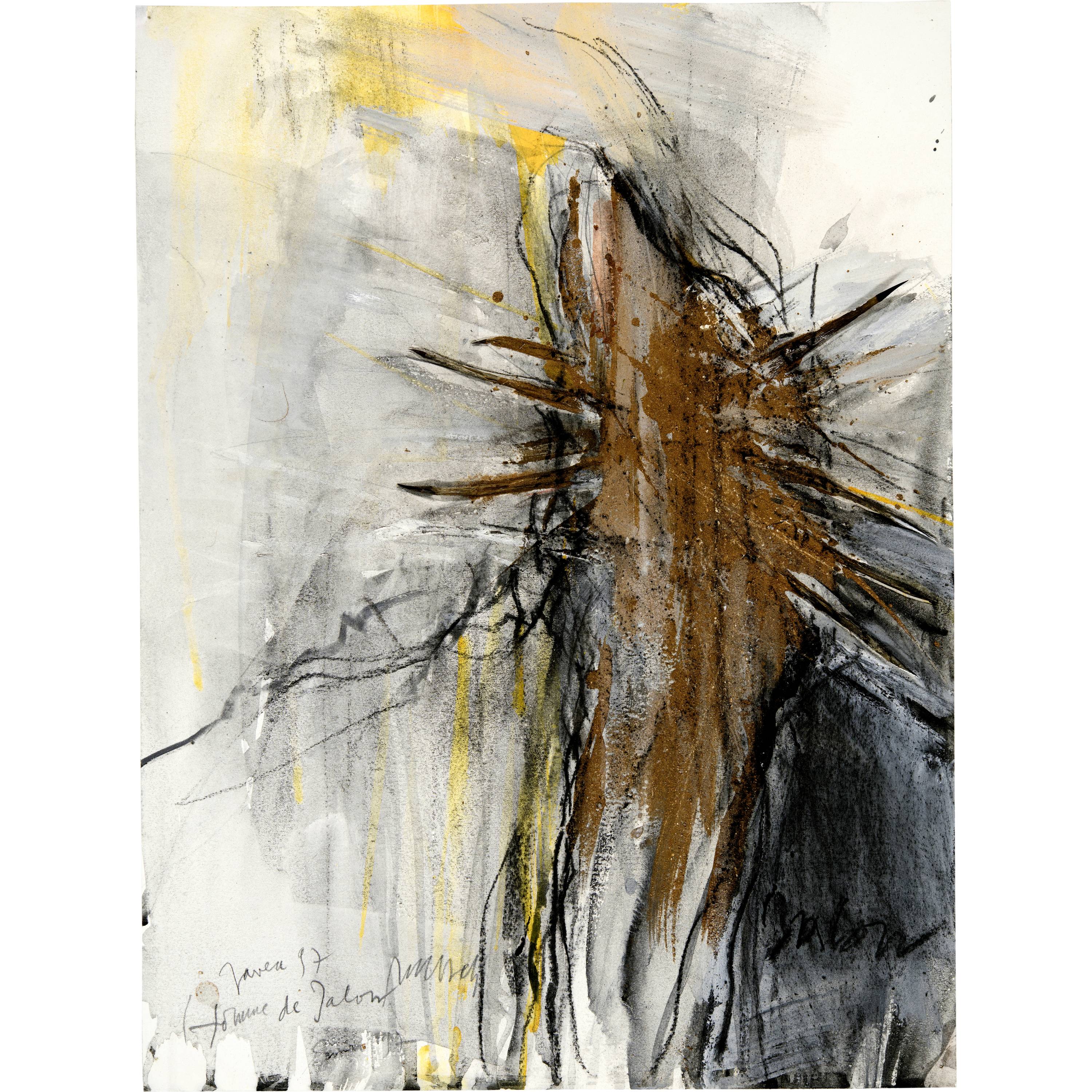
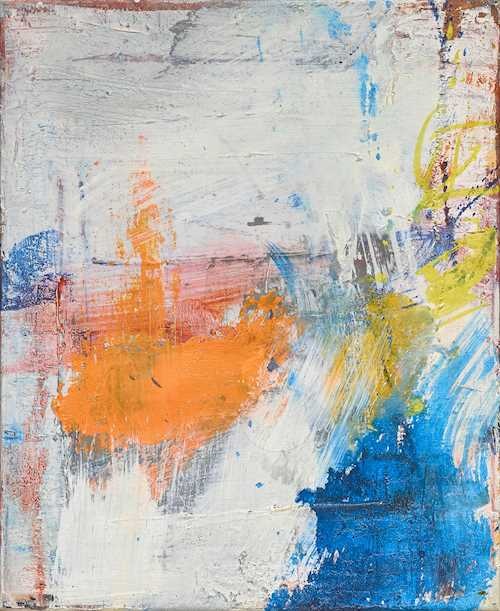
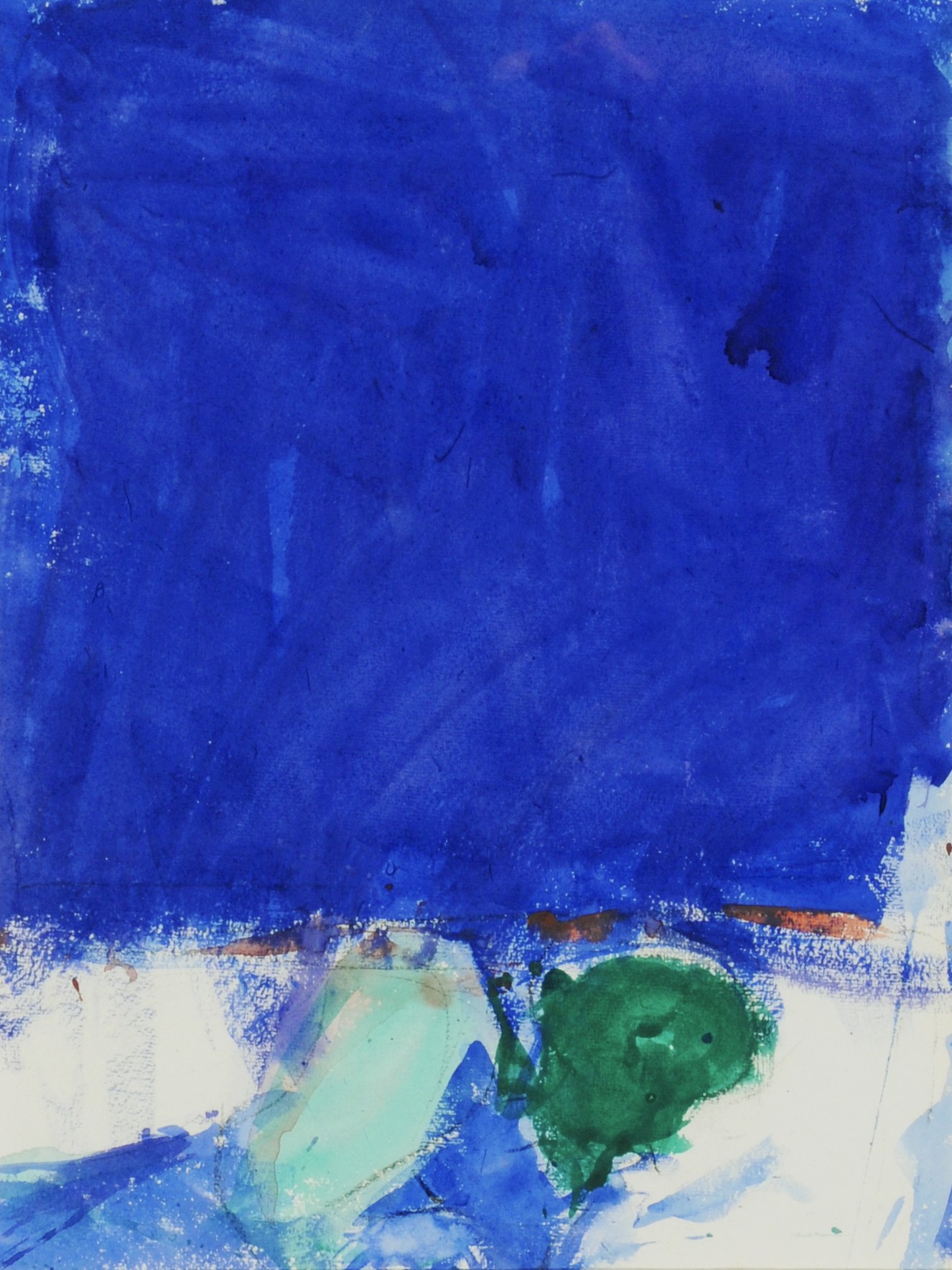
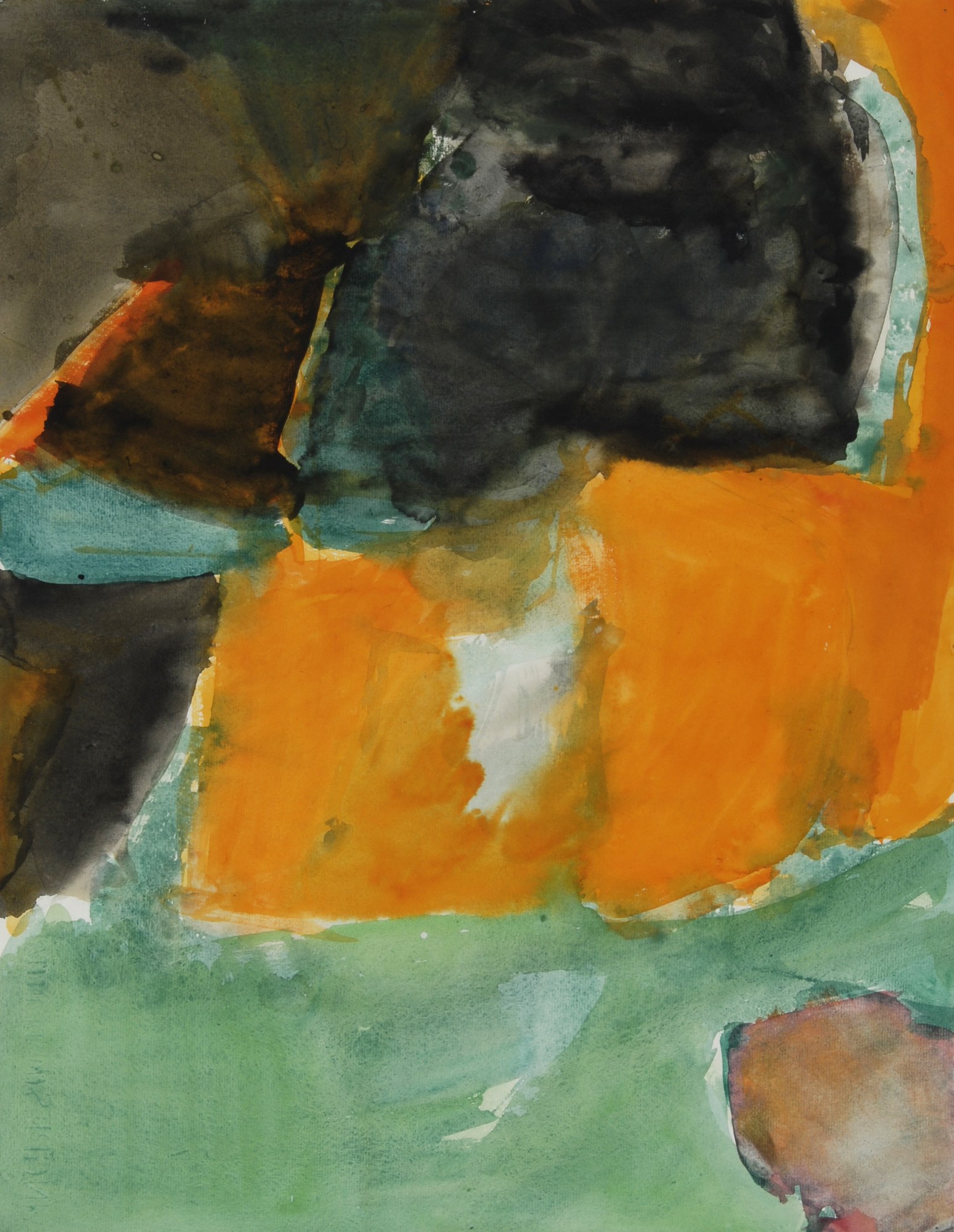
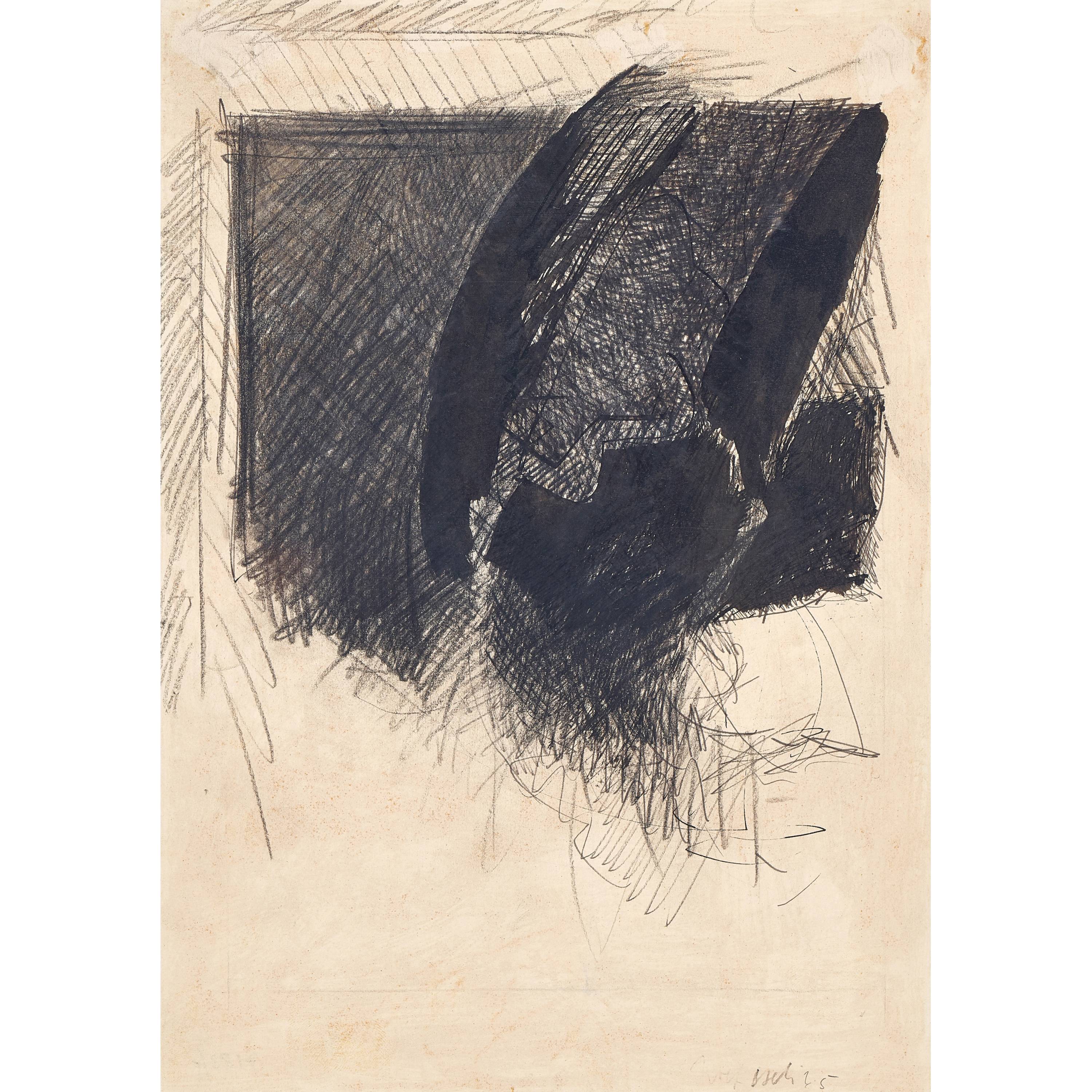
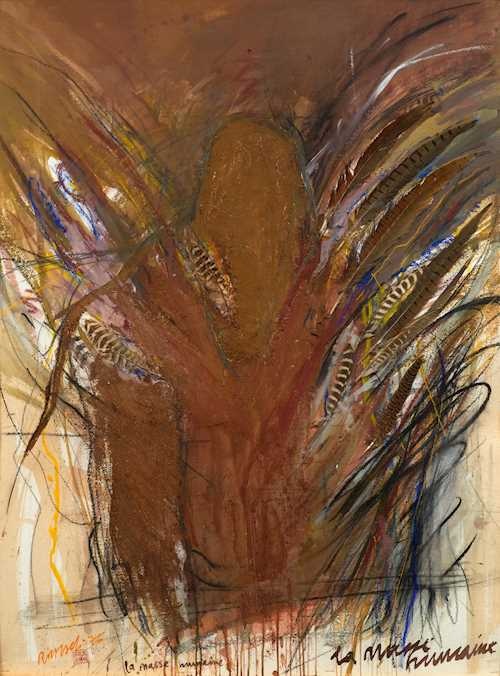
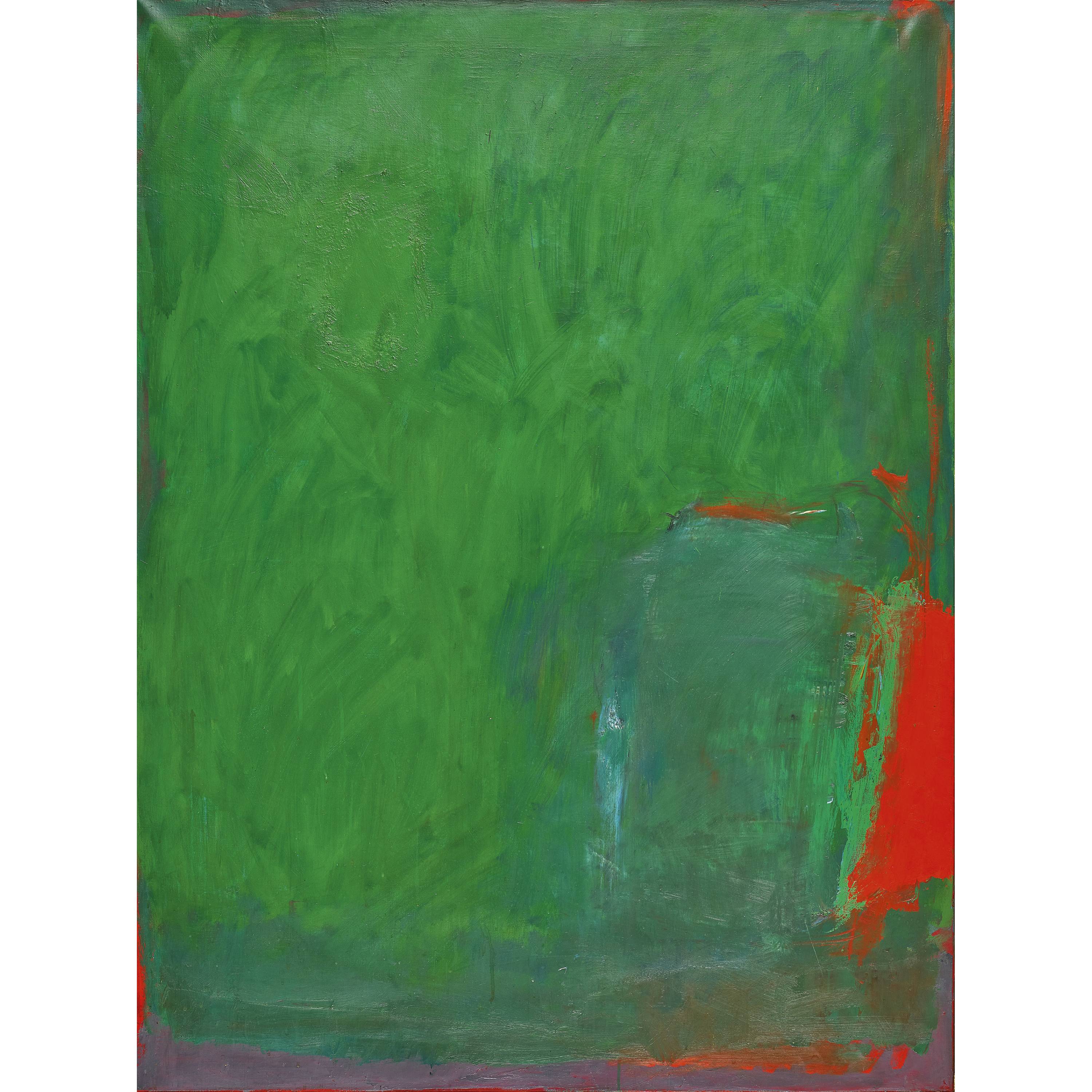
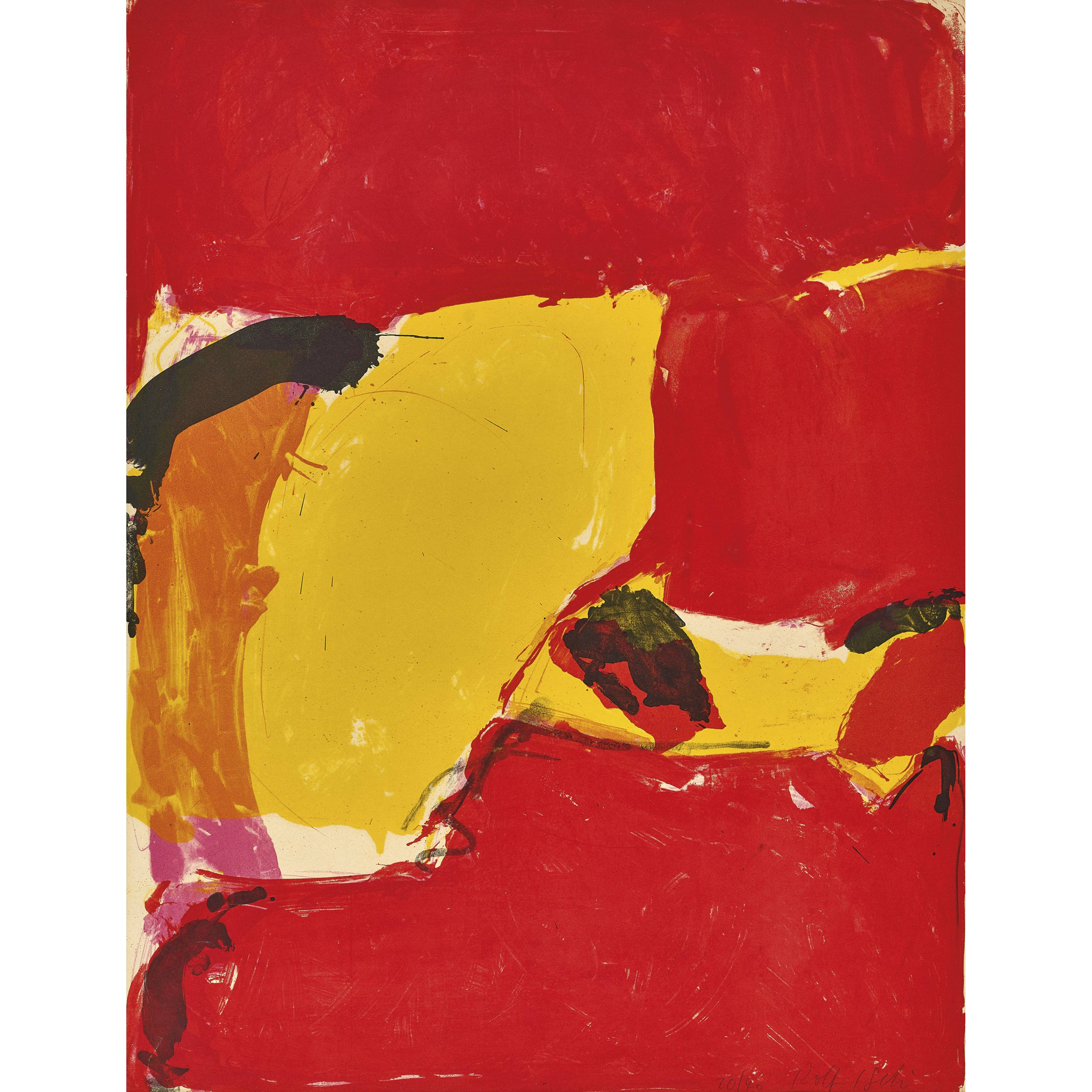
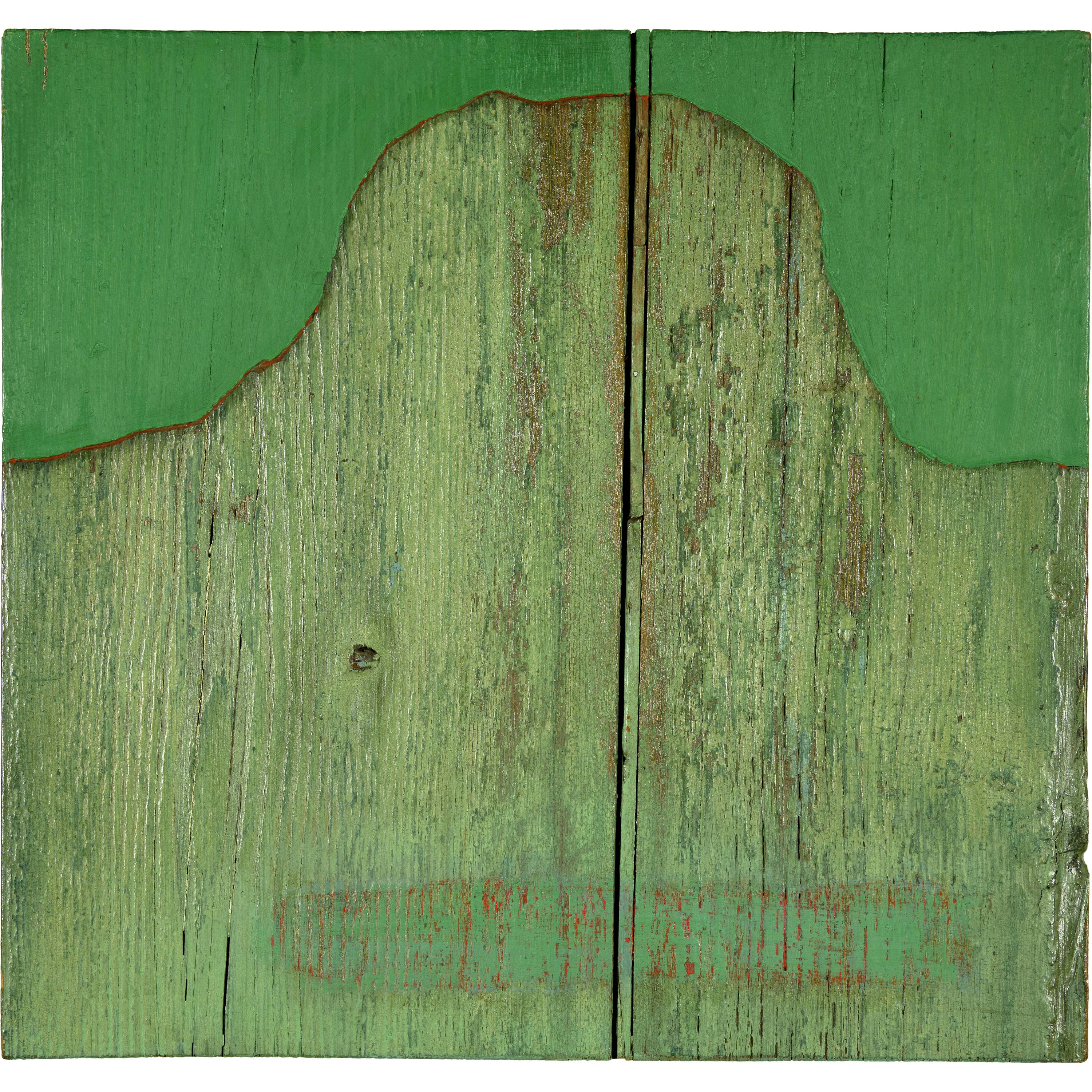
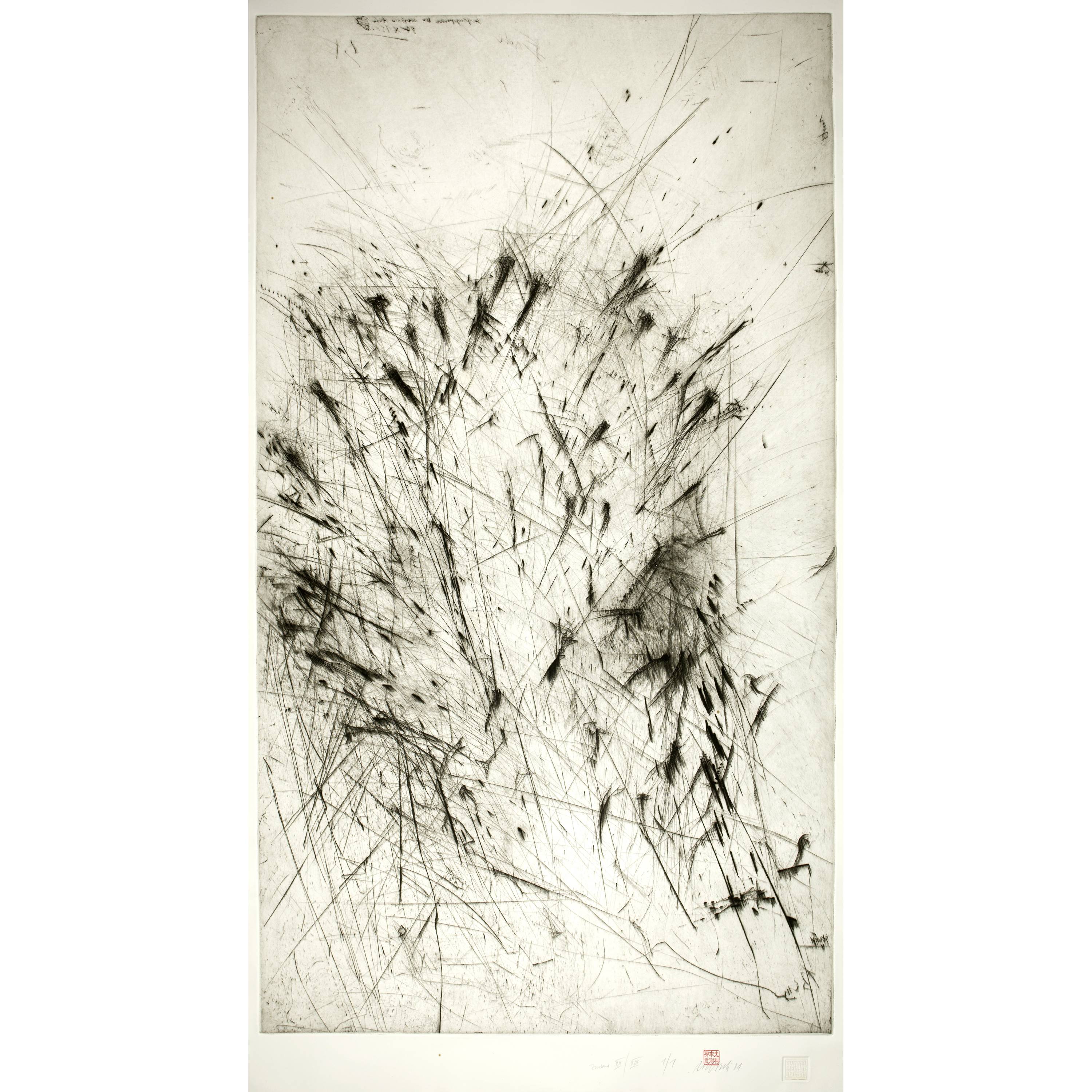
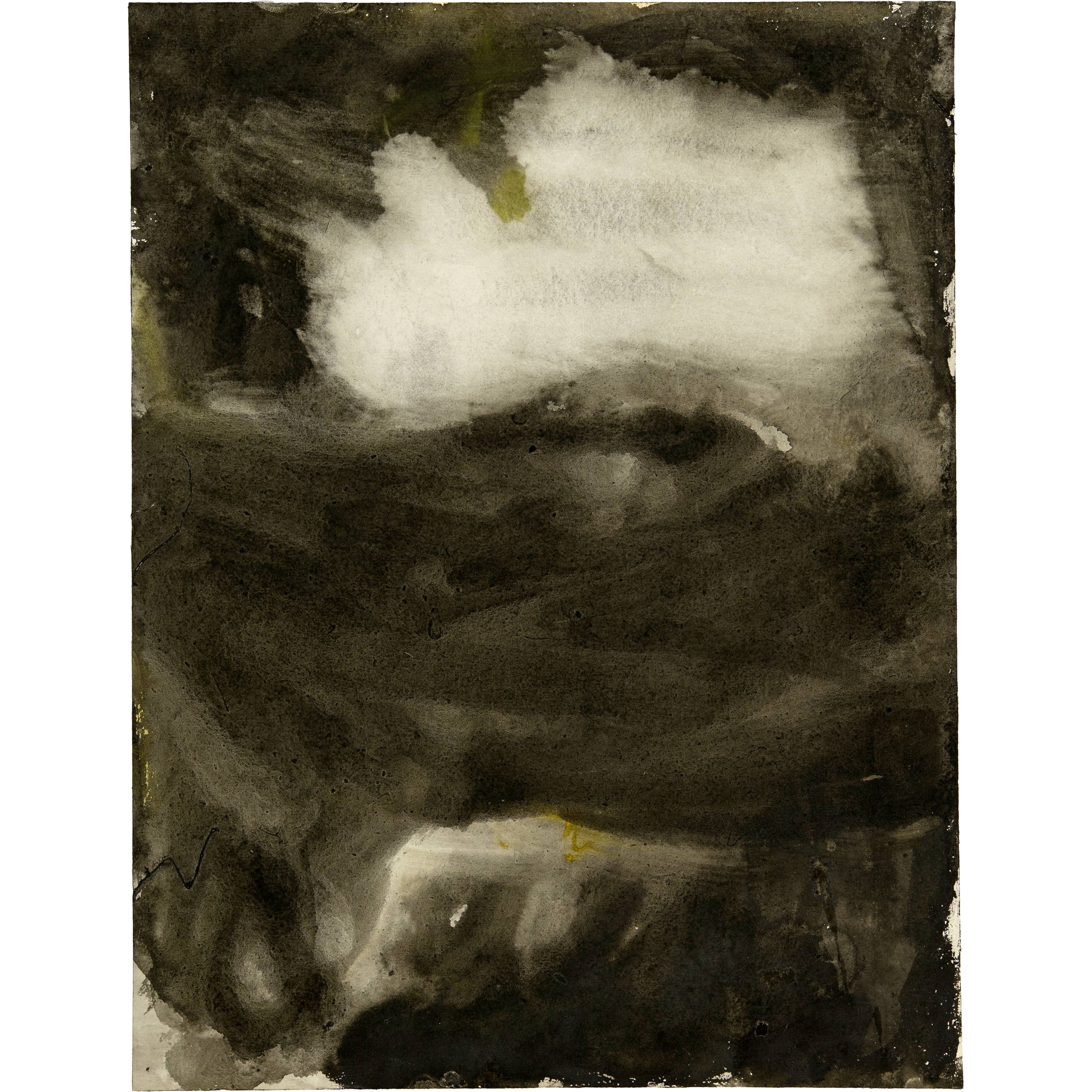
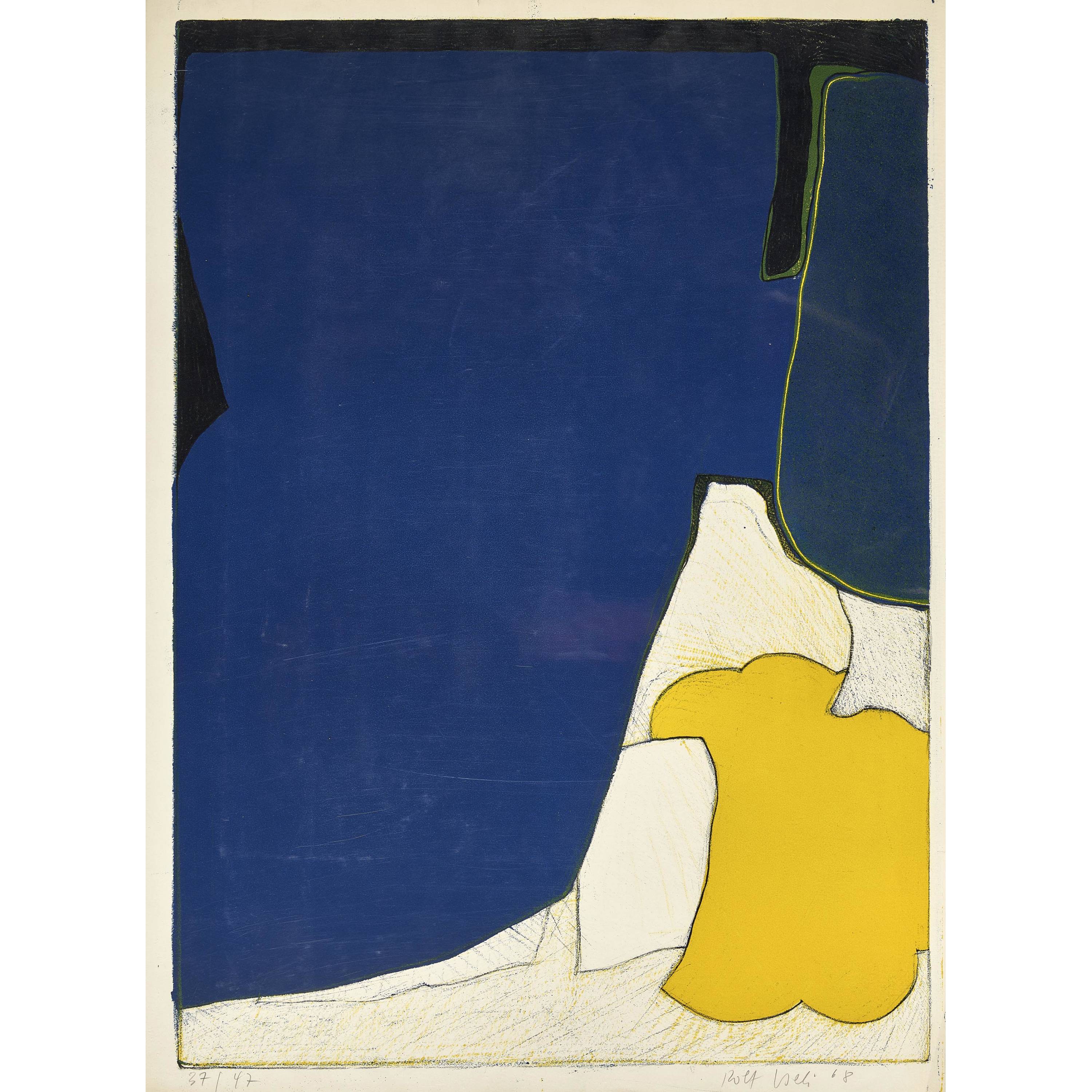
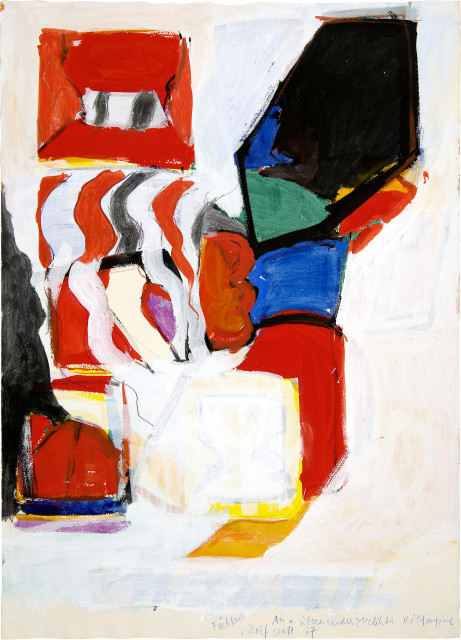
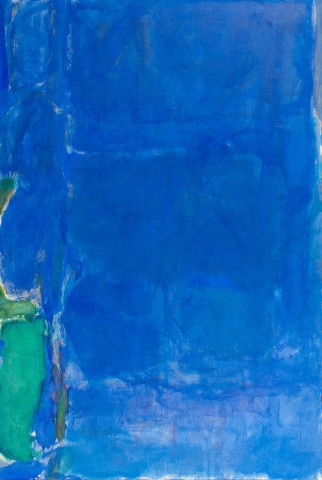
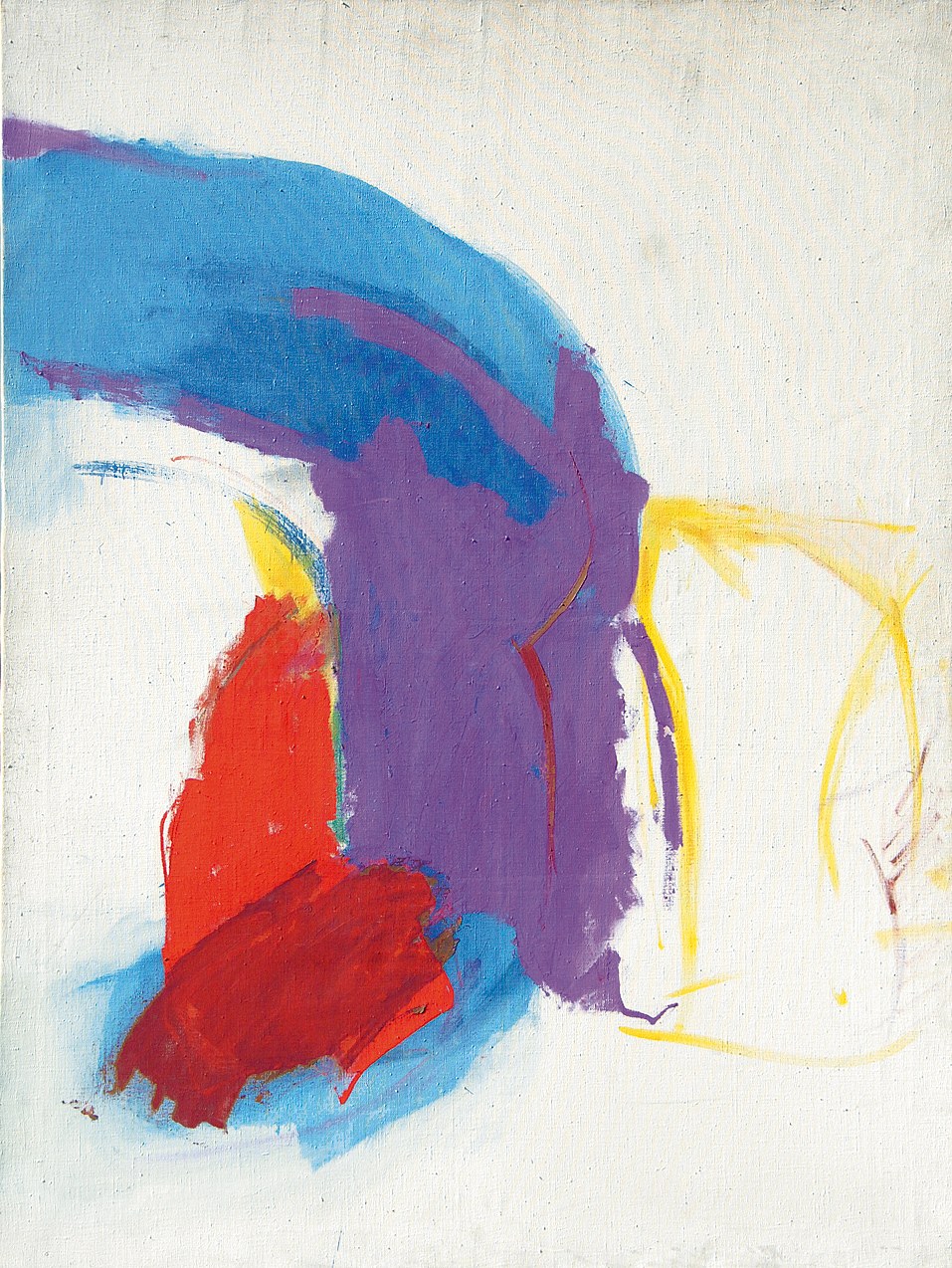
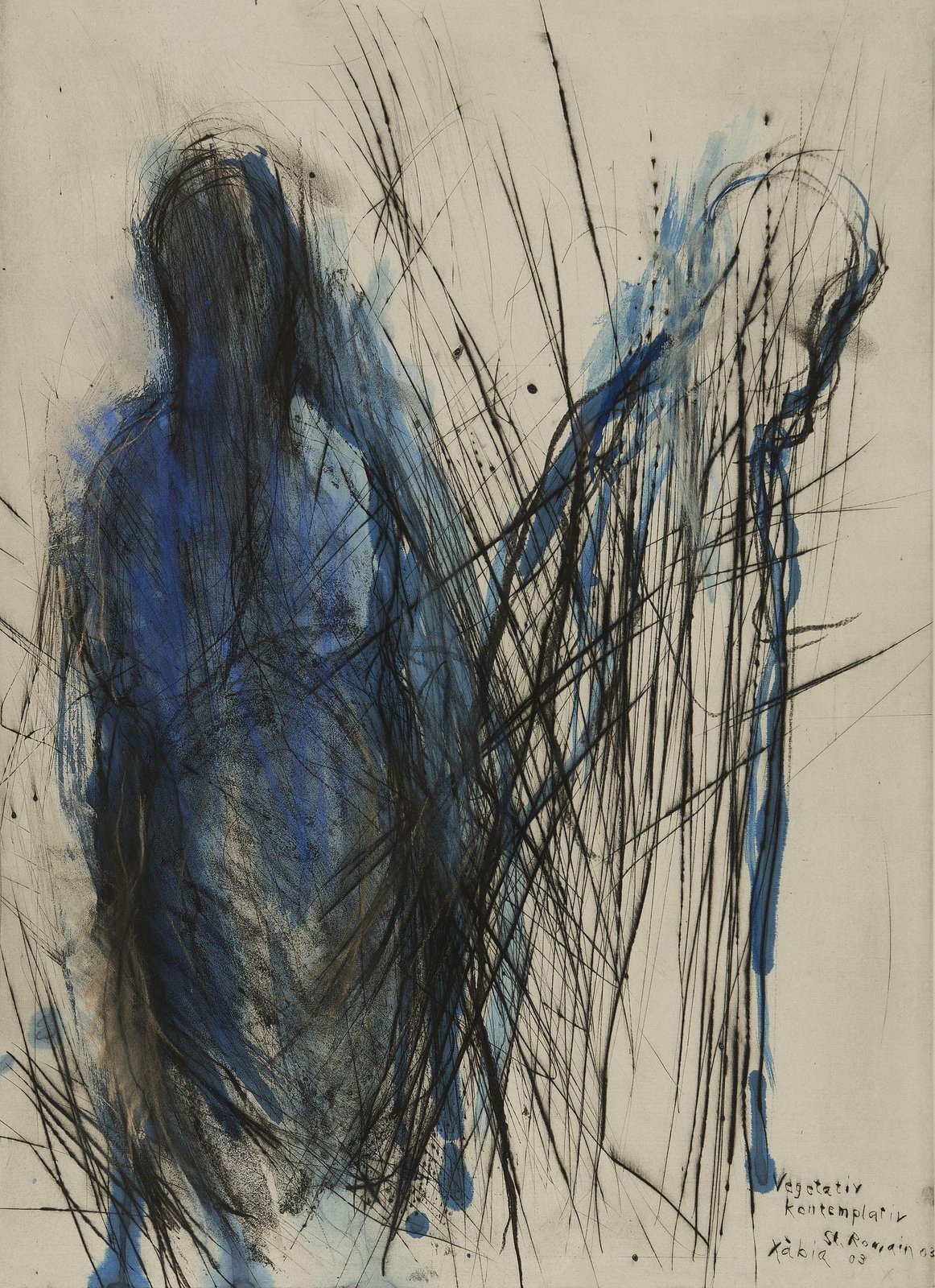
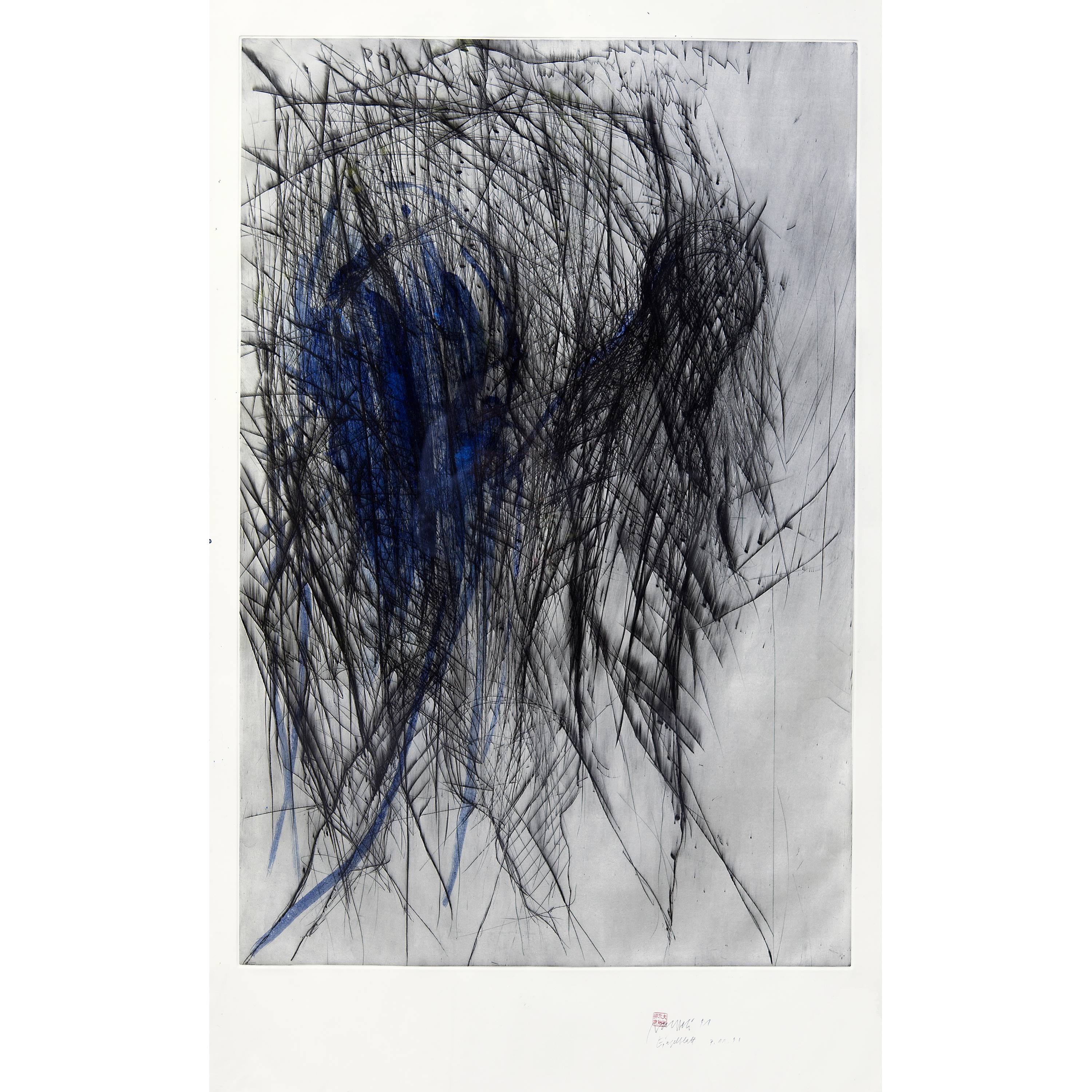
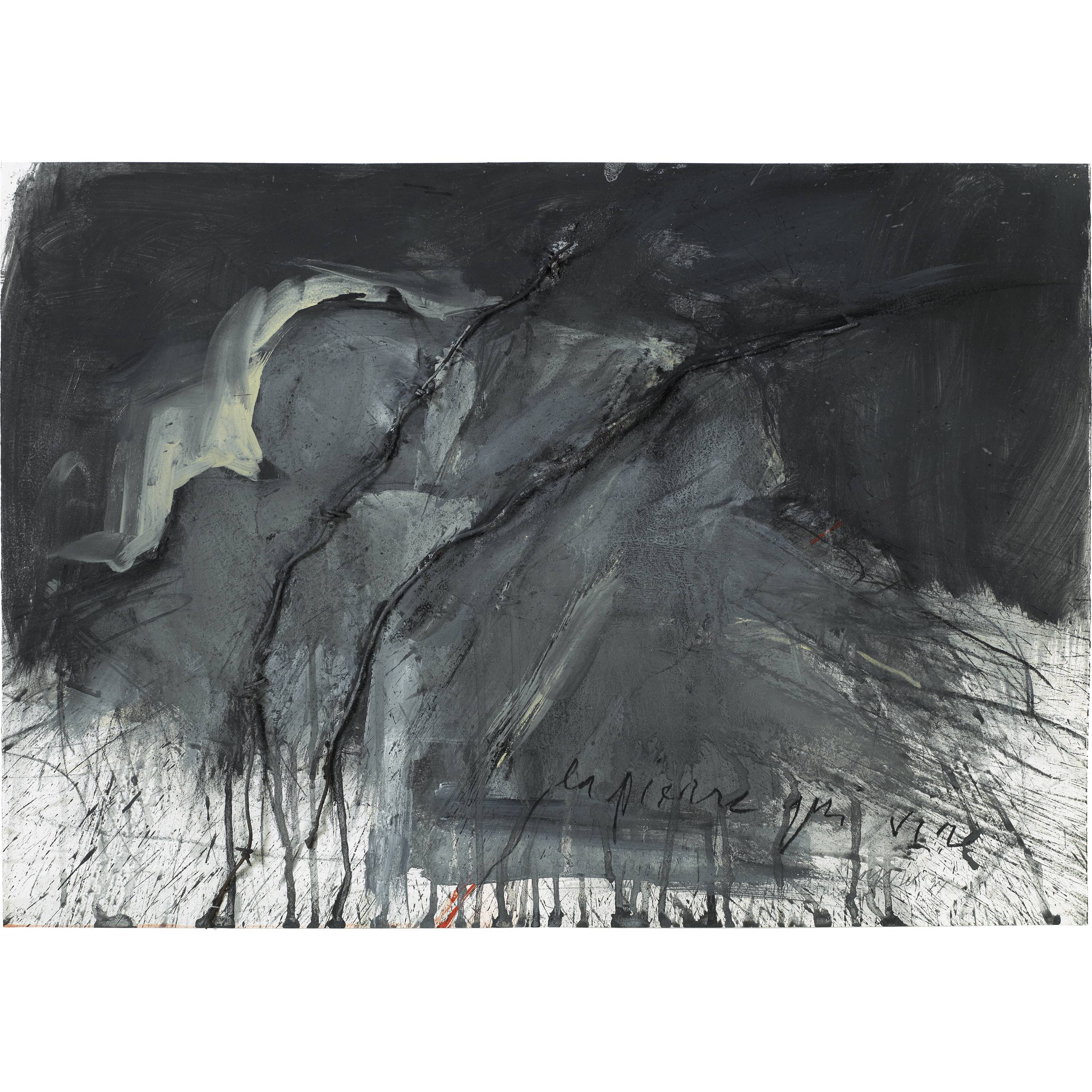
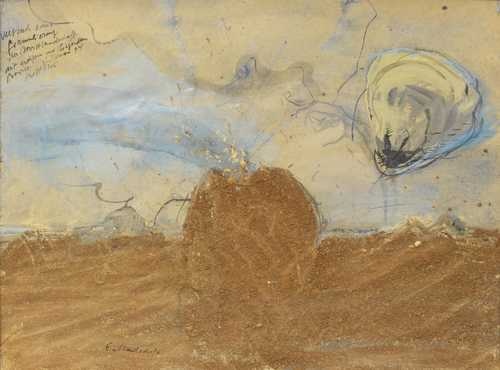
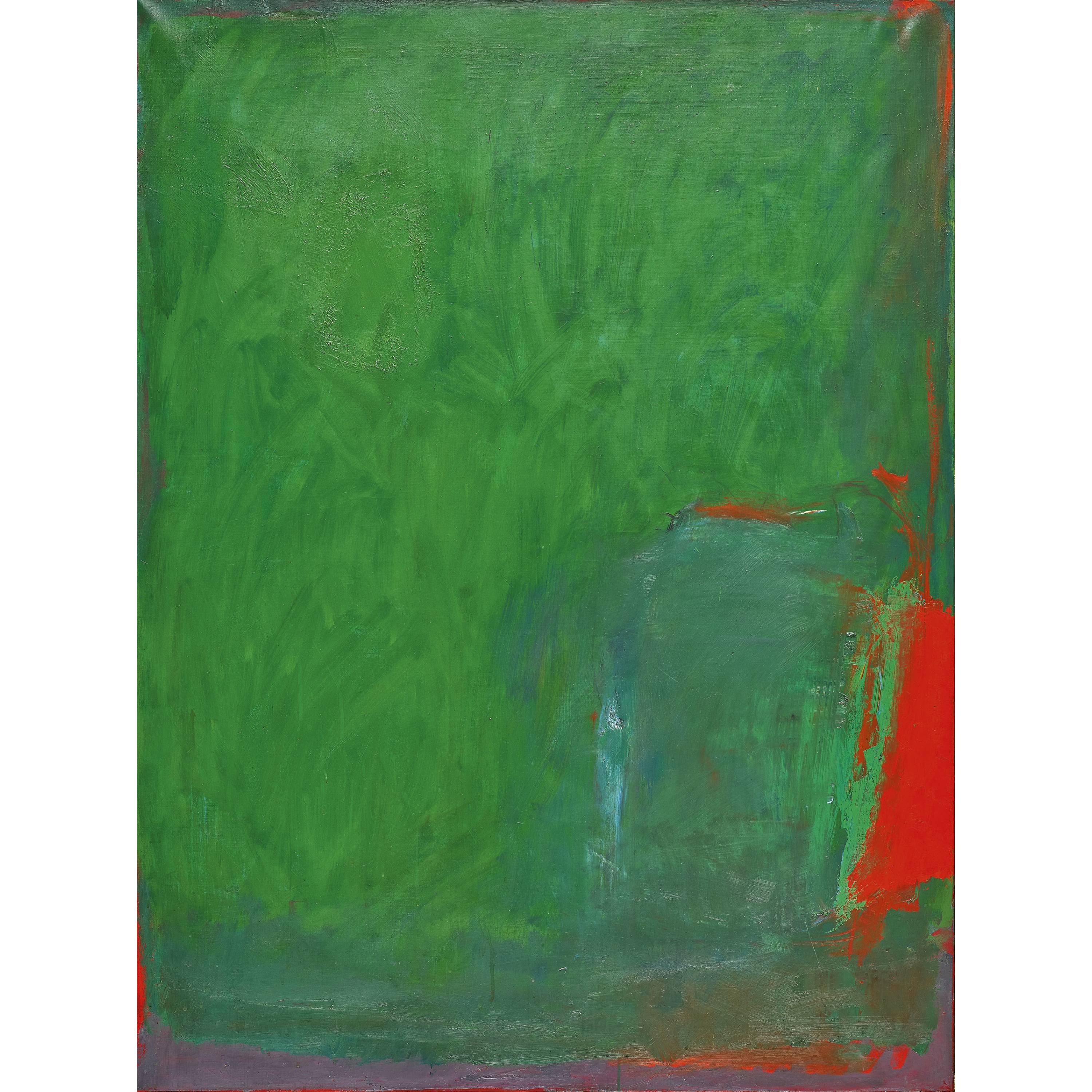
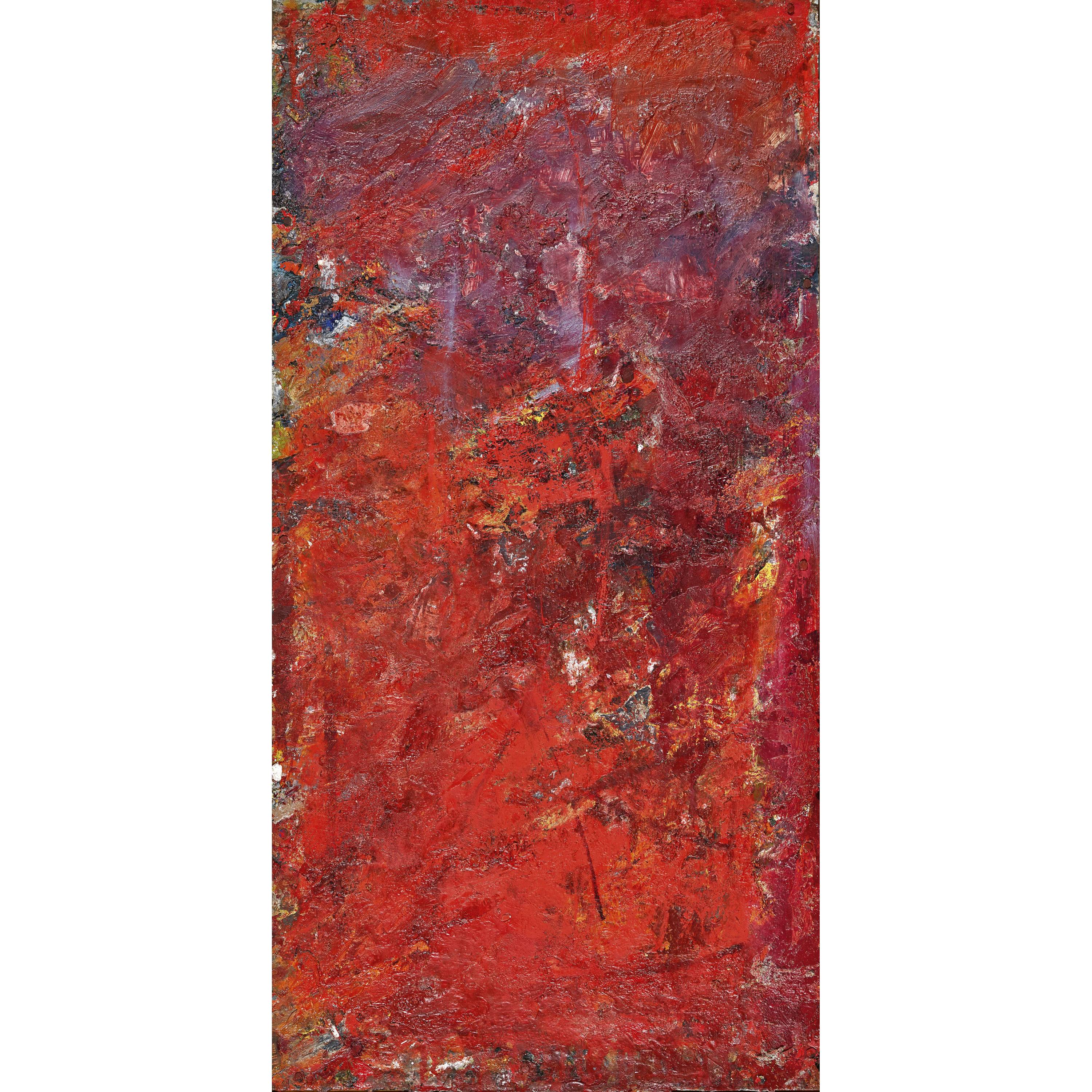
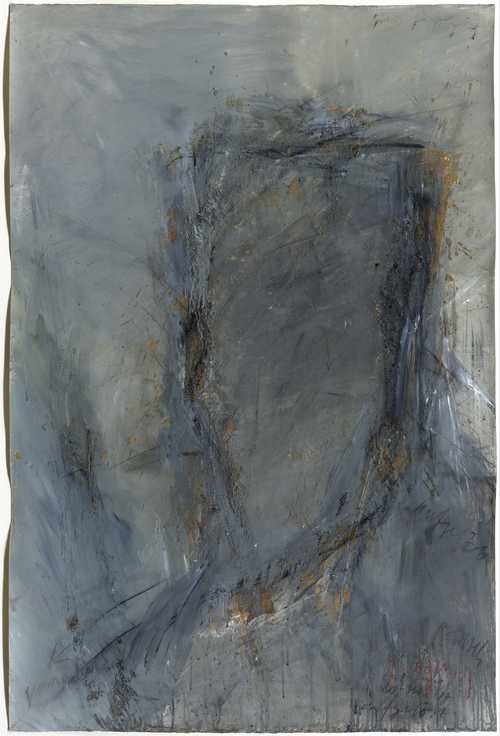
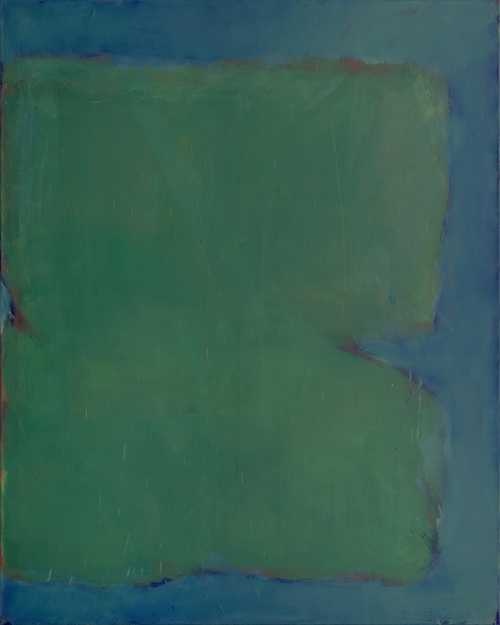
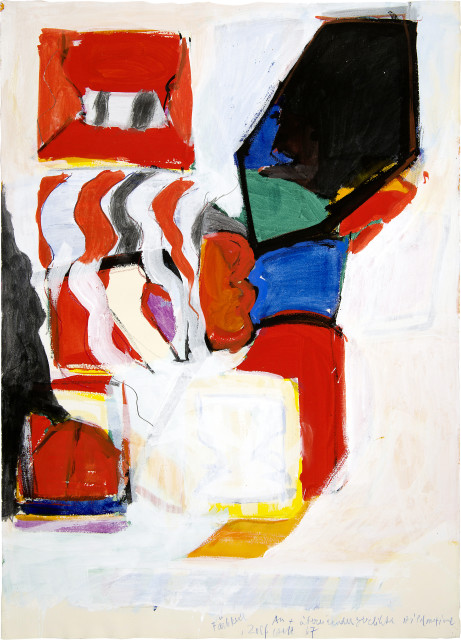
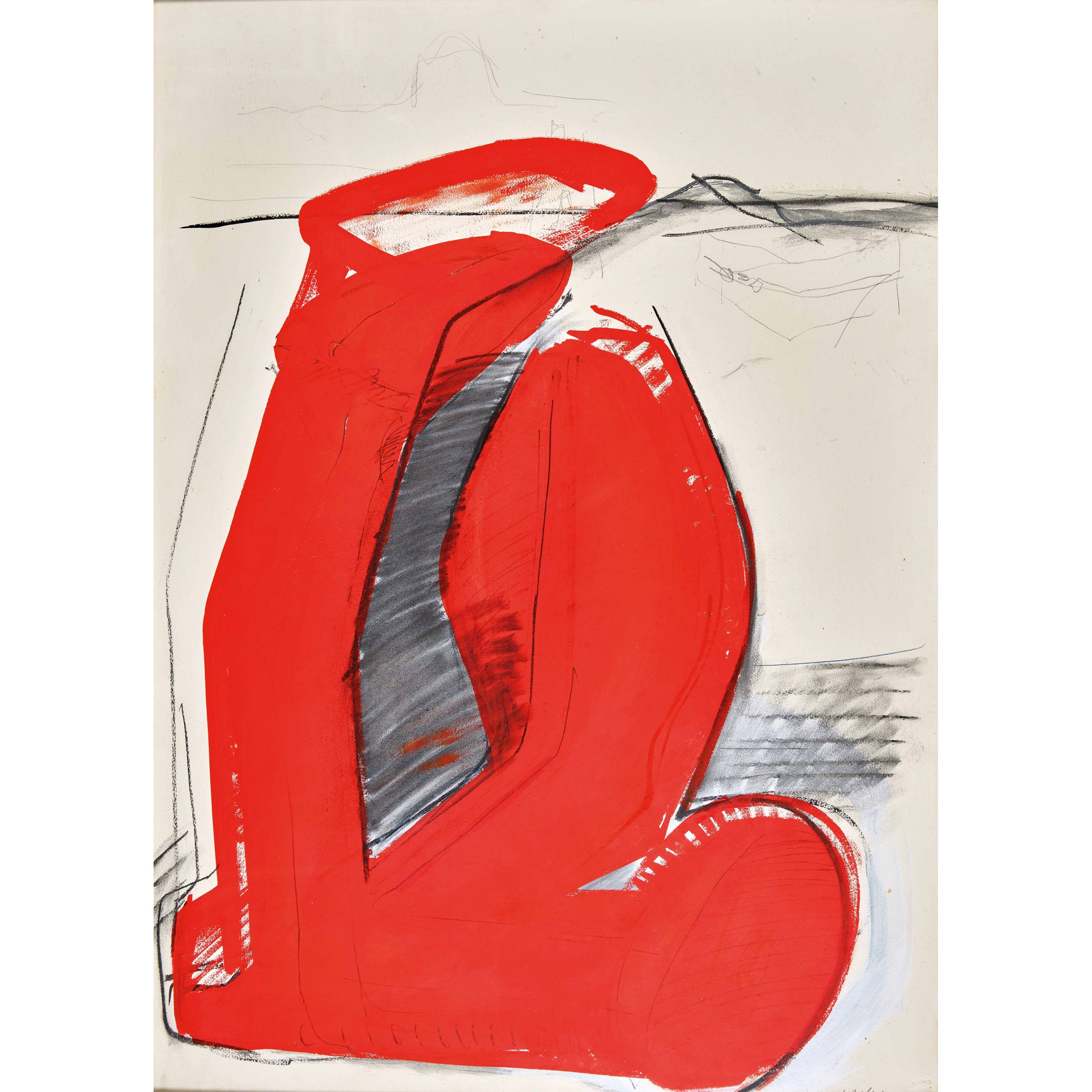
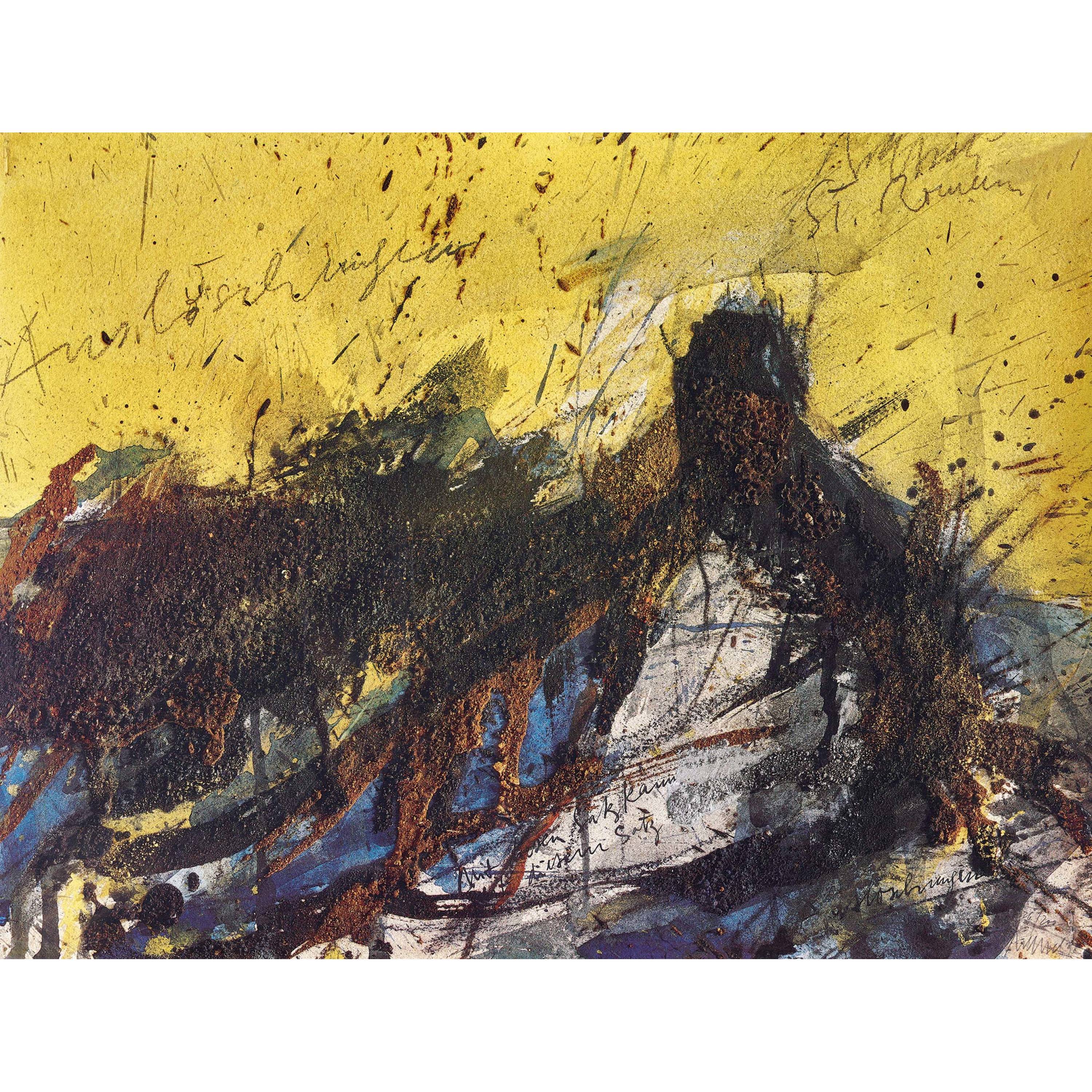
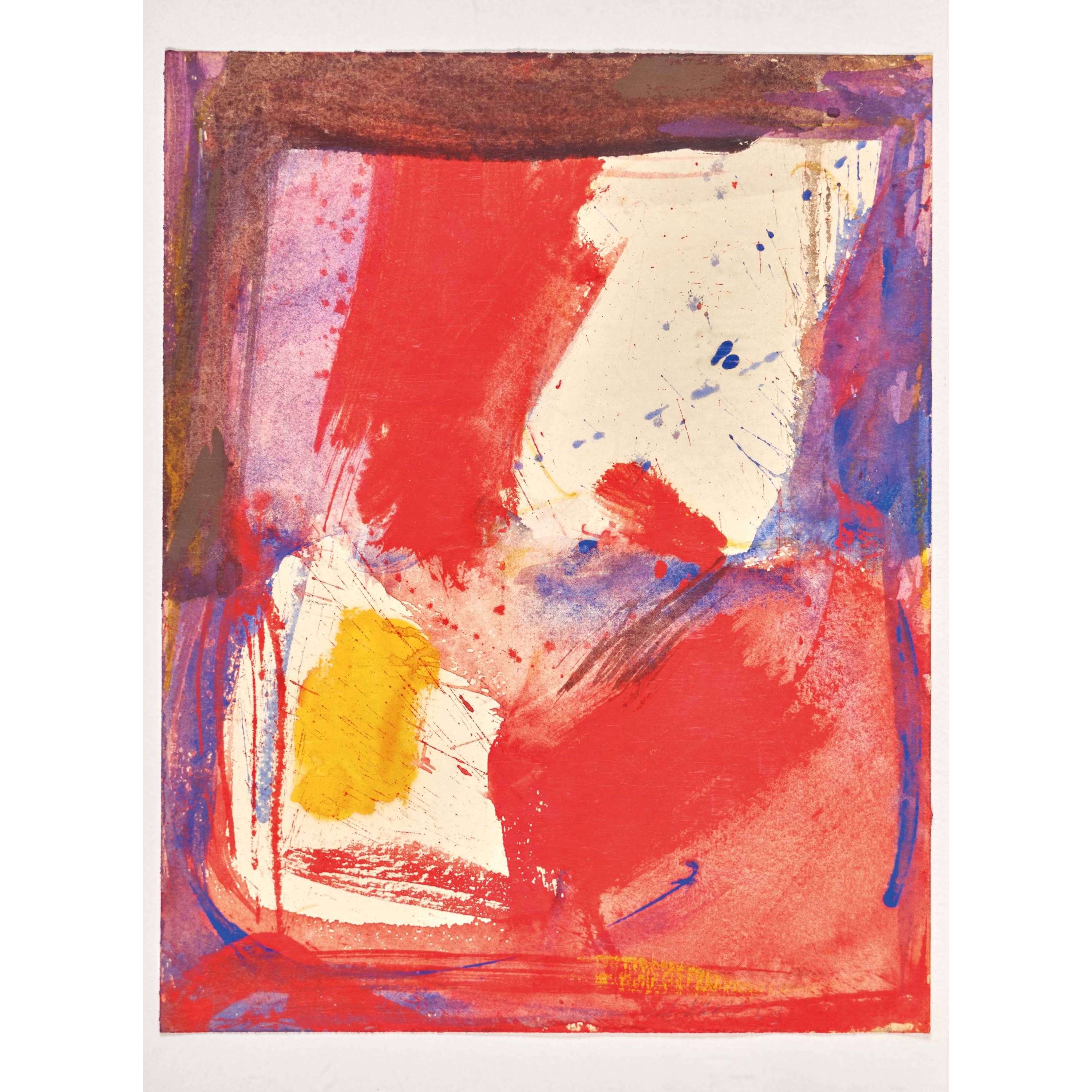
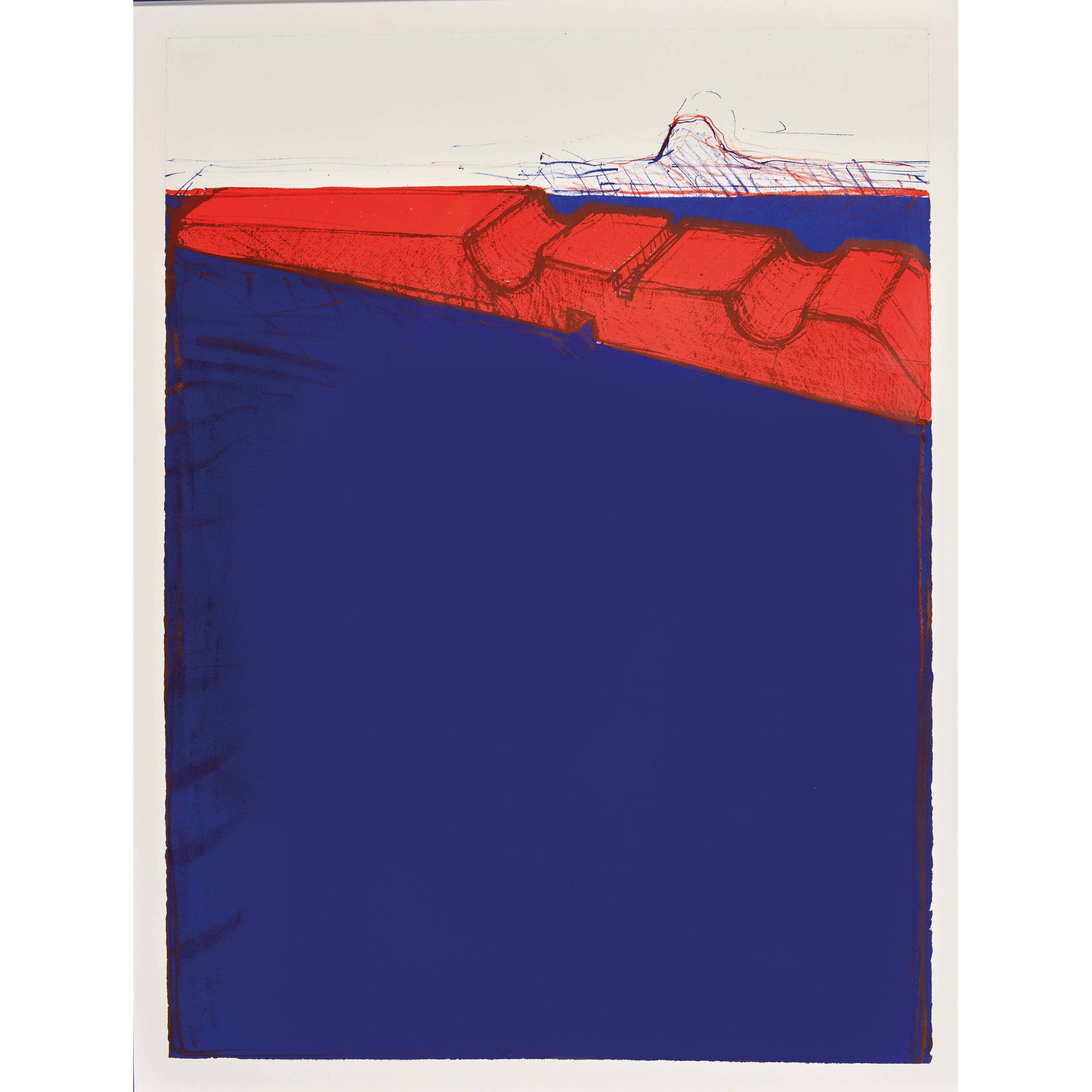
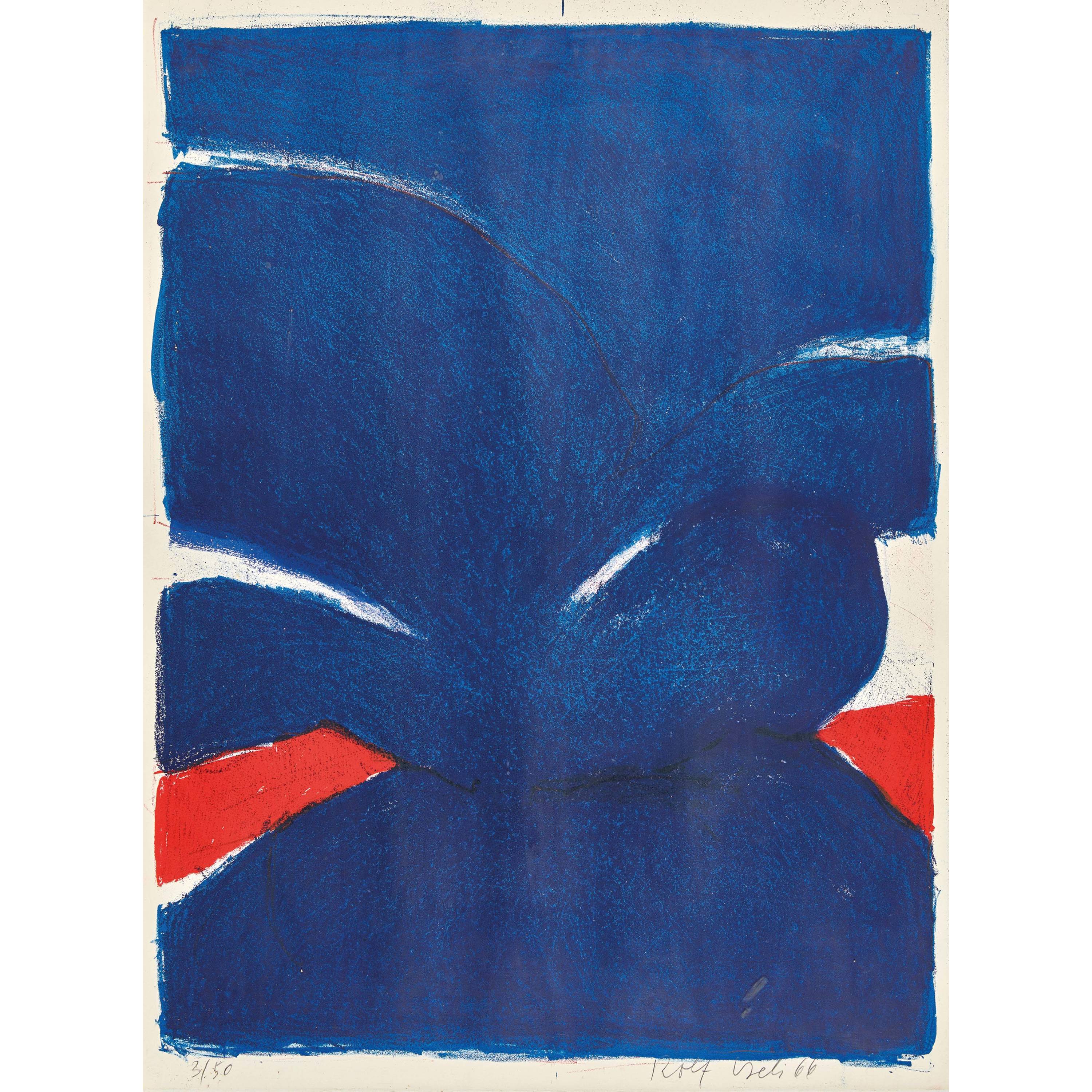
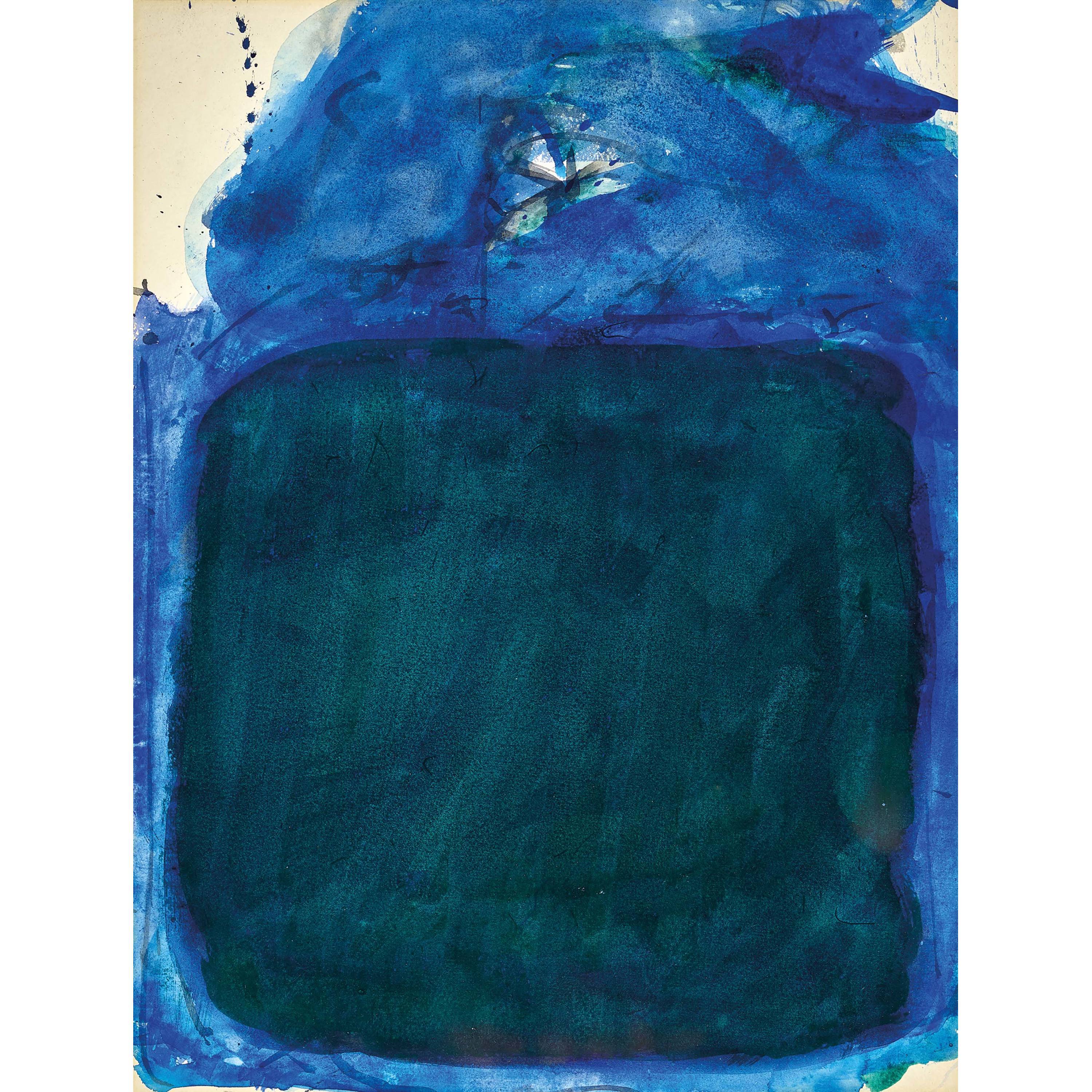
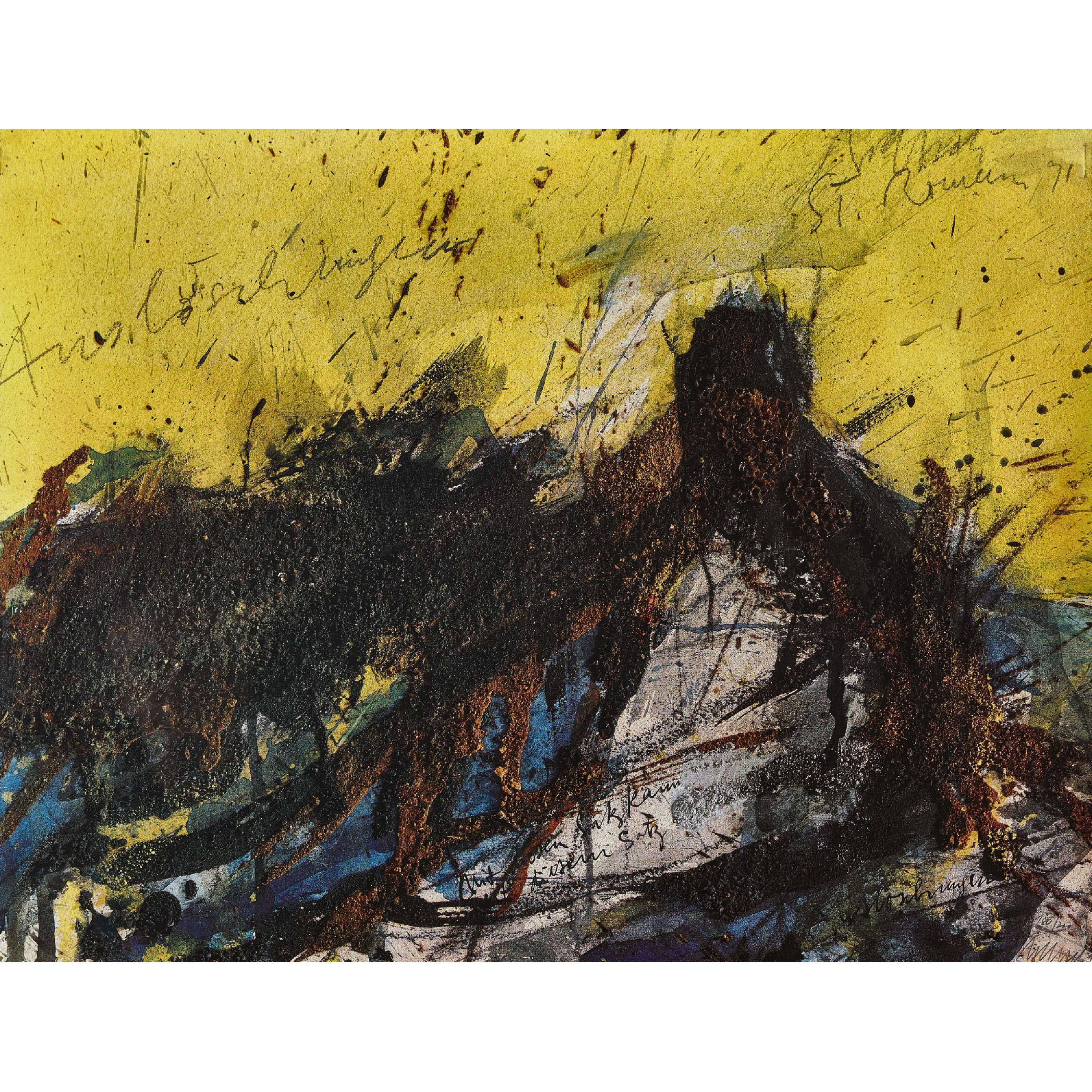
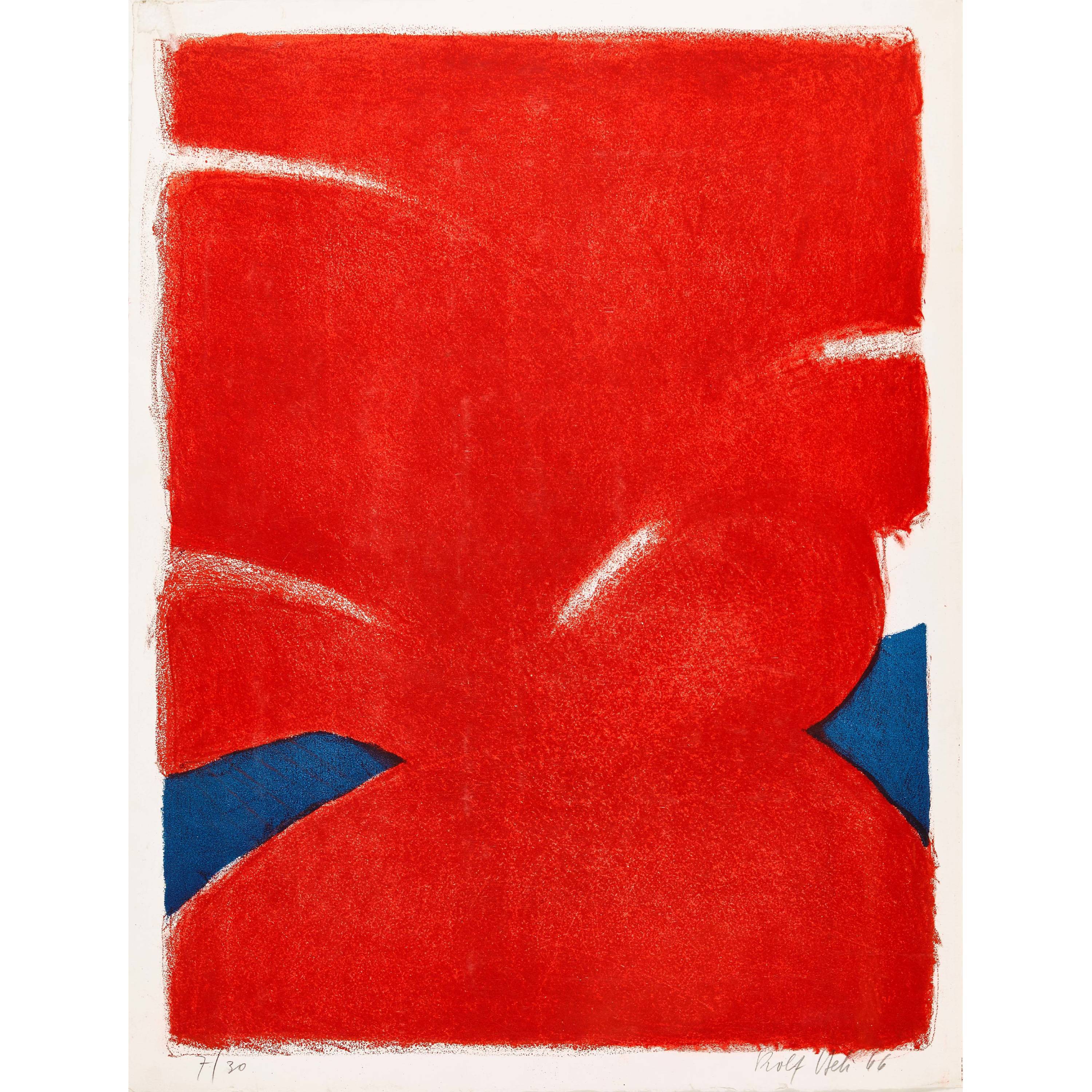
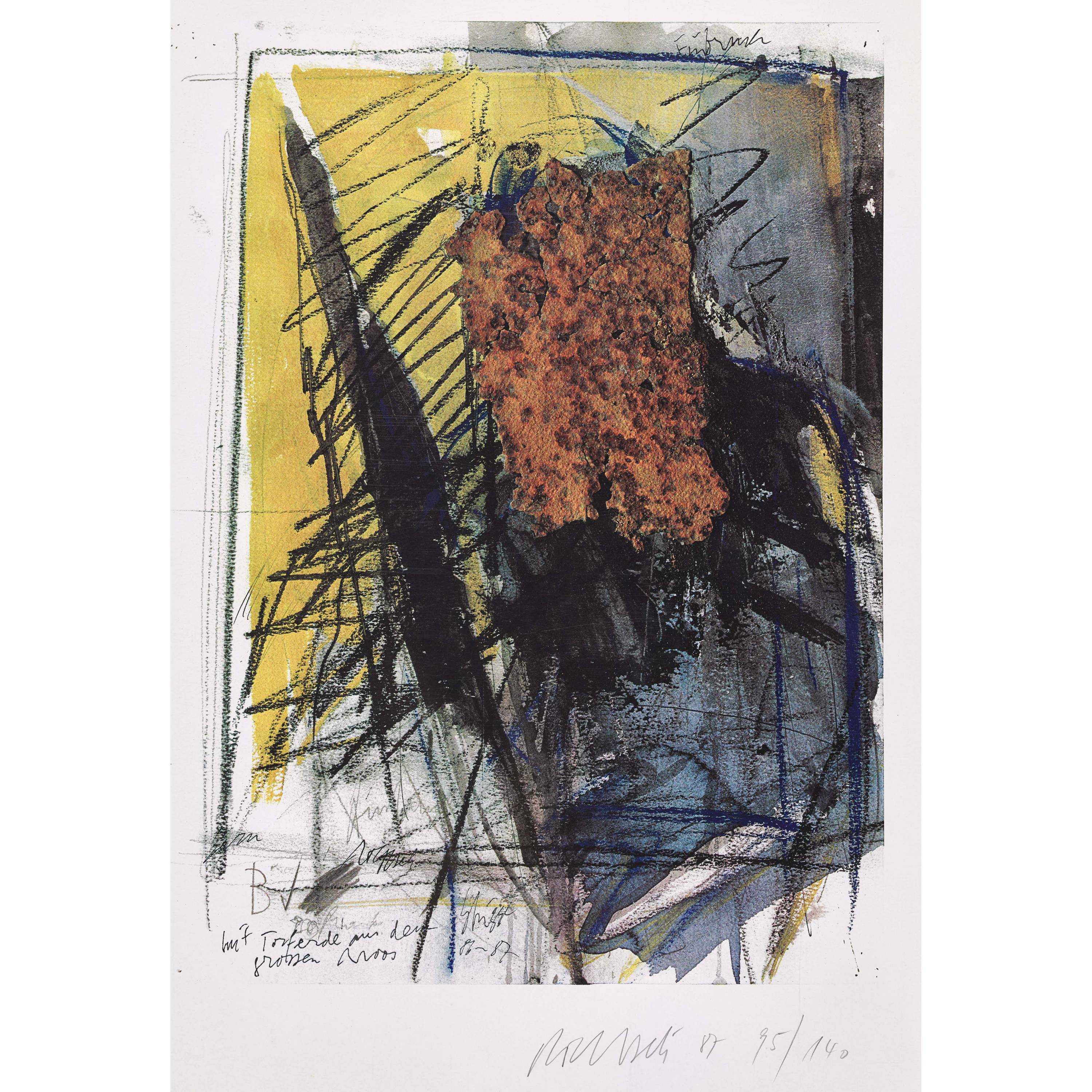
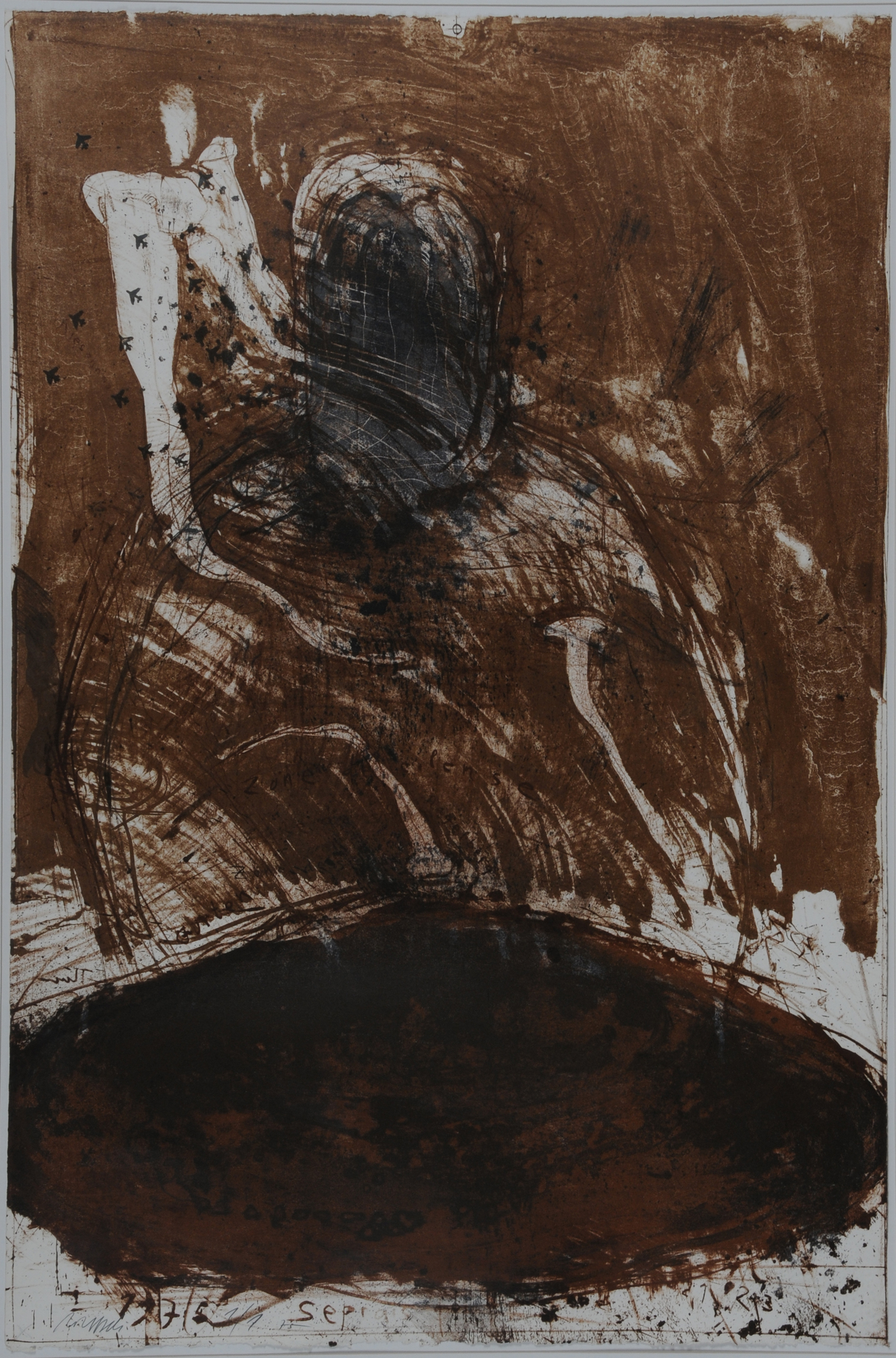
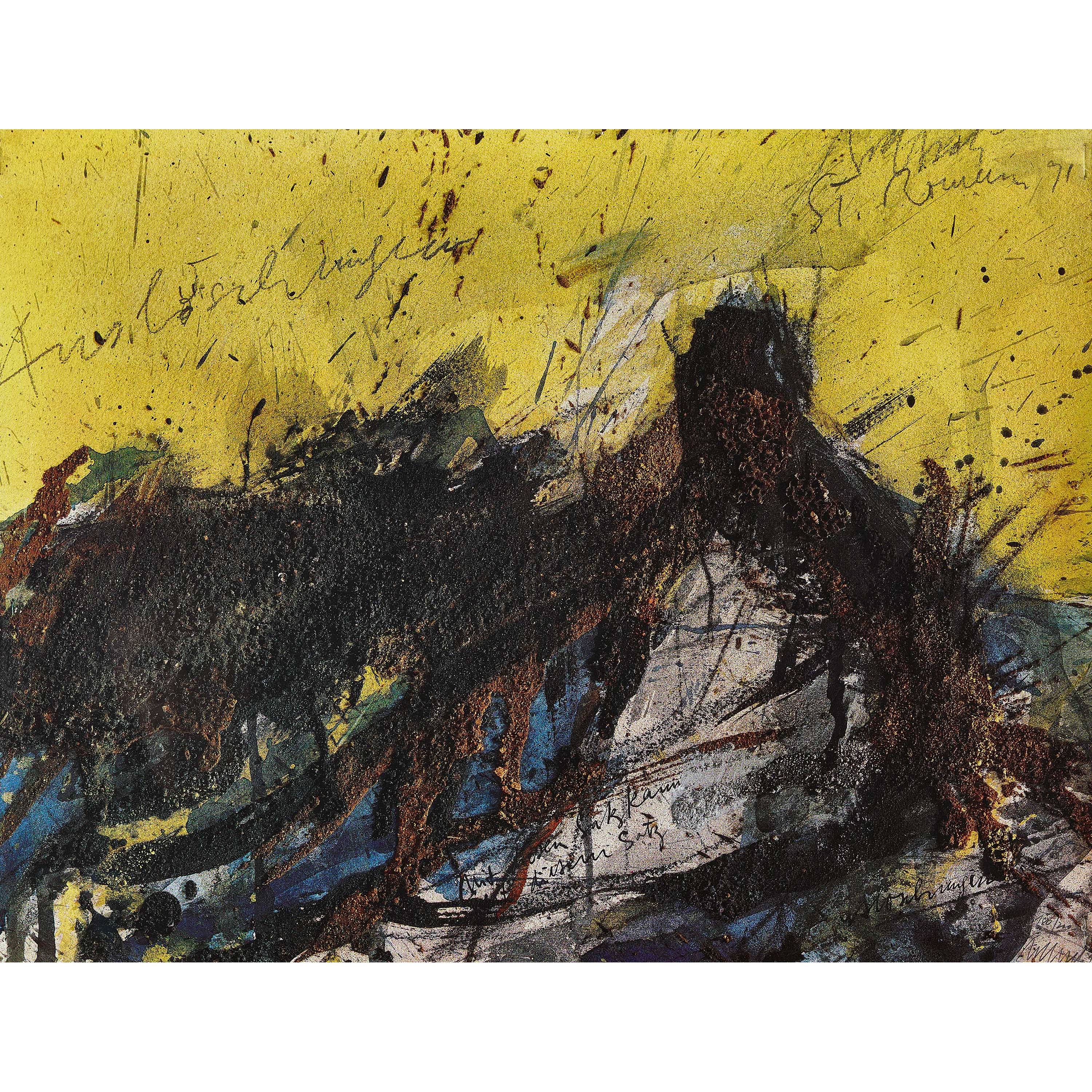
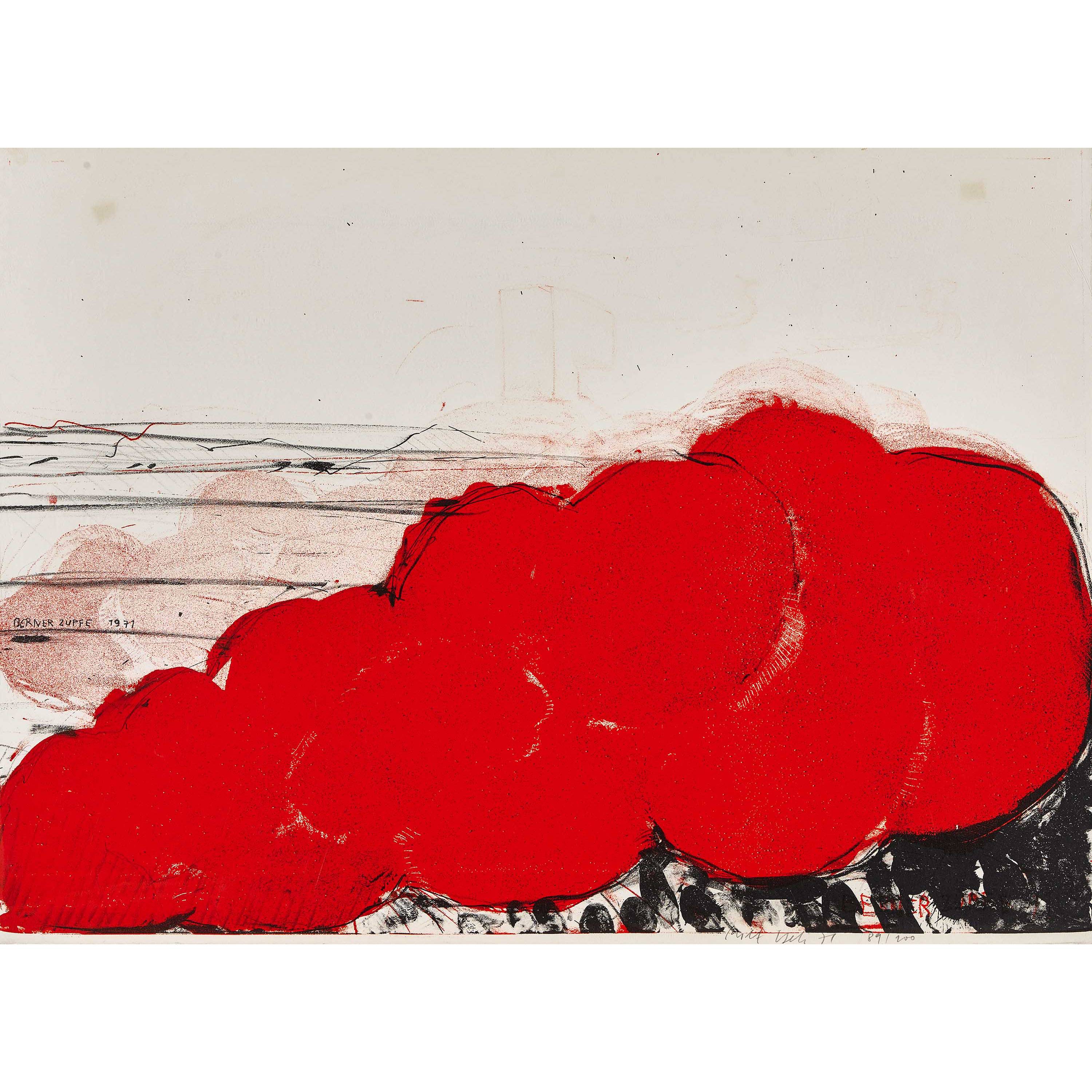
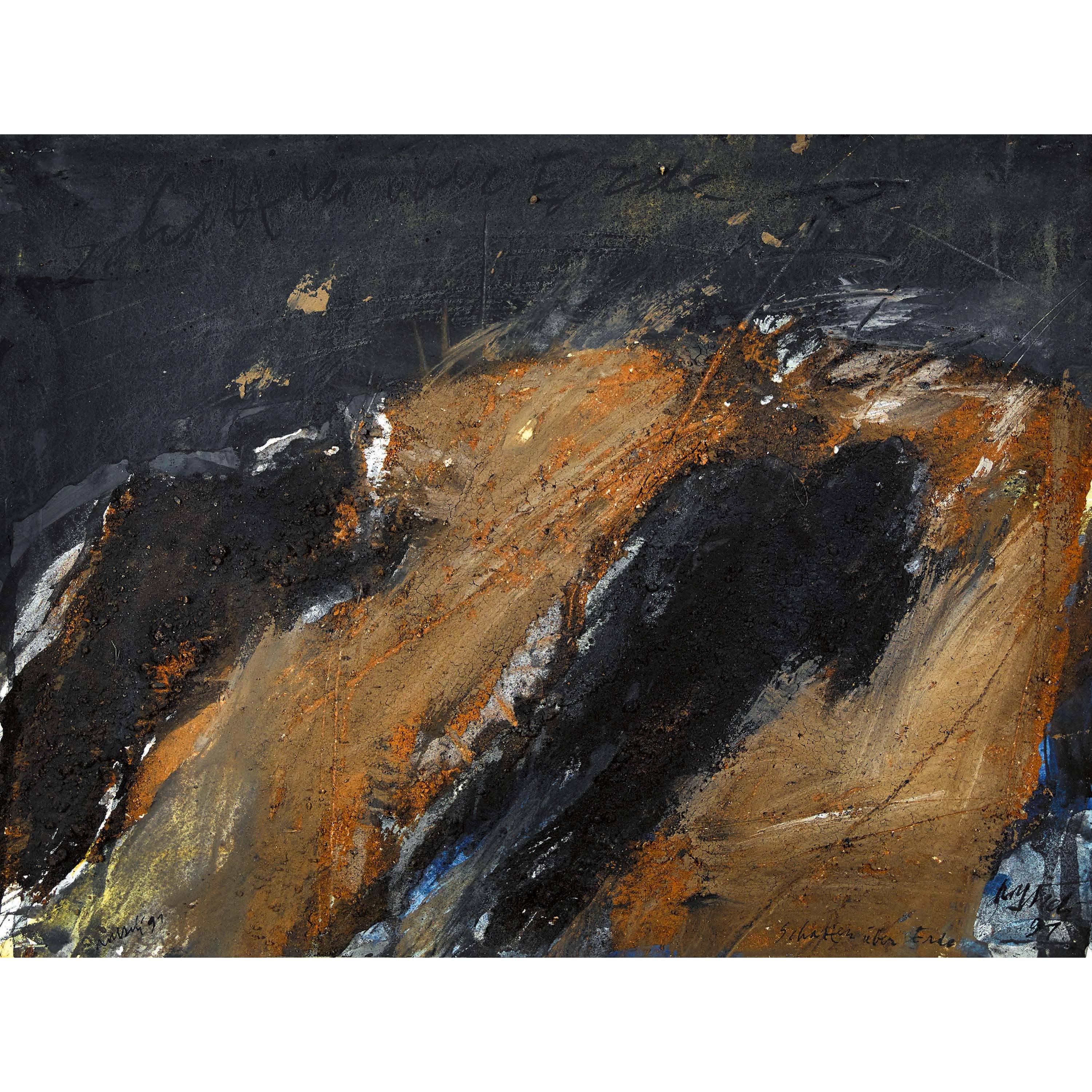
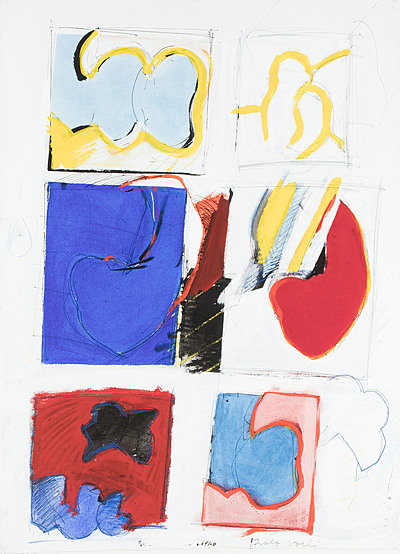
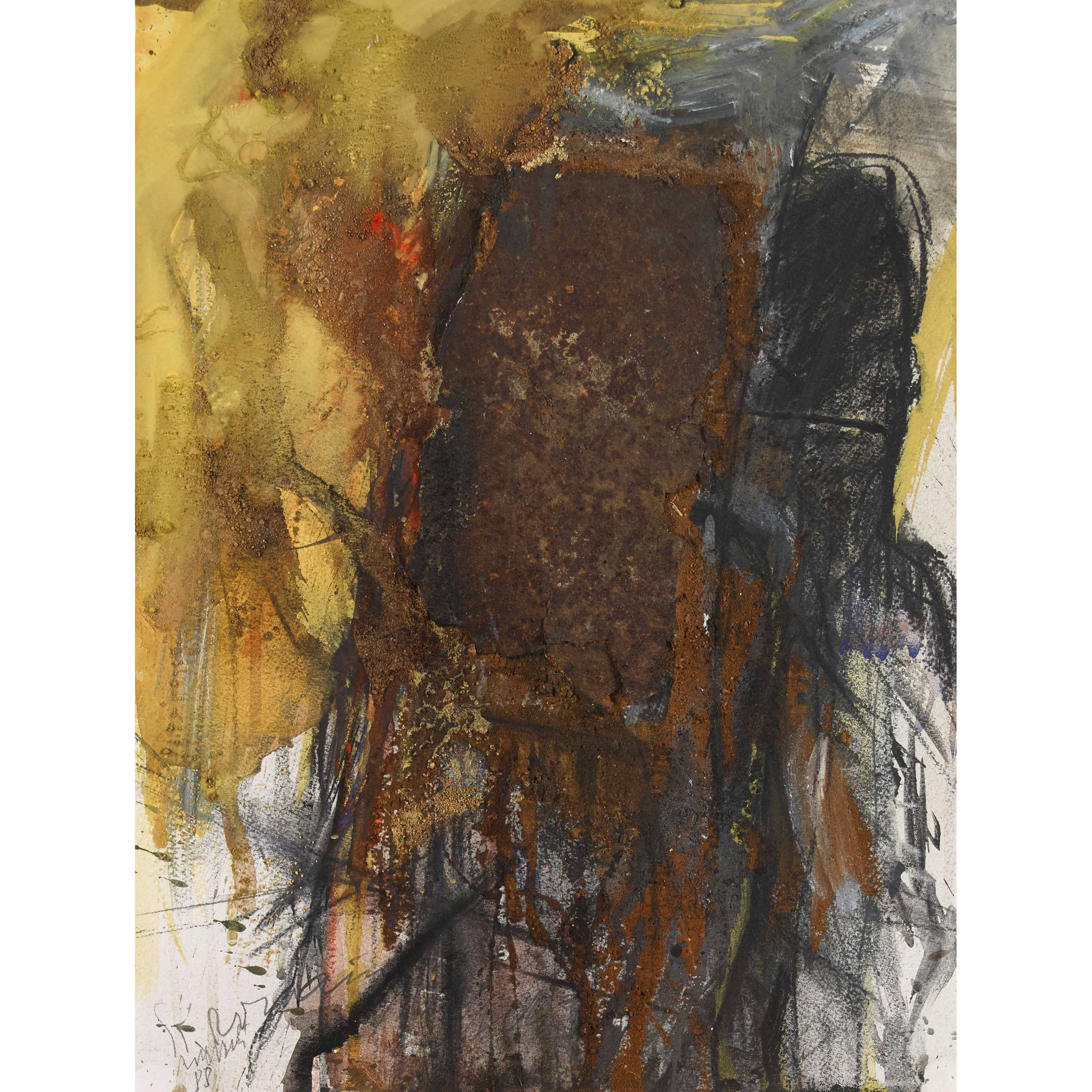
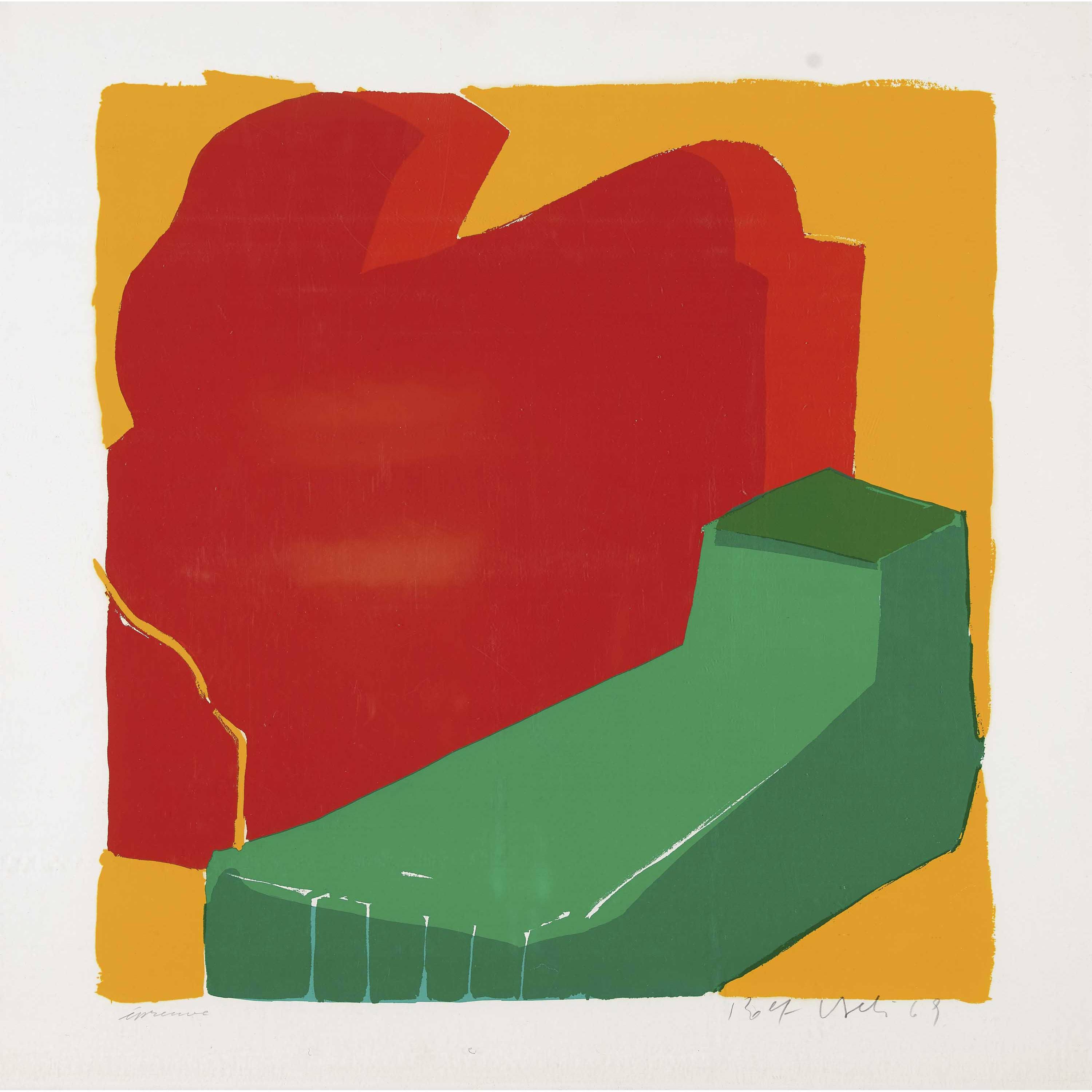
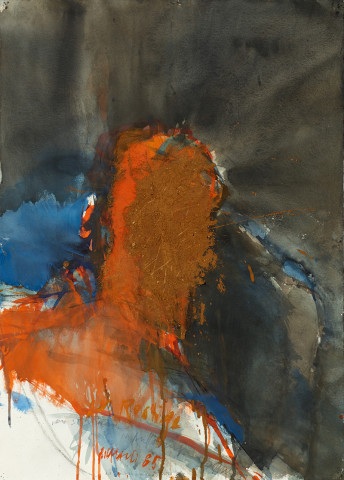
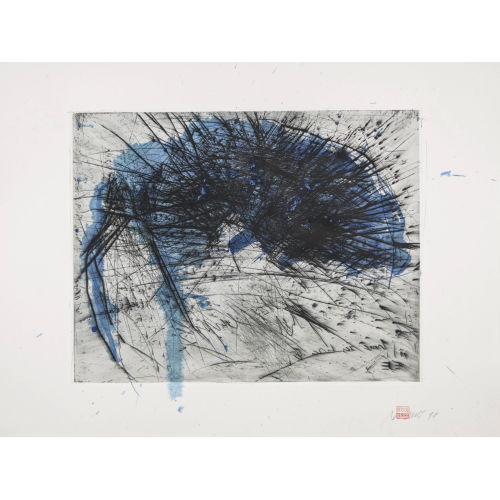
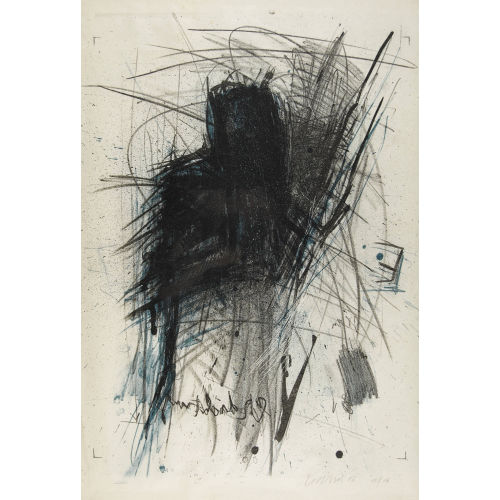
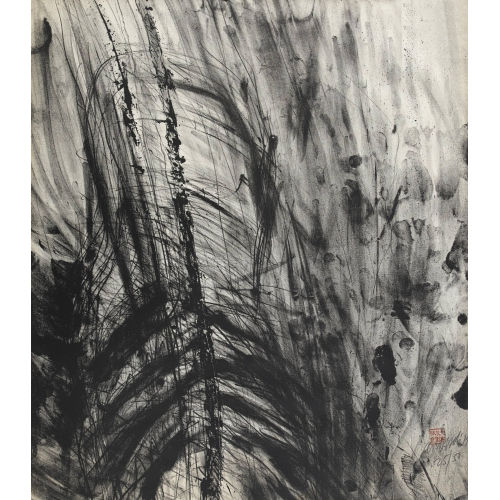
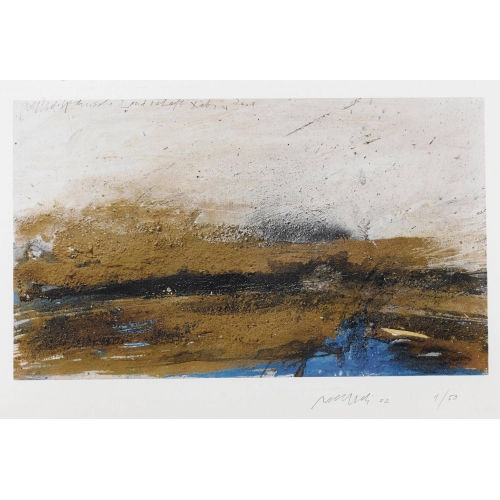
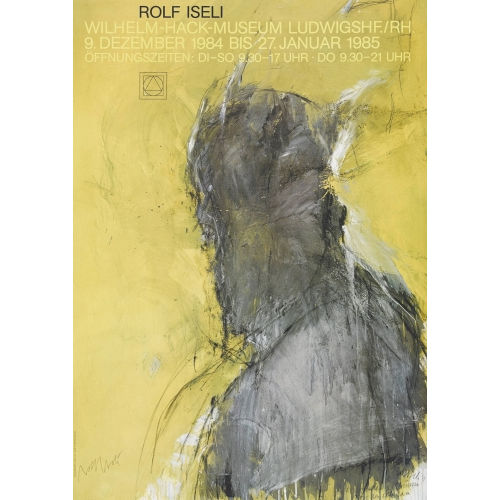
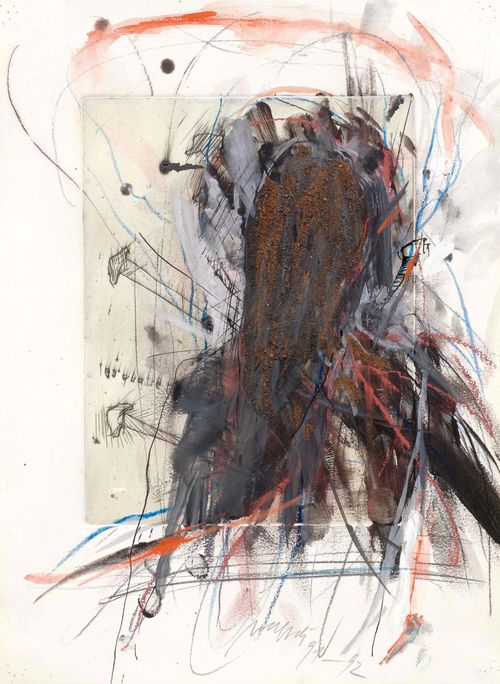
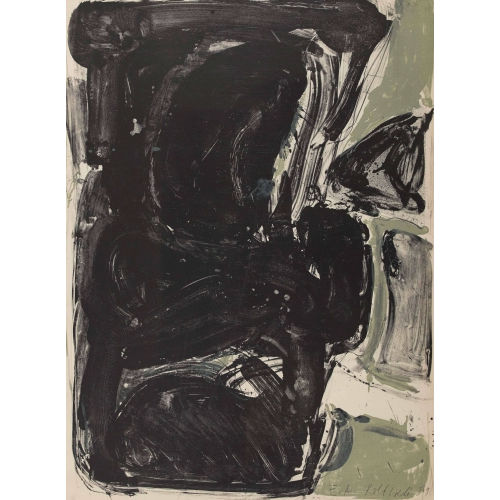
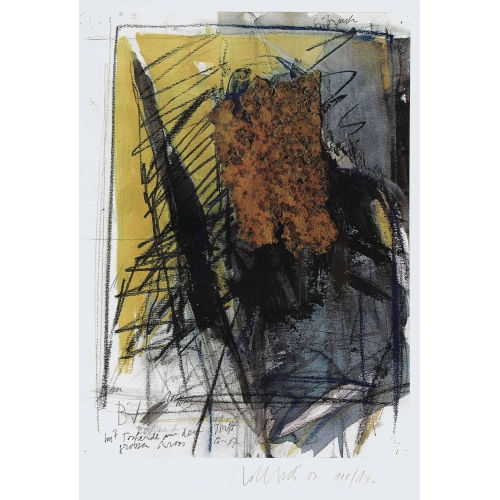
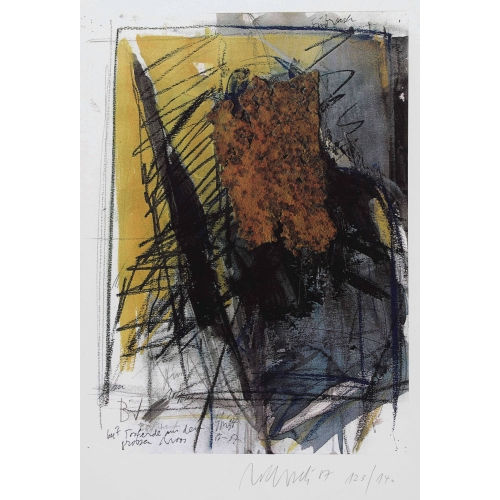
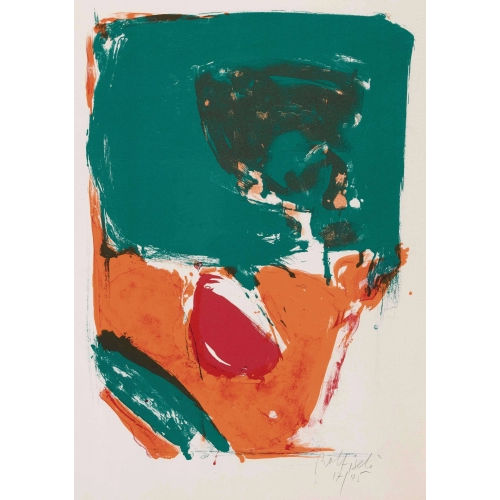
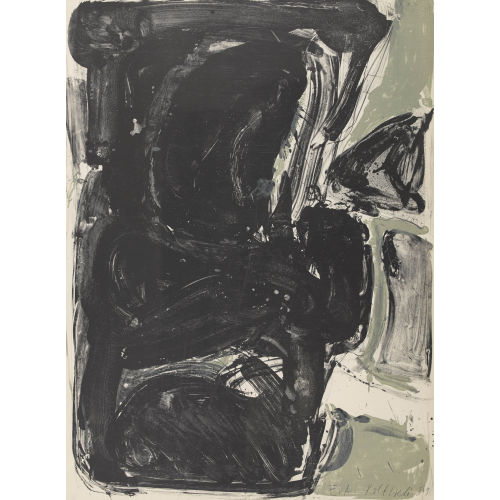
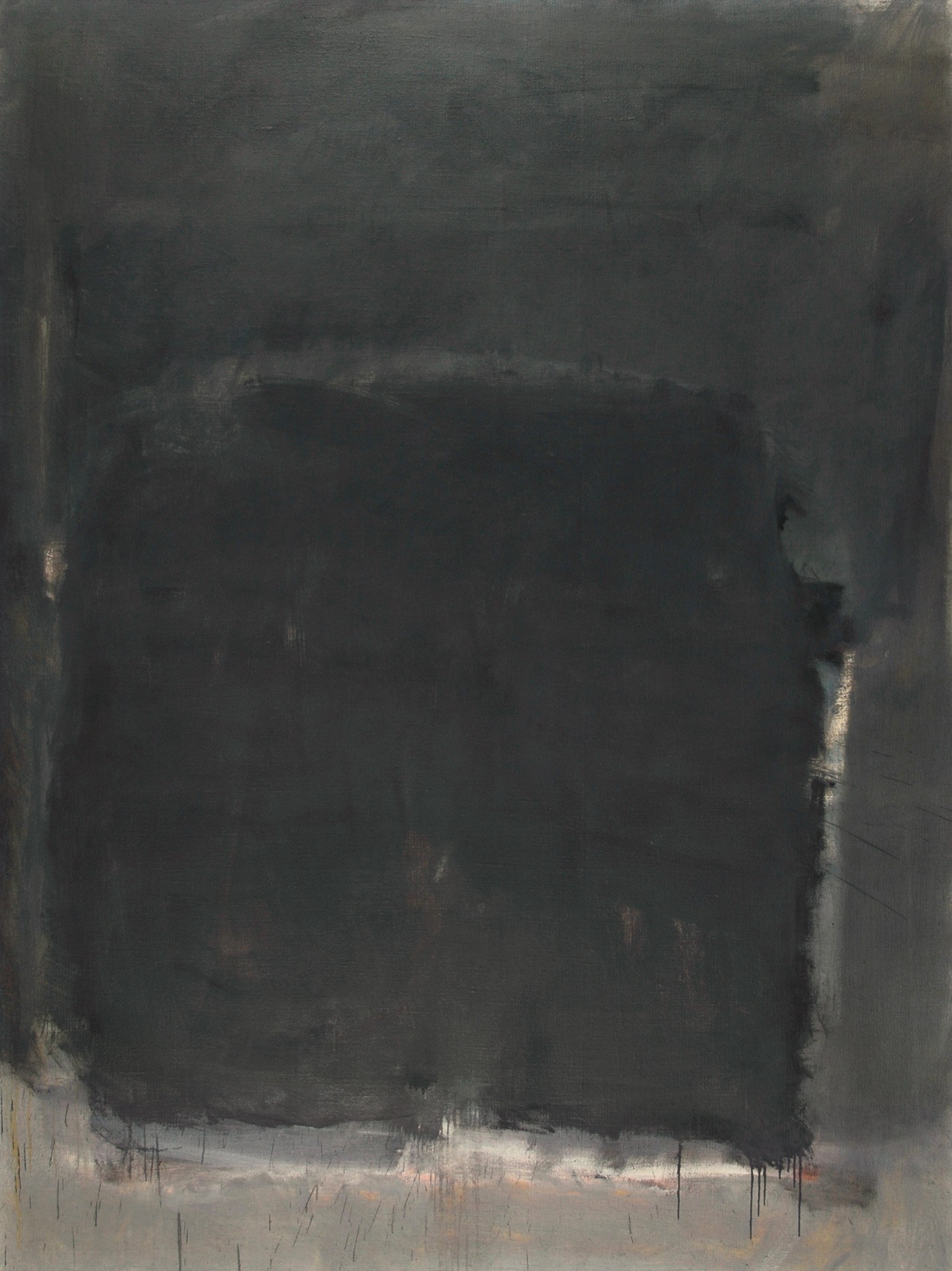
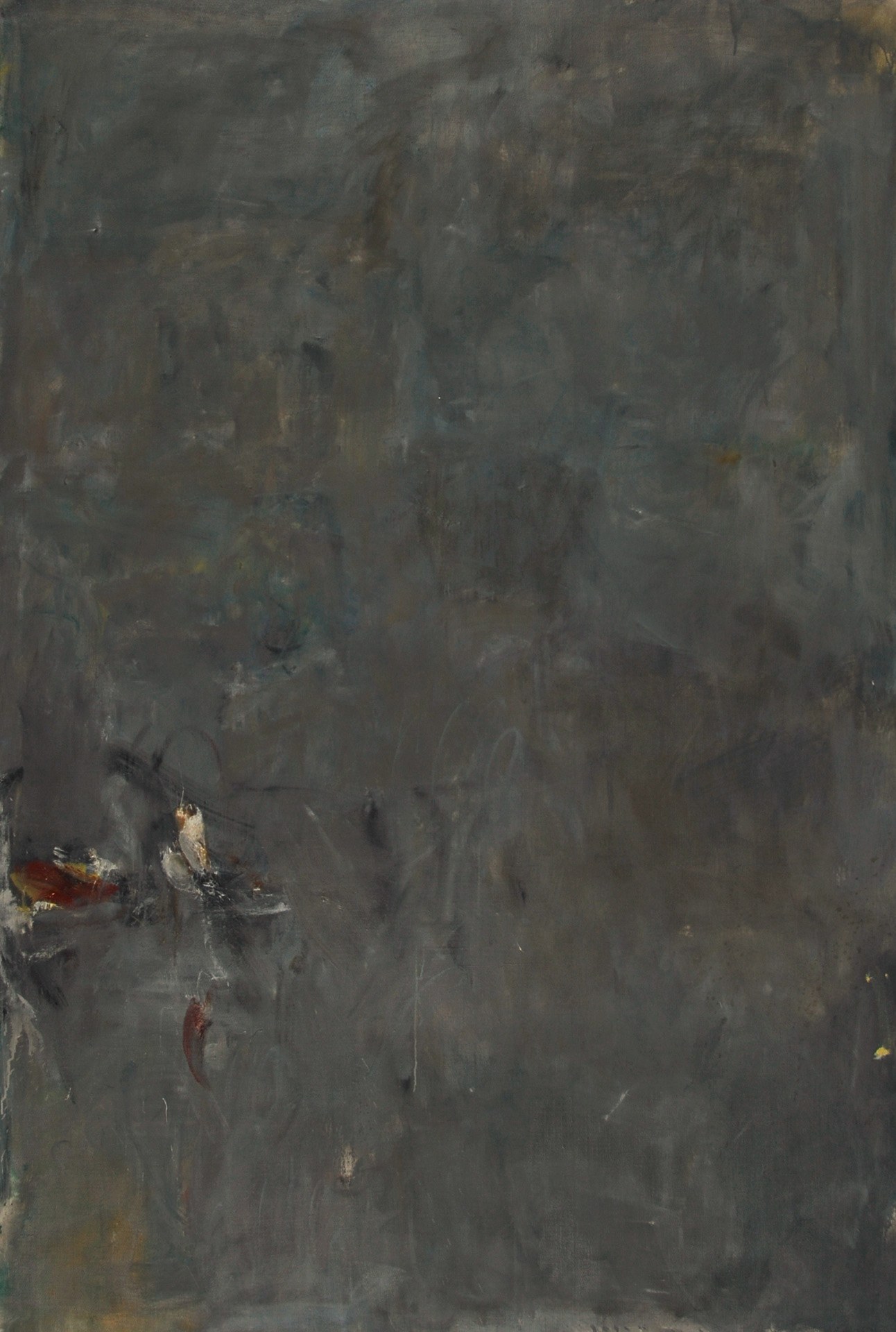
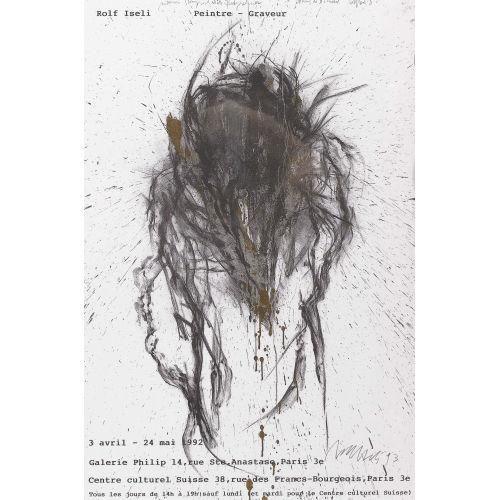
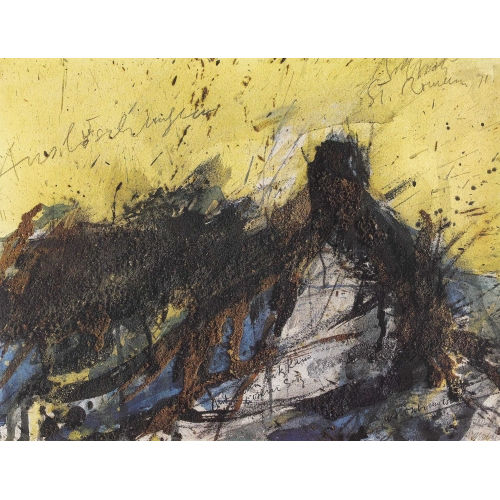
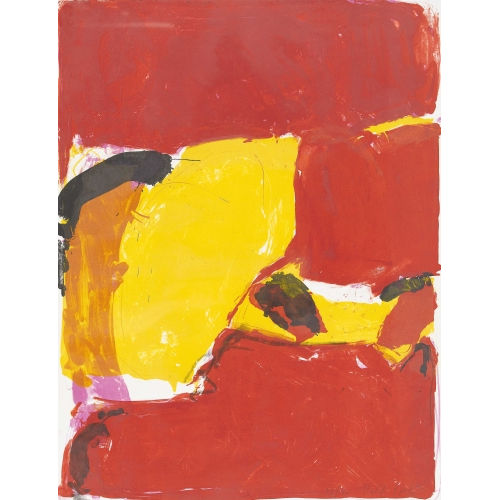
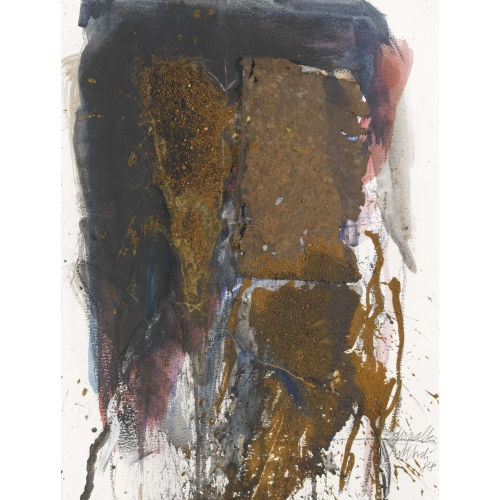
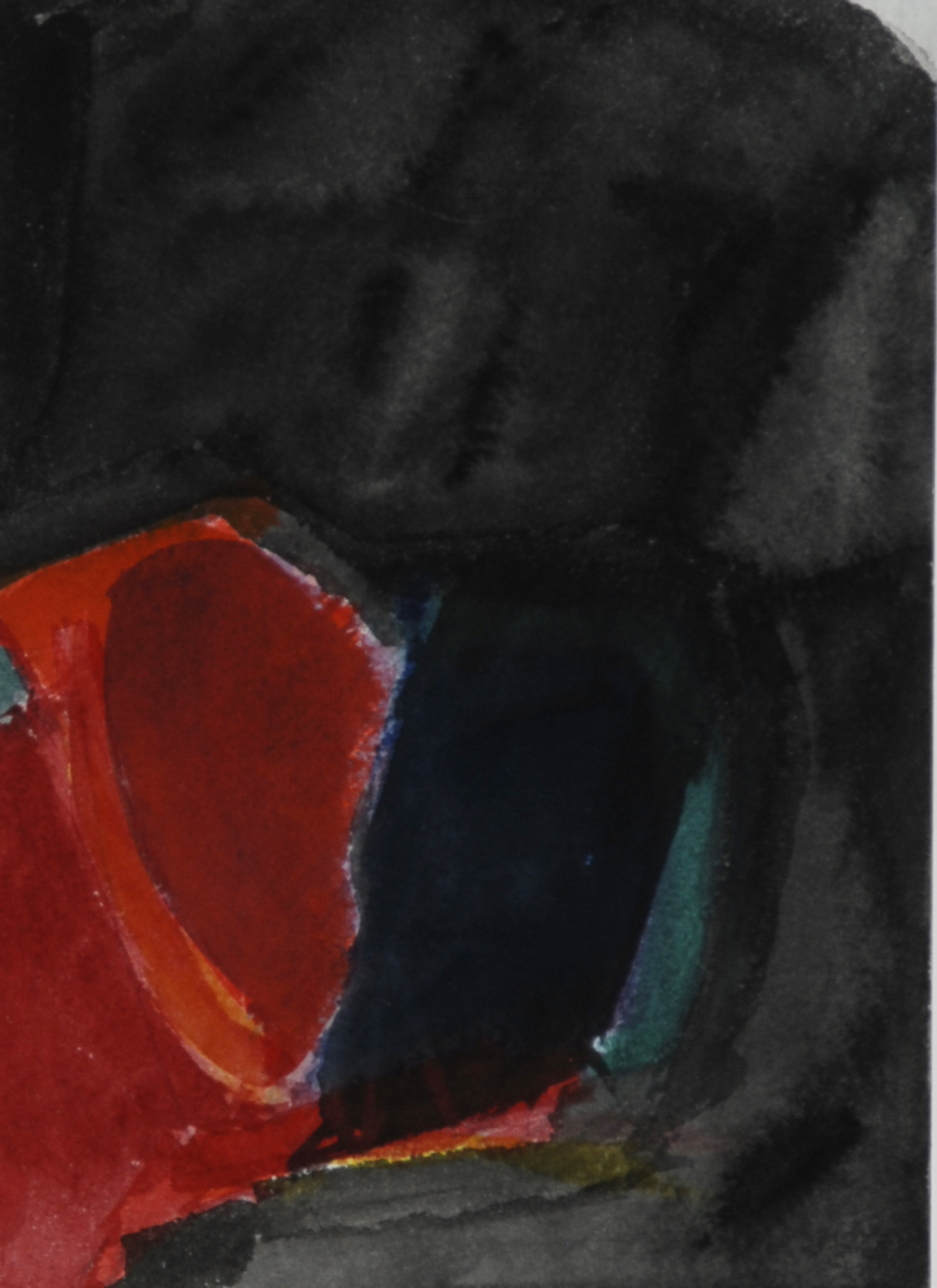
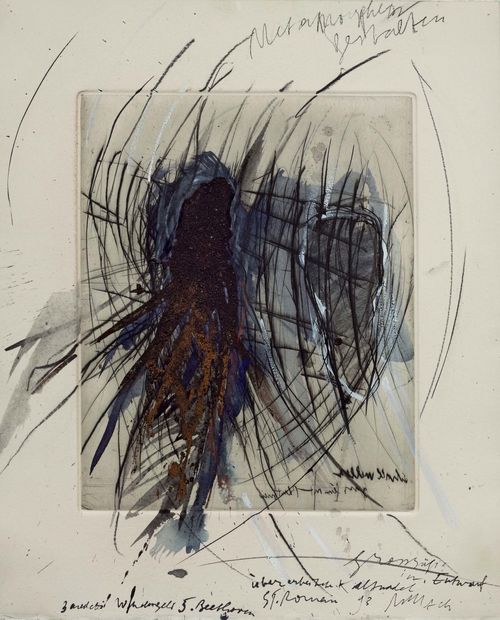
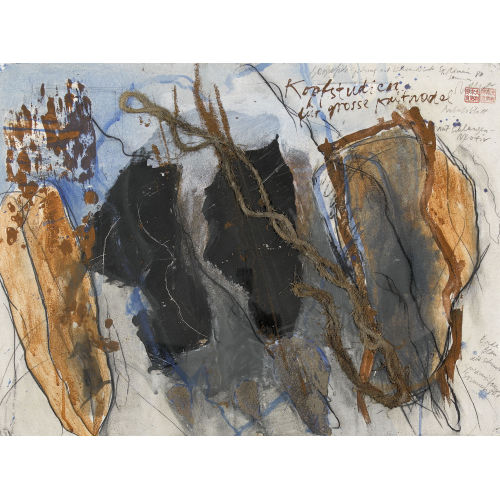
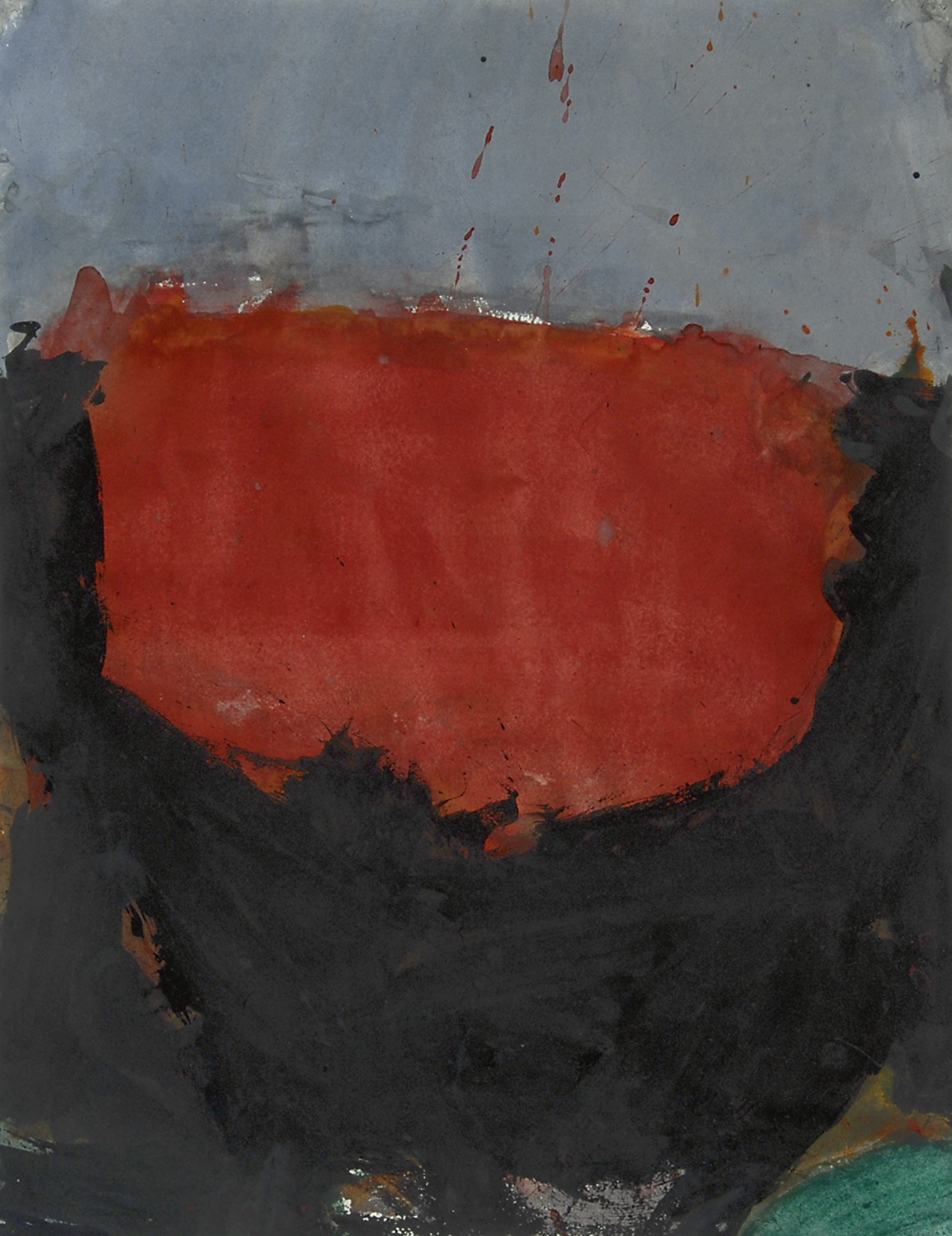
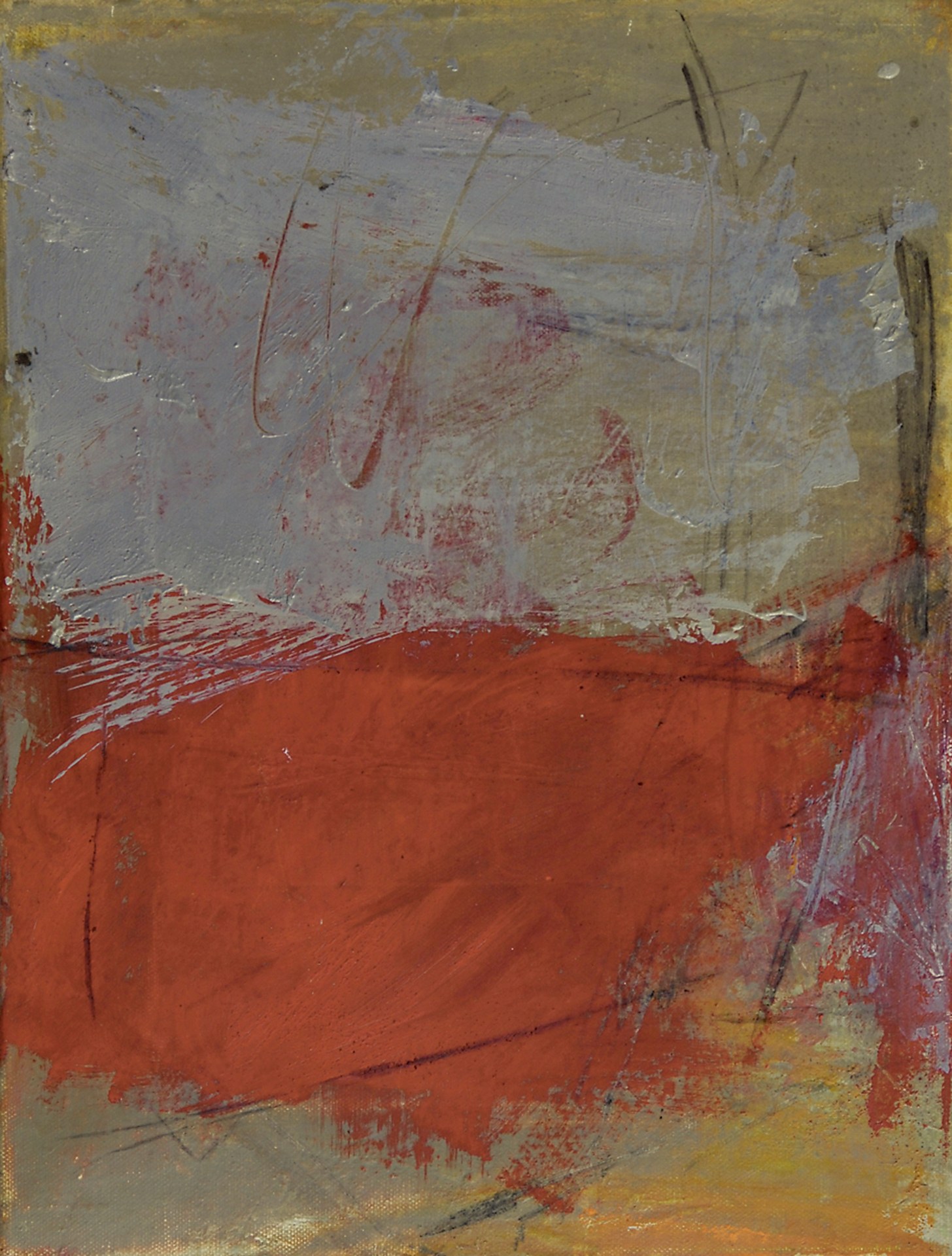
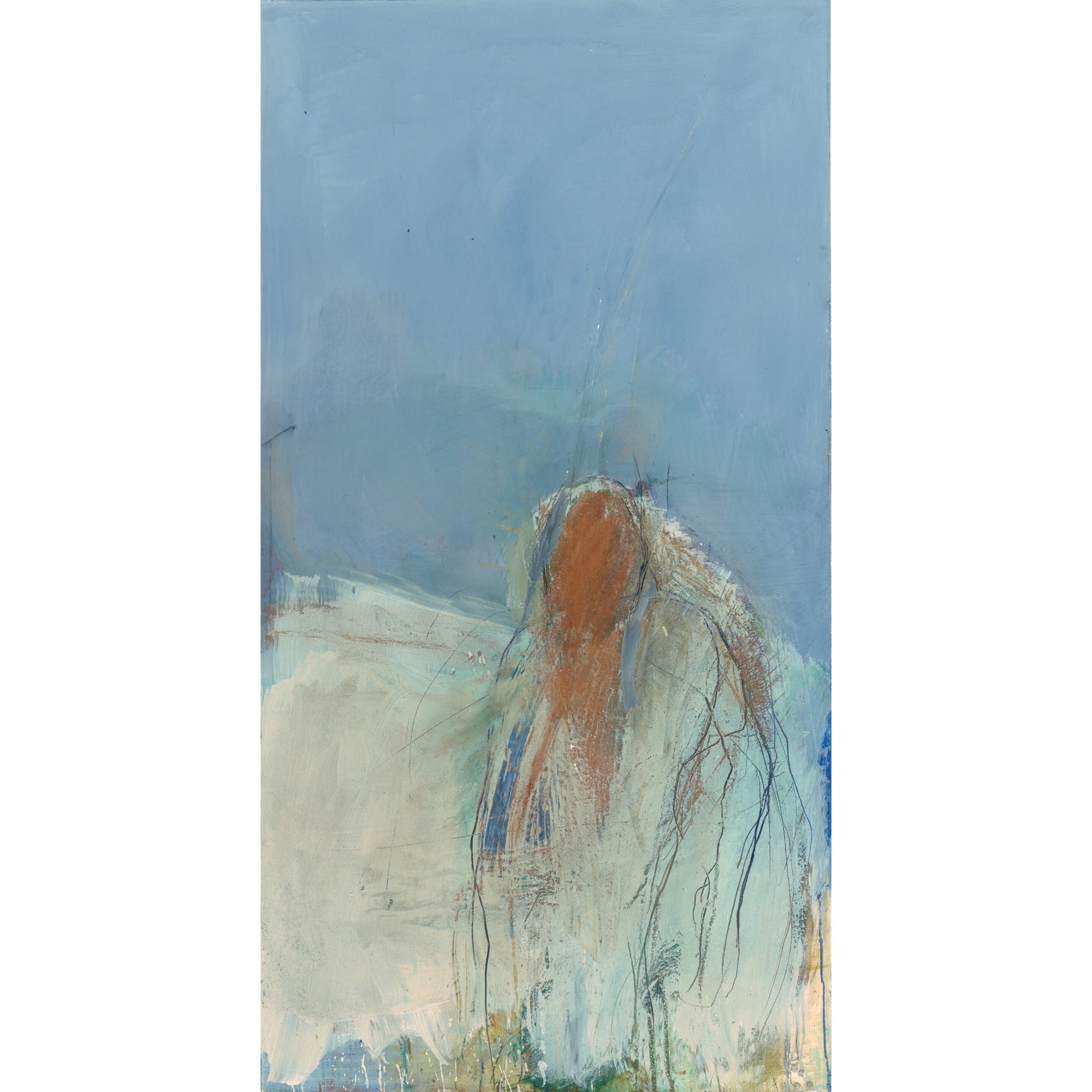
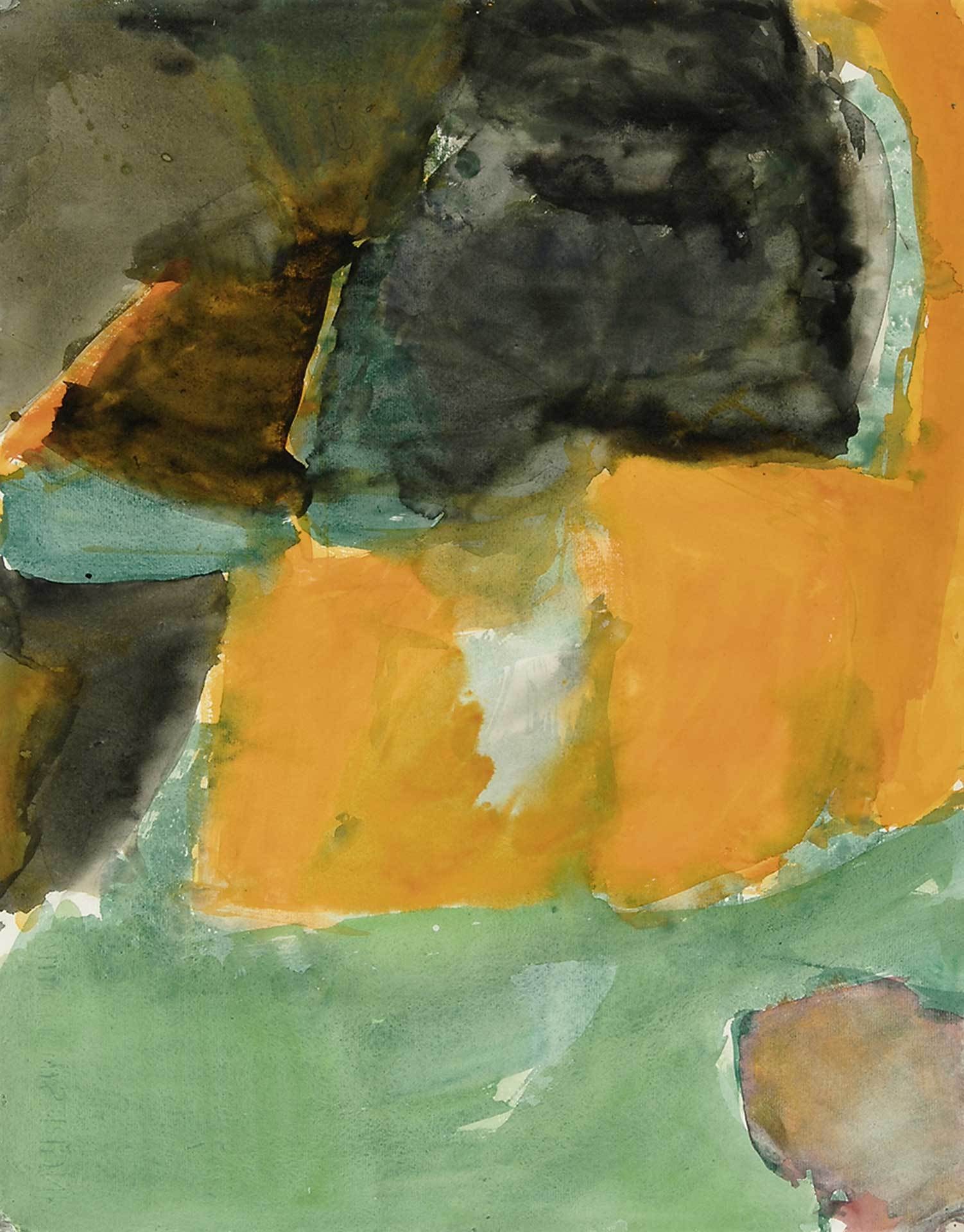
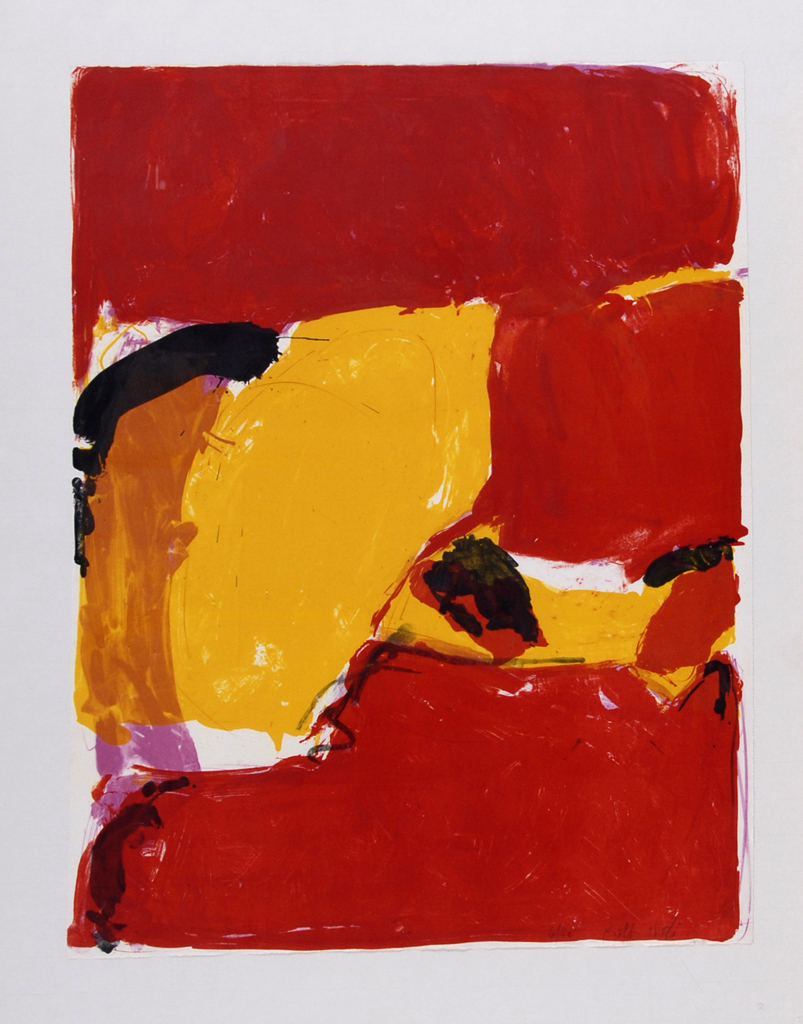
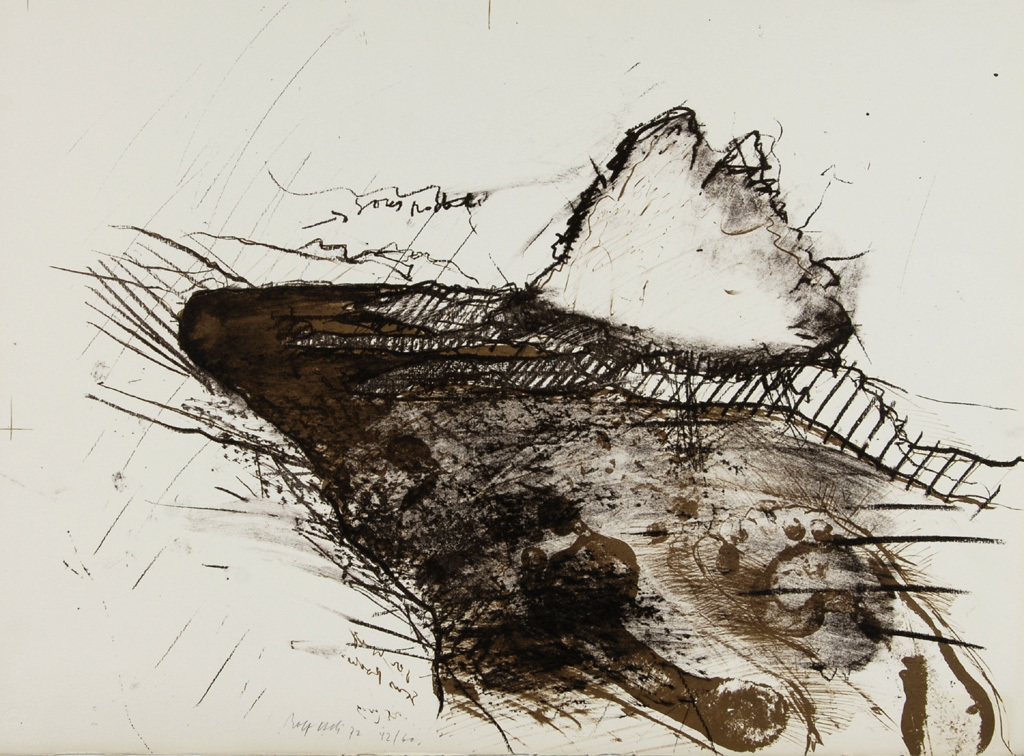
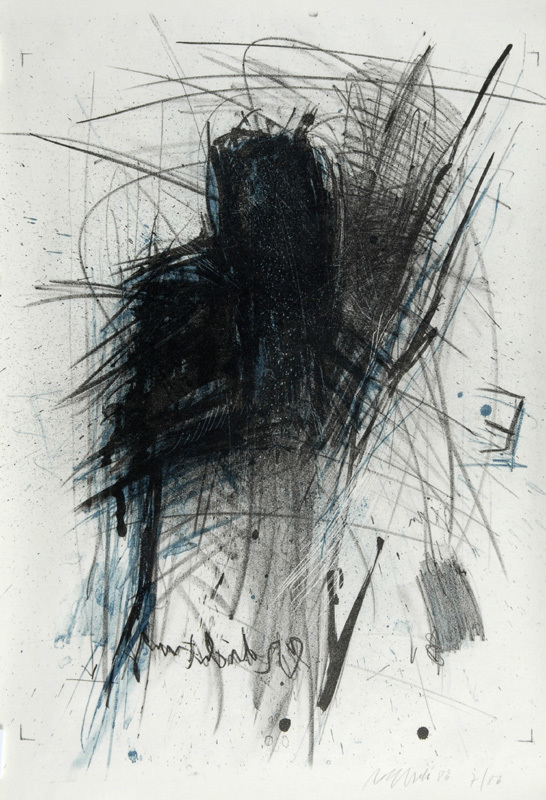
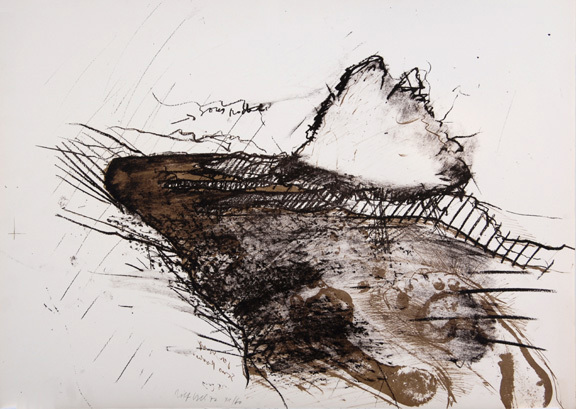
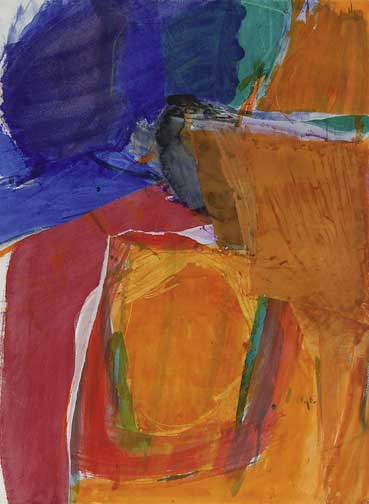
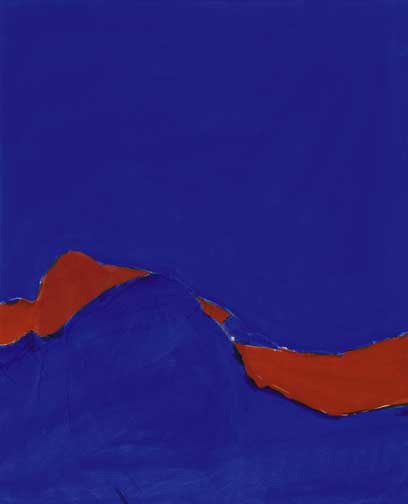
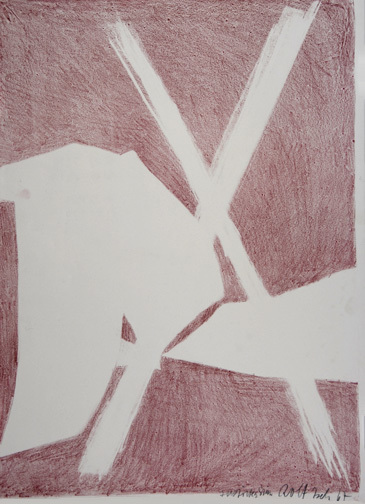
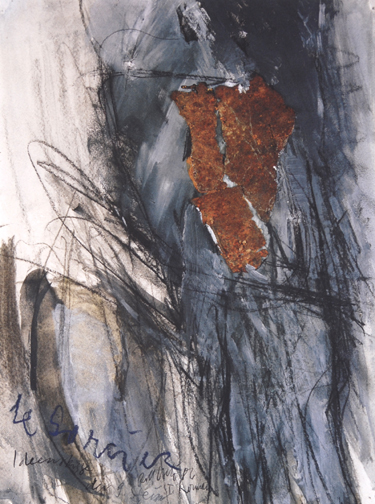
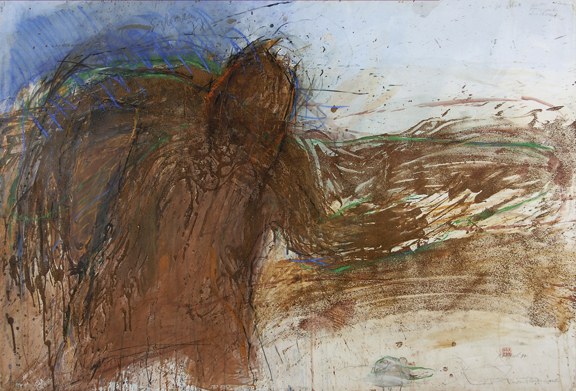
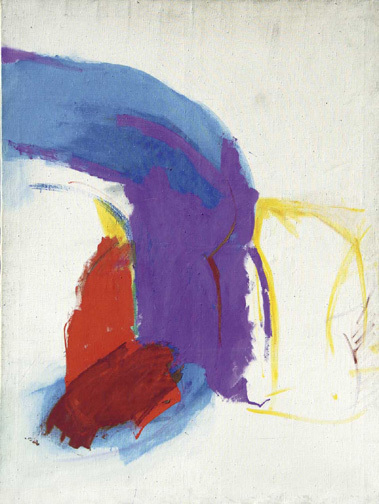
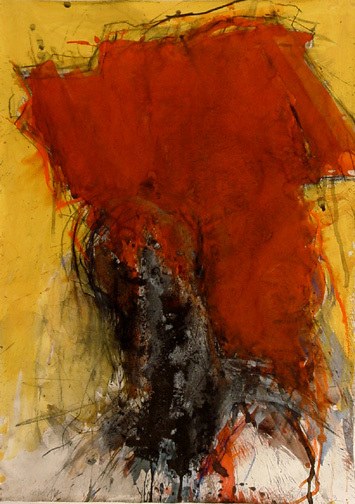
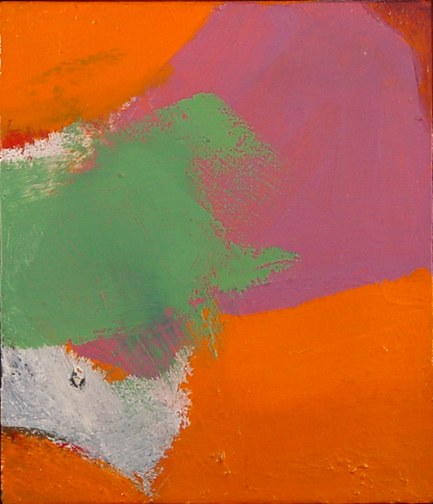
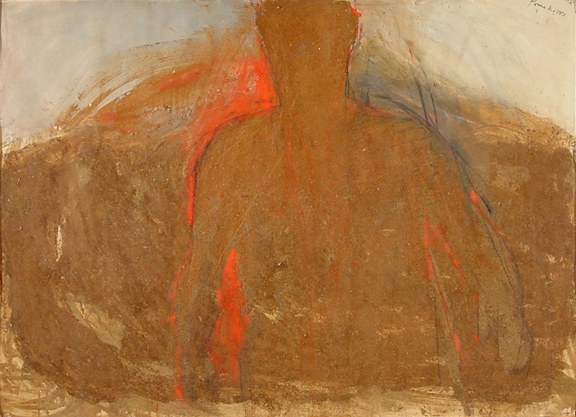
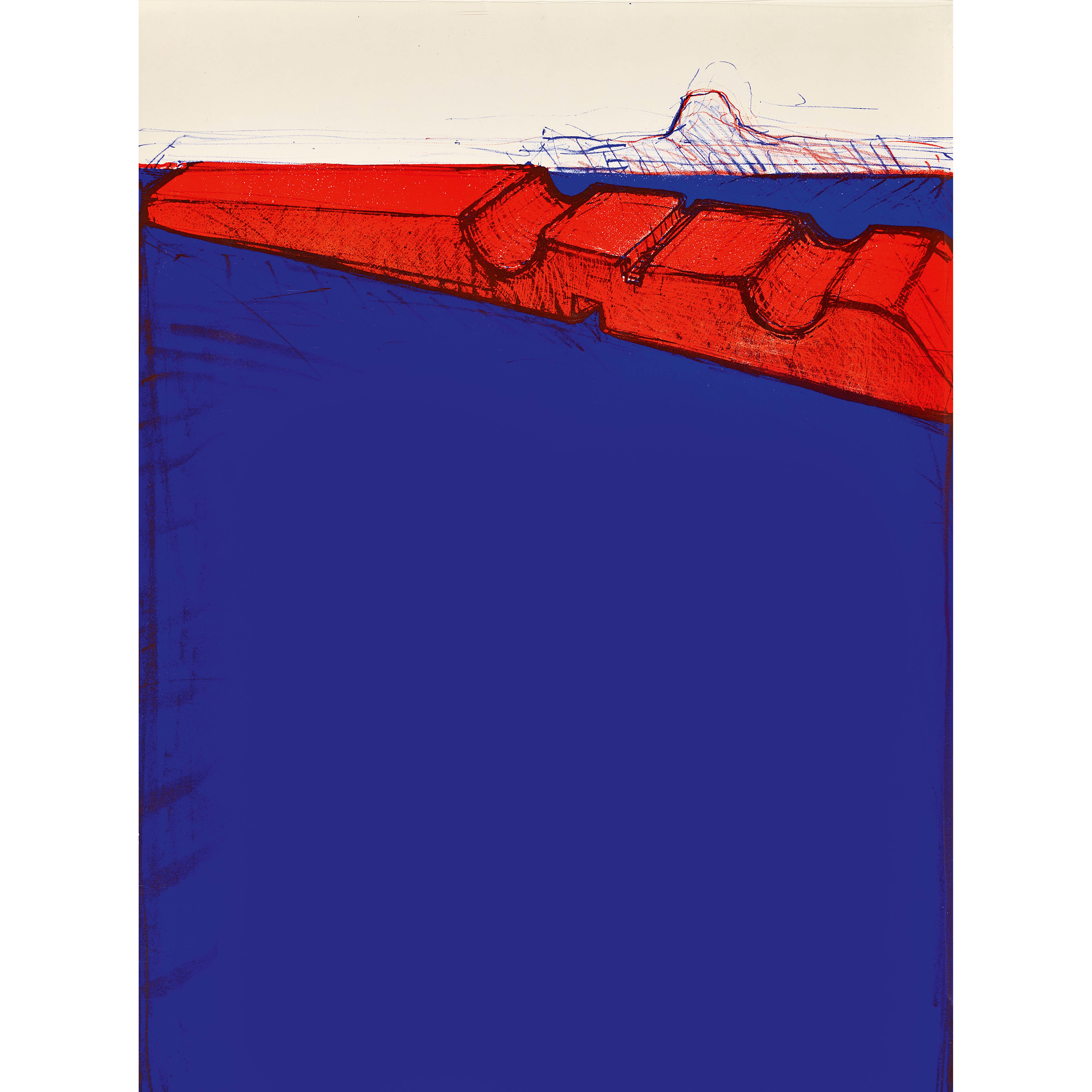
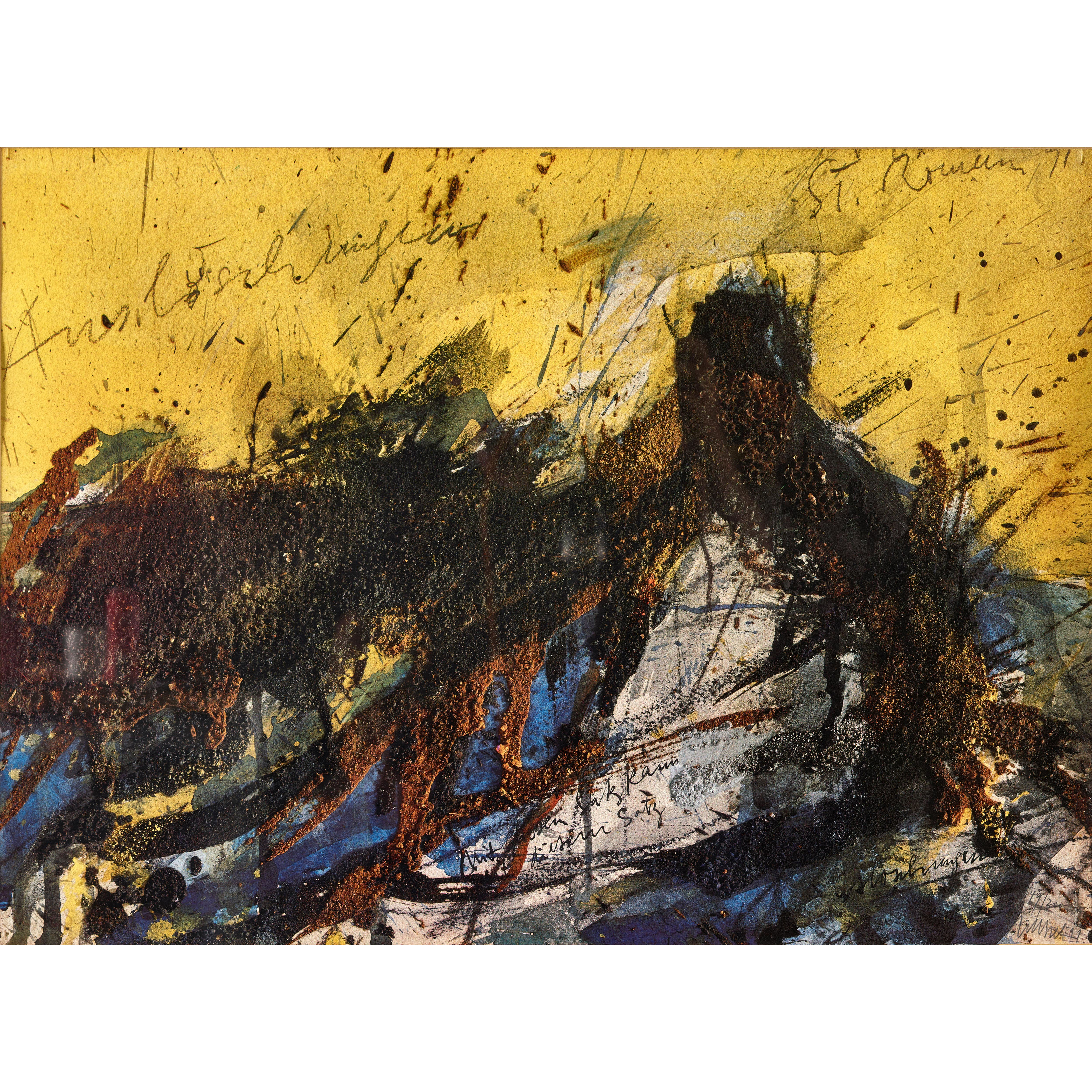
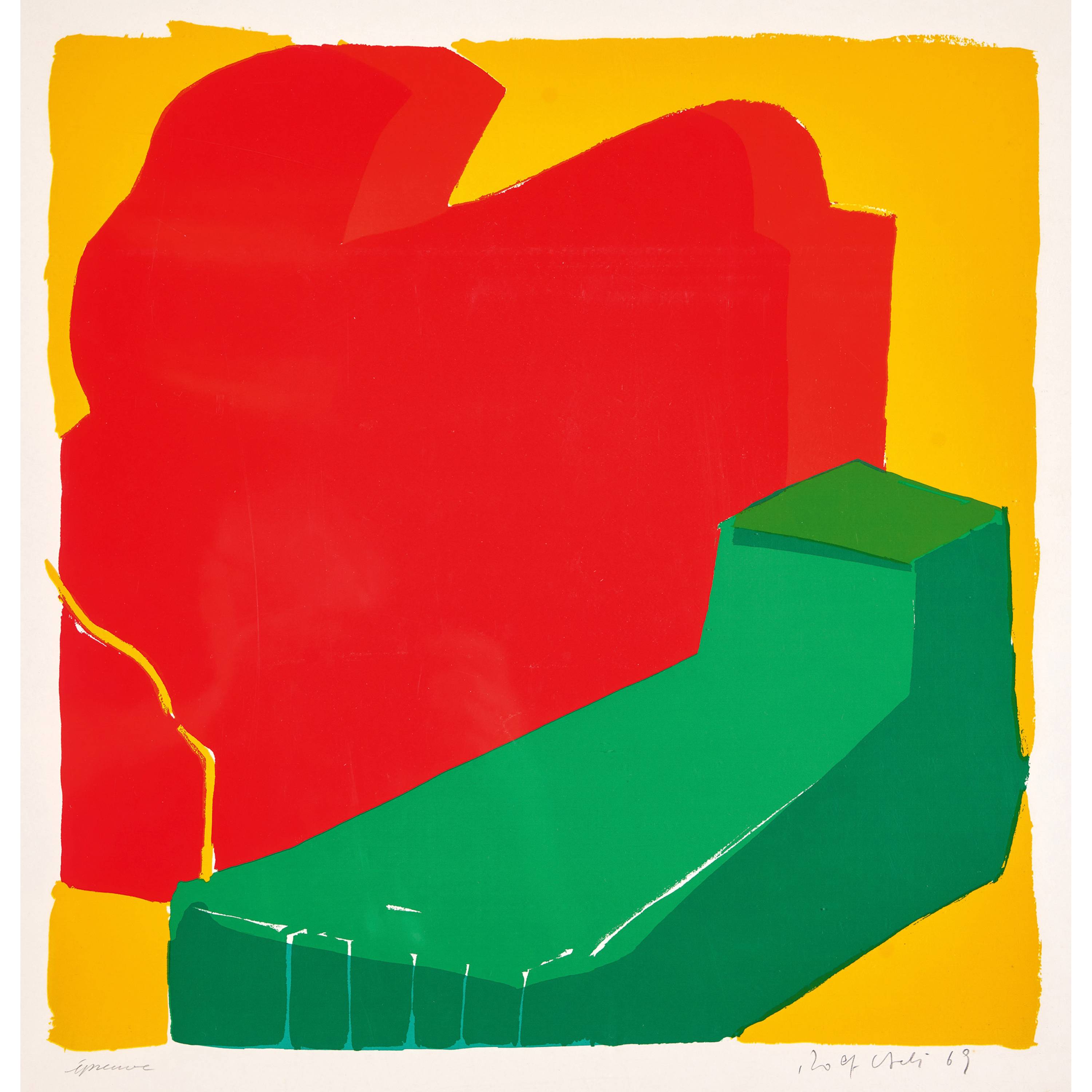
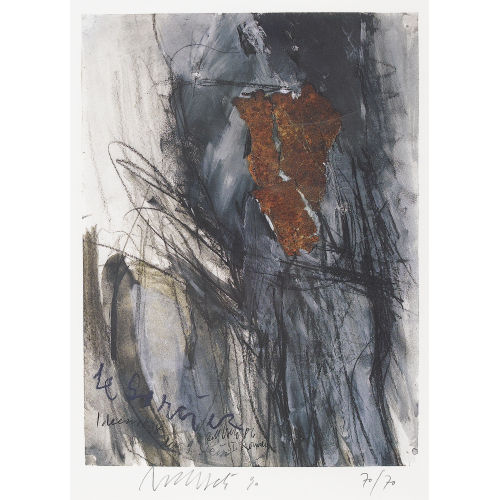
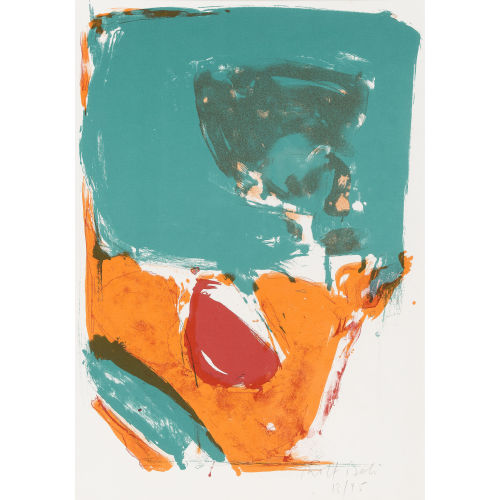
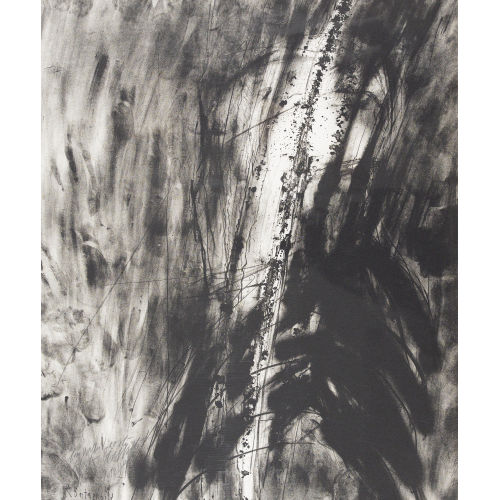
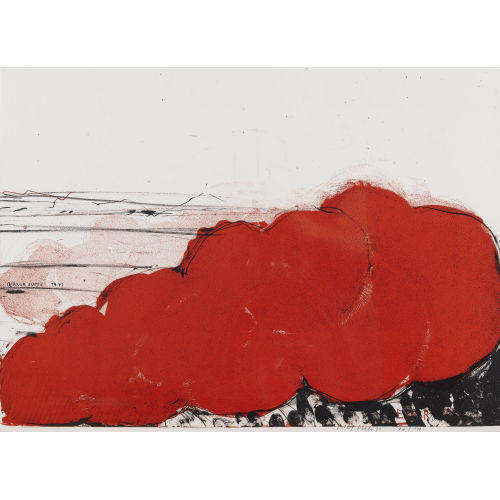
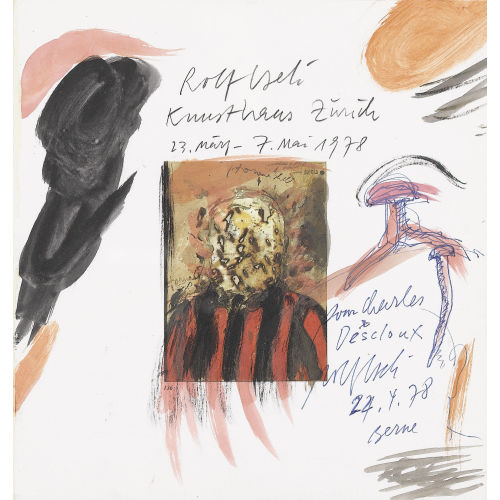
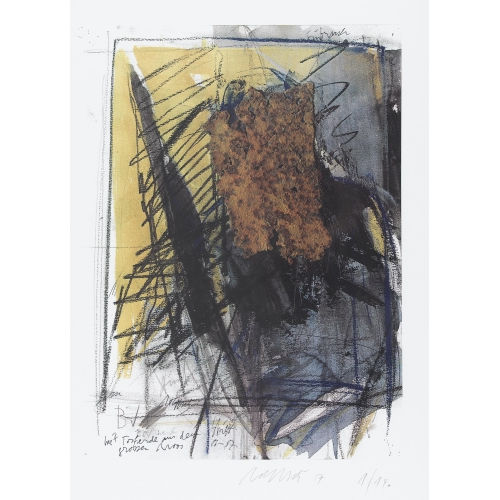
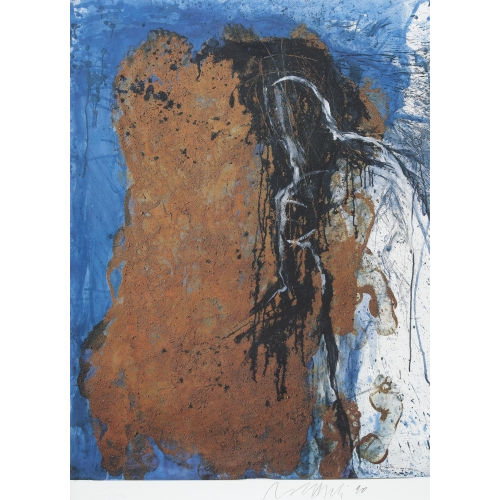
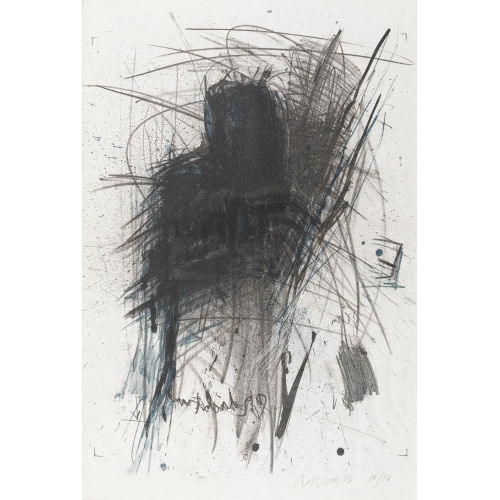
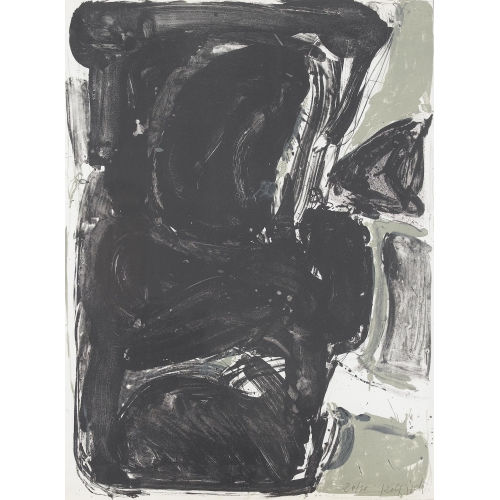
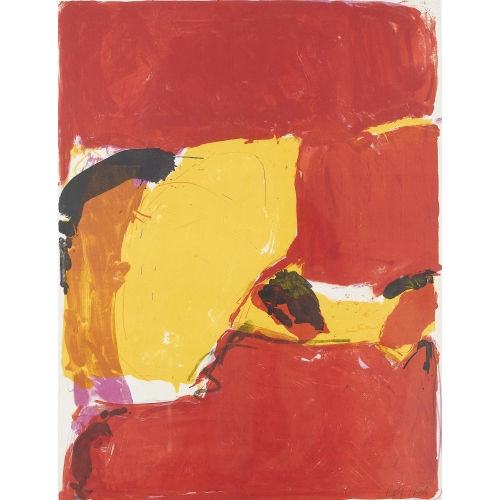
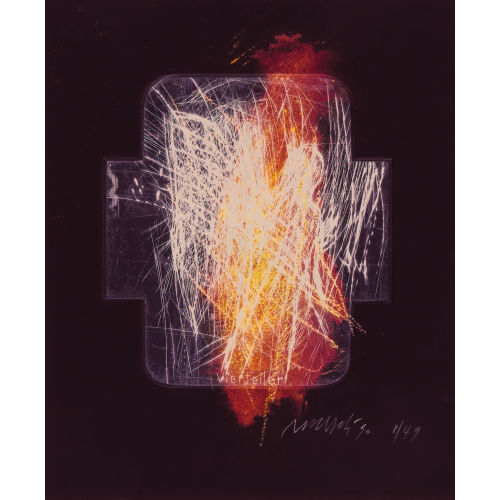
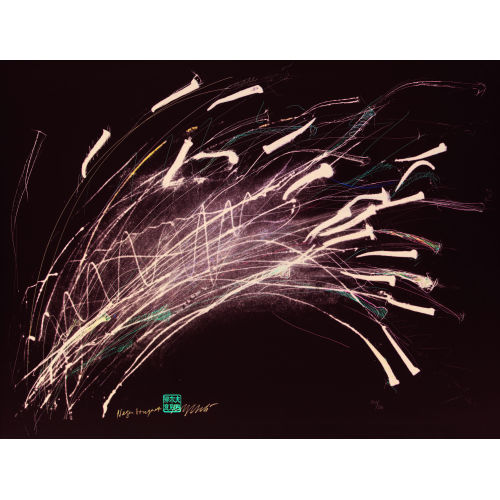
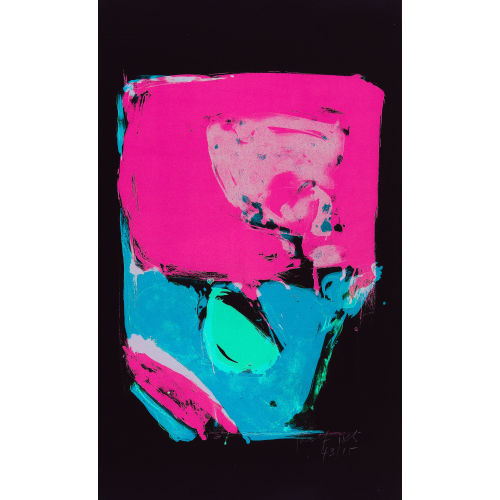
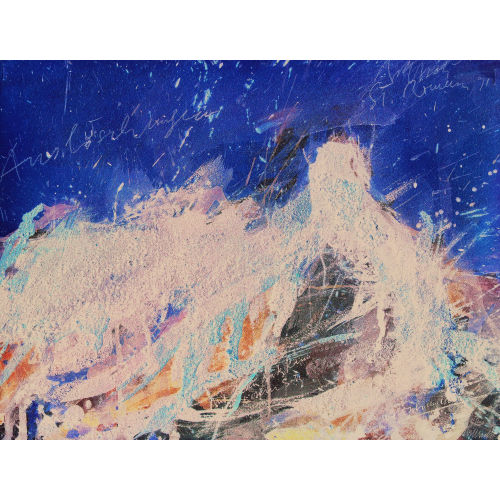
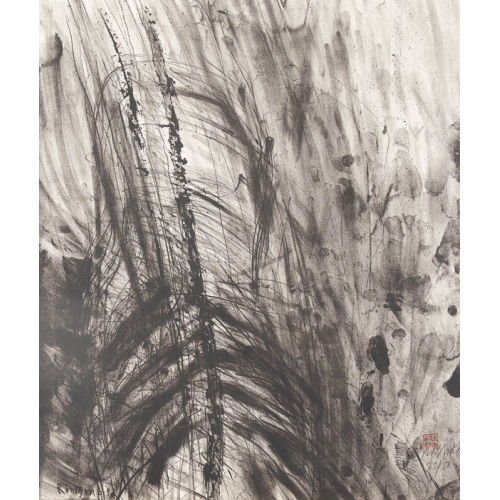
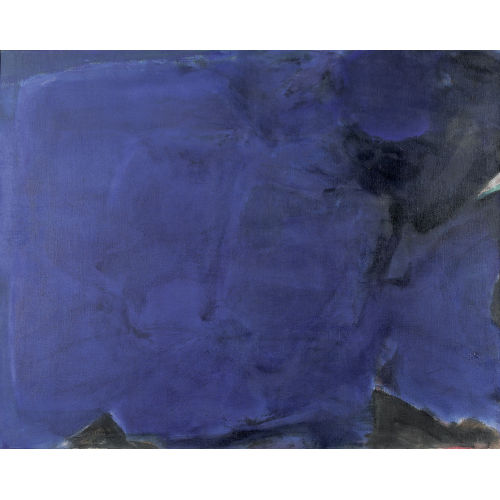
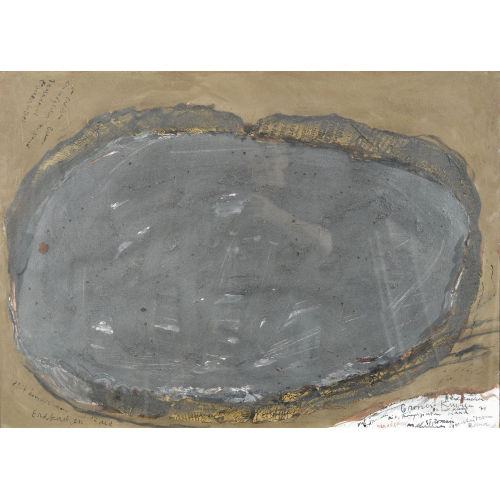
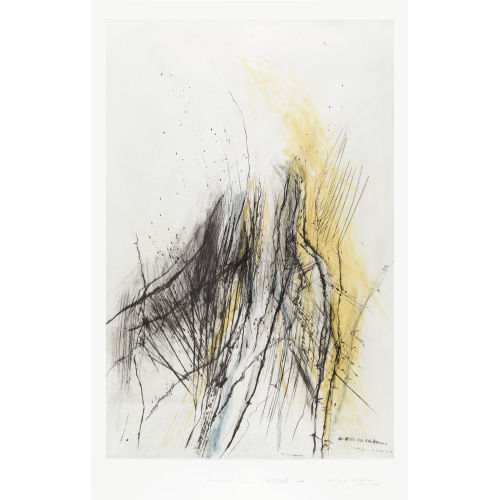
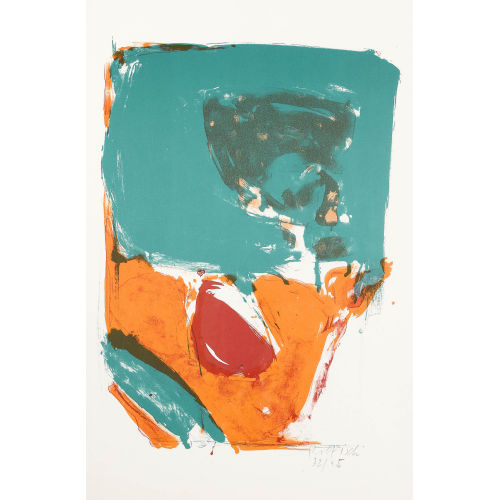
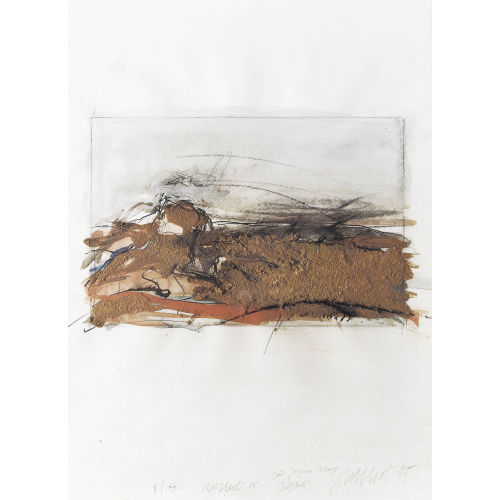
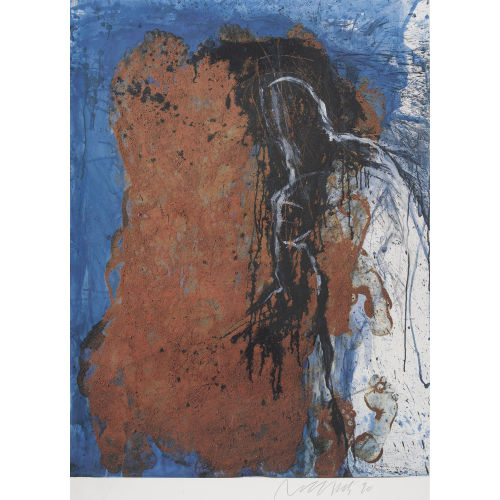
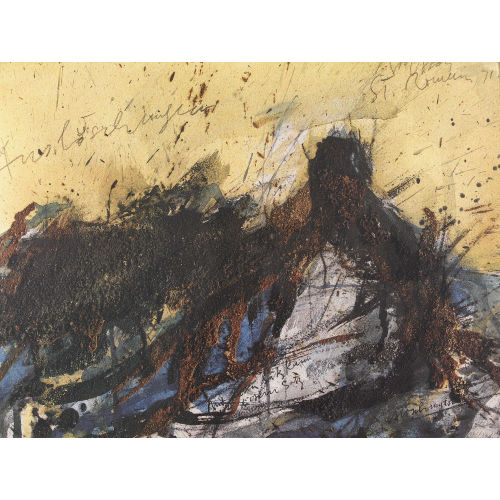
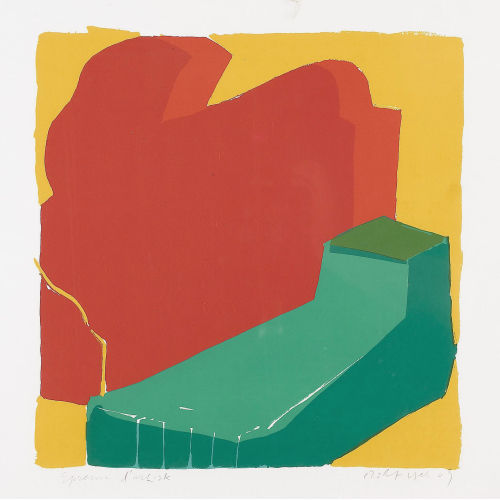
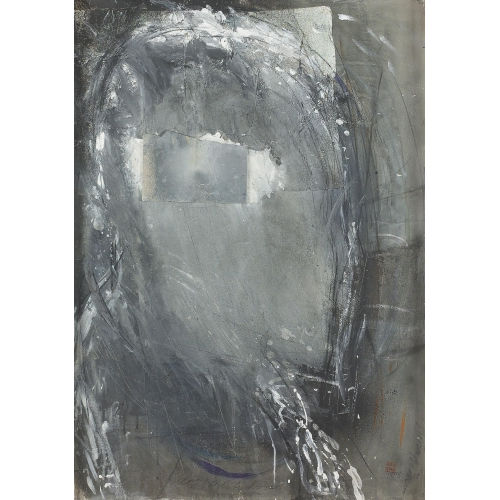
Born in Bern in 1934, Rolf Iseli lives and works there after periods in Paris and New York. He established himself in the 1950s with a gestural and informal painting in which the material and the painter’s gesture themselves become the very subjects of the picture. The Mobiliar Art Collection recalls that in 1958 Georg Schmidt, then director of the Kunstmuseum Basel, ranked him among the most radical artists of Tachism.
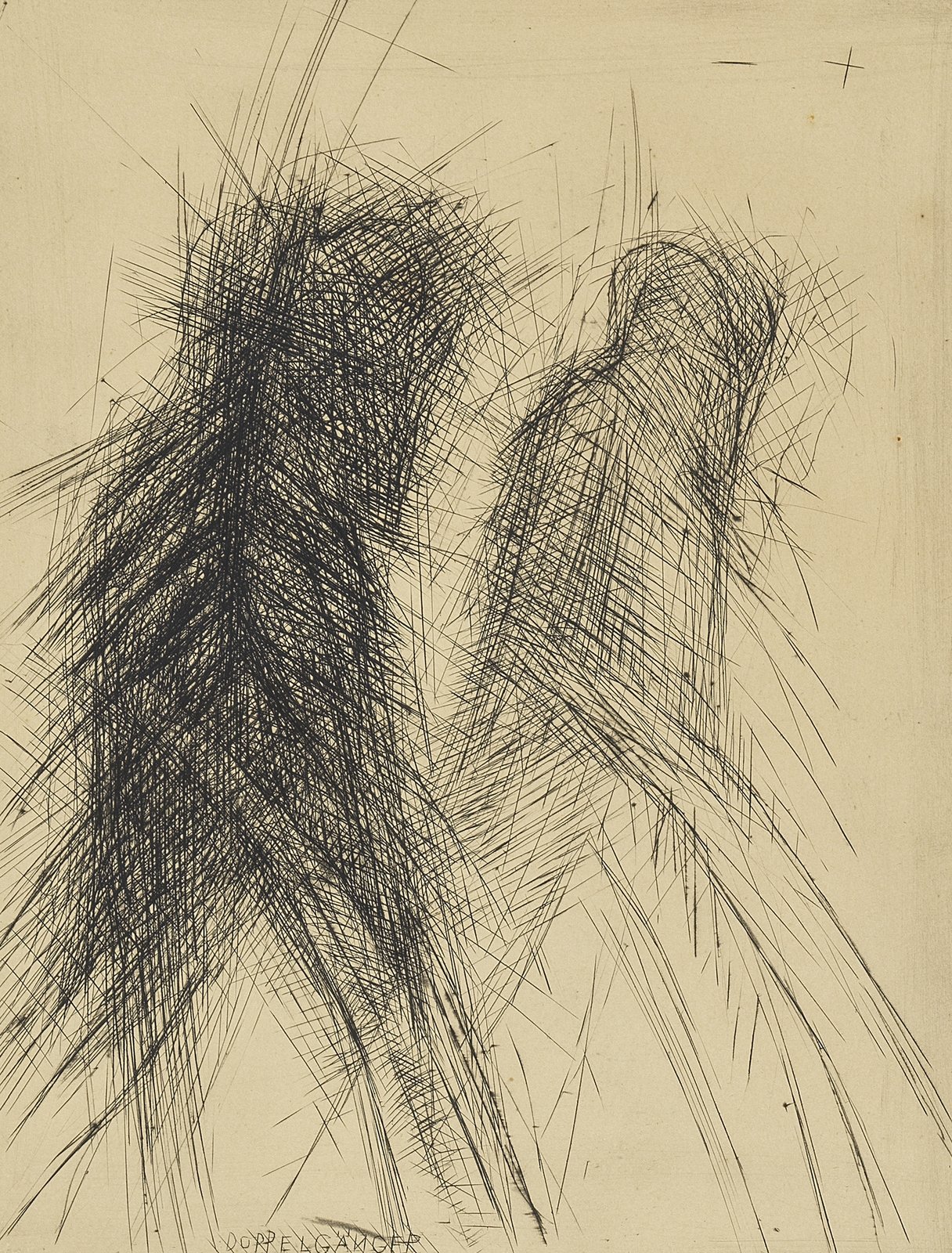
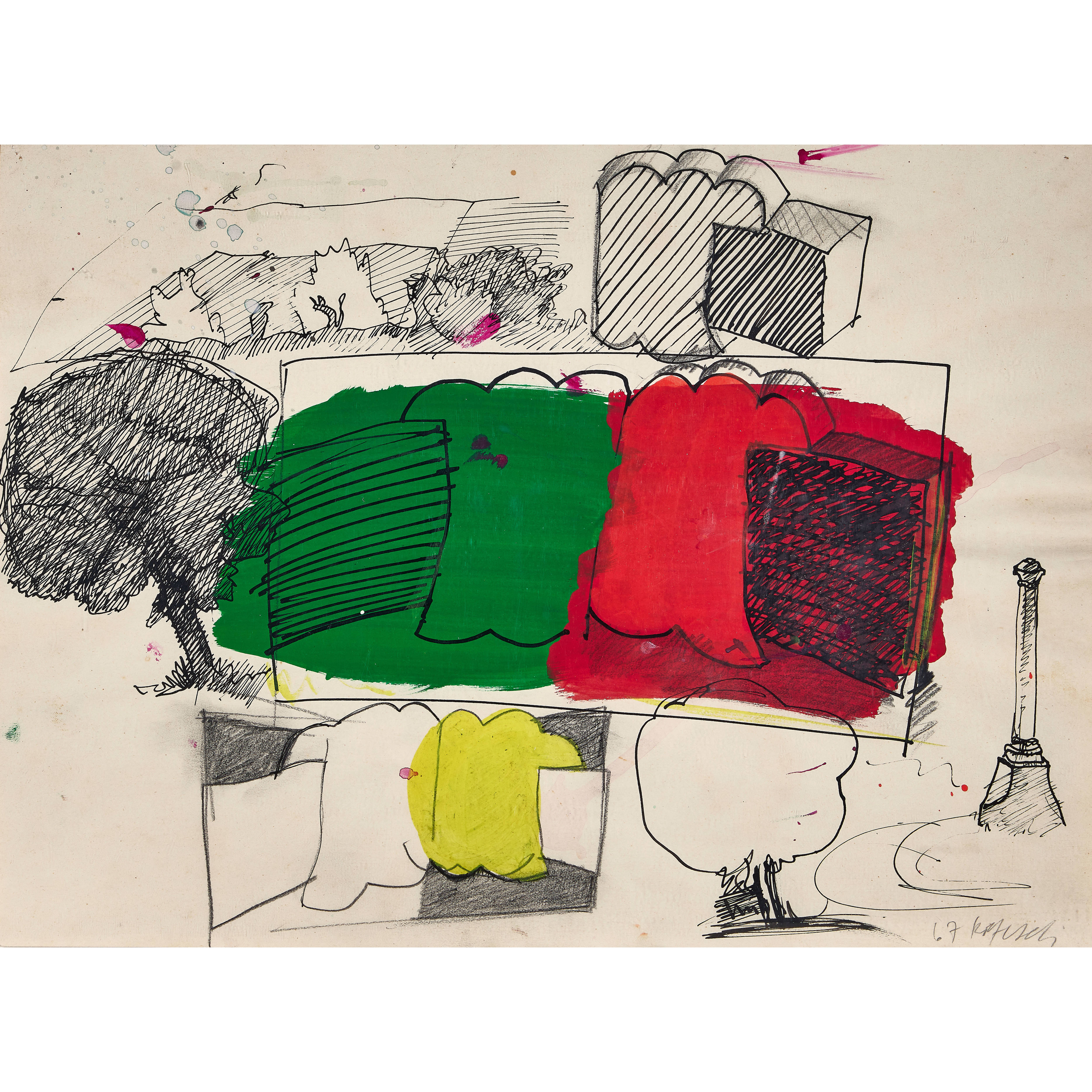
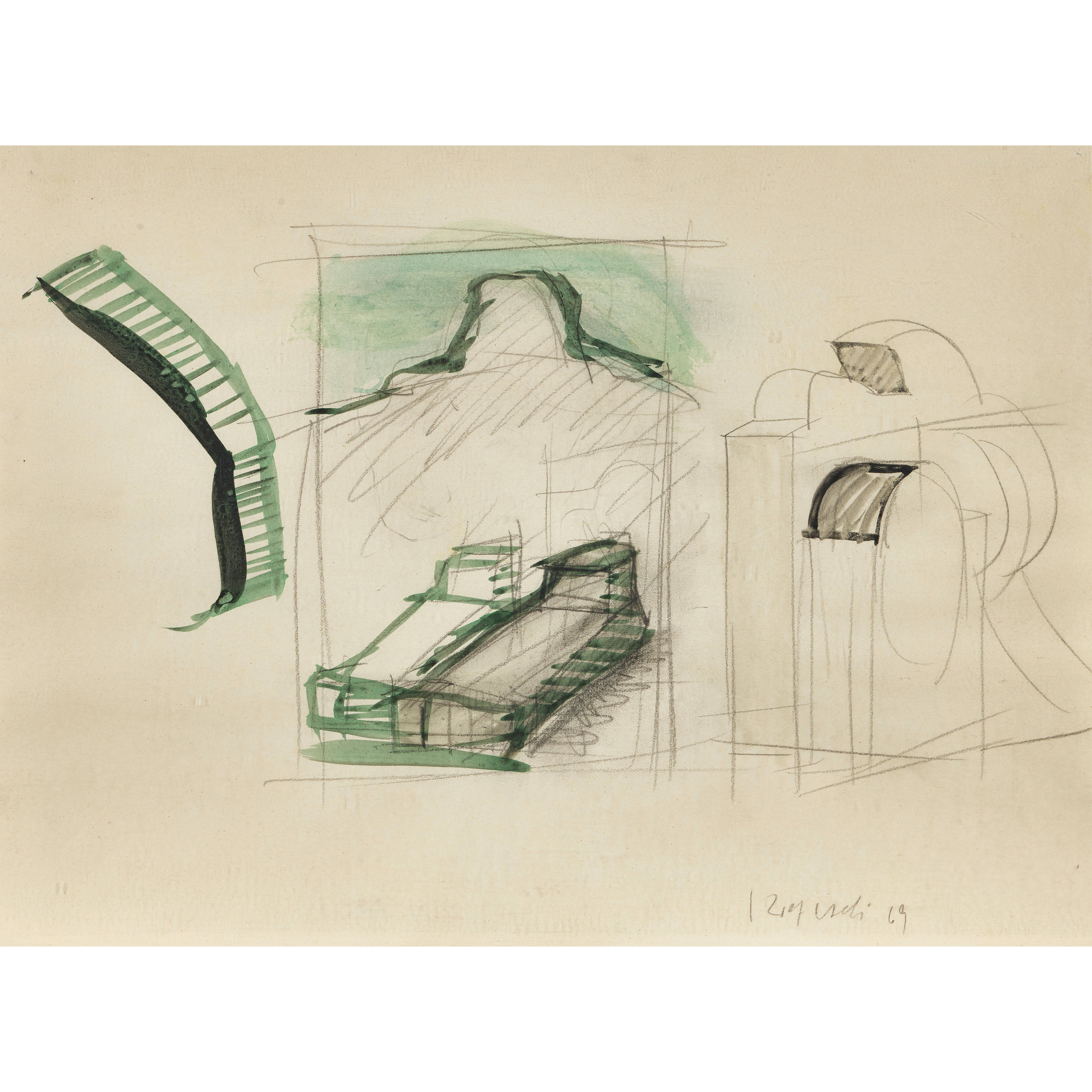
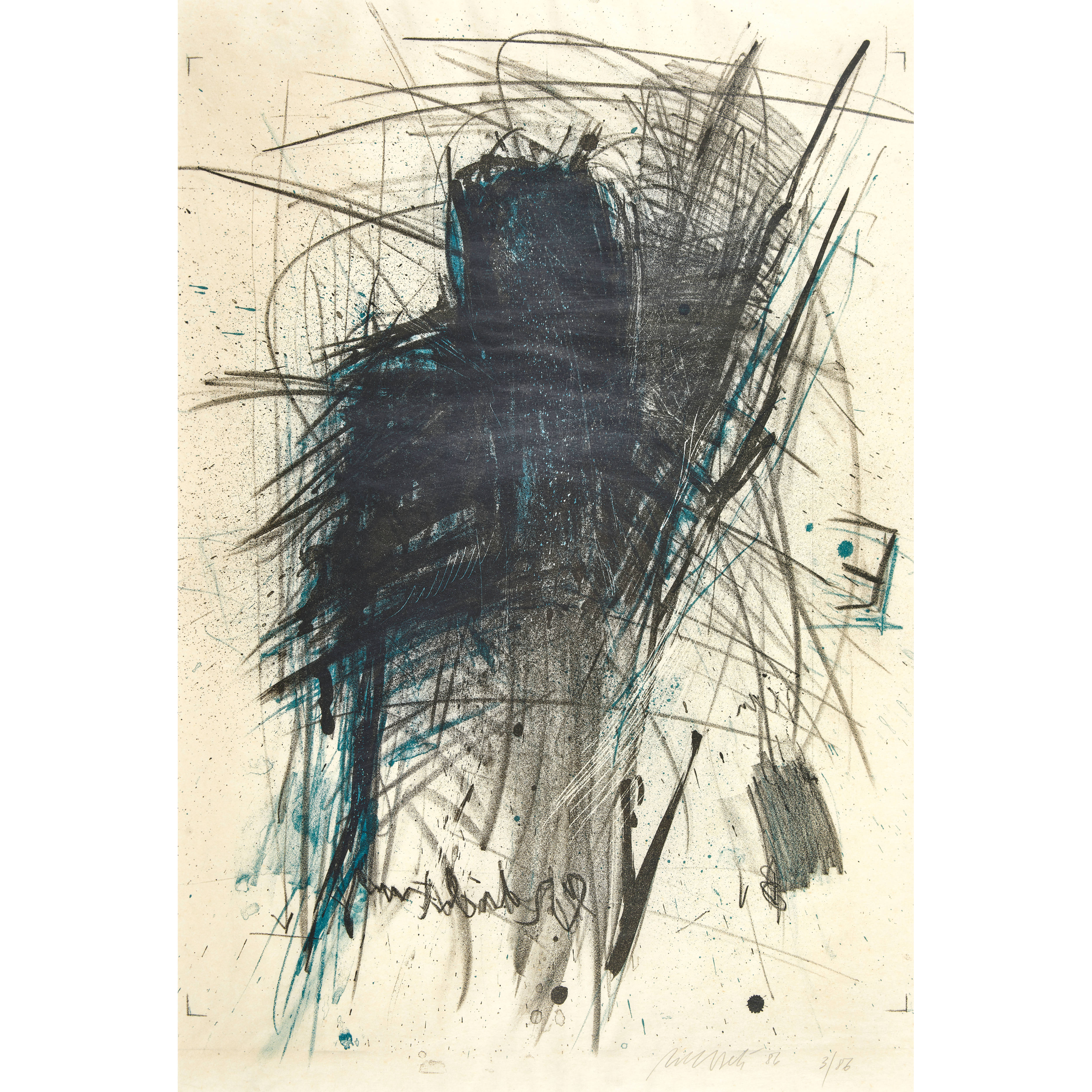
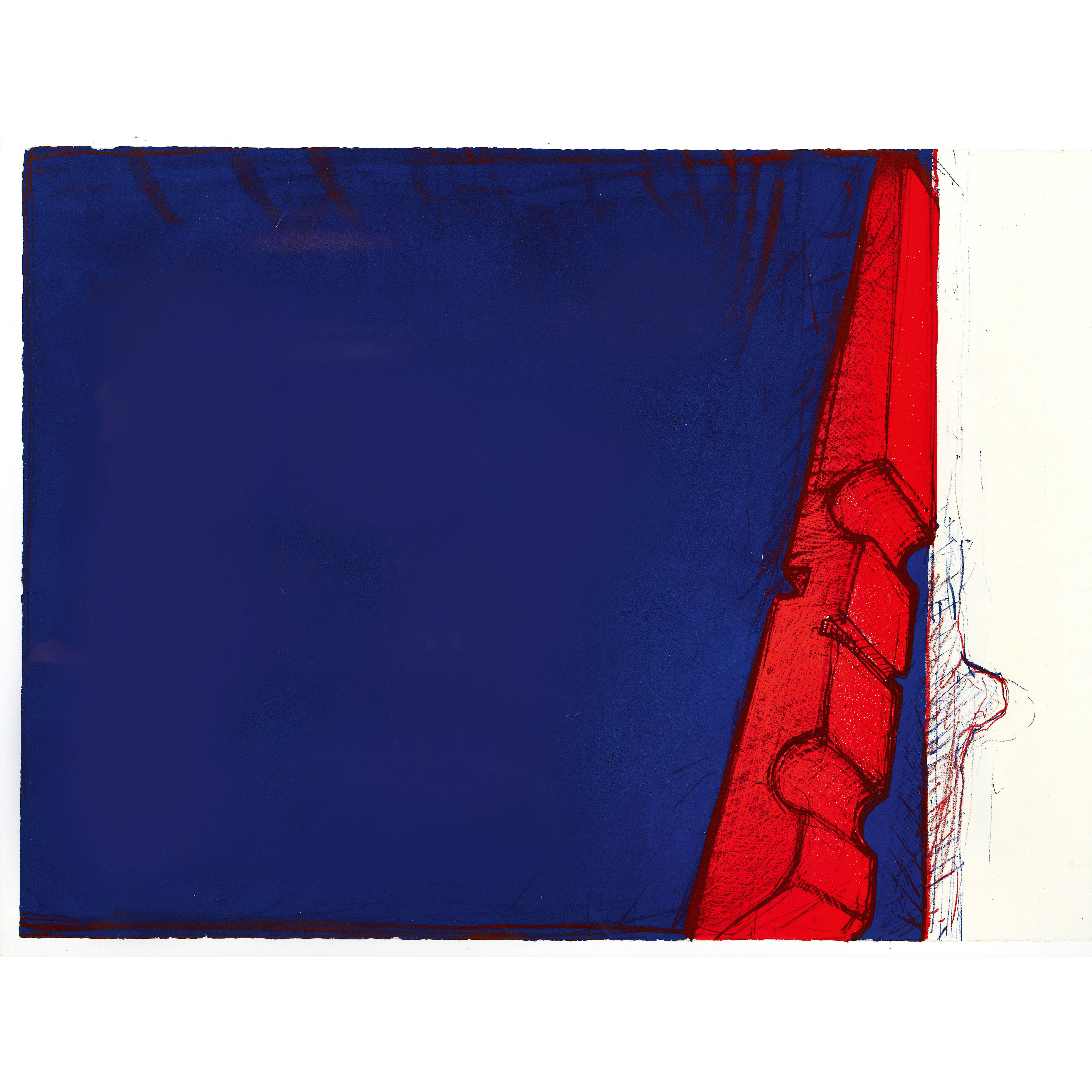
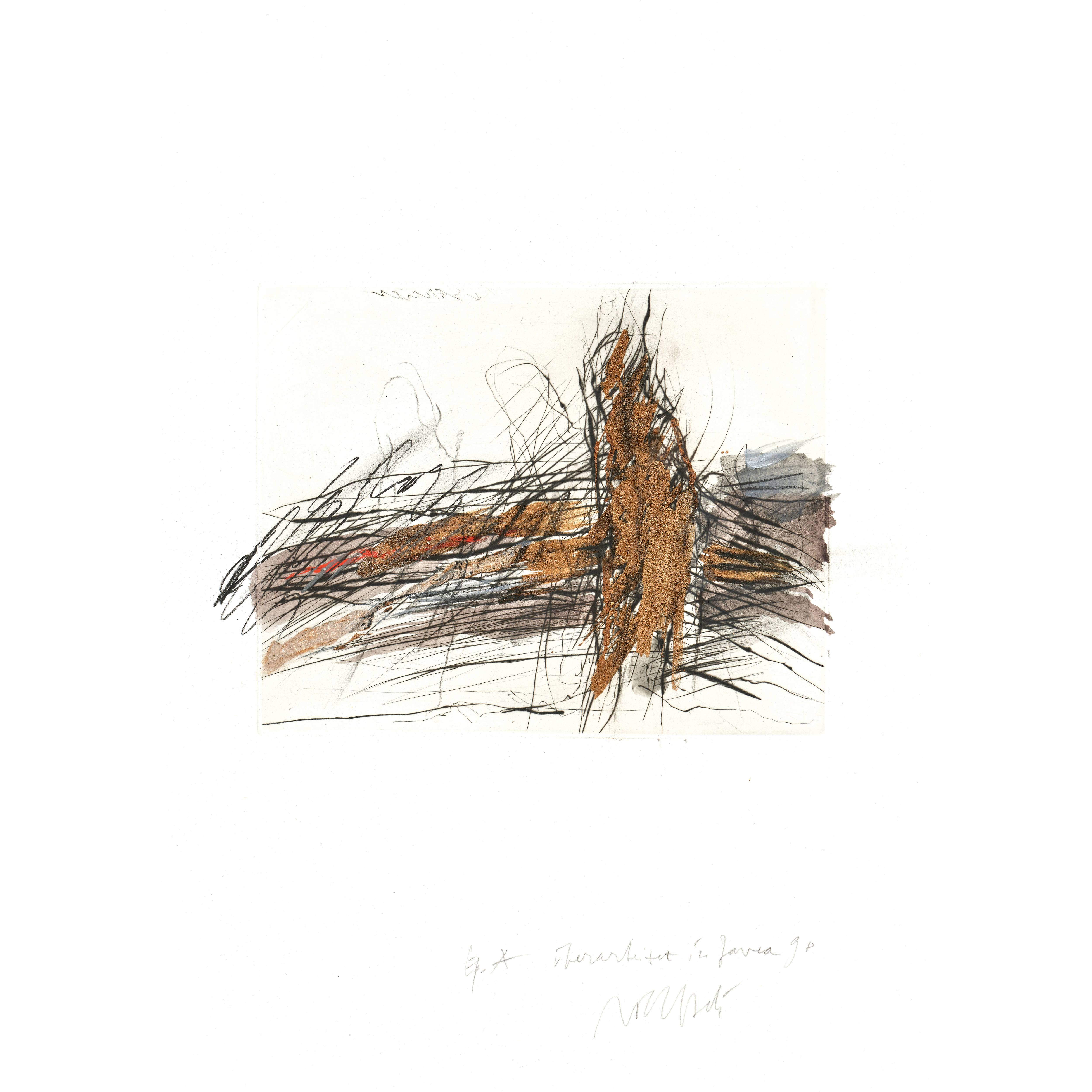
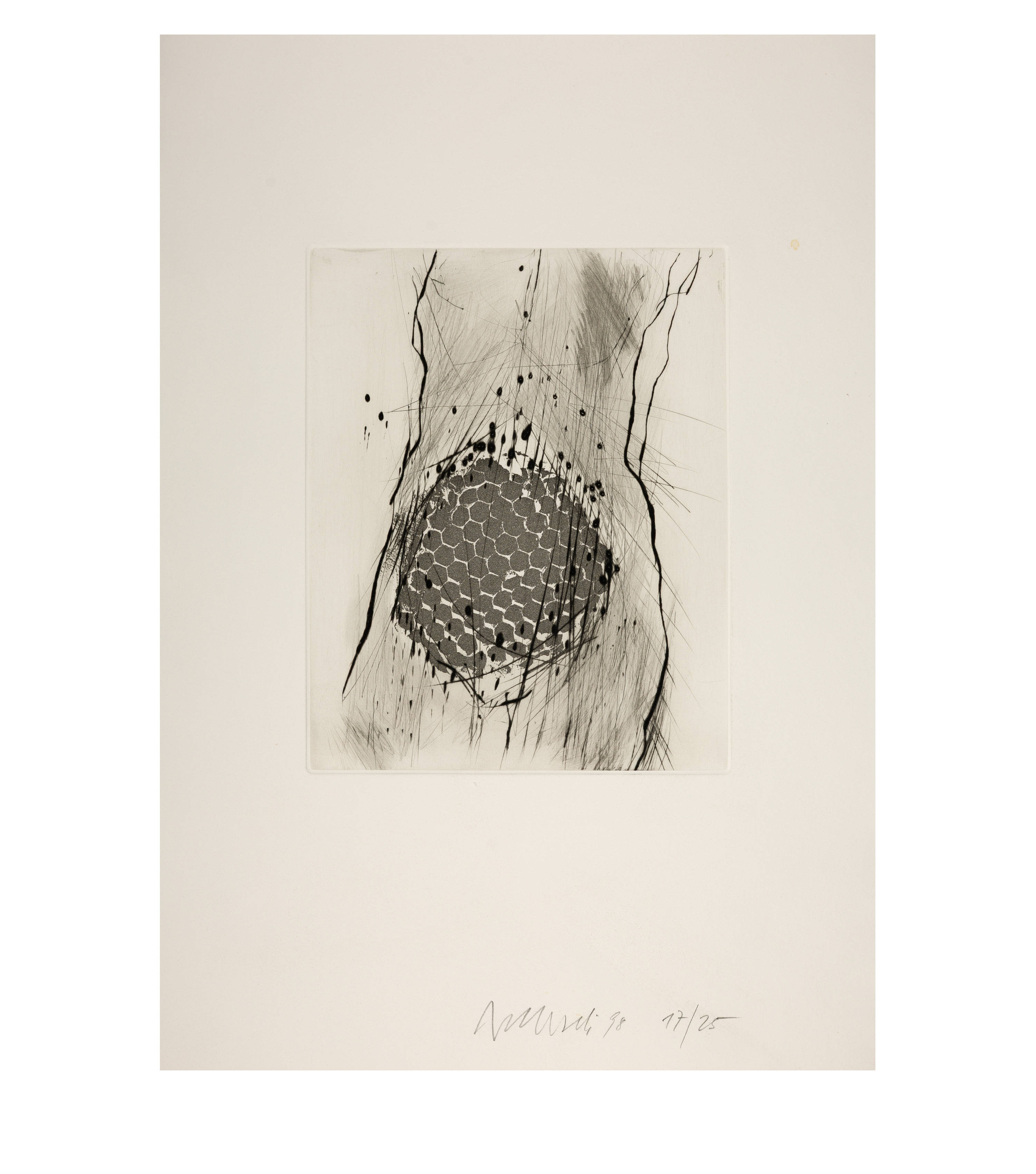
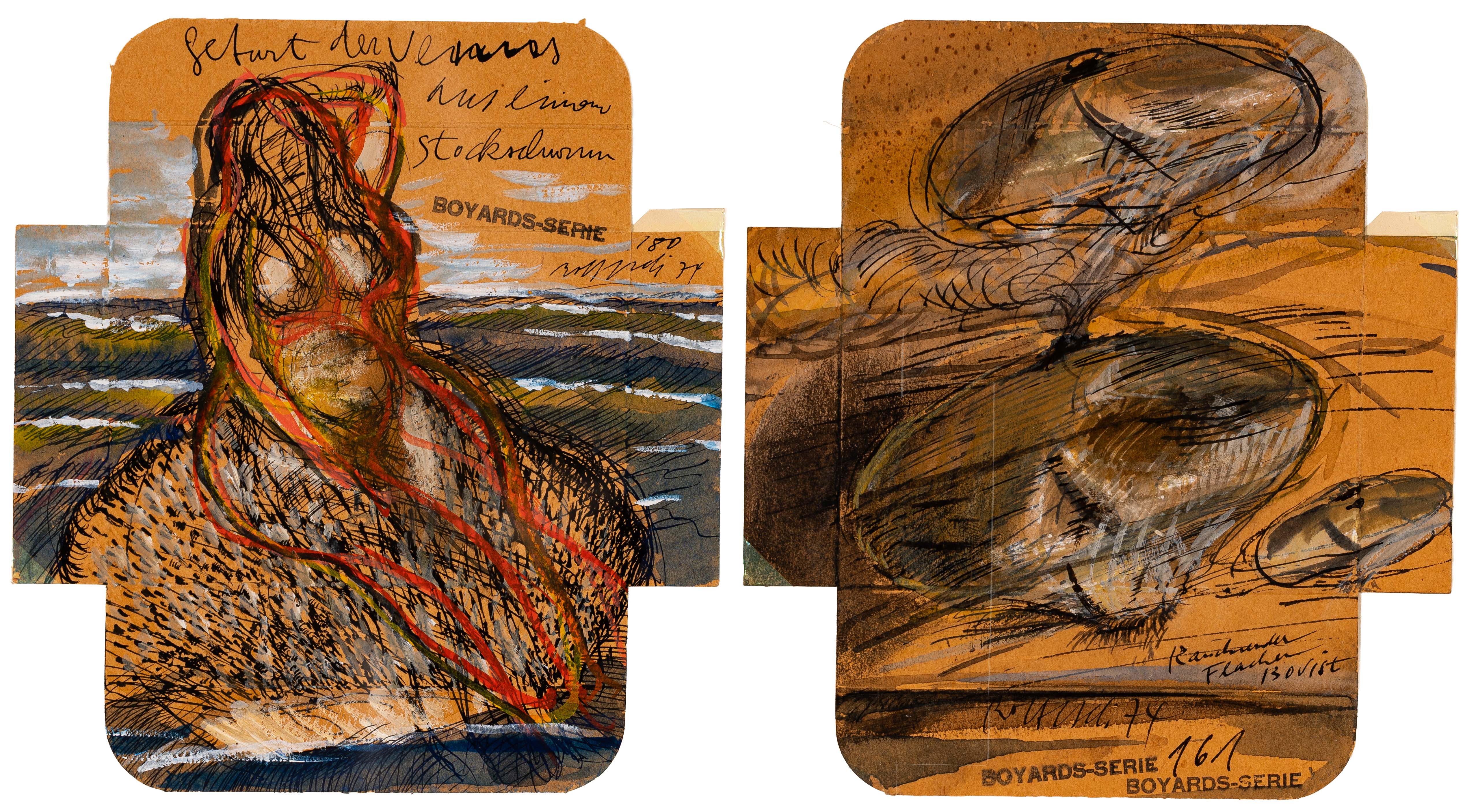
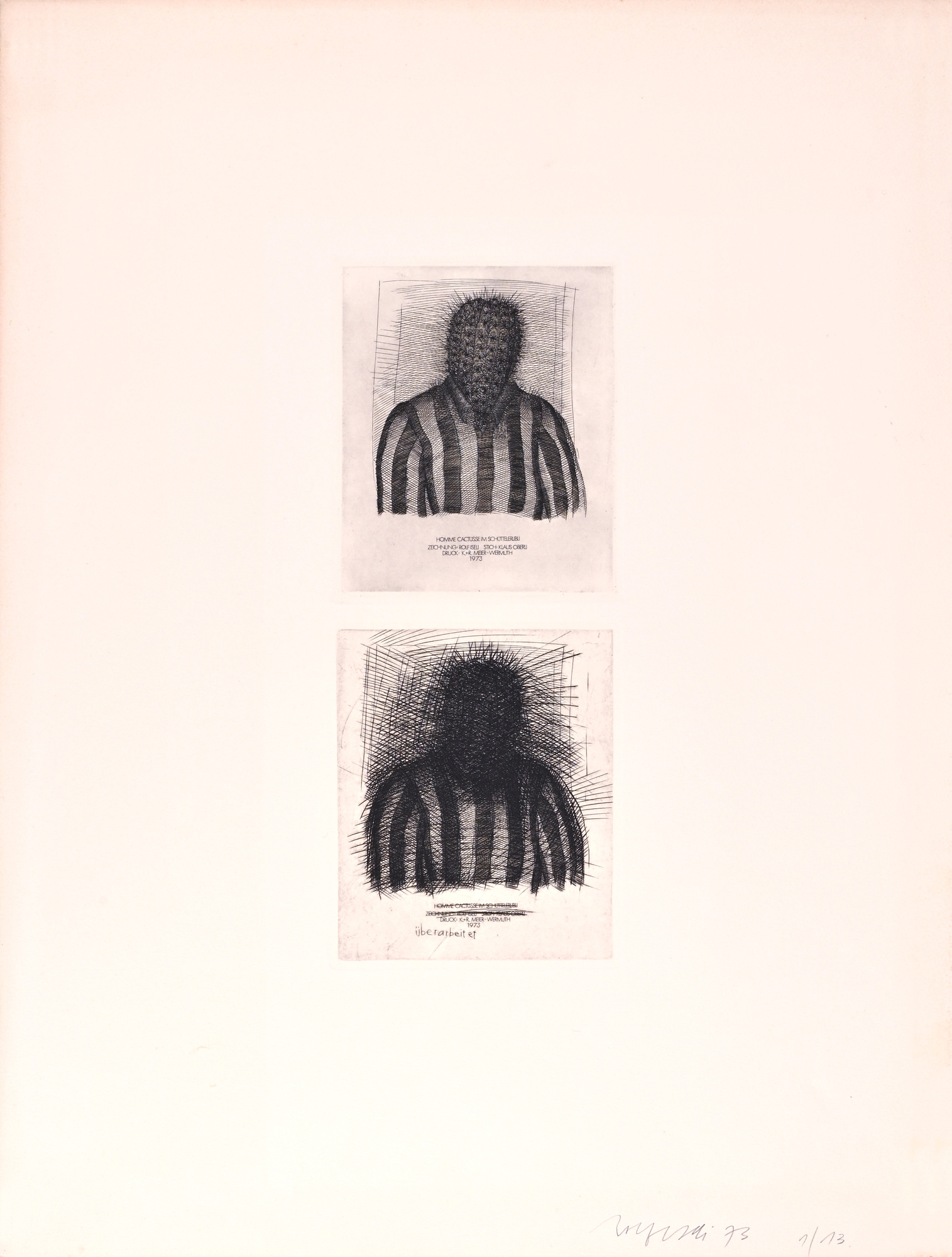
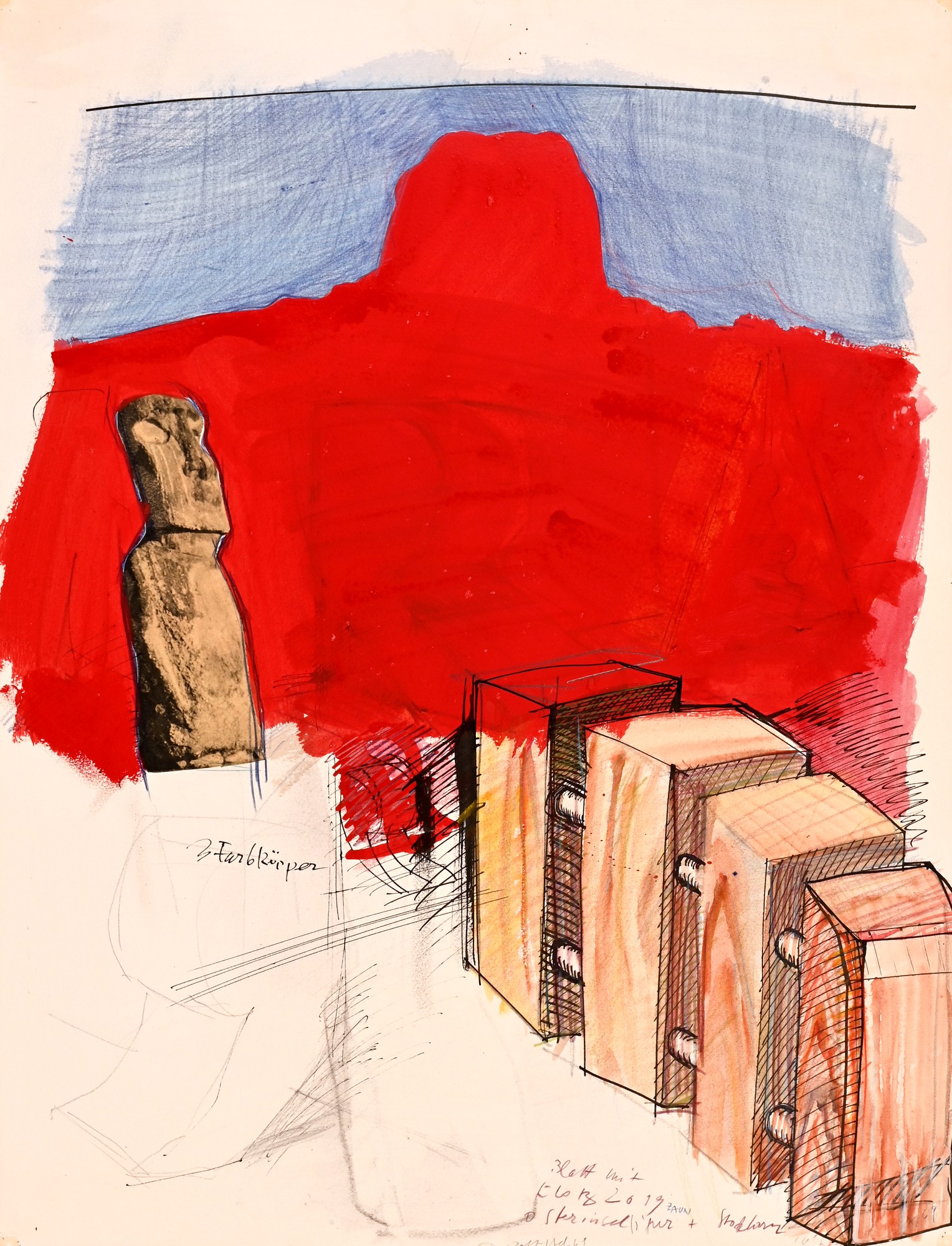
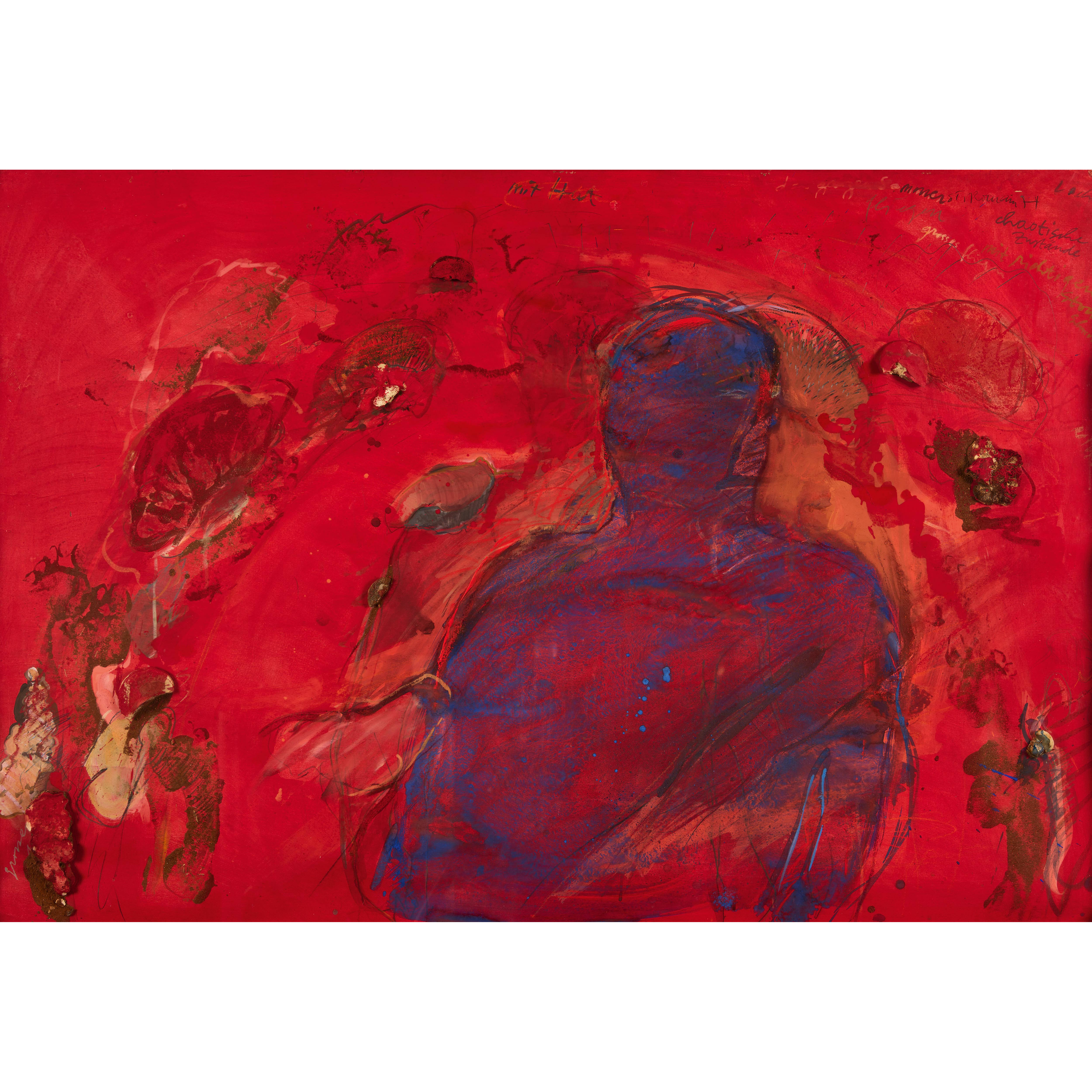
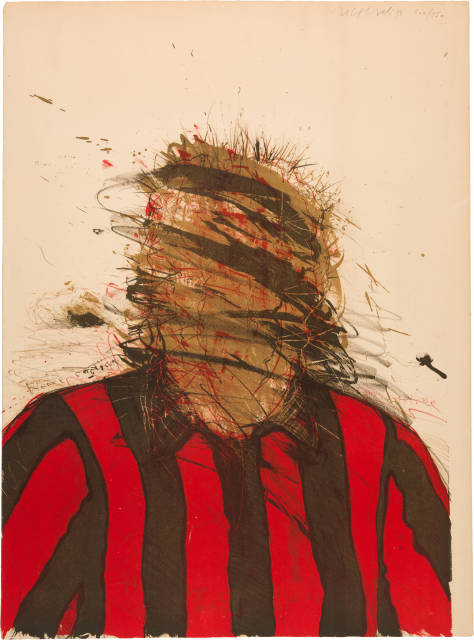
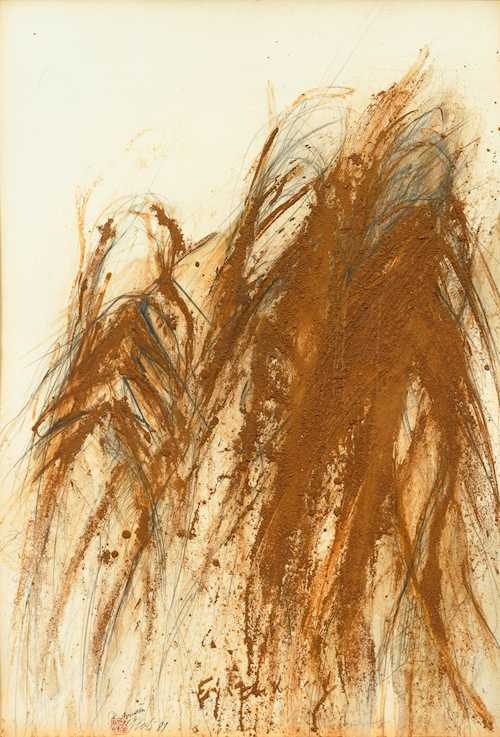
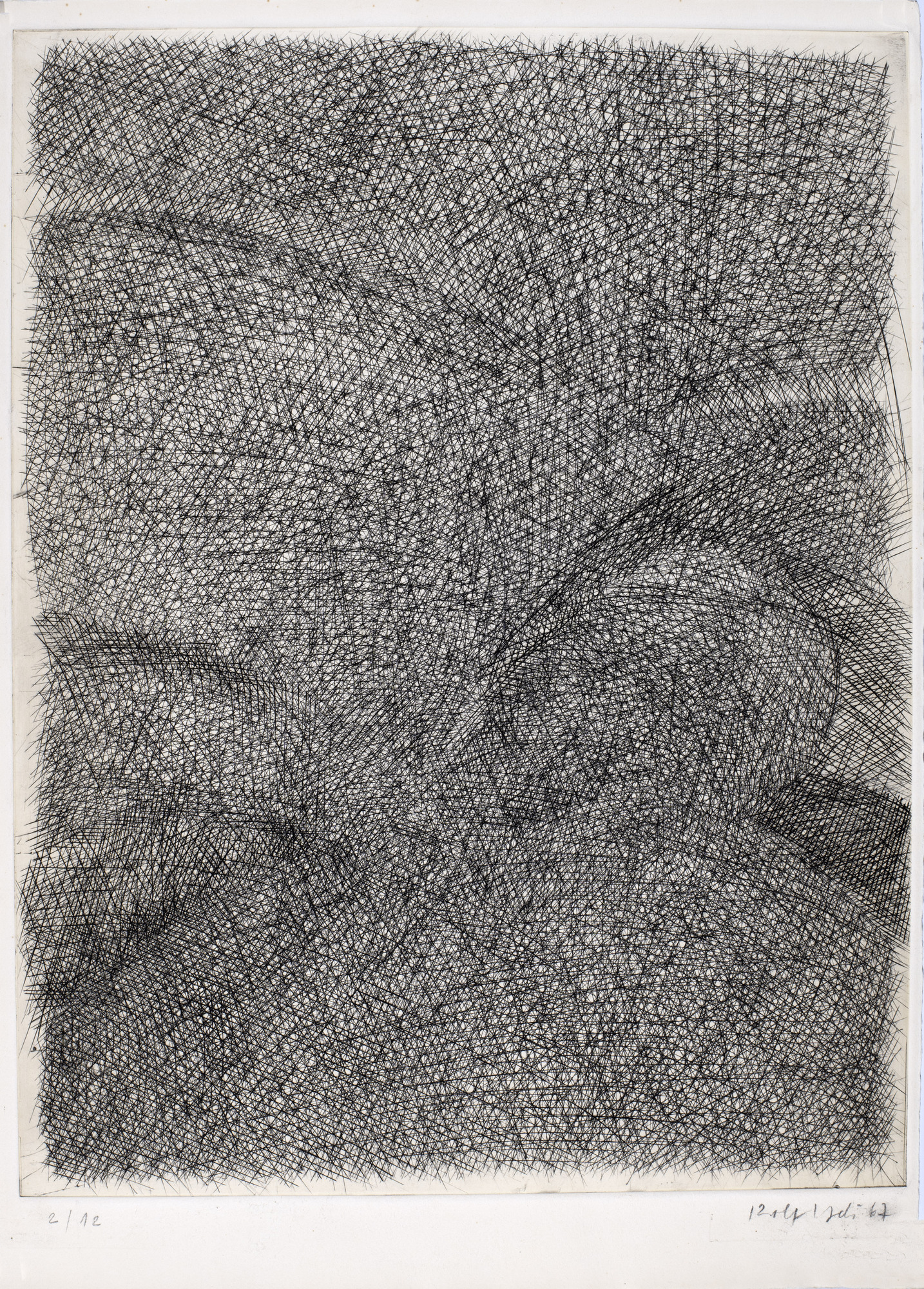
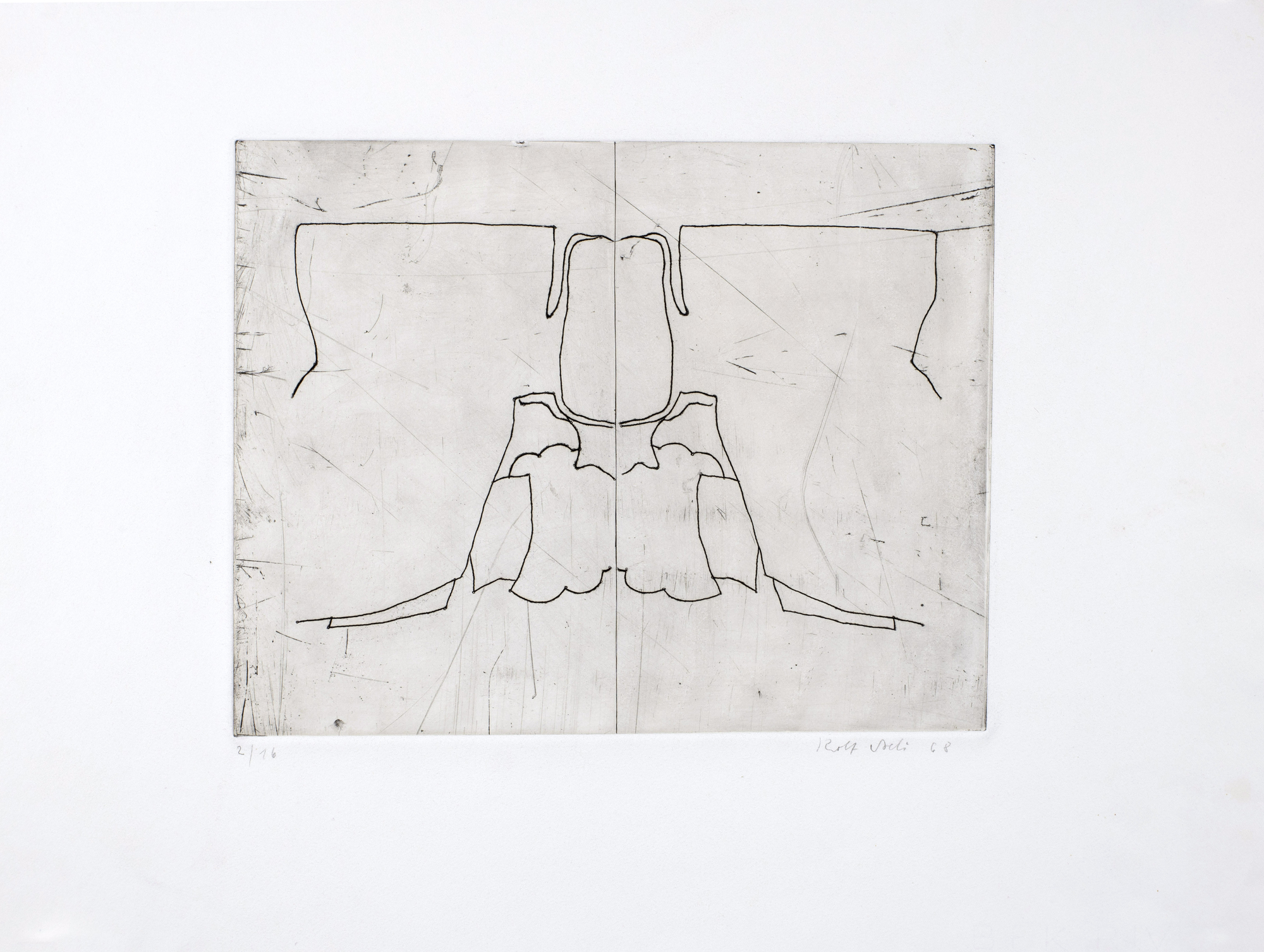
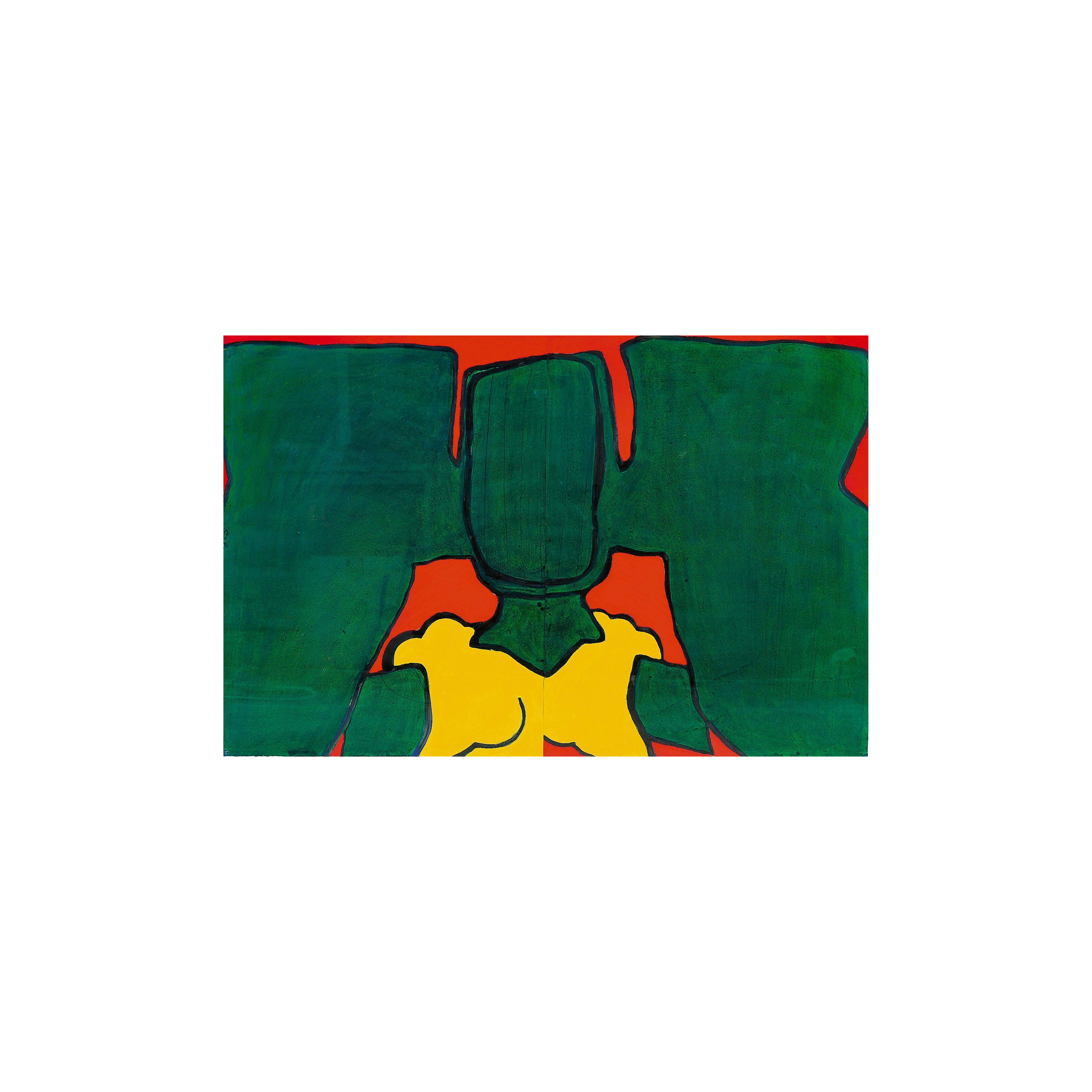
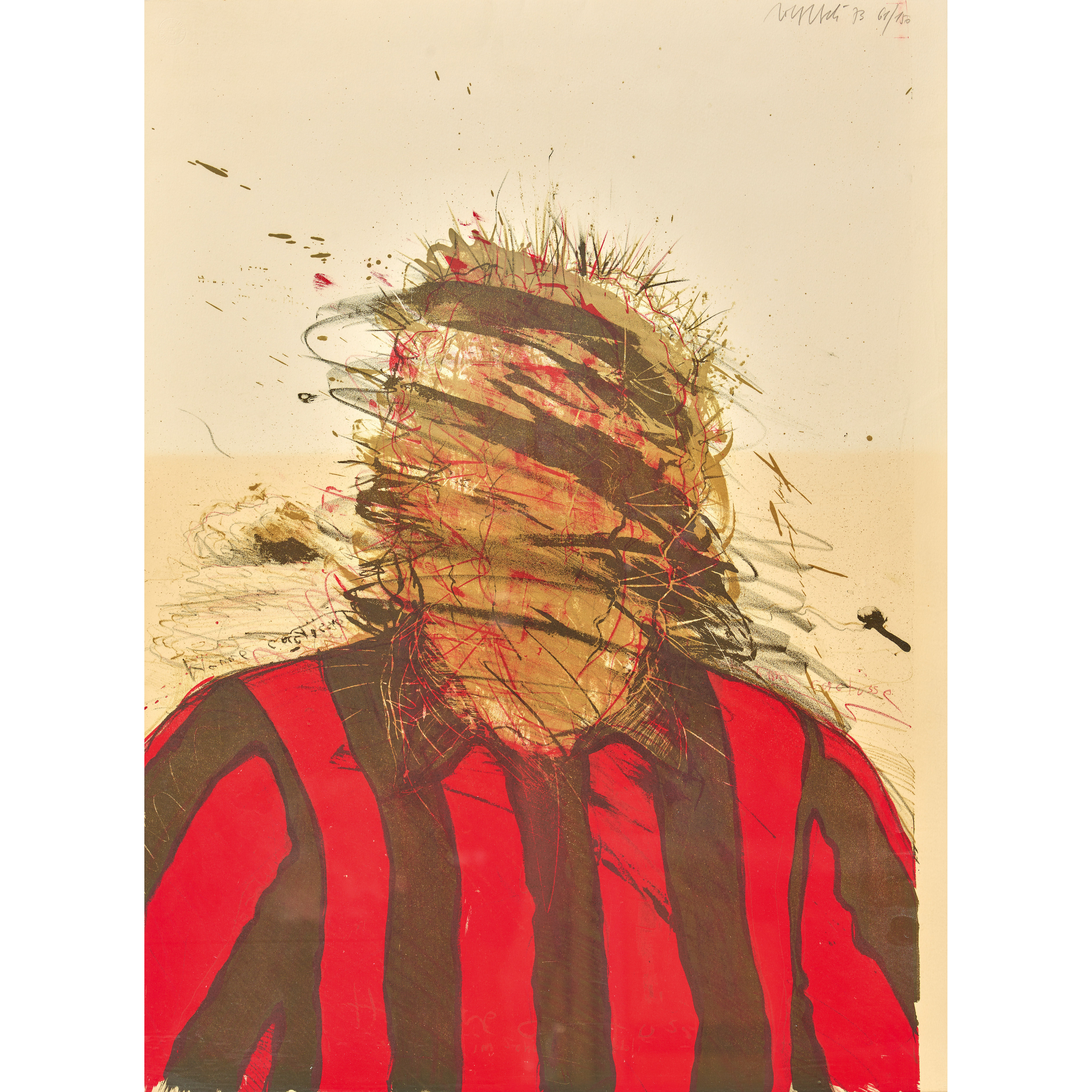
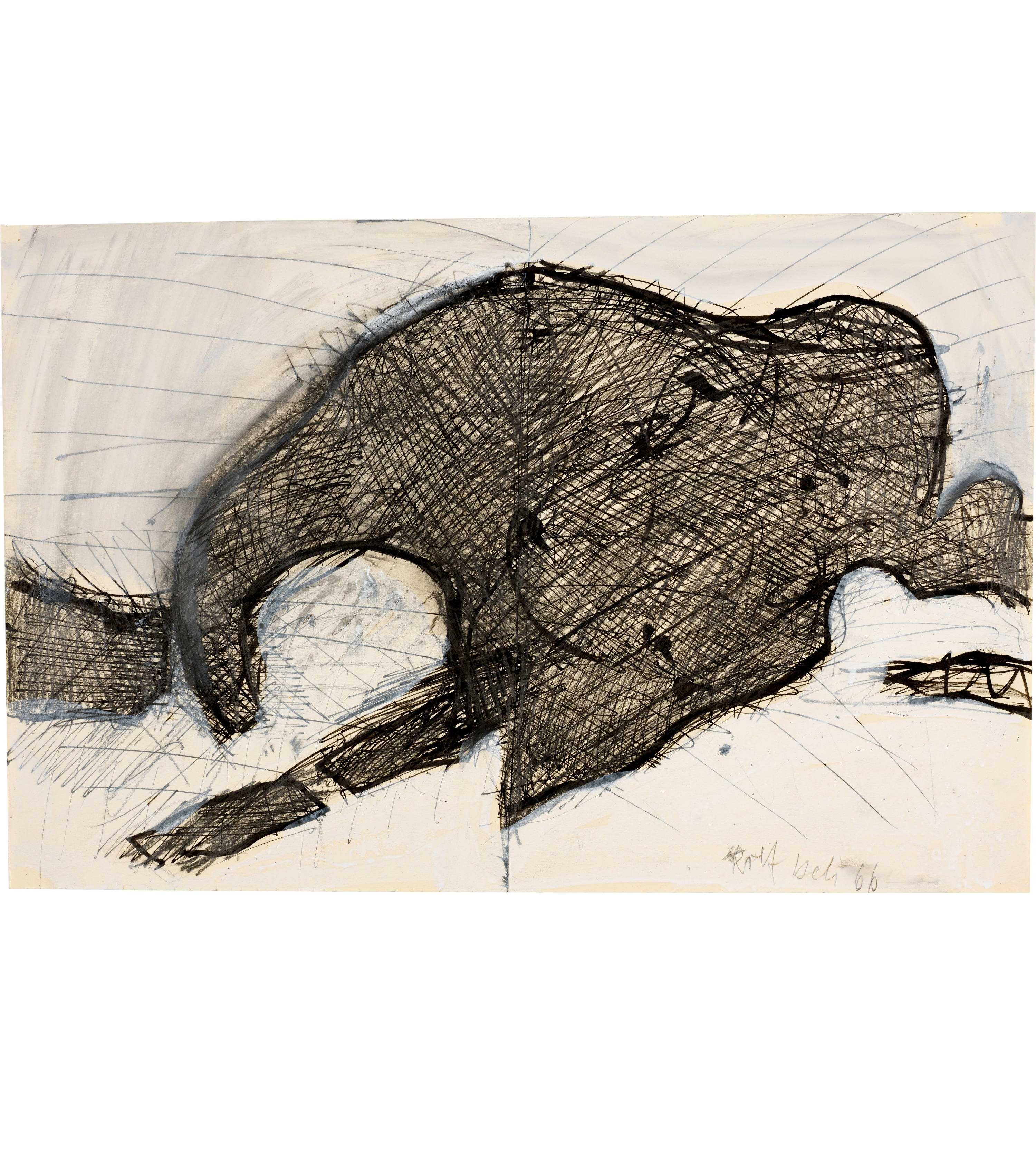
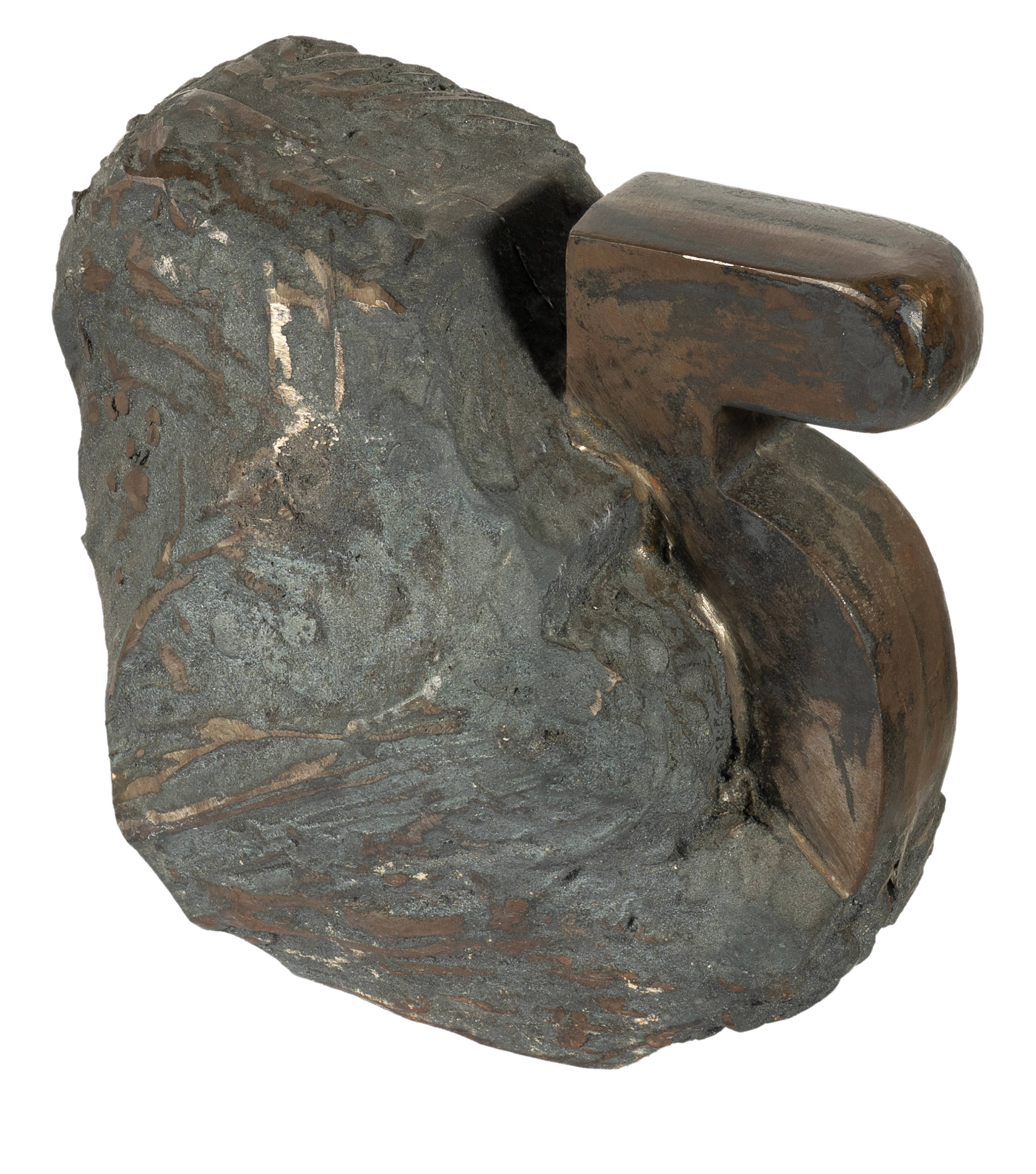
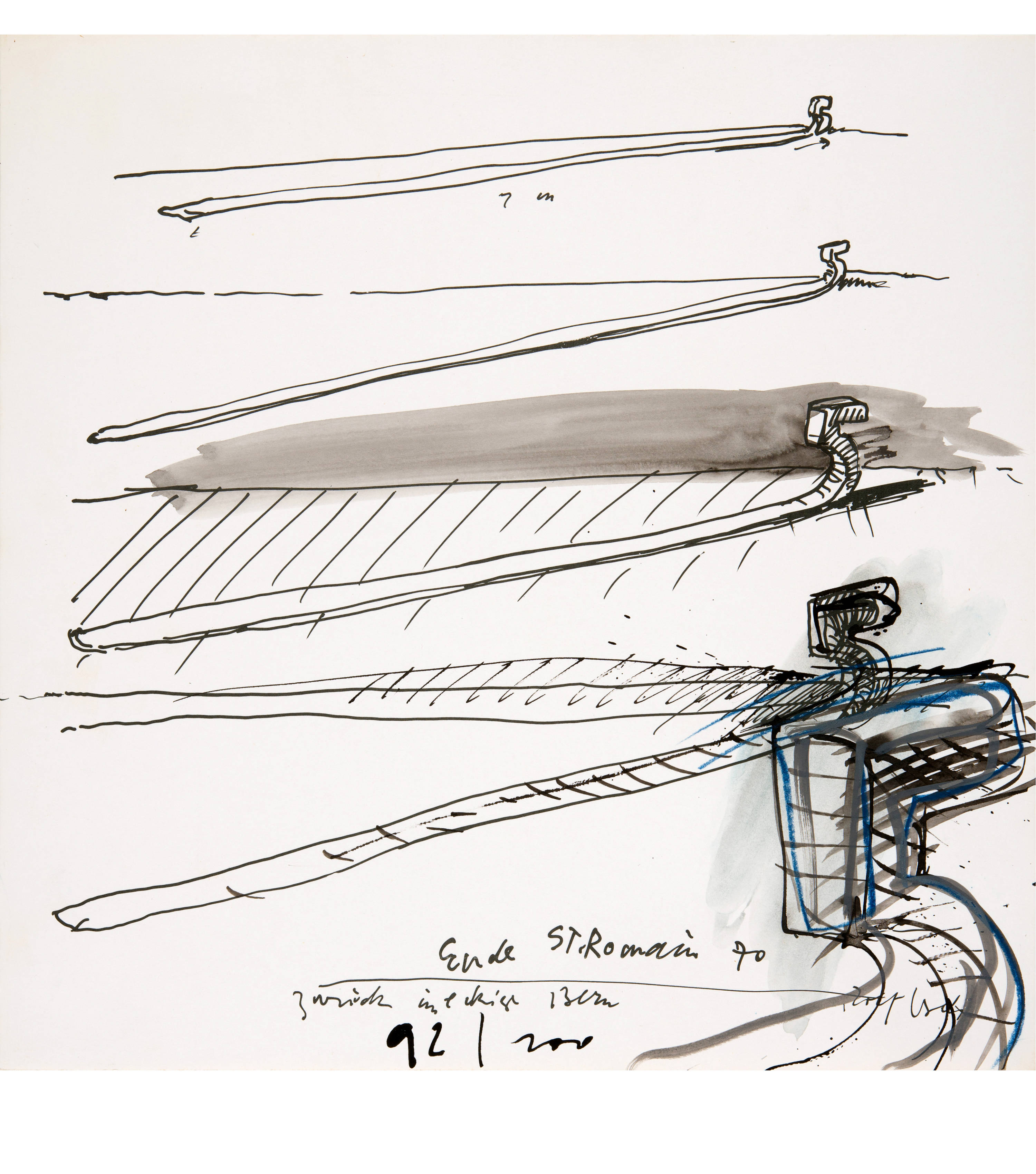
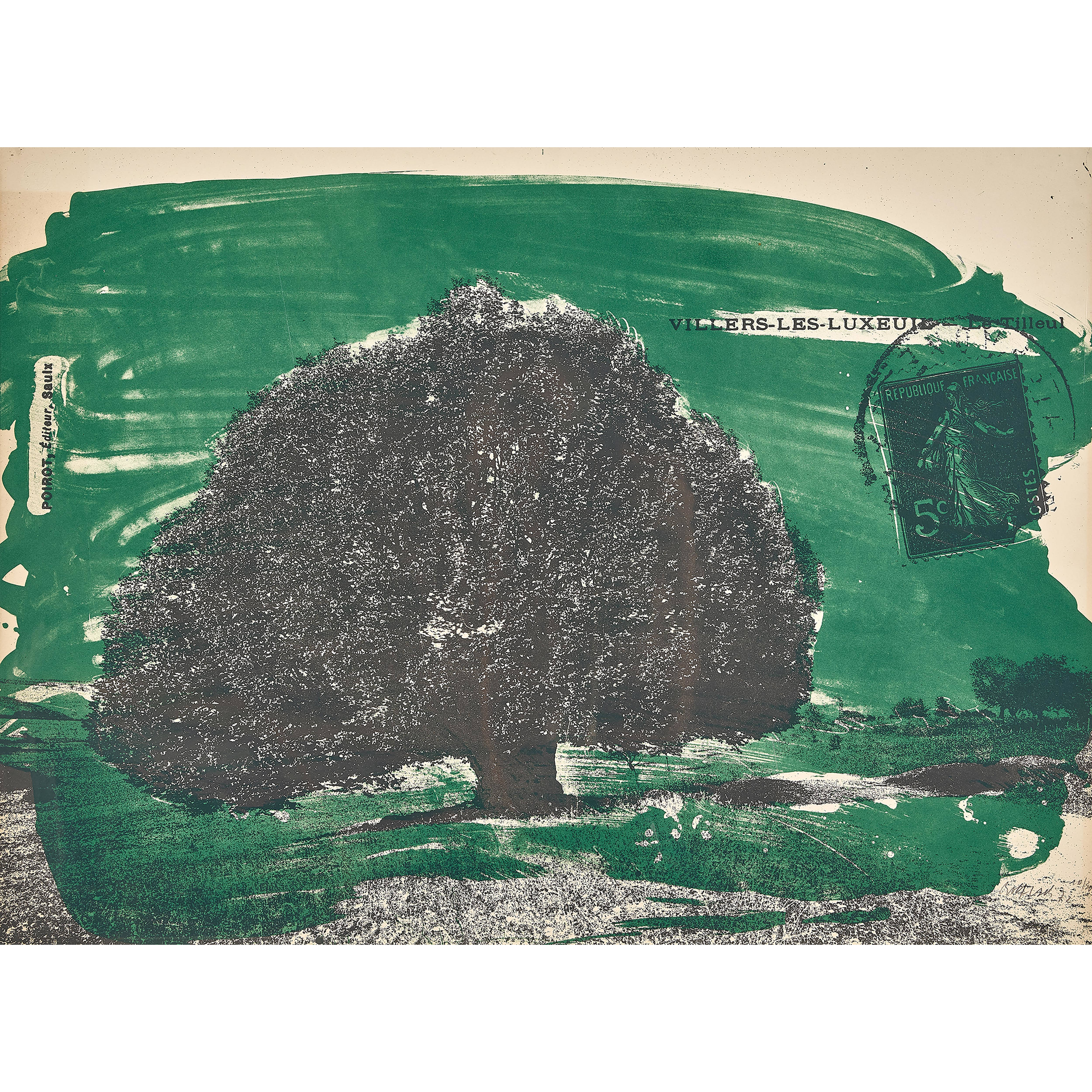
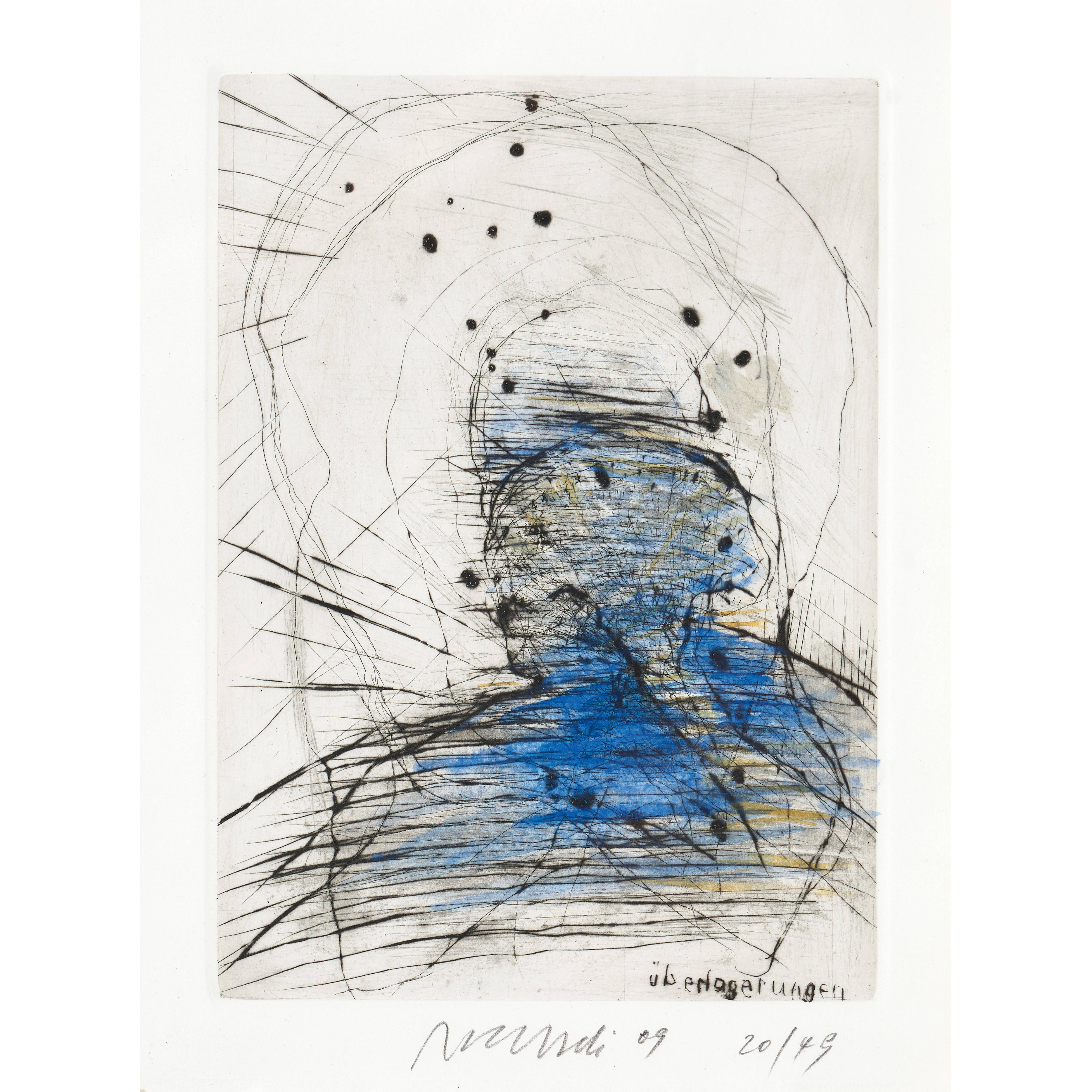
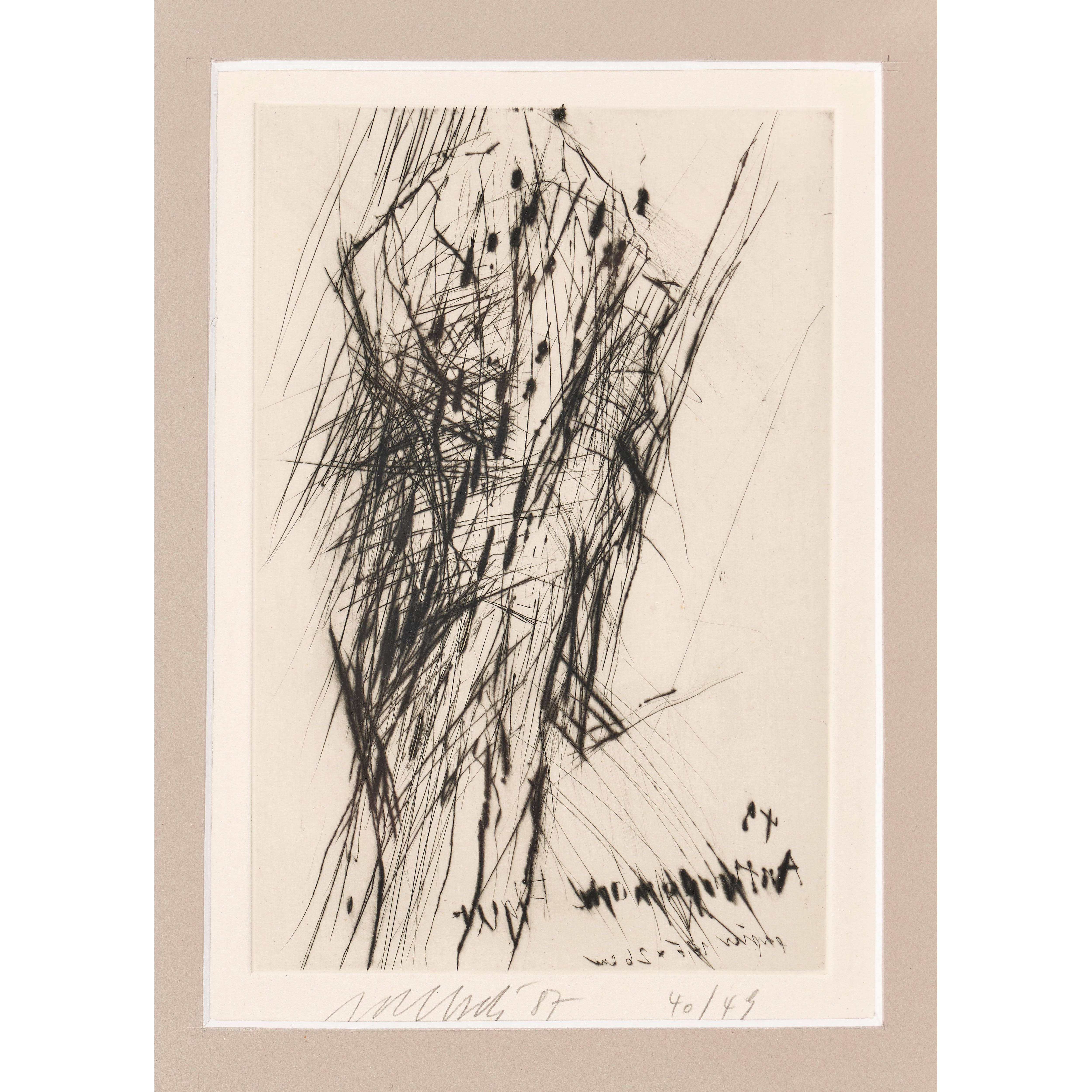
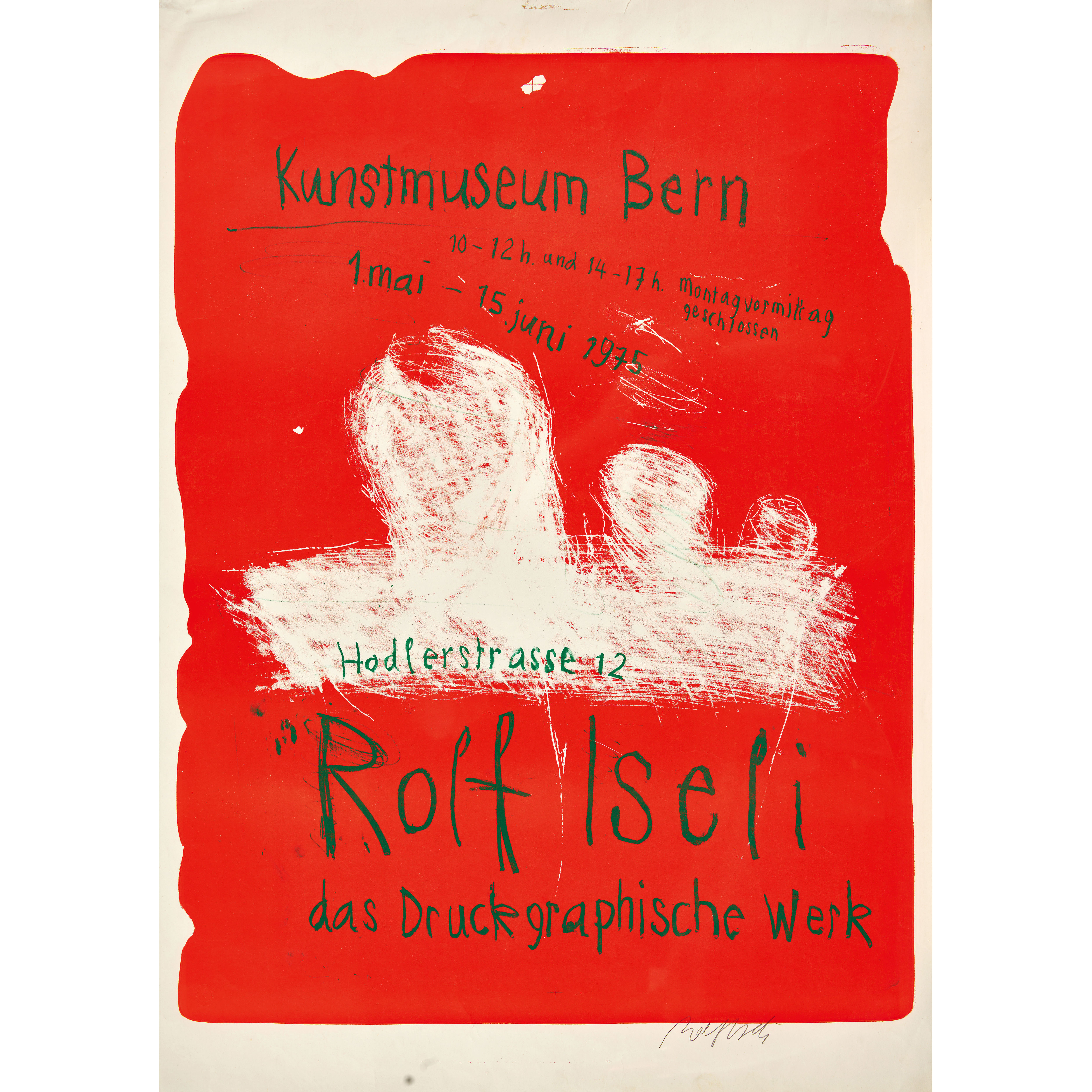
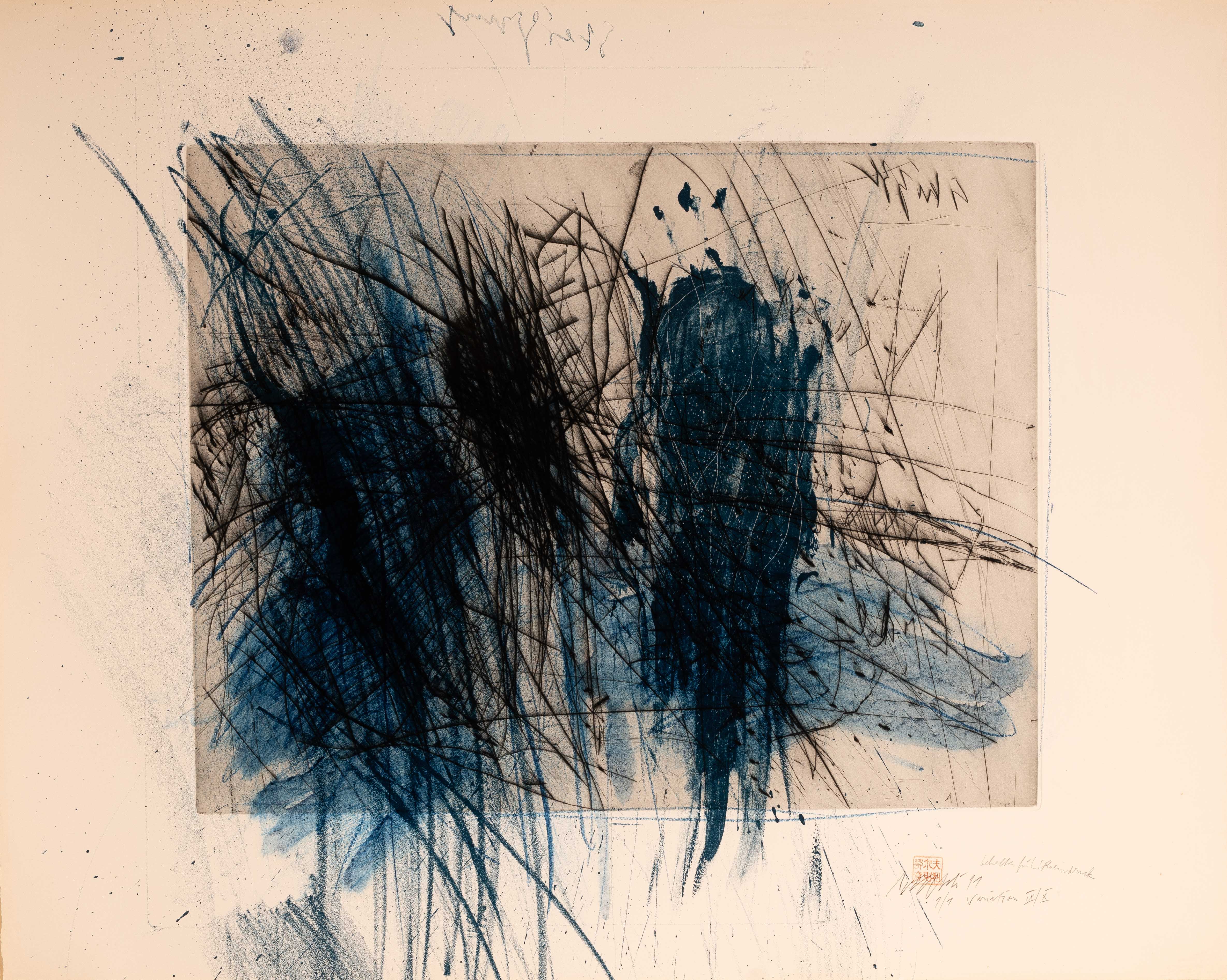
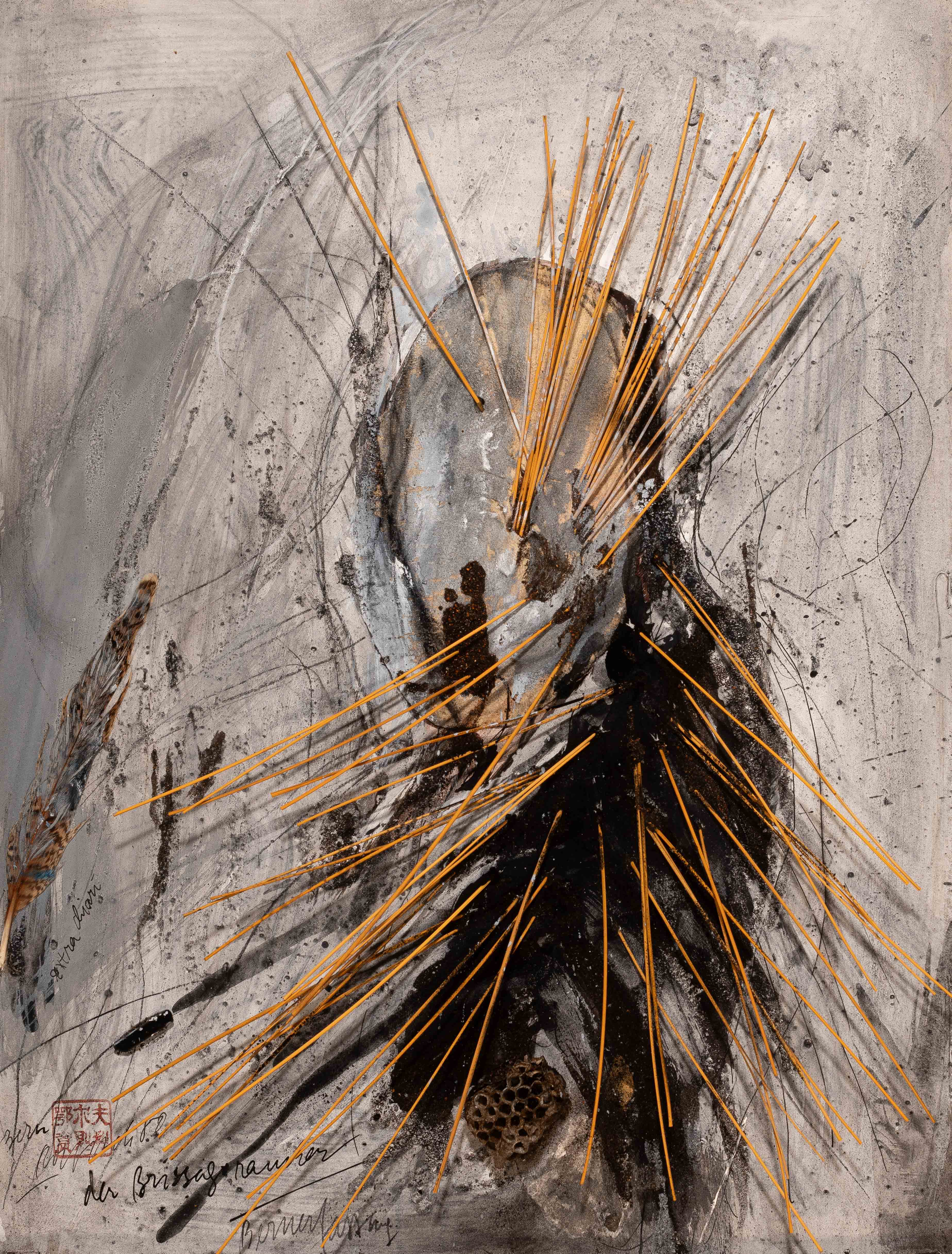
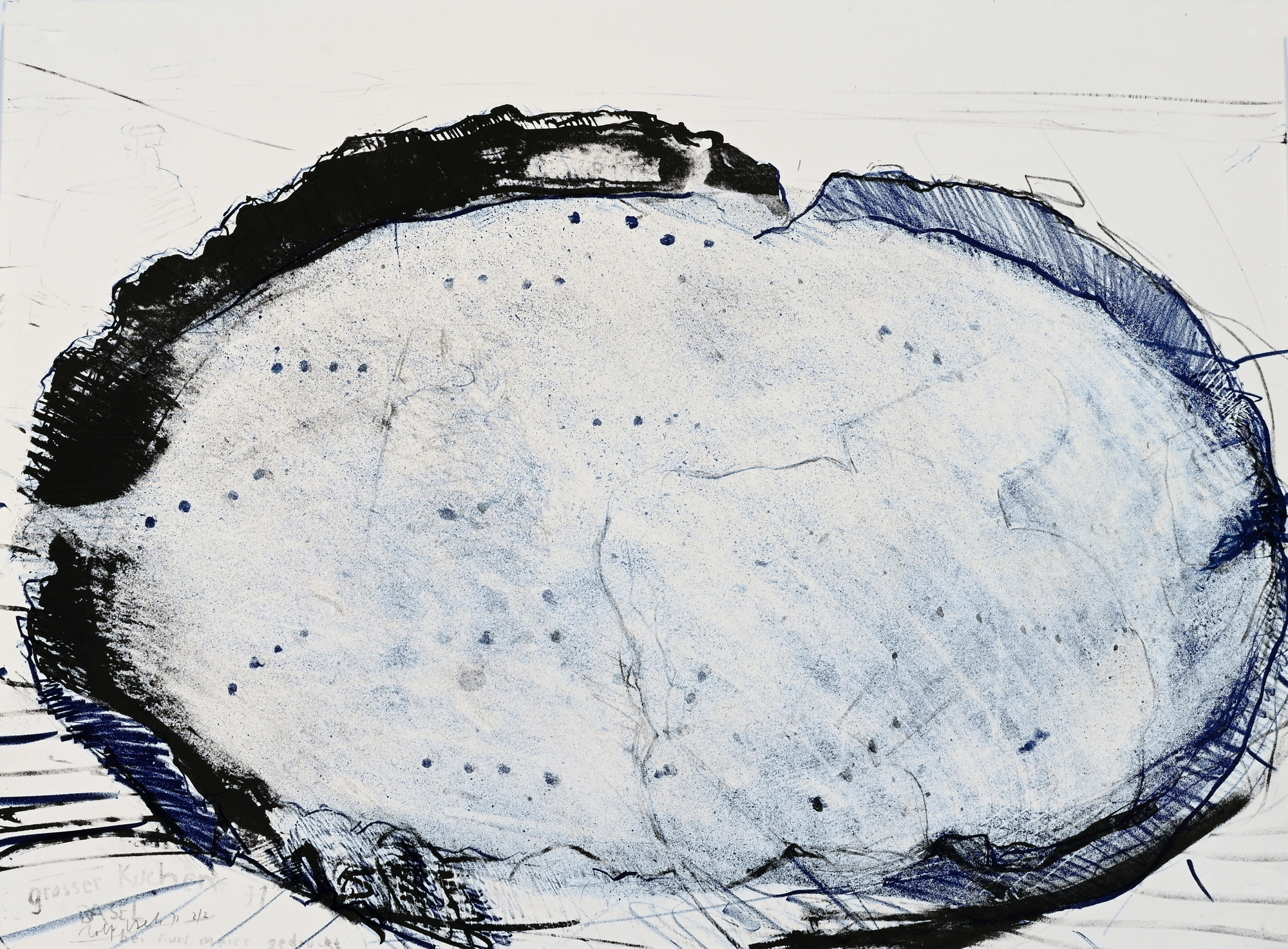
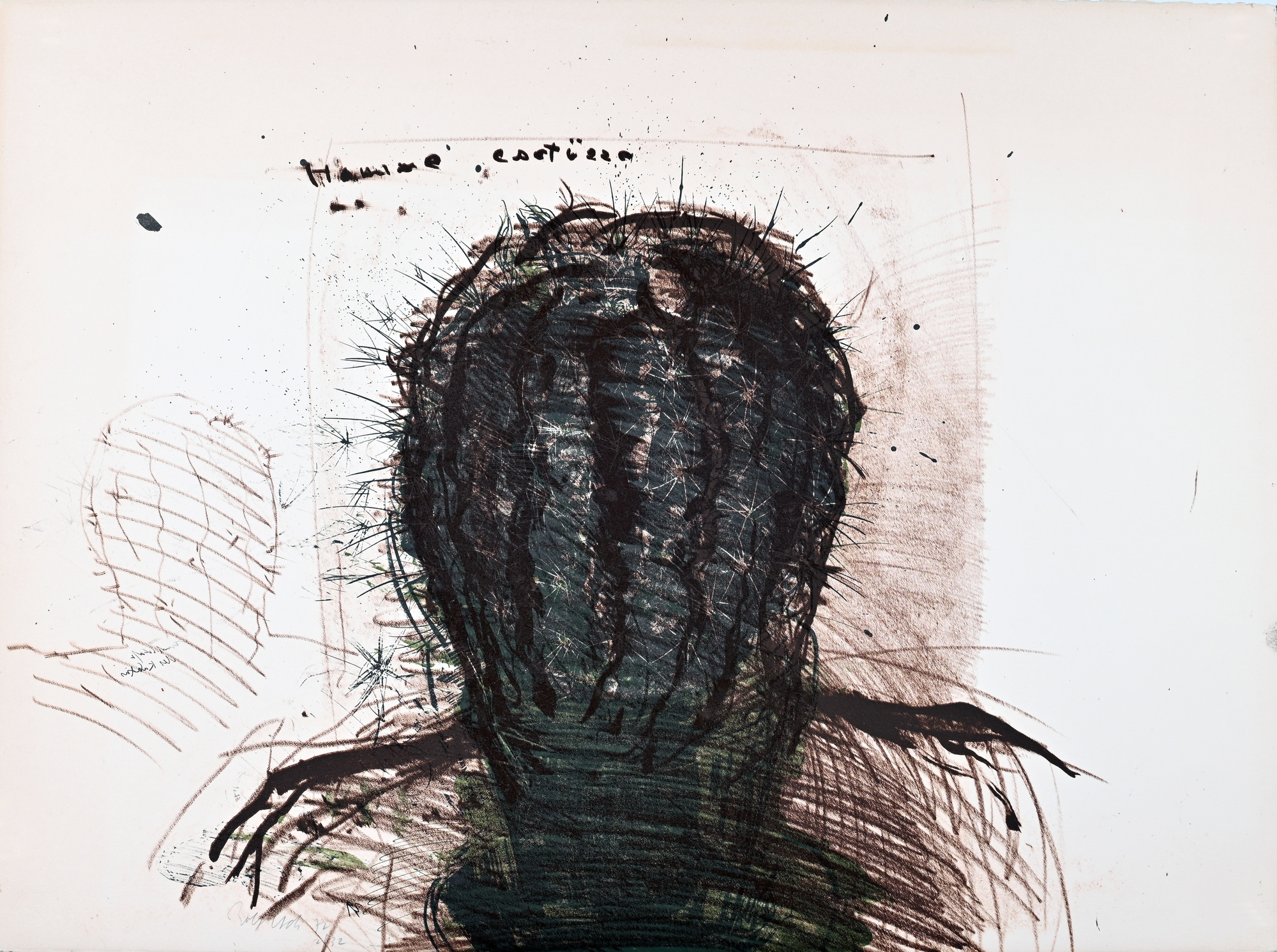
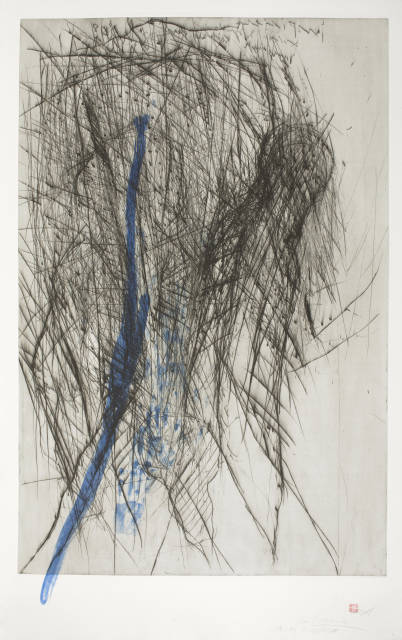
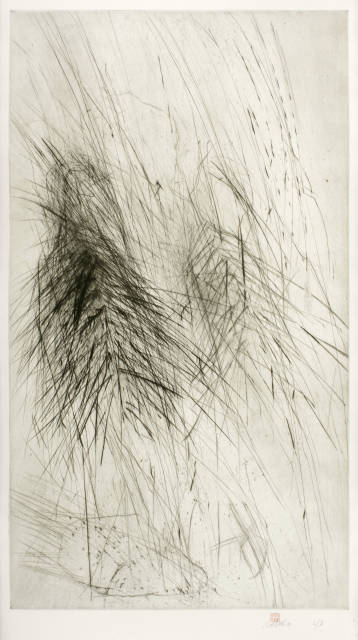
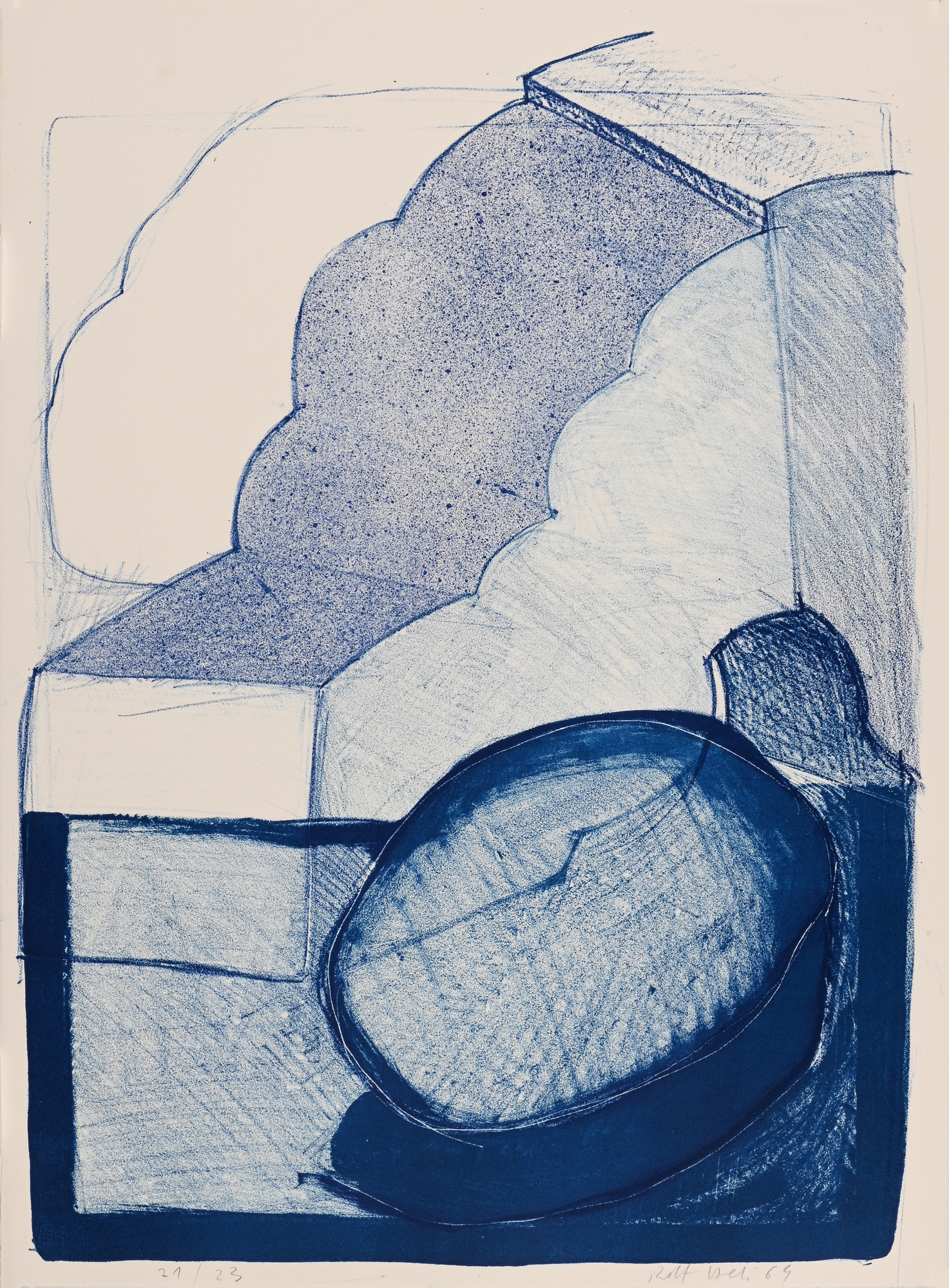
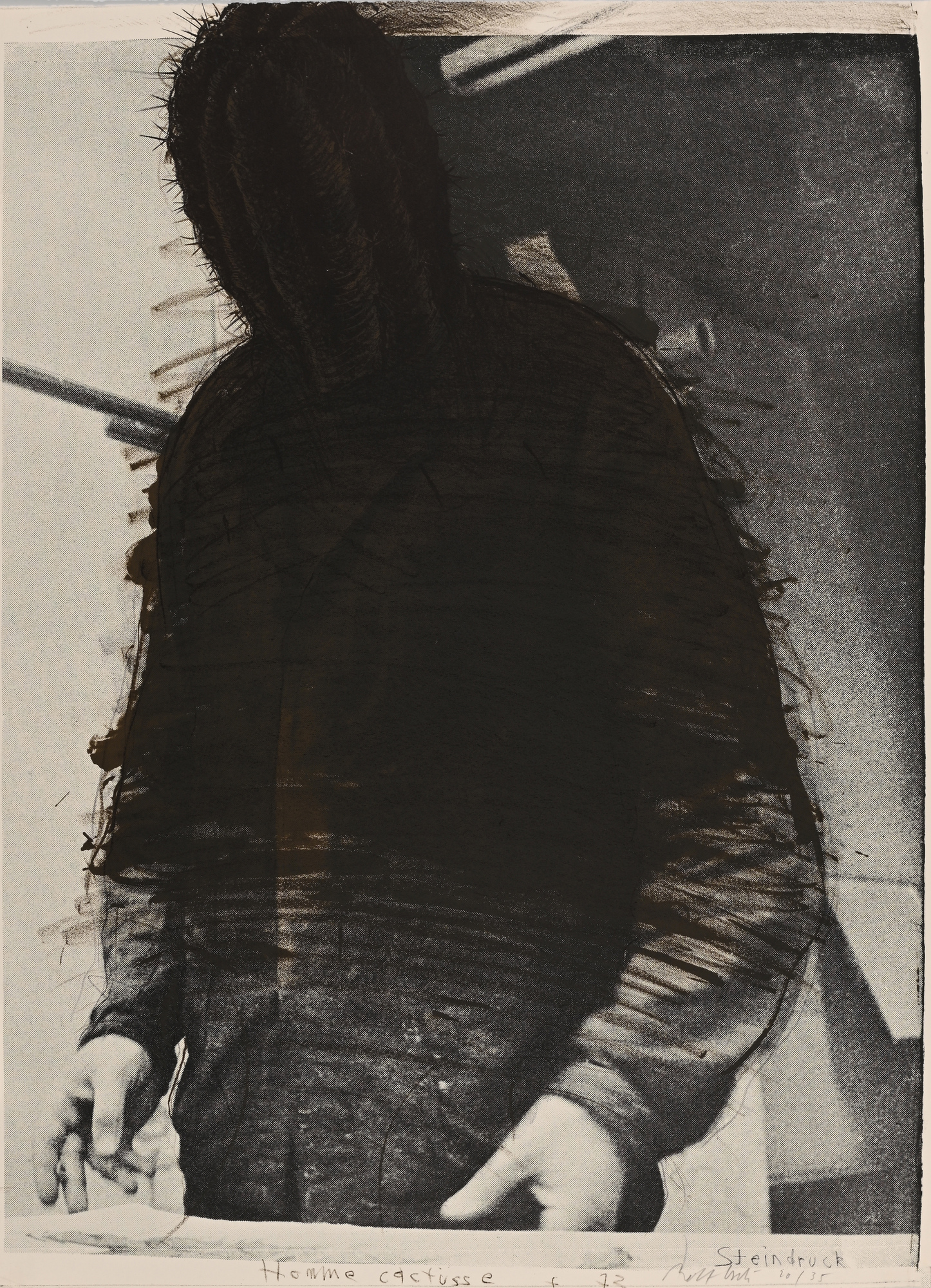
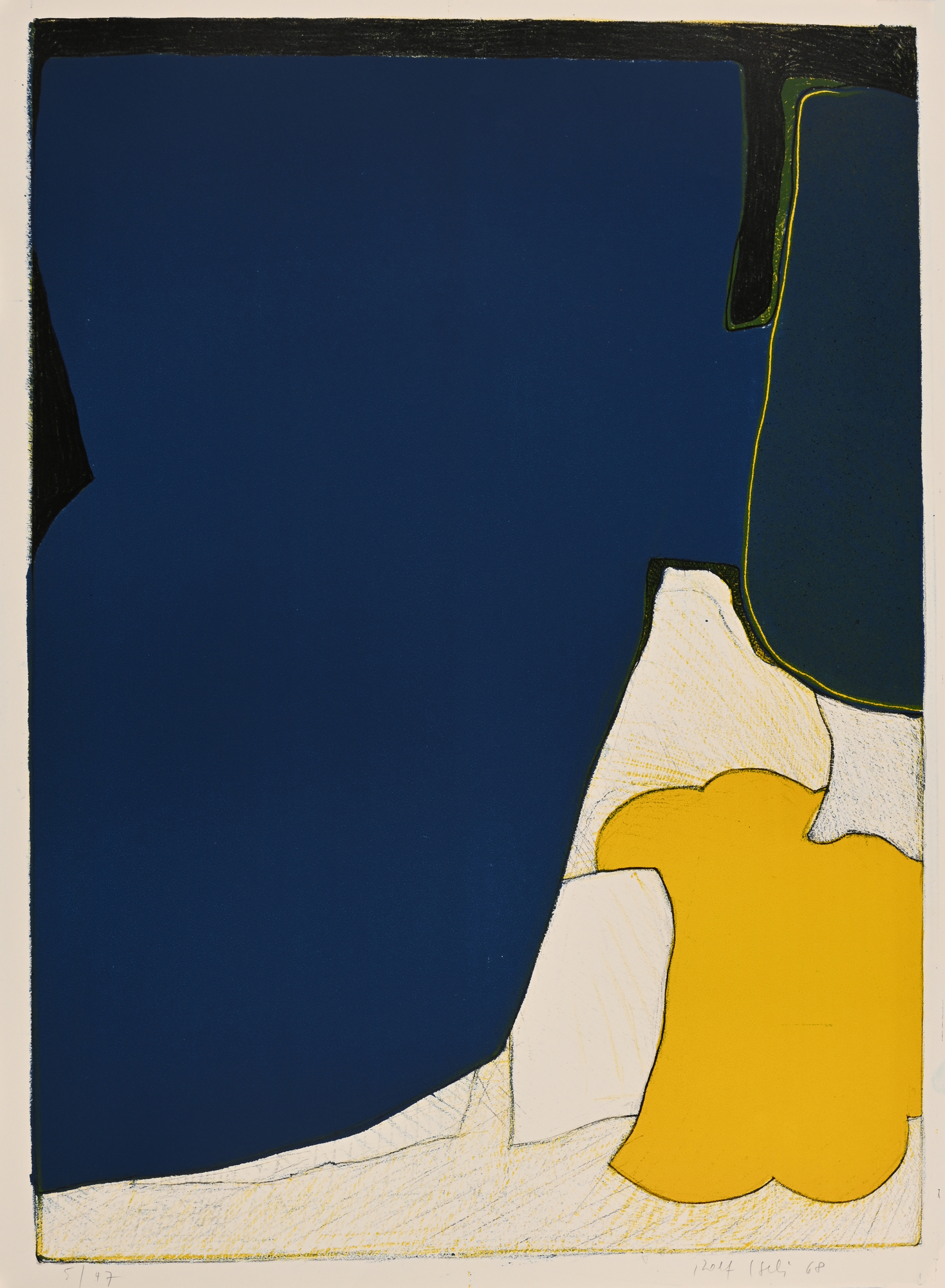
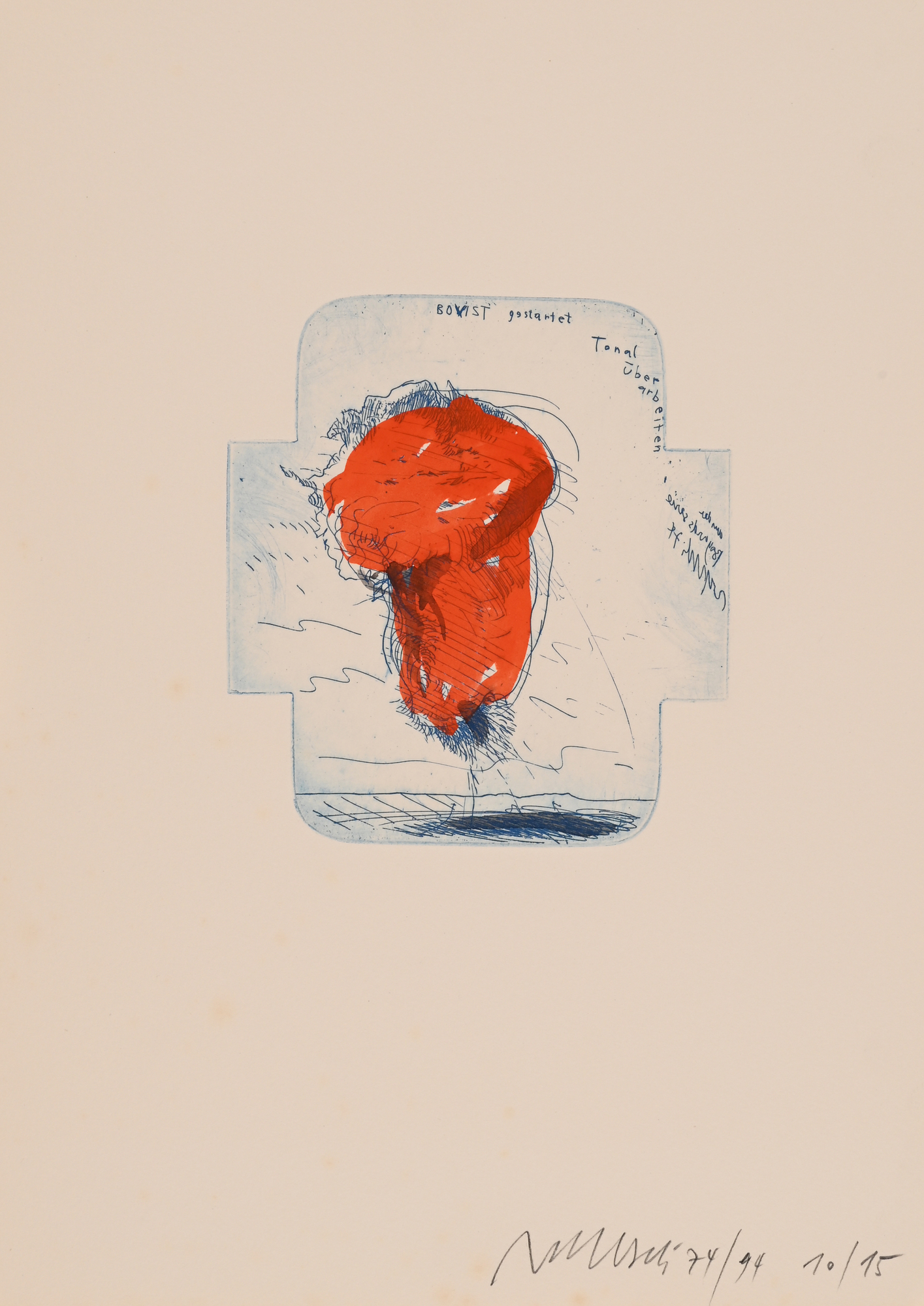
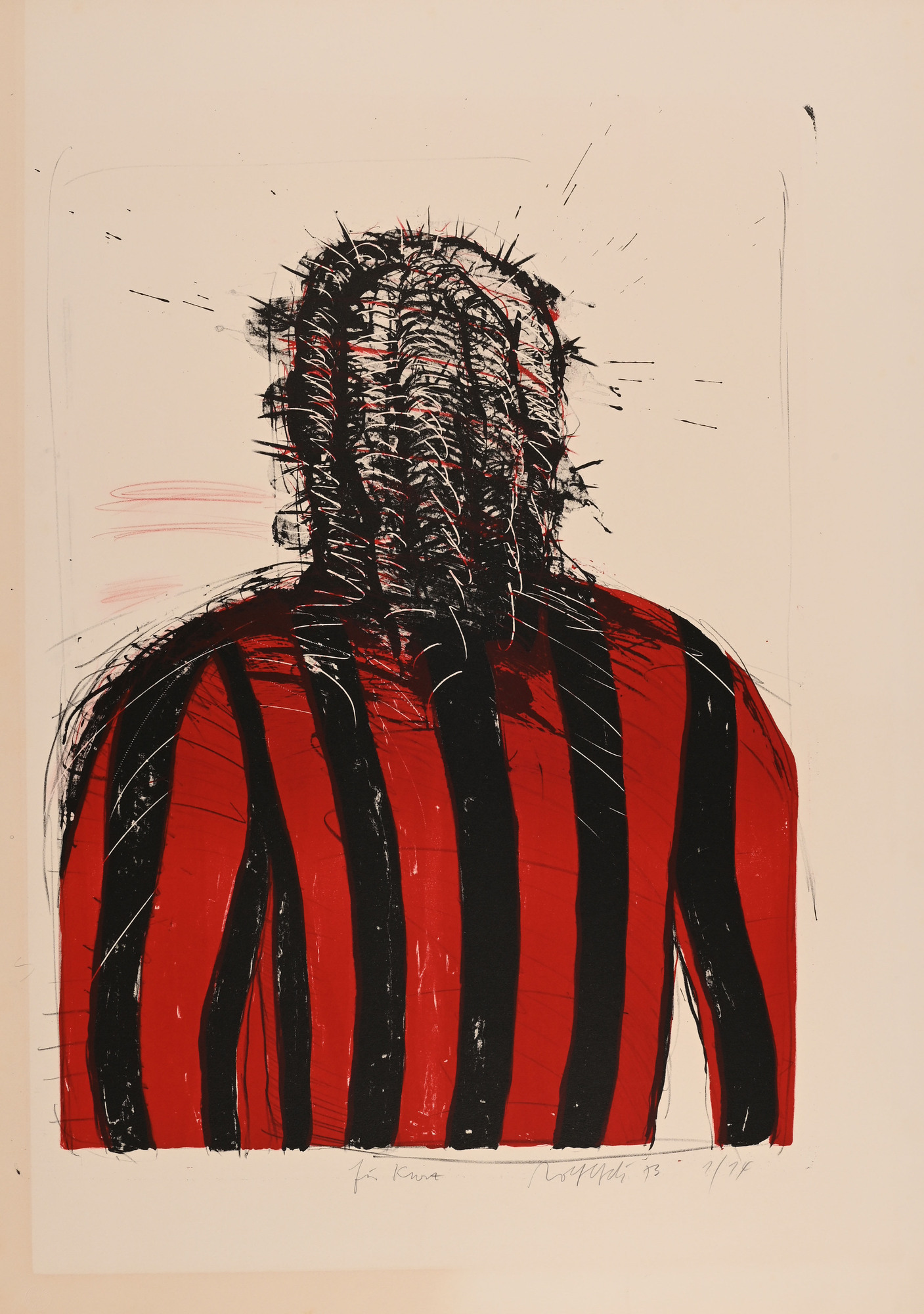
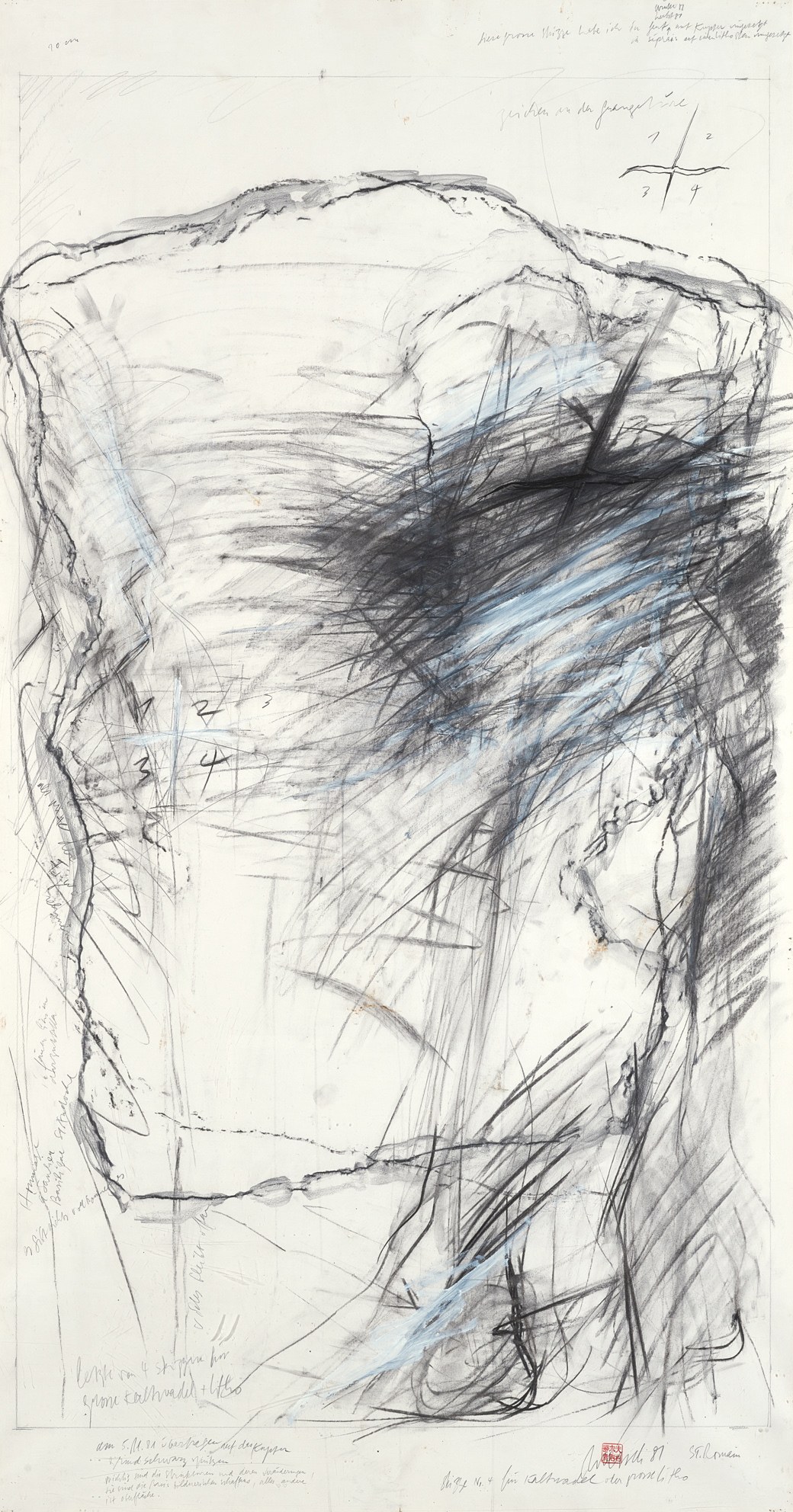
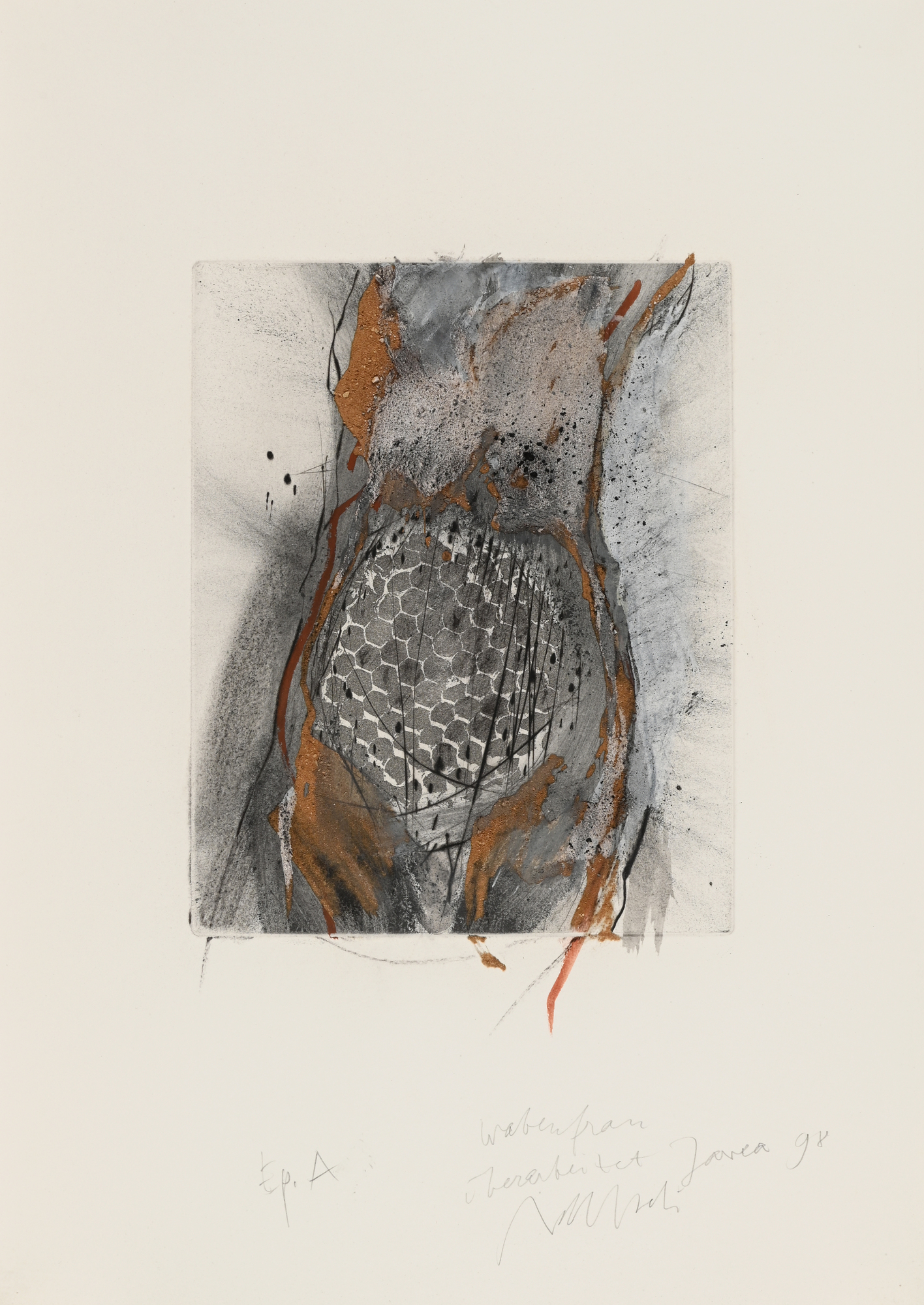
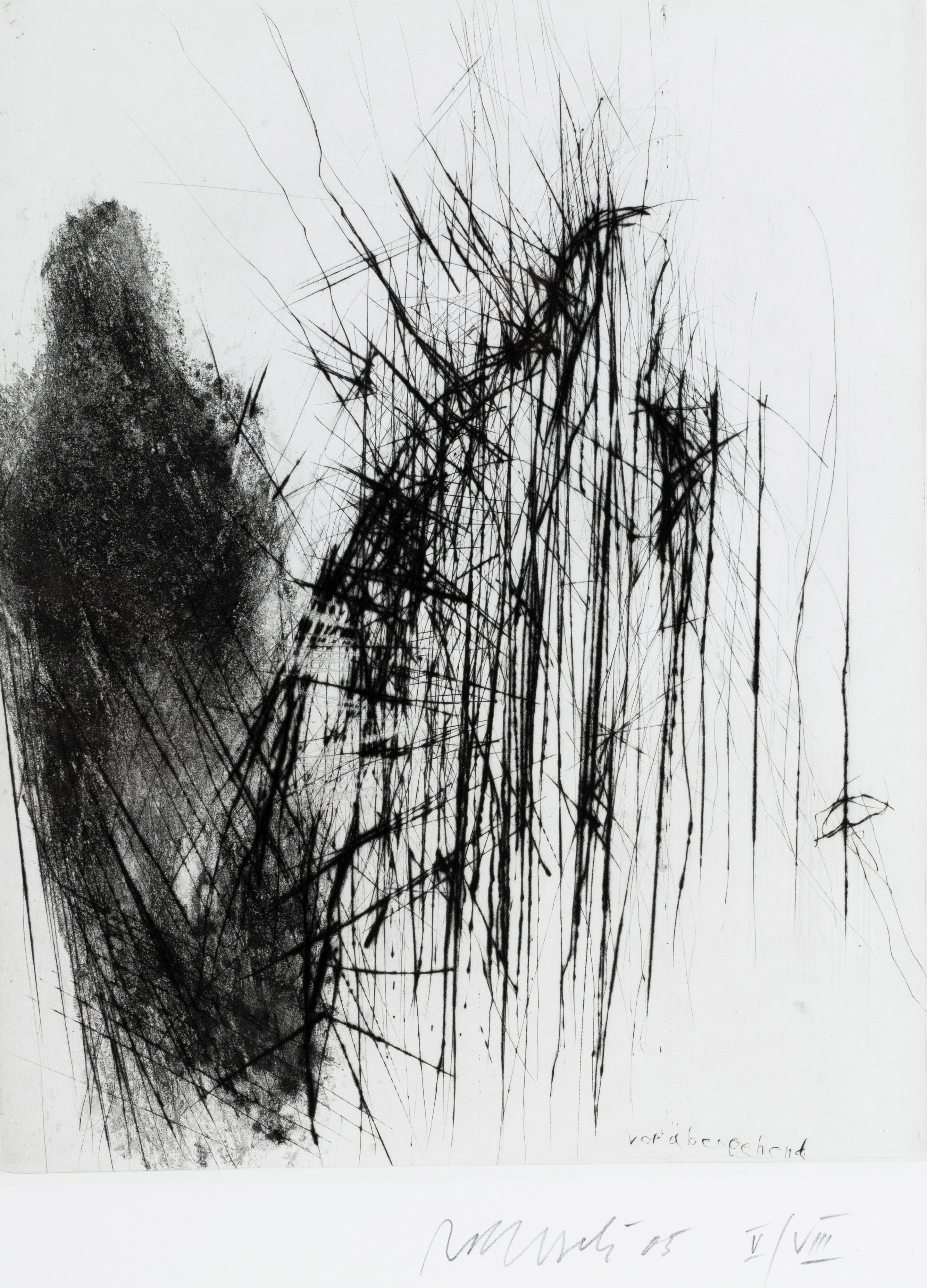
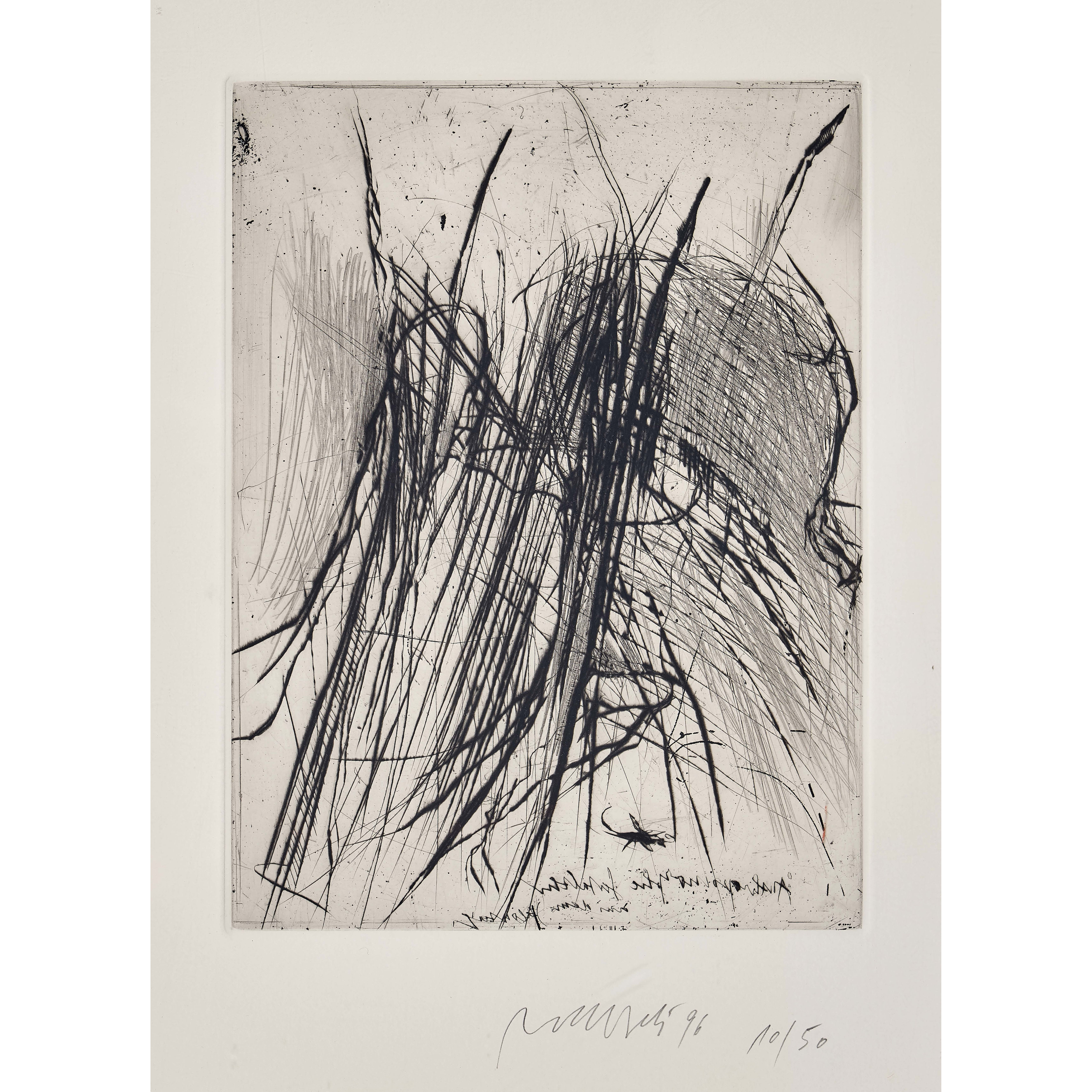
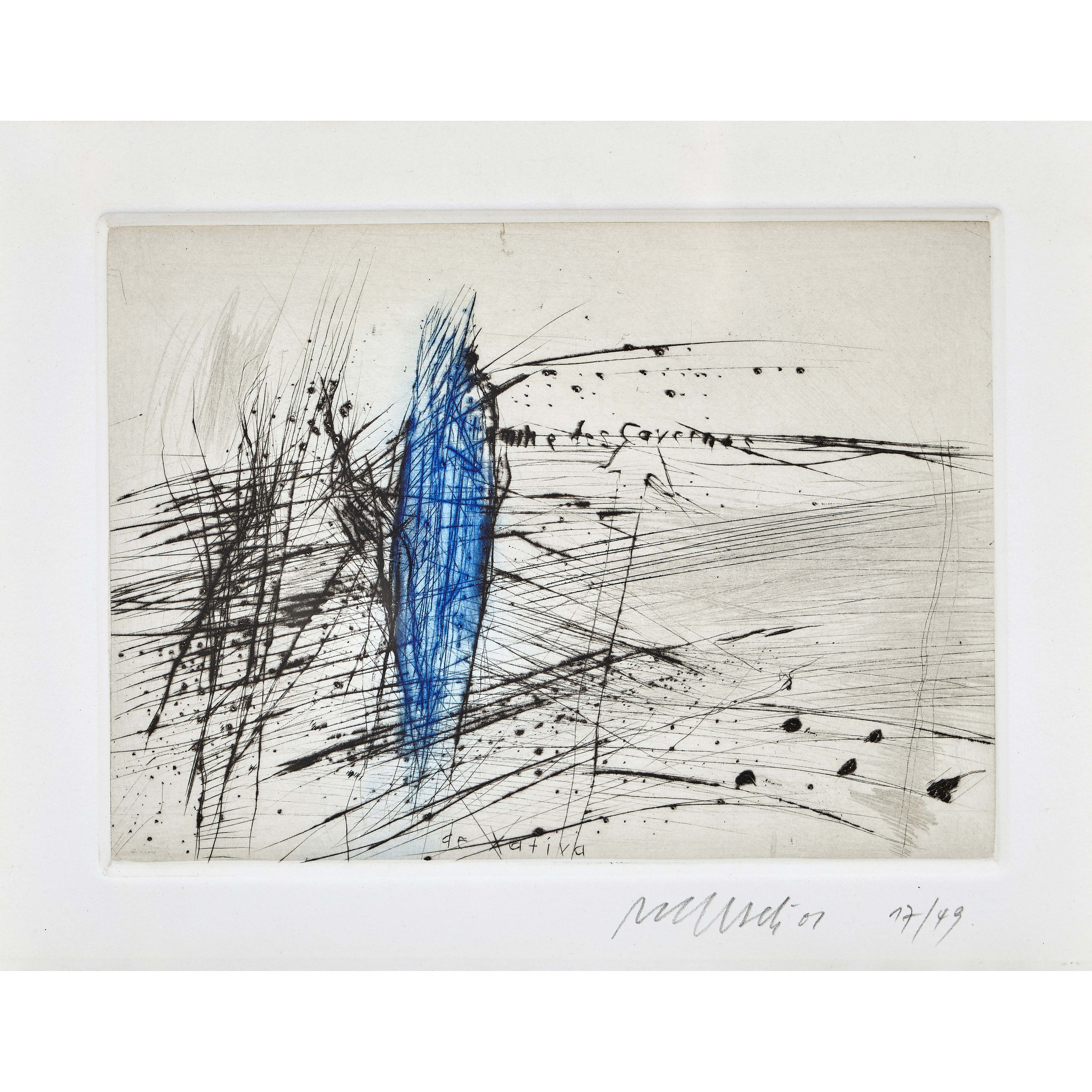
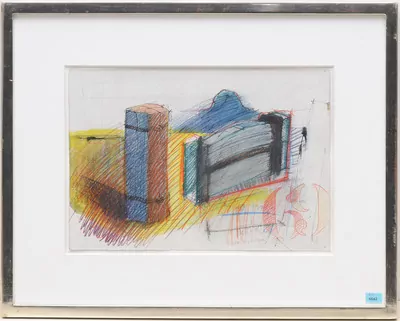
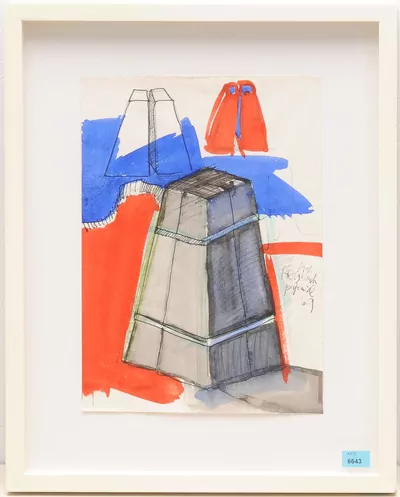
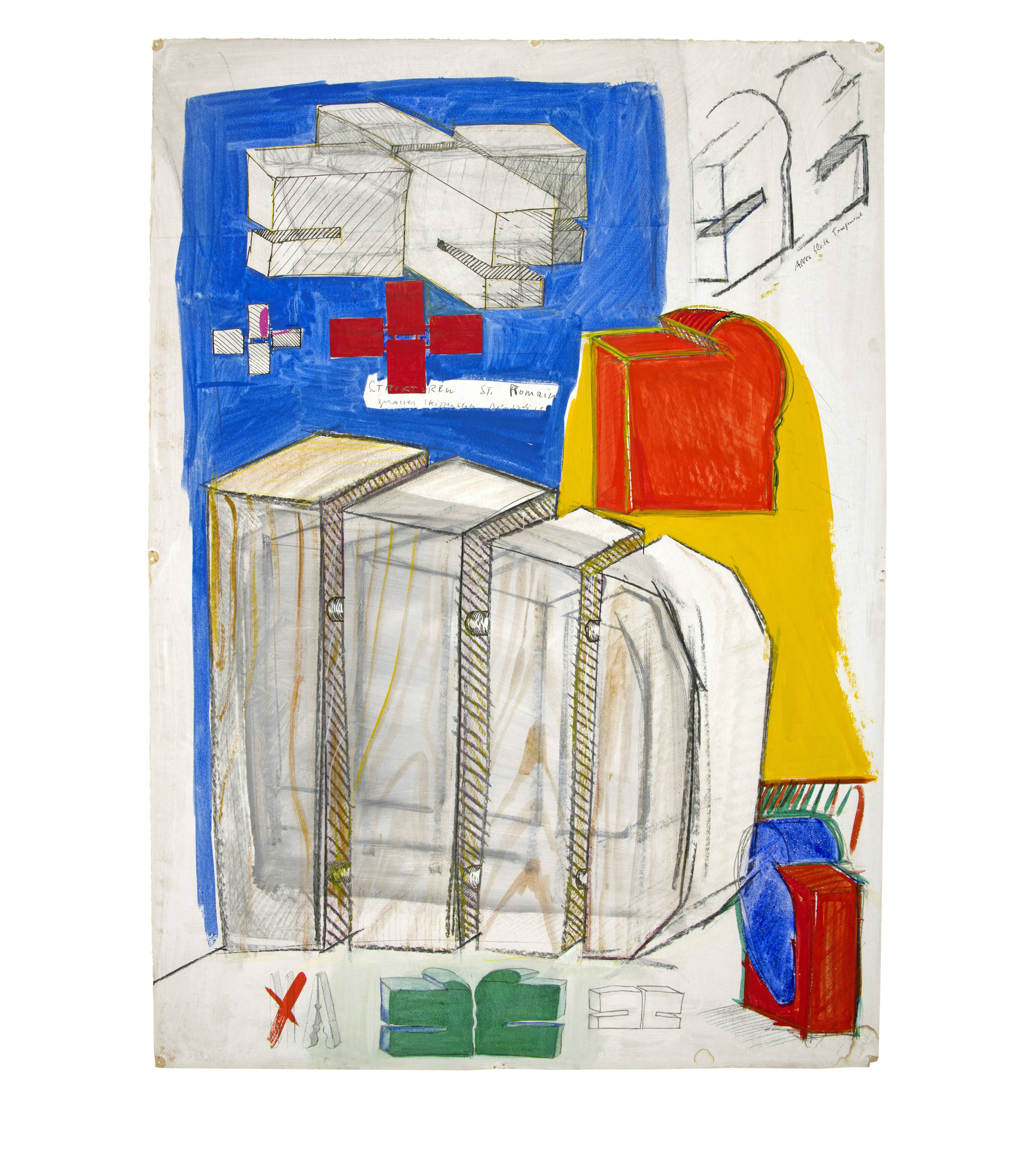
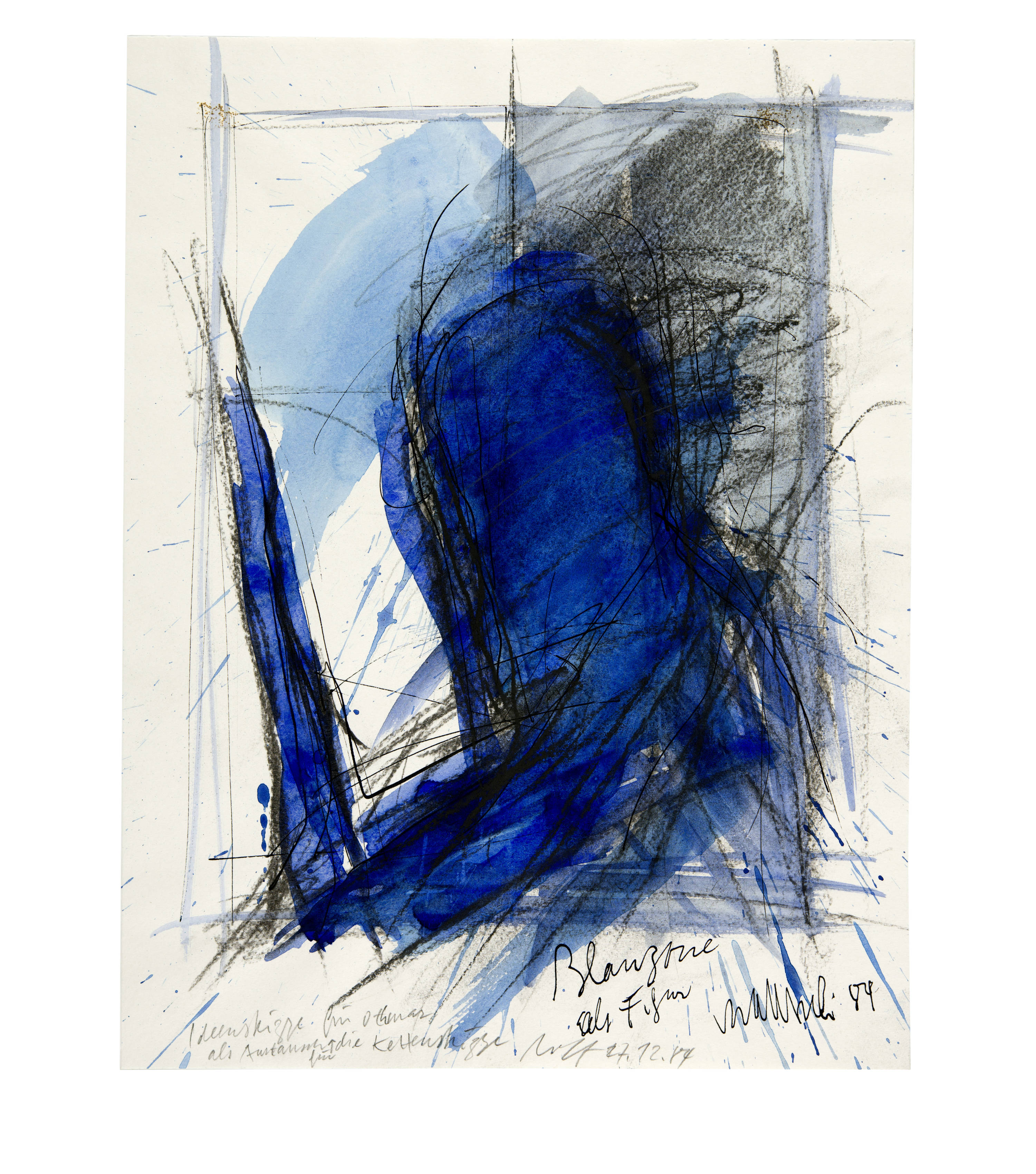
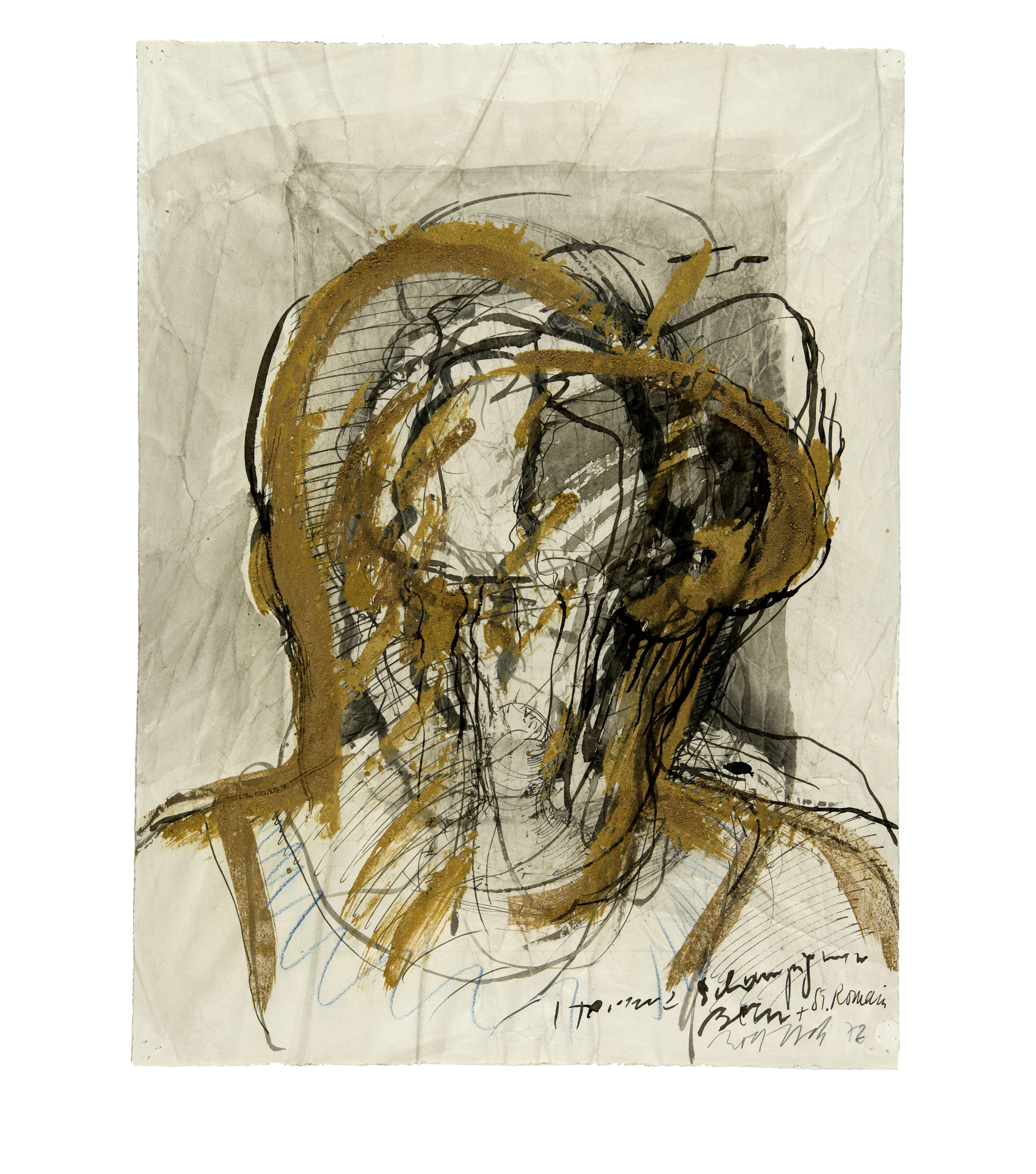
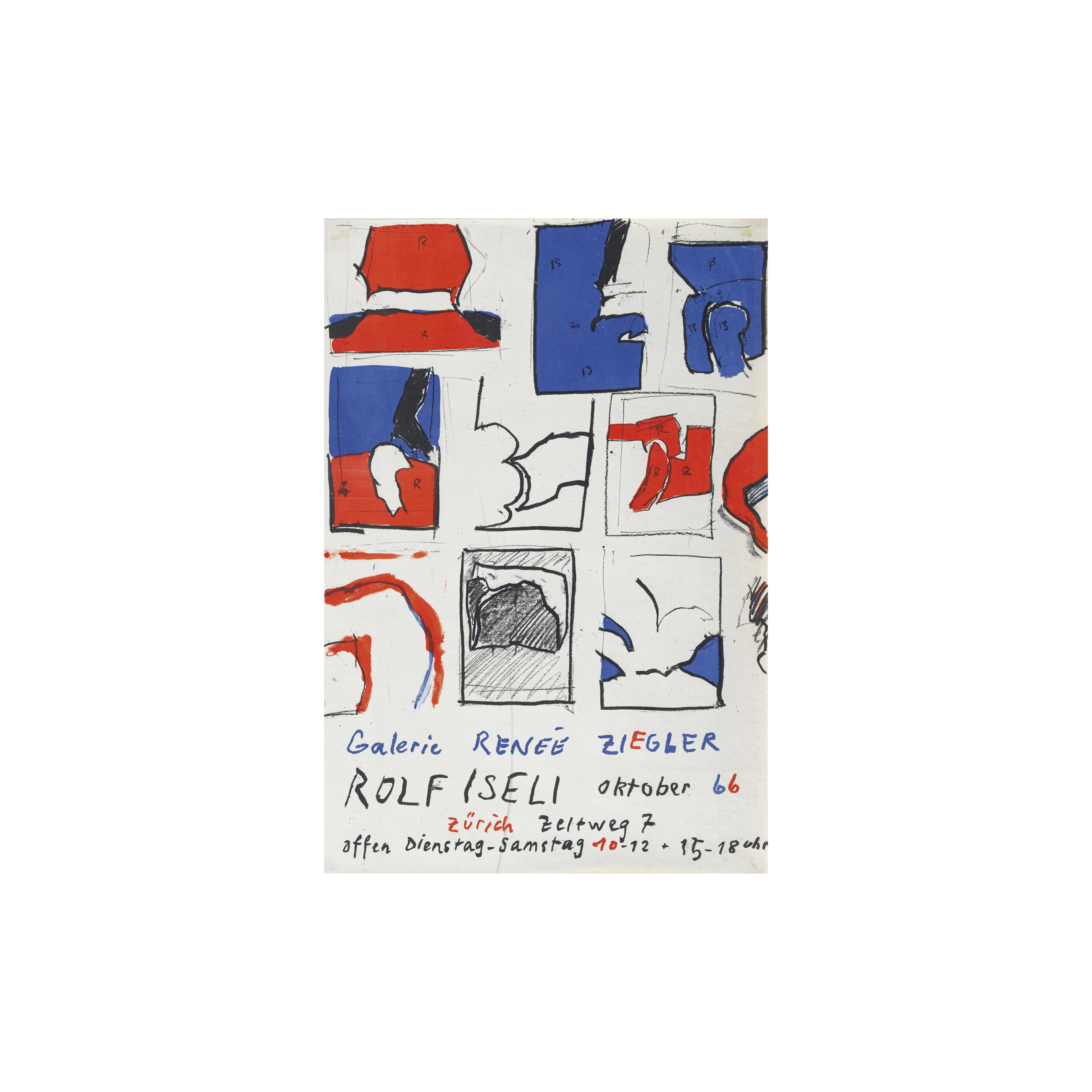
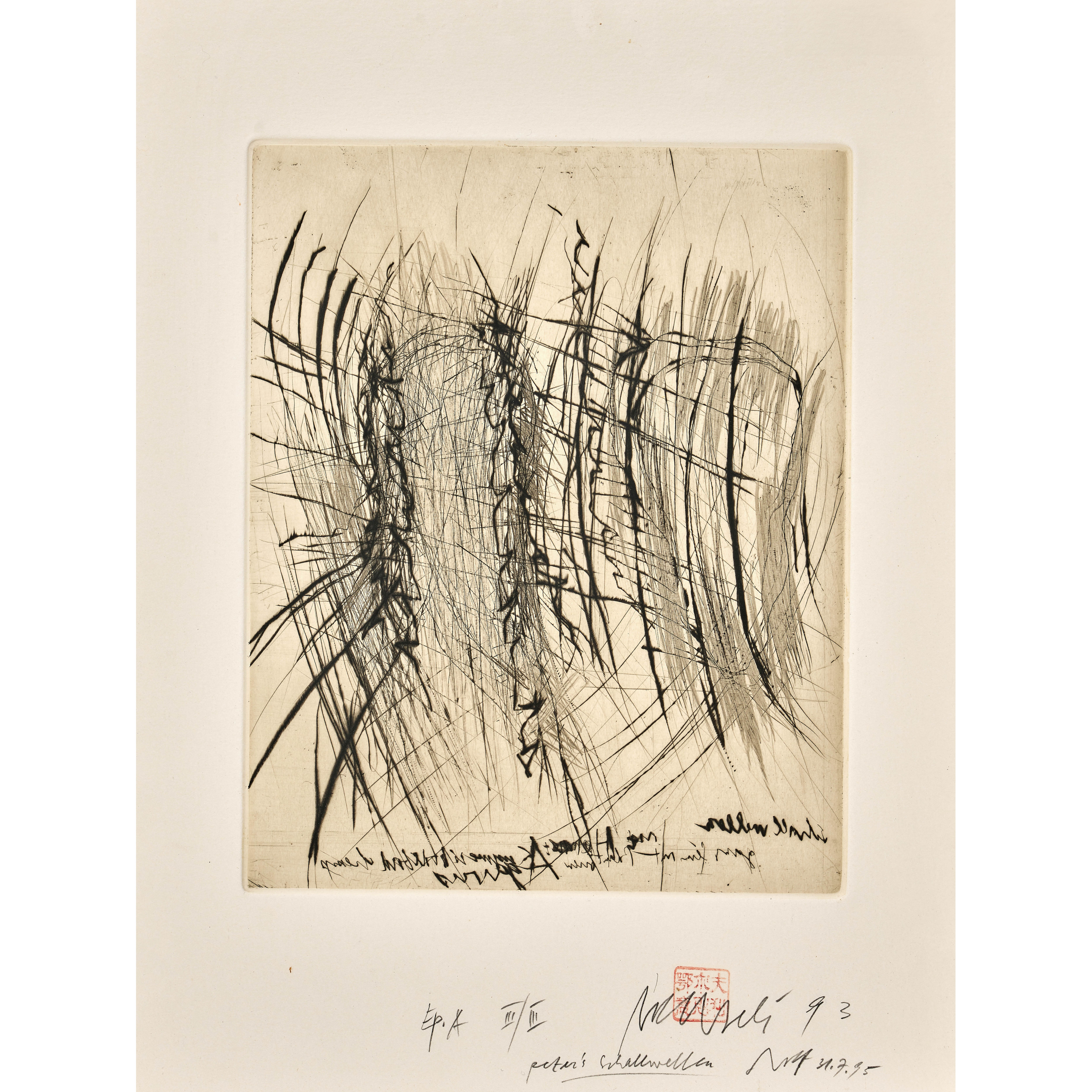
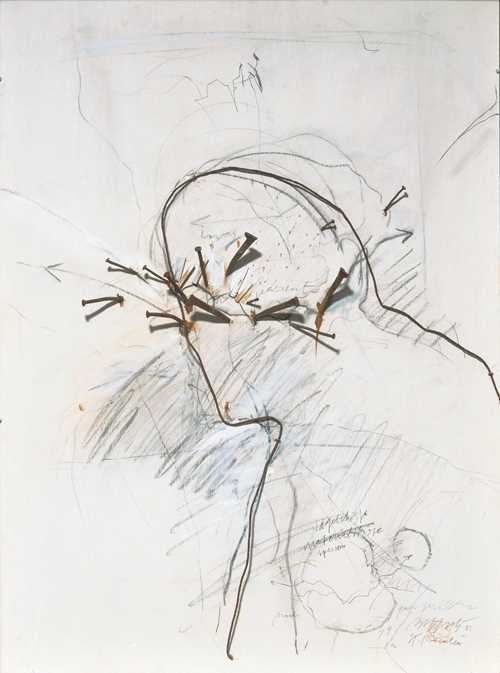
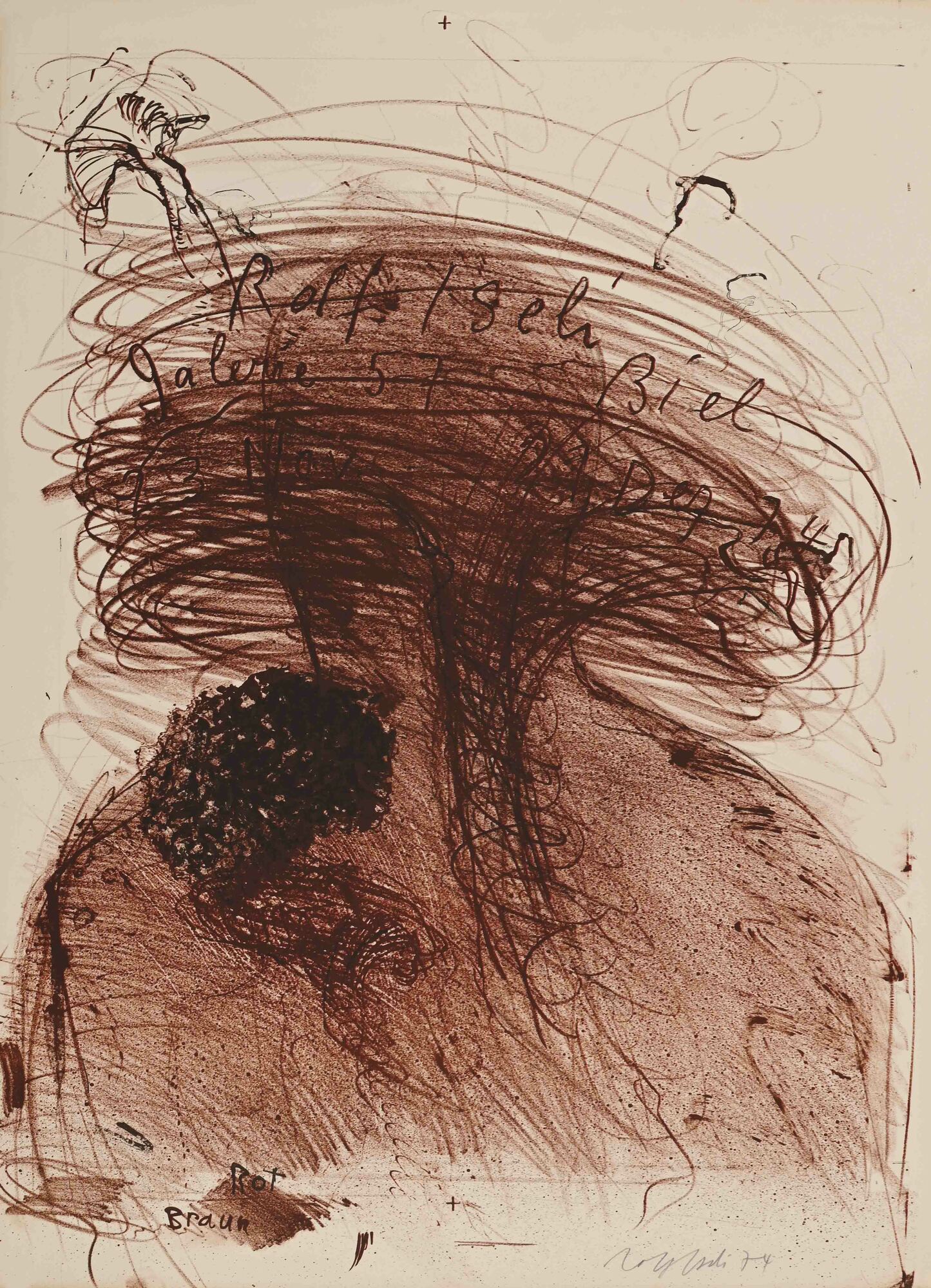
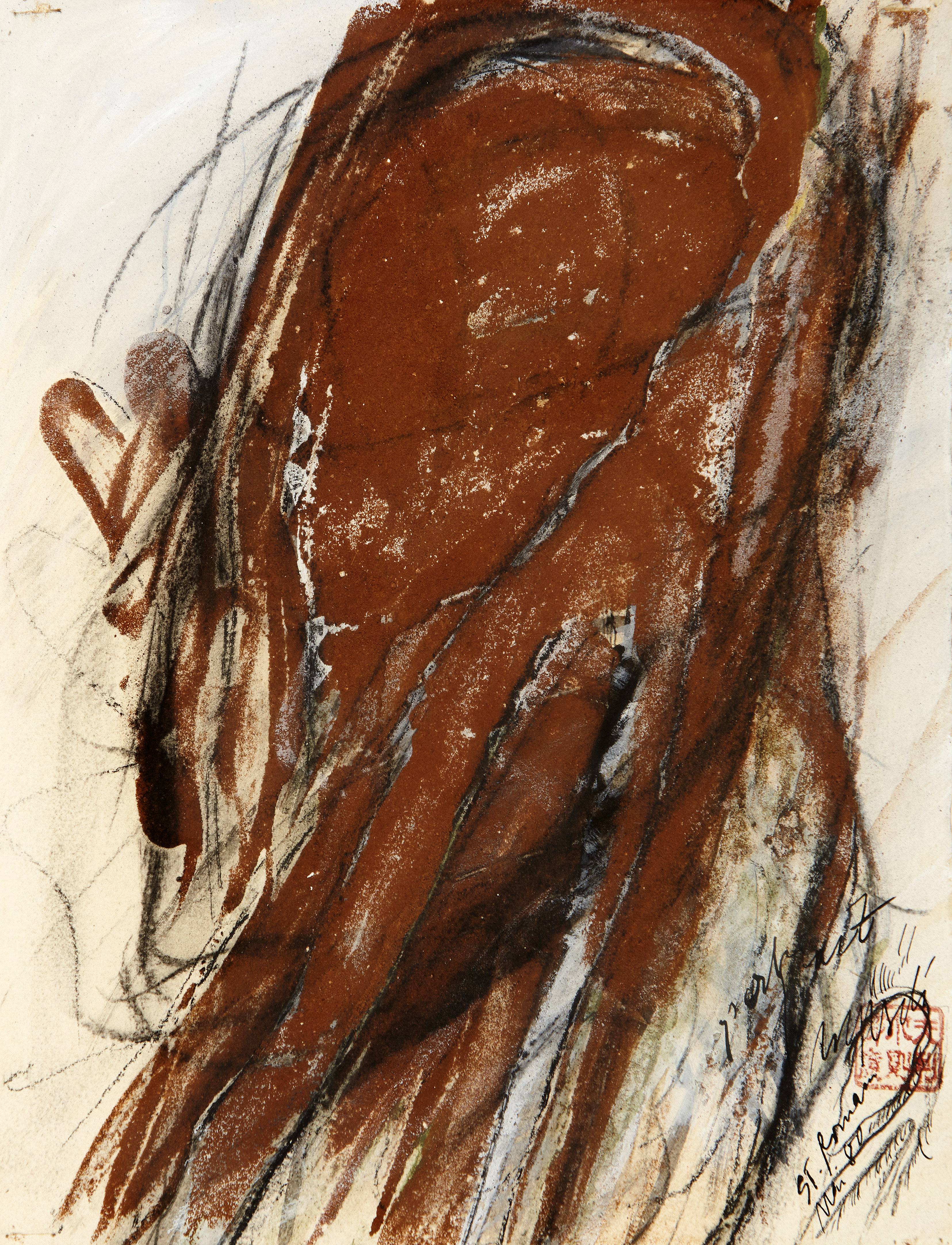
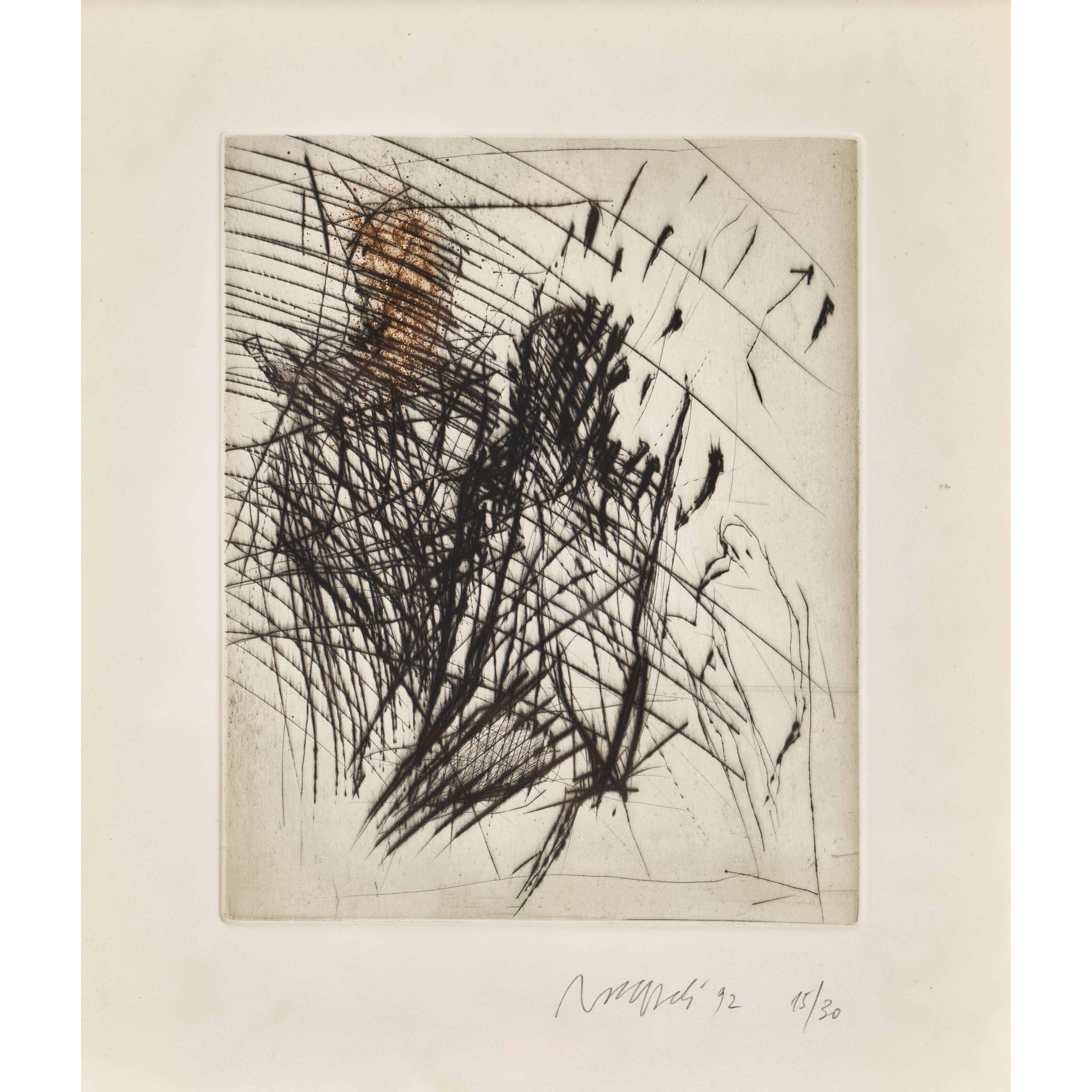
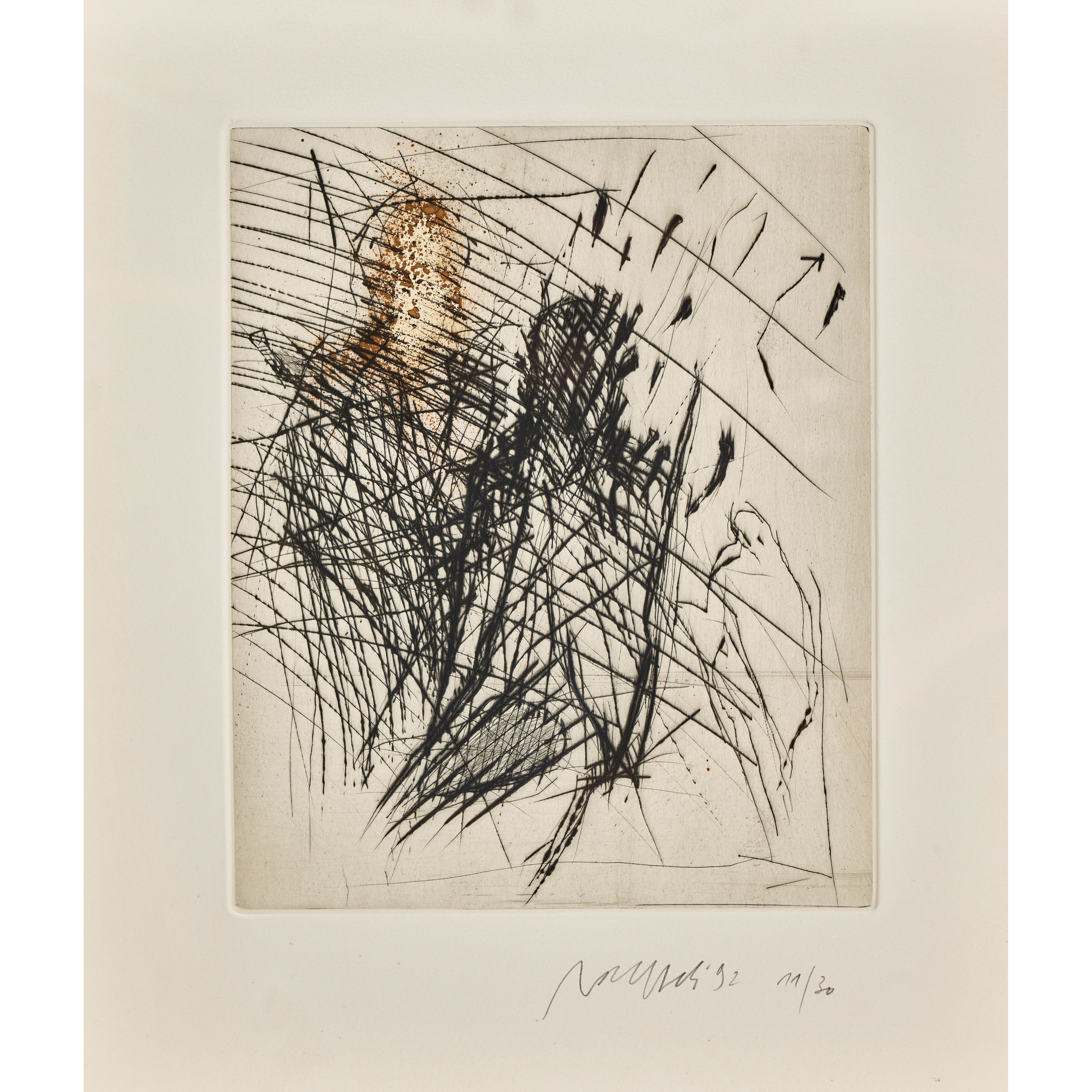
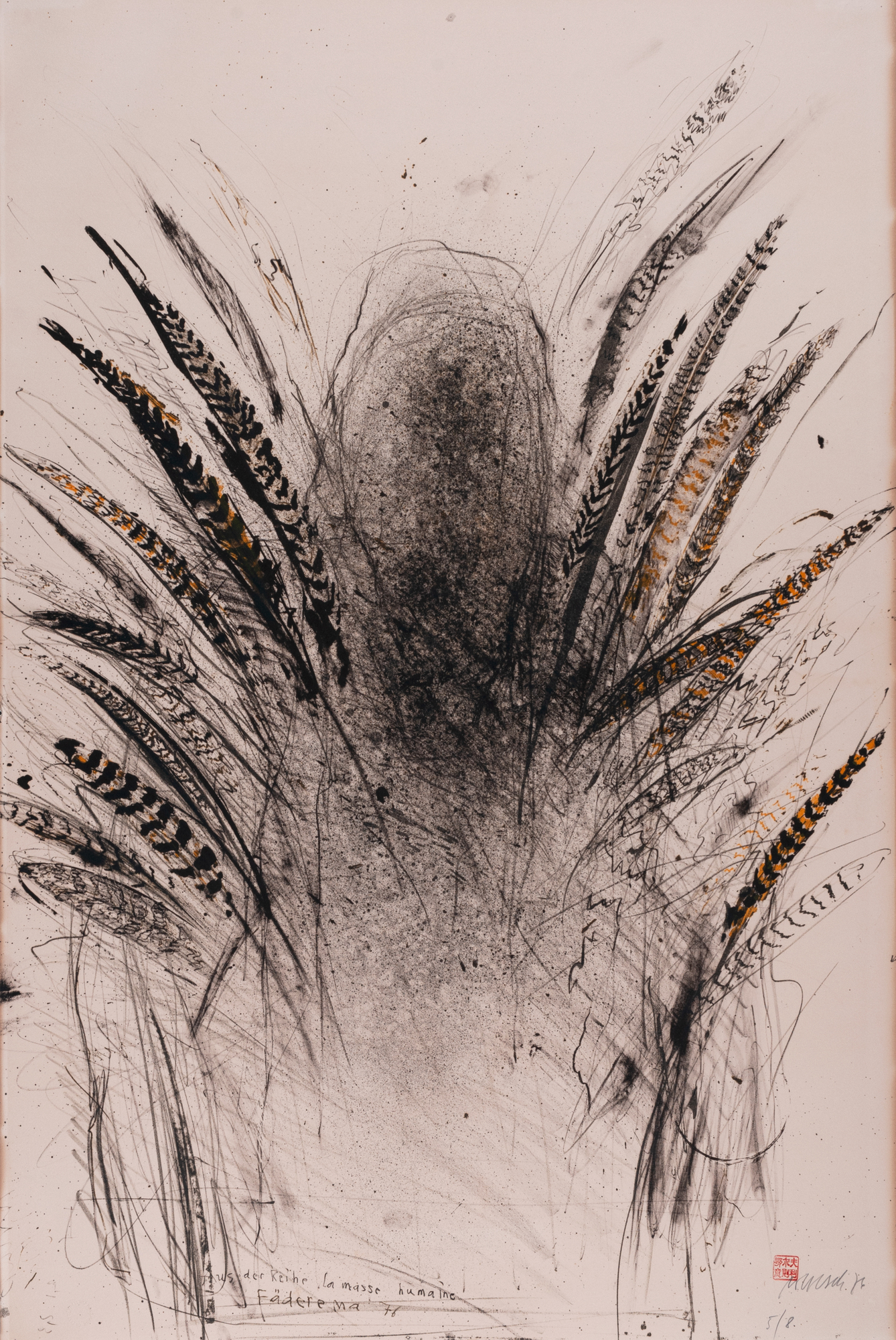
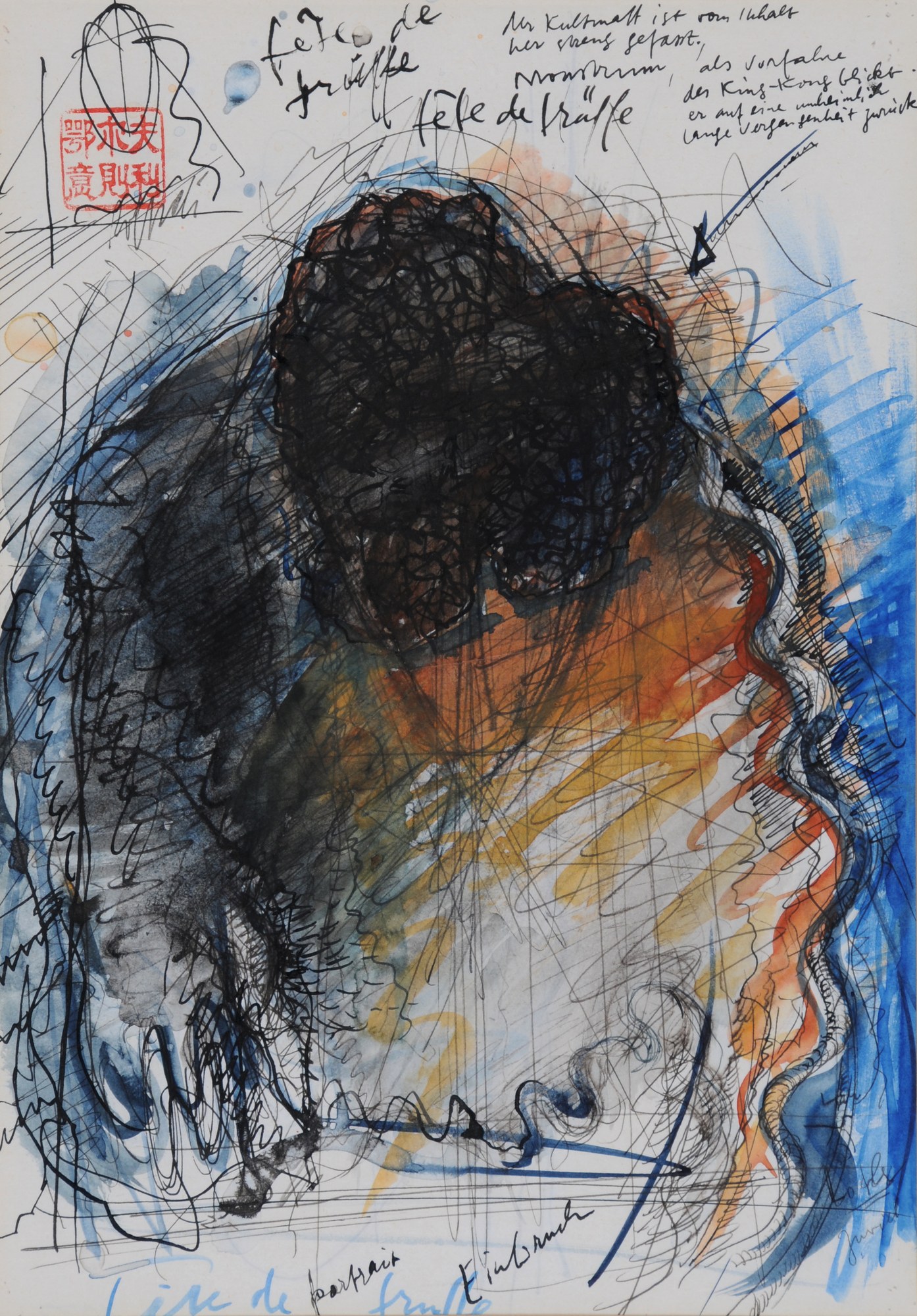
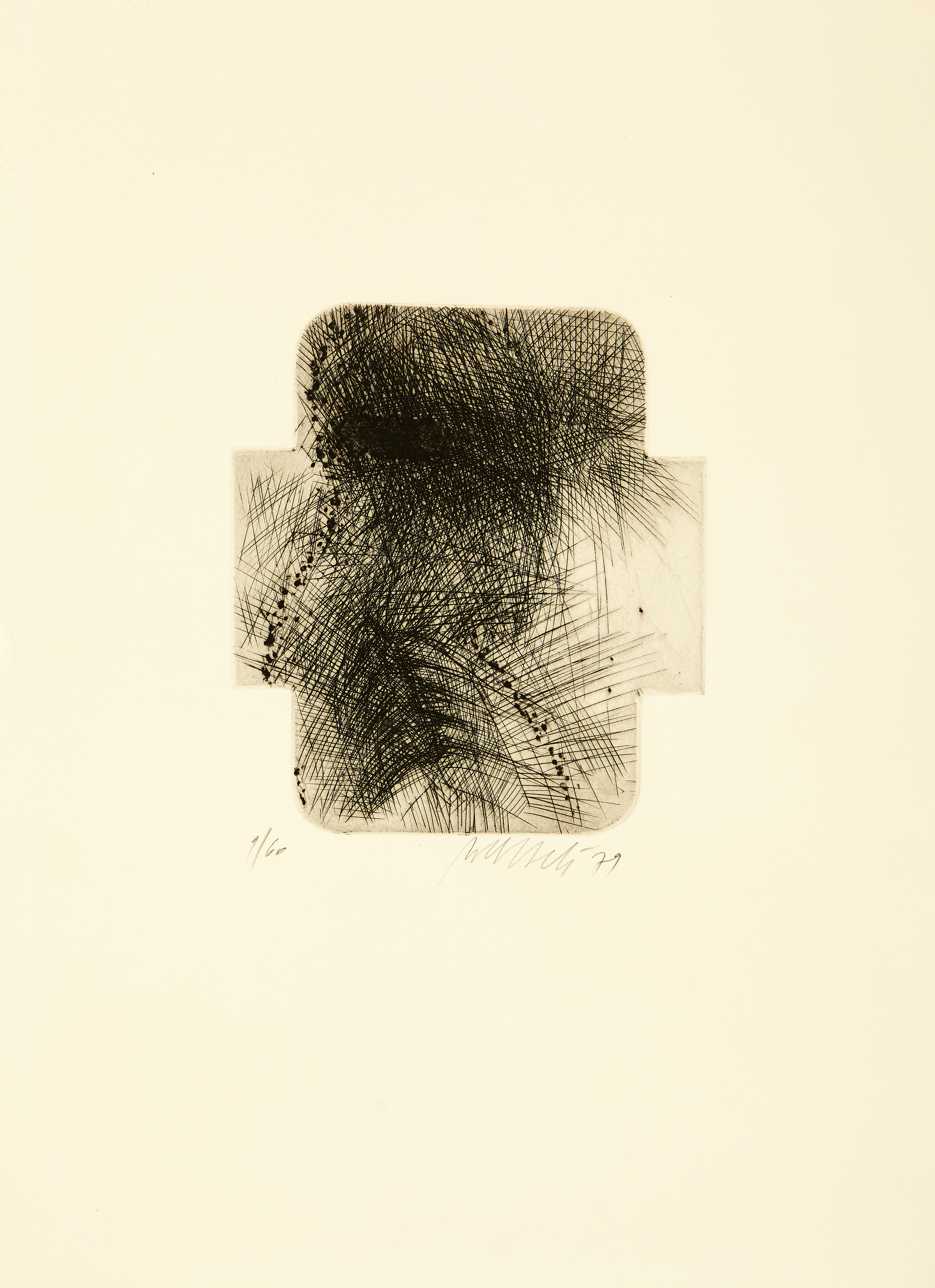
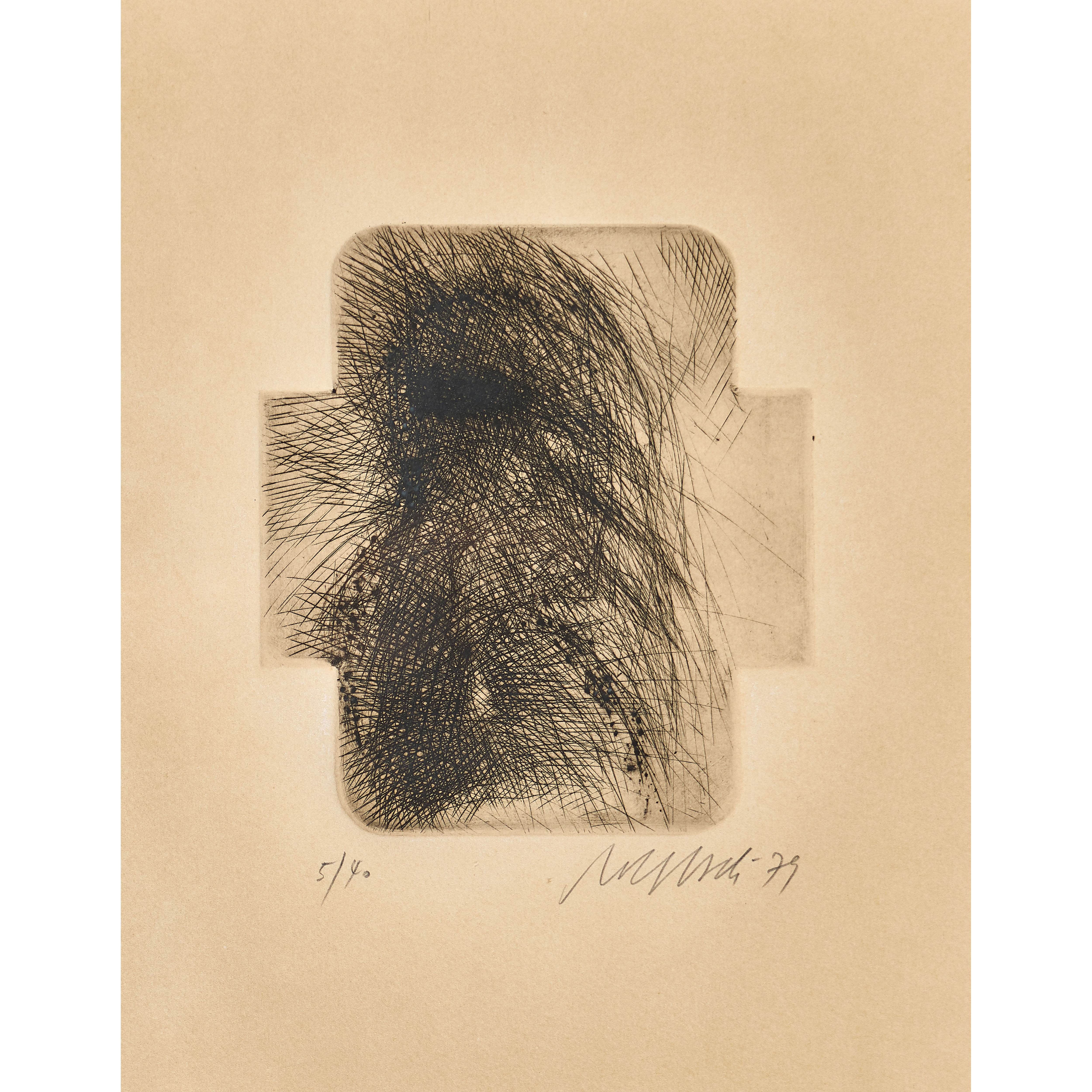
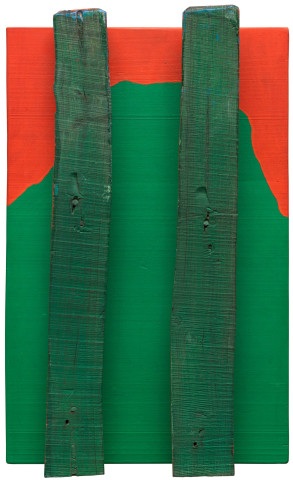
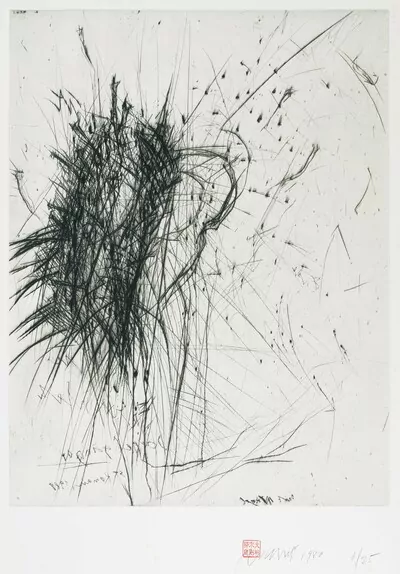
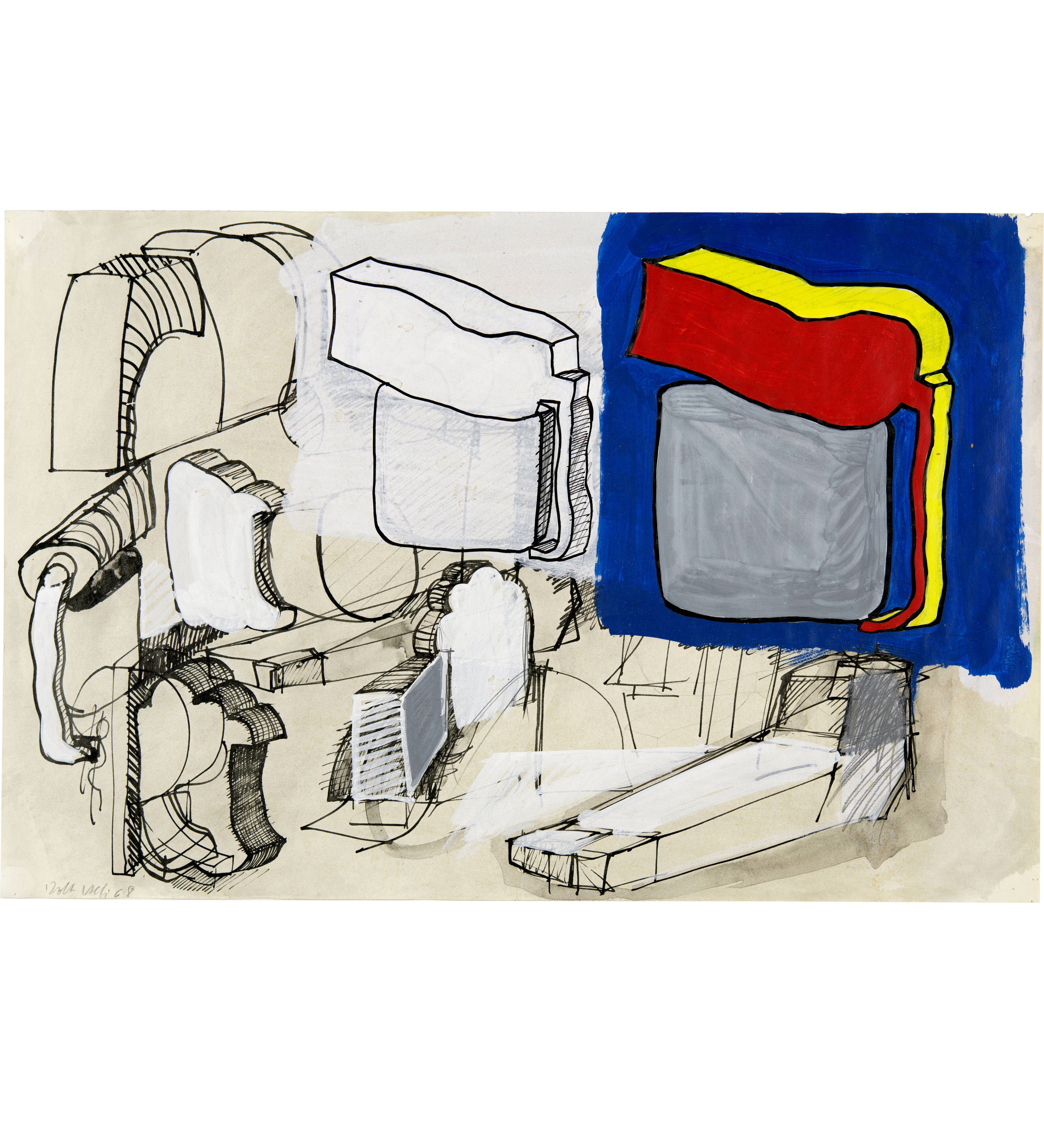
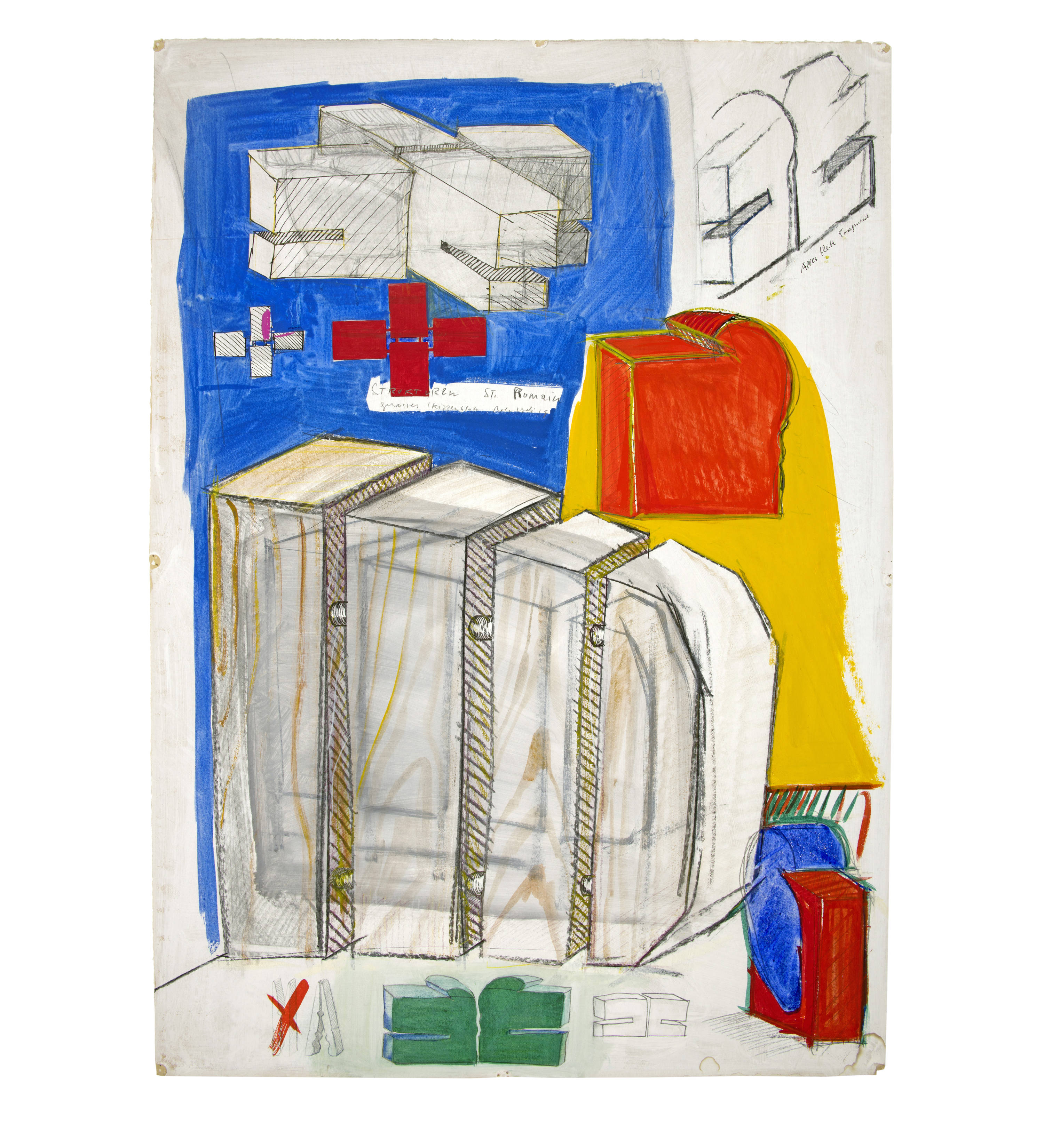
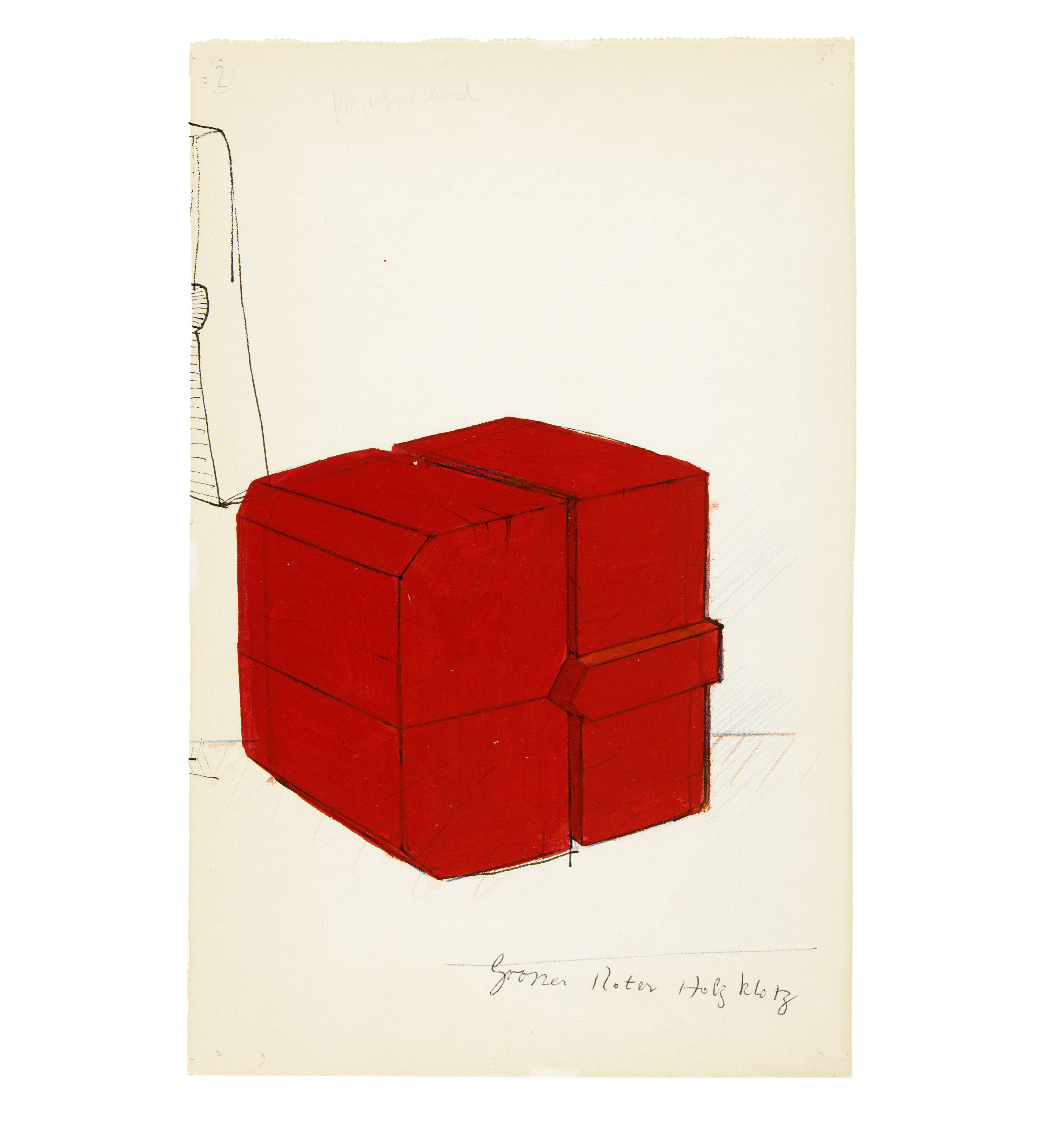
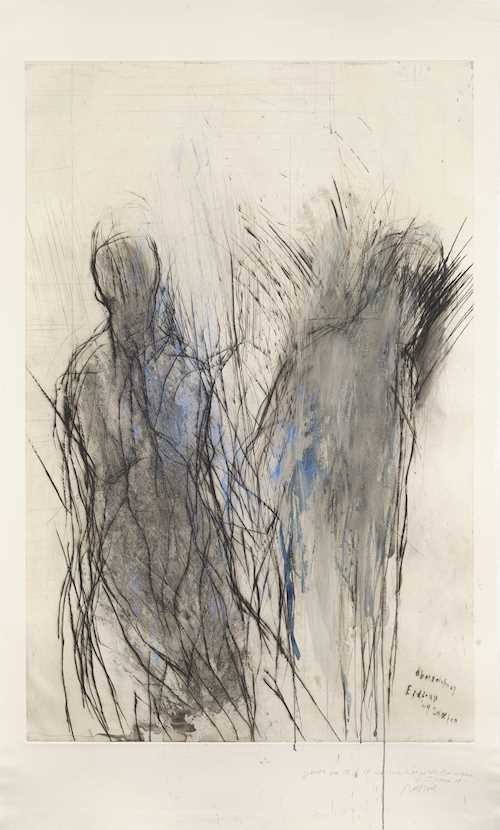
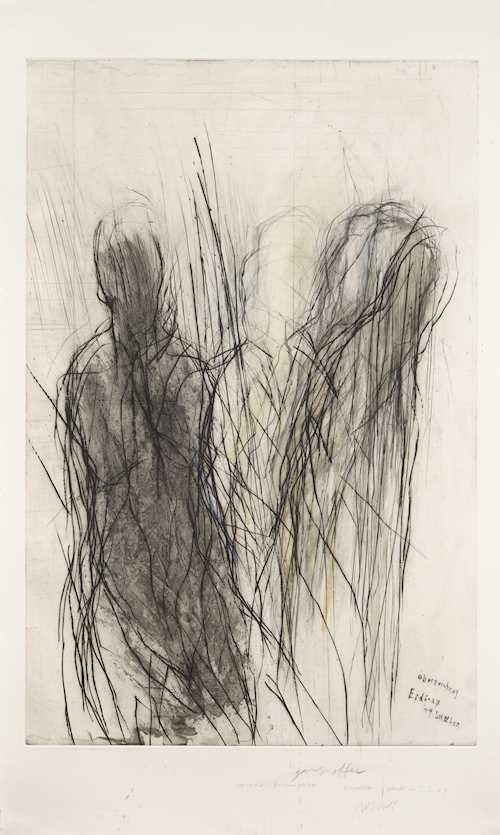
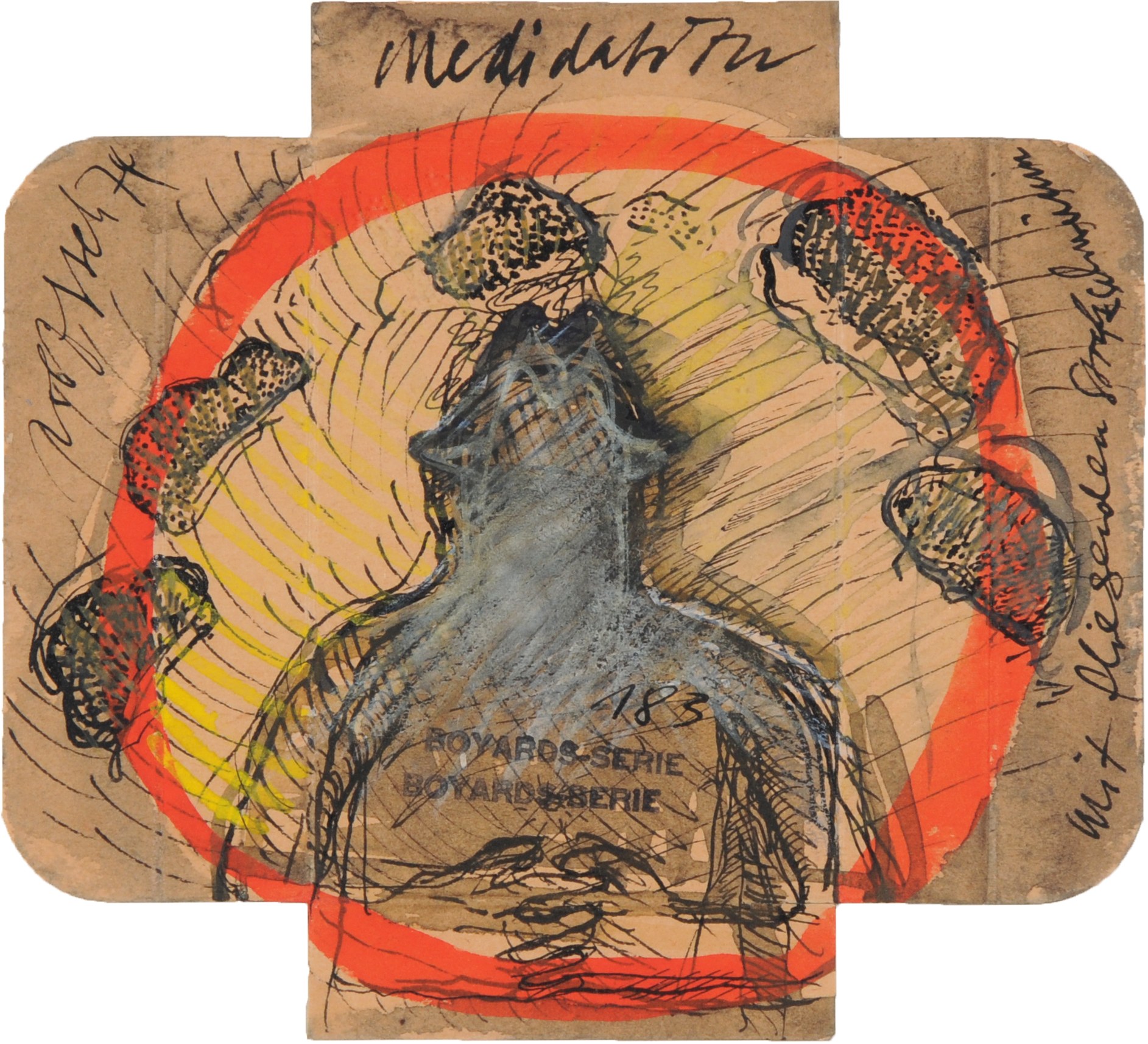
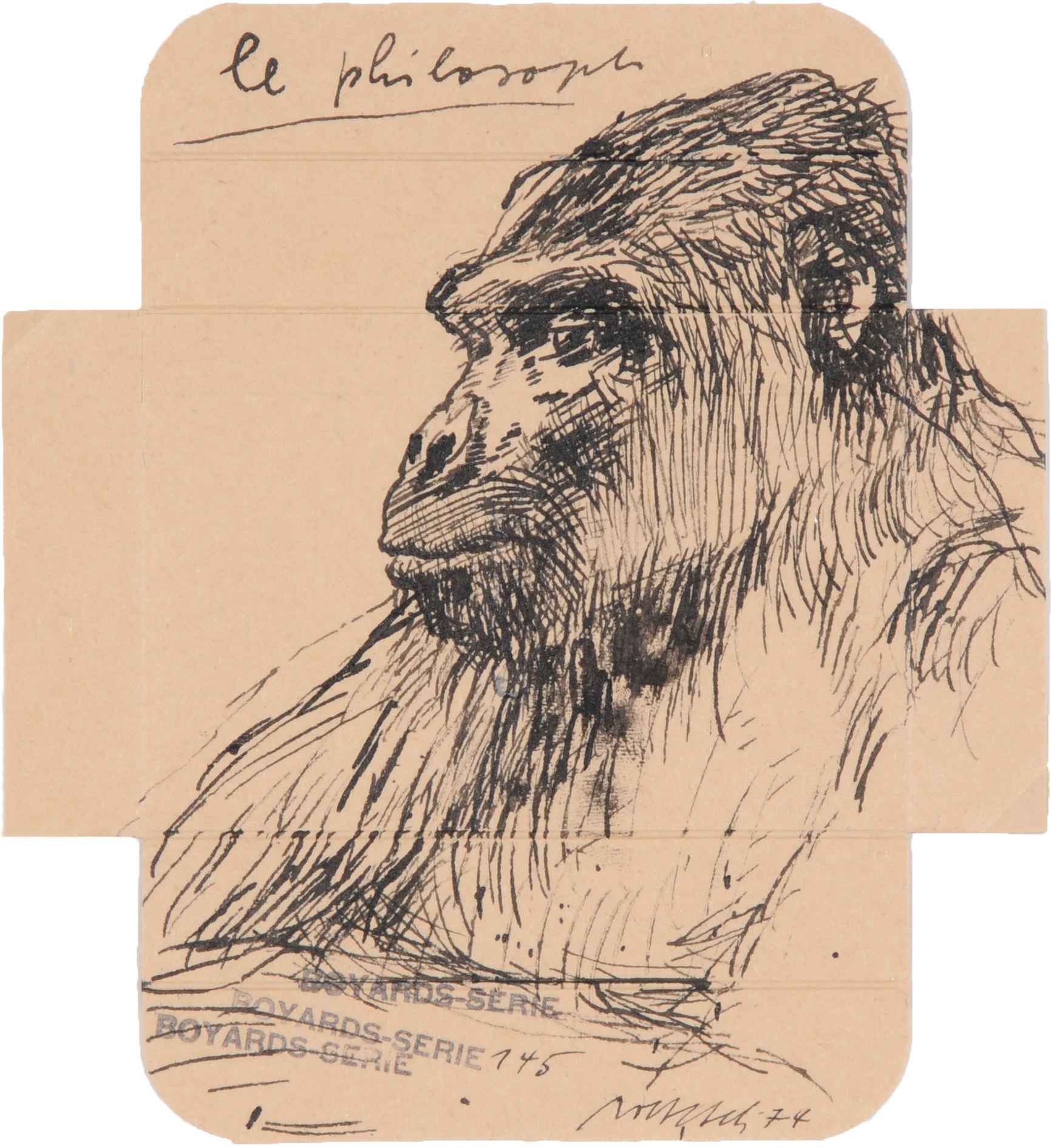
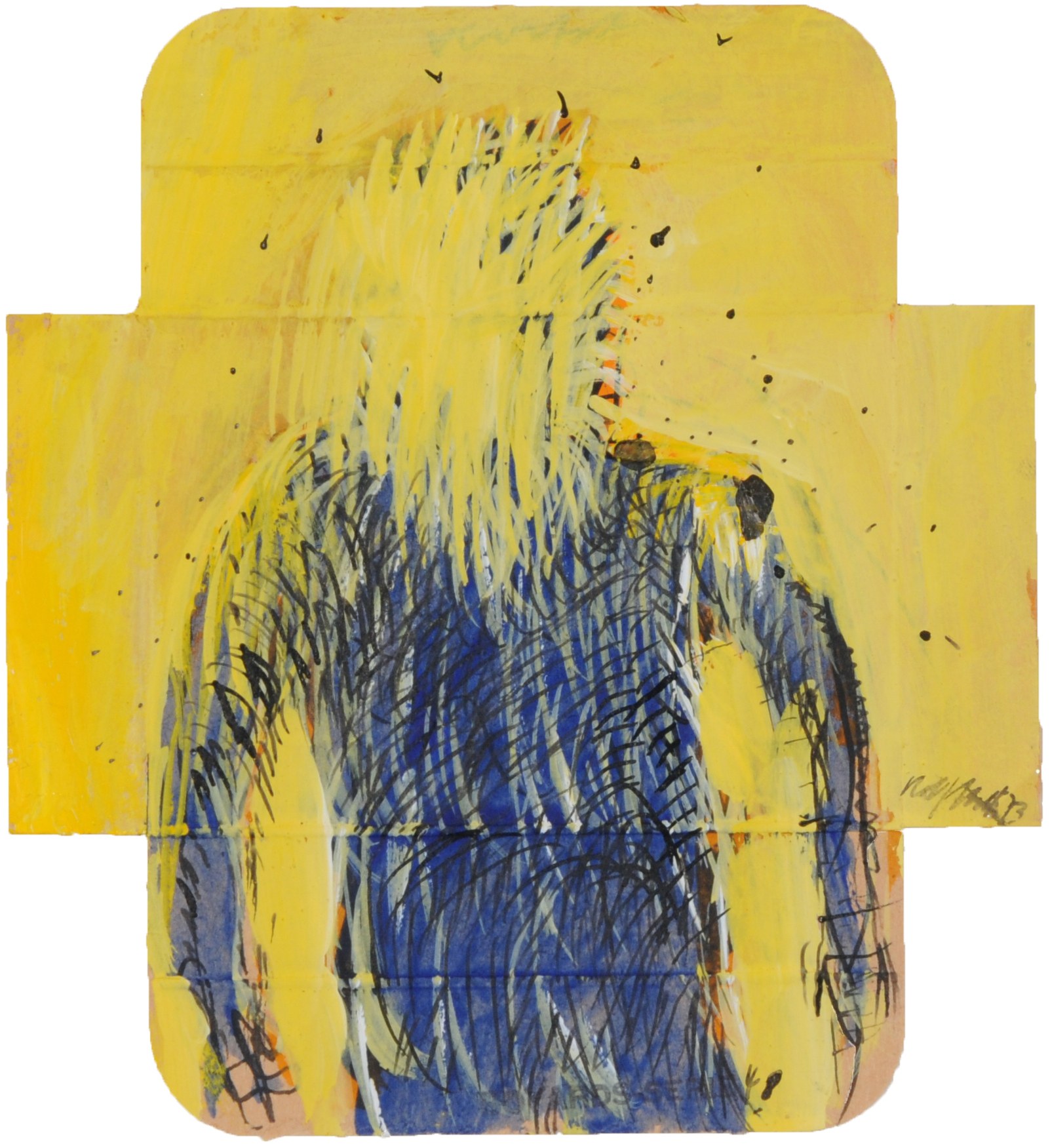
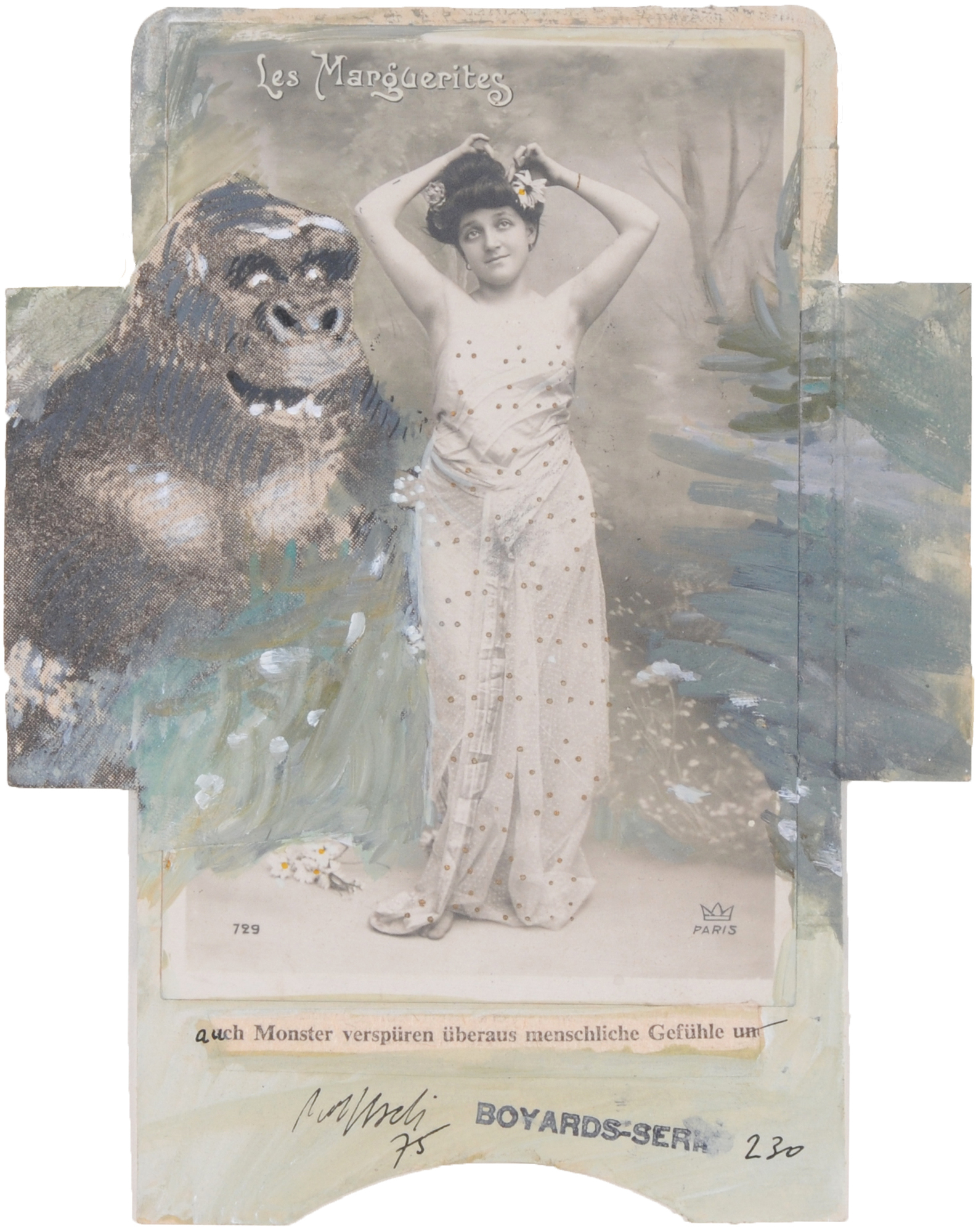
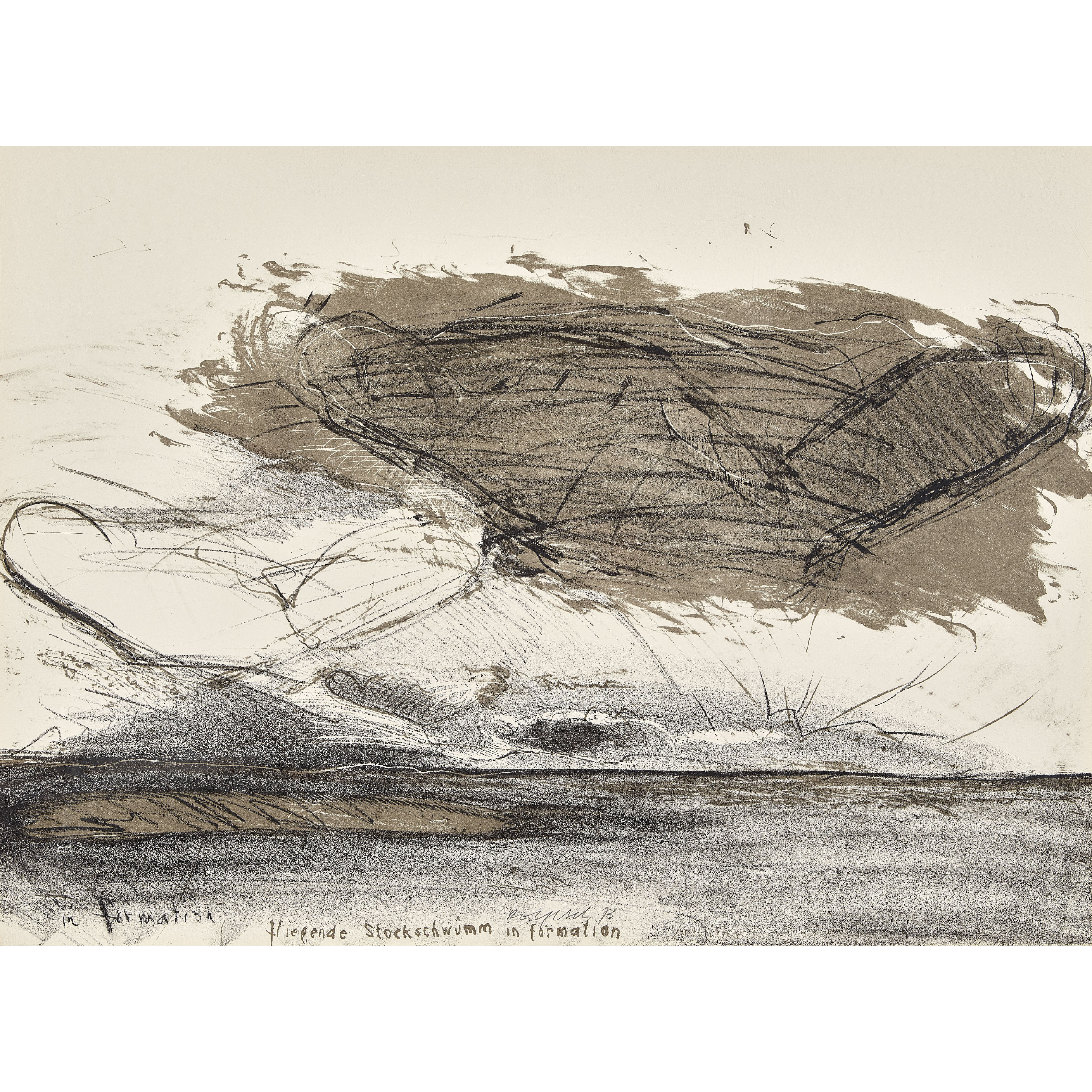
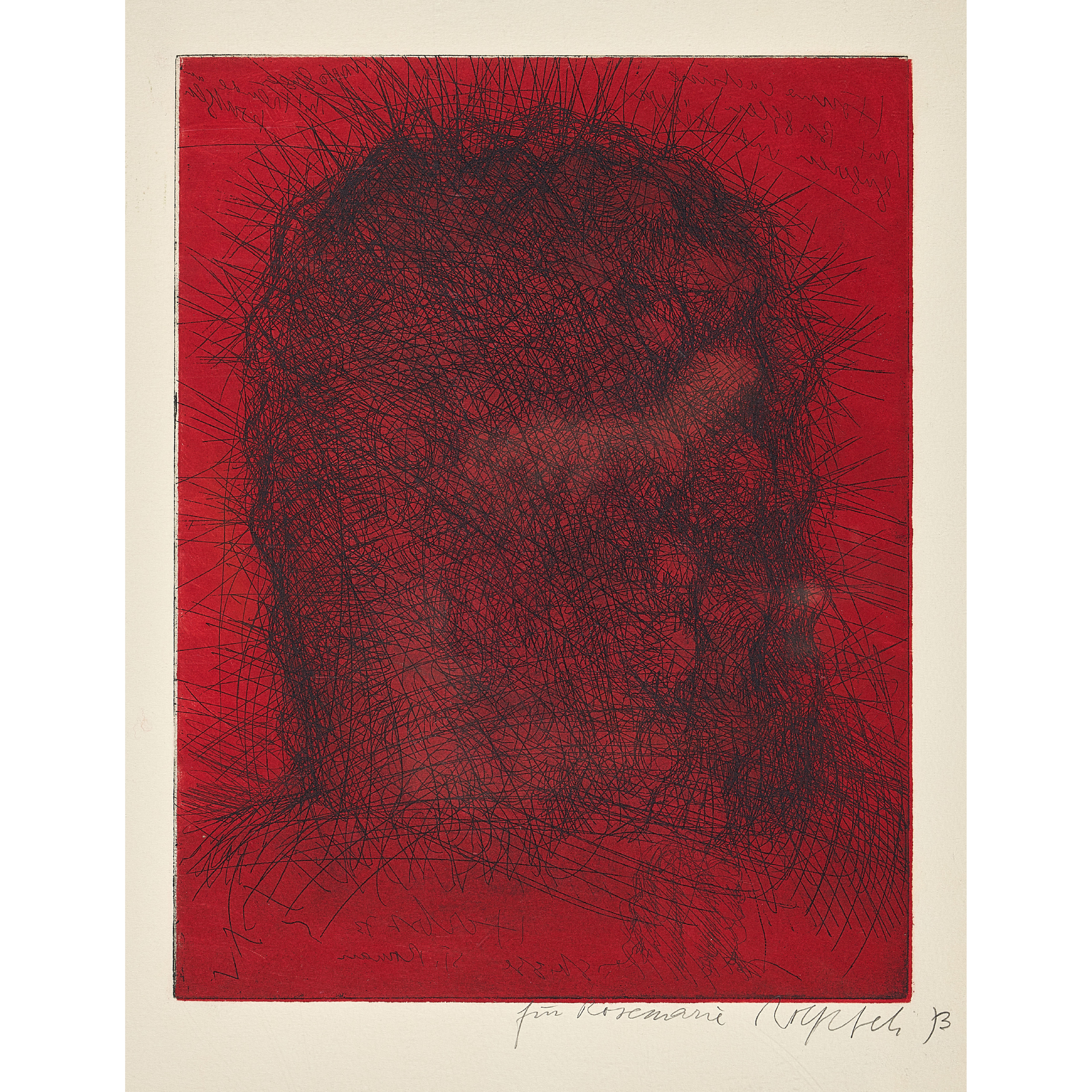
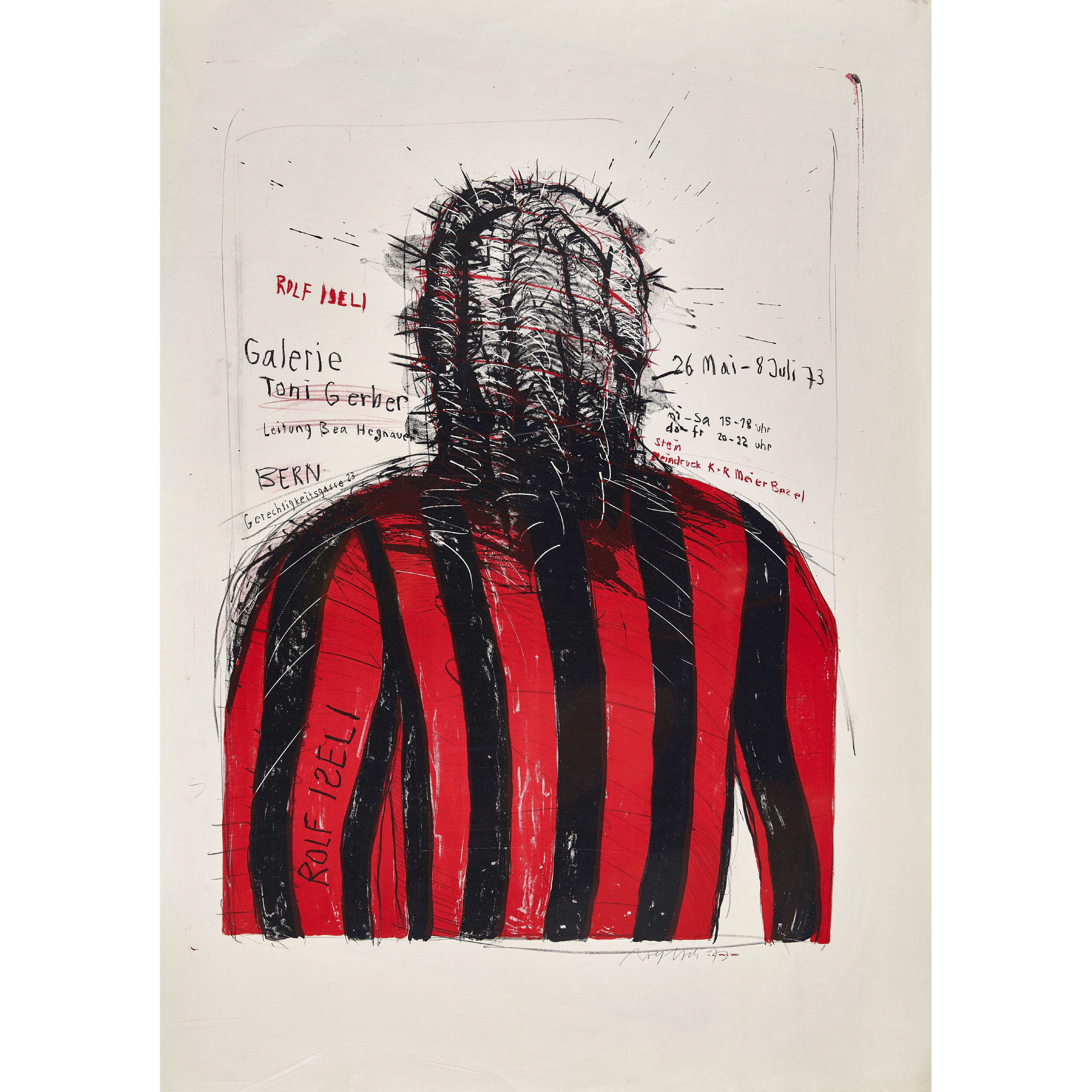
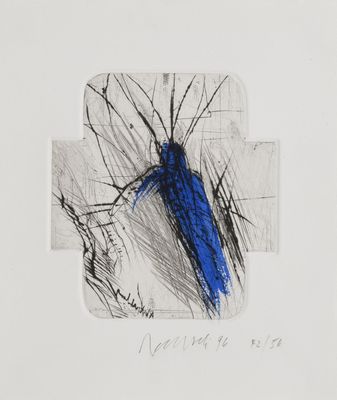
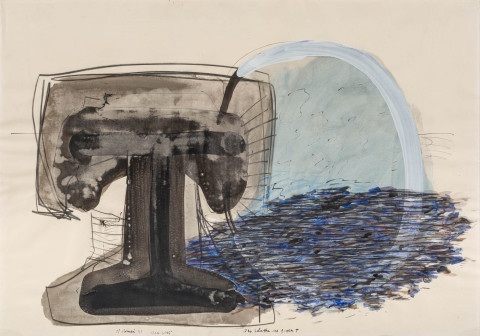
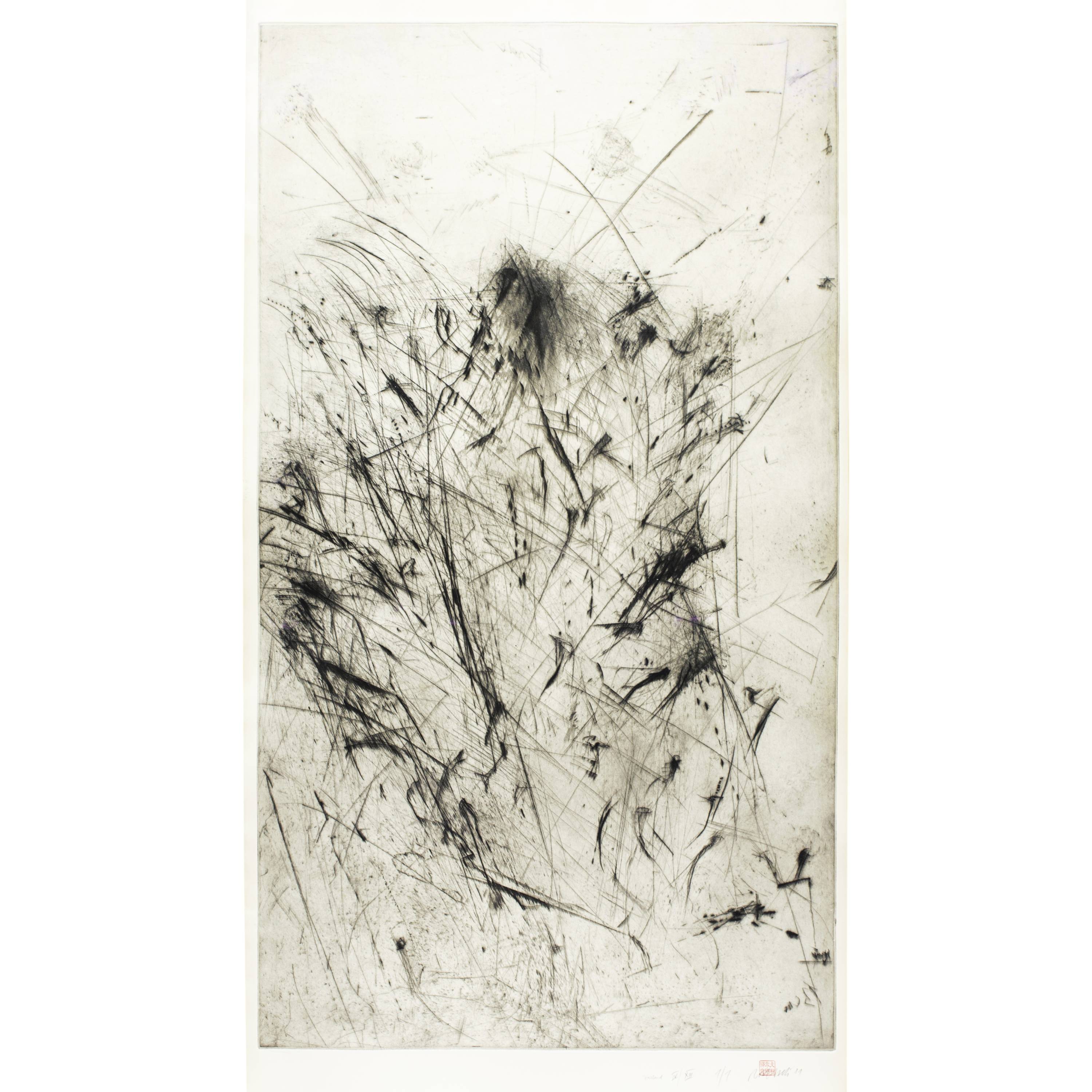
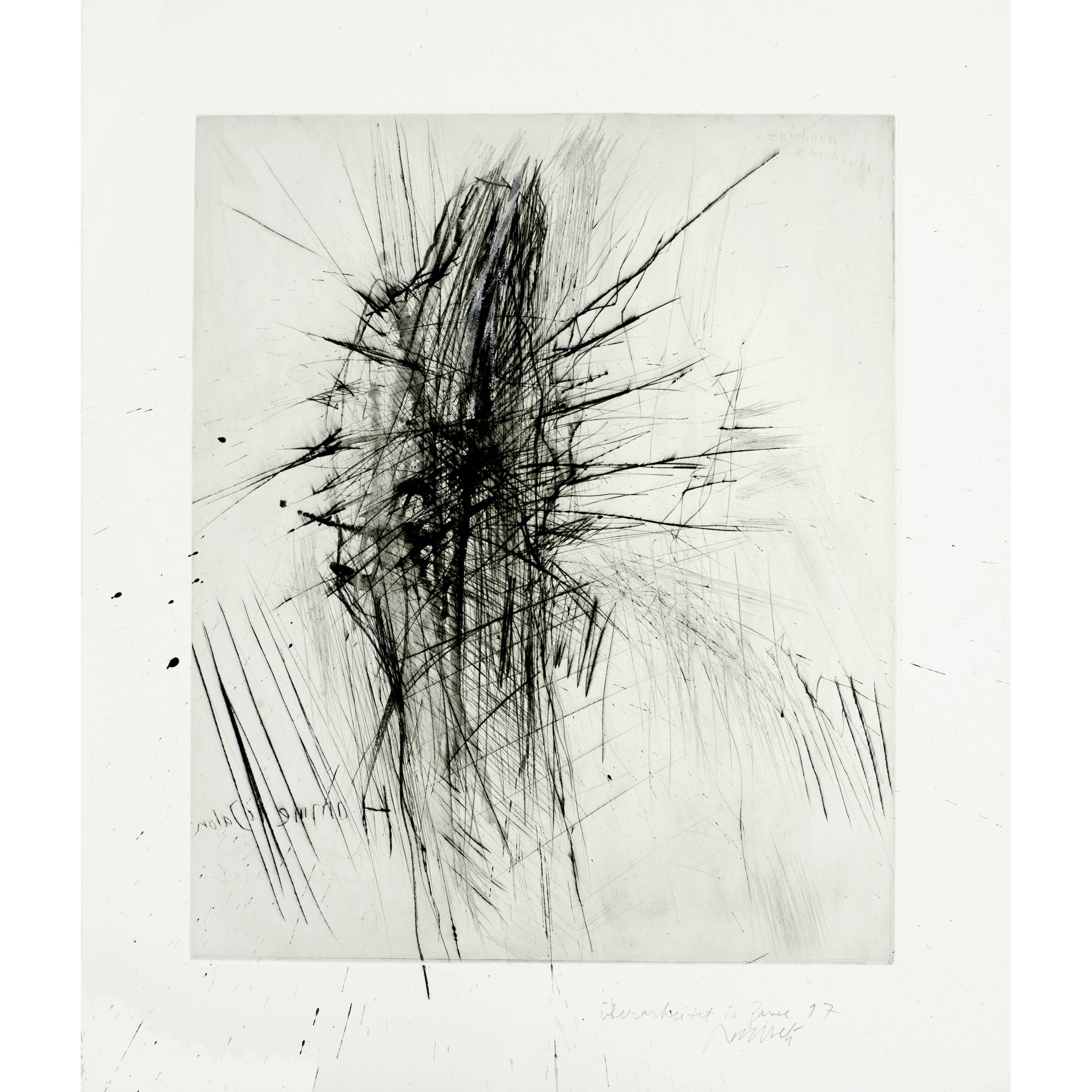
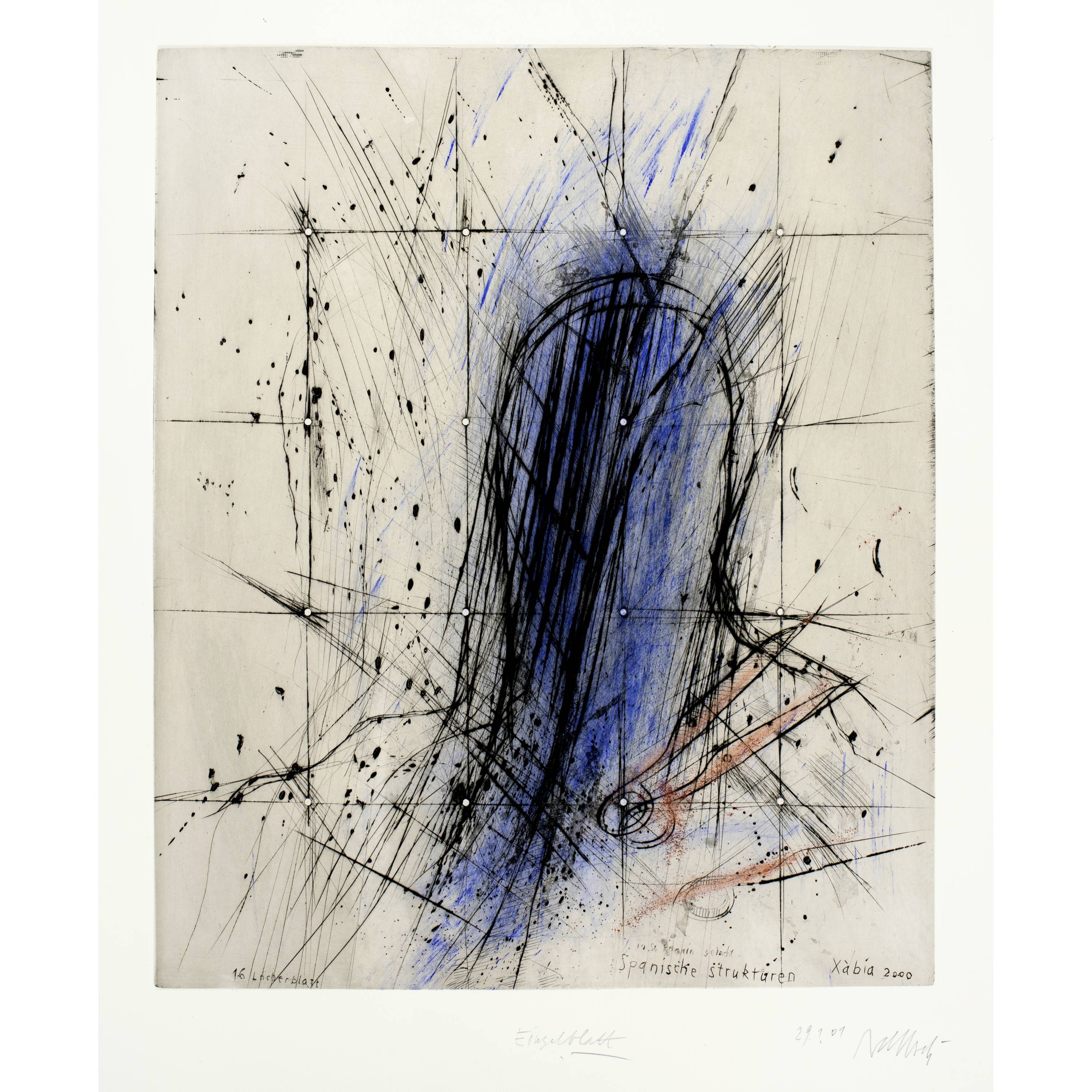
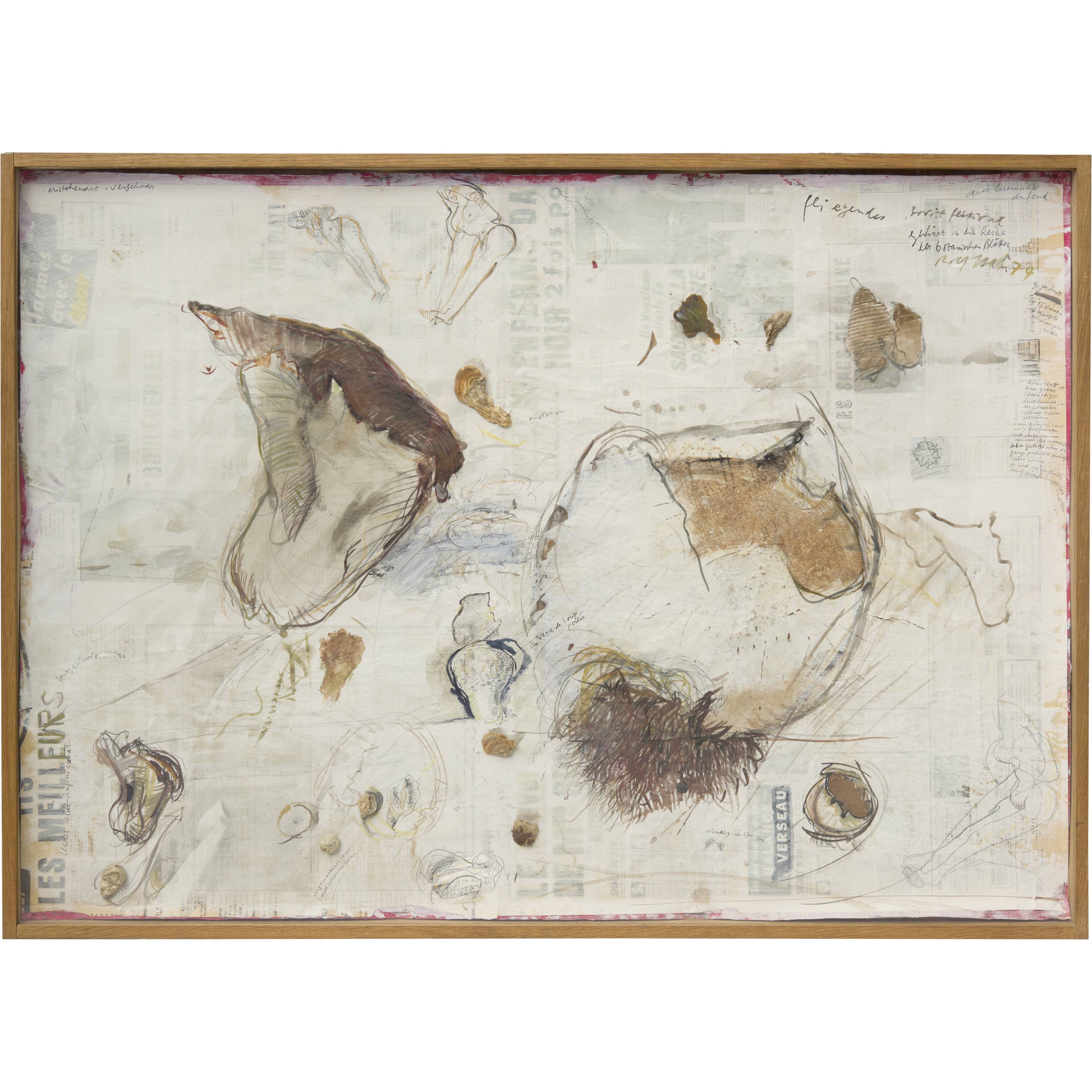
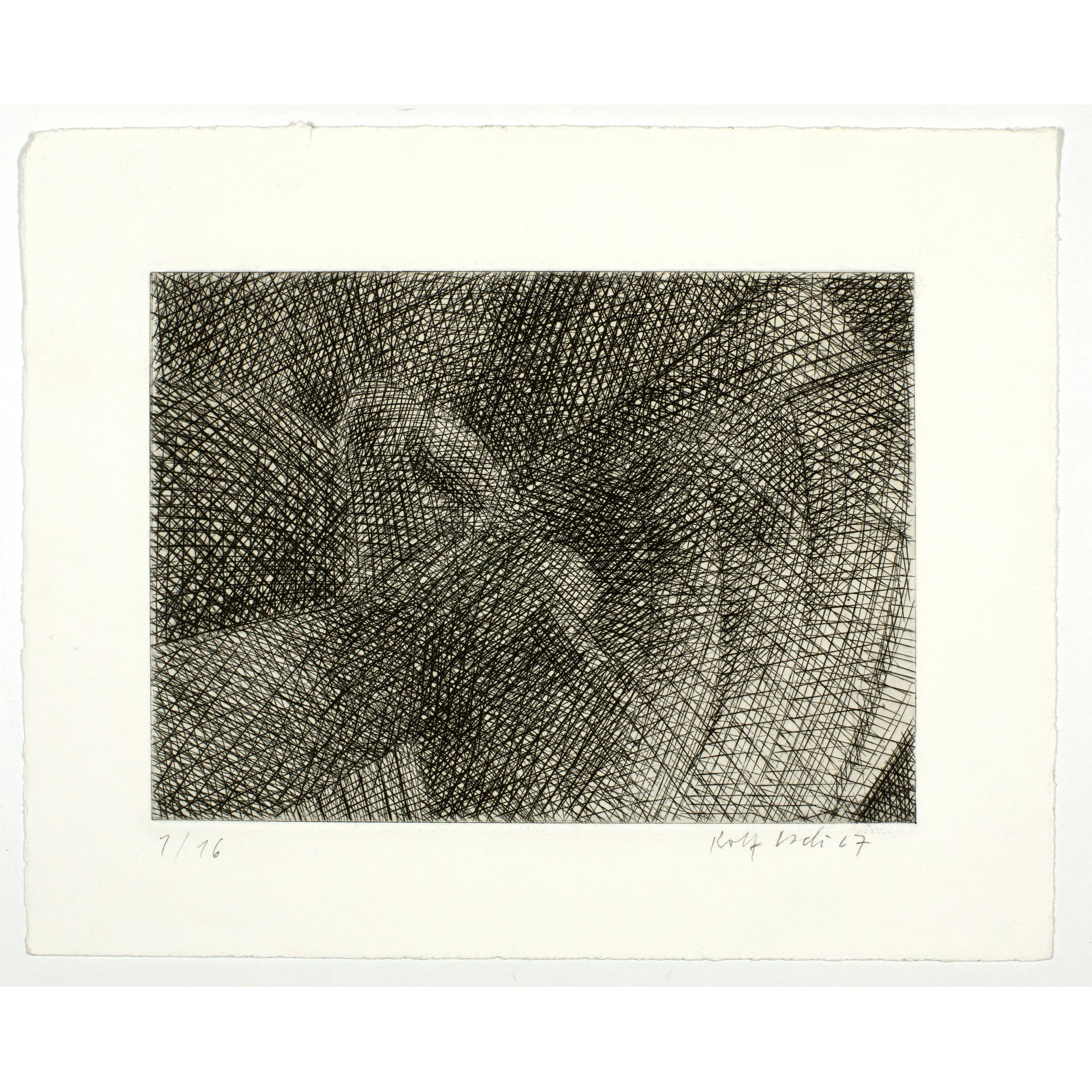
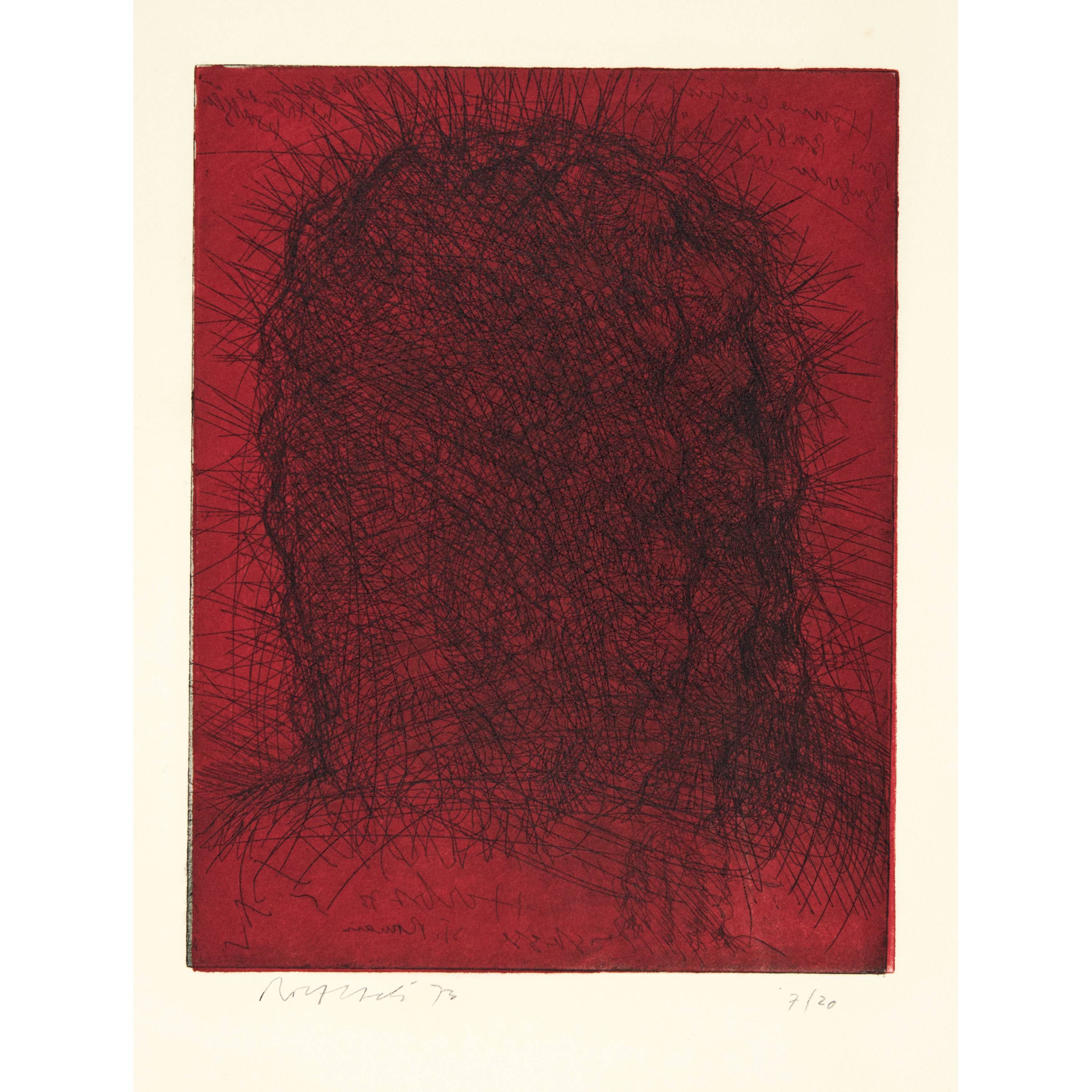
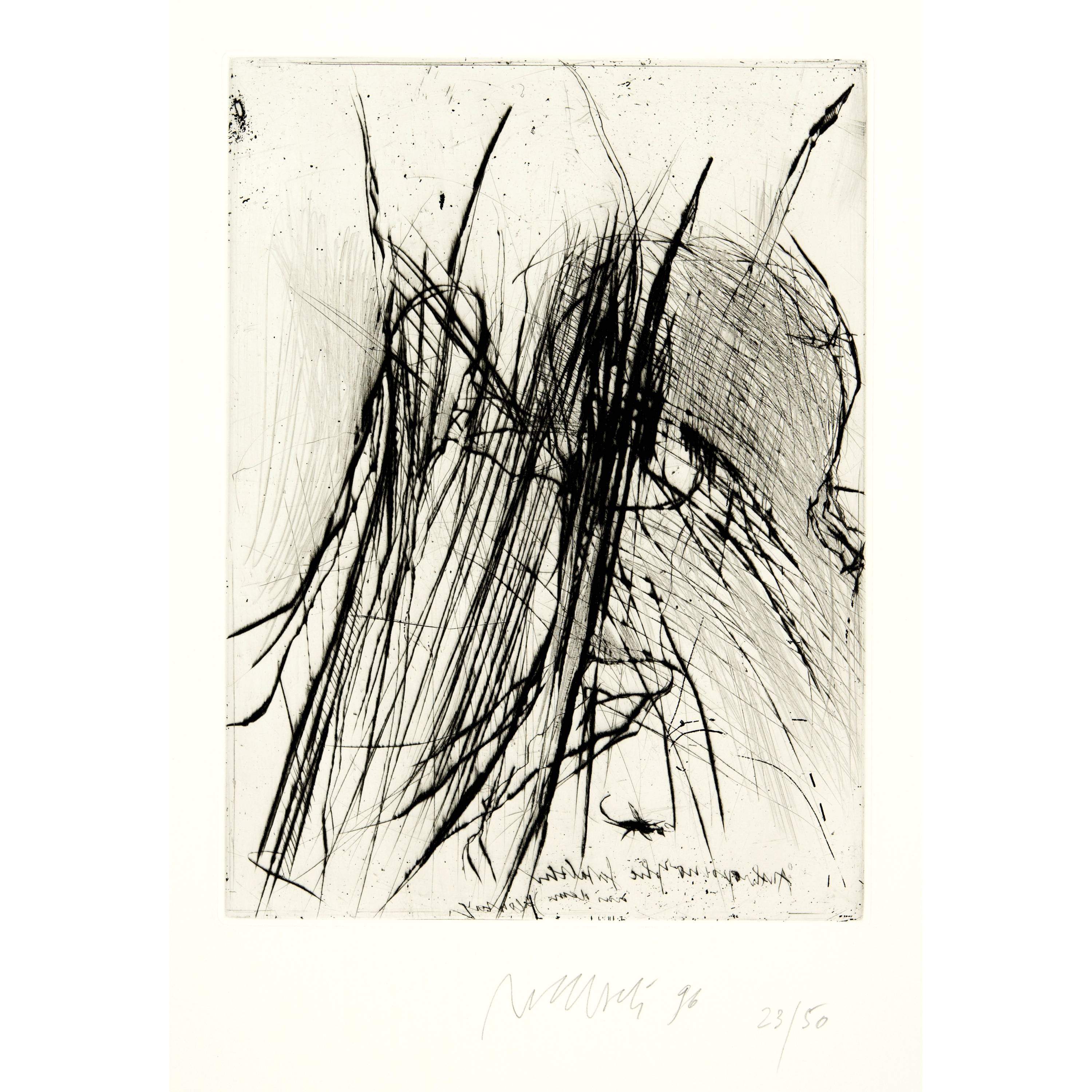
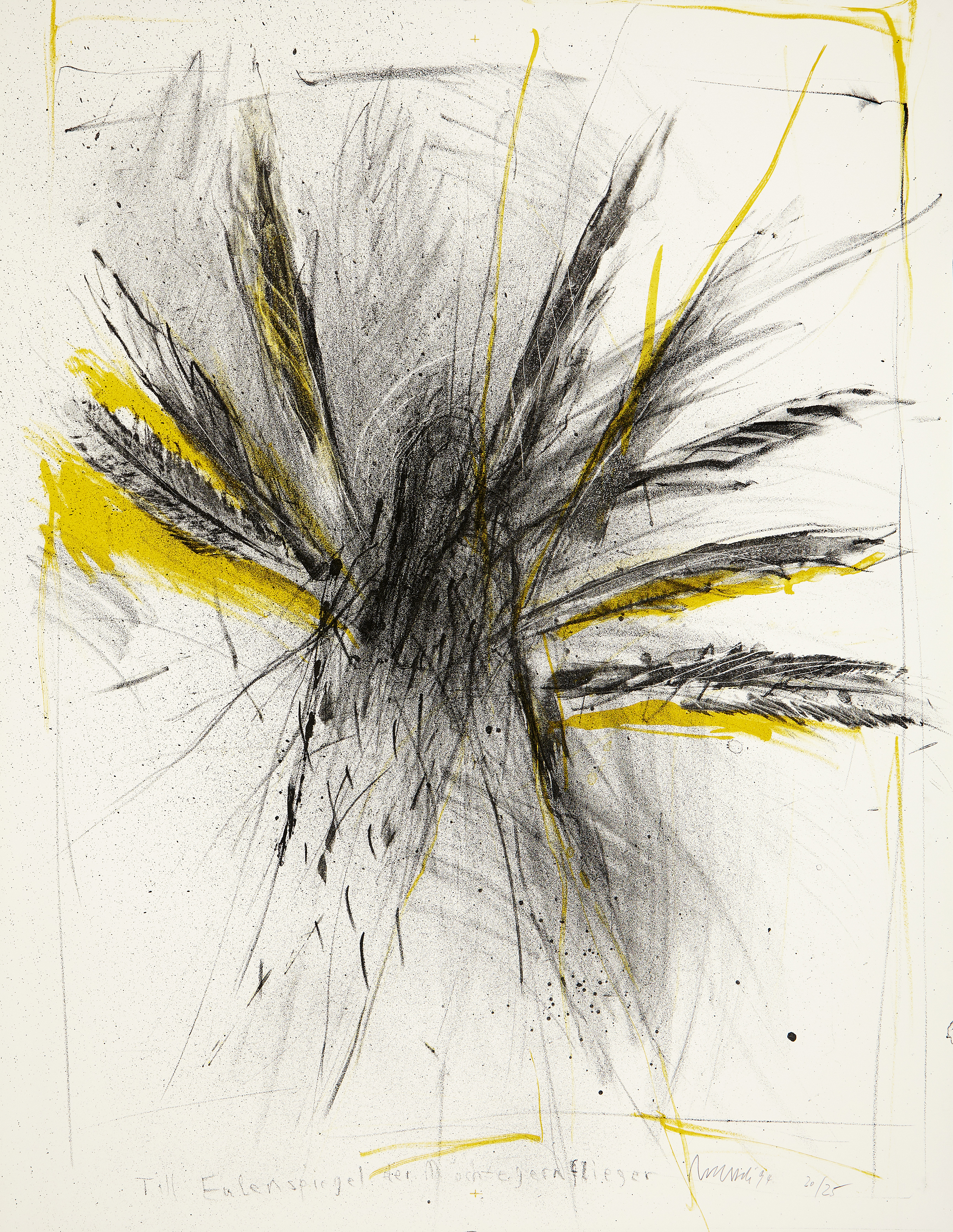
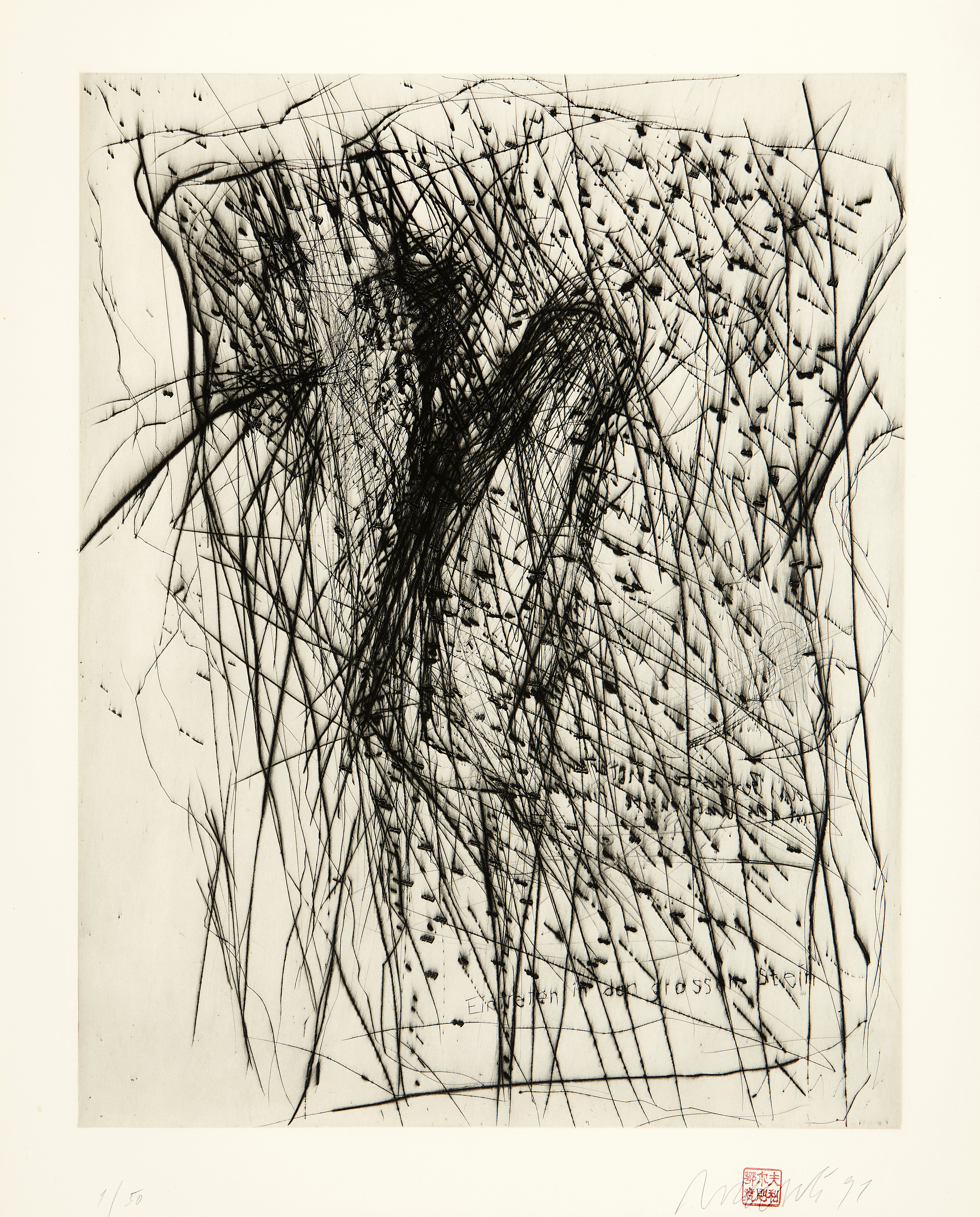
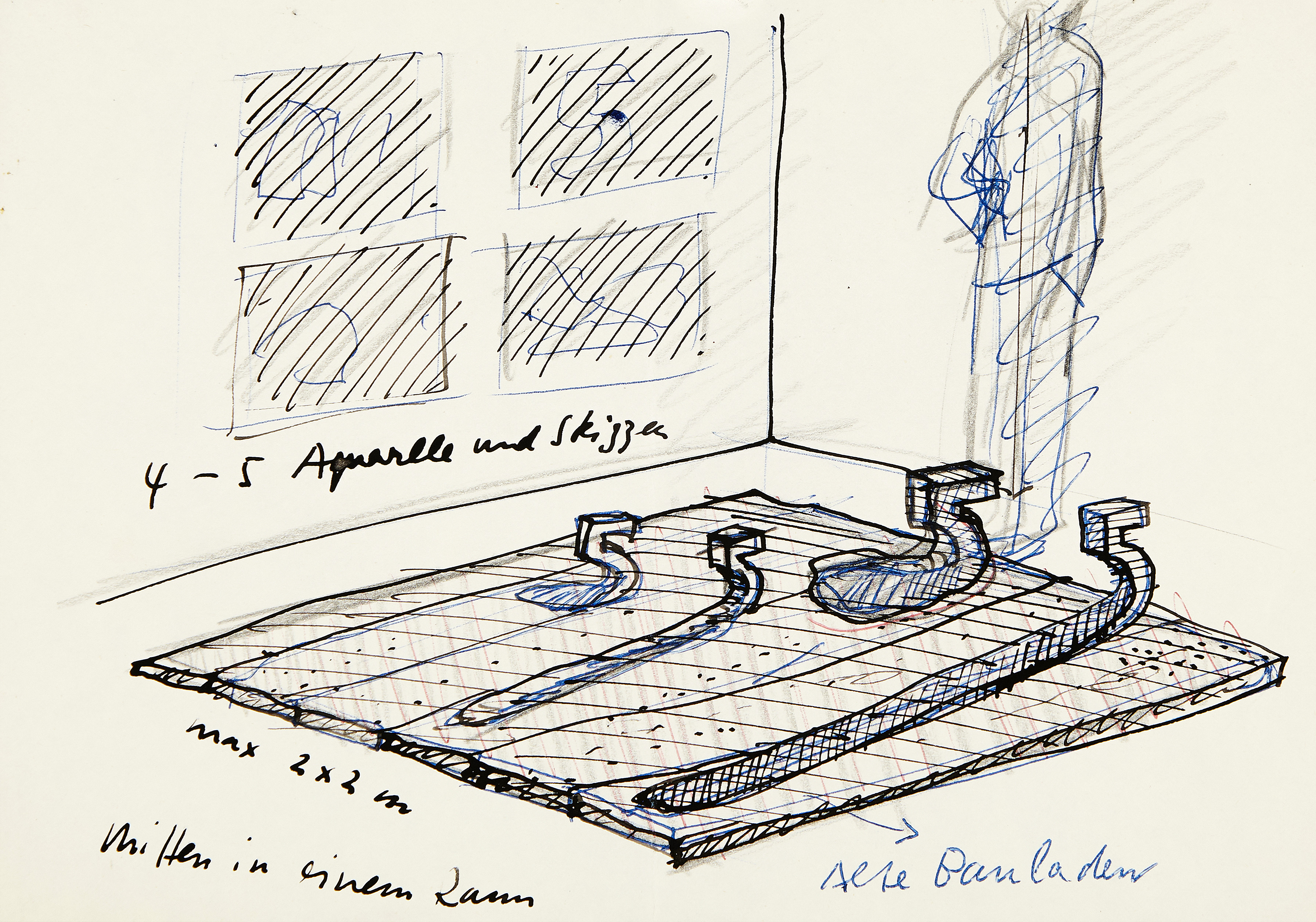
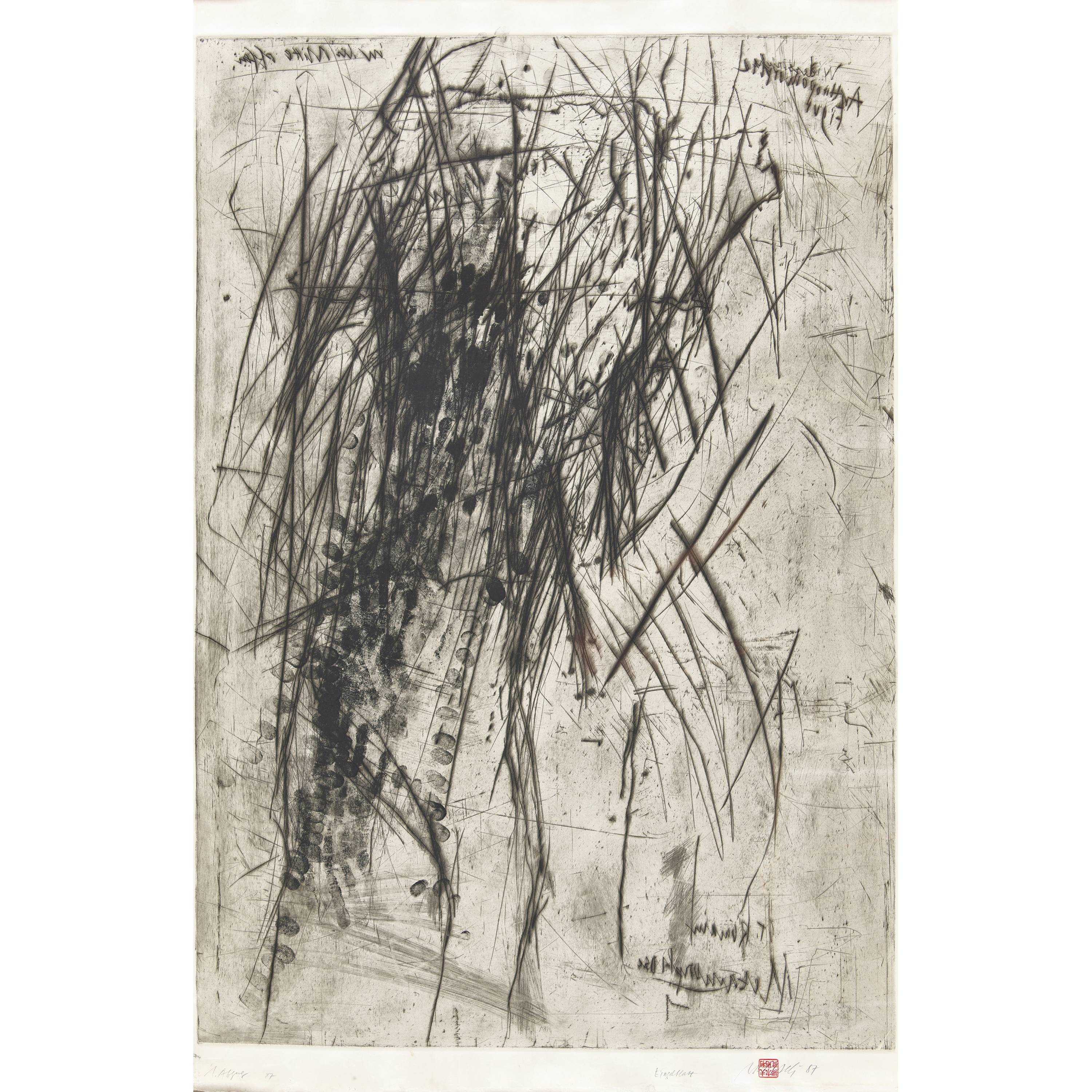
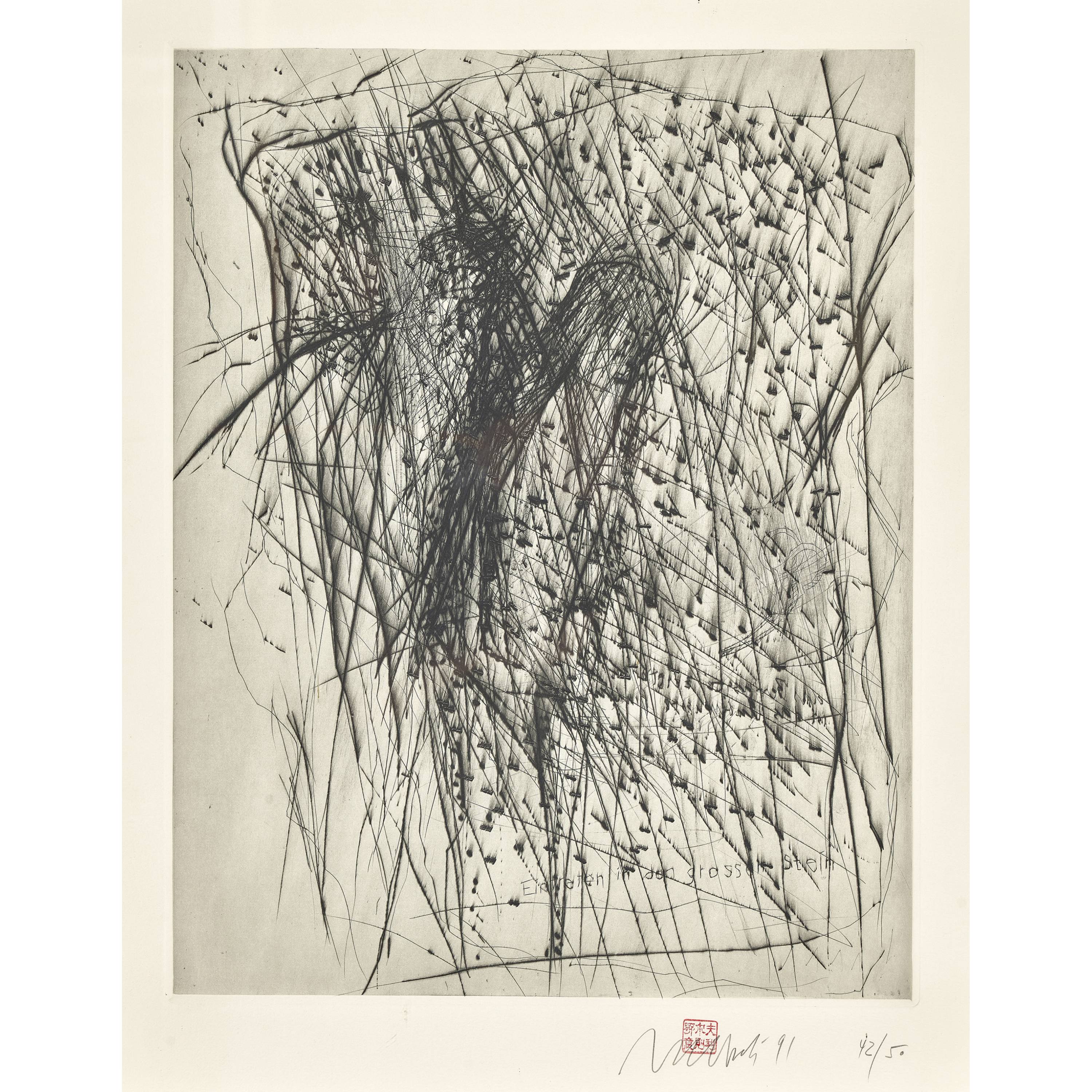
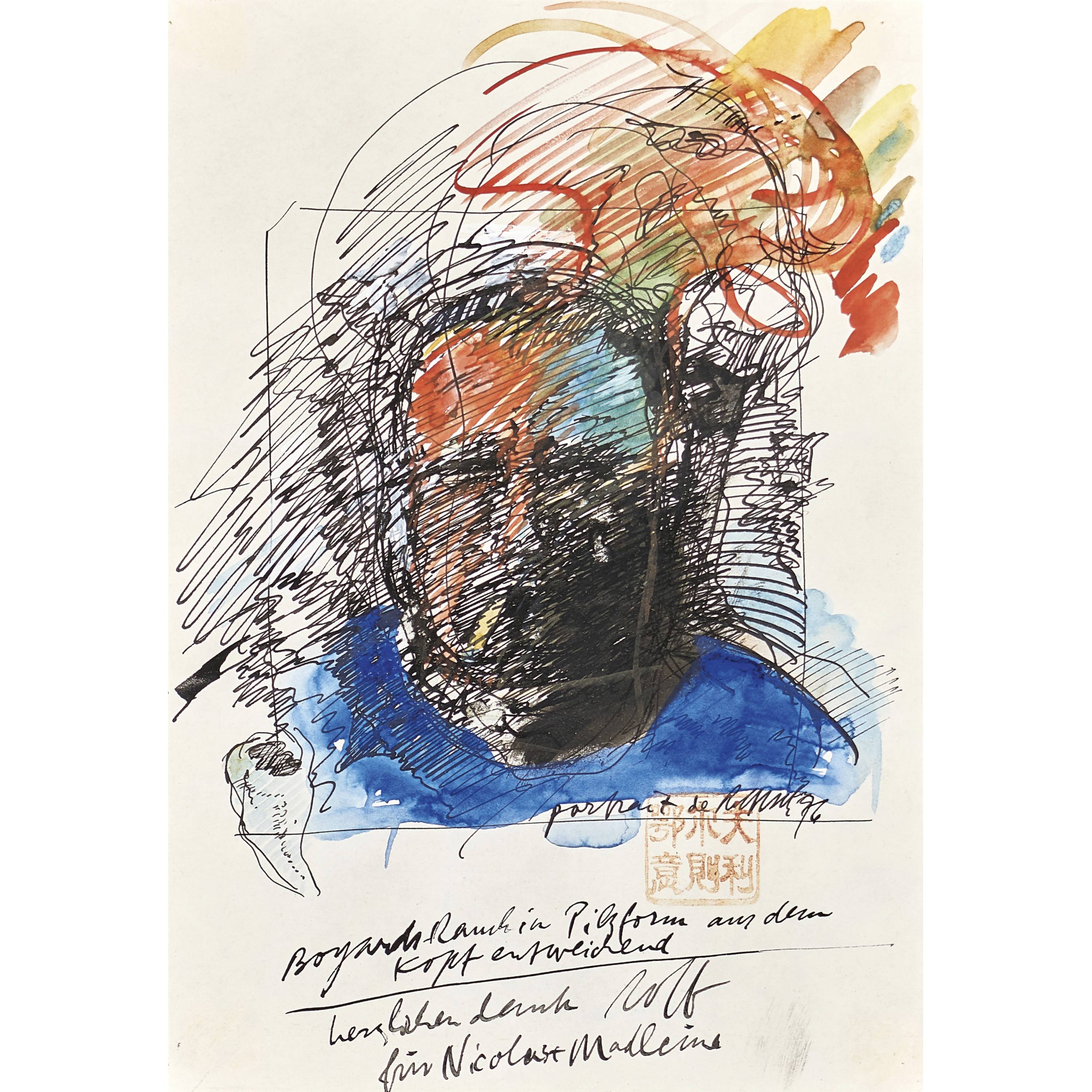
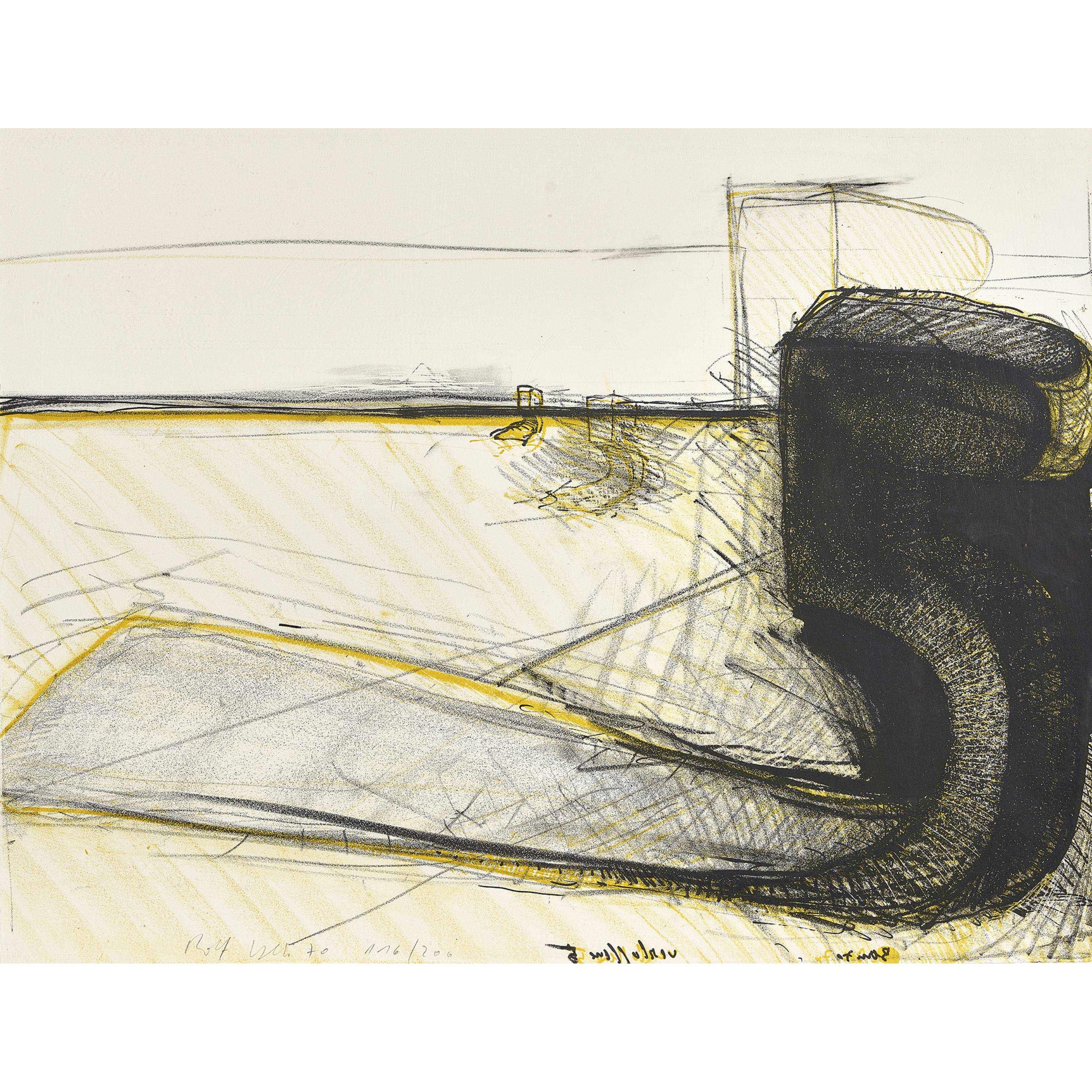
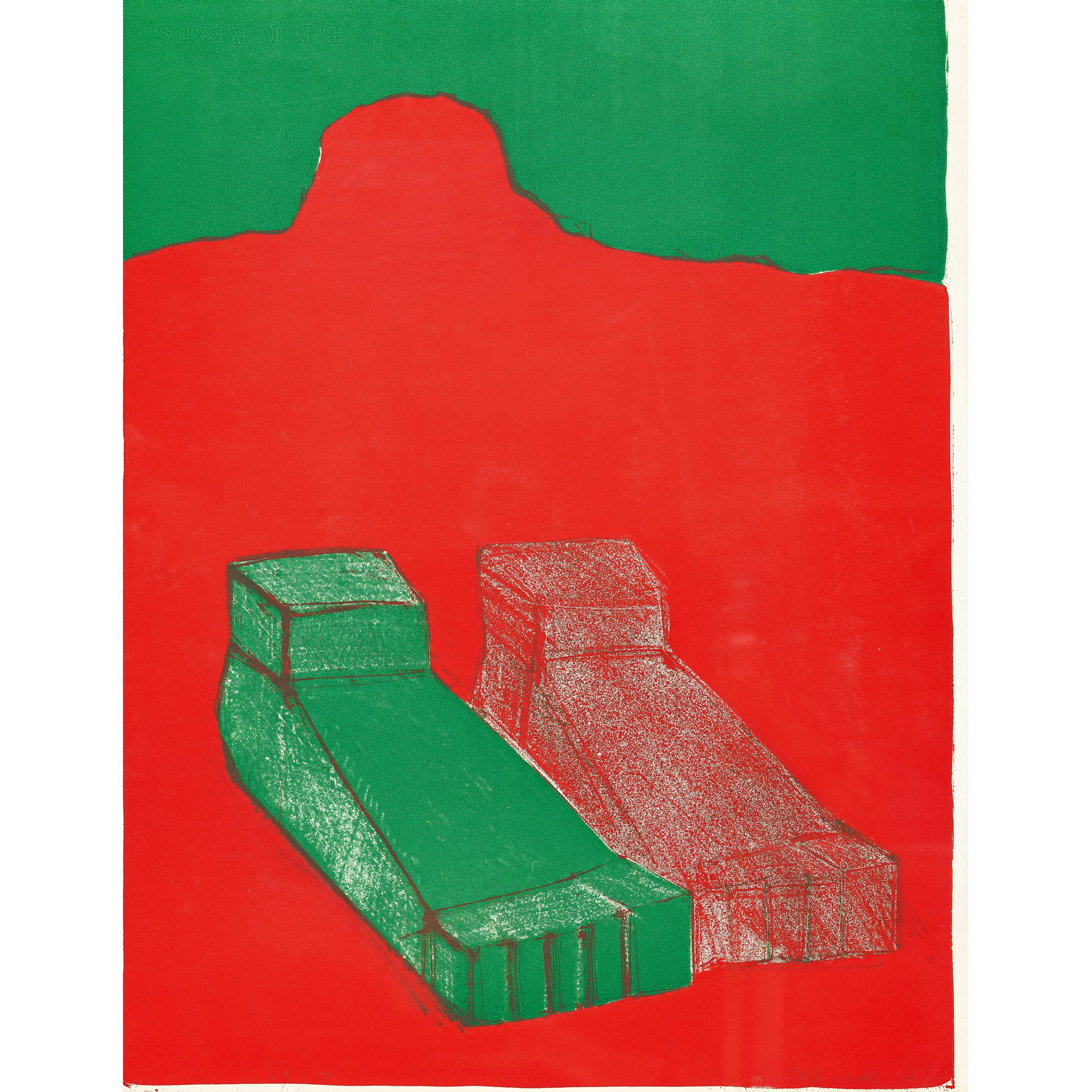
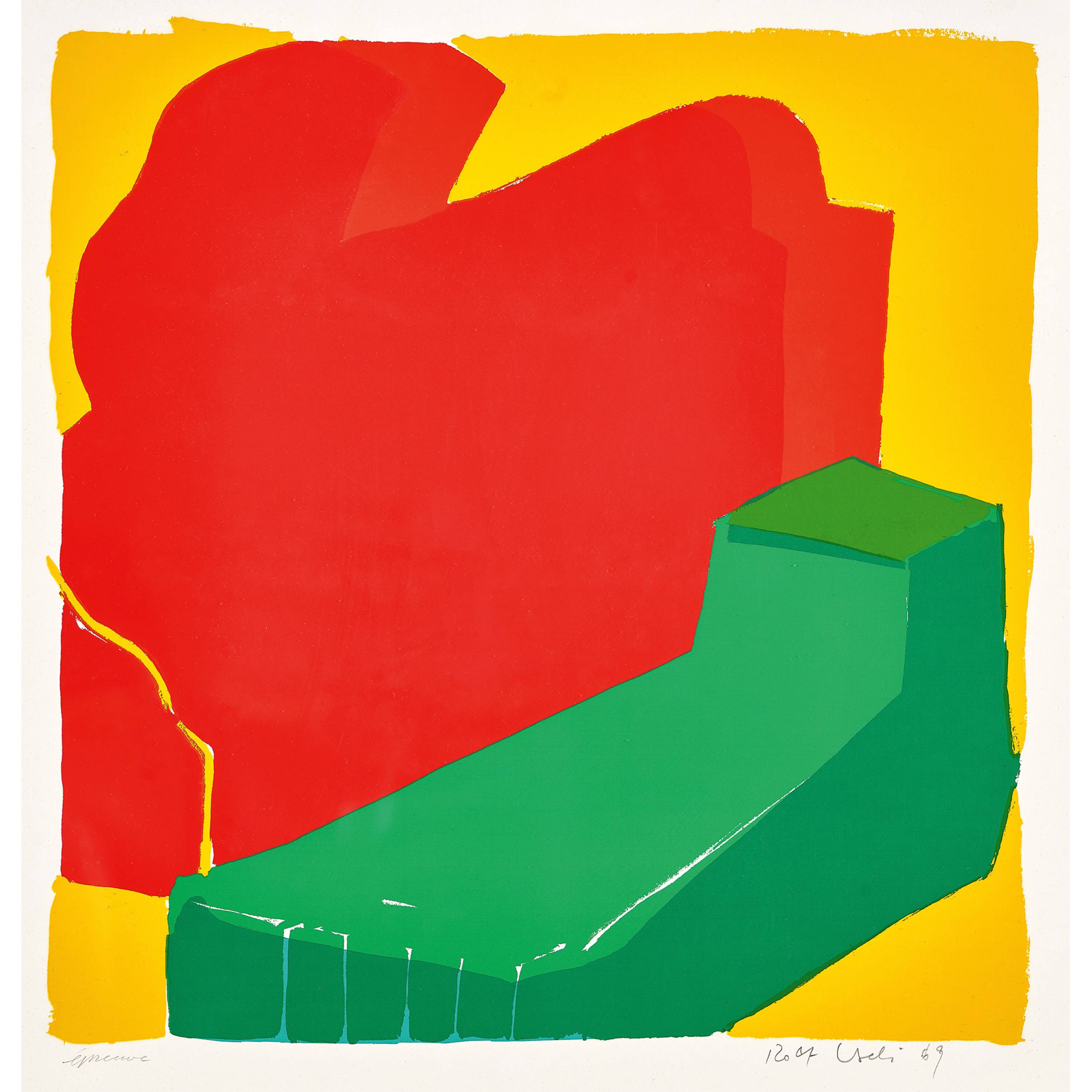
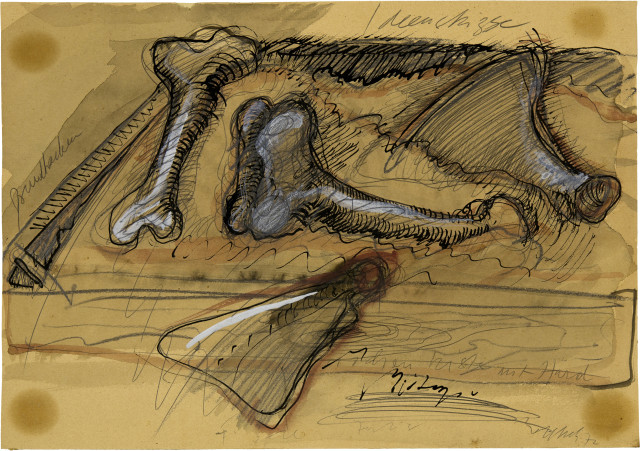
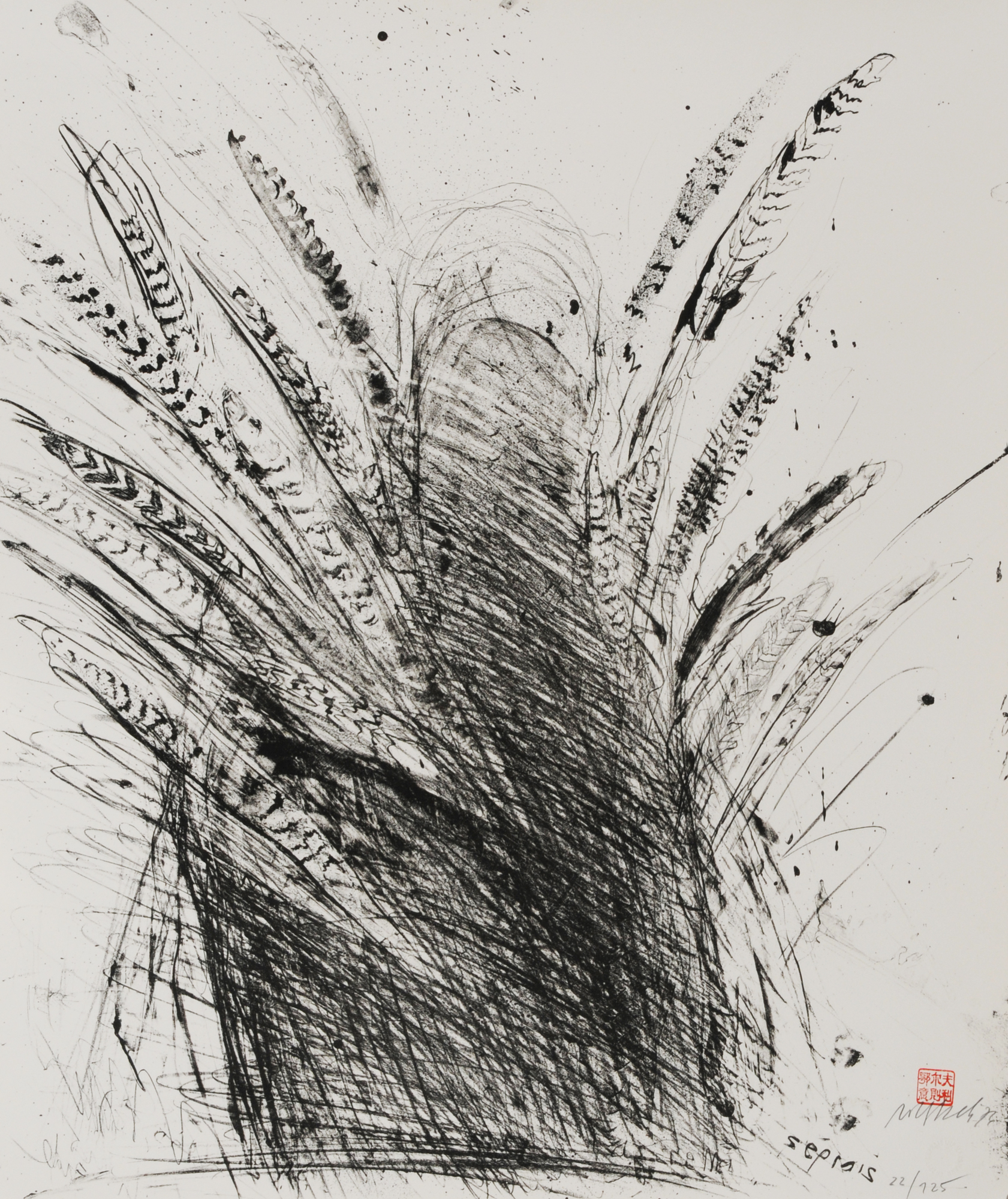
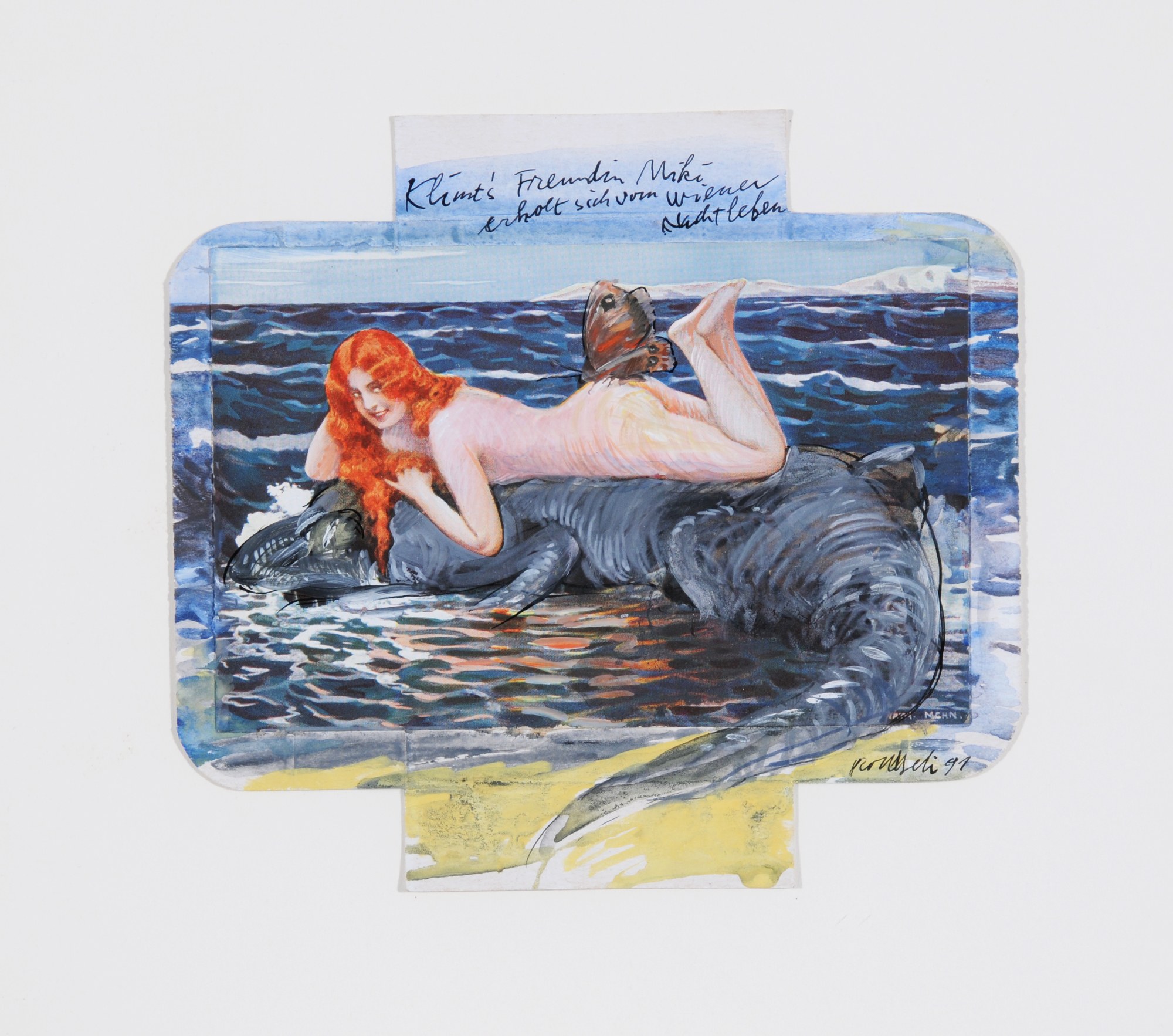
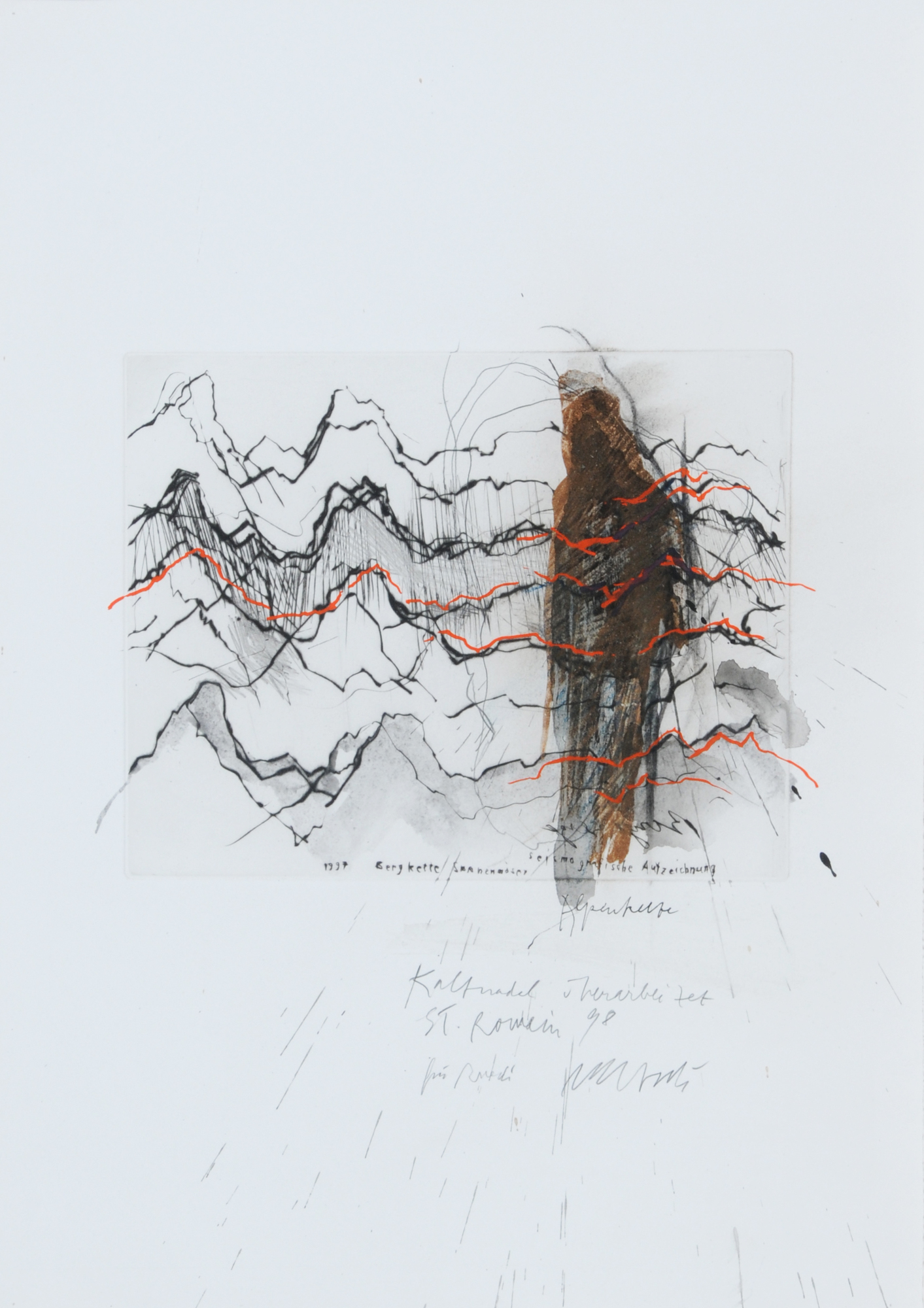
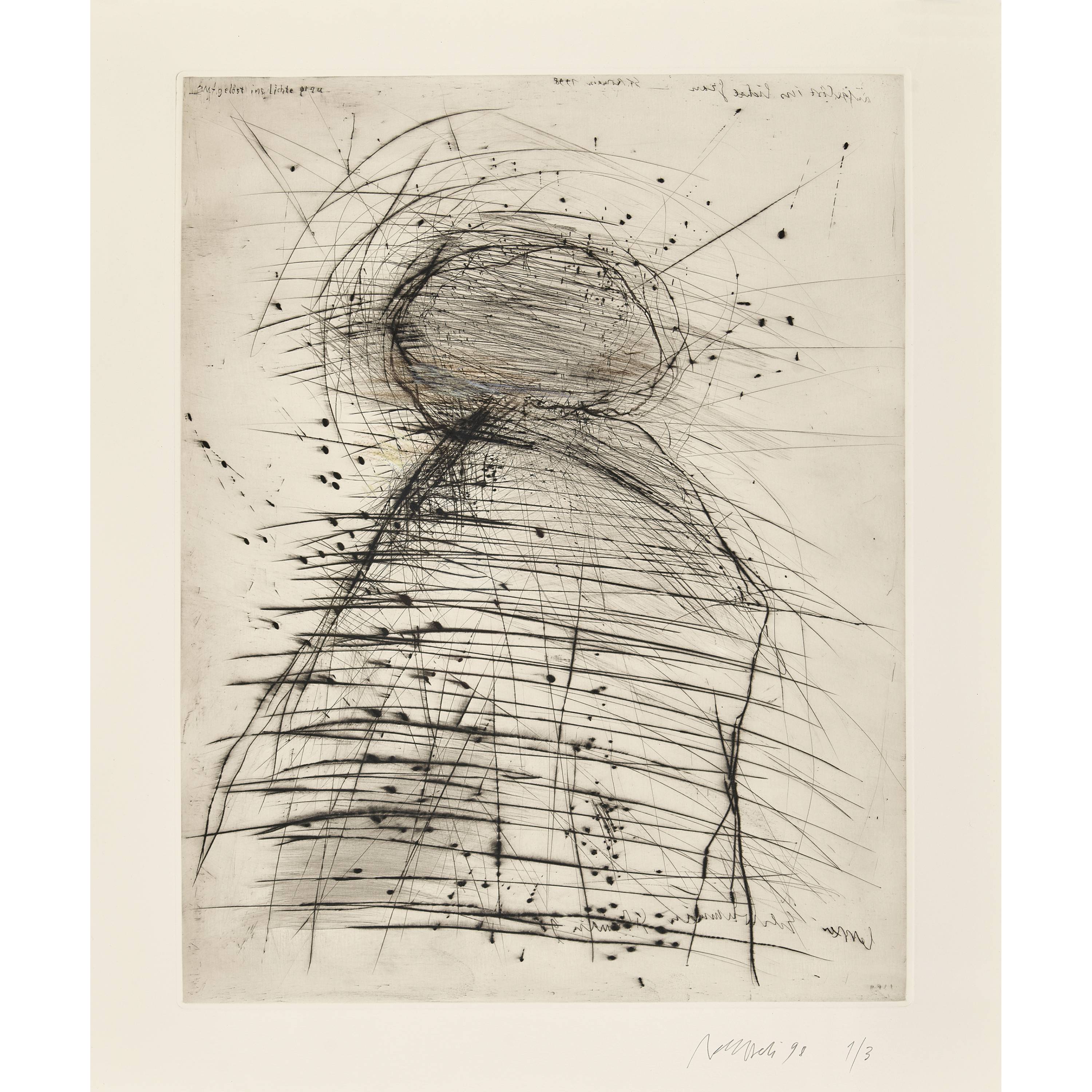
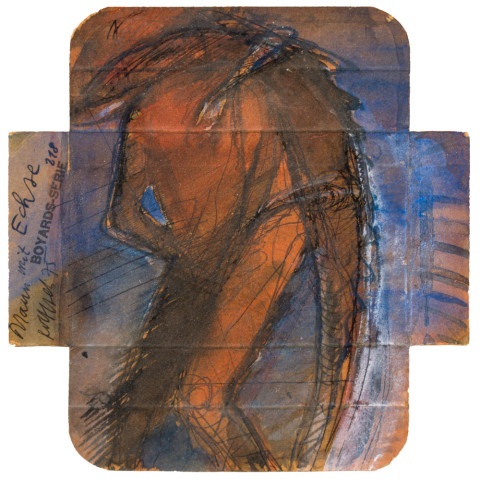
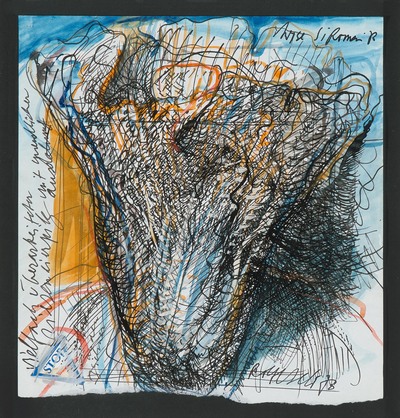
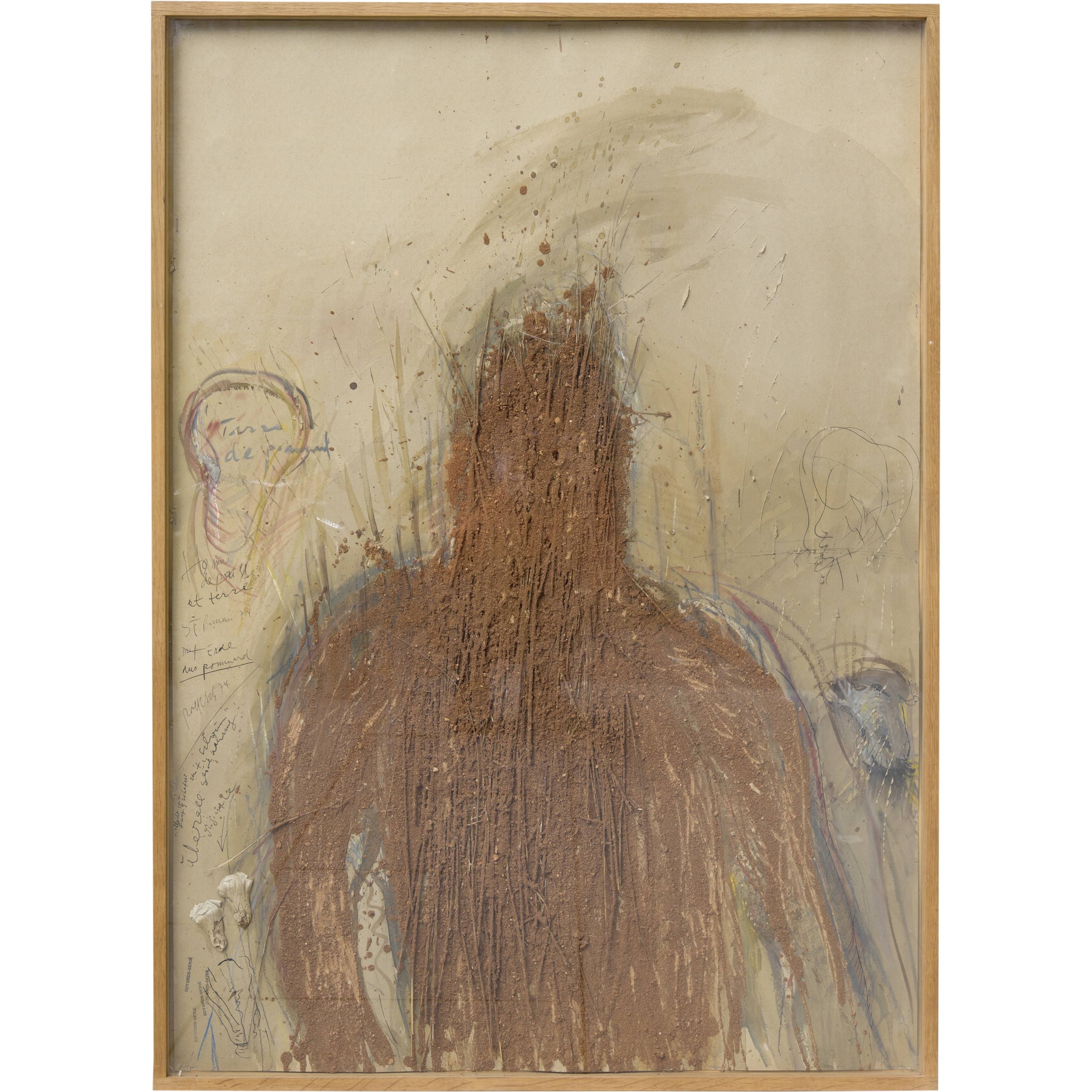
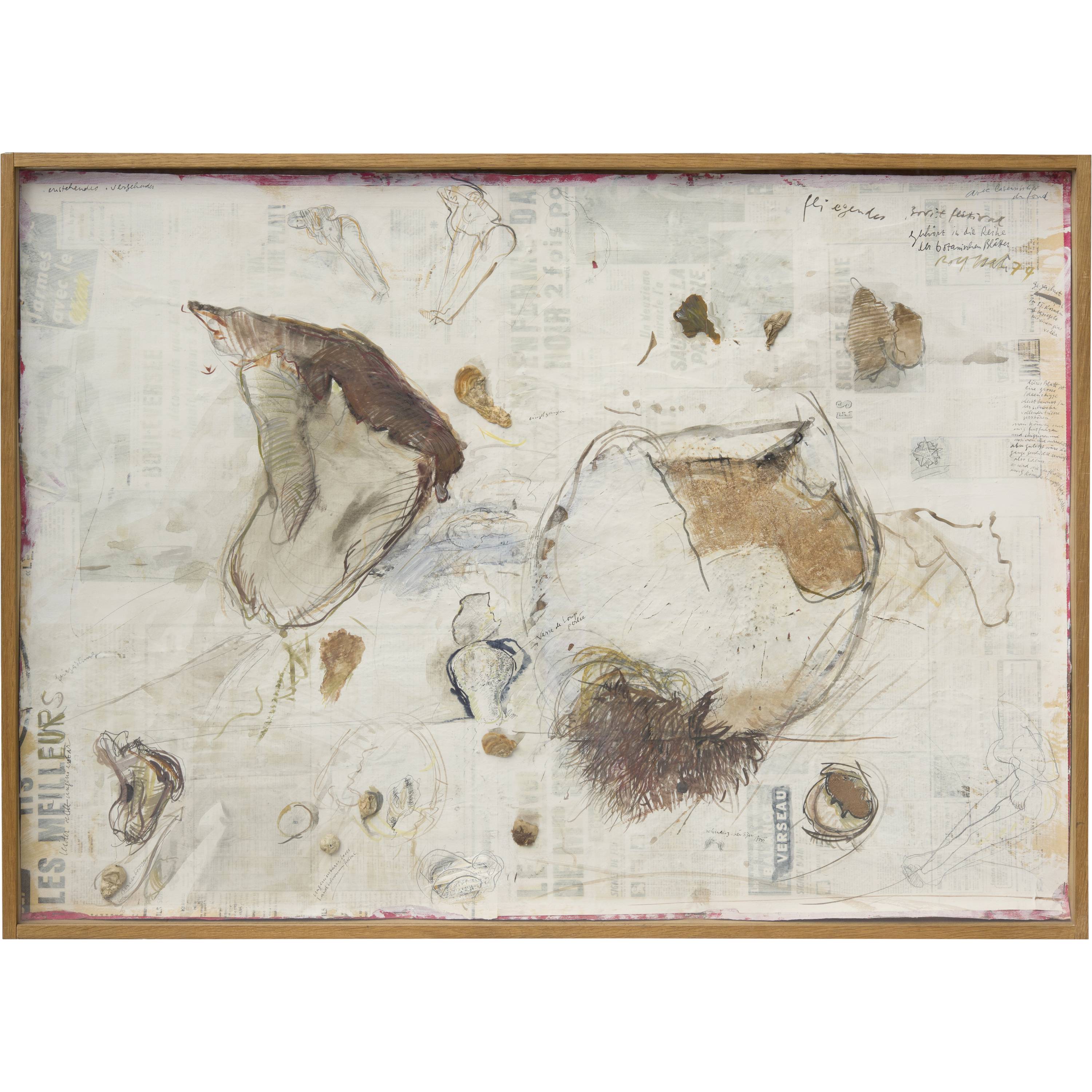
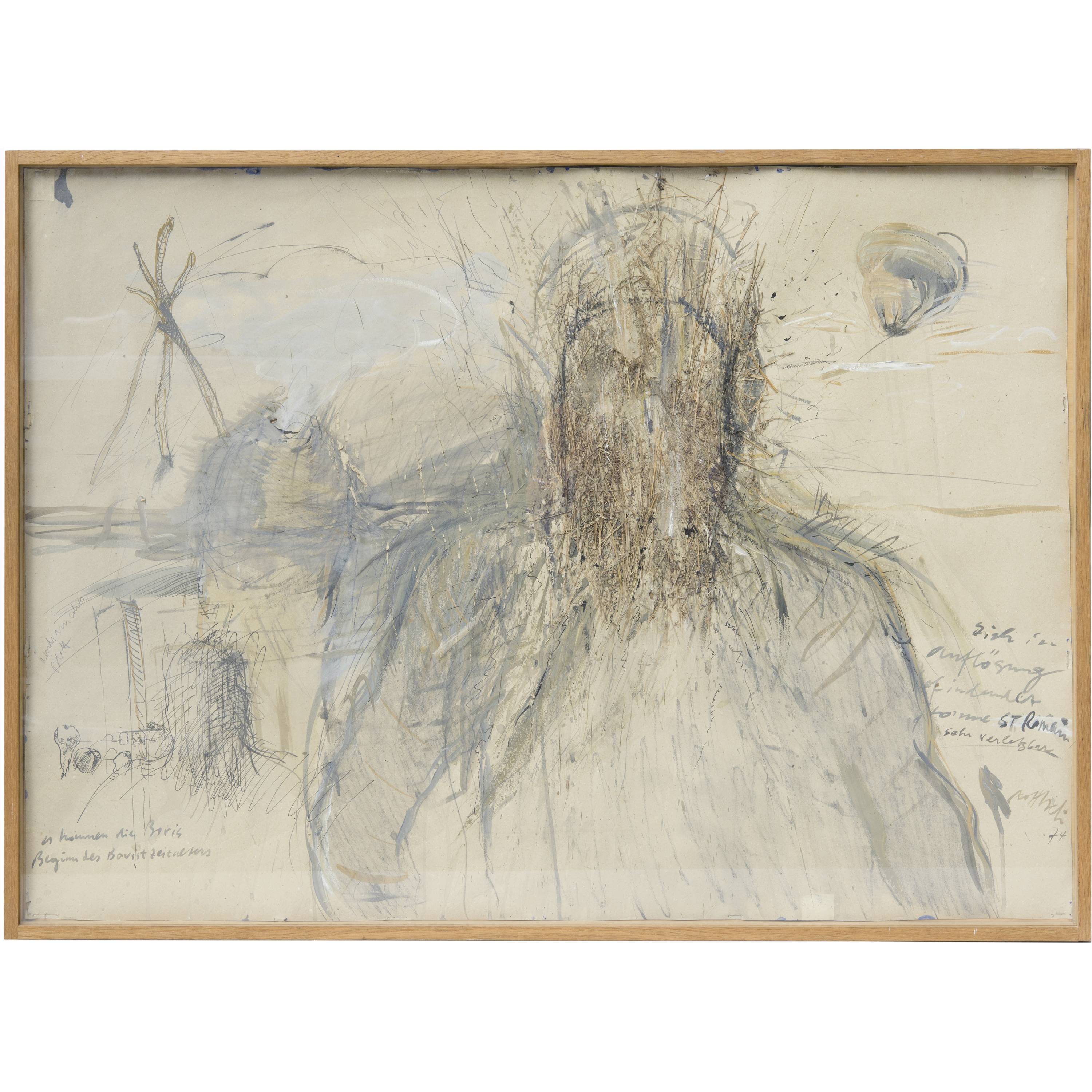
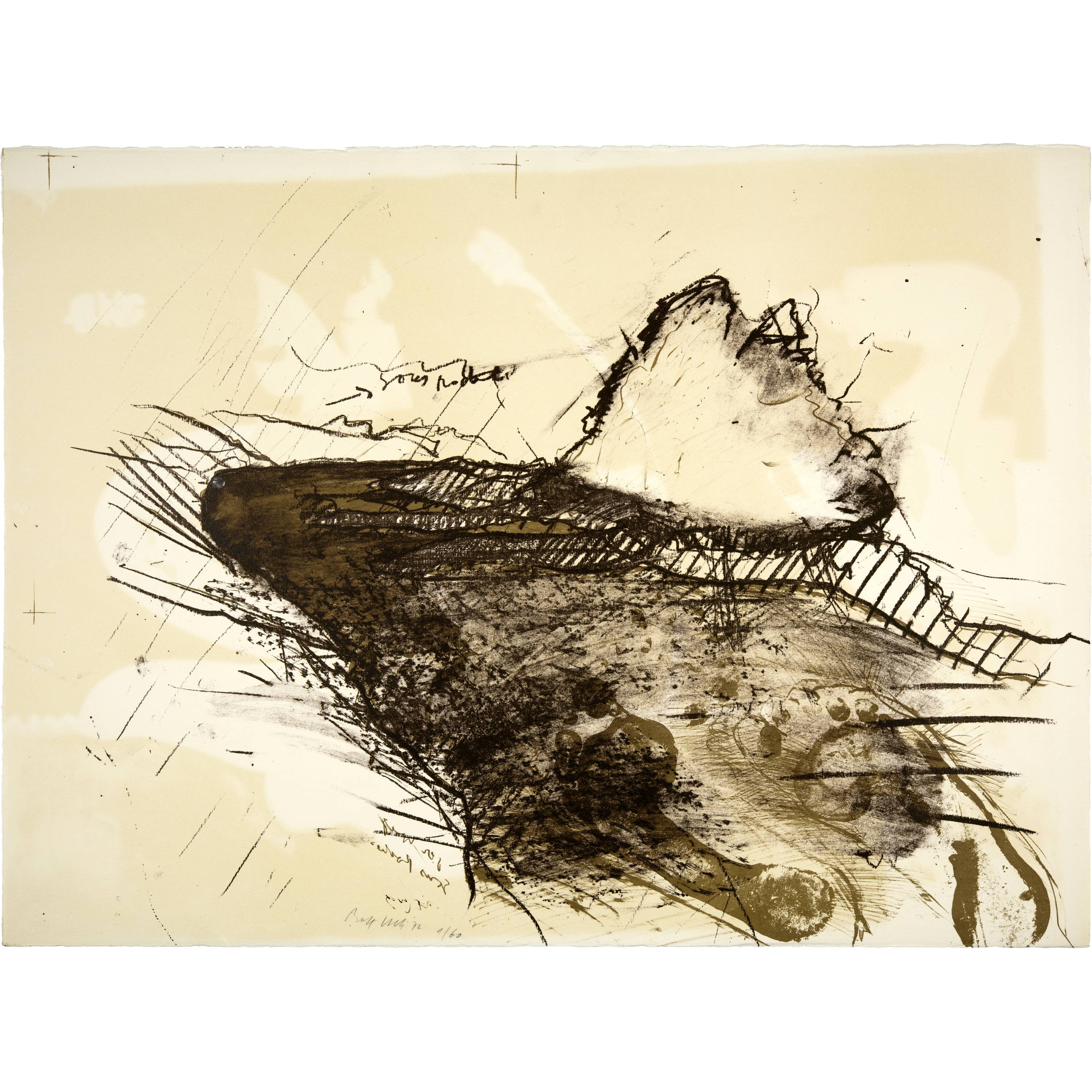
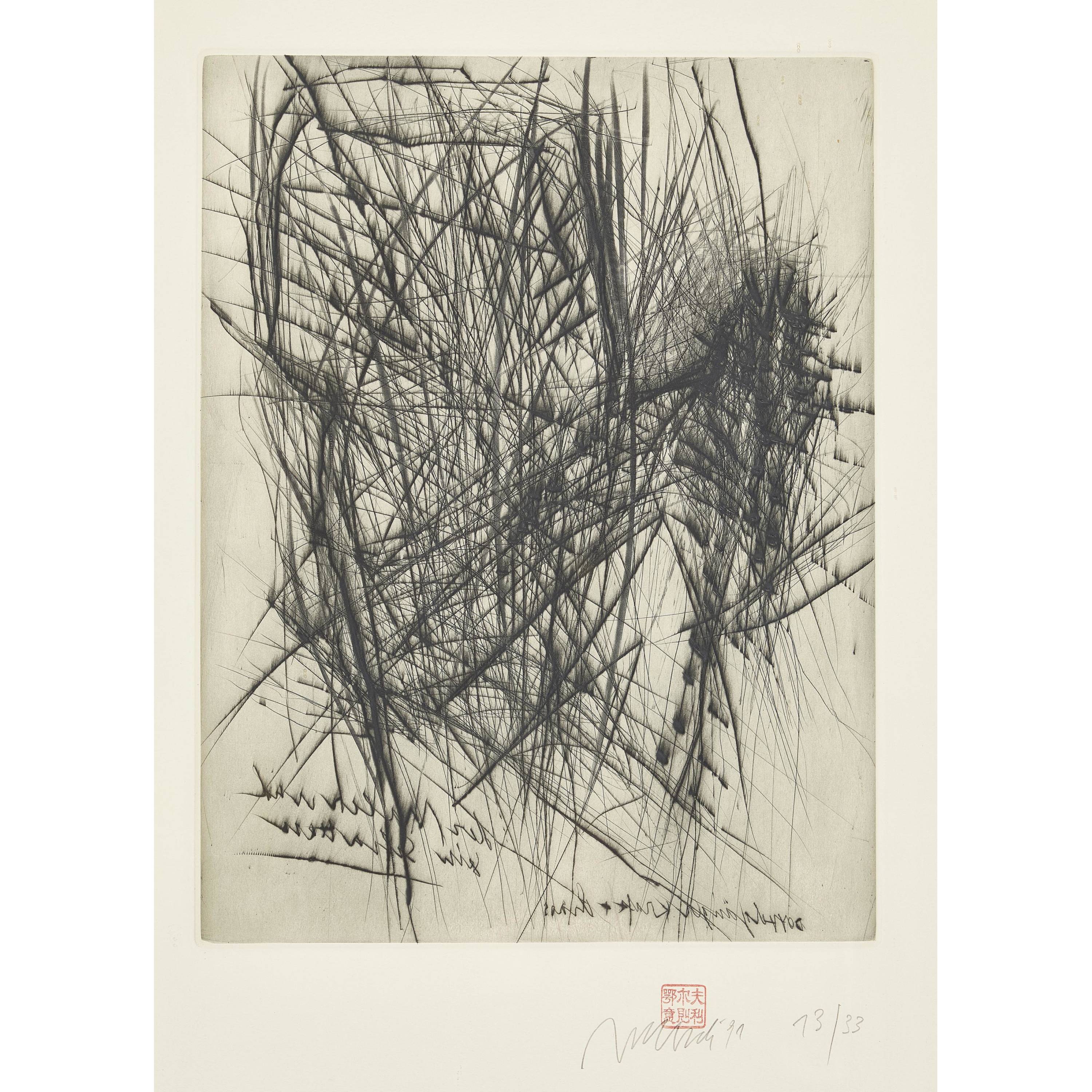
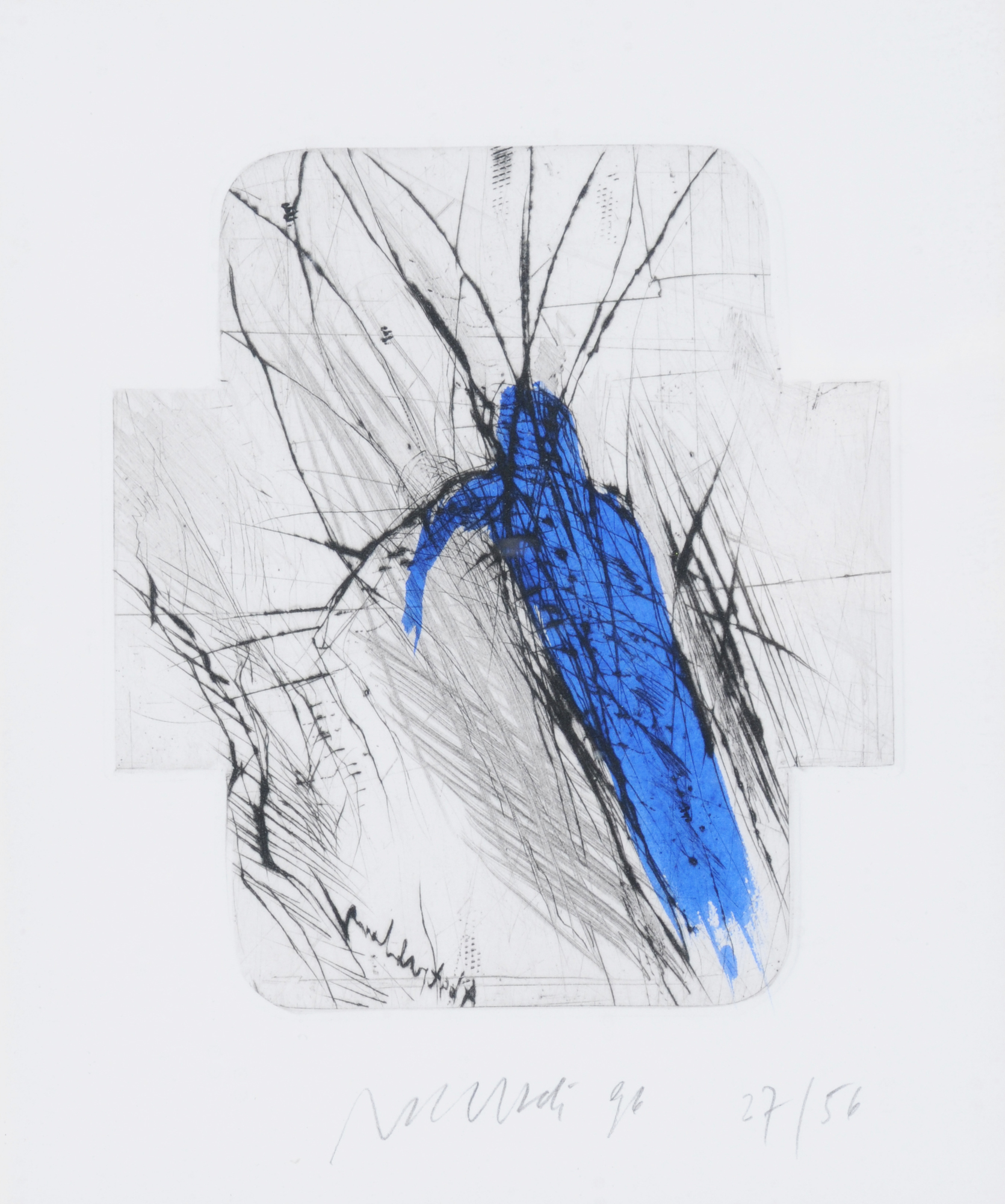
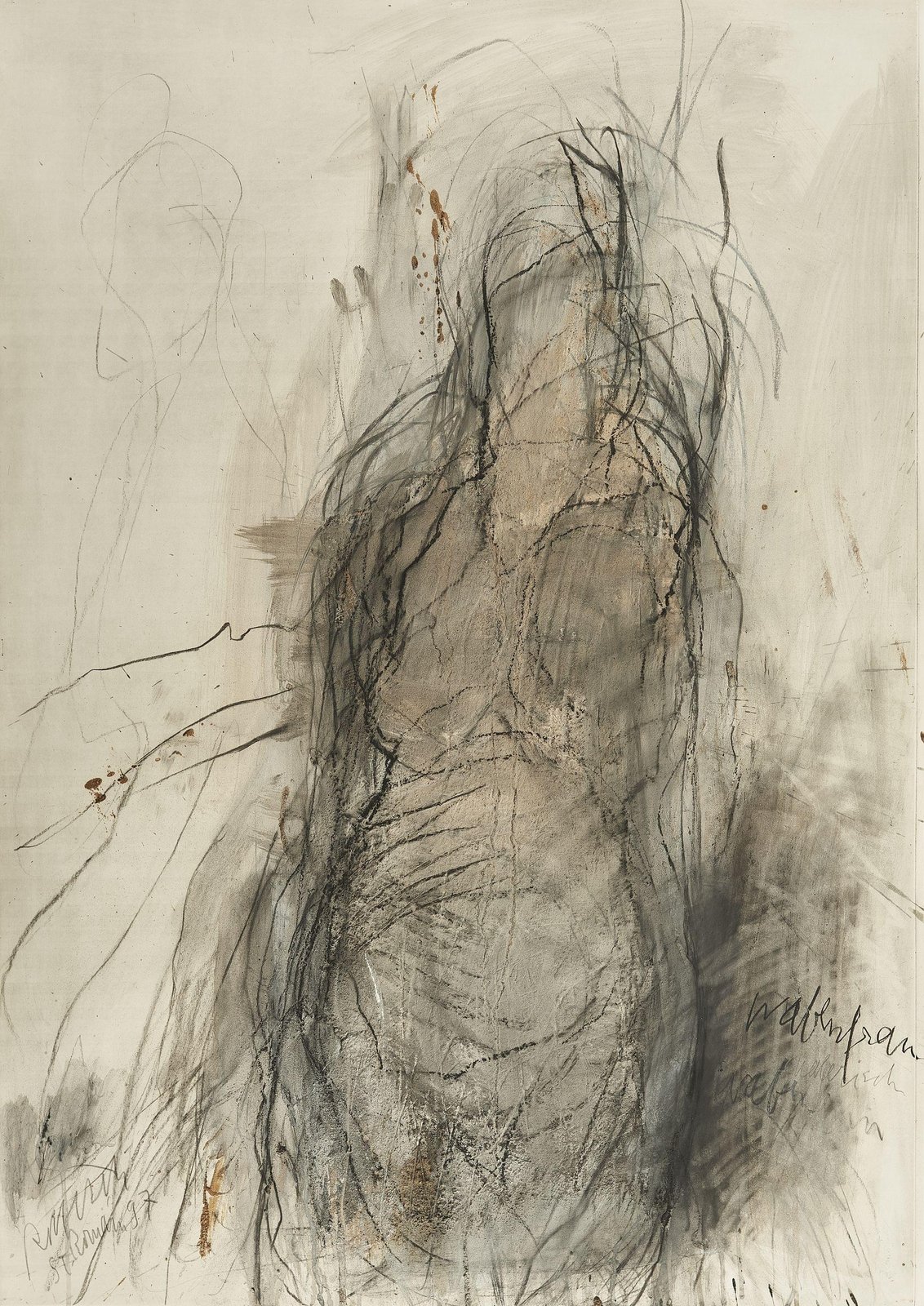
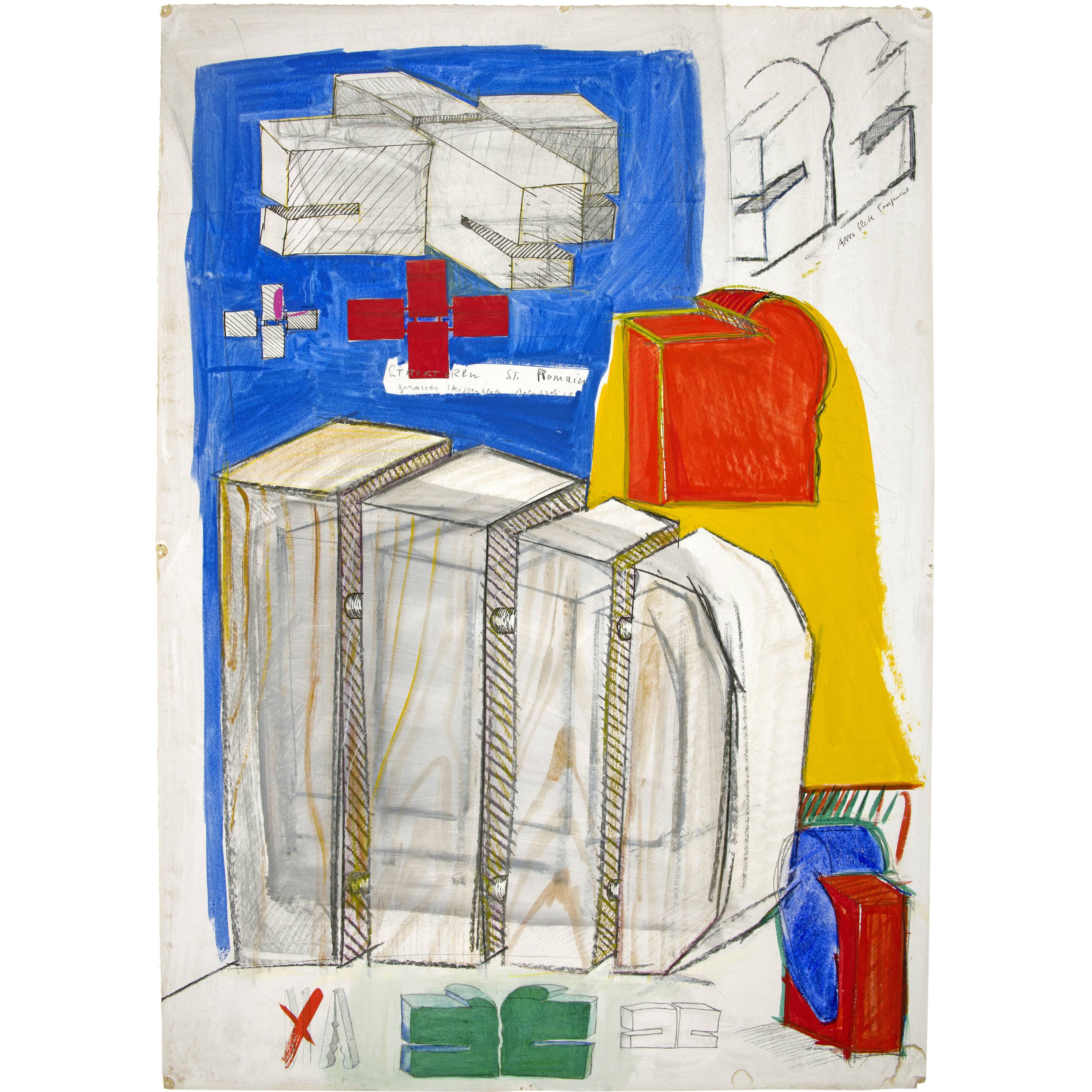
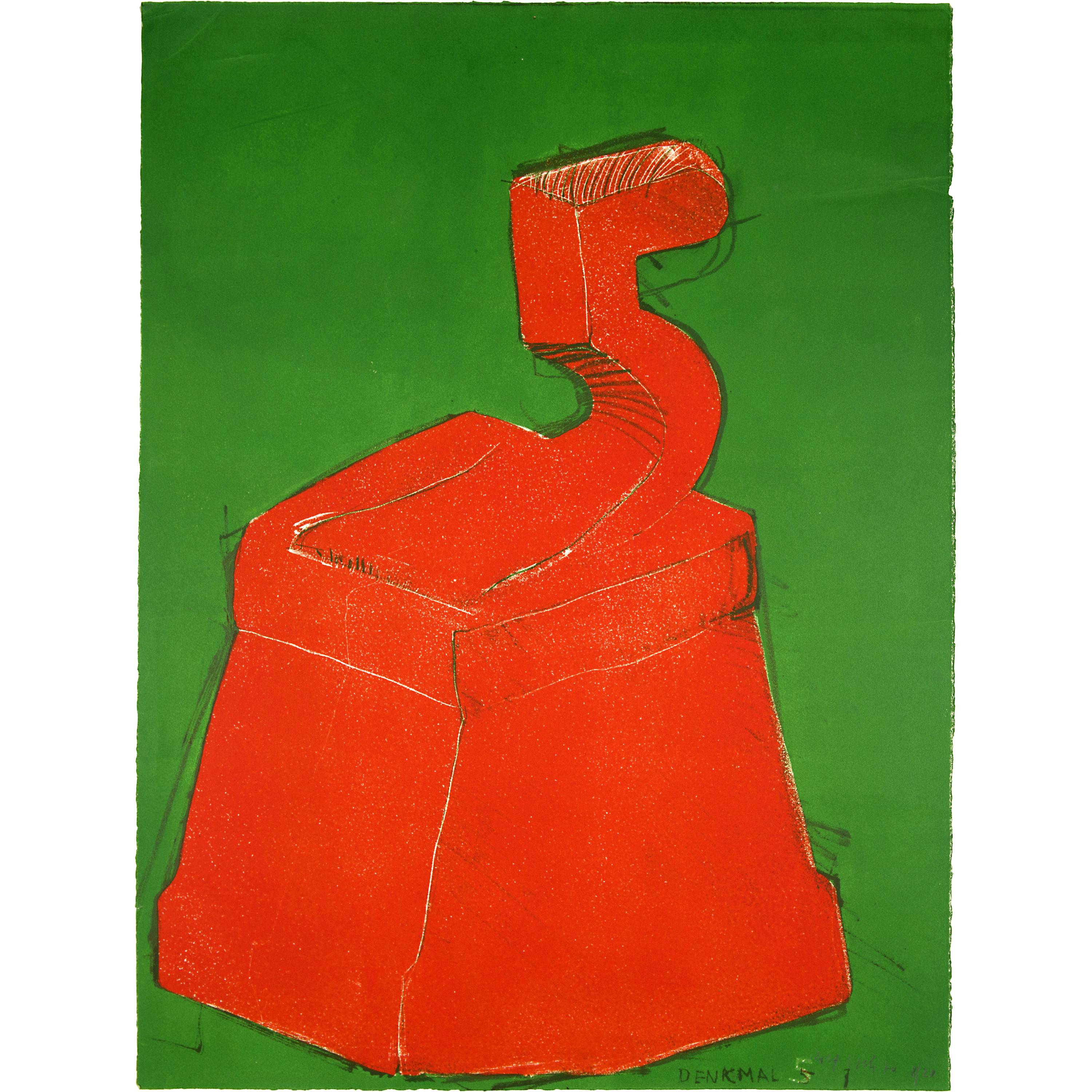
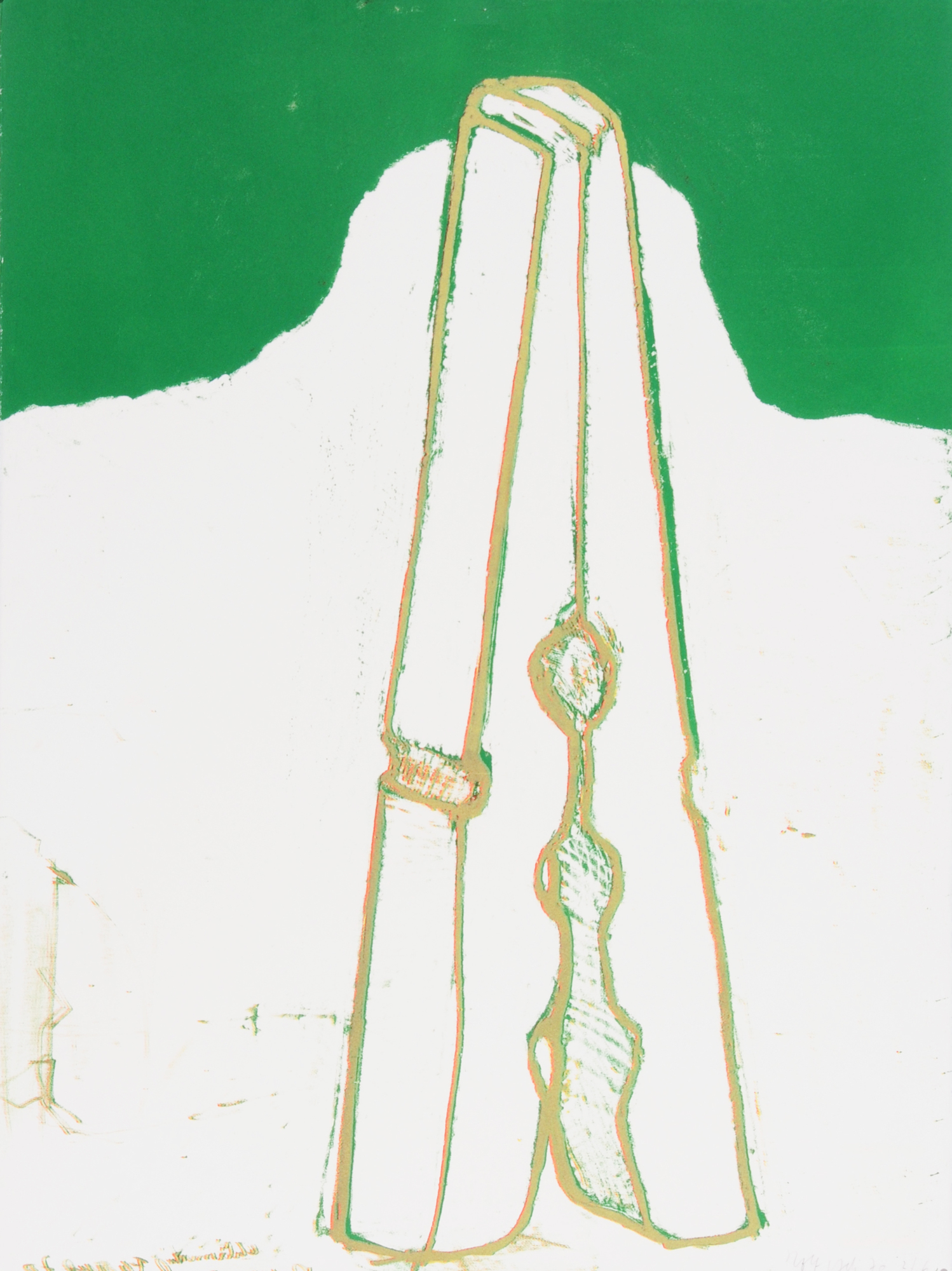
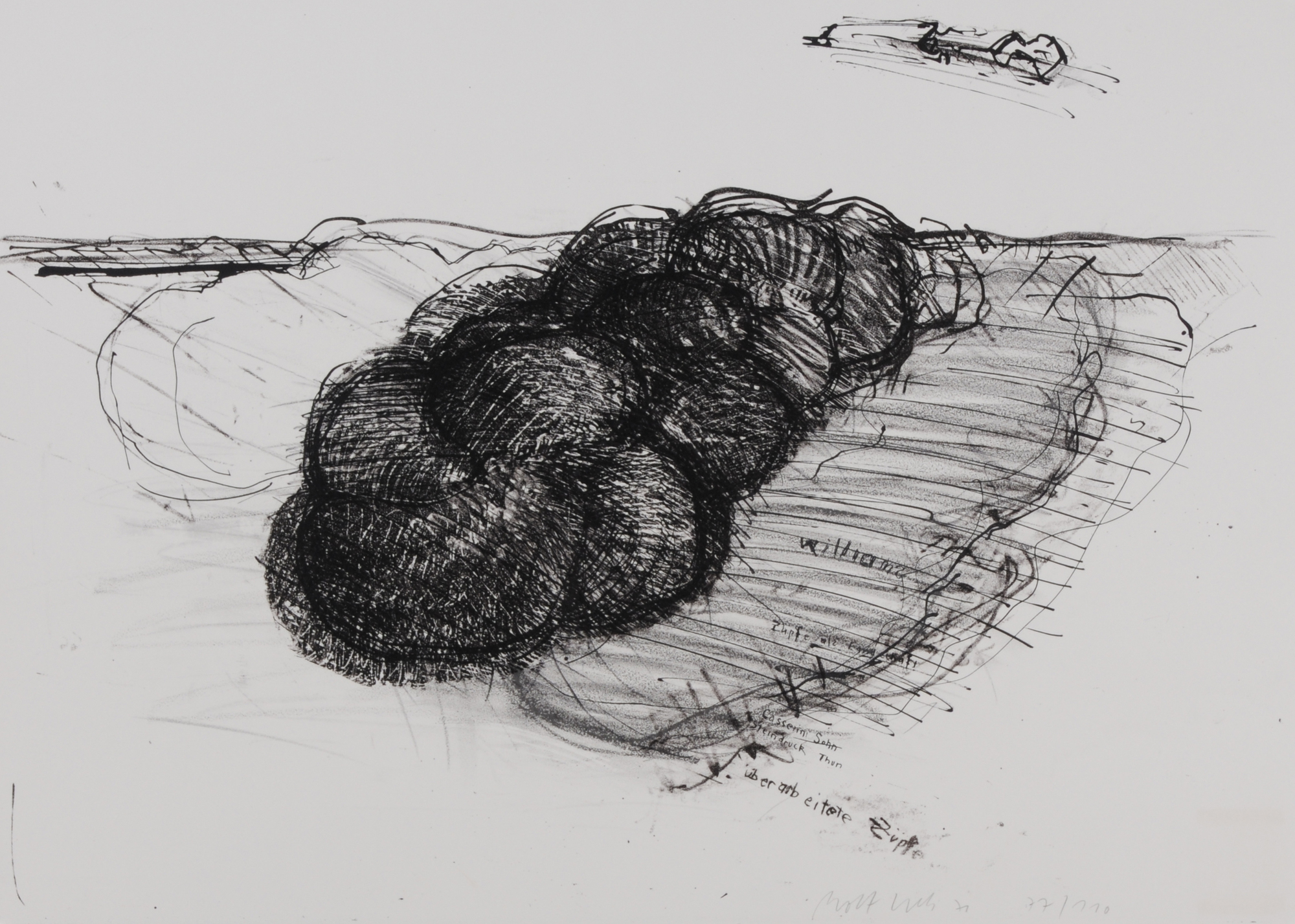
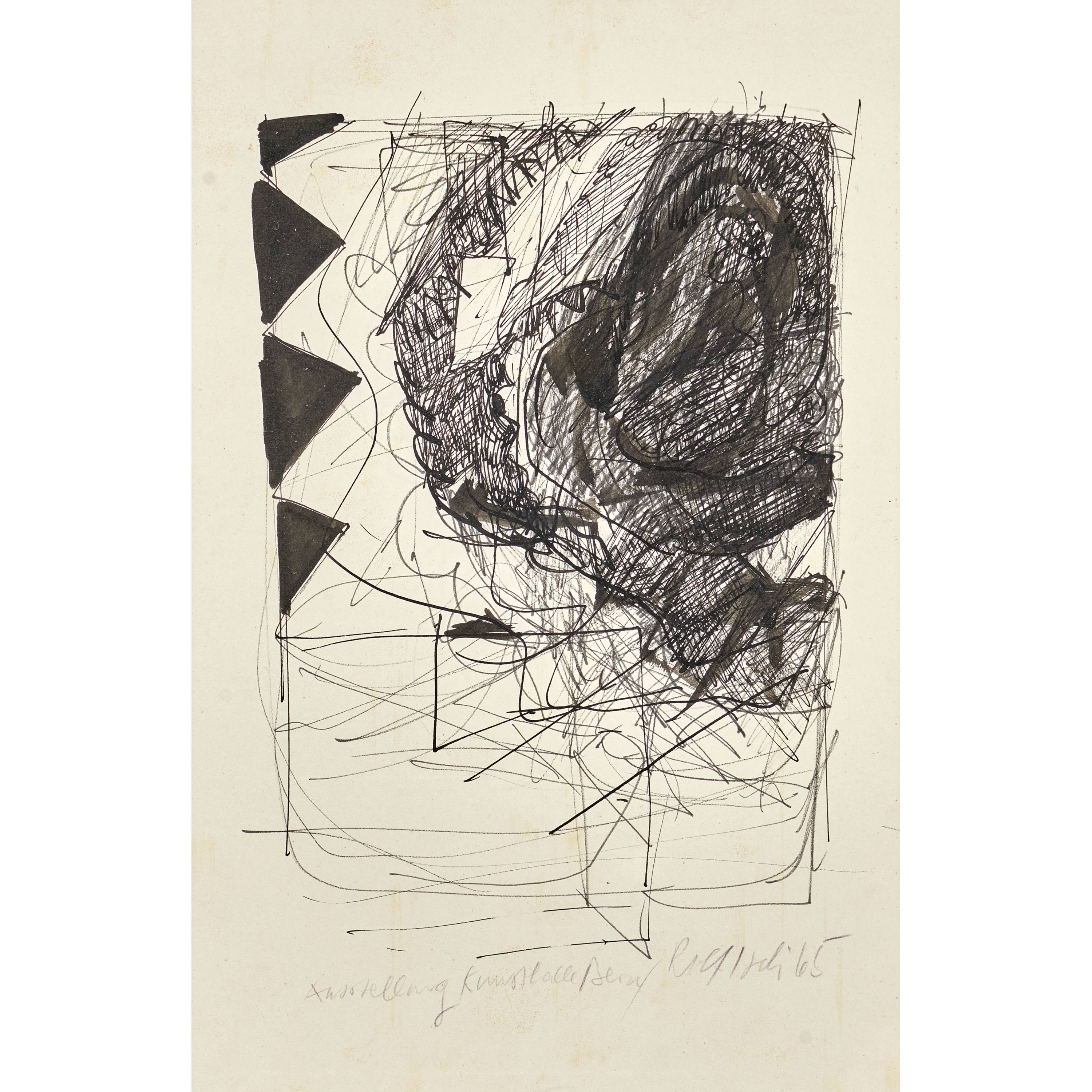
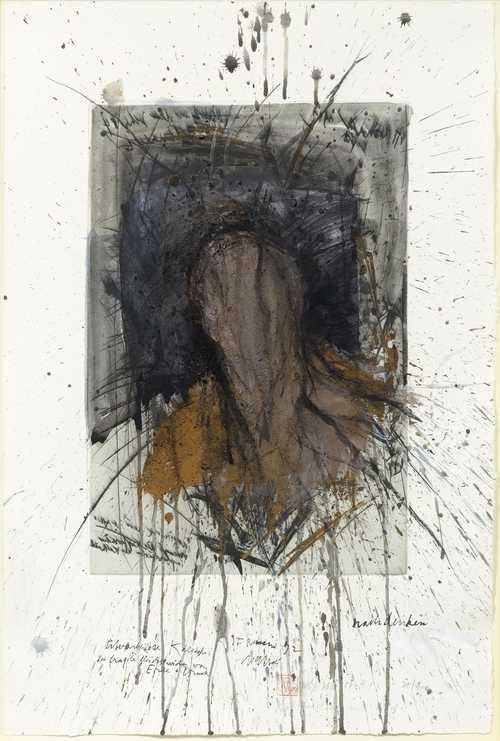
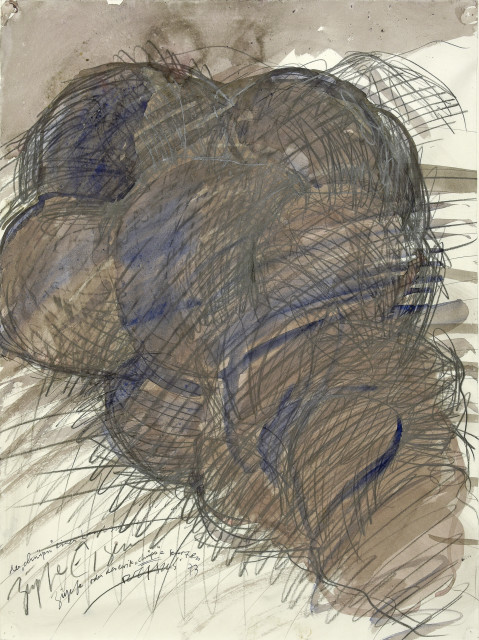
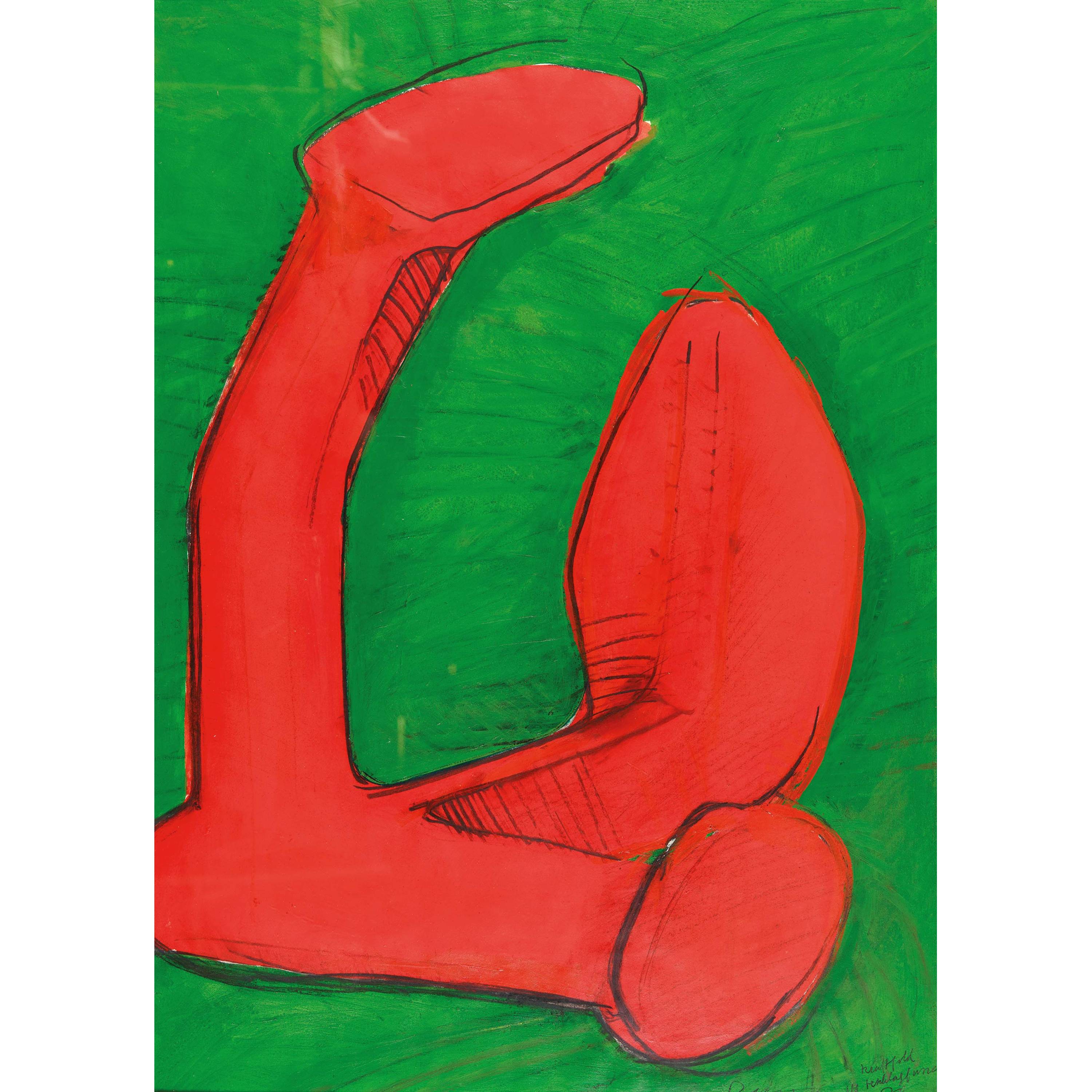
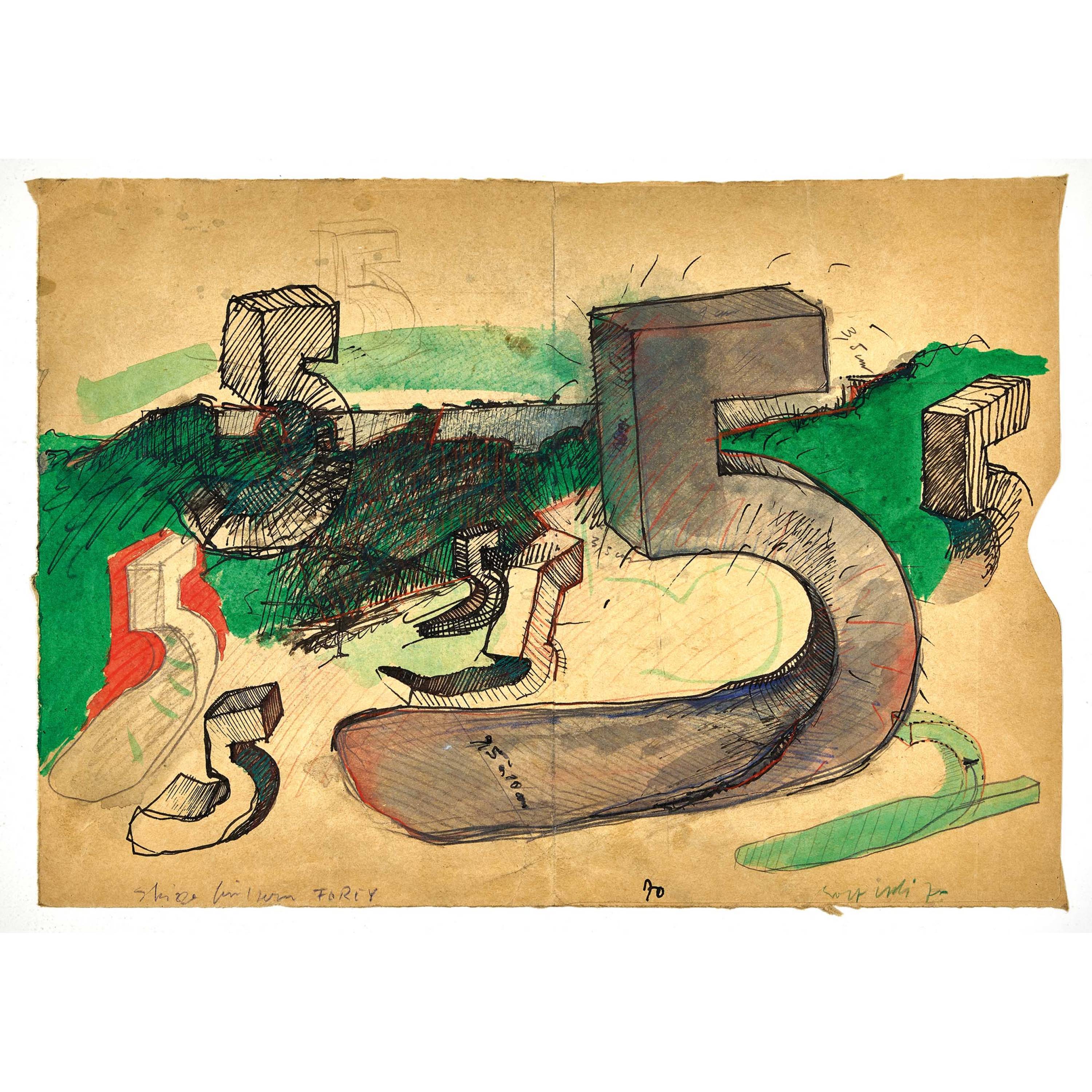
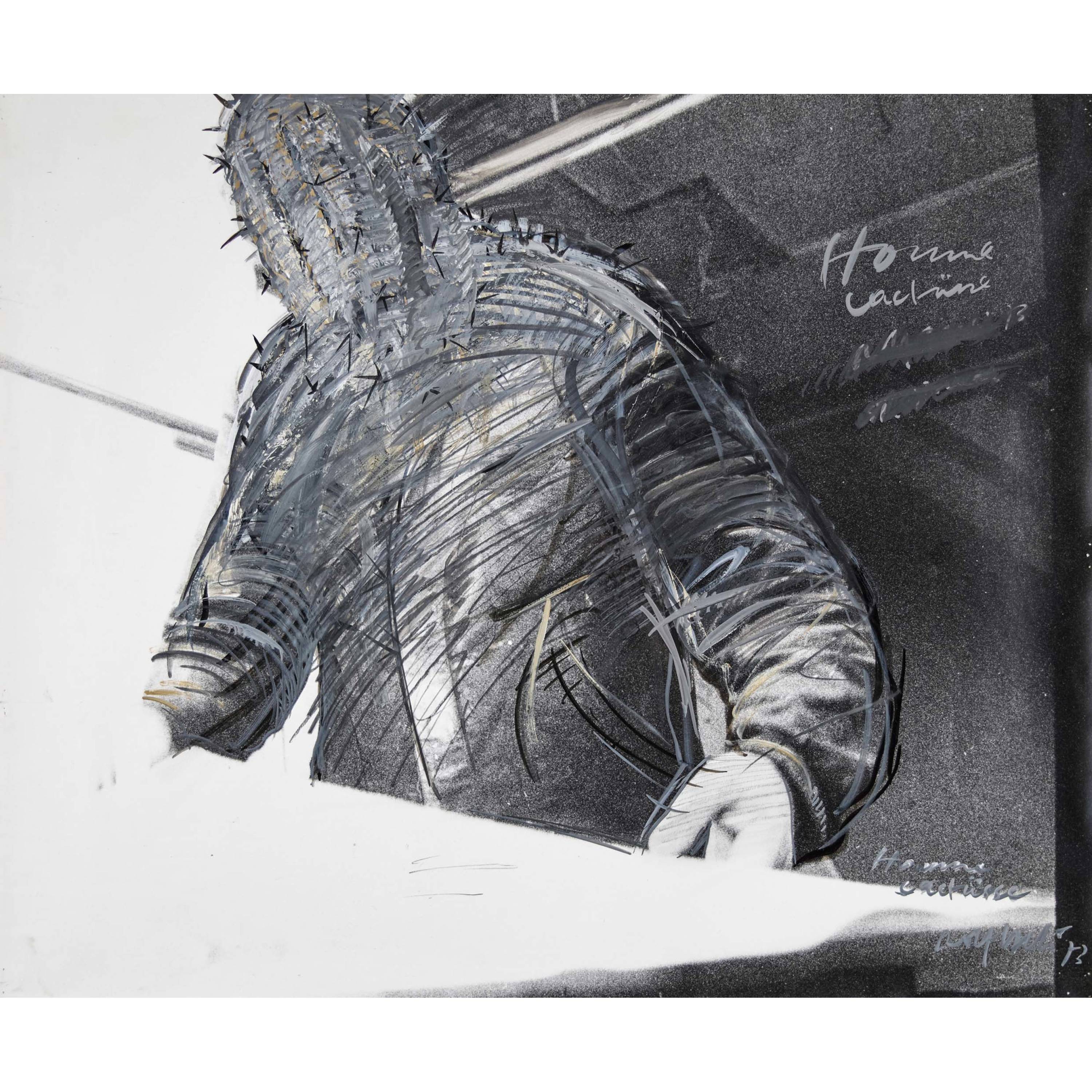
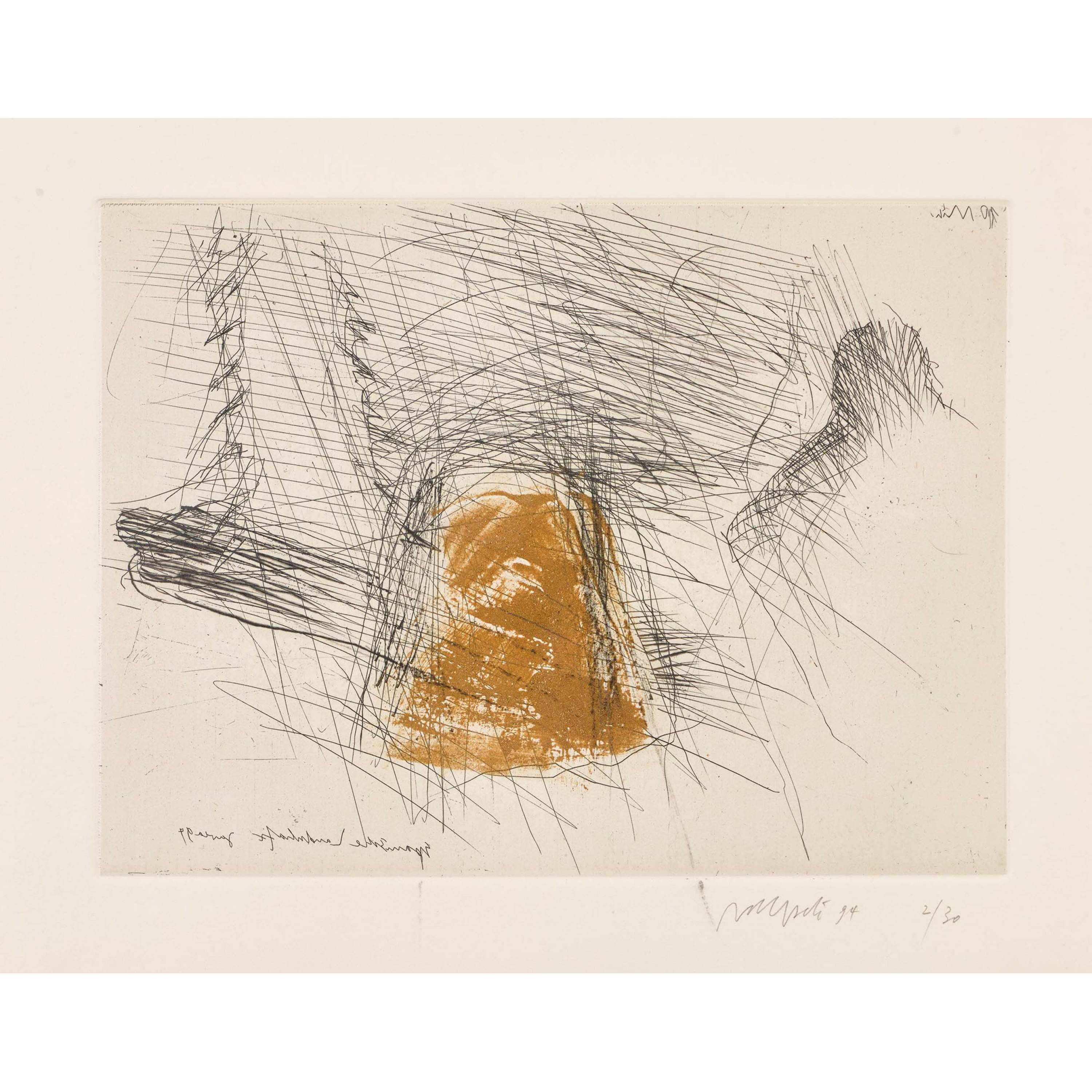
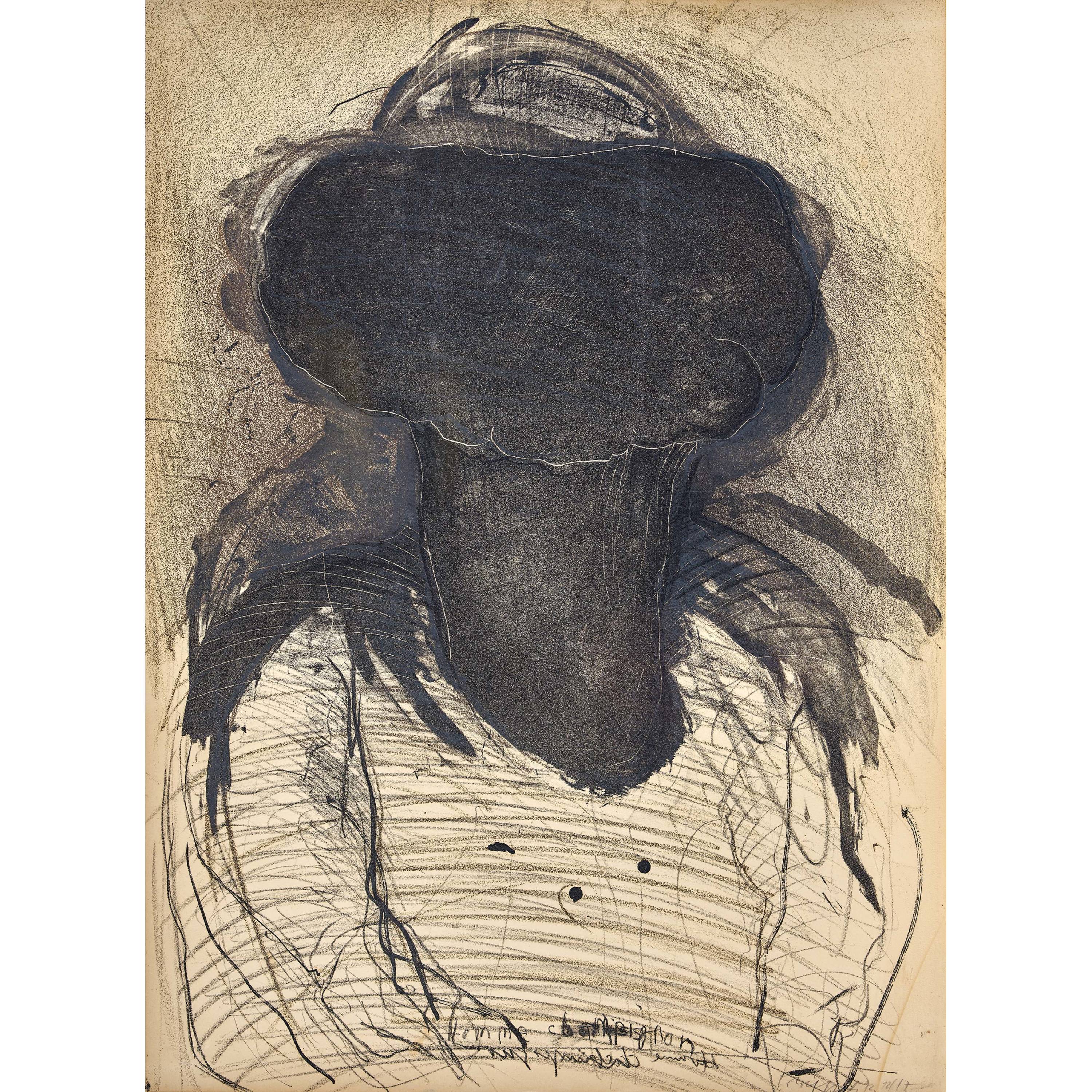
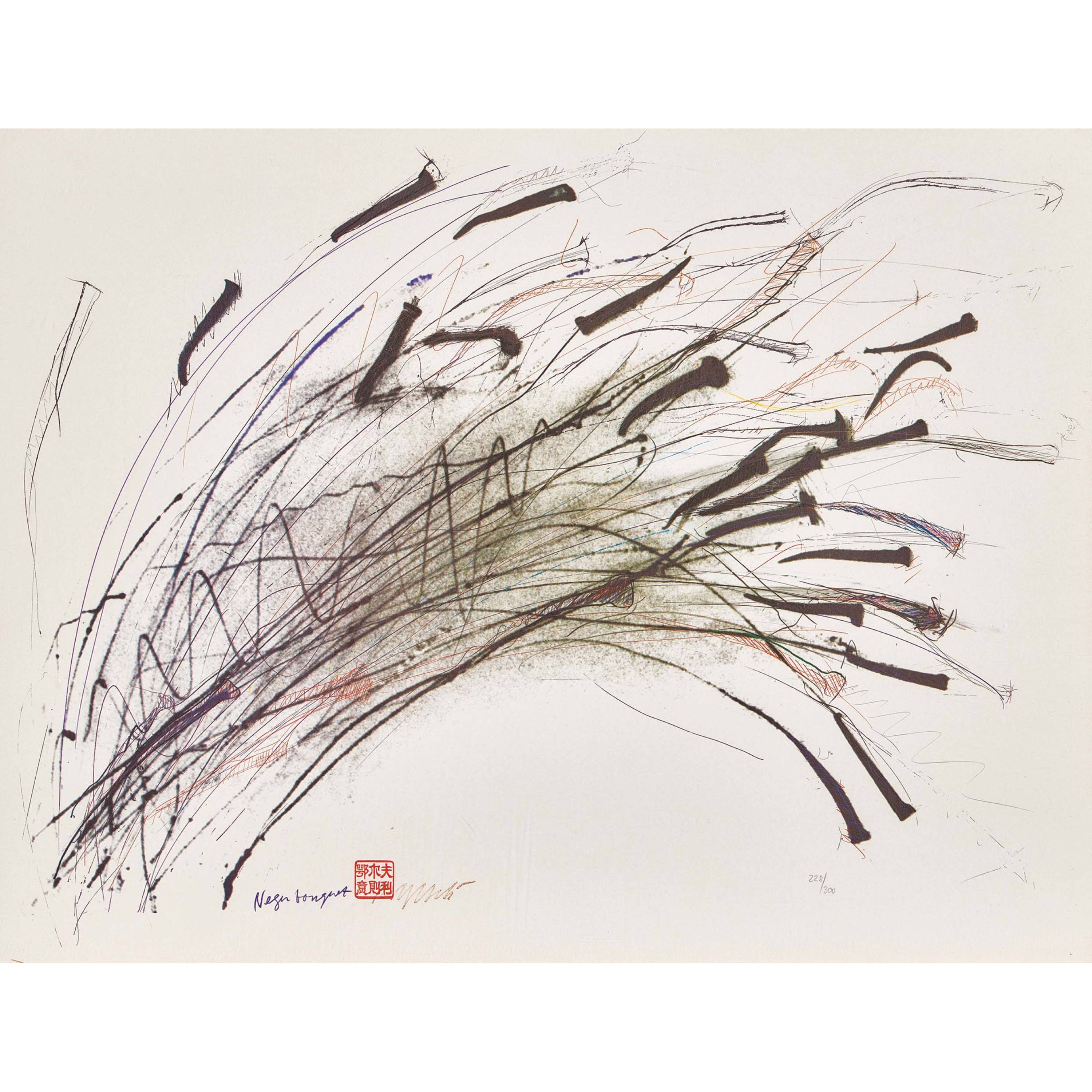
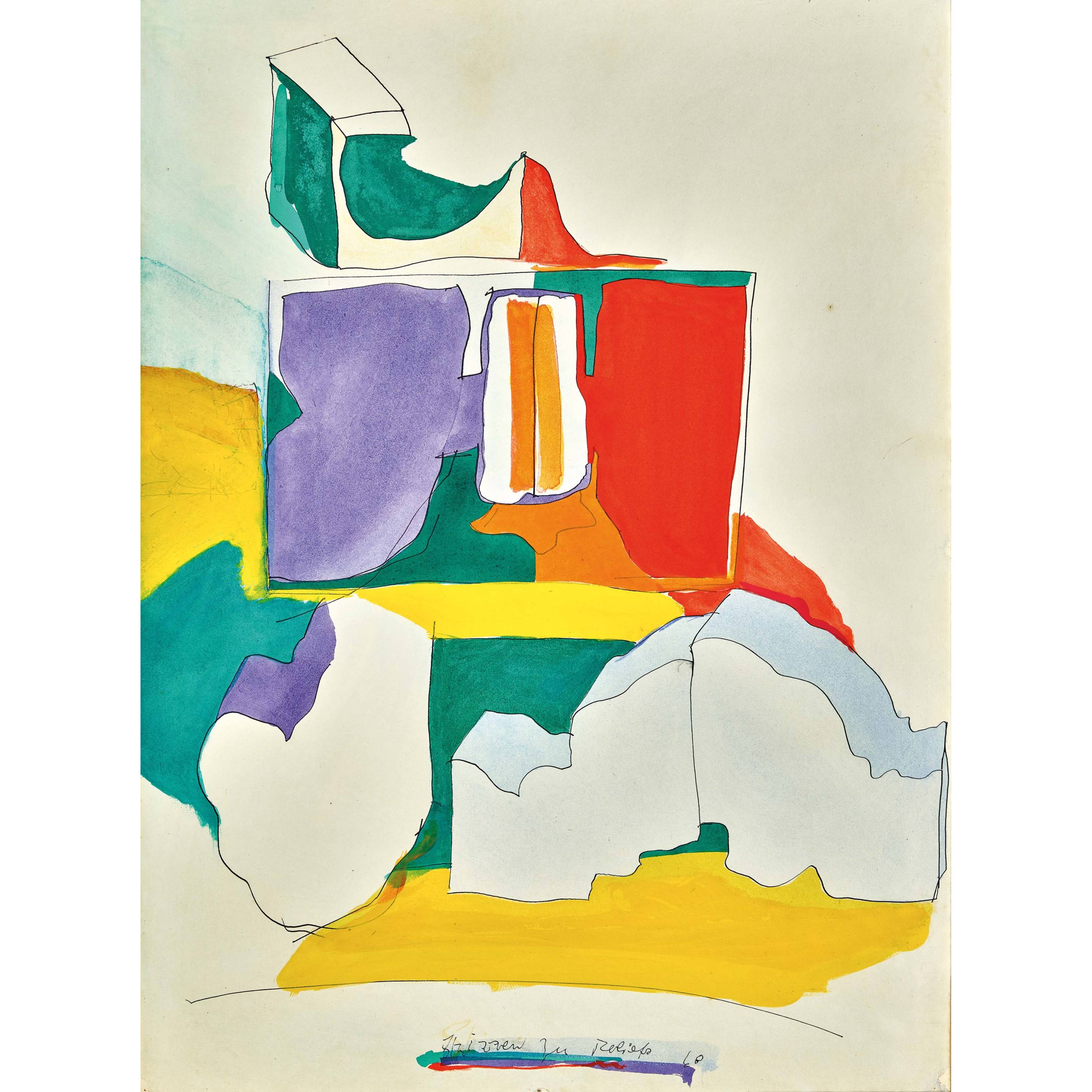
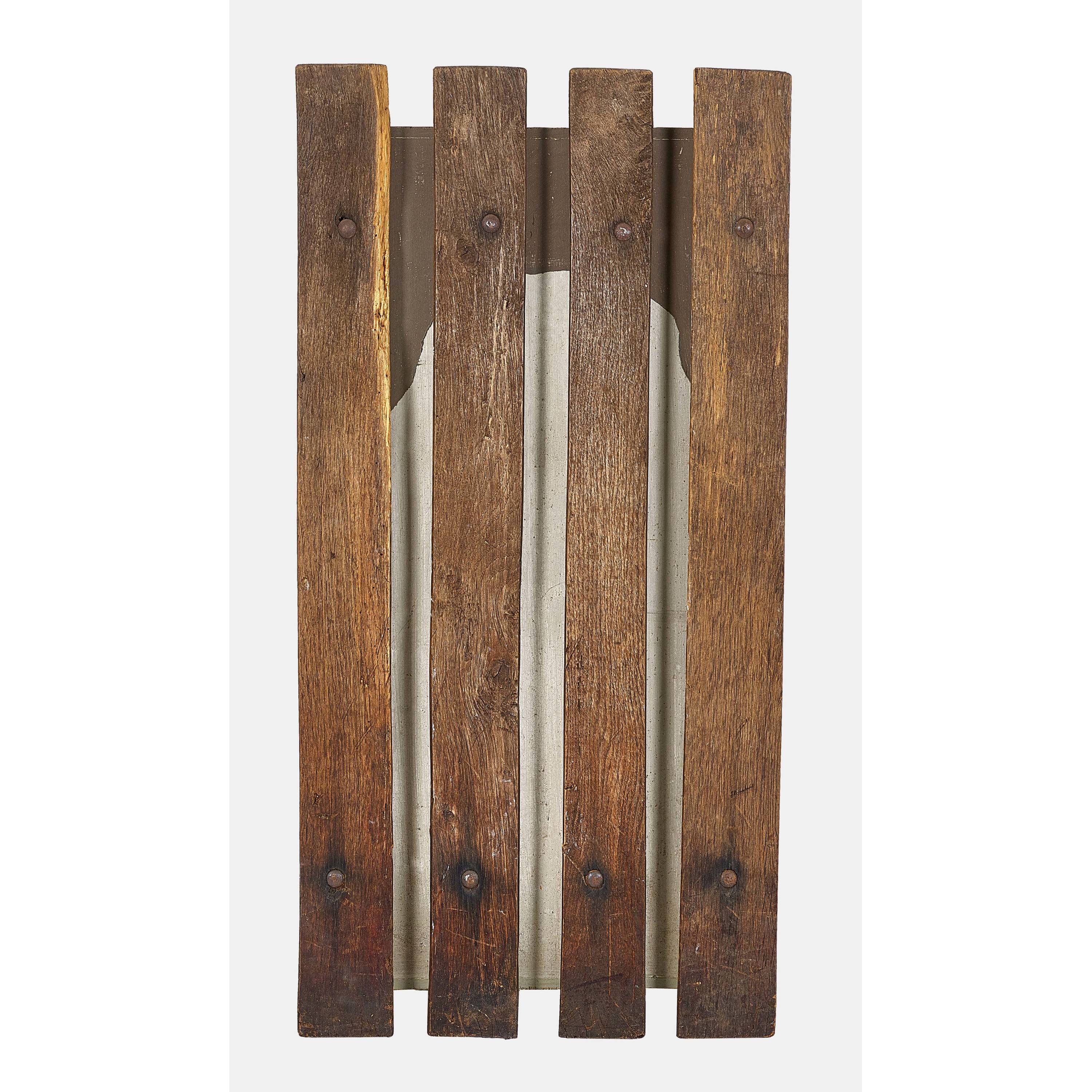
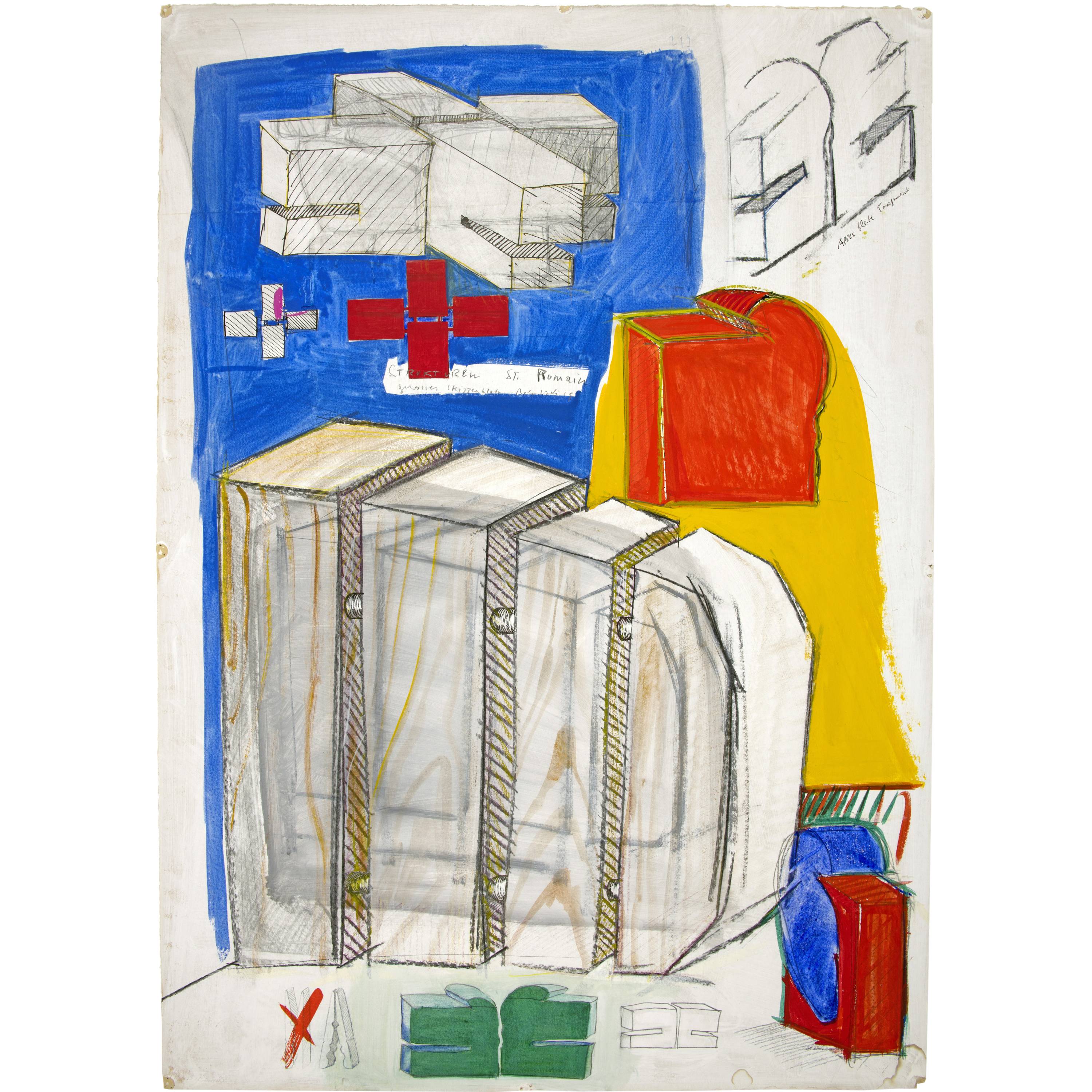
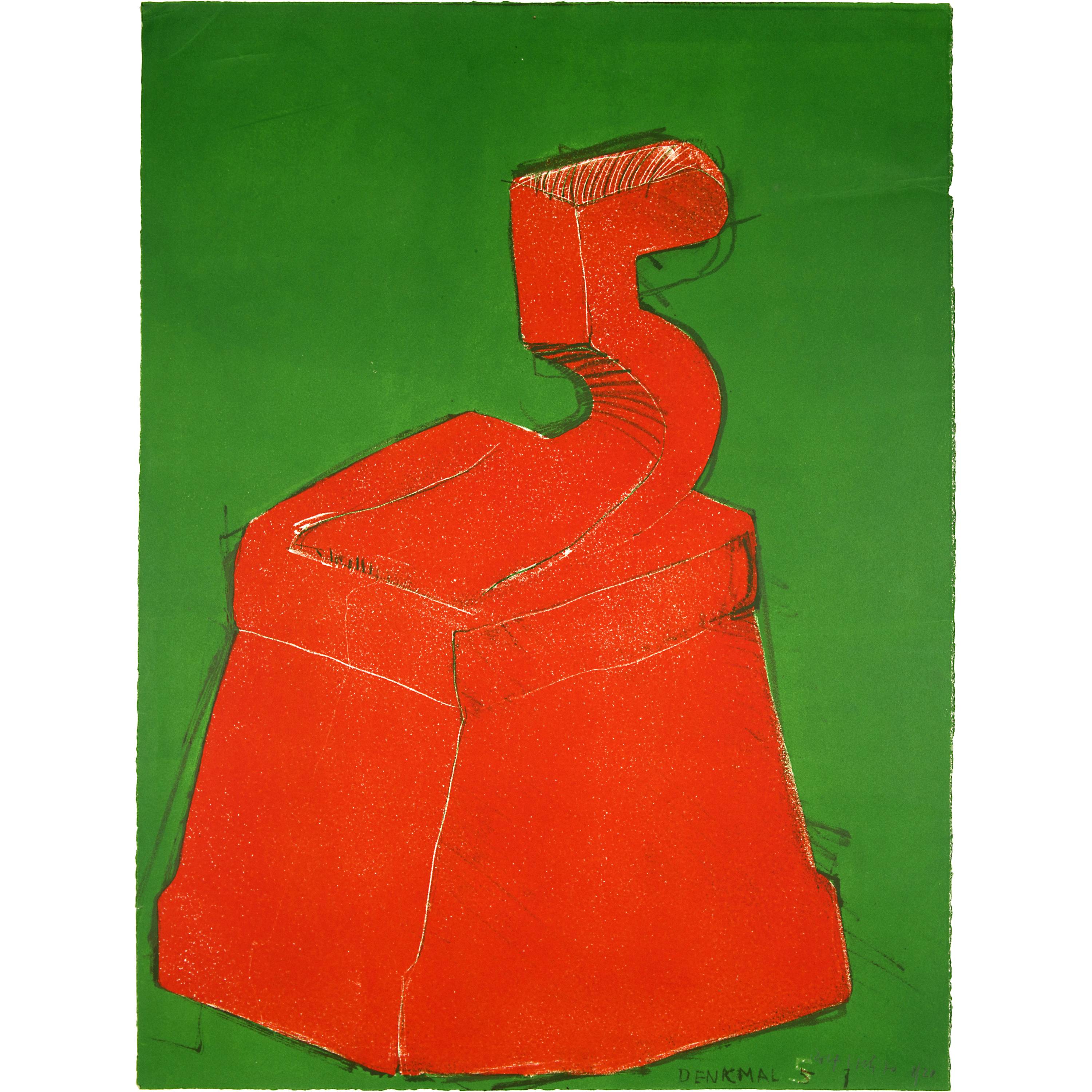
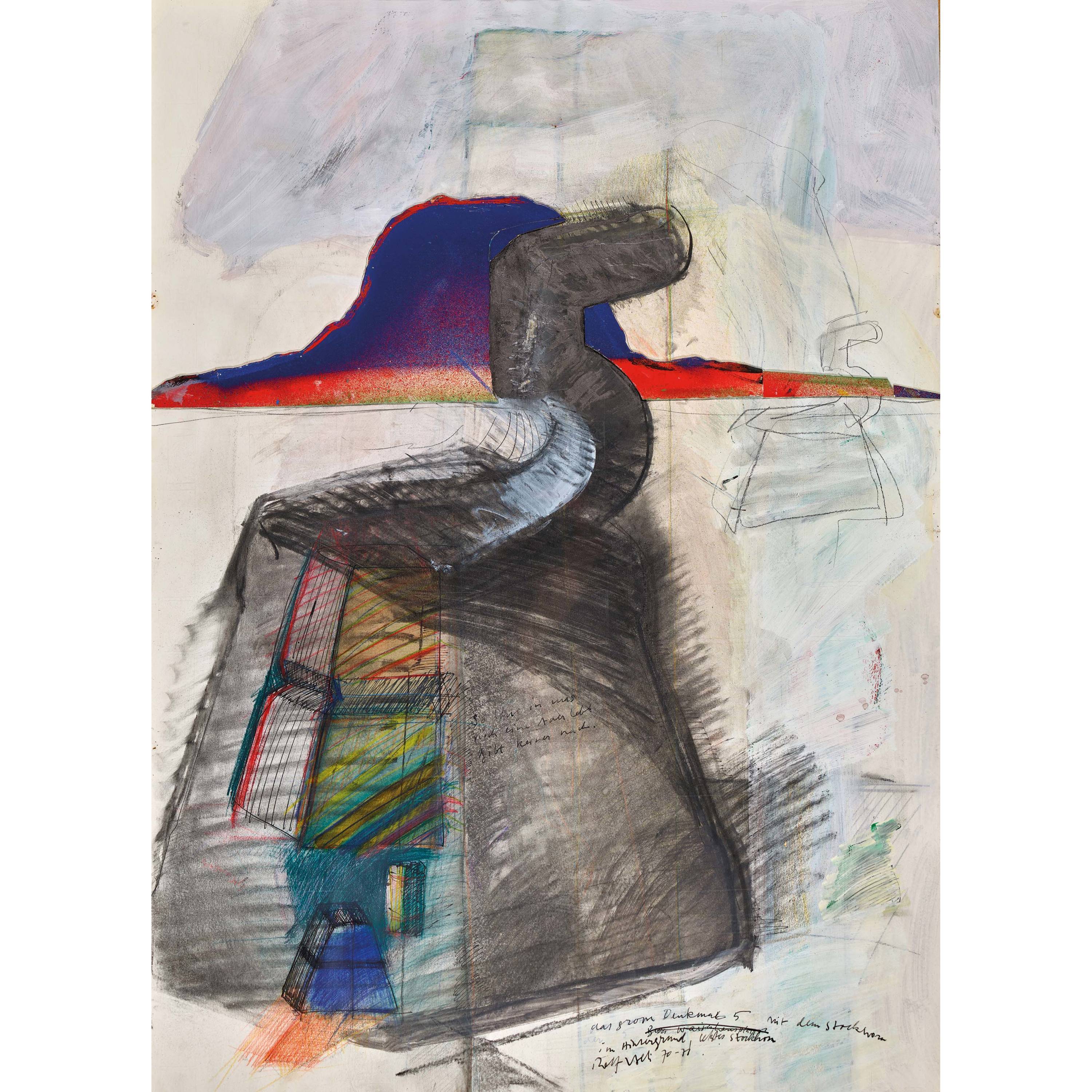
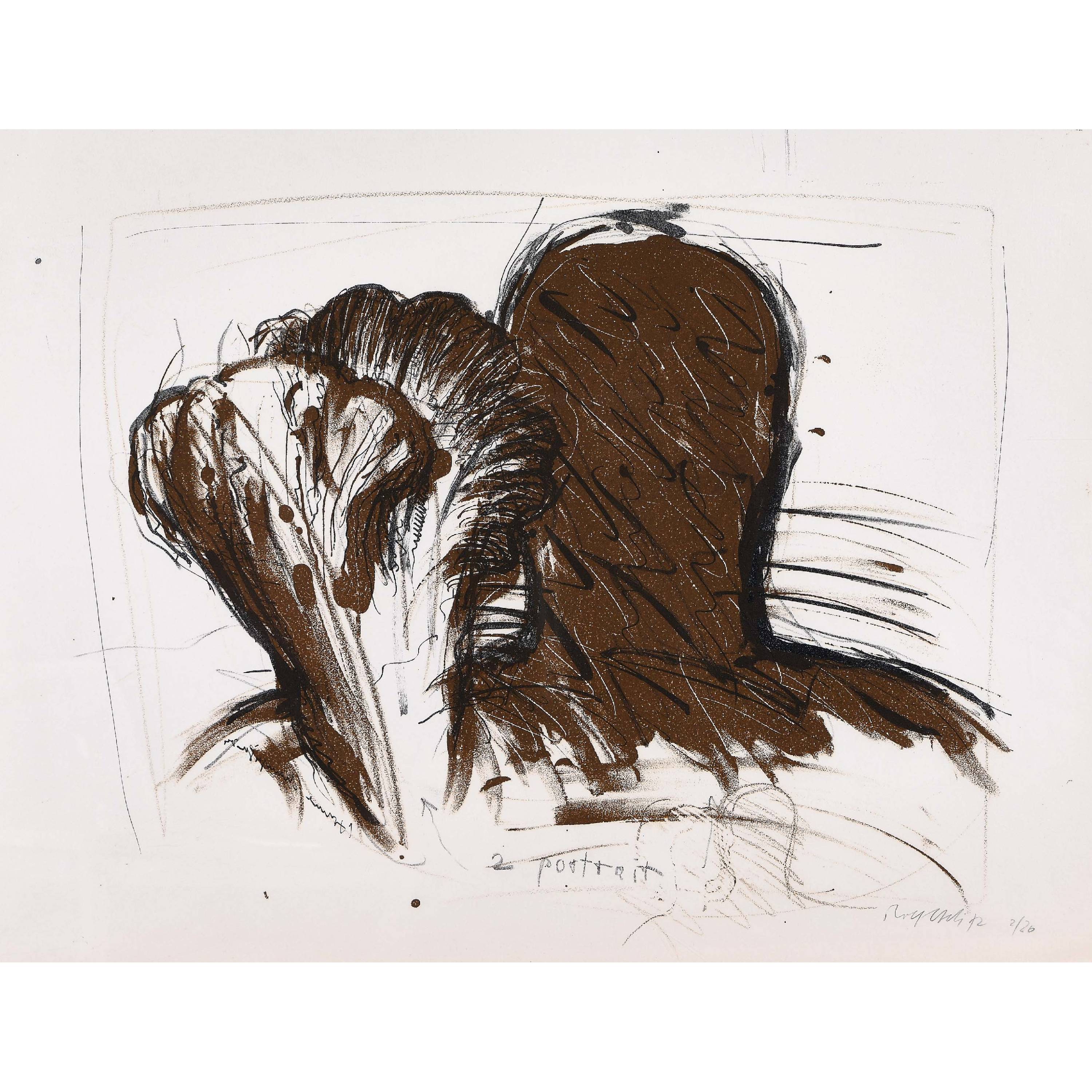
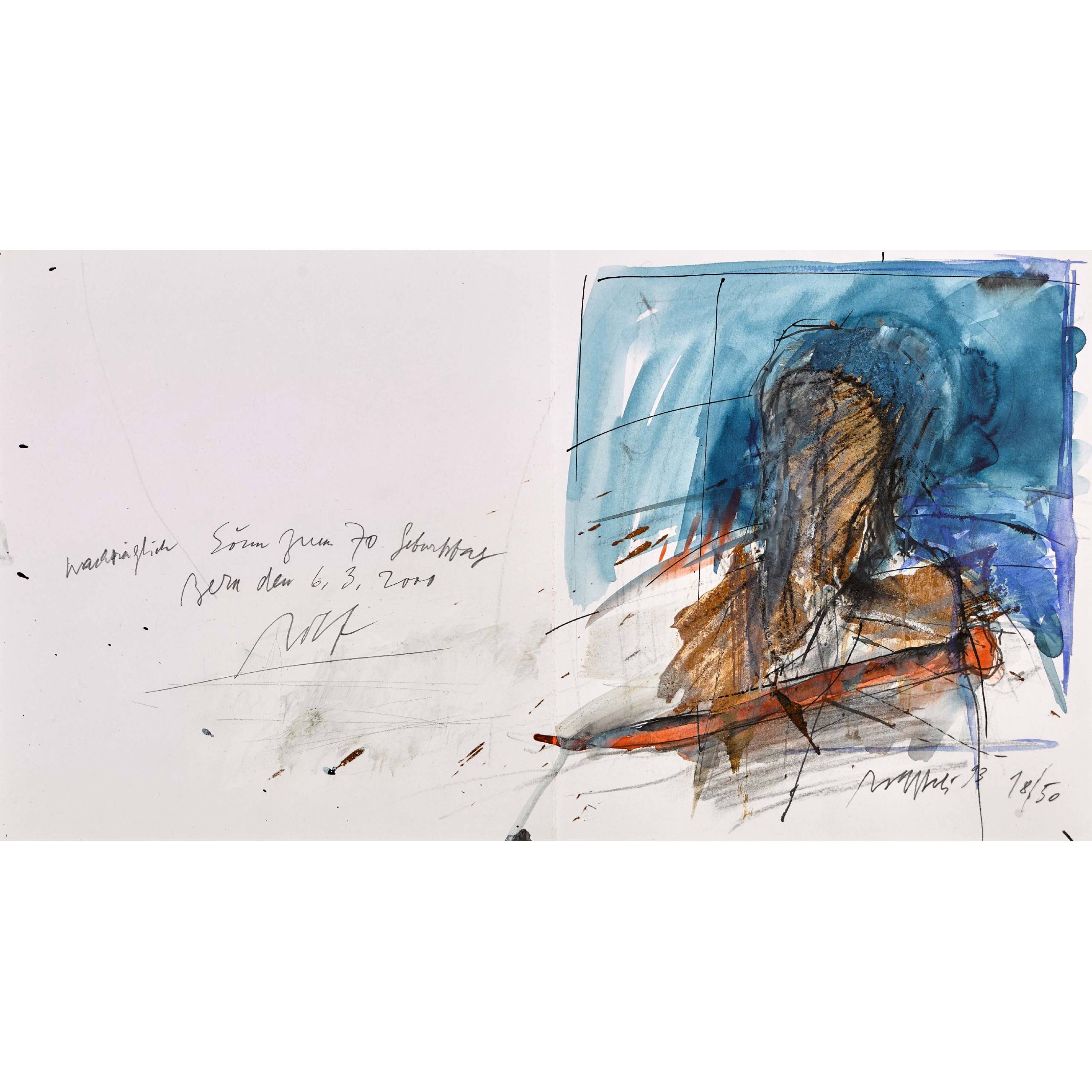
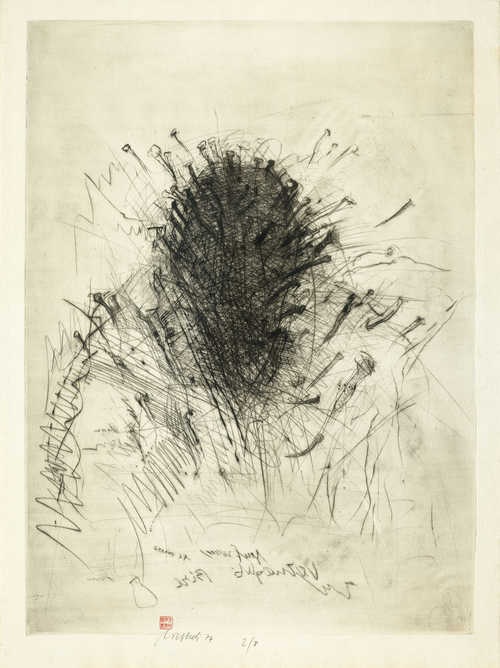
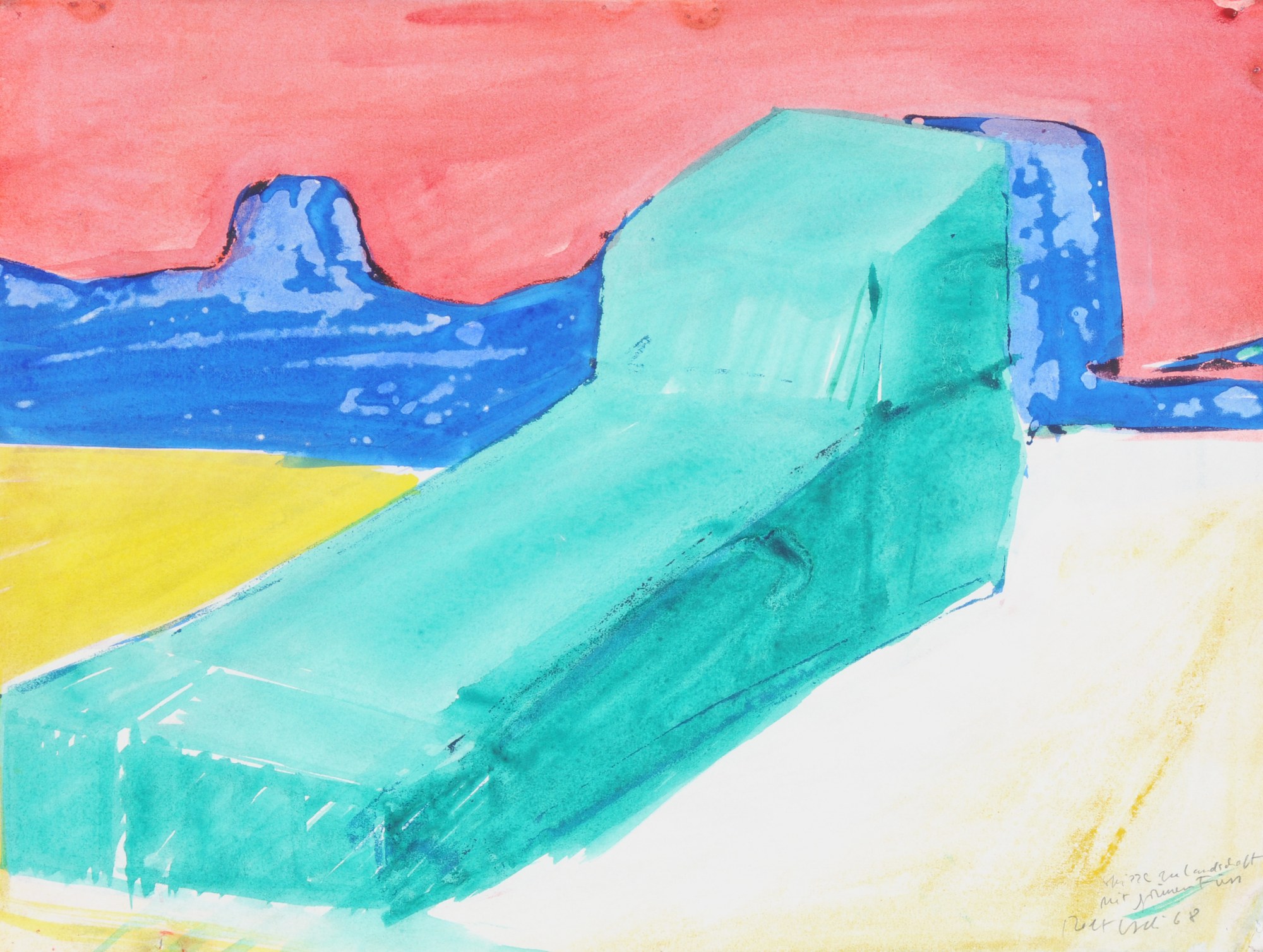
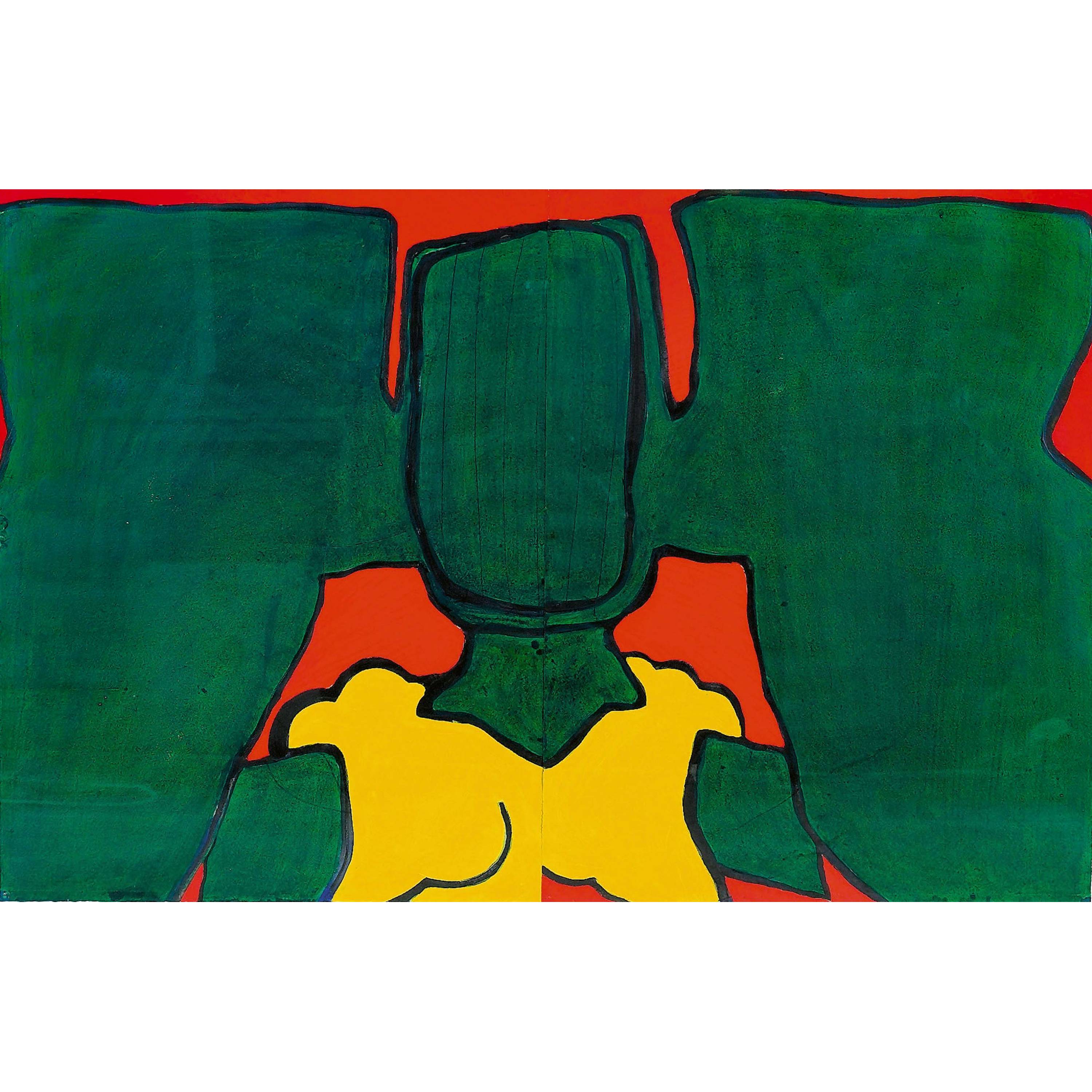
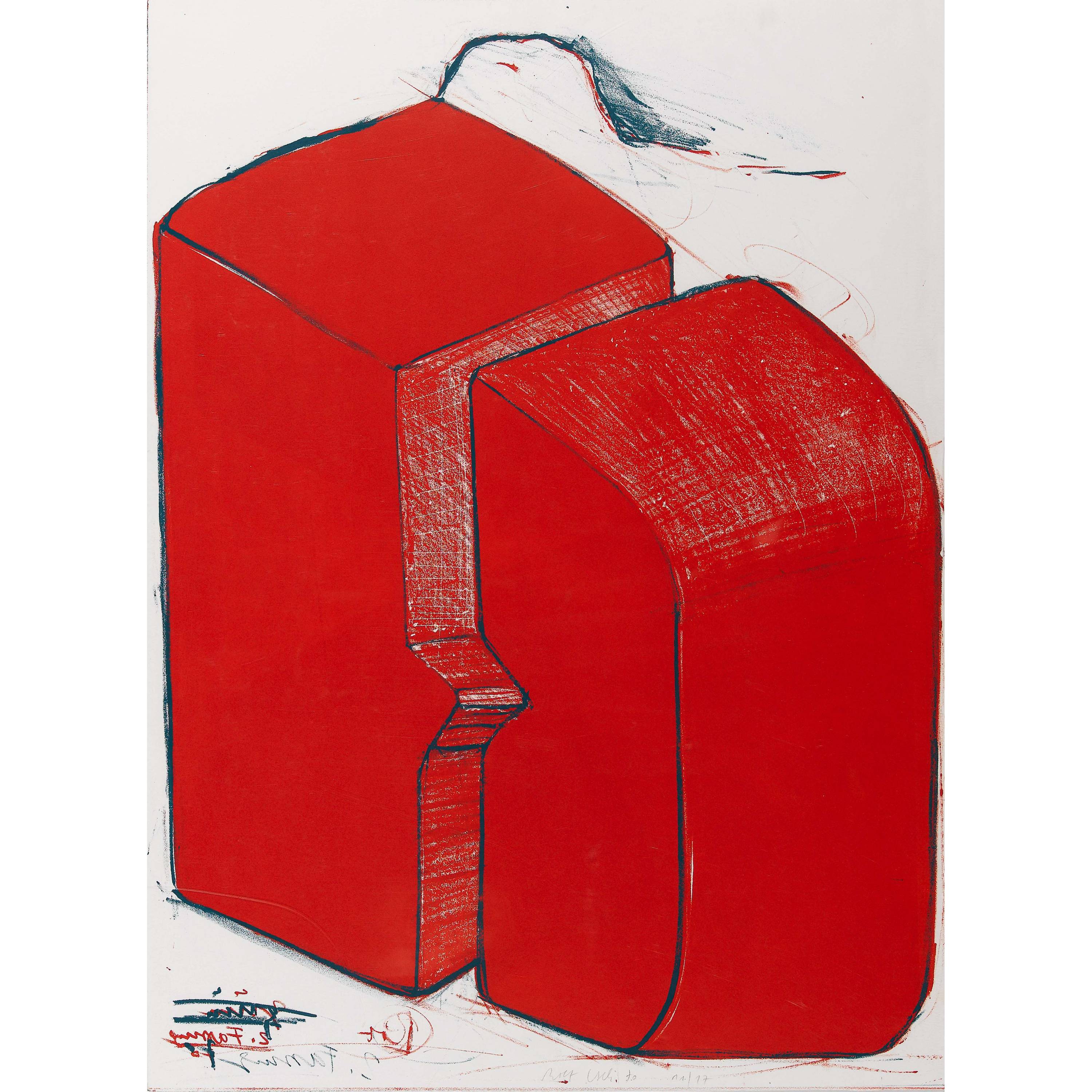
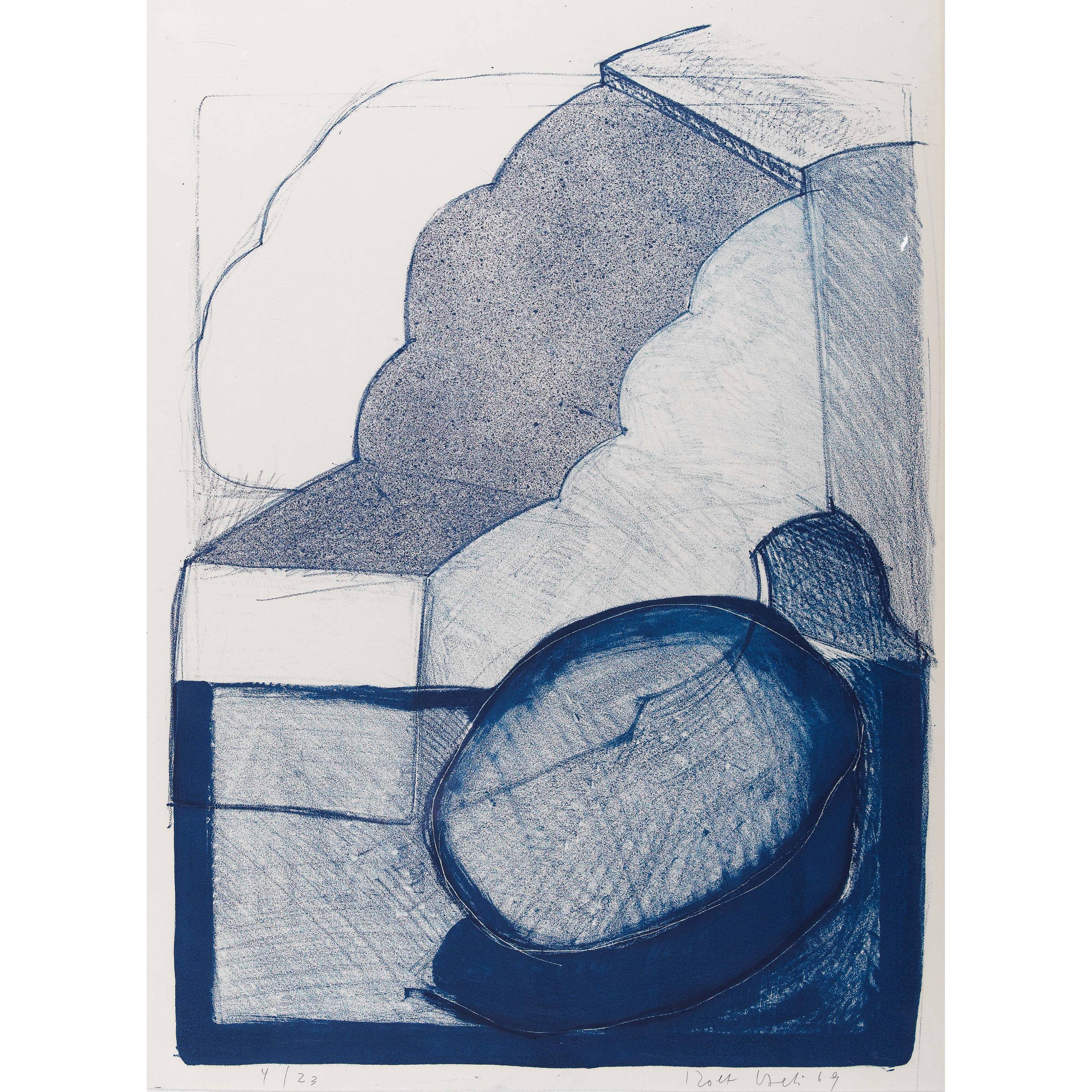
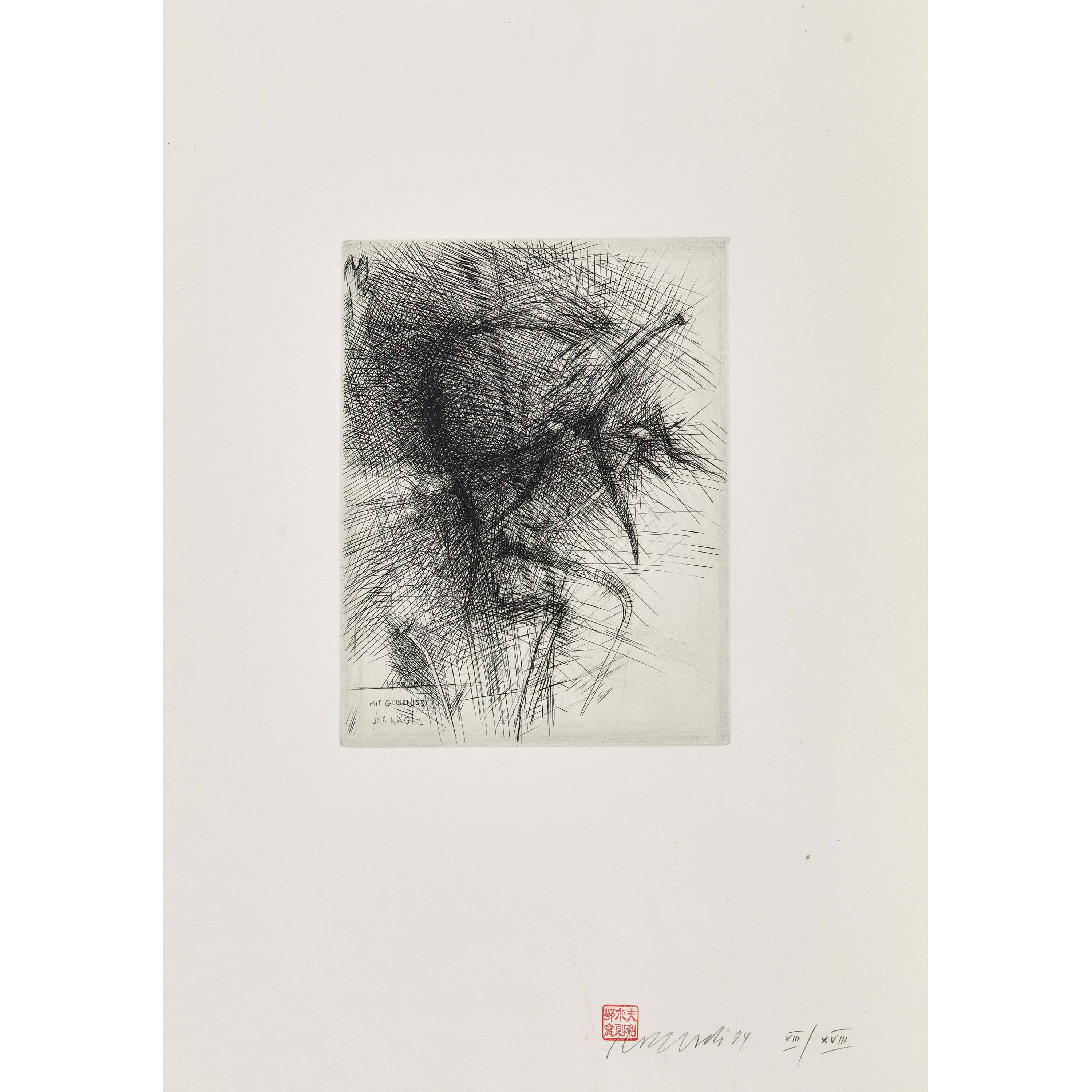
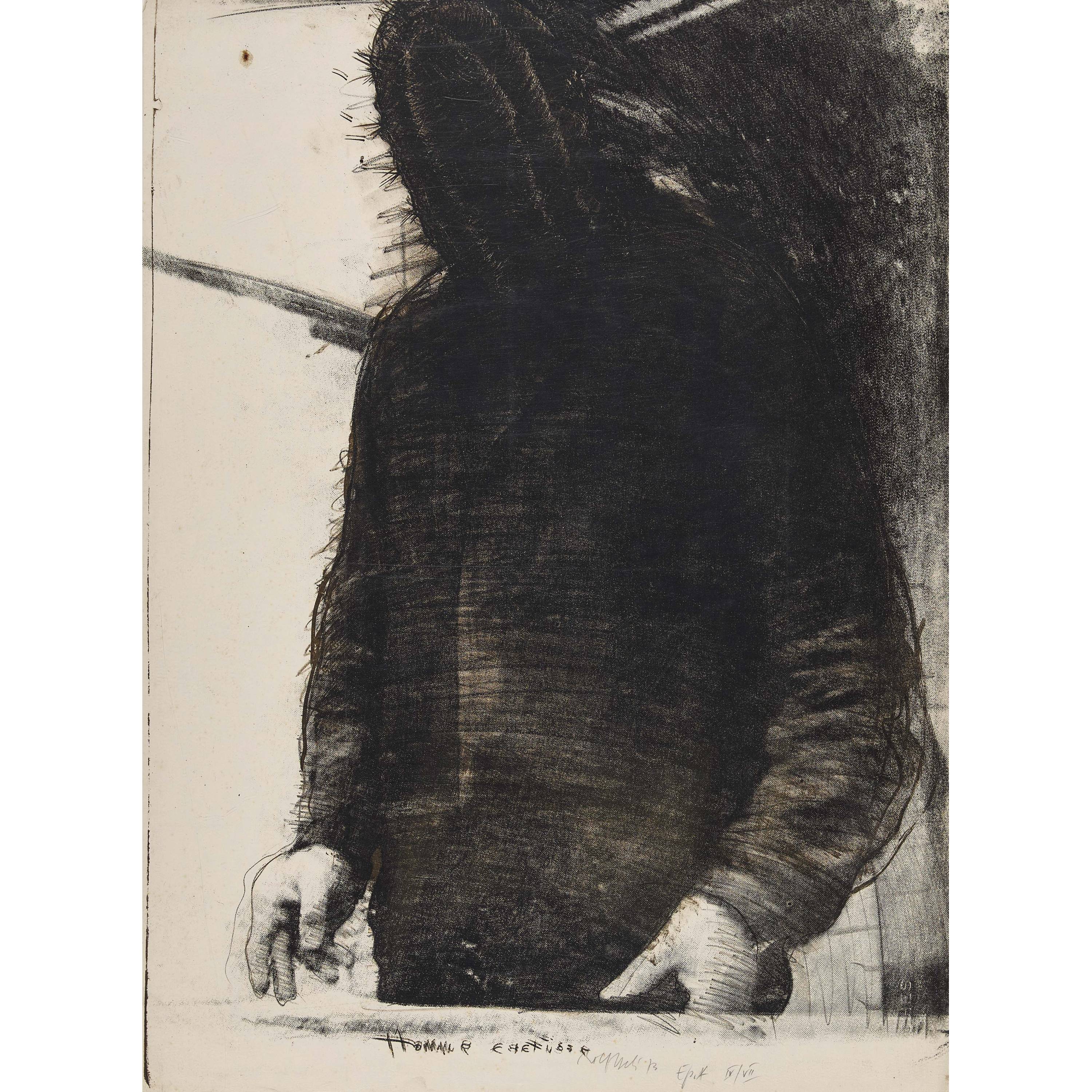
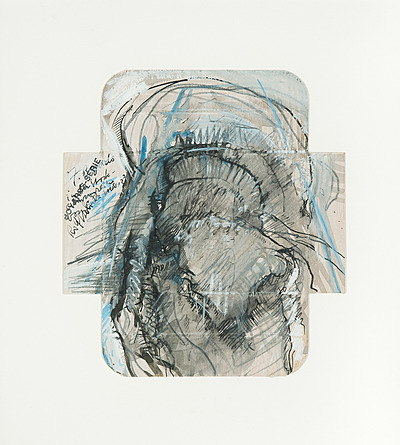
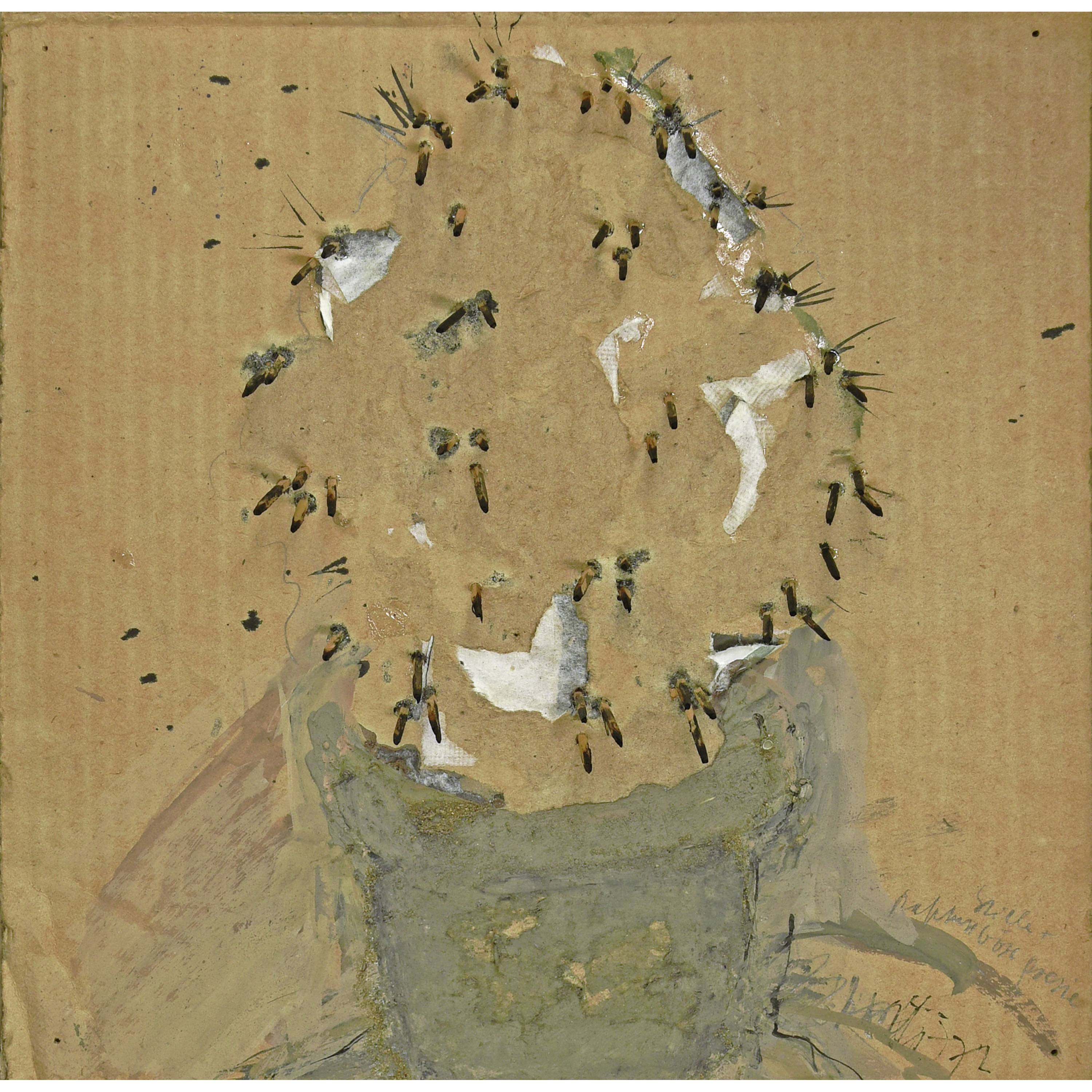
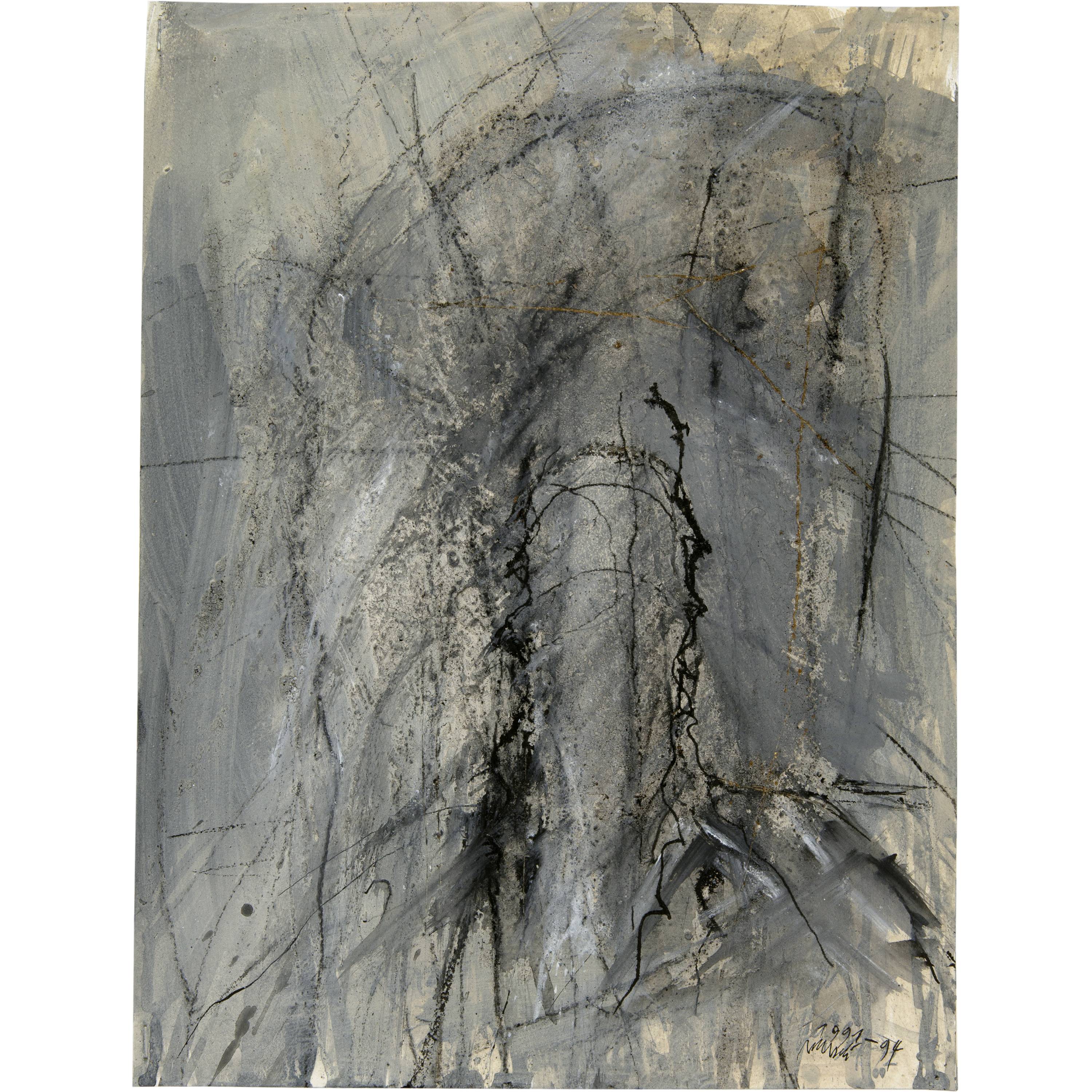
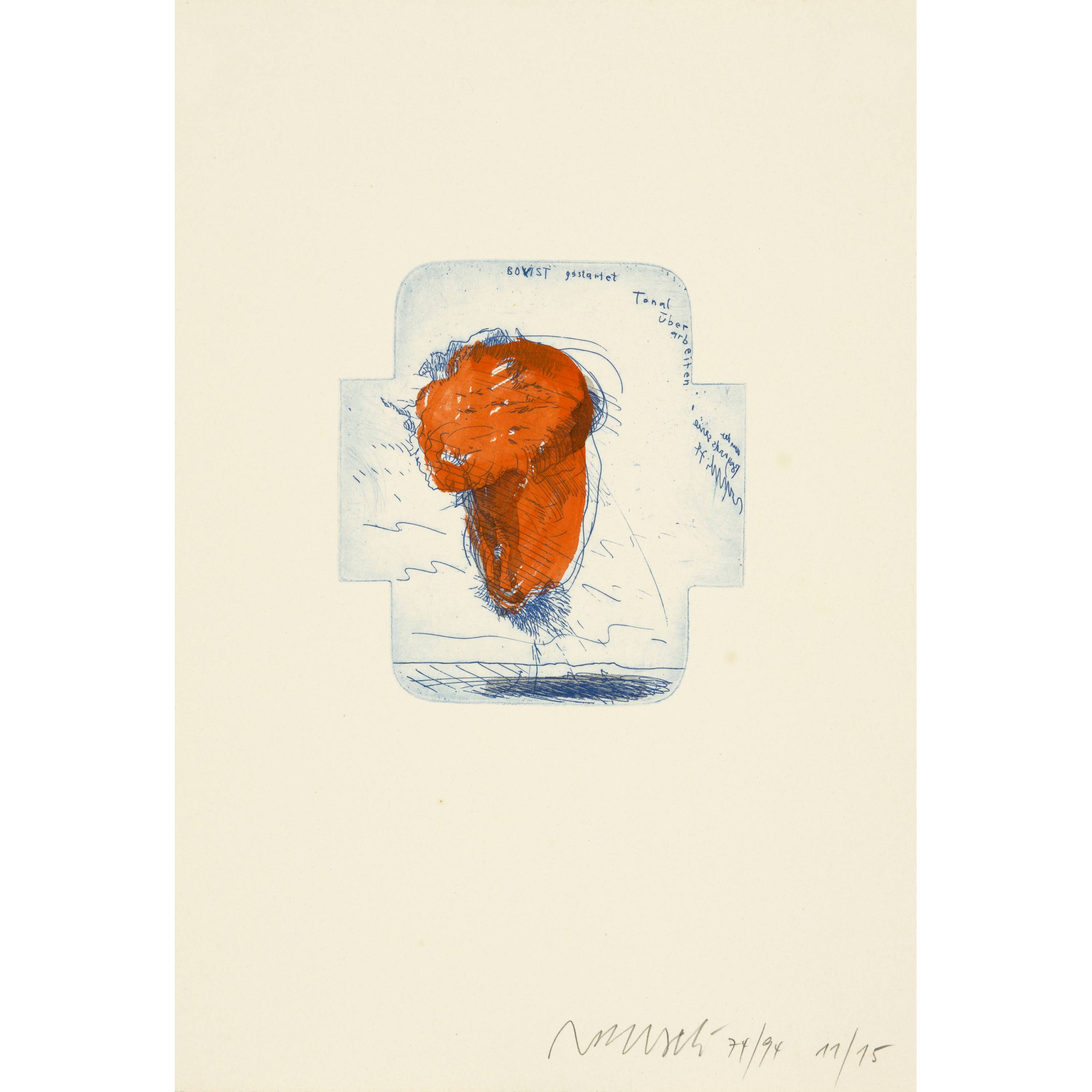
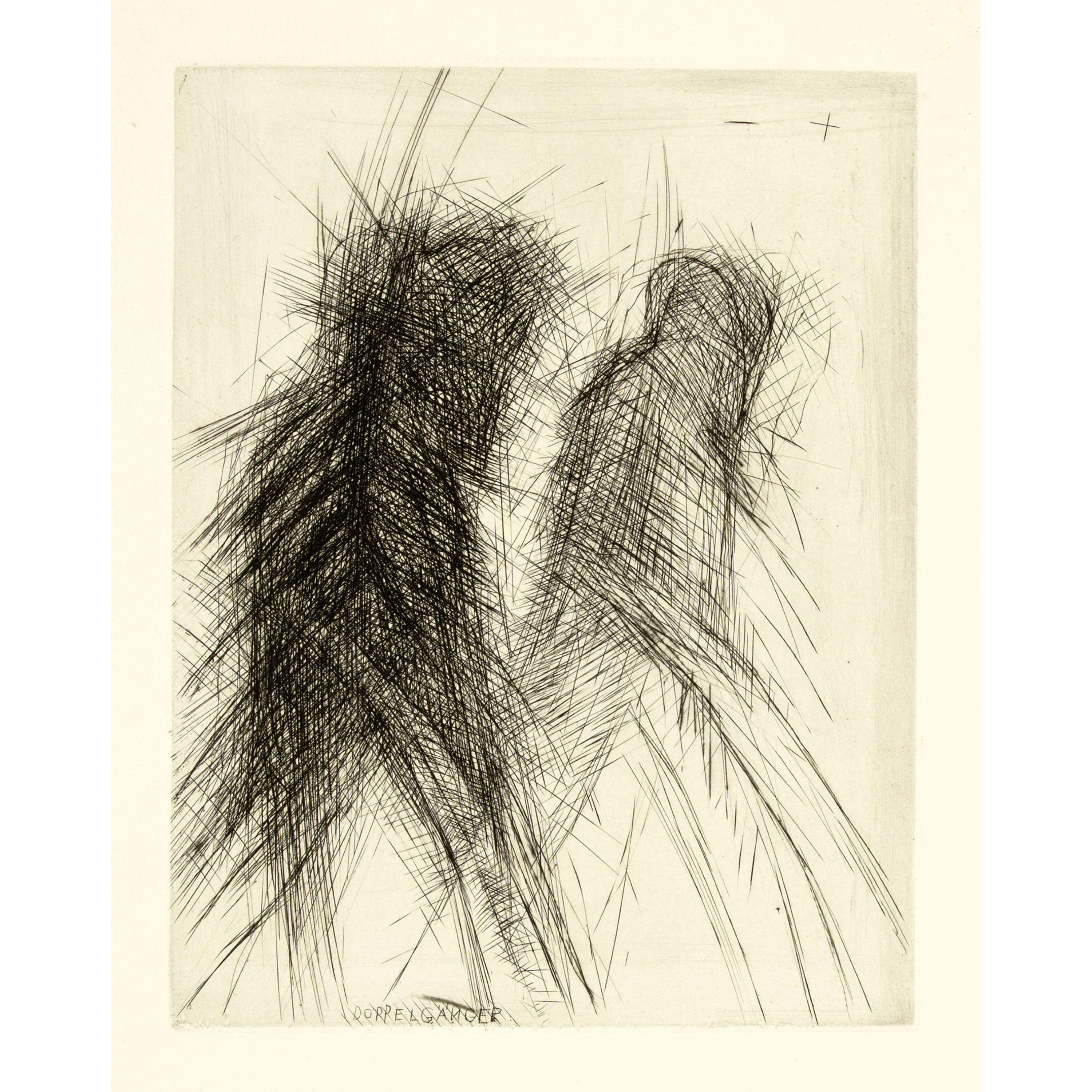
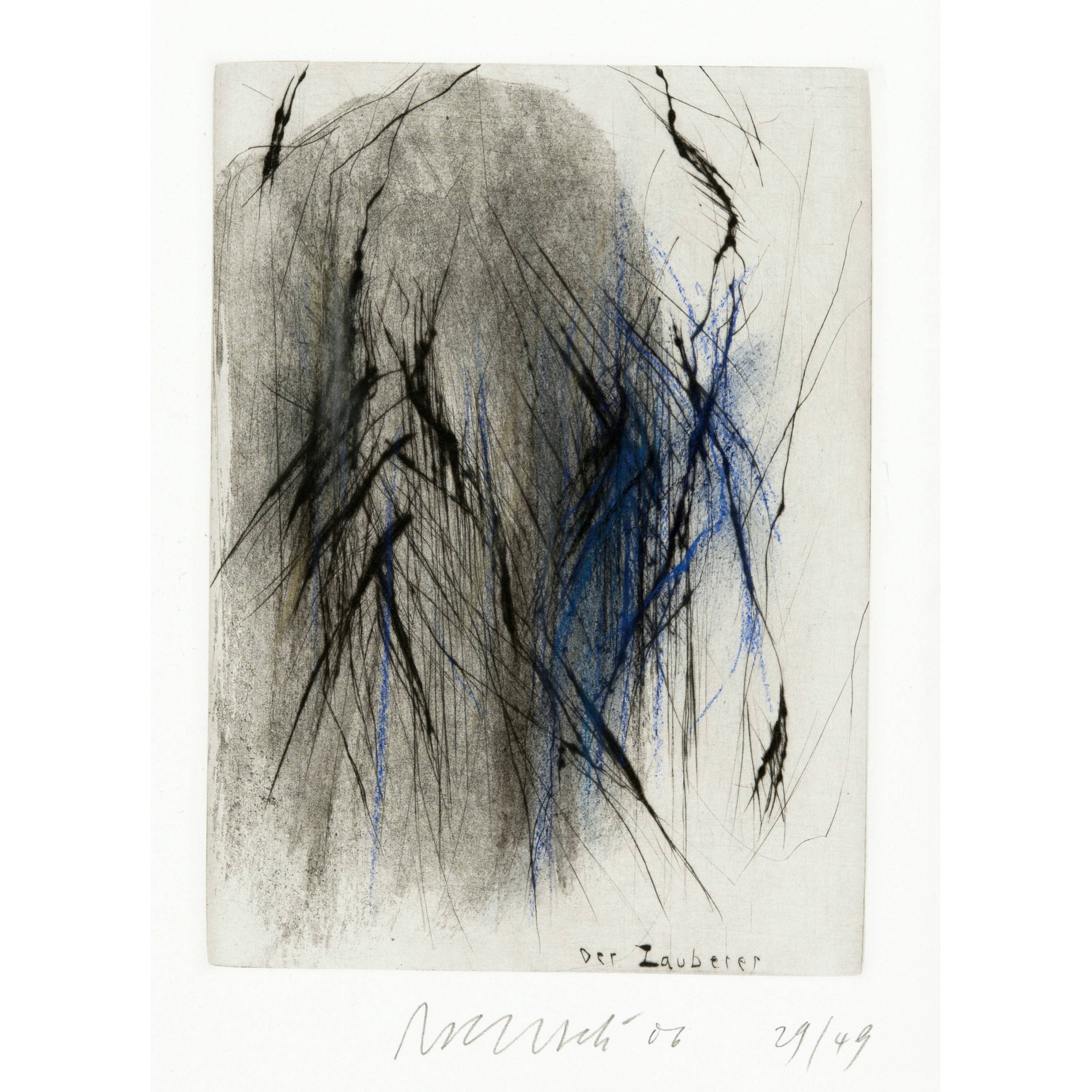
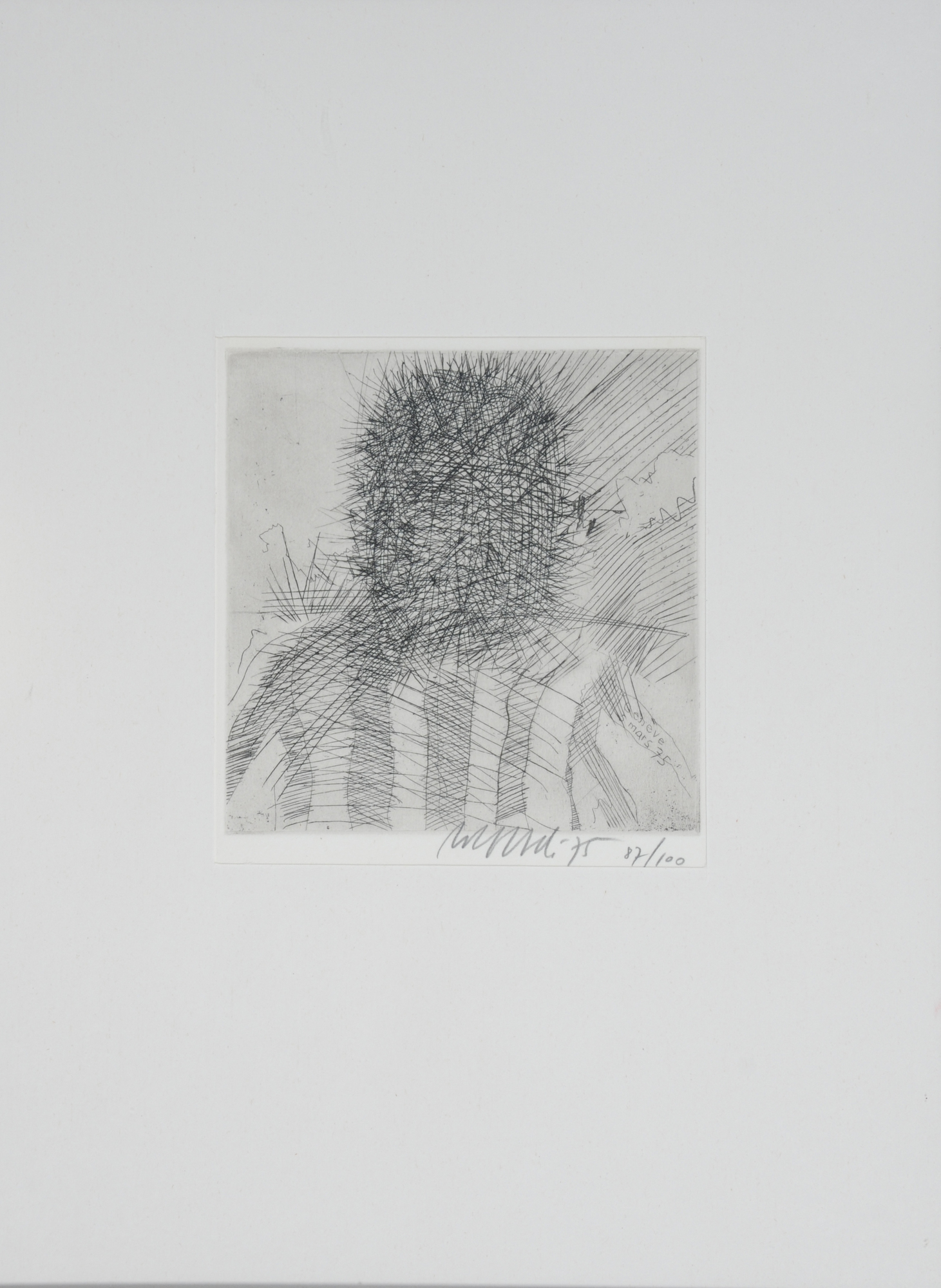
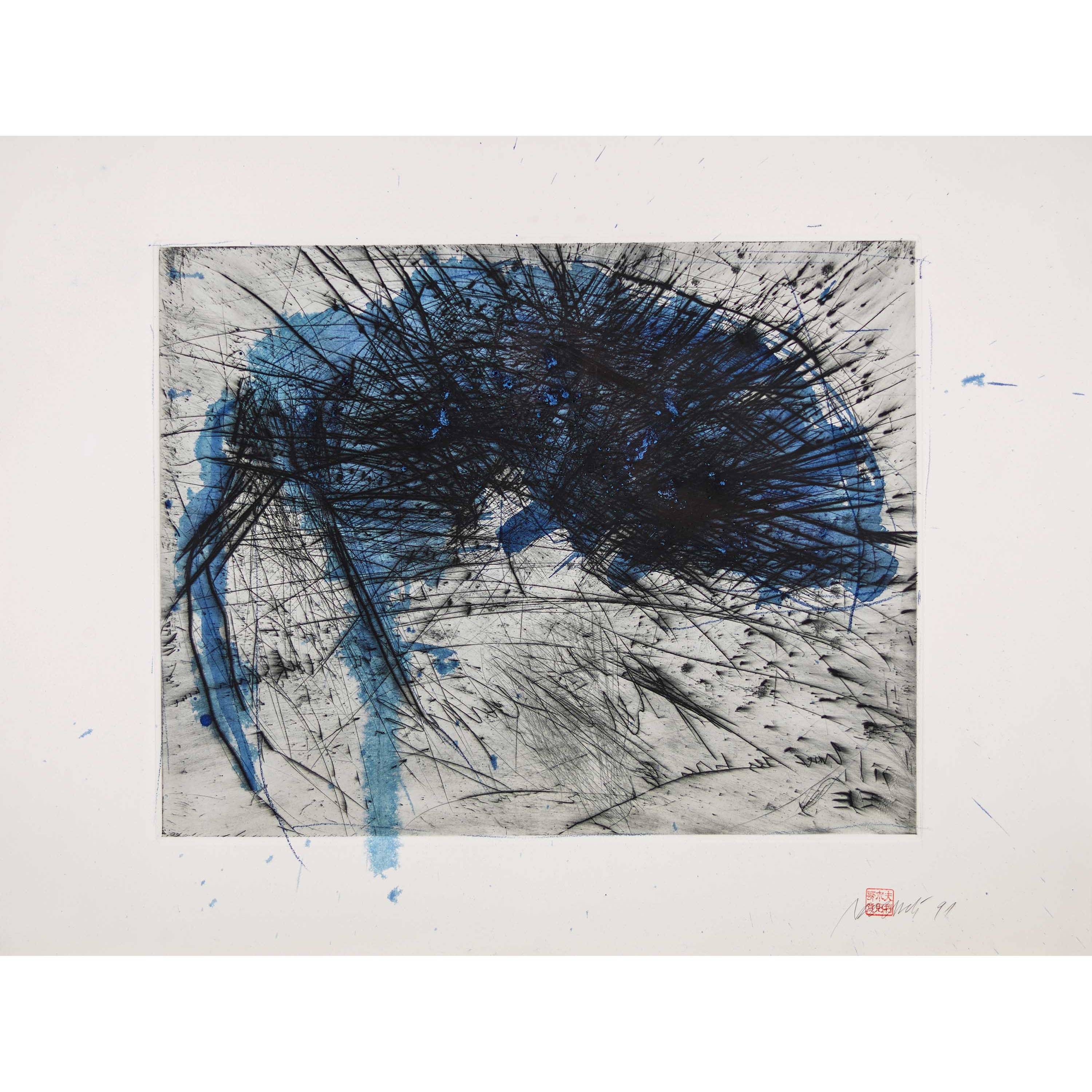
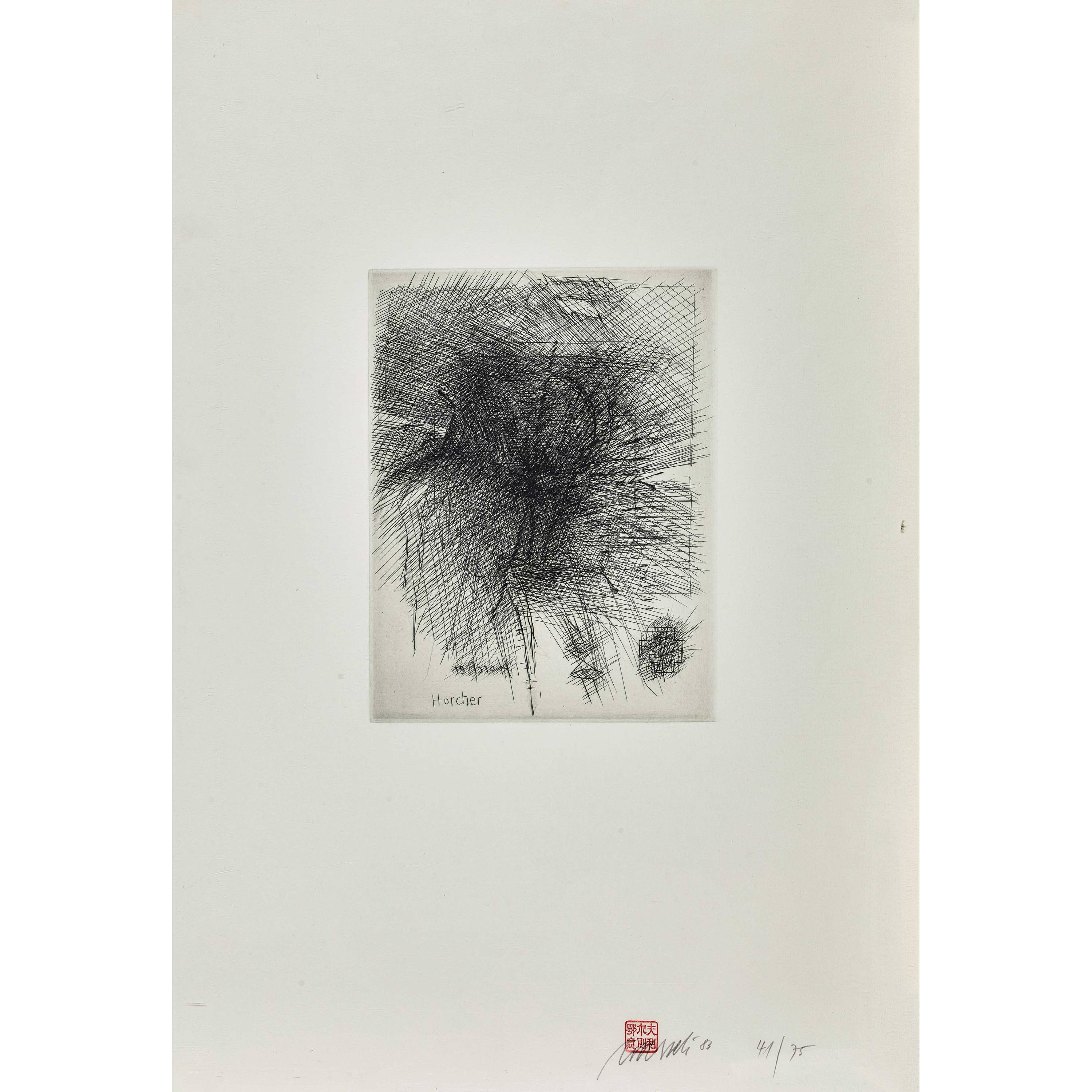
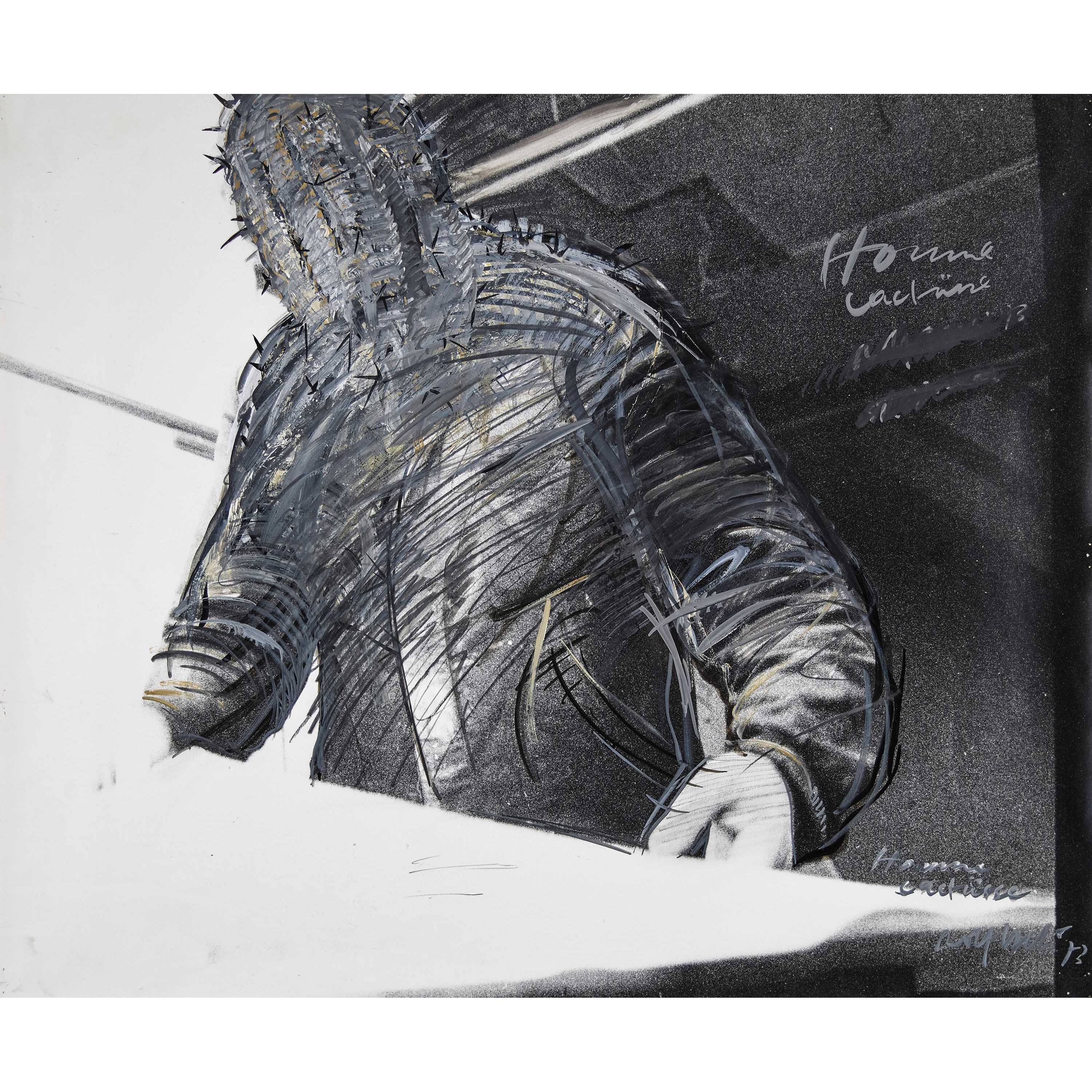
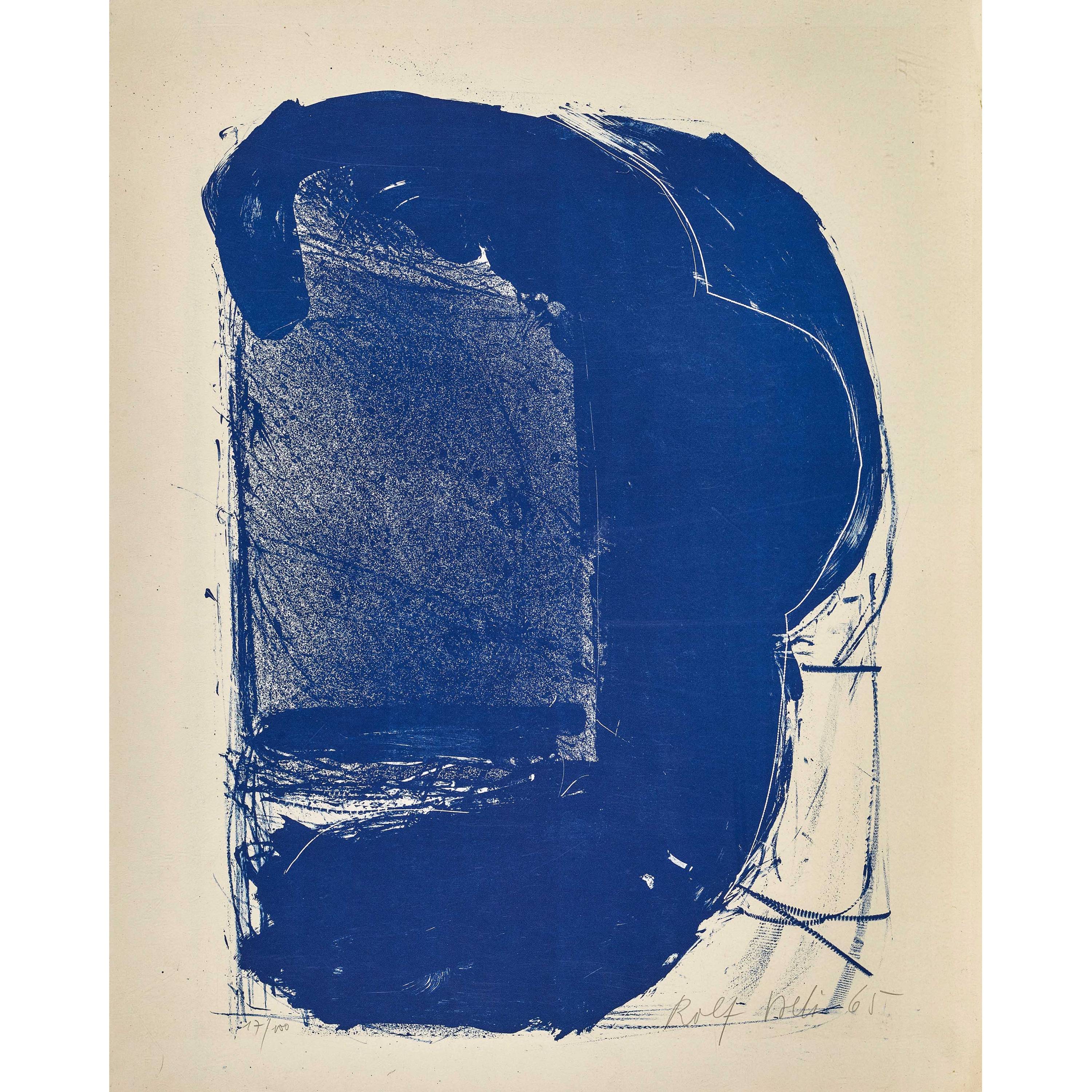
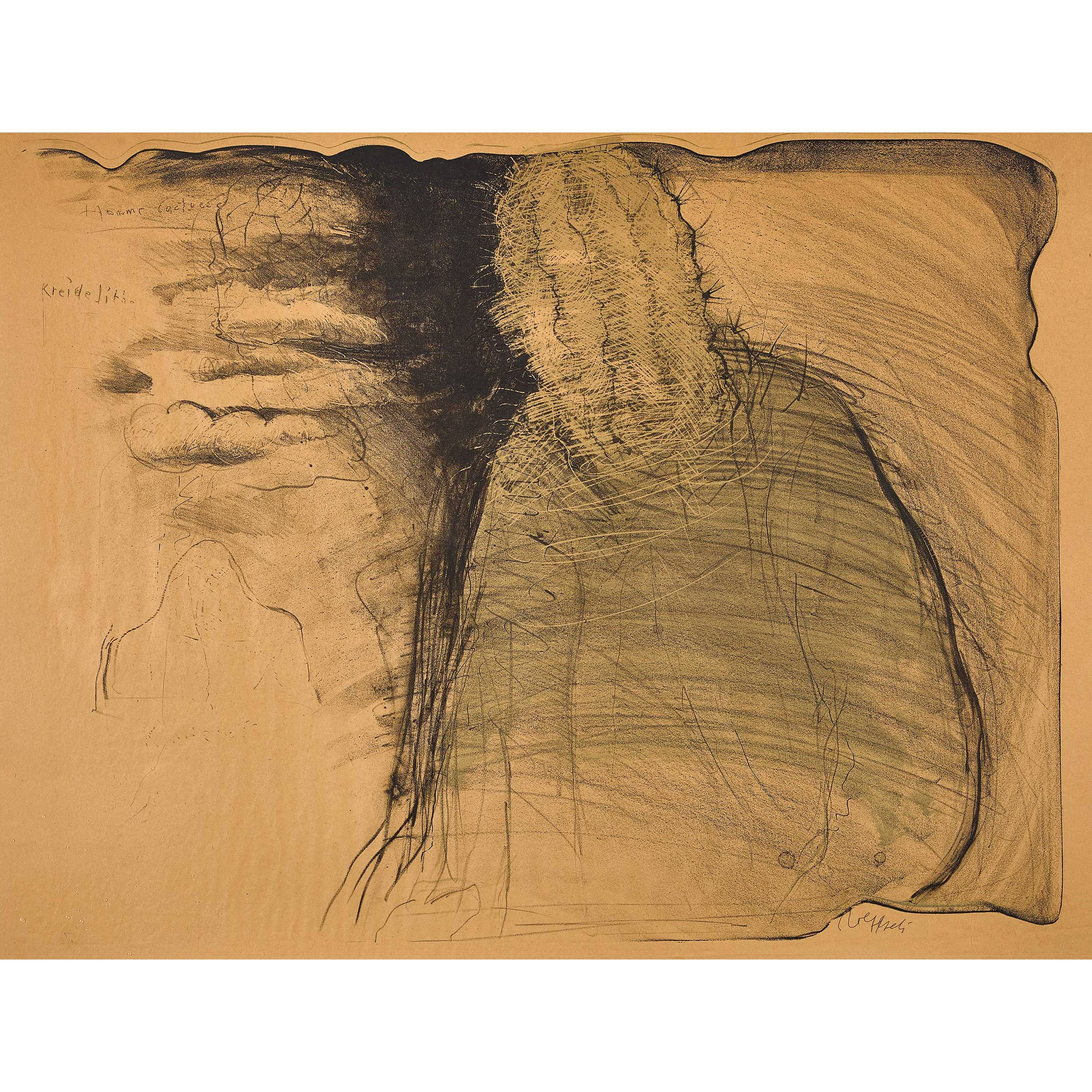
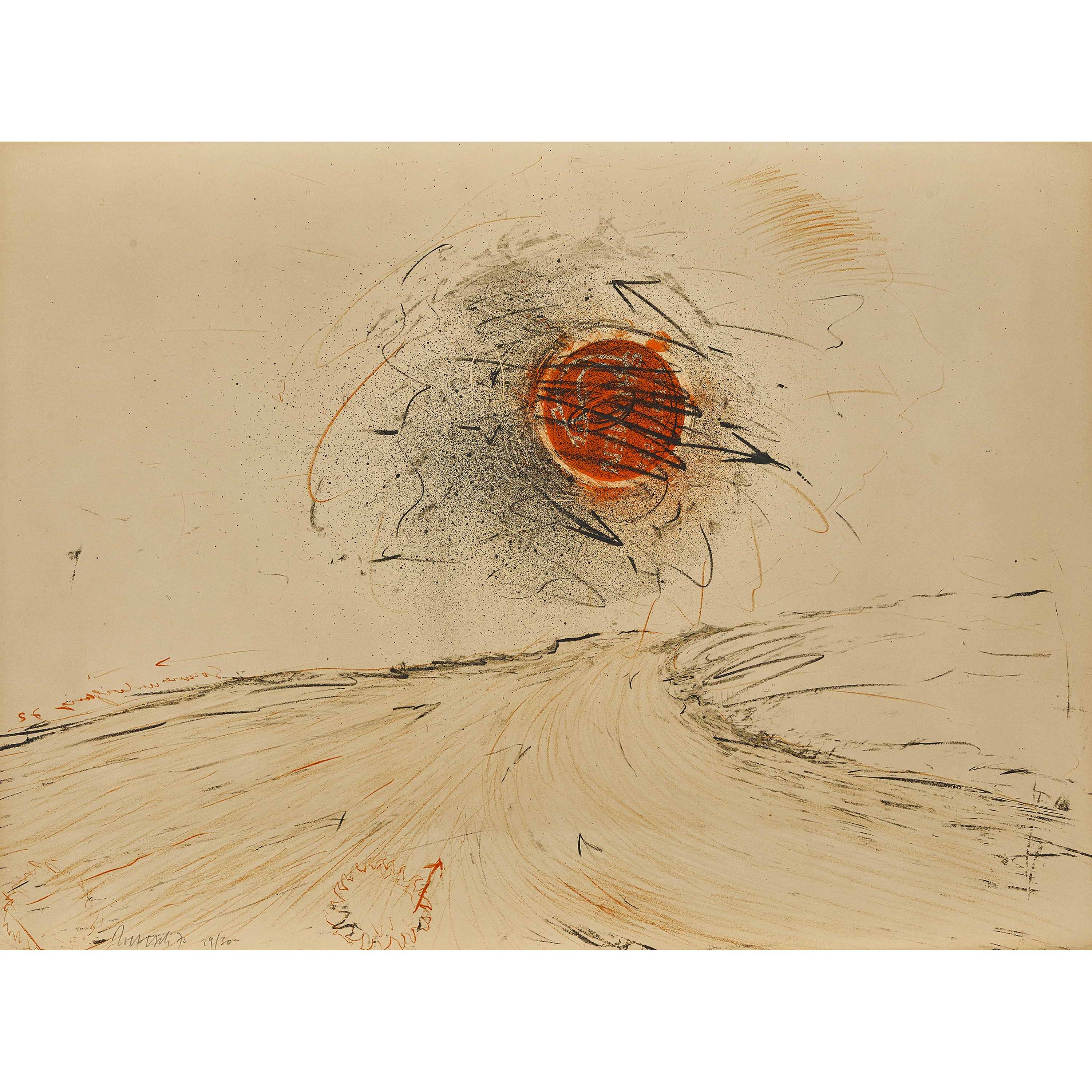
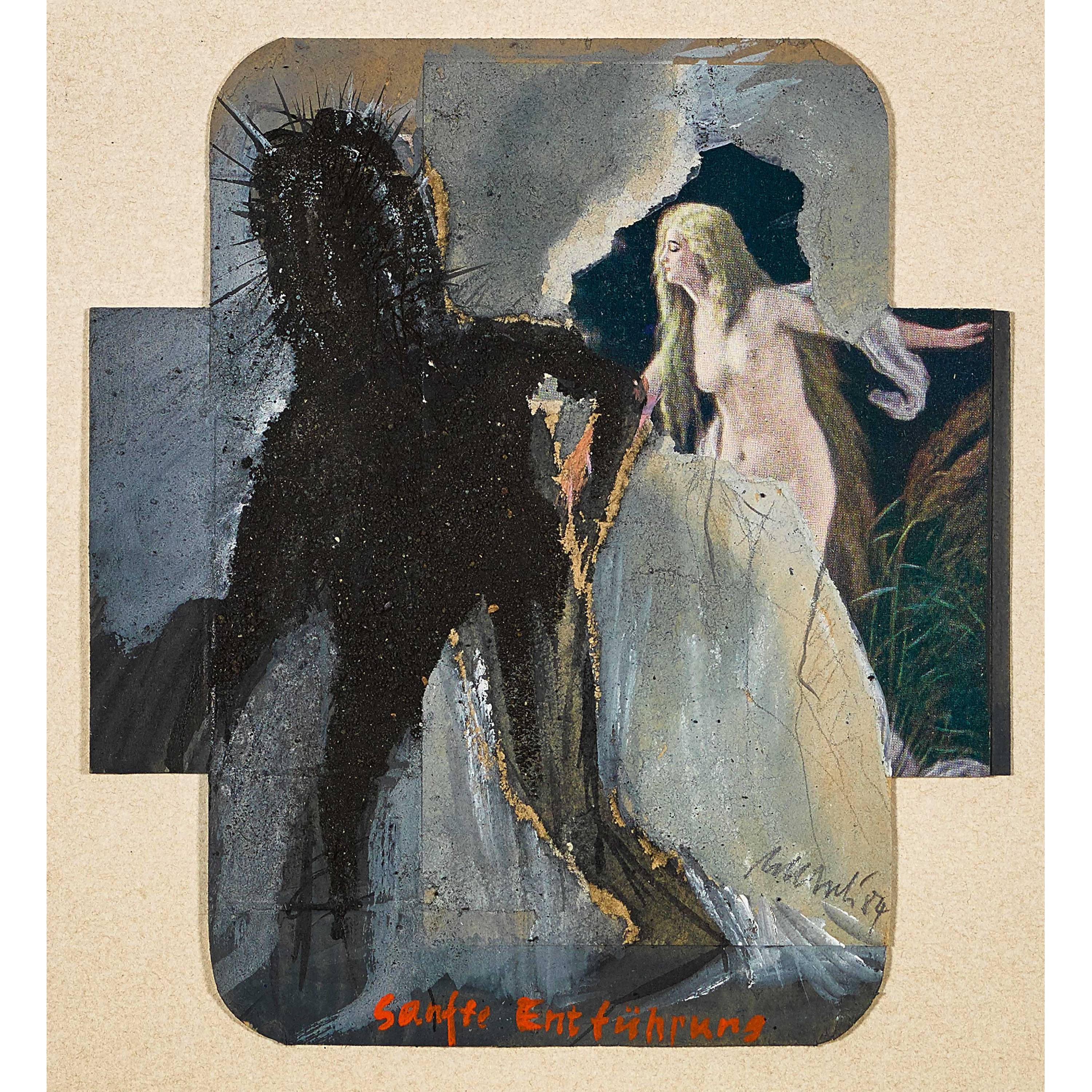
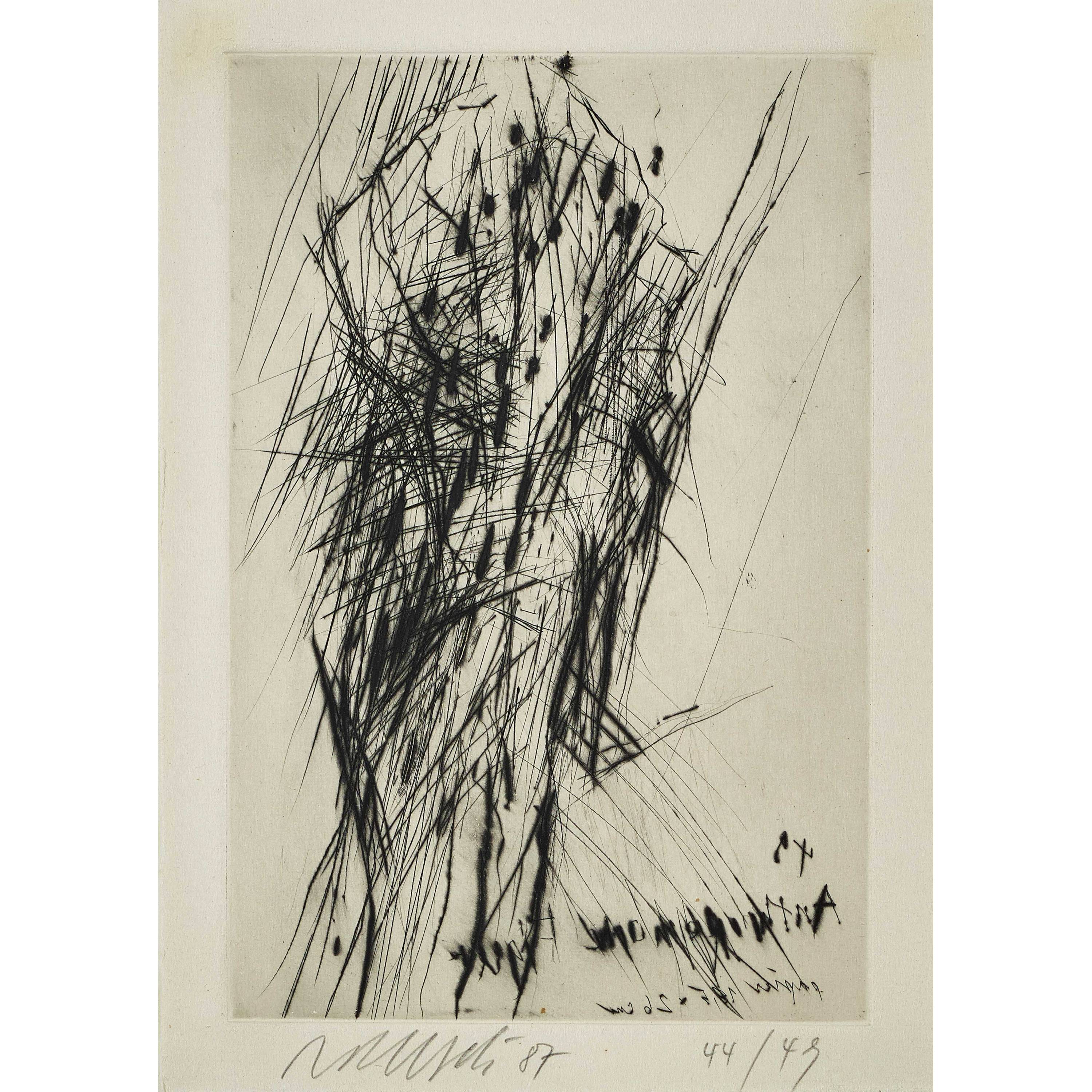
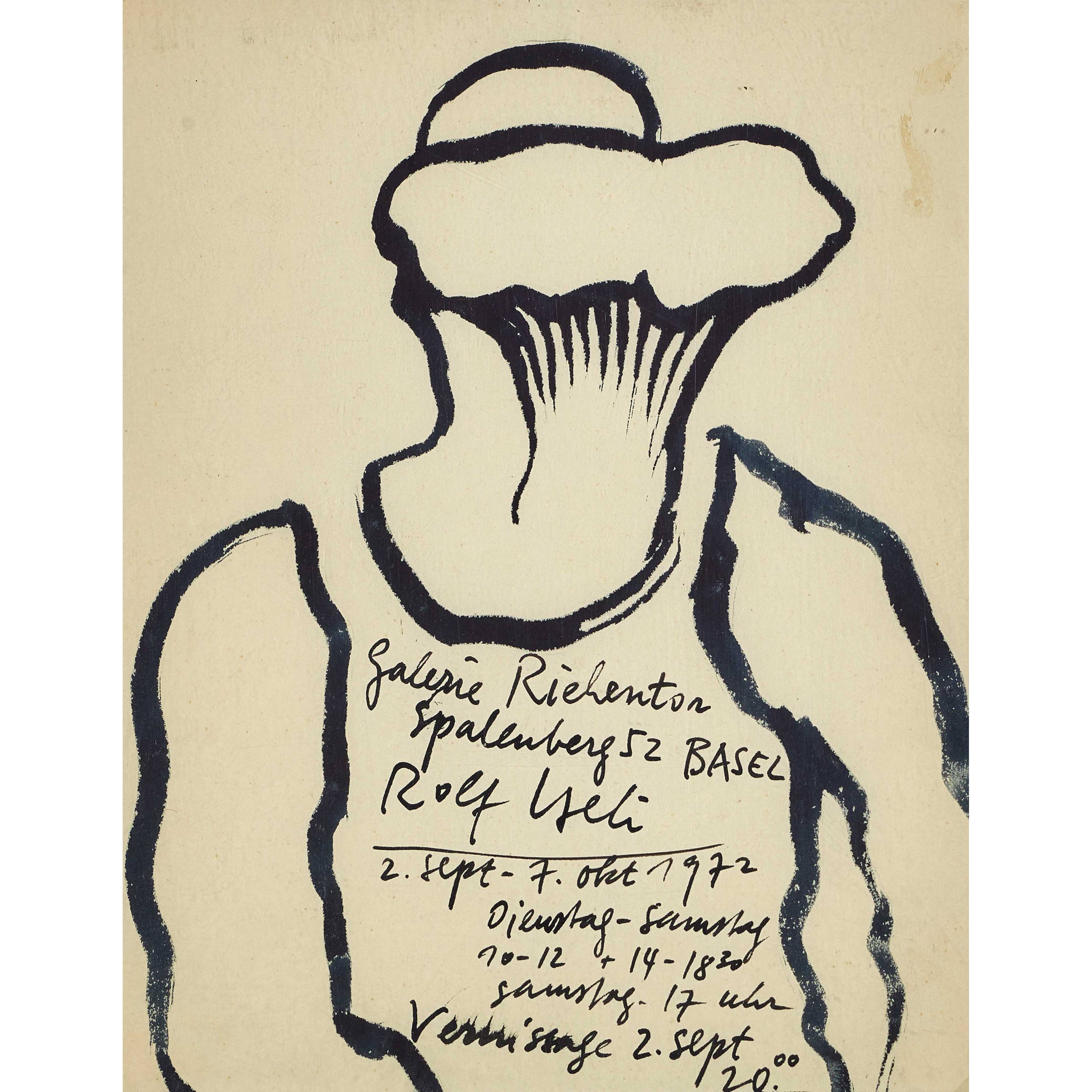
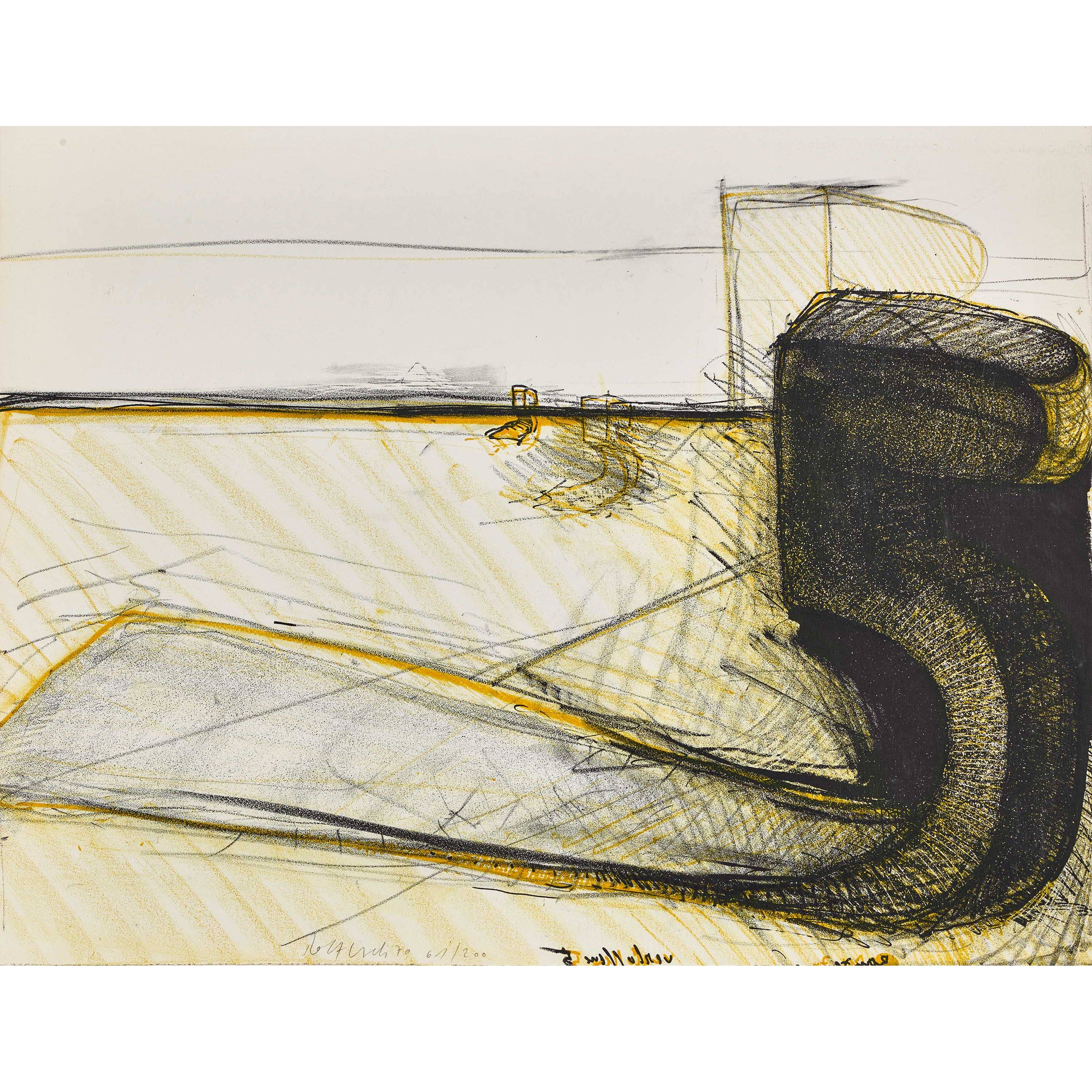
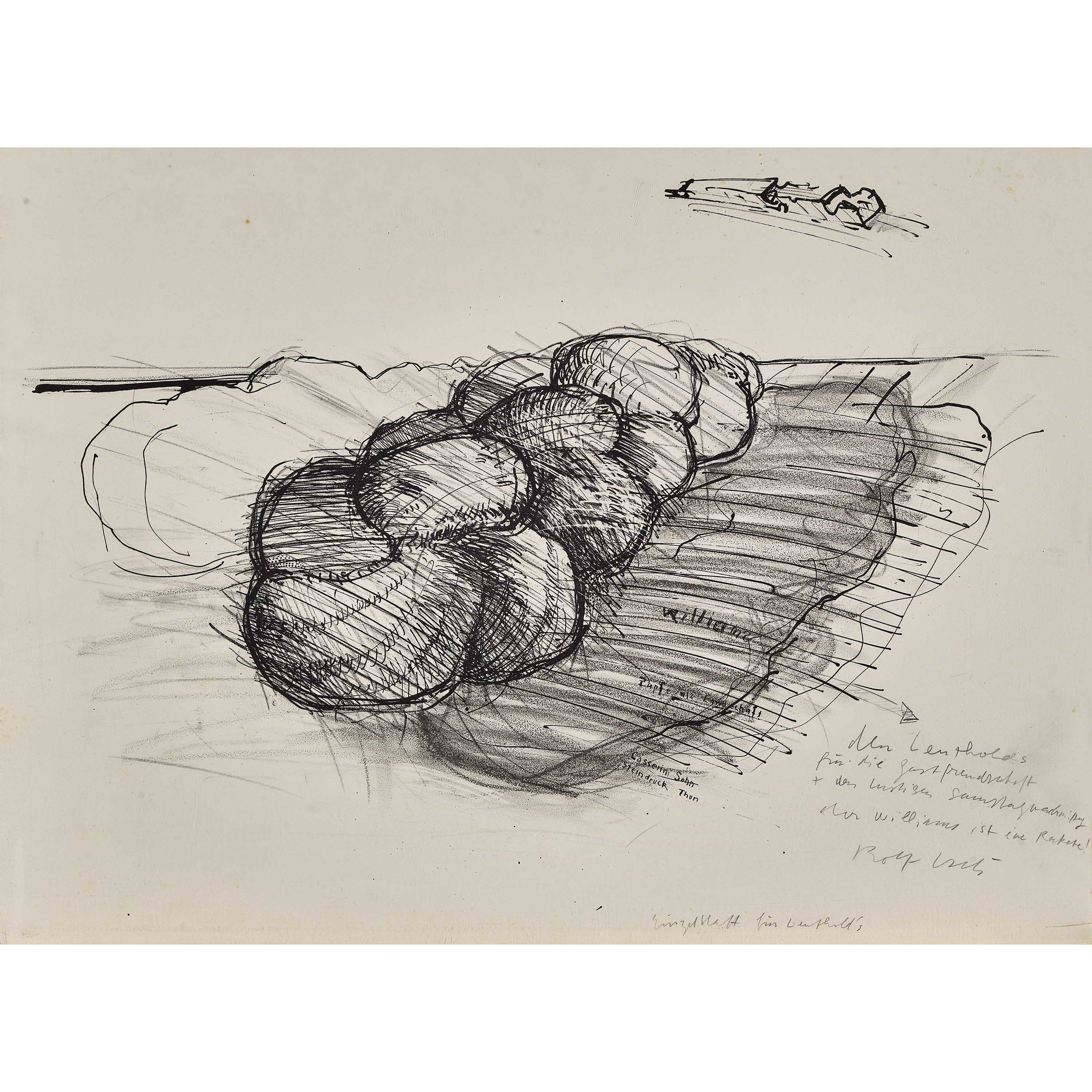
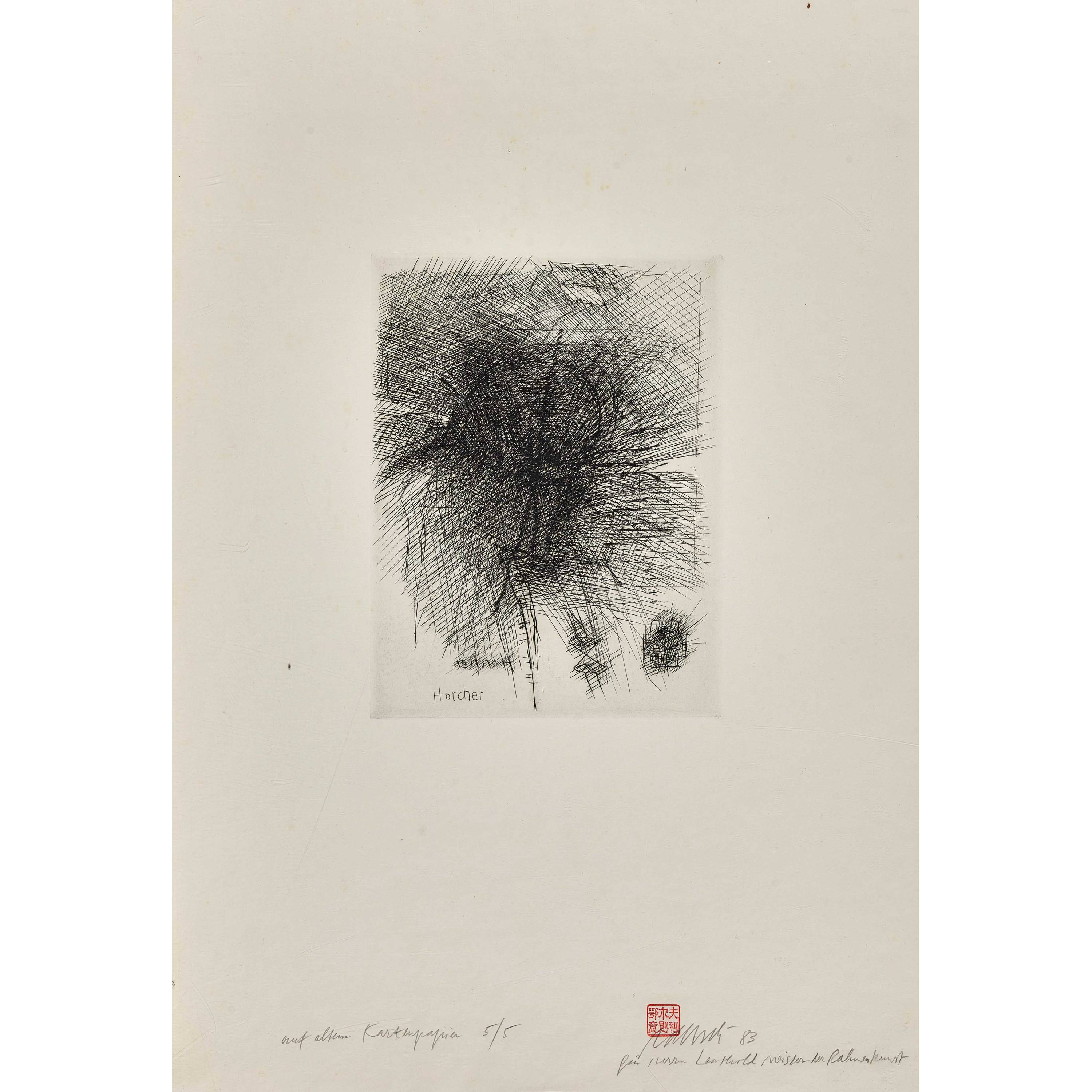
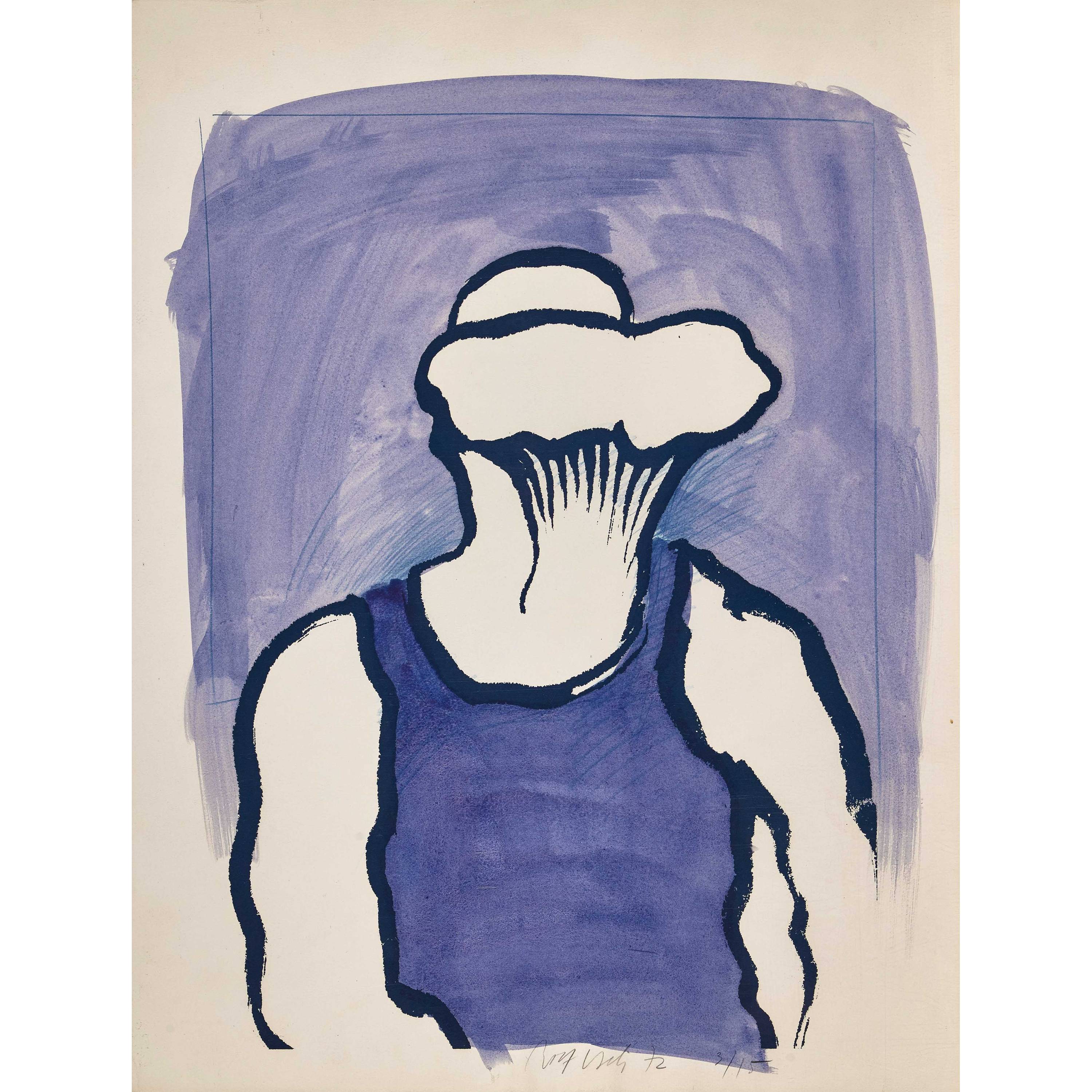
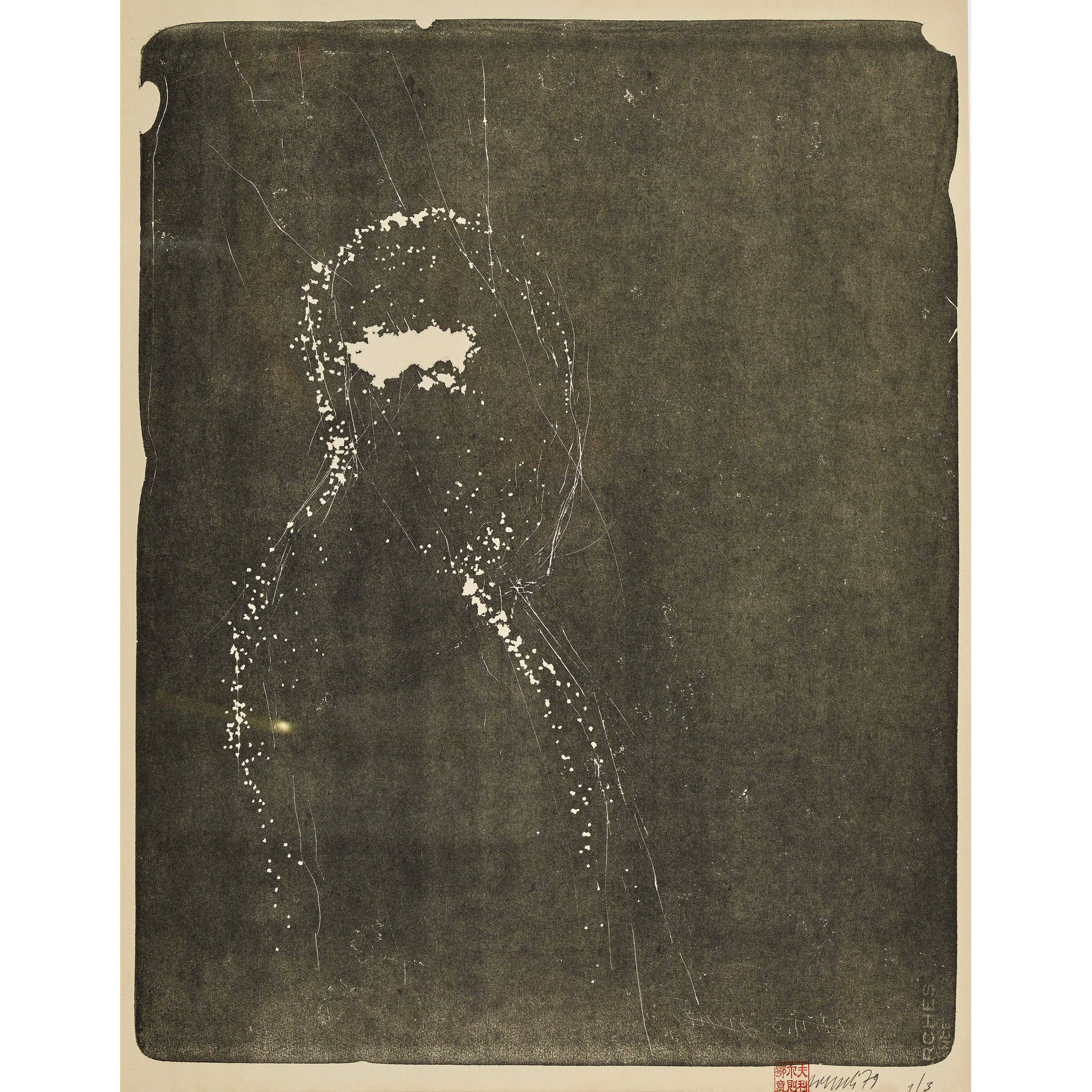
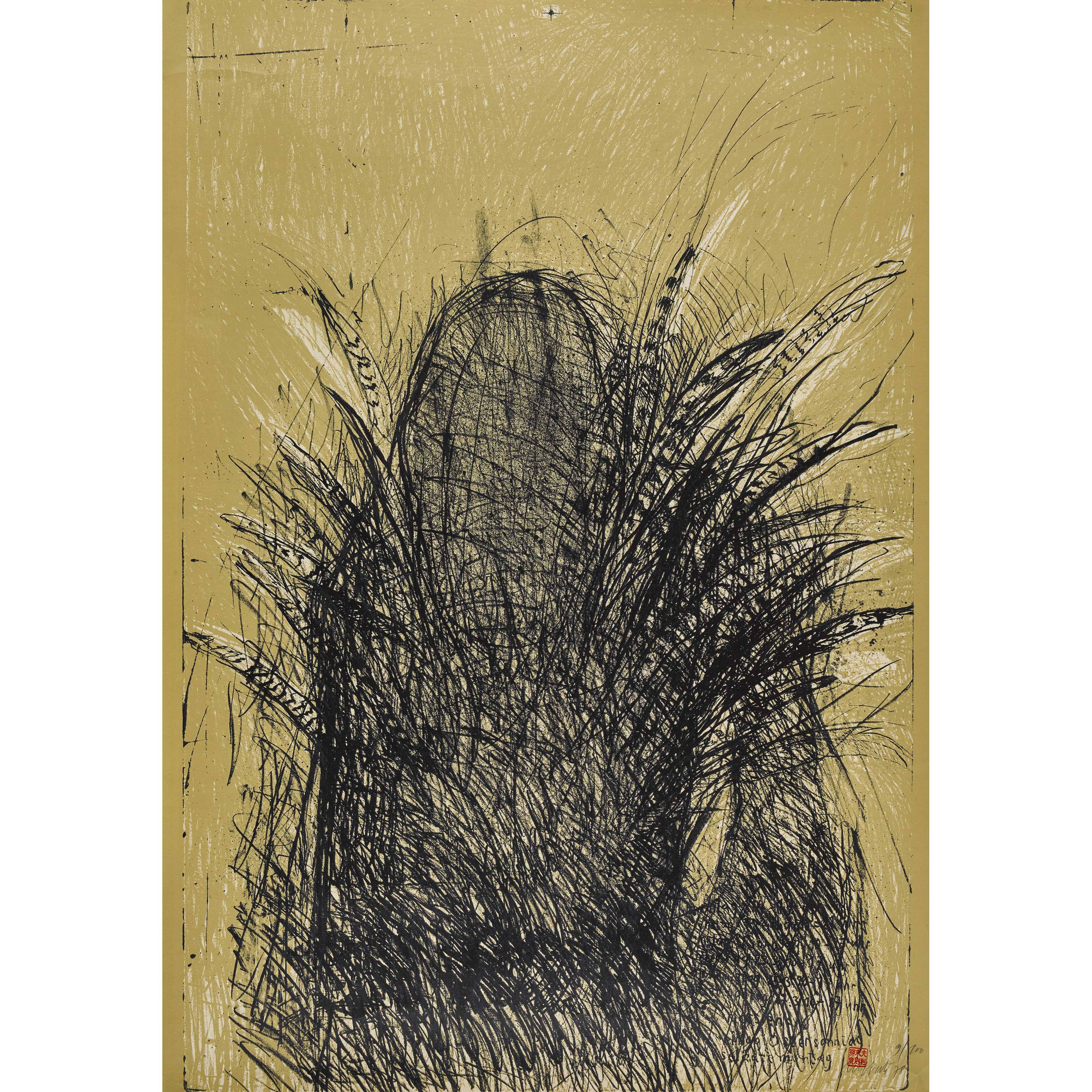
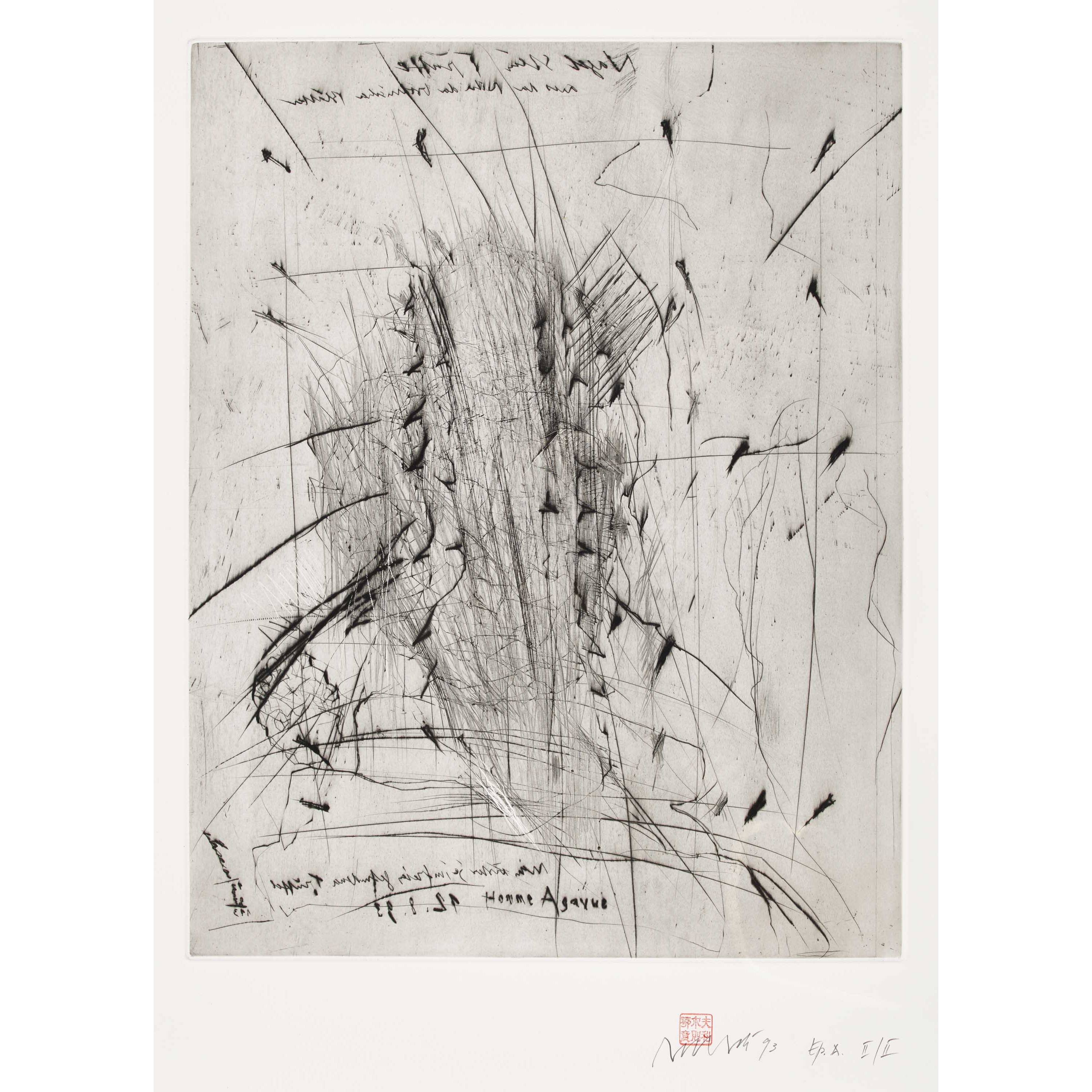
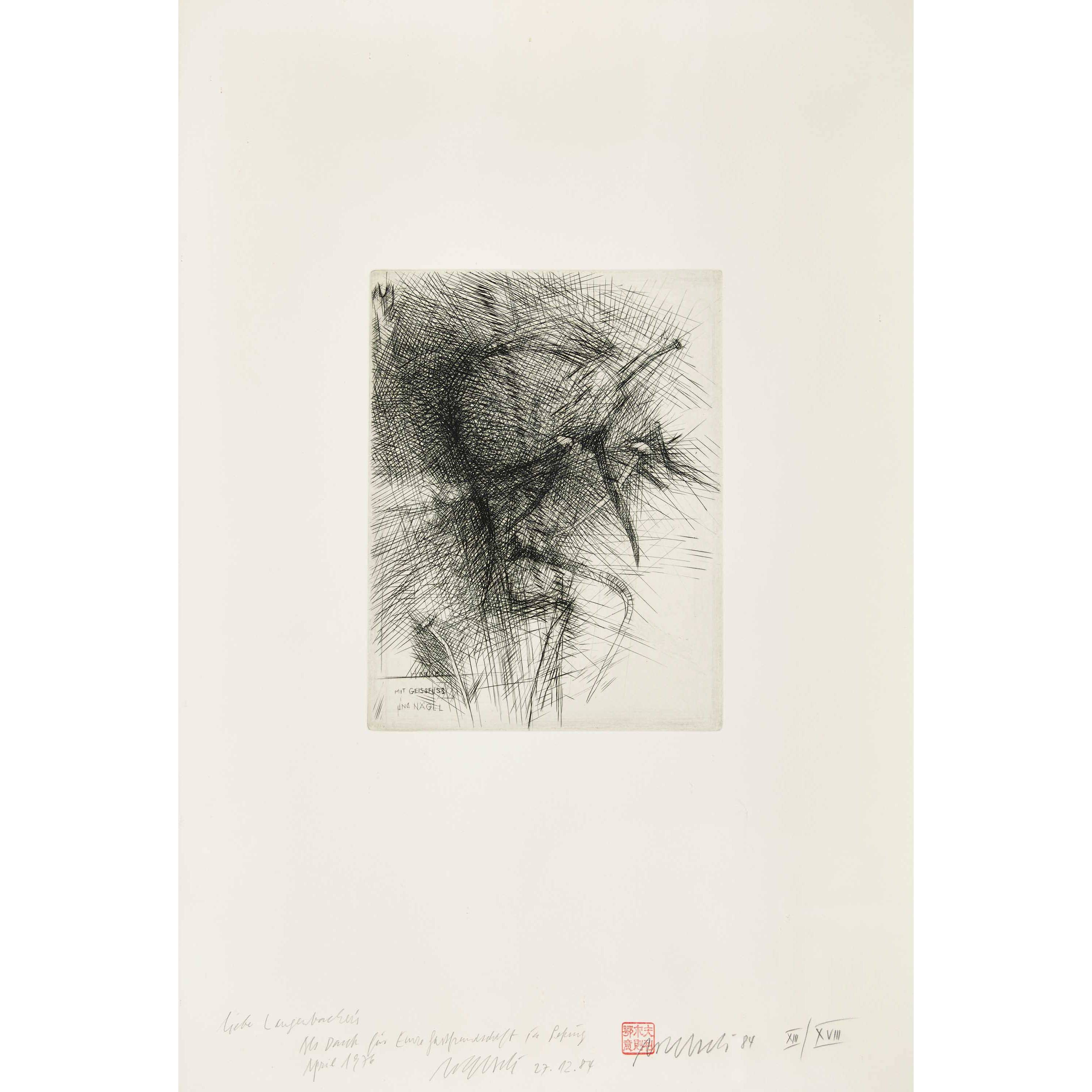
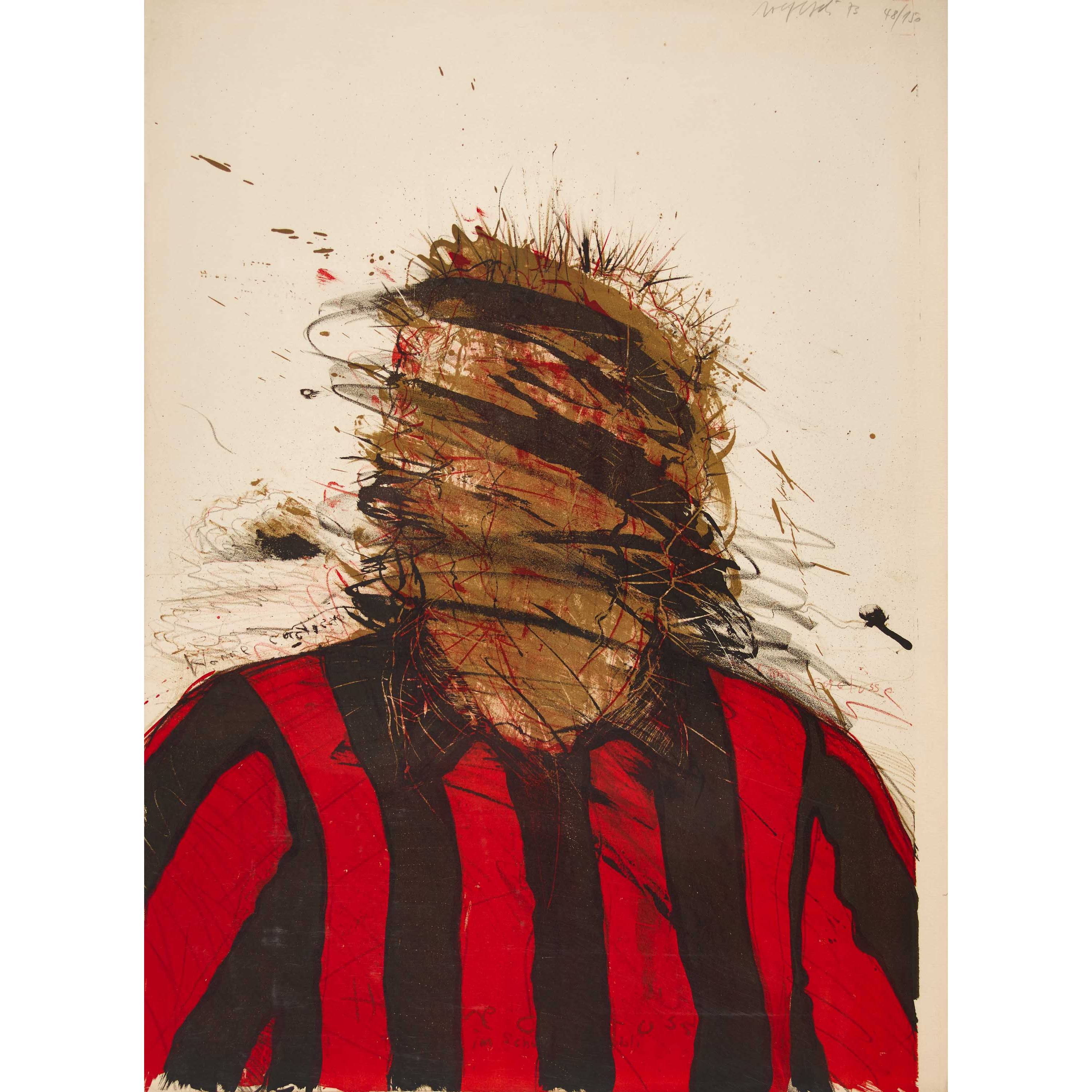
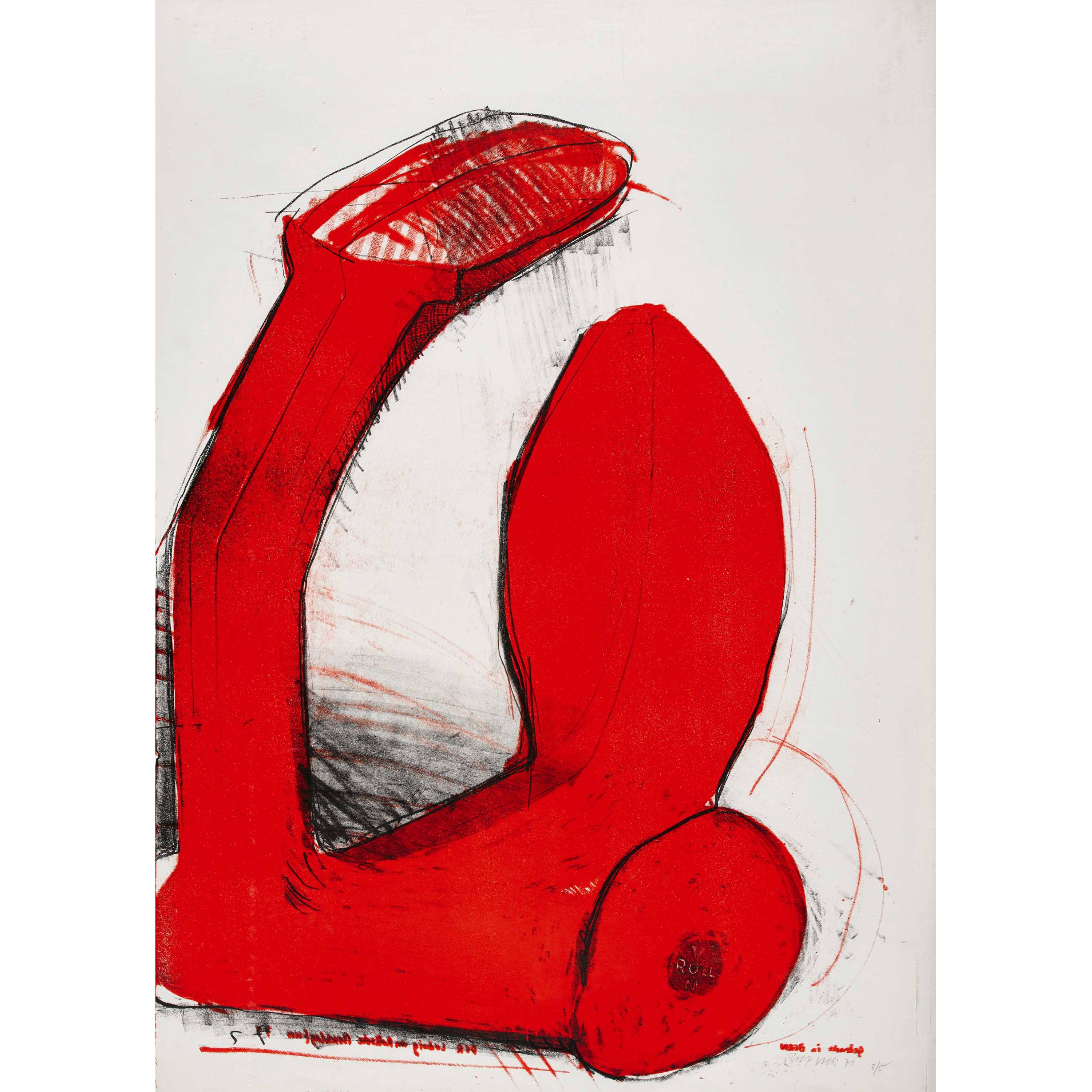
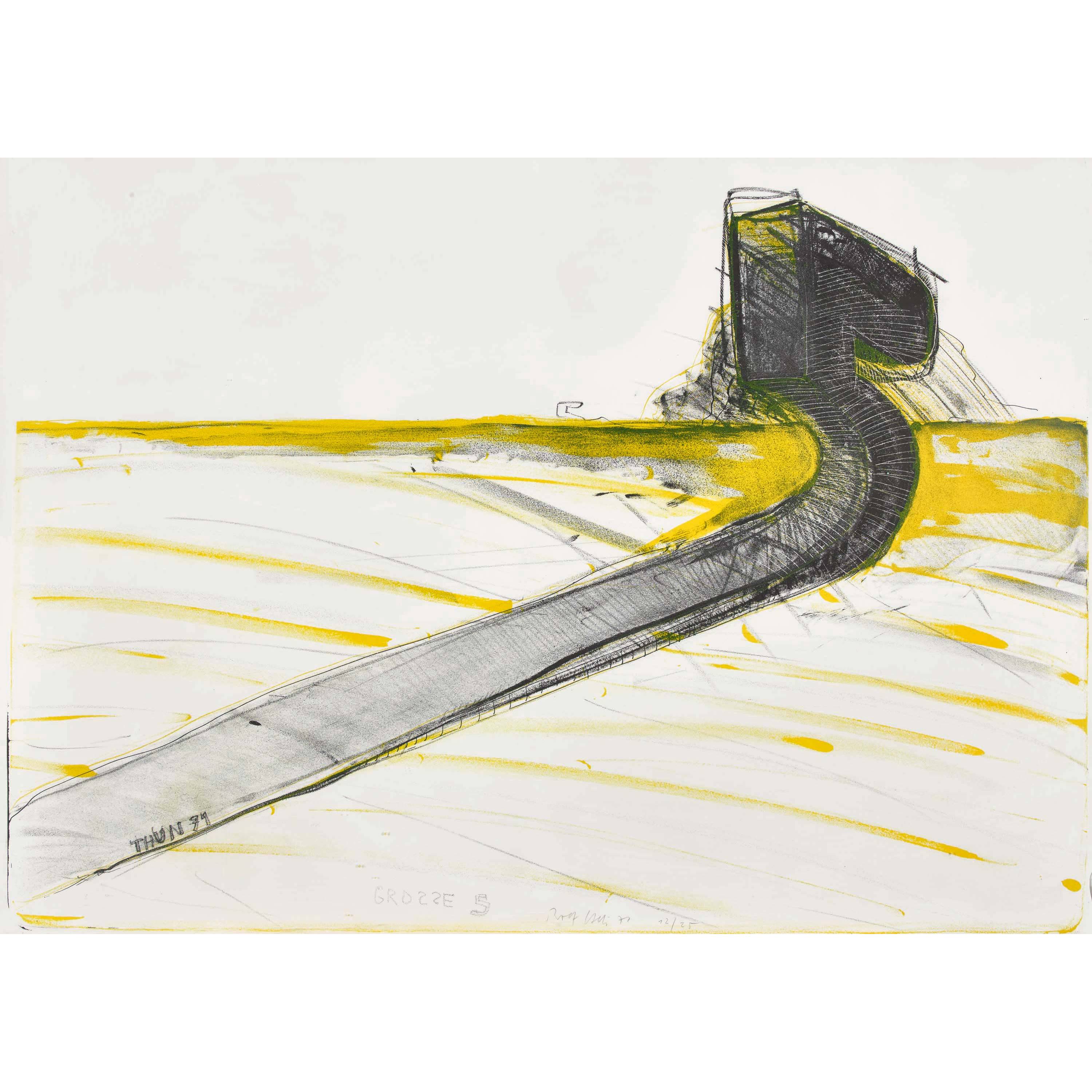
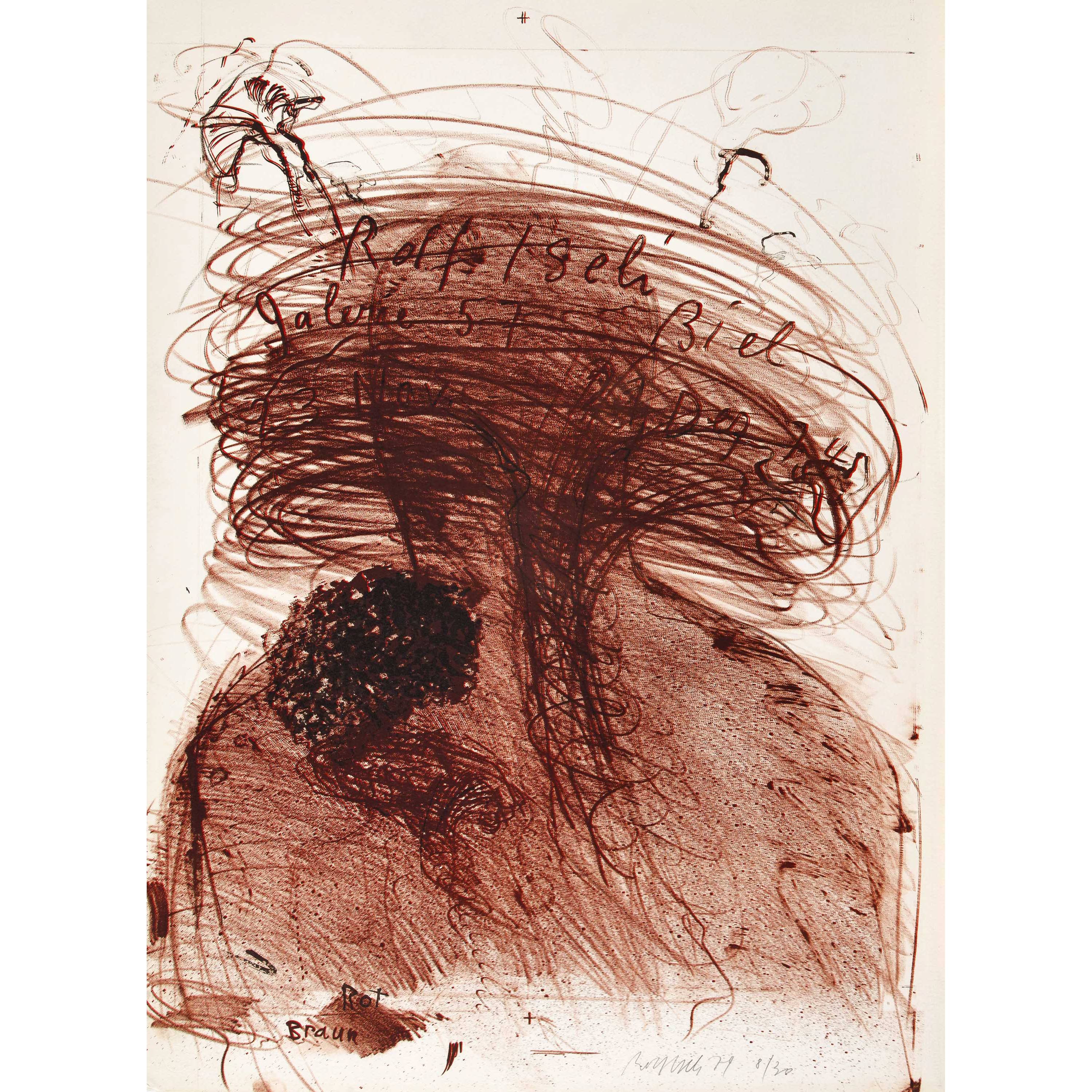
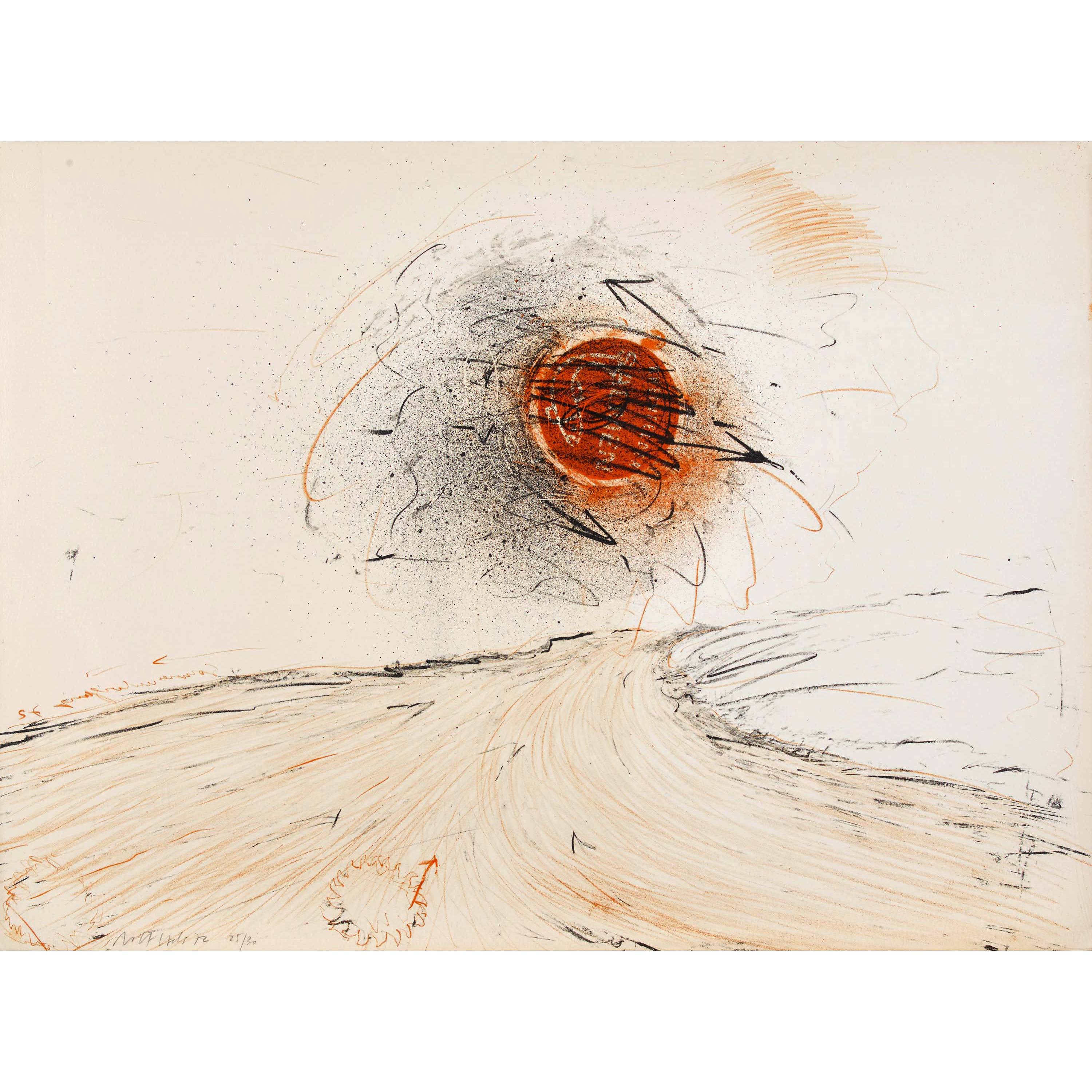
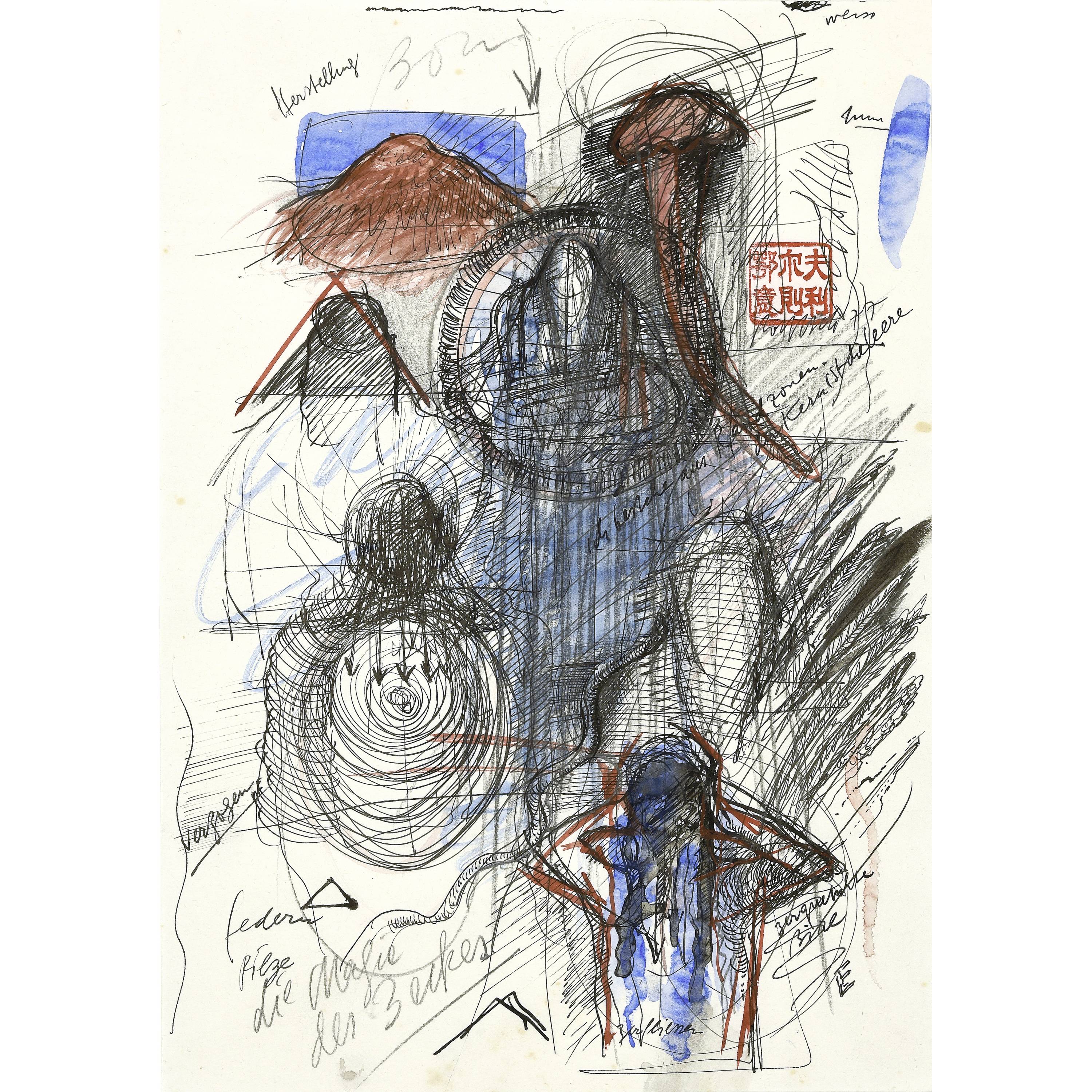
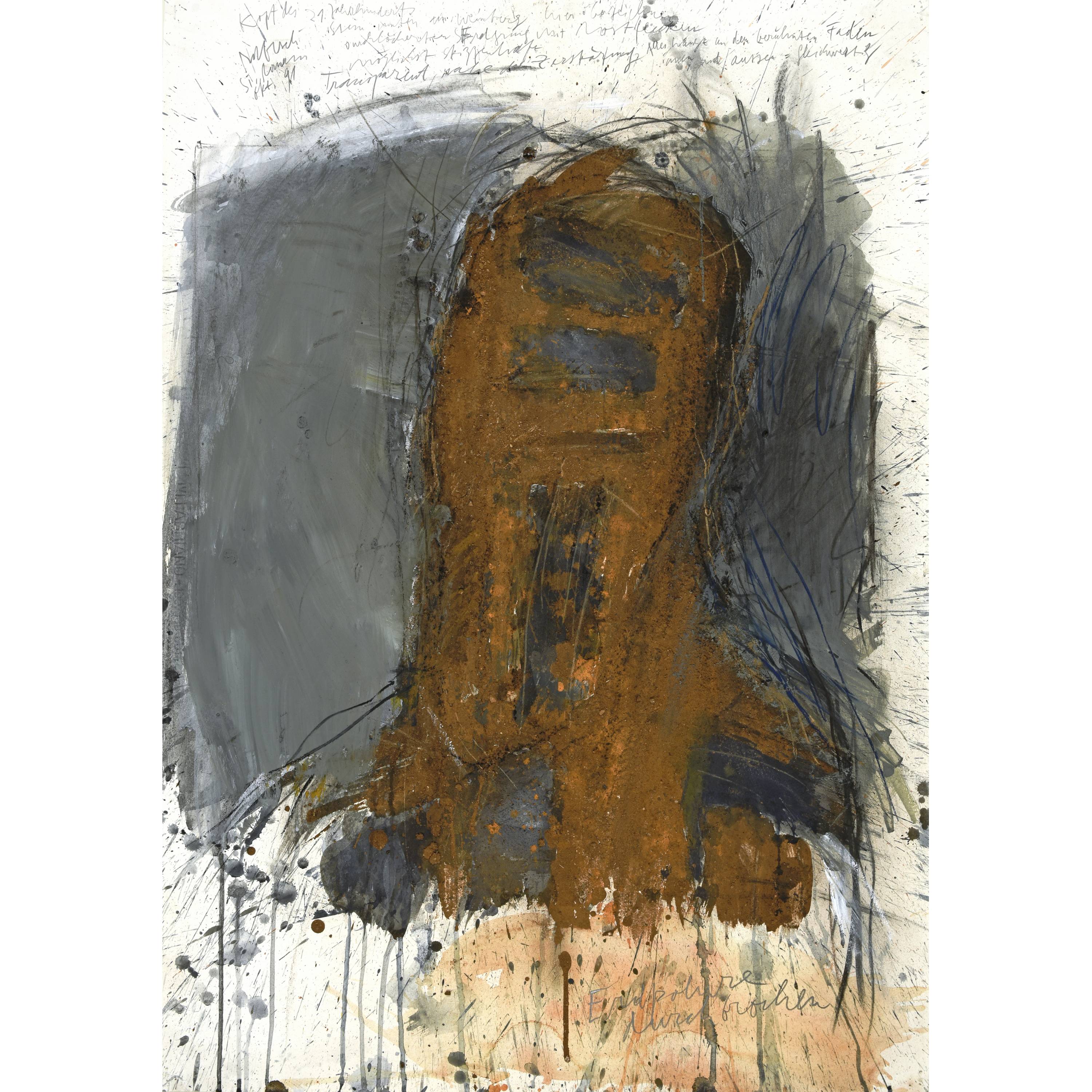
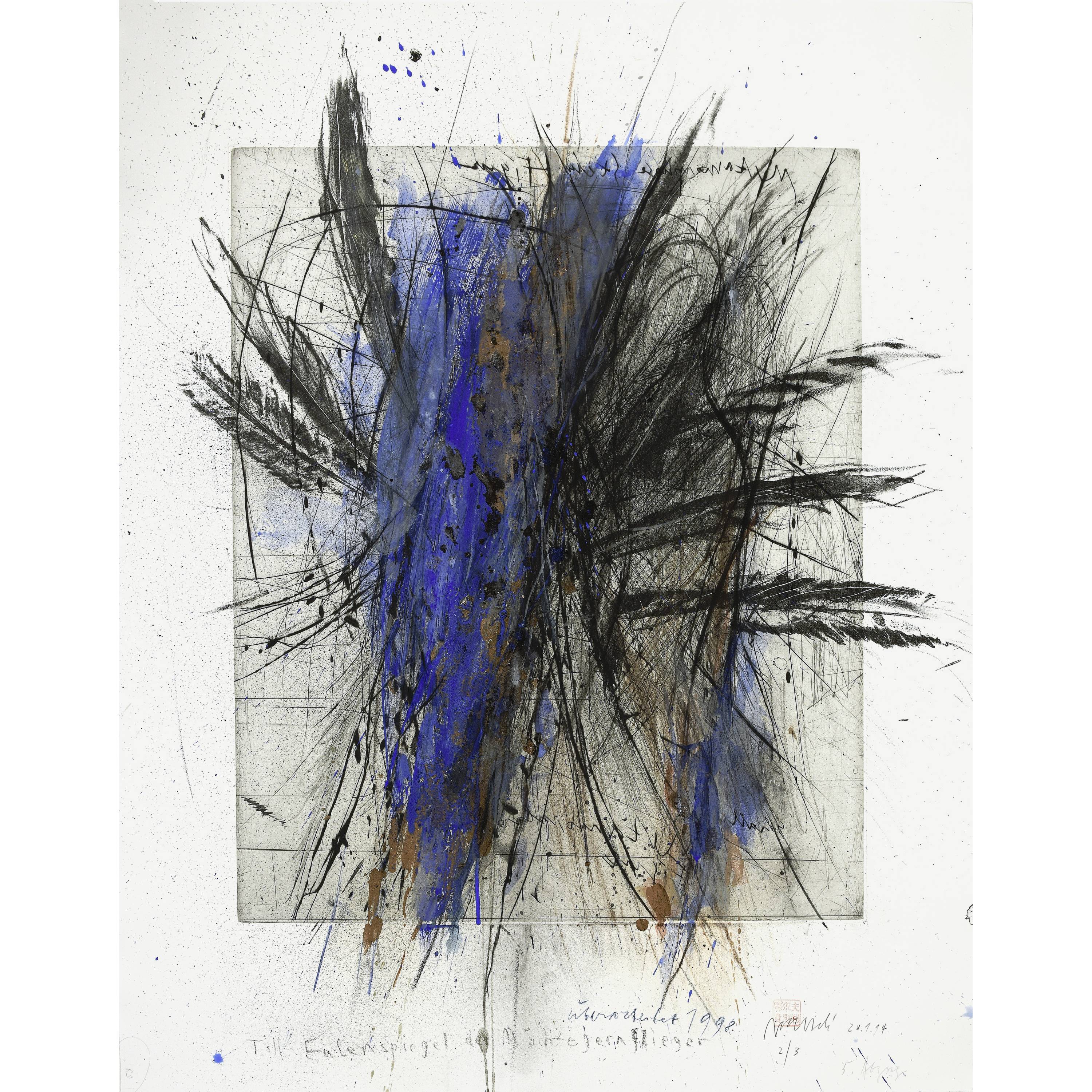
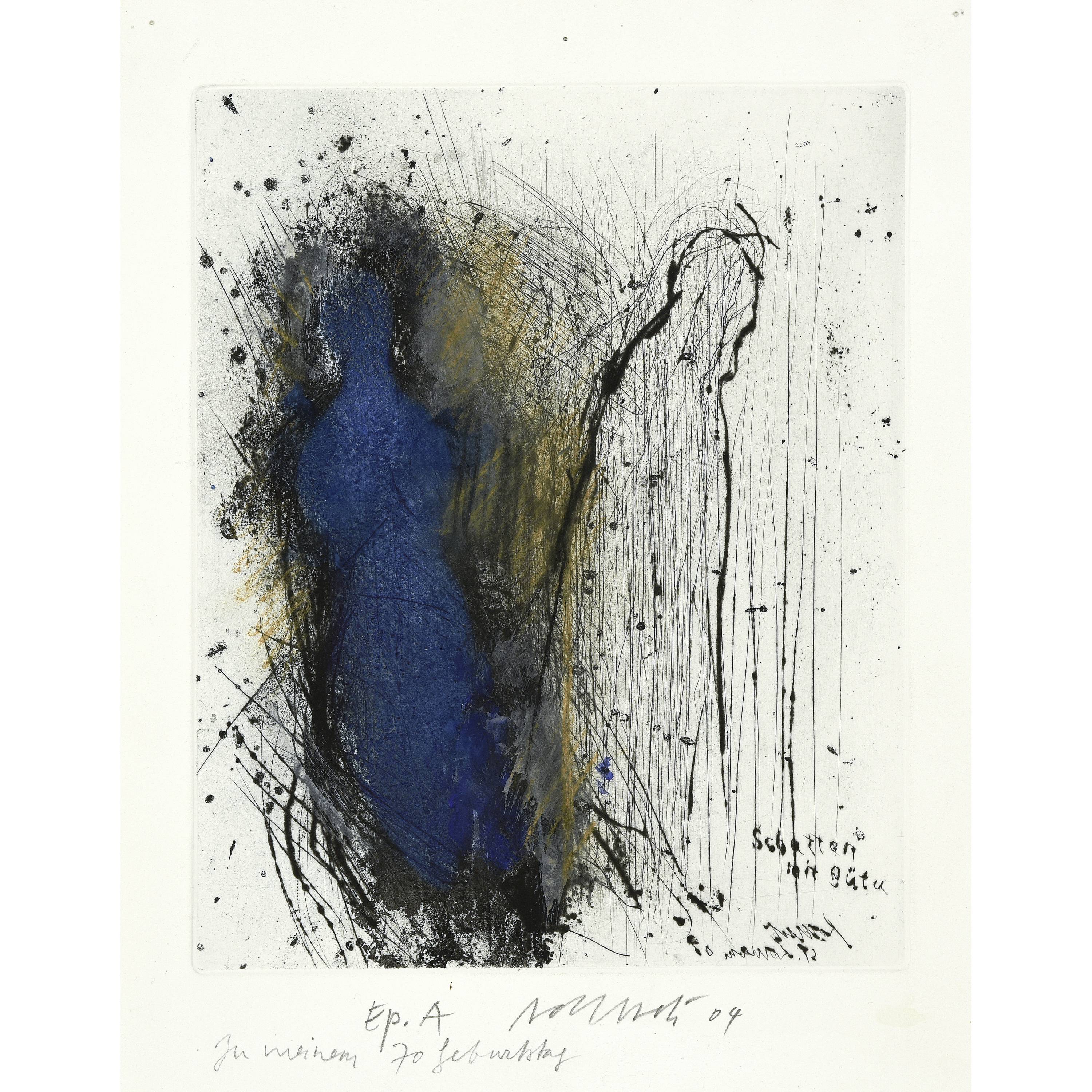
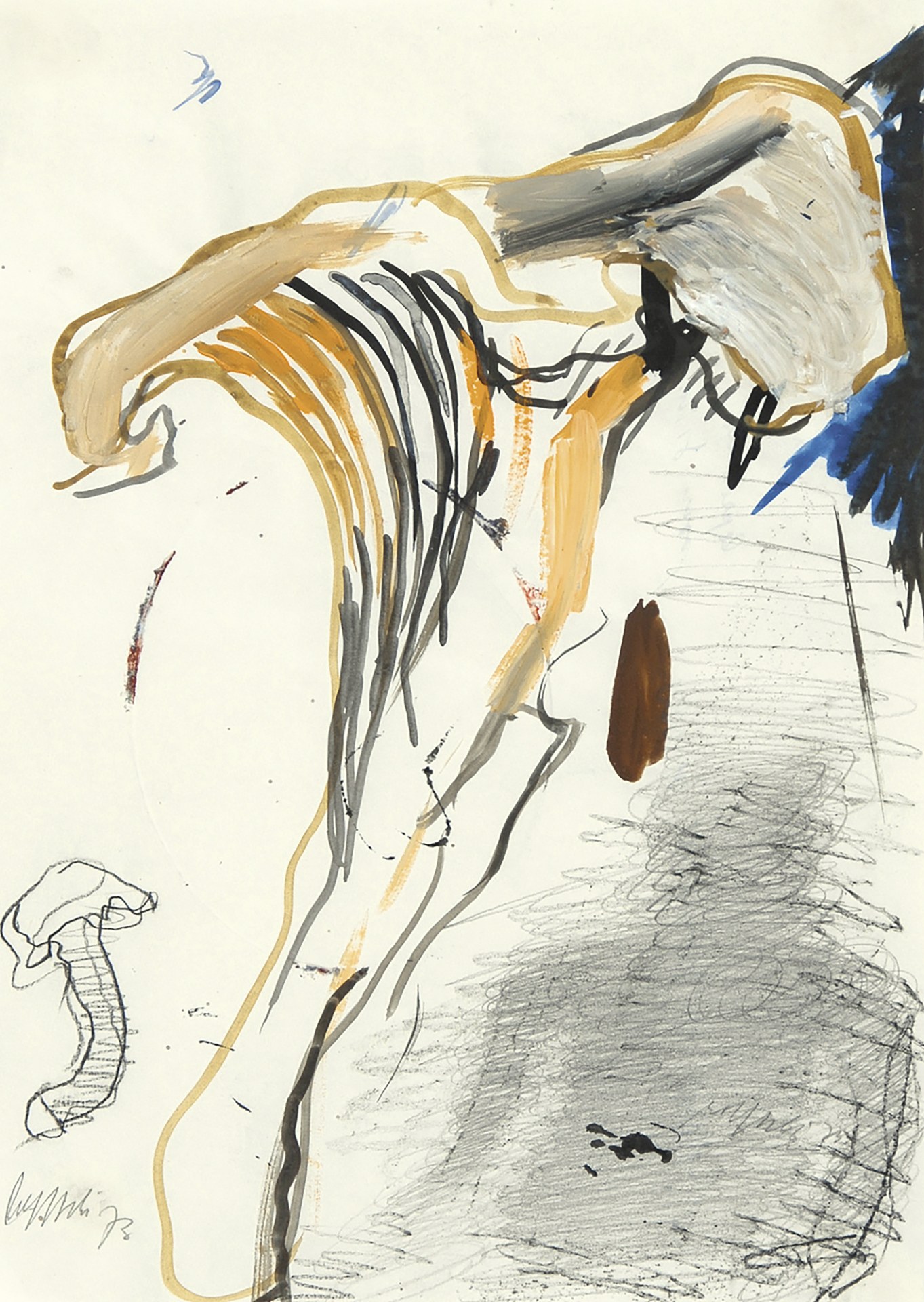
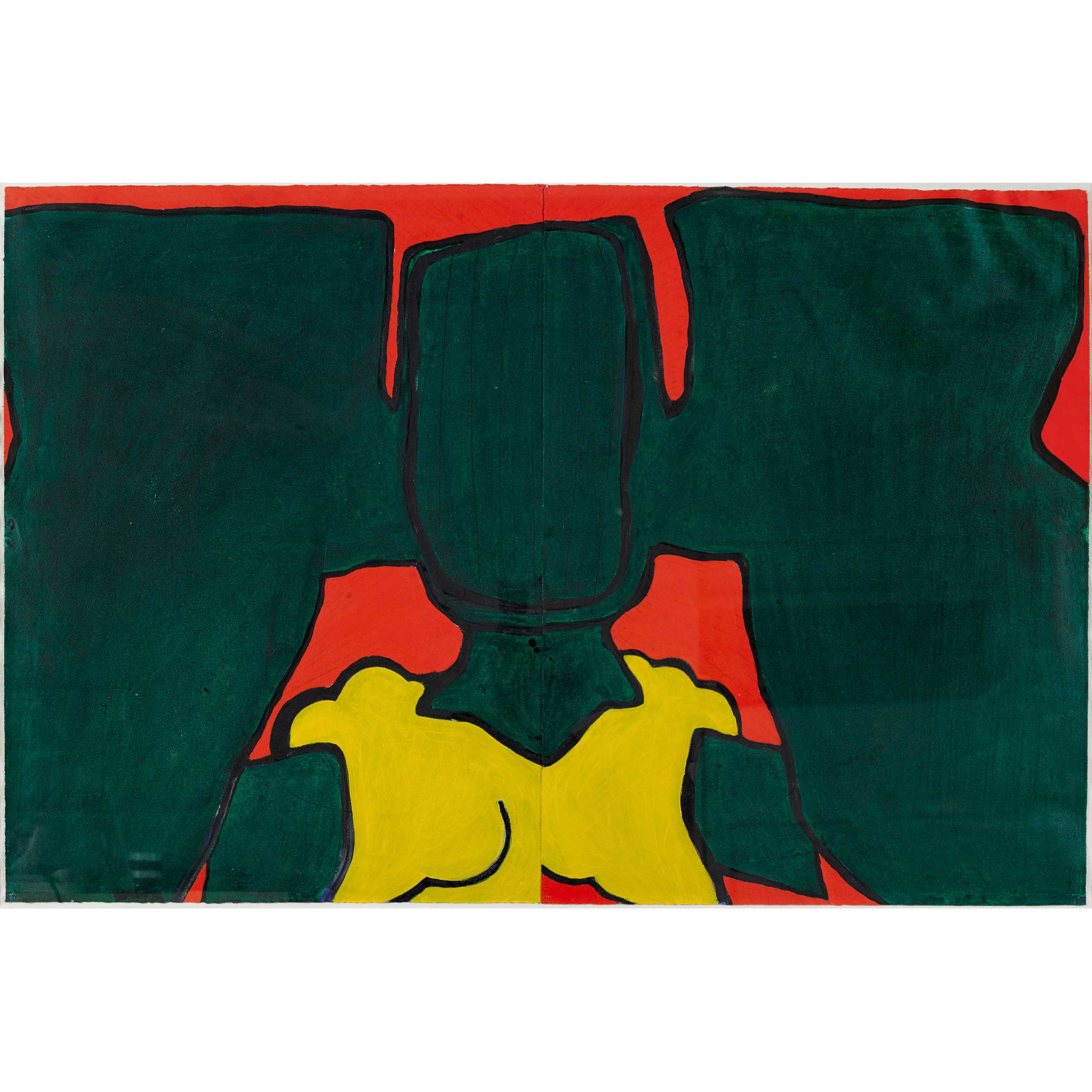
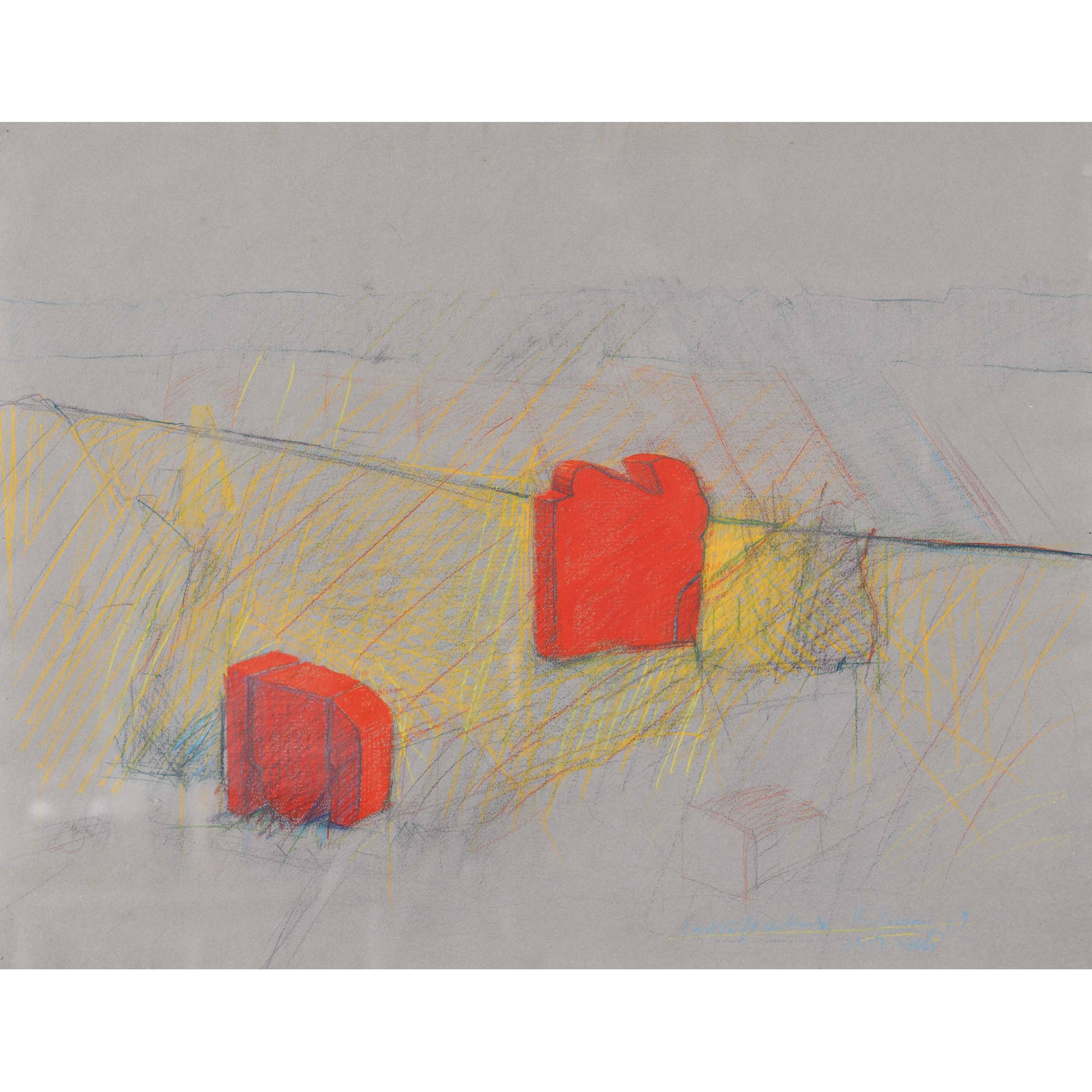
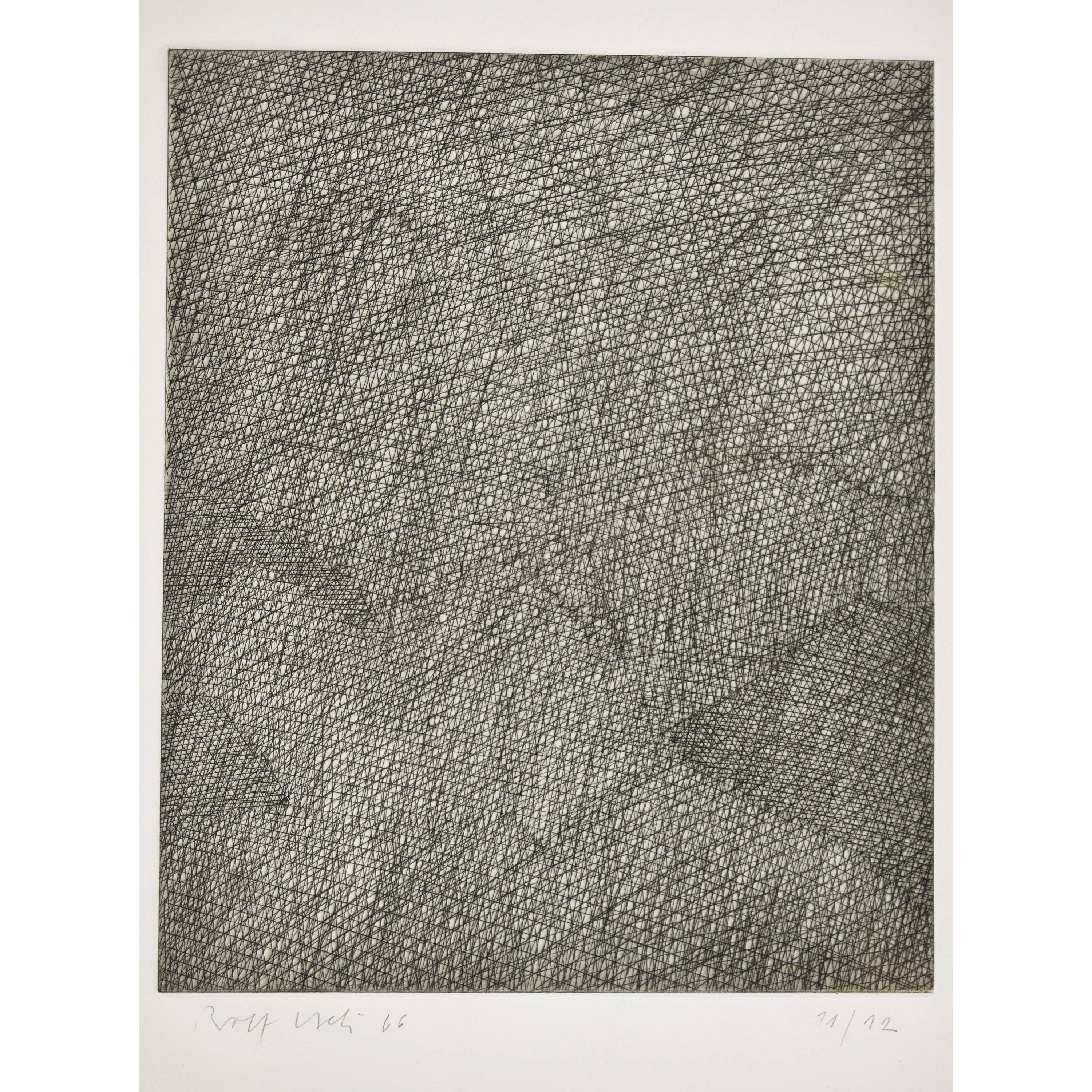
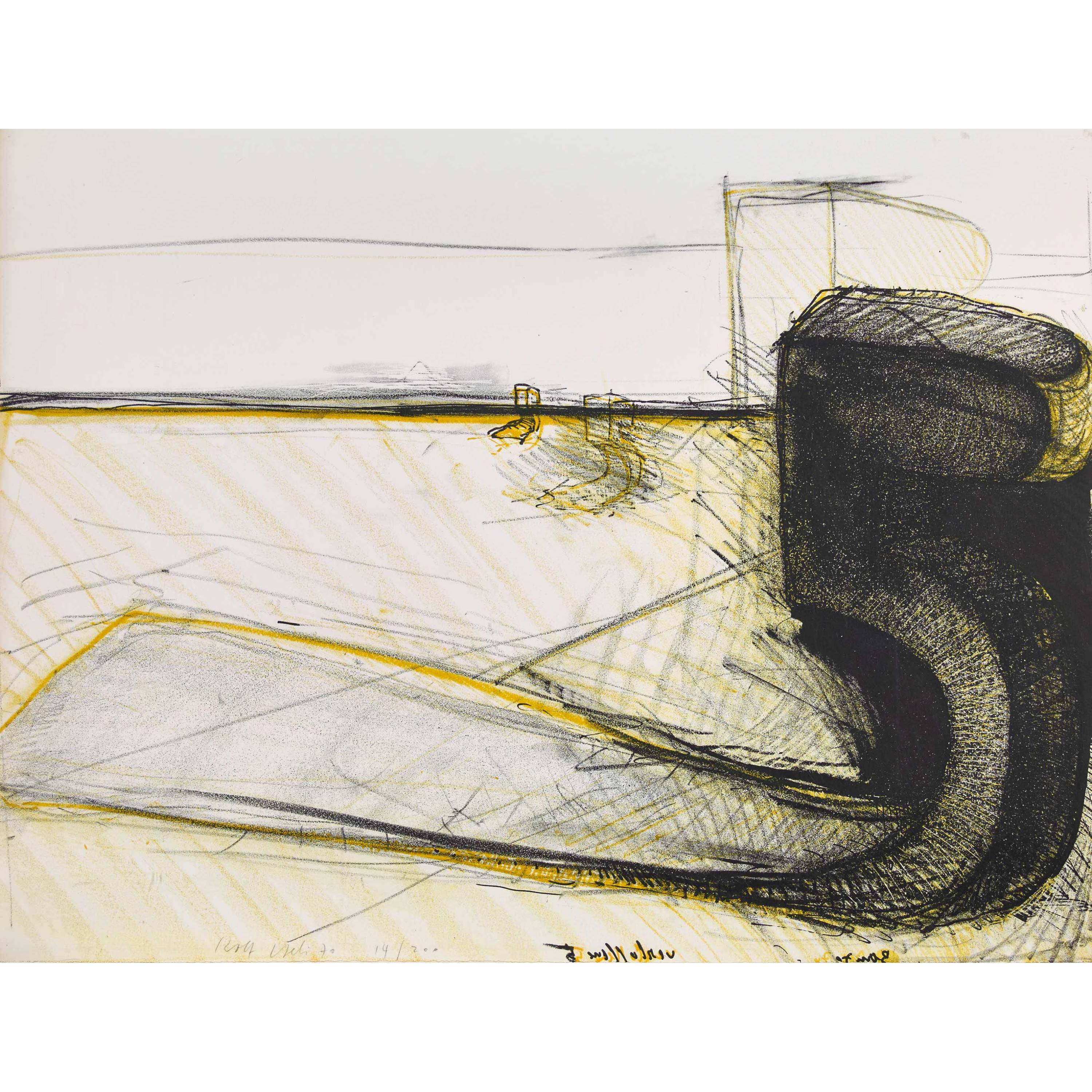
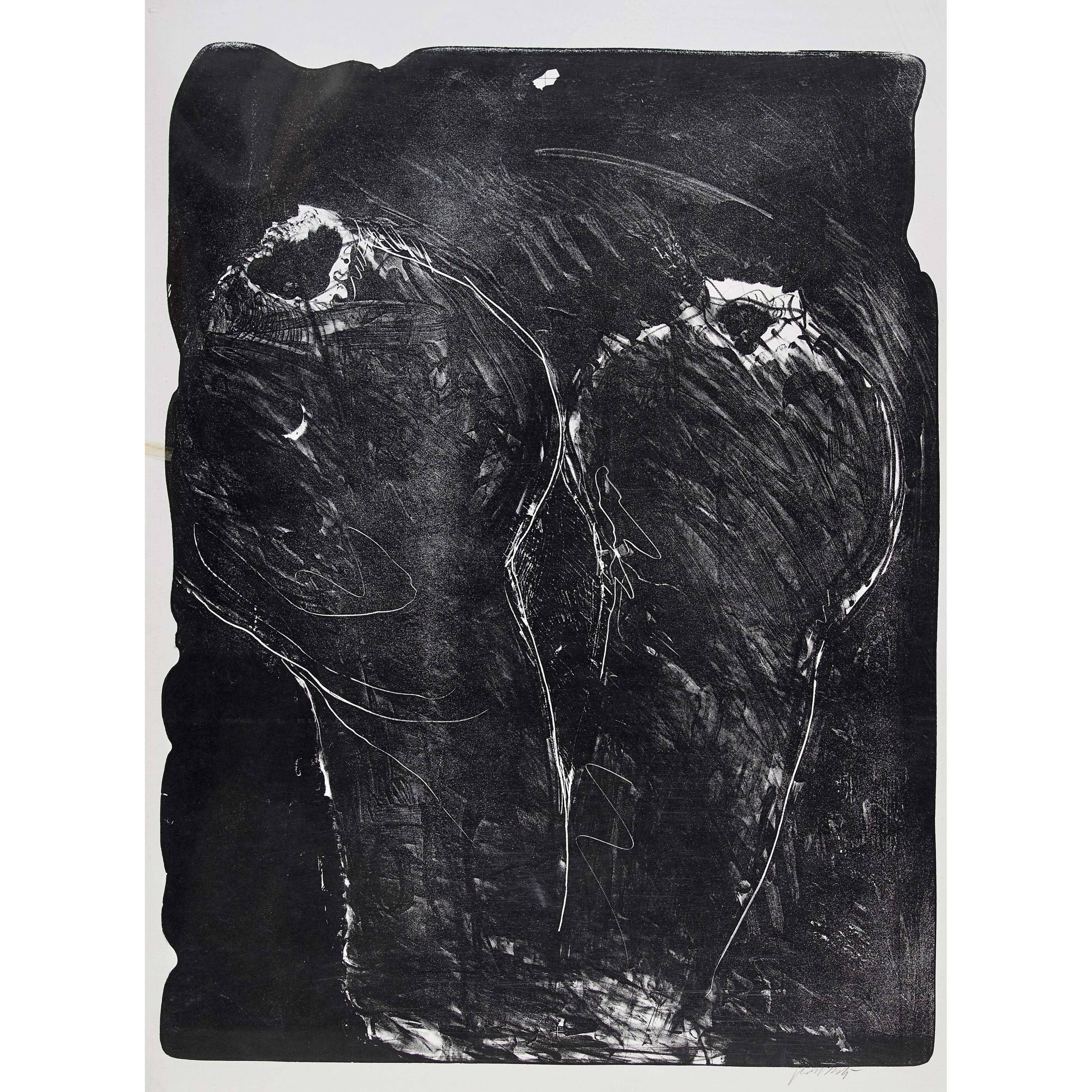
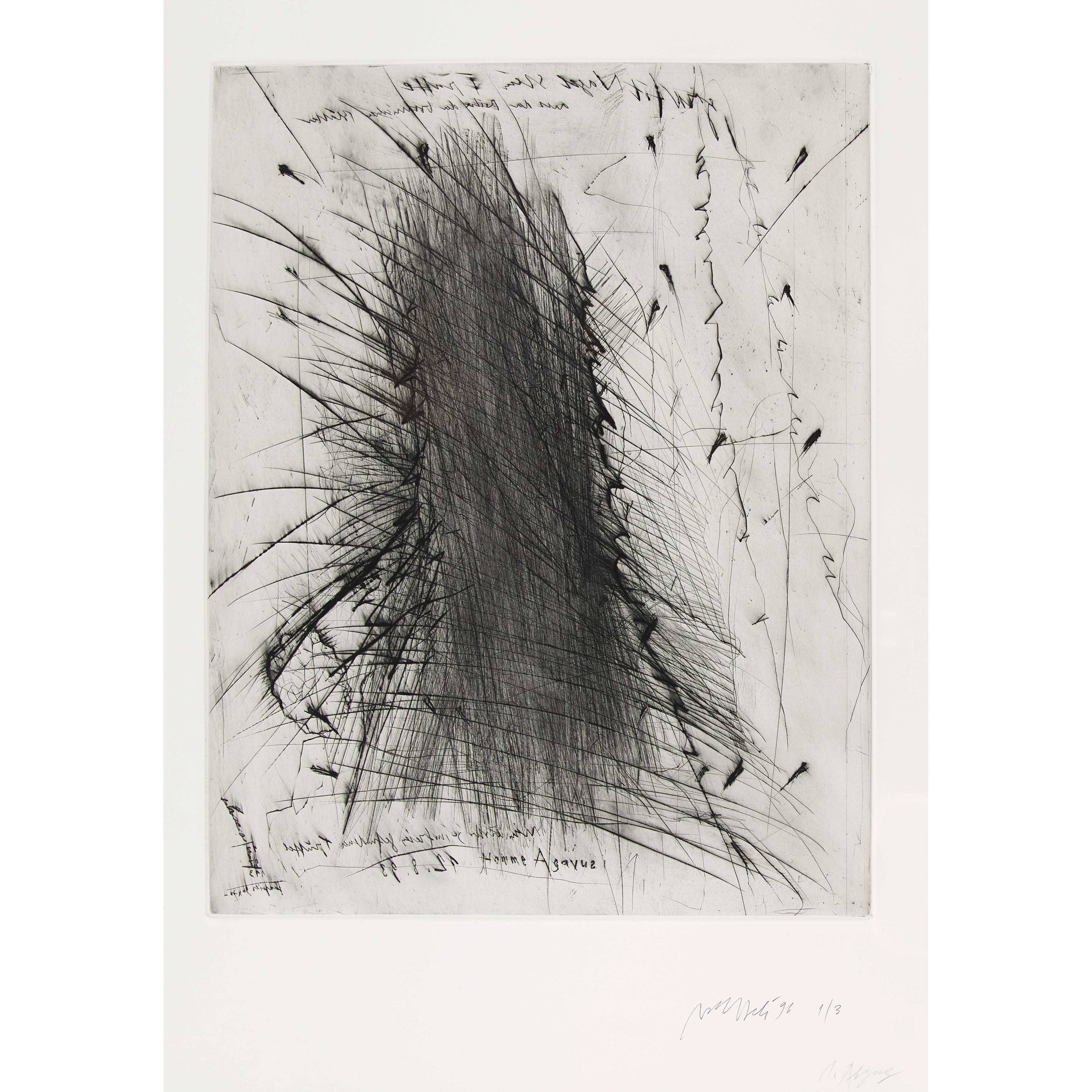
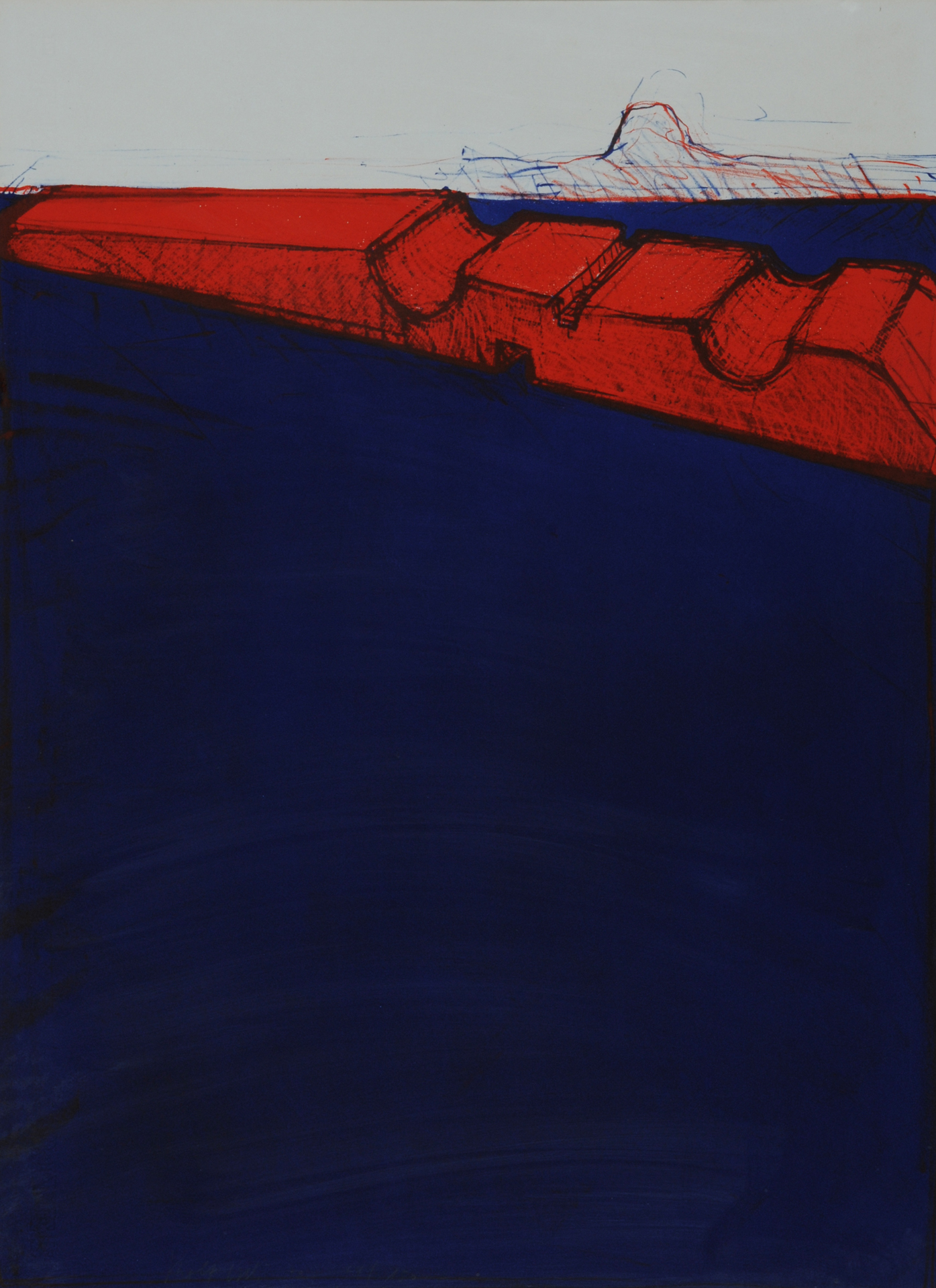
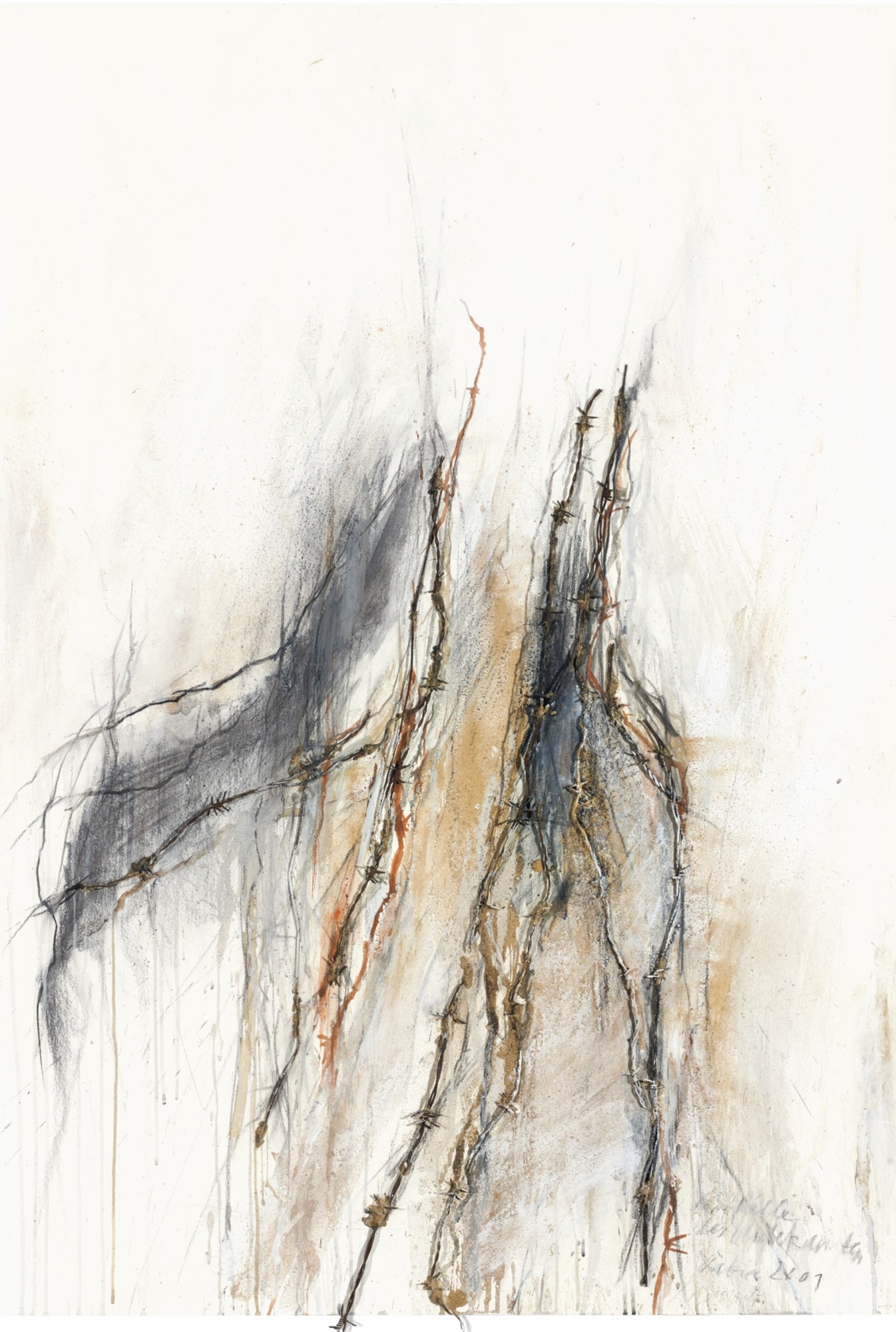
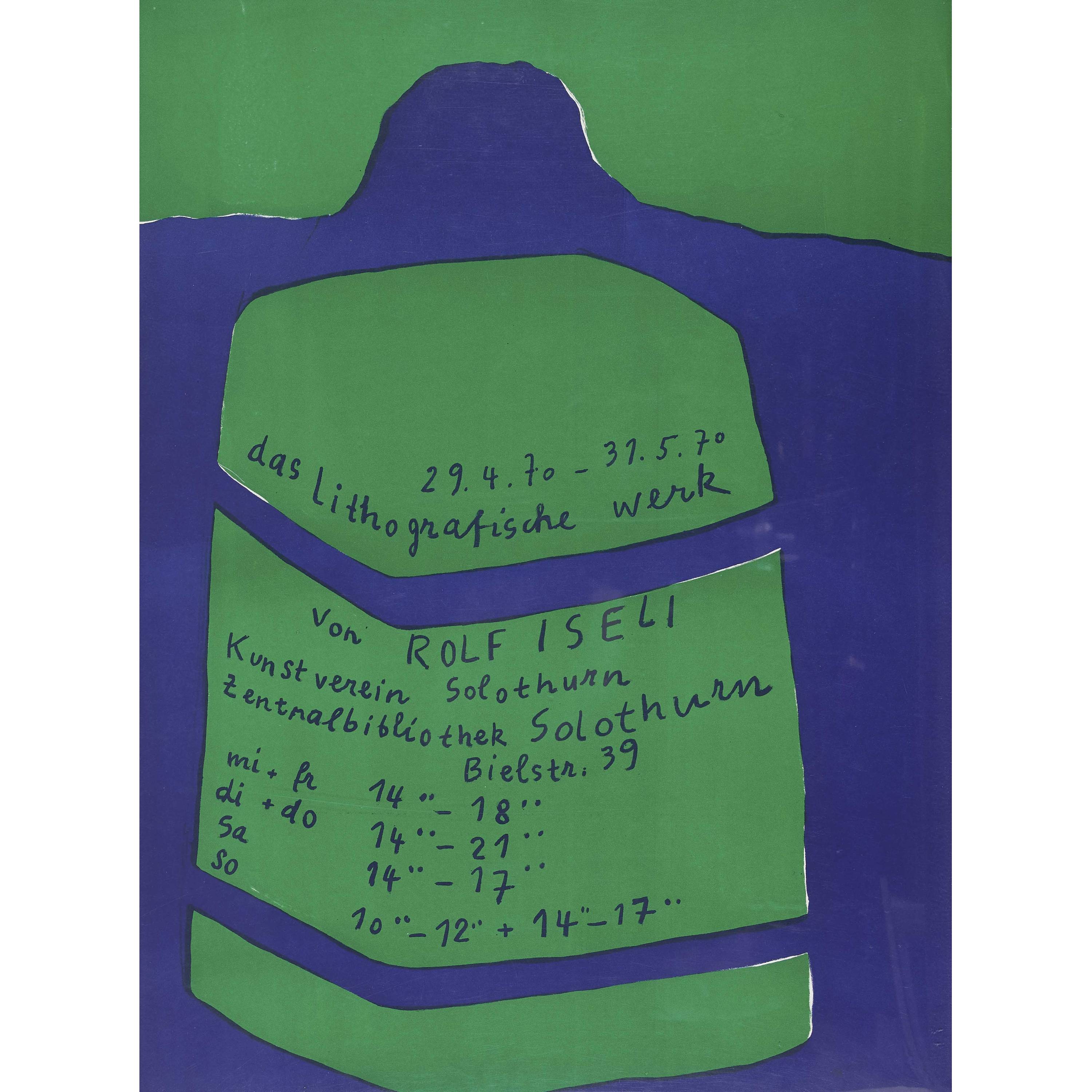
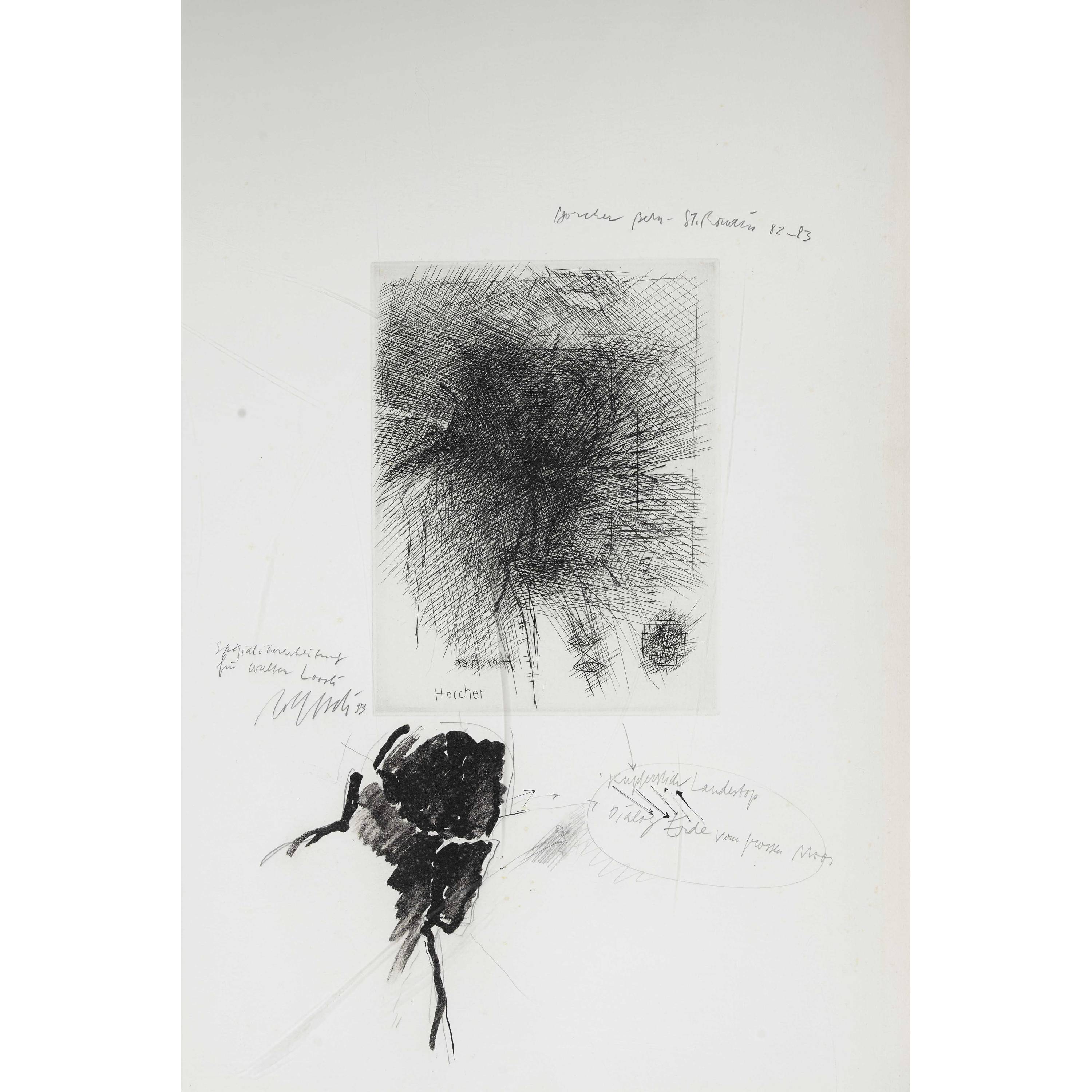
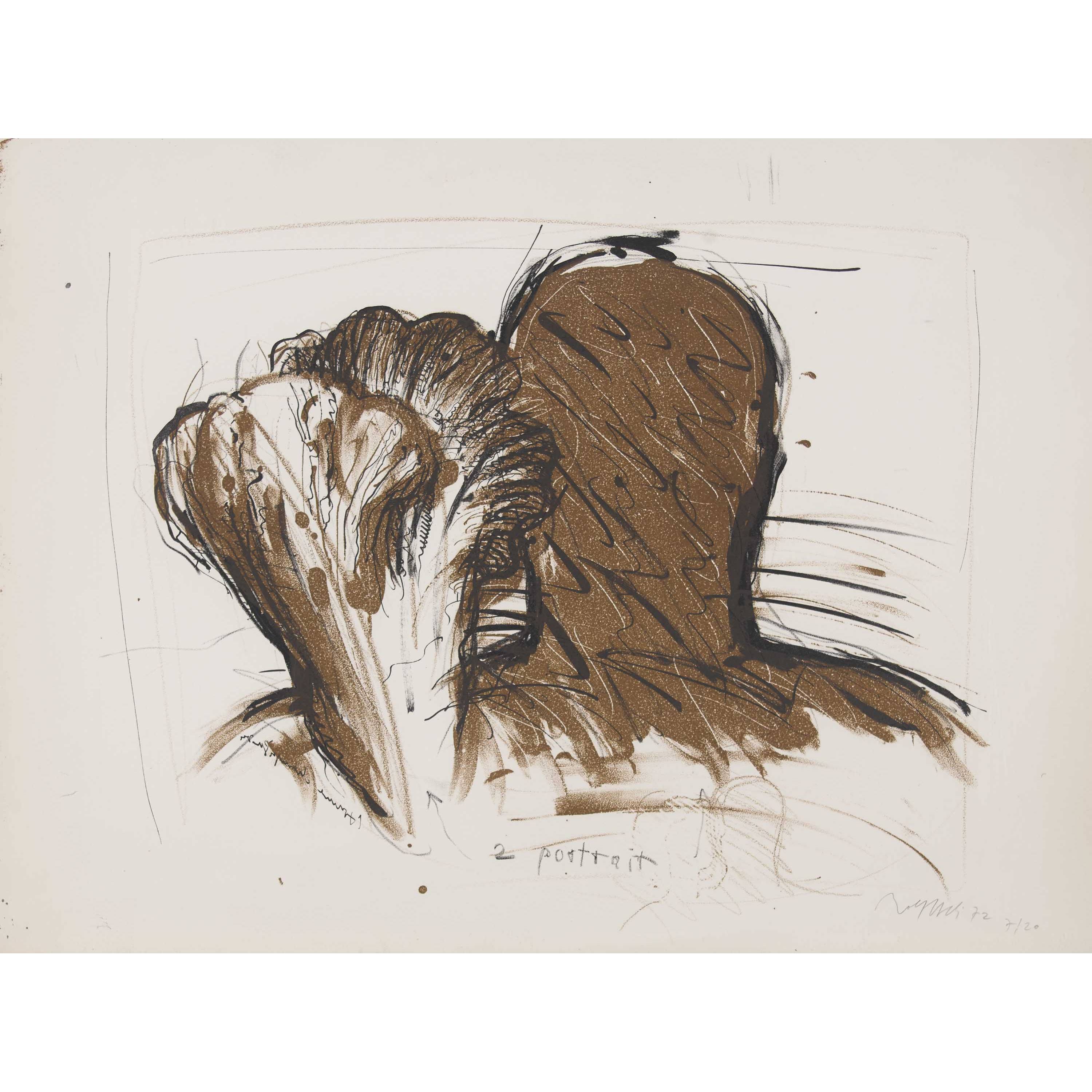
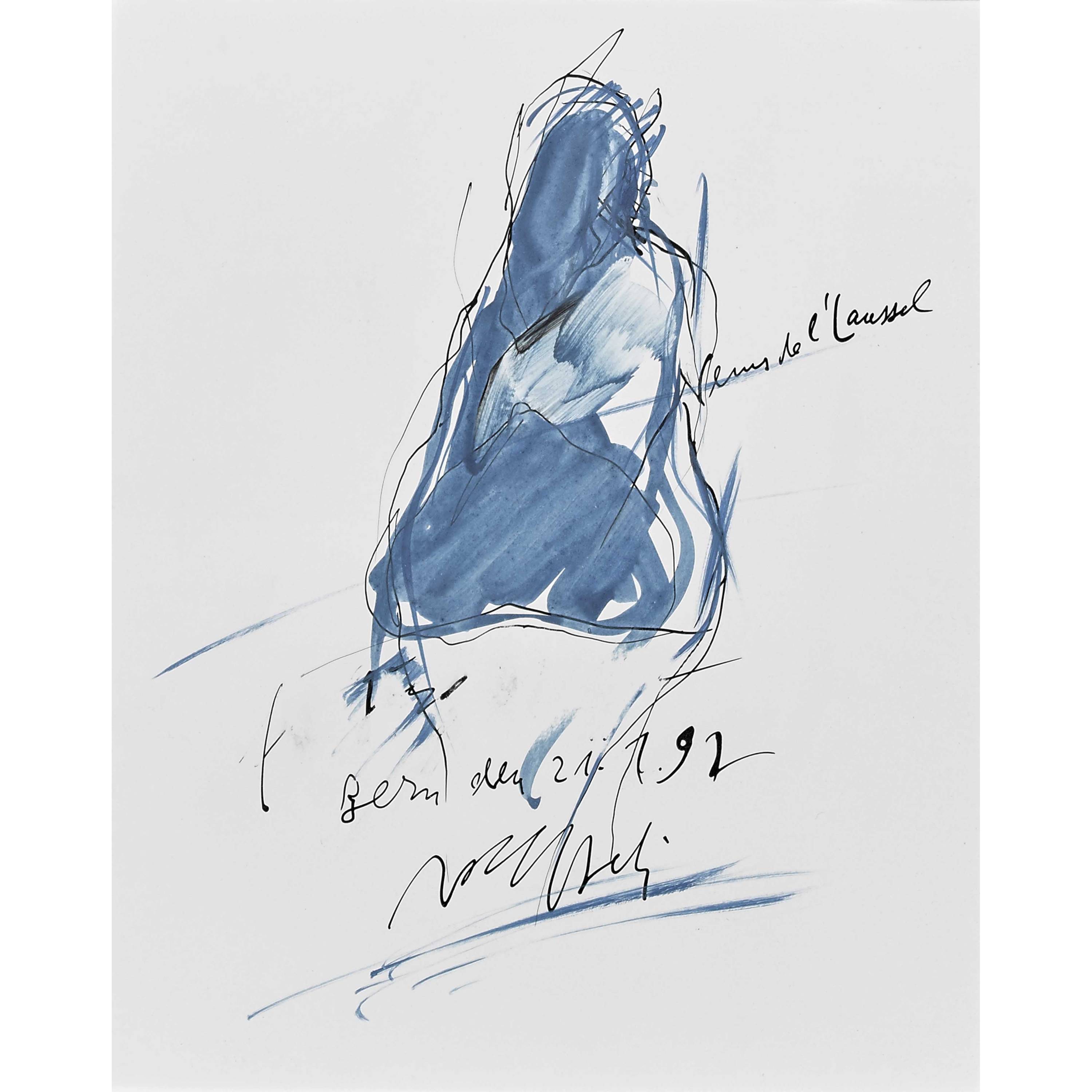
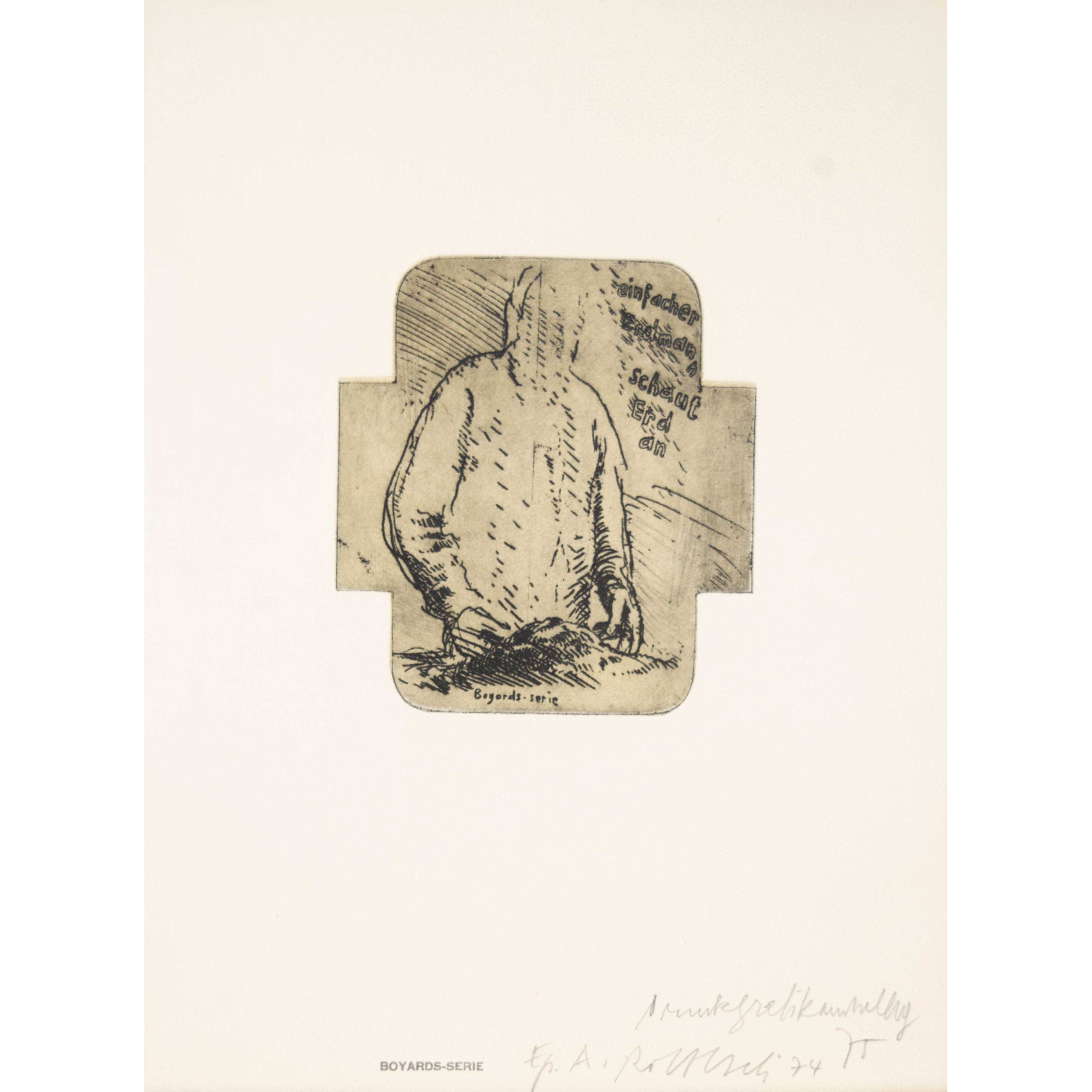
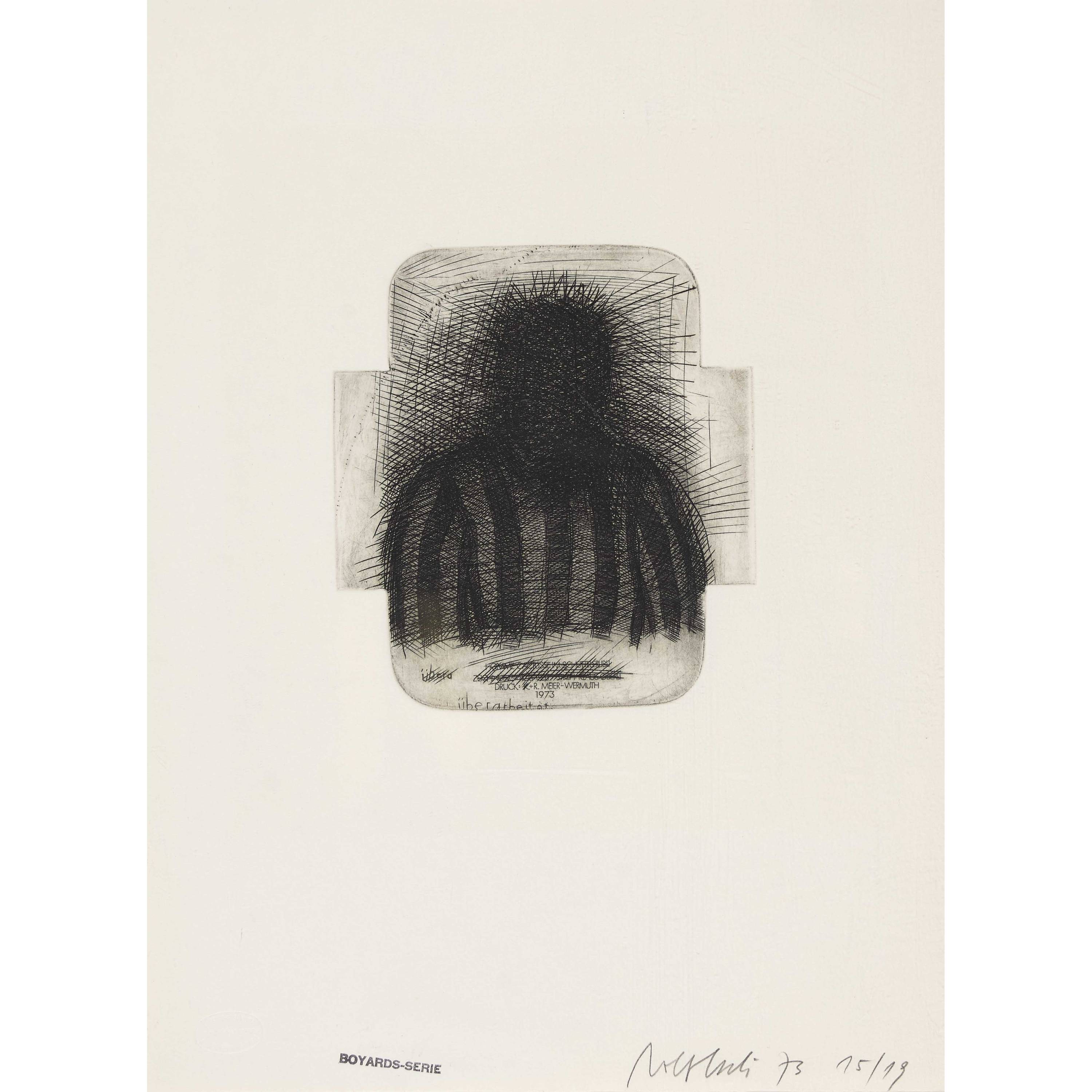
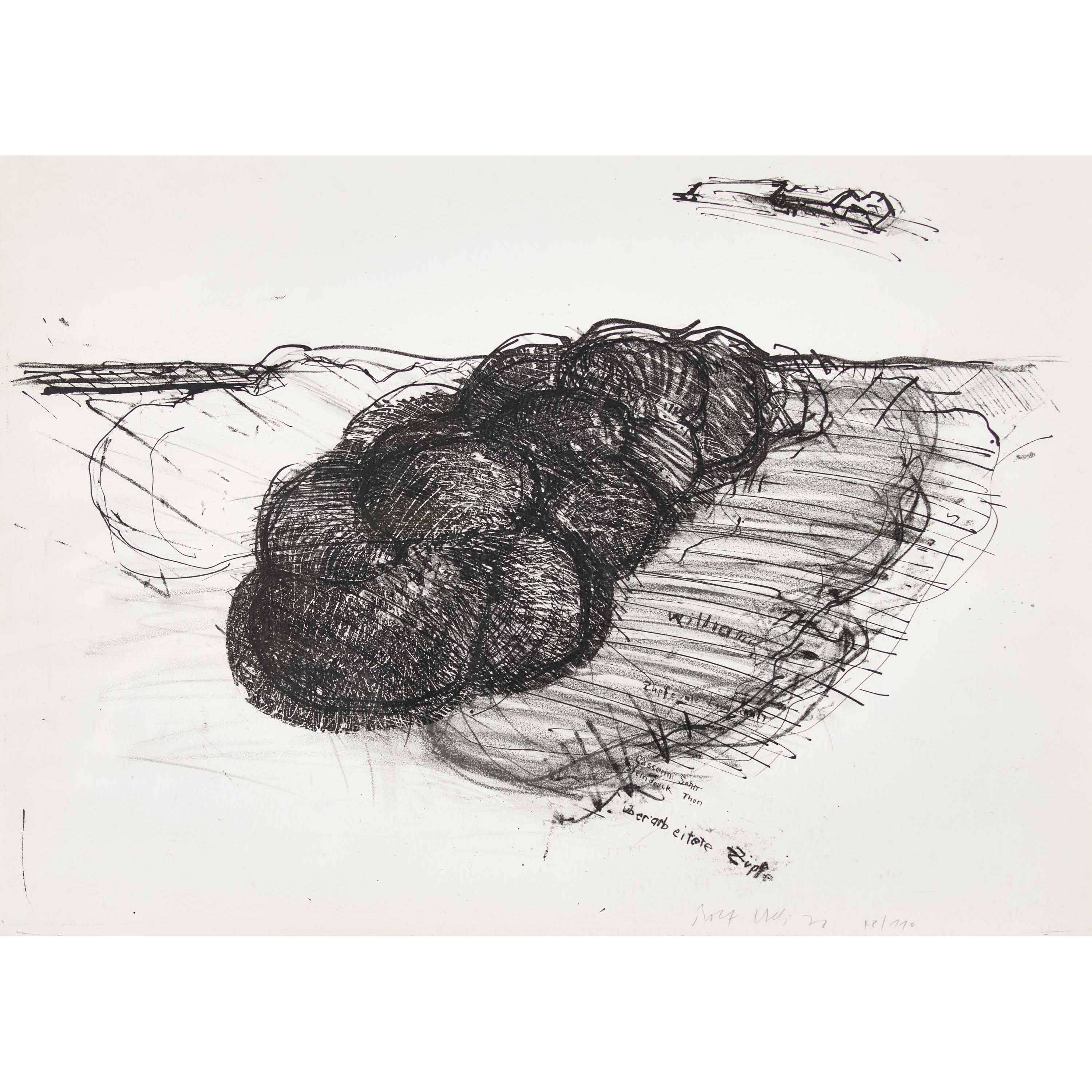
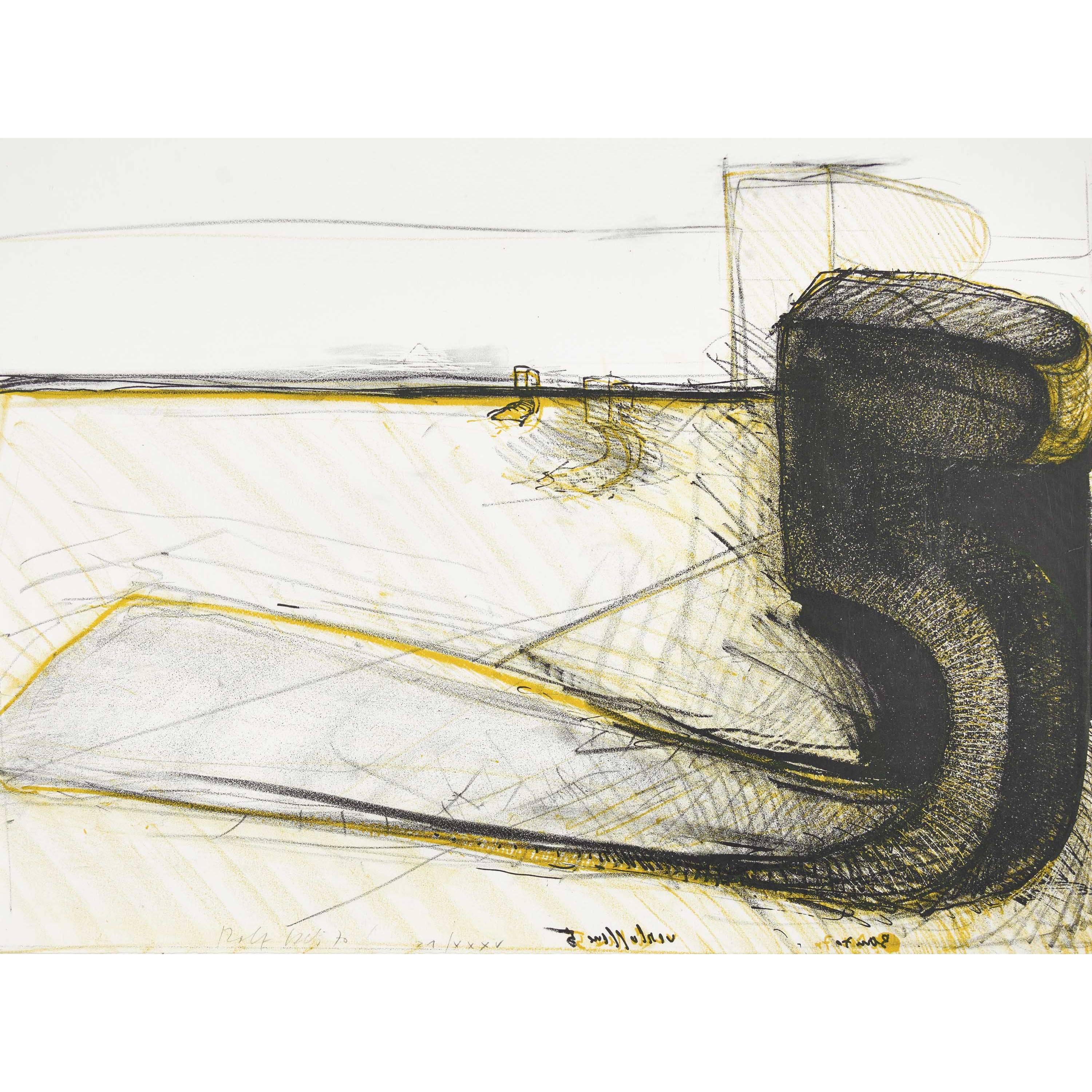
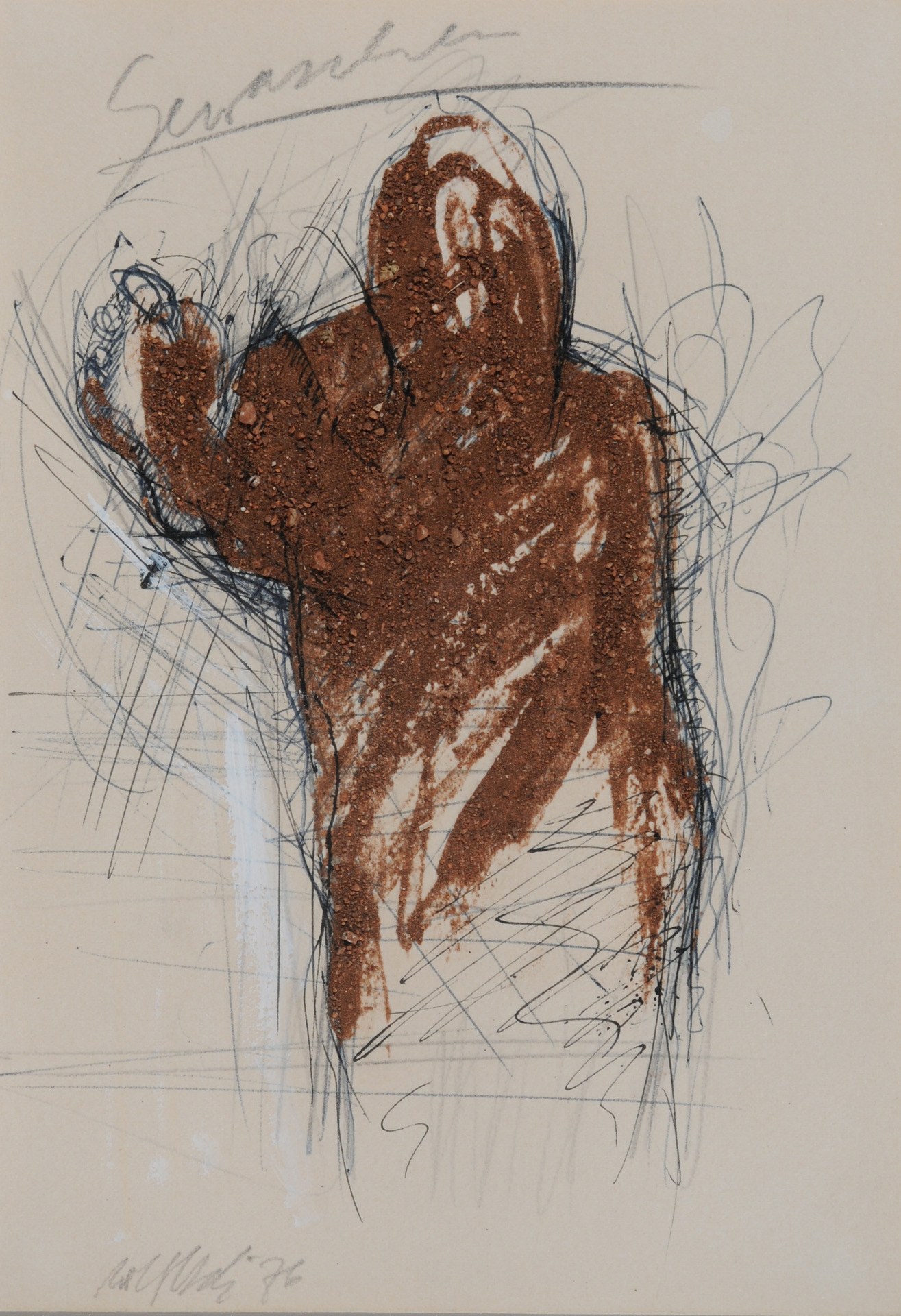
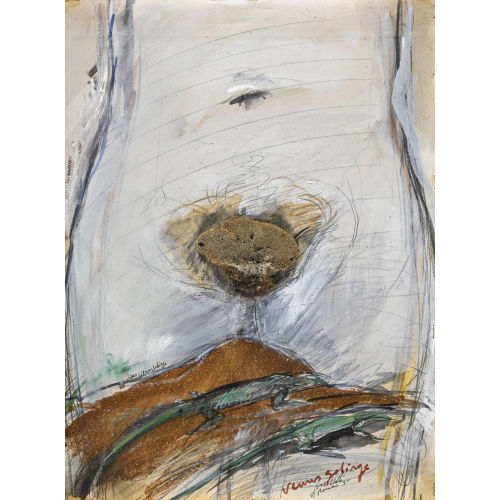
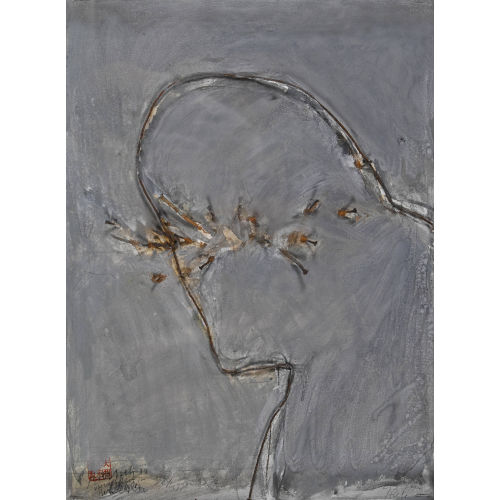
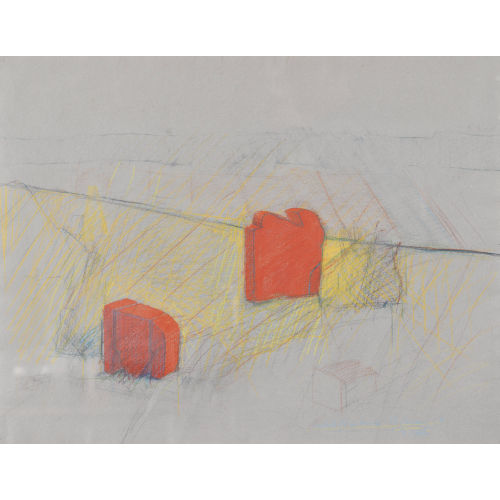
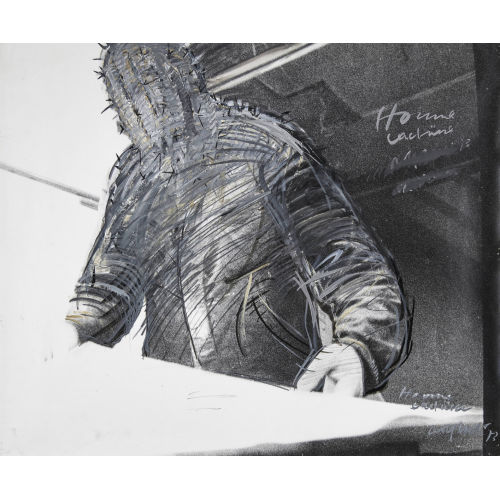
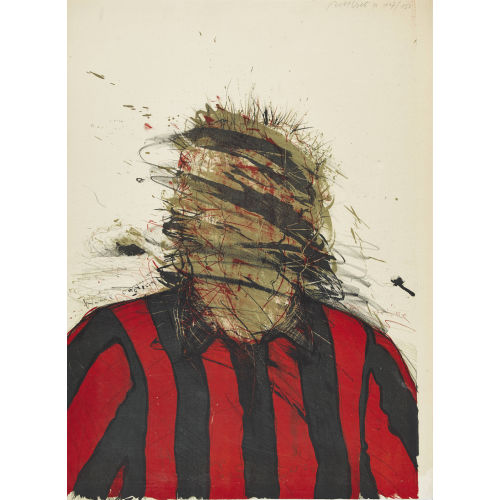
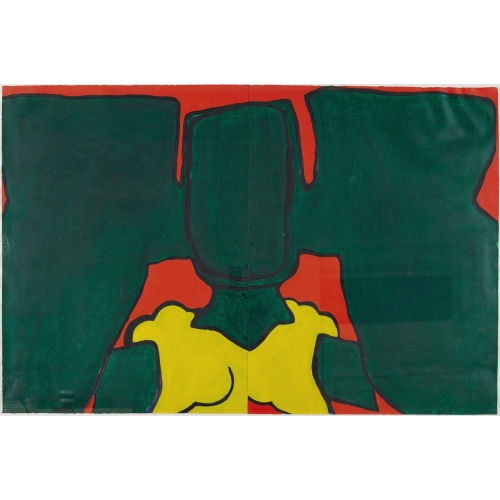
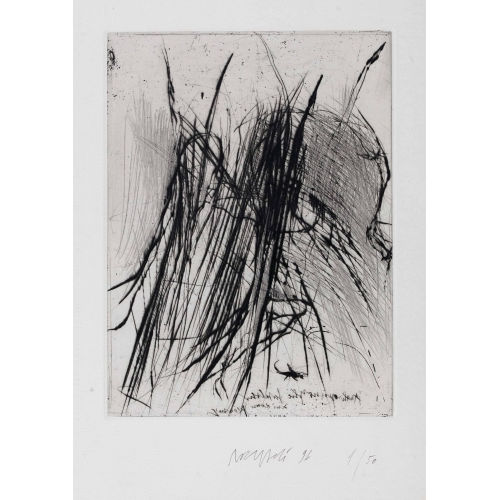
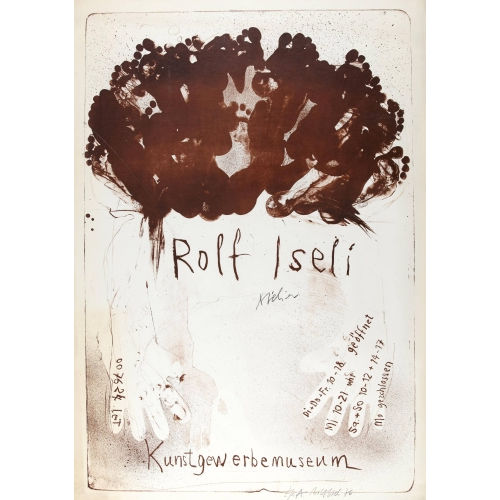
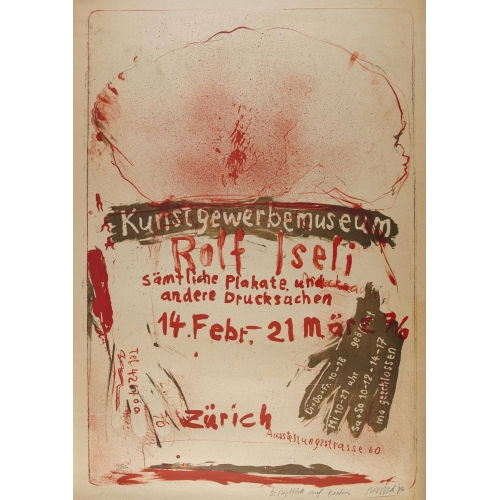
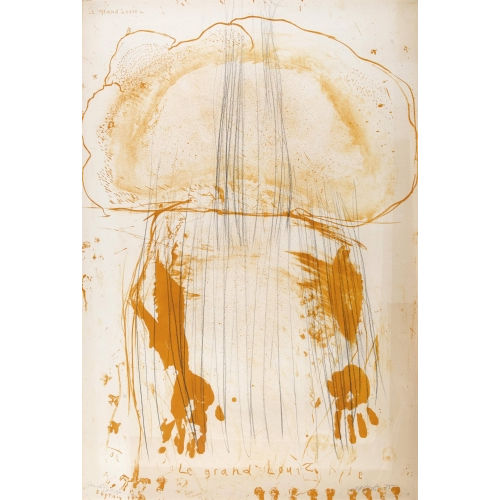
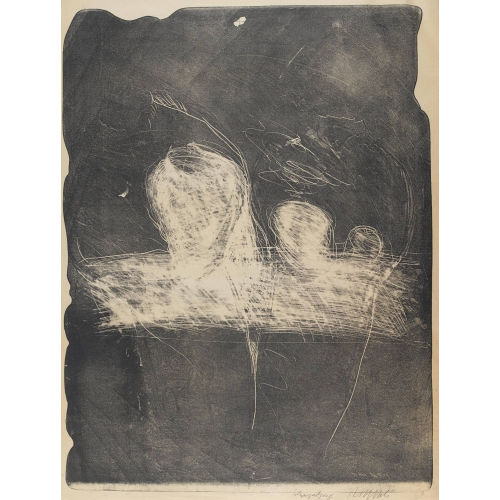
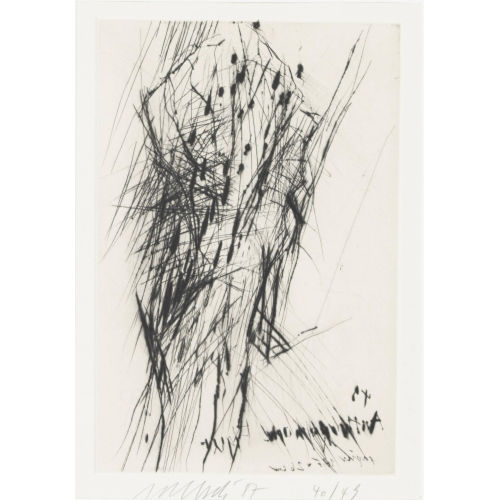
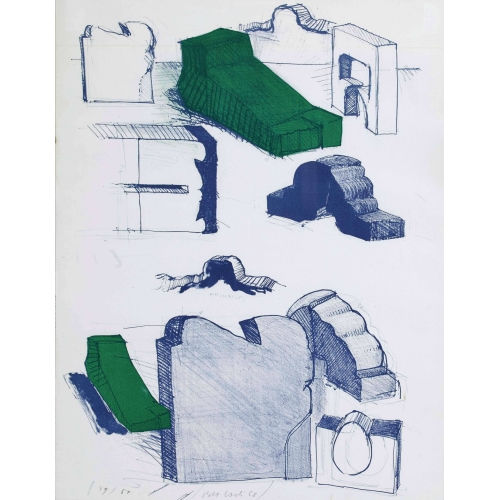
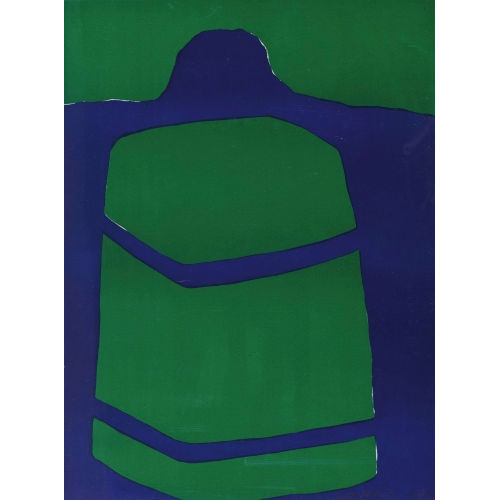
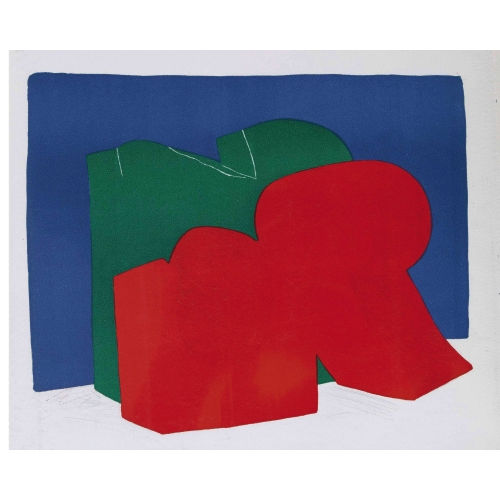
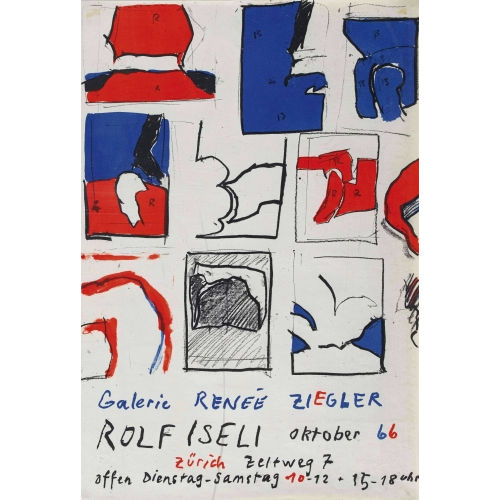
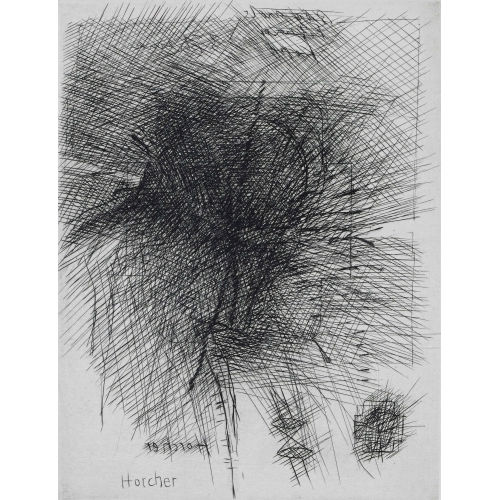
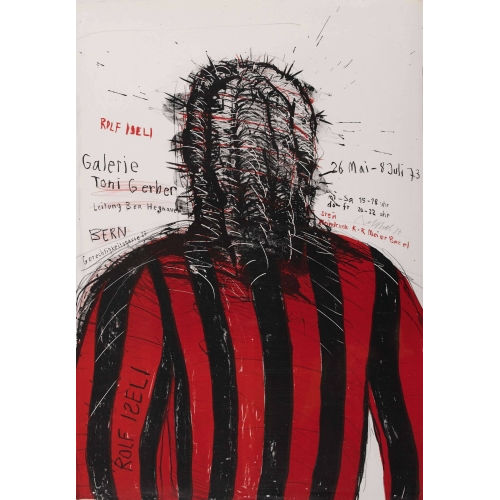
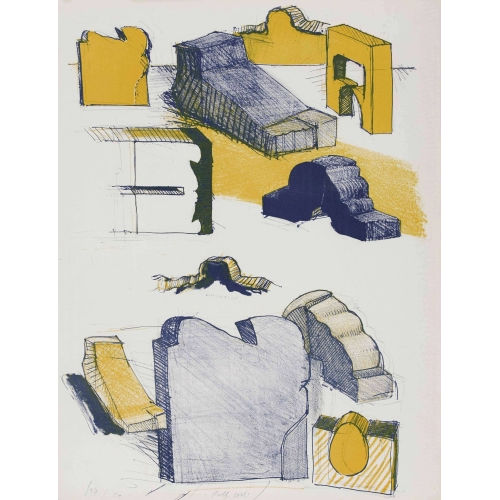
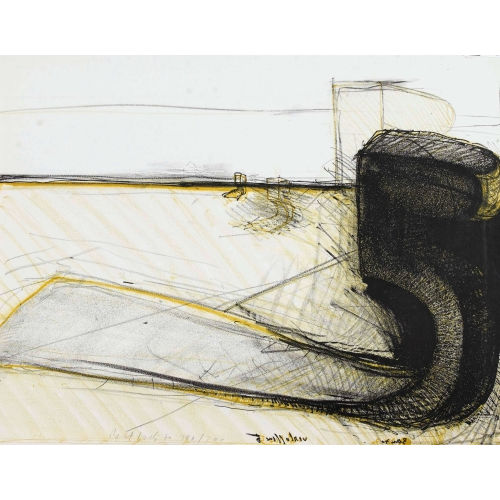
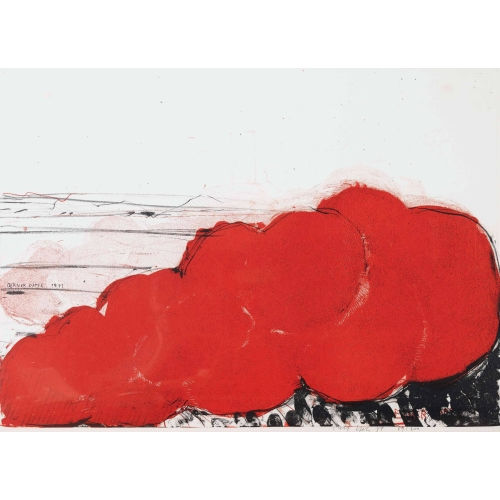
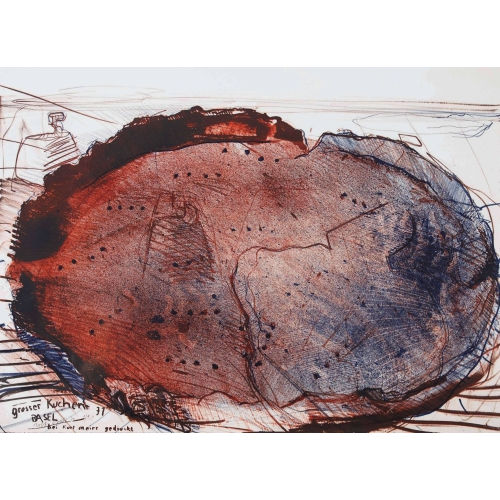
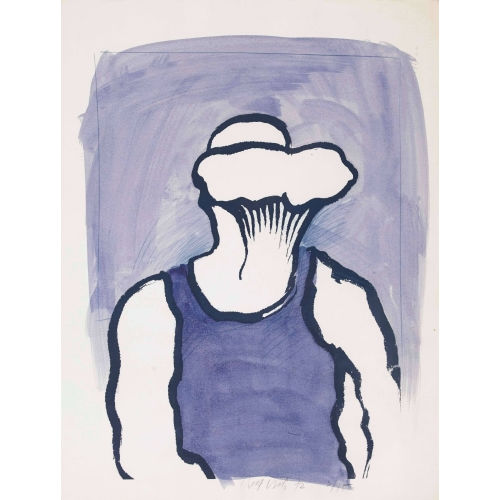
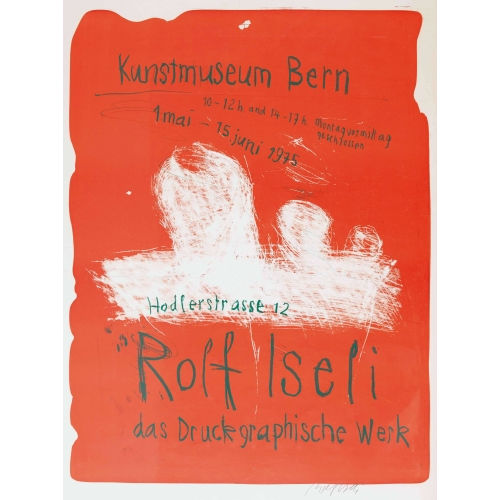
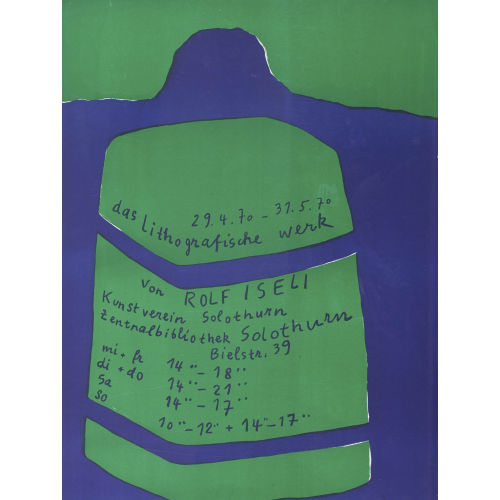
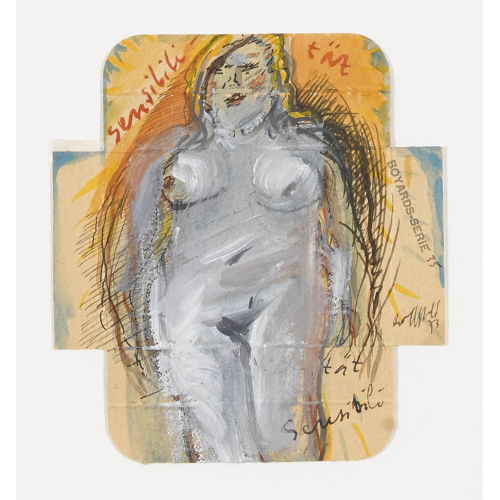
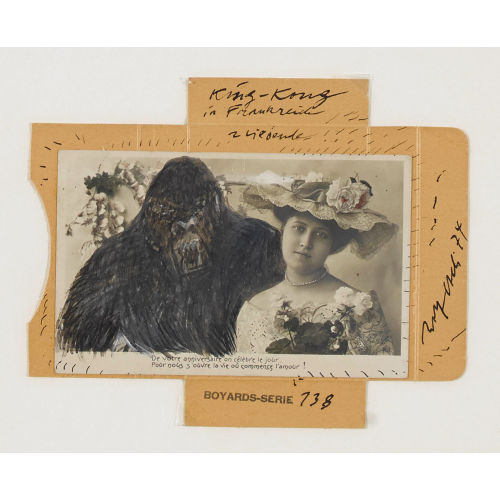
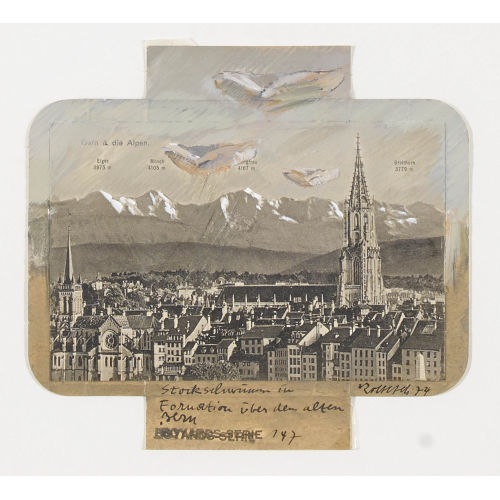
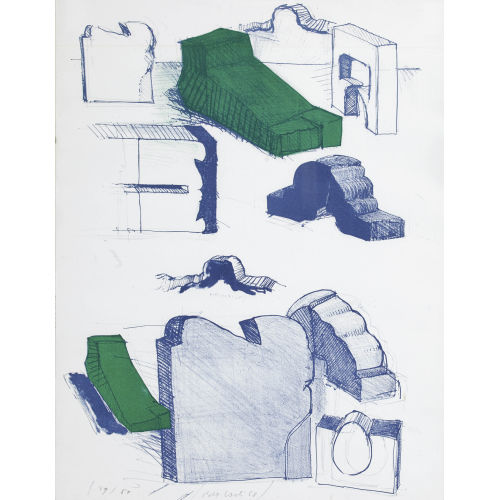
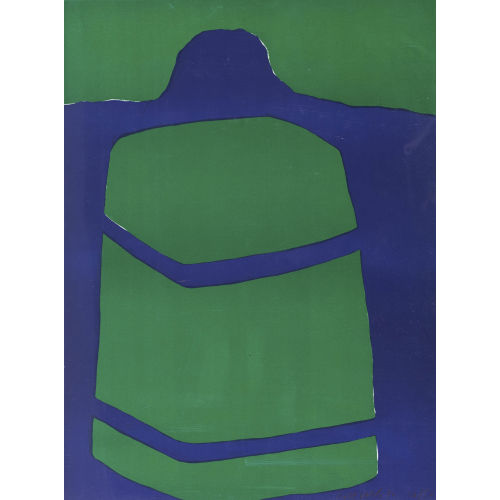
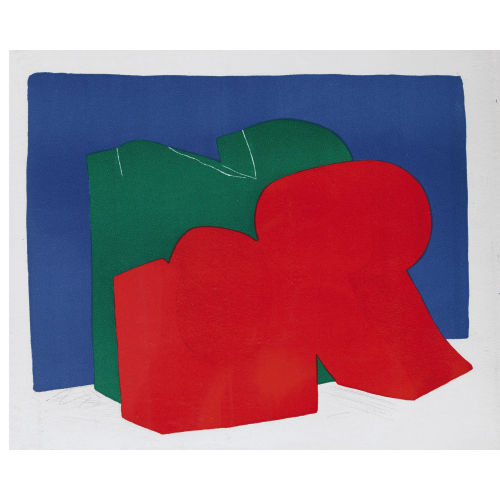
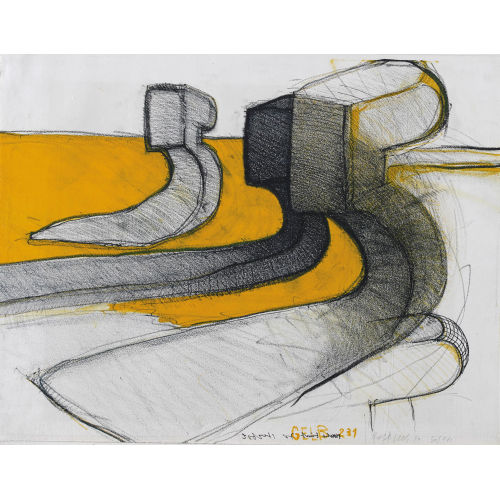
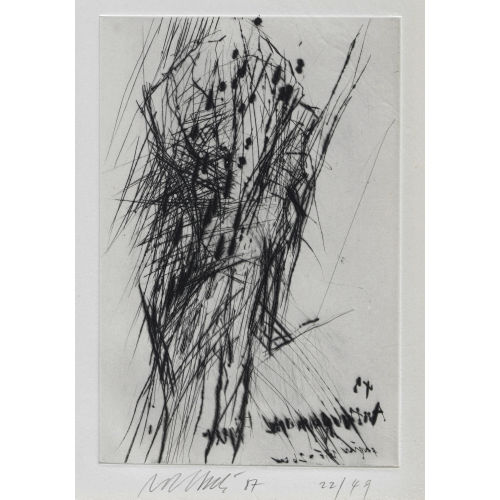
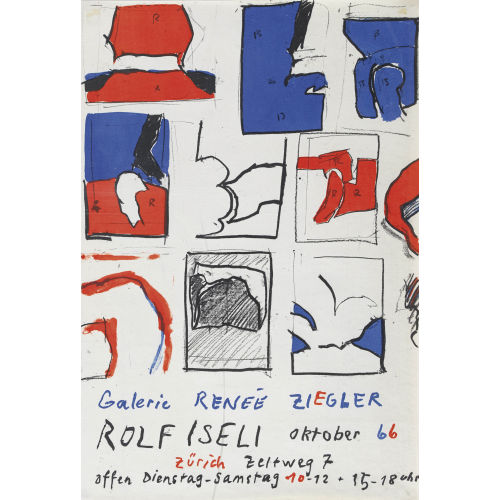
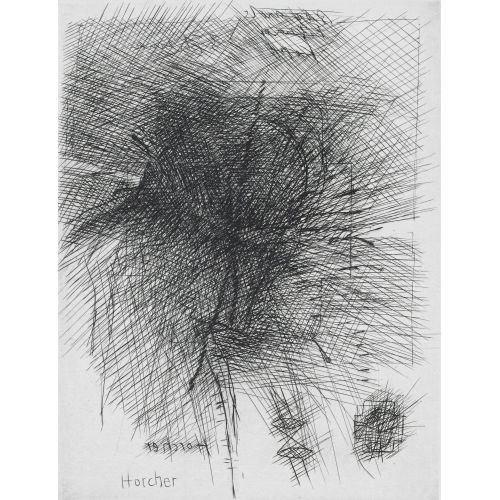
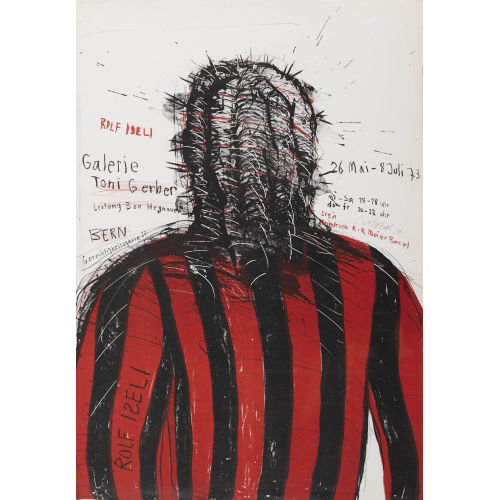
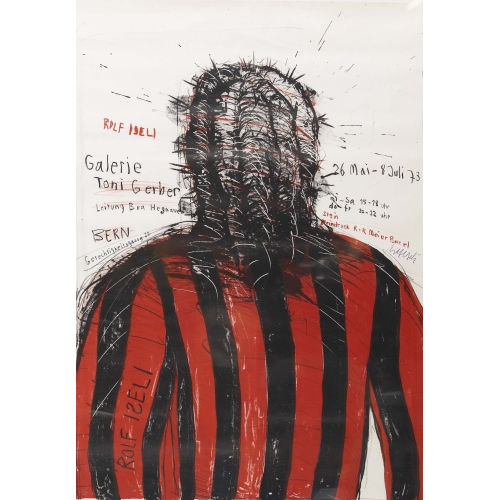
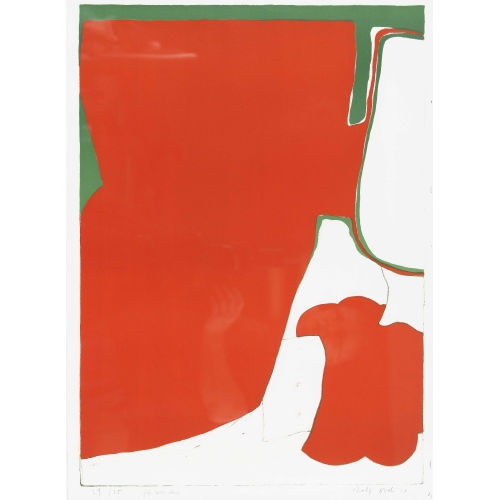
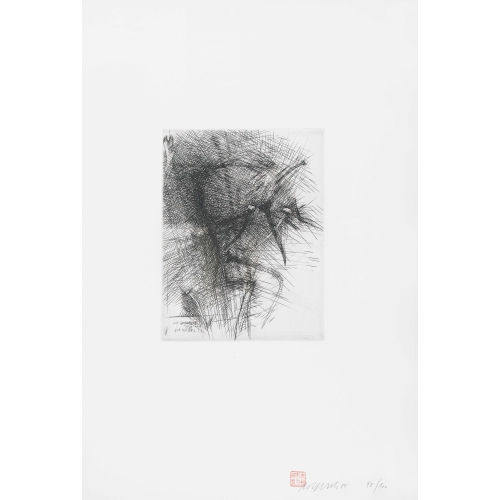
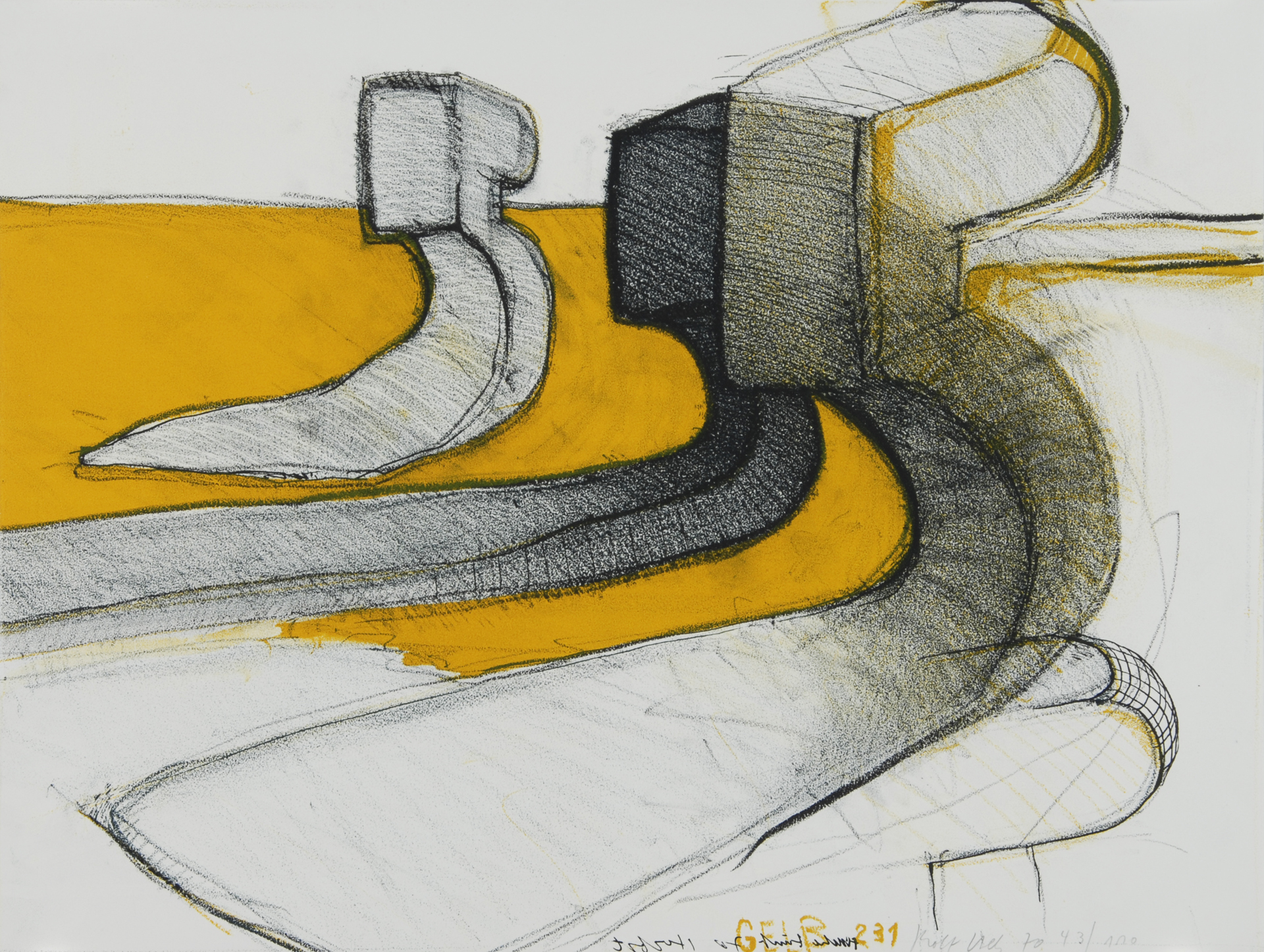
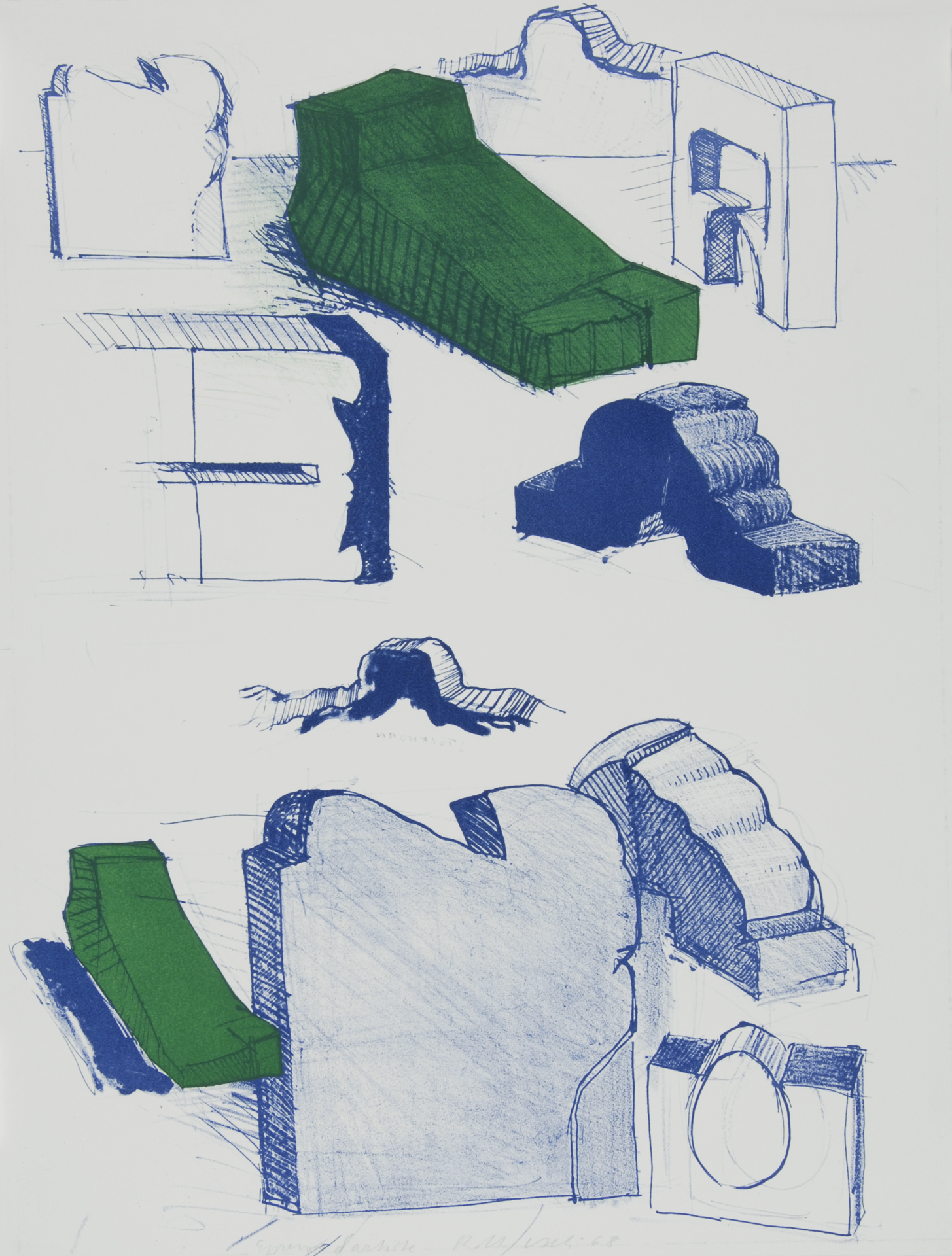
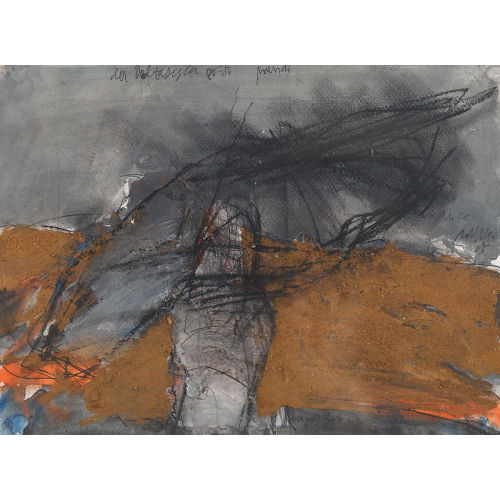
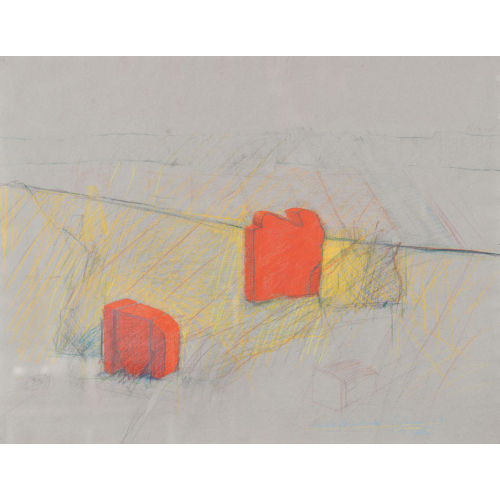
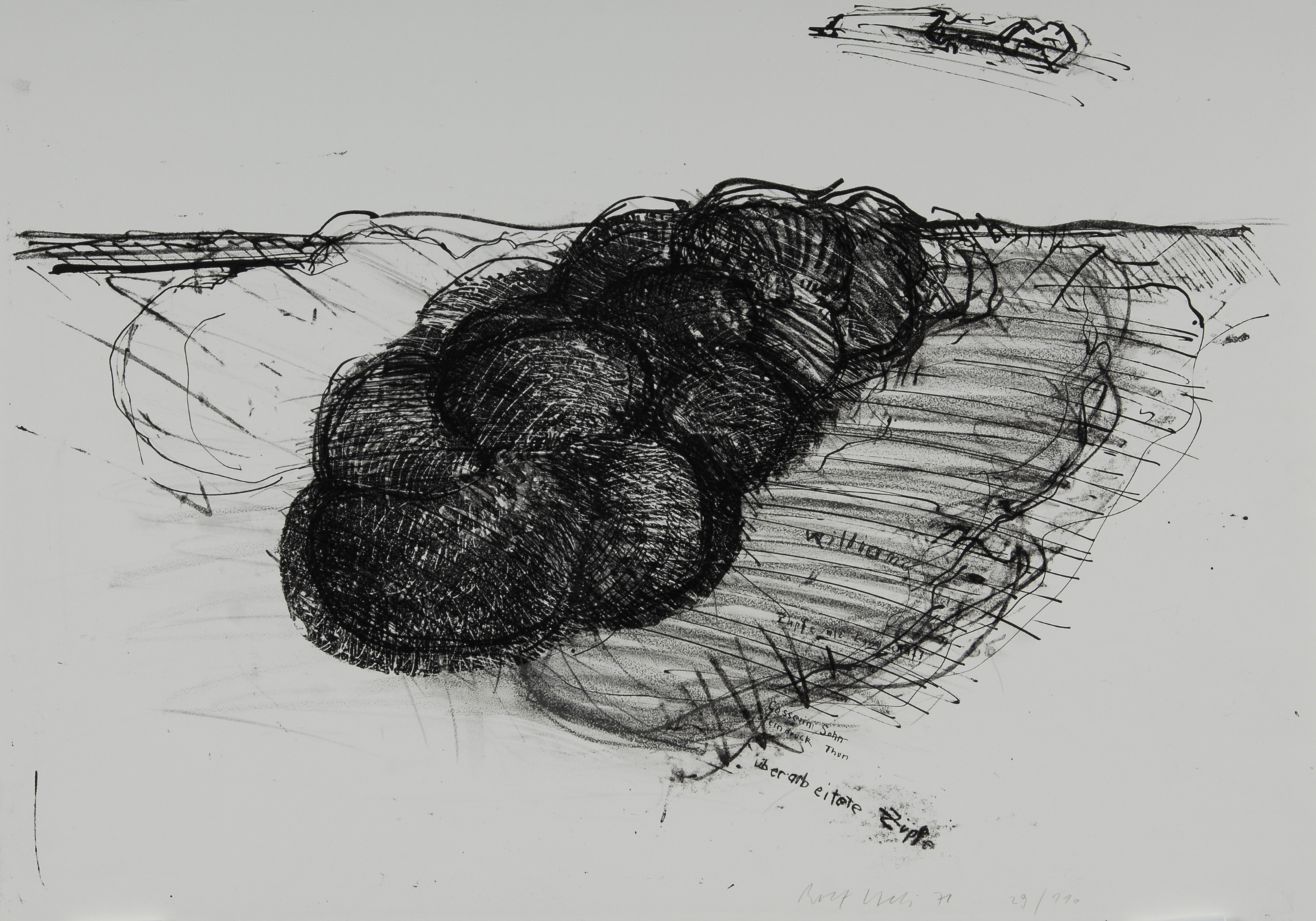
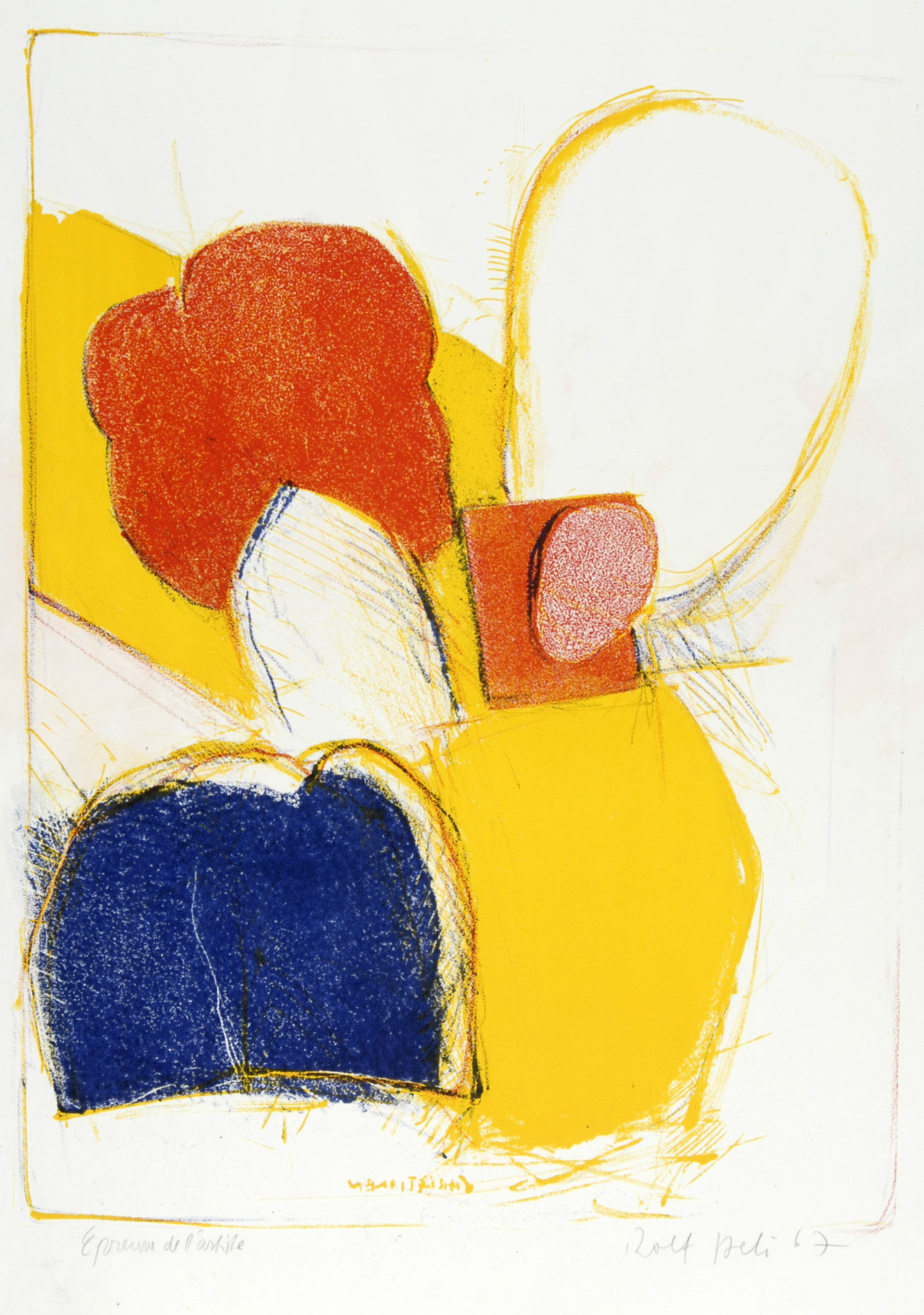
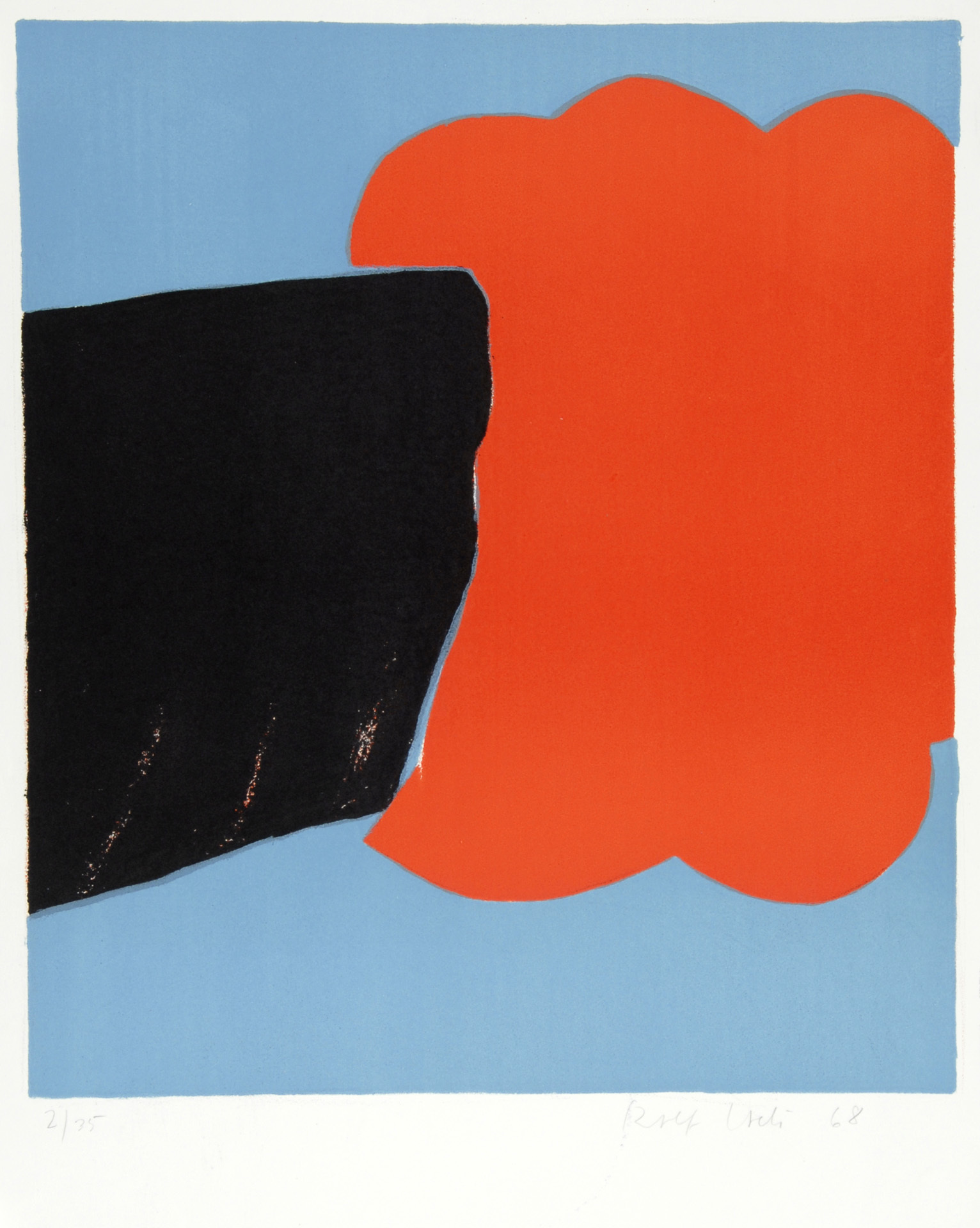
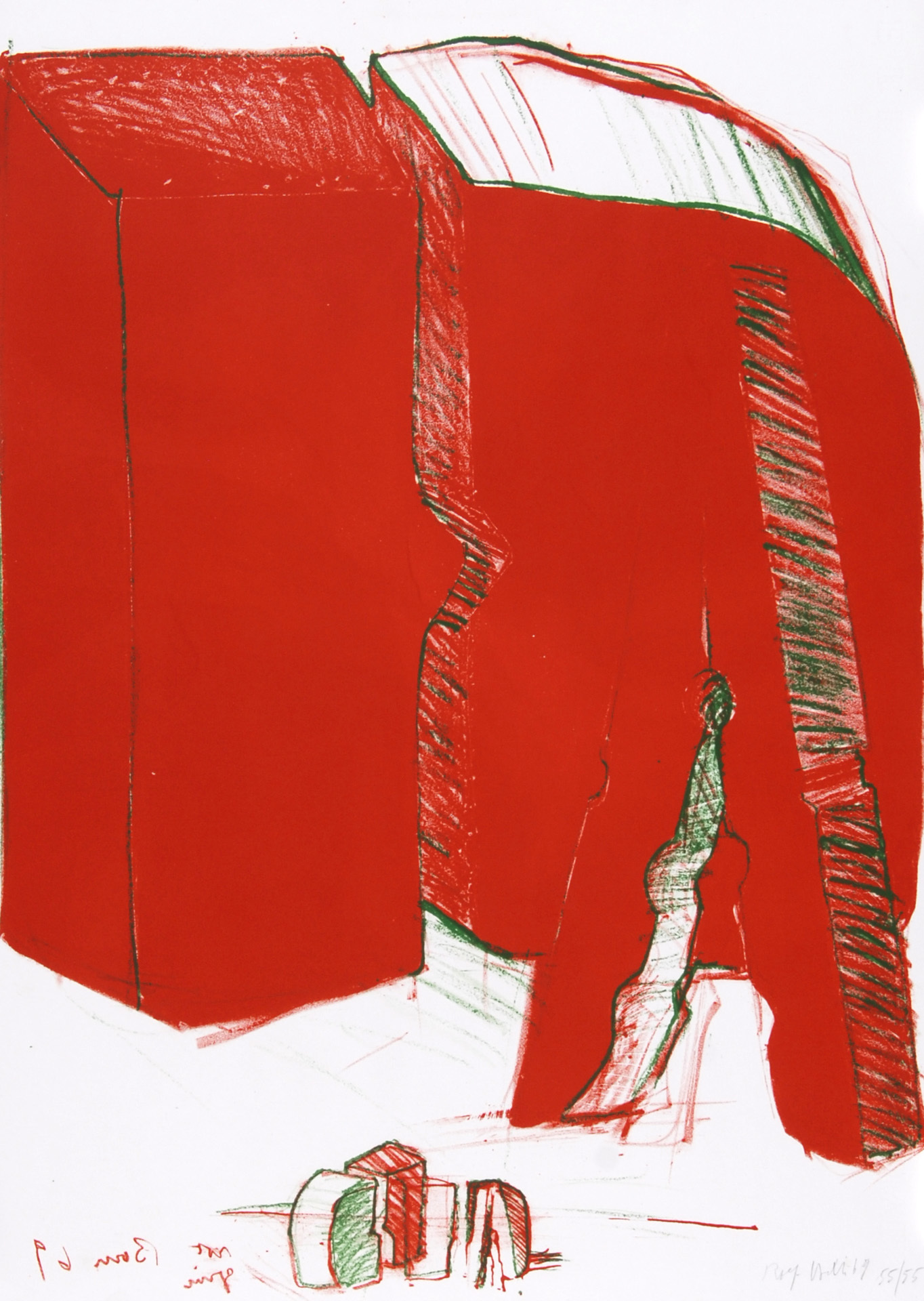
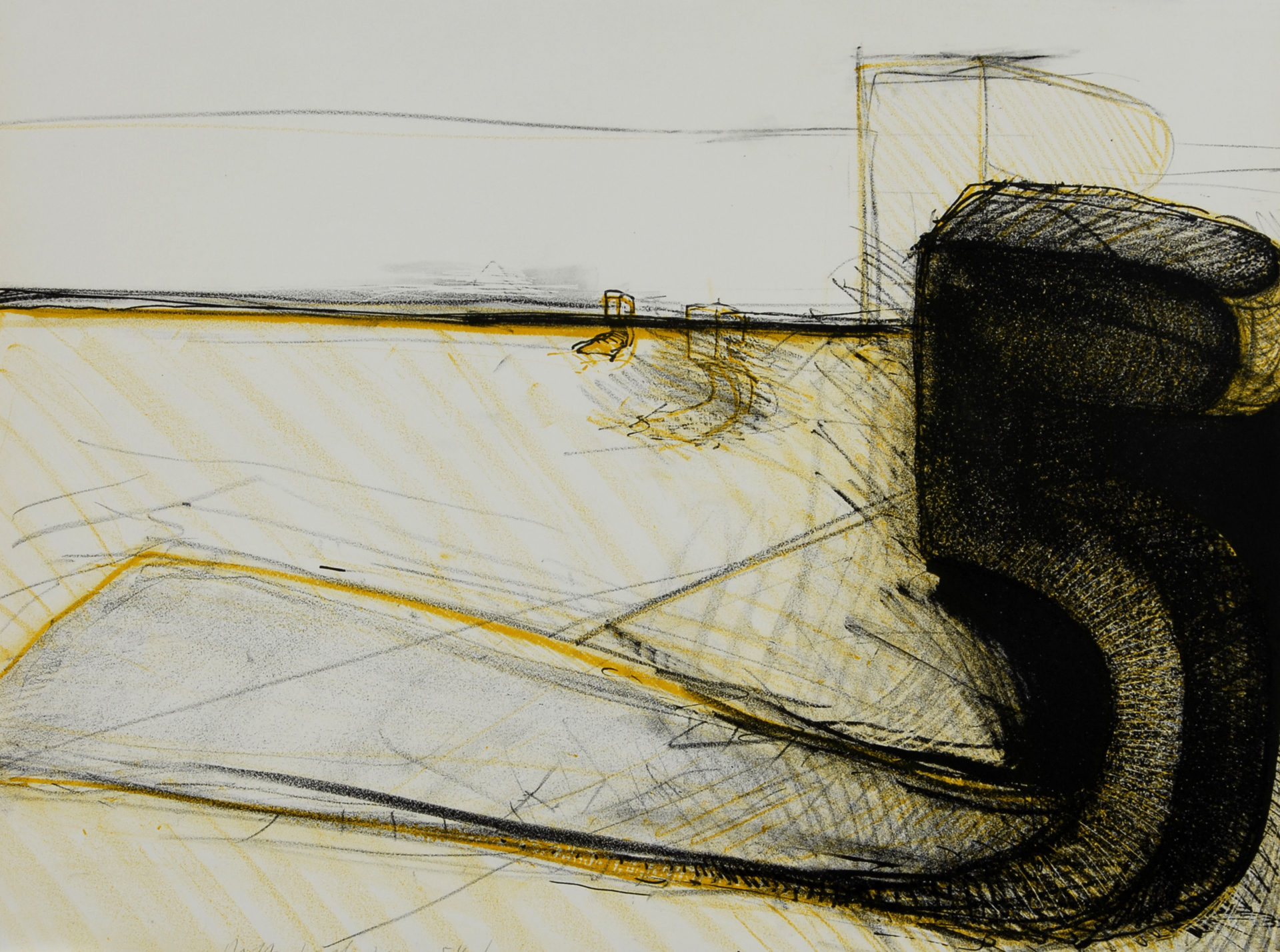
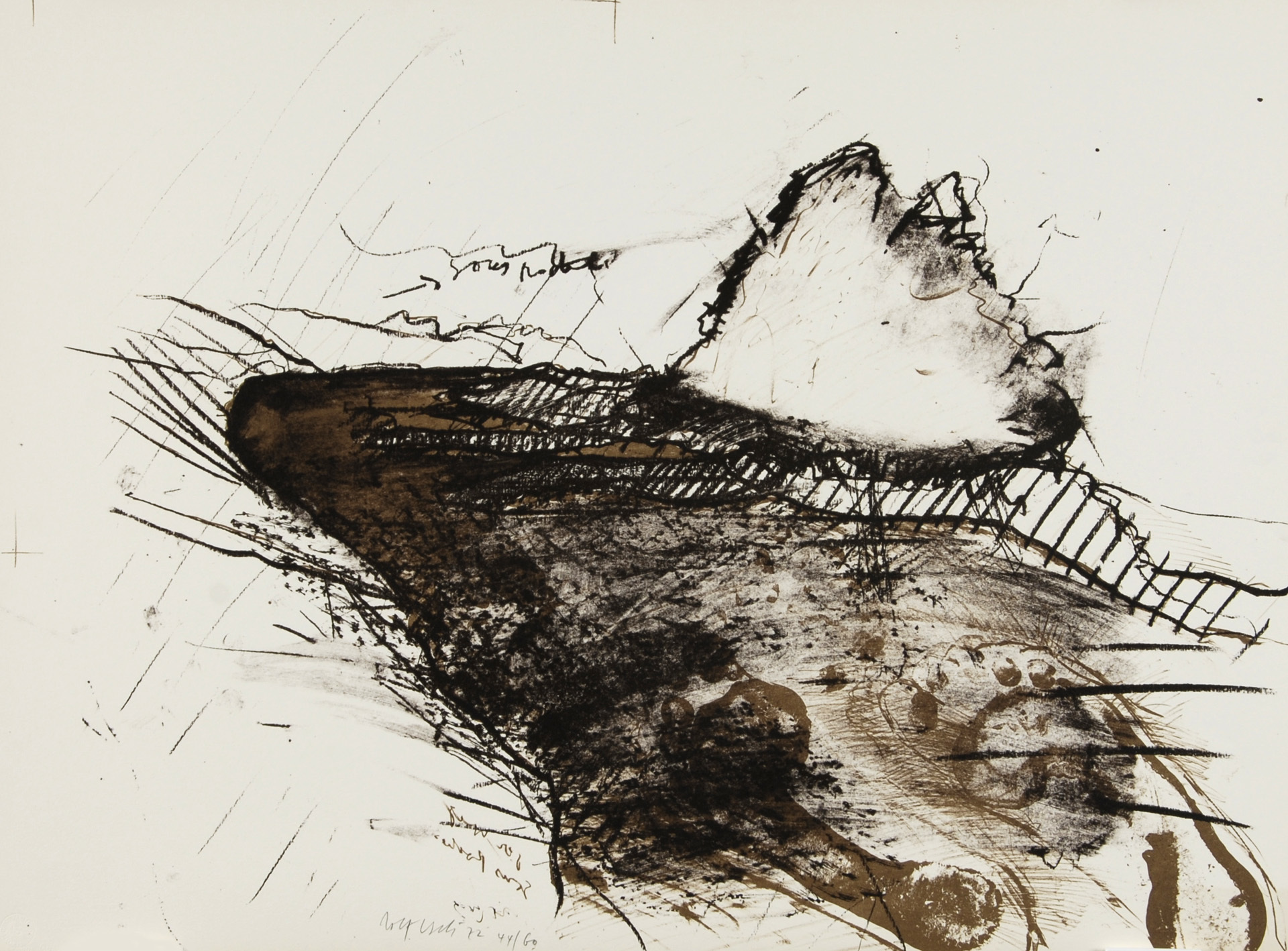
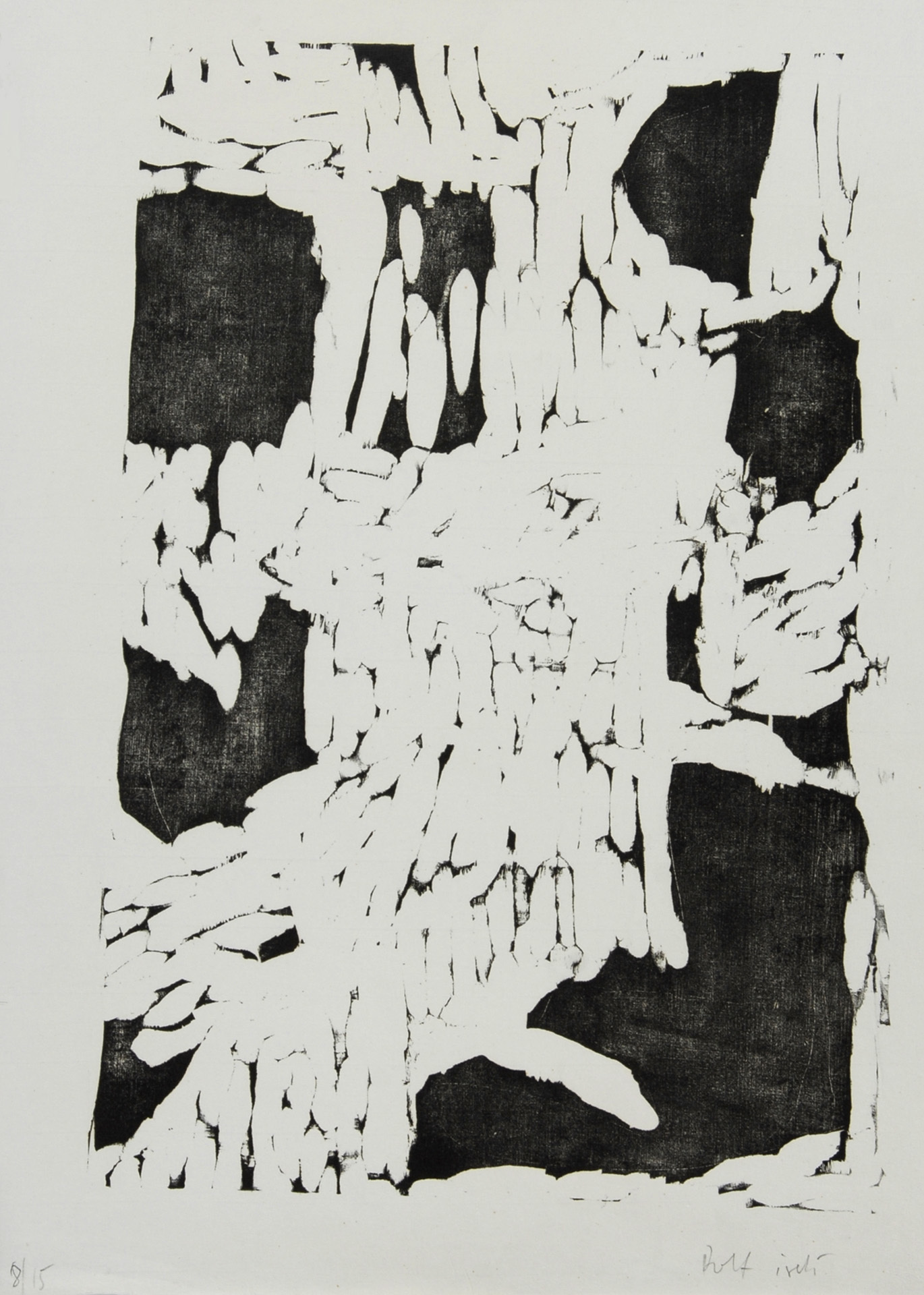
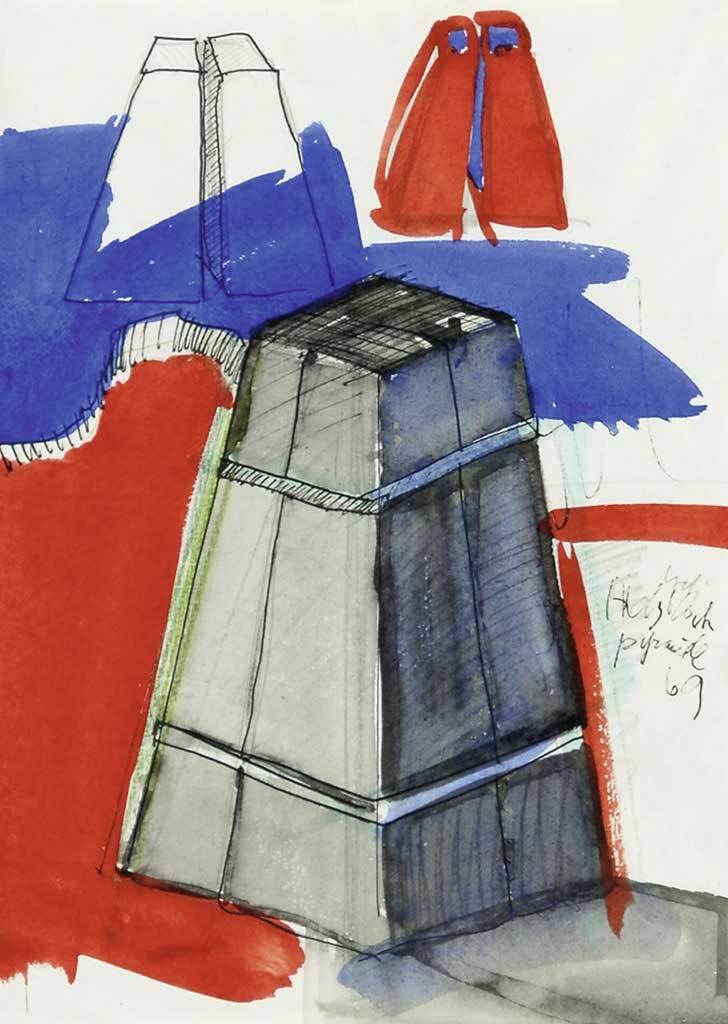
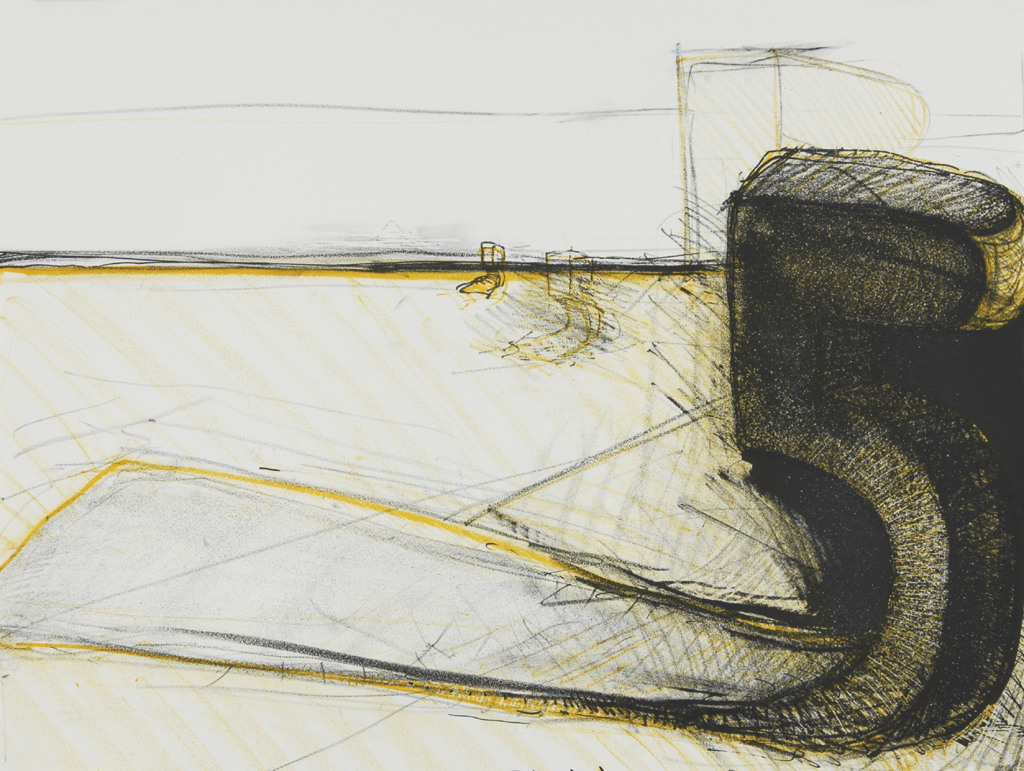
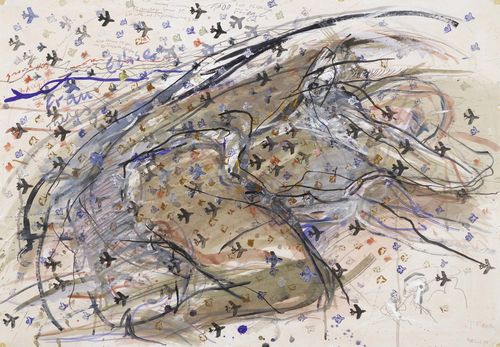
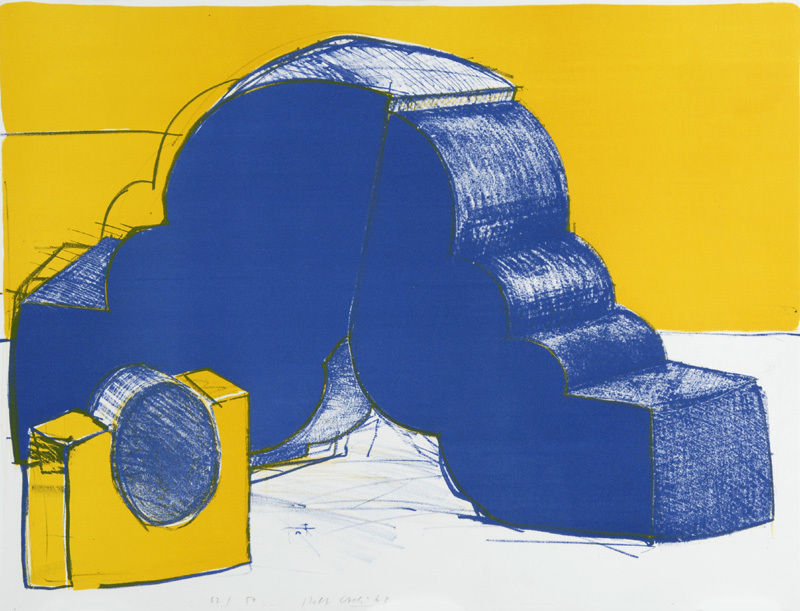
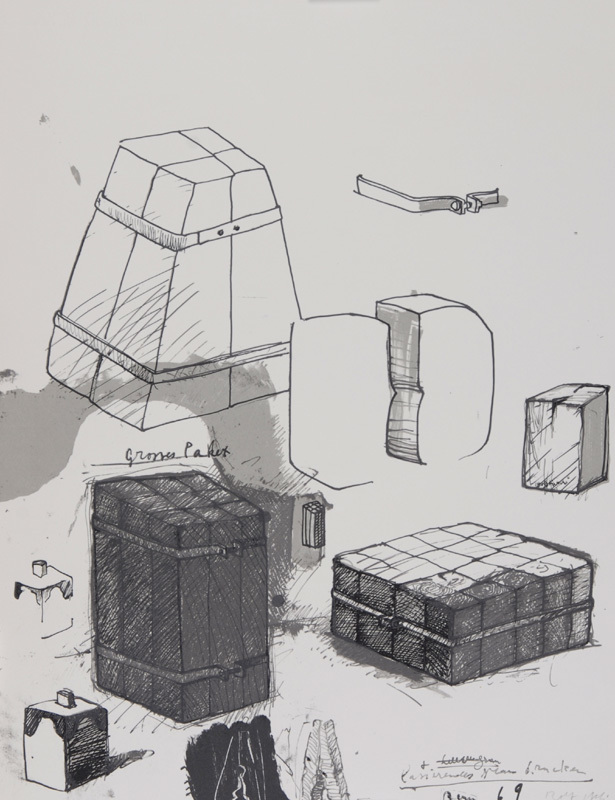
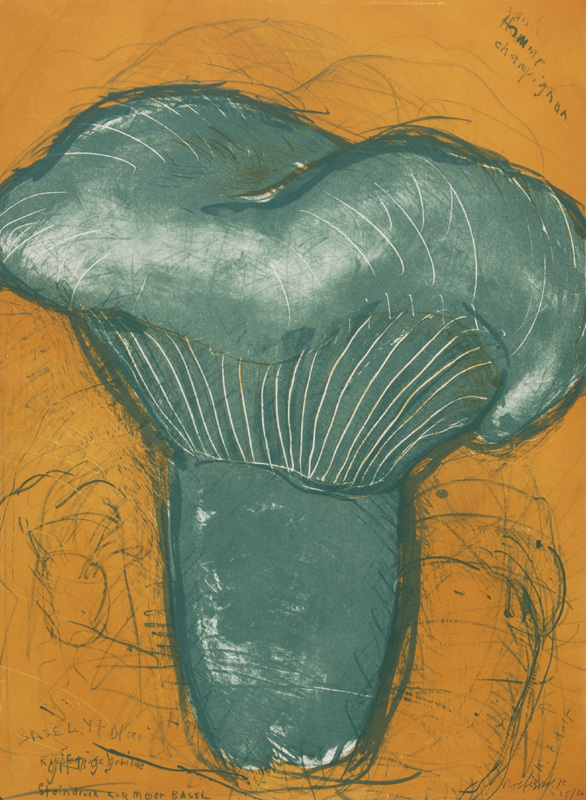
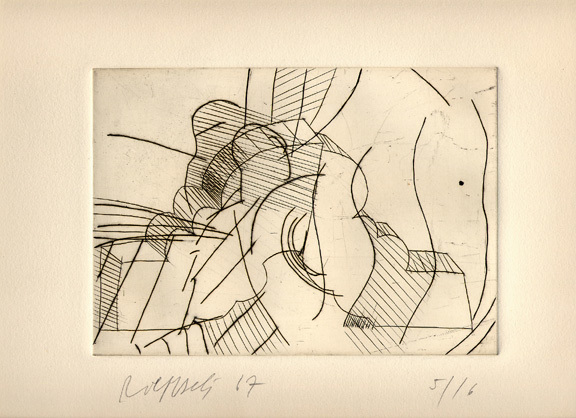
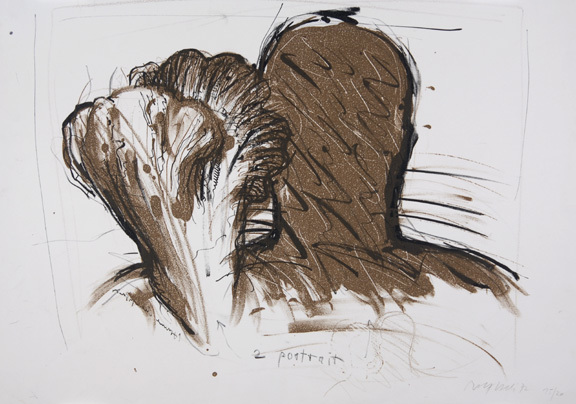
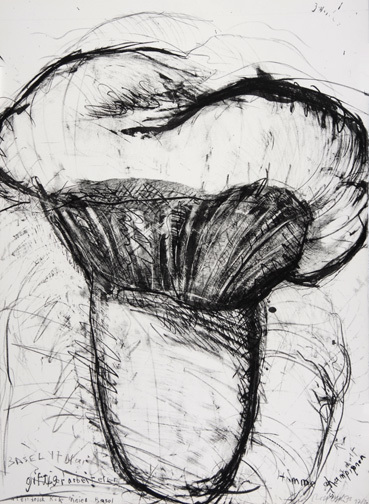
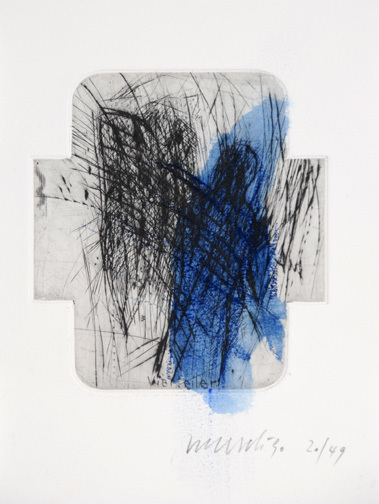
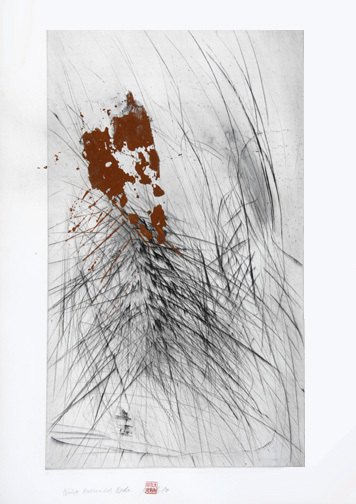
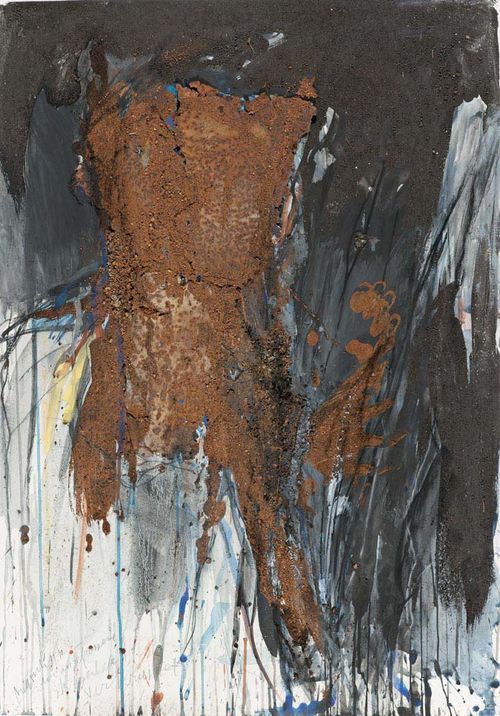
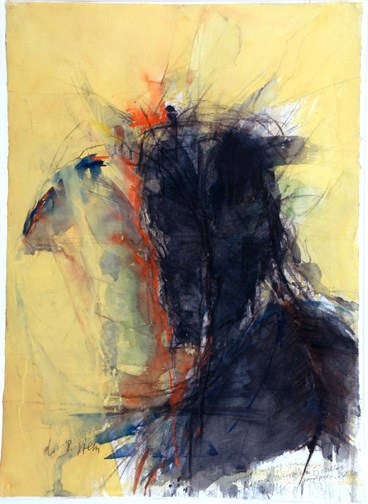
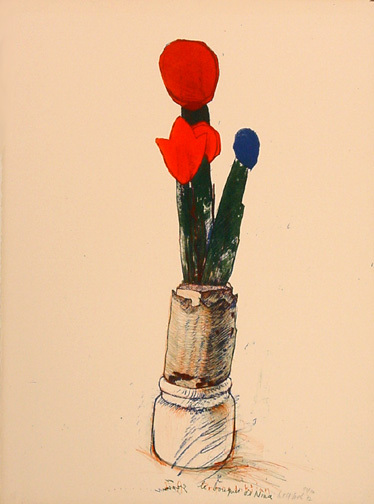
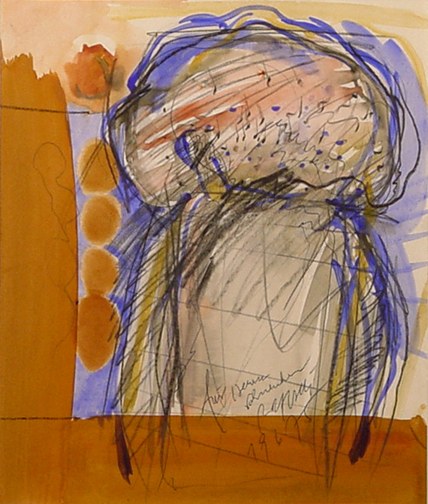
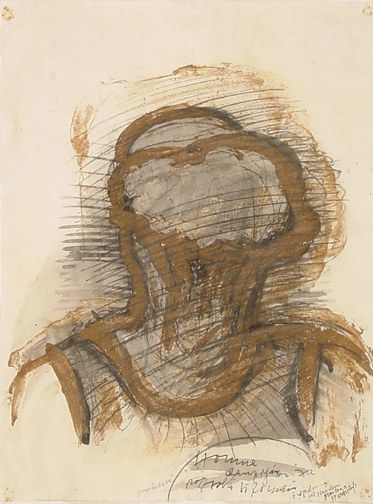
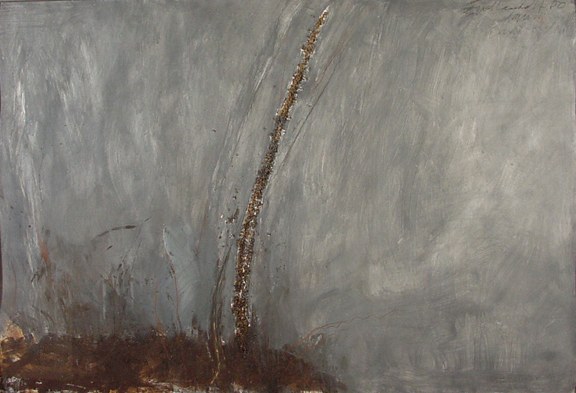
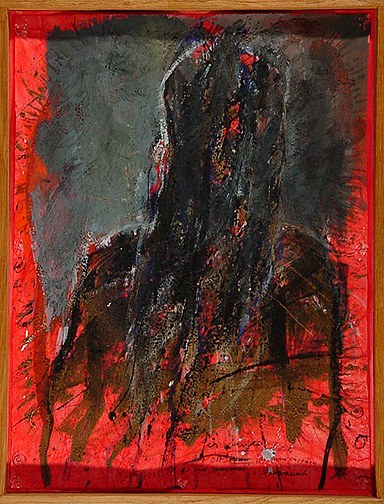
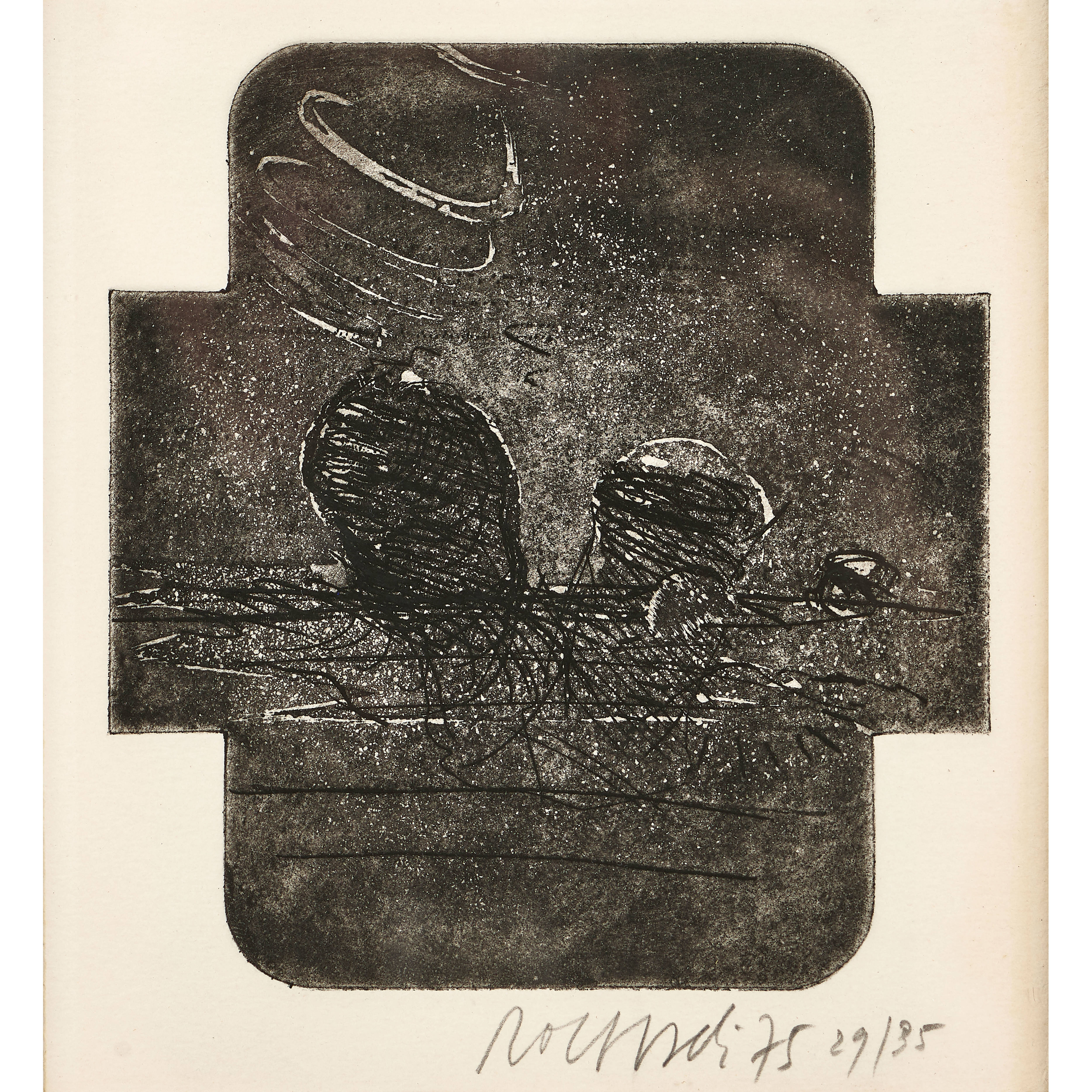
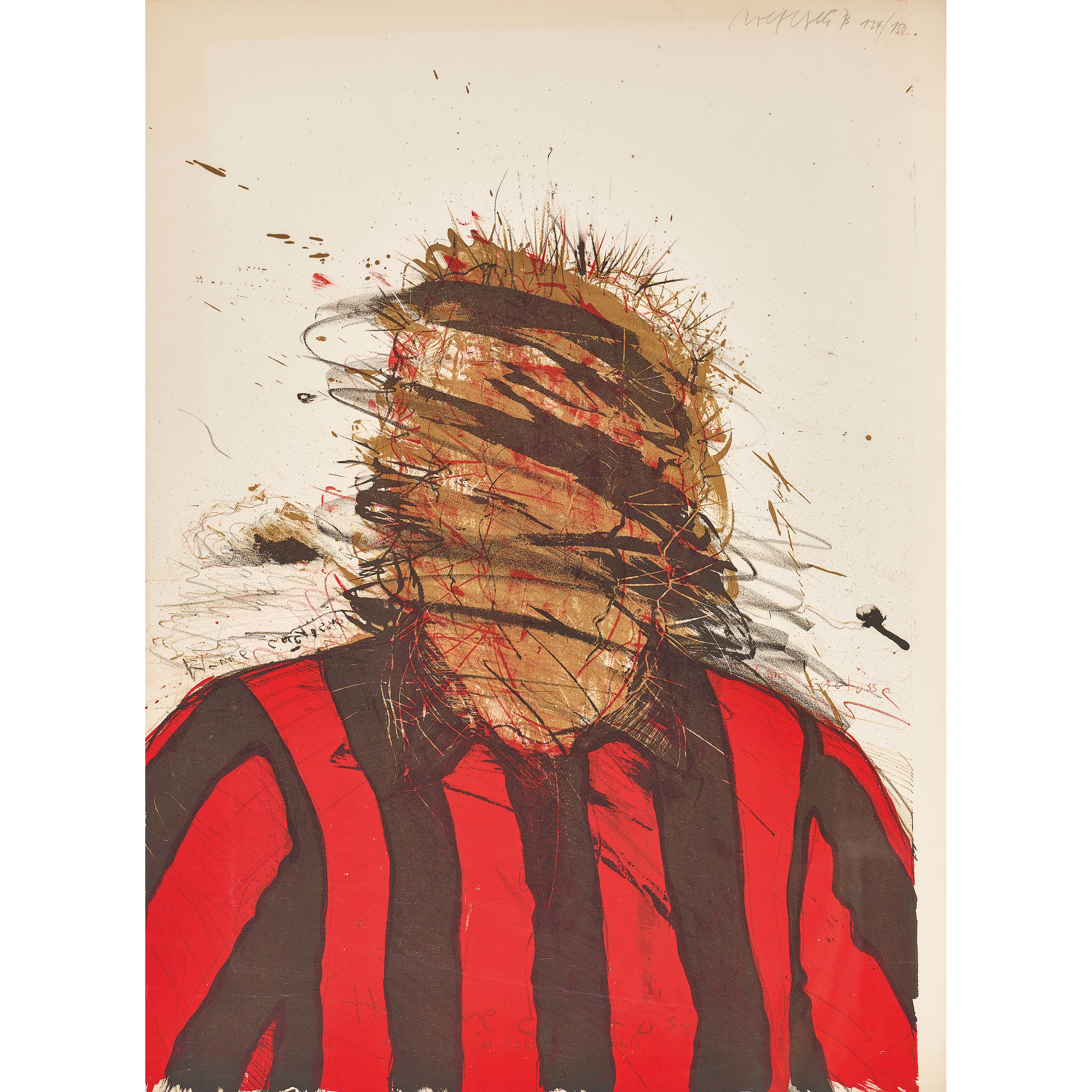
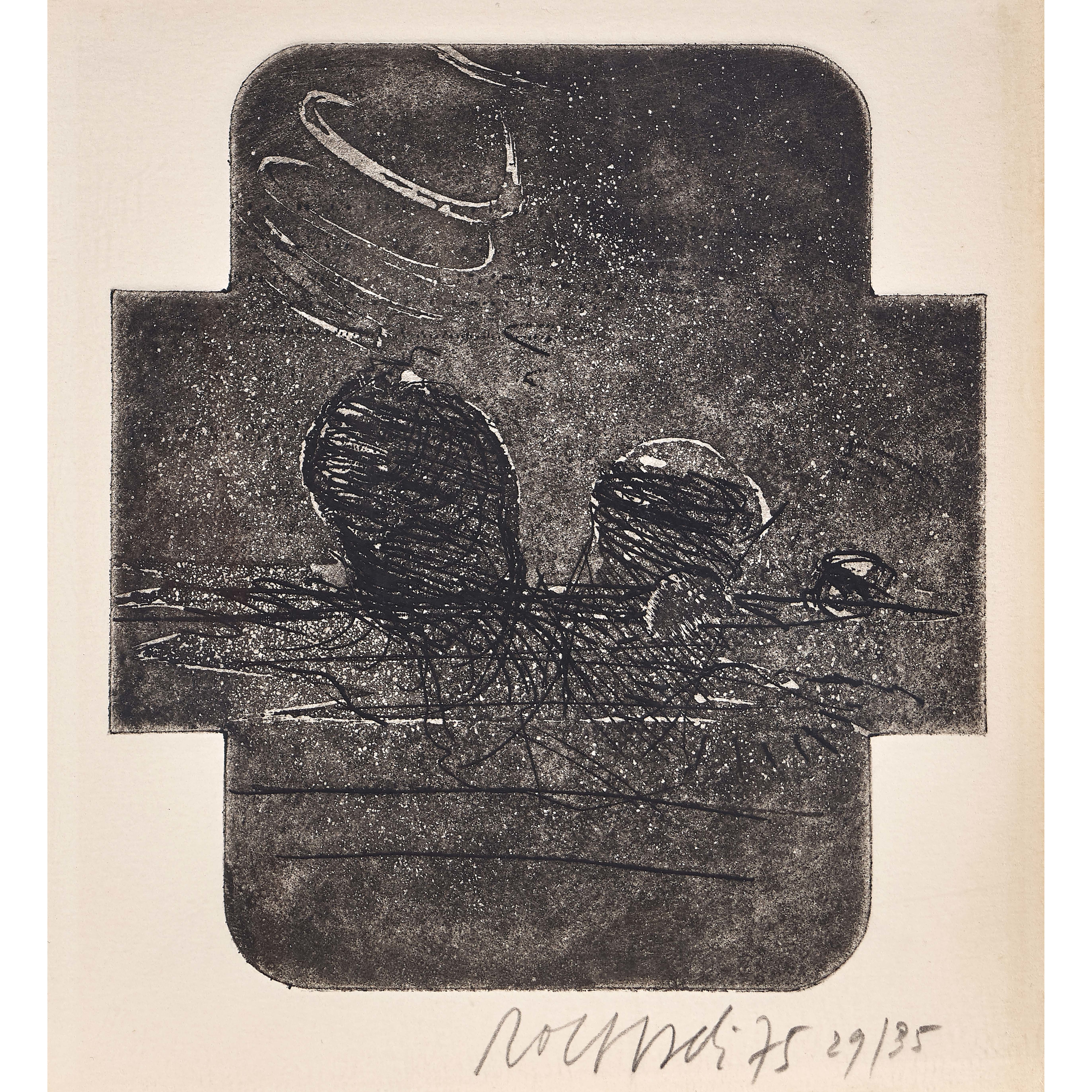
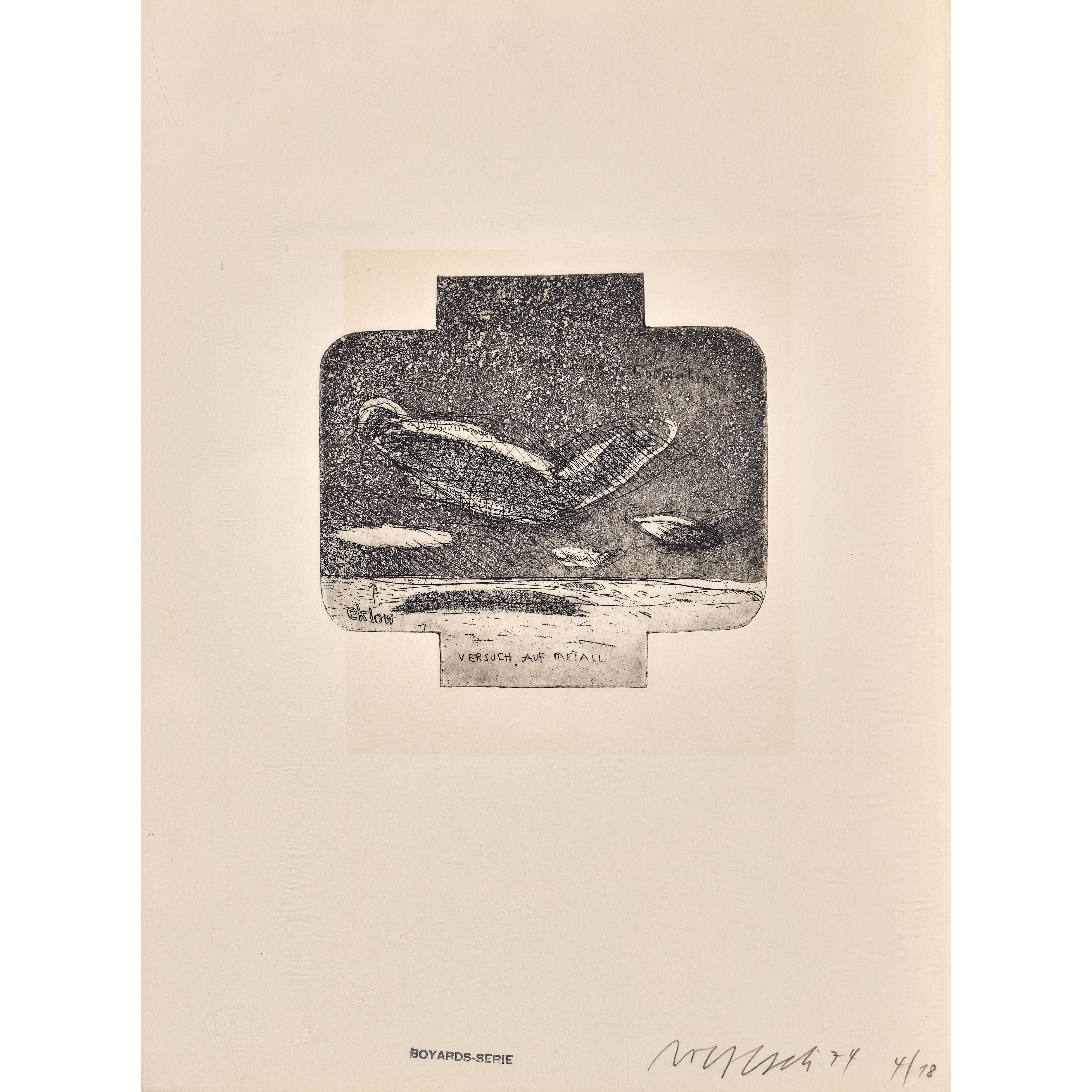
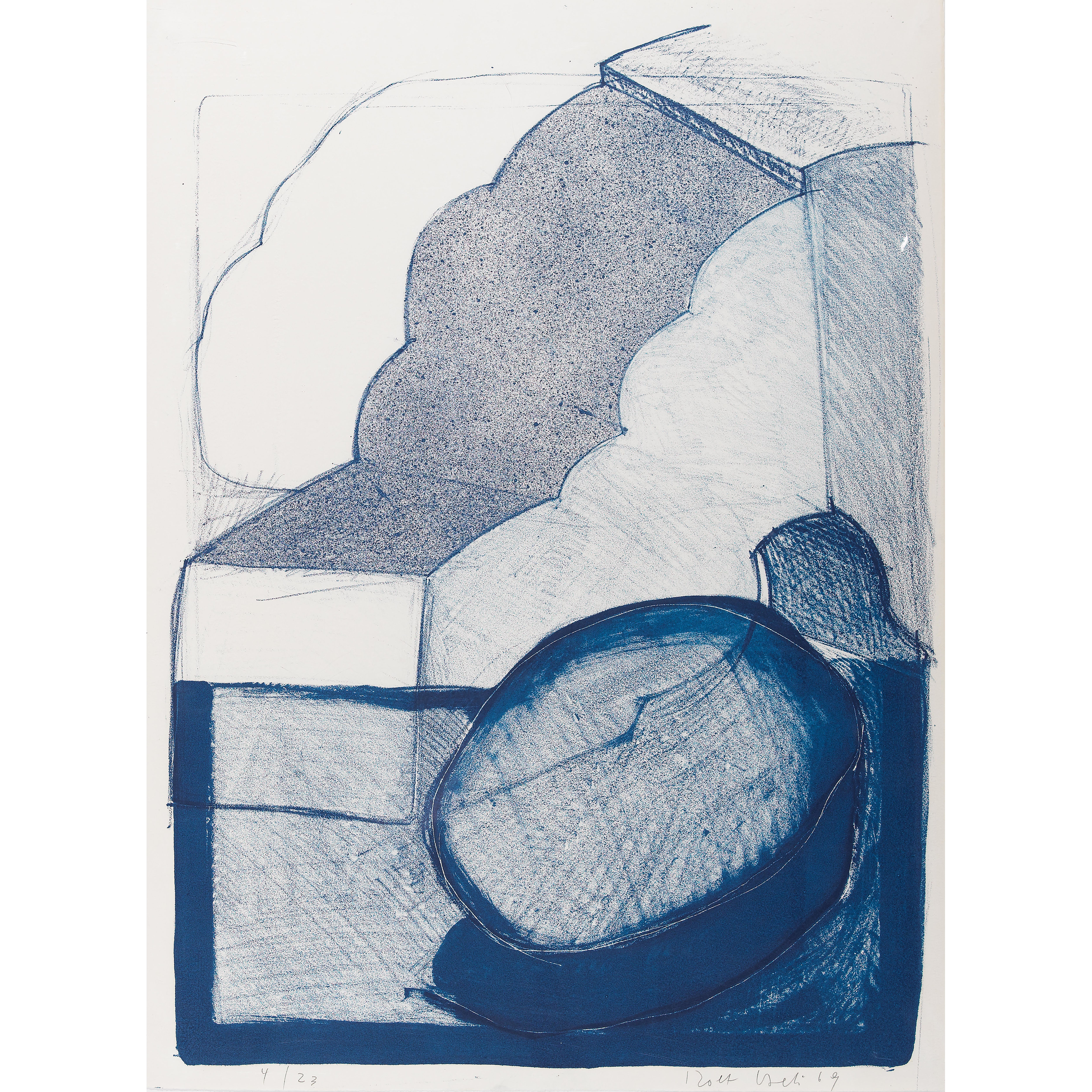
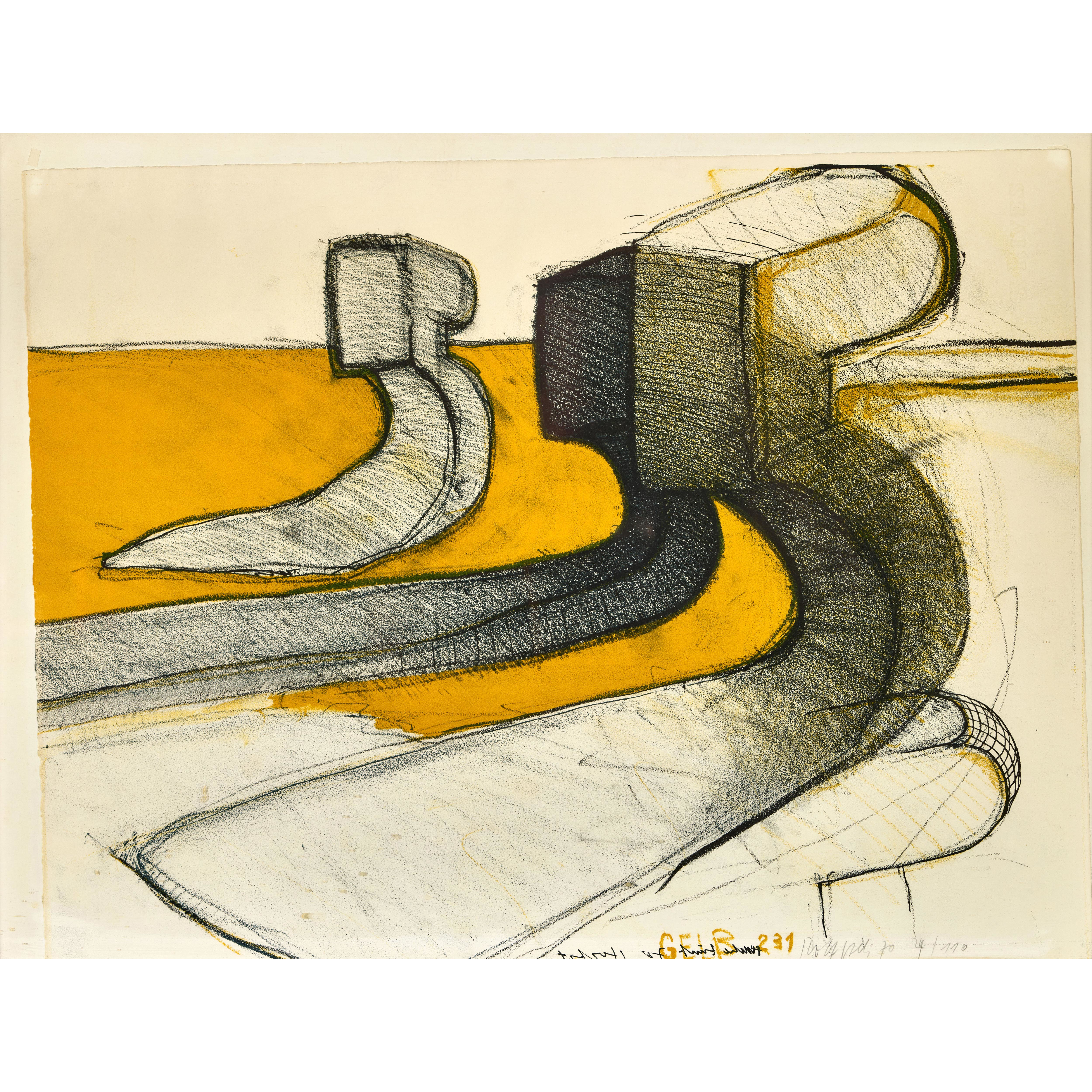
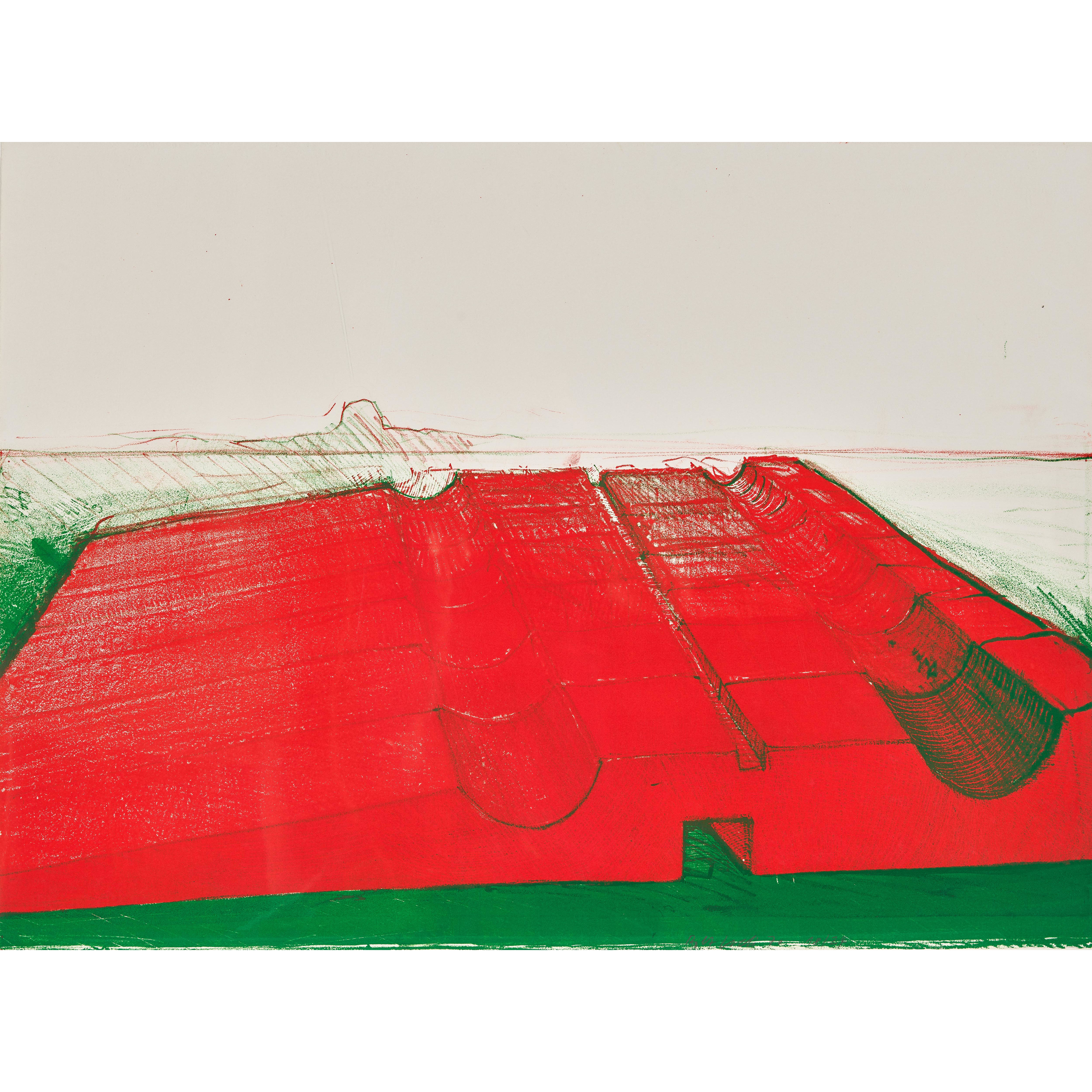
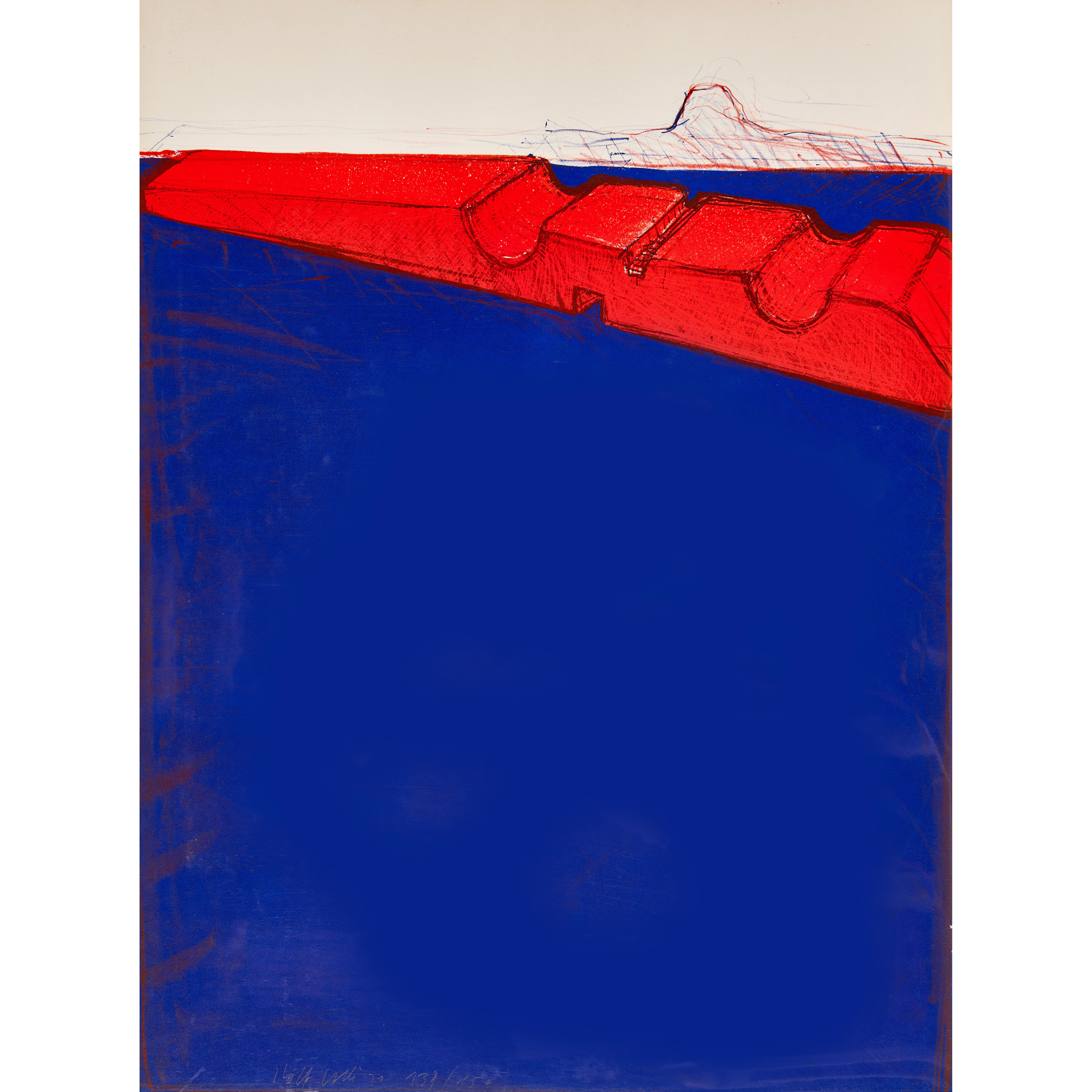
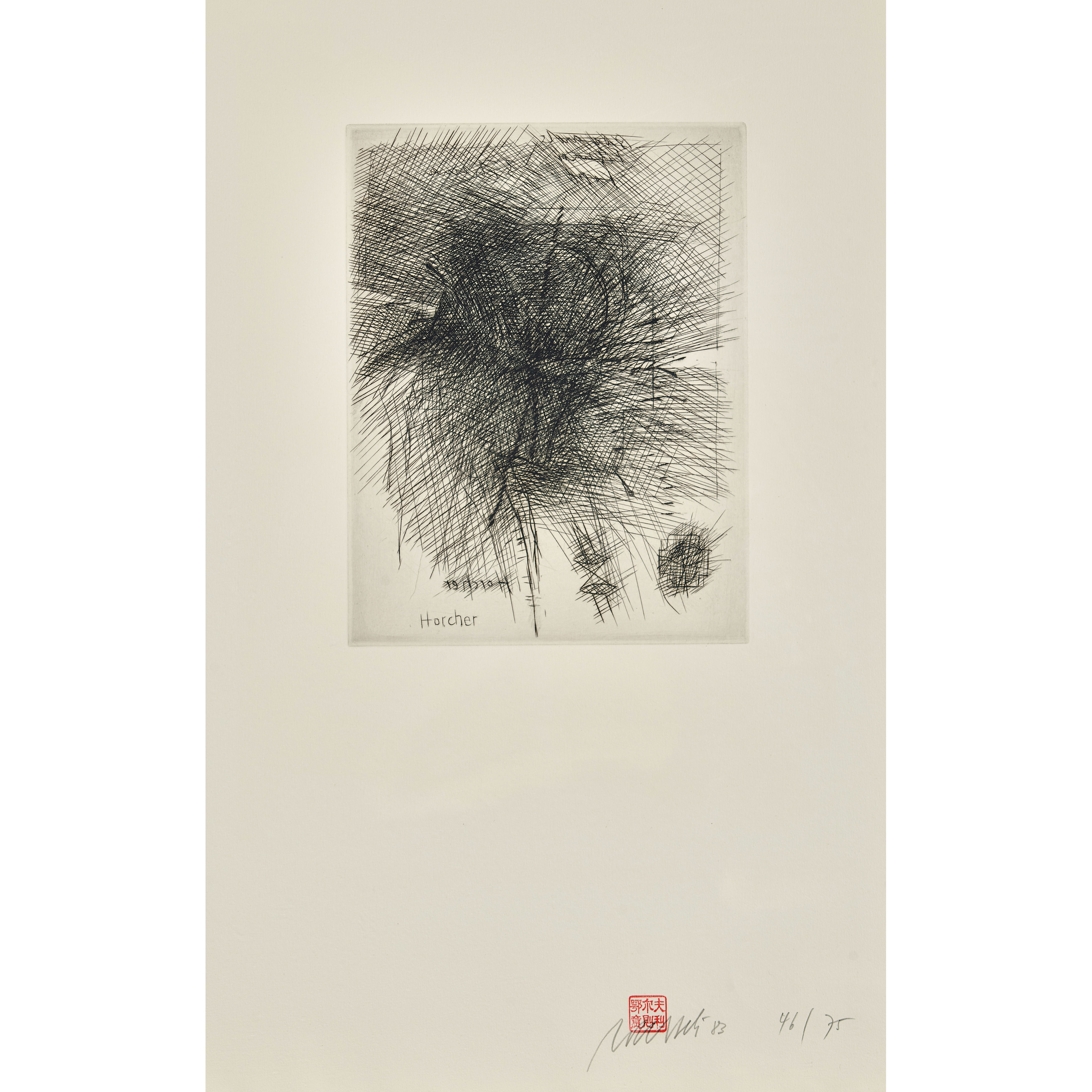
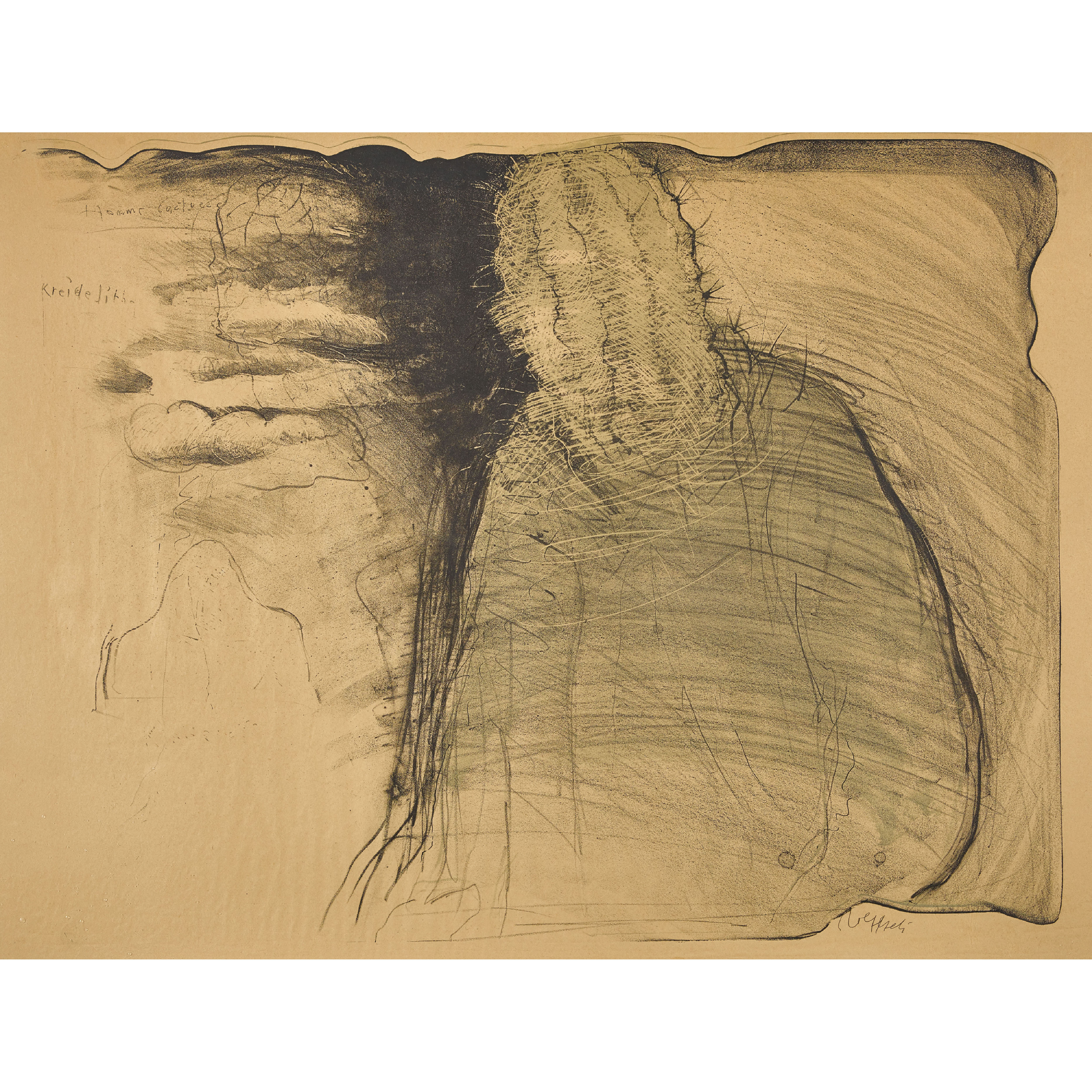
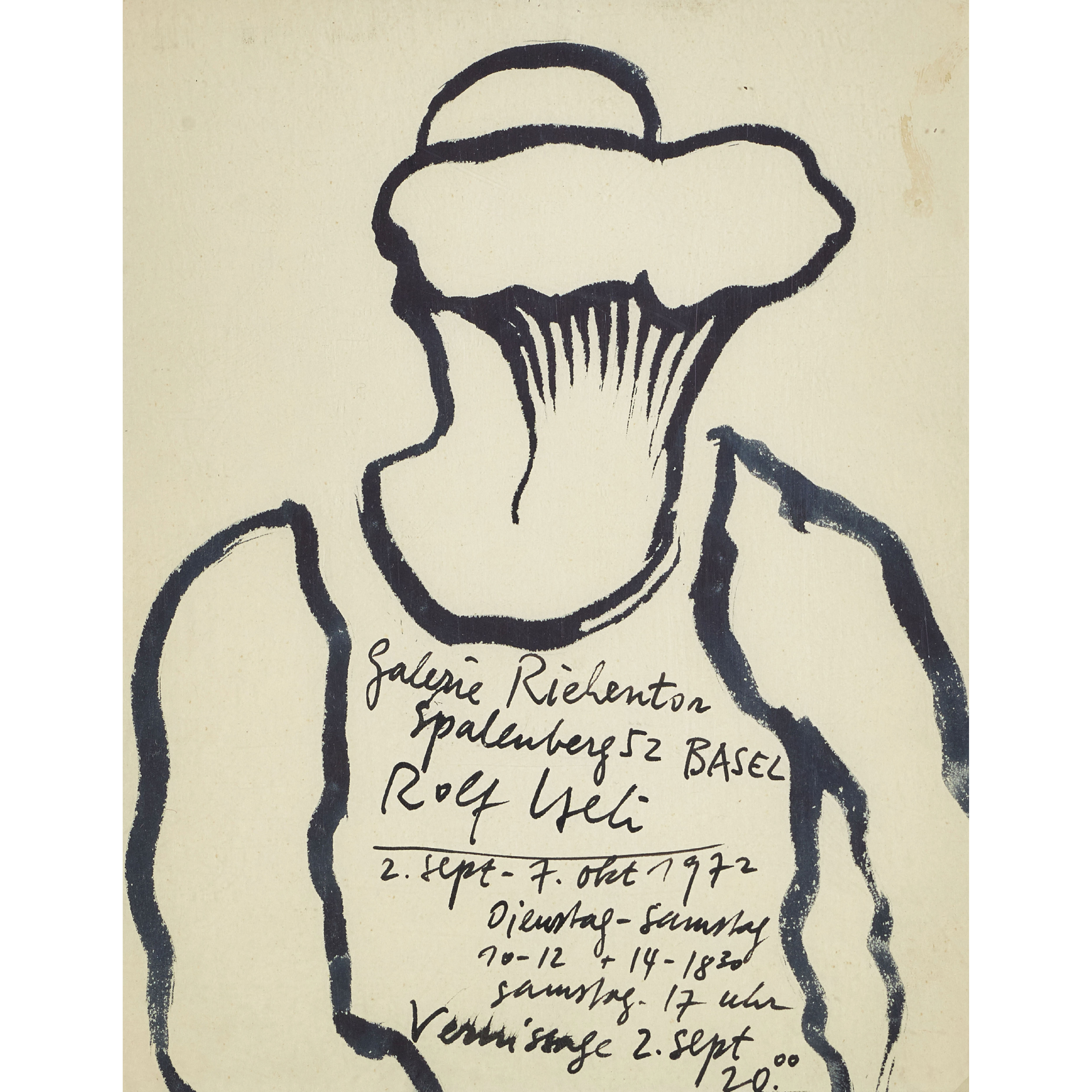
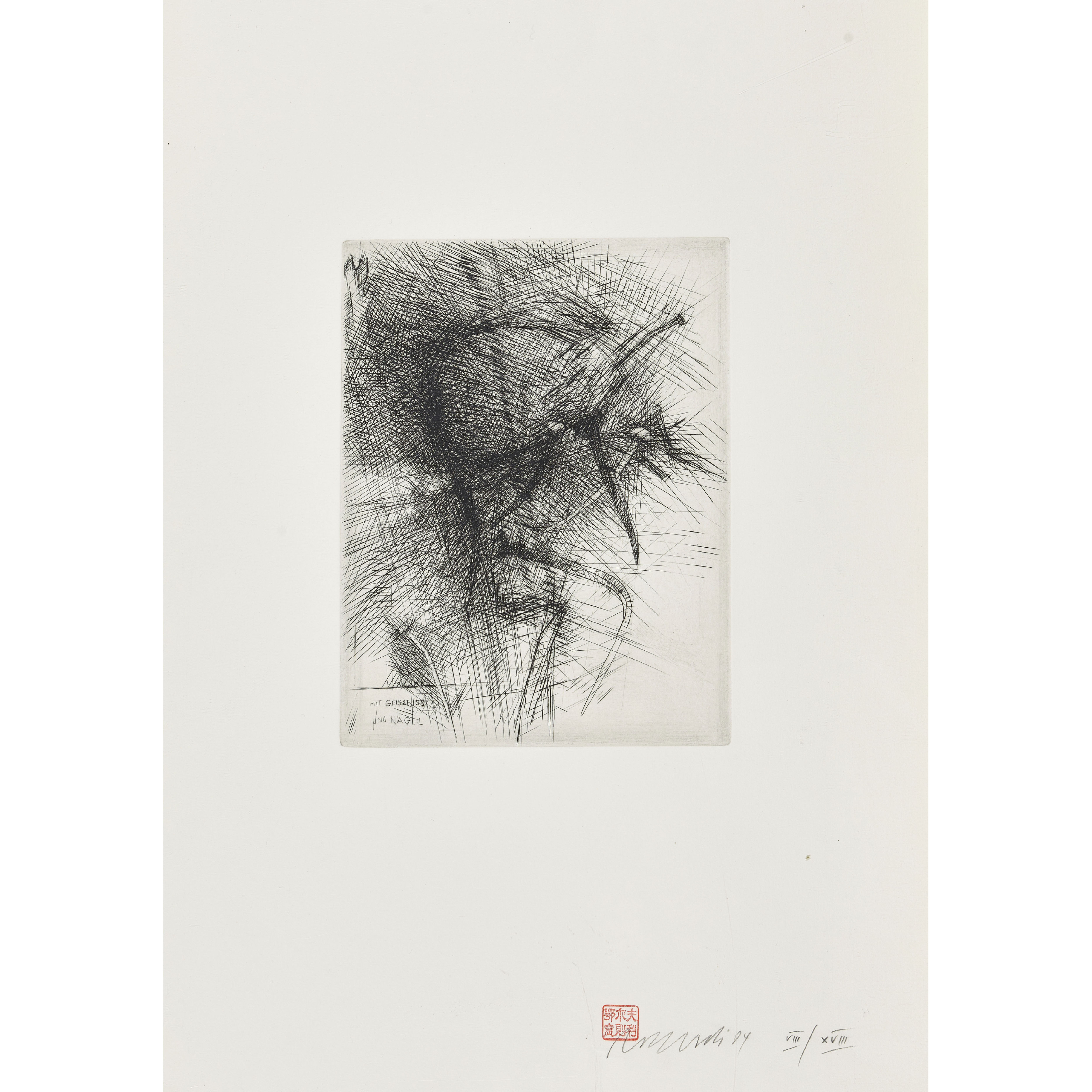
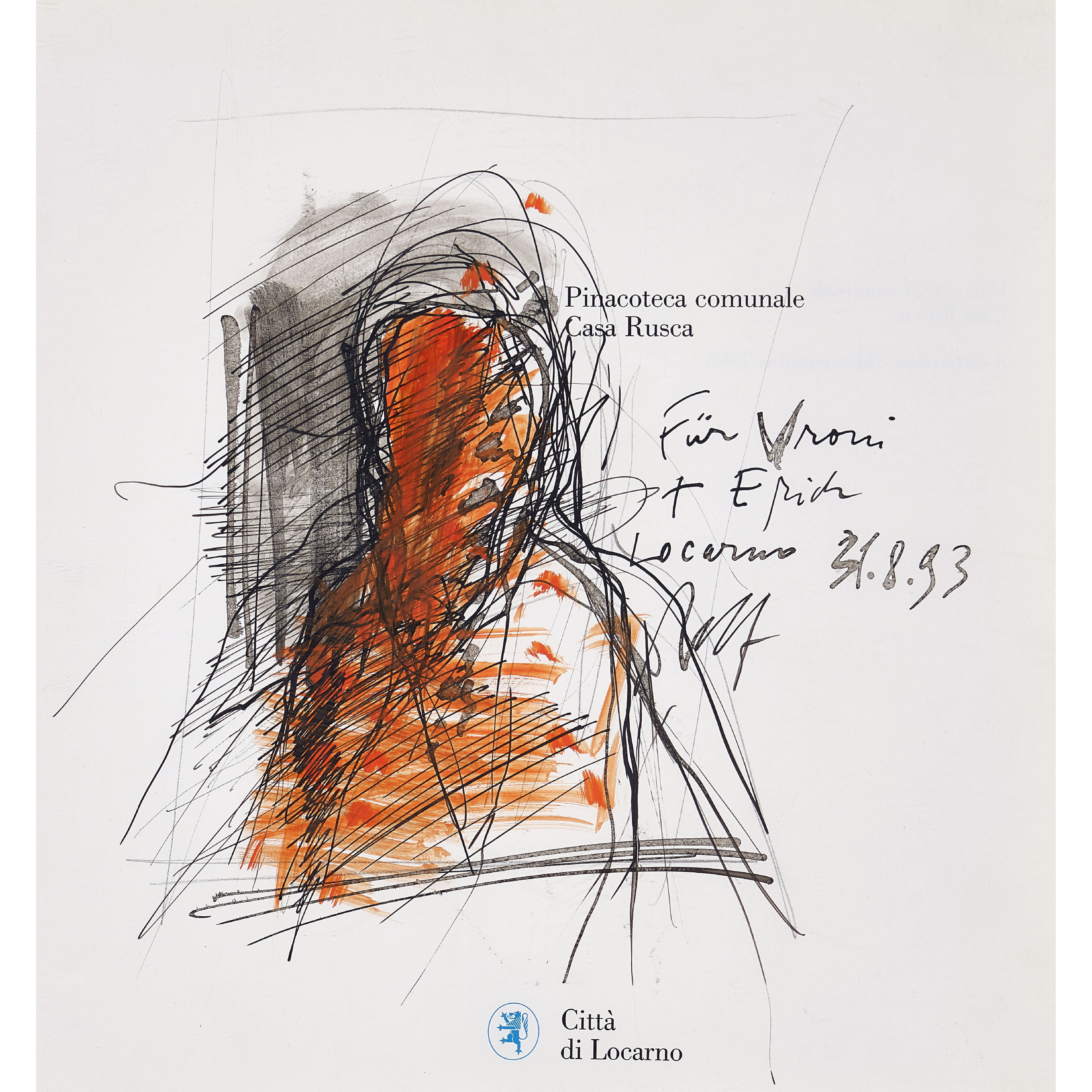
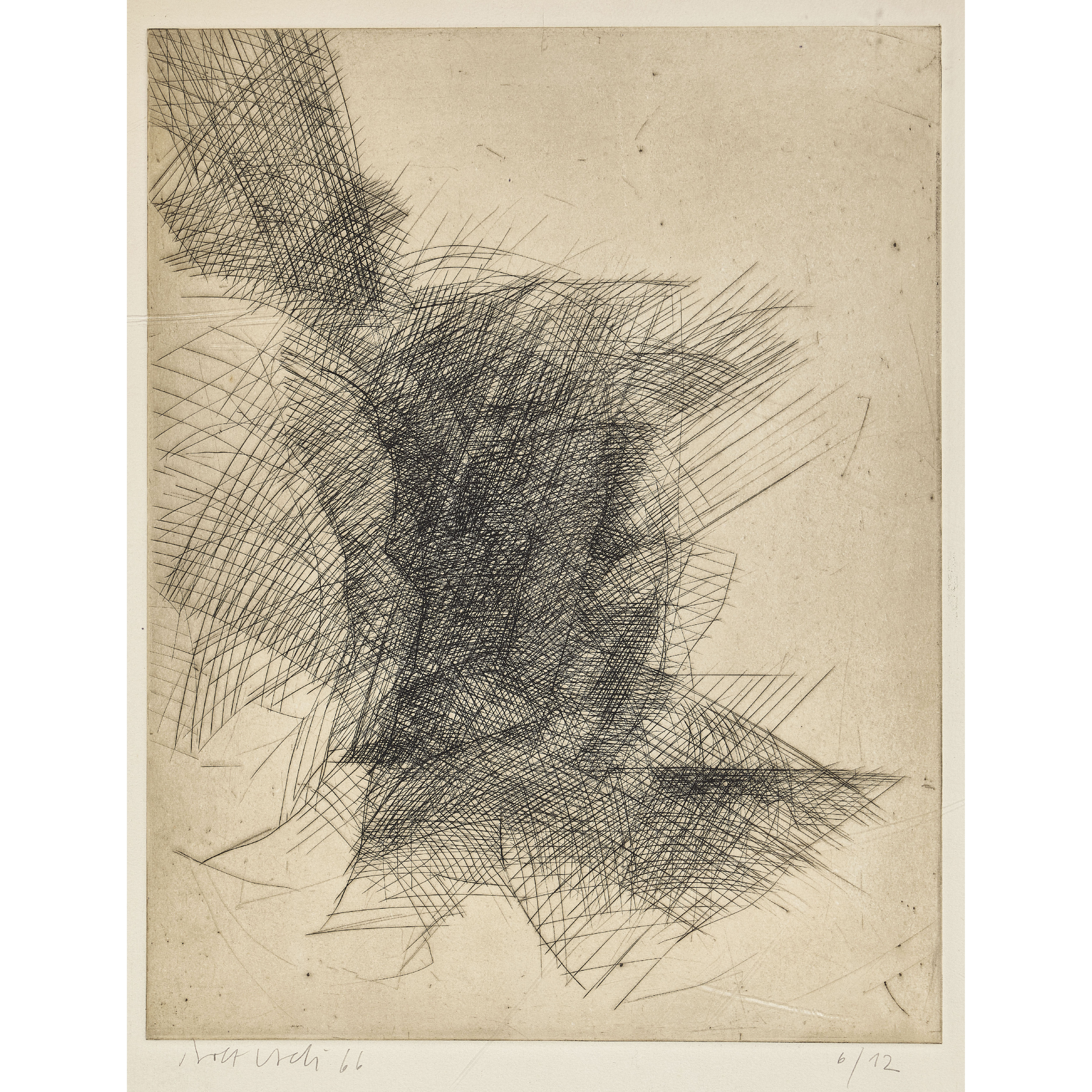
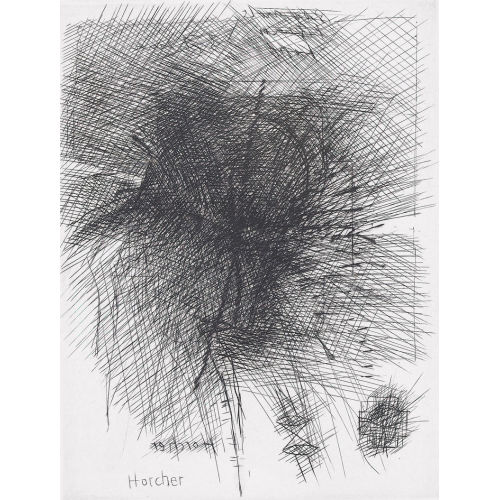
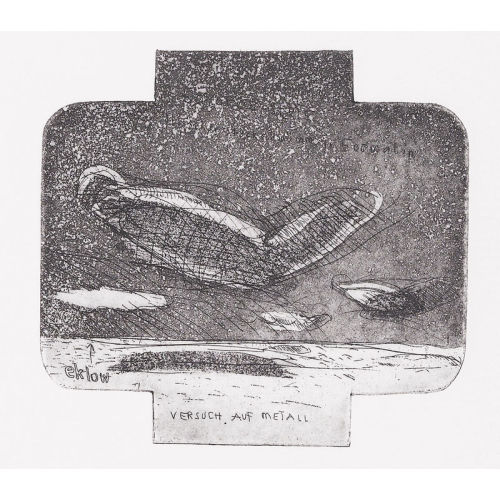
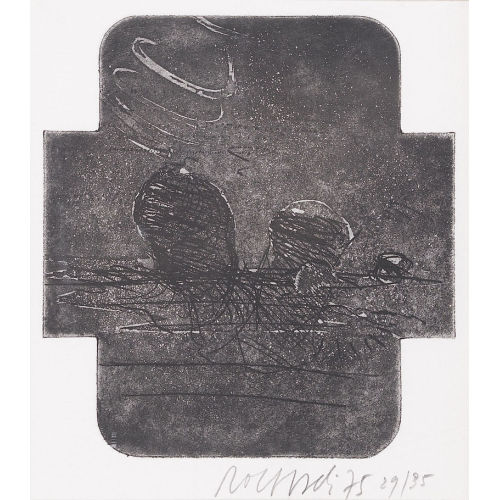
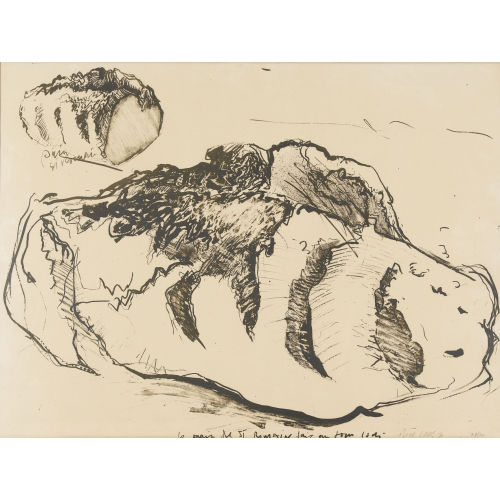
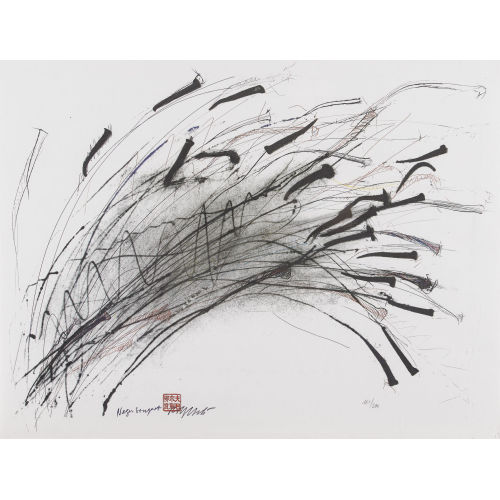
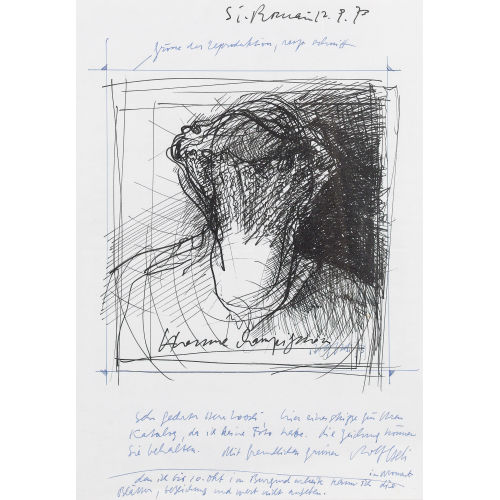
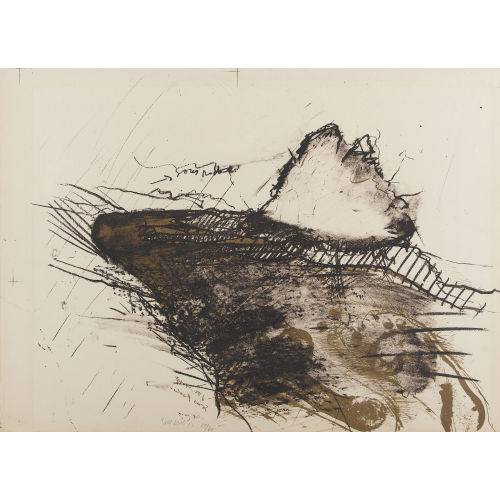
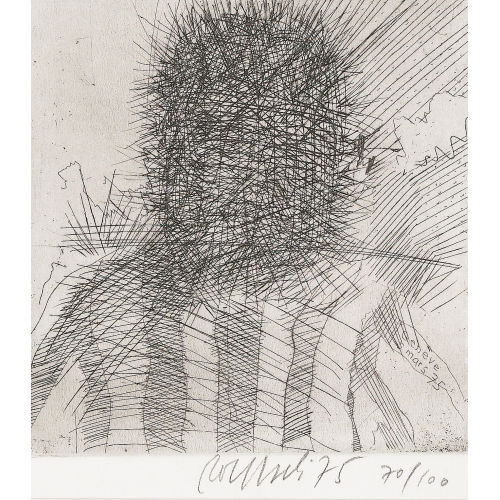
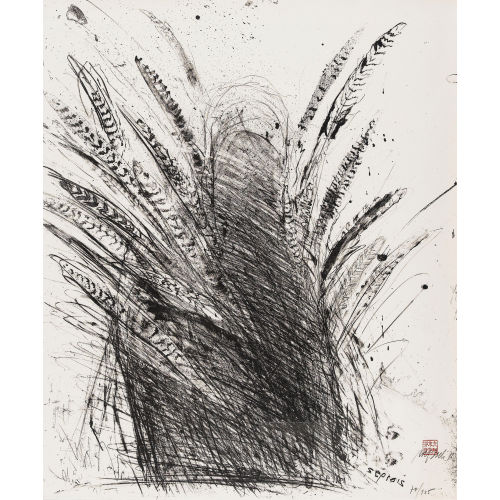
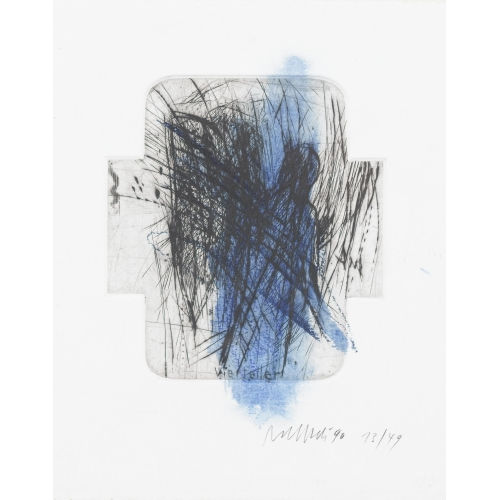
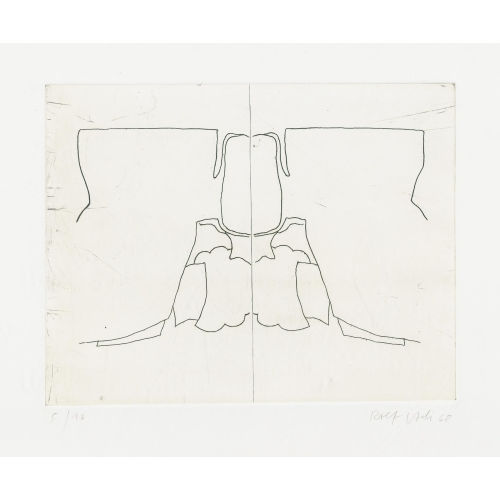
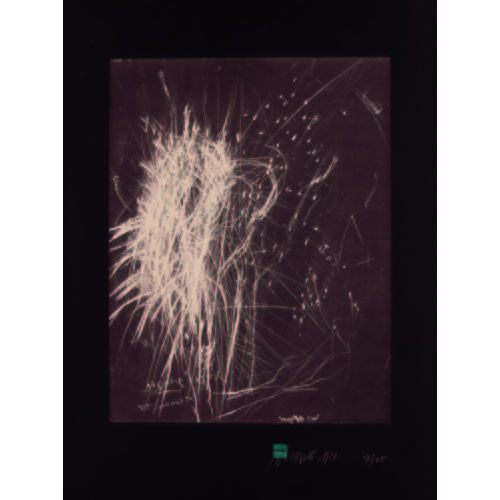
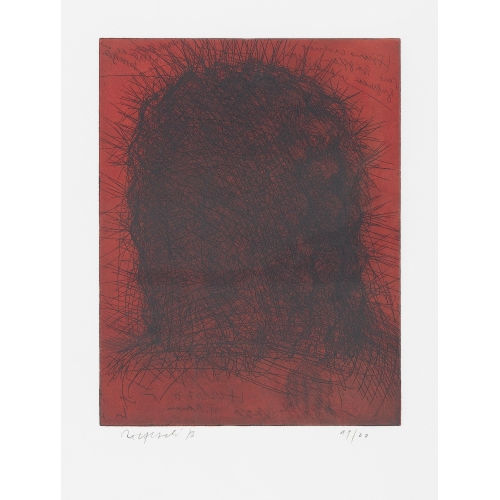
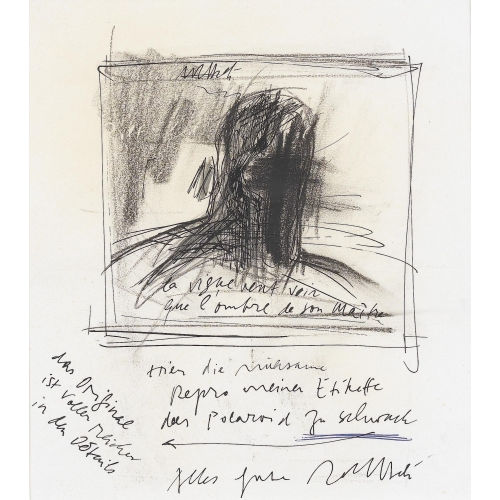
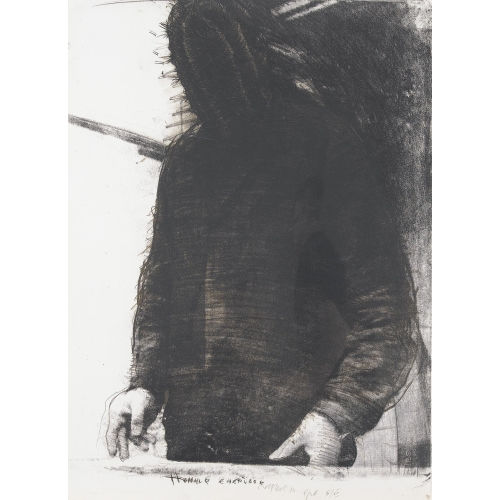
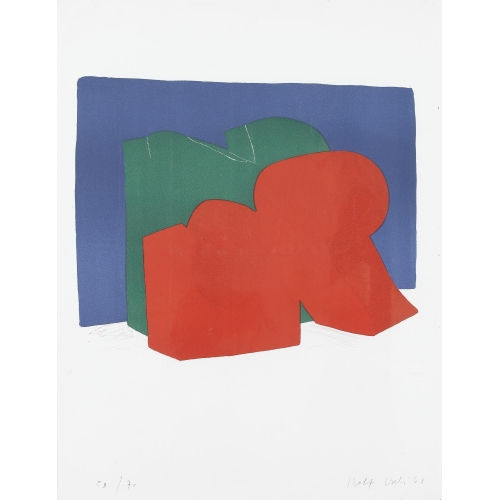
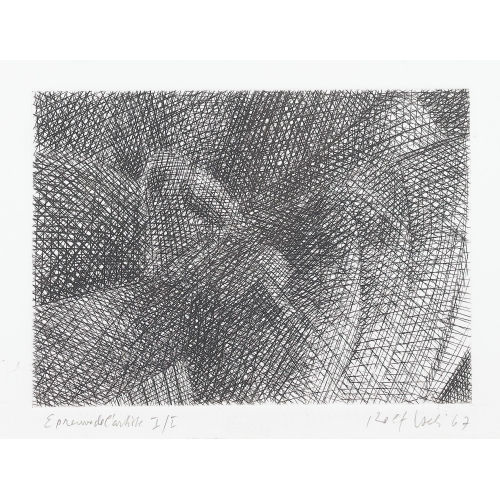
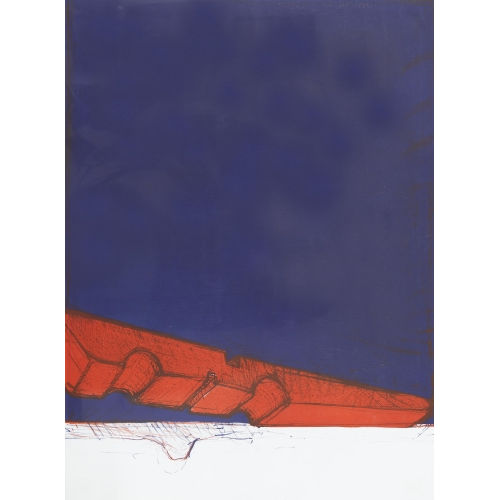
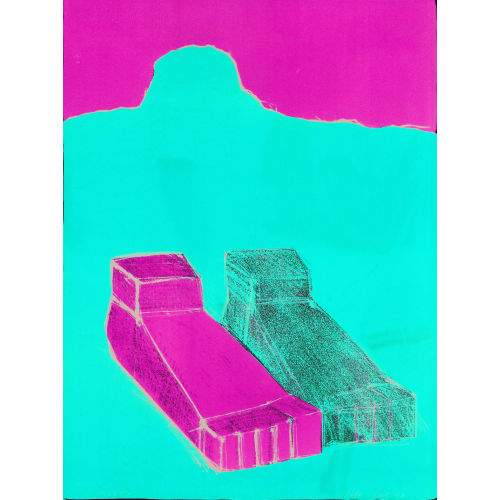
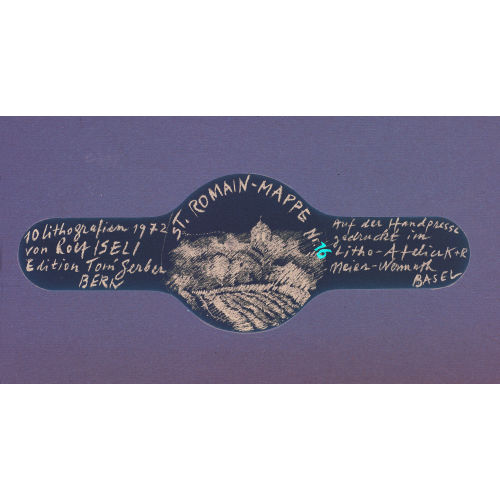
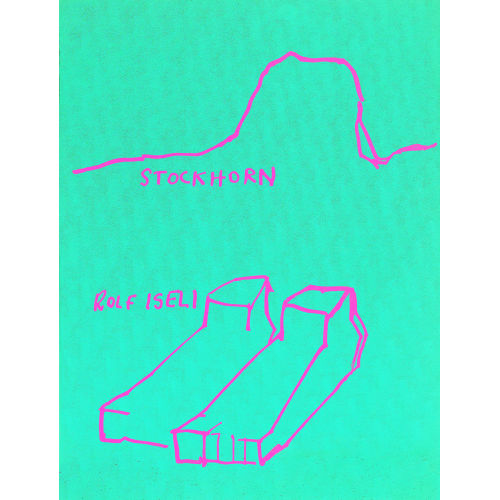
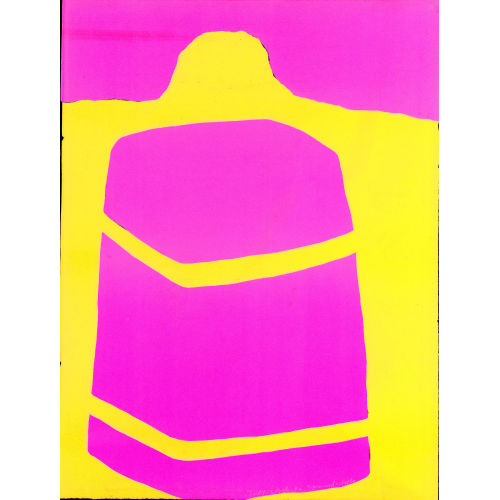
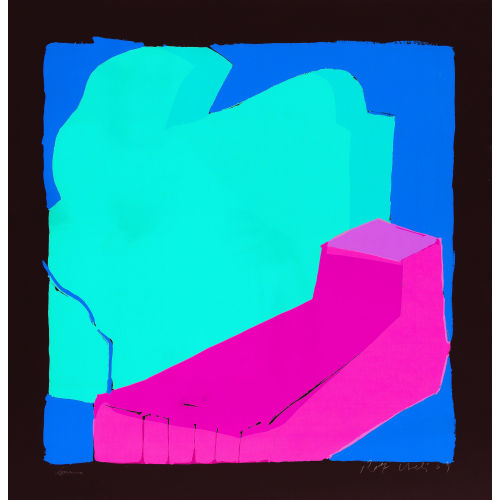
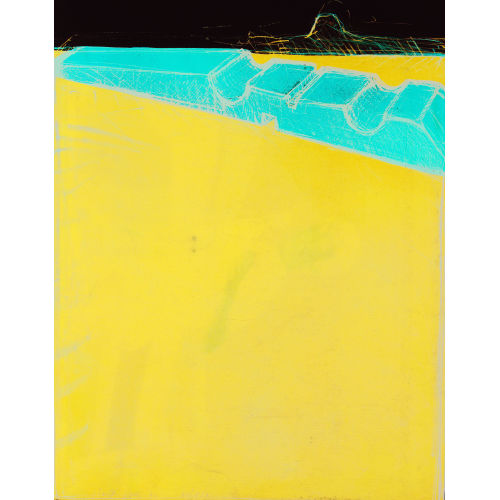
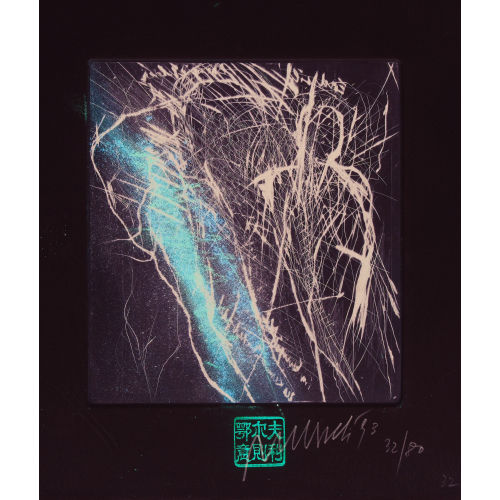
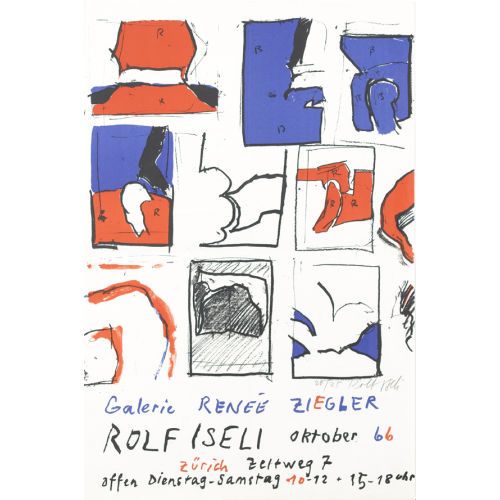
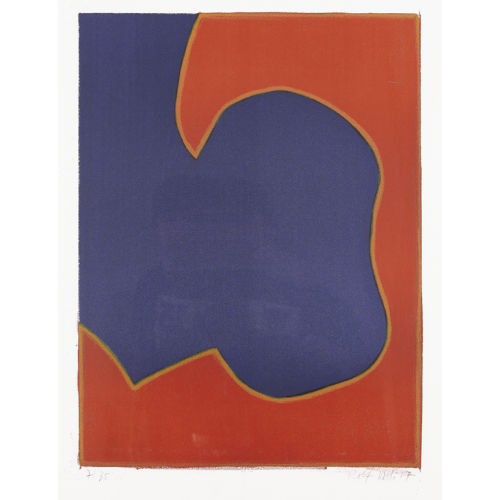
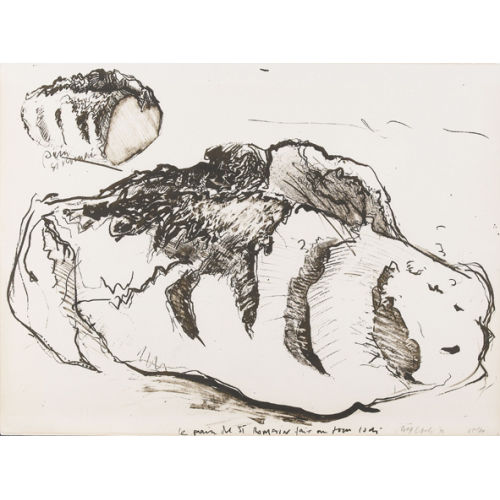
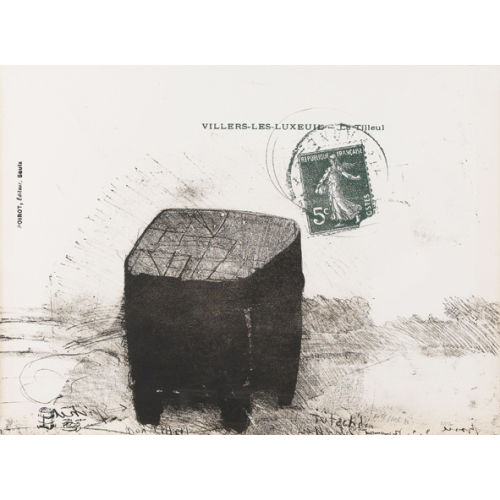
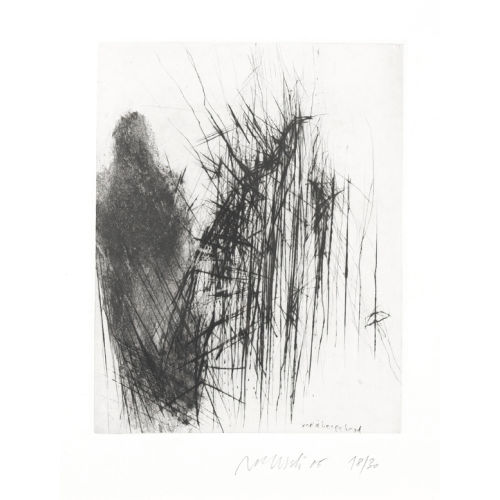
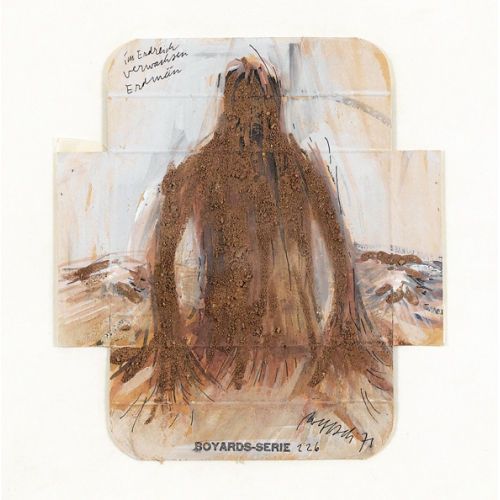
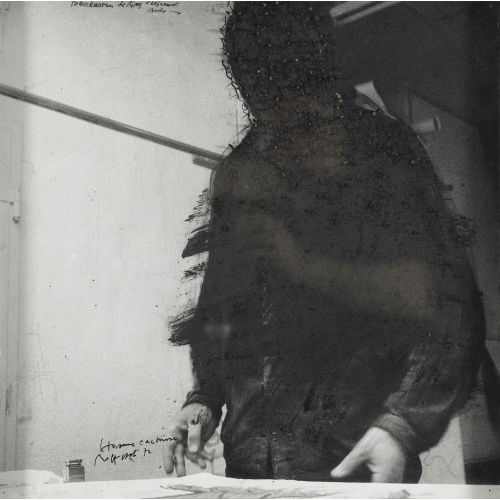
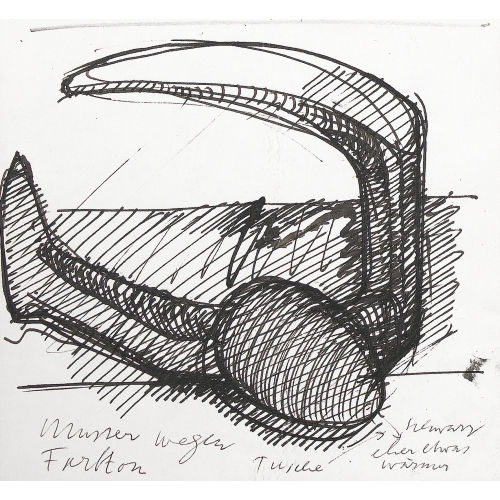
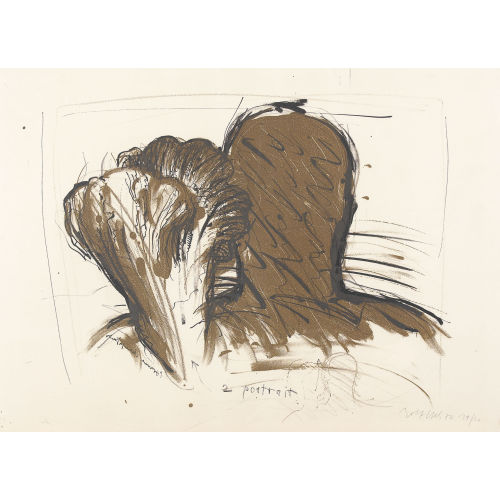
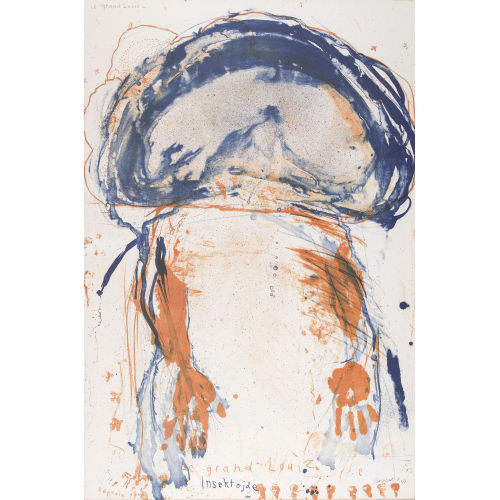
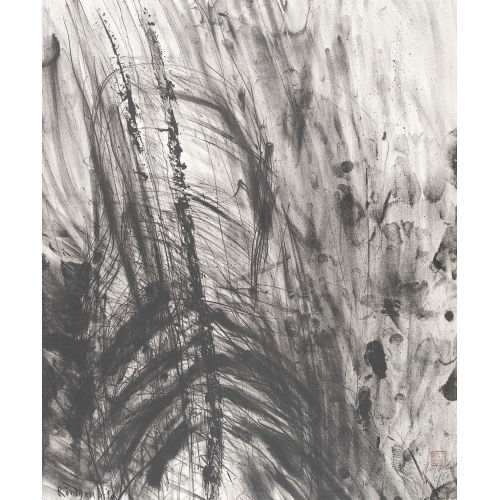
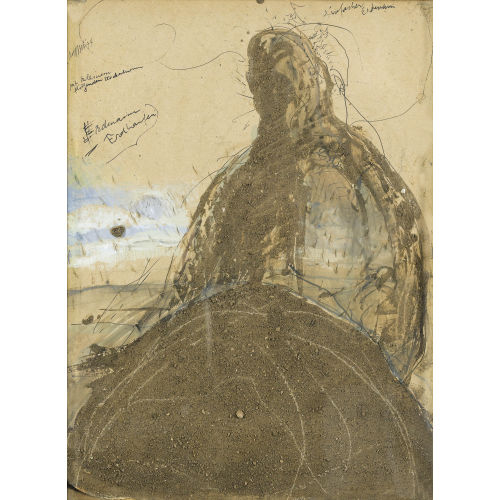
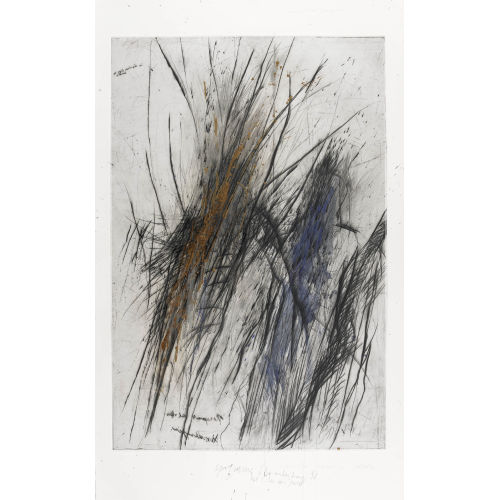
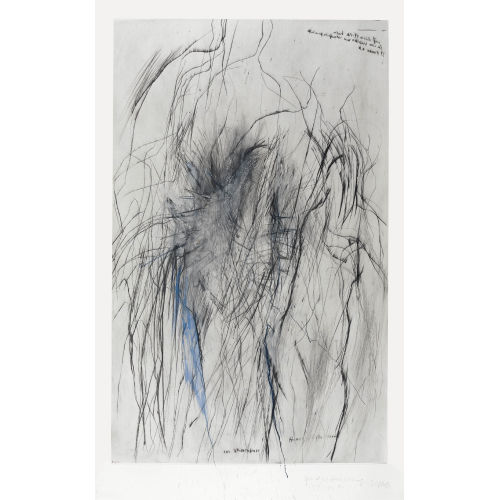
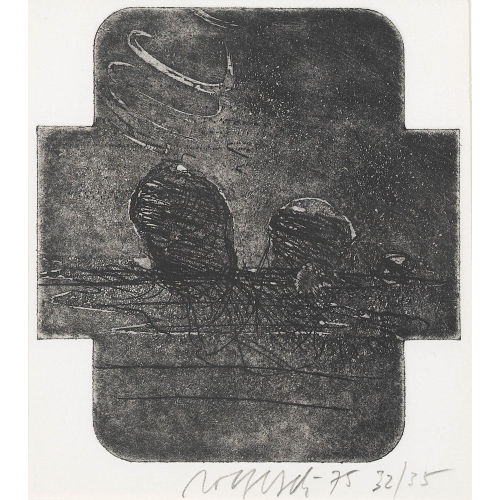
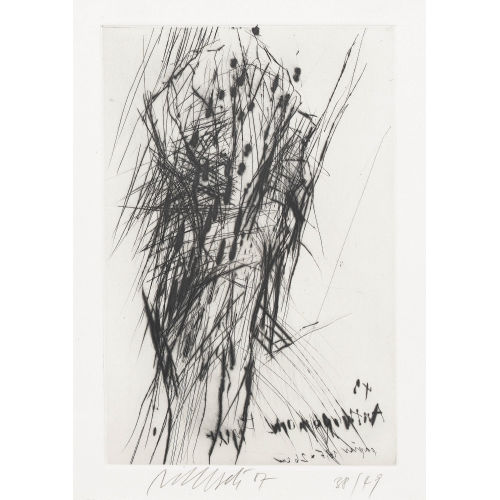
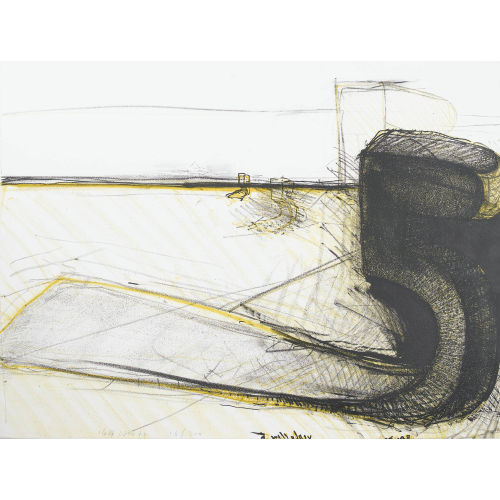
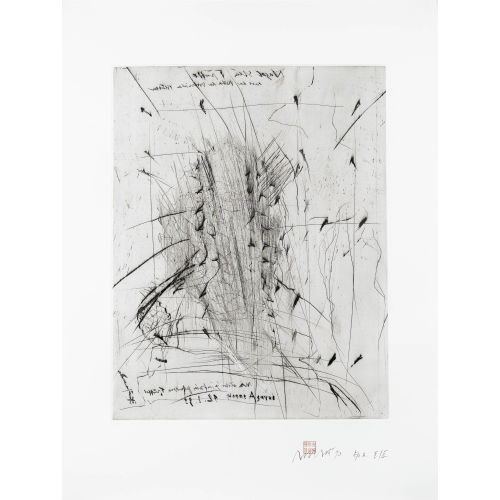
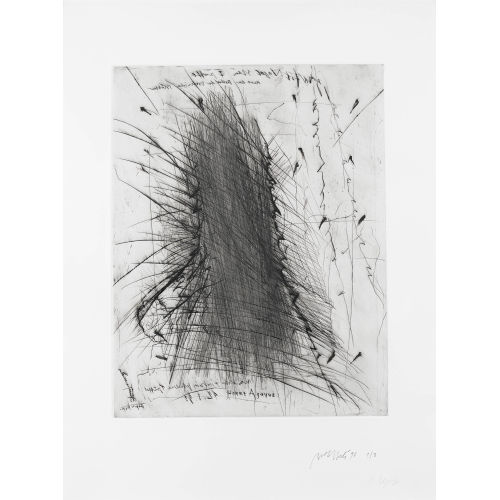
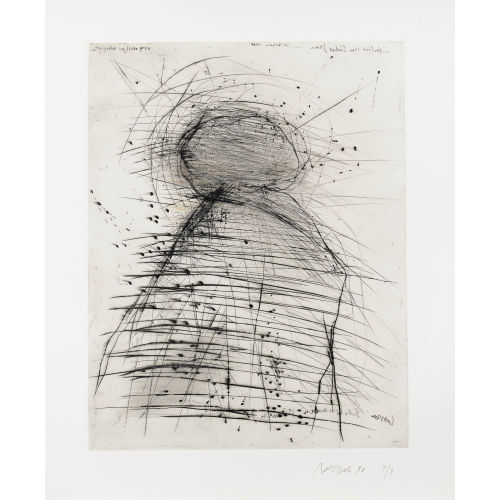
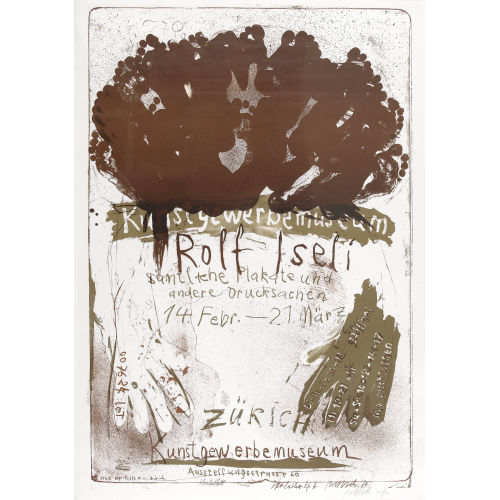
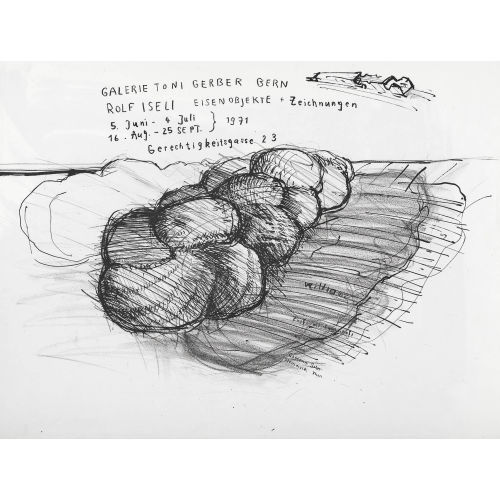
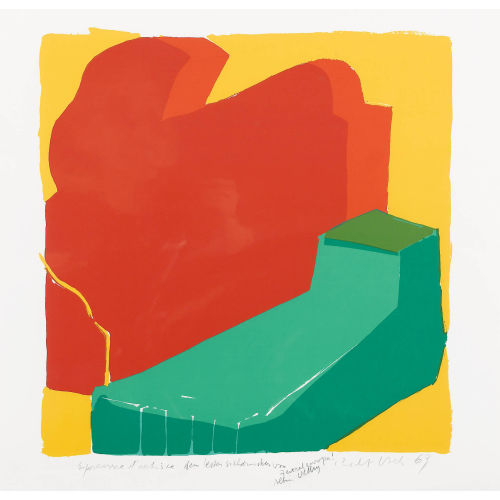
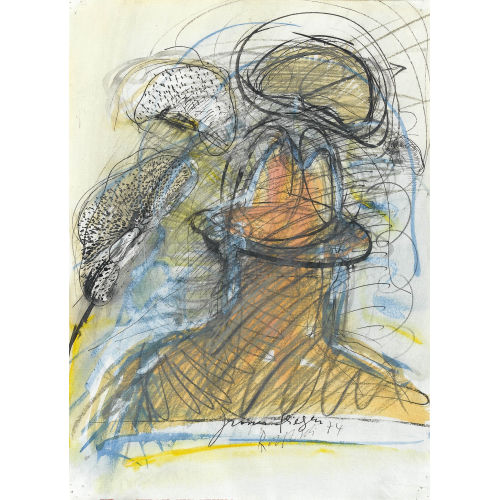
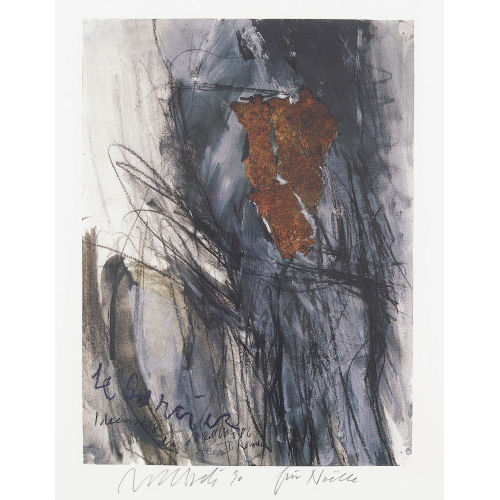
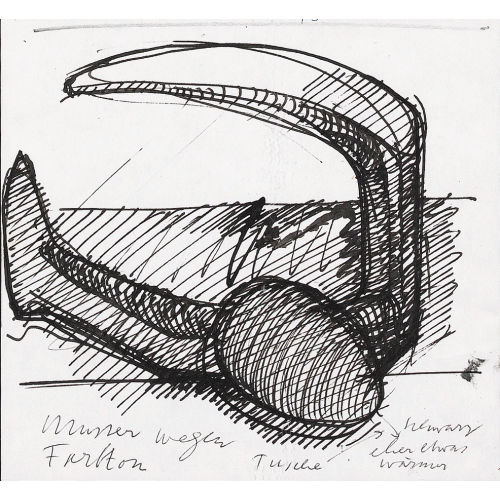
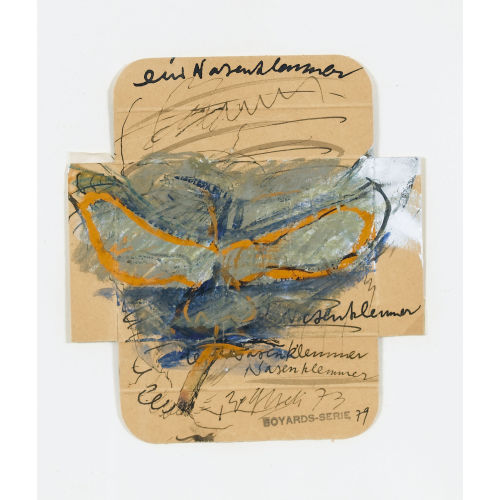
Iseli did not remain within the lyrical abstraction of his beginnings. From the 1960s onwards, he expanded his practice to include printmaking, drawing, the object and sculpture. The human figure and the traces of the body assume an increasingly prominent place in a body of work that also examines the relationship between human beings and nature.
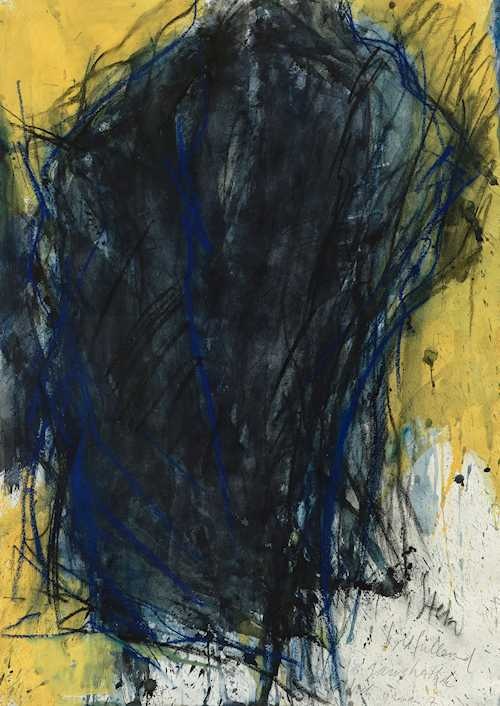
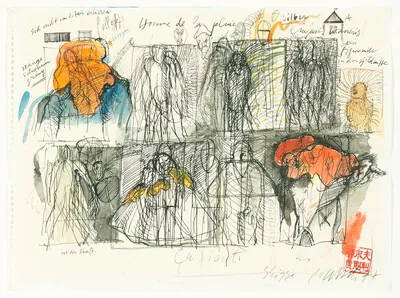
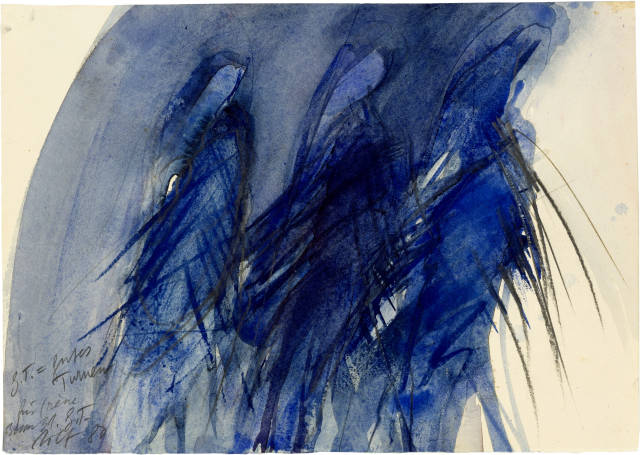
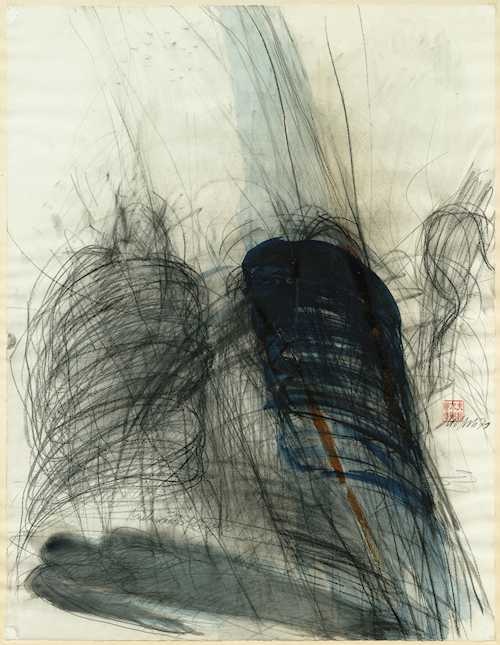
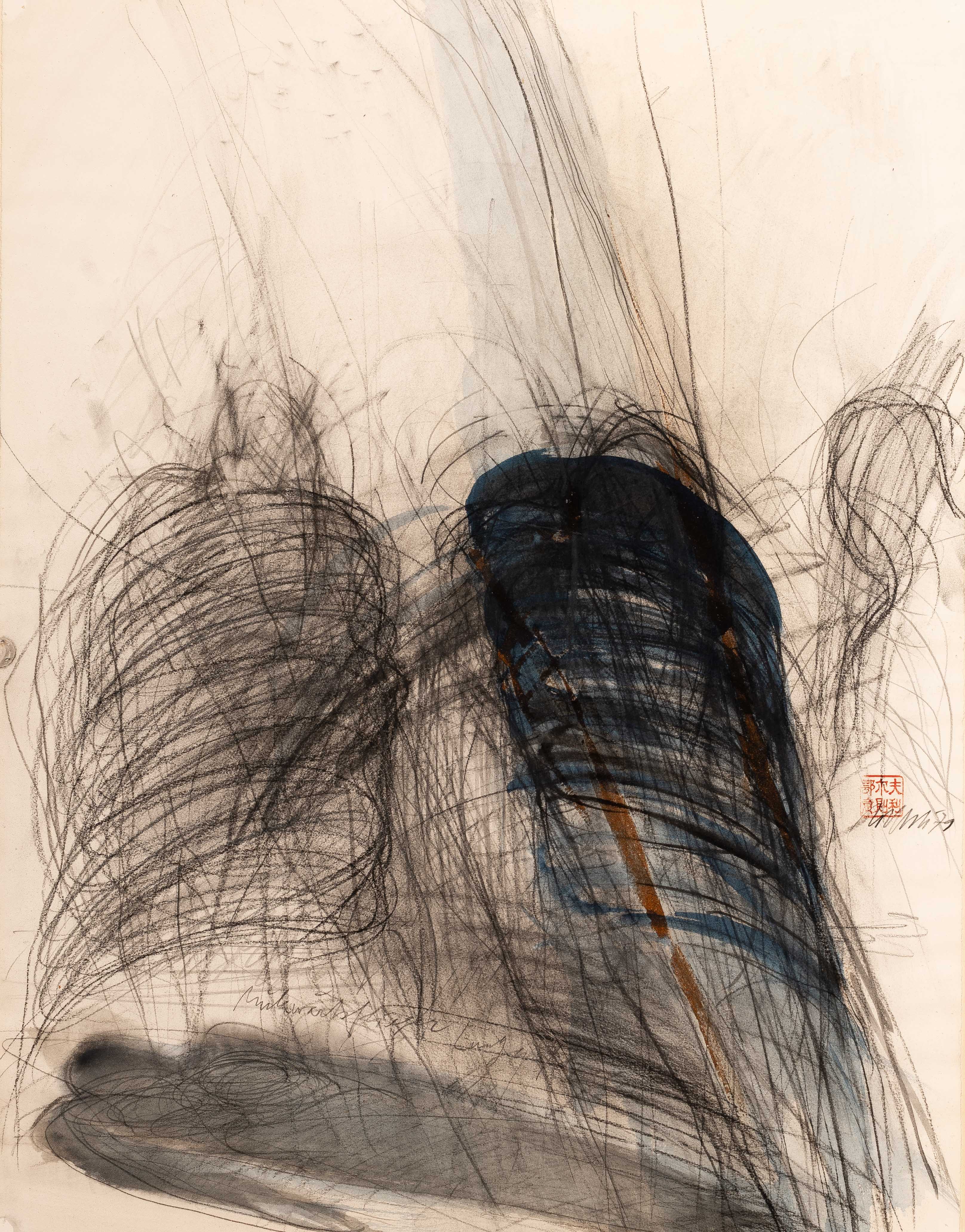
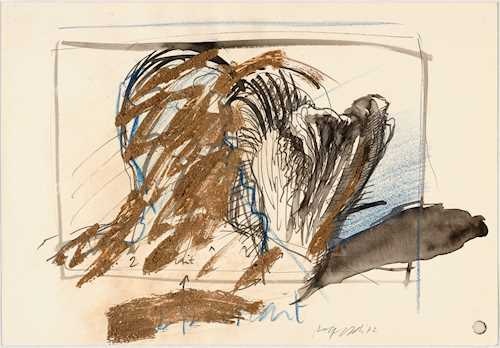
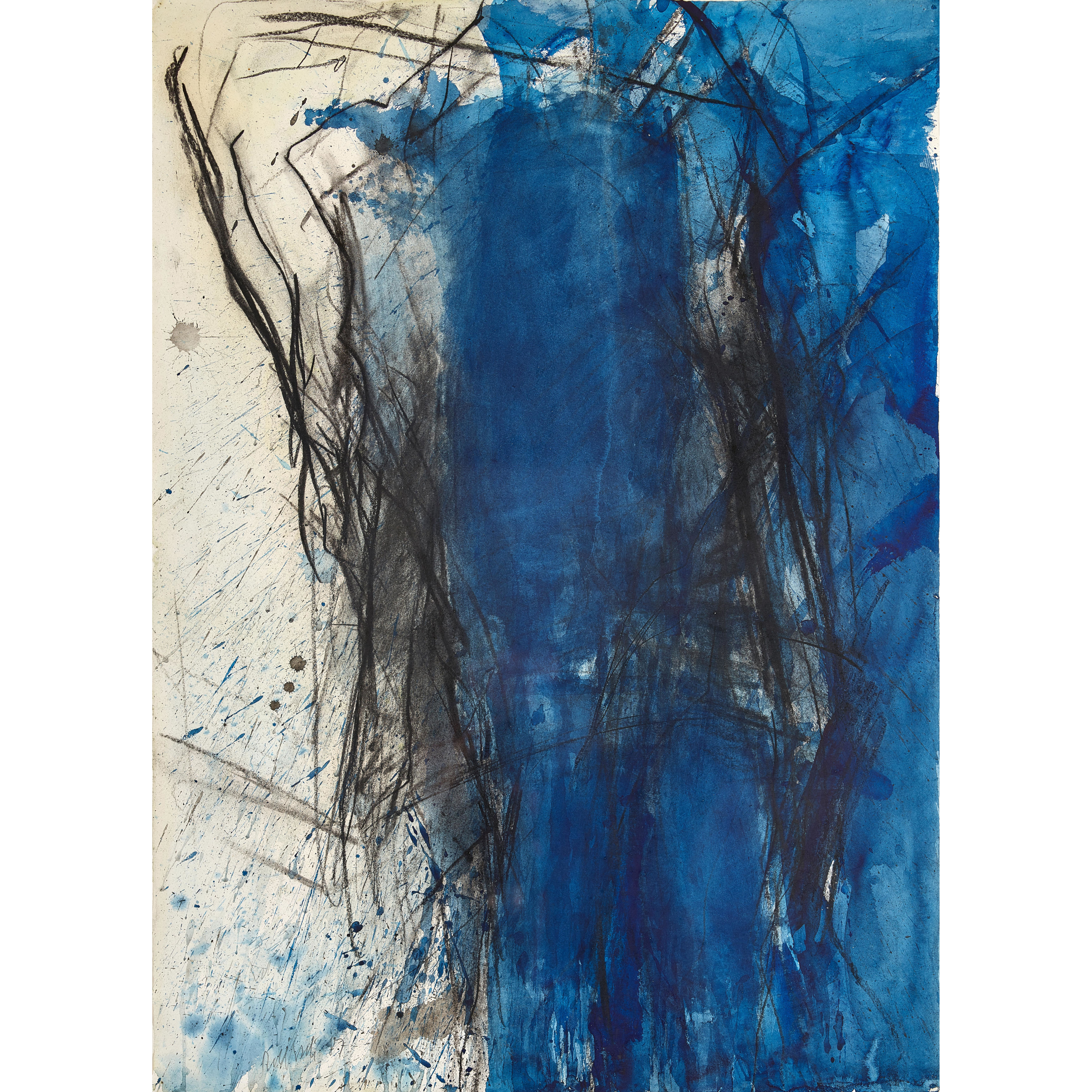
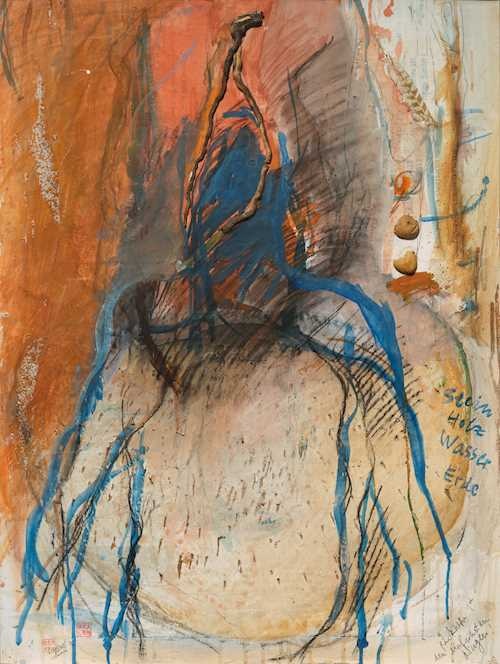
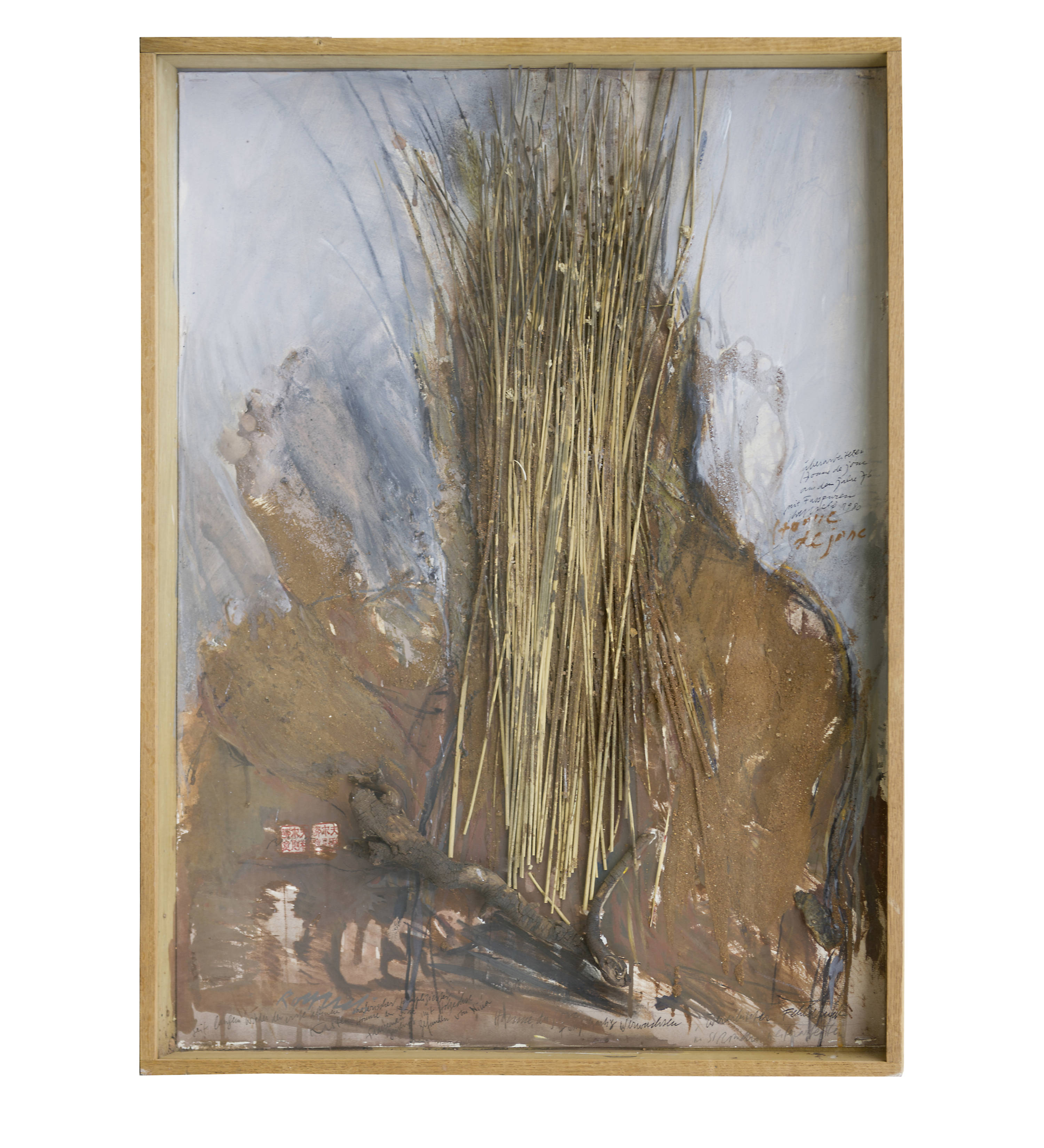
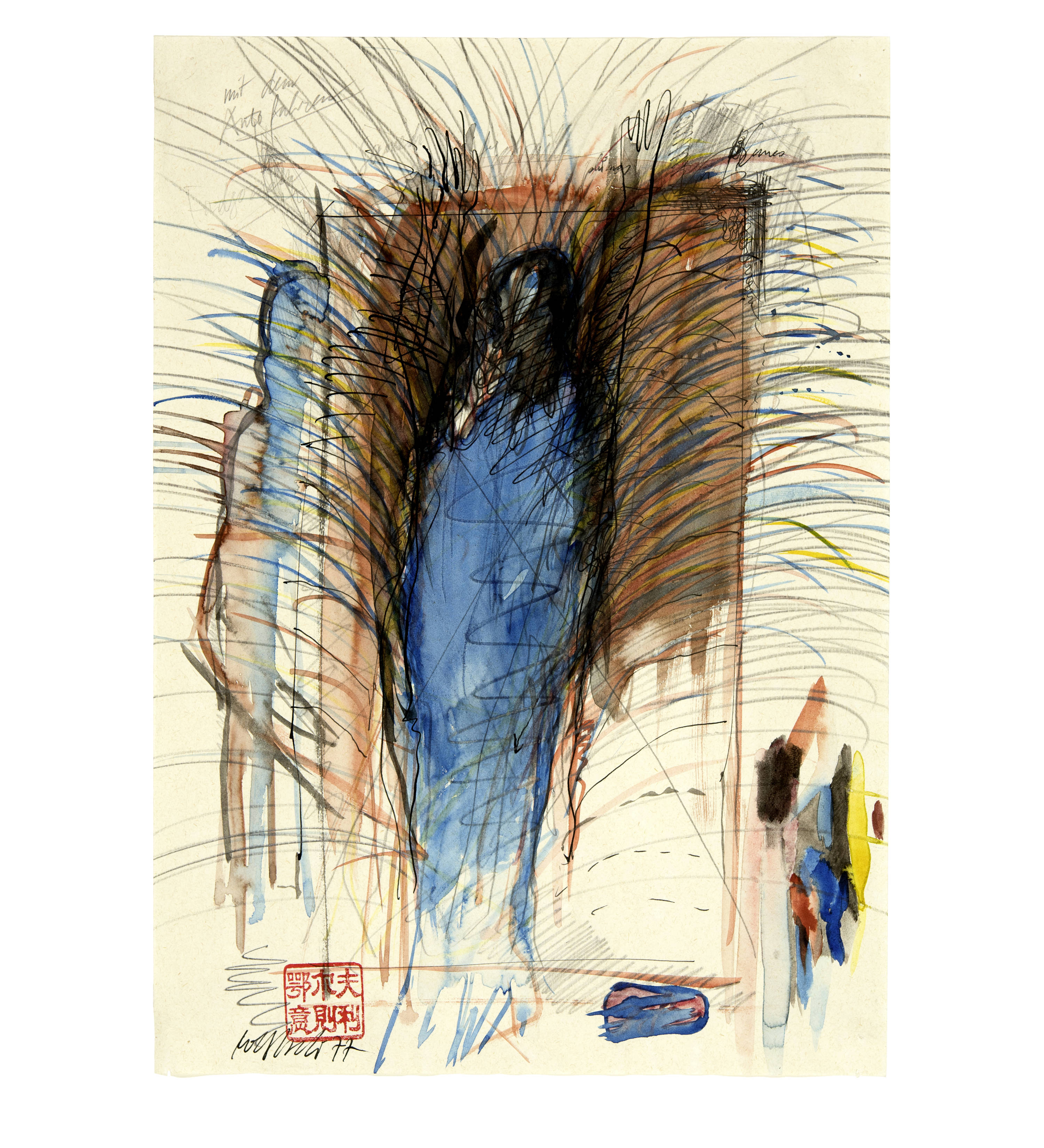
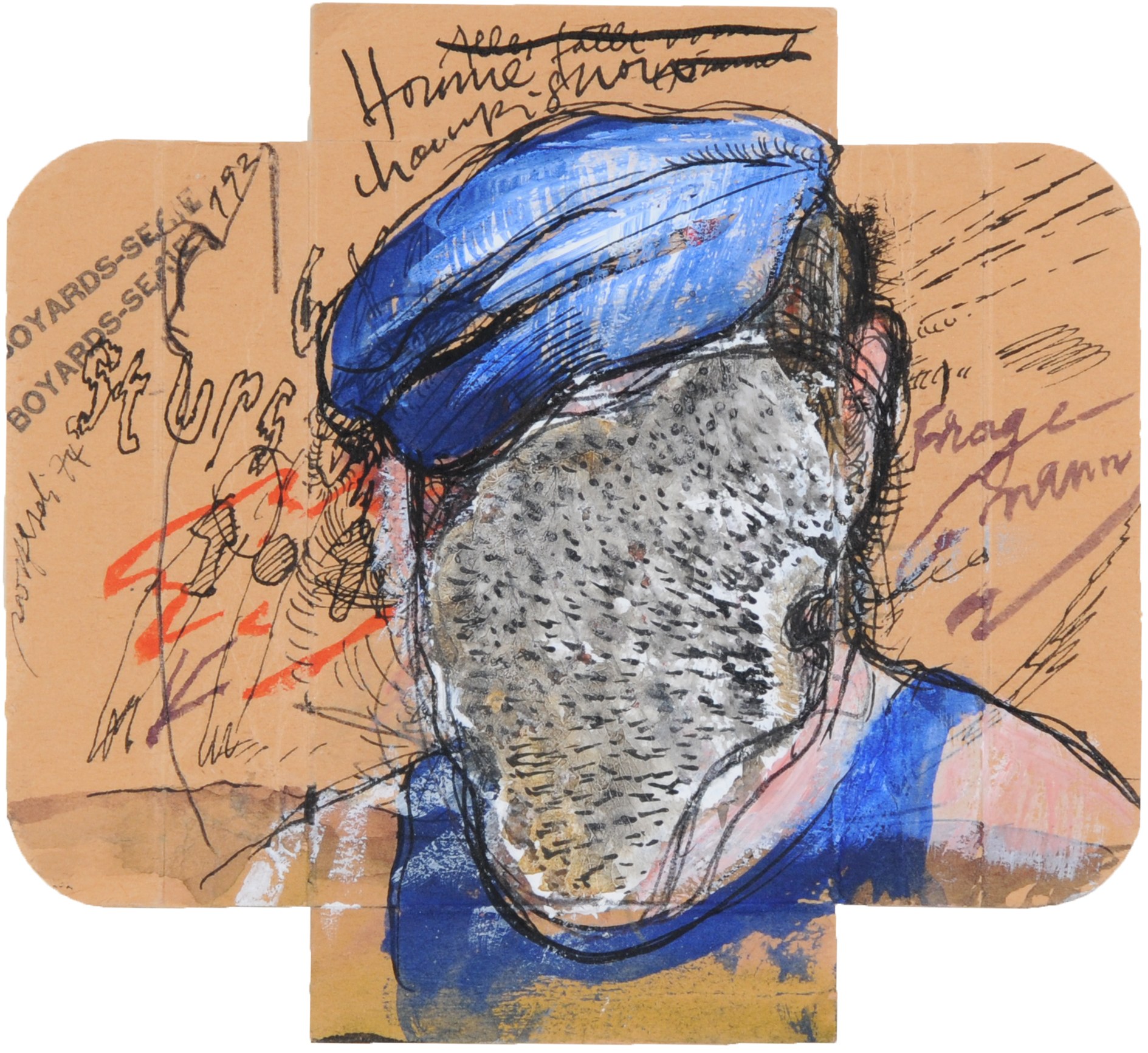
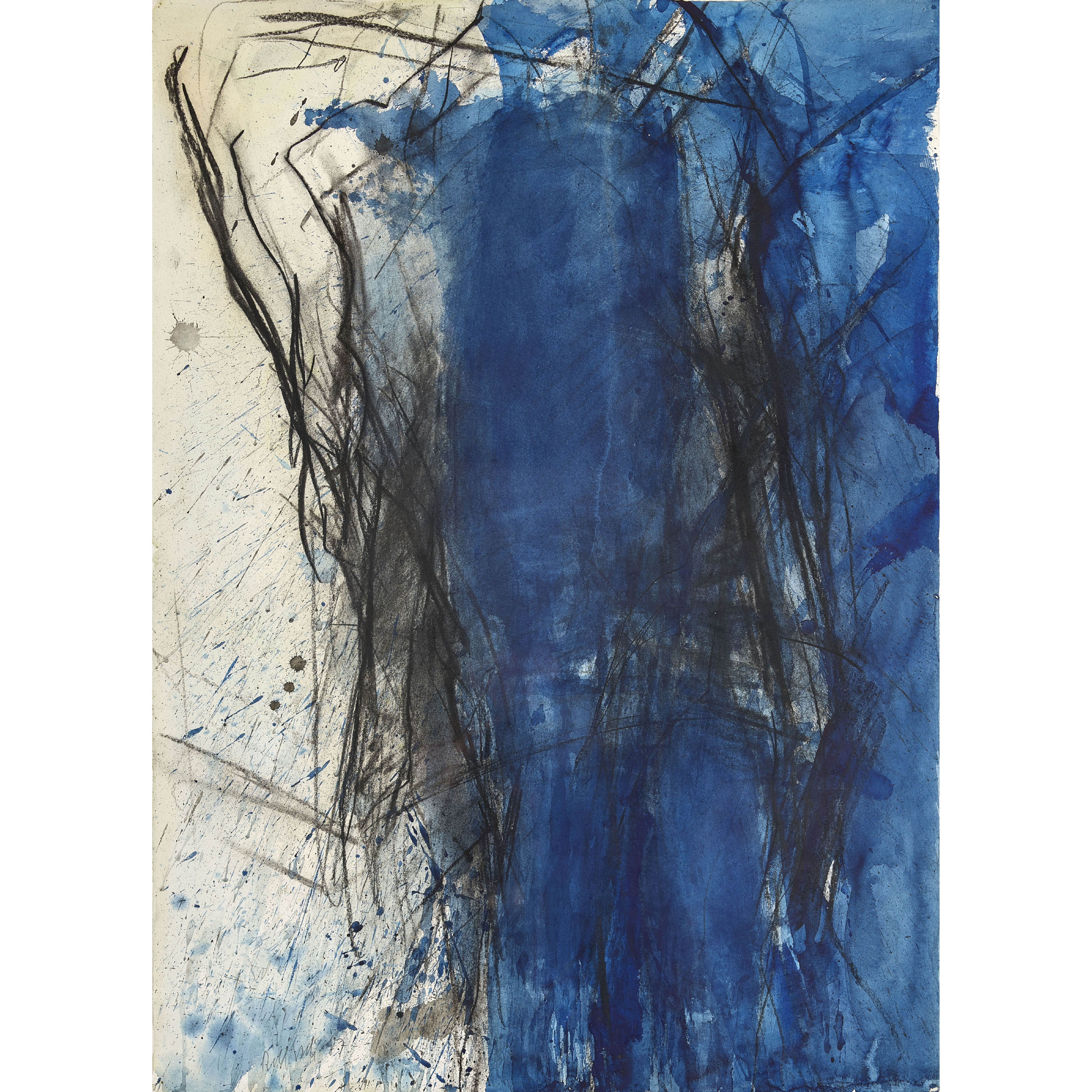
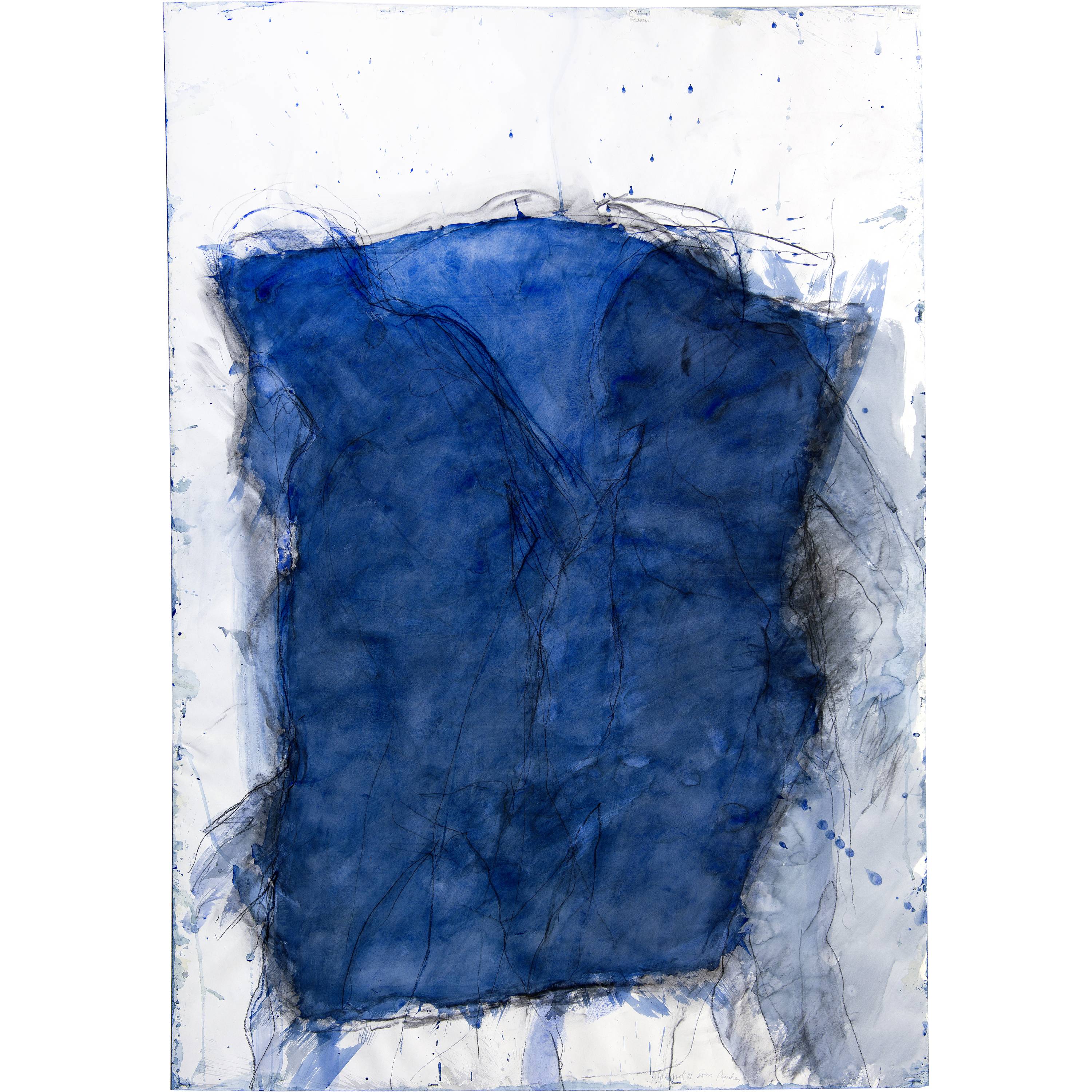
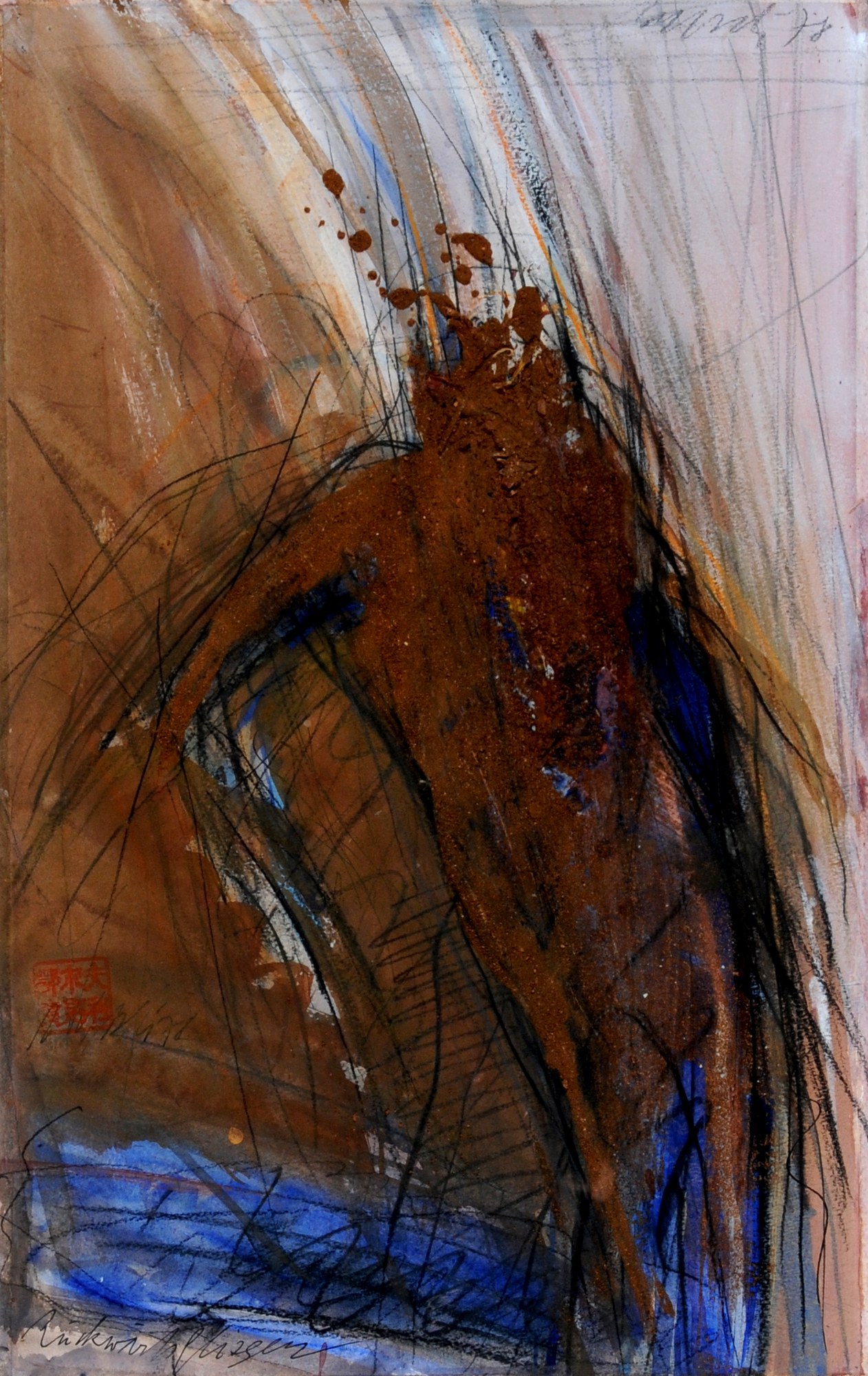
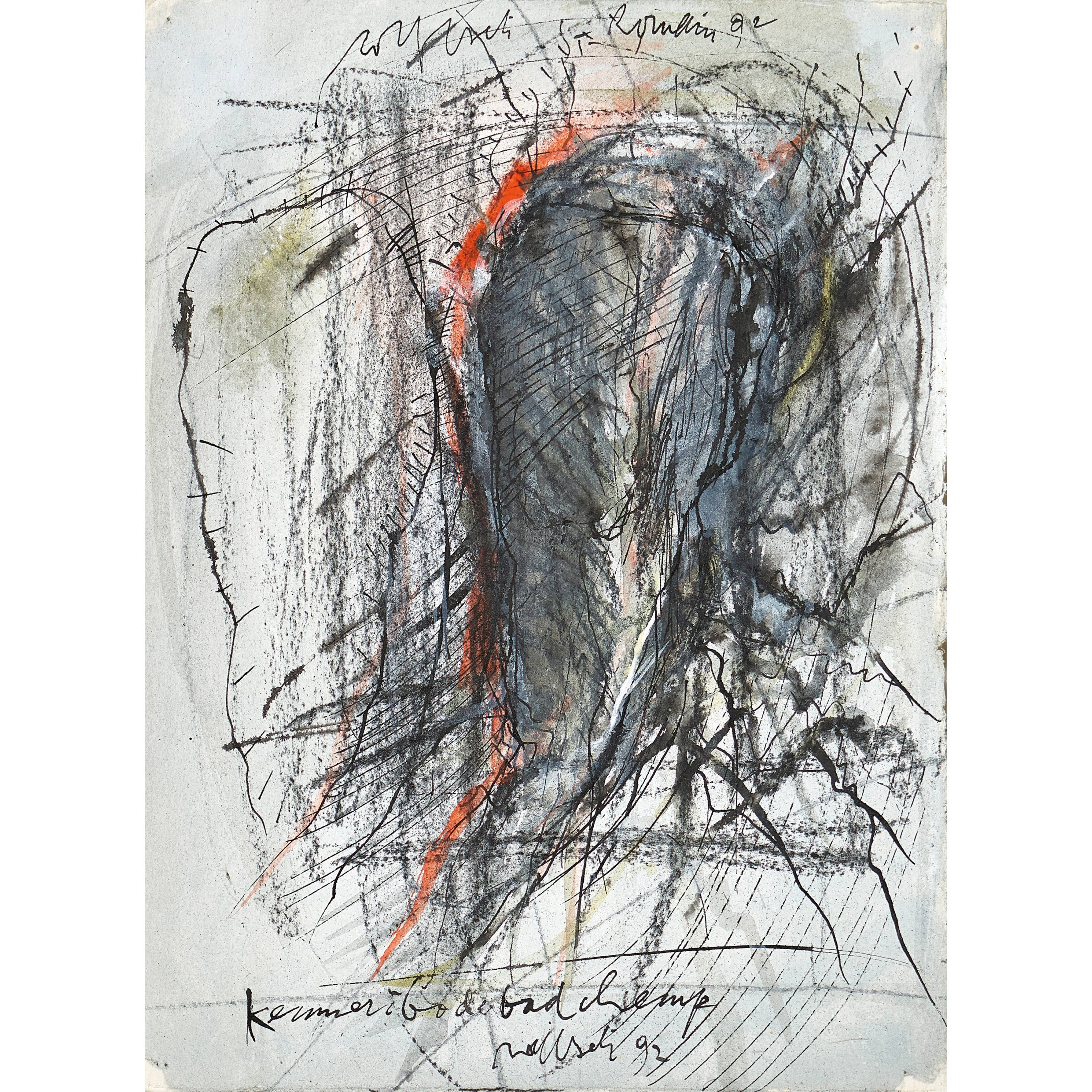
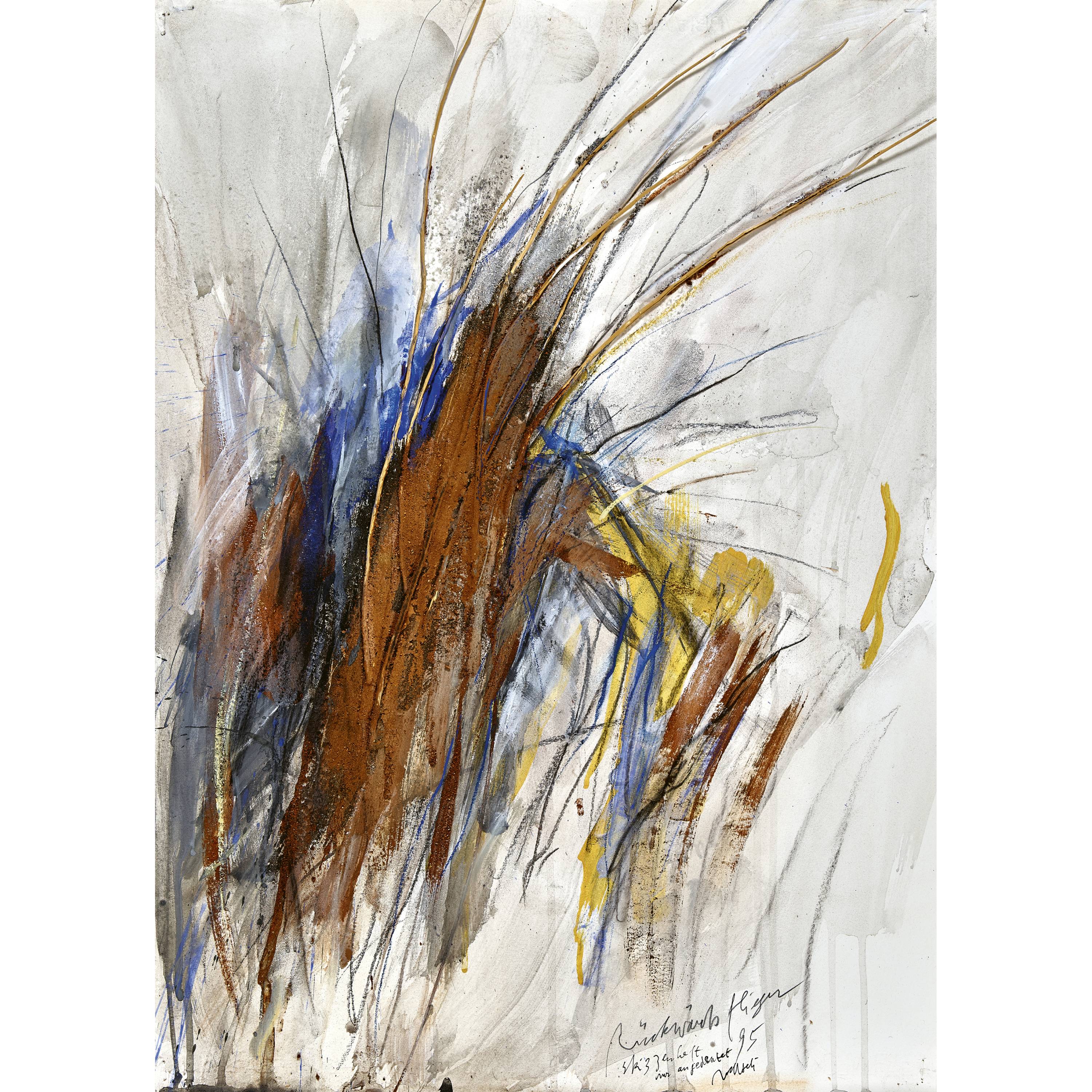
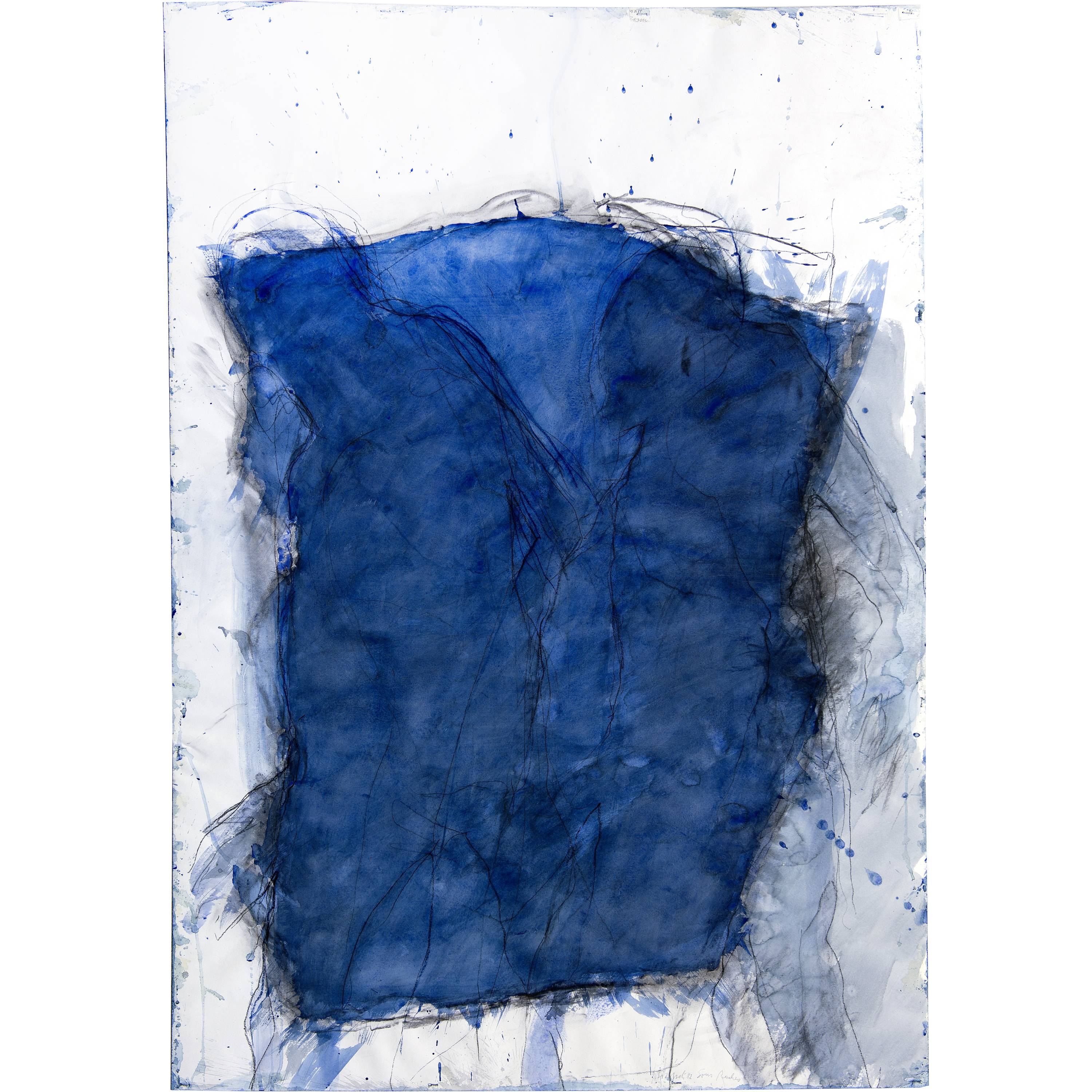
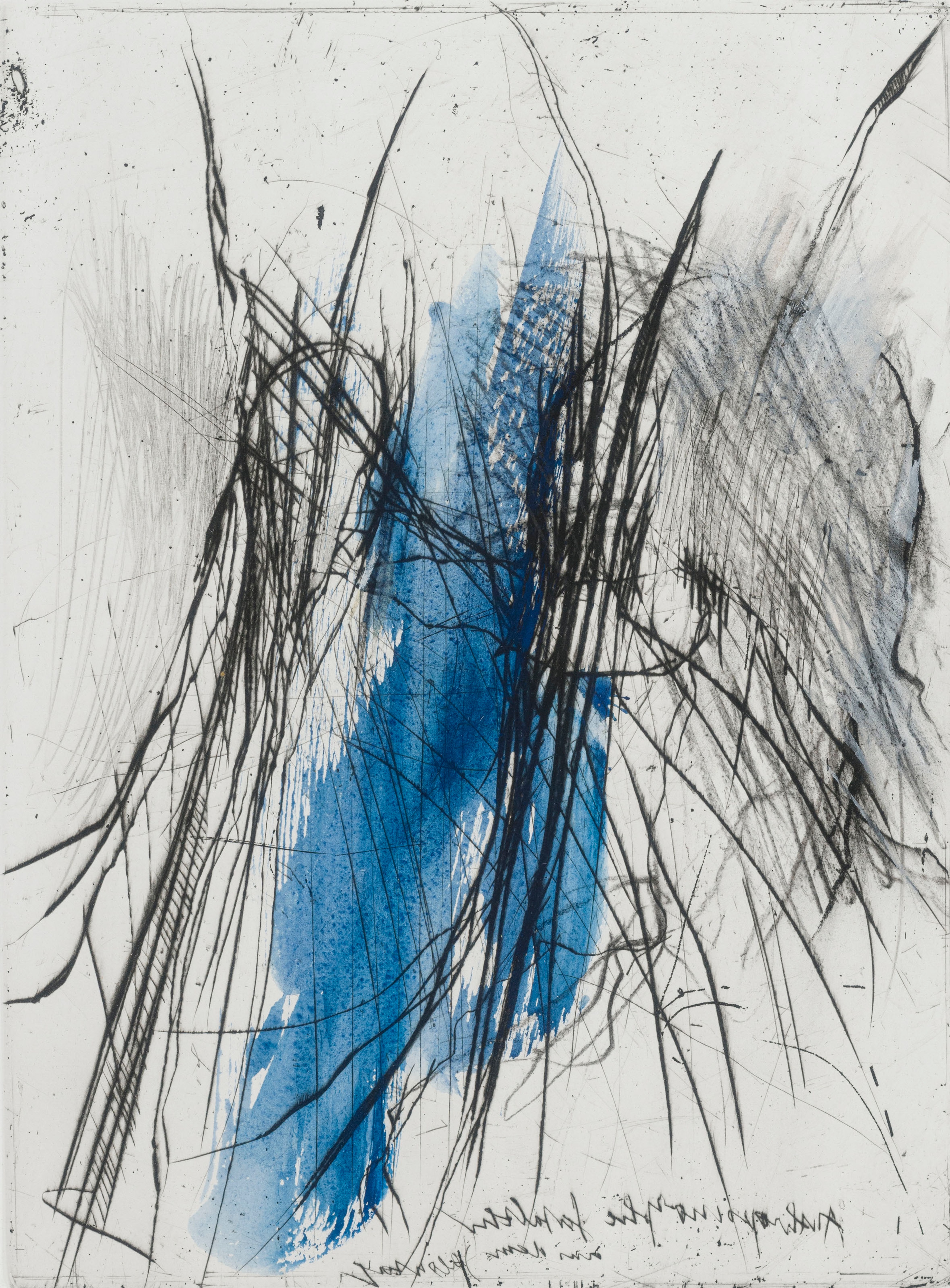
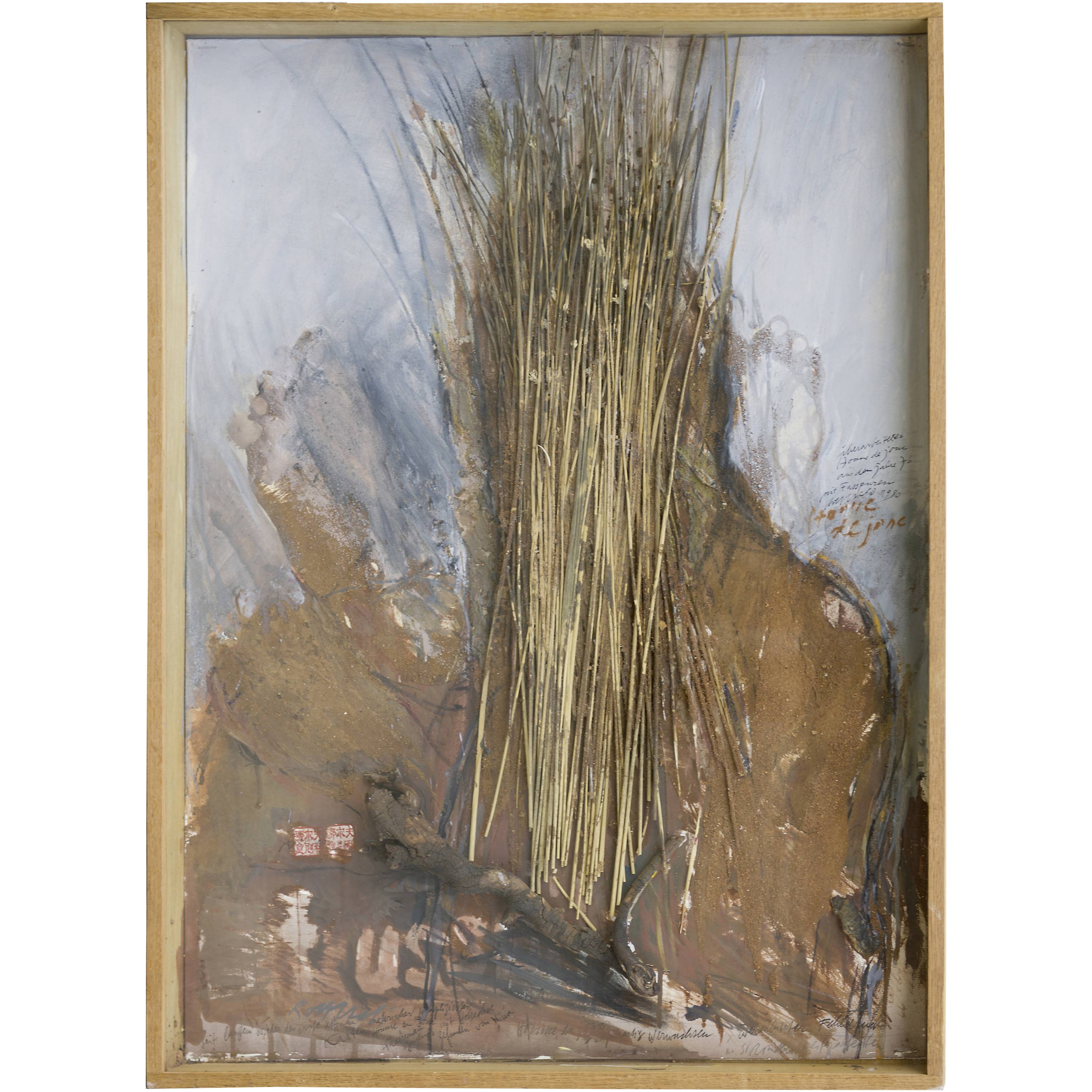
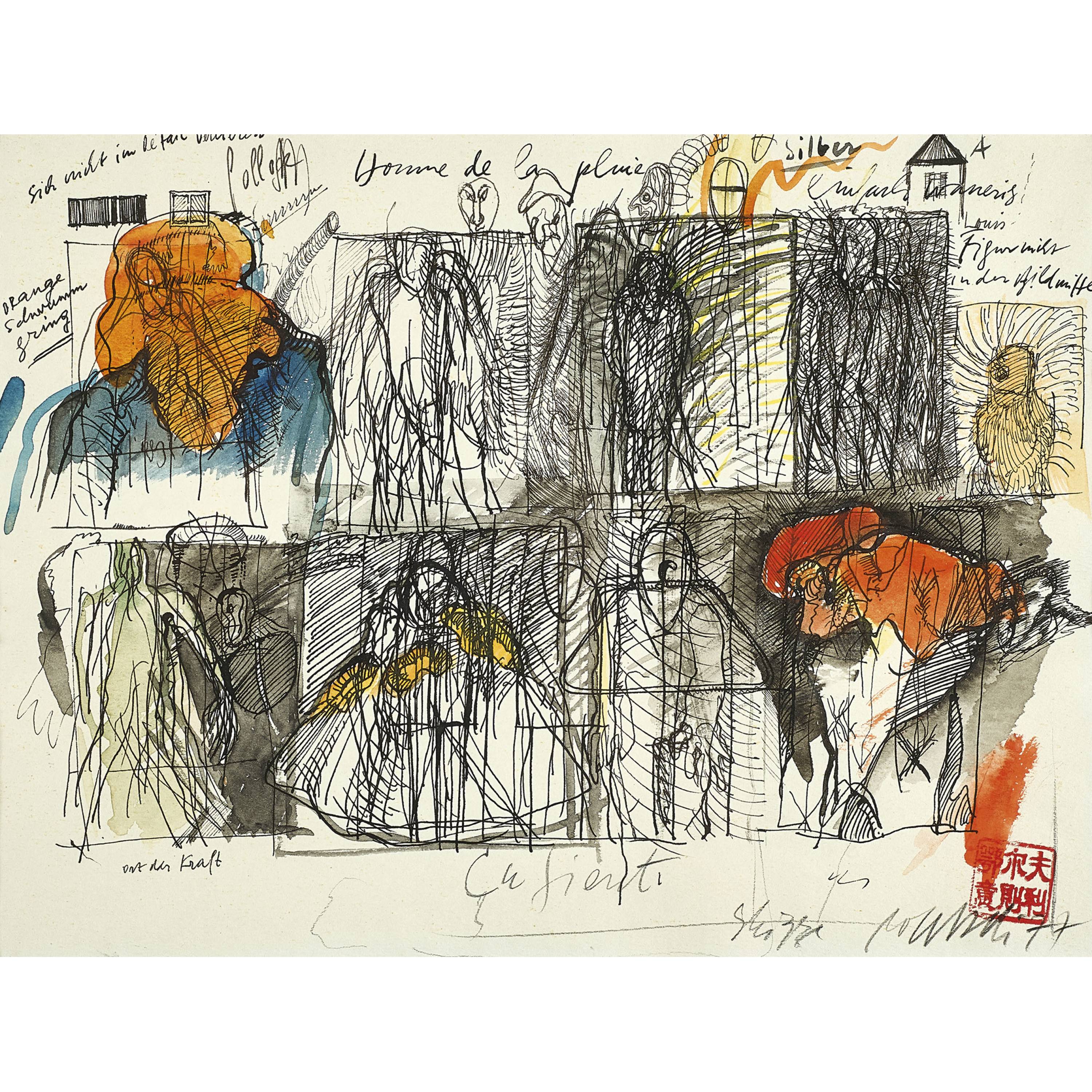
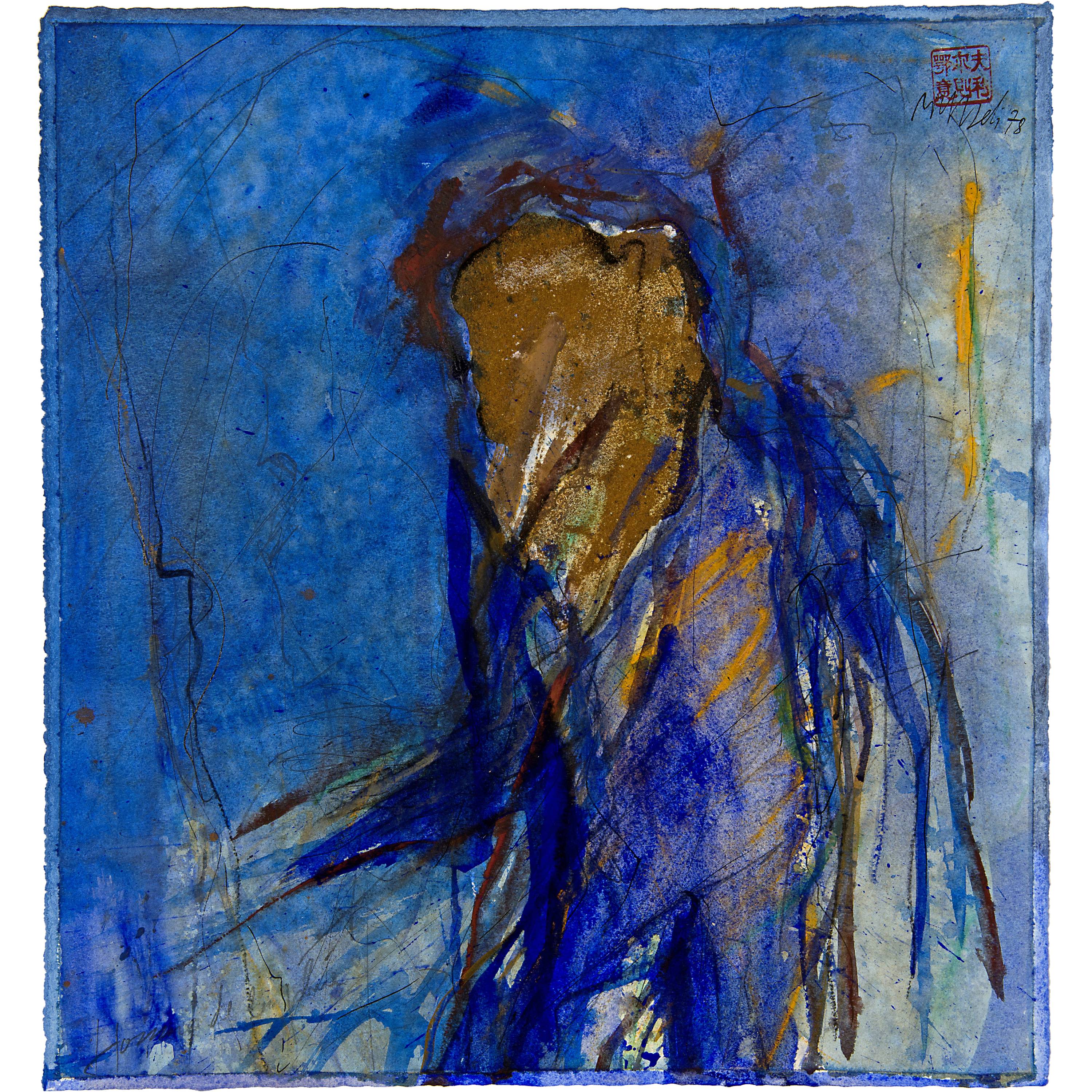
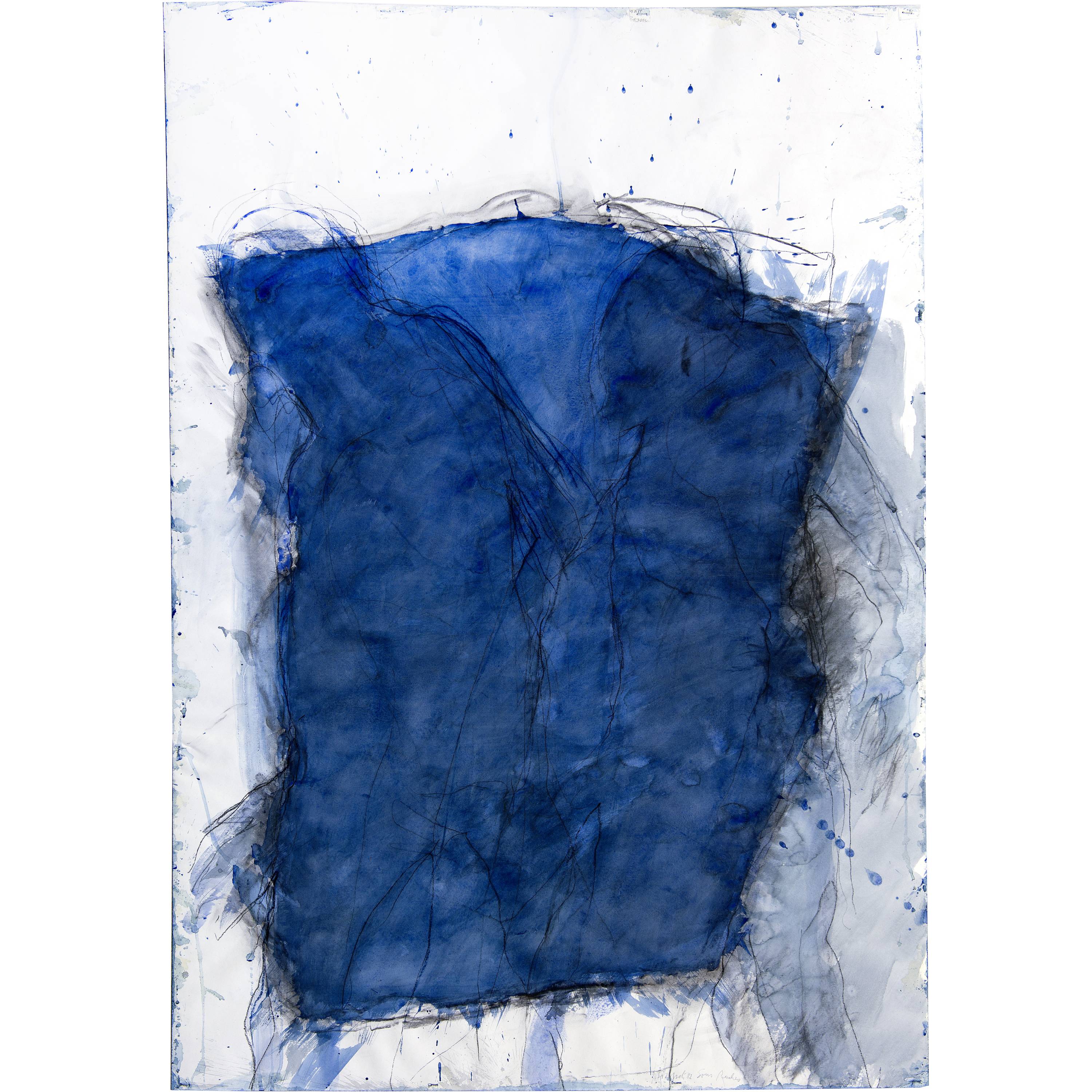
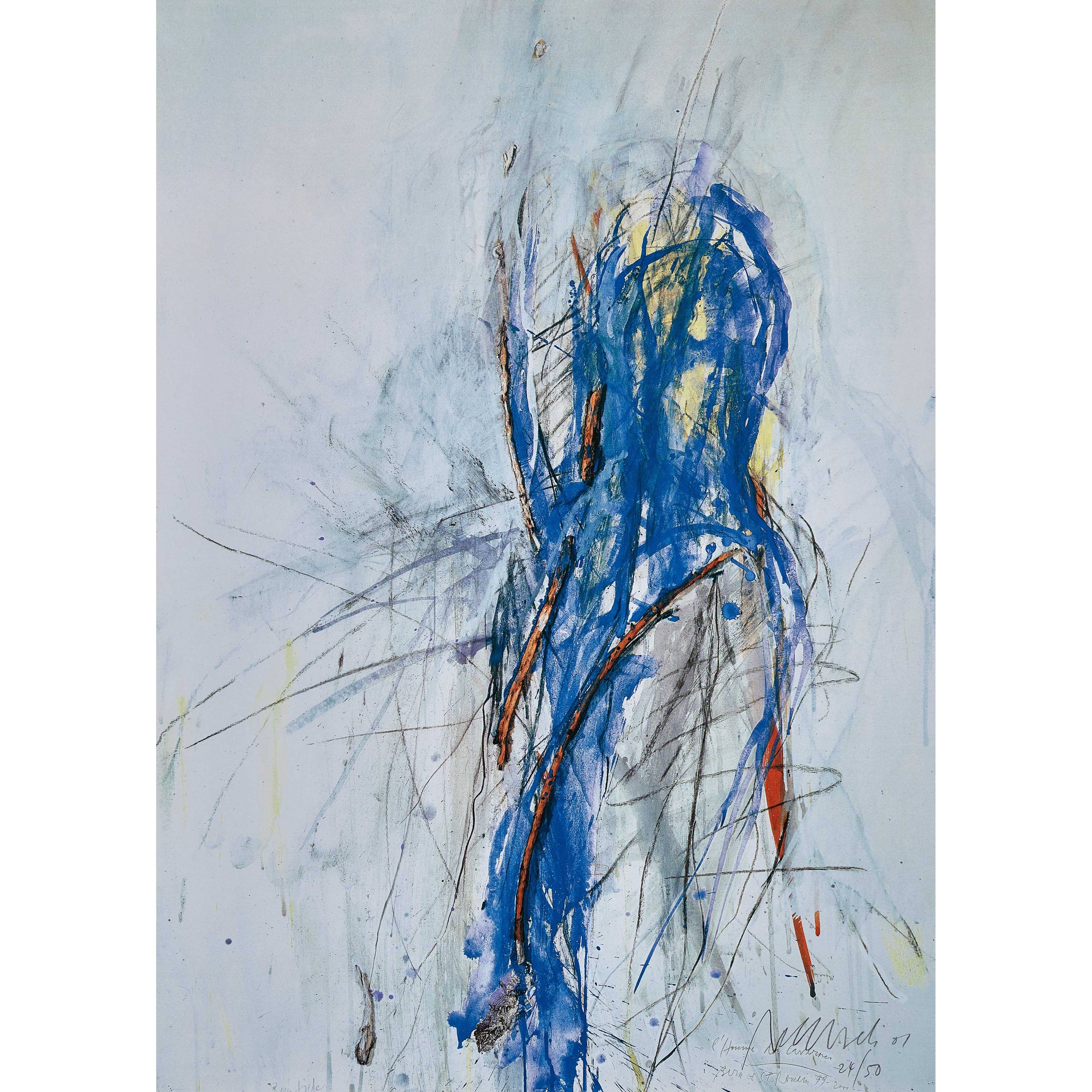
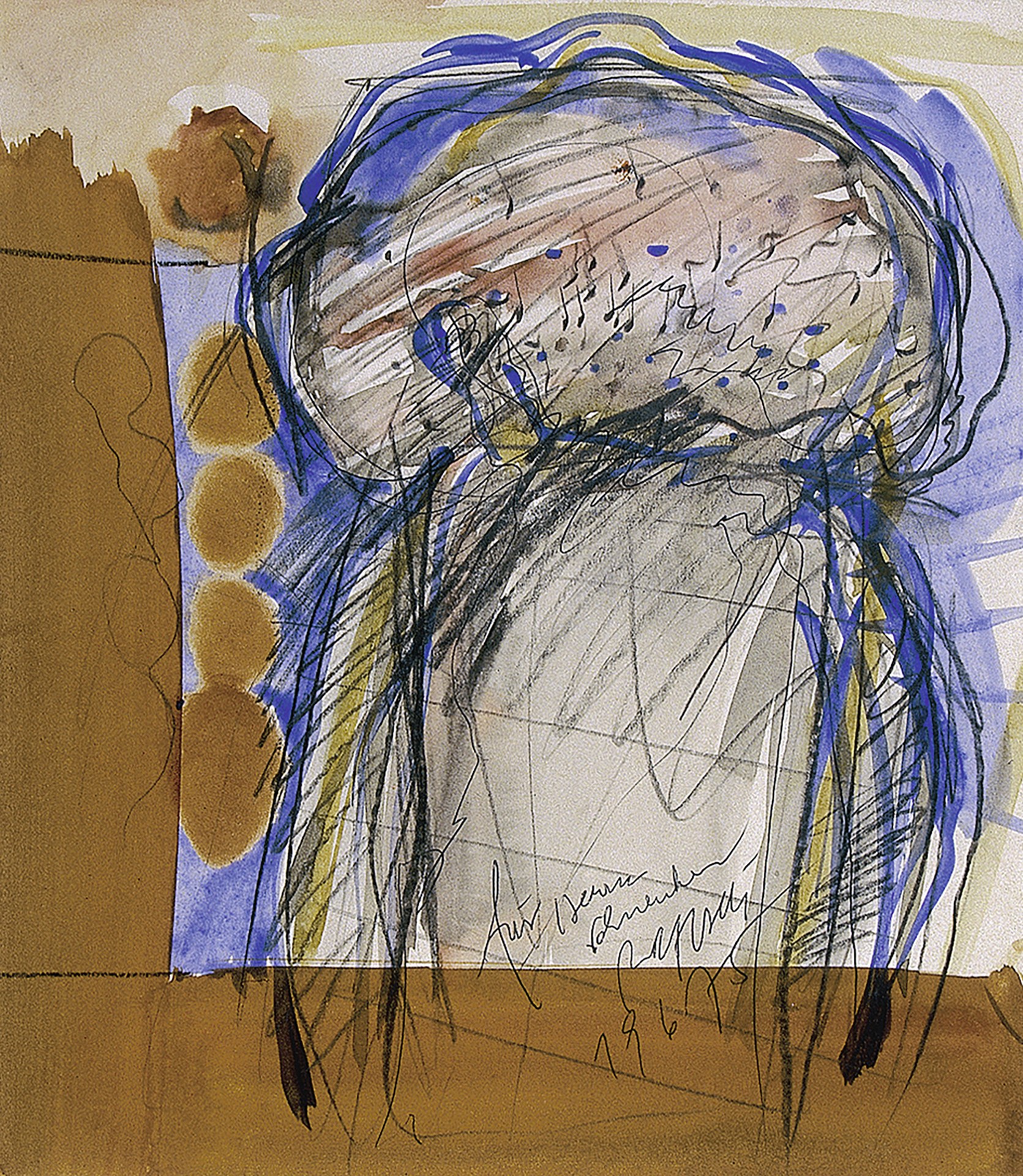
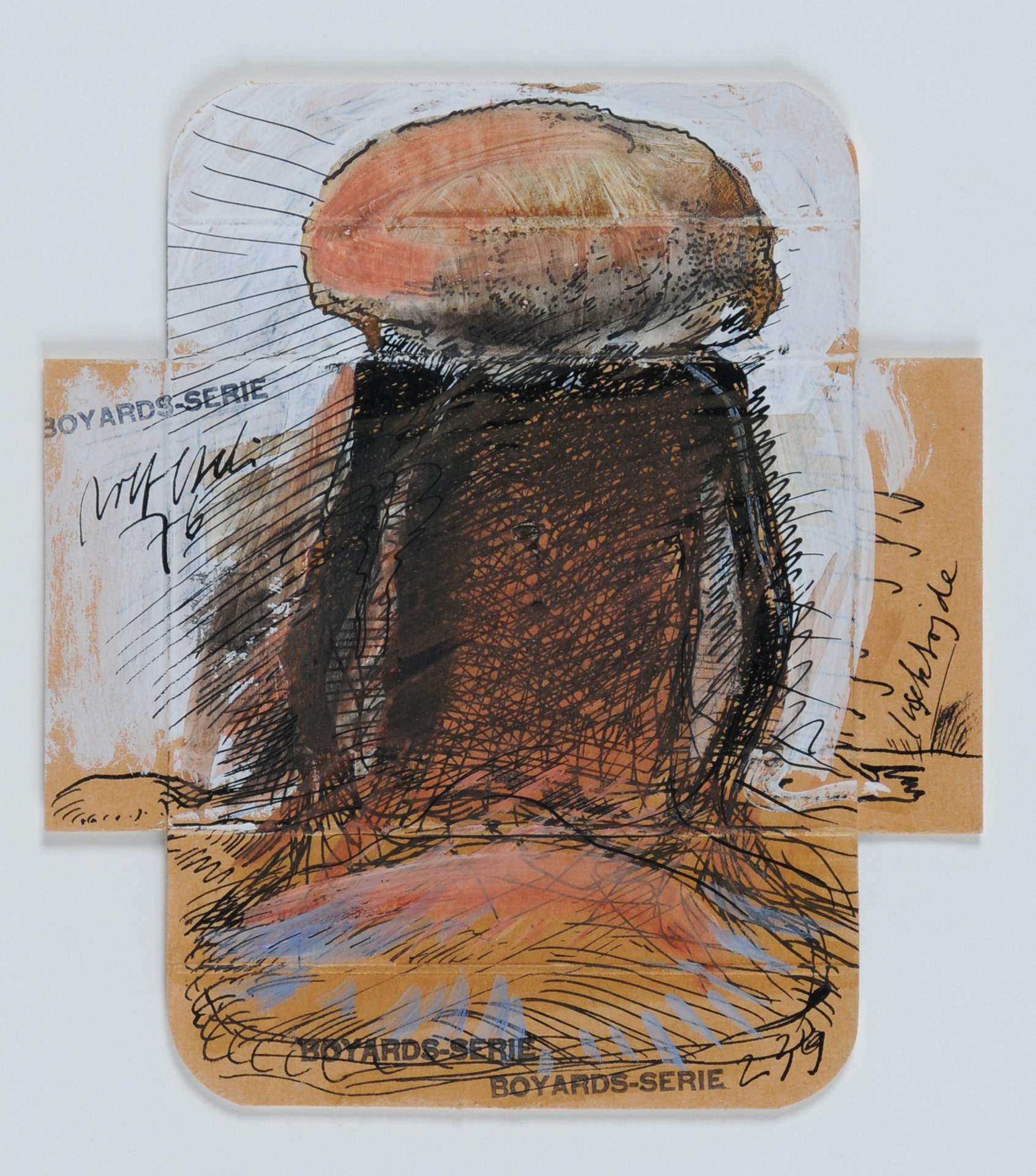
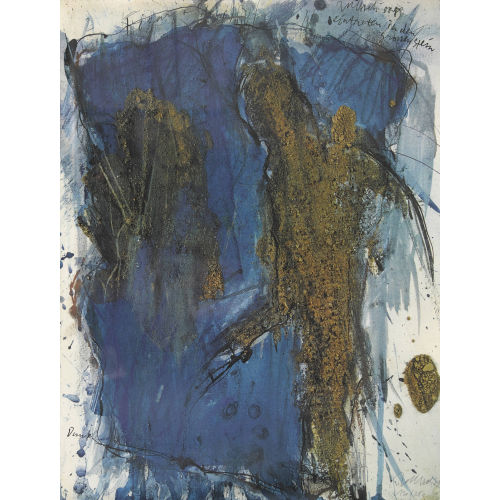
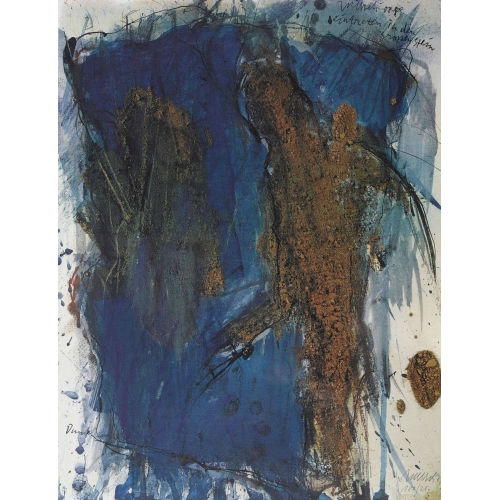
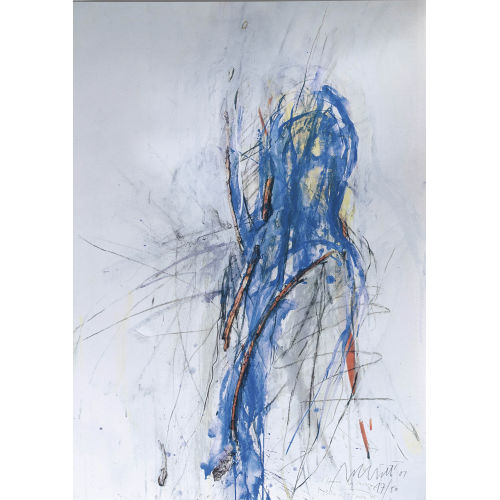
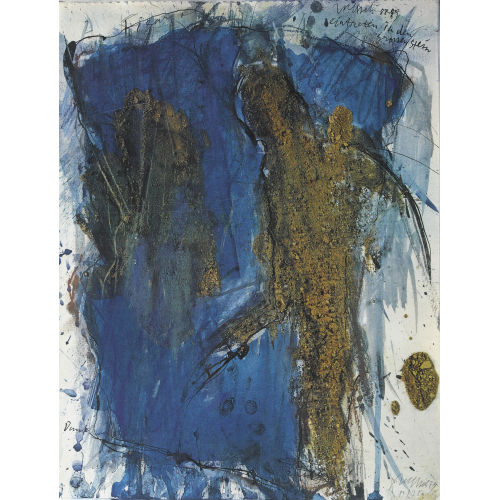
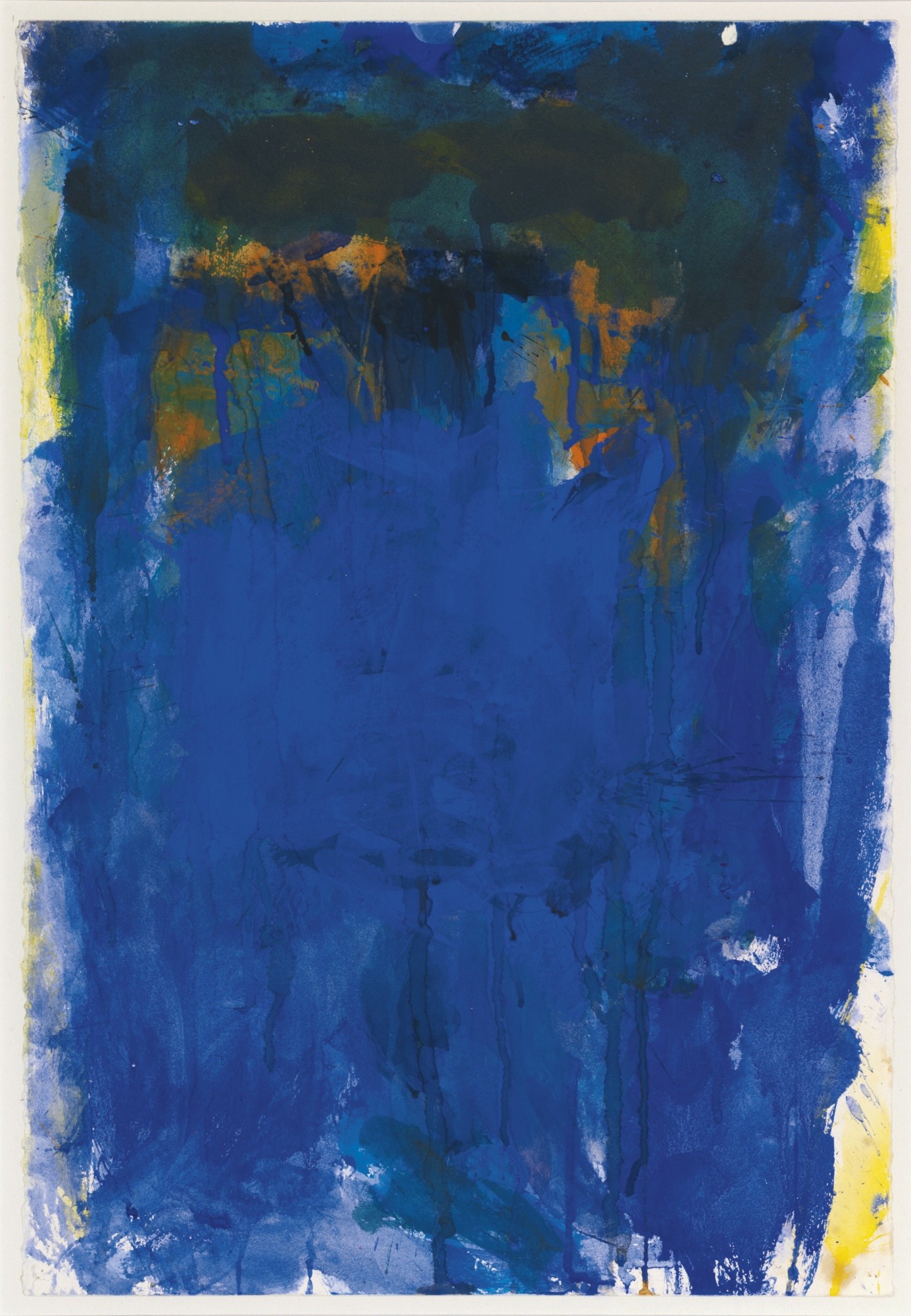
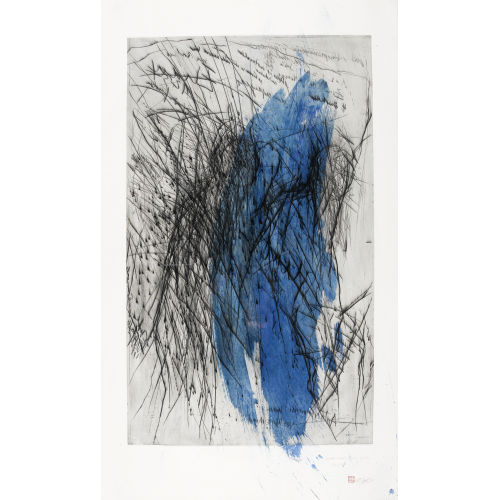
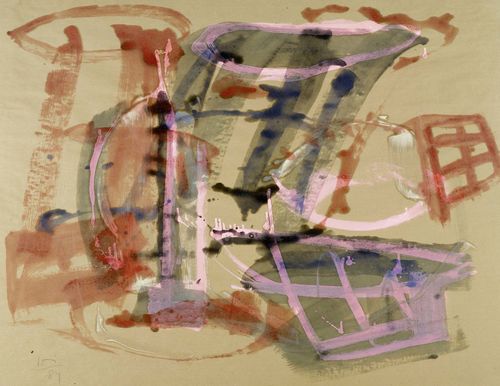
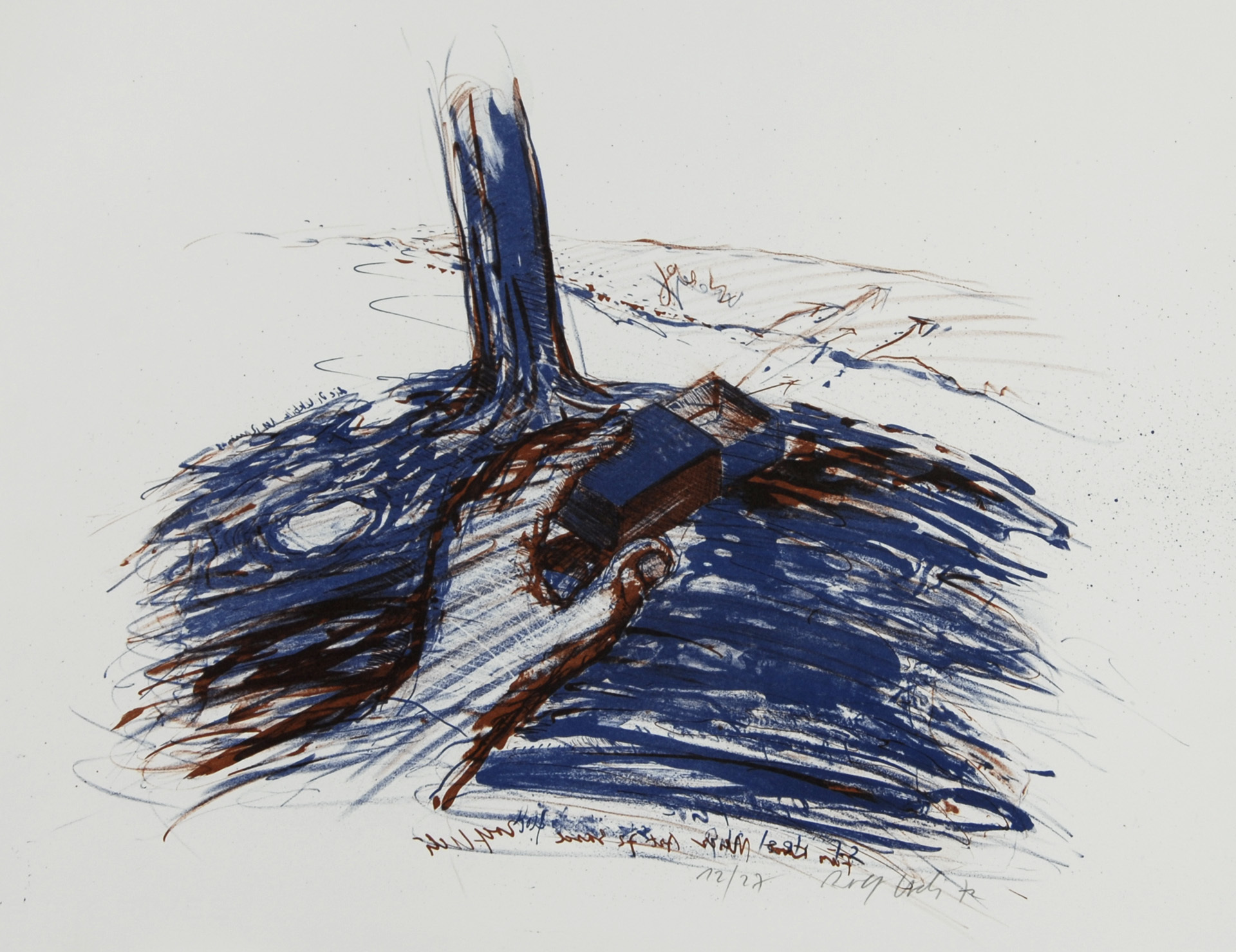
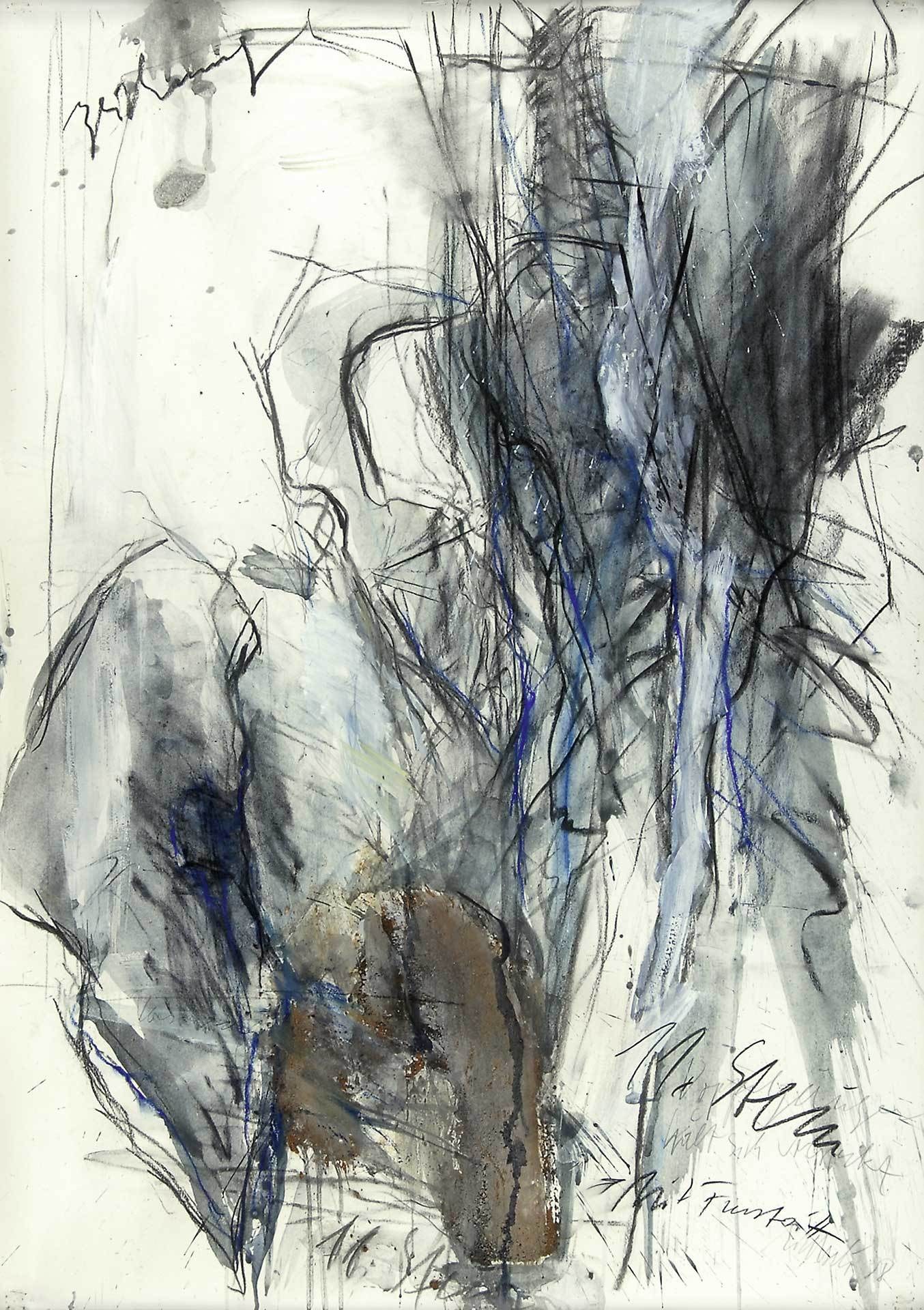
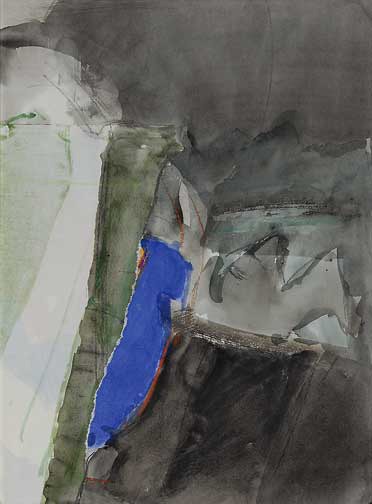
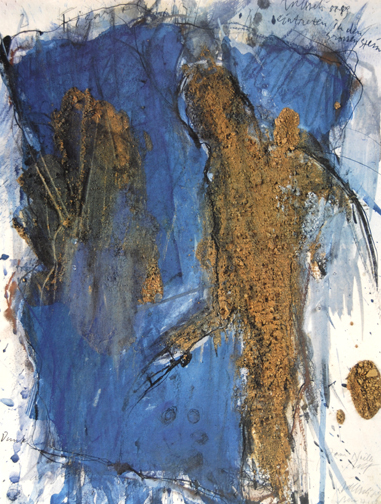
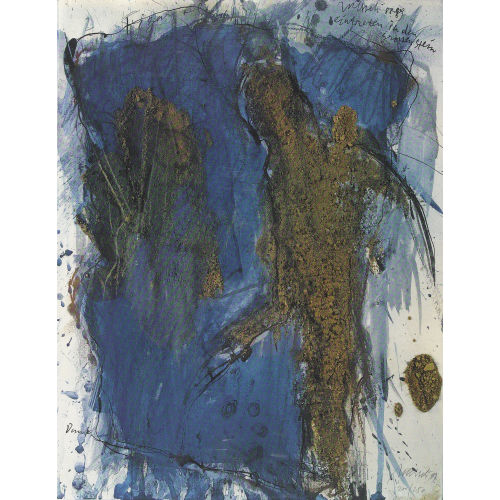
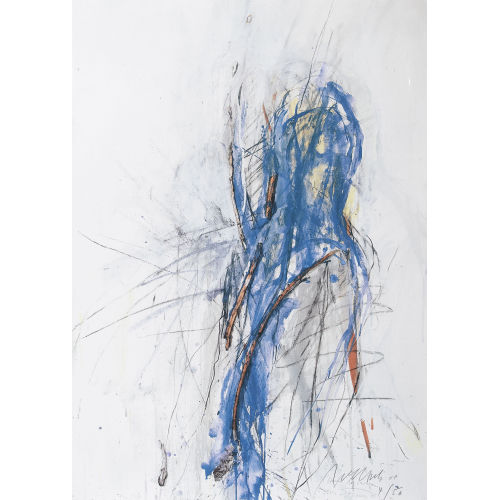
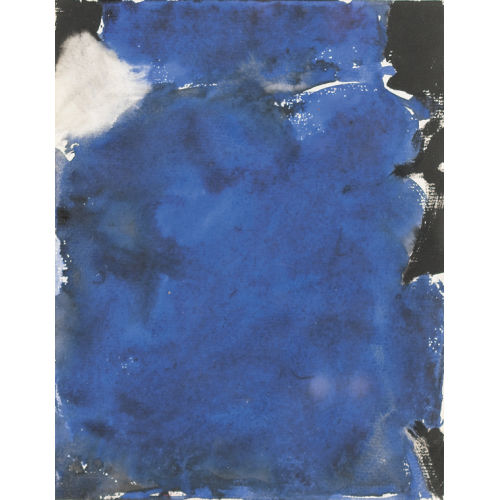
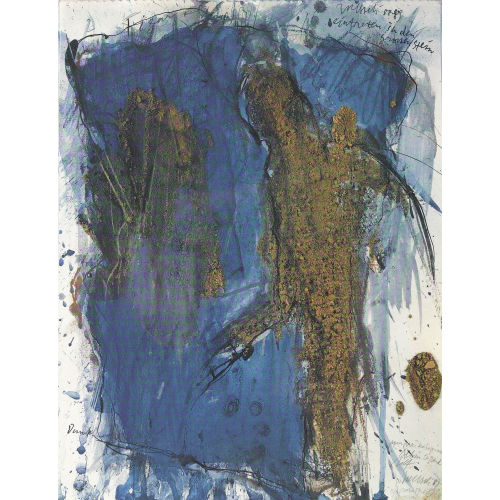
The Musée cantonal des Beaux-Arts de Lausanne holds, in particular, *Blauer Homme du jonc* (1976), a work on paper that testifies to the freedom of his line and to his movement between figuration and gestural expression.
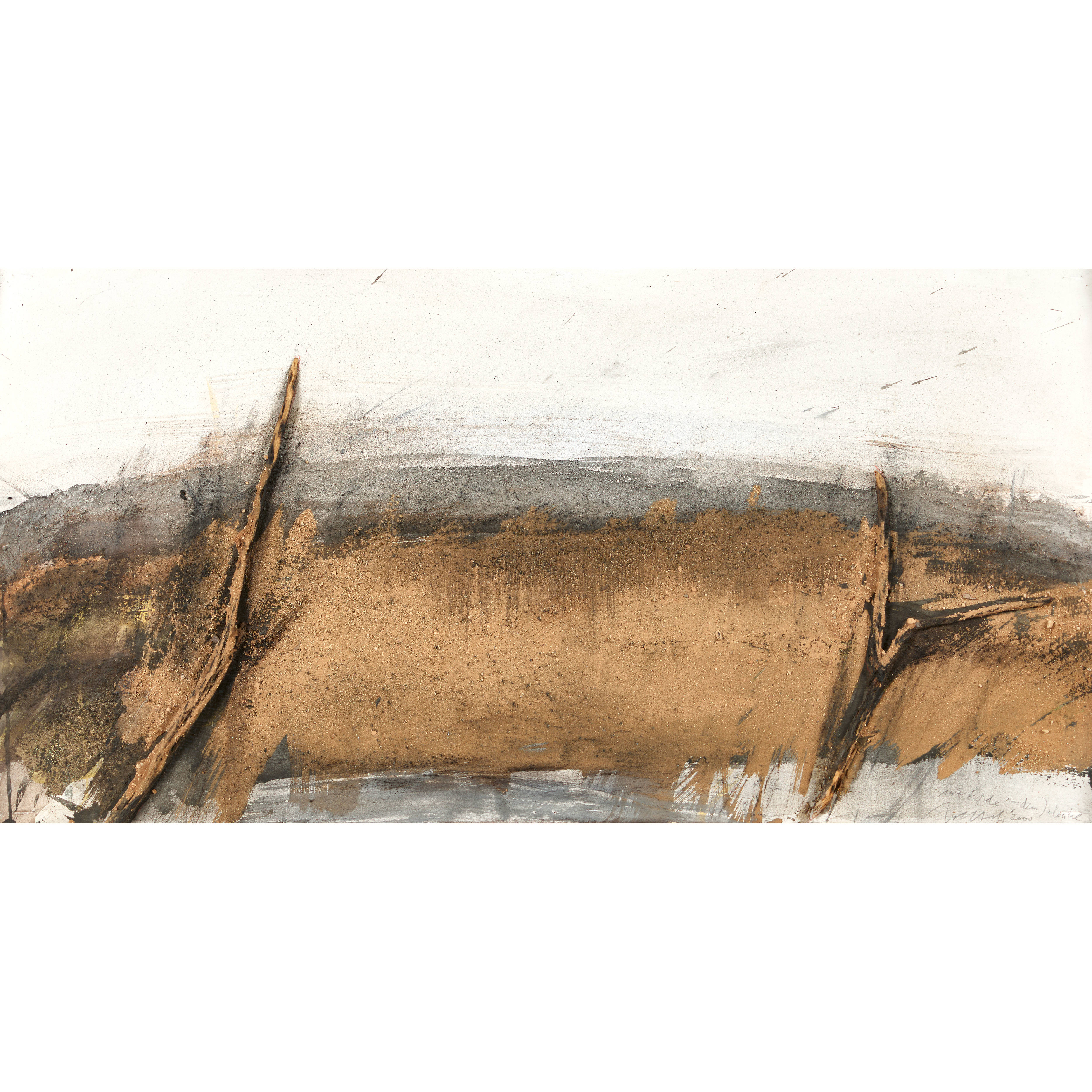
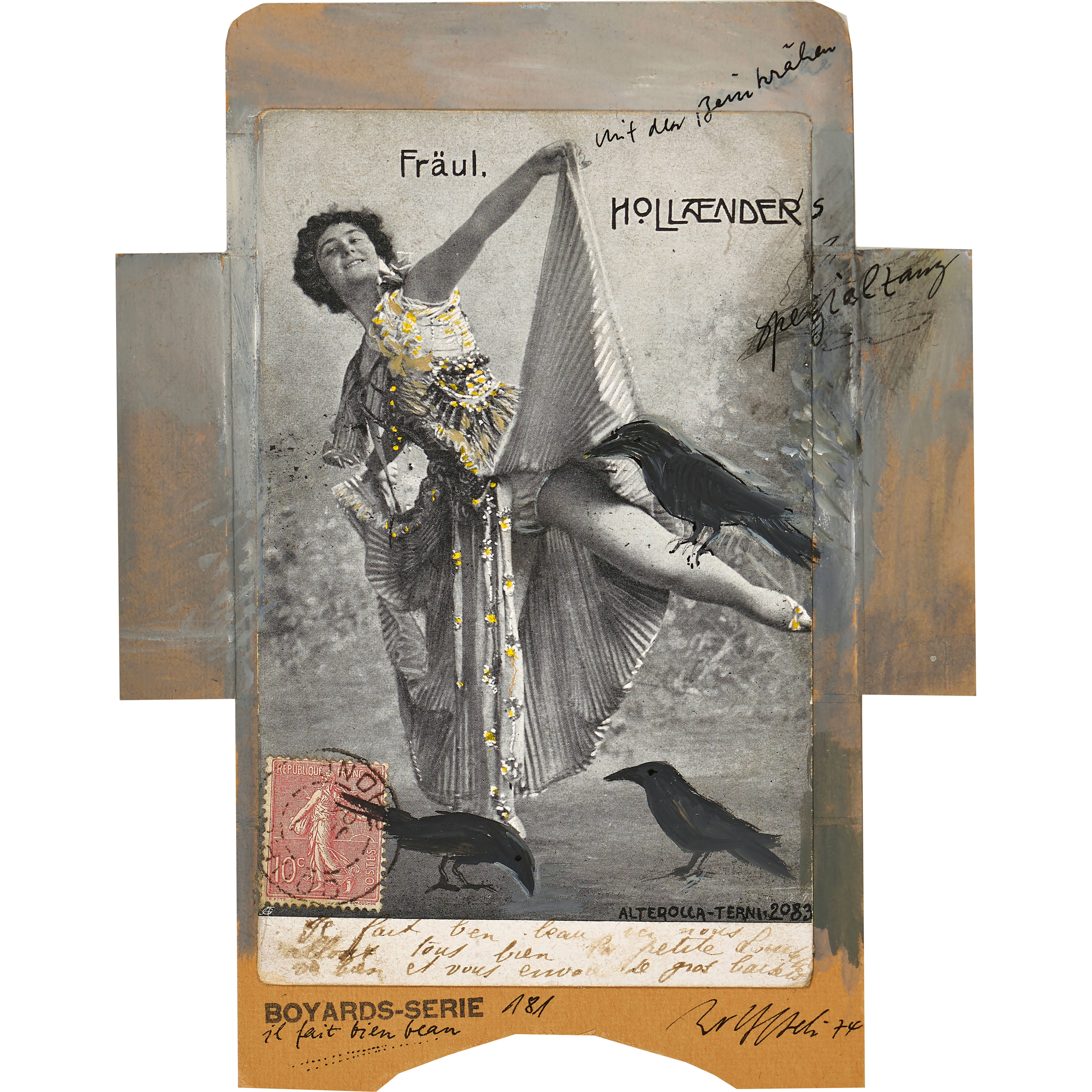
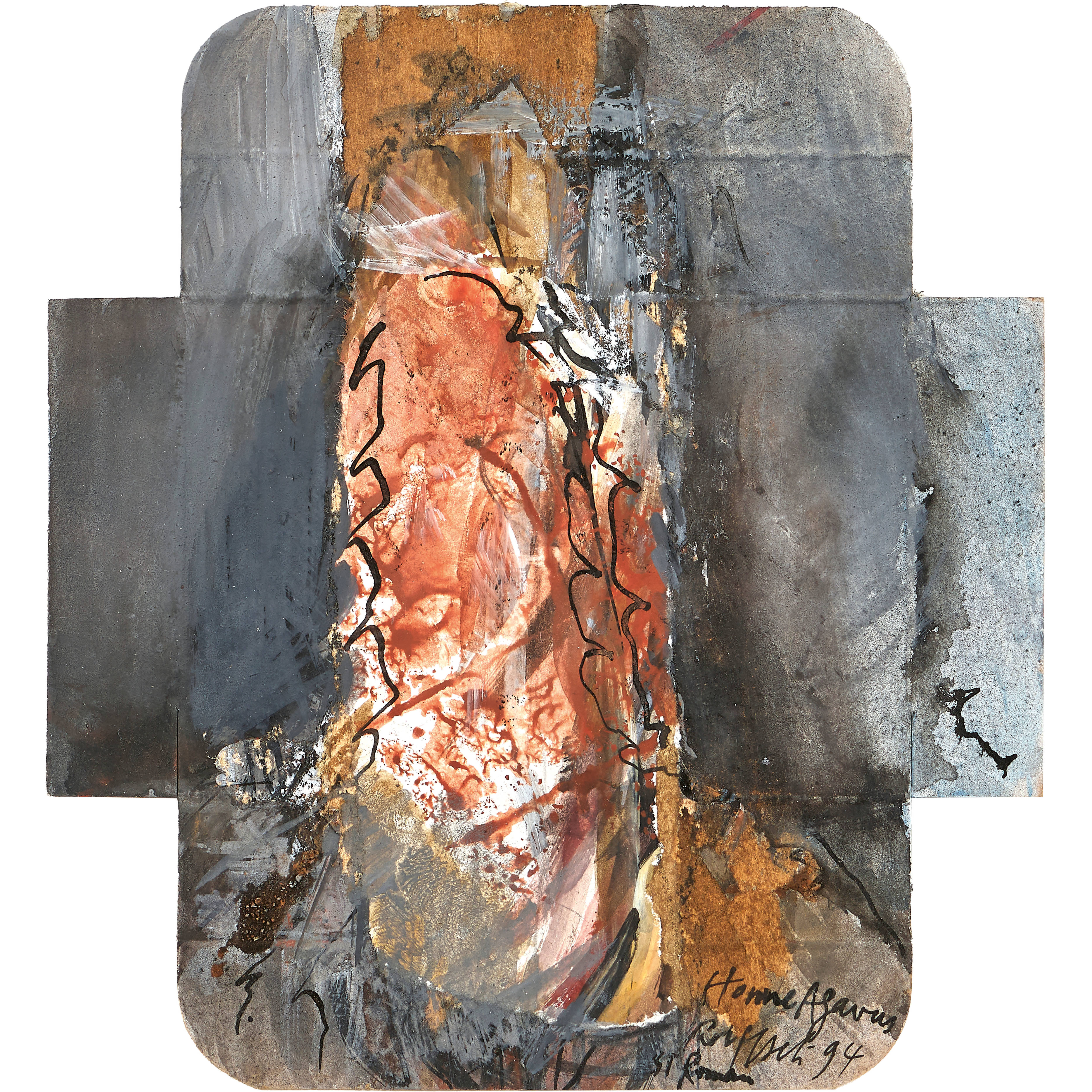
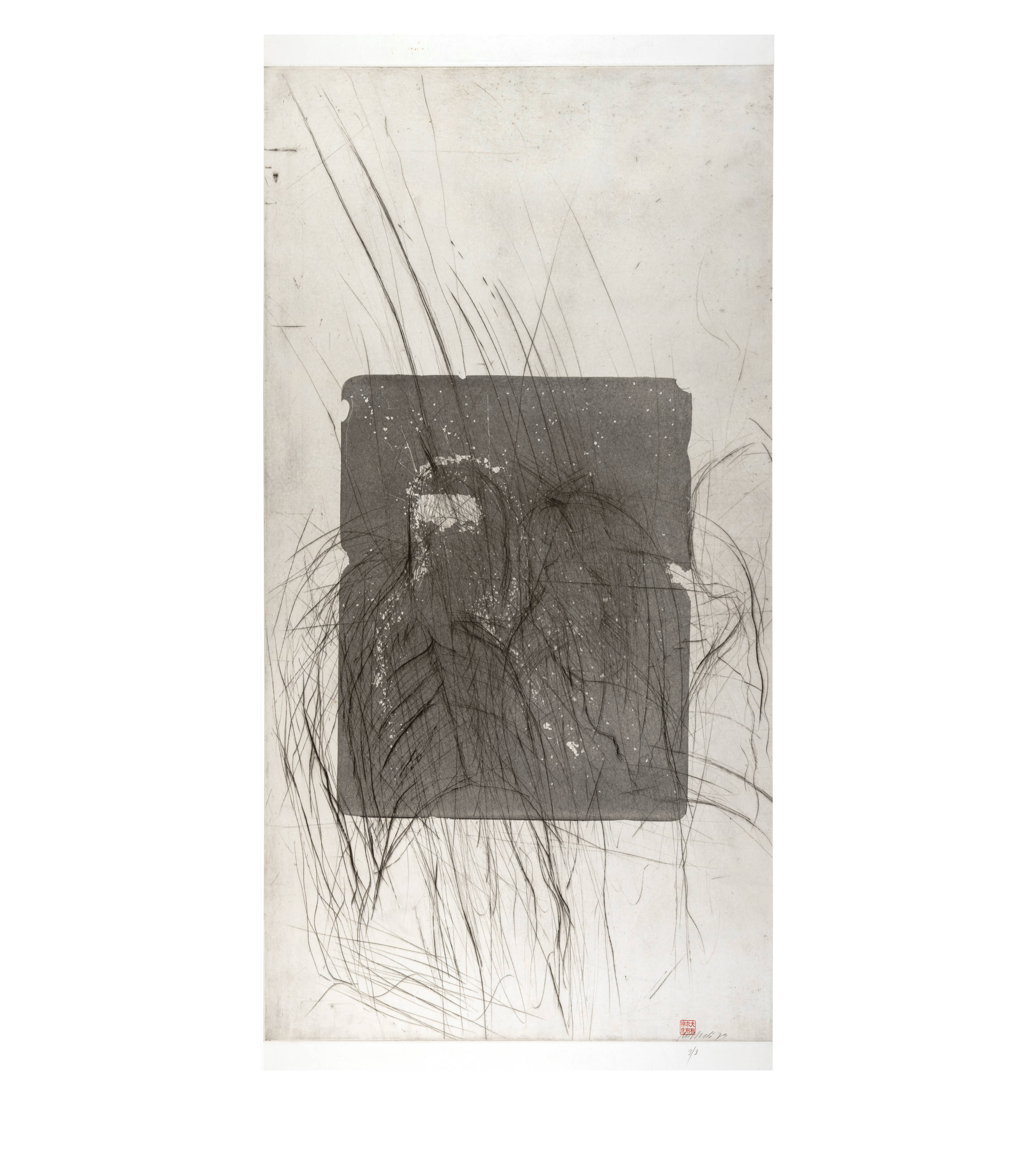
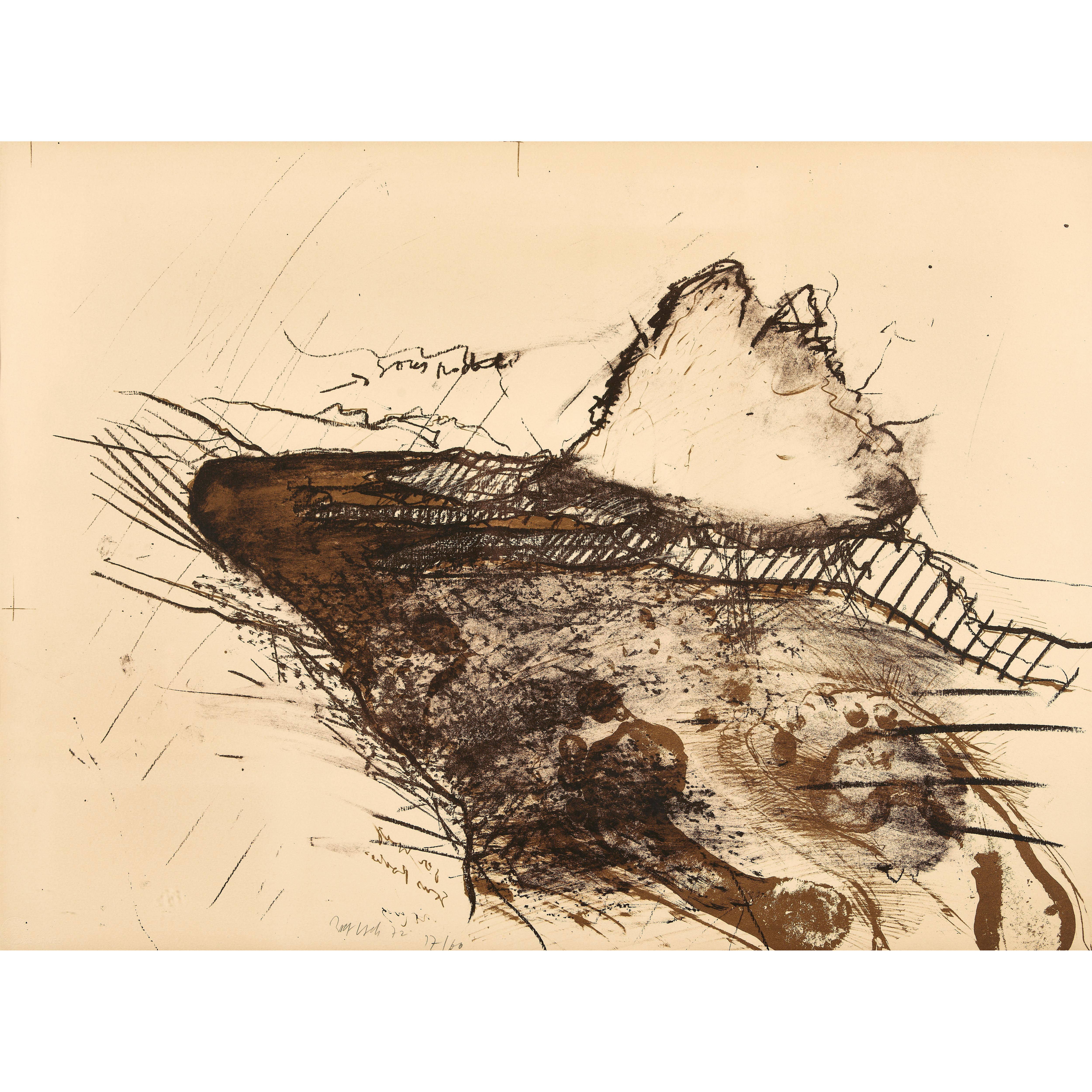
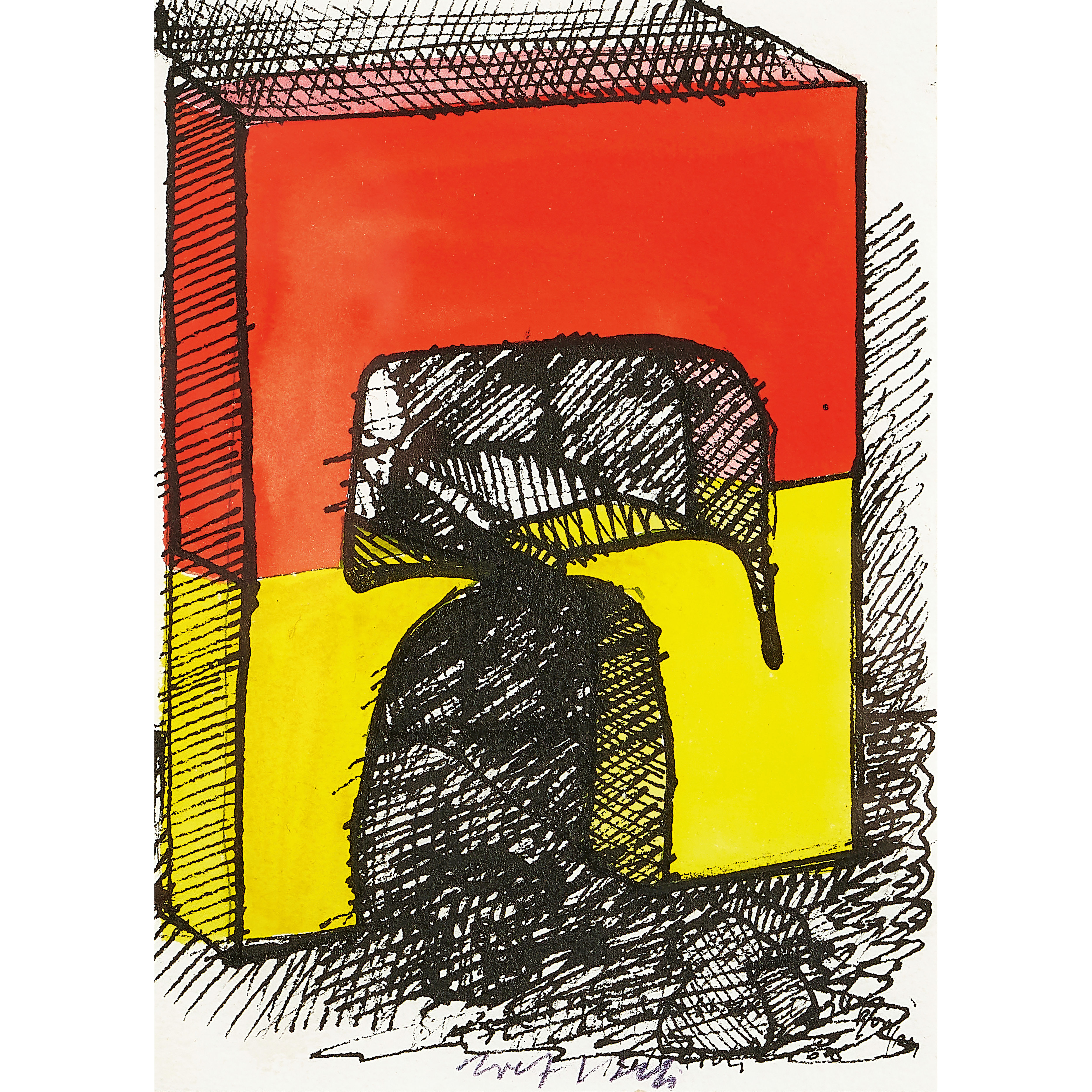
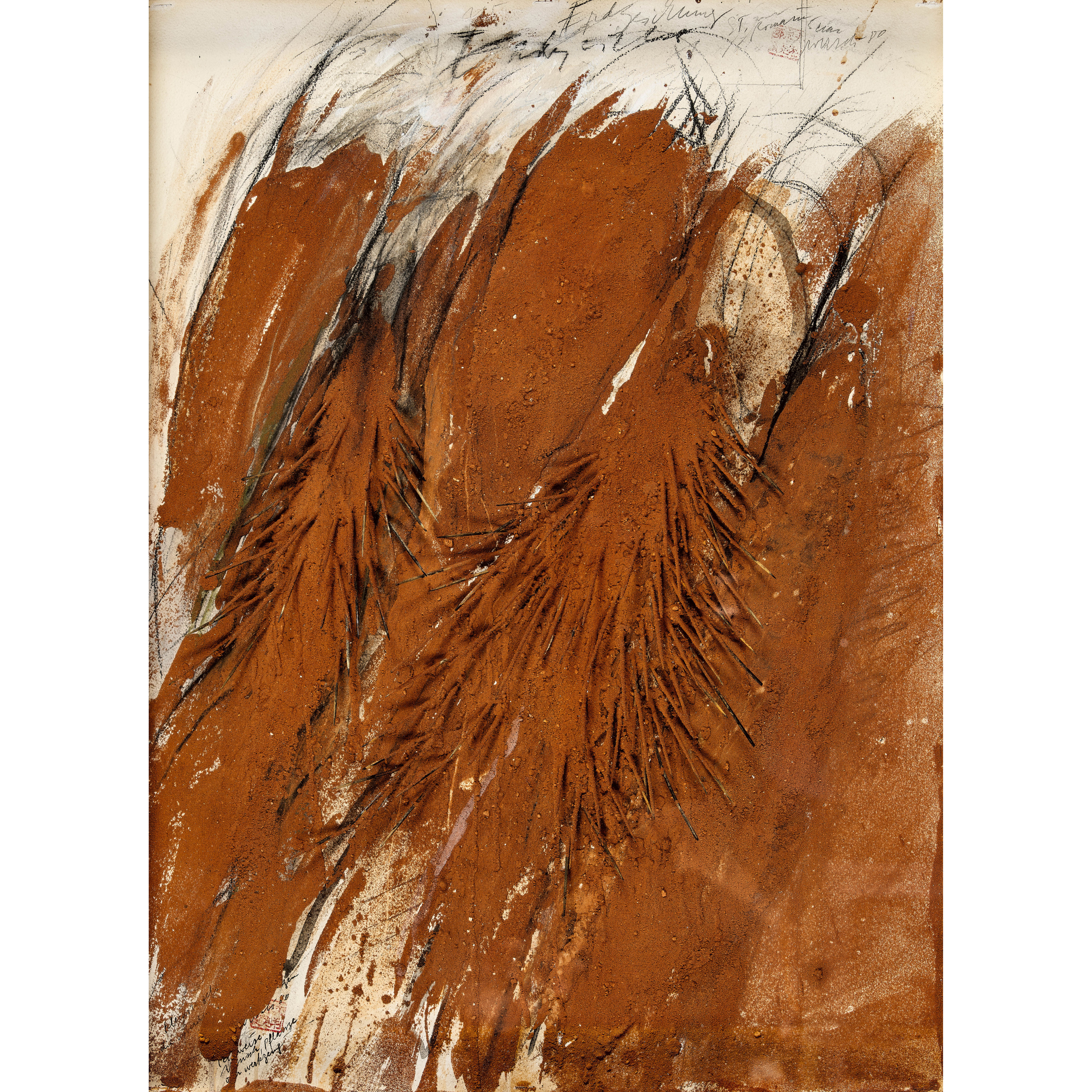
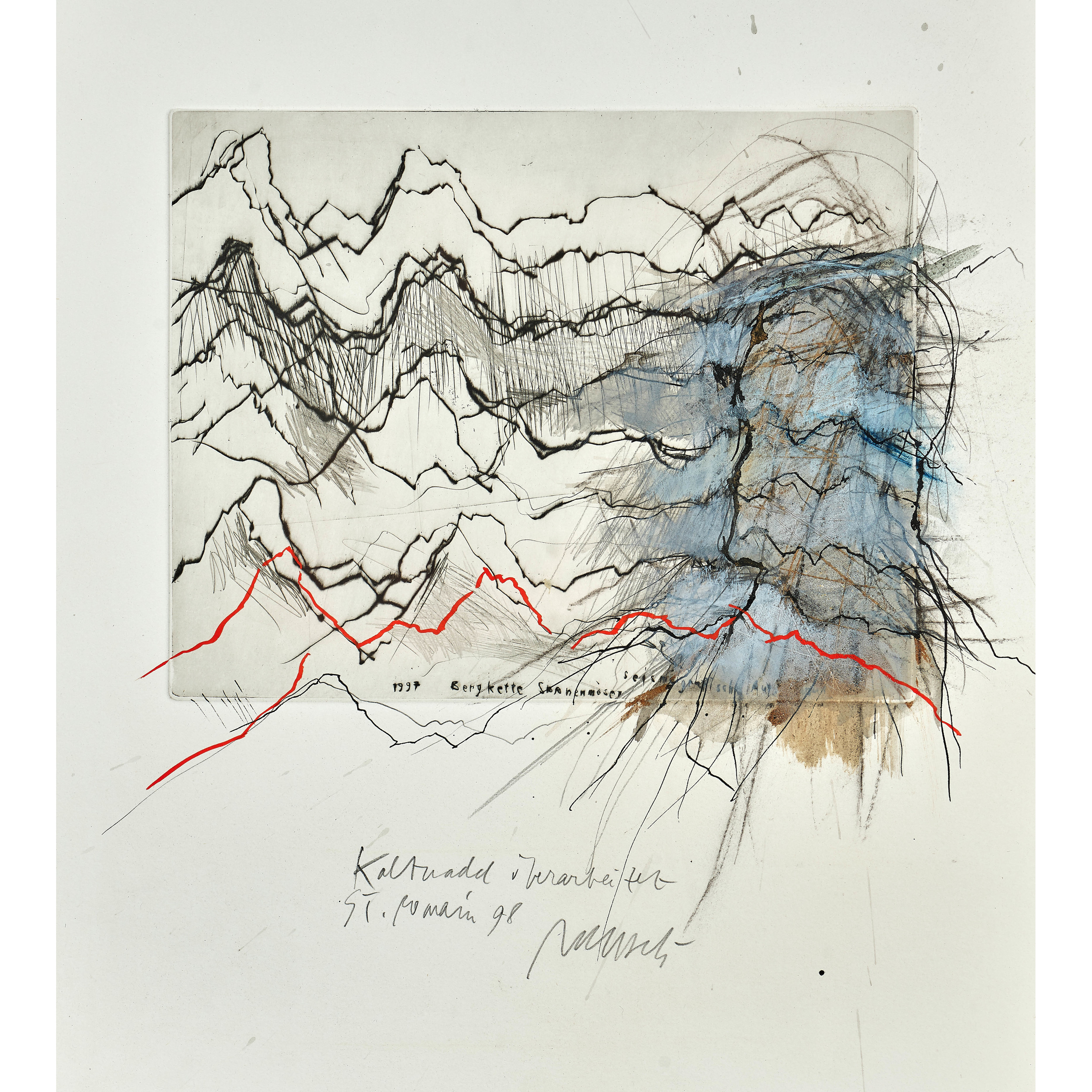
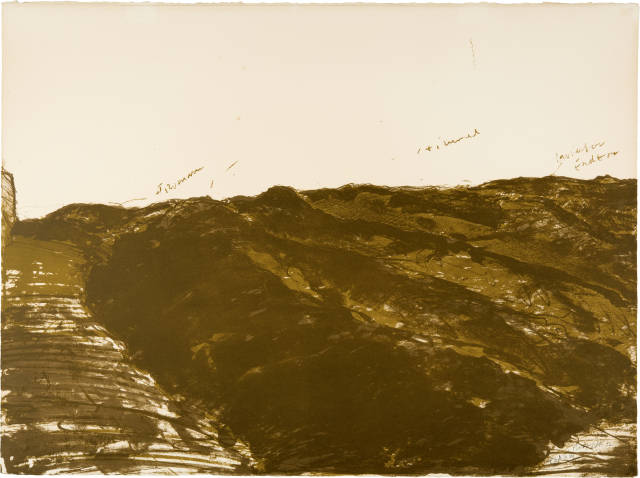
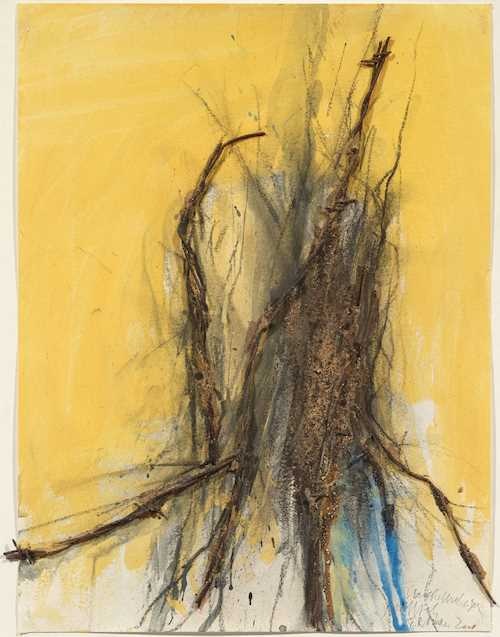
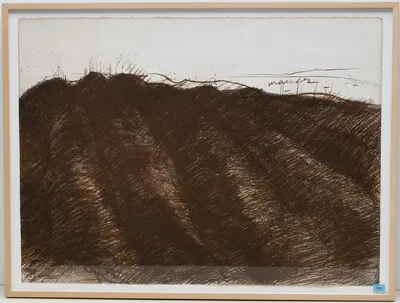
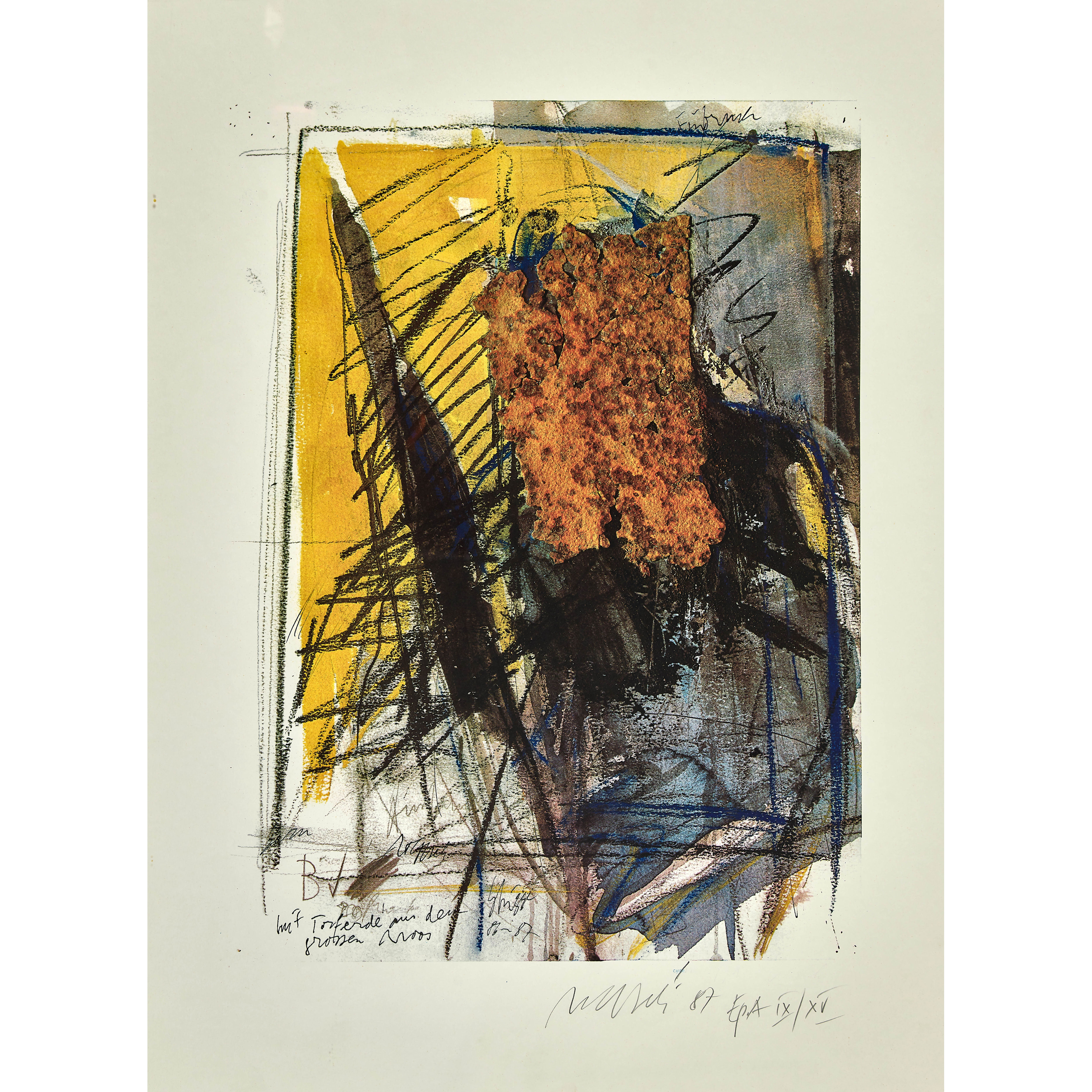
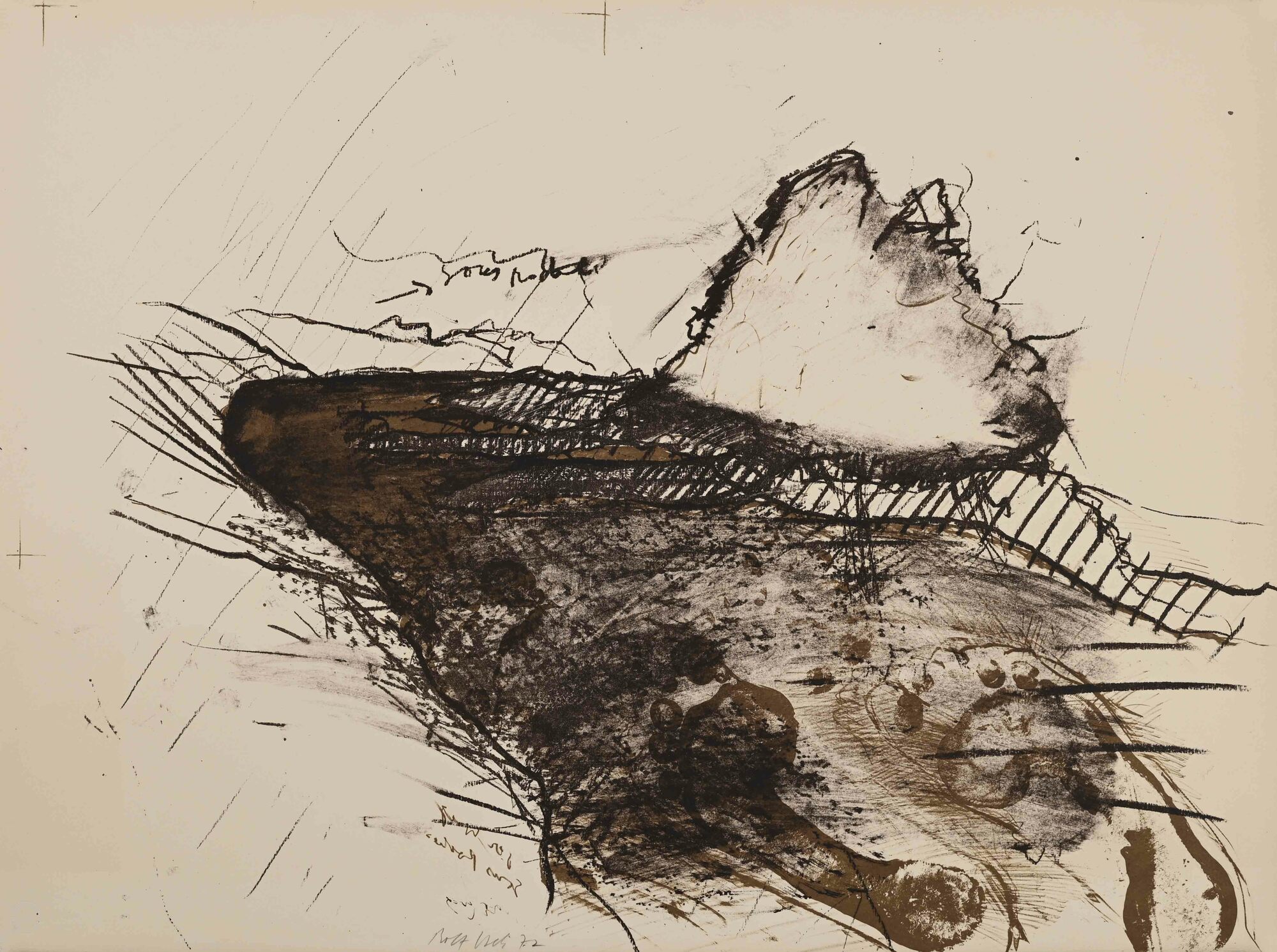
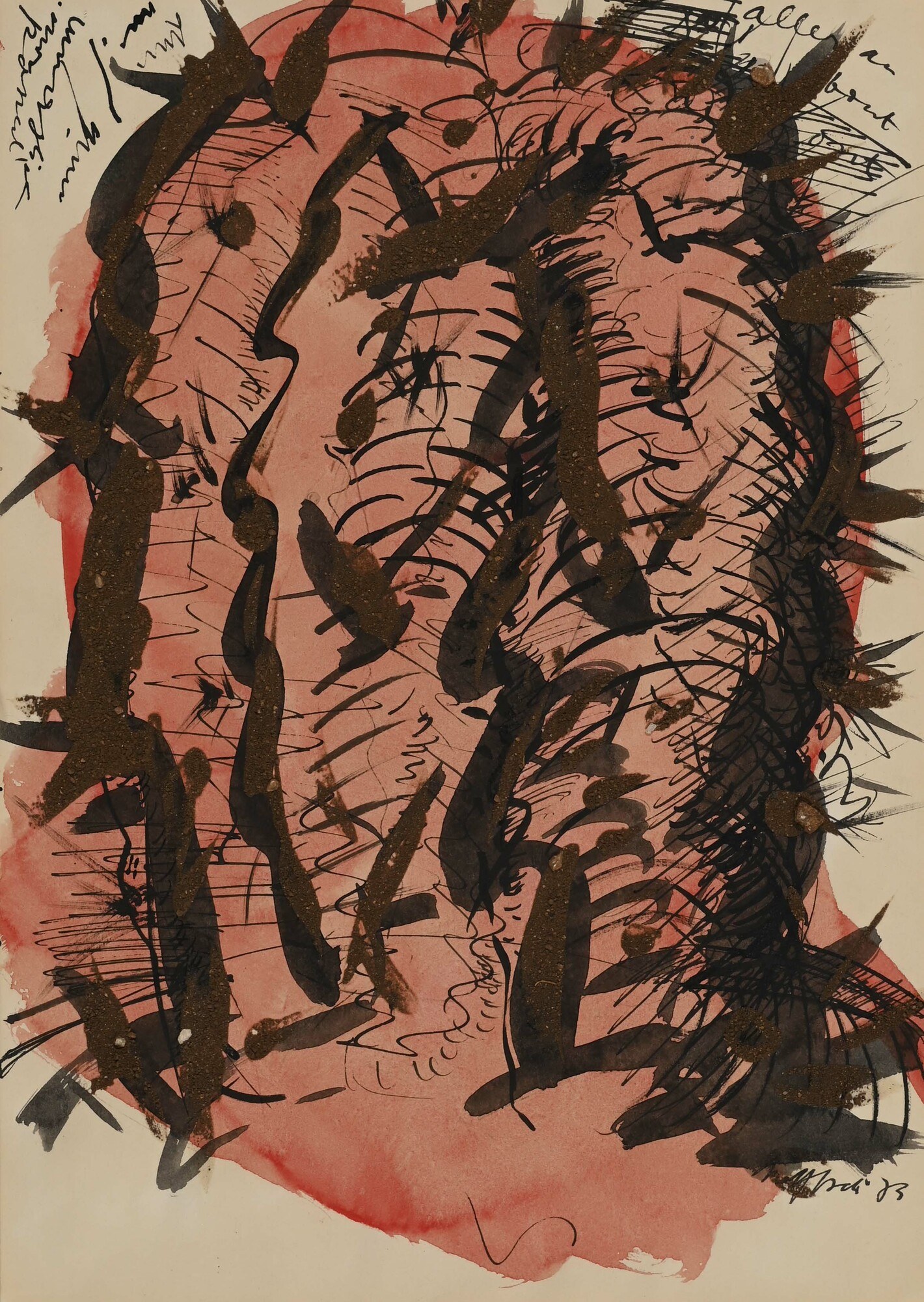
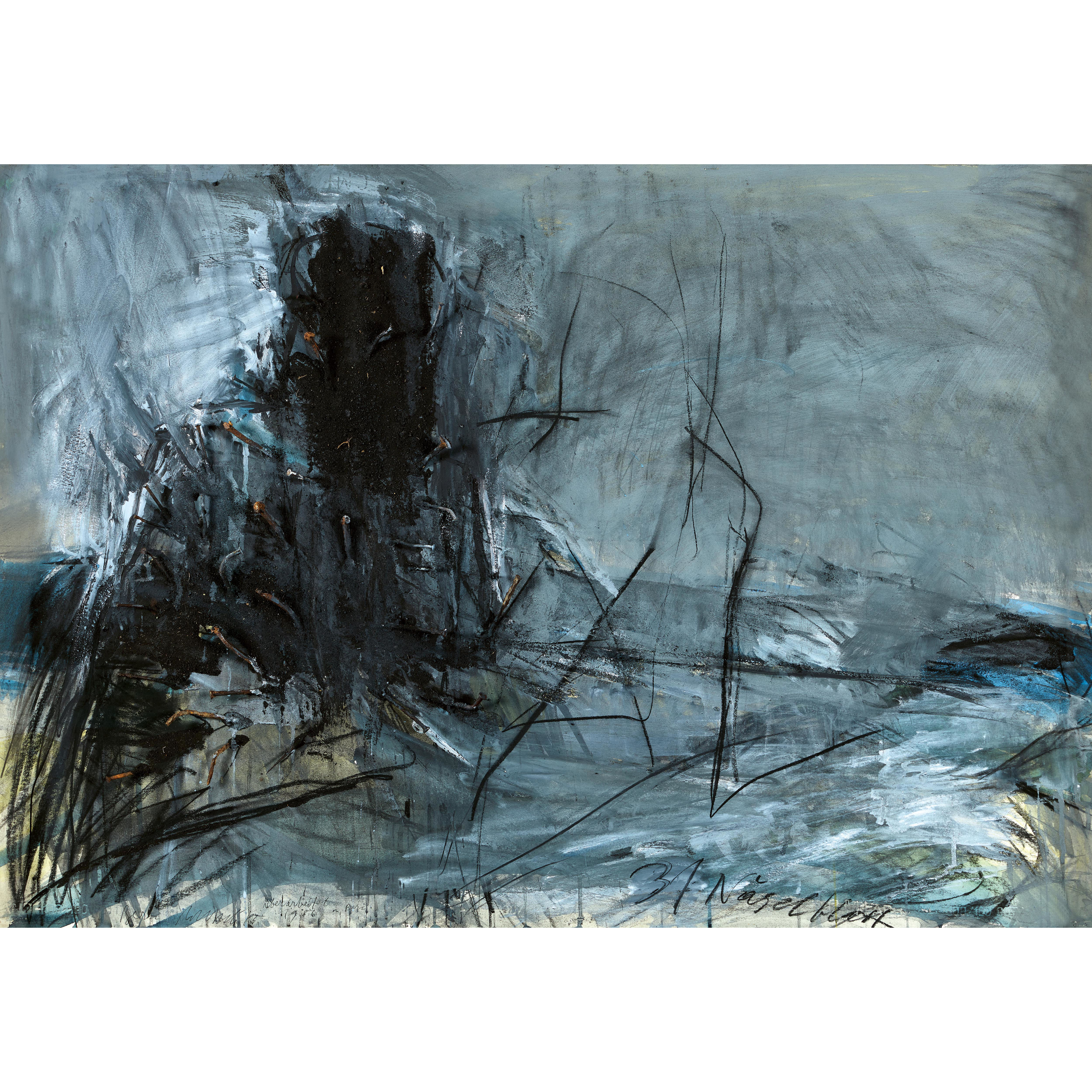
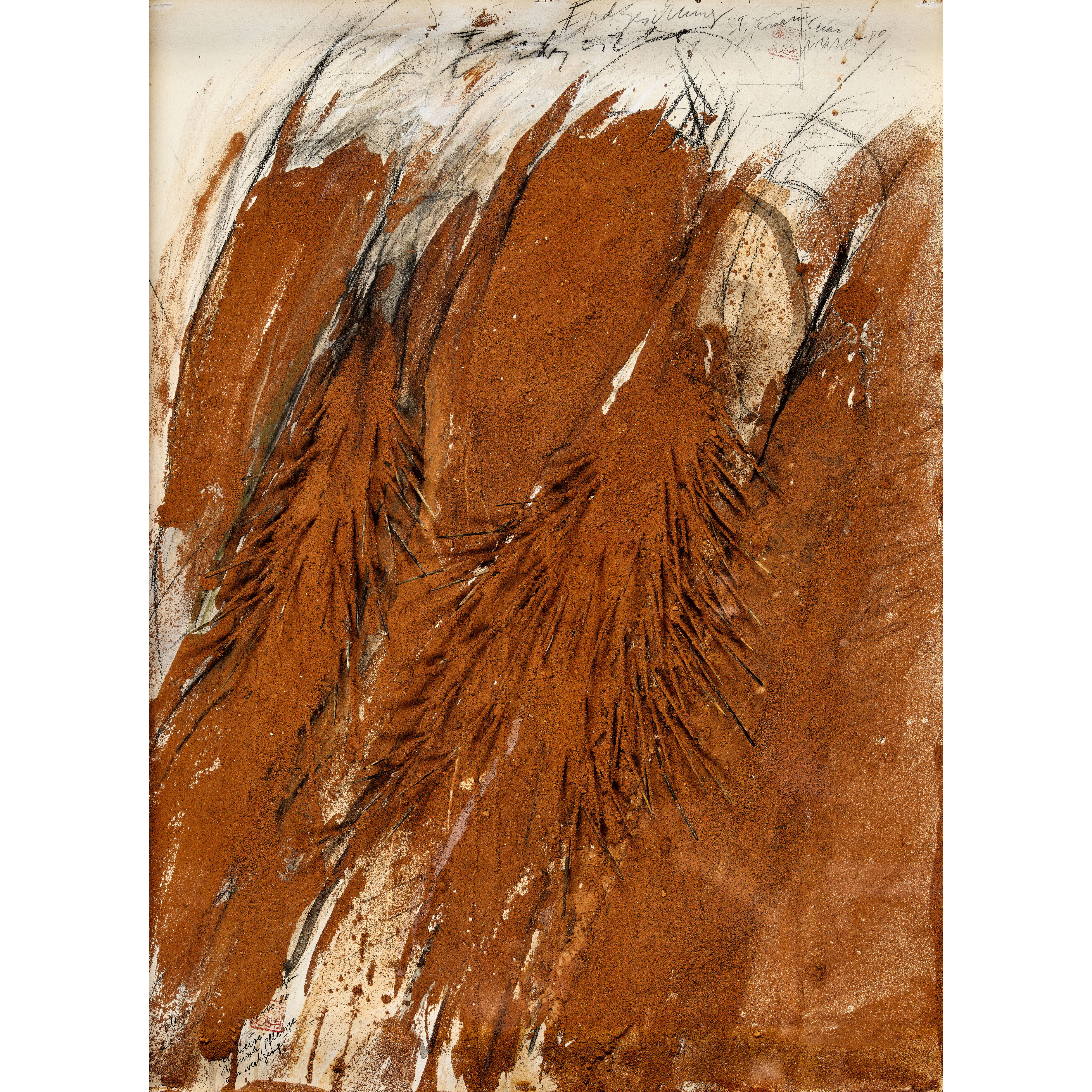
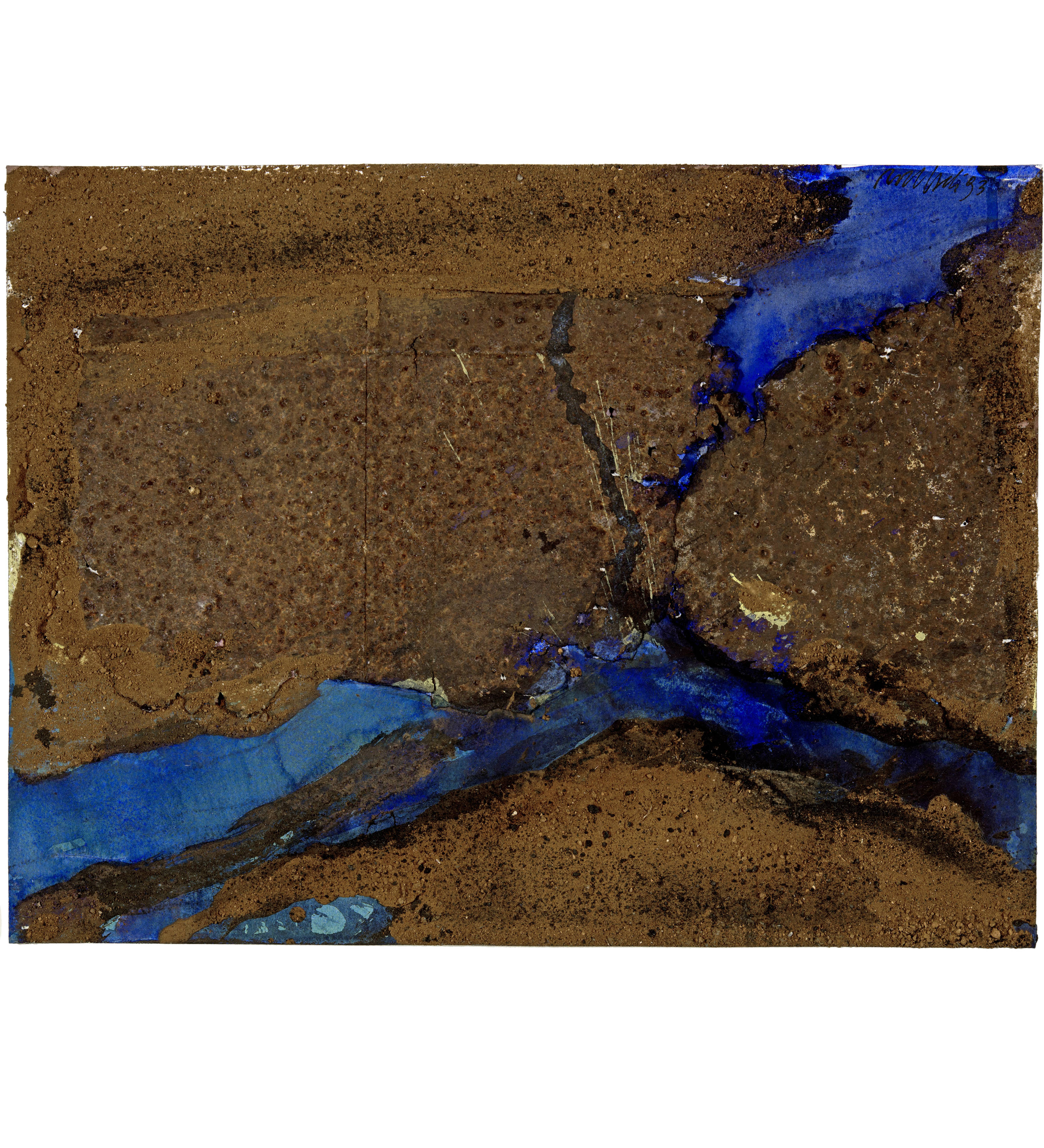
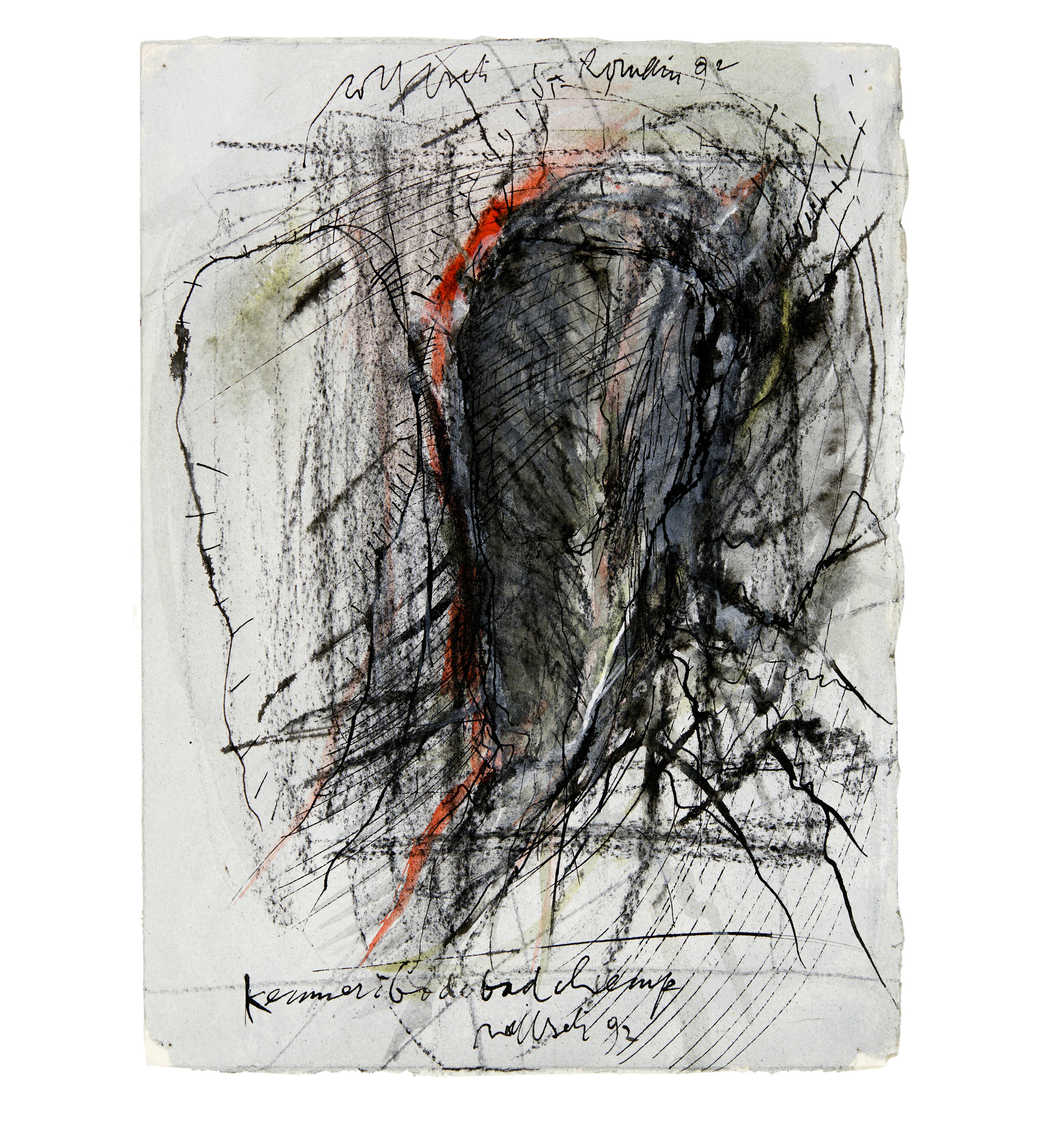
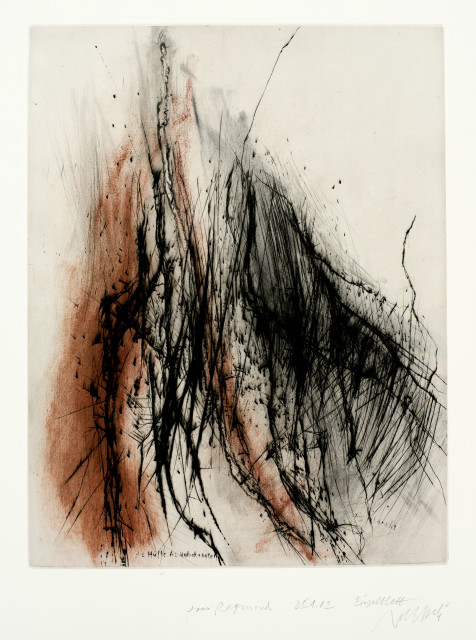
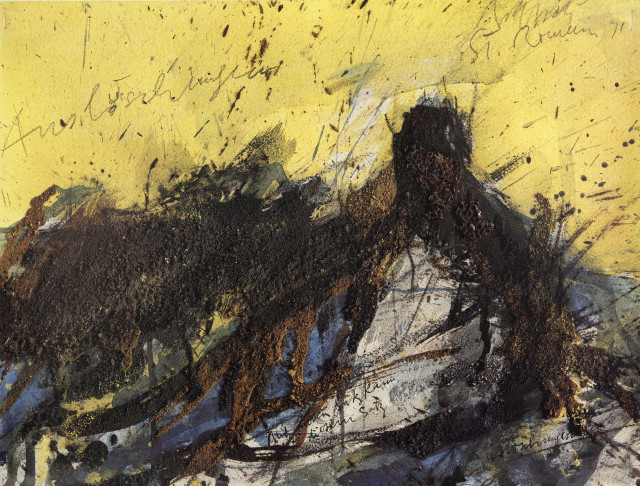
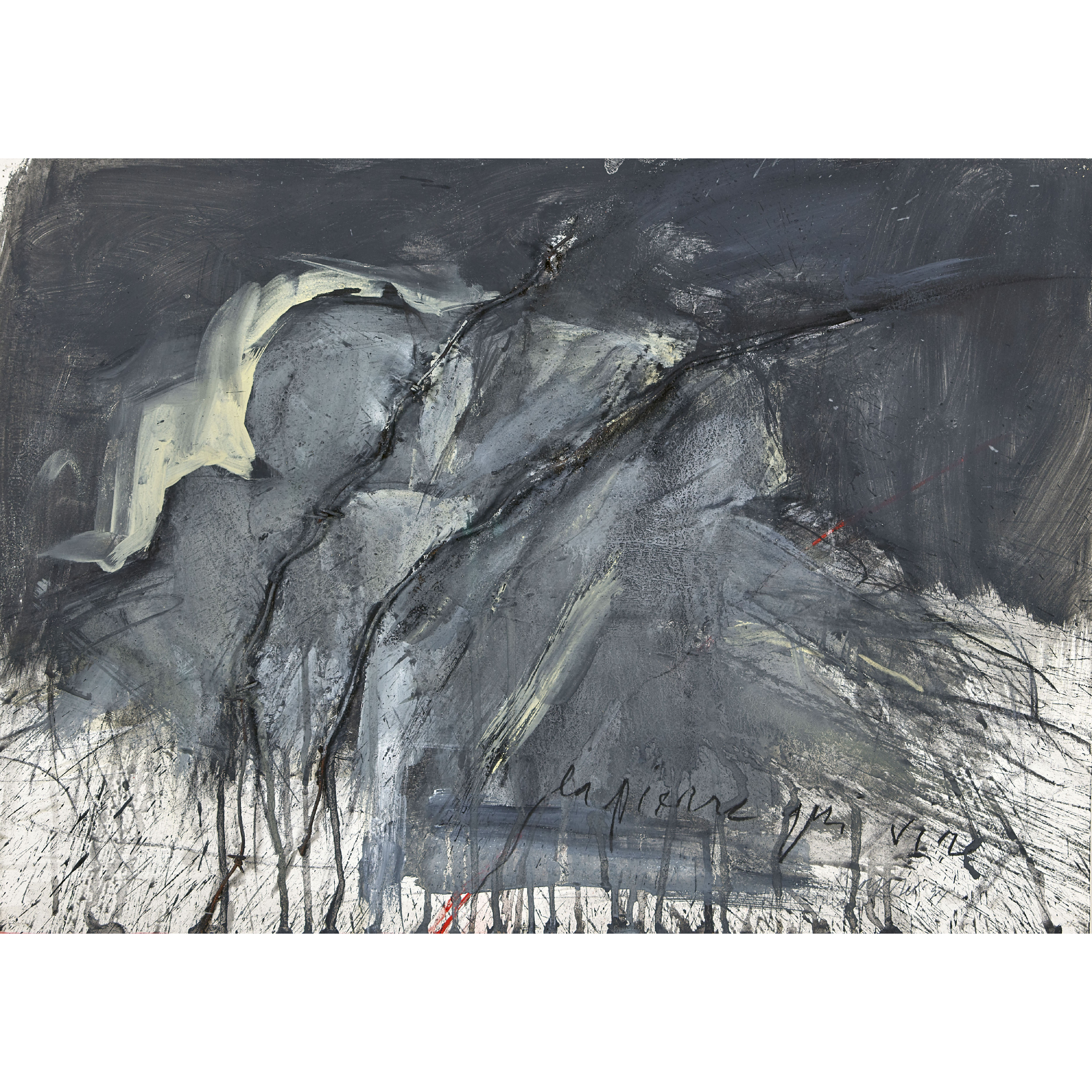
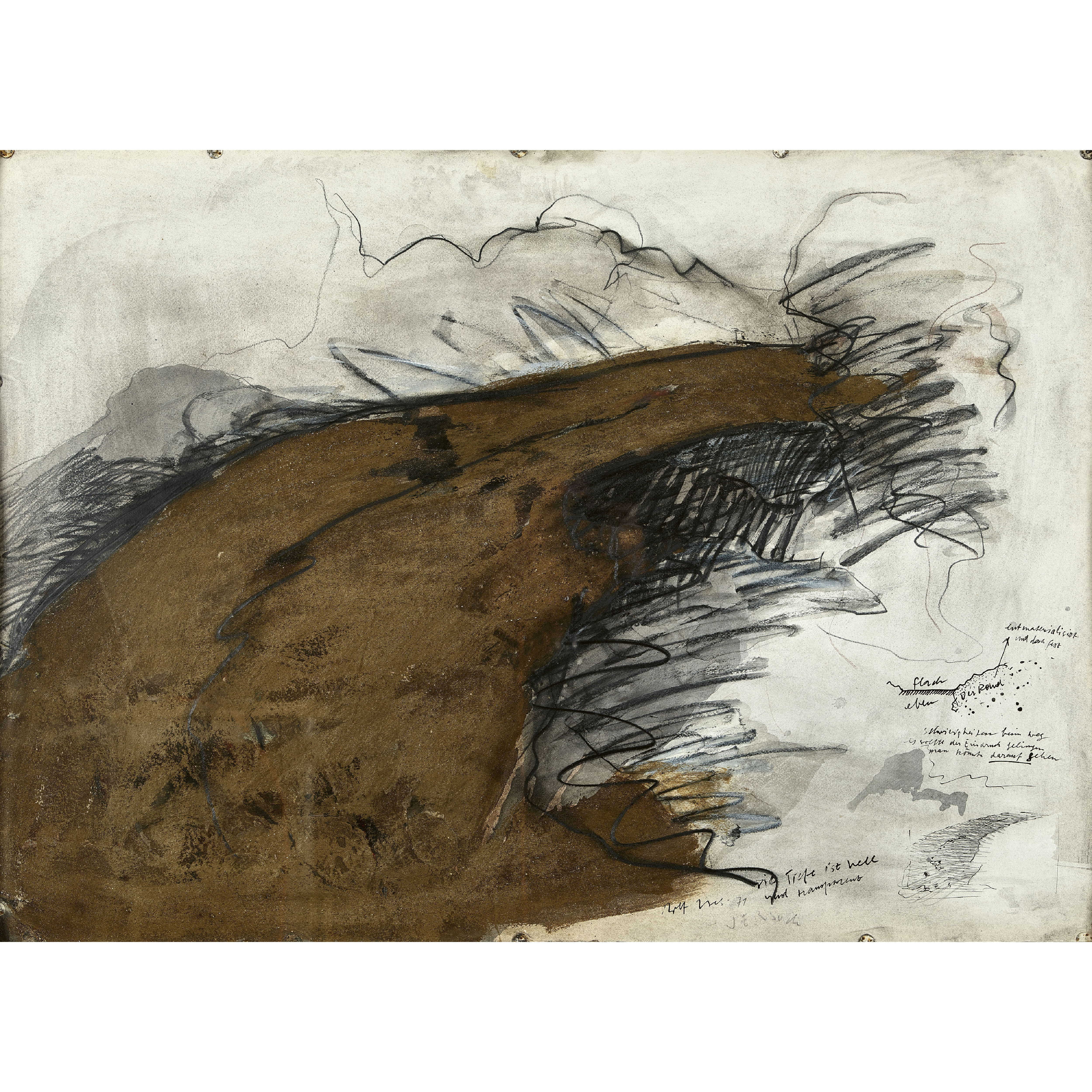
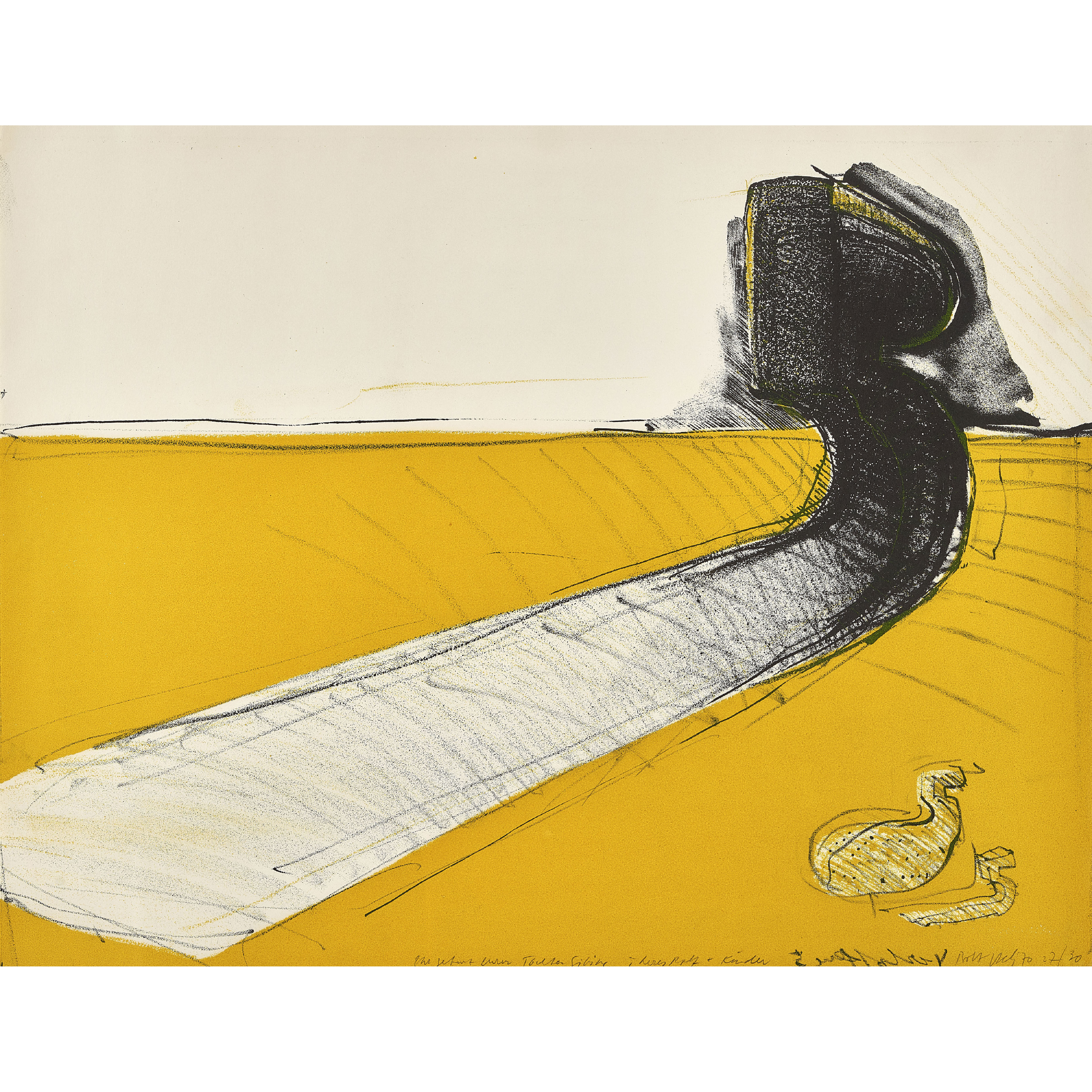
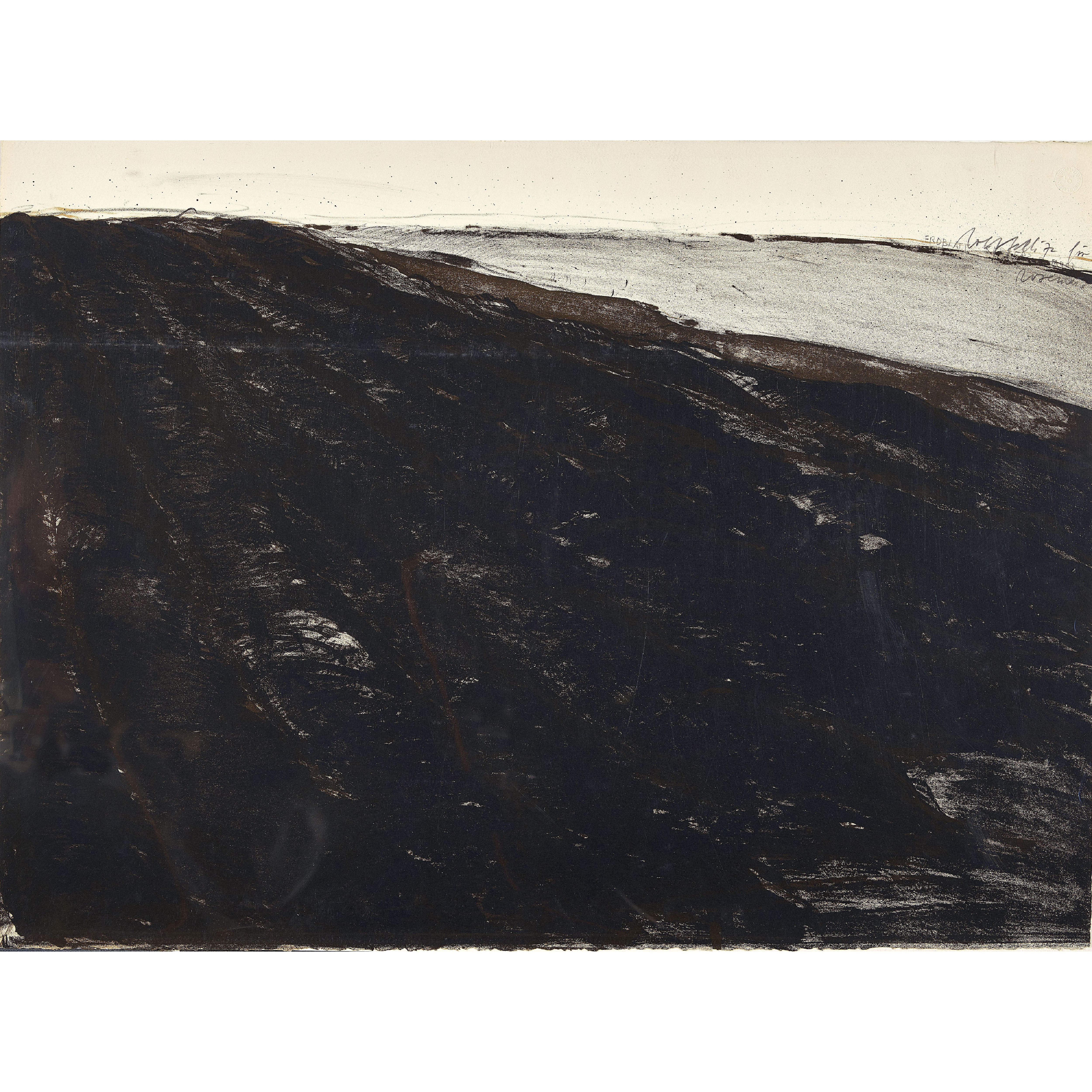
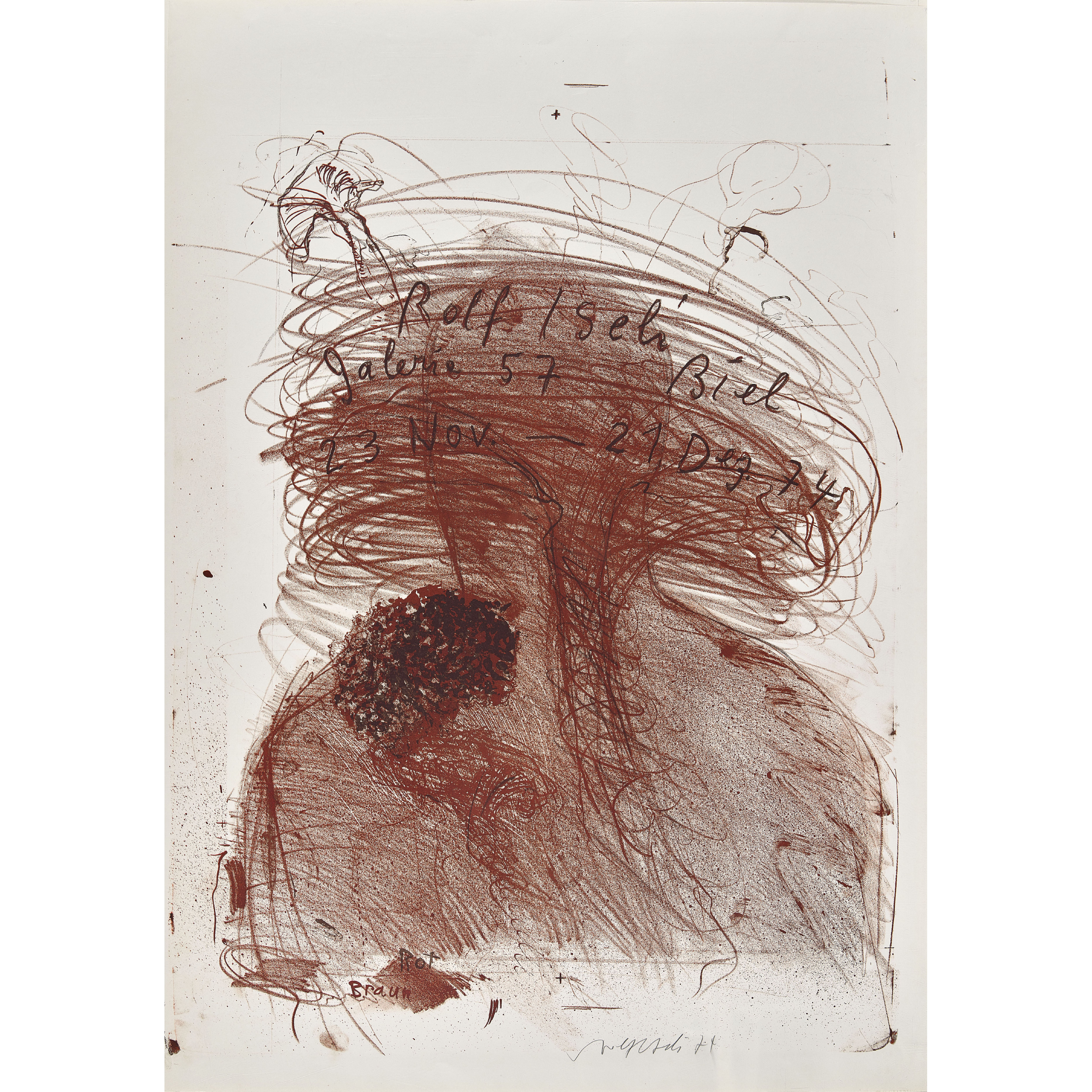
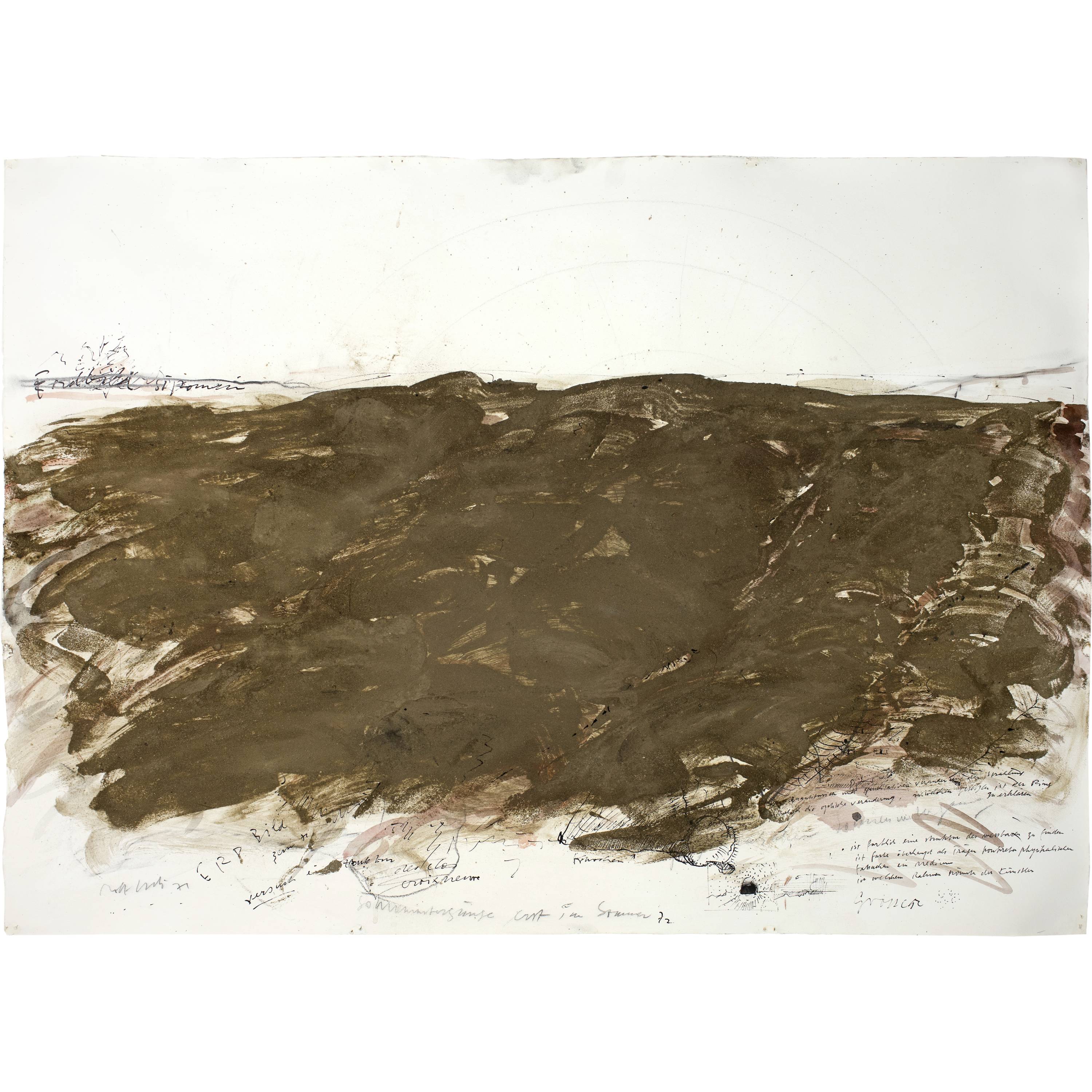
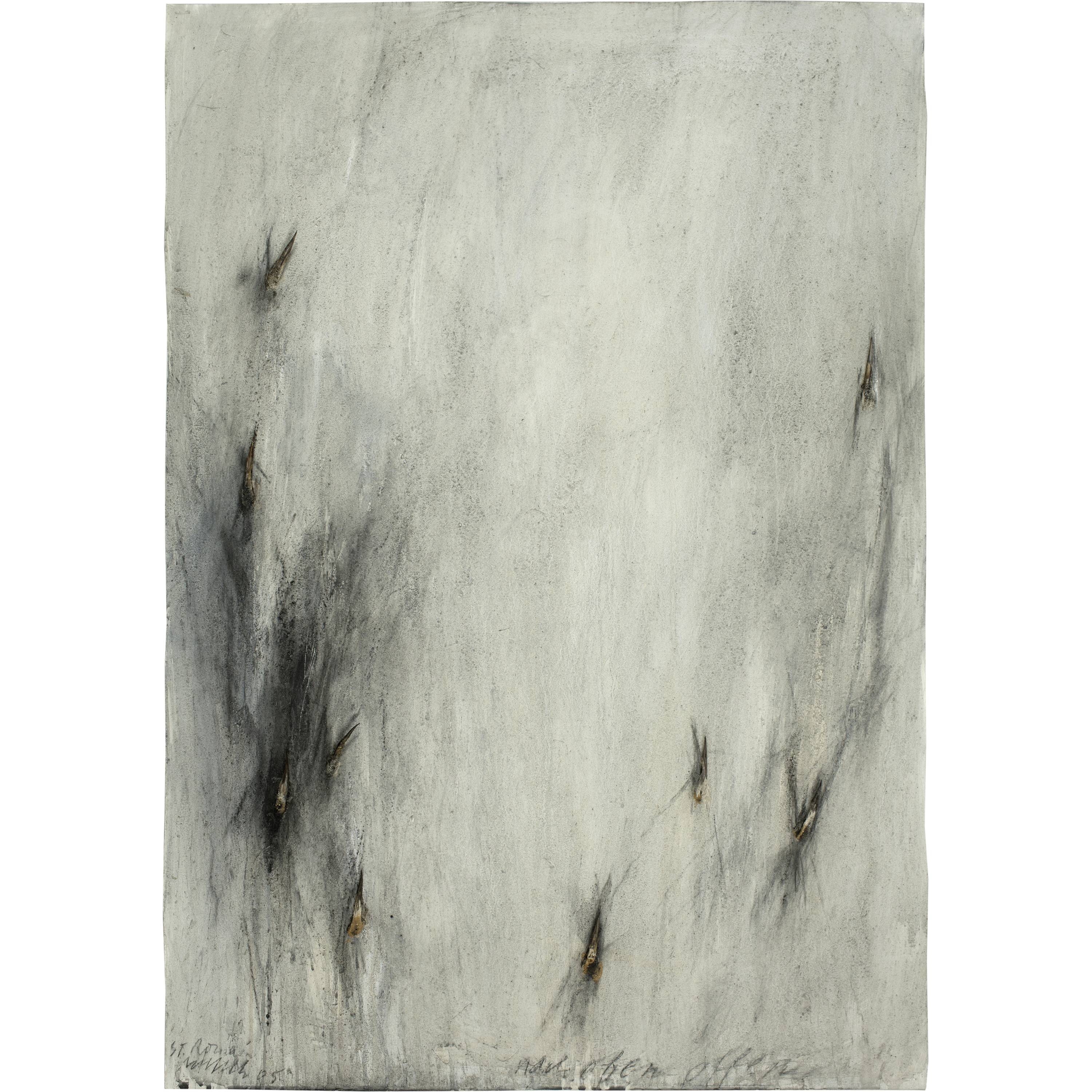
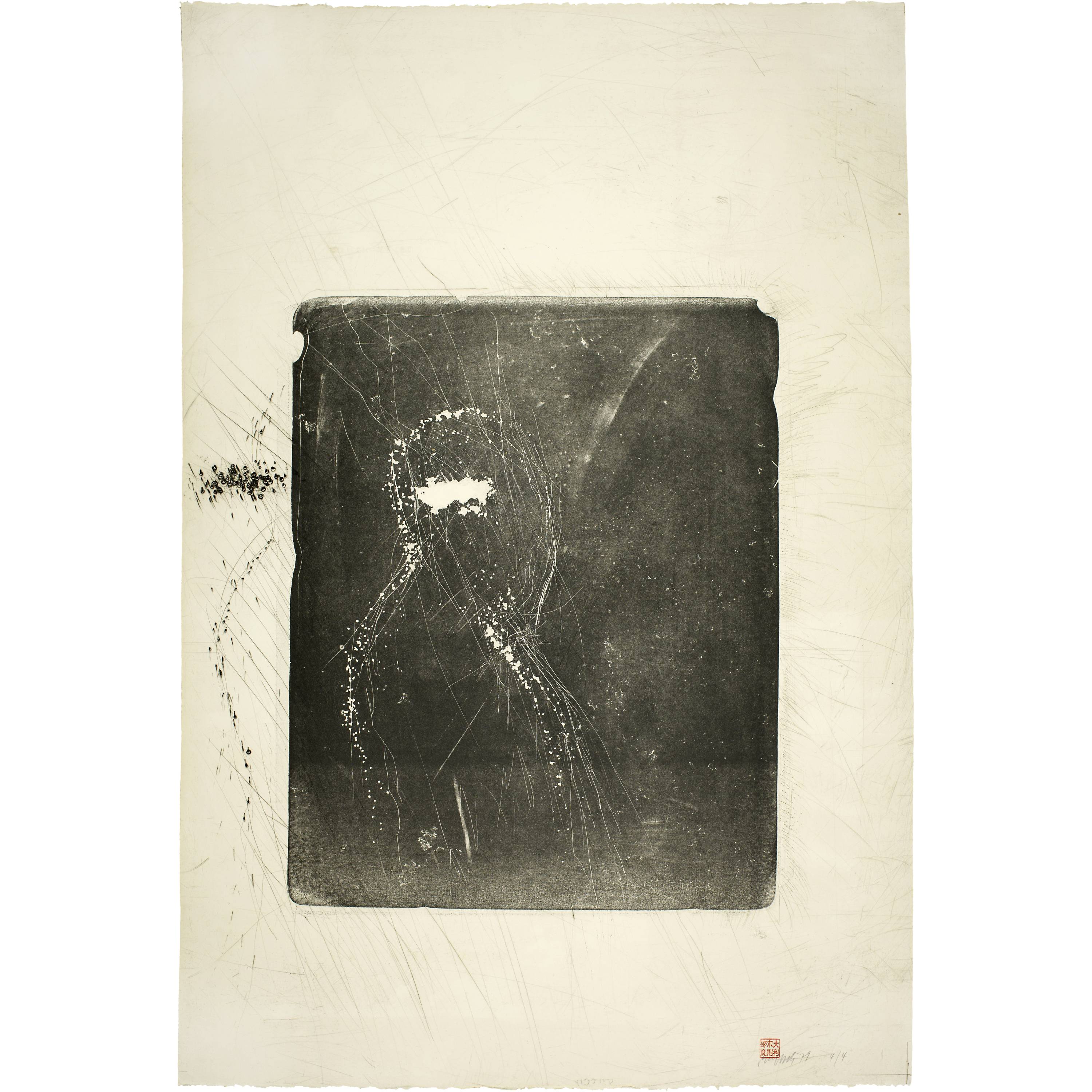
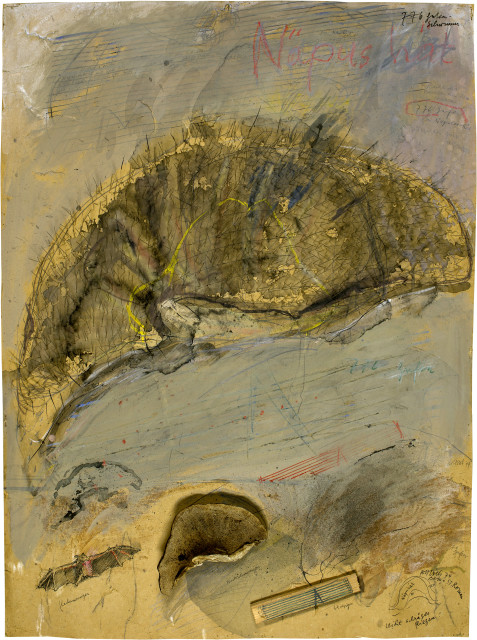
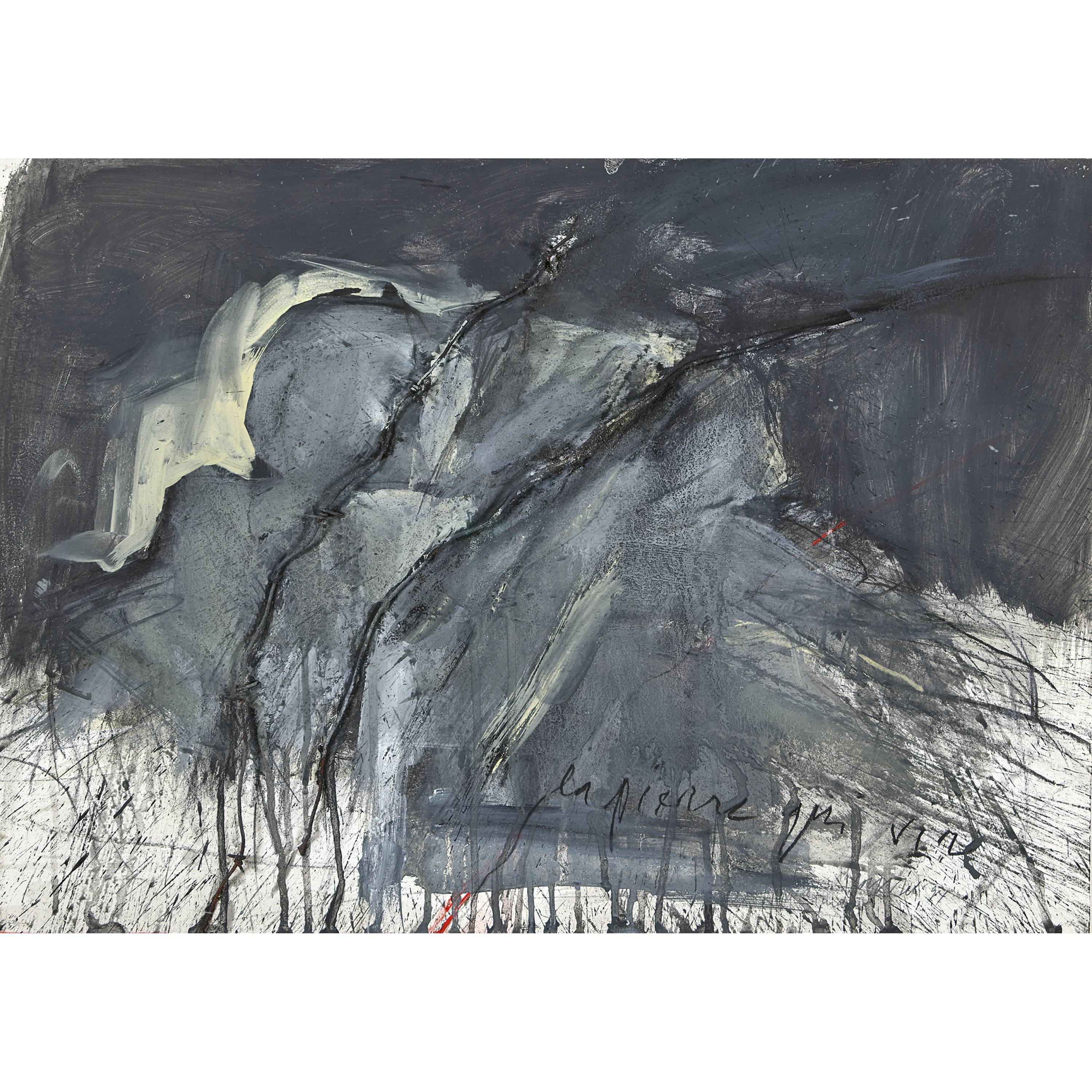
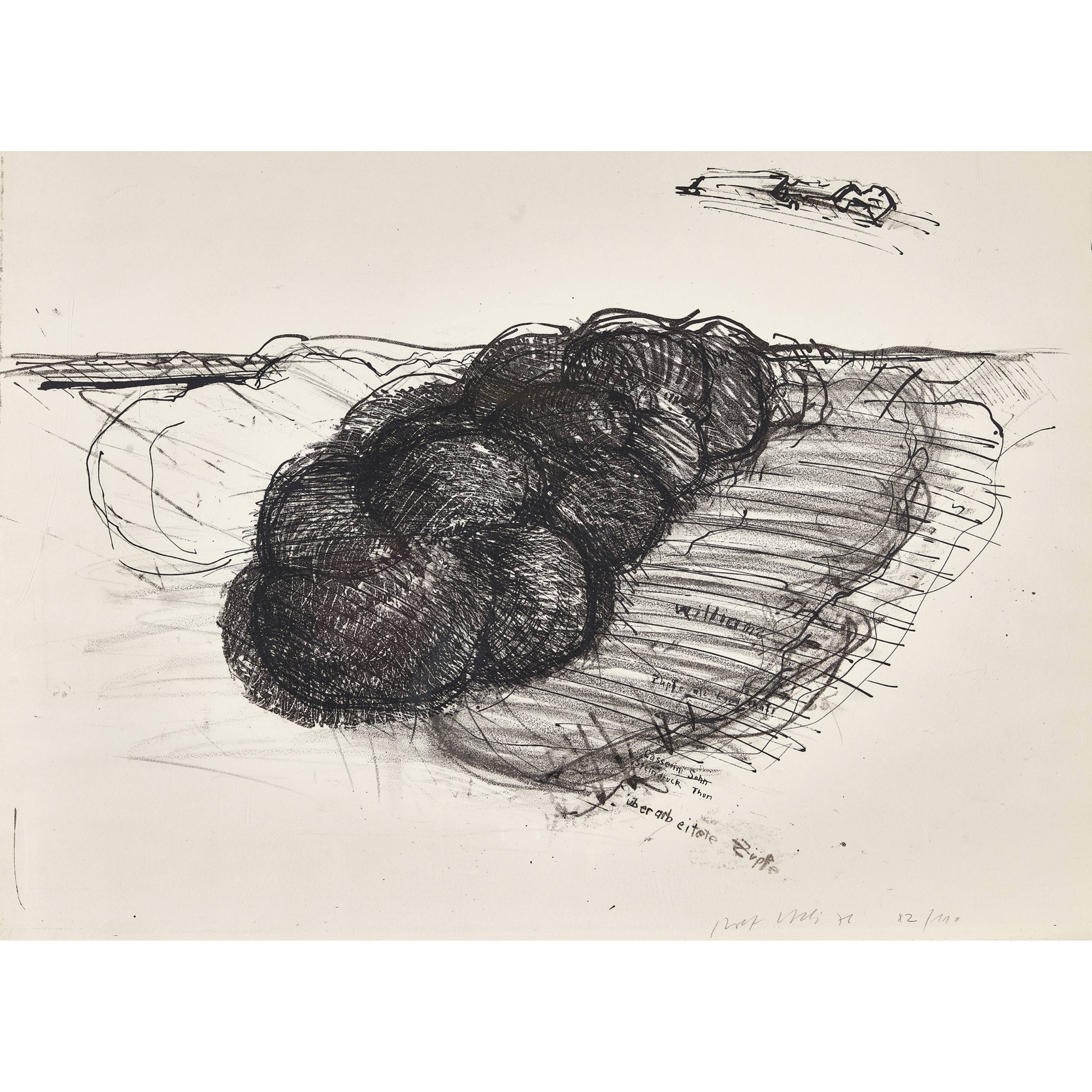
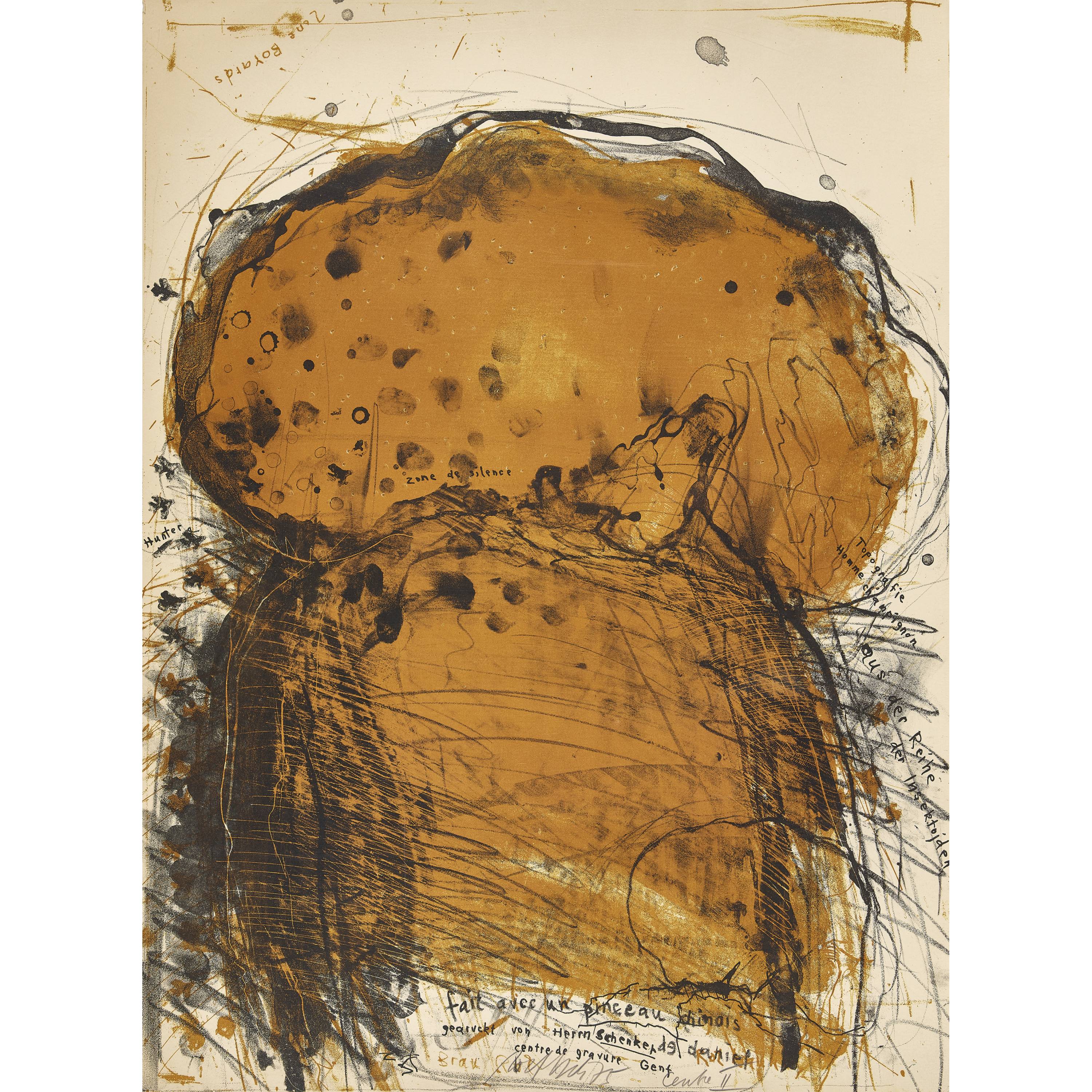
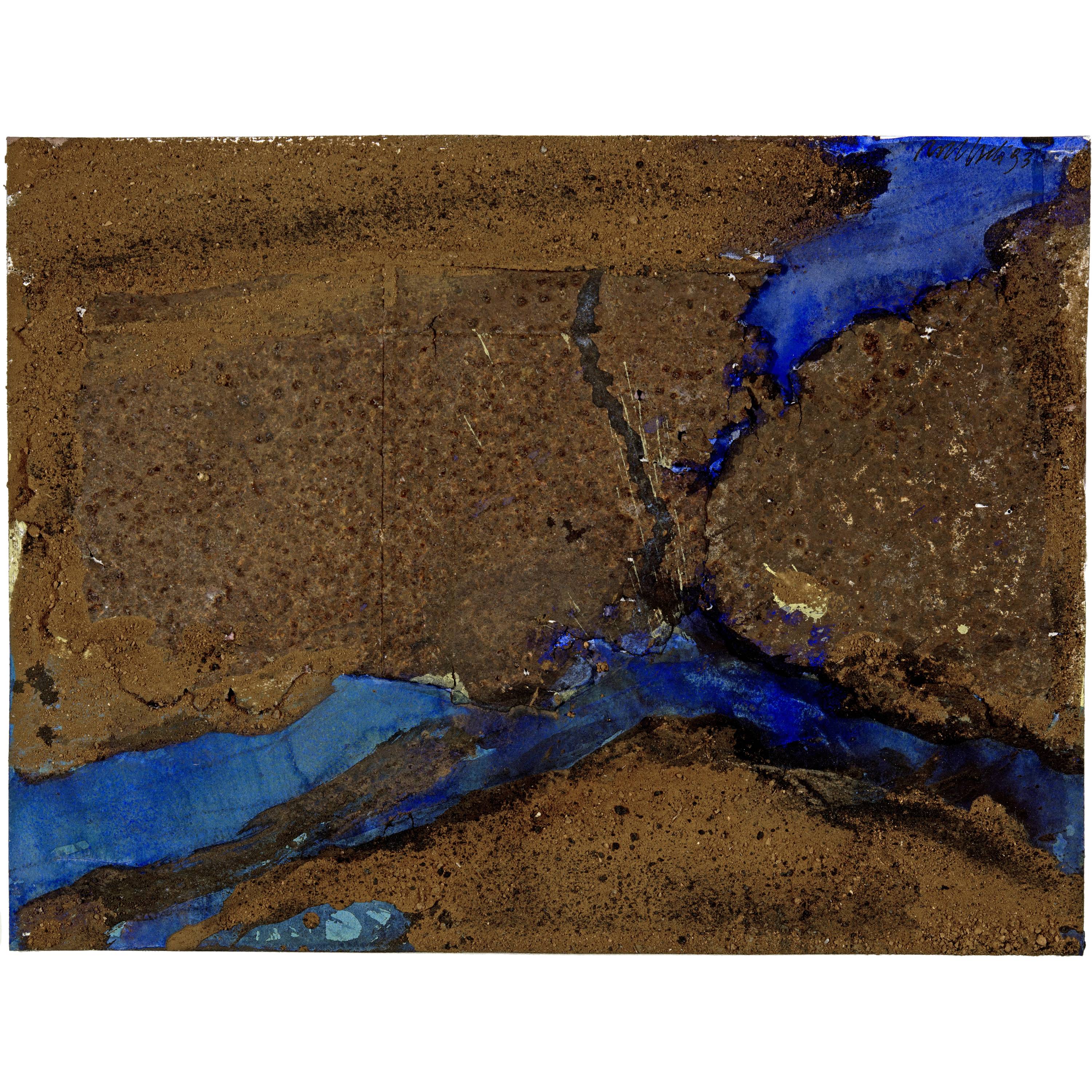
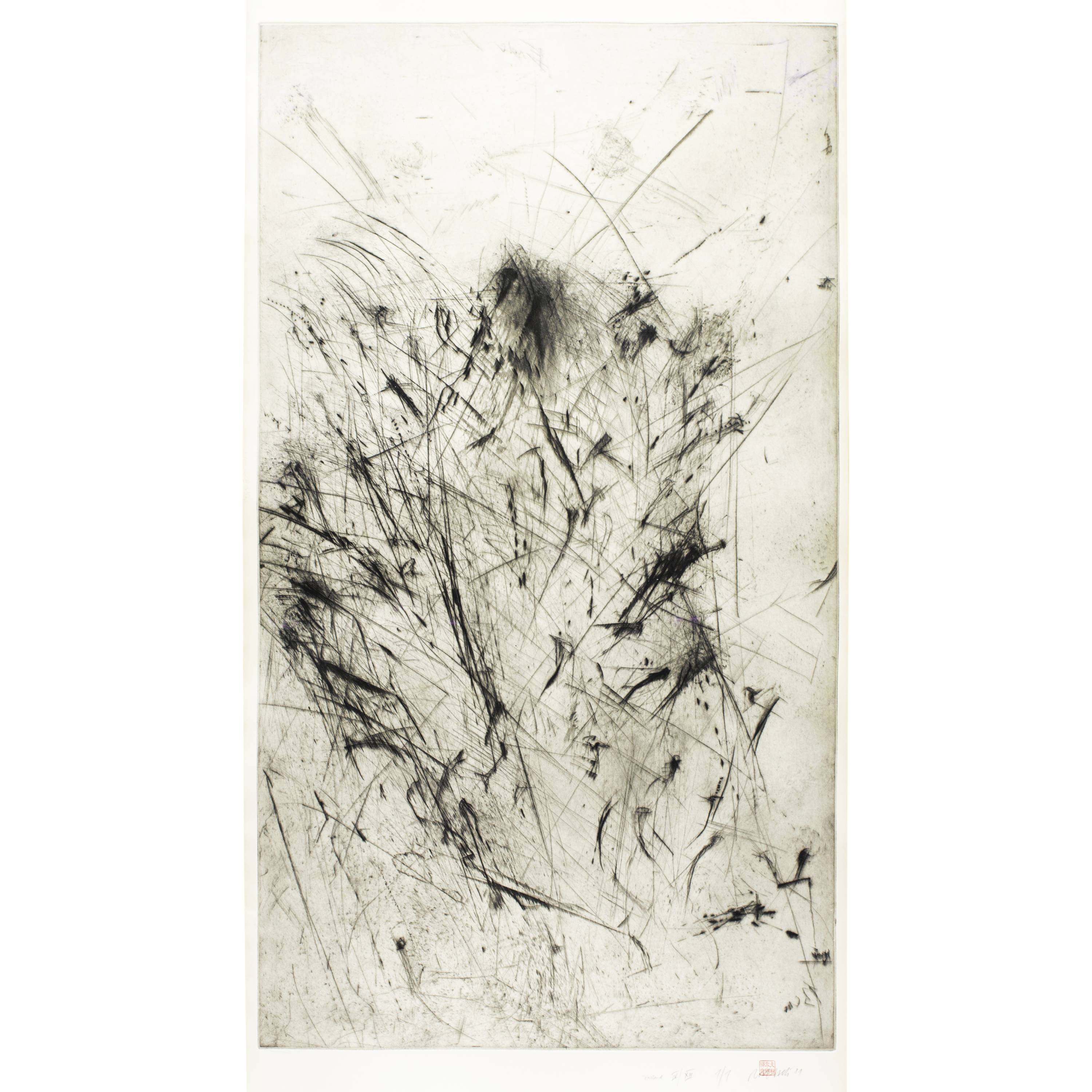
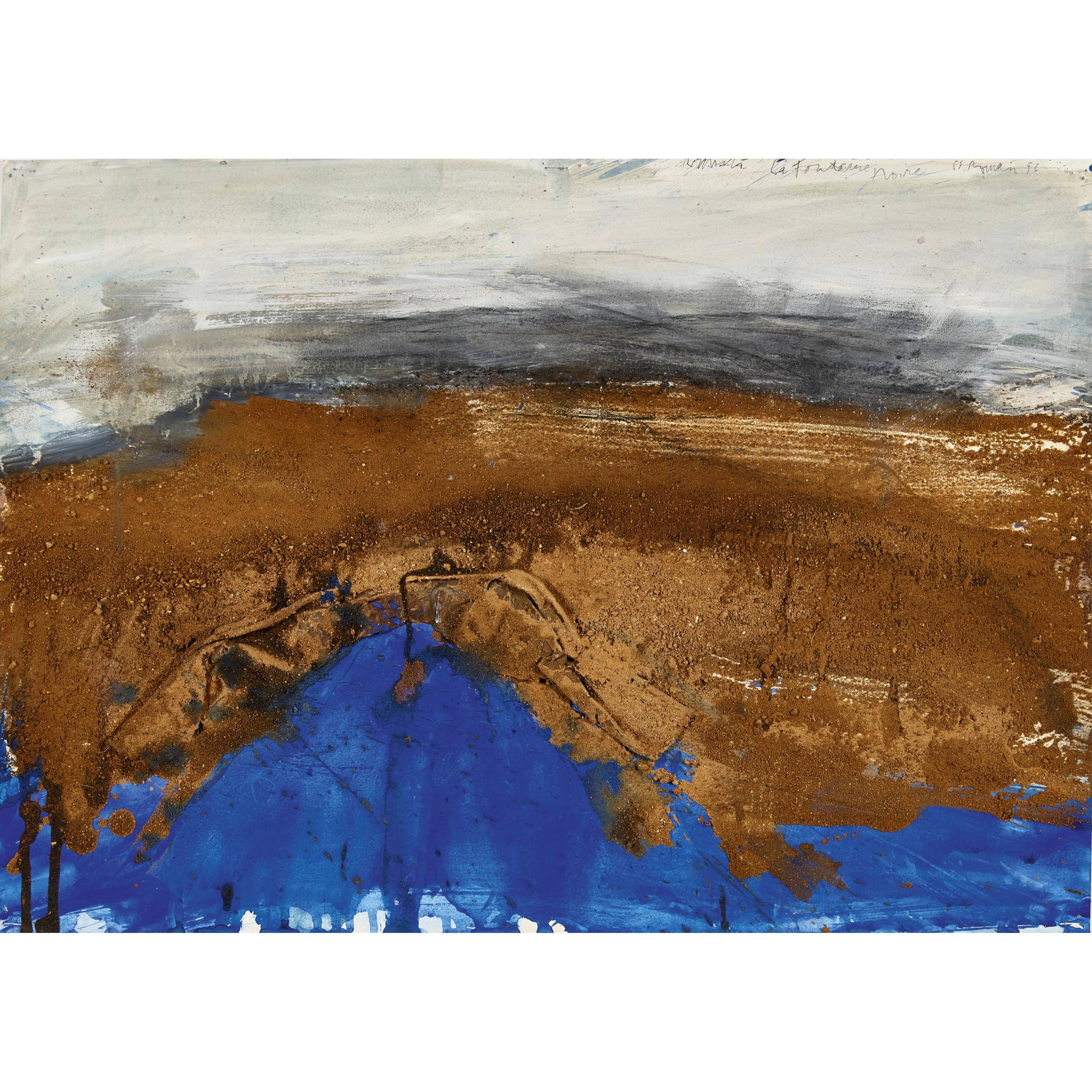
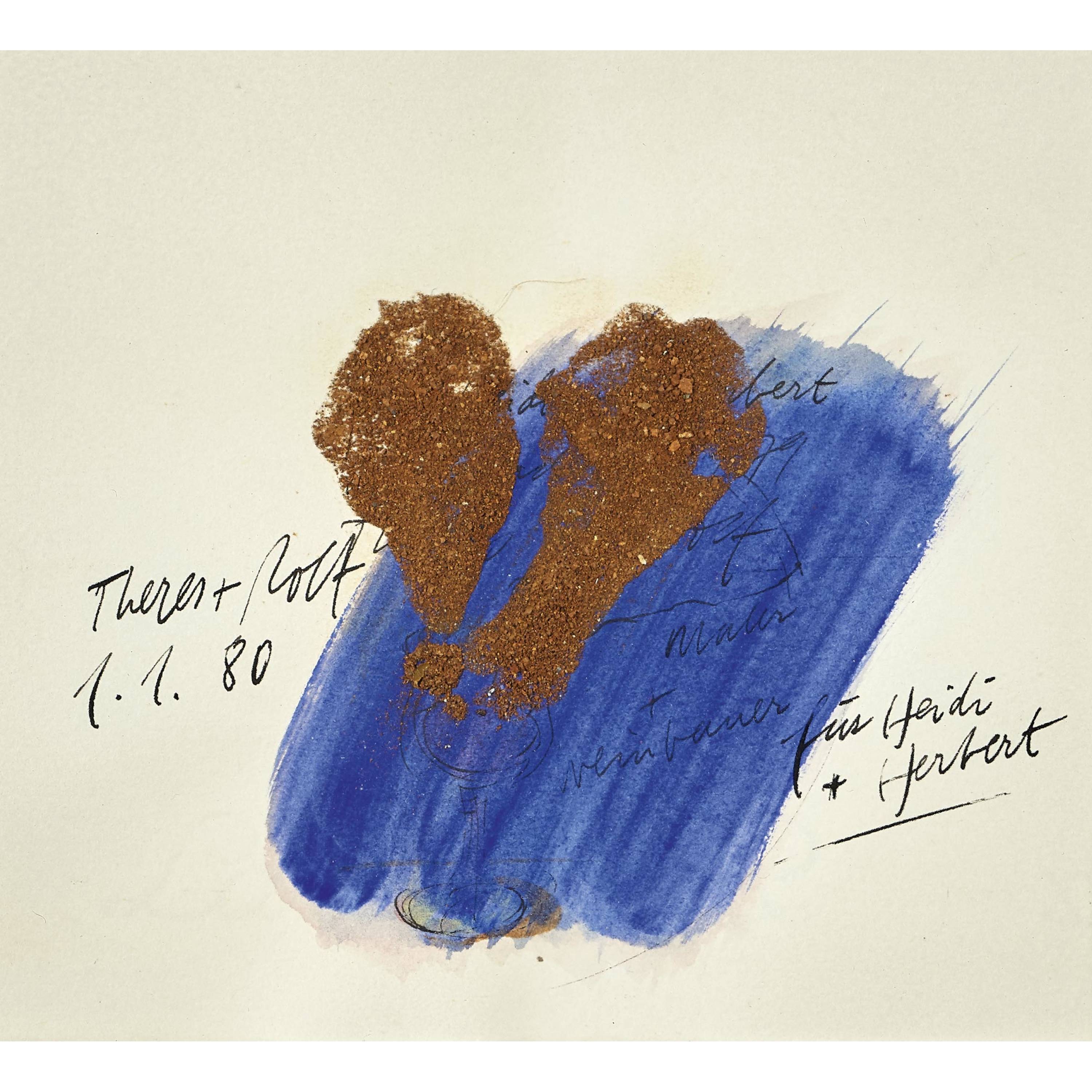
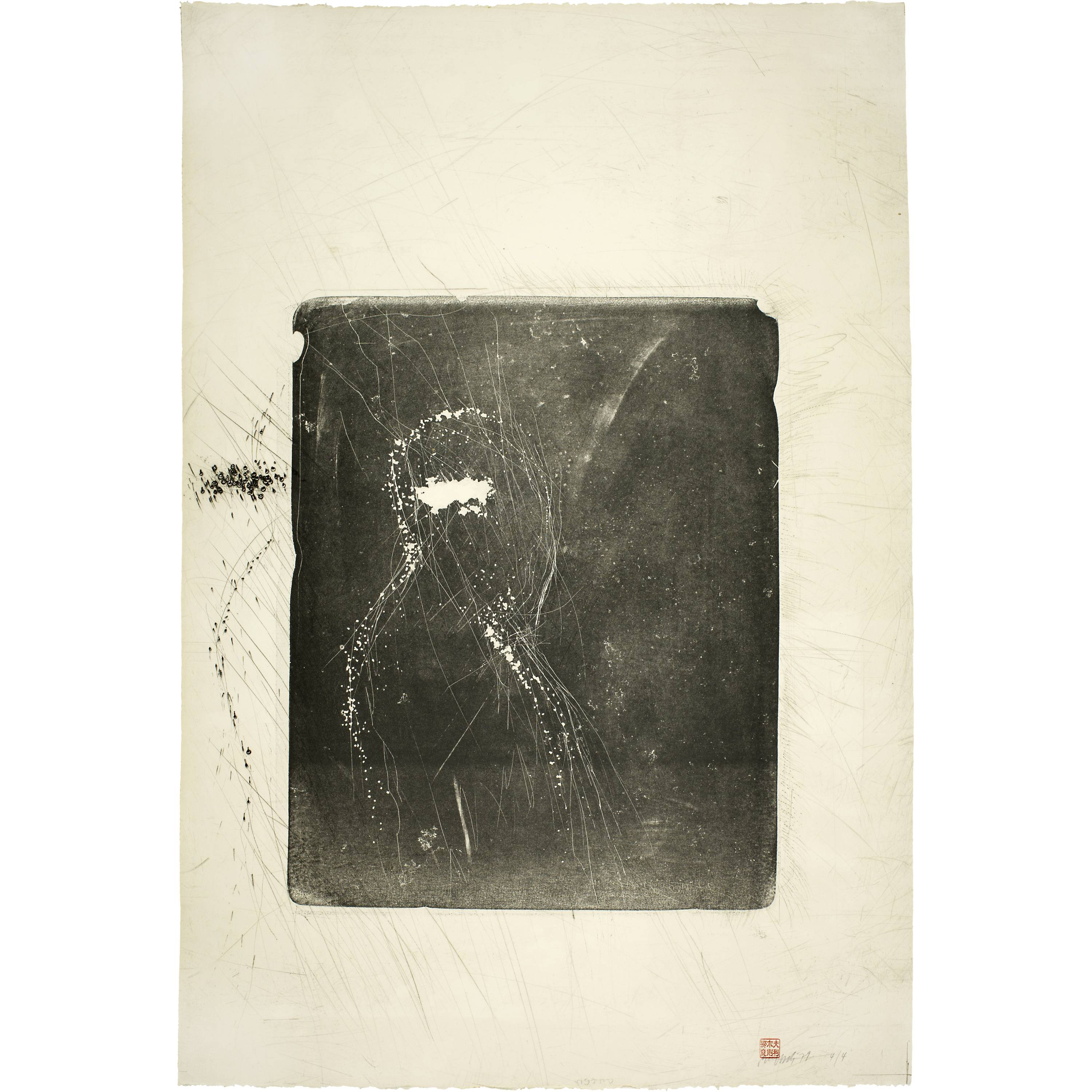
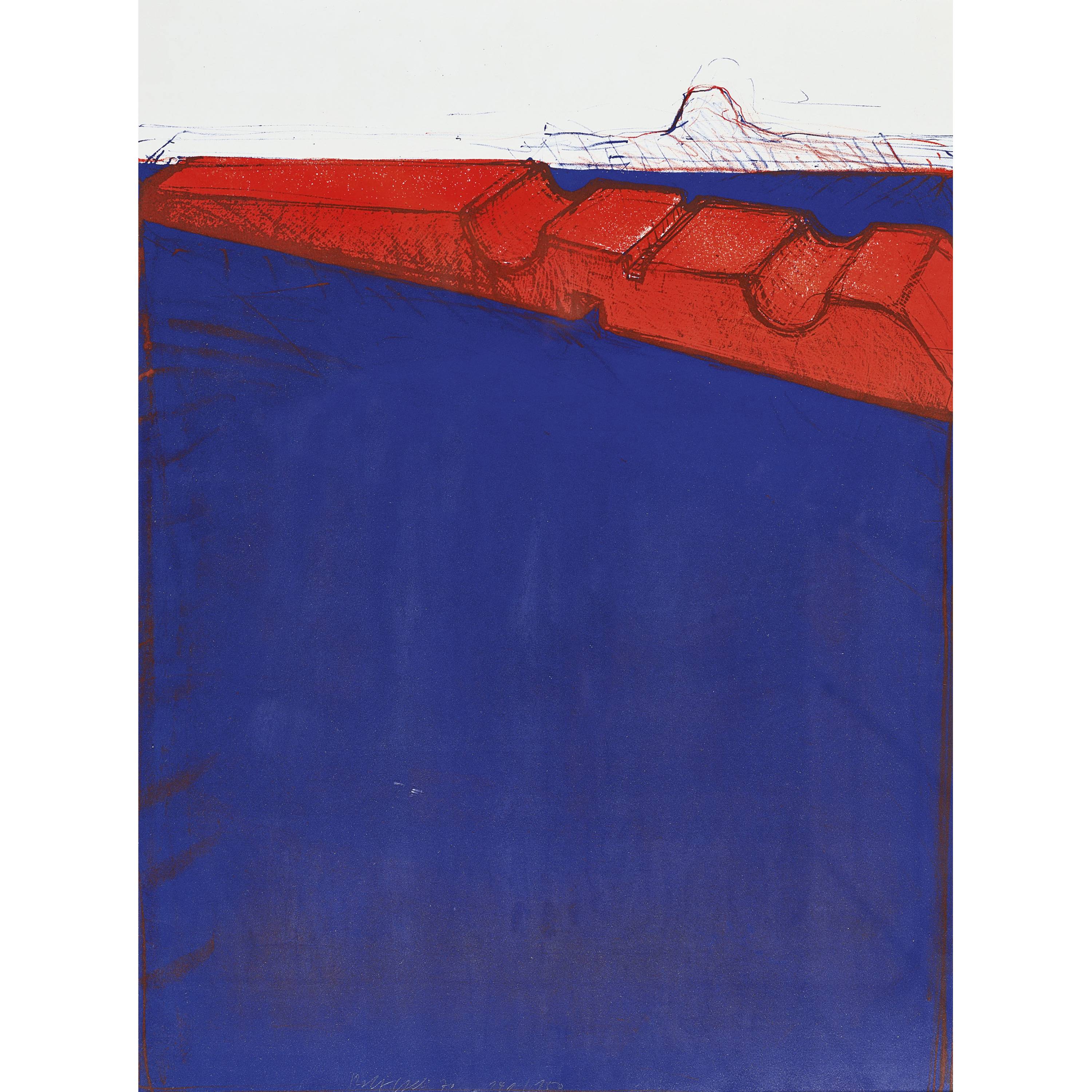
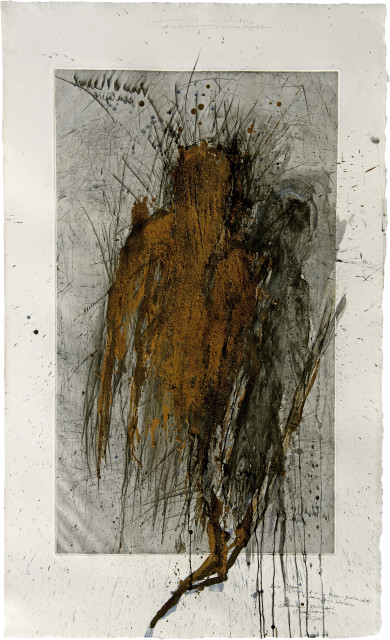
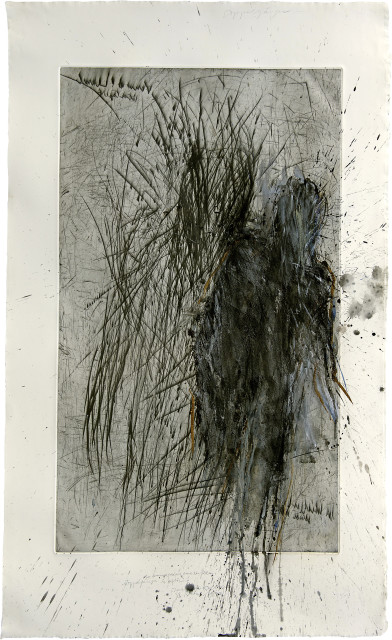
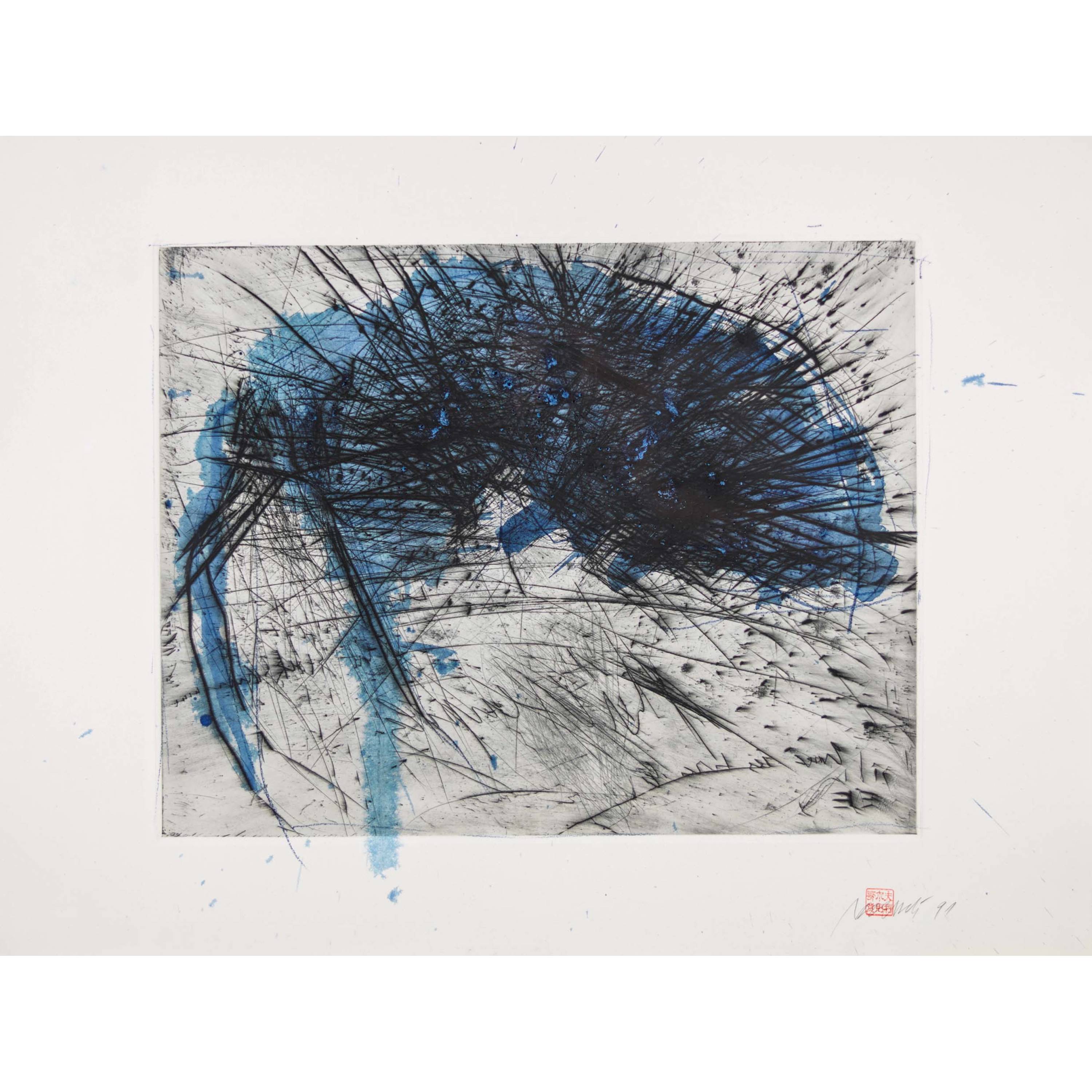
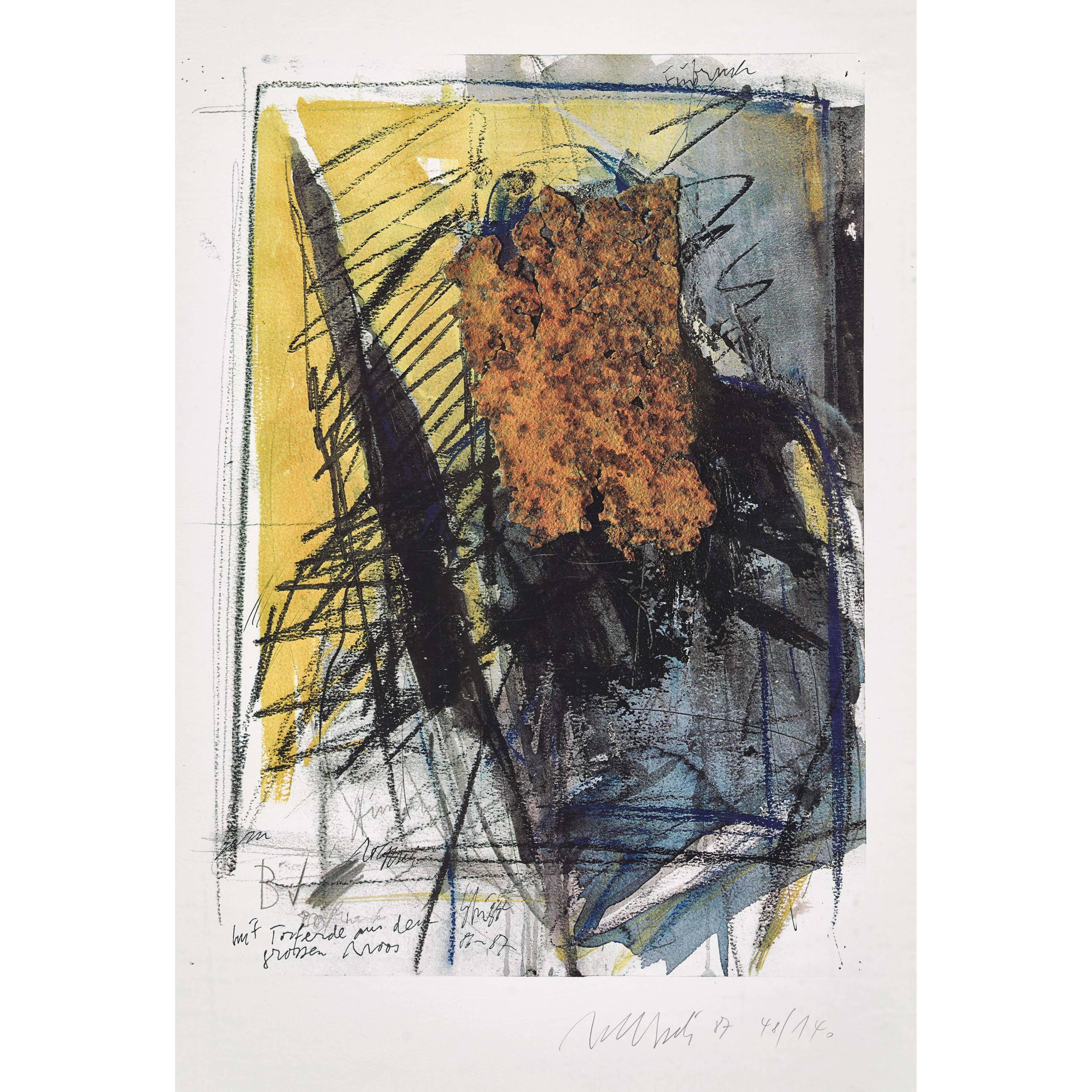
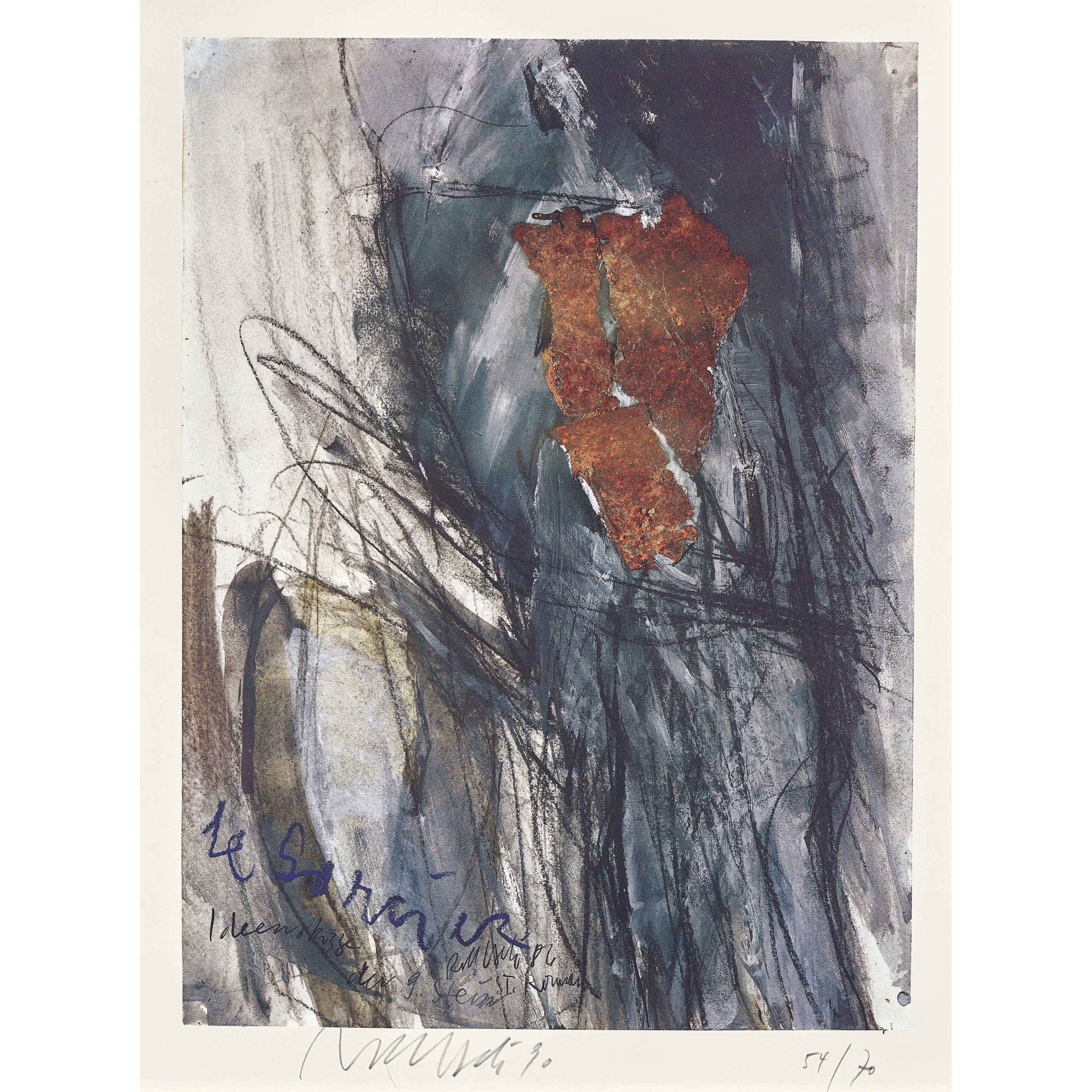
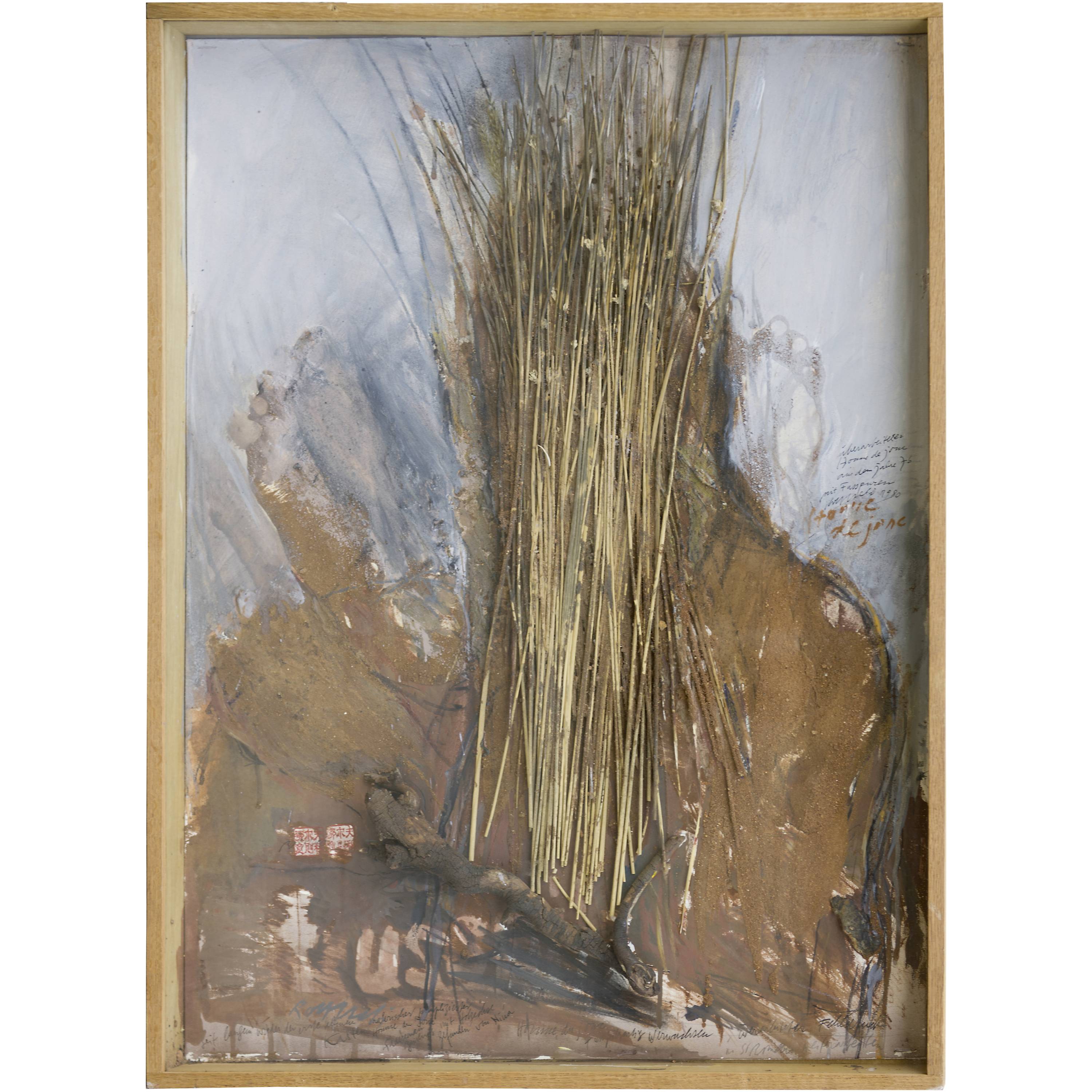
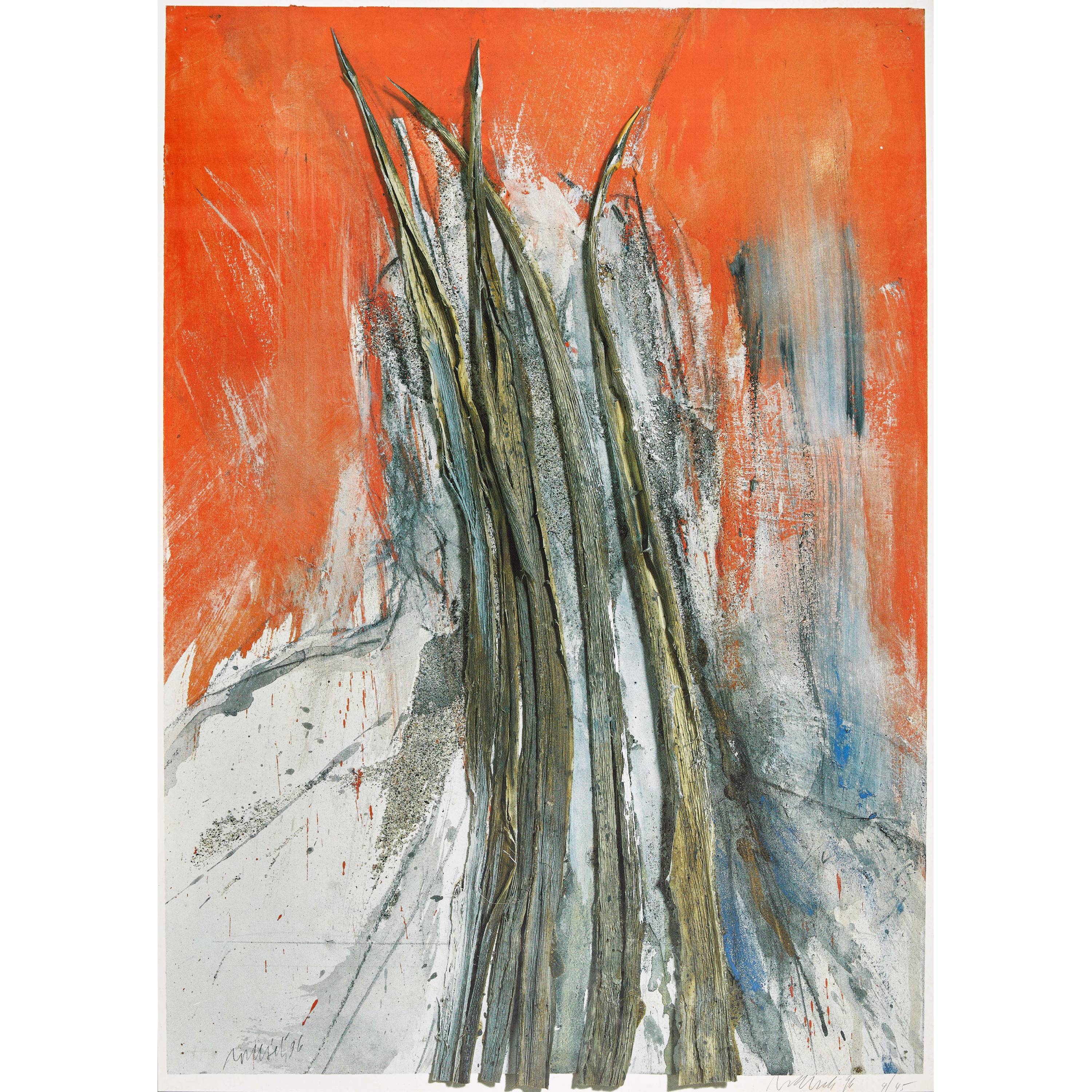
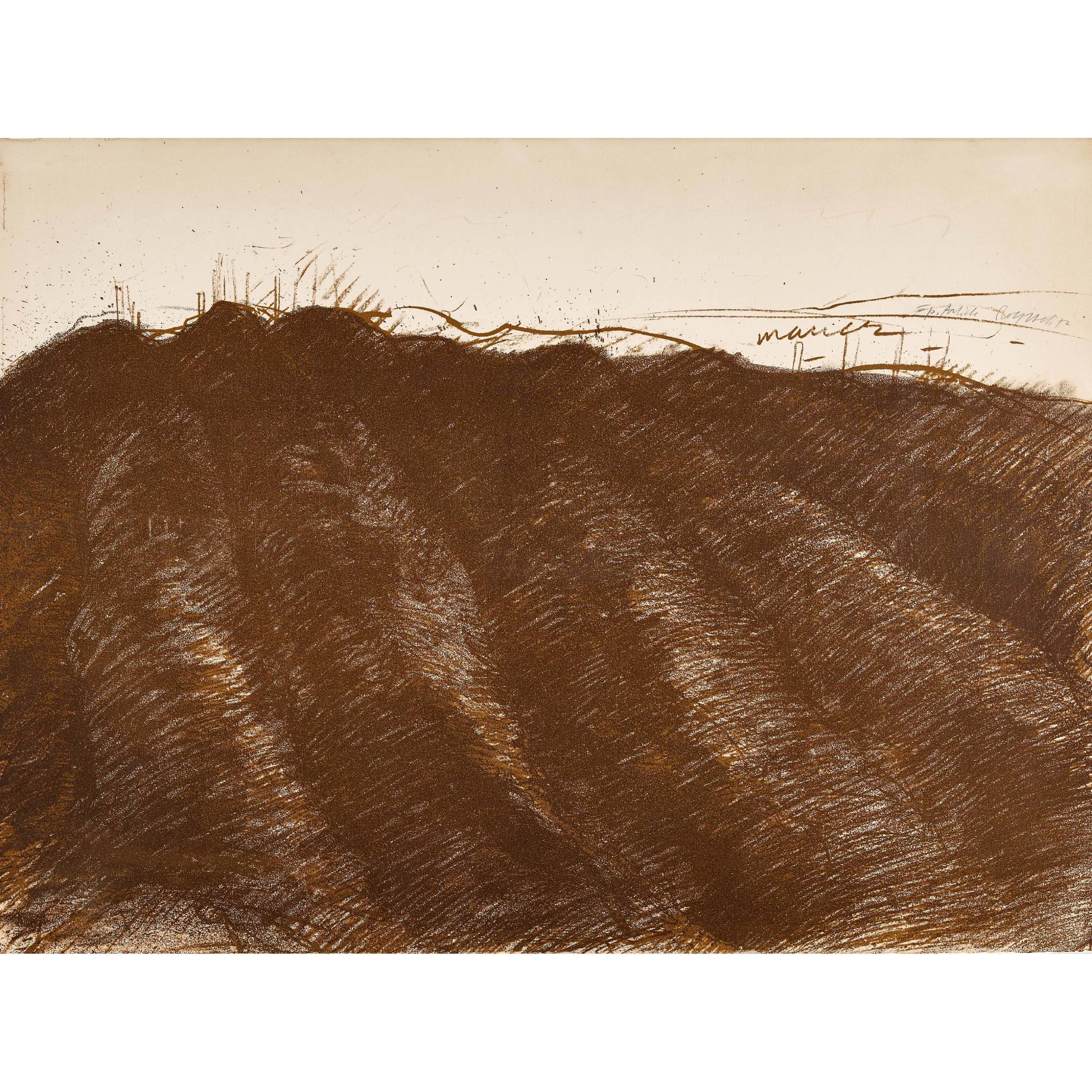
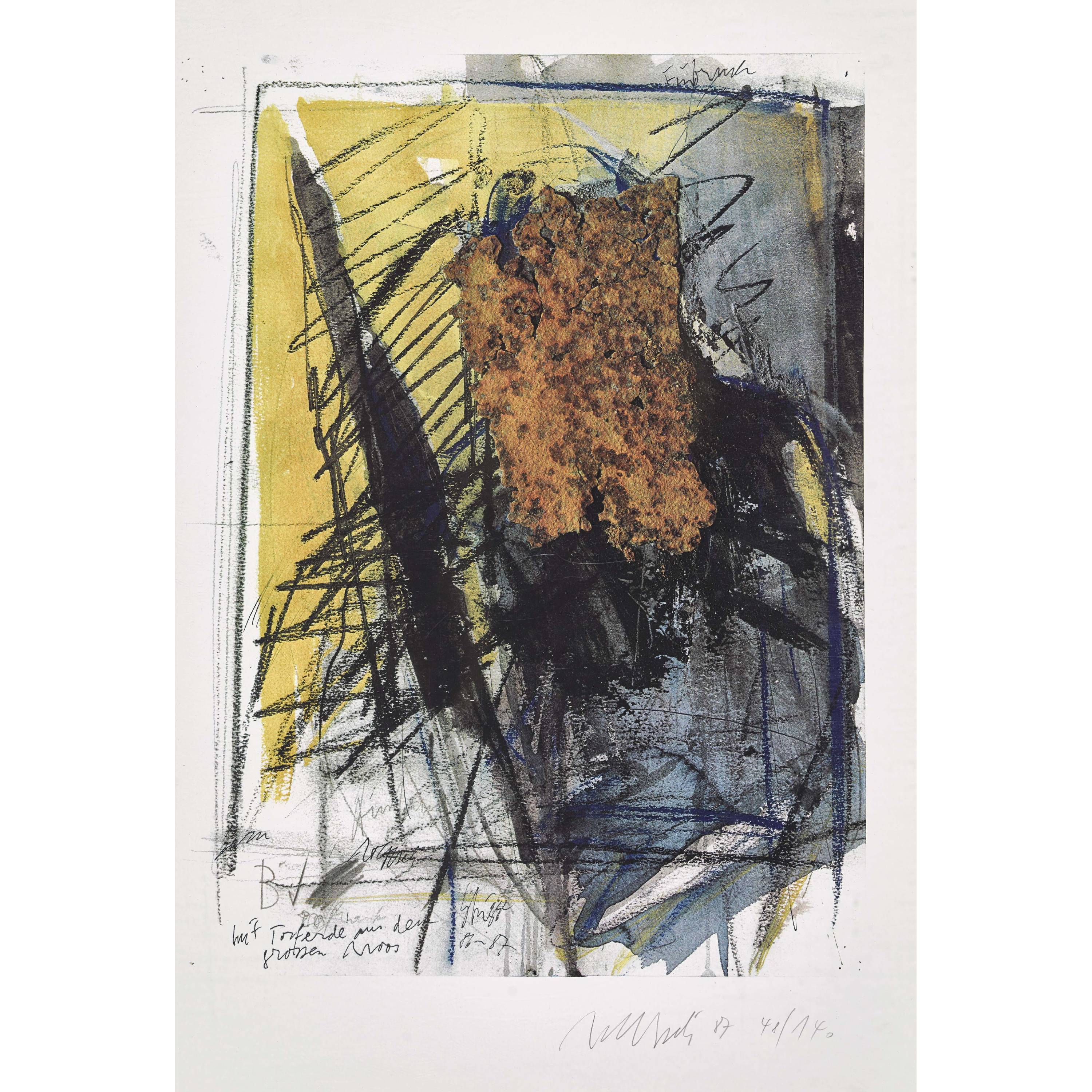
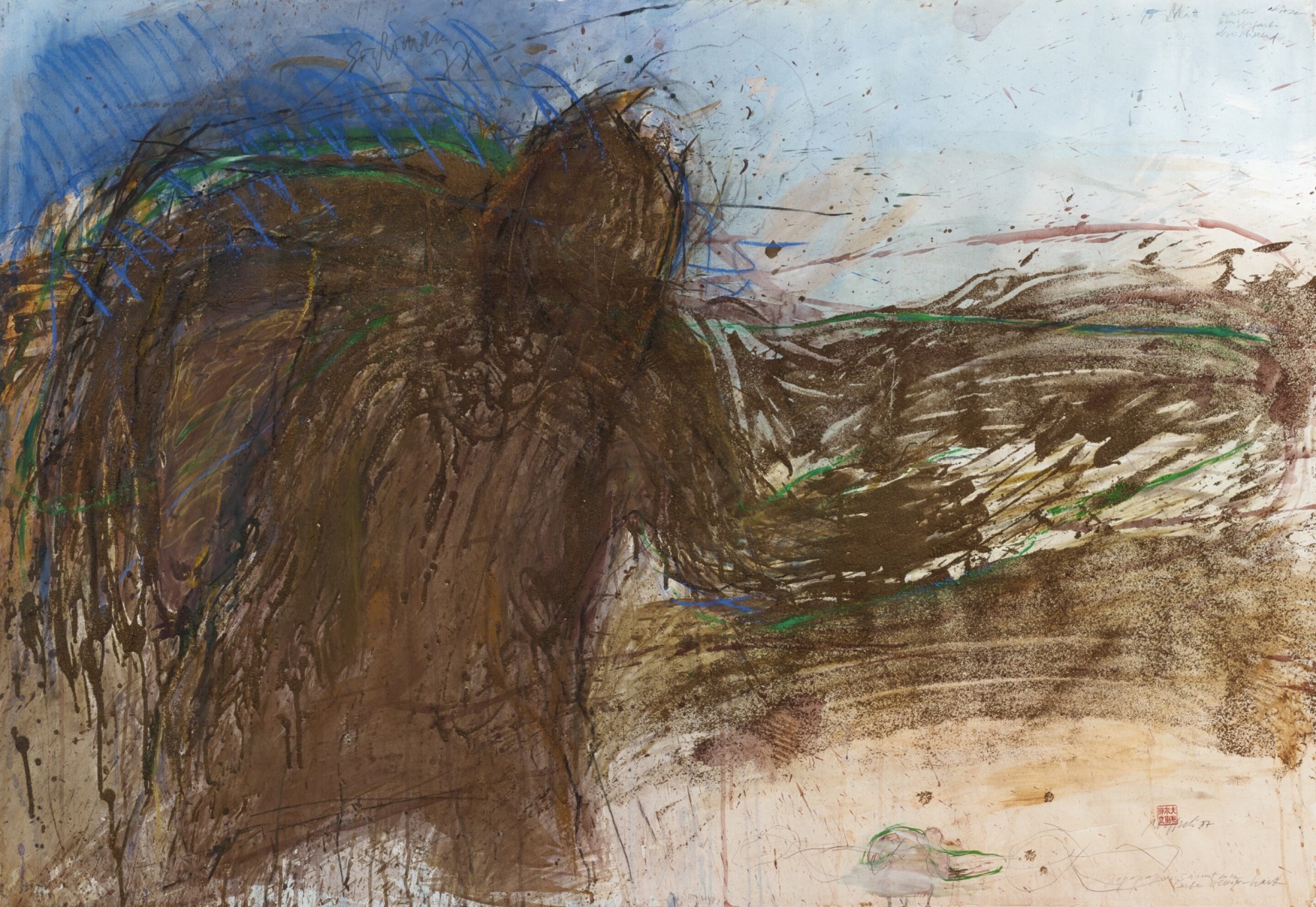
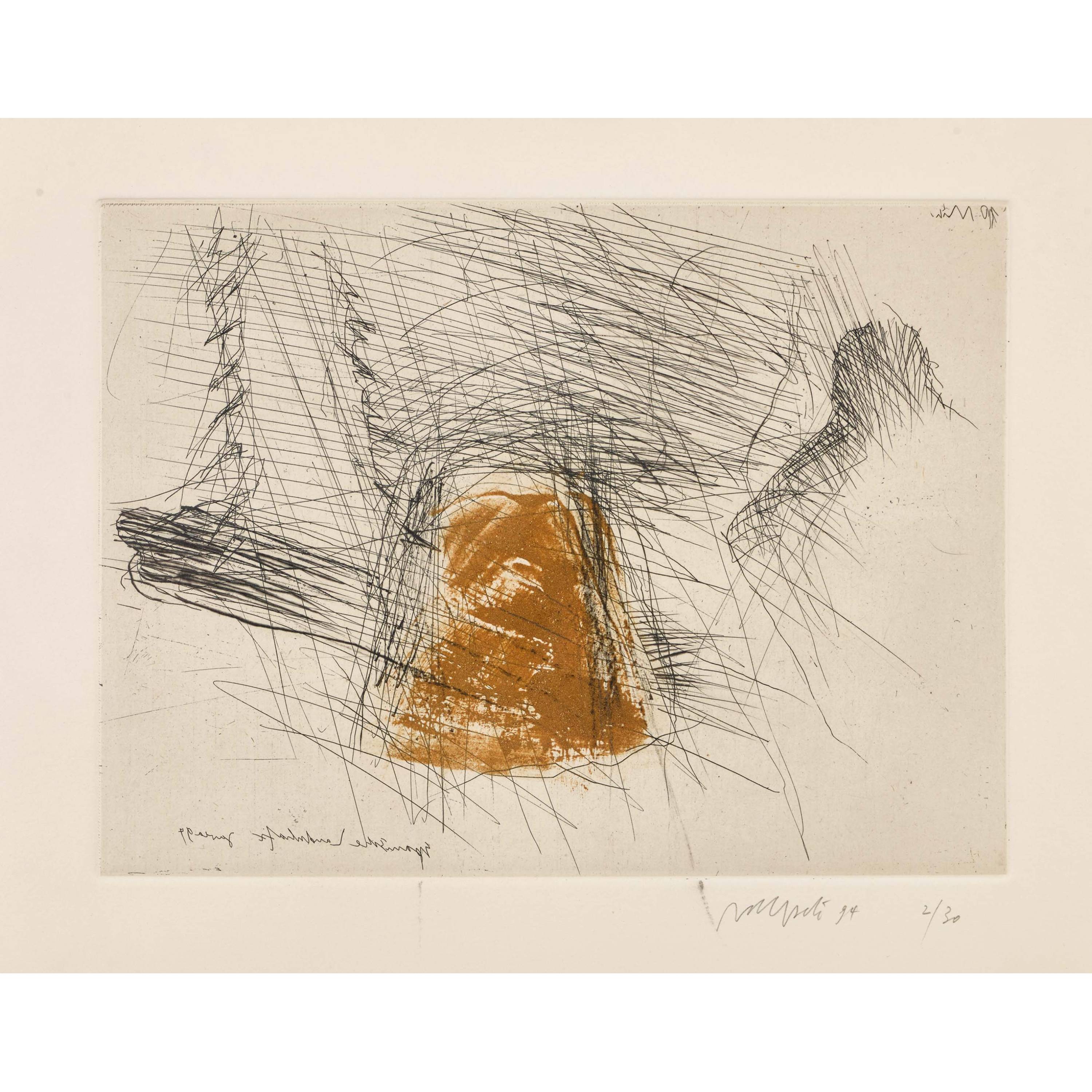
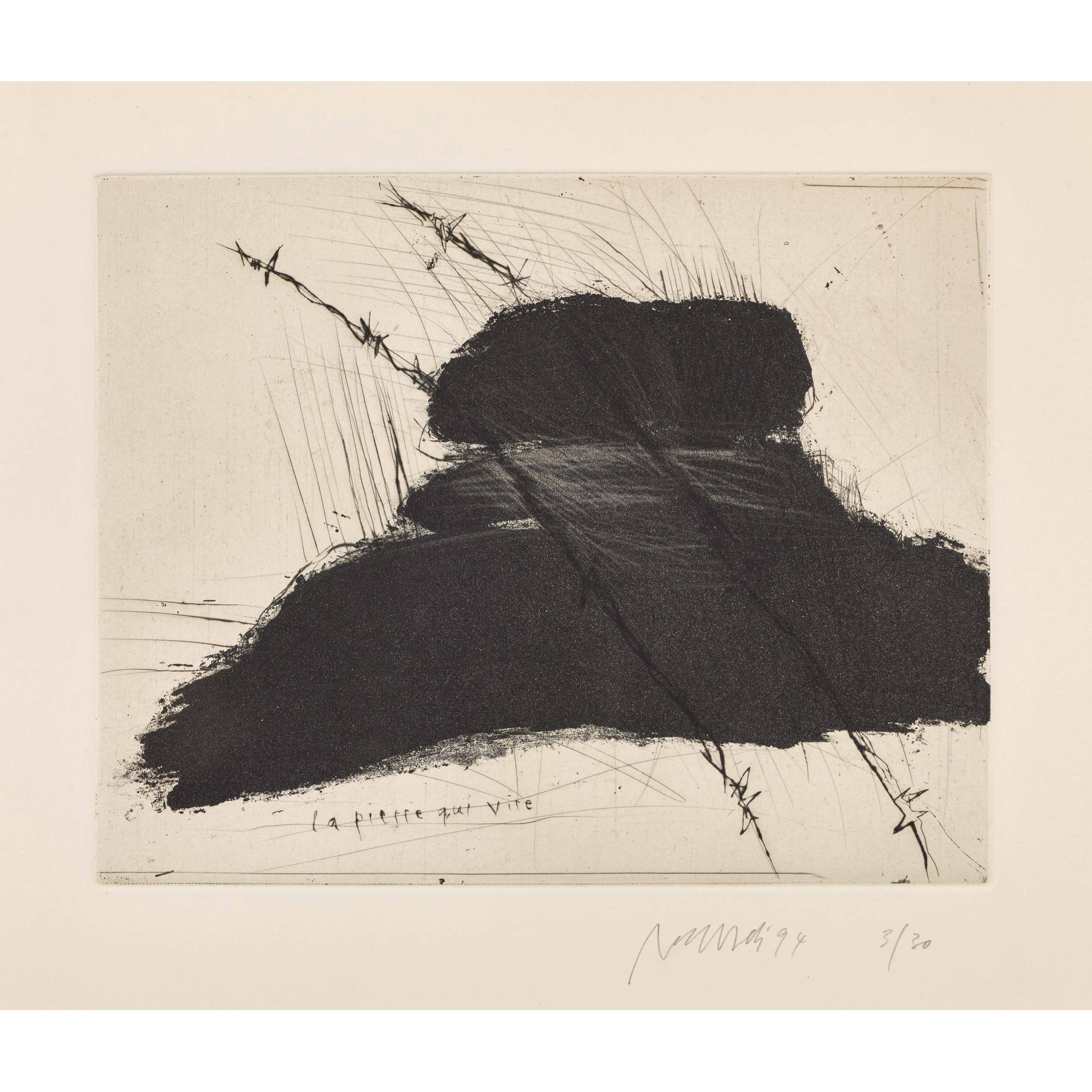
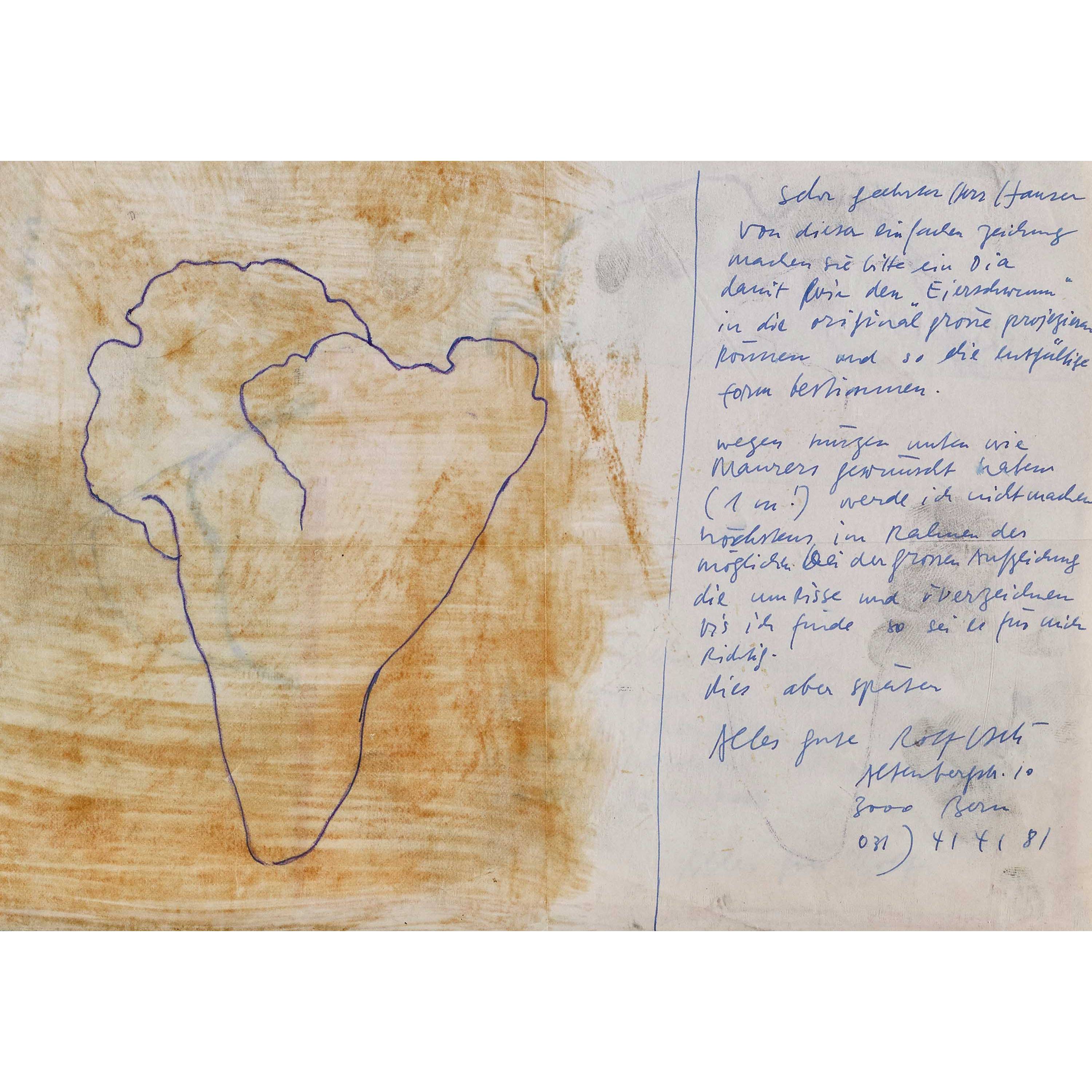
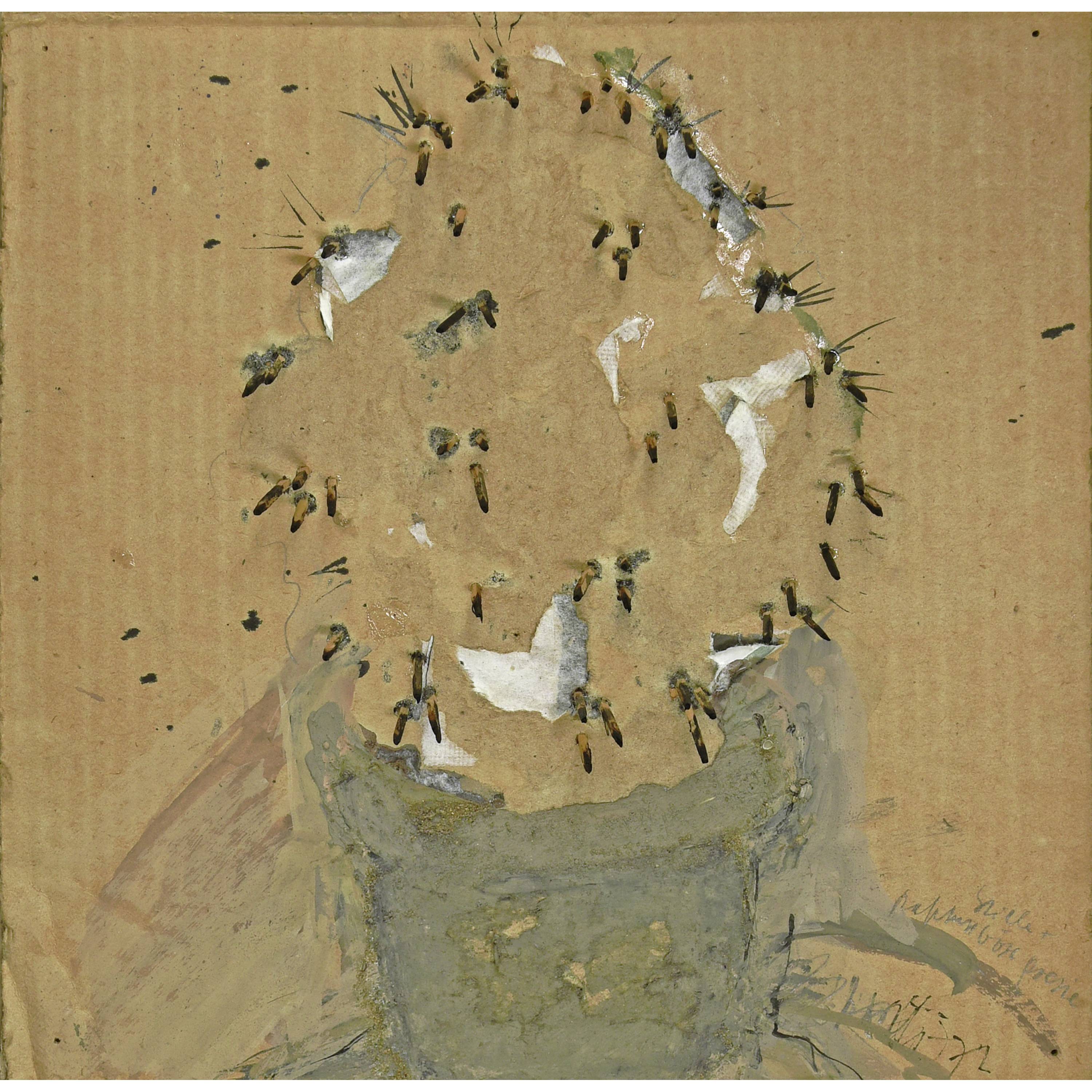
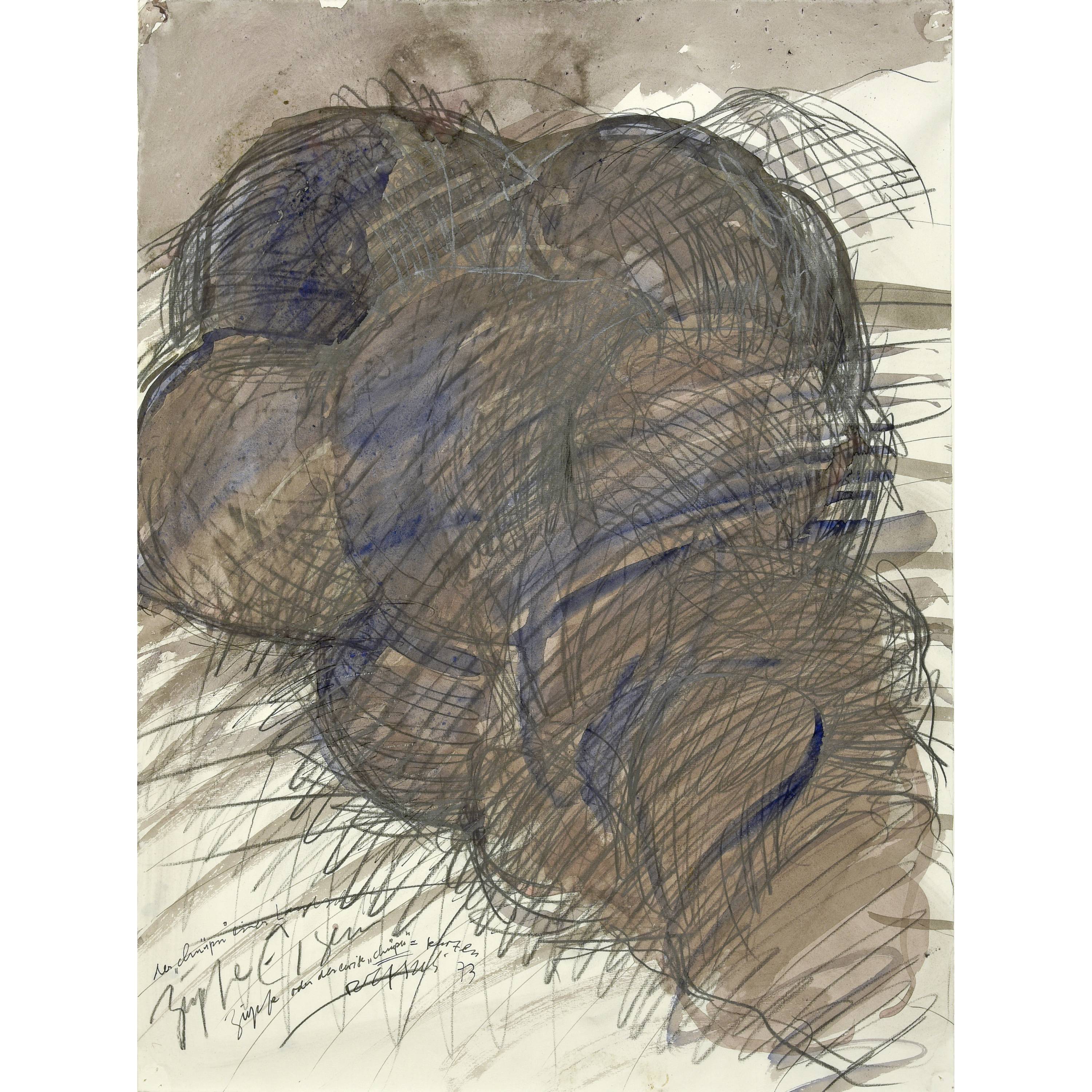
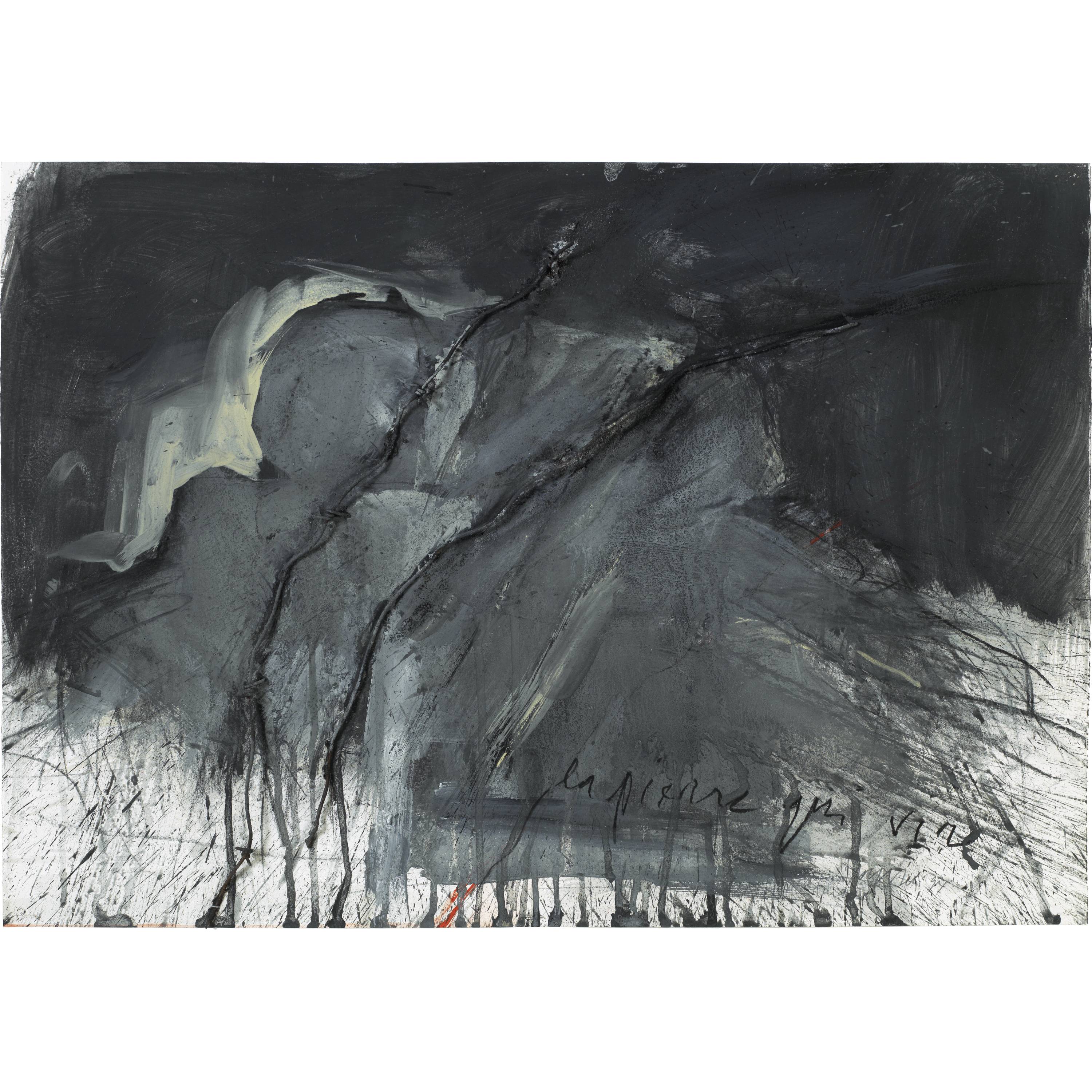
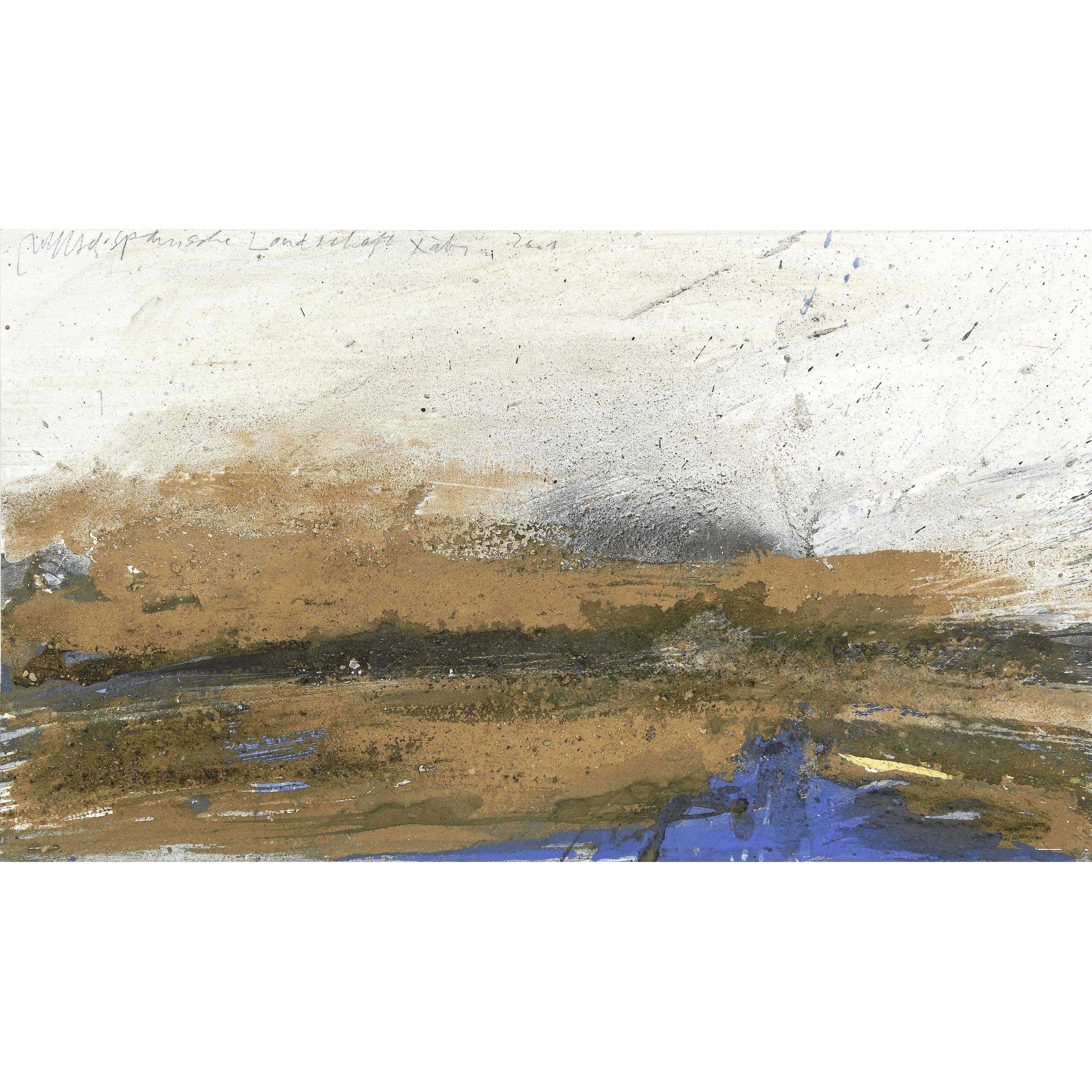
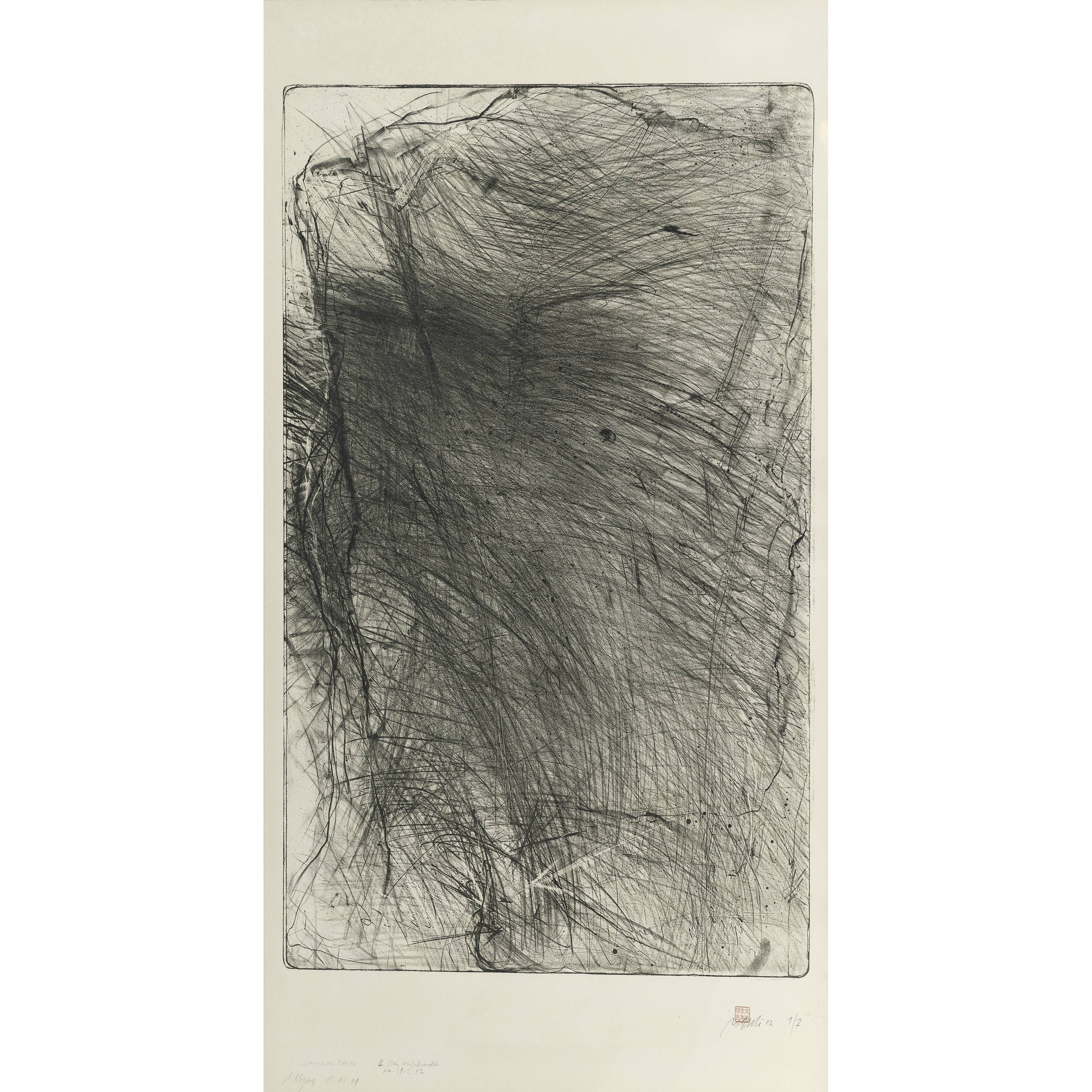
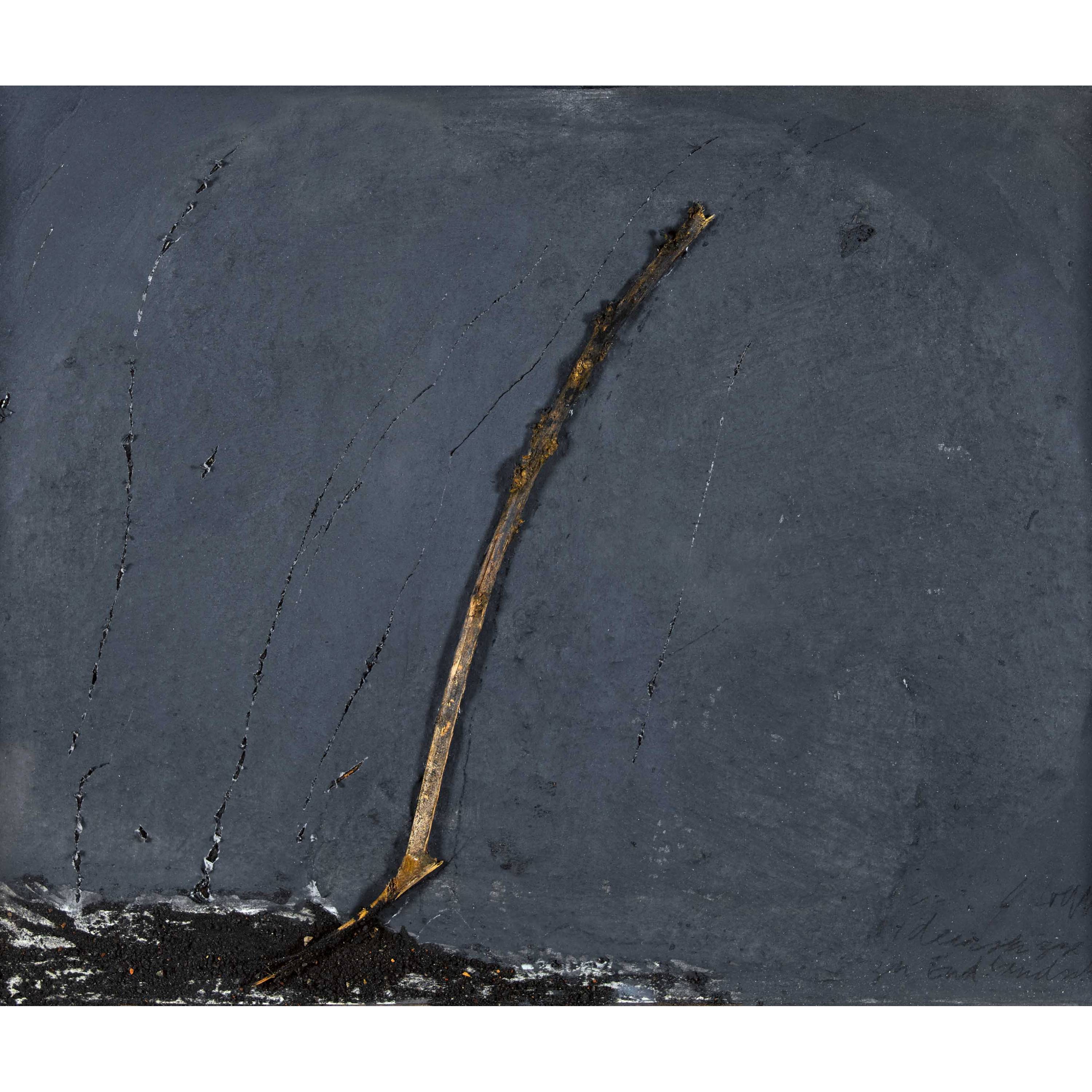
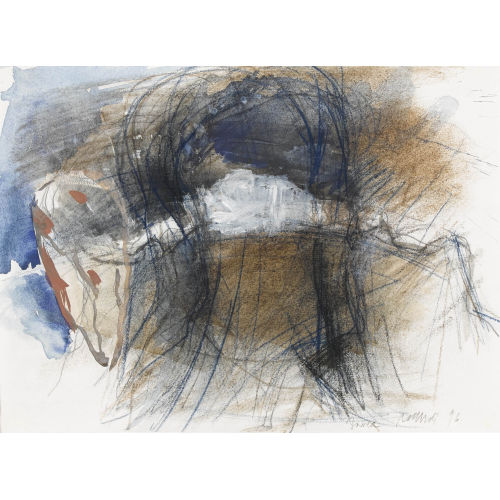
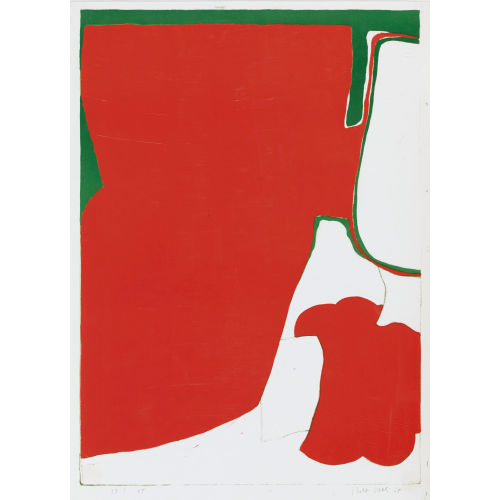
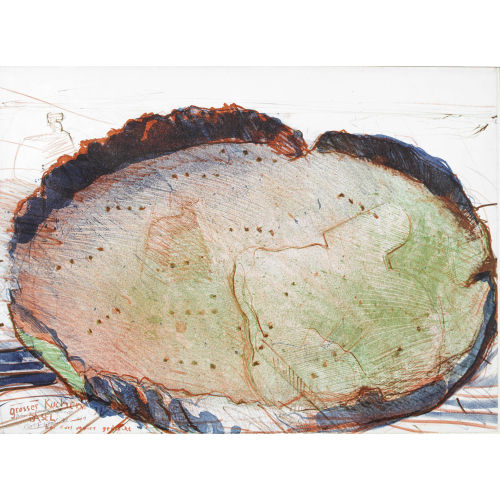
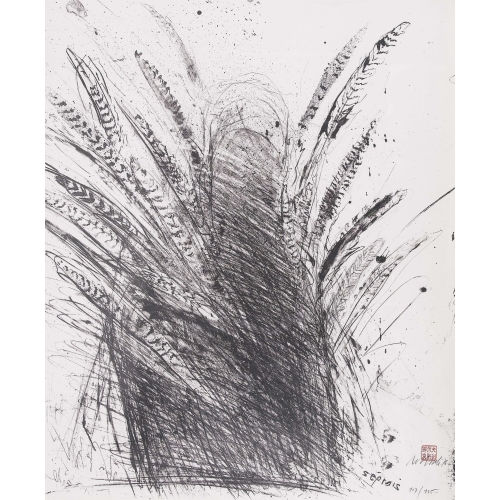
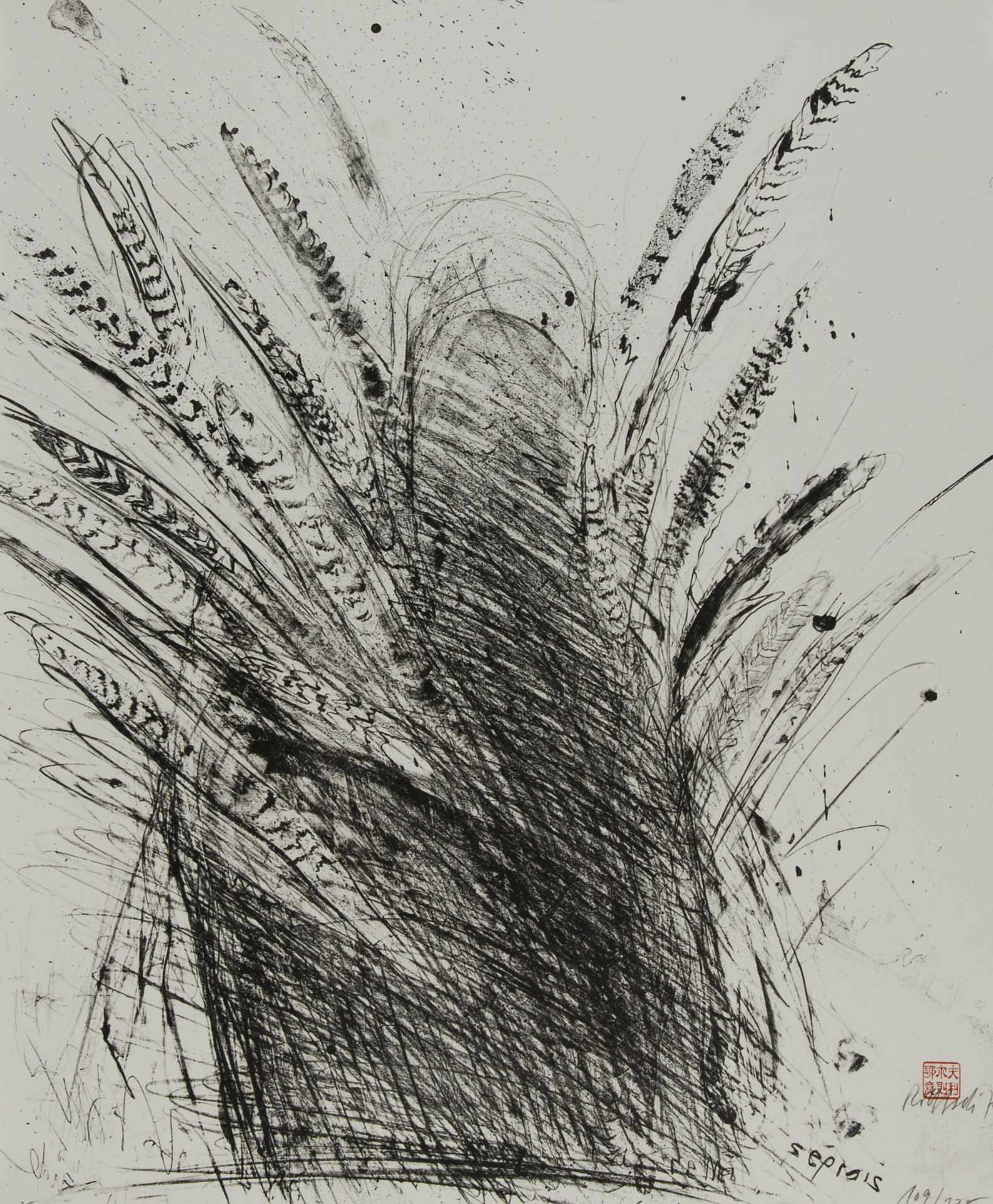
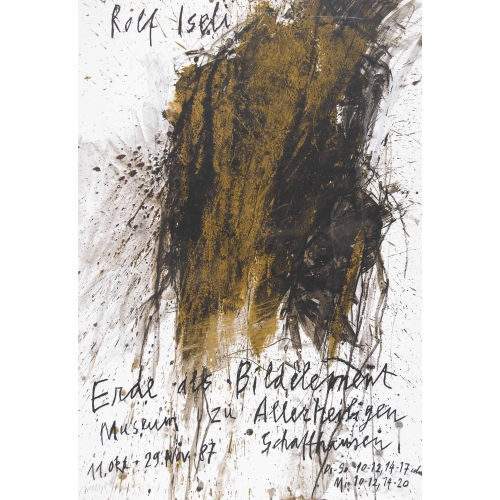
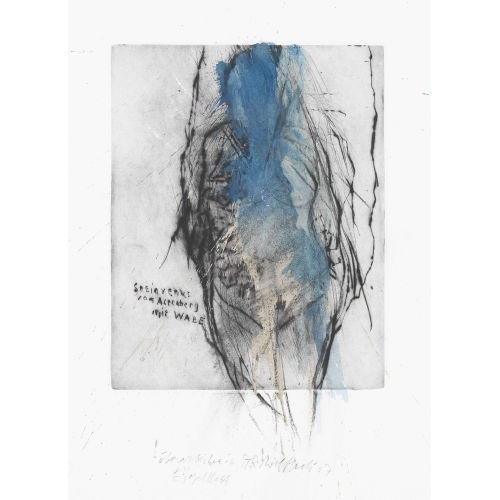
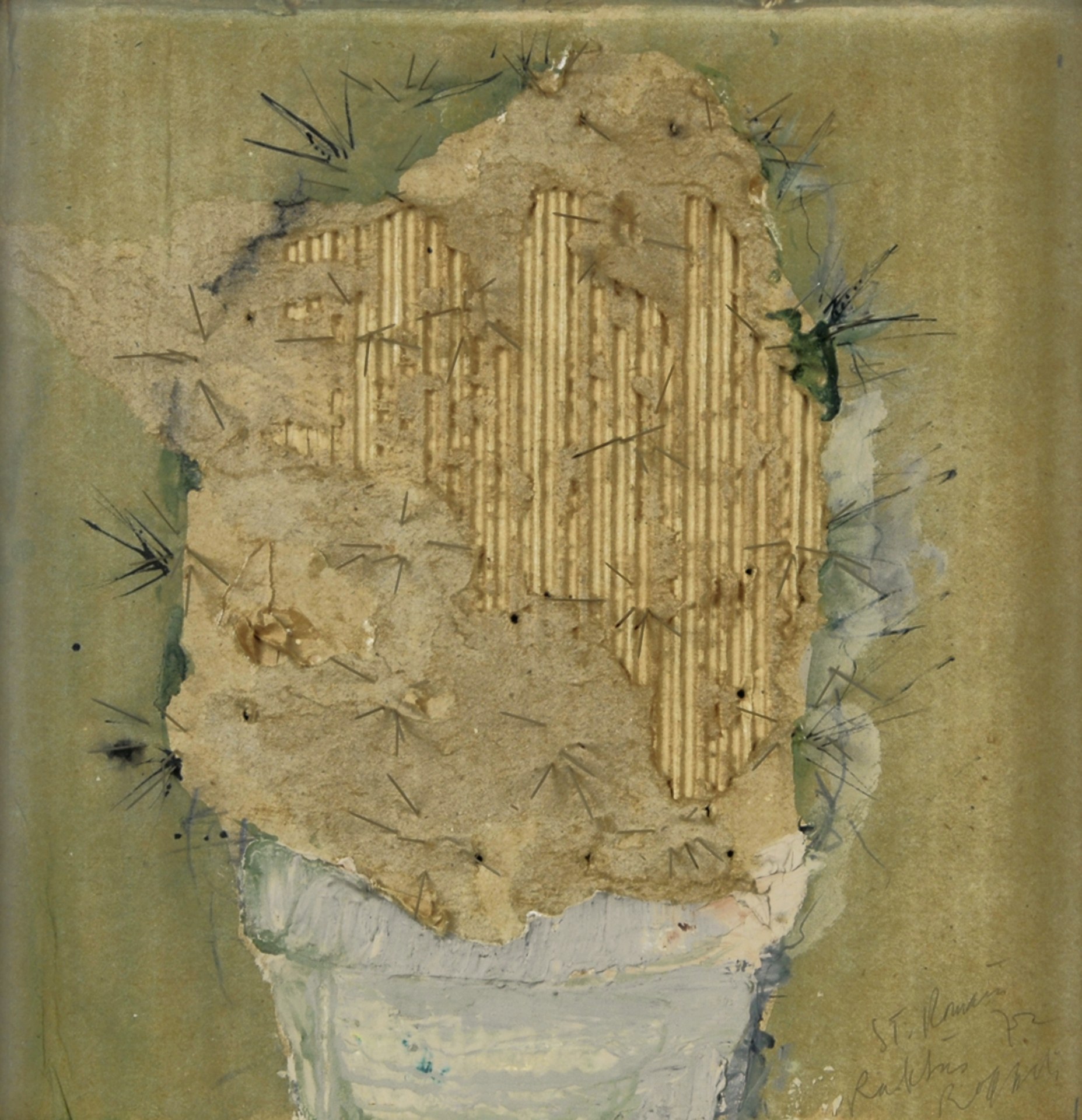
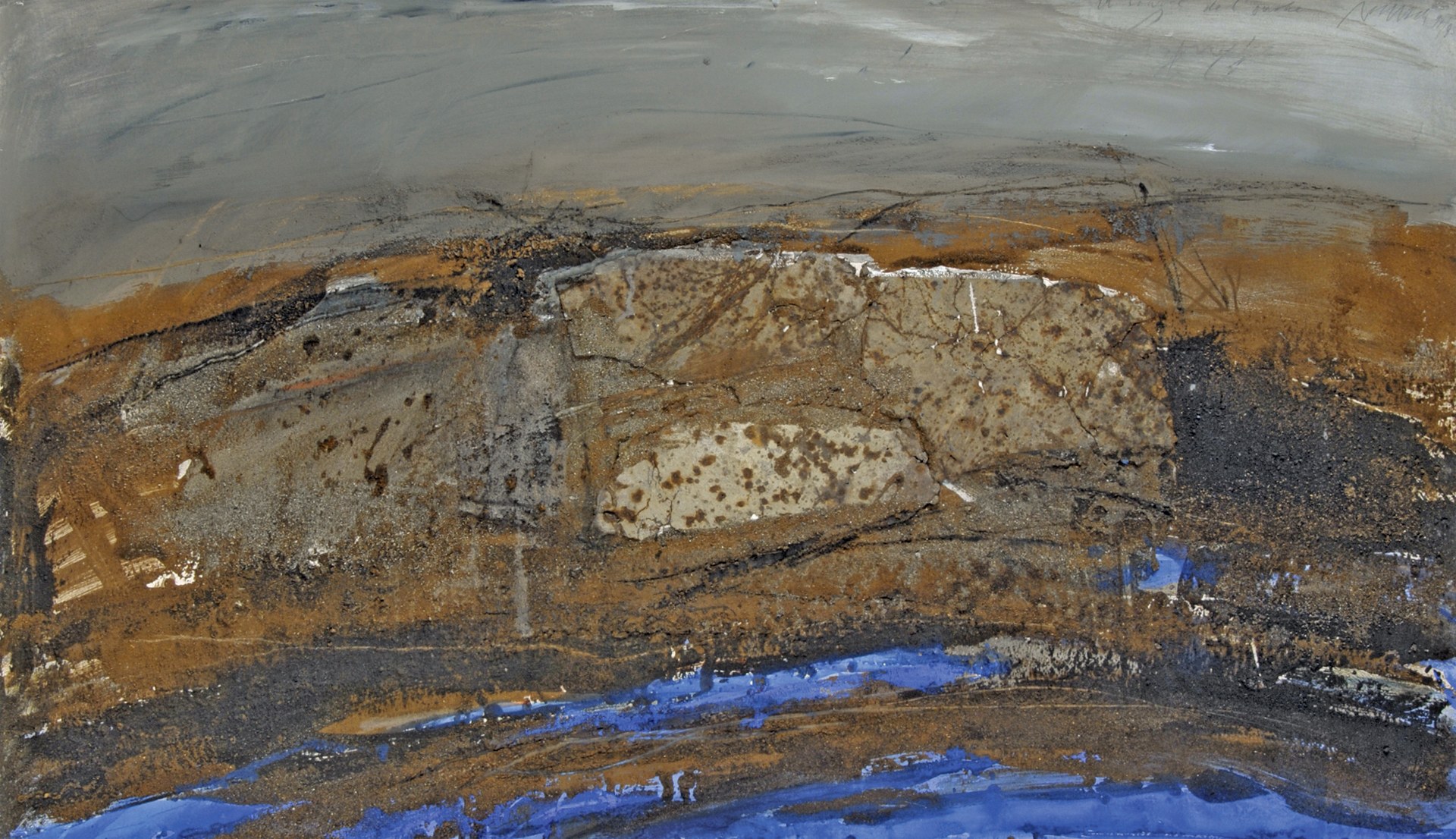
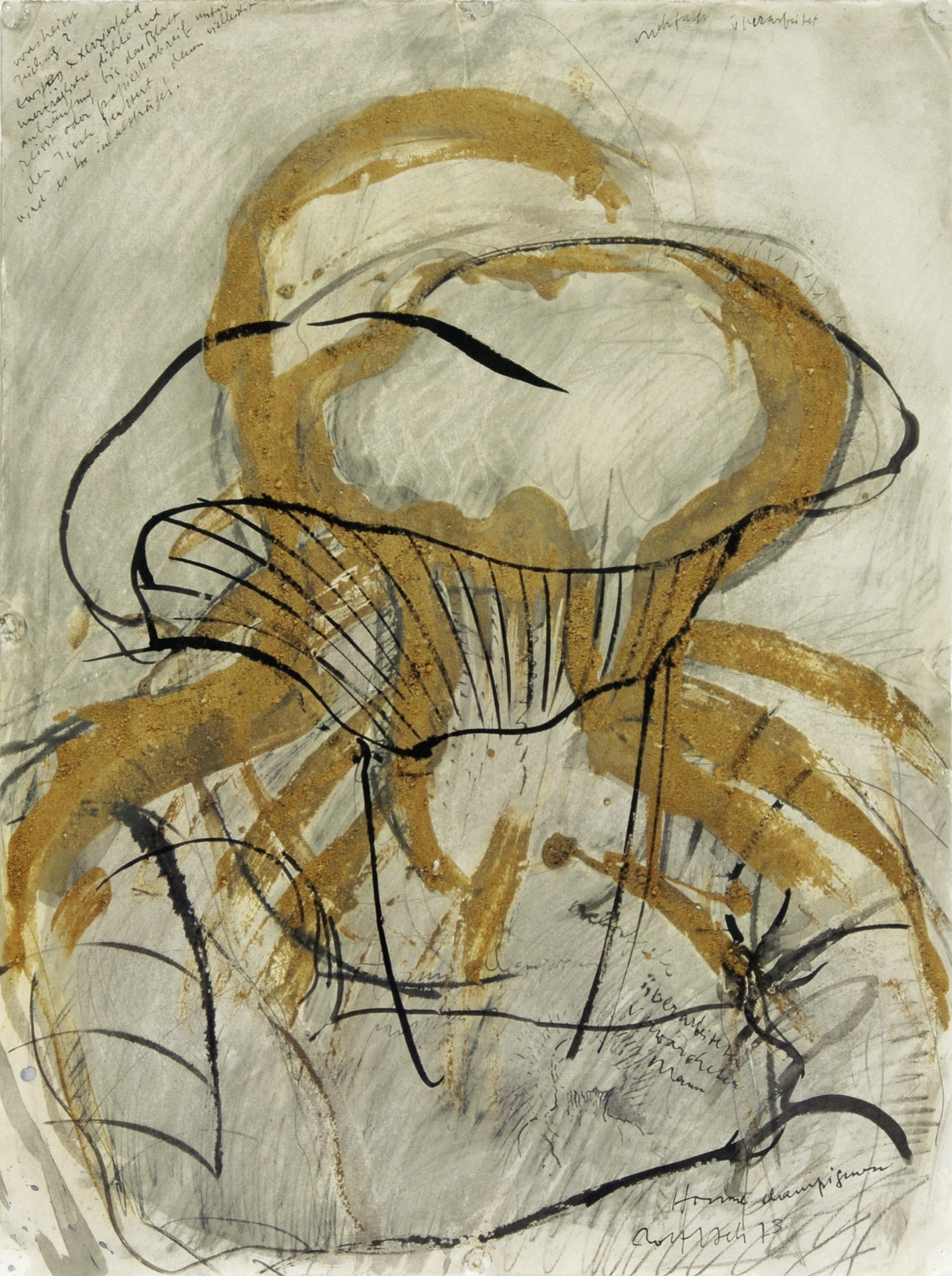
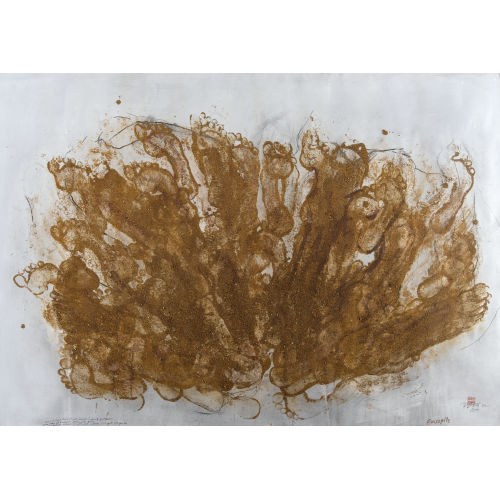
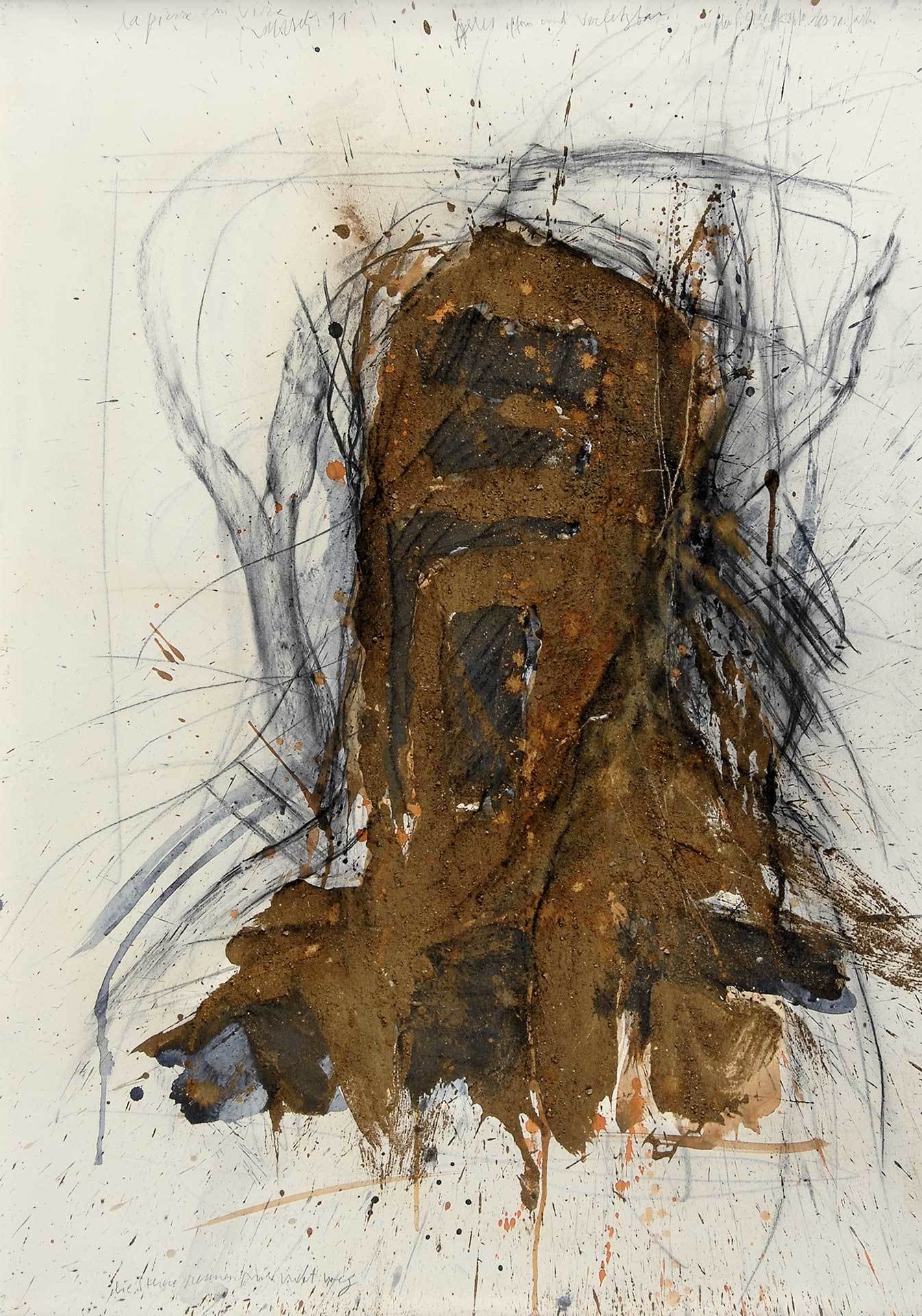
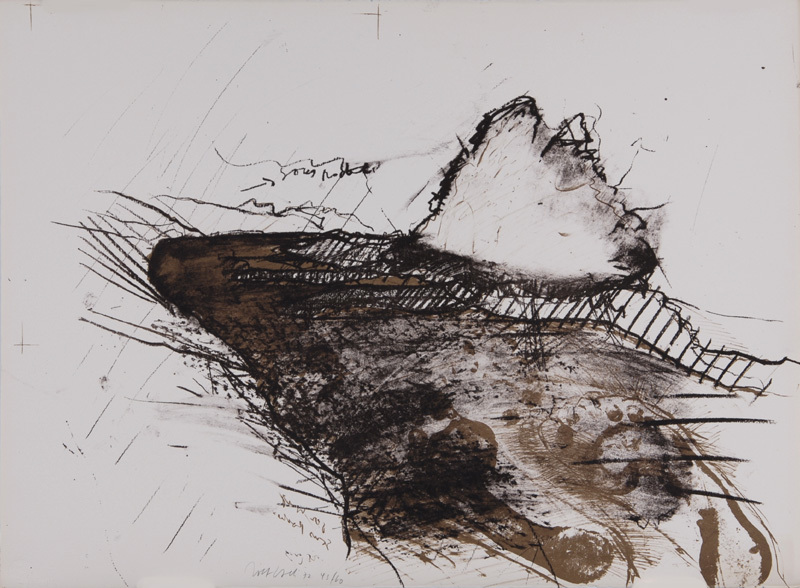
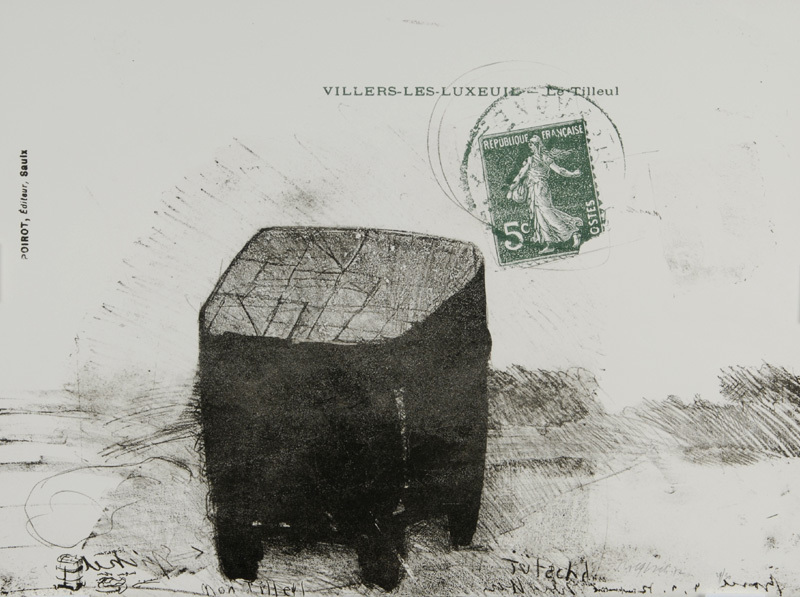
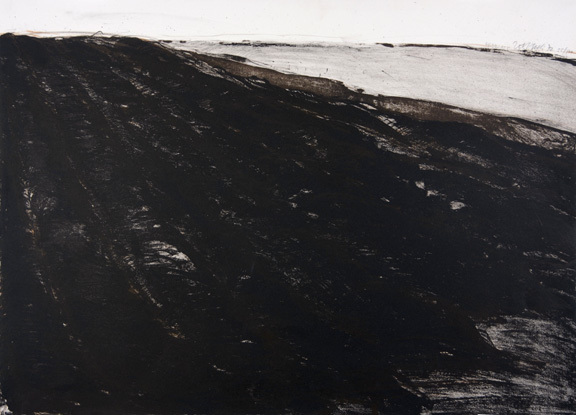
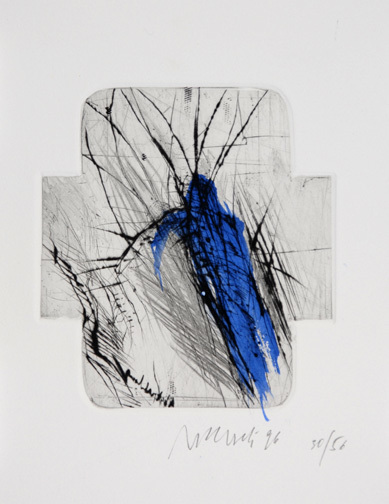
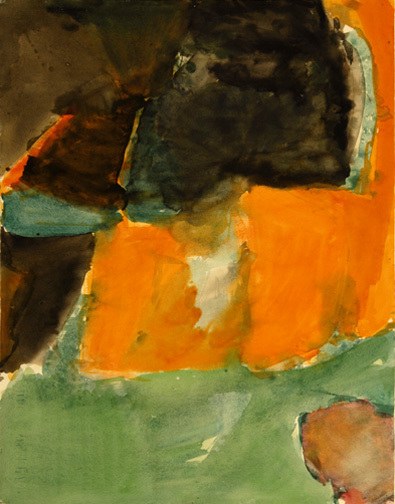
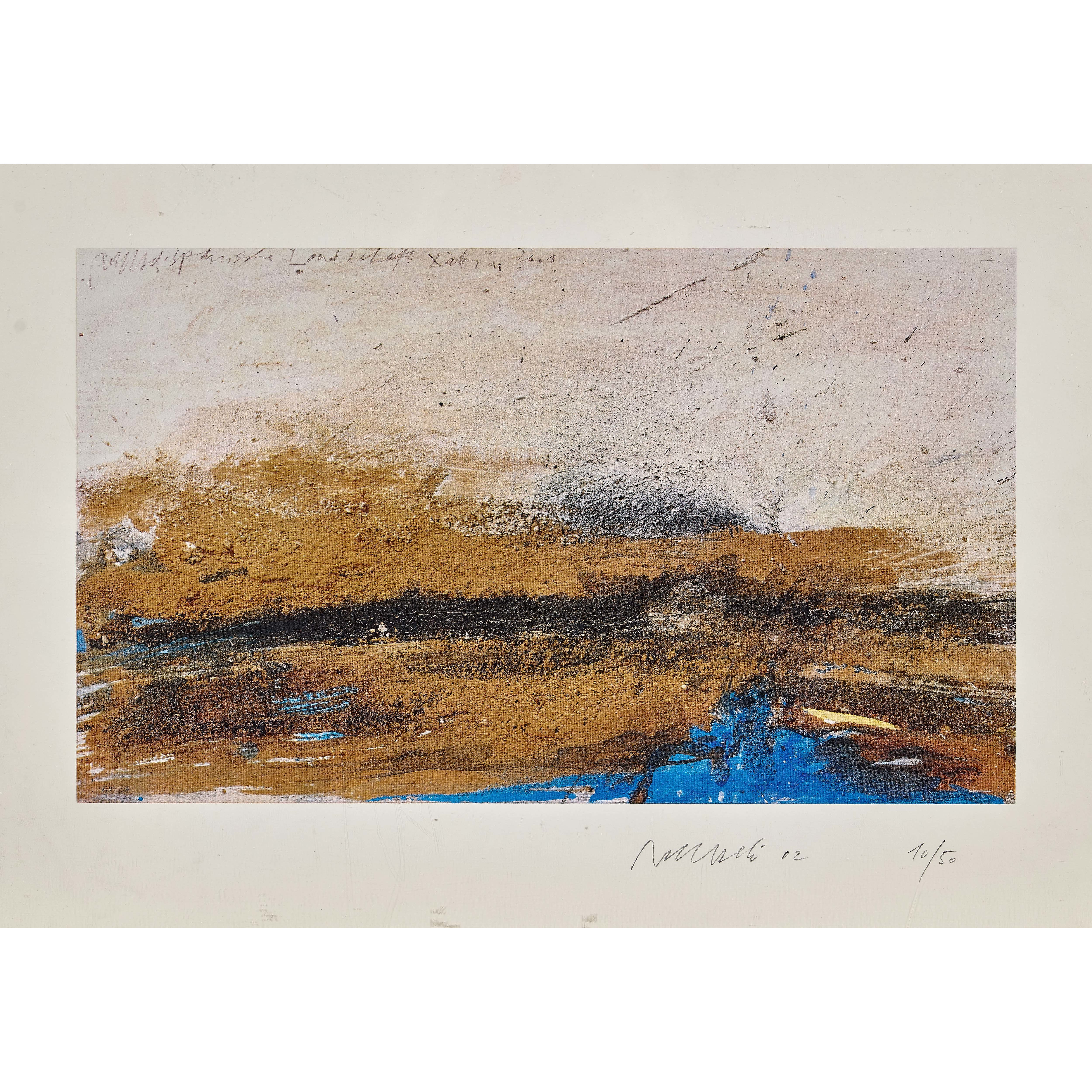
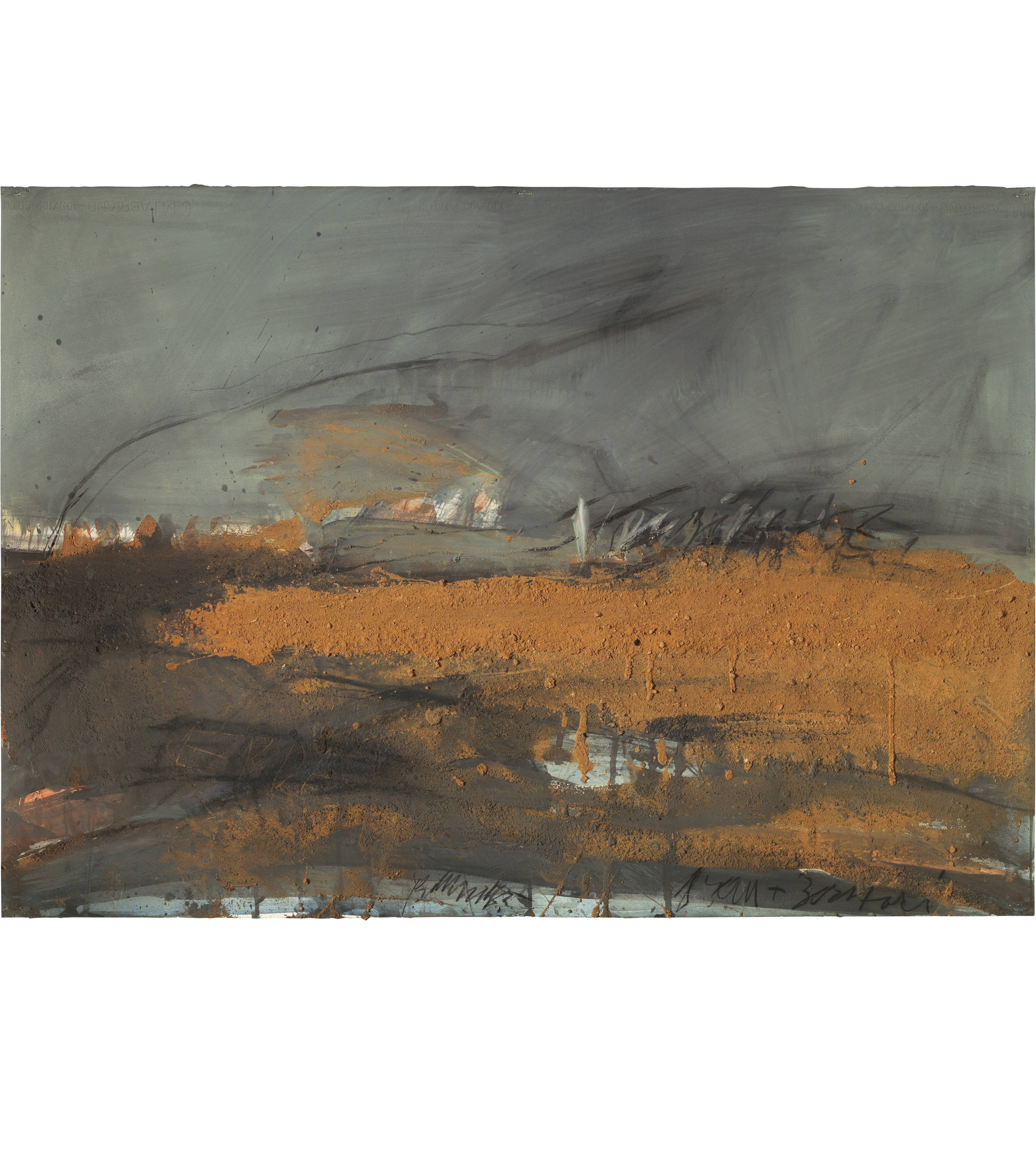
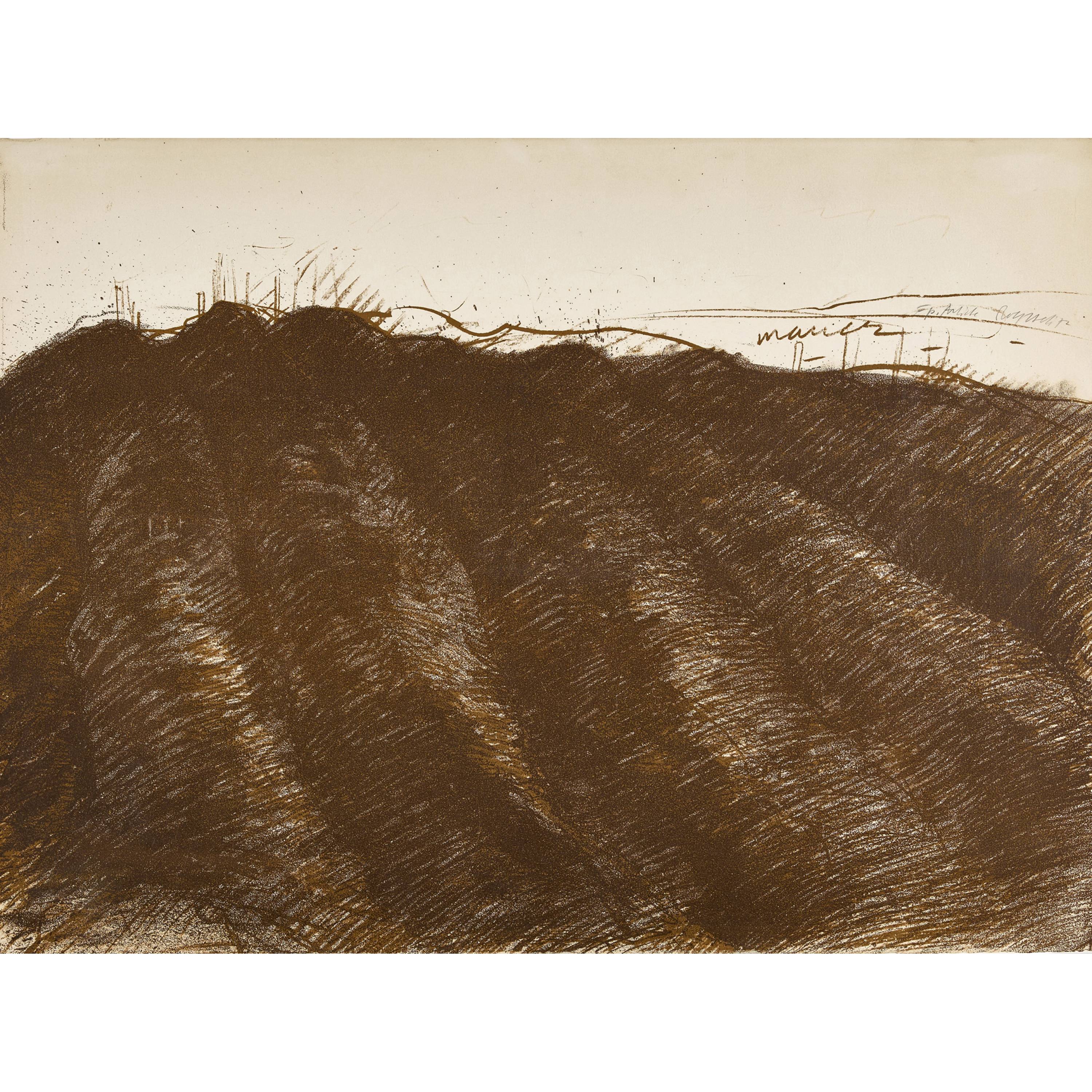
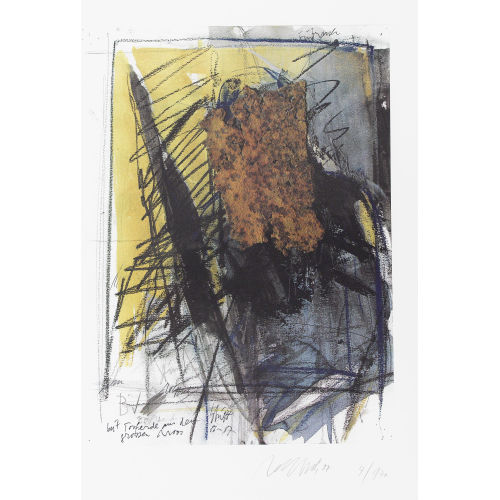
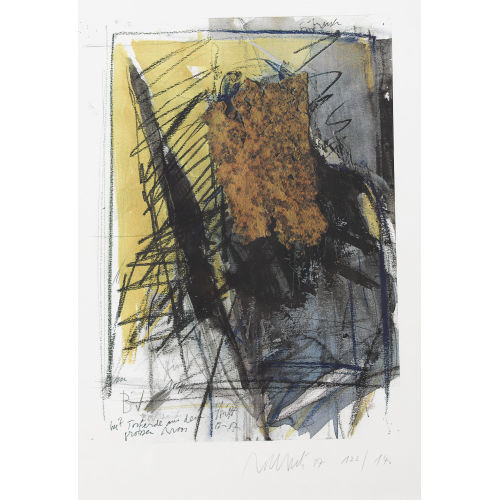
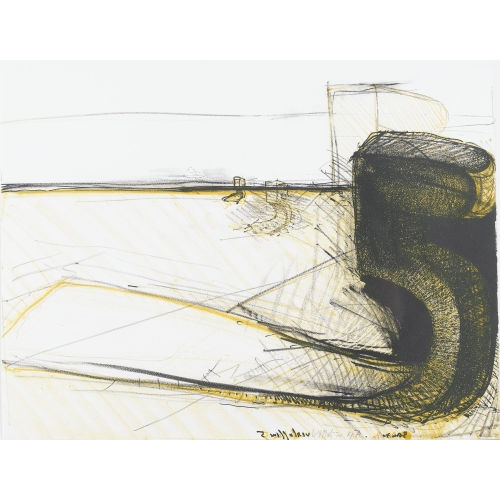
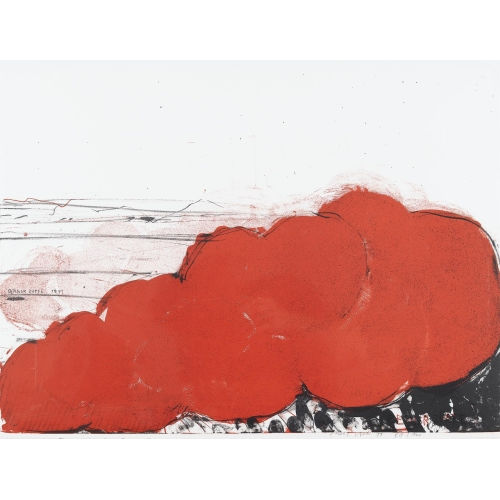
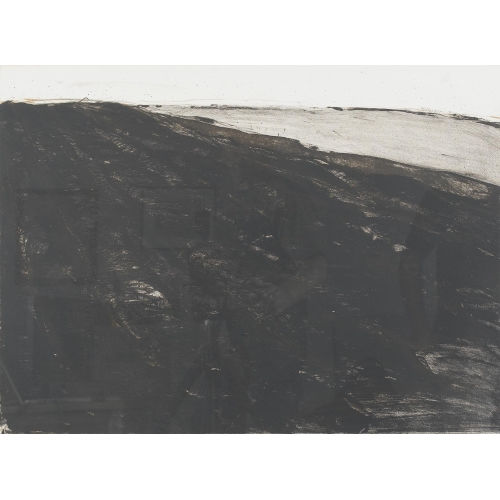
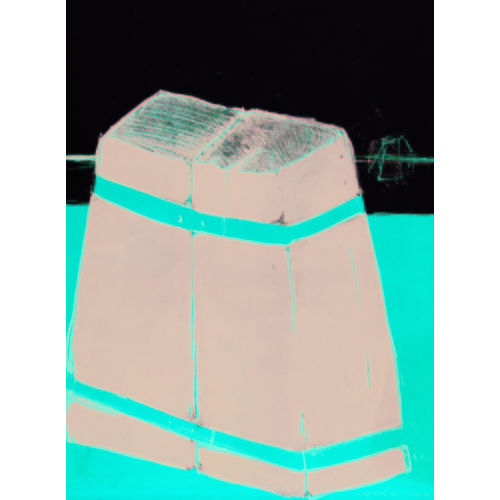
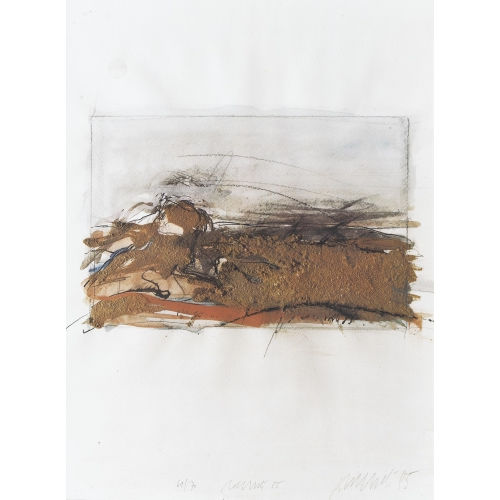
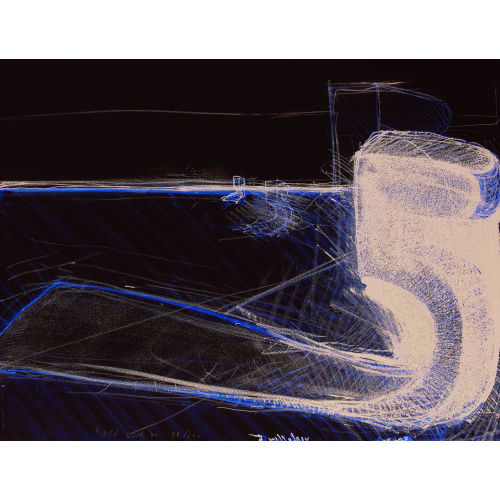
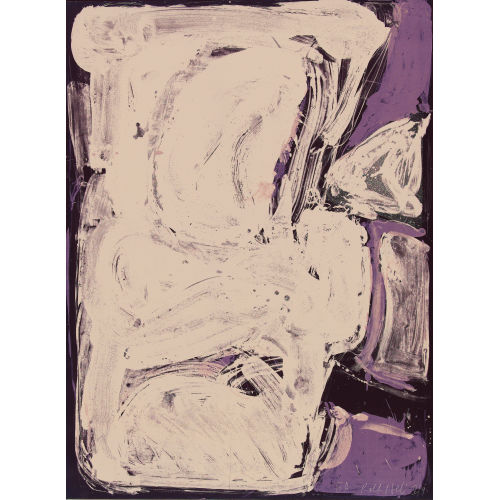
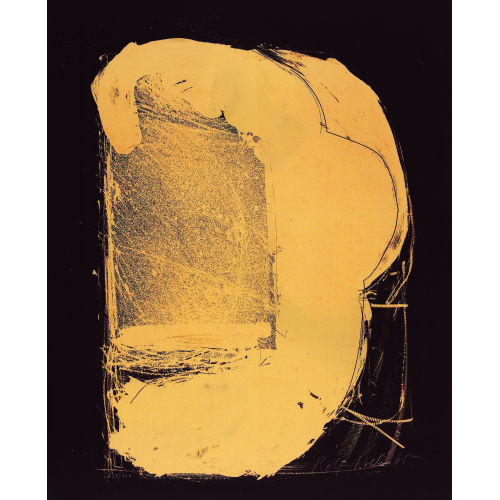
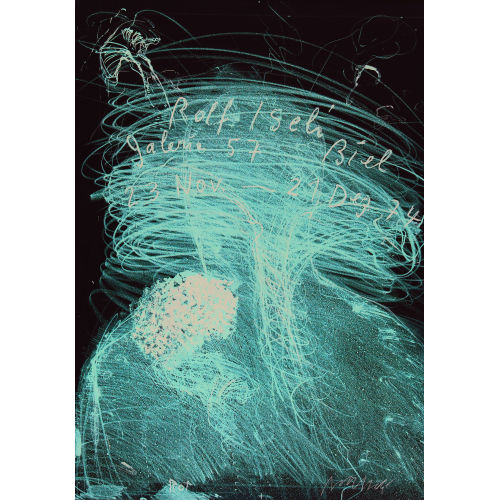
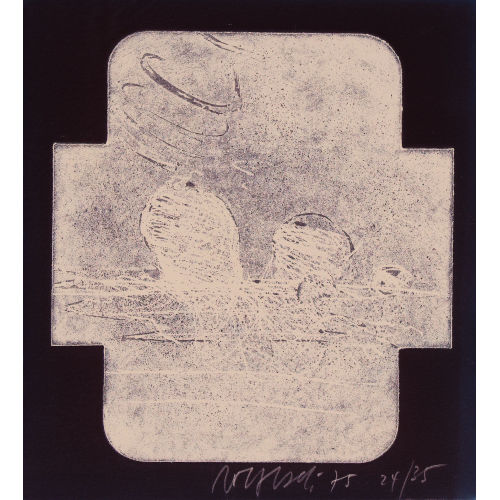
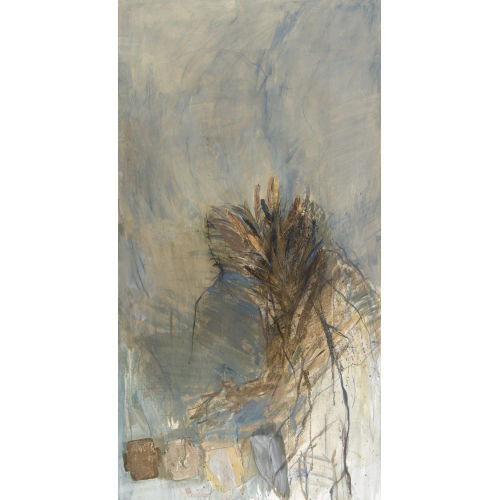
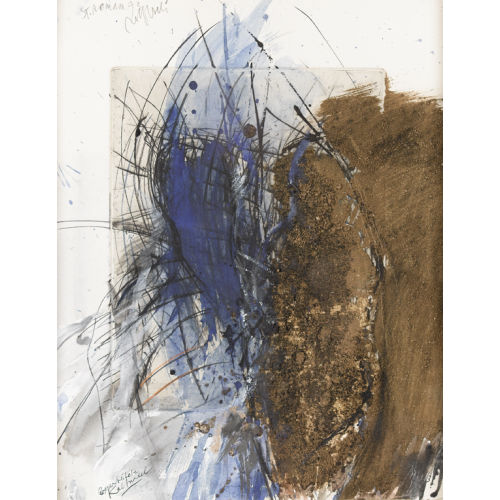
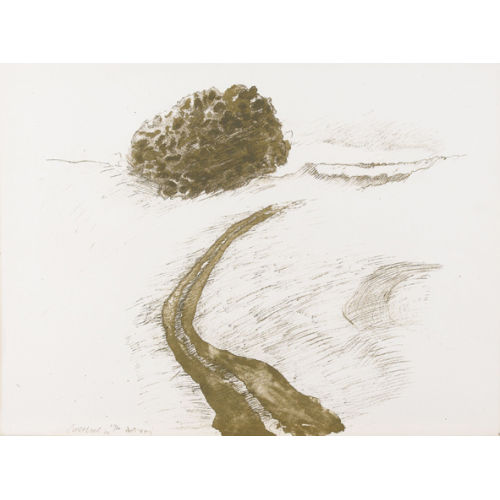
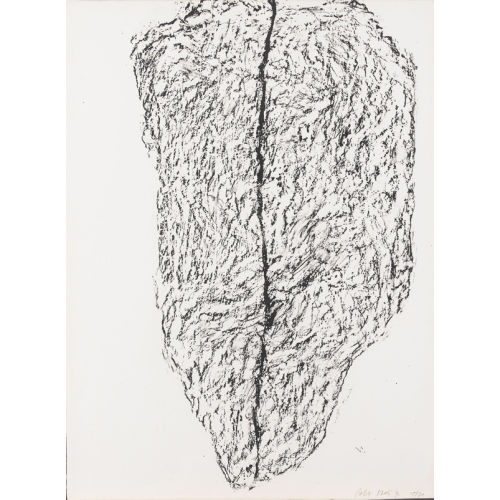
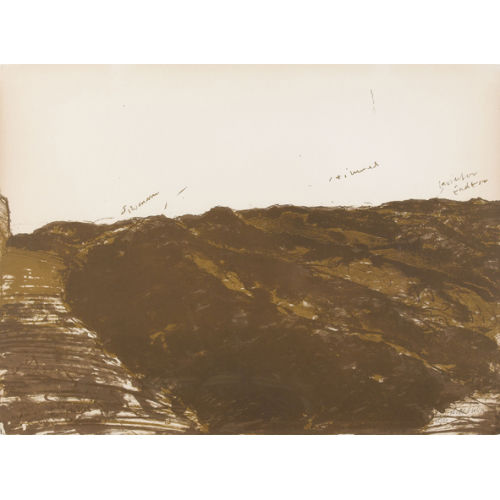
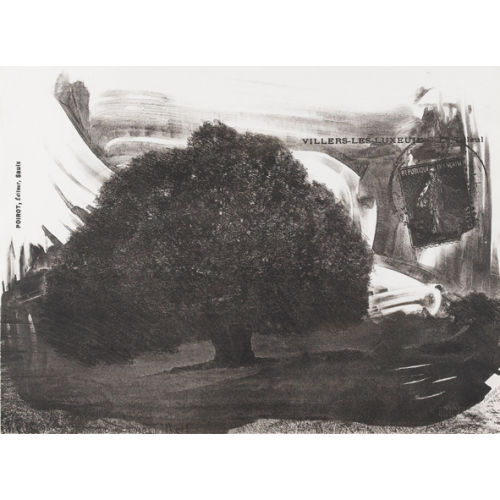
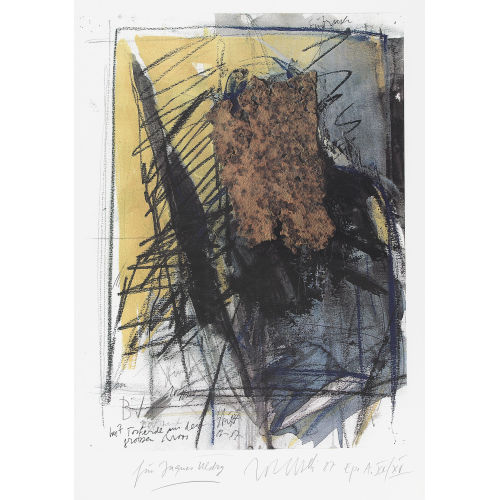
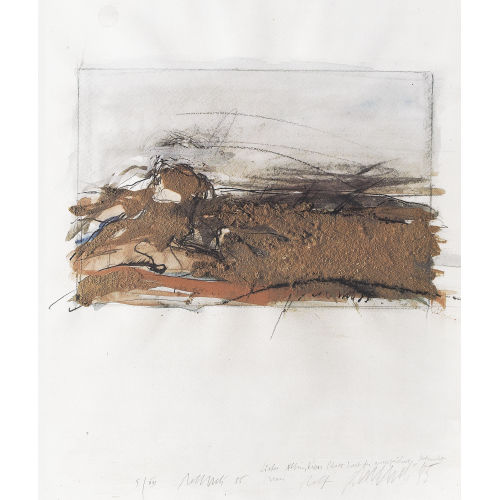
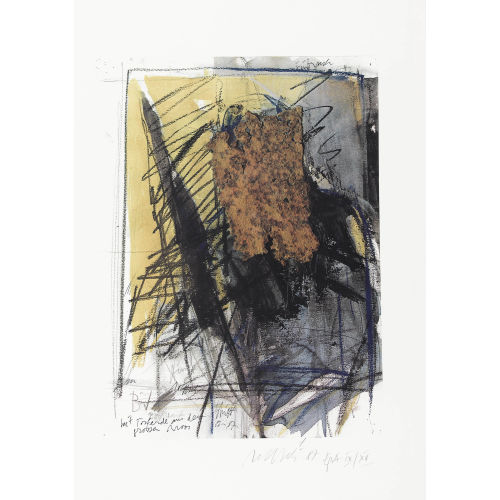
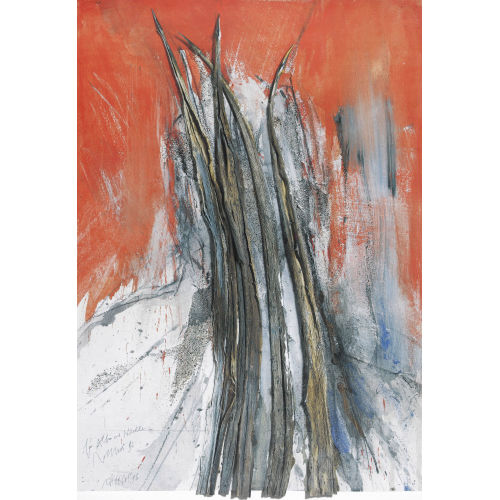
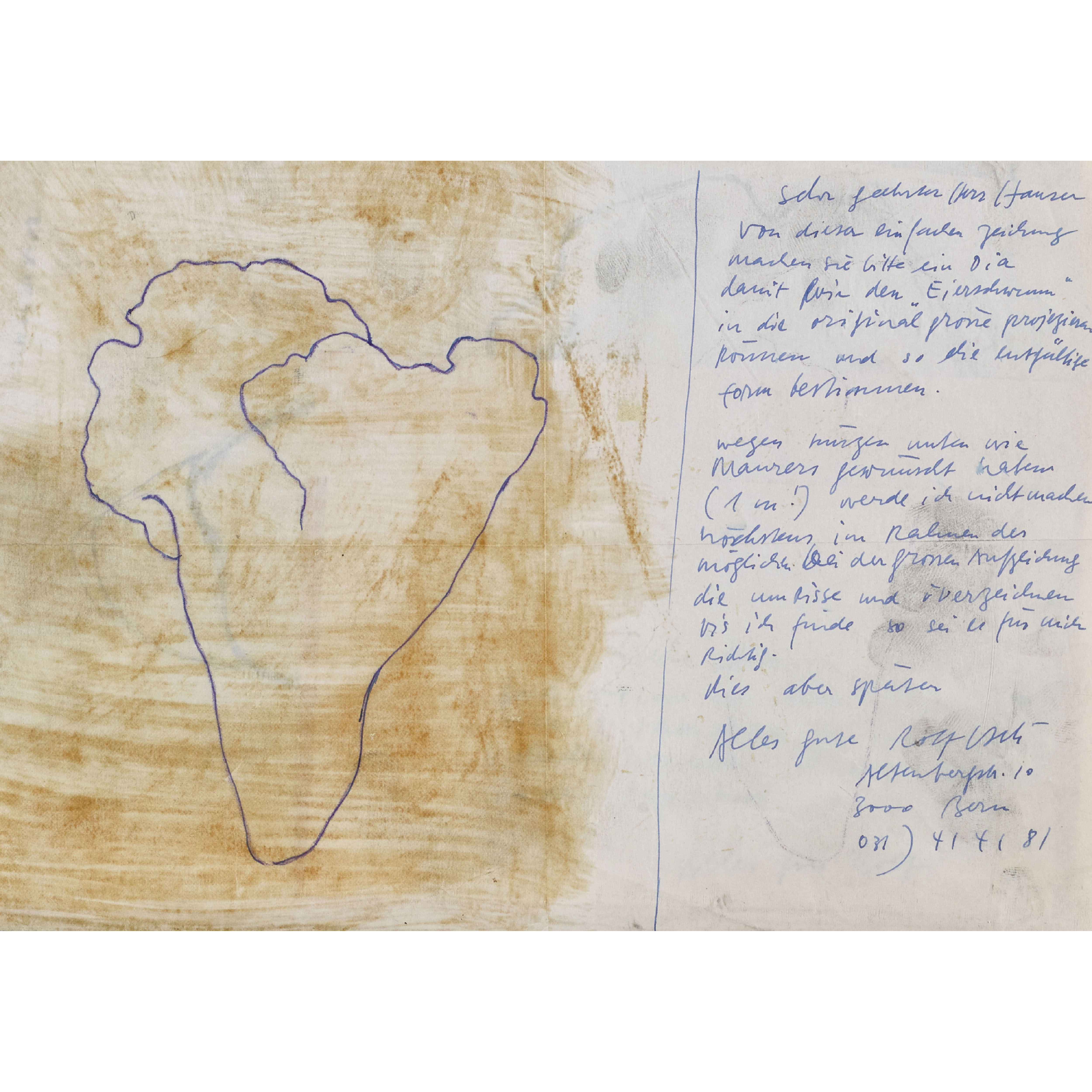
From the 1970s onwards, Iseli developed distinctive processes of drawing and printing, notably on supports marked by earth and imprints. The forms variously evoke bodies, landscapes or eroded terrain, without settling into a single interpretation. His career as a whole is thus characterised by back-and-forth movements between painting, drawing, printmaking and volume.
Represented in Swiss public collections, his work connects the material experimentation of the post-war period with an enduring reflection on human presence and the natural world.