Robert Müller
Born in 1920.
Died in 2003.
After beginning studies at a commercial school, he turned towards artistic training and, according to the sources, trained with Otto Bänninger and Germaine Richier; in parallel, he learned the techniques of ironwork—bending and curving on the anvil—in the city, at one of Paris’s last remaining forges.
Müller’s geographical trajectory took him from a two-year stay in Genoa beginning in 1947 to settling in France: he established himself in Paris in 1949, exhibited in the capital for the first time in 1954, and subsequently moved to Villiers-le-Bel, where he worked.
Internationally, his activities between 1956 and 1960 are attested by his participation in the international biennials (Venice, São Paulo, Paris) and by his presence at documenta II in Kassel in 1959; he was also represented in Paris by the Galerie Jeanne Bucher.
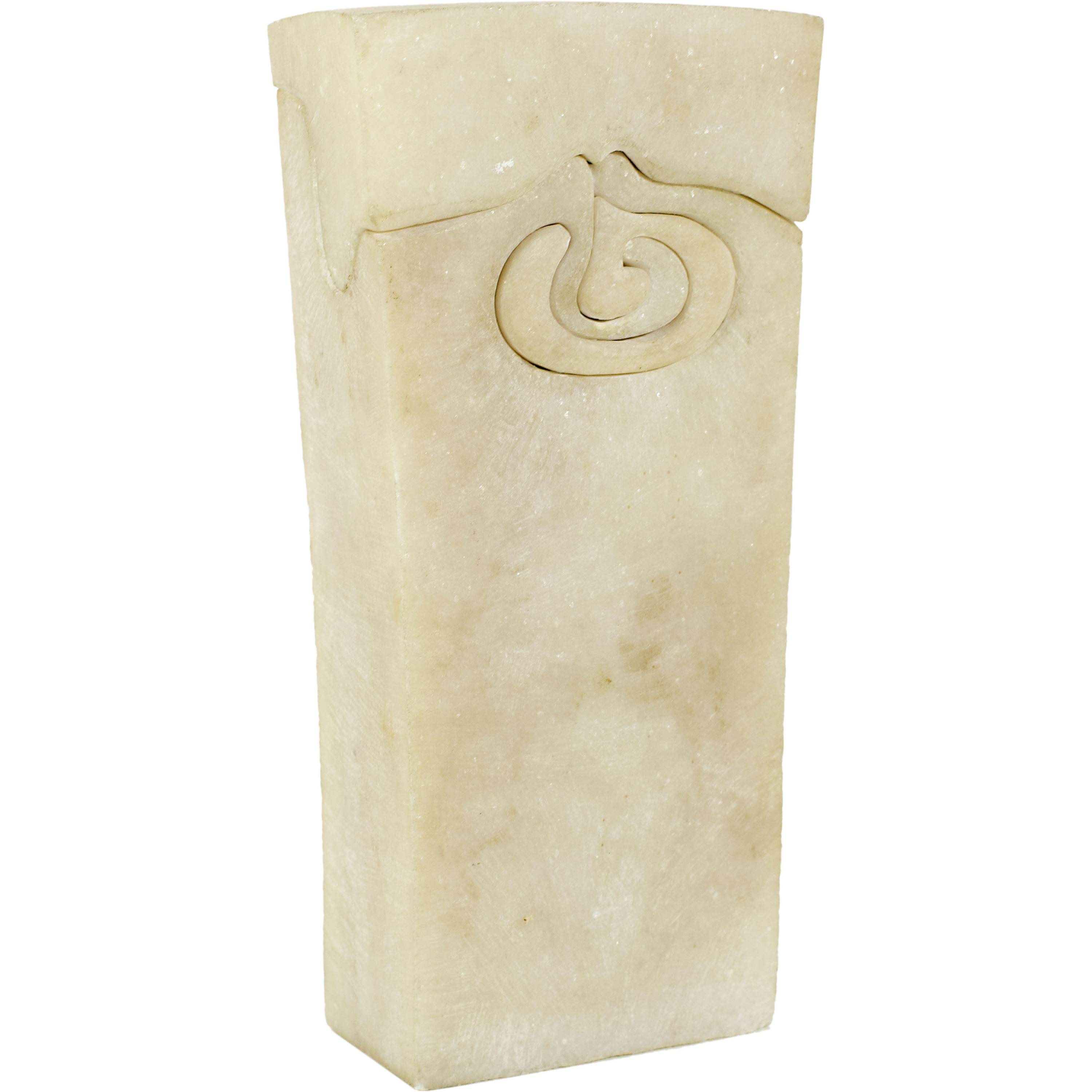
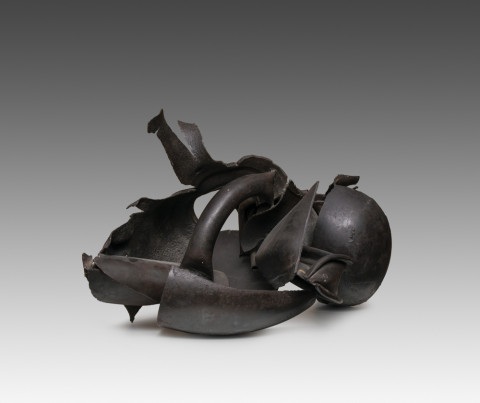
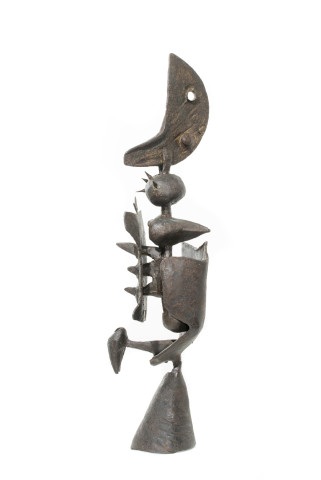
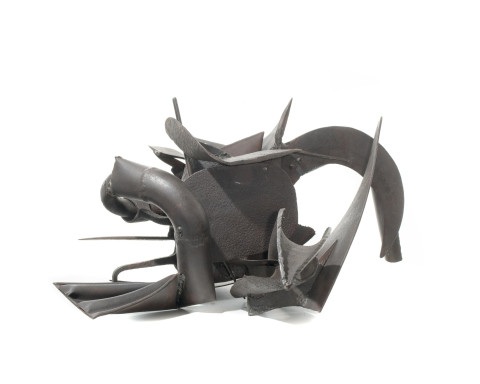
The 1950s and 1960s saw the emergence of an iron-based practice that made him, according to the documentation consulted, one of the pioneers of iron sculpture of this period; the chronology of his works nevertheless indicates a decline in success from the 1960s onwards, and the sculpture L’Orgue (1966) is described as his last work executed in his customary iron technique.
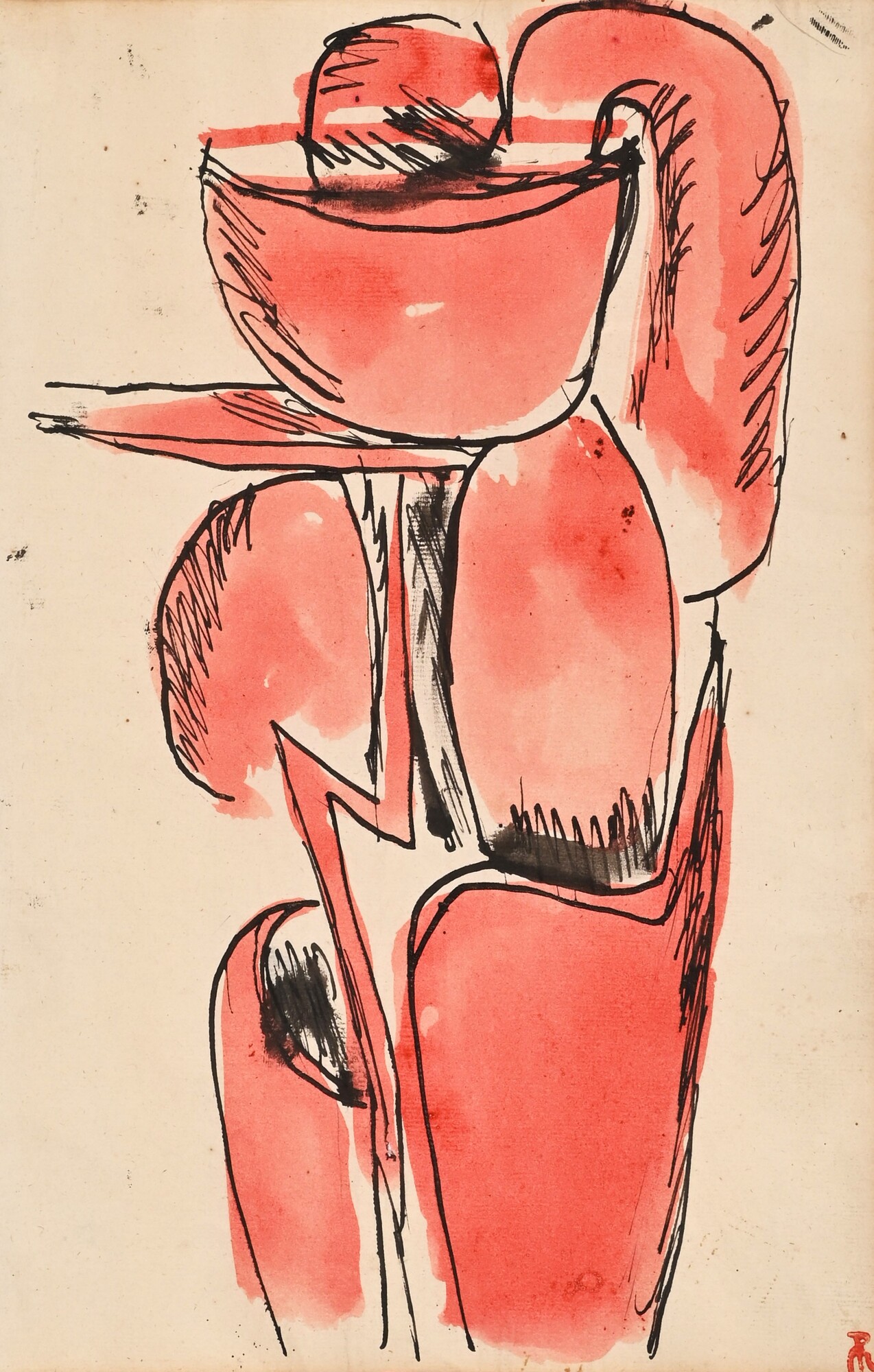
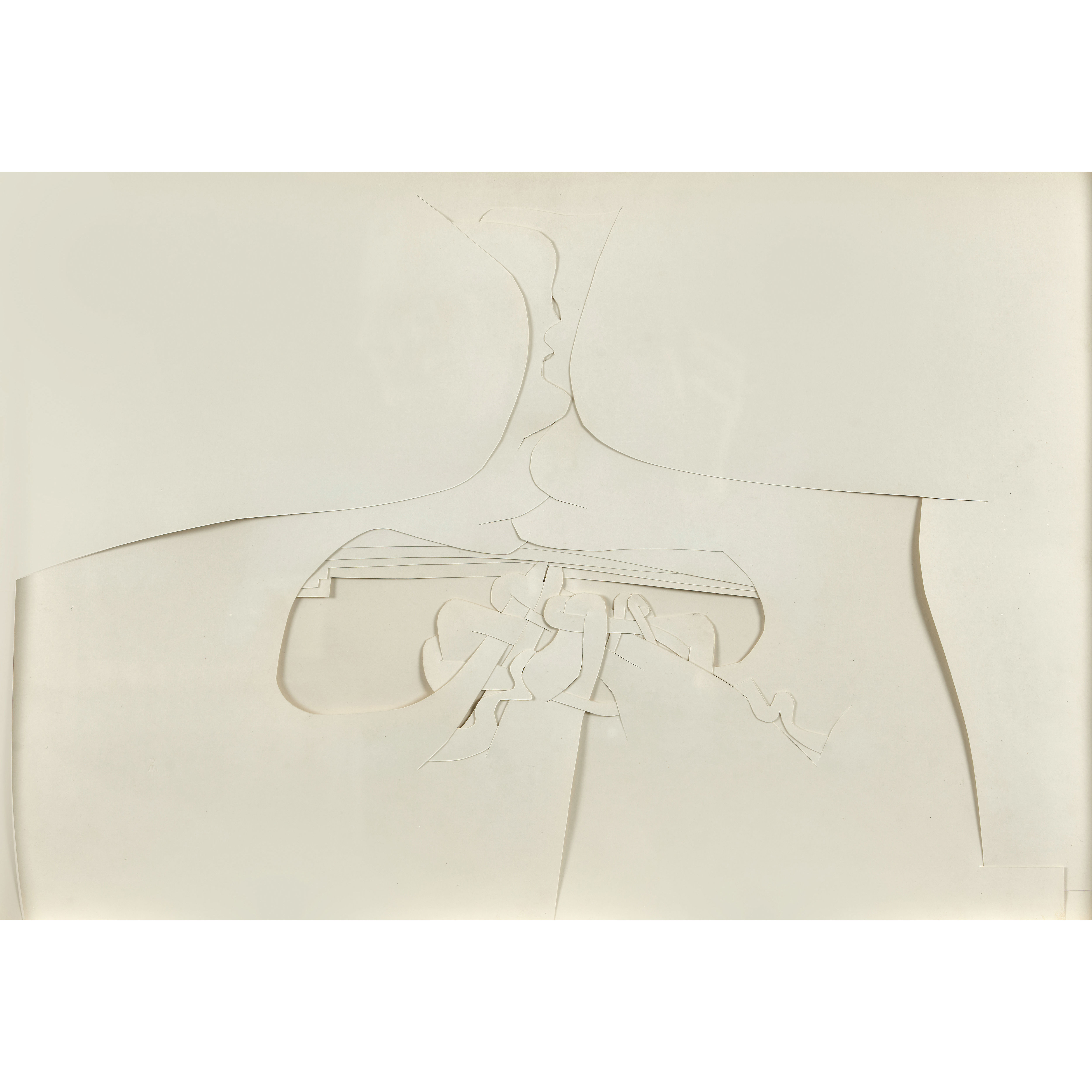
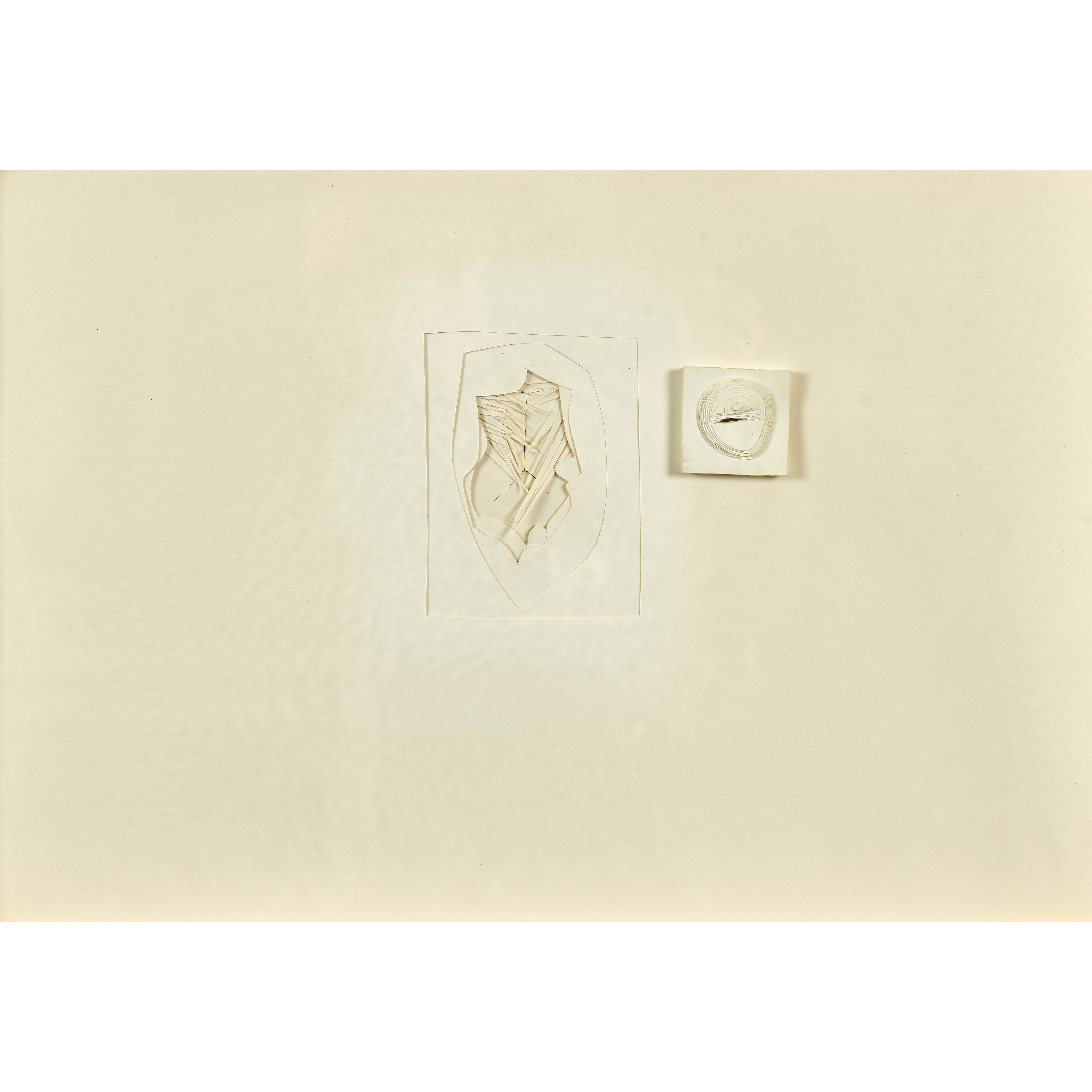
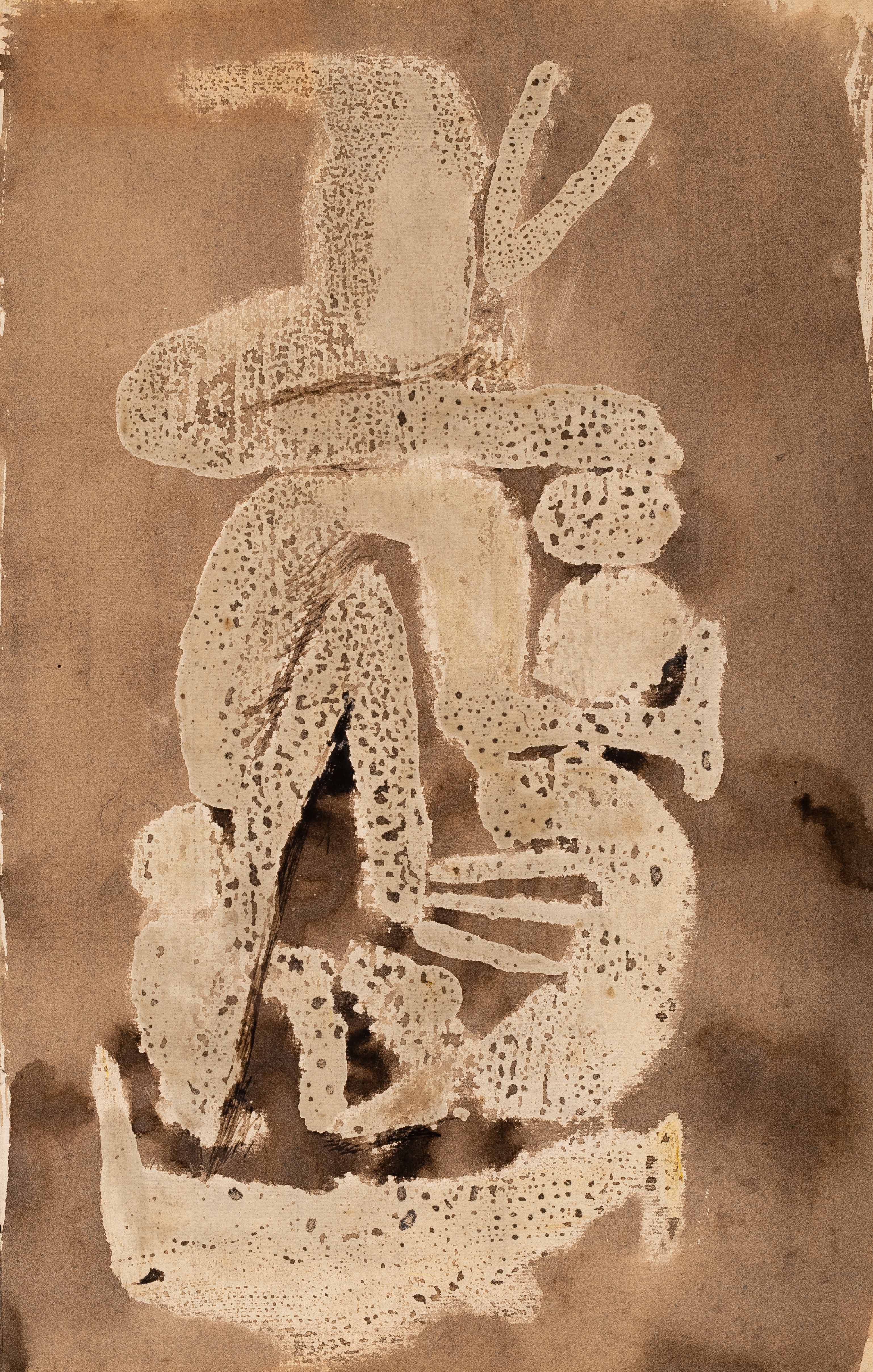
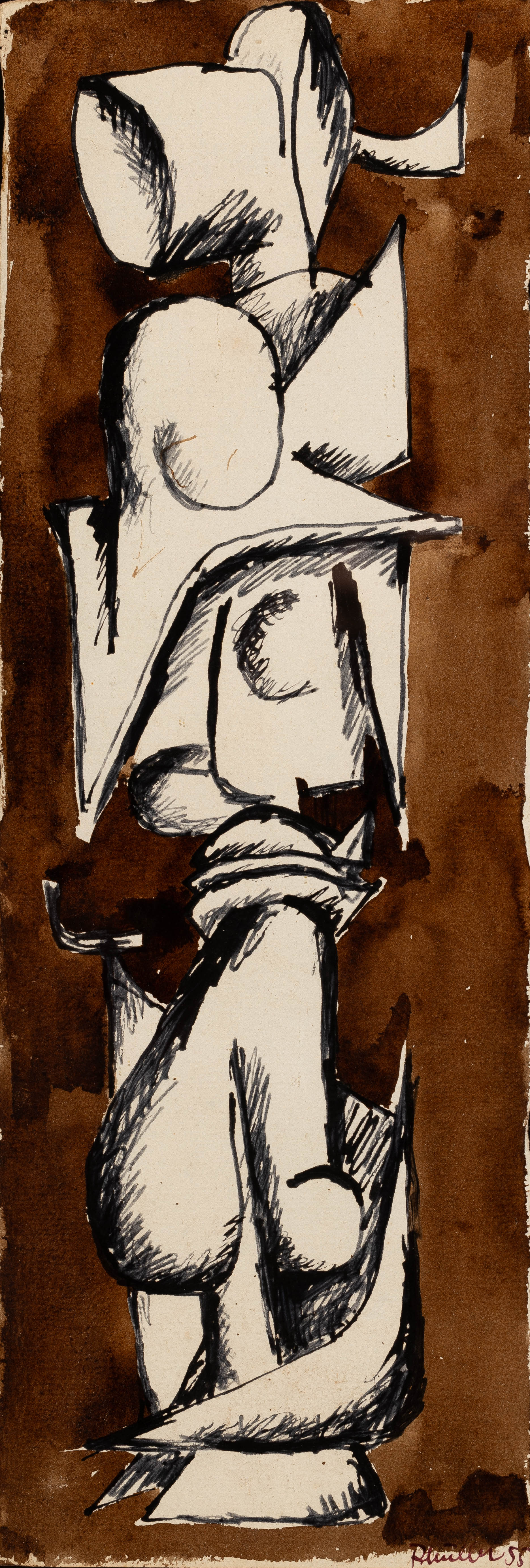
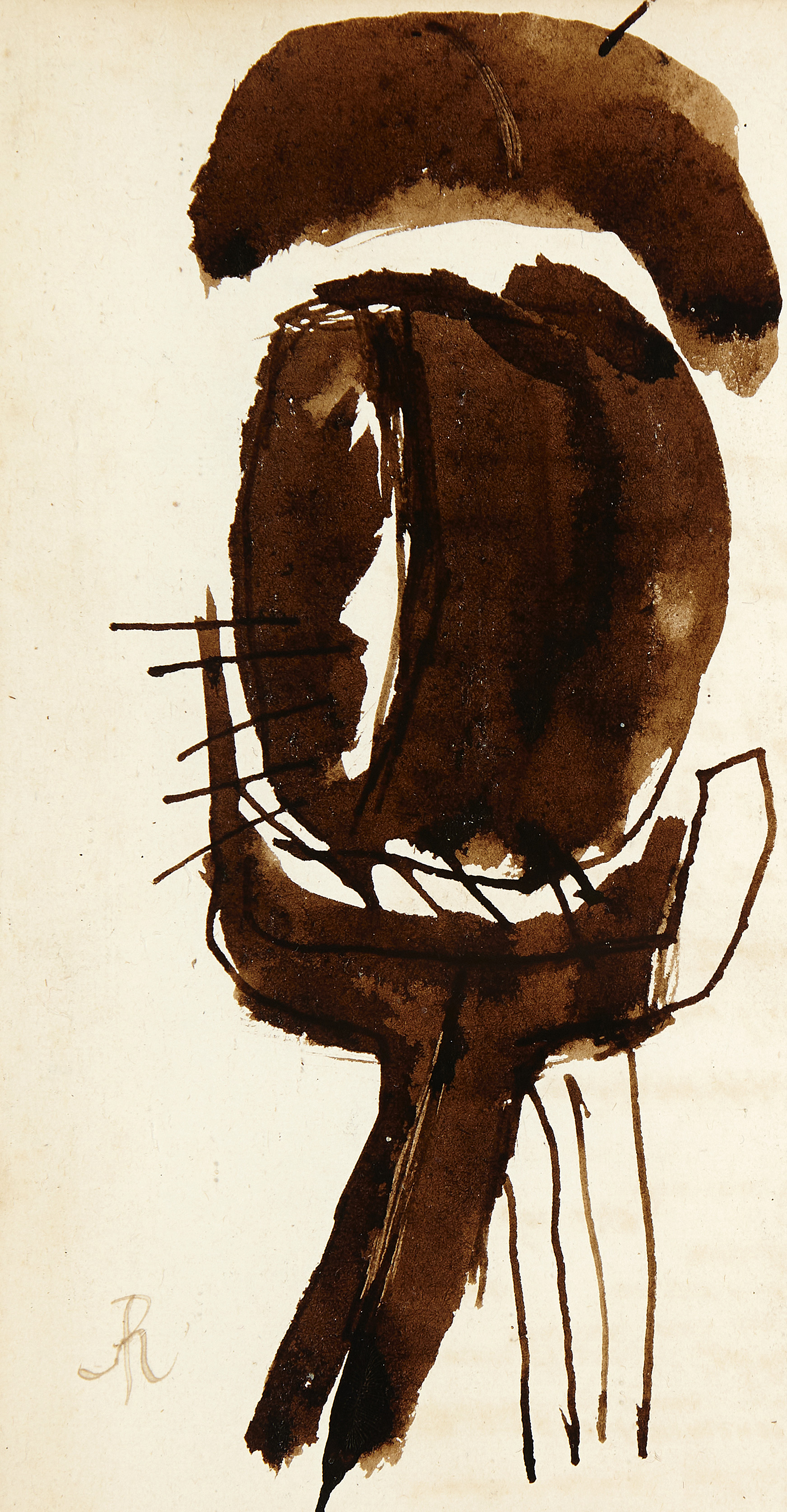
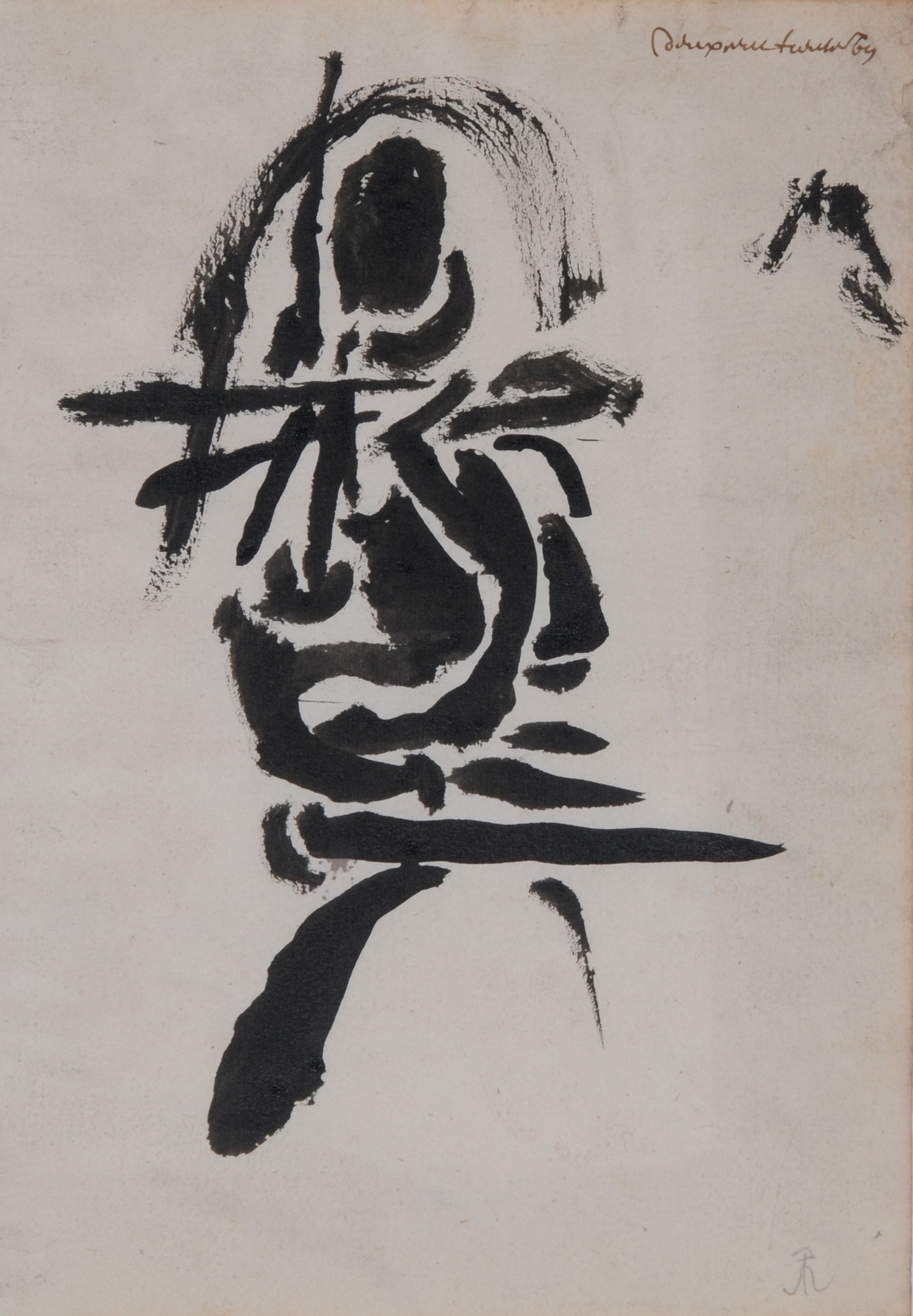
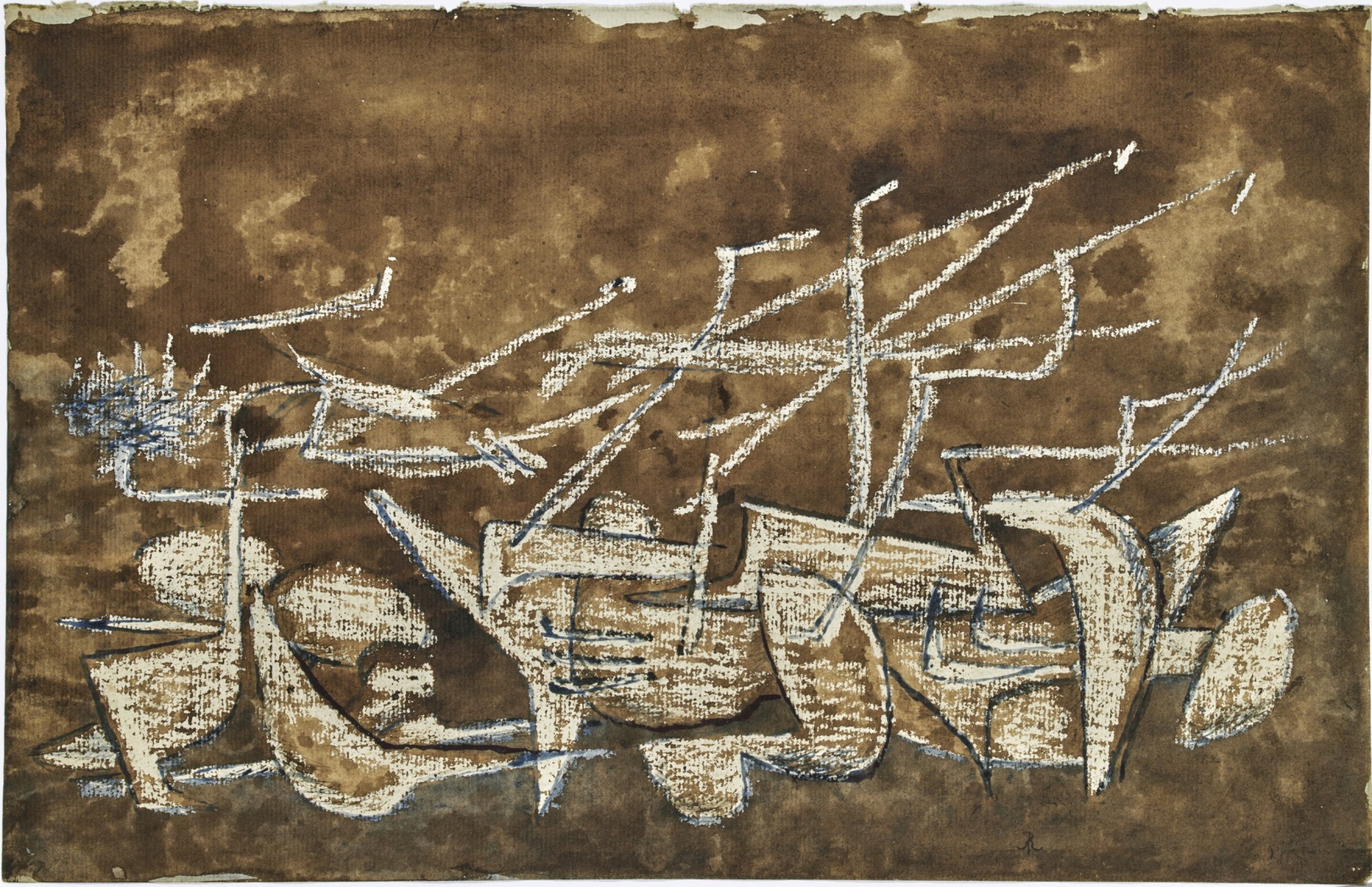
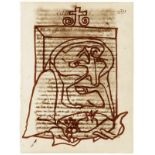
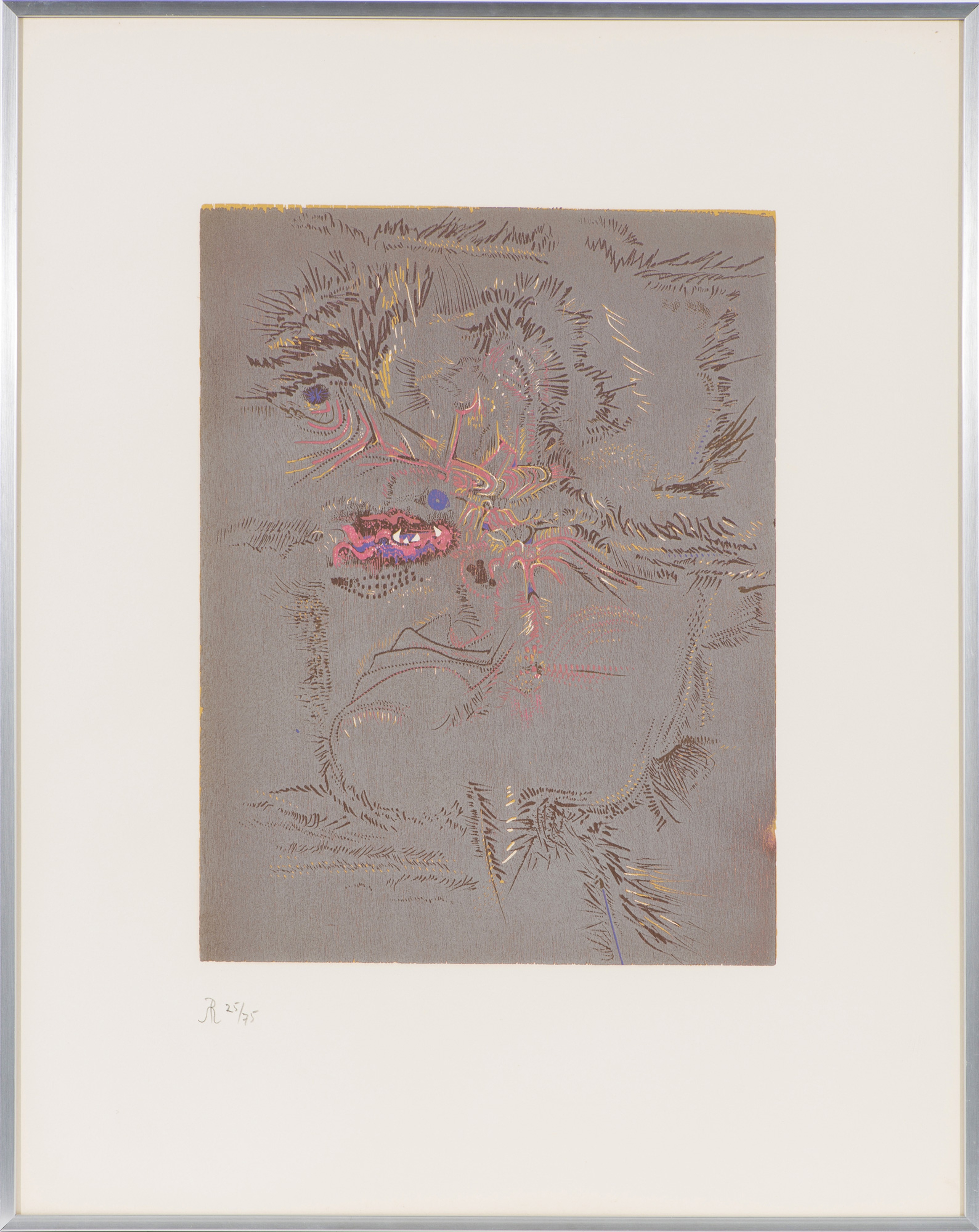
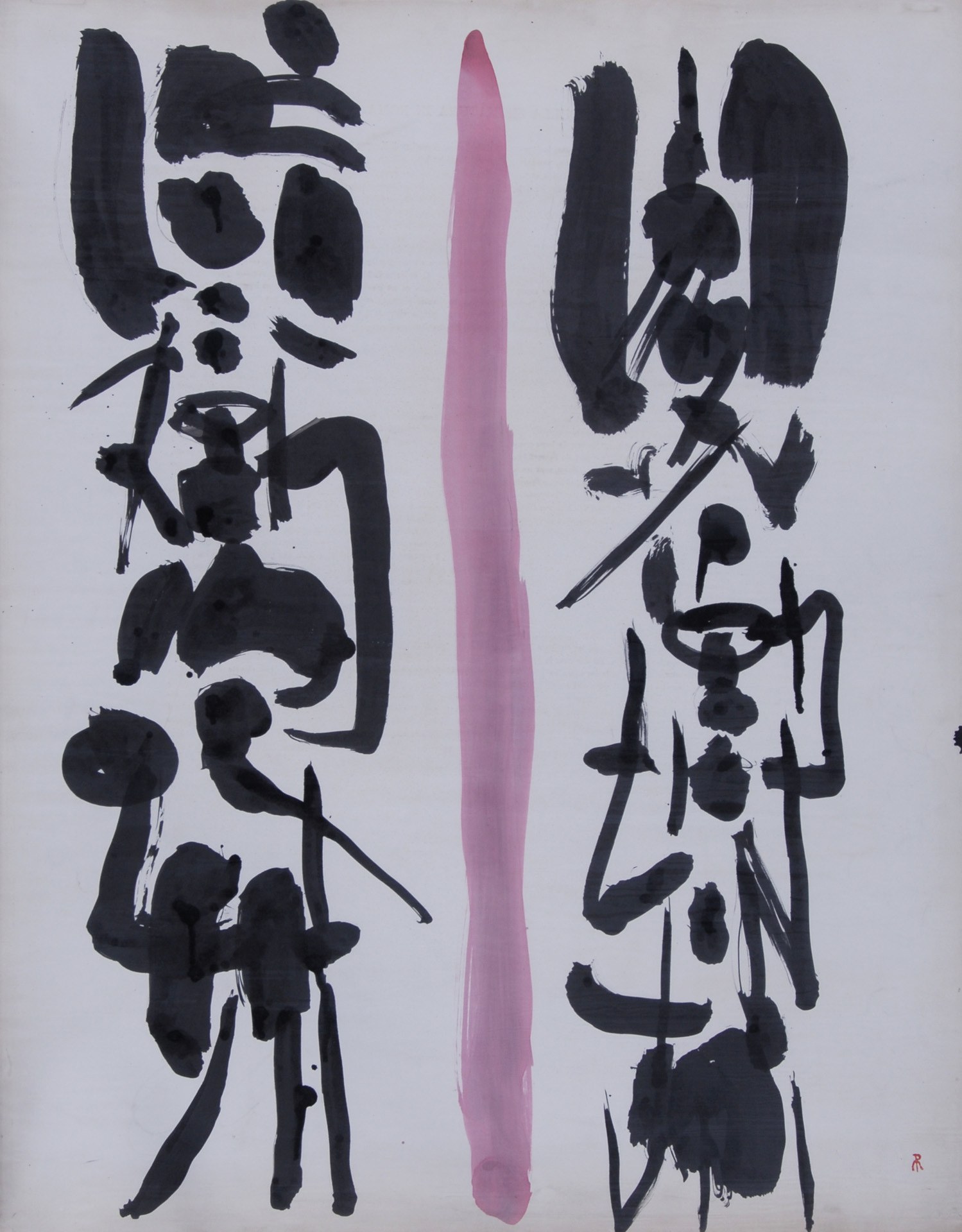
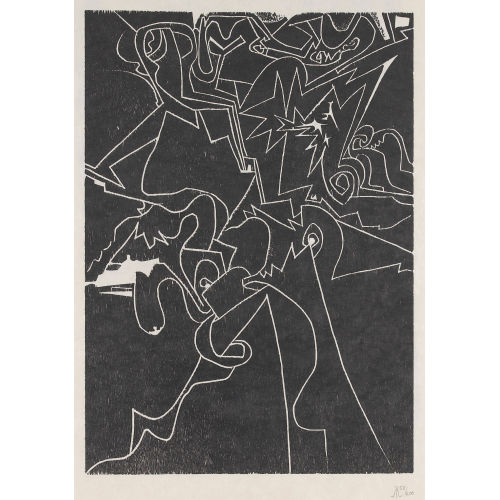
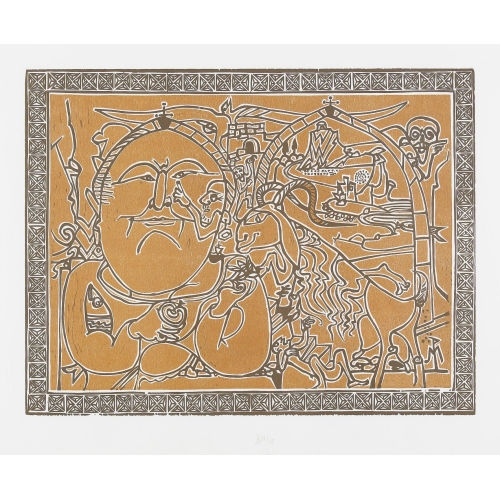
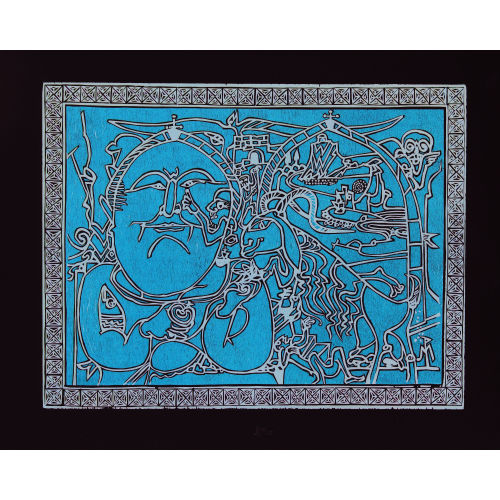
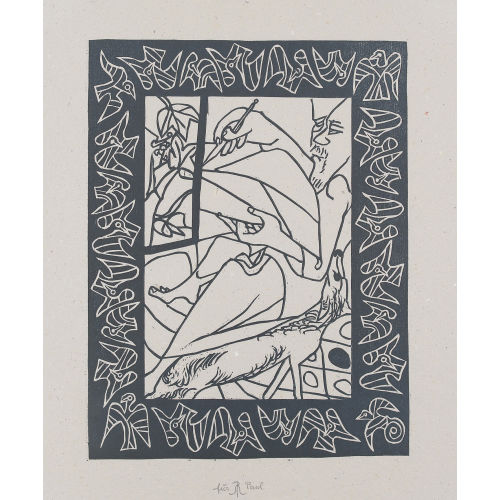
From 1978 onwards, Müller devoted a significant part of his activity to printmaking and drawing: these aspects were the subject of monographic exhibitions—a retrospective of his drawings (Musée Rath, 1979) and an overview of his prints (Cabinet des estampes, Geneva, 1982)—both accompanied by a catalogue prepared by Rainer Michael Mason.