René Auberjonois
Born in 1872.
Died in 1957.
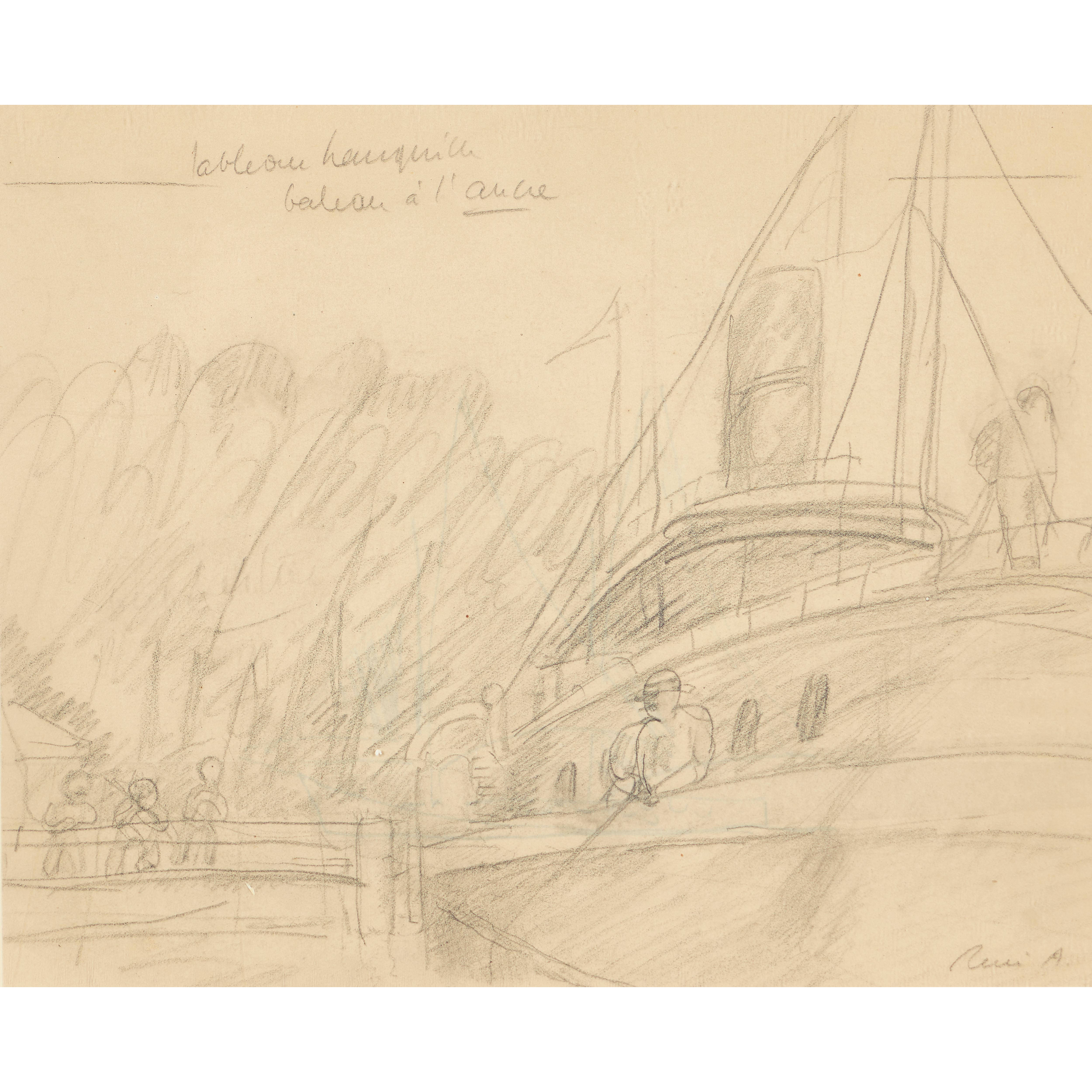
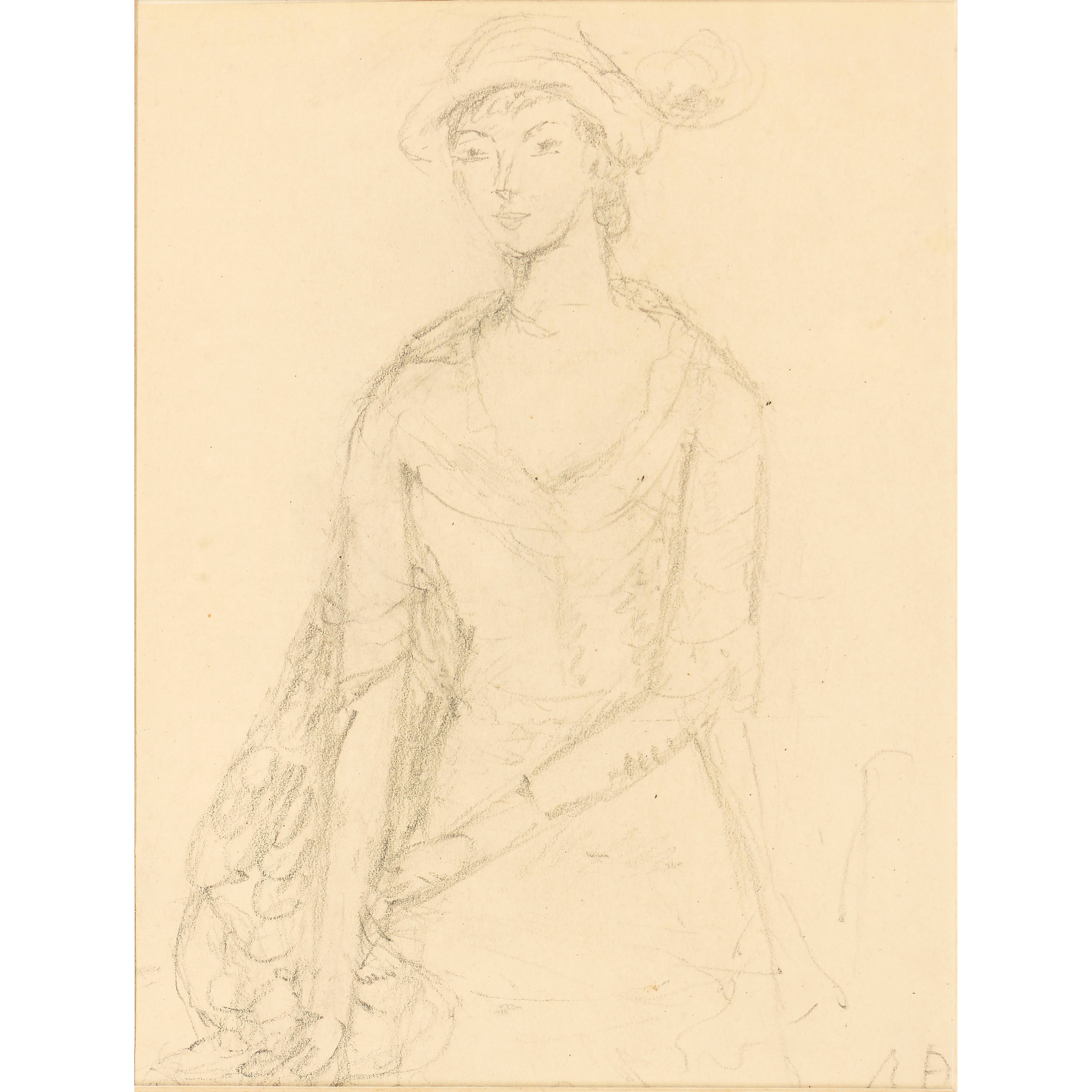
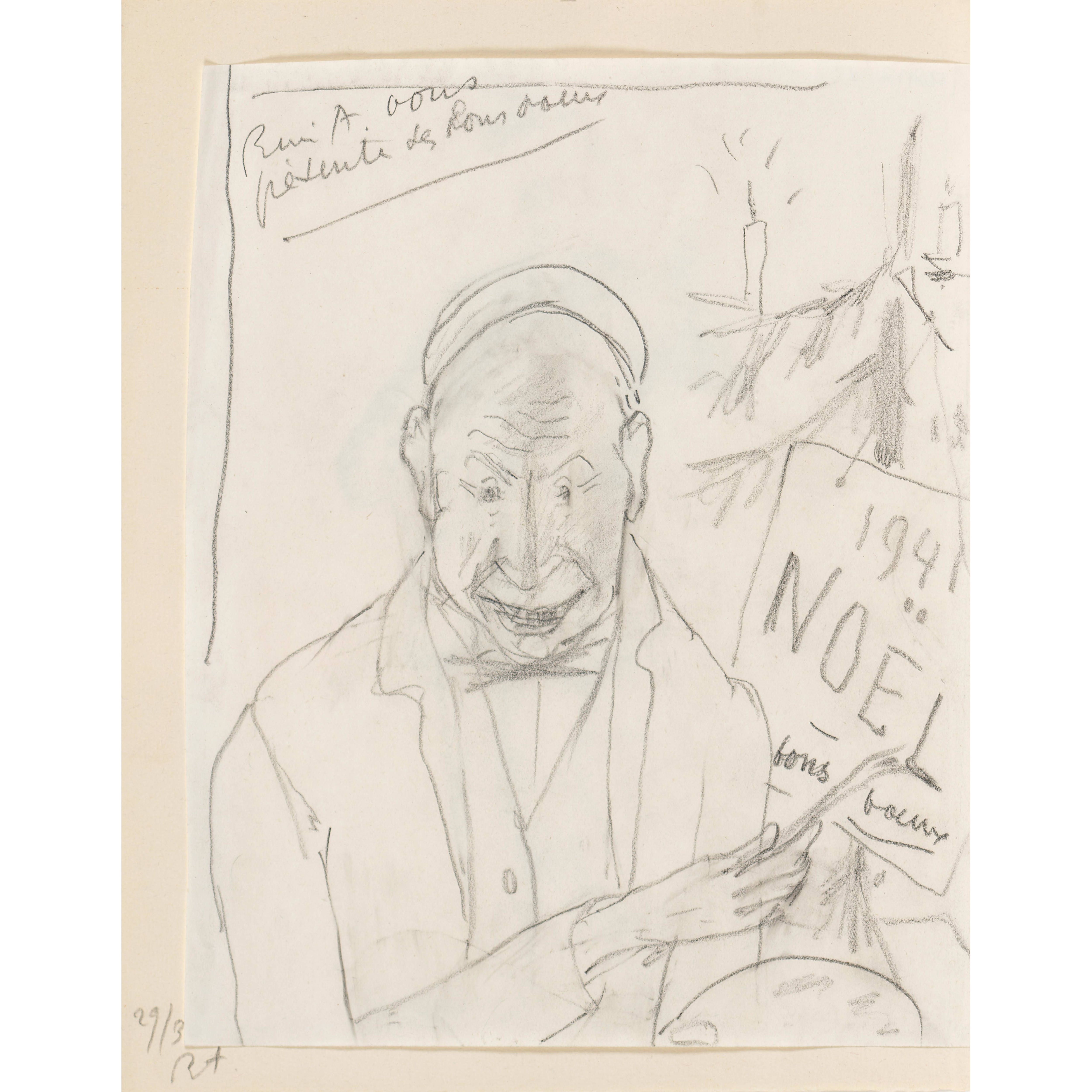
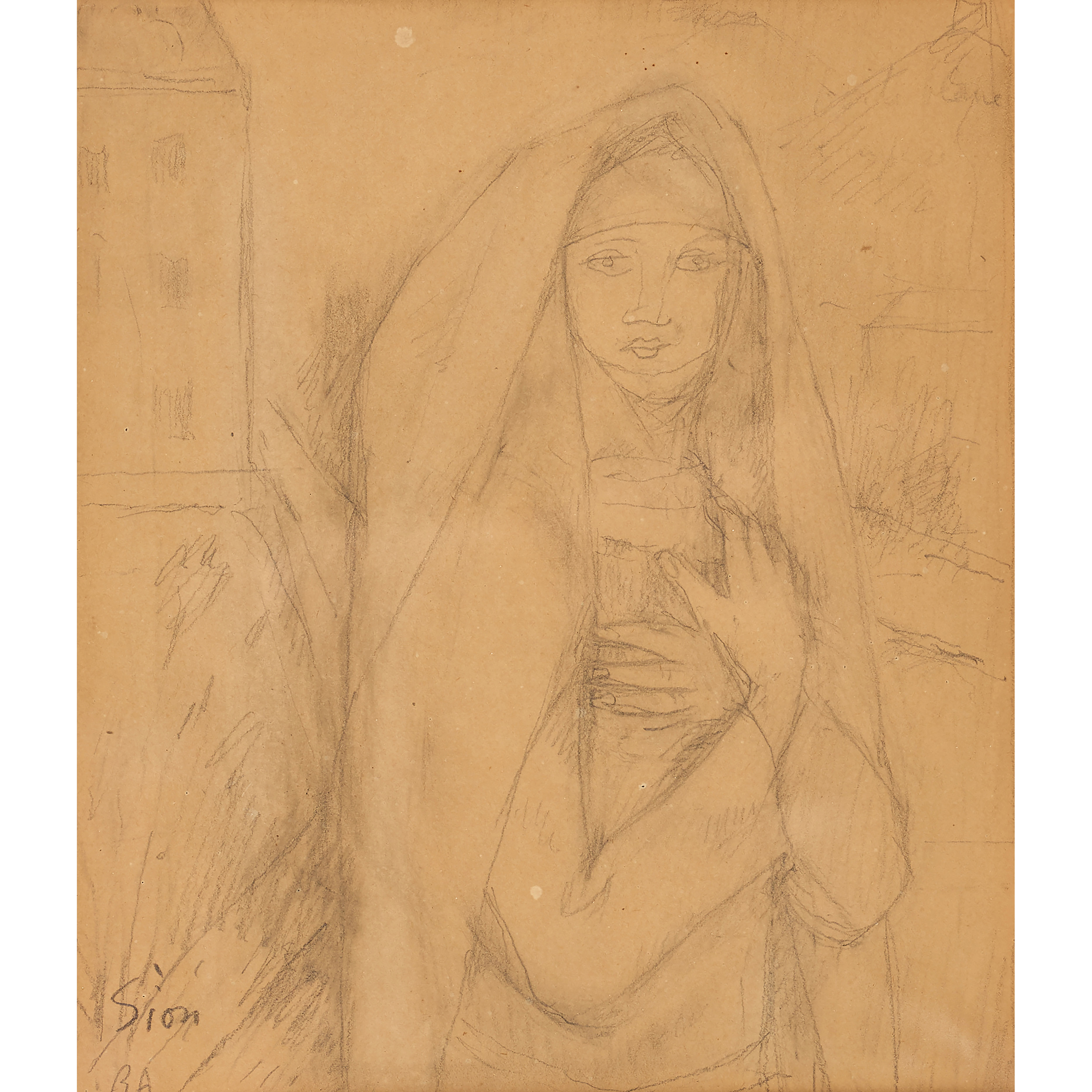
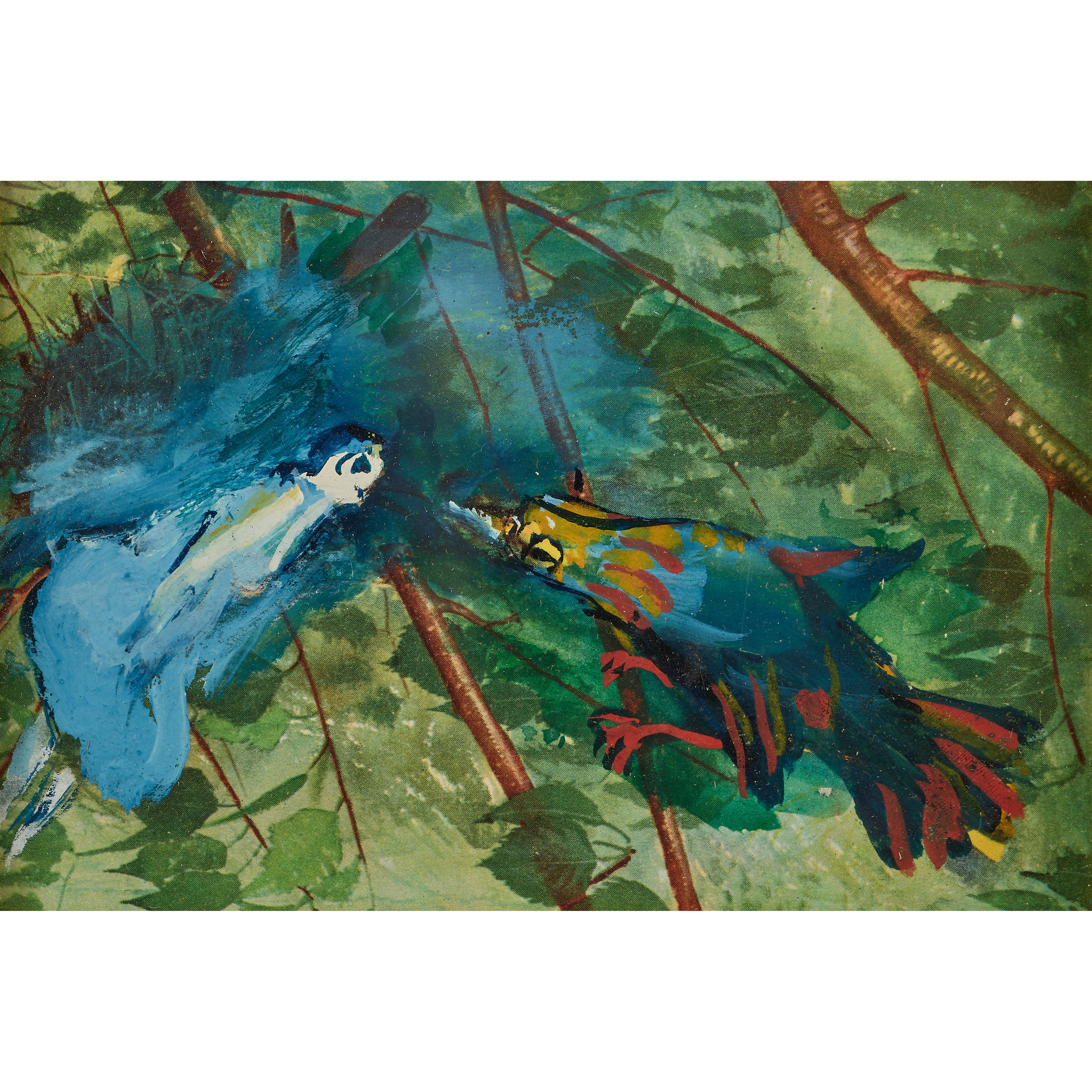
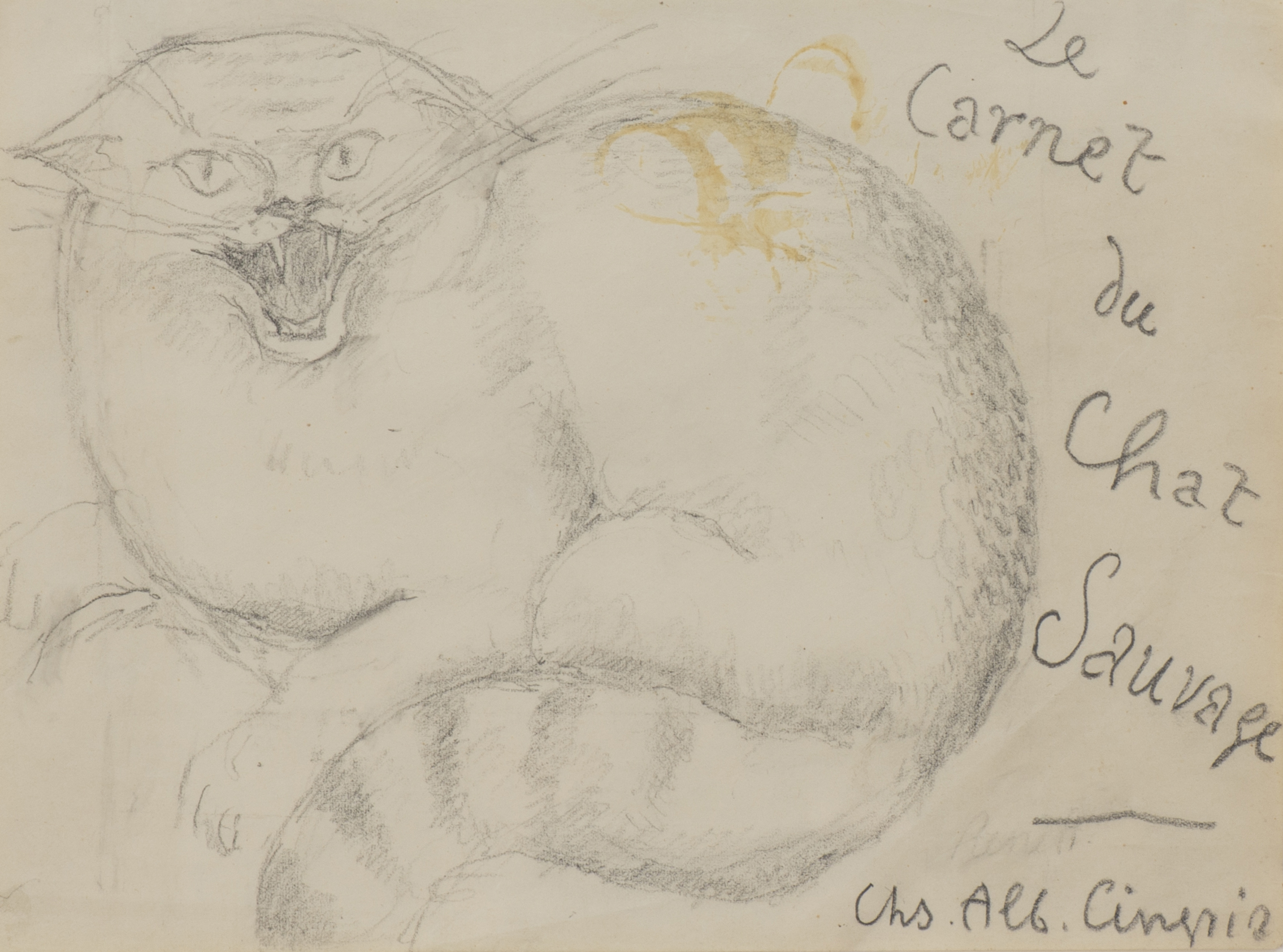
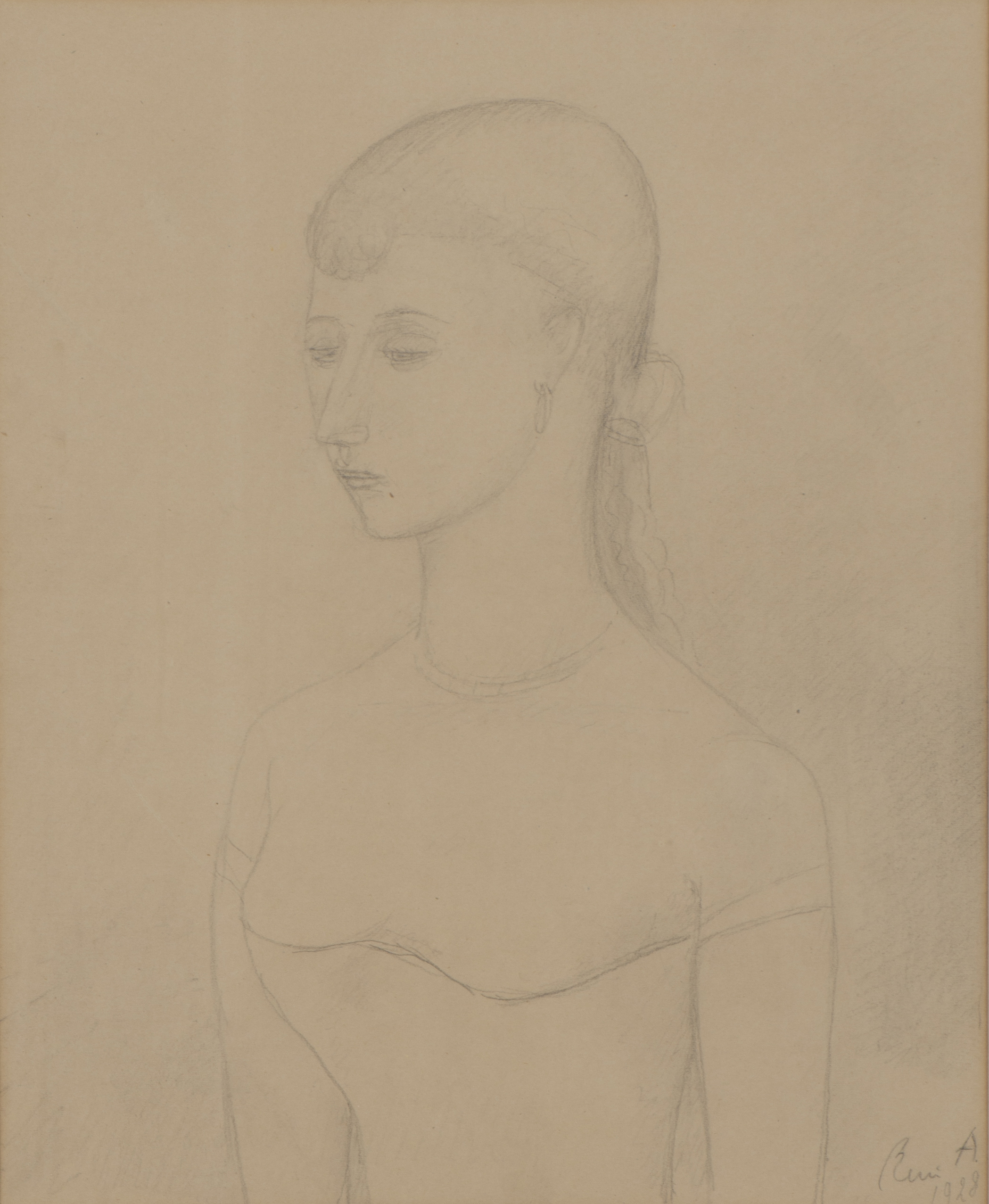
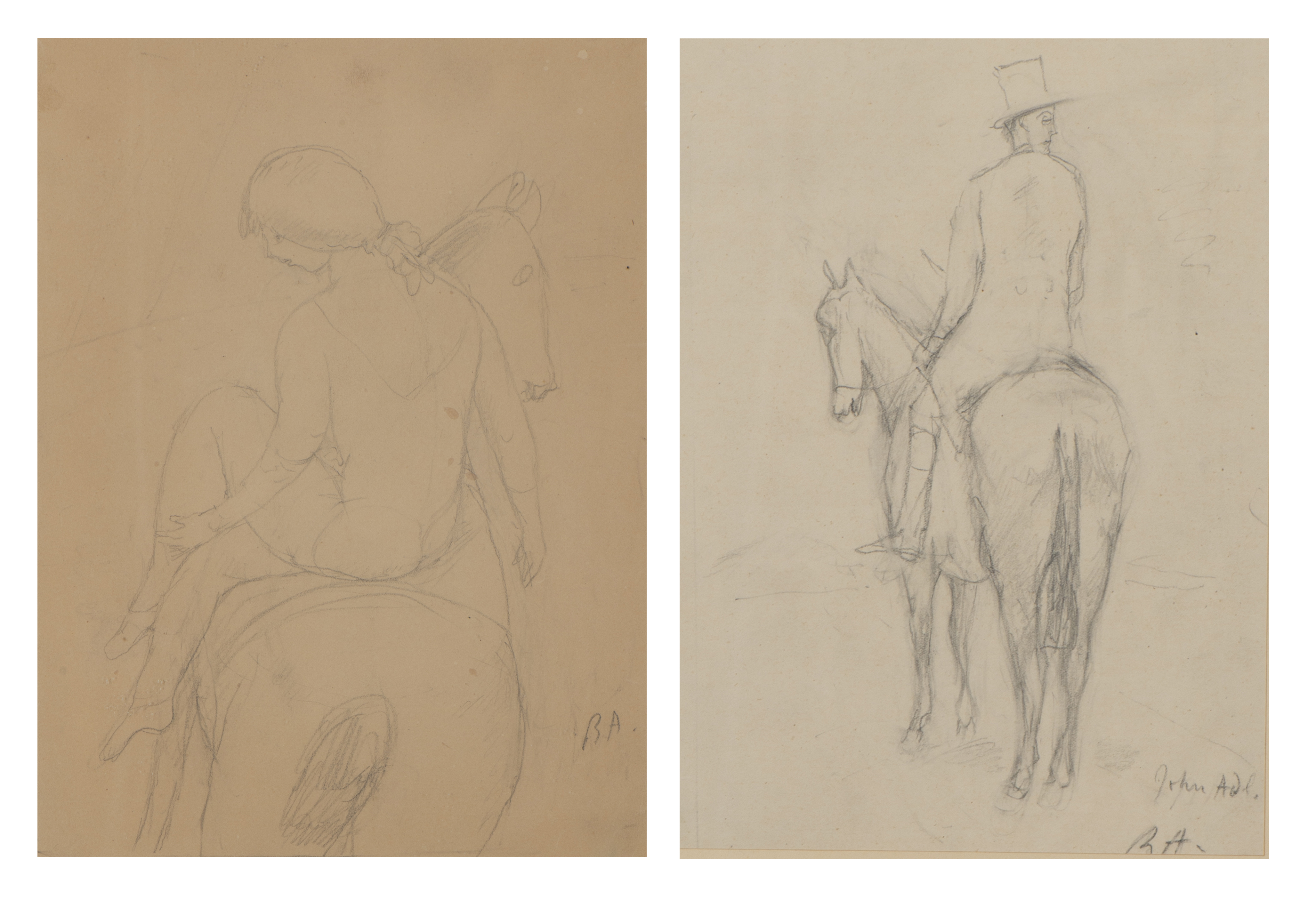
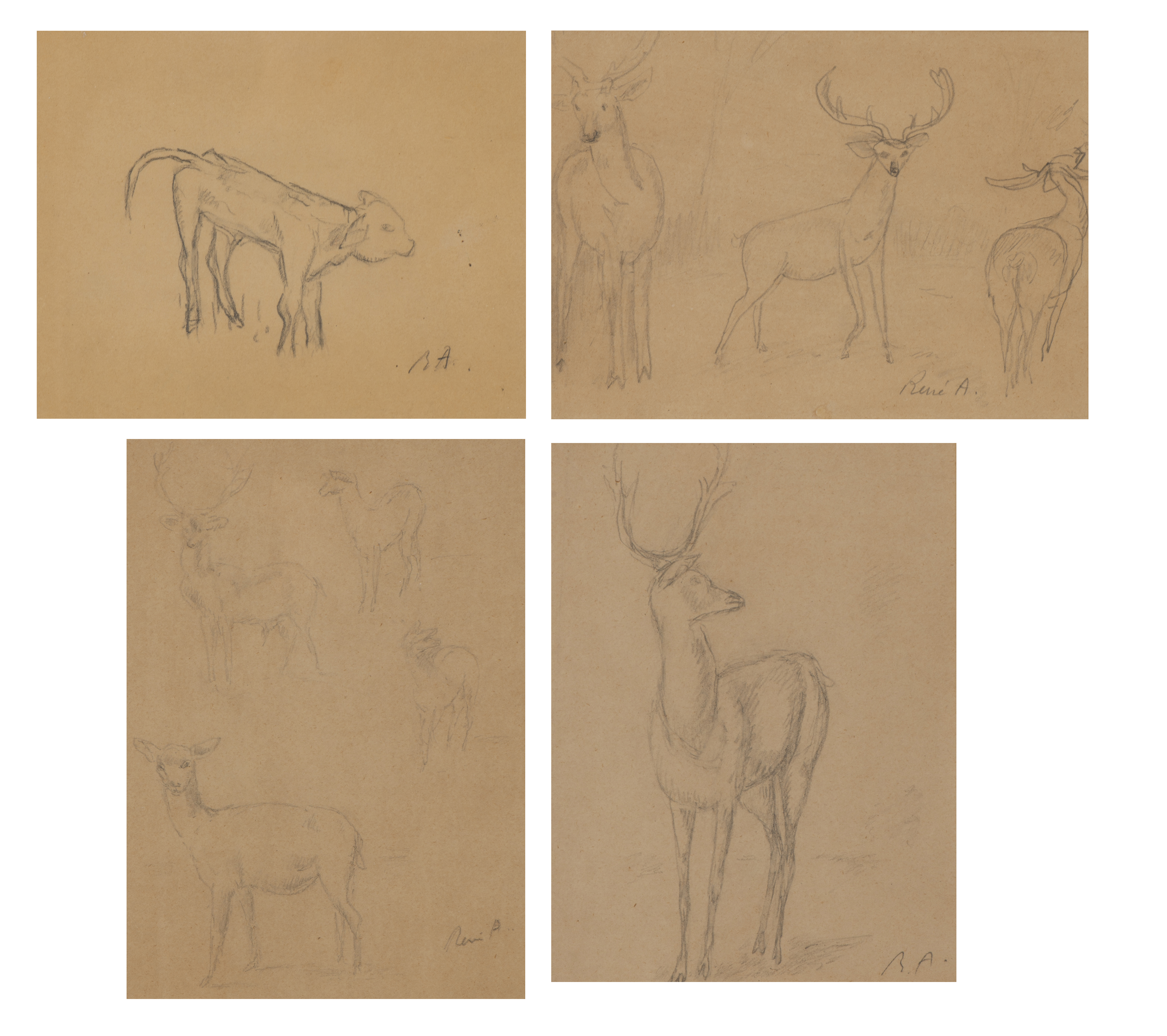
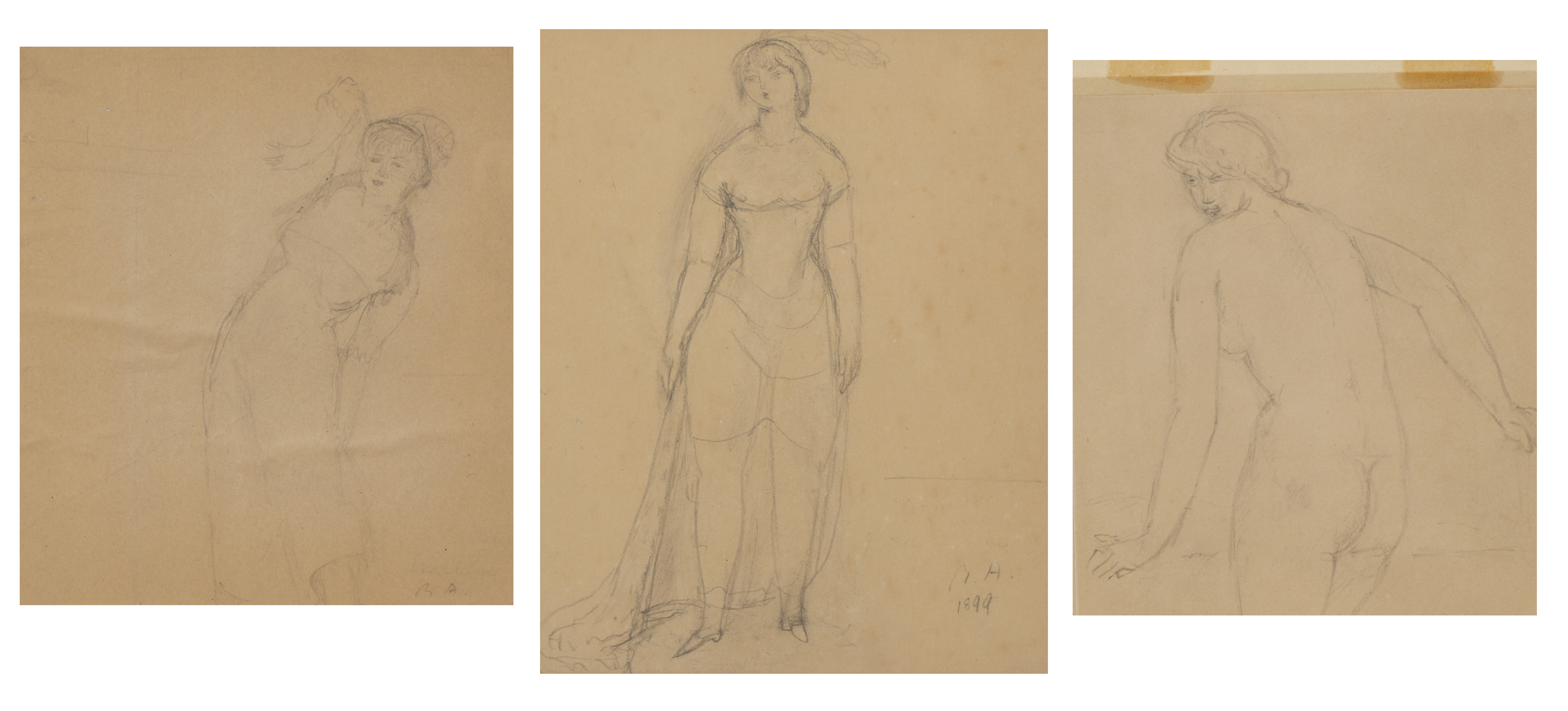
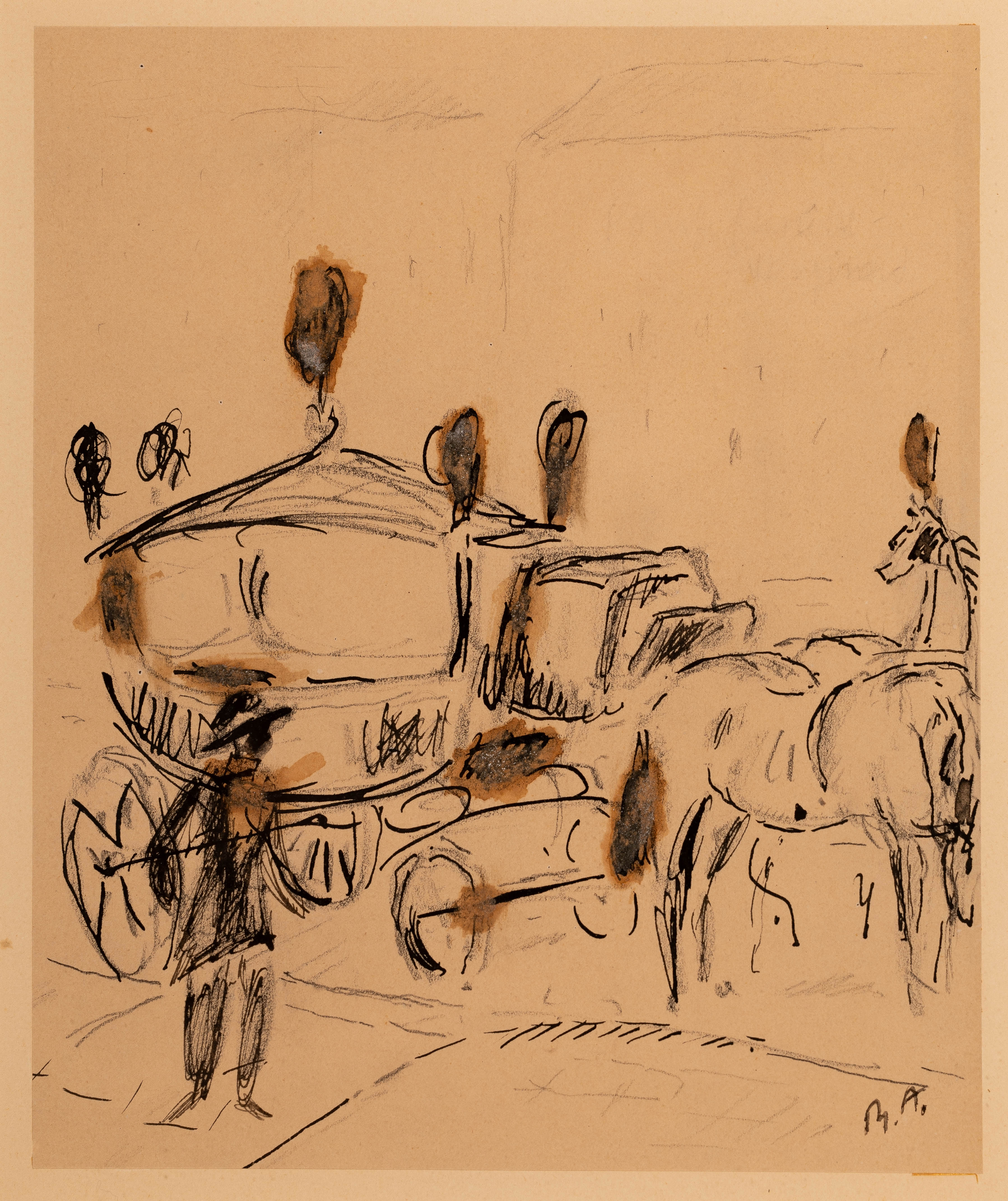
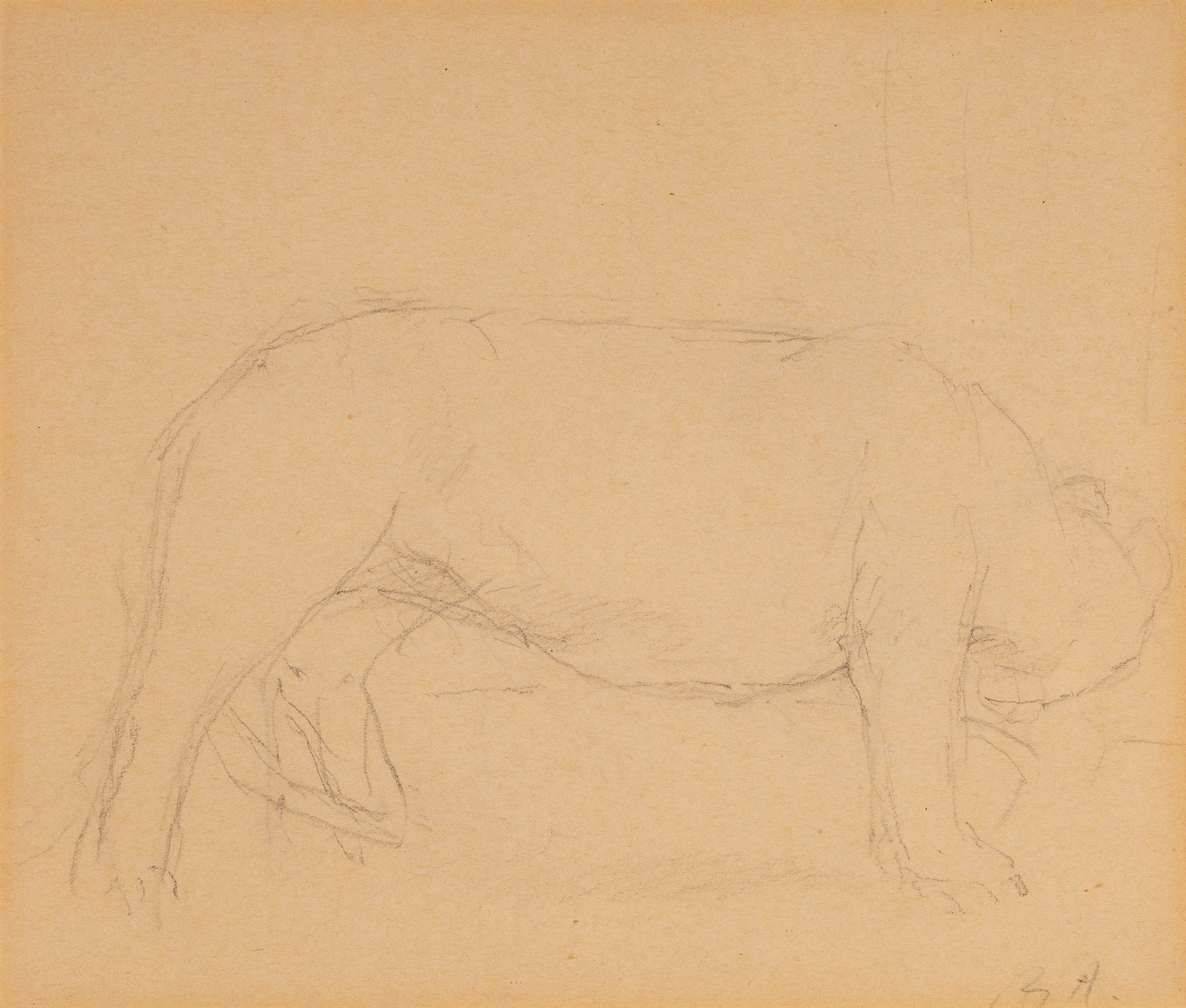
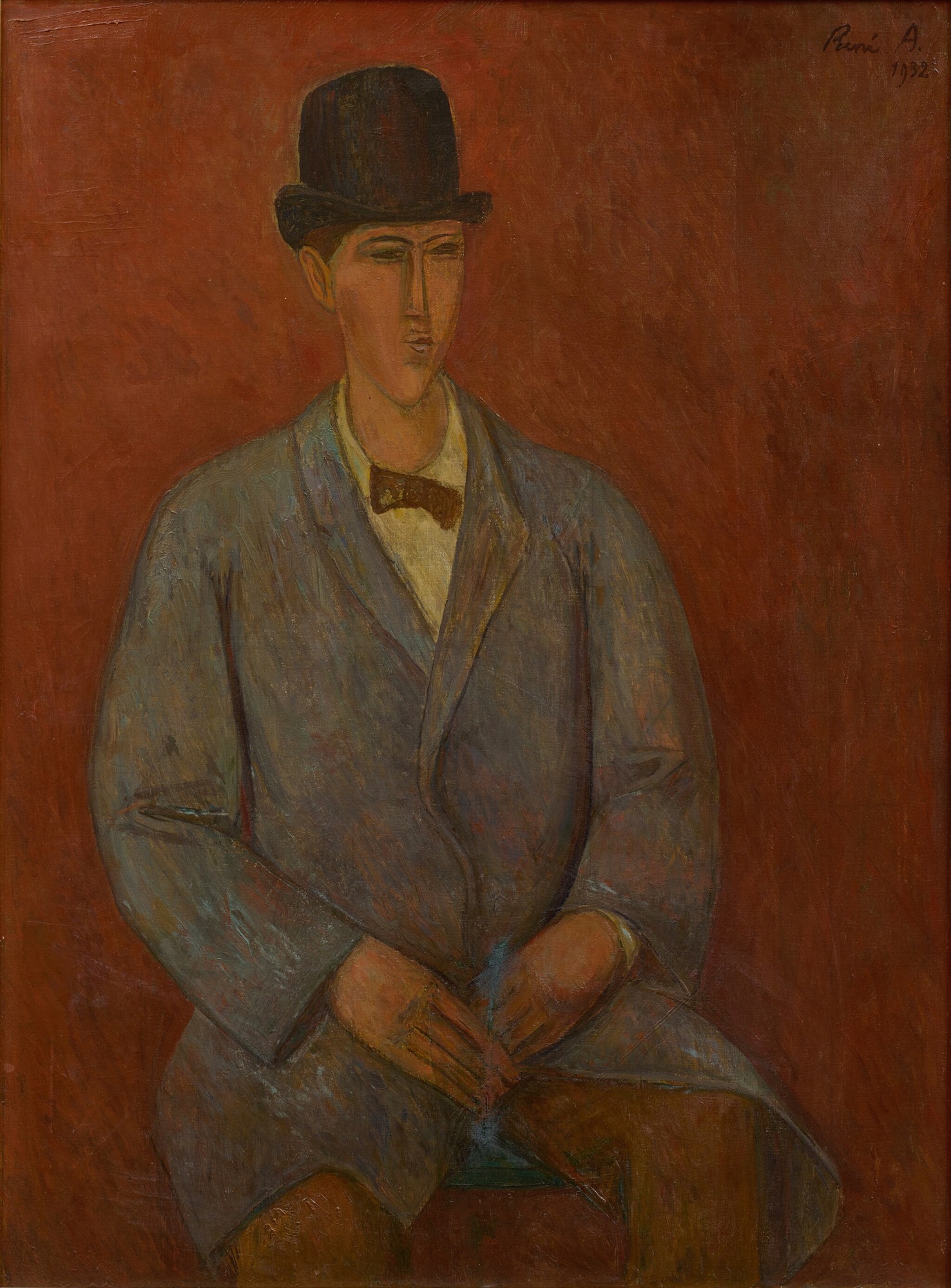
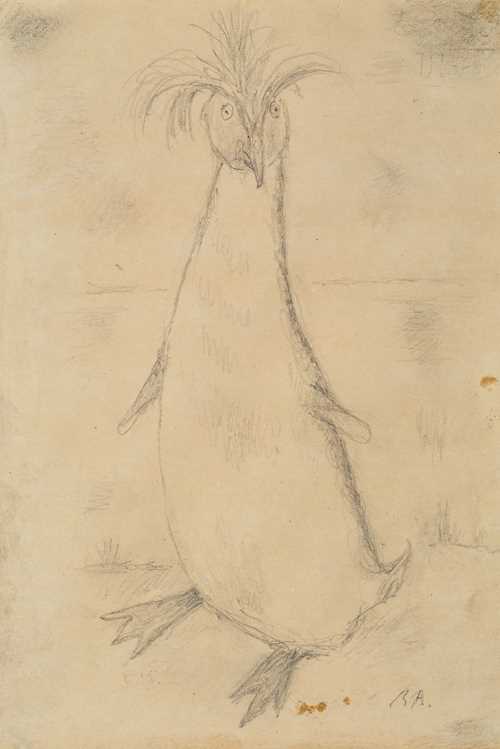
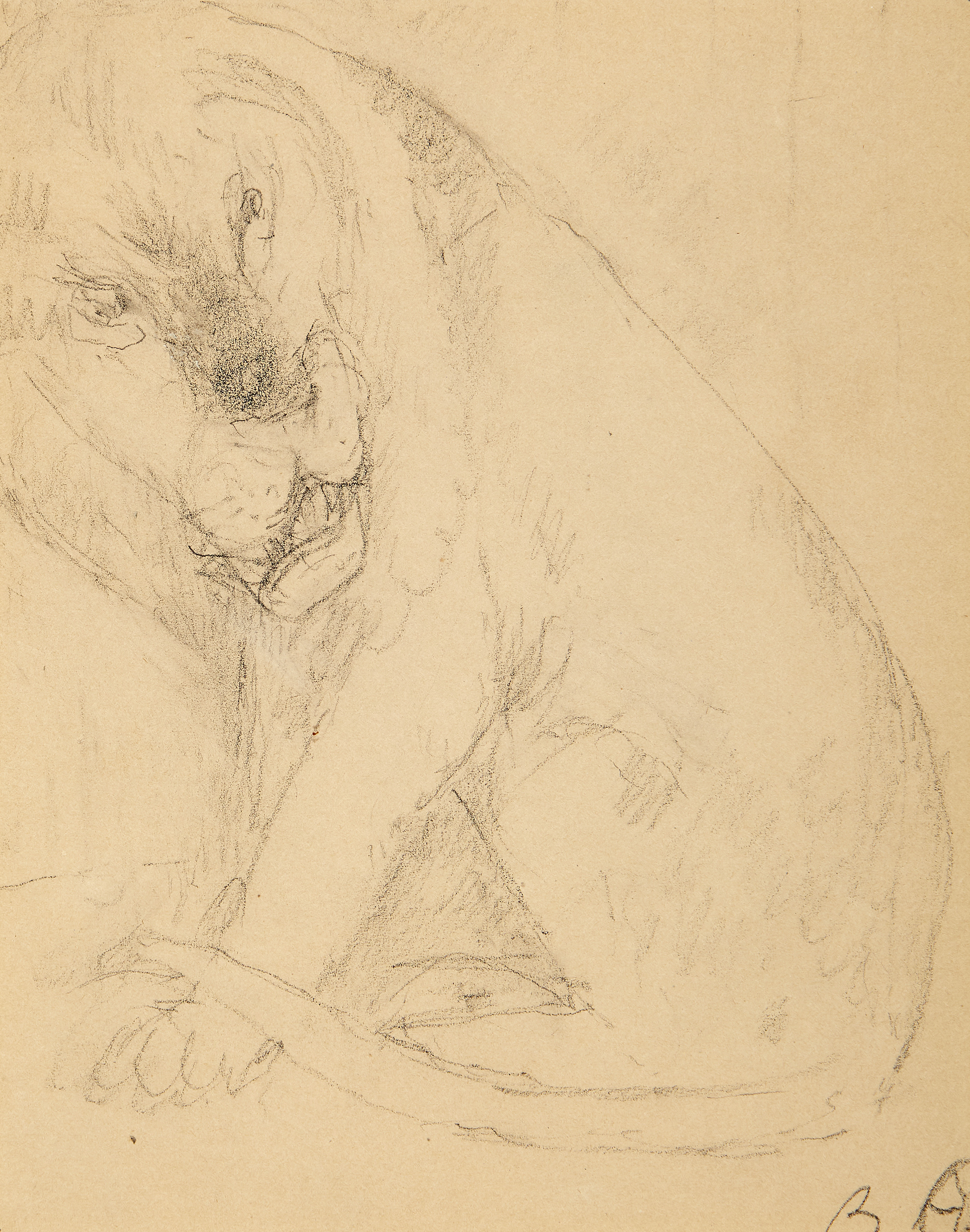
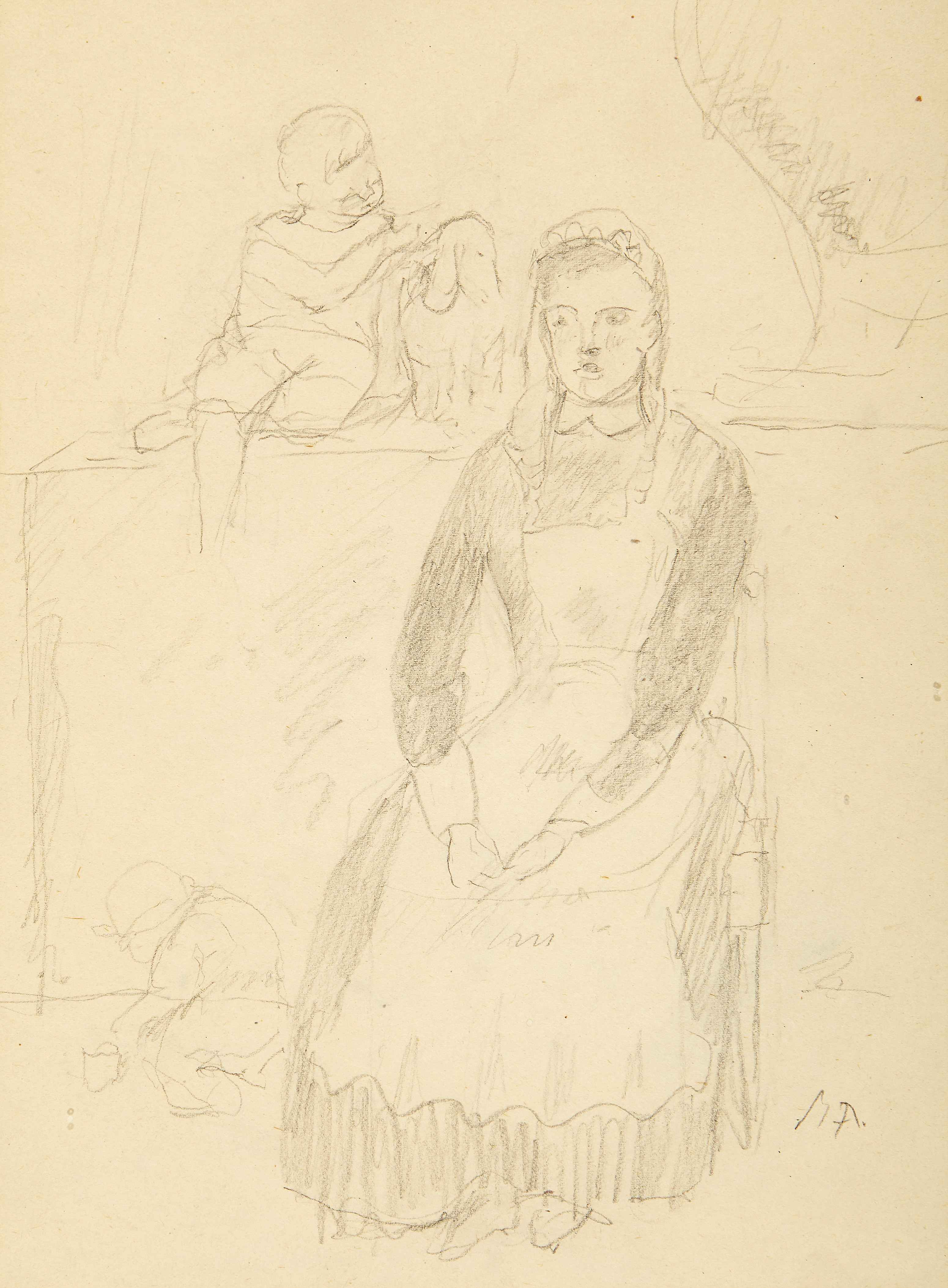
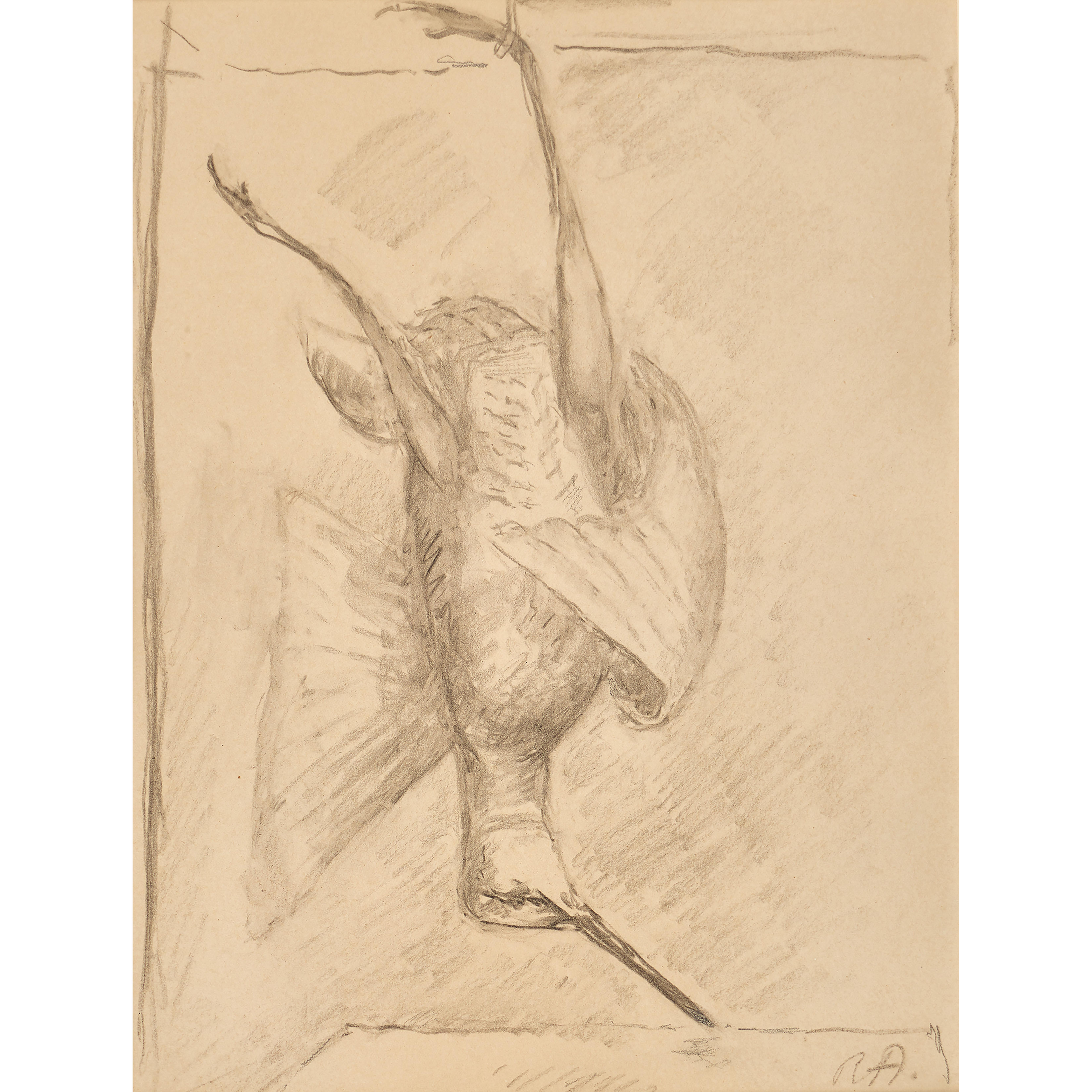
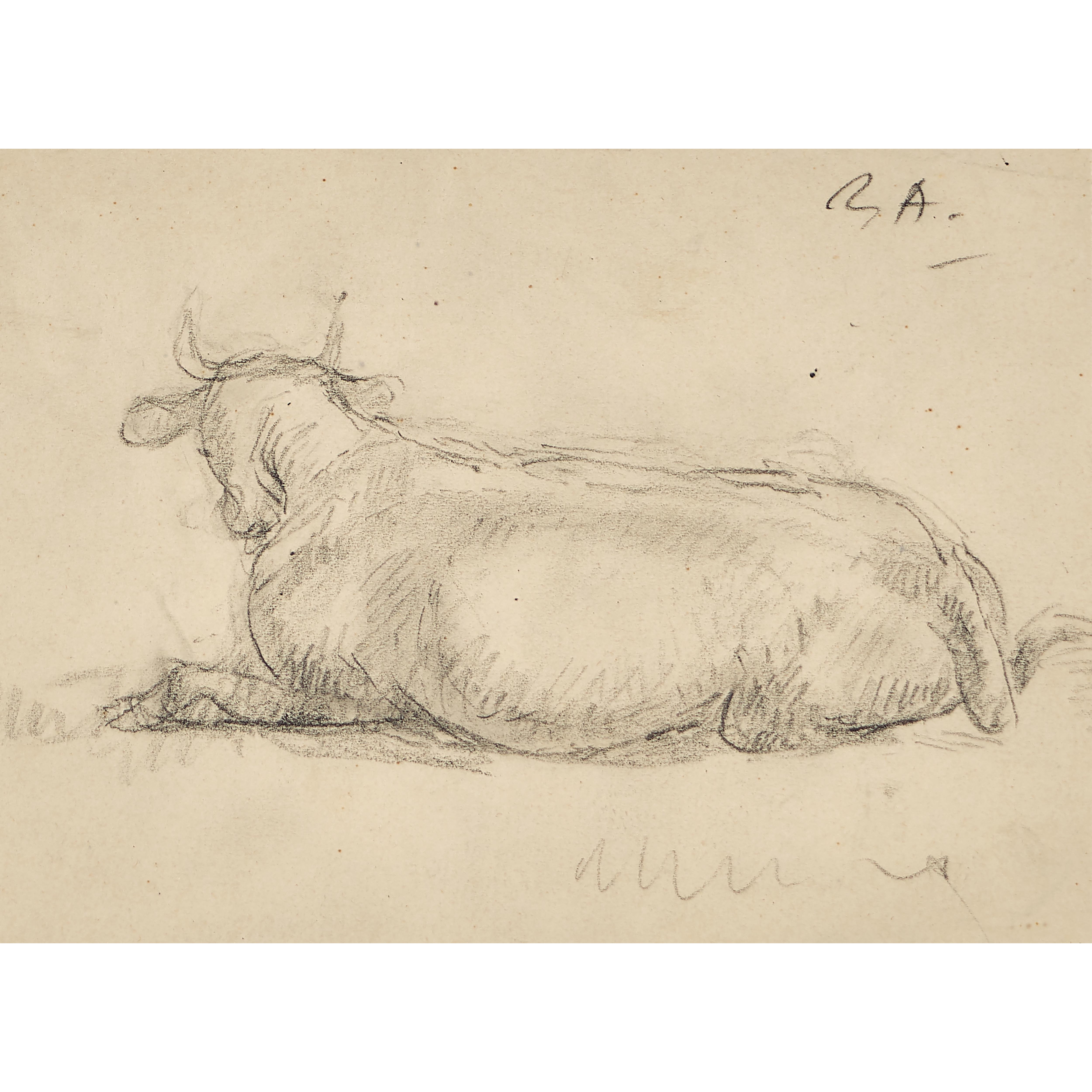
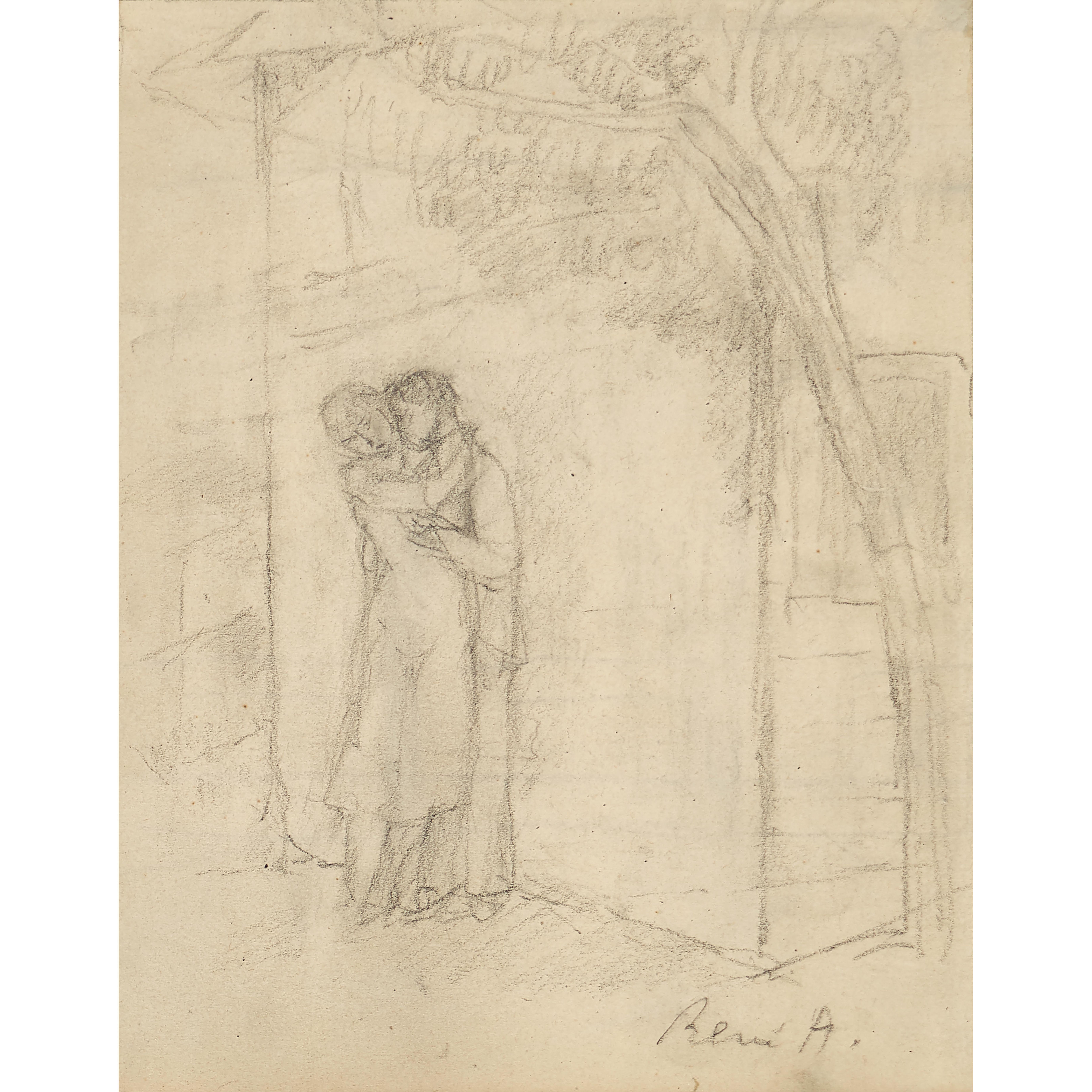
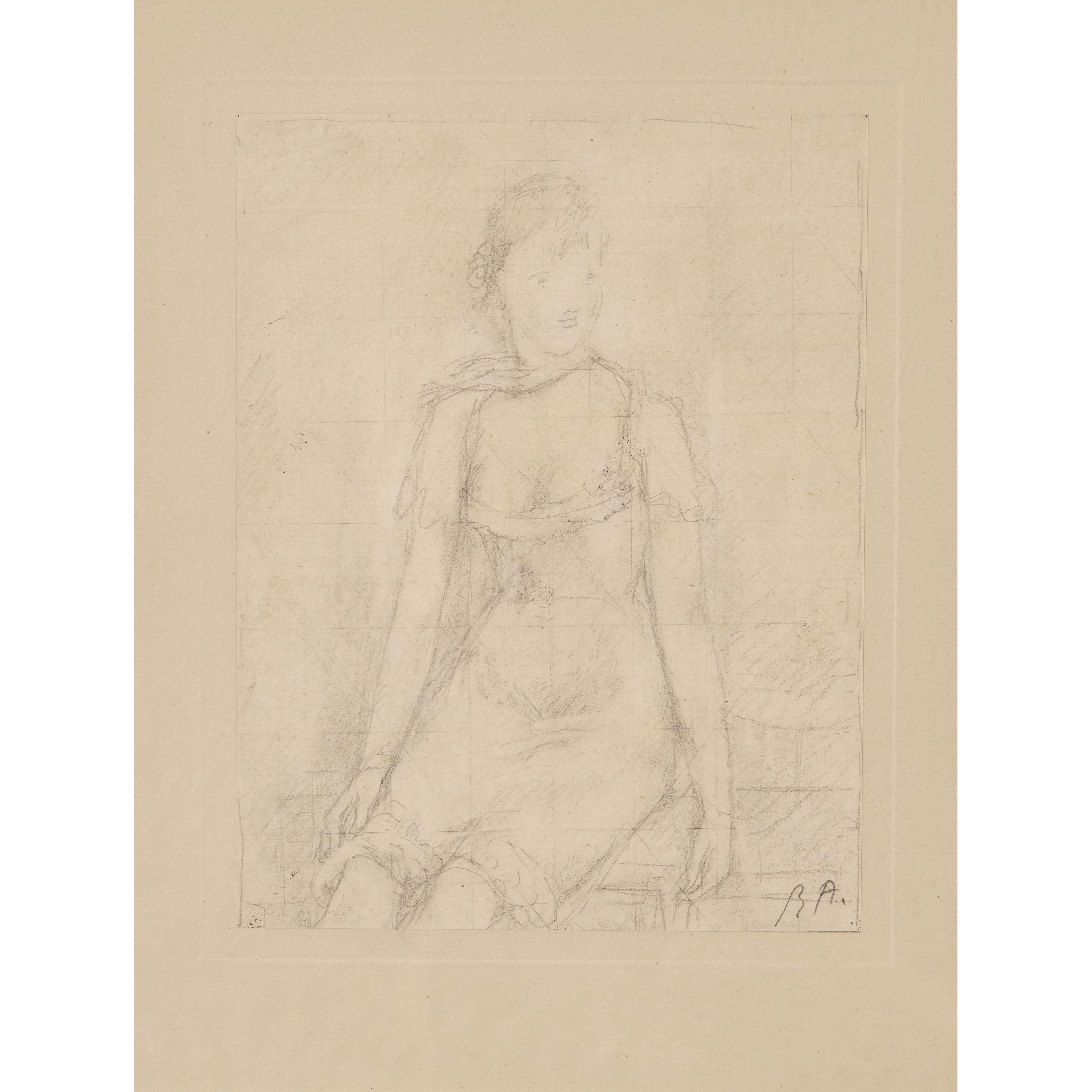
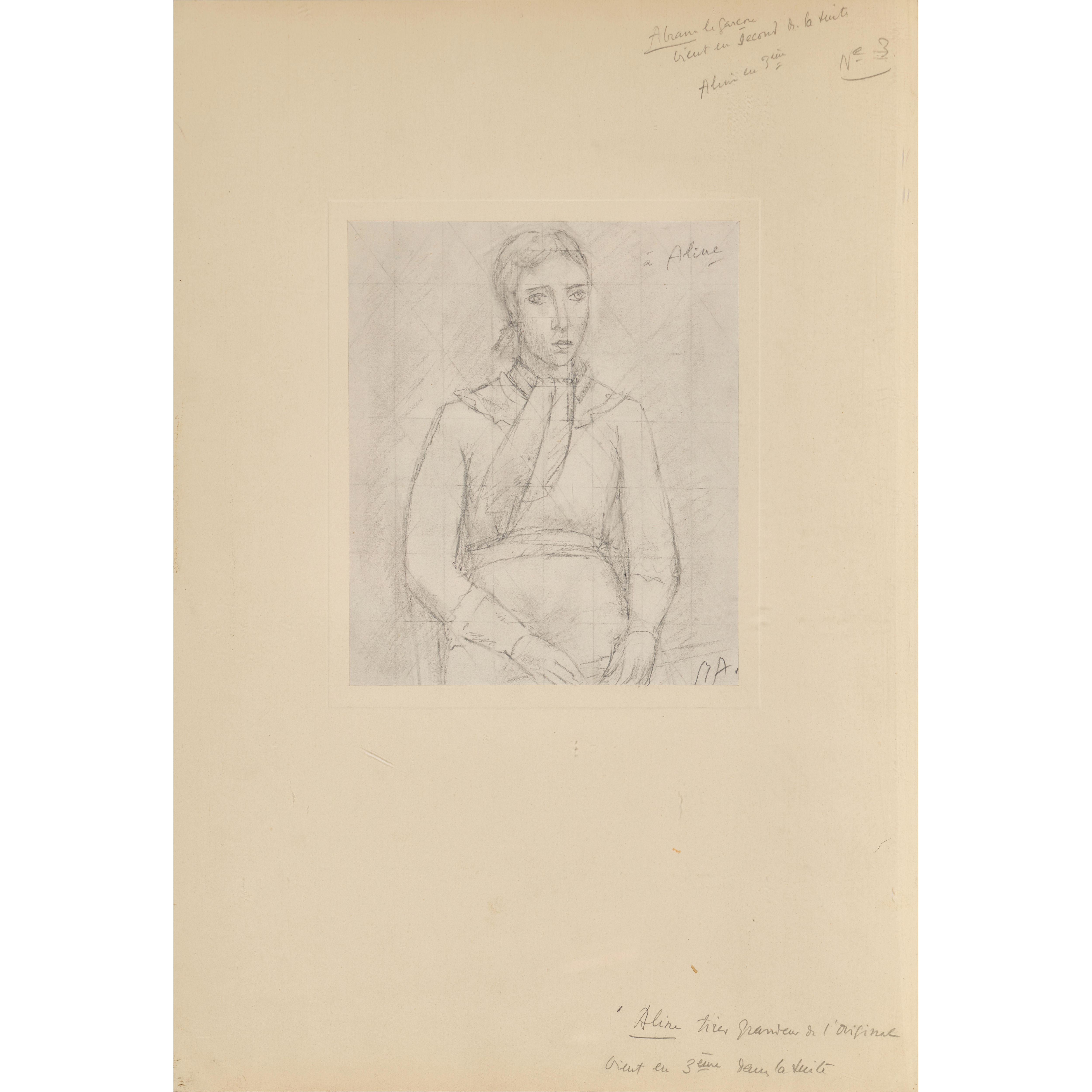
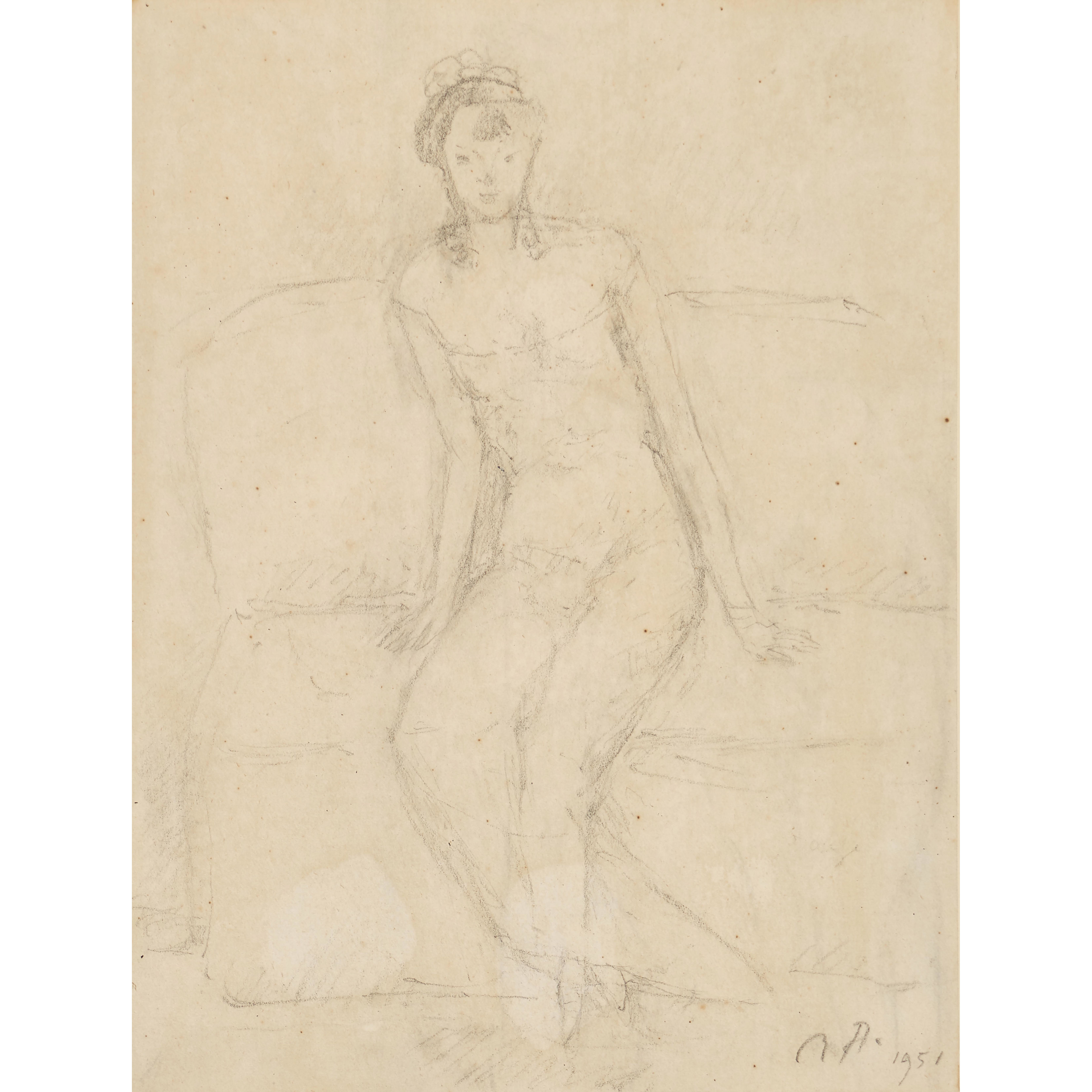
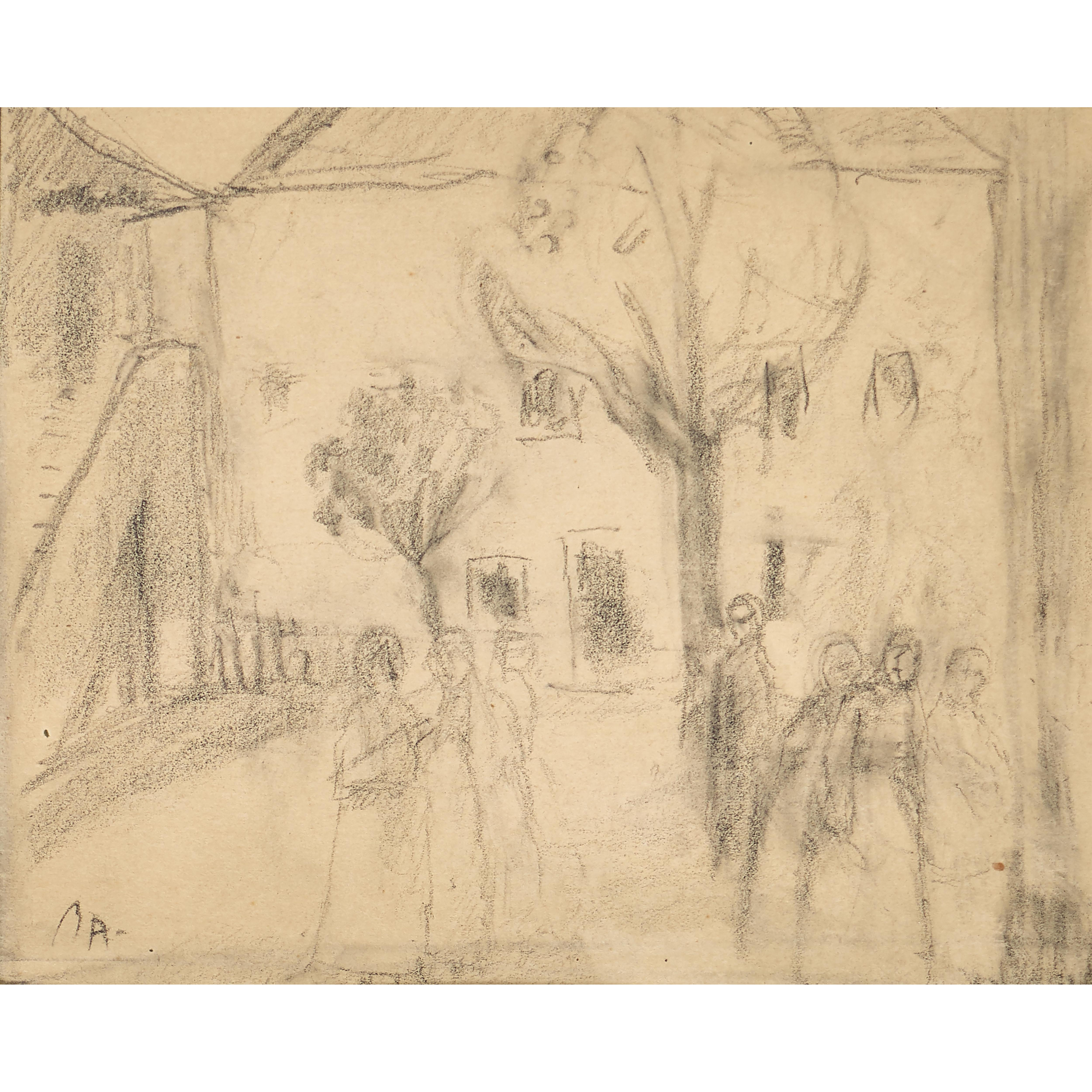
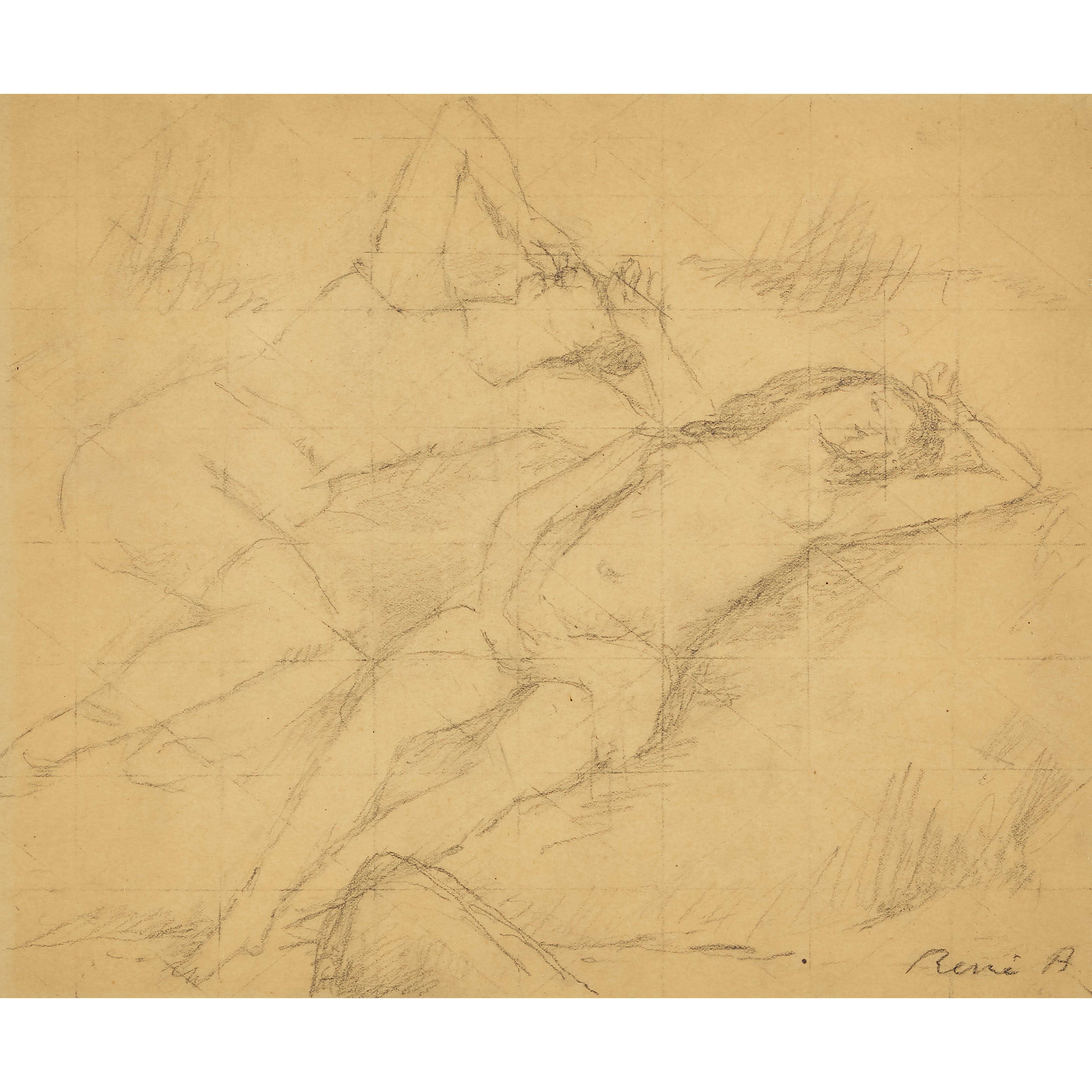
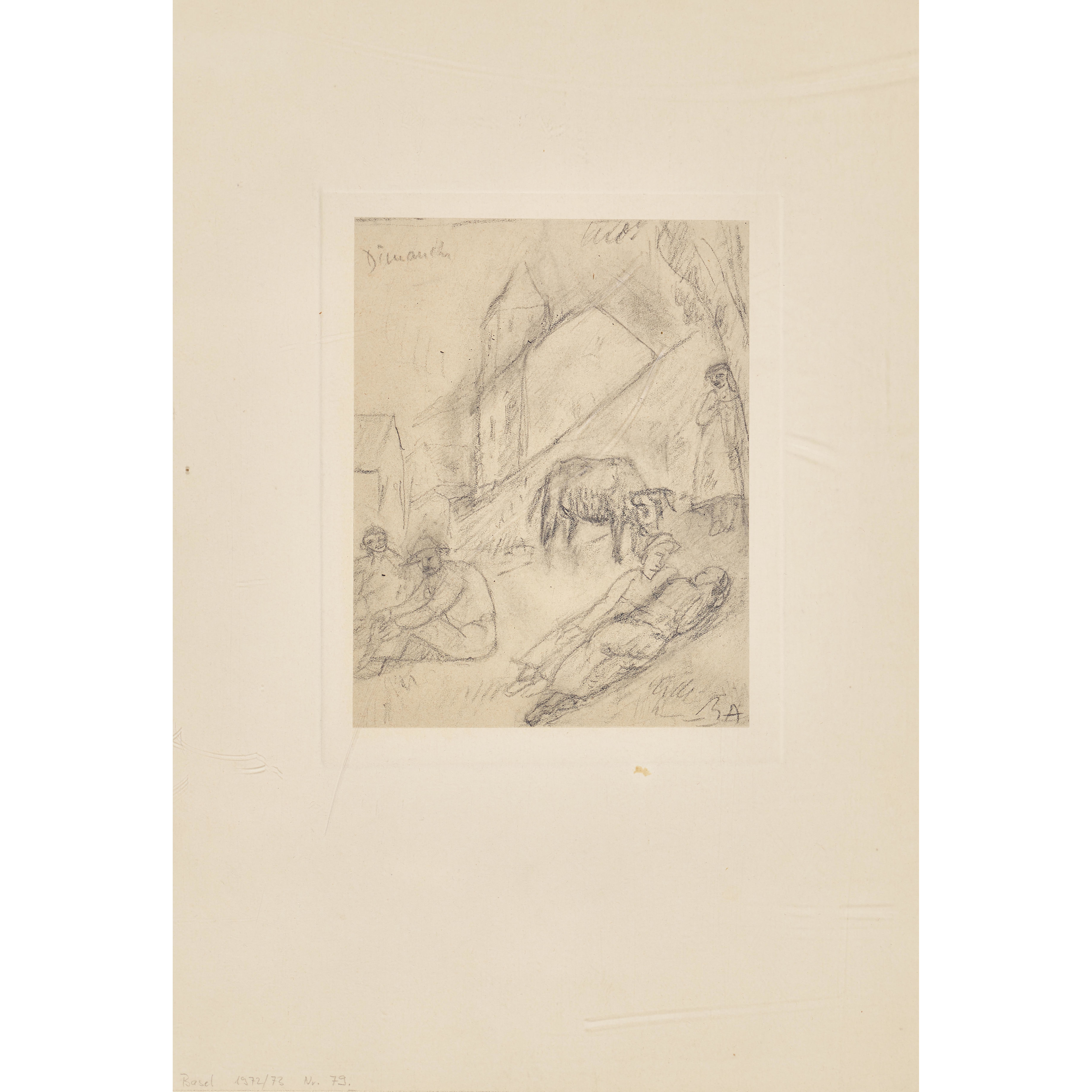
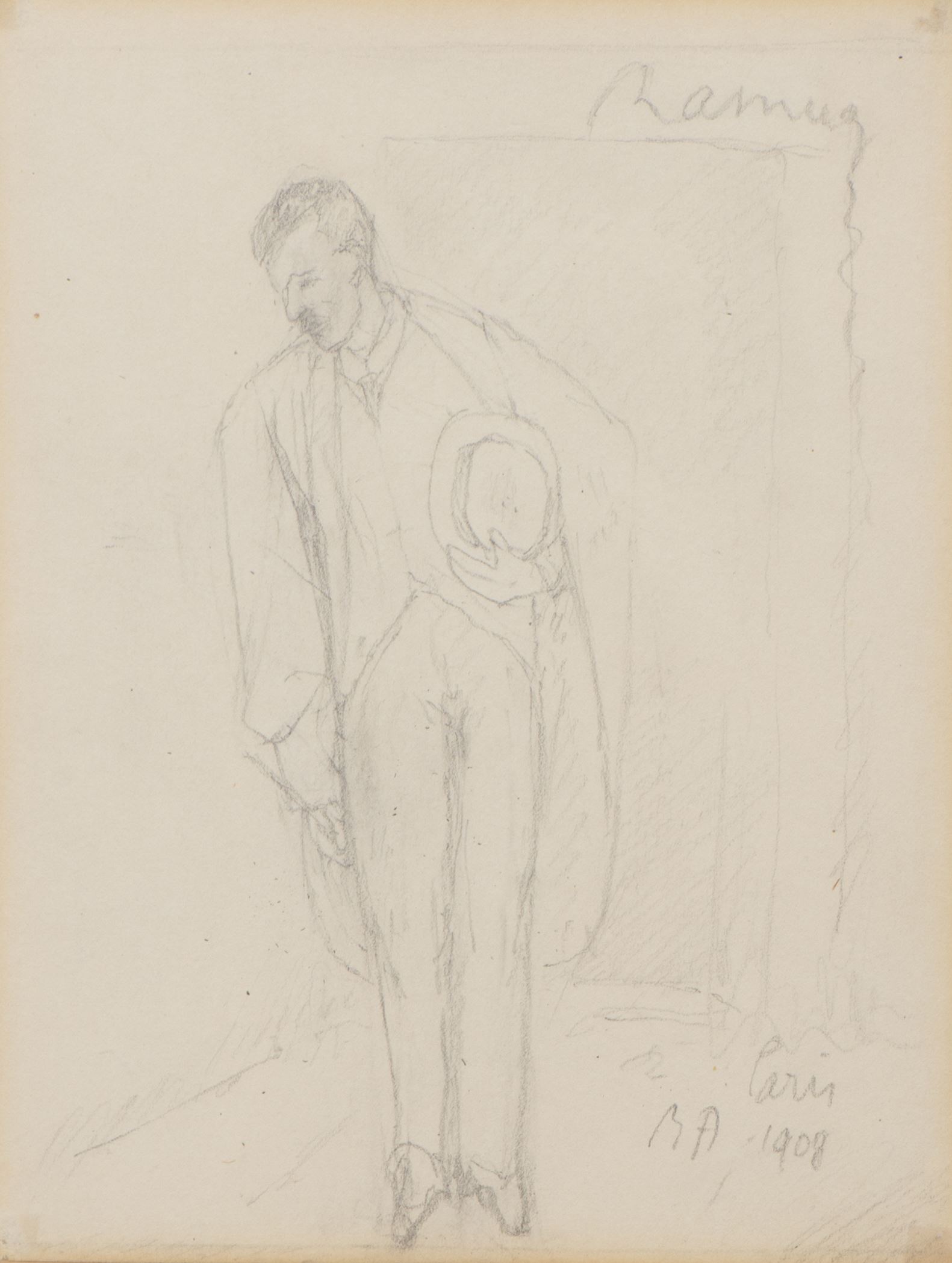
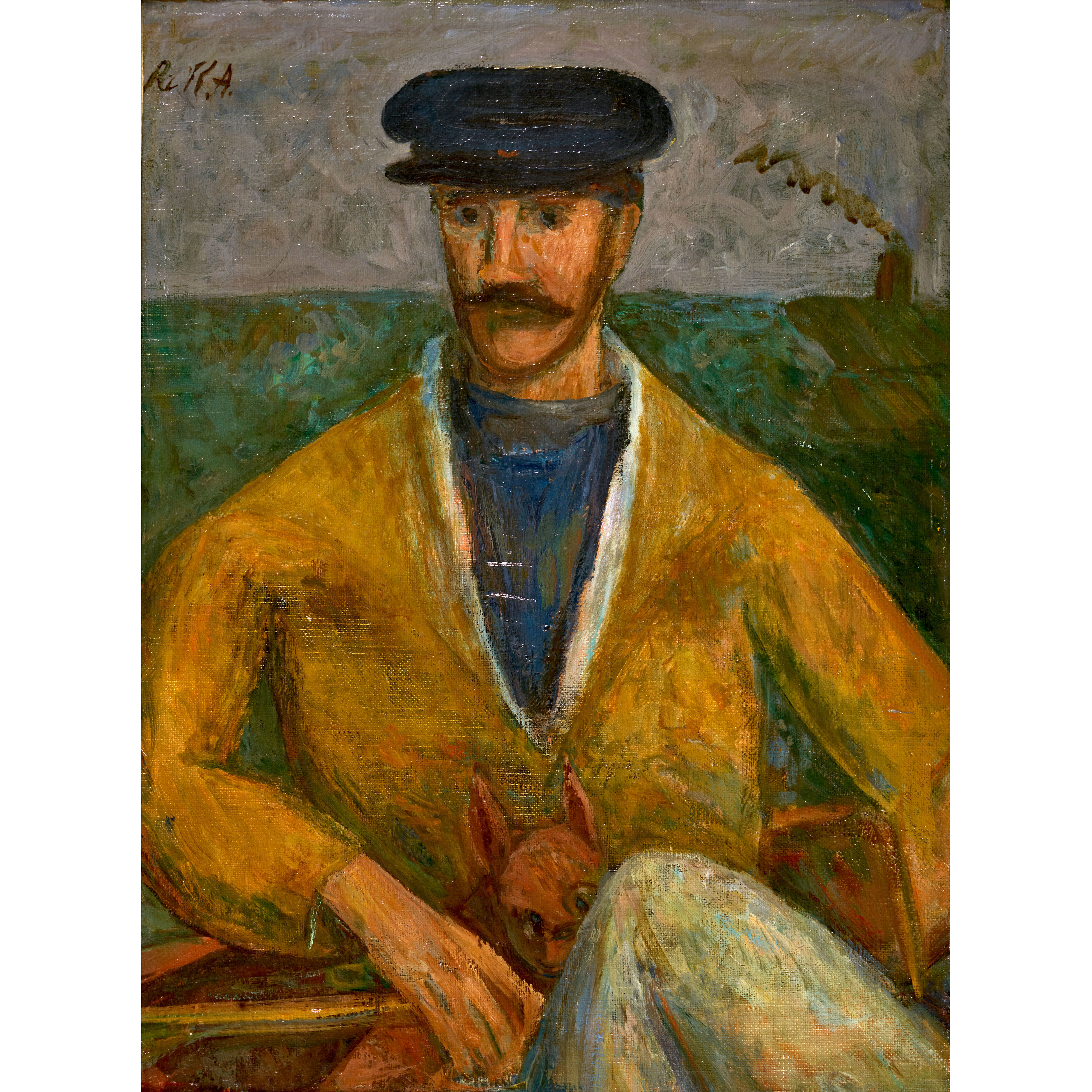
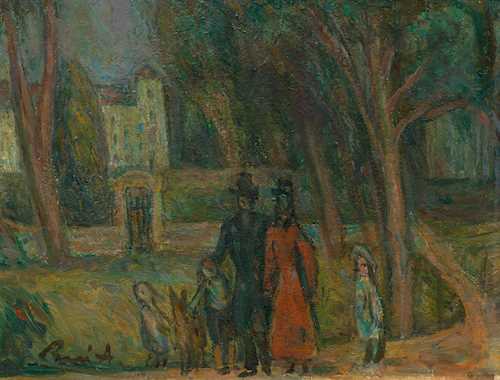
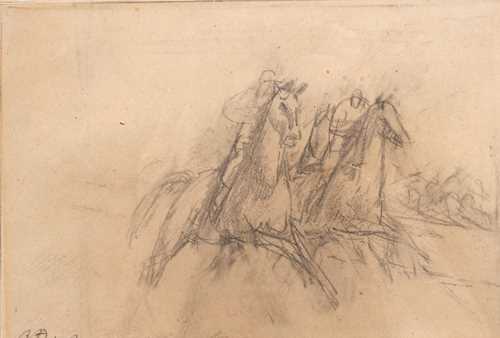
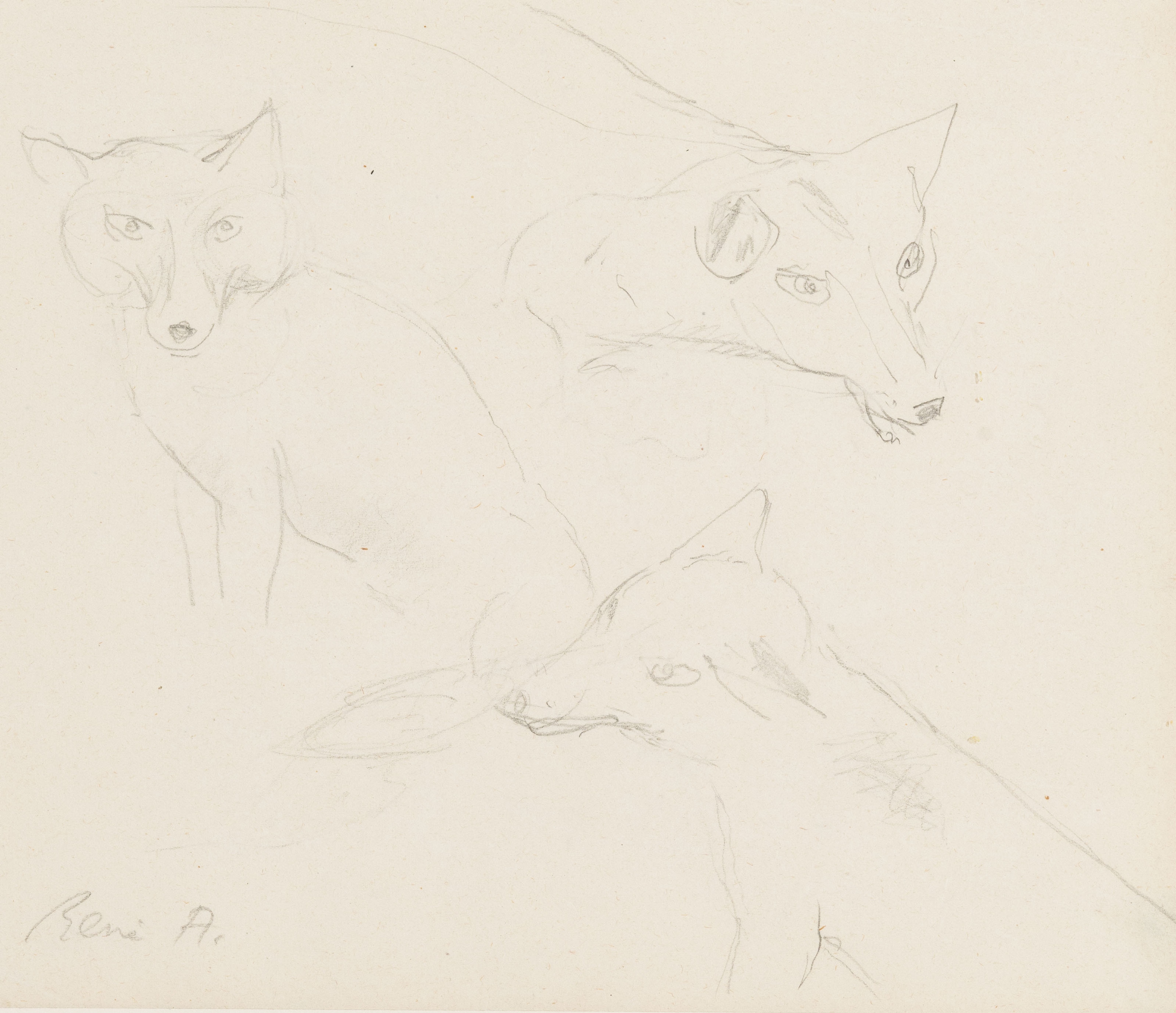
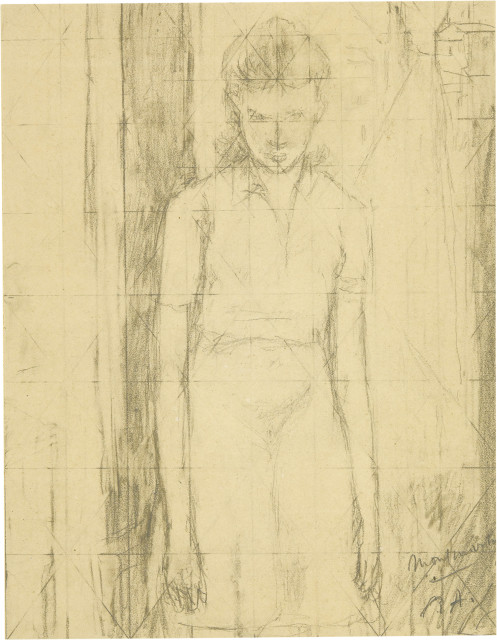
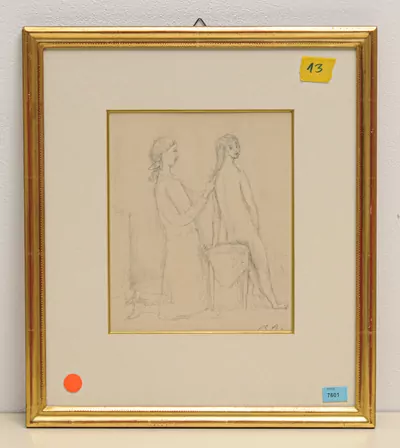
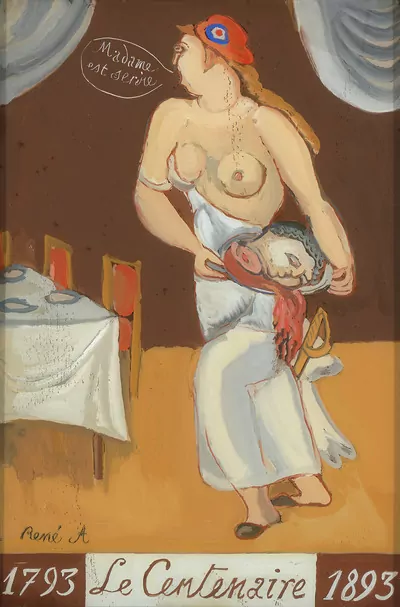
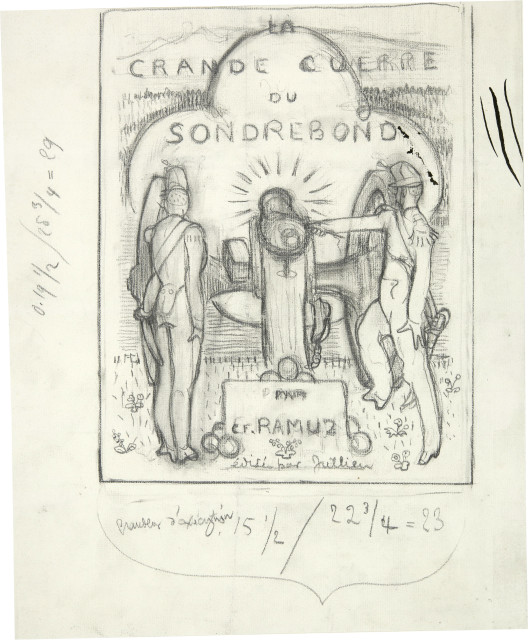
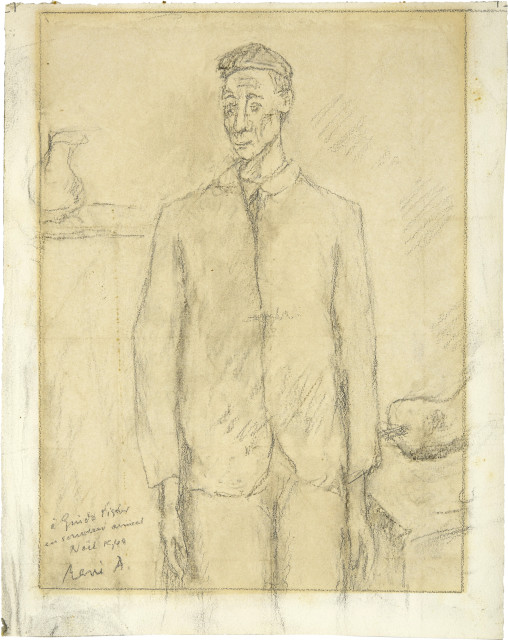
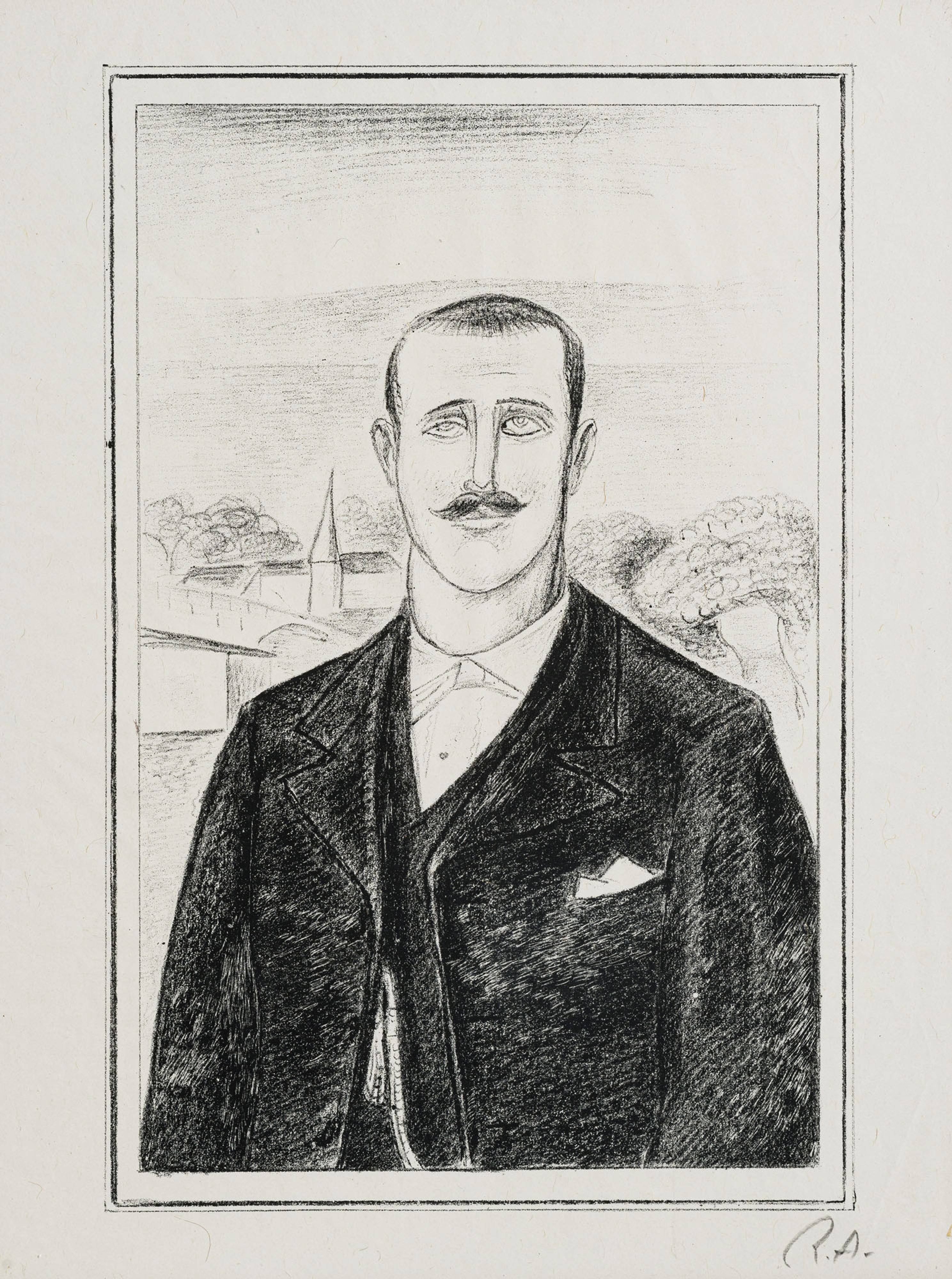
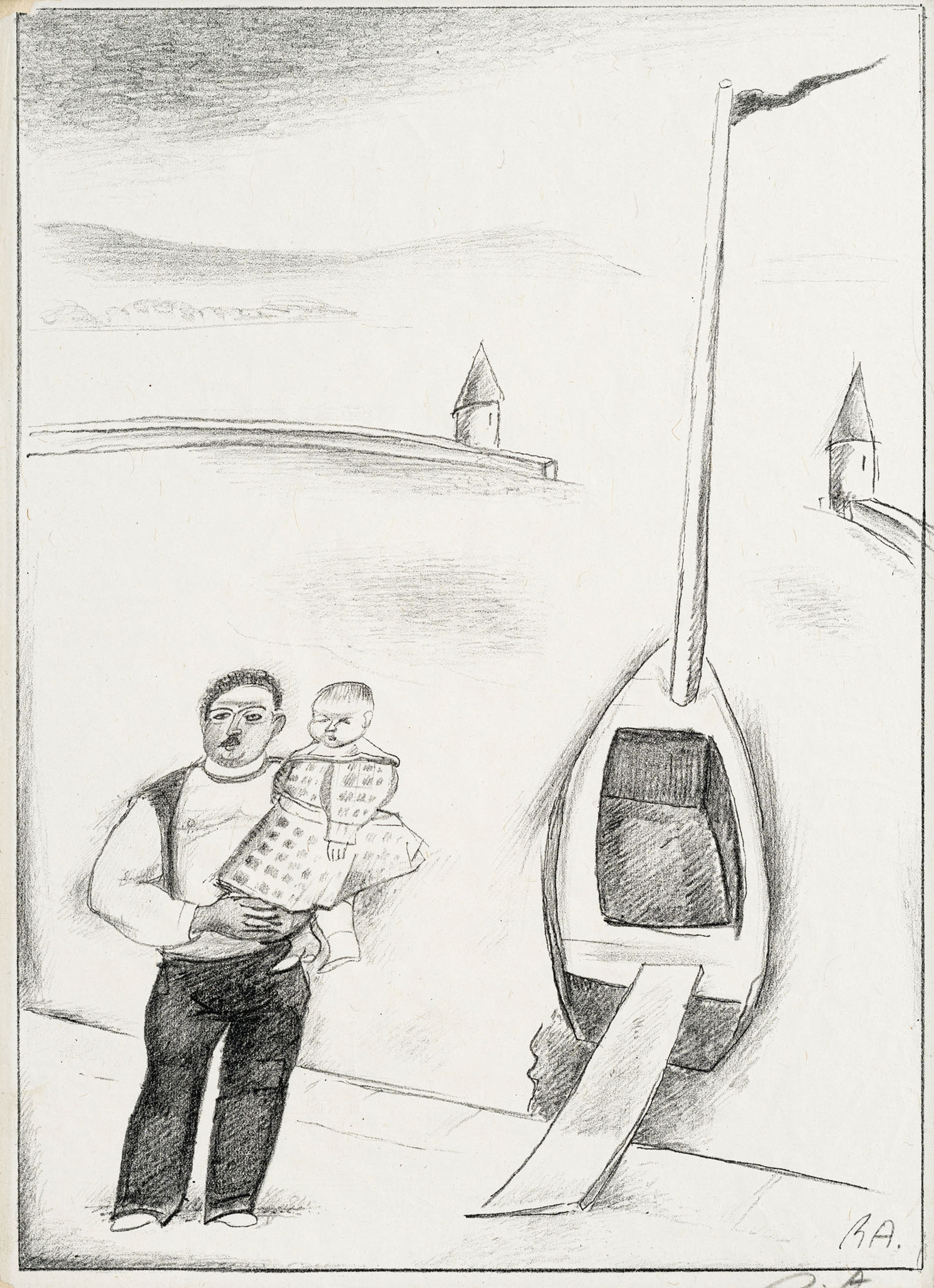
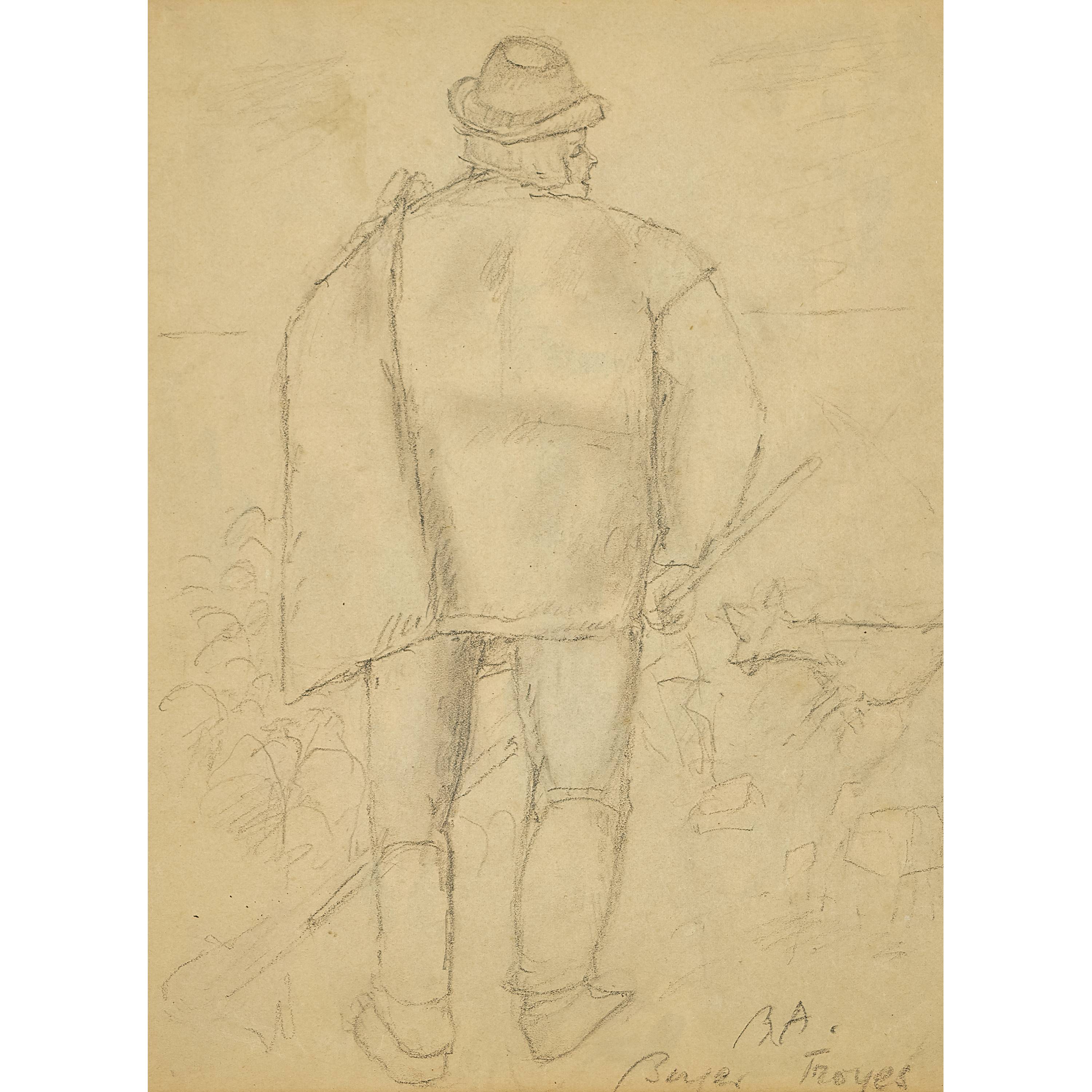
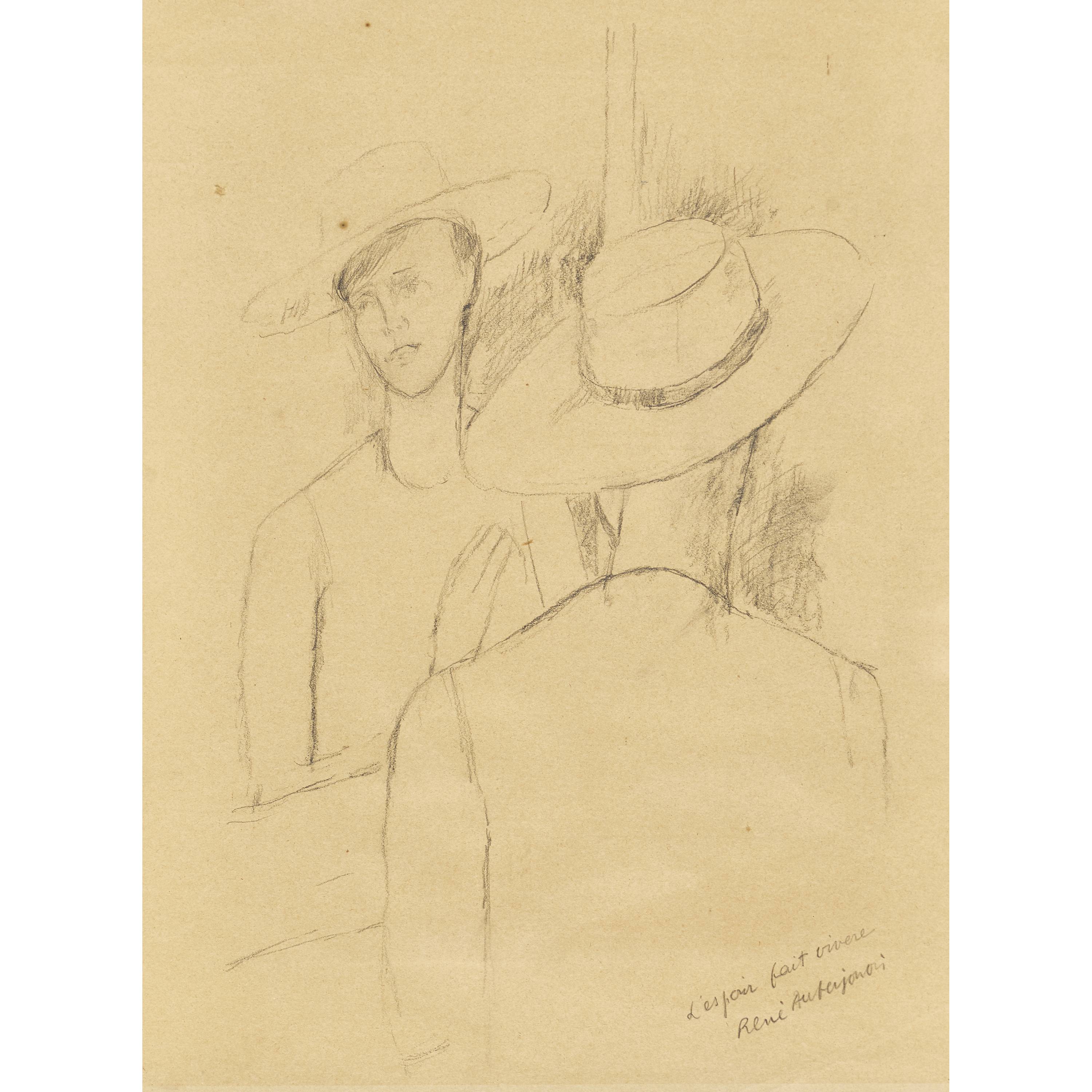
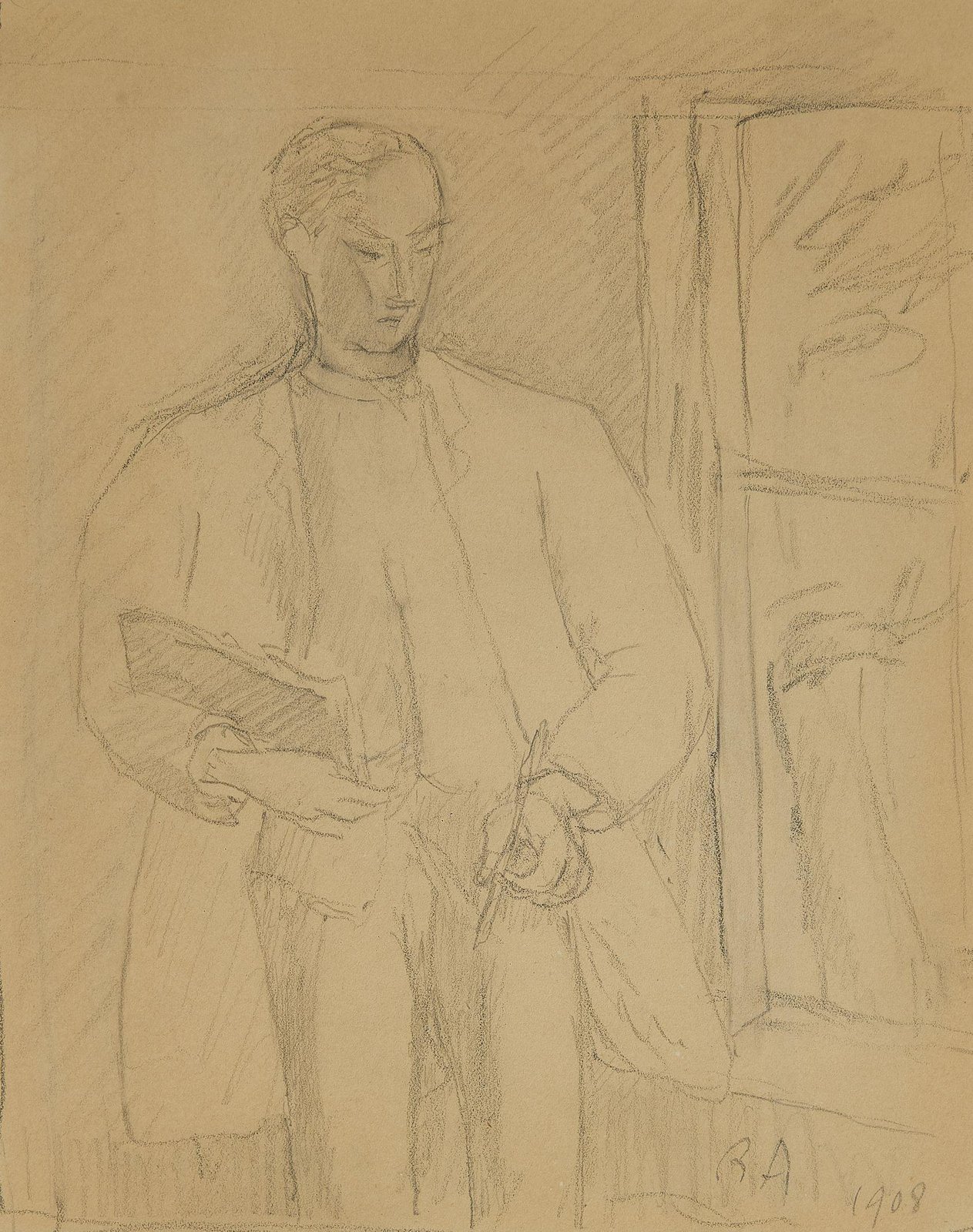
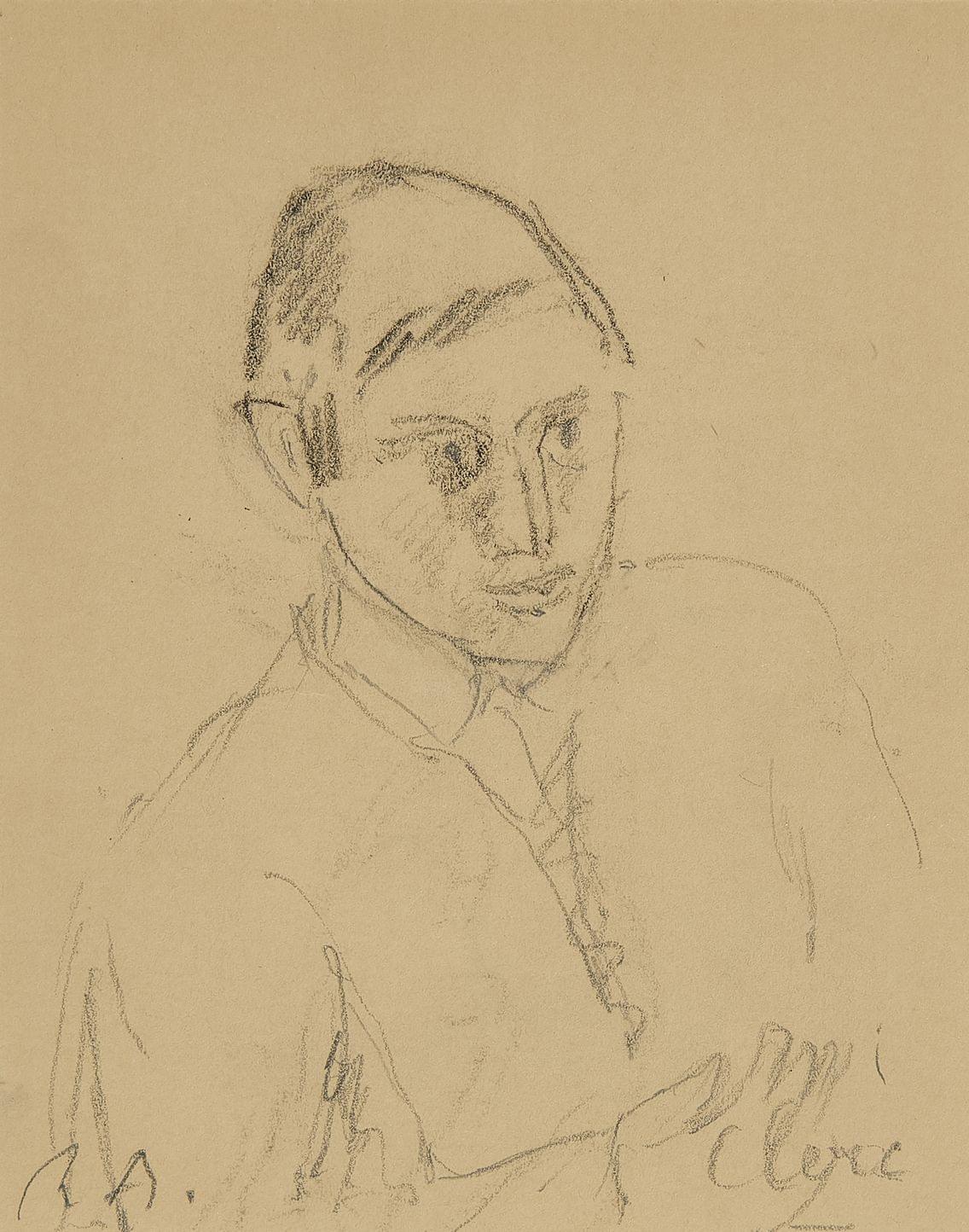
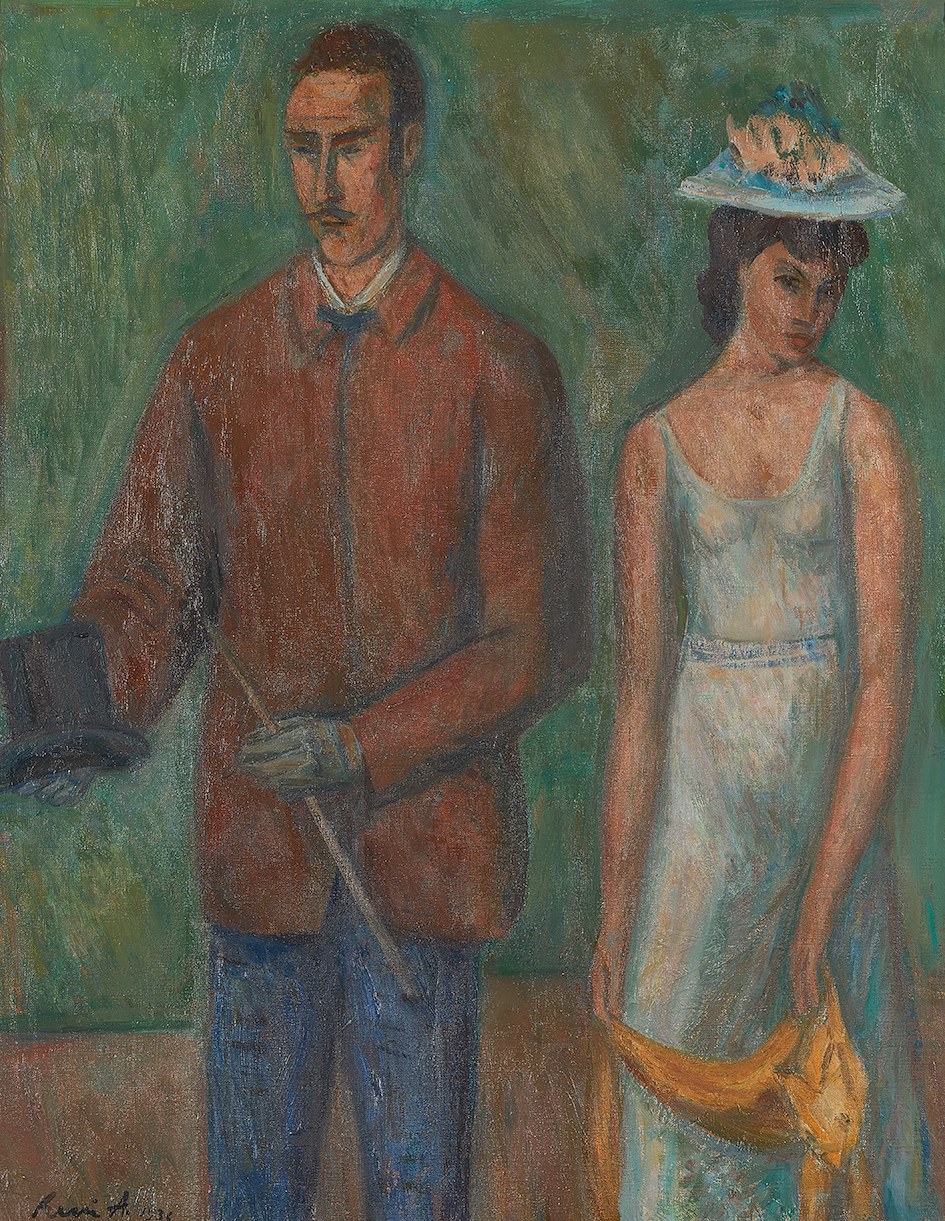
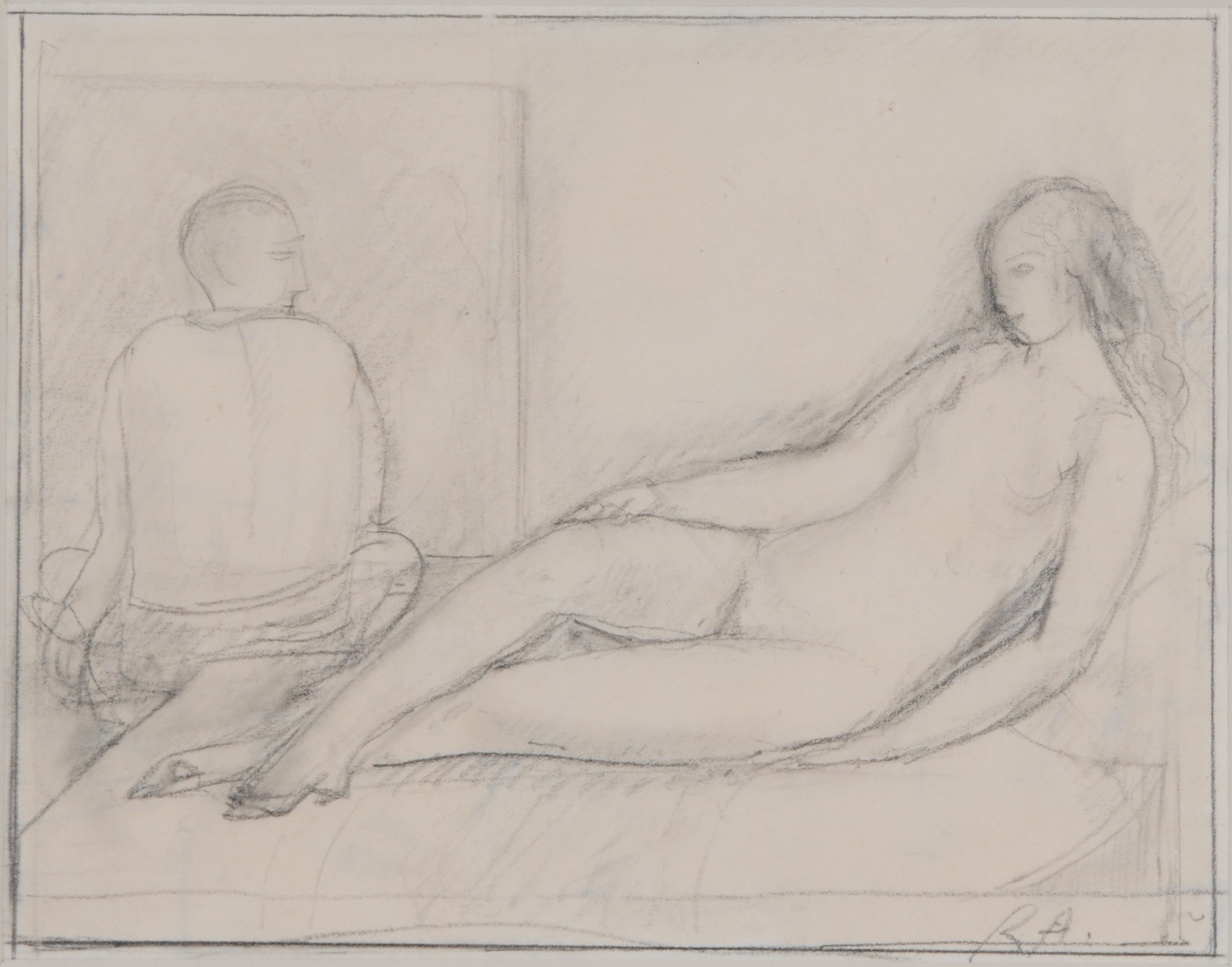
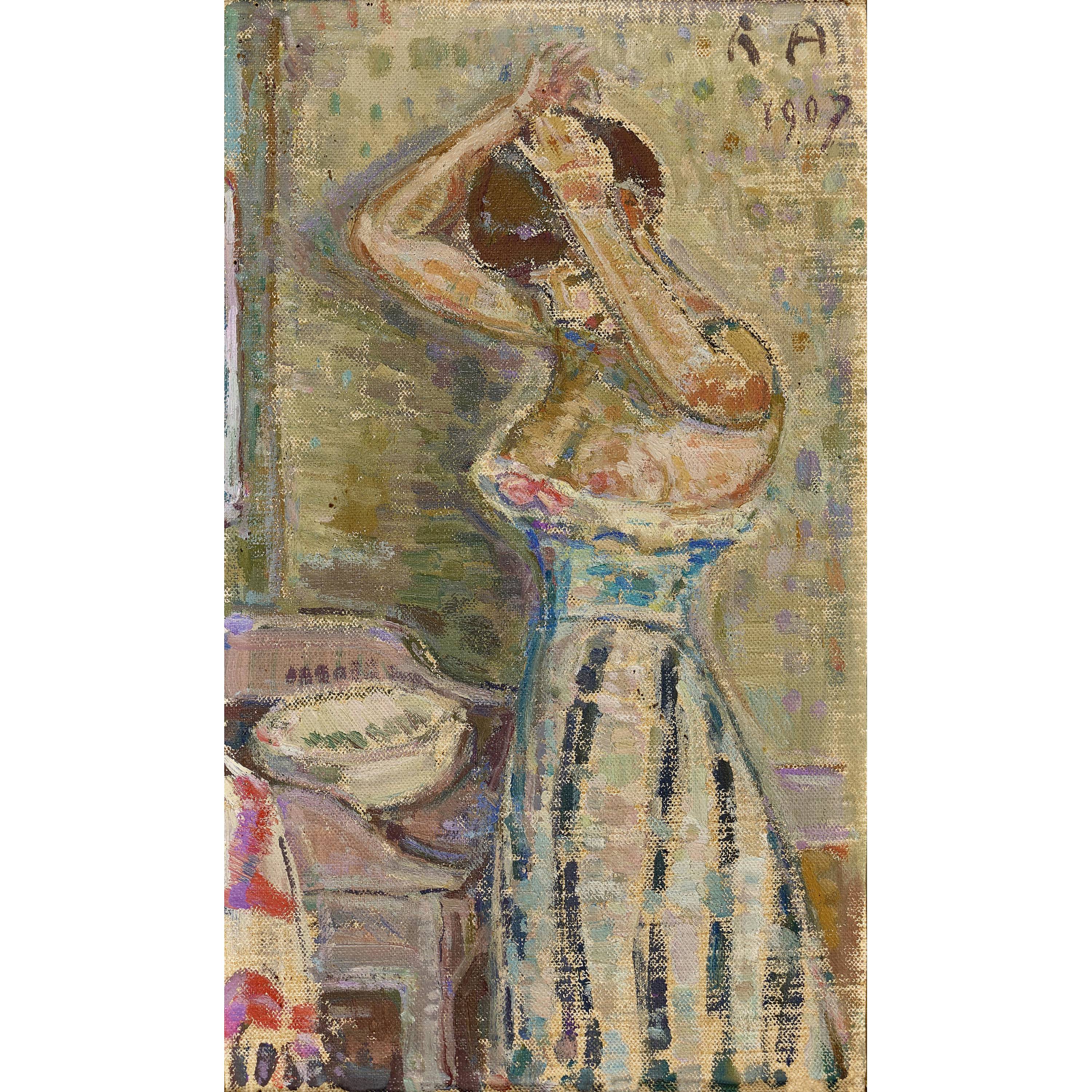
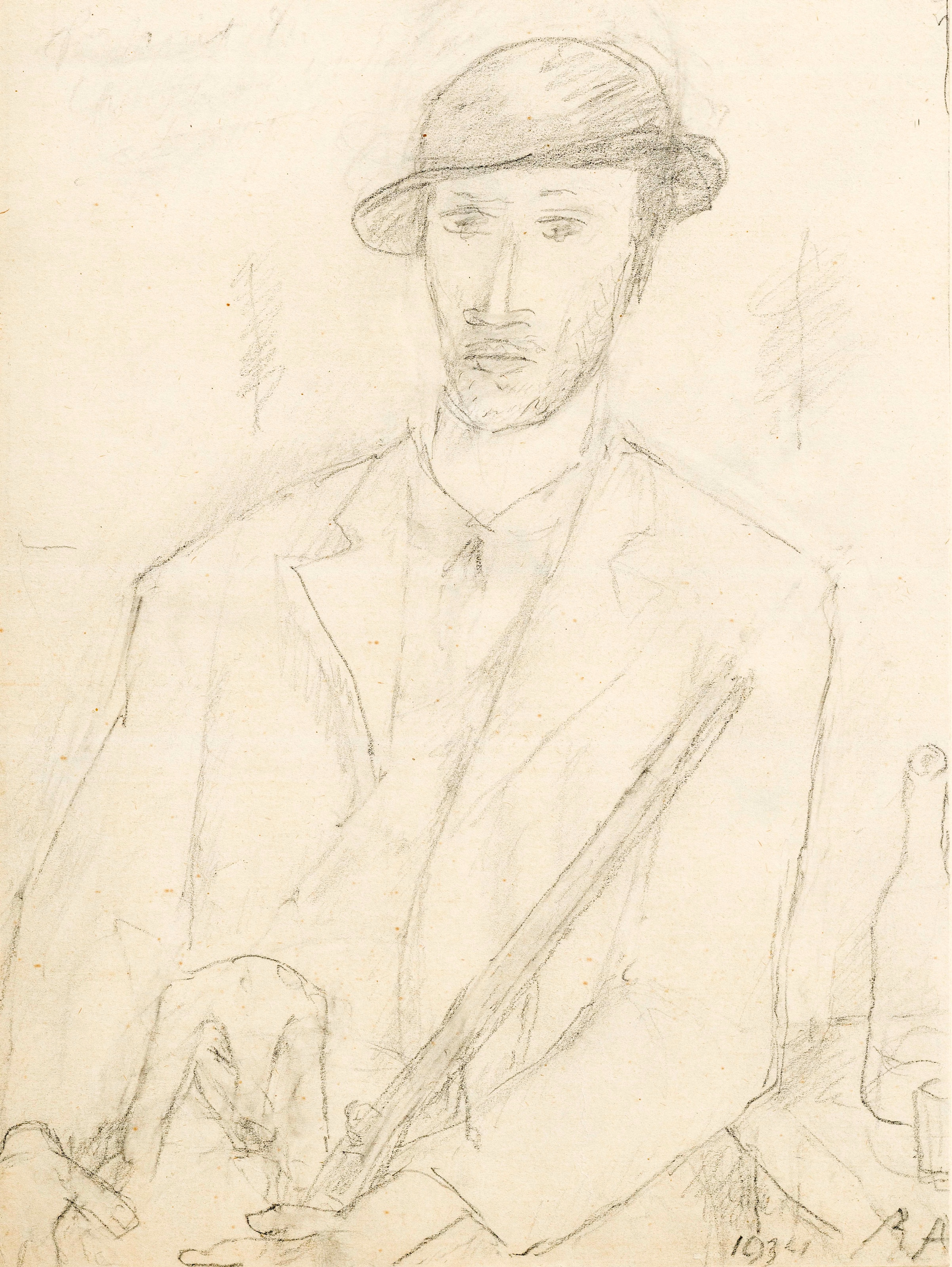
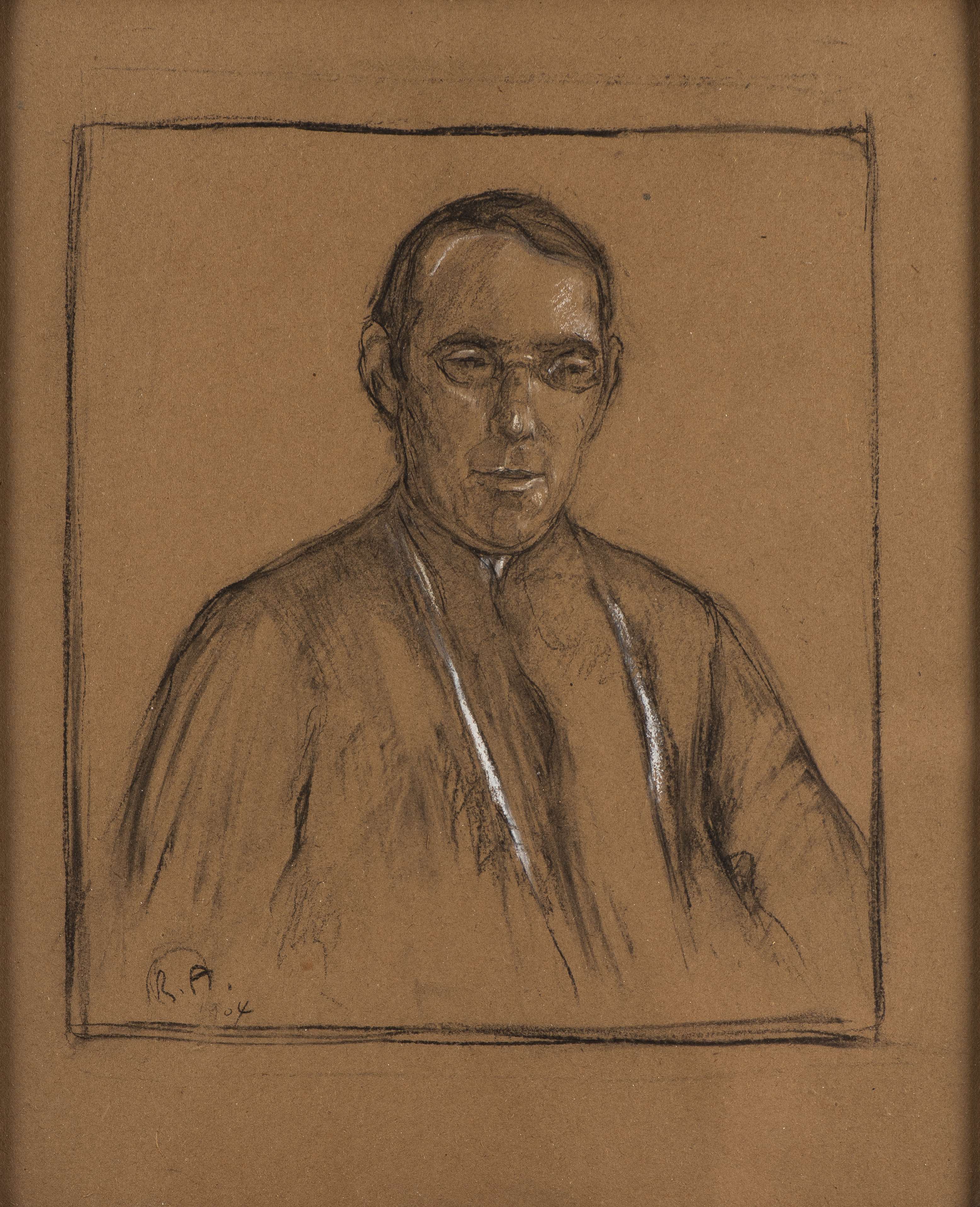
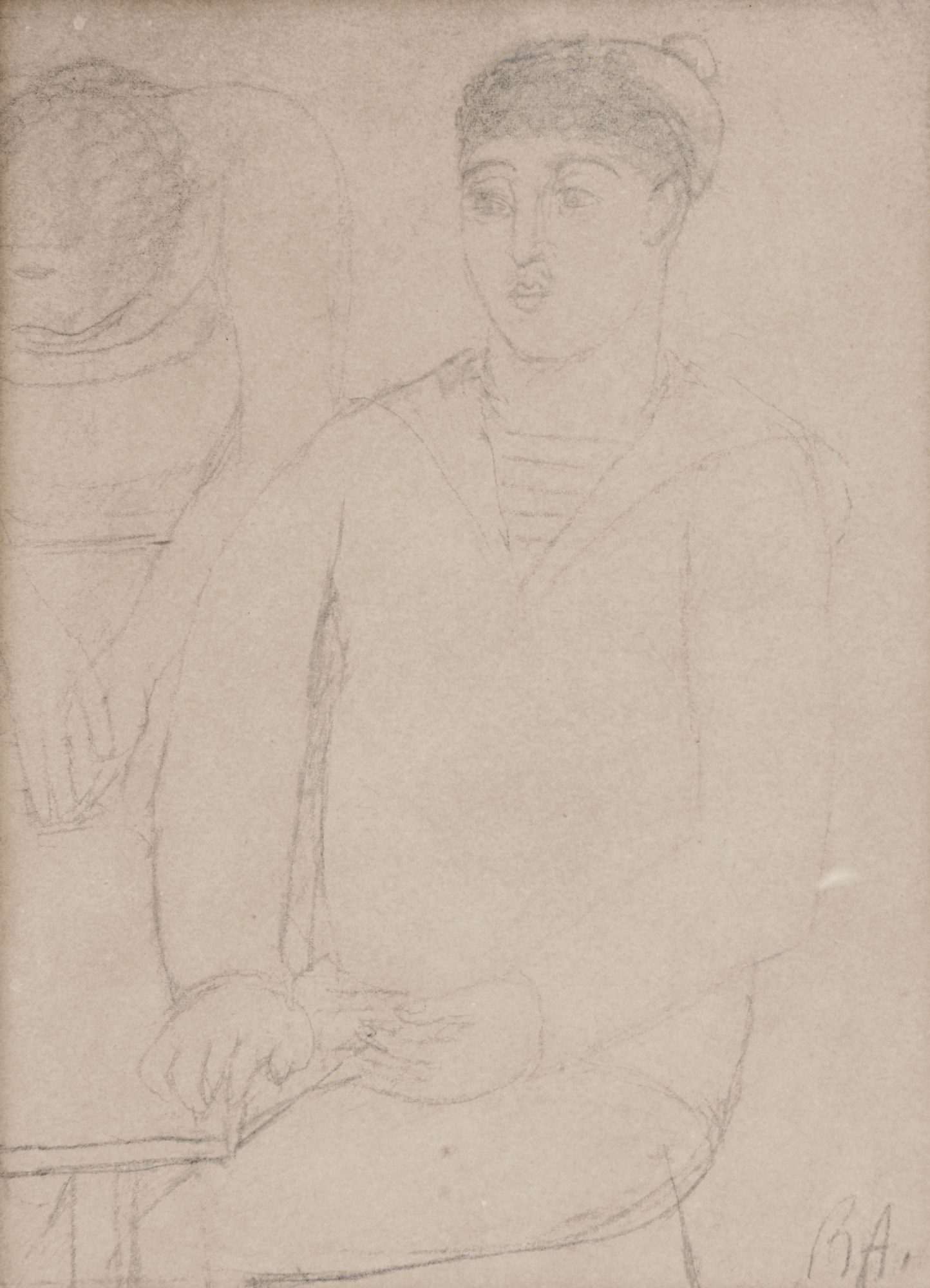
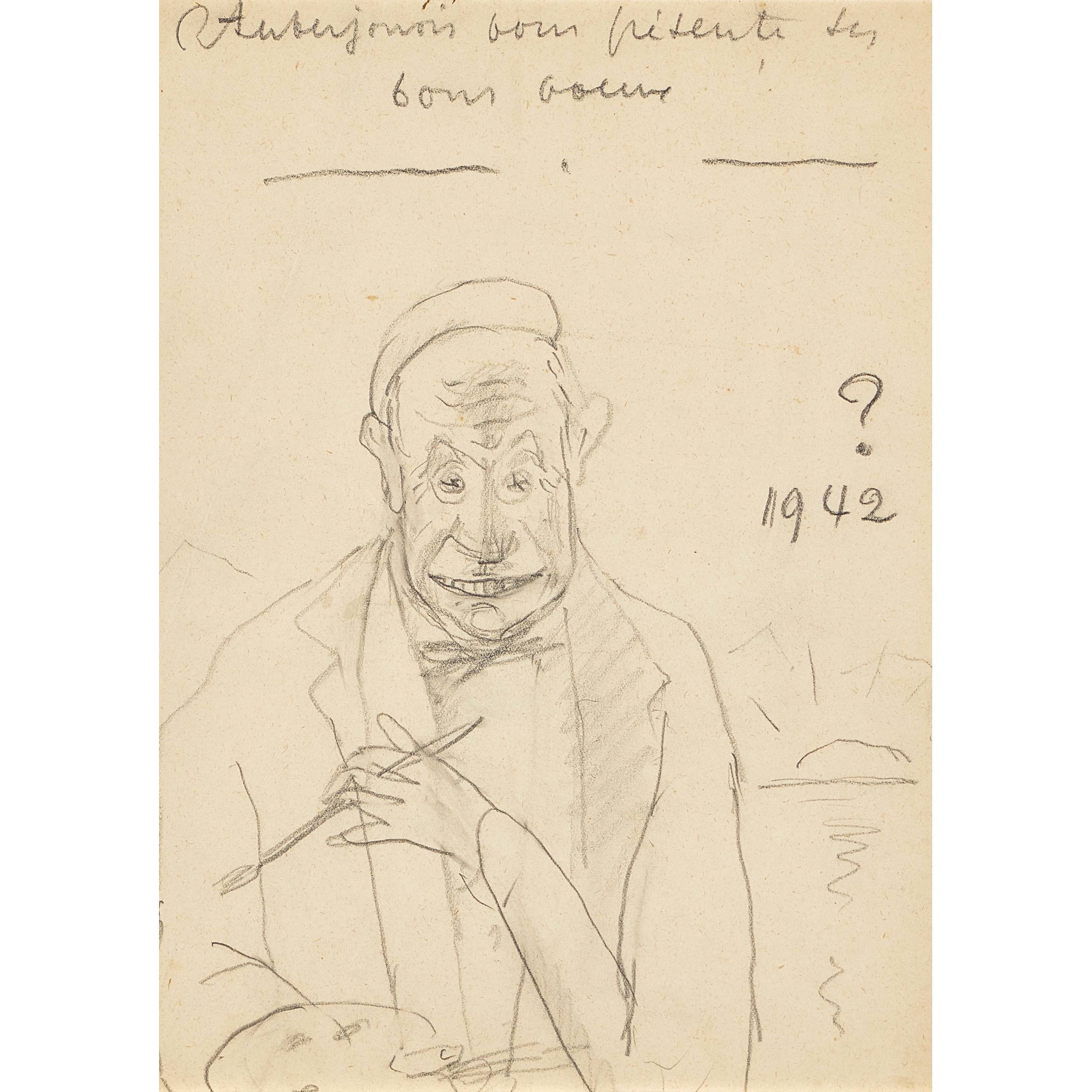
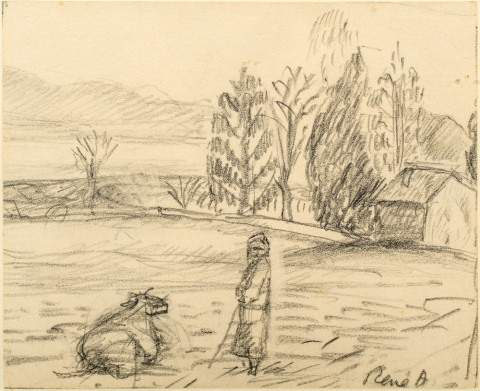
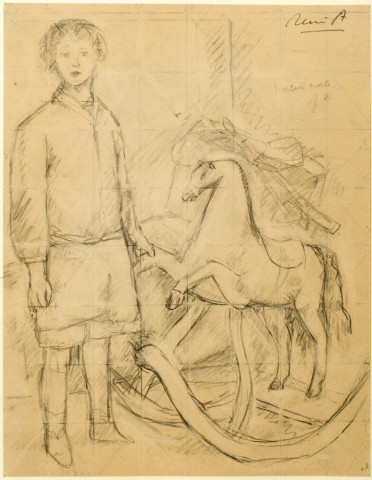
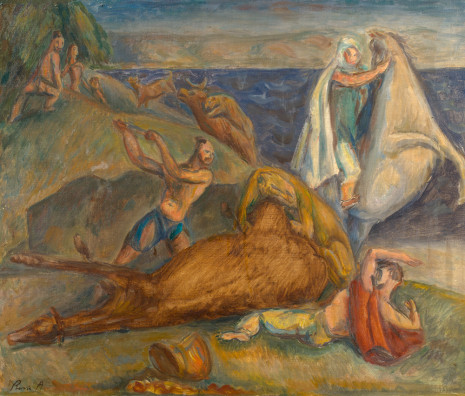
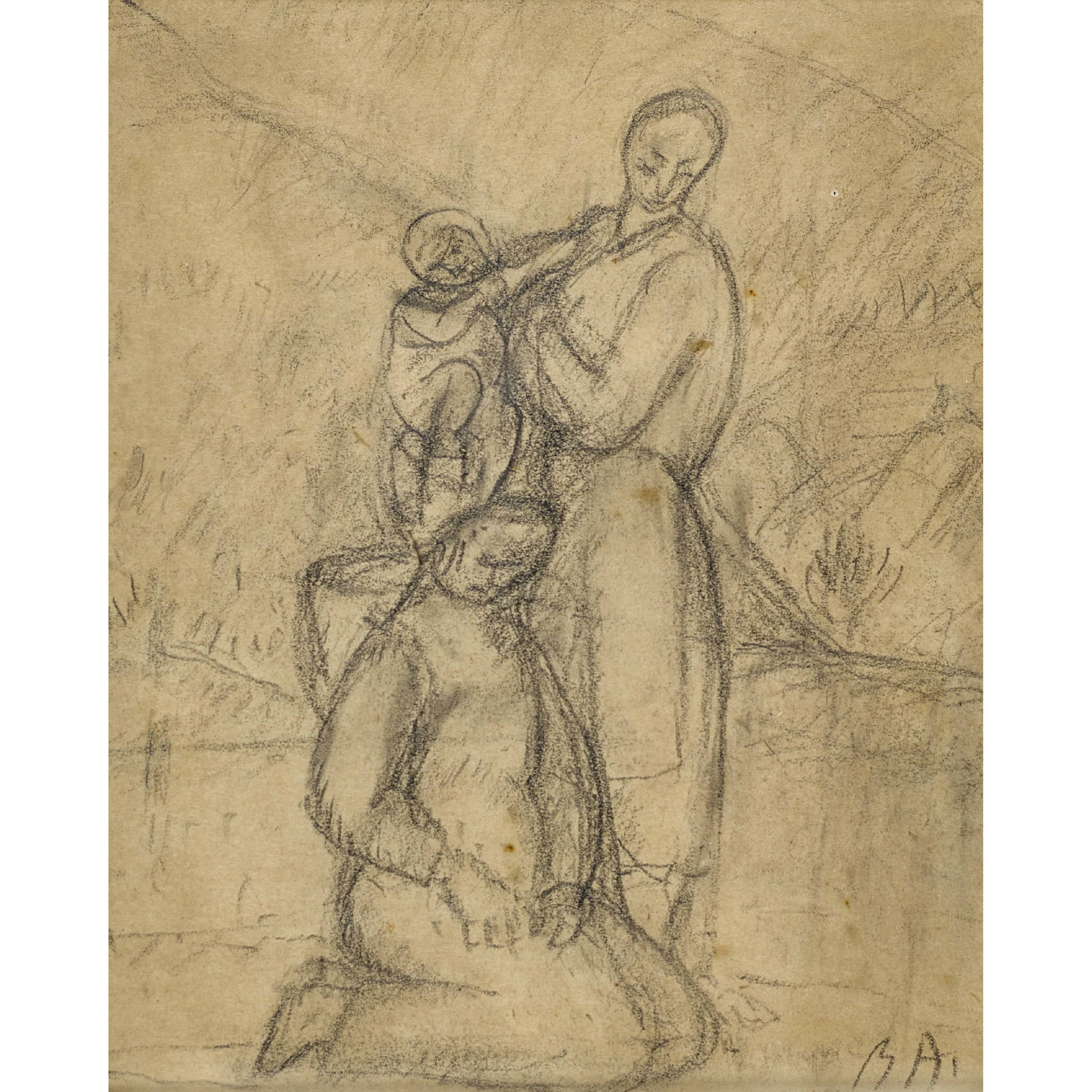
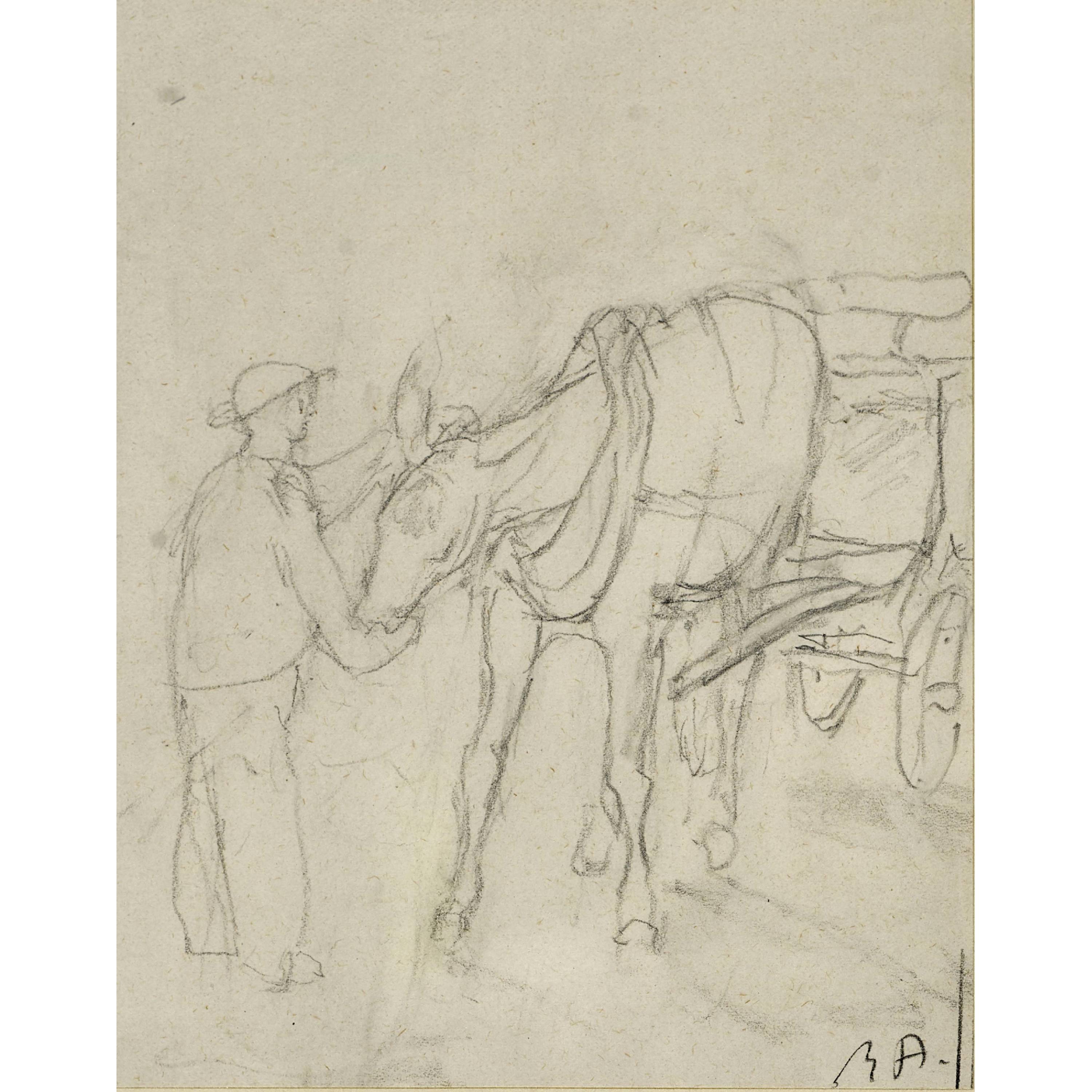
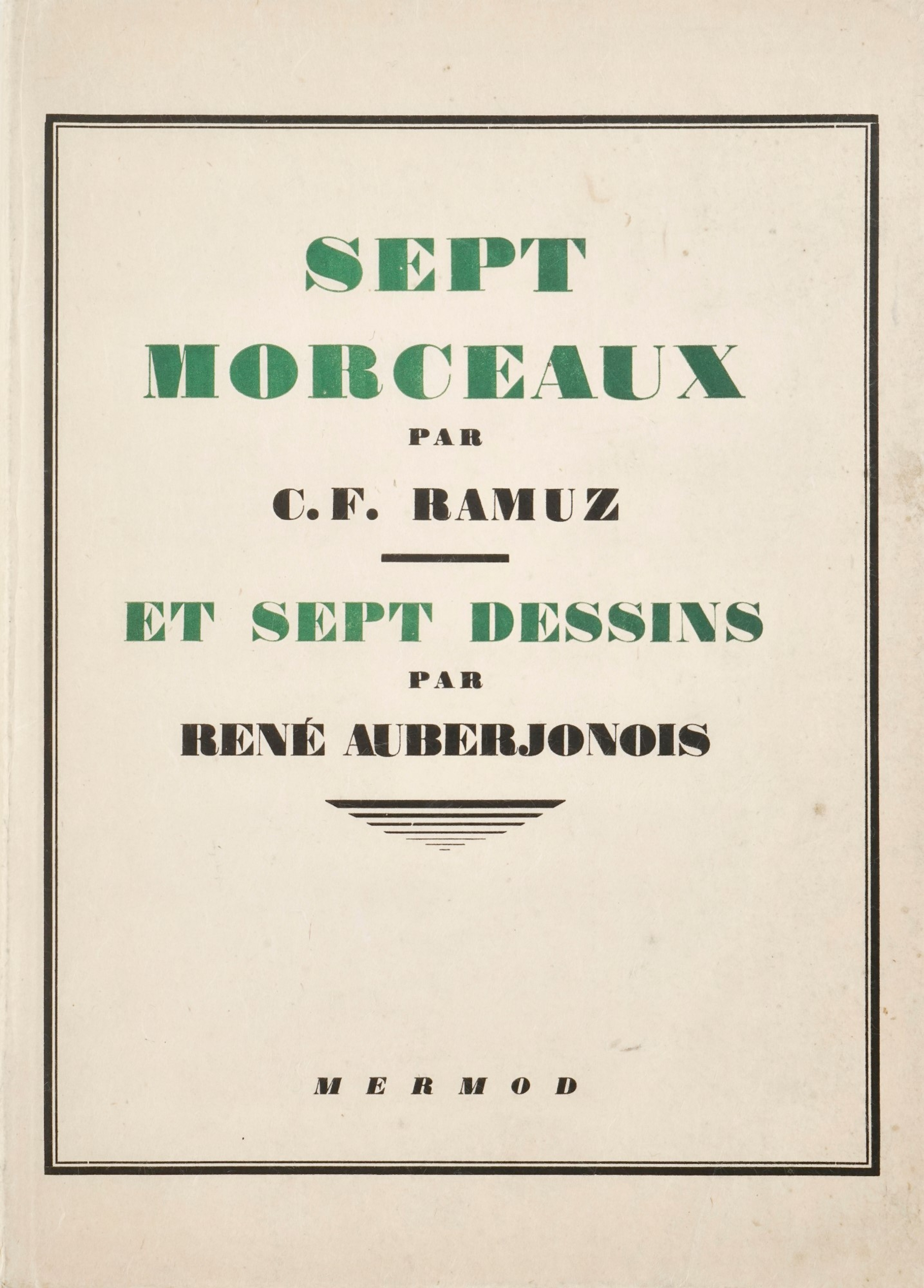
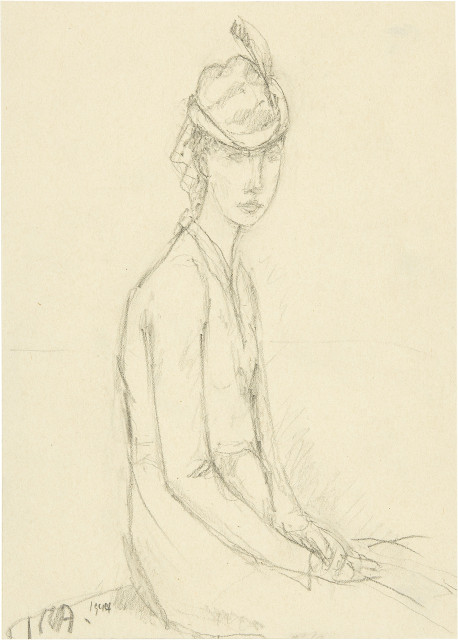
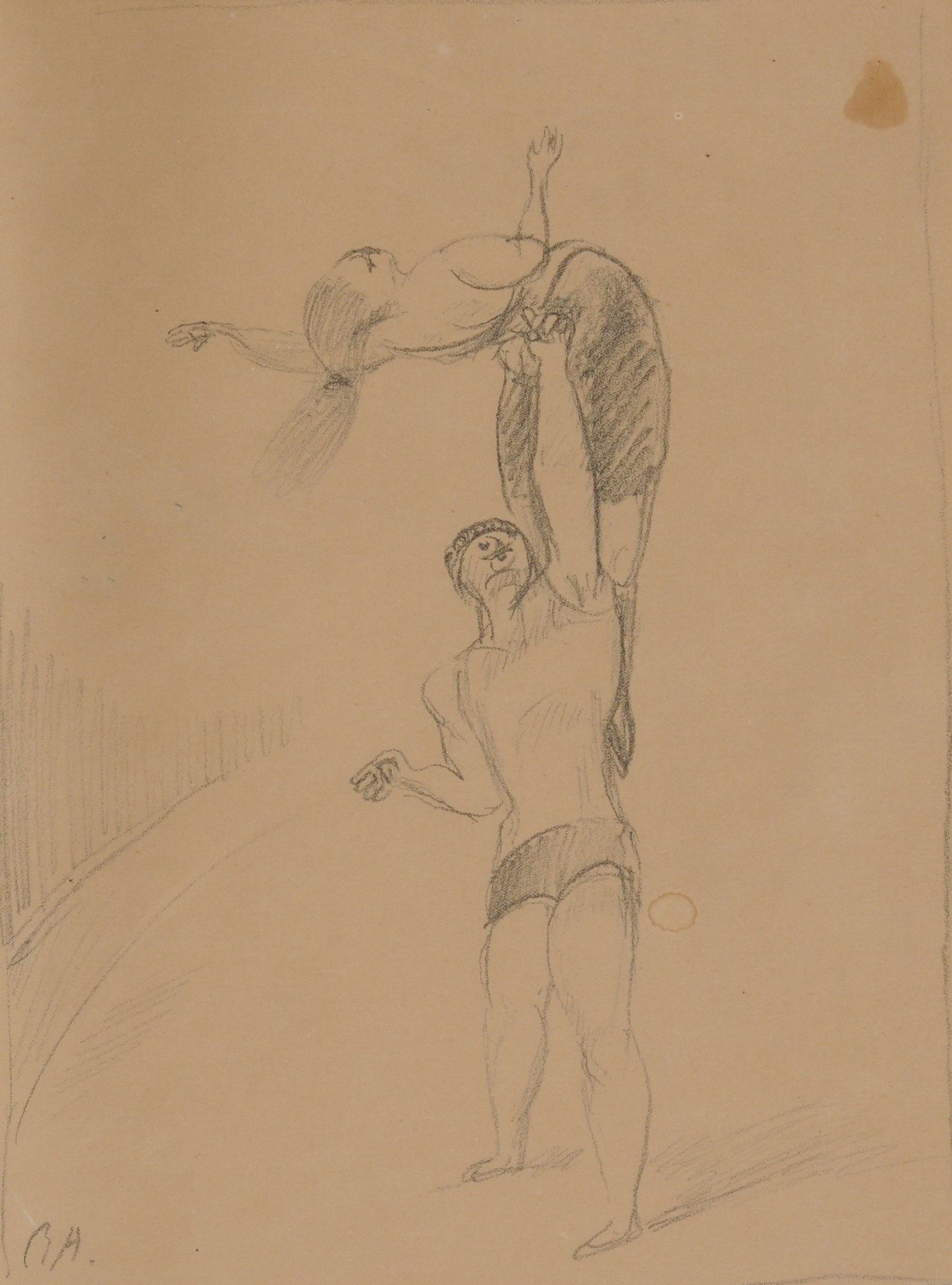
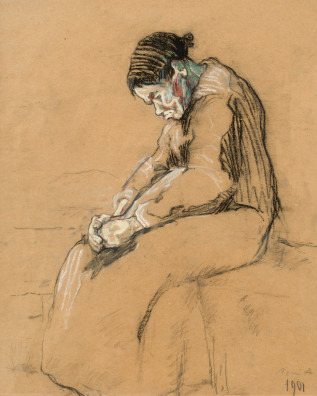
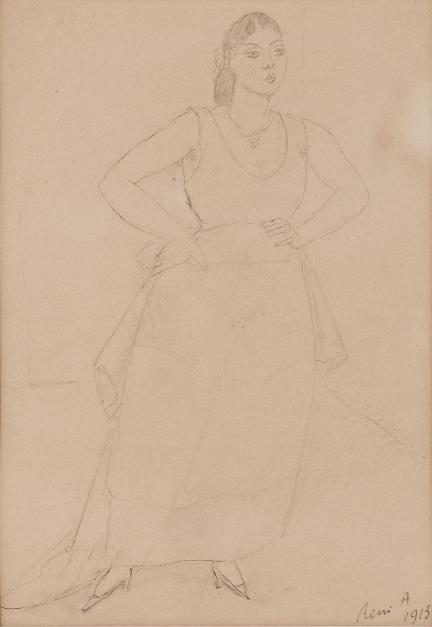
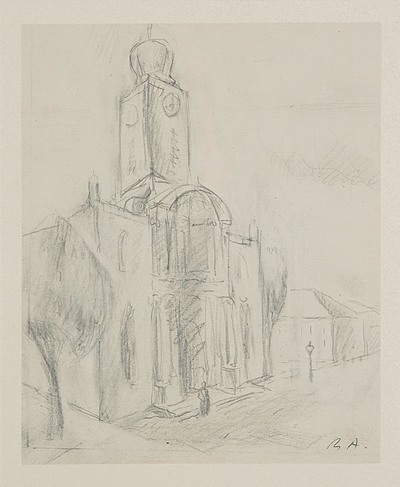
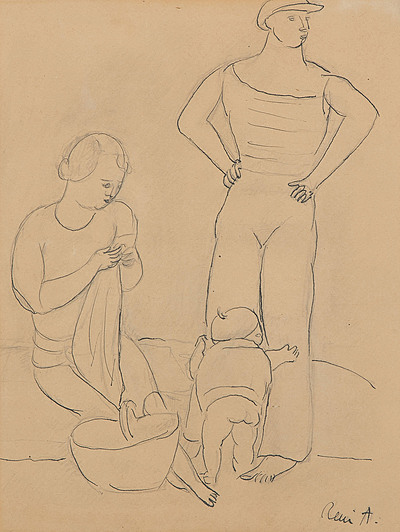
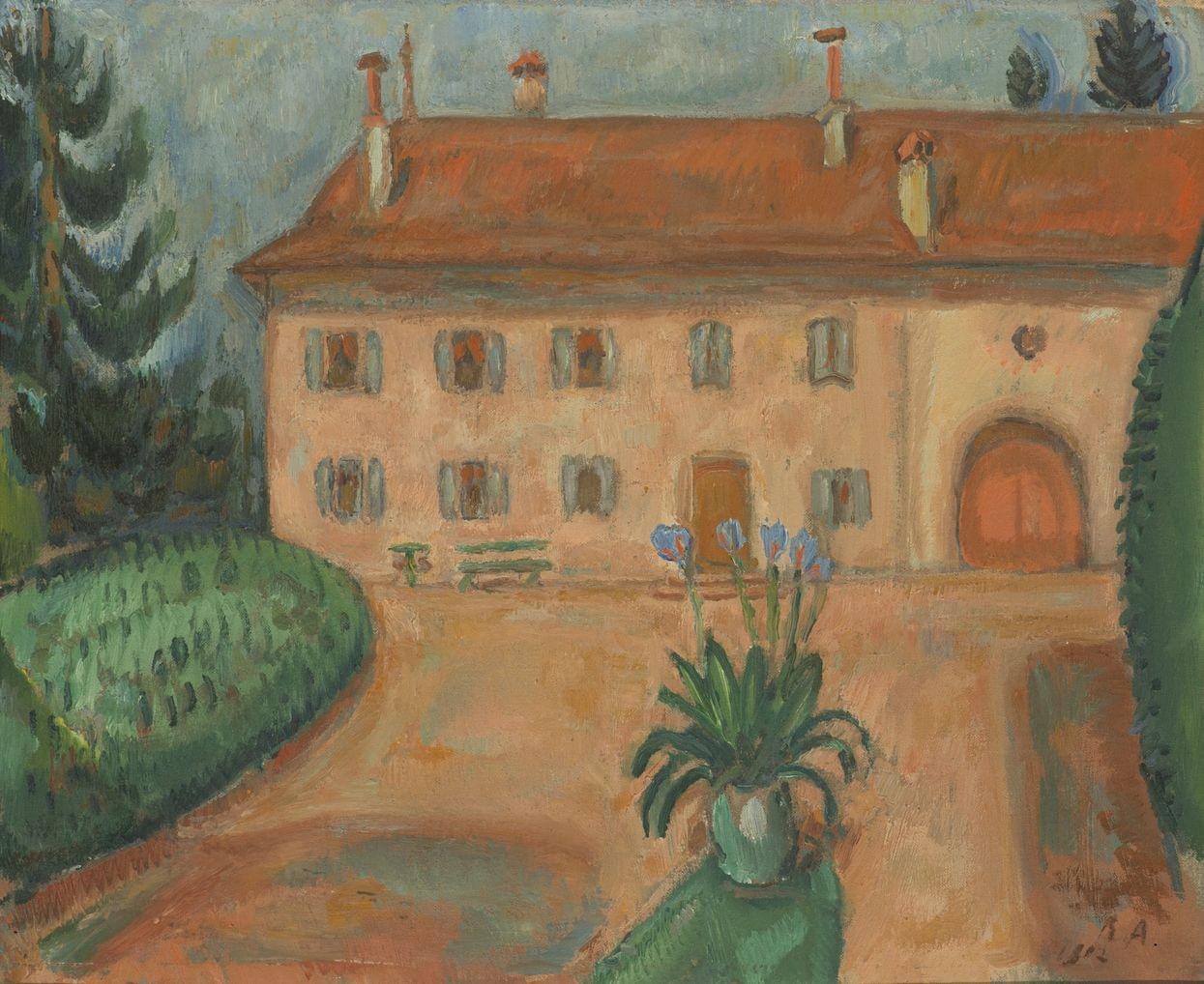
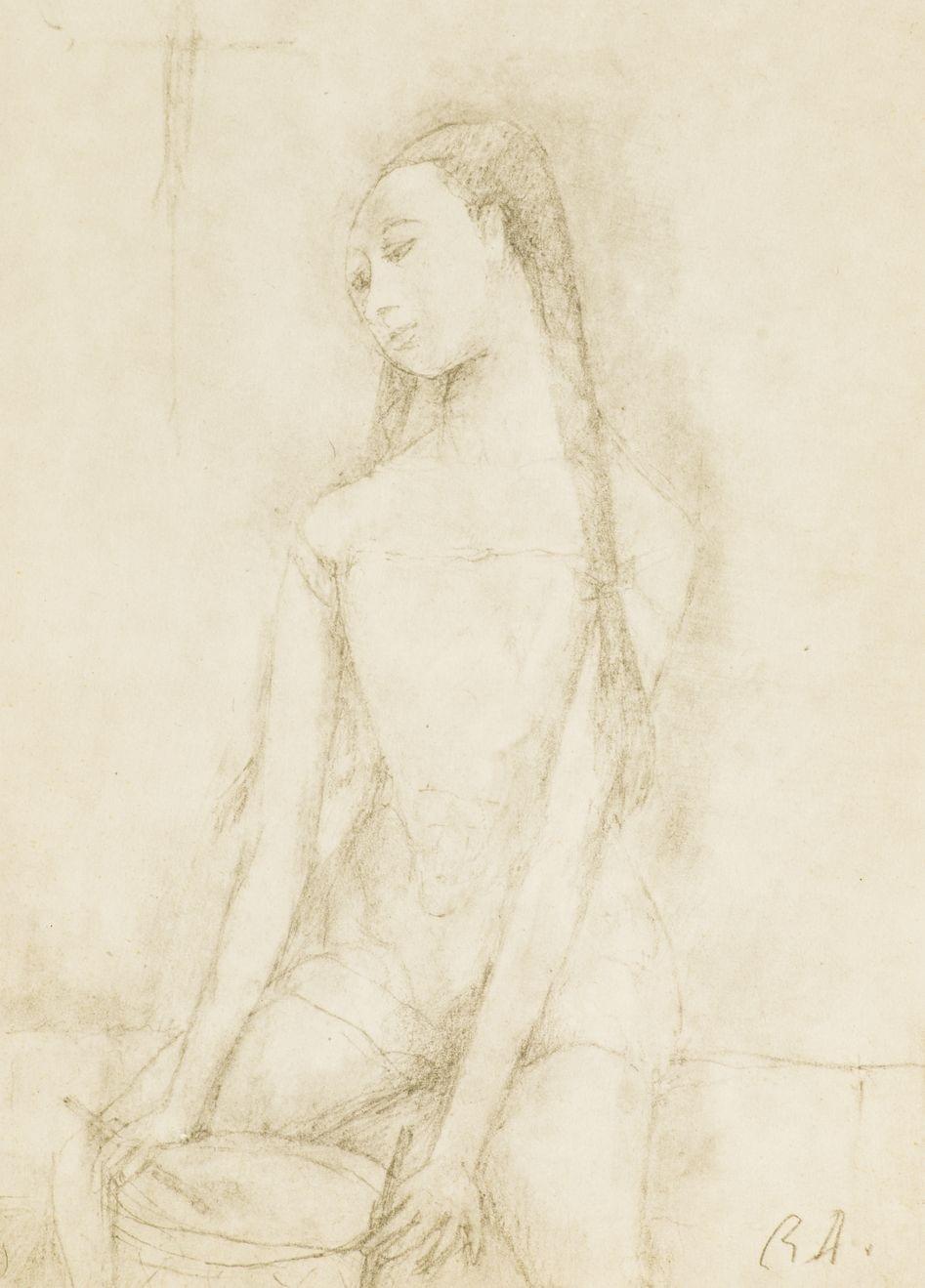
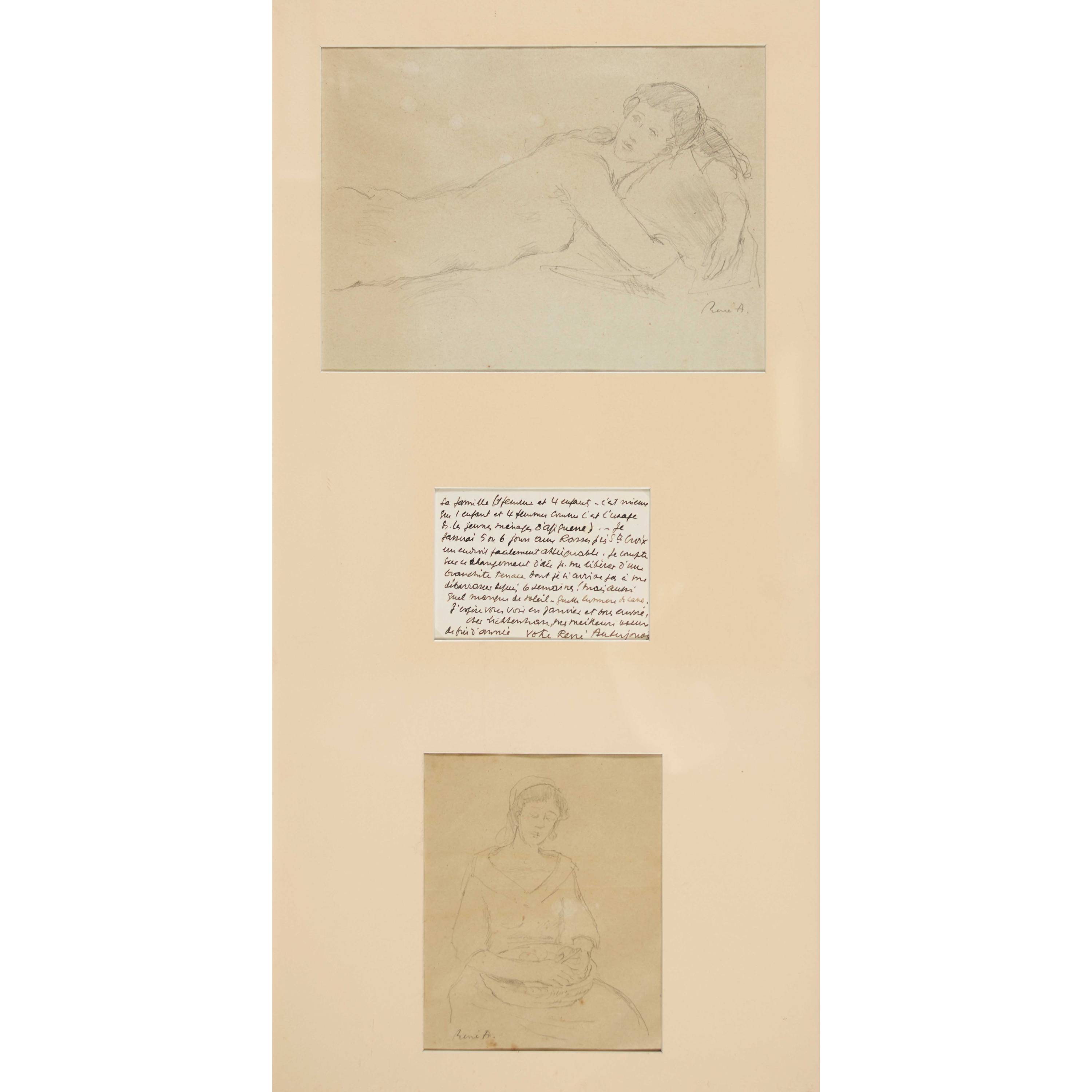
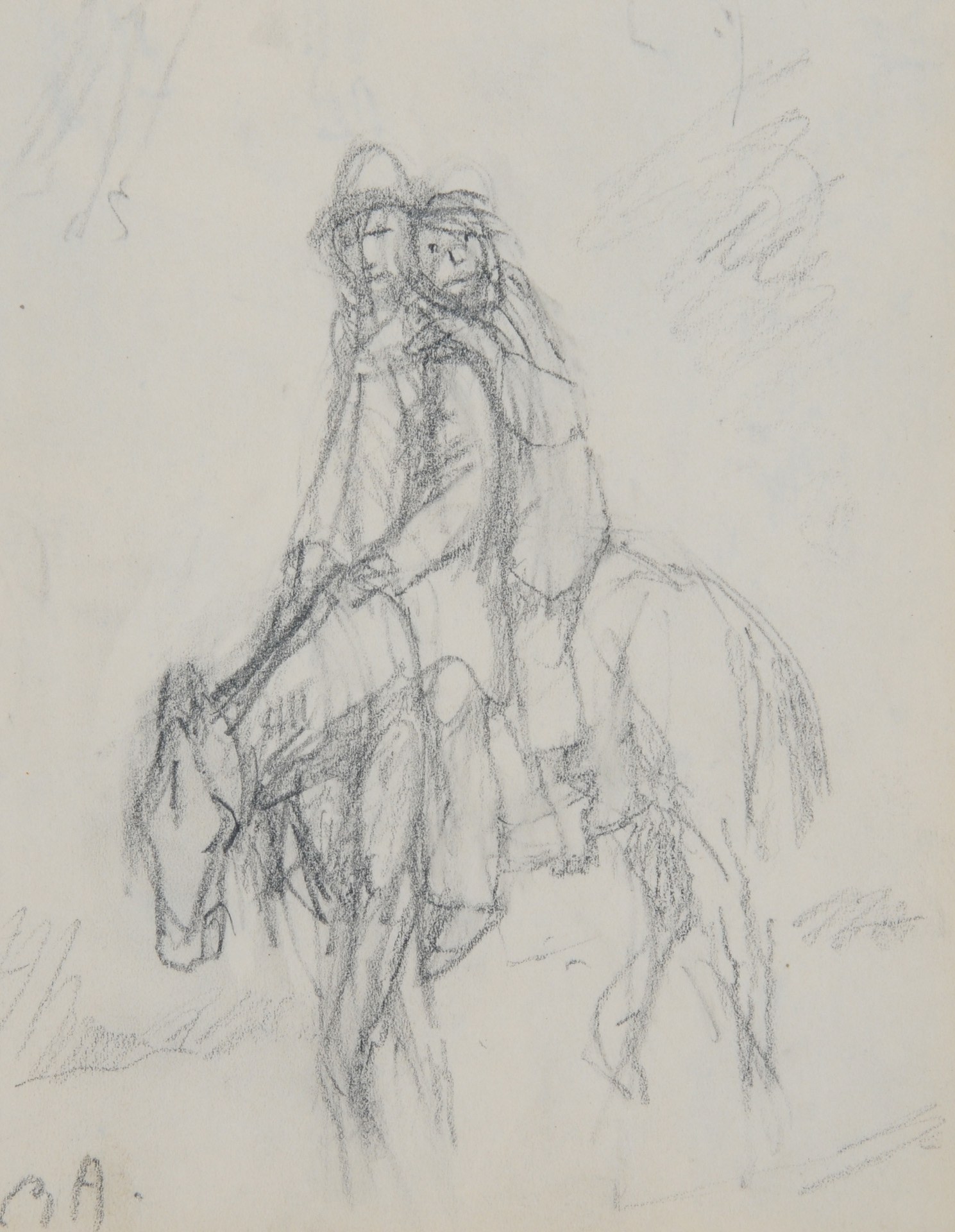
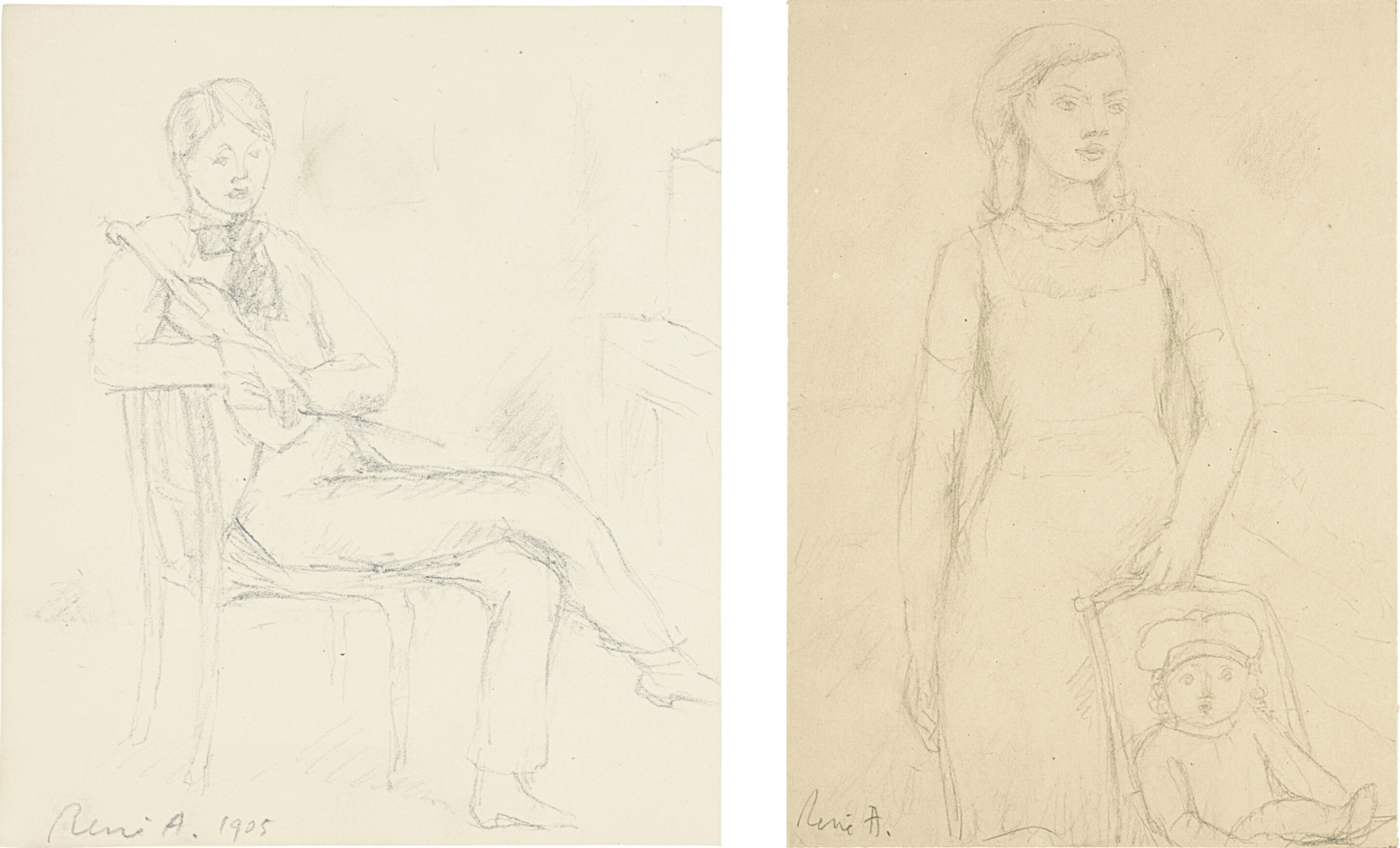
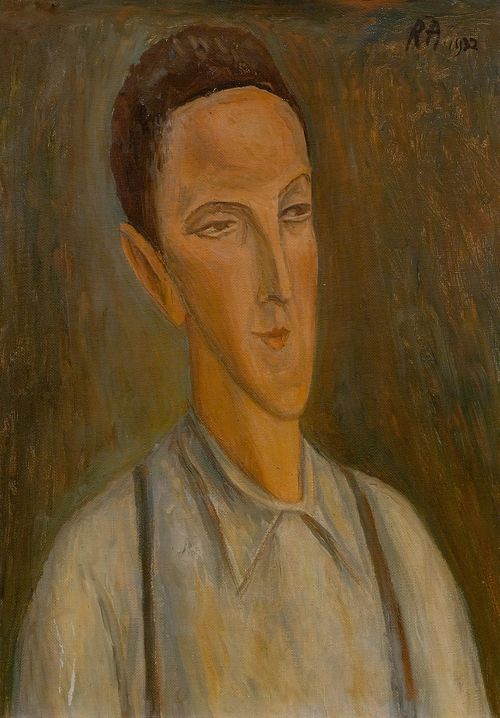
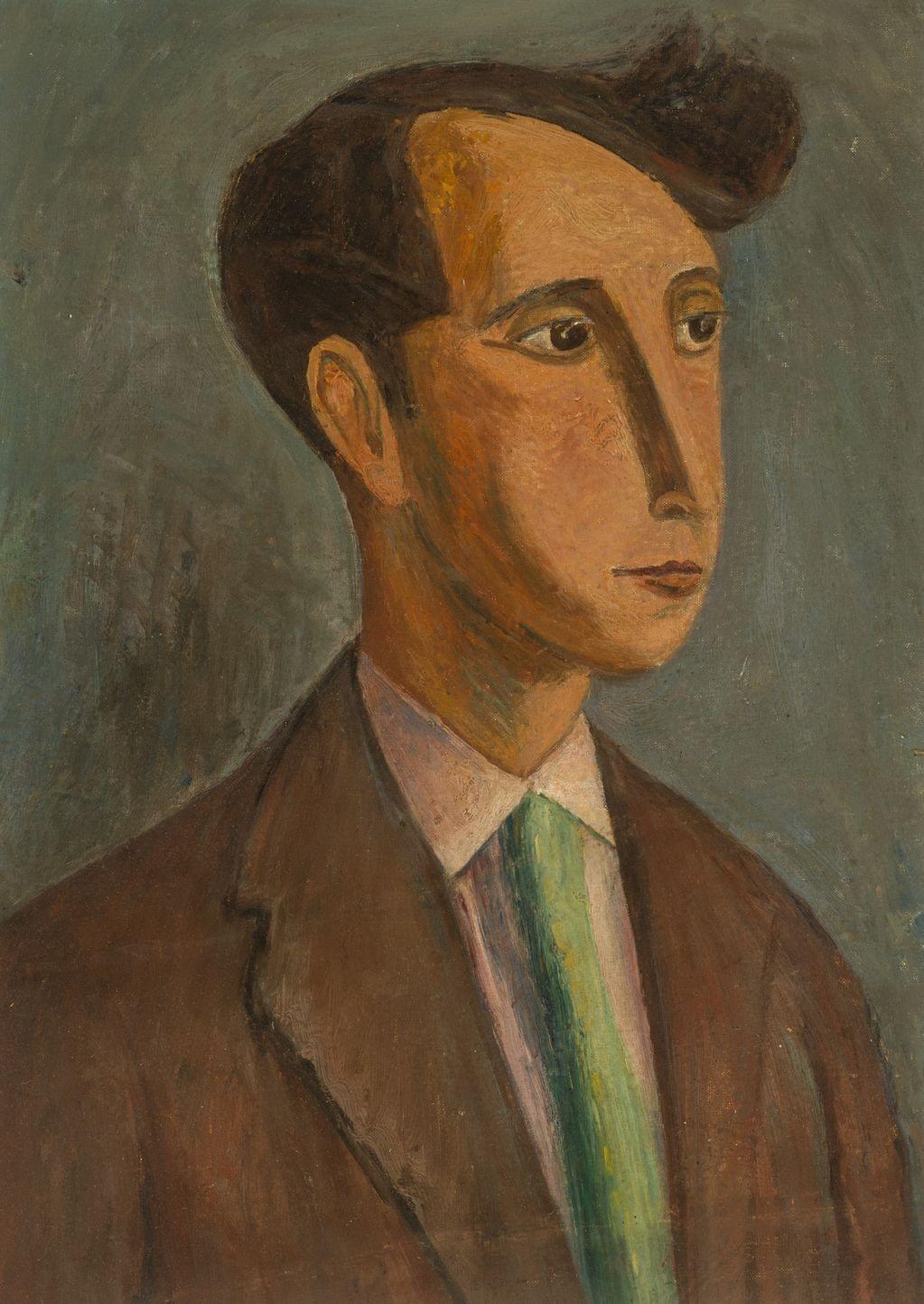
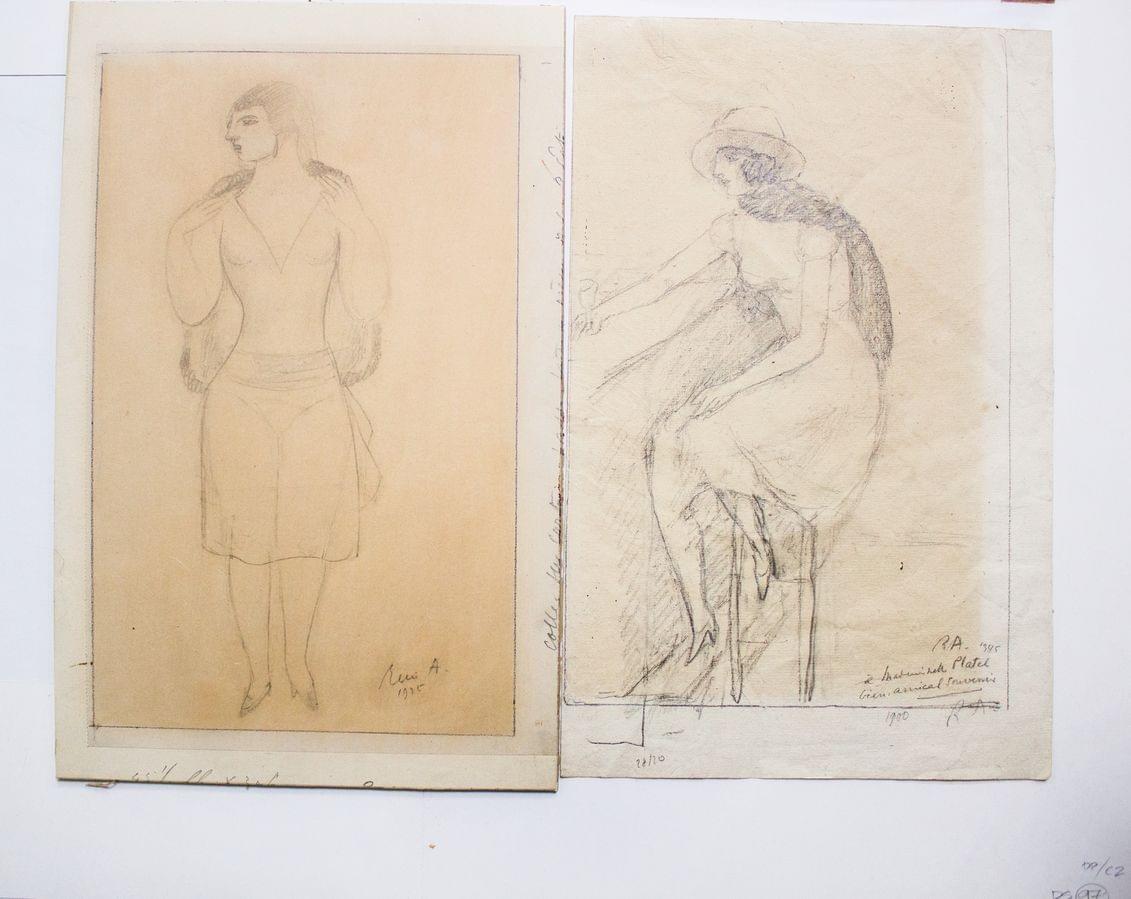
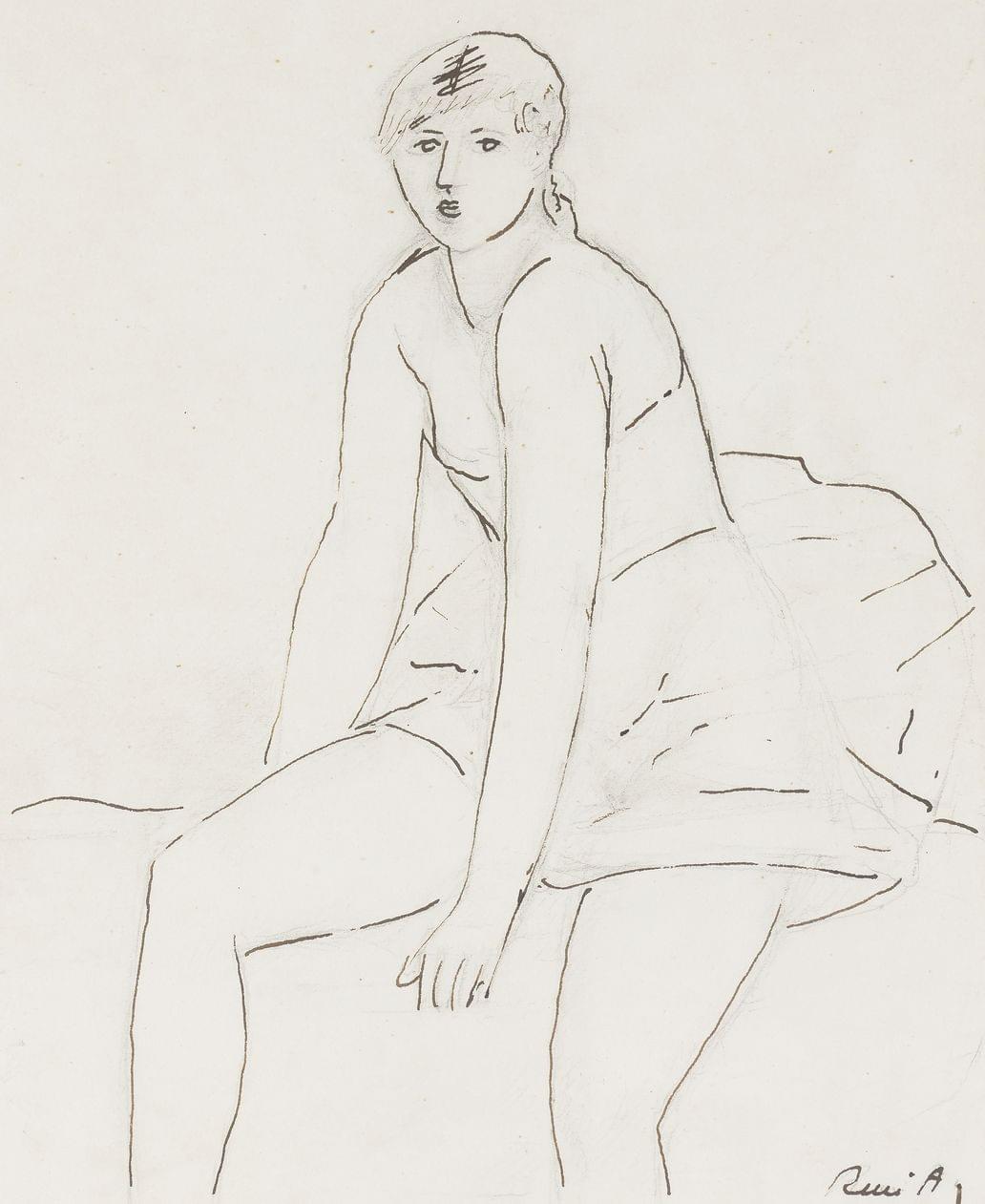
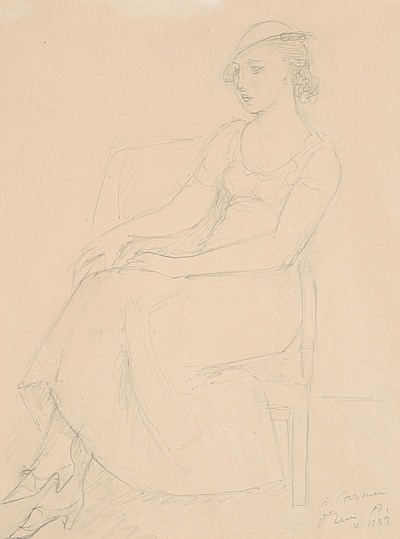
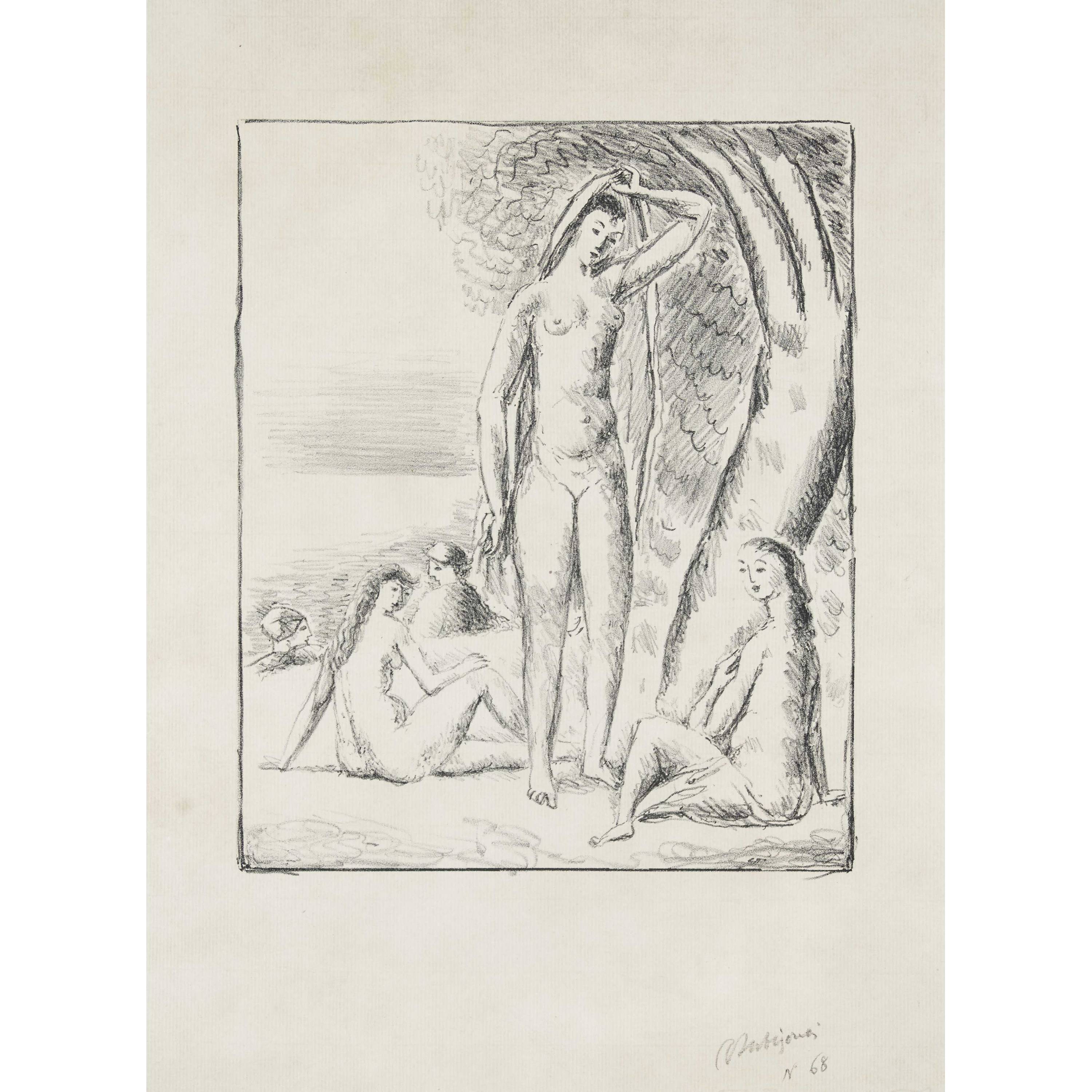
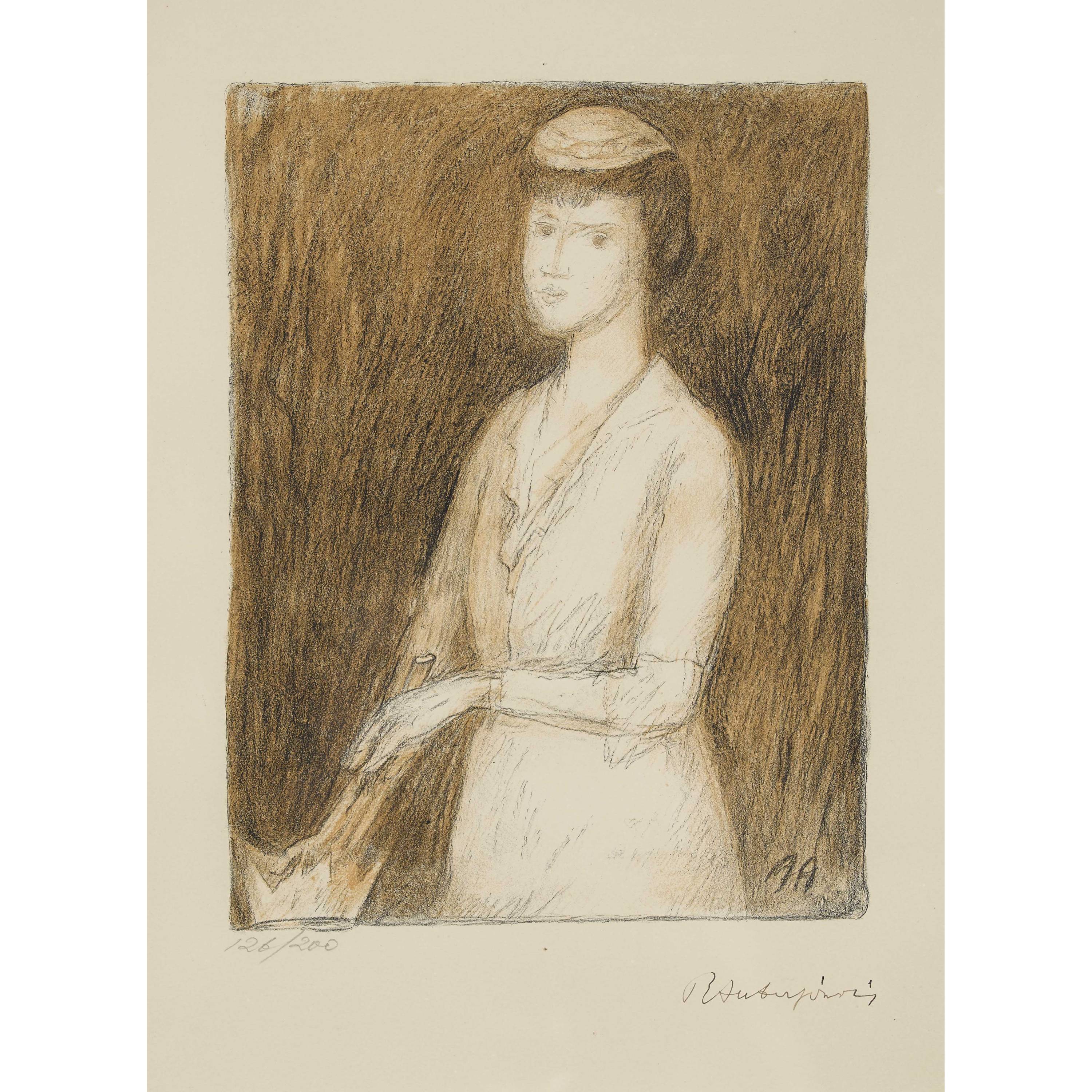
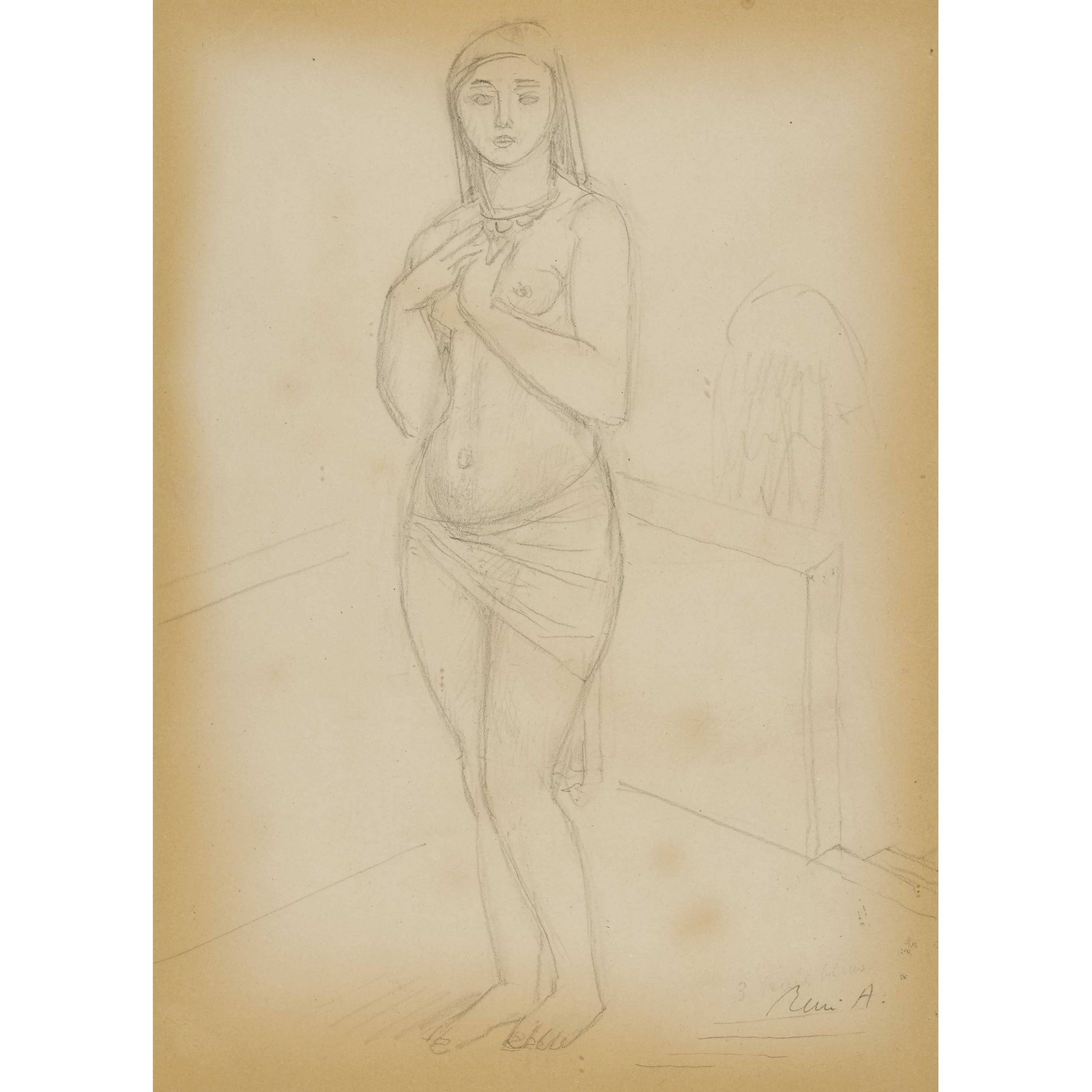
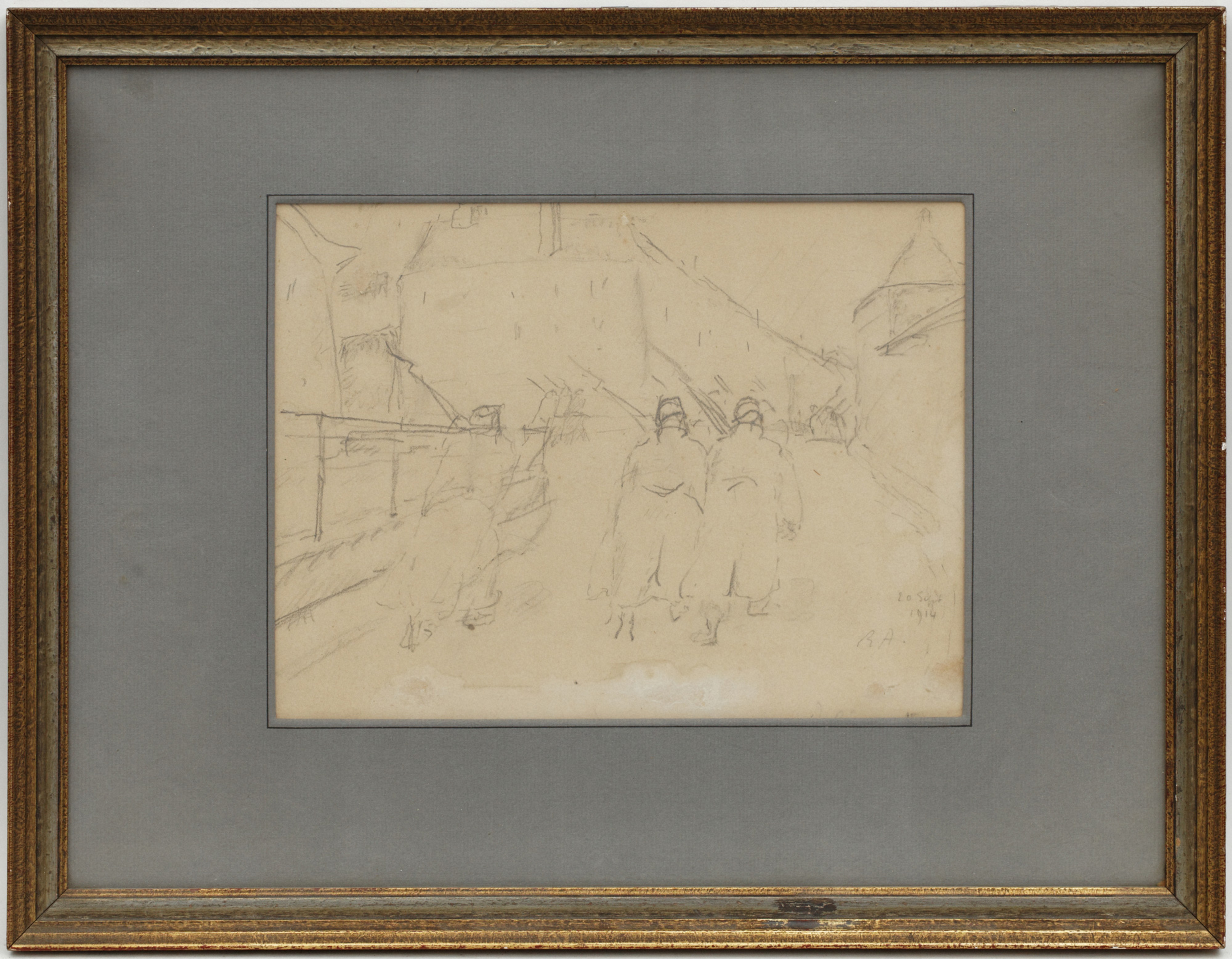
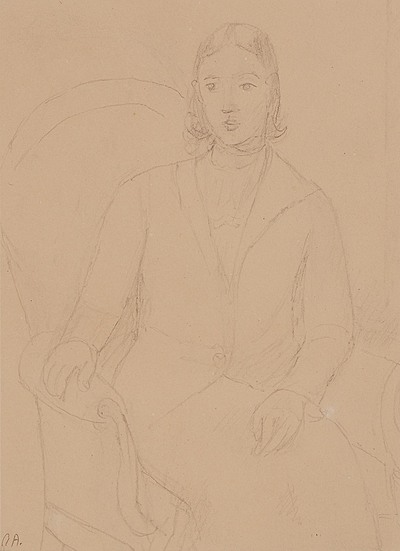
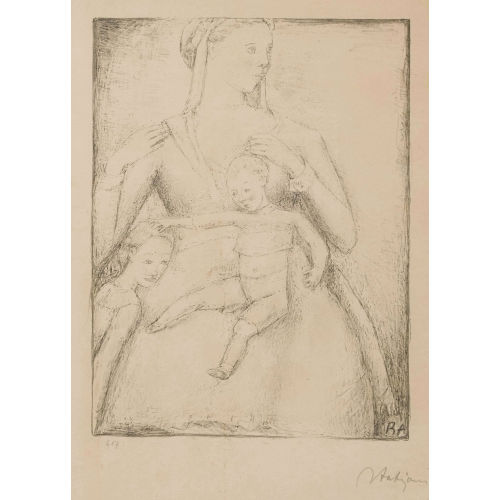
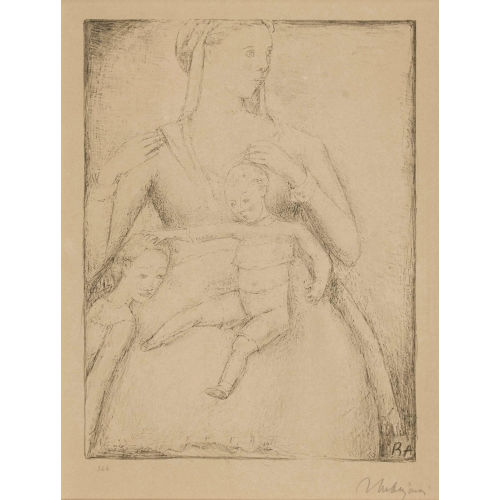
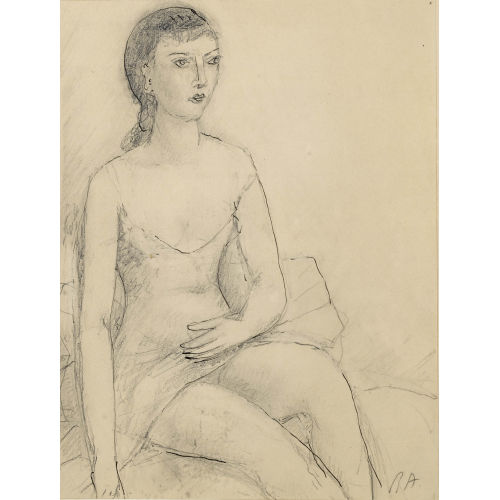
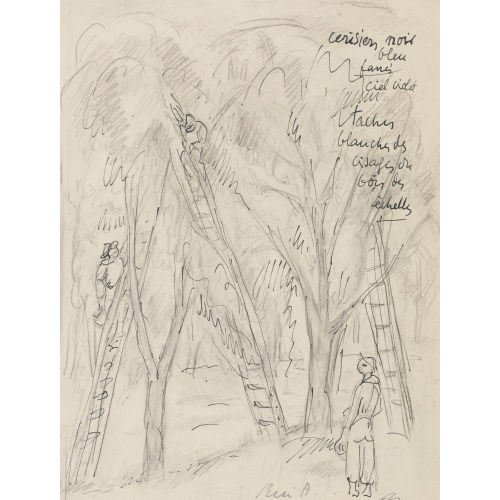
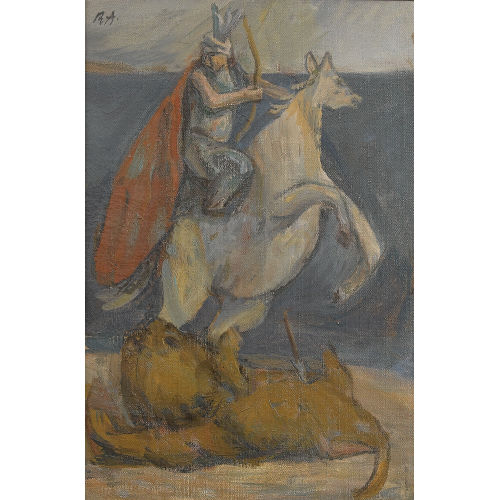
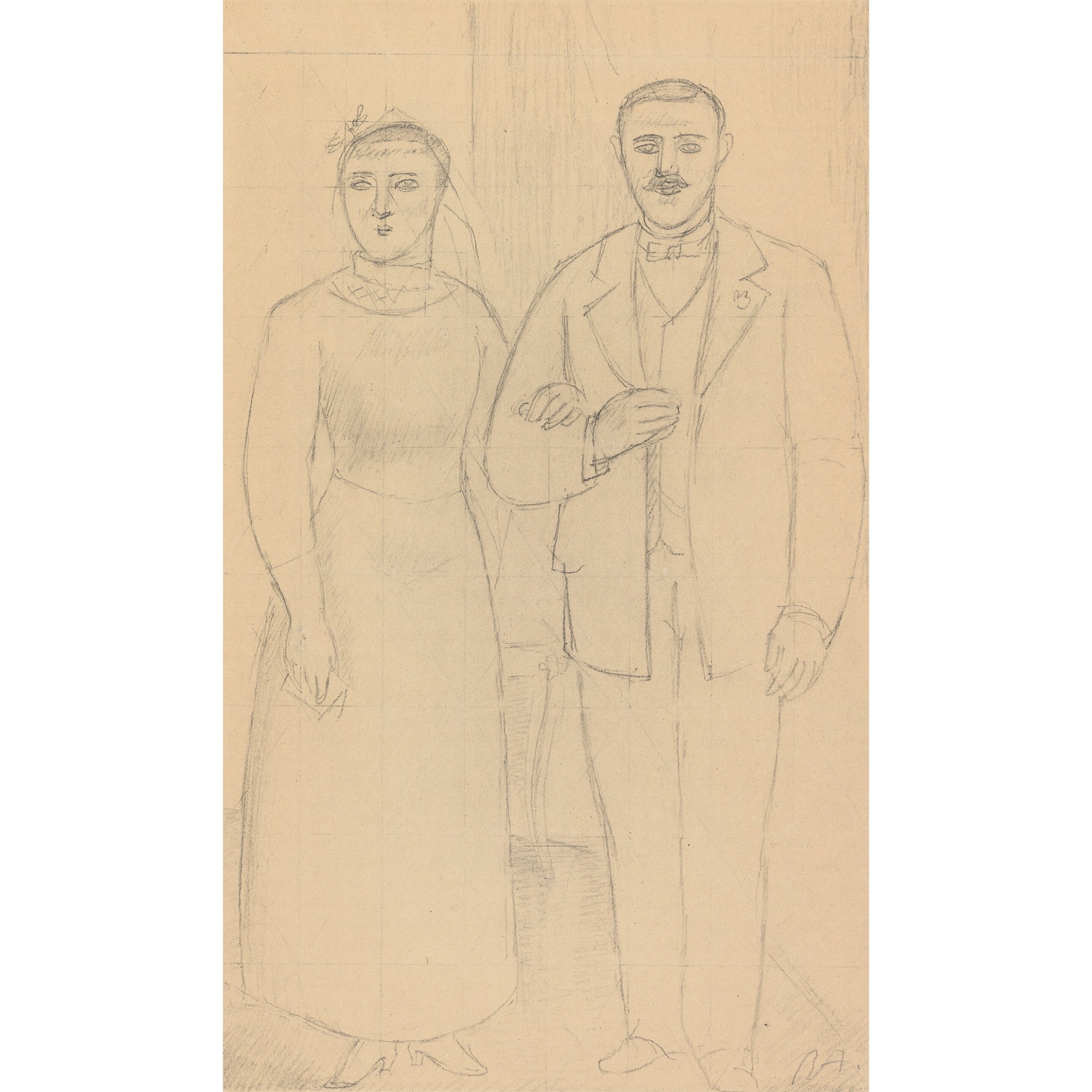
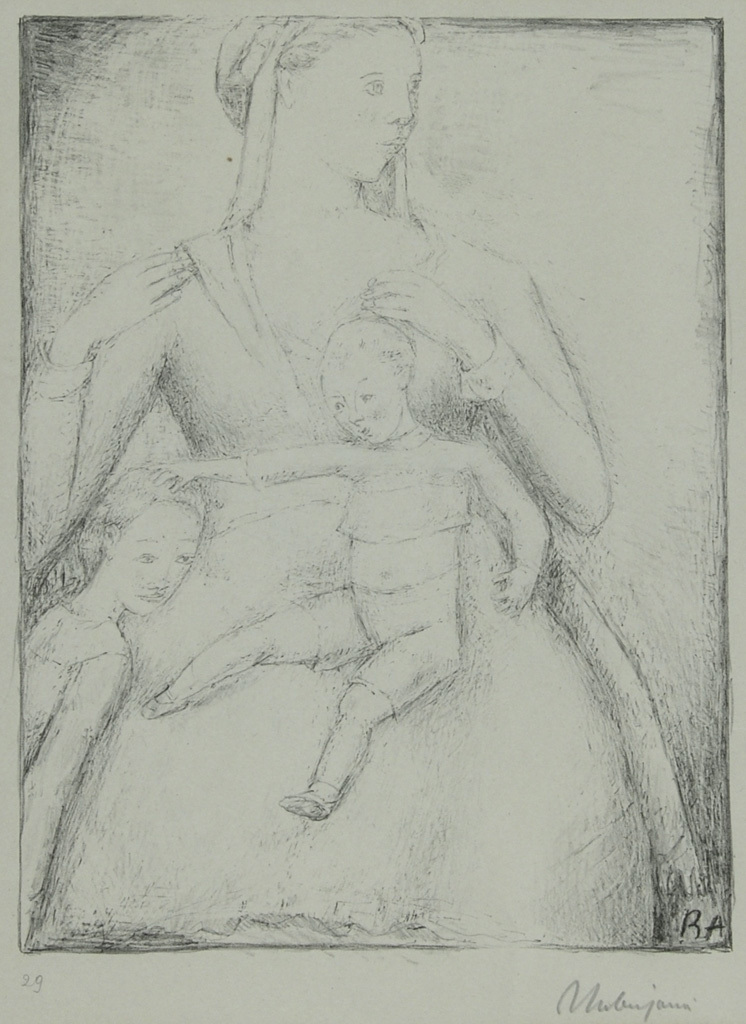
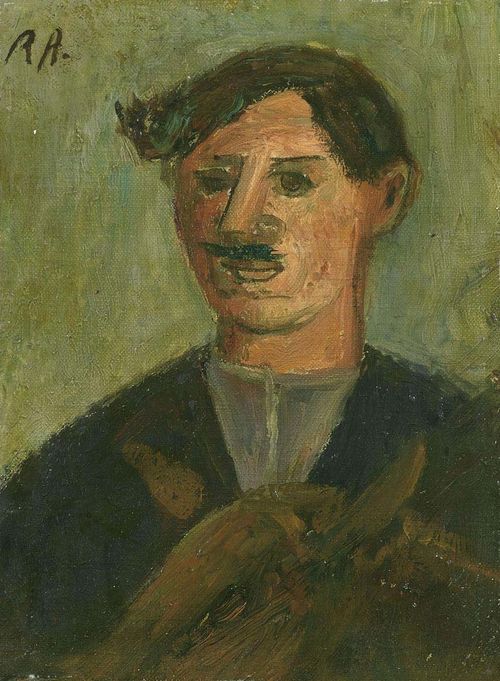
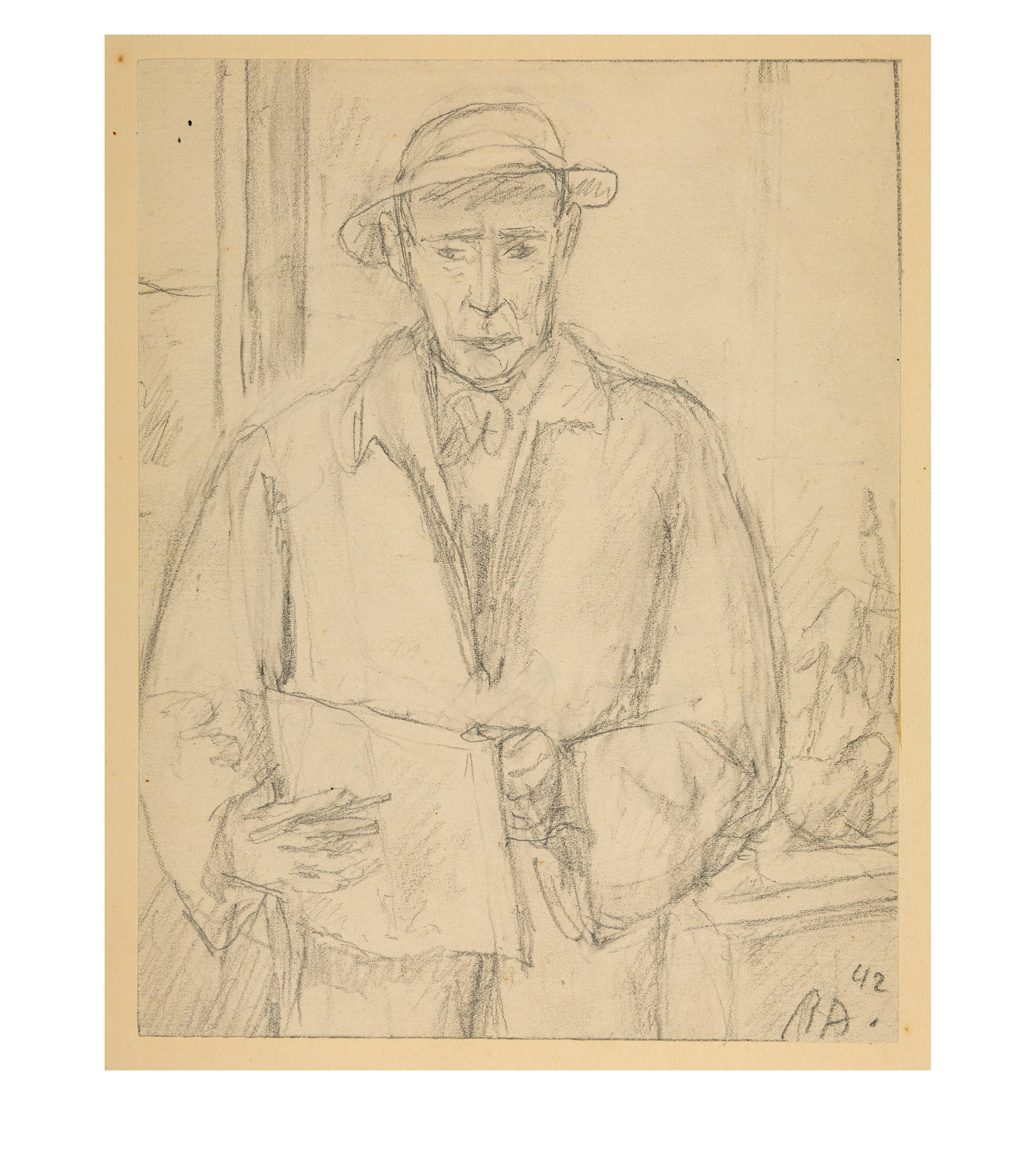
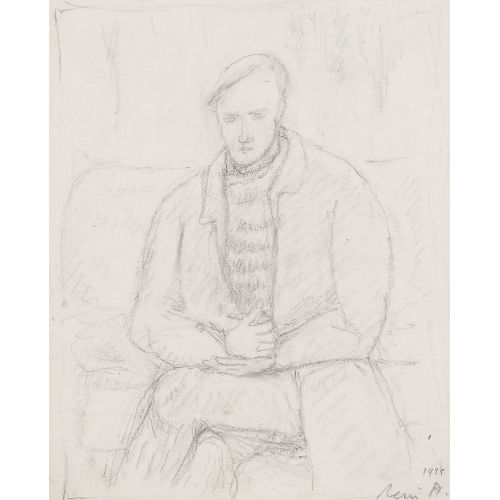
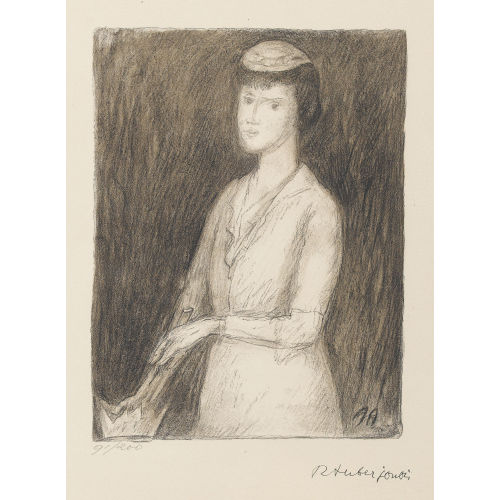
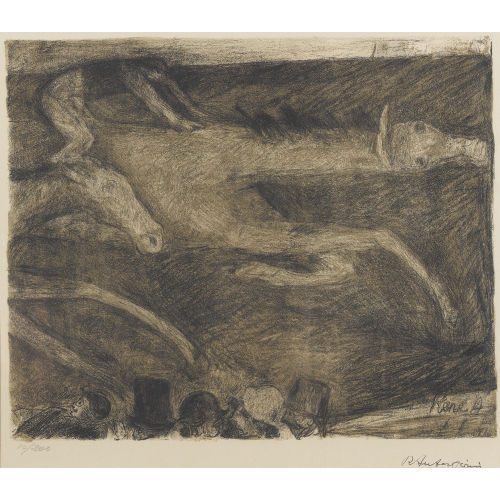
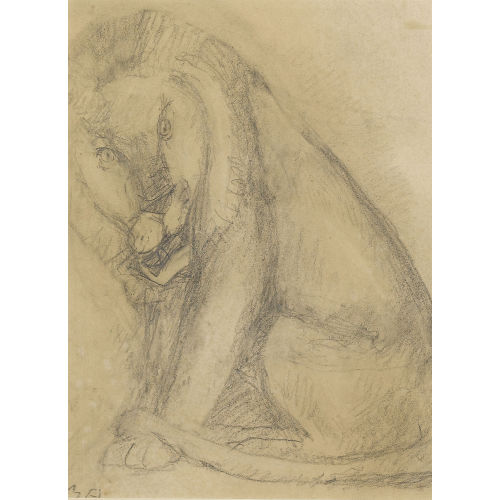
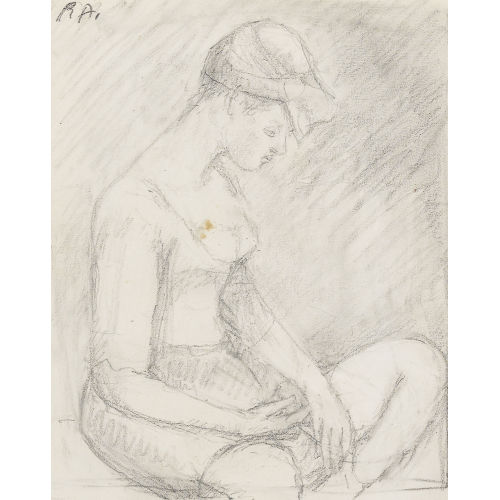
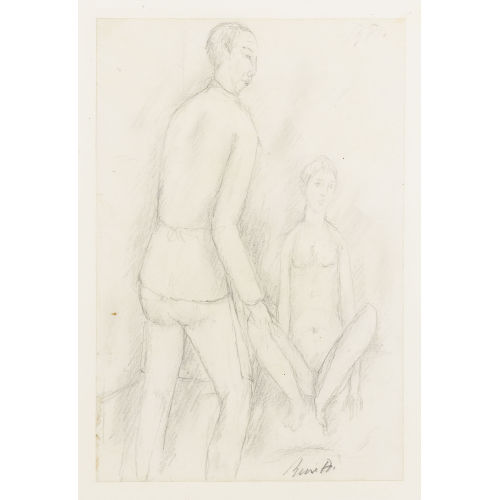
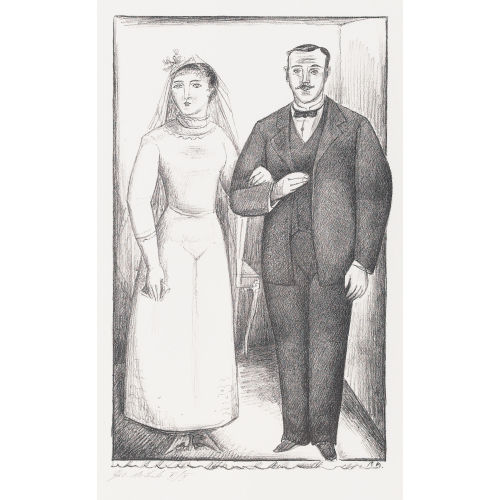
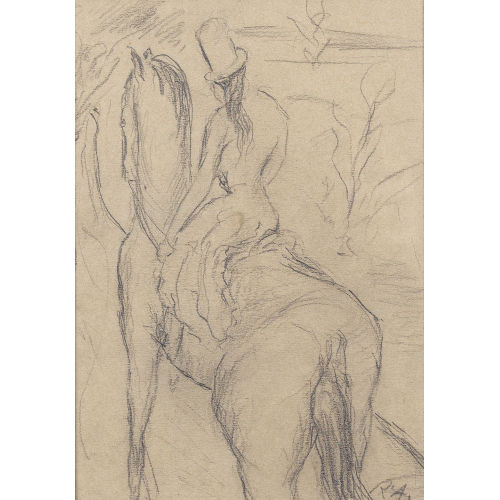
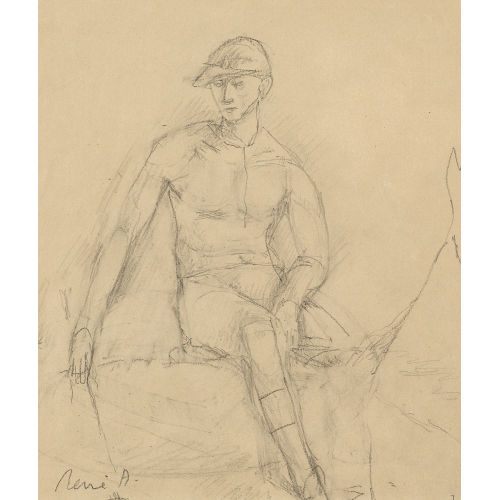
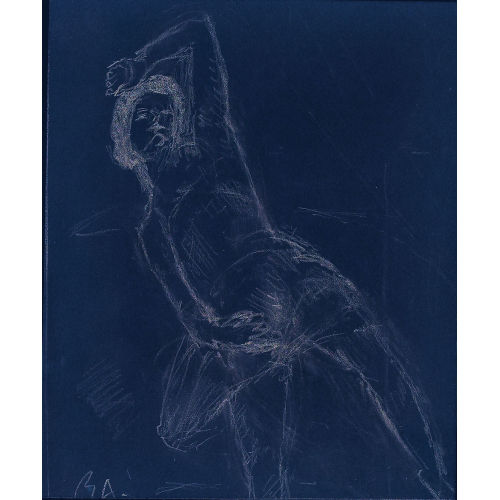
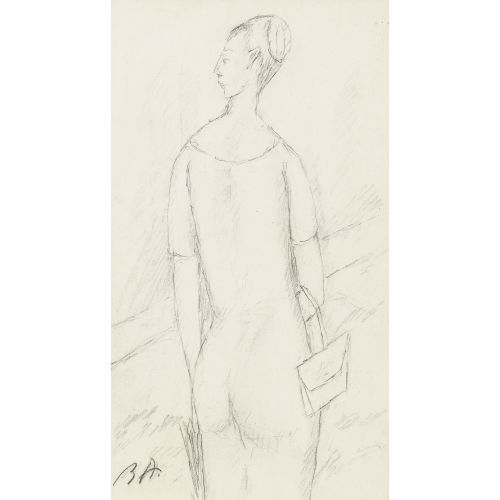
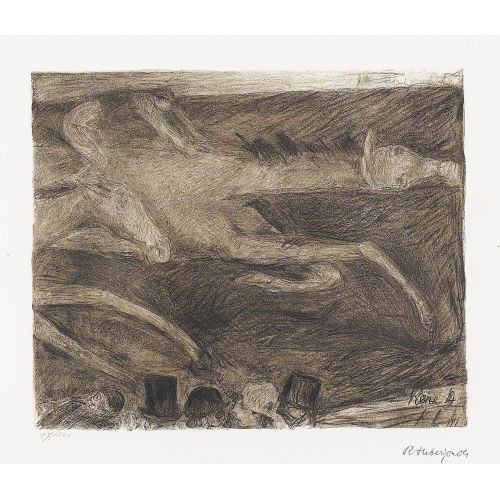
René Auberjonois (1872–1957) is one of the singular voices of Swiss painting in the first half of the twentieth century. A painter, draughtsman and illustrator from Vaud, he trained in London and then in Paris before returning to Switzerland in 1914. His friendship with Charles-Ferdinand Ramuz placed him within a milieu in which painting, literature, music and theatre engaged in close dialogue.
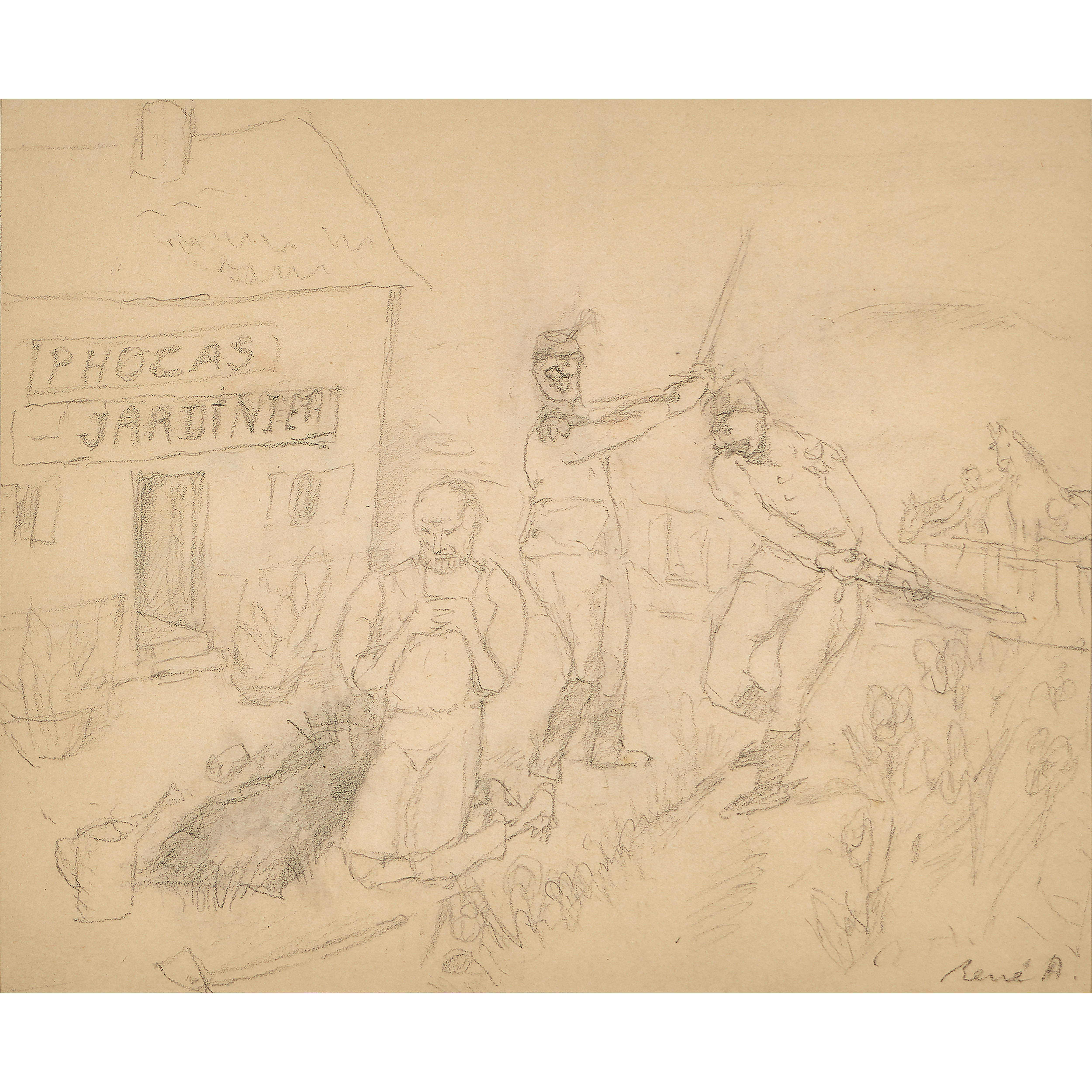
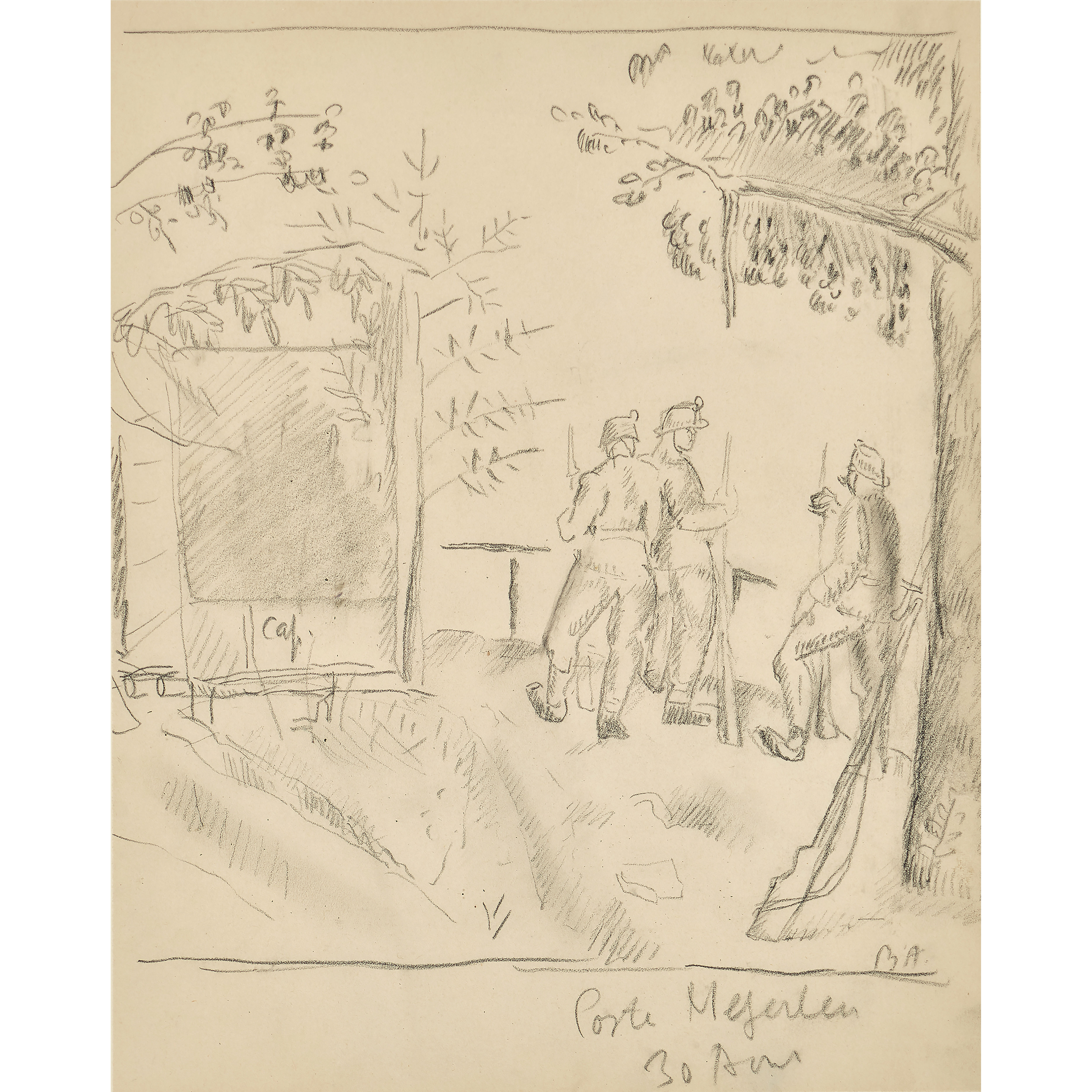
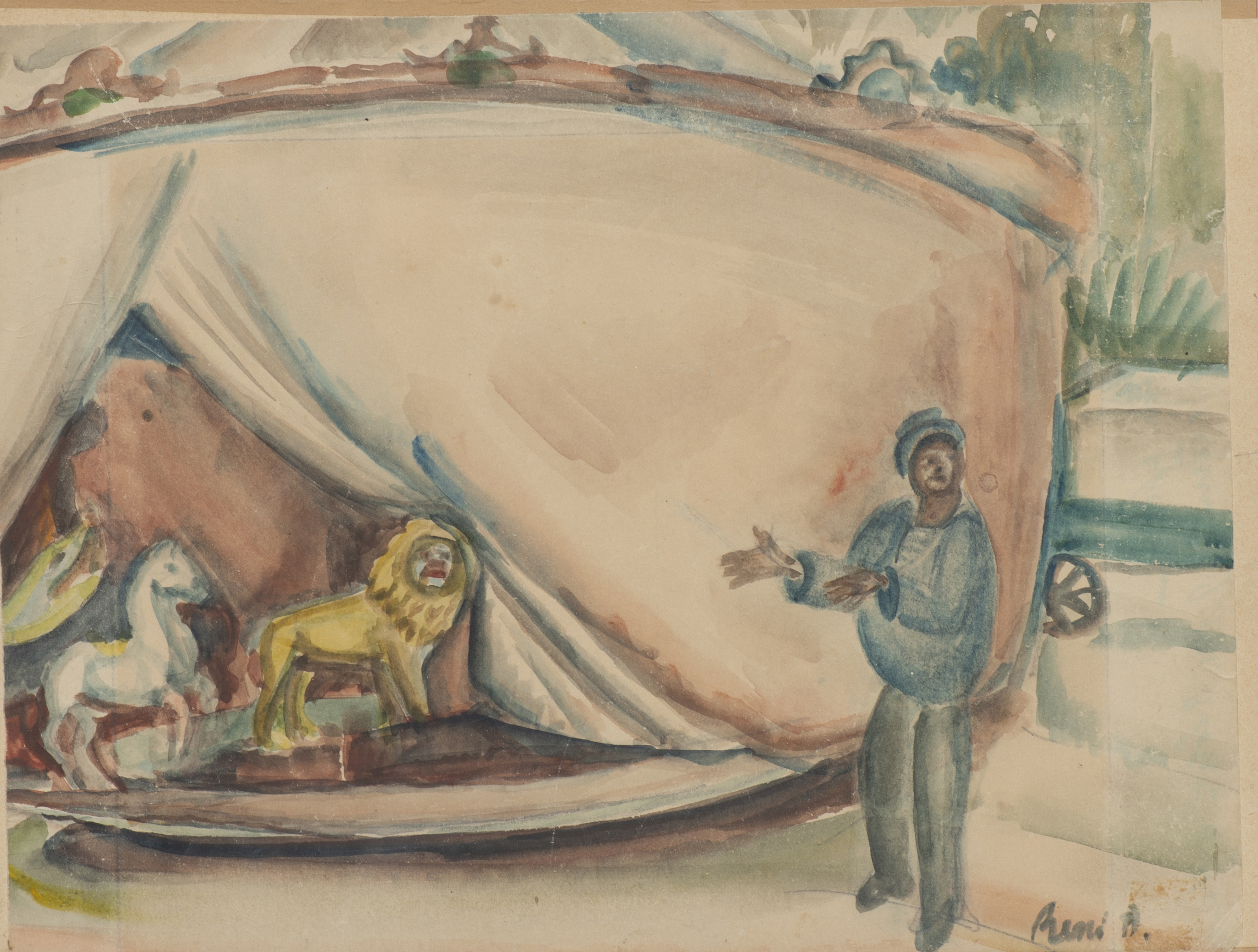
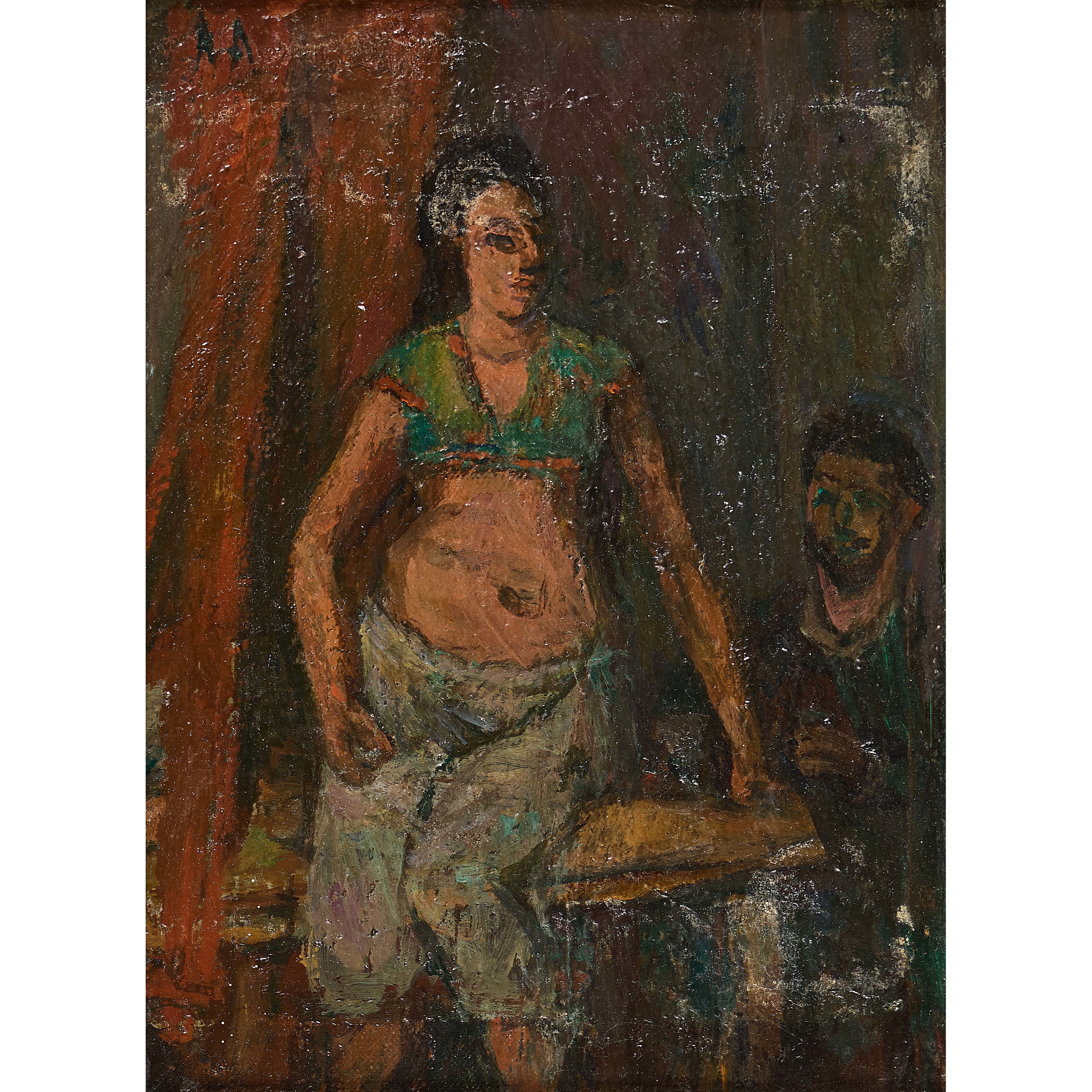
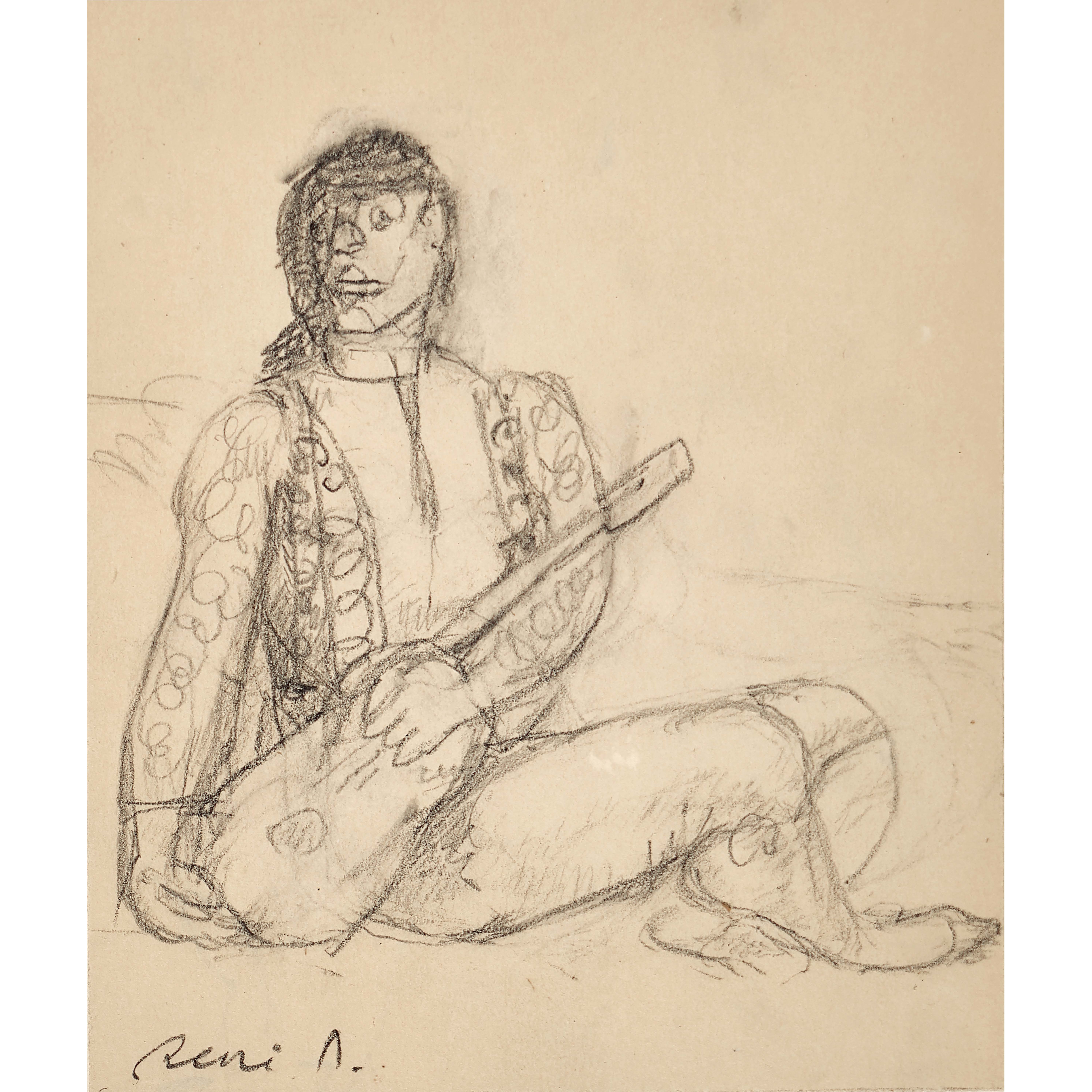
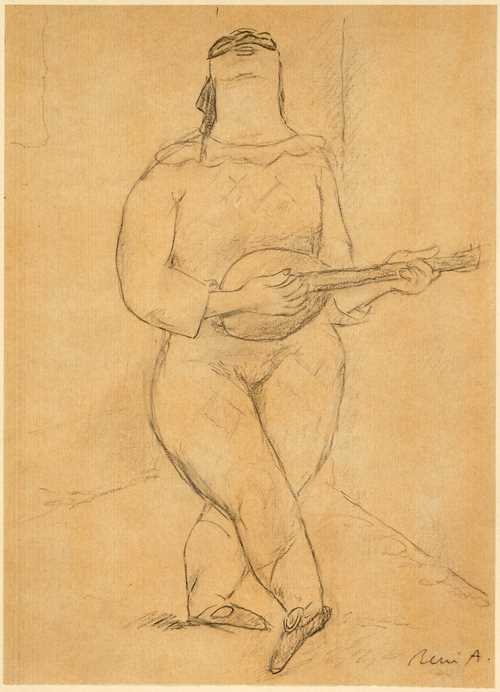
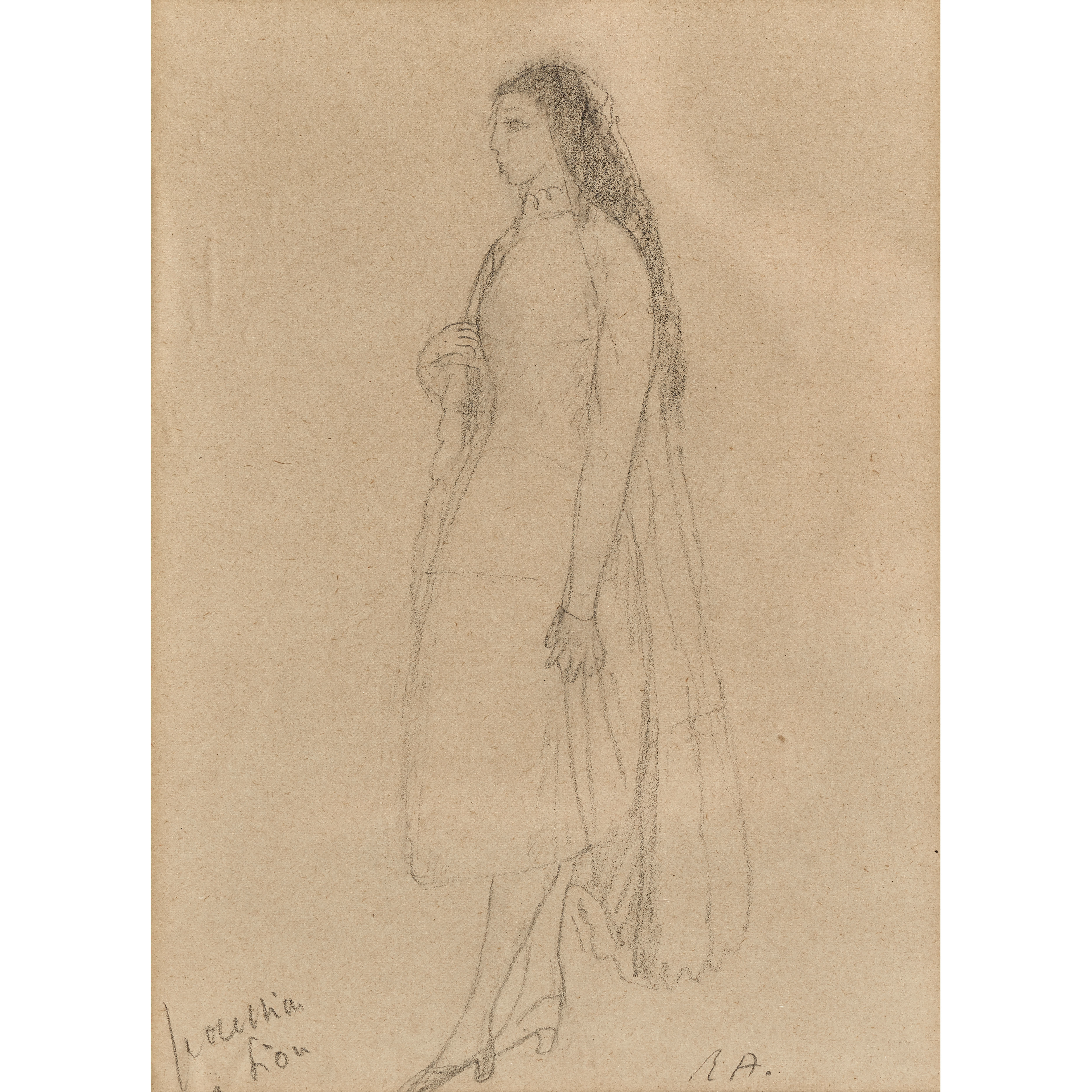
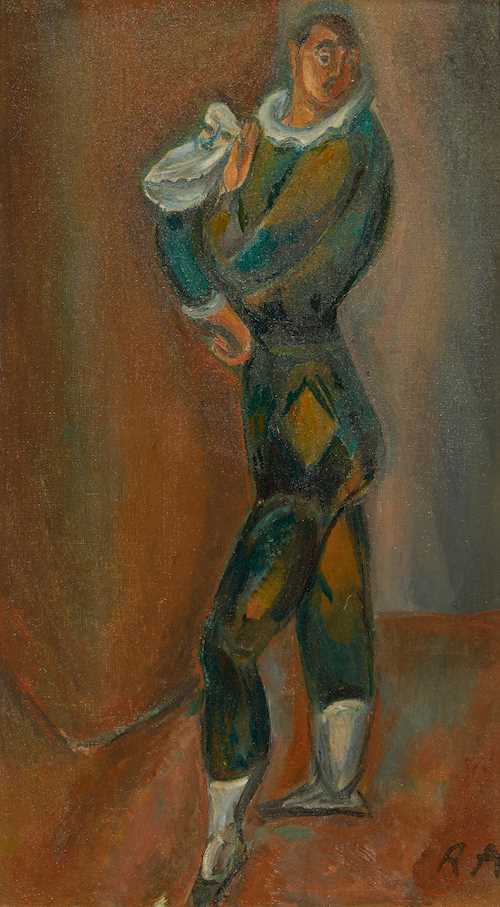
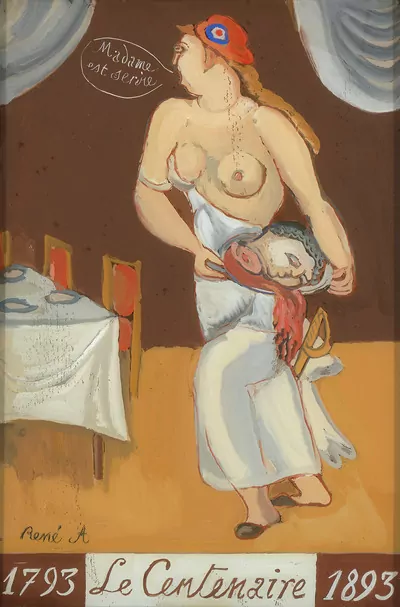
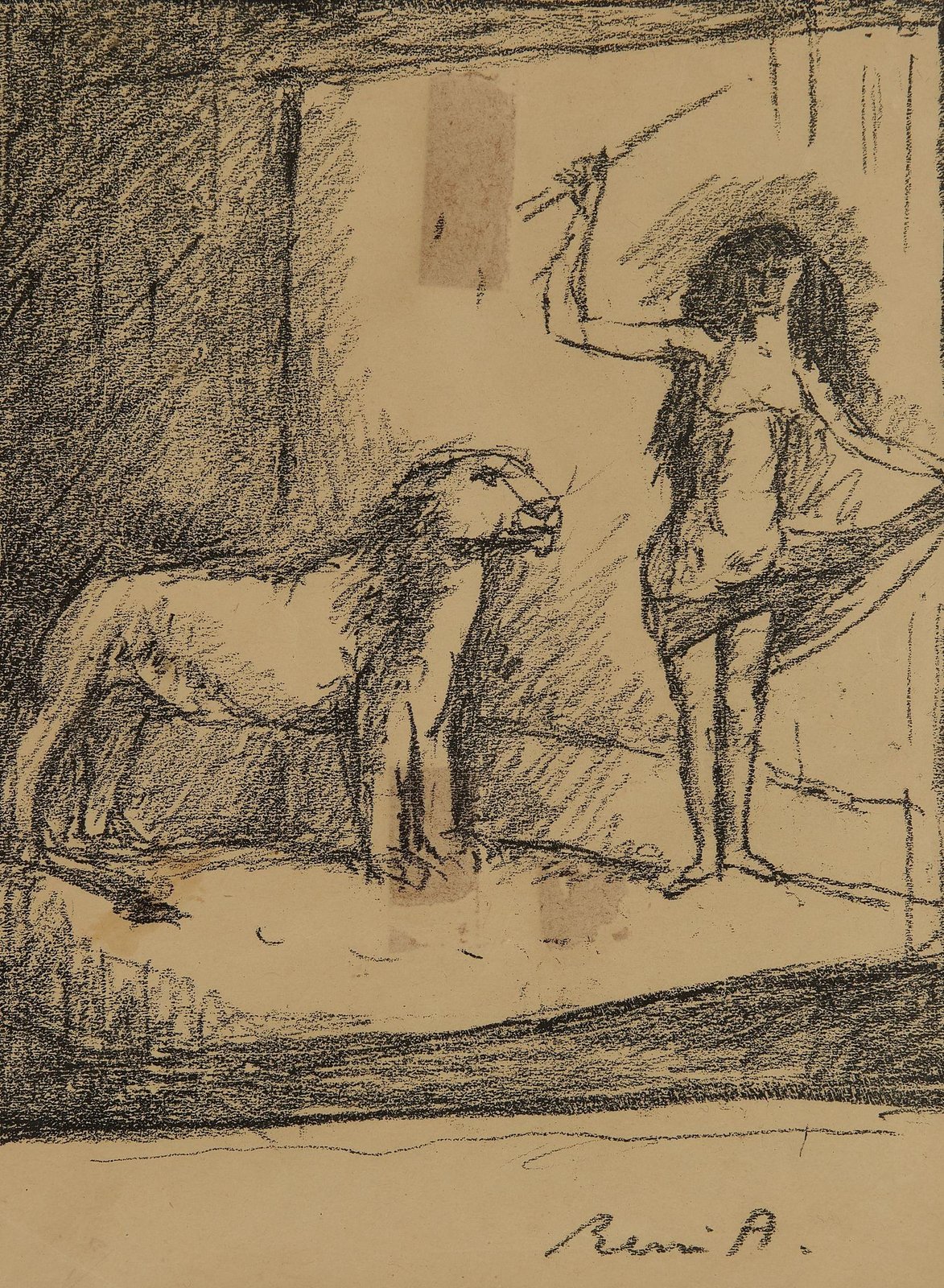
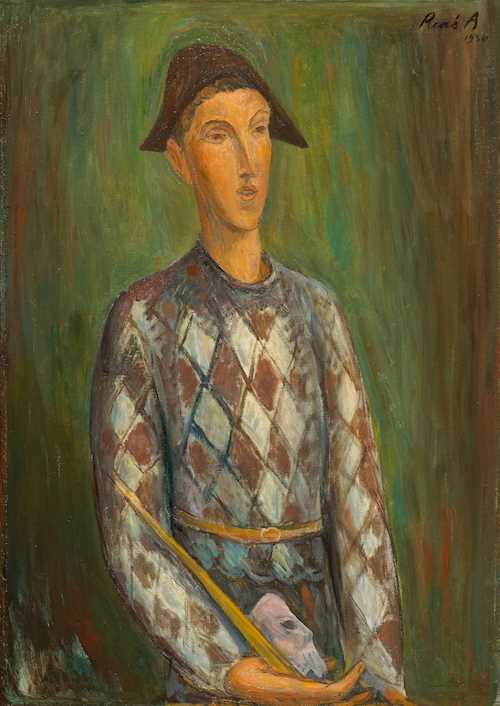
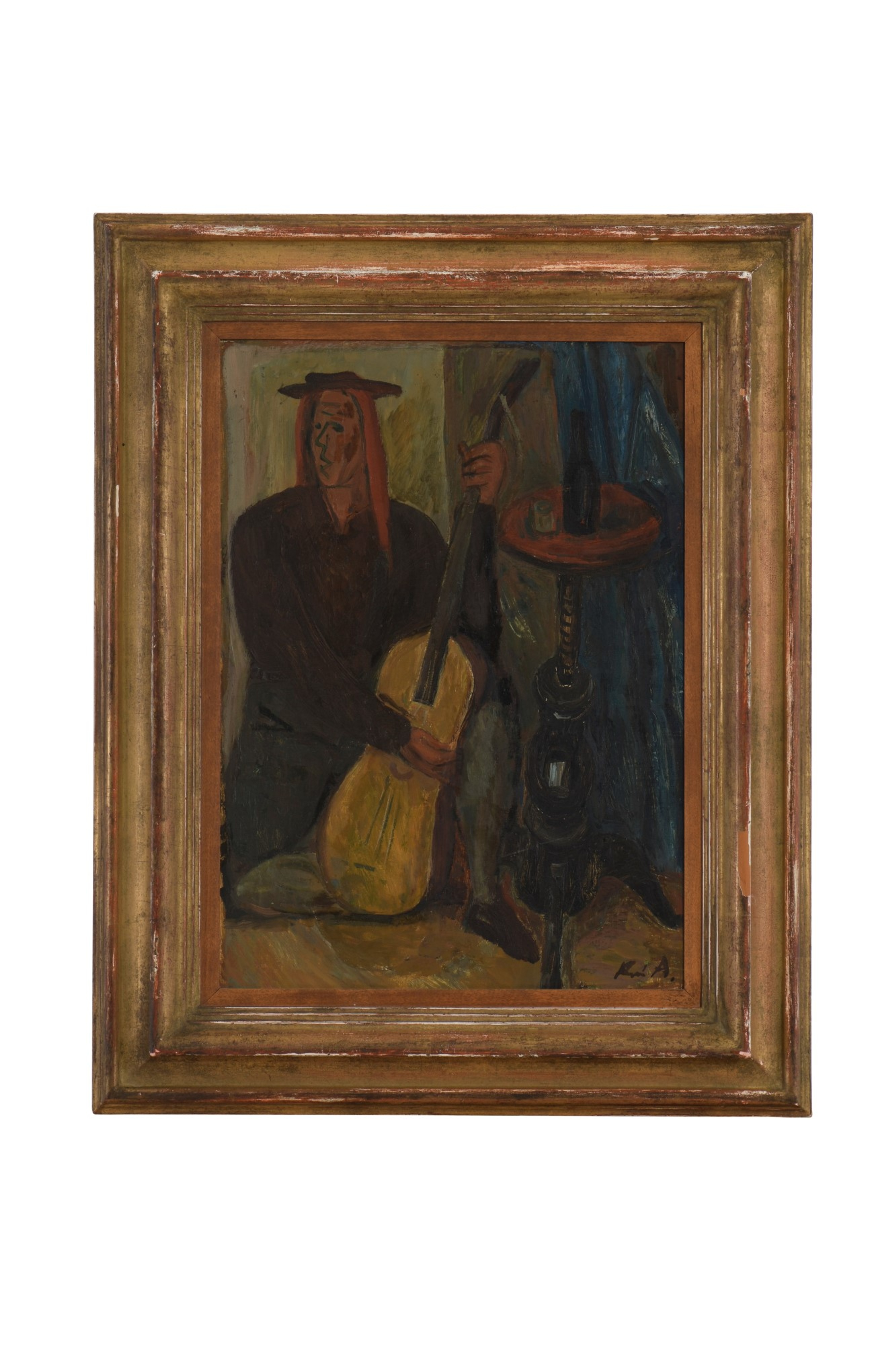
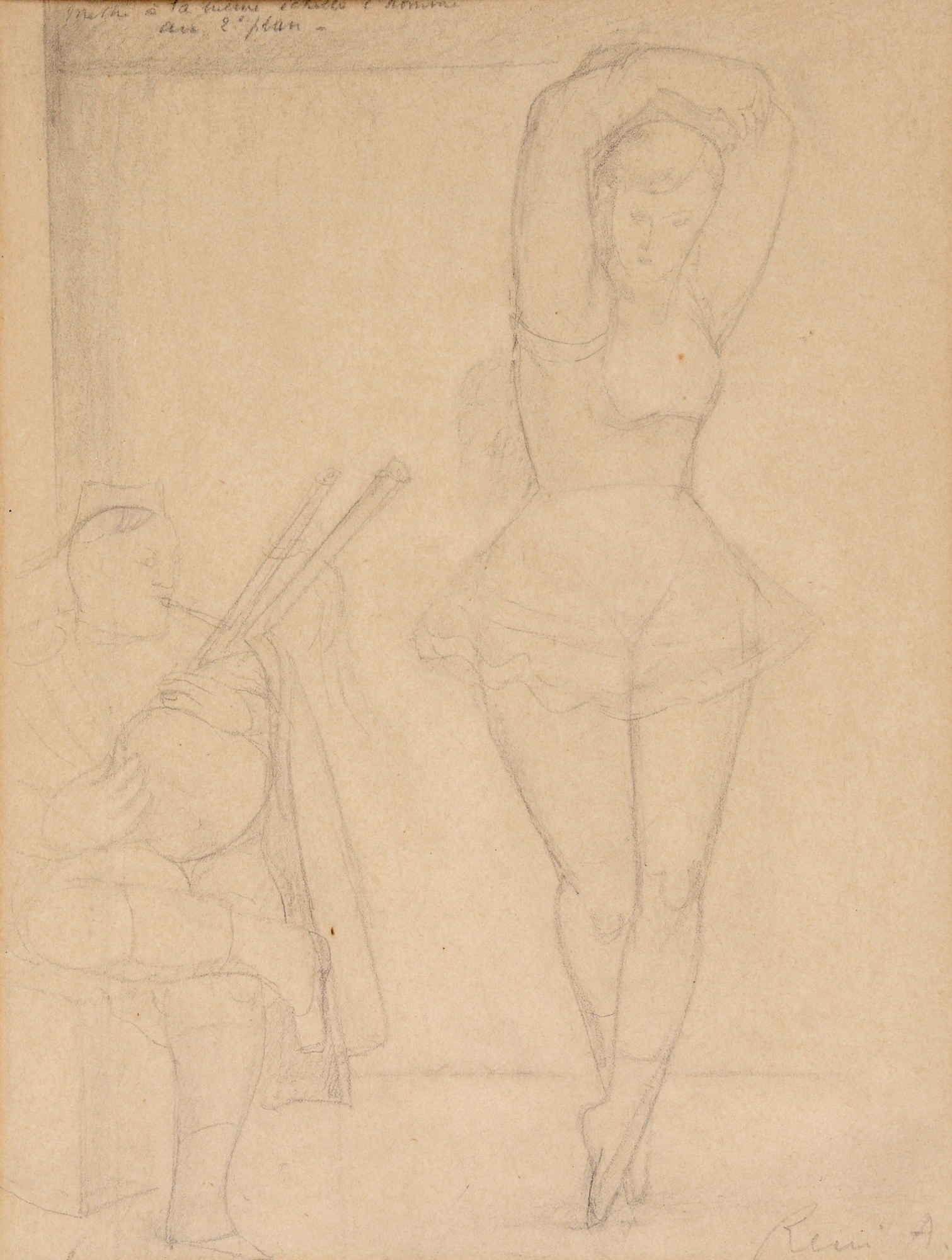
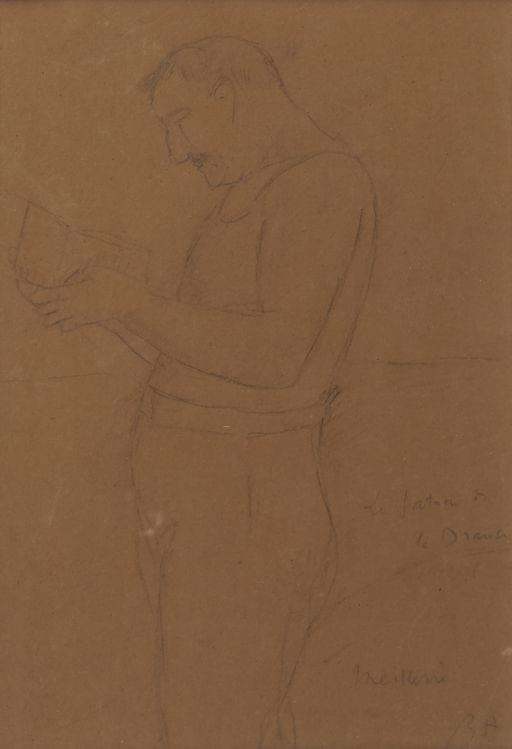
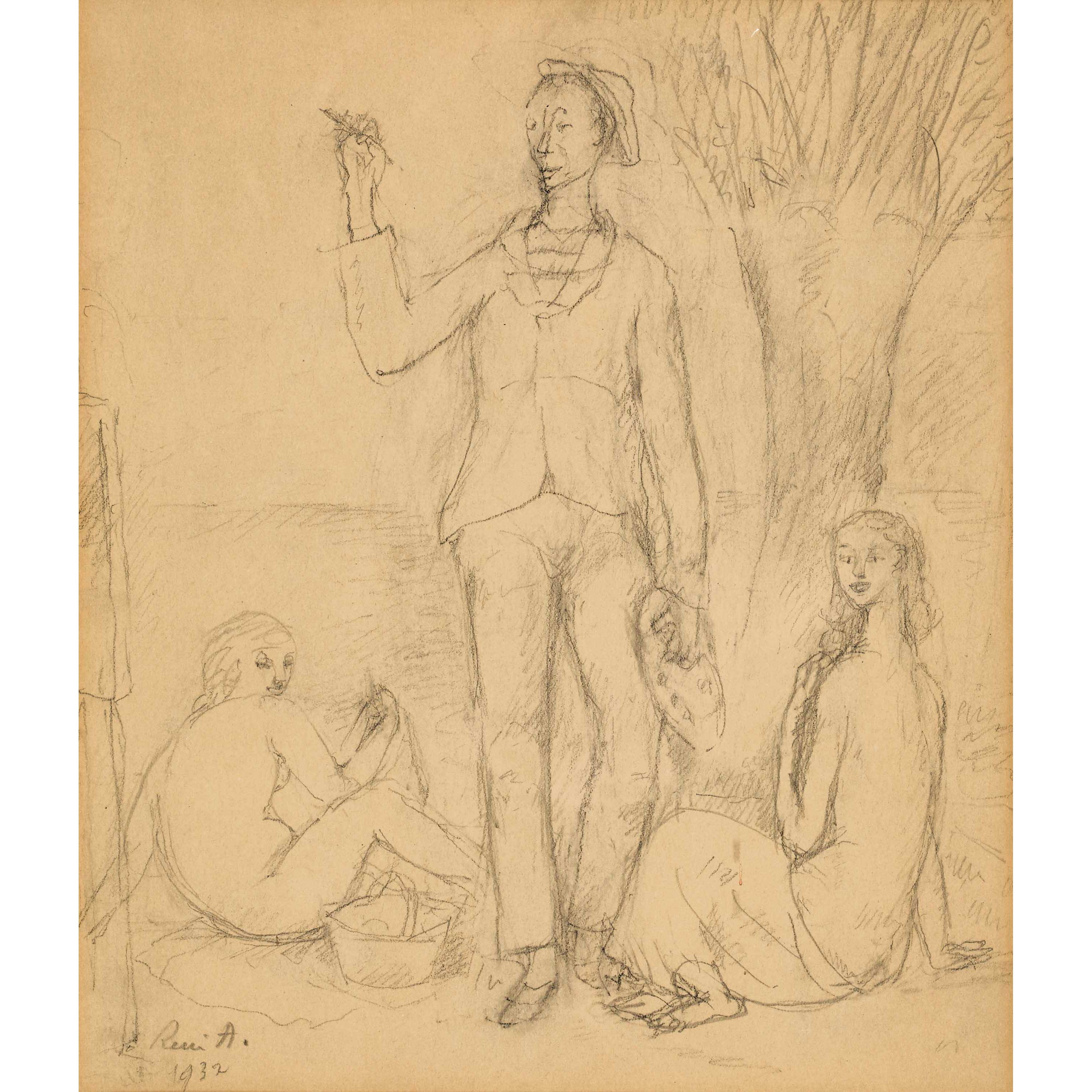
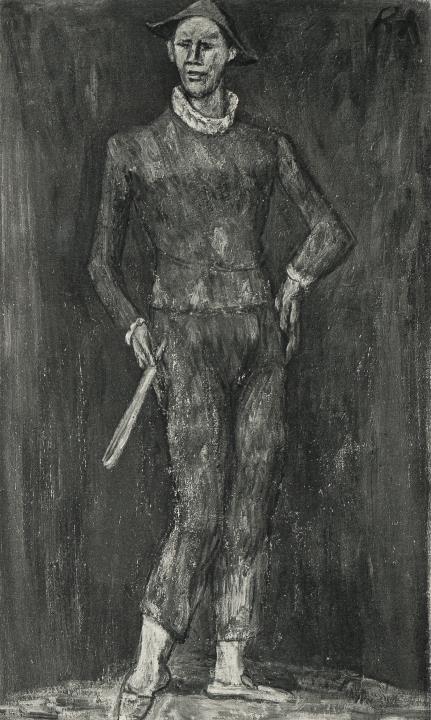
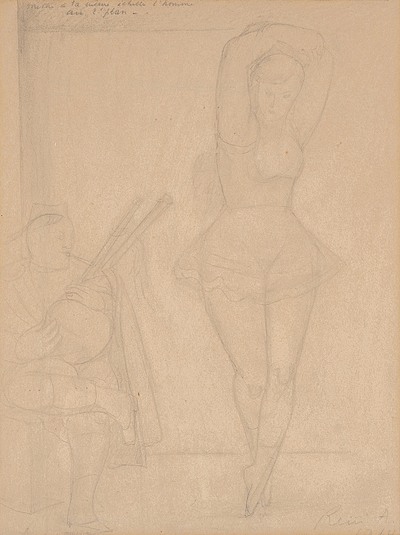
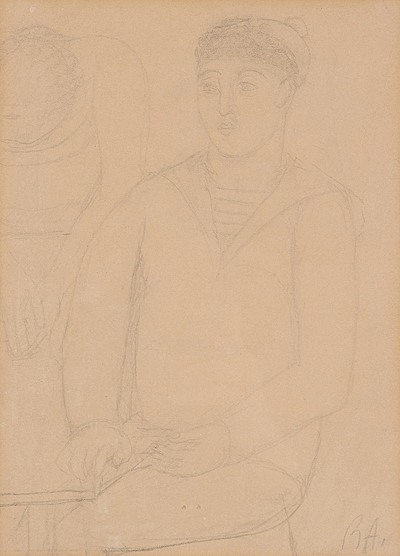
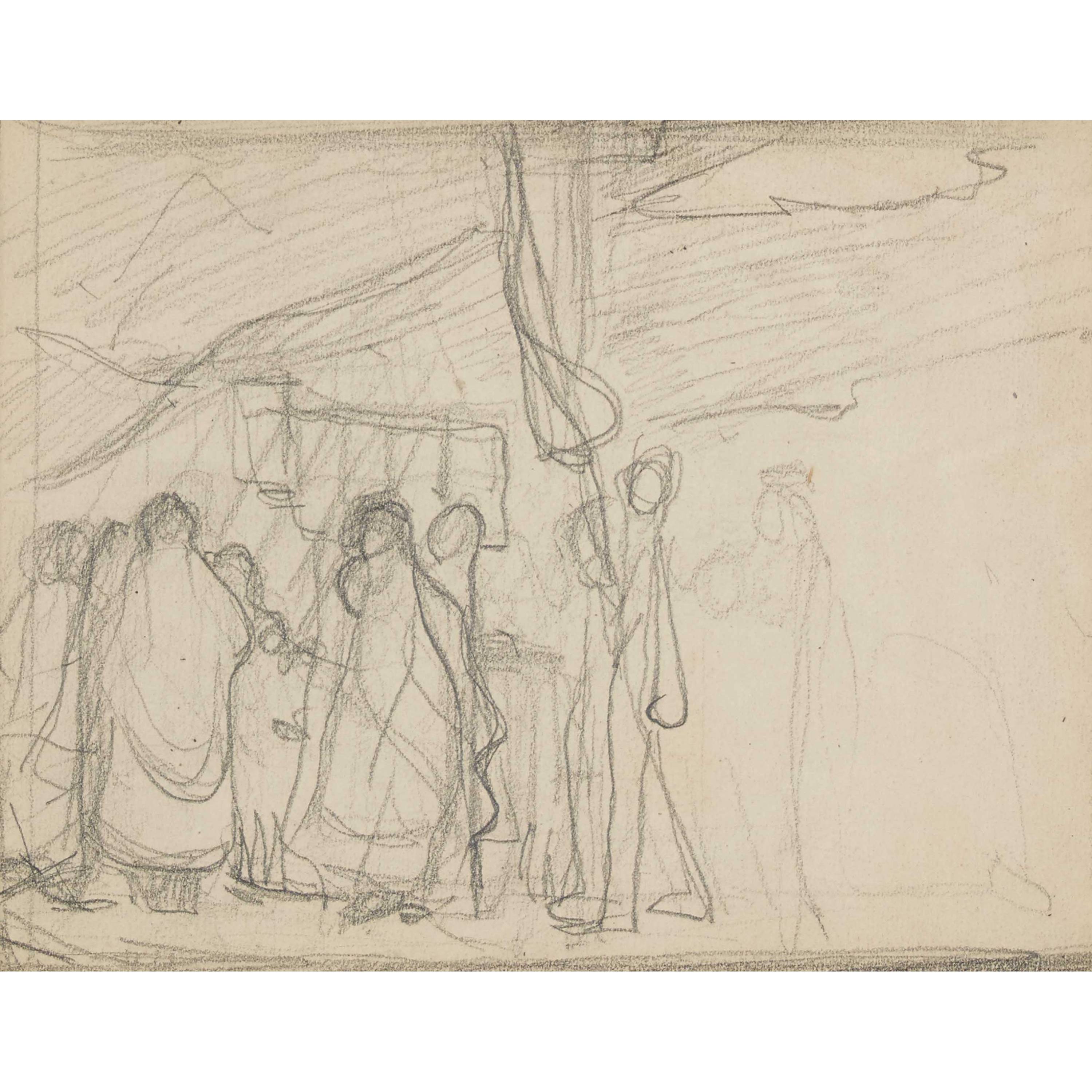
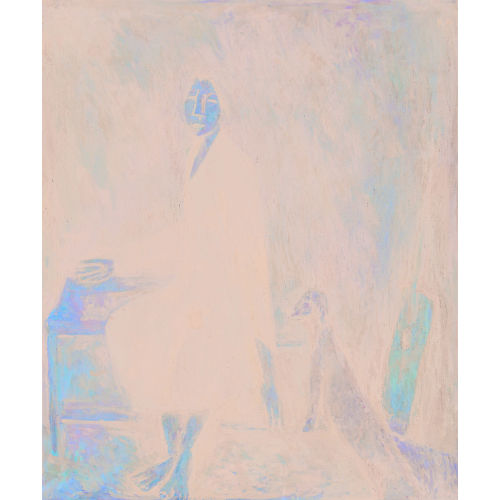
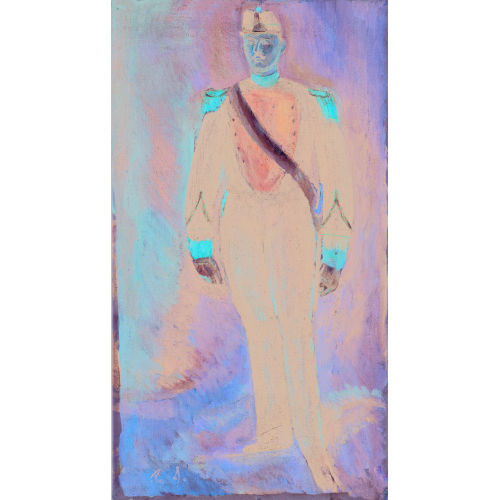
In 1918, he designed the stage curtain, sets and costumes for L’Histoire du Soldat, a production born of Ramuz’s collaboration with Igor Stravinsky. The original curtain has disappeared, but a model preserved at the Musée cantonal des Beaux-Arts de Lausanne bears witness to his freedom of invention.
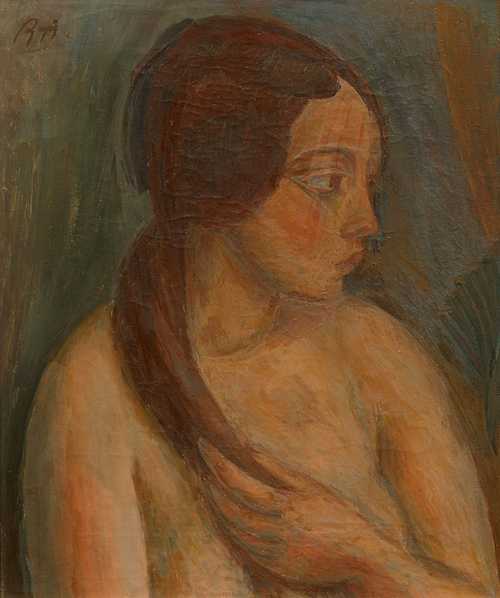
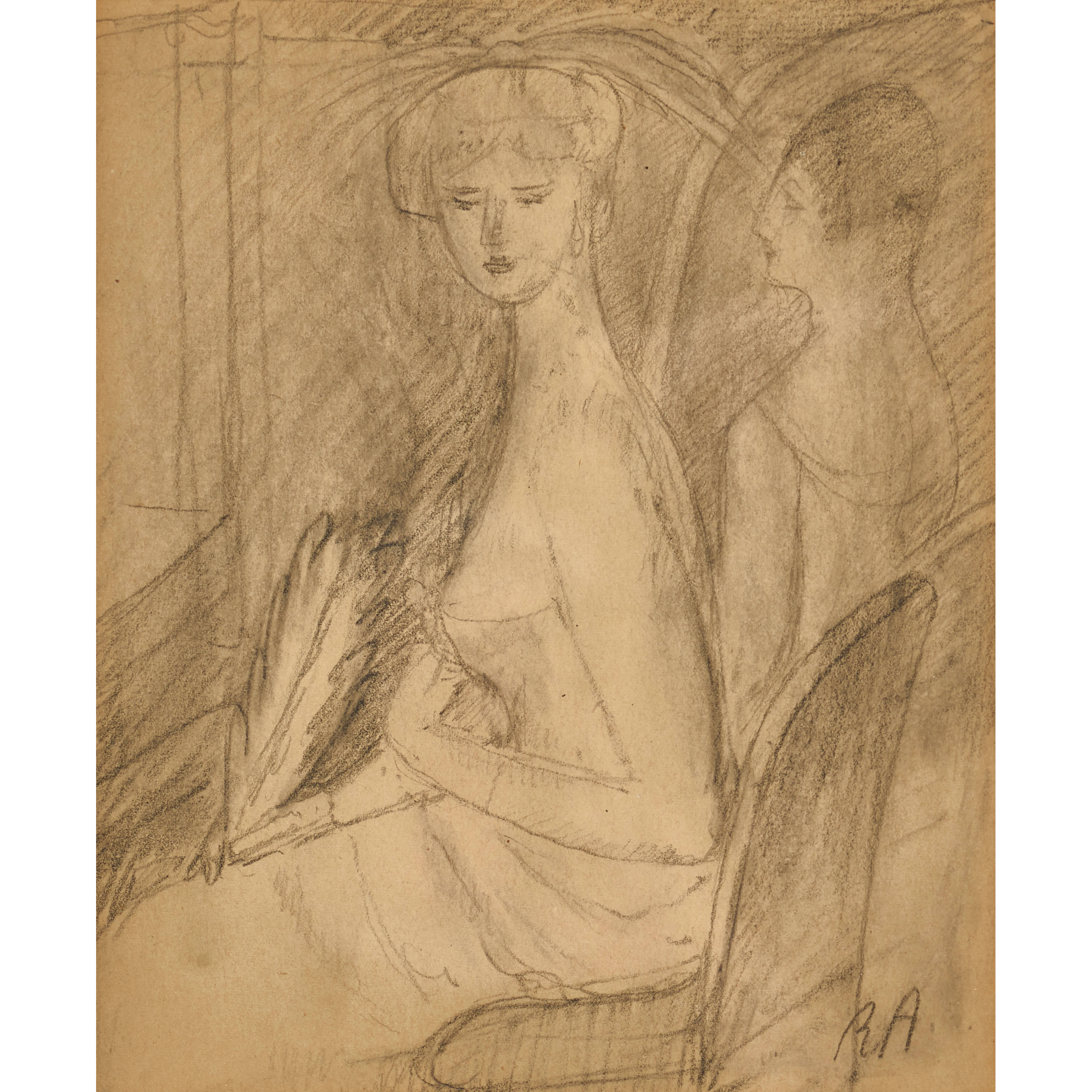
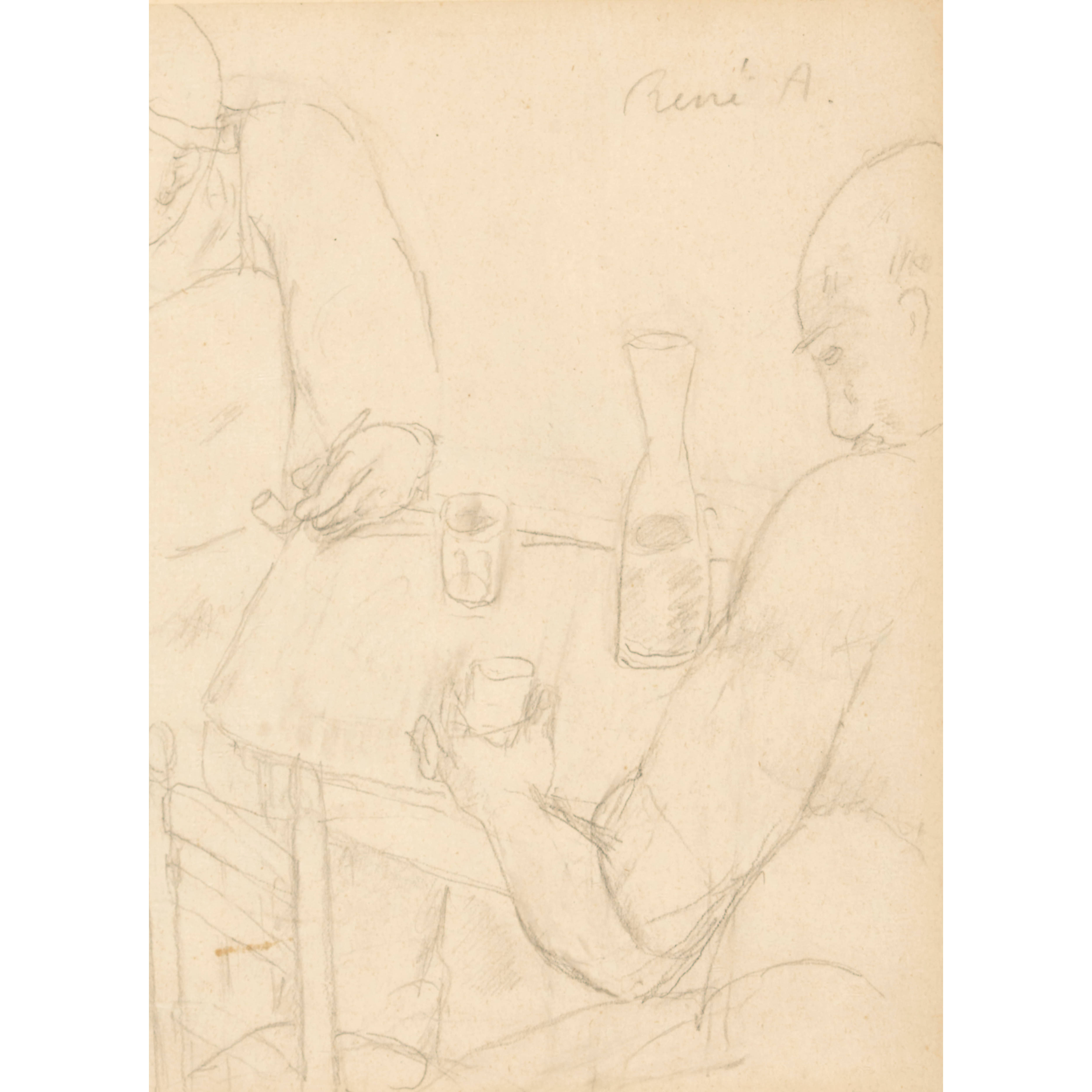
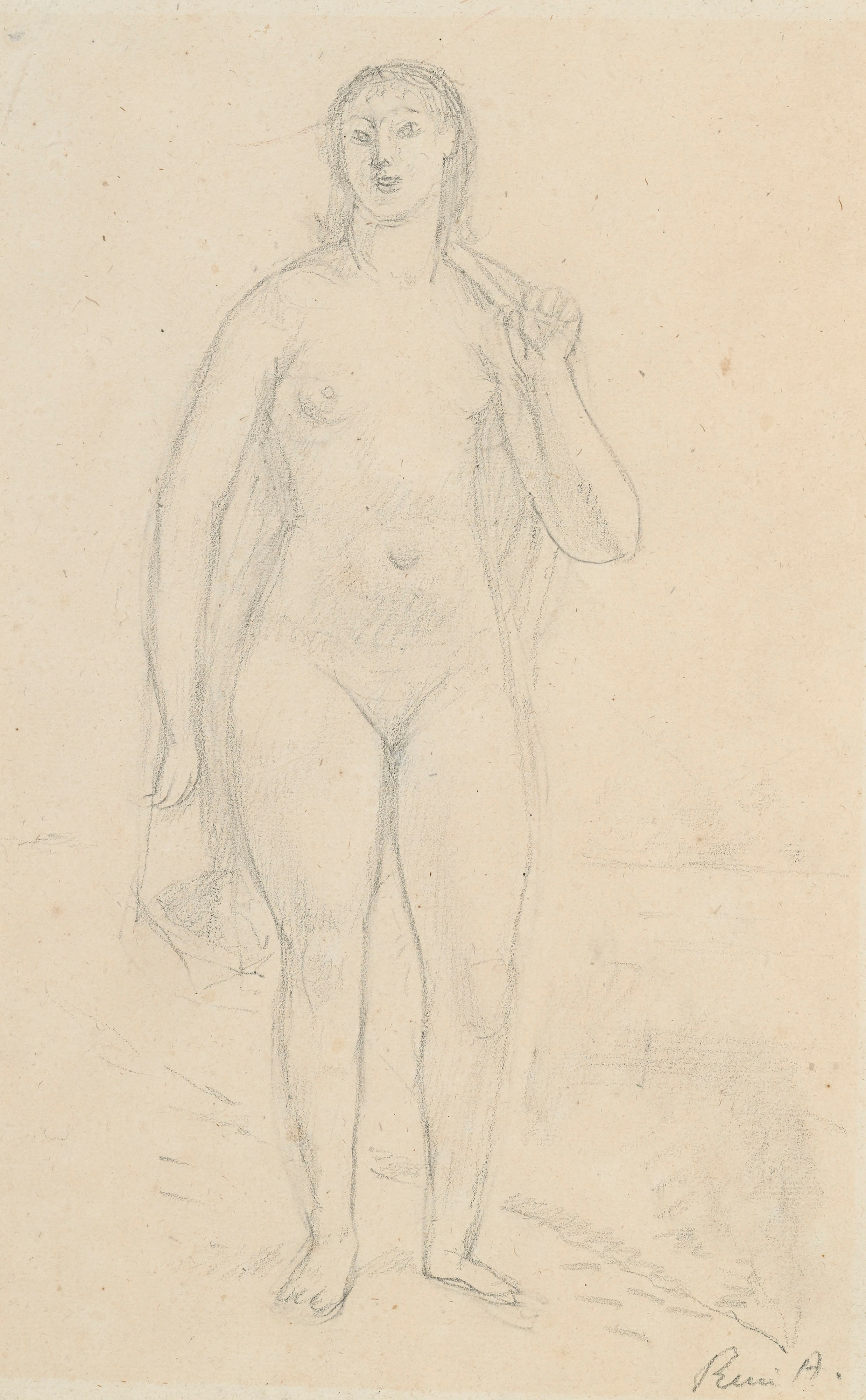
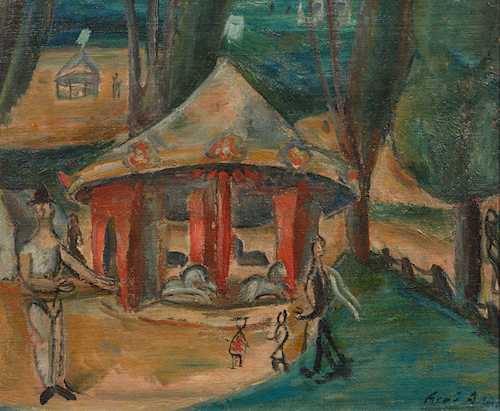
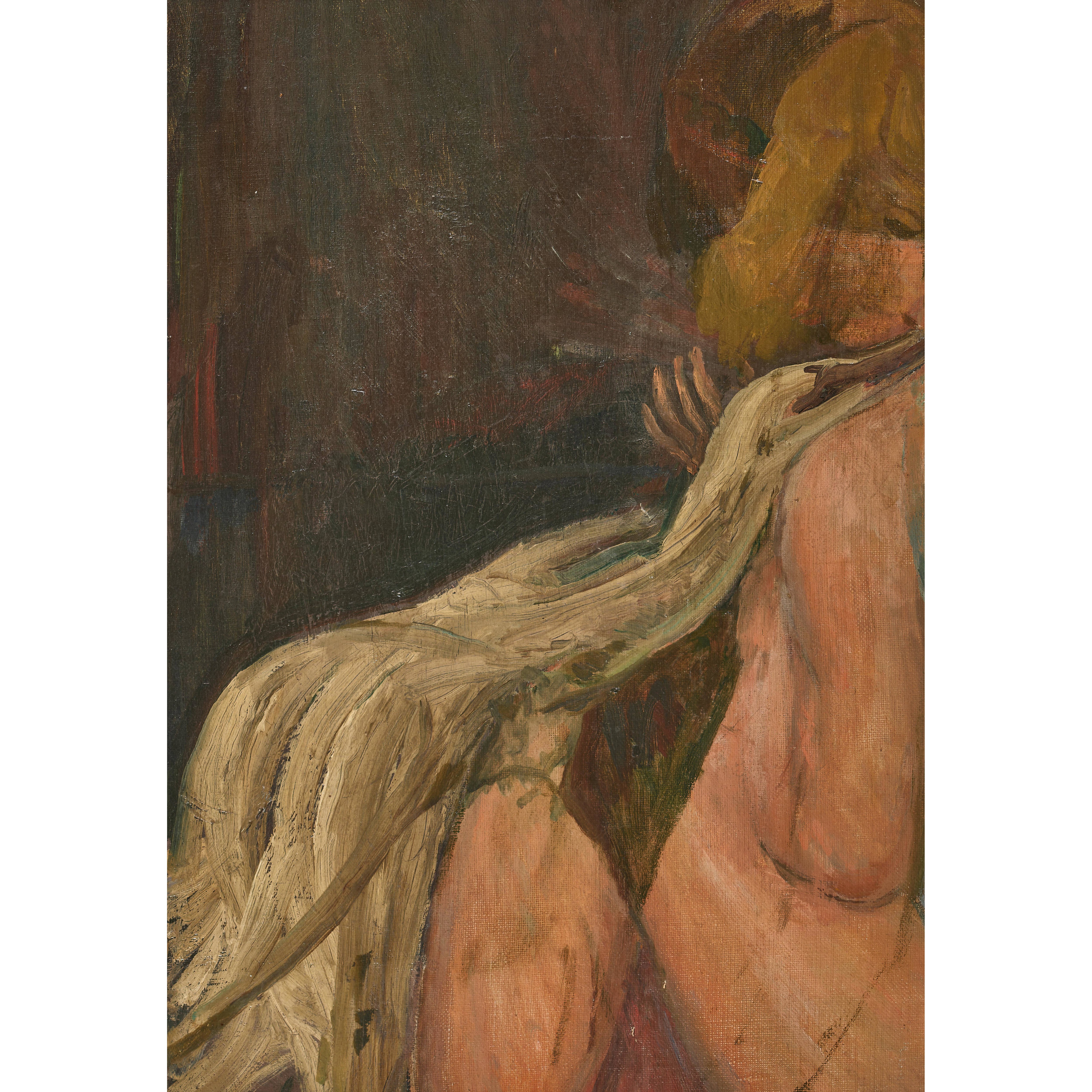
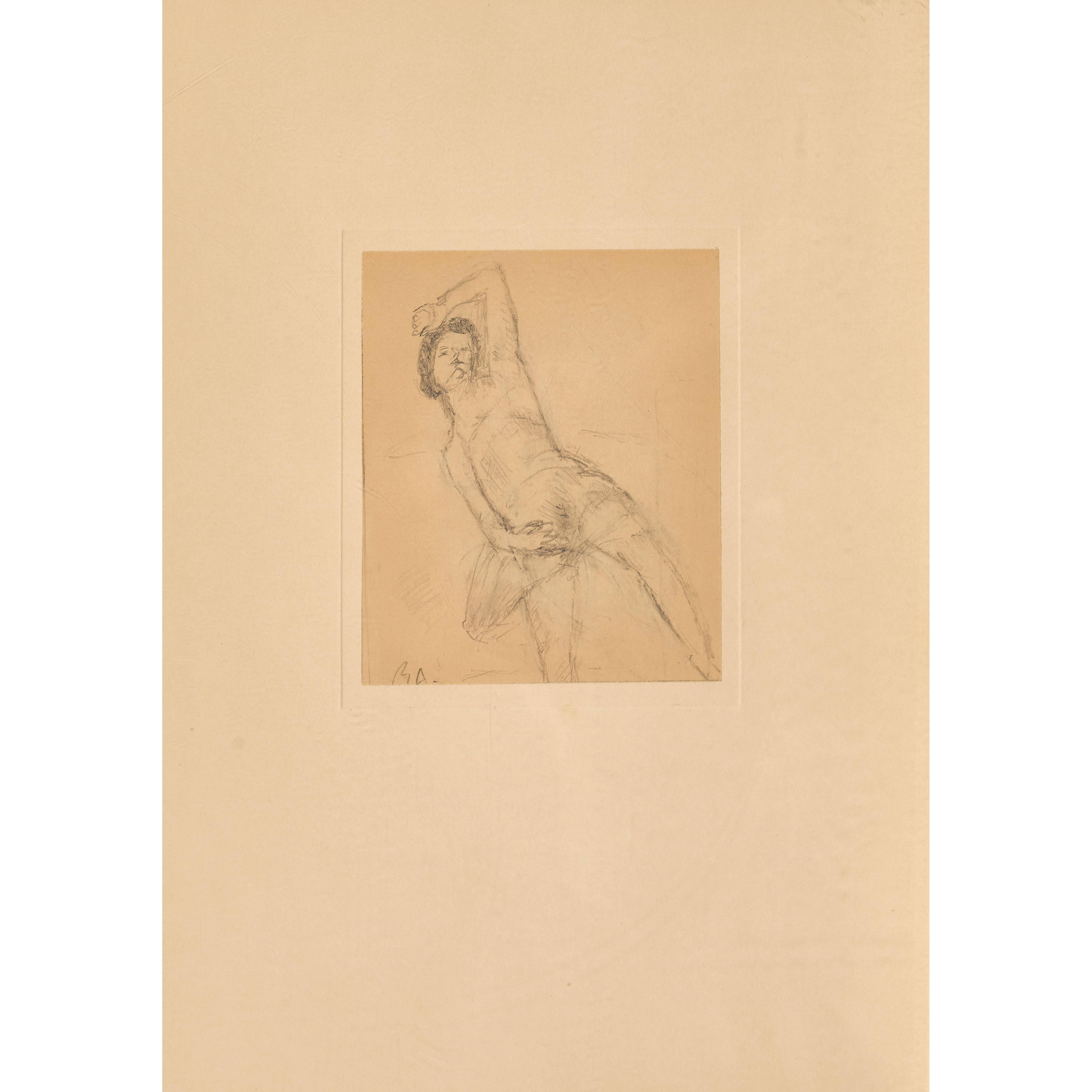
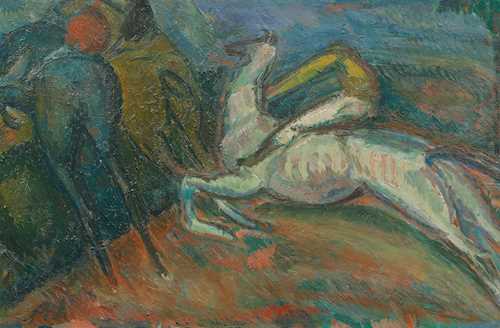
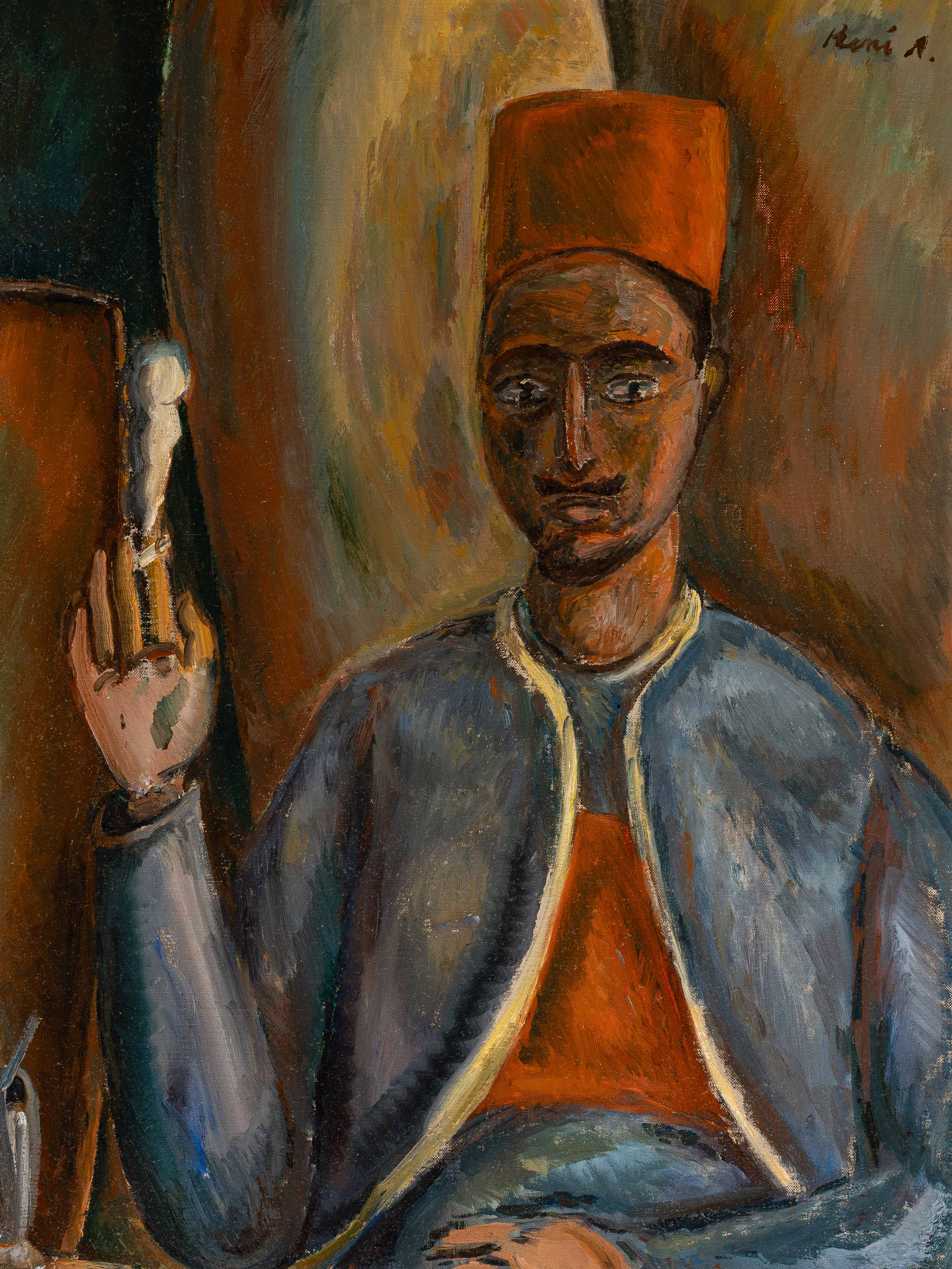
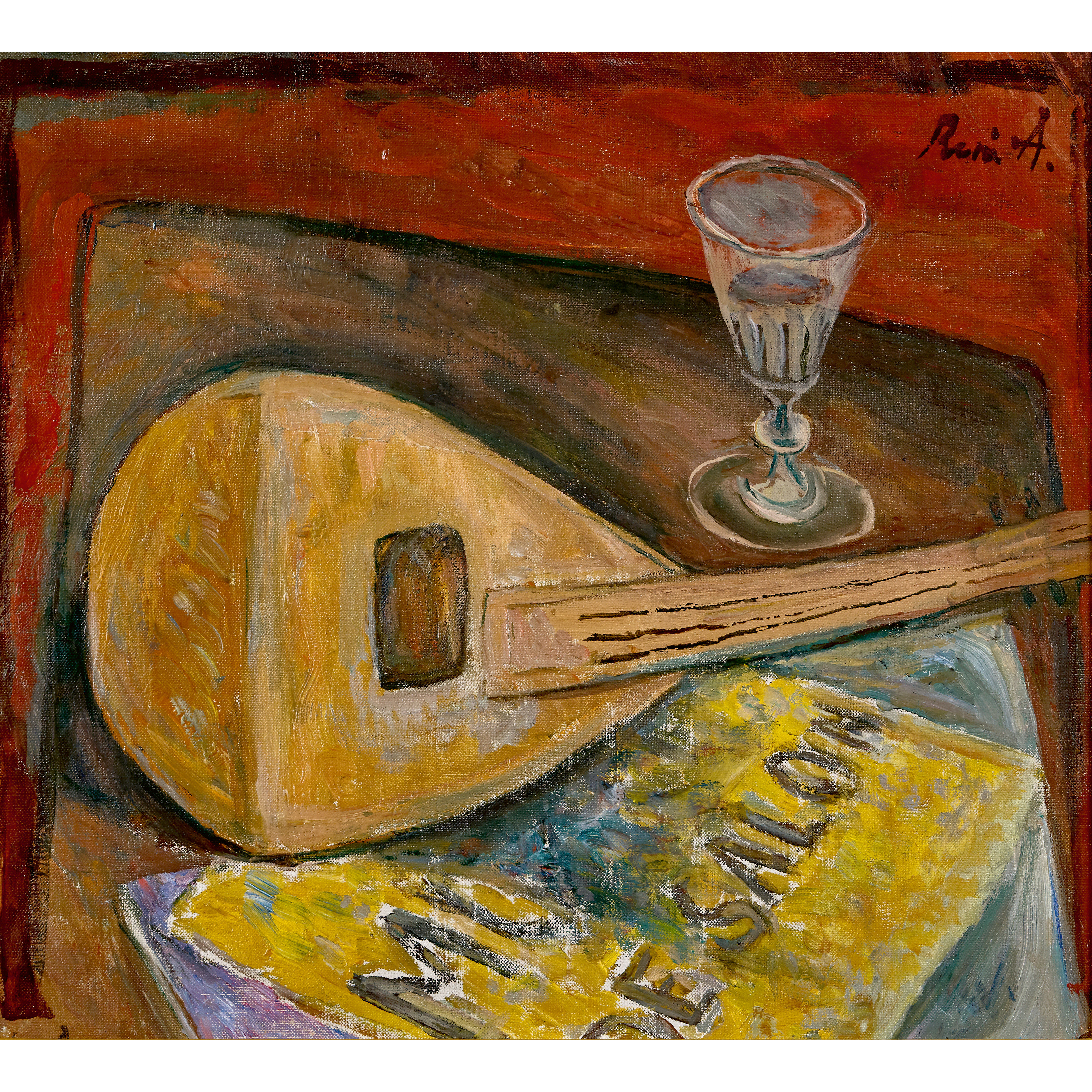
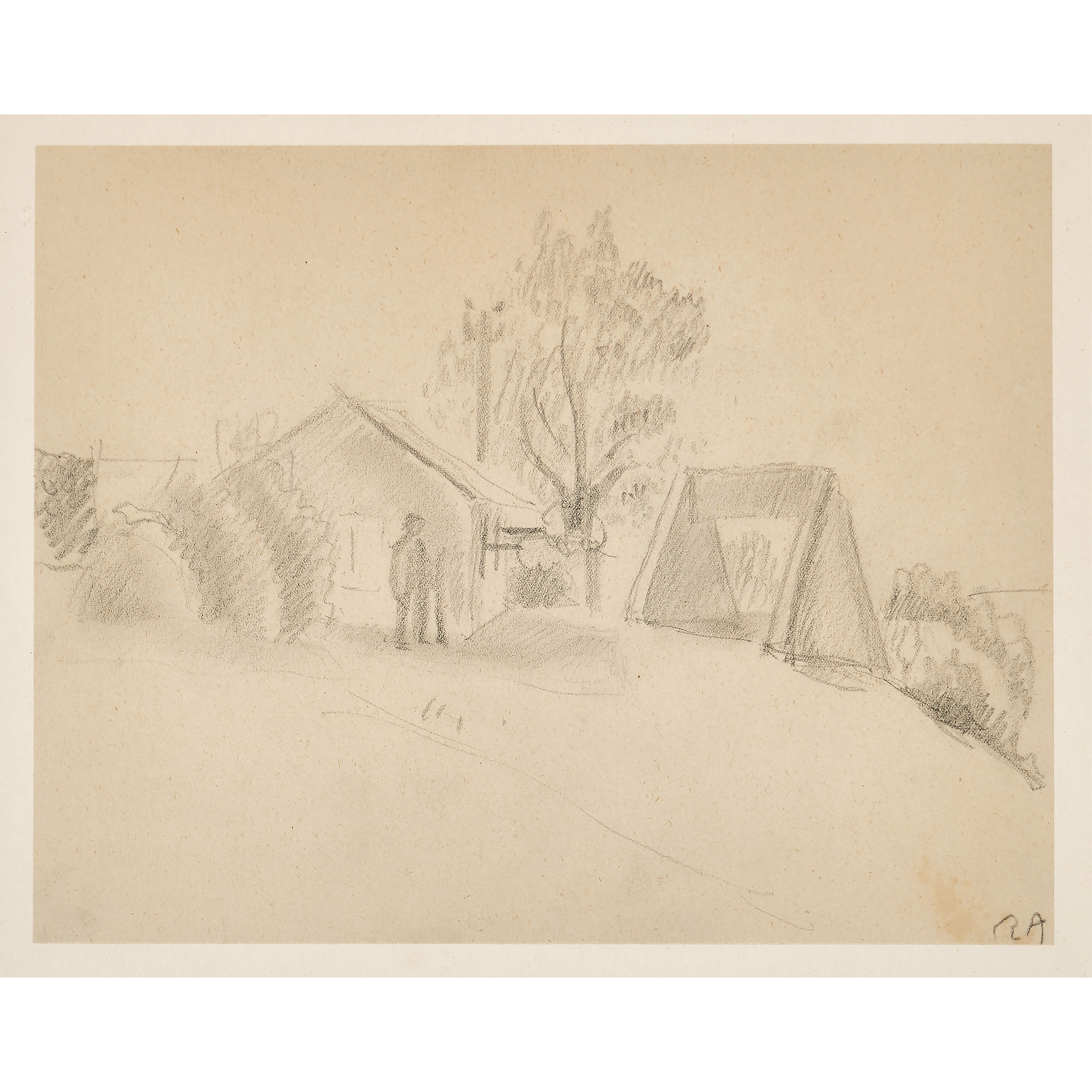
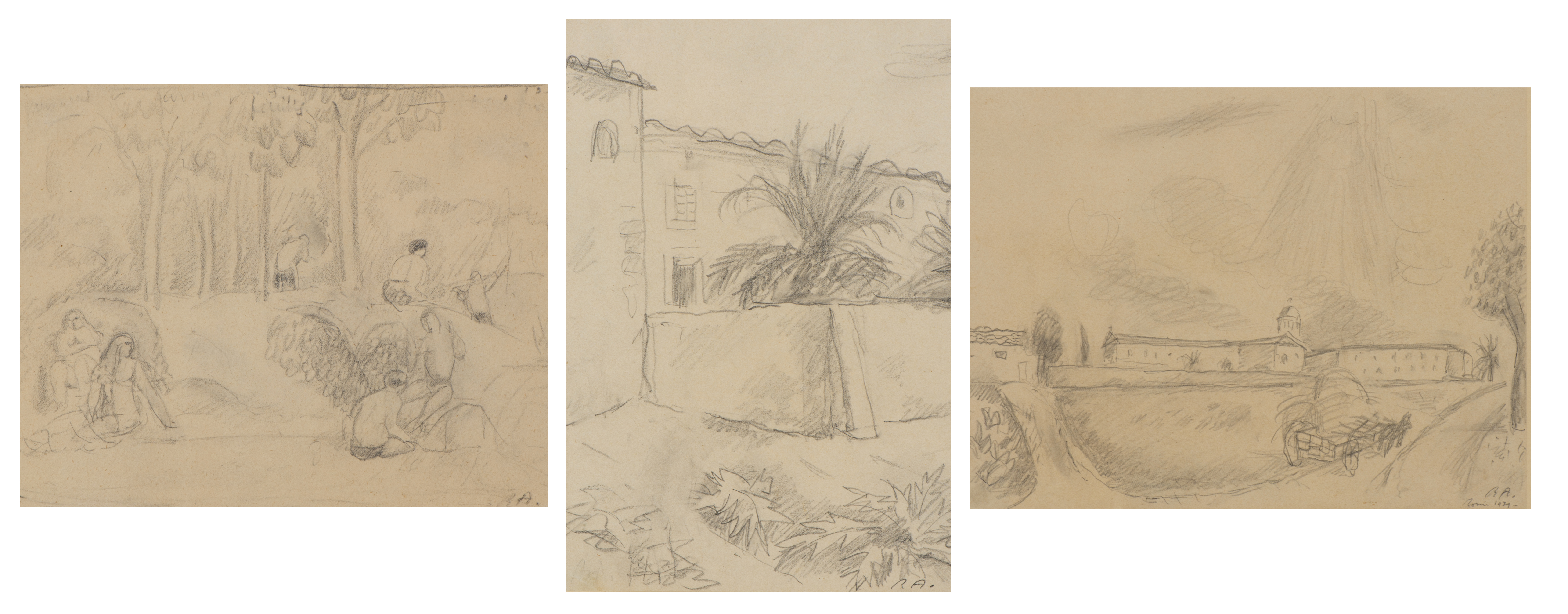
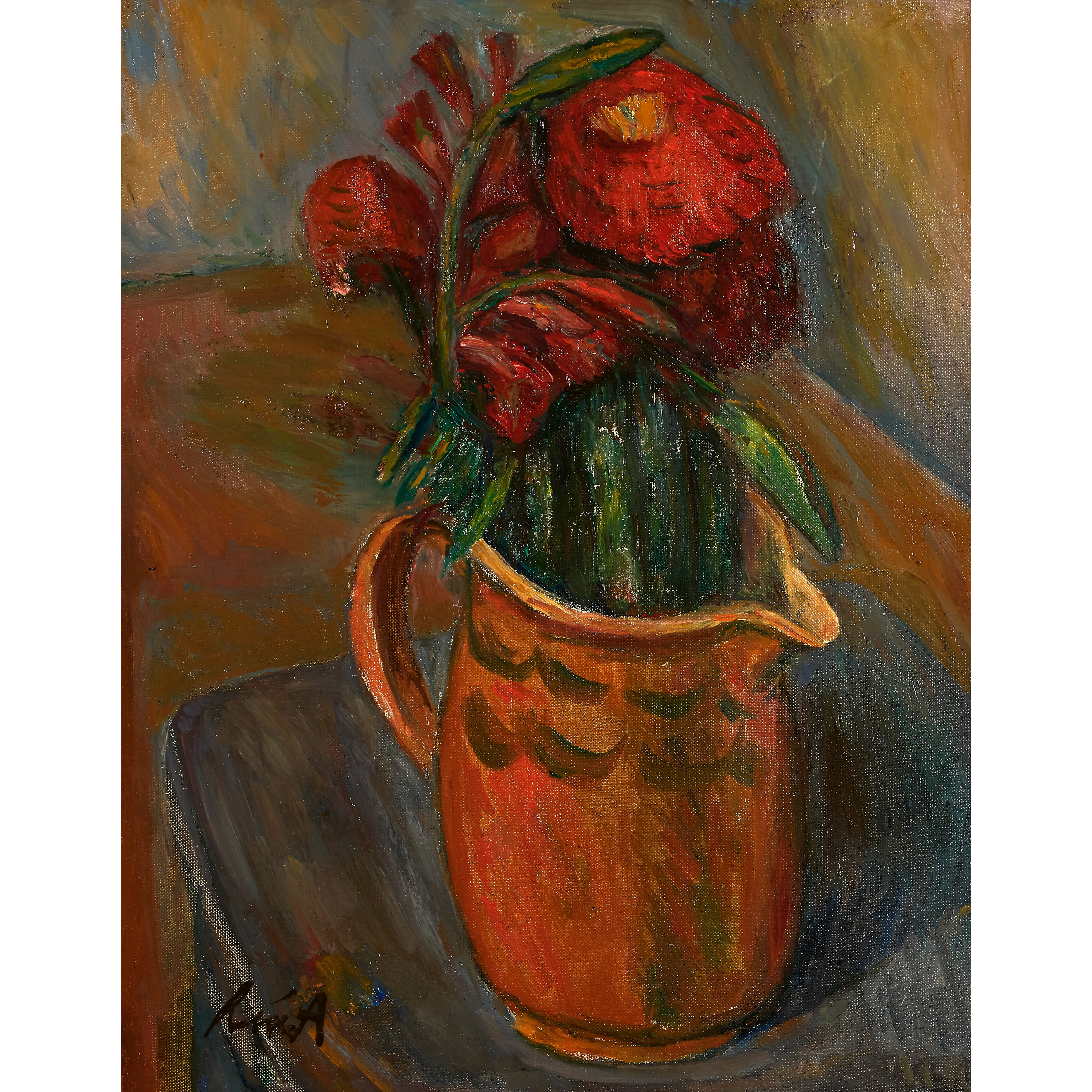
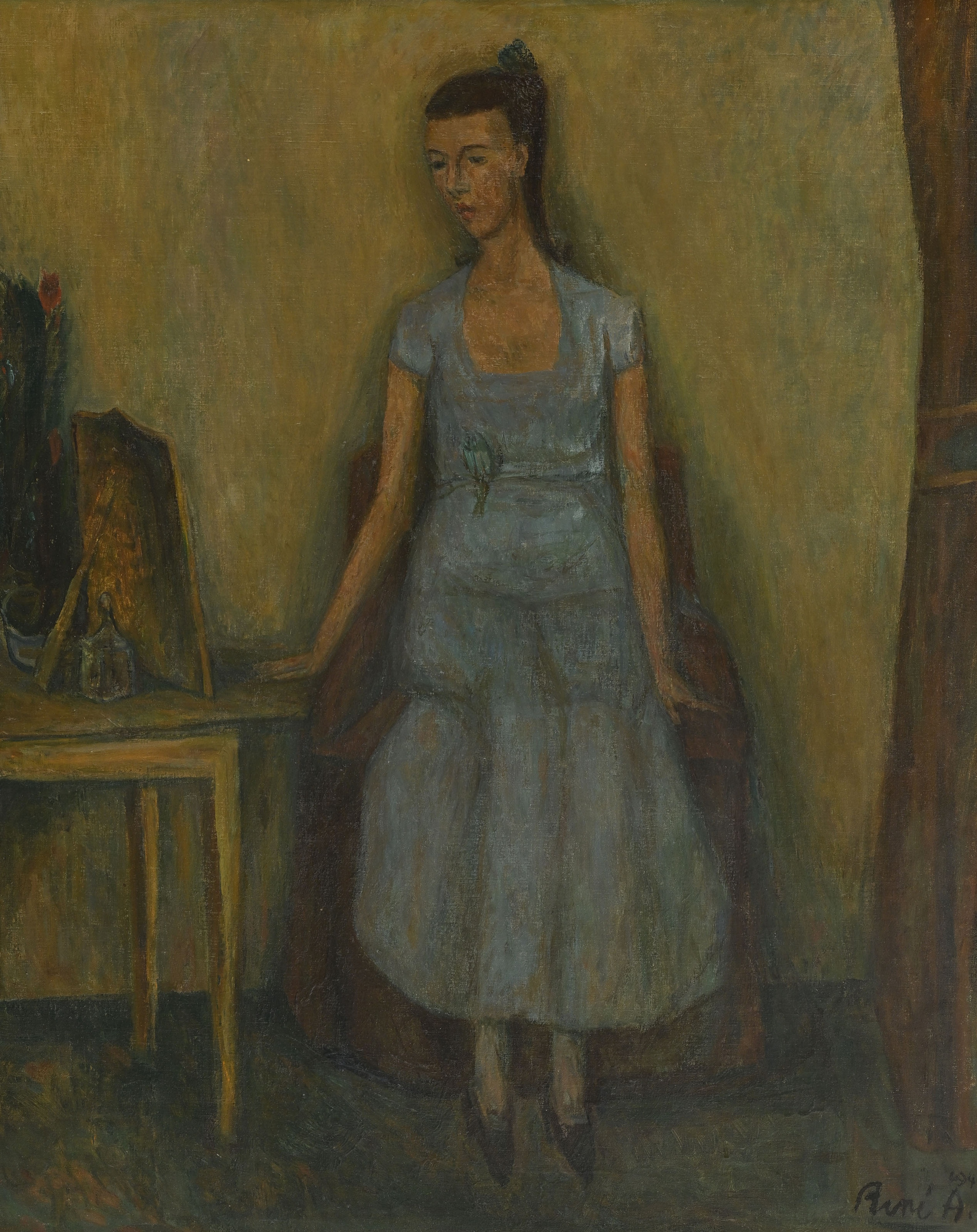
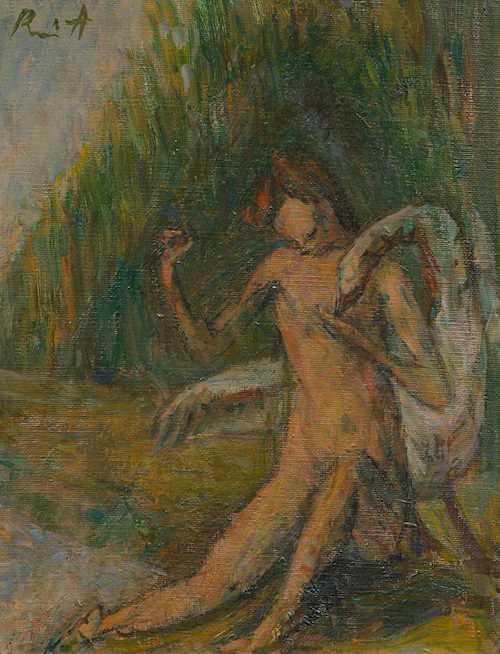
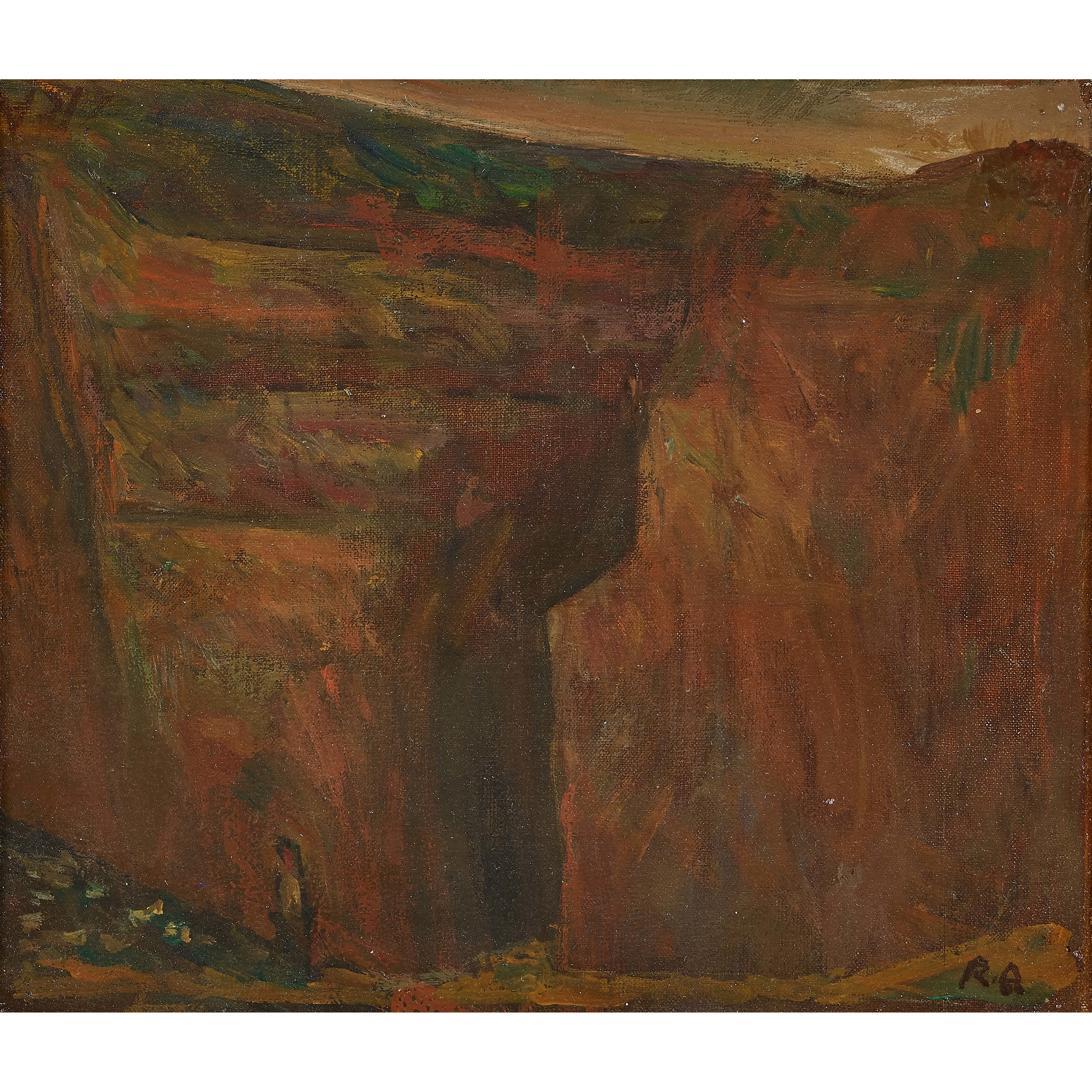
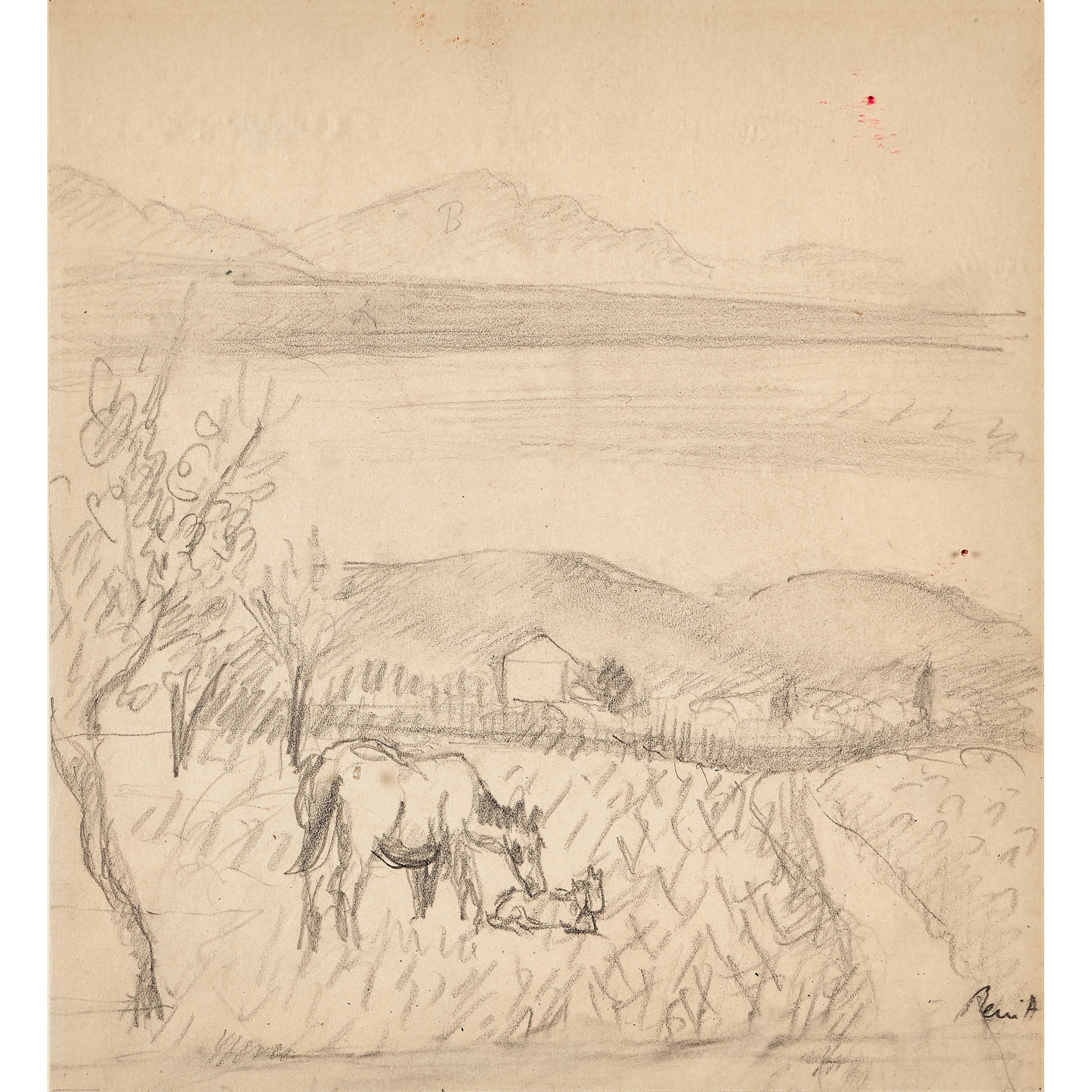
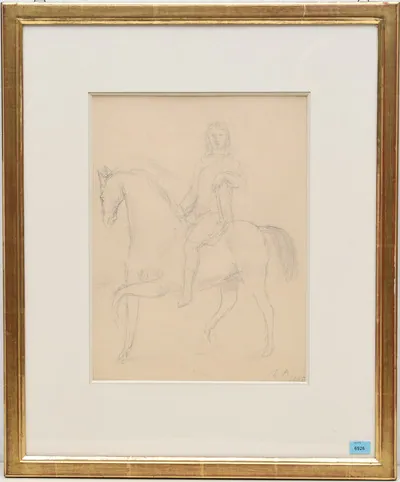
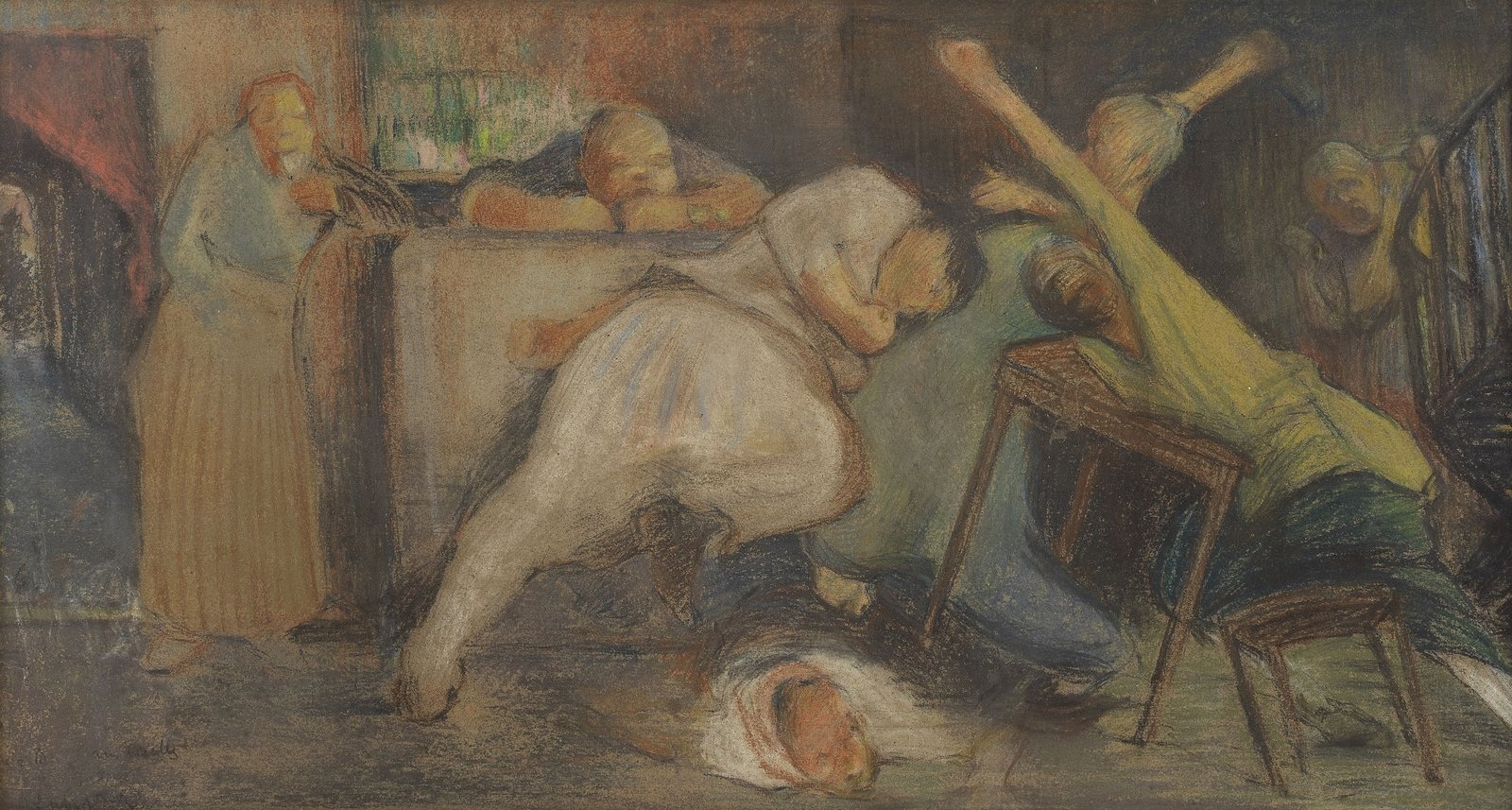
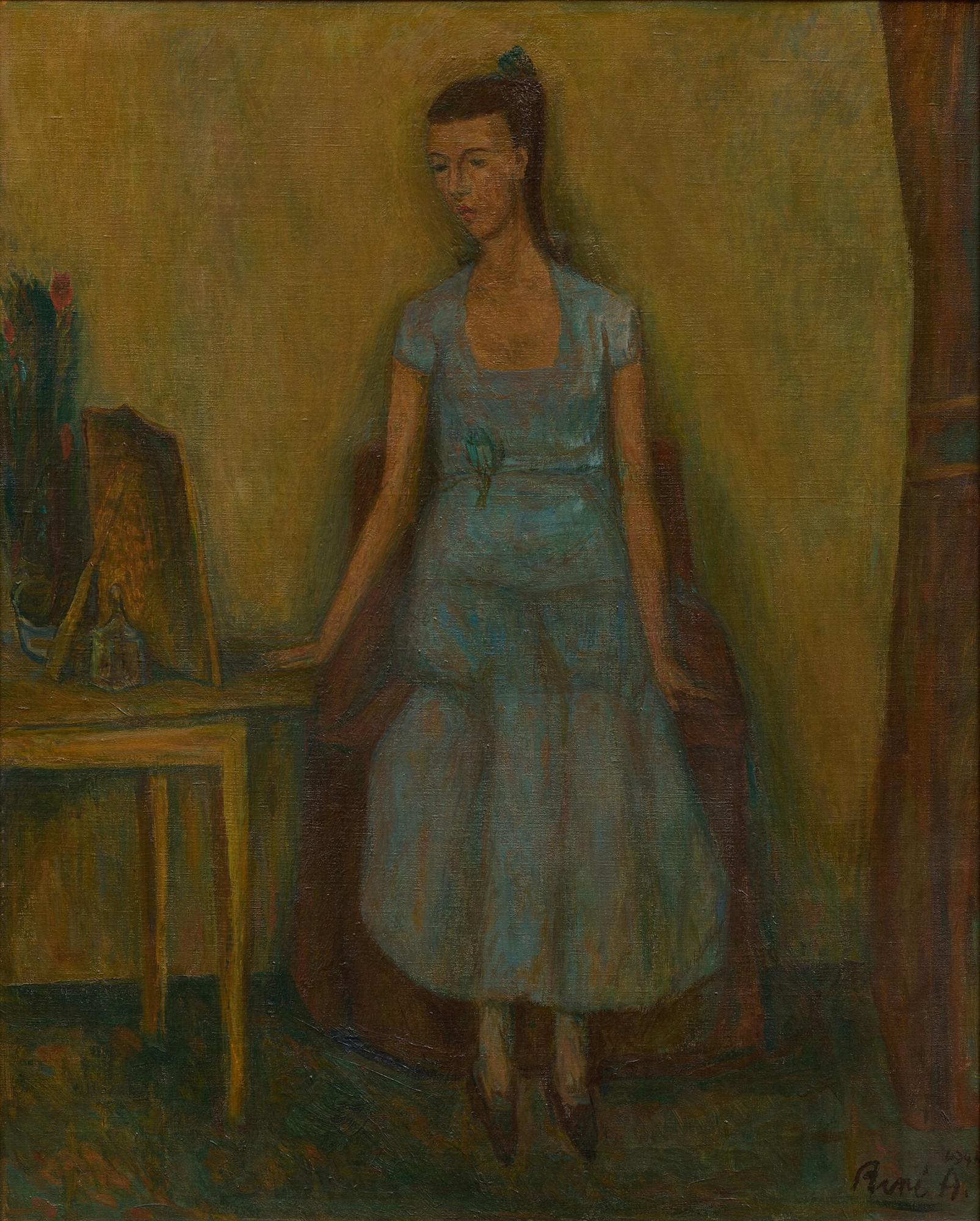
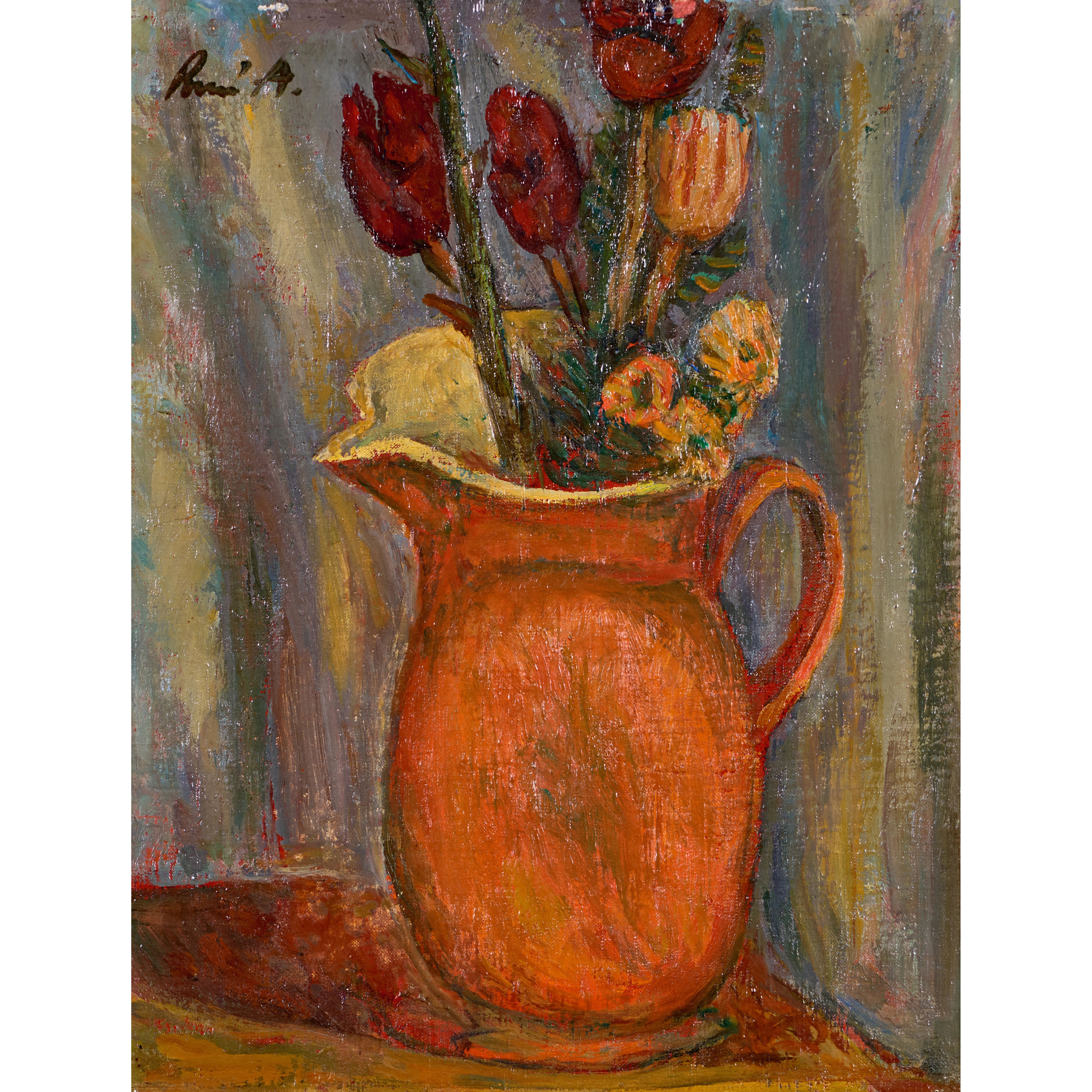
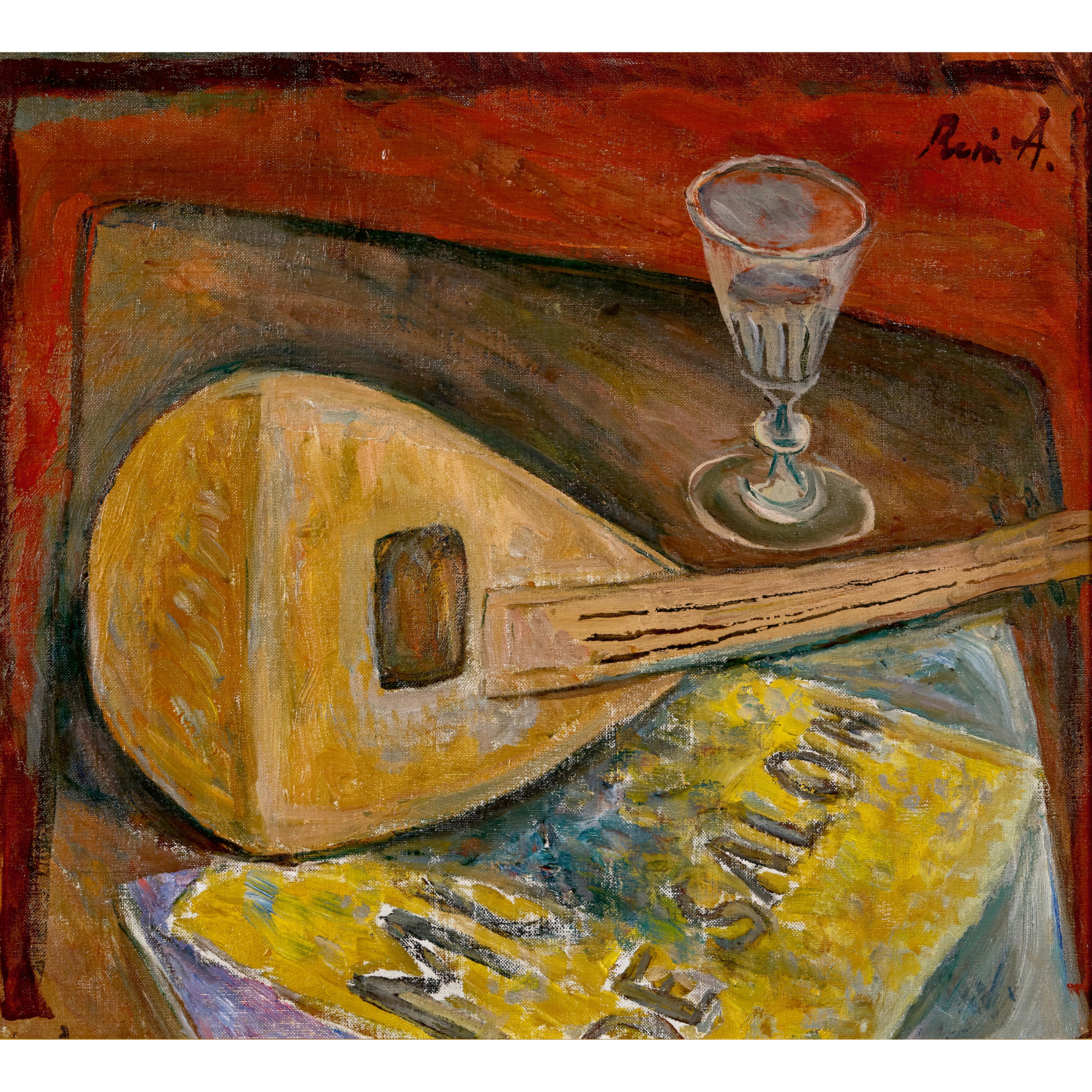
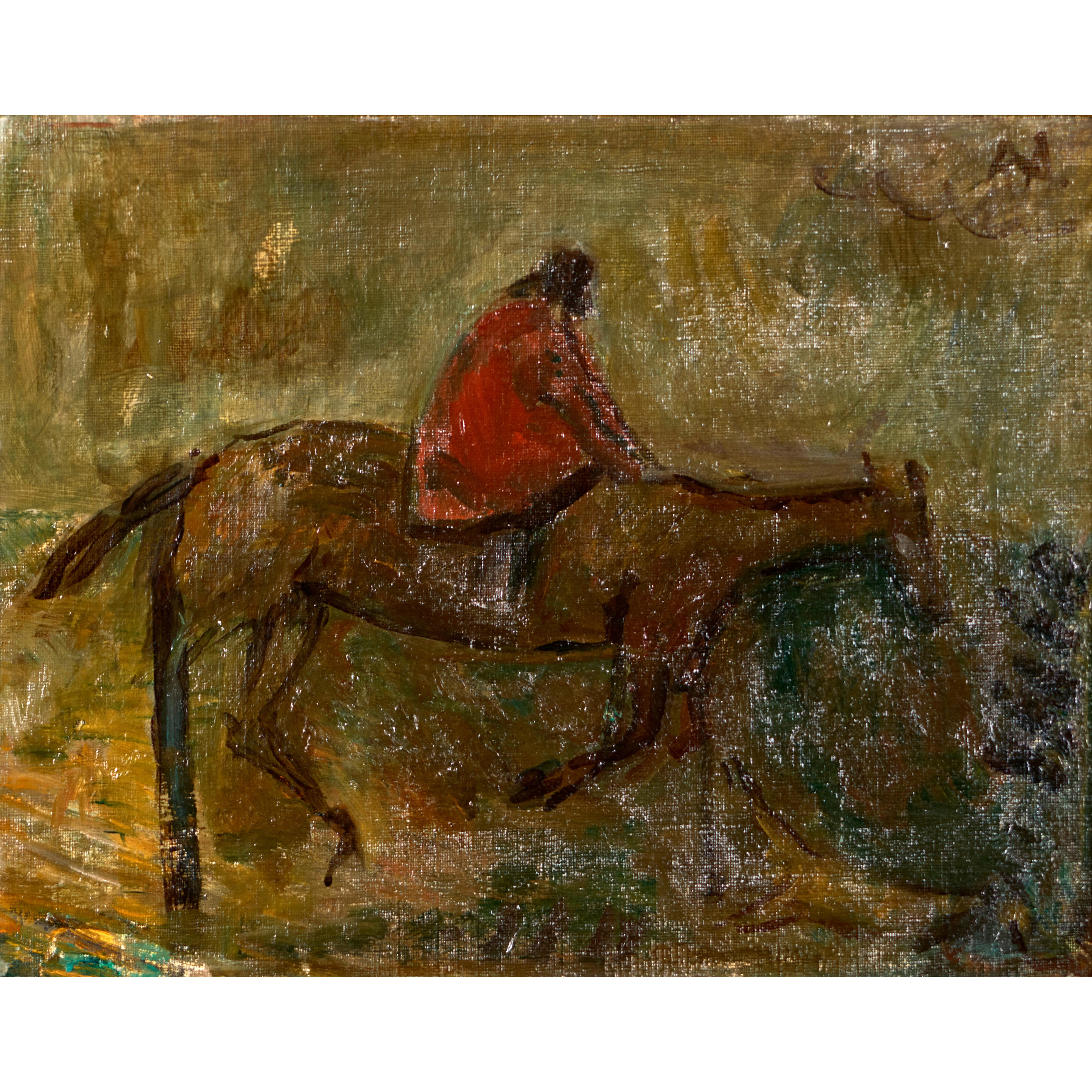
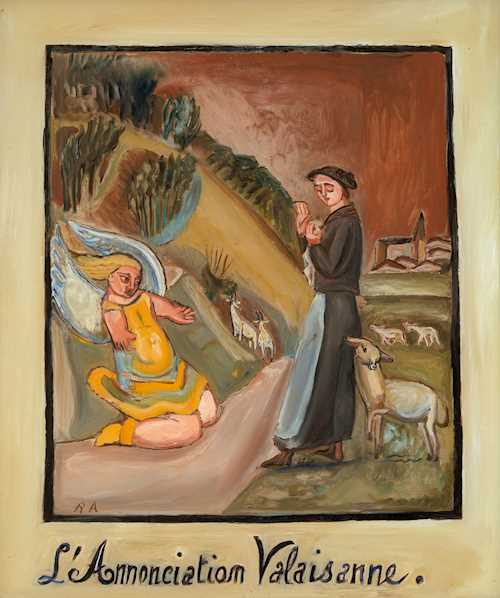
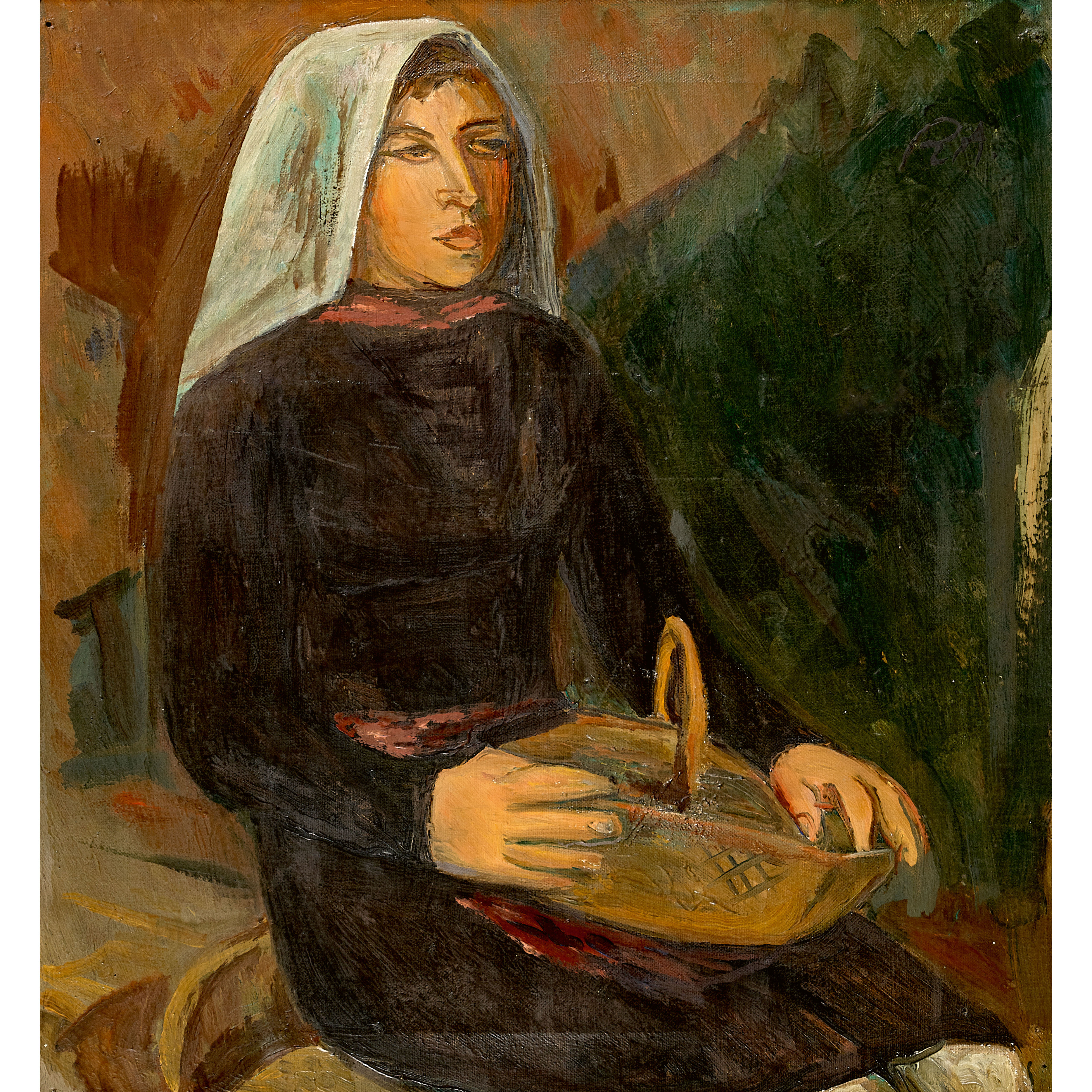
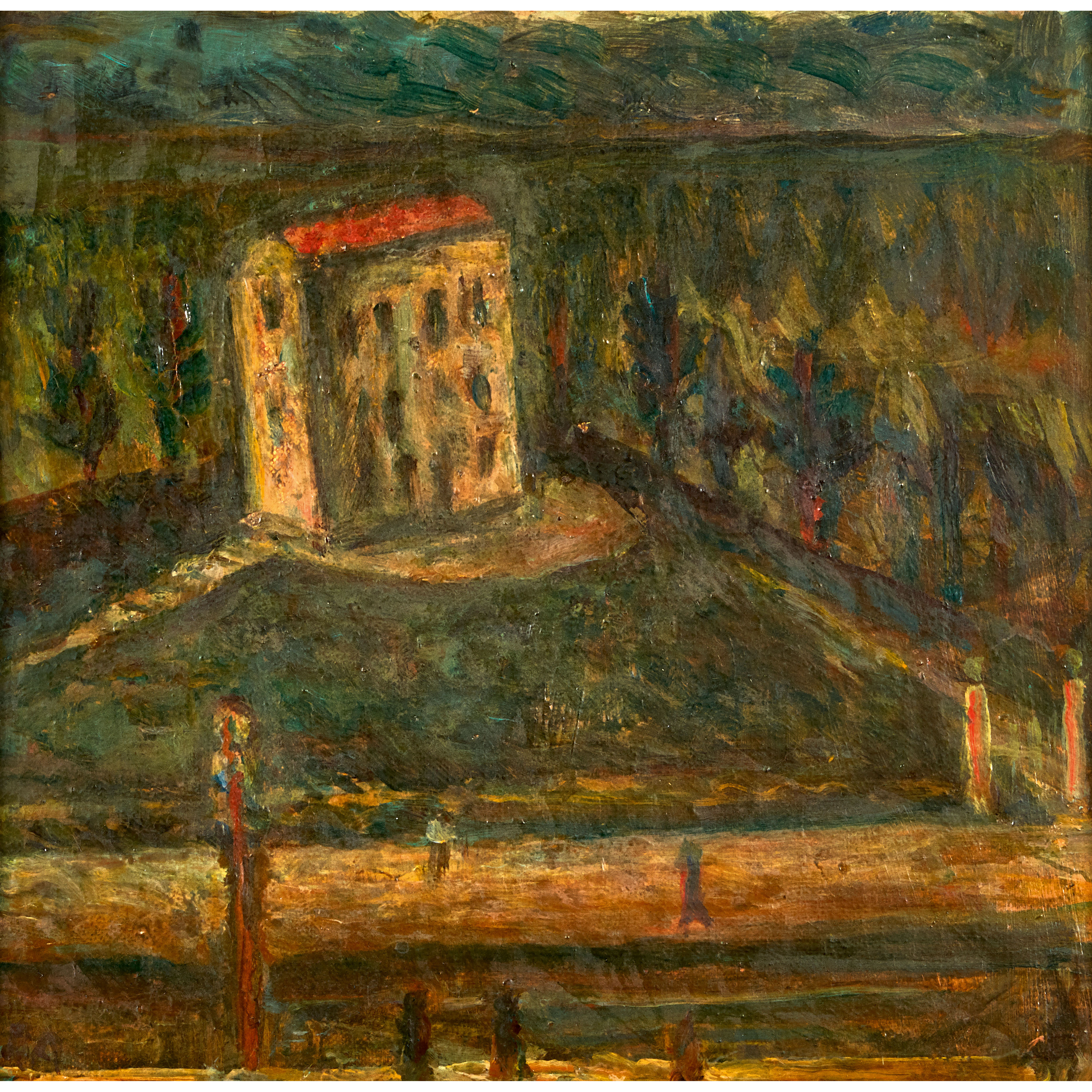
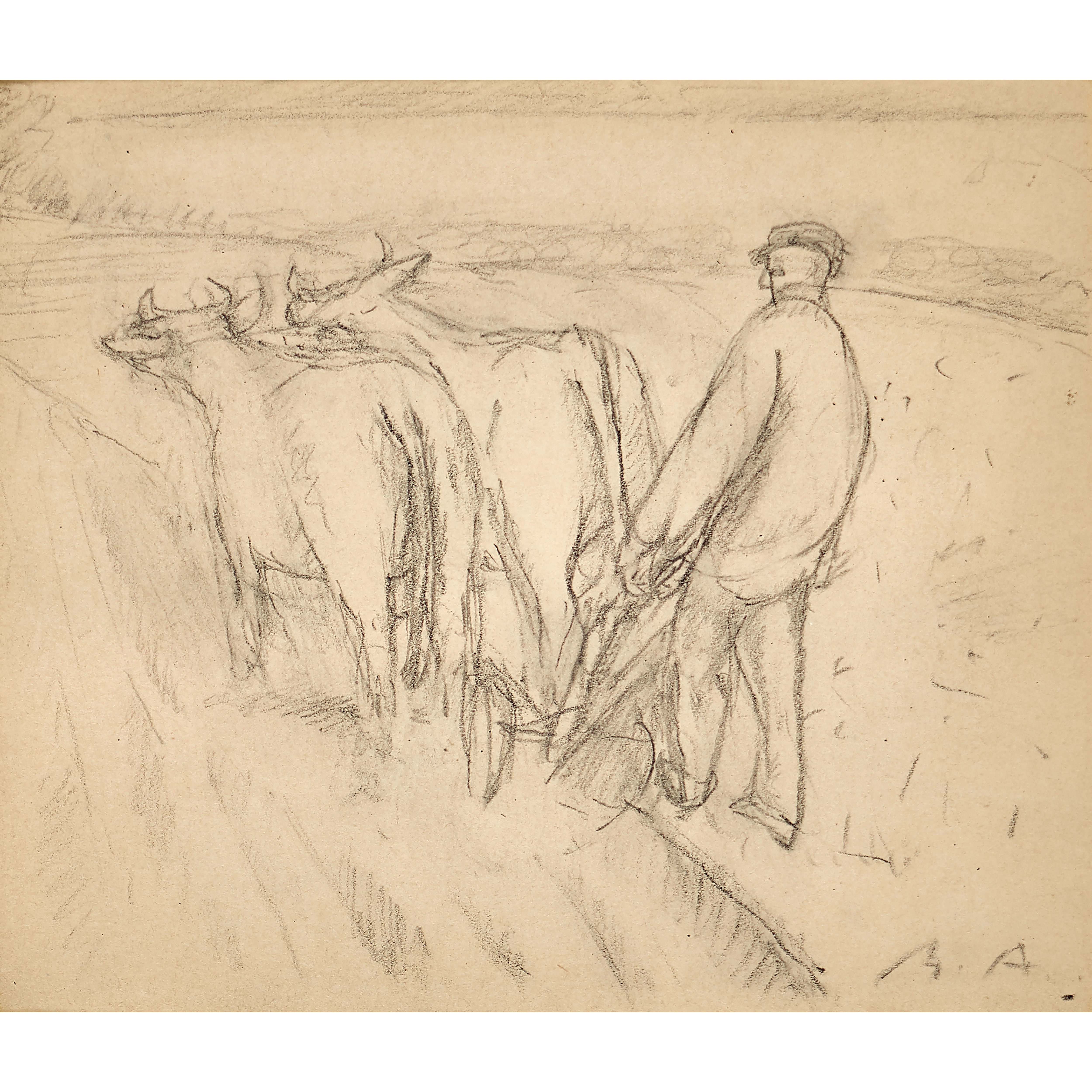
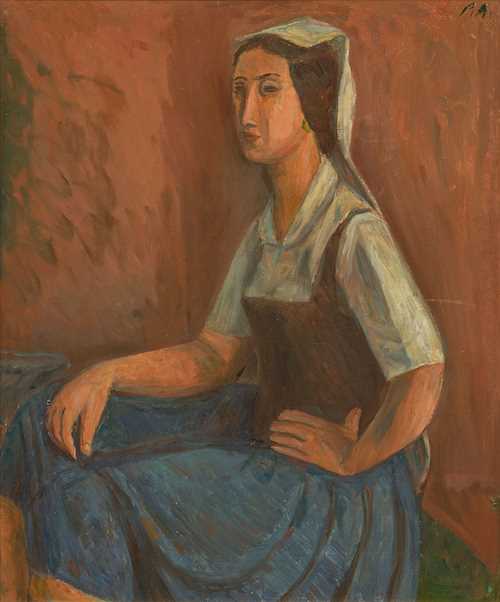
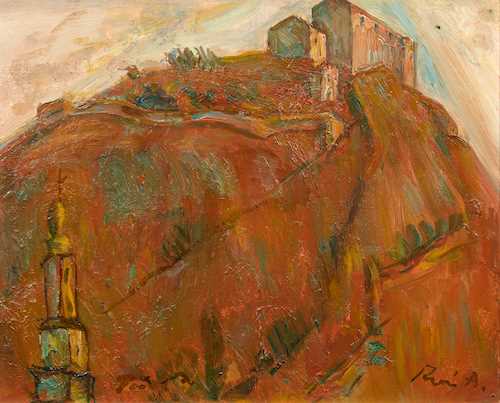
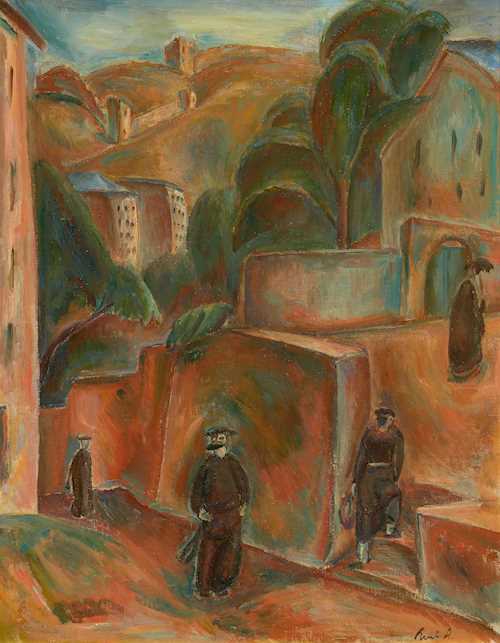
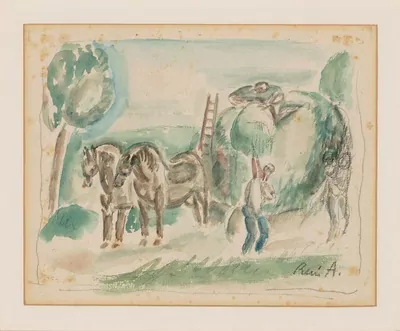
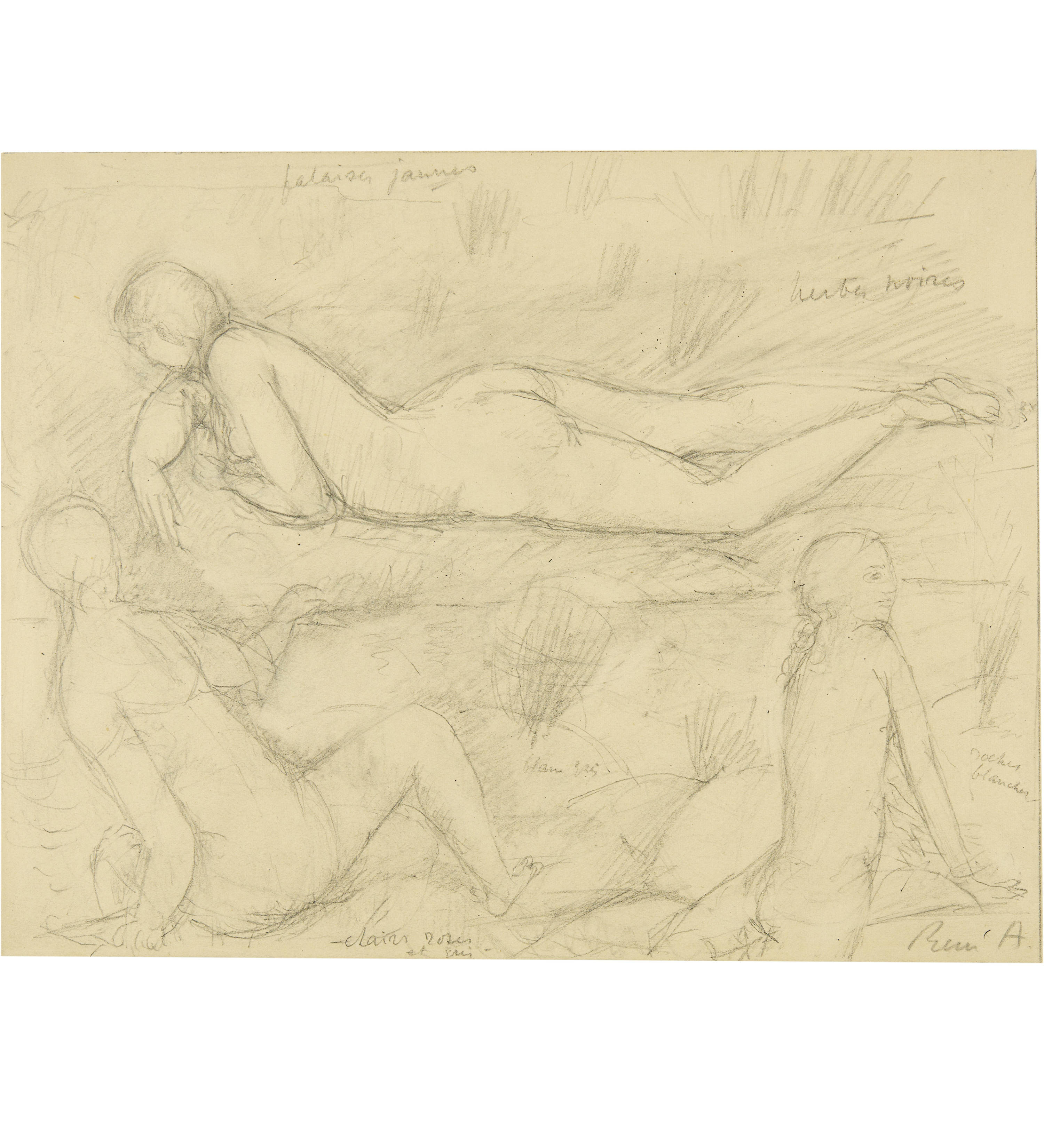
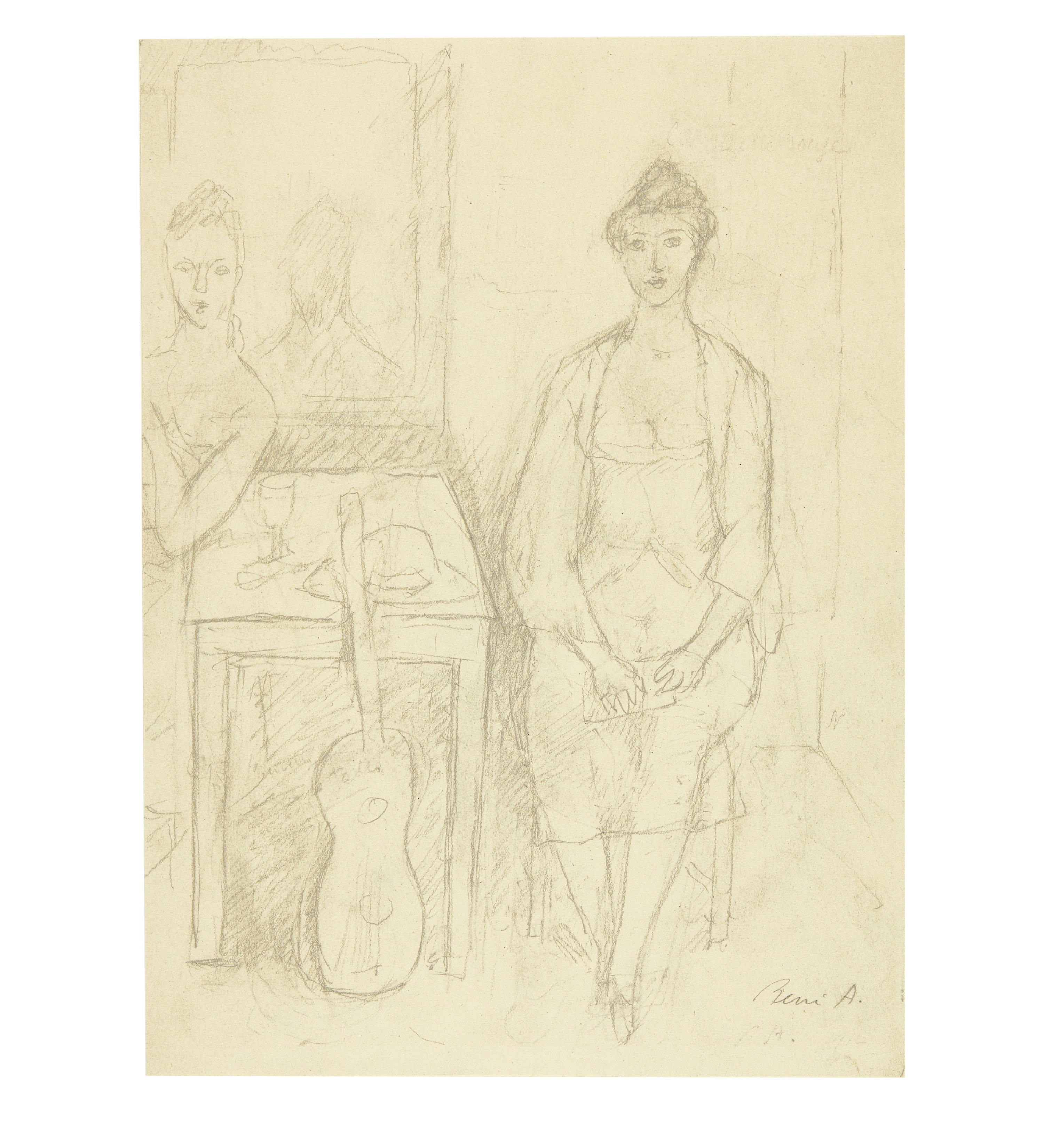
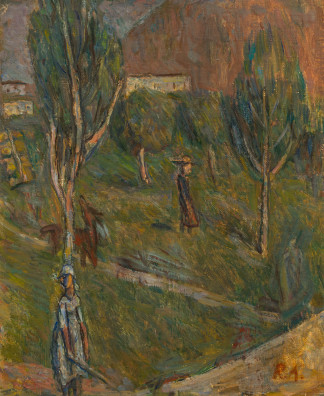
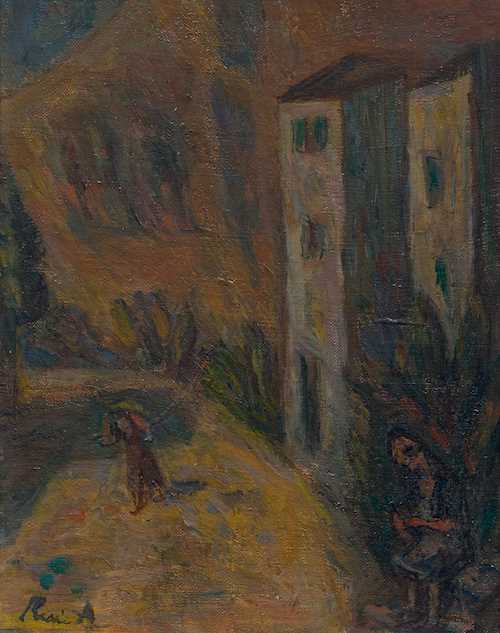
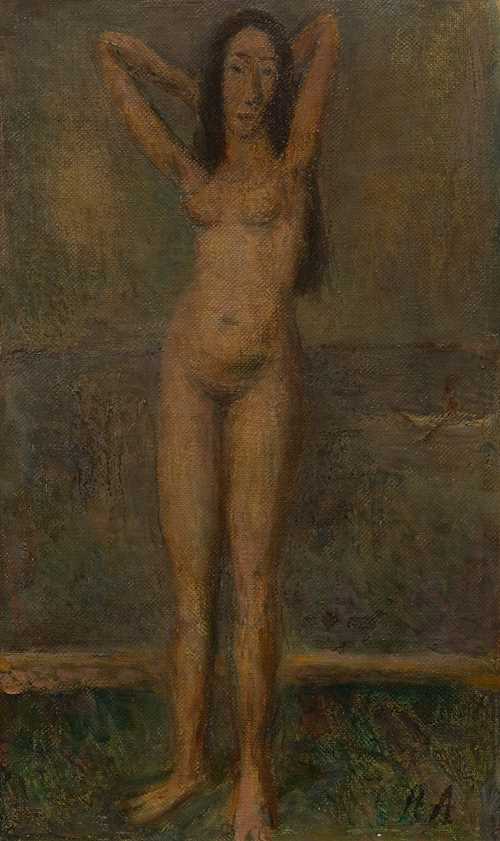
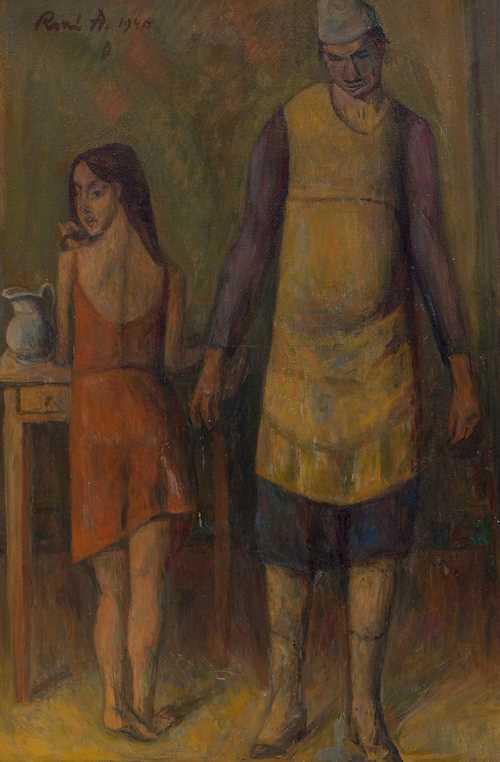
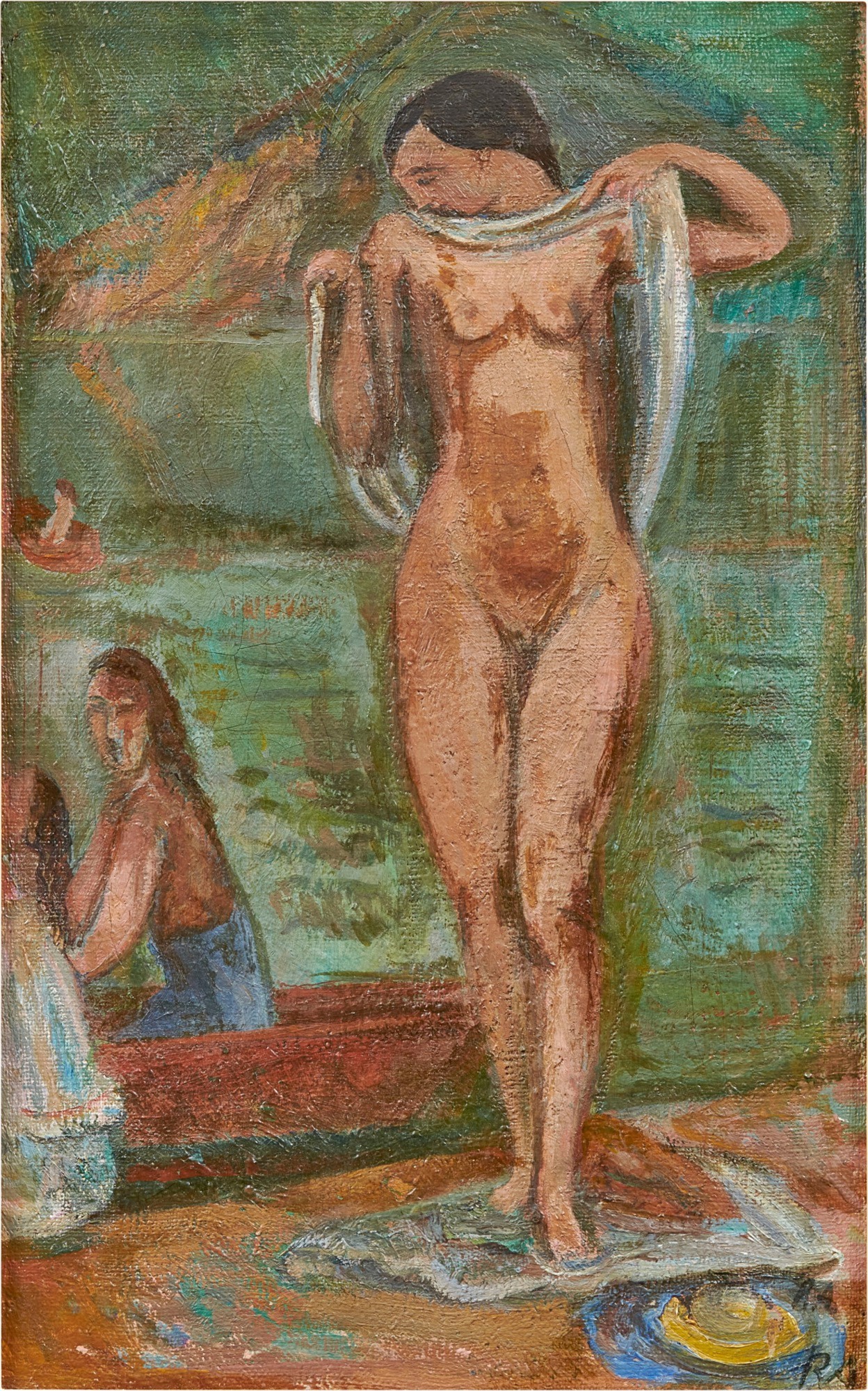
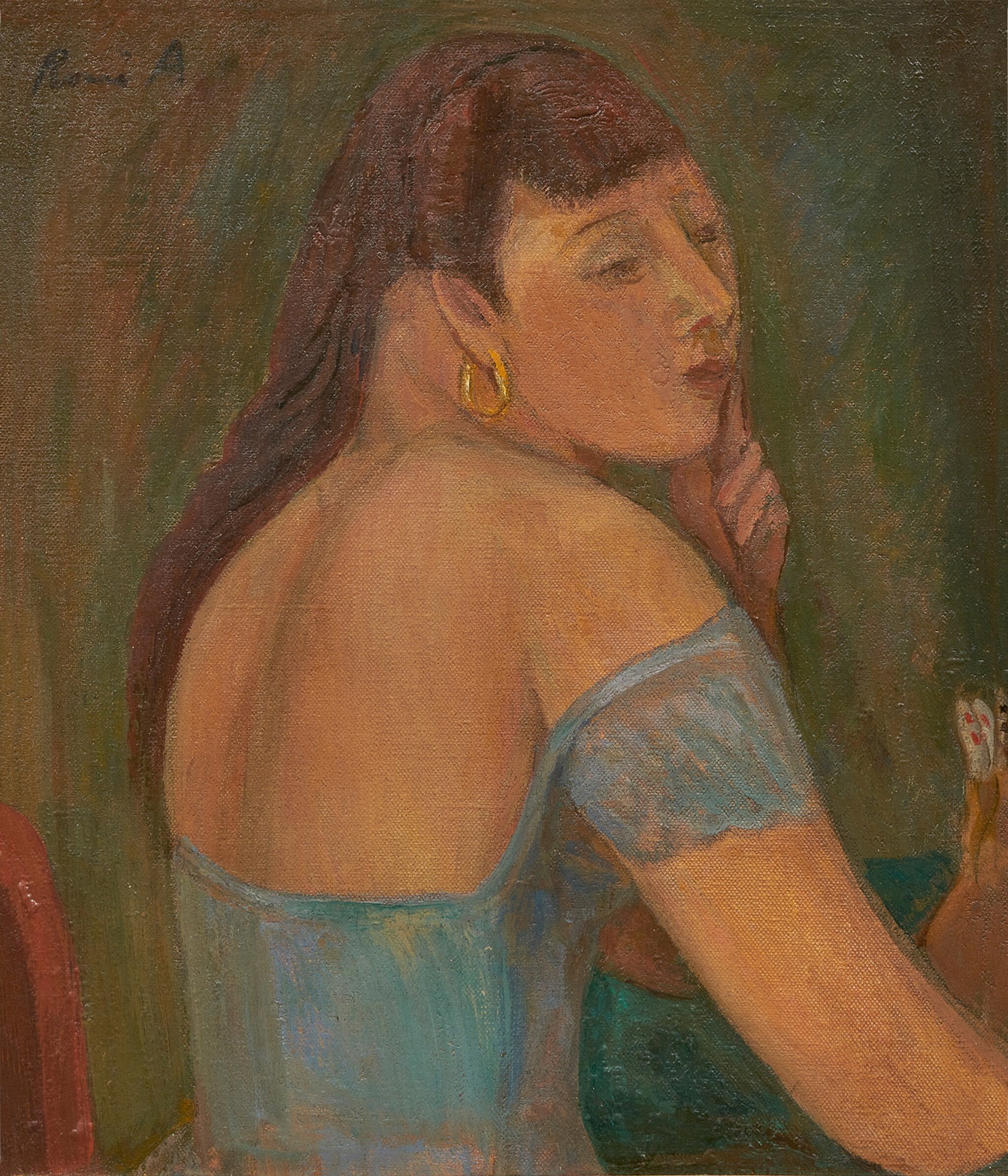
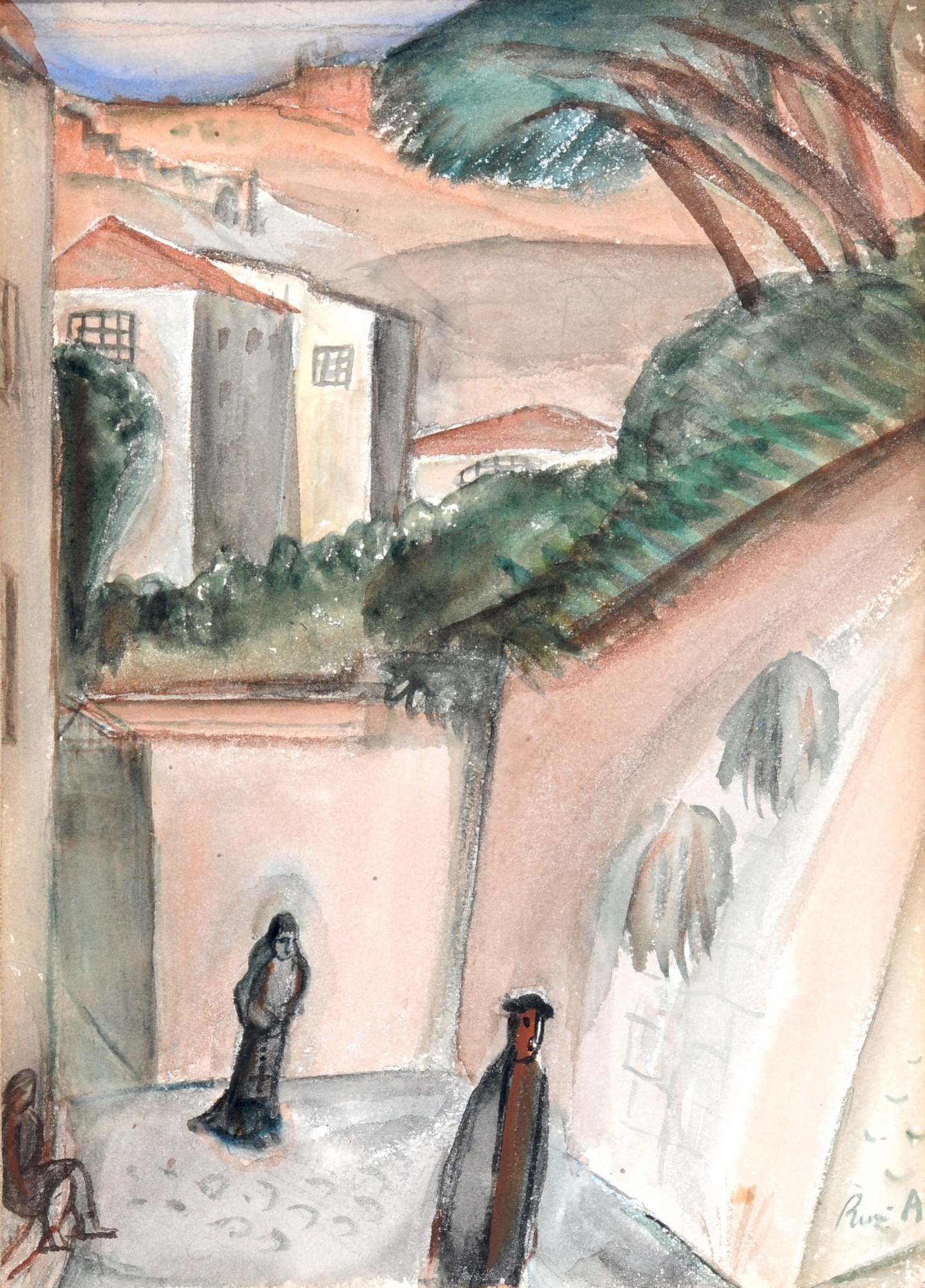
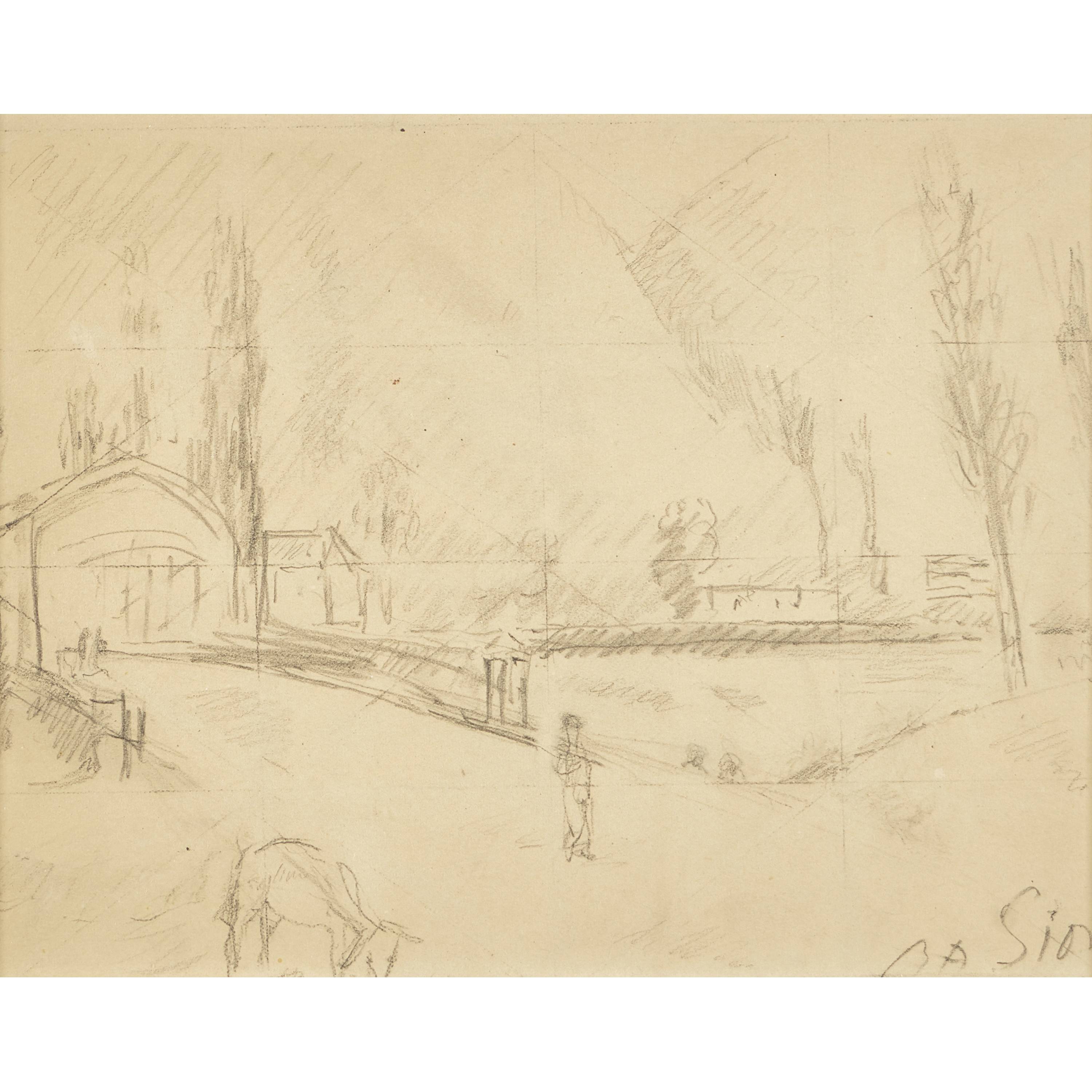
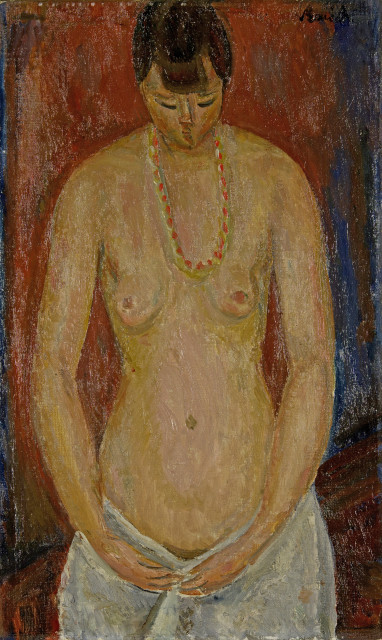
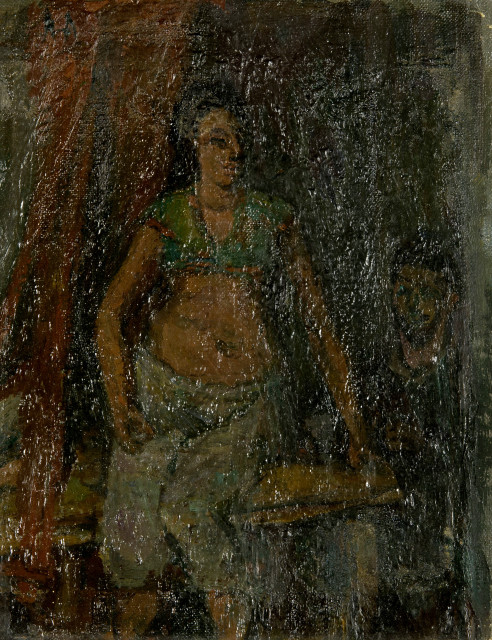
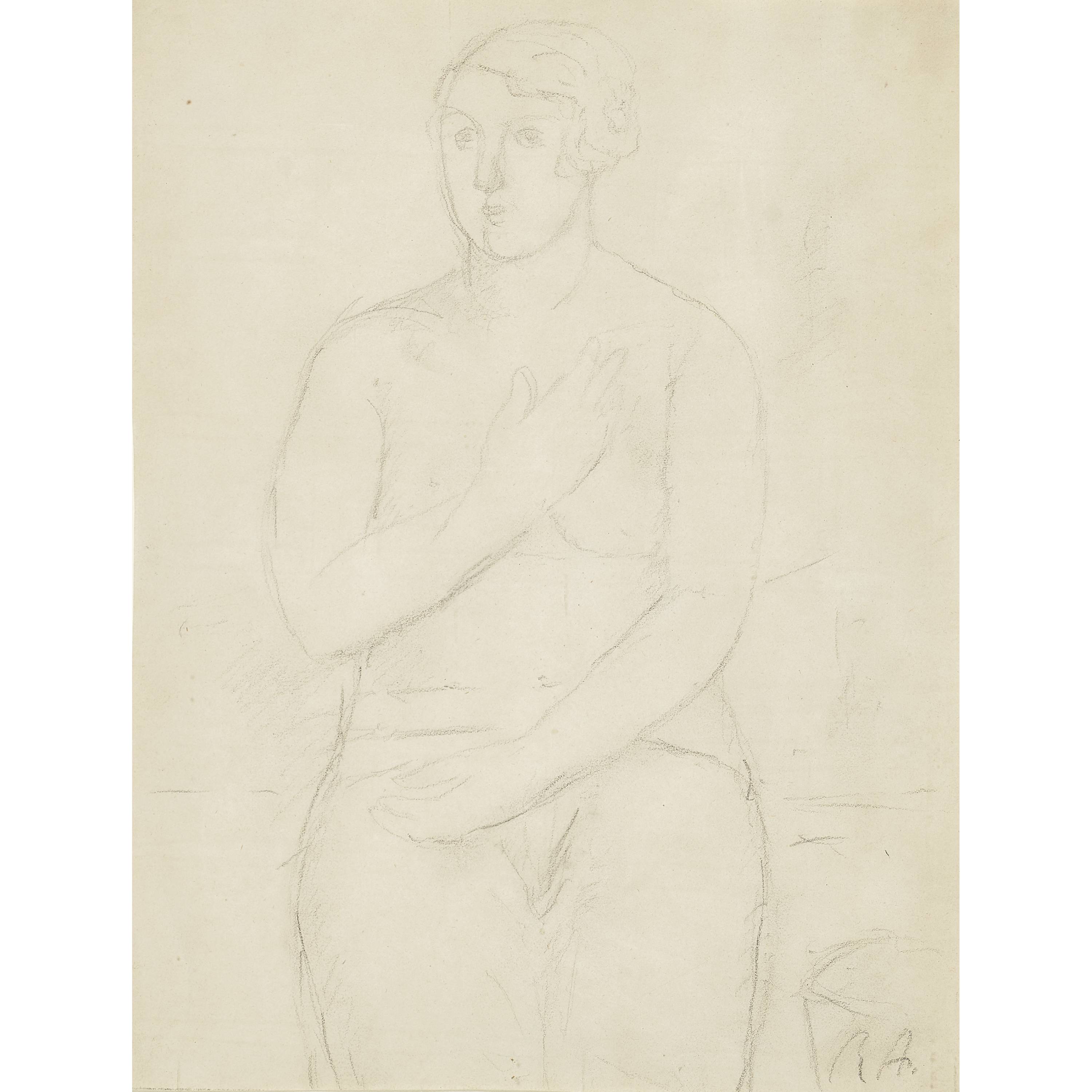
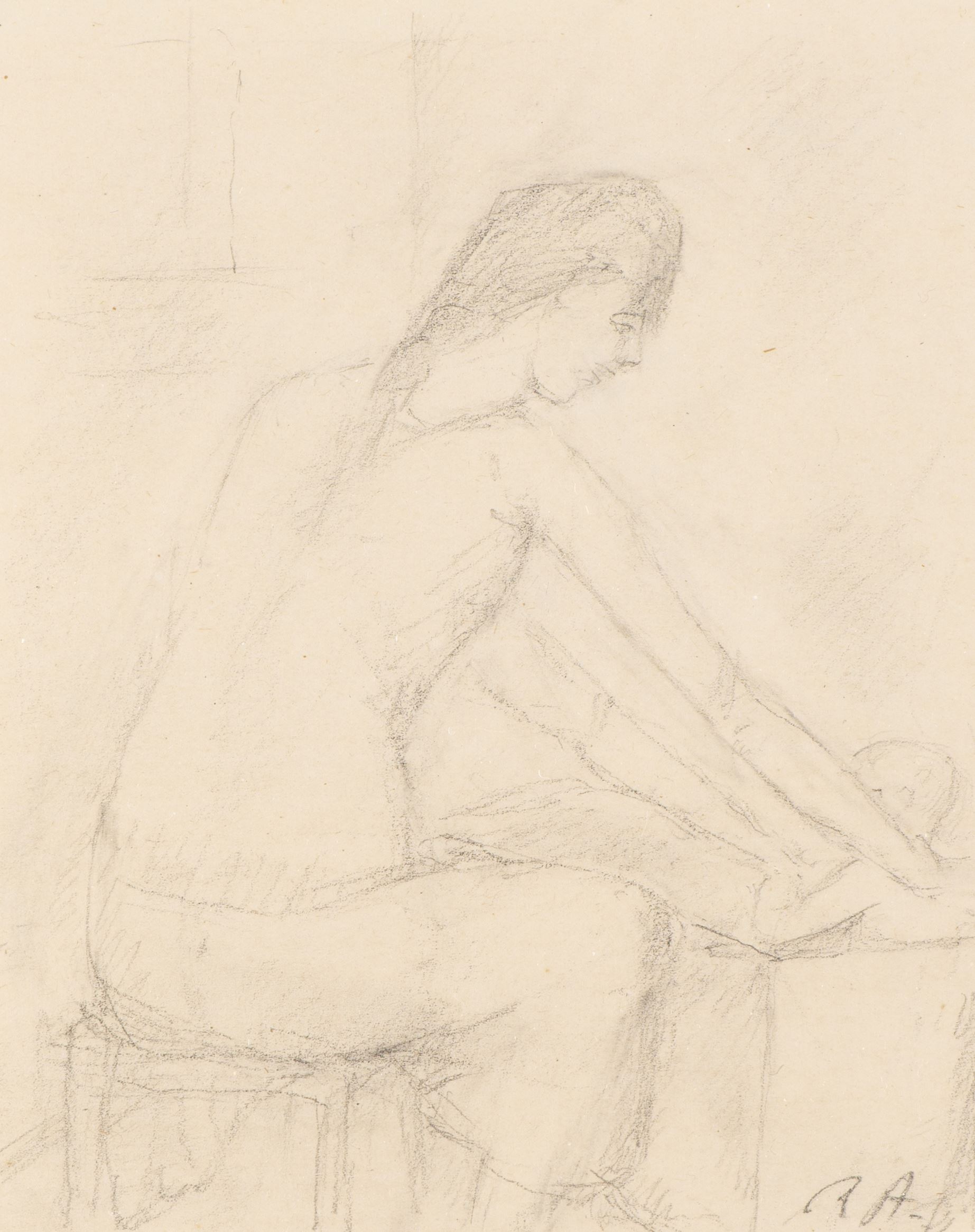
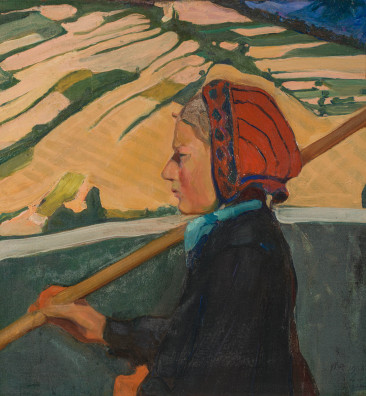
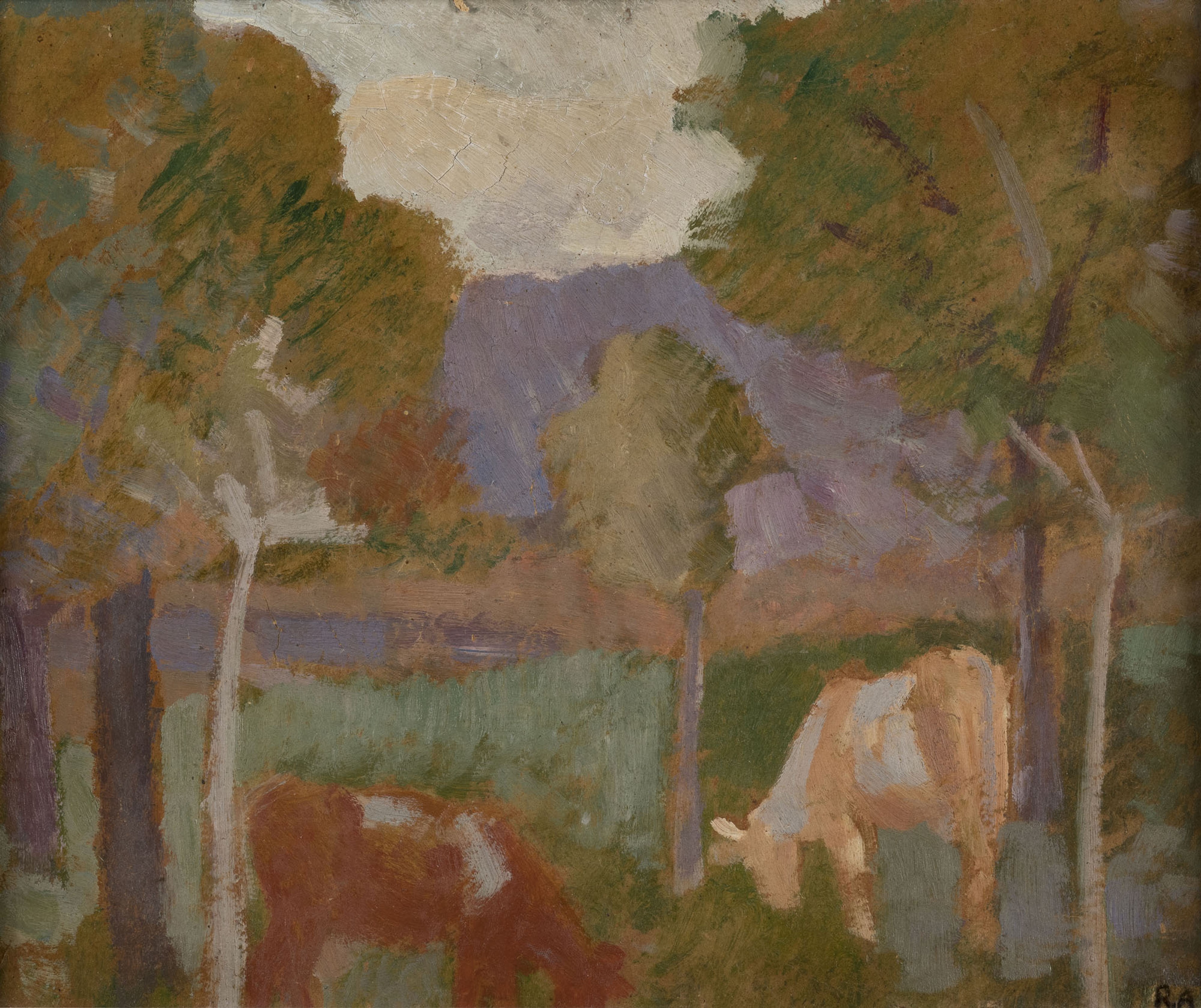
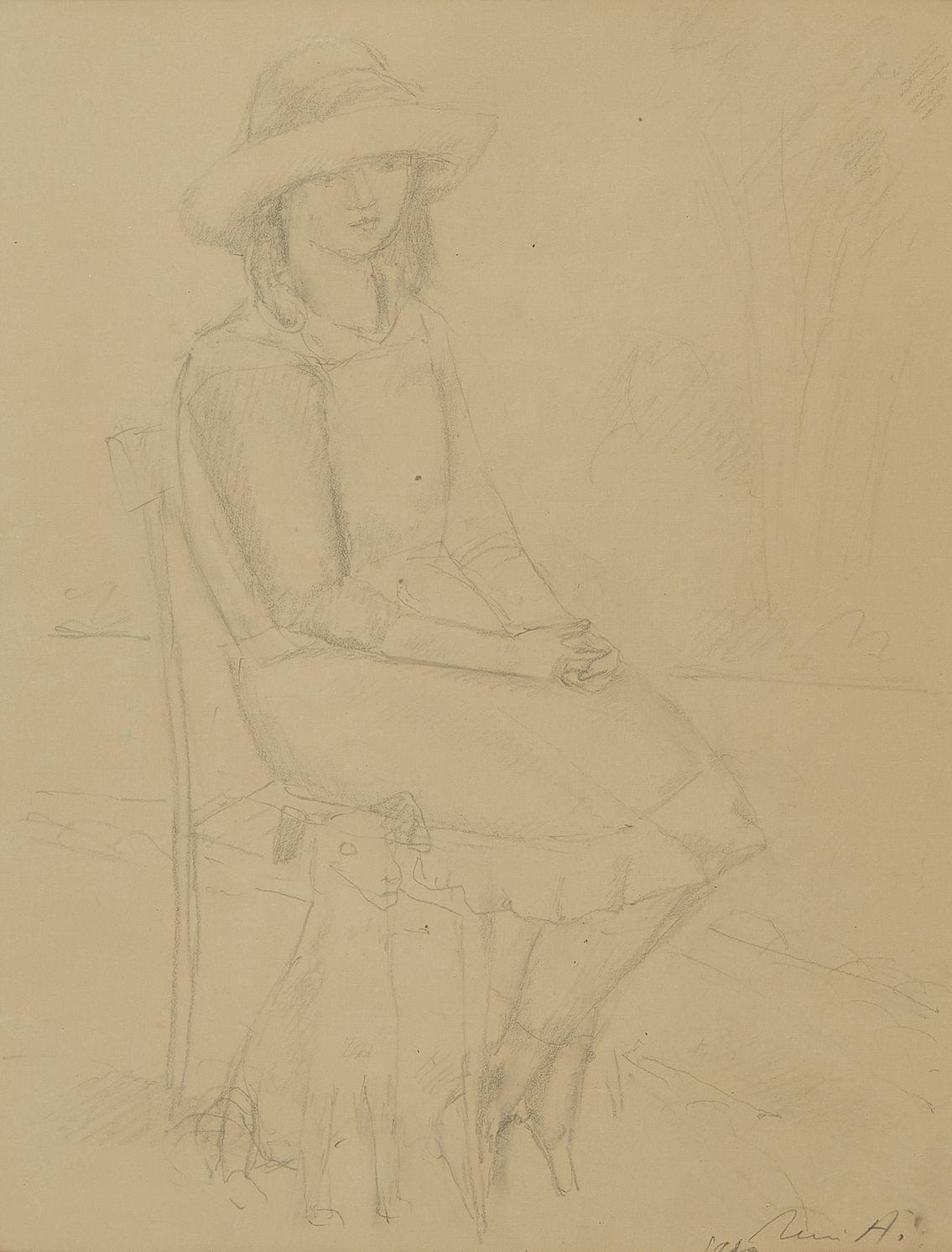
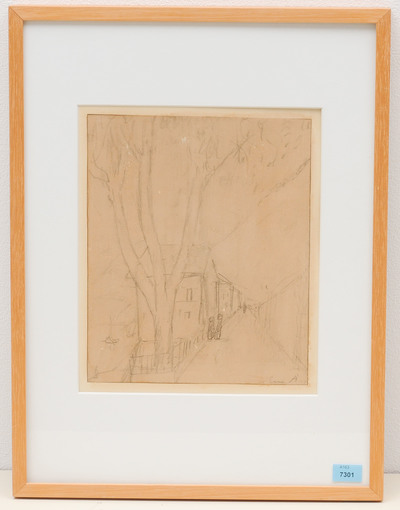
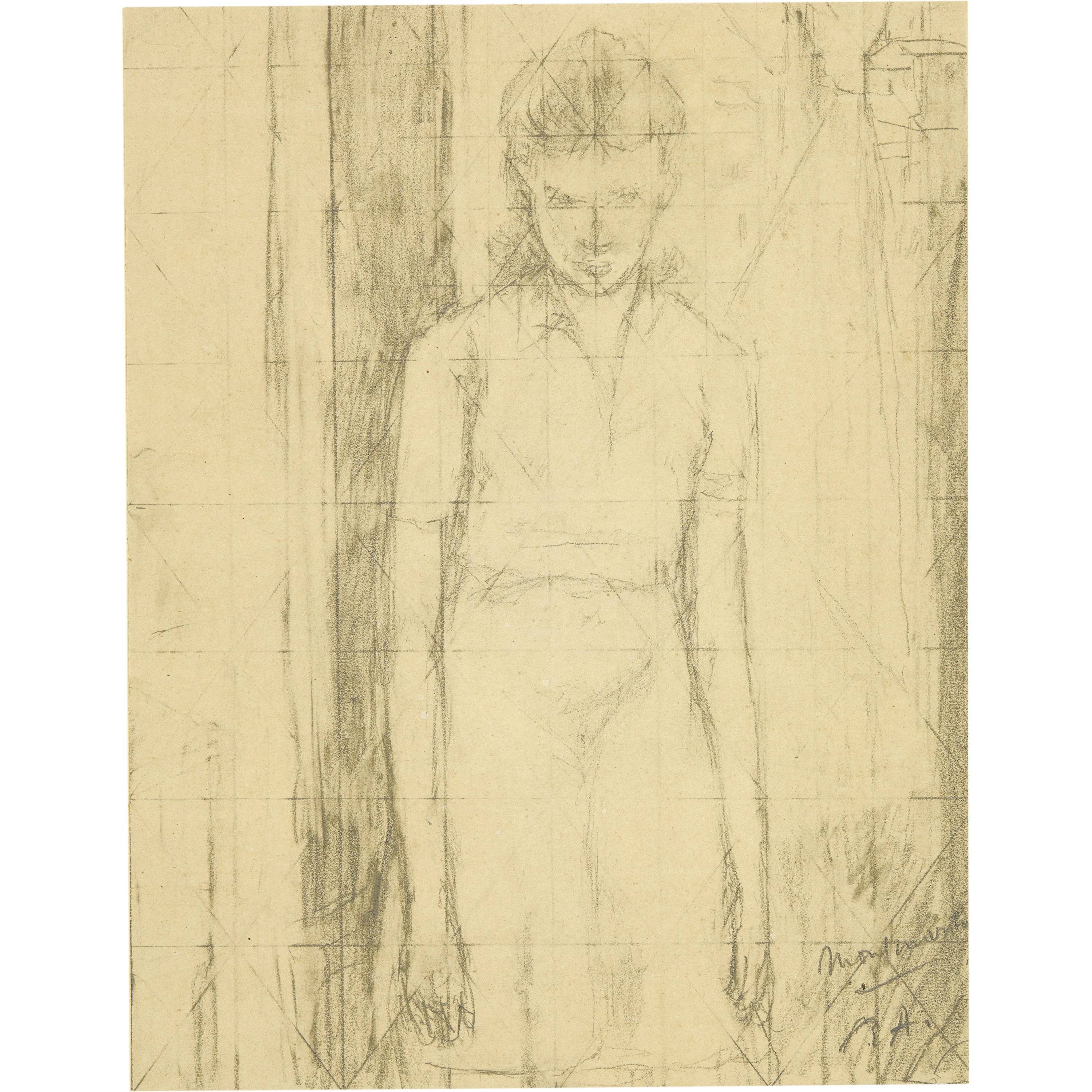
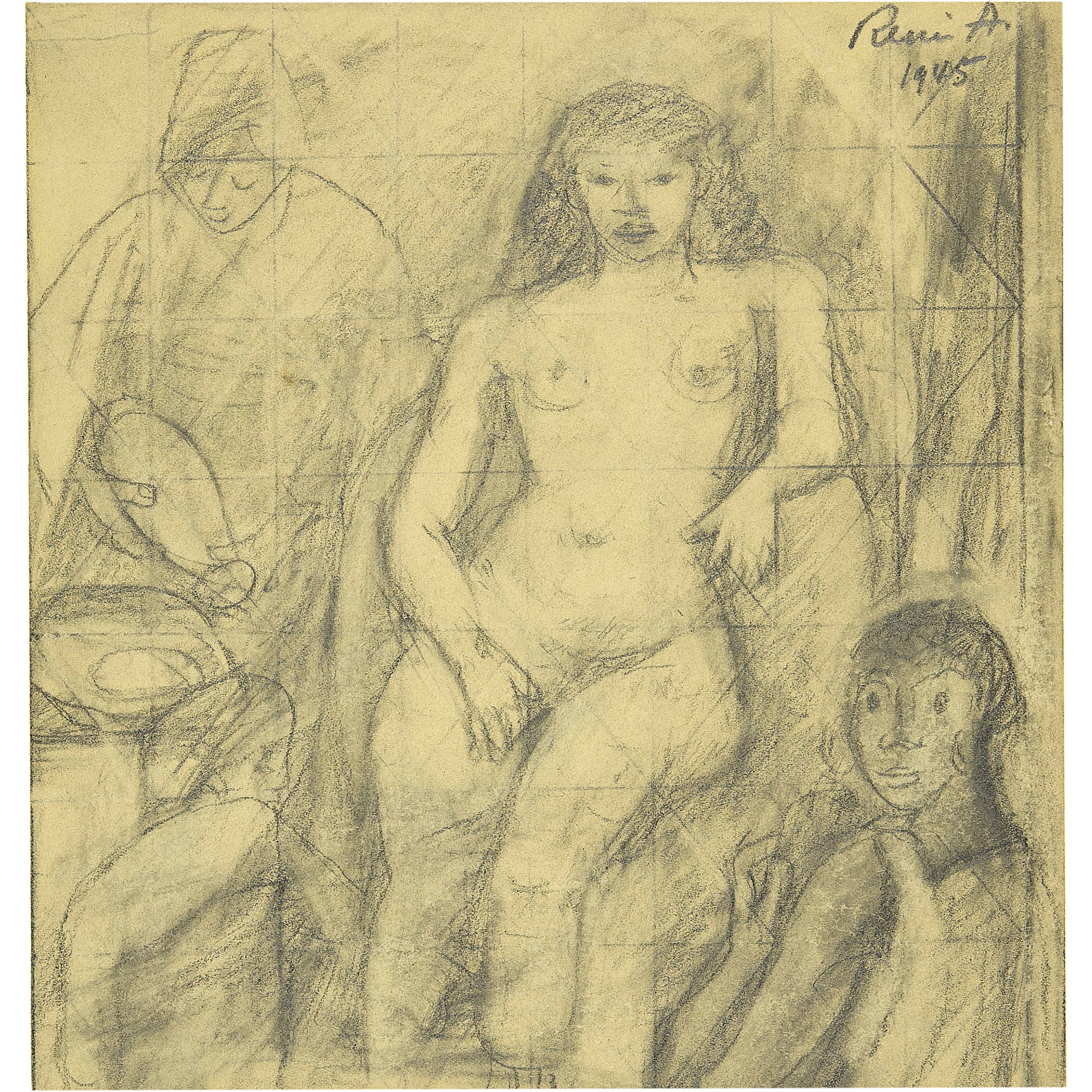
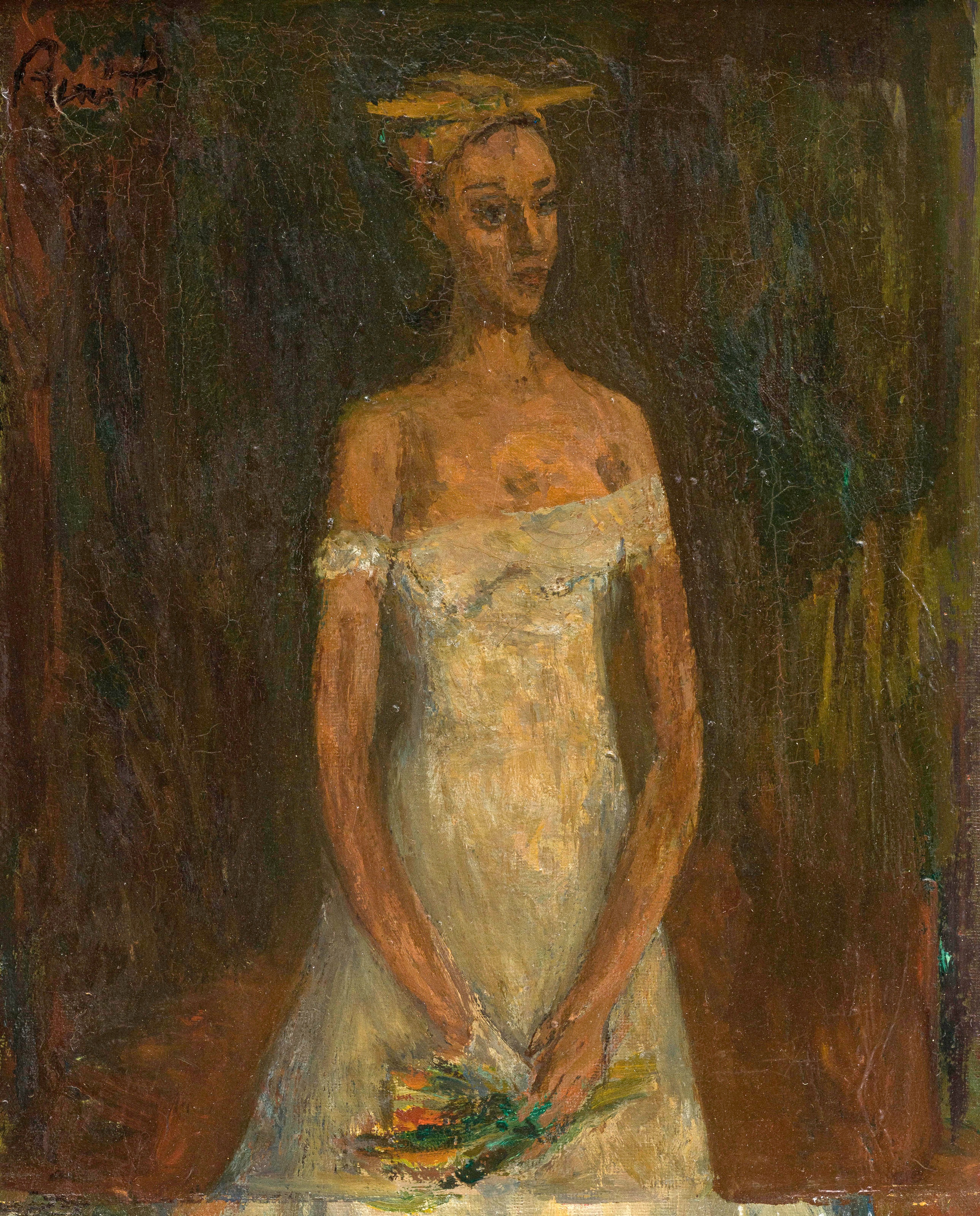
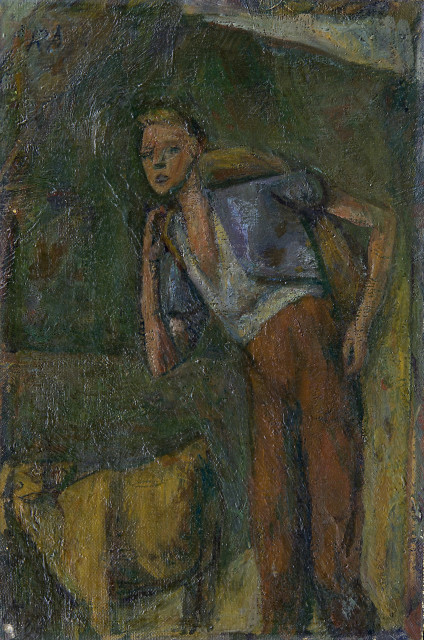
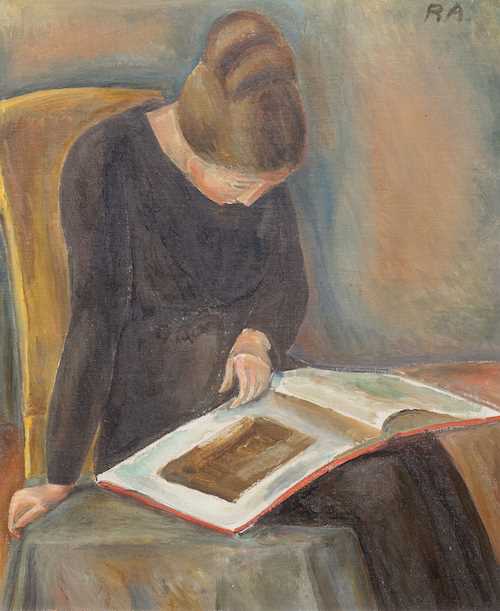
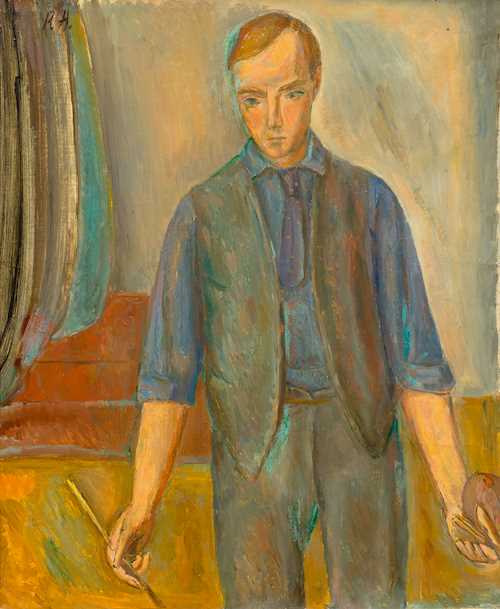
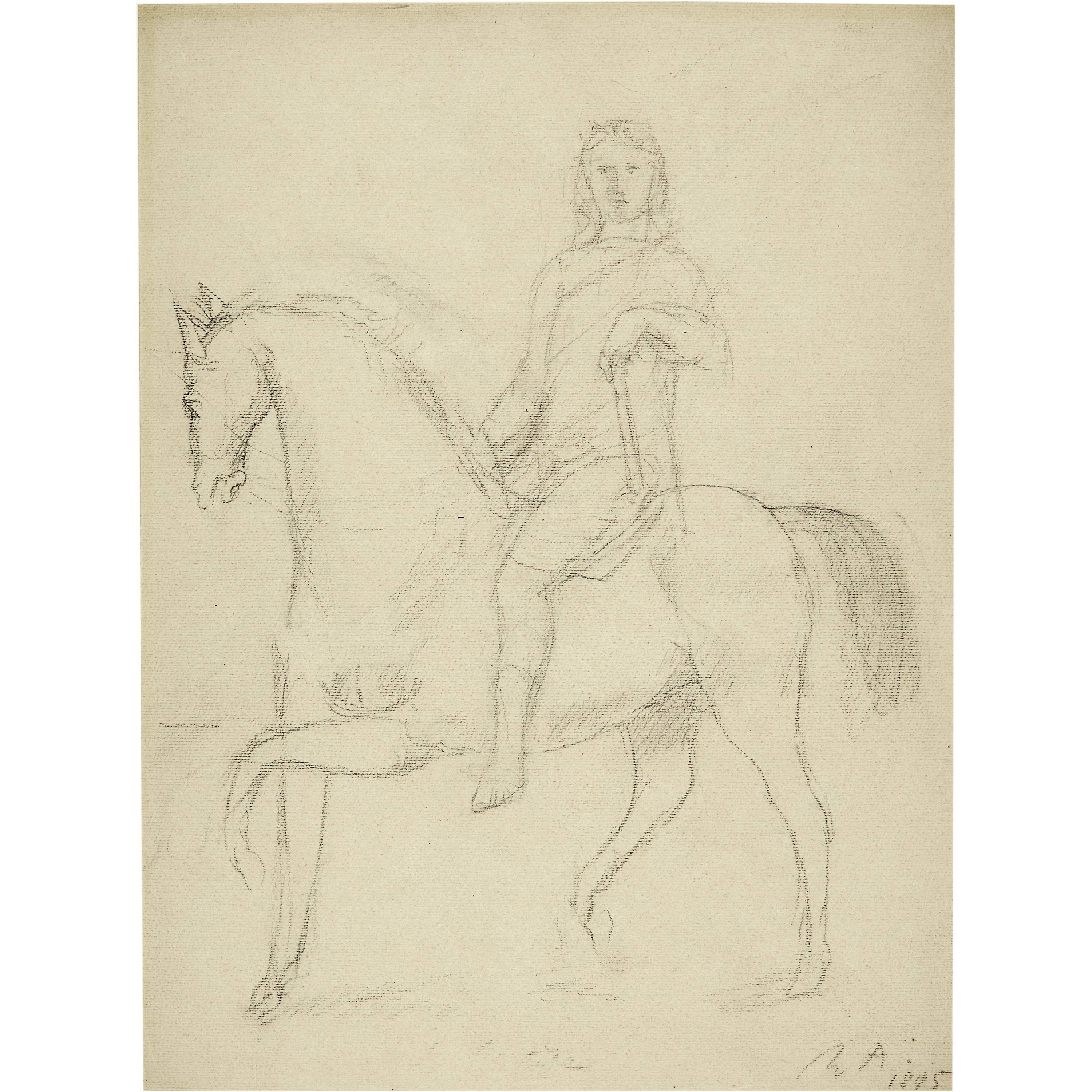
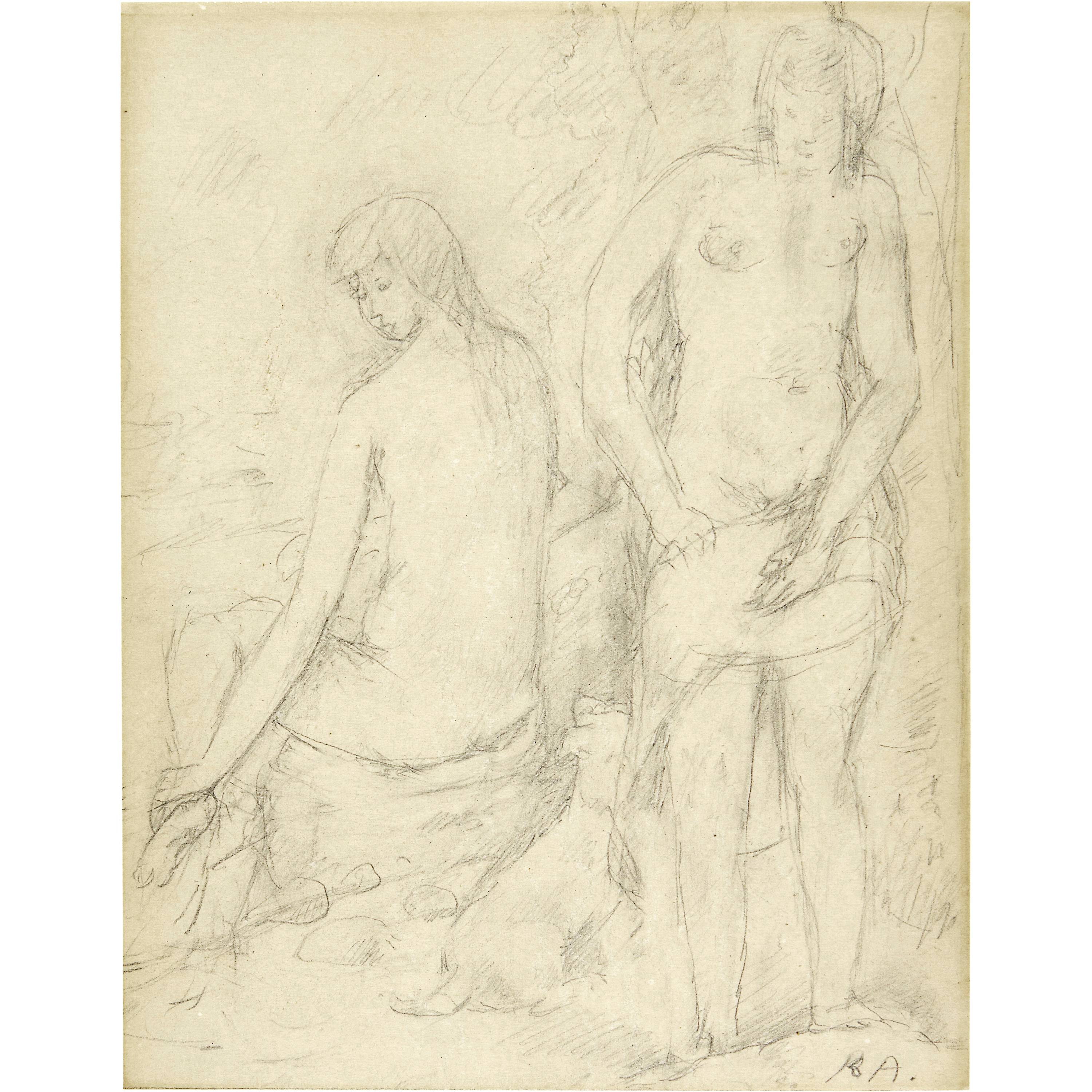
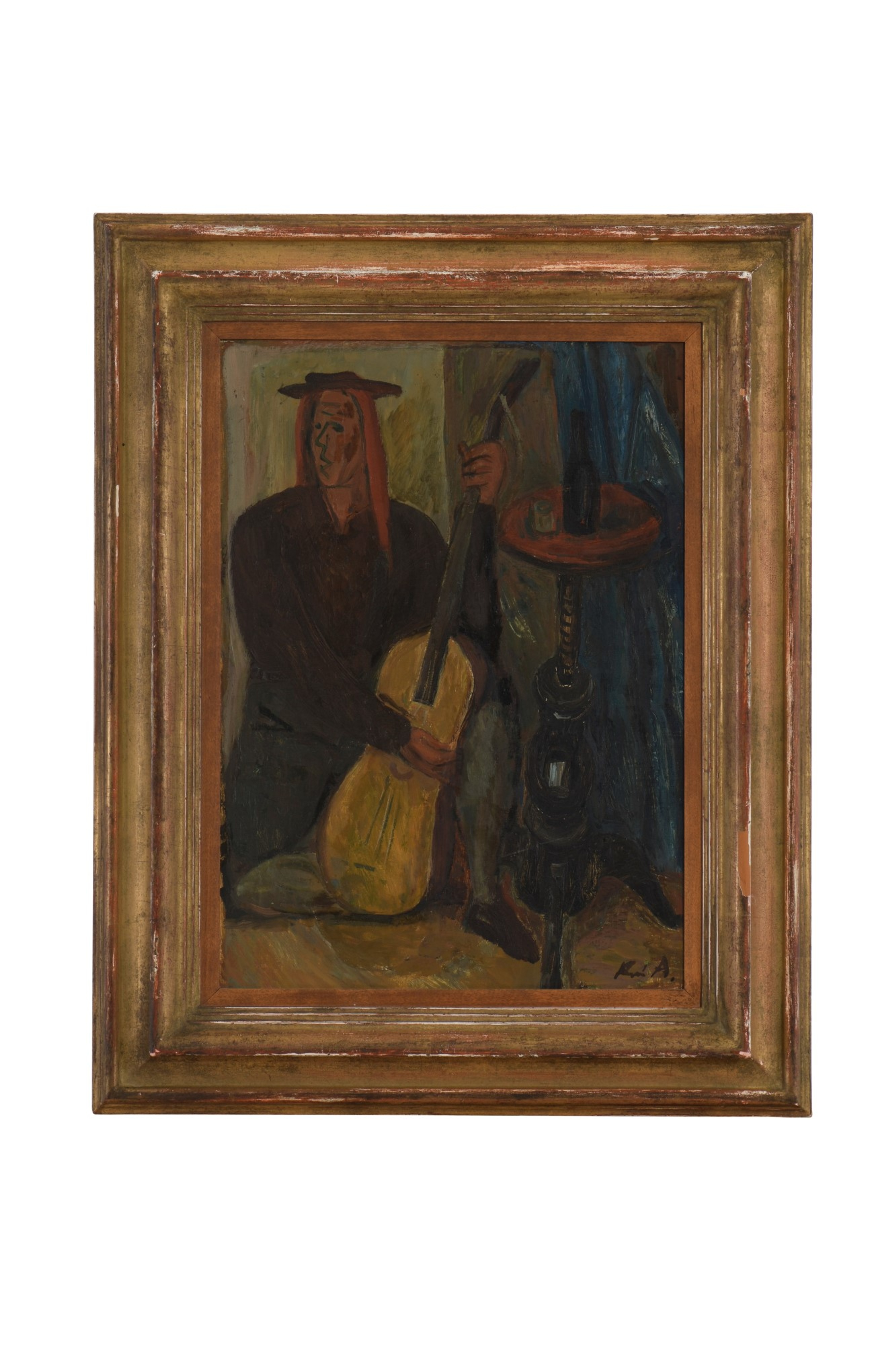
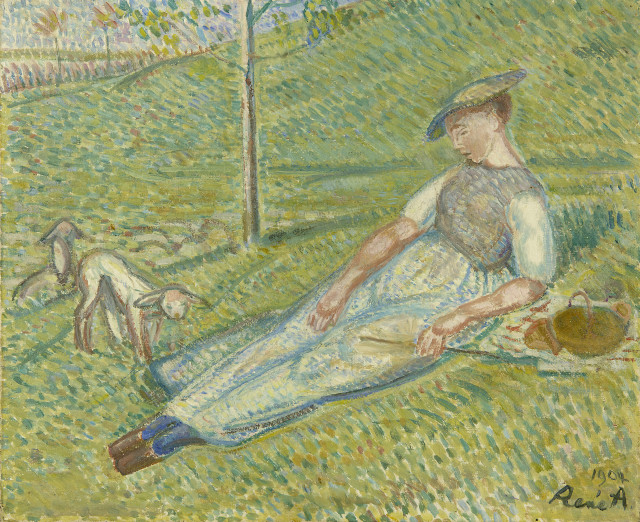
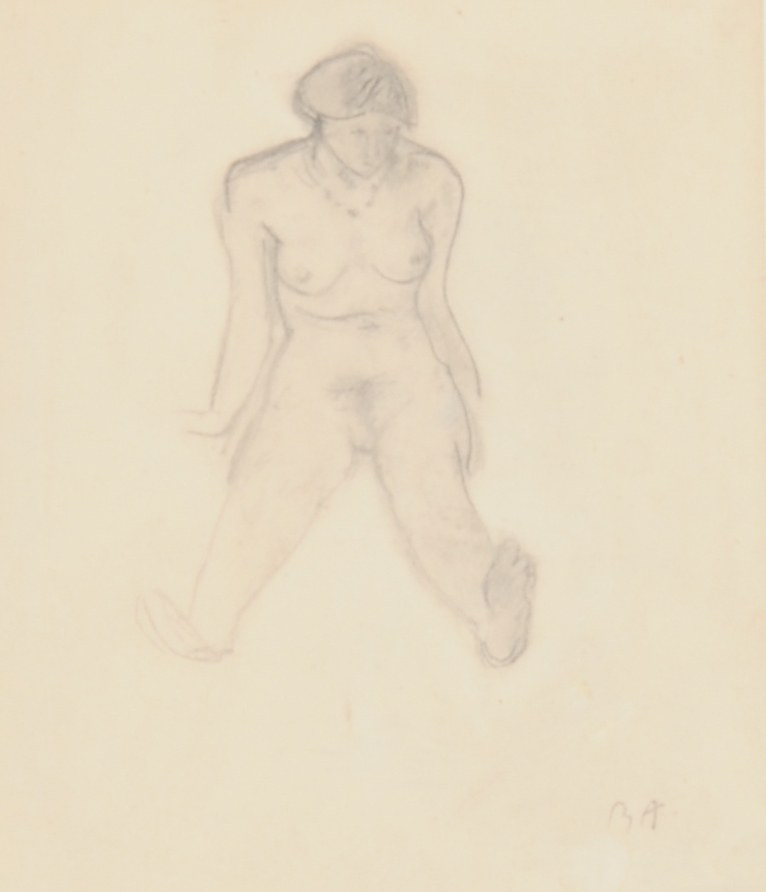
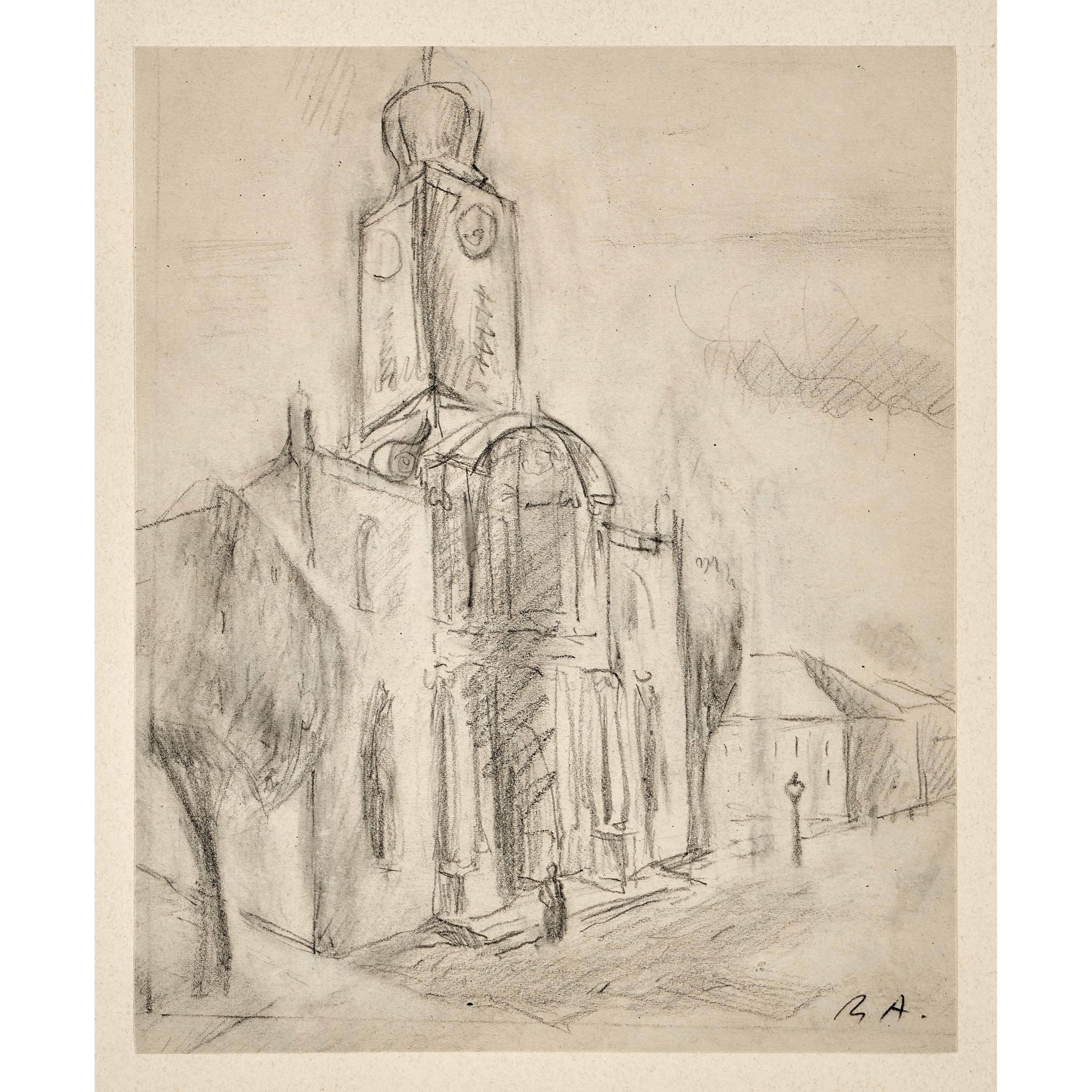
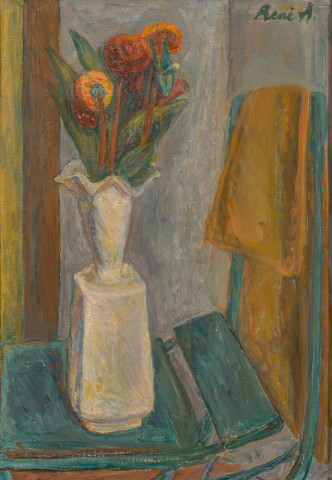
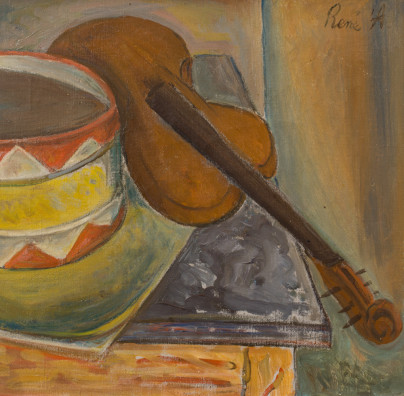
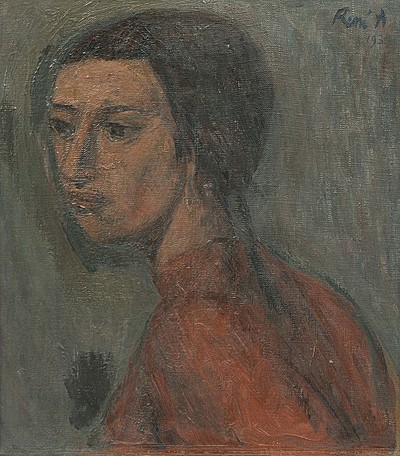
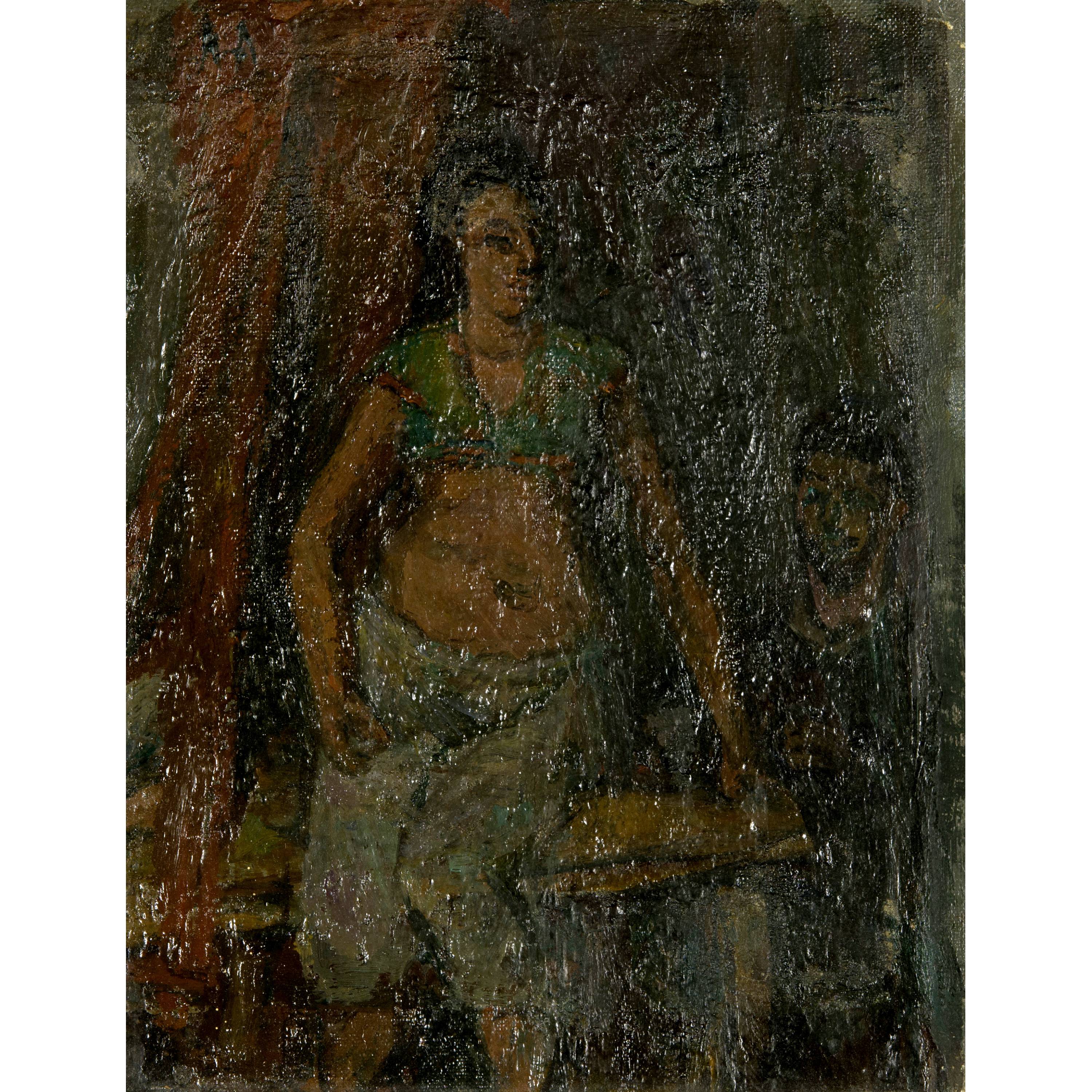
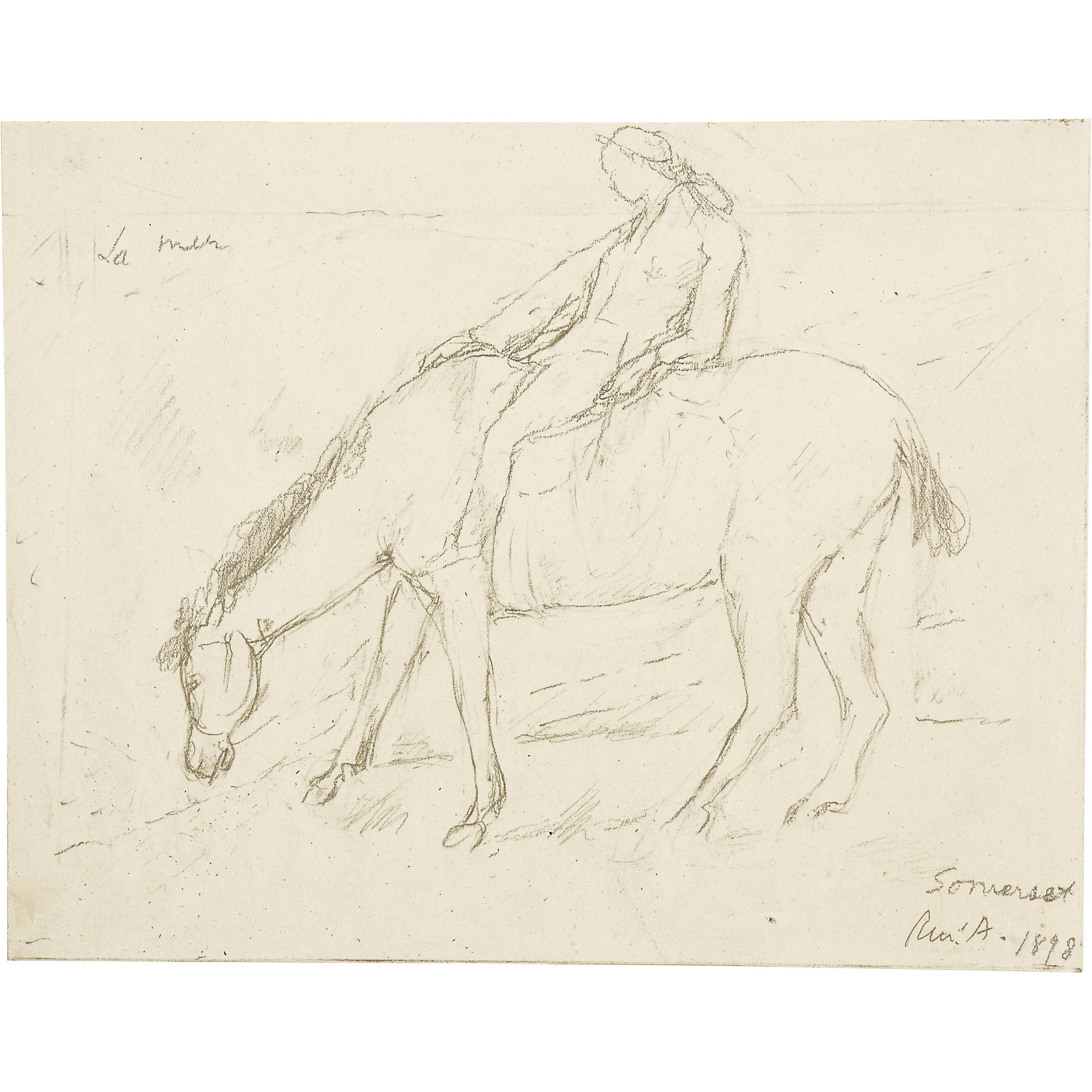
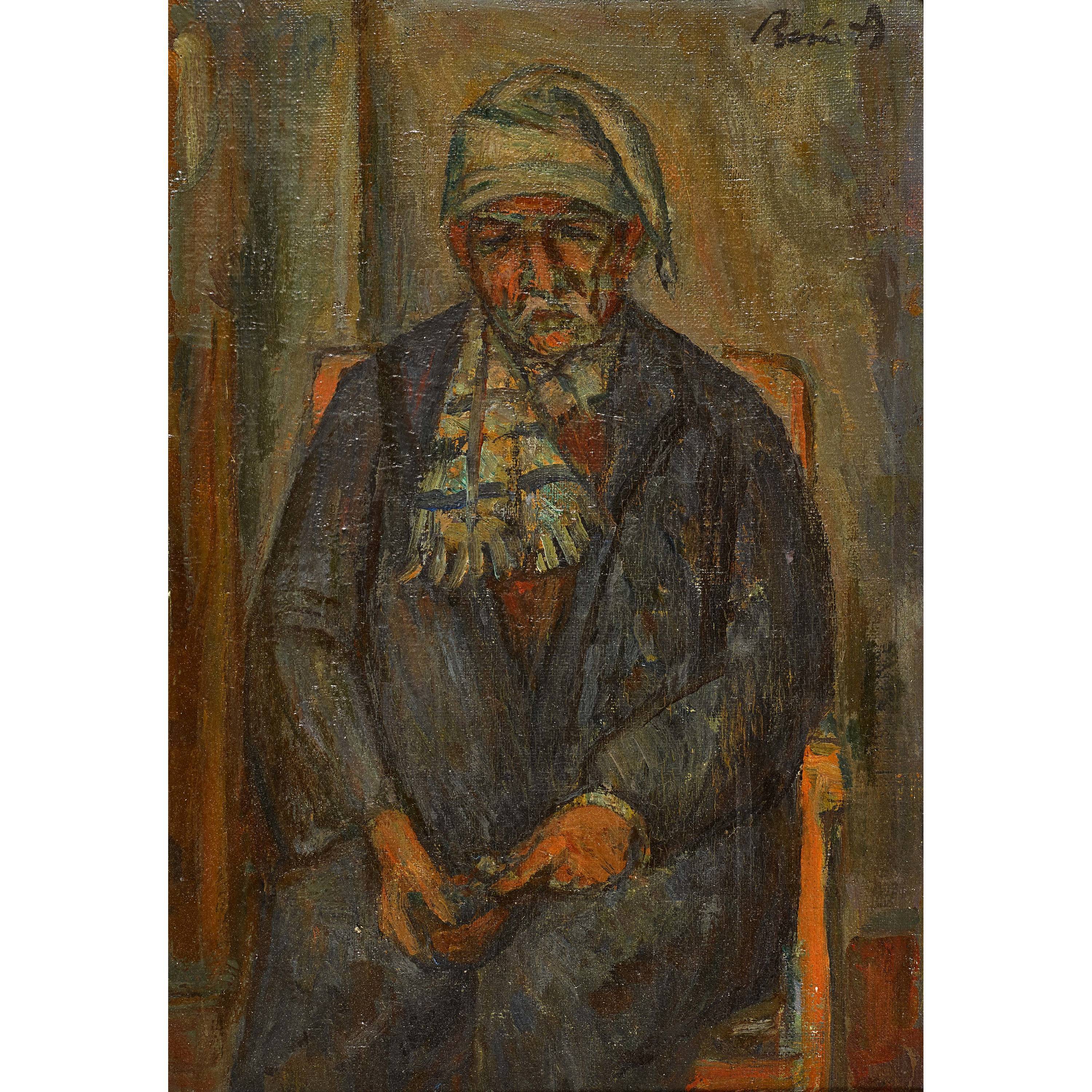
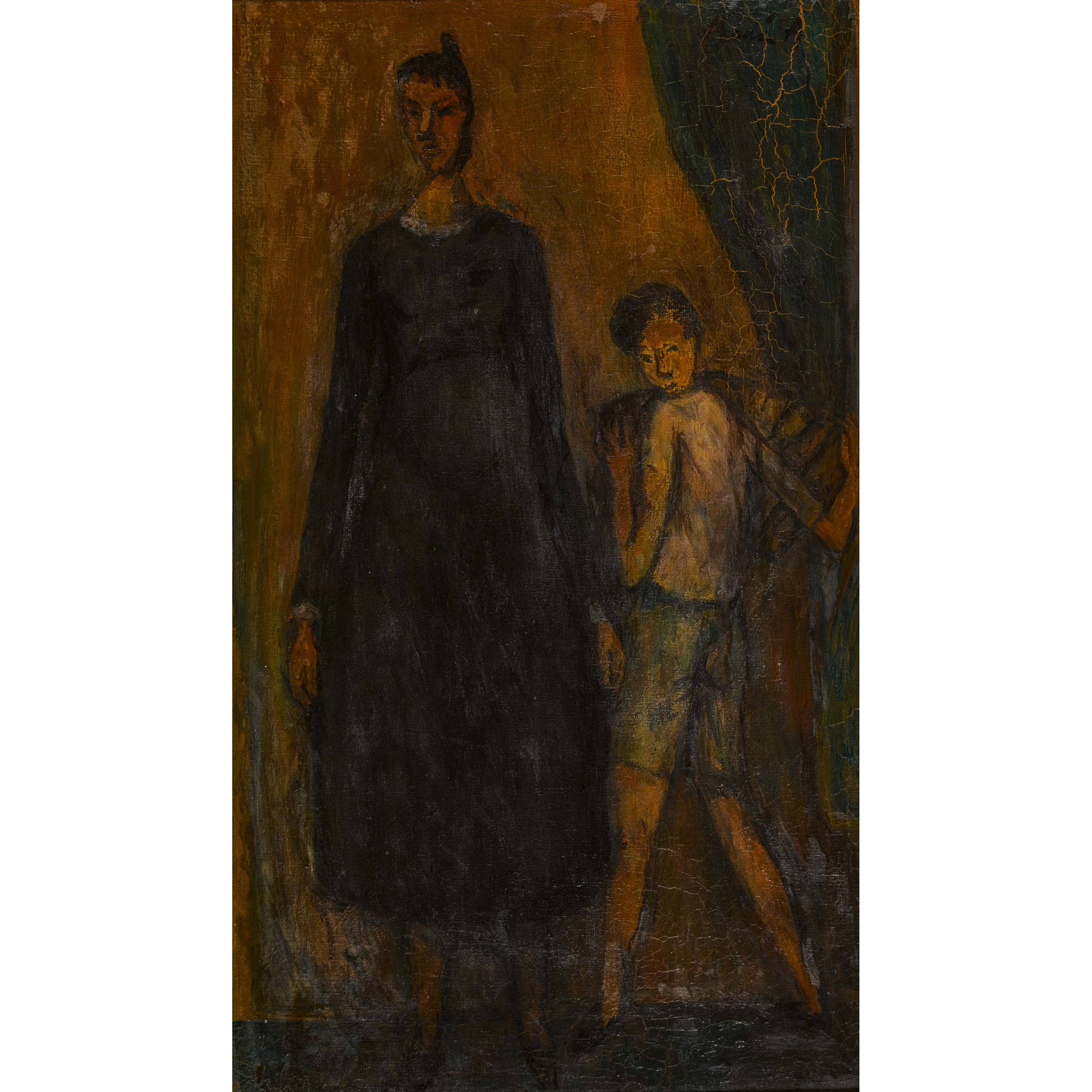
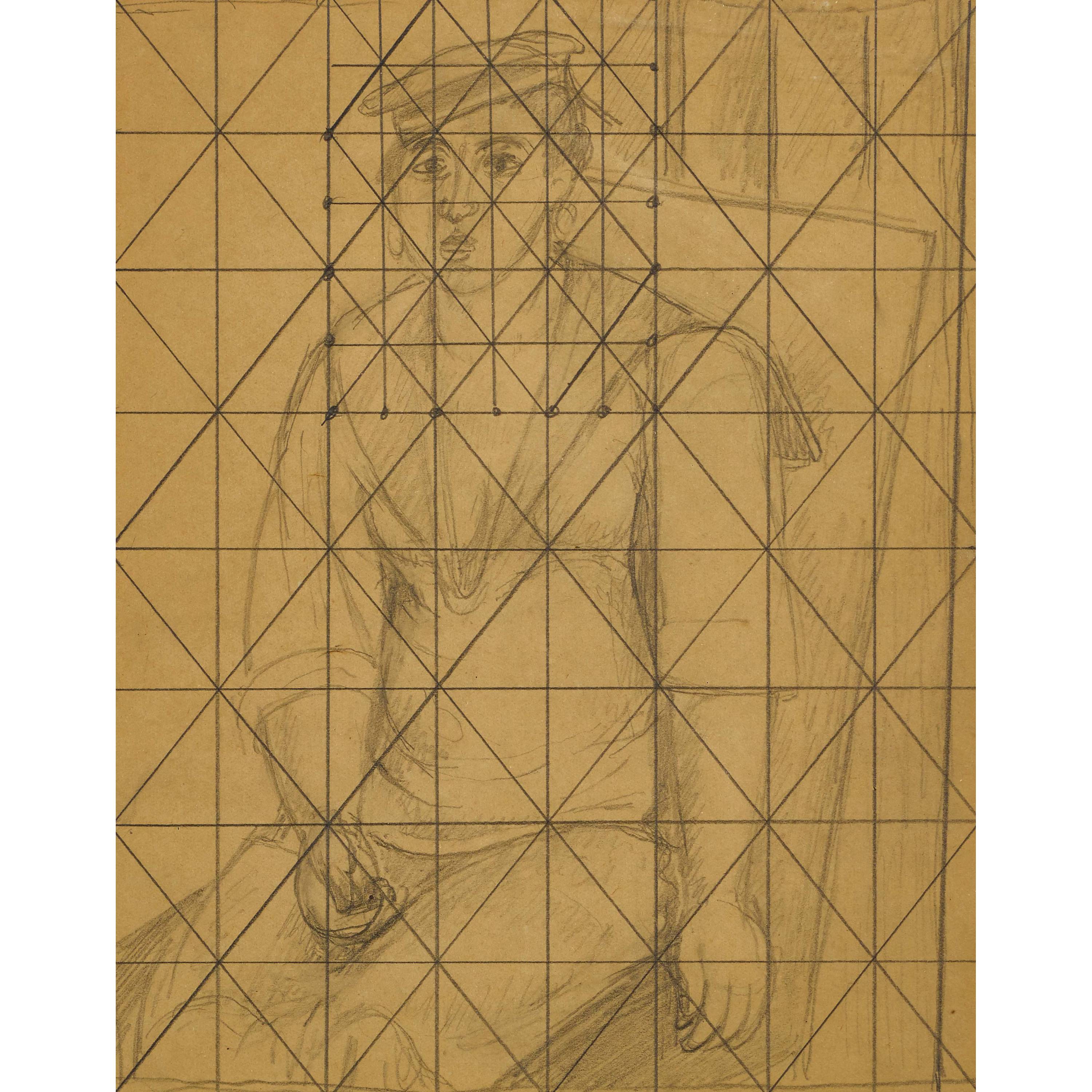
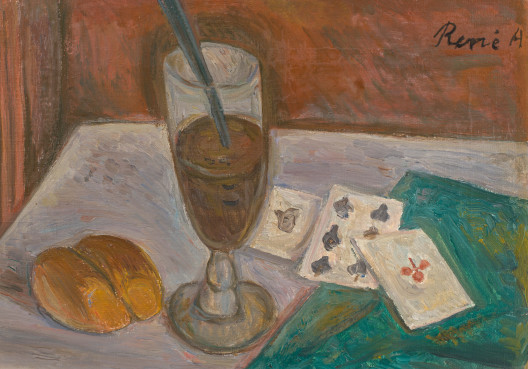
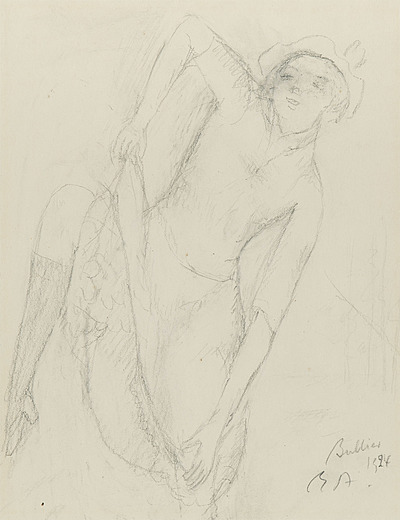
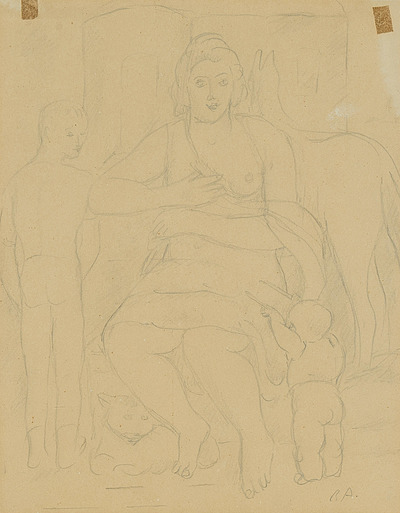
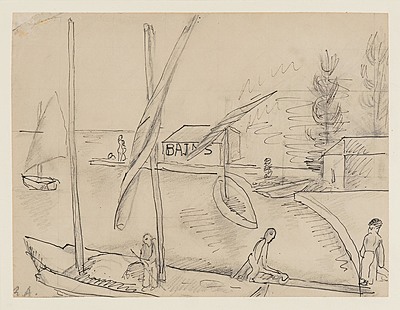
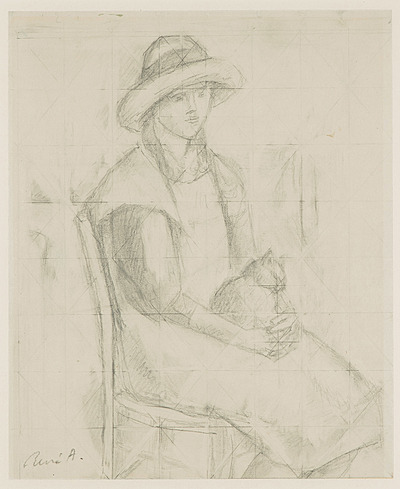
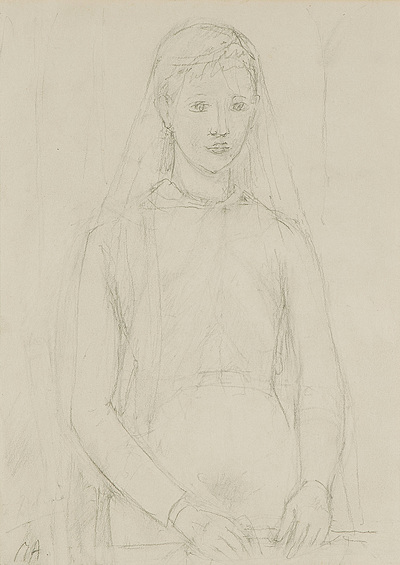
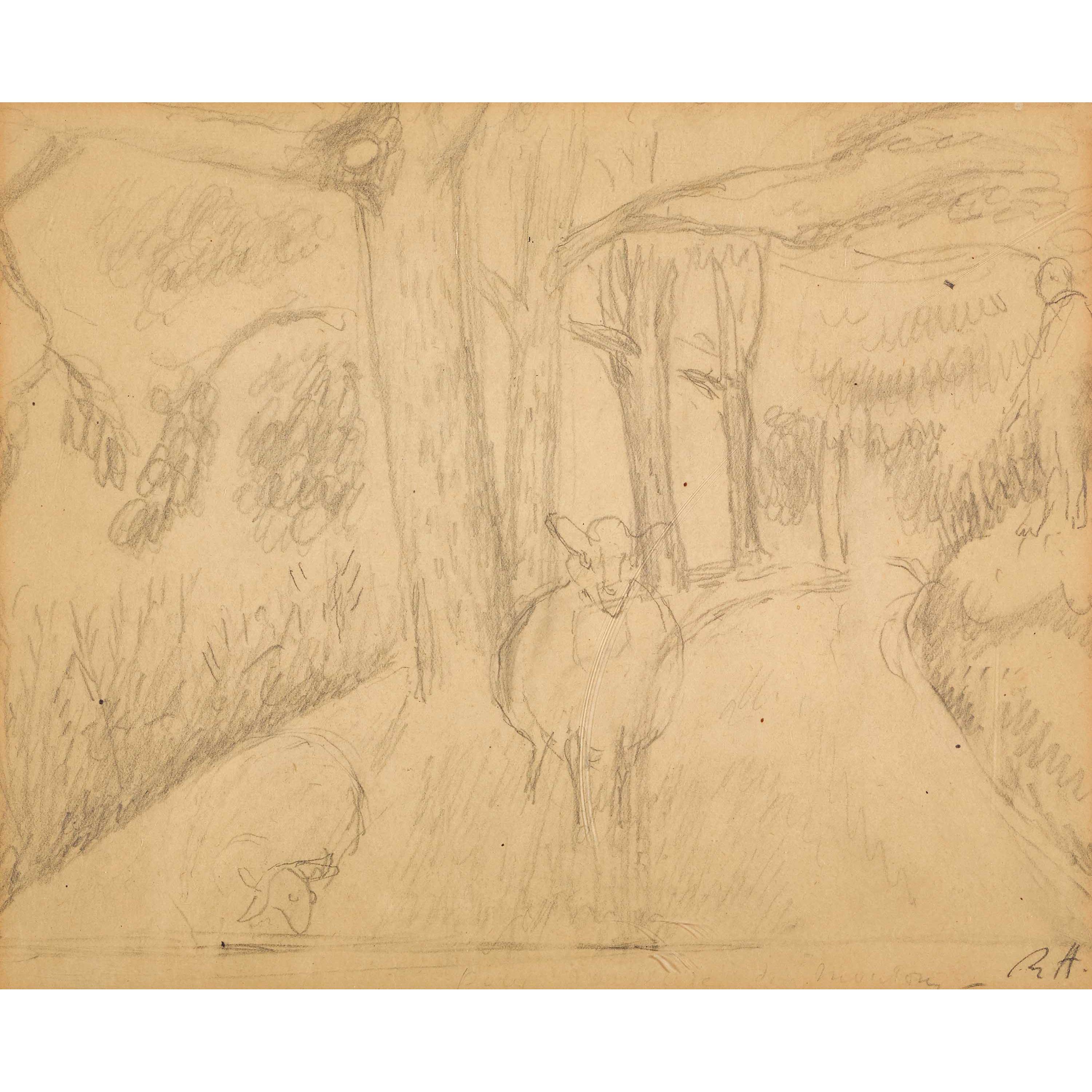
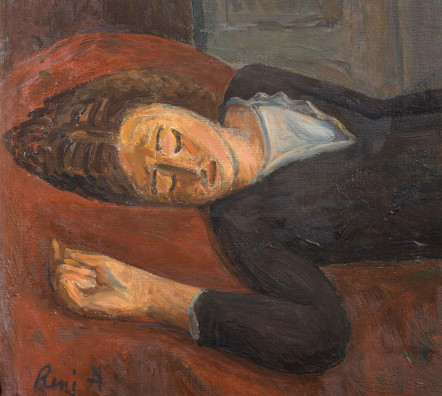
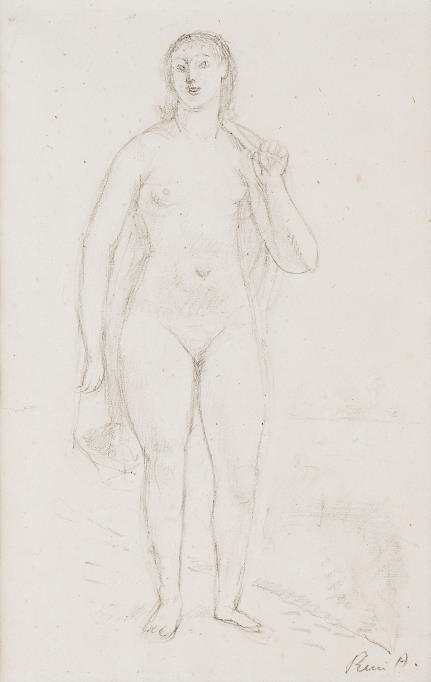
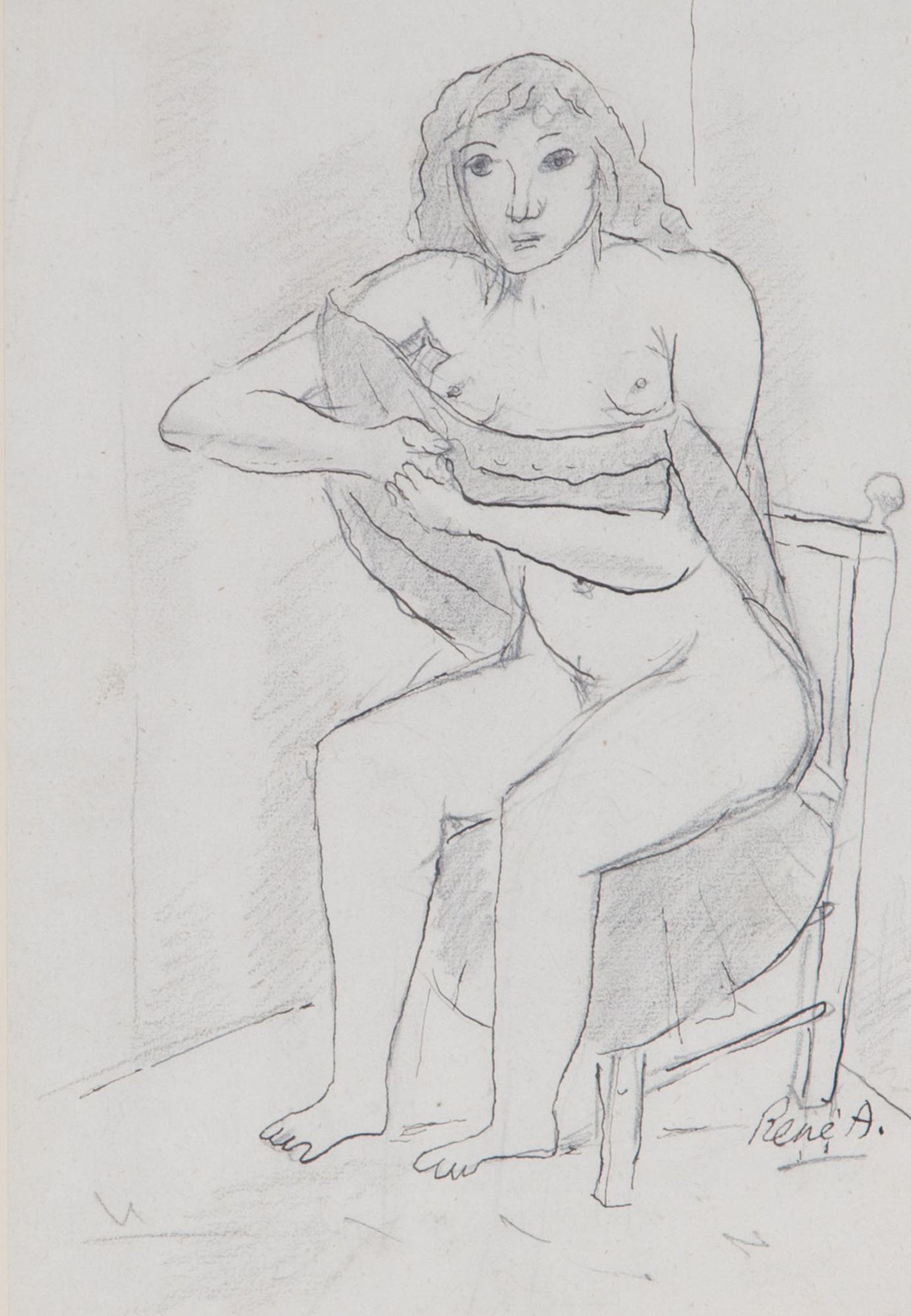
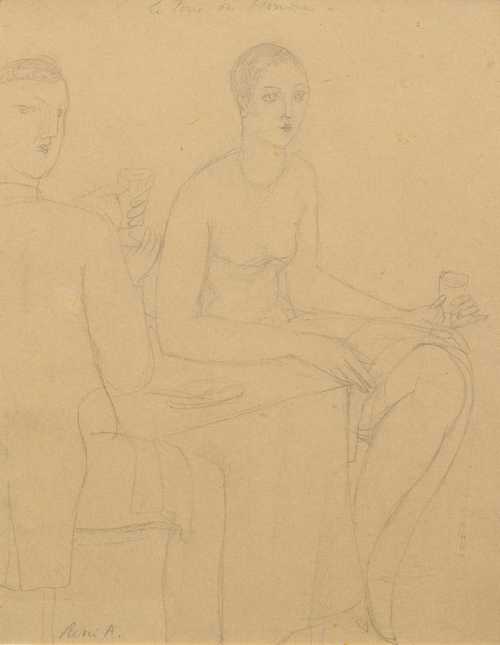
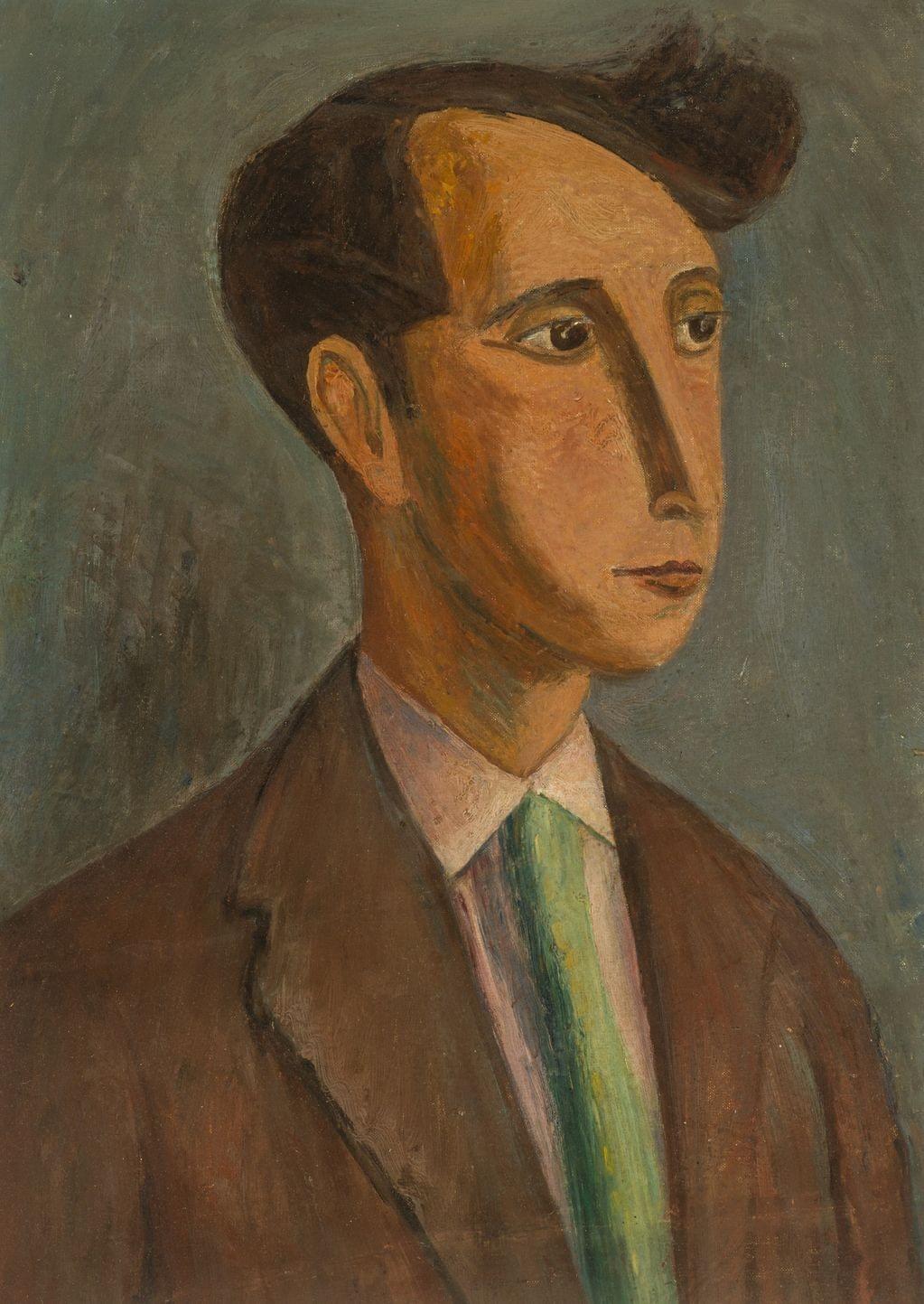
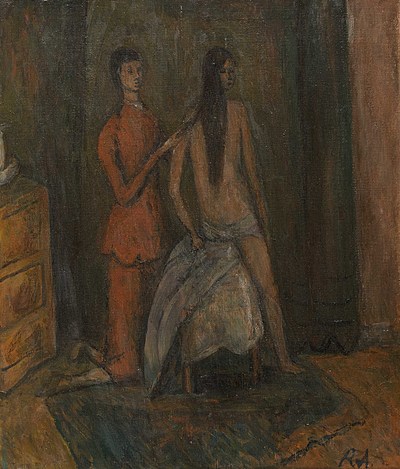
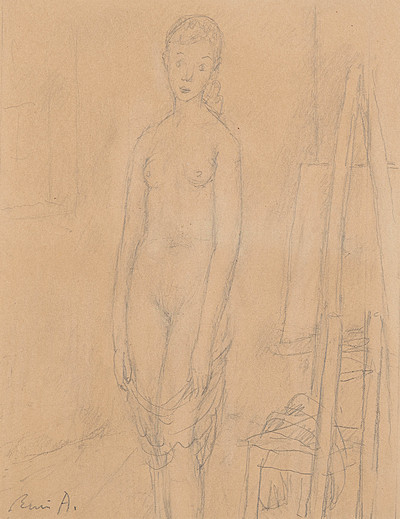
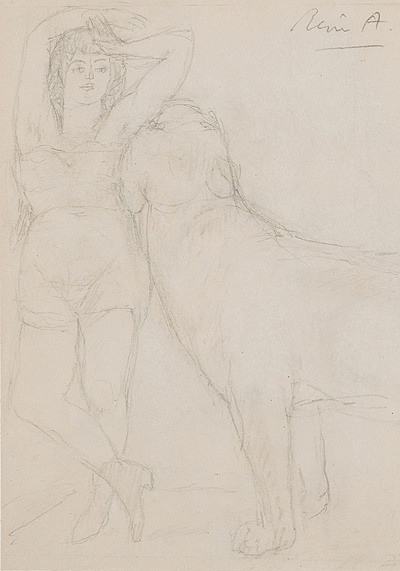
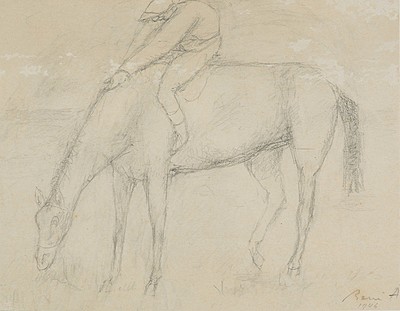
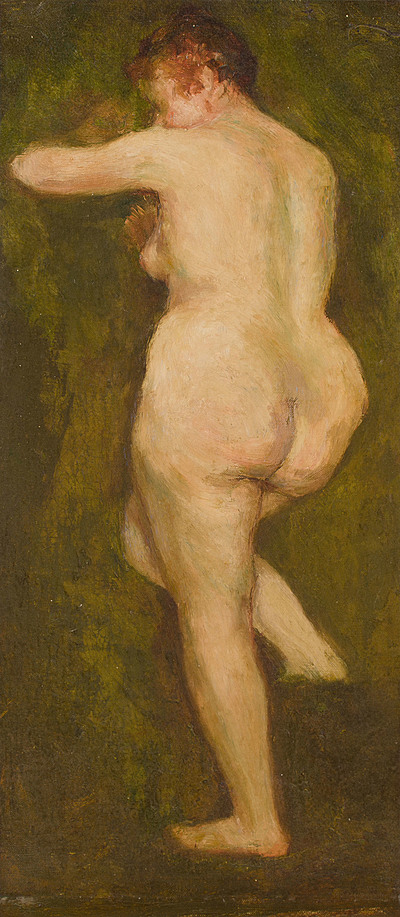
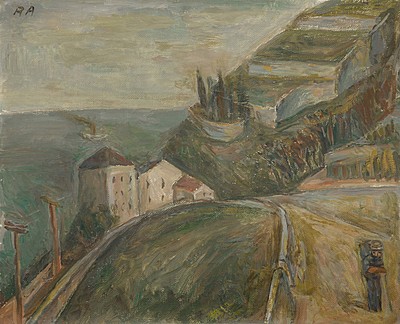
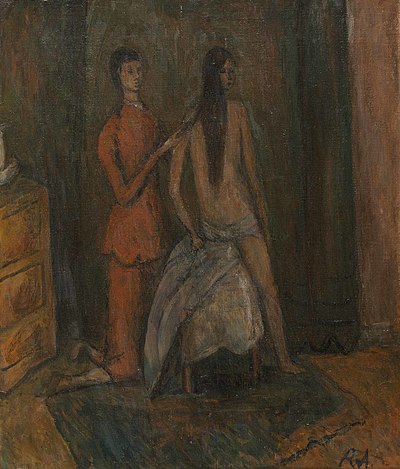
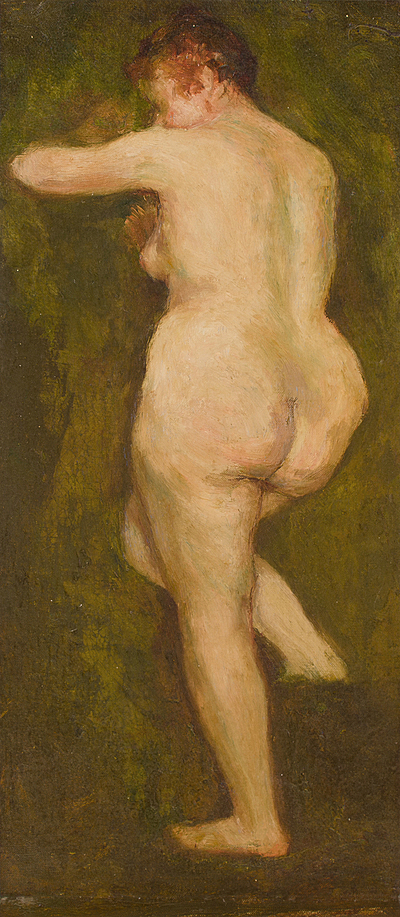
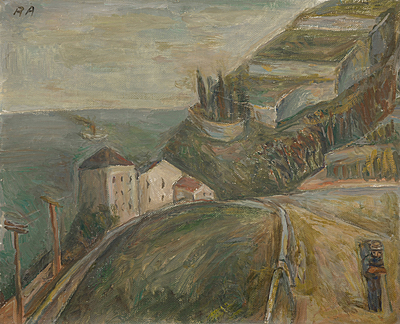
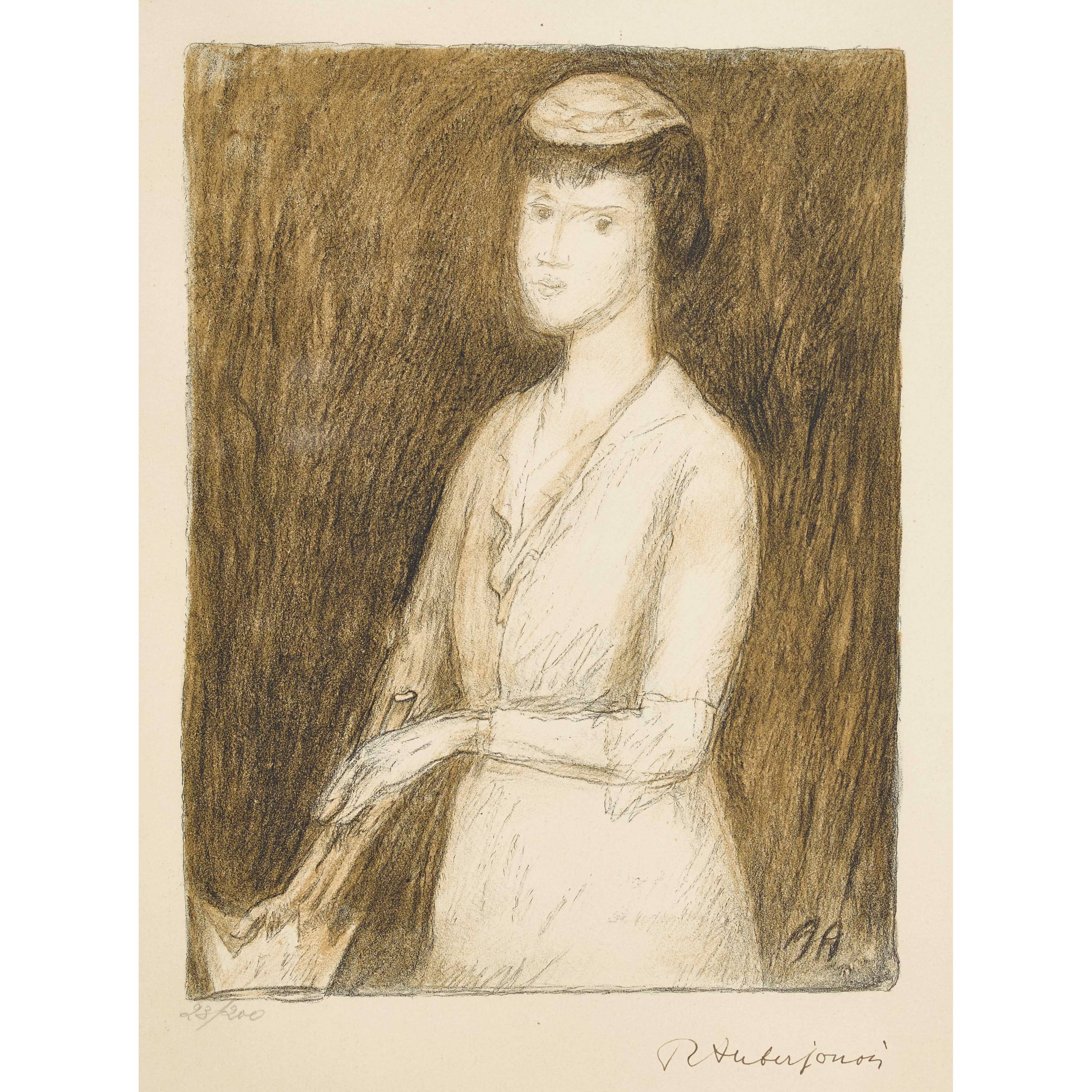
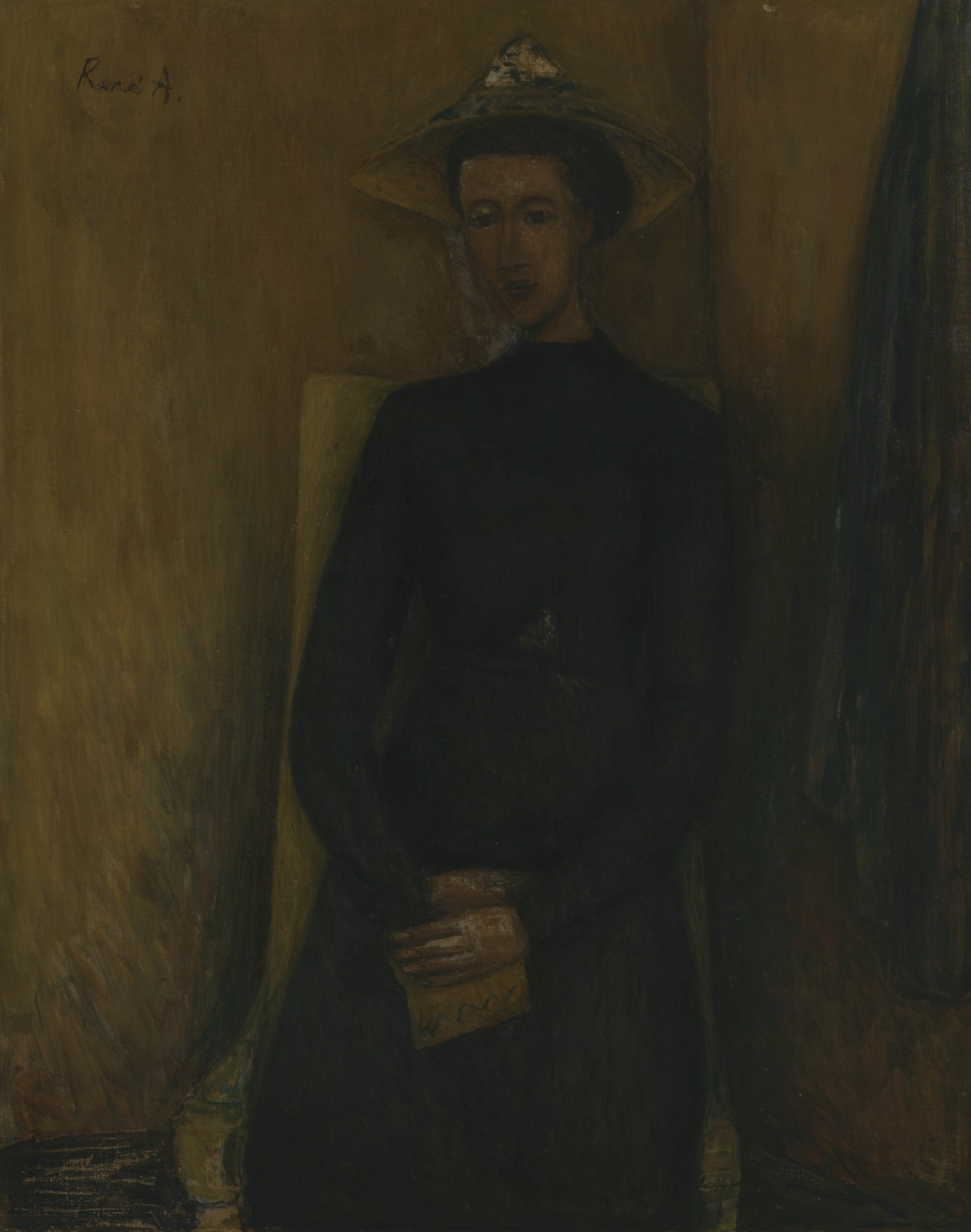
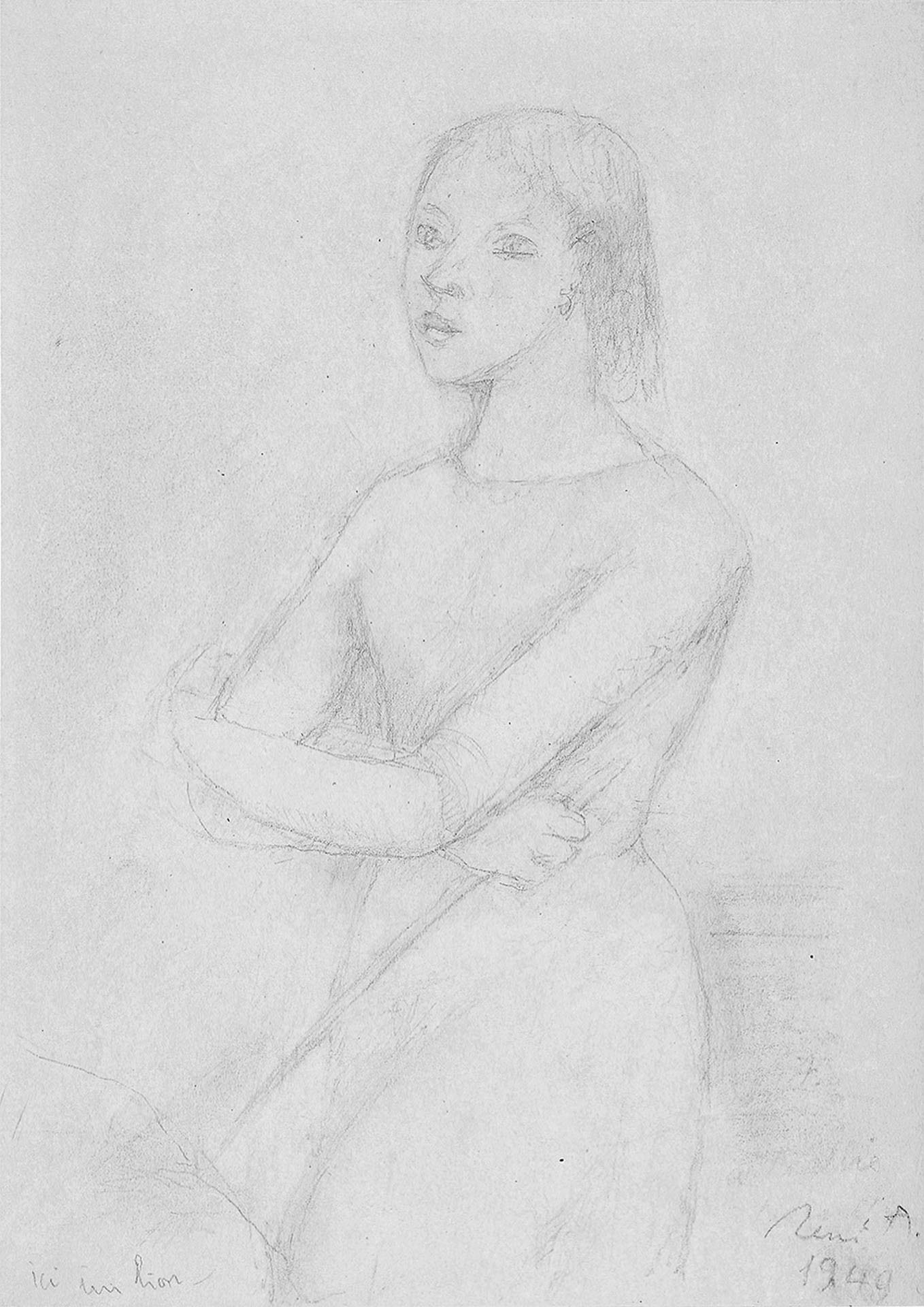
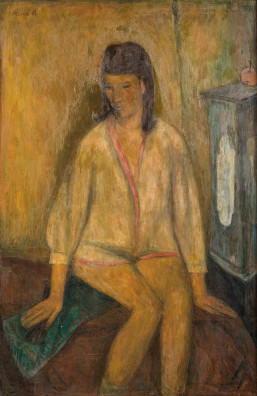
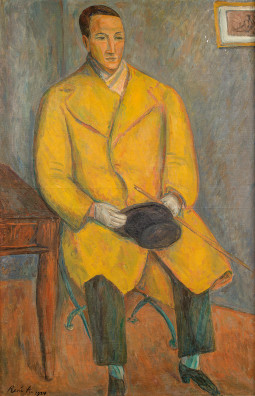
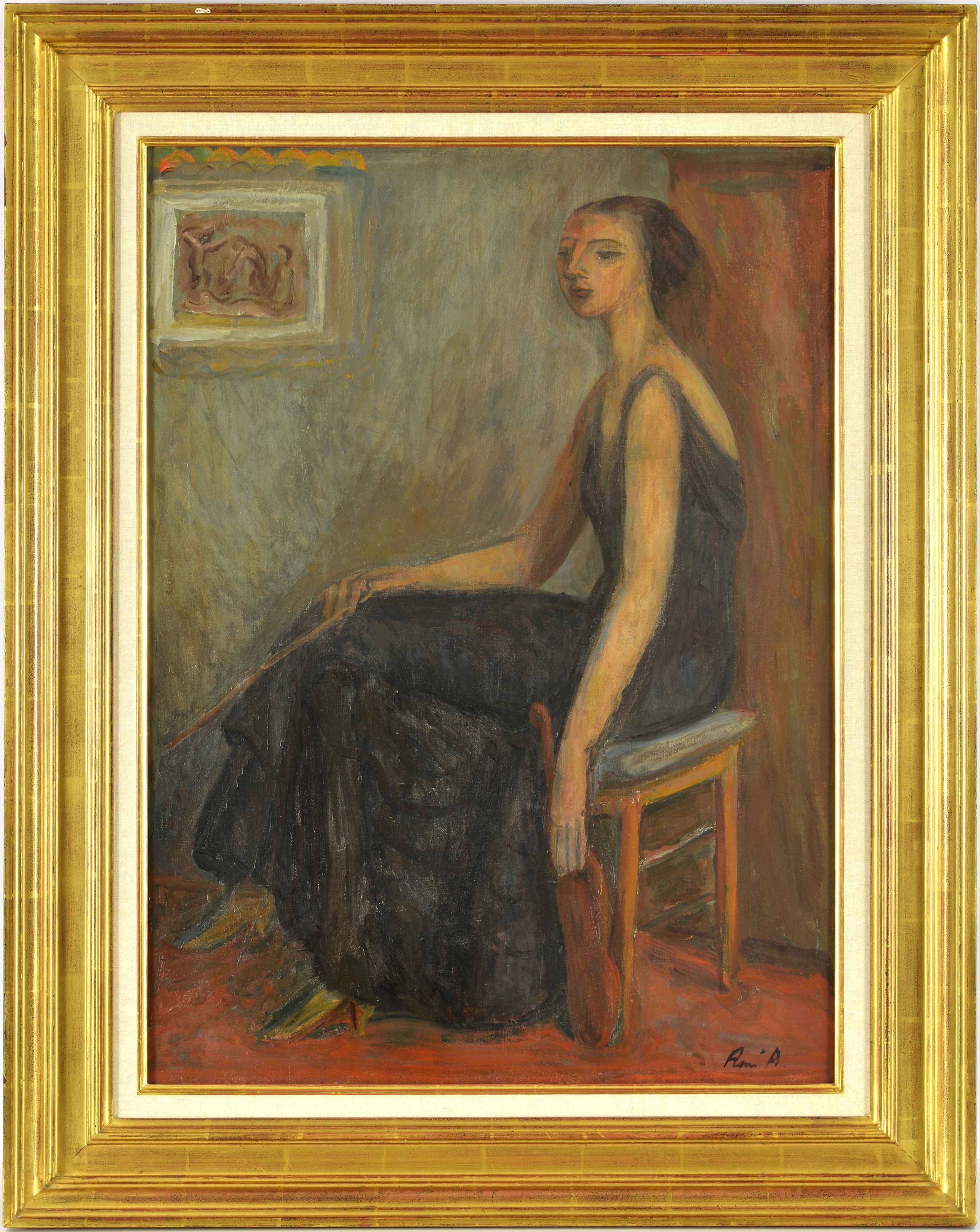
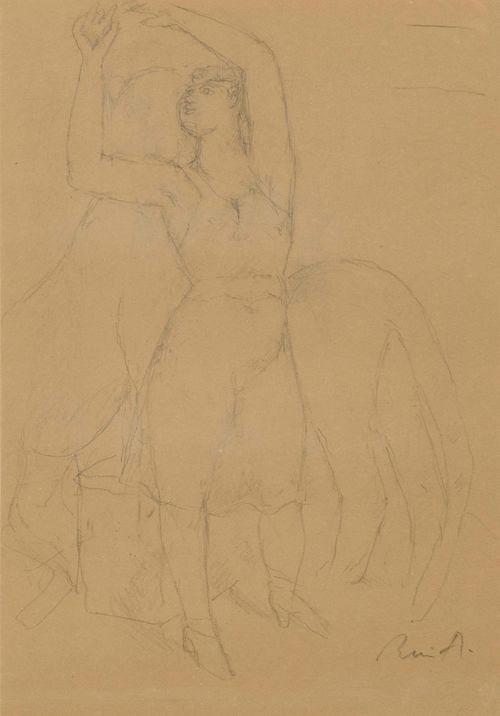
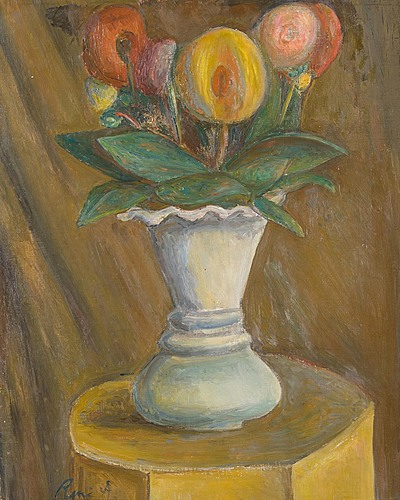
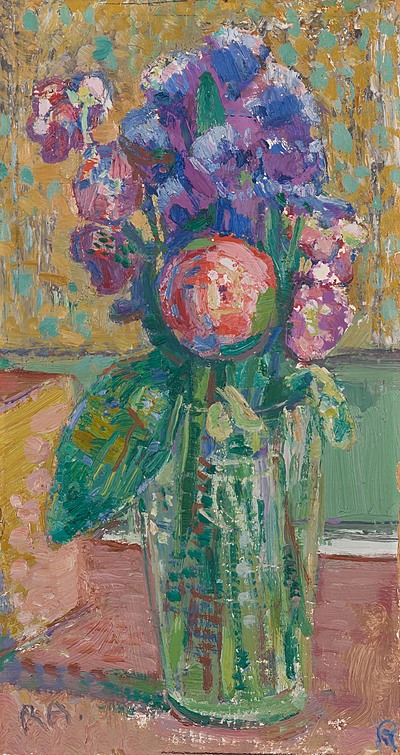
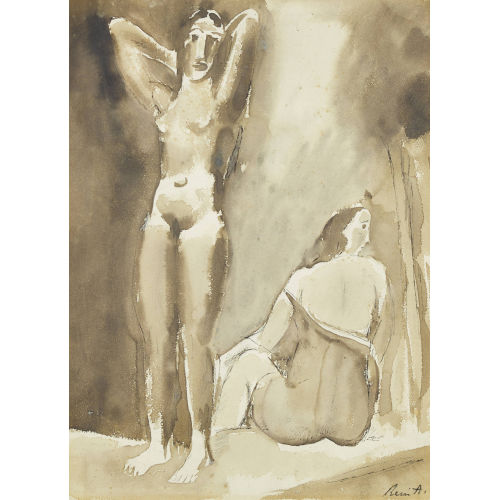
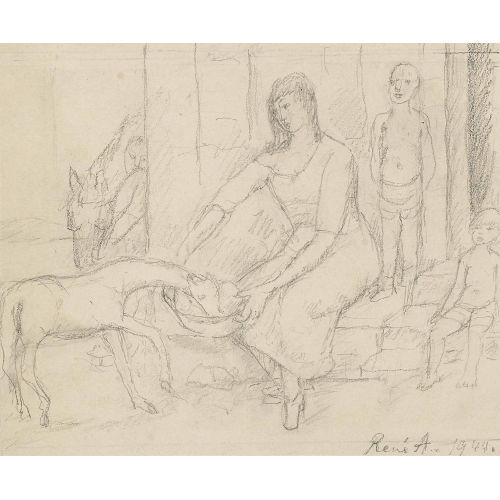
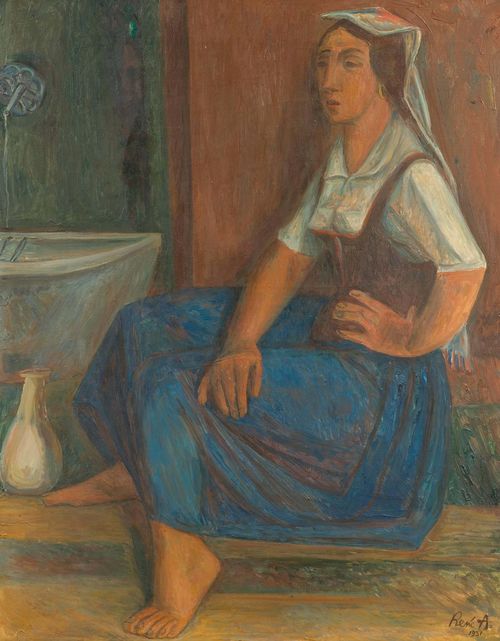
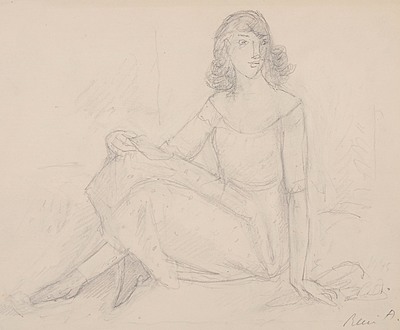
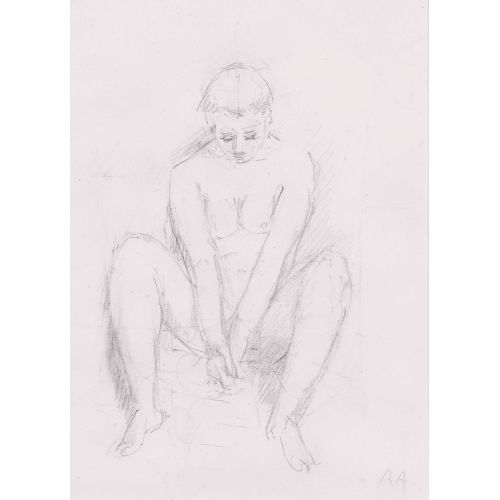
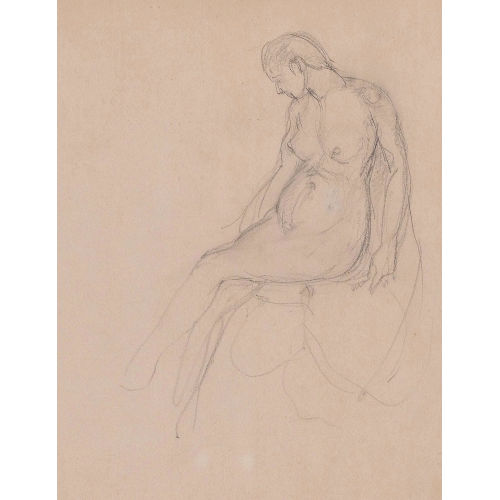
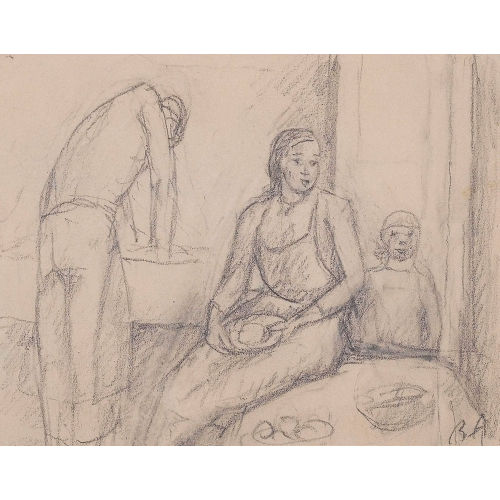
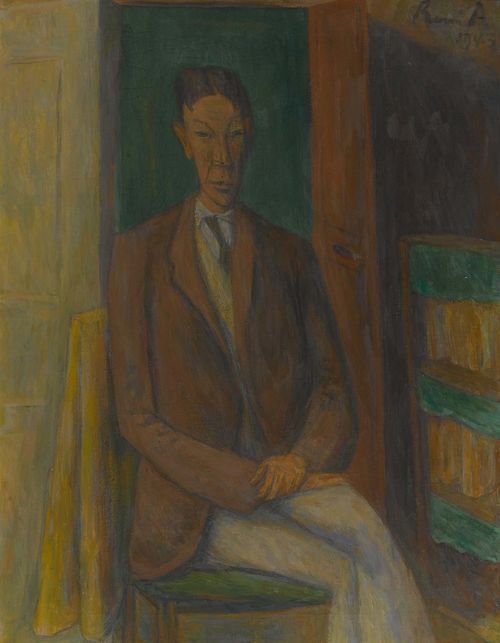
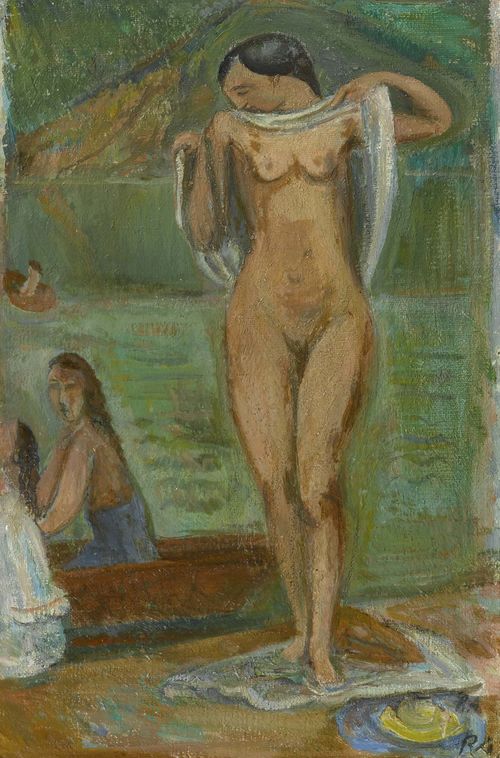
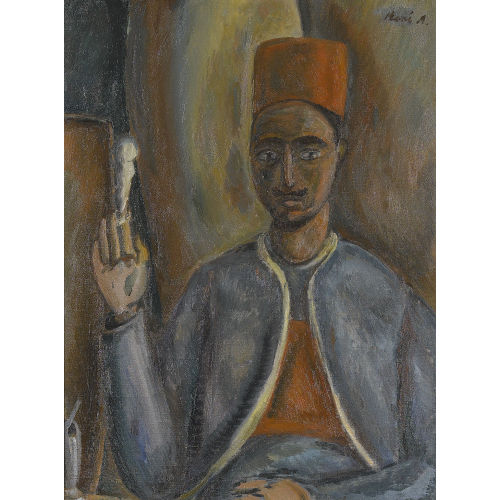
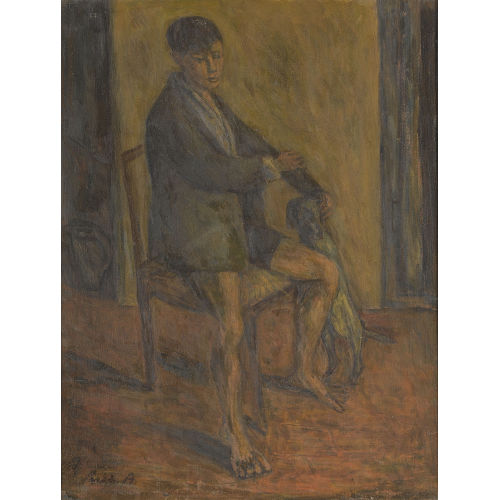
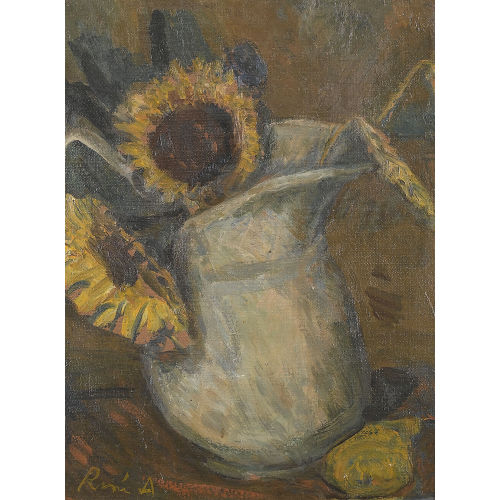
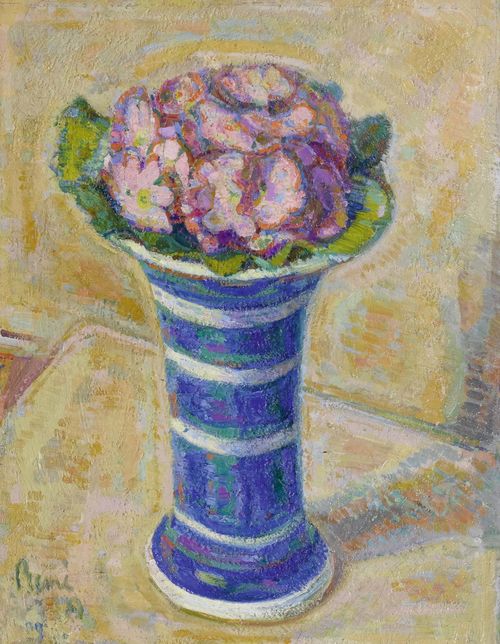
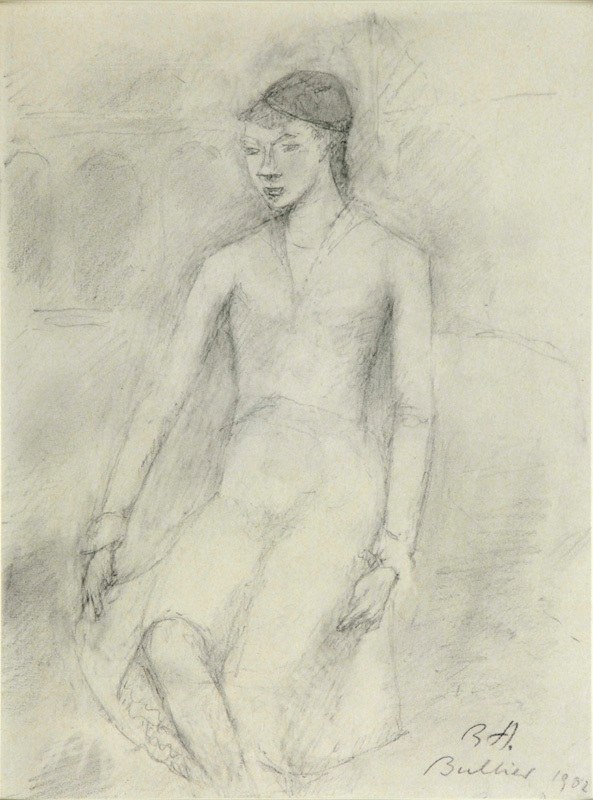
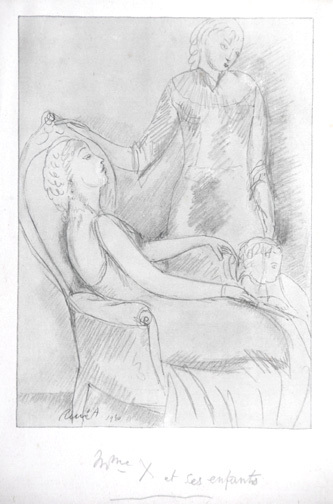
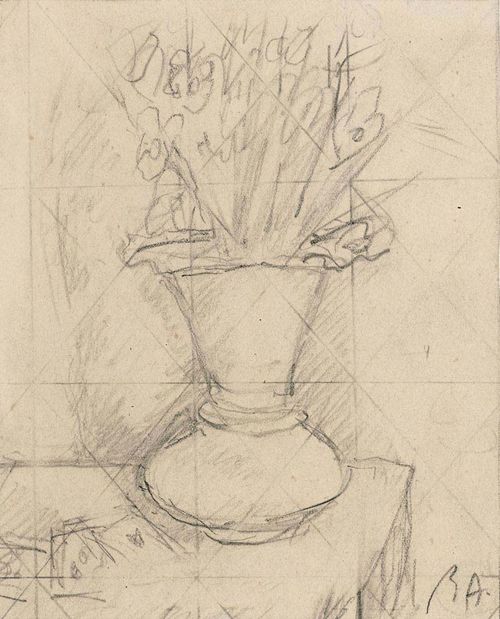
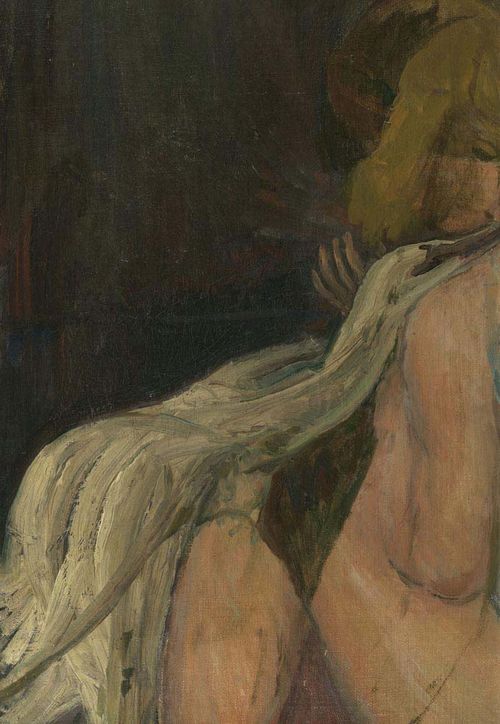
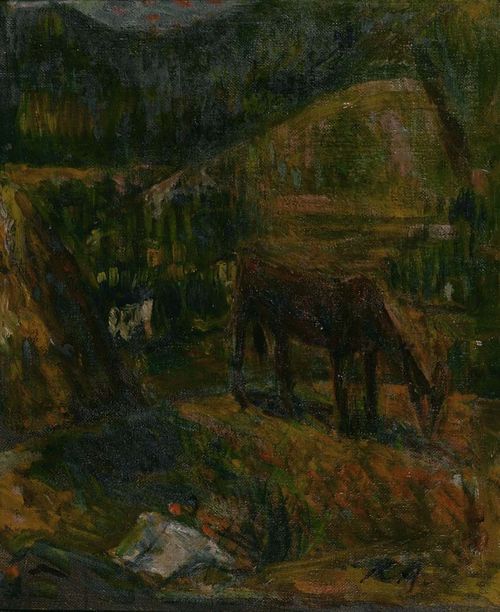
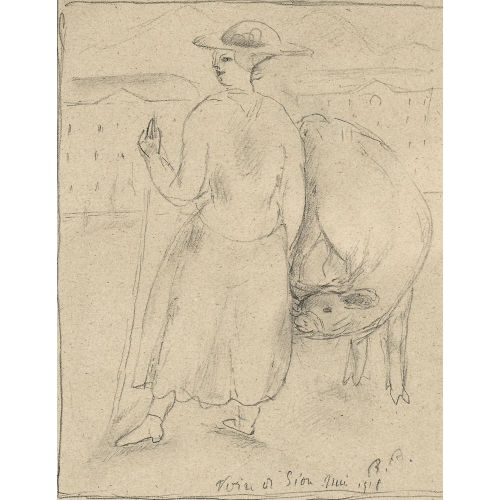
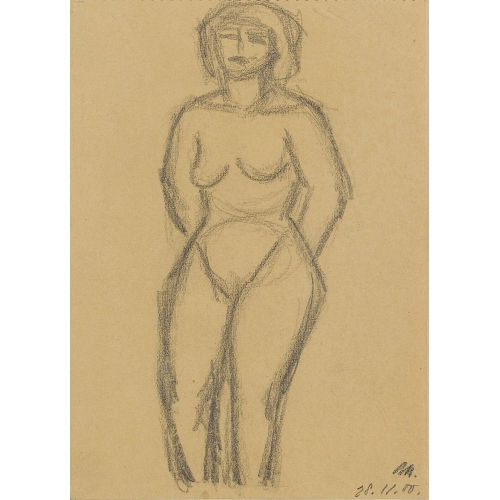
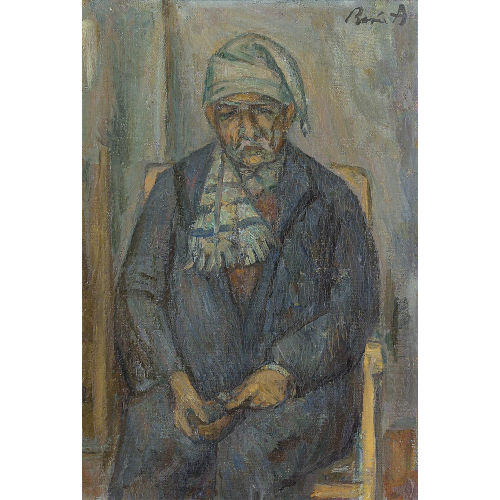
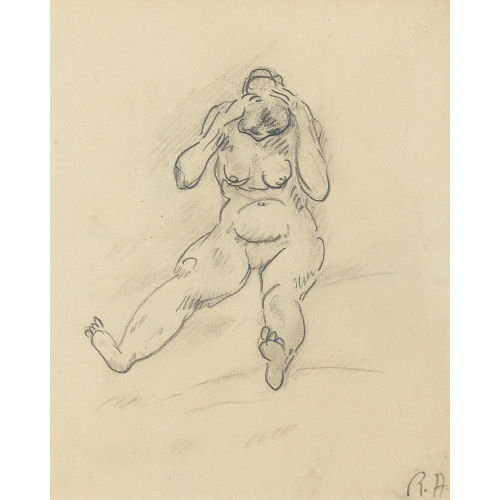
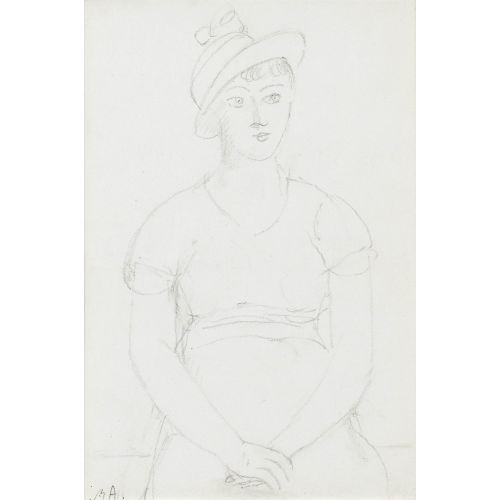
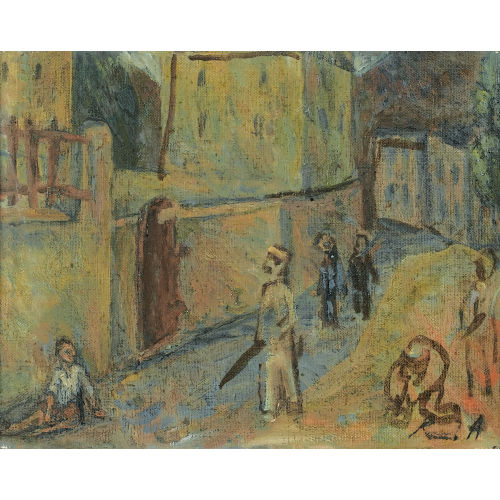
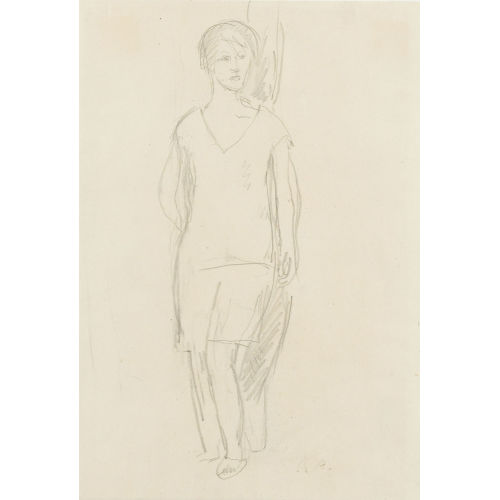
His paintings range across the Valais landscape, portraiture, the nude, still life and scenes of performance. Cézanne’s influence nourished his interest in the architecture of the image: Auberjonois organised forms, shifted viewpoints and sought a balance without submitting to classical perspective. In La route valaisanne (1940–1941), peasants on their mules, trees and the Rhône become interwoven in a tightly compressed composition.
The landscape becomes inseparable from those who inhabit it. The austere palette and deliberately distorted contours distance this painting from a mere description of the motif.
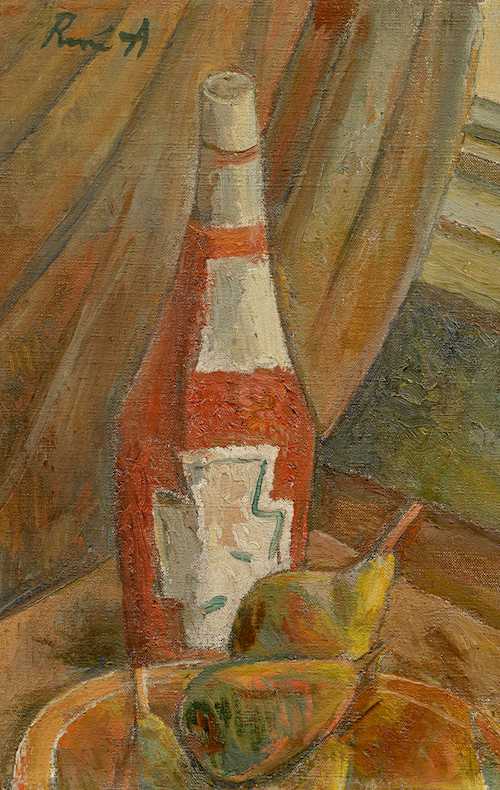
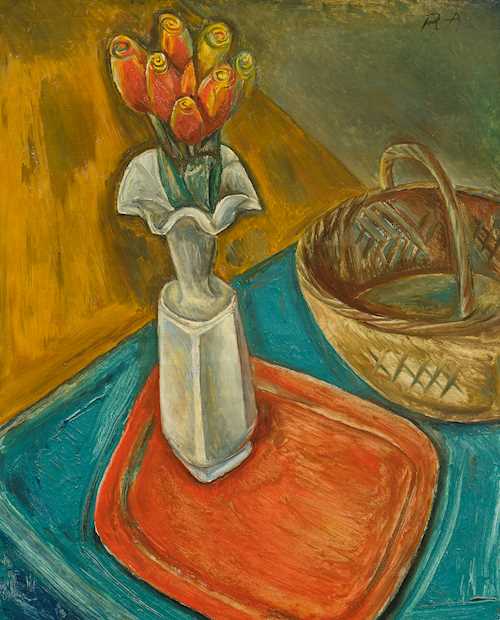
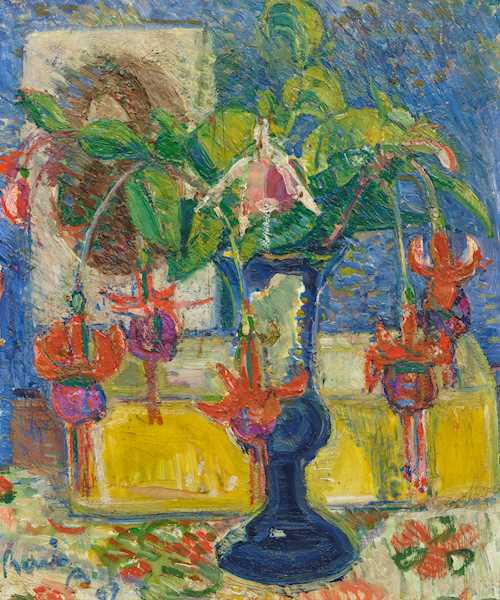
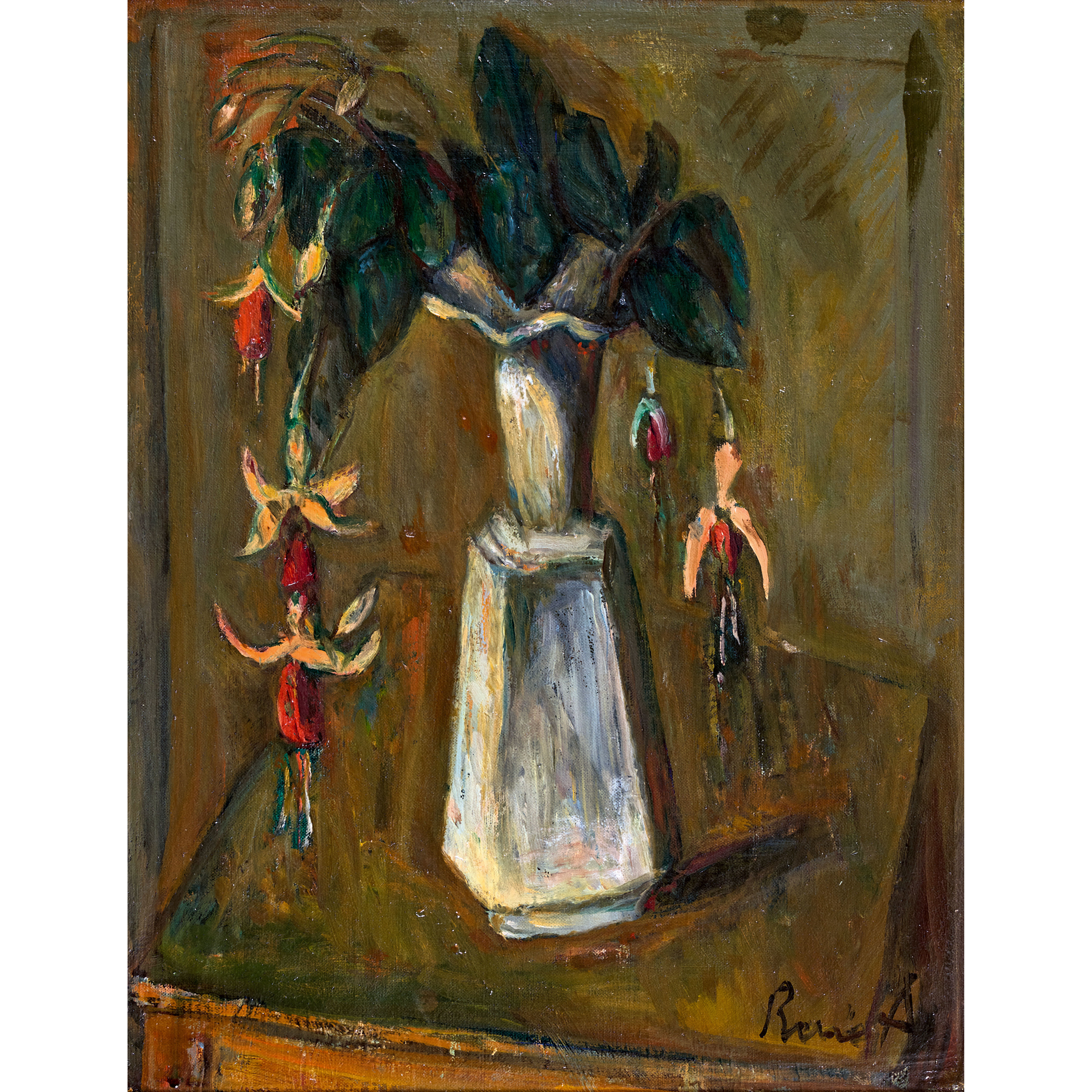
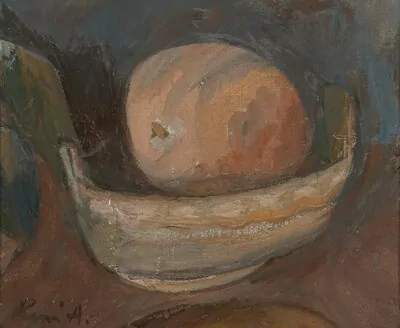
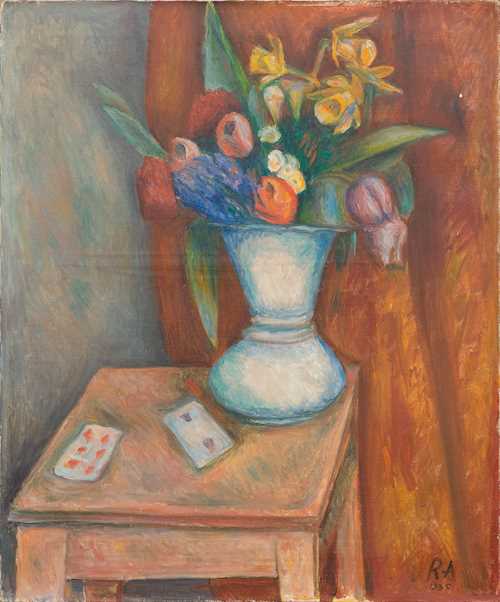
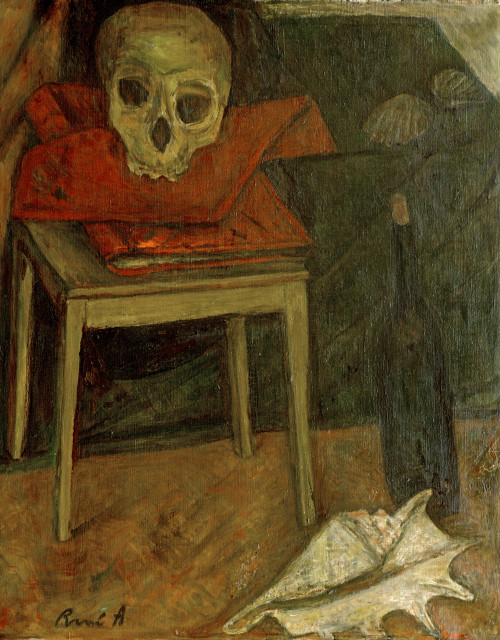
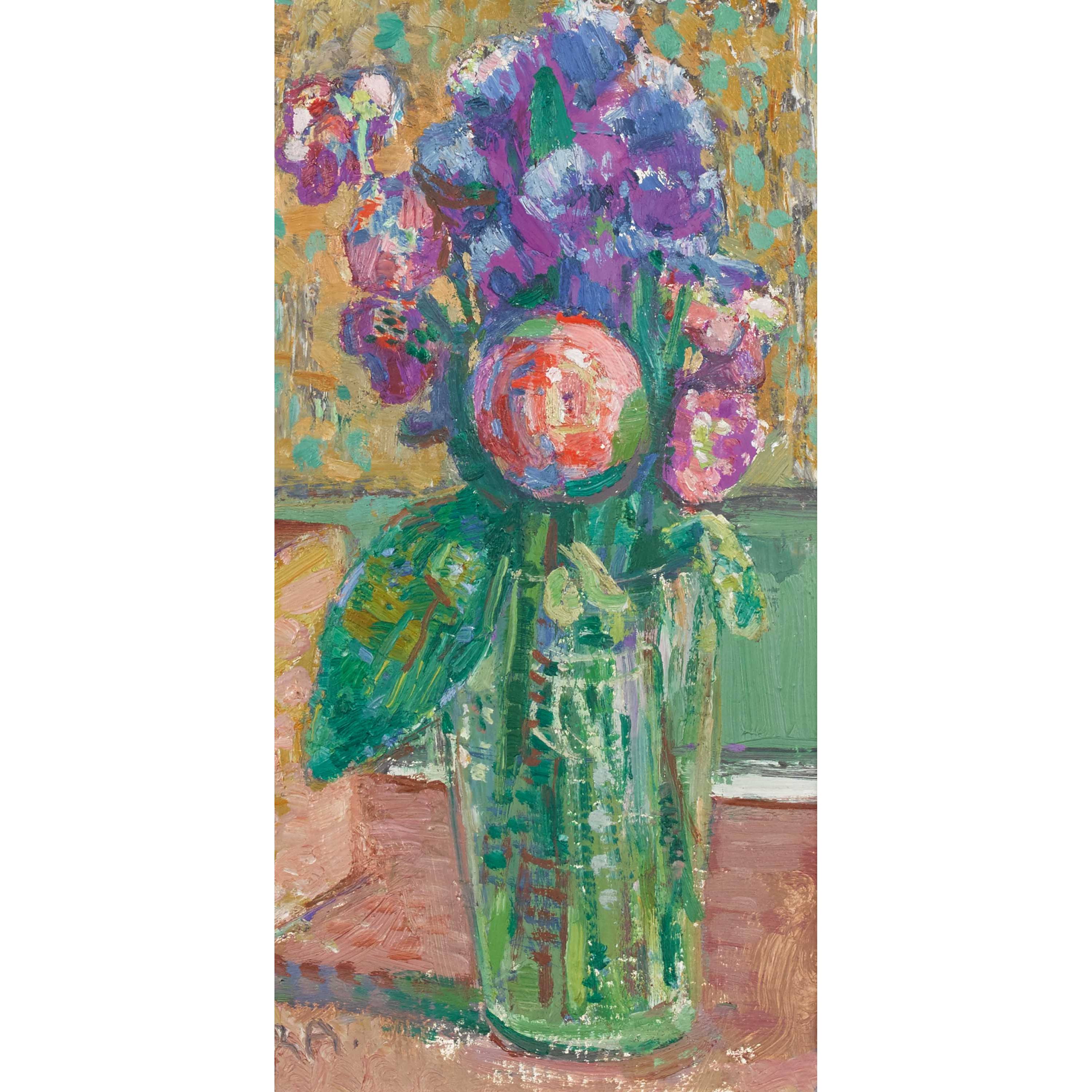
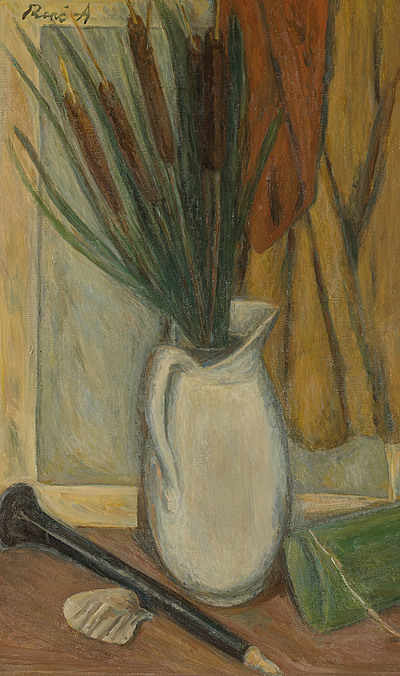
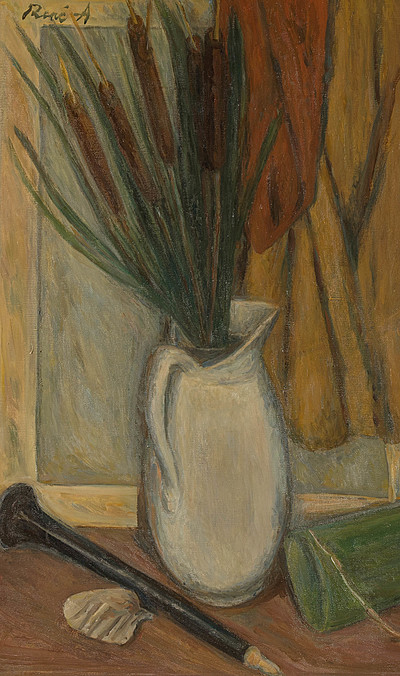
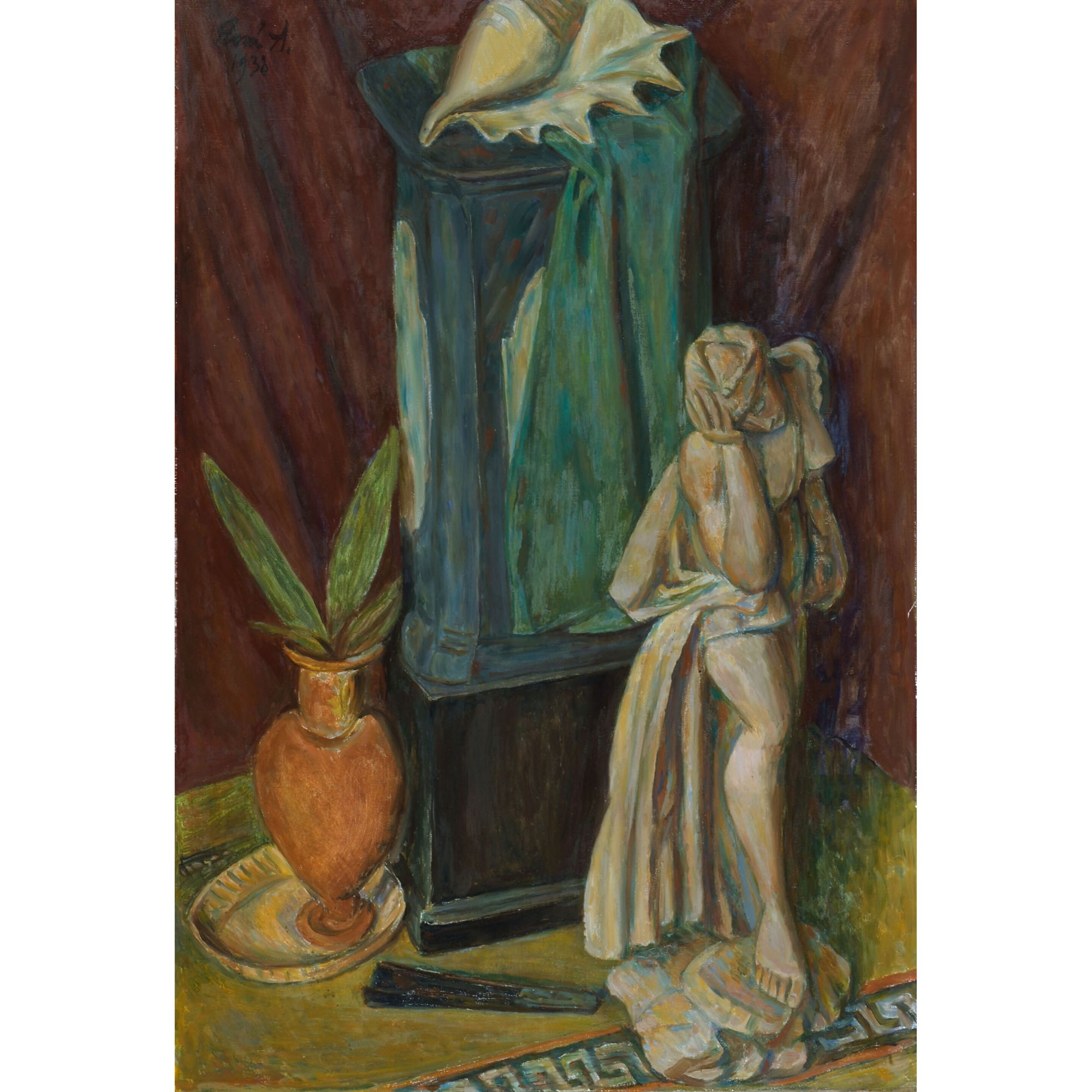
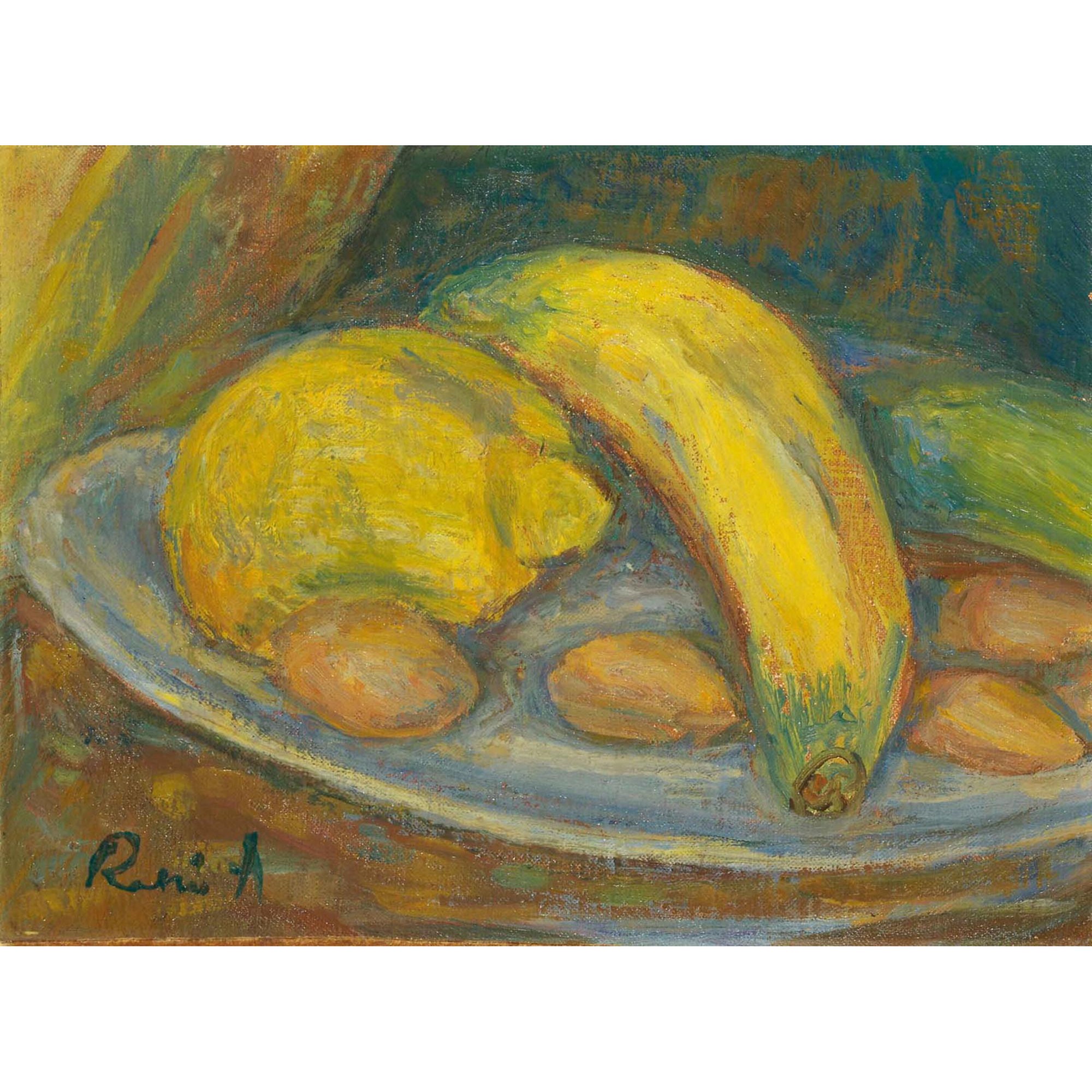
Towards the end of his life, Auberjonois pushed this tension between order and instability even further. In Nature morte aux fourchettes (1953), the table seems to tilt towards the viewer; the utensils and fruit point in several directions. The everyday object becomes almost a character, while the surface of the painting asserts its own logic.
Present at the Venice Biennale in 1948 and then at documenta in Kassel in 1955, the artist achieved belated international recognition. His work remains committed to figuration, yet turns every subject into a demanding enquiry into composition and the act of looking.